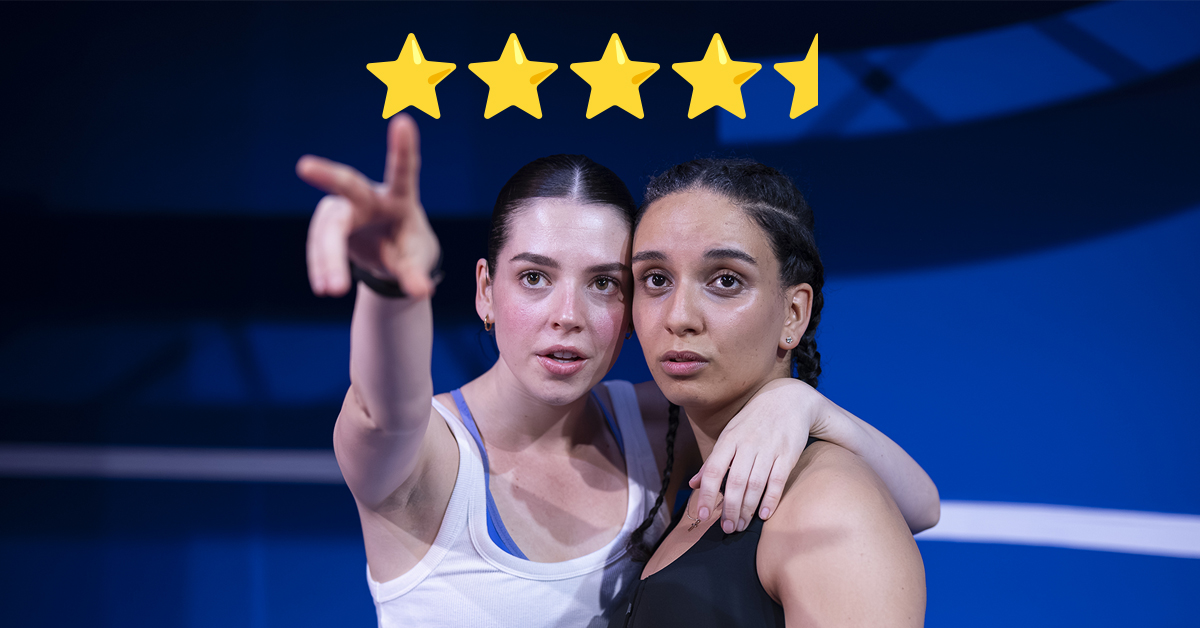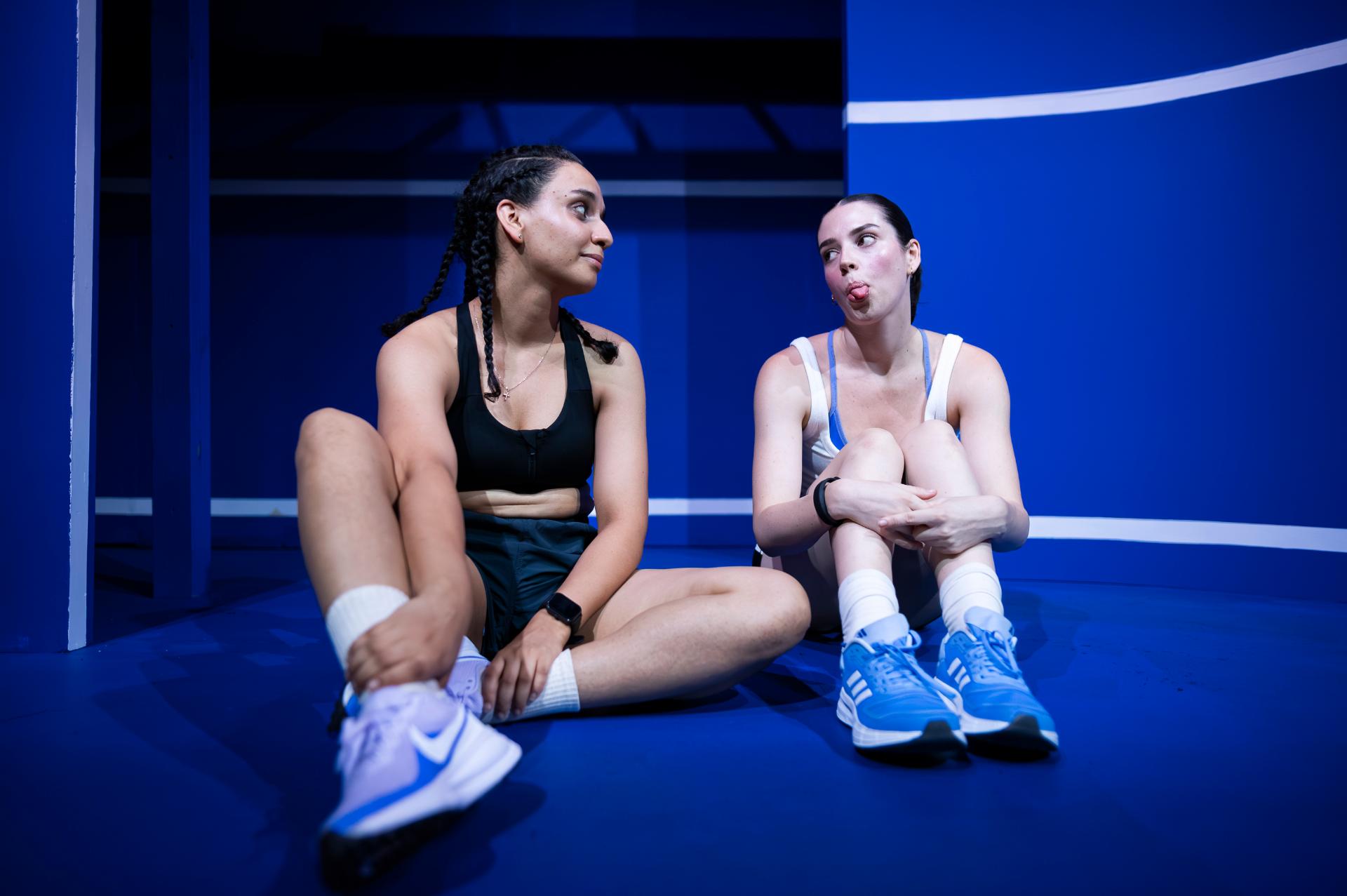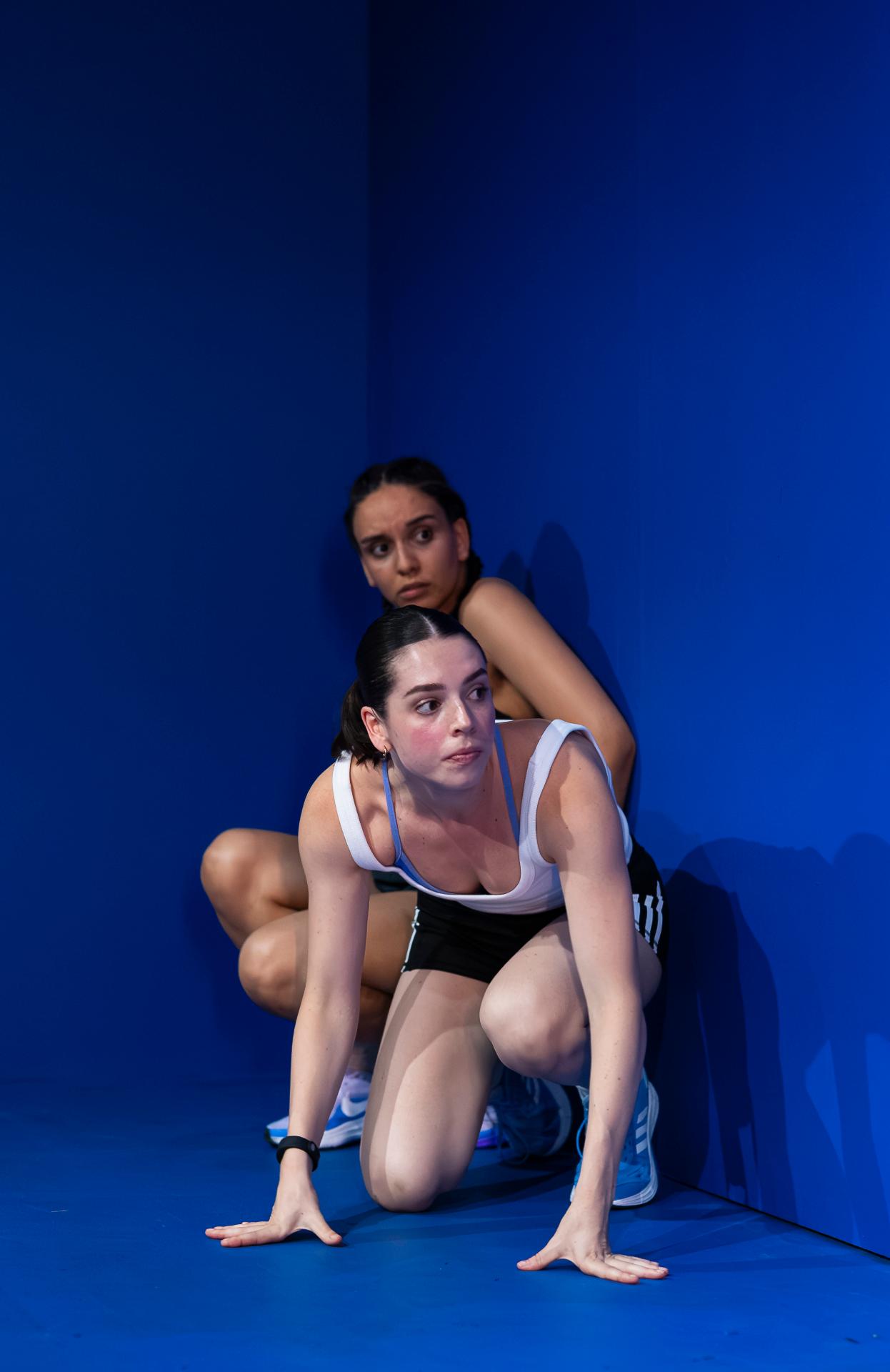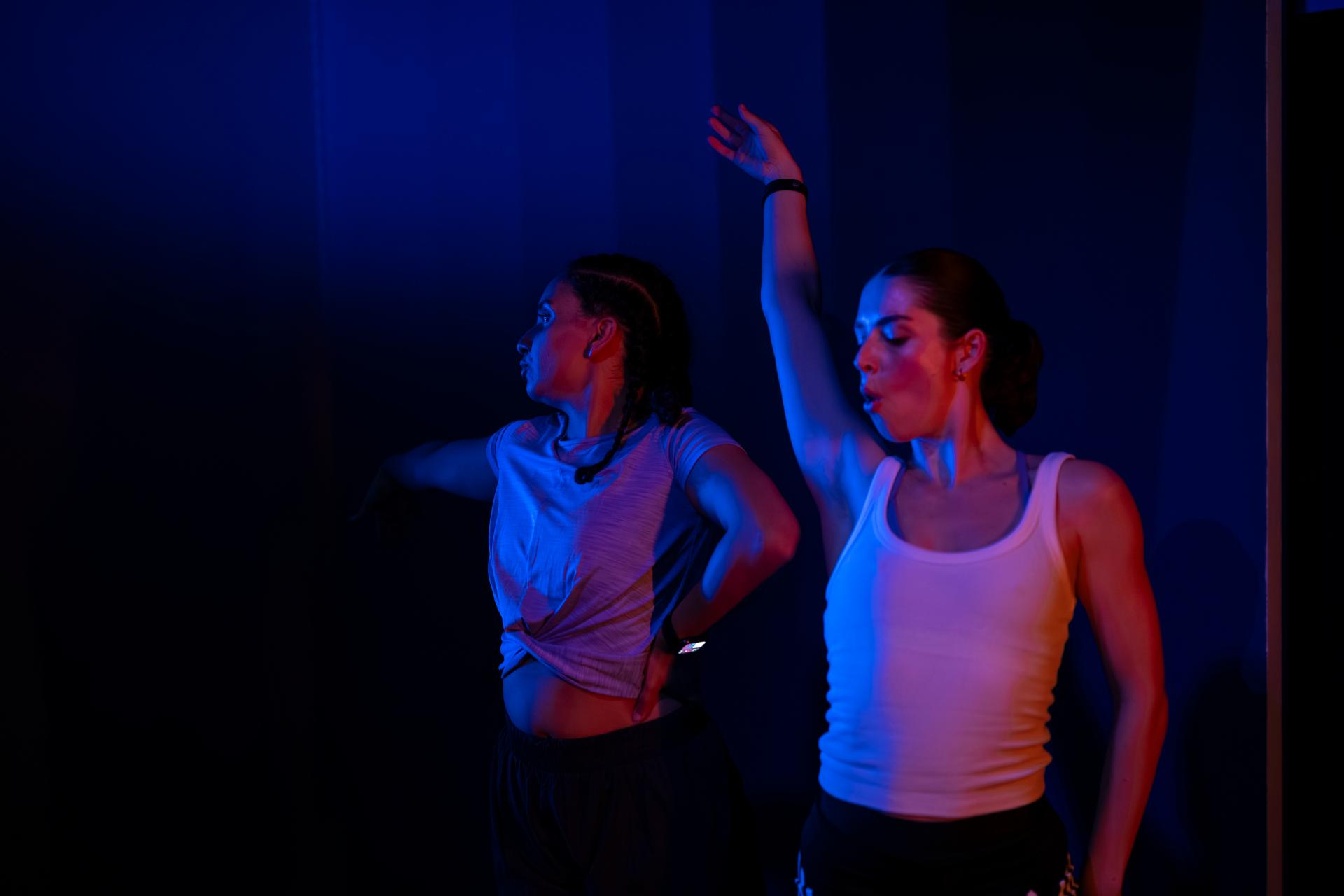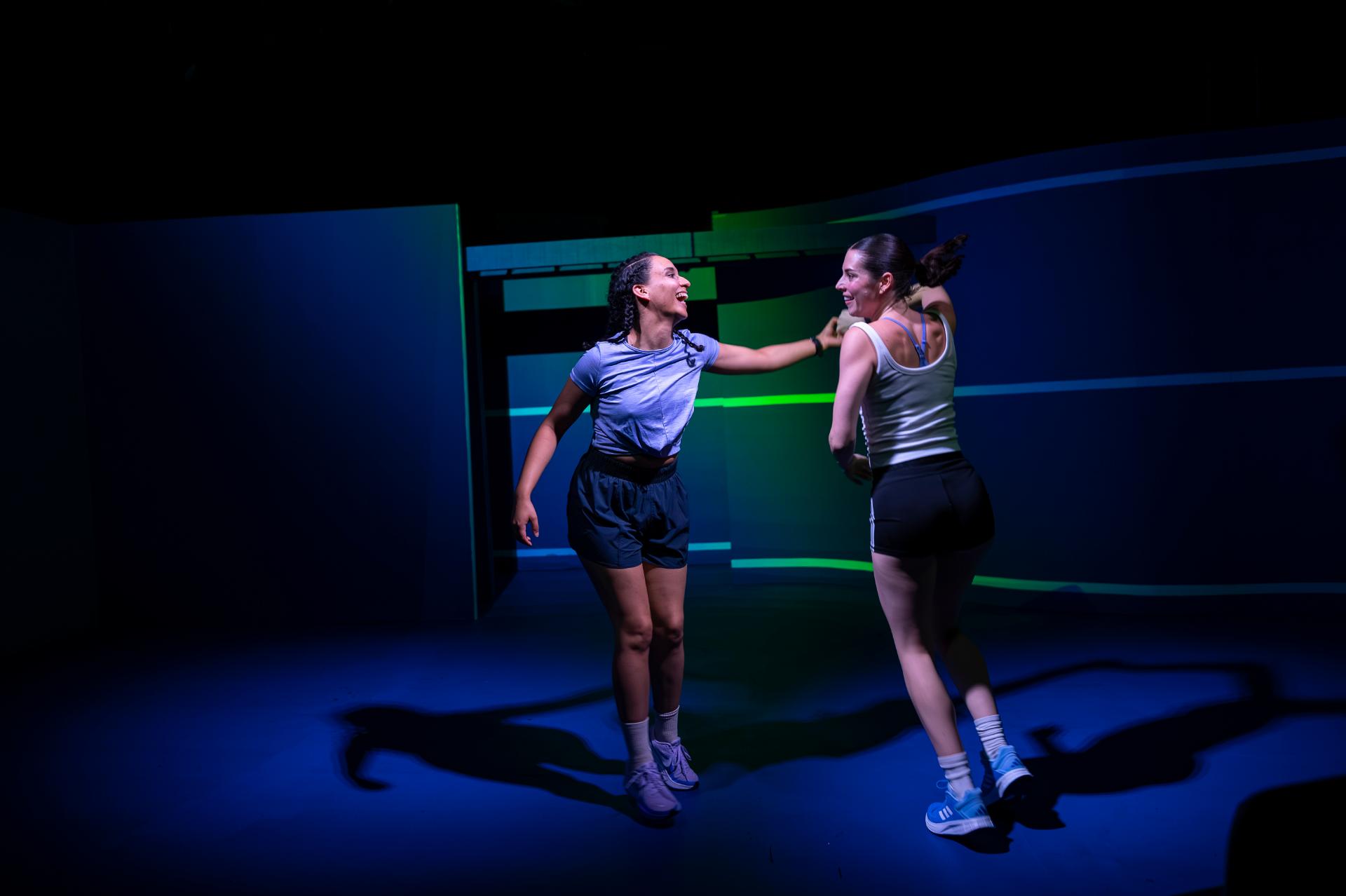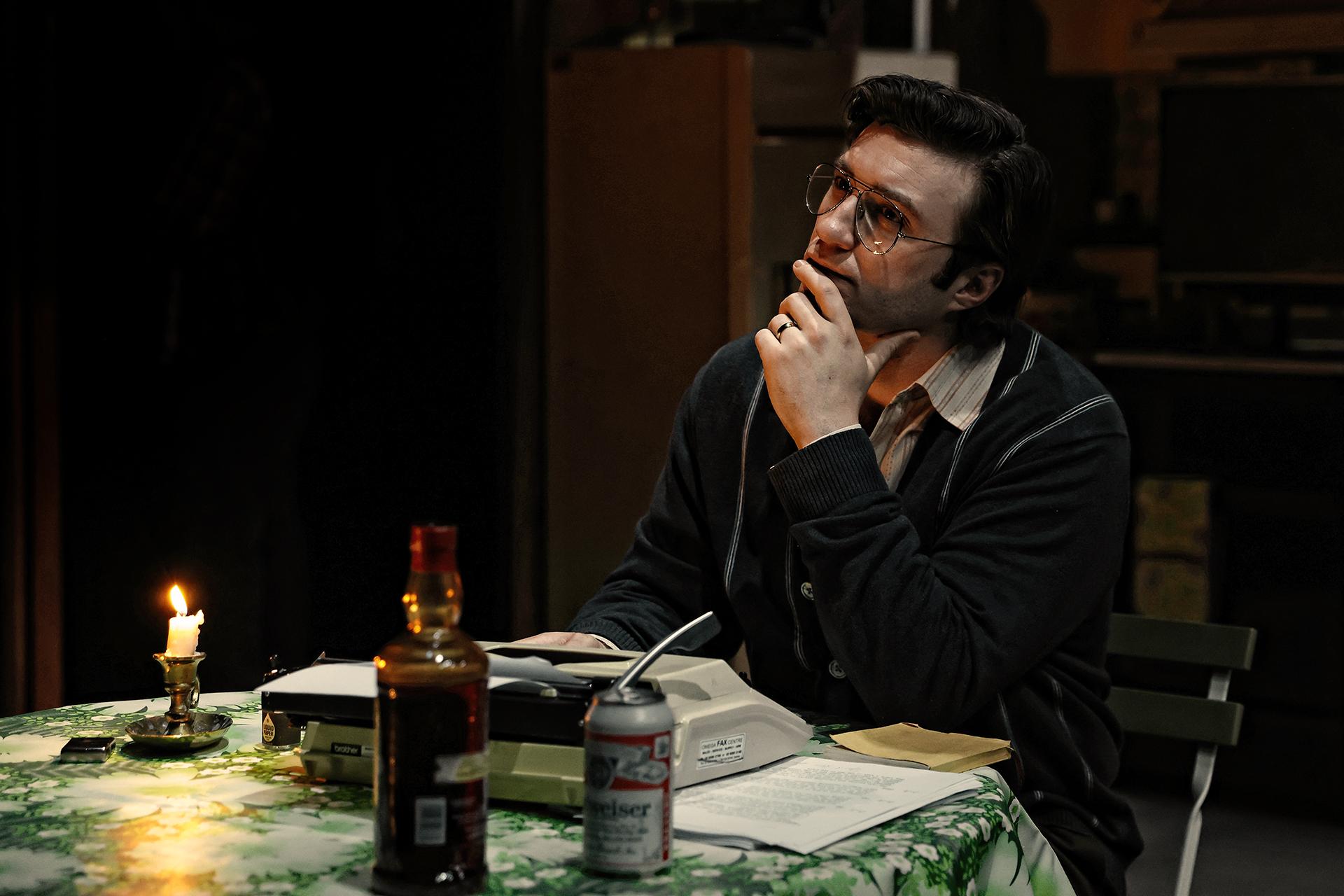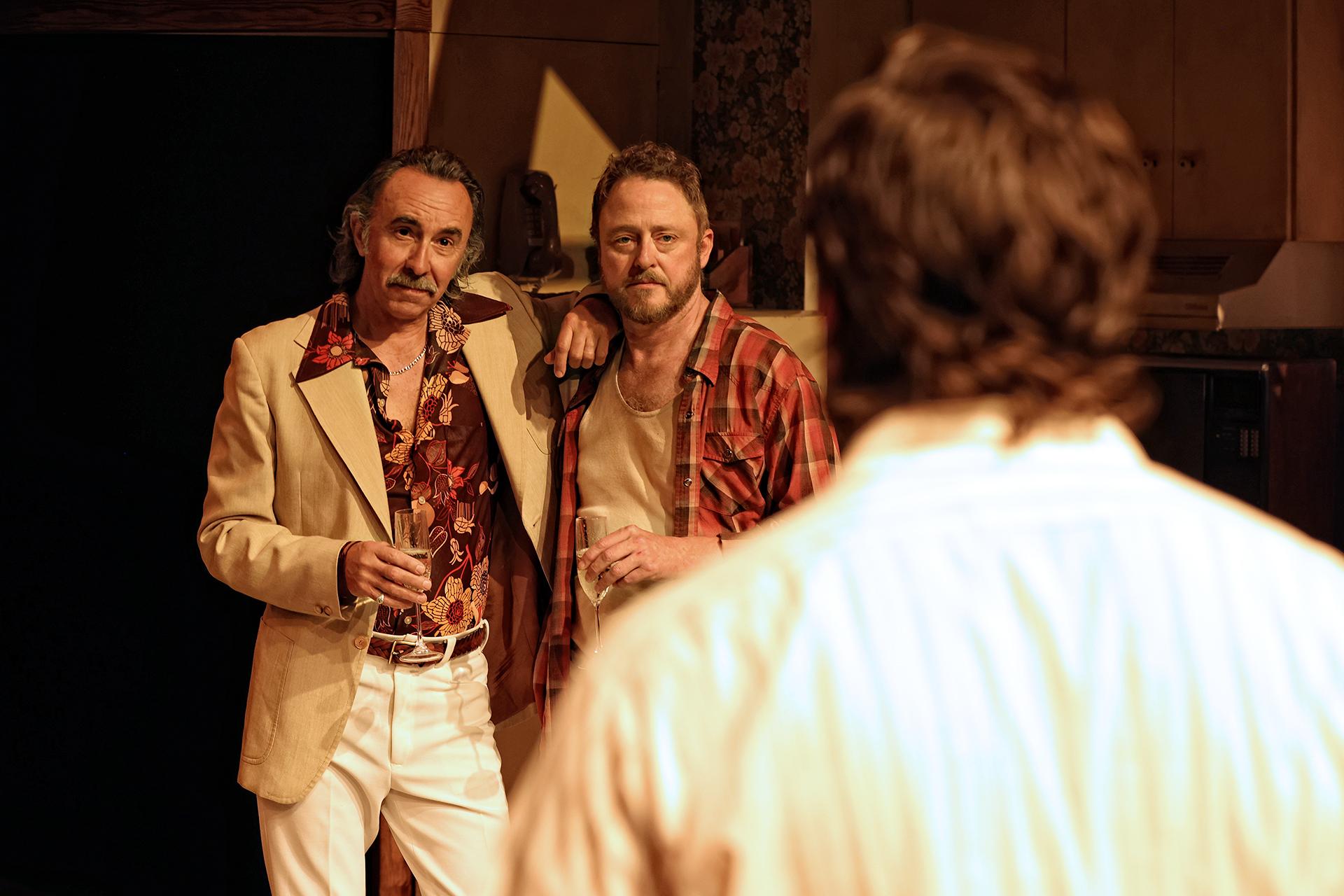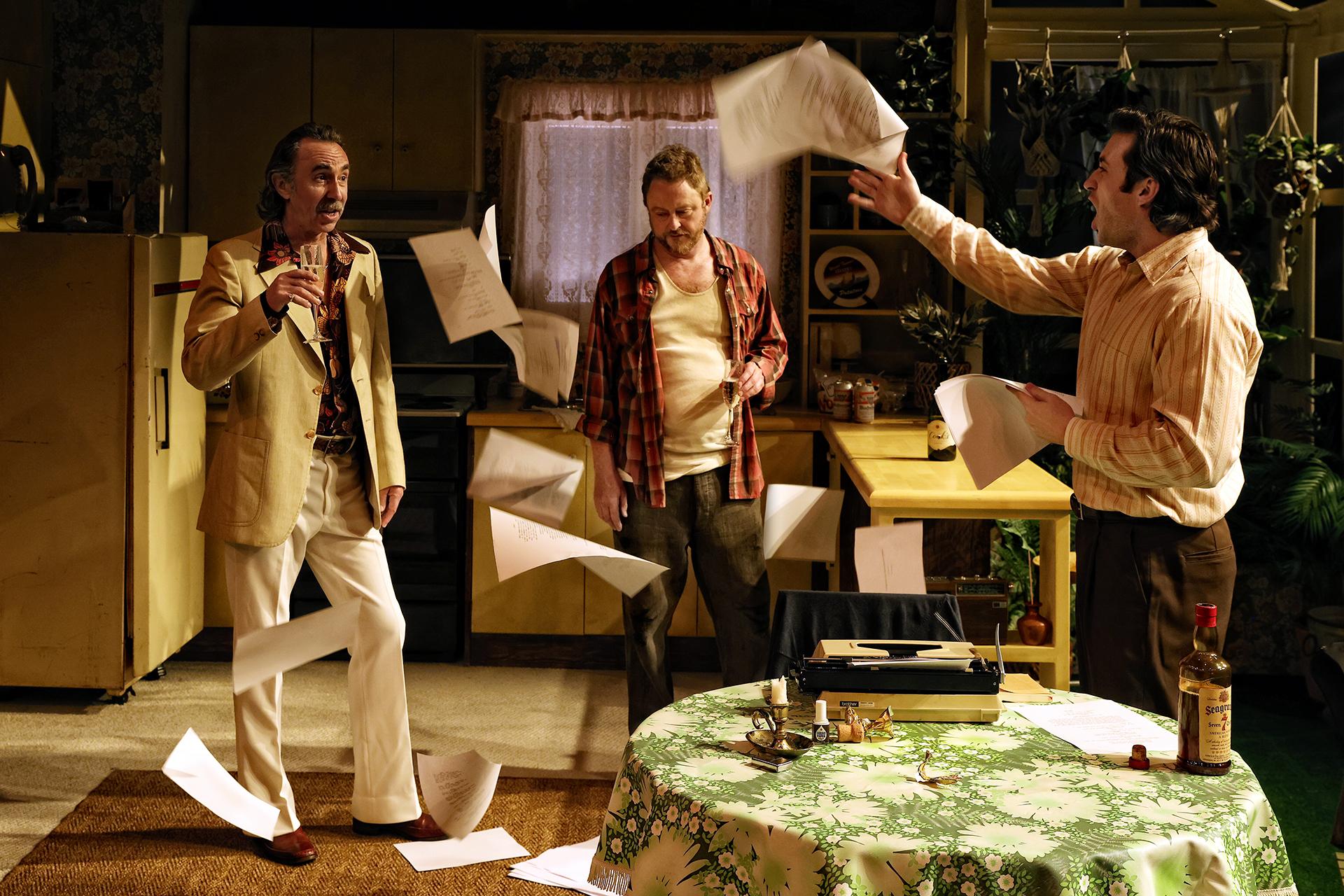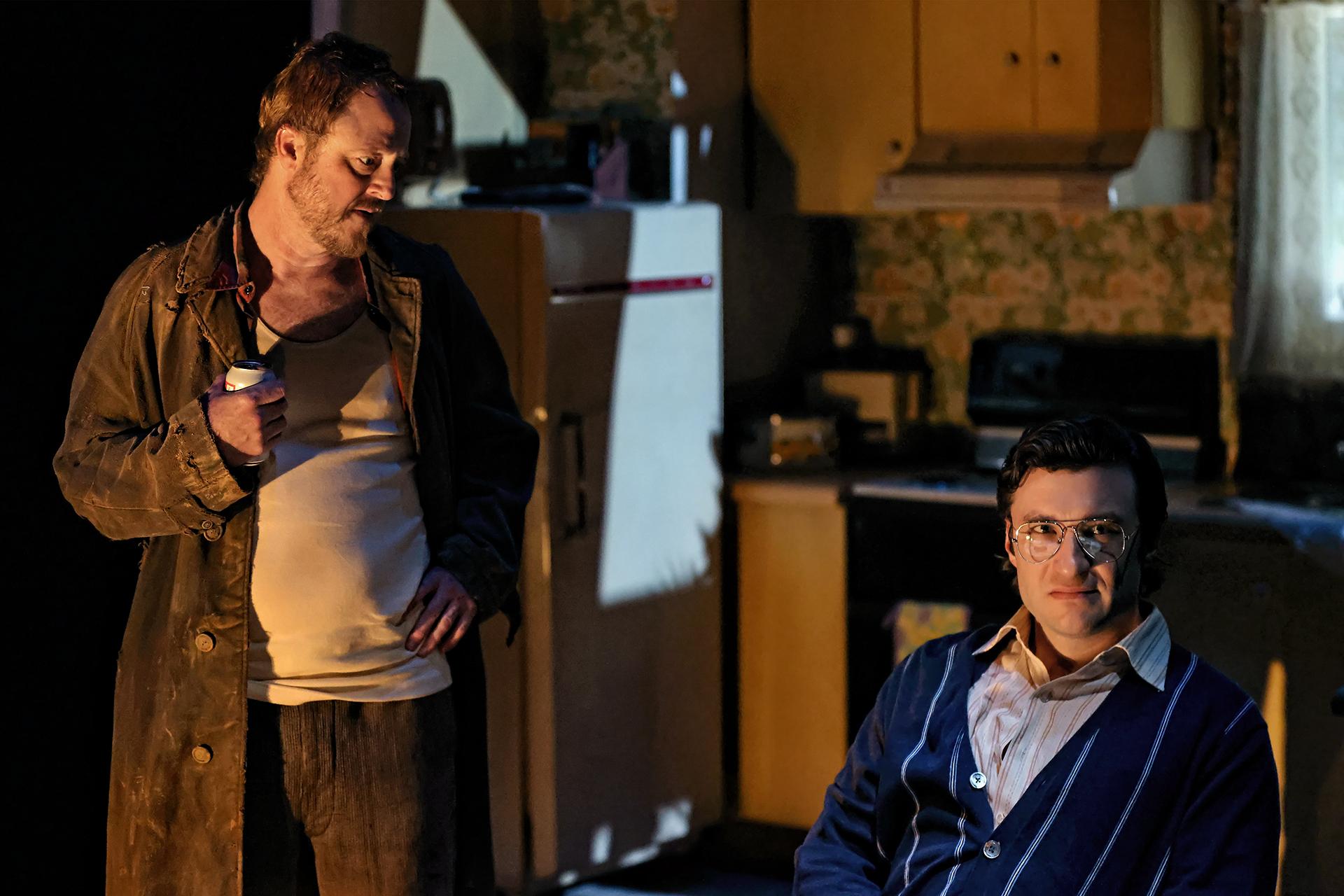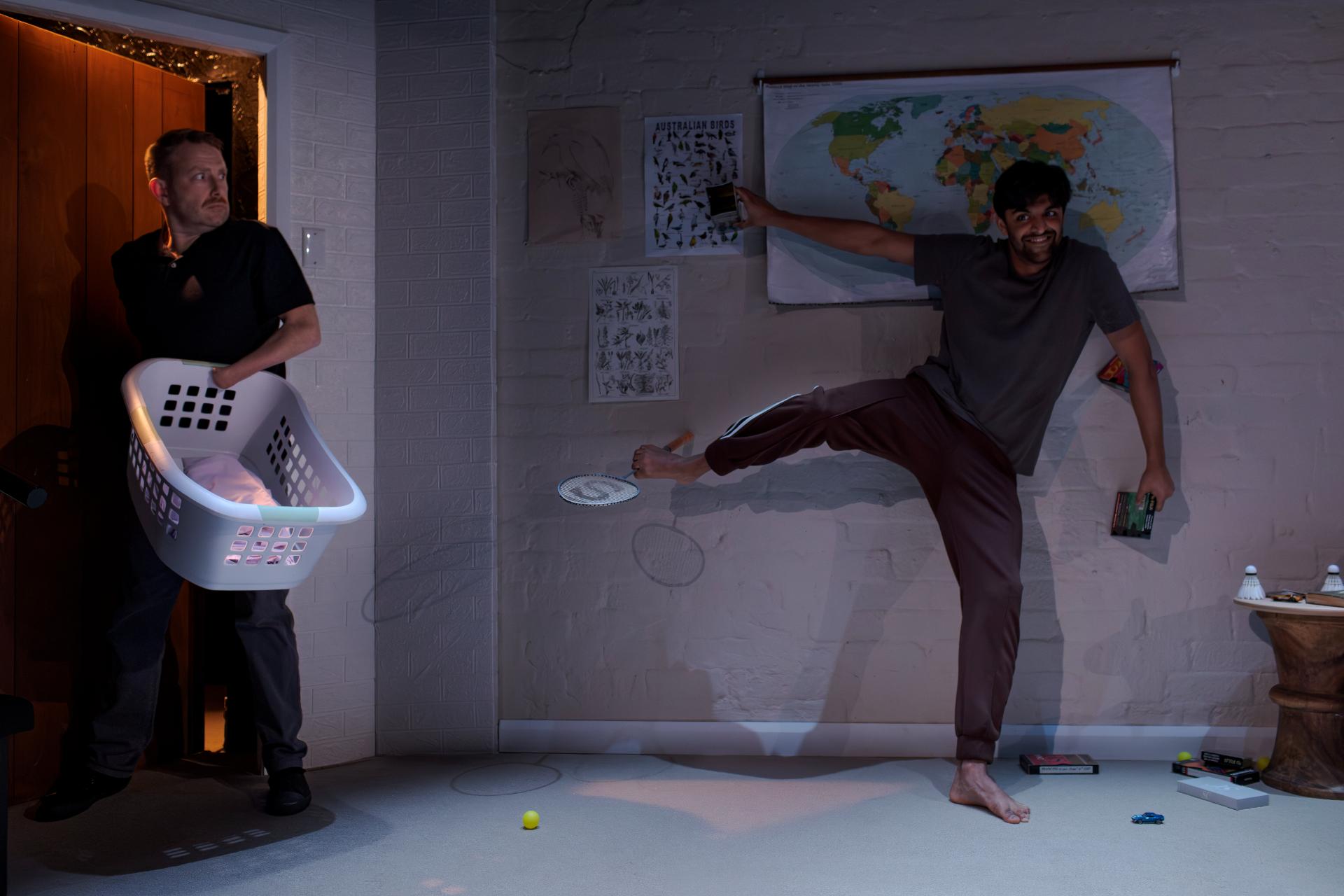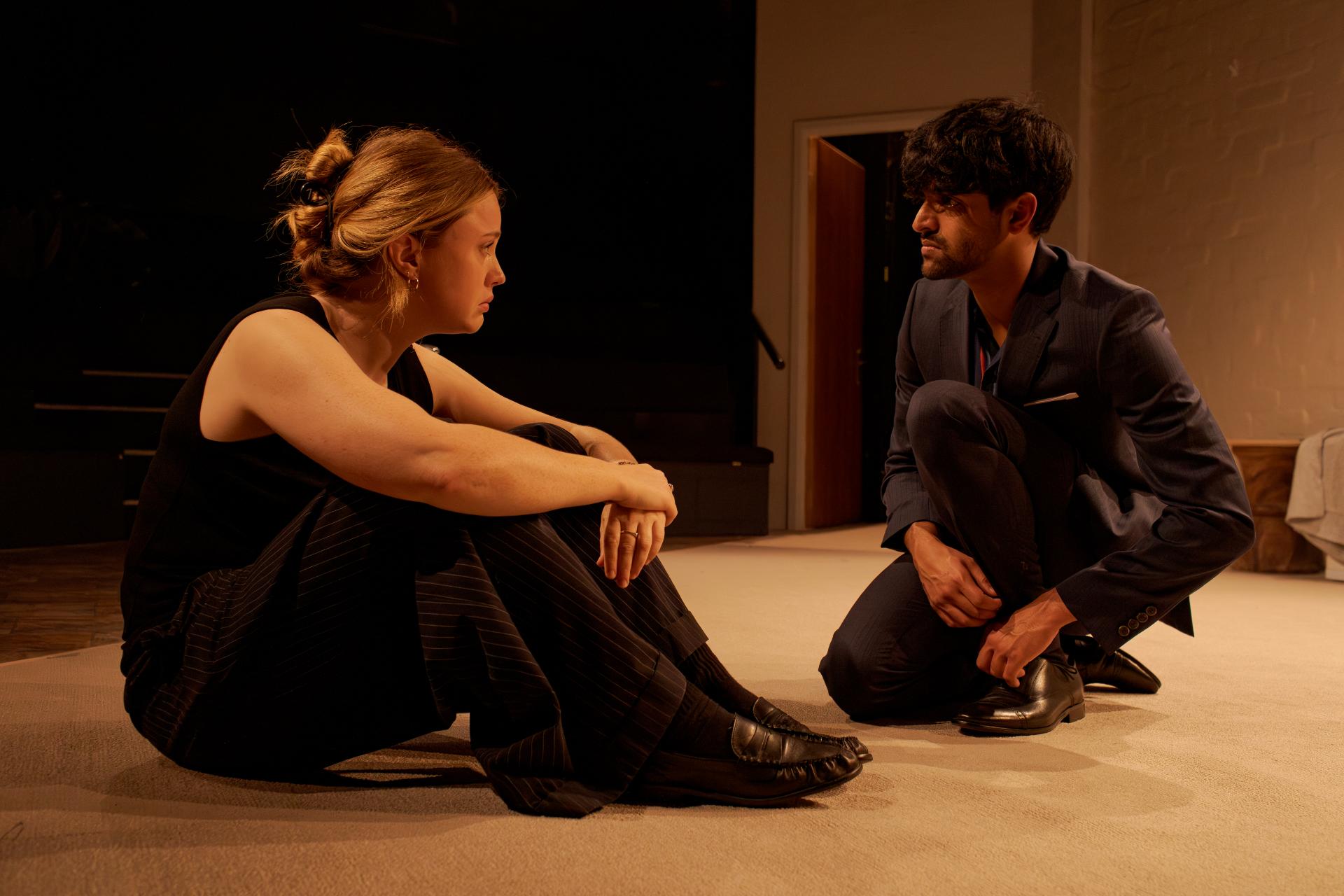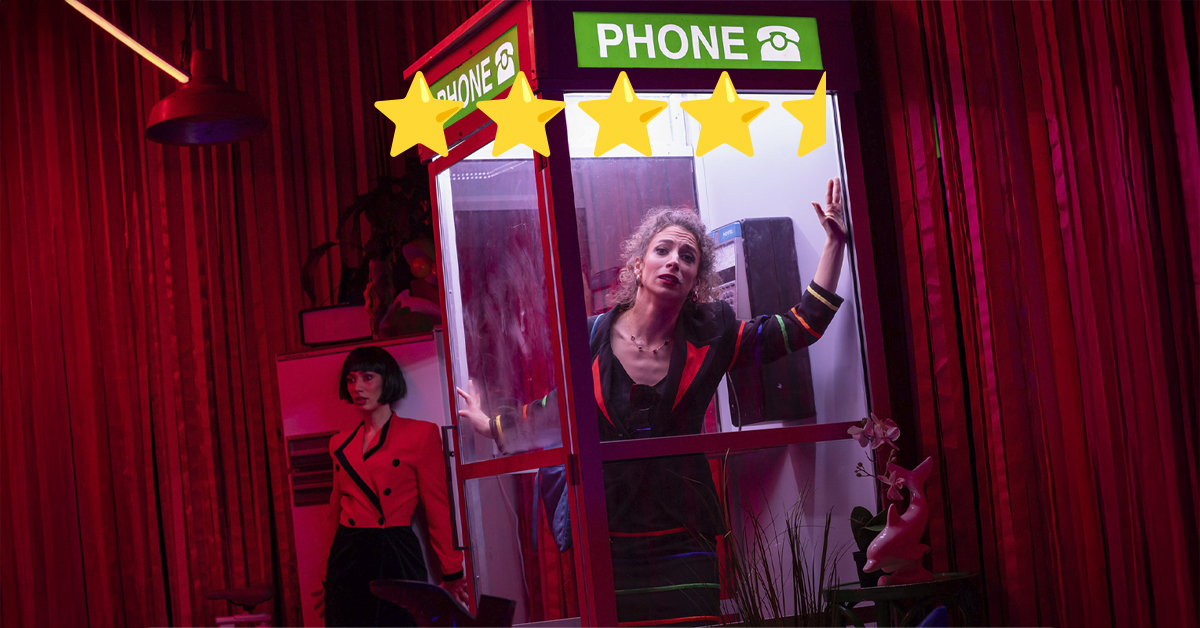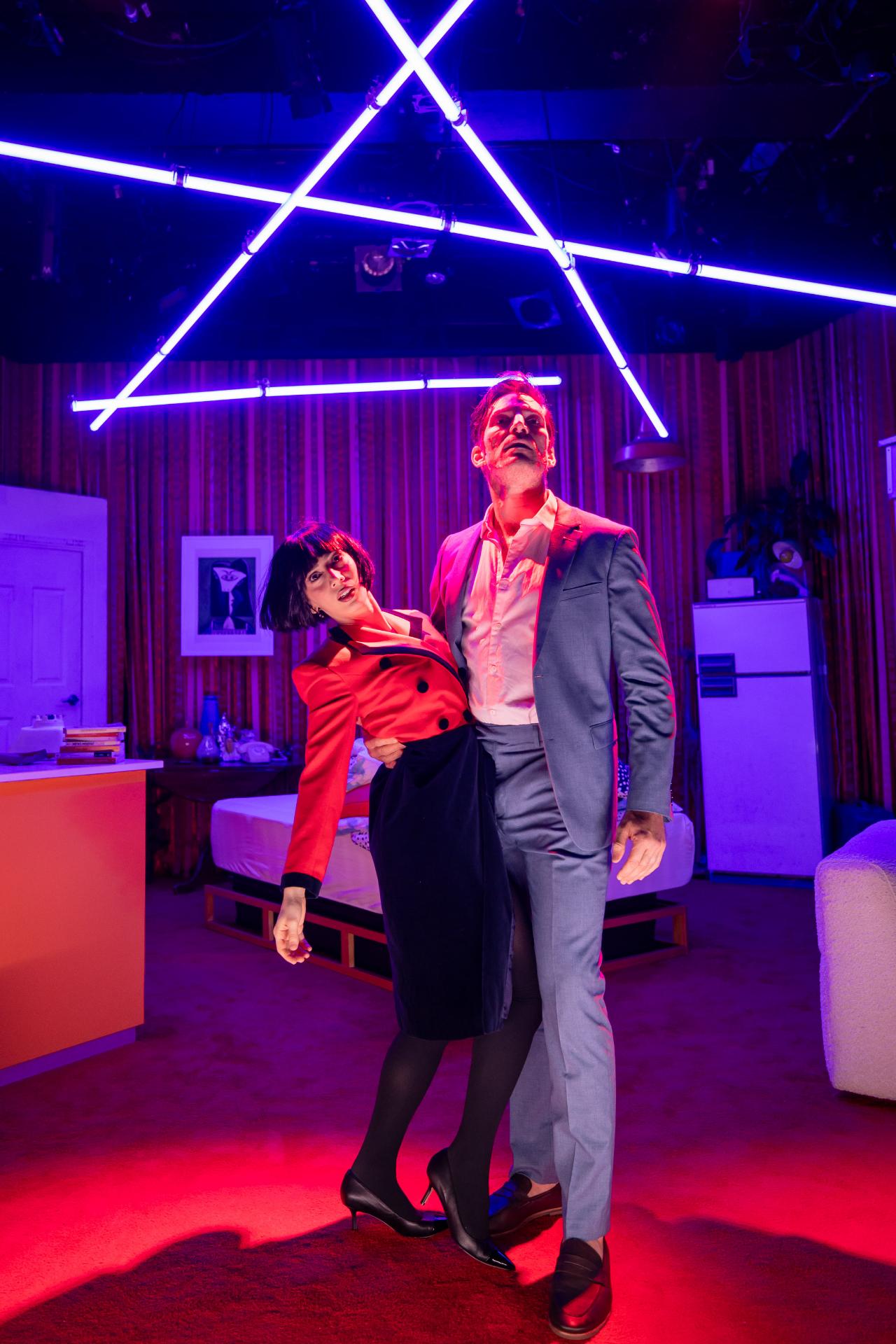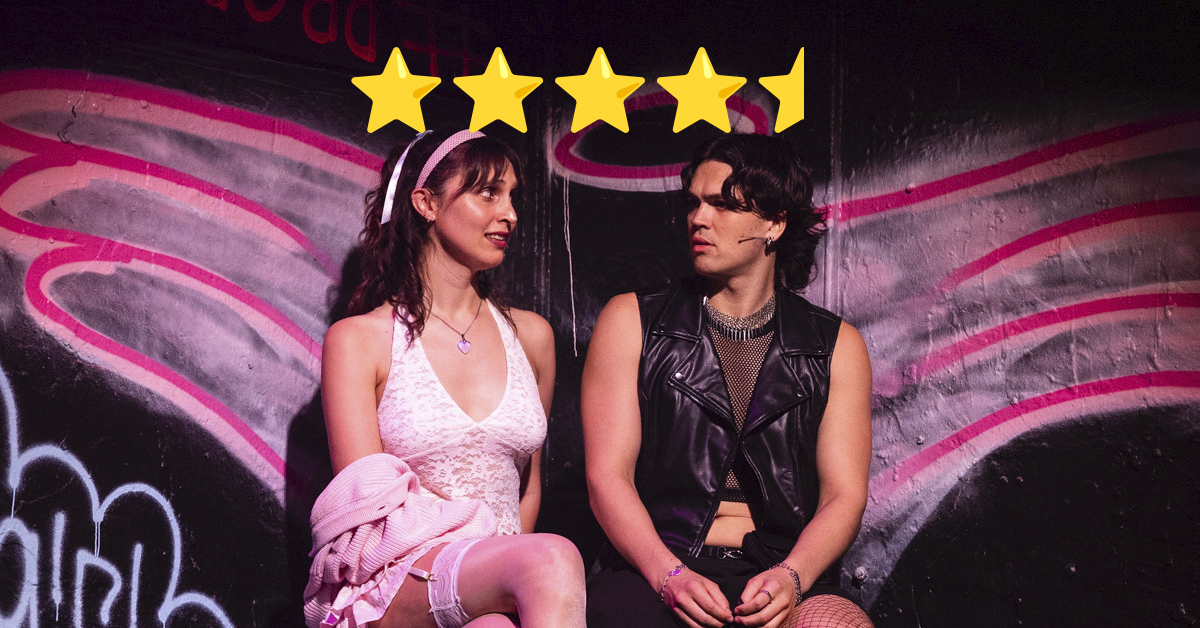
Review: Congratulations, Get Rich! 恭喜发财, 人日快乐 (Sydney Theatre Company)

Venue: Wharf 1 Sydney Theatre Company (Walsh Bay NSW), Nov 21 – Dec 14, 2025
Playwright: Merlynn Tong
Director: Courtney Stewart
Cast: Zac Boulton, Seong Hui Xuan, Merlynn Tong, Kimie Tsukakoshi 
Images by Prudence Upton

Theatre review
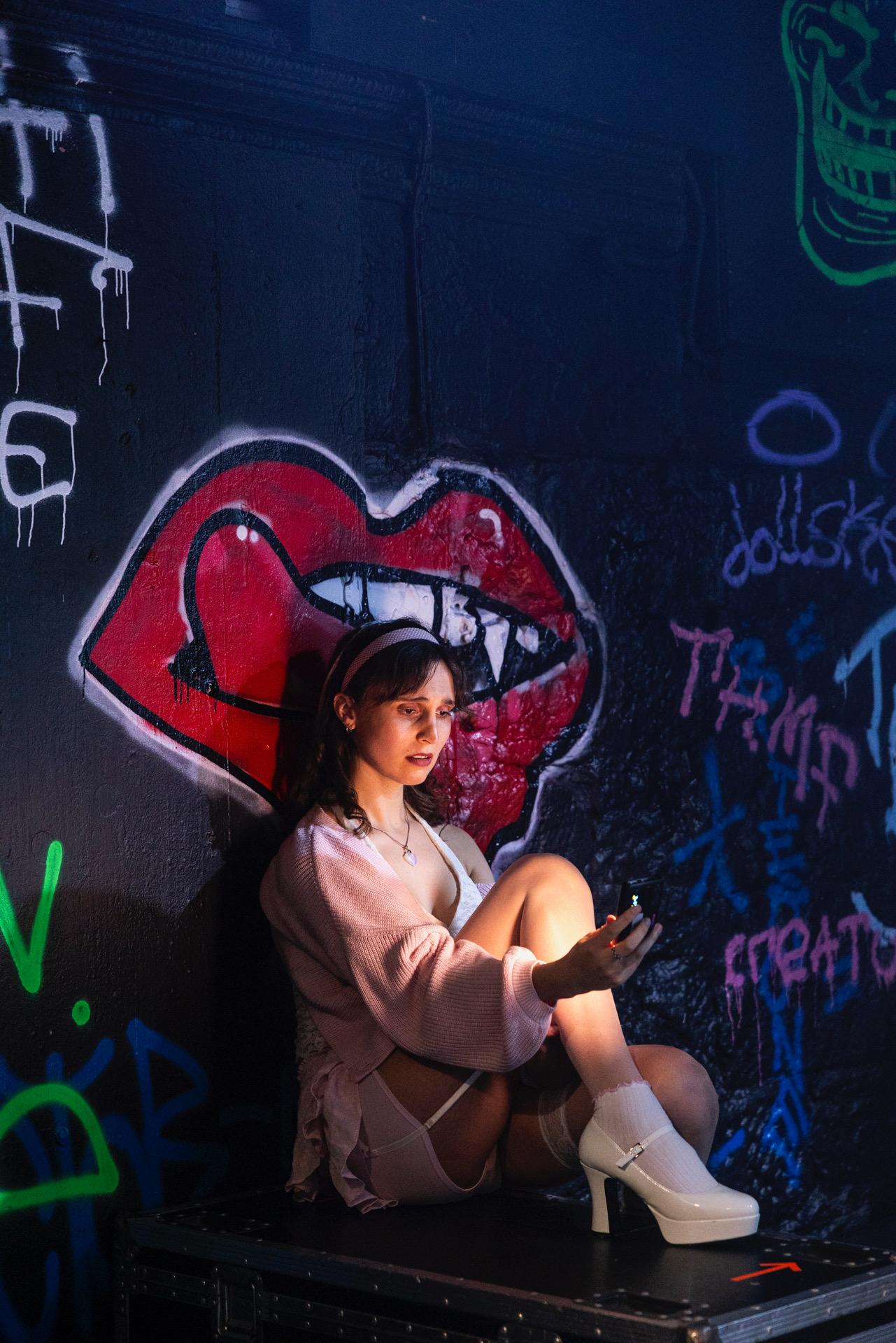
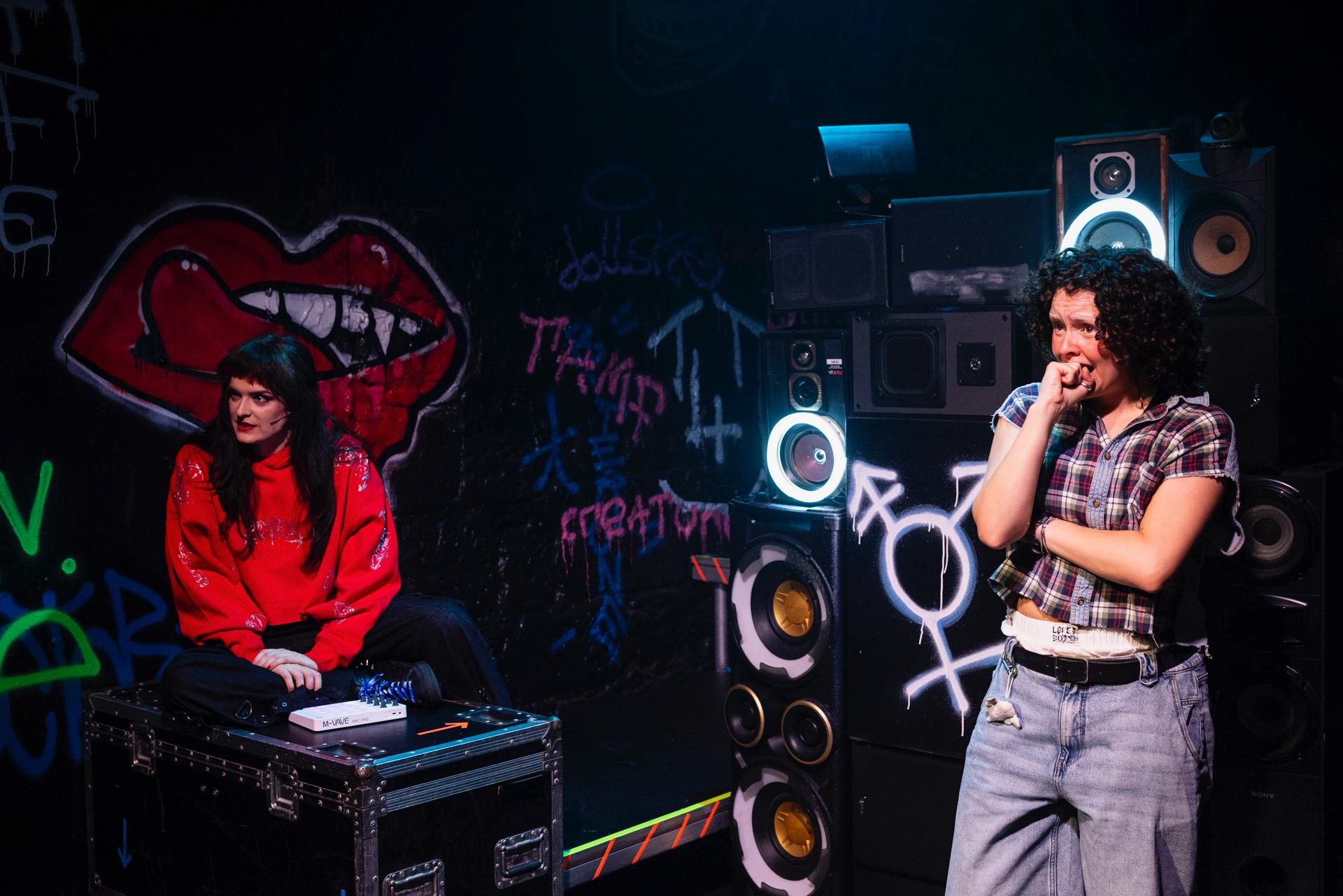
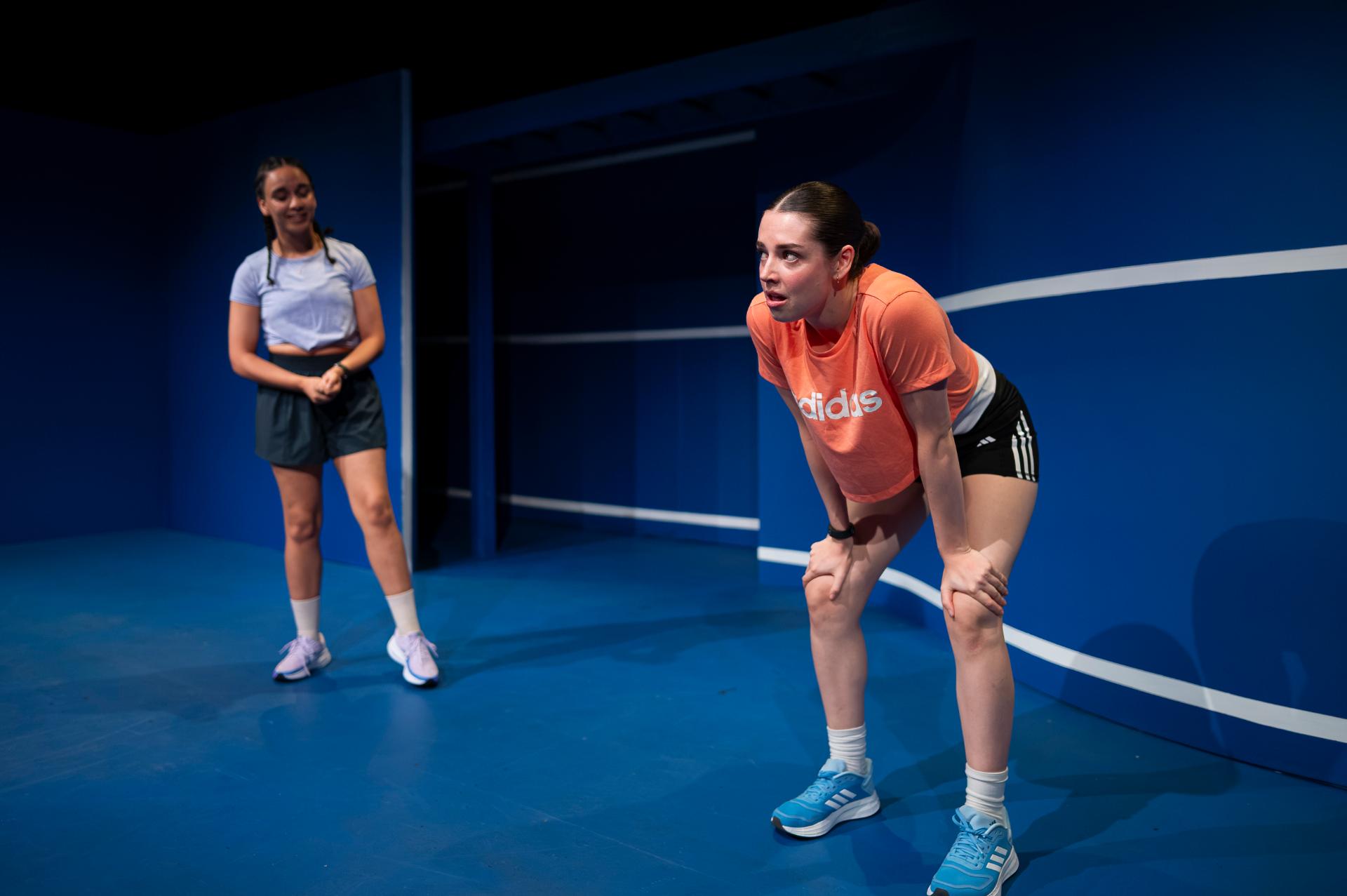
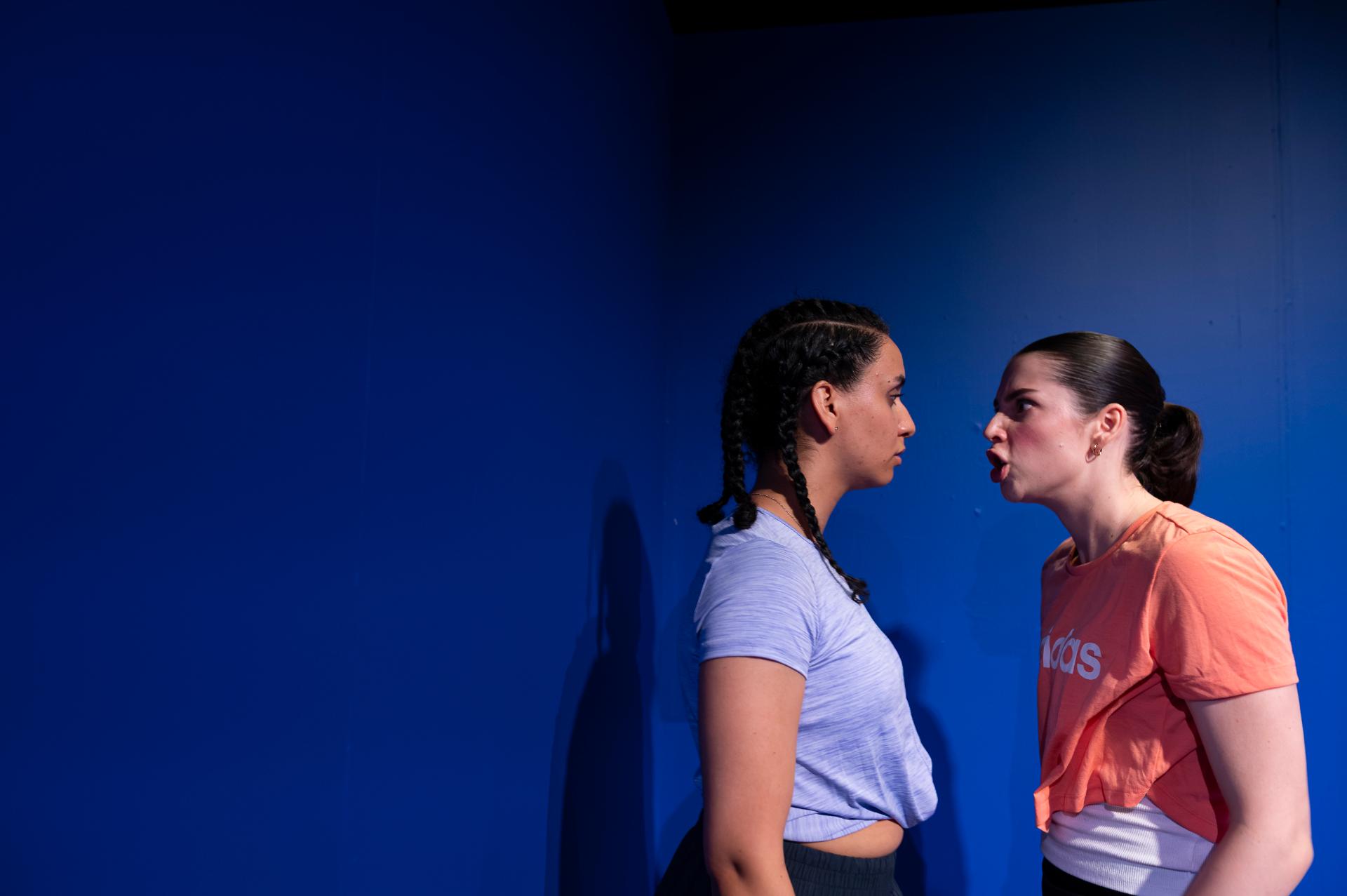
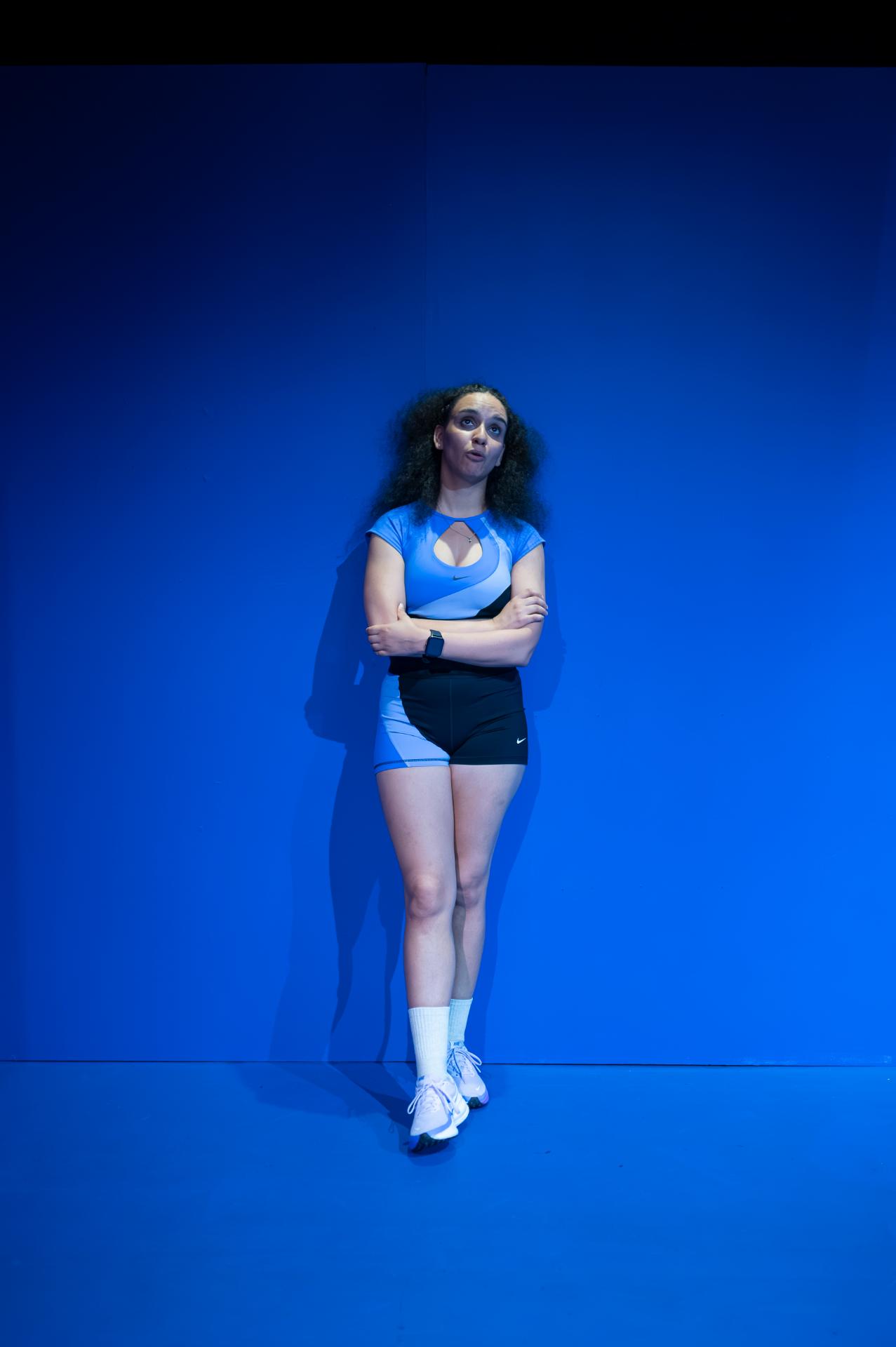
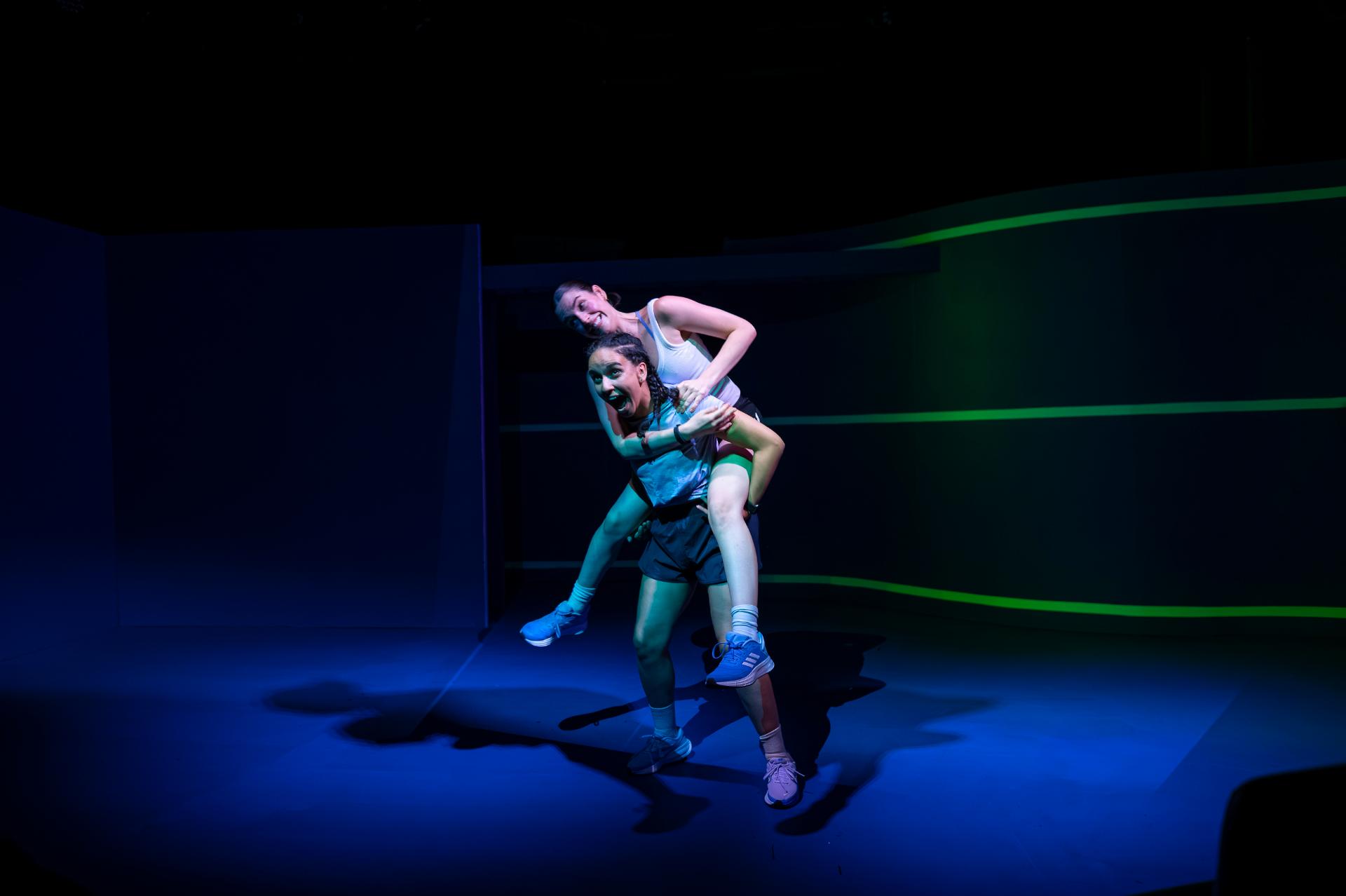
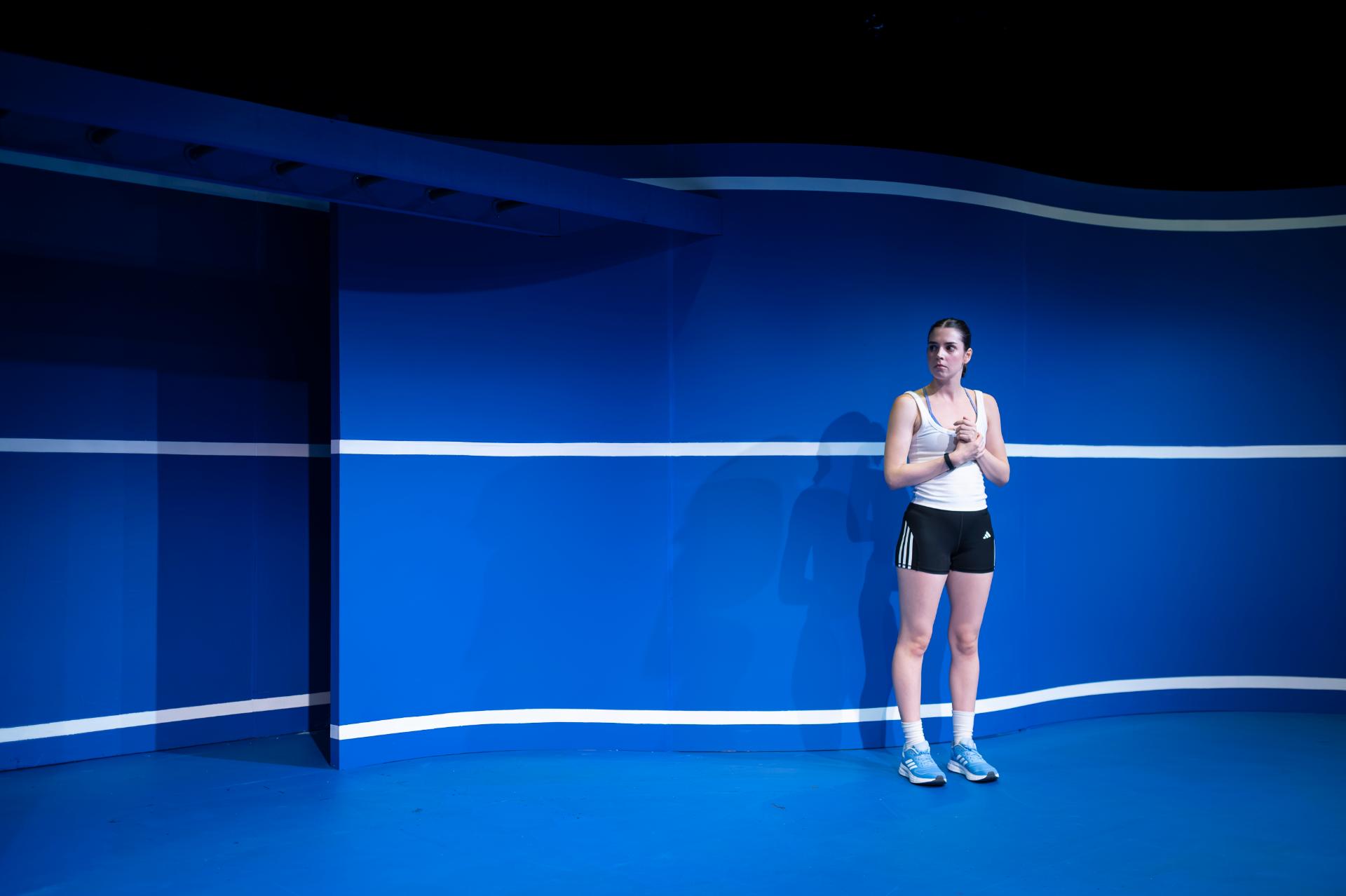
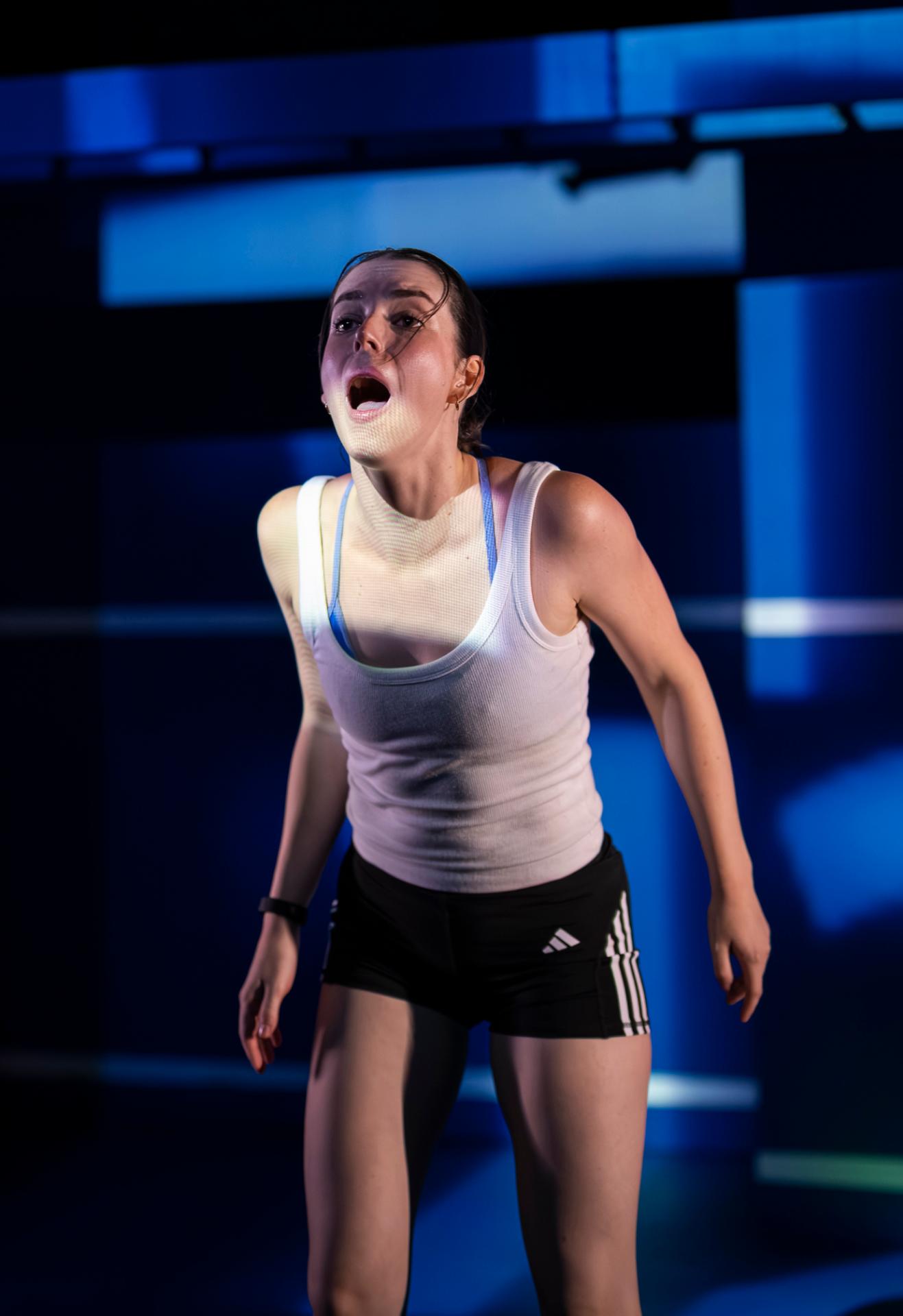
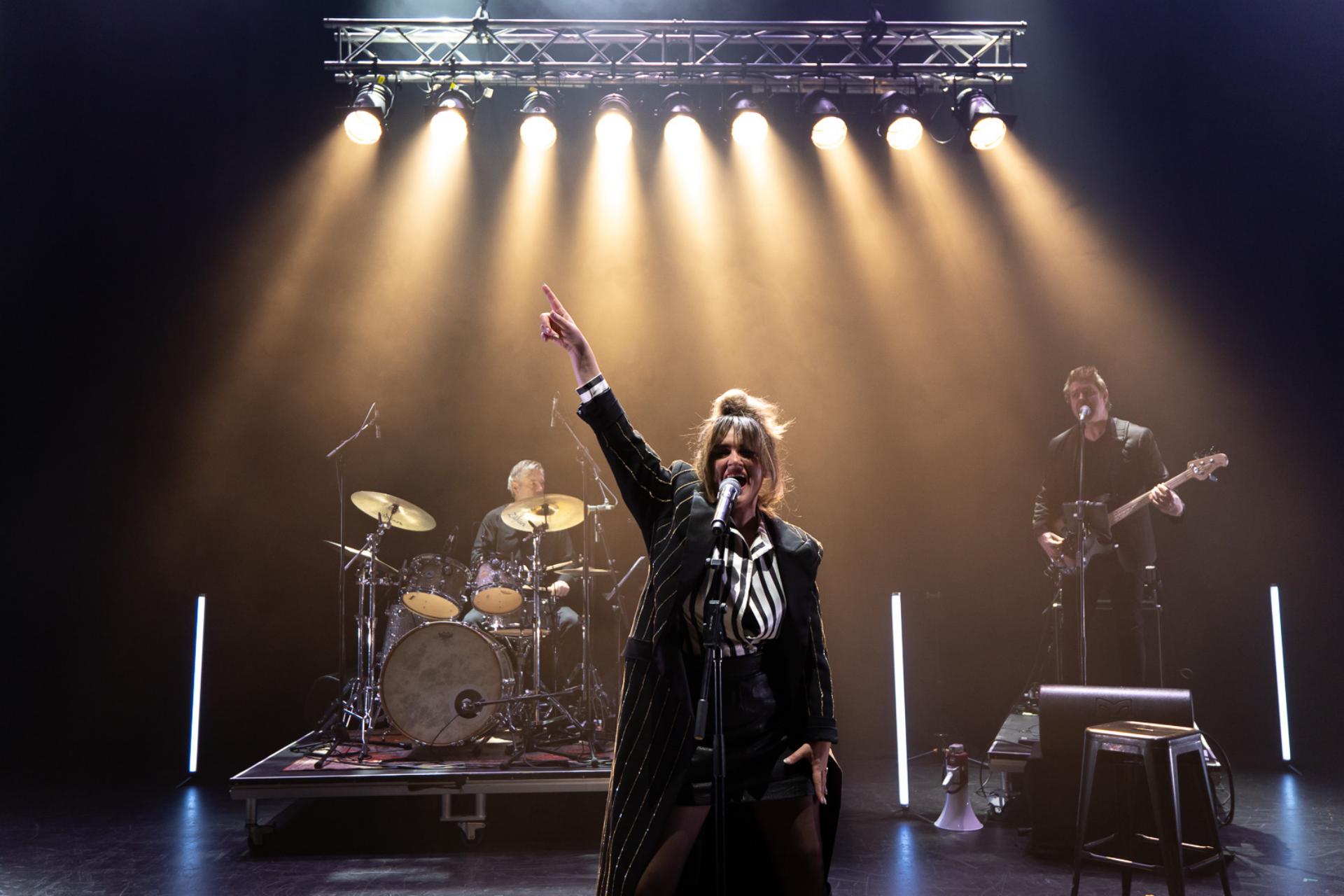
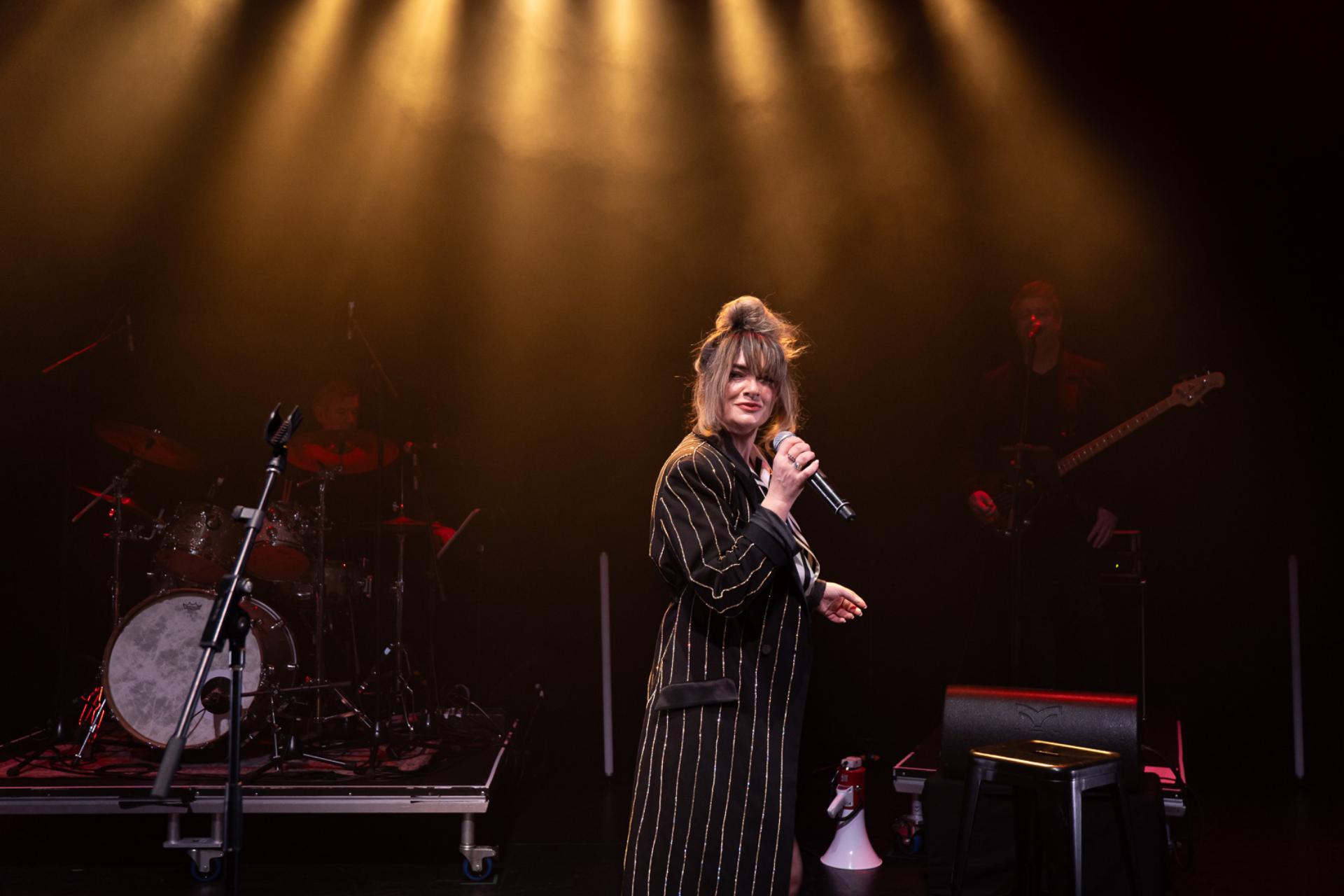
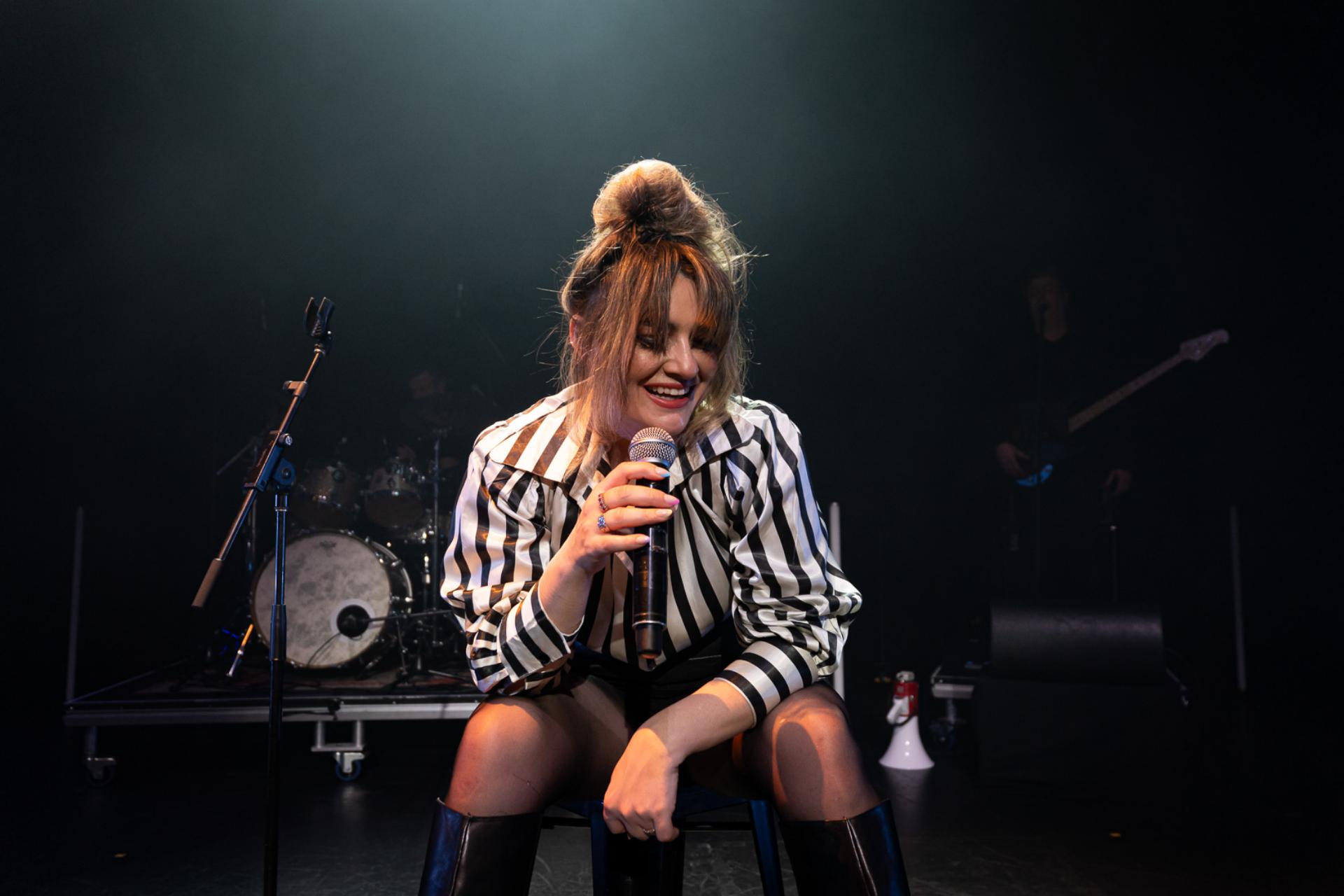
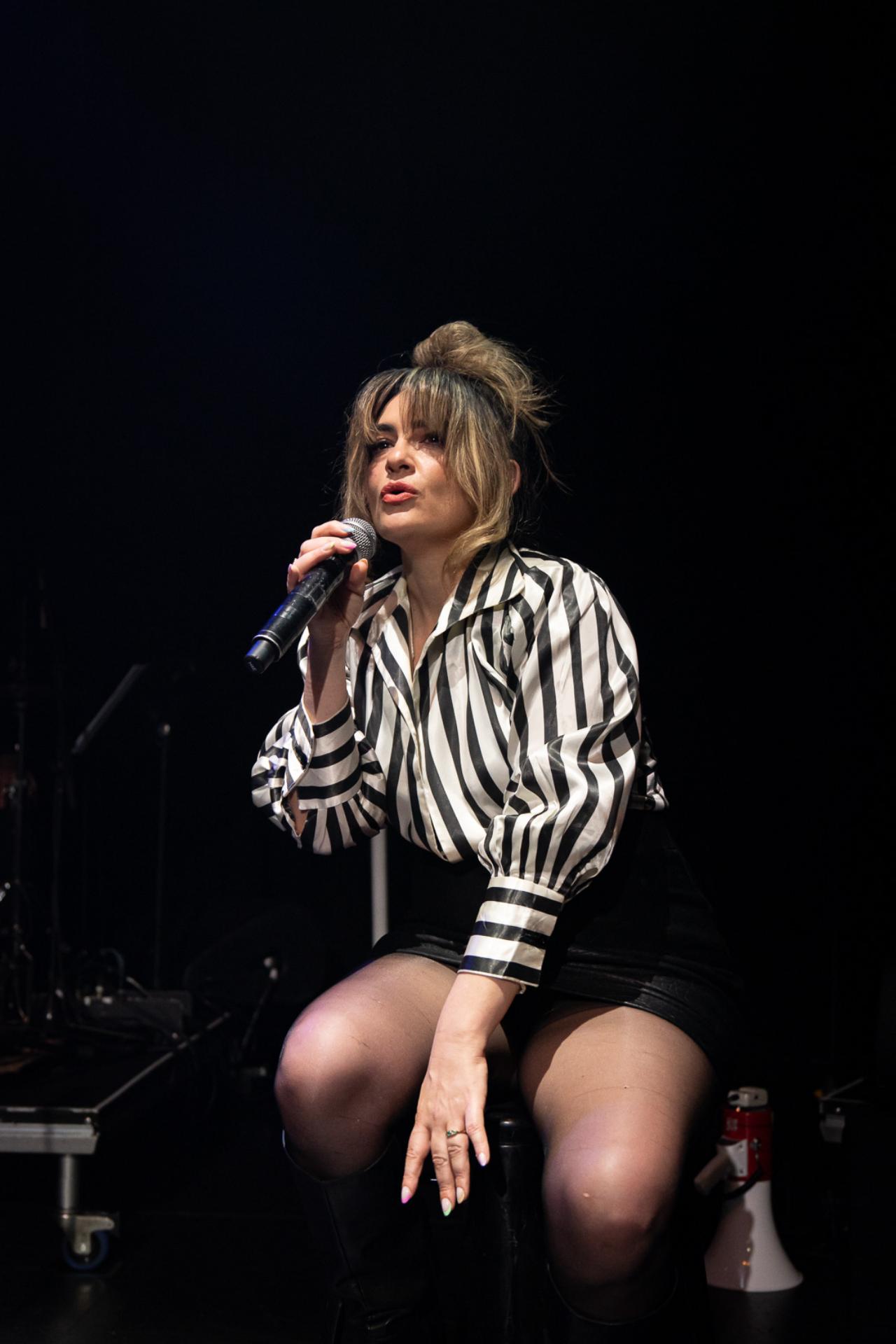
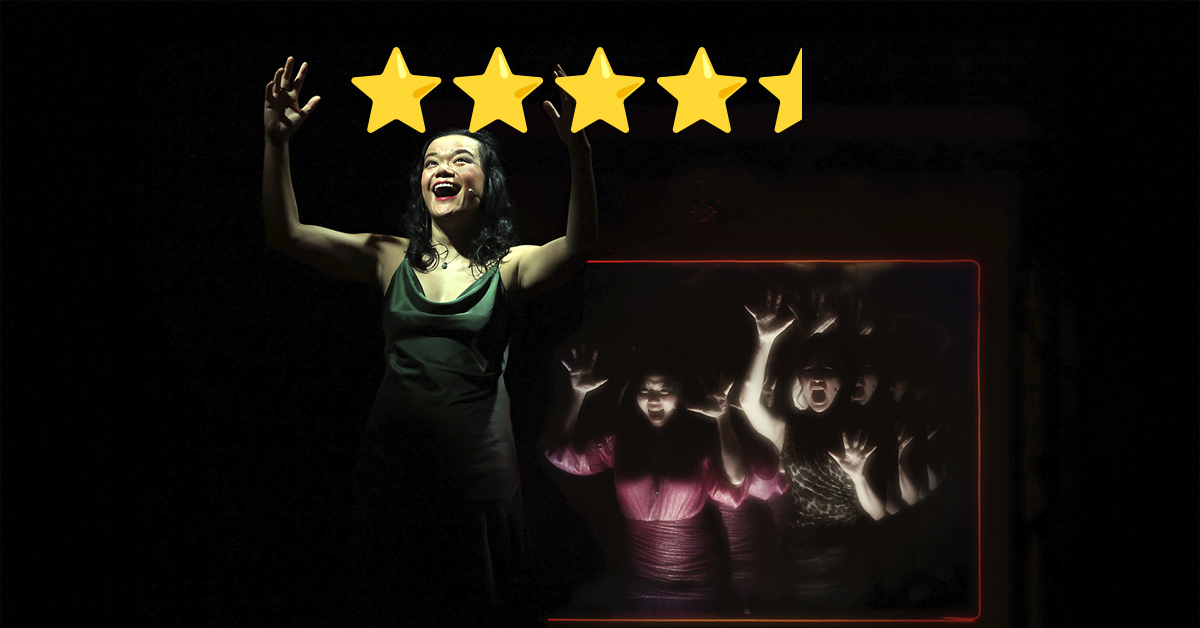
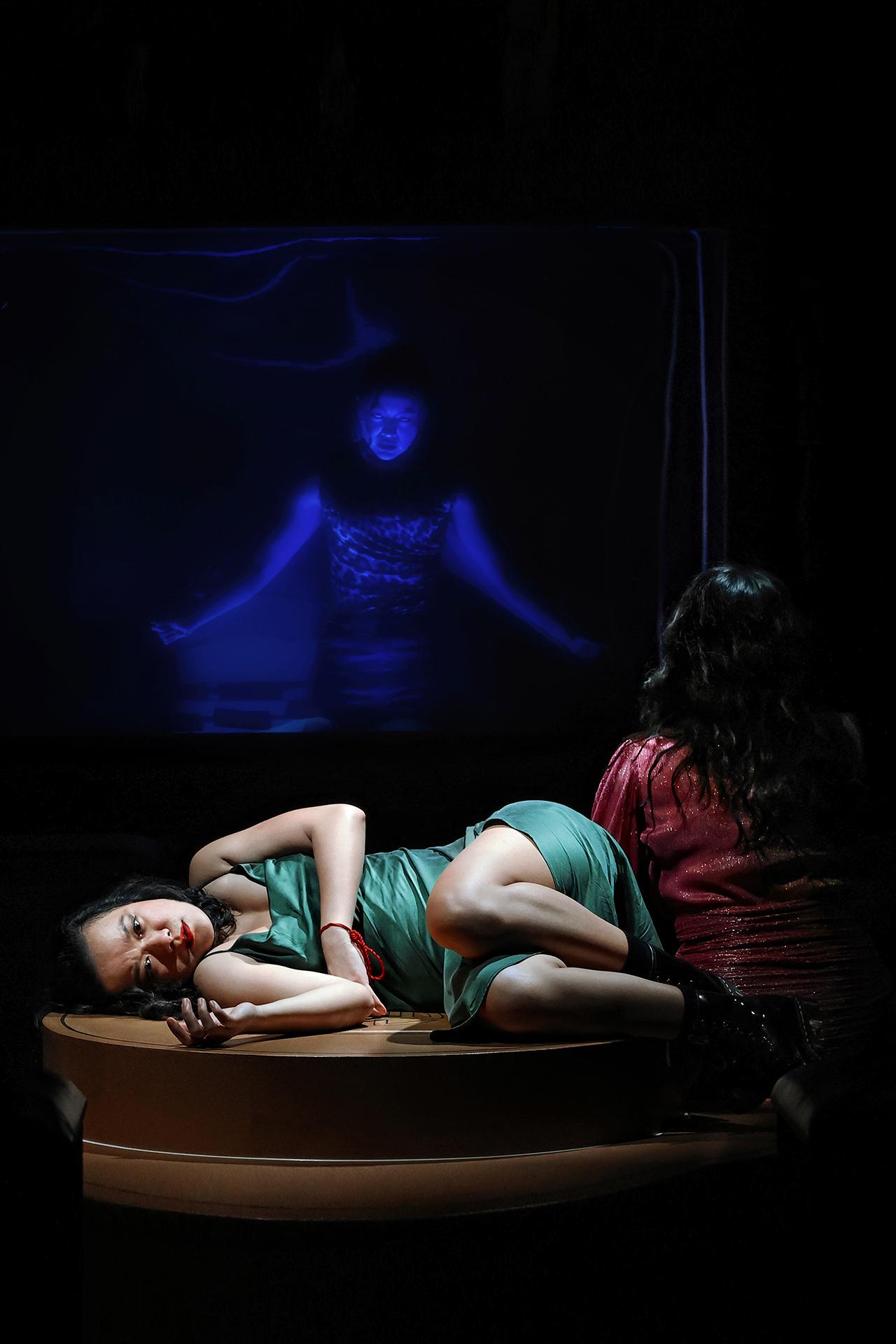
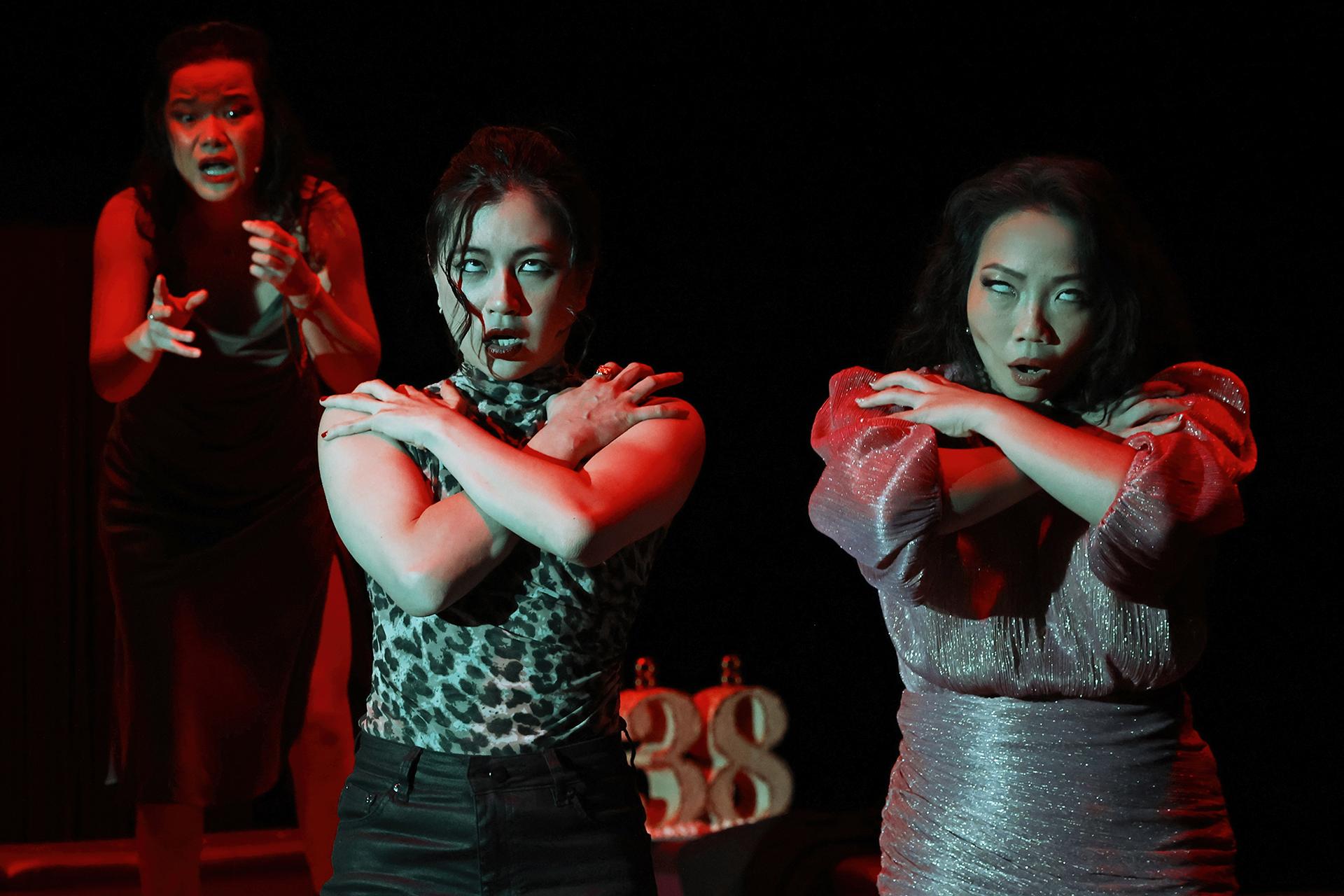
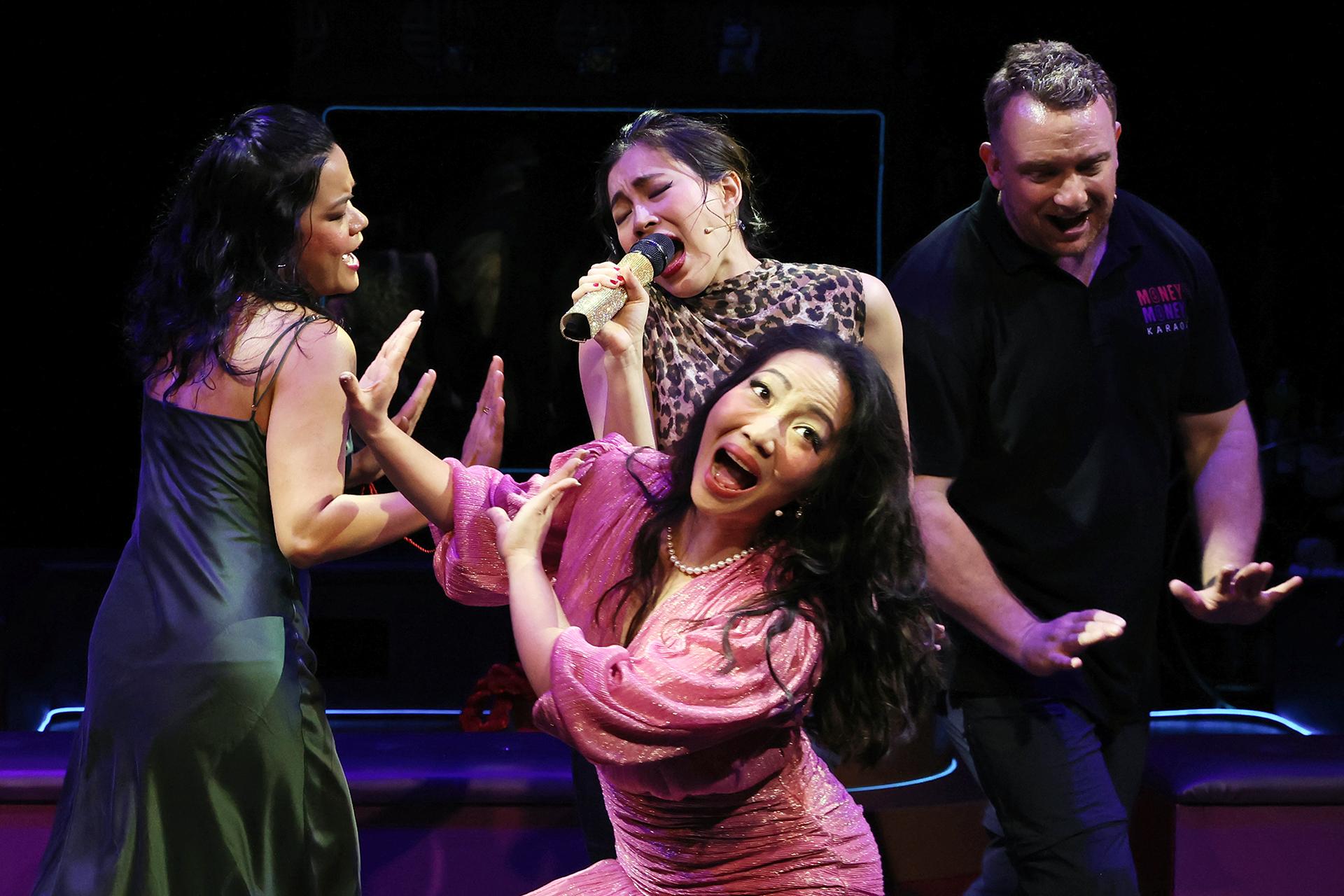
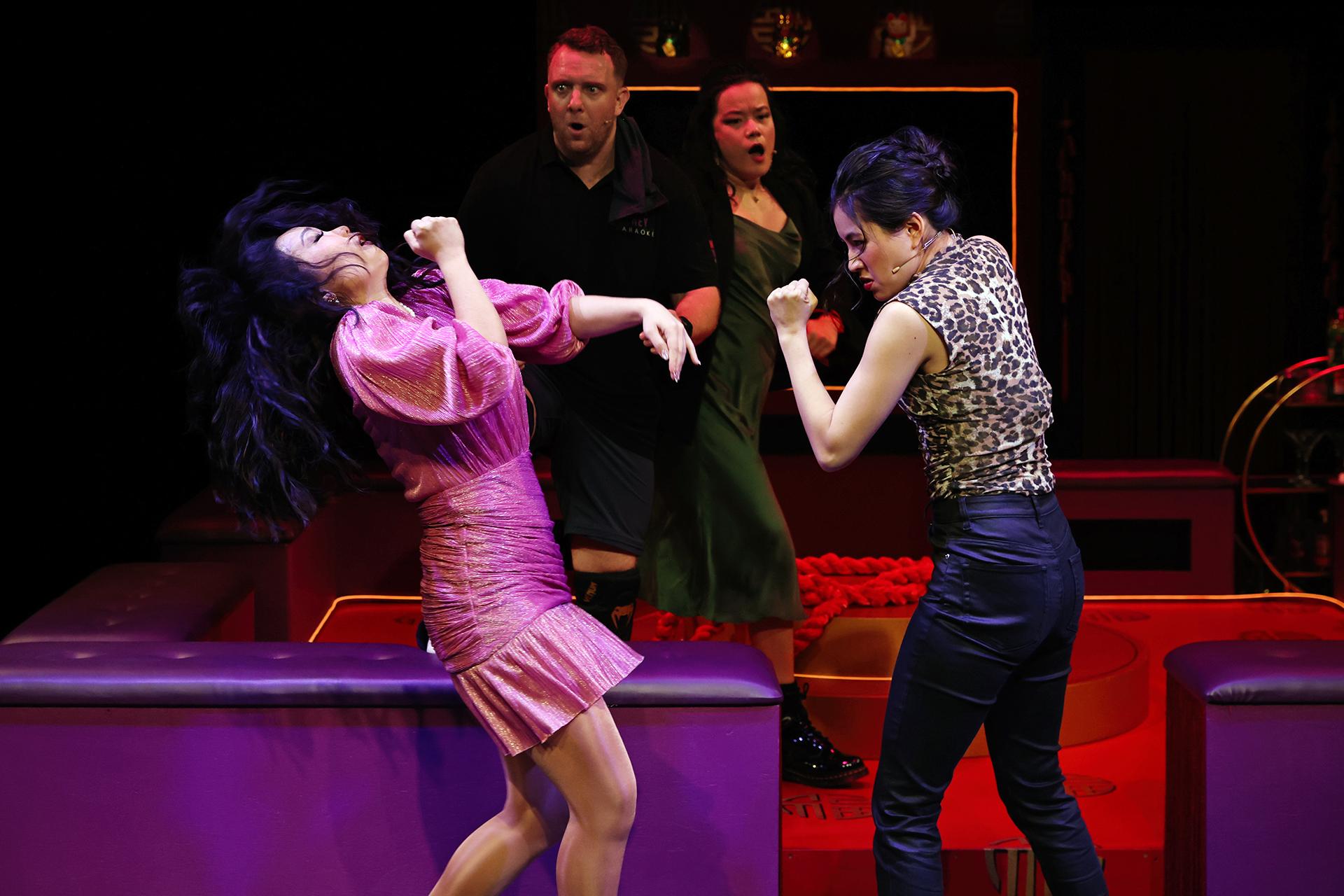
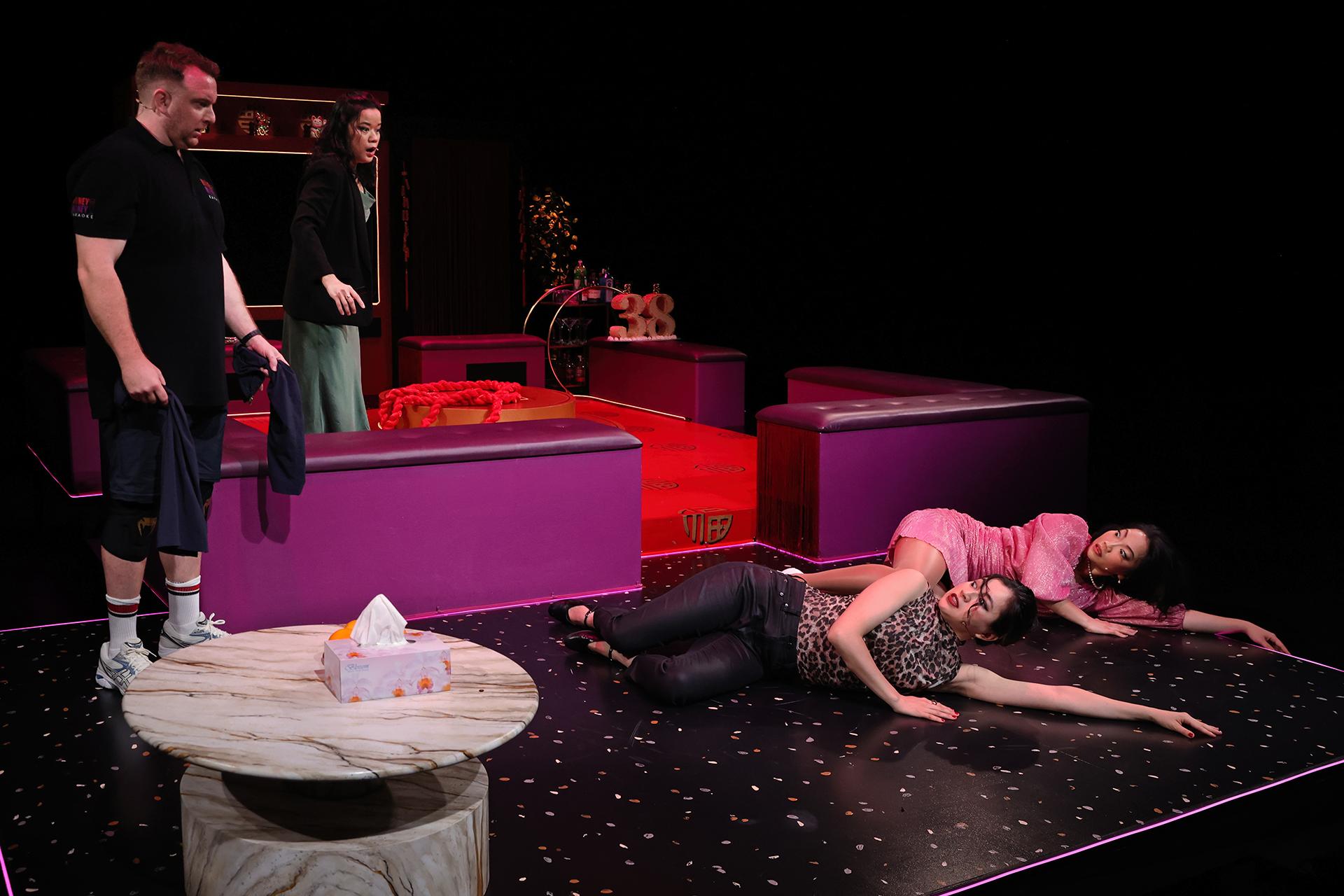
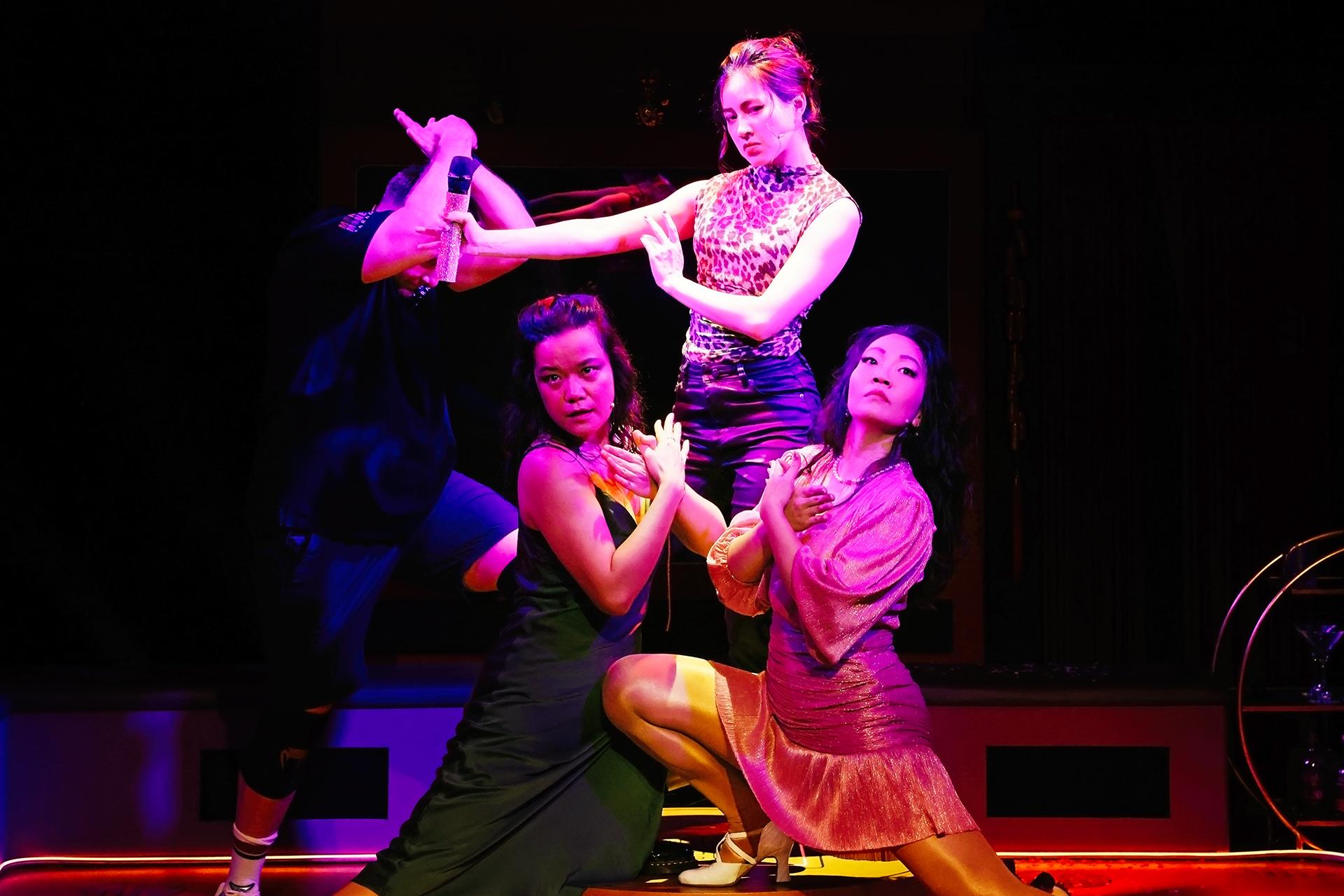
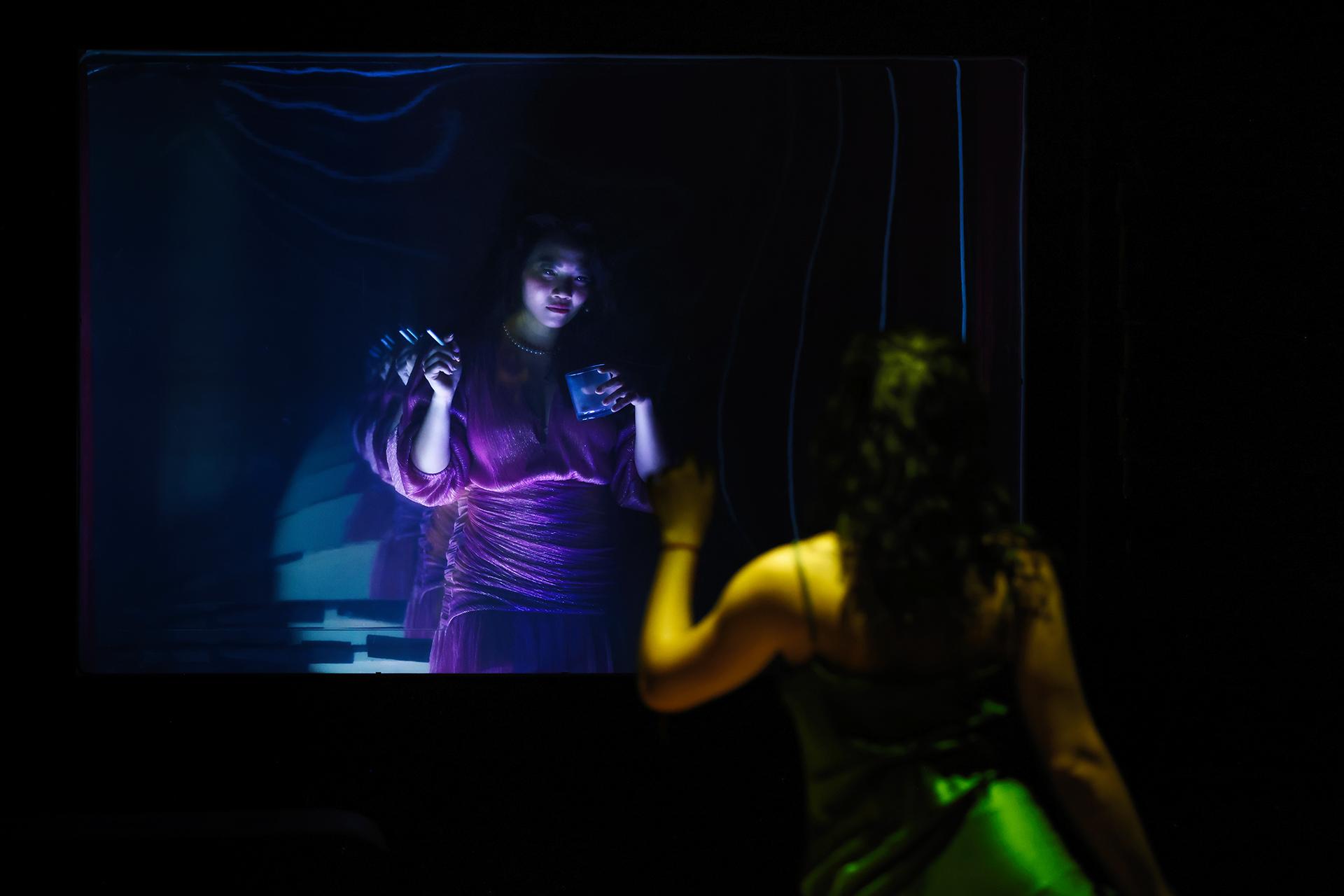
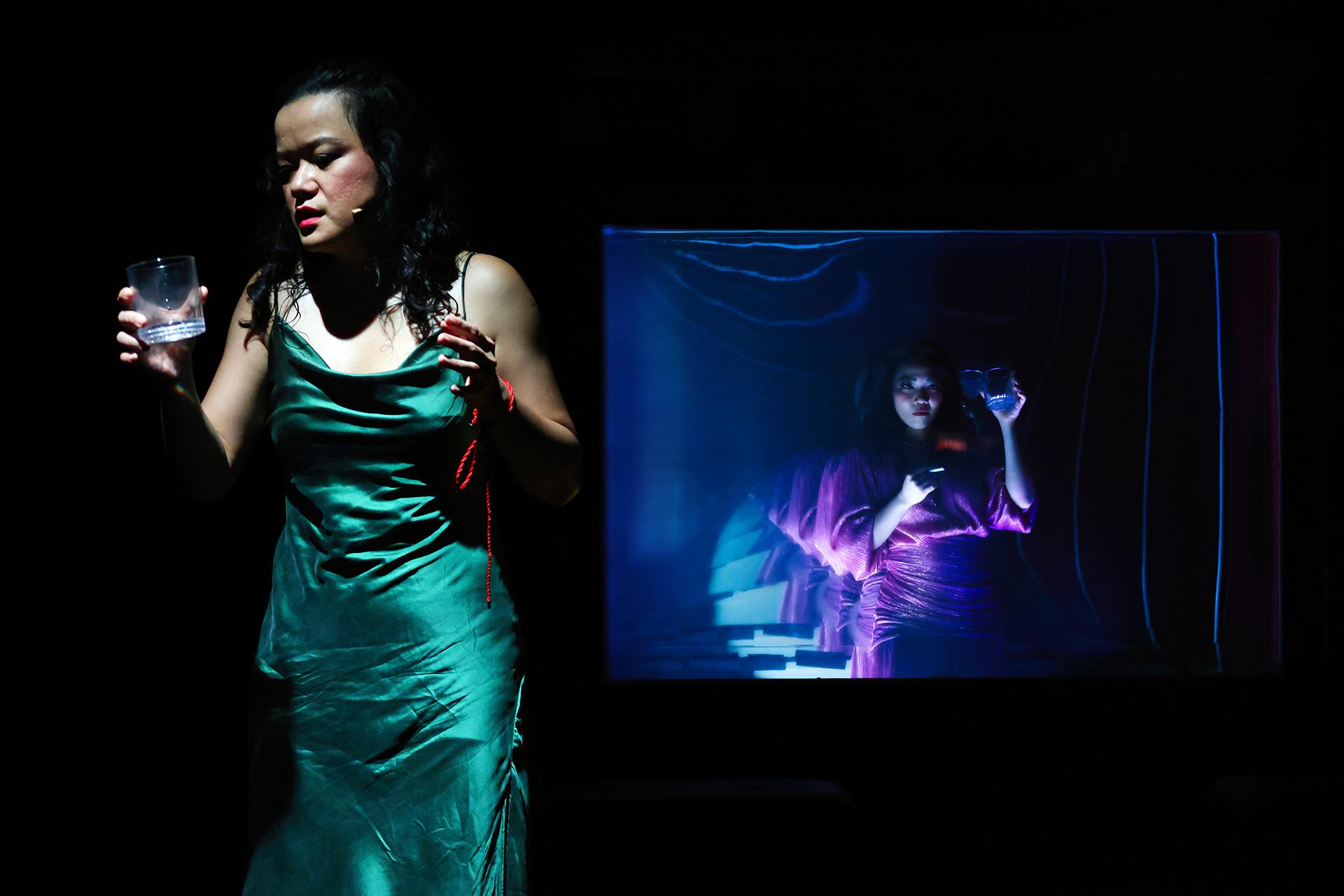
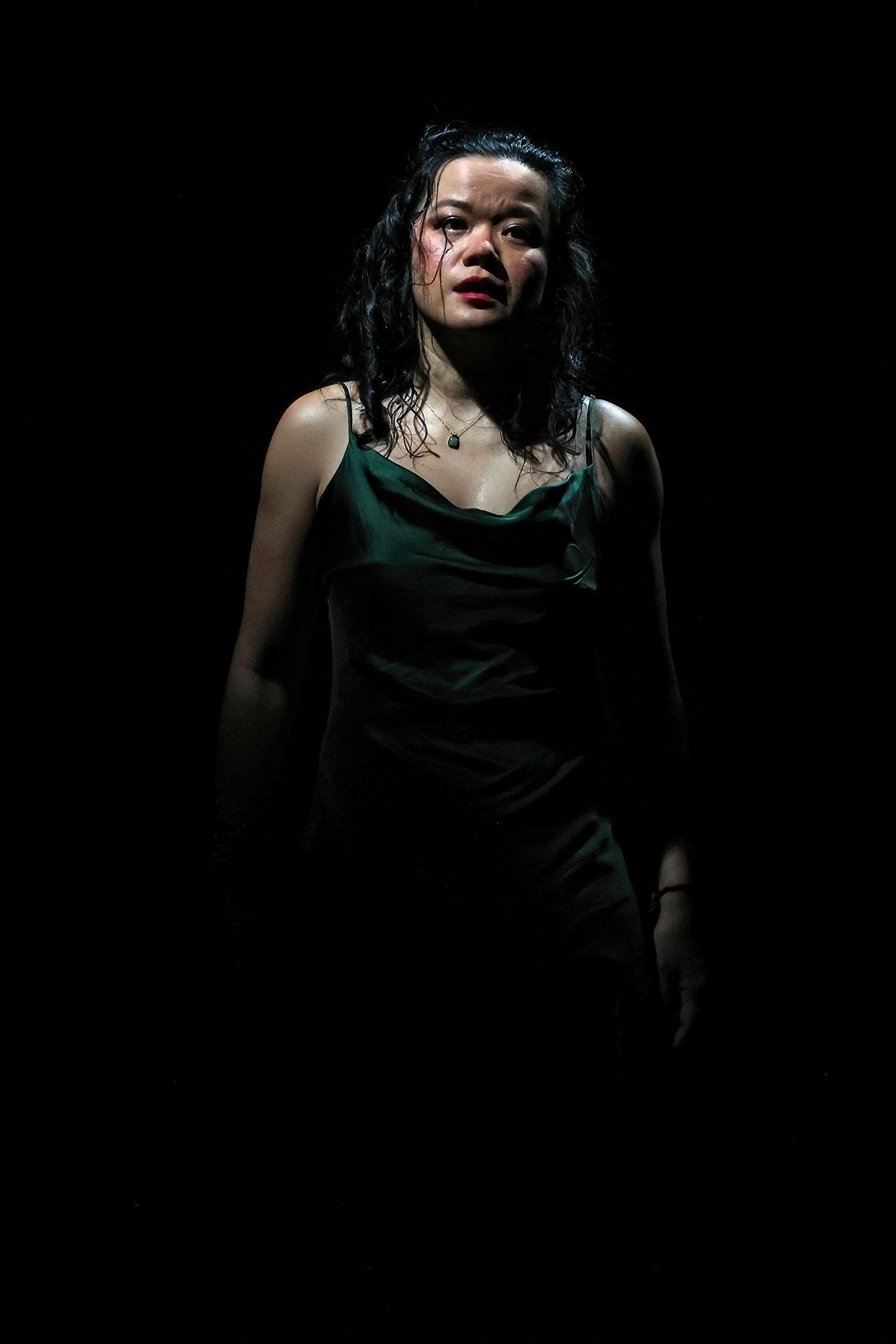
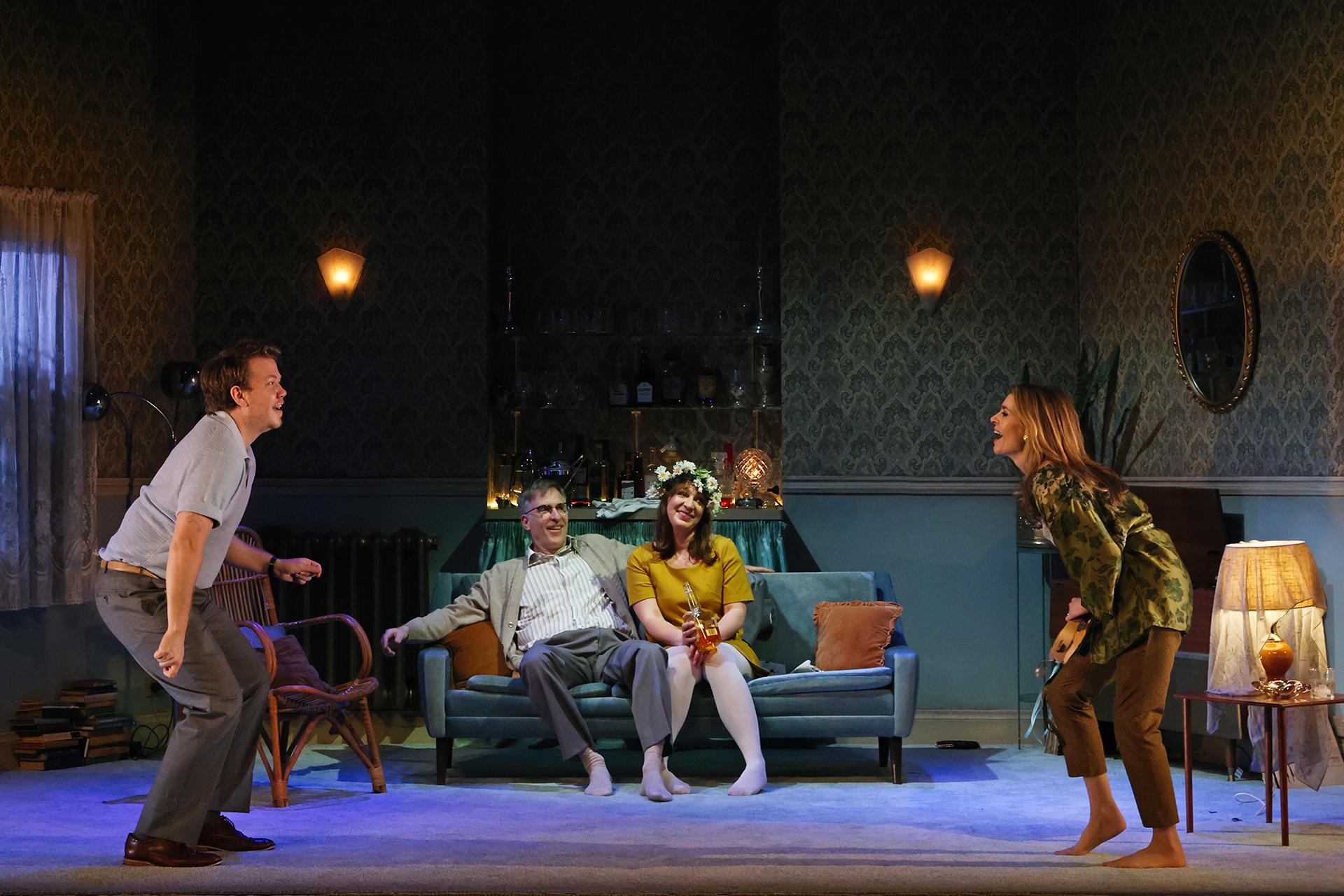
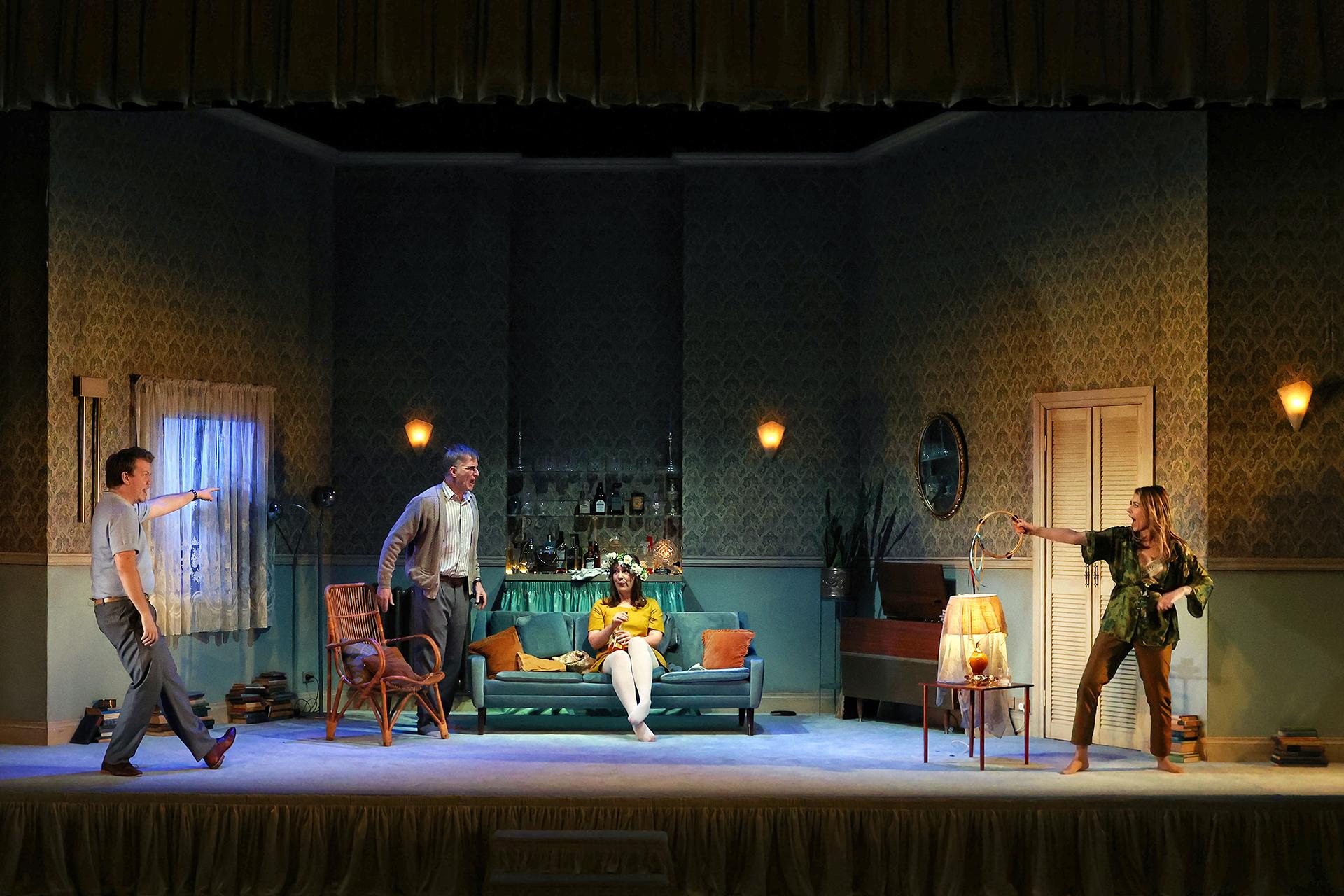
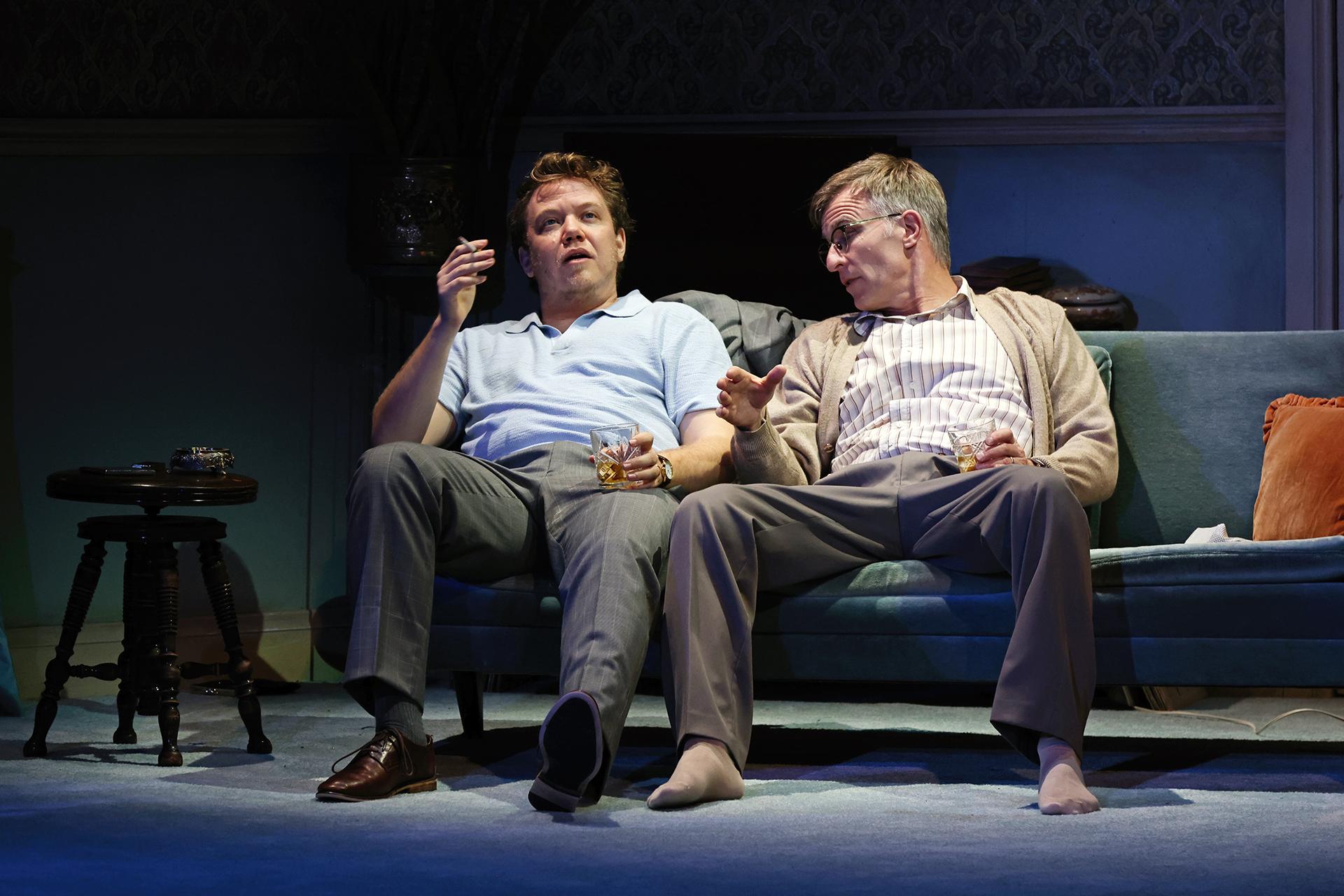
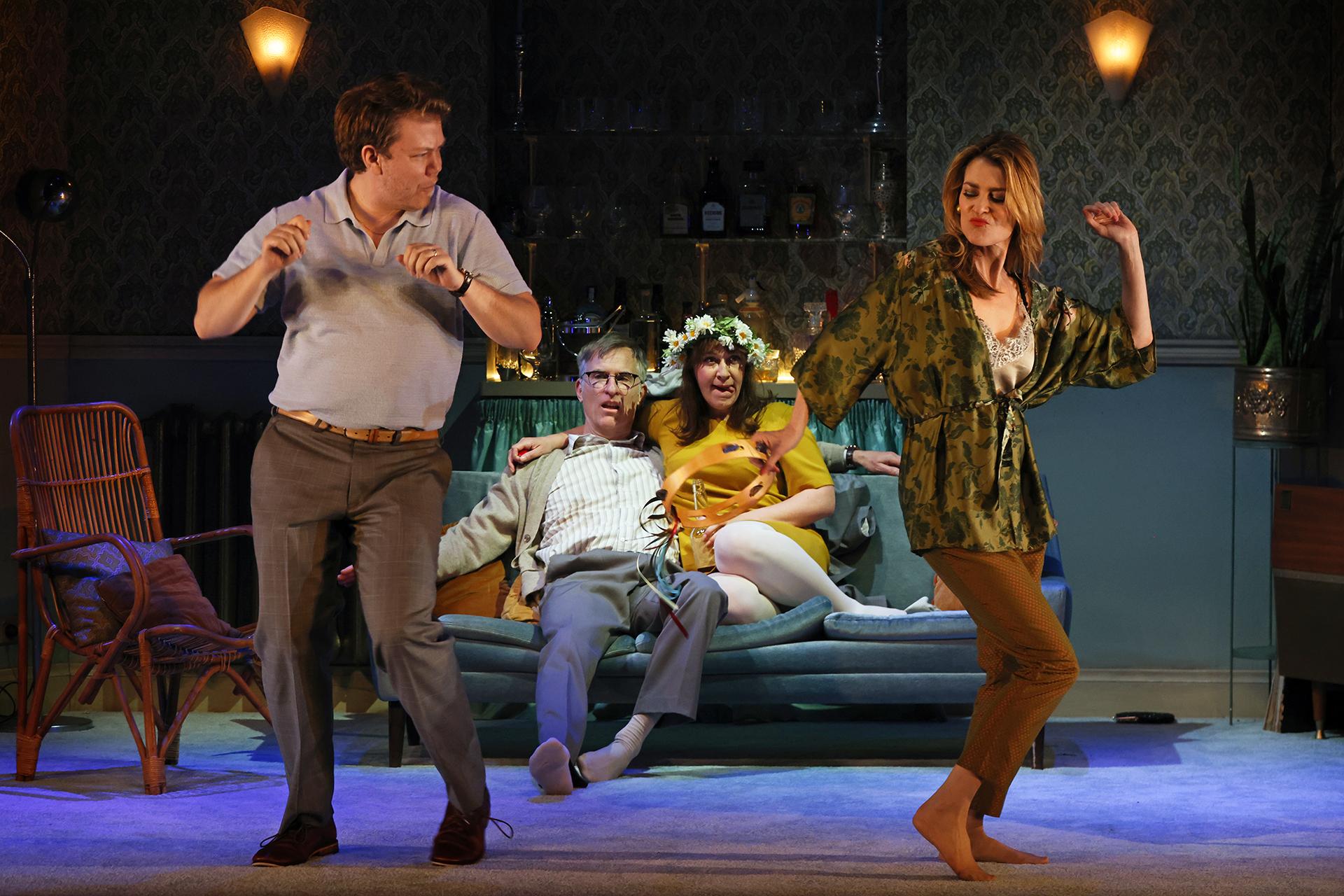
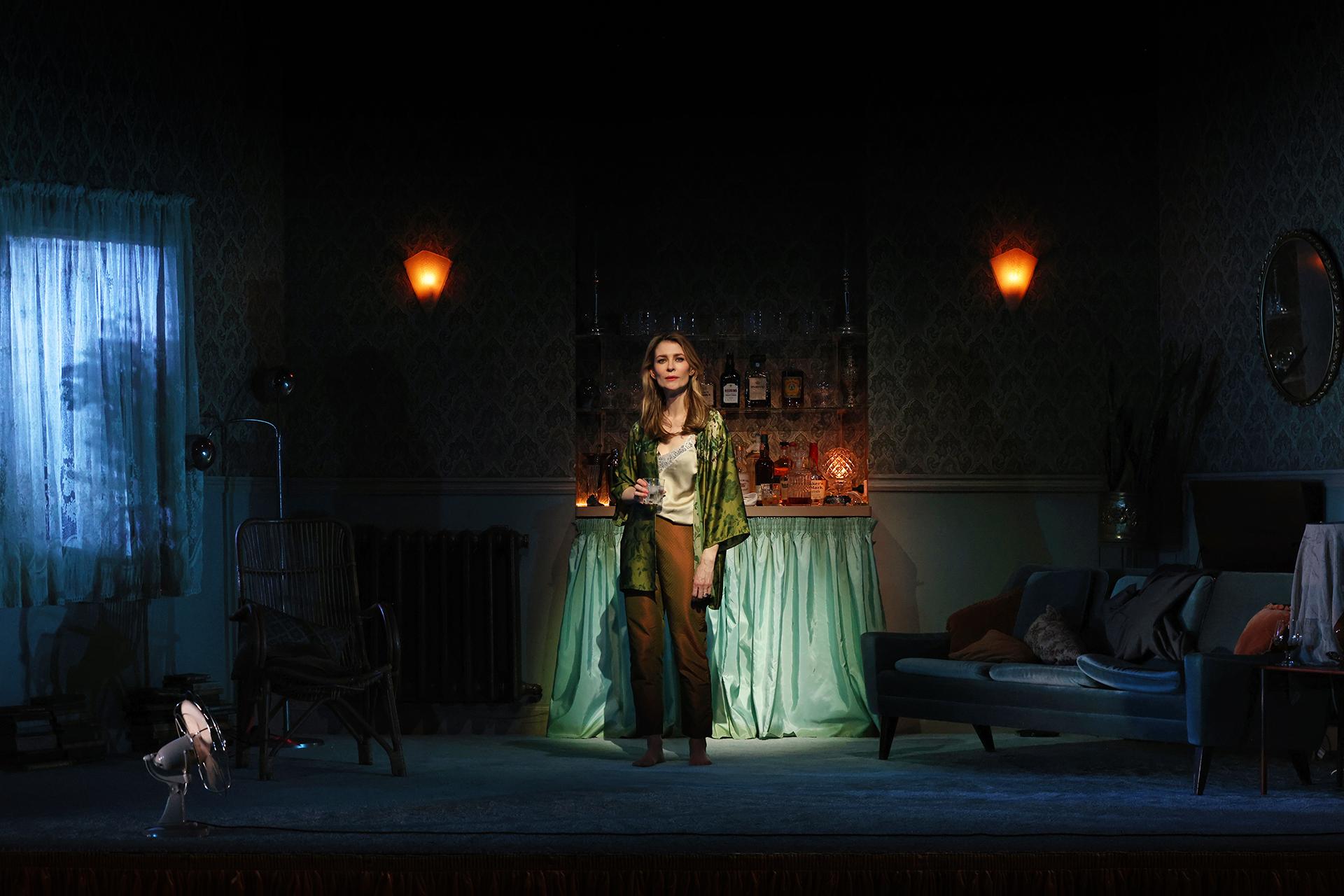
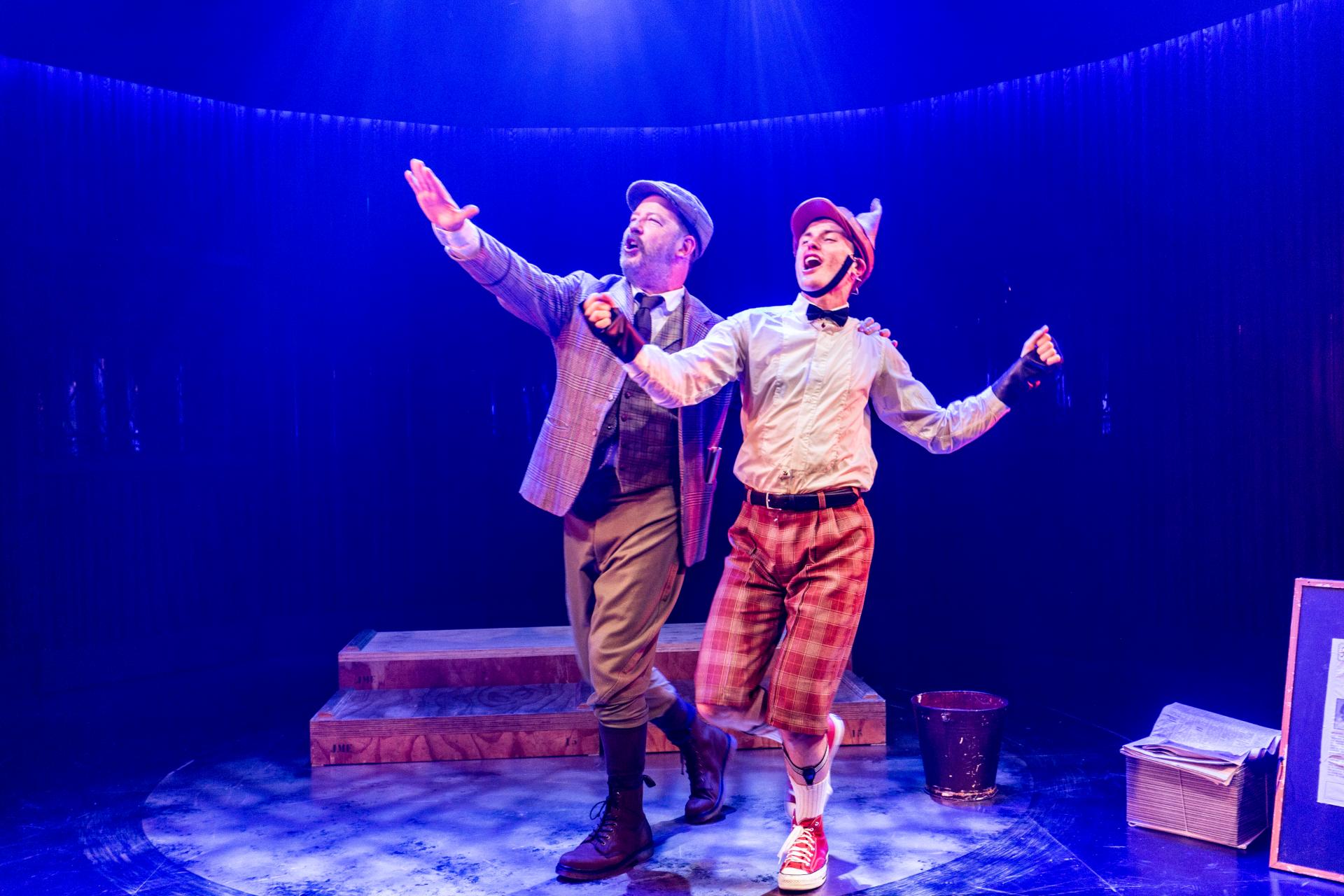
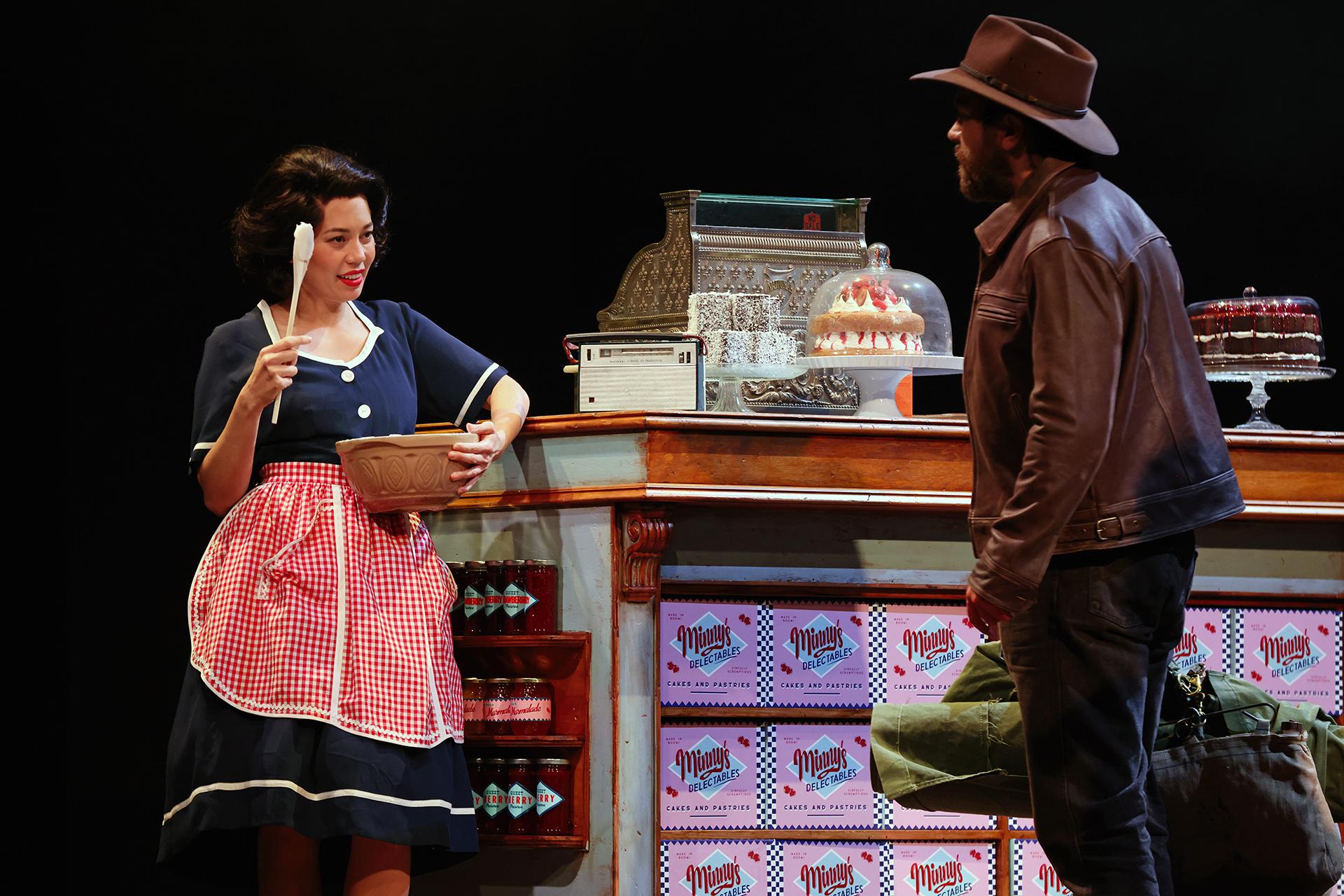
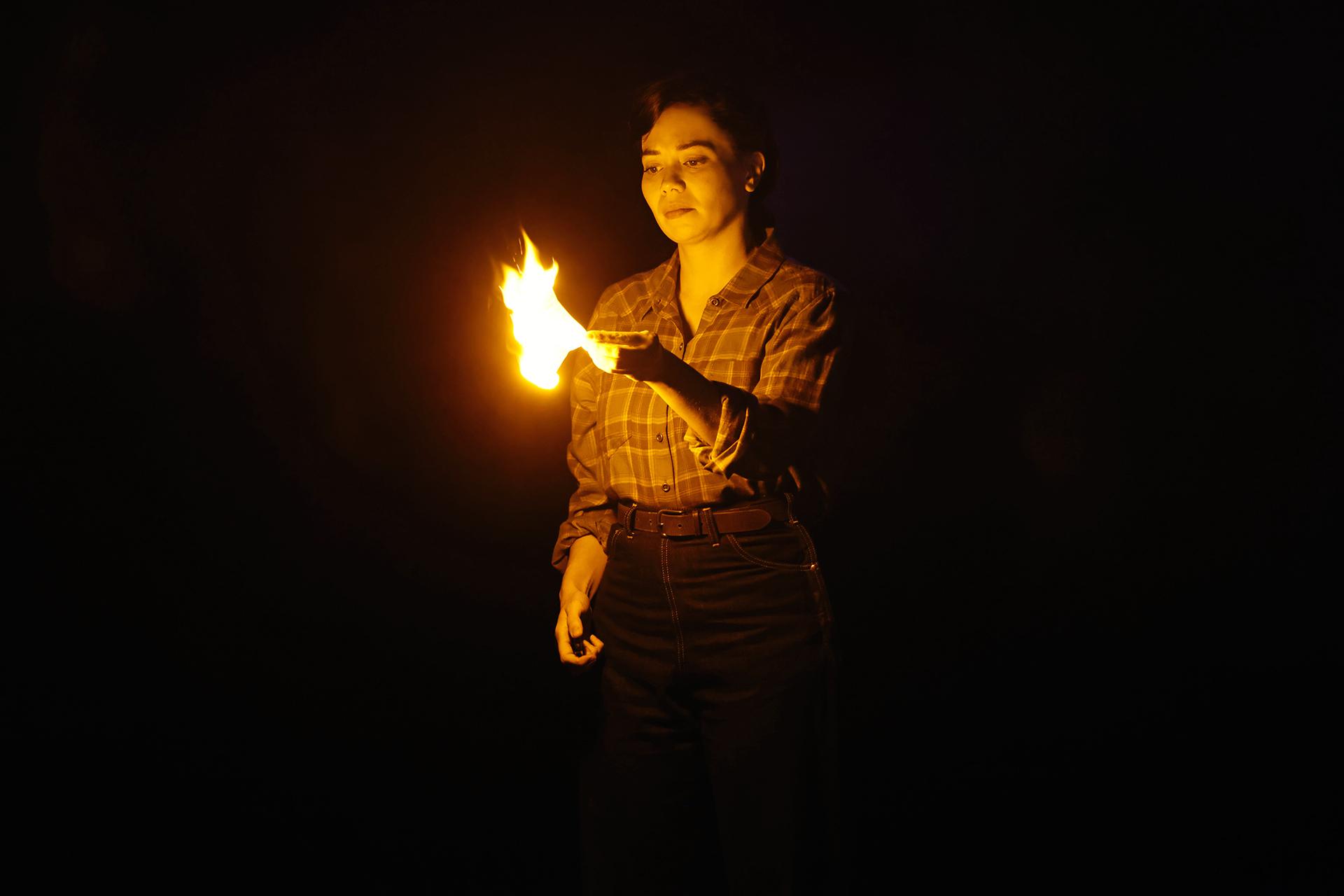
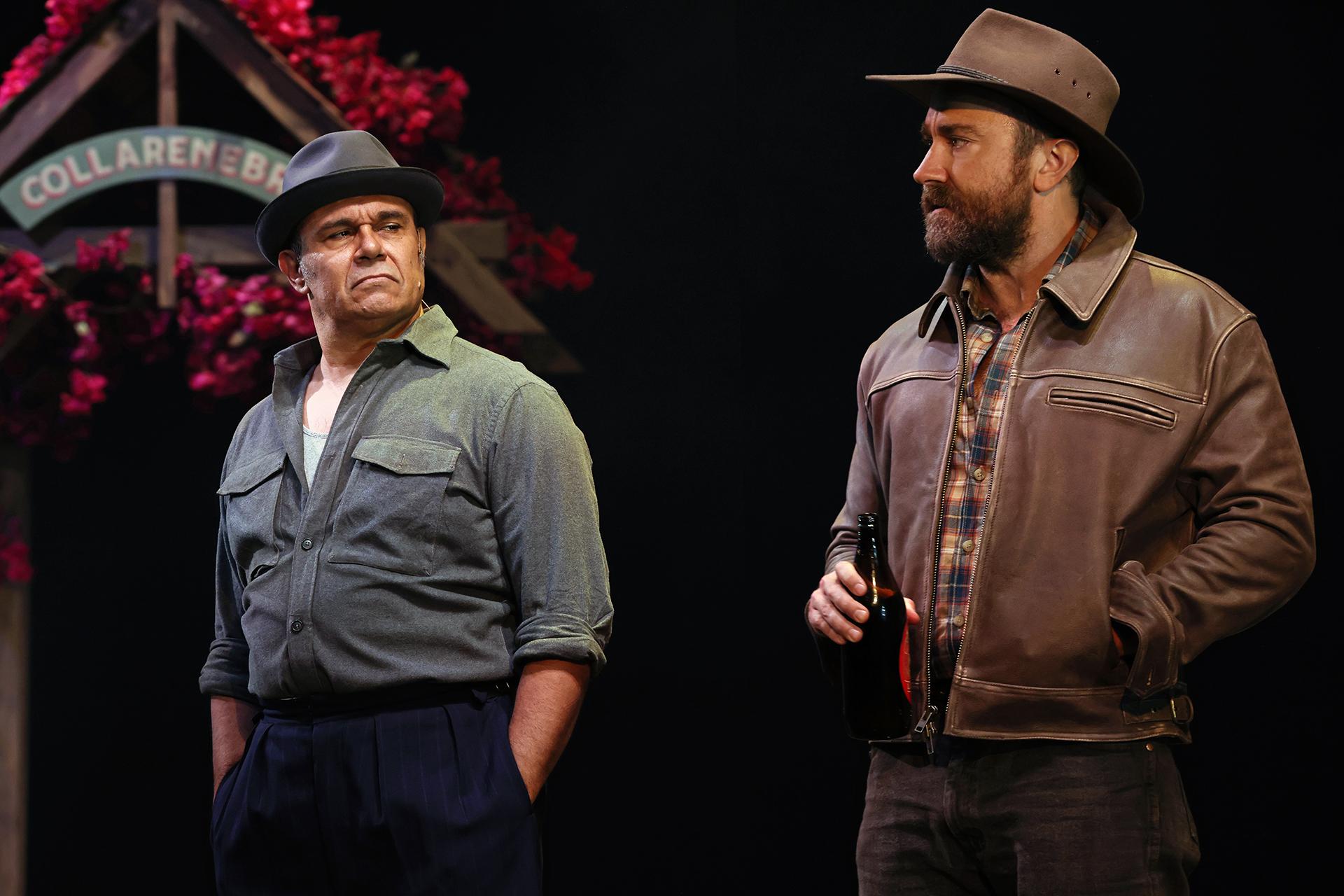
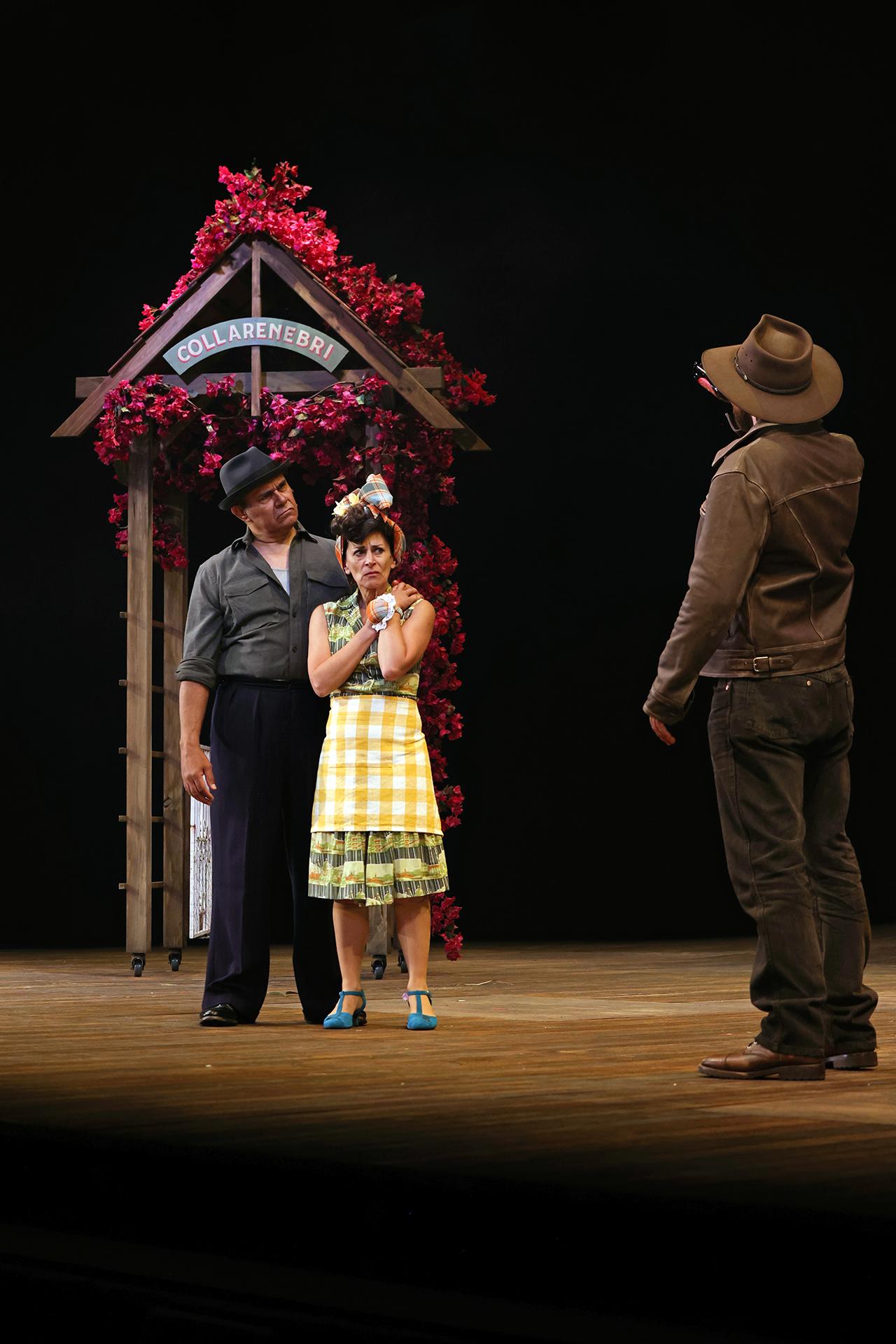
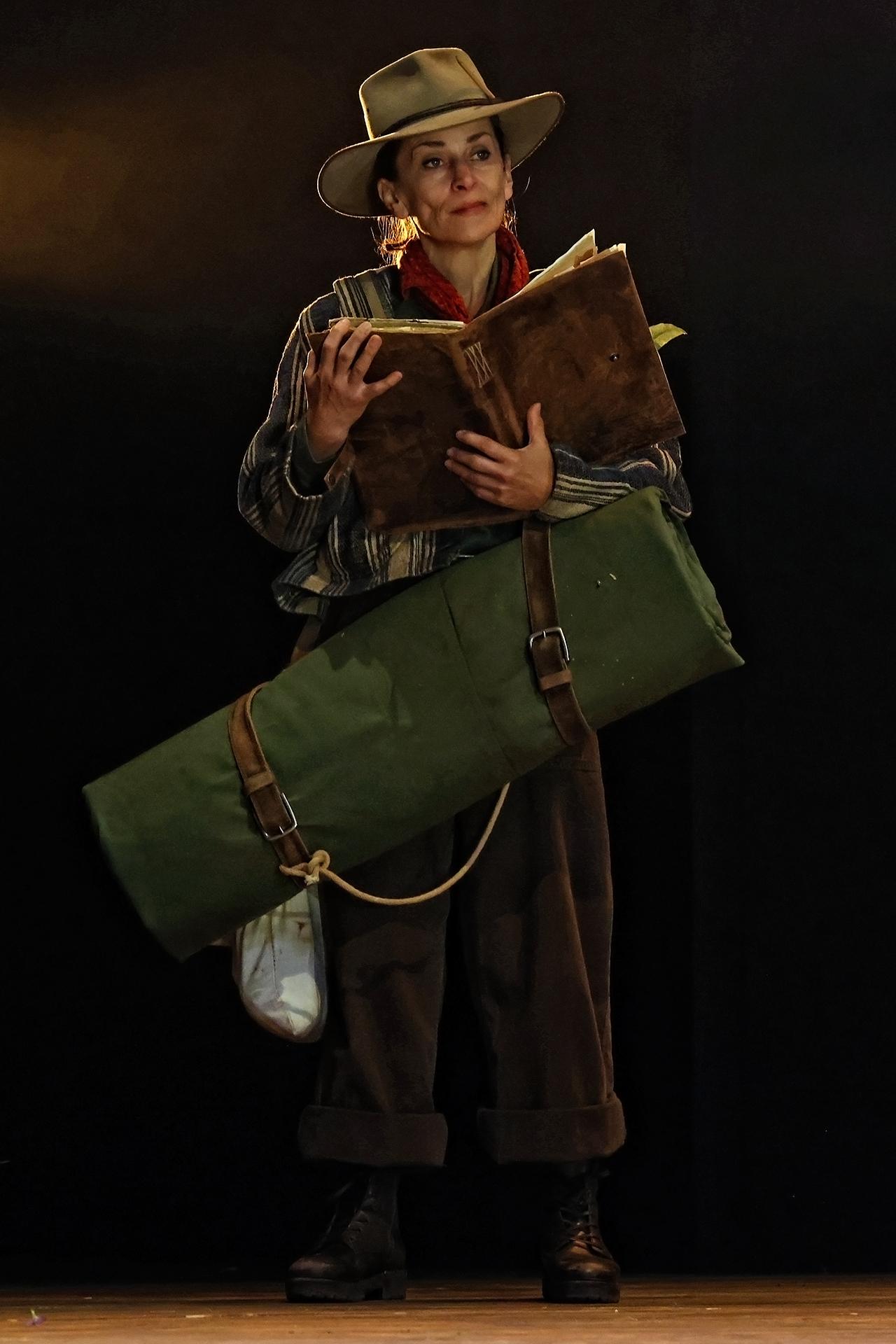
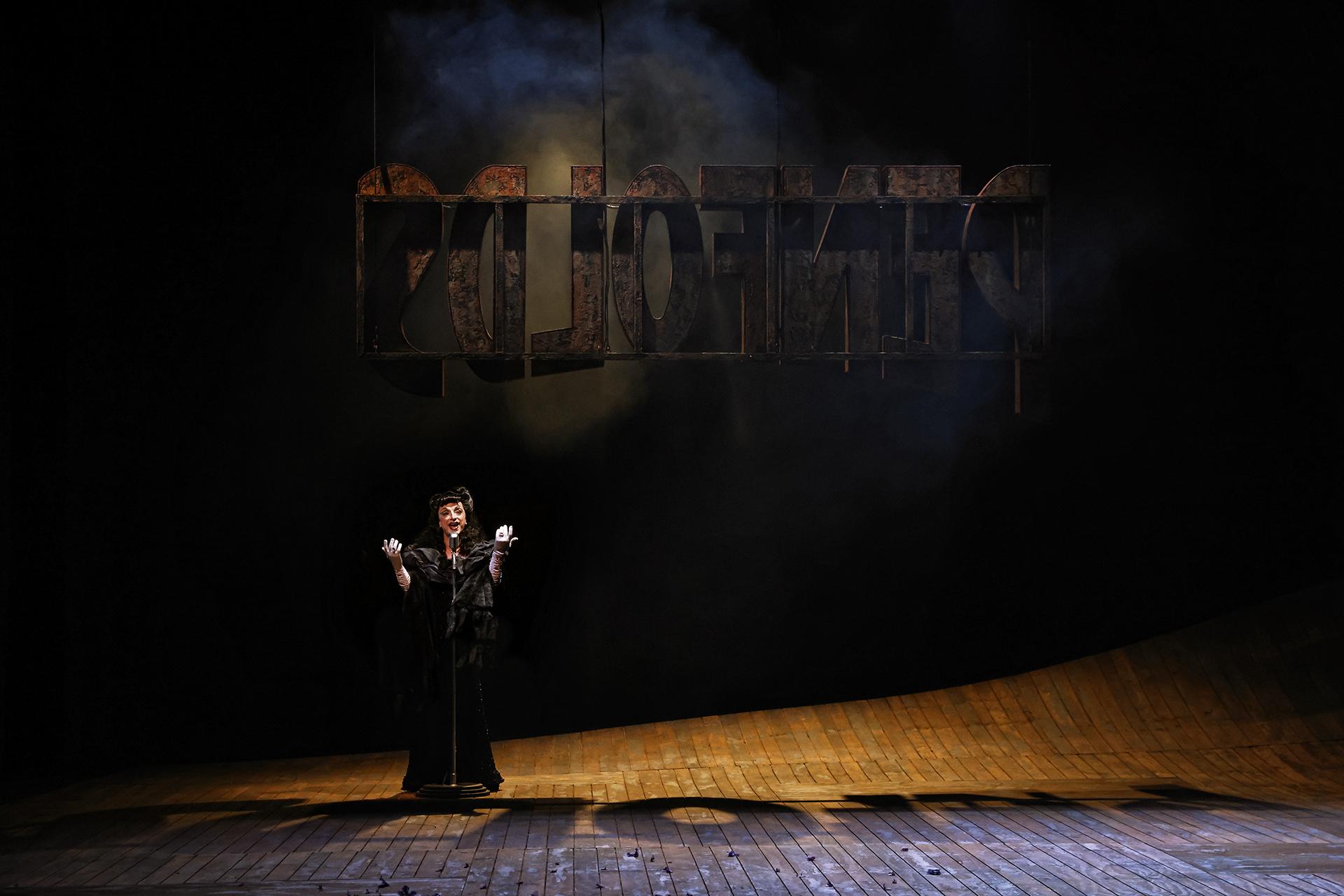
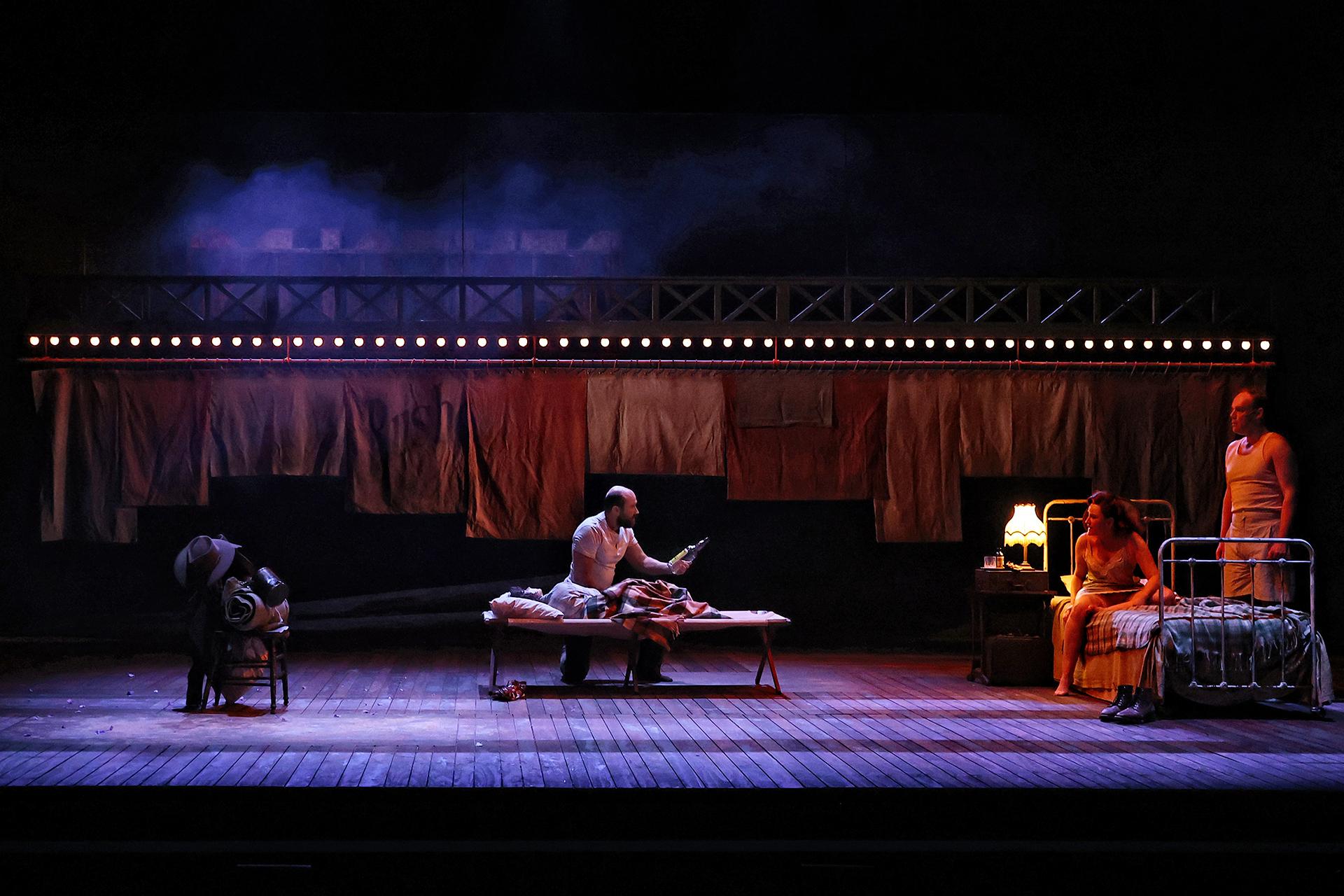
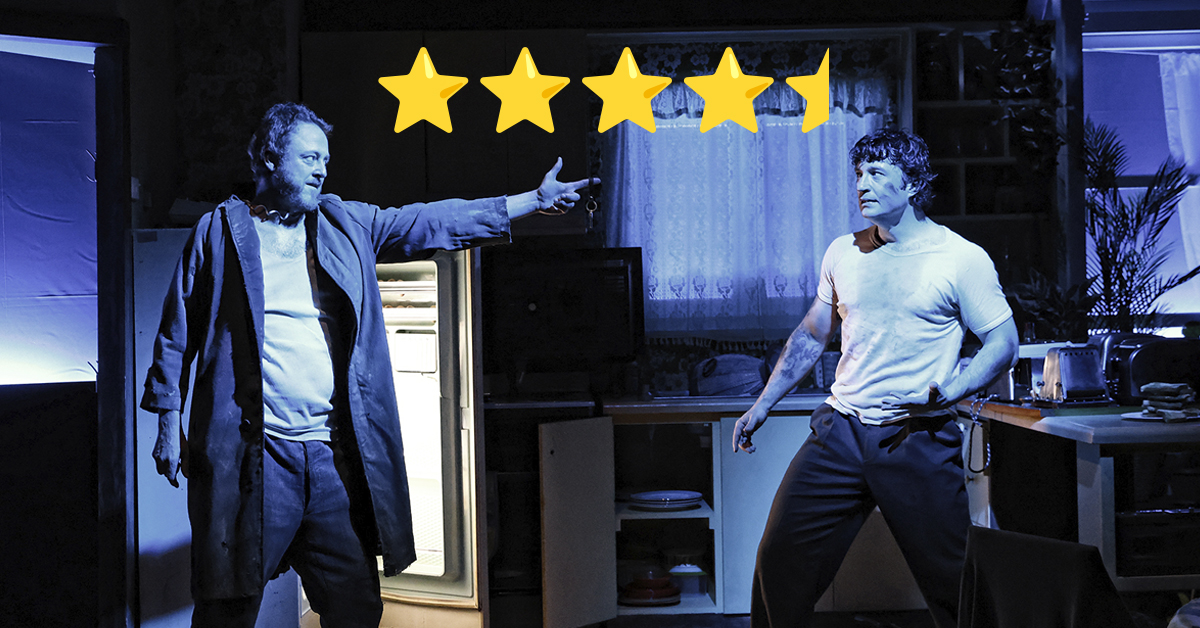
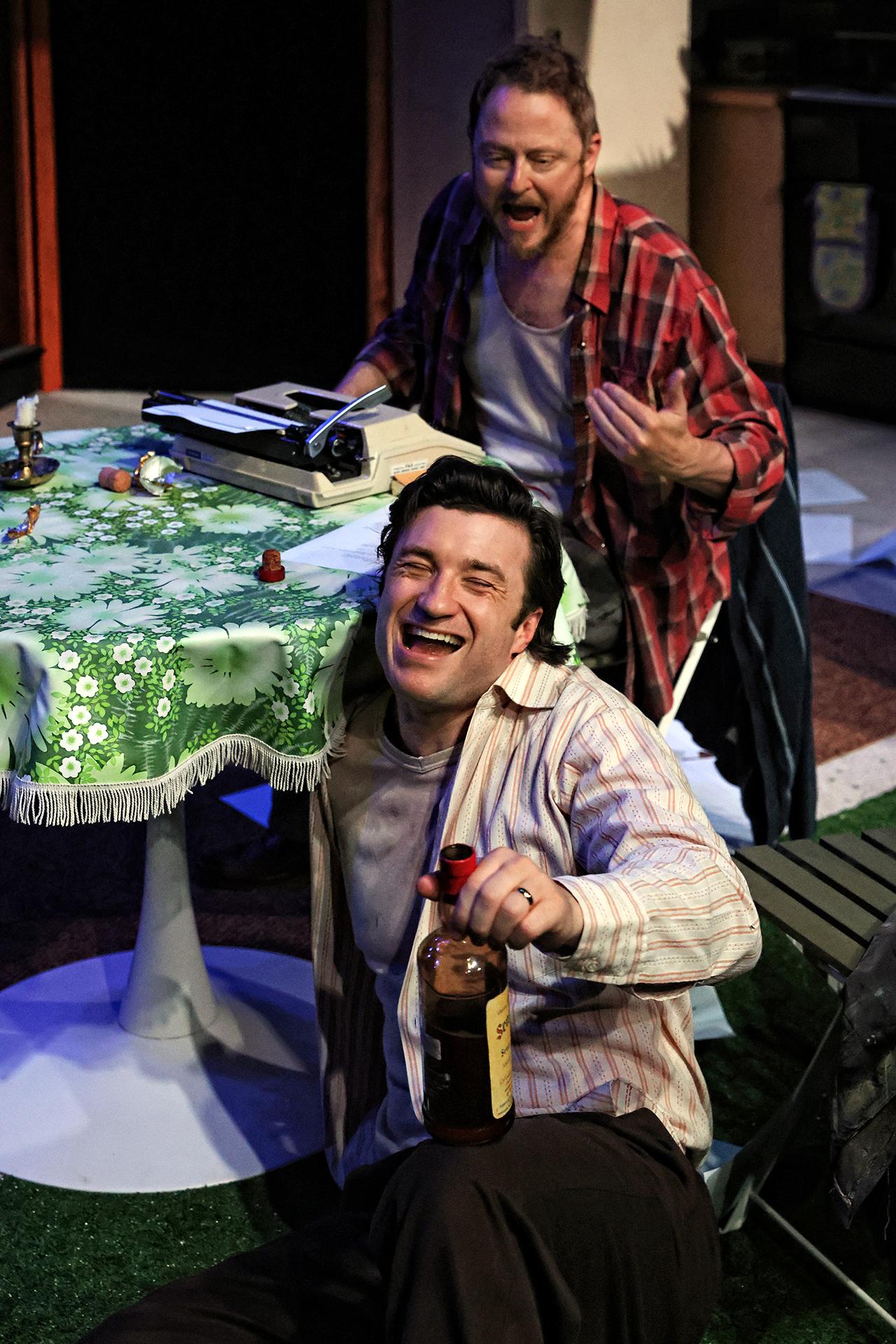
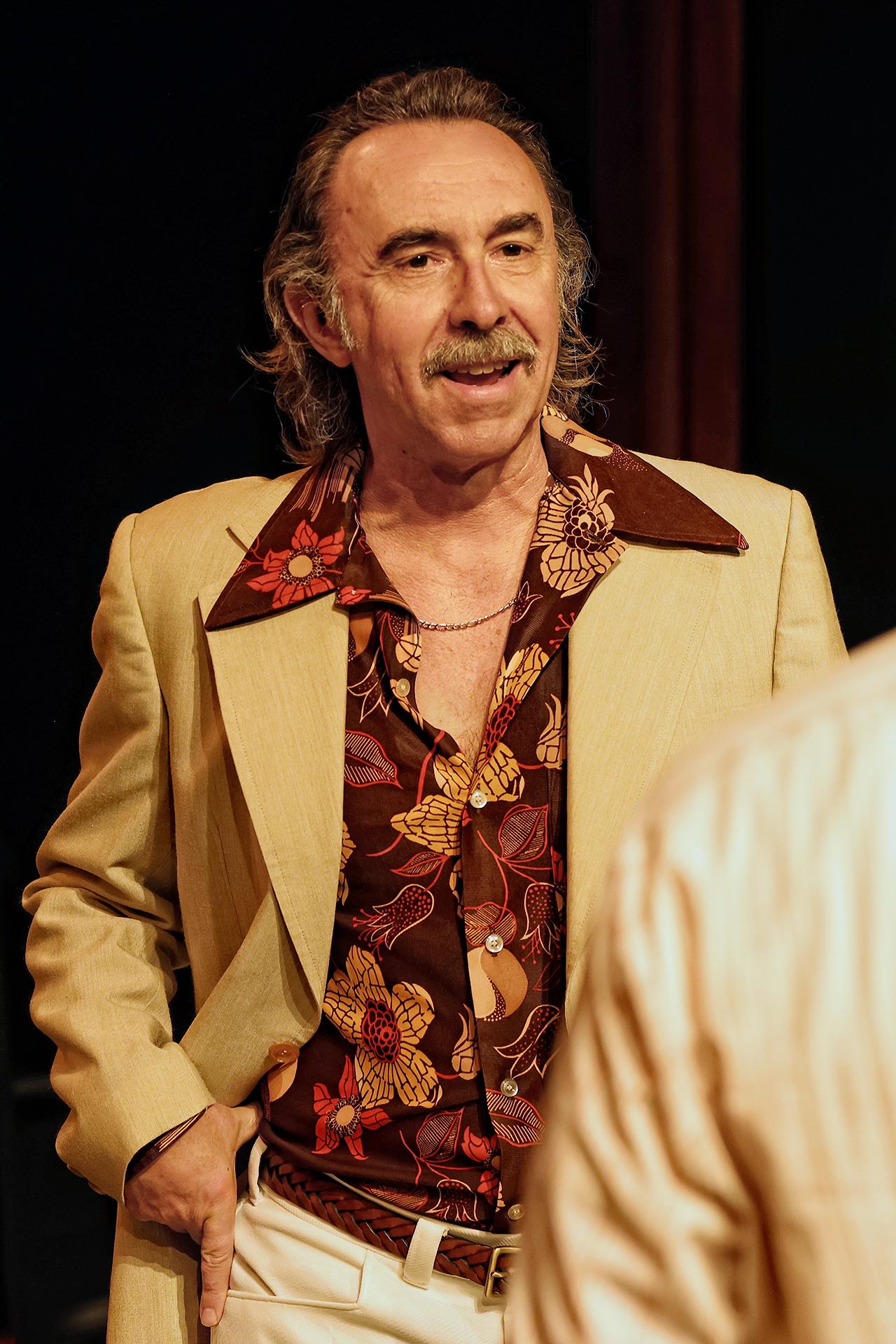
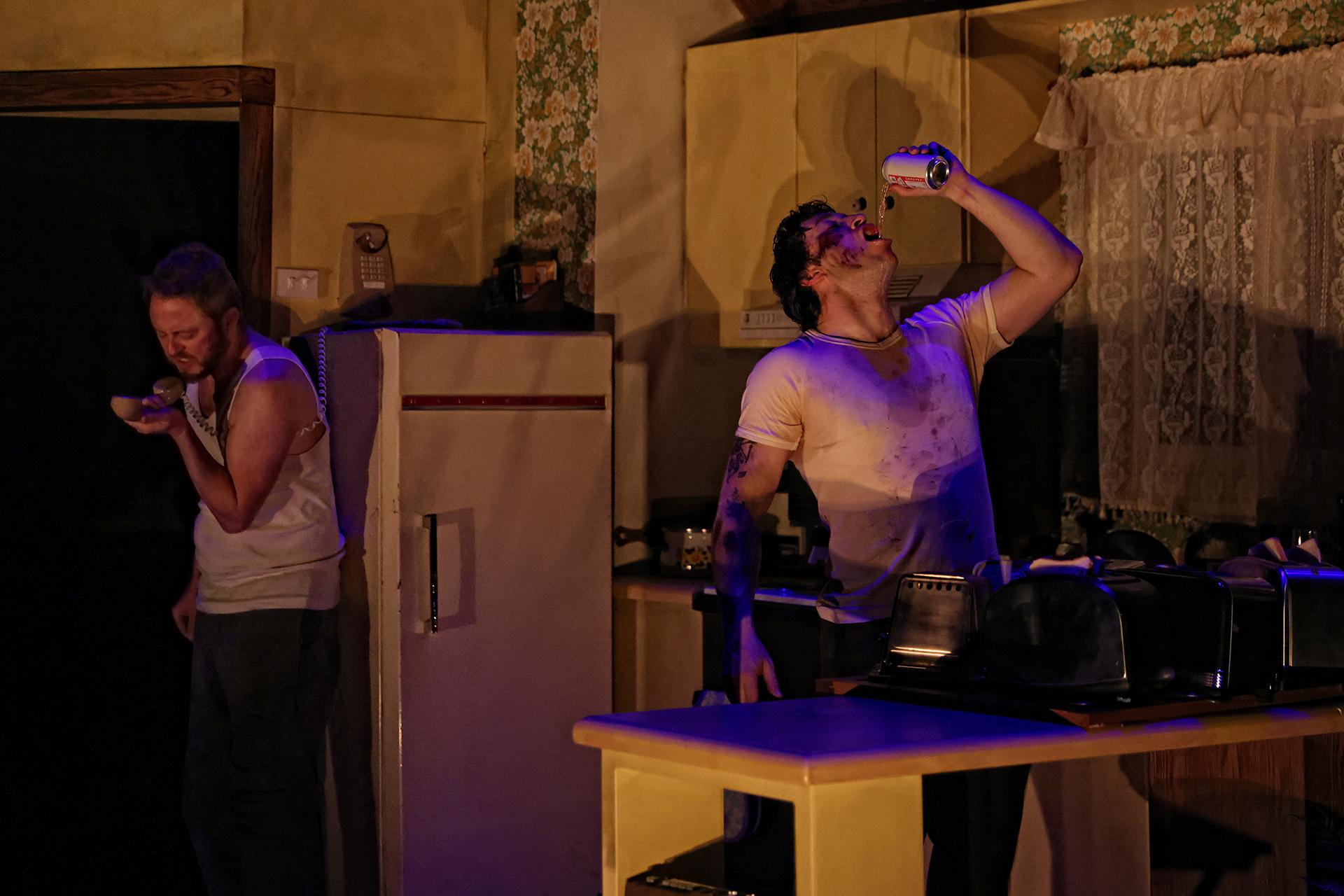
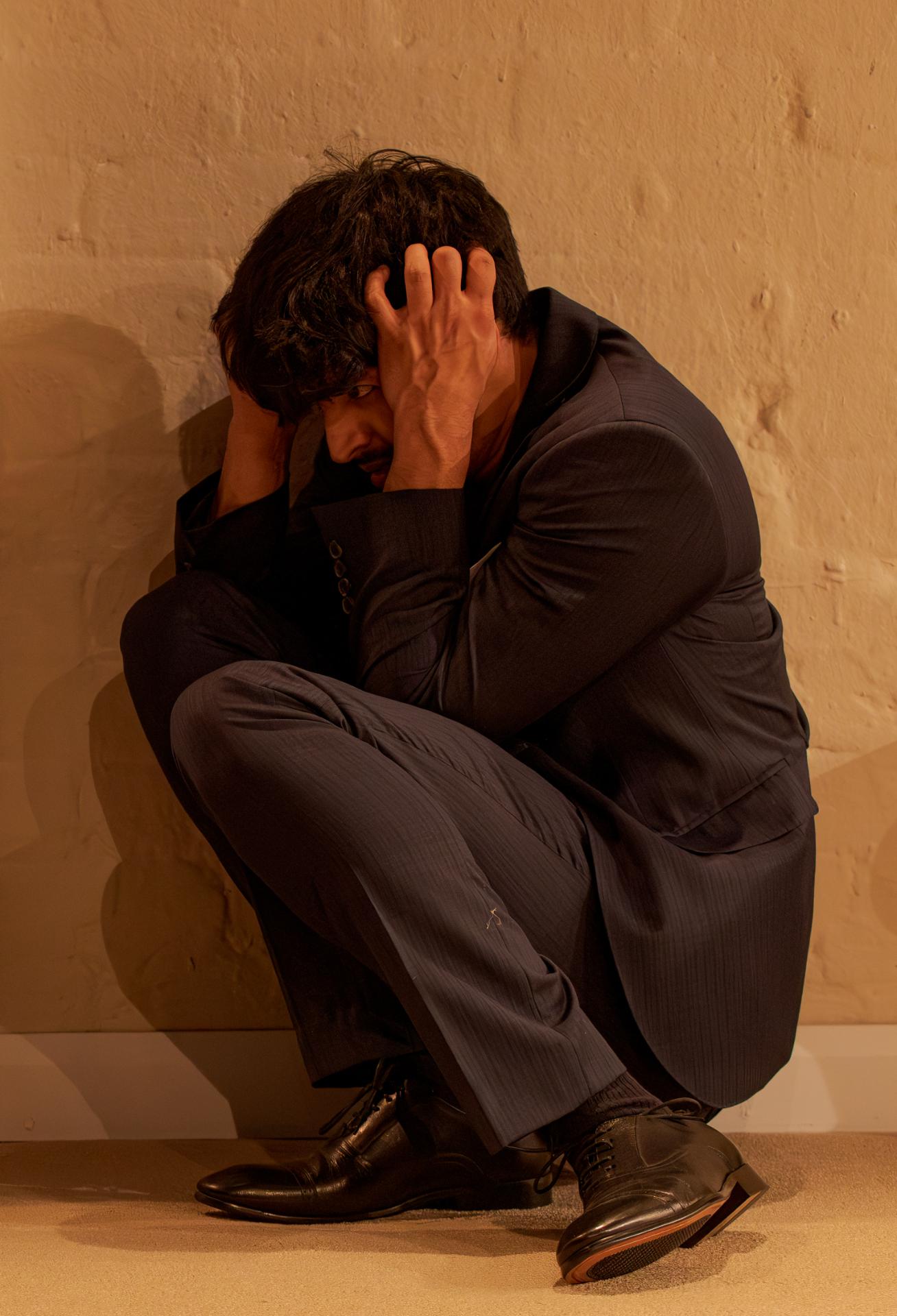
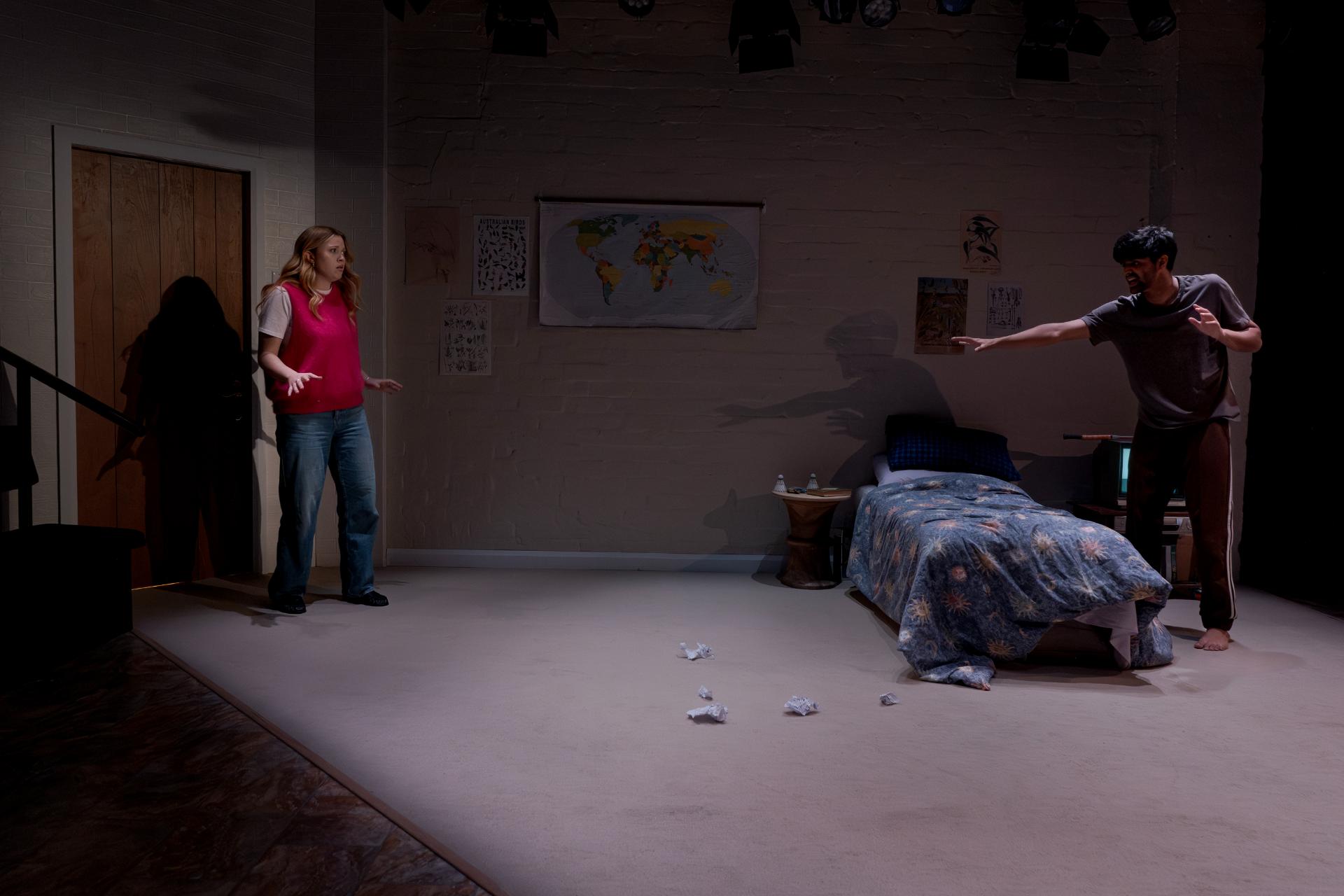
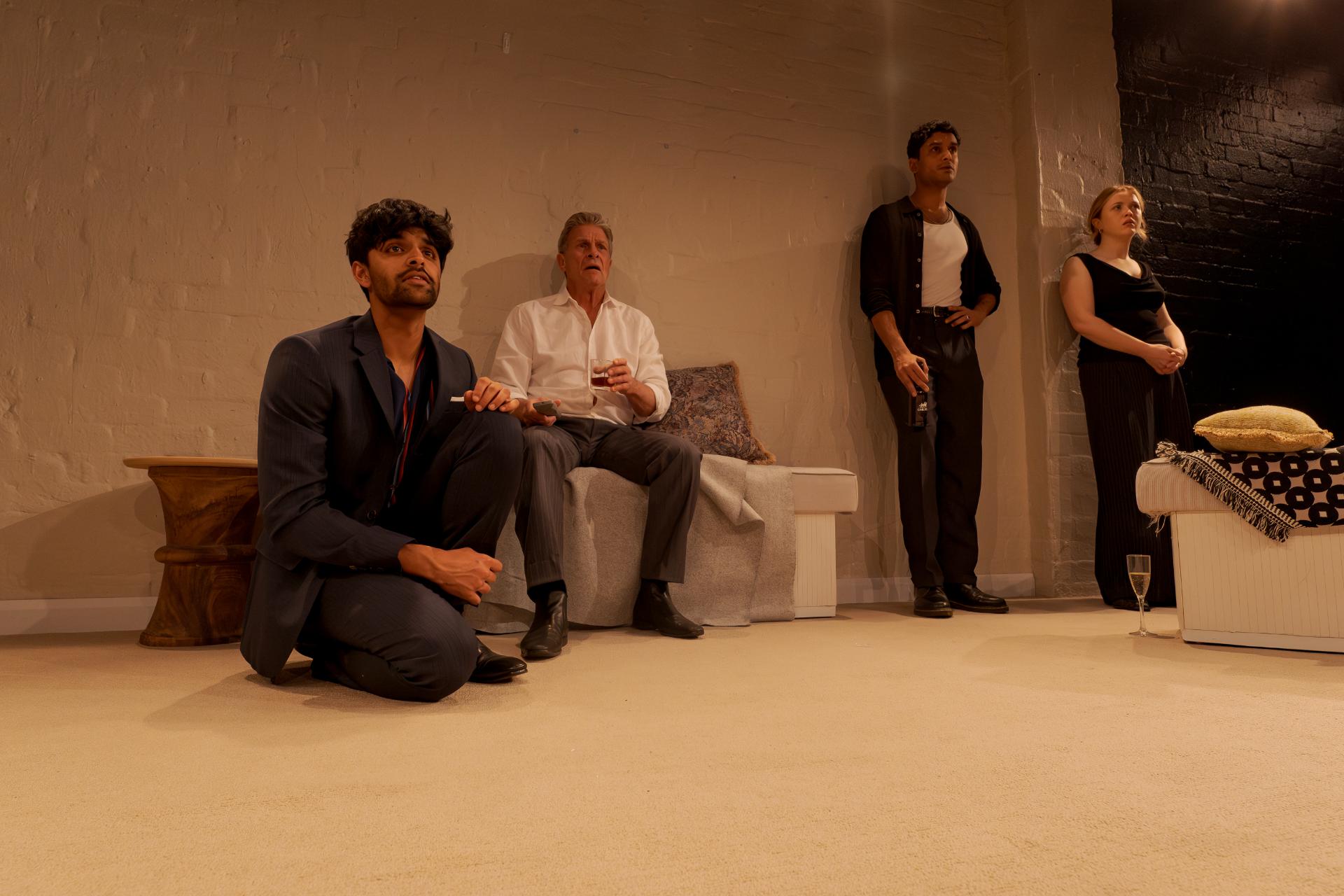
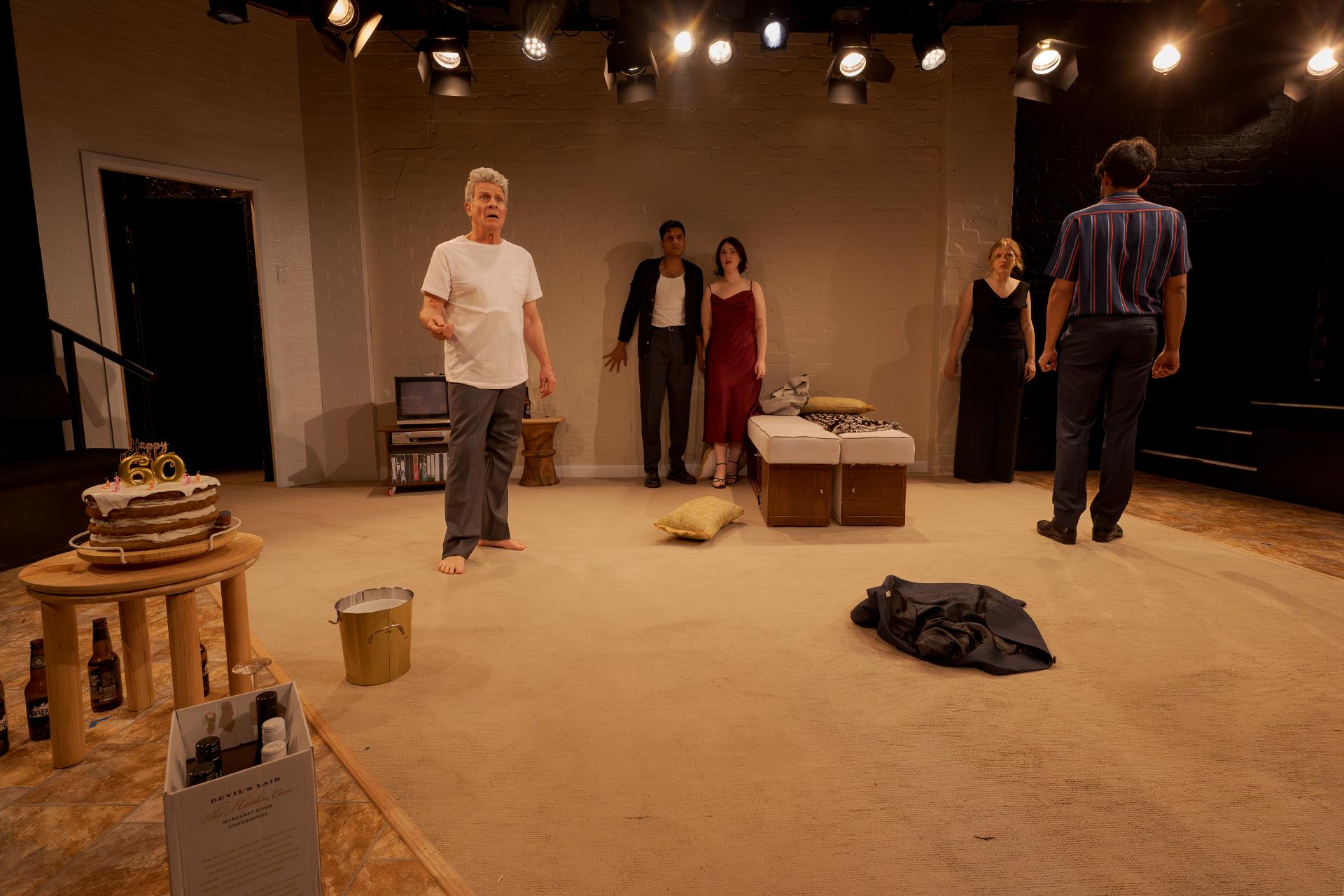
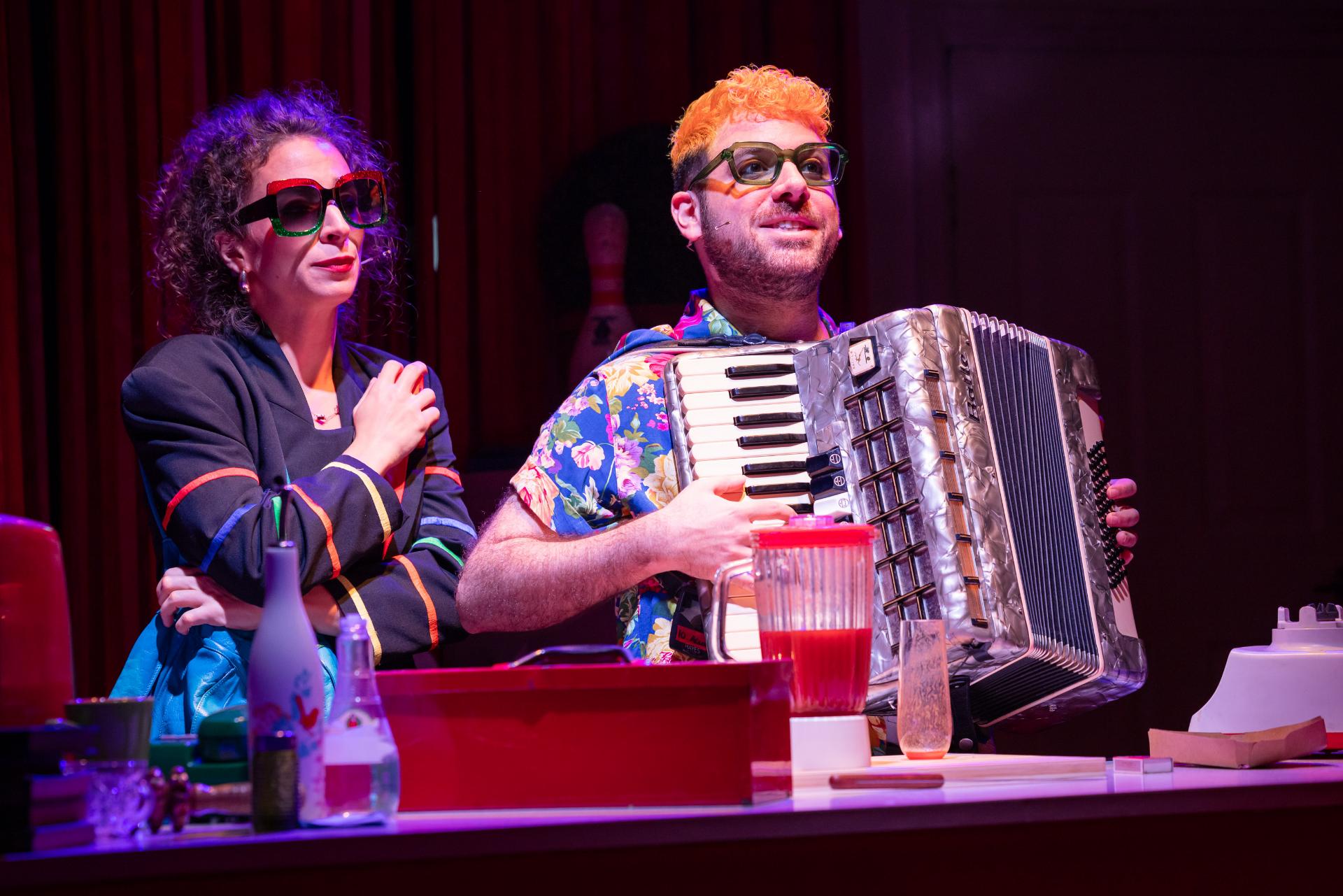
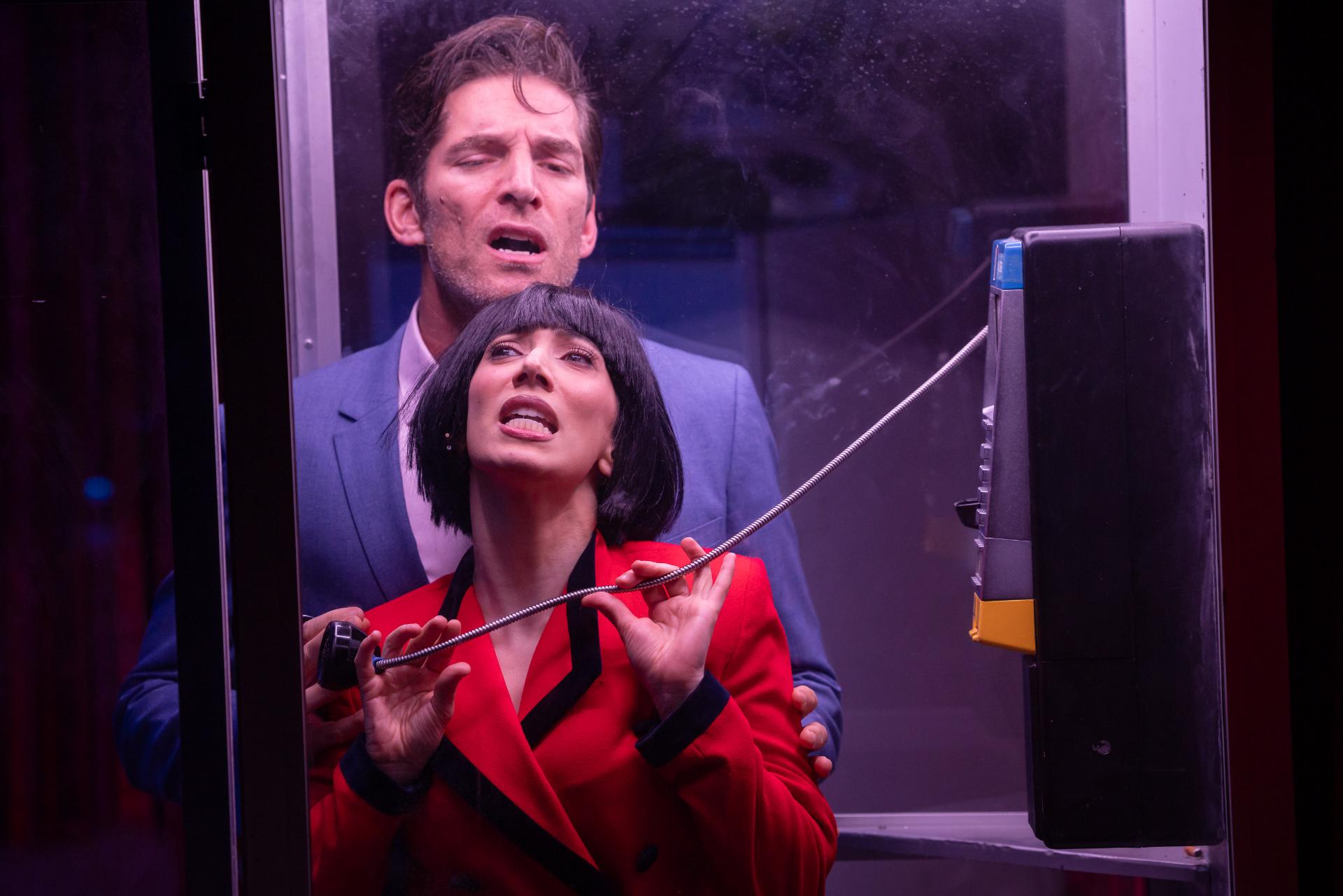
It is opening day at Mandy’s new karaoke bar, and she is plainly on the verge of collapse. It also happens to be her thirty-eighth birthday—a milestone that terrifies her, for both her mother and grandmother died at precisely that age. Amid this psychological unravelling, those very forebears return as ghosts from the afterlife or underworld, appearing as if to mock her dread and deepen her sense of inevitability. Congratulations, Get Rich! by Merlynn Tong, probes the intertwined notions of curses and legacies—ideas often treated as distinct but revealed here to be inseparable. Mandy fears repeating history, even as she begins to recognise, somewhere beneath the panic, that her own hard-won successes might yet rewrite the story her family has carried for generations.

The writing is wildly inventive, holding us rapt from the first moment to the last. Unpredictable and delightfully eccentric, it balances sincerity with a sense of the marvellously outlandish. Courtney Stewart’s direction brings together rich cultural specificity and deep emotional truth, guiding a story that moves between Singapore and Australia while allowing its layered meanings to reverberate across cultural lines. At times the humour edges toward the contrived, yet the production’s unwavering commitment to its distinctive tone renders even its most exaggerated moments disarmingly persuasive.

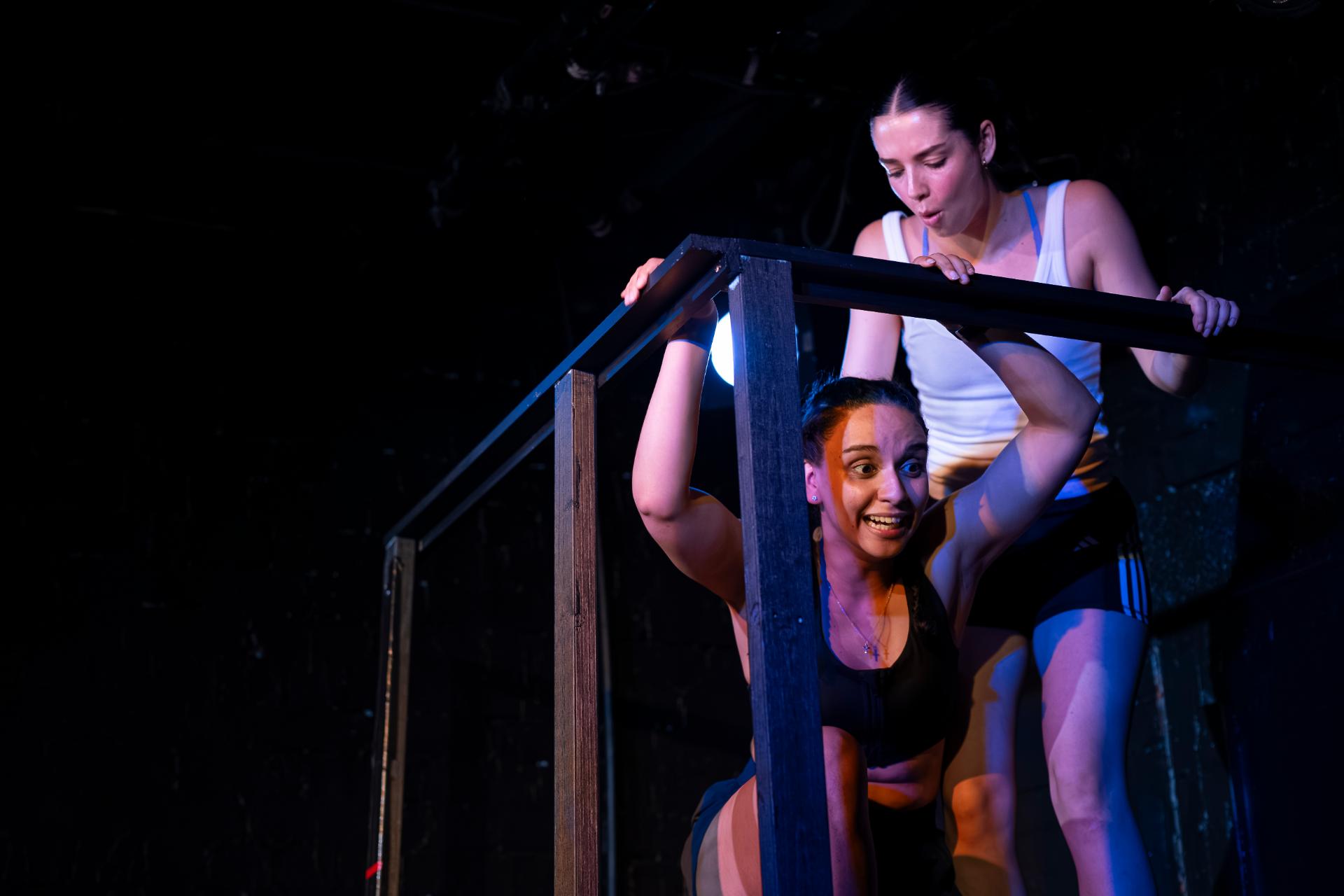
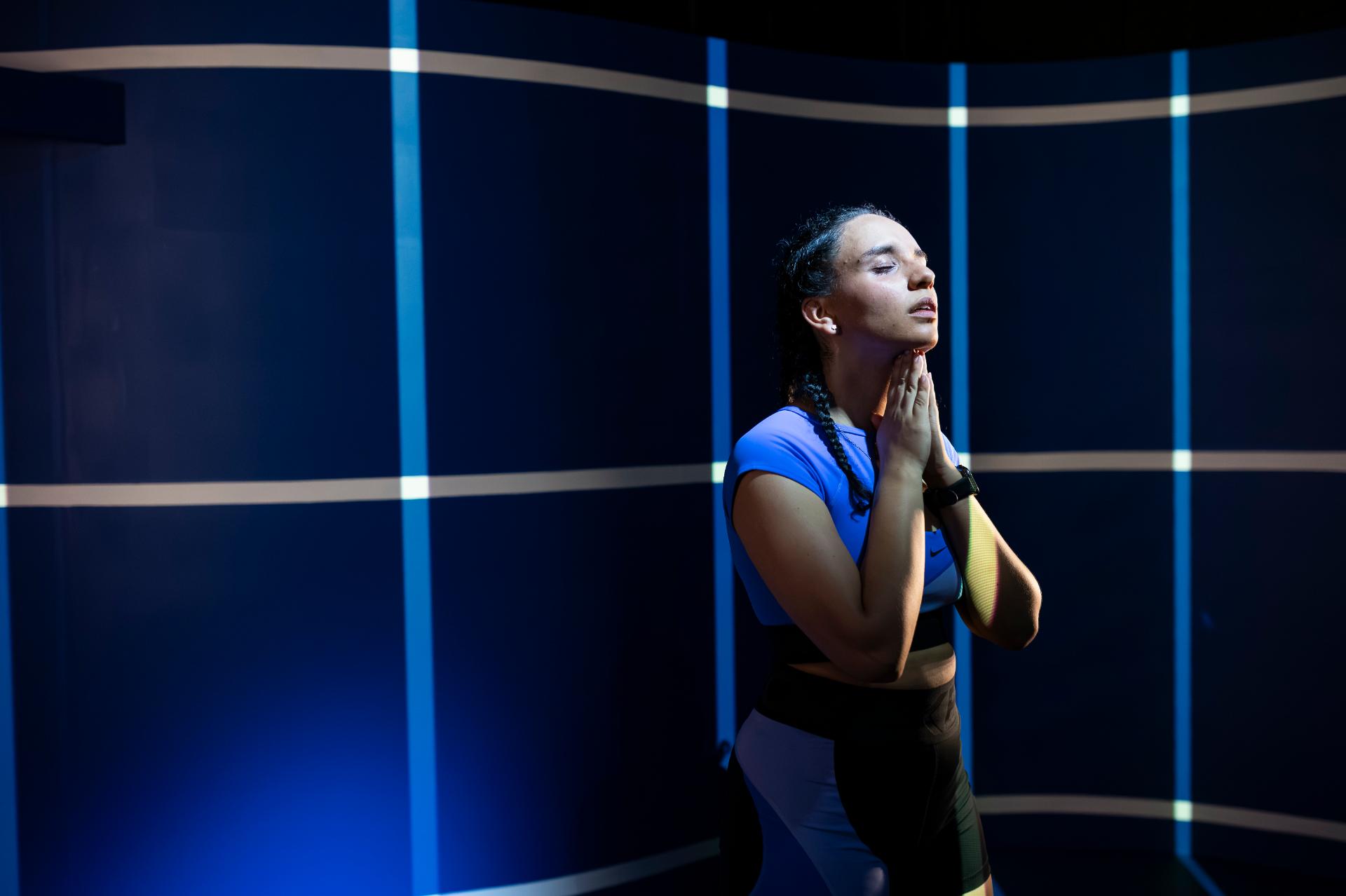
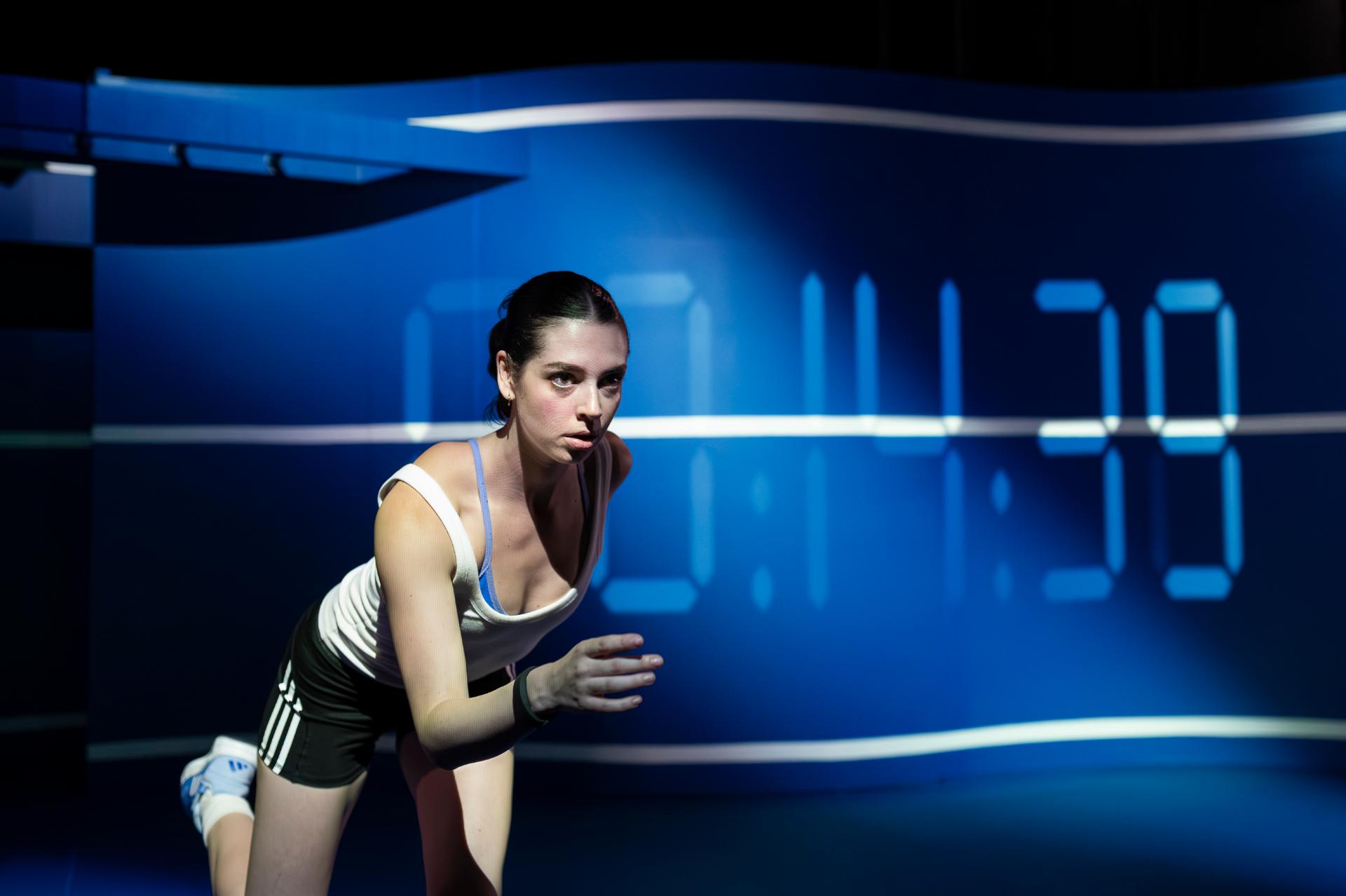
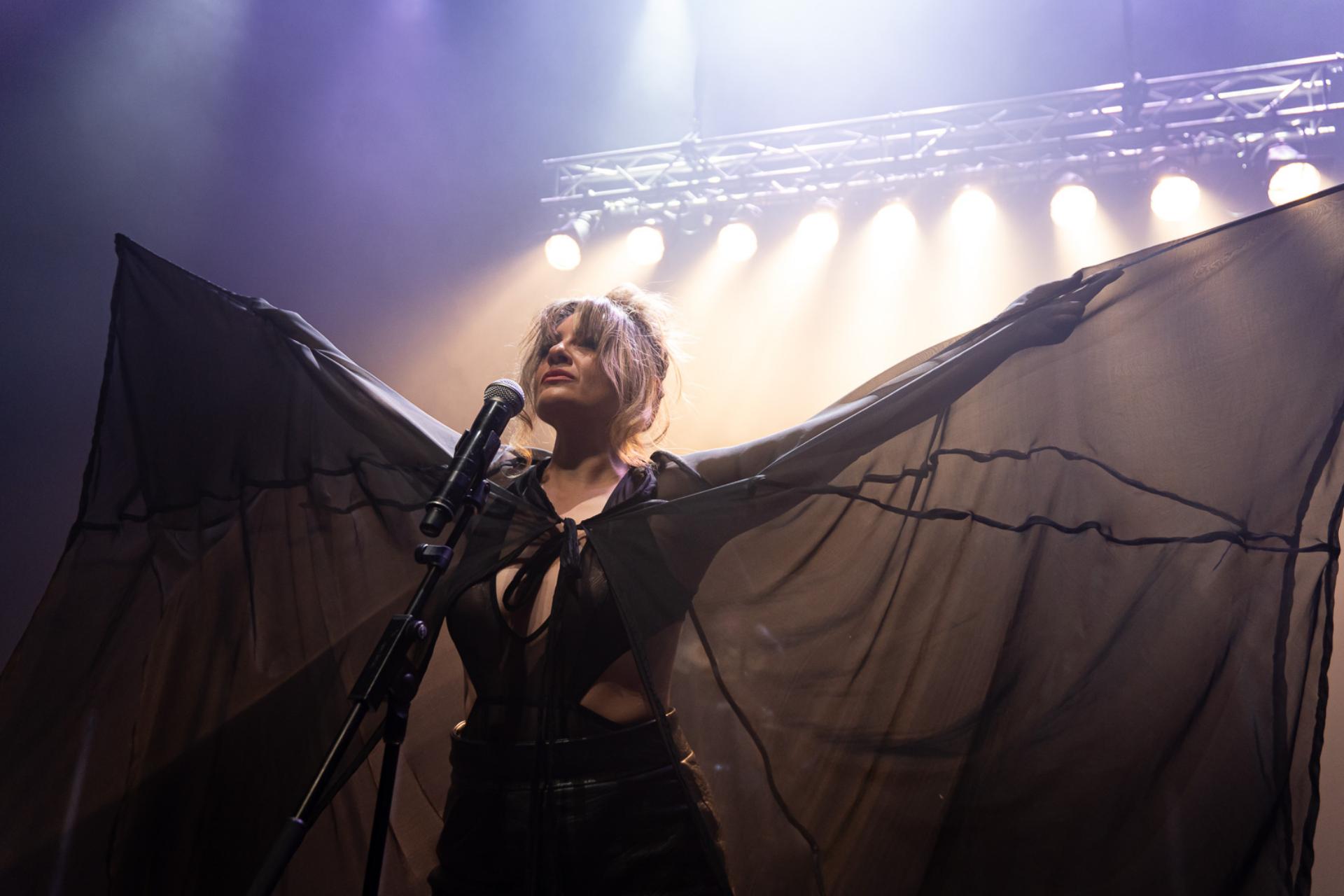
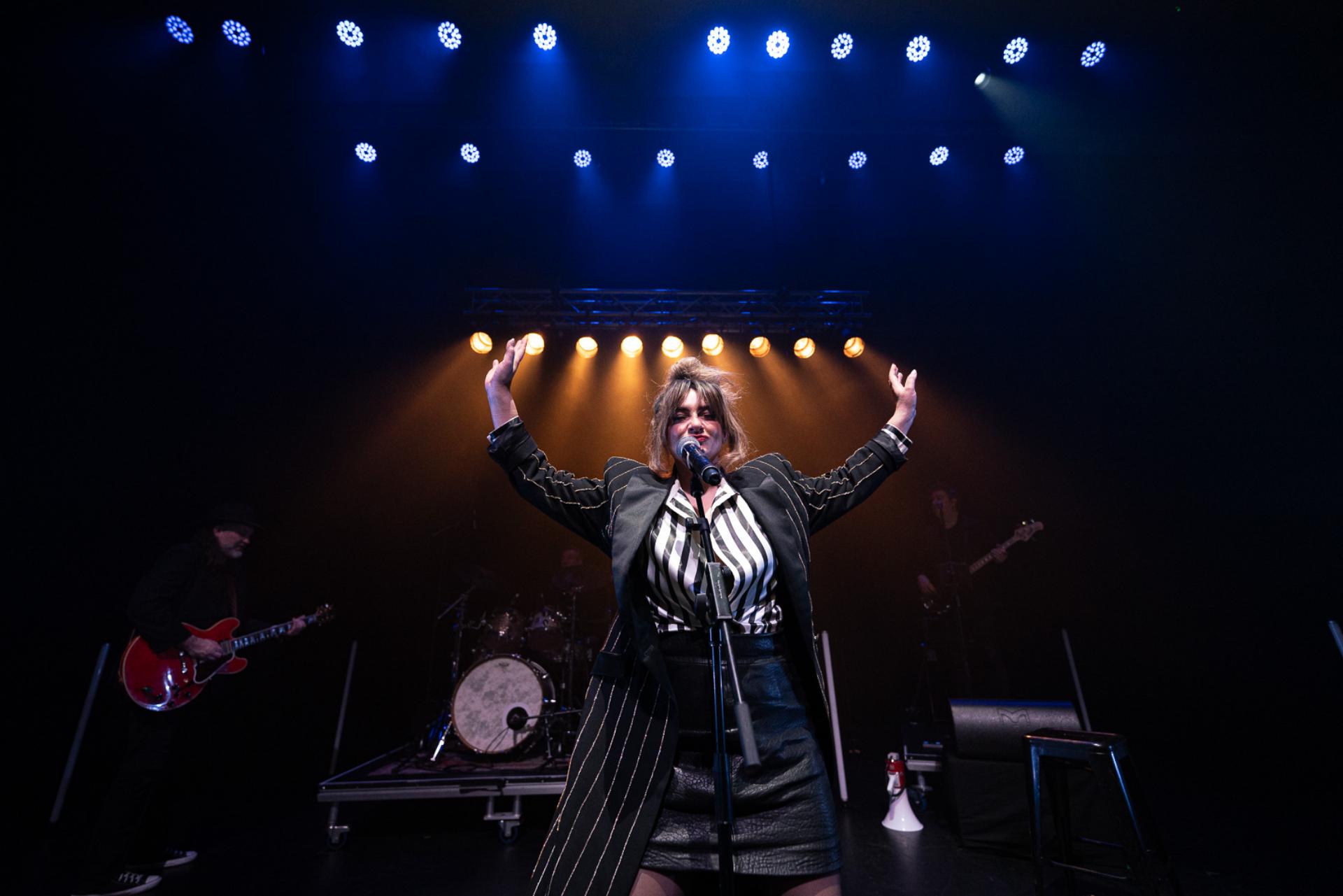
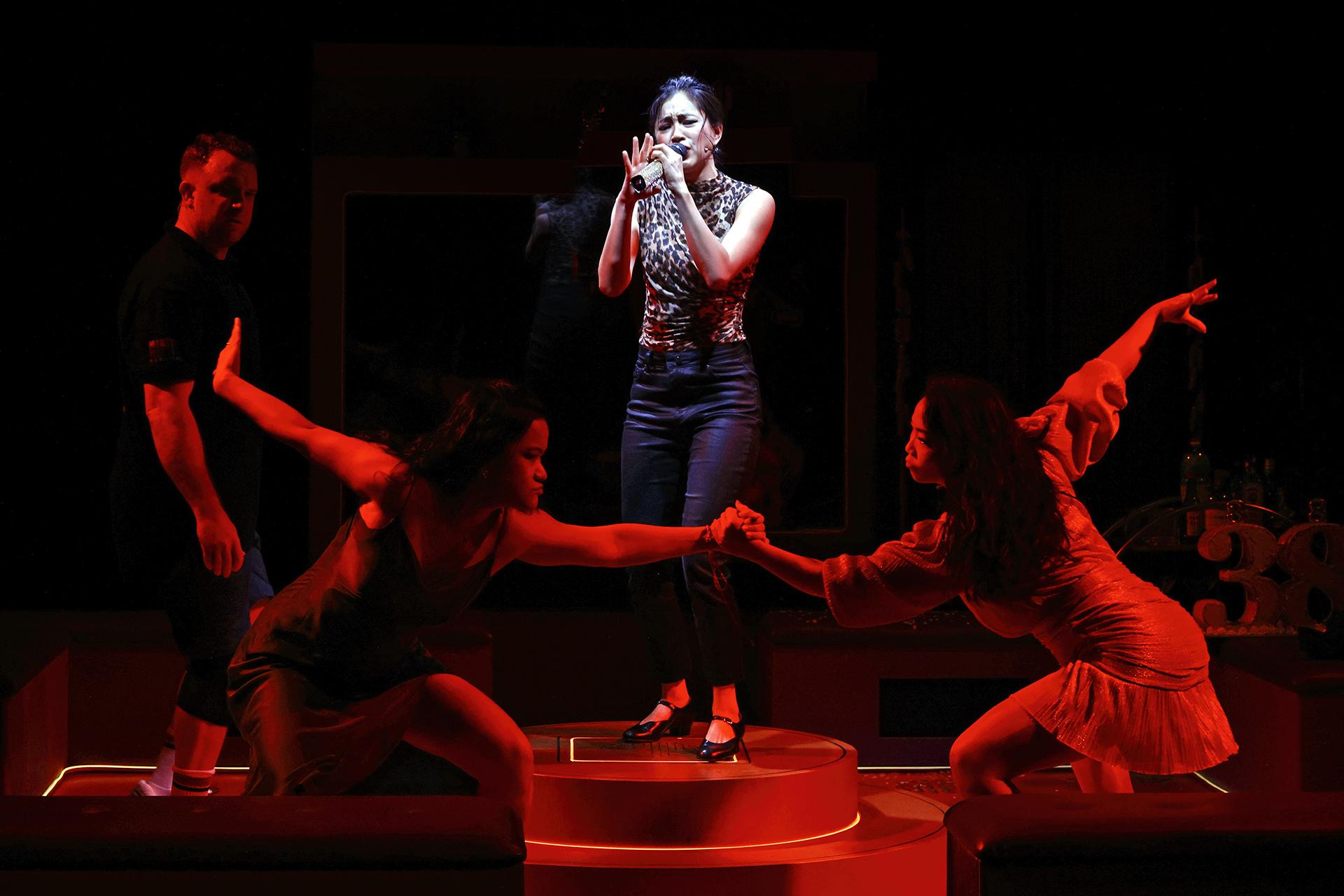
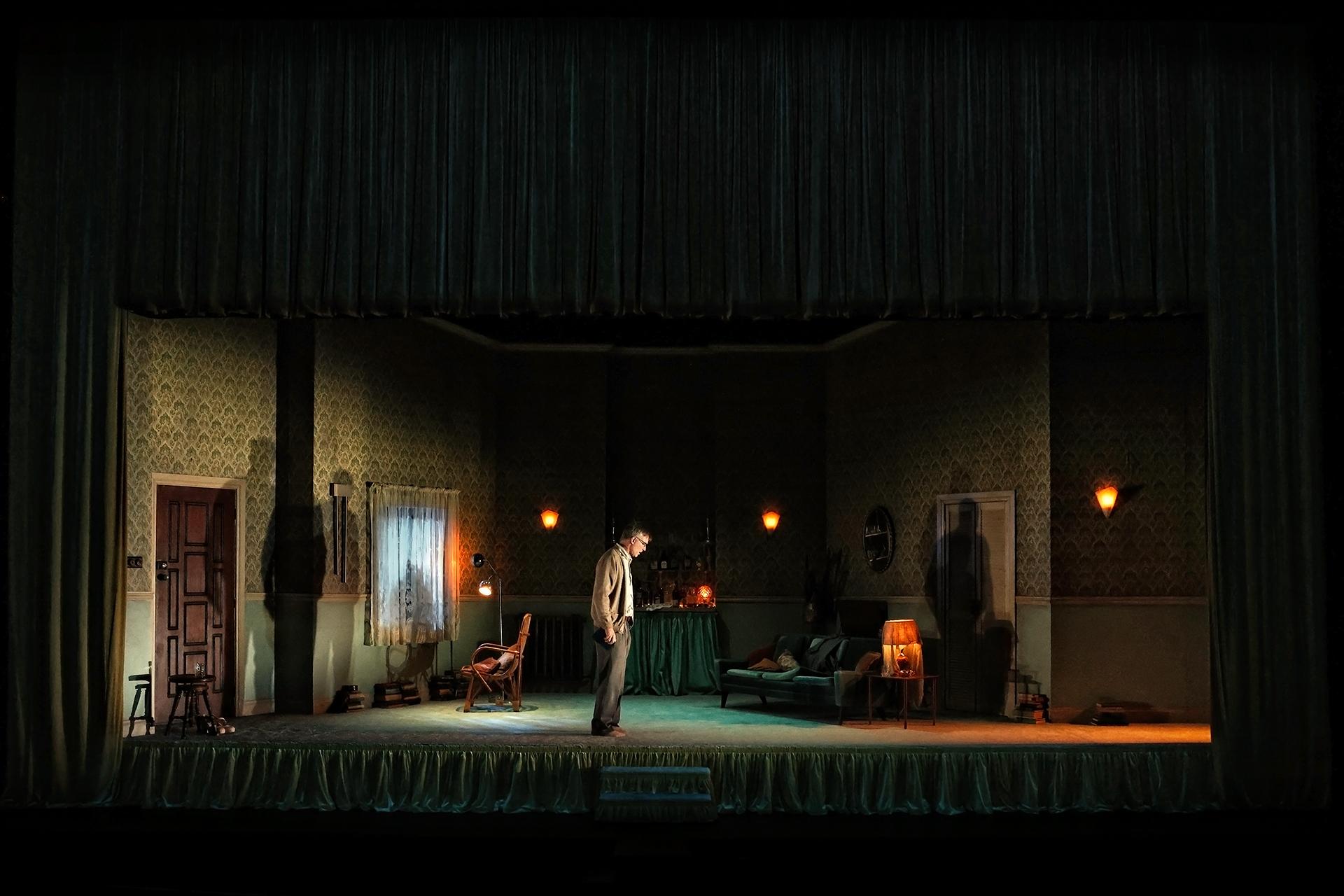
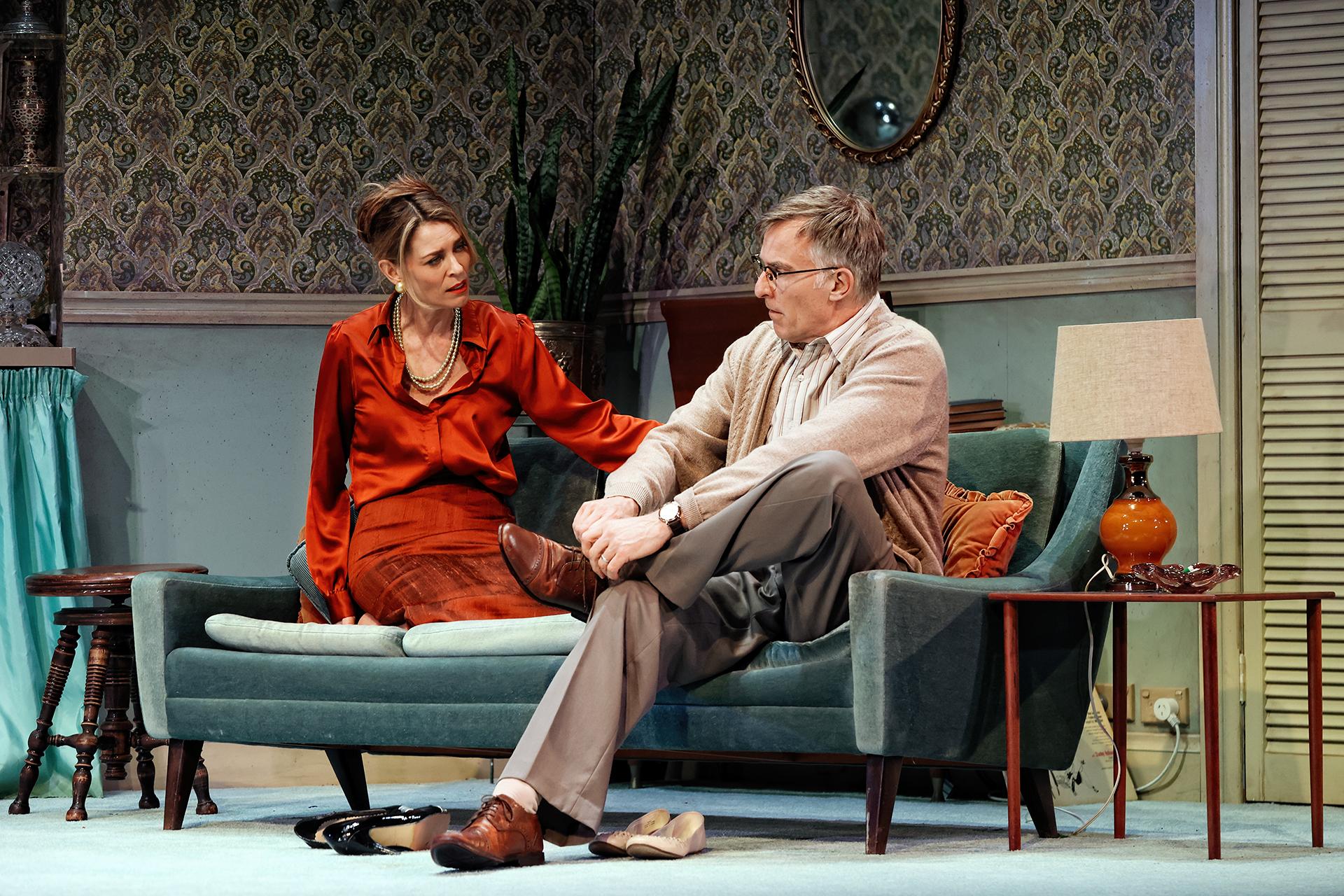
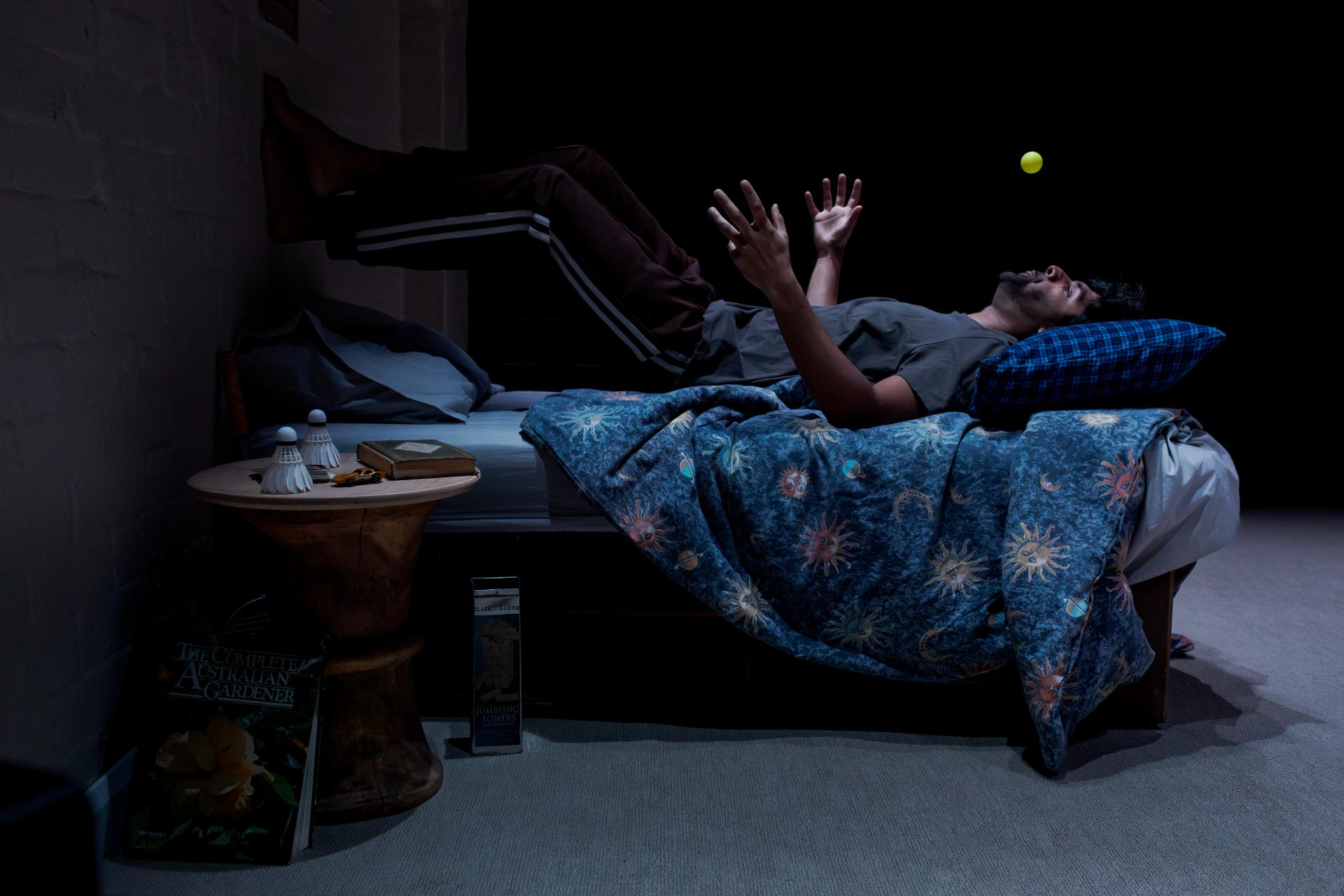
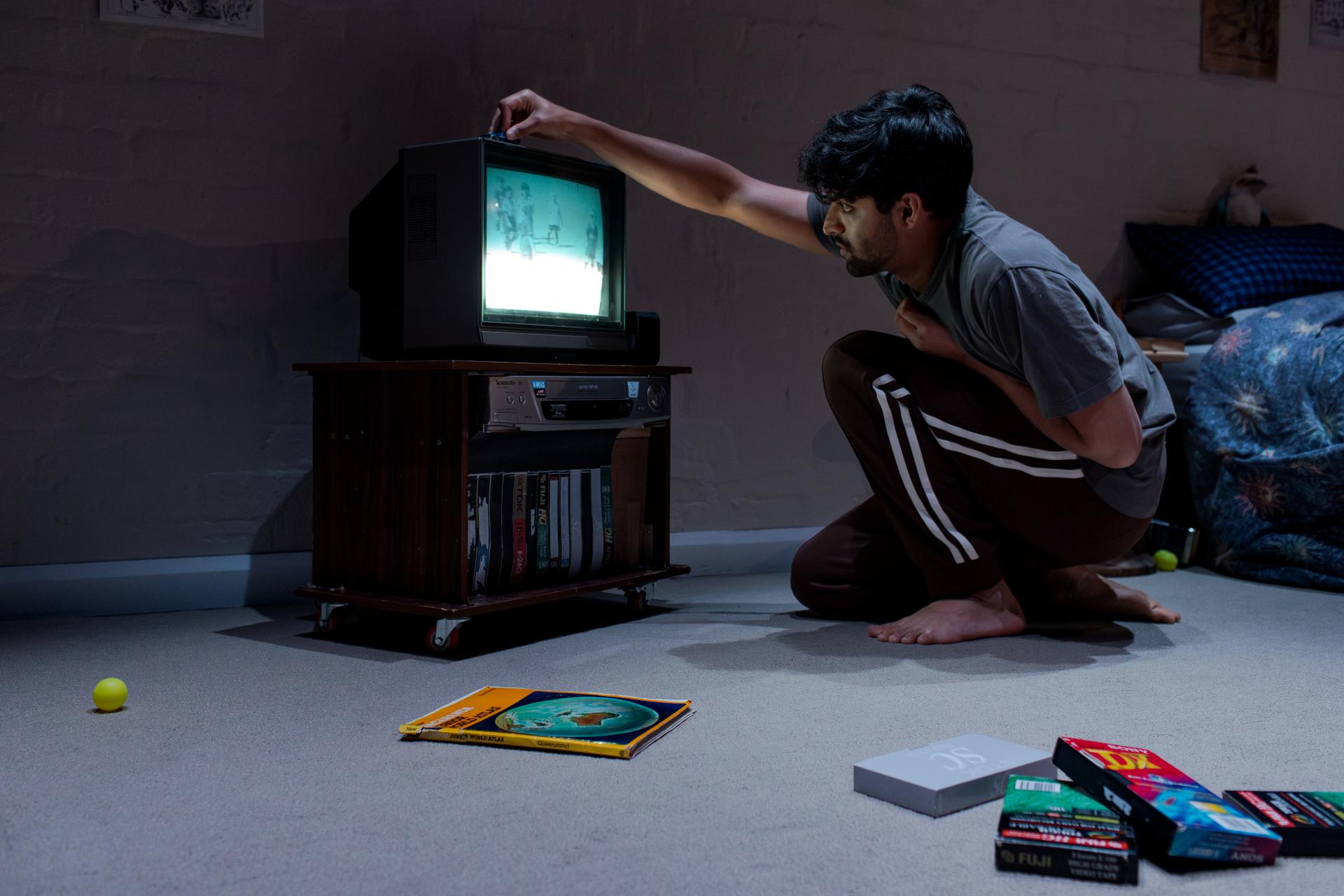
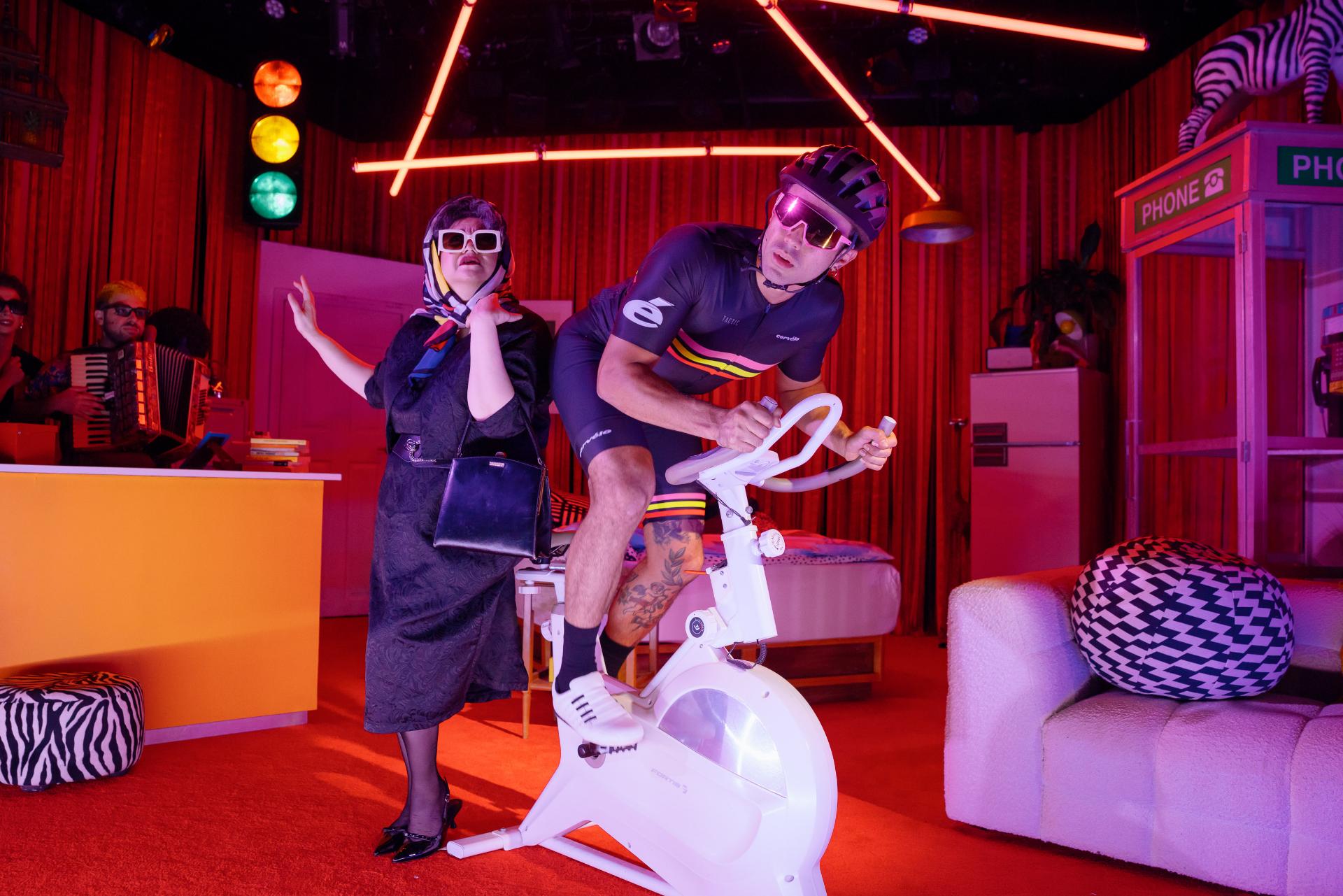
James Lew’s production design is richly considered, weaving symbolism into a visual language that is at once grounded and strikingly theatrical. His work carries a pleasurable sense of extravagance, yet never loses sight of the social resonances that inform each aesthetic choice. Gabriel Chan’s lighting is similarly exuberant, though one occasionally wishes for greater nuance to draw us further into the emotional terrain. Guy Webster’s sound design, gloriously amplified and unabashedly heightened, proves an ideal match for the work’s supernatural comic register. Particularly noteworthy are the original songs that Tong weaves into the piece, rendered delightfully camp through Alex Van den Broek’s playful, uninhibited music direction.
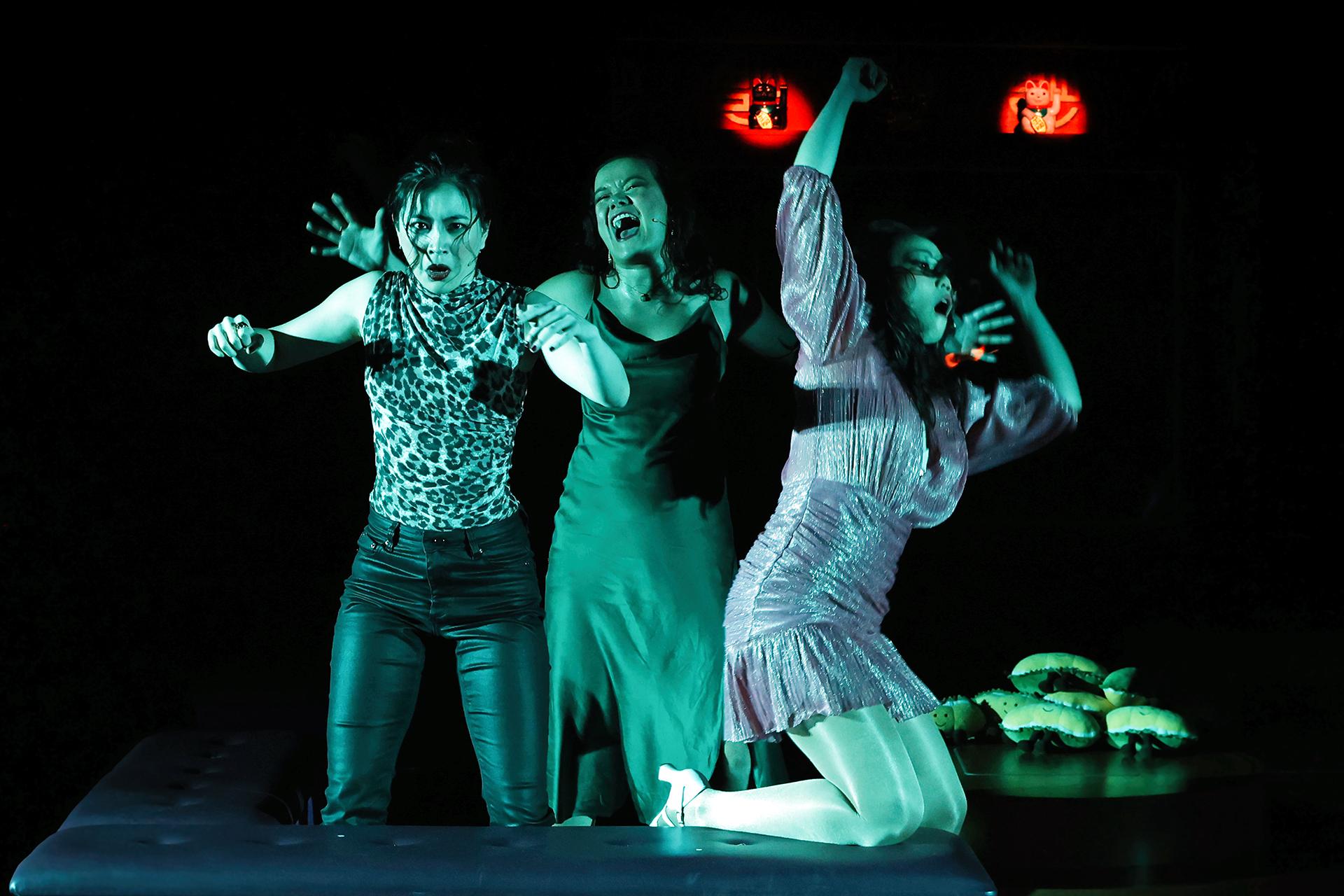
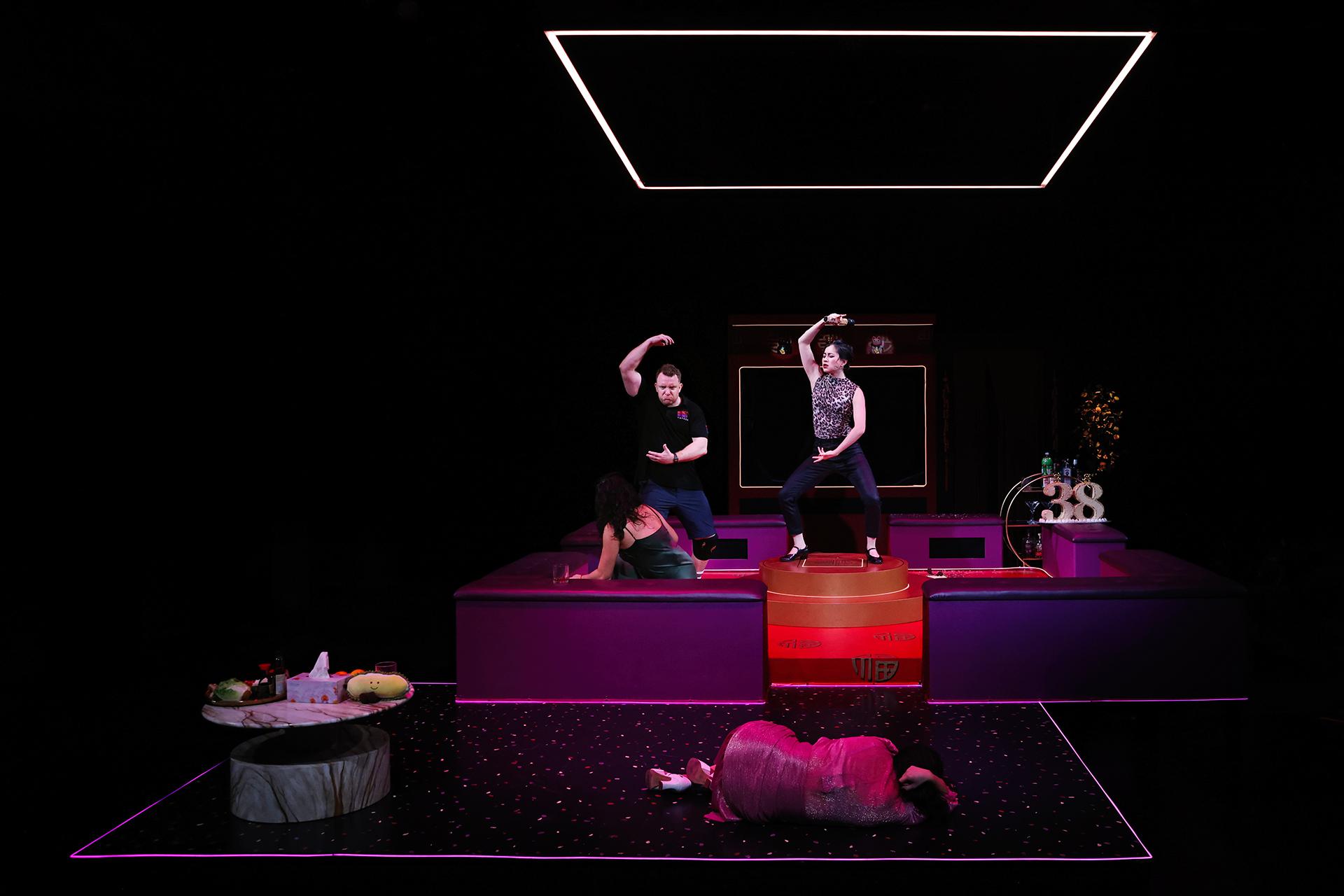
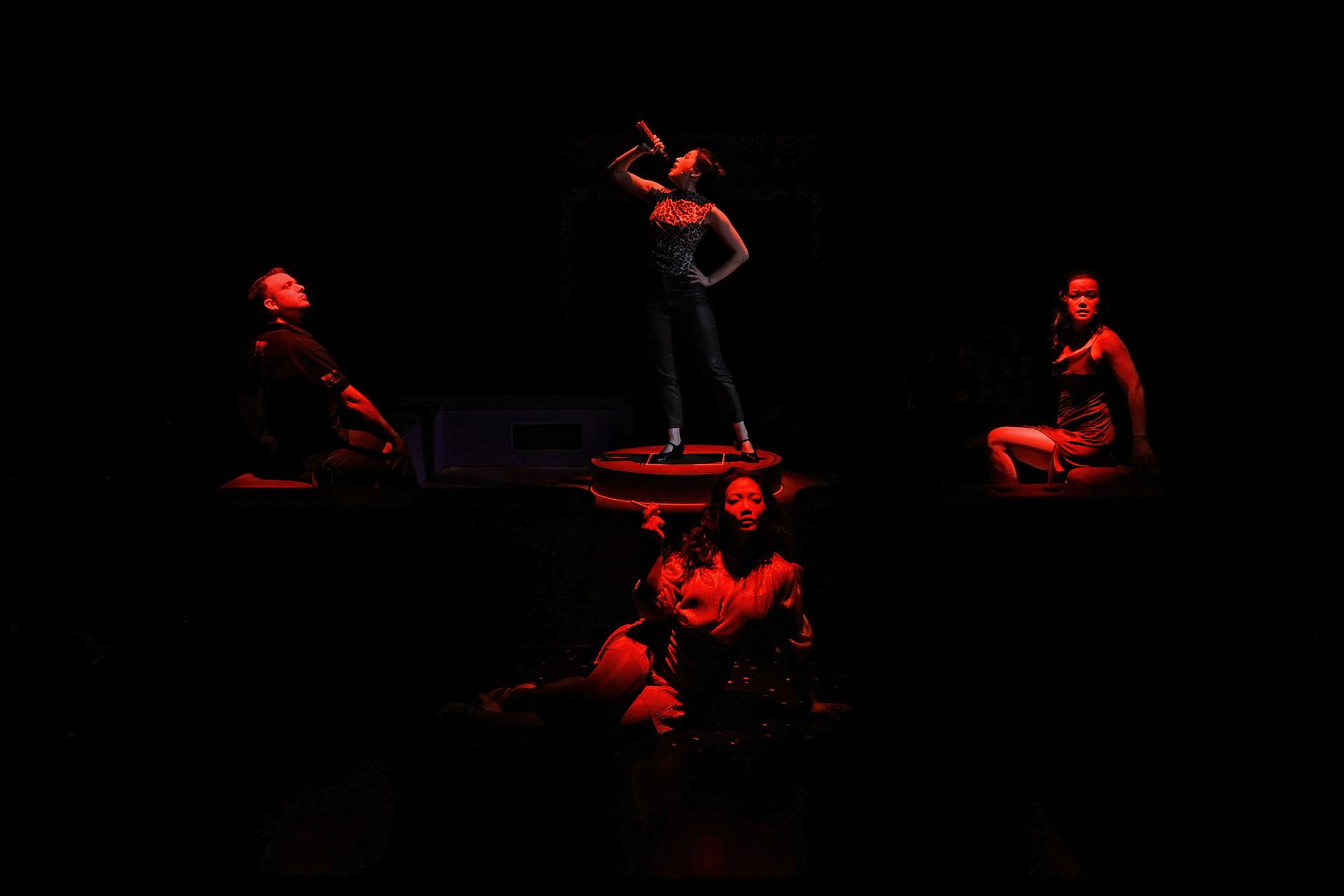
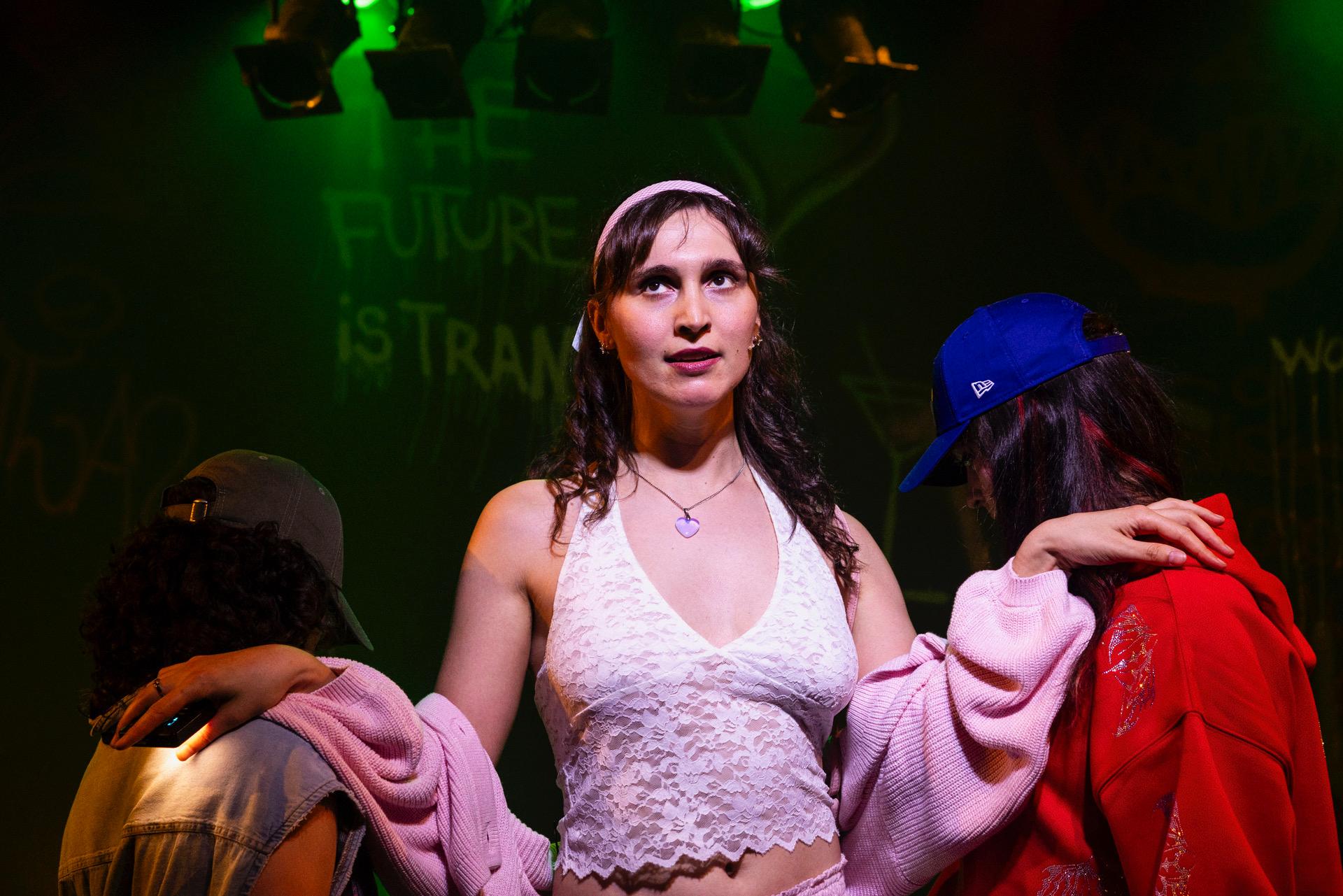
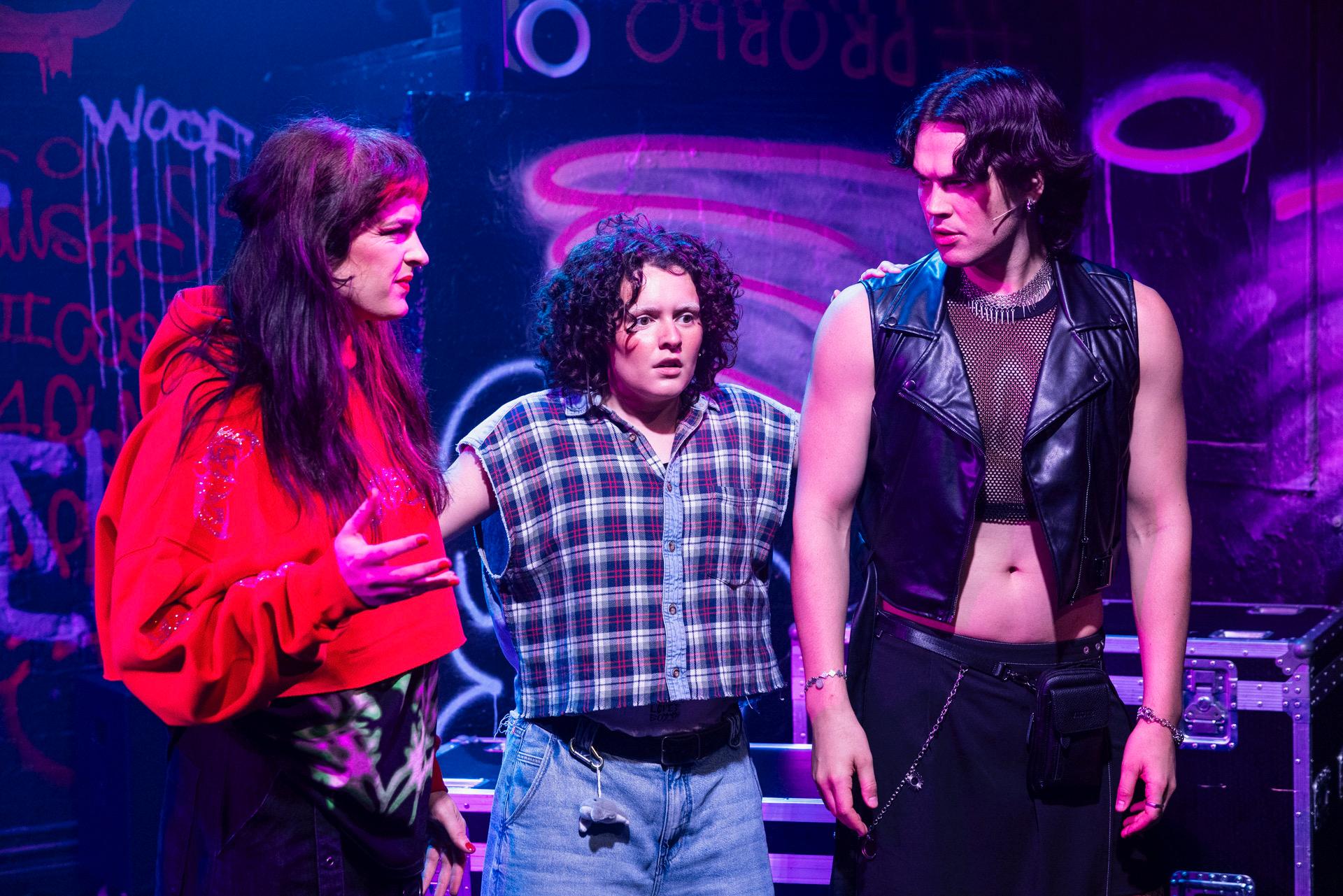
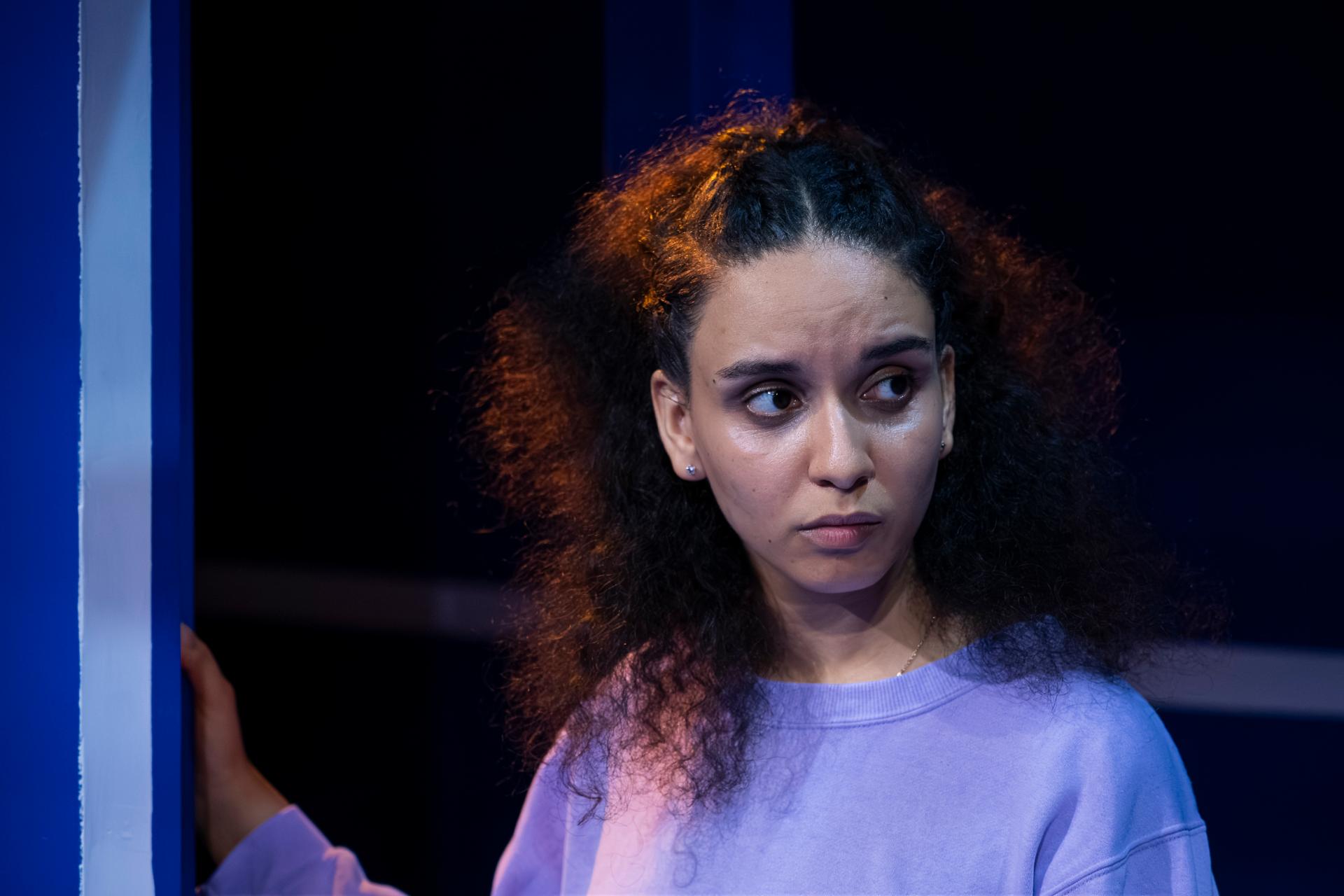
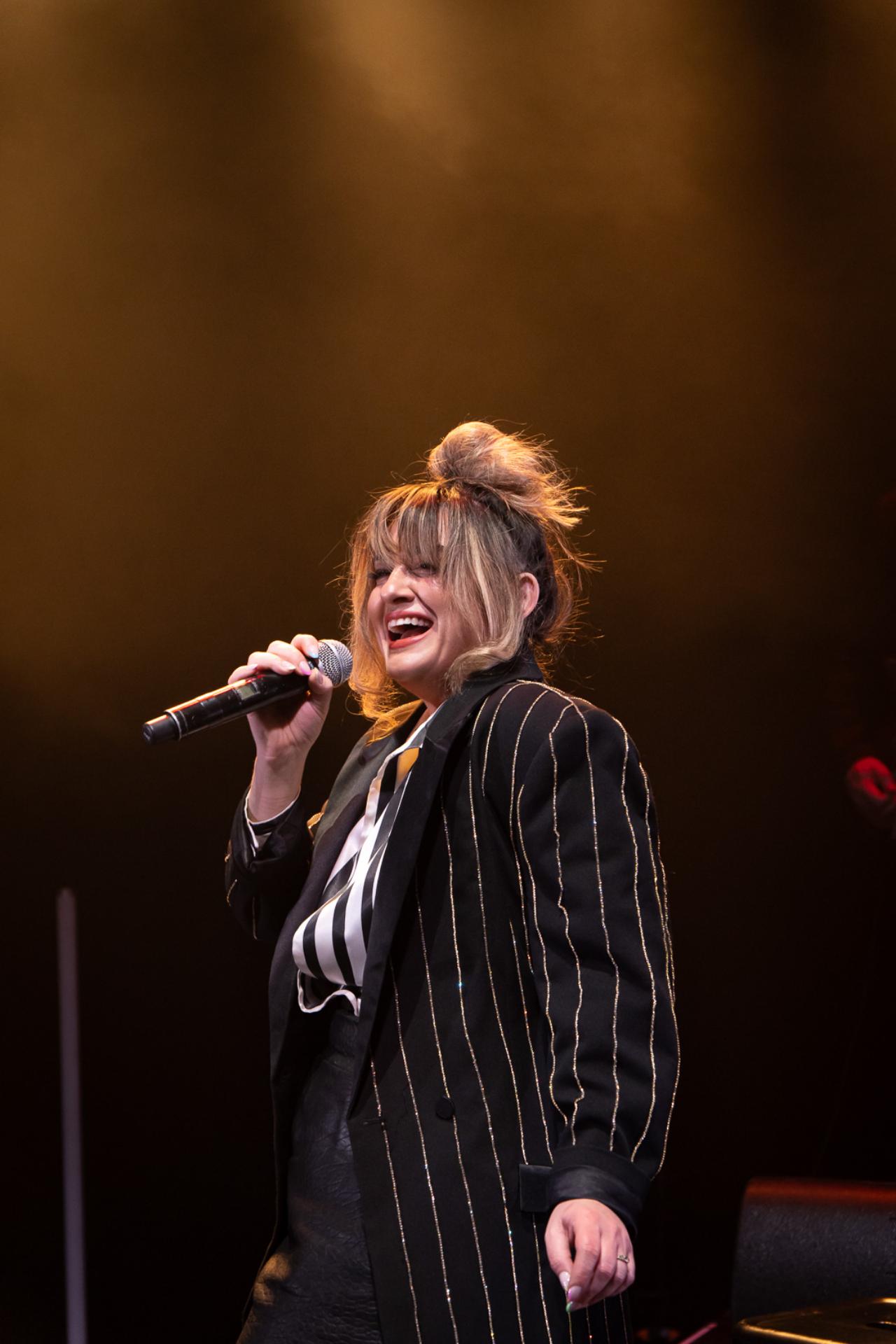
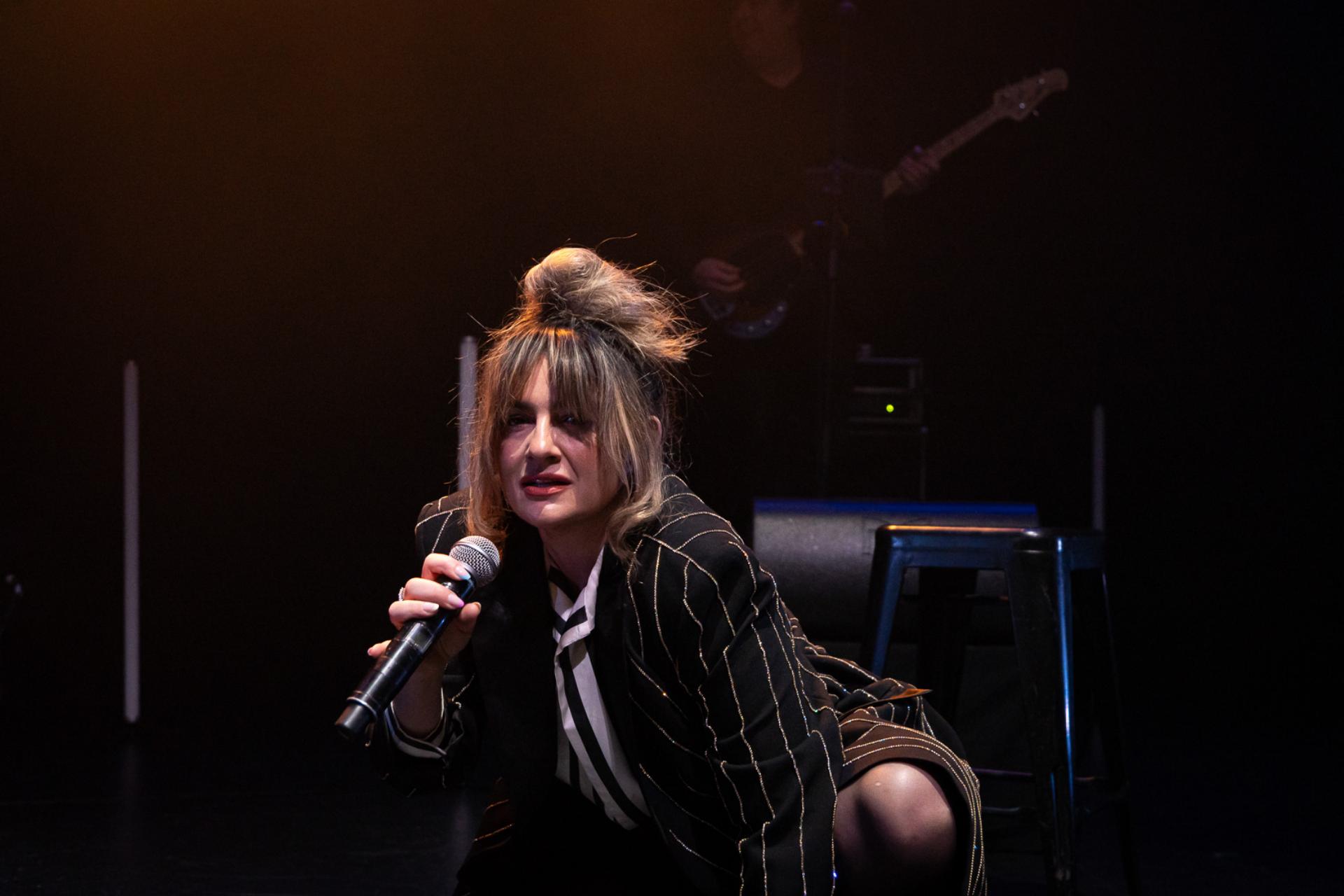
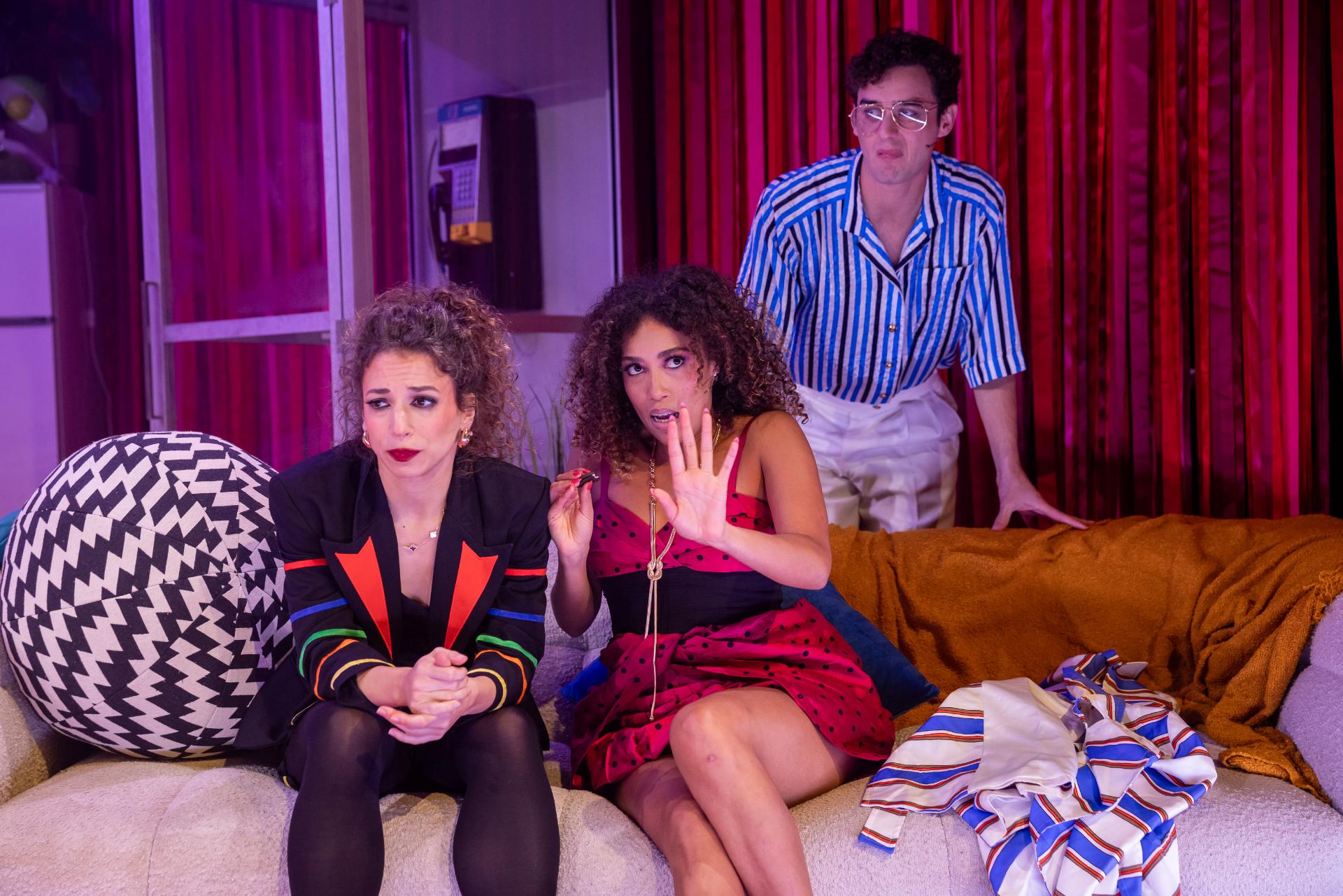
An exceptional ensemble anchors the production, with Tong herself embodying Mandy with indefatigable verve and an arresting emotional intensity. Kimie Tsukakoshi delivers a masterfully layered performance as the grandmother—precise, commanding, and utterly persuasive in her traversal of time and space. As Mandy’s mother, Seong Hui Xuan is unassailably authentic, capturing the poignant duality of a woman who bequeaths her daughter both profound anxieties and an equally steadfast resilience. Zachary Boulton shines as Xavier, Mandy’s partner in life and business, his impeccable comic timing offering welcome buoyancy whenever the domestic tensions threaten to overwhelm. The ensemble as a whole is remarkable for its discipline and cohesion, contributing to a staging distinguished by its tightness, clarity, and shared purpose.
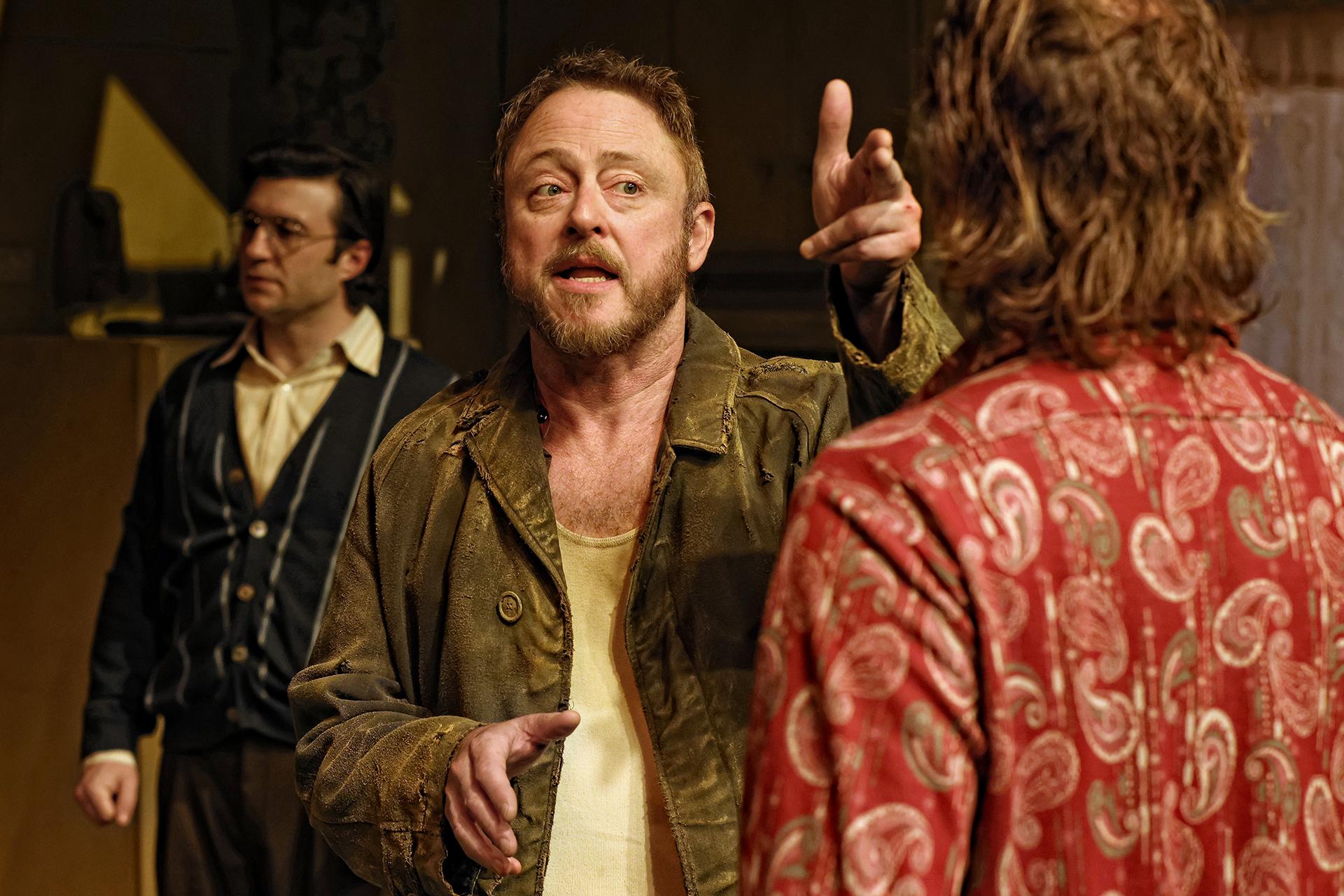
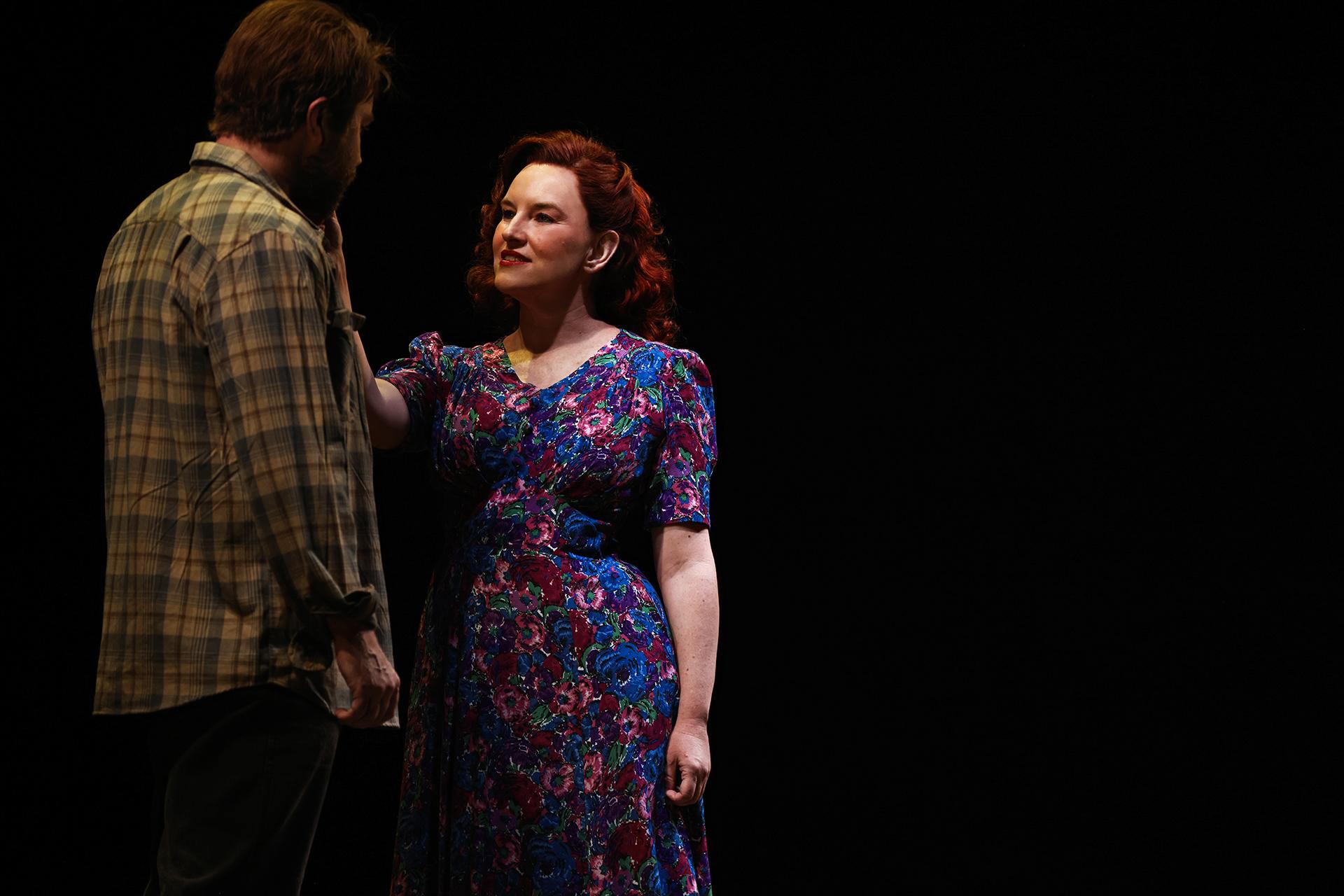
The three women of Congratulations, Get Rich!, spanning three generations, trace a lineage of womanhood that feels both linear and perpetual—distinct lives that nonetheless echo one another with a clarity suggesting something almost divine in the continuity of mothers and daughters. Across cultures, whether East or West, women are routinely diminished, yet time and again reveal themselves to be far more powerful than the structures that seek to contain them. Mandy’s ancestors may have been claimed too early by the worlds that shaped them, but their struggles permeate unmistakably into the present. Mandy, however, stands on different ground, no longer bound by their limitations—and poised, at last, to carry the story further.

www.sydneytheatre.com.au | www.laboite.com.au

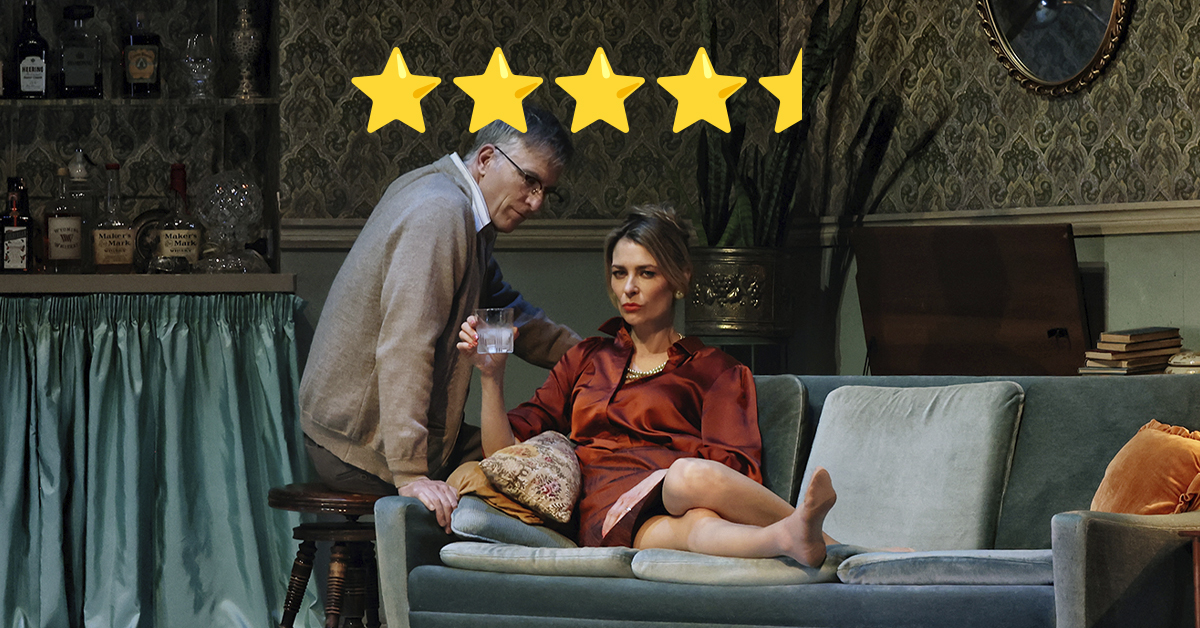
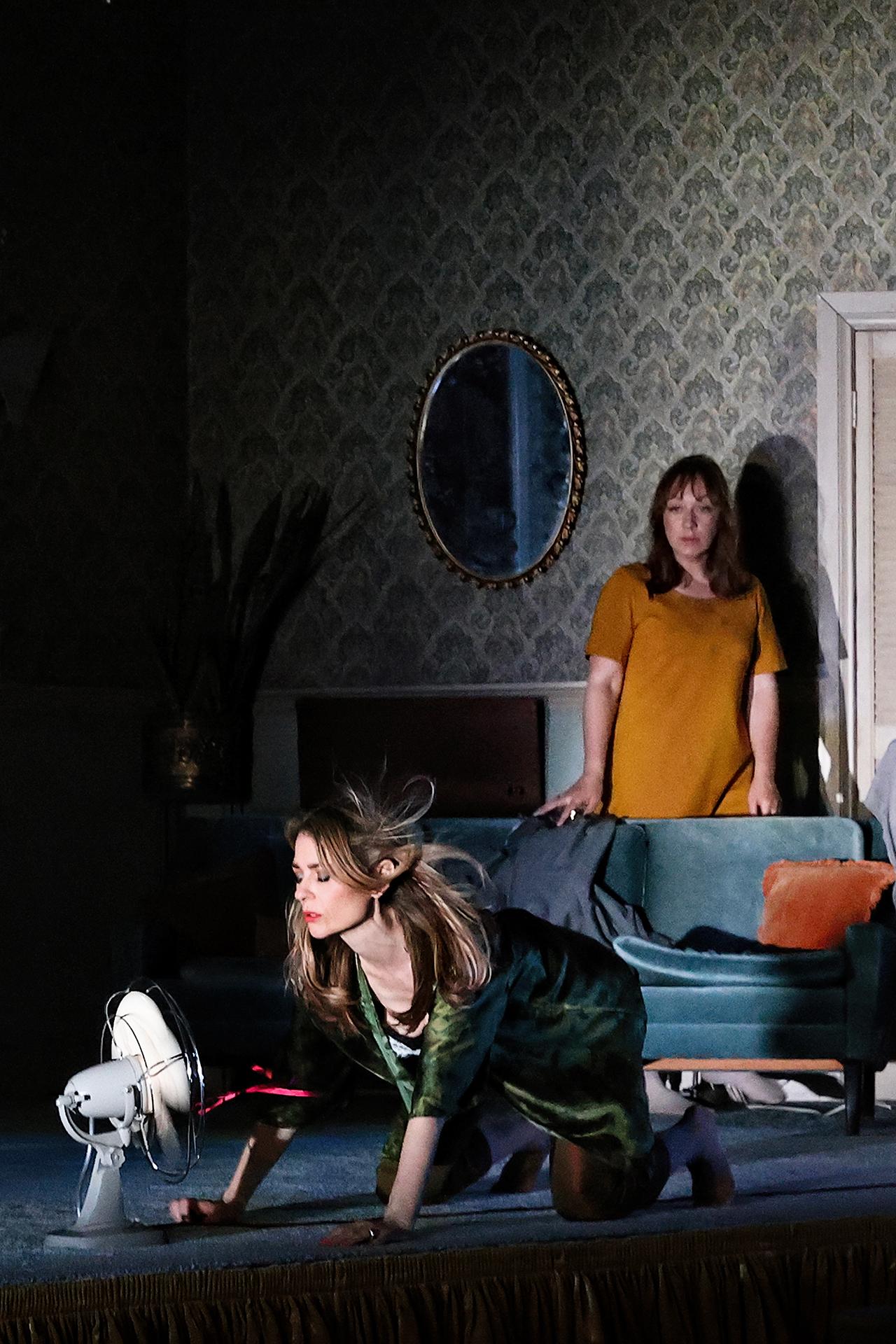
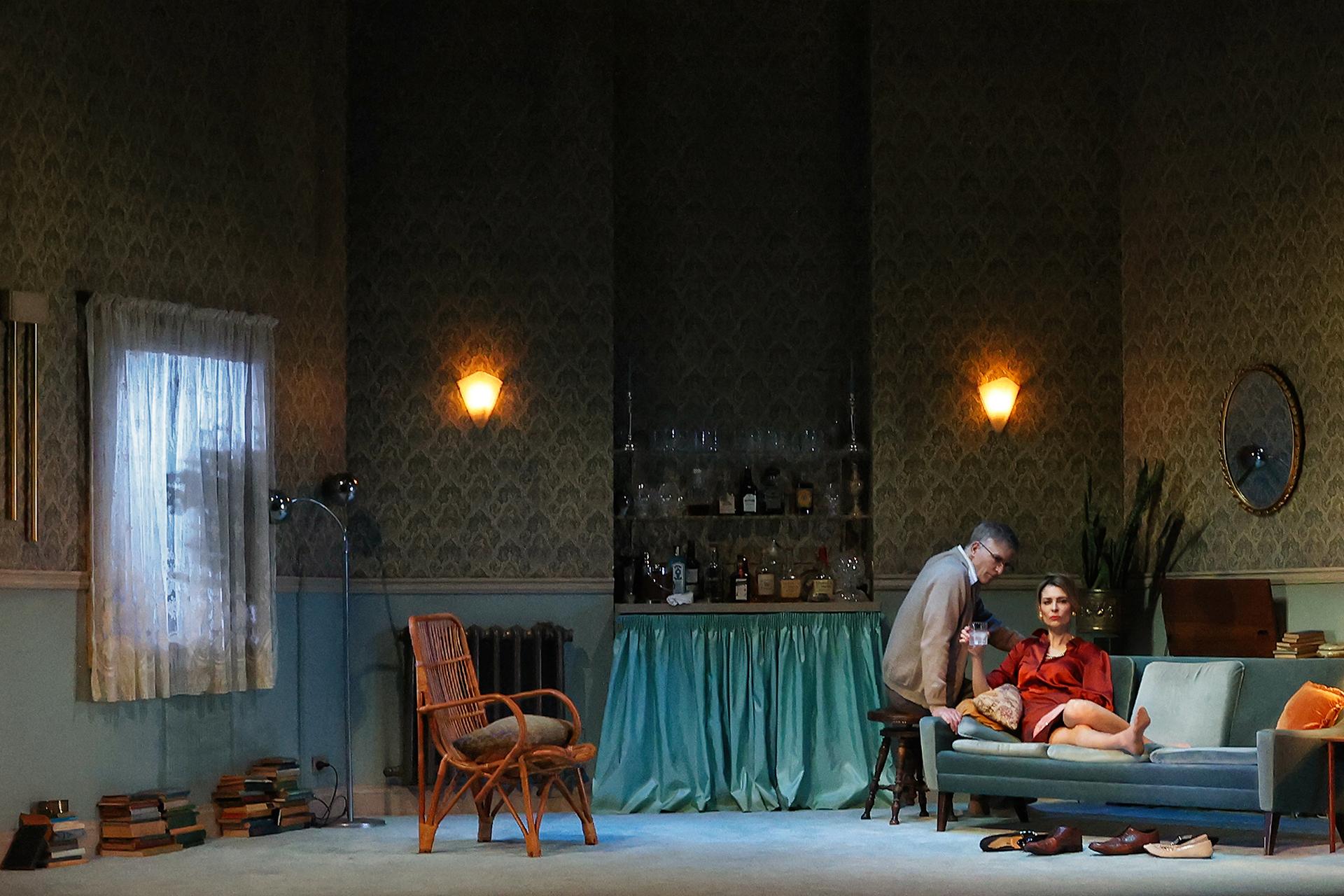
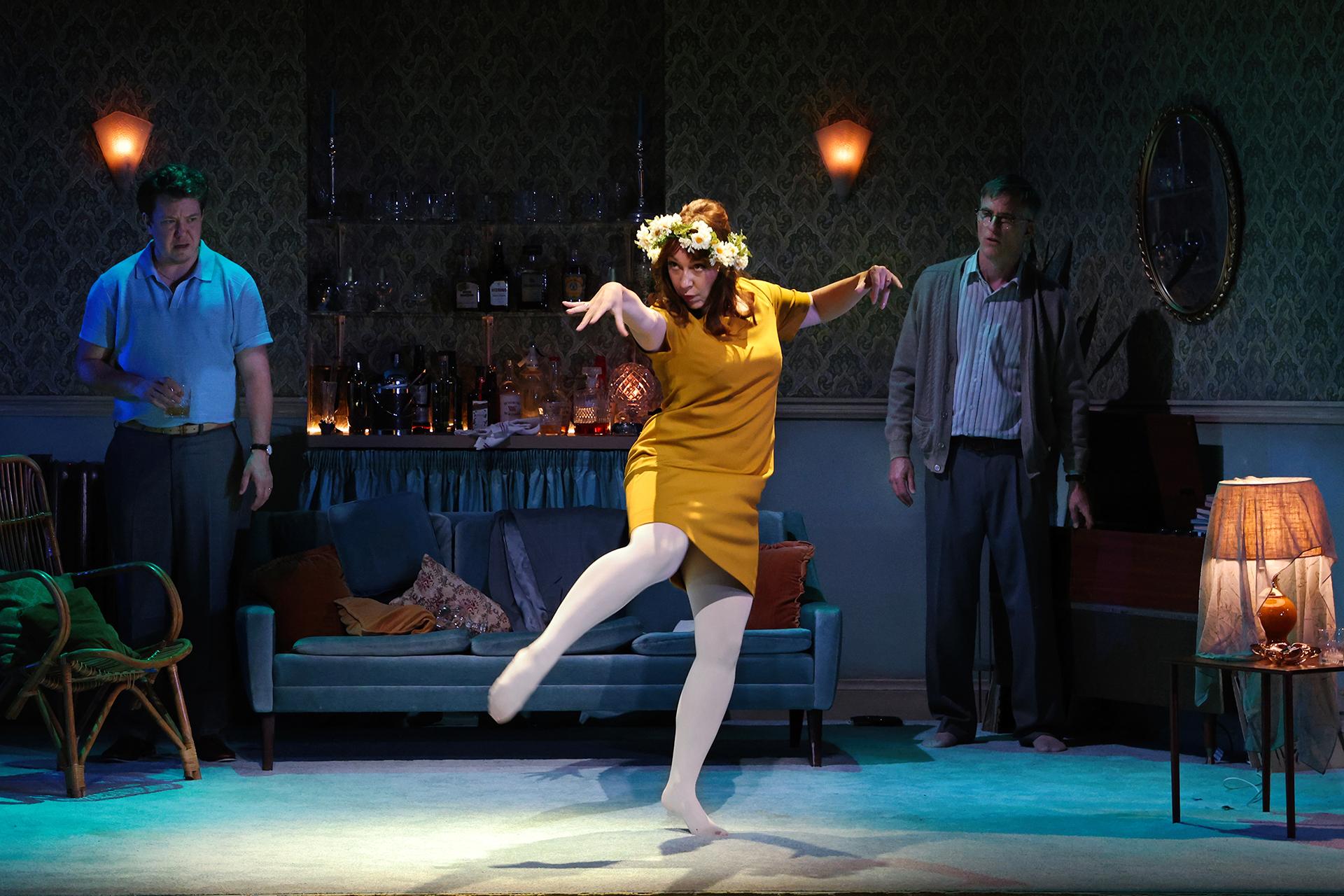
Review: Who’s Afraid Of Virginia Woolf (Sydney Theatre Company)

Venue: Roslyn Packer Theatre (Sydney NSW), Nov 7 – Dec 14, 2025
Playwright: Edward Albee
Director: Sarah Goodes
Cast: Emily Goddard, Kat Stewart, David Whiteley, Harvey Zielinski
Images by Prudence Upton

Theatre review
Martha and George are locked in perpetual combat, their hostility not merely private but performative. Their decision to invite a young couple into their home becomes an act of exhibition, a deliberate staging of their mutual destruction. In Who’s Afraid of Virginia Woolf?, Edward Albee exposes the tenacity with which individuals cling to their own suffering, sustained by an insatiable attachment to prestige, privilege, and power. Though Martha and George possess the agency to abandon their cyclical torment, they remain ensnared by the illusion of respectability, choosing the stability of social appearance over the uncertainty of liberation.

At sixty-three years old, the play has become something of a grand old dame of the theatrical canon, yet its genuinely subversive sensibilities ensure it remains as confrontational and affecting as ever. Under the direction of Sarah Goodes, the work gains renewed vitality: she not only excavates the raw truths within Martha and George’s volatile dynamic but also deftly unearths the humour embedded in their vicious exchanges. Goodes has taken an enduring classic and rendered it freshly incisive—polished to a gleam, yet capable of striking with the force of a blunt instrument.
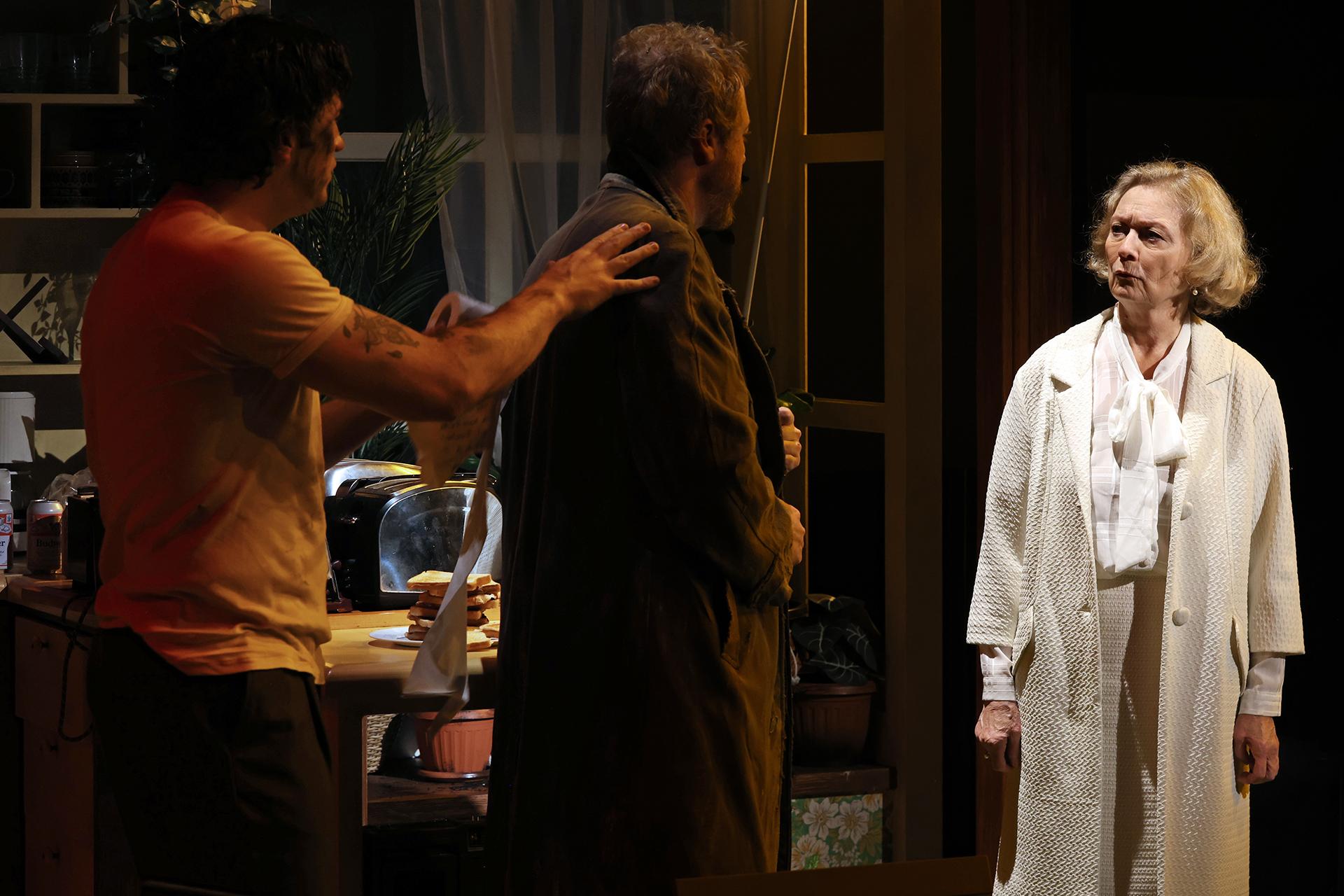
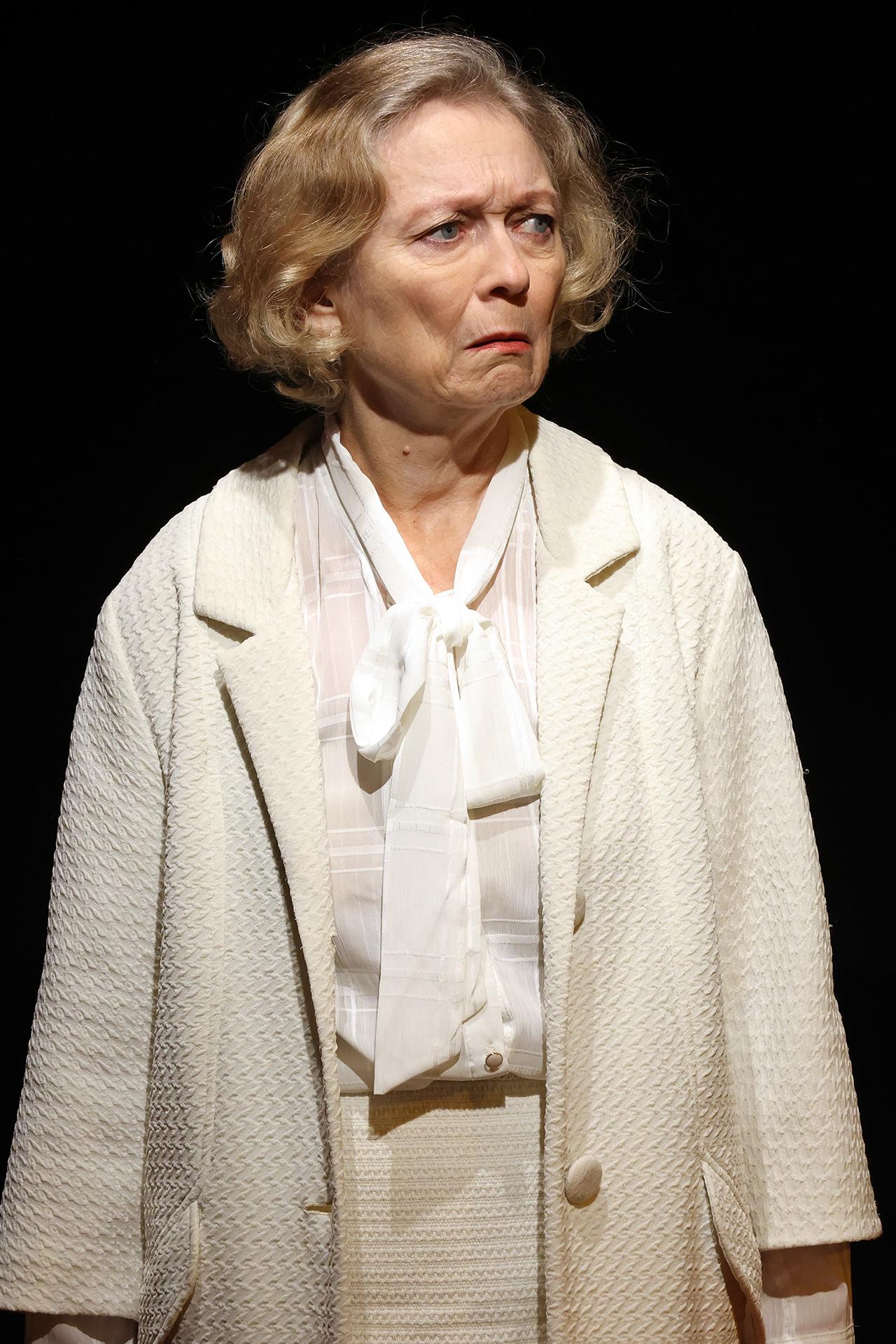
Harriet Oxley’s production design evokes the period with accuracy—perhaps a touch conventional, yet undeniably effective in grounding the drama. Matt Scott’s lighting, together with music and sound design by Grace Ferguson and Ethan Hunter, begins with subtle restraint, almost imperceptible at first, but grows increasingly potent as the evening unfolds. By the time the bickering subsides and the underlying trauma surfaces, their contributions prove essential, shaping the production’s emotional crescendo with impressive efficacy.

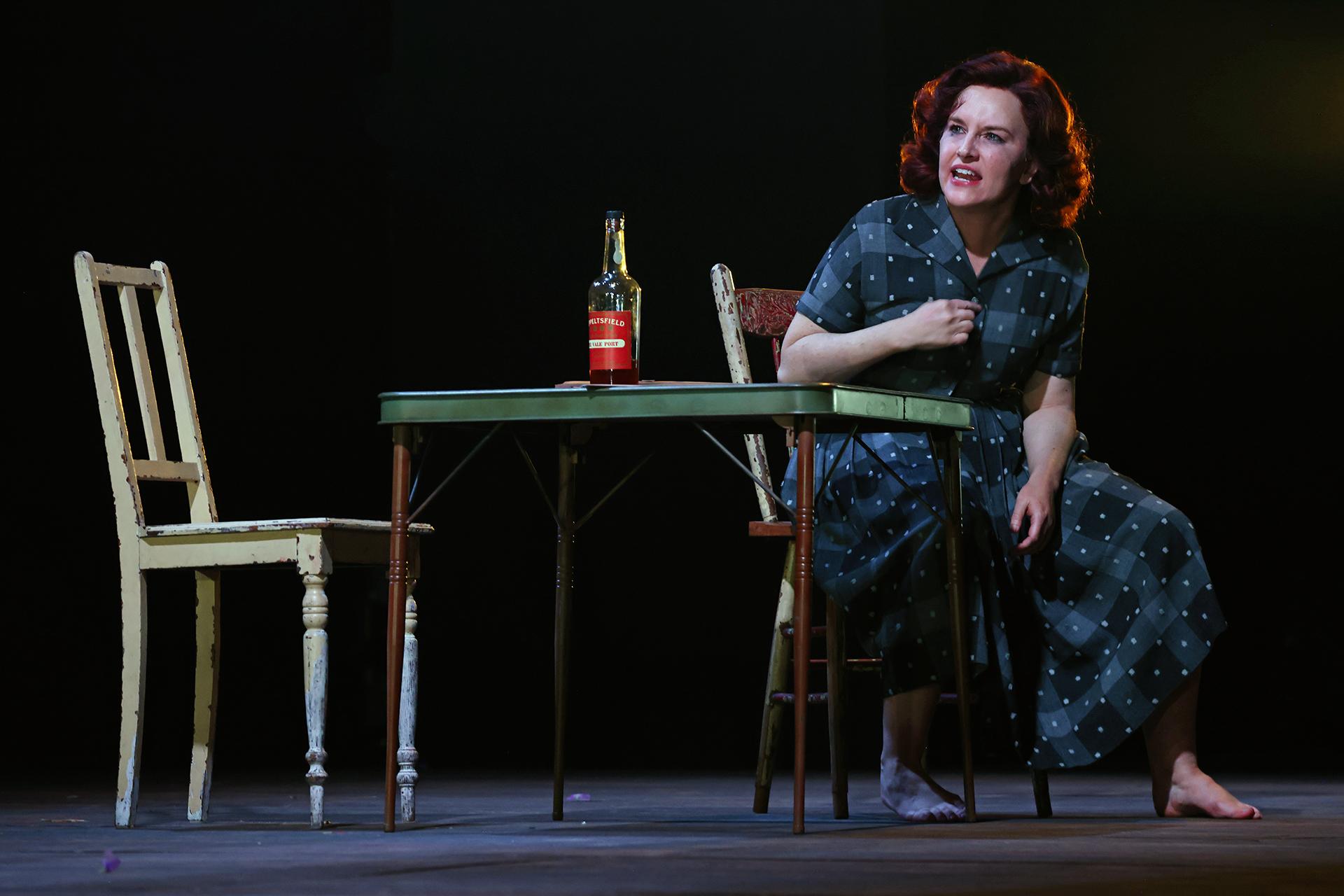
Kat Stewart could hardly be more compelling in the role of Martha. She delivers a richly nuanced portrayal, demonstrating an intricate grasp of the character’s psychological intricacies while imbuing every moment with delectable theatricality. Her gestures, whether minute or grand, command attention, and we remain enthralled by each. As George, David Whiteley conjures the precise timbre of the mid-century American bourgeoisie through his masterful vocal modulations. His comparatively restrained approach proves just as resonant and magnetic as Stewart’s flamboyance, creating a riveting equilibrium in this deliciously acrimonious marital duel. By contrast, the younger couple, Honey and Nick—played by Emily Goddard and Harvey Zielinski—are less persuasive. Though their performances elicit steady laughter, their characterisations lack conviction, never fully embodying the personas they attempt to construct.

We can see so clearly that Martha and George could lead far better lives, if only they could embrace a simpler existence. Yet the seductive allure of wealth and status keeps them shackled to their interminable misery. Each day, they choose to persist in their poisonous habits, unable—or unwilling—to relinquish the trappings of class that sustain their suffering. In the end, we recognise something of ourselves in their torment—the way we cling to what hurts us most, simply because it feels like home.

www.sydneytheatre.com.au

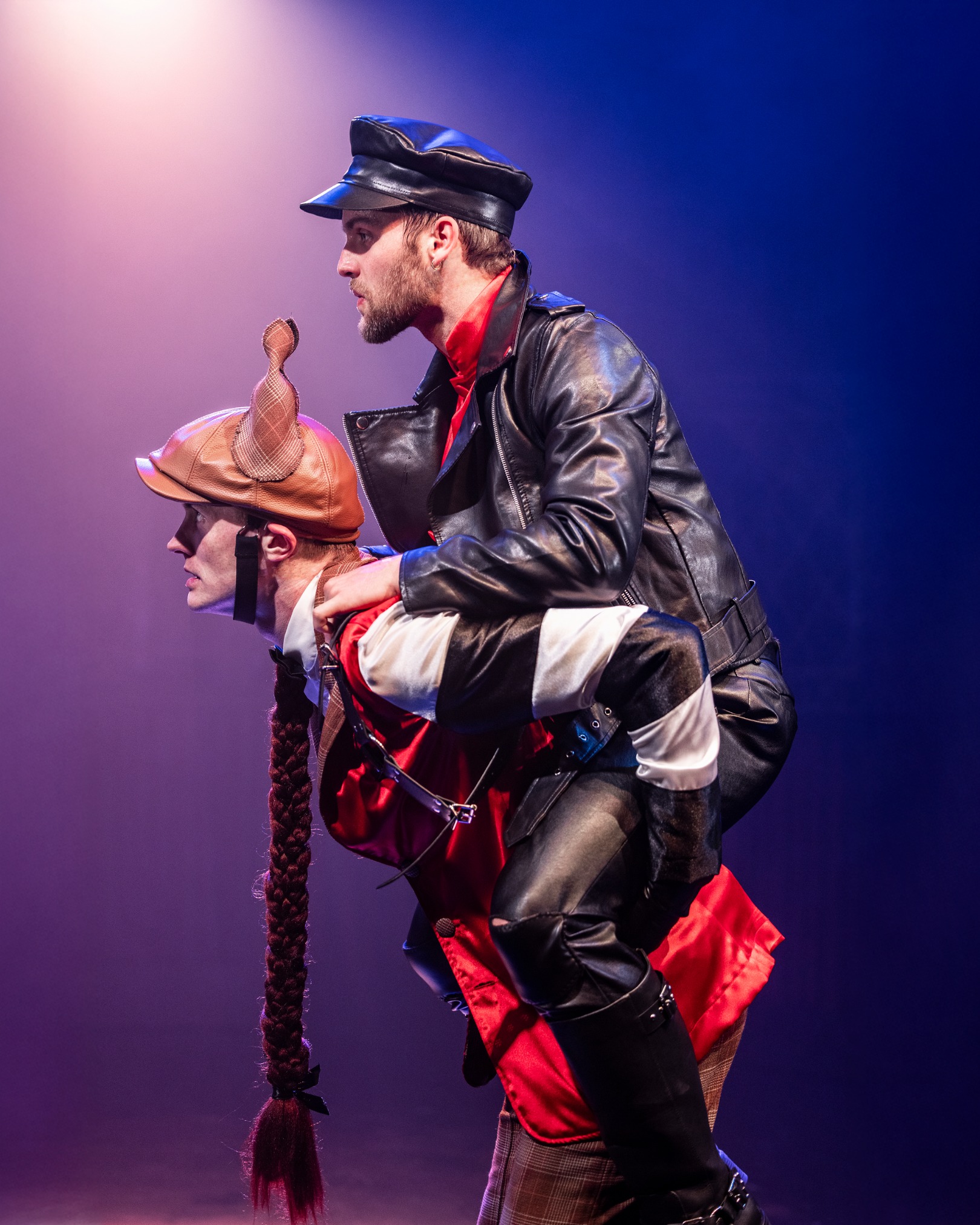
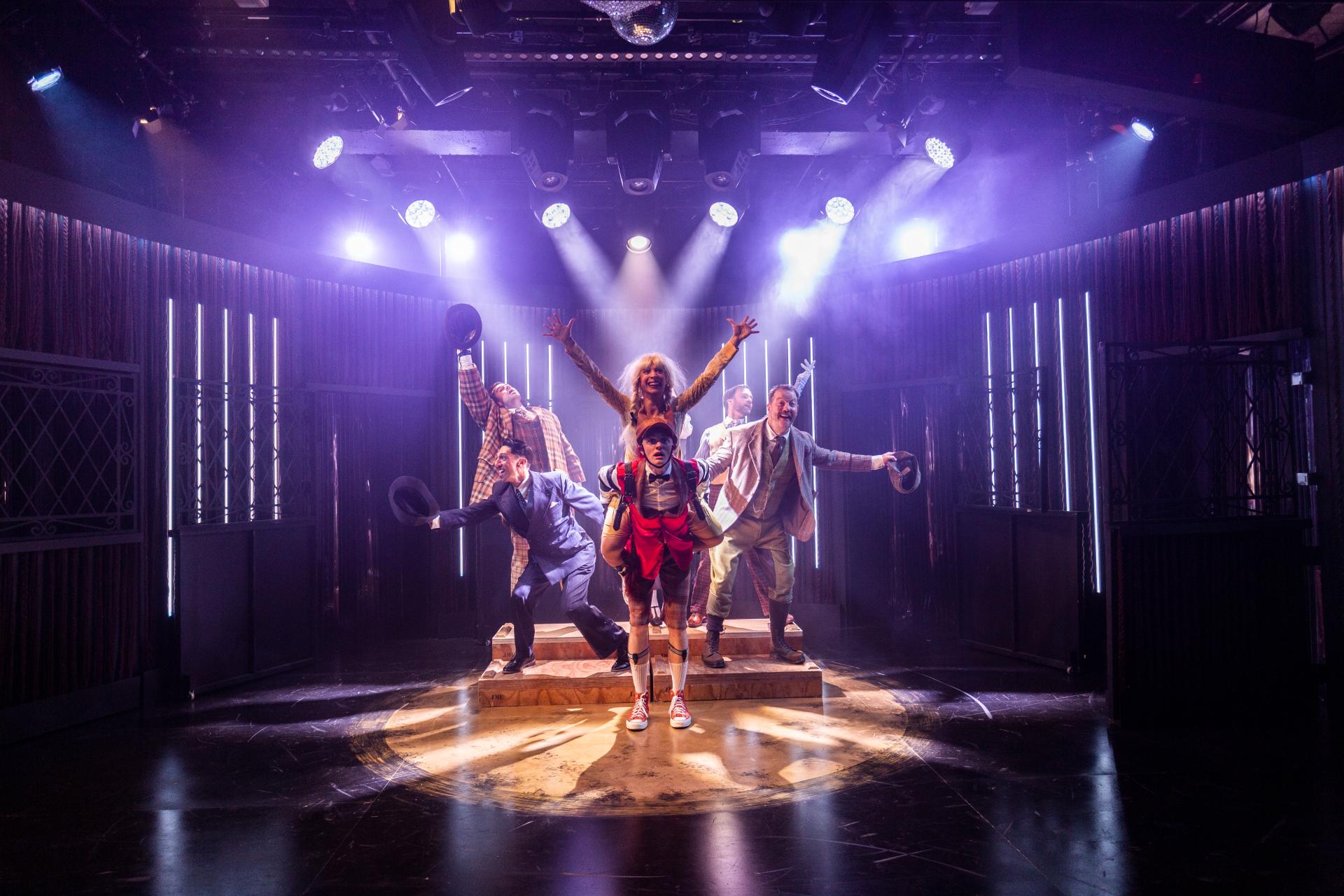
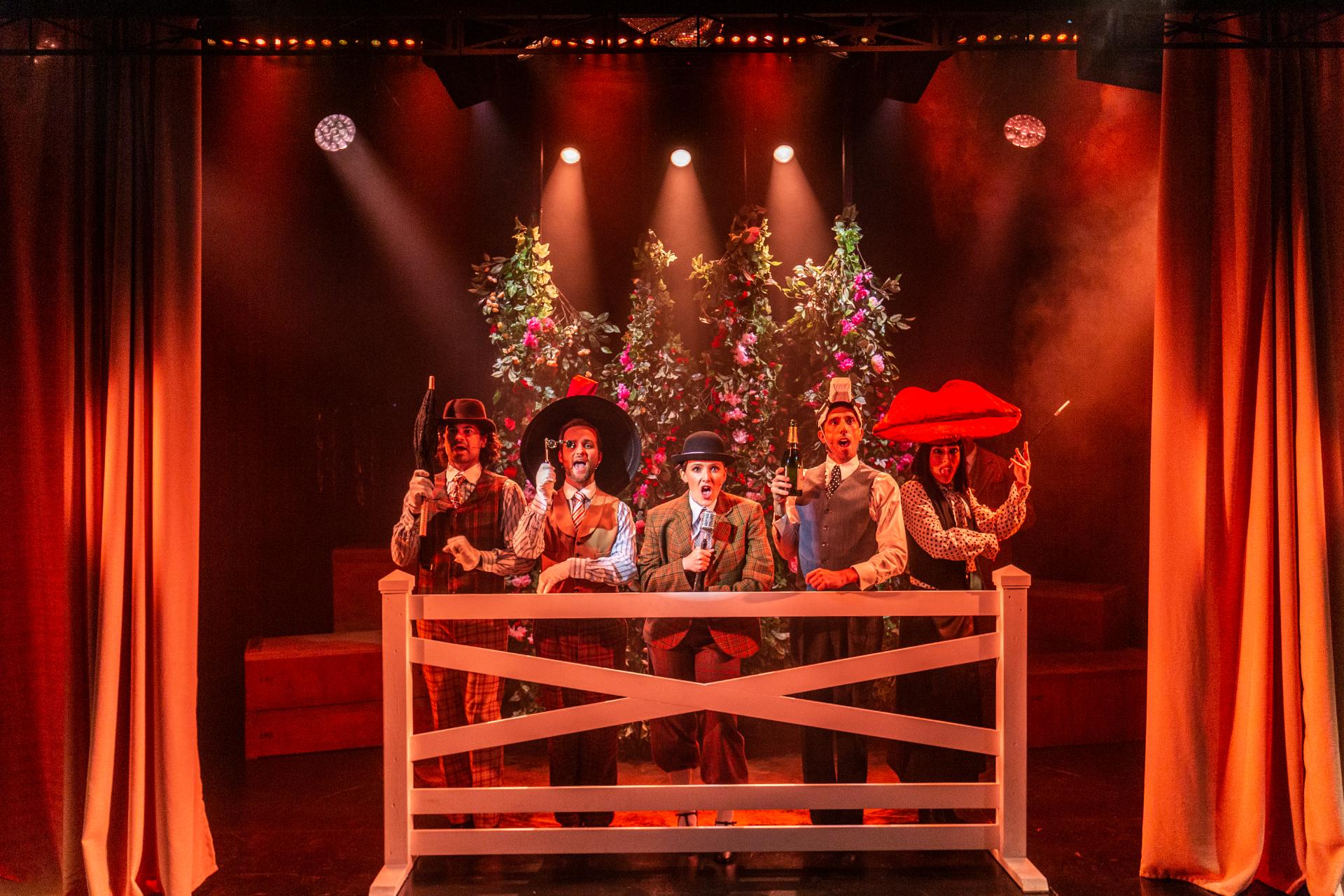
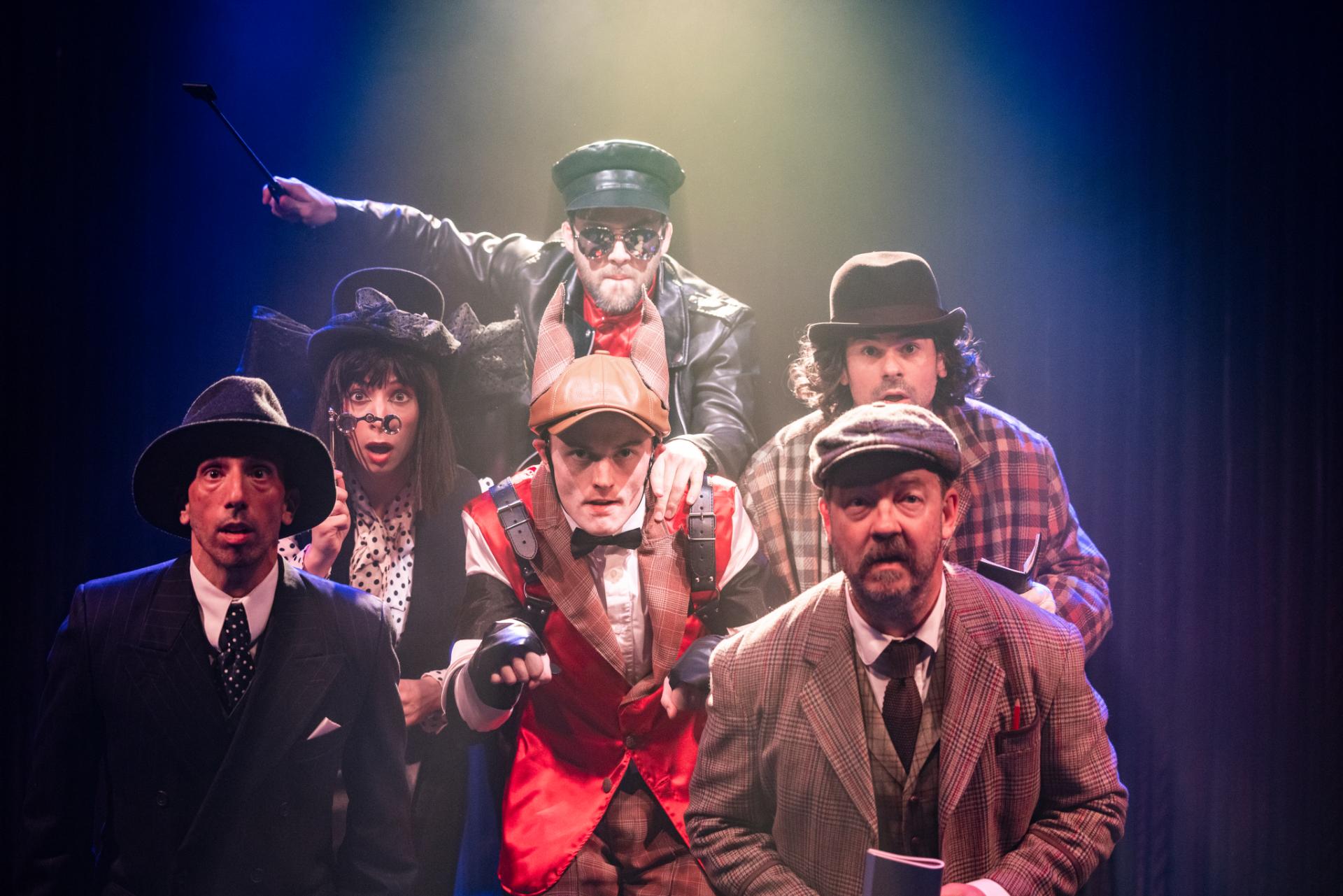
Review: Phar Lap (Hayes Theatre)

Venue: Hayes Theatre Co (Potts Point NSW), Oct 17 – Nov 22, 2025
Book, Music & Lyrics: Steven Kramer
Directors: Sheridan Harbridge
Cast: Shay Debney, Lincoln Elliott, Joel Granger, Manon Gunderson-Briggs, Amy Hack, Nat Jobe, Joey Phyland, Justin Smith
Images by John McRae

Theatre review
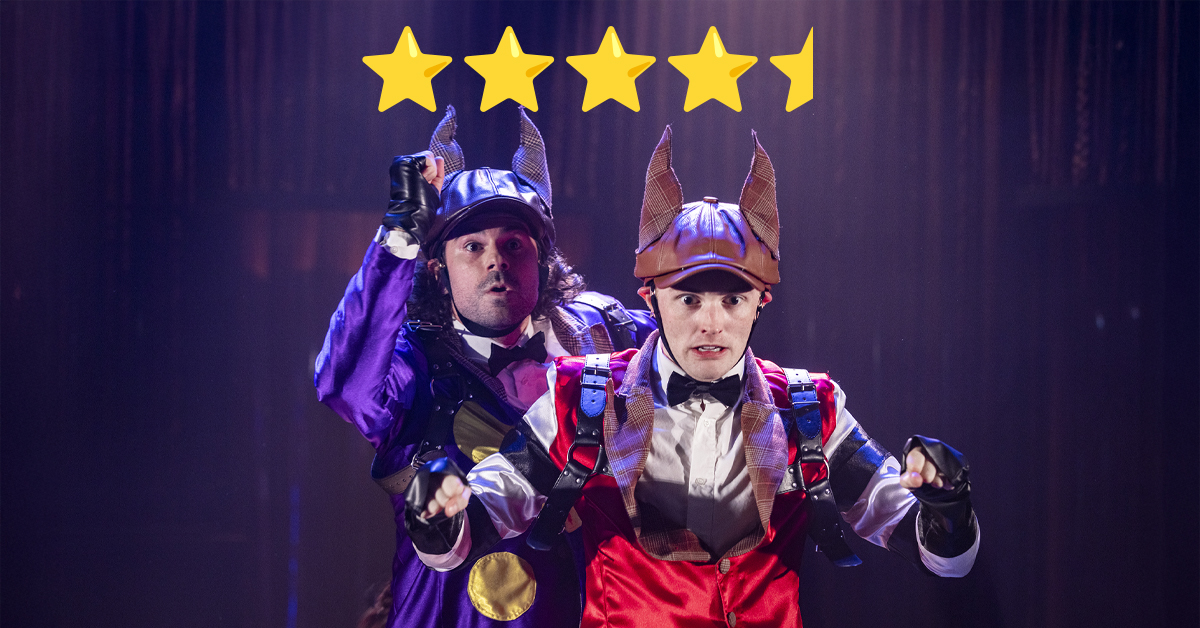
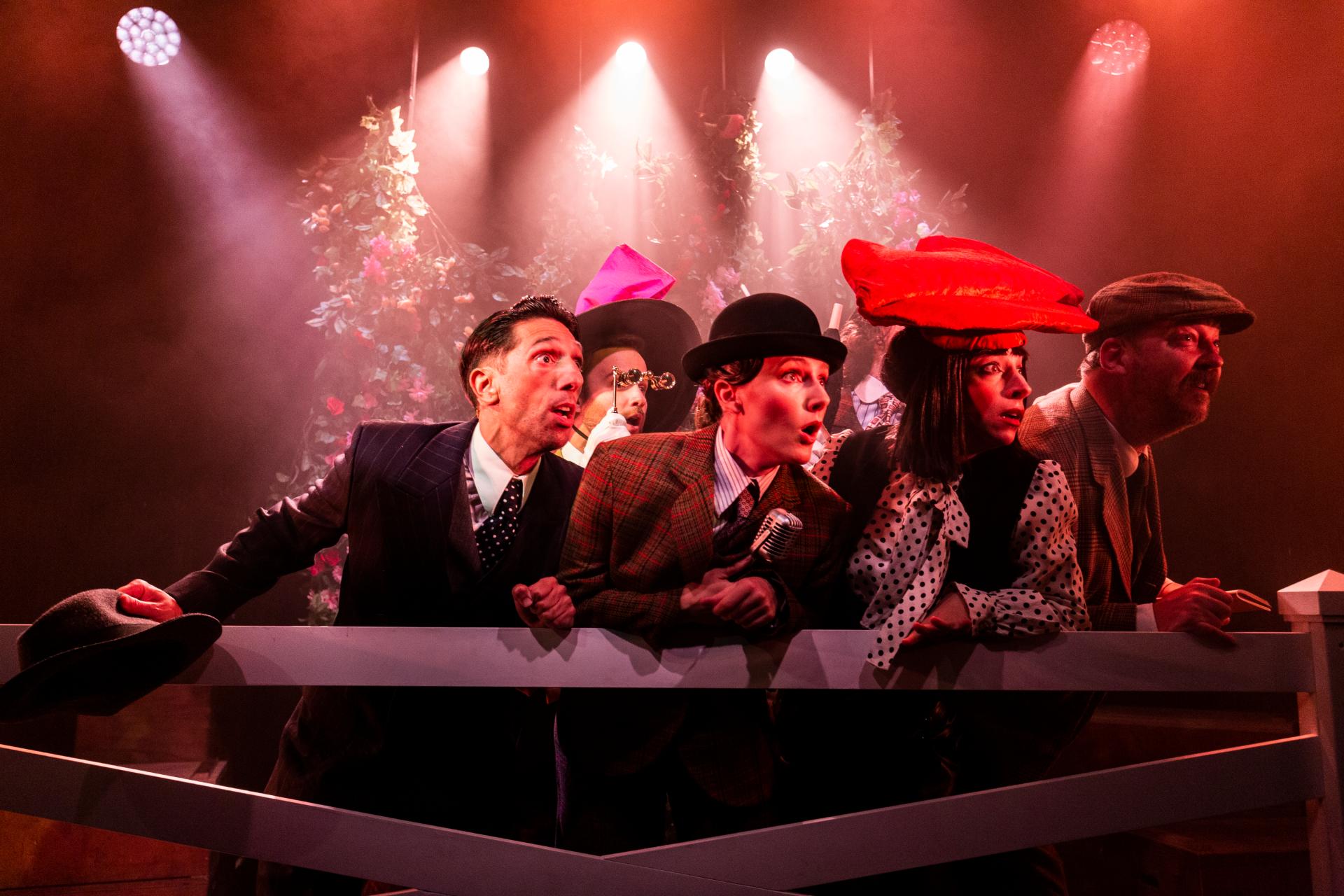
Nearly a century ago, a horse captured the heart of a nation. In Steven Kramer’s new musical Phar Lap, that legend is reborn, charting the champion’s astonishing rise through Australia’s racecourses and reminding us how deeply his story remains etched in the national imagination. Kramer’s songwriting brims with wit and invention, while Jack Earle’s arrangements fuse modern electronic textures with the jaunty swing of the early twentieth century — a lively, irresistible blend that keeps the production buoyant and engaging throughout.

A parade of vivid characters fills the stage, each one smartly and playfully rendered by an ensemble whose energy lifts the entire production. Their exuberance is infectious, their confidence magnetic; whatever they offer, we accept with delight. At the centre gallops Joel Granger, whose Phar Lap radiates innocence and charm, a creature both wondrous and pure. Beside him, Justin Smith’s Harry Telford brings a steady, compassionate presence, their partnership blooming with the kind of trust that makes the impossible seem tenderly real.

Under Sheridan Harbridge’s direction, Phar Lap becomes a riot of camp and gleeful absurdity — a kaleidoscope of humour that wins us over from the very first beat. Her vision is bold and unrepentantly idiosyncratic, inviting us into a world where whimsy reigns and logic gladly takes a back seat. Ellen Simpson’s choreography adds its own spark, conjuring memorable images of horses dancing, feuding, and prancing through fantasy. It is all unabashedly silly, yet every bit of it lands with allure and precision, resulting in theatre that is as joyous as it is ridiculous.

Hailley Hunt’s set design creates an evocative backdrop that conjures the spirit of a bygone era while leaving generous room for the cast’s exaggerated physicality. Mason Browne’s costumes root us in the period, yet it is their quiet audacity, the flickers of flamboyance woven almost mischievously through the fabric, that bring the stage to life. Trent Suidgeest’s lighting underscores that sense of spectacle, bold and effervescent, adding a touch of decadence to the show’s already radiant charm.

There are forces that bind a people, though they are seldom of our intentional making; they happen, as wonder does, when hearts align by chance. Art, though, is the one miracle we can will into being — the act that turns isolation into communion. Each story told, whether strange or familiar, becomes a thread in that fragile web of understanding. And in these fractured times, art remains the heartbeat that reminds us we have no alternative but to belong to one another.

www.hayestheatre.com.au

Review: The Shiralee (Sydney Theatre Company)

Venue: Sydney Opera House (Sydney NSW), Oct 6 – Nov 29, 2025
Playwright: Kate Mulvany (from the novel by D’Arcy Niland)
Director: Jessica Arthur
Cast: Stephen Anderson, Paul Capsis, Lucia Mastrantone, Josh McConville,  Kate Mulvany, Aaron Pedersen, Ziggy Resnick, Catherine Văn-Davies
Images by Prudence Upton

Theatre review
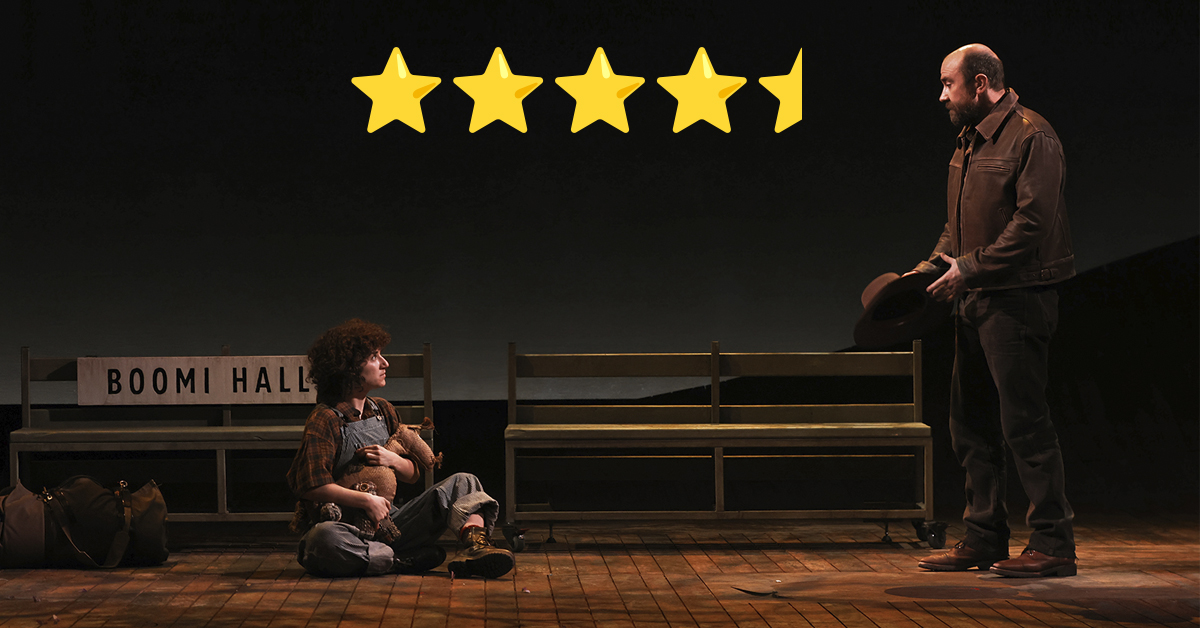
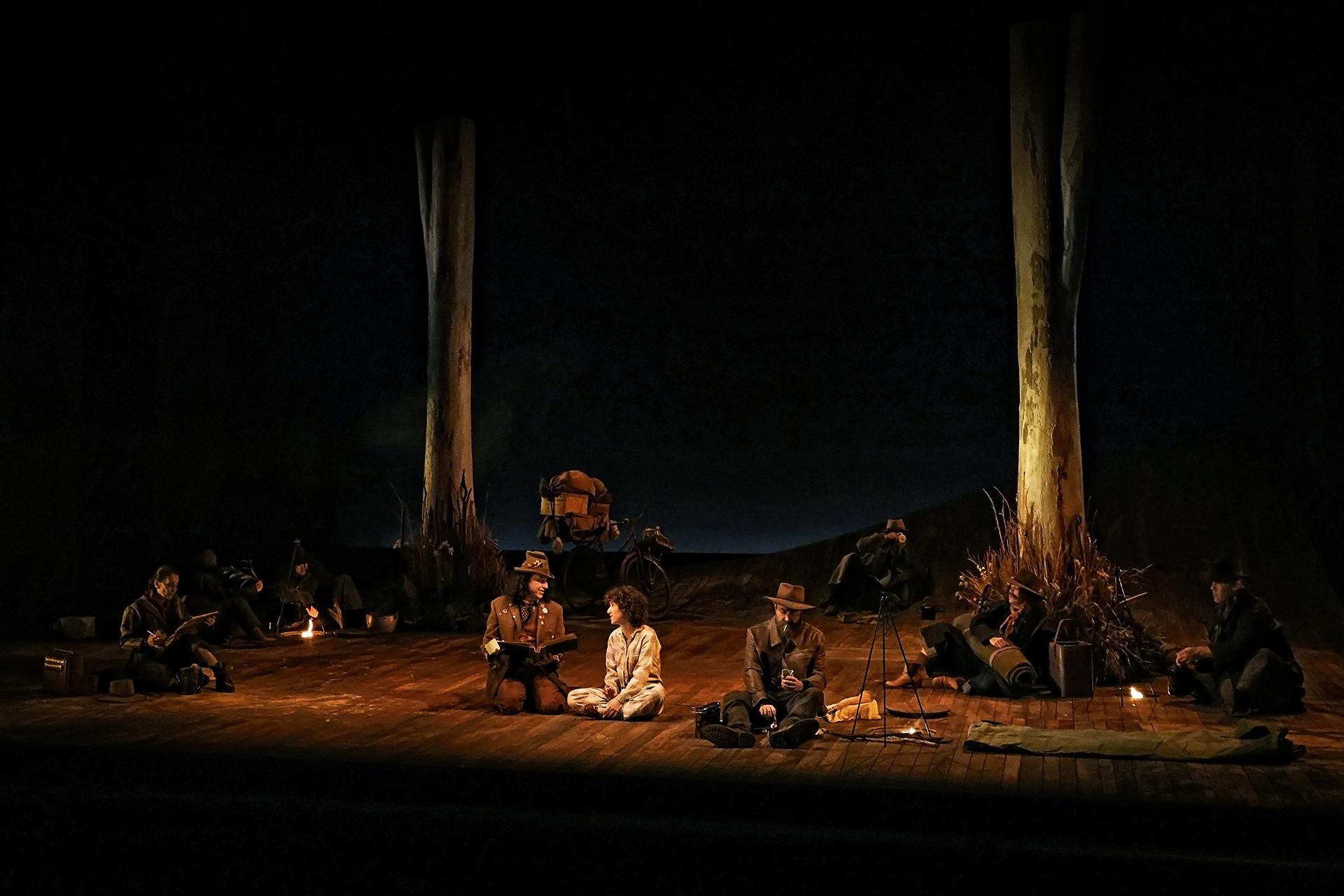
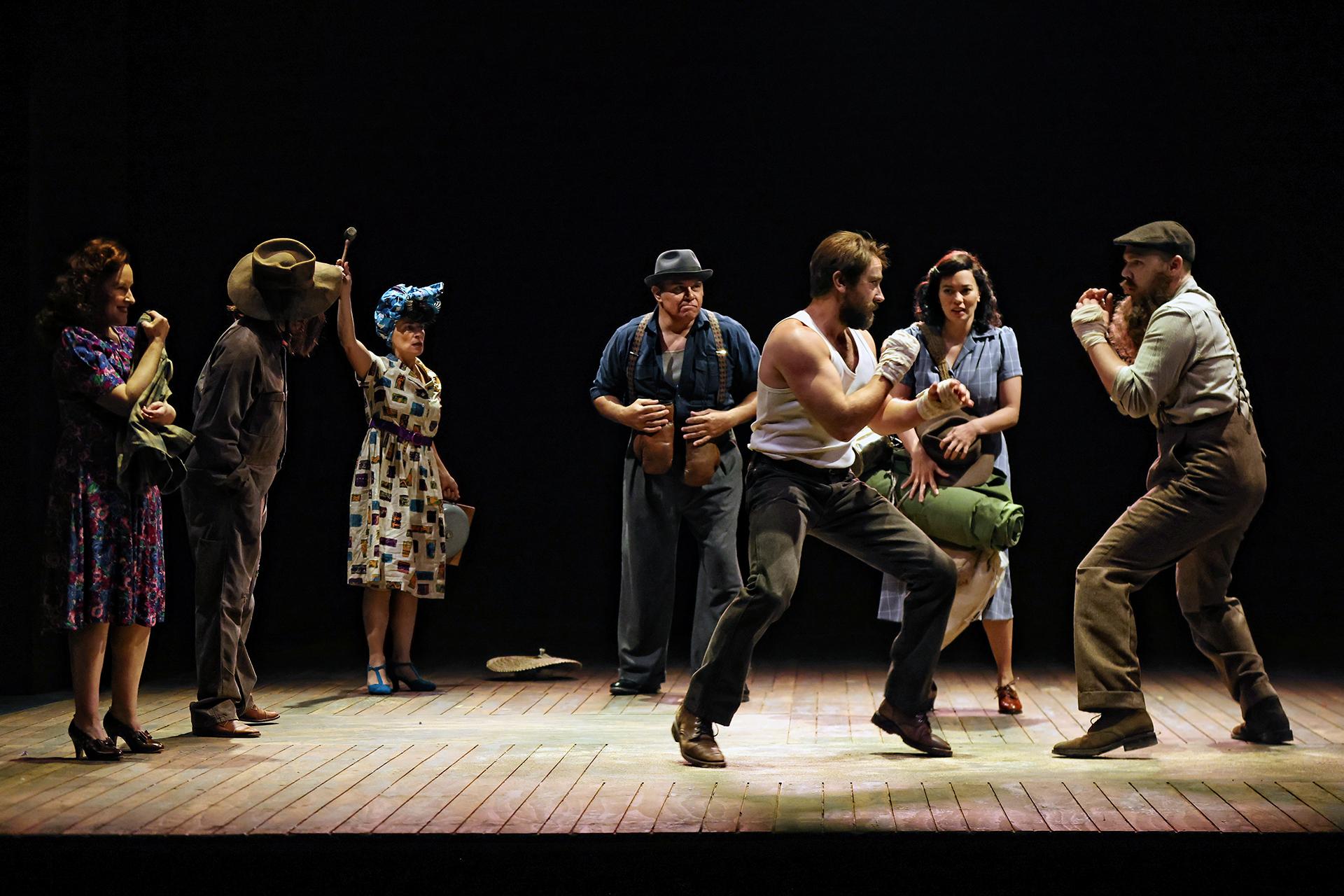
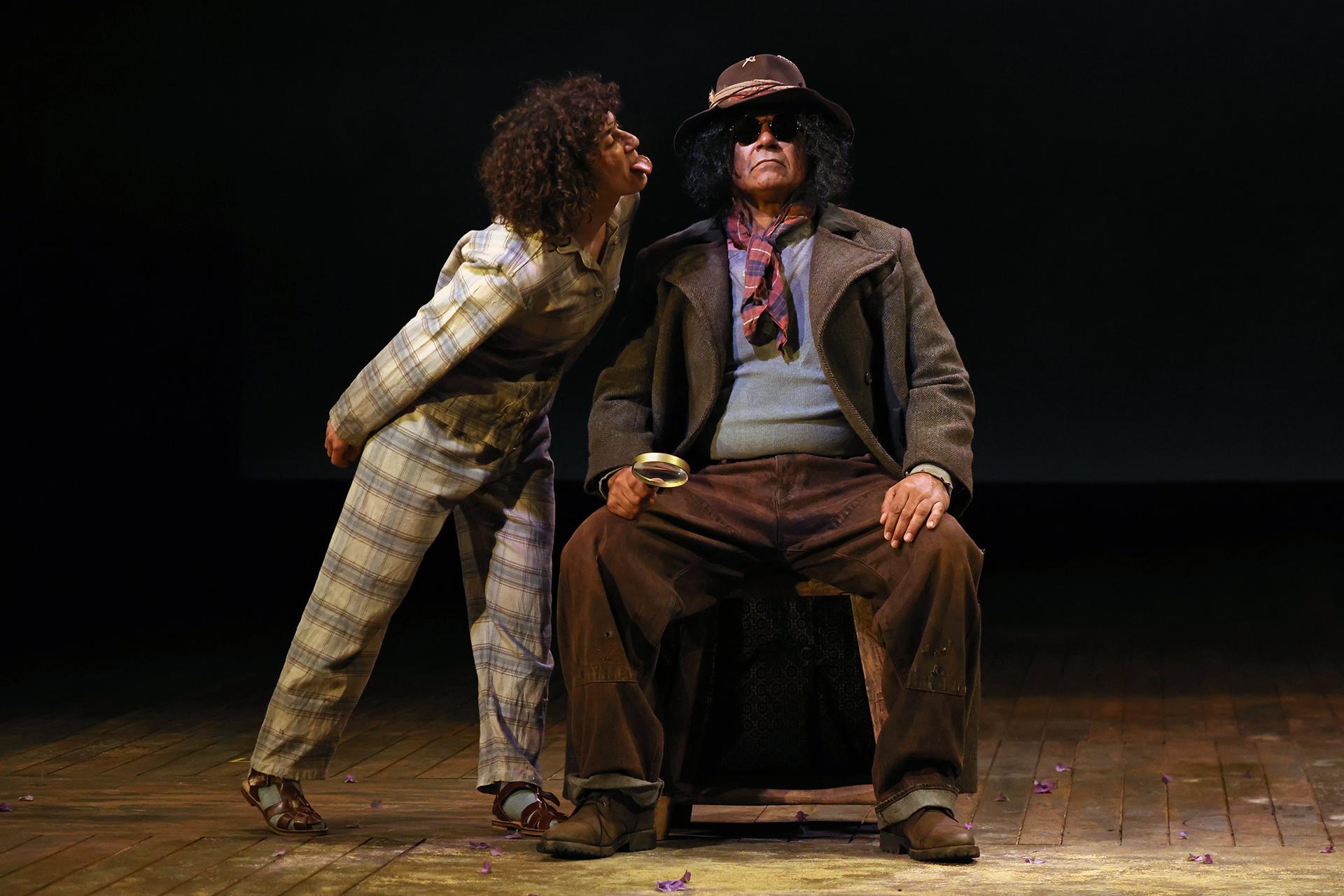
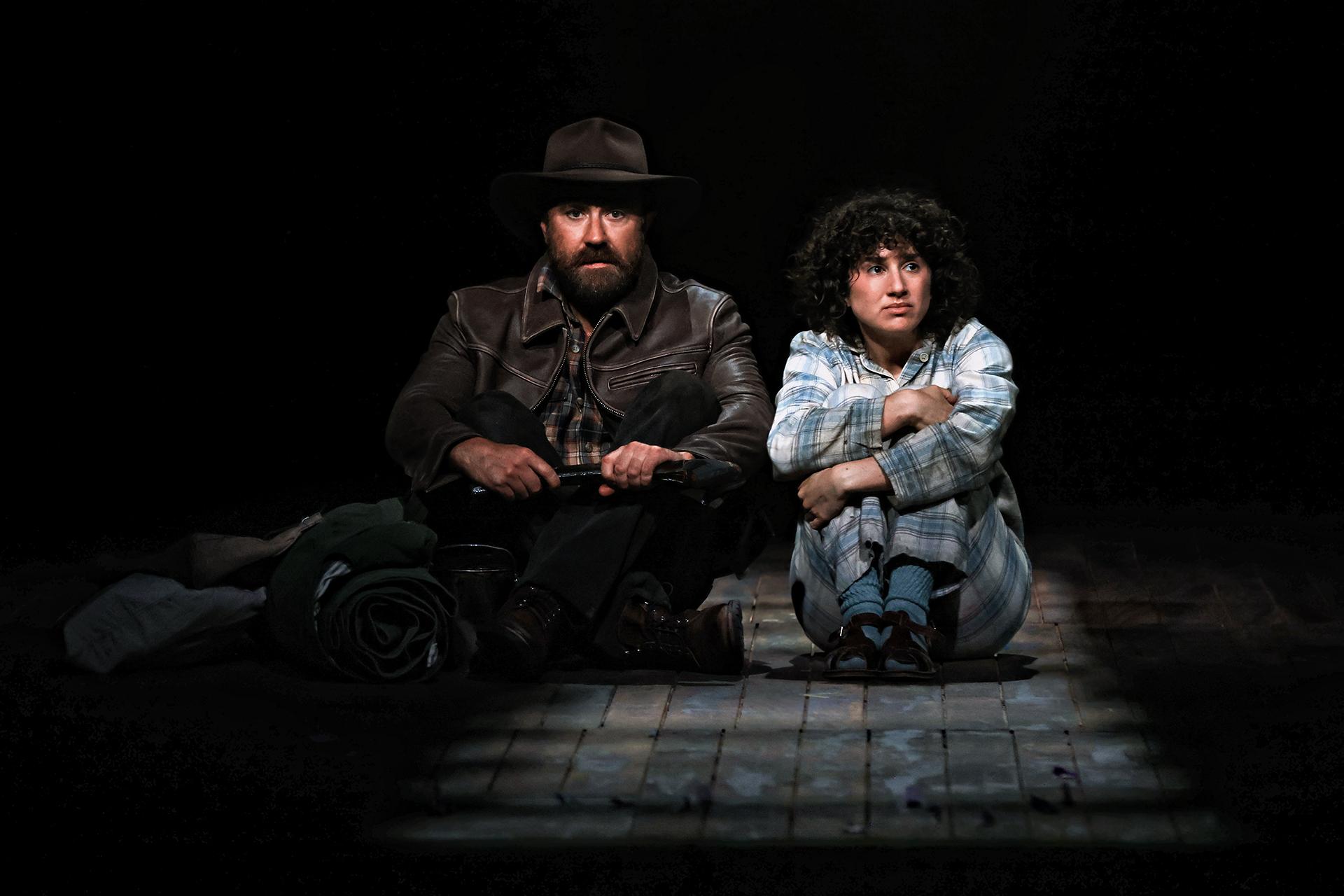
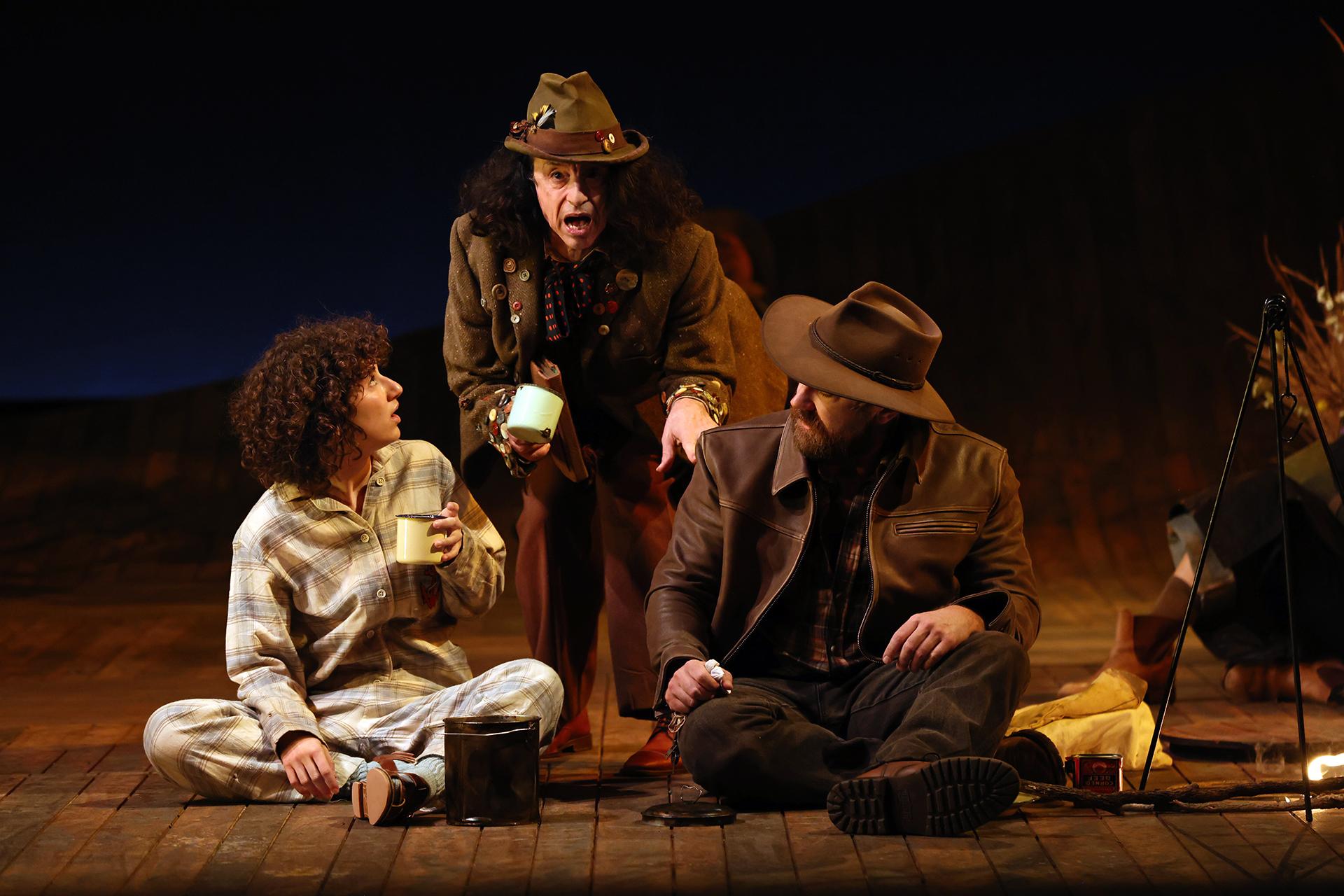
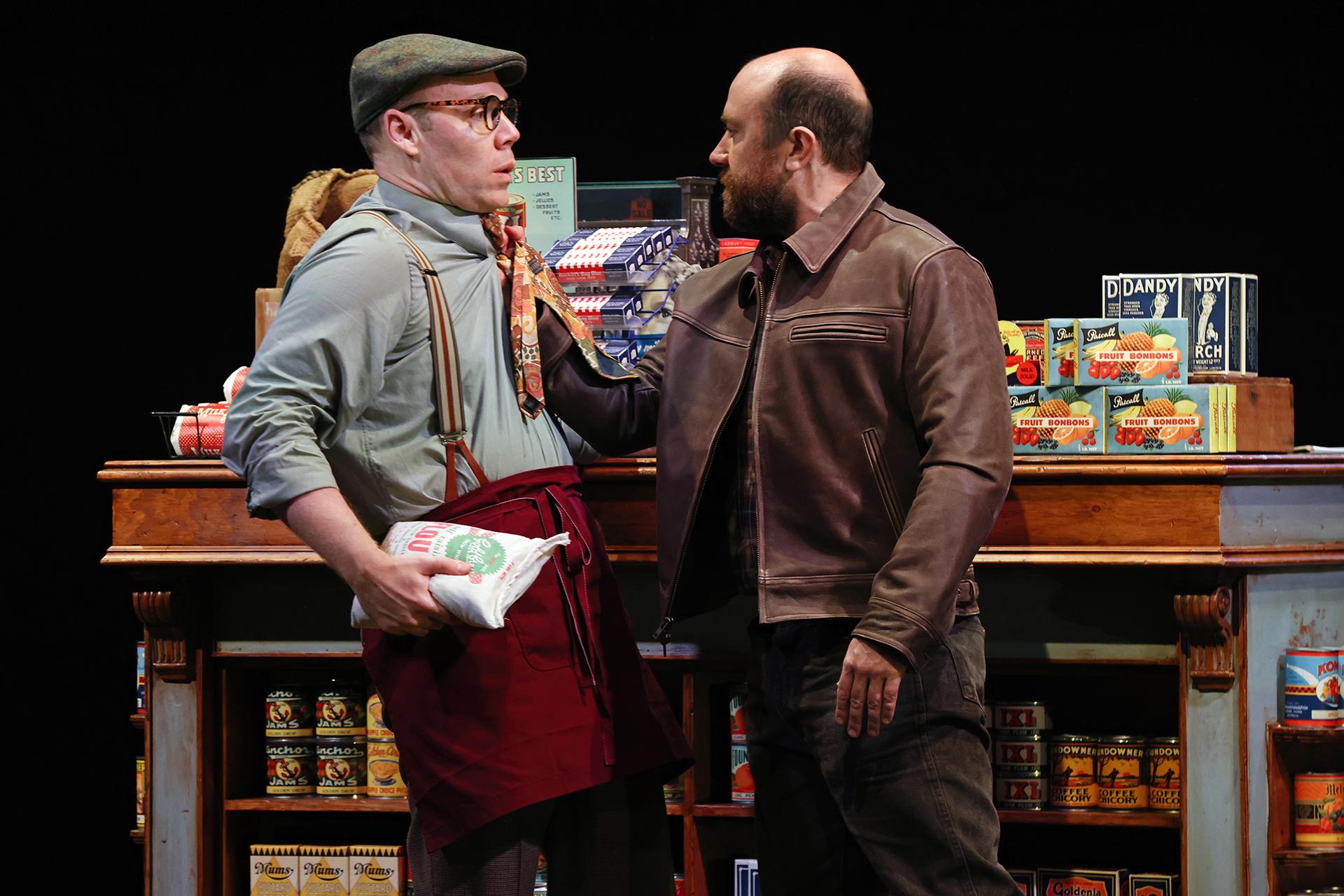
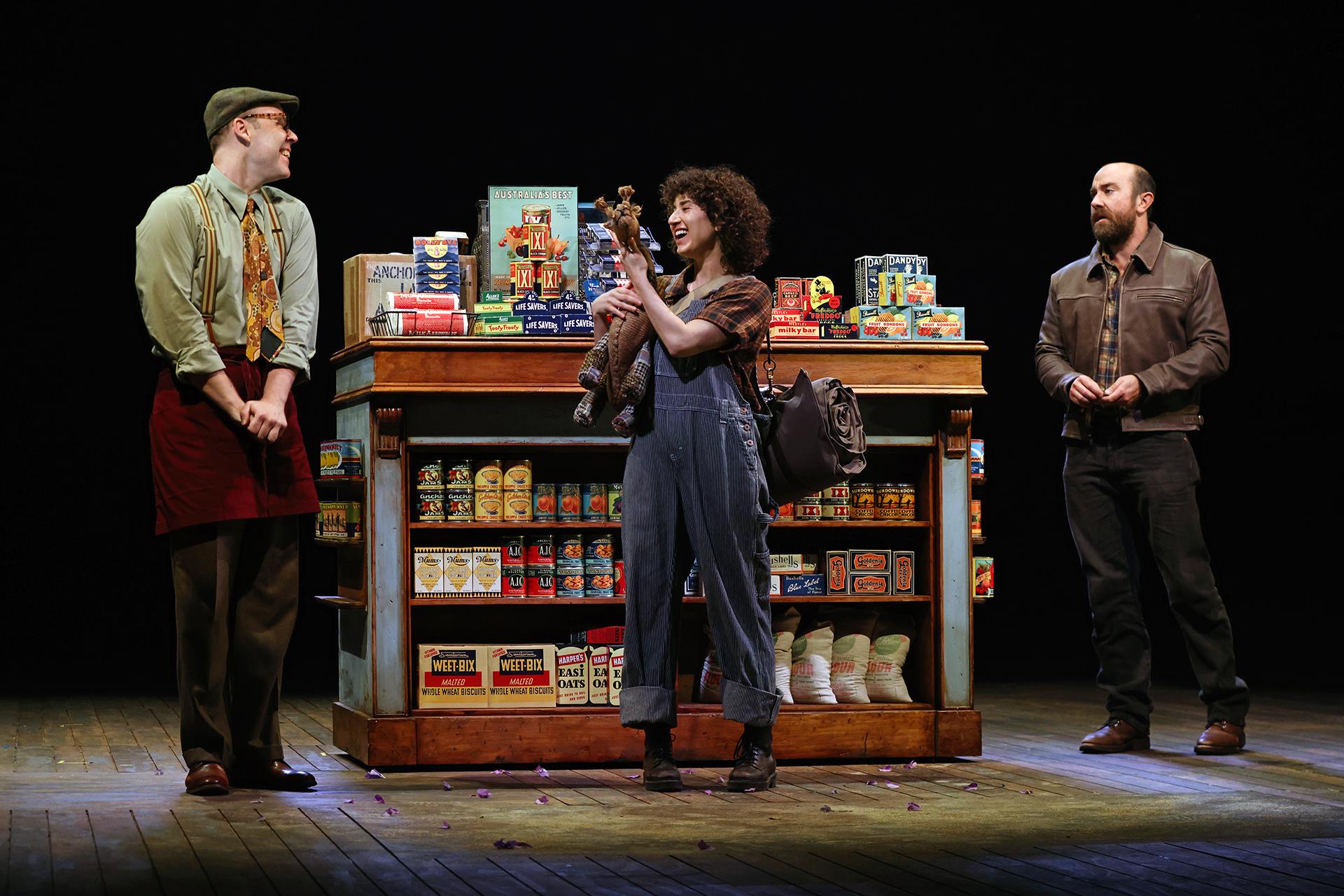
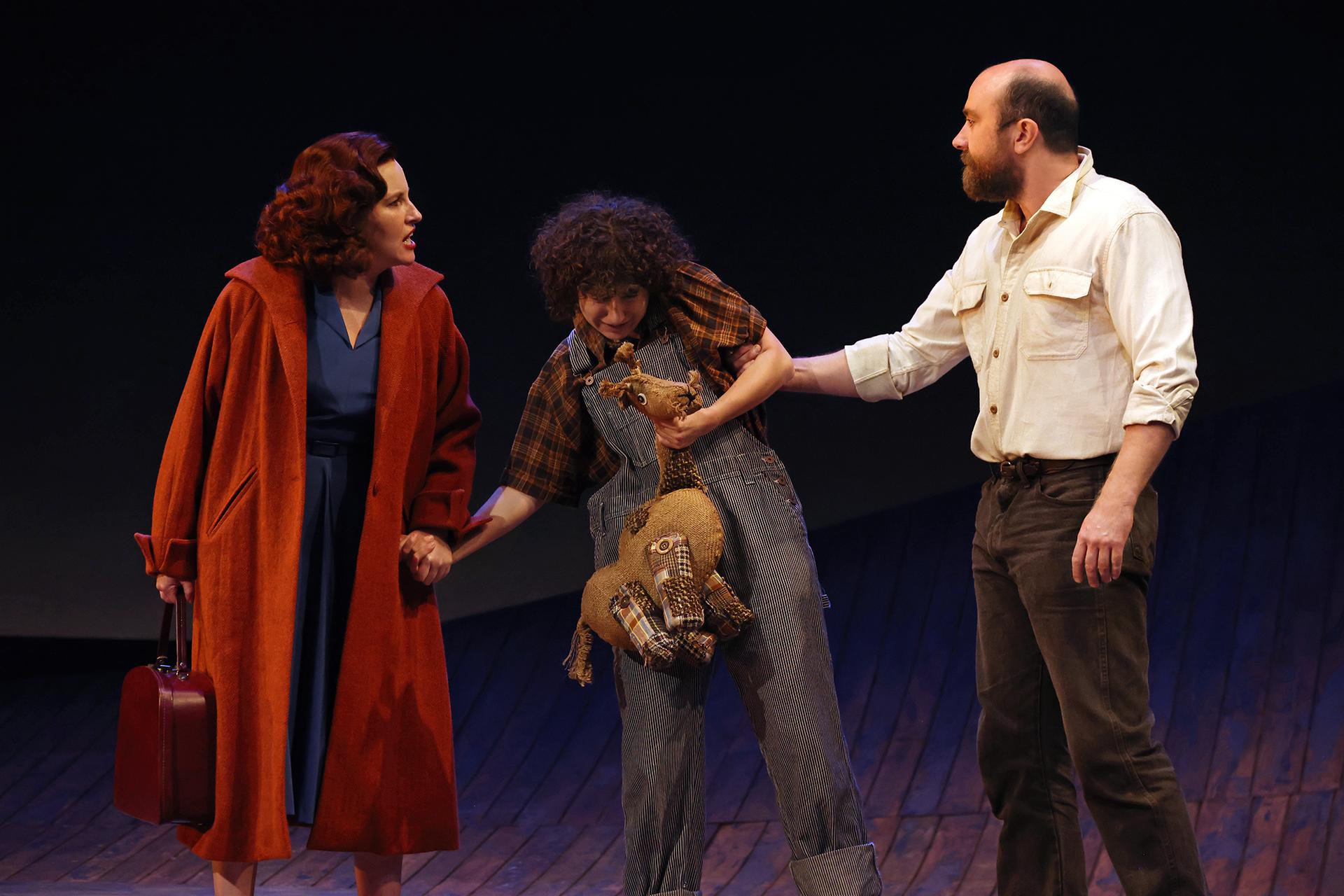
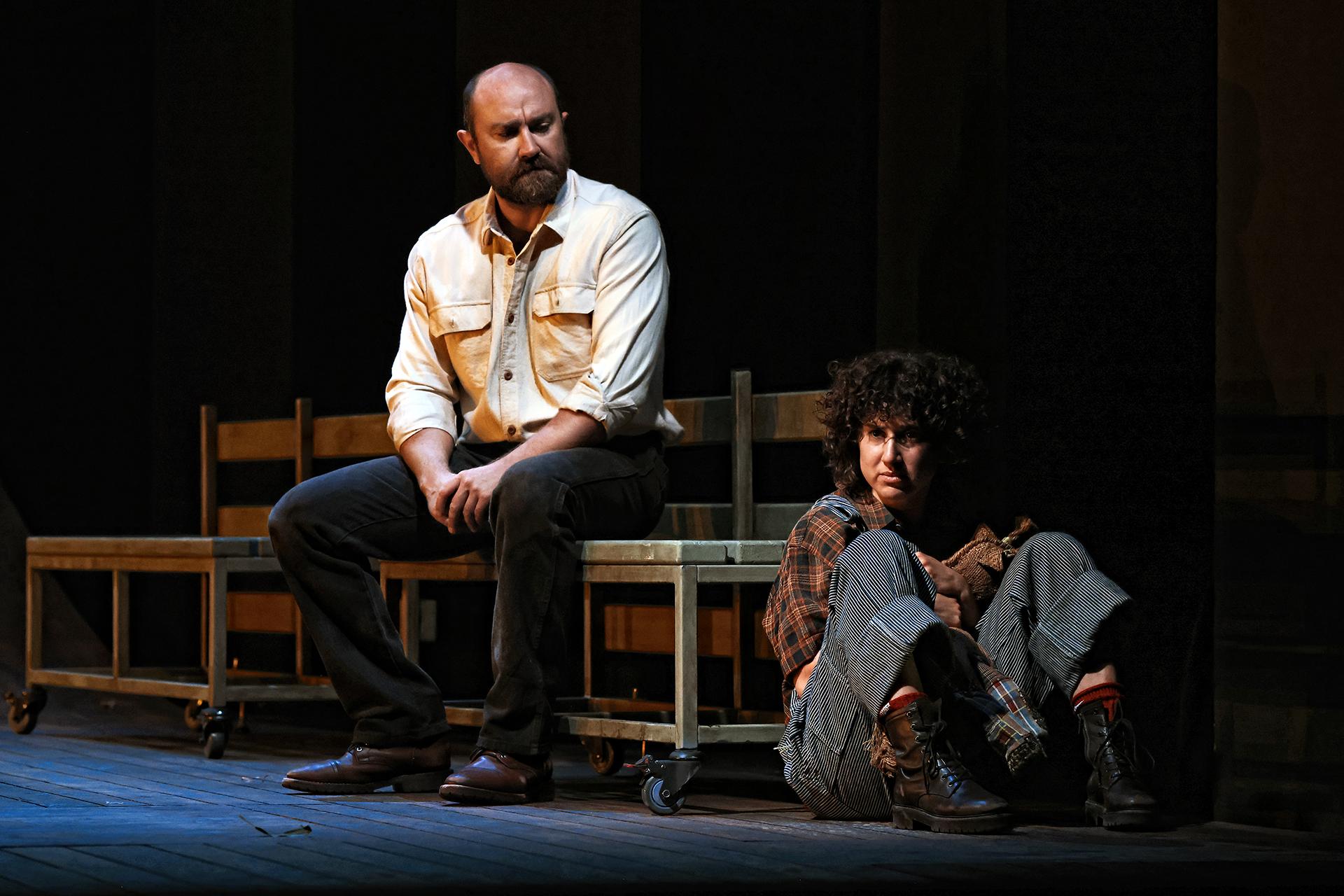
In Kate Mulvany’s retelling of The Shiralee, D’Arcy Niland’s 1955 novel, the swagman Macauley finds purpose only when he chooses to embrace his parental responsibilities as his daughter Buster approaches her tenth birthday. Together they walk through the shadow of the Great Depression, where dust and hunger become the measure of endurance. The hardships they face quickly draw them close, allowing both to flourish in unexpected ways.

What was once a folksy tale of toil and redemption is transformed by Mulvany’s deft writing into something vibrantly humorous and sharply contemporary. Her play is delightful, charming, and consistently hilarious — a thoroughly entertaining reimagining that recontextualises a classic story for modern sensibilities.

Directed by Jessica Arthur, the production leans wholeheartedly into its comedic potential, unearthing every possible moment of laughter to create a show brimming with joy and playfulness. Driven by an expansive imagination and free-spirited inventiveness, Arthur’s work is a profound uplift, offering sincere explorations of love, belonging, and the meaning of home.

The cast glows with an irresistible warmth — each performer uncovering fresh, idiosyncratic ways to awaken an old tale for our restless, modern hearts. They play to our weariness with laughter, coaxing joy from every line, finding light in even the smallest turns of phrase.

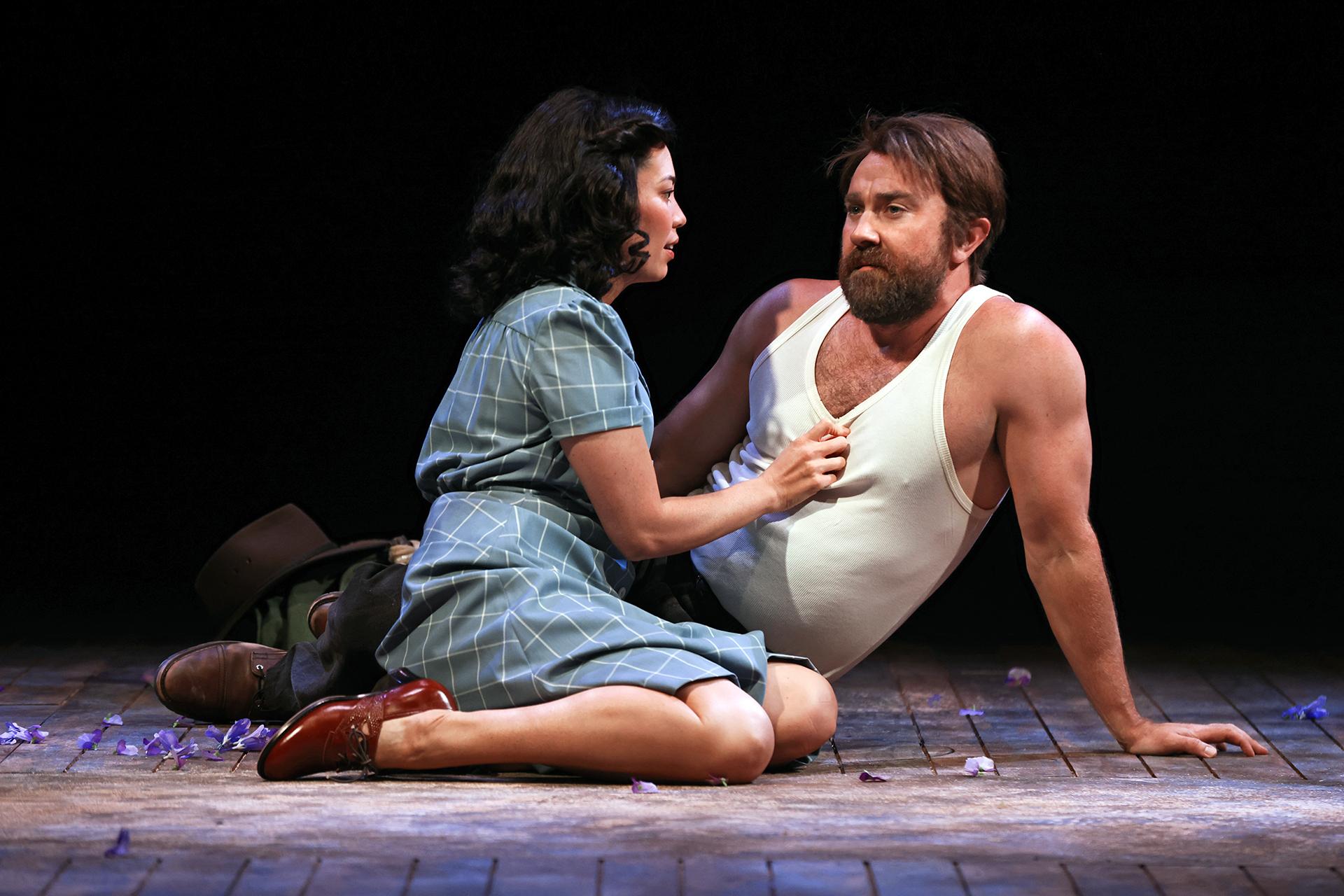
As Macauley, the magnetic Josh McConville strikes a perfect balance between gruff masculinity and raw vulnerability, allowing us to see both the archetypal Aussie bloke and the tender humanity that quietly resides beneath the façade. The endlessly endearing Ziggy Resnick radiates pure exuberance as Buster, delivering a performance that is both impeccably timed and deeply sensitive — a portrait of a child wise beyond her years.

Jeremy Allen’s production design is elegantly spare, mirroring the harshness and austerity of the Australian outback. His use of gumtrees, at once iconic and nostalgic, evokes a landscape that feels both mythic and deeply personal. Trent Suidgeest’s lighting design is remarkable, seamlessly transforming the stage into a multitude of imagined places while crafting moments of sheer visual poetry that satisfy our longing for beauty. Equally striking is Jessica Dunn’s sound and composition, which capture both the vast, unforgiving sweep of the land and the tender intimacy of this unlikely father and daughter bond. Dunn’s work brims with feeling, but her sentimentality is never cloying; it moves us because it is always saying something true.

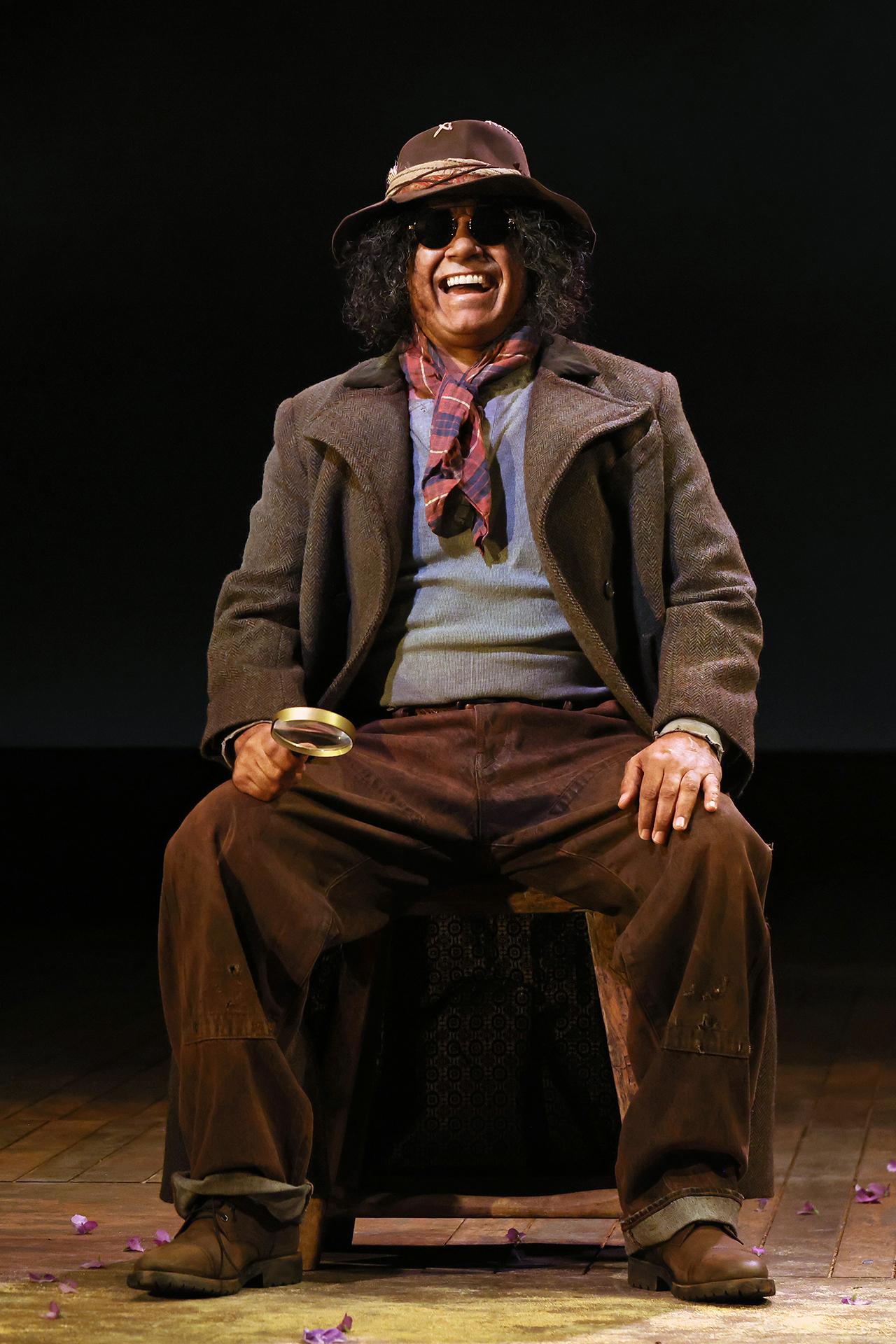
In this 2025 reiteration of The Shiralee, are unforgettable encounters with Indigenous and other people of colour, alongside multiple queer identities and unapologetic women of substance. Beneath the lively retelling of a story about familial bonds and traditional maleness lie subtle but profound redefinitions of the marginalised, insisting that we see ourselves not as outsiders but as integral threads woven into the tapestry of the Australian myth, forever reshaping it with our resolute presence and undaunted voices.

www.sydneytheatre.com.au

Review: True West (Ensemble Theatre)

Venue: Ensemble Theatre (Kirribilli NSW), Sep 8 – Oct 11, 2025
Playwright: Sam Shepard
Director: Ian Sinclair
Cast: Vanessa Downing, Darcy Kent, James Lugton, Simon Maiden
Images by Prudence Upton

Theatre review
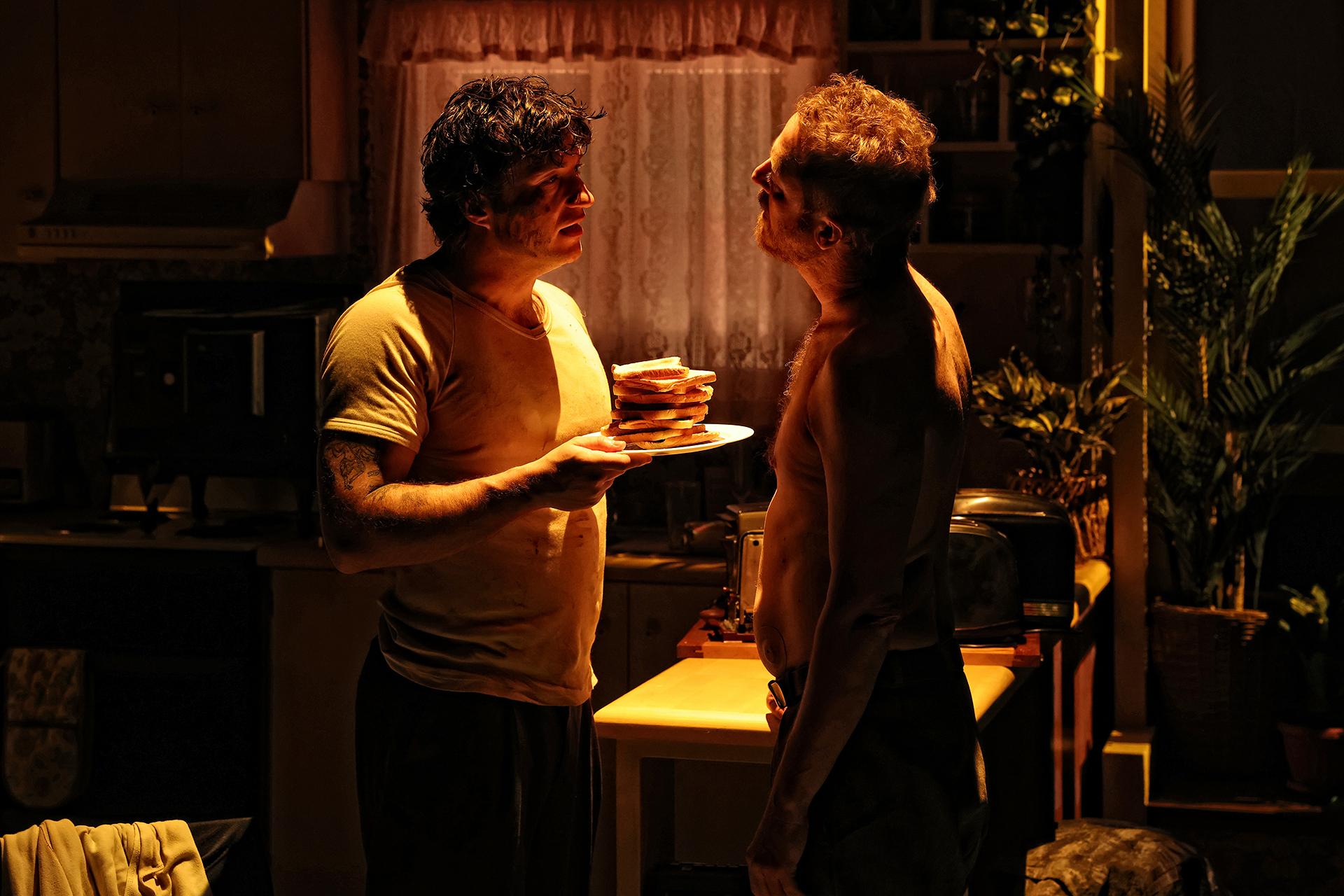
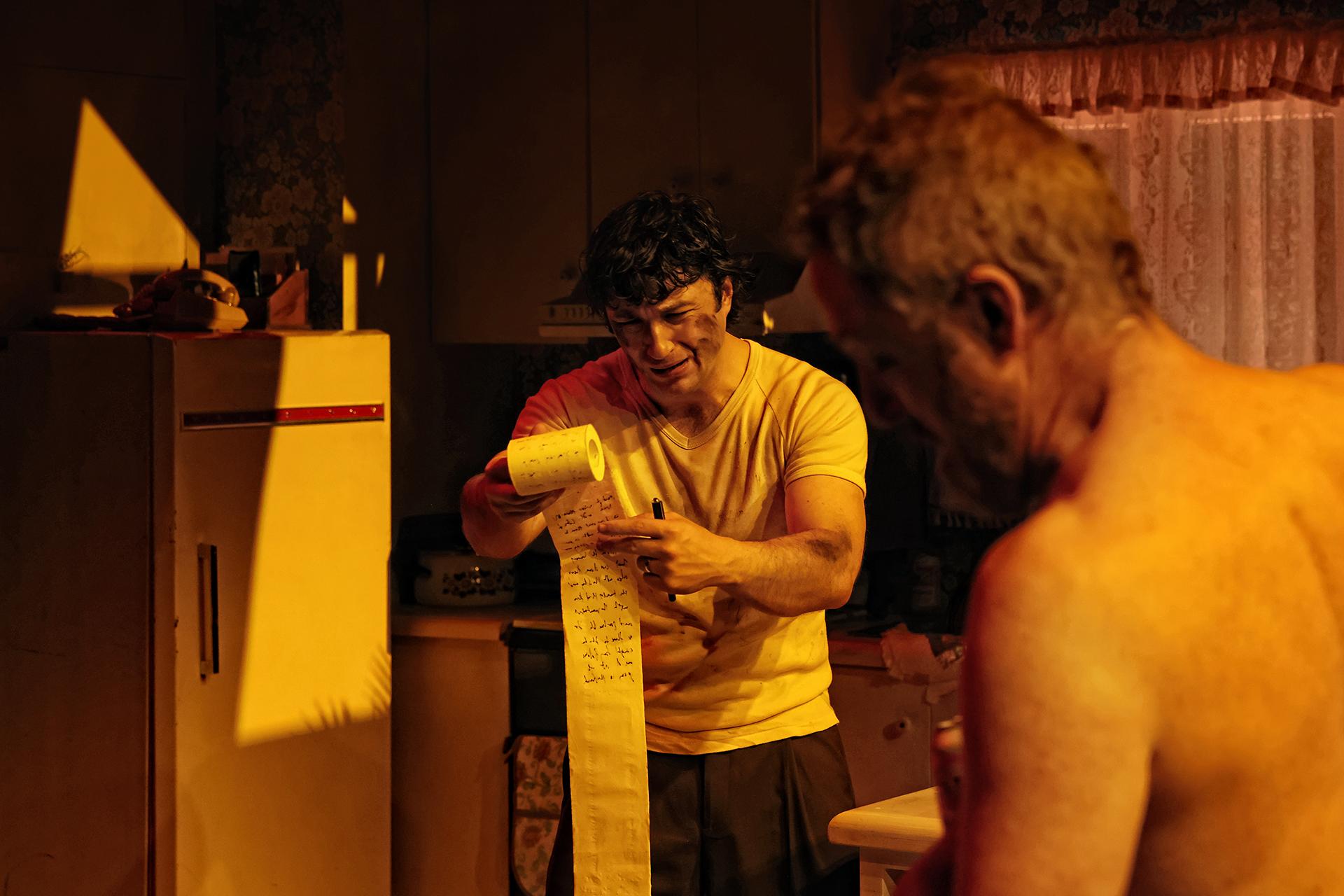
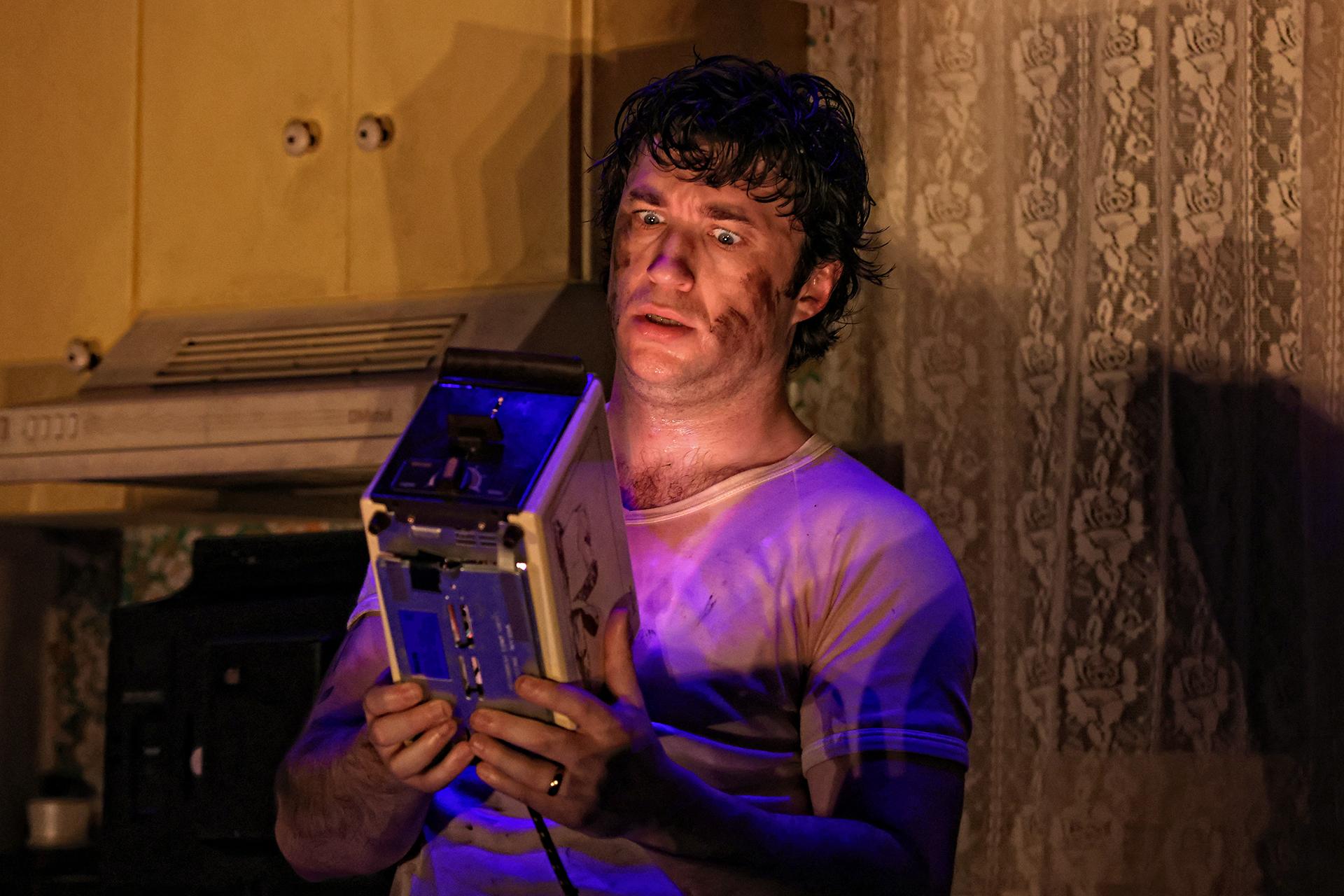
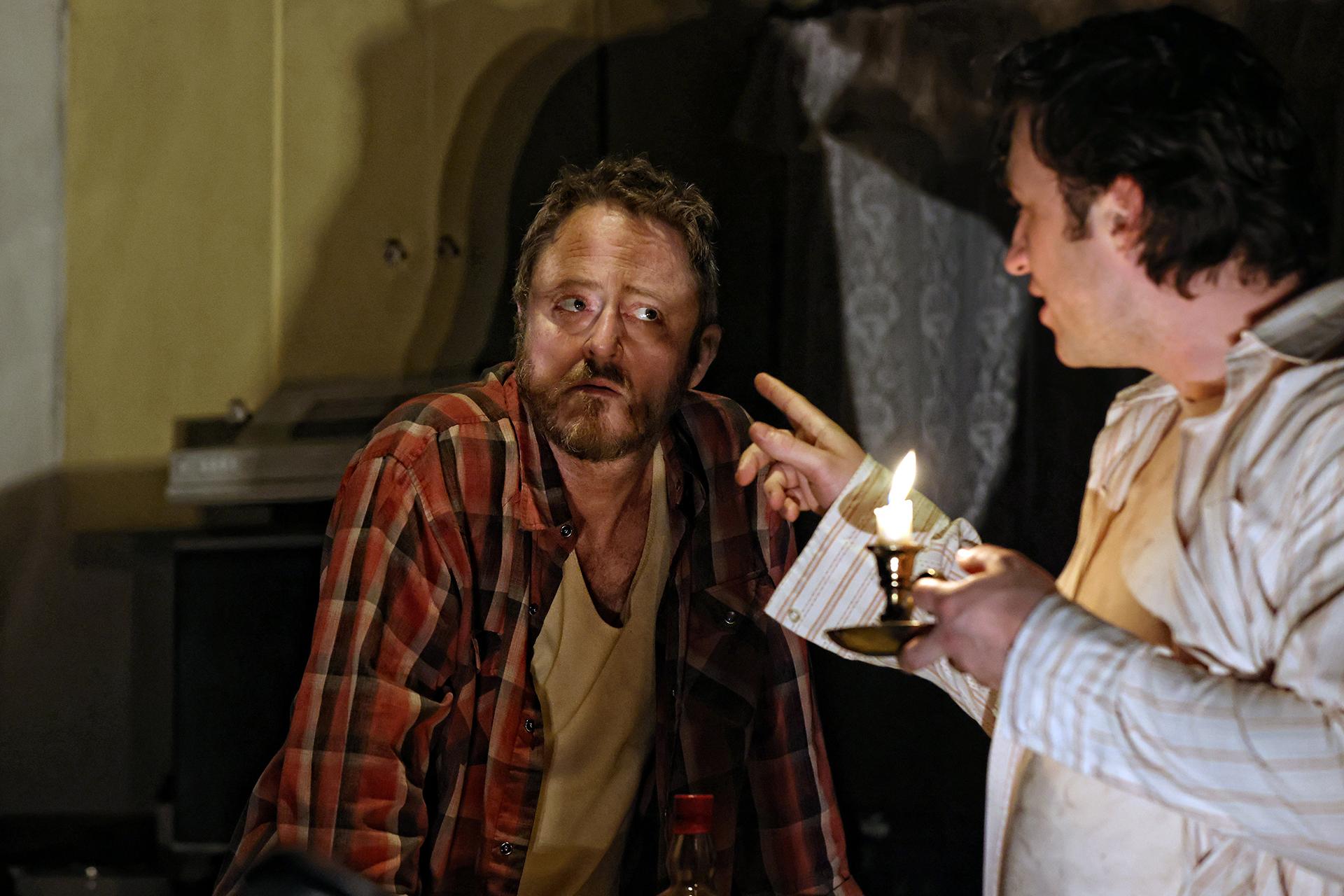
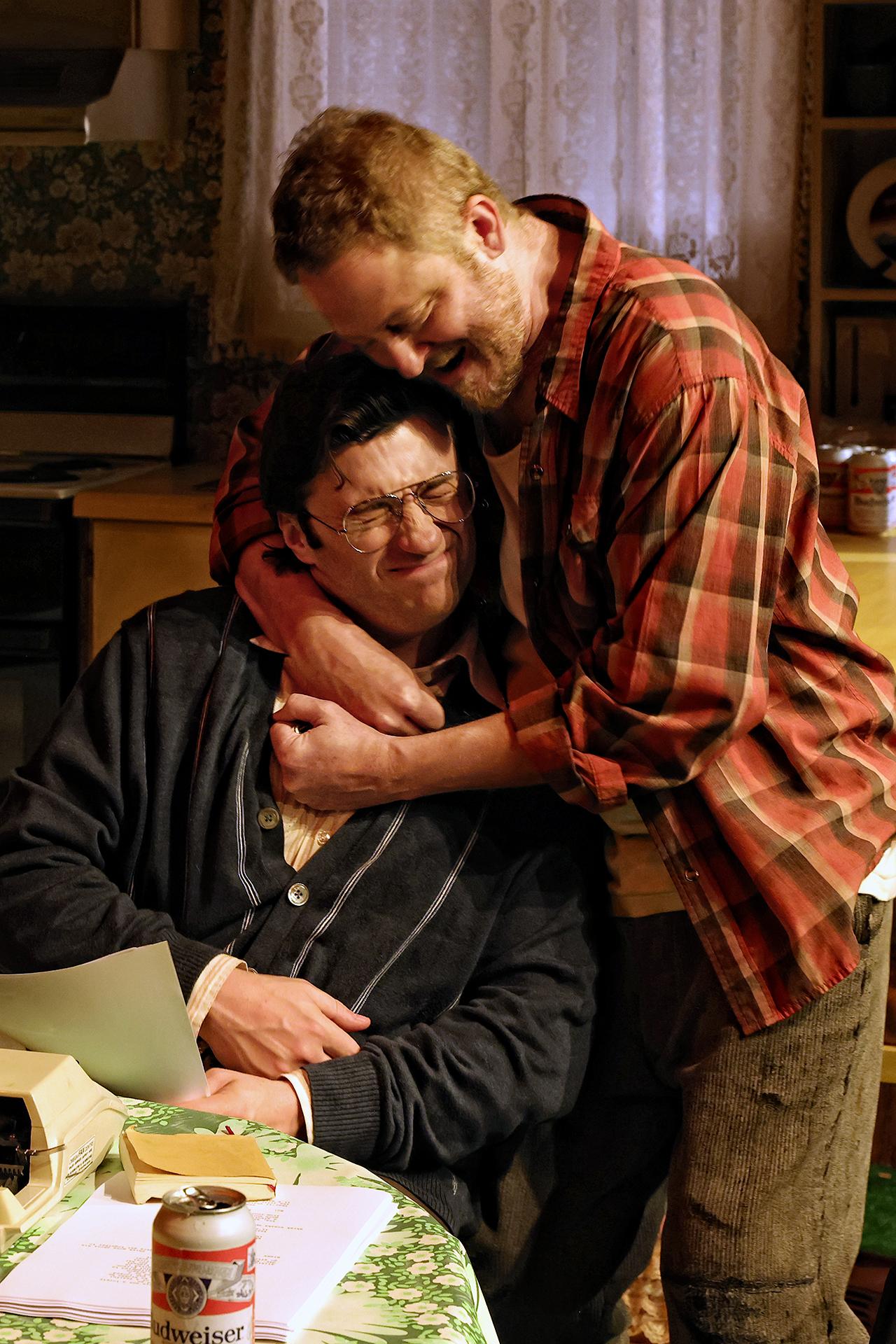
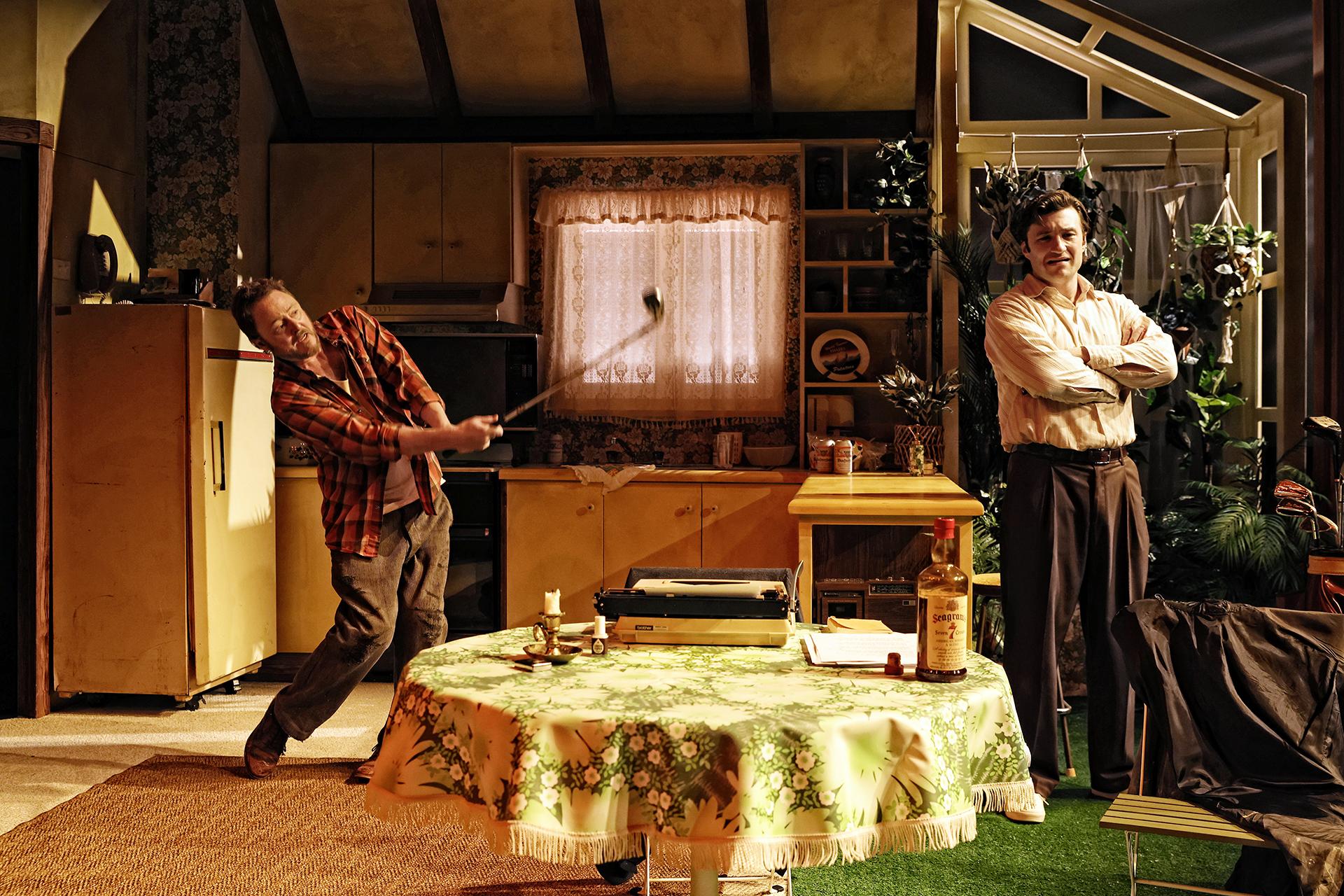
Austin is holed up in his mother’s California home, polishing his screenplay, when his brother Lee bursts in and blows everything apart. Austin is neat, proper, civilized; Lee is chaos incarnate. In True West, Sam Shepard turns their clash into a battle of identities, a showdown between two Americas under one roof. Many pre-Reagan plays have lost their bite, but this one hits harder than ever—its vision of fractured cultures feels ripped straight from today’s headlines.

Simone Romaniuk’s production design sharpens the play’s intensity: the set feels close and feverish, and the costumes declare conflict from the outset. Brockman’s lighting washes the story with unexpected flamboyance, sculpting emotion into lyrical images of sheer visual poetry. By contrast, Daryl Wallis’ sound design is more restrained, yet its sparseness proves effective in aligning with the play’s measured textual rhythm.

Expertly directed by Ian Sinclair, the staging pursues every dramatic and revelatory possibility in Shepard’s text. What emerges is provocative and cerebral, yet at the same time raw and palpable—an utterly absorbing experience achieved without reliance on superfluous bells and whistles. The play holds us fast with a tale that is at once grounded in reality and tinged with the extraordinary, keeping our fascination with its central relationship alive, while persistently stirring uneasy thoughts about the world we now inhabit.

As Lee, Simon Maiden is a study in intricacy and truth, his every gesture alive with resonant authenticity. Opposite him, Darcy Kent drives Austin into surprising surges of theatricality, pushing the drama to exhilarating heights. Each is formidable in his own right, yet it is their electrifying chemistry together that anchors the production’s success. Around them, James Lugton and Vanessa Downing embrace their smaller roles with admirable flair, their comic touches both outlandish and irresistible, adding yet another layer of delight.

Beneath the polished surface of Western progress and civility lies a startling fragility. In True West, the brothers slip effortlessly into barbarity, exposing the raw, untamed instincts lurking beneath social masks. Both cling to a mythic past, yearning to make America great again, as if modernity has failed them, even though much of contemporary advancement has unequivocally strengthened democracy and improved life collectively. True West reminds us that, no matter how far society reaches toward progress, those who wield the greatest power—and shape the course of our evolution—often remain savages at heart.

(Note: due to a medical emergency on opening night, the part of Lee was played by director Ian Sinclair for the final scene.)

www.ensemble.com.au

Review: Life Is A Dream (25A Belvoir)

Venue: Belvoir St Theatre (Surry Hills NSW), Sep 2 – 21, 2025
Playwright: Claudia Osborne (after Pedro Calderón de la Barca)
Directors: Claudia Osborne, Solomon Thomas
Cast: Thomas Campbell, Mark Lee, Shiv Palekar, Essie Randles, Shikara Ringdahl, Ariadne Sgouros, Ariyan Sharma
Images by Phil Erbacher

Theatre review
For his entire life, 22-year-old Segismundo has been confined to a room, conditioned by Astolfo’s daily refrain that he is “dangerous and destructive, but not in this room.” Claudia Osborne’s Life is a Dream, inspired by Pedro Calderón de la Barca’s 1636 masterpiece, reimagines this tale of captivity and destiny for a contemporary audience. The production balances quirky charm and moments of playful wonder with a grounded exploration of the human condition. Osborne’s version points to the enduring dictum that our choices carry consequences, and that, ultimately, we reap what we sow.

Under the direction of Osborne and Solomon Thomas, Life is a Dream achieves a rare balance. Its offbeat humour keeps the work buoyant and unpredictable, while its underlying seriousness lends the production weight and resonance. The staging stands out for its distinctive style and inventive sensibility, which not only sustain engagement but also encourage the audience to grapple with its themes while remaining open to curiosity.

Ariyan Sharma shines as Segismundo, capturing a sheltered innocence that feels wholly authentic while subtly conveying the hidden truths his character has yet to grasp. He is a thoroughly endearing presence, remarkable for an artistry that combines keen intellect with expressive physicality. Thomas Campbell’s Astolfo brings tension and intrigue, his clever rendering of ambiguity opening up a world of imagined backstories that lead to this extraordinary moment. The rest of the cast add layers of psychological complexity and emotional richness, and together their chemistry transforms Life is a Dream into a fully immersive and enthralling theatrical experience.

Set and costume design by Cris Baldwin evokes a contemporary space, grounded in a sense of normalcy that keeps the audience connected to the action. Kelsey Lee’s lighting and Madeleine Picard’s sound design weave the atmosphere with quiet finesse, lending the production an elegant rhythm that draws us deeper into the story and the emotional lives of its characters.

This updated Life is a Dream resonates as a warning: when we withhold kindness from those over whom we hold power, it is our own cruelty that breeds further cruelty. Amidst all the political turmoil of 2025, we are compelled to approach this centuries-old tale not with innocence, but with clear eyes, aware of the dangers we continue to create, and the responsibility we bear to break these tragic cycles.

www.belvoir.com.au | www.fervour.net.au | www.regroupperformancecollective.org

Review: Women On The Verge Of A Nervous Breakdown (Hayes Theatre)

Venue: Hayes Theatre Co (Potts Point NSW), May 9 – Jun 8, 2025
Music & Lyrics: David Yazbek
Book: Jeffrey Lane (based on the film by Pedro Almodóvar)
Director: Alexander Berlage
Cast: Nina Carcione, Andrew Cutcliffe, Grace Driscoll, Amy Hack, Tomáš Kantor, Tisha Kelemen, Aaron Robuck, Mel Russo, Sean Sinclair
Images by Daniel Boud

Theatre review
In the films of Pedro Almodóvar, it is often the storytelling, rather than the stories themselves, that matters the most. In his iconic 1988 offering Women on the Verge of a Nervous Breakdown, the narrative is simply one of a woman being jilted, but it is the unique way in which characters and places are represented, that leaves a startling impression. This stage adaptation by Jeffrey Lane and David Yazbek too, seems unremarkable on the surface, but proves fertile ground for something quite spectacular to be built upon.

Alexander Berlage’s ingenious direction of the piece preserves the essence of Almodóvar’s original and oeuvre, whilst manufacturing real frisson for a live audience. The manic chaos of women being on the brink, is harnessed into a splendidly entertaining package of rambunctious theatricality, before we find ourselves landing somewhere surprisingly poignant. Berlage’s imaginative artistry, along with his effortless stylishness, delivers a production exciting at every moment, as it seeks to express itself unconventionally at every turn. Choreography by Chiara Assetta further amplifies that spirit of unpredictable inventiveness, much to our delight.

Set design by Hailley Hunt incorporates haphazard angles and cosmetic disarray, not only to represent the emotional states being explored, but also to facilitate for the staging, a dynamism in the very physicality of its cast members. Costumes by Sam Hernandez are certainly evocative of Madrid forty years ago, adding intricacy and interest to the overall visual textures being rendered. Phoebe Pilcher’s lights are an unequivocal highlight, with endless configurations of colour and intensity to keep us absorbed in all the frenzied action.

Leading lady Amy Hack embodies convincingly, both the comedic and traumatic dimensions of this Spanish pseudo melodrama. As Pepa, she brings great verve from start to finish, and always keeps us firmly on her side. Grace Driscoll’s irresistible charm provides for Candela many unforgettable moments, while Tisha Kelemen’s satirical austerity as Lucia reminds us where the soul lies for this absurd presentation. Highly noteworthy are Tomáš Kantor as Carlos and Aaron Robuck as a taxi driver, both considered in their approach, giving us clarity and humour in equal measure.

There is an undeniably queer sensibility in Women on the Verge of a Nervous Breakdown, that figures centrally in its efforts at subverting sexism. There is an overt narrative about women finding independence, but there is also an aesthetic at play, that seeks to establish a new balance in the ways gender operates, in how we perceive the world, and how we traverse it.

Women and queer men are natural allies in resisting the patriarchy, but because the two factions often have separate and differing investments in the very thing it should overturn, efforts to disrupt the old order often diverge. Queerness however is by definition elastic, and if people of all genders are able to subscribe to its tenets, a greater unity can be forged to get us closer to the revolution.

www.hayestheatre.com.au | www.instagram.com/pinwheel_productions

Review: The Wrong Gods (Belvoir St Theatre)

Venue: Belvoir St Theatre (Surry Hills NSW), May 3 – Jun 1, 2025
Playwright: S. Shakthidharan
Director: Hannah Goodwin, S. Shakthidharan
Cast: Manali Datar, Nadie Kammallaweera, Radhika Mudaliyar, Vaishnavi Suryaprakash
Images by Brett Boardman

Theatre review
Isha is a schoolgirl exhibiting great promise, with a brilliant mind and a passion for science that have attracted attention, from American industry entering rural India. Her mother Nirmala wants the best for Isha, but making decisions about an uncertain future is difficult, even if the gods seem so resolute with what they stand for. Provocative ideas are presented in The Wrong Gods by S. Shakthidharan through scintillating conversations, between characters who are thoroughly authentic, and interminably sympathetic.

It explores notions of progress, technology, capitalism and colonisation, from perspectives realistic rather than ideological, based on interviews conducted with those of relevant lived experience. The tremendous poignancy of Shakthidharan’s writing may be derived from a specific story originating in an Indian village, but its resonances are universal. As an Australian work, The Wrong Gods seems often to reflect on Indigenous dispossession and displacement, allowing us to further relate to the themes and ethos of this deeply affecting creation.

Co-direction by Shakthidharan and Hannah Goodwin delivers emotional intensity, for a highly consequential examination of our very times and values. Complexities of thought are conveyed with astonishing salience, for a show that is as intellectually stimulating as it is moving. Music composition by Sabyasachi (Rahul) Bhattacharya, along with sound design by Steve Francis, are a marvellous concoction that proves stirring even if its expressions are always delicate.

Inspired by farmlands of South Asia, set design by Keerthi Subramanyam is a beautiful evocation of our relationship with nature, making a statement about human activity in conjunction with notions of the organic. Lights by Amelia Lever-Davidson are elegantly rendered, adding subtle enhancements to aid dramatic tension, for a tale that is consistently escalating.

Actor Nadie Kammallaweera as farmer Nirmala brings to the stage gravity and power, leaving a lasting impression with her exacting physicality and commanding voice. Isha is played by the charismatic Radhika Mudaliyar whose persuasive naturalism has us hopelessly invested in a narrative about the conundrum of modernisation. Vaishnavi Suryaprakash is a compelling presence, and wonderfully nuanced, as Lakshmi the local representative of foreign interests. Manali Datar is appropriately spirited as Devi, an activist working for the resistance against deleterious commercialisation.

We know progress to be inevitable, but it is imperative that its momentum is always kept in check. Having seen the many devastations that have resulted from greed in the guise of advancements, it is shocking that those who control technology should be allowed to act wantonly. We cannot stop time from moving forward, but we must always be able to raise caution, be able to slow things down, and not be deceived by those who characterise our collective gain, as a race.

www.belvoir.com.au

Review: The Producers (Hayes Theatre)

Venue: Hayes Theatre Co (Potts Point NSW), Mar 29 – Apr 27, 2025 | Riverside Theatres (Parramatta NSW) May 15 – 18, 2025
Music & Lyrics: Mel Brooks
Book: Mel Brooks, Thomas Meehan
Director: Julia Robertson
Cast: Anton Berezin, Des Flanagan, Alexandra Cashmere, Blake Erickson, Jordan Shea, Mikey Sakinofsky, Wendy-Lee Purdy, Spencer Cliff, Clancy Enchelmaier, Genevieve Goldman, Joshua Gordon, Ashton Lash, Joe Meldrum, Paloma Renouf
Images by Grant Leslie

Theatre review
Broadway producers Bialystock and Bloom try to stage a flop, when they discover an accounting loophole that would deliver an easy profit. They choose a show that celebrates Hitler, certain that it would be shut down right away, but like at the recent American elections, the unthinkable happens when Nazism wins the day. It may not have been Mel Brooks’ conscious intention, but a revival of The Producer reveals the truth about the USA, and its long-held secret desire to introduce a fascist state.

It is however not an obviously politicised staging, that director Julia Robertson delivers for 2025, who thankfully retains the original essence and remarkable wit of The Producer. Her show is relentlessly exuberant, always clever with how it reinvents each memorable scene of this legendary work. Choreographer Shannon Burns impresses with her rigour and ambition, ensuring that the experience is delightful at every turn.

Set design by Nick Fry is wonderfully imaginative, and endlessly versatile with the imagery it is able to render. Costumes by Benedict Janeczo-Taylor are intricately assembled, effective with all the colour it adds to the production. Lights by Ryan McDonald are quite the resplendent feature, offering unexpected spatial dimensions, and a marvellous sense of theatrical elevation with its dynamic flamboyance.

Music direction by Osibi Akerejola is rich and spirited, even if the band is occasionally short on polish. Performer Anton Berezin is perfect as Bialystock, very likeable as the cheeky rogue, and admirable for the precision he brings to the part. Less charismatic, but equally detailed is Des Flanagan who plays the role of Bloom, the earnest protégé.

Alexandra Cashmere is vivaciously comical as Ulla, demonstrating great creativity along with impressive skill, transforming the classic bimbo into someone truly fascinating. The hilarious Blake Erickson is unforgettable as Broadway director Roger De Bris, thoroughly amusing with his camp antics and exquisite timing. Neo-Nazi writer Franz Liebkind is played by Jordan Shea with wild abandon, joyfully absurd in his portrayal of a man who has completely lost his marbles.

In 1967, at the time of the original film of The Producers, it had felt as though the decision had been made concrete, that Nazis had well and truly lost the war, and that the world would invest its all in the grand experiment of democracy. Decades later, we find the USA at an inconceivable juncture today, of fascism rearing its ugly head, in the most resolute ways. The judicial system in The Producers proves effective in quashing nefarious activity; however it remains to be seen, if centuries of well-meaning legislation can withstand sinister attacks, from this new face of despotism.

www.hayestheatre.com.au | www.riversideparramatta.com.au

Review: Iphigenia In Splott (Old Fitz Theatre)

Venue: Old Fitzroy Theatre (Woolloomooloo NSW), Mar 7 – 22, 2025
Playwright: Gary Owen
Director: Lucy Clements
Cast: Meg Clarke
Images by Phil Erbacher

Theatre review
Living in the south of Cardiff is Effie, a young woman with no real purpose in life. After a chance encounter with a military veteran however, things begin to change. Iphigenia in Splott by Gary Owen deals with the underclass, paying specific attention to their relationship with public services. There are sections of the writing that can feel slightly diminishing of women’s experiences, but its plot is highly entertaining, and as a one-person show, its scope for performance is remarkably versatile, presenting a great opportunity for an actor to showcase their talent and range.

Meg Clarke takes on the challenging role with aplomb, completely astonishing with the depth and drama she brings to the stage. The emotions she offers are as intense as they are authentic, effortless at making Effie’s plight feel affecting from start to end. Clarke’s timing is perfectly honed, and the intricacy with which she breathes life into the text is simply awe-inspiring.

Direction by Lucy Clements keeps the show dynamic and engaging, with an urgency that ensures its message cuts through successfully. Production design by Angela Doherty provides just enough embellishment for the performer to shine. Luna Ng’s lights richly enhance the story with commendable imaginativeness, while Chrysoulla Markoulli’s sounds shift us through the many temperaments as we follow Effie’s misadventures. The wonderful rigour and cohesion of Ng and Markoulli add a valuable quality of transcendence, to the earthy explorations of Iphigenia in Splott.

The play demonstrates the wilful neglect of the powerless, as social infrastructures are allowed to erode in places like the UK. Intrinsic to prevailing capitalistic values, is a contempt for the poor. Although inhumane, we have learned to regard their misfortune as deserving, convincing ourselves that any person can easily pull themselves up by their bootstraps. The truth is that people’s circumstances are often beyond control, and the refusal to help those in need, can only mean that we are nothing more than monsters.

www.oldfitztheatre.com.au | www.newghoststheatre.com