Review: New Works Festival Part 3 (Old Fitz Theatre)

Venue: Old Fitzroy Theatre (Woolloomooloo NSW)

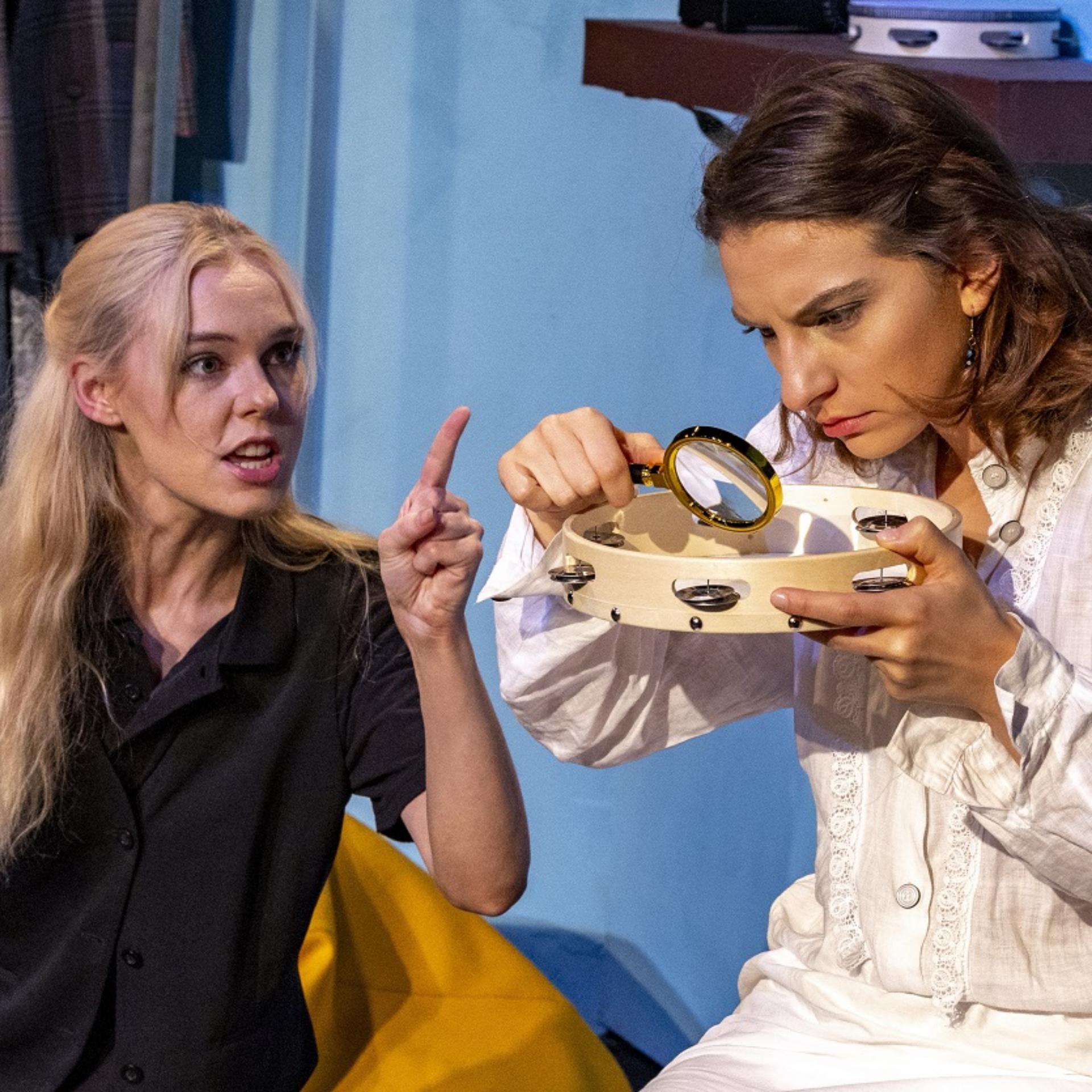
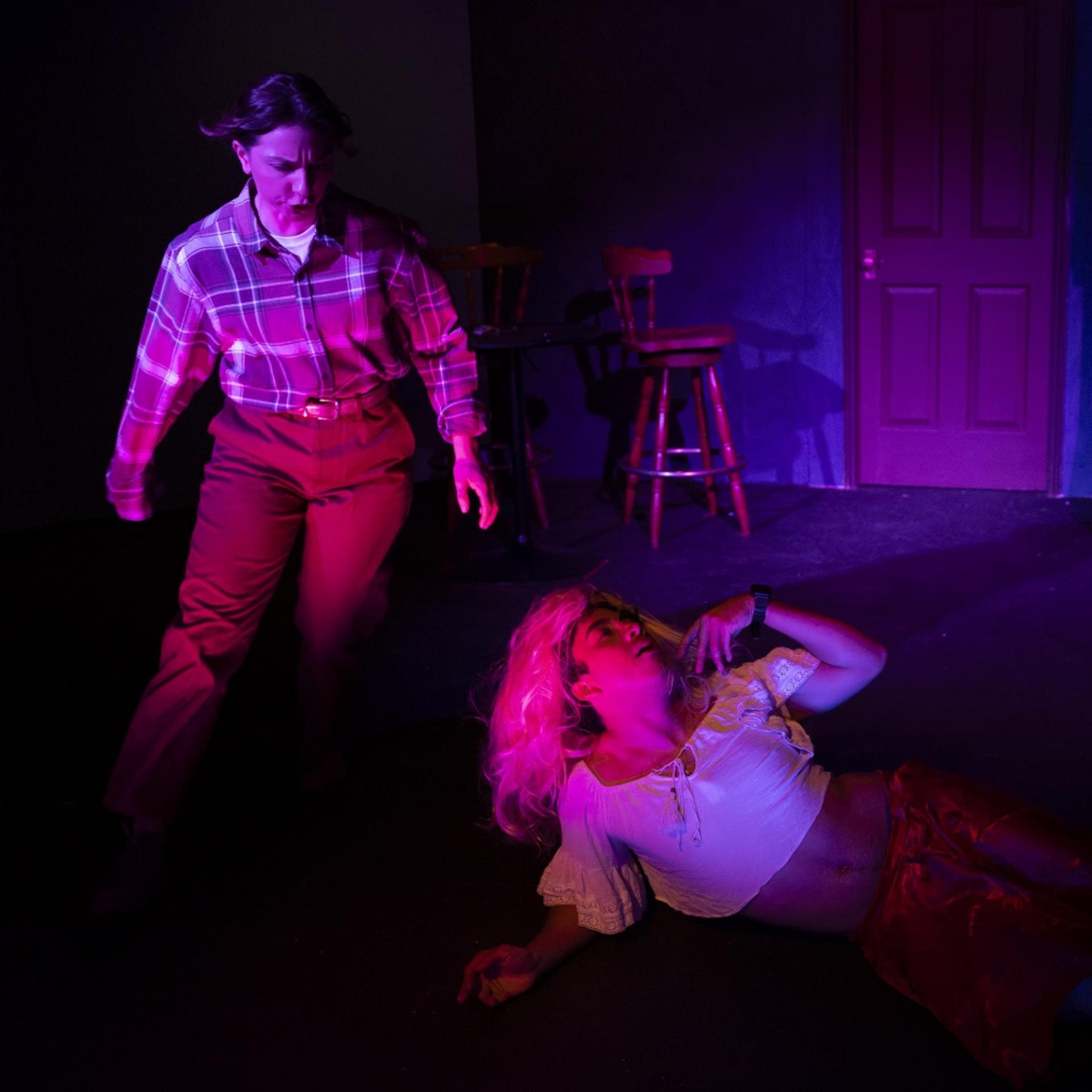
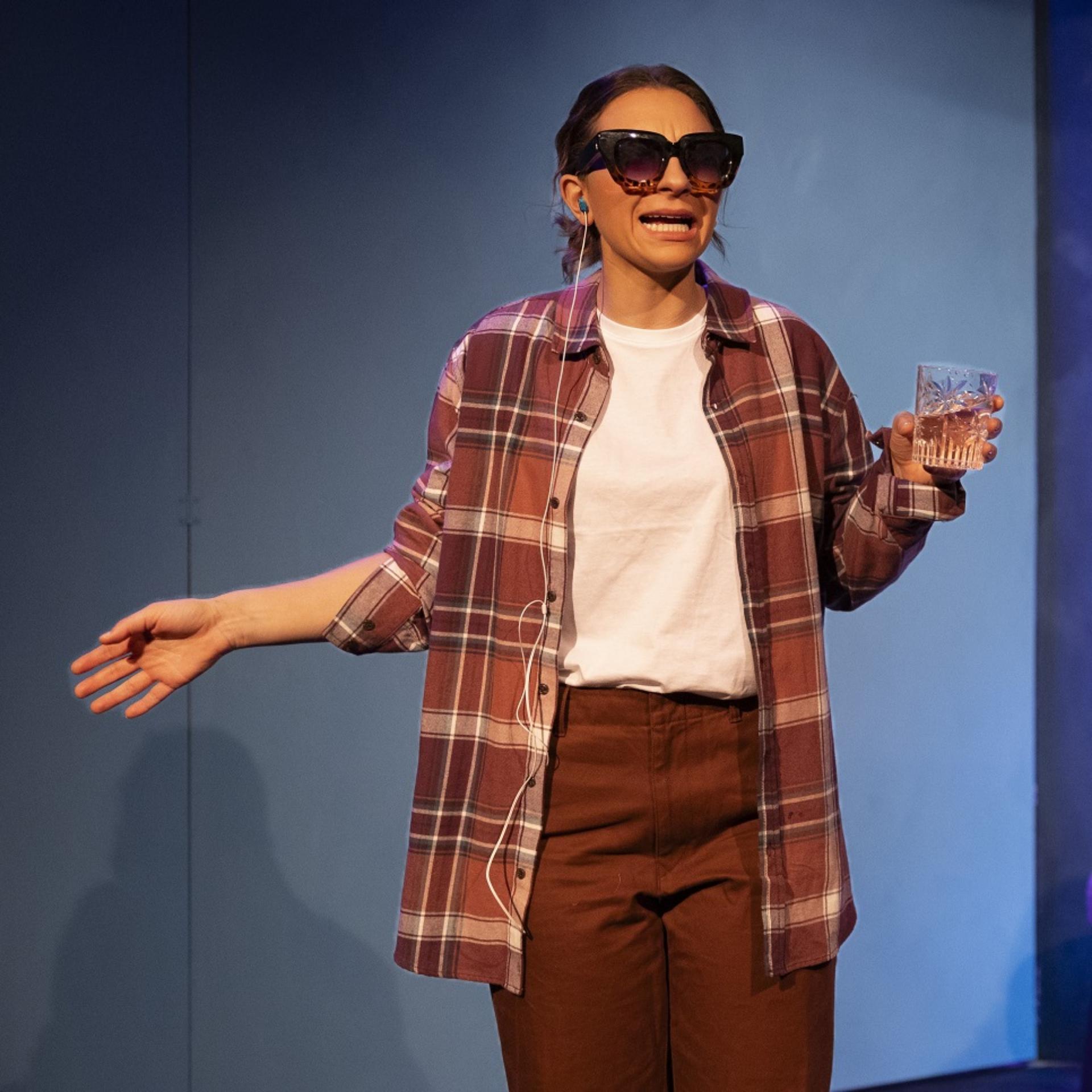
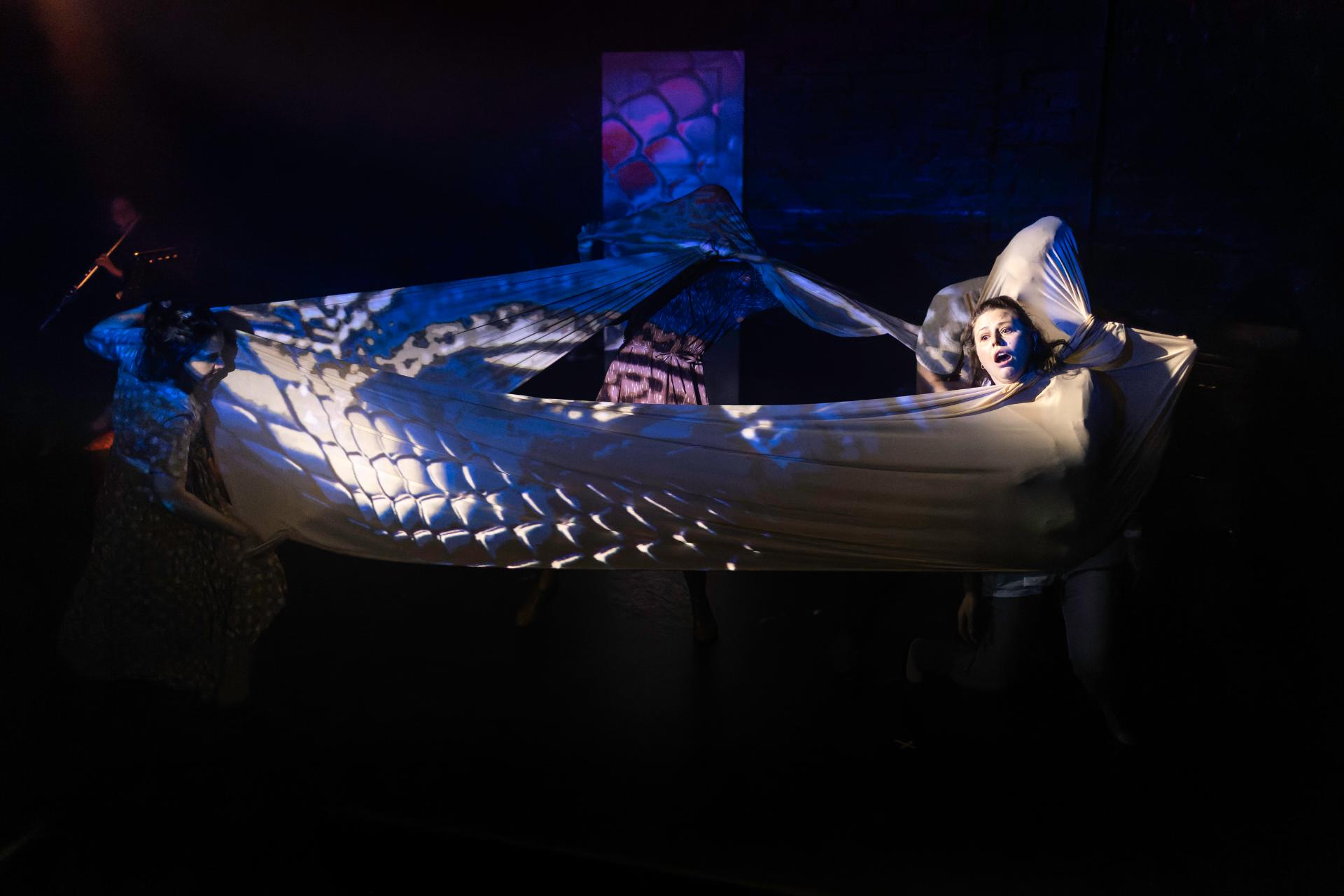
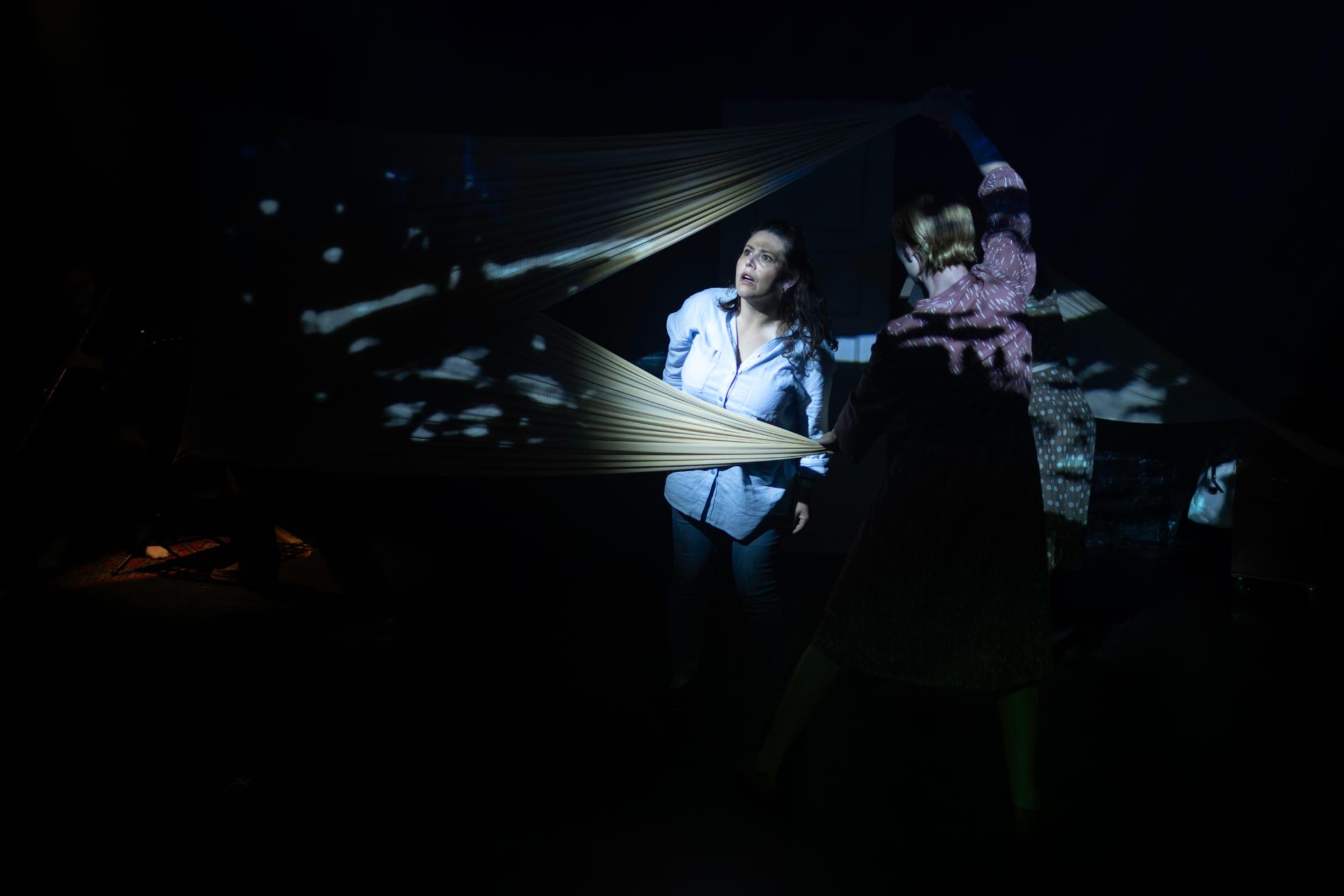
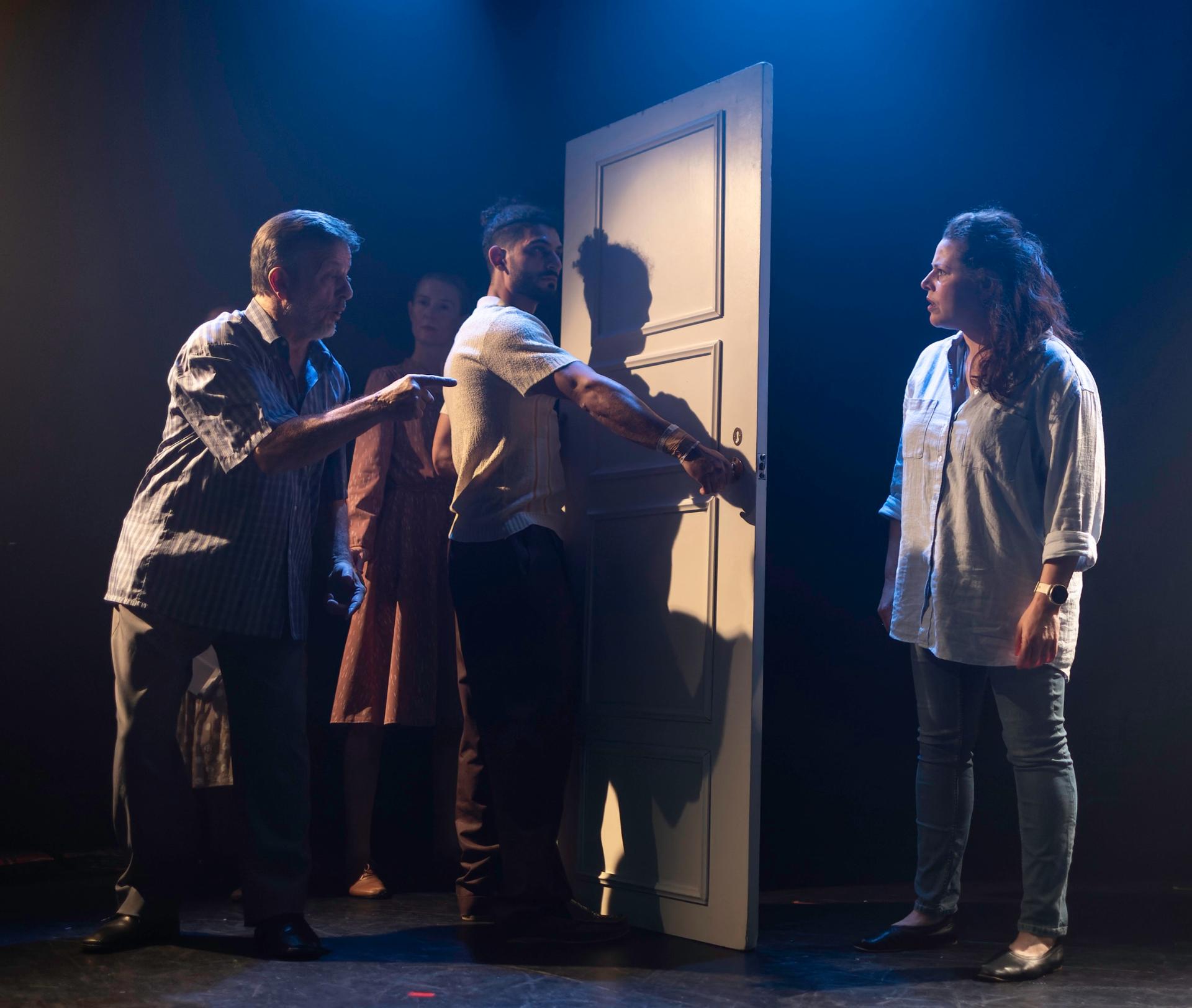
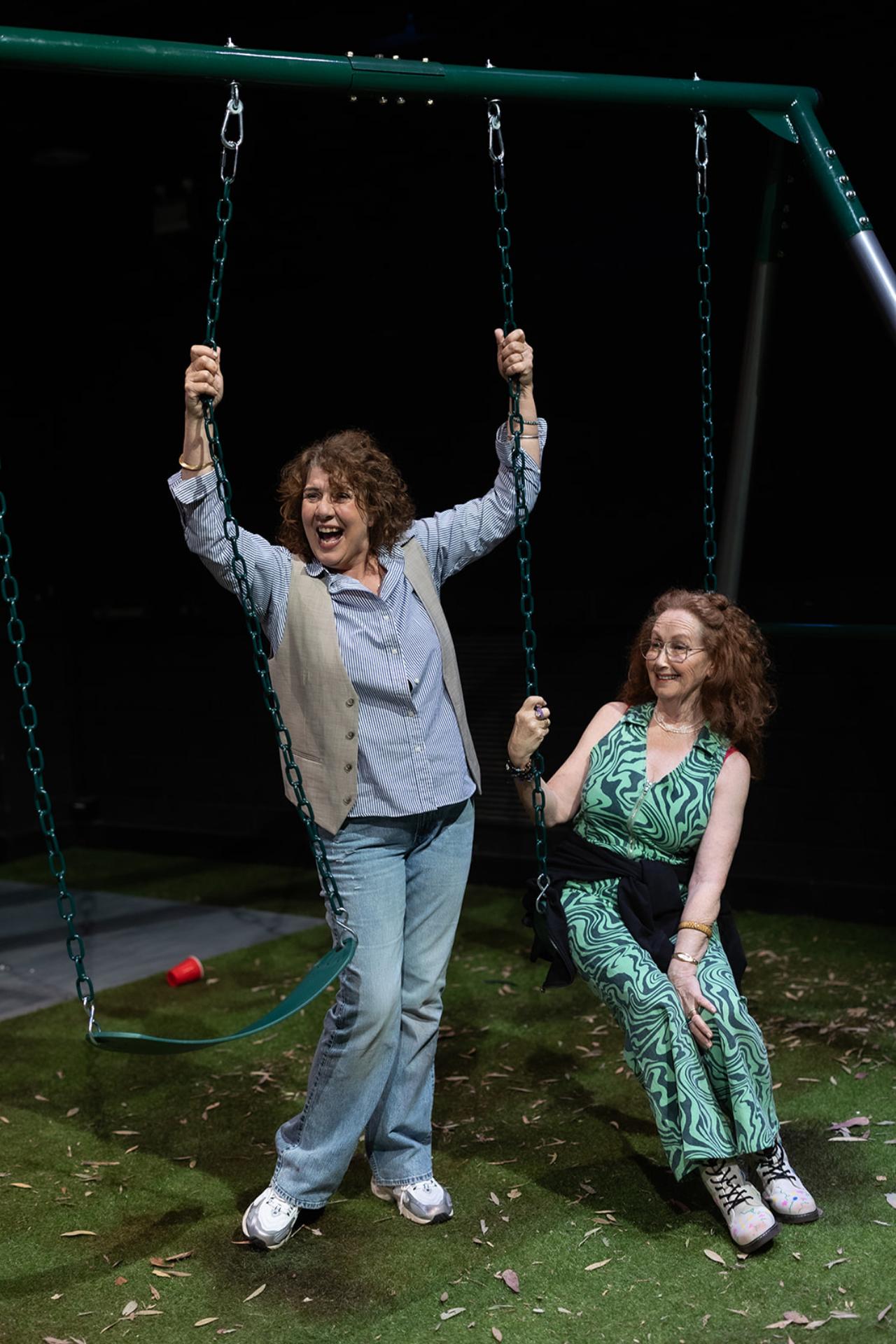
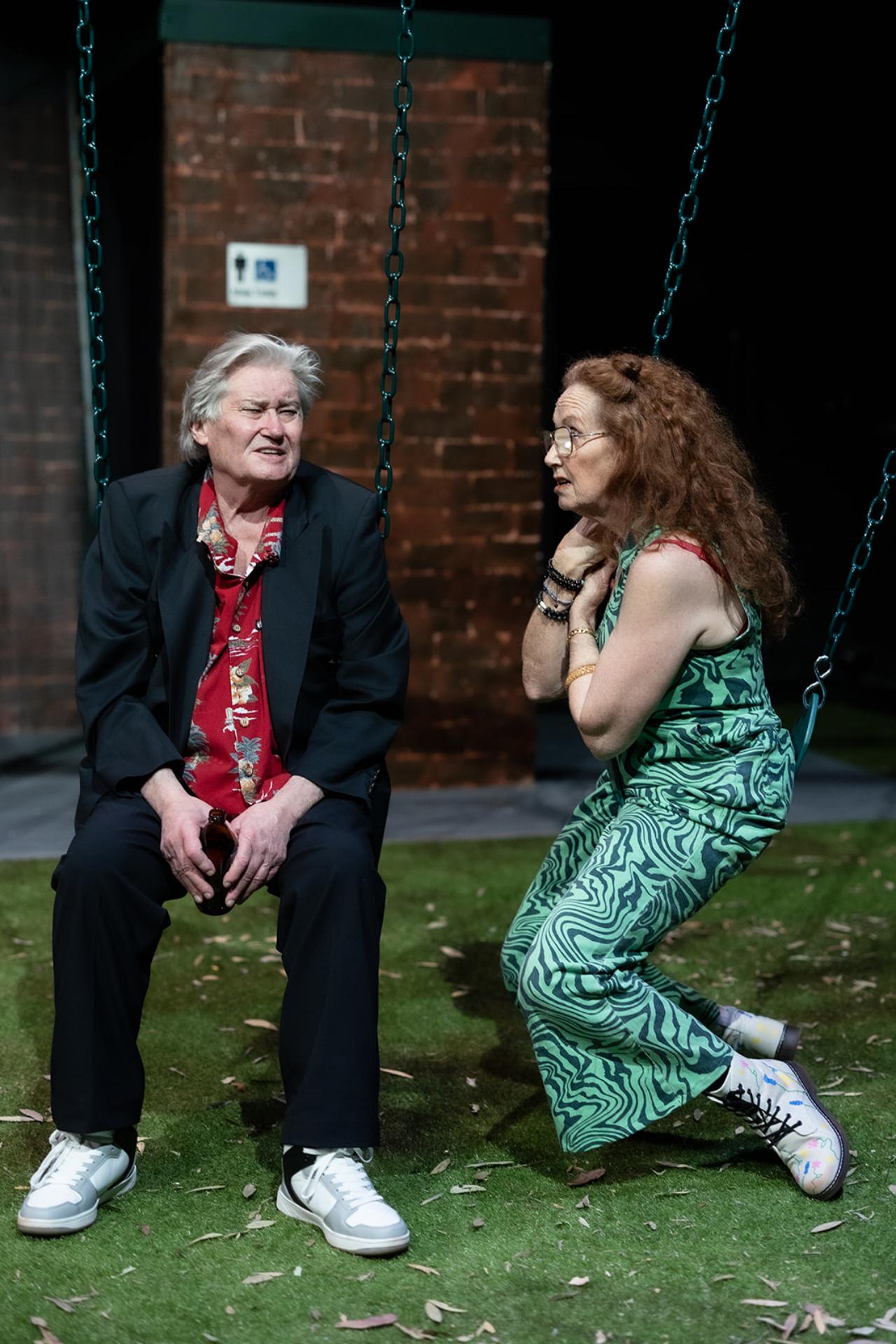
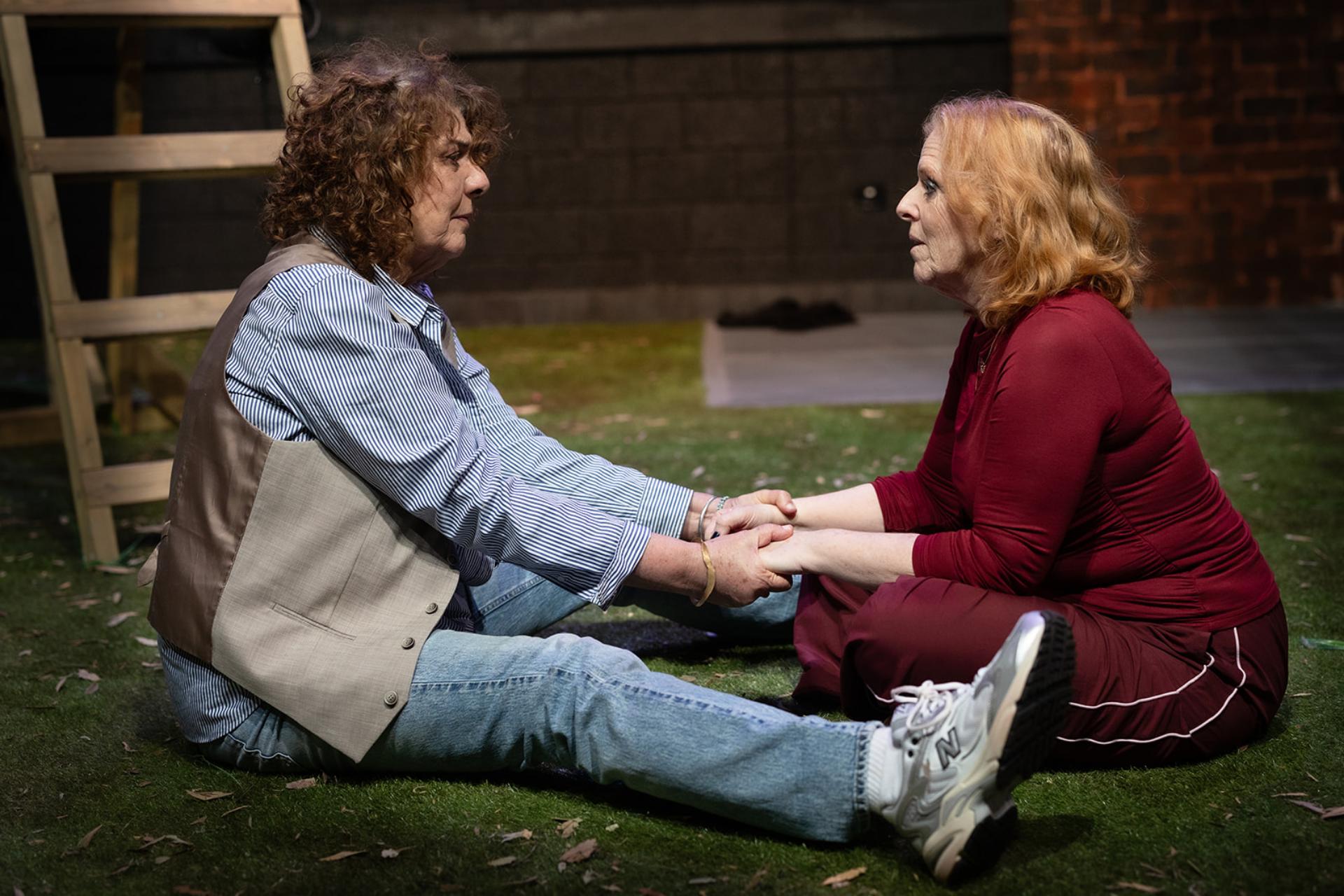
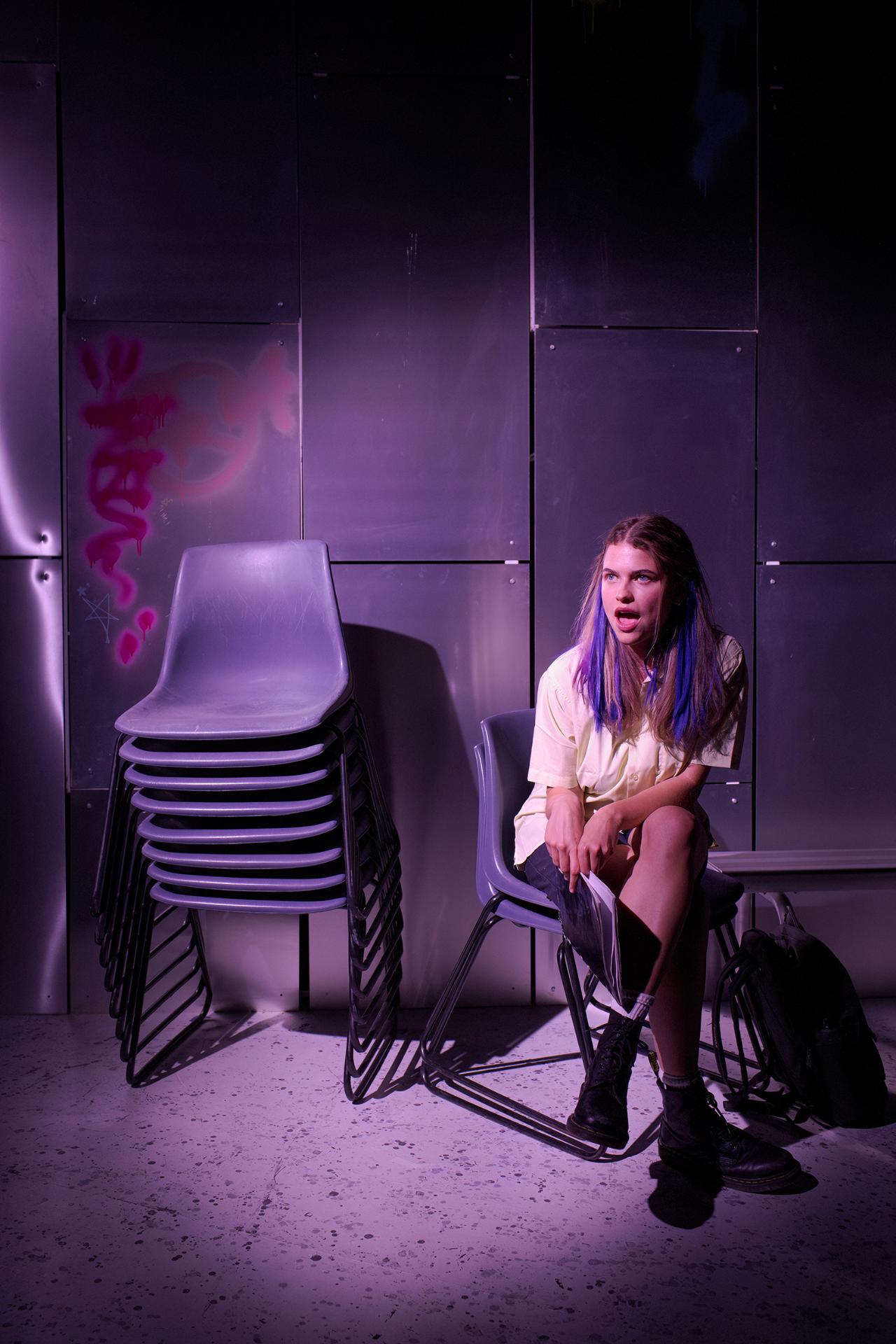
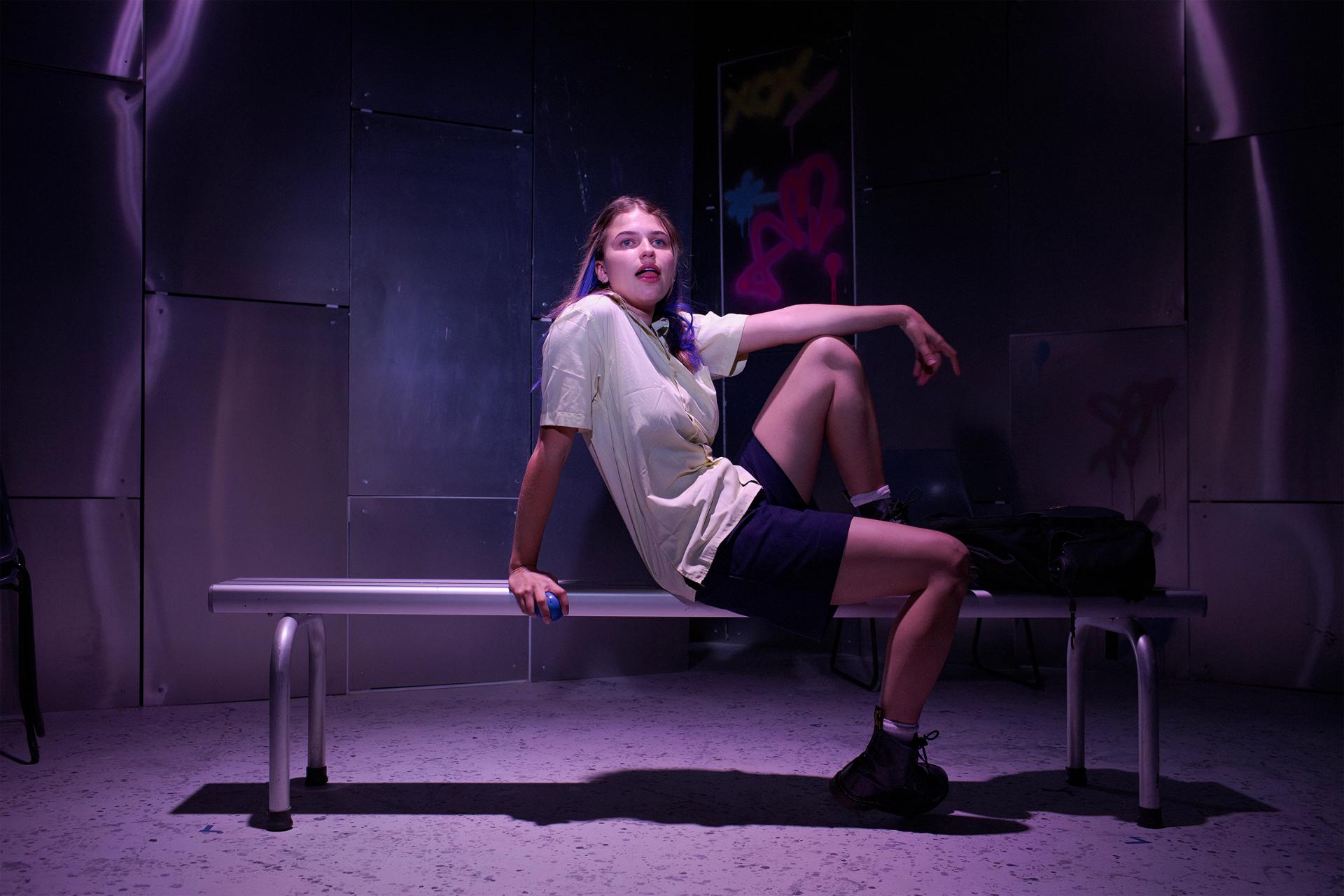
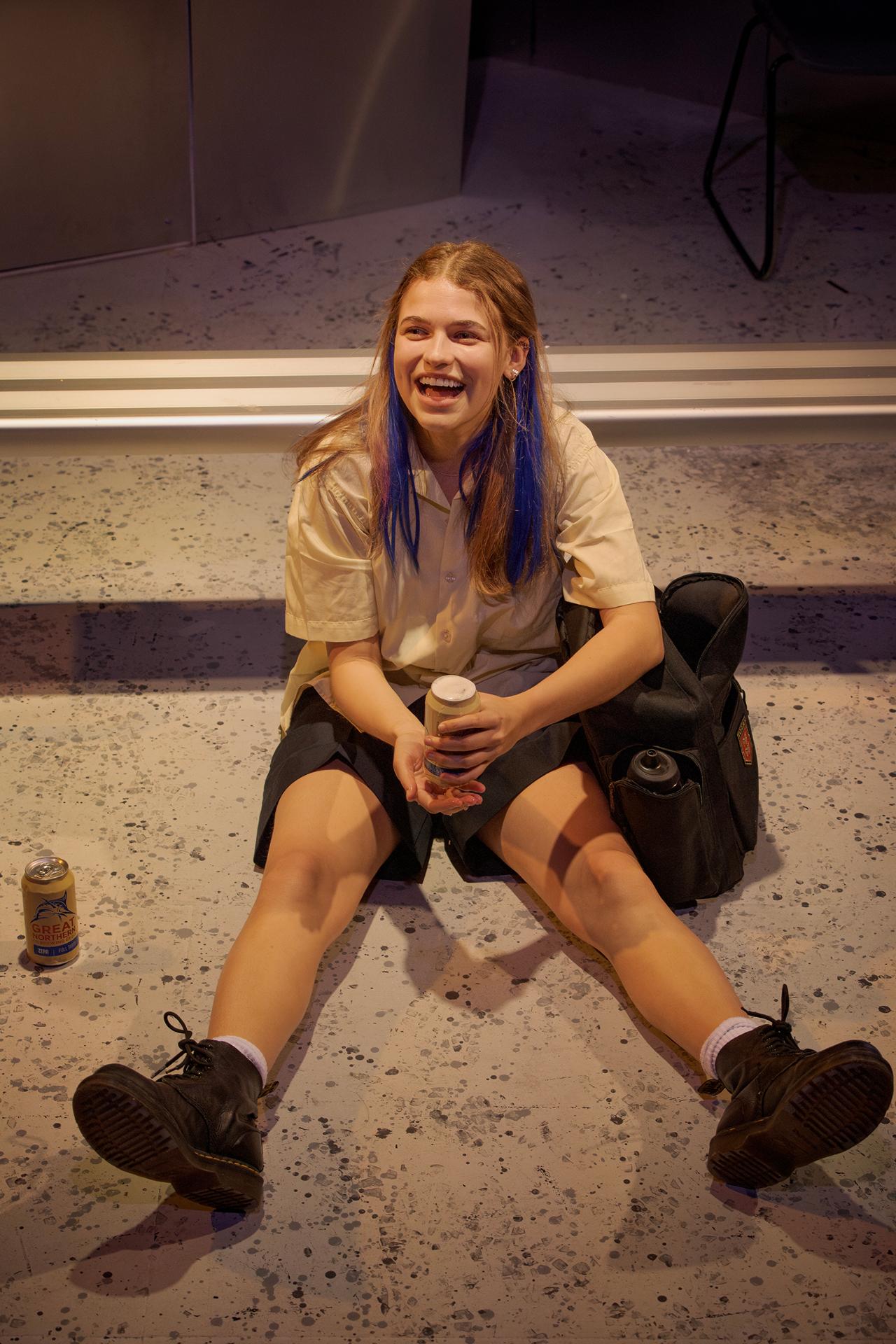
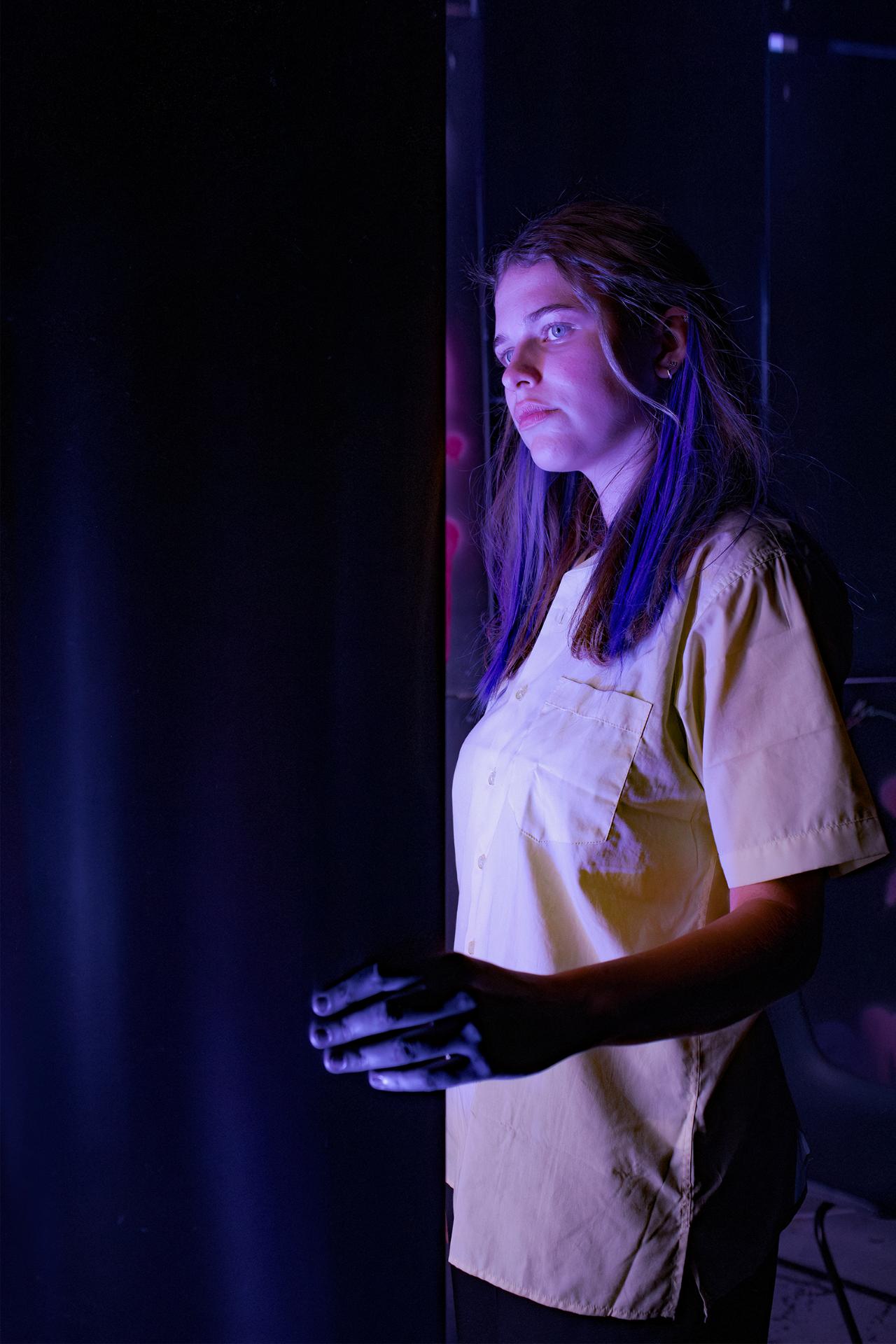
Champions Oct 11 – 26, 2024
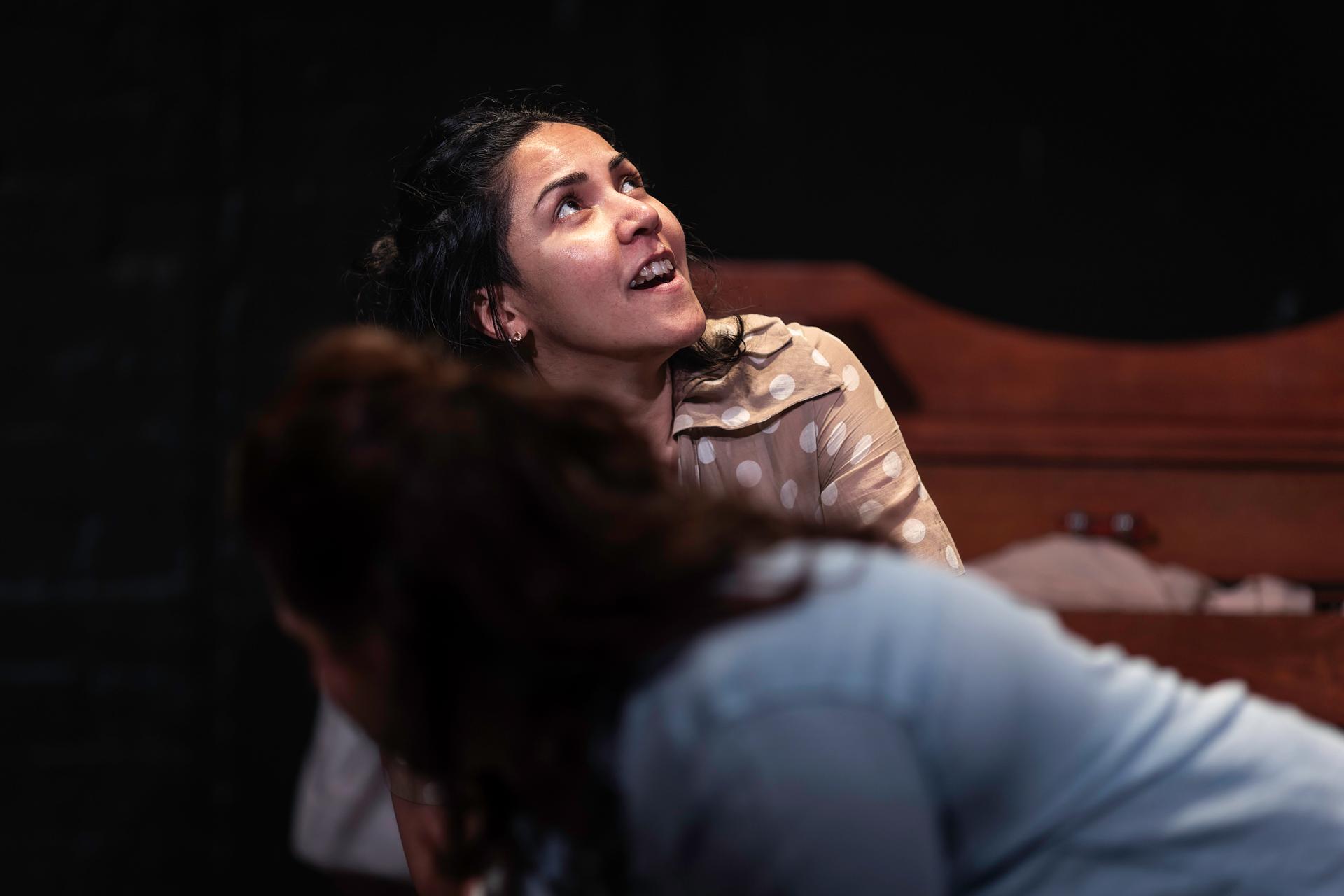
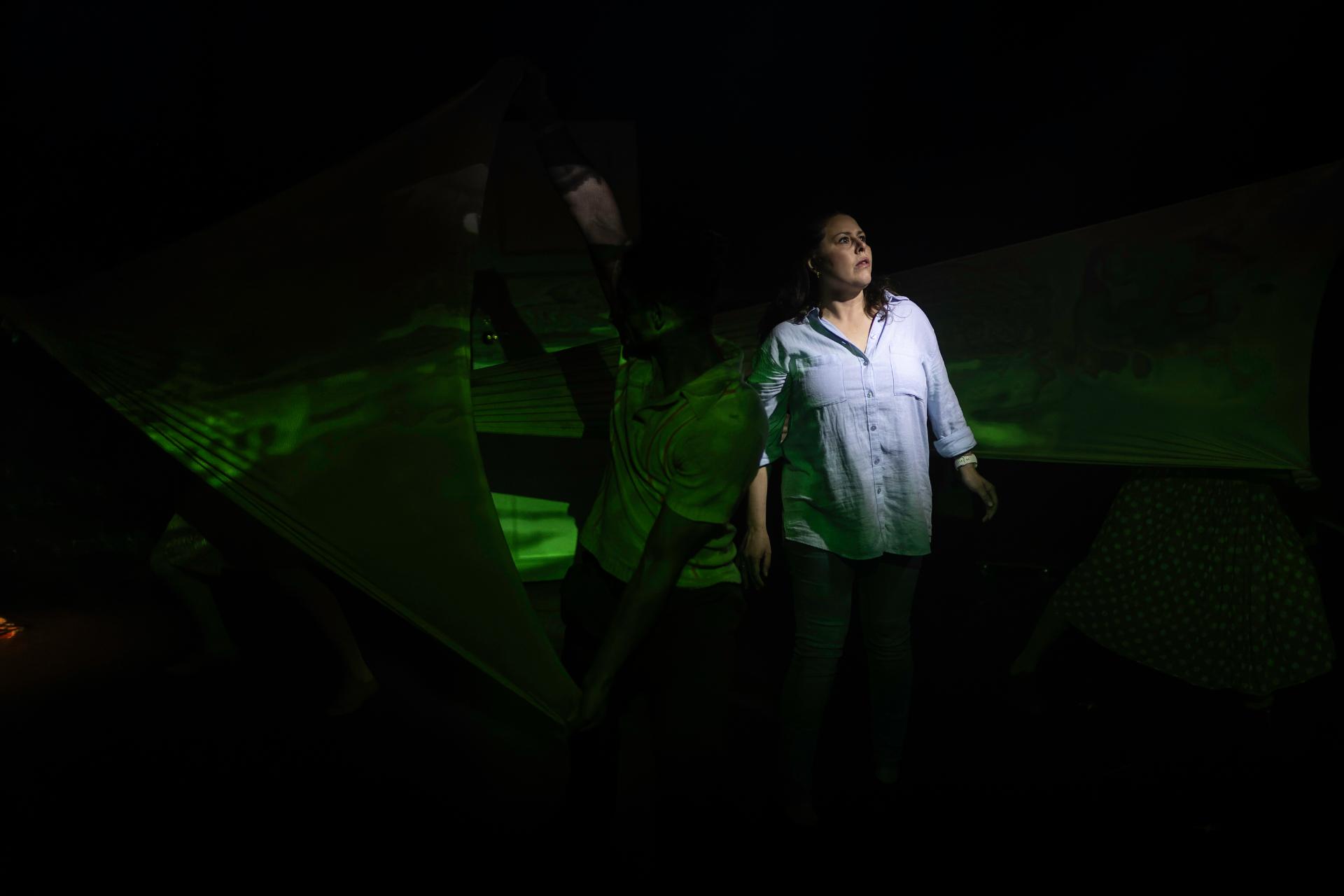
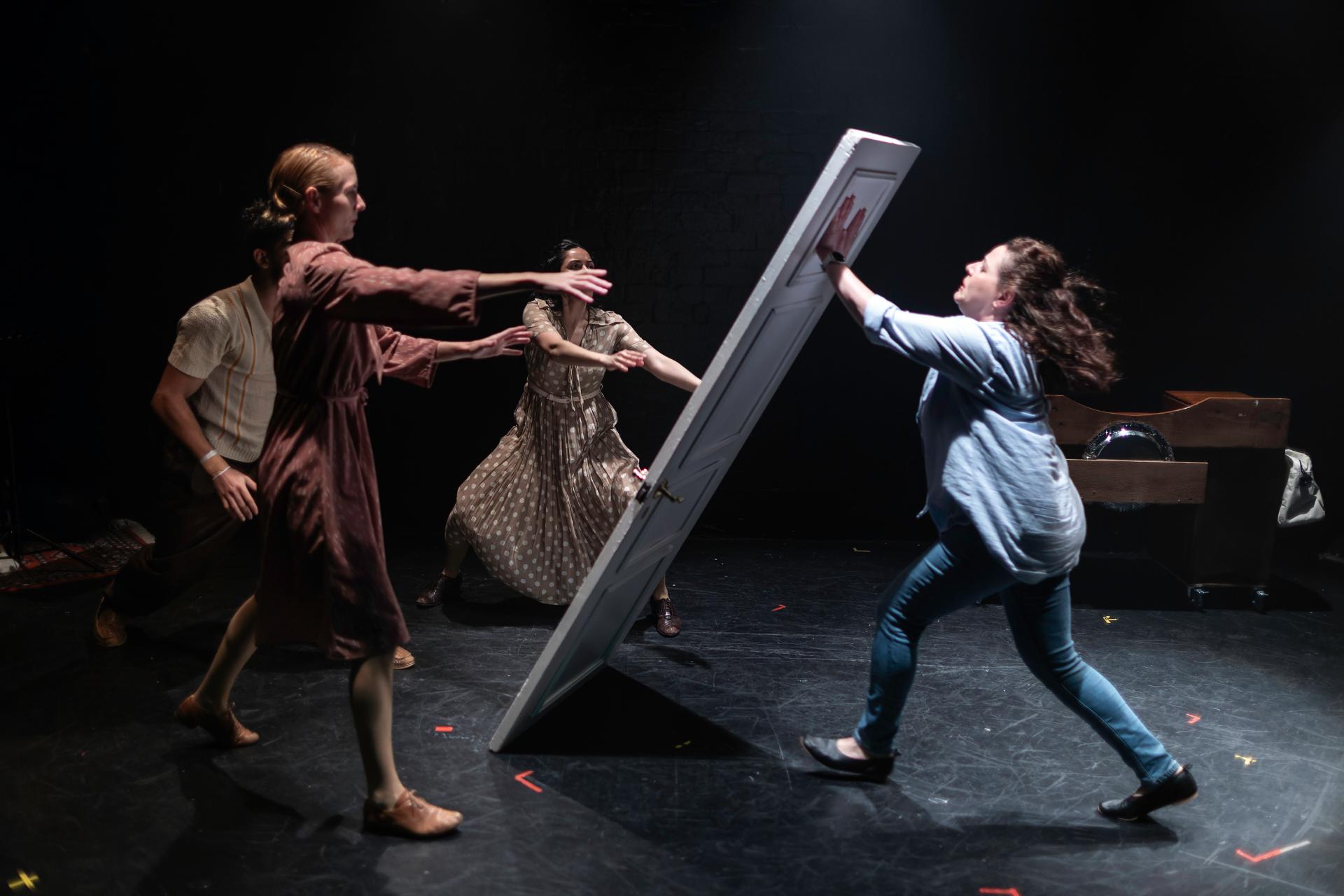
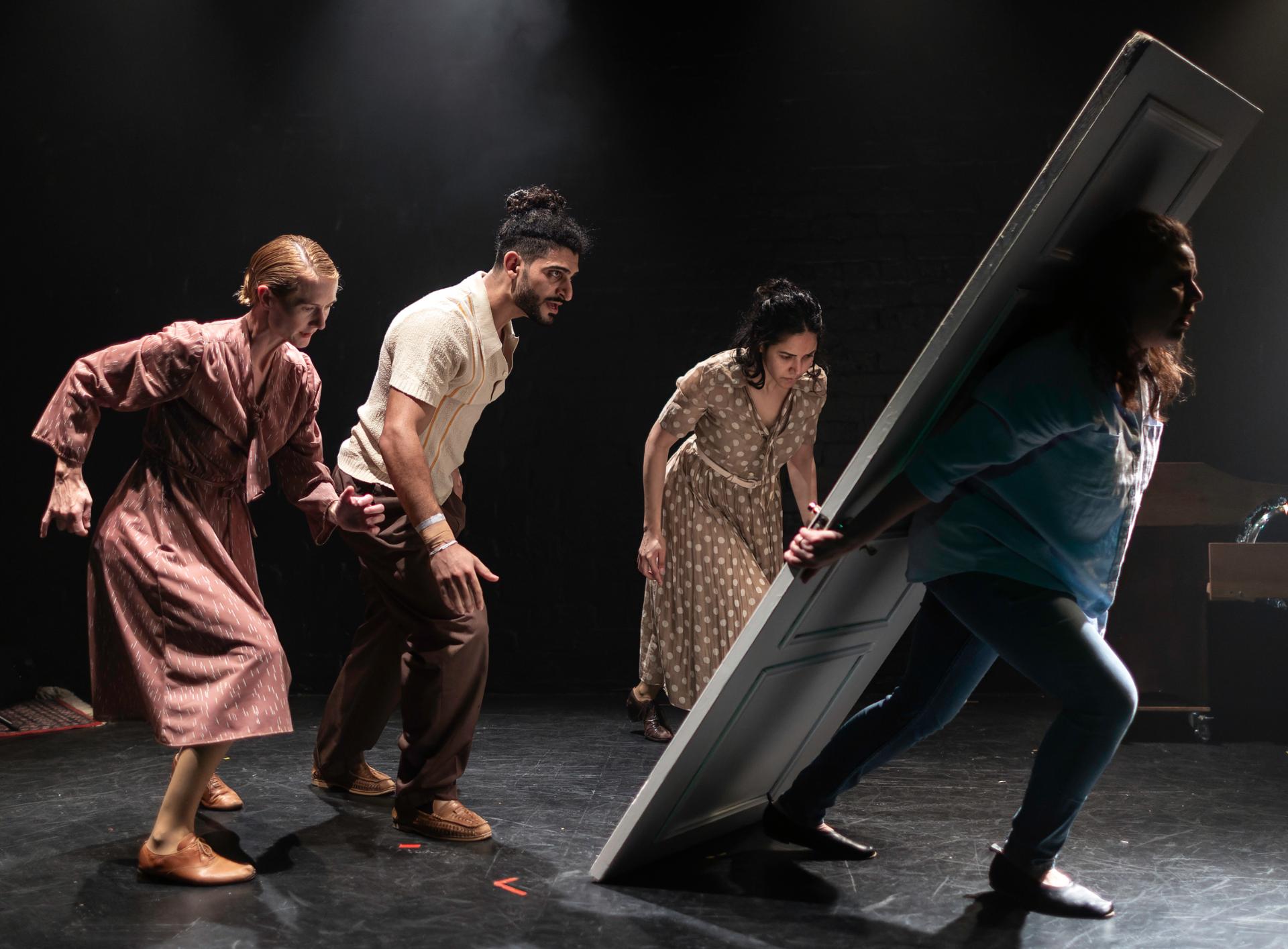
Playwright: Isabella McDermott
Director: Bali Padda
Cast: Cat Dominguez, Talitha Parker, Lincoln Vickery, Bayley Prendegast
Images by Patrick Phillips

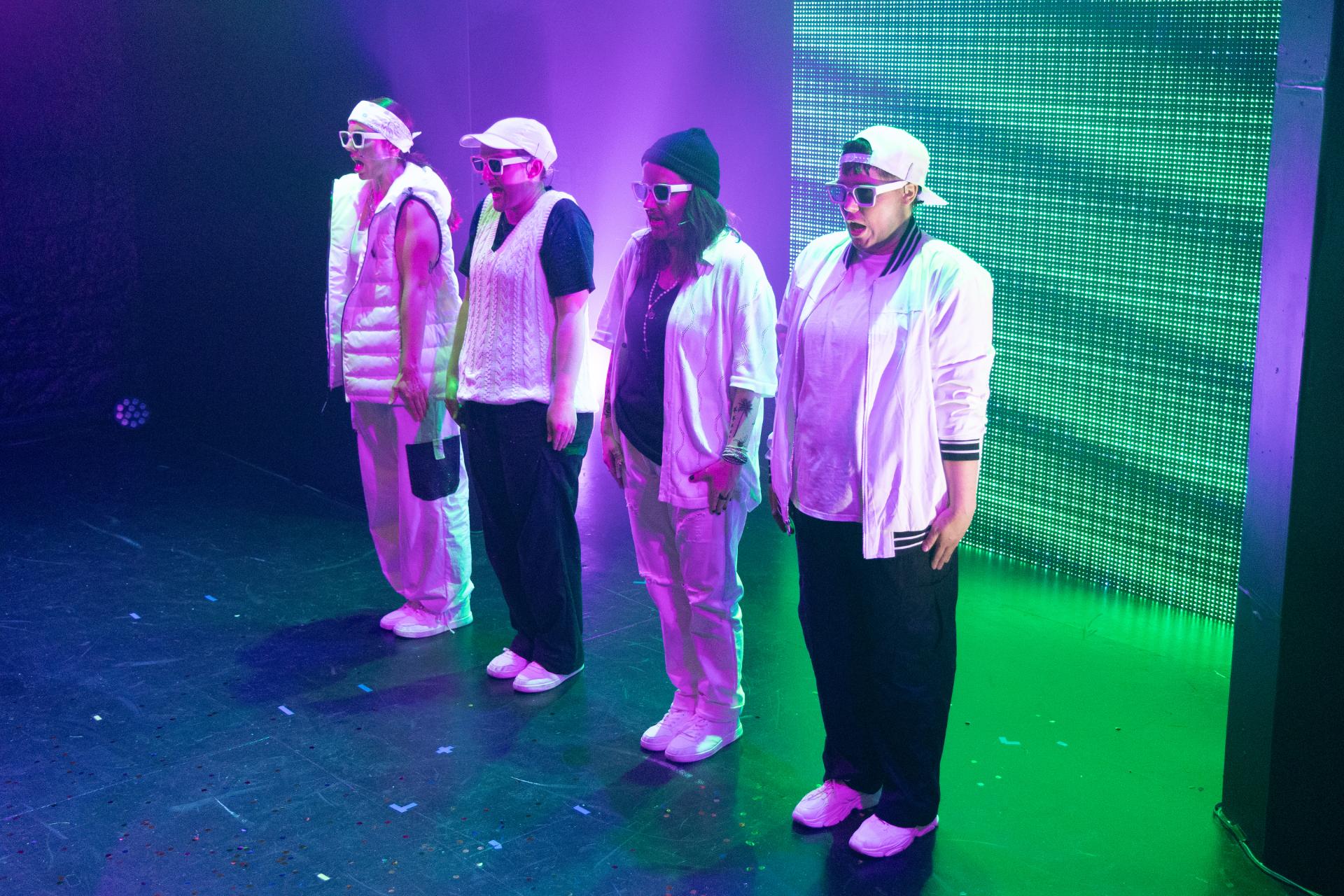
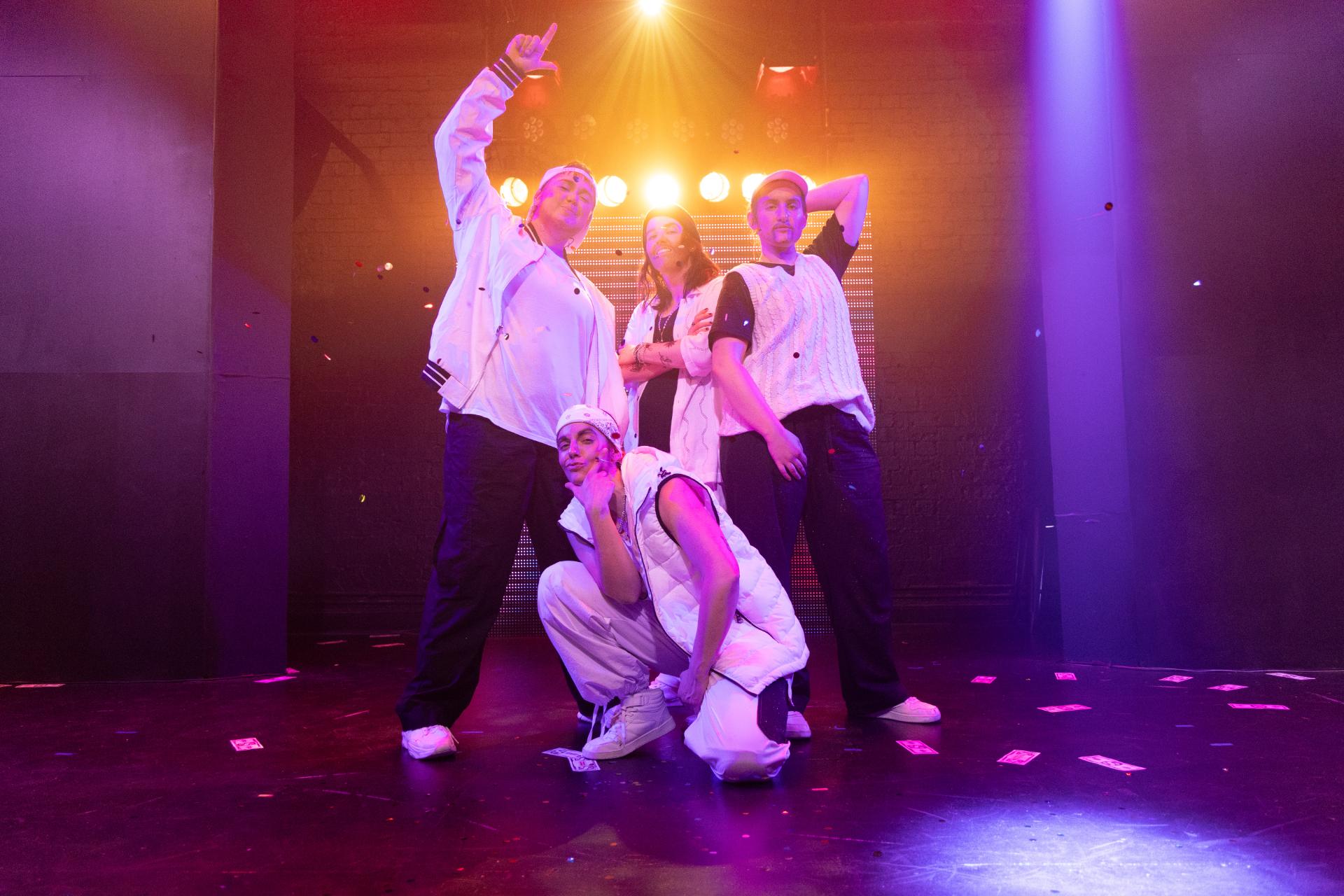
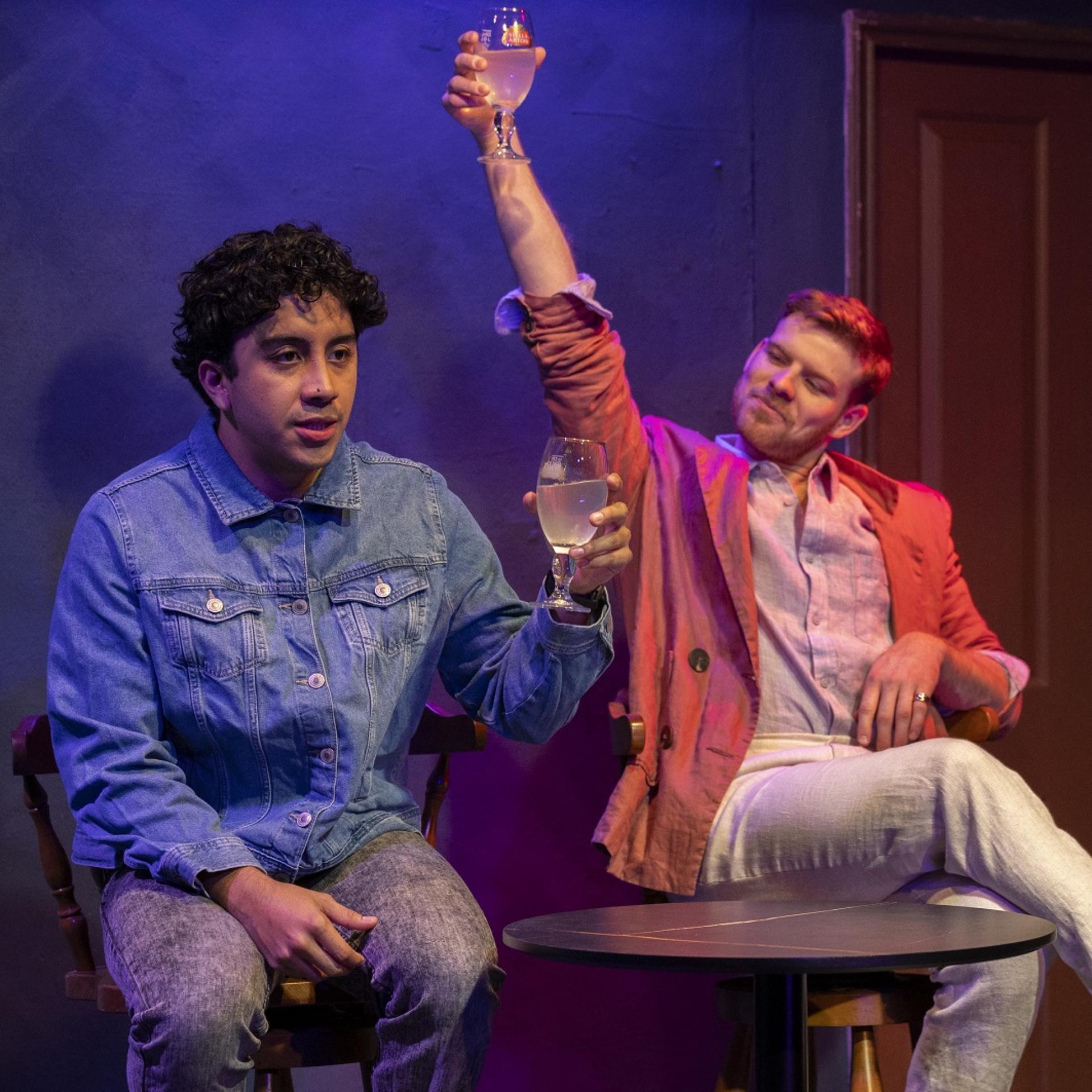
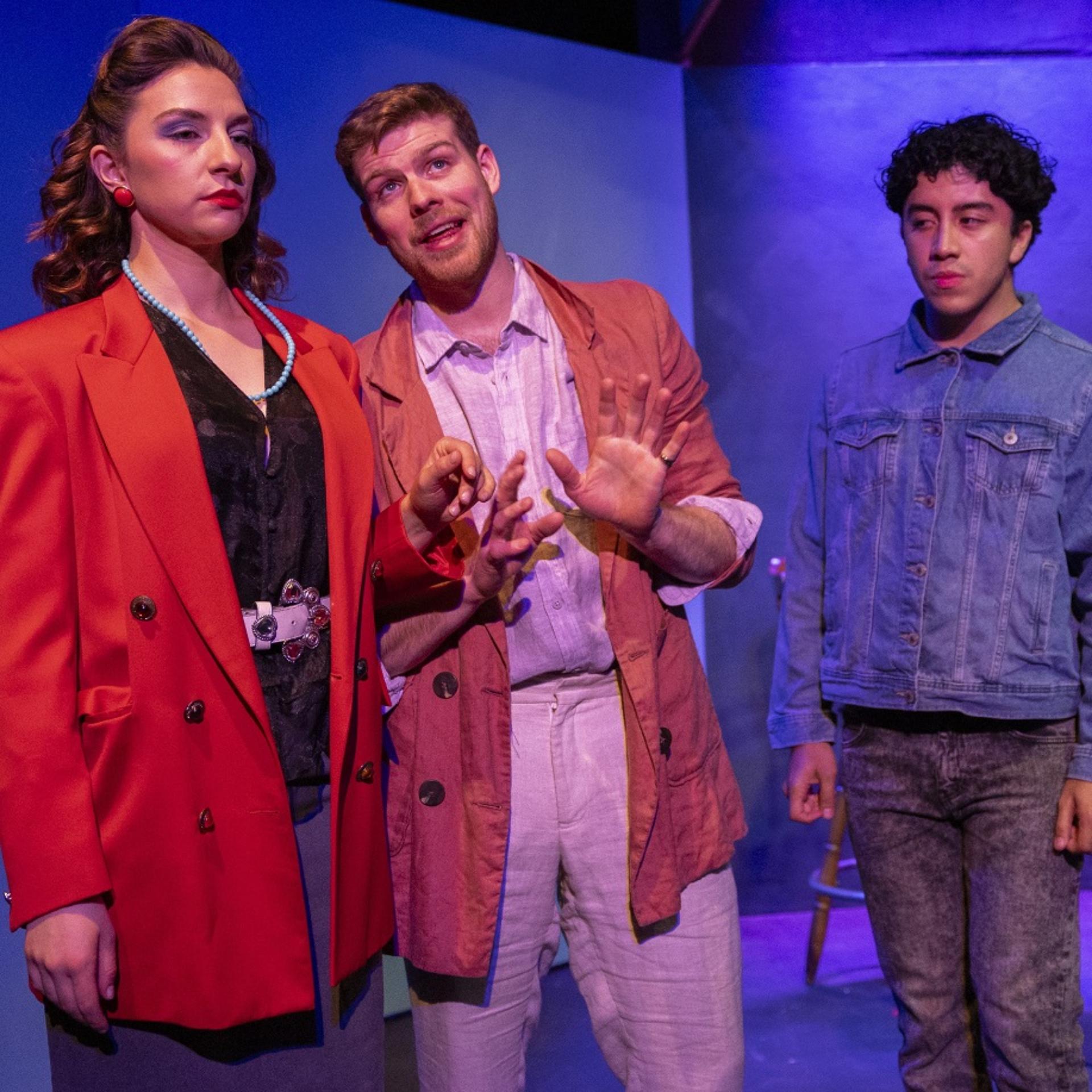
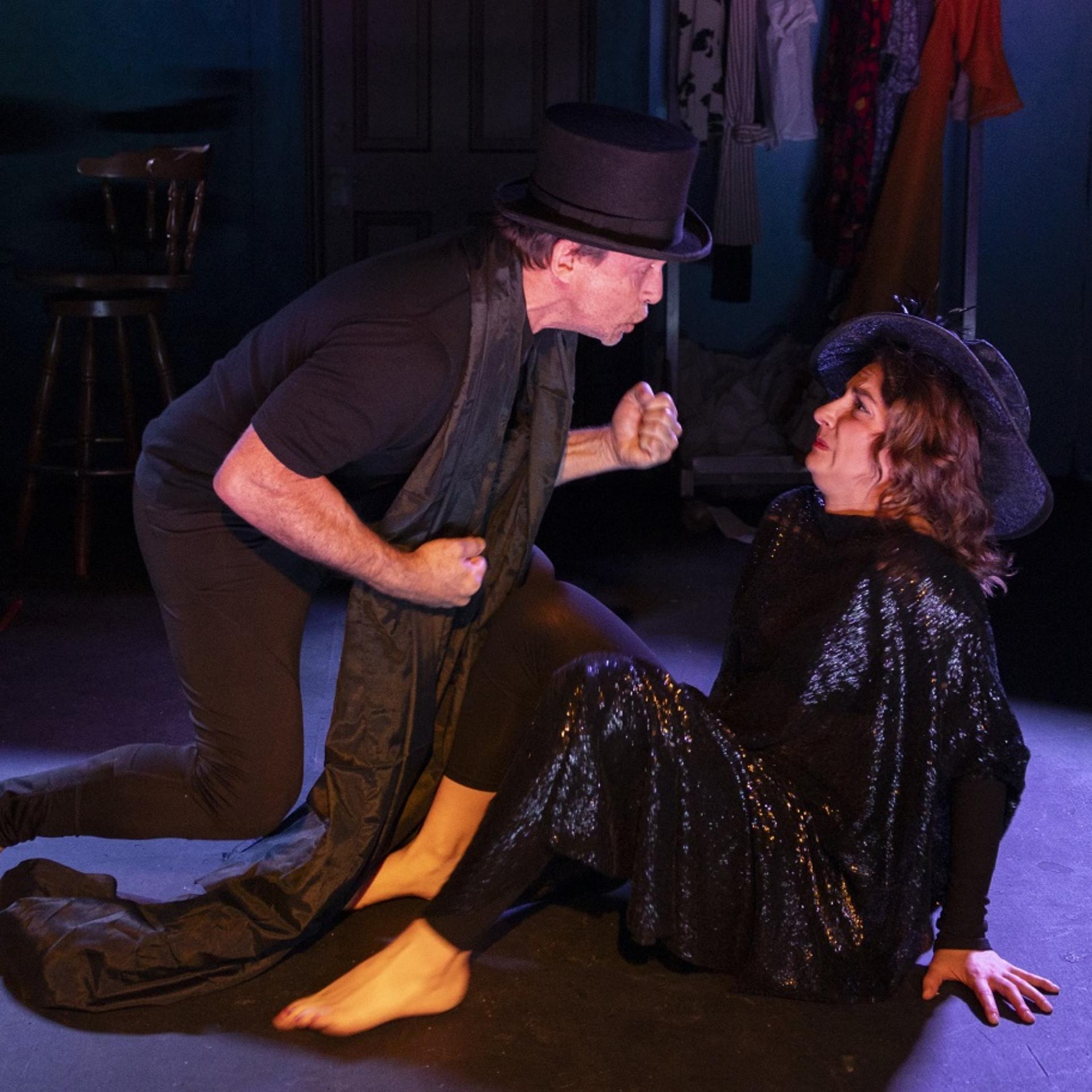
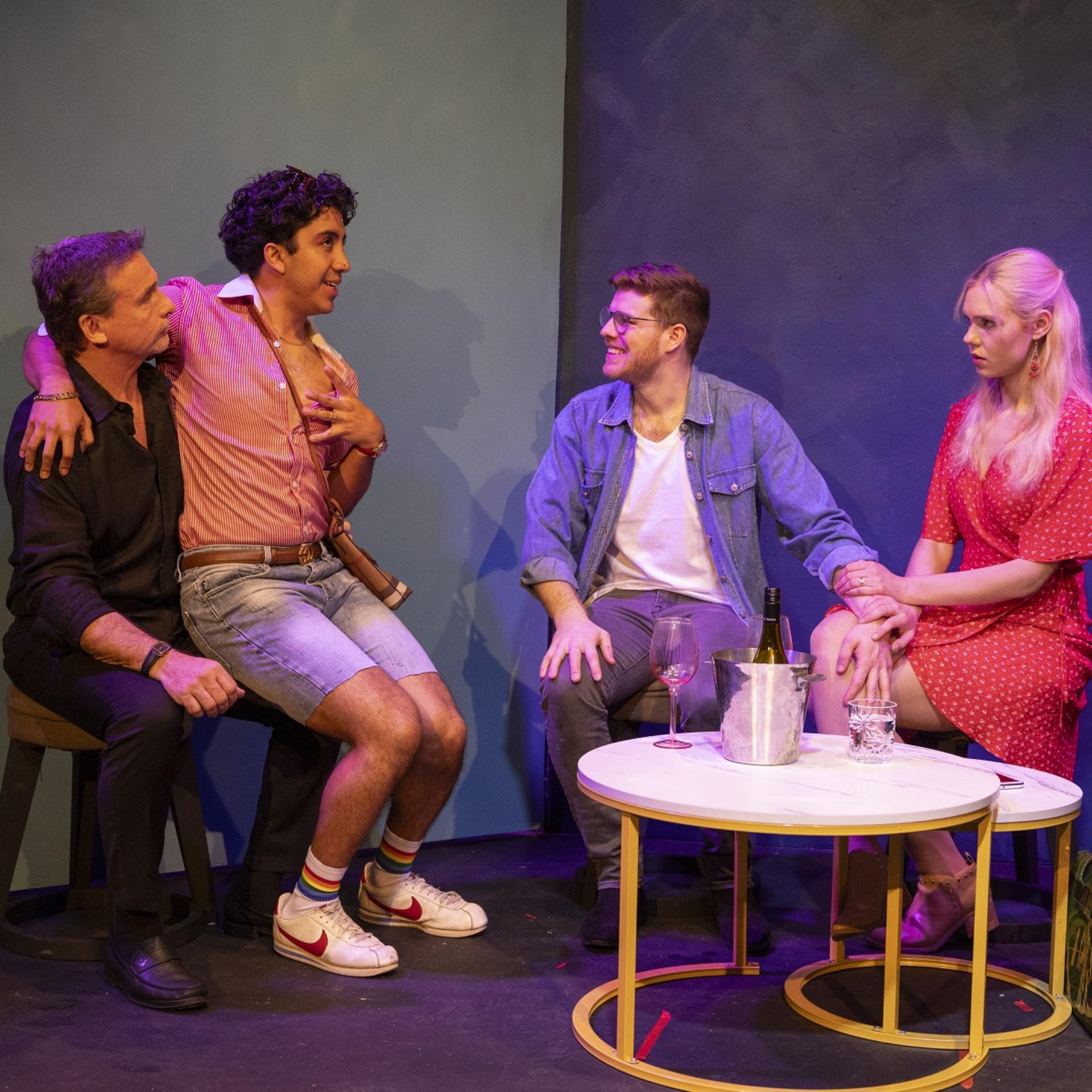
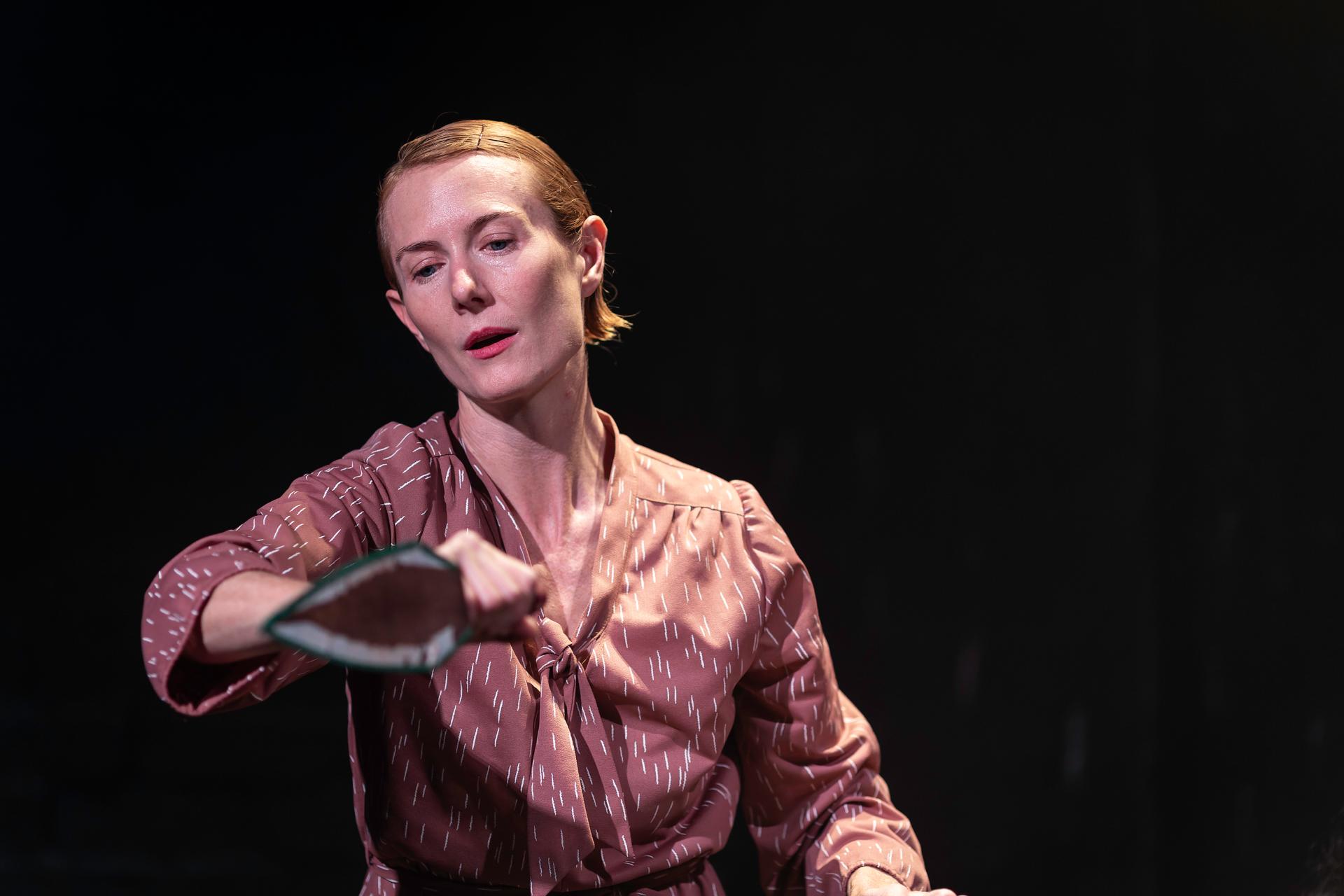
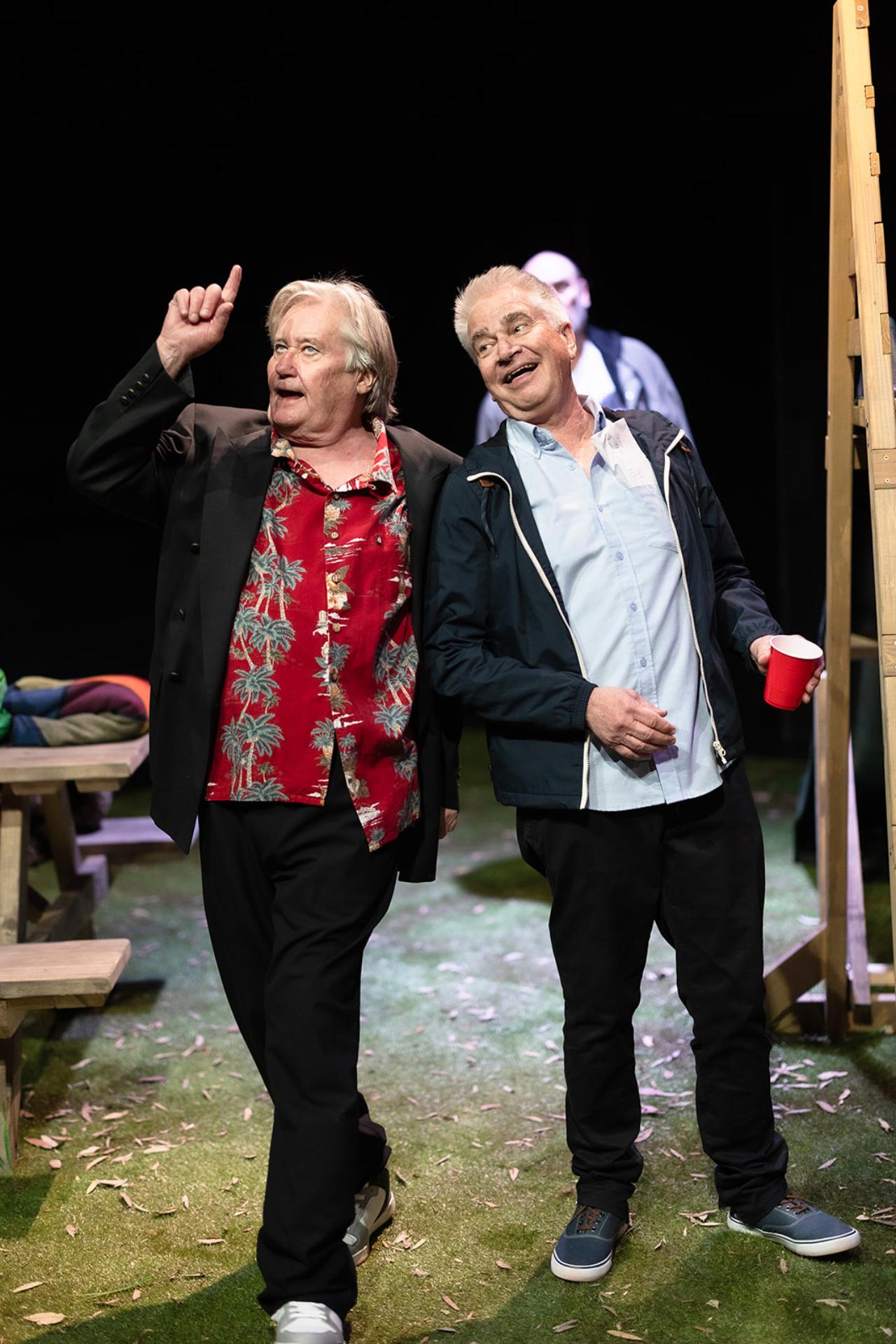
Fuccbois: Live In Concert Oct 11 – 26, 2024
Book, Music and Lyrics: Bridie Connell
Director: Jessica Fallico
Cast: Gabbi Bolt, Bridie Connell, Orya Golgowsky, Clara Harrison, Megan Walshe 
Images by Leanne Ansell

Theatre review
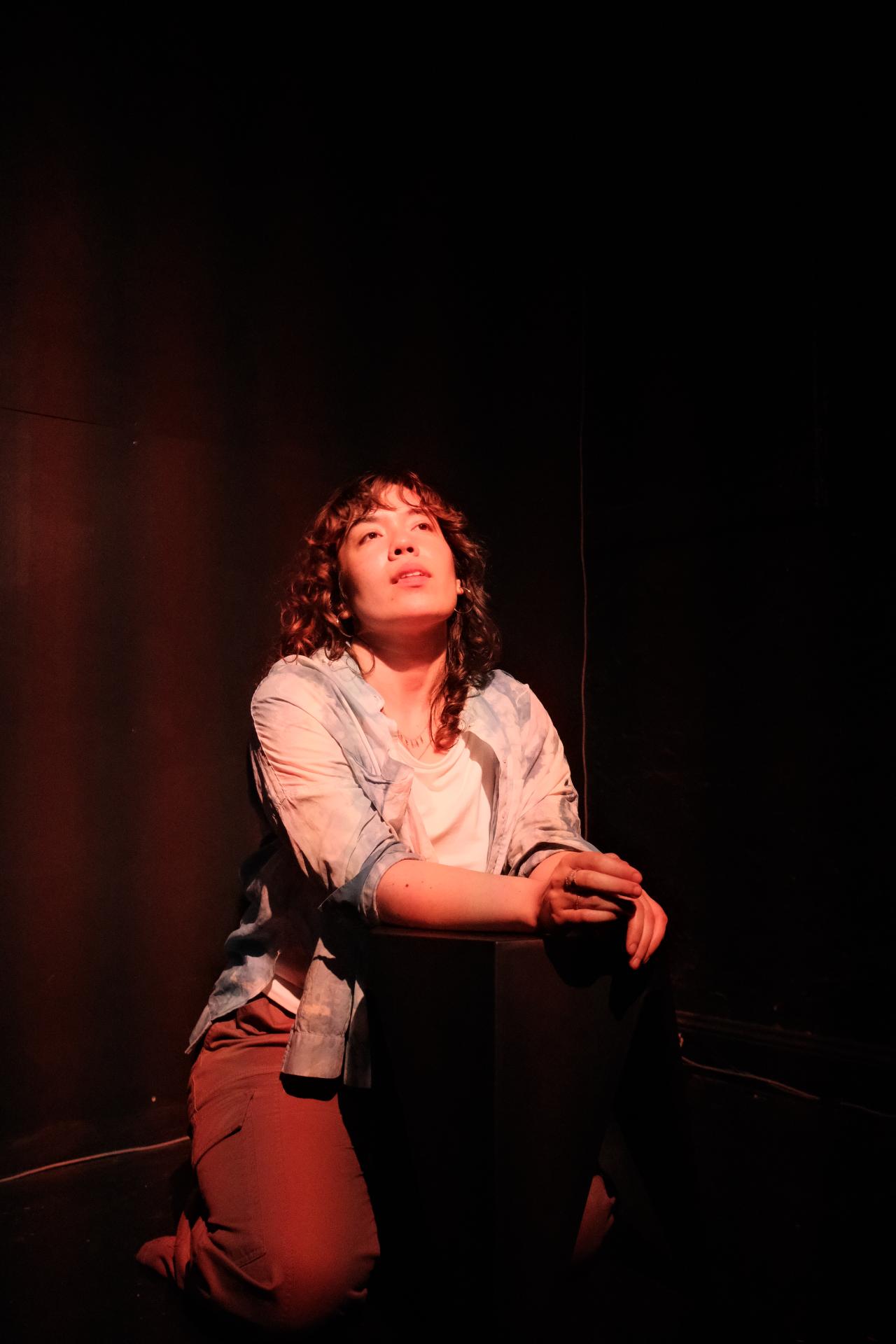
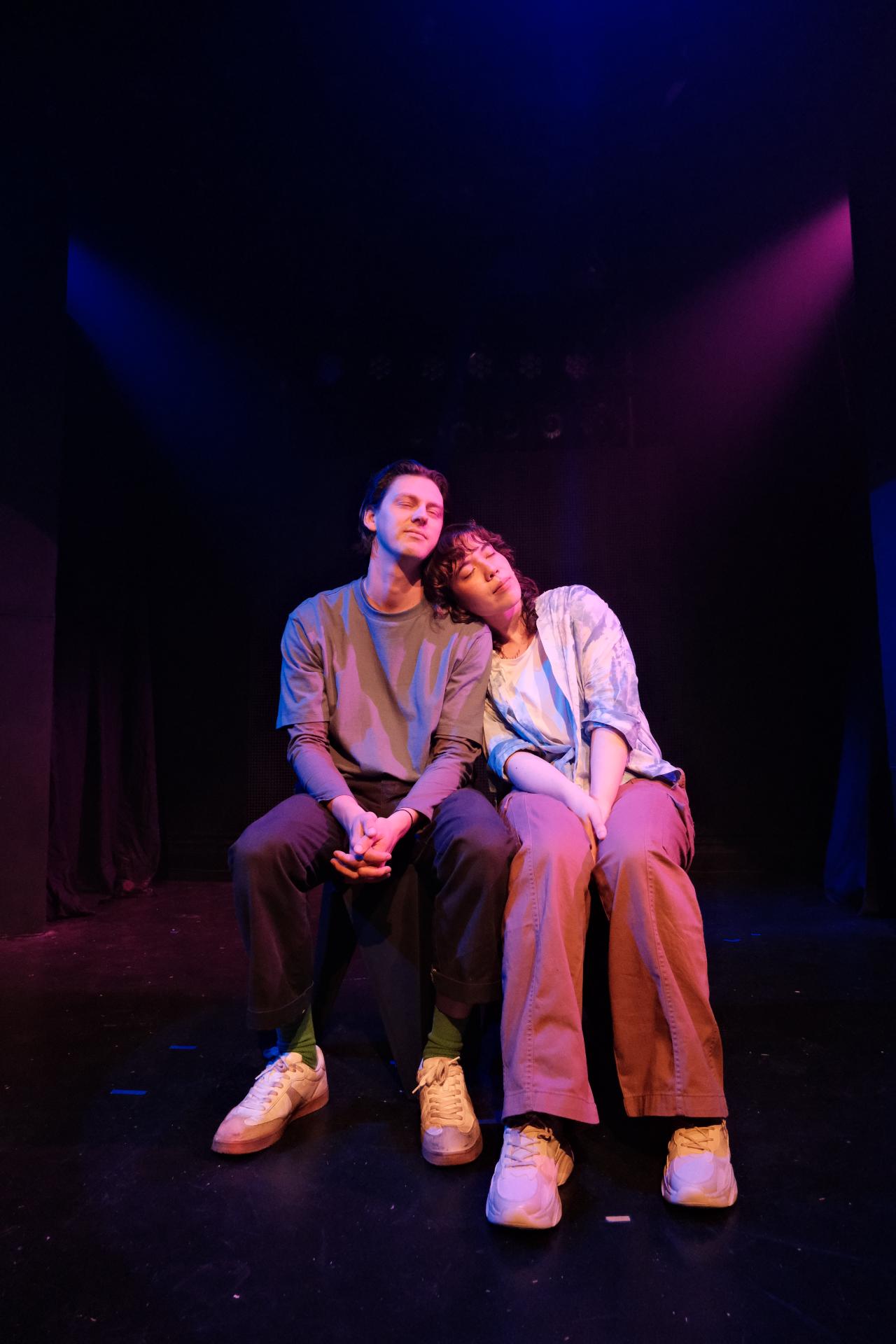
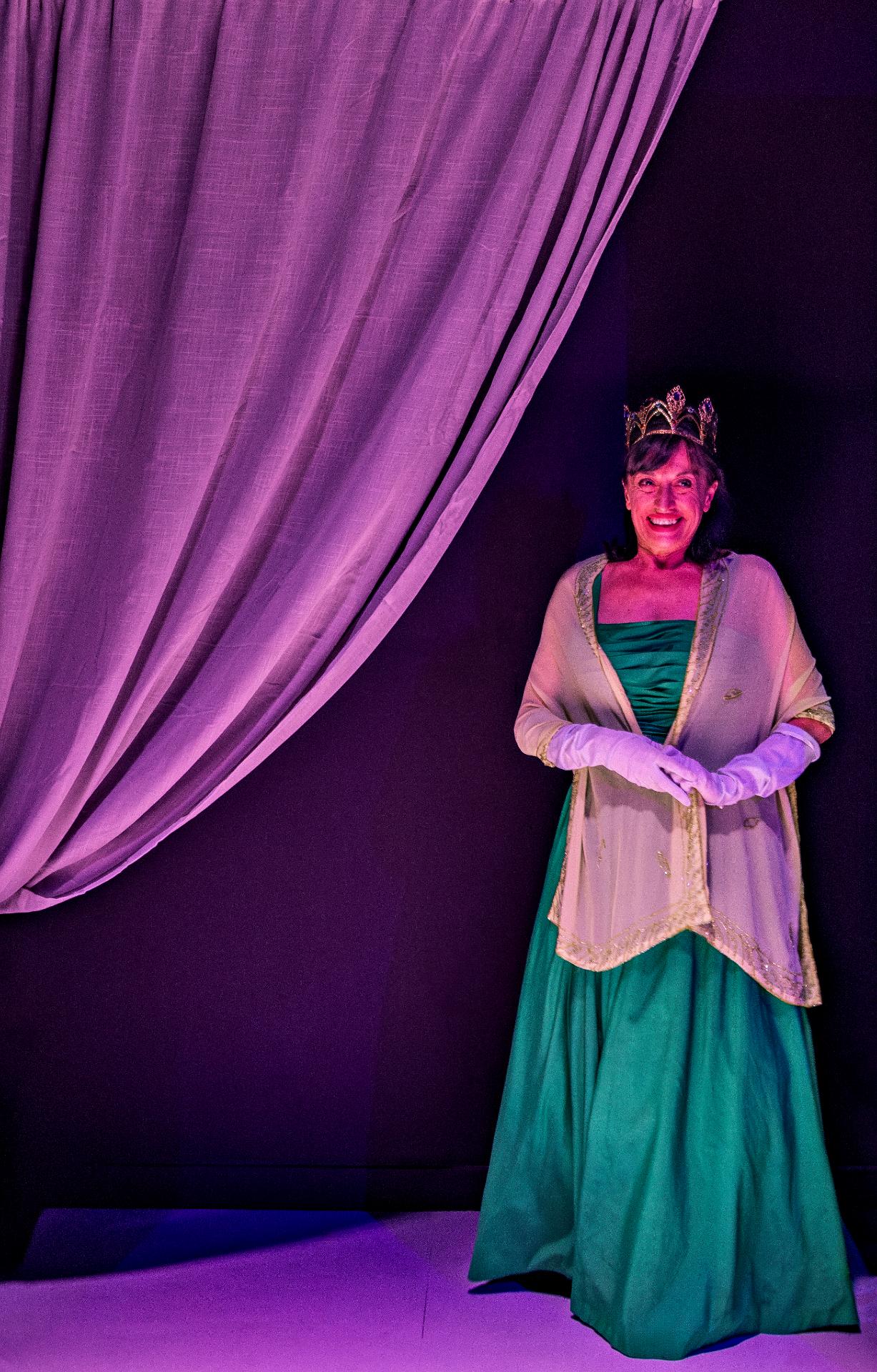
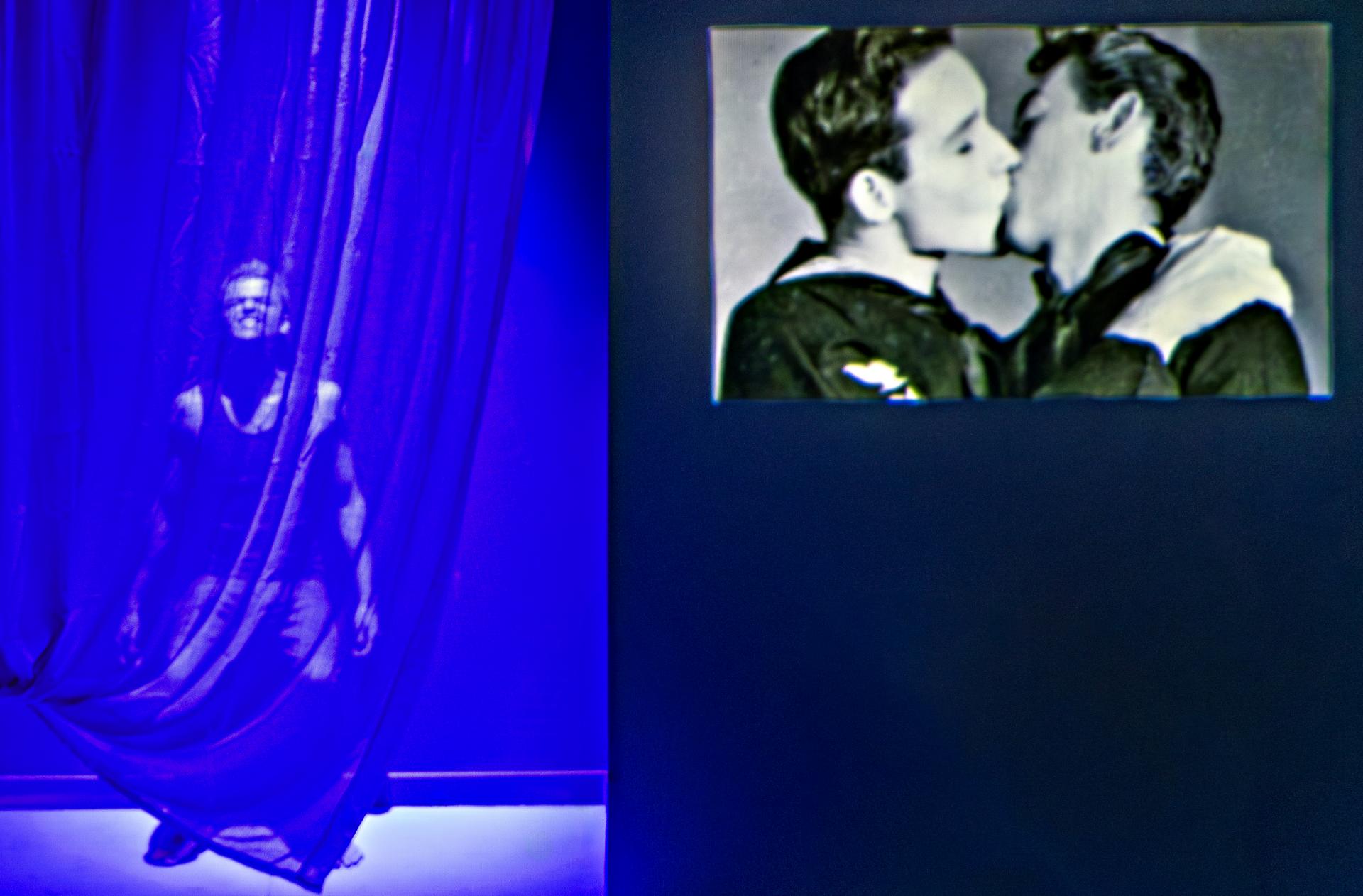
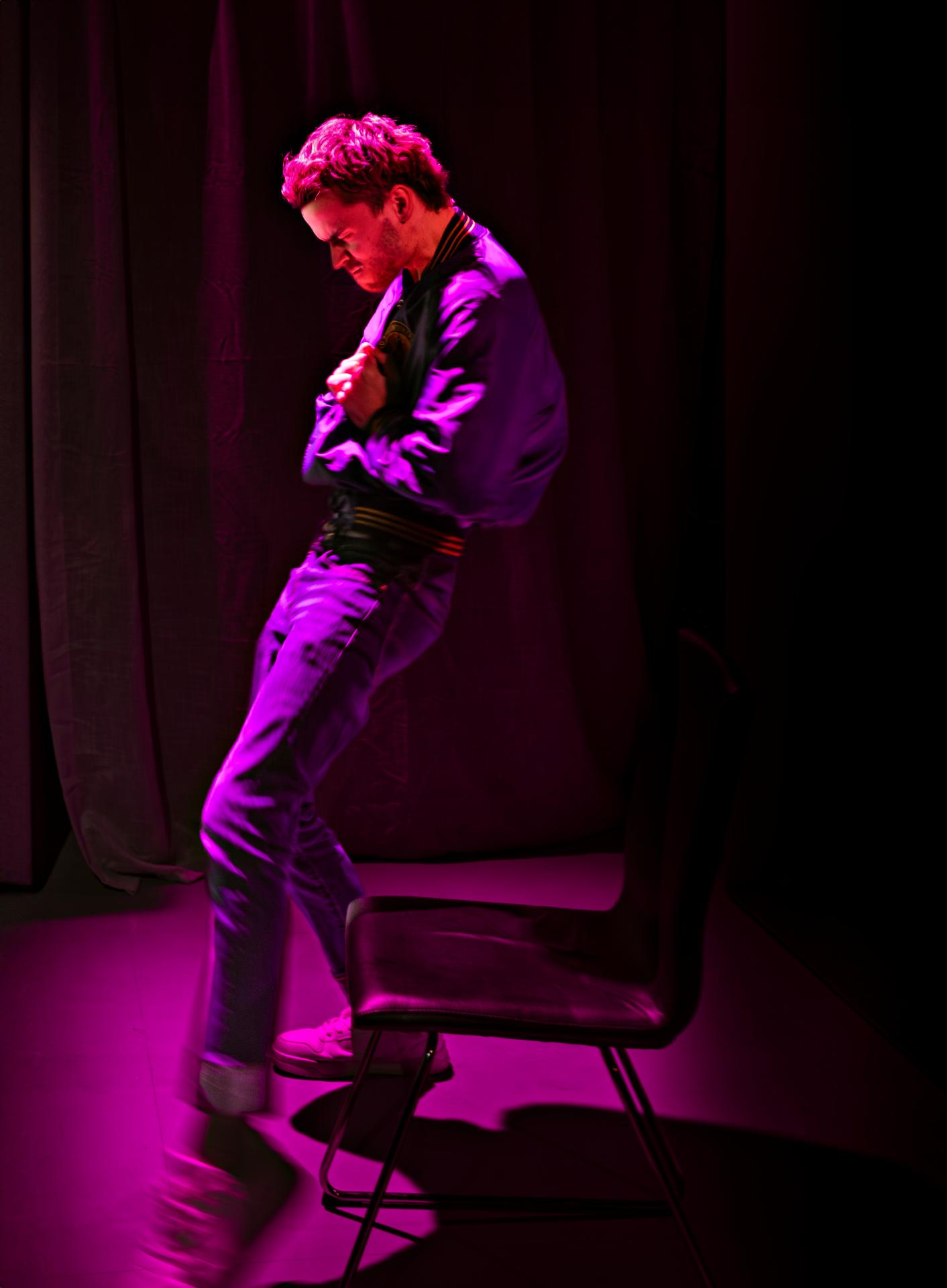
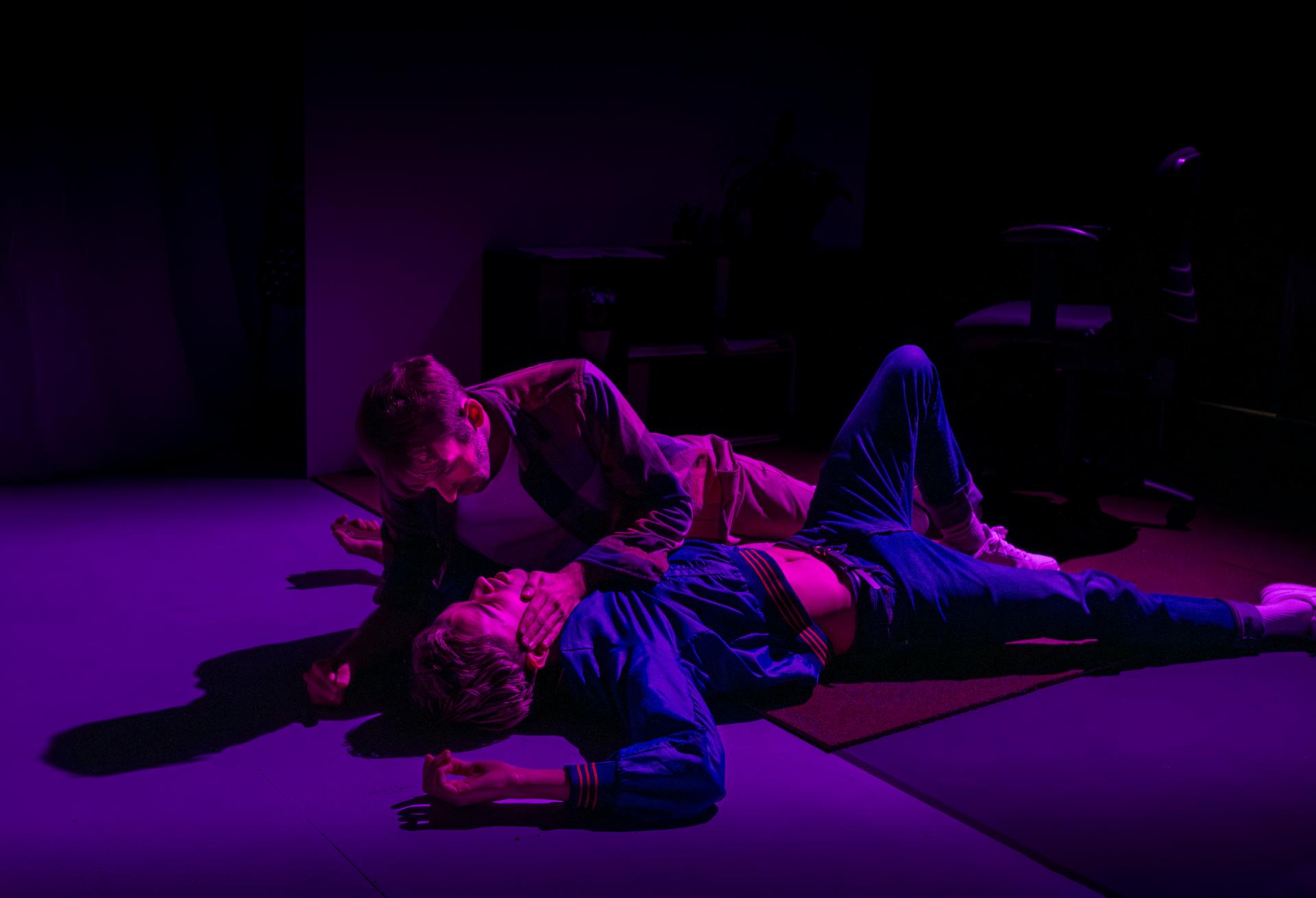
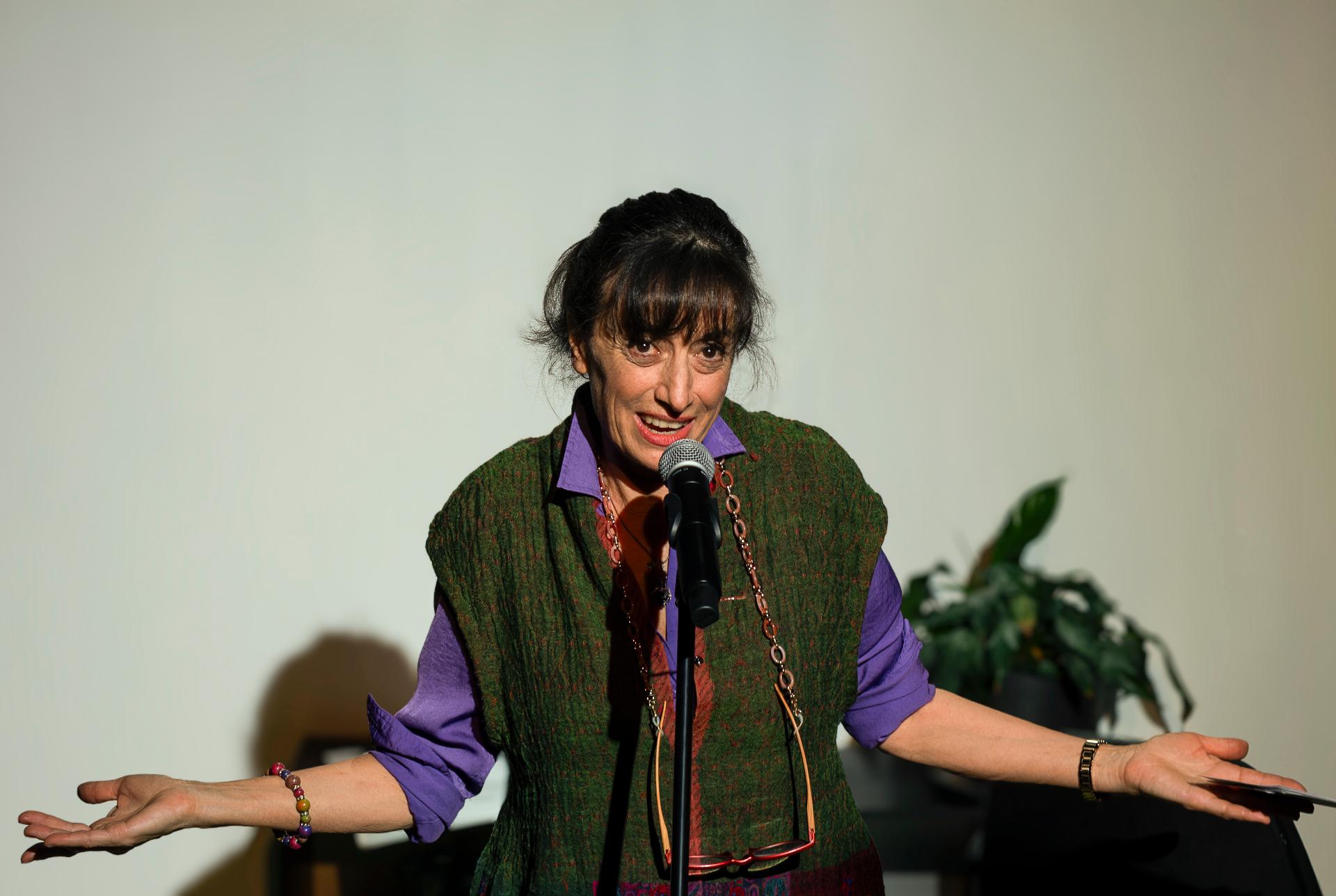
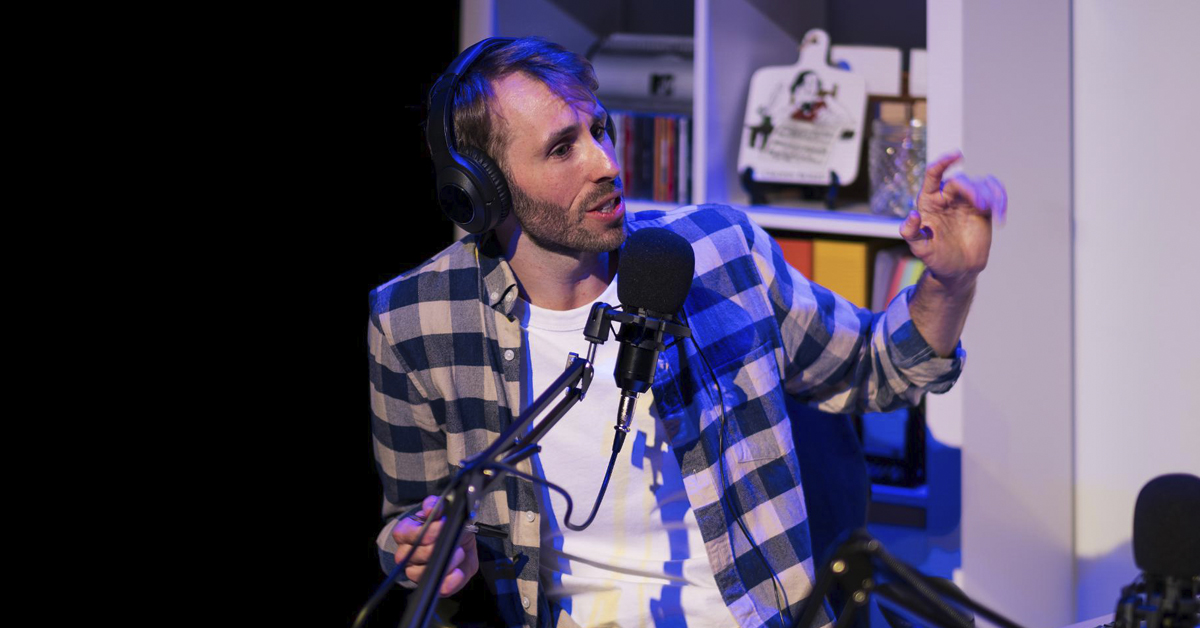
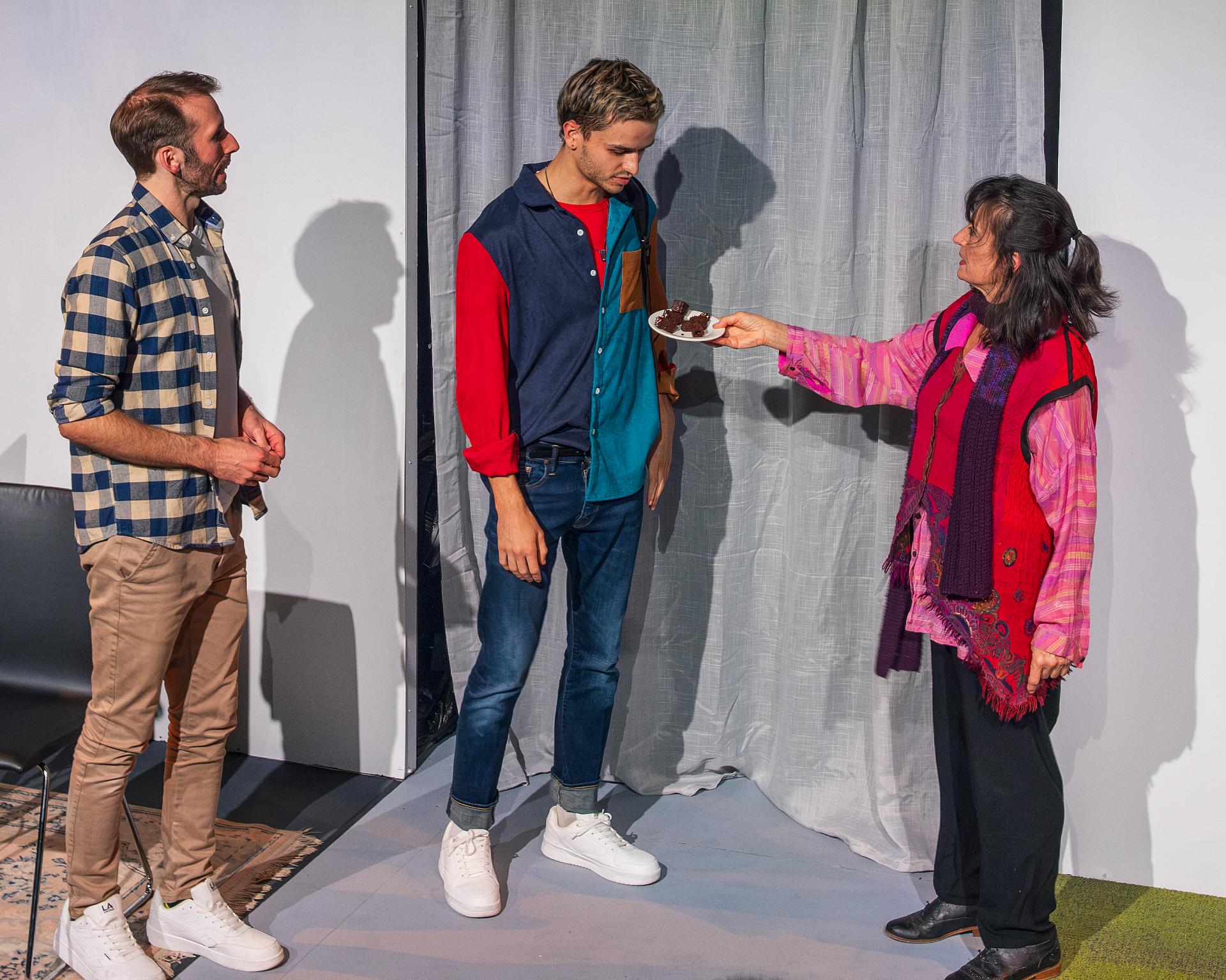
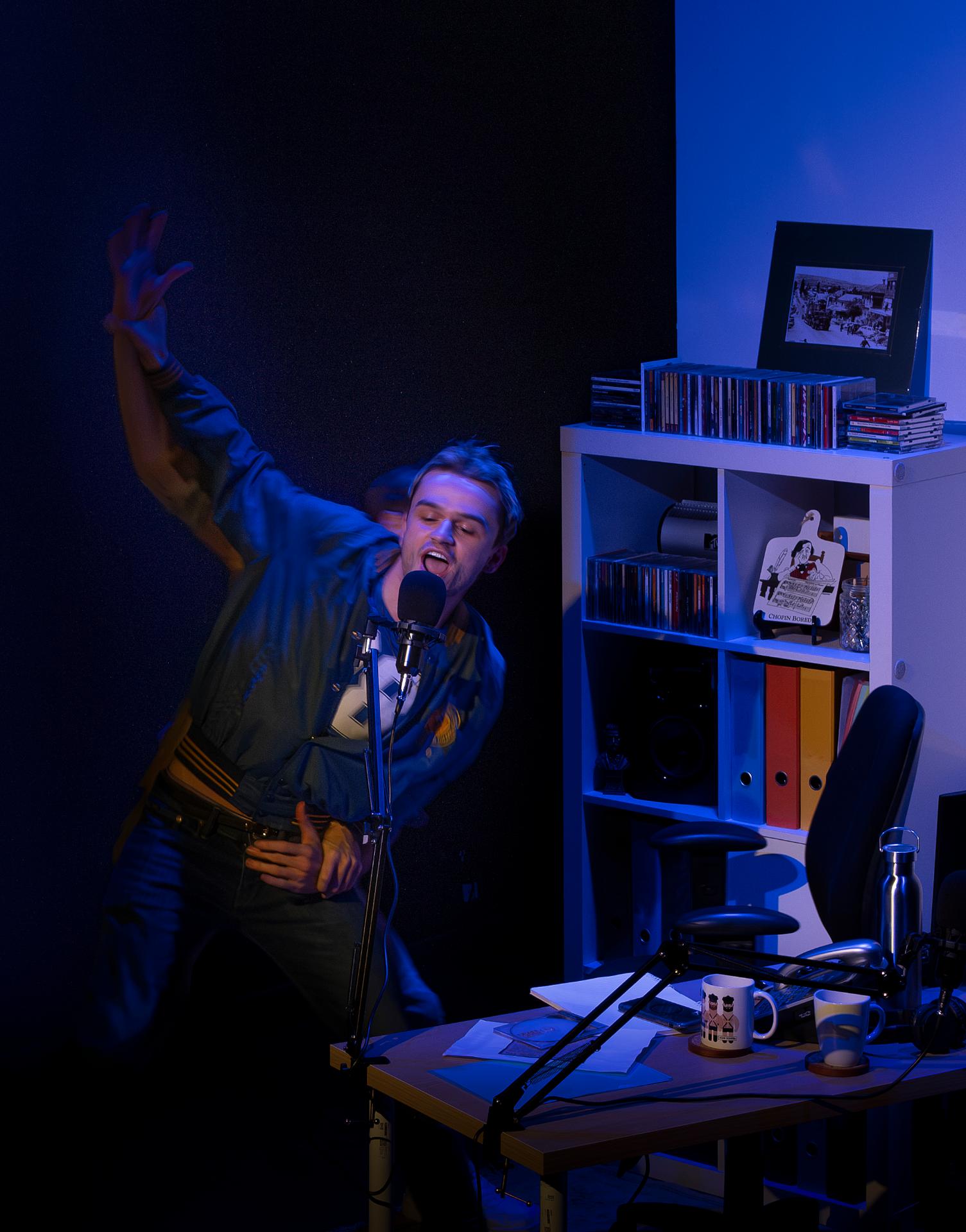
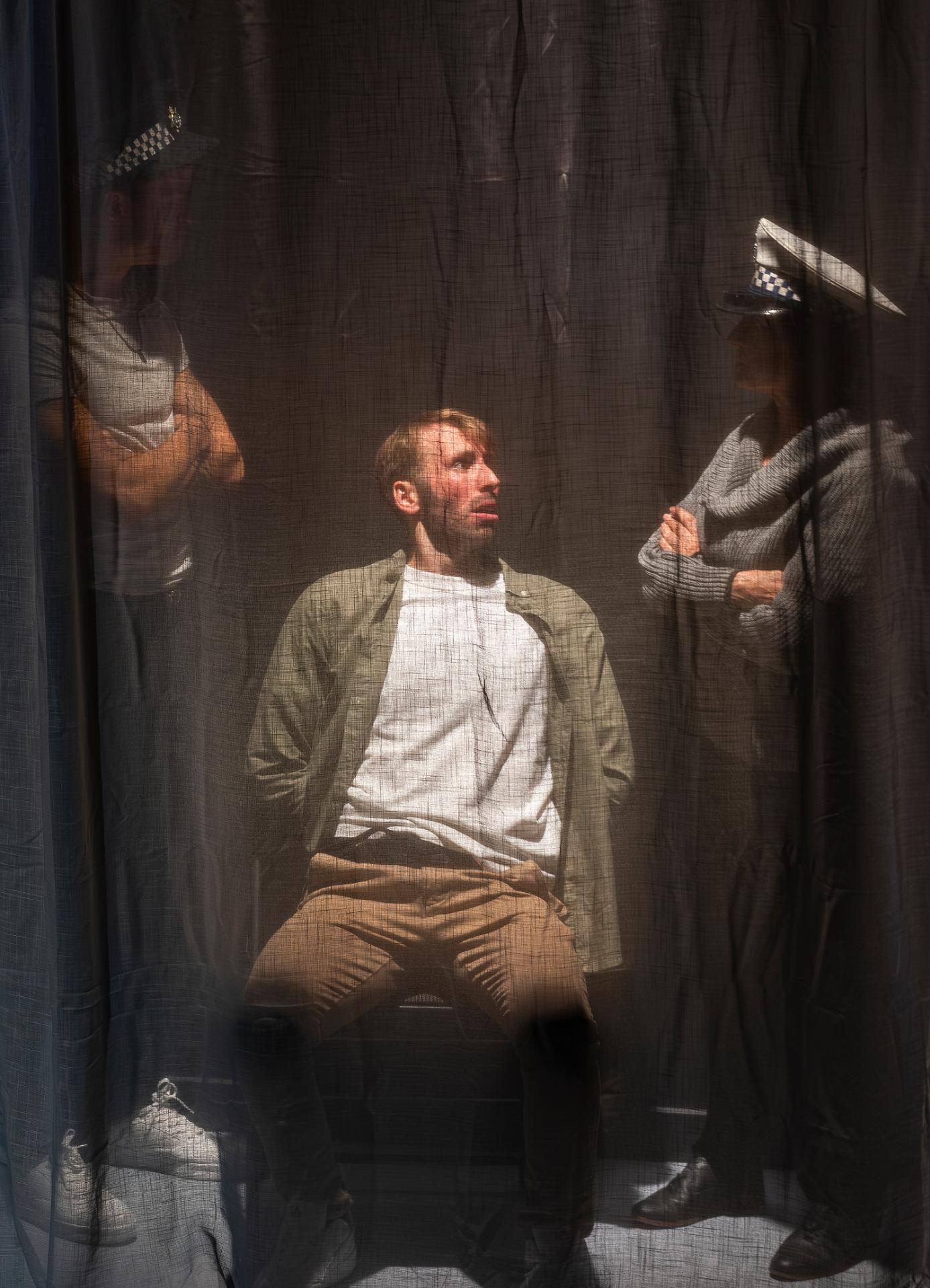
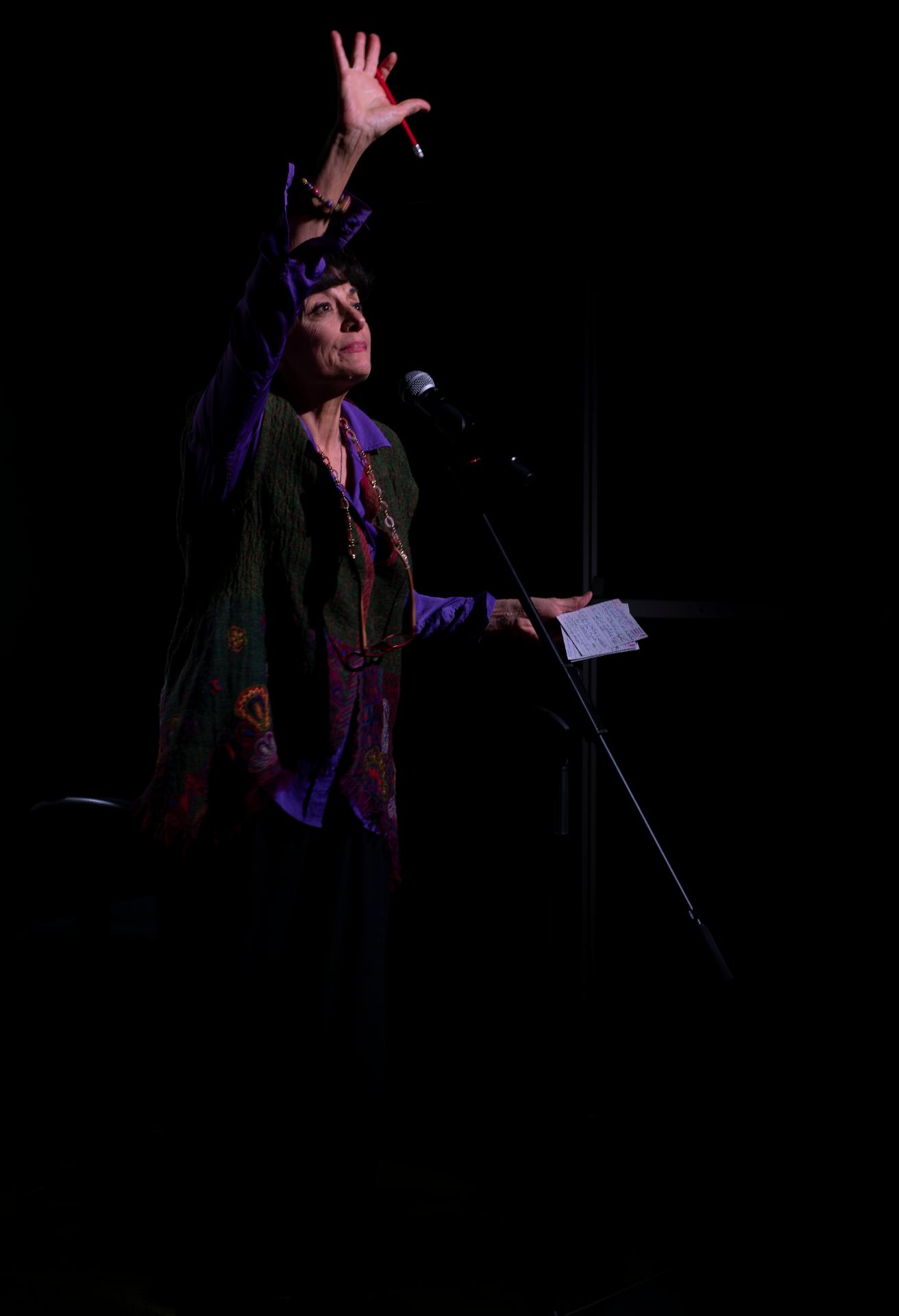
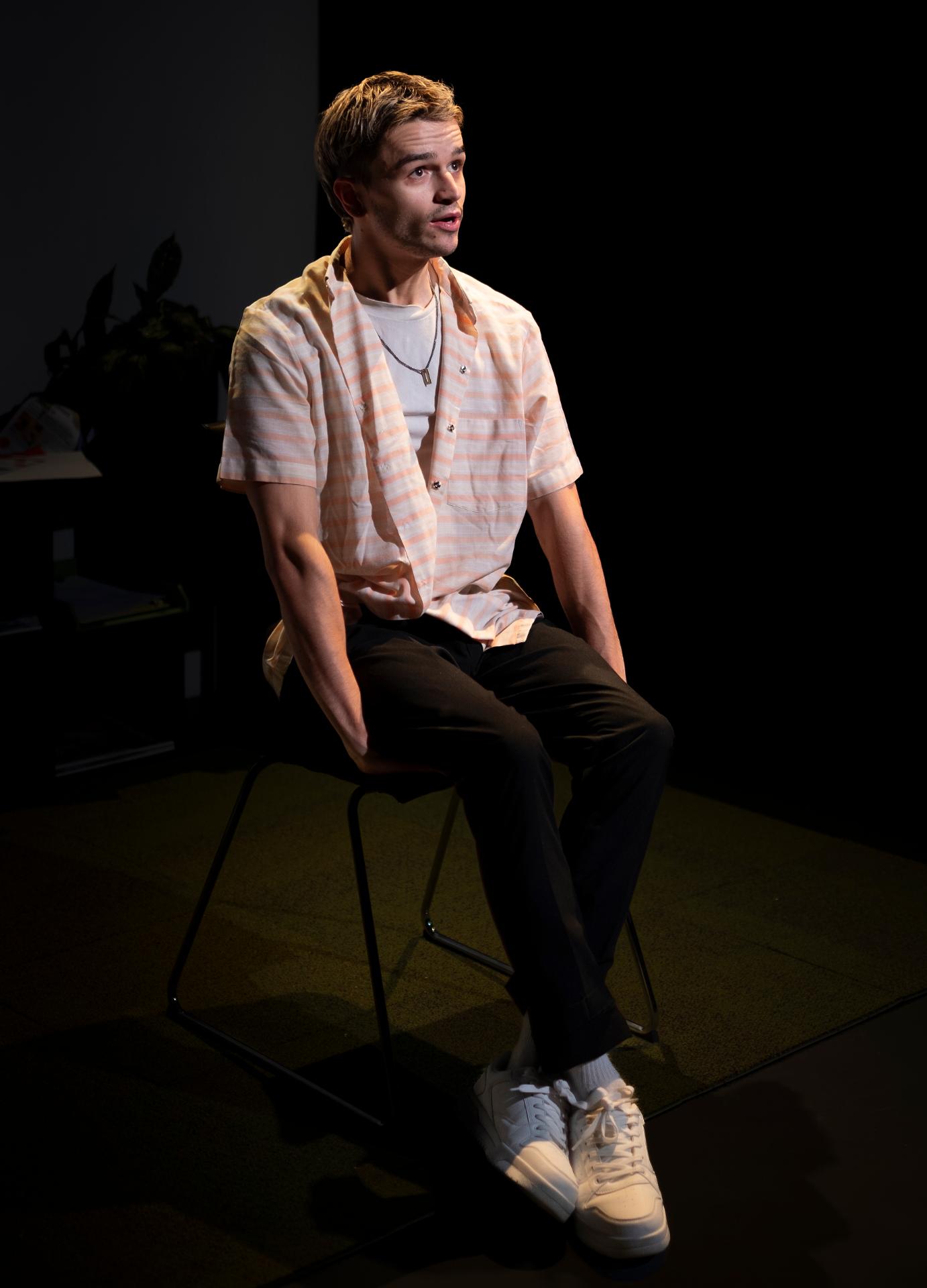
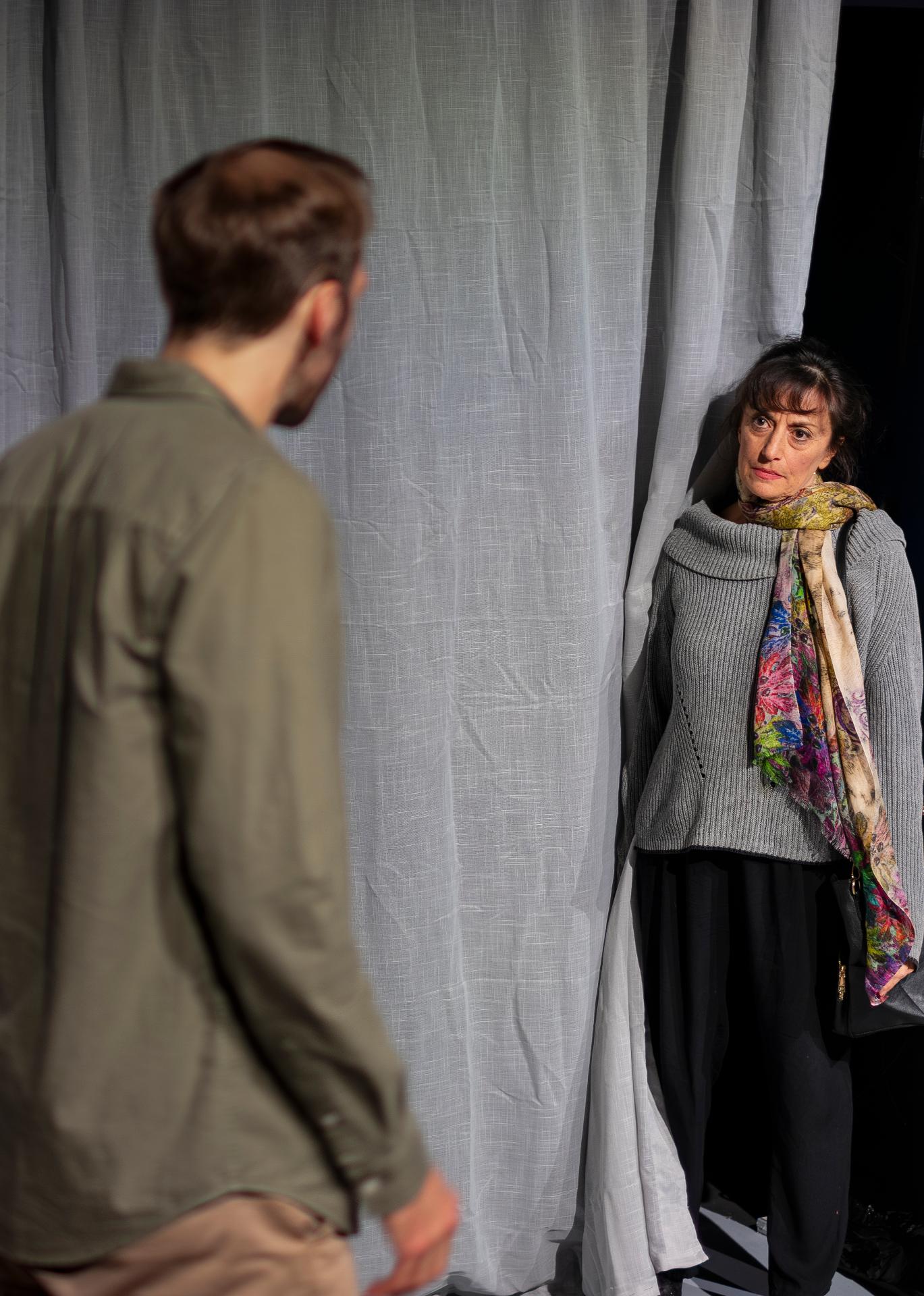
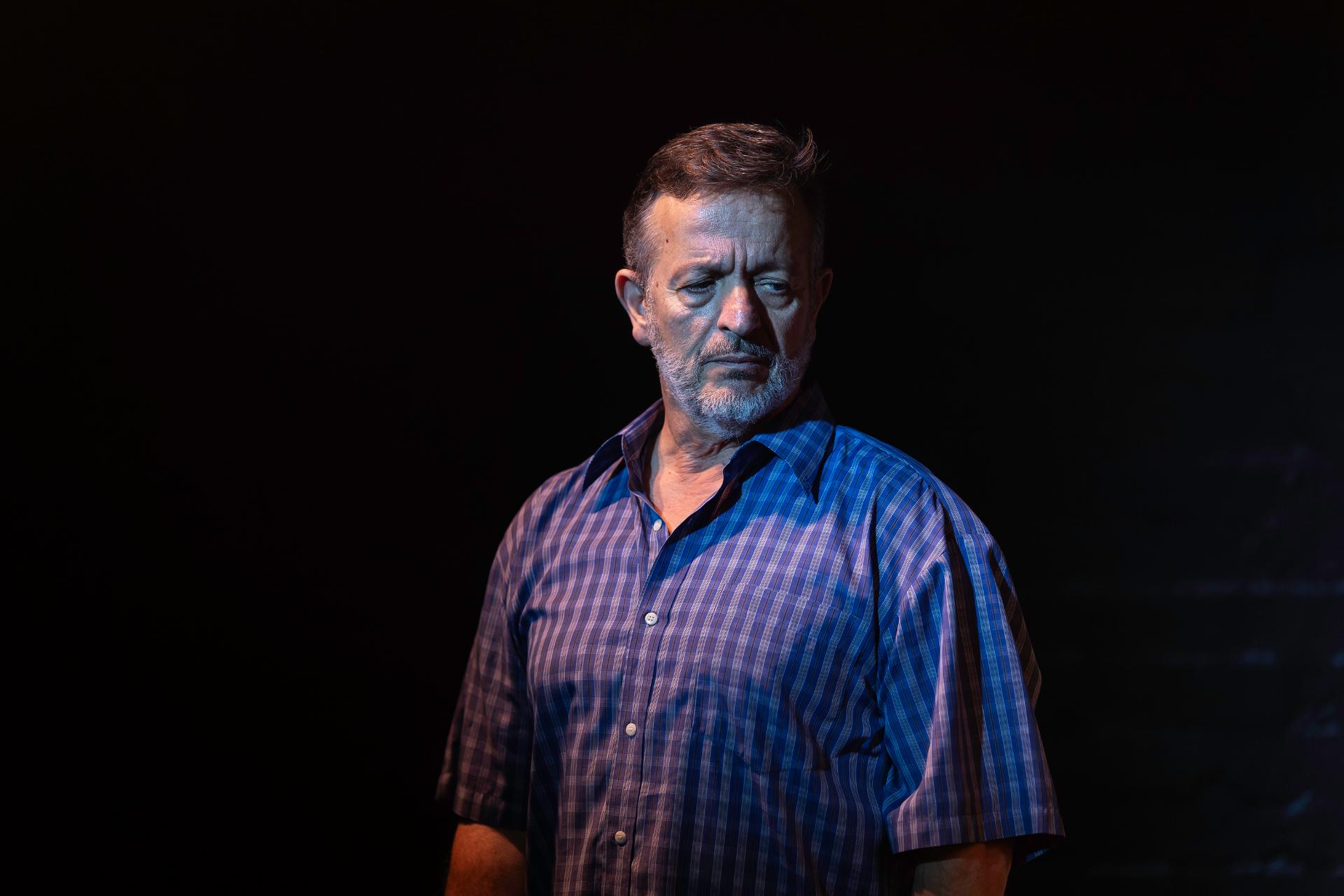
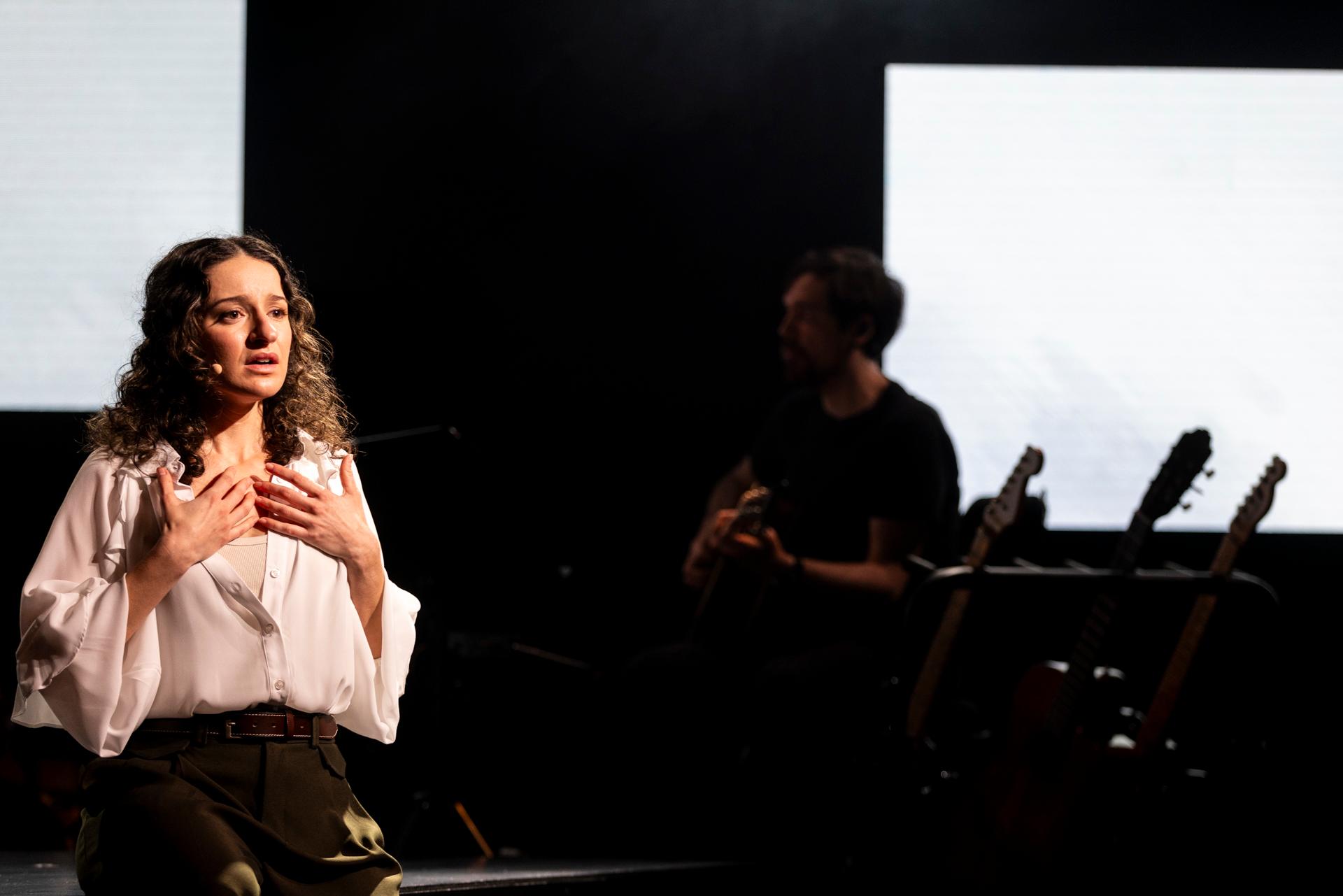
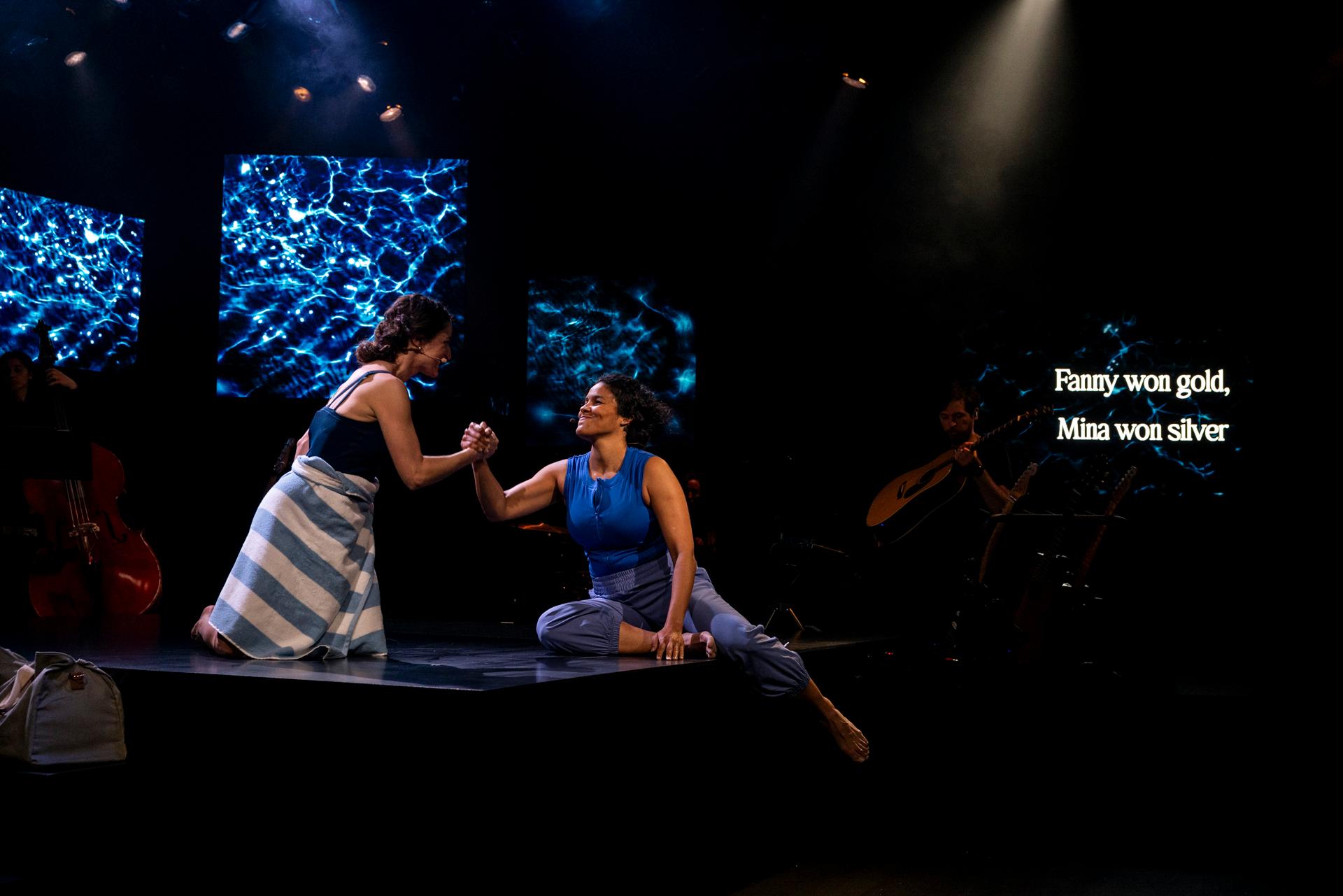
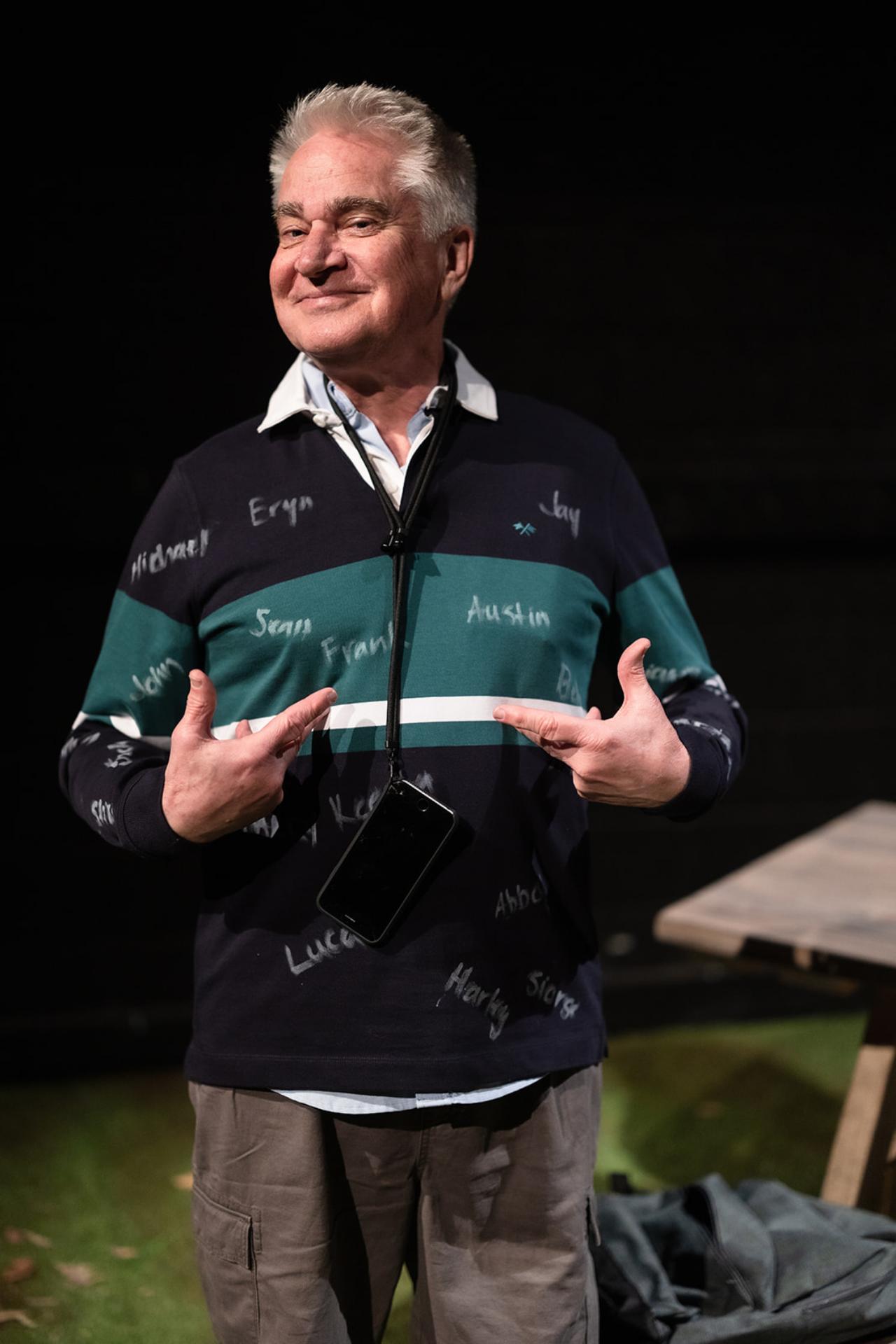
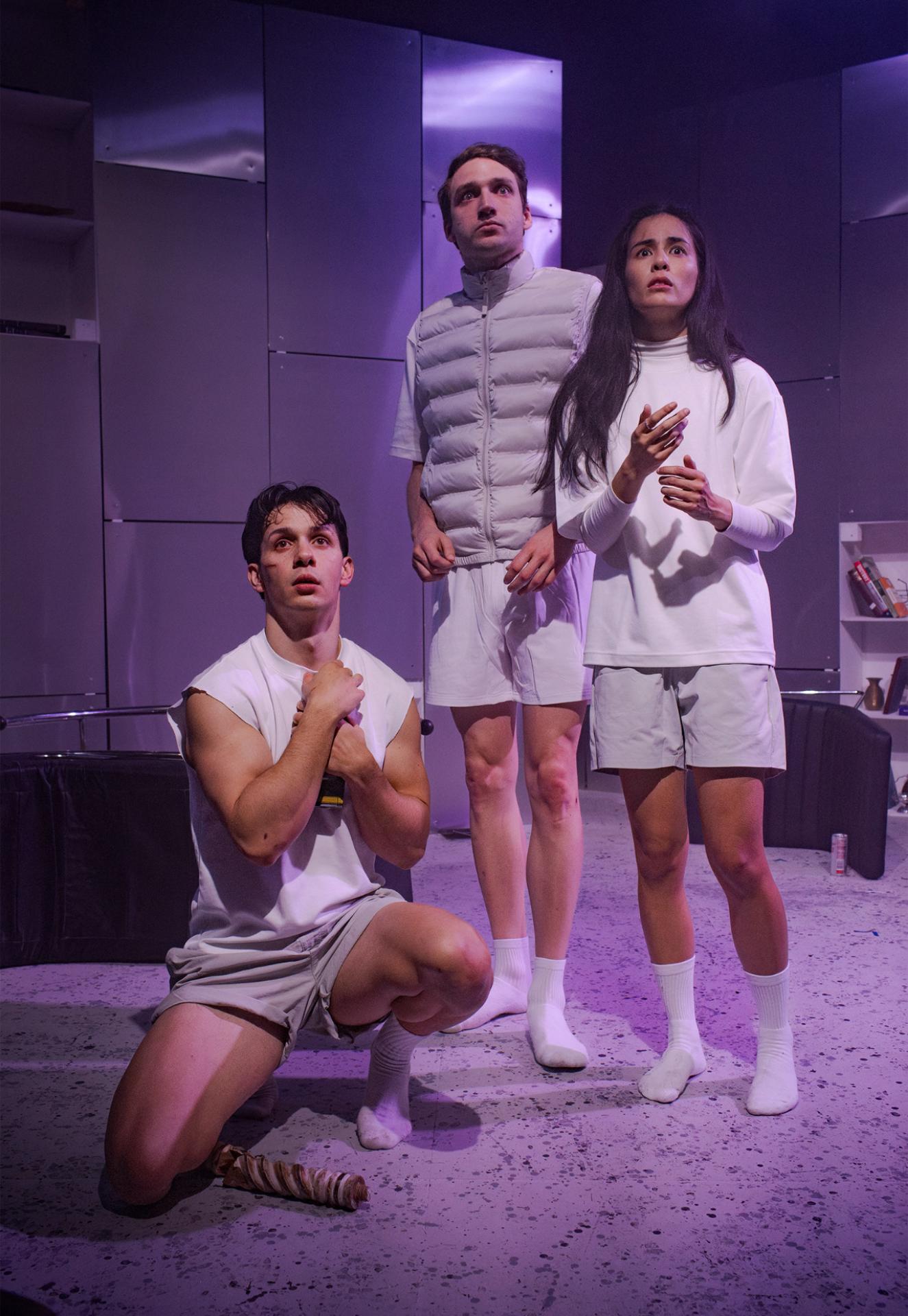
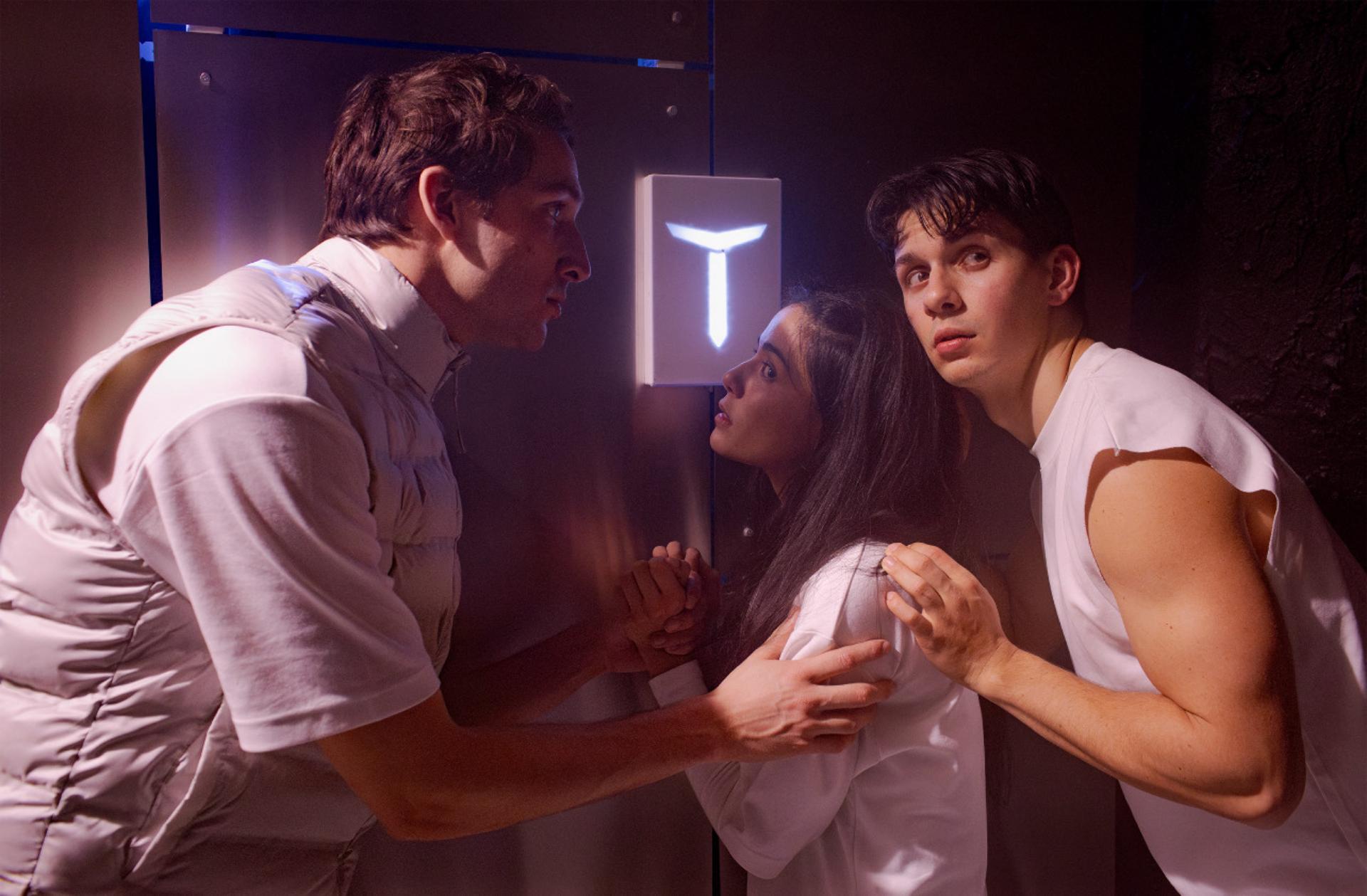
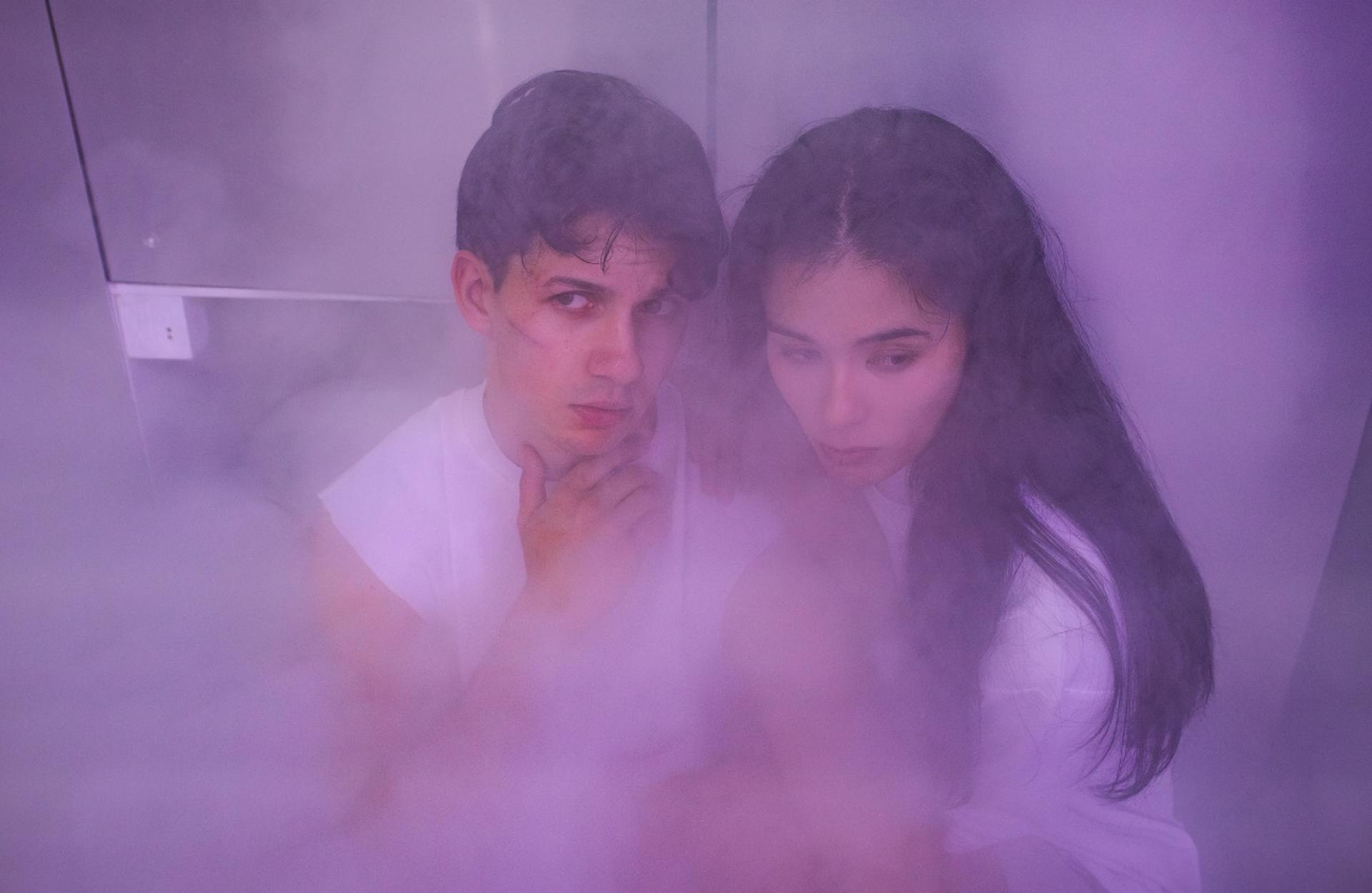
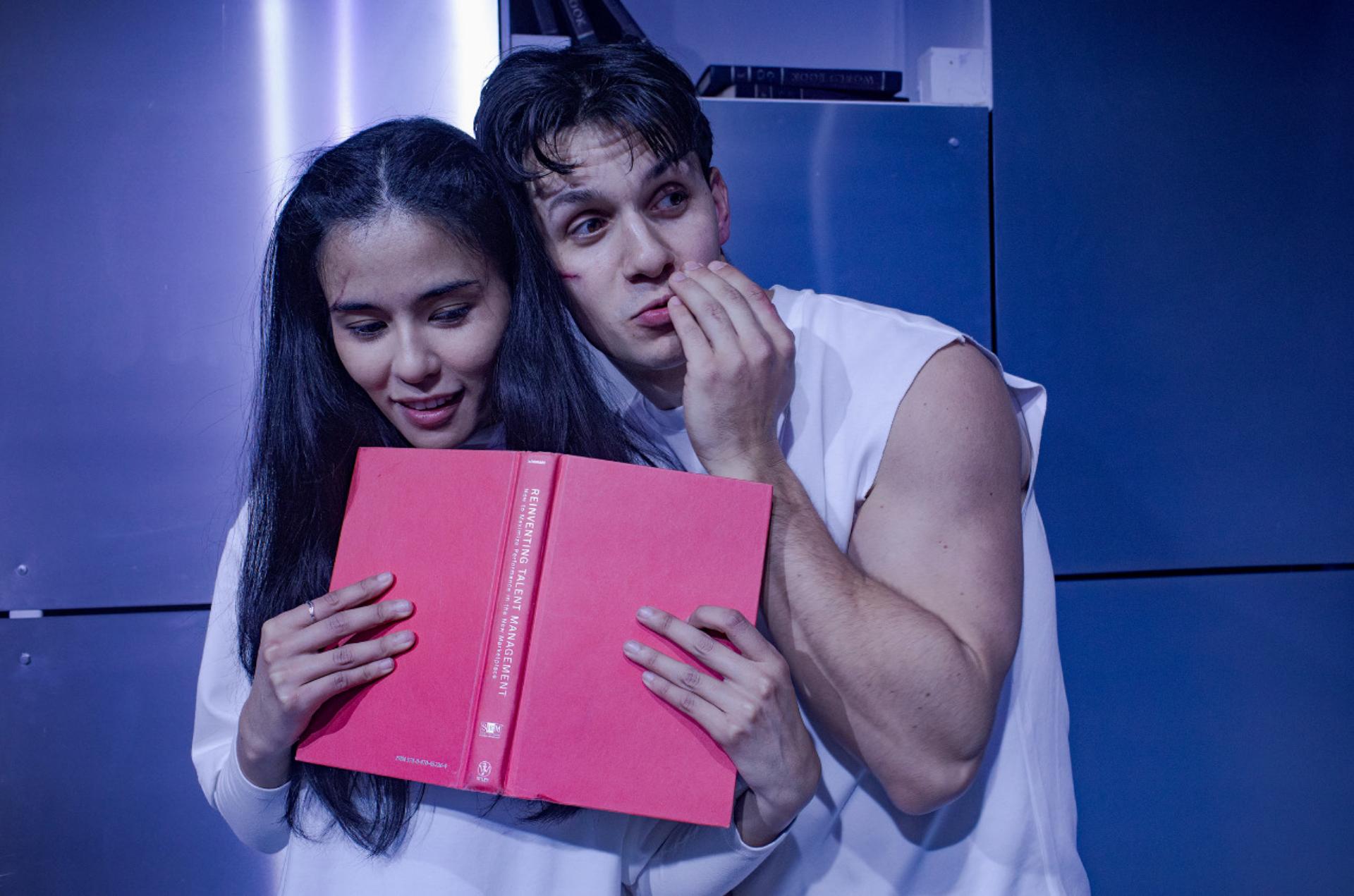
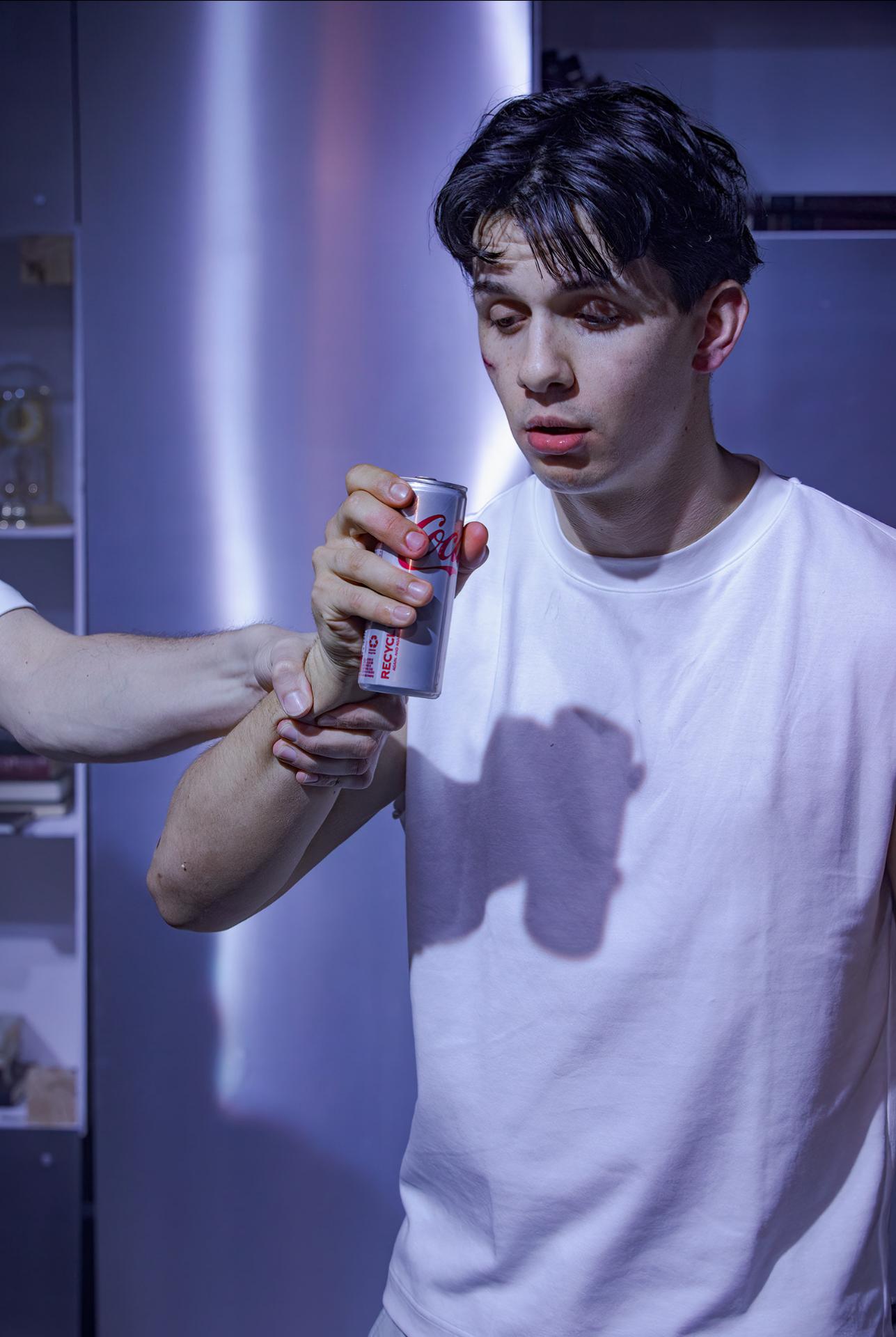
The two stories in part 3 of the Old Fitz Theatre’s New Works Festival involve separate groups of four artists and their respective relationships with integrity. Isabella McDermott’s sophisticated Champions looks at the effect of a $50,000 prize, when art becomes a competitive sport. In Bridie Connell’s rambunctious Fuccbois: Live in Concert, it is the competitive alpha male that adopts the art of performance to satisfy his narcissism. 

A contemplative work, Champions is directed by Bali Padda who brings commendable sensitivity to a play brimming with engaging nuance. For Fuccbois, it is Jessica Fallico’s mischievous direction of raucous drag kings that leaves an impression. There is a slight deficiency in terms of dramatic escalation over the duration of both shows, but Padda and Fallico certainly prove themselves accomplished, albeit in wildly different styles.

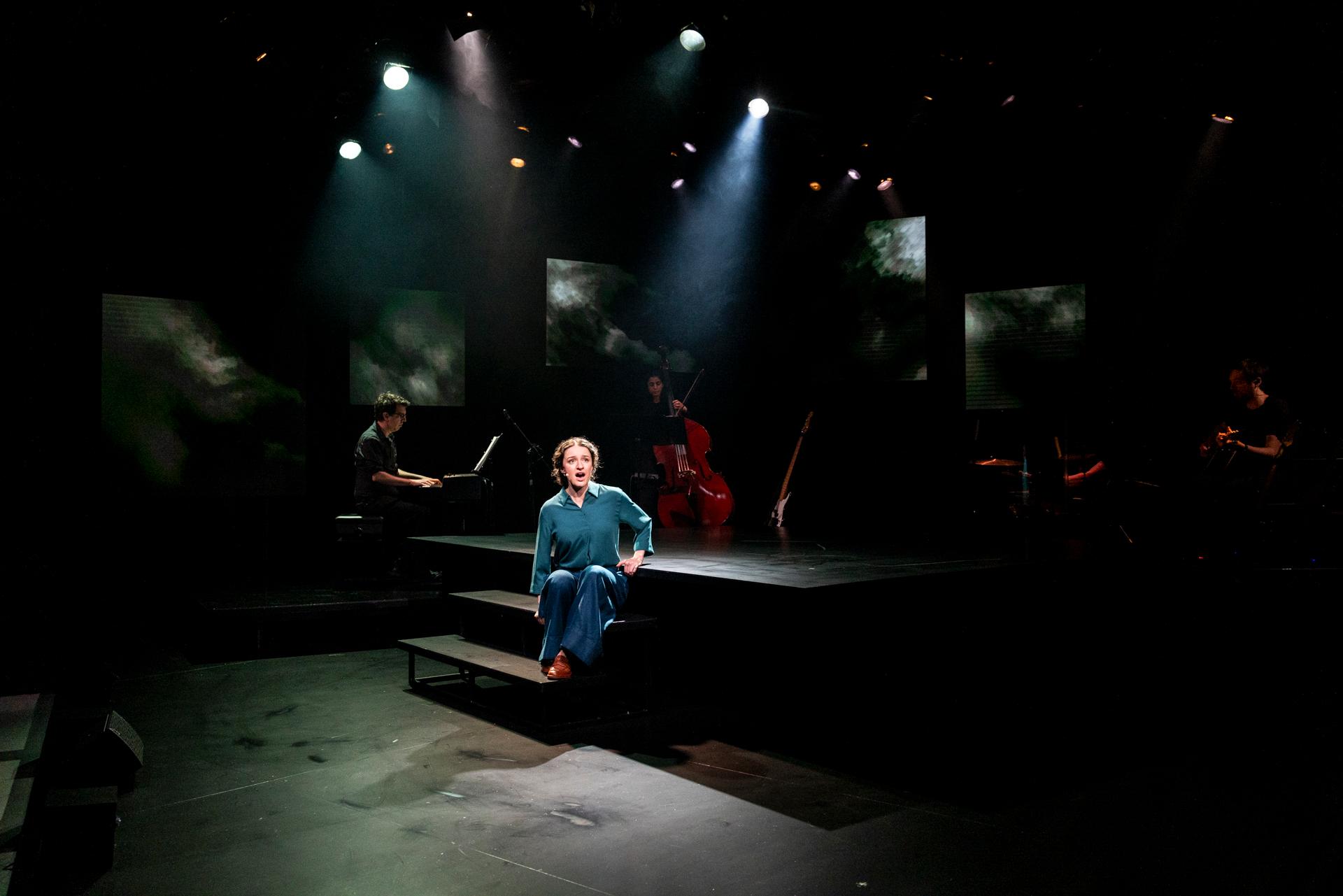
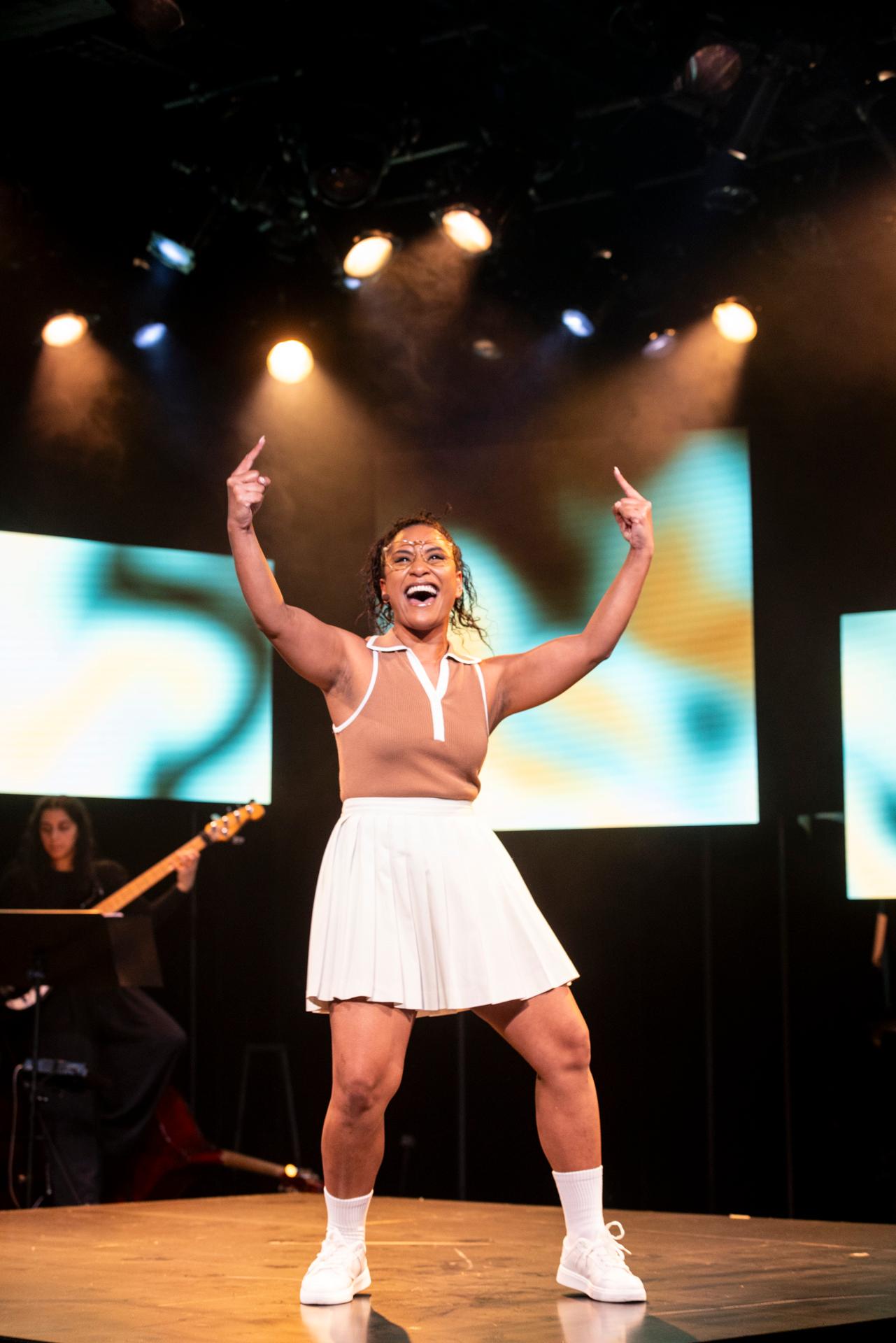
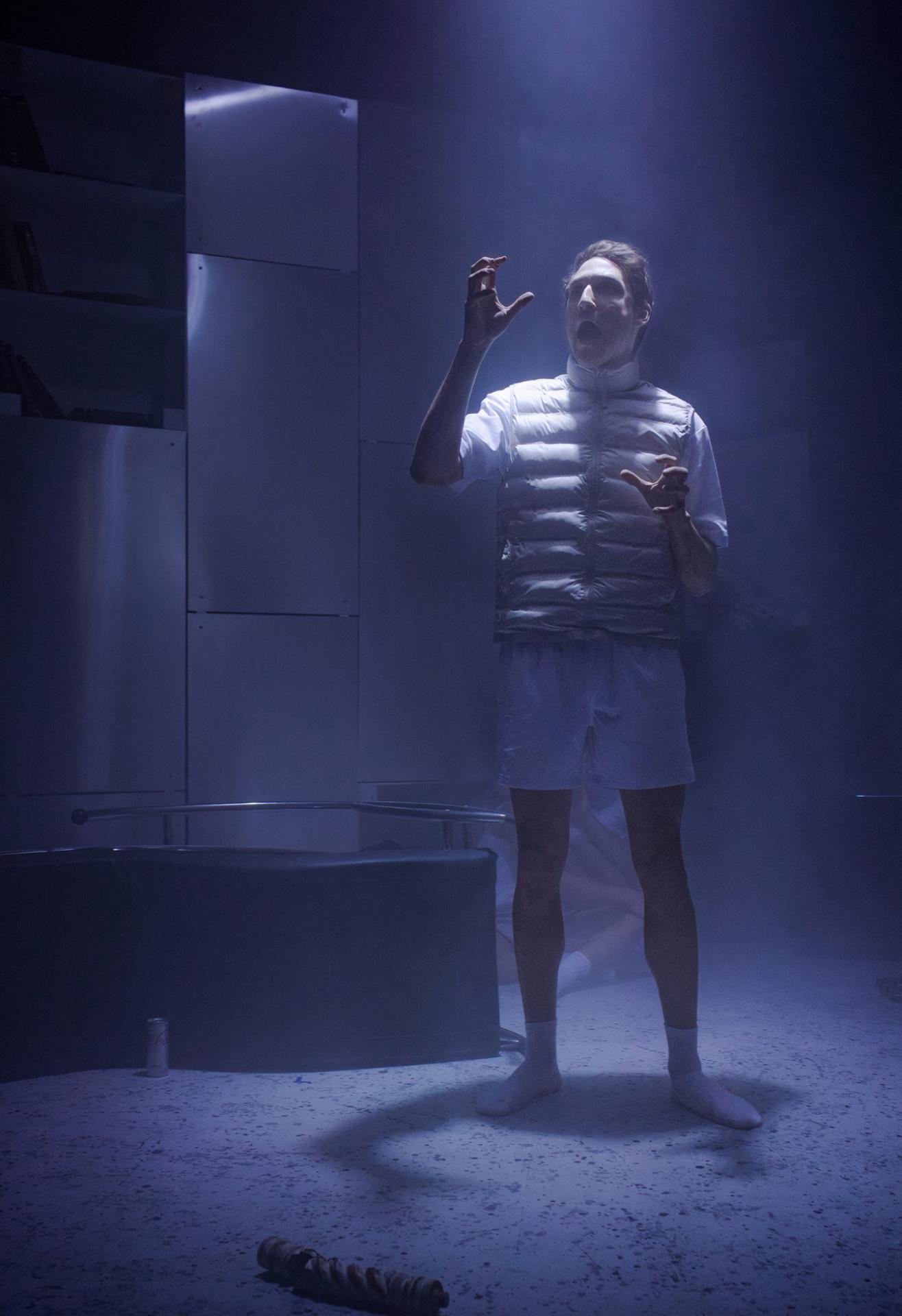
A simple set design by Elle Fitzgerald converts the space to allow for greater versatility. Tim Hope’s lights are marvellously dynamic for Fuccbois but are perhaps overly sombre in Champions. Costumes by Rita Naidu for Champions and Lily Moody for Fuccbois are all similarly appropriate for each of the characters we encounter. Sound design by Prema Yin for Champions is particularly noteworthy, intricate in approach and effective with the vigour it provides.

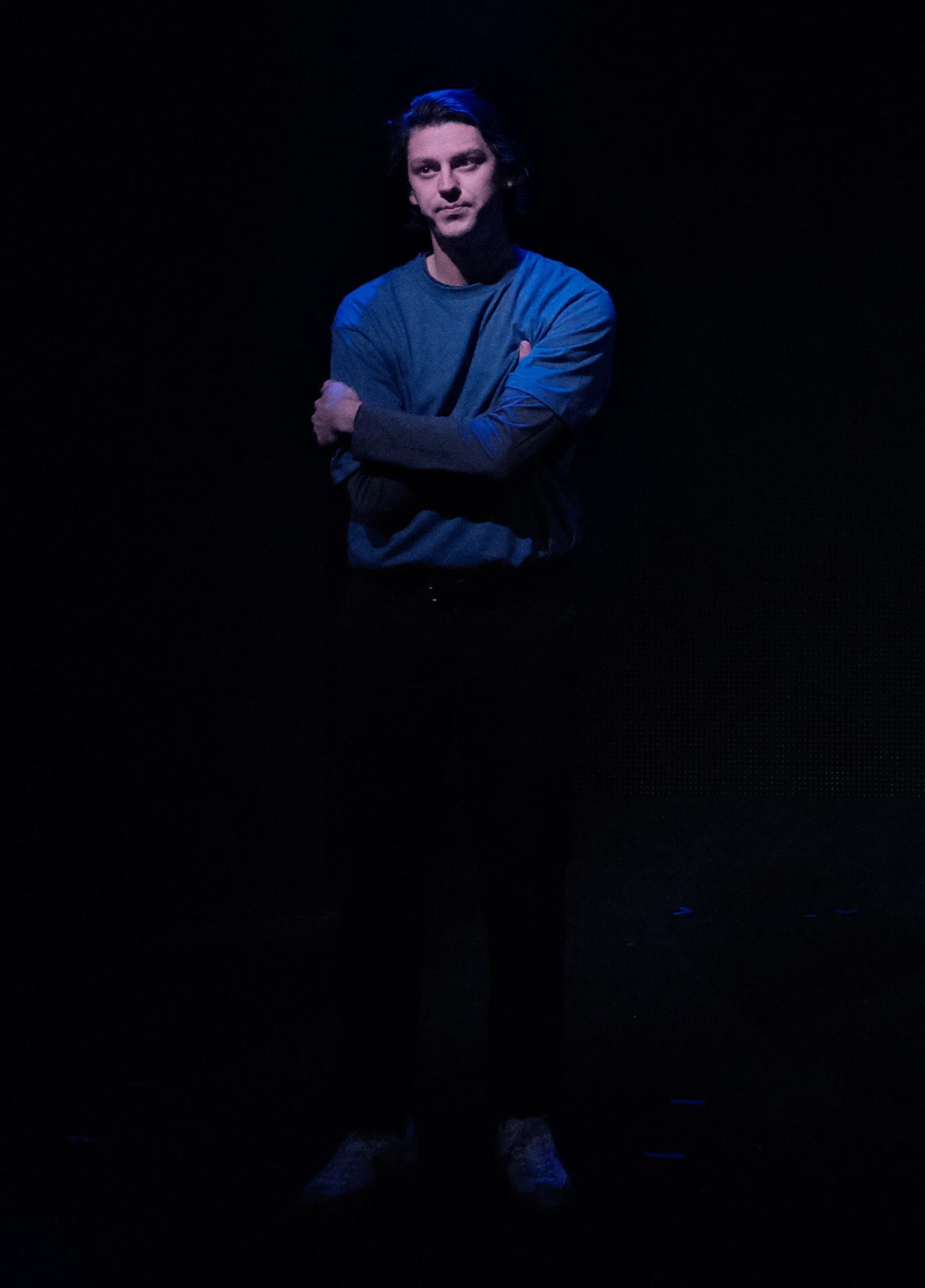
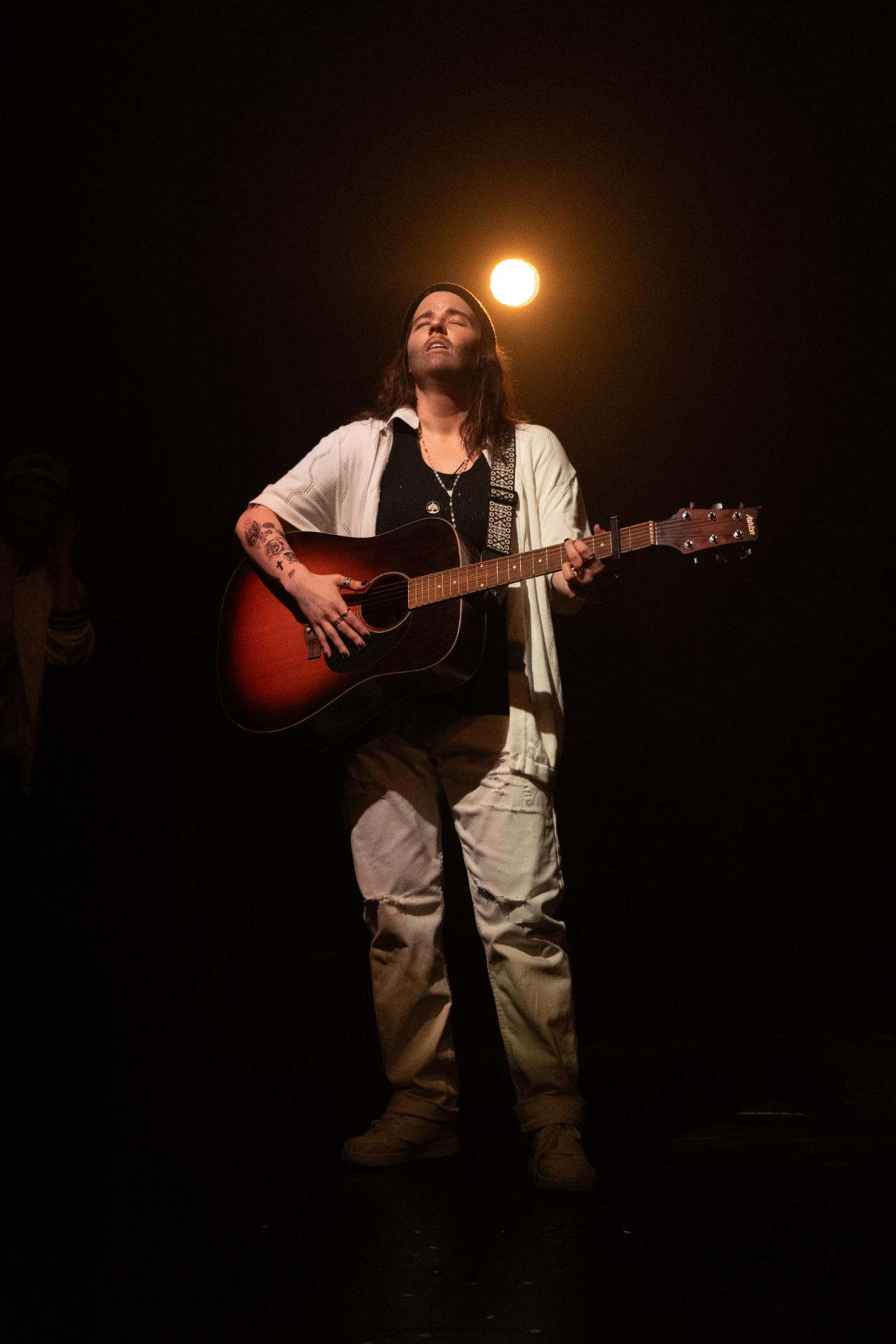
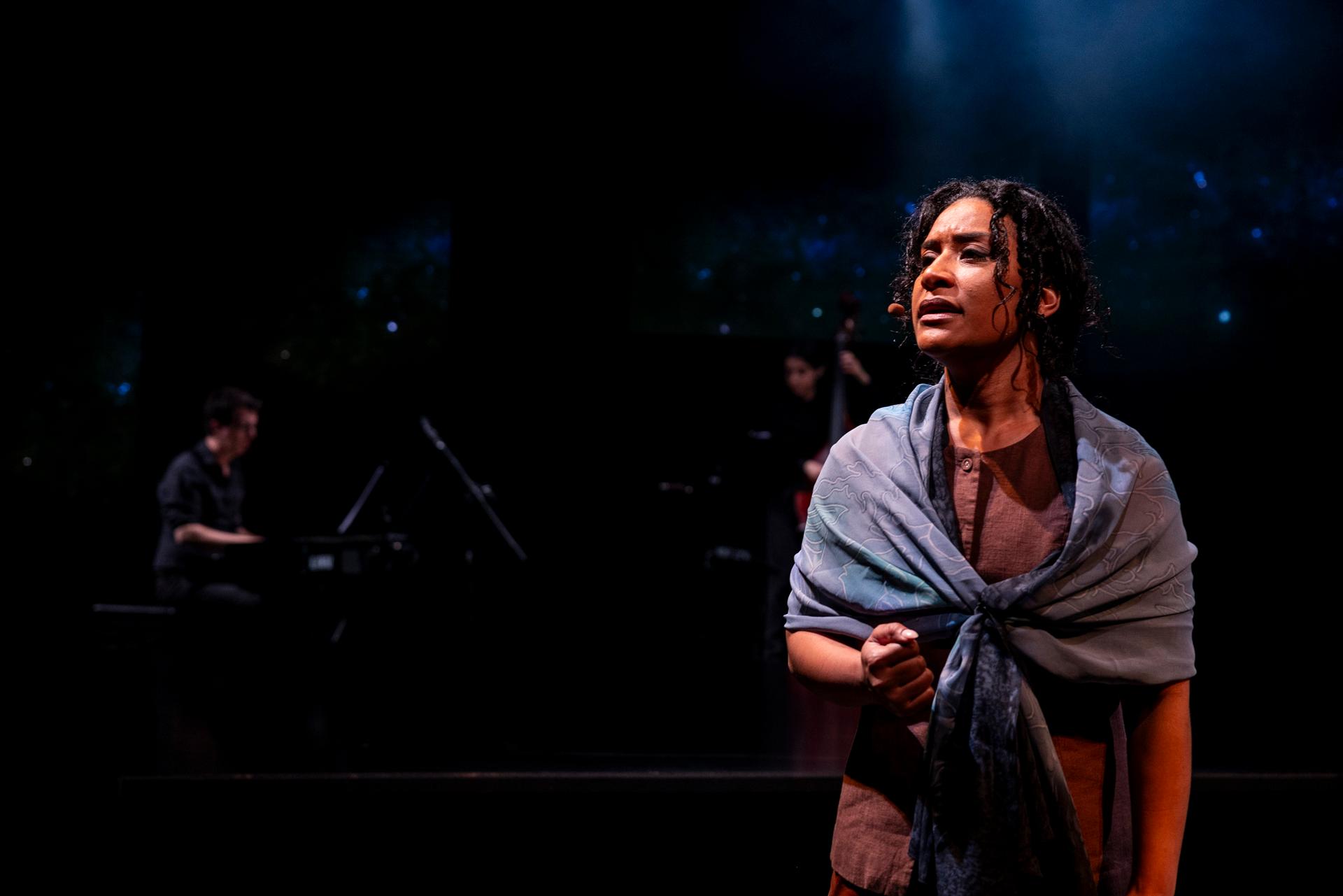
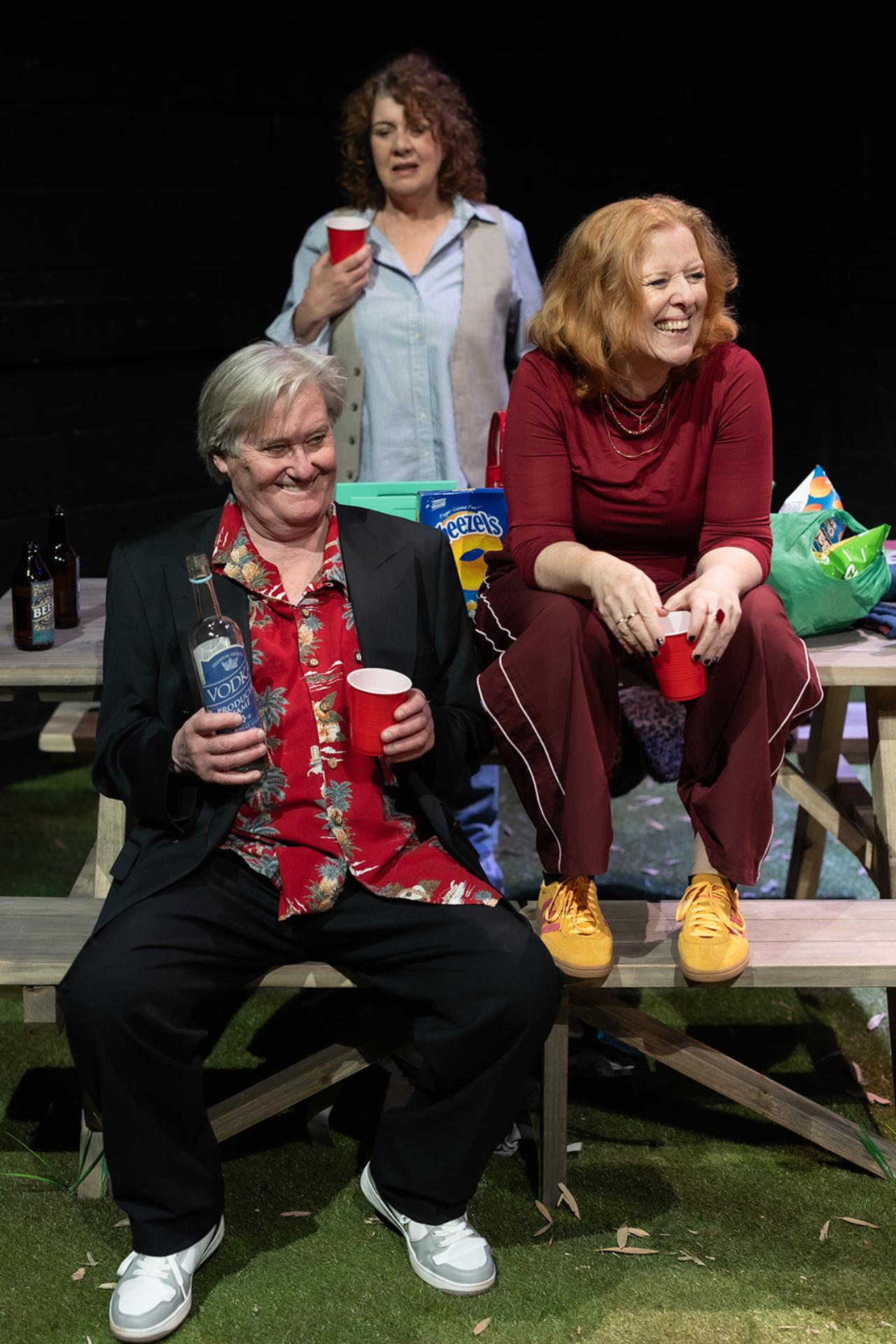
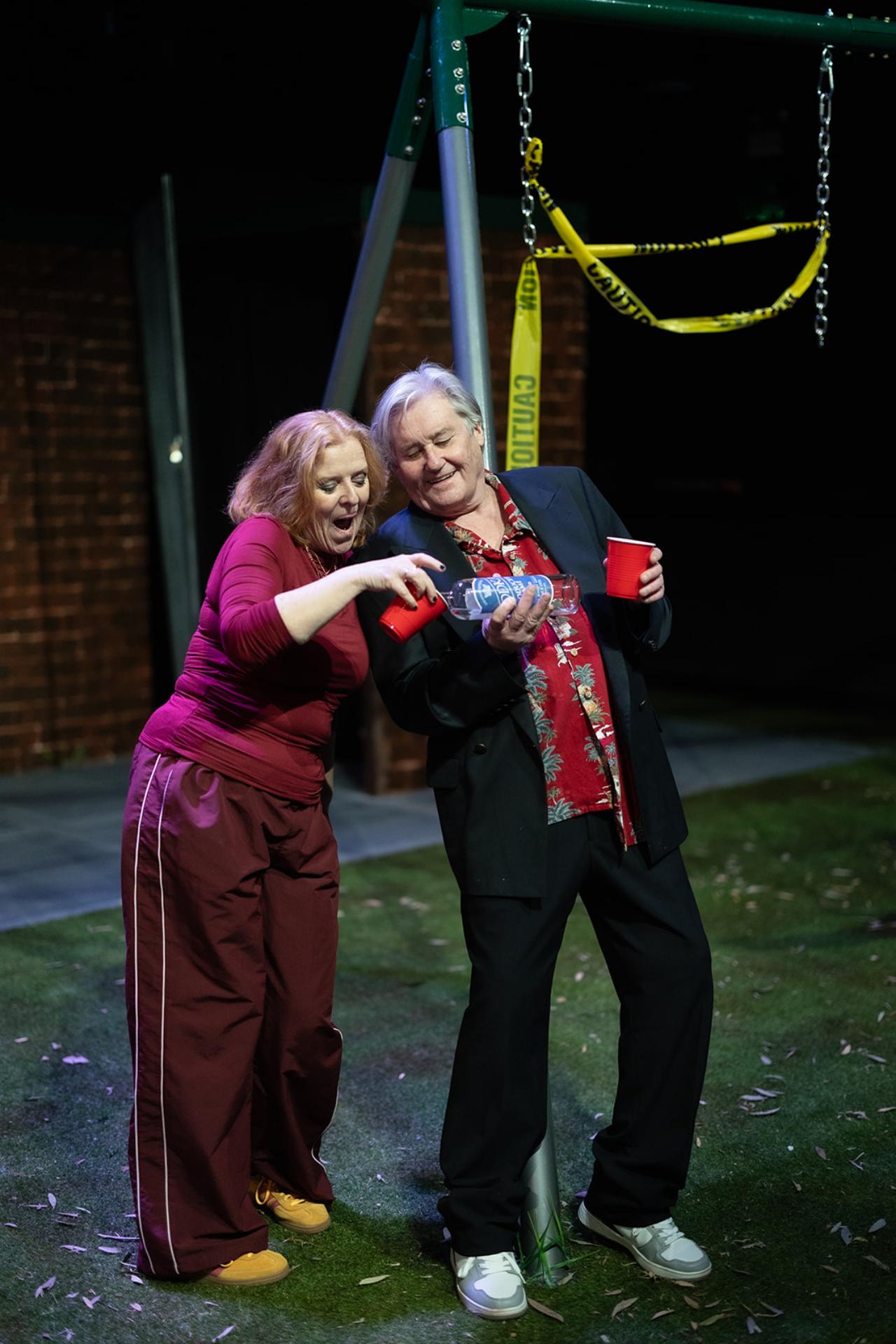
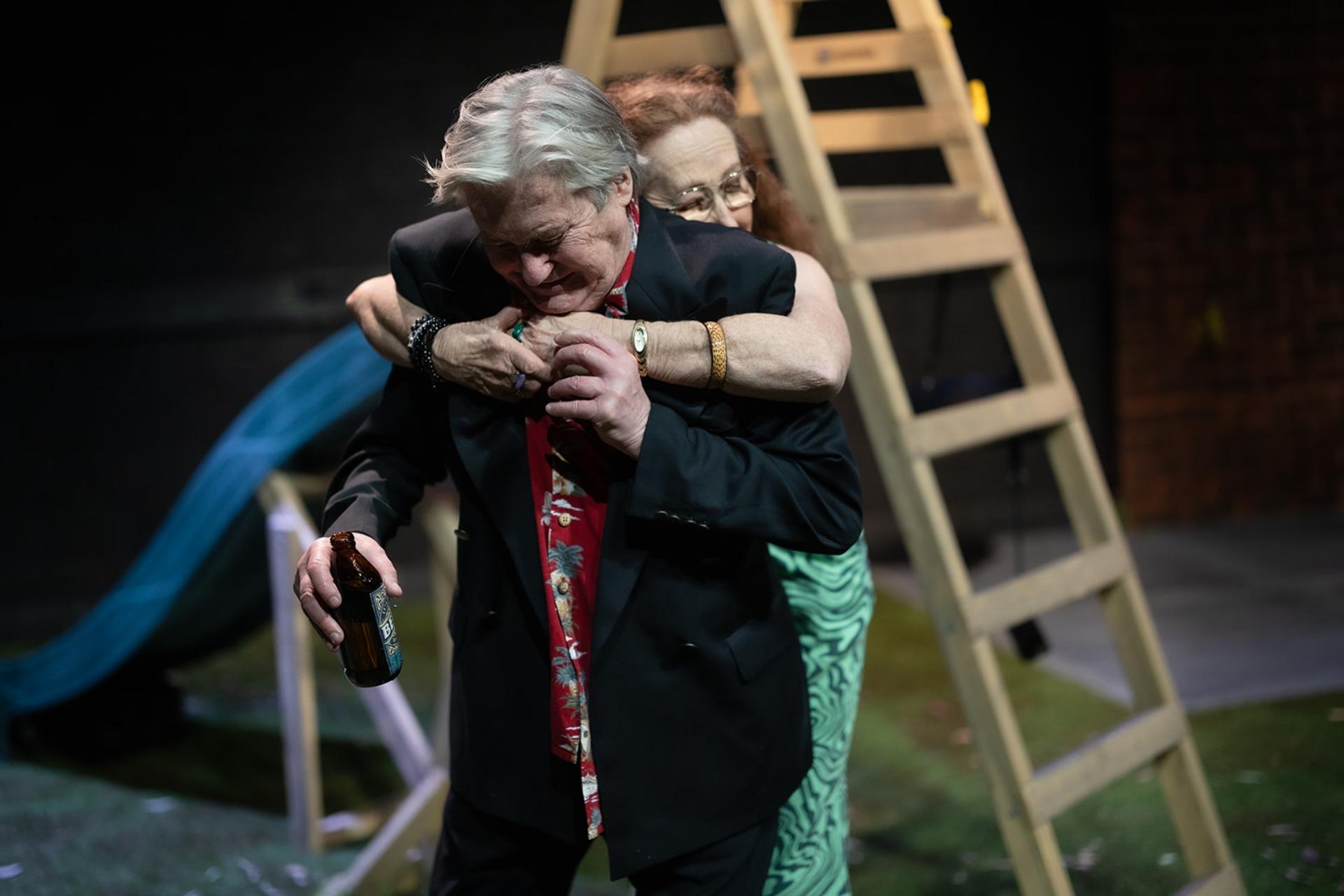
The cast for Champions is very strong; Cat Dominguez, Talitha Parker, Lincoln Vickery and Bayley Prendegast play visual artists negotiating a suddenly intensified work environment, remarkable for the distinct qualities they deliver, as well as a sense of authenticity they imbue in the storytelling. For the faux arena concert of Fuccbois, Gabbi Bolt, Bridie Connell, Orya Golgowsky, Clara Harrison and Megan Walshe manufacture an electric atmosphere, gratifying with their pointed commentary on commodified masculinity, but unfortunately lacking in crispness with their highly stylised presentation.

Even when art loses all of its truthfulness, when having to accommodate all manner of economic considerations, it can still reveal something worthwhile, if only we commit to its decipherment. Bad art however is determined to discourage analysis, and have us accept its deceptive surface. In other words, bad art trades in obfuscation and lies. No person can claim to be insusceptible to artful trickery, but it is in the willingness to talk to one another, that we can discover bigger truths, about the messages we are being sold. 

 ww.oldfitztheatre.com.au | www.littlegoat.com.au

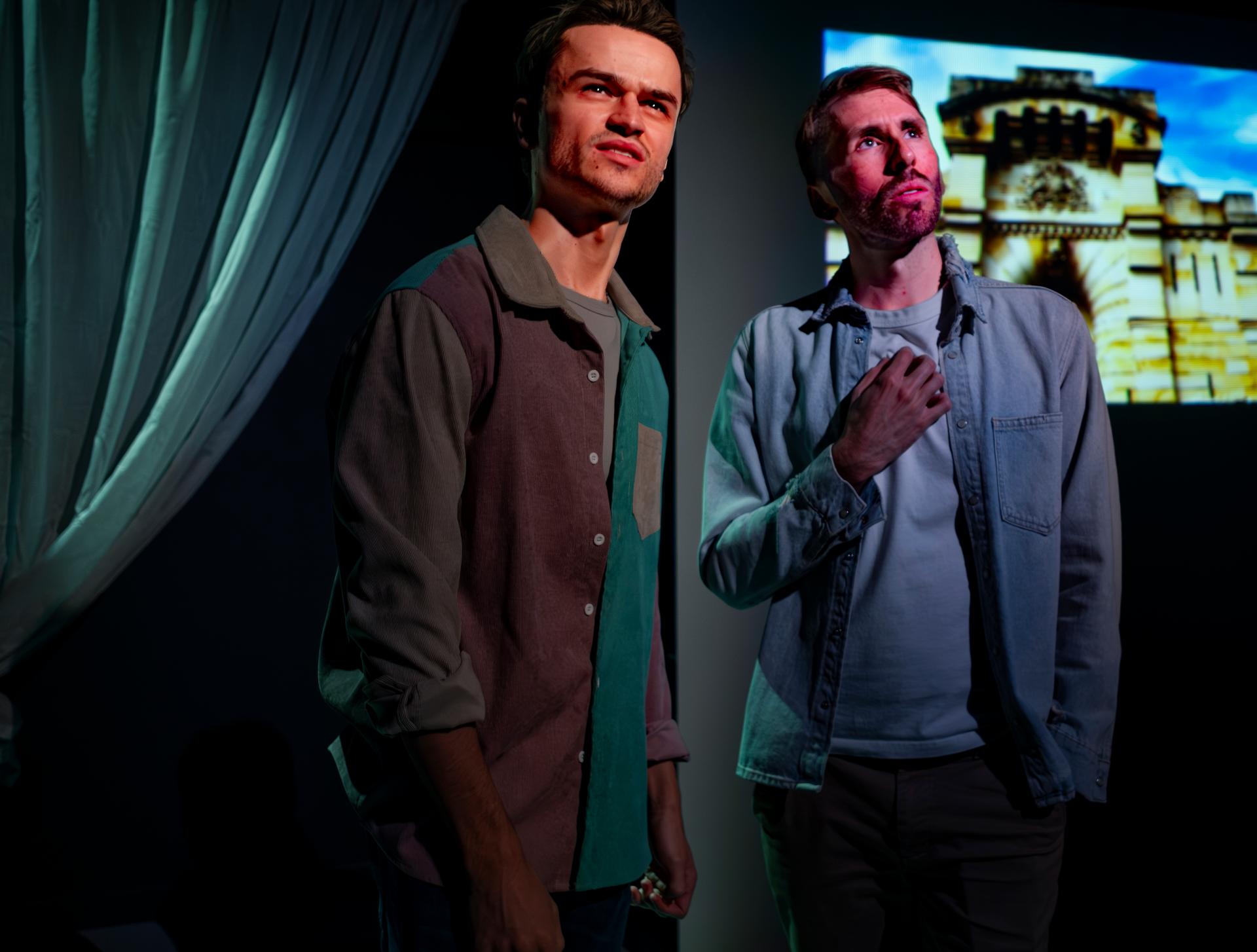
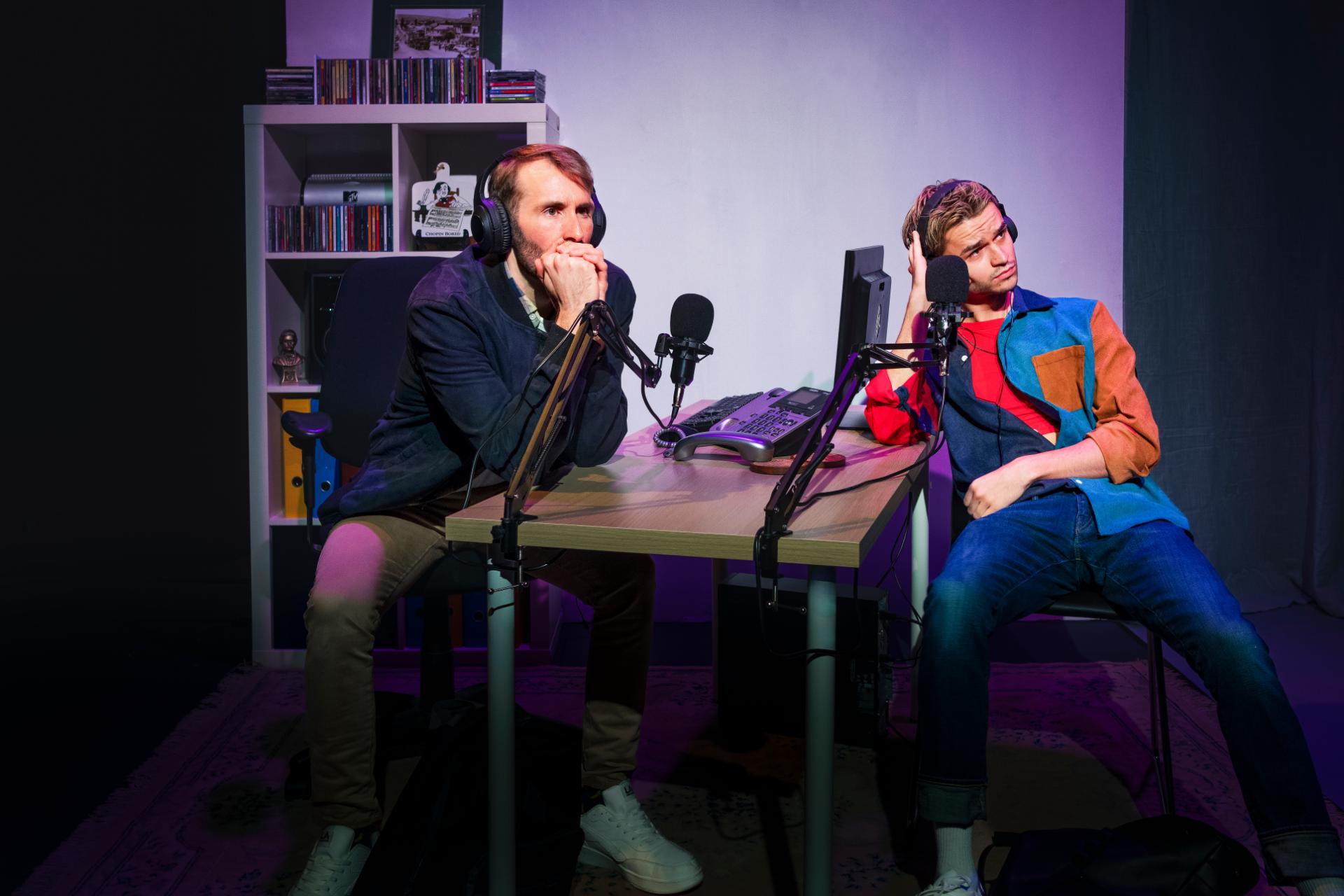
Review: The Queen’s City Of The South (Qtopia)

Venue: Qtopia (Darlinghurst NSW), Oct 8 – 19, 2024
Playwright: Mark Salvestro
Director: Ryan Whitworth-Jones
Cast: Jack Calver, Kath Gordon, Mark Salvestro
Images by Bojan Bozic

Theatre review
Set in Cooma, a town fondly known as the capital of the Snowy Mountains, The Queen’s City of the South by Mark Salvestro involves an unearthing of a dark chapter in that locale’s history. A homosexual prison had operated there in the 1950s, not only for the purposes of incarcerating and humiliating queer people, but also to attempt to “rehabilitate” them with cruel experiments. Community radio presented Ryan stumbles upon this hidden information, and is intent on learning everything about those persecutions, but finds himself obstructed by a culture of denial and ignorance.

Salvestro’s intriguing play is grounded in powerful ideas, and even though slightly too conventionally structured, what it does convey is resonant and meaningful. Presented in the form of a conventional comedy, its political explorations are softened for easier consumption, with witty repartee between characters keeping proceedings light and amusing.

As performer, Salvestro plays the leading part with excellent timing and admirable acuity. There is a valuable dynamism and passion that Salvestro brings to the stage, that keeps us invested in Ryan’s endeavour to reveal the truth. His ability to foster authentic chemistry with the supporting cast, namely Jack Calver and Kath Gordon, makes the plot and its characters feel effortlessly compelling.

Directed by Ryan Whitworth-Jones, the show is fast-paced, and with an earnestness that proves persuasive. Set design by Elle Fitzgerald addresses the need for multiple settings succinctly, along with costumes that deliver a sense of accuracy for the personality types being depicted. Lights by Luna Ng are sensitive to the shifts in dramatic tone throughout the 2-hour journey, and sounds by Madeleine Picard are rigorous in enriching atmosphere, for an otherwise raw visual presentation.

Australia has a shameful past that some of us regard as necessary, in order that we may attain all that we have today. Others would consider that ugliness to be characteristic of an ongoing deplorable project of colonialisation. In any case, knowing the past is fundamental not only to how we can better move forward, but additionally for some of us, it serves as a poignant reminder that hate and oppression are always just a fragile membrane away, poised and ready to rear their ugly head when we lose our vigilance.

www.qtopiasydney.com.au | www.canberratheatrecentre.com.au
Review: Wife (New Theatre)

Venue: New Theatre (Newtown NSW), Oct 8 – Nov 2, 2024
Playwright: Samuel Adamson
Director: Darrin Redgate
Cast: Alison Brooker, Henry Lopez Lopez, Will Manton, Imogen Trevillion, Julia Vosnakis, Pete Walters
Images by Bob Seary

Theatre review
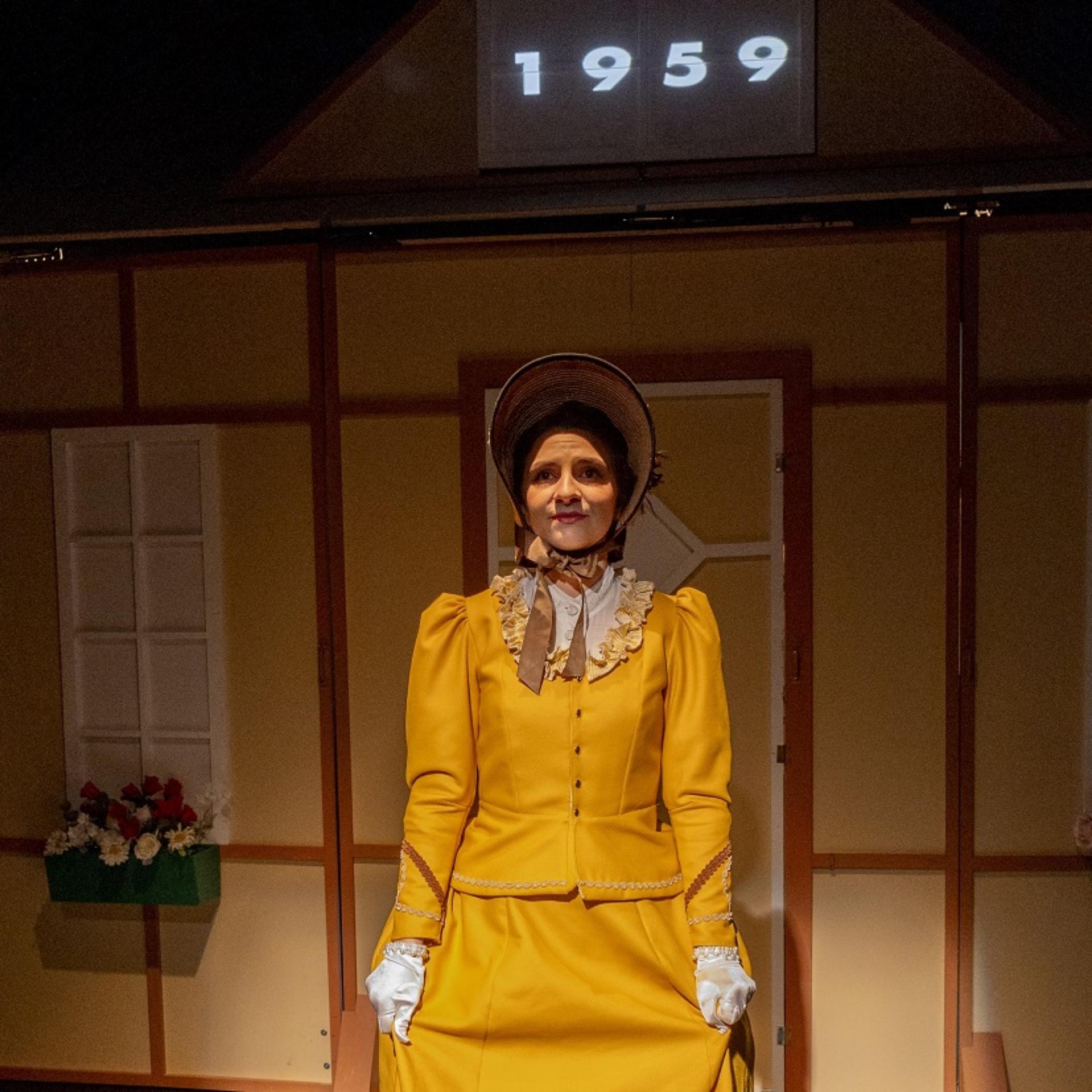
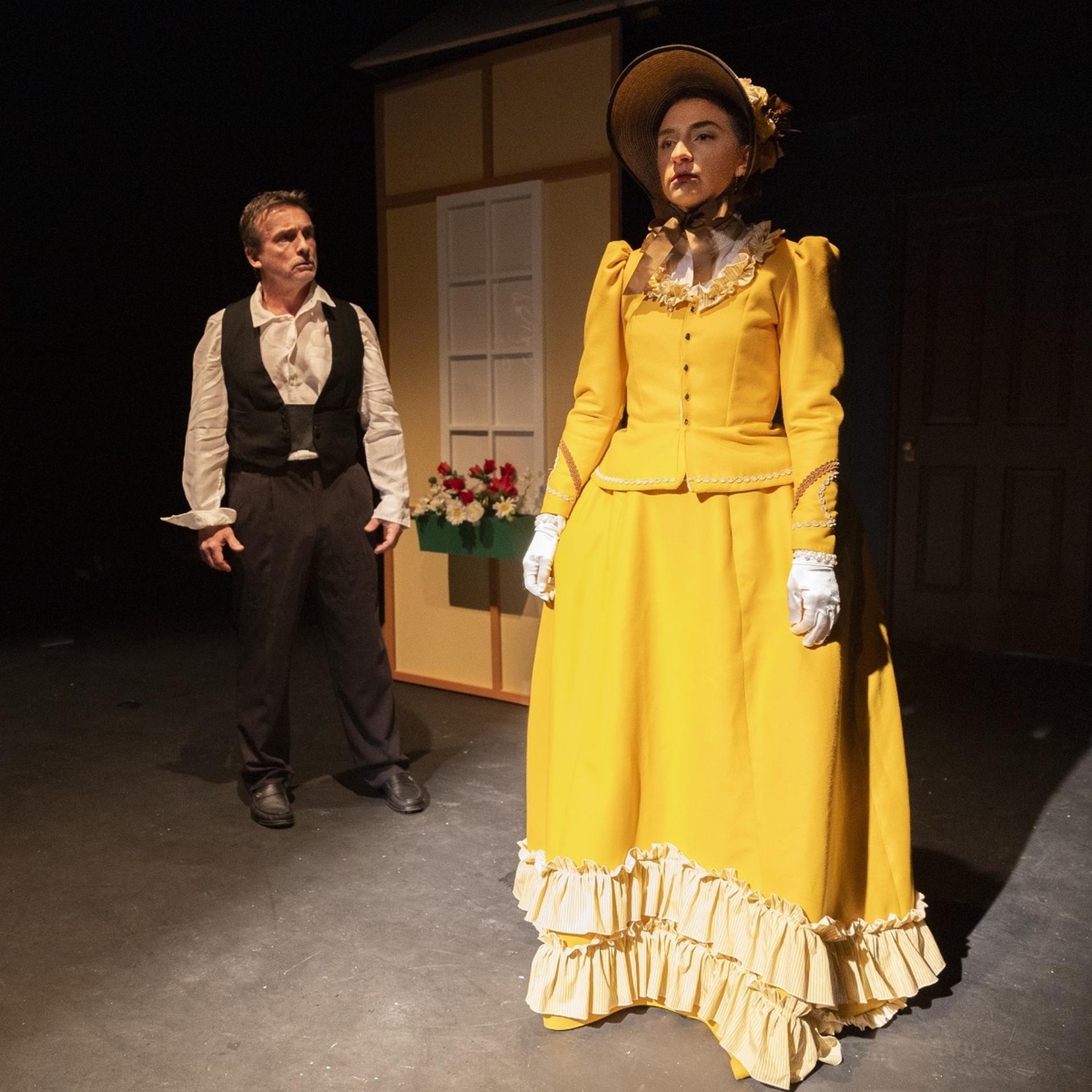
In Samuel Adamson’s Wife, we see the classic play A Doll’s House by Henrik Ibsen being staged repeatedly in England over decades, as several generations wrestle with the concept of emancipation in their own lives. Not only do women continue to grapple with their liberation in Adamson’s musings on Ibsen’s influence, it is queer people’s more recent advancements that are central to its concerns.

The writing is imaginative and pointedly witty, often thought-provoking in meaningful ways. Insufficient rigour in the production means that much of the nuance can be missed, but direction by Darrin Redgate does ensure dramatic escalation, and crucial moments prove gripping, in this two-and-a-half hour presentation.

Set design by David Marshall-Martin conveys whimsy for a comedy that is often quirky in tone. Costumes by Aibhlinn and Burley Stokes are effective at delivering colour, while Jay Murrin’s lights provide some polish, for a story that spans 83 years. Matthew Forbes’ sounds are appropriately minimal in approach, satisfactory in particular during scene transitions.

Each member of cast plays multiple roles, to mixed results. Alison Brooker, Henry Lopez Lopez and Julia Vosnakis bring conviction and energy. Will Manton and Pete Walters have strong moments as Ivar, one of the key characters, to help Wife feel relevant for a contemporary Australian audience. Imogen Trevillion is believable as Clare, pivotal at tying up all the loose ends, so that the sprawling tale may resonate with some poignancy when it really matters.

When Nora leaves her family at the conclusion of A Doll’s House, it is uncertain if she goes in search of equality, or of something else entirely different. Marginalised people know that much of life requires a system of hierarchy and therefore subjugation, yet we are rarely able to formulate new ways that allow for all to be free, choosing instead to take the place of former oppressors, and make other people bear the brunt.

www.newtheatre.org.au

Review: Ruins أطلال (25A Belvoir)

Venue: Belvoir St Theatre (Surry Hills NSW), Oct 1 – 20, 2024
Playwrights: Emily Ayoub, Madeline Baghurst, Mine Cerci
Directors: Emily Ayoub, Madeline Baghurst
Cast: Emily Ayoub, Adam Al Kuheli, Madeline Baghurst, Tony Poli, Piumi Wijesundara
Images by Geoff Magee

Theatre review
It is a pilgrimage of sorts that we see in Ruins أطلال . An Australian travels to the Bekaa Valley in Lebanon, guided by memories of her recently departed father, in search of something that feels like belonging. Stories of diaspora seem to be having their moment. It is the element of time that makes all the difference. We have always known the wealth of possibilities in working through our tales of origin, but assimilation for survival has meant that we have, for a long time, neglected parts of ourselves that are considered inconvenient and unsavoury.

Conceptualised and directed by the formidable duo of Emily Ayoub and Madeline Baghurst, Ruins أطلال  initiates an exploration into that duality of being both and in-between, of containing contradictions and finding harmony whilst acknowledging, all the troublesome incoherence resulting from inhabiting an identity that is not just one thing. The show is beautiful at every juncture, with incredible configurations of bodies in space, illuminated exquisitely by Frankie Clarke, and with Johnny Yang’s music gently stirring in the background.

Jessica Scott is the flautist on the periphery, adding to the dynamism of the piece, whilst the spiritually fortified Ayoub leads the cast at bringing to life, this meditation on how a person cannot escape excavating the past, if they wish to become truly whole. Tony Poli embodies the paternal figure, with generous warmth and an understated strength. Baghurst, along with Adam Al Kuneli and Piumi Wijesundara play a range of secondary characters with magical effect, always imbuing a sense of wonder to the experience.

There is perhaps some deficiency in the level of intellectual engagement that the piece inspires, but Ruins أطلال is a work that makes an unequivocal statement about the importance of knowing one’s roots and of embracing one’s entirety. It is about the rejection of shame as prescribed by colonialist projects, and about finding the confidence to stand for the validity of cultural specificities that are excluded from hegemonic paradigms. We may have to regularly acquiesce to whiteness on these lands, but spaces are opening up, rapidly and pervasively, in which we can become truer and better selves.

www.belvoir.com.au | www.clockfiretheatre.com
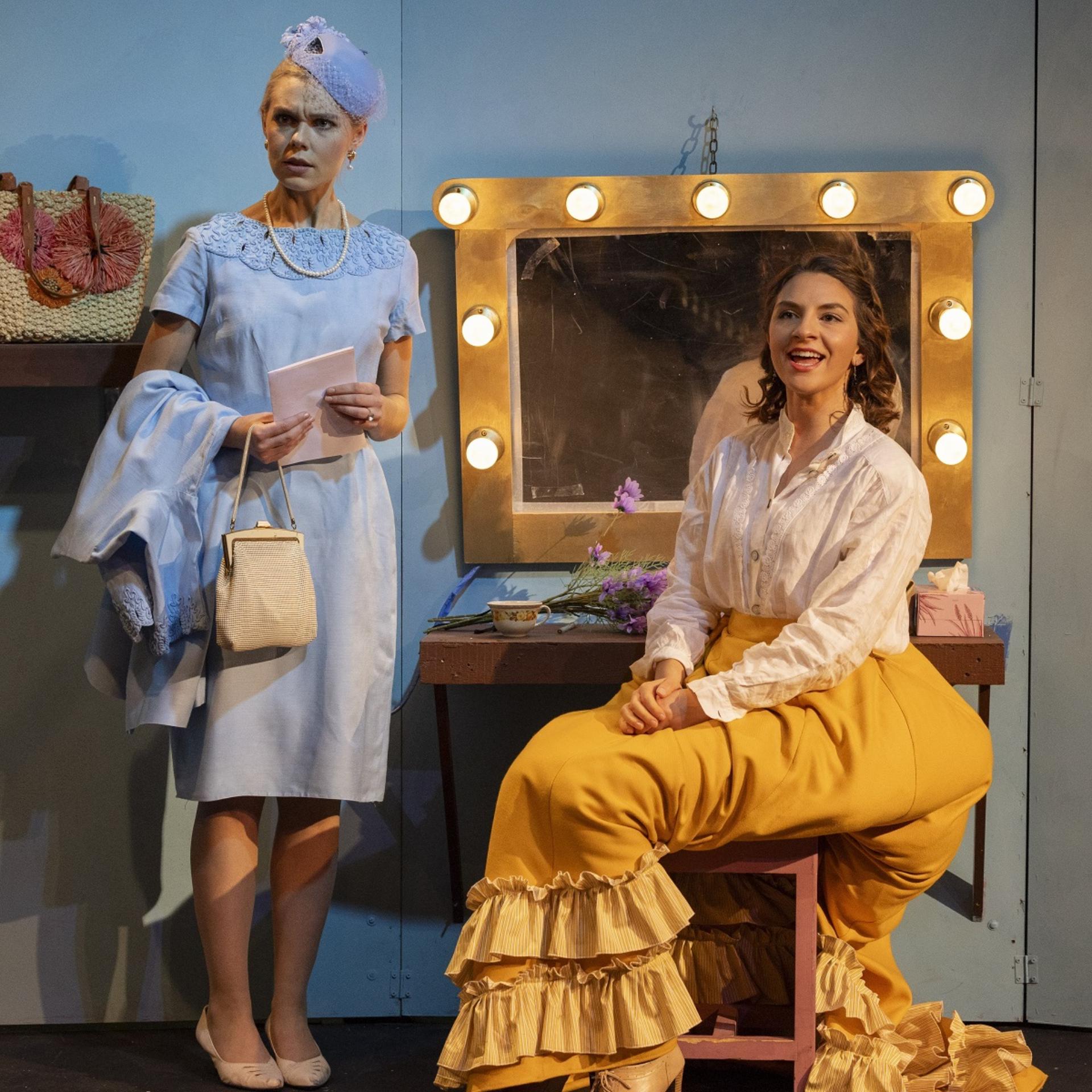
Review: Well-Behaved Women (Belvoir St Theatre)

Venue: Belvoir St Theatre (Surry Hills NSW), Sep 28 – Nov 3, 2024
Music & Lyrics: Carmel Dean
Additional lyrics: Miriam Laube
Director: Blazey Best
Cast: Stefanie Caccamo, Sarah Murr, Zahra Newman, Elenoa Rokobaro
Images by Brett Boardman

Theatre review
Carmel Dean’s Well-Behaved Women (with additional lyrics by Miriam Laube) is a song cycle, with each number inspired by a remarkable woman from the annals of history, from Eve of the Garden of Eden, to Malala Yousafzai the British Pakistani activist. Whether mythical or simply legendary, these personalities all tell extraordinary stories of glorious ascendency, each one a brilliant example of tenacity and triumph.

The songs are uniformly enjoyable, thoroughly melodious to keep our attention and emotions engaged. Direction by Blazey Best delivers a show that reverberates with an unmistakeable sense of dignification for womanhood, although too persistently sombre for the 70-minute duration. Orchestrations by Lynne Shankel are powerful, but overly serious for much of the presentation. Lights by Kelsey Lee too are consistently grave, when we are in search for exaltation.

A cast of captivating singers takes us through this omnibus of exceptional women. Performers Stefanie Caccamo, Sarah Murr, Zahra Newman and Elenoa Rokobaro bring great verve, along with admirable polish, for a show memorable for its proud expressions of success and resistance.

Women are capable of great things, of course, but we are worthy even when we are unremarkable. Feminism is not only for those who are exceptional. In fact, it is more about those who are ordinary. We should all have the courage to behave badly and make history, but we need to remember that it will always be harder for some. It is impossible that we are all going to become iconic, not so much because of personal constitutions, but more because of circumstances. As we continue to love the characters in Well-Behaved Women, we need to understand that it is not only these anomalies that should be celebrated.

www.belvoir.com.au
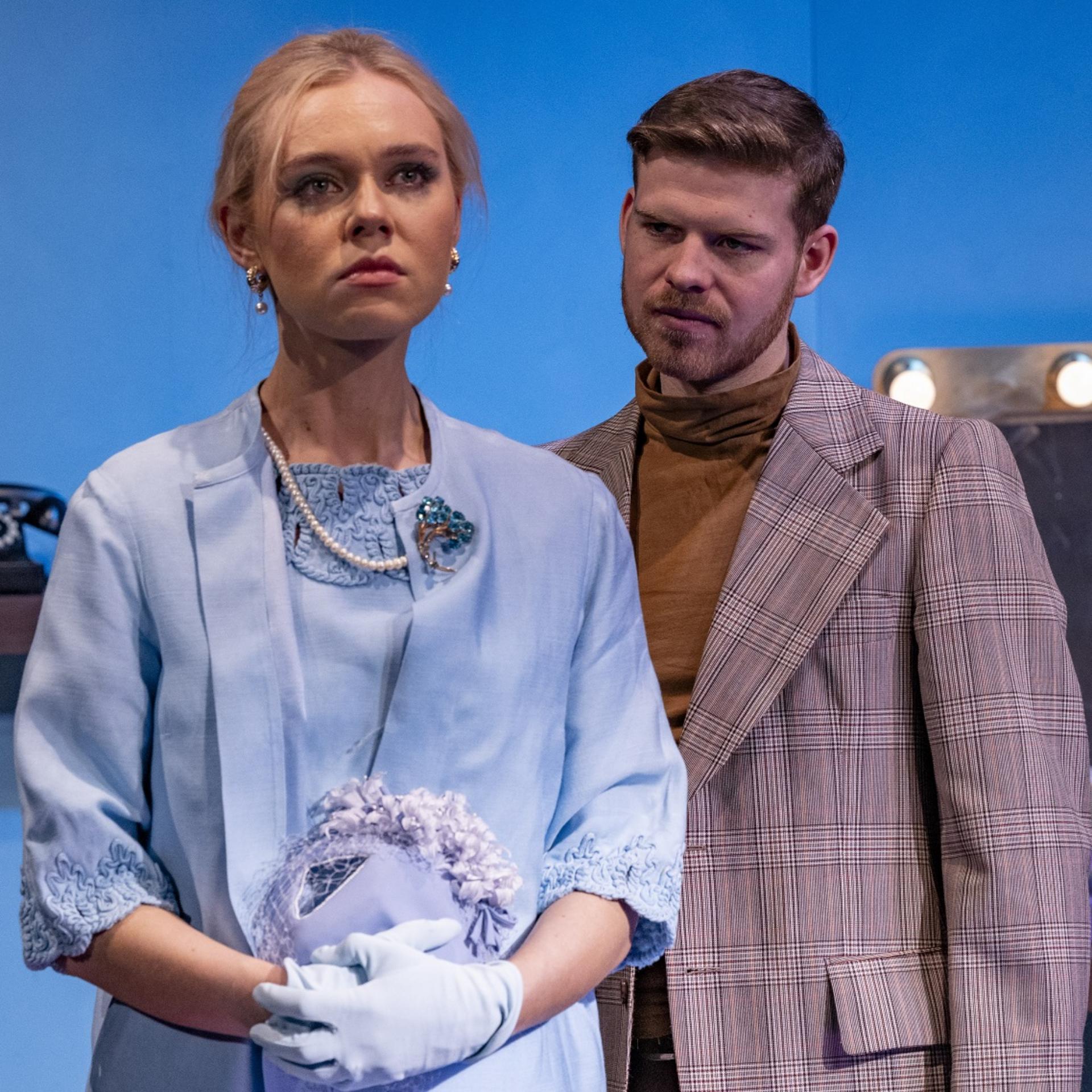
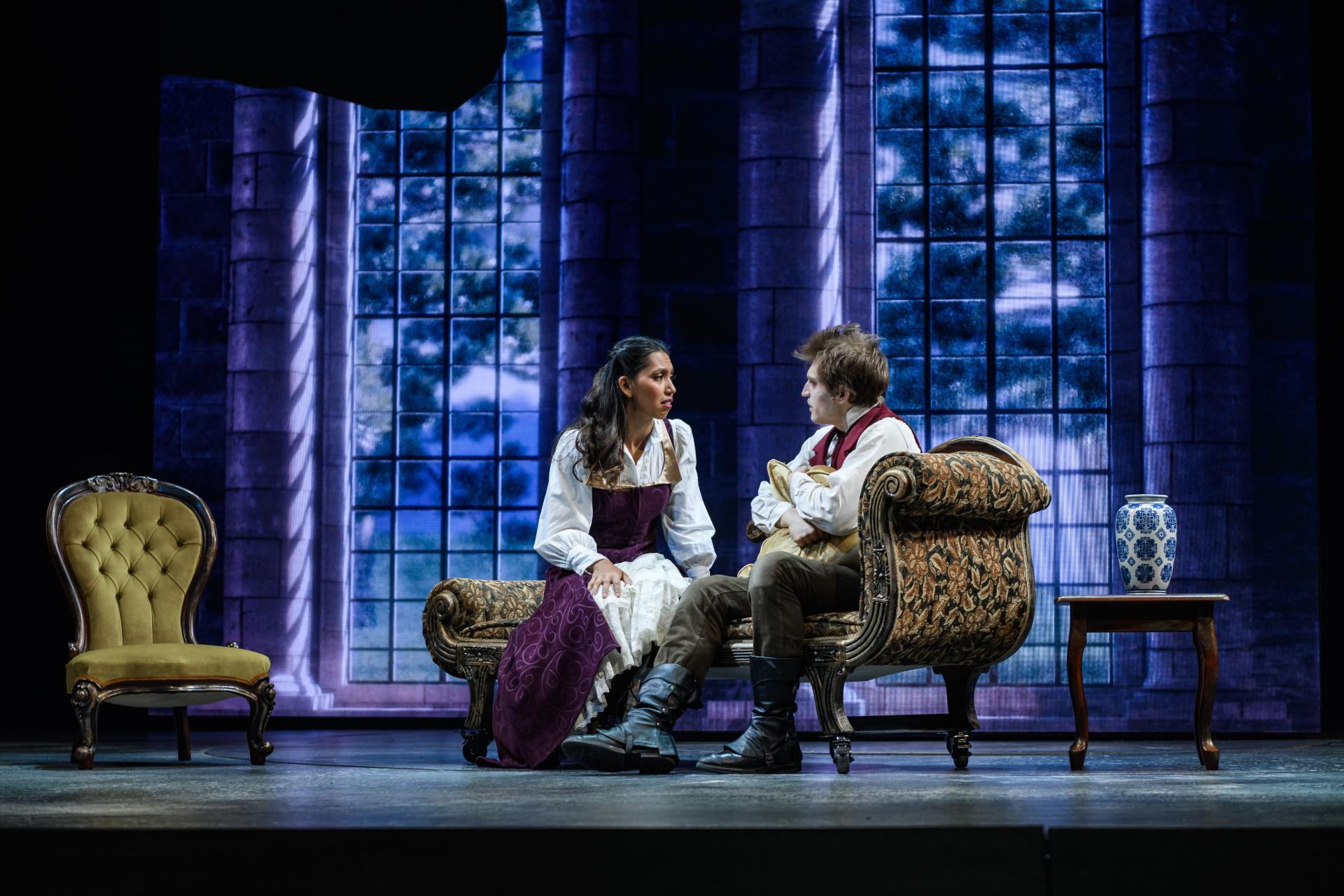
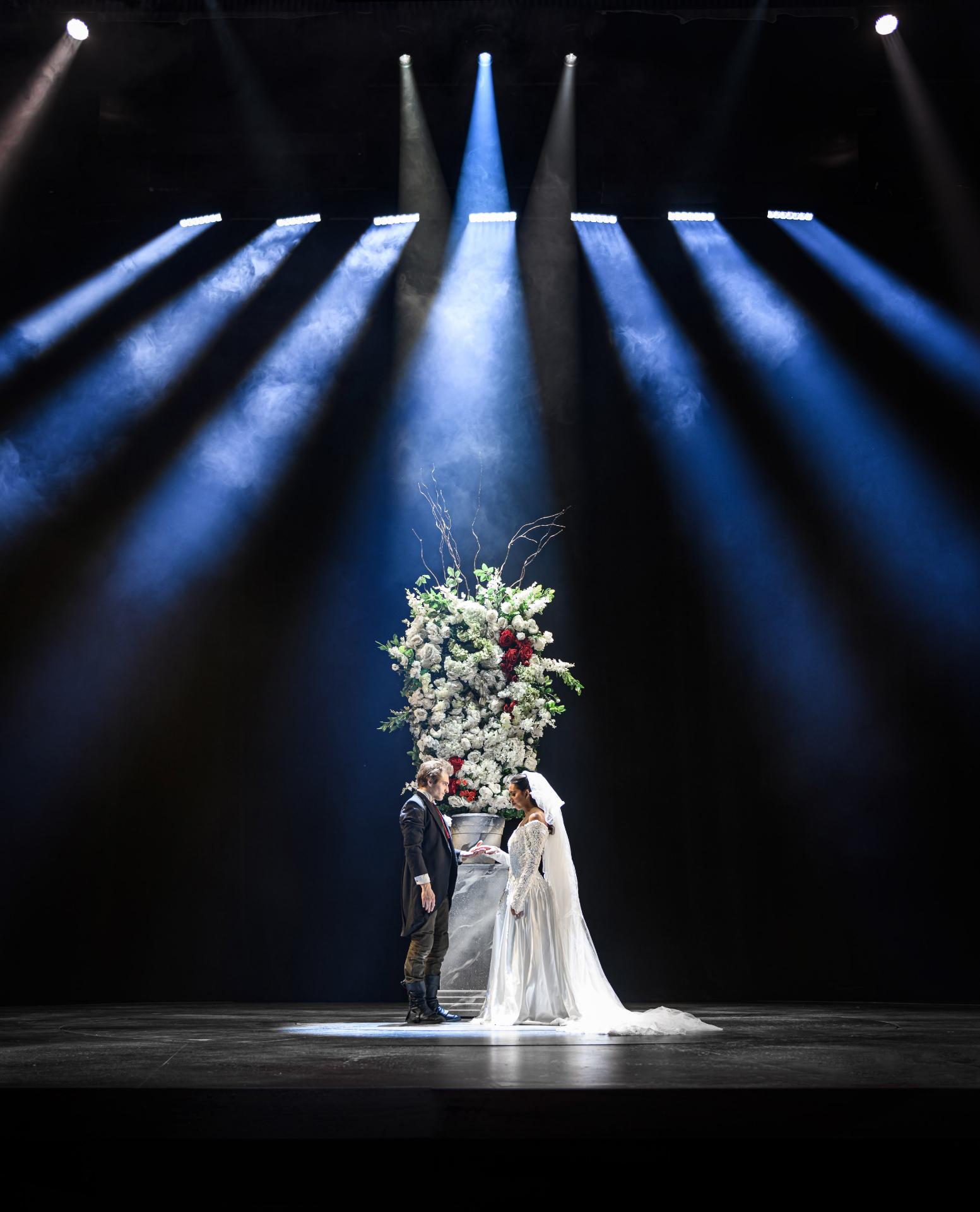
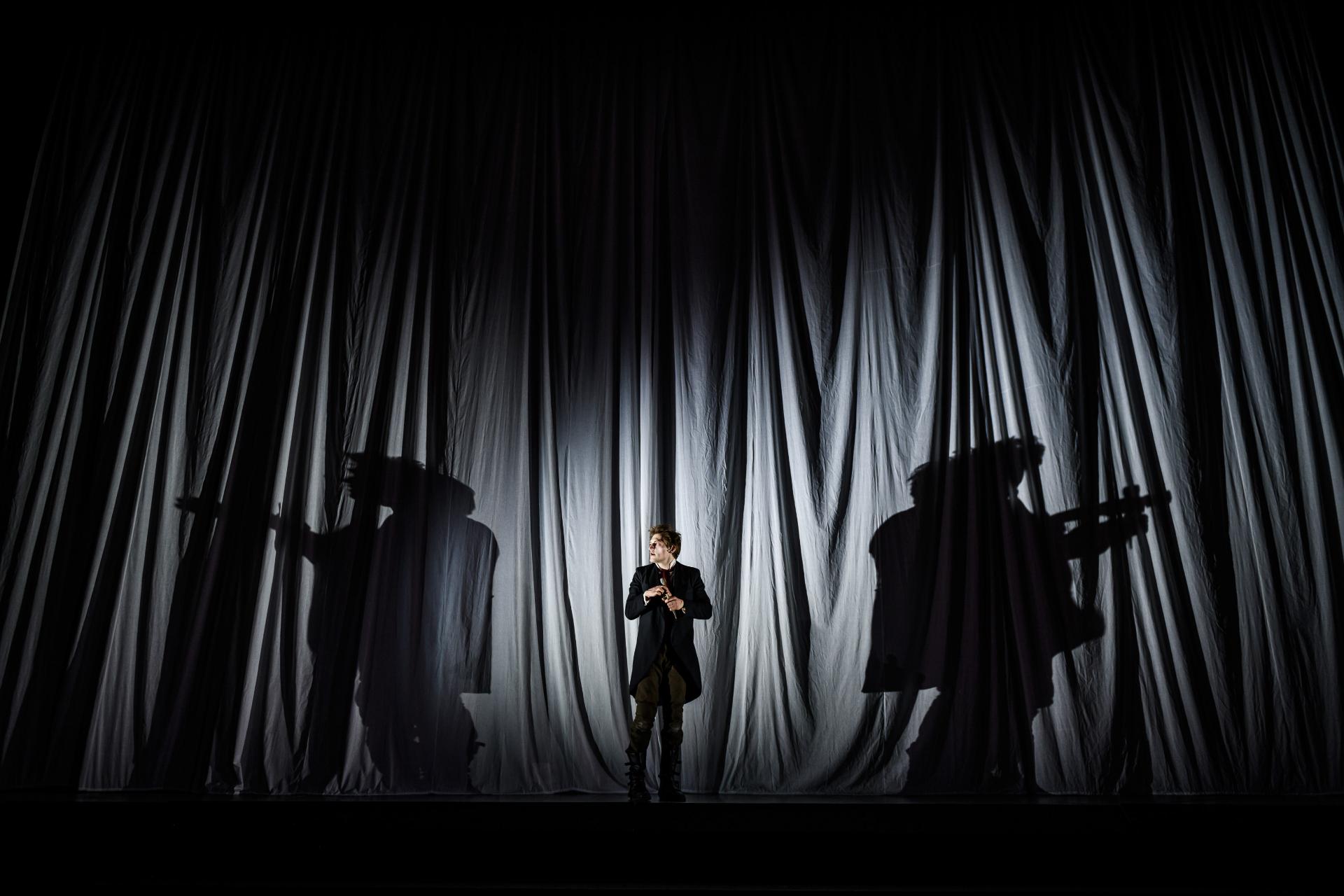
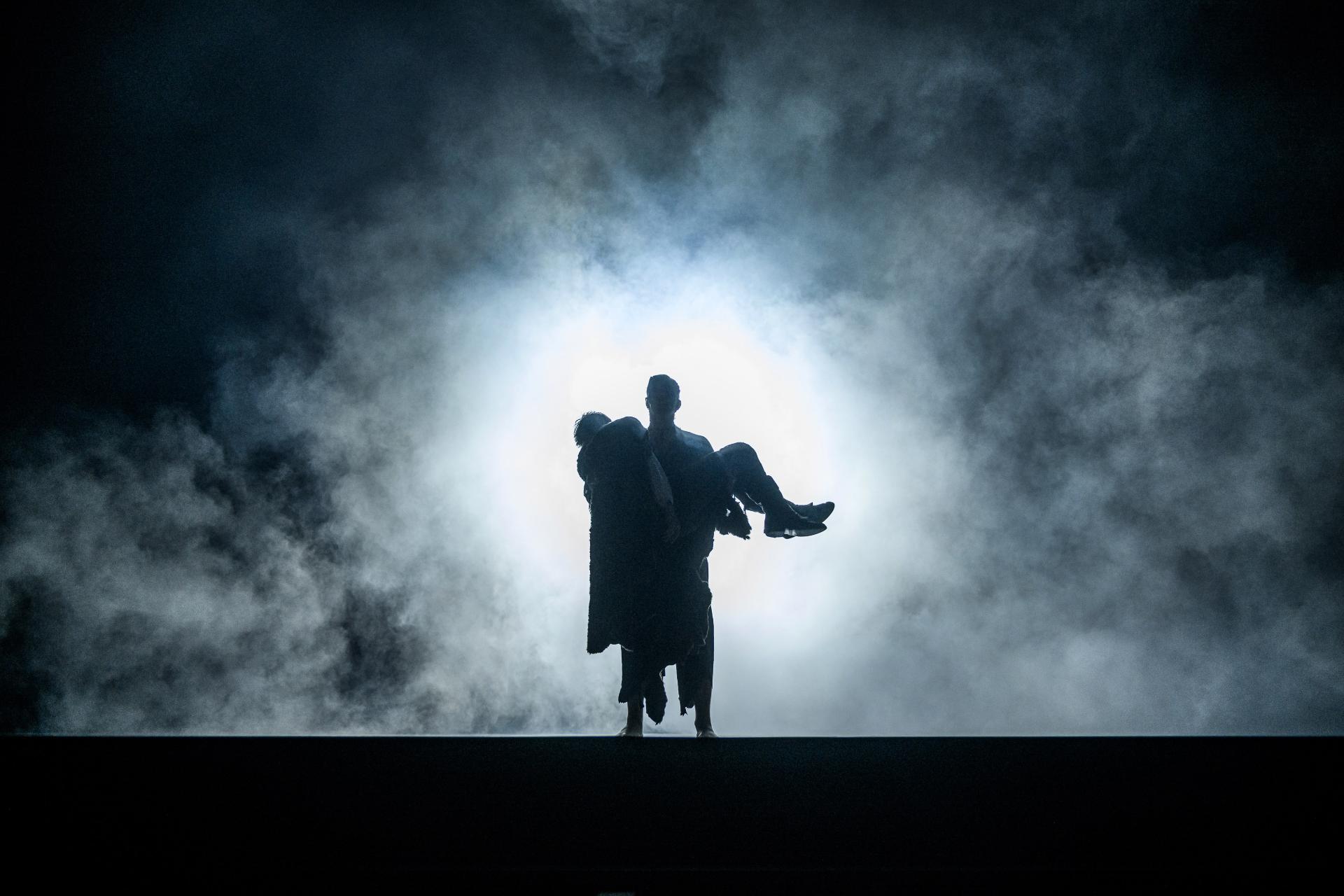
Review: Frankenstein (Theatre Royal)

Venue: Theatre Royal (Sydney NSW), 28 Sep – 13 Oct, 2024
Playwright: Nelle Lee (from the novel by Mary Shelley)
Director: Nick Skubij
Cast: Darcy Brown, Tony Cogin, Nick James, Anna Lise Phillips, Jeremiah Wray, Chloé Zuel
Images by Joel Devereux

Theatre review
It is with the most obsessive passion, that the scientist sets out to build his creature. It seems Mary Shelley had intuited that technology would simply march forward, whether the consequences are good or bad. Nelle Lee’s adaptation of Frankenstein provides a rich narrative, for an eventful piece of theatre. Unlike the original, it tends not to inspire much philosophical rumination, but there is certainly a lot of room for drama and spectacle.

Dynamic direction by Nick Skubij’s aims to provide a thrilling experience, and the production is indeed impressive with its unrelenting kineticism. It however neglects our need for emotional involvement until late in the piece, and when we begin to feel for the story,  it may be too little, too late.

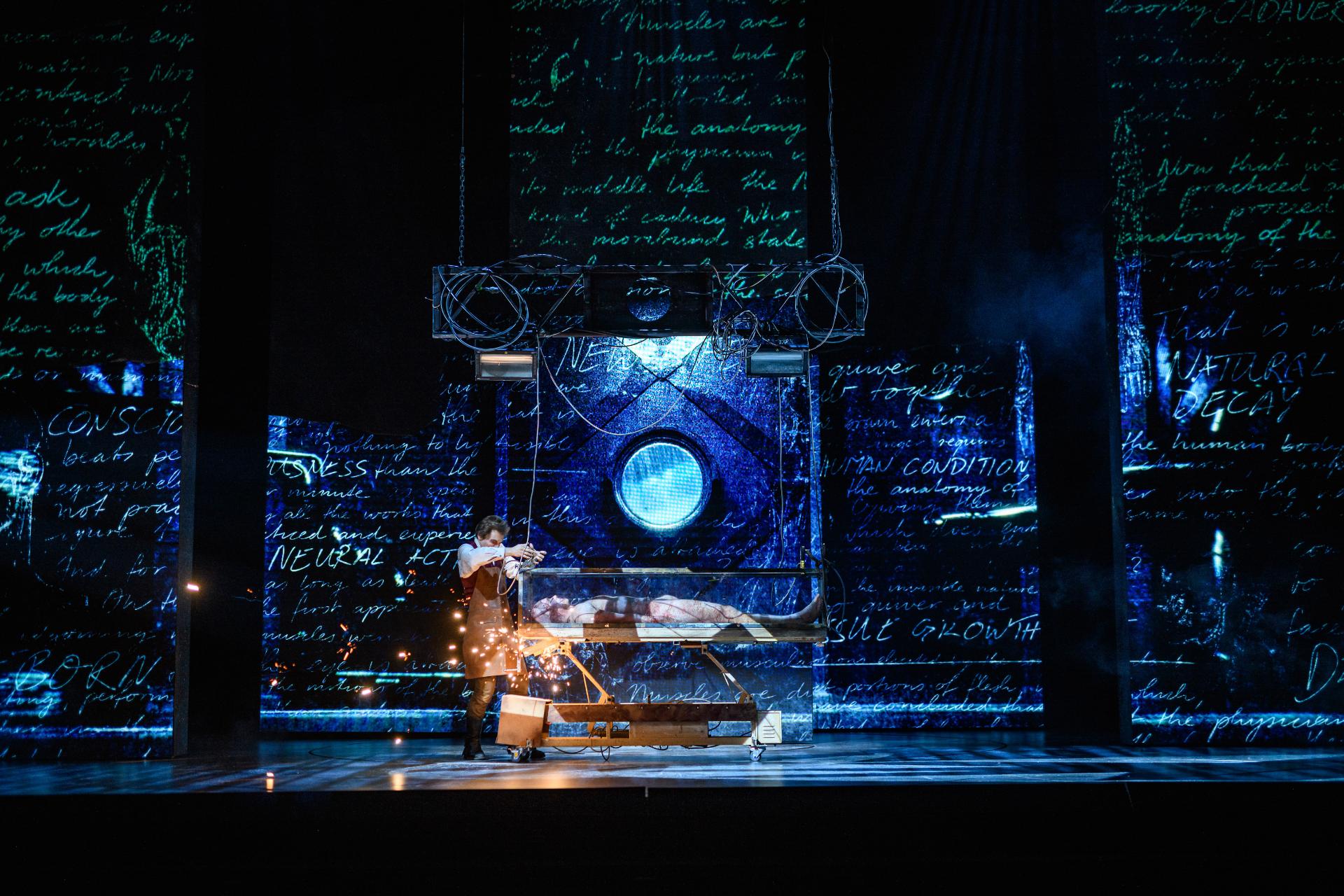
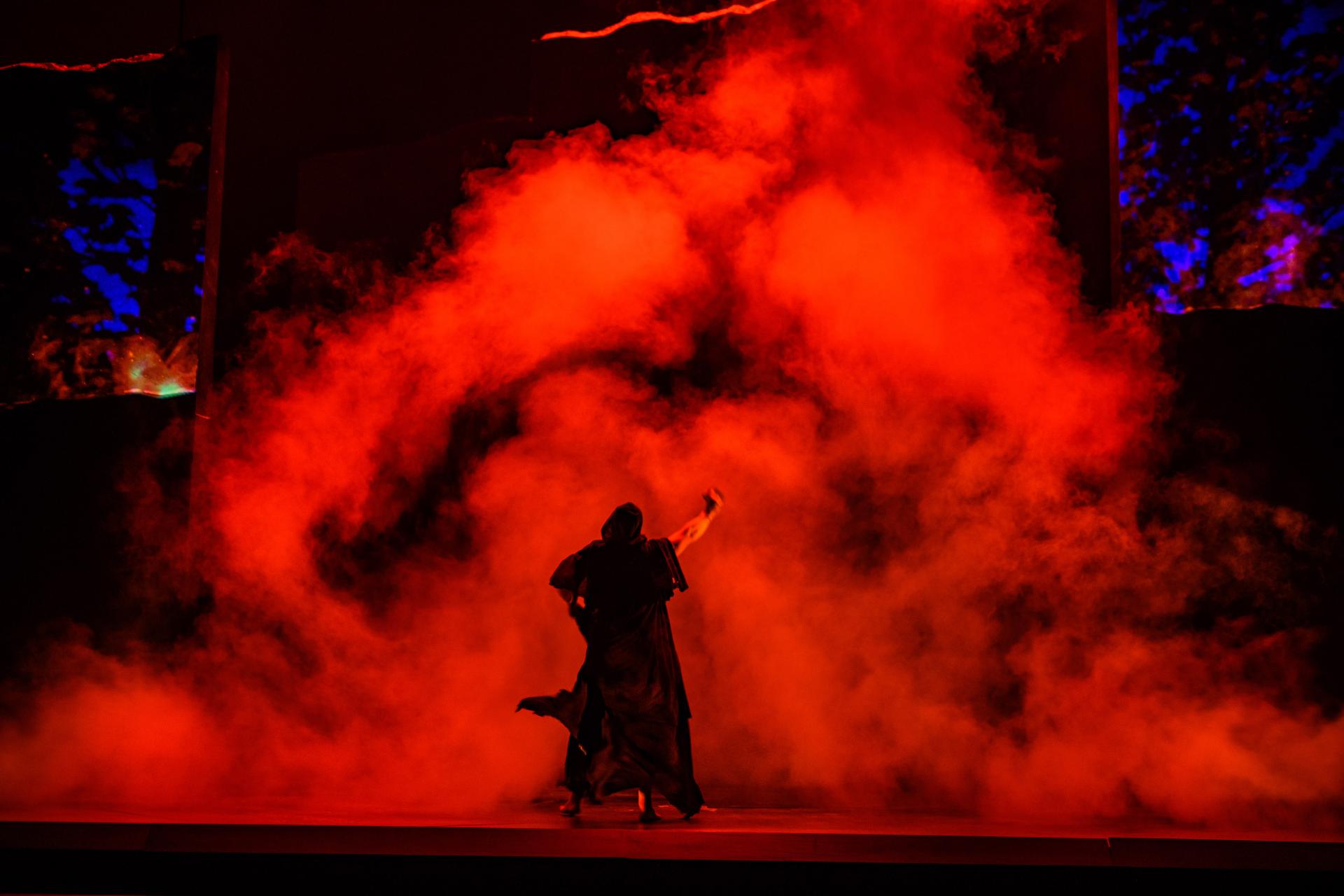
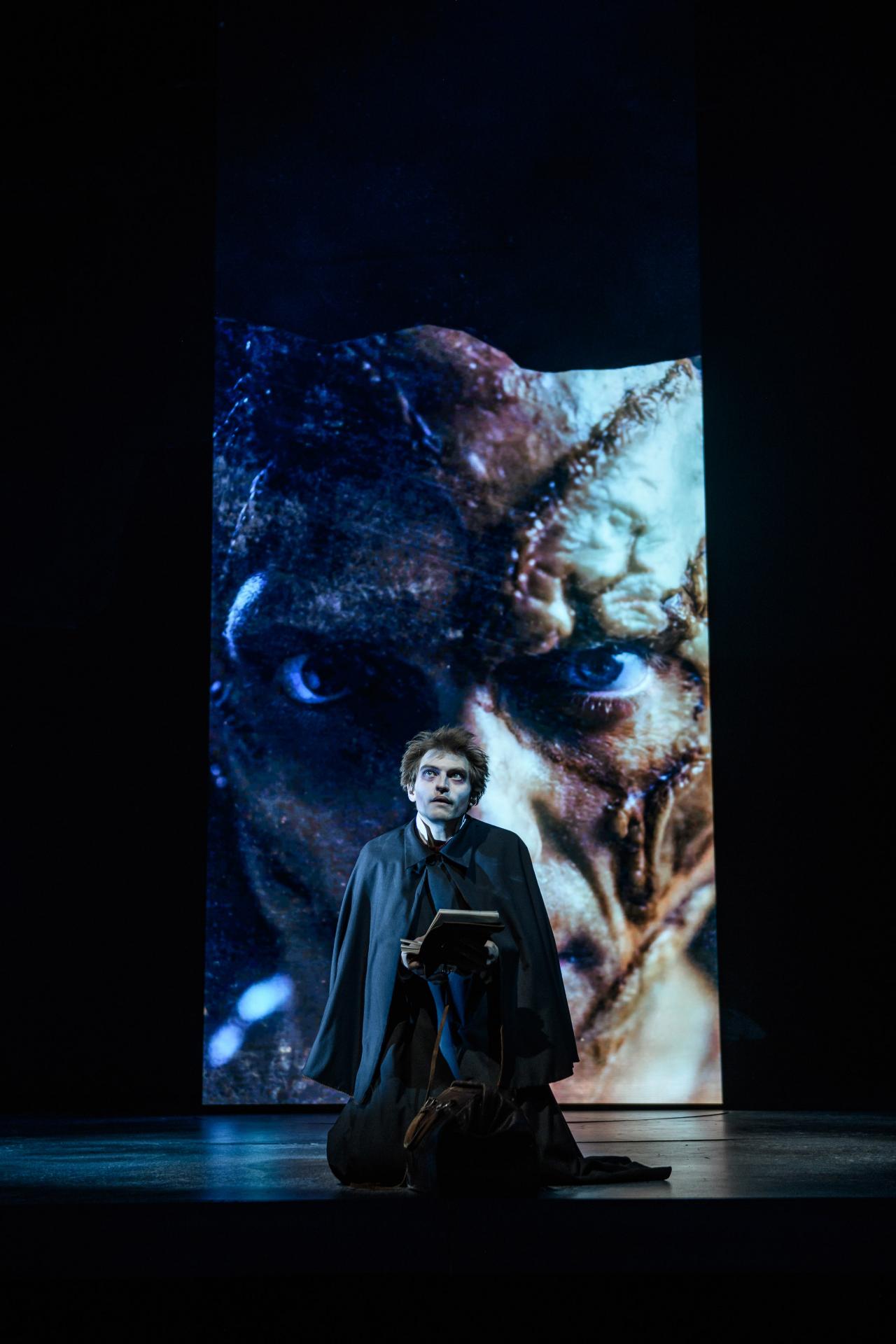
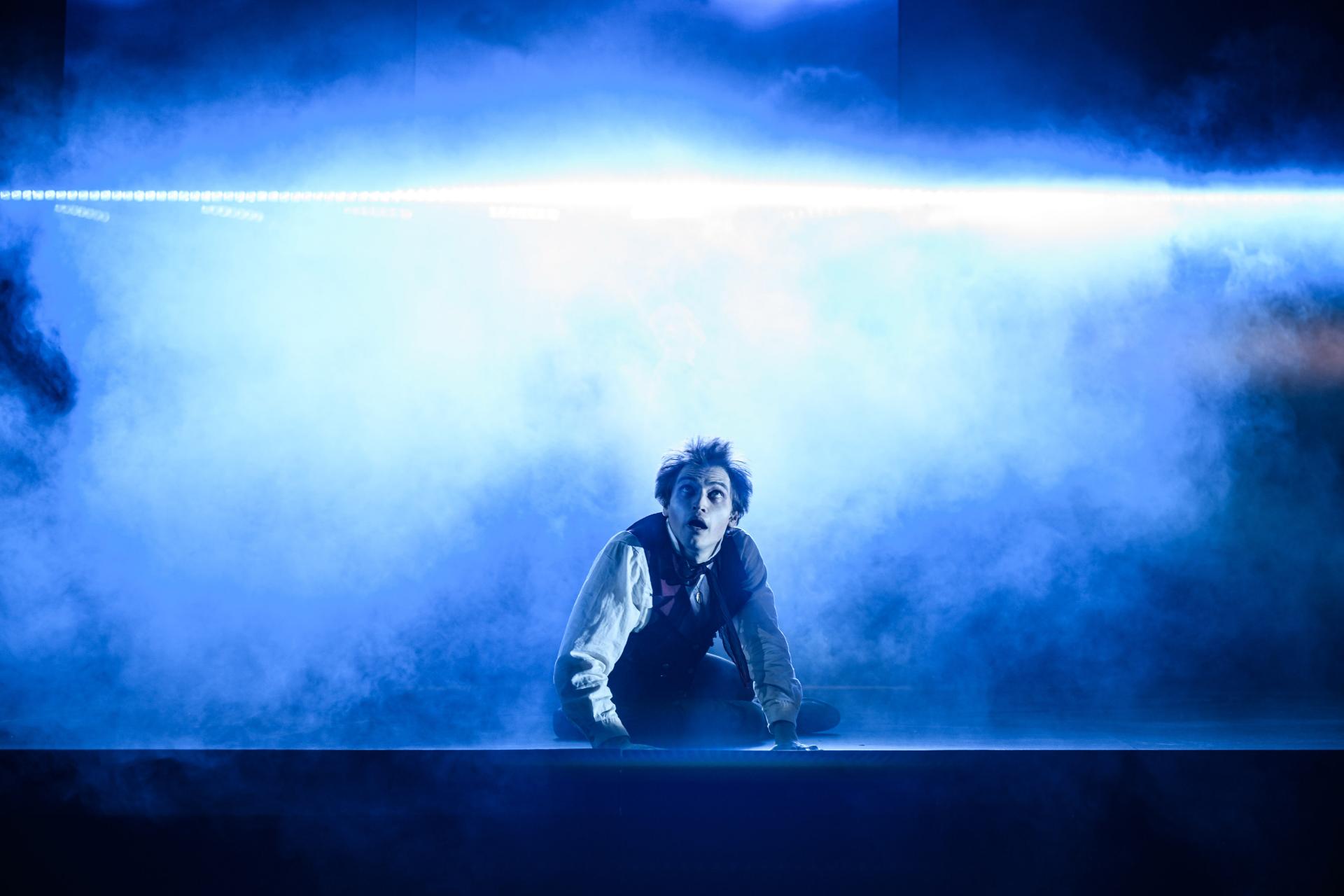
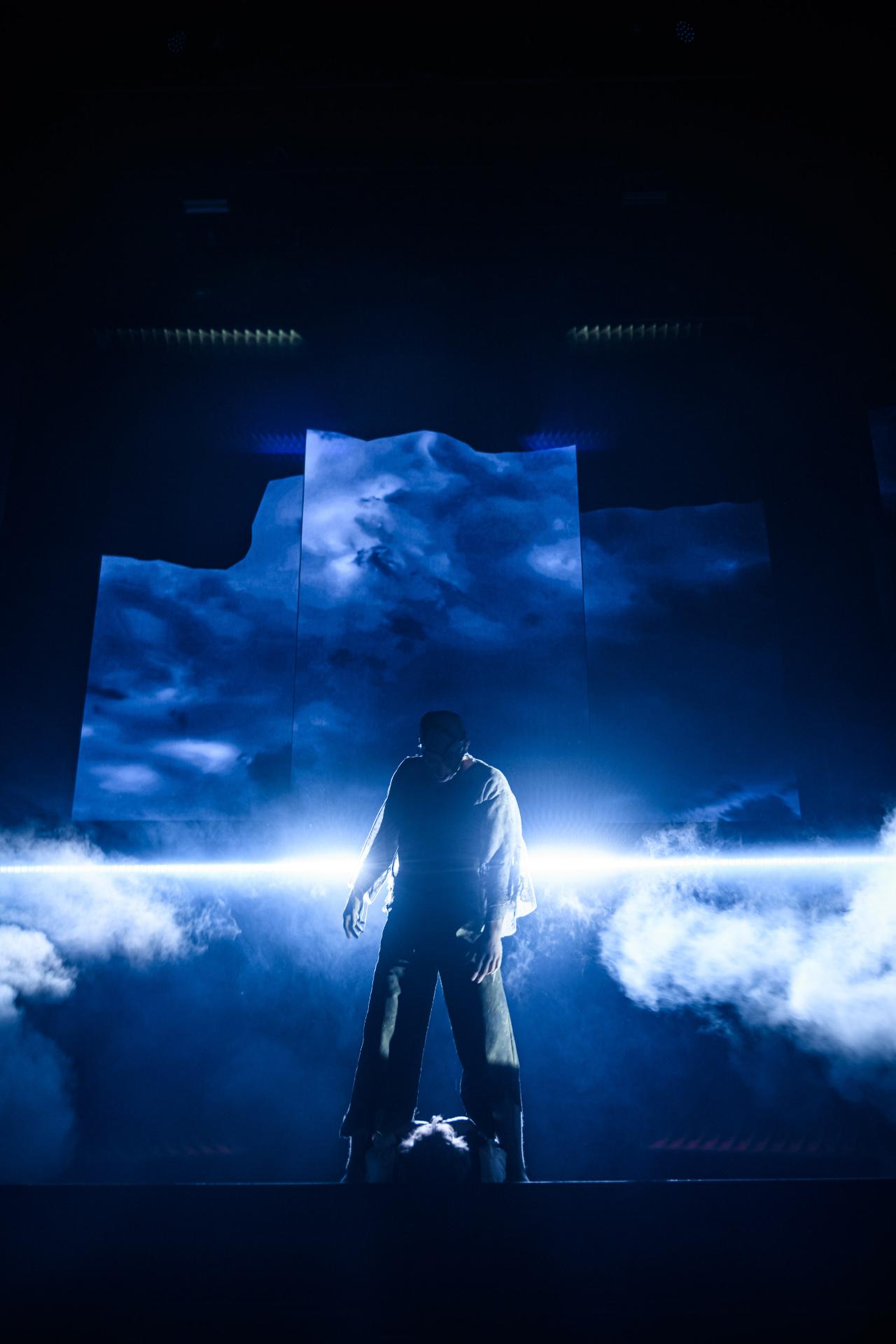
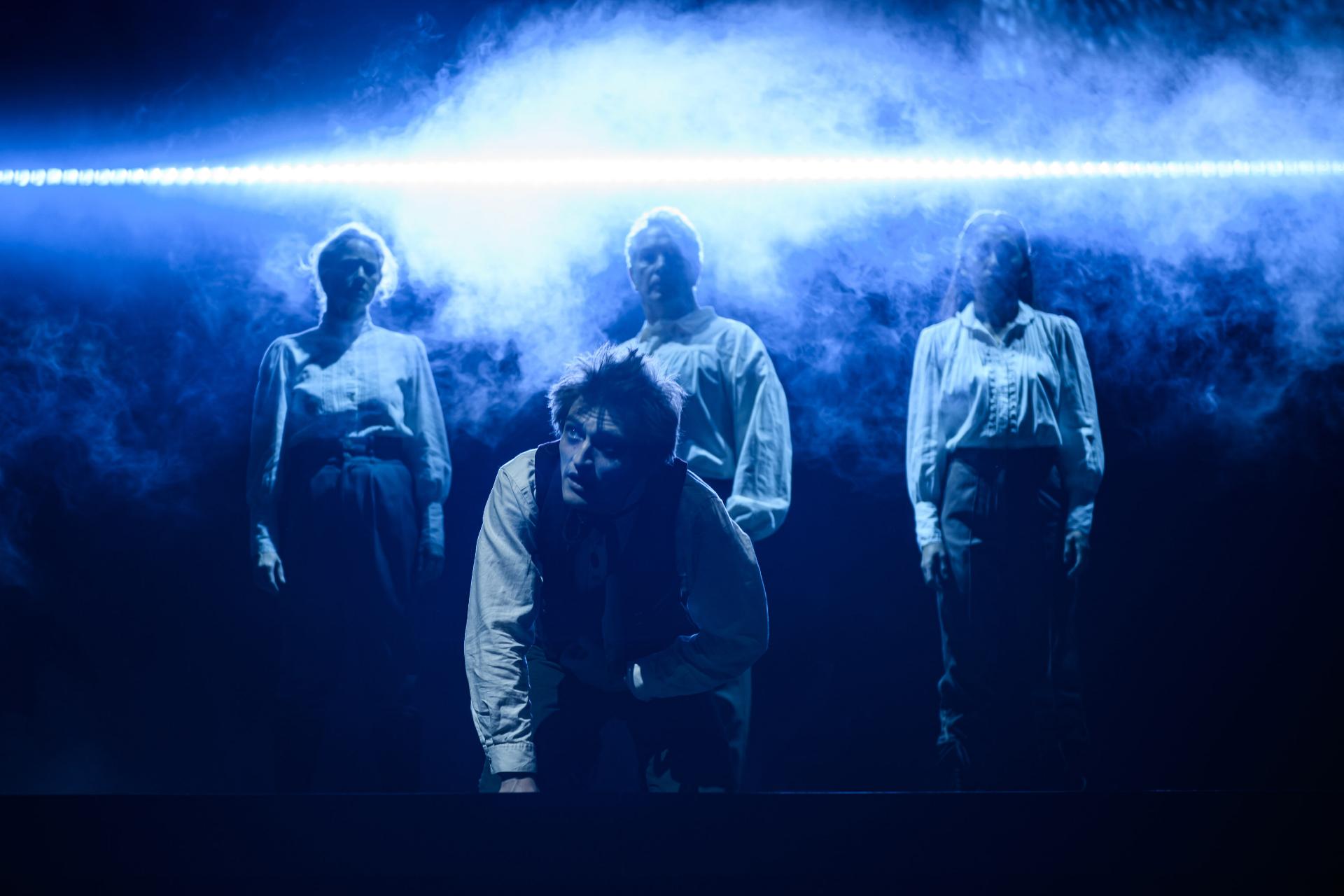
Ambitious set design by Josh McIntosh keeps our senses enthralled, with Craig Wilkinson’s intensive video projections sometimes adding to the extravagance, but at other times making things look less than elegant. McIntosh’s work on costumes proves accomplished, and along with makeup by Steven Boyle, especially memorable for their combined rendering of the notorious Frankensteinian creature. Lights by Trent Suidgeest are striking, with a consistent flamboyance that really dazzles. Sounds and music by Guy Webster are wonderfully grand, always imbued with a sense of opulence that greatly enhances the show.

Actor Darcy Brown plays a very eccentric Victor Frankenstein, perhaps slightly too unrestrained on occasion, but nonetheless marvellous with the intensity being delivered. Jeremiah Wray is remarkable as the creature, astonishing with the physicality he brings to the role, and disarming with the sentimentality he delivers quite unsuspectingly, just when we begin to tire of the inexorable theatrical hullabaloo.

There is a karmic lesson fundamental to the meanings of Frankenstein; it appears that monsters can only be created by other monsters. It may also seem that monstrous behaviour can be unintentional, although it is infinitely more human, to cling to the belief that it is our resolve that means everything, that we must endeavour to do good, and that our vigilance is key to thwarting destructive aspects of our nature. 

www.frankensteinlive.com.au
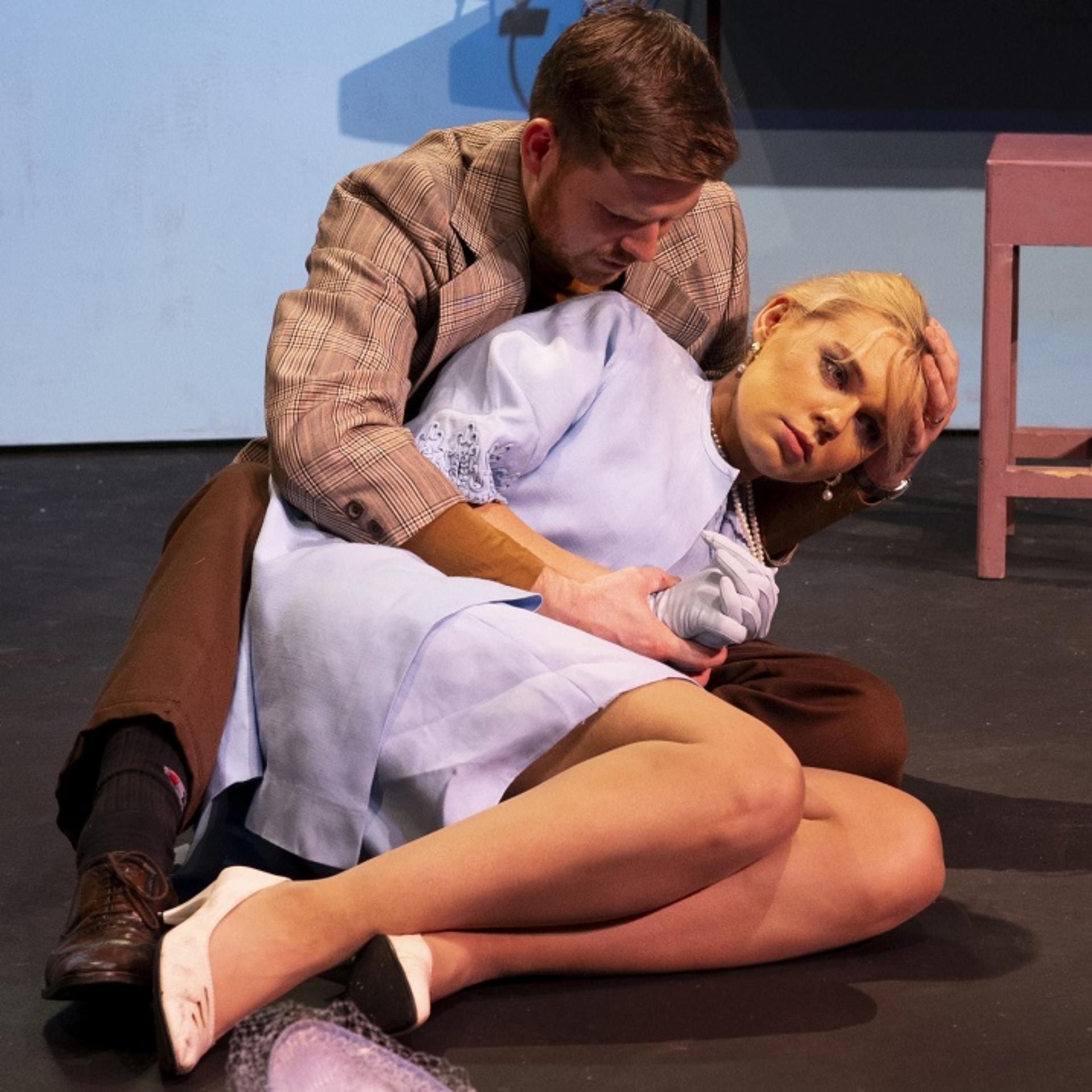
Review: Seventeen (Seymour Centre)

Venue: Seymour Centre, Reginald Theatre (Chippendale NSW), Sep 27 – Oct 19, 2024
Playwright: Matthew Whittet
Director: Mary-Anne Gifford
Cast: Di Adams, Katrina Foster, Noel Hodda, Peter Kowitz, Colin Moody, Di Smith
Images by Carlita Sari

Theatre review
A group of teenagers has completed their final day in high school, and is now poised for the rest of their lives. It is all very daunting for characters in Matthew Whittet’s Seventeen, at a moment where big changes are afoot, and with new identities being formed, but for those of us who have been through that rite of passage,  it can all seem a little trite and pedestrian.

Once again the play is performed by older actors, presumably in their sixties, in order that the text may communicate with greater poignancy. Indeed it is the notion of transience that becomes a prominent dimension of the storytelling, juxtaposing against the naivety of young people in the throes of something that feels defined by finality.

Actors Noel Hodda and Di Smith are particularly captivating, both bringing a savvy to their performative representations, of personalities decades their junior. Others in the cast tend to be overly earnest, which only draws greater attention to the mundane qualities of Seventeen. Direction by Mary-Anne Gifford could benefit from a more flamboyant approach, but there is certainly an integrity to her realism that cannot be denied.

Set design by Paris Burrowes introduces visual familiarity to the experience, although it is doubtful if her costumes convey that same accuracy. Lights by Grant Fraser and sounds by Michael Huxley are implemented with simplicity, in a production that errs on the side of reticence. 

Watching the seniors play juvenile roles, it is the nature of time that comes to the fore. The impermanence of human experience should tell us that it can all be taken with a pinch of salt, but life has a knack for having us completely invested in all of its ups and downs. We should know to be unperturbed, but the truth is that we are embroiled, hopelessly engaging in every emotion, even as we understand more clearly their ironic futility.

www.seymourcentre.com | www.wildthingproduction.com

Review: Gilgamesh (Carriageworks)

Venue: Carriageworks (Eveleigh NSW), Sep 26 – Oct 5, 2024
Composer: Jack Symonds
Librettist: Louis Garrick
Conductor: Jack Symonds
Director: Kip Williams
Cast: Jeremy Kleeman, Jessica O’Donoghue, Mitchell Riley, Jane Sheldon, Daniel Szeisong Todd
Images by Daniel Boud

Theatre review
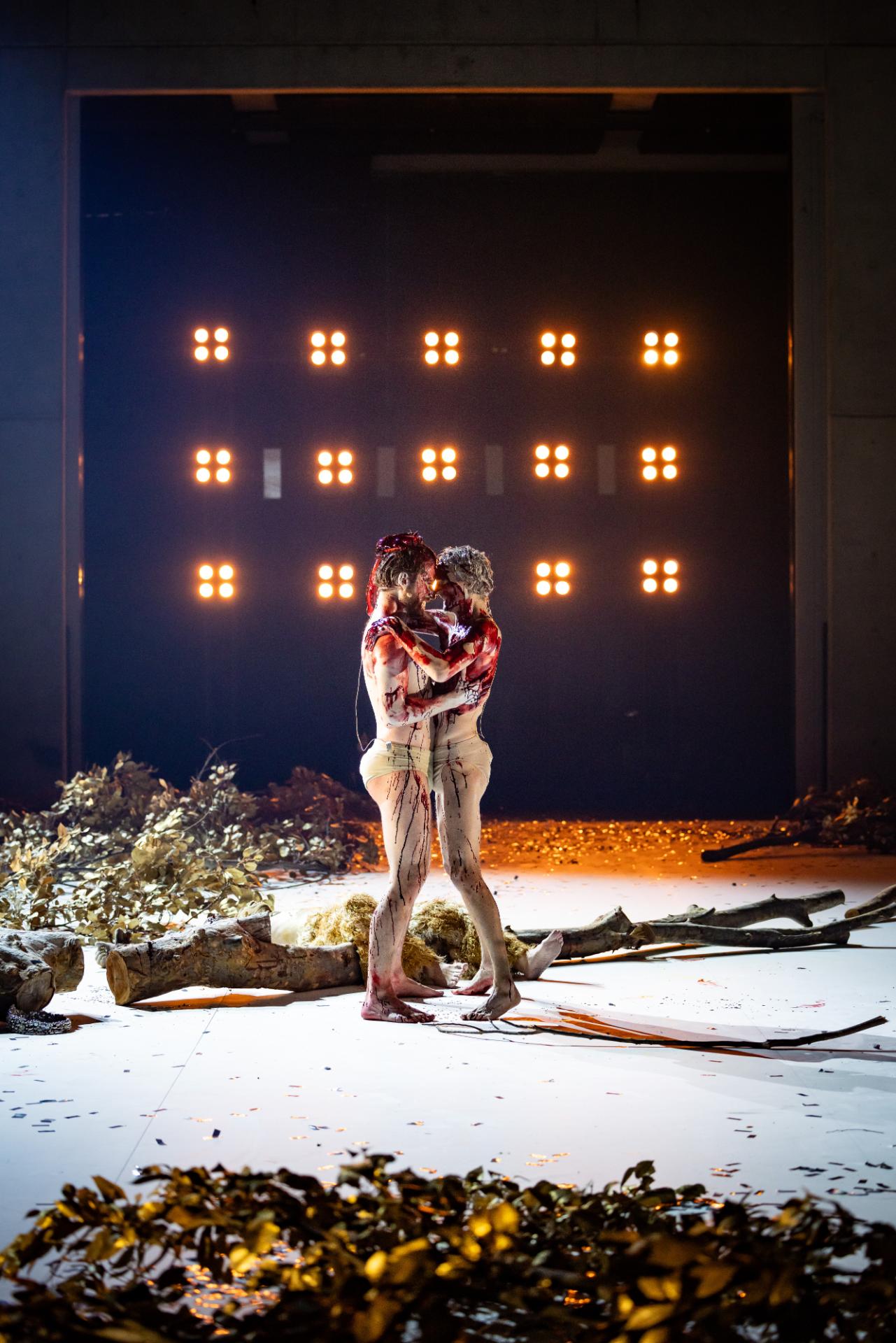
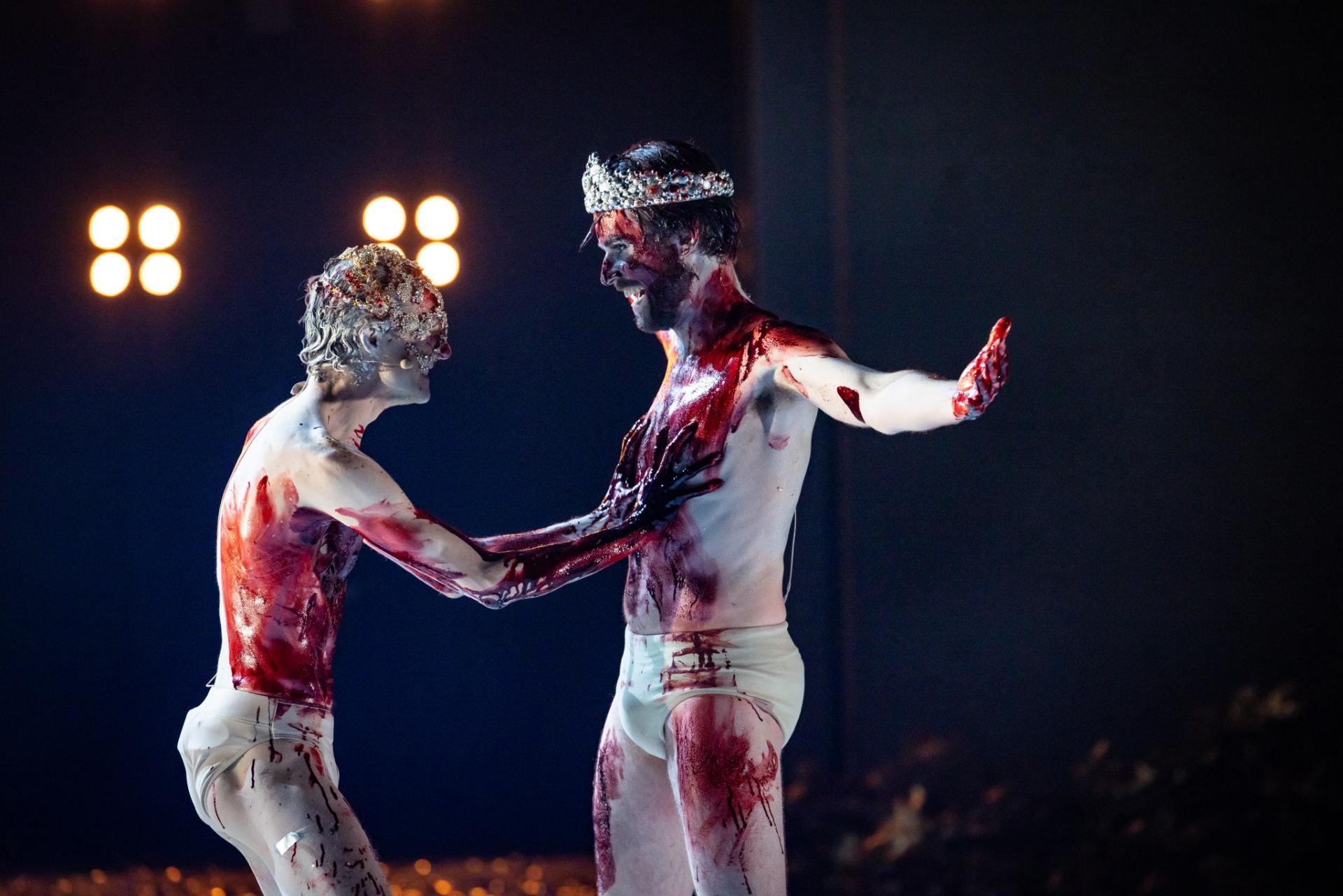
The Epic of Gilgamesh is a story that has been told for more than 4,000 years, with the titular character’s tyrannical tendencies as the king of Uruk, always a prominent feature. His relationship with Endiku, the wild man counterpart, too has been key to the legend, but it is not a pairing that is usually framed as a romantic one. In this 2024 operatic retelling by composer Jack Symonds and librettist Louis Garrick, simply titled Gilgamesh, the two are undeniably and unabashedly in love. Considering the intensity of their connection, we can now see that it is frankly absurd, to have ever denied them their queerness.

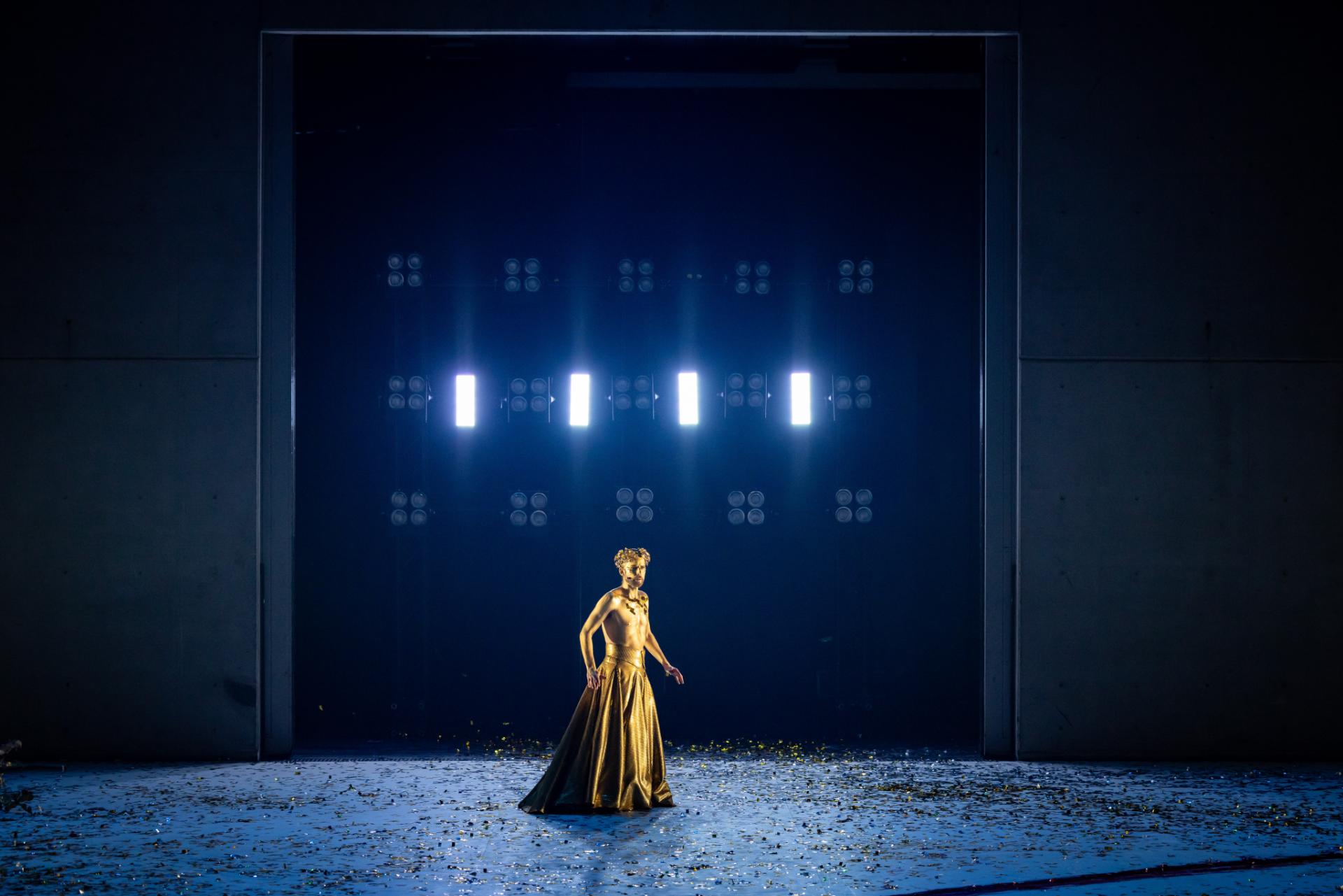
Symond’s thoroughly modern but mournful score is immediately captivating. Along with the visual flamboyance as introduced by director Kip Williams, Gilgamesh is an intriguing confluence of classic and contemporary. At almost three hours however, its resolute despondency becomes hard to bear, especially with the concluding passages becoming increasingly meditative. Initially mesmeric, the production struggles to sustain our attention to the end, although the integrity afforded the music is admirable, when we observe the staging gradually turning minimal.

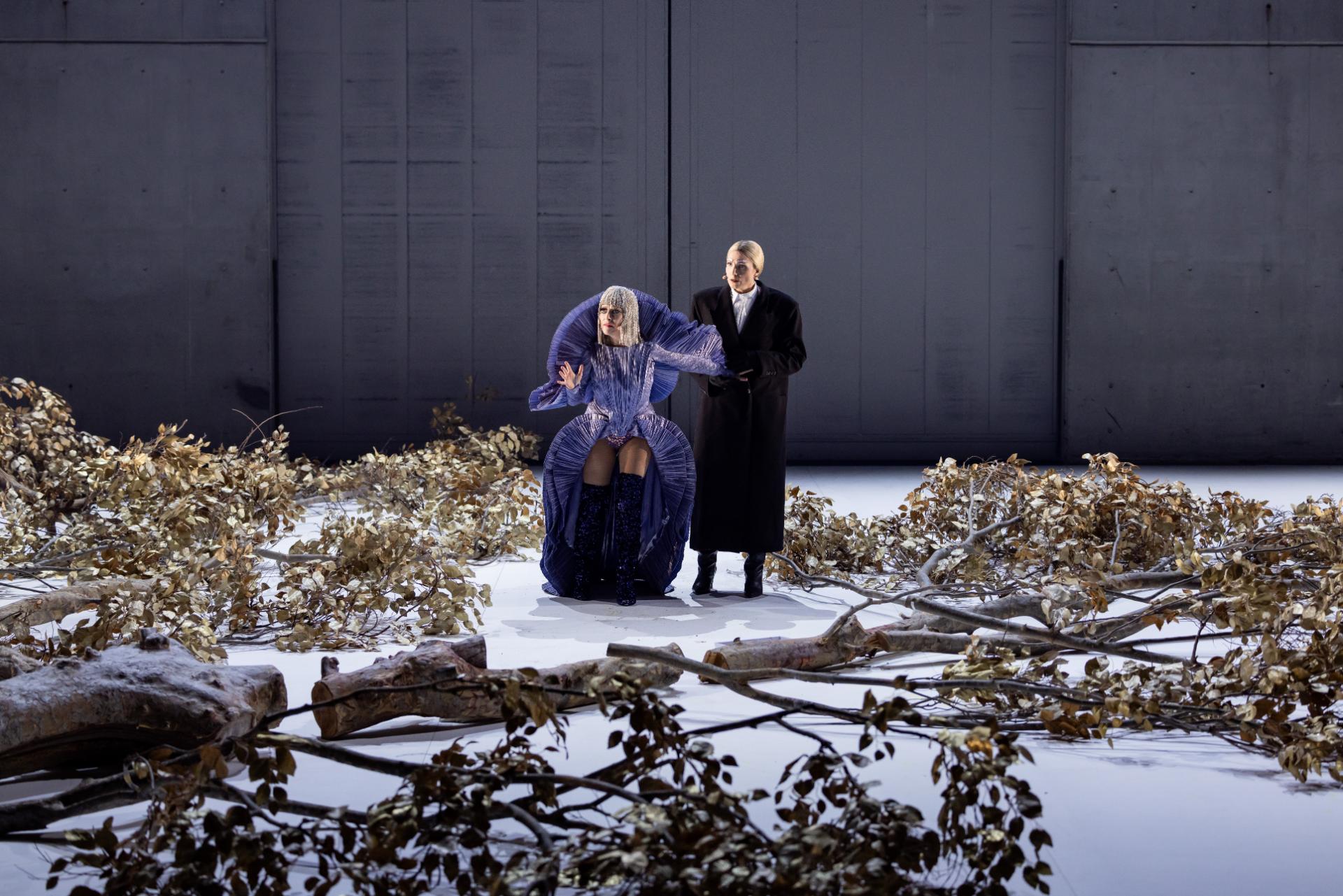
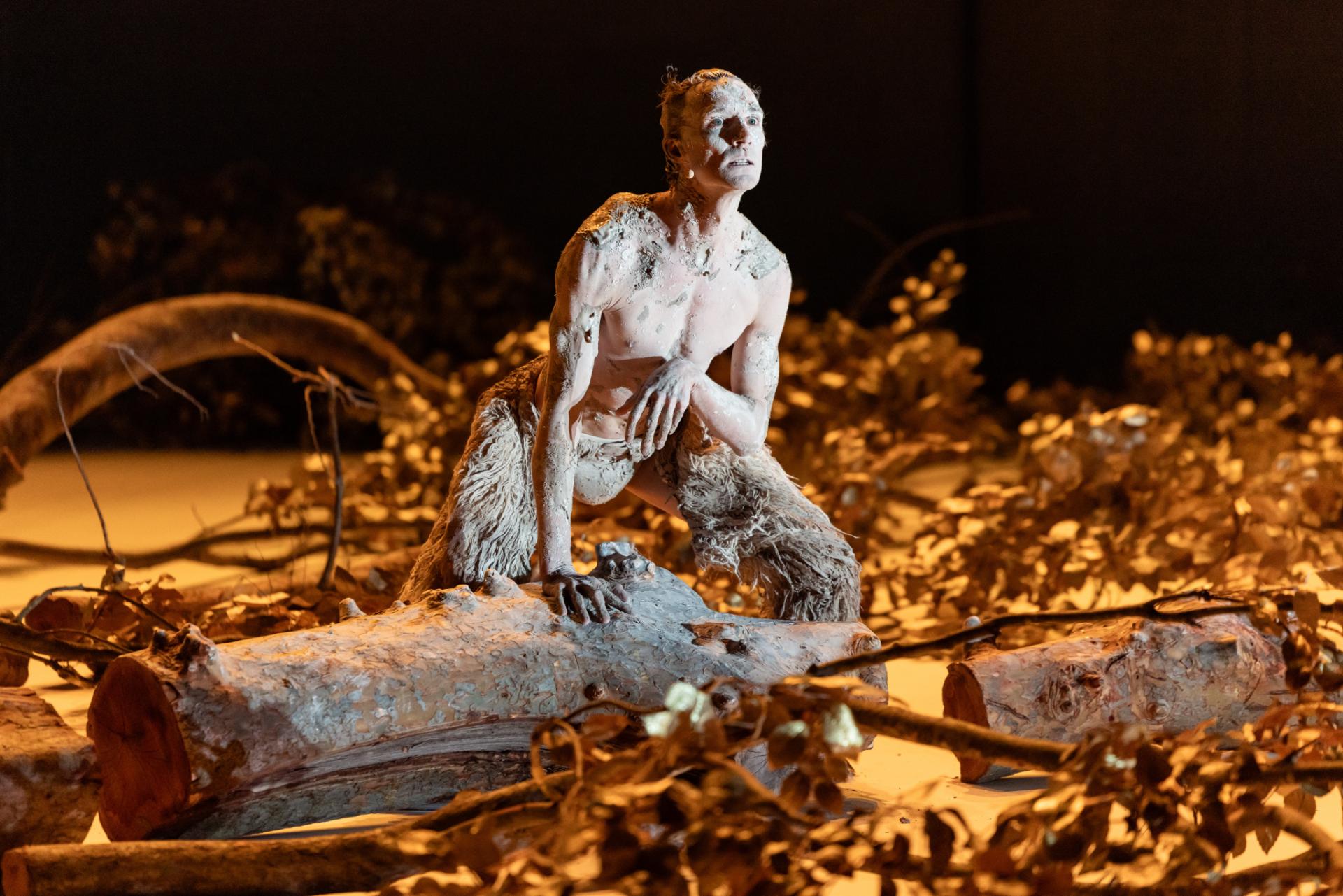
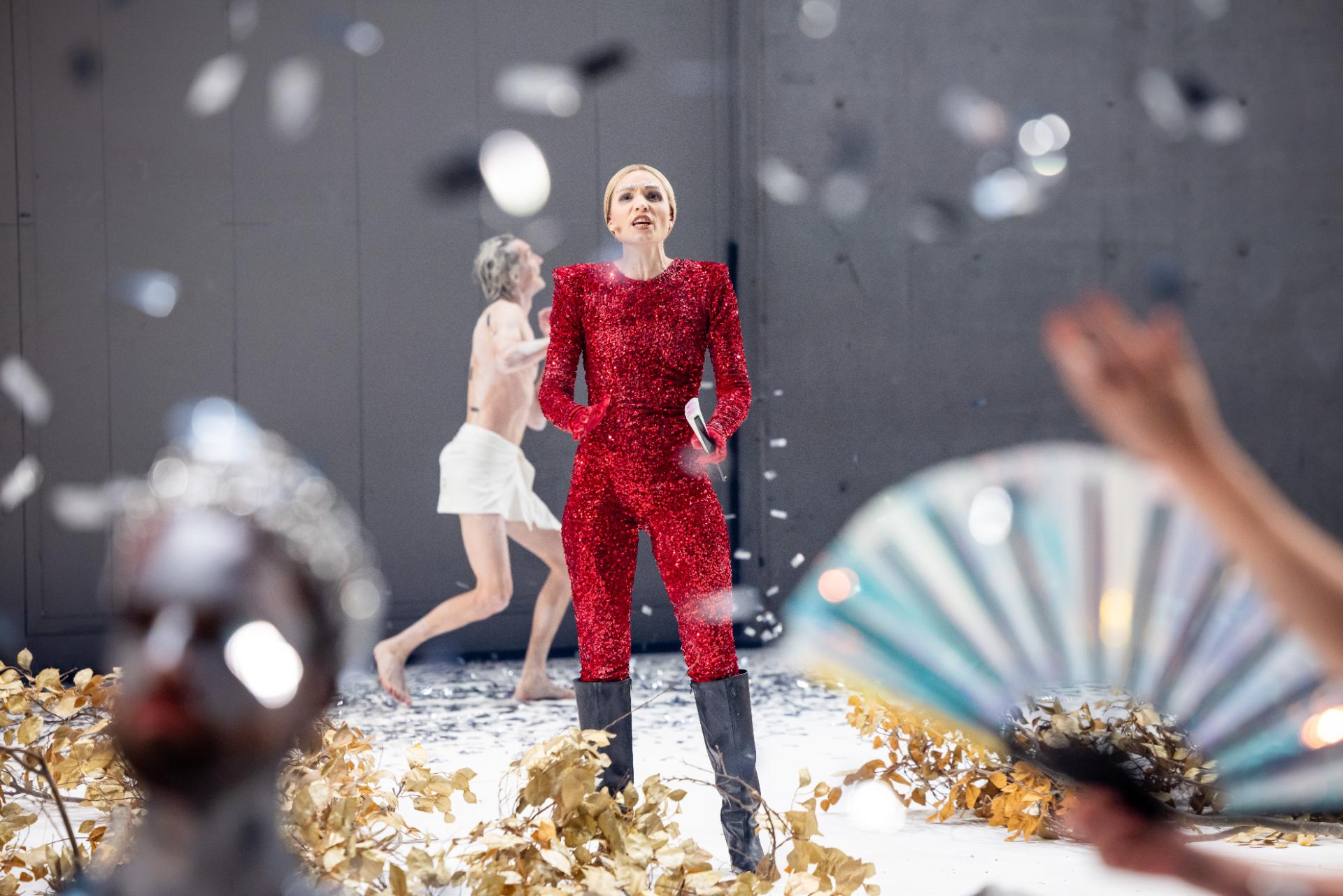
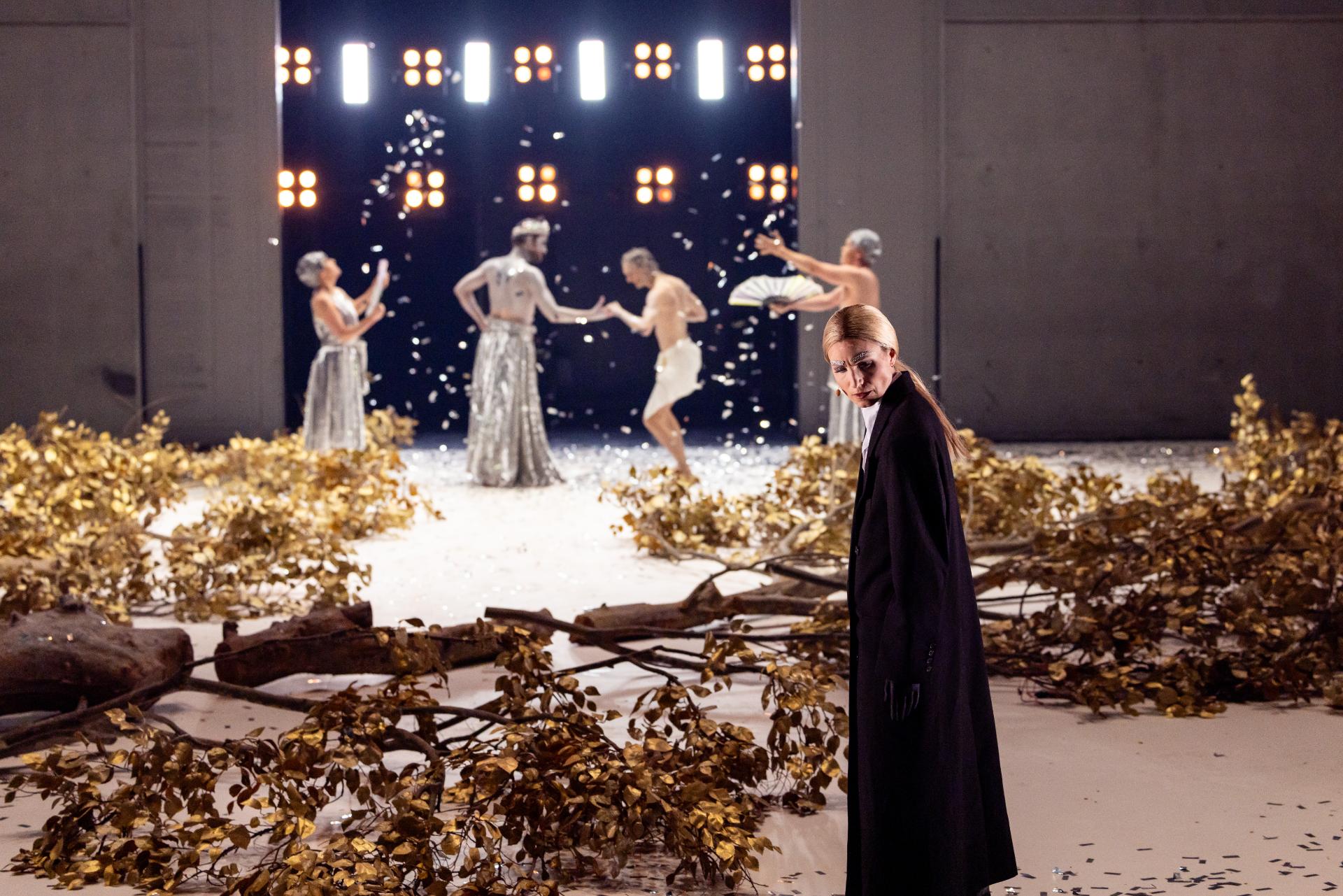
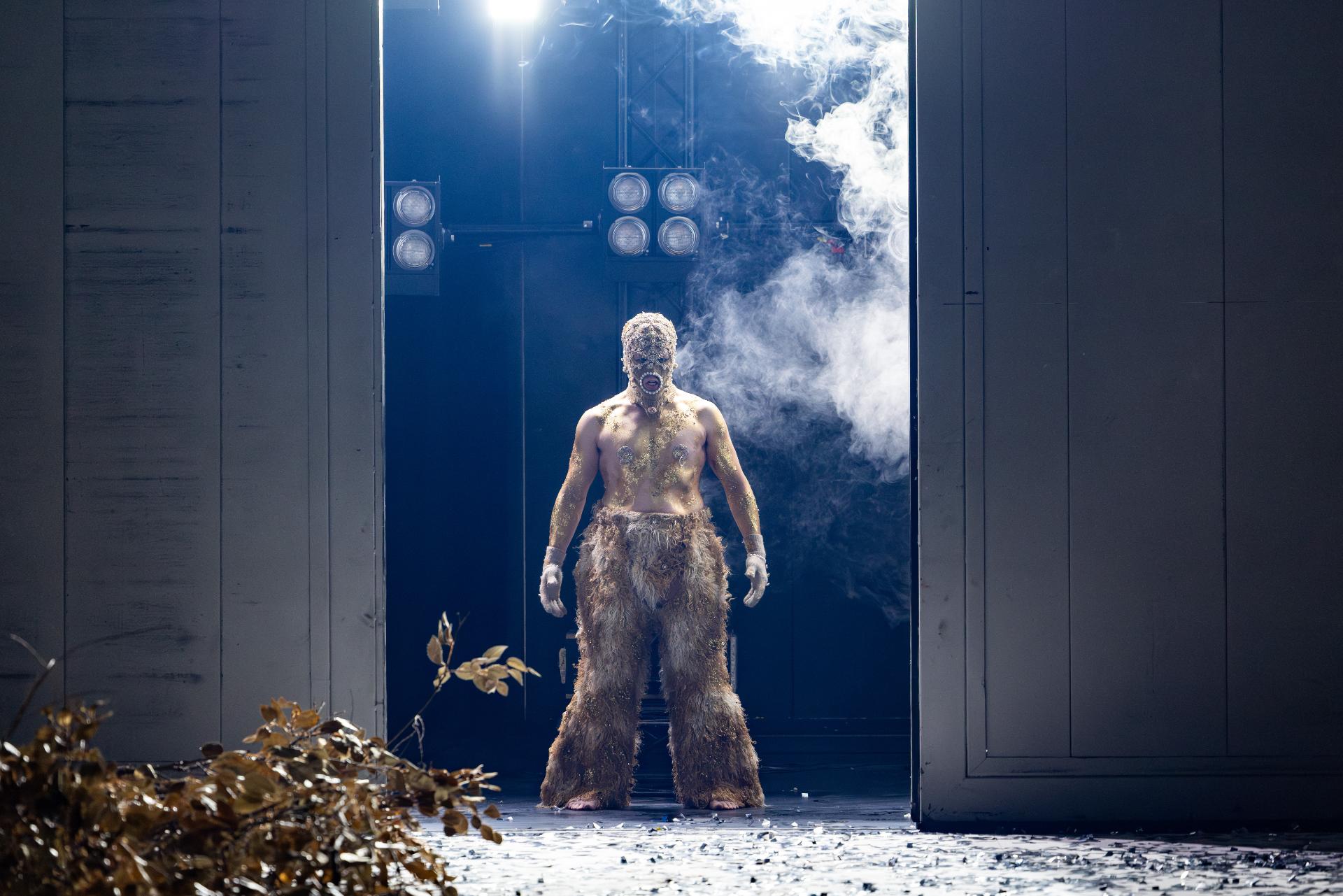
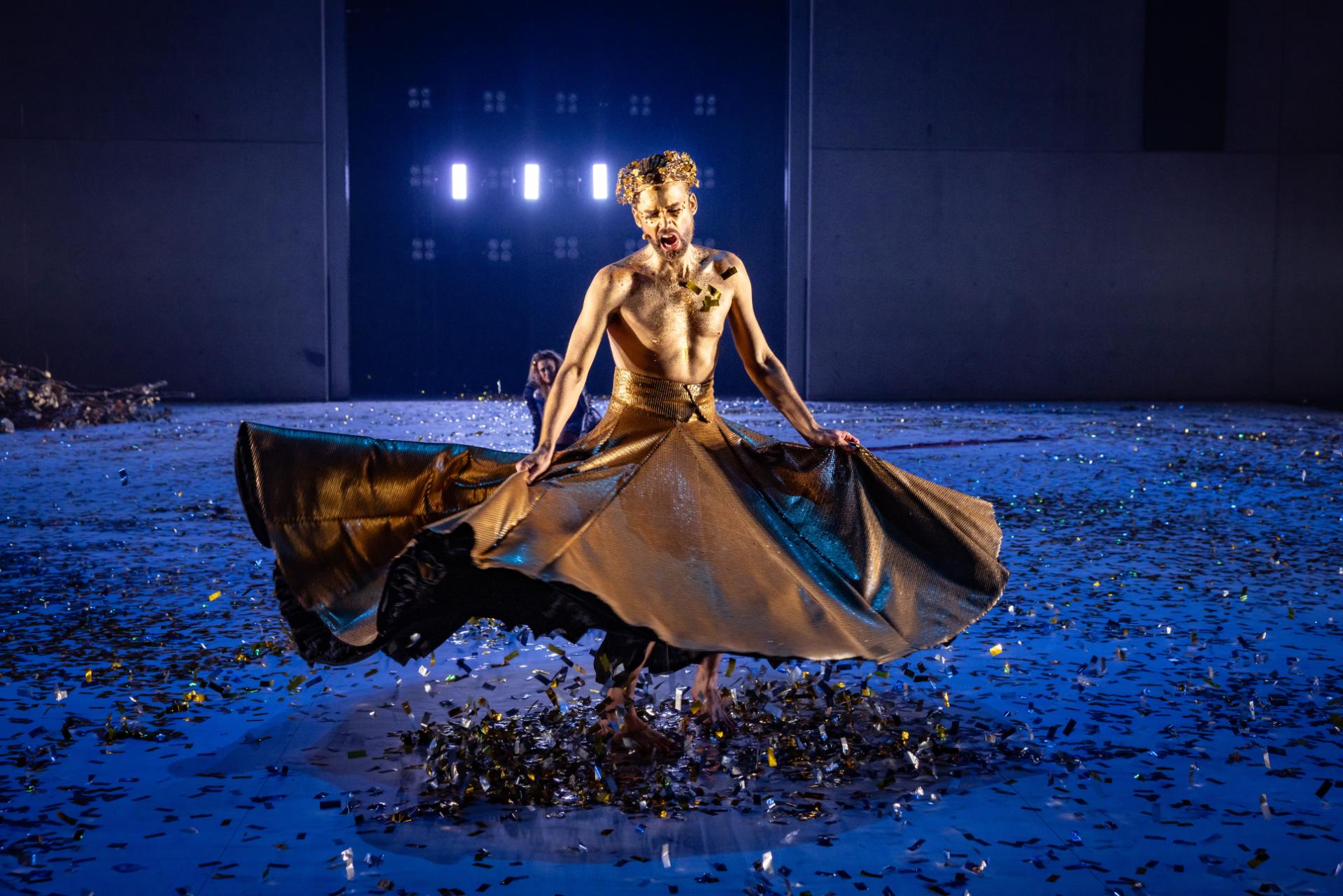
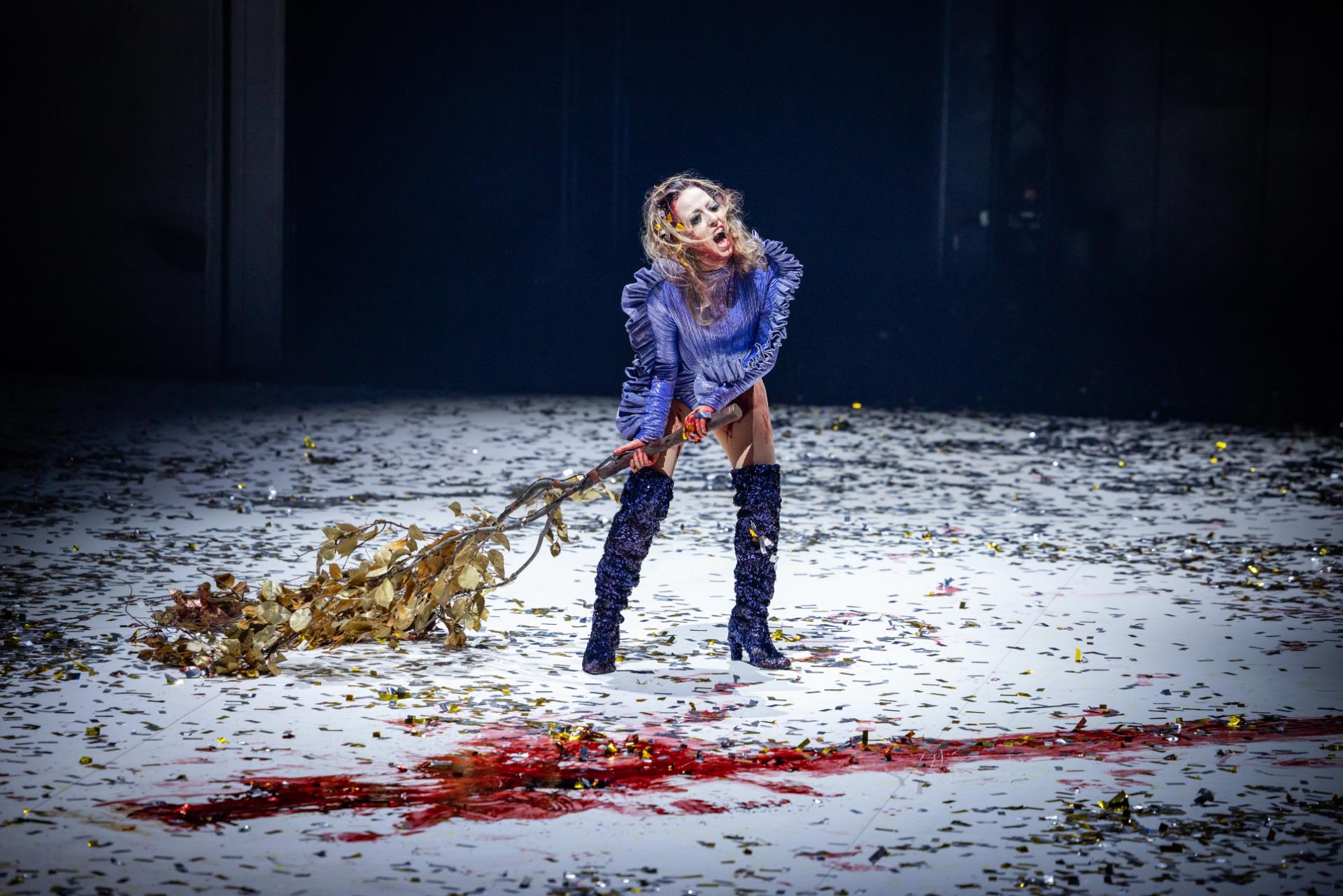
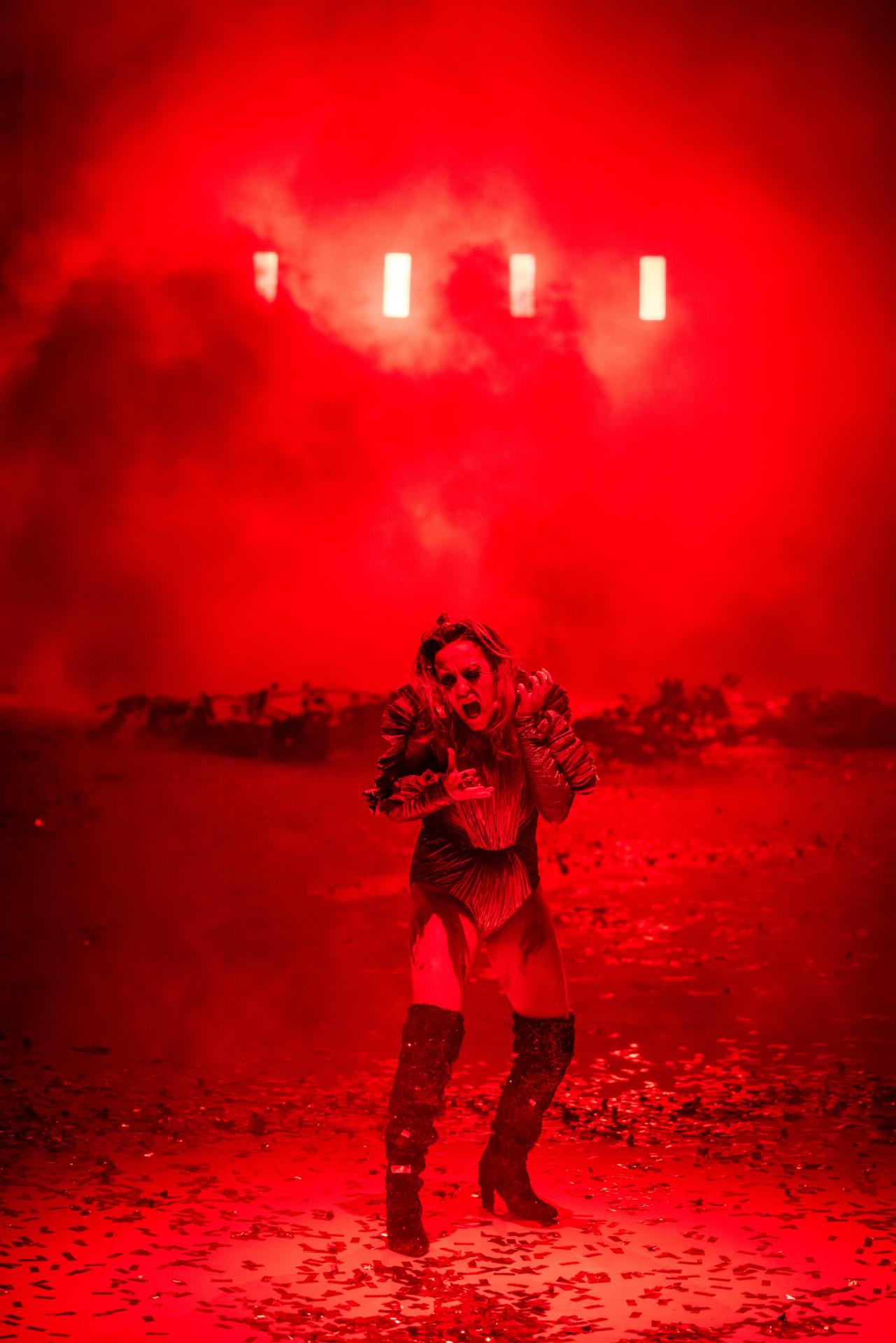
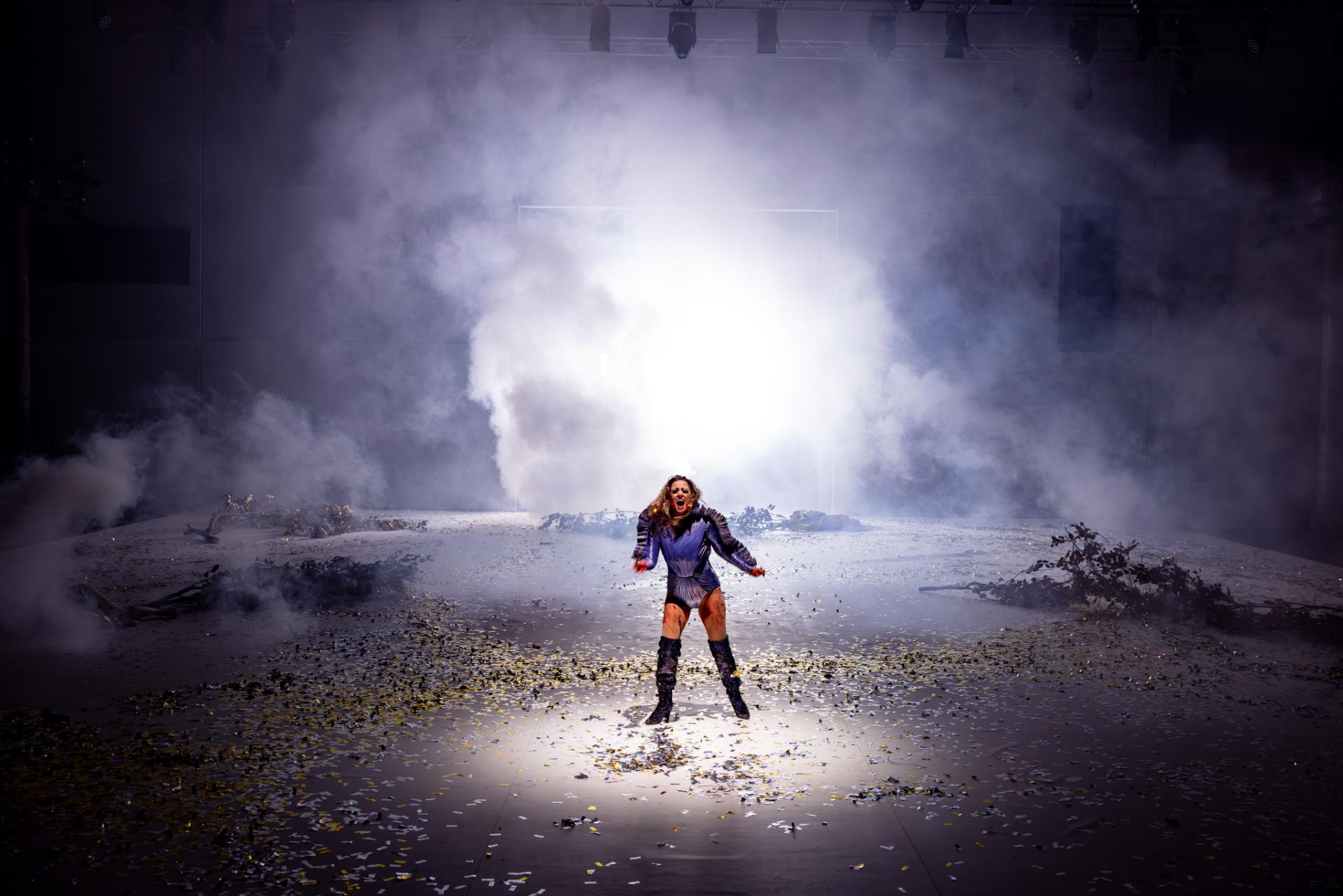
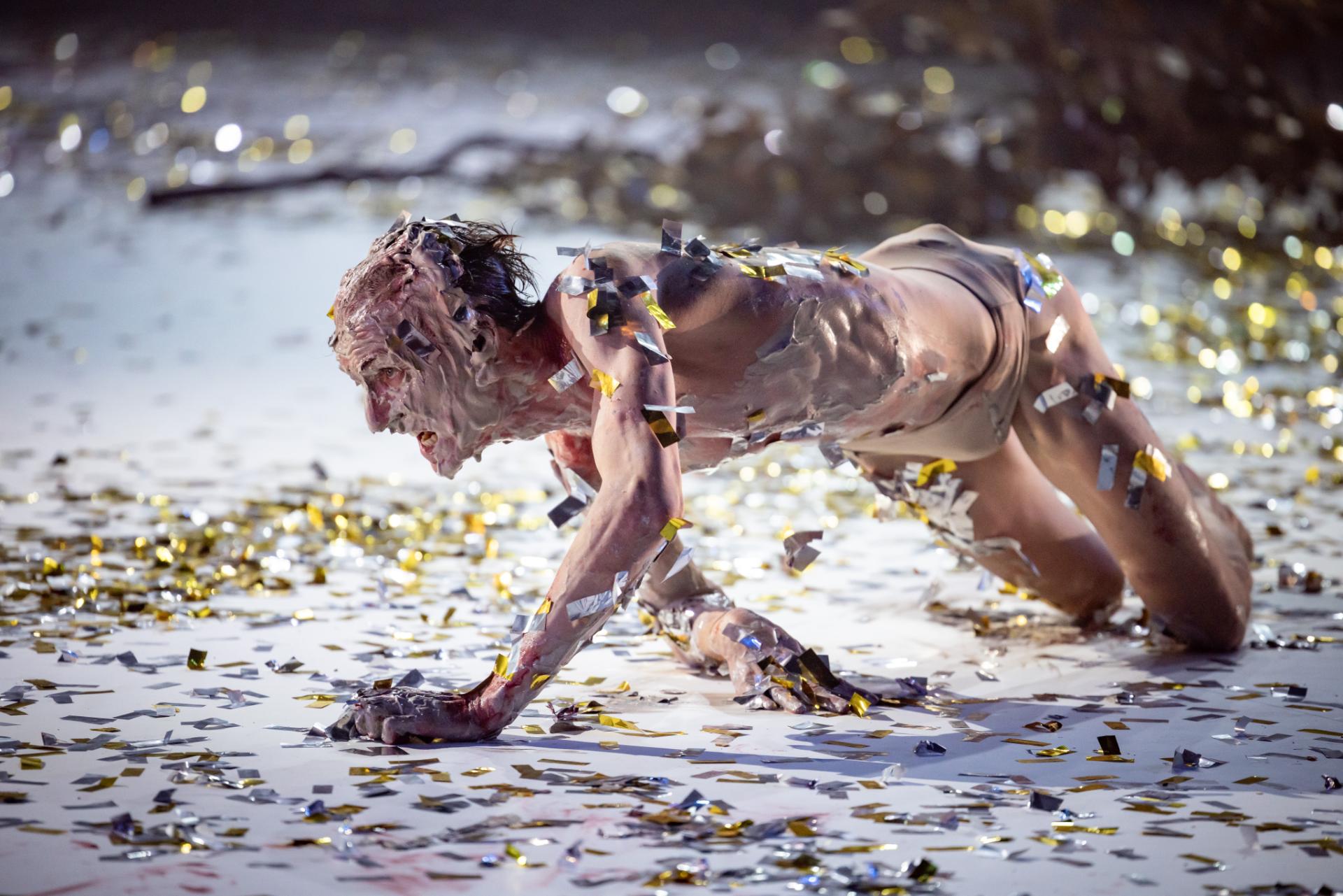
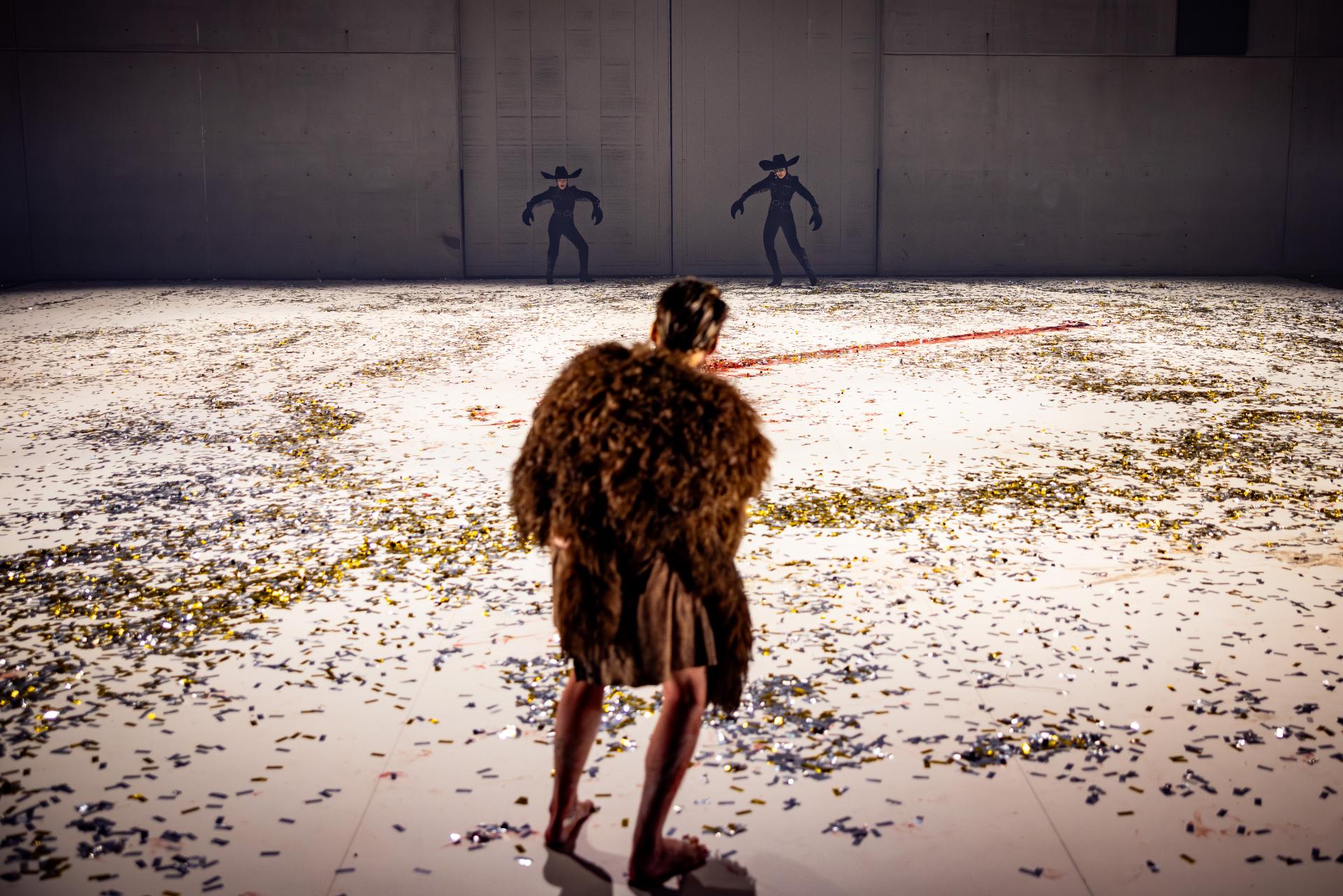
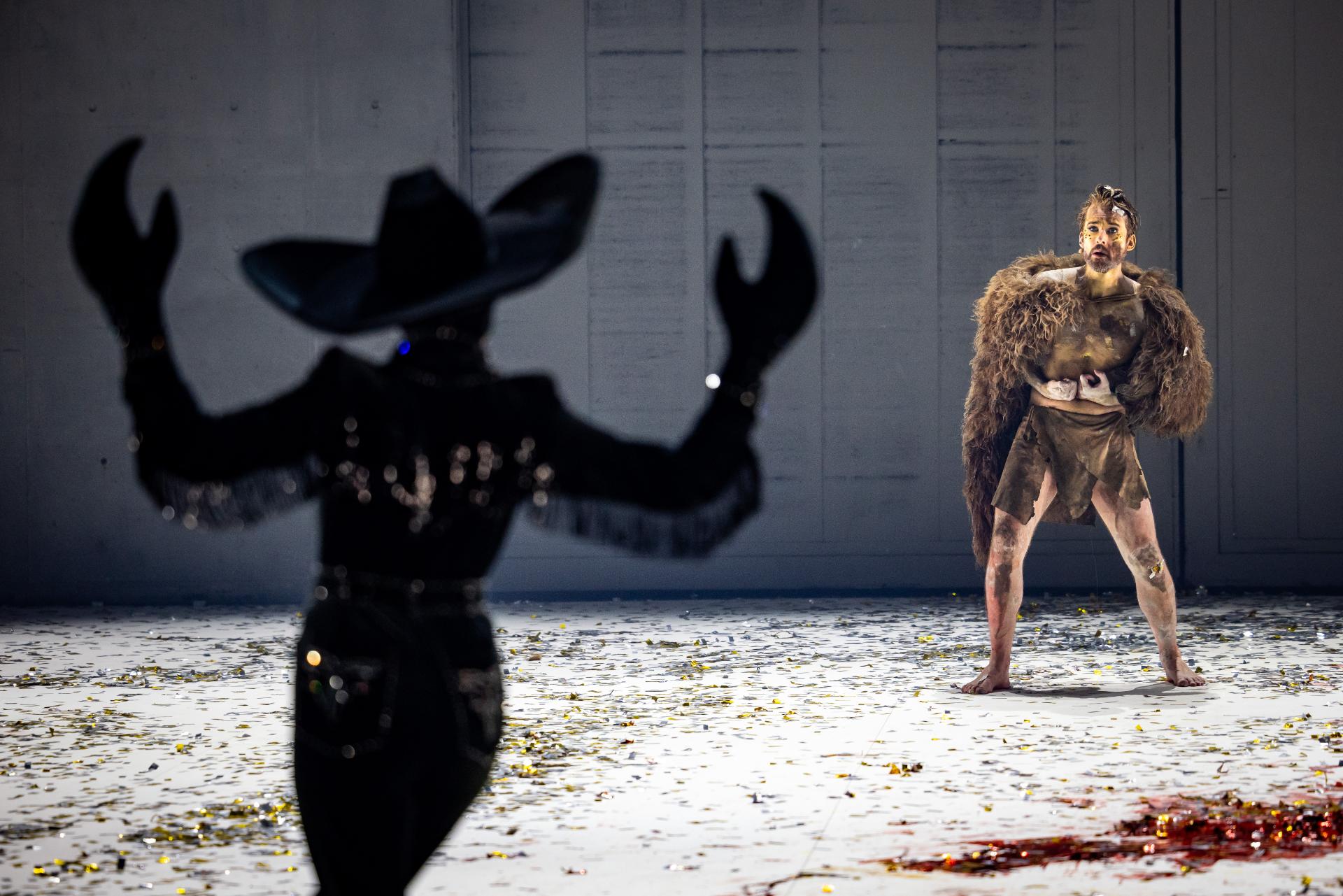
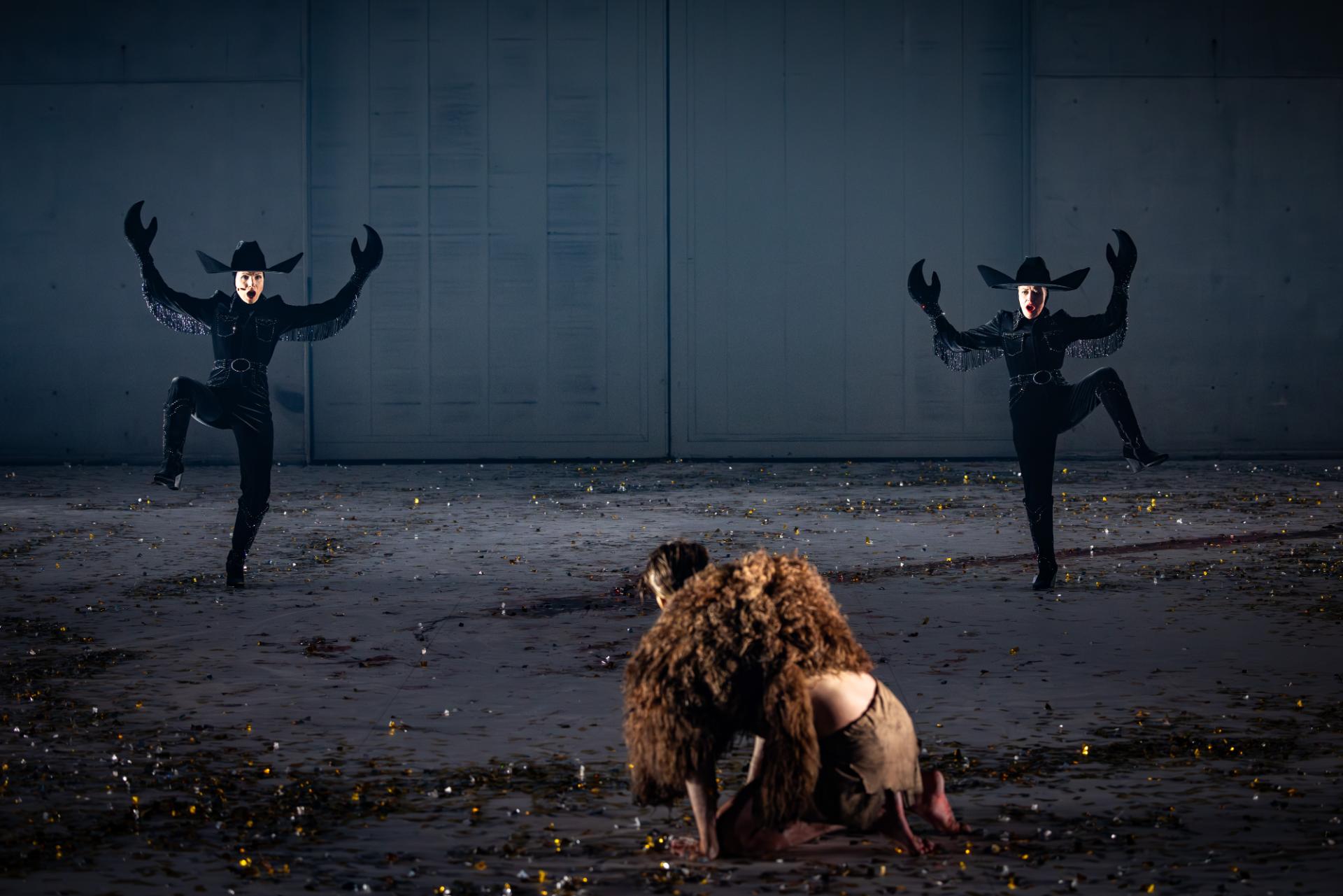
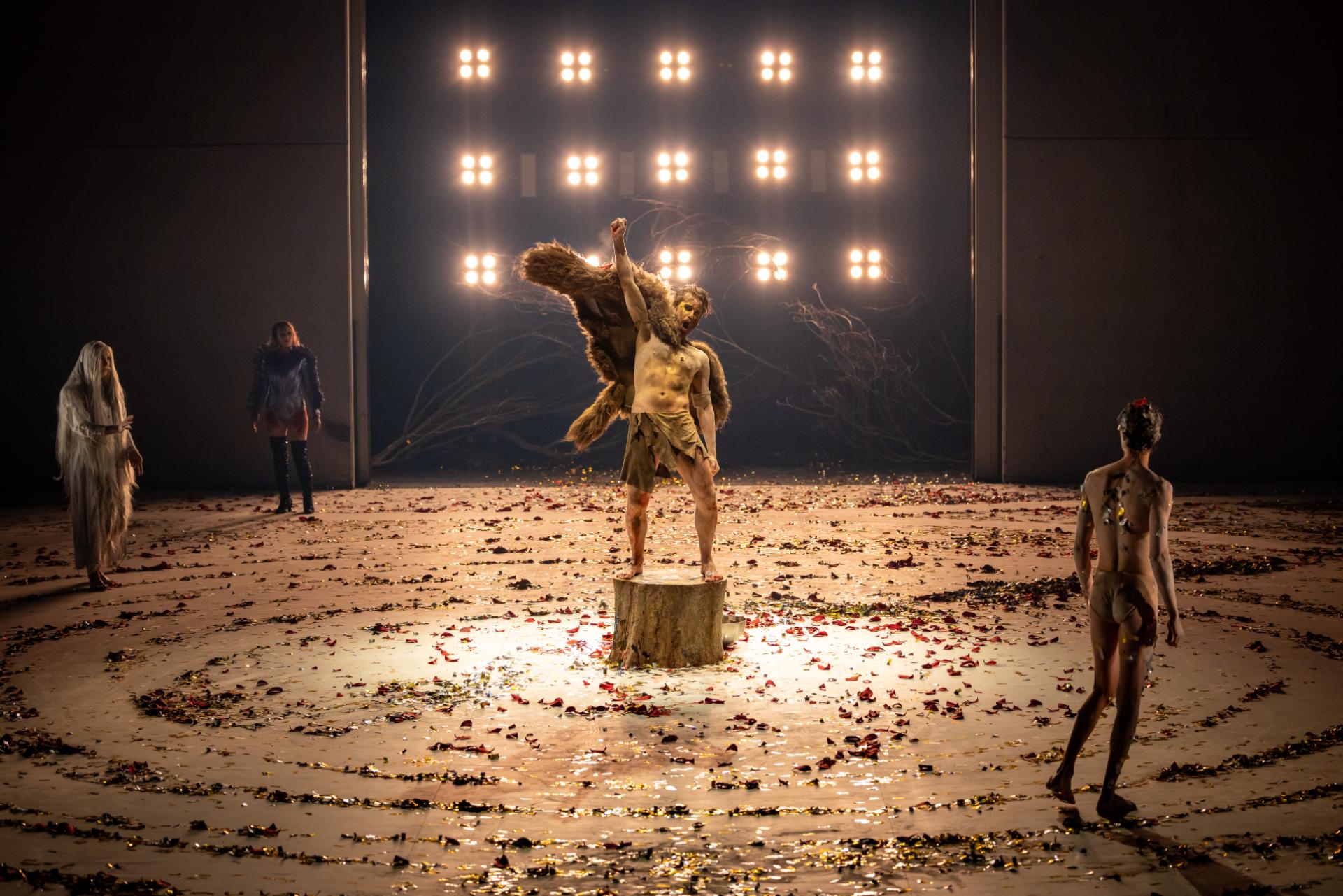
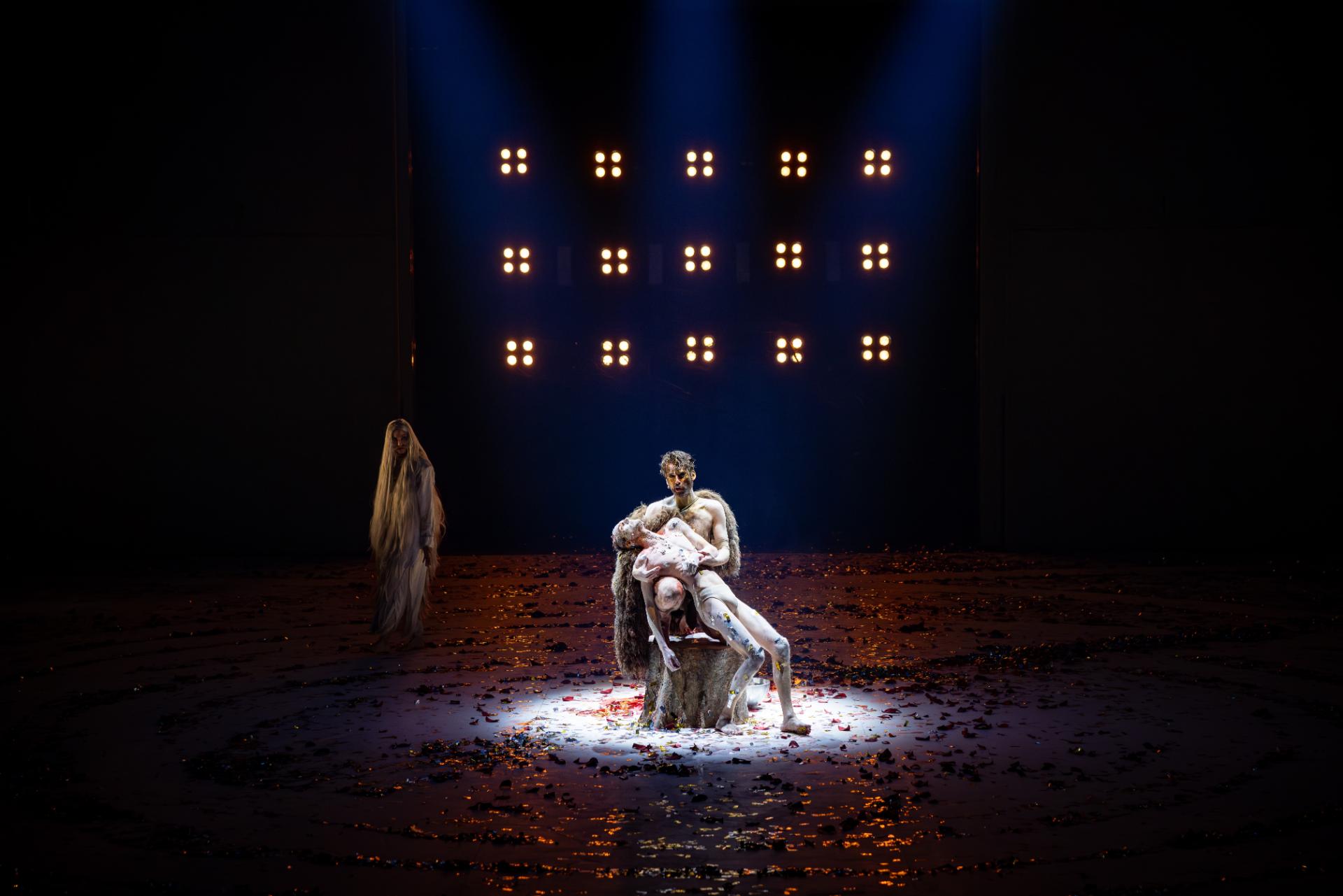
Elizabeth Gadsby’s set design rises to the challenge of depicting a sense of ancient aristocracy, with the juxtaposition of felled tree parts, against an abundance of tinsel. Lights by Amelia Lever-Davidson are certainly dramatic, and quite entrancing in their effect. Bold costumes by David Fleischer can seem somewhat derivative with some of their more extravagant creations, but when required to convey earthiness, Fleischer’s work is truly exquisite.

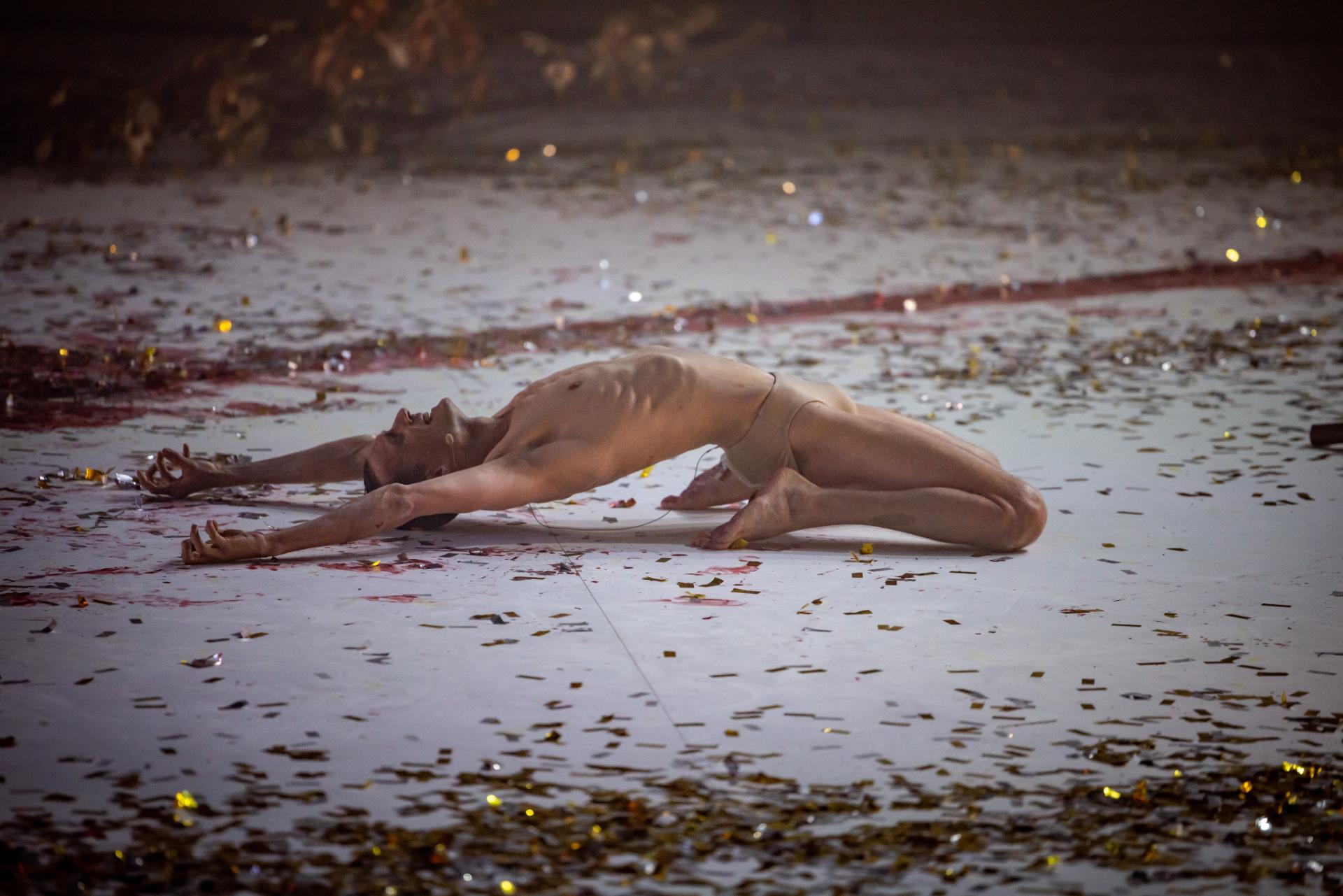
Playing the main character is Jeremy Kleeman, who although not consistently powerful in his portrayal of the partially divine despot, demonstrates unequivocal conviction and focus, for this very demanding role. Mitchell Riley’s physicality is unforgettable as Enkidu, whether evoking the grotesque or the exalted, the performer’s energy bears a perverse beauty and magnetism, that keeps us fascinated in his interpretation of a heavenly being.

The chamber orchestra, as conducted by Symonds, takes us on a transcendent journey, opening the gates to somewhere mystical or even surreal, with their strange yet disciplined contributions to the experience. Often far exceeding the traditional function of accompaniment, the musicians are frequently the central concern in Gilgamesh. Art that takes us to unfamiliar places must be considered noble, especially when discomfort pervades, as though to persuade us of alternate and unexpected perspectives.

www.carriageworks.com.au
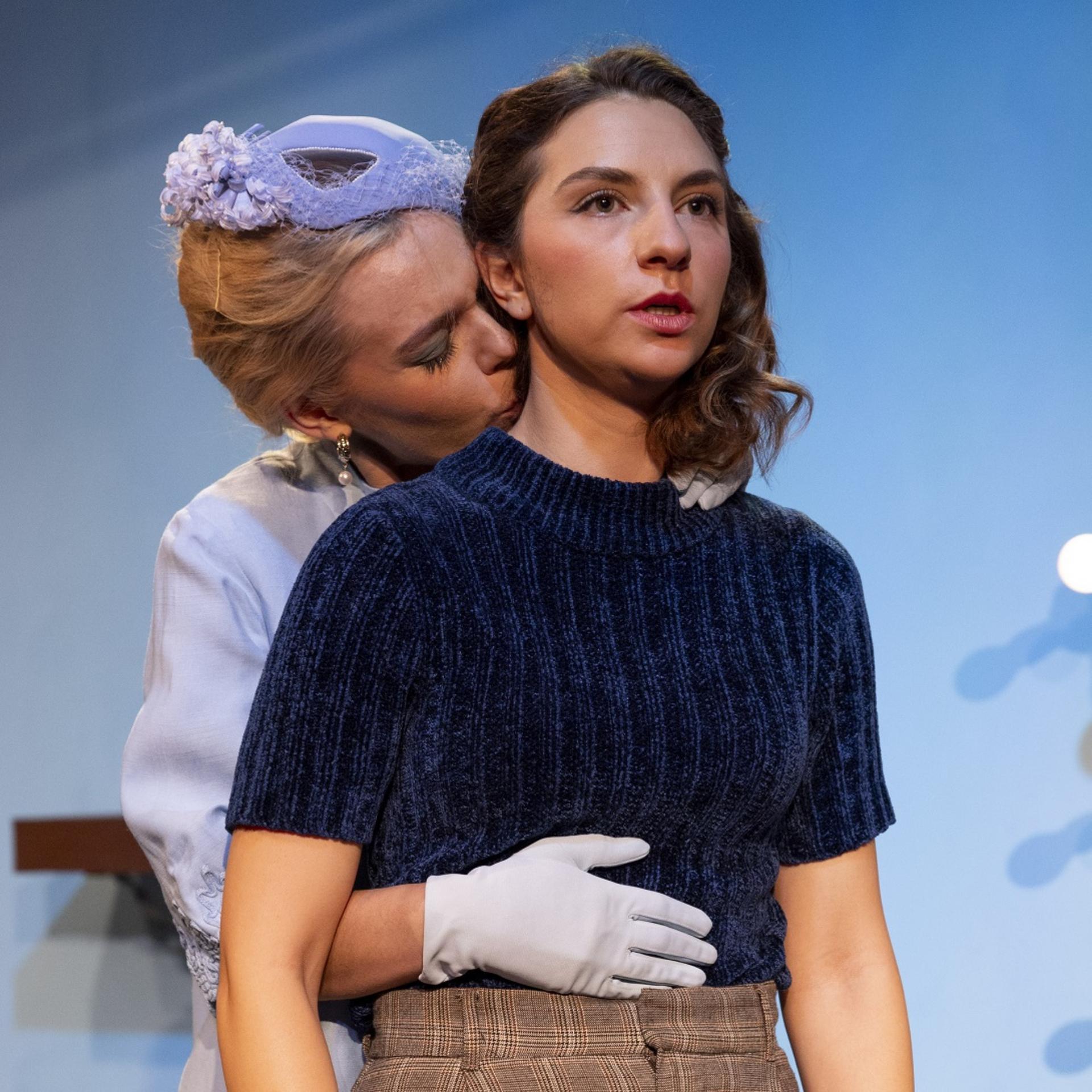
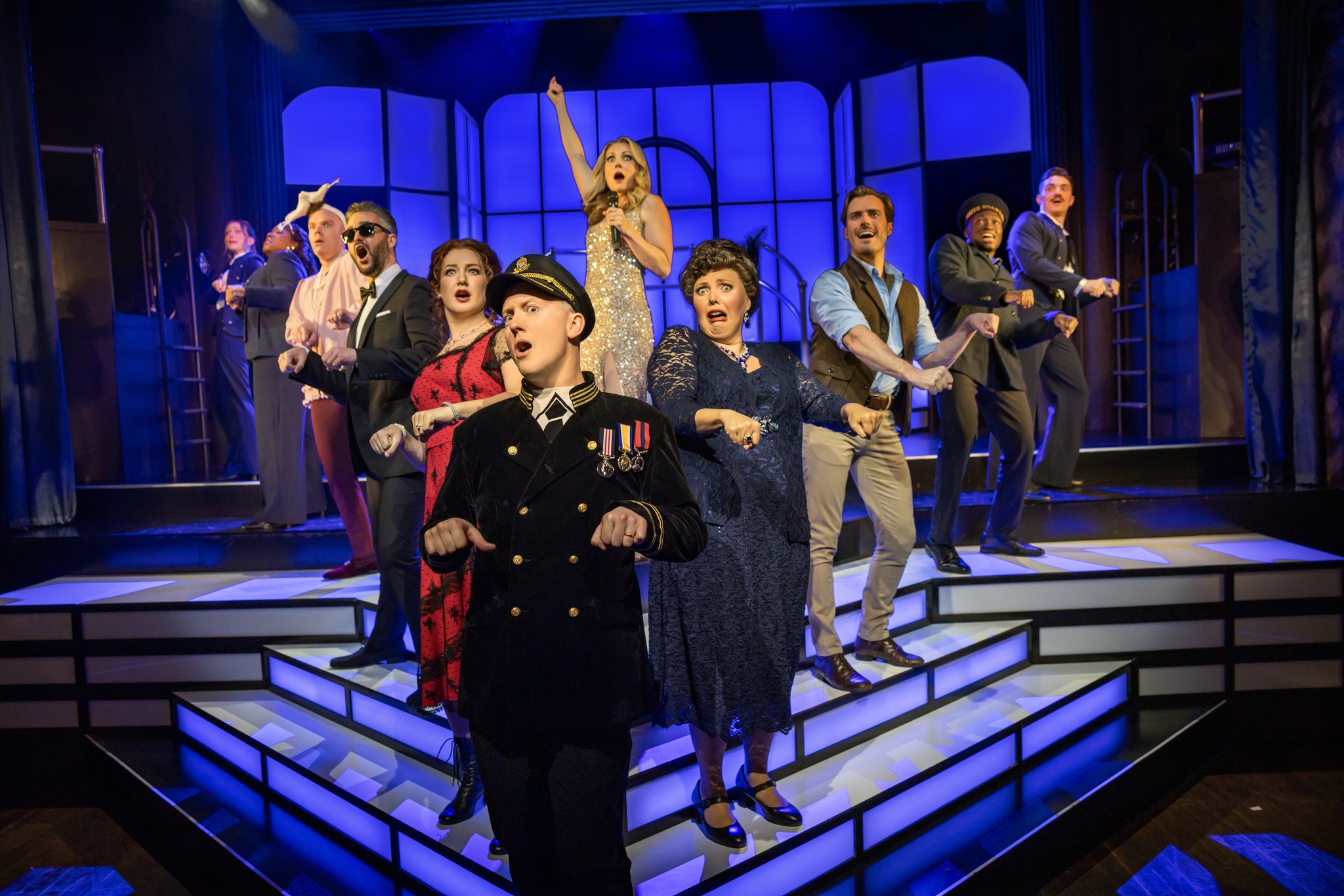
Review: Titanique (The Grand Electric)

Venue: The Grand Electric (Surry Hills NSW), 12 Sep 2024 – 22 Jun 2025
Book: Tye Blue, Marla Mindelle, Constantine Rousouli
Director: Tye Blue
Cast: Abu, Stephen Anderson, Abigail Dixon, Georgina Hopson, Jo-Anne Jackson, Matt Lee, Jenni Little, Marney McQueen, Trent Owers, Keane Sheppard-Fletcher, Drew Weston
Images by Daniel Boud

Theatre review
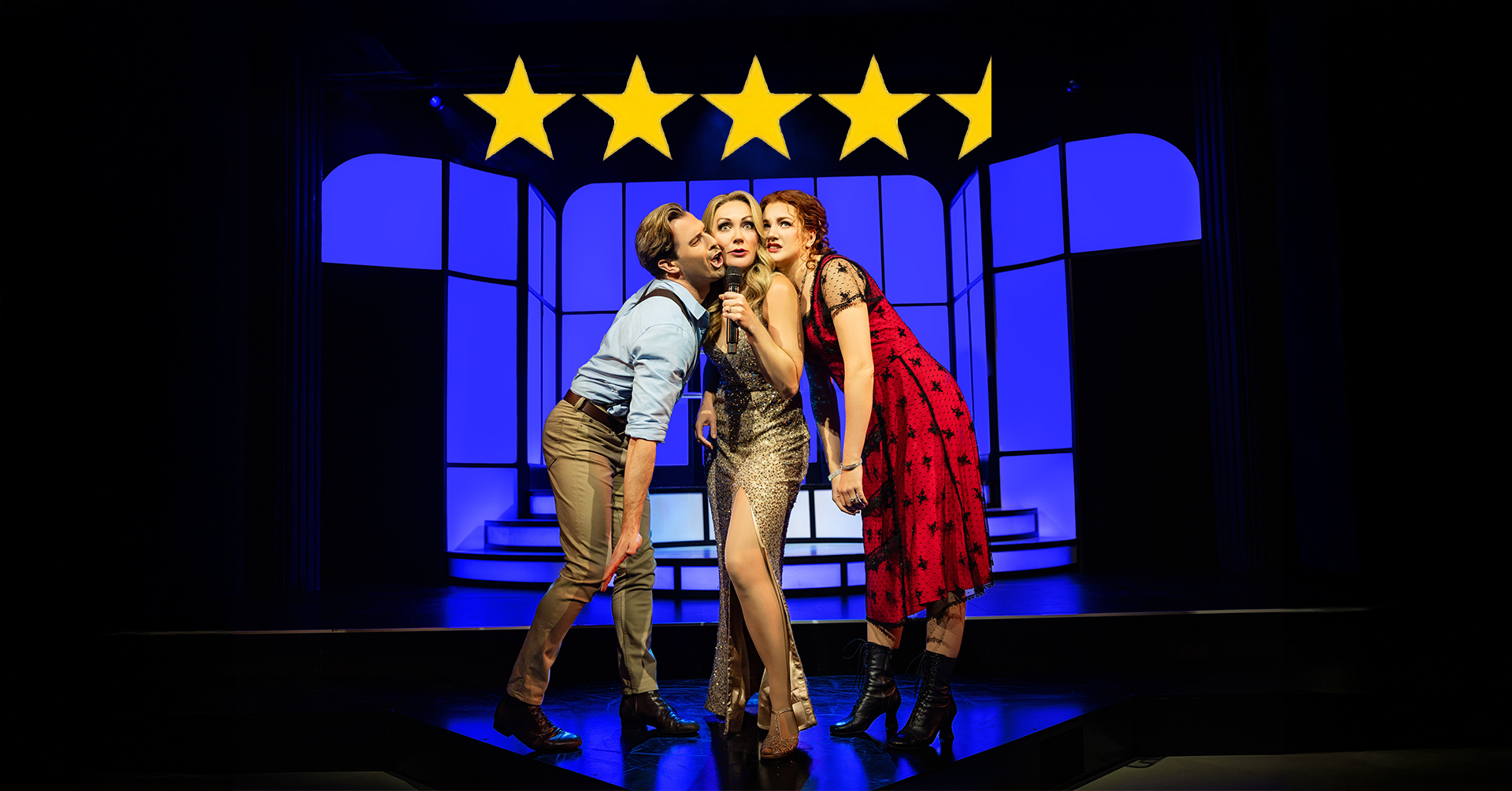
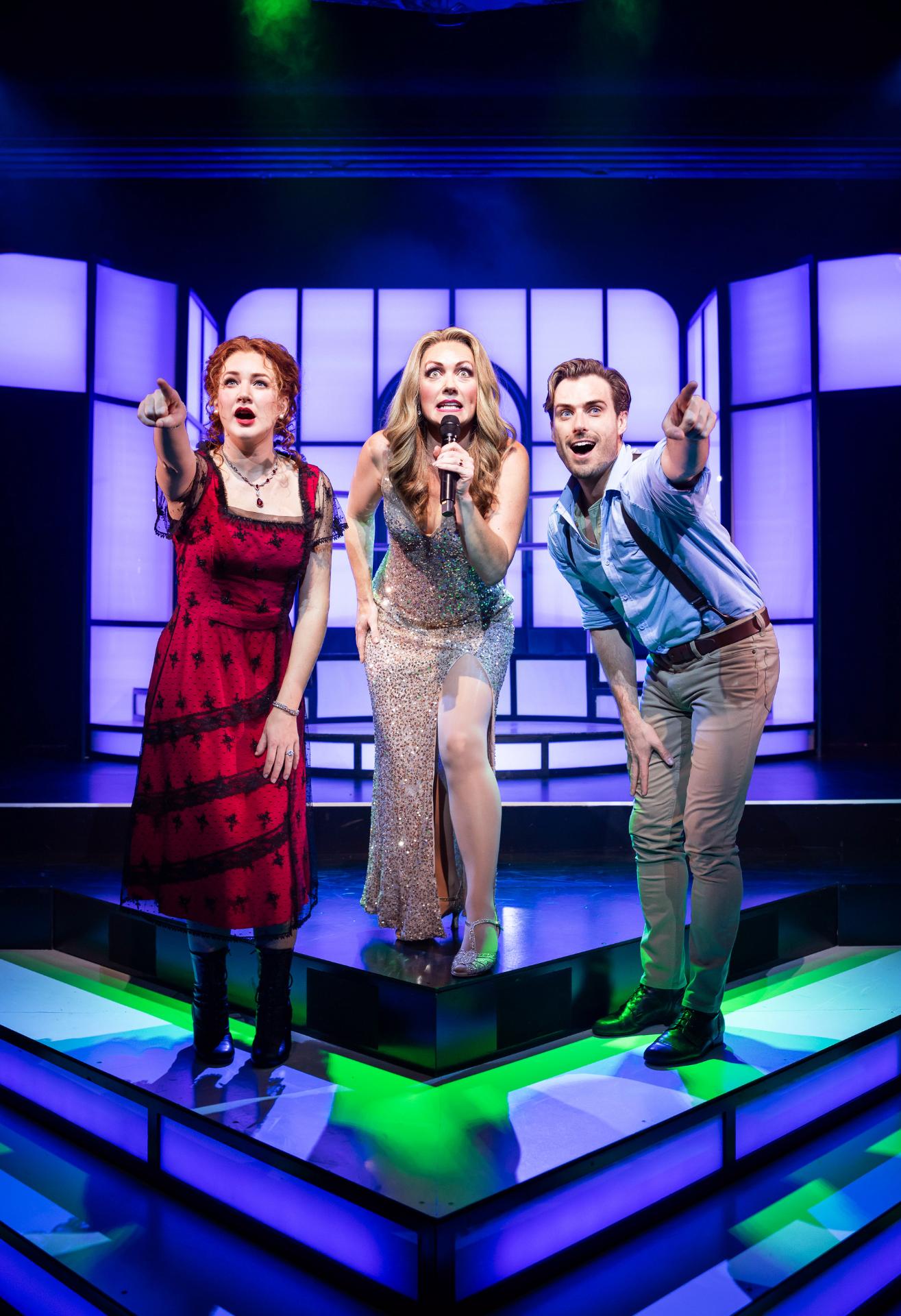
If we are to revisit the story of the Titanic, we may as well have Celine Dion provide her account of events, given how she has inadvertently become so closely associated with the disaster—or, more accurately, with the Hollywood movie about it. This absurd idea is brought to glorious life in the jukebox musical Titanique, a work of unparalleled campy hilarity so completely infused with creative chaos and unbridled frivolity, that it is impossible to dislike.

The incorporation of Dion’s hits may feel somewhat arbitrary at times, but writing by Tye Blue, Marla Mindelle and Constantine Rousouli is so thoroughly uninhibited and joyful, that nothing gets in the way of the good time that Titanique is determined to deliver. Also, Blue’s direction of the production is correspondingly unrestrained, leaving no stone unturned in this unabashed embrace of qualities as personified by its central diva; characteristics that are perhaps too flamboyant, too ridiculous, too mad, and too gay.

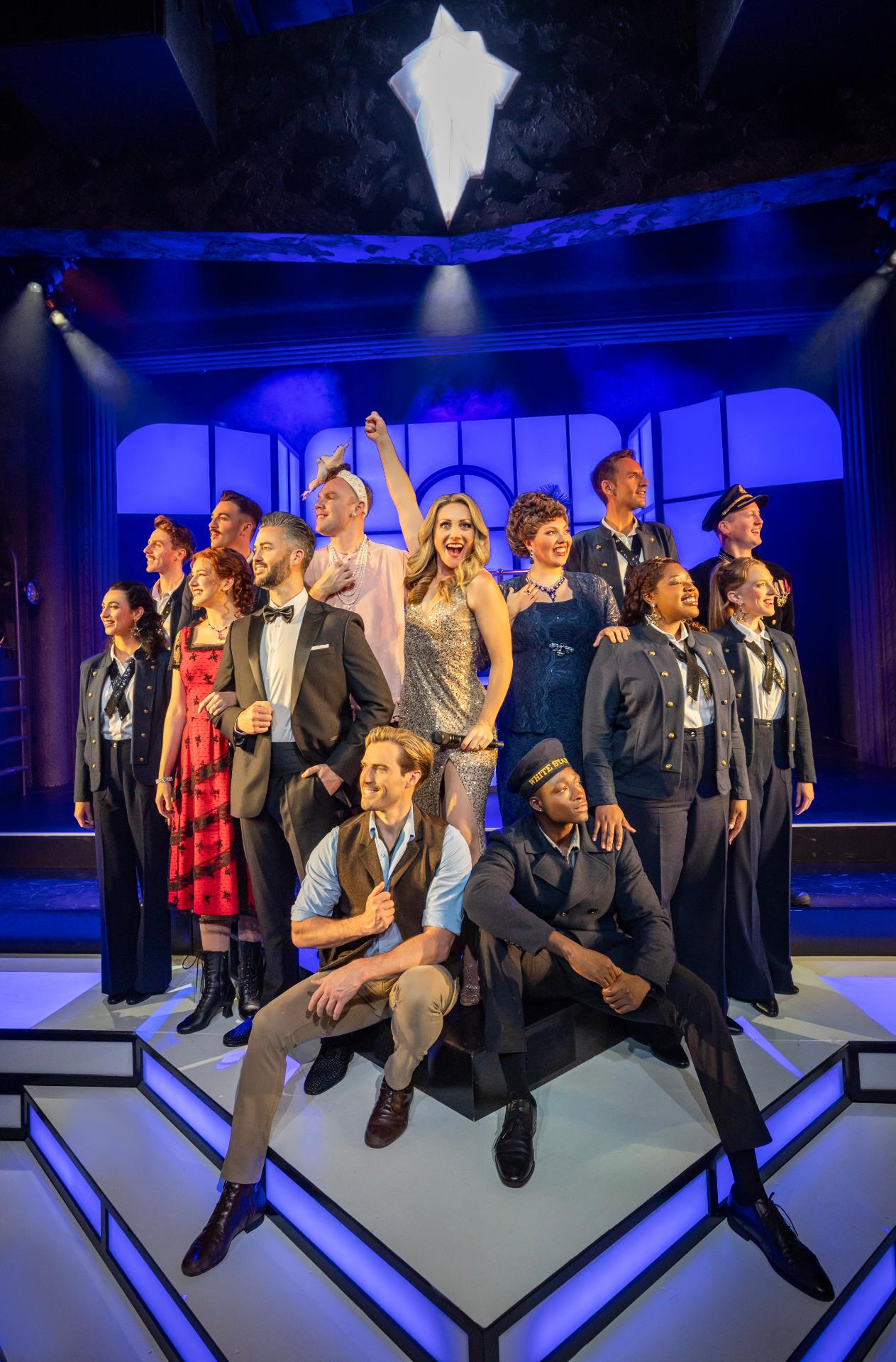
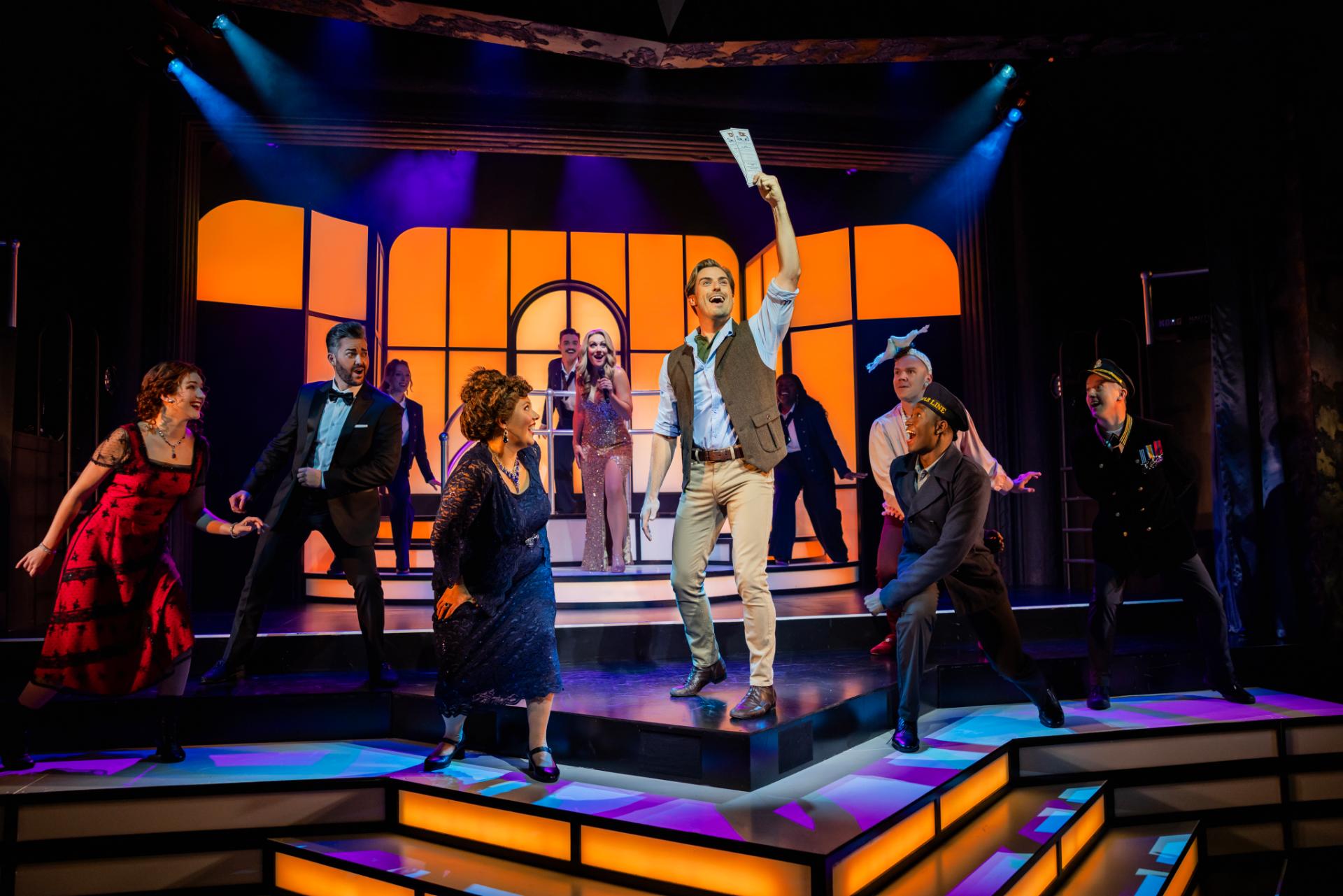
Leading lady Marney McQueen is a sensation as the iconic Quebecer, with impeccable mimicry proving a marvel to witness, and impossibly precise comic timing, that has us amused from the very second of her appearance. Casting for the production is quite the achievement, with each performer showcasing exceptional talent, along with their ability to adhere to the same idiosyncratic tone and tenor of this “kooky crazy” show, and for navigating the most challenging stage design imaginable, consisting entirely of stairs.

Characters from the film are brought to the stage with cheeky irreverence. Jack is played by Drew Weston whose knack for physical comedy is as endearing as his natural charm. Georgina Hopson’s astonishing vocal abilities as Rose are sheer pleasure. Stephen Anderson’s outrageous extravagance in the role of Ruth is consistently funniest of the duration, and certainly unforgettable. Also outstanding is Keane Sheppard-Fletcher, who impresses as the strongest all-rounder, singing and lampooning the part of Cal to the greatest effect.

The humour of Titanique feels very particular and granular, but because its source material is one of the widest appeal, the show becomes consequently much more universally approachable than its aesthetic might suggest. If low art and high art do indeed exist, Titanique is perhaps one of the most successful fusion of both, involving subject matters that are almost painful in their mundanity, but elevated with a niche sensibility, one that is most often associated with marginalised communities. When outsiders are left with nothing to lose, being outrageous seems a natural proposition, even if it upsets the hegemony unfailingly. 

www.titaniquemusical.com.au
Review: New Works Festival Part 2 (Old Fitz Theatre)

Venue: Old Fitzroy Theatre (Woolloomooloo NSW)

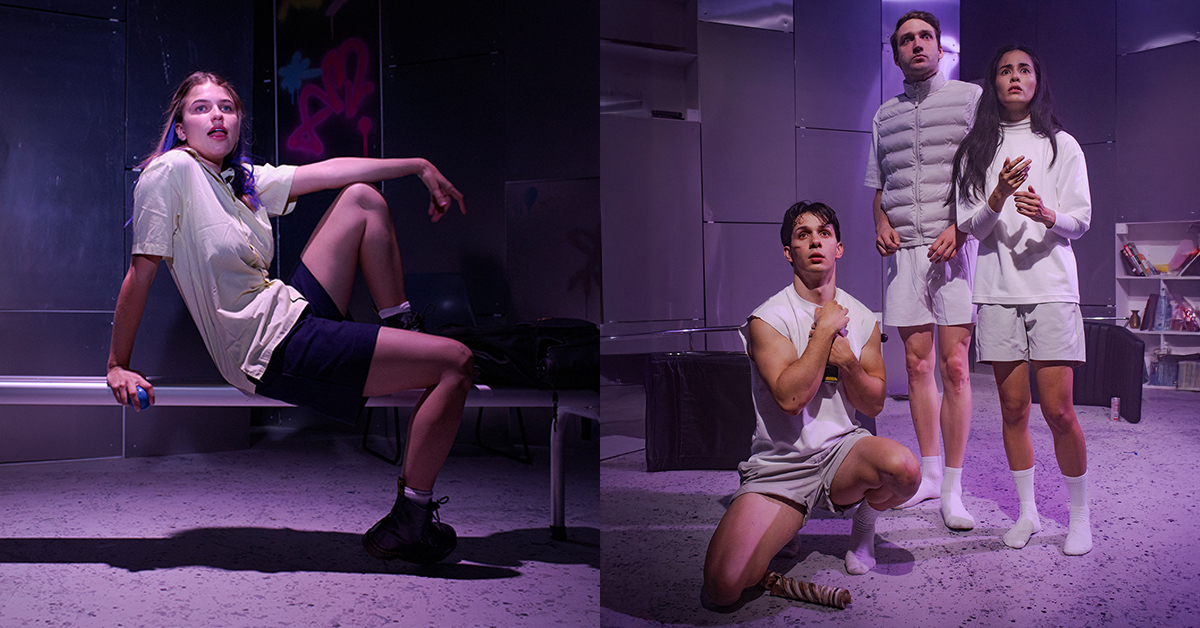
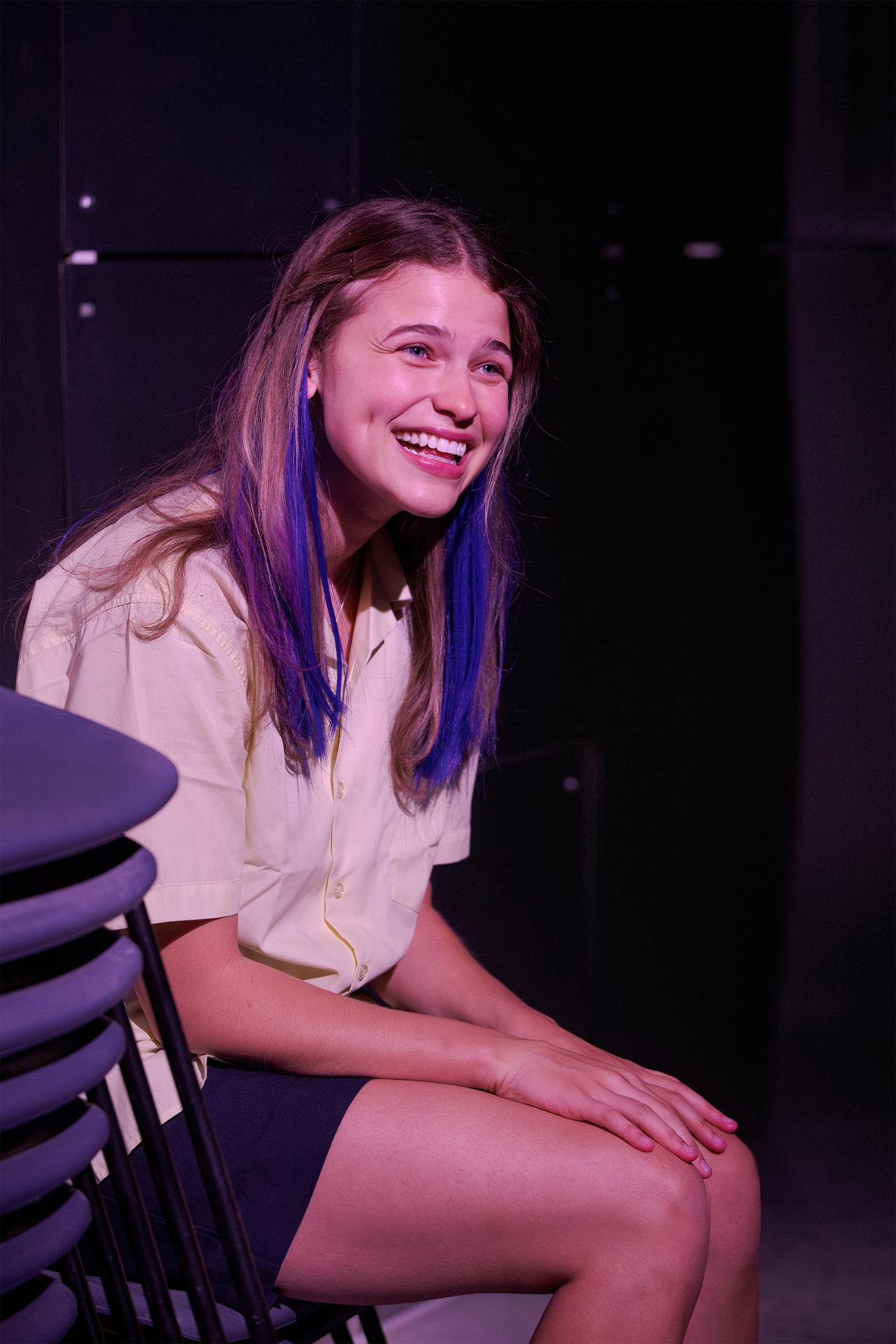
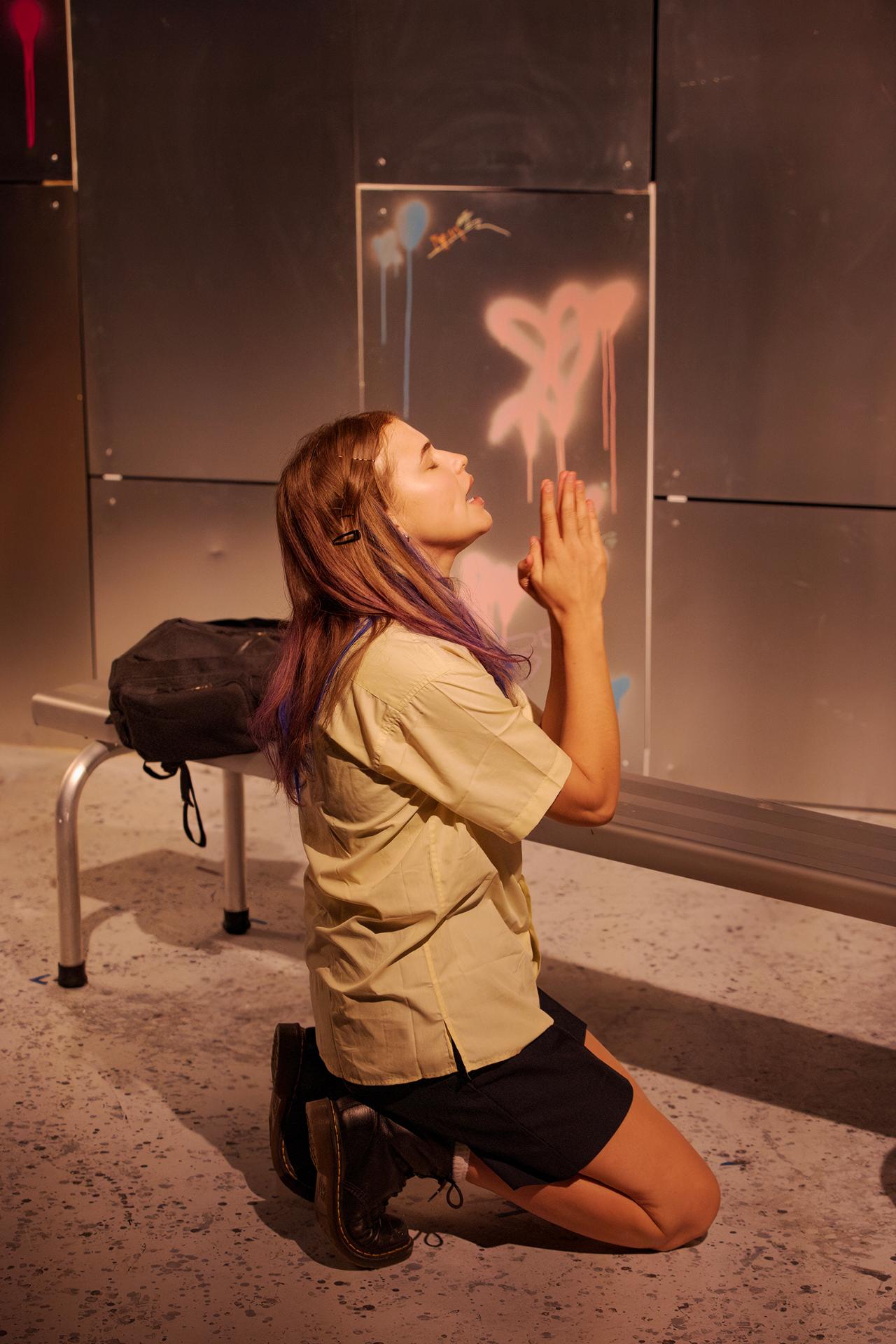
Sitting, Screaming Sep 20 – Oct 5, 2024
Playwright: Madelaine Nunn
Director: Lucy Clements
Cast: Clare Hughes
Images by Phil Erbacher

Anomalies Sep 20 – Oct 5
Playwright: Jordyn Fulcher
Director: Matt Bostock
Cast: Giani Fenech, Rhiaan Marquez, Harold Phipps
Images by Phil Erbacher

Theatre review
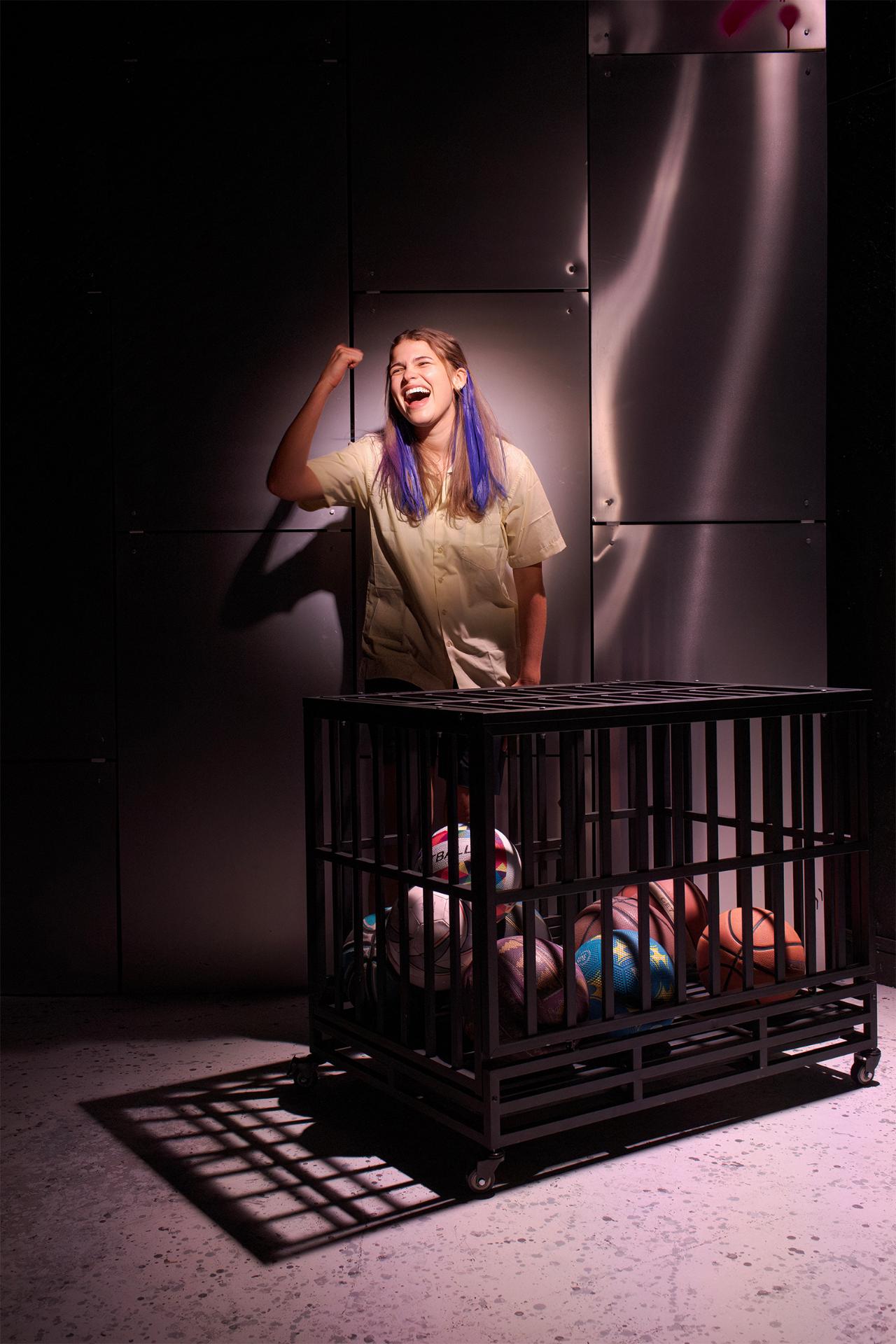
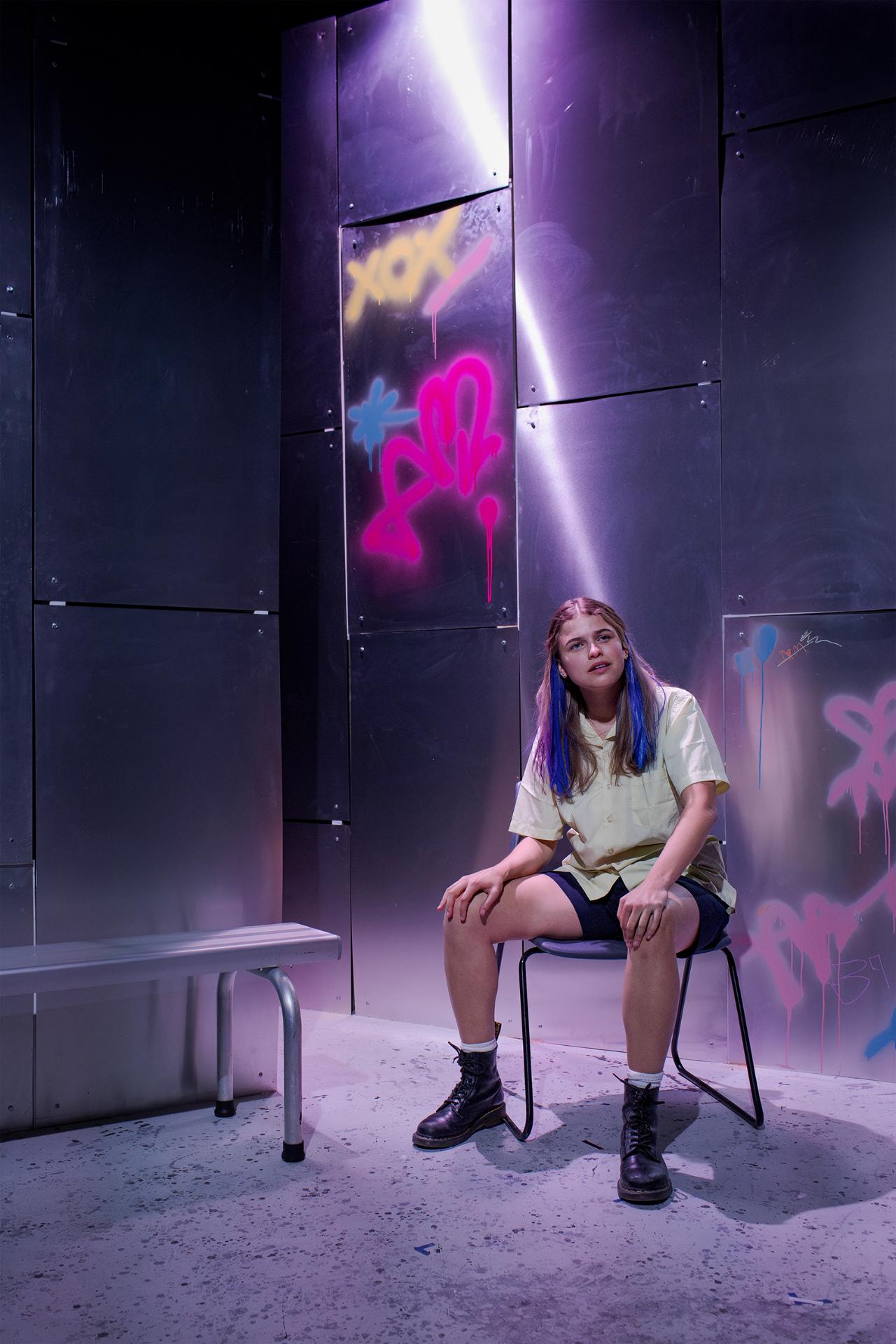
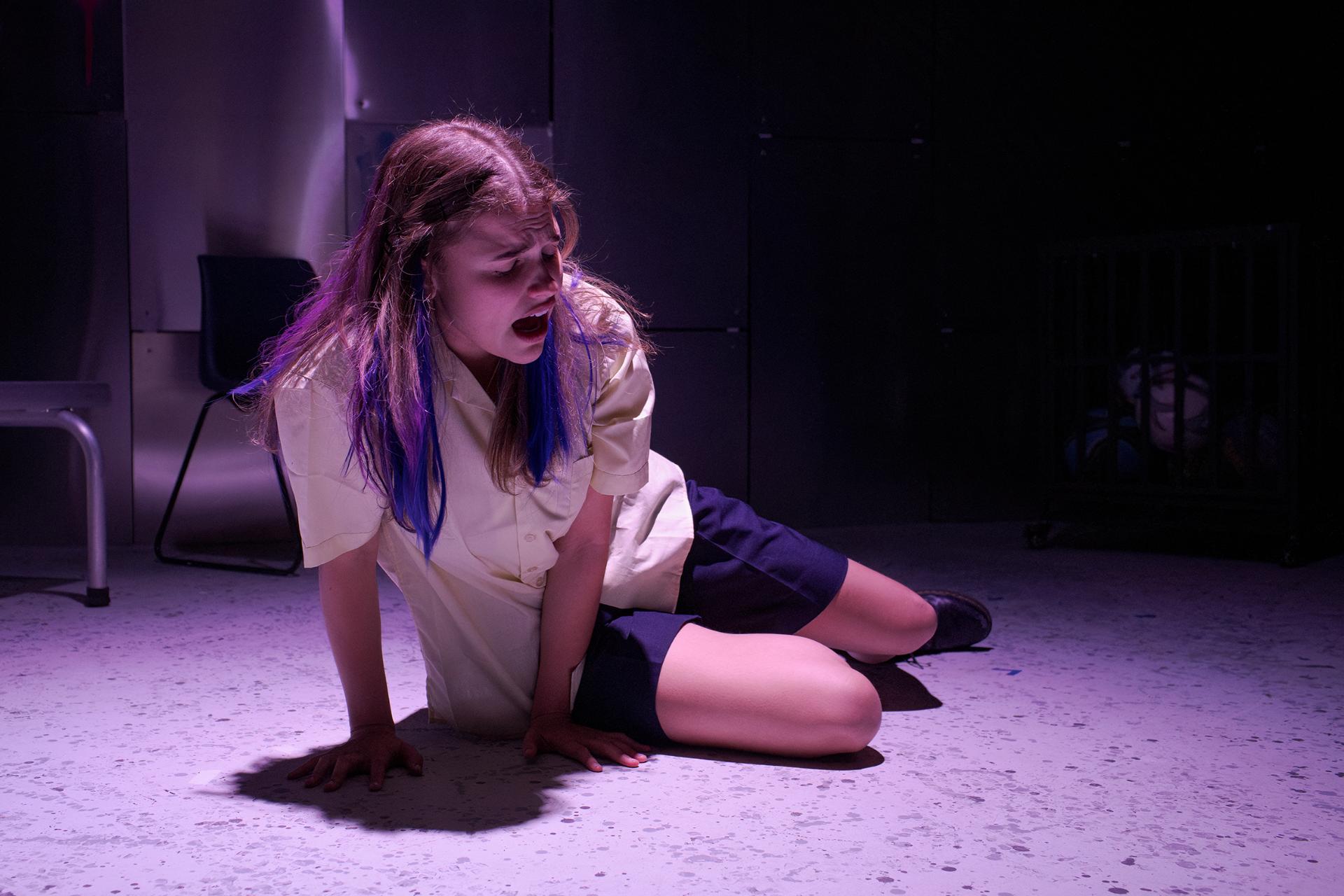
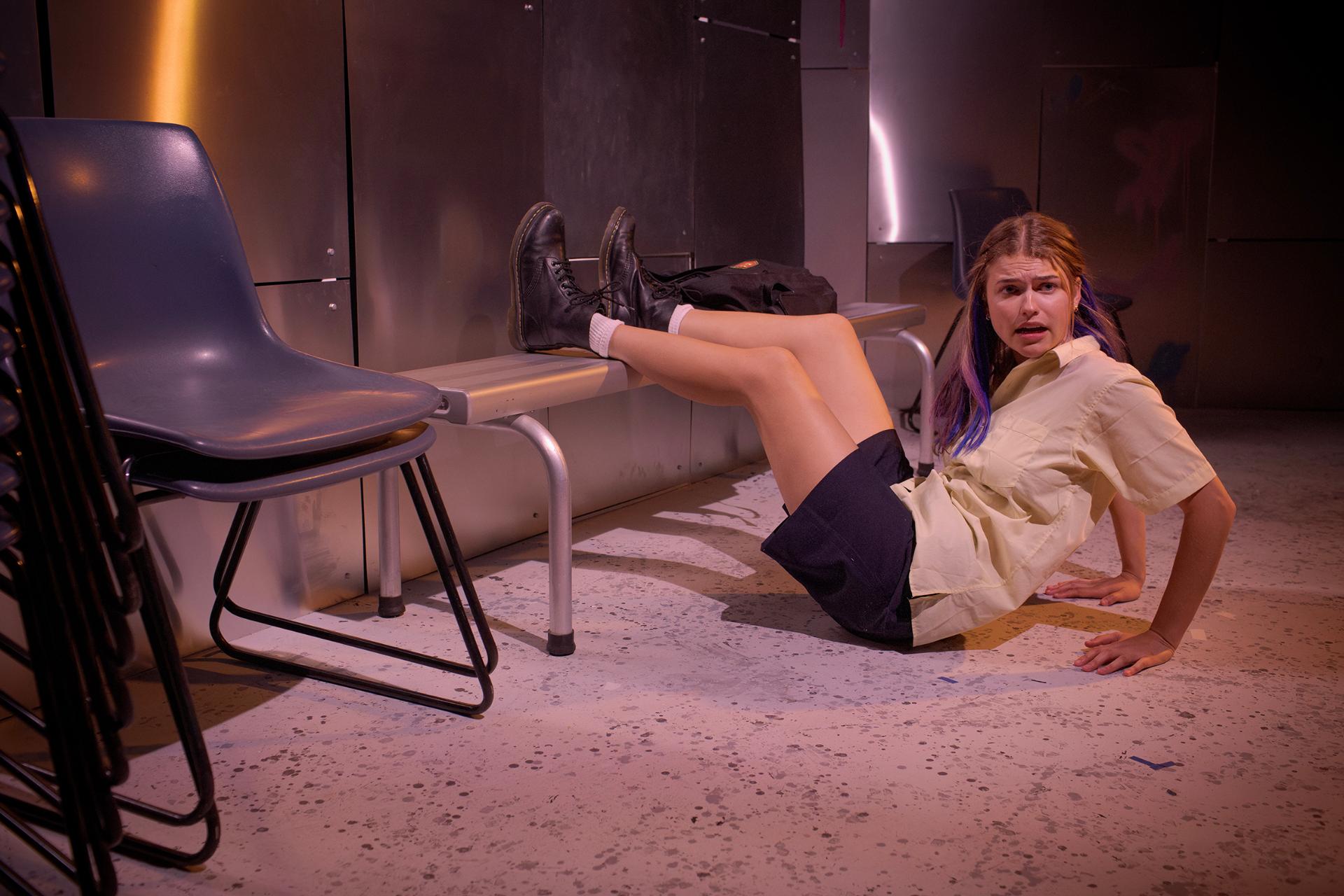
Centred in the second instalment of New Works Festival by Old Fitz Theatre, are the troubling lives of teenagers. Madelaine Nunn’s Sitting, Screaming depicts with searing realism the dangerous situation of a schoolgirl dealing with a predator, whilst Jordyn Fulcher’s Anomalies is completely fantastical in its speculations about a dystopian future, when three youngsters find themselves waking up to calamity, as an extensive technological malfunction takes hold.

The very cleverly structured and rigorously considered Sitting, Screaming is a work of gripping theatre, as directed by Lucy Clements, who brings exceptional detail to this exploration of rape culture. Its protagonist Sam is played by the wonderful Clare Hughes, who keeps us riveted for the entirety, highly impressive with the tonal variations she introduces, for an occasion of memorable storytelling.

Anomalies however is much more demanding of its audience. Although given energetic direction by Matt Bostock, the piece speaks in a convoluted and alienating language, over a lengthy duration, and with little narrative development. The cast works hard to make sense of the play, but Giani Fenech, Rhiaan Marquez and Harold Phipps can only be credited for being able to find meaning from Anomalies for themselves.

Thankfully, we discover that the staging for both are remarkably well designed. Hailley Hunt’s set and costumes are expressive, and convincing with what they wish to convey. Lights by Luna Ng are commendable for their attentiveness to the nuances of the writing, and for helping us shift through all the vacillating drama and comedy. Sounds by Sam Cheng for Sitting, Screaming too are effective at pulling us deep into the fluctuating emotional textures, just as Milo McLaughlin’s audio creations for Anomalies are able to indicate the escalating intensity of its sci-fi predicament.

Characters in both tales, one authentic and one imaginary, inherit broken worlds. So much of what is normalised, should never have been deemed acceptable. It is through the perspective of youth that we can clearly see that all we have acquiesced to consider good enough, is actually of tragic proportions. The eternal dilemma of humanity seems to be that we cannot help but conceive of perfection, but to bring it to fruition is always beyond us.

 ww.oldfitztheatre.com.au | www.newghoststheatre.com