Review: Albion (Seymour Centre)

Venue: Seymour Centre (Chippendale NSW), Jul 27 – Aug 20, 2022
Playwright: Mike Bartlett
Director: Lucy Clements
Cast: Jane Angharad, Joanna Briant, Claudette Clarke, Alec Ebert, Deborah Jones, Mark Langham, Rhiaan Marquez, Ash Matthew, Charles Mayer, James Smithers, Emma Wright
Images by Clare Hawley

Theatre review

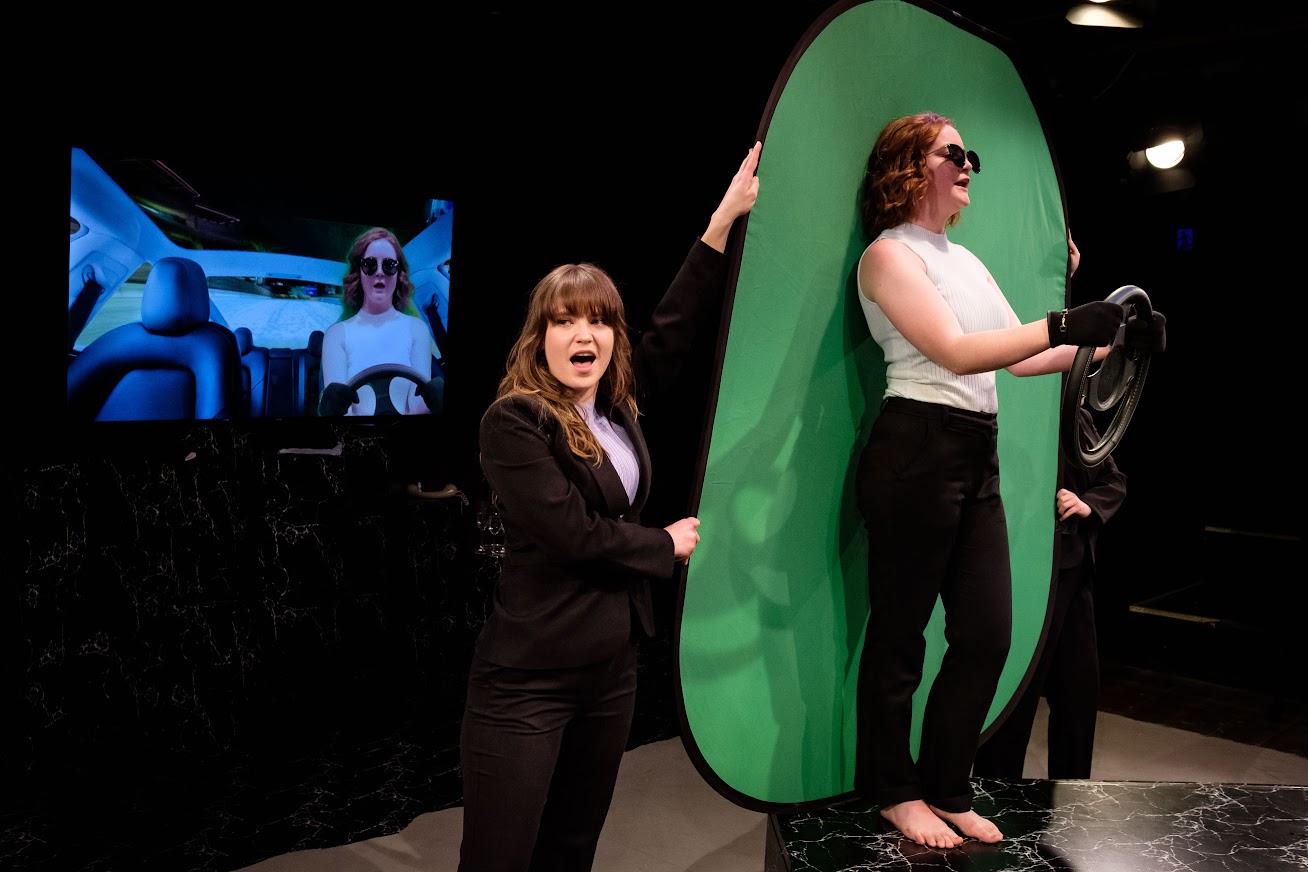
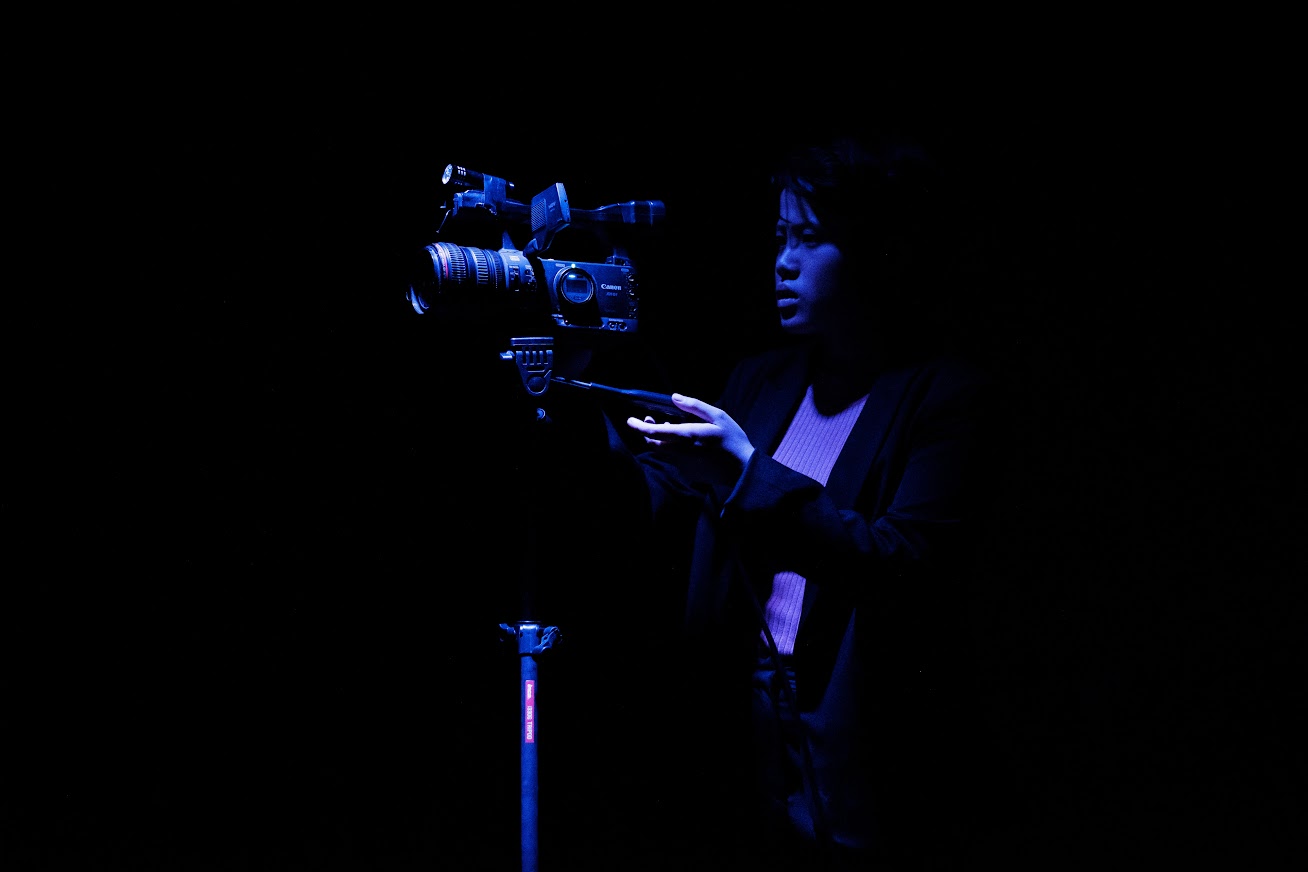
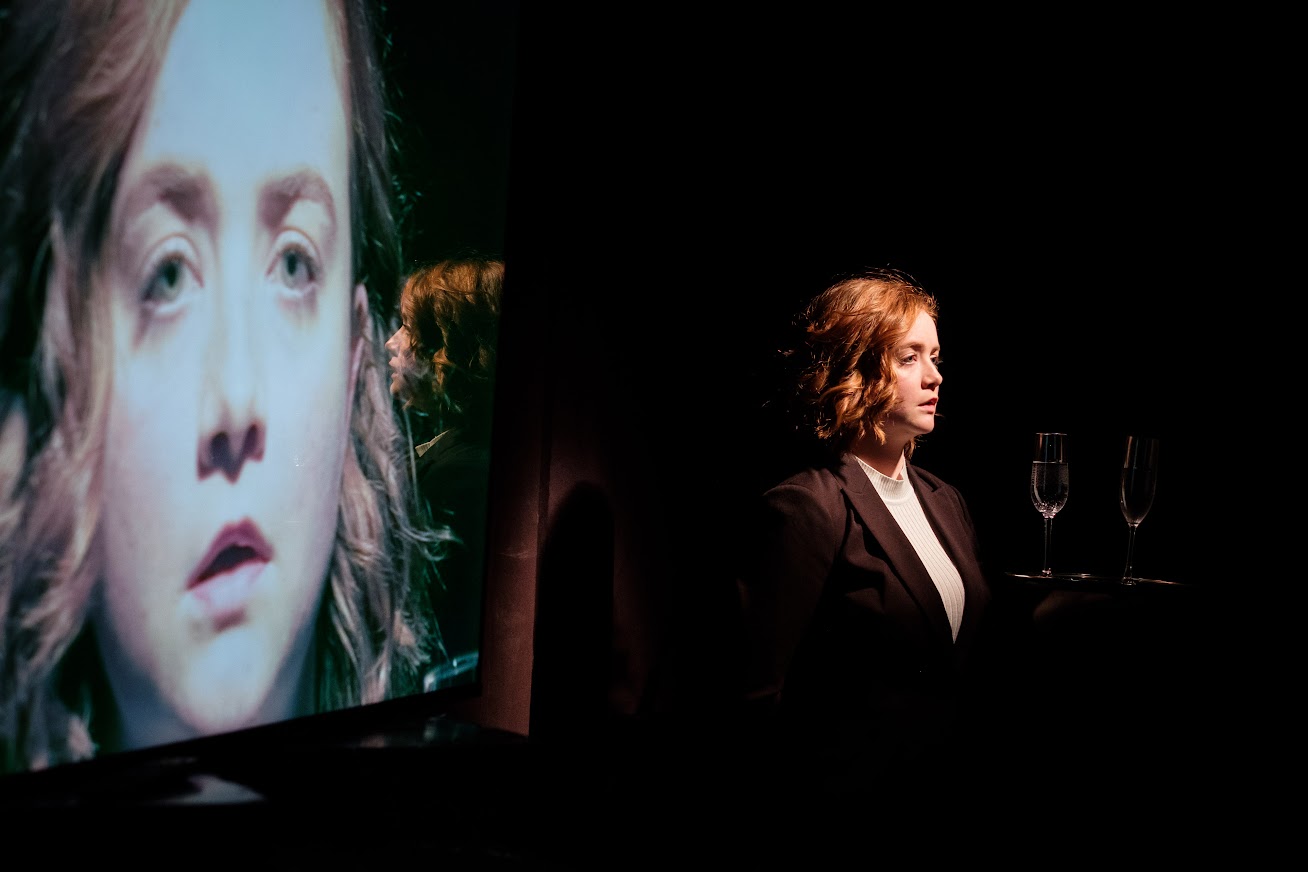
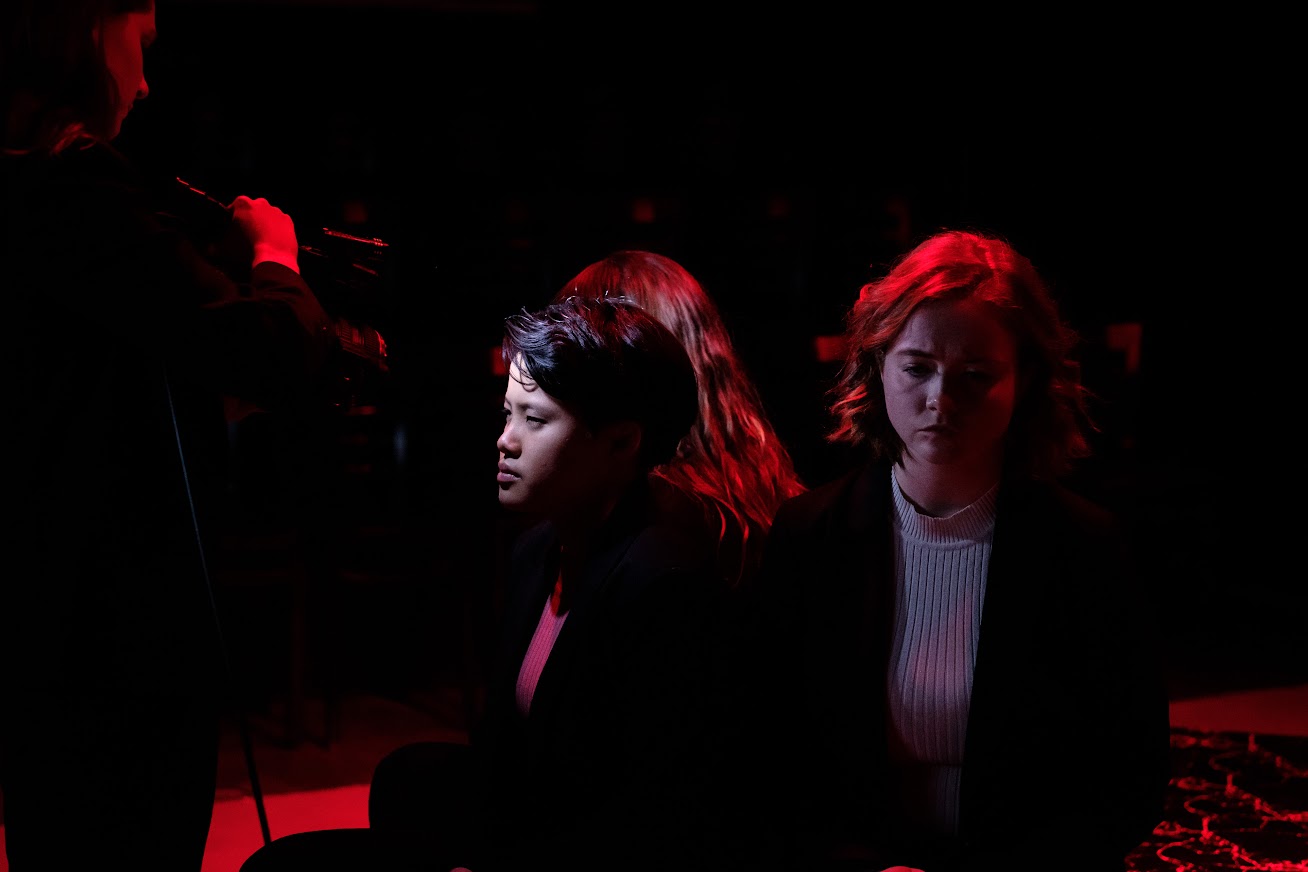
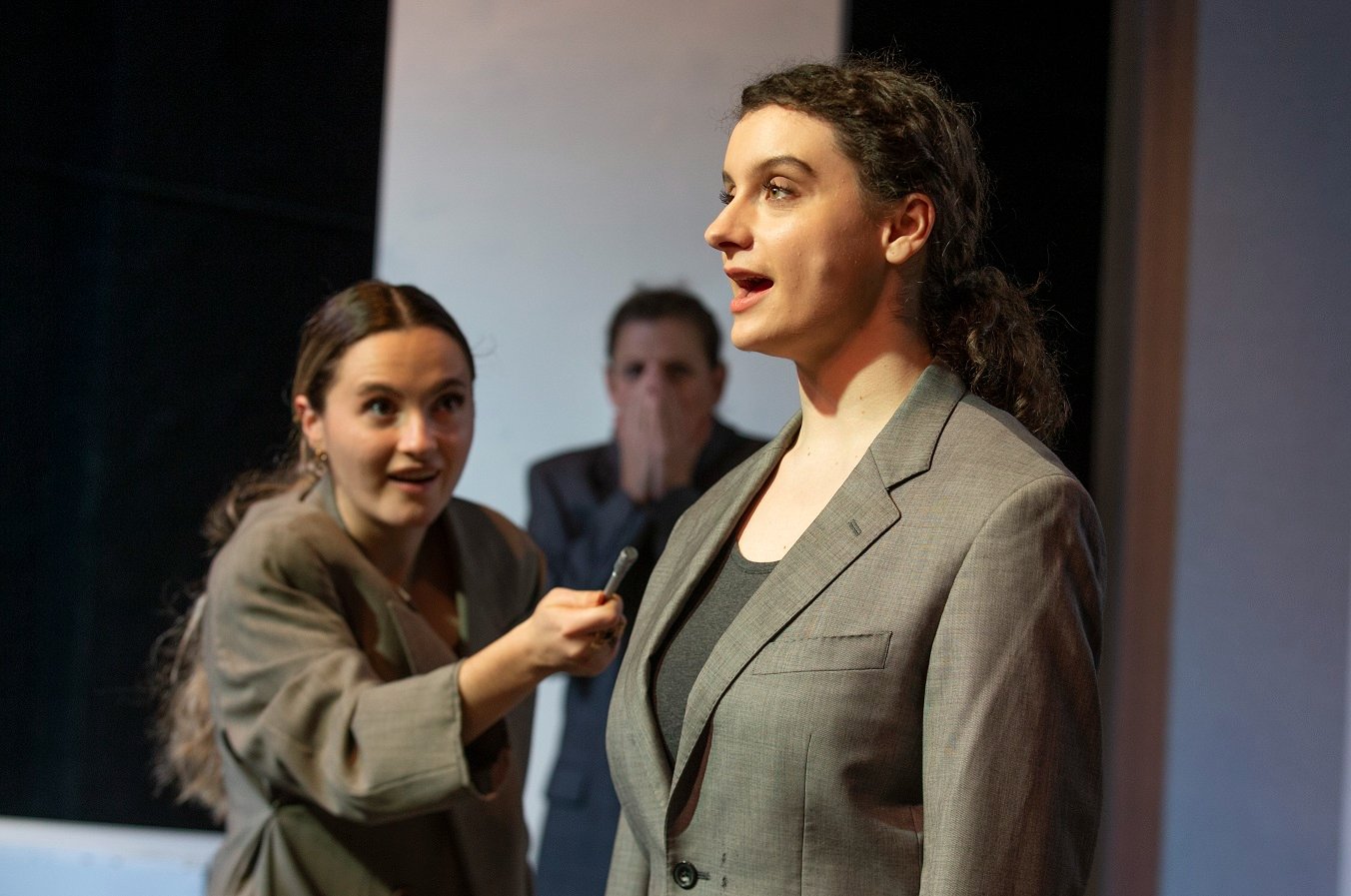
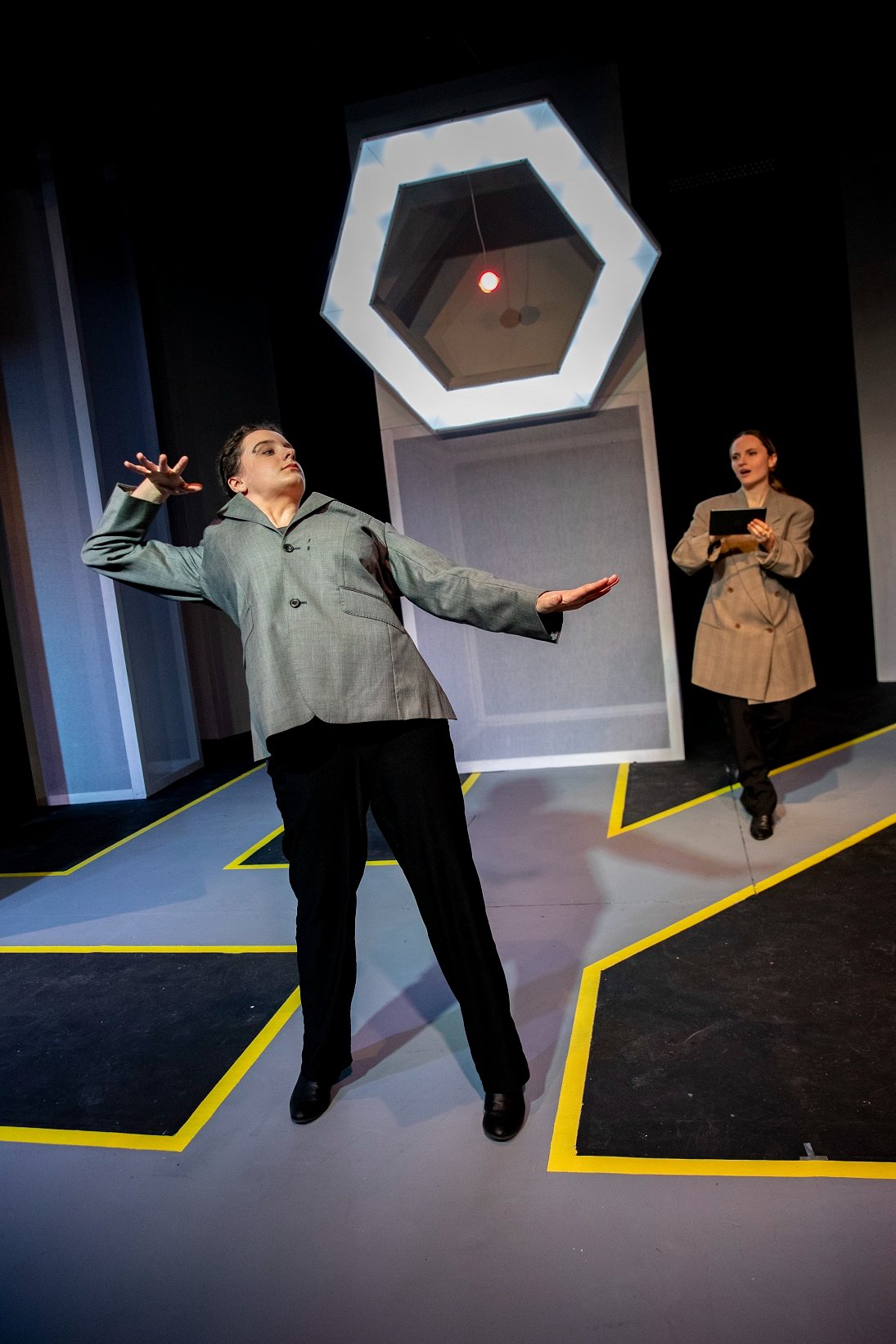
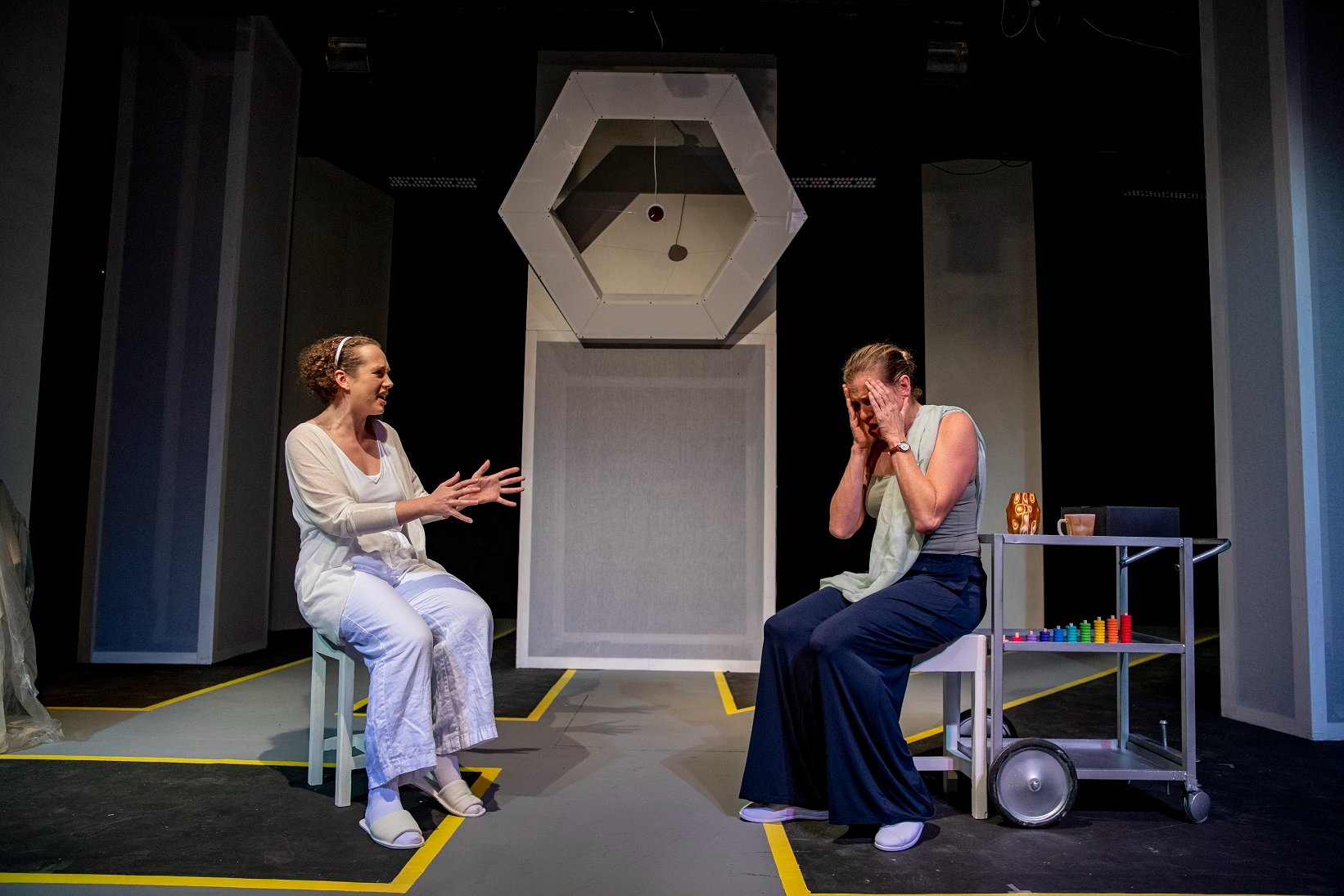
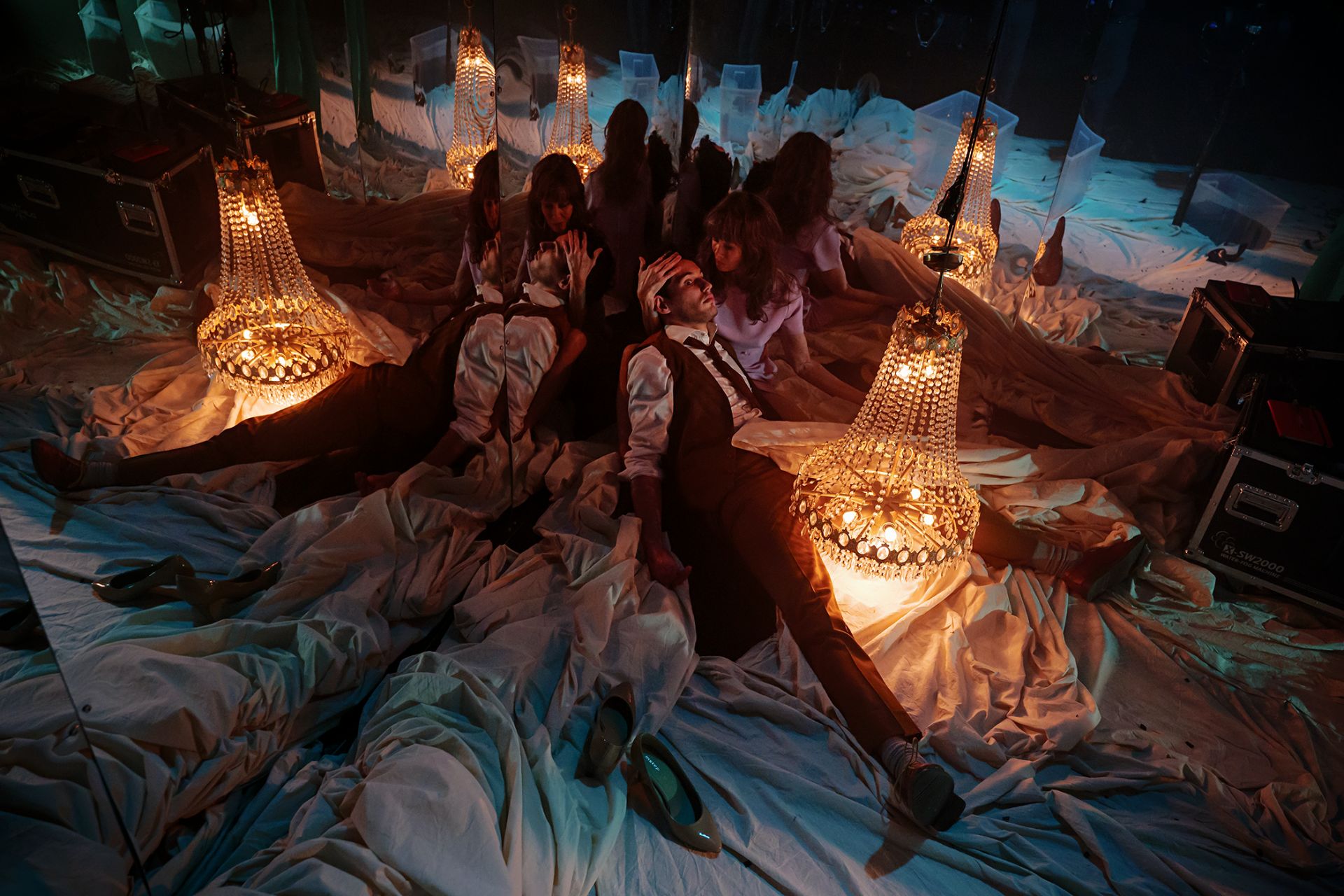
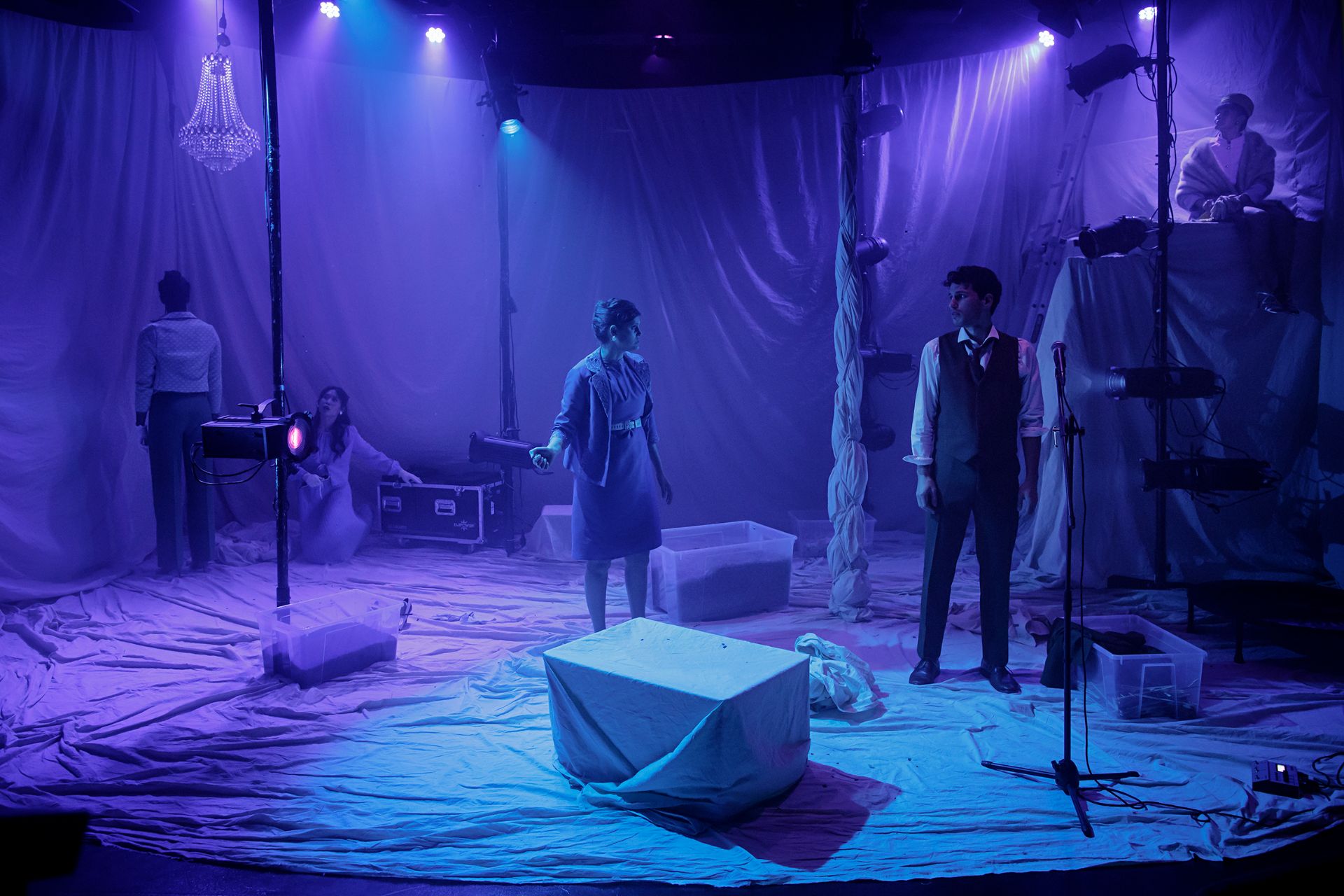
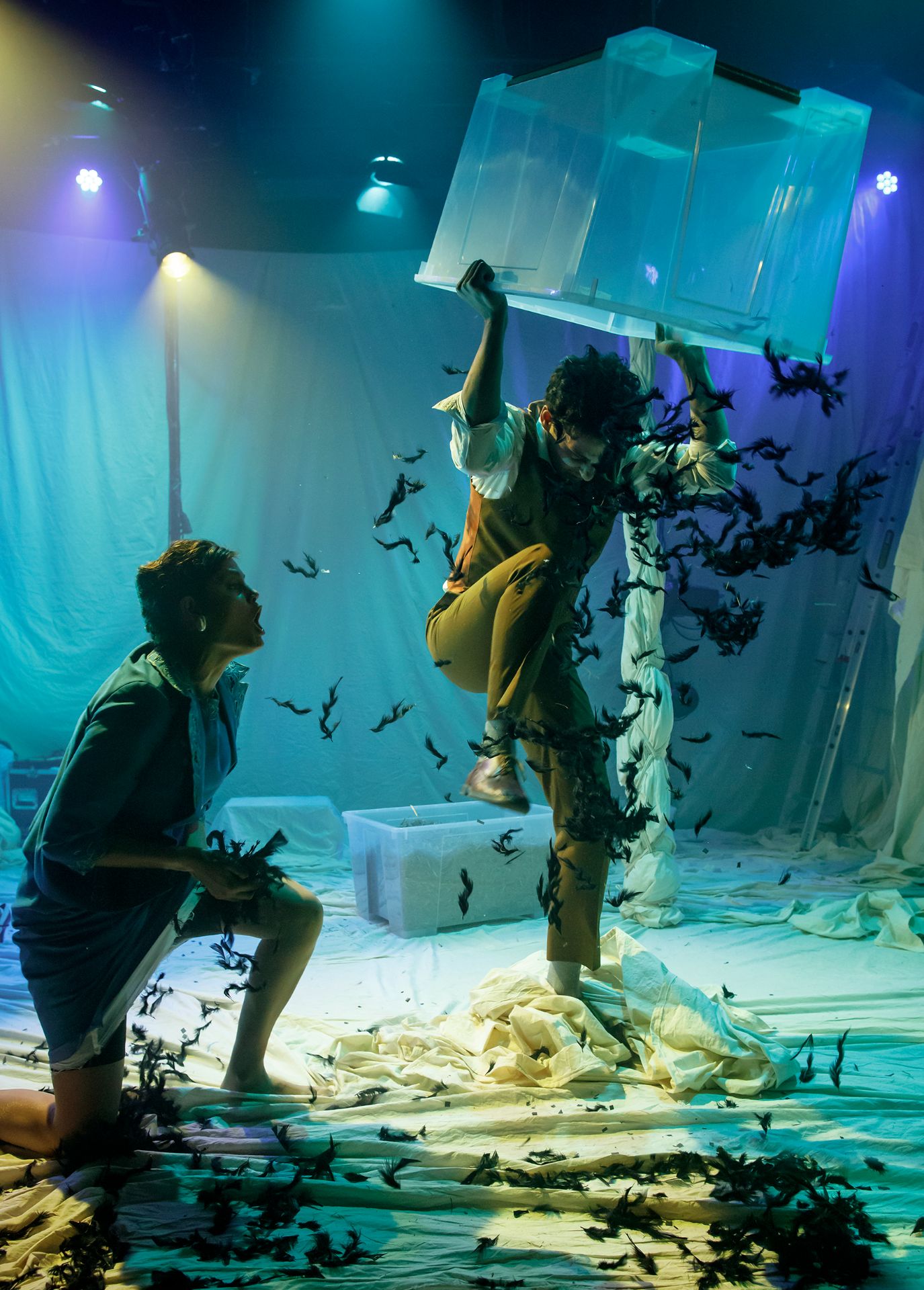
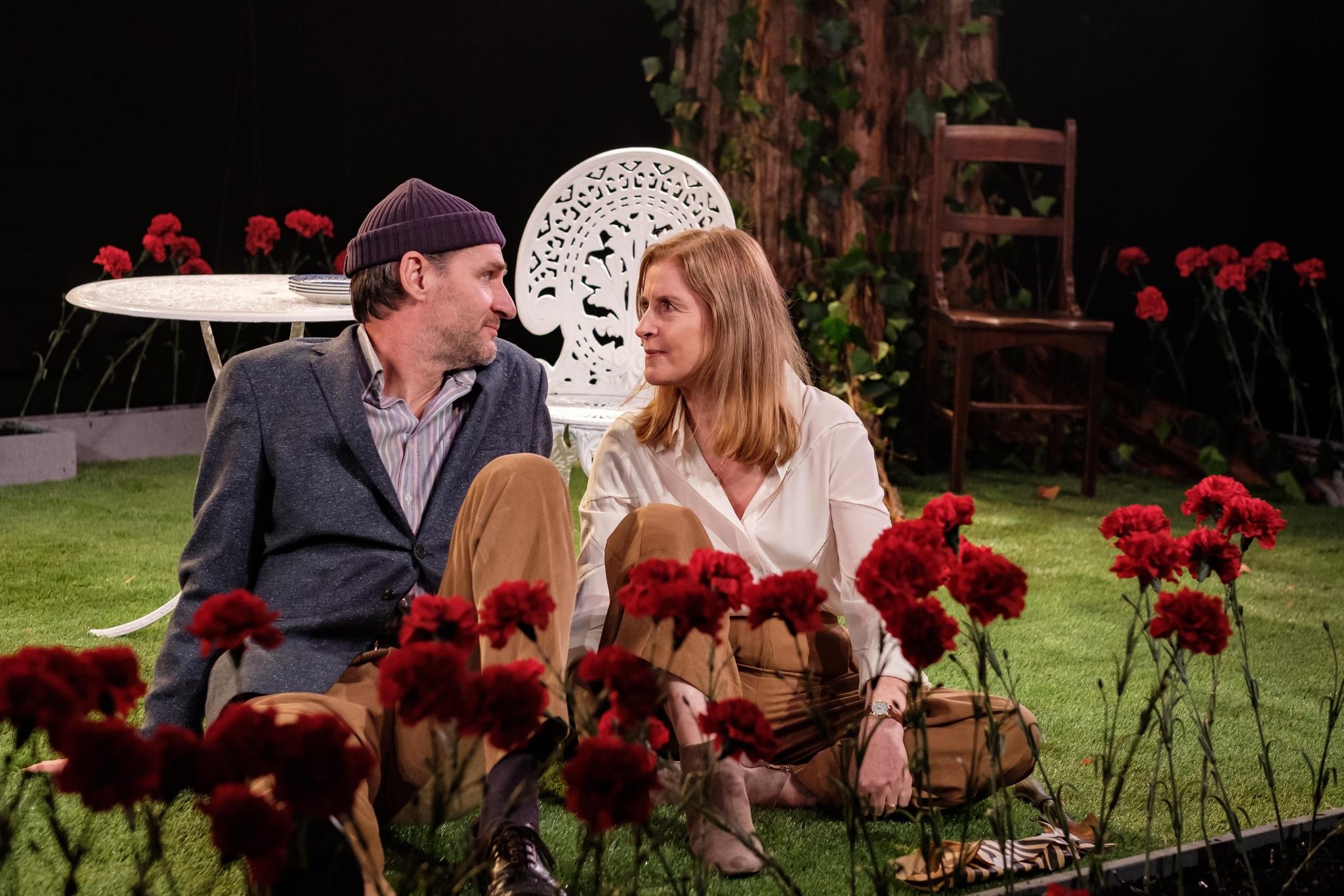
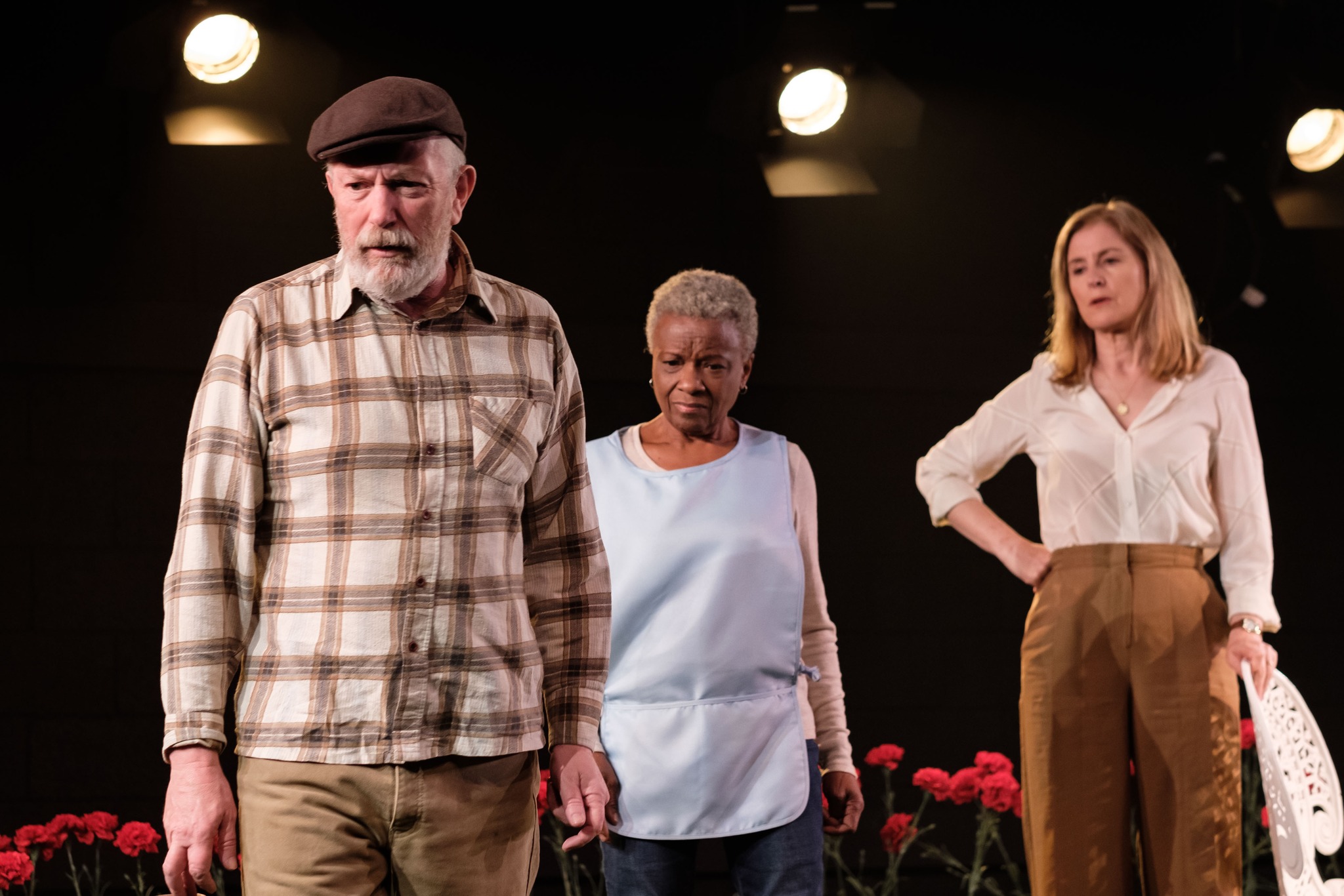
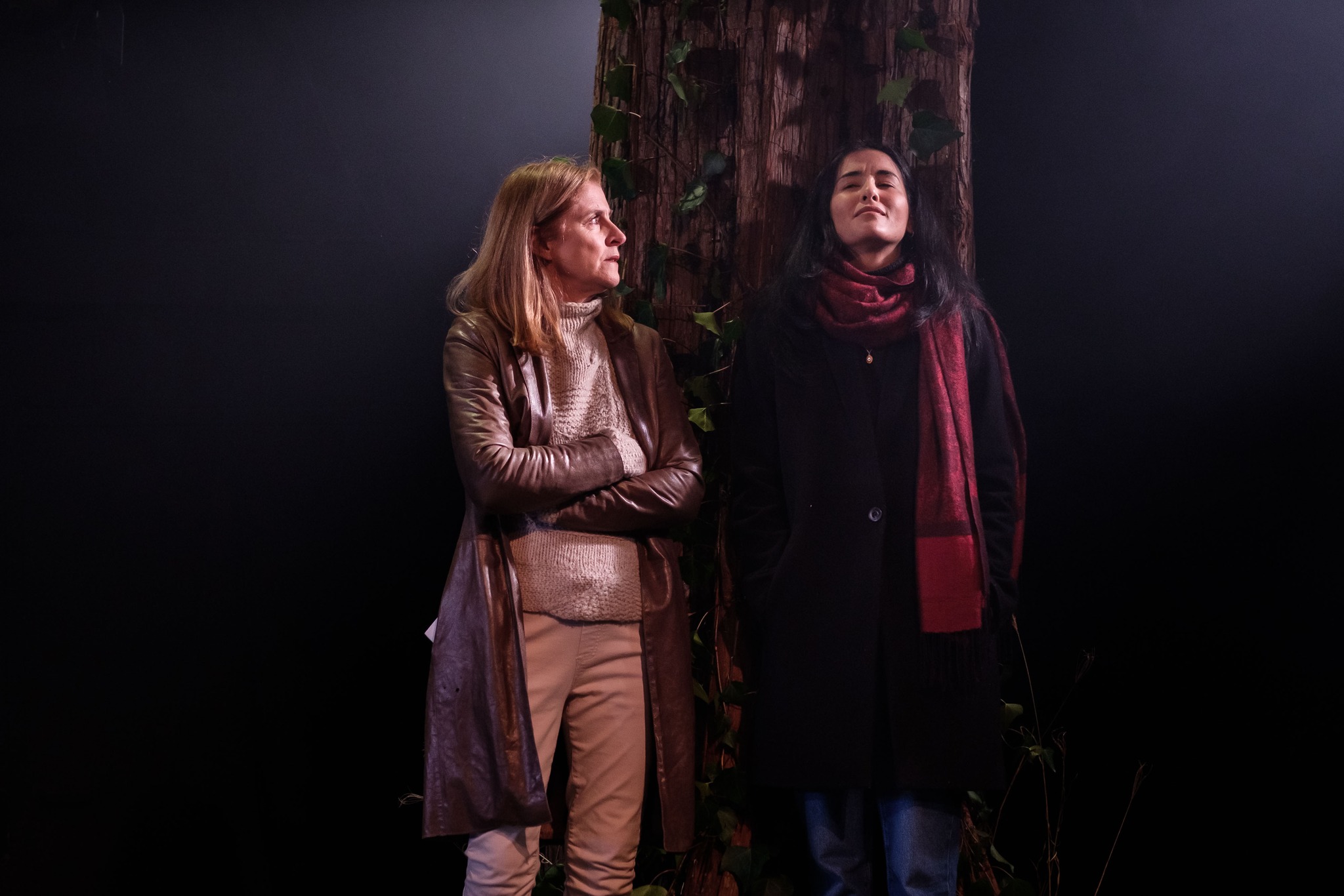
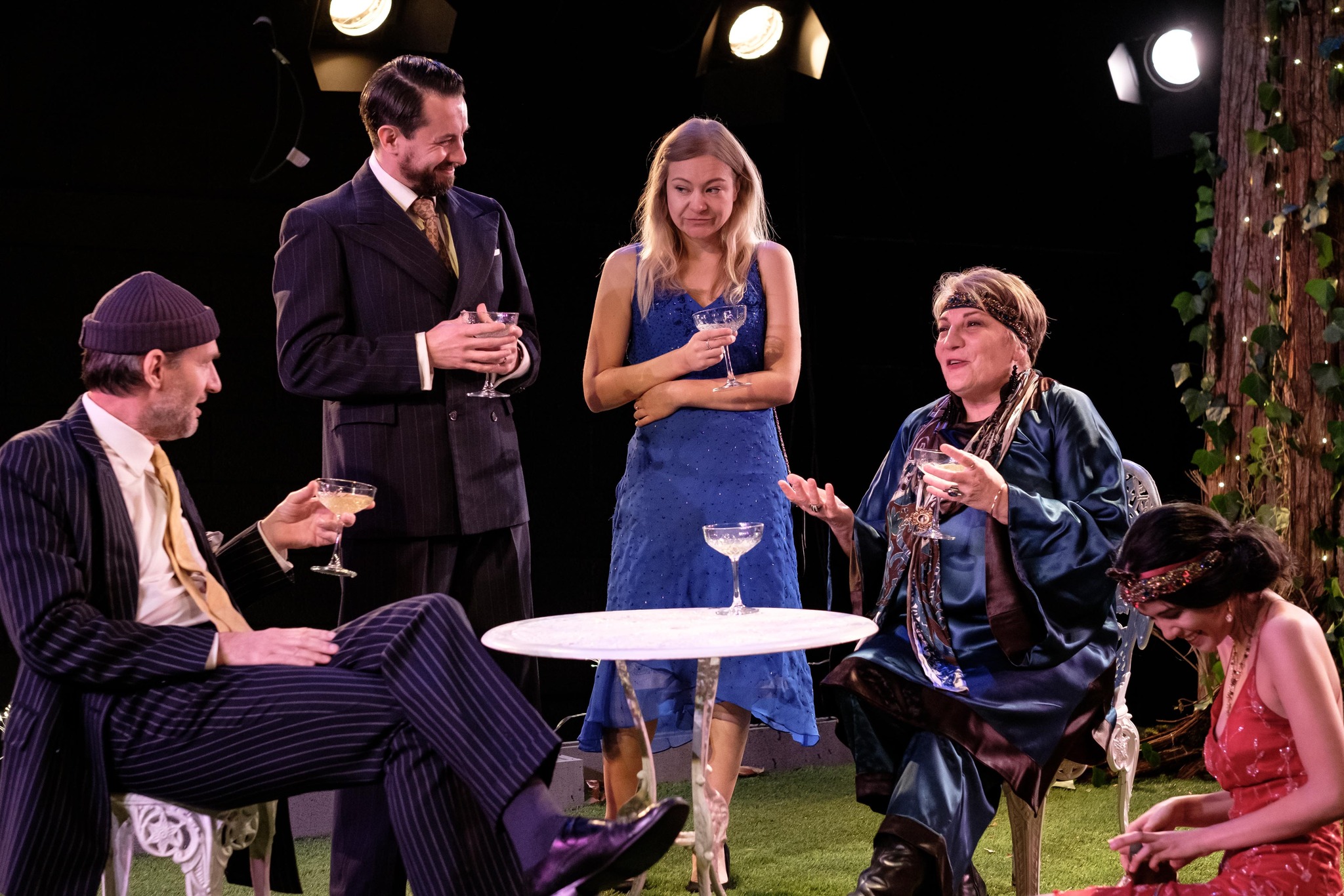
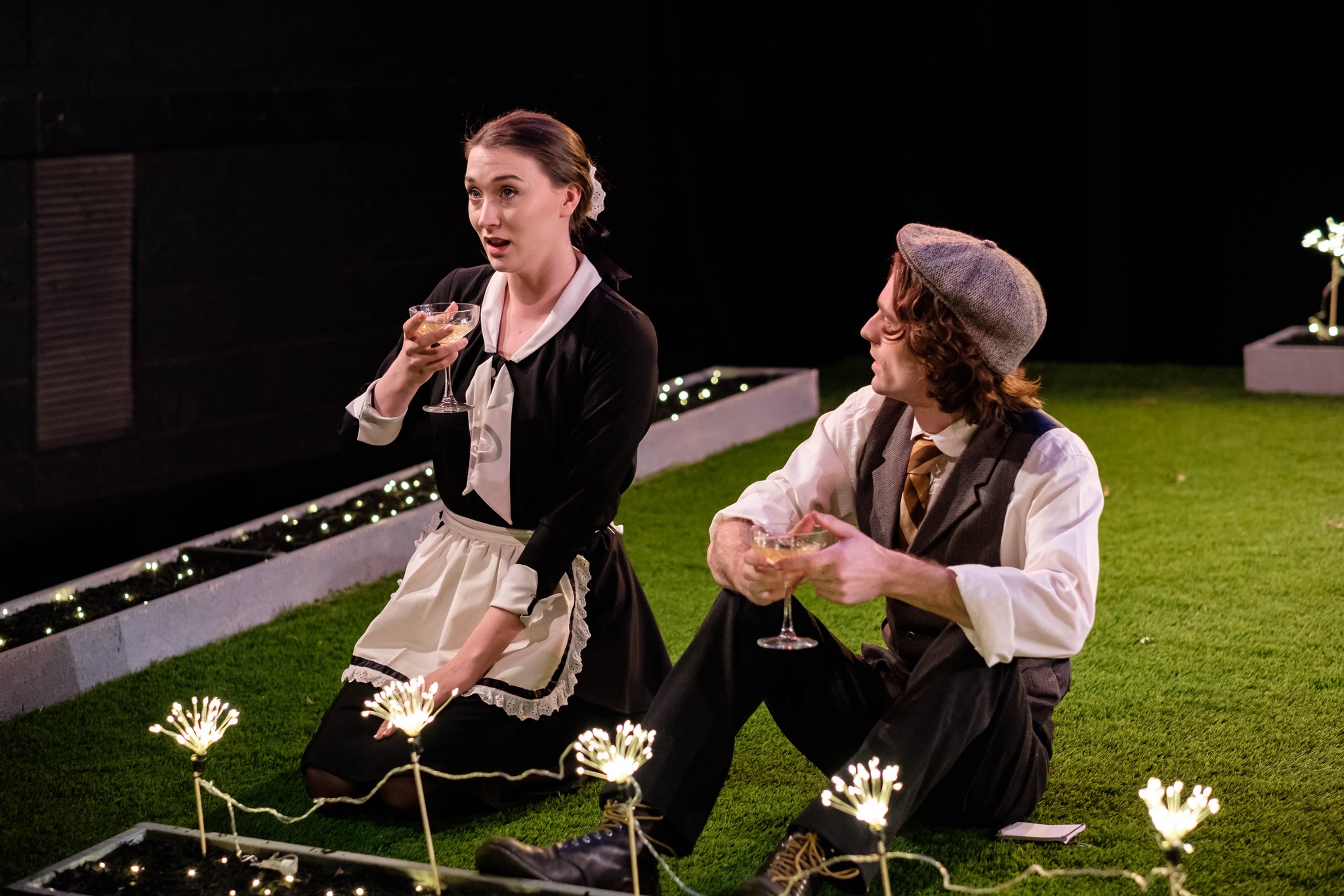
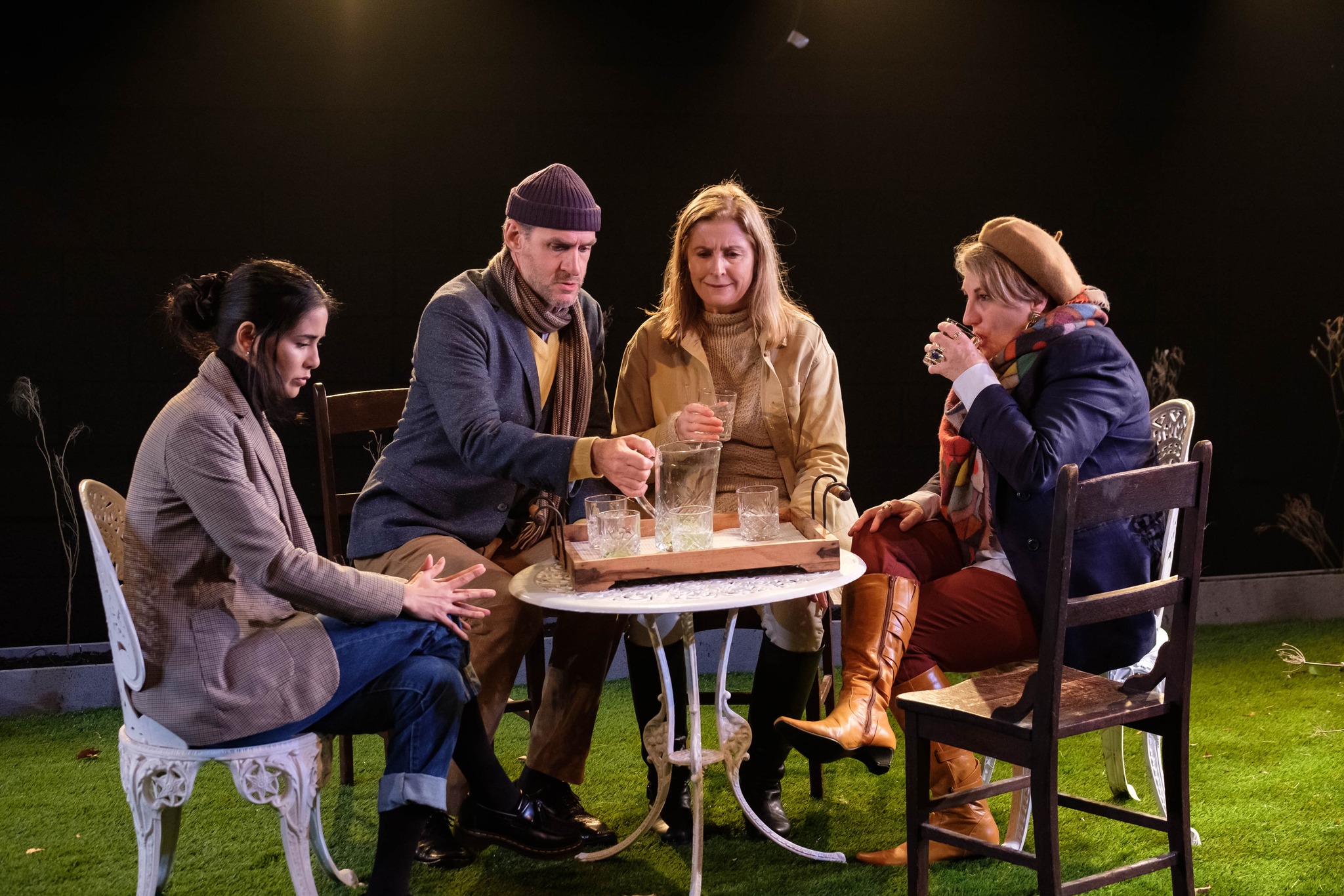
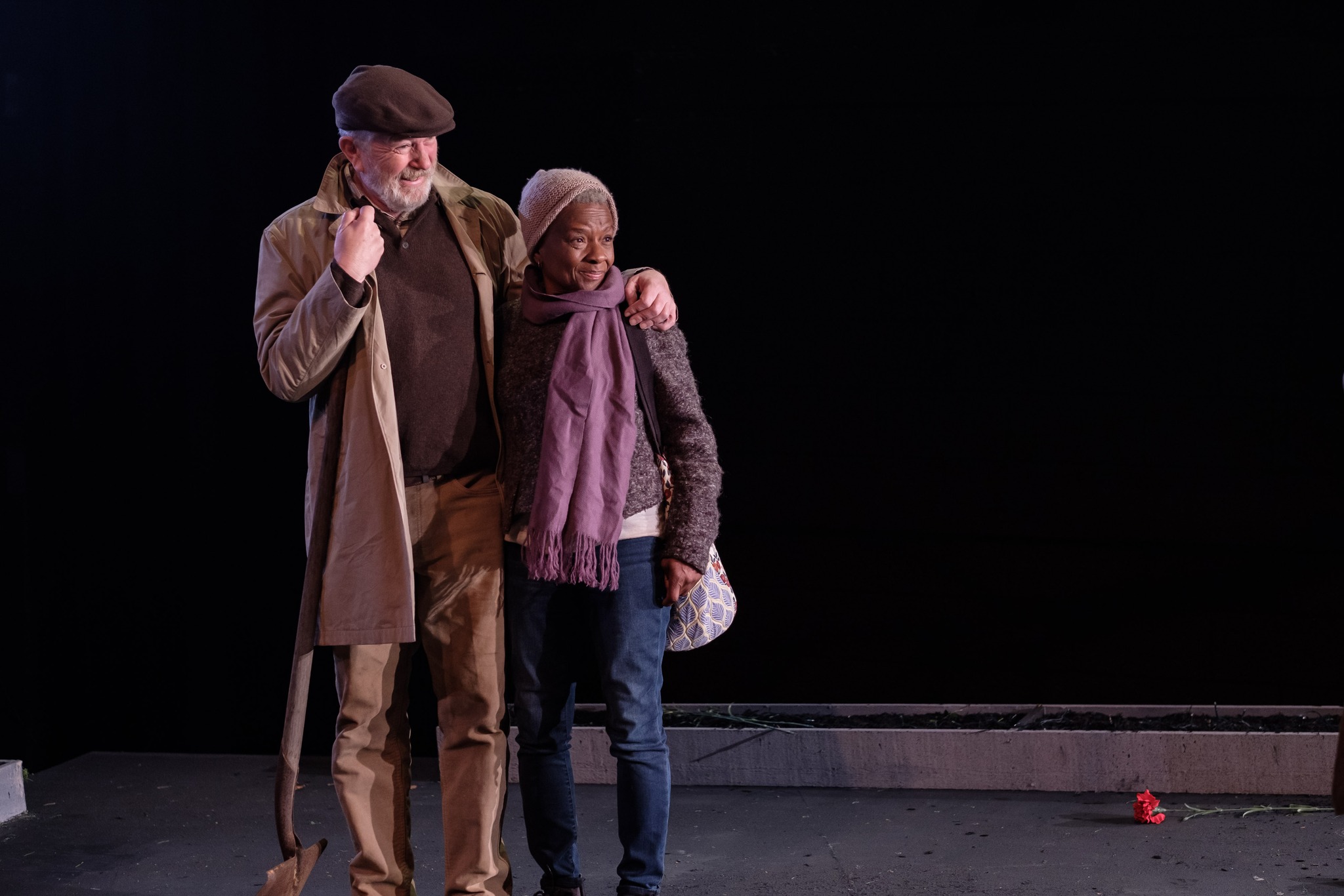
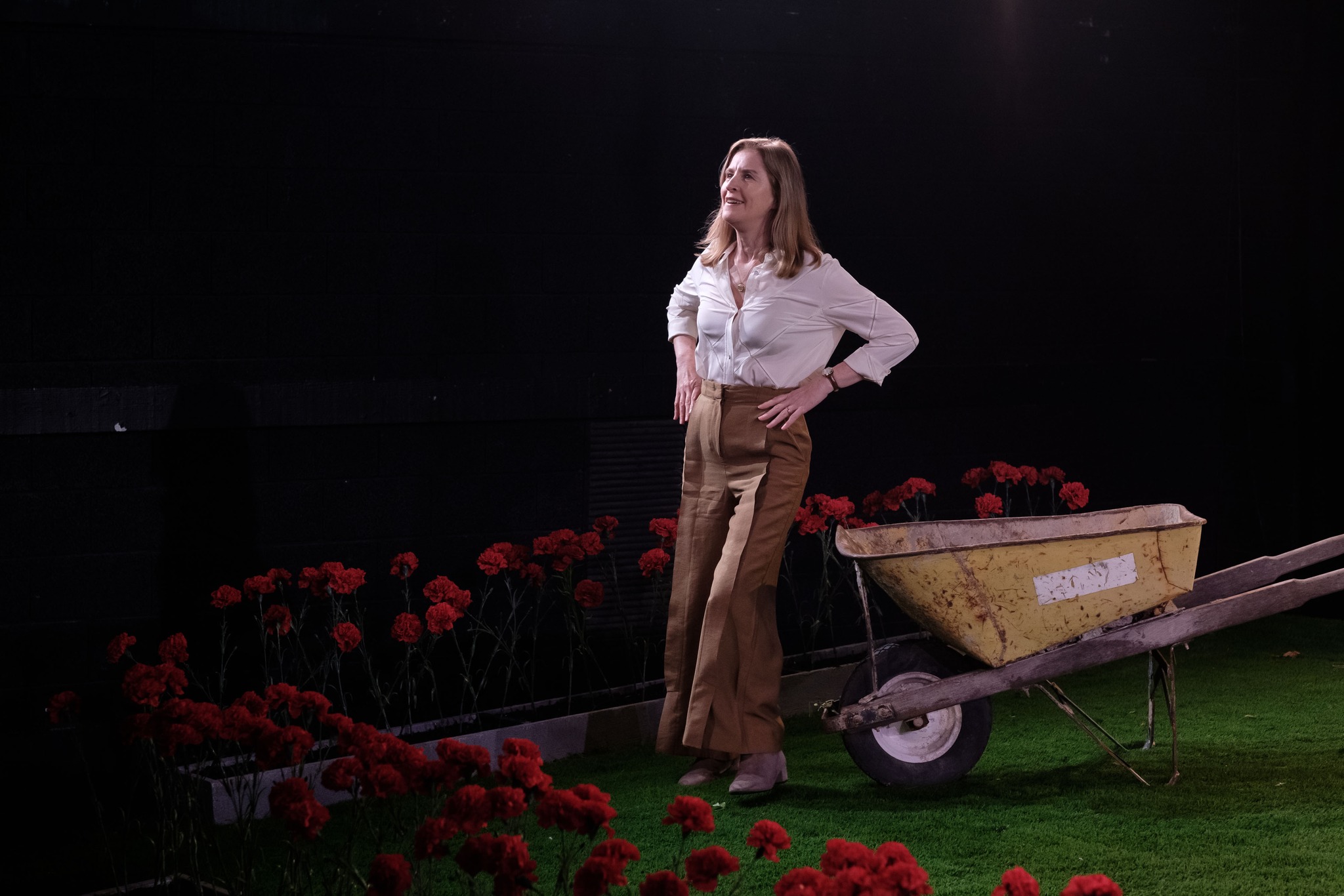
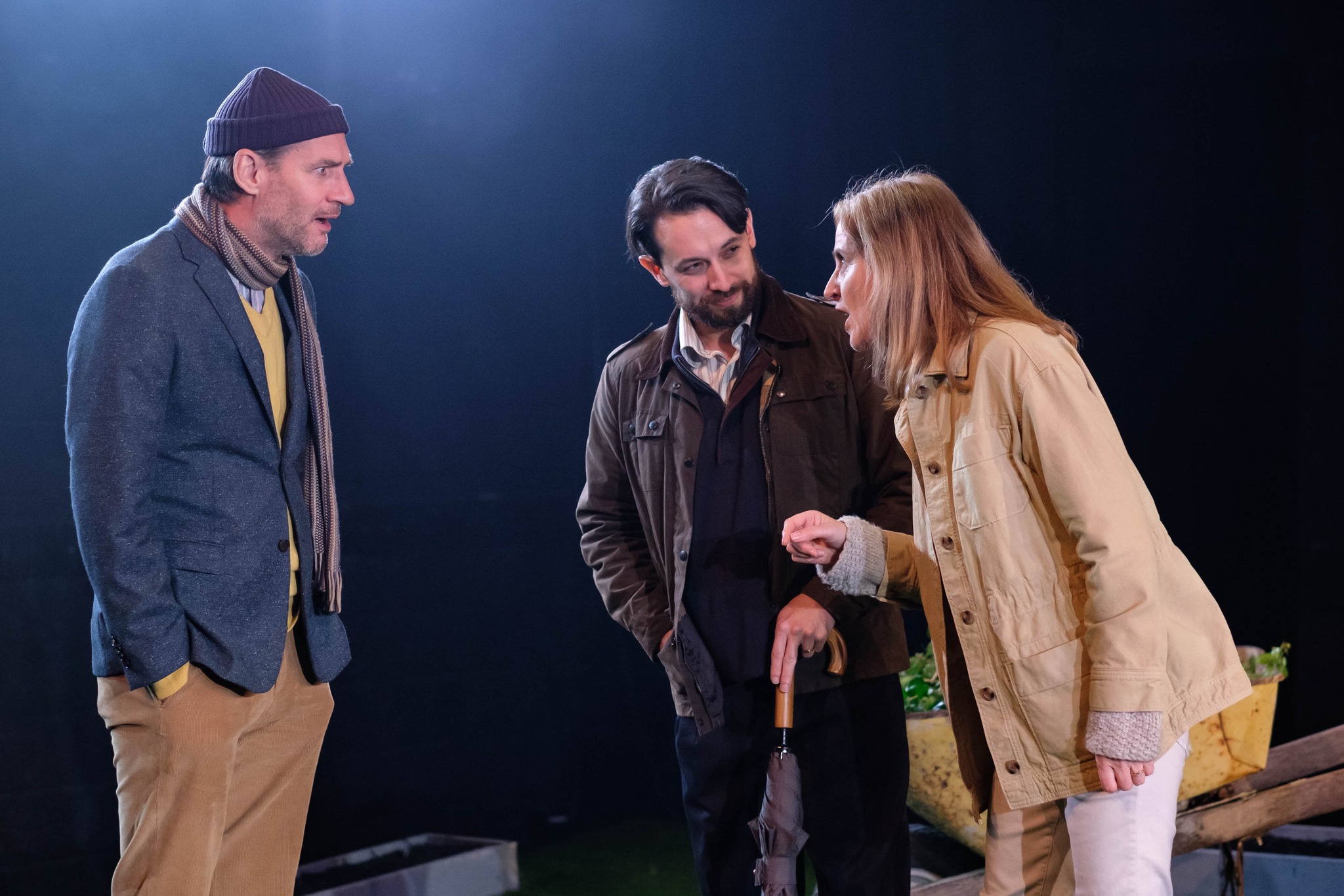
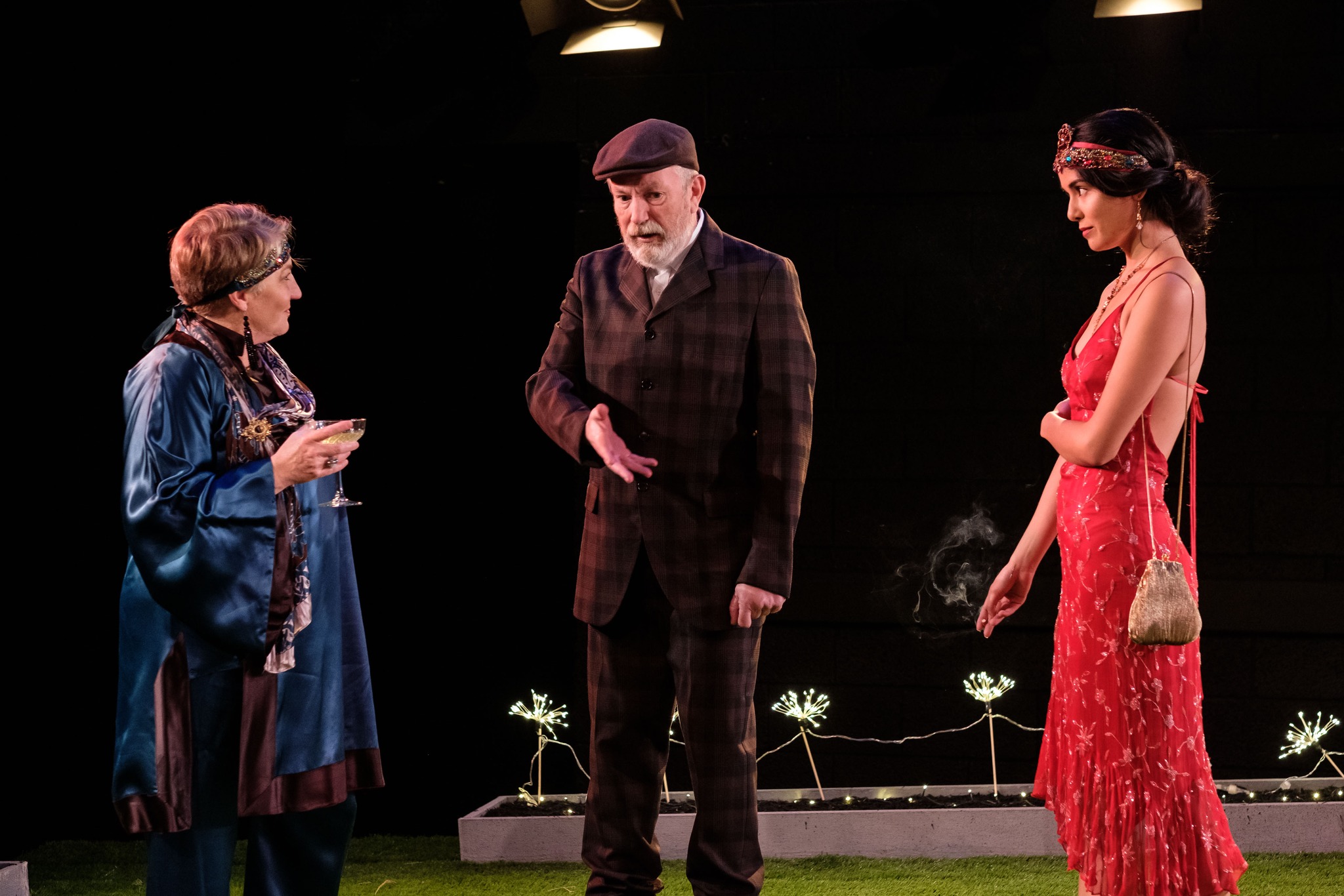
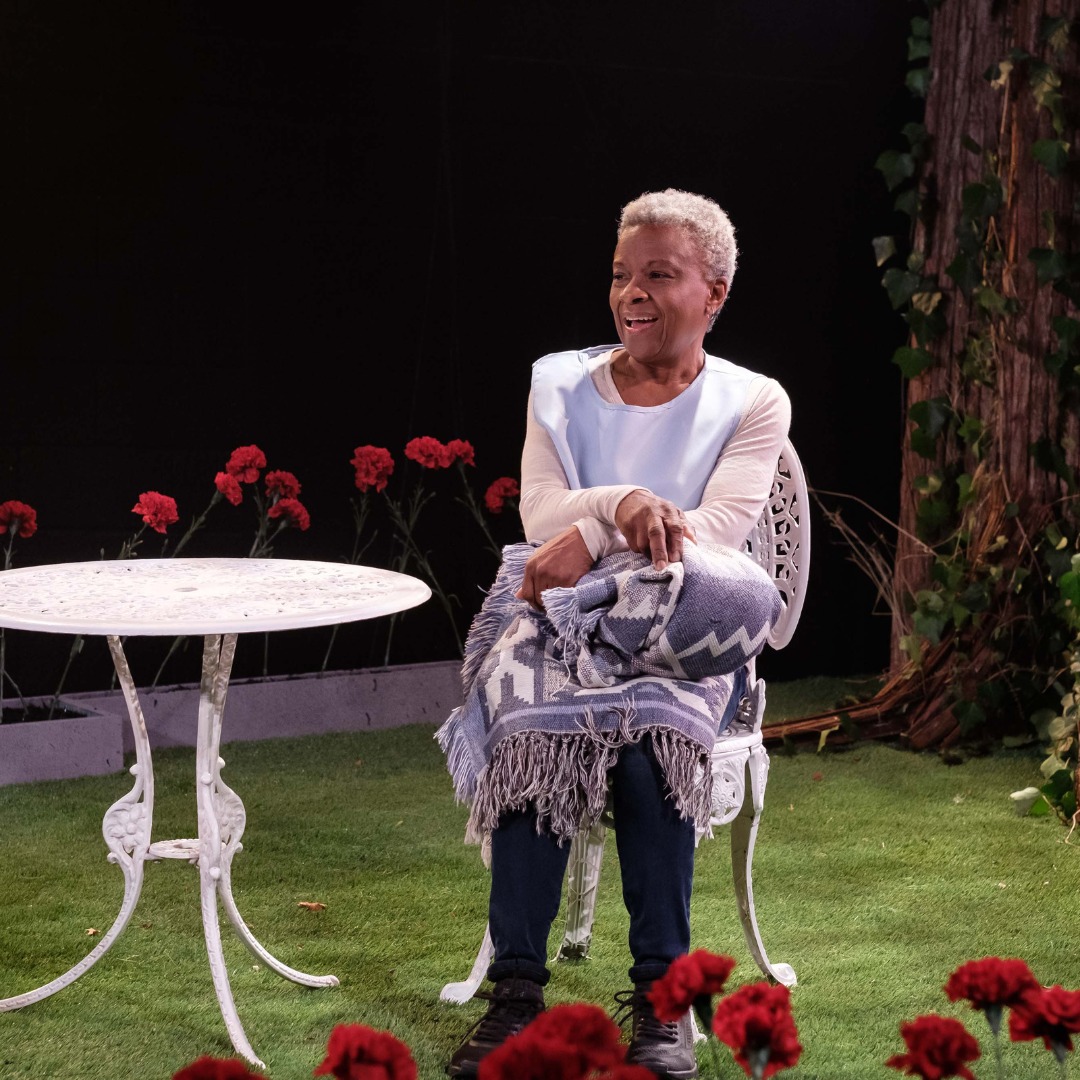
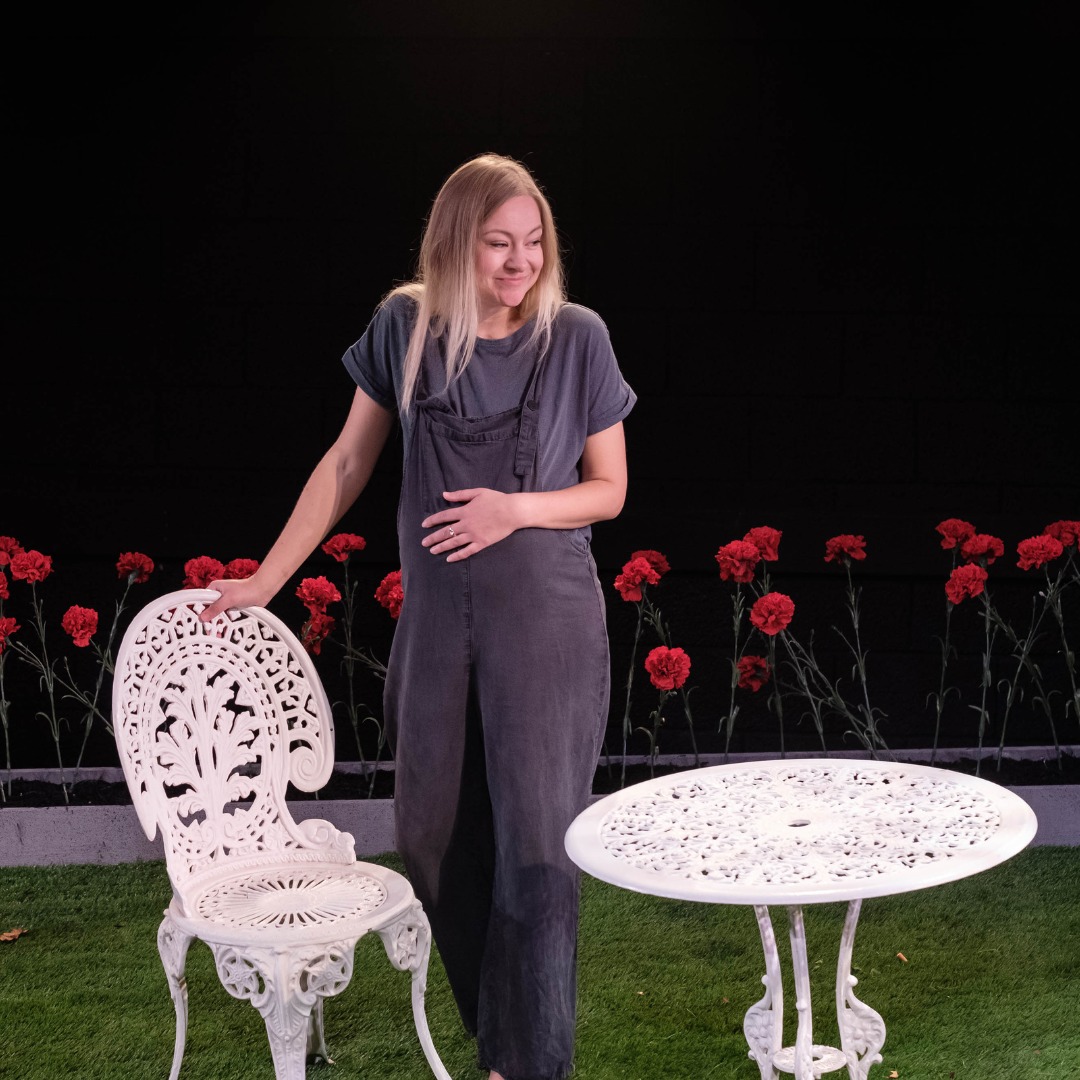
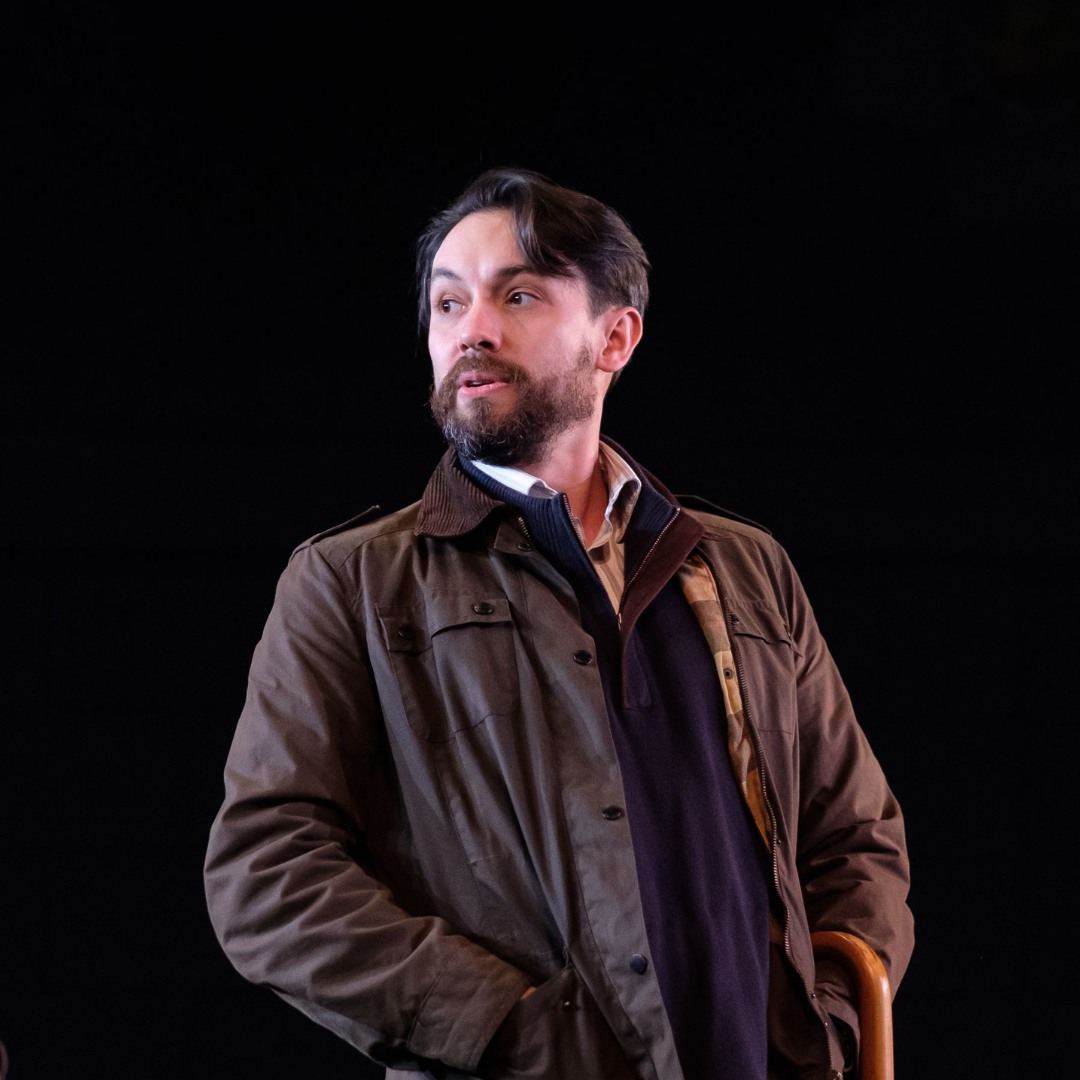
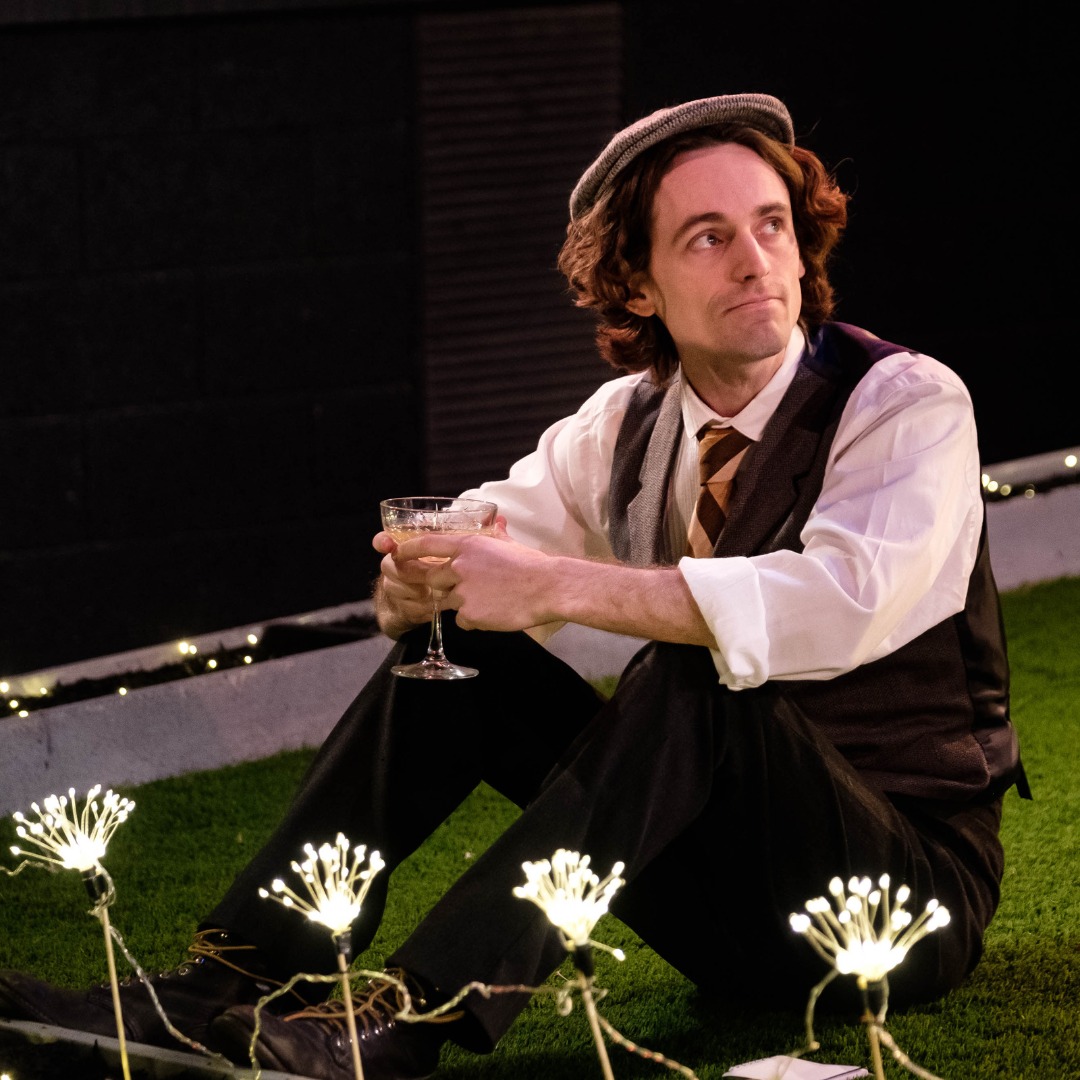
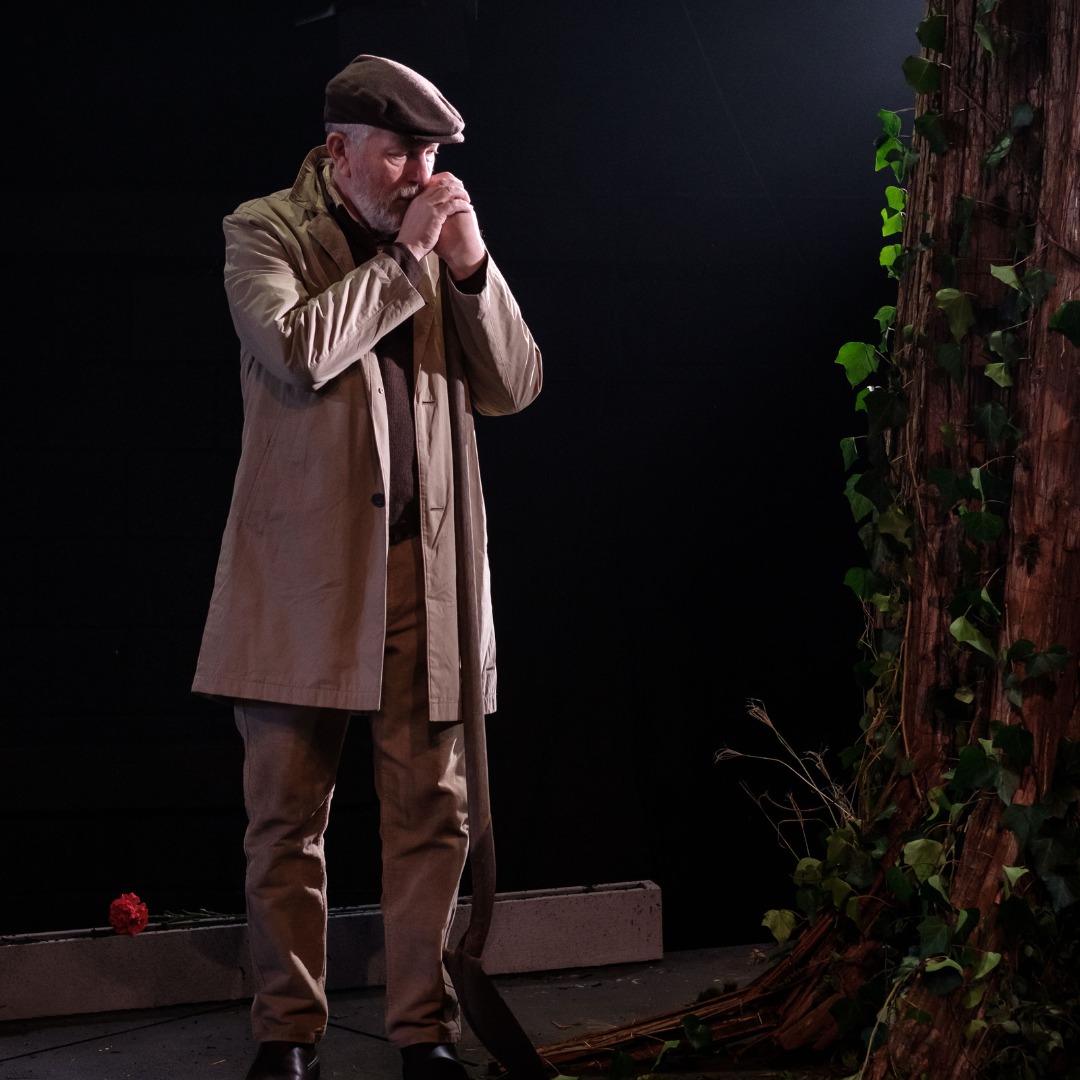
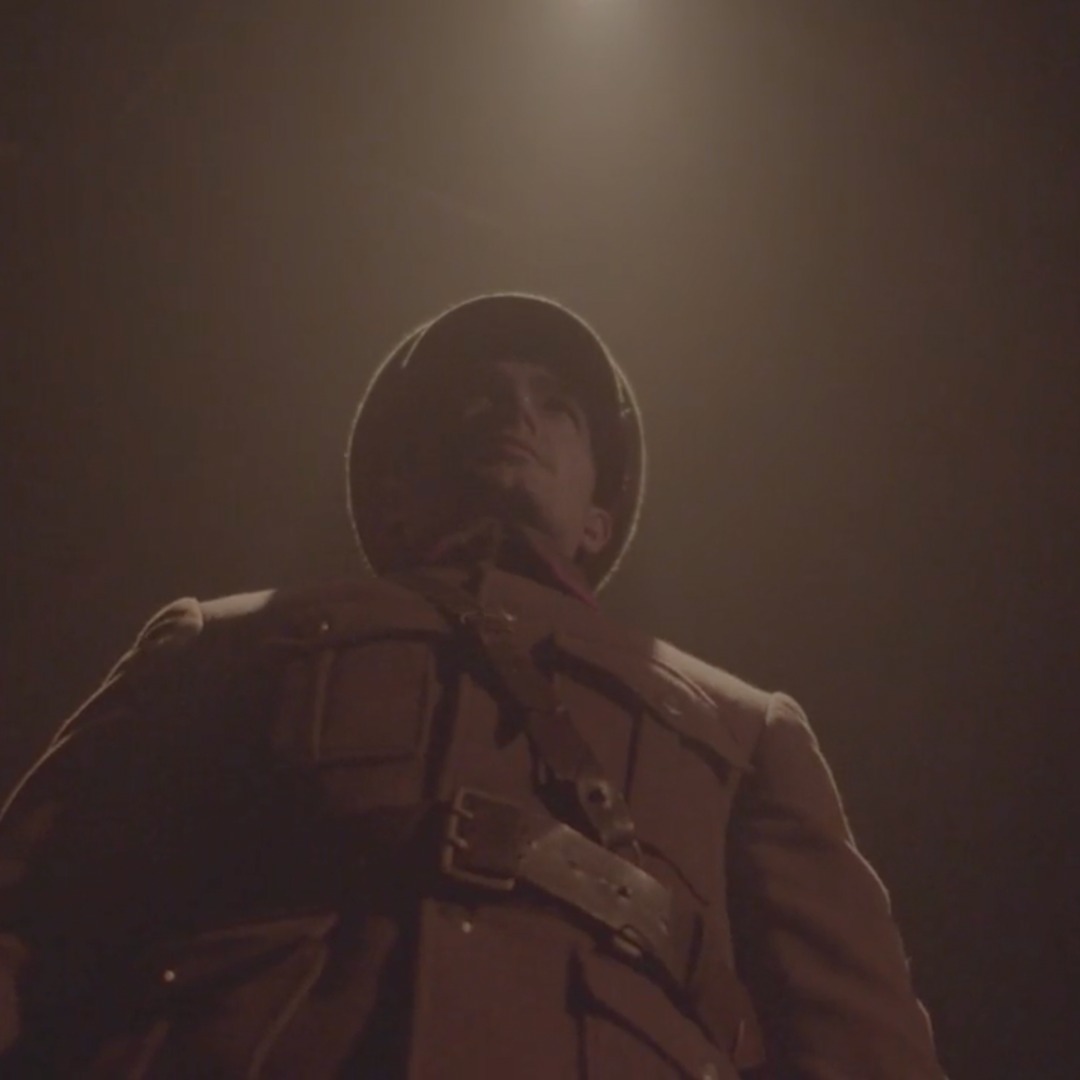
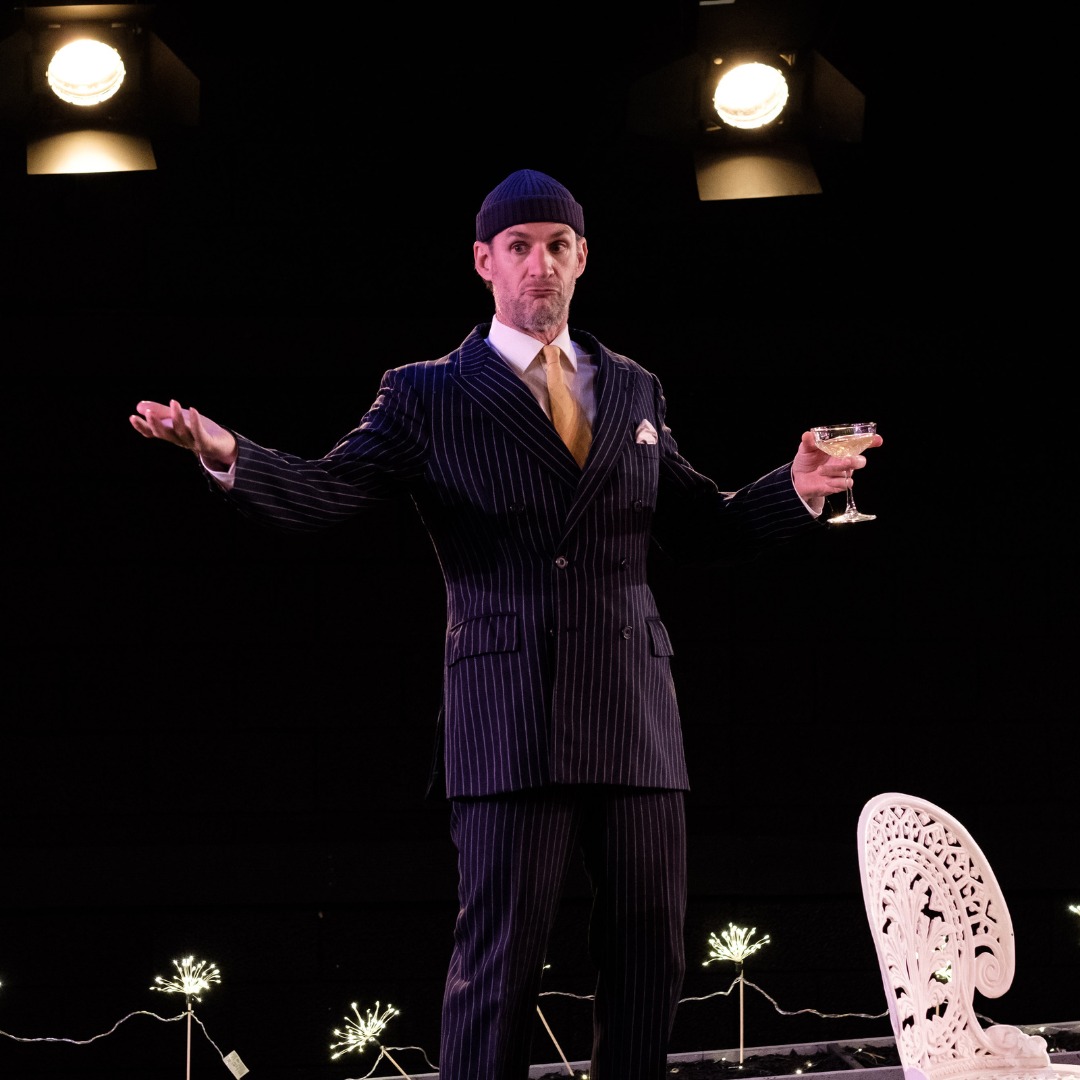
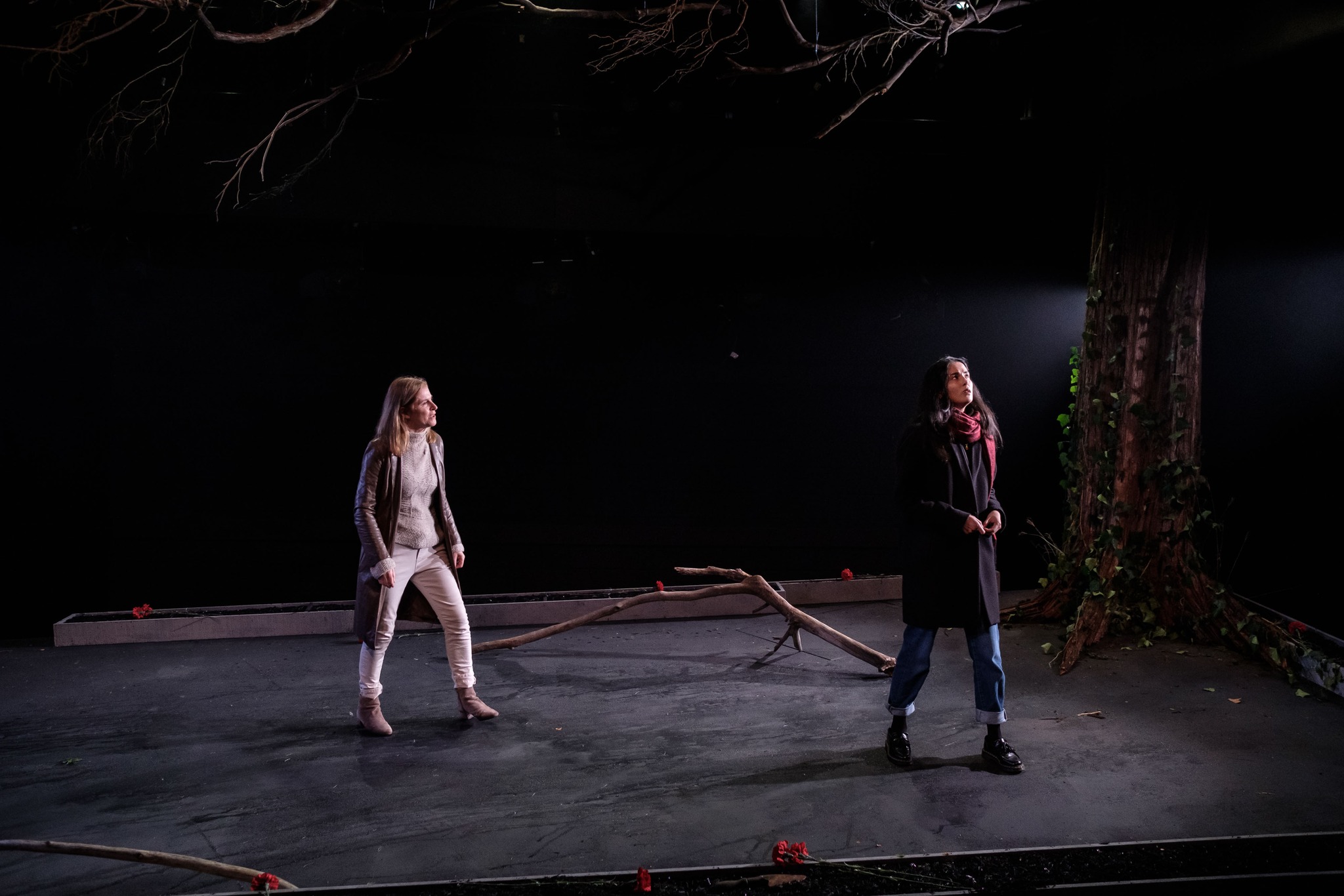
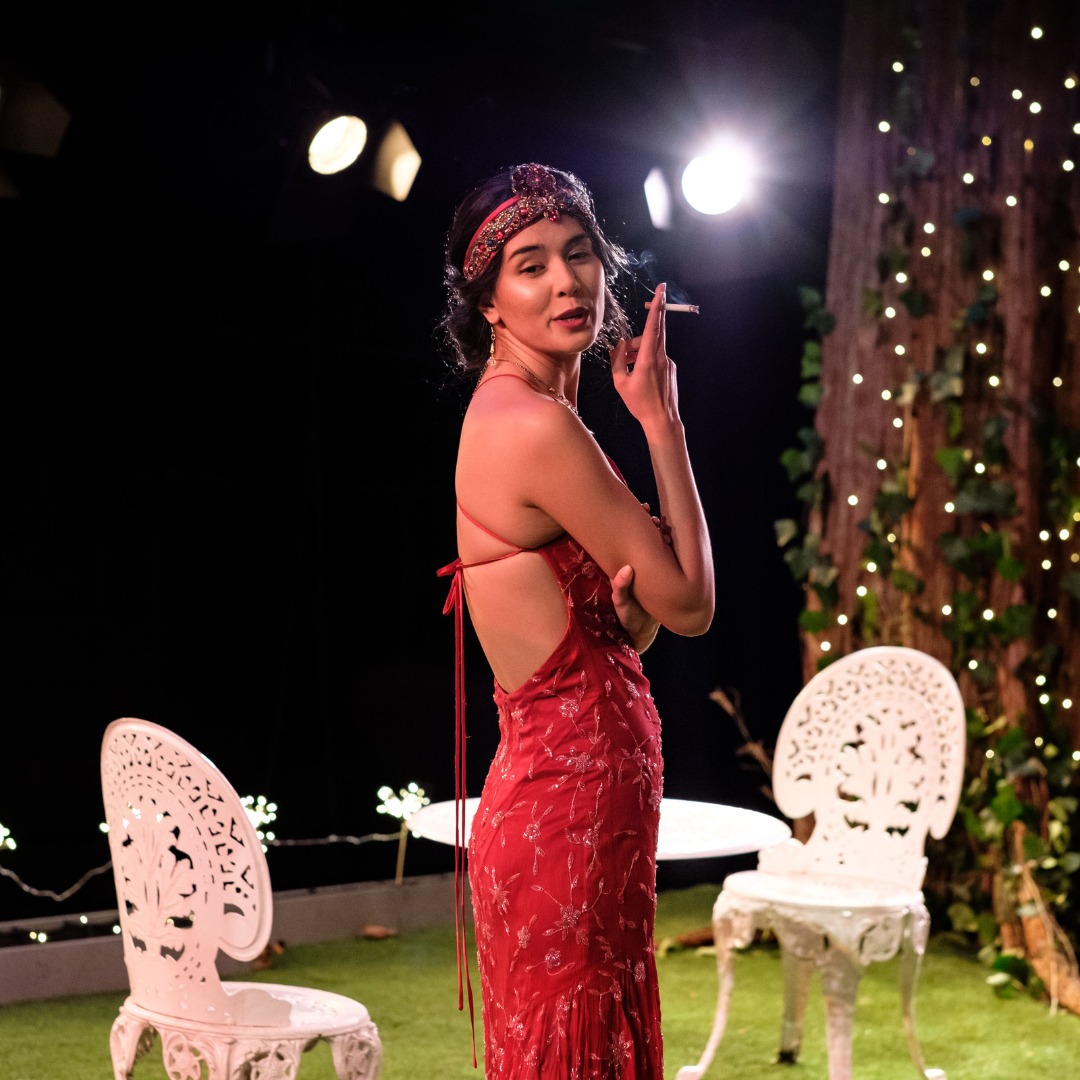
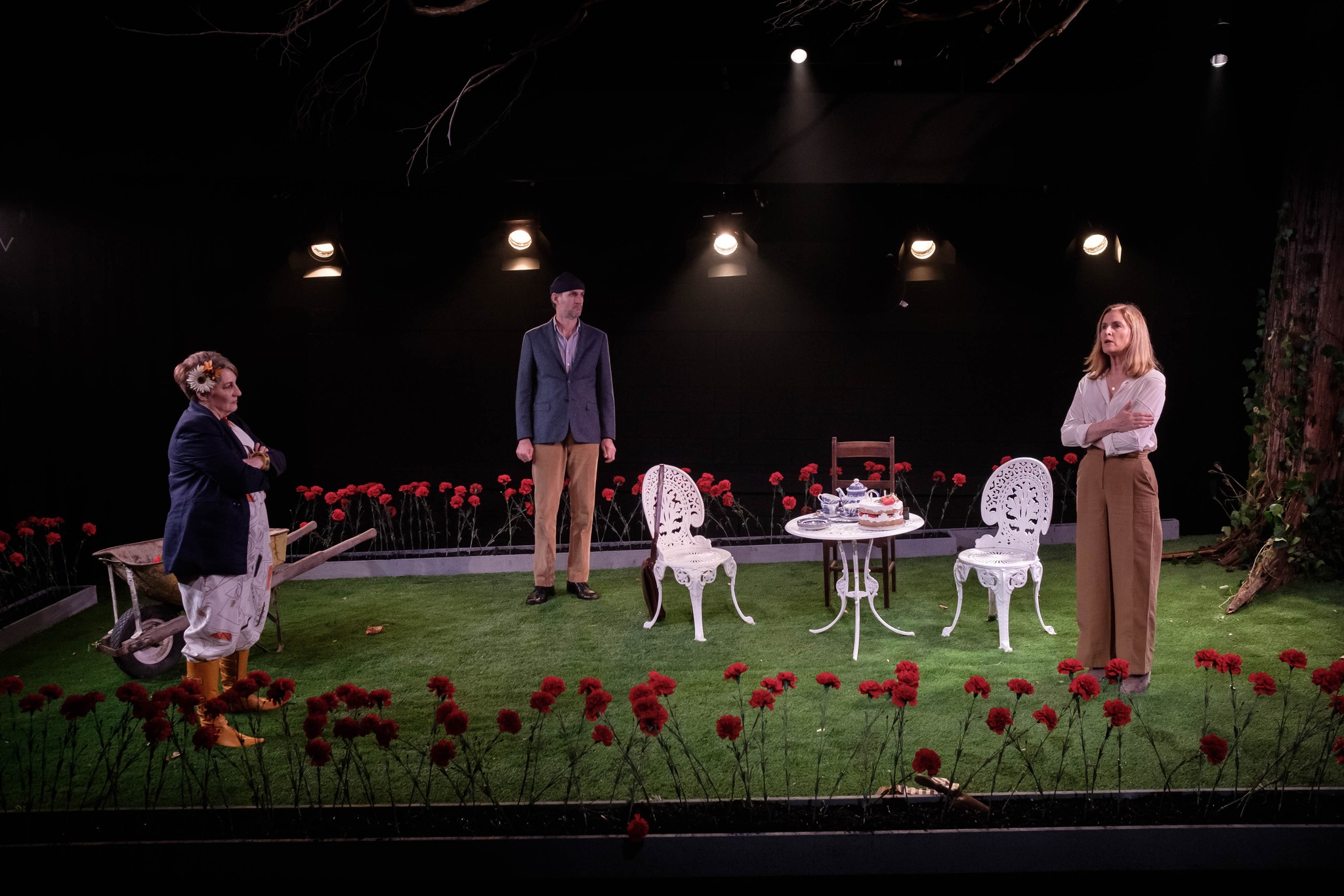
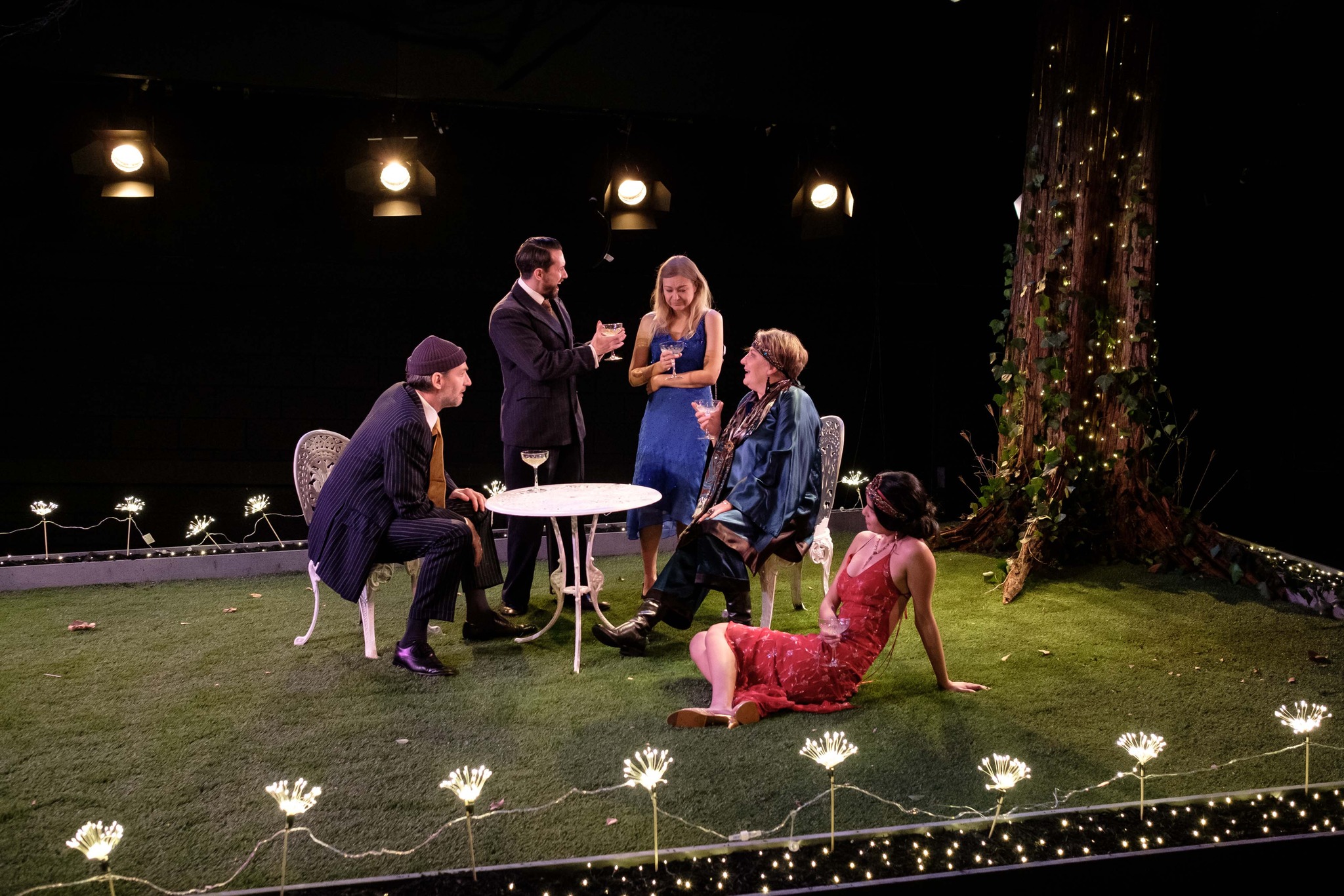
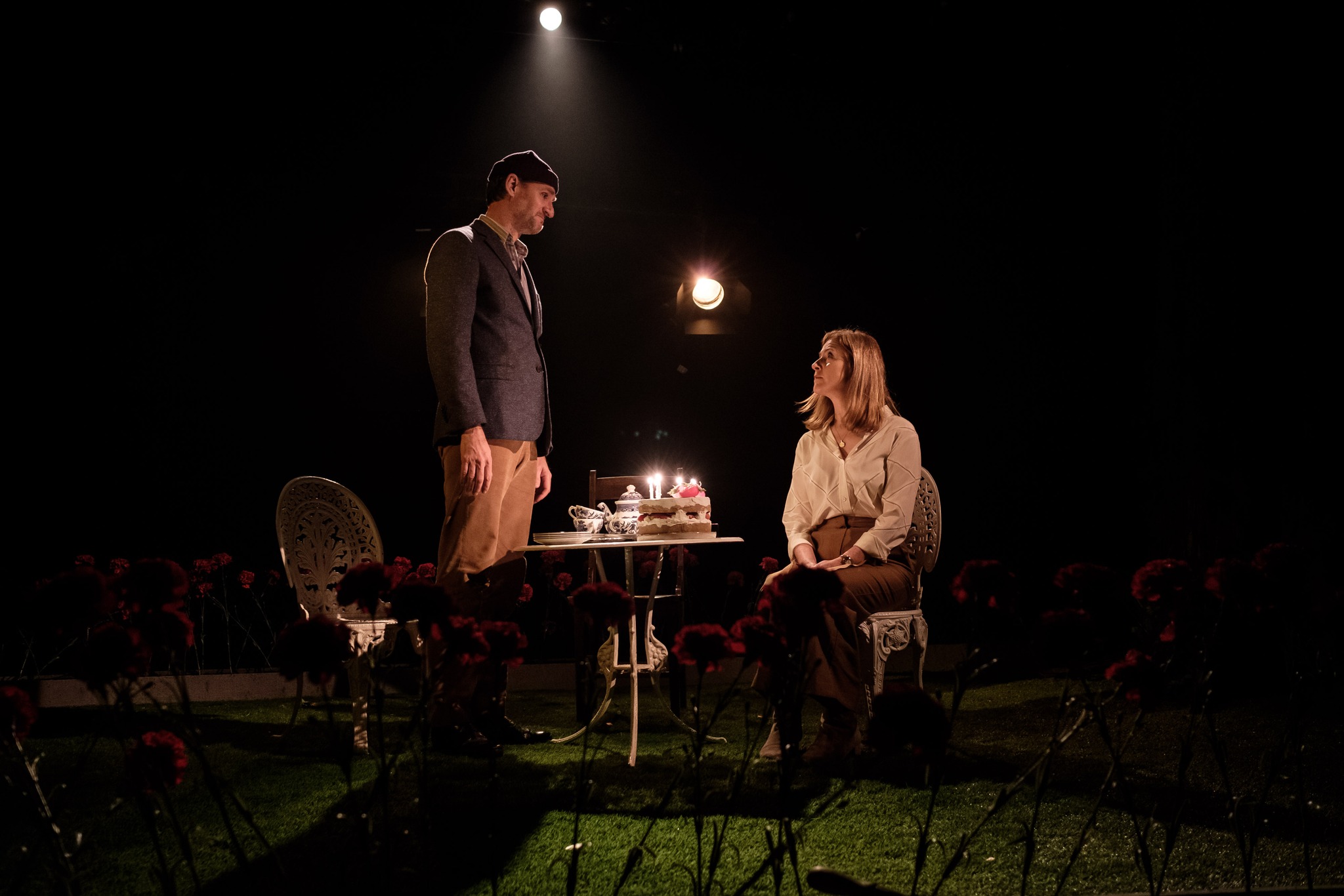
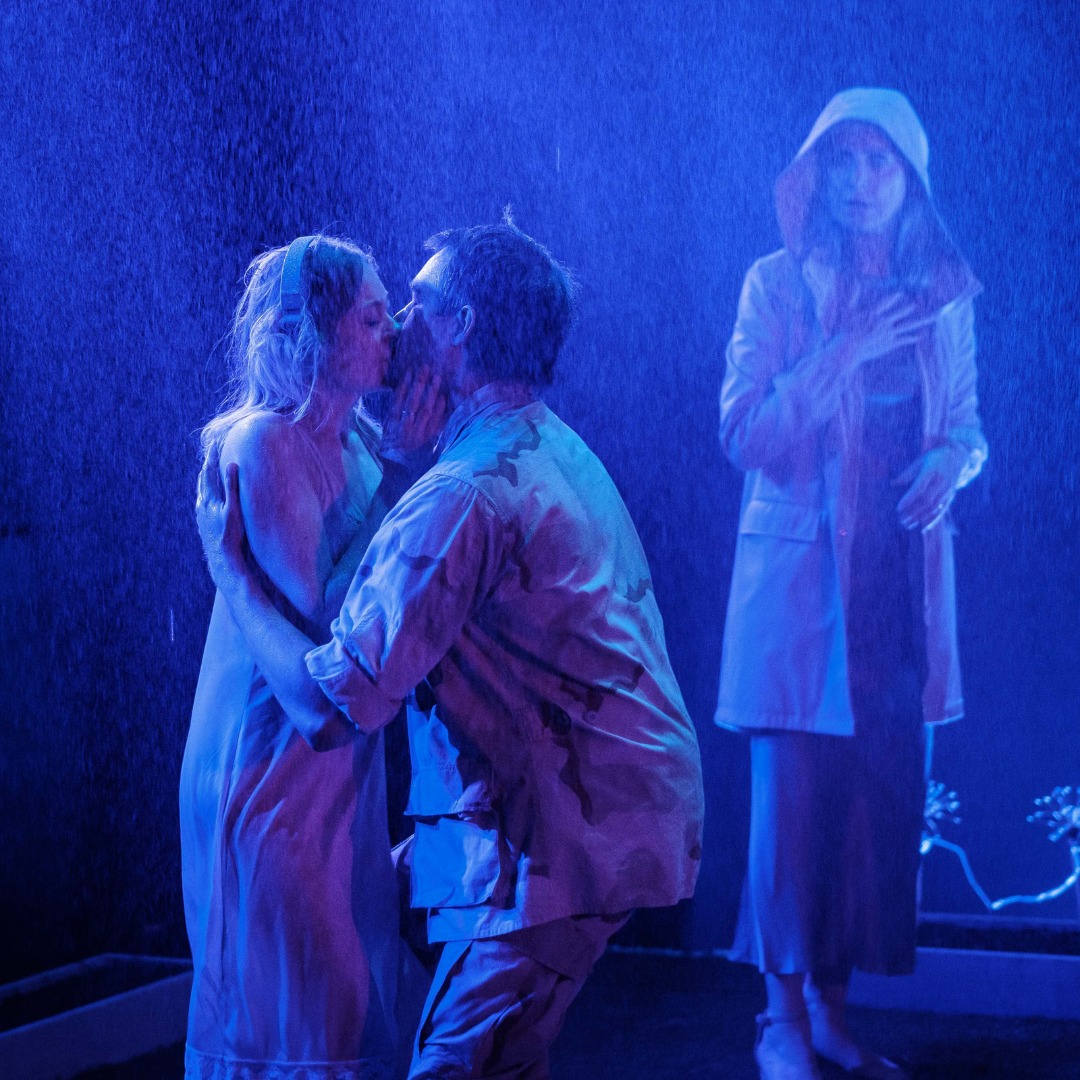
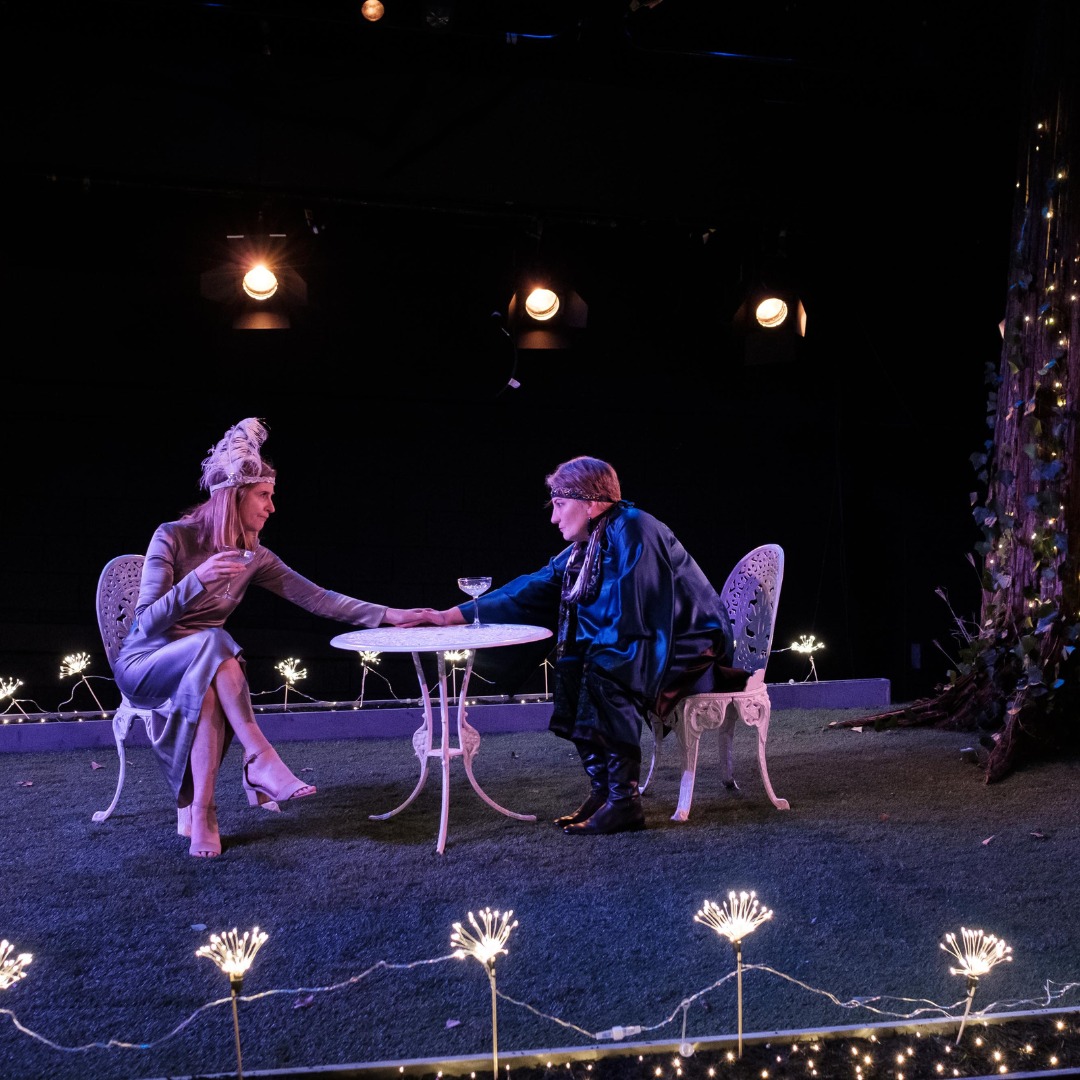
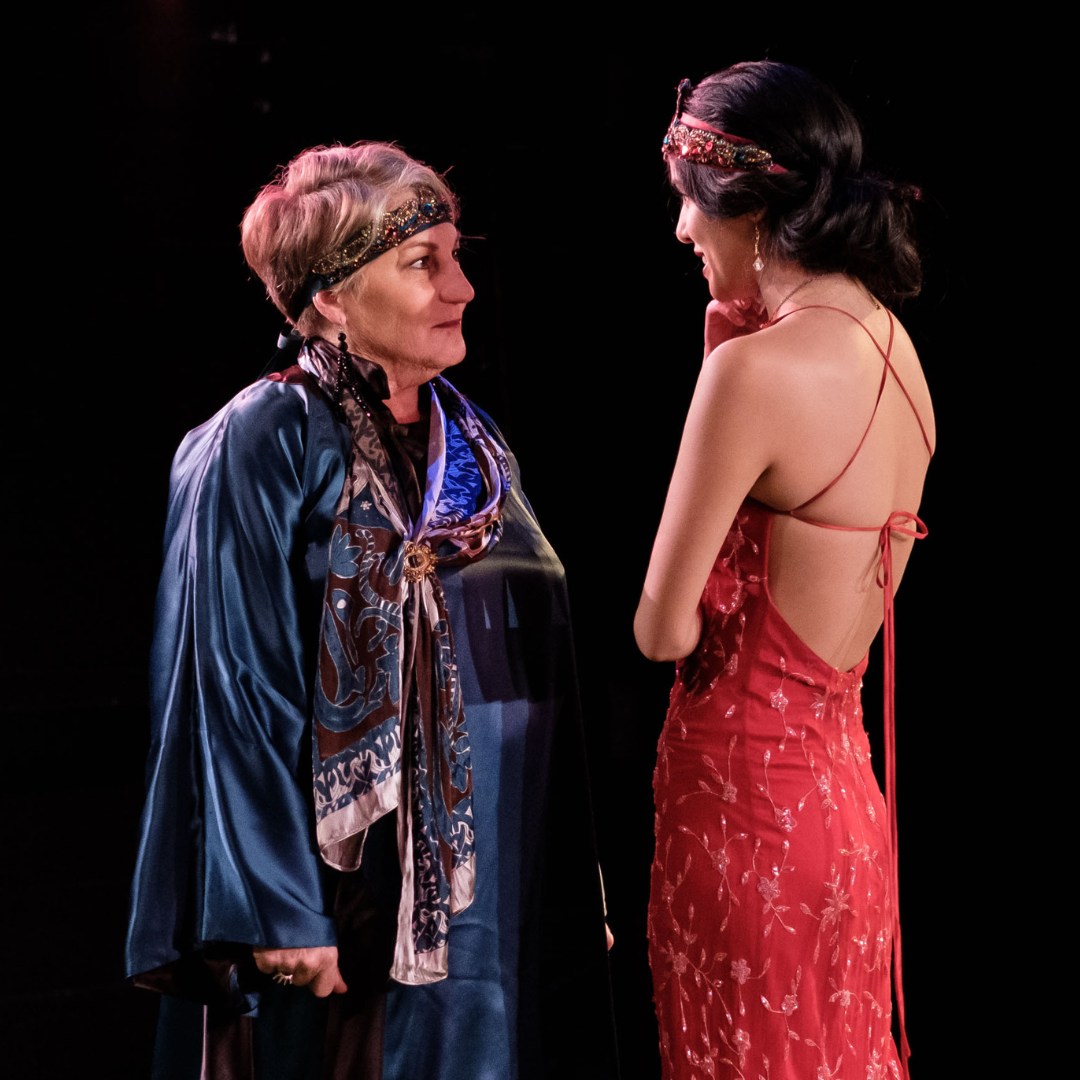
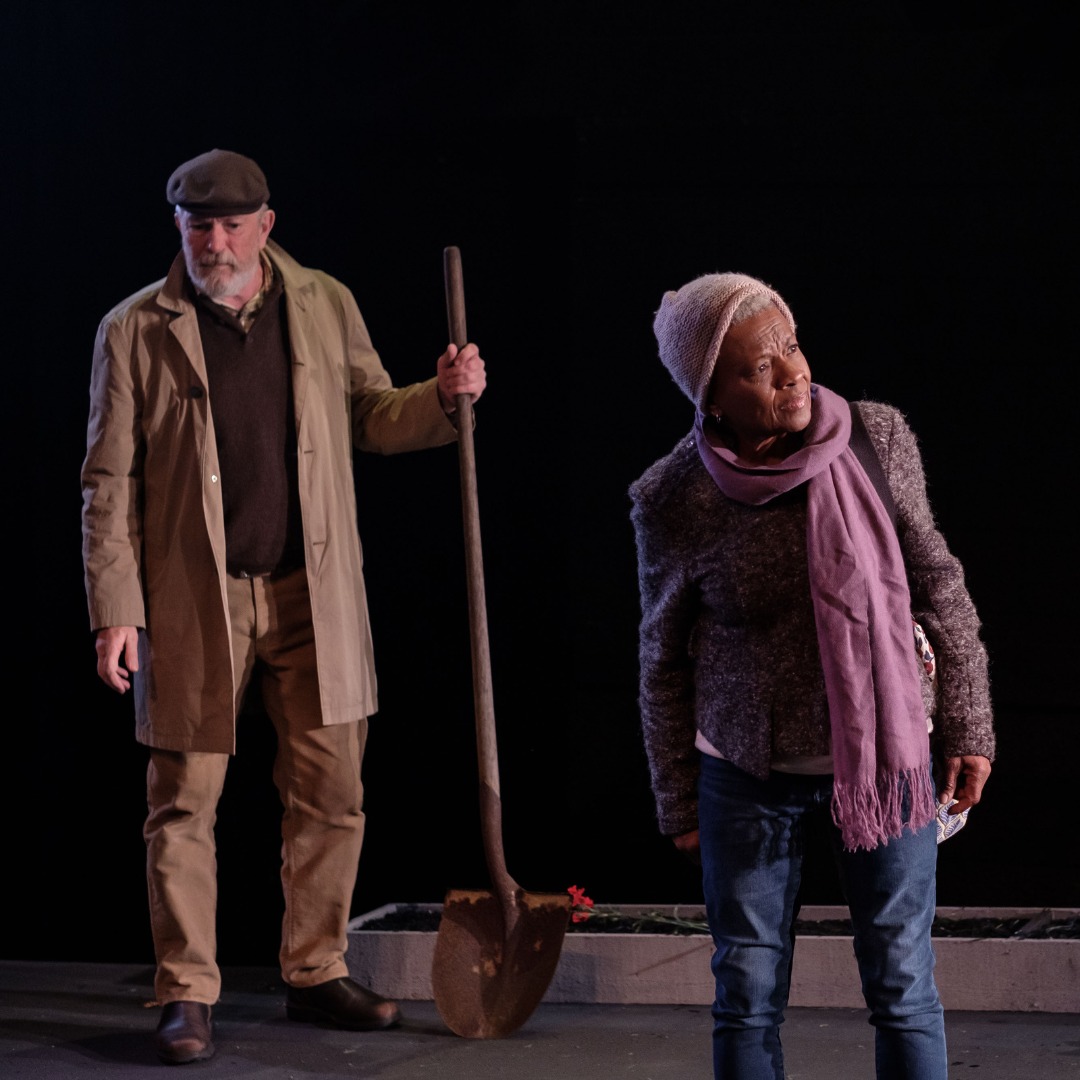
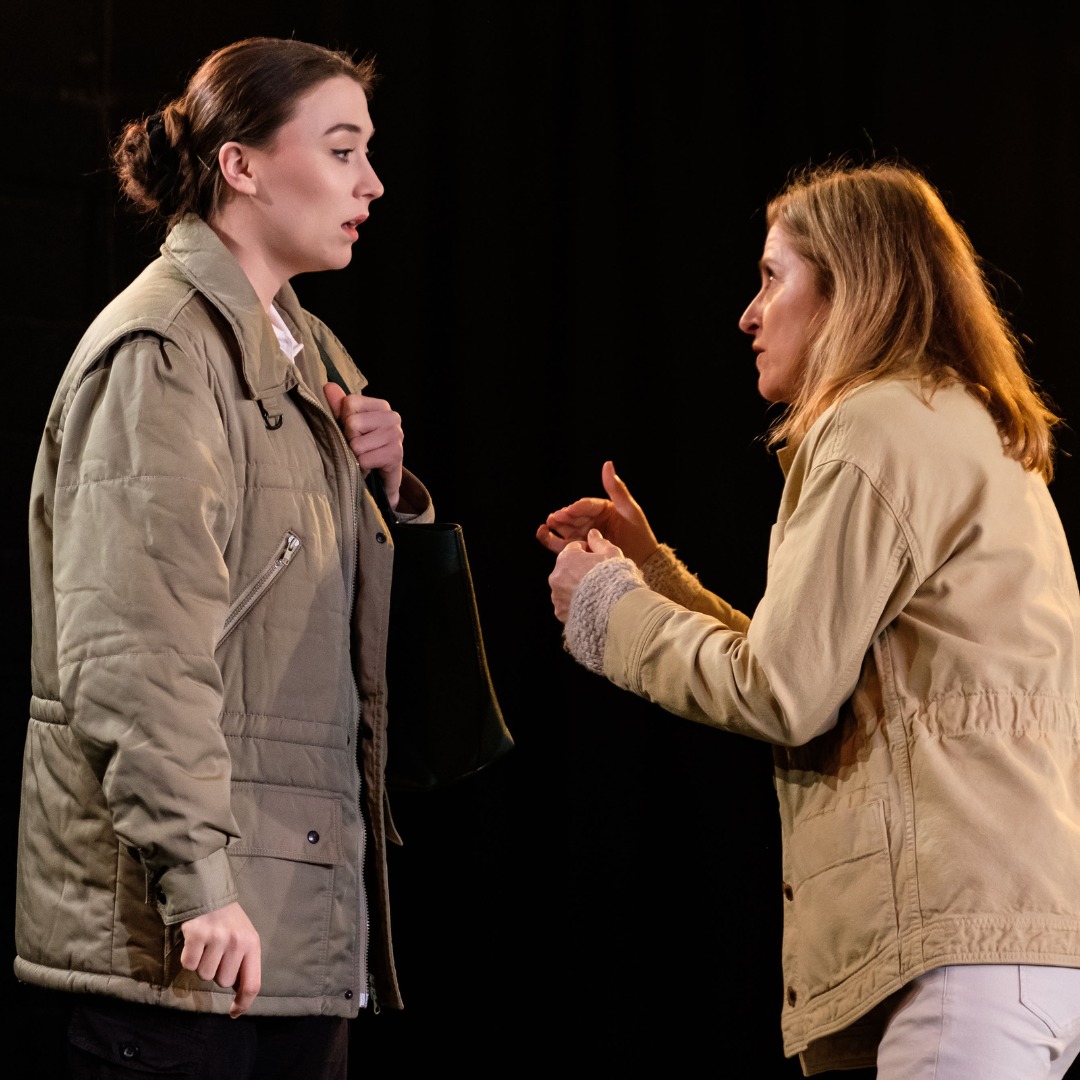
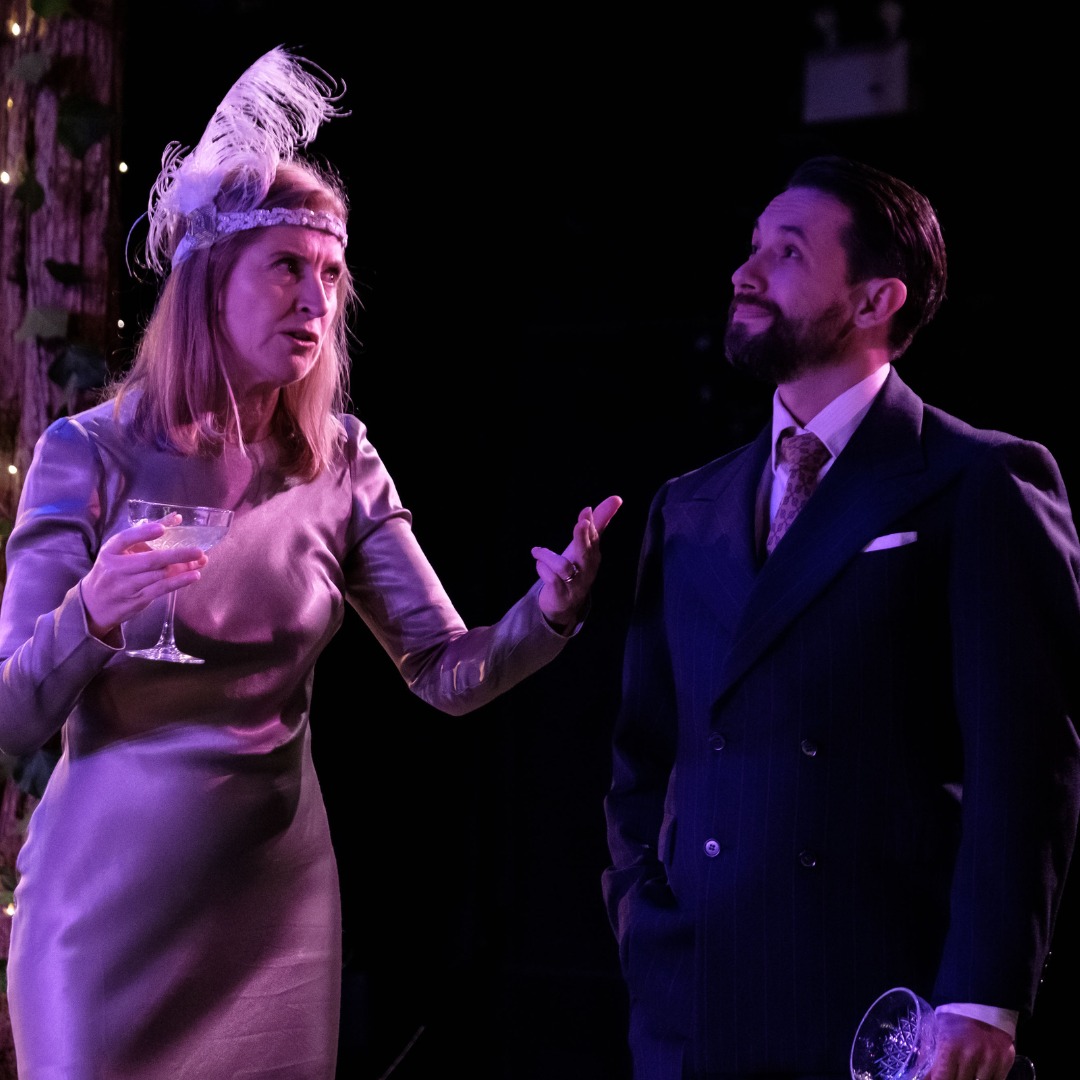
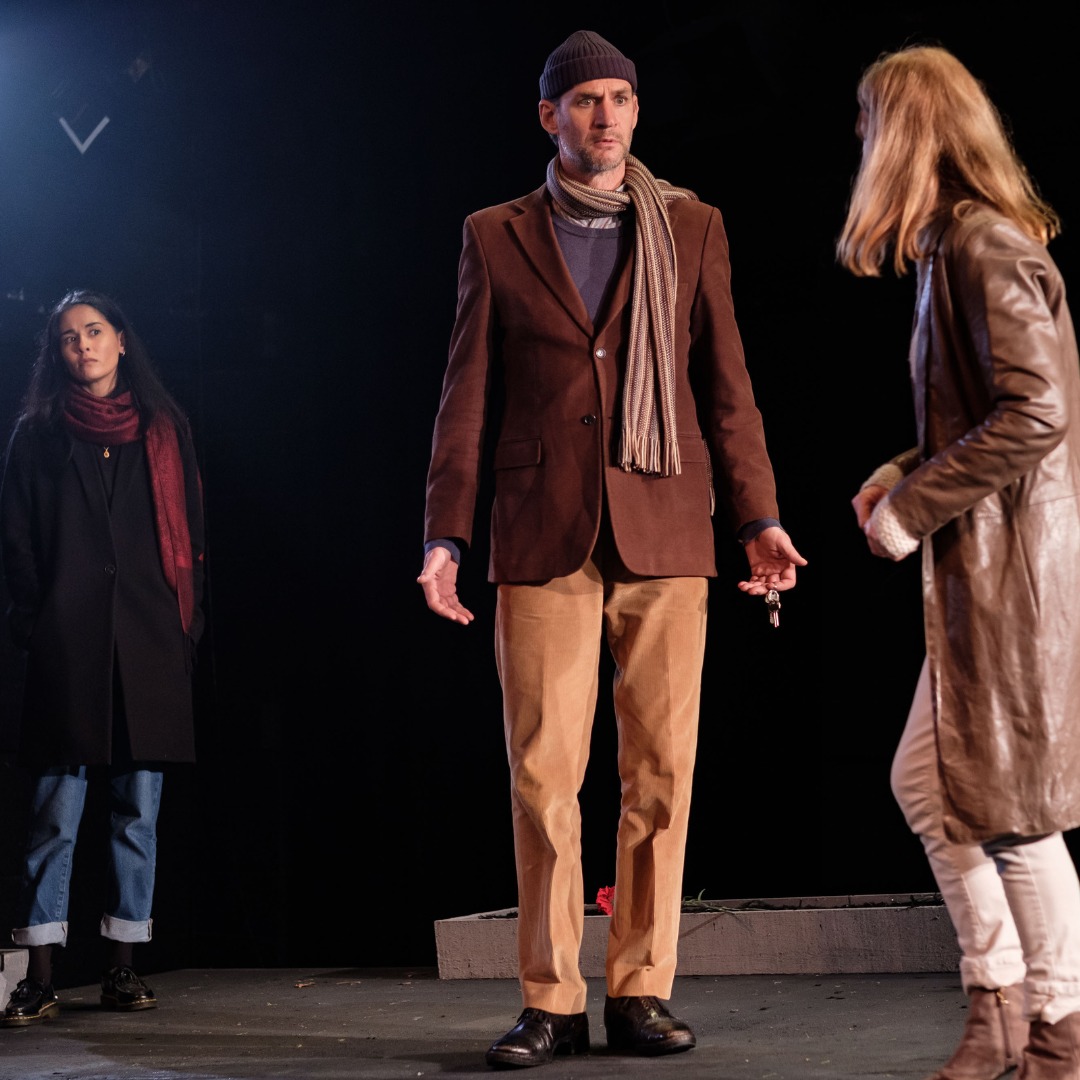
After making a fortune from her retail business, Audrey decides to revive a stately home, located some distance away from her usual London residence. What initially looks to be a noble enterprise, soon reveals itself to be a project that is more problematic, than Audrey had ever imagined. Mike Bartlett’s Albion explores the meanings of conservative values in the twenty-first century. In a literal way, characters play out the repercussions of one rich woman’s desire to preserve a relic. Wishing to hold on to the past, can be thought of as part and parcel of being human, but in Albion it becomes evident that to resist change, is perhaps one of the most extravagant indulgences, that only the privileged can afford.

Bartlett’s writing is irrefutably magnetic, replete with confrontational ideas and delicious scorn. The staging on this occasion, as directed by Lucy Clements, gleams with emotional authenticity, although its humour feels needlessly subdued, and its politics ultimately shape up to be somewhat muted in effect. A reluctance to cast explicit and pointed judgement over Audrey, diminishes the dramatics that the story should be able to deliver.

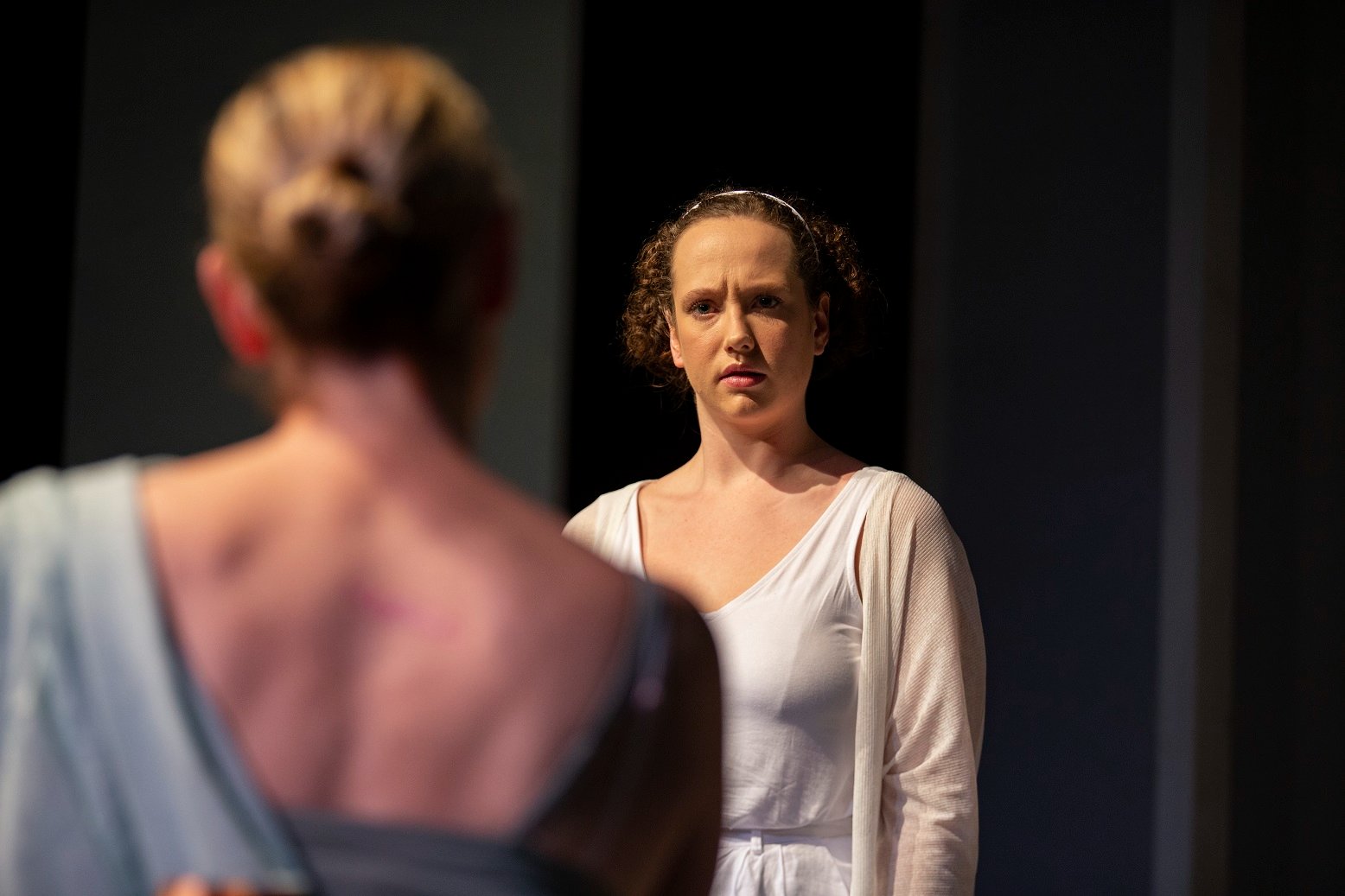
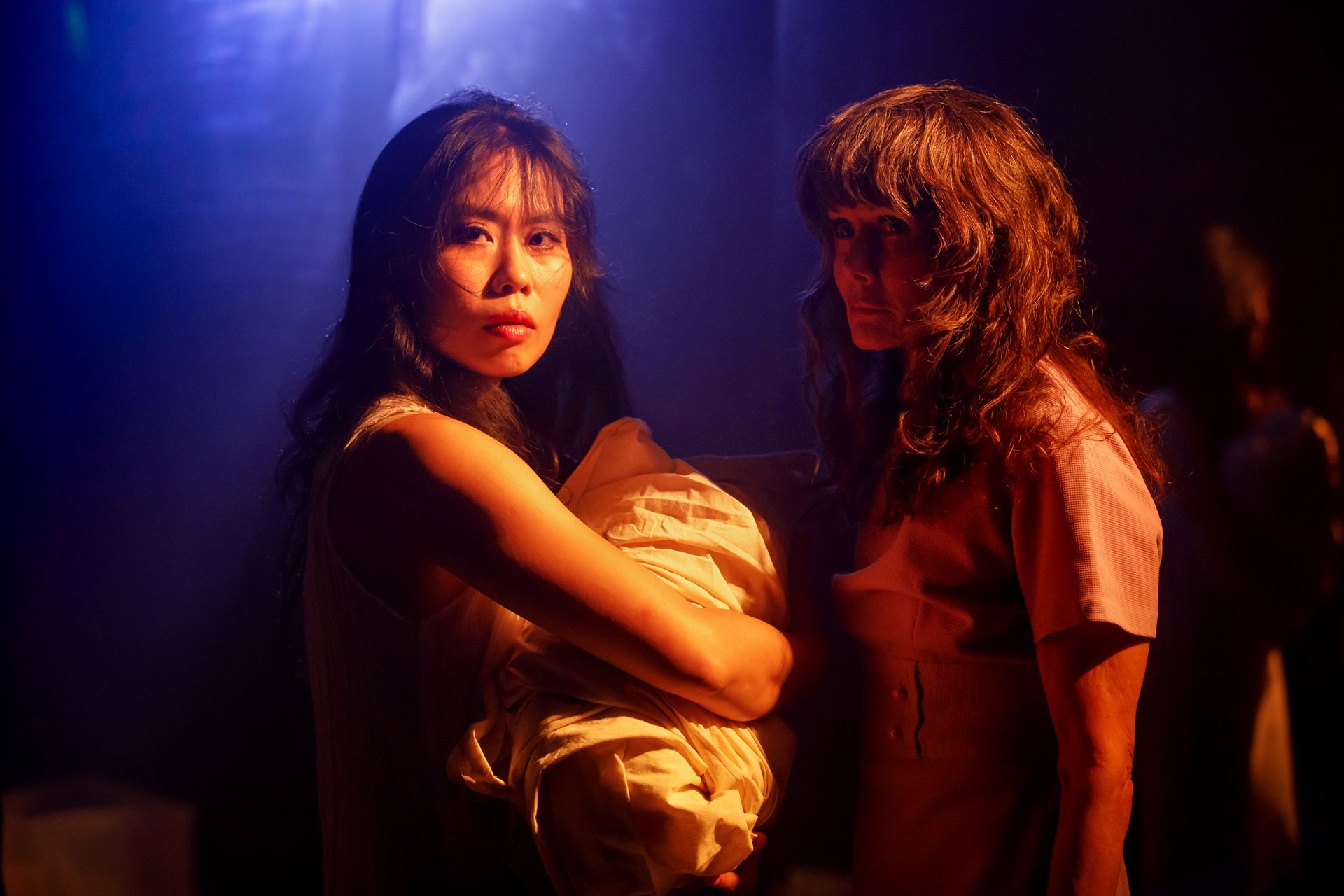
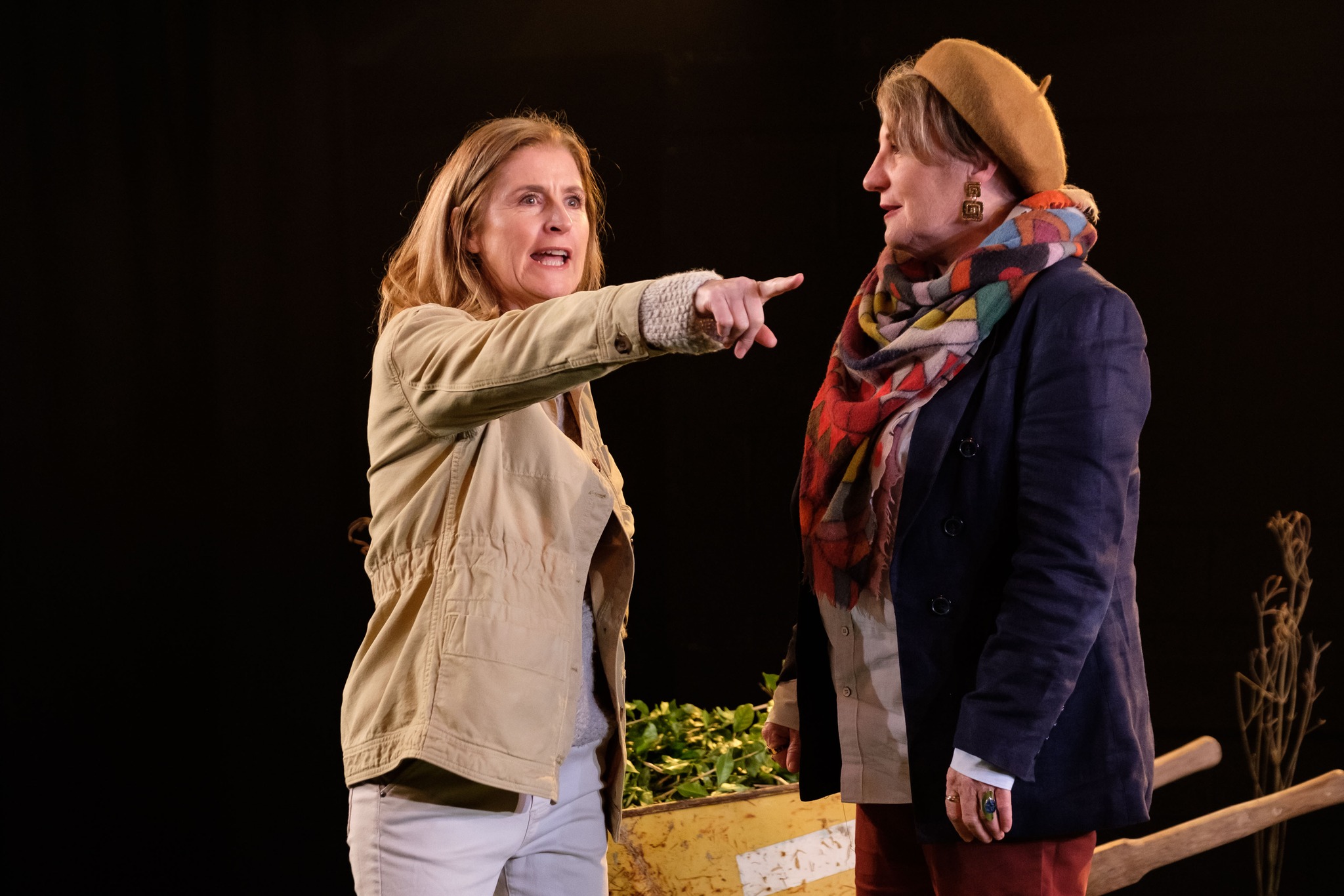
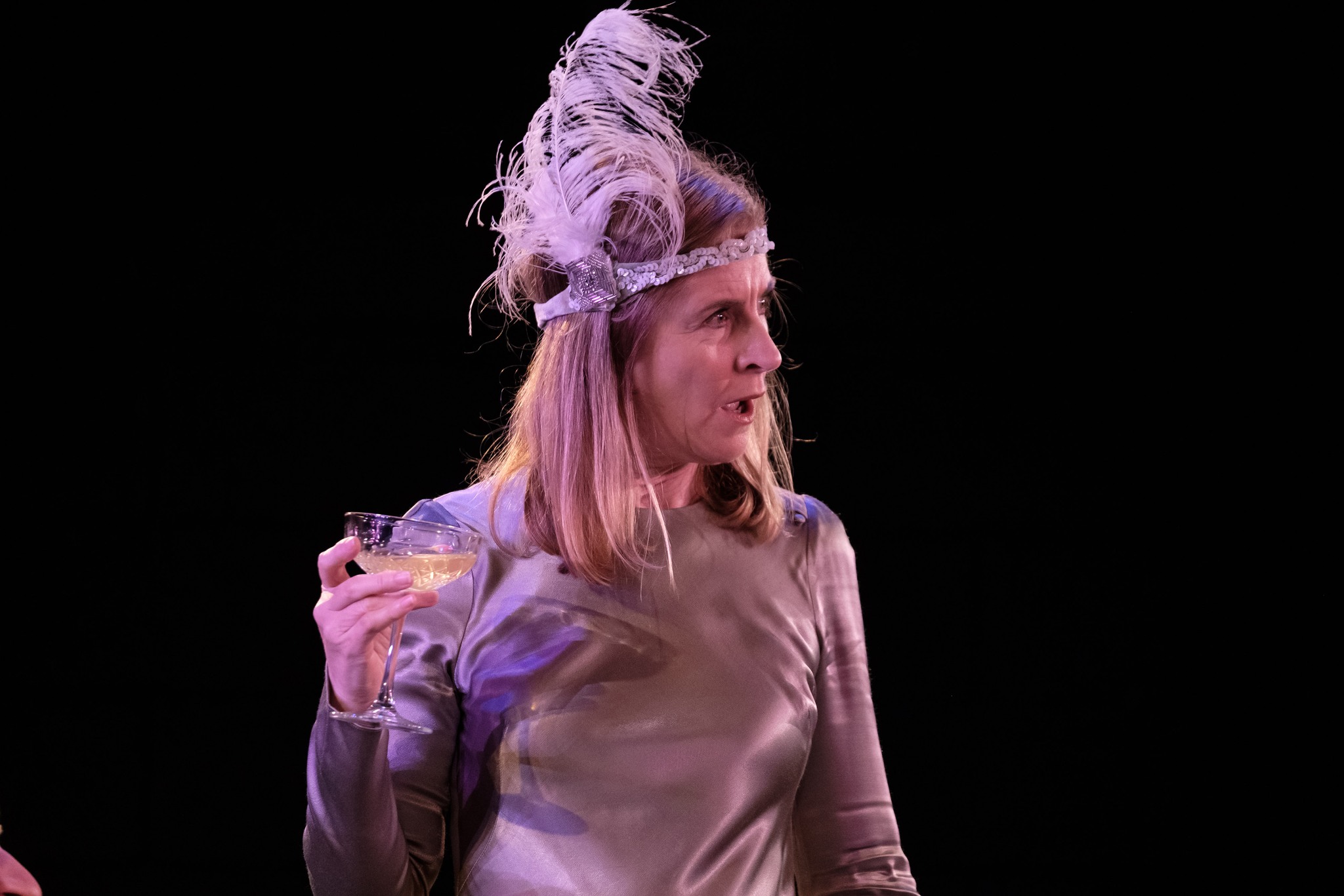
Actor Joanna Briant is a very convincing leading lady, with a performance that looks and feels consistently genuine, but other elements of the production bear a certain uncompromising earnestness that detracts from her work. Briant makes excellent choices at creating a personality who only thinks of herself as sincere and well-meaning, but other forces can work harder to create a sense of opposition to Audrey’s behaviour.

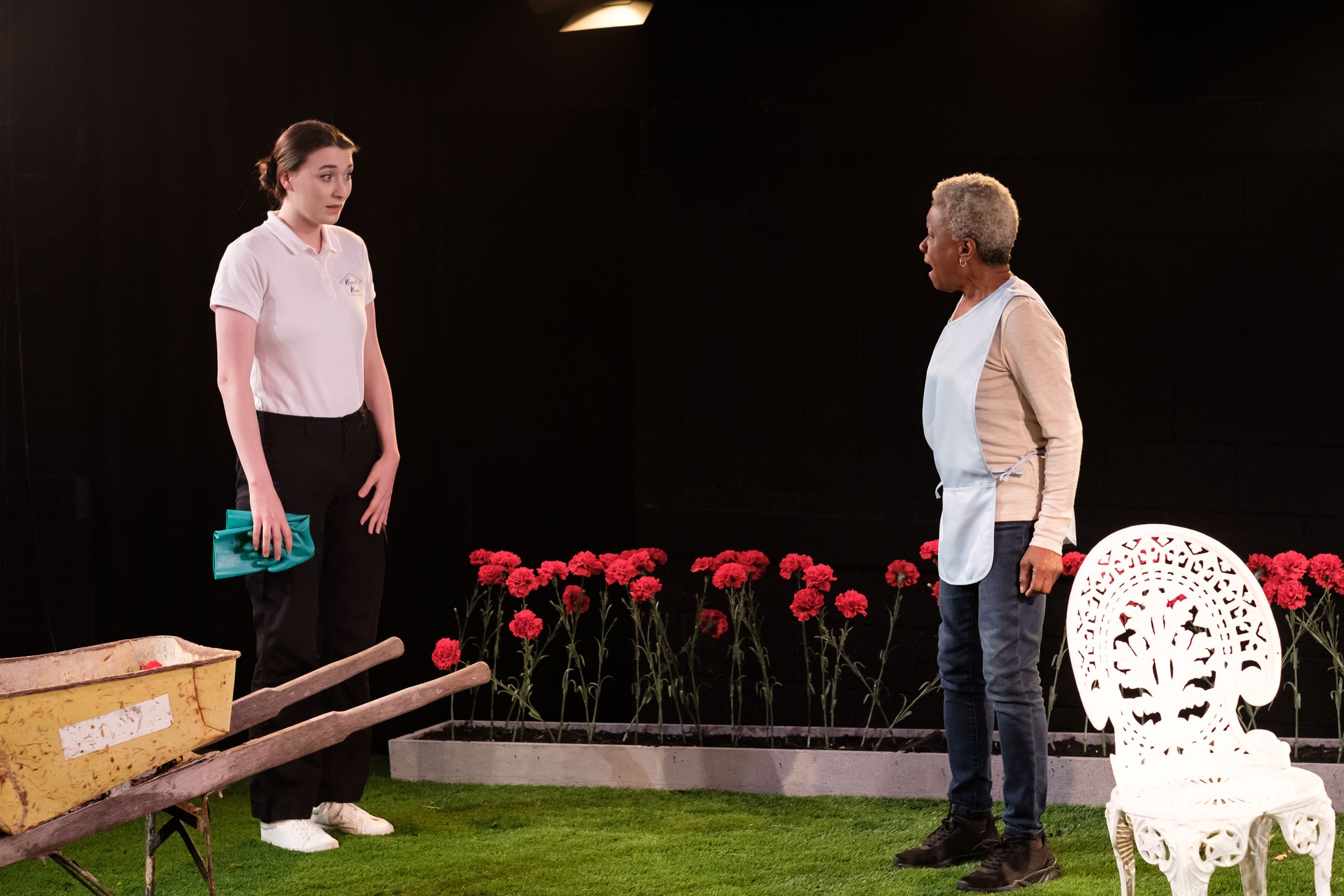
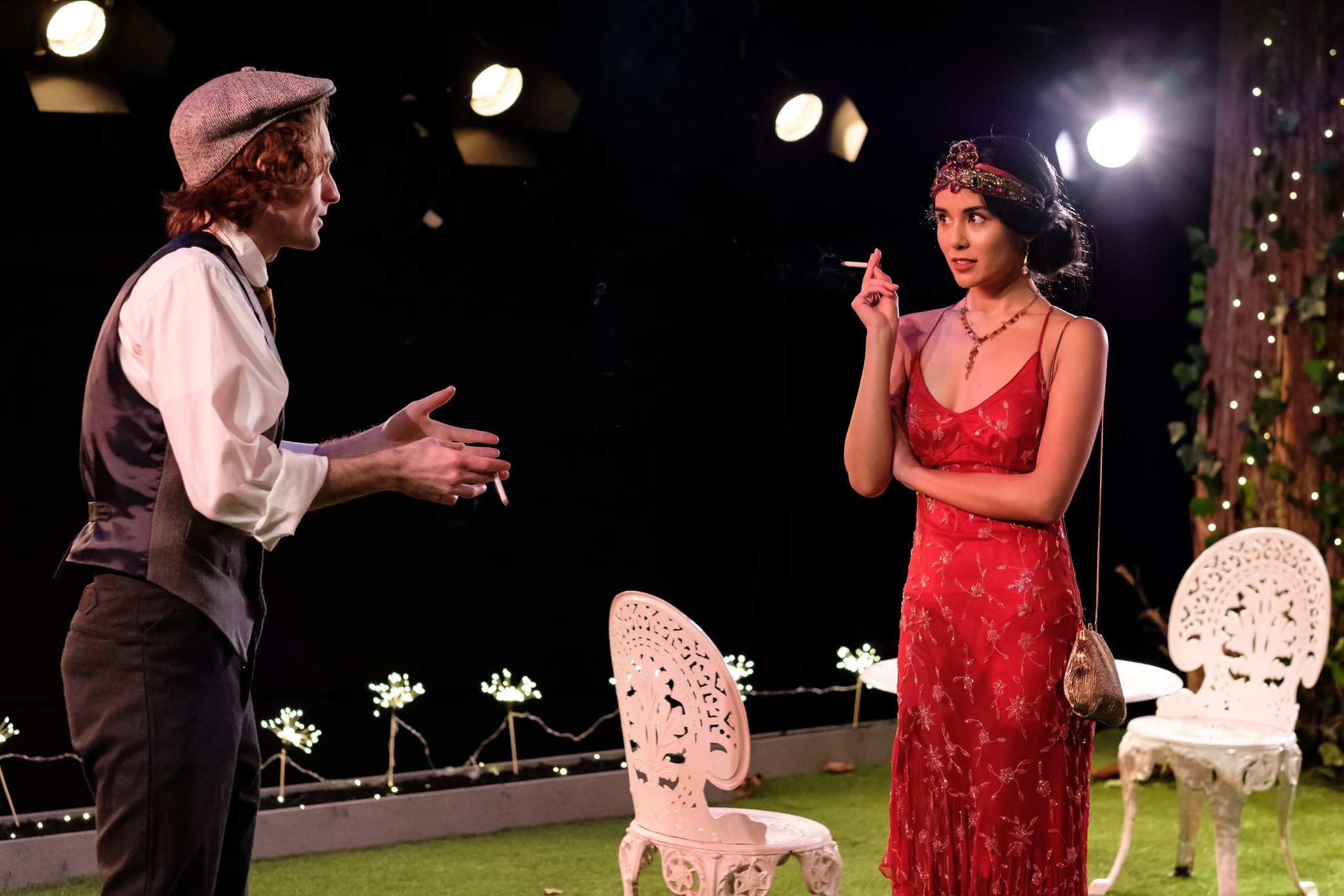
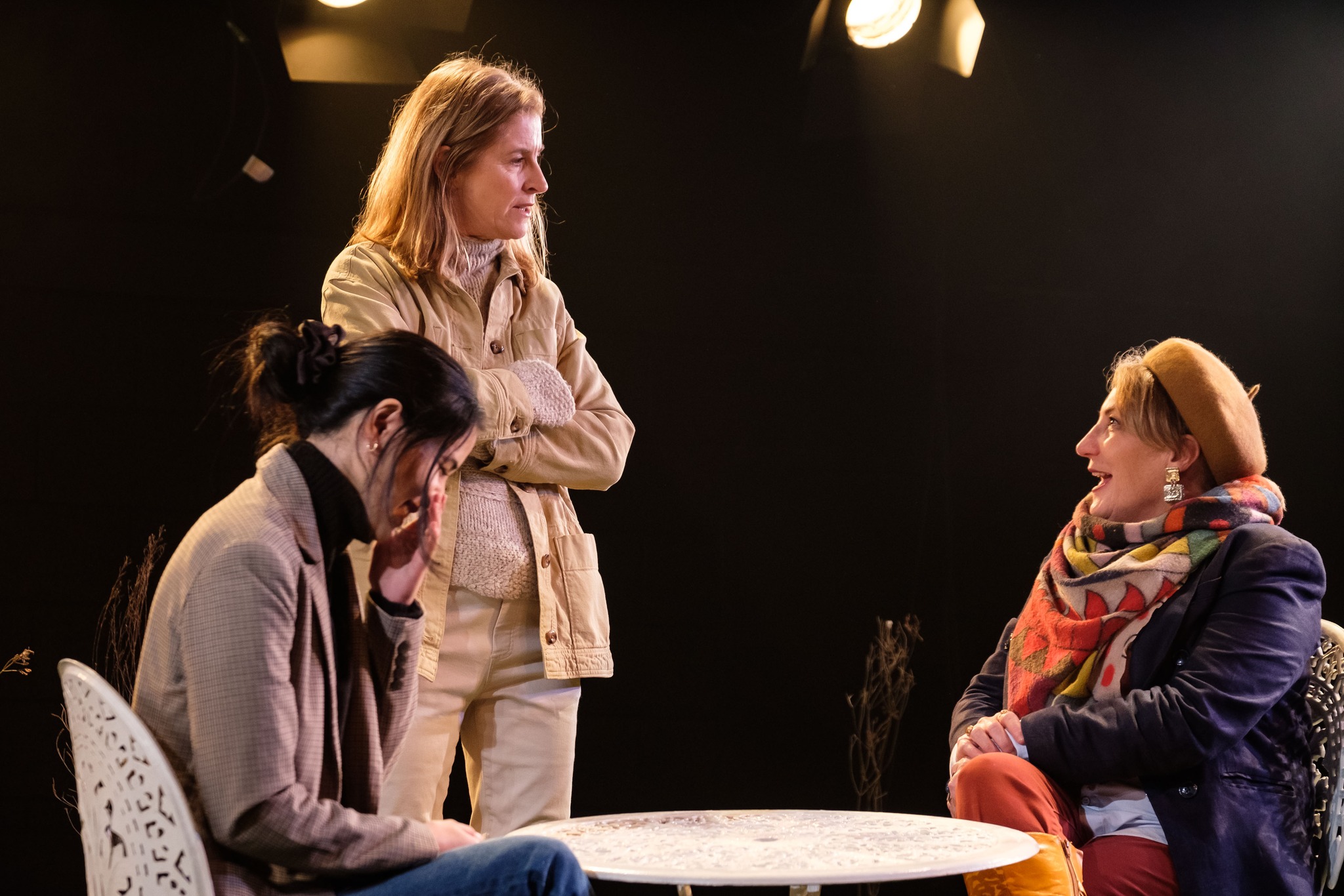
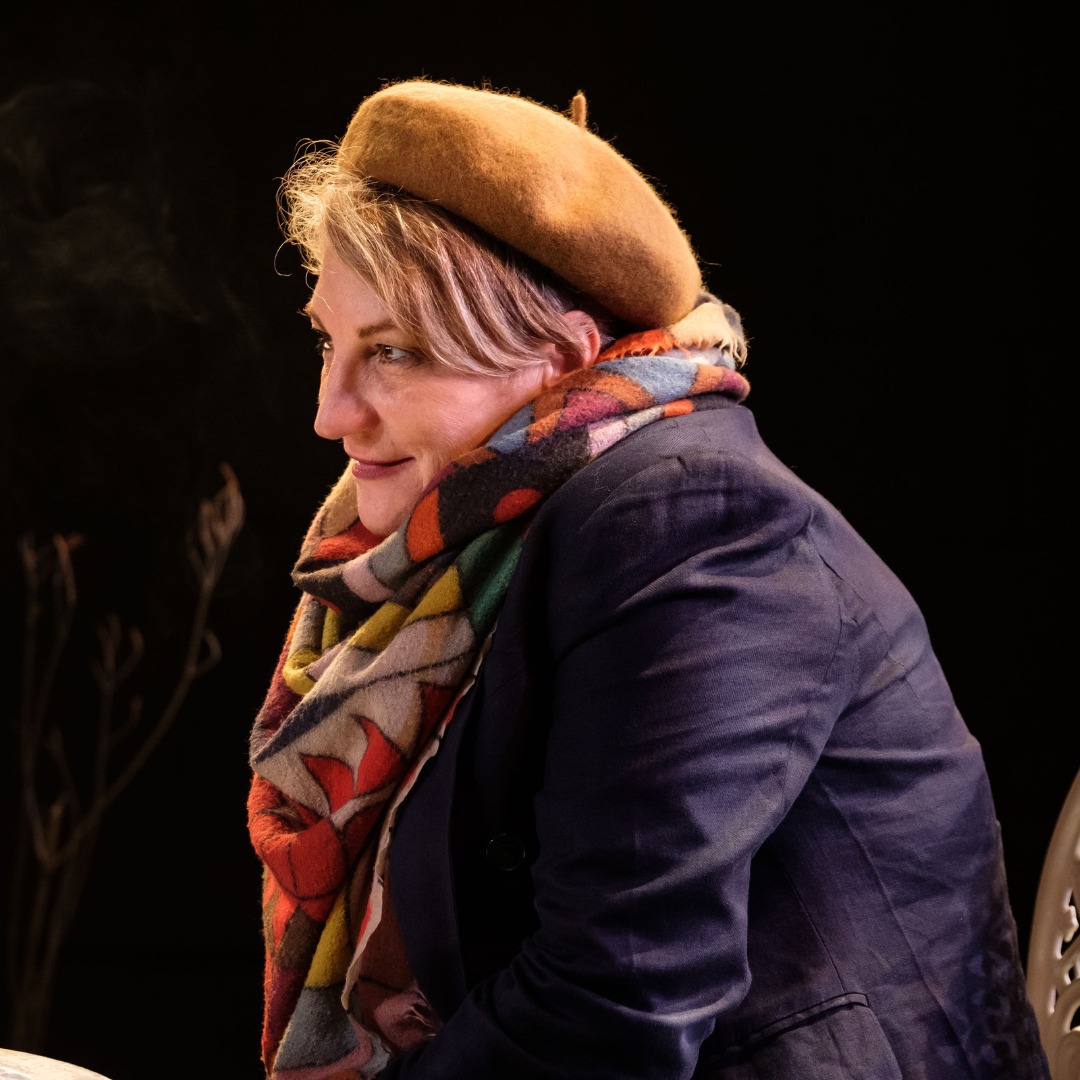
Thankfully, Briant’s is not the only strong performance from the cast. Claudette Clarke’s spirited defiance as Cheryl the ageing house cleaner, is a joy to watch, with an edgy abrasiveness that thoroughly elevates the presentation. Also highly persuasive is Charles Mayer, who plays Audrey’s ride-or-die lover Paul with a lightness of touch, humorously portraying the complicity of bystanders who have every opportunity to intervene but who choose to ride passively with the tides.

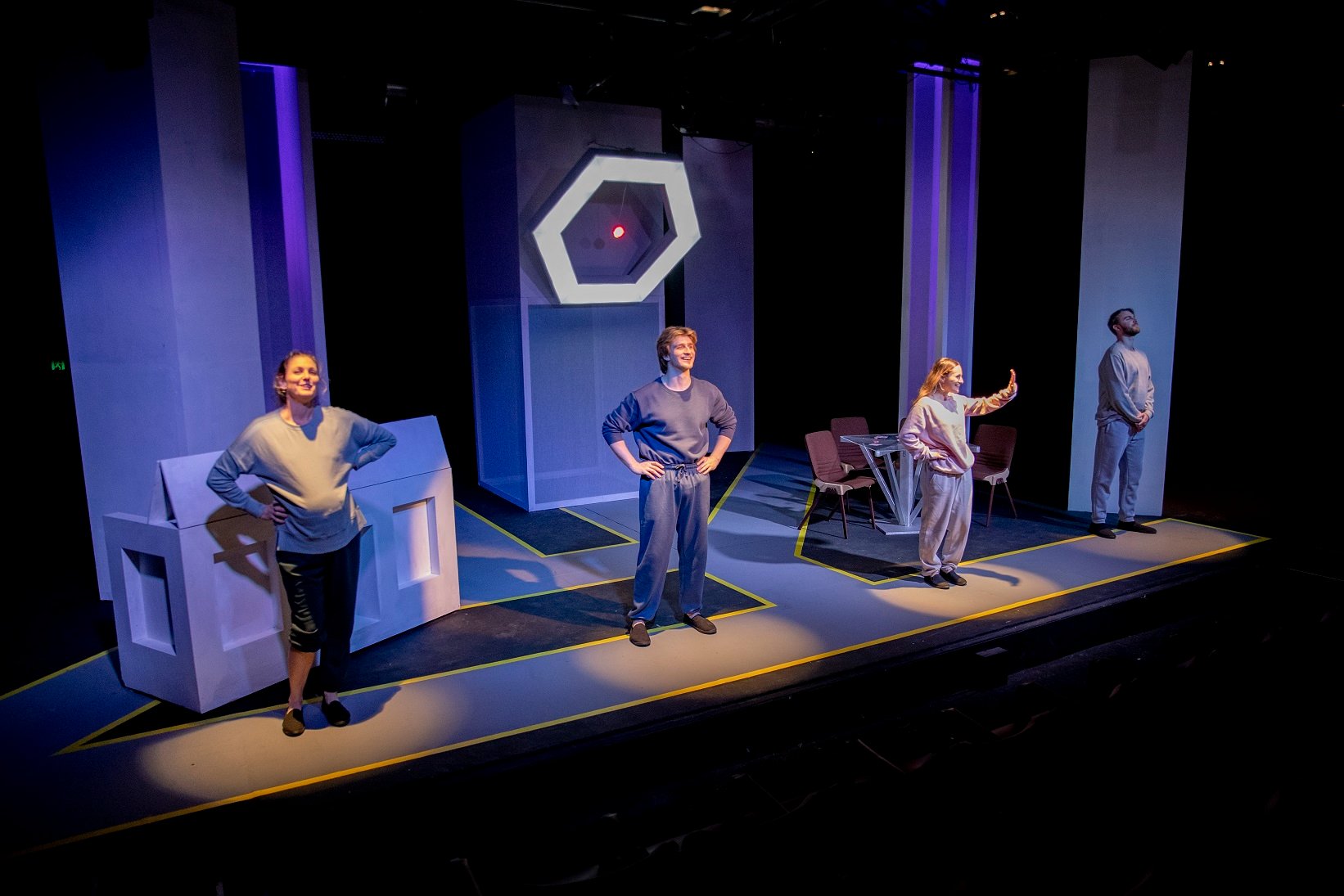
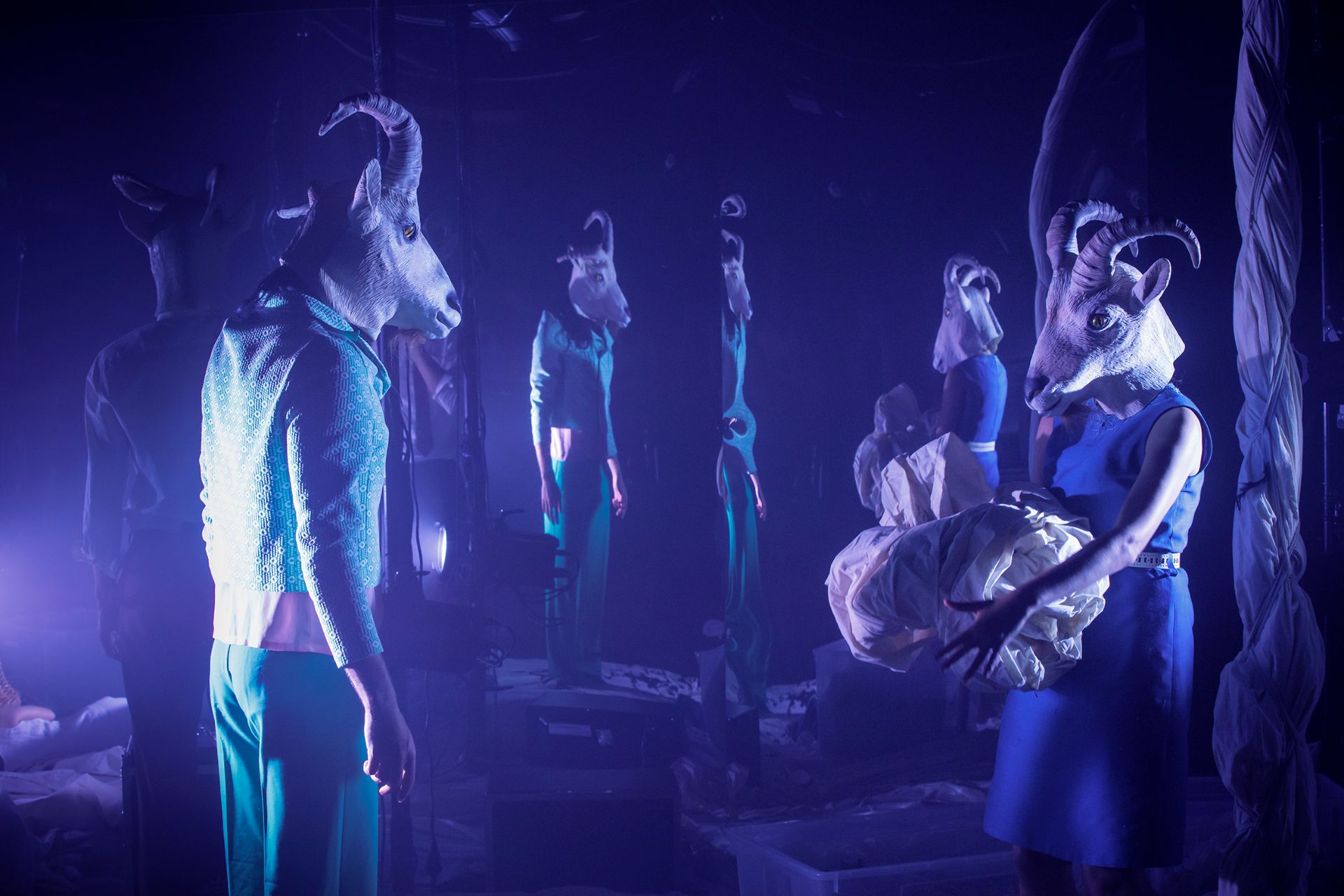
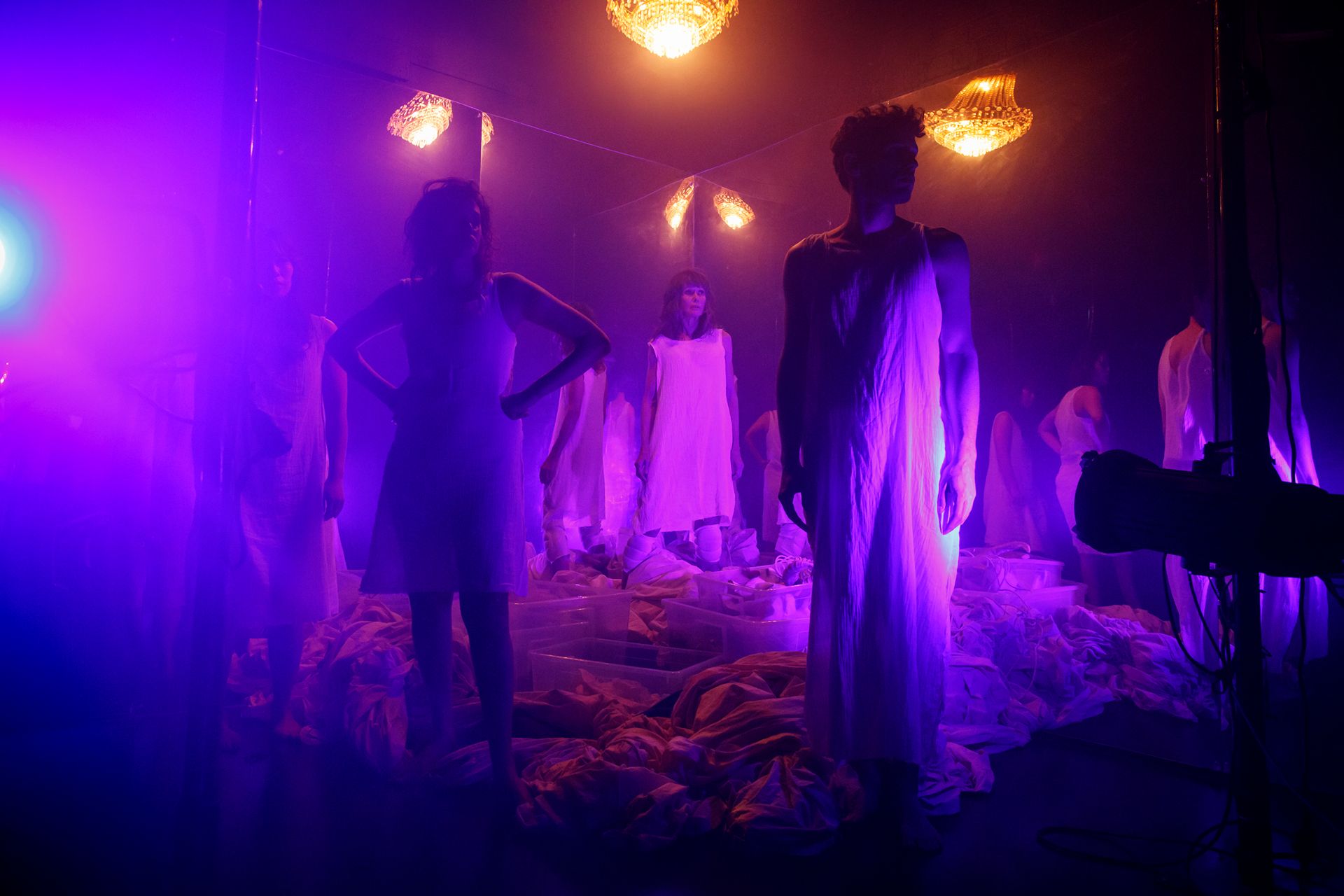
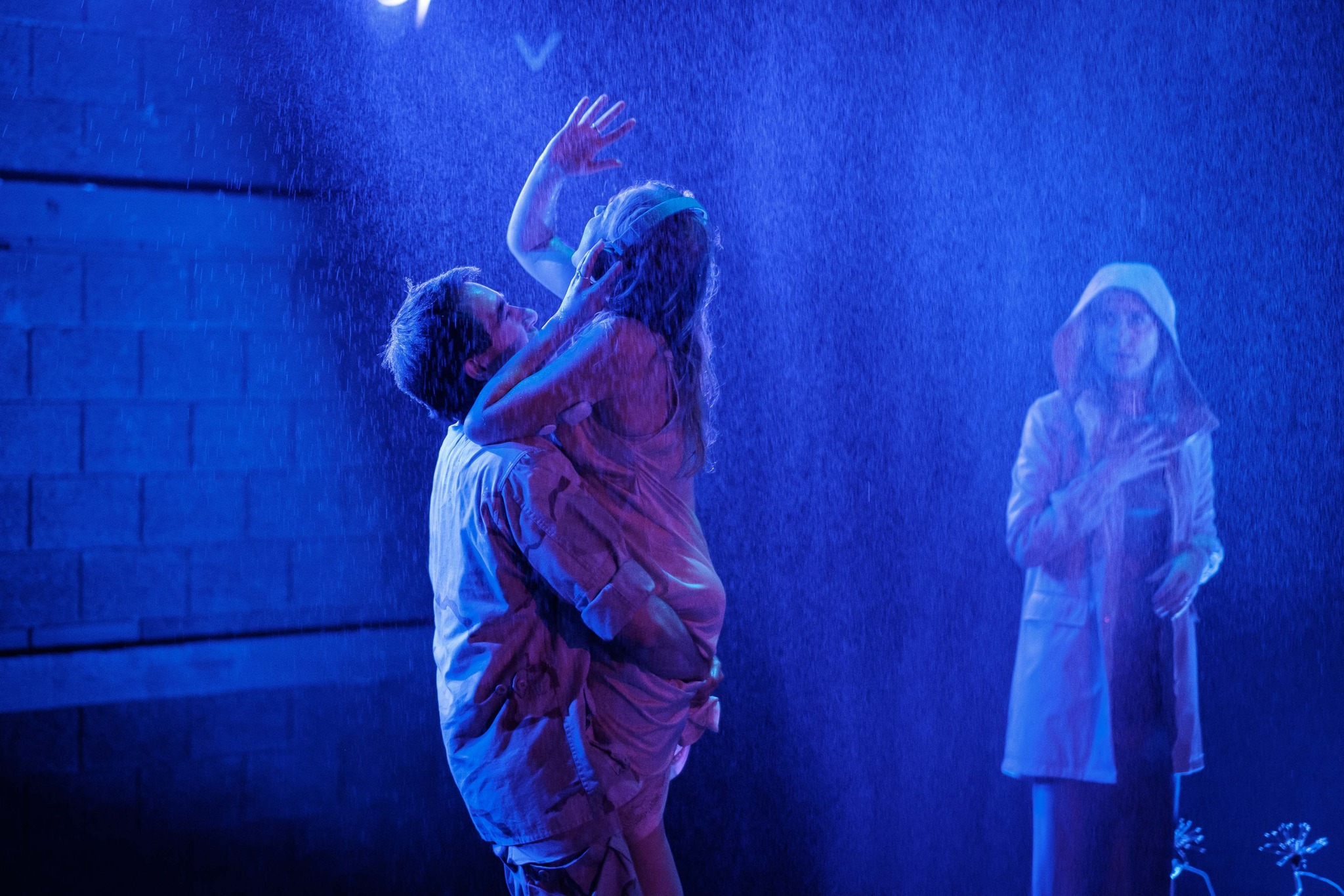
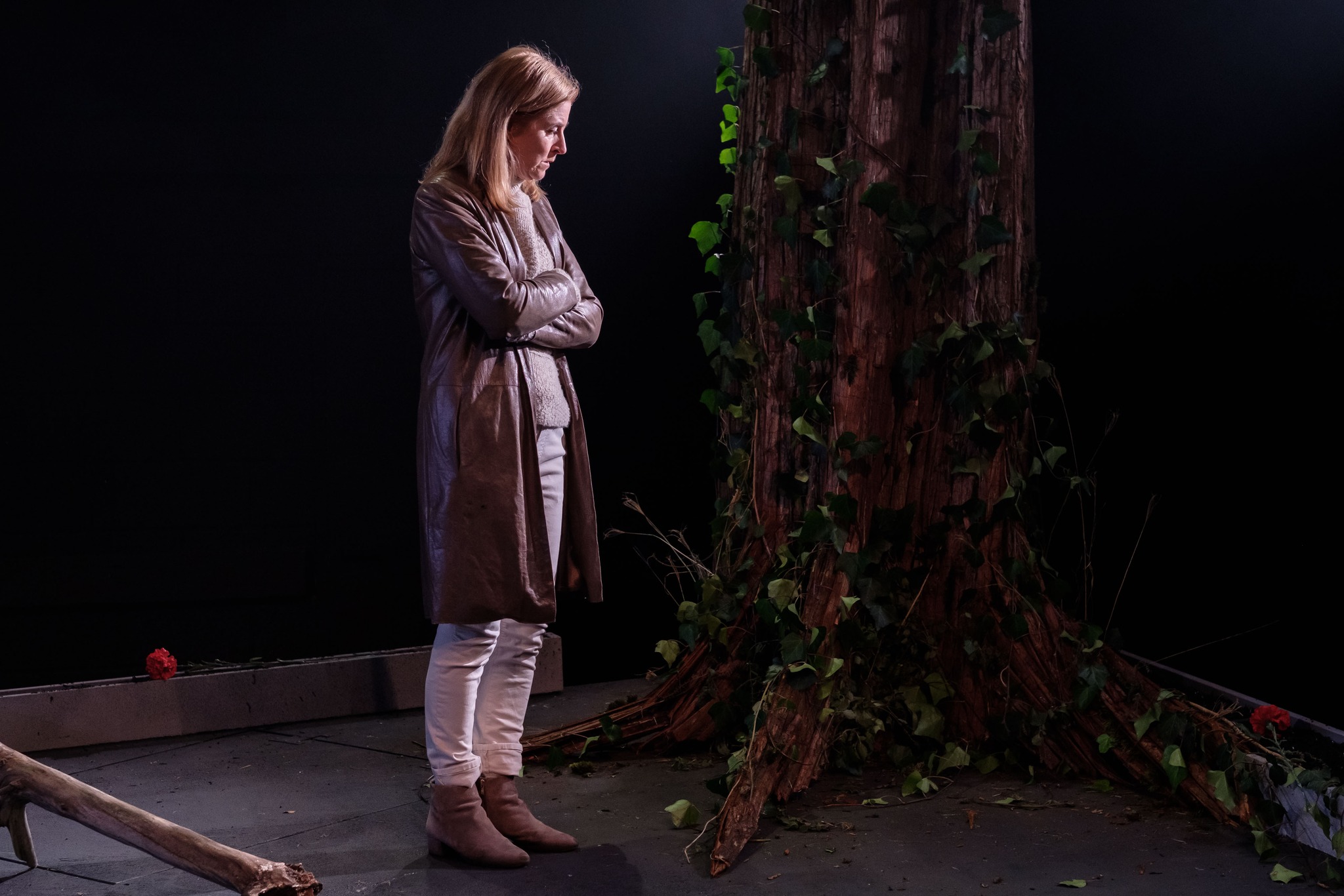
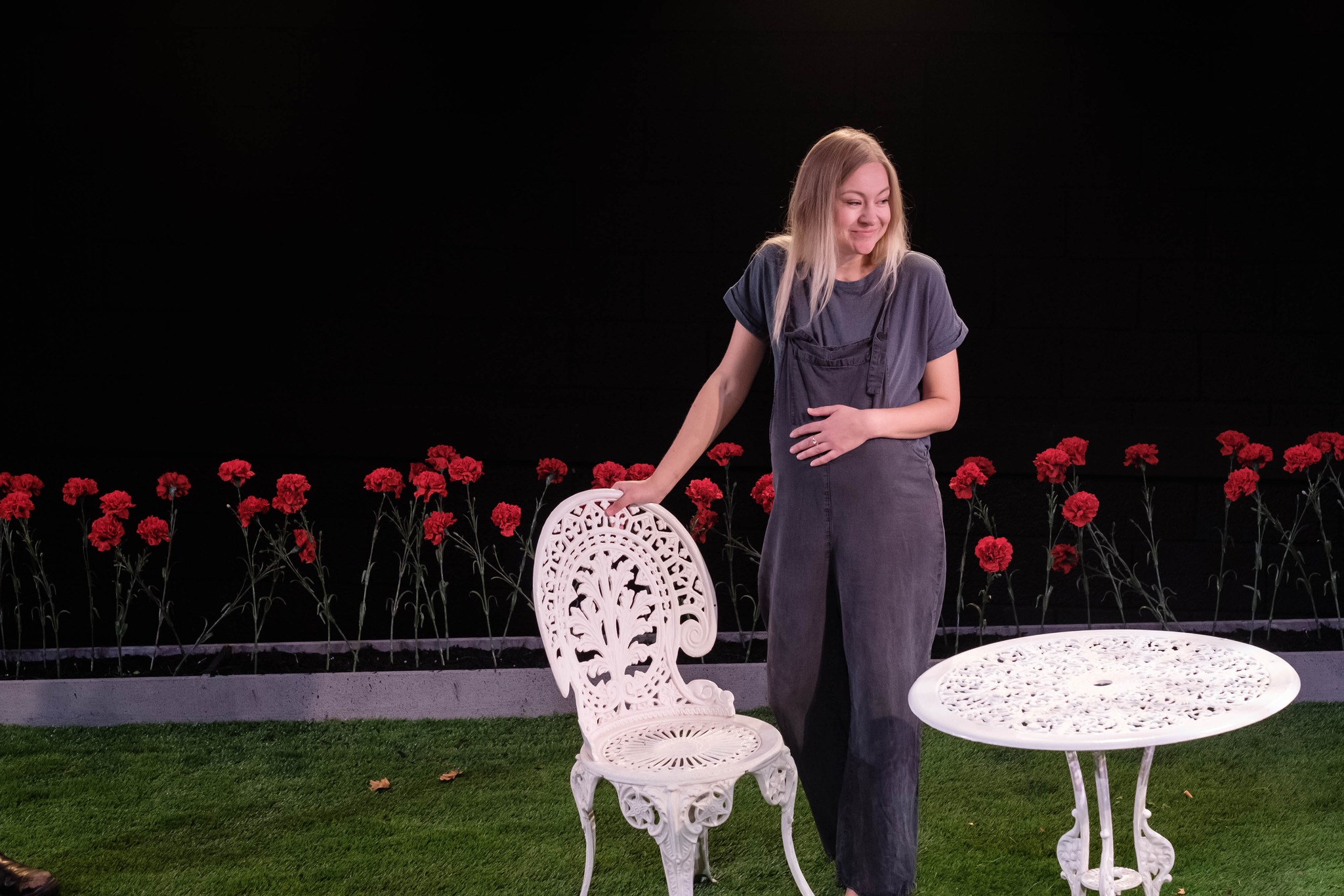
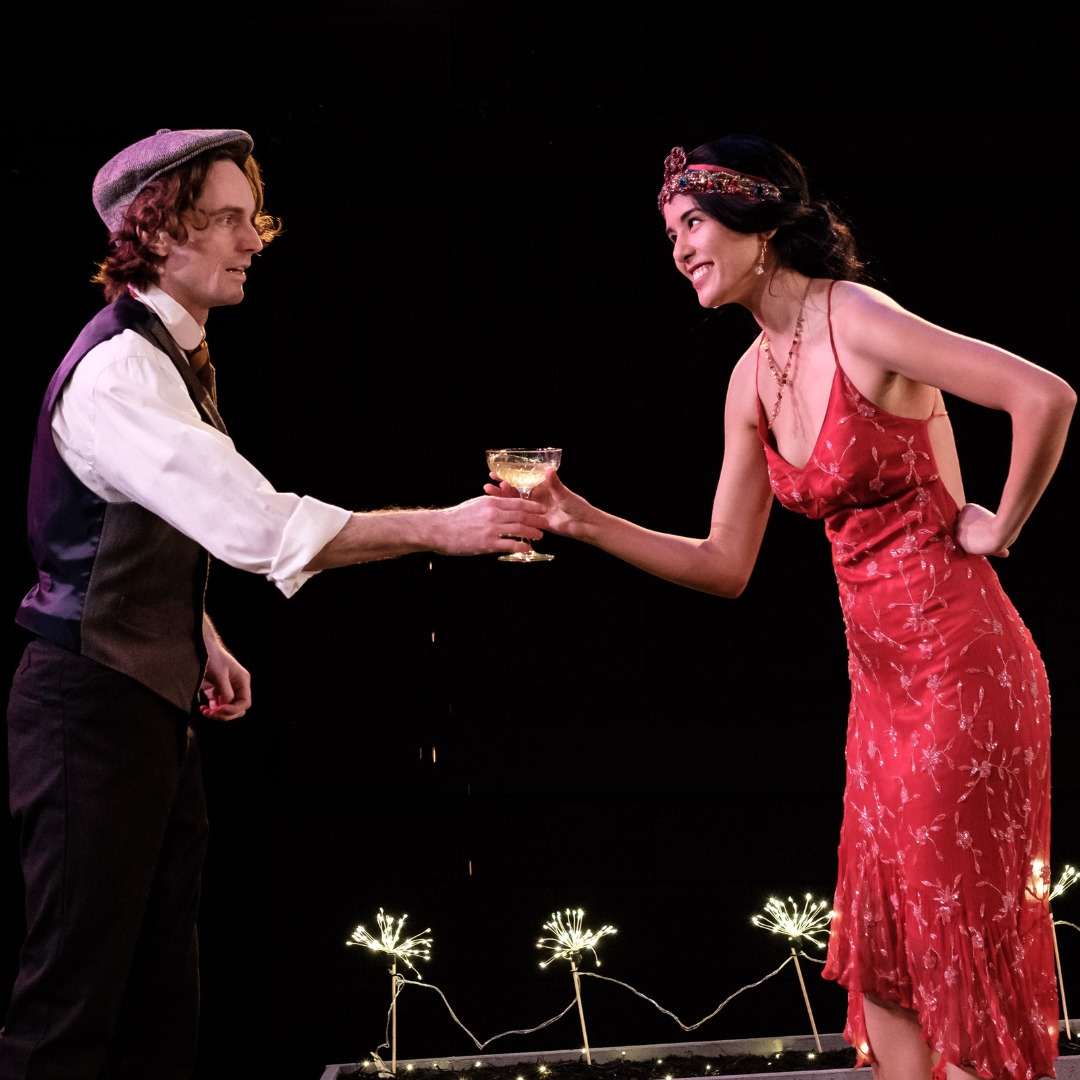
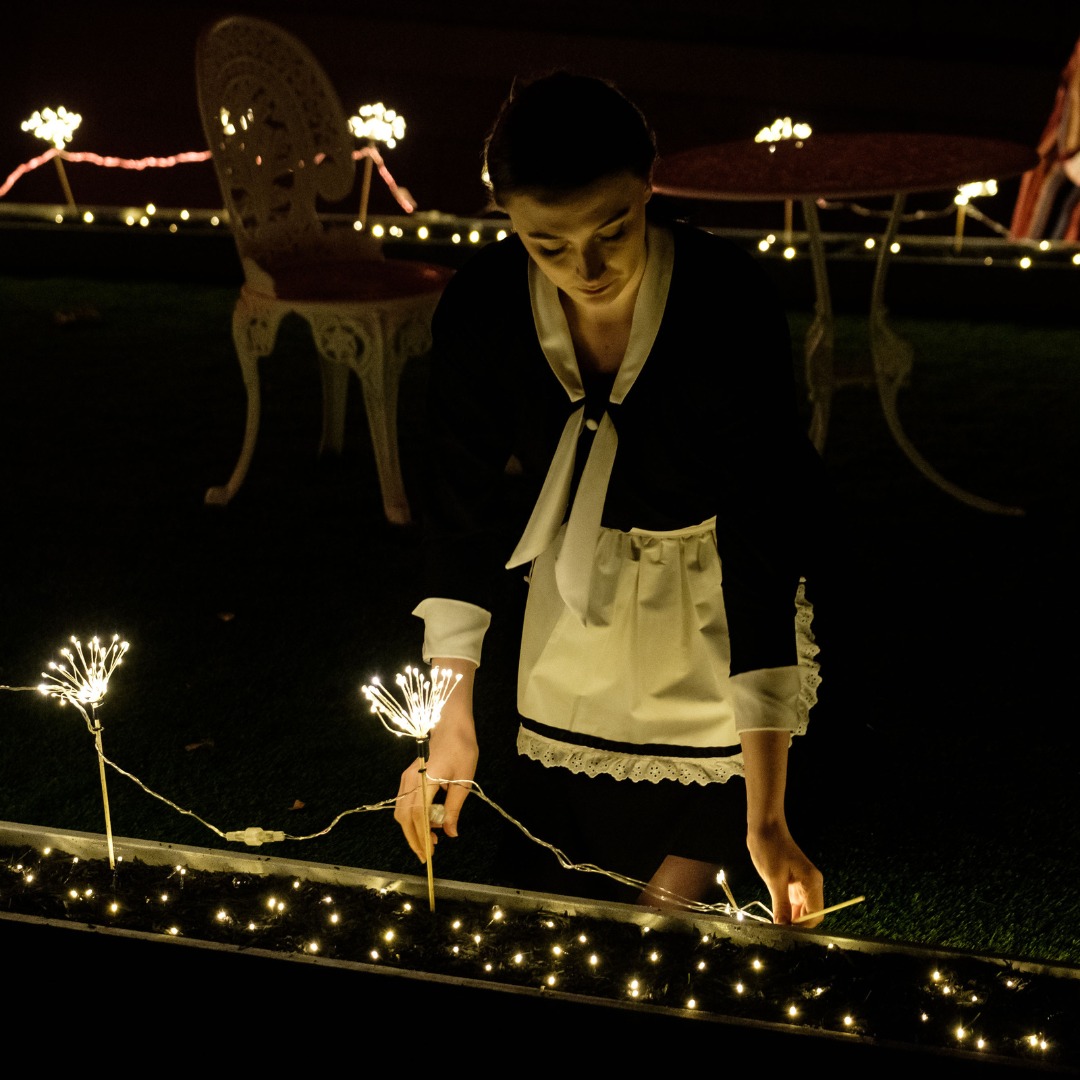
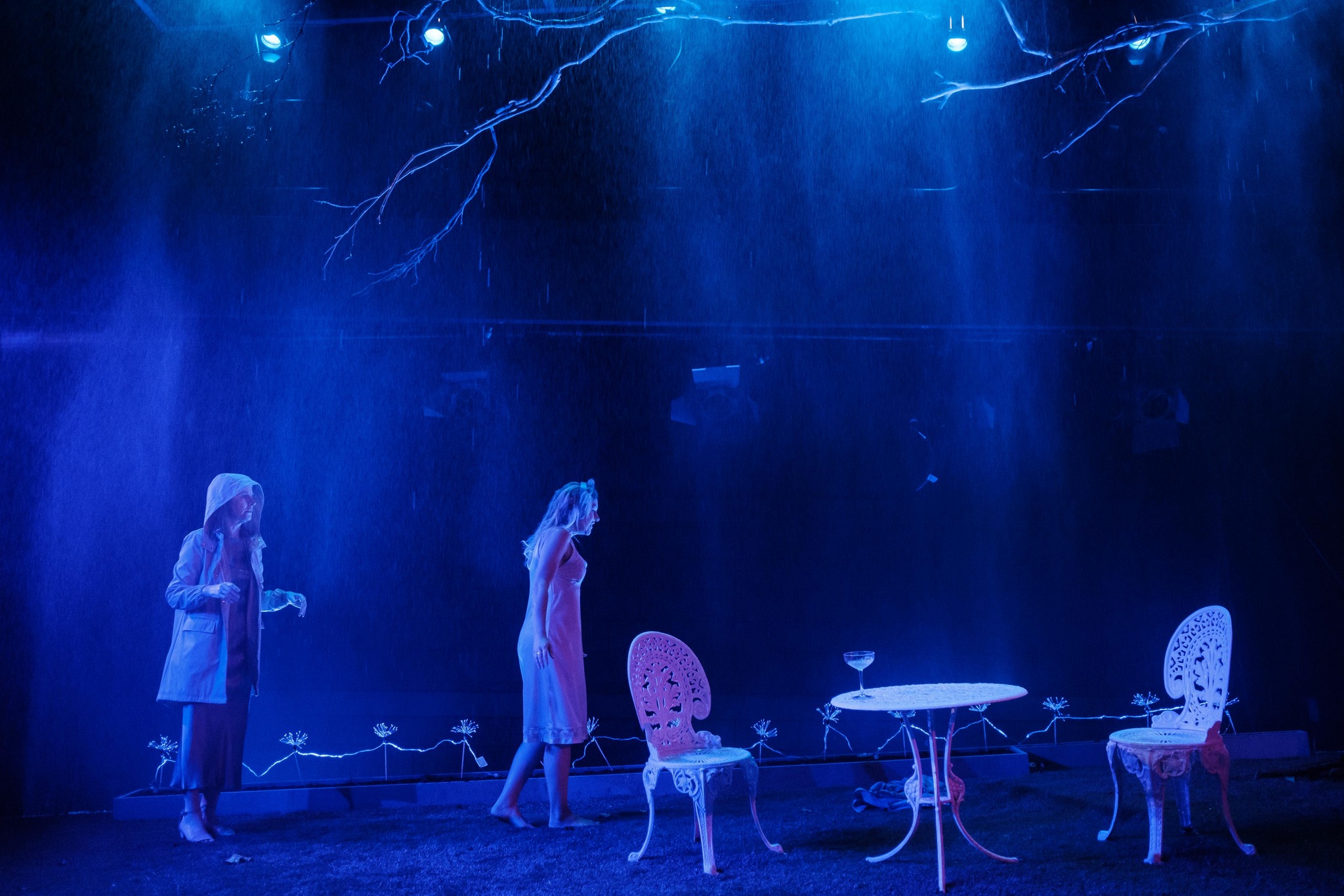
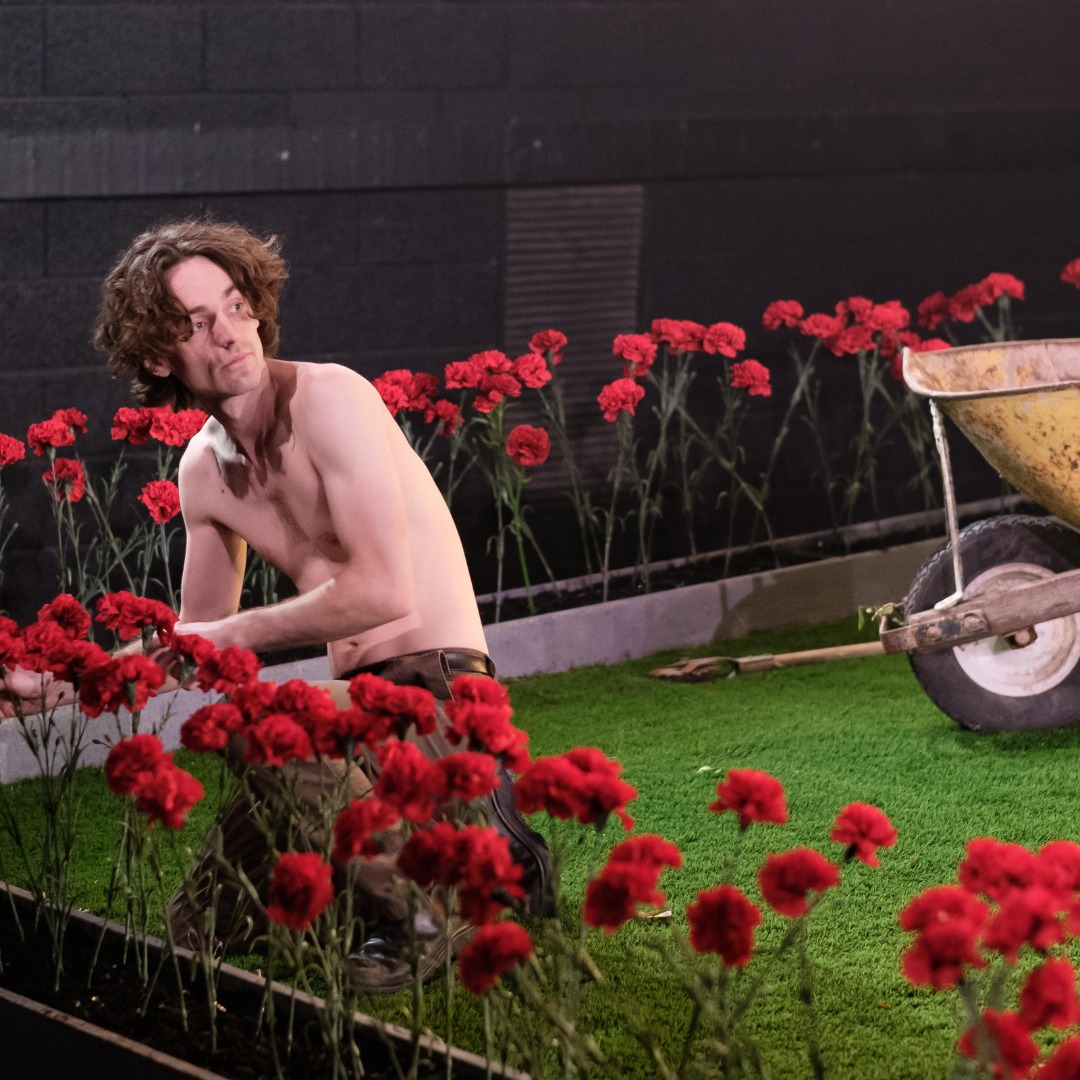
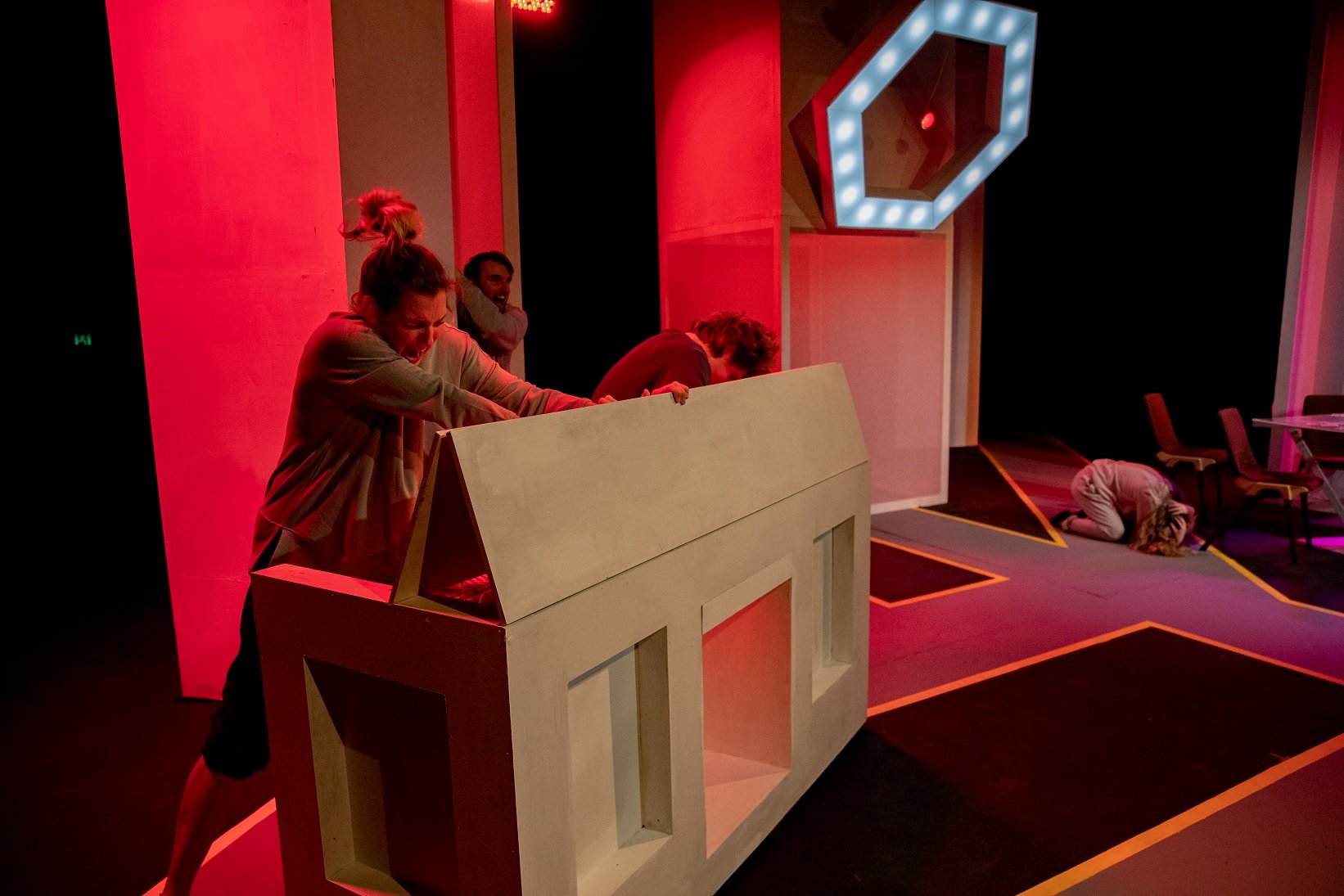
Imagery from this staging too, has its moments of glory. The collaboration between production designer Monique Langford and lighting designer Kate Baldwin, is a fairly ambitious one, able to invoke a grand landscape on foreign lands, with only the power of suggestion. Music and sound by Sam Cheng provide a gravity befitting the stakes involved, reminding us of the wider impact of these personal narratives.

Romantic nostalgia, the kind that Audrey is so invested in, represents a longing that those, for whom the system works, is bound to have. Of course Audrey is able to look back with rose-tinted glasses, now that she has her millions. There are others who simply cannot look at those symbolic structures, without having to wish for improvements. We do not regard icons with the same reverence, or indeed irreverence, because they mean different things to different people. The way in which we live our lives, have hitherto relied upon power discrepancies and injustices. Of course Audrey and her ilk will want to retain old things, but unless they can afford to make up for all the sacrifices, that the lower classes are no longer willing to submit to, then they too will have to move on with the times.
www.seymourcentre.com

Review: How To Defend Yourself (Old Fitz Theatre)

Venue: Old Fitzroy Theatre (Woolloomooloo NSW), Aug 11 – Sep 3, 2022
Playwright: Liliana Padilla
Director: Claudia Barrie
Cast: Georgia Anderson, Madeline Marie Dona, Brittany Santariga, Jessica Spies, Jessica Paterson, Michael Cameron, Saro Lepejian
Images by Phil Erbacher

Theatre review

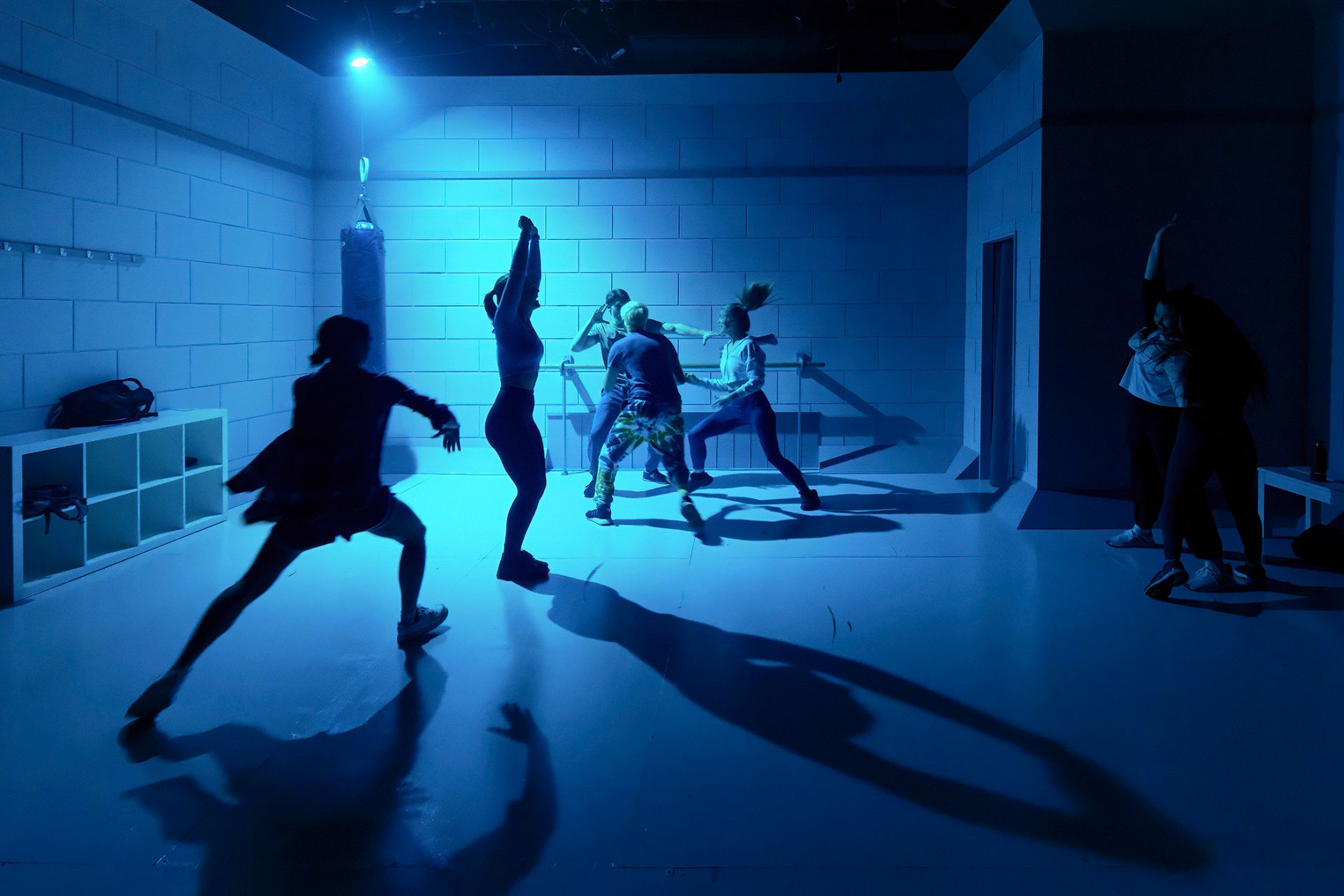
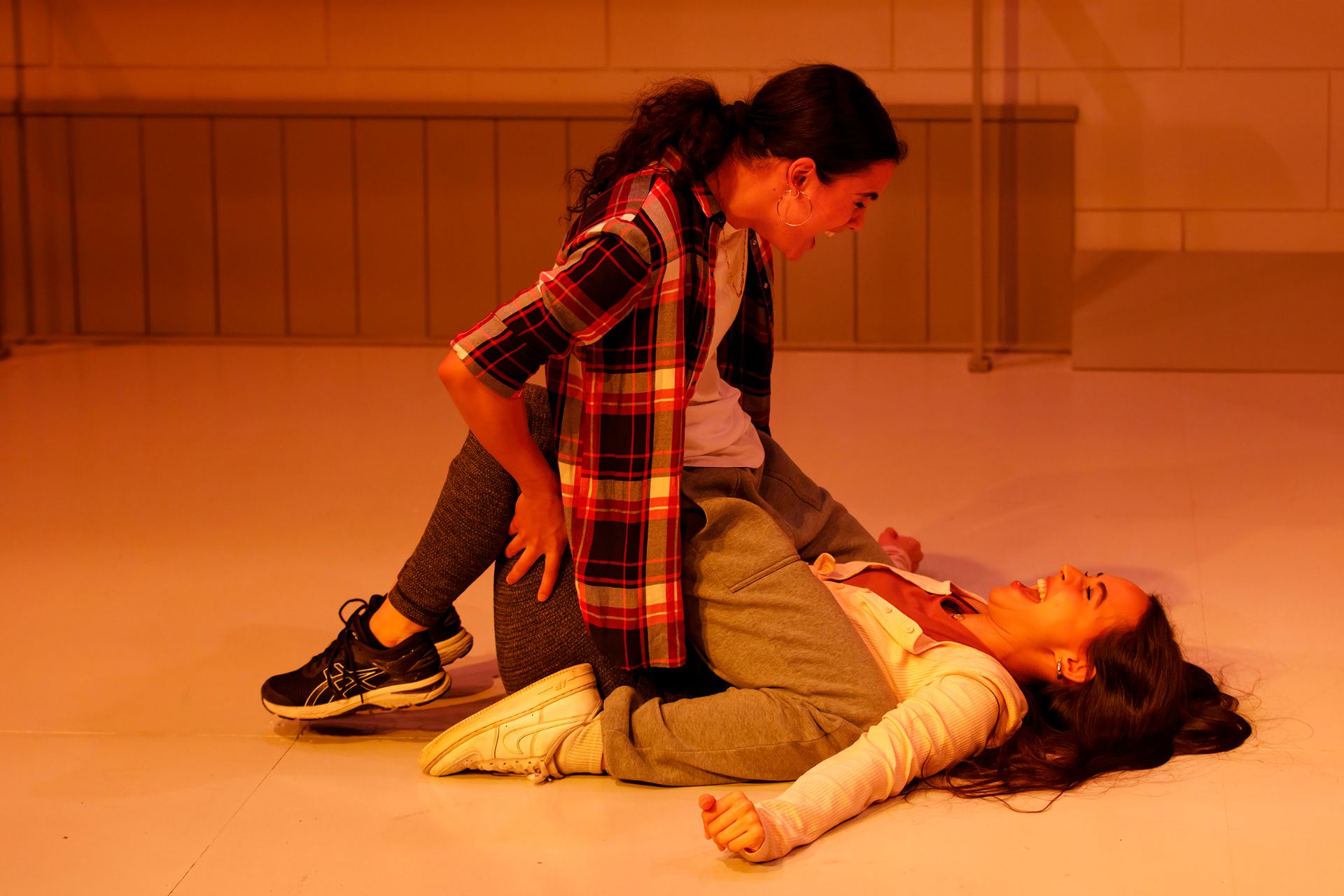
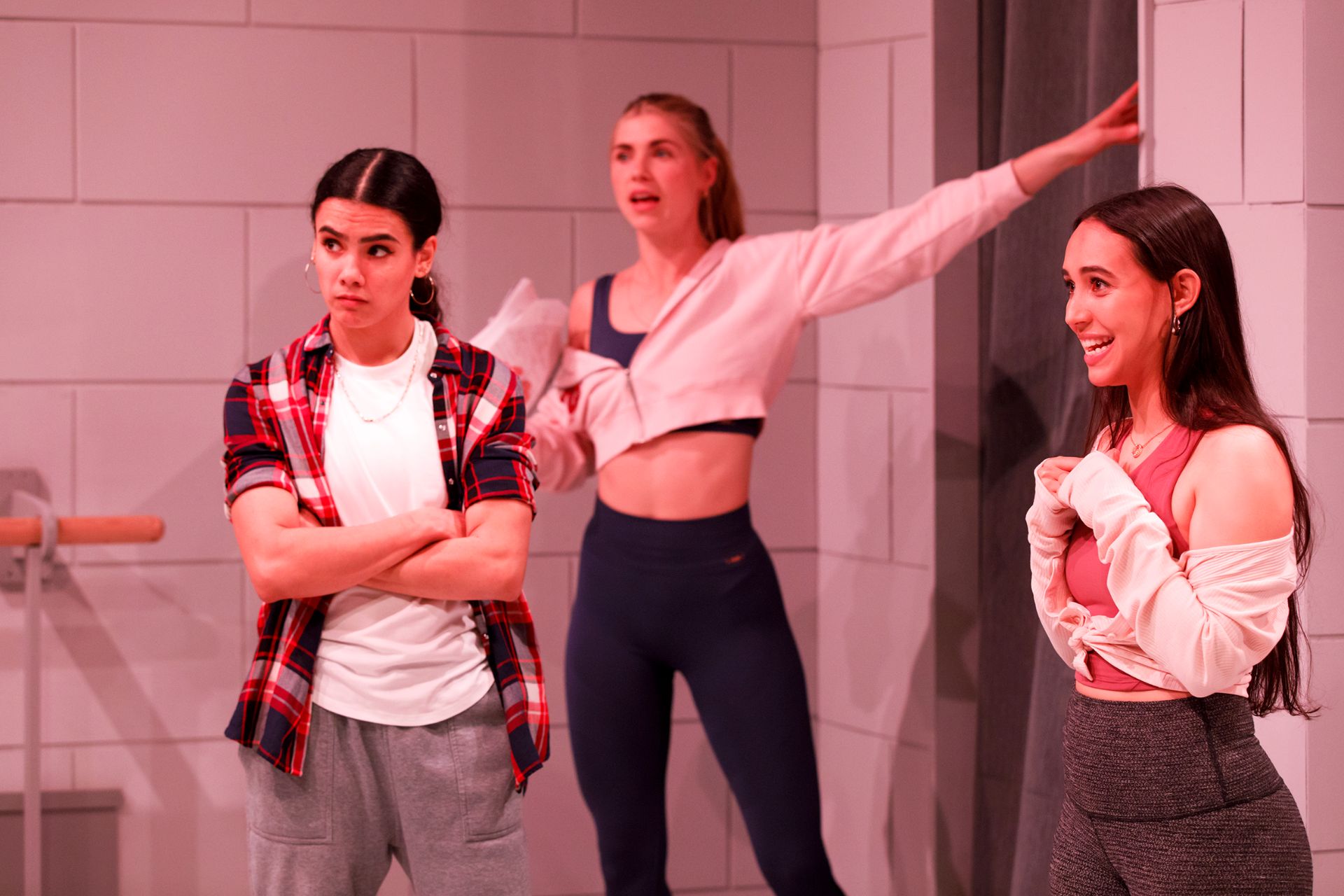
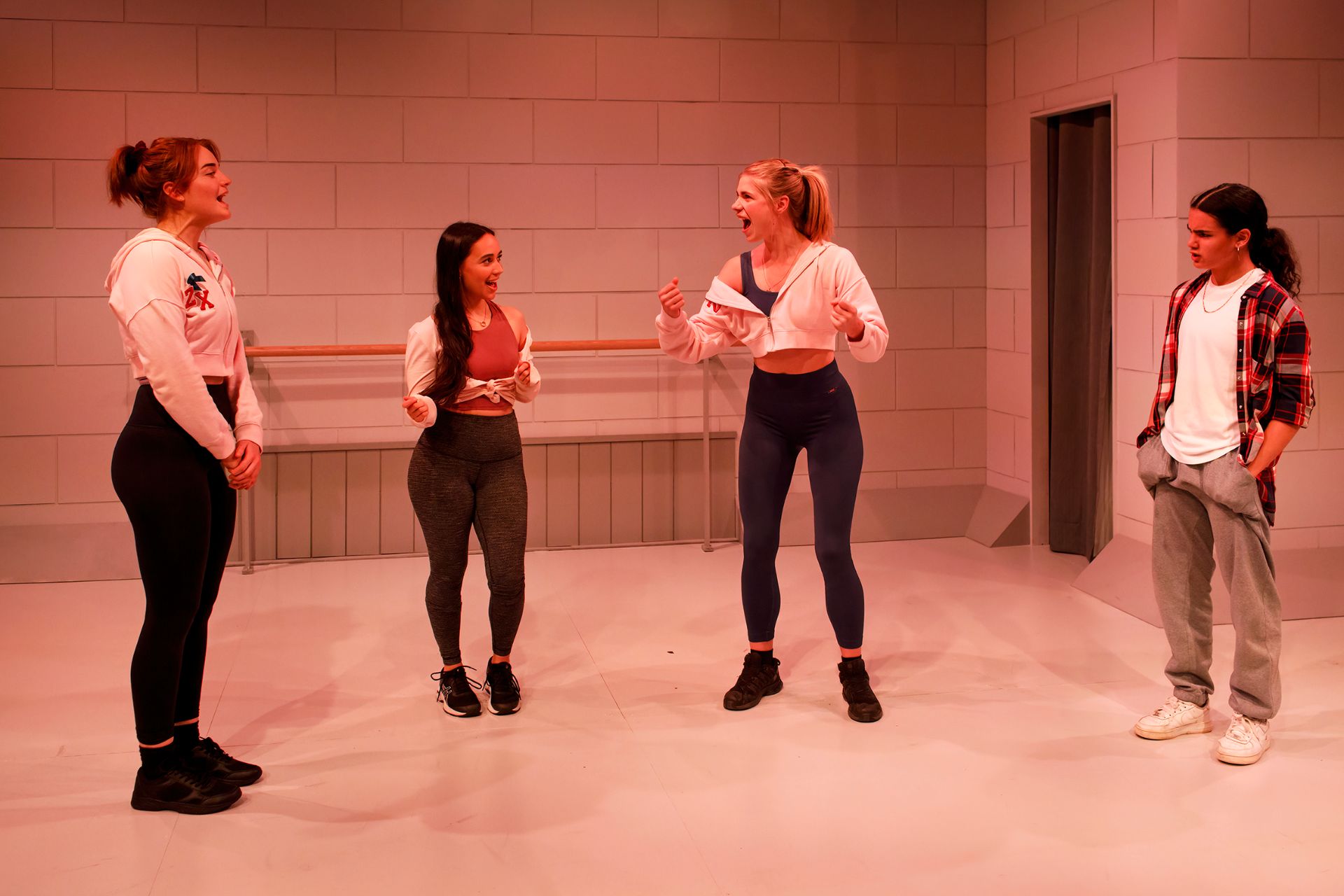
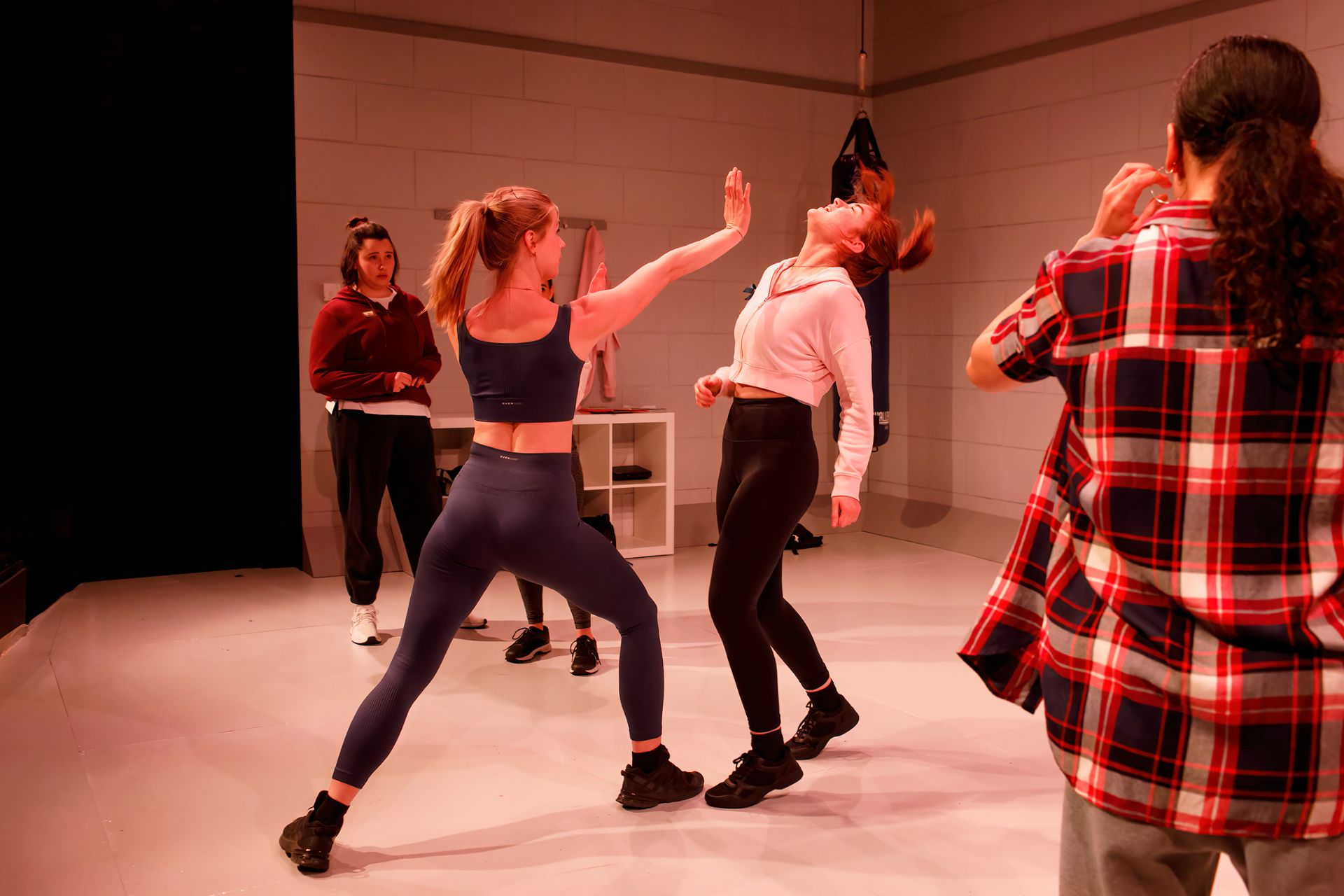
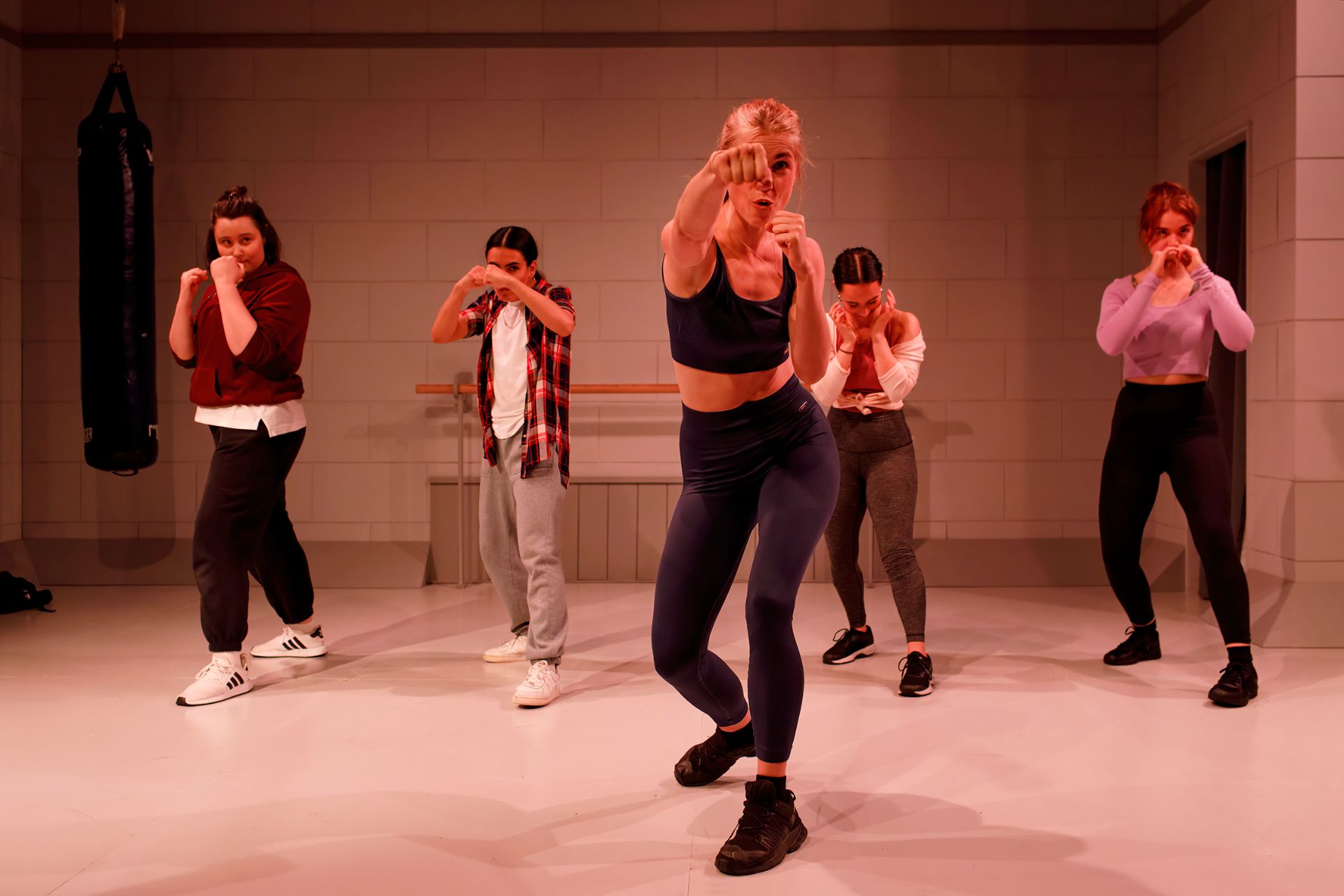
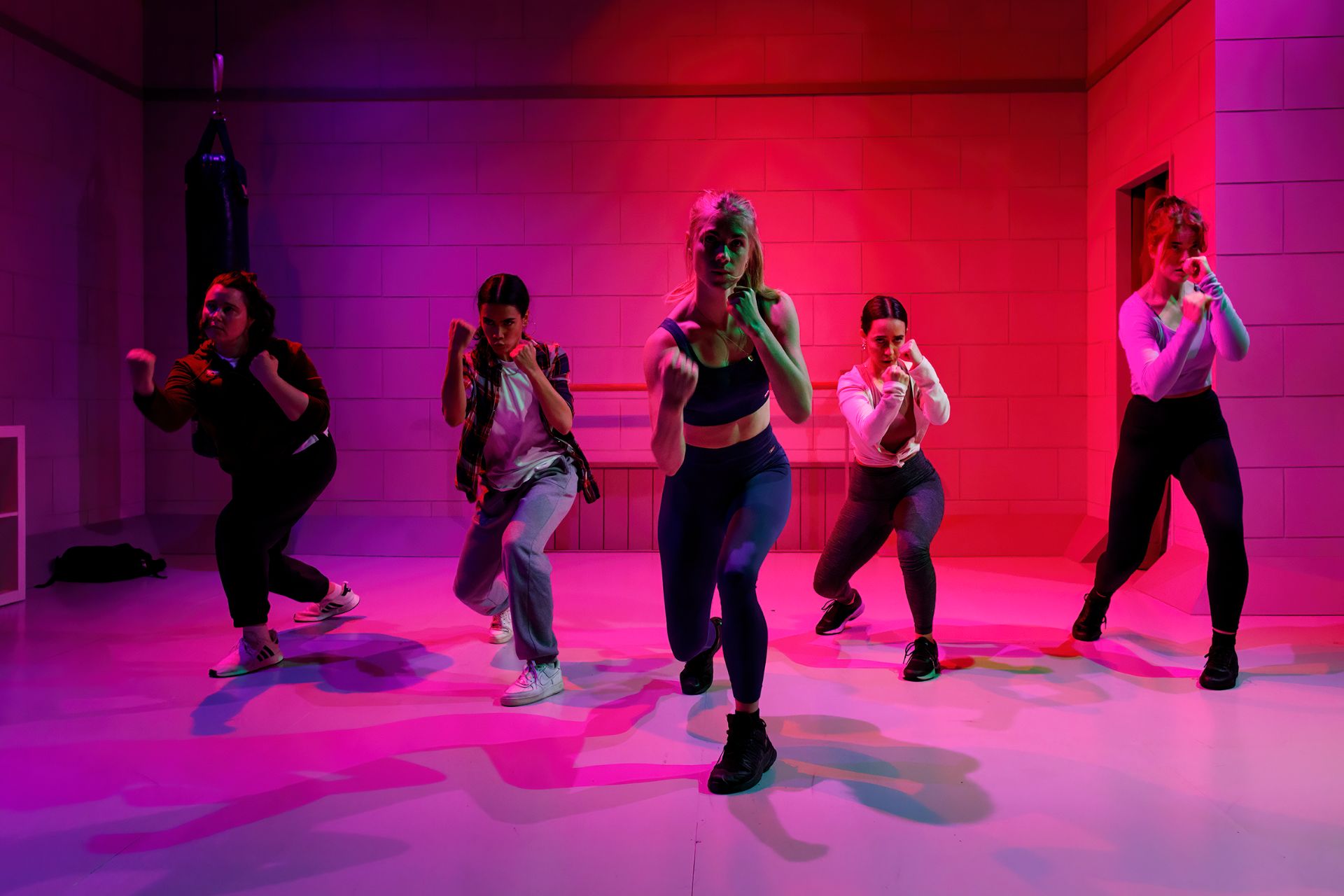
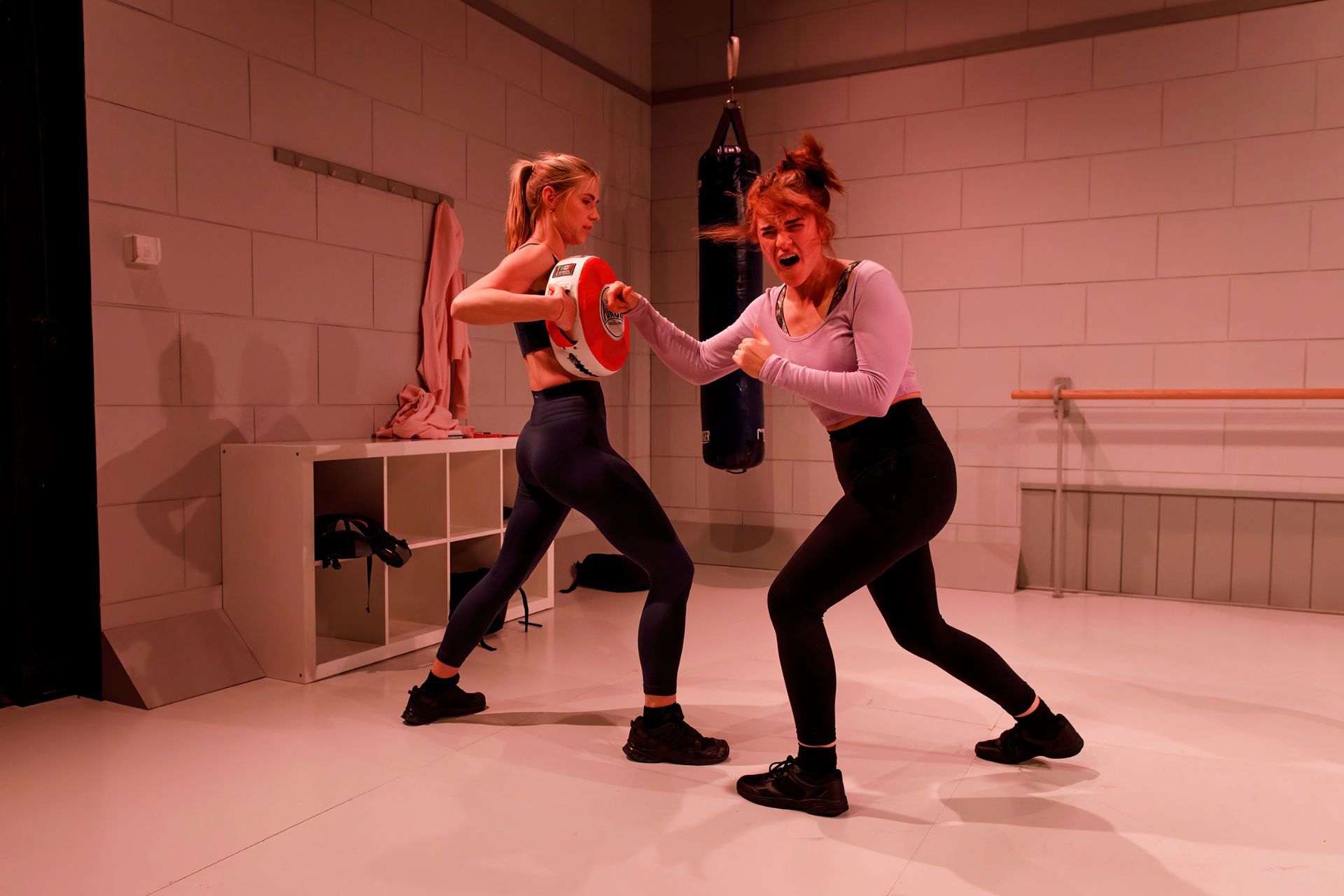
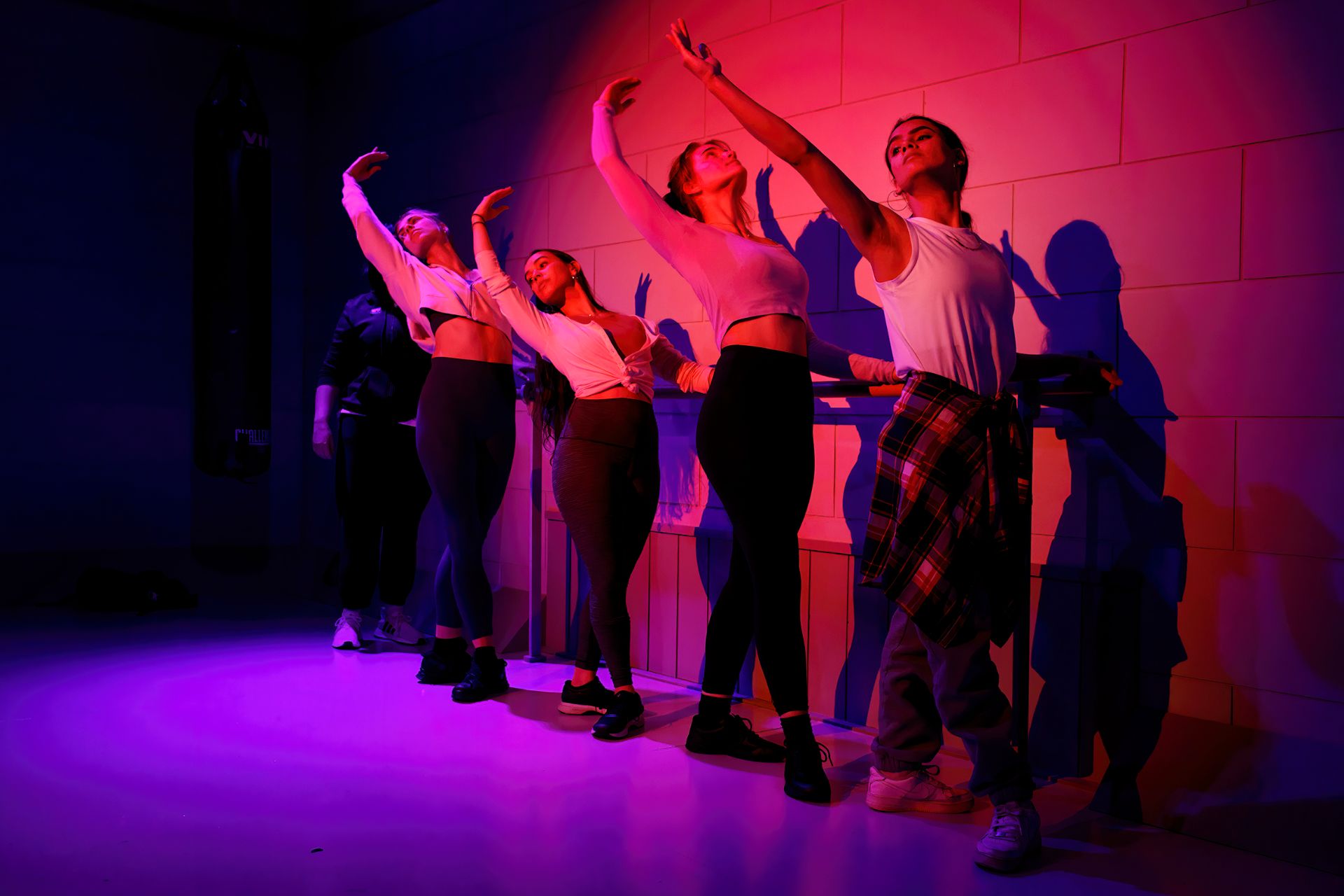
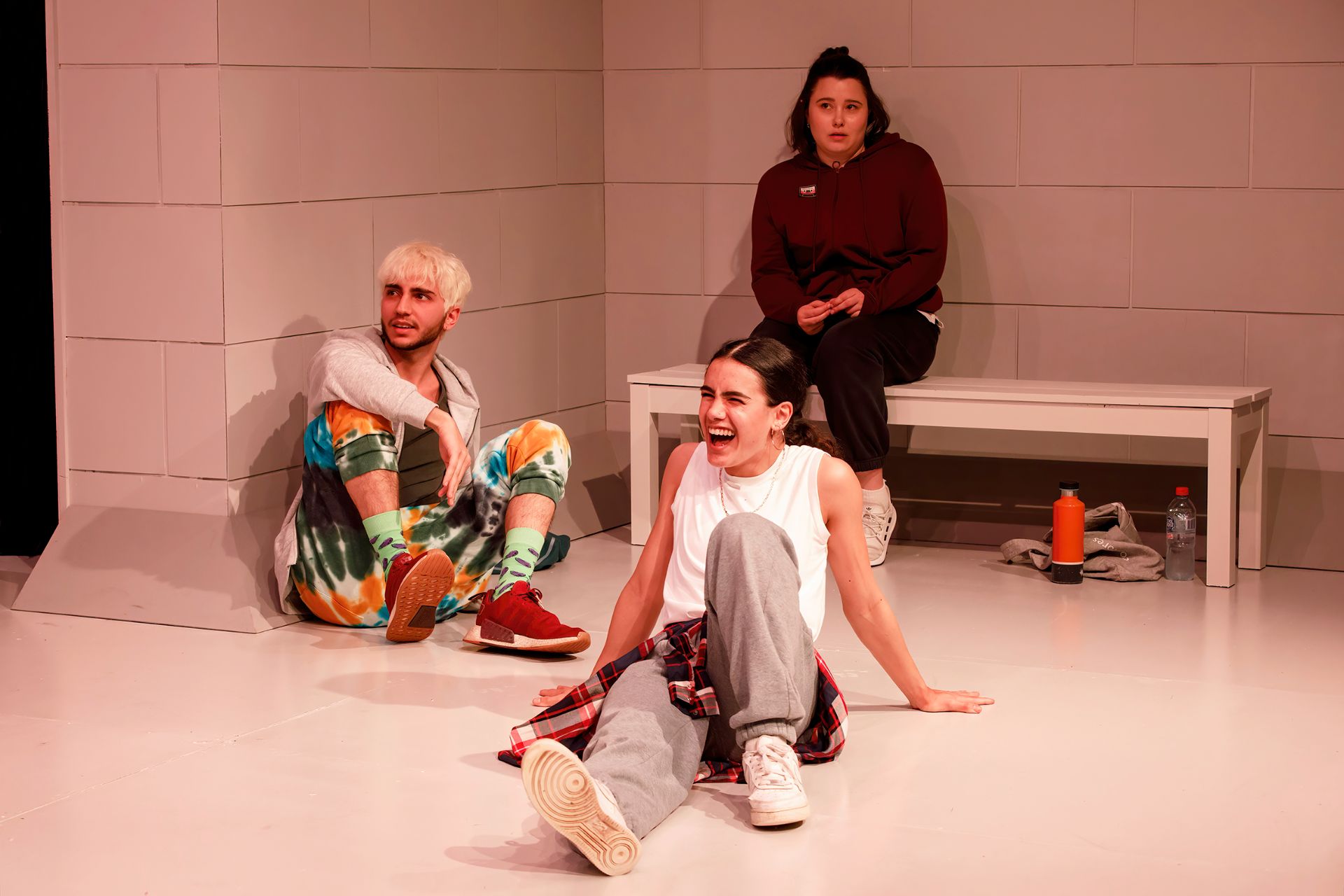
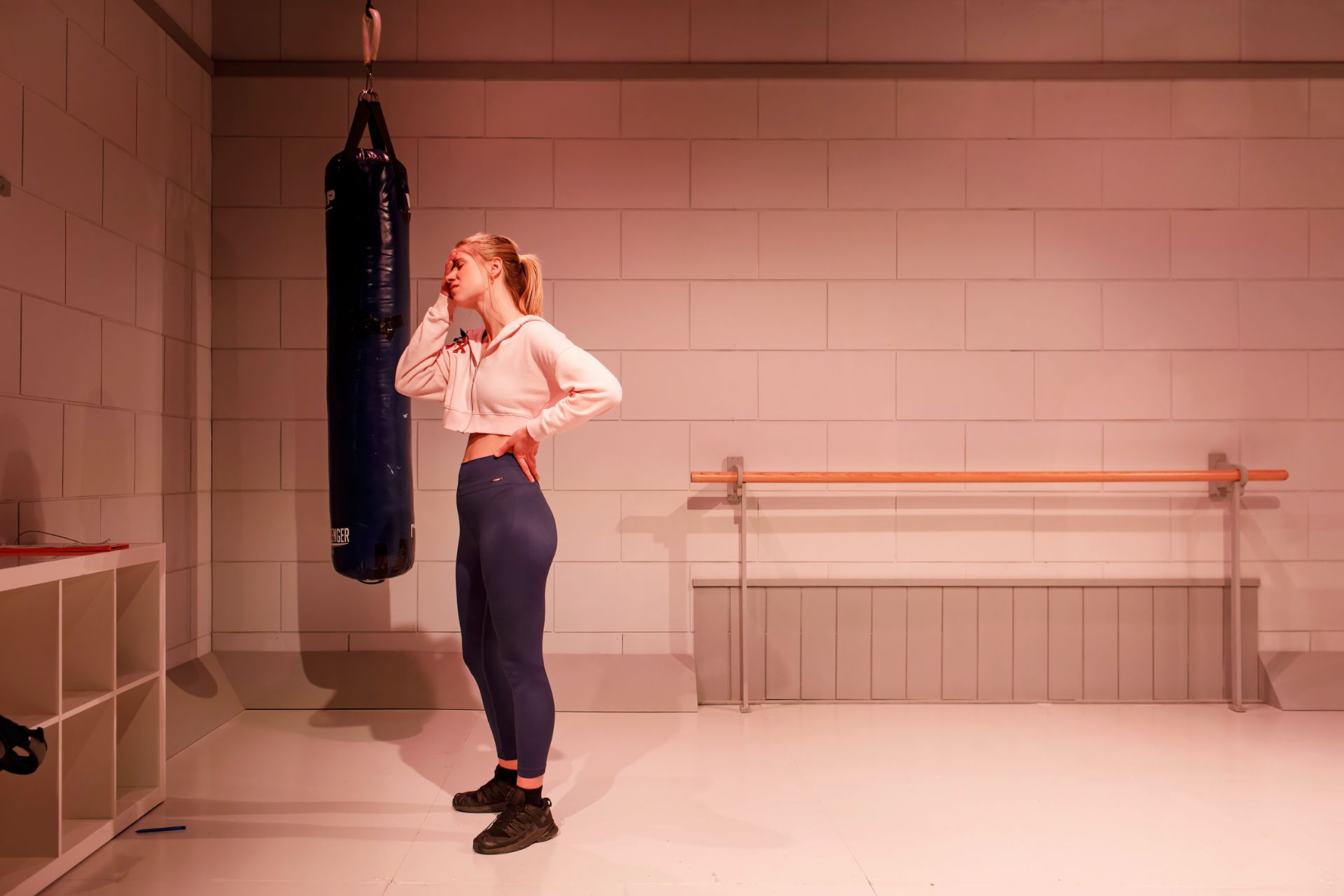
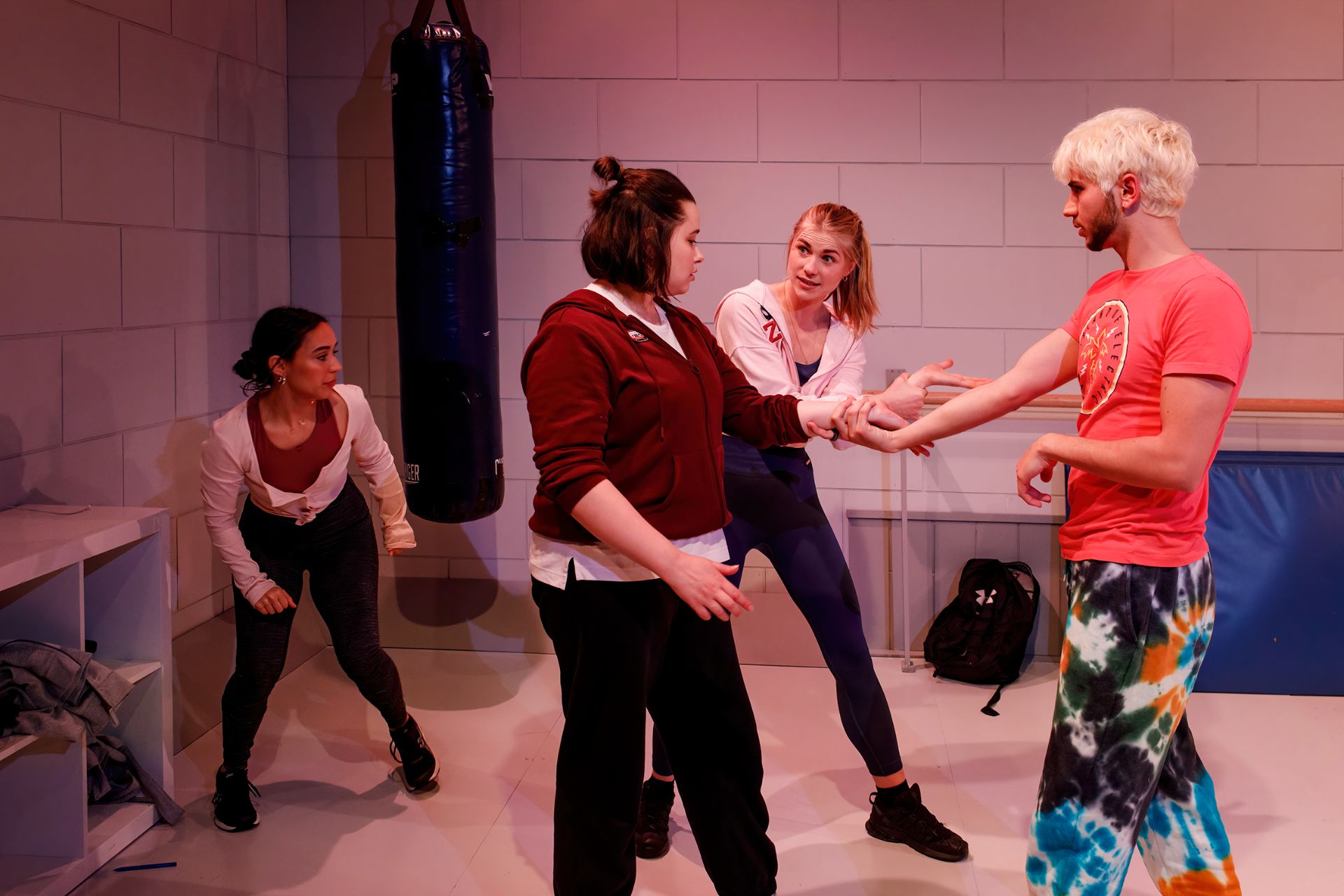
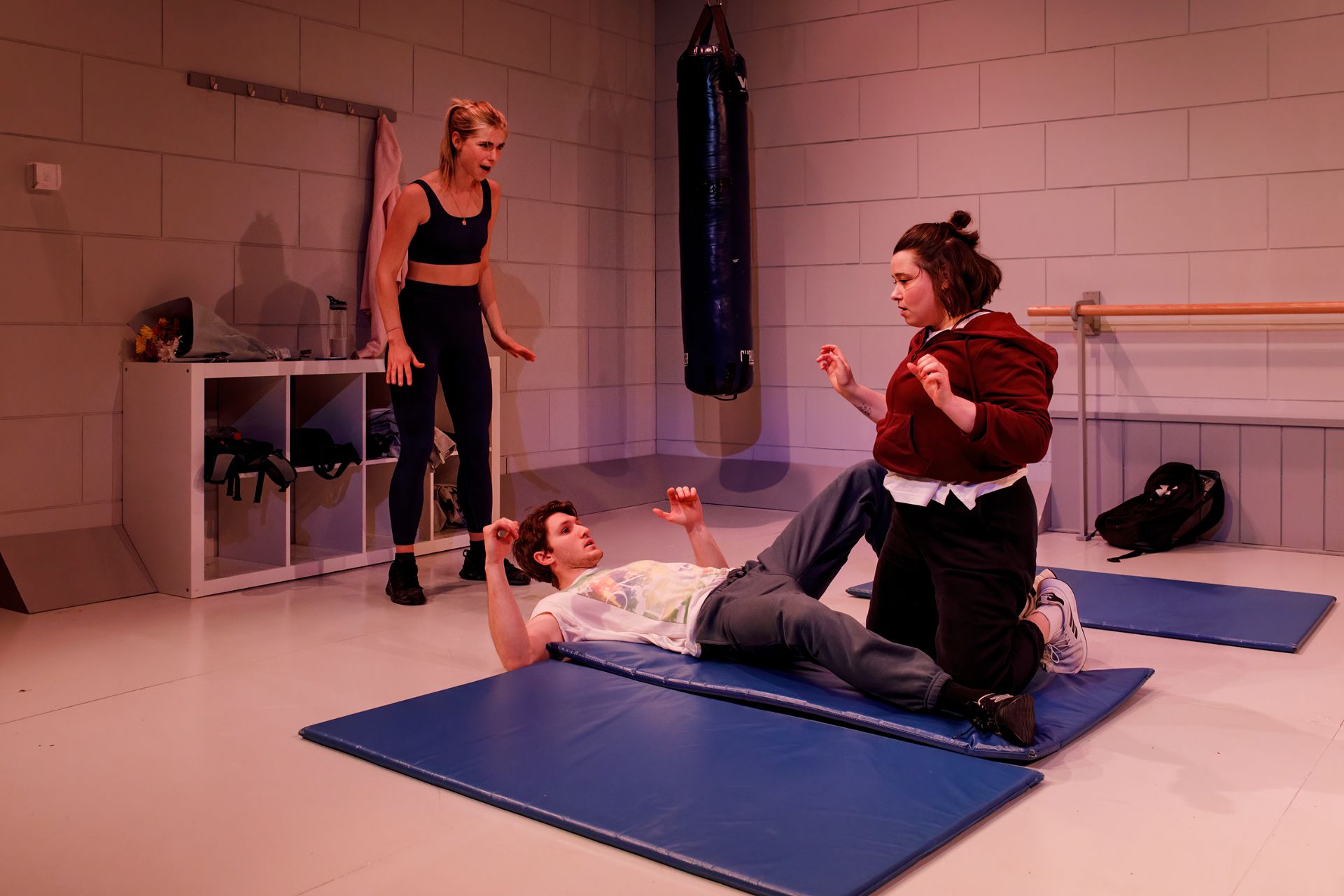
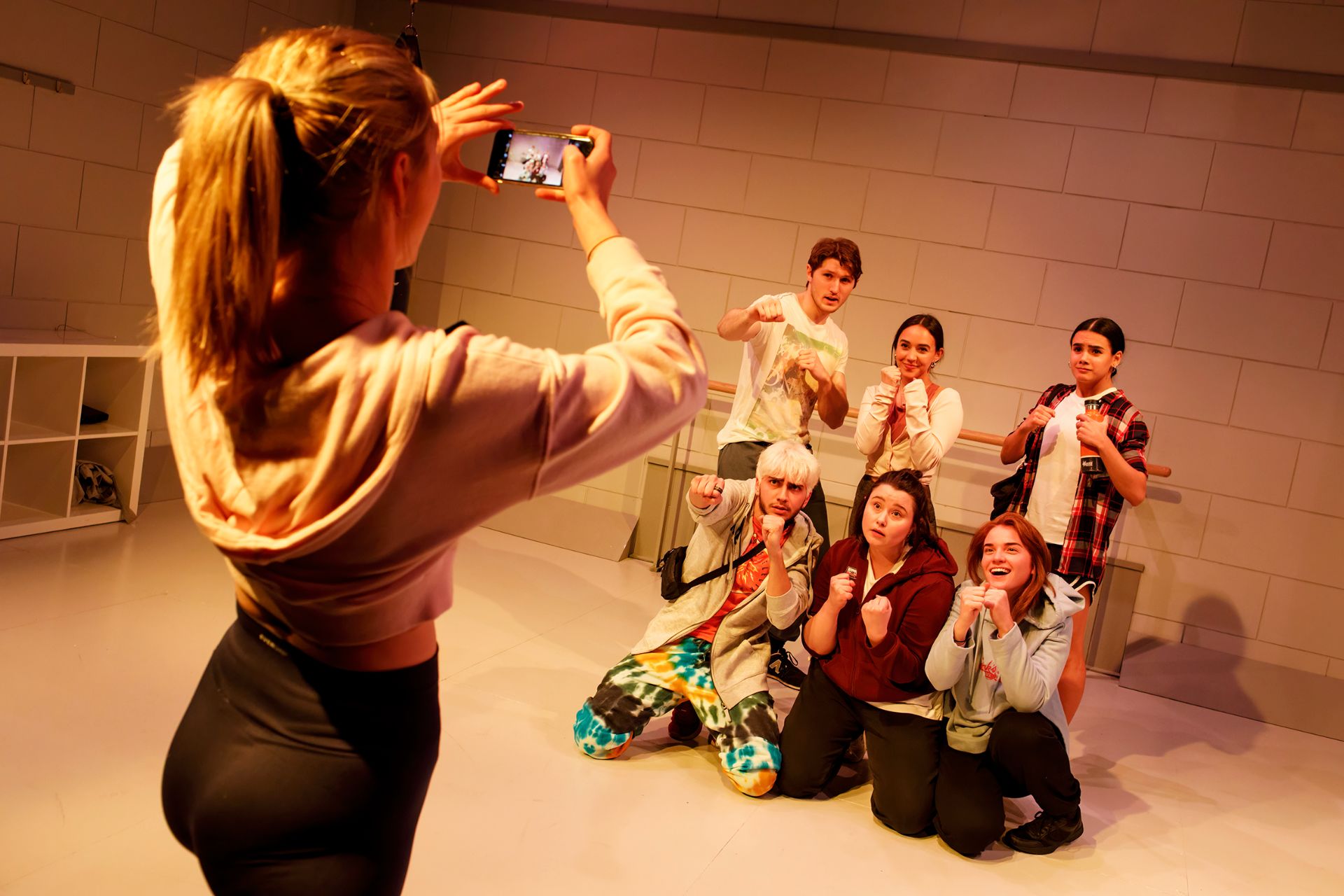
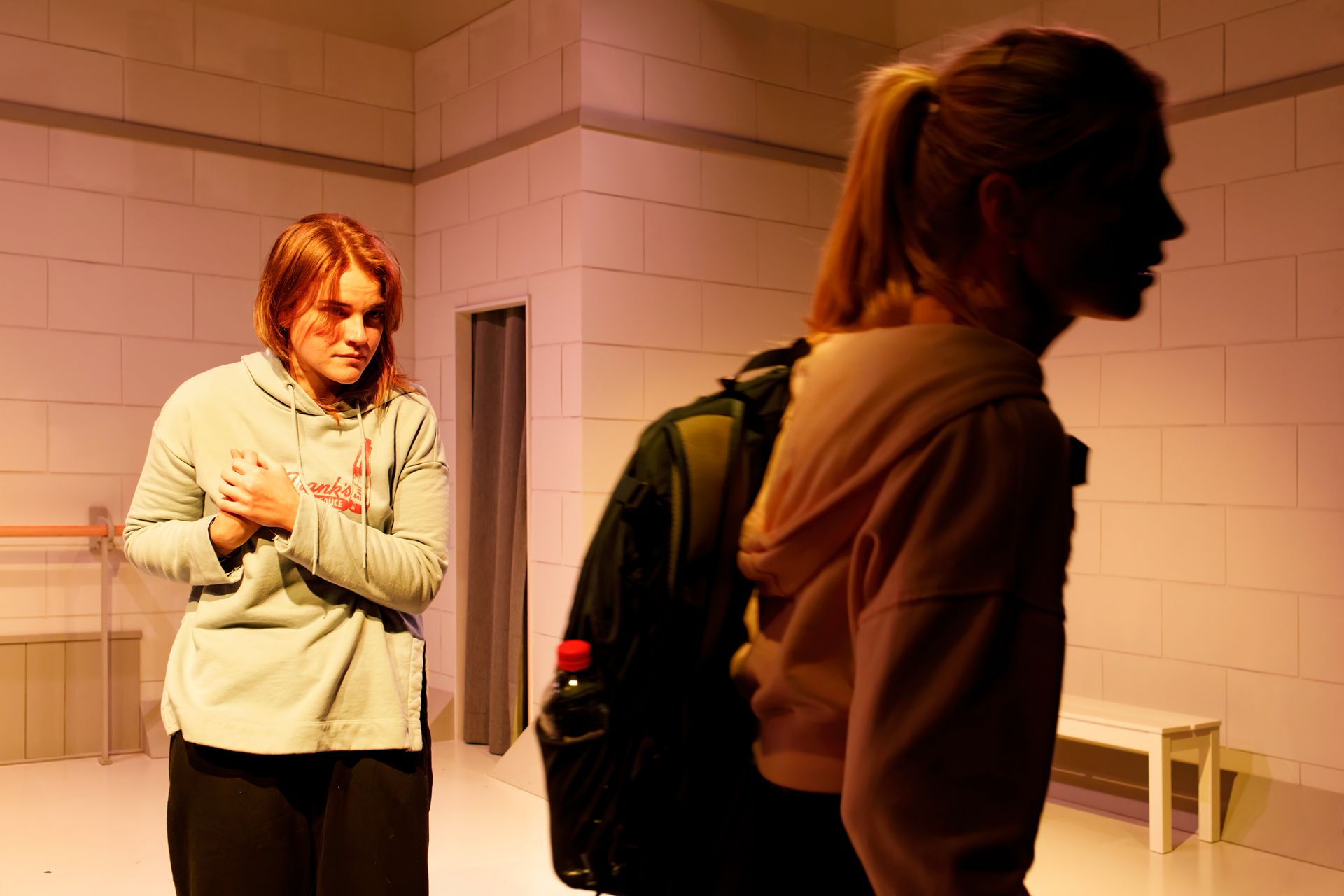
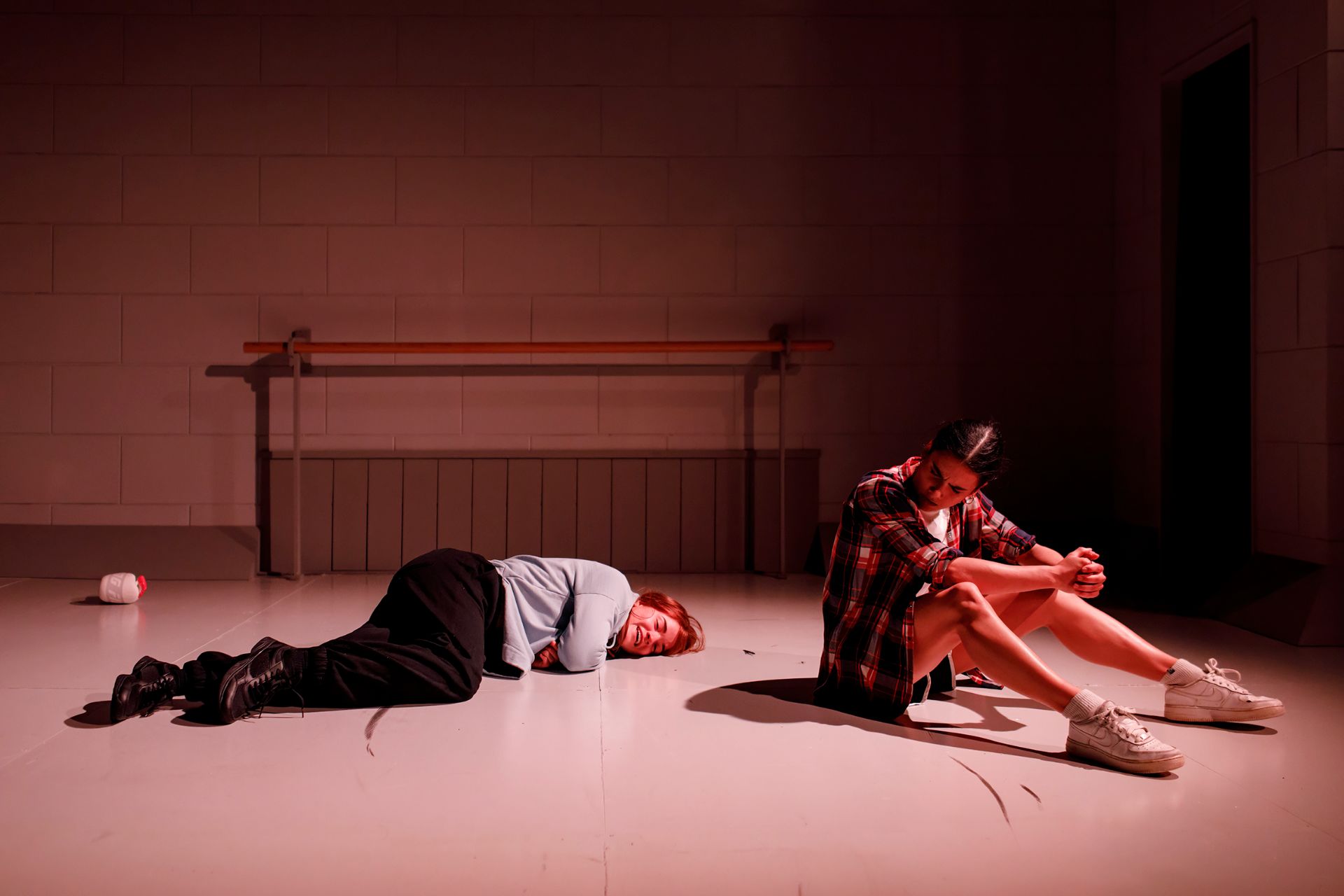
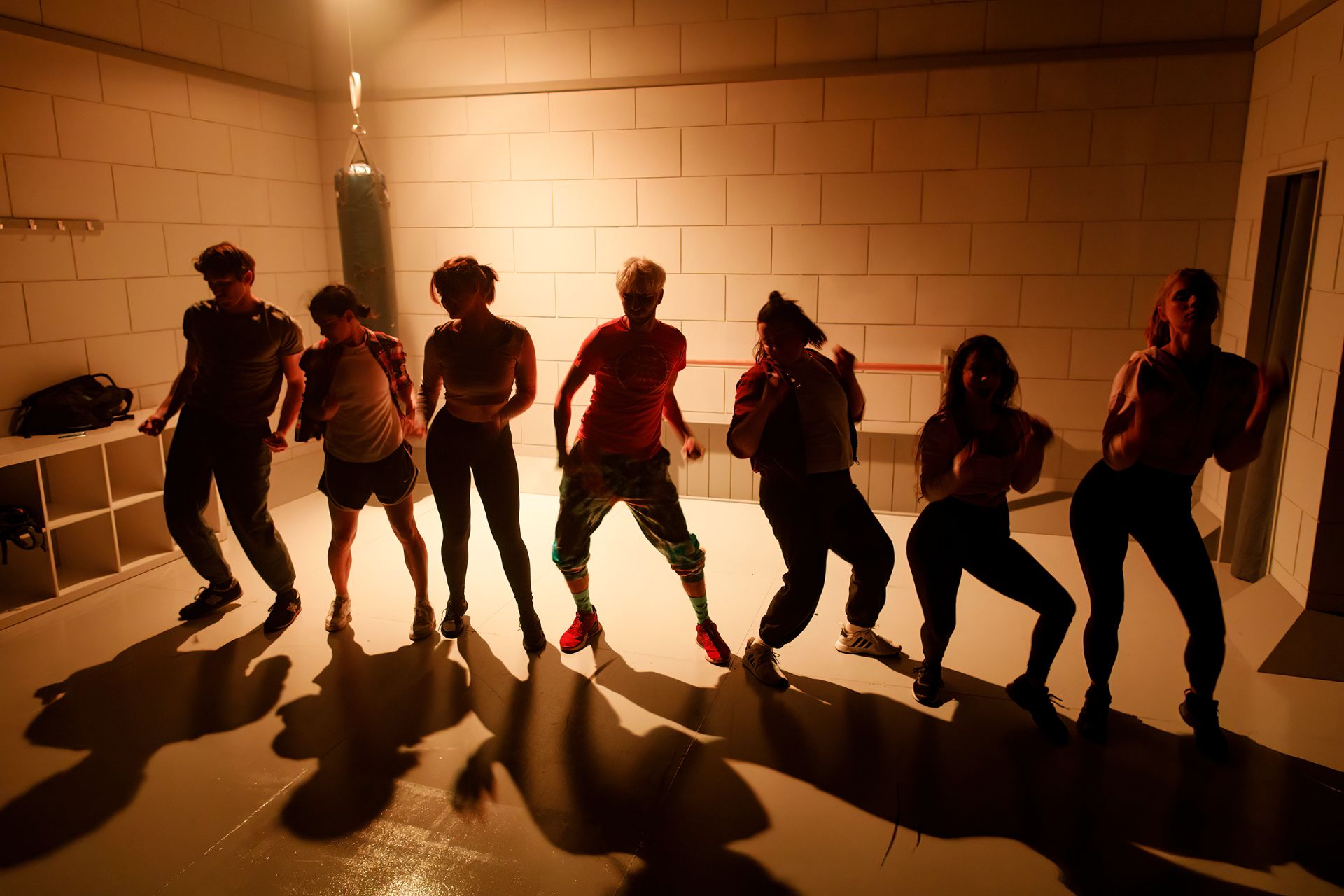
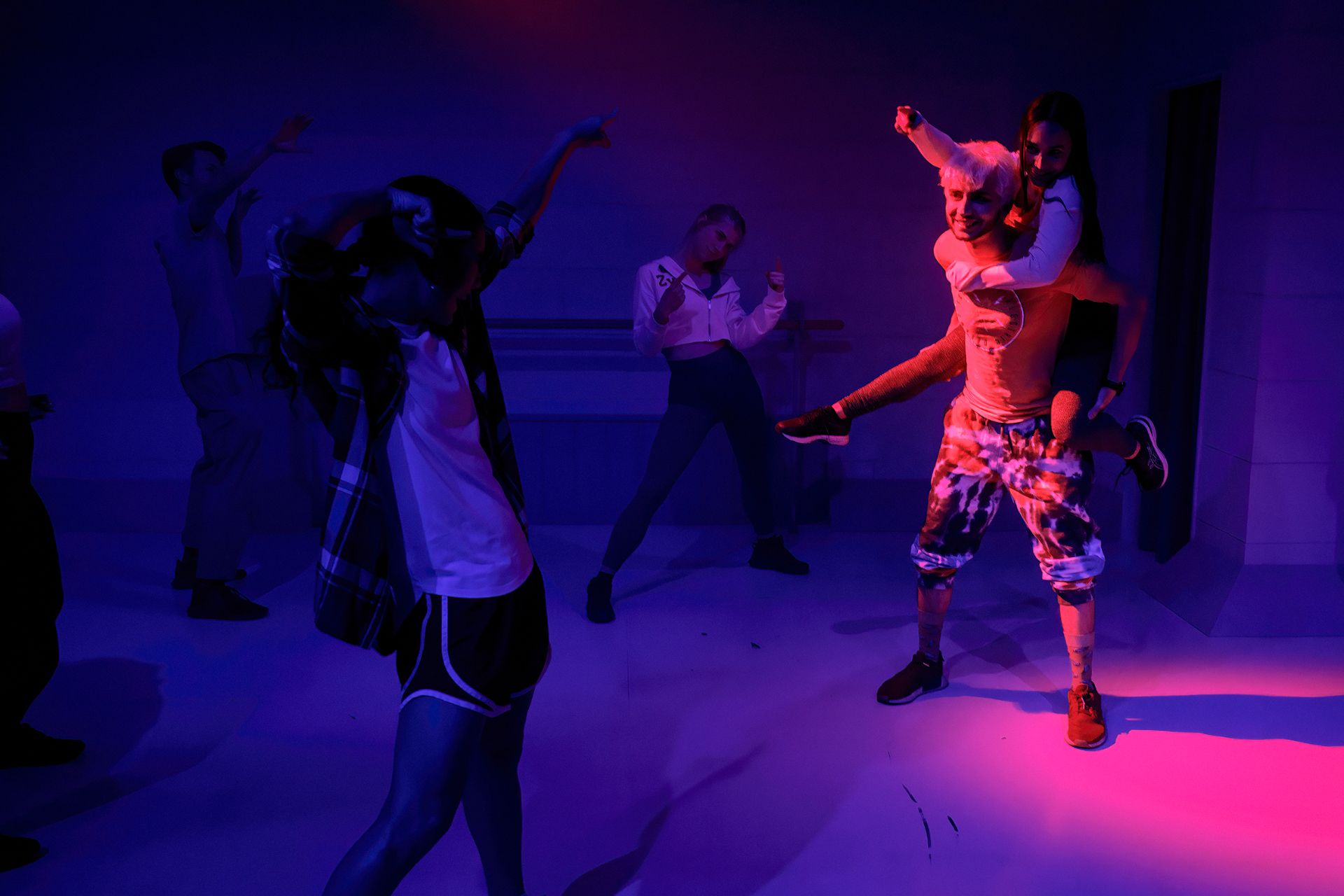
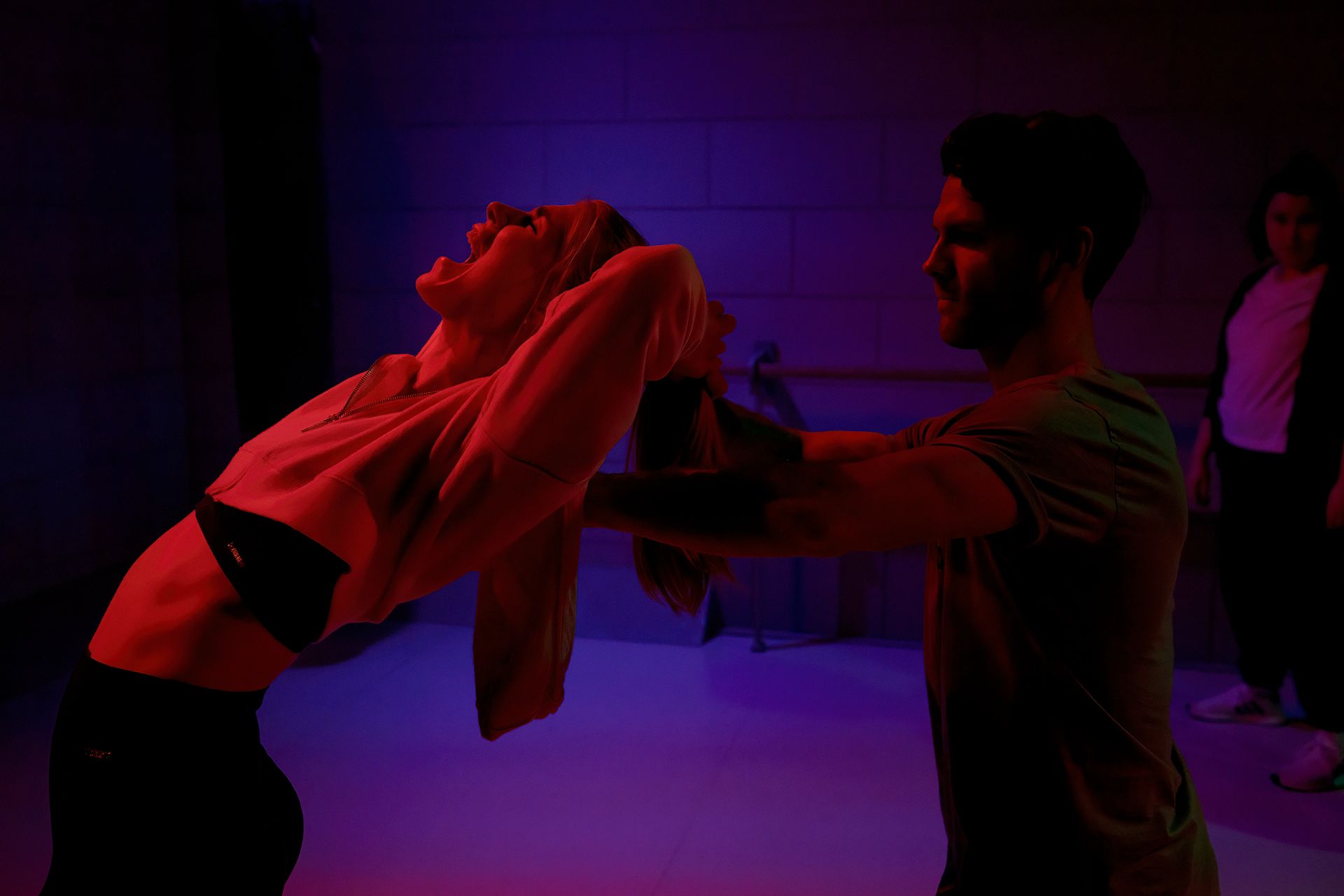
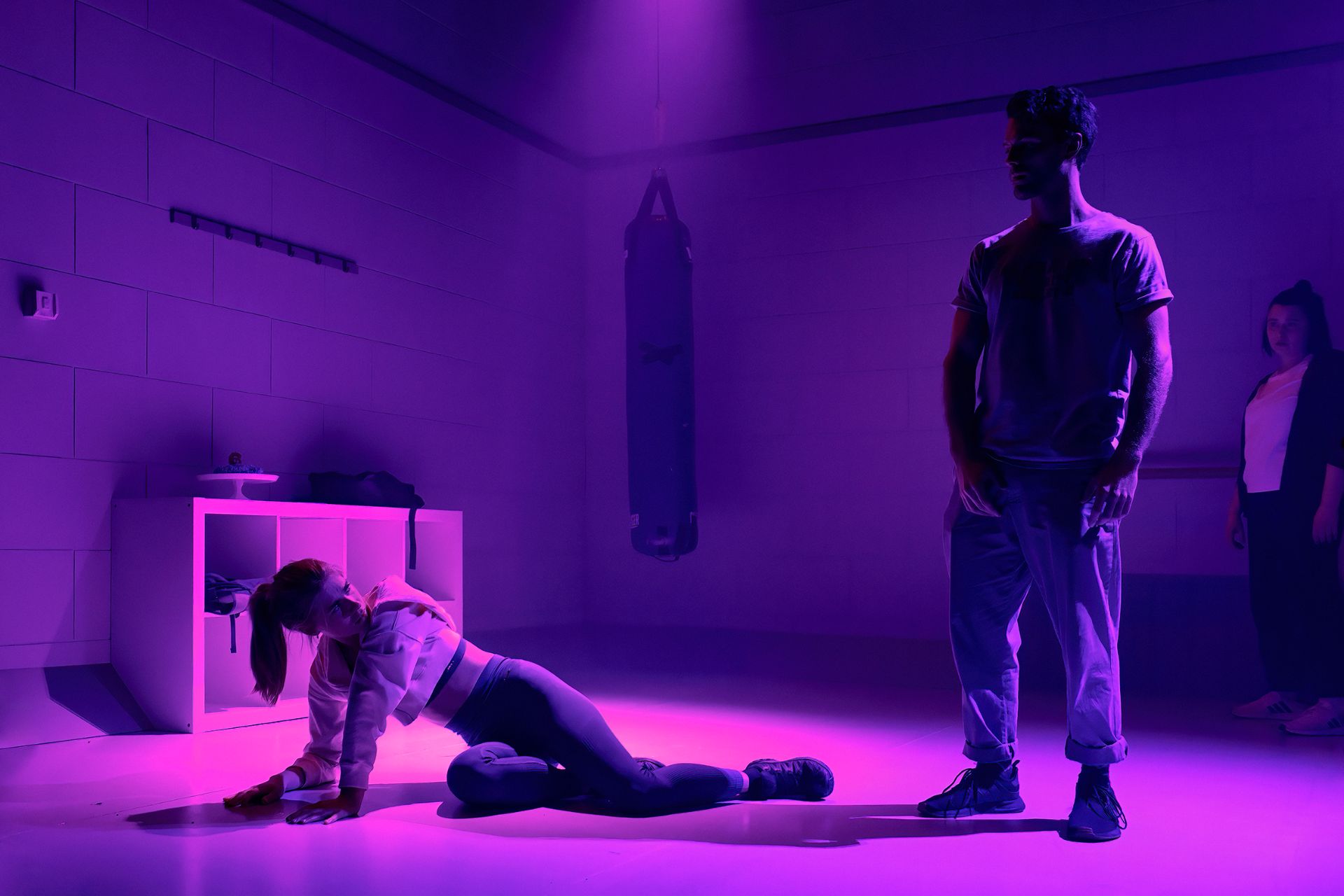
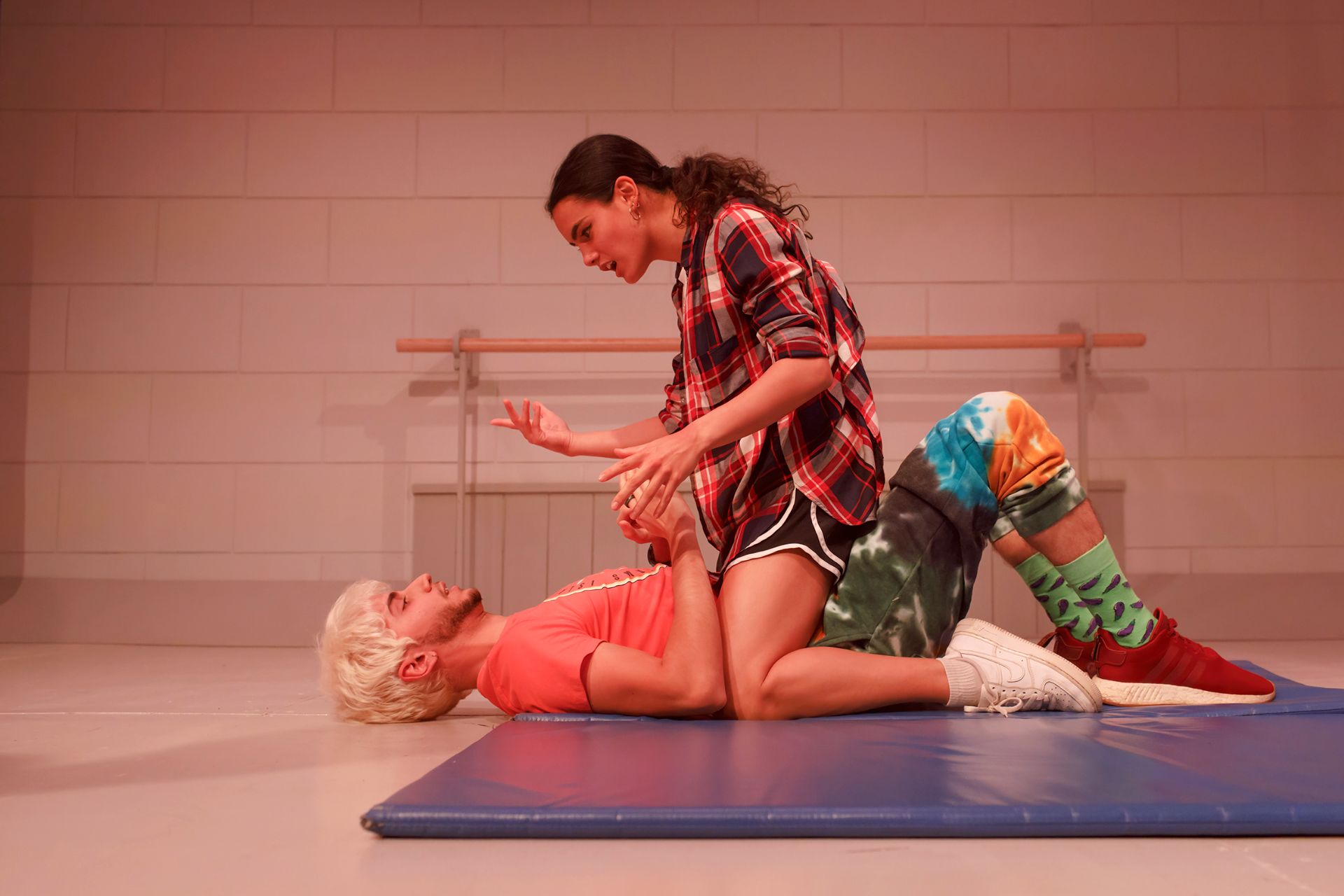
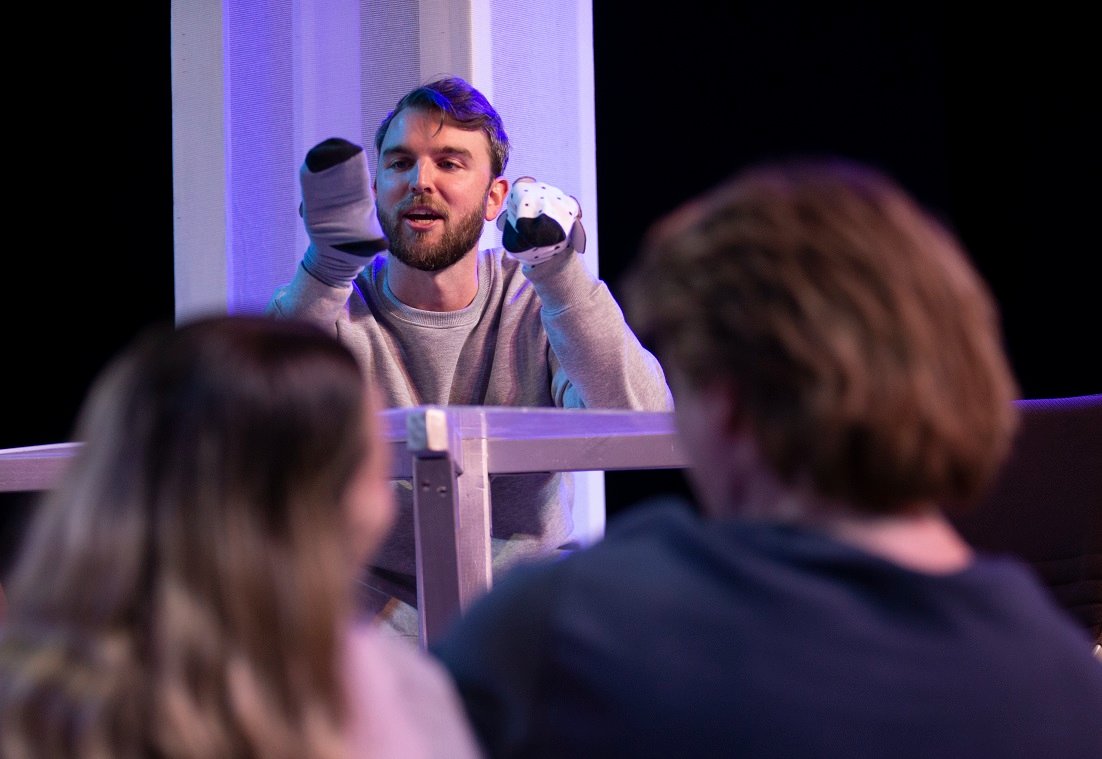
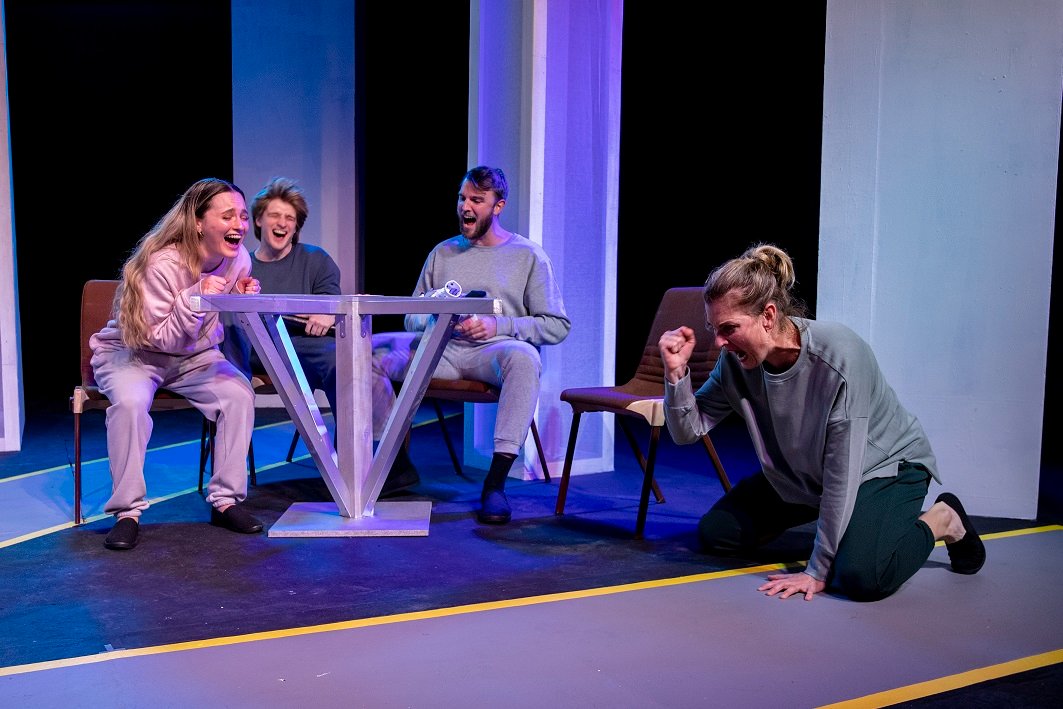
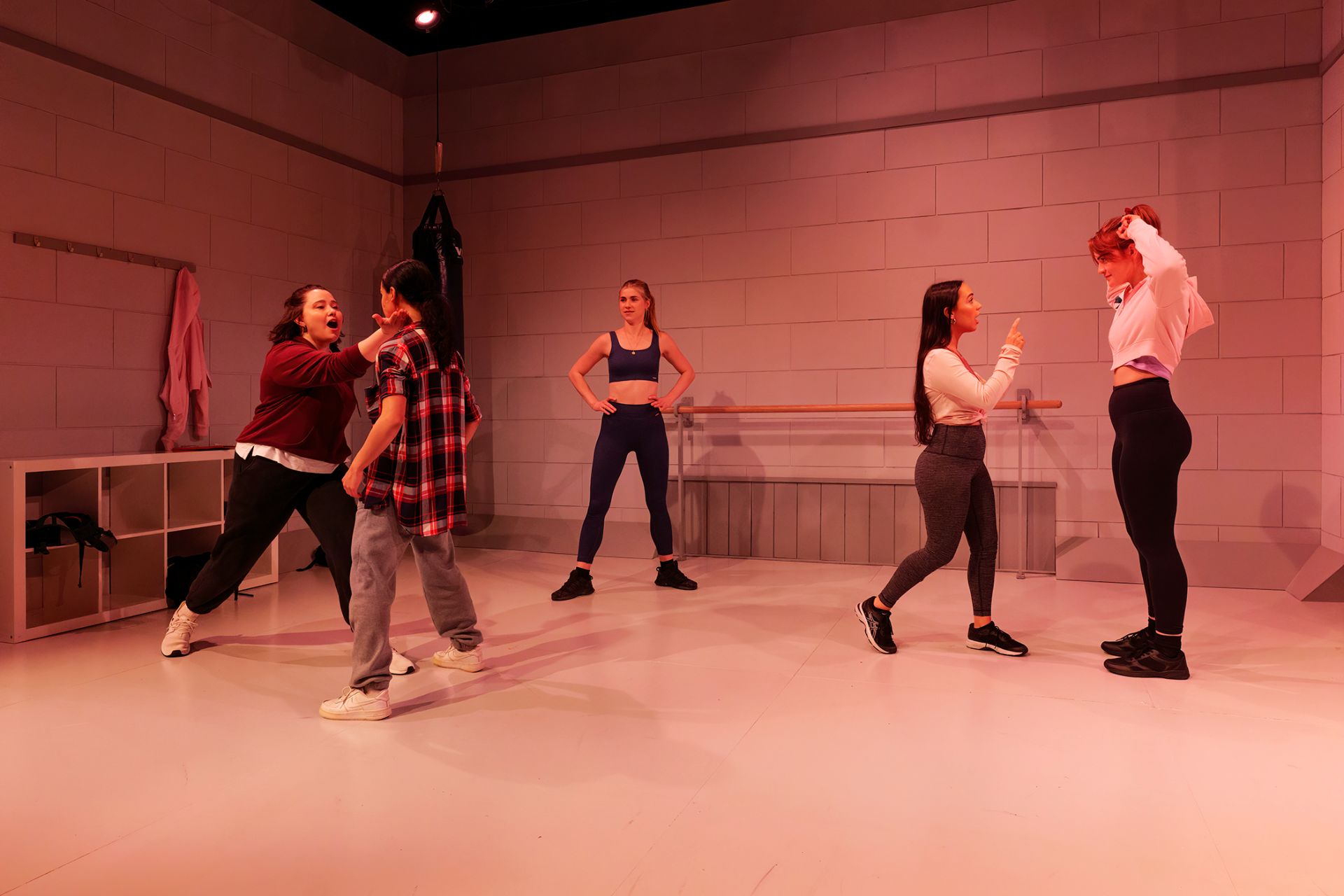
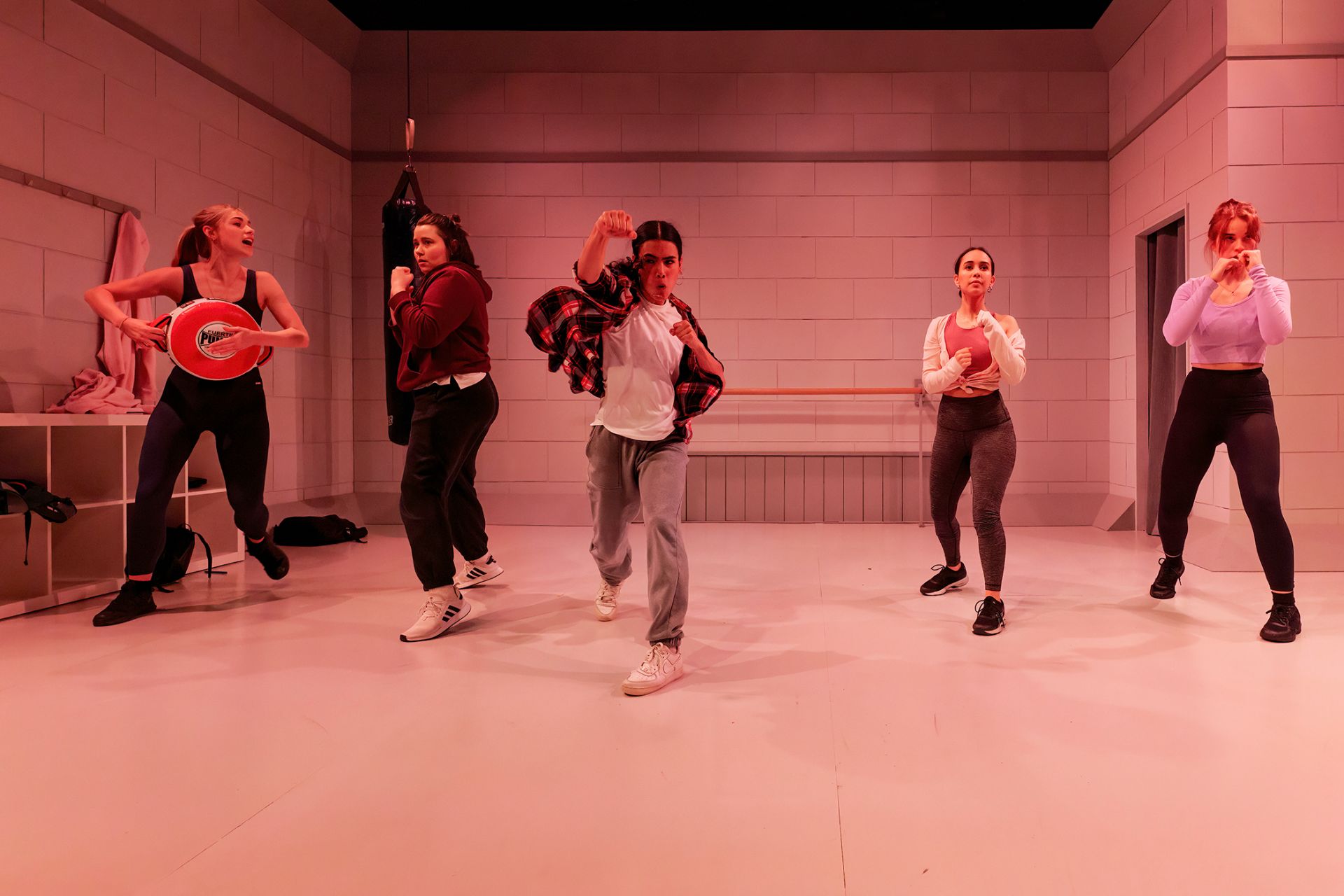
Two men raped a woman, at an American university campus one night. The student body convulses in response, trying to do its best to make sense of the violence, but finds itself unable to come to terms, with life after the abhorrent episode. In Liliana Padilla’s How to Defend Yourself, we see a group of young people congregating at a dojo, ostensibly taking classes for self-defence, but is in fact finding solace in one another, and hoping for emotional emancipation, following the devastating attack on an institution that had hitherto felt safe and secure.

Padilla’s 2019 play is appropriately cynical and pessimistic, written at a time when the meanings of gender (and its injustices) are rapidly collapsing. We watch characters in the show desperately finding ways to mend their individual lives, within a system that clearly needs an overhaul. Thankfully there is surprising humour to be found throughout the piece, although the production seems hesitant about its implementation. Directed by Claudia Barrie, How to Defend Yourself is certainly well-intentioned, but the way in which its discussions are conducted, often feels surface and perfunctory. A lack of vulnerability, prevents us from reaching deeper into the issues at hand.

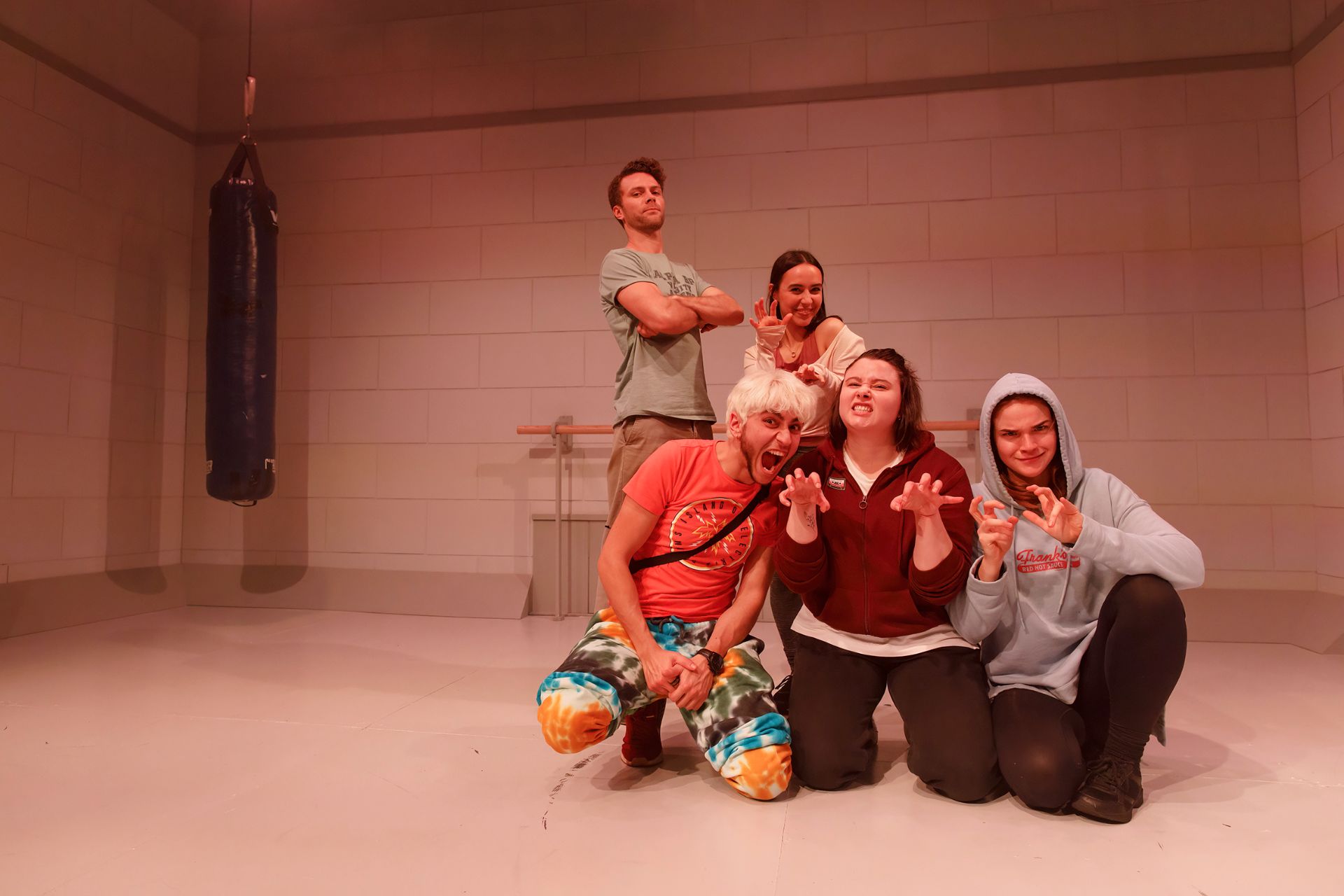
Chemistry between cast members too, are insufficiently vigorous, for a story that relies on explosive revelations and overwhelming poignancy. There are strong performances to be found, from the likes of Brittany Santariga and Jessica Spies, who bring emotional intensity, and from Georgia Anderson and Saro Lepejian, with their captivating idiosyncrasies, but not all are able to connect meaningfully with one another. Perhaps it is that disjointed communication, that is at the core of our social problems. No matter how fervent we are, it is an inability to find consensus that hinders progress.

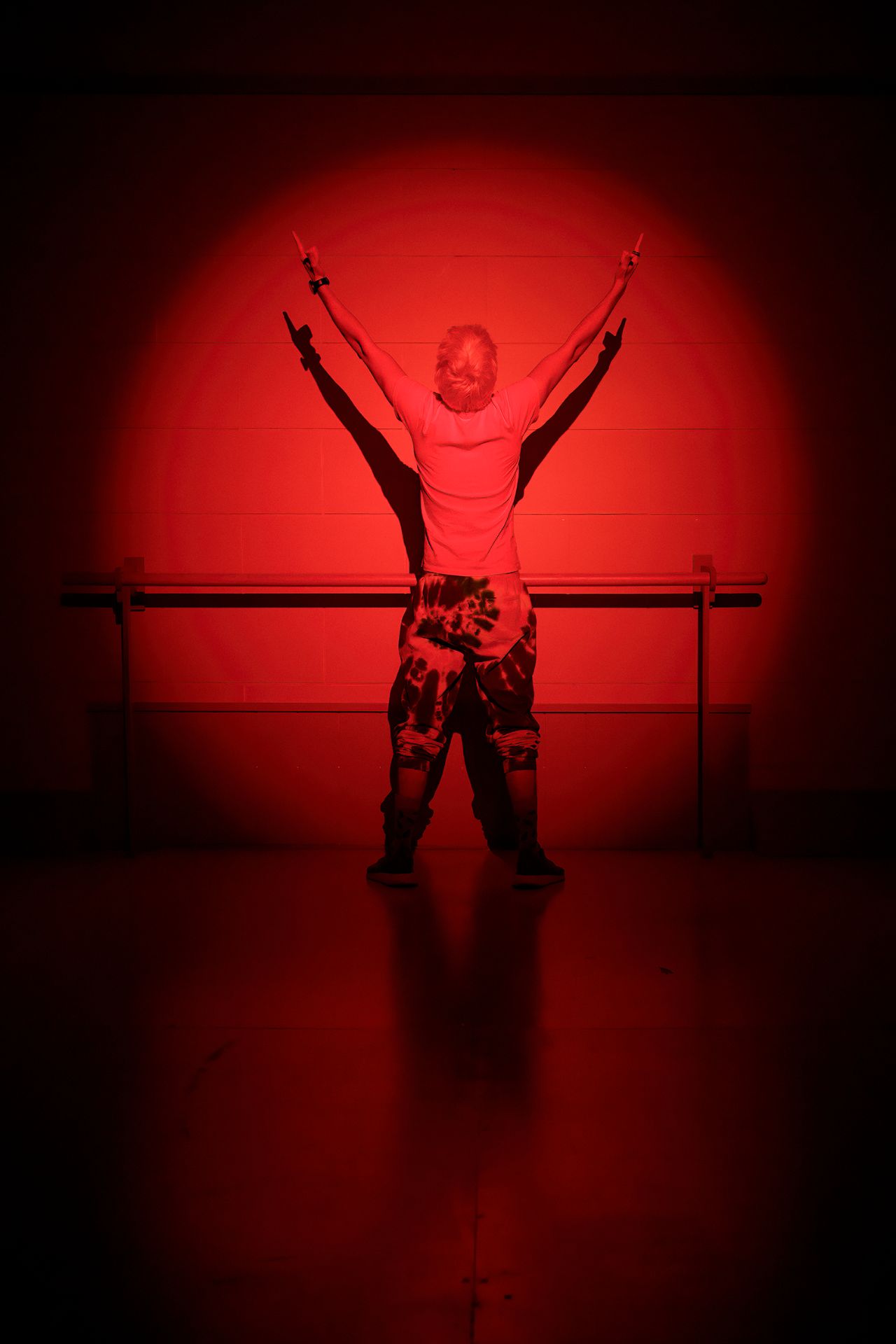
Set design by Soham Apte, along with Emily Brayshaw’s costumes, transport us to the world of American colleges, with accuracy and concision. Lights by Saint Clair have a tendency to be overly enthusiastic, but are effective in bringing visual variety to the imagery that we encounter. Sound design by Samantha Cheng on the other hand, is conservatively rendered but able to manufacture surges of energy when required.

Much of sexual violence springs from our conceptions of gender; what it means to be a man, a woman, and how the two are supposed to converge. We teach our young to take these notions as gospel, and then watch as they relate to everything from their assigned vantage points, as they place themselves in positions of power and subjugation accordingly. We expound to women that the world is kind, and that people nurture one another, while we drill into men that the world is for their taking, and that fortune favours the brave.

To undo that indoctrination, not just for individuals, but for entire societies, has proven a long and arduous road. We are however, in a moment of acceleration, as we awaken from false binaries, and begin to reshape our understanding of being, and of communities. As gender begins to disintegrate, we are forced to reckon with all that it touches, which in essence, is all and everything. We can no longer tolerate prejudice of any kind, which means that we must no longer allow barriers and disadvantage of any description to remain. How we accomplish this pipe dream however is, as Padilla indicates in How to Defend Yourself, quite the mystery.
www.redlineproductions.com.au

Review: Strange Case Of Dr Jekyll And Mr Hyde (Sydney Theatre Company)

Venue: Roslyn Packer Theatre (Sydney NSW), Aug 6 – Sep 10, 2022
Playwright: Robert Louis Stevenson (adapted by Kip Williams)
Director: Kip Williams
Cast: Matthew Backer, Ewen Leslie
Images by Daniel Boud

Theatre review
There is something very queer about Utterson’s obsession, over having to uncover the truth about Mr Hyde. In Kip Williams’ version of the 1886 novella by Robert Louis Stevenson, it is not the relationship between Jekyll and Hyde that occupies the majority of our attention. Strange Case of Dr Jekyll and Mr Hyde is, on this occasion, more concerned with Utterson’s fervent investigations, showing his indefatigable determination at getting closer and closer to the mystery of Hyde. The audience watches from a vantage point of feeling as though, we already know all there is to the Jekyll and Hyde story, but new revelations in WIlliams’ adaptation emerge, that surprise us much as they do Utterson.

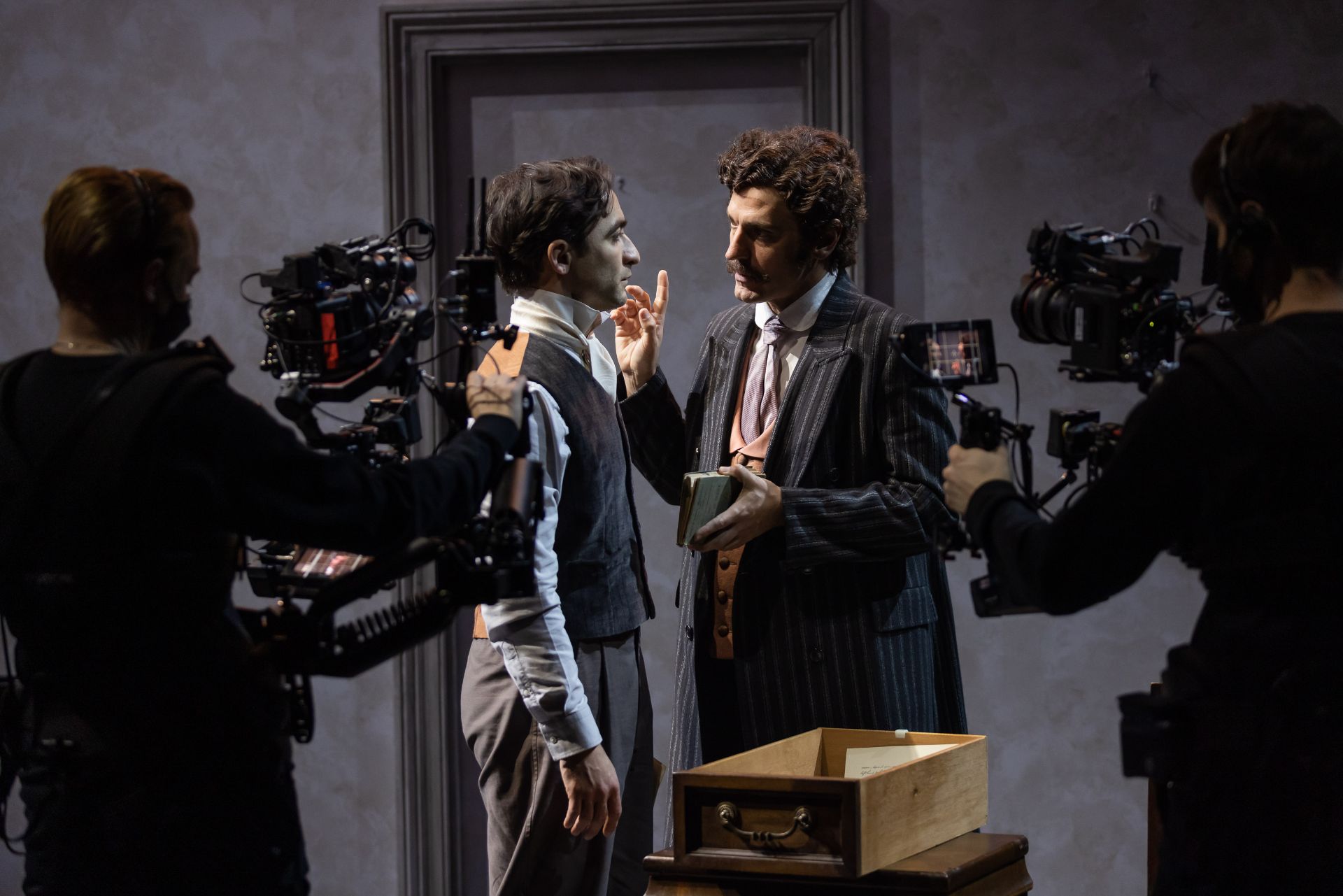
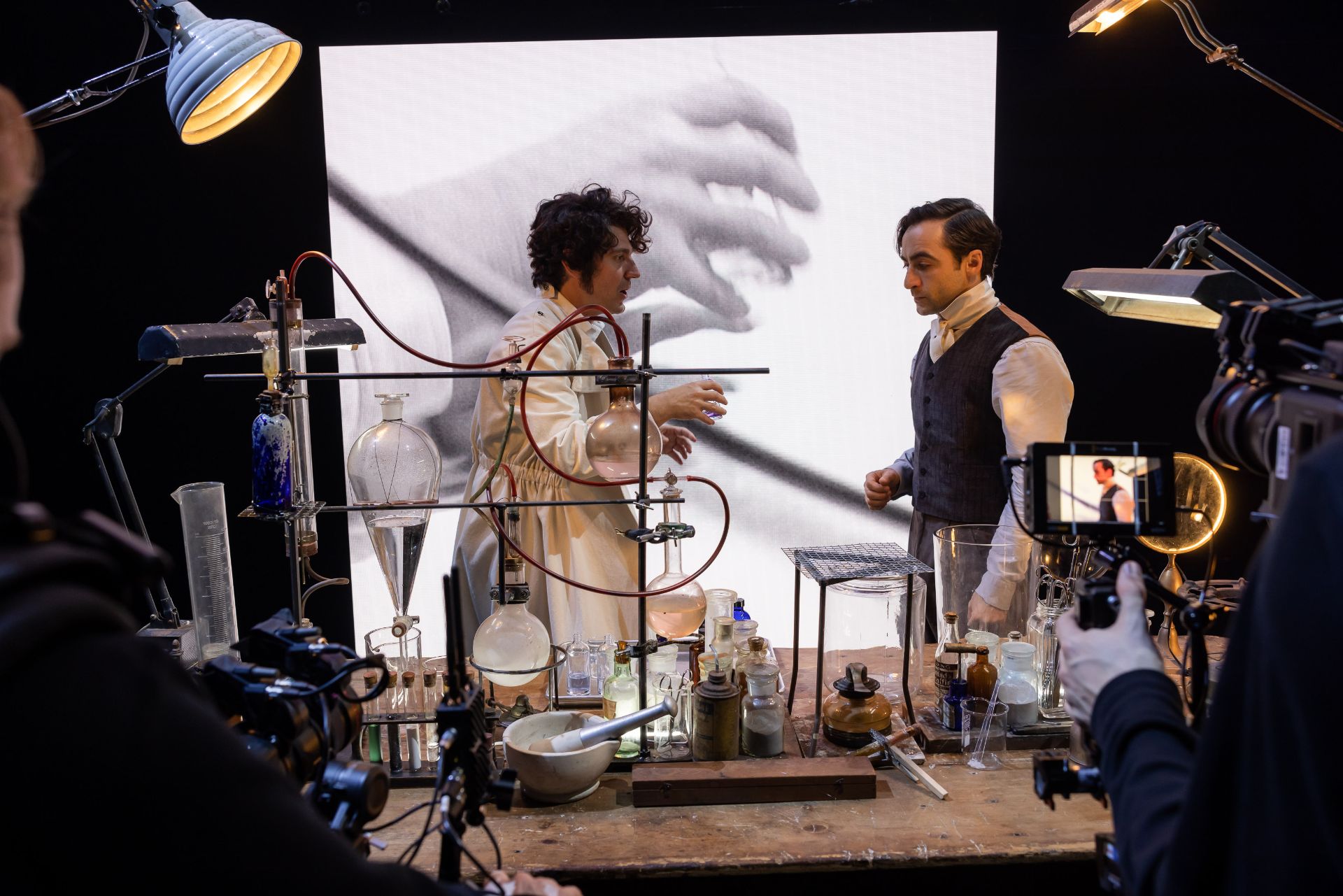
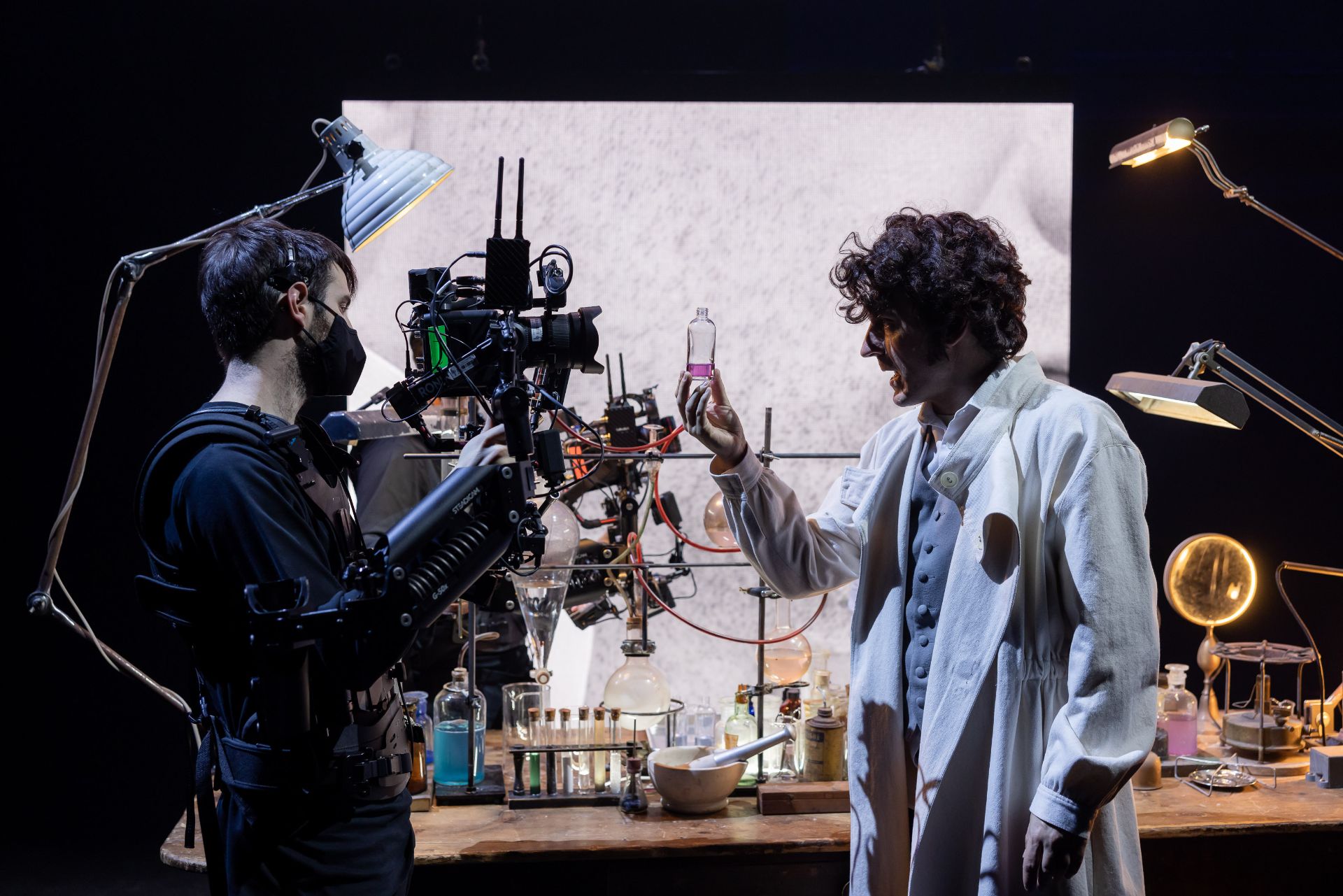
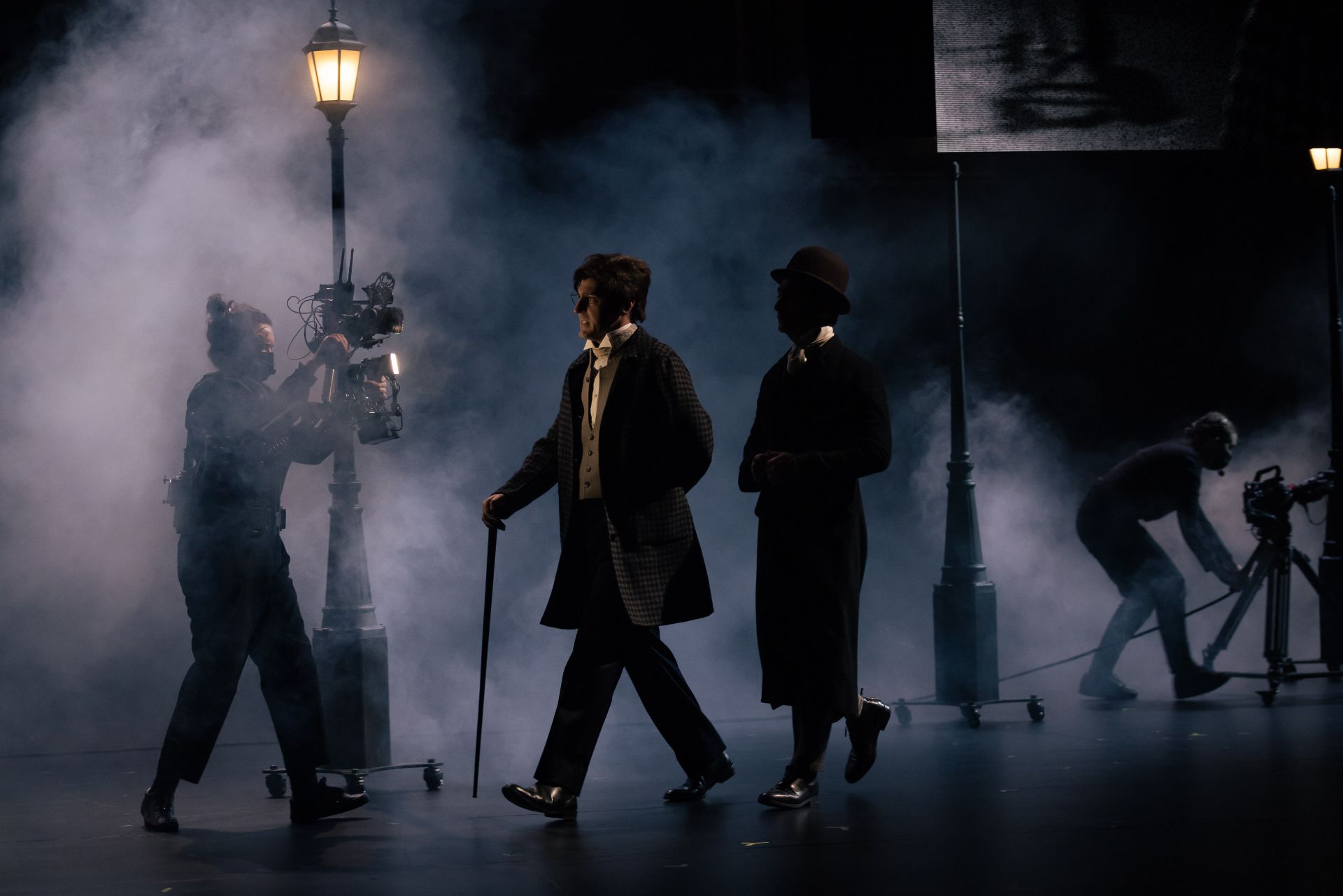
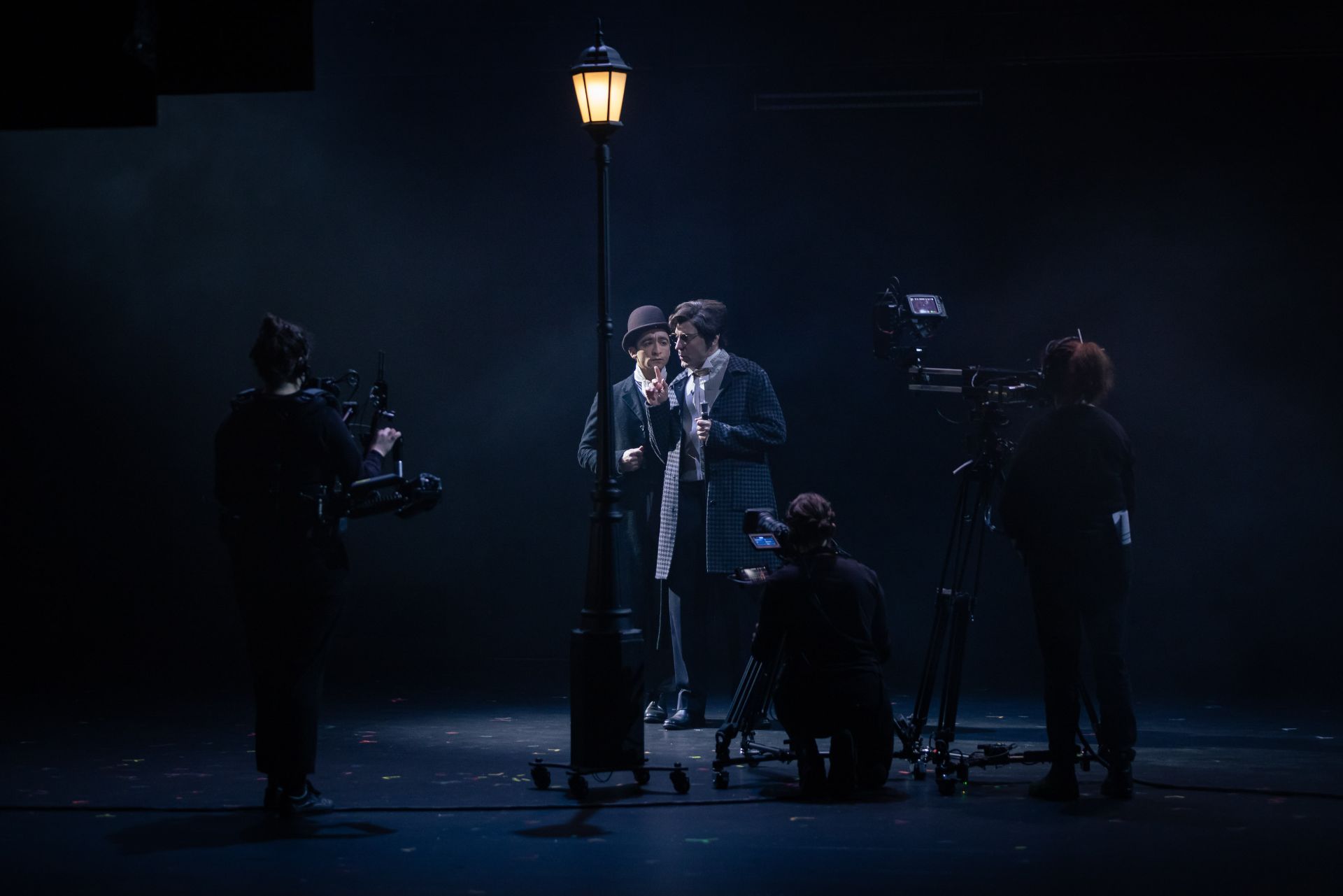
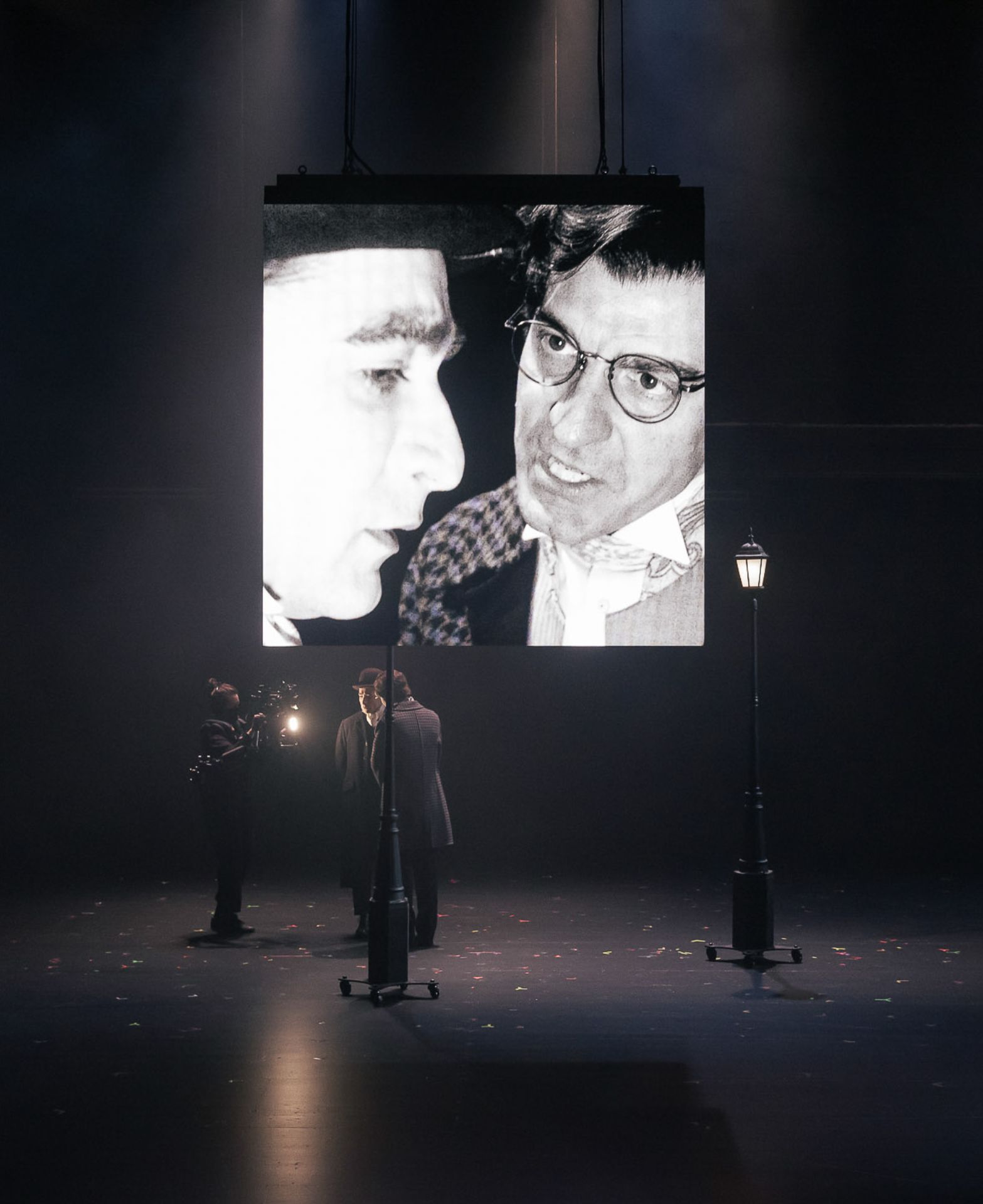
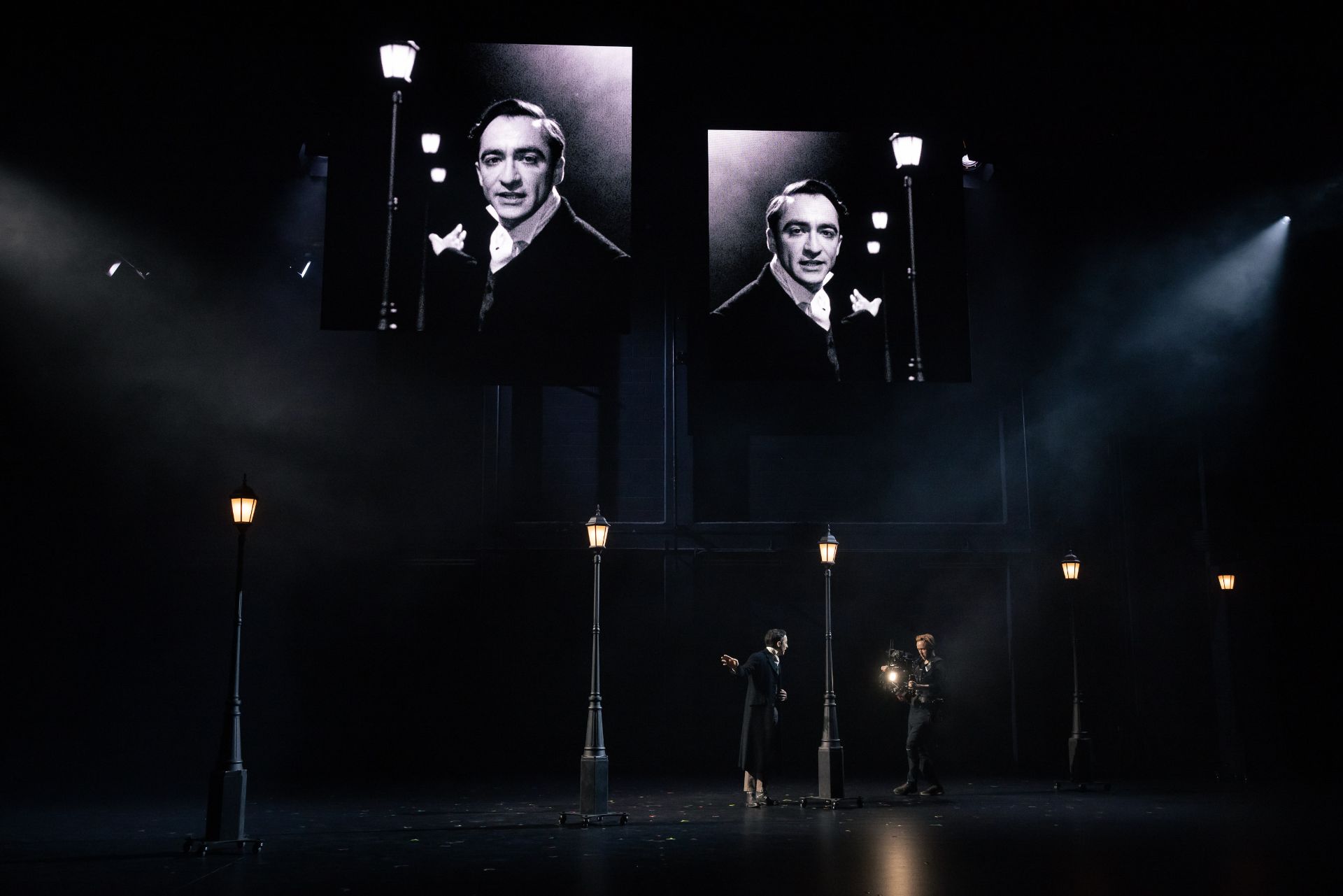
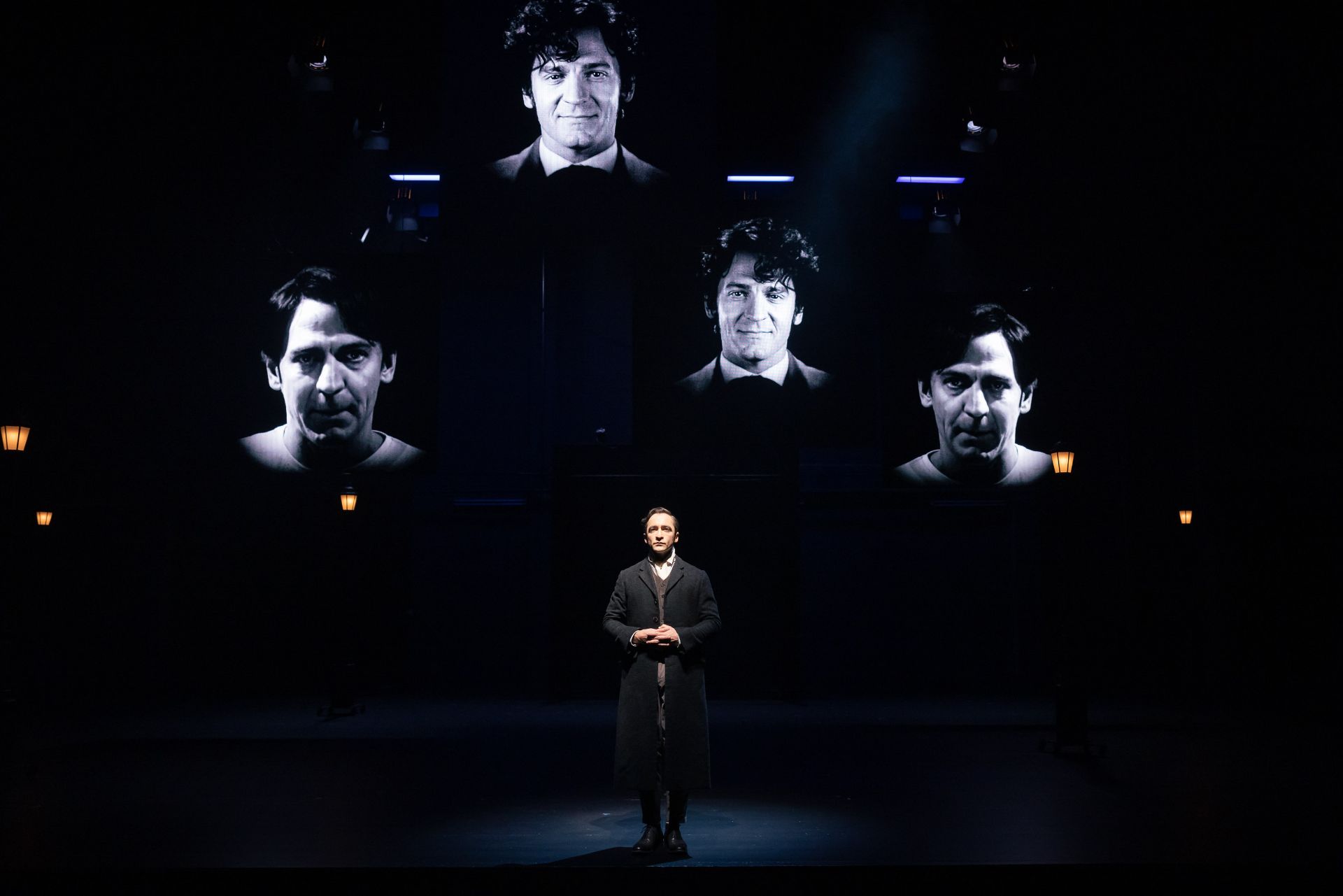
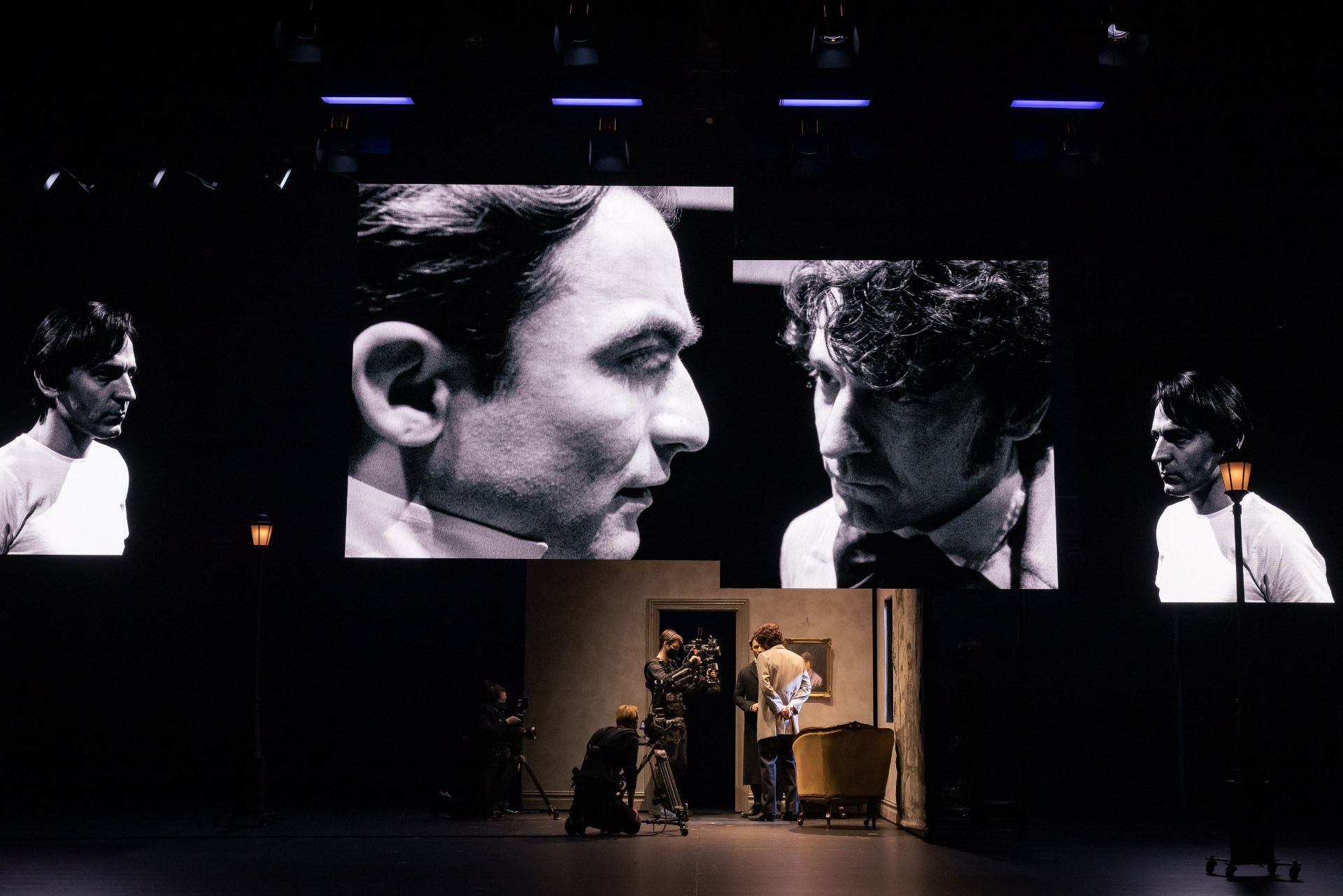
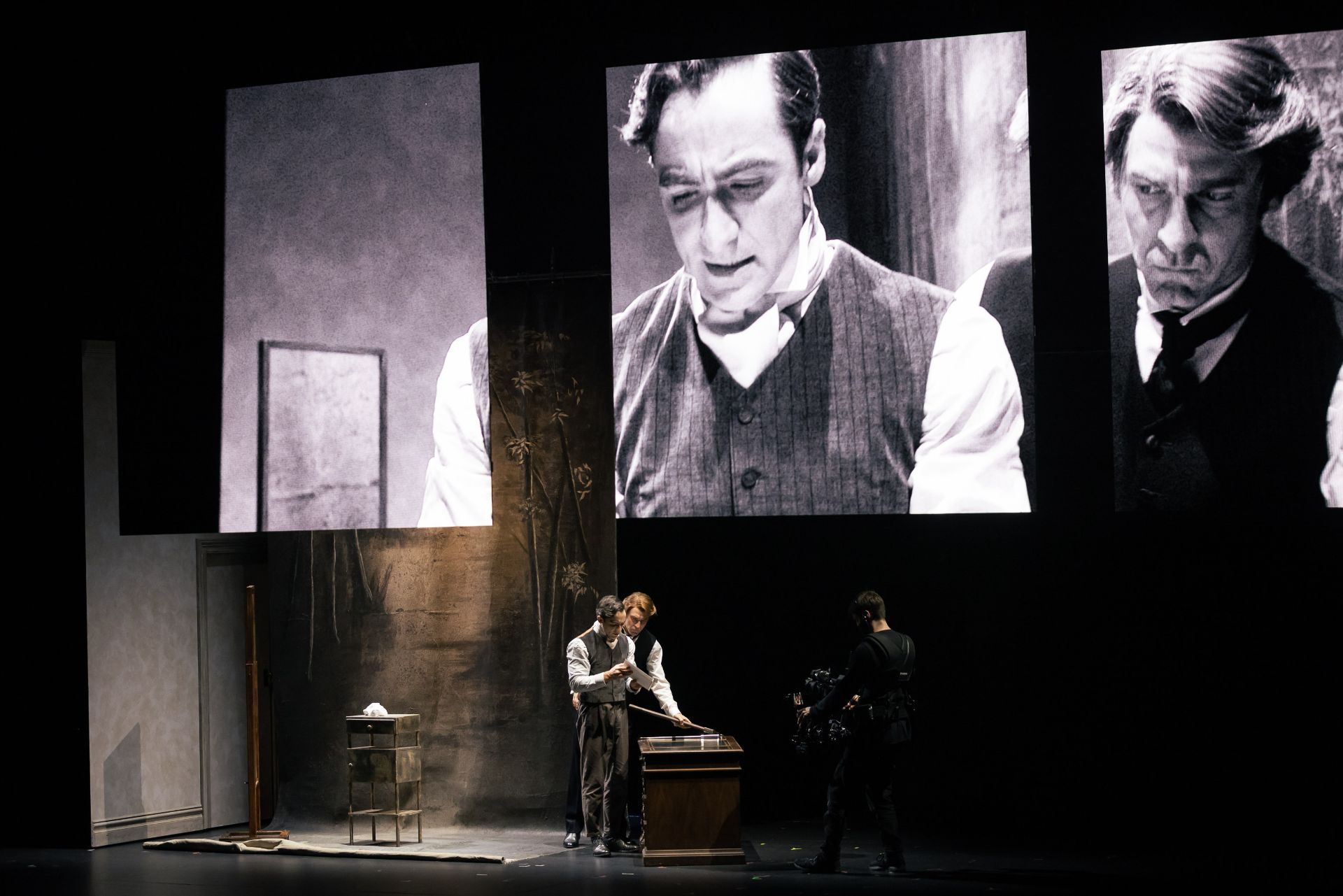
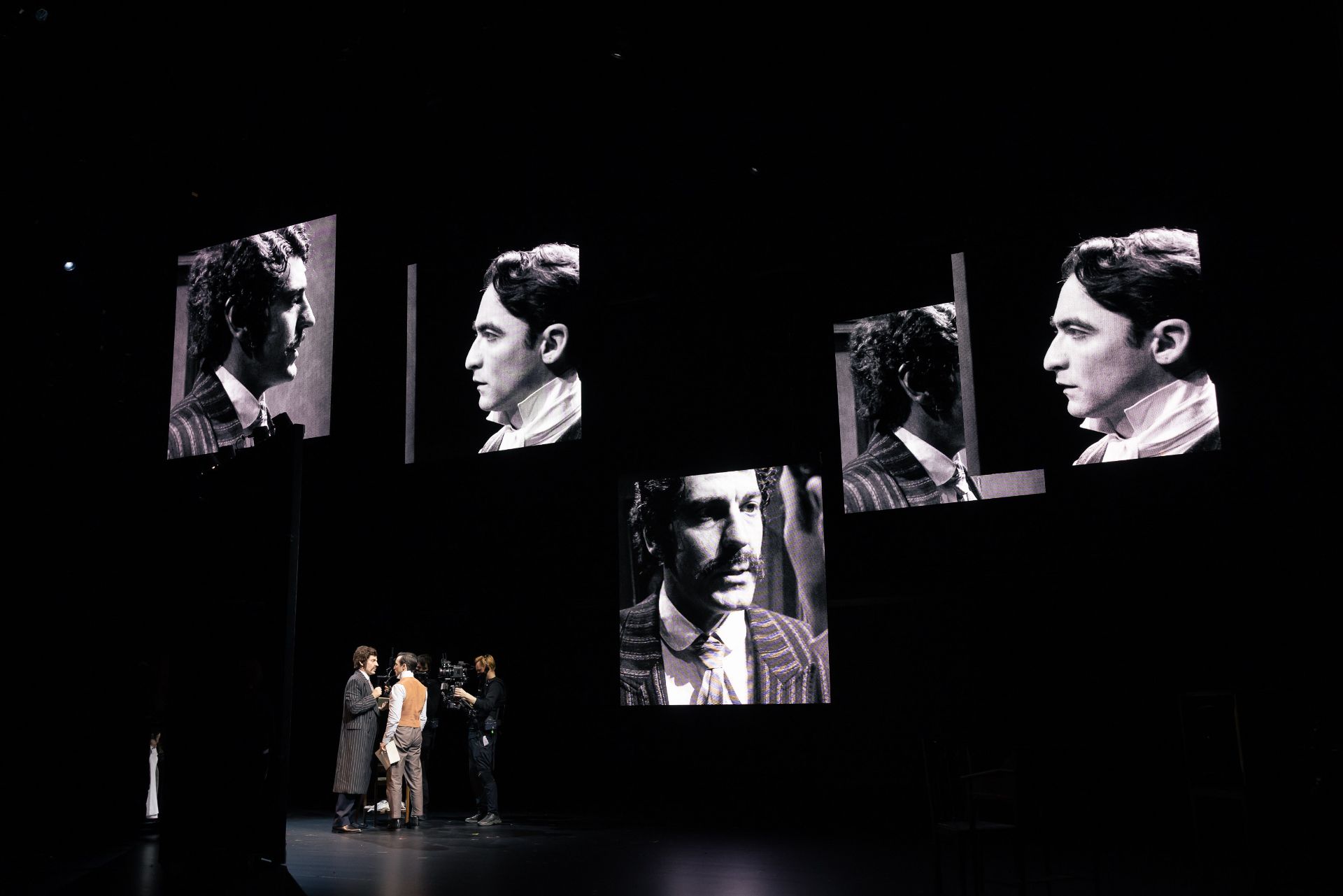
On stage with the actors, are large video screens, up to 6 of them at any one time. Our attention resides with the projected image for virtually all of the duration, yet the live quality of the presentation is unmistakeable. Strange Case of Dr Jekyll and Mr Hyde is cinematic but also certainly theatrical. We have a visceral connection with the energy that emanates from all corners of the stage, but our eyes are kept fixated on oversized monitors that seem to be constantly floating, into all manner of configurations. David Bergman’s video design is gloriously imagined, mostly in vintage film monochrome, and although not flawlessly executed, its ambition is nothing short of breathtaking. A sequence involving staircases is particularly wondrous, able to manipulate space in the most whimsical ways, for a new theatrical experience that feels completely linked with technological ingenuity.
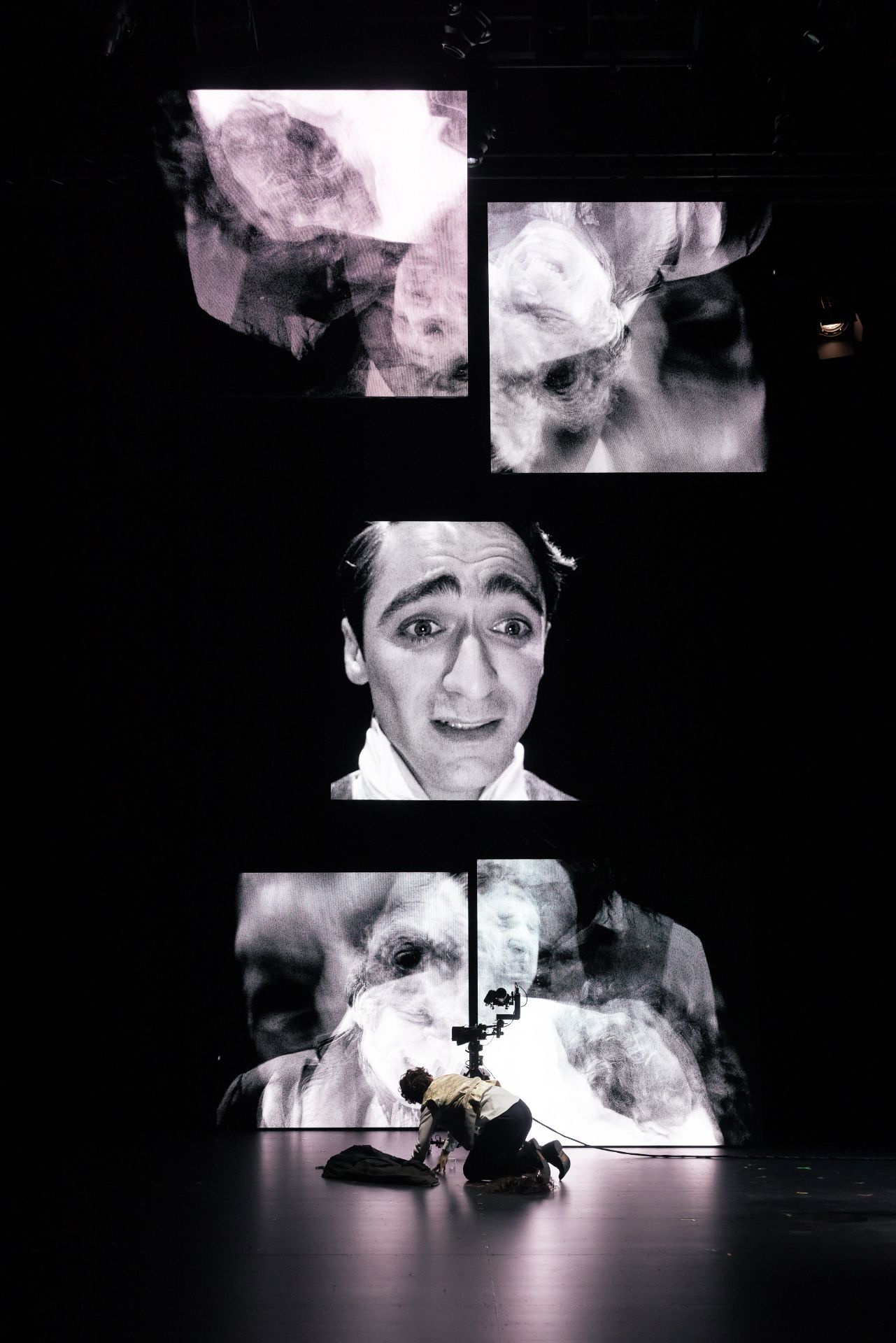
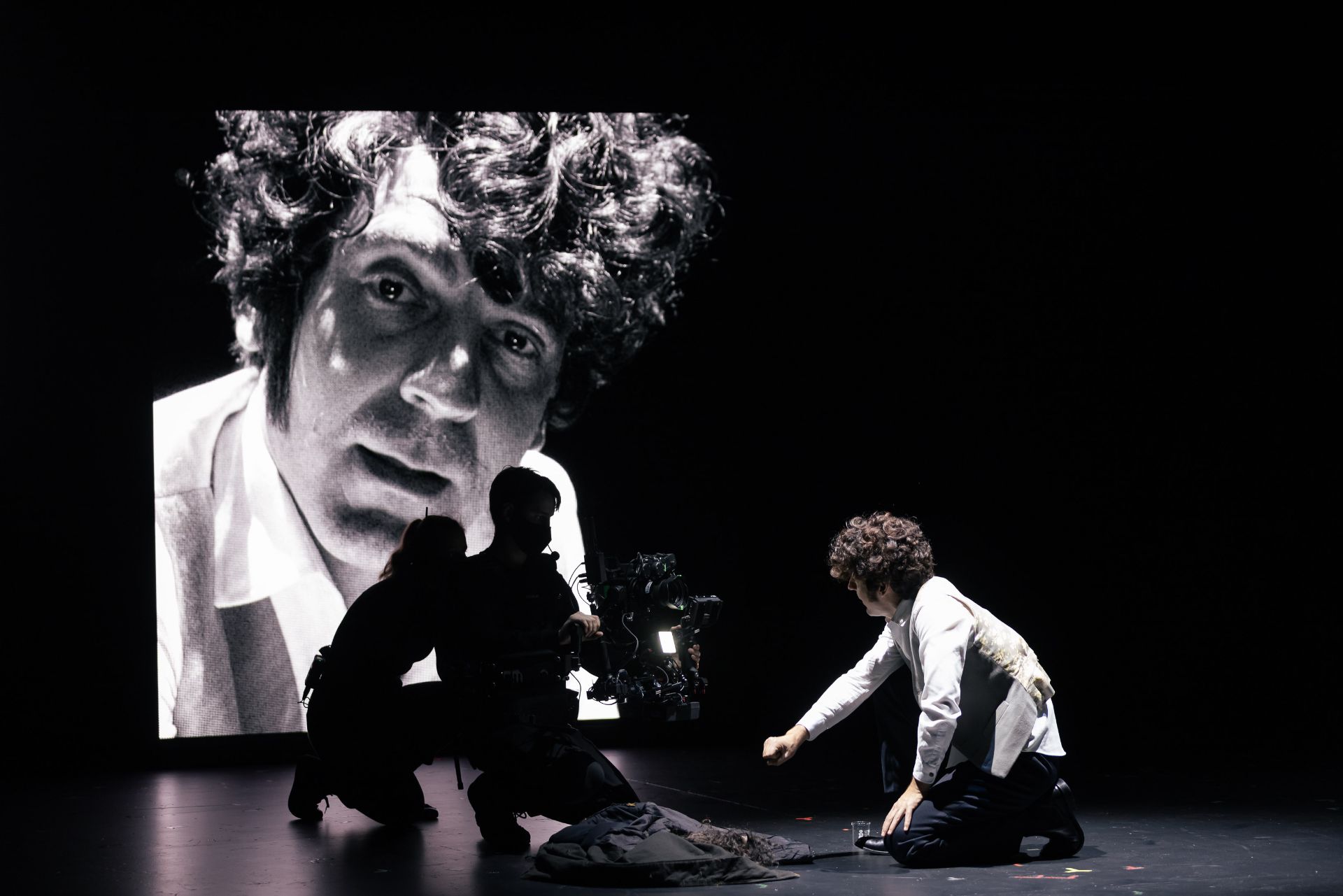
Kip Williams’ adaptation and direction of the piece is relentlessly vigorous in tone. At the centre of the old story, is an exploration of pharmaceuticals, and for the entire show, we too feel as though on artificial stimulants, almost manic in how we have to respond to the work. It is a rich and intense journey that Williams takes us on, as he pushes gregariously at the boundaries of the art form, but it is ultimately the reframing of meaning, that stays with the viewer. Stevenson’s writing is remembered to be about pietistic notions of good and evil, but Williams reminds us that the longevity of the tale and its famous characters, are due largely to our very basic and eternal desire, to understand the nature of truth.

The space, designed by Marg Horwell, positions us as though peering from the backlot of a film studio, with flats wheeling in and out, but facing away from the auditorium. Horwell’s costumes aim for period authenticity, and are fitted immaculately to maximise the appeal of the show’s beguiling stars. Lights by Nick Schlieper are lush and sensual, able to provide delightful imagery, whether our eyes are consumed by video, or when our sight wanders to the real activity taking place on stage. A magnificent sound design by Michael Toisuta envelopes us in tension and extravagance, of the old Hollywood kind, with a grandeur that brings a sense of elevation, to every thought that crosses the mind.

Actors Matthew Backer and Ewen Leslie are highly impressive, not only with the backbreaking technical demands of the production, but also for the sheer amount of dialogue they need to rattle off at lightning speed. Their barrage of words often amount to little more than dramatic urgency, but to see them in action is to witness a kind of superhuman power in motion. Backer plays Utterson, controlled yet desirous, with an astonishing precision to all the details that he delivers. Leslie plays Jekyll, Hyde and a host of other personalities, with wild abandon at a fabulous intensity.

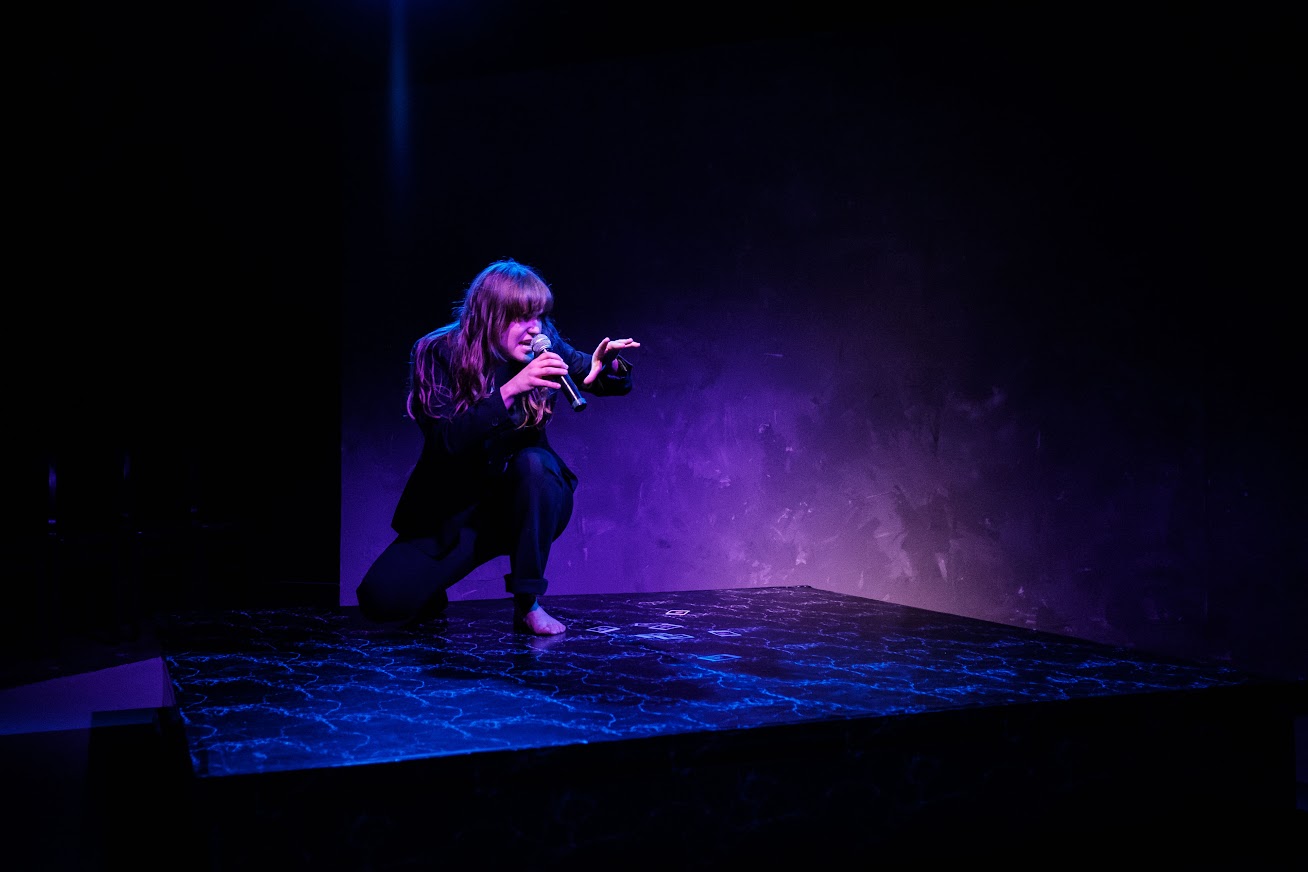
Dr Jekyll understood that there is something important that needs to be unearthed from within, even though social forces keep it vehemently repressed. The original story presents its arguments in a binary way; it is good or evil, and it is all or nothing. Queering the narrative, as Williams does in this update, allows us to see the shades between black and white, and therefore approach its ideas with a greater compassion, for Jekyll and Hyde, and perhaps more importantly, for ourselves.
www.sydneytheatre.com.au

Review: Sleeplessness (Carriageworks)

Venue: Carriageworks (Eveleigh NSW), Aug 4 – 13, 2022 / Riverside (Parramatta NSW) Aug 19 – 20, 2022
Playwrights: Kaz Therese, Anthea Williams
Director: Anthea Williams
Cast: Kaz Therese
Images by Anna Kučera, Alex Wisser

Theatre review
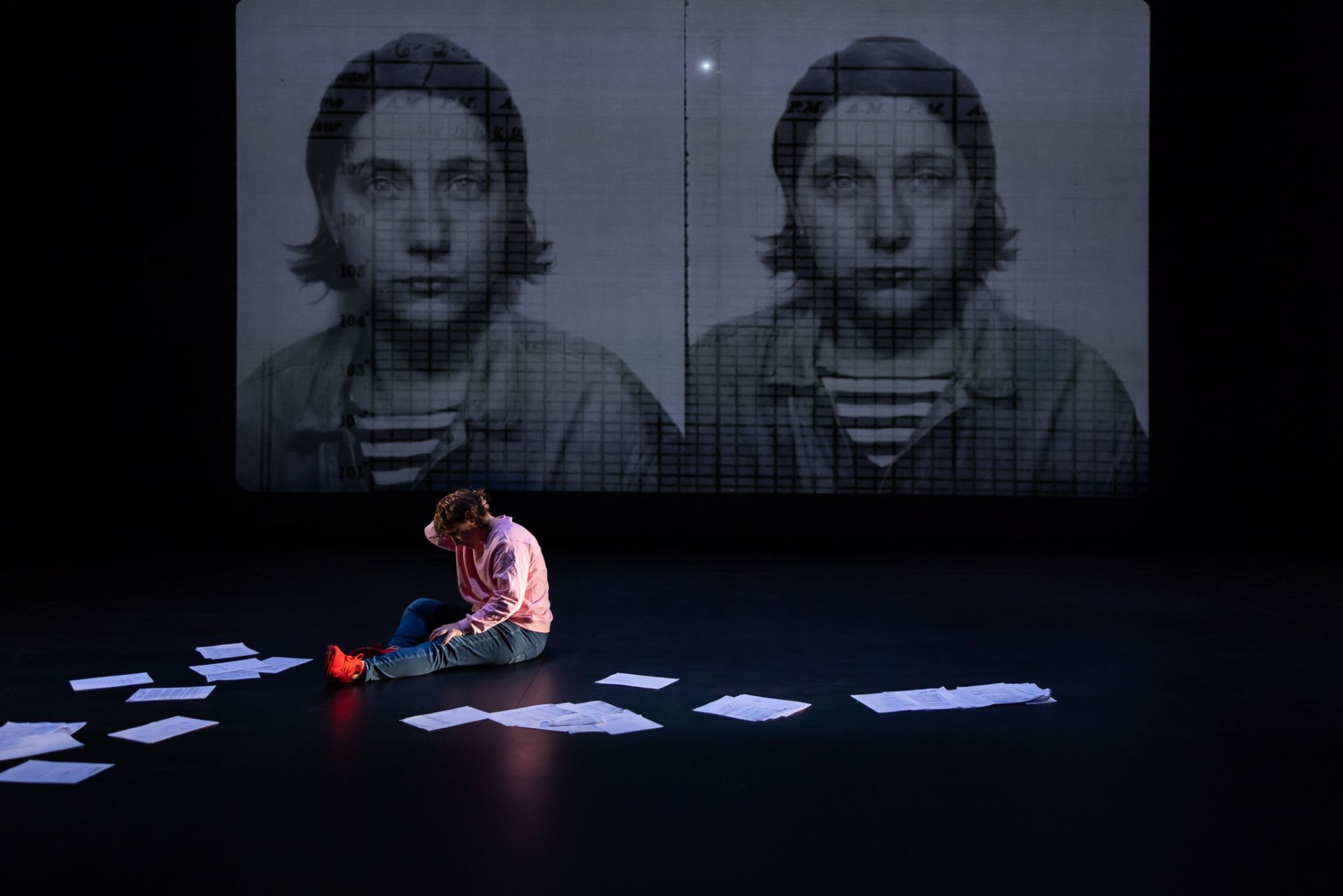
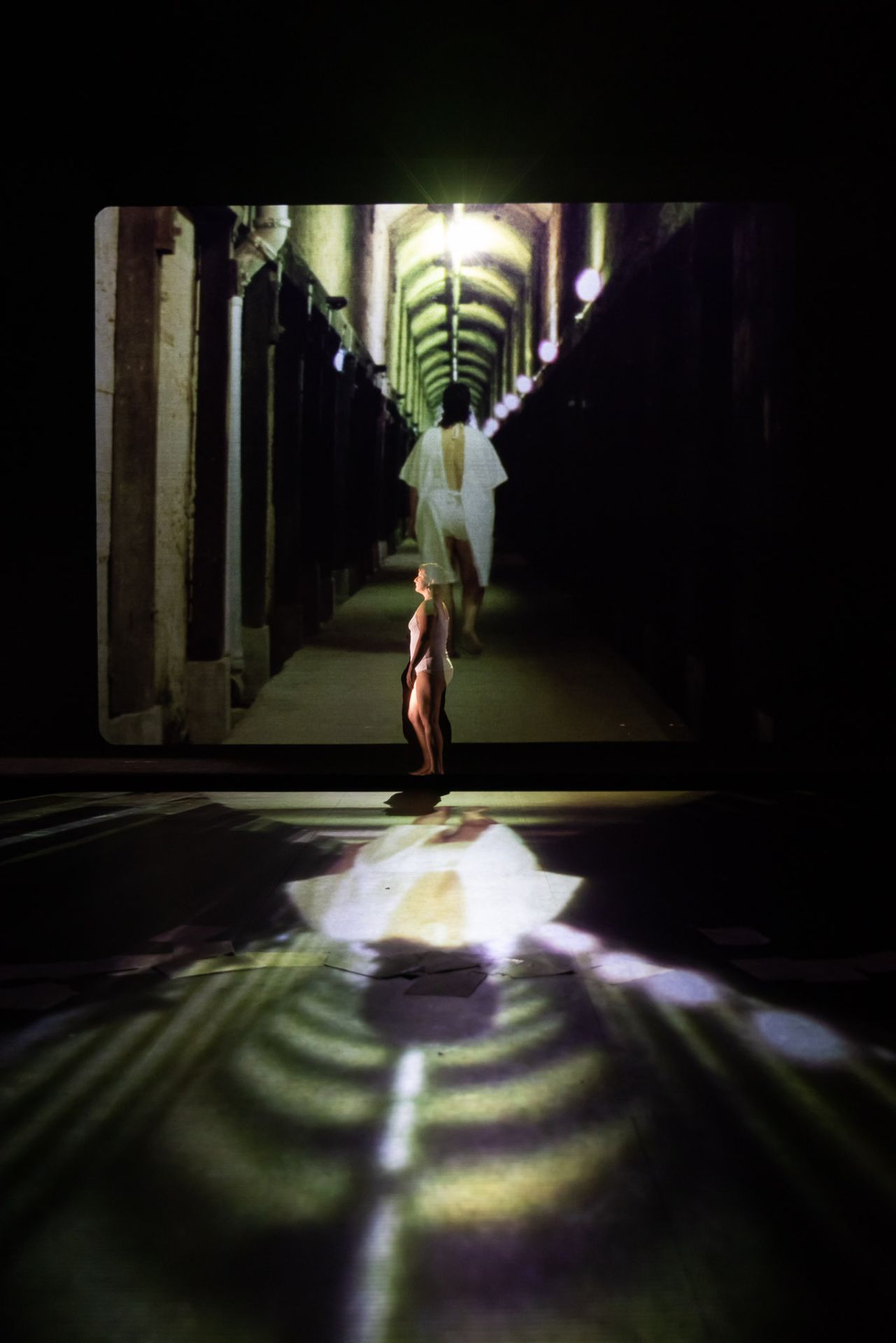
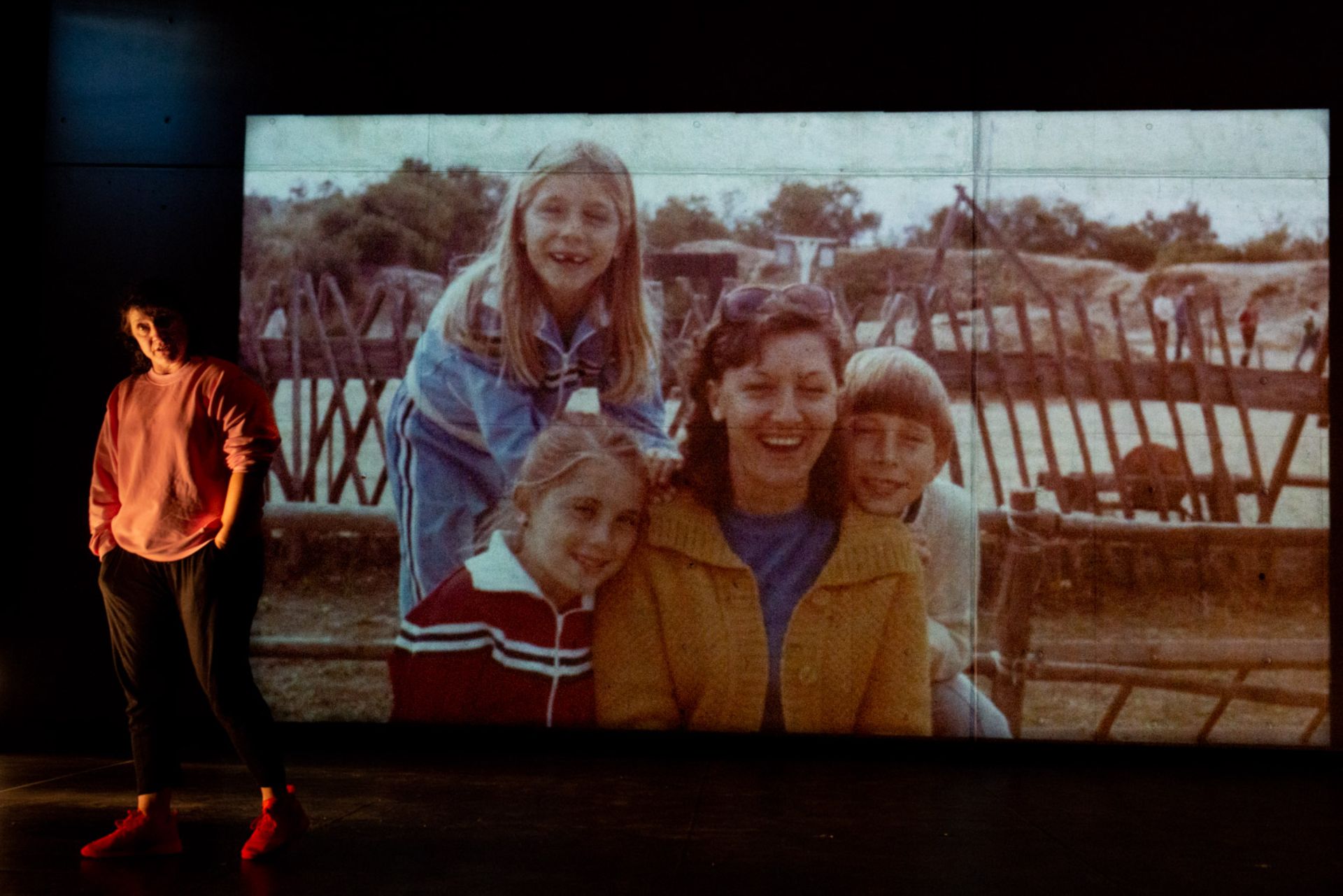
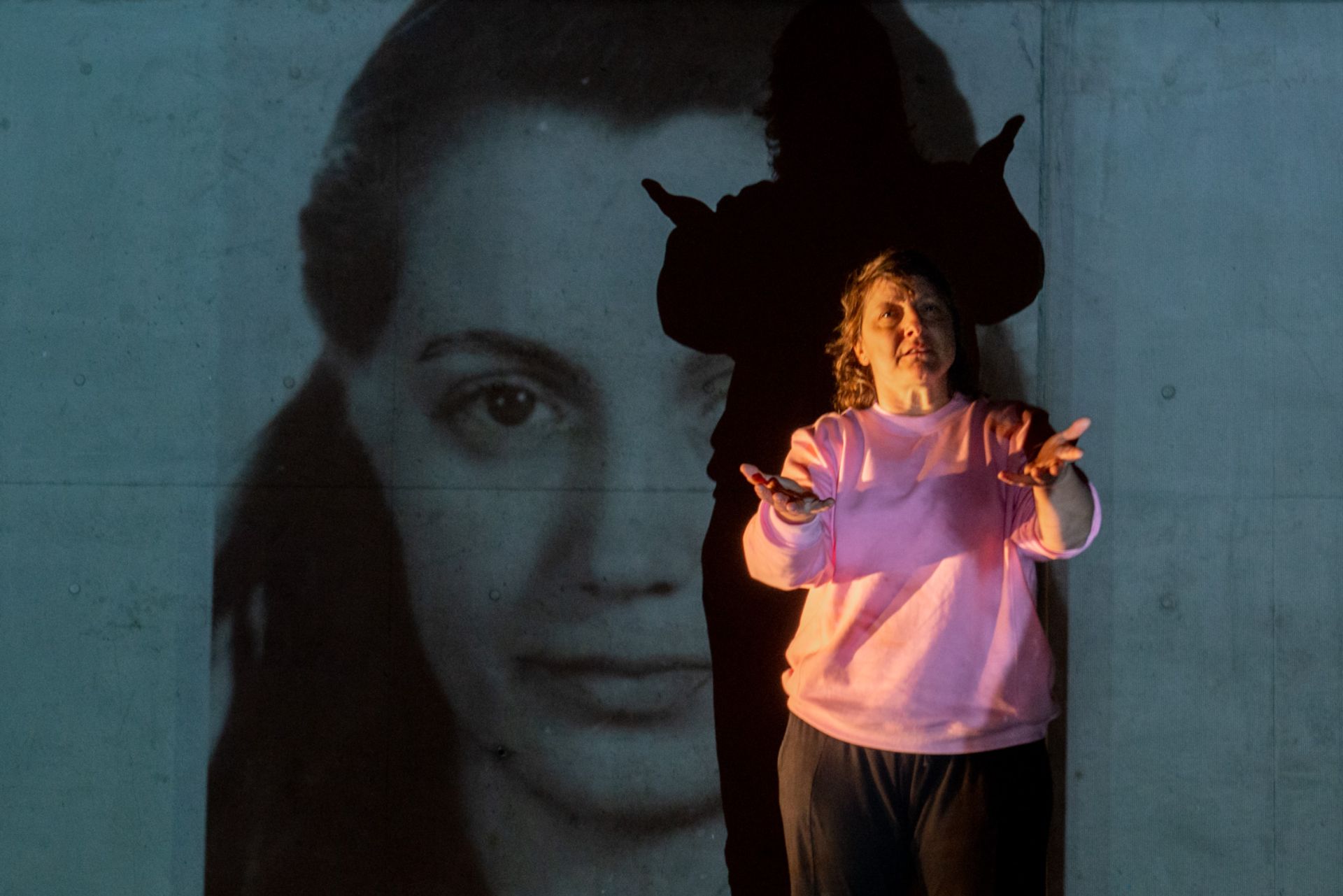
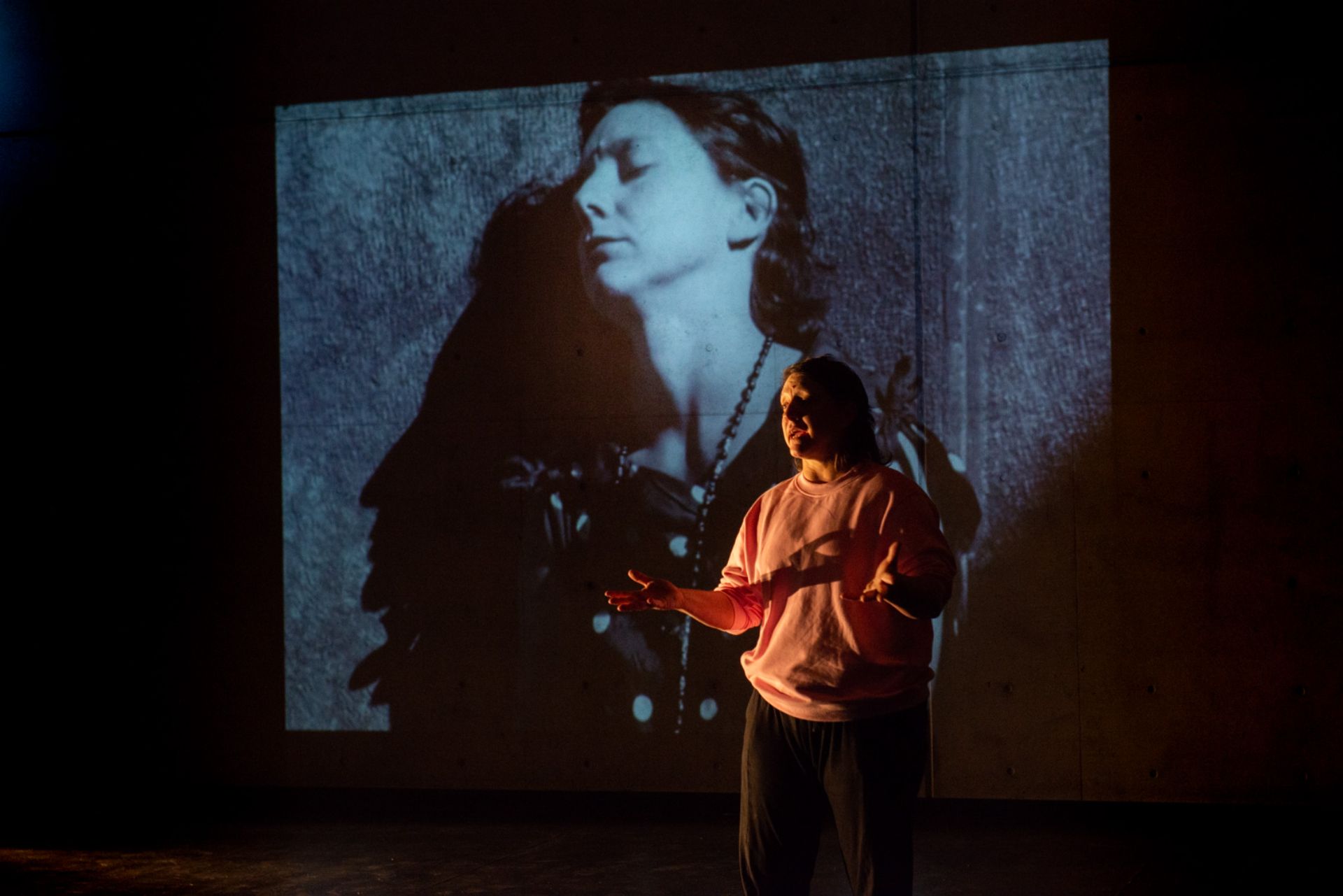
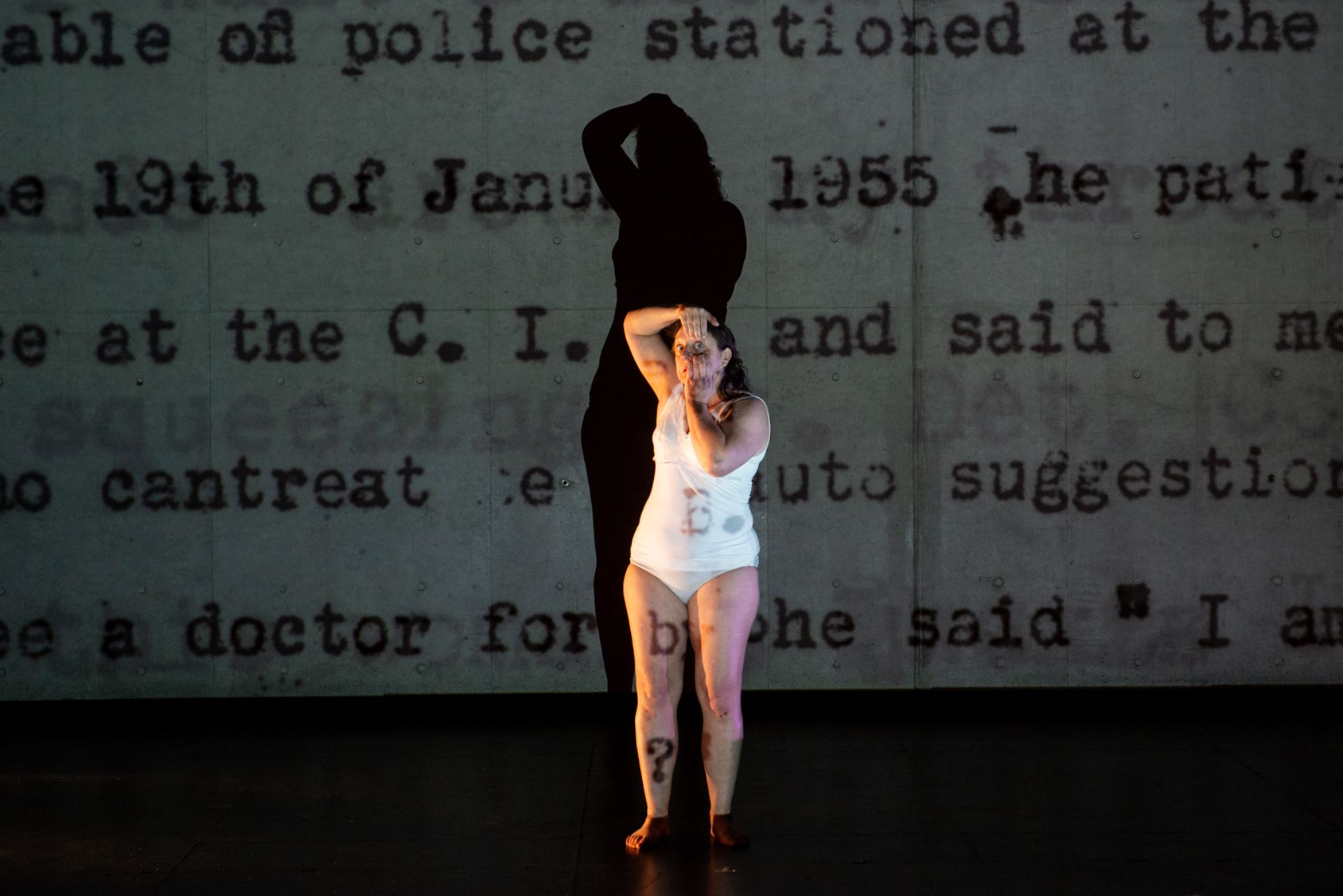
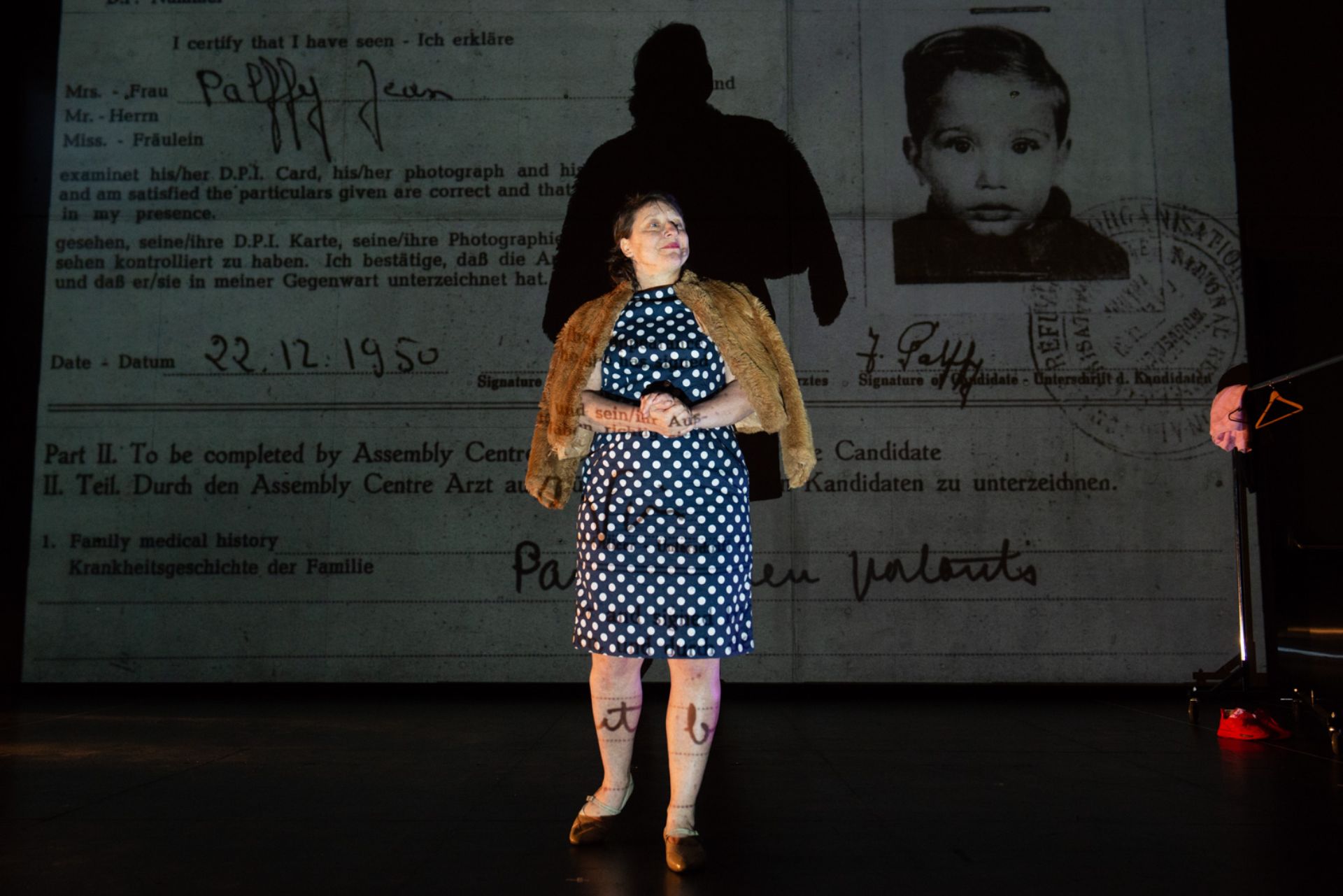
Kaz Therese has roots that trace back to Hungary, but for many decades those stories of immigration were kept silent. Shame and trauma prevent us from knowing the truths, behind how we have come to be. Those of us who are undaunted by the challenges that emerge from uncovering and confronting the past, stand to gain so much when those revelations are brought to light. In Sleeplessness, Therese dares to go back in time, almost as an act of defiance against her elders, in order that a sense of liberation can be attained for their family.

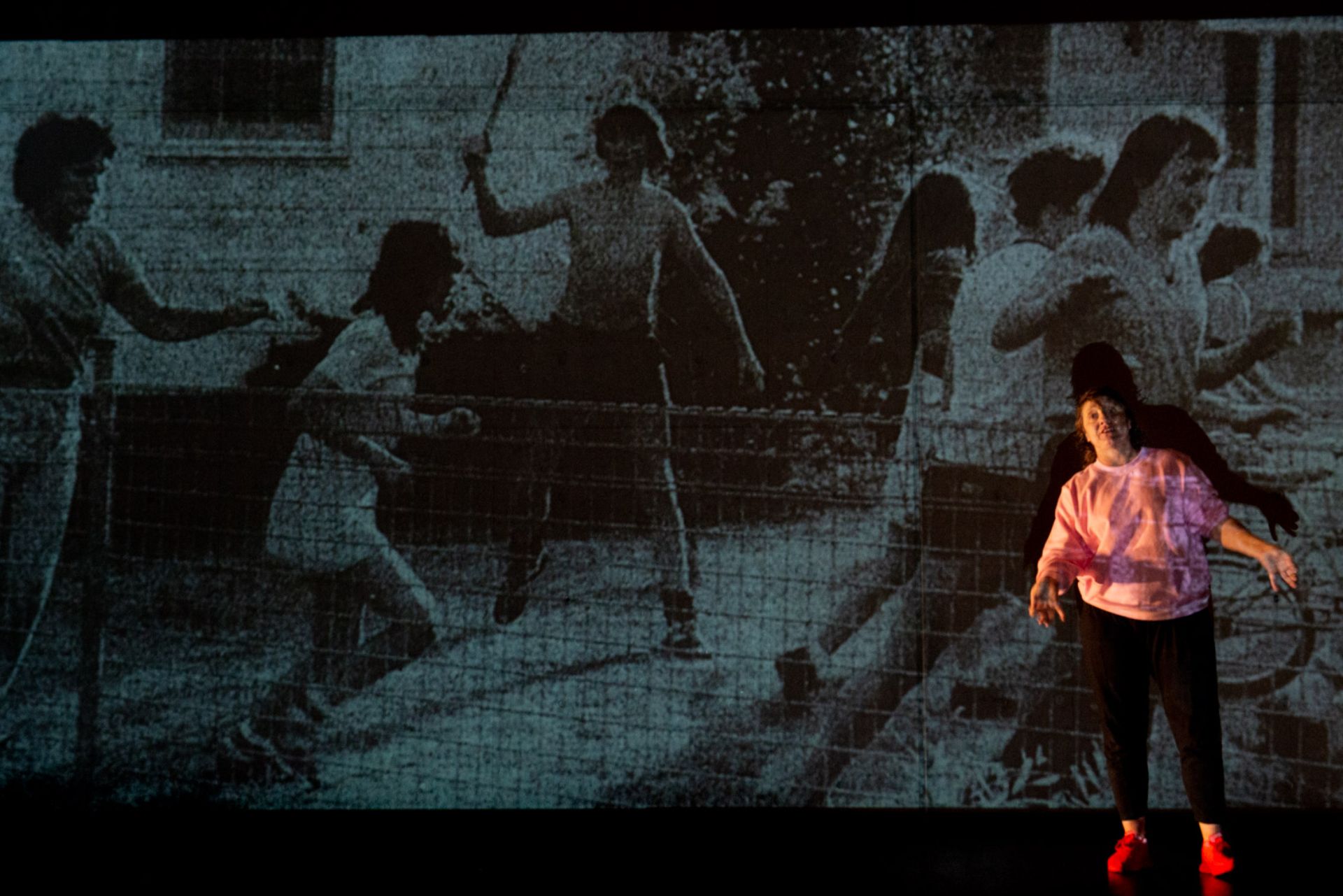
Therese’s determination to reach for the truth, provides for the piece, a certain zeal that has us on the edge of our seats. Along with the inherent mysteries that surround these stories about a hidden past, it is Therese’s fearless integrity that proves compelling. Co-written with and directed by Anthea Williams, Sleeplessness is beautifully structured, capable of weaving together multi-generational narratives to form a powerfully coherent portrait, not only of an immigration experience, but also of inter-generational trauma, that many Australians share.
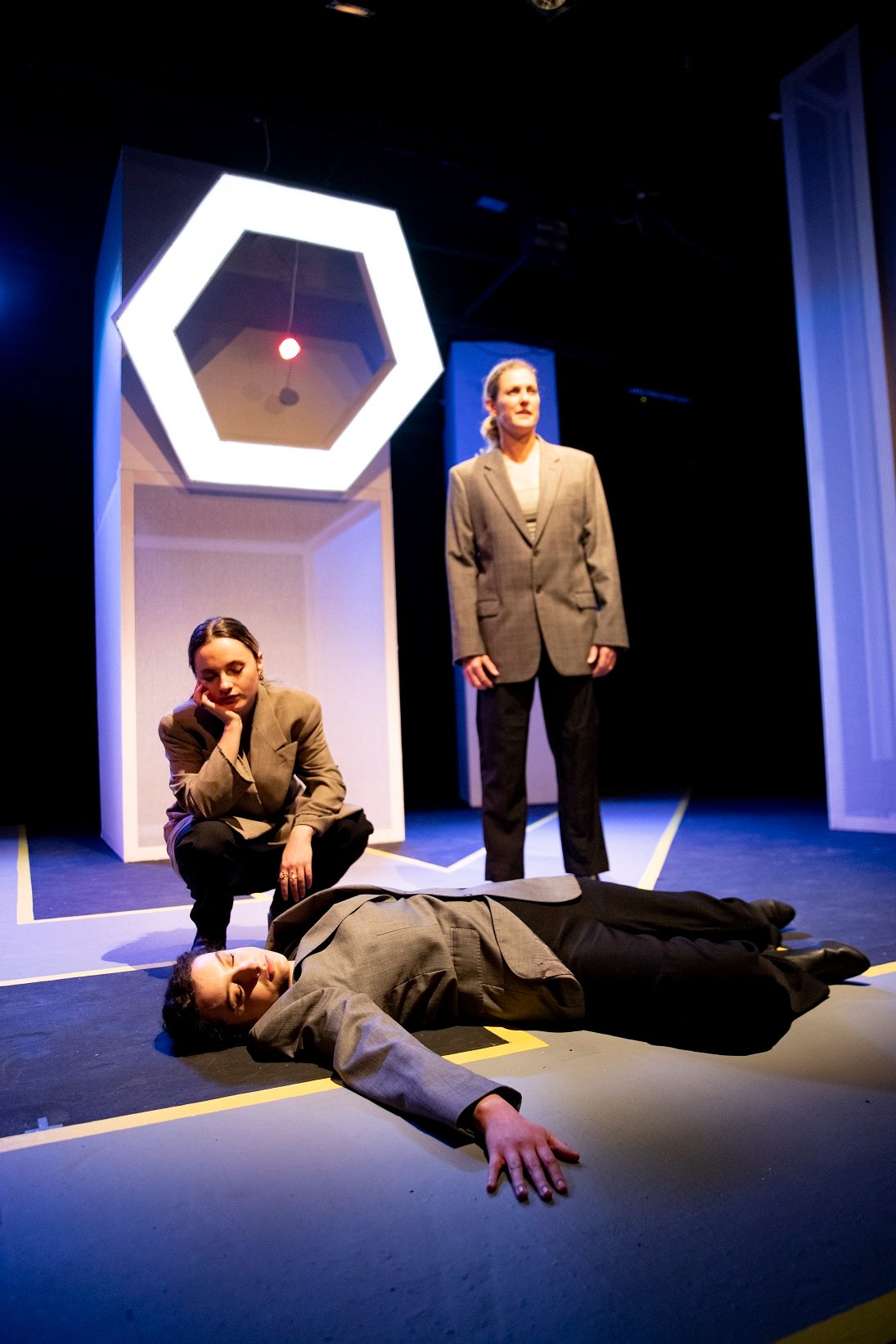
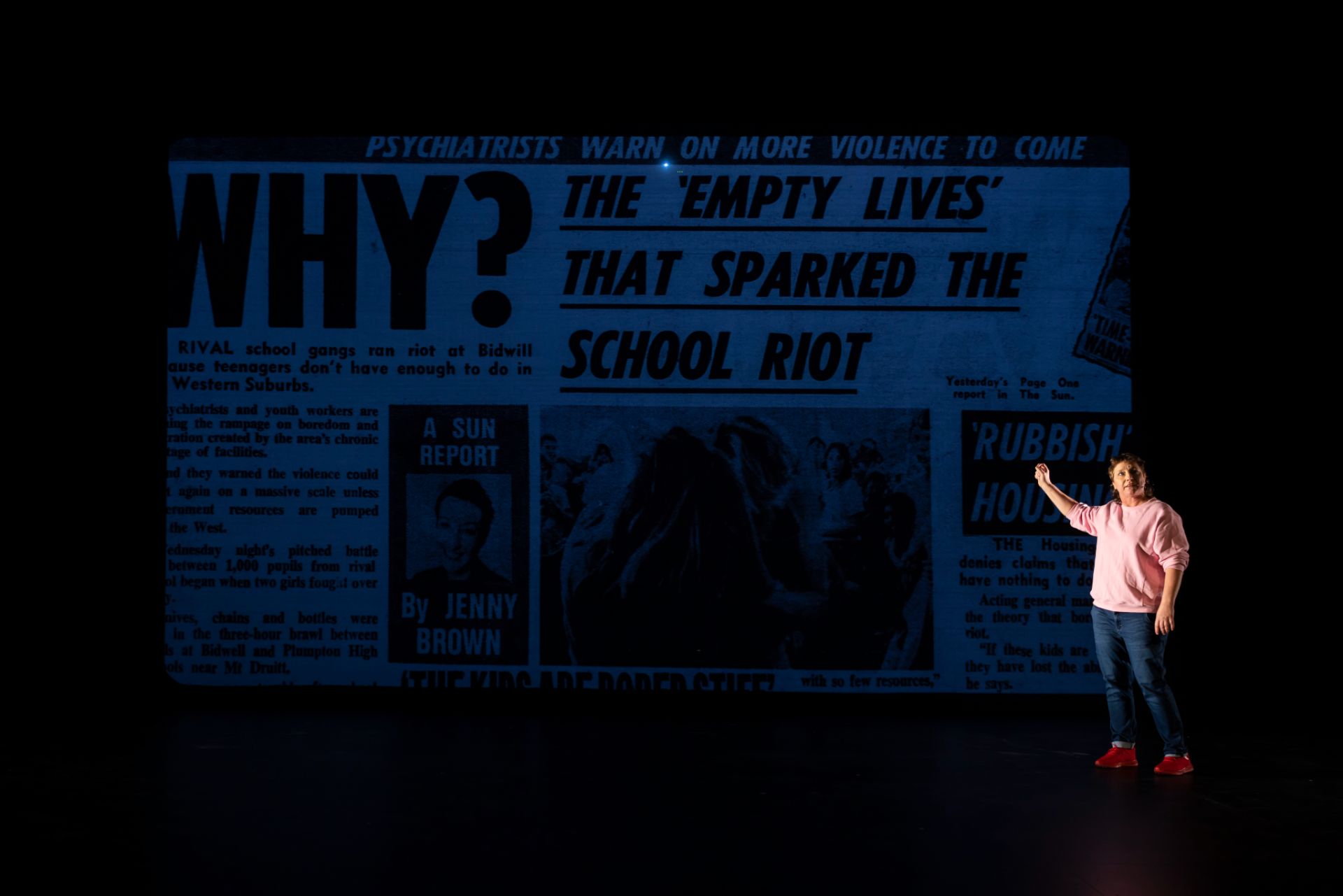
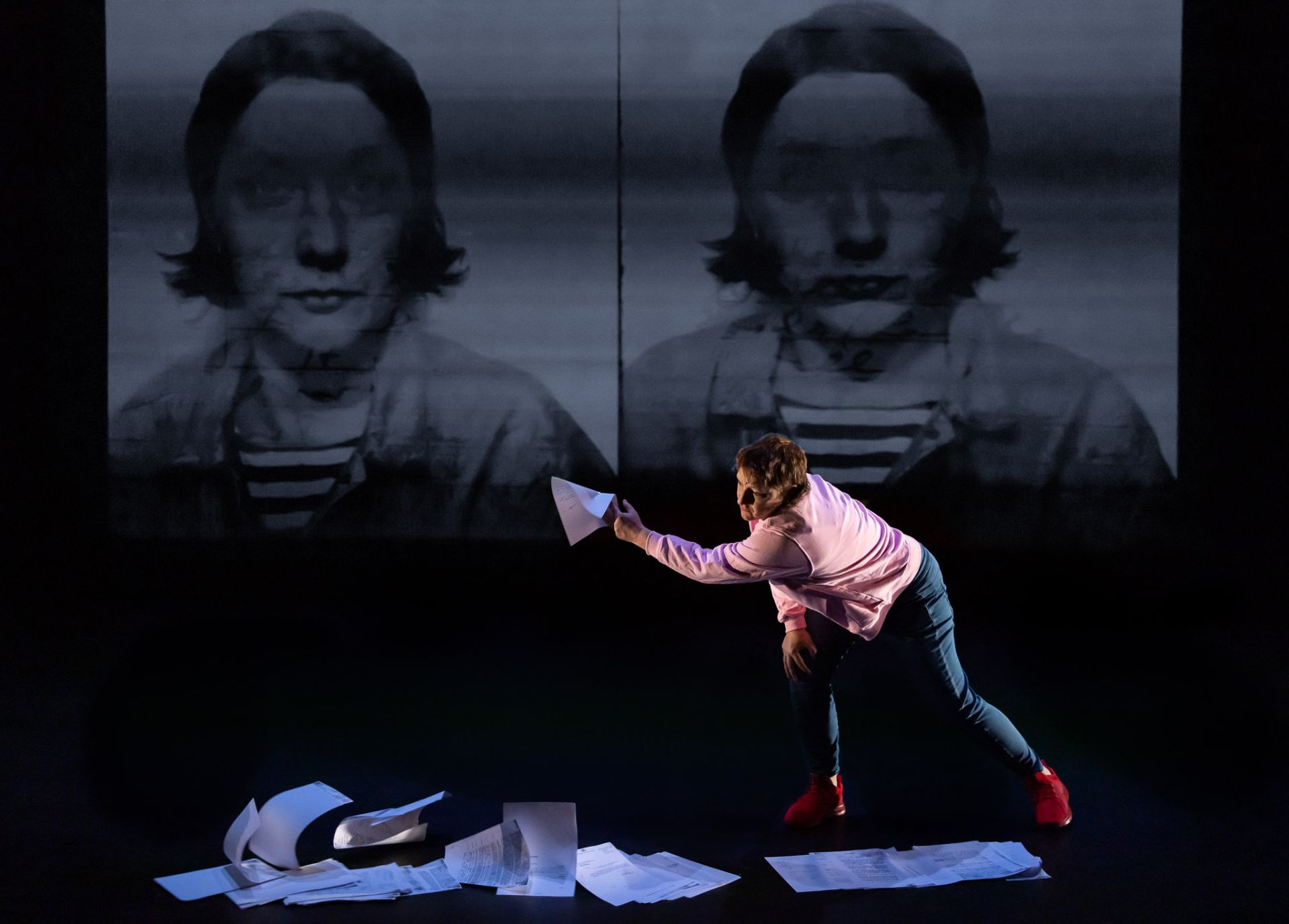
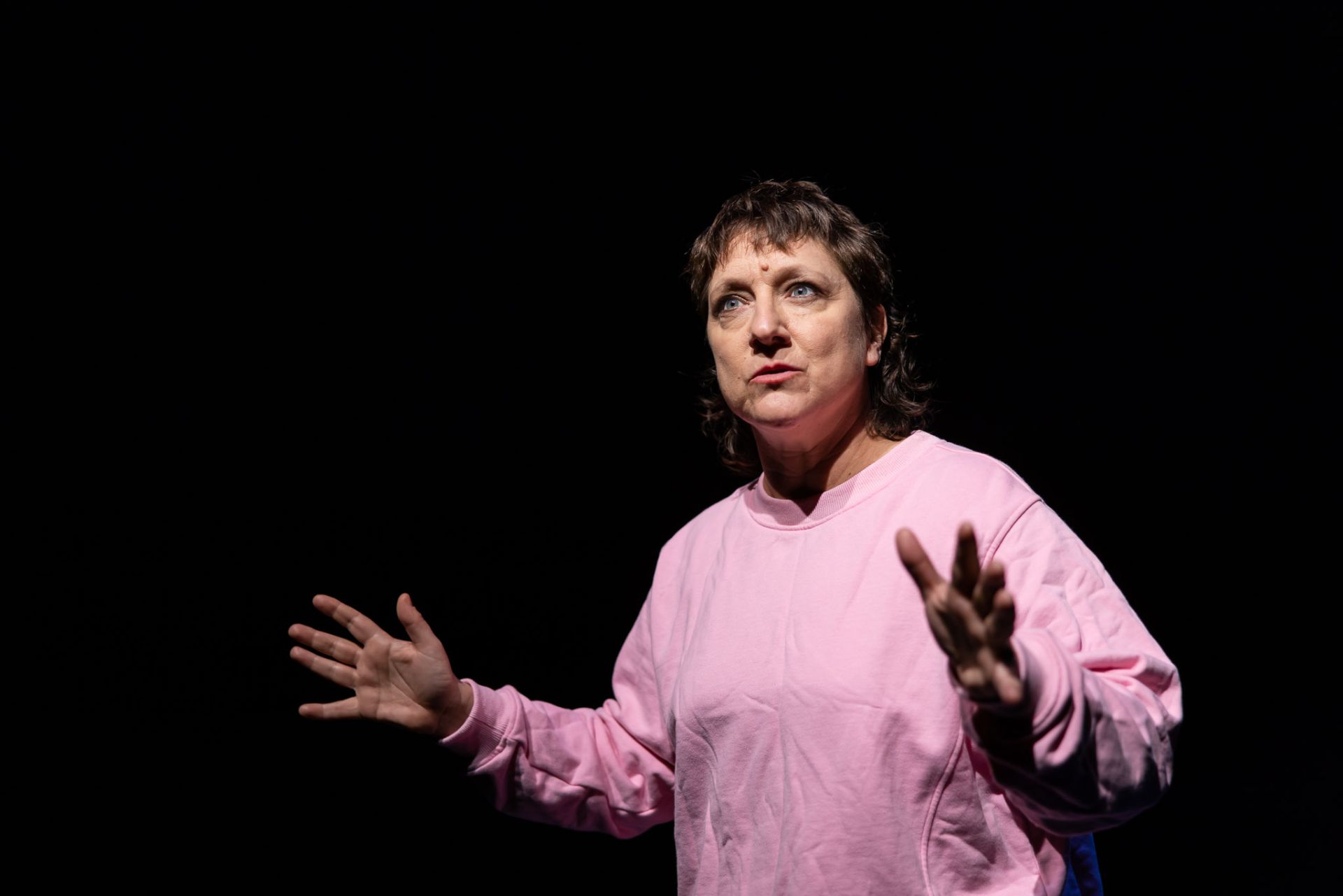
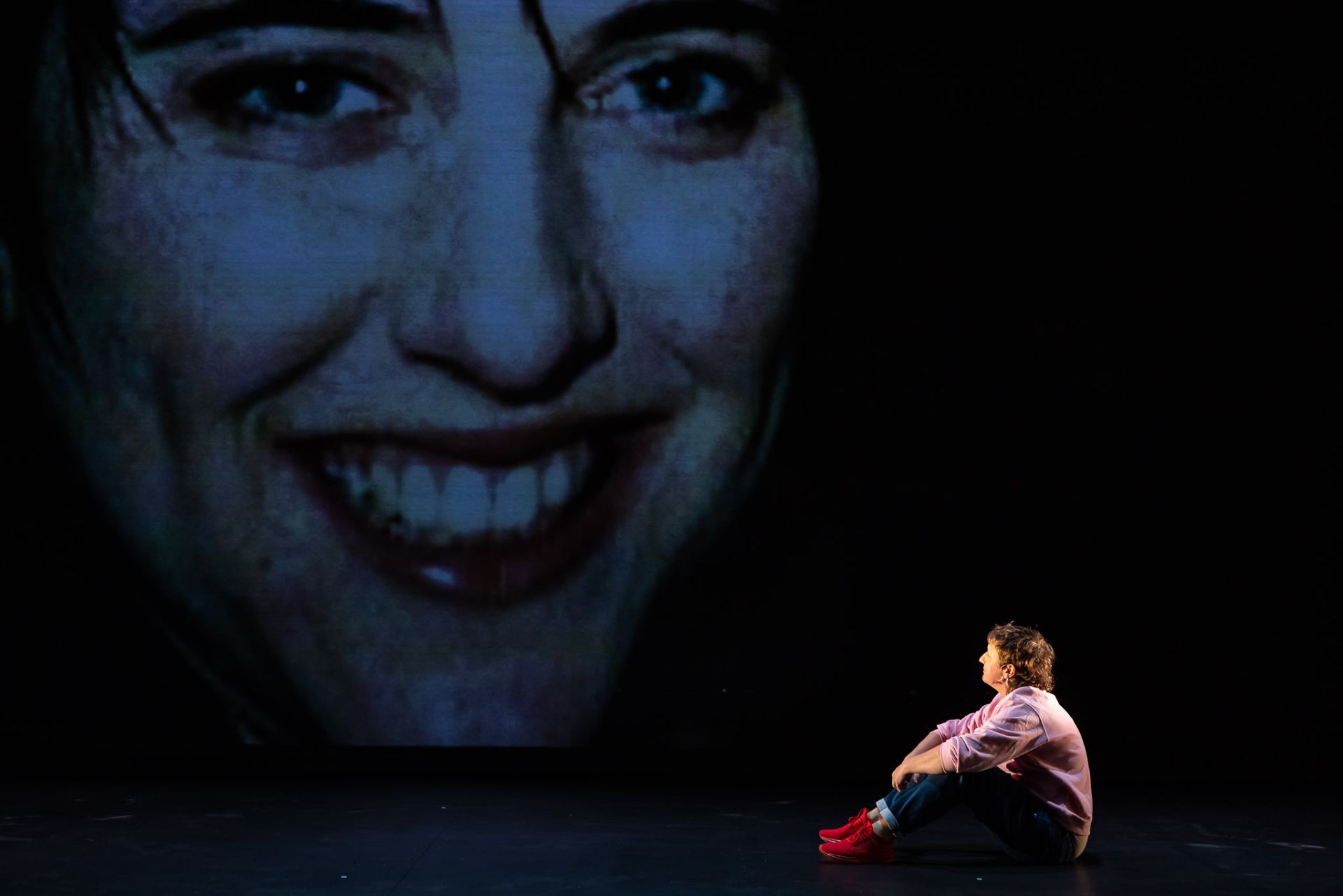
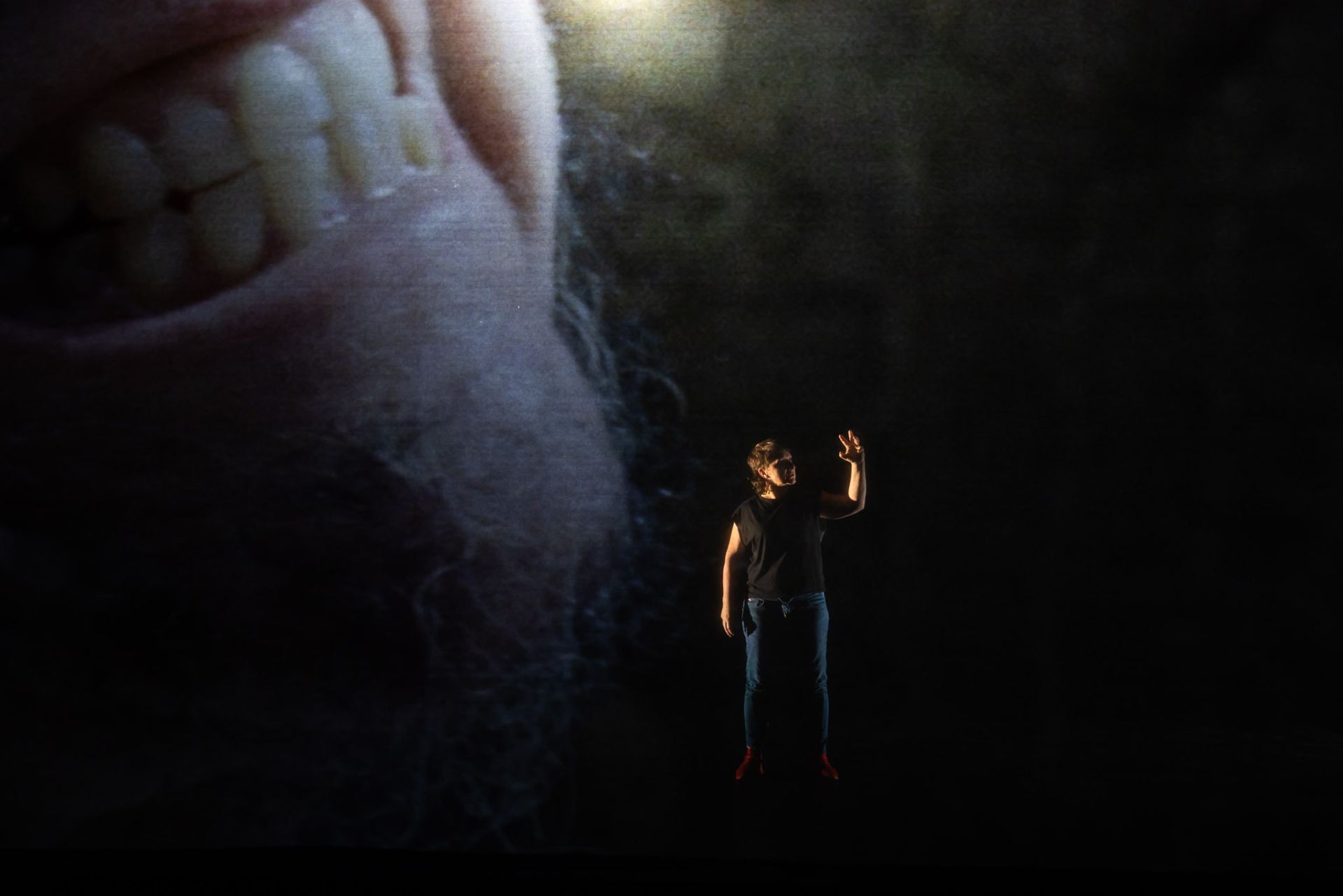
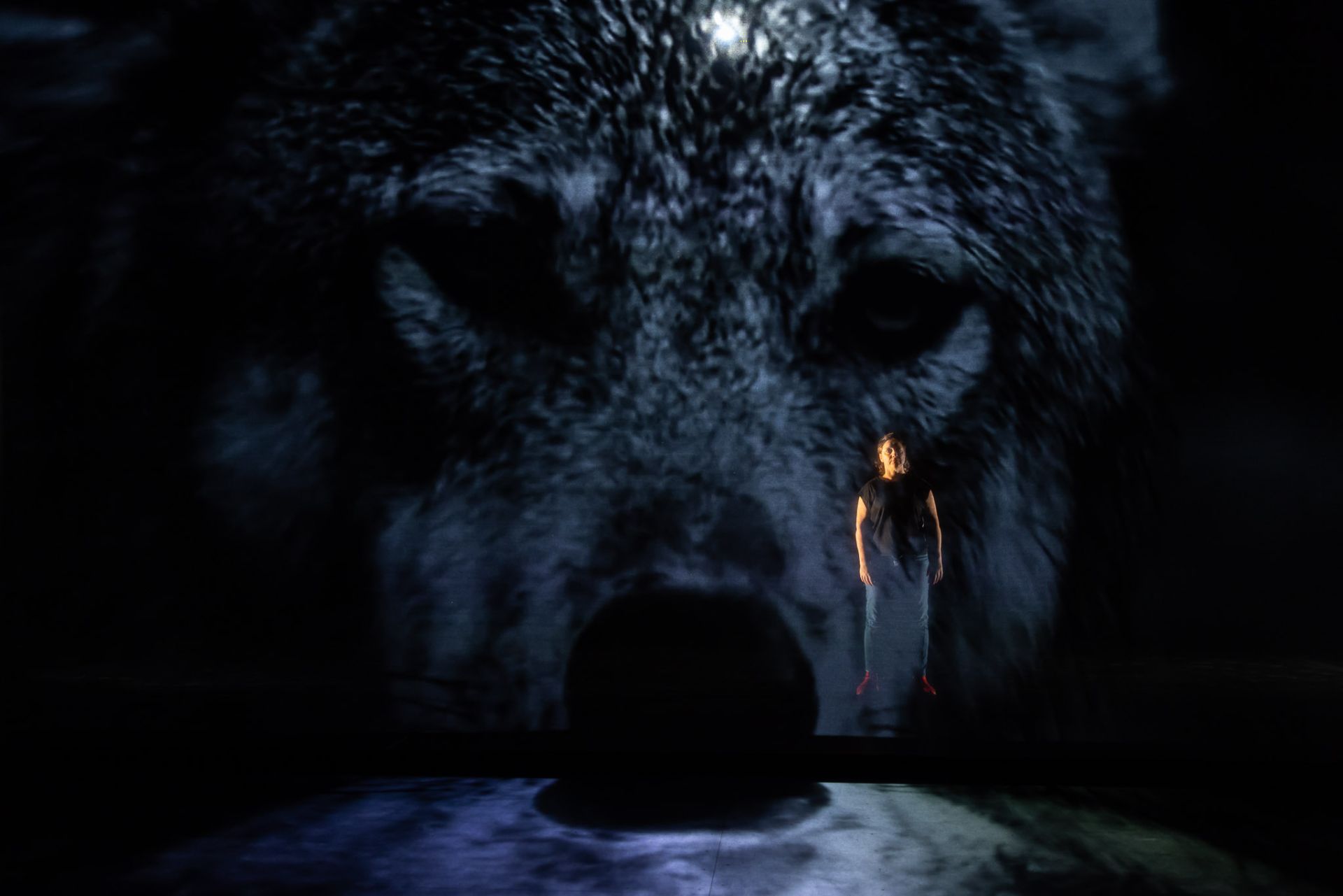
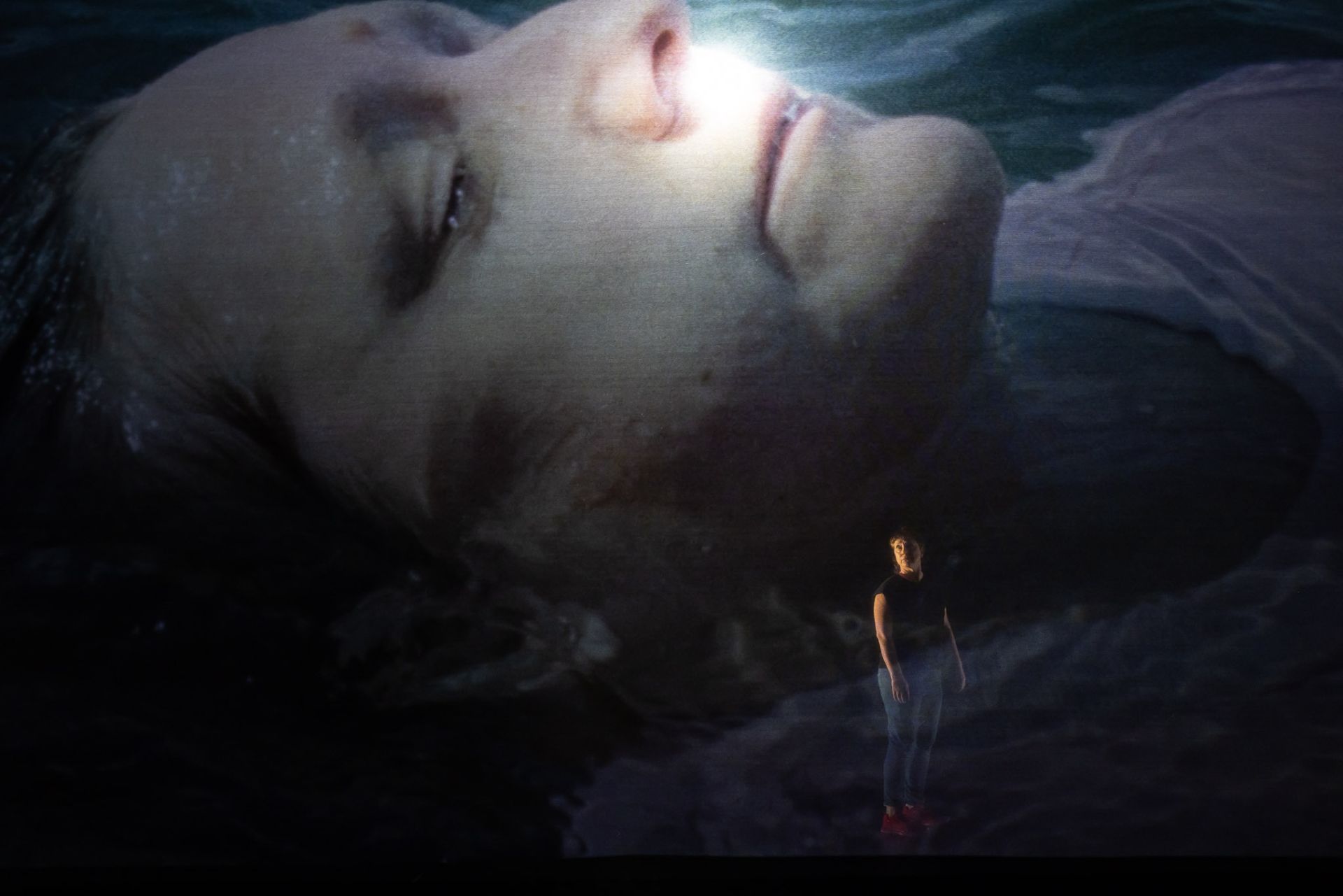
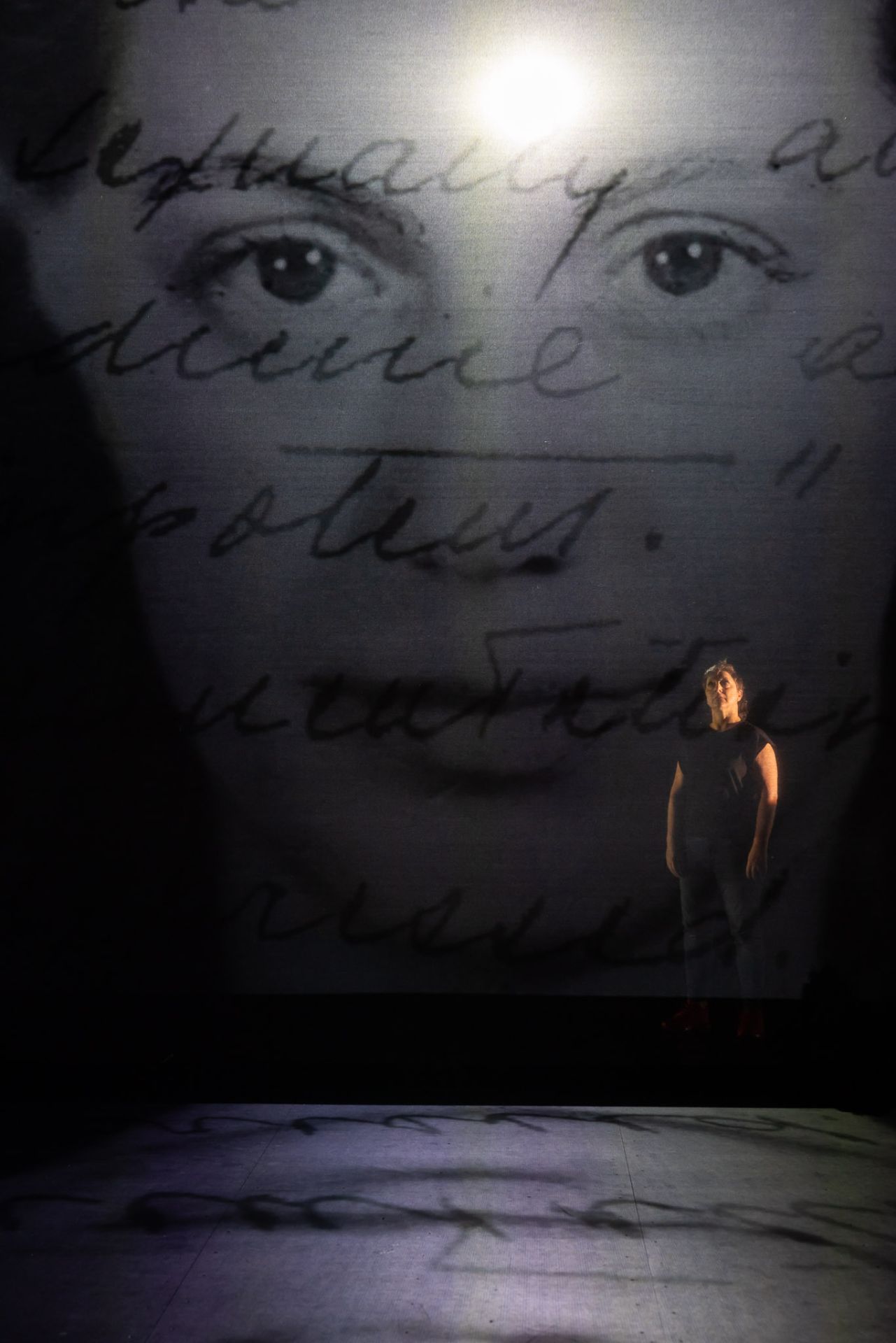
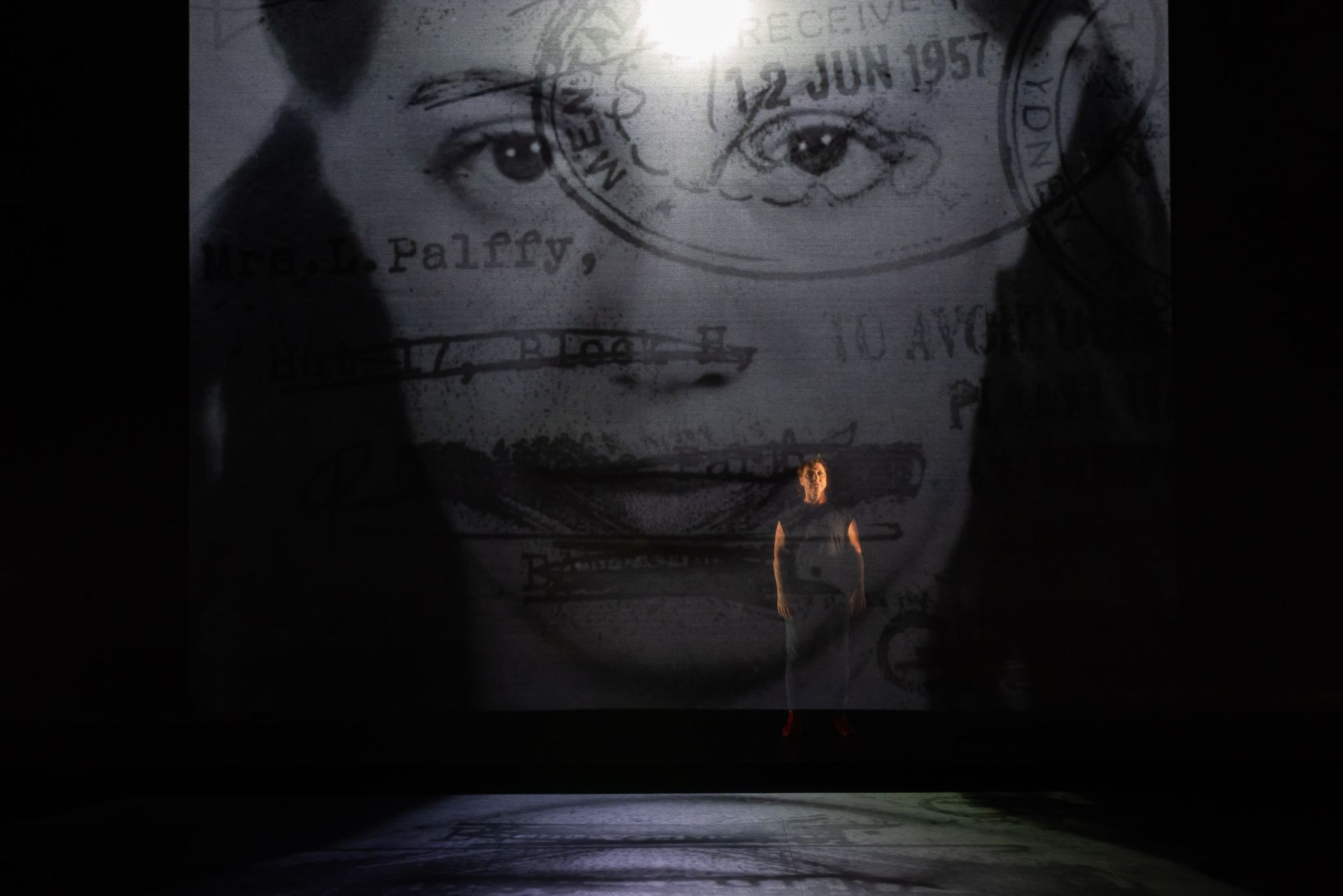
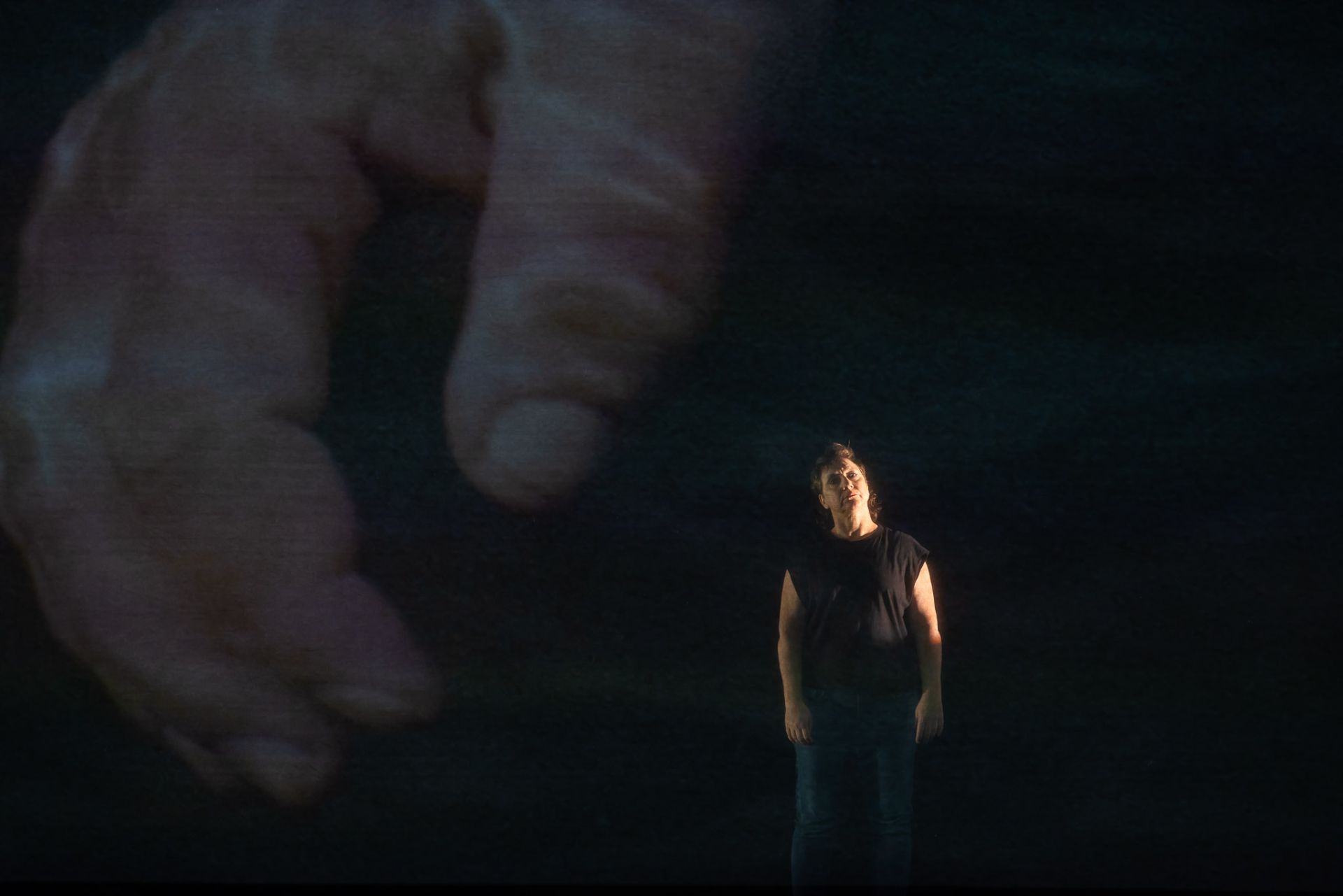
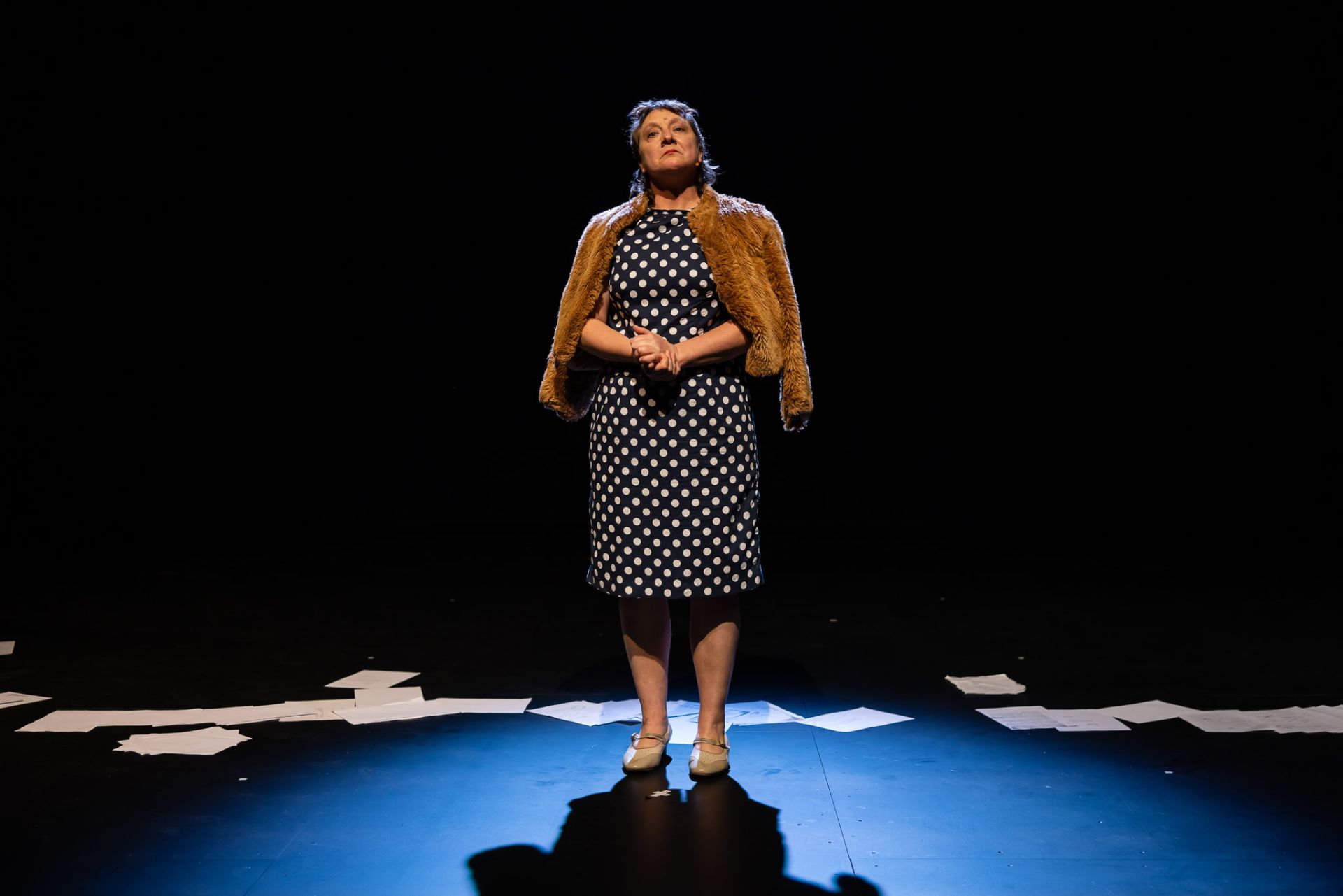
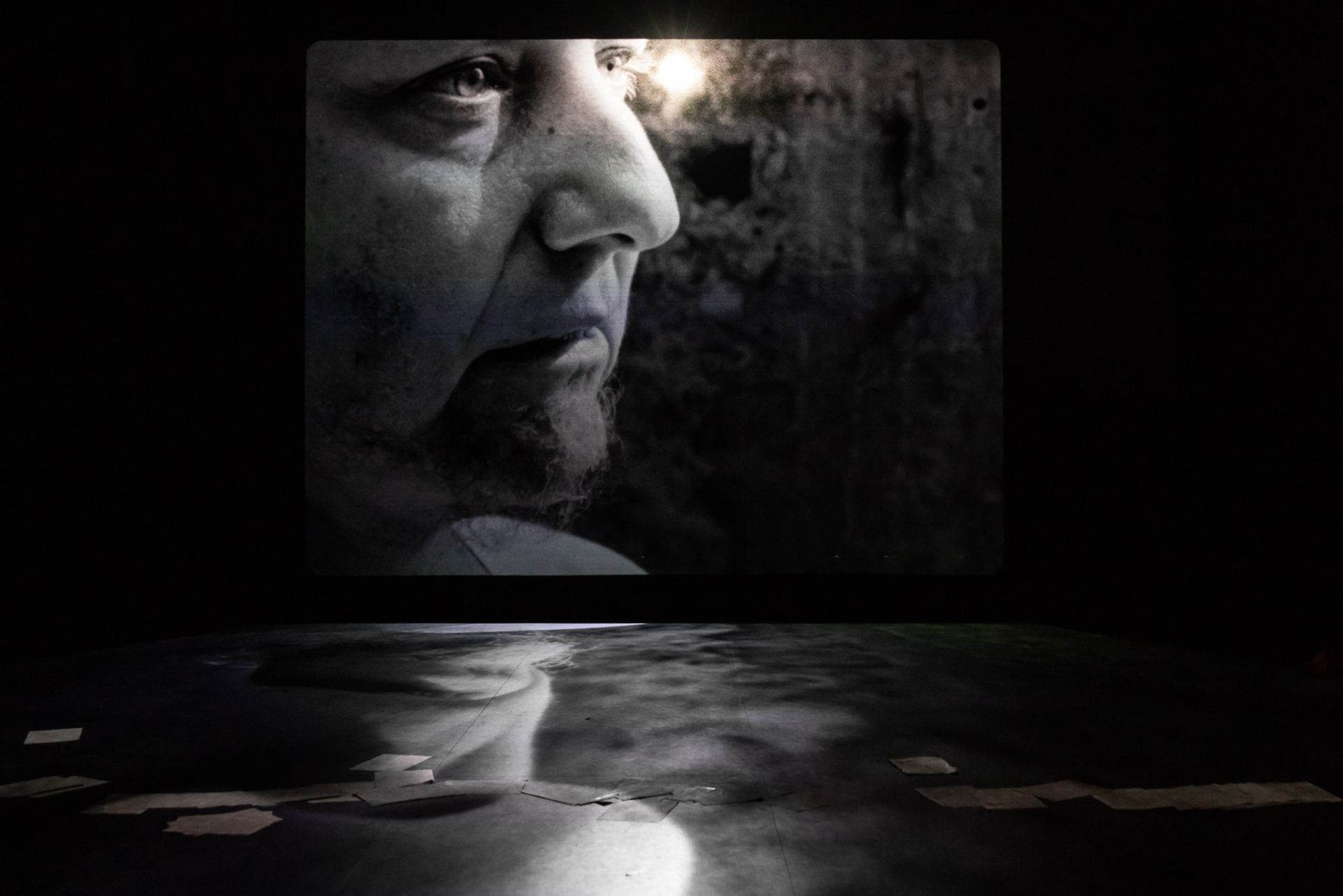
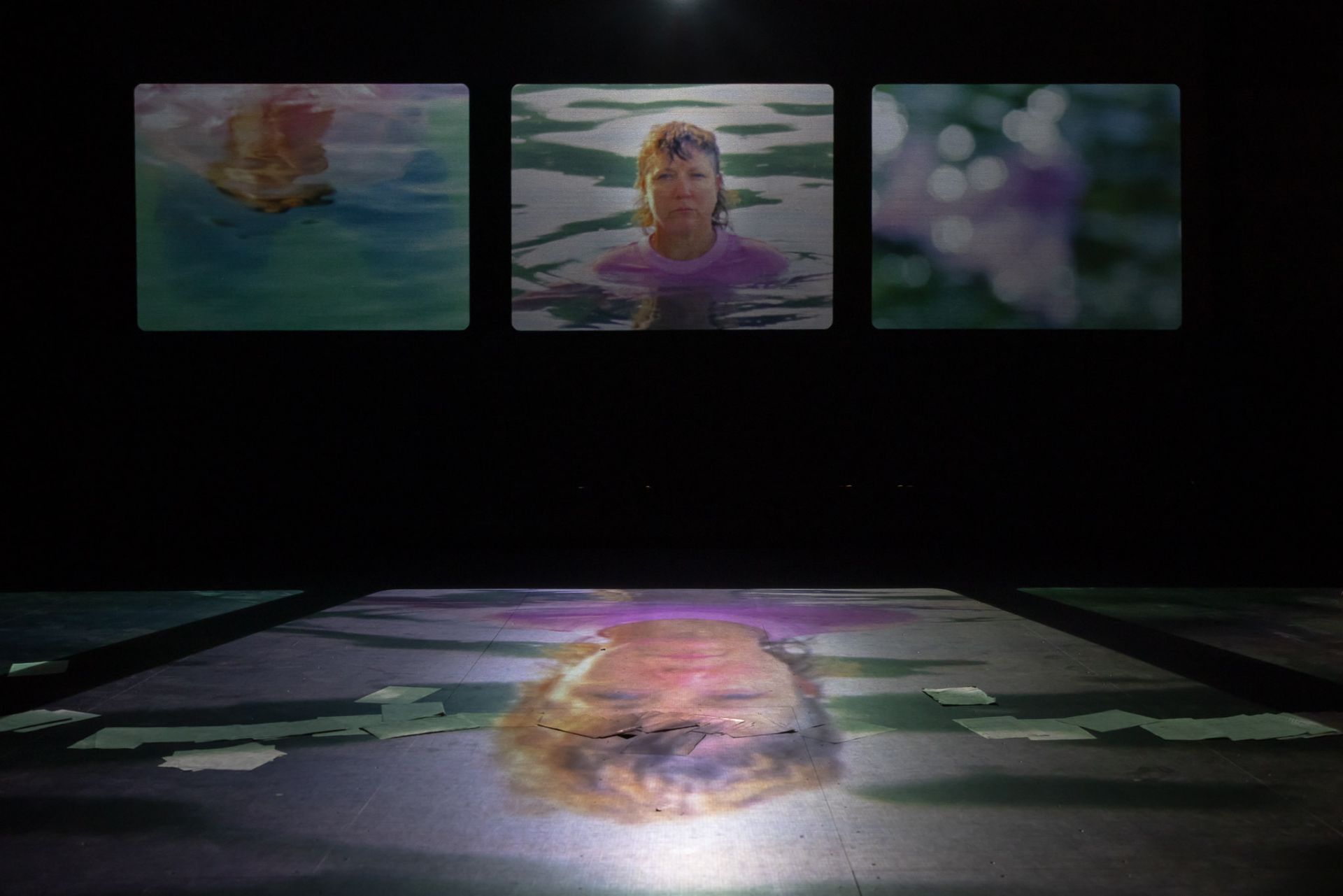
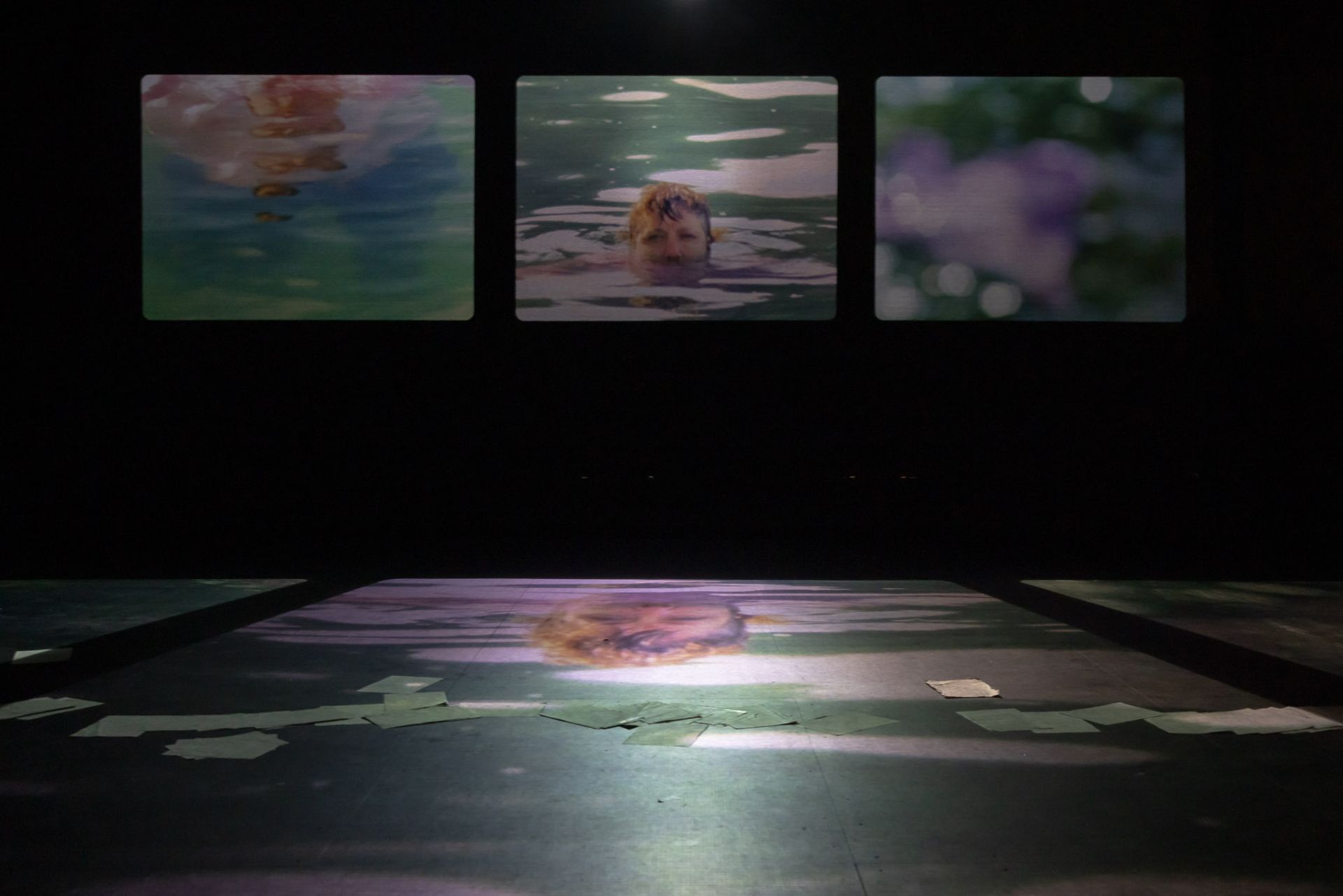
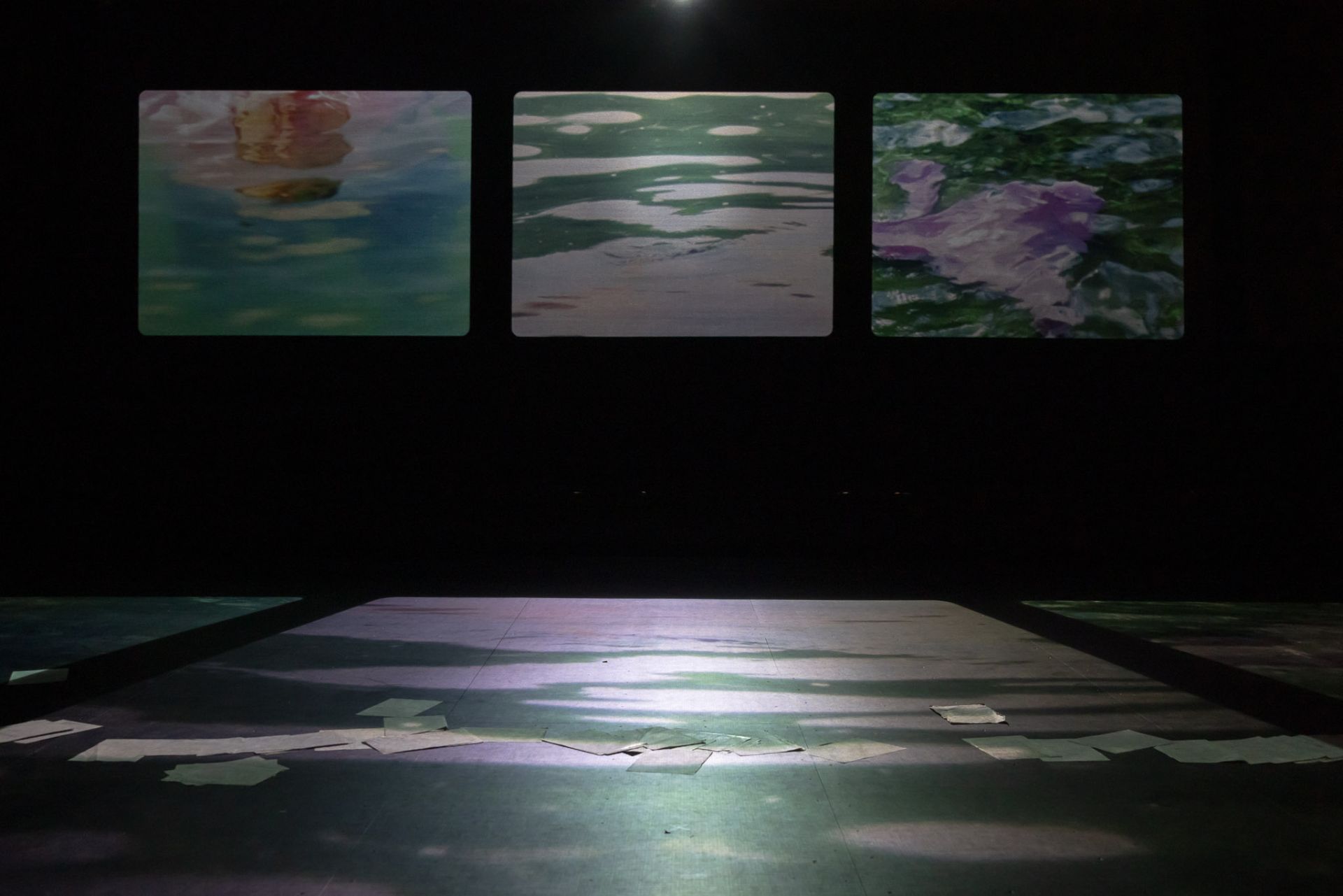
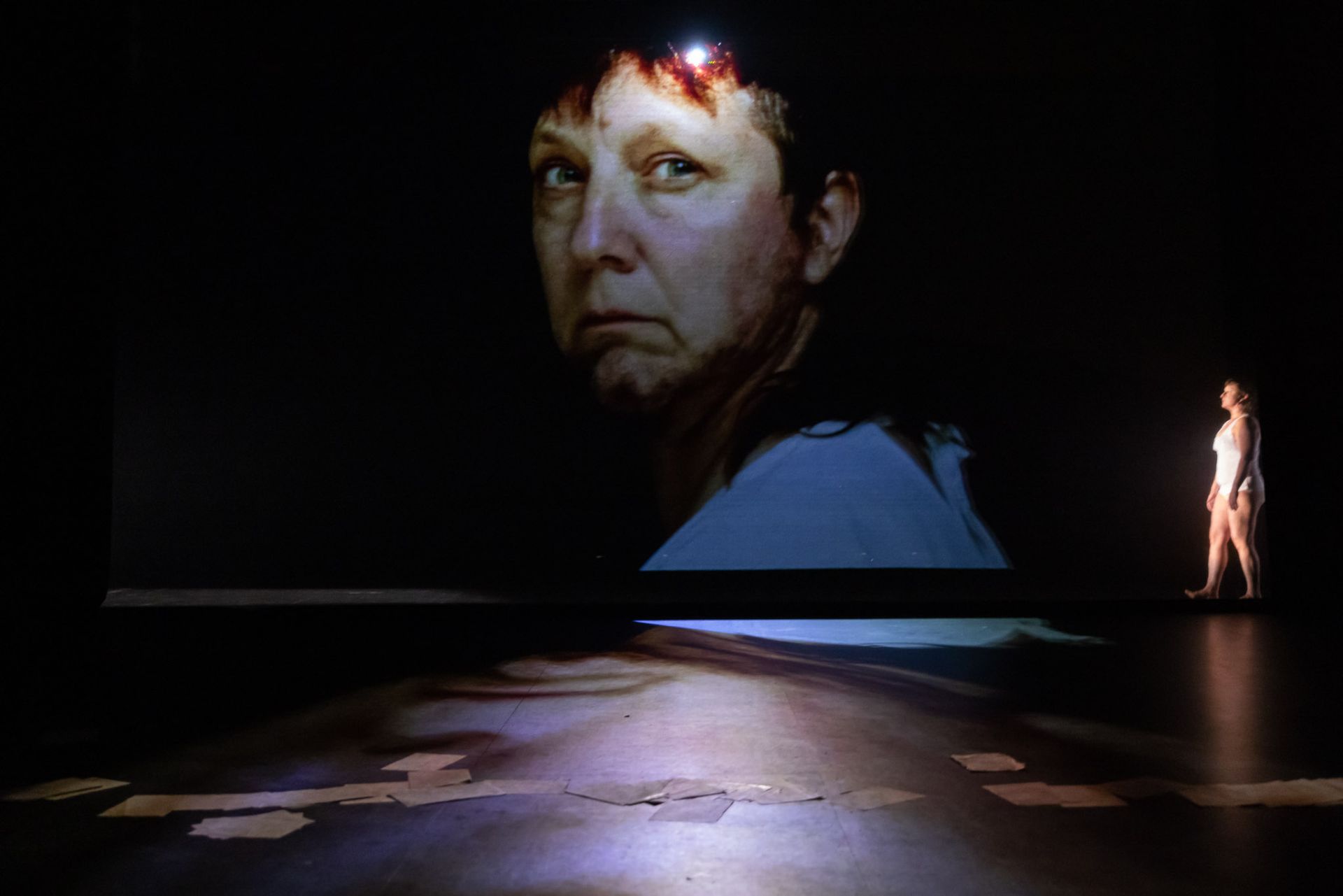
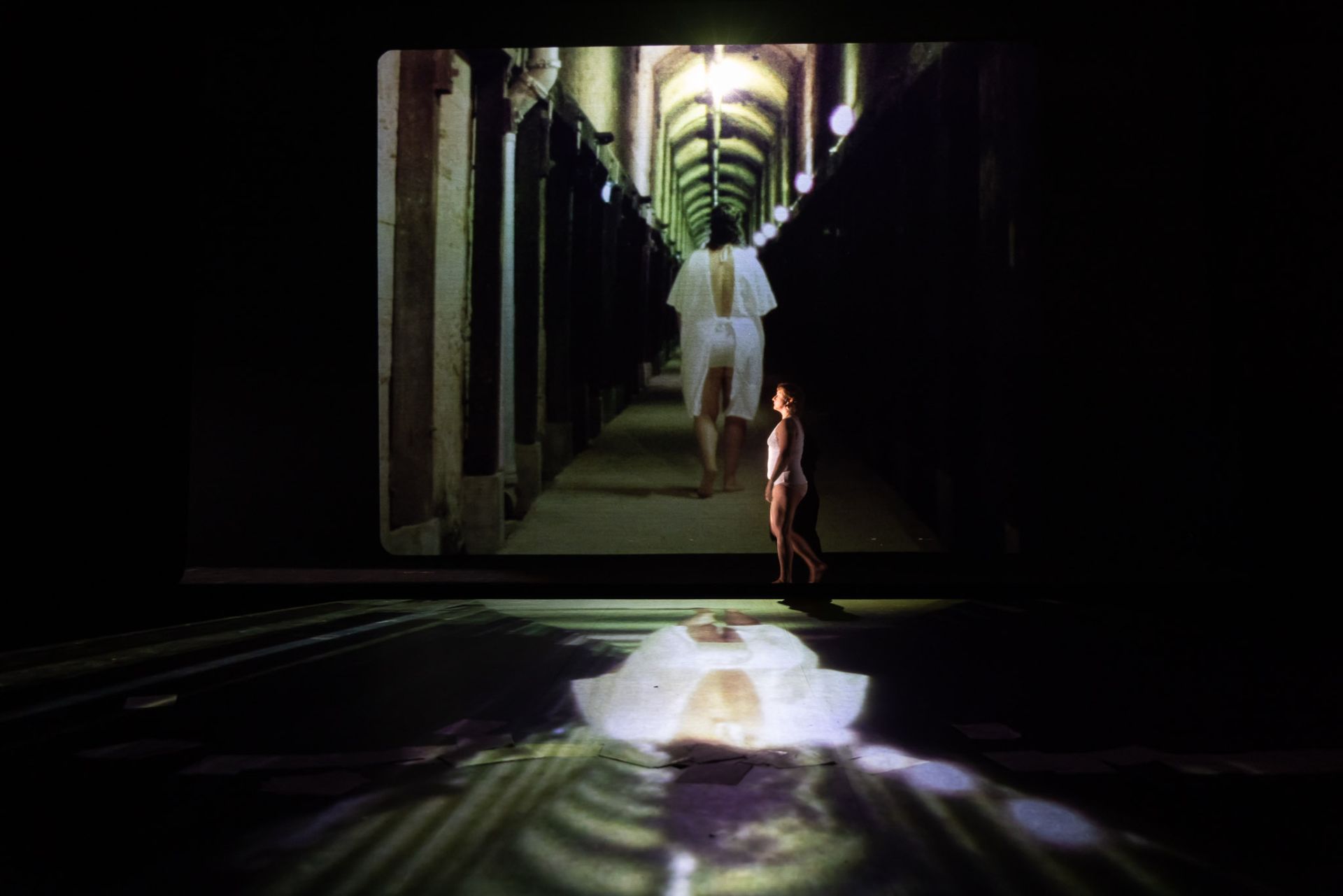
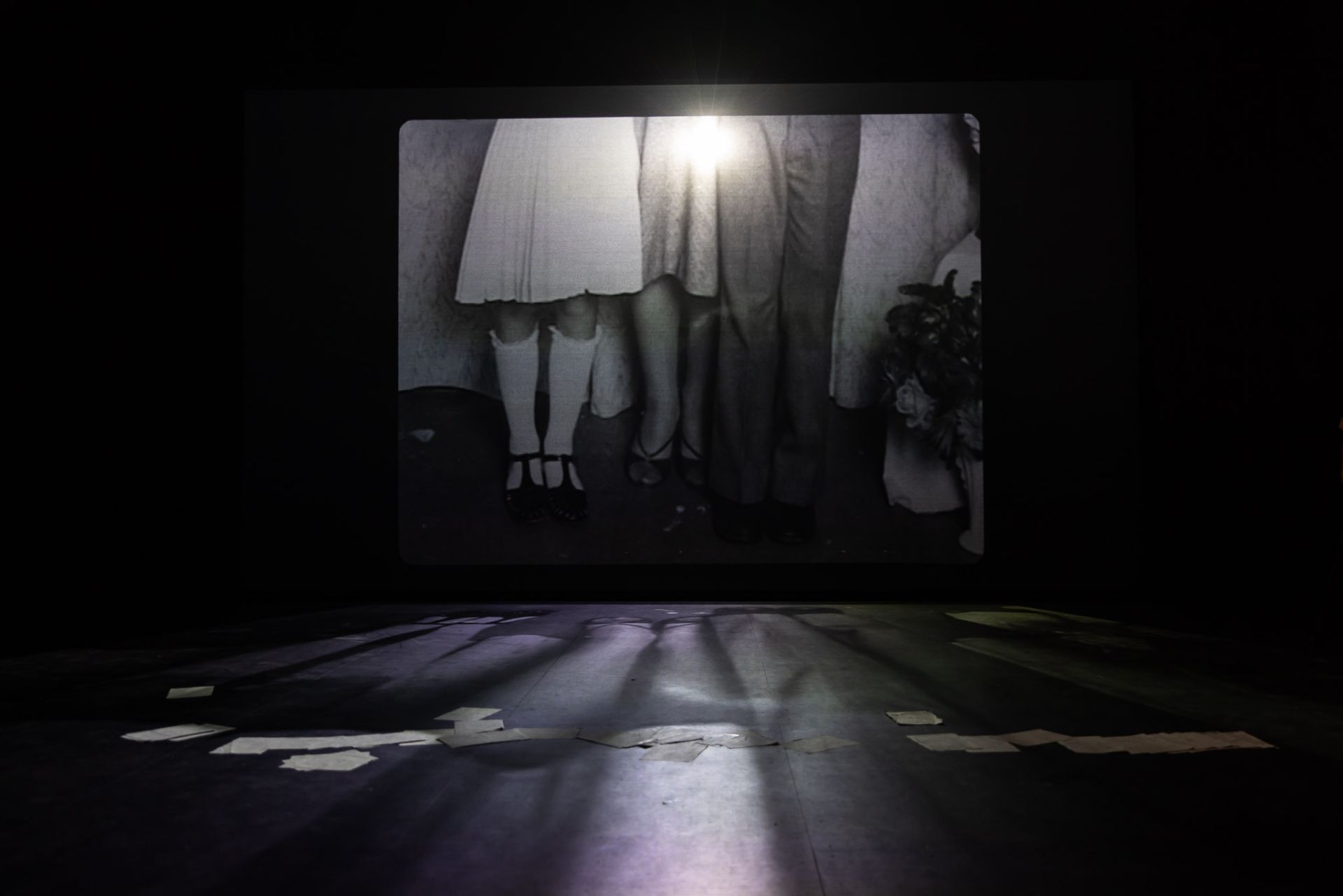
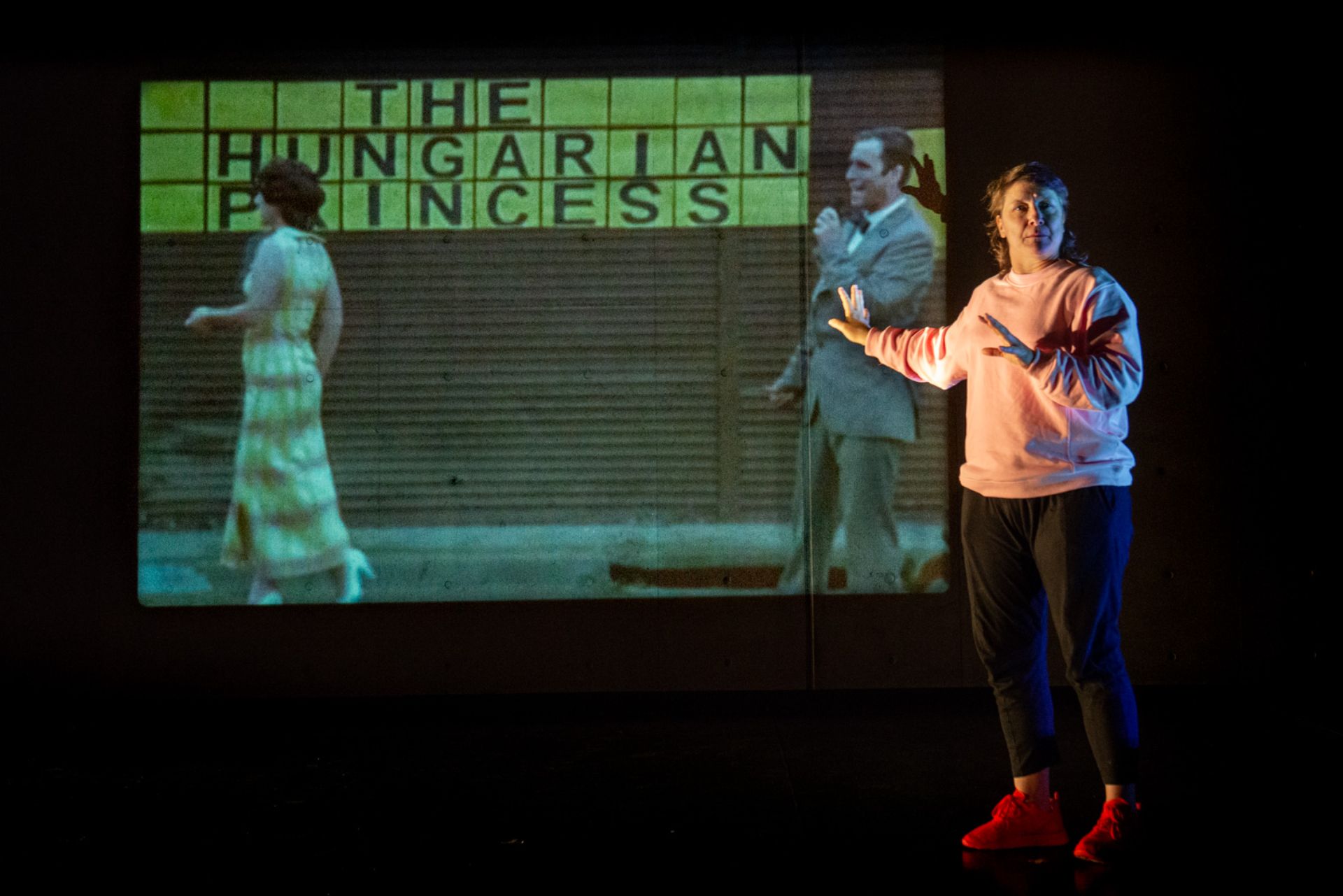
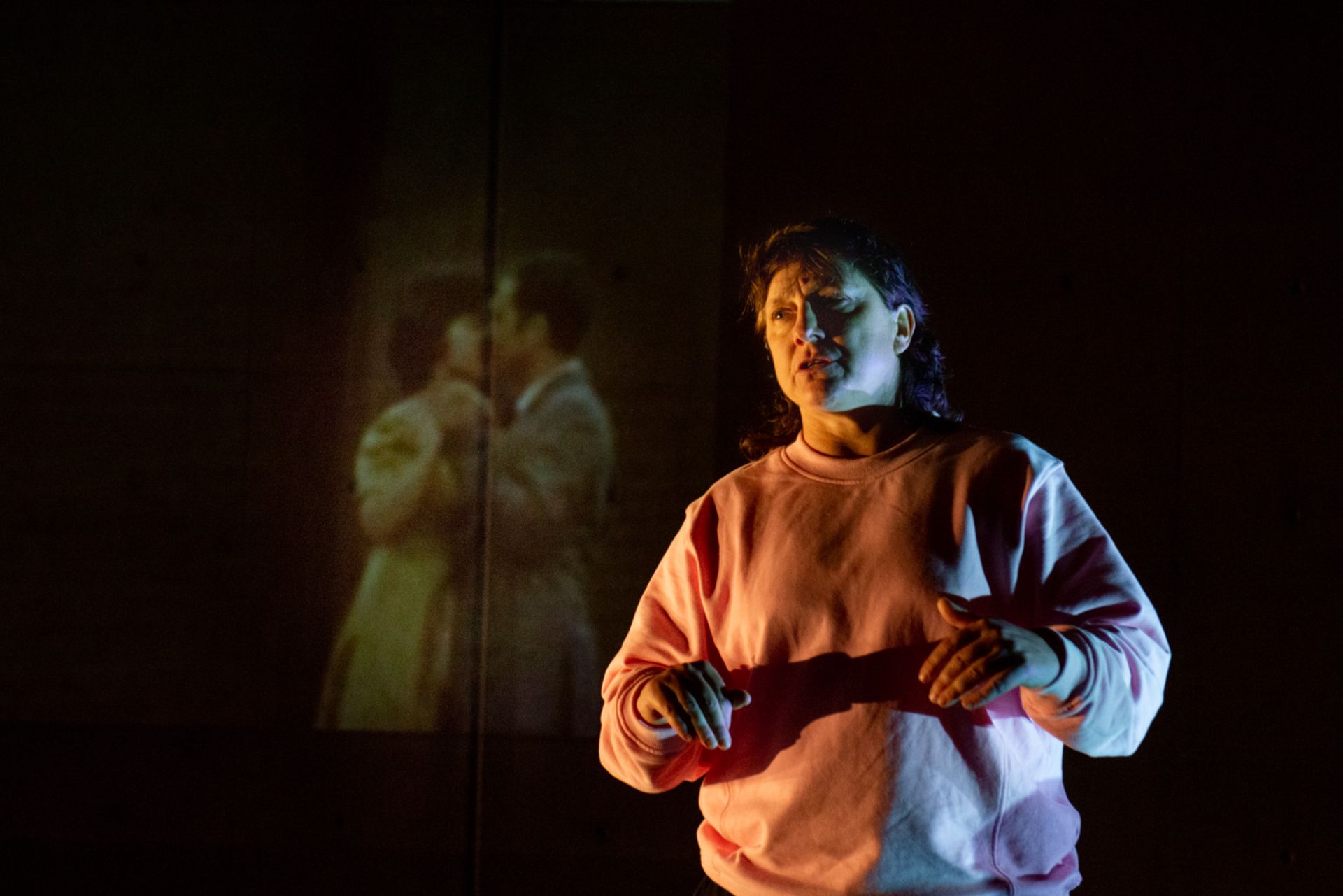
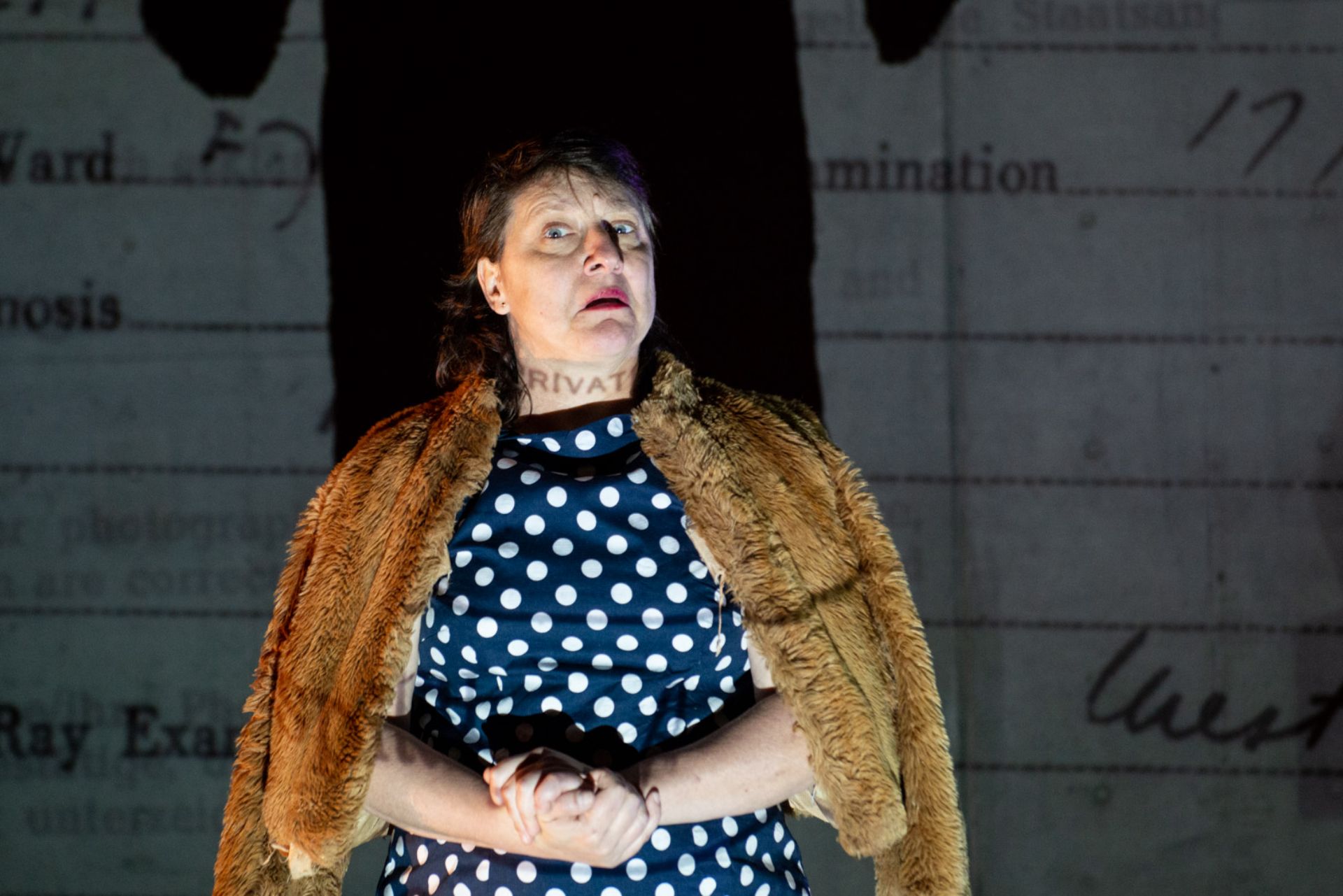
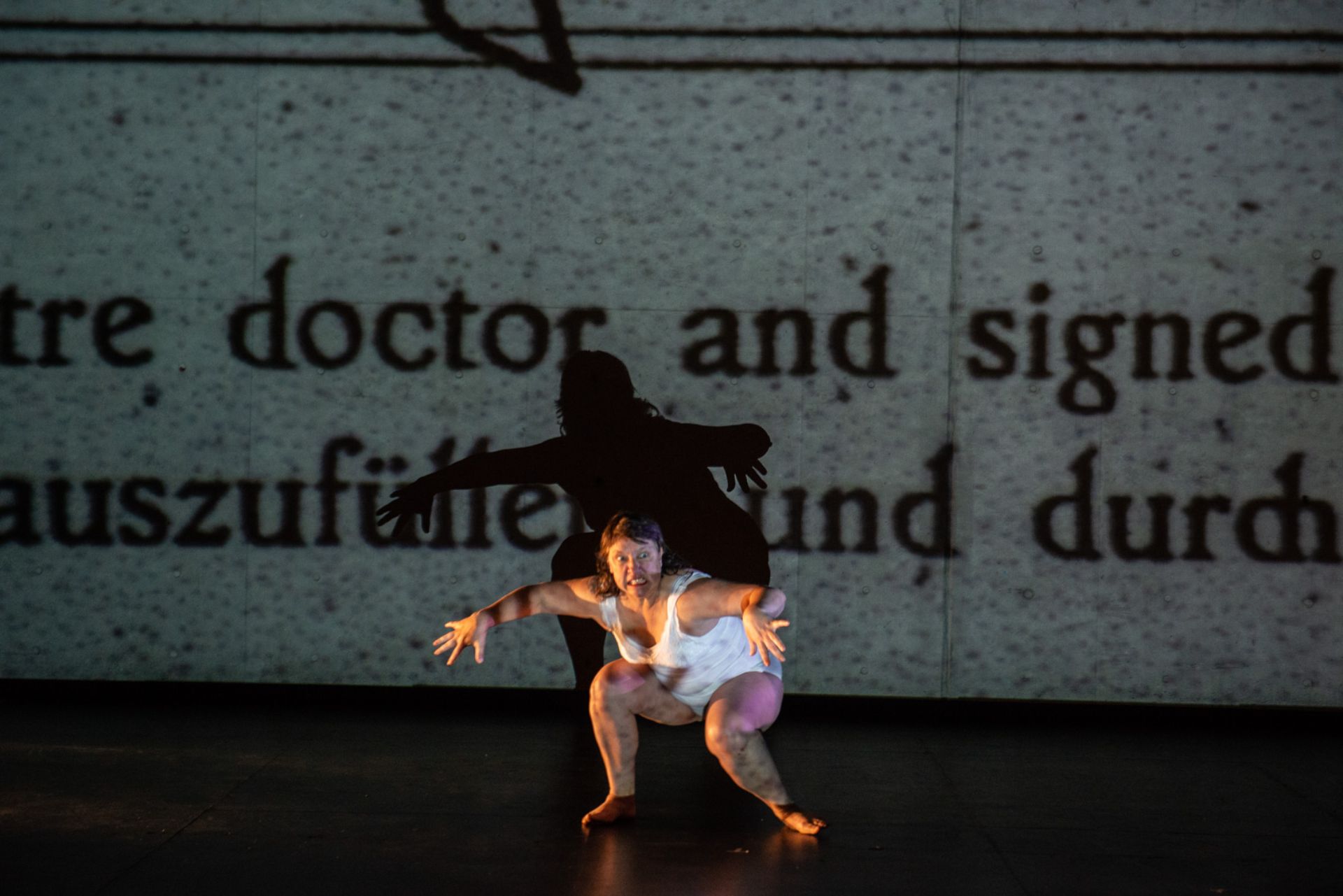
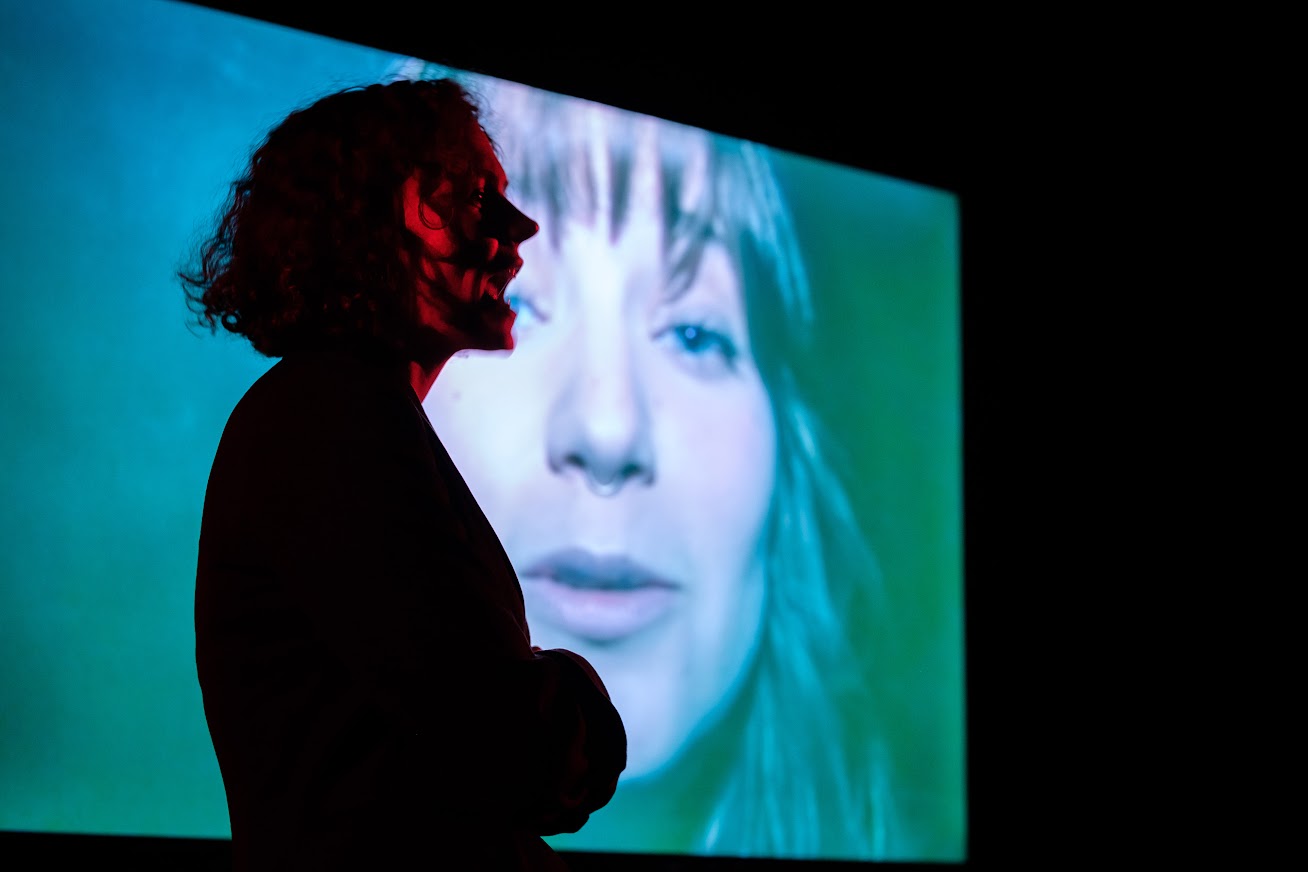
As first-person narrator in this one-person presentation, Therese is a commanding presence, dynamic yet inexorably vulnerable, as they take us through a string of heart-breaking revelations, with an immense and unmistakeable generosity. Supported by video projections (assembled by Zanny Begg), filmed incredibly by Therese half a lifetime ago, on the very same subject, we gain a level of insight rarely paralleled. Sleeplessness tells of someone else’s secrets, but will no doubt resonate intimately, for each individual with whom it connects.

Remarkable lighting design by Karen Norris brings emotional embellishment to the ever intensifying story-telling. Working harmoniously with minimalist physical configurations, and the aforementioned sentimental video elements, Norris demonstrates great sensitivity and elegance, in her calibrations of tension and mood. Music by Anna Liebzeit is appropriately restrained, but no less evocative in the creation of a space that is simultaneously ethereal and heavy, allowing us to travel through the circularity of time, in this contemporary exploration of difficult family histories.

There is a feminist frame to how meaning is conveyed in Sleeplessness. It is indeed helpful to study the women in our past through modern lenses, so that we can apply those discoveries to our lives today, in practical ways, and to ensure that we progress in a way that hardships of our foremothers, can offer more than just catharsis. Following in our mothers’ footsteps, and repeating their patterns, are probably inevitable, for we are genetically entwined, but to learn from the lessons they bequeath, is perhaps the best way to honour their legacy.

www.carriageworks.com.au

Review: Jekyll And Hyde (Hayes Theatre)

Venue: Hayes Theatre Co (Potts Point NSW), 29 Jul – 27 Aug, 2022
Book and Lyrics: Leslie Bricusse
Music: Frank Wildhorn
Director: Hayden Tee
Cast: Melanie Bird, Mitchell Cox, Georgina Hopson, Madeleine Jones, Luke Leong-Tay, Brendan Maclean, Rob McDougall, Sarah Murr, Gus Noakes, Billie Palin, Brady Peeti, Matthew Predny, Mitchell Roberts, Rutene Spooner
Images by Phil Erbacher

Theatre review

Dr Jekyll is determined to reveal the secrets hidden within the human psyche, but what he uncovers is beyond anything he can ever prepare for. This 1990 musical by Leslie Bricusse and Frank Wildhorn, is a retelling of the 1886 novella by Robert Louis Stevenson, famous and eternally resonant with what it says about our nature.

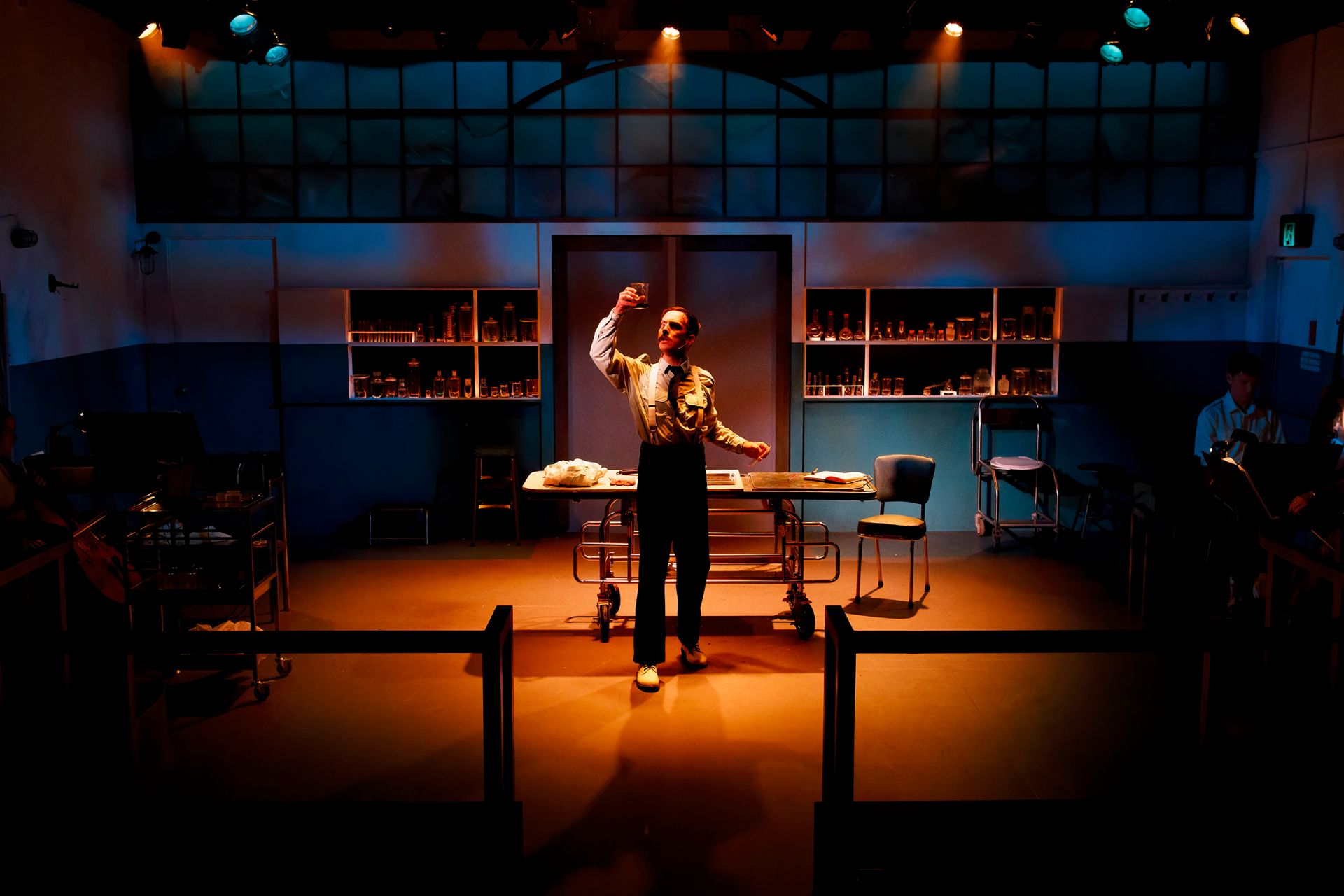
Bringing a delicious sense of camp, is new direction from the inventive mind of Hayden Tee, whose bold vision ensures that Jekyll and Hyde is nothing short of a captivating experience. The show is taut and exciting, with a superlative level of singing and musicianship that has us impressed from start to end. Orchestration by Nigel Ubrihien is exceptionally sophisticated, as well as being highly enjoyable, with Steven Kramer’s musical direction delivering great visceral power, through all that we hear. Olivia Wilding and Sally Schinckel-Brown are the two cellists prominently featured, keeping us deeply engaged in the high drama of this outlandish story.

Leading man Brendan Maclean is appropriately intense and macabre in the title role, although not always convincing with the emotional dimensions being explored. Brady Peeti as Lucy steals the show unequivocally, as does Georgina Hopson (who plays Emma), both performers completely disarming with their supreme vocal abilities. Mitchell Cox and Rutene Spooner too are unforgettable in multiple smaller roles, able to seize our attention with every appearance, for moments of genuine delight. Also noteworthy is choreography by Siobhan Ginty, who keeps our eyes amused through the duration, with her wonderful physical configurations of a splendidly assembled cast.

Set design by Melanie Liertz is whimsical yet ambitious, able to create for the viewer a sense of expansiveness, alongside a satisfying quirkiness to her depiction of a psychiatric hospital. Lights by Anthony Pearson succeed at establishing atmosphere for each sequence, but can sometimes feel perfunctory, or perhaps insufficiently creative in approach. Costumes by Mason Browne on the other hand, are highly appealing, and relentlessly glamorous, whilst maintaining accuracy in all his representations of the tale’s colourful personalities.

We can never try too hard, to reveal who we are. It is apparently true, that there is no end to how much we can learn about being human. The problem it seems, is what we do with that information, when we understand that a big part of our existence comprises qualities less than desirable. Mr Hyde is horrible, and he is everywhere. We imagine that to know Mr Hyde, is to be able to control him, but evidence suggests that evil will always find a way.

www.hayestheatre.com.au

Review: The One (Ensemble Theatre)

Venue: Ensemble Theatre (Kirribilli NSW), Jul 22 – Aug 27, 2022
Playwright: Vanessa Bates
Director: Darren Yap
Cast: Gabrielle Chan, Angie Diaz, Aileen Huynh, Damien Strouthos, Shan-Ree Tan
Images by Prudence Upton

Theatre review
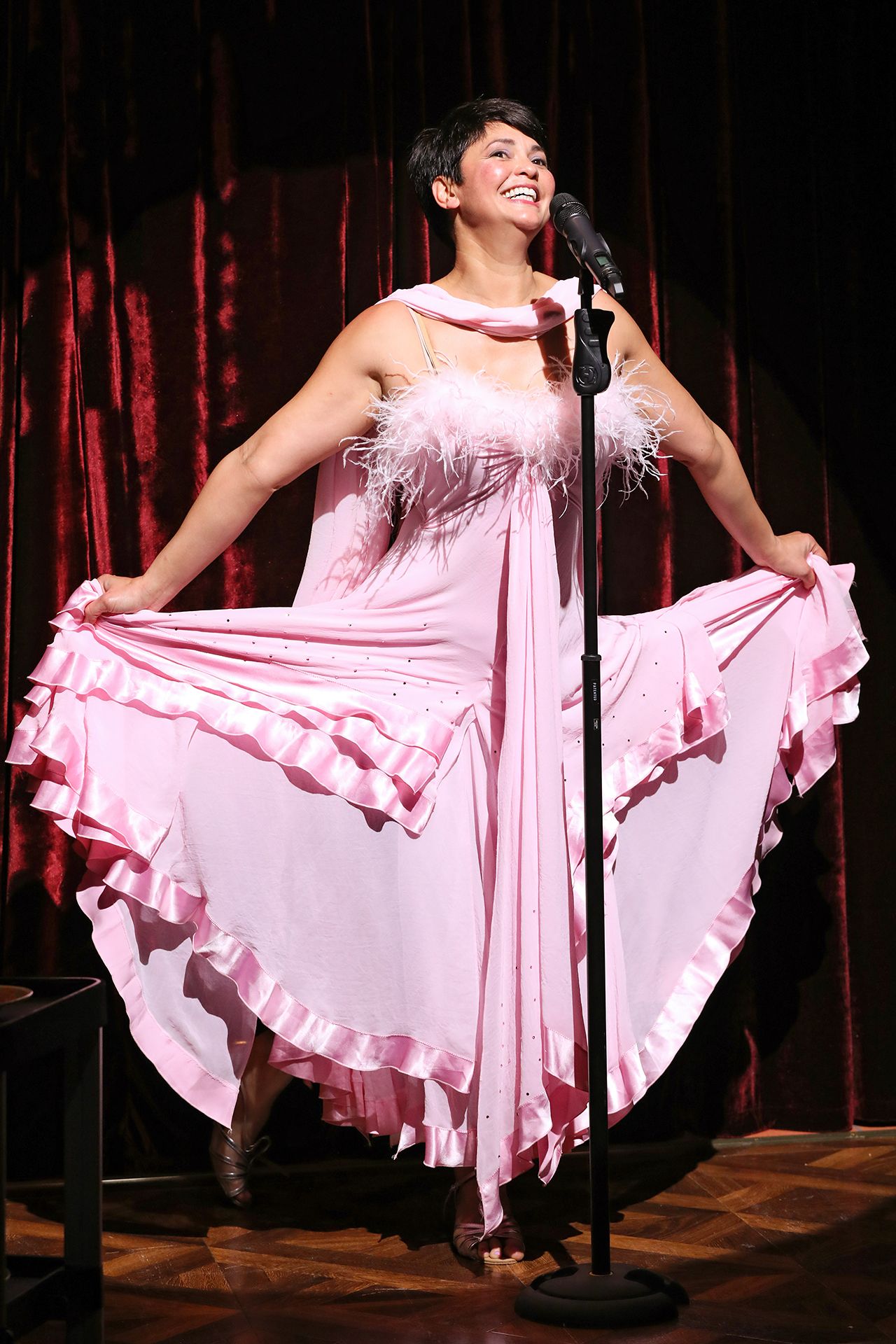
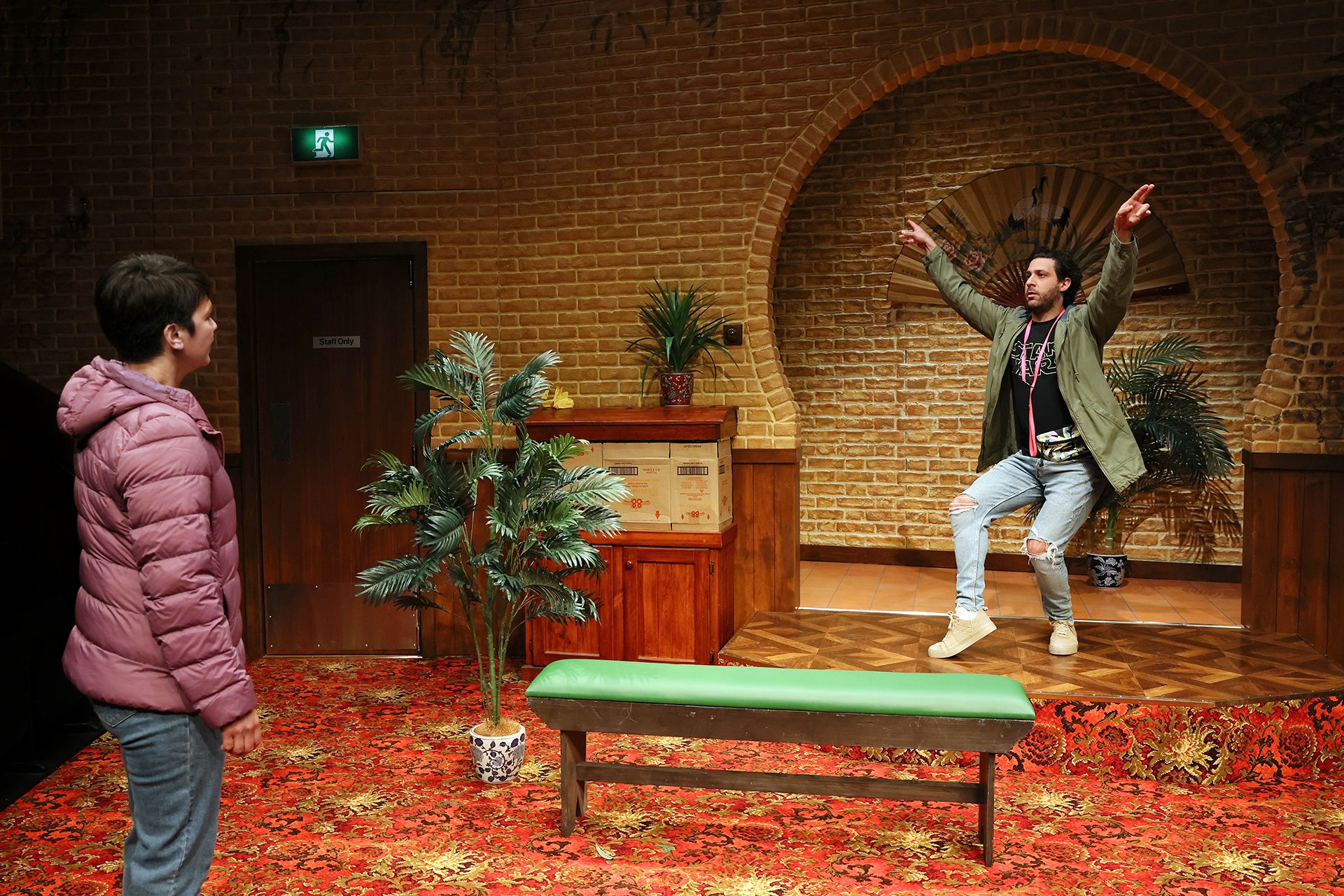
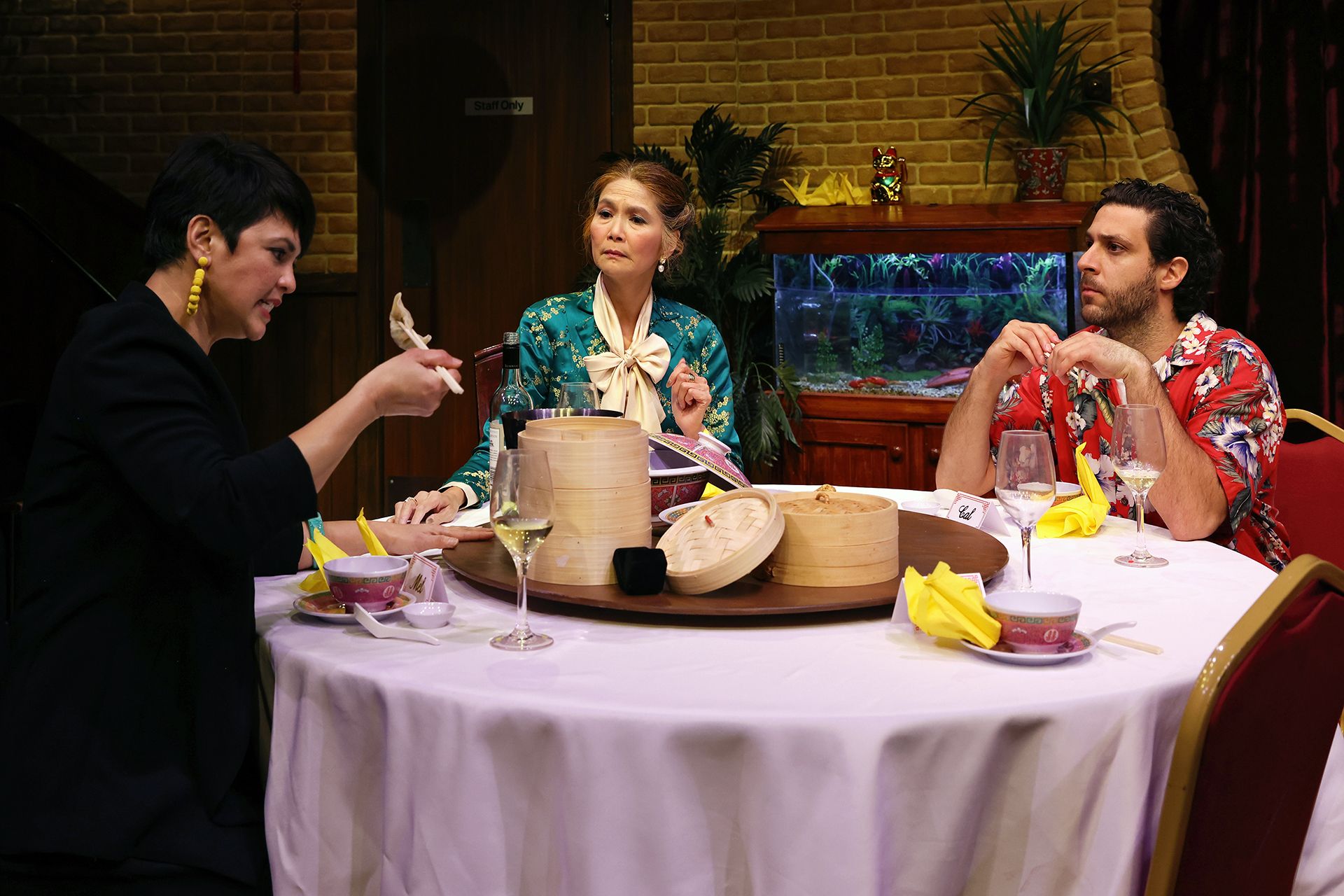
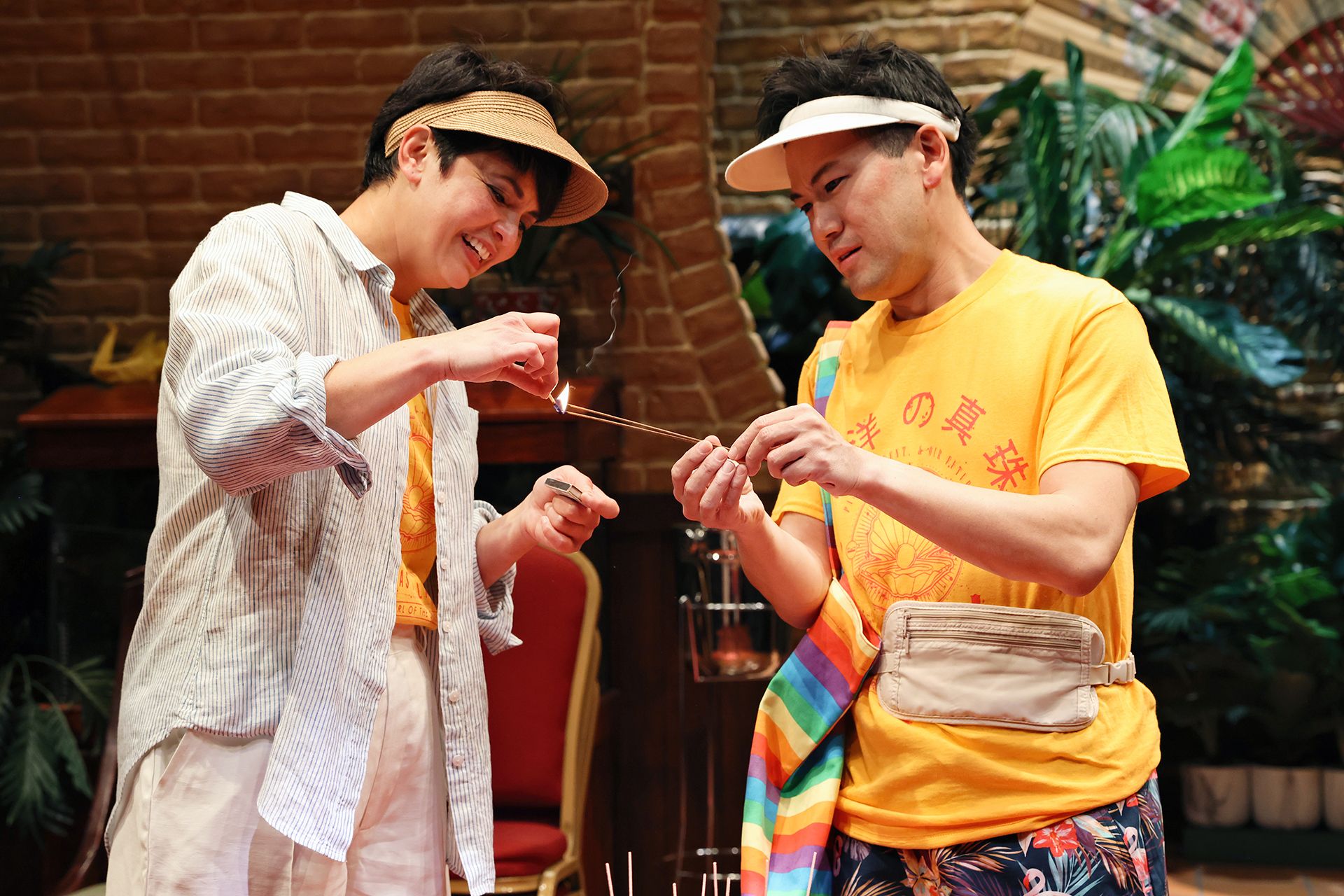
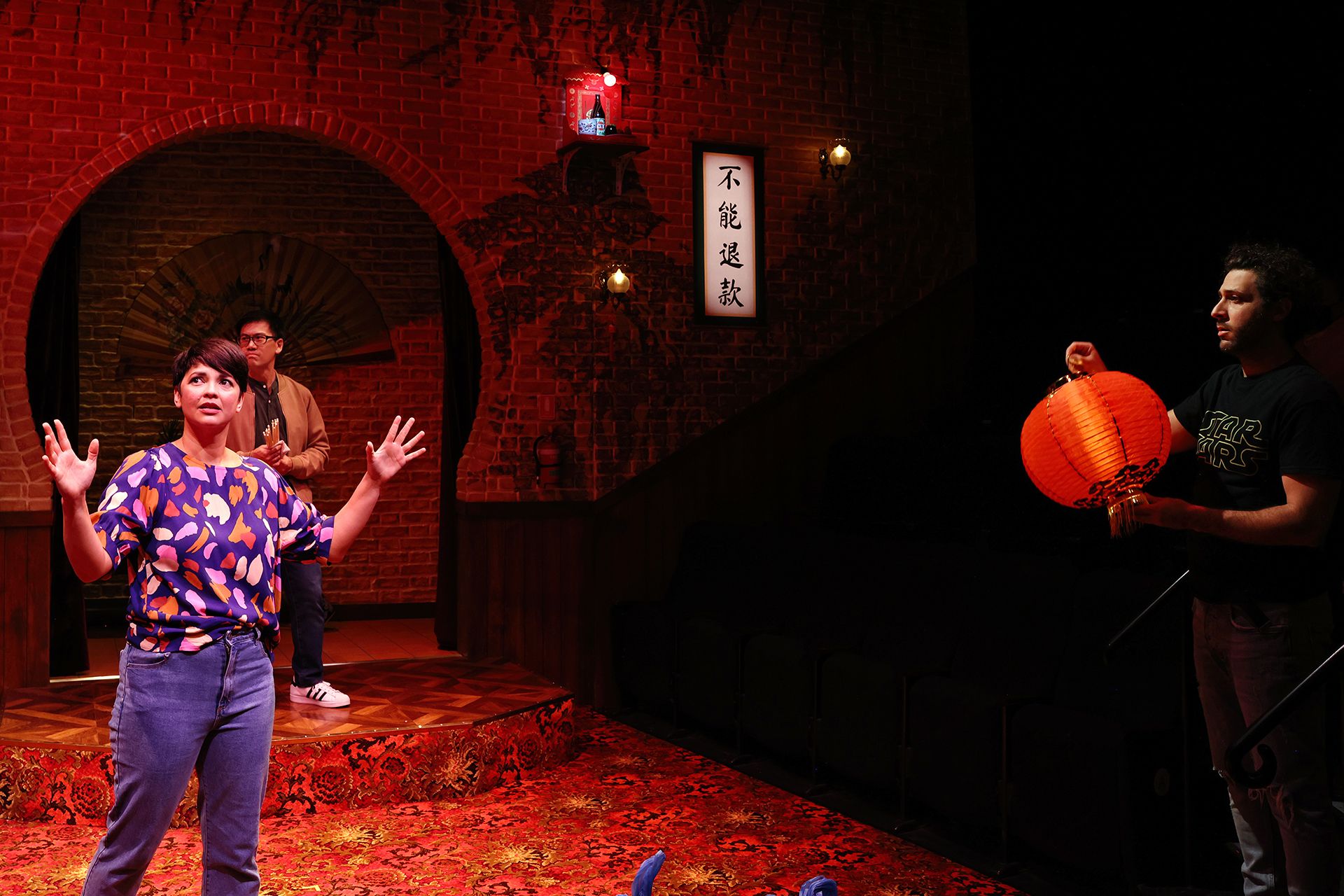
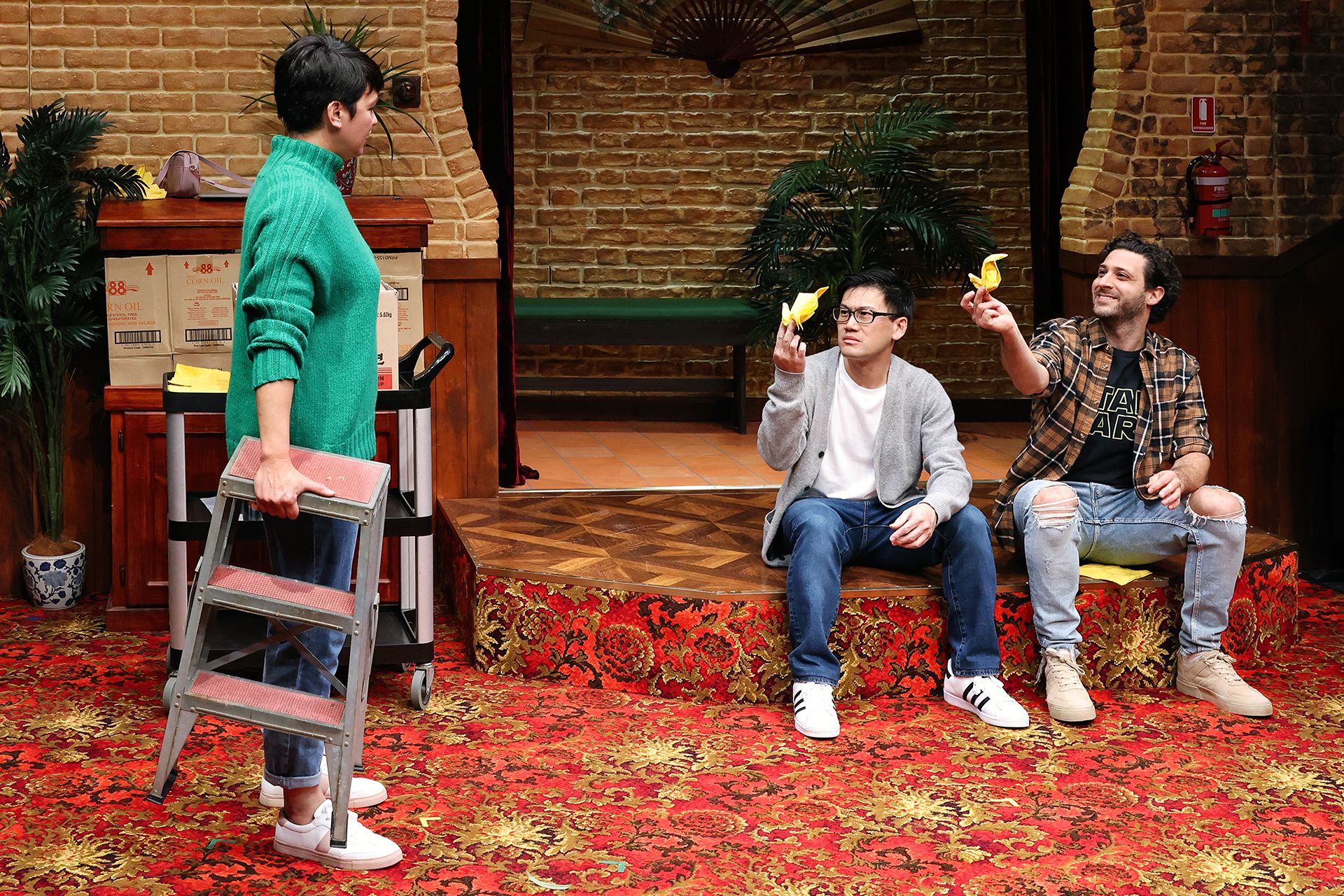
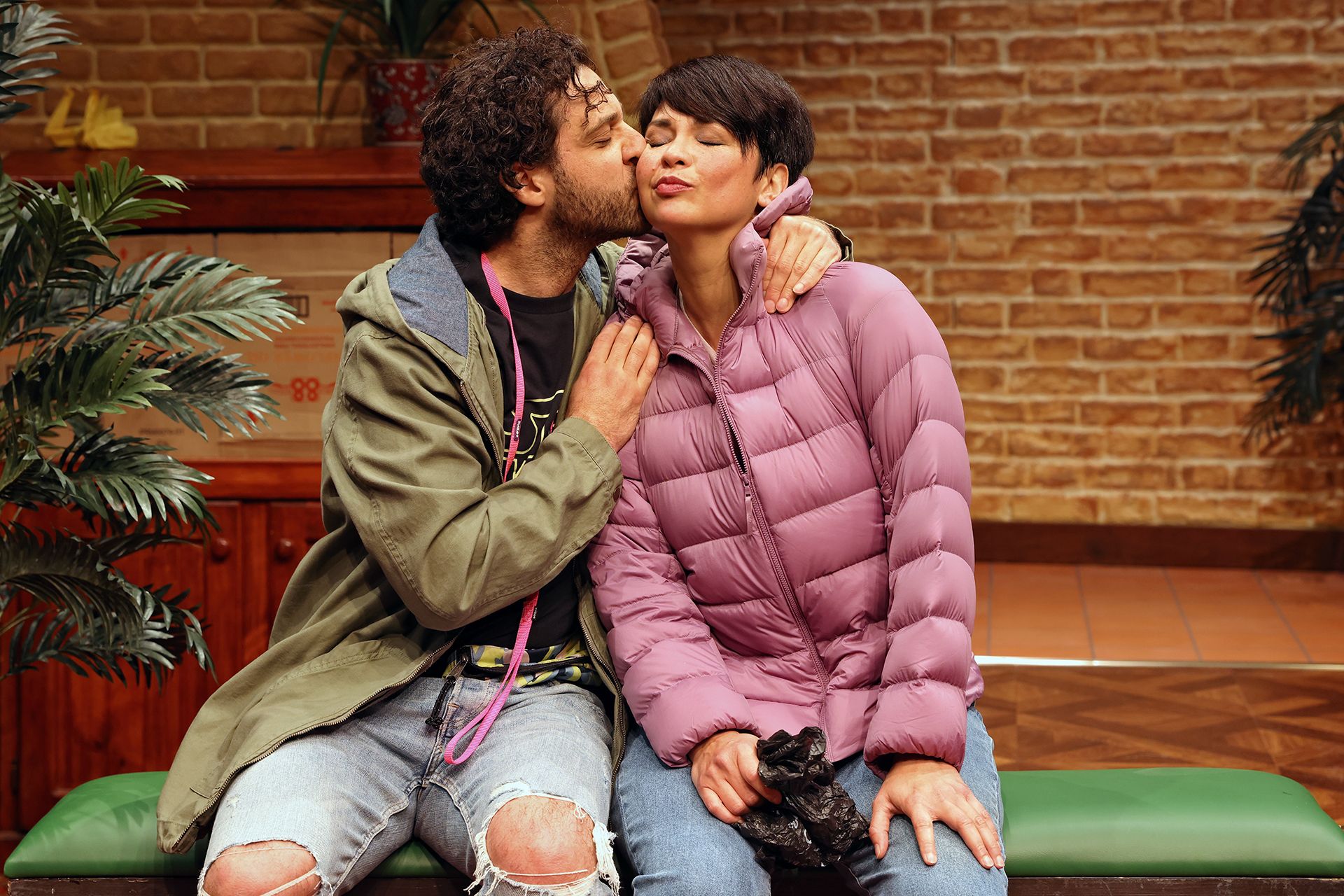
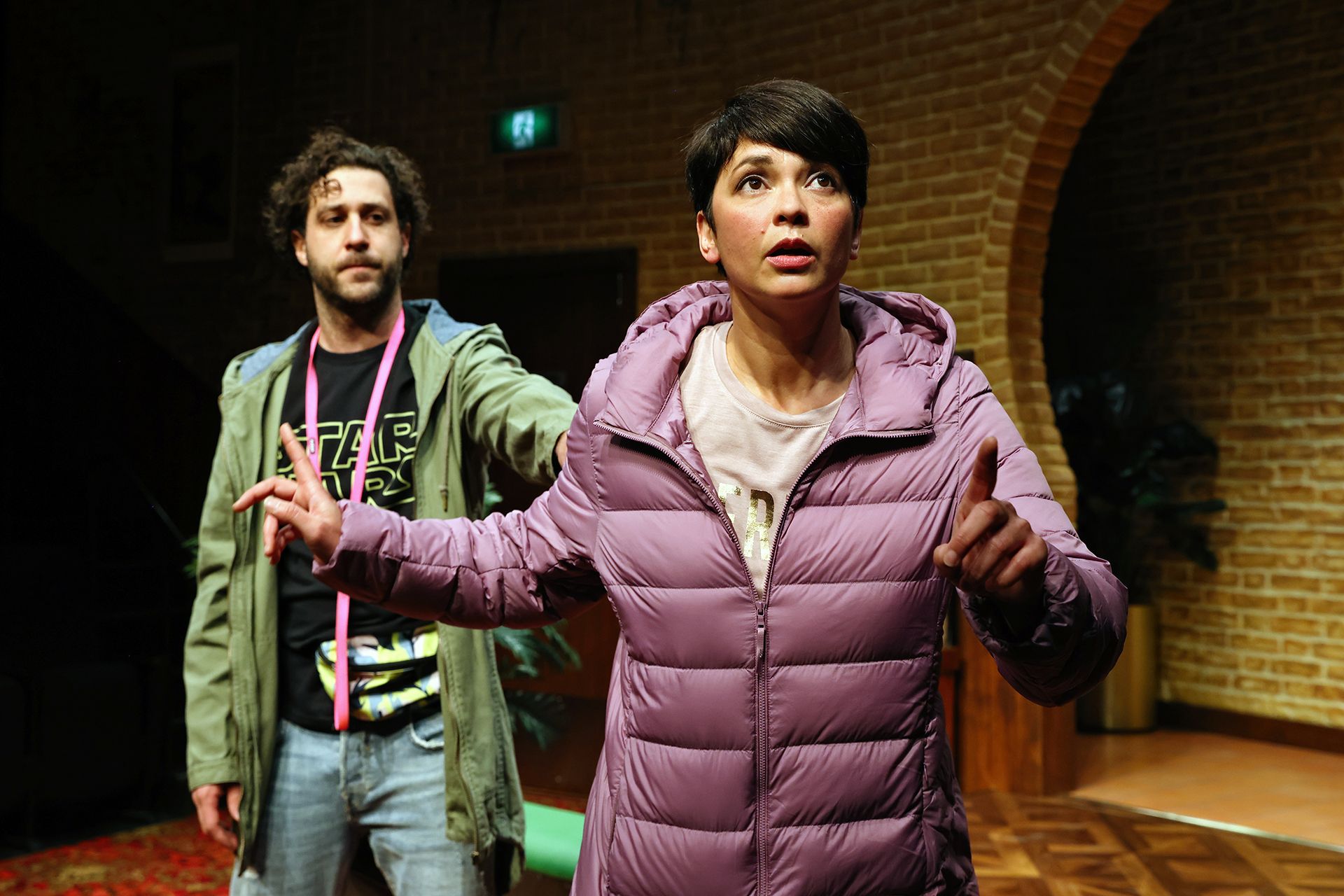
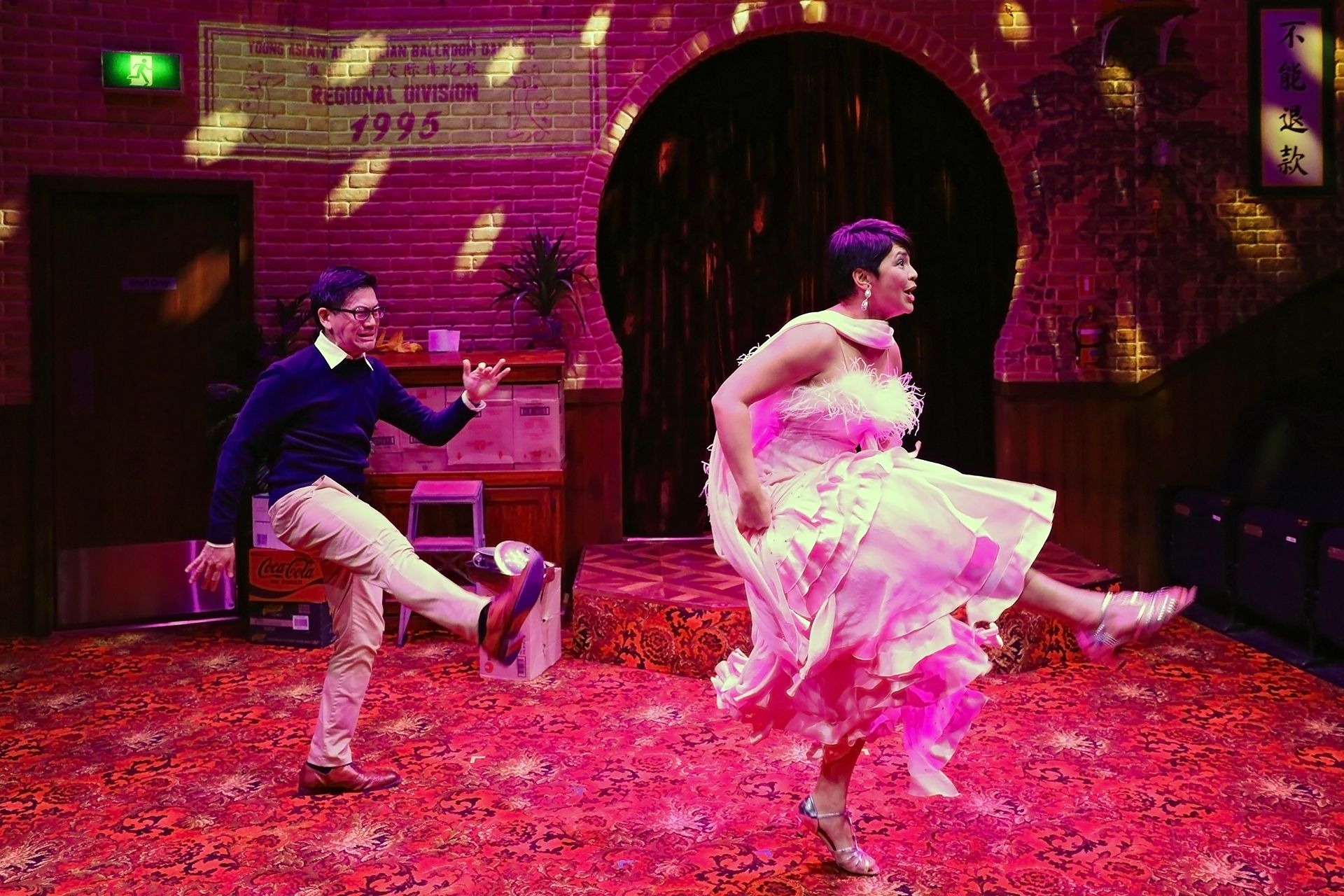
In Vanessa Bates’ The One, siblings Mel and Eric are mixed-race Malaysian-Australians, who have lived in Australia all their lives, but who have never really felt completely accepted, by either side of their combined heritage. This is not a point made too obviously, with playwright Bates choosing instead to amuse us with events surrounding the impending visit of the pair’s flamboyant mother. Much of the writing sparkles with a delightful wit, but the plot lacks focus, involving many moments that feel superfluous, and in need of a more succinct edit.

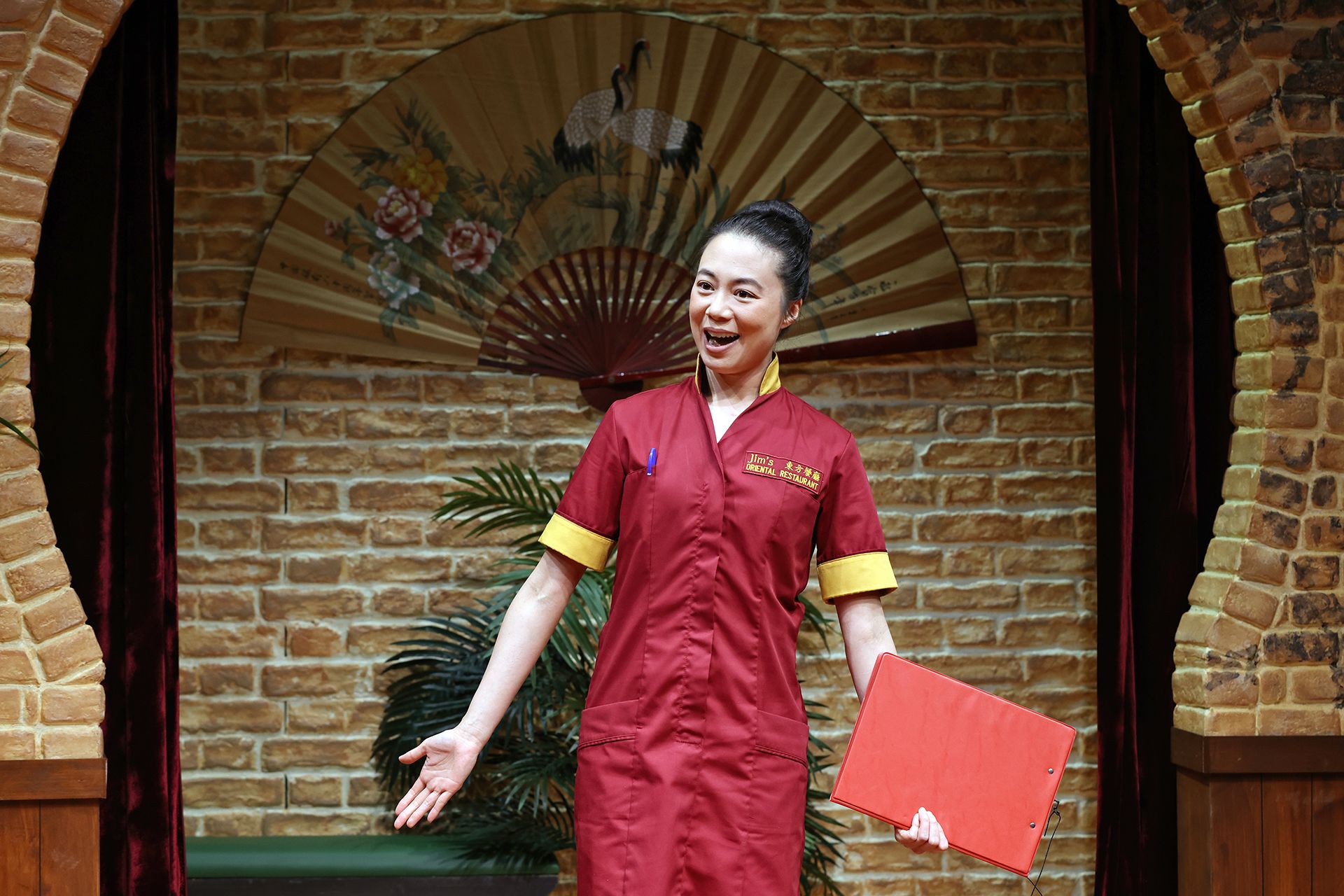
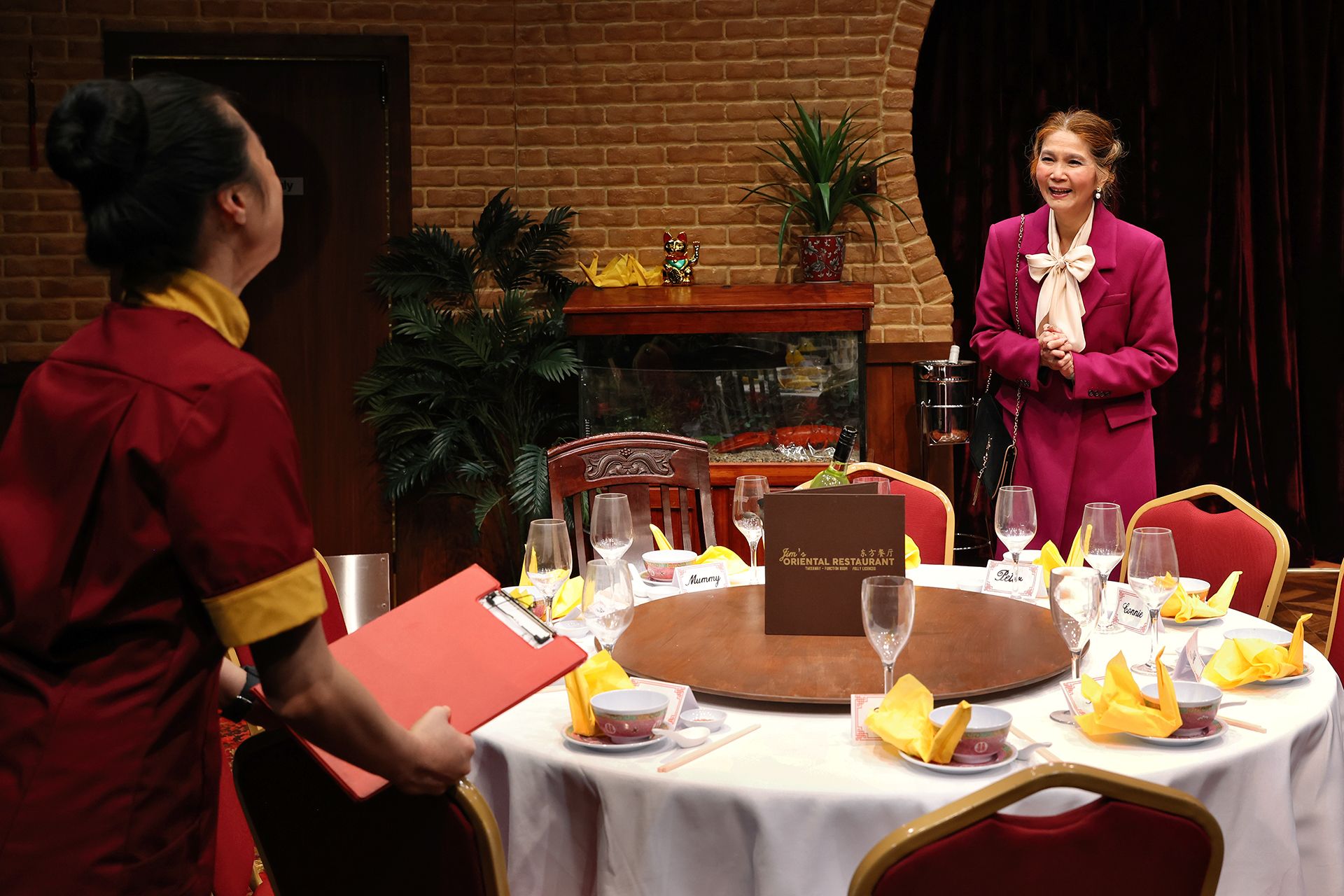
The comedy is given effervescence by Darren Yap, who directs the piece with charm and spirited vigour. Set and costumes by Nick Fry are whimsical in their appeal, and along with Verity Hampson’s lighting design, the production offers satisfyingly exuberant imagery. Music by Michael Tan is inventive and meaningful, effective at conveying a soulful quality that relates closely, to the themes of the story being told.

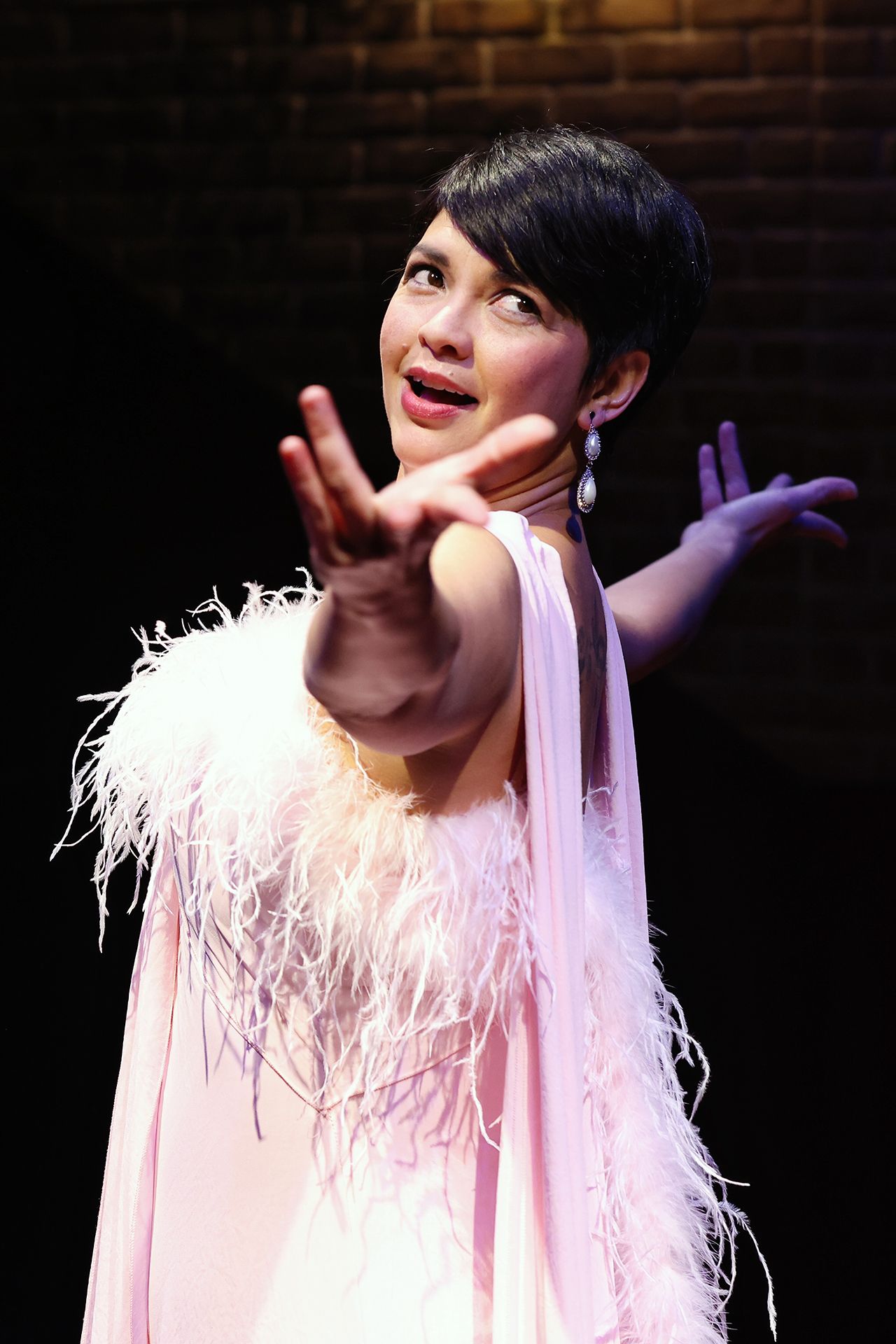
Lead performers Angie Diaz and Shan-Ree Tan are both captivating presences, who deliver a sense of integrity, alongside the buoyant humour that they exteriorise for the staging. Diaz and Tan demonstrate great flair for the playfulness of The One, but it is their commitment to the depth and substance of the material that keeps us attentive. Gabrielle Chan is suitably glamorous and evanescent as Helen, the self-absorbed mother. Damien Strouthos brings great energy and believability as Cal, the devoted beau of Mel. Aileen Huynh’s exaggerated approach to waiter Jess, can initially look somewhat startling, but makes good sense later in the show.

There is nothing fundamentally real about what draws the boundaries between countries, just like much of our identities are comprised of little that can be thought of as concretely material and unyielding. What is true however, is that individuals experience all manner of prejudice and degradation, based on how people think of one another. Mel and Eric have a right to feel that they belong, and it is up to us to define the meaning of inclusivity, wherever we call our home.

www.ensemble.com.au

Review: Attempts On Her Life (Kings Cross Theatre)

Venue: Kings Cross Theatre (Kings Cross NSW), Jul 15 – 30, 2022
Playwright: Martin Crimp
Director:
Saro Lusty-Cavallari
Cast: Lucy Burke, Bridget Haberecht, Lucinda Howes, Josephine Lee, Ebony Tucker
Images by Clare Hawley

Theatre review
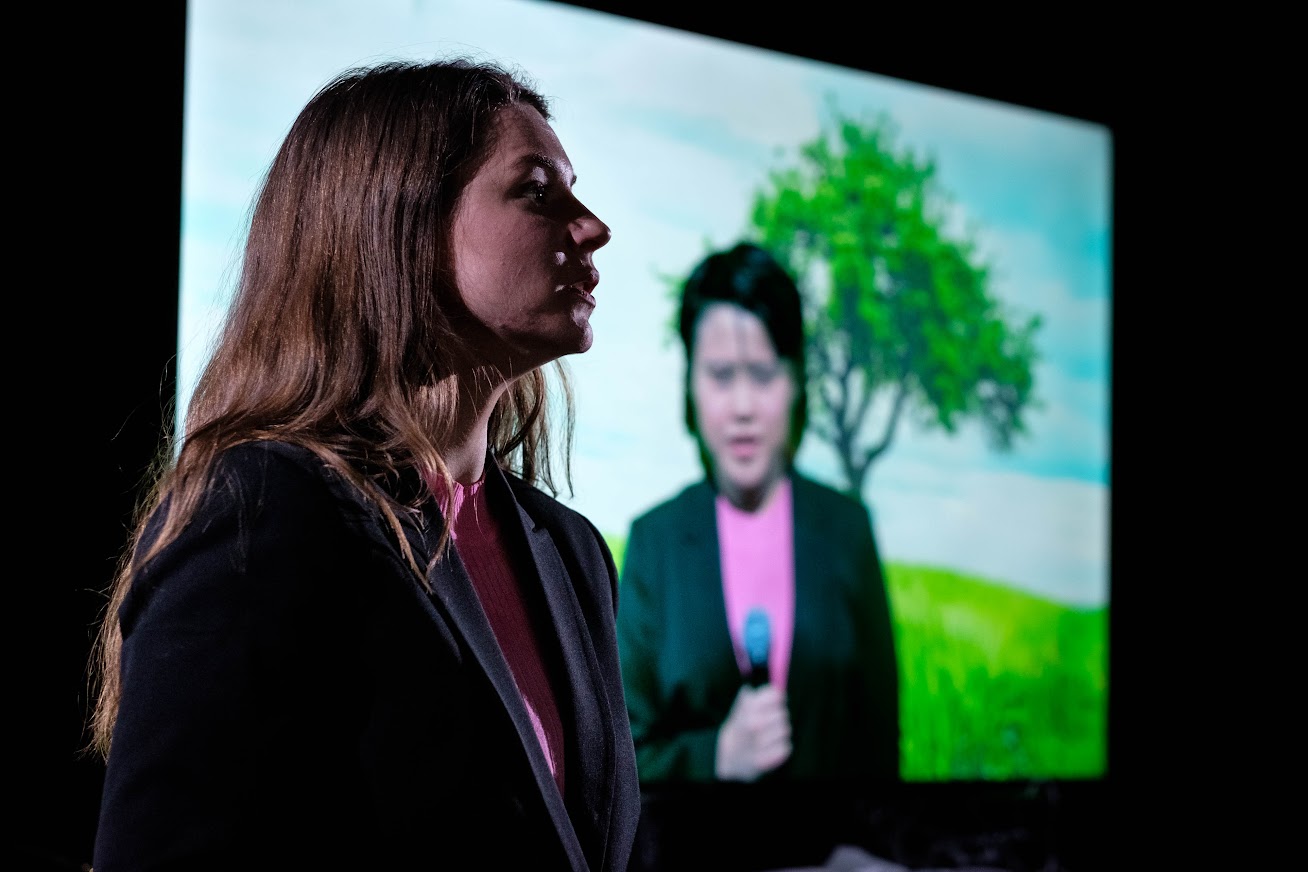
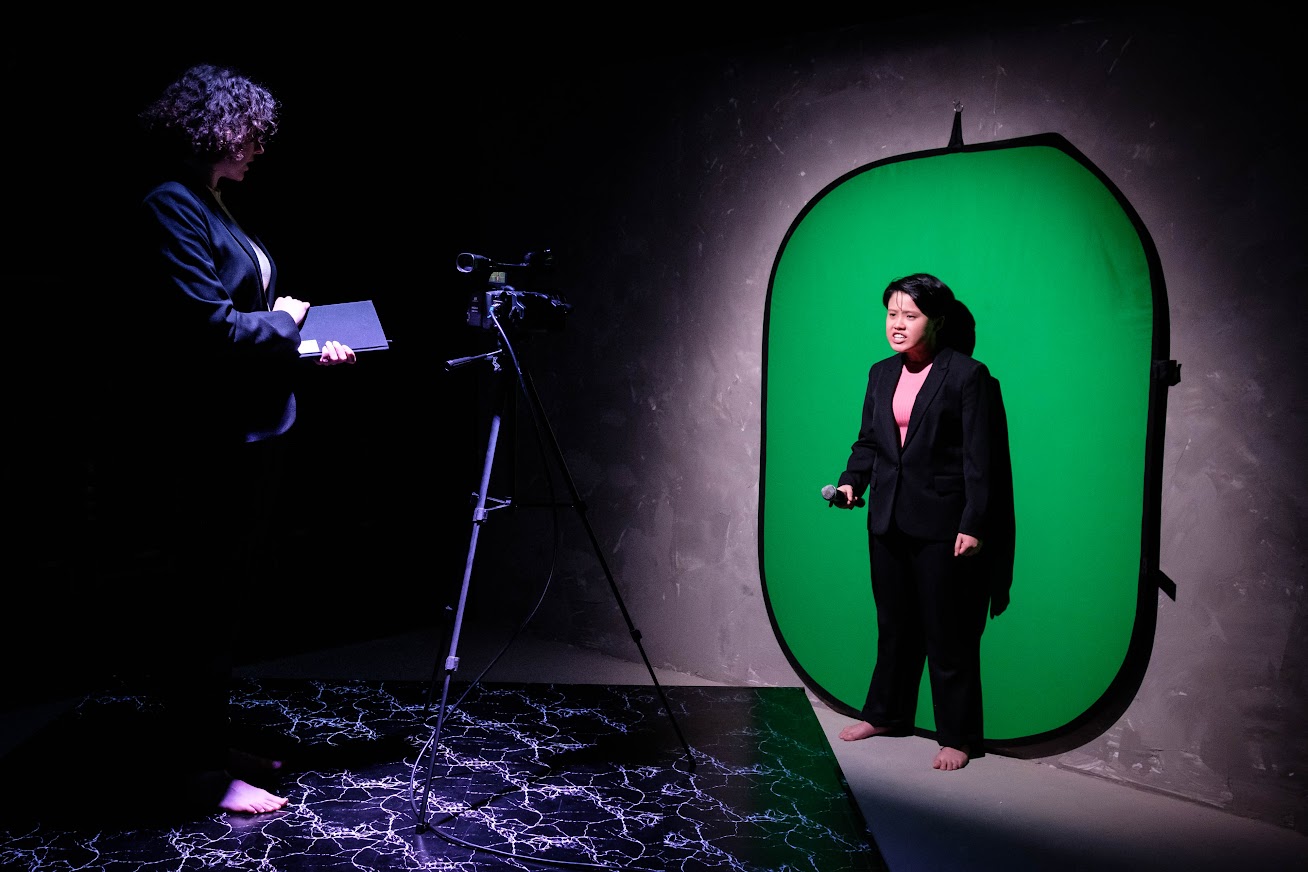
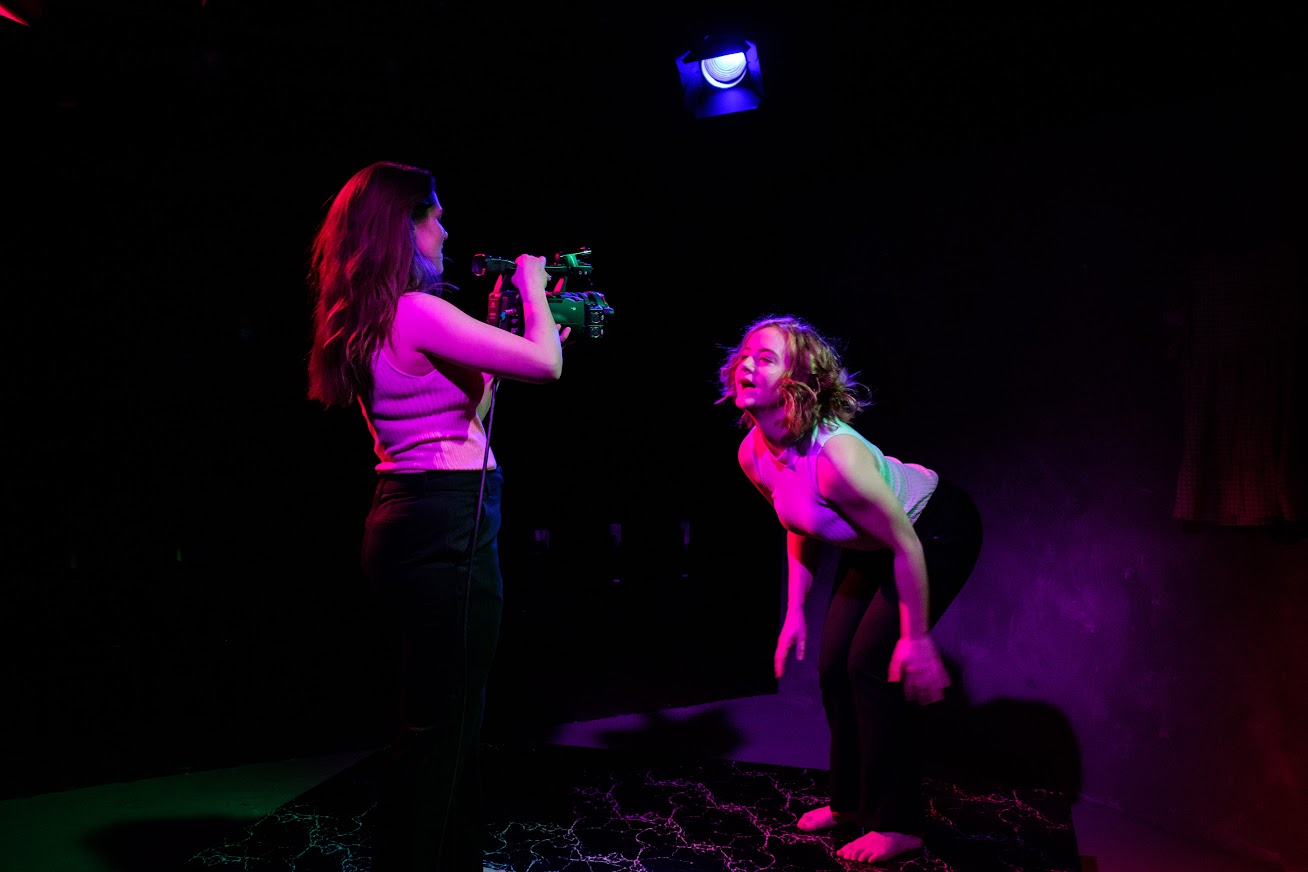
Anne never appears to tell her own story. In Martin Crimp’s Attempts on Her Life, we are presented with “17 scenarios for the theatre” that try to nail down the enigmatic Anne. 5 women actors and a television screen, take on various performative configurations, as though in search of an answer to a mystery pertaining to the idea of an elusive person, but is in actuality finding ways to understand the nature of media in 1997, when the play was first produced.

It is the exploration of form over content that makes Crimp’s writing seem wild and incoherent, and even though Saro Lusty-Cavallari’s direction emanates considerable earnestness, for that spirit of theatrical experimentation, there is insufficient playfulness, and a lack of danger that makes the show feel somewhat staid. Attempts on Her Life wants to take us somewhere chaotic, even anarchic, but it all feels overly measured and deliberate. Video features prominently, and Lusty-Cavallari’s work in that arena is admirably precise, incorporating a sense of technical proficiency for the medium, to provides unexpected polish to the experience.

Set and costumes by Rita Naidu, while not particularly imaginative, prove to be highly functional, for a play that constantly evolves its mode of staging. Lights by Sam Read contribute a good degree of dynamism, that moderates effectively the vacillating dramatic intensity, as we move from one vastly different scene to another. The cast is well-rehearsed and energetic, with a cohesiveness that allows them to project with great confidence.

The world has changed so much in the 25 years since the initial appearance of Attempts on Her Life. Gatekeepers determined which stories were being told, and the ways in which they were told. Although the matter of authorship is still a contentious one, we are now more able to have people tell their own stories, and therefore we find ourselves more able to hear directly from the horse’s mouth. If Anne is still around today, she will have every opportunity to say her piece if she wants to, and if she chooses to keep away from the limelight, we will just have to leave her be.

www.montaguebasement.com

Review: Control (New Theatre)

Venue: New Theatre (Newtown NSW), Jul 5 – 30, 2022
Playwright: Keziah Warner
Director: Patrick Howard
Cast: Romney Hamilton, Riley McNamara, Emily Suine, Luke Vinsentin, Caitlin Williams, Olivia Xegas
Images by Bob Seary

Theatre review
Three short plays set in the future; the first tells a story about a reality show in space, the second features a museum holding personal memories, and the third sees a robot receiving training from a human so that itself can become a teacher. Science fiction takes us to wildly imagined spaces, in order that we may observe ourselves in a different light. Keziah Warner’s Control looks to be about a time centuries ahead, but its contemplations are really about the here and now.

Warner’s dialogue is dynamic and amusing, but her narratives have a tendency to feel underwhelming. Segments about the reality show and the museum, feel insufficiently dramatic, even though the contexts are set up with ample intrigue. The concluding story about machine learning, is more successfully rendered, with director Patrick Howard paying very nuanced attention to the emotional fluctuations that occur throughout. It is perhaps revelatory, that we are ultimately most drawn to things that tug on our human heartstrings.

It is an ambitious set design by David Marshall-Martin that contains all the action, with a grandness that proves appealing, yet effective in portraying the foreboding nature of Warner’s futuristic visions. Lights by Capri Harris bear a sensitivity that helps convey the subtleties inherent in these nightmarish tales of our collective destiny. Rhiarn Zarzhavsky’s costumes offer textures and a colour palette that anticipate a world that is harder and colder, than what it has already become. Director Howard’s own sound design is exciting and thorough, for a staging that embraces the genre of sci-fi unabashedly.

Performers Romney Hamilton and Caitlin Williams are unequivocal stand outs, playing organic teacher and synthetic student respectively, on the planet New Earth. Hamilton’s ability to access emotional depths in very little time, and with minimal external influence, is an impressive sight. Williams as the android, is somehow able to depict layers, whilst maintaining a resolutely robotic exterior.

Science fiction often foregrounds our fear of extinction. This is distinct from the concern around our deaths as individuals, which seems divergently to be something we know to accept, or at least not to contradict. In Control, we look to be a species struggling to hang on to survival, refusing to acknowledge that the end is nigh. We imagine ourselves in dystopic situations, heroically clinging on, when in fact all we do in real life, points to a definitive catastrophe. Life could very well go on, but human participation in it, seems delusory.

www.newtheatre.org.au

Review: Burn Witch Burn (Old Fitz Theatre)

Venue: Old Fitzroy Theatre (Woolloomooloo NSW), Jul 7 – 30, 2022
Playwrights: Tasnim Hossain, Claudia Osborne (based on a story by Fritz Leiber)
Director: Claudia Osborne
Cast: Sheree da Costa, Daniel Gabriel, Alex Packard, Tivy Siripanich and Alex Stamell
Images by Phil Erbacher

Theatre review

When Norman discovers that his successes as a lecturer, are due to the witchcraft that his wife practises, things begin to unravel. Forces light and dark are unleashed, as a chain of secrets get revealed, in Burn Witch Burn by Tasnim Hossain and Claudia Osborne, a work of experimental physical theatre, based on a 1943 story (and 1962 film) by Fritz Leiber.

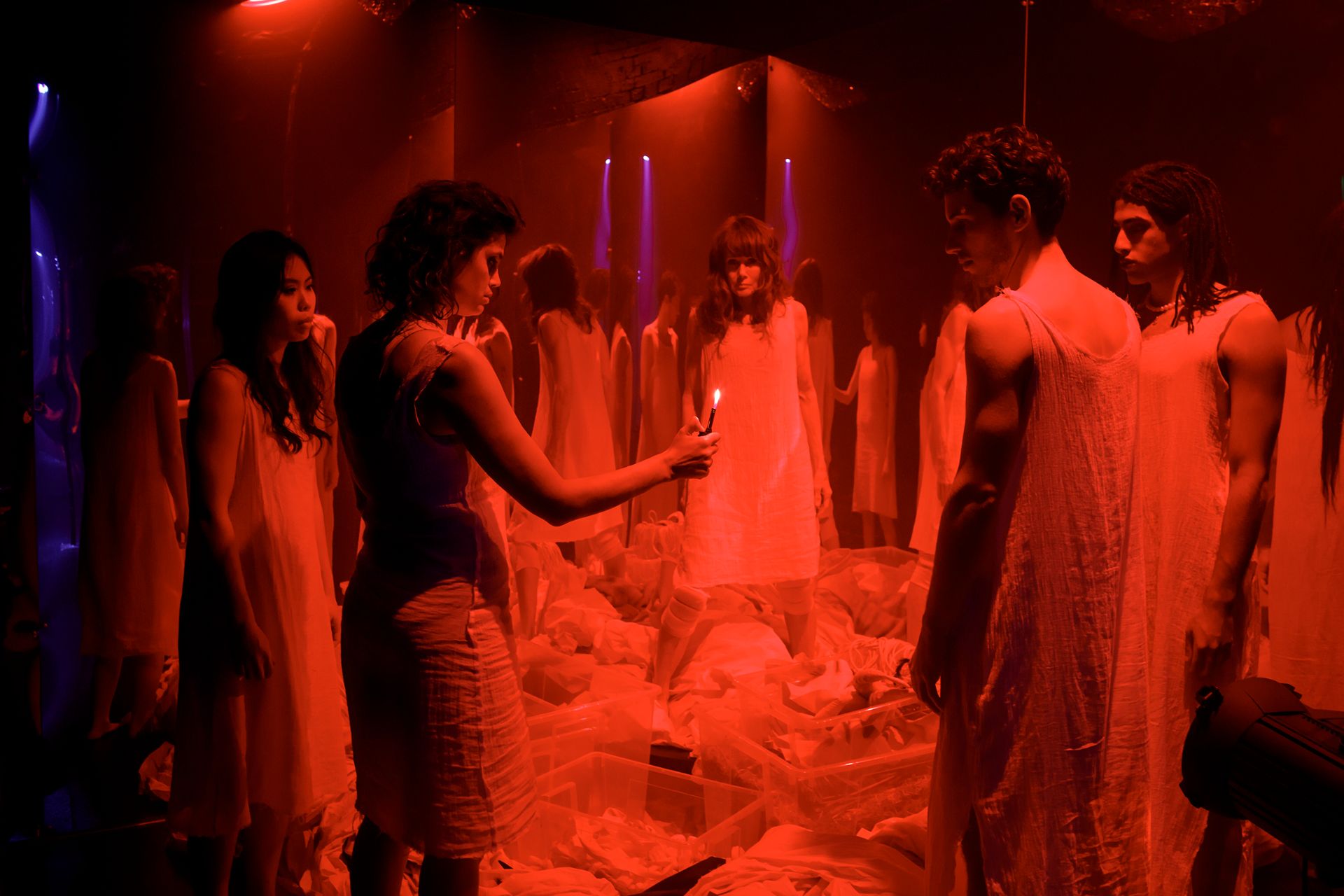
With an emphasis on atmosphere over narrative, the storytelling becomes nebulous. There may not be much certainty as to what exactly is being said, but the production is often unpredictable and intriguing, able to entertain for most of its duration. Emma White’s set design and Veronique Bennett’s lights offer visual brilliance, inviting our eyes to explore every furtive corner of the space. Chrysoulla Markouli’s exhaustive sound design lures us into the ethereal, where we attempt to connect on a plane that is decidedly esoteric and ephemeral.

Directed by Osborne, Burn Witch Burn is a quirky and charming presentation, although the macabre qualities that it tries to render, prove to be less than affecting. Where it intends to portray horror, the show can feel somewhat hollow. There is meaning to be found in this tale of secret women’s business, but Burn Witch Burn is hesitant to make anything obvious, choosing to keep many of its concerns under wraps. The cast of five embodies that mystery well, willing to be looked at but not really seen, with performer Sheree da Costa leaving a particularly strong impression, full of mesmerising intensity and admirable physical discipline.

In some ways, the witches in the show are an allegory for the ways in which power is distributed and  enforced. Feminists want everyone to embrace their ideals of equality. We believe that a fair world is the best way forward, but there are many in positions of privilege who will not acquiesce to the idea, that the relinquishment of power is often a good thing. It seems that we are a species seduced by injustice, and a destination of peace is therefore impossible. Activism work can never be complete, it has to be in perpetual motion, whether in the confrontation of others, or of the self.

www.redlineproductions.com.au

Review: Moon Rabbit Rising (25A Belvoir)

Venue: Belvoir St Theatre (Surry Hills NSW), Jun 29 – Jul 10, 2022
Director: Nicole Pingon
Cast: Mym Kwa, Jon Lam, Jasper Lee-Lindsay, Monica Sayers, Rachel Seeto
Images by Clare Hawley

Theatre review
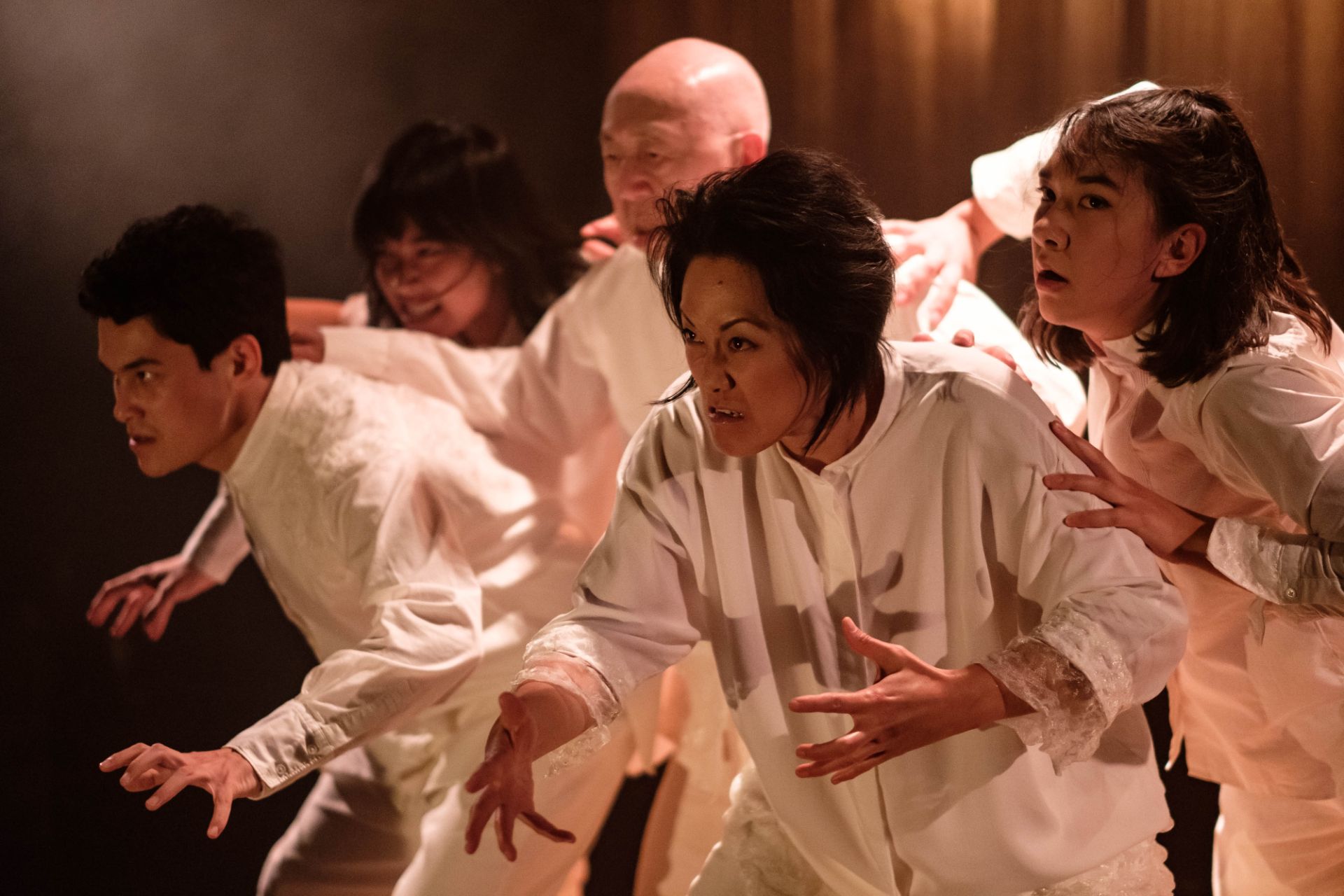
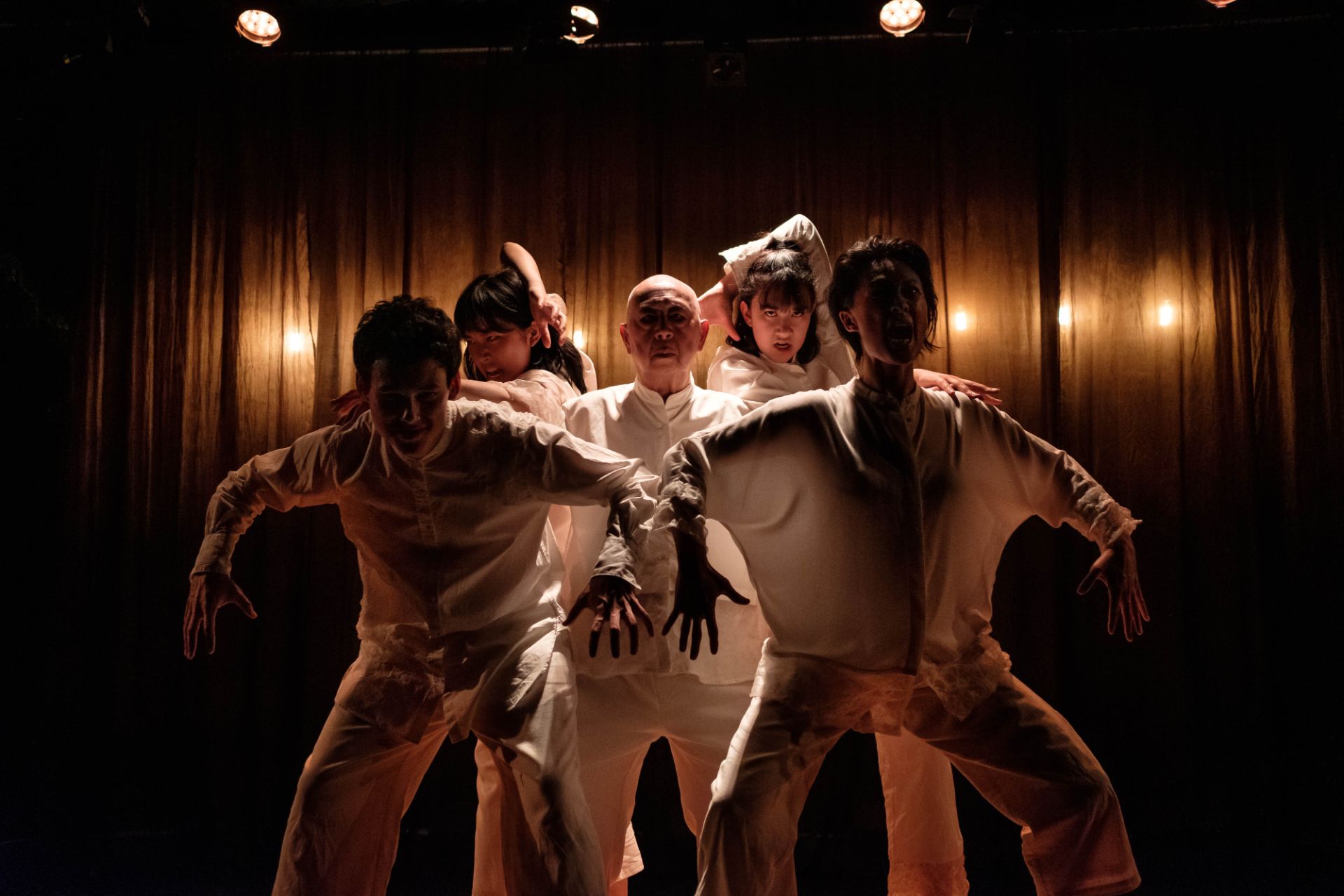
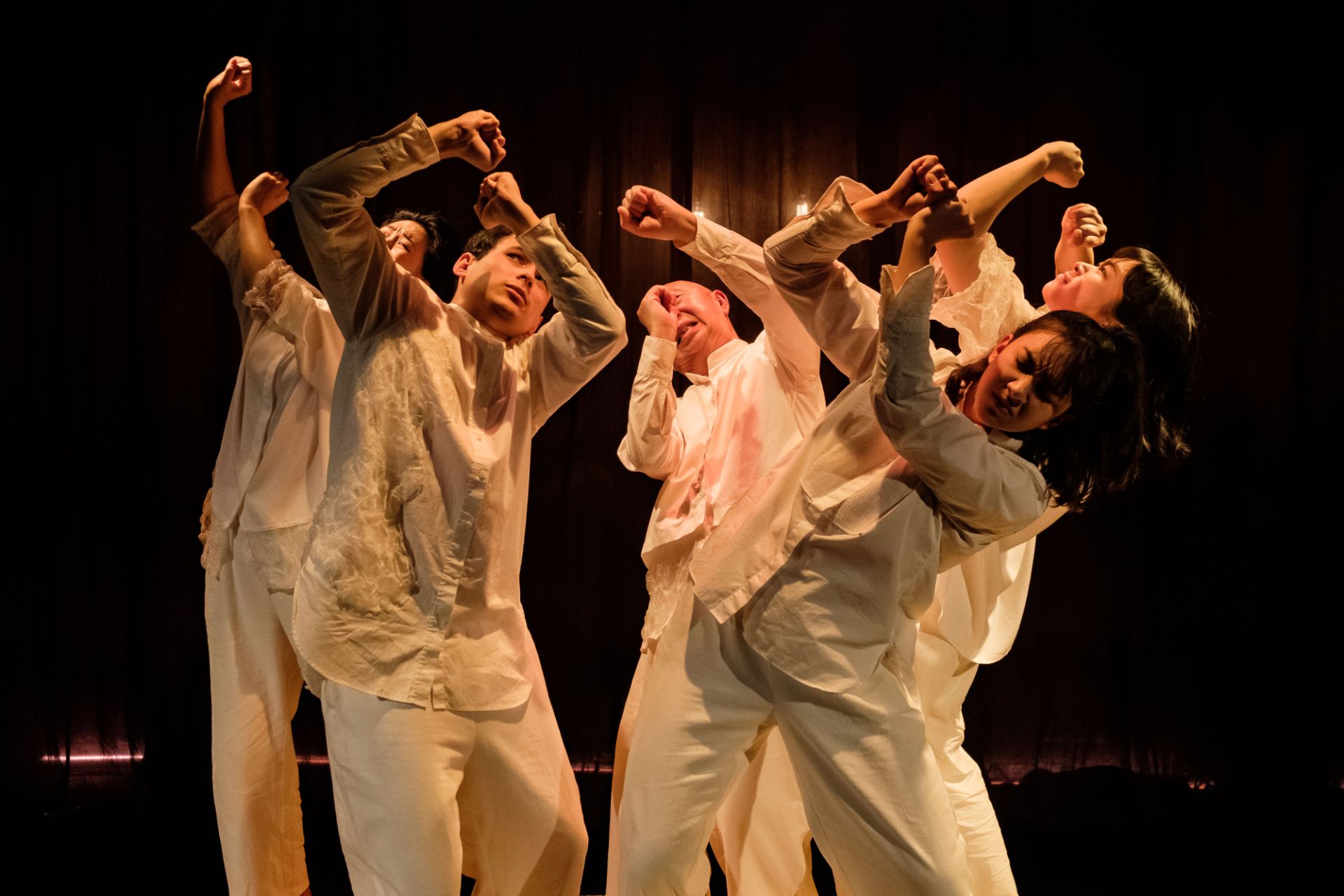
The ancient Chinese legend of 嫦娥 Chang’e has been told with many variations, but what is certain about the story, is that it involves her beau 后裔 Hou Yi, an elixir and the moon. Moon Rabbit Rising is a devised work based on that very tale. Without the use of any dialogue, we revisit a myth that has persisted through the ages, and that a billion people memorialise, during annual celebrations of the Mid-Autumn Festival.

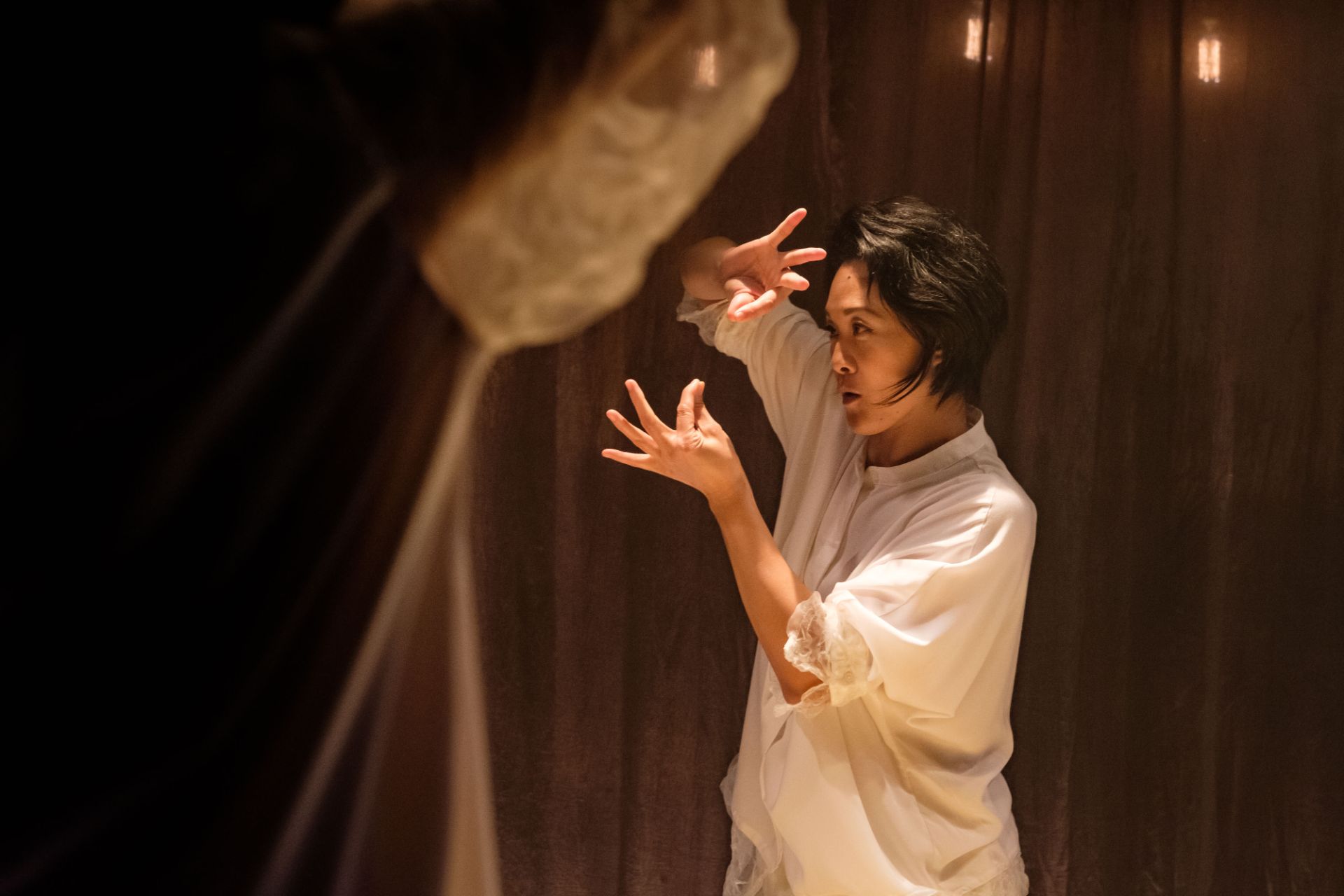
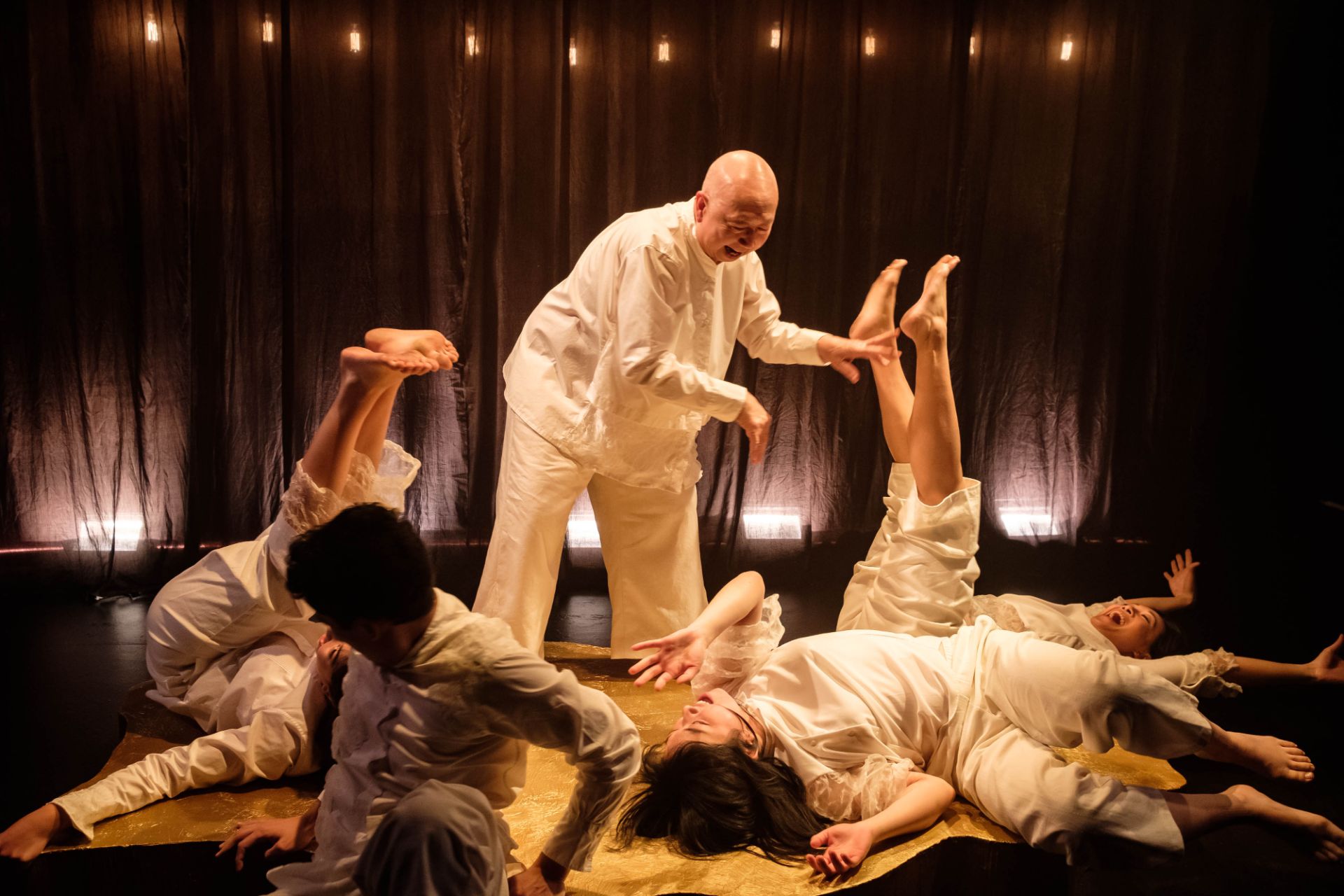
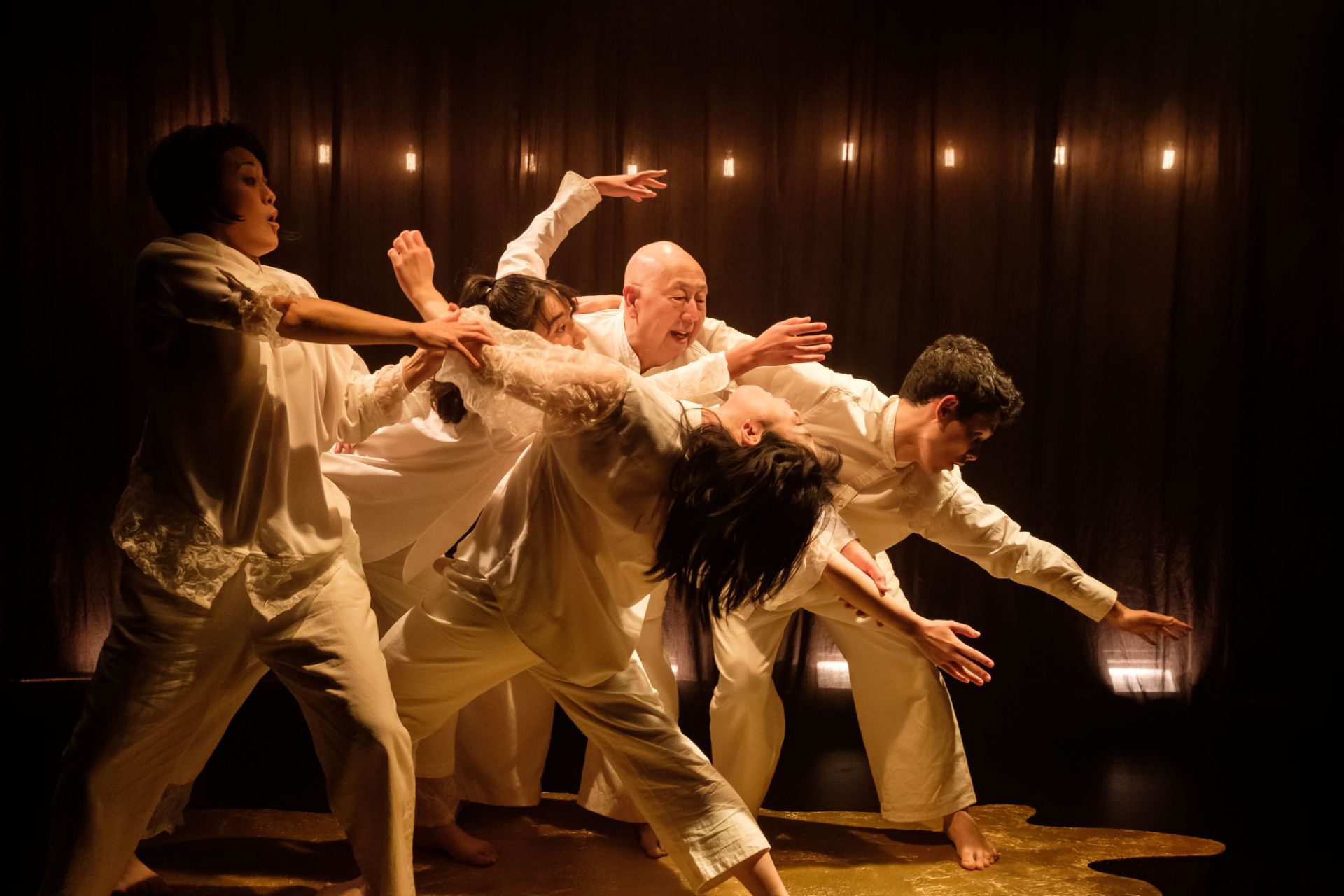
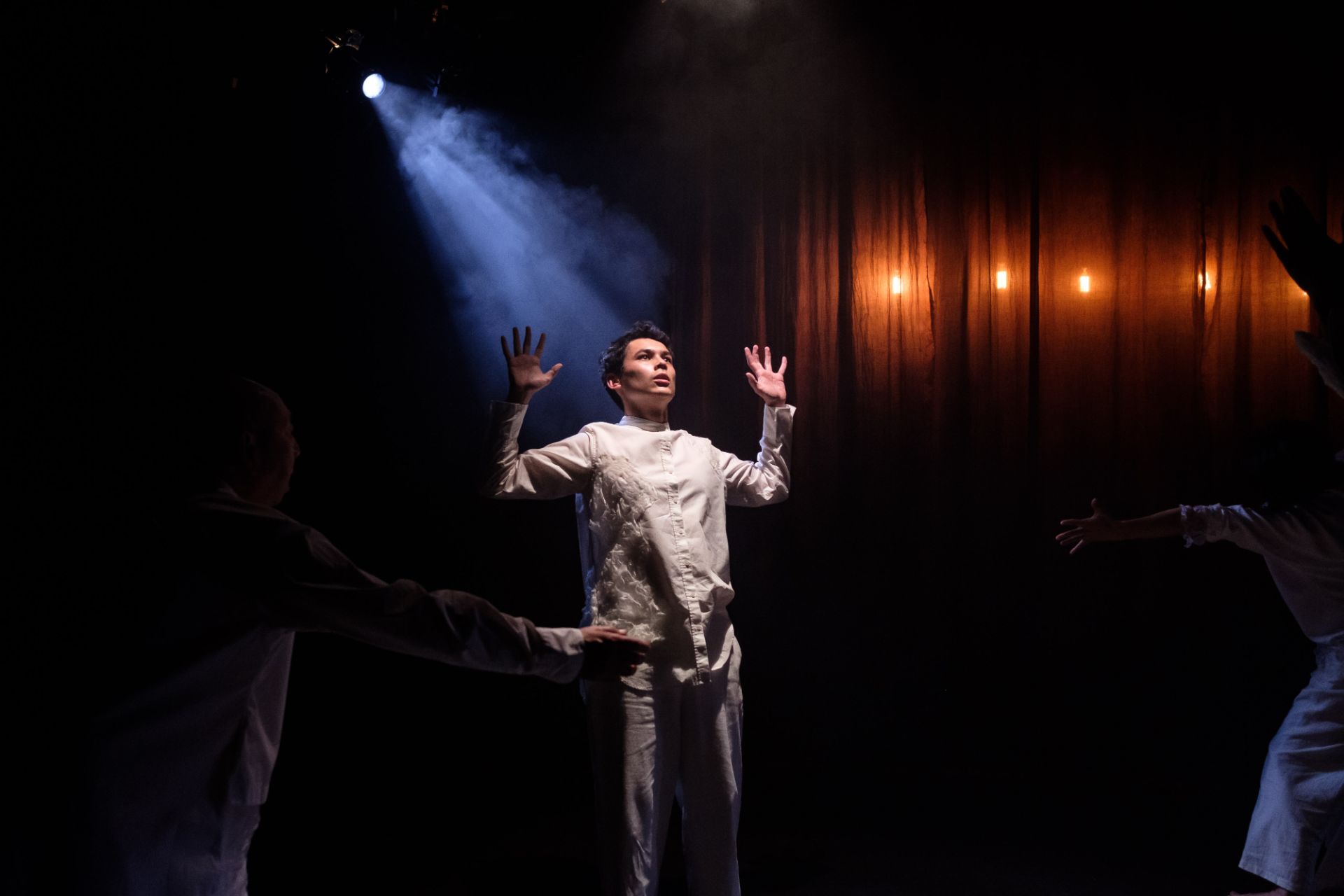
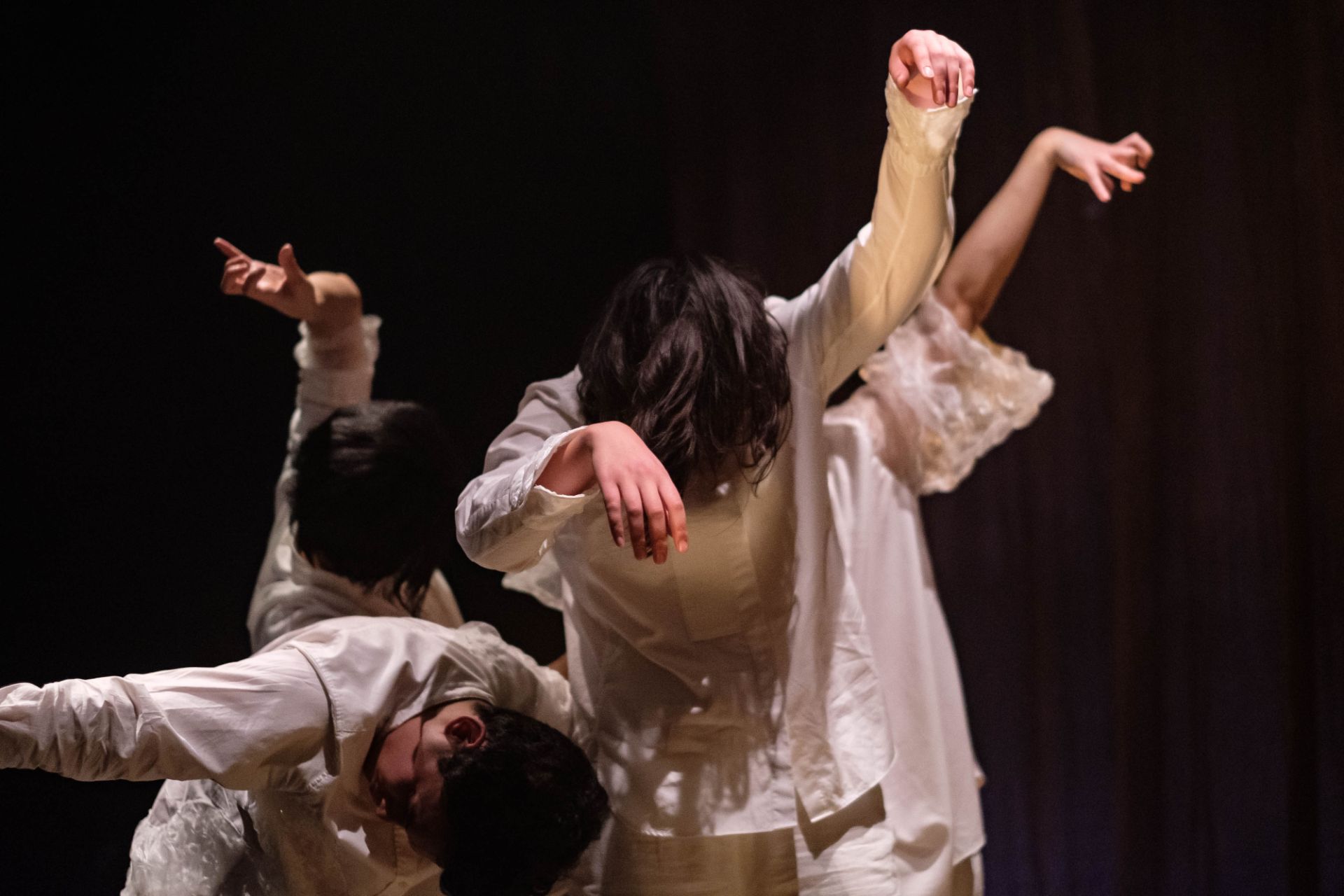
What we remember about Chang’e and Houyi is explored through physical theatre in Moon Rabbit Rising, with a delicate sensibility that makes the presentation look more like an abstract dance, than a literal representation of the beloved narrative. Director Nicole Pingon’s creation is one of considerable beauty. It incorporates the story’s inherent naivety for a show able to express a gamut of emotions, from which the audience can form personal interpretations, whether about the immediate story, or tangential departures inspired by what one encounters.

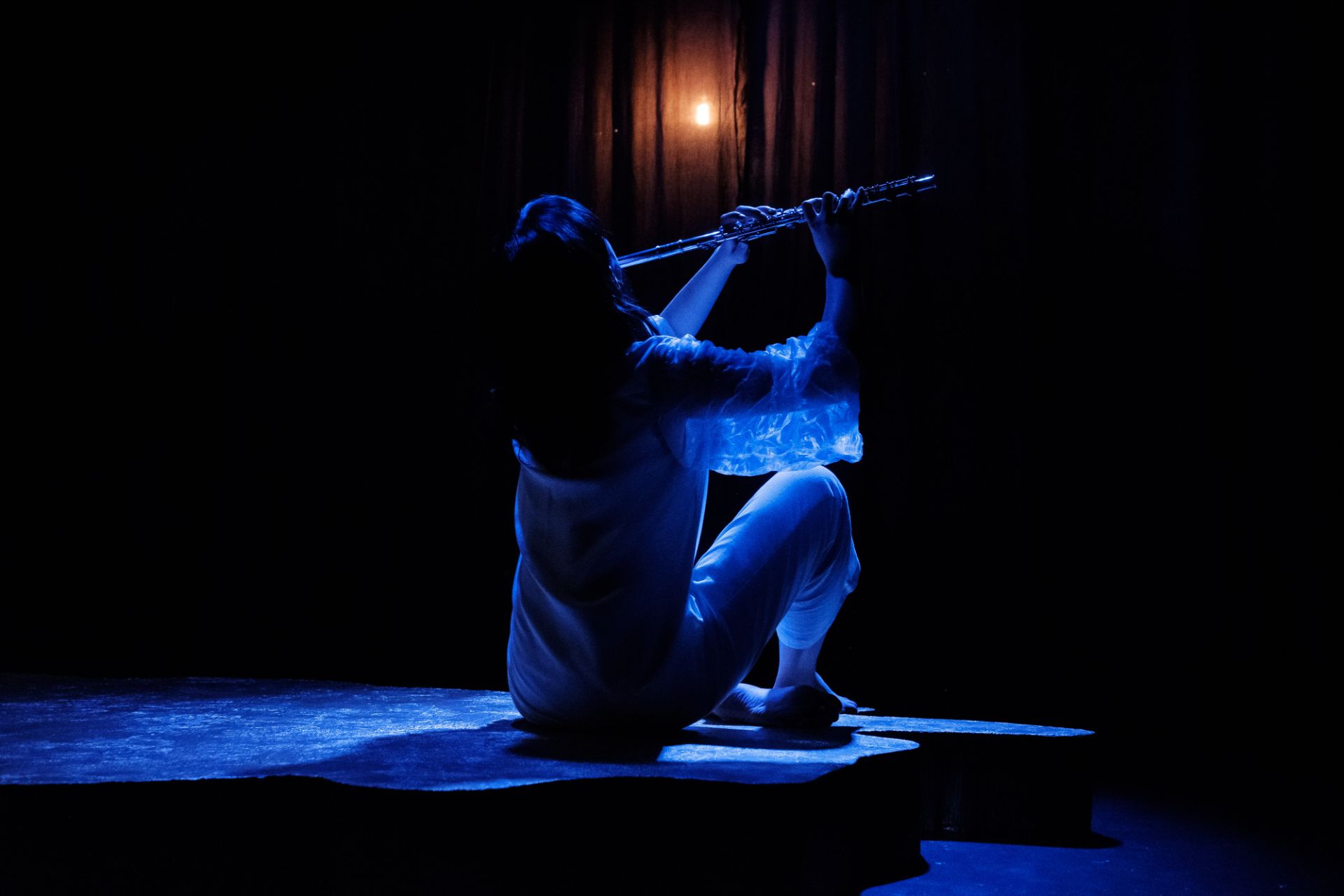
Tyler Fitzpatrick’s evocative lighting design provides for the staging, a hypnotic quality that encourages our minds to simultaneously focus and dream, to use what our eyes see, and travel to mythical and perhaps philosophical spaces within. Christine Pan’s sound and music are wonderfully rich, memorable for the modernity and the sensuality she introduces, to this most traditional of folklore.

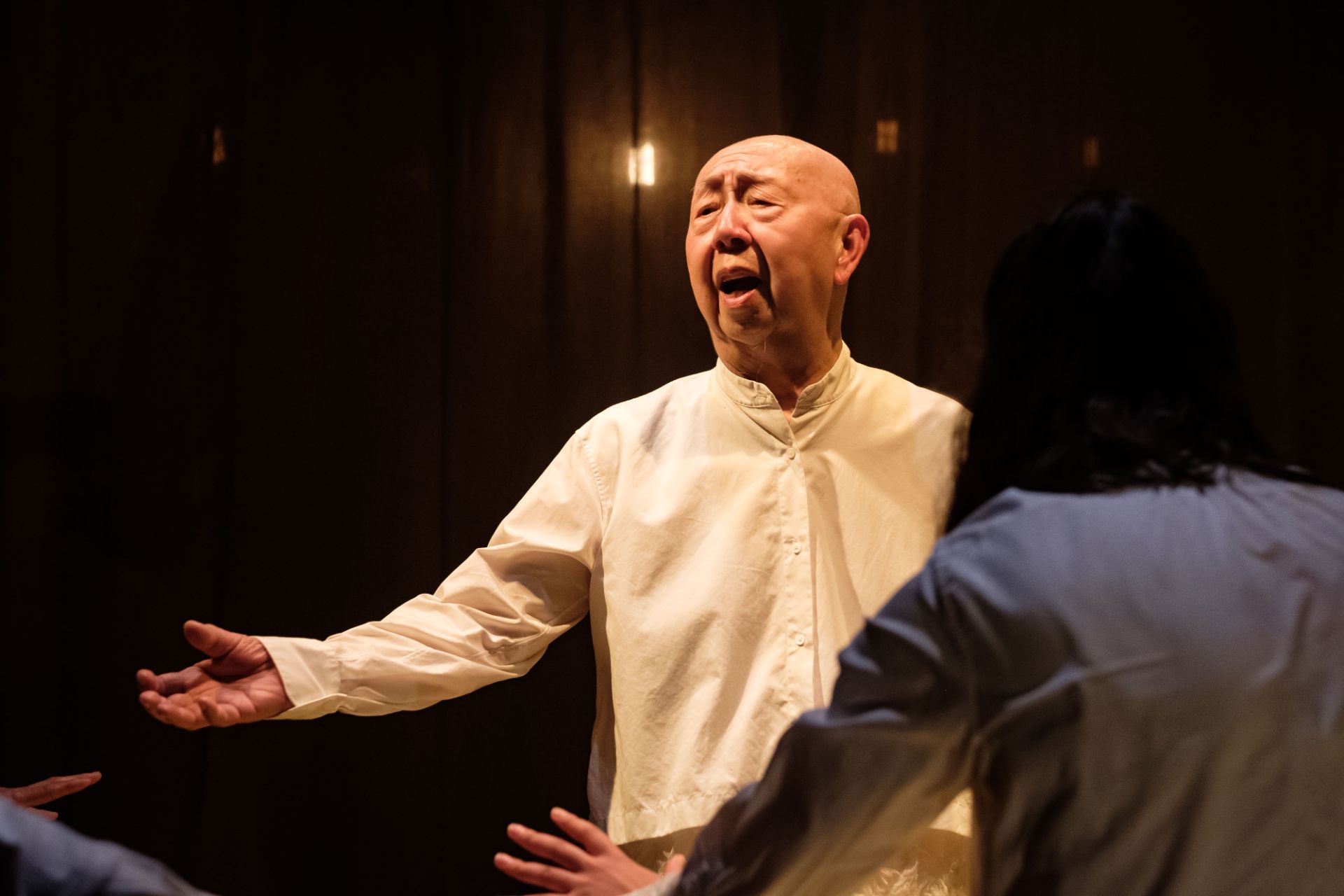
Elderly performer Jon Lam delivers untold resonance and profundity, as we delve into an exploration of heritage. Together with four younger members of cast, an exceptionally cohesive ensemble is built, with a shared earnestness that demonstrates a commitment to something that weighs of unmistakeable significance. Their faces reveal an intense connection with the material involved, and we reciprocate by investing sensitively into all that they offer.

On this land, people of colour have had to sublimate our histories, modifying and even burying psychic links to ancestral pasts, in order that we may be allowed to feel at home. That strategy for survival is not just a result of our acquiescence to unfriendly demands, but is in fact a way for many, to deal with difficult situations that had to be left behind. As we emerge from those traumas, it only makes sense to rediscover and embrace parts of what we had escaped. The danger of nostalgia however, is that we forget the bad that had come with the good. The prudent thing to do therefore, is to interrogate and question all that can be inherited, before retaining that which is truly valuable, in our forging of new identities.

www.littleeggscollective.comwww.belvoir.com.au