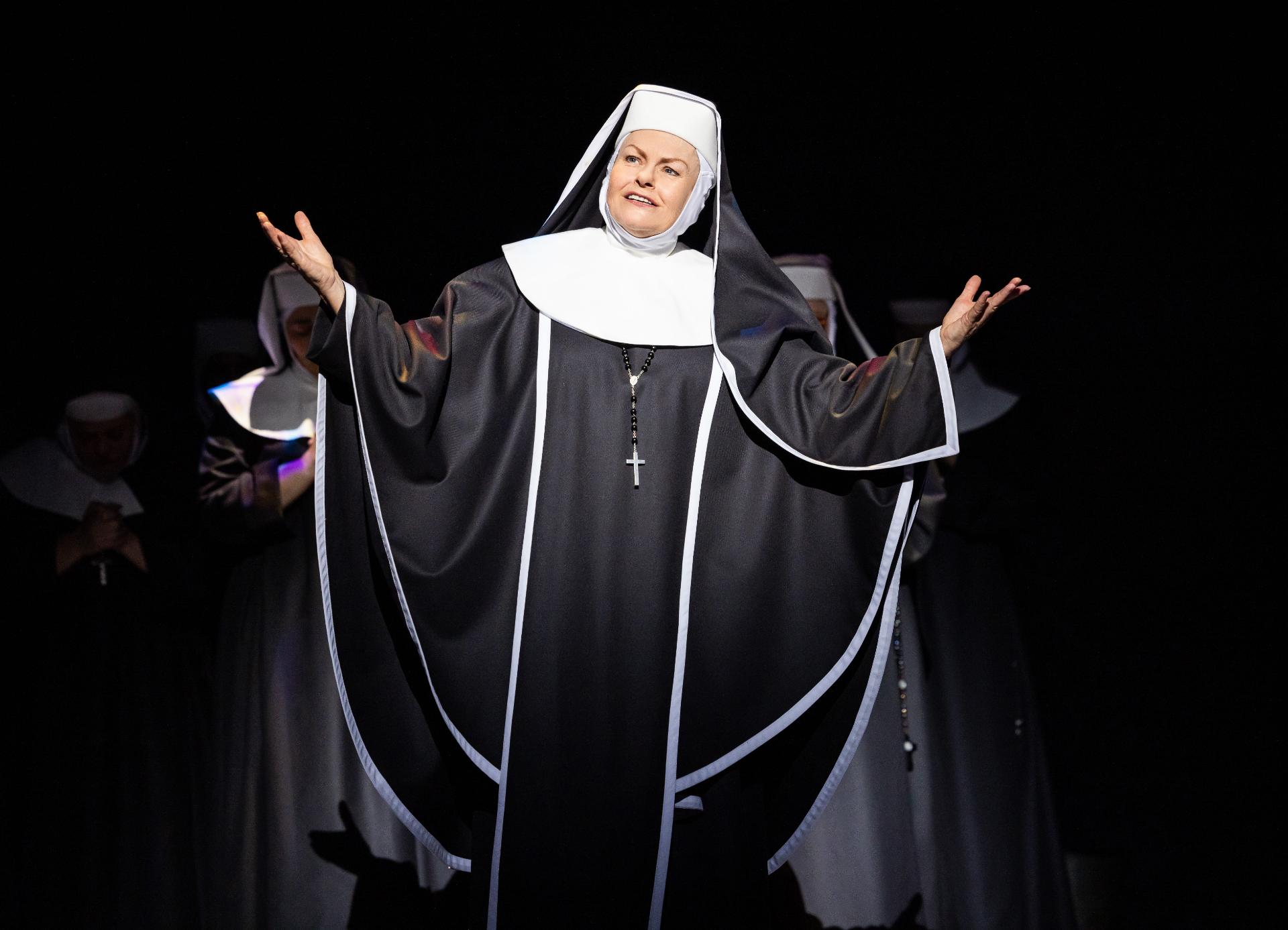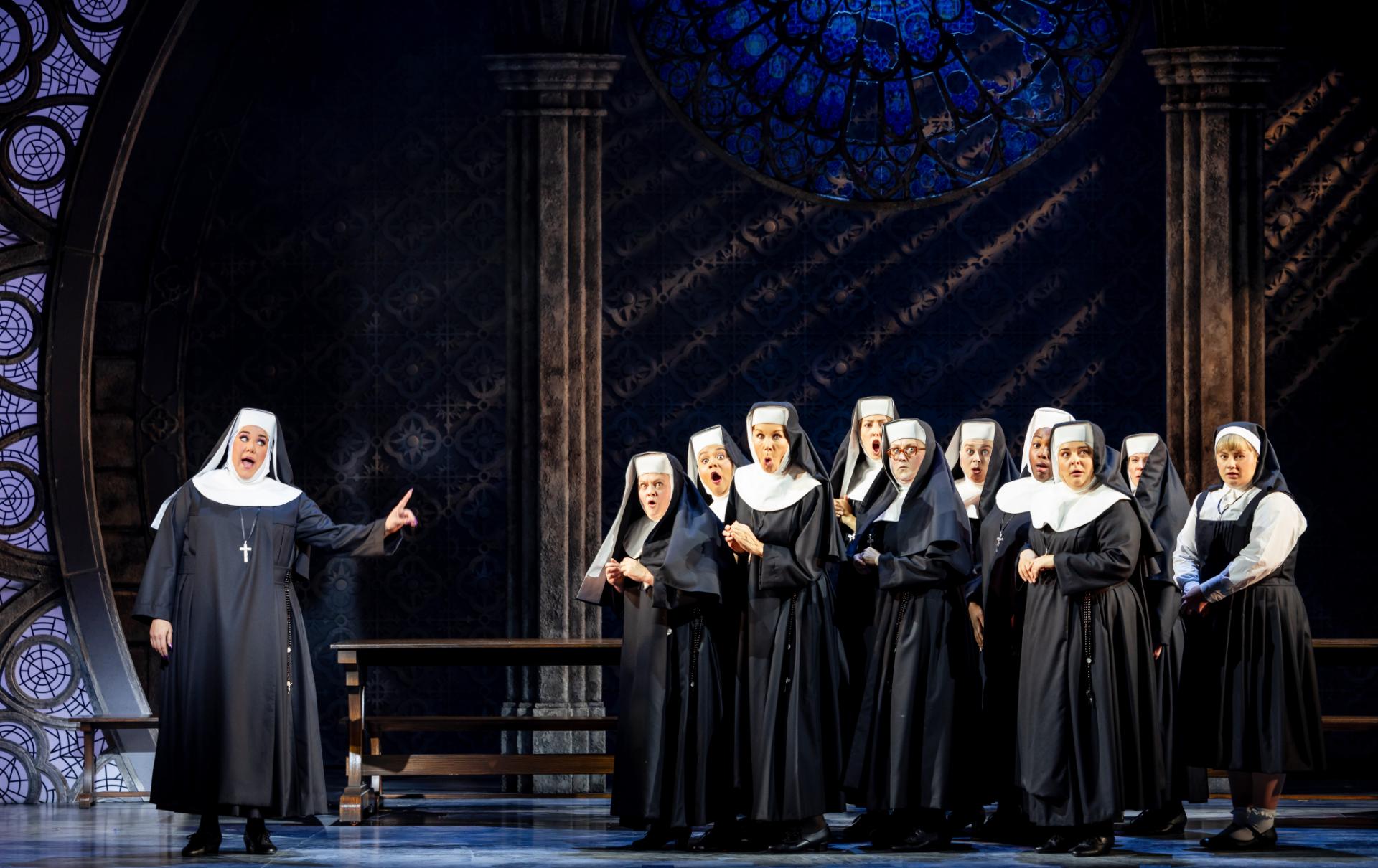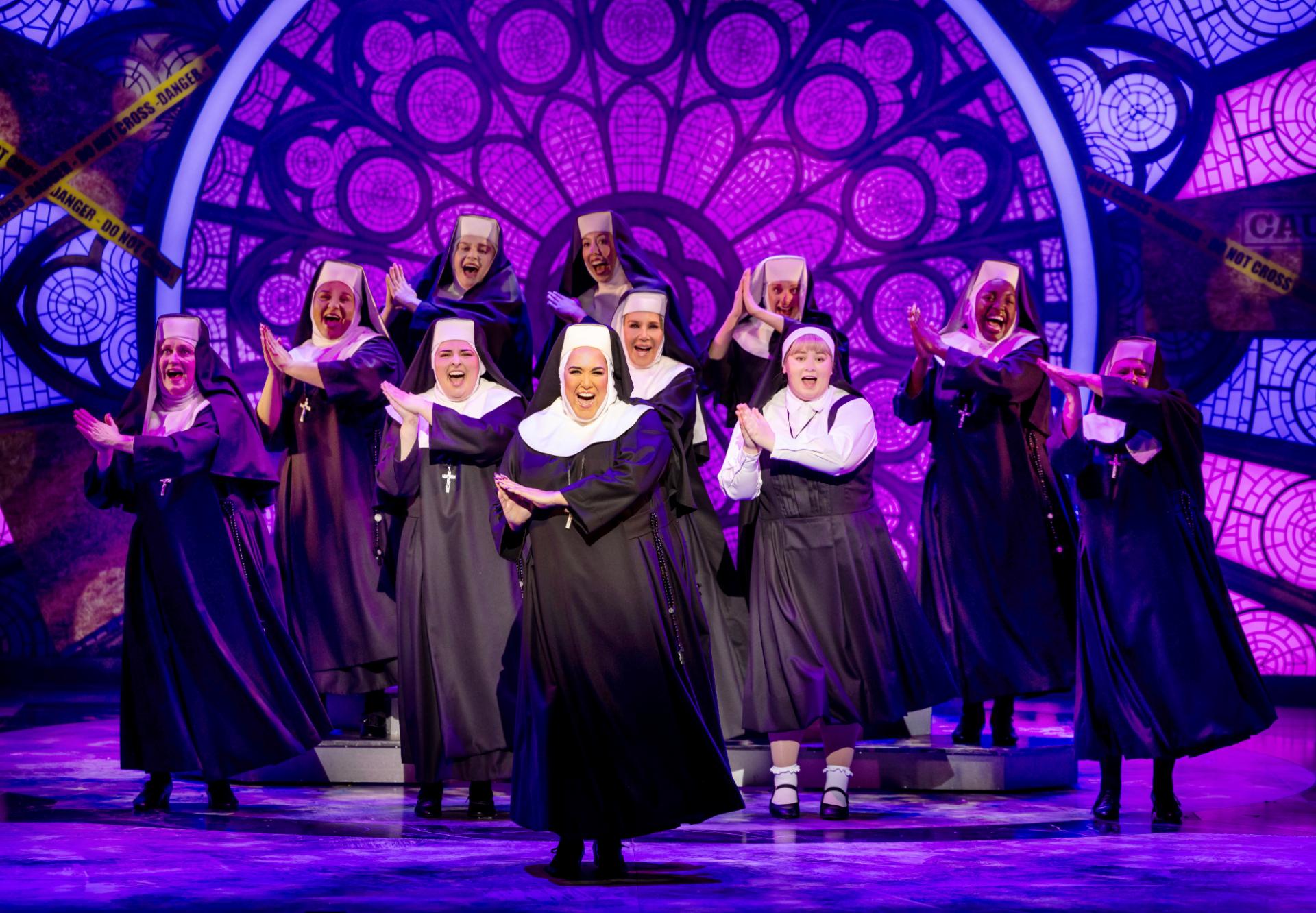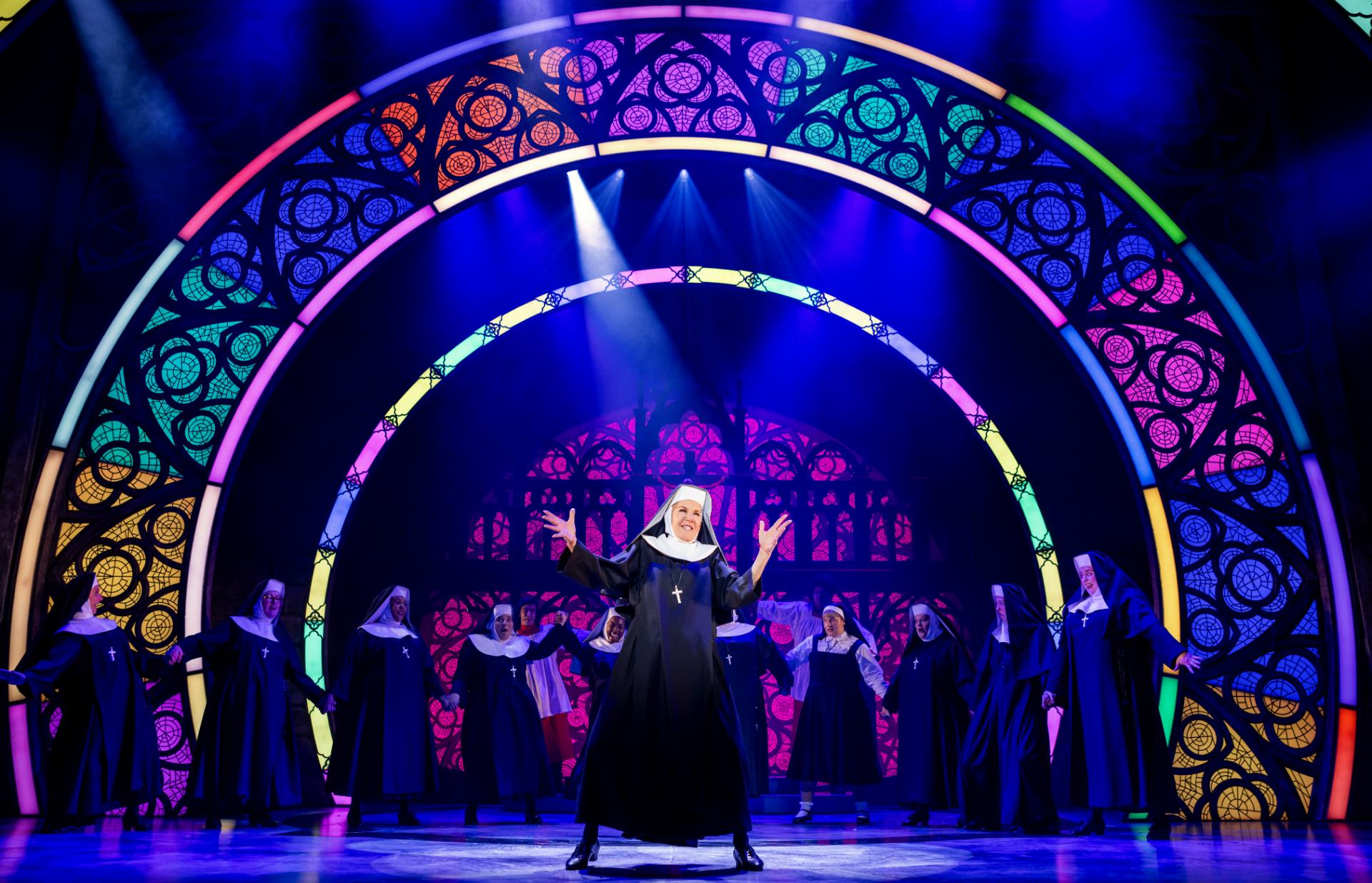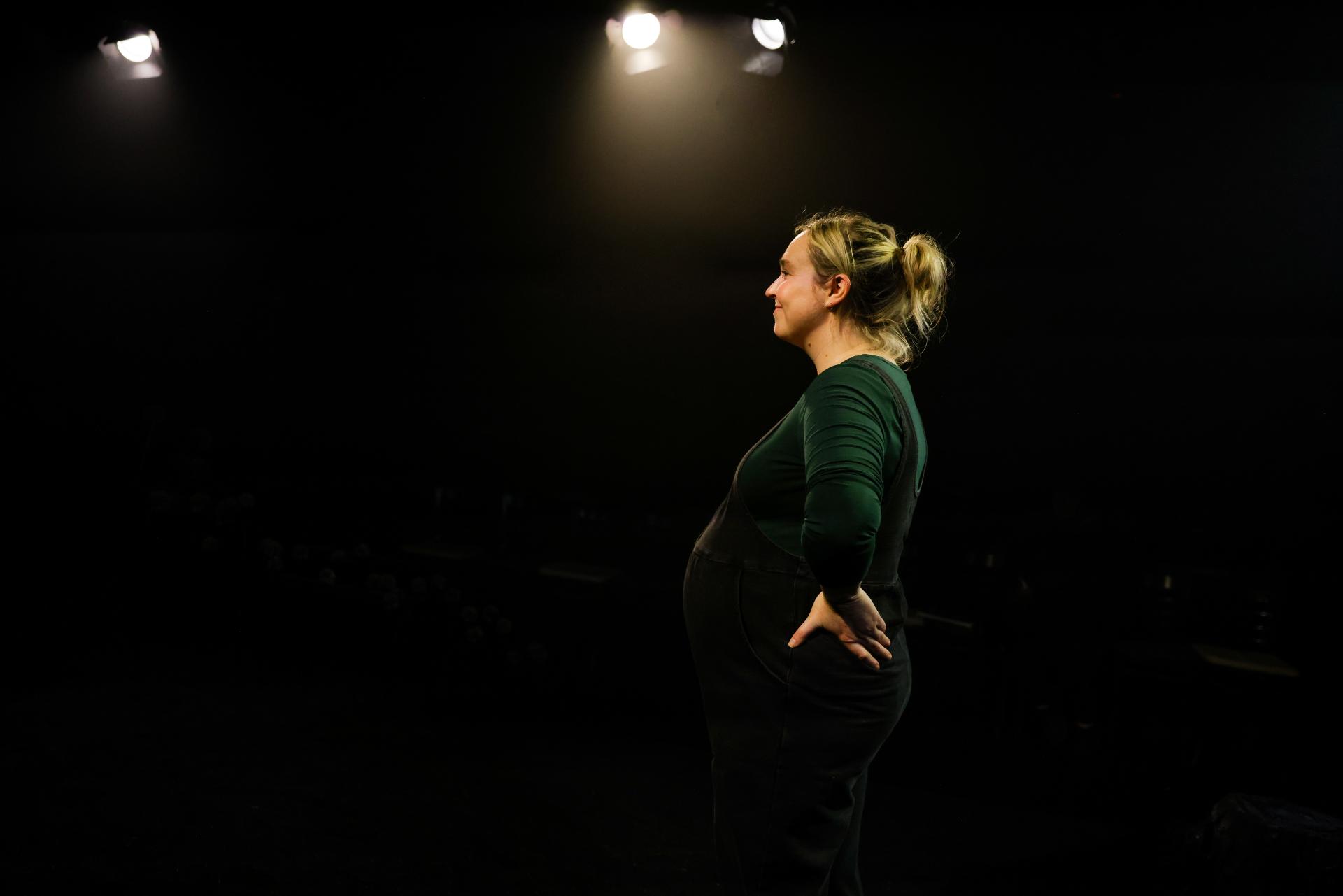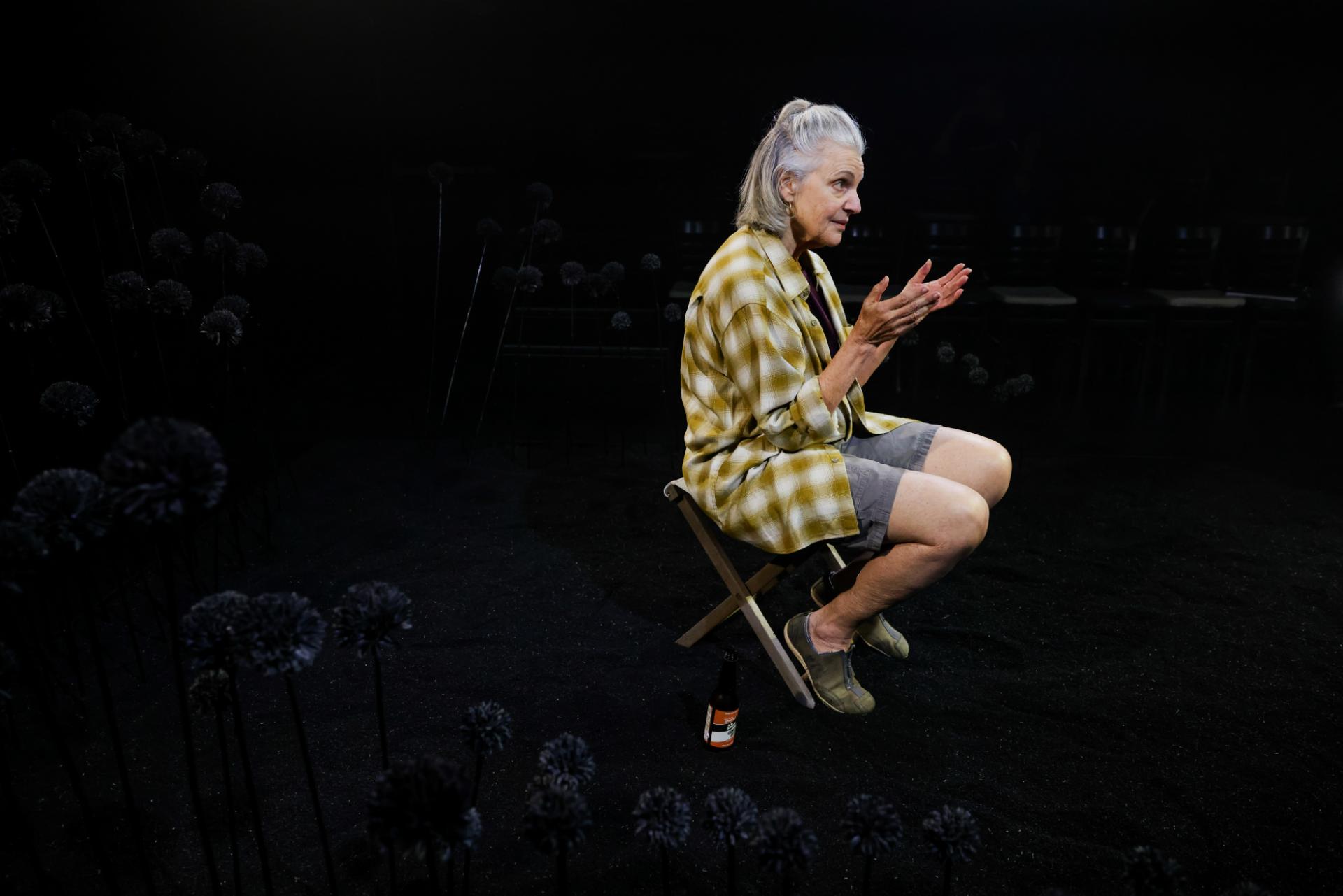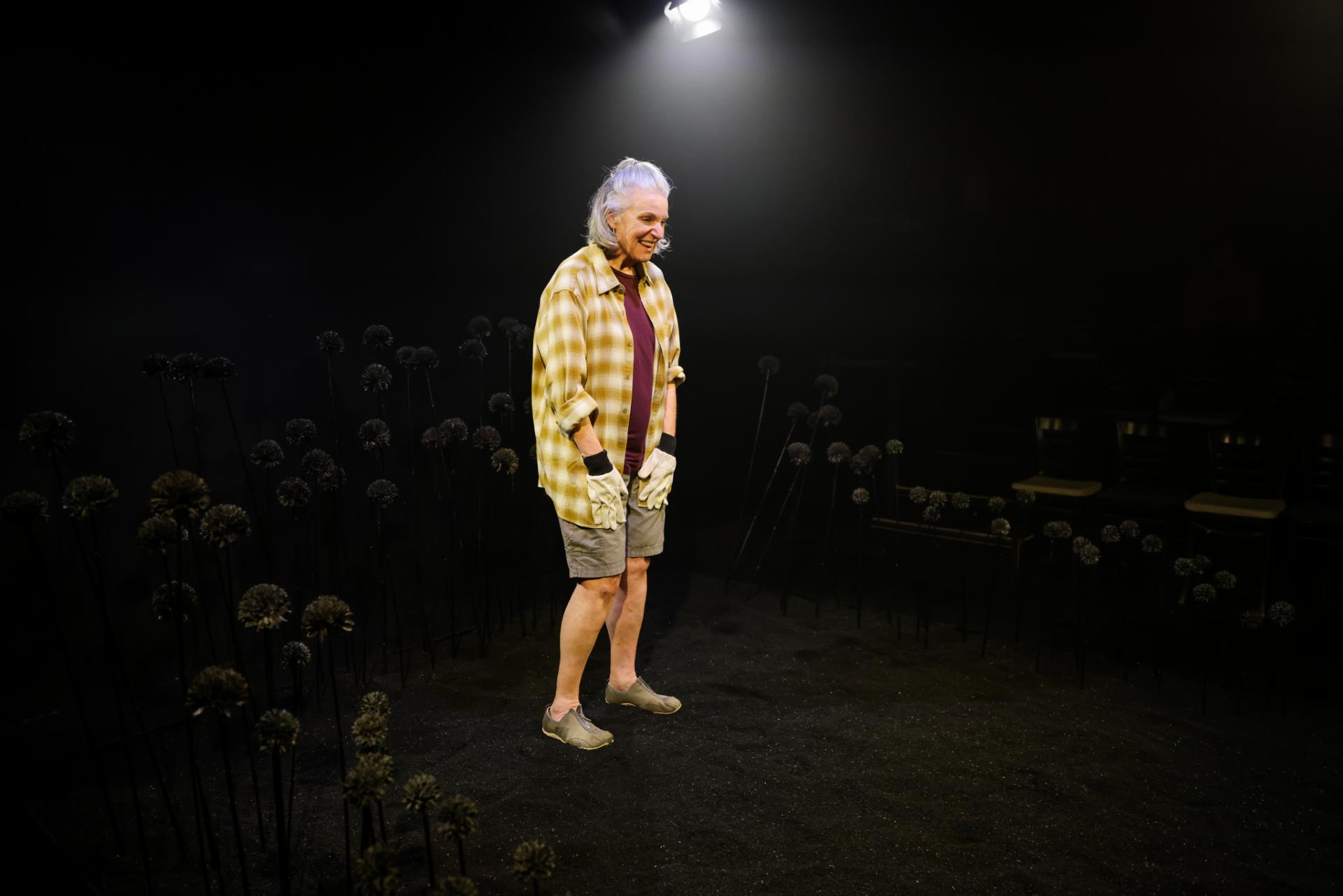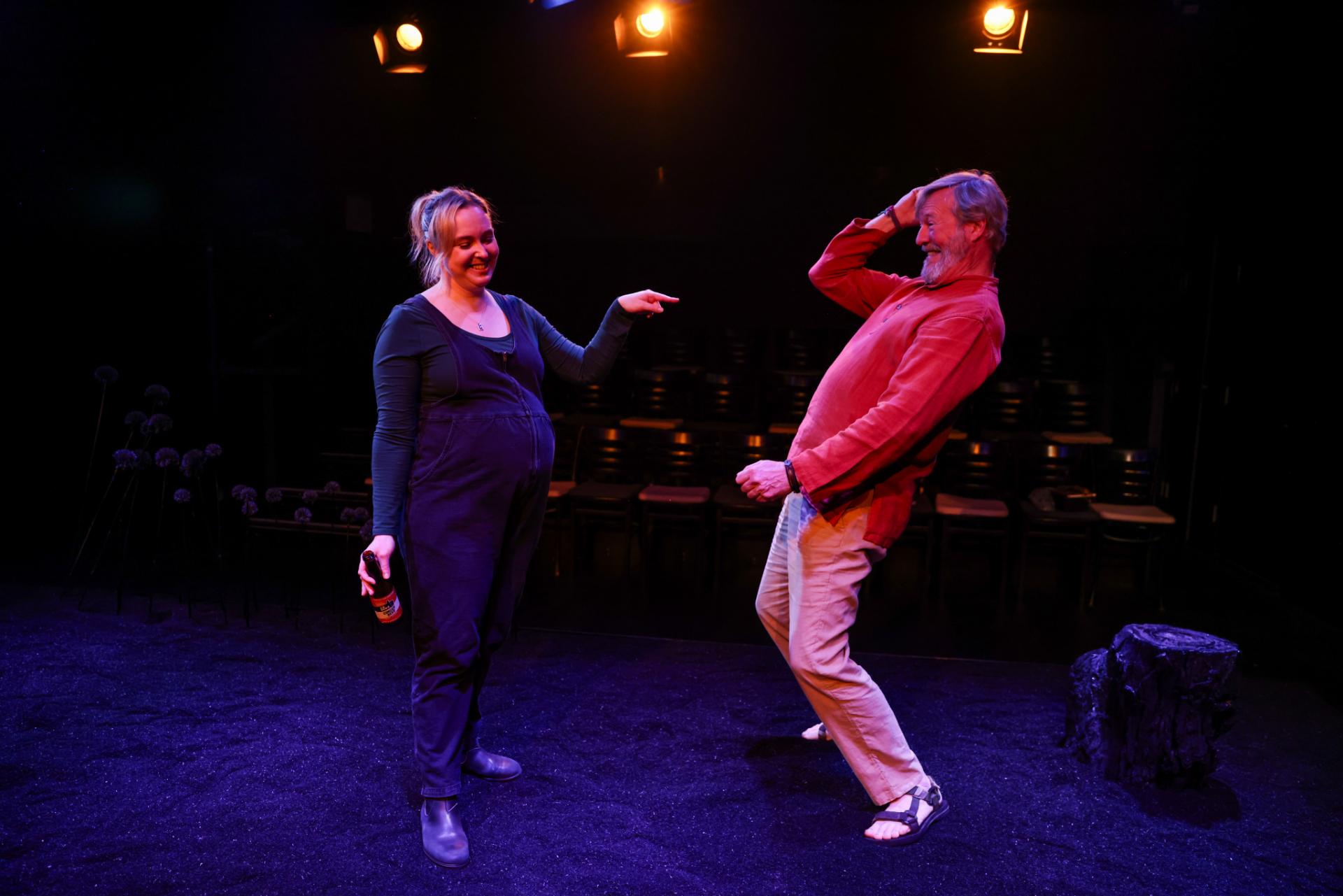
Review: Sotoba Komachi 卒塔婆小町 (Old Fitz Theatre)

Venue: Old Fitzroy Theatre (Woolloomooloo NSW), Apr 6 – 13, 2024
Playwright: Yukio Mishima 三島由紀夫
Director: Jeremi Campese
Cast: Jeremi Campese, Millie Hing, Jasper Lee-Lindsay, Susan Ling Young, Wern Mak, Rachel Seeto
Images by Karl Elbour

Theatre review
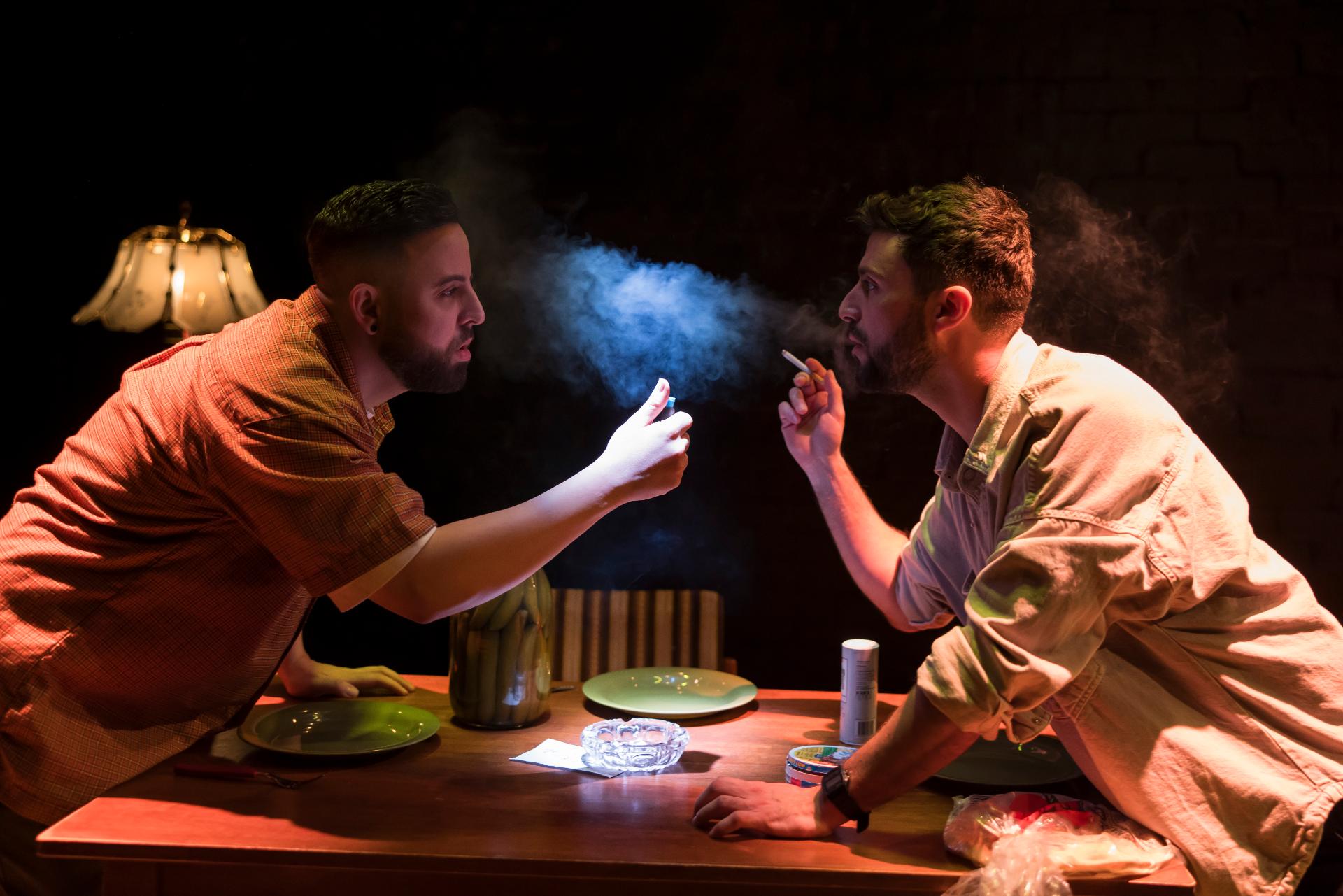
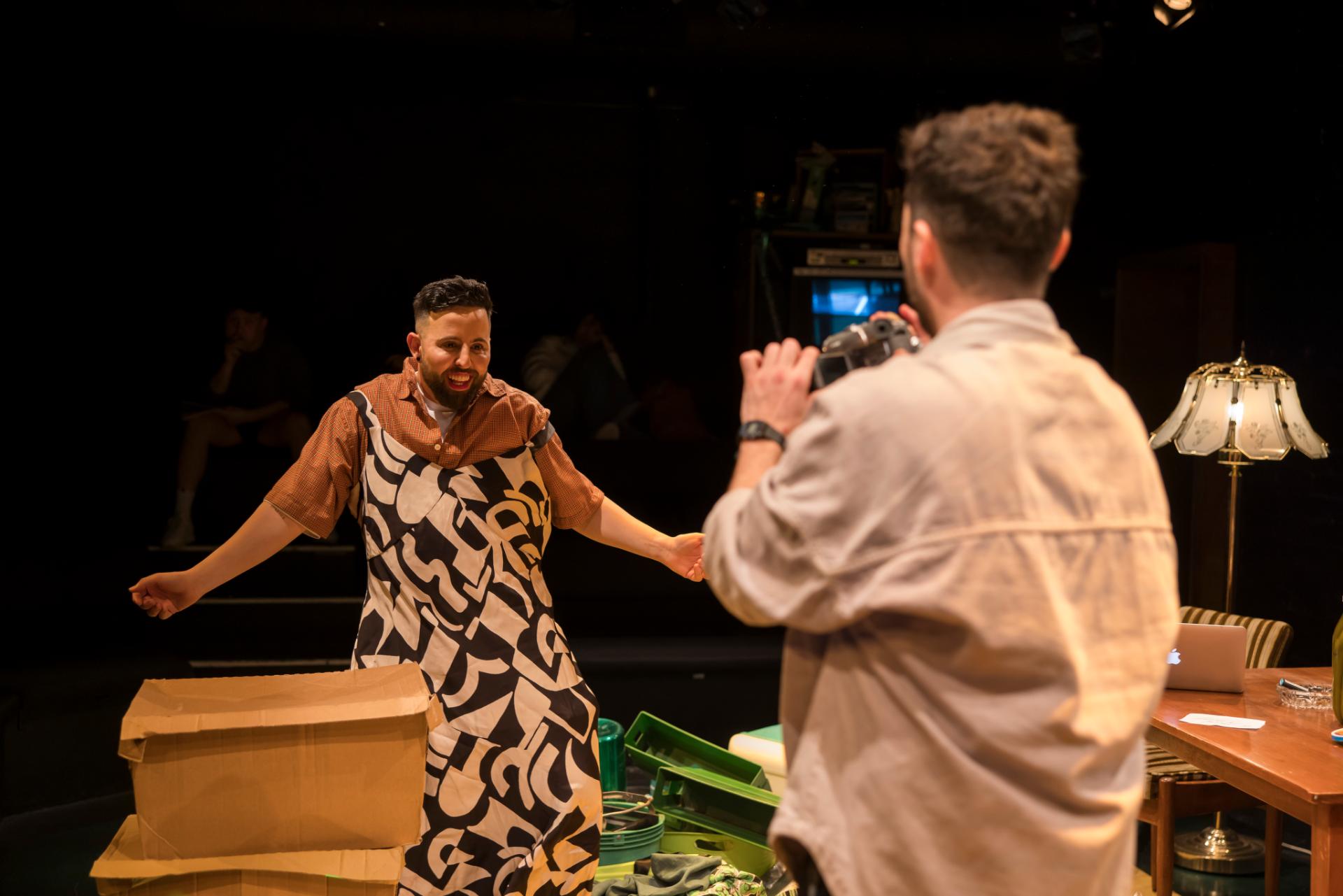
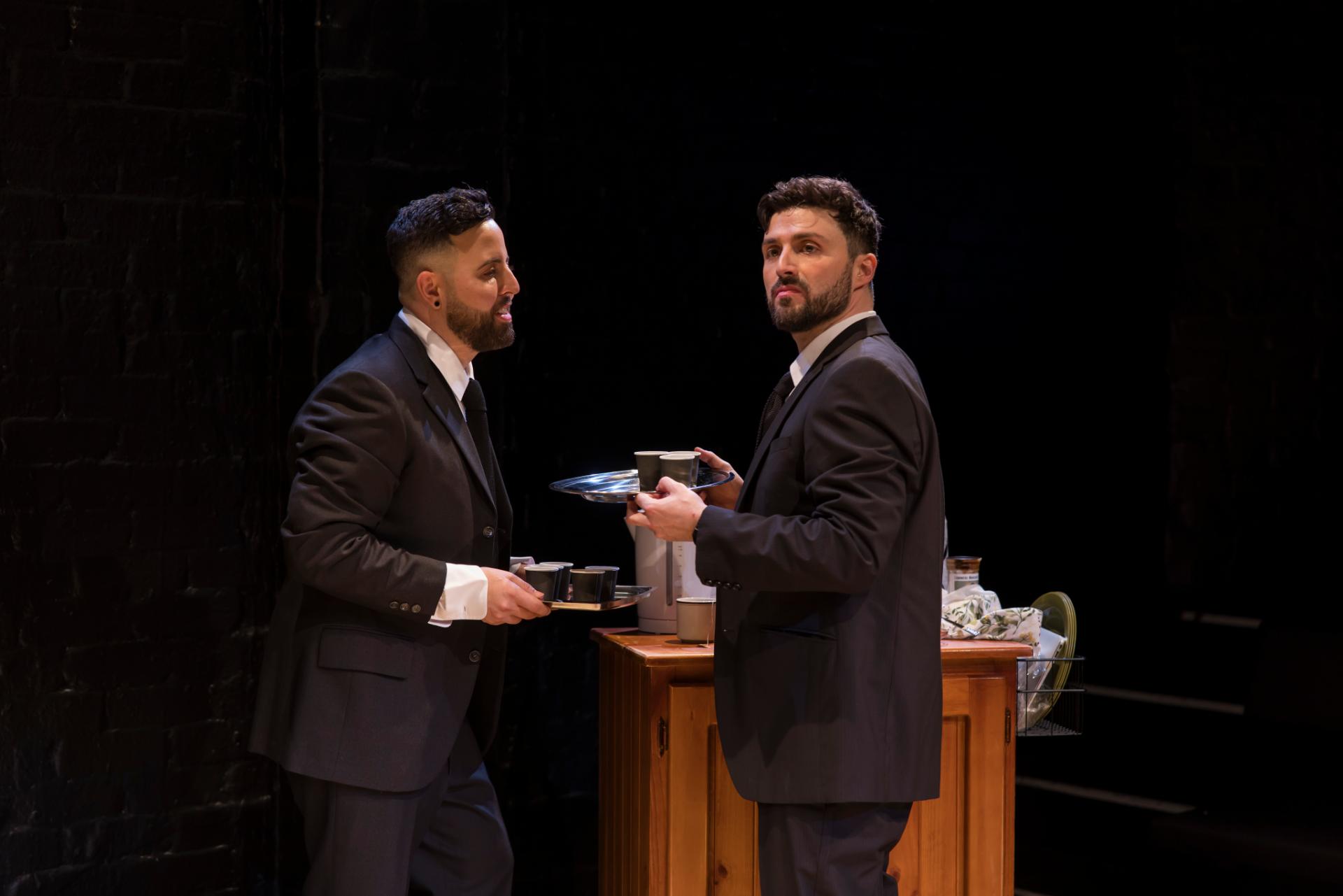
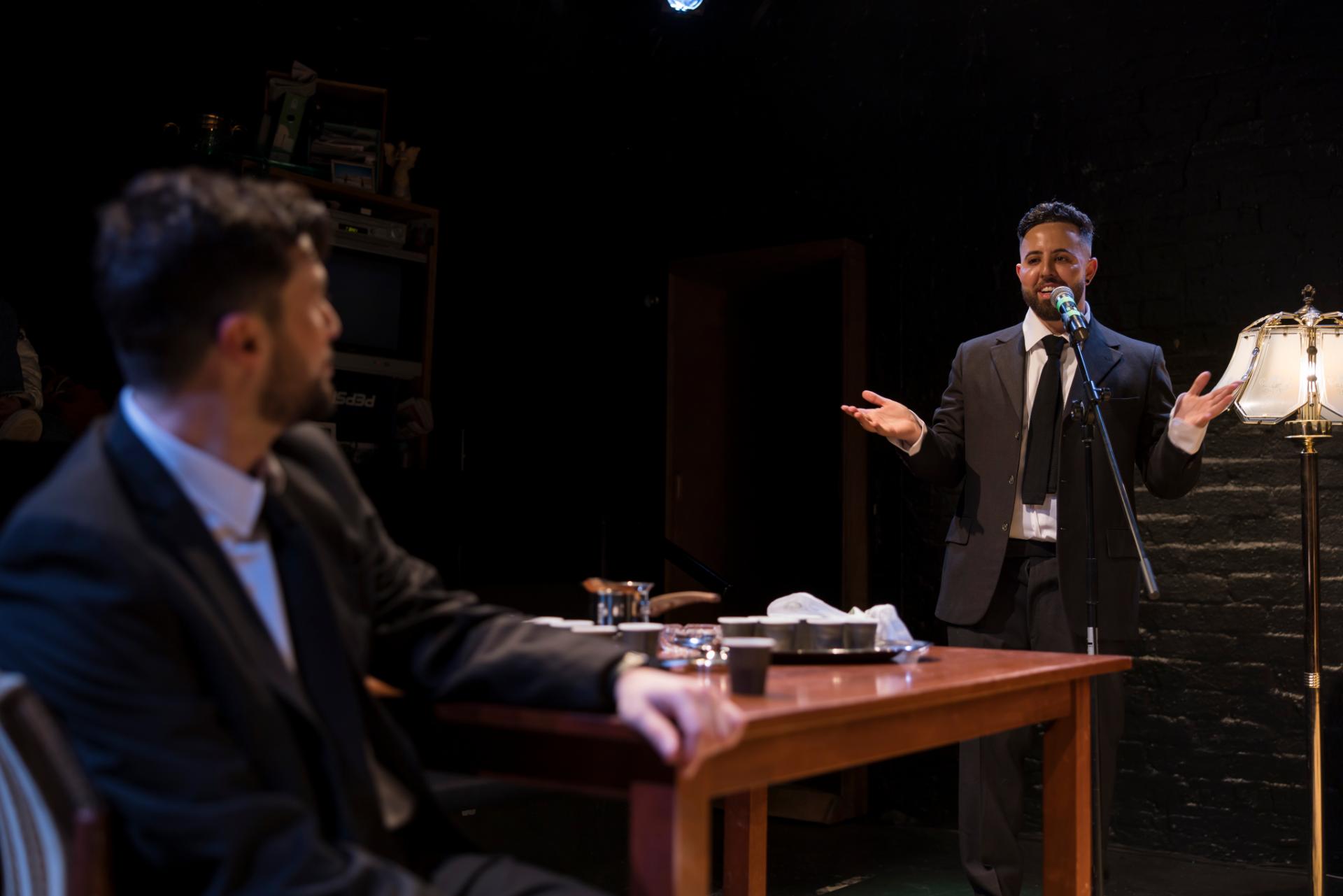
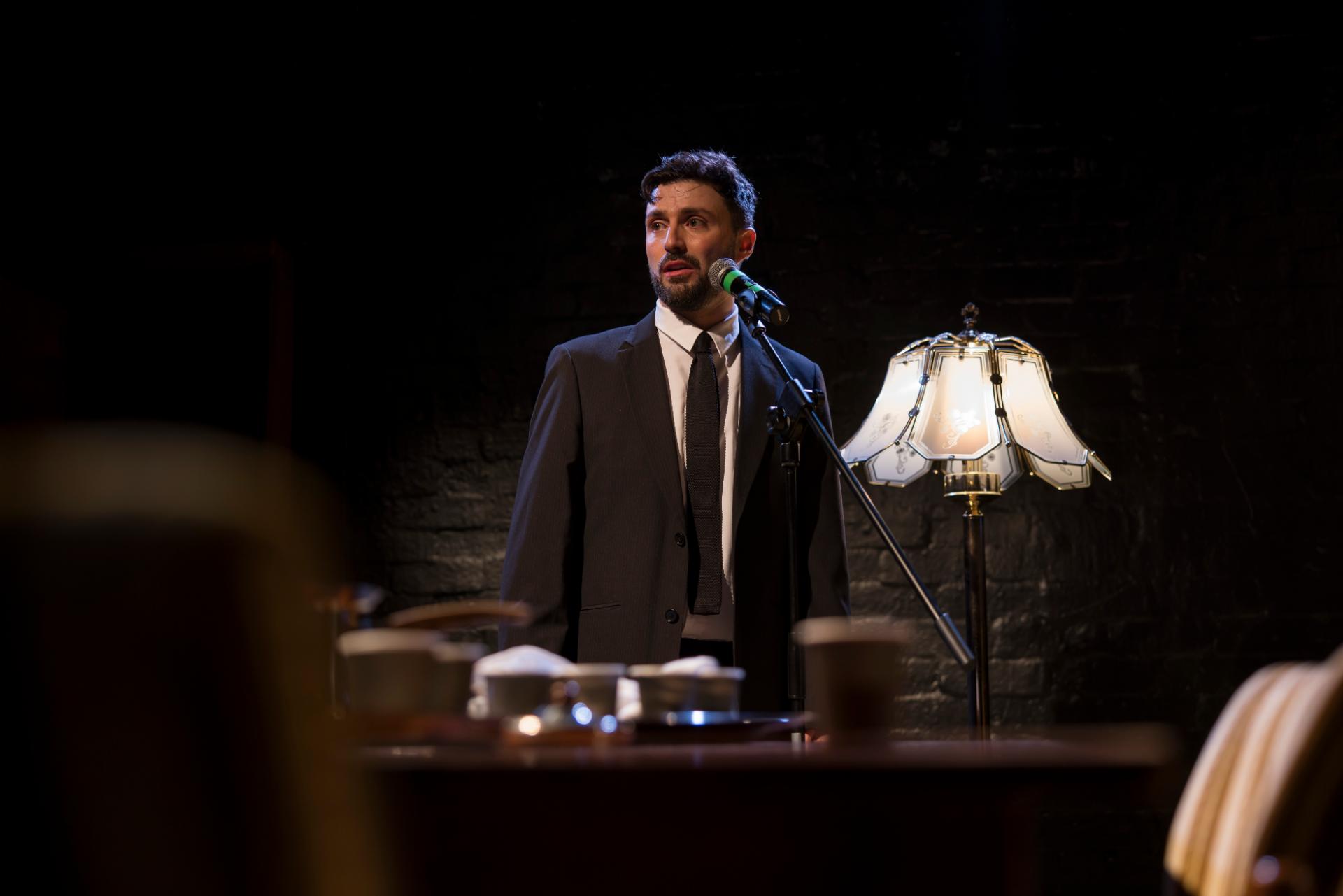
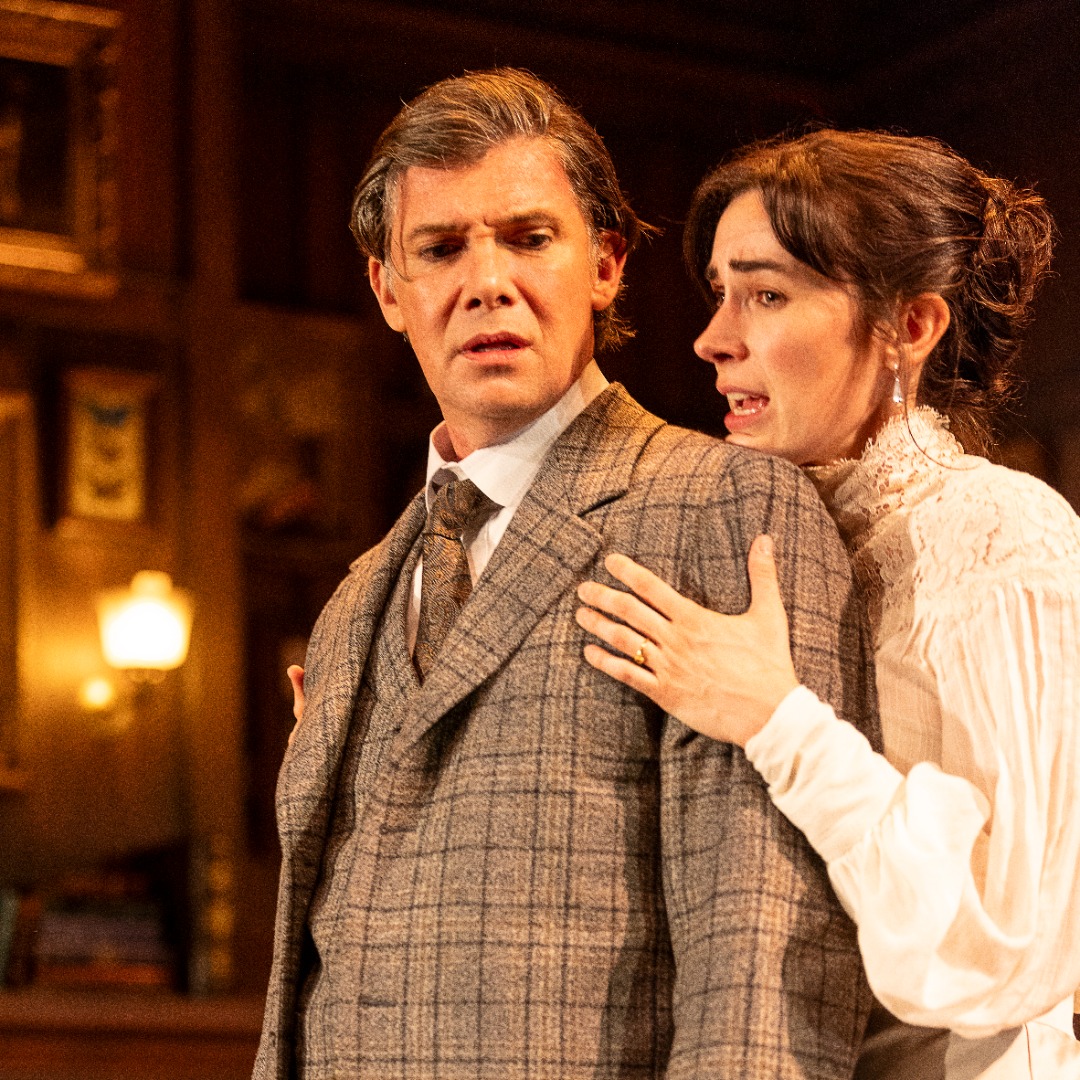
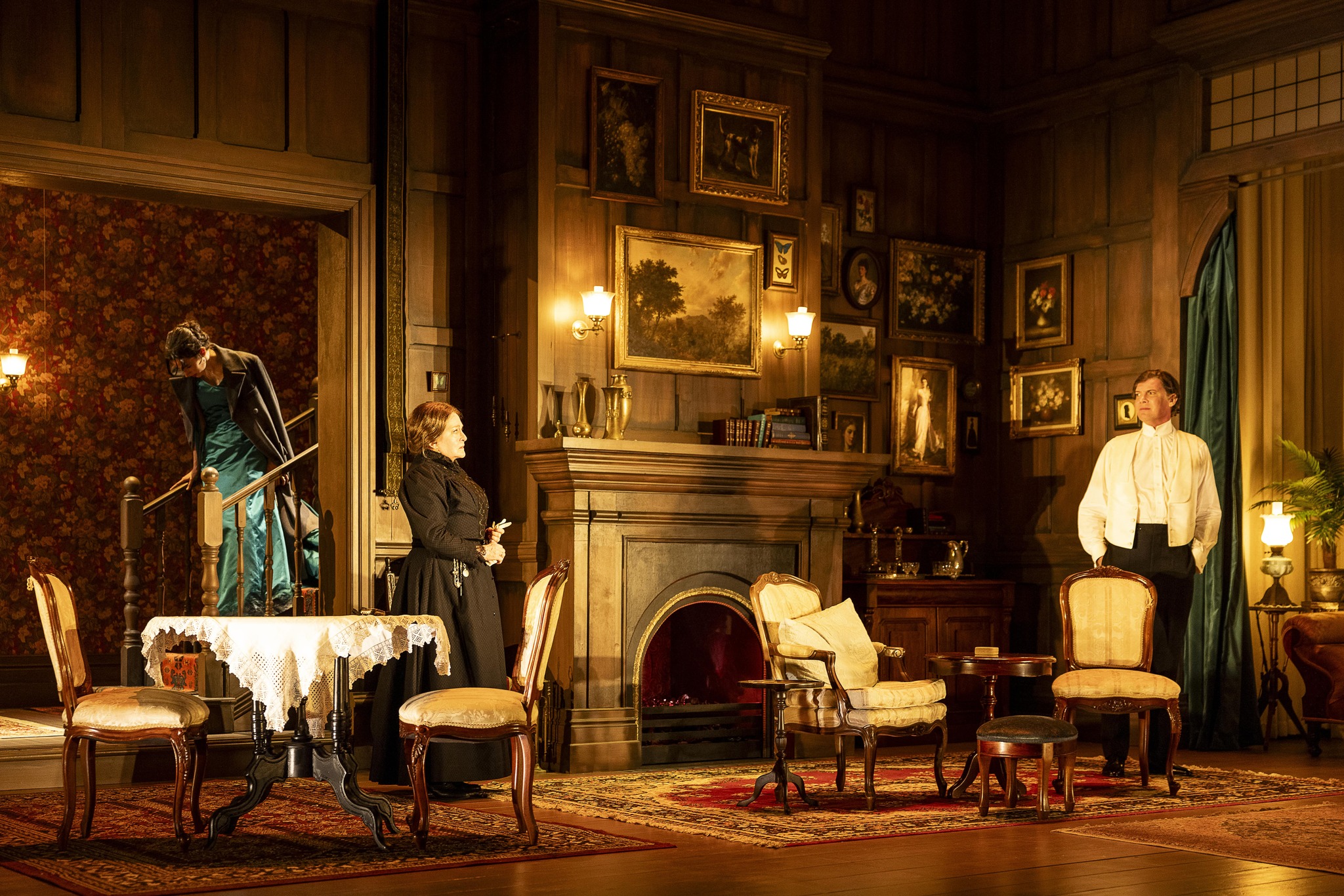
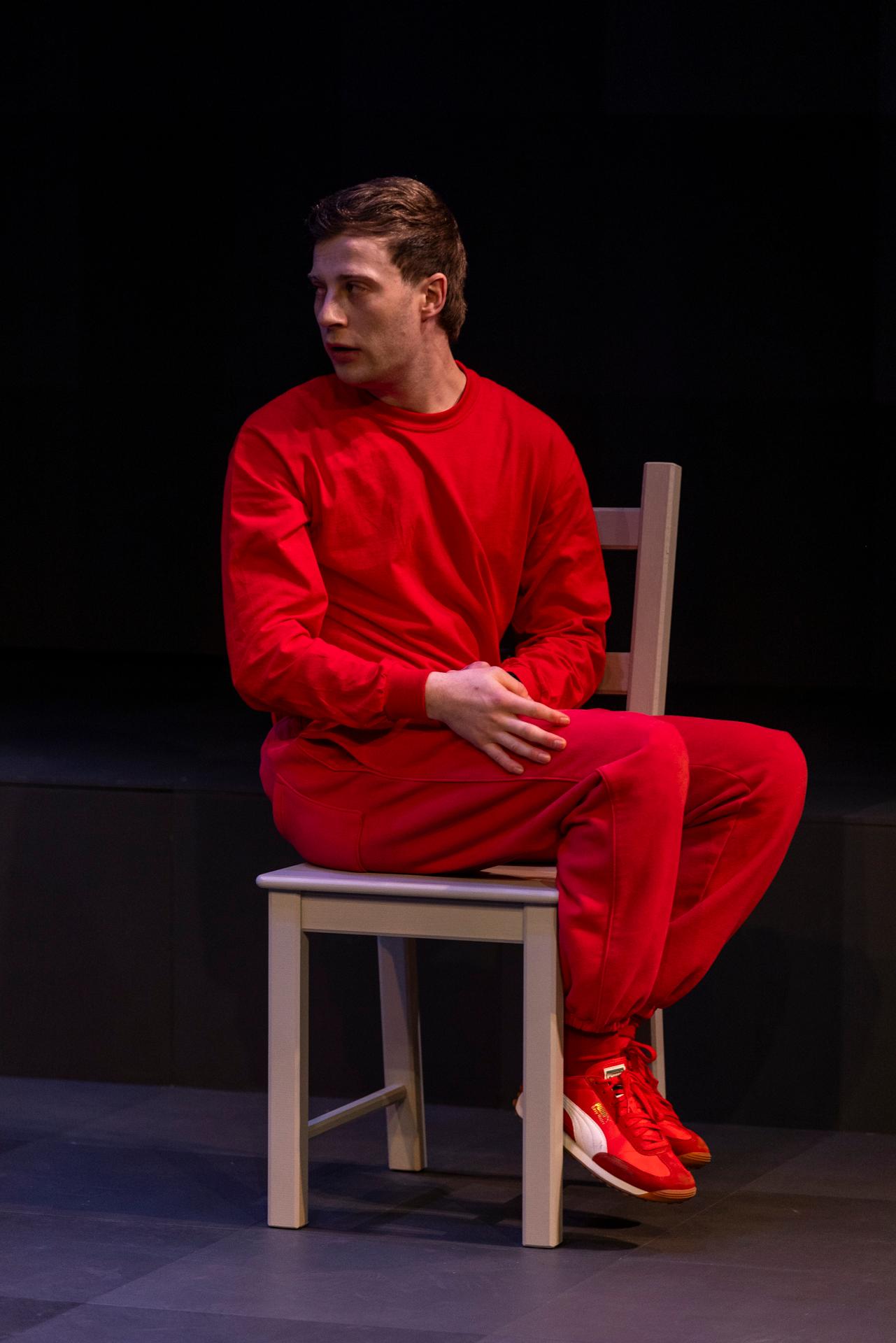
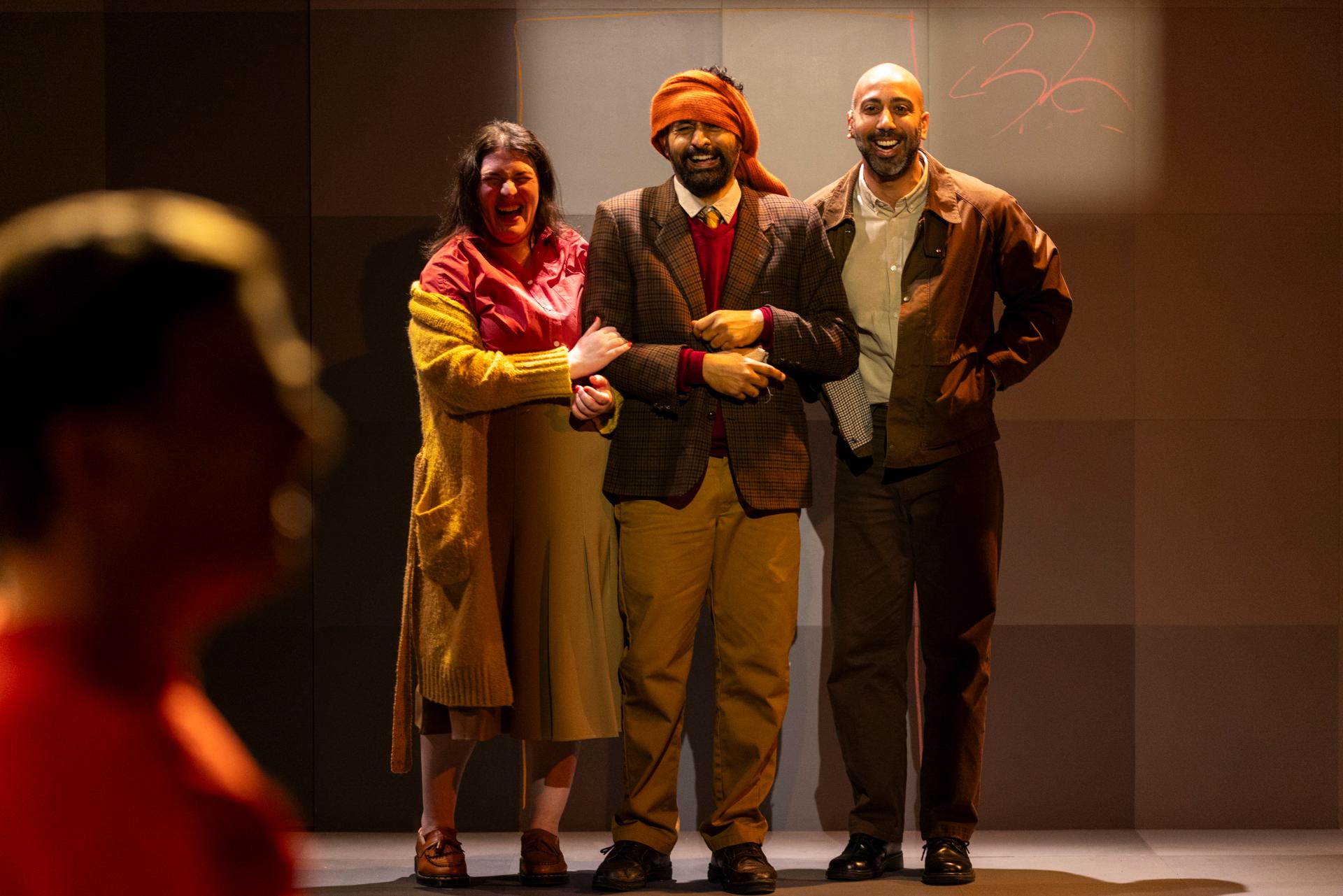
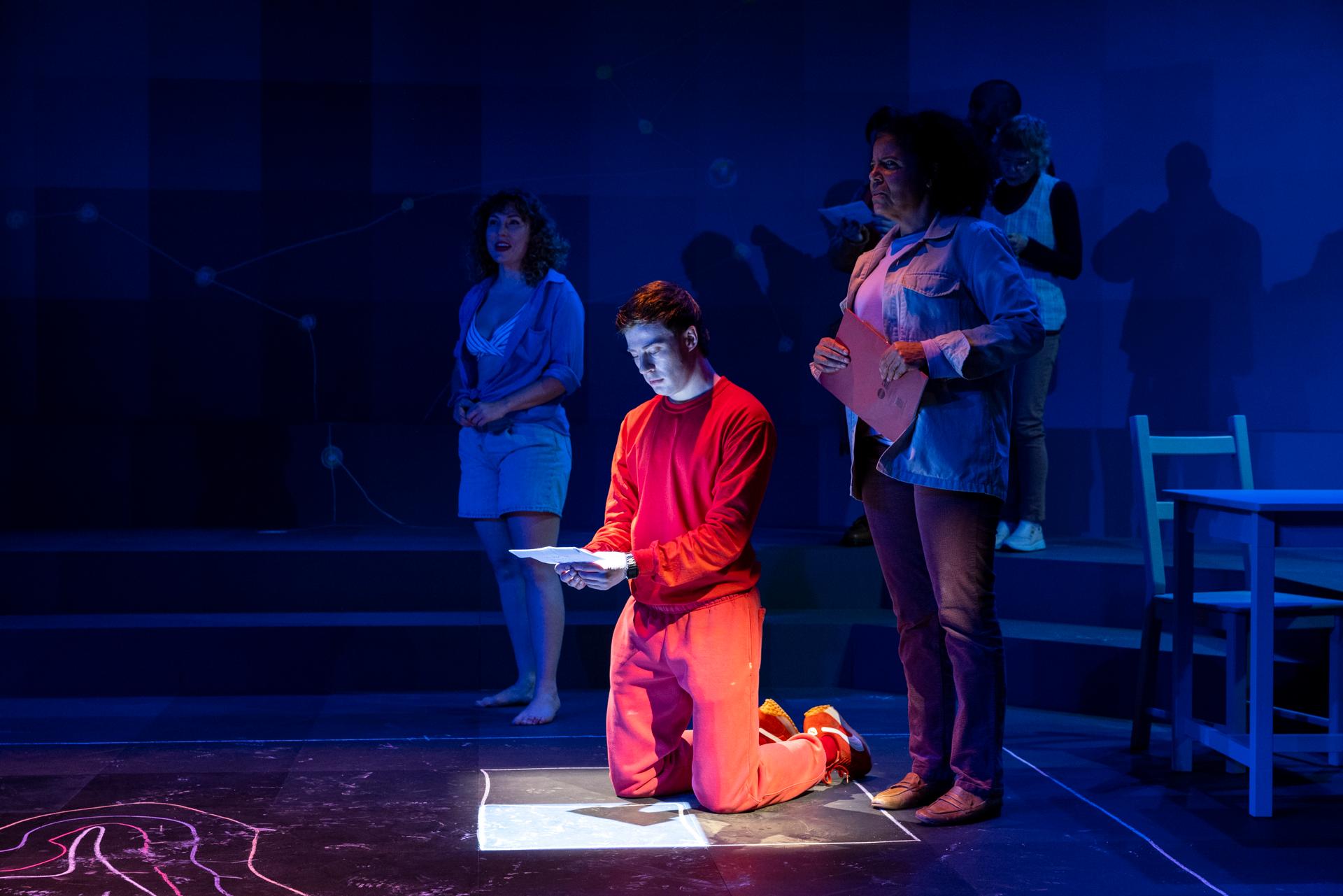
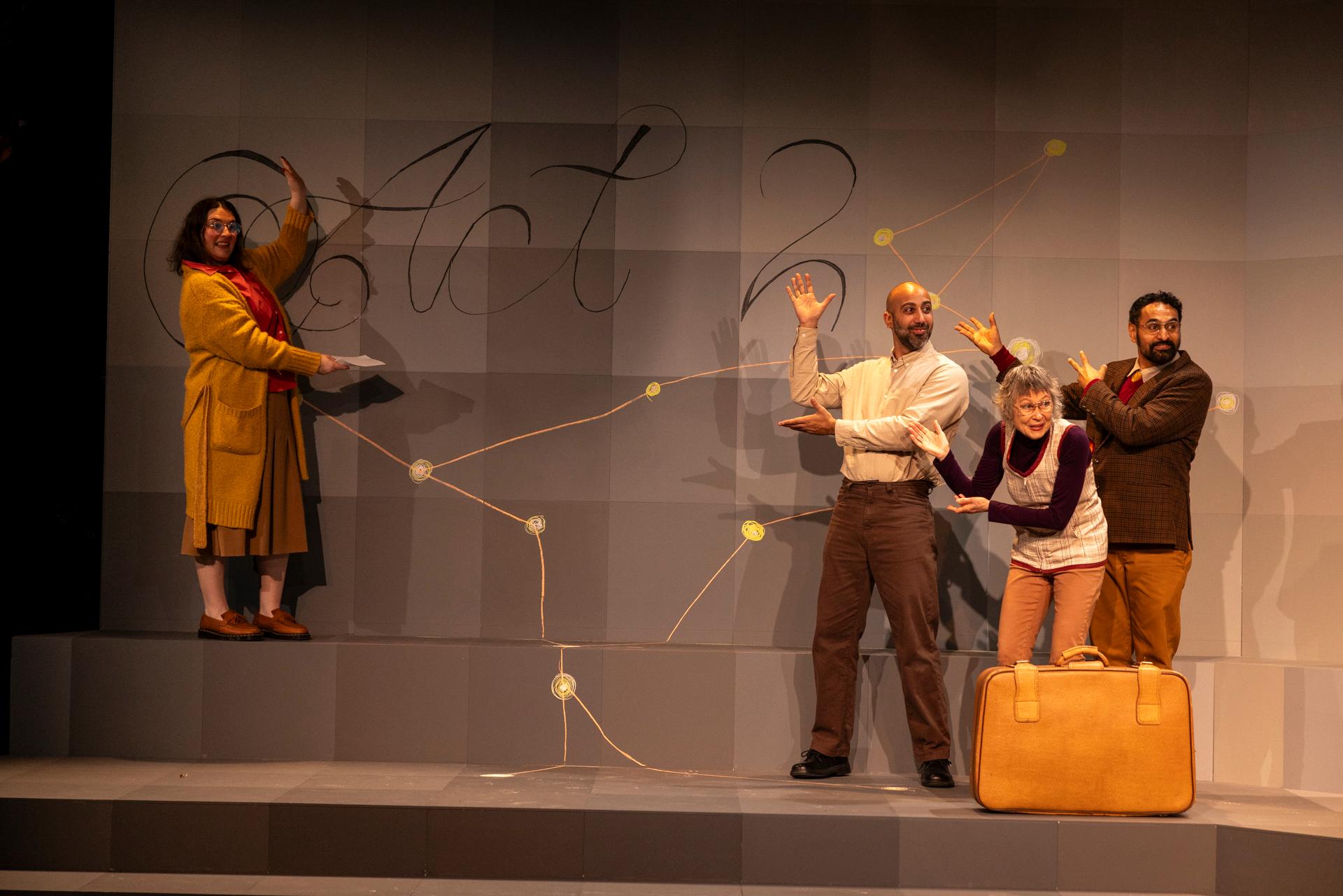
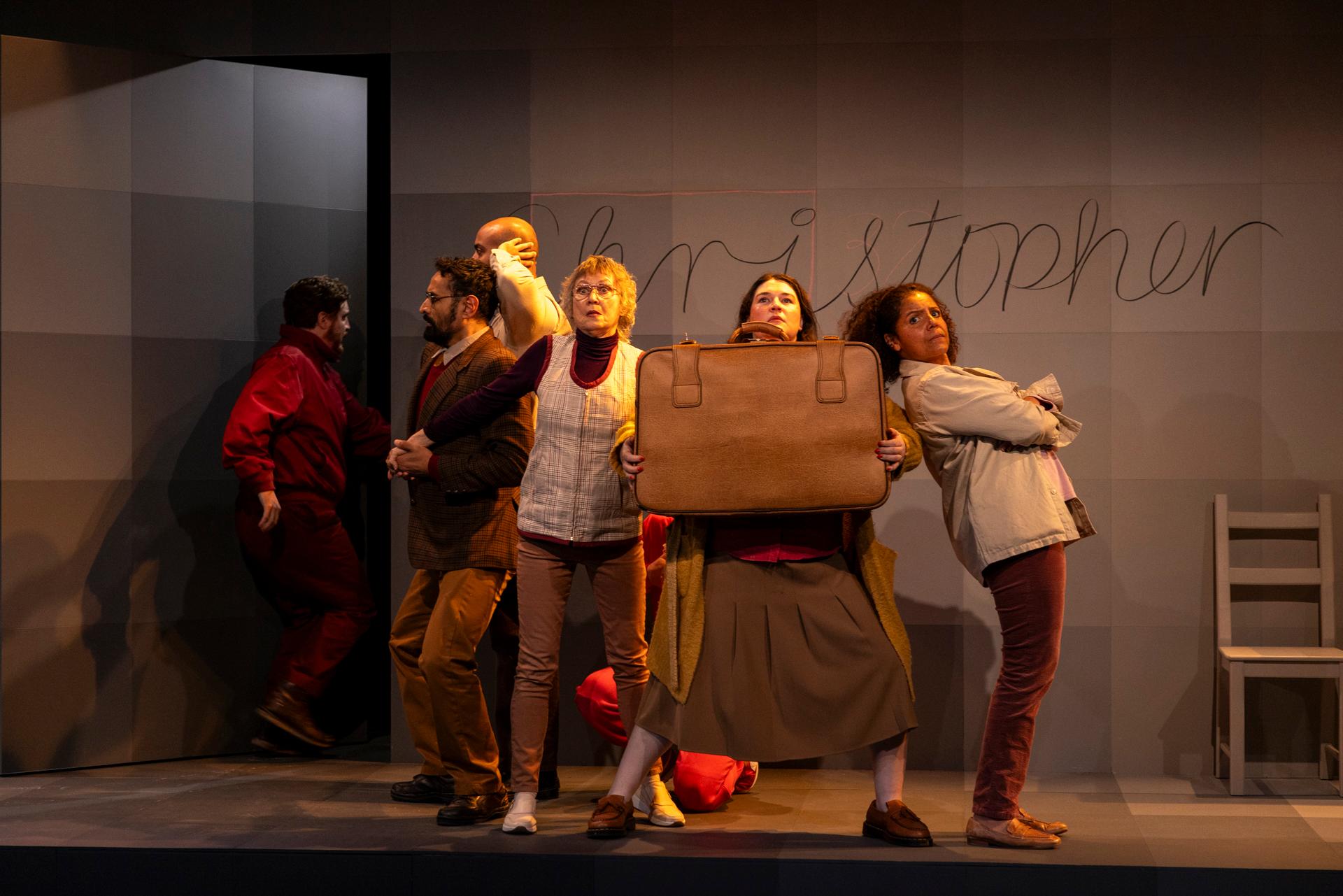
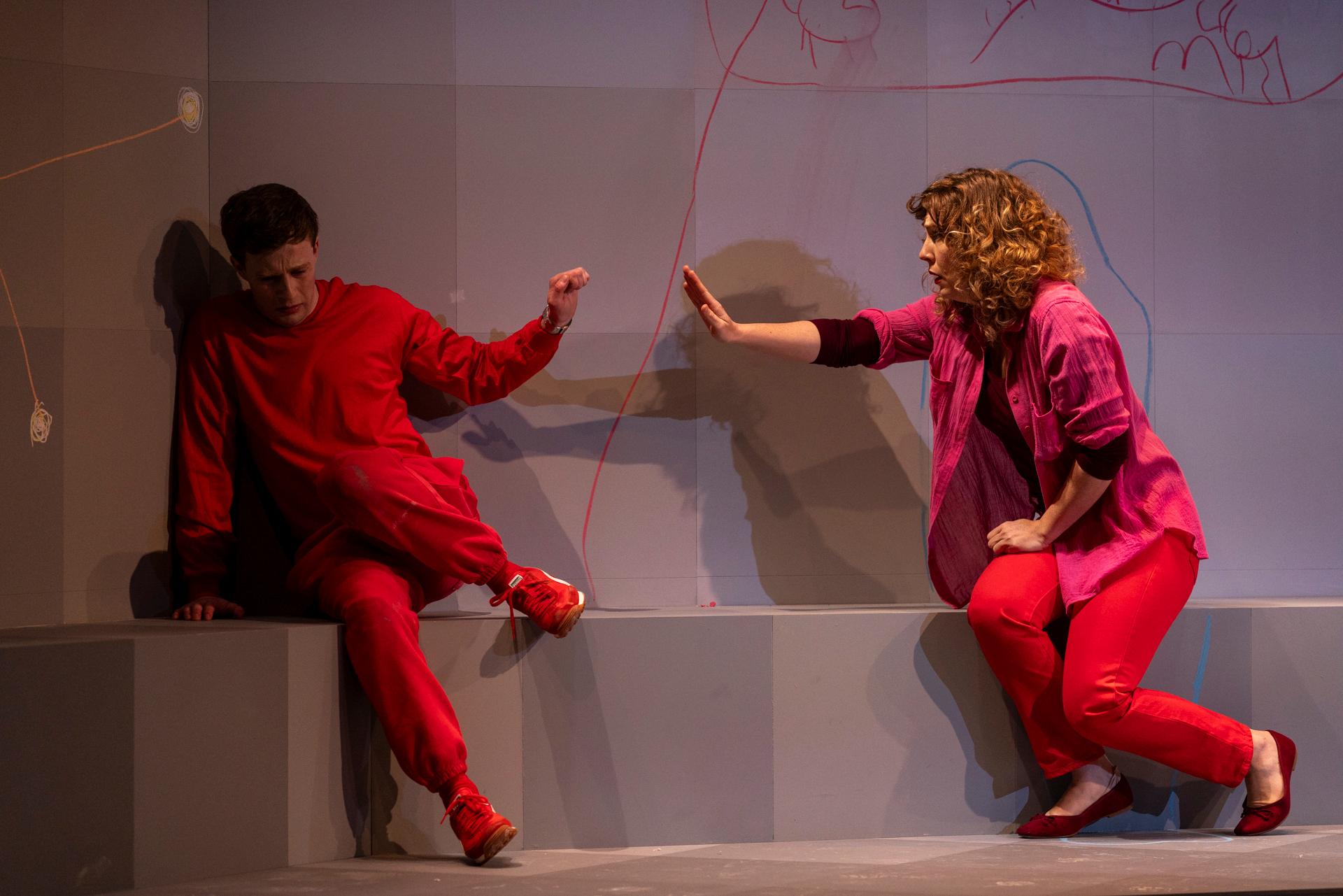
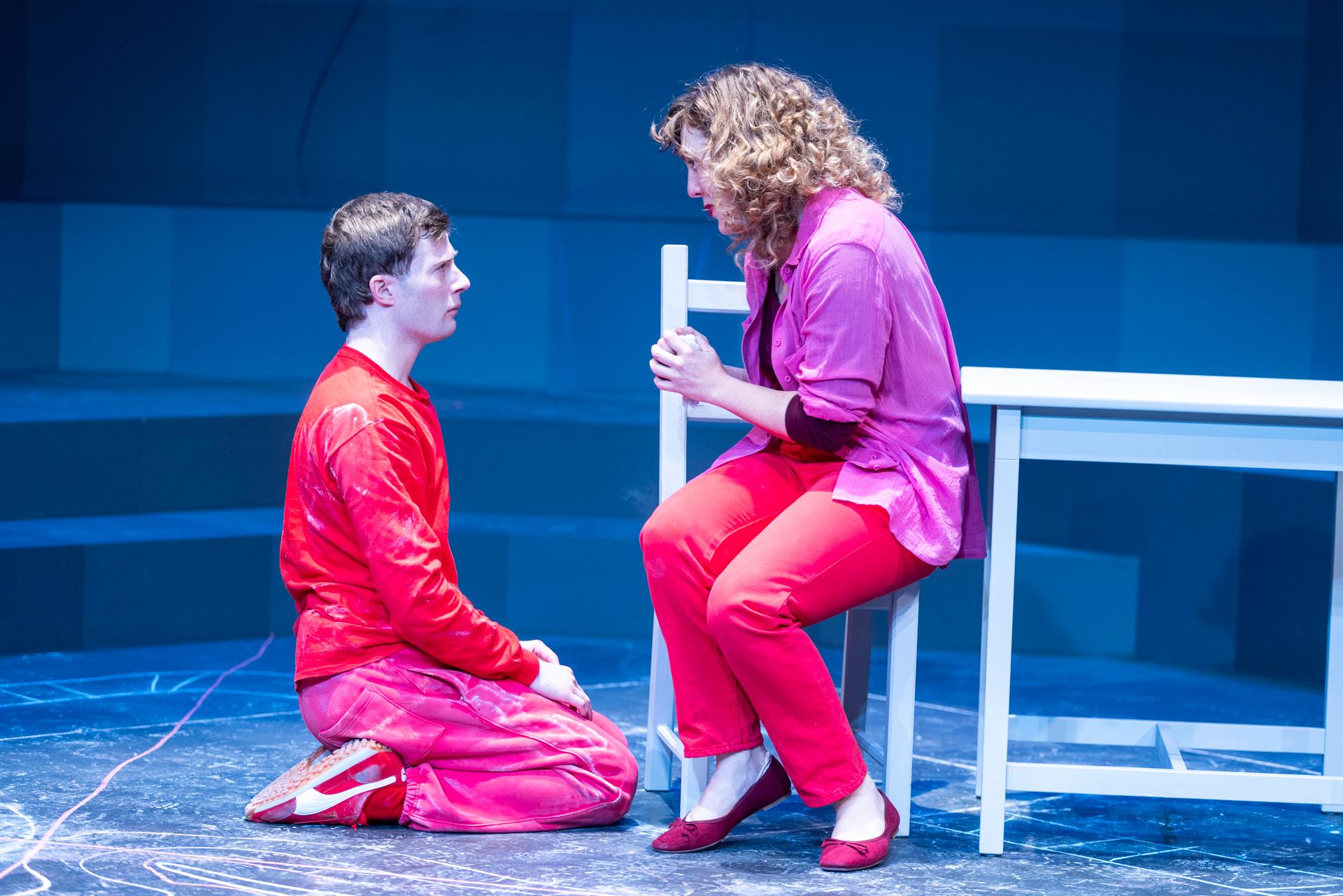
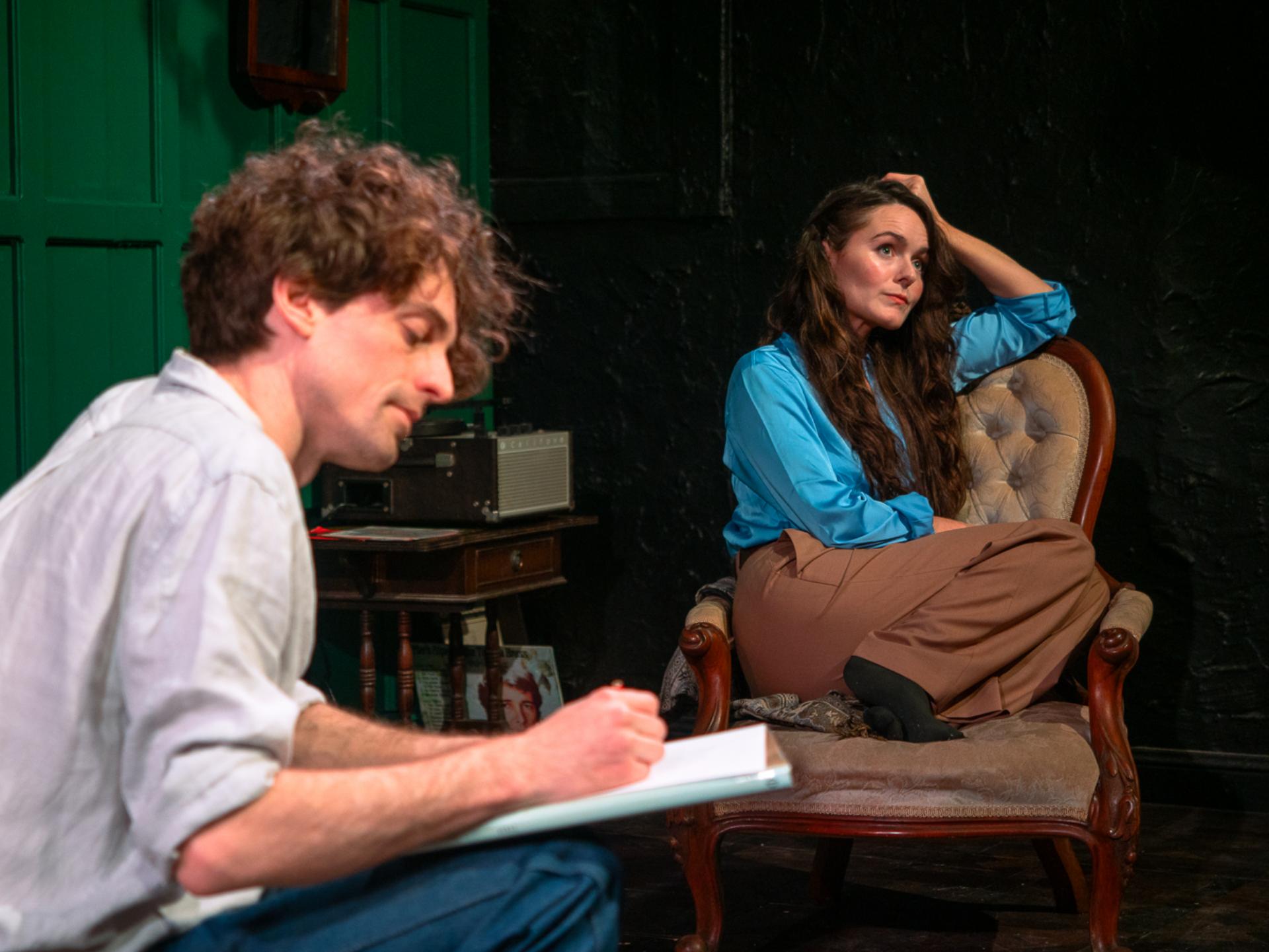
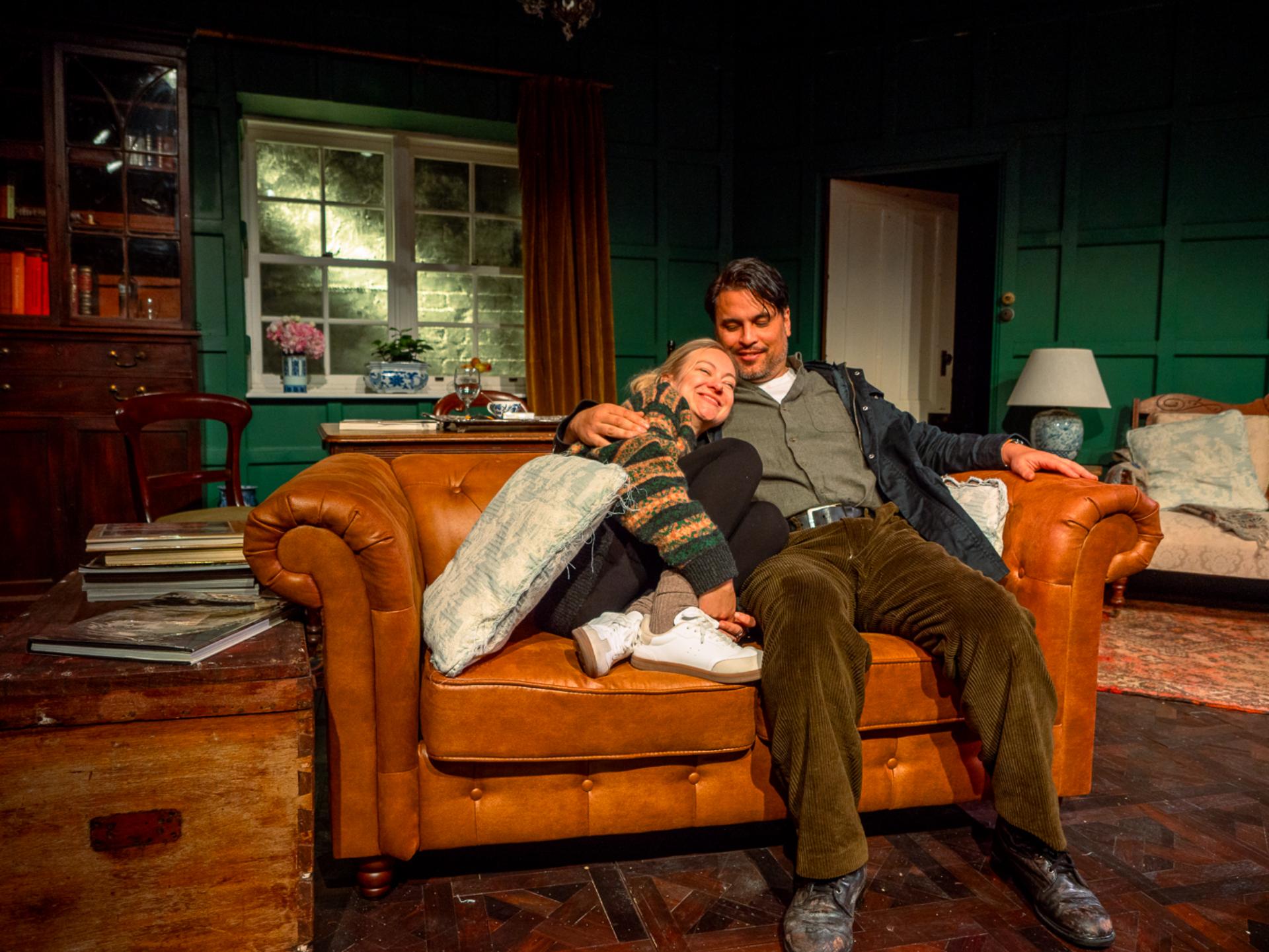
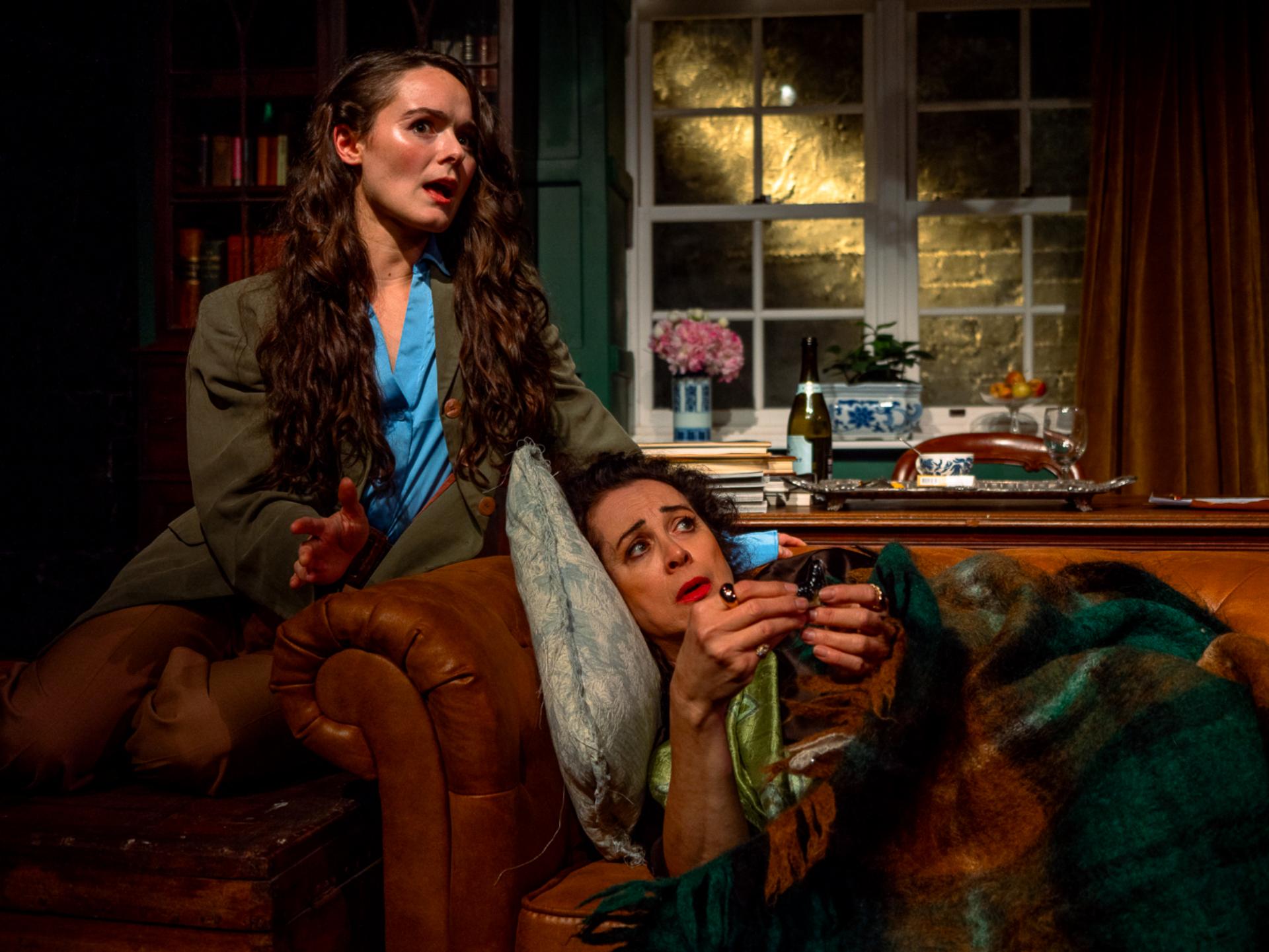
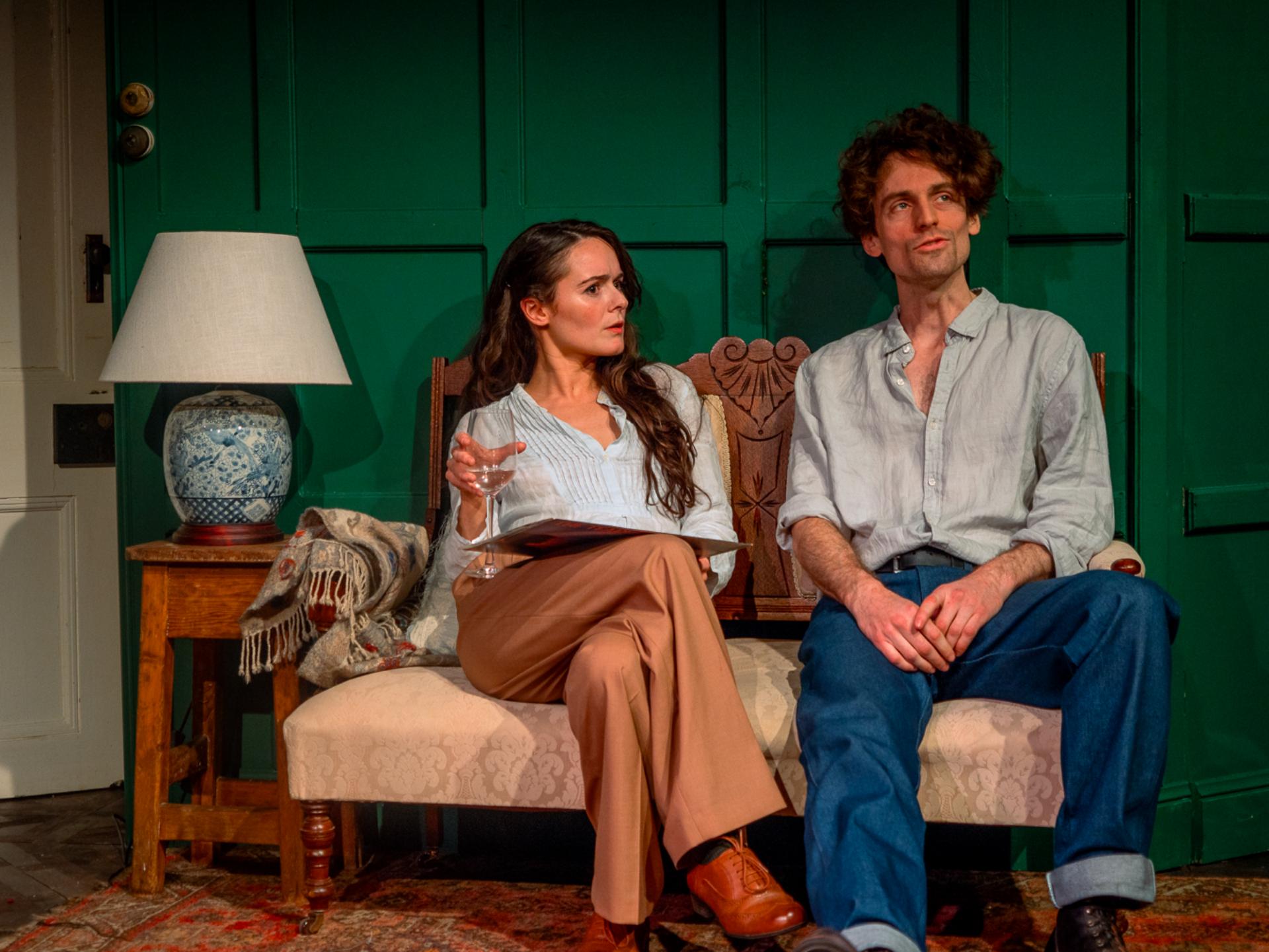
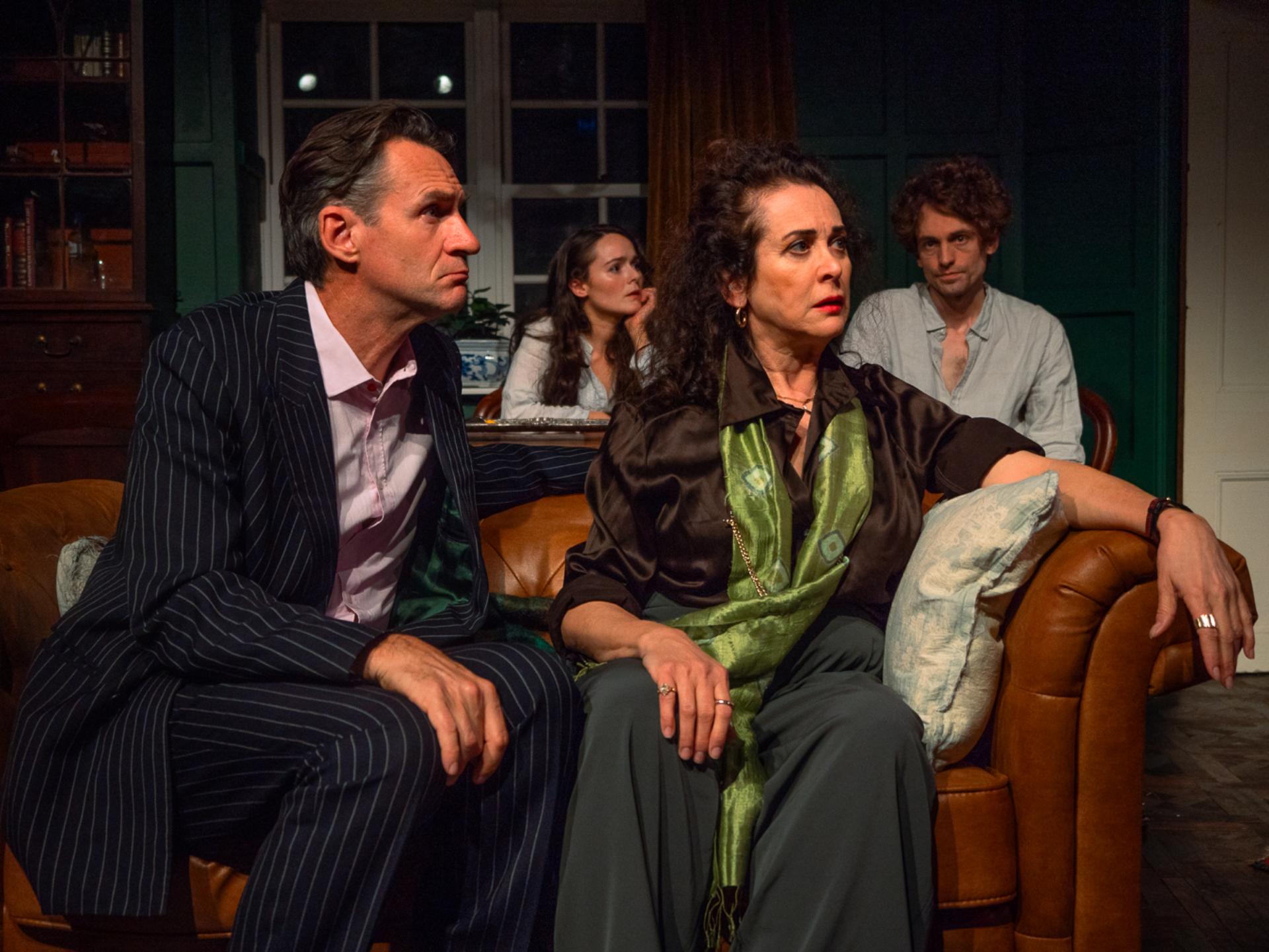
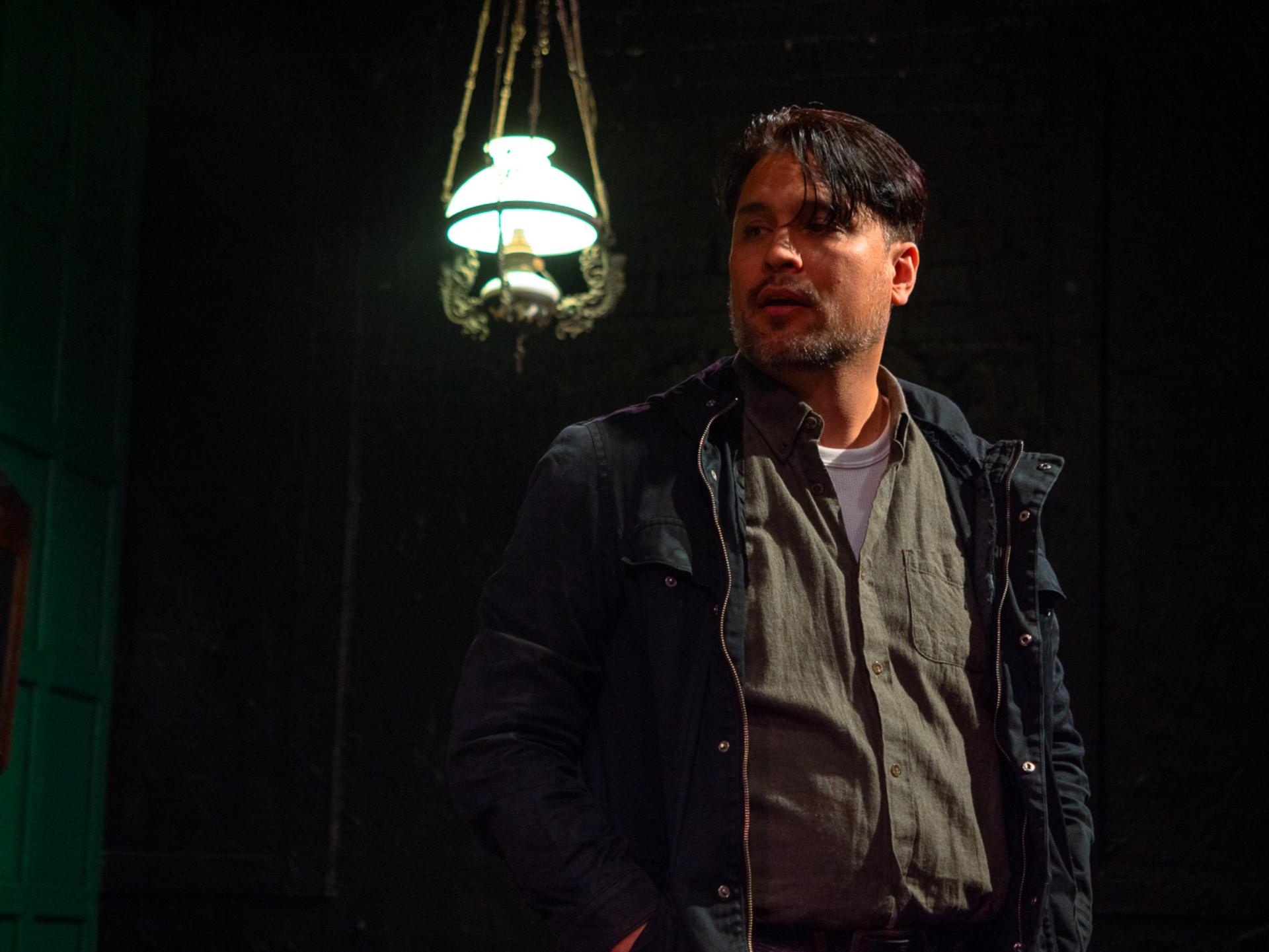
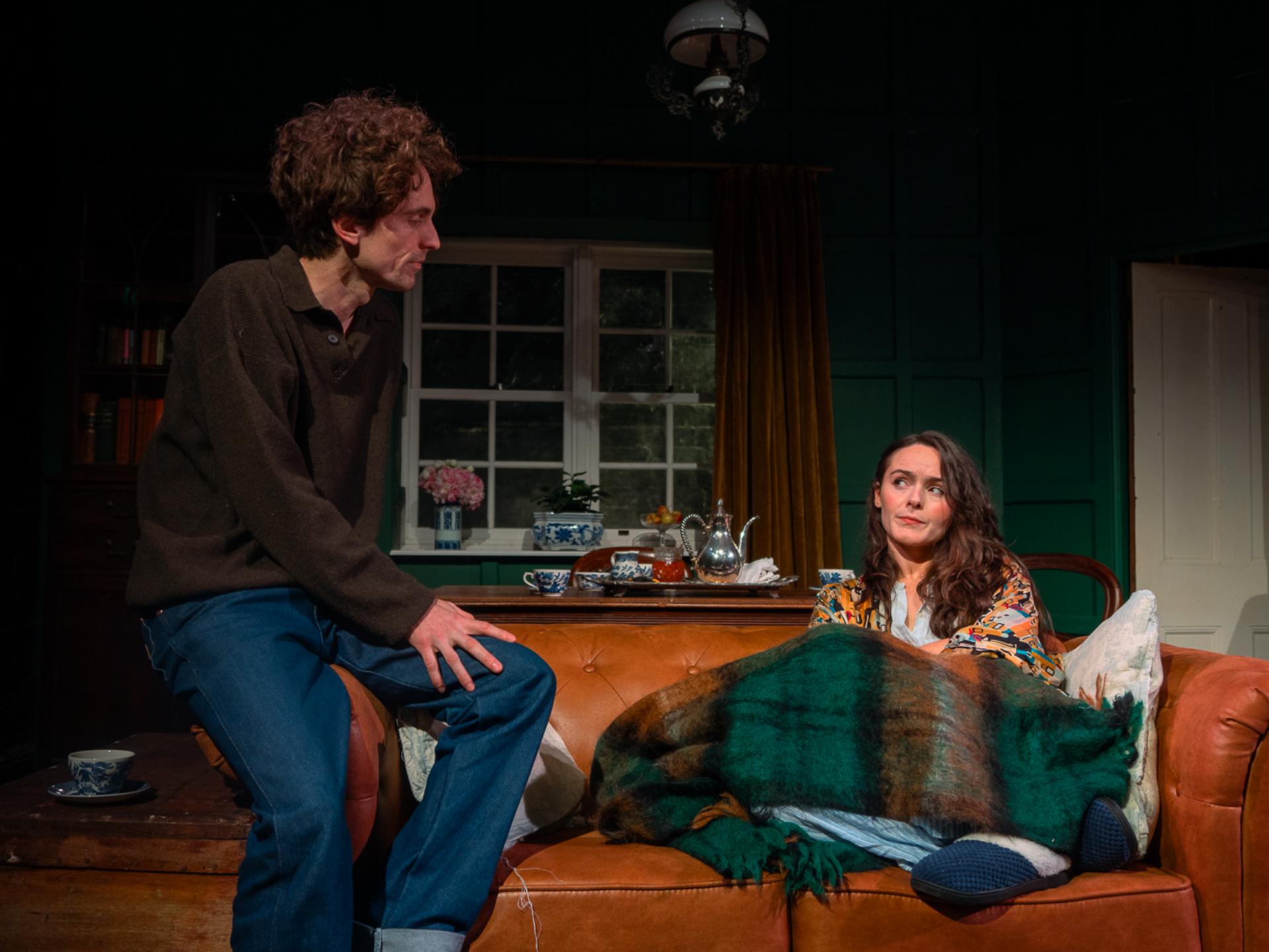
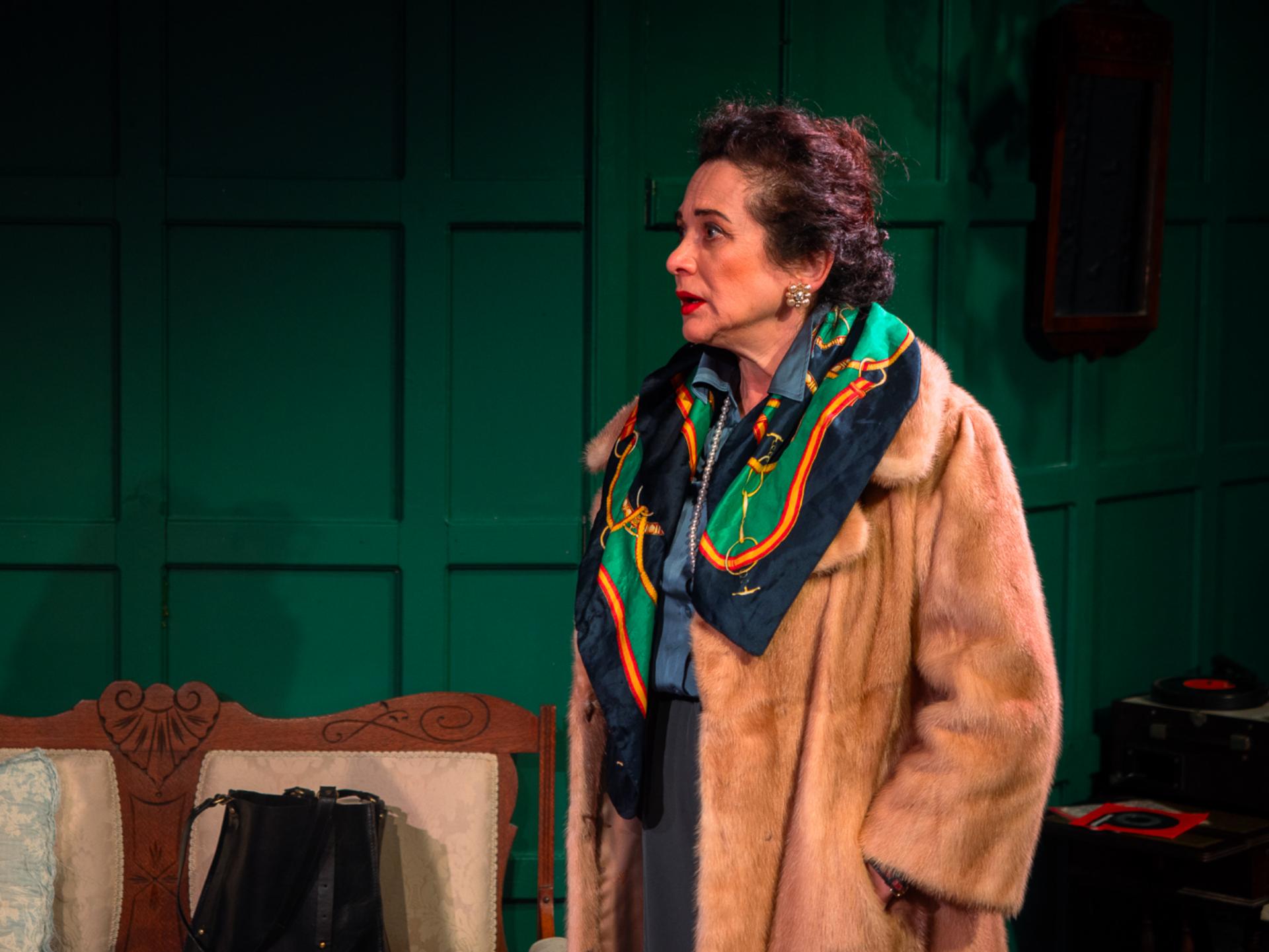
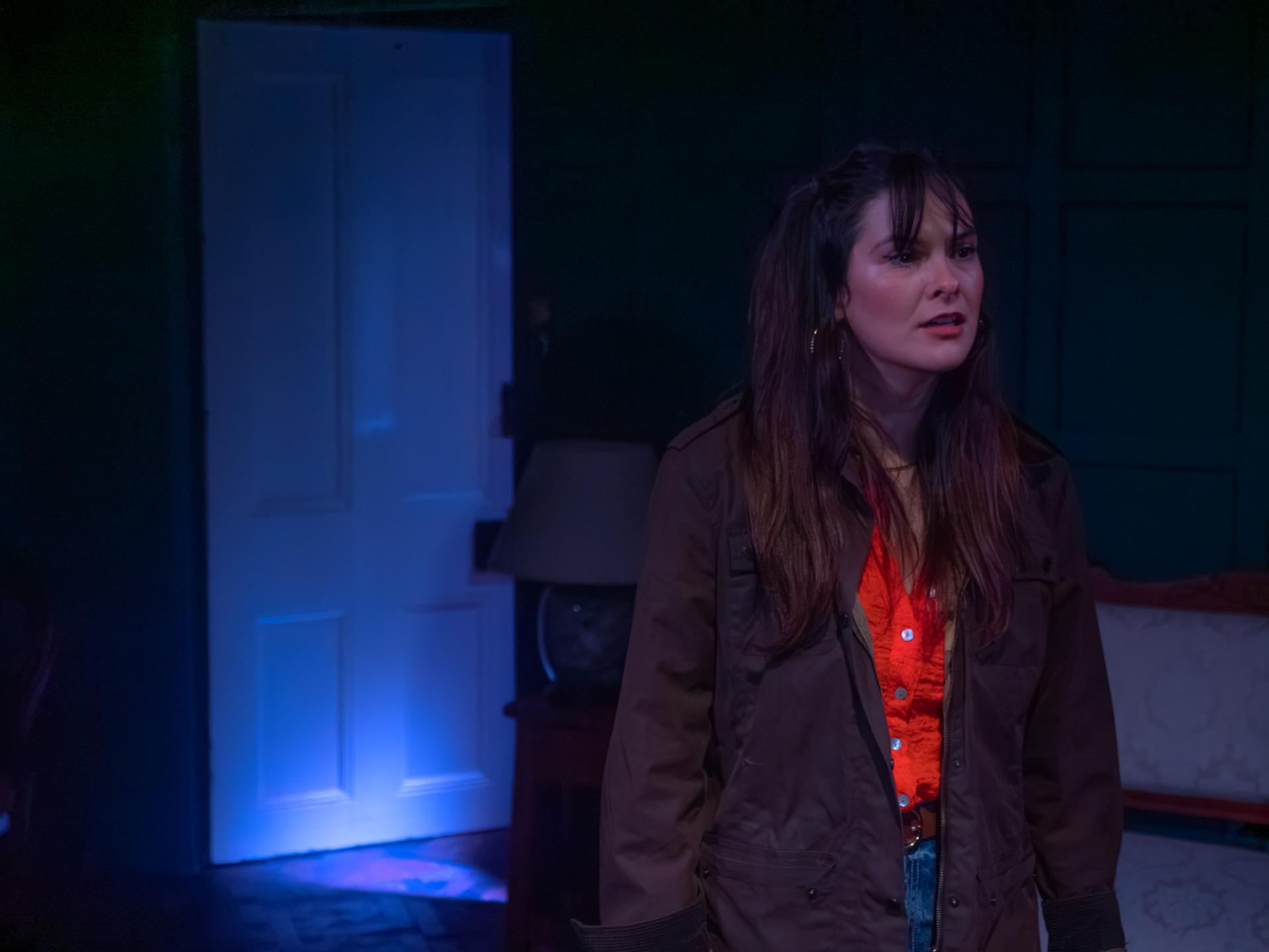
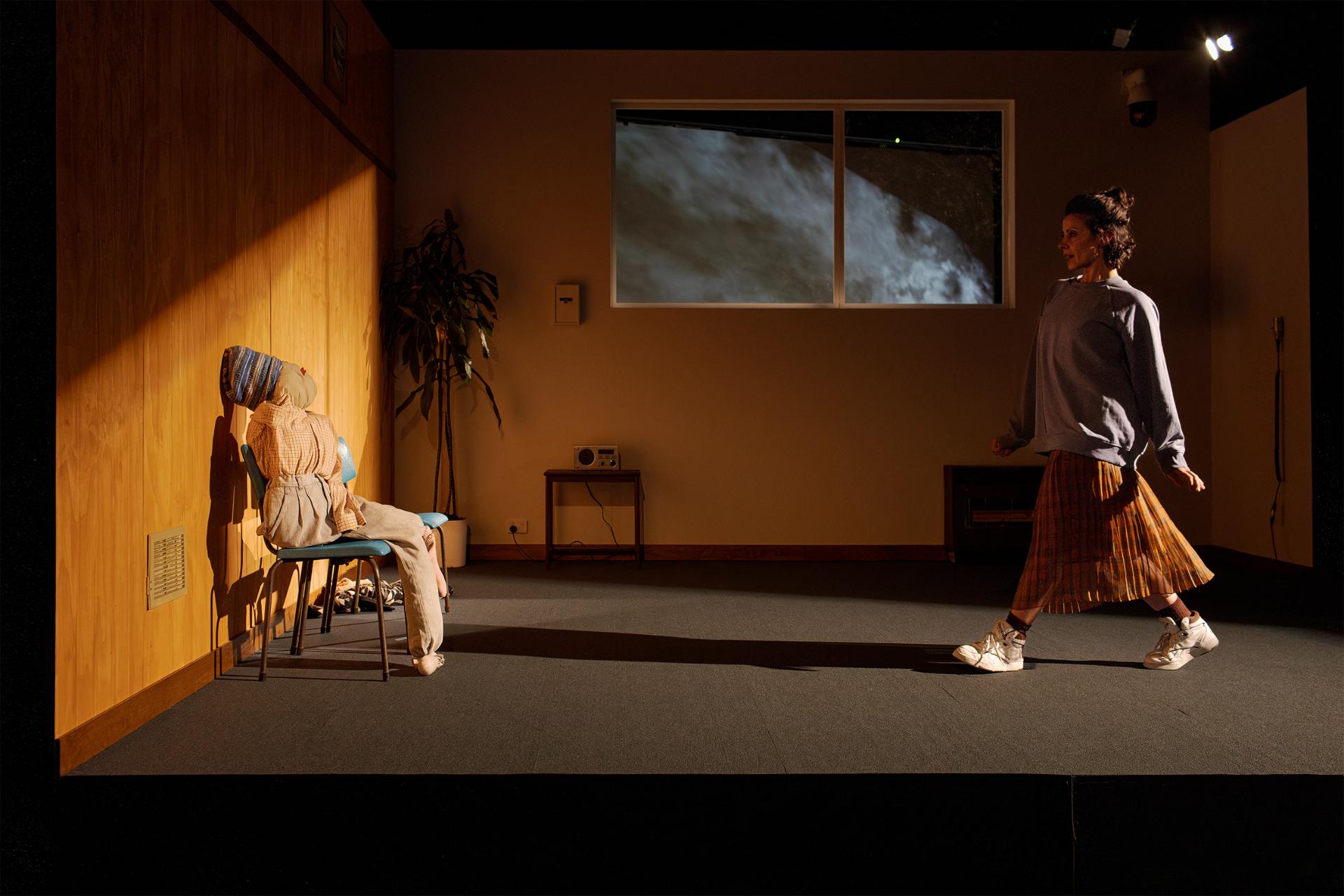
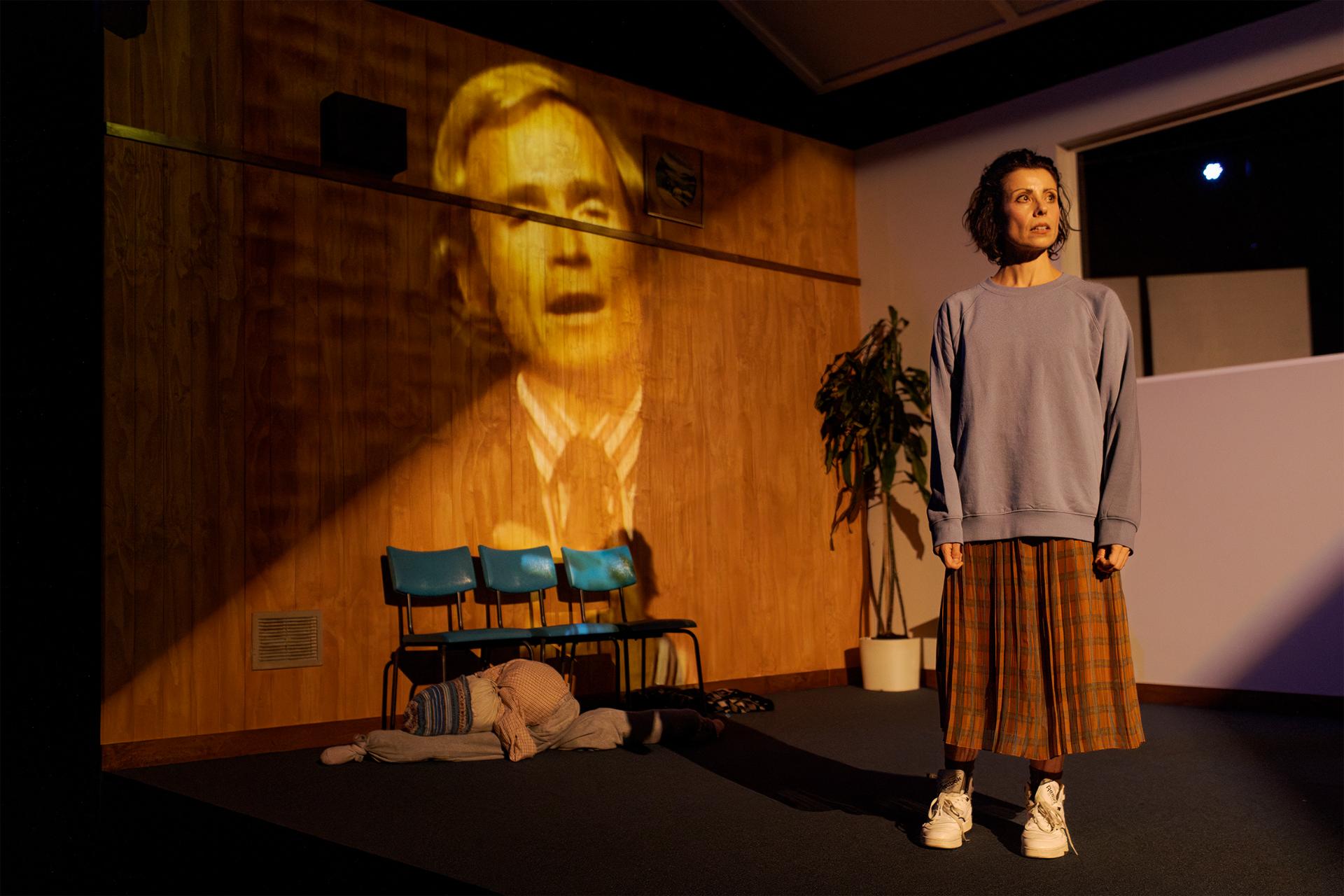
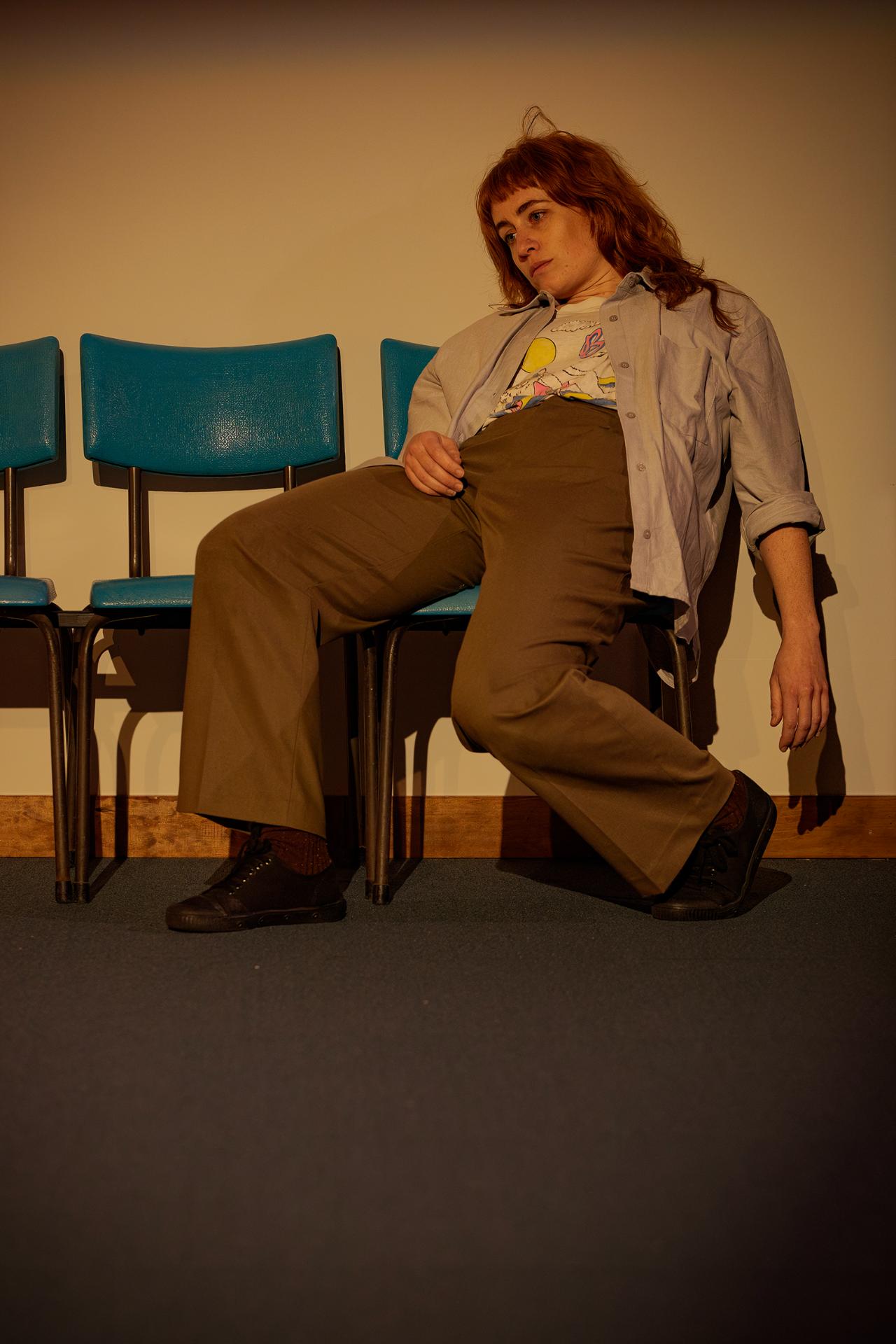
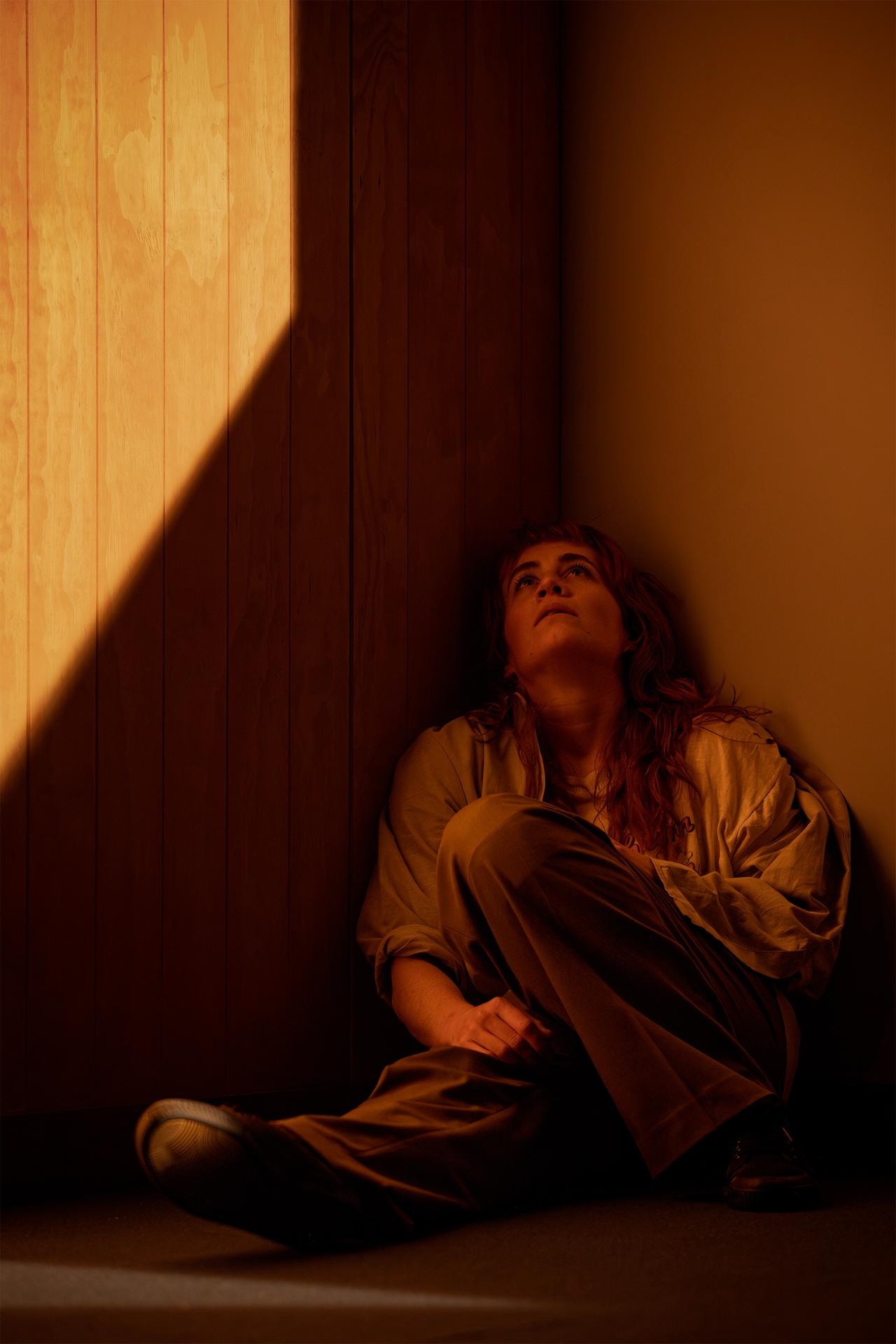
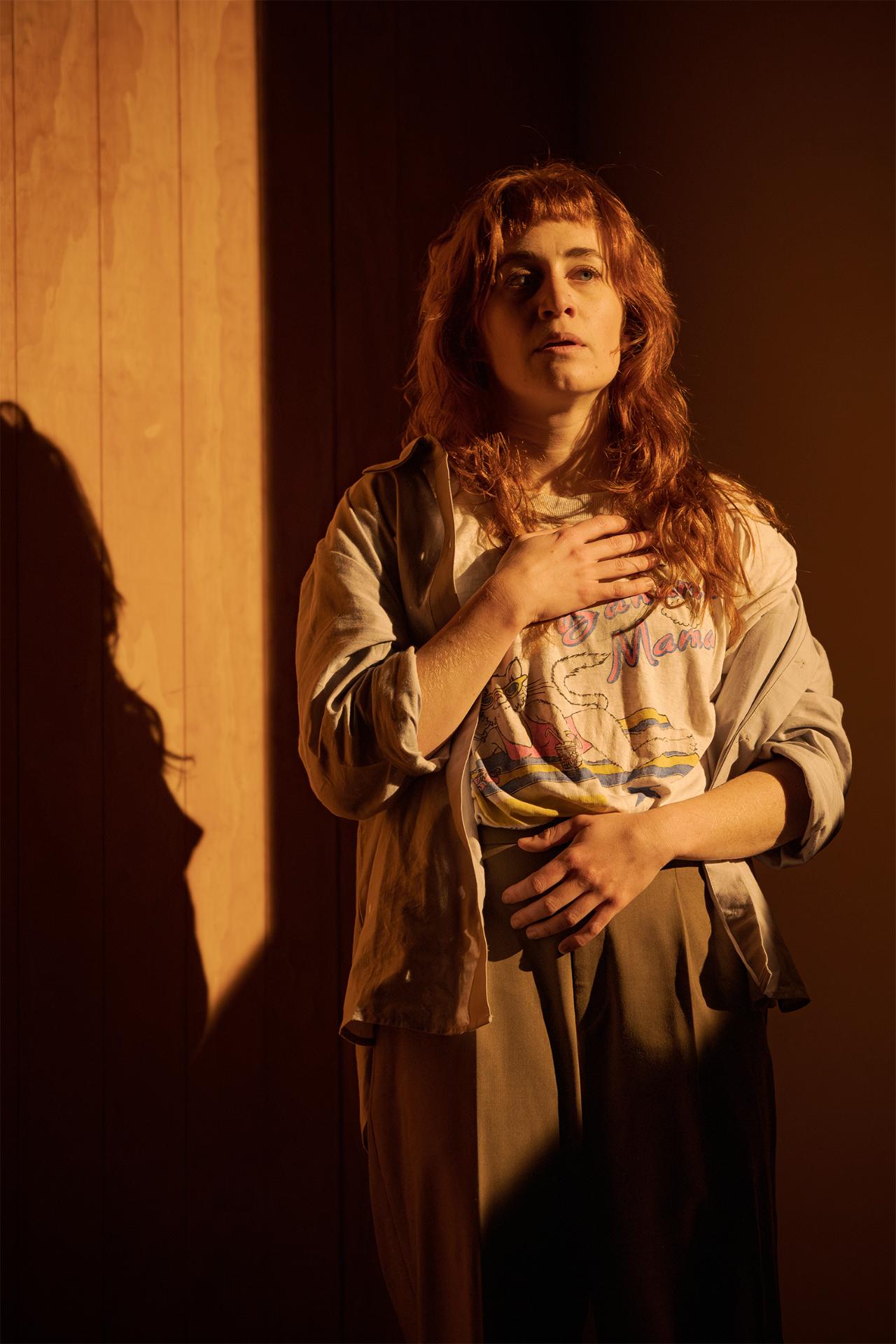
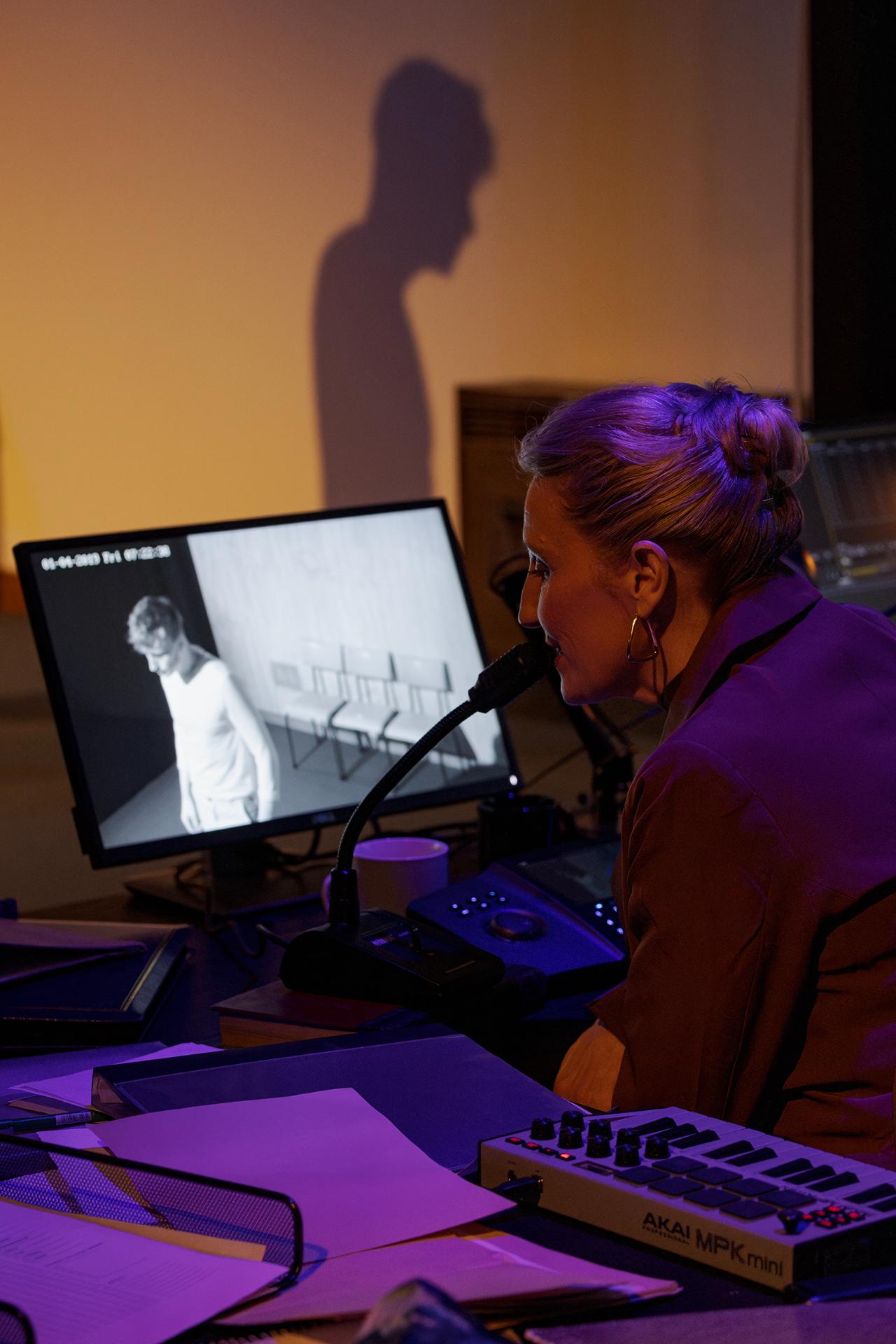
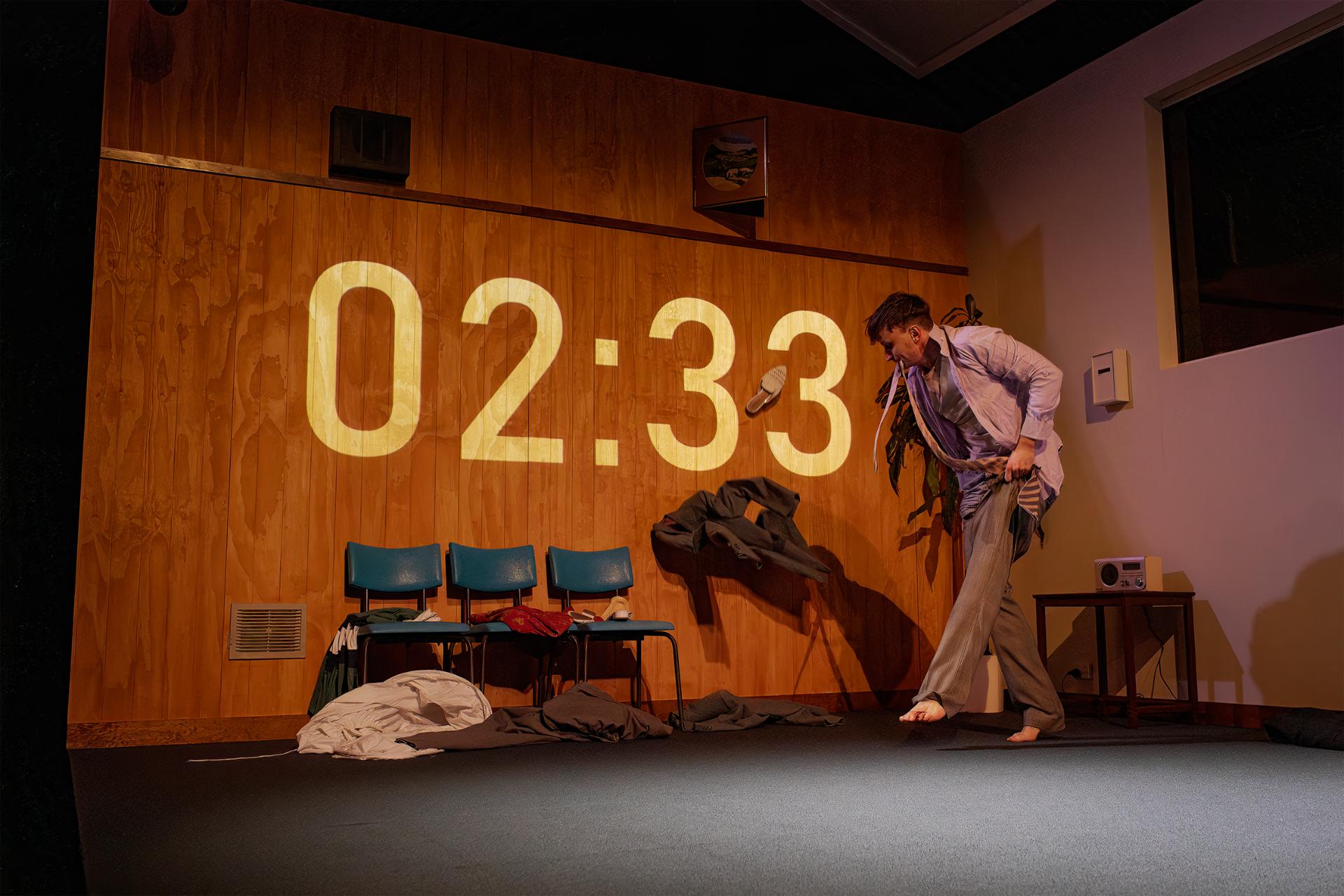
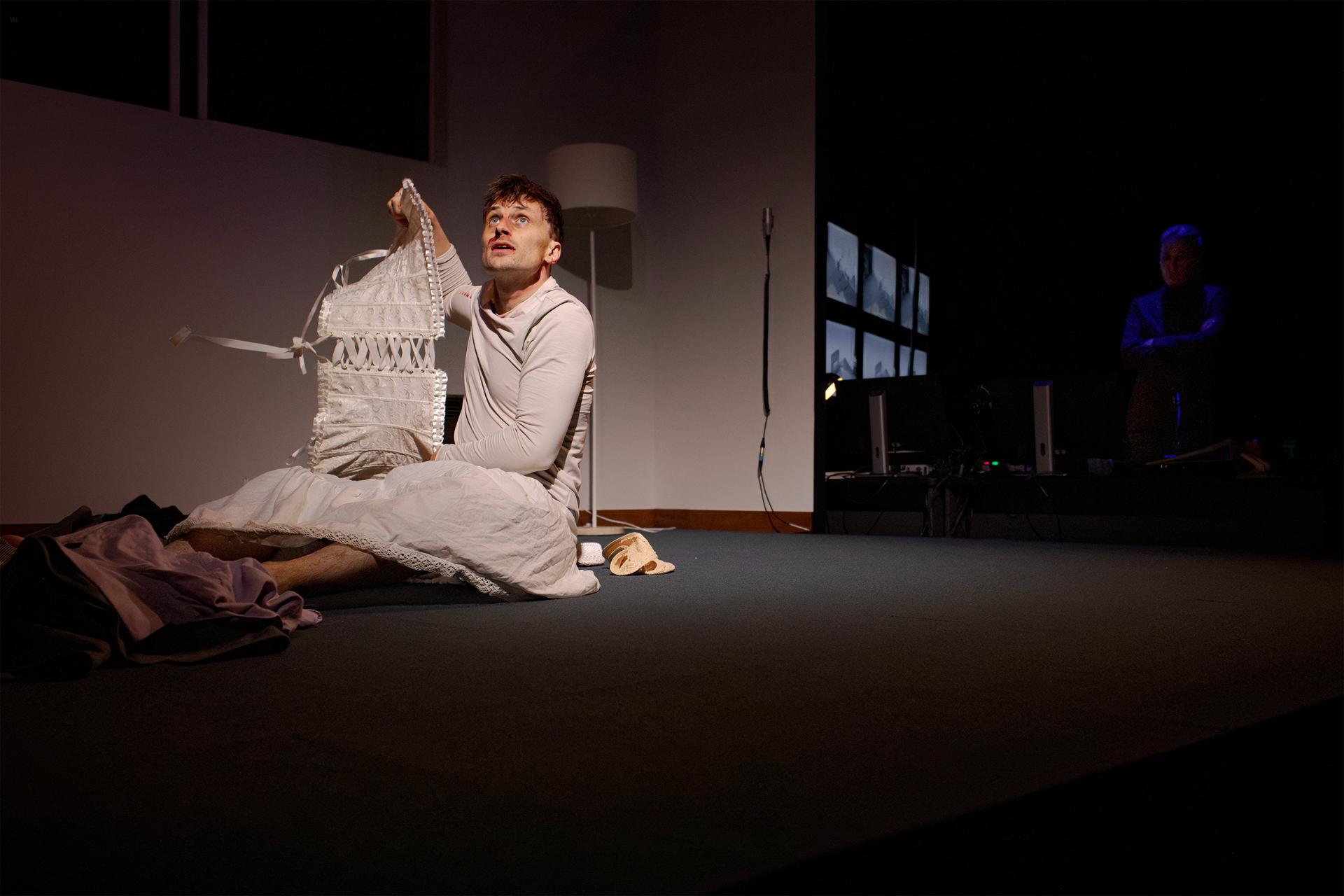
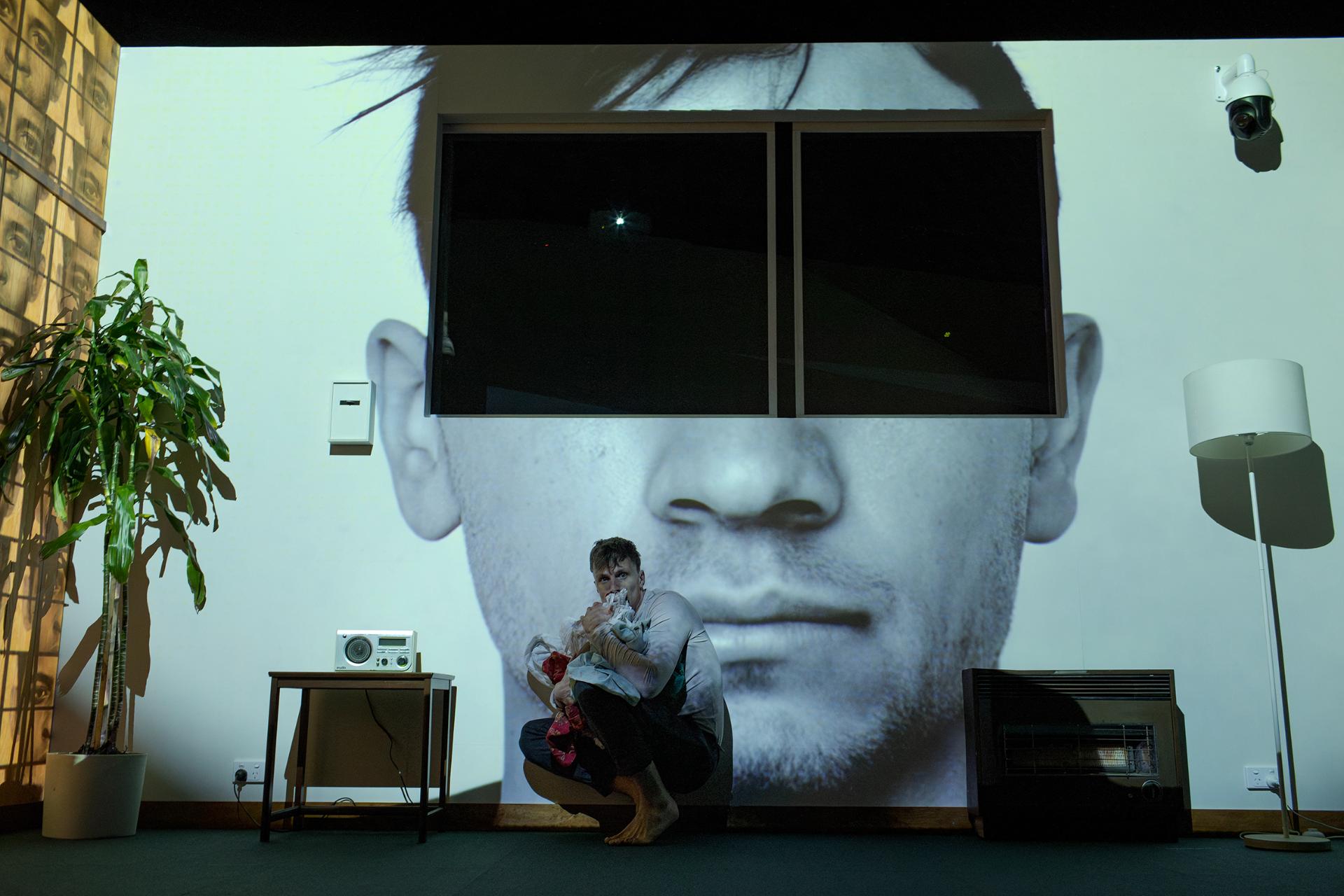
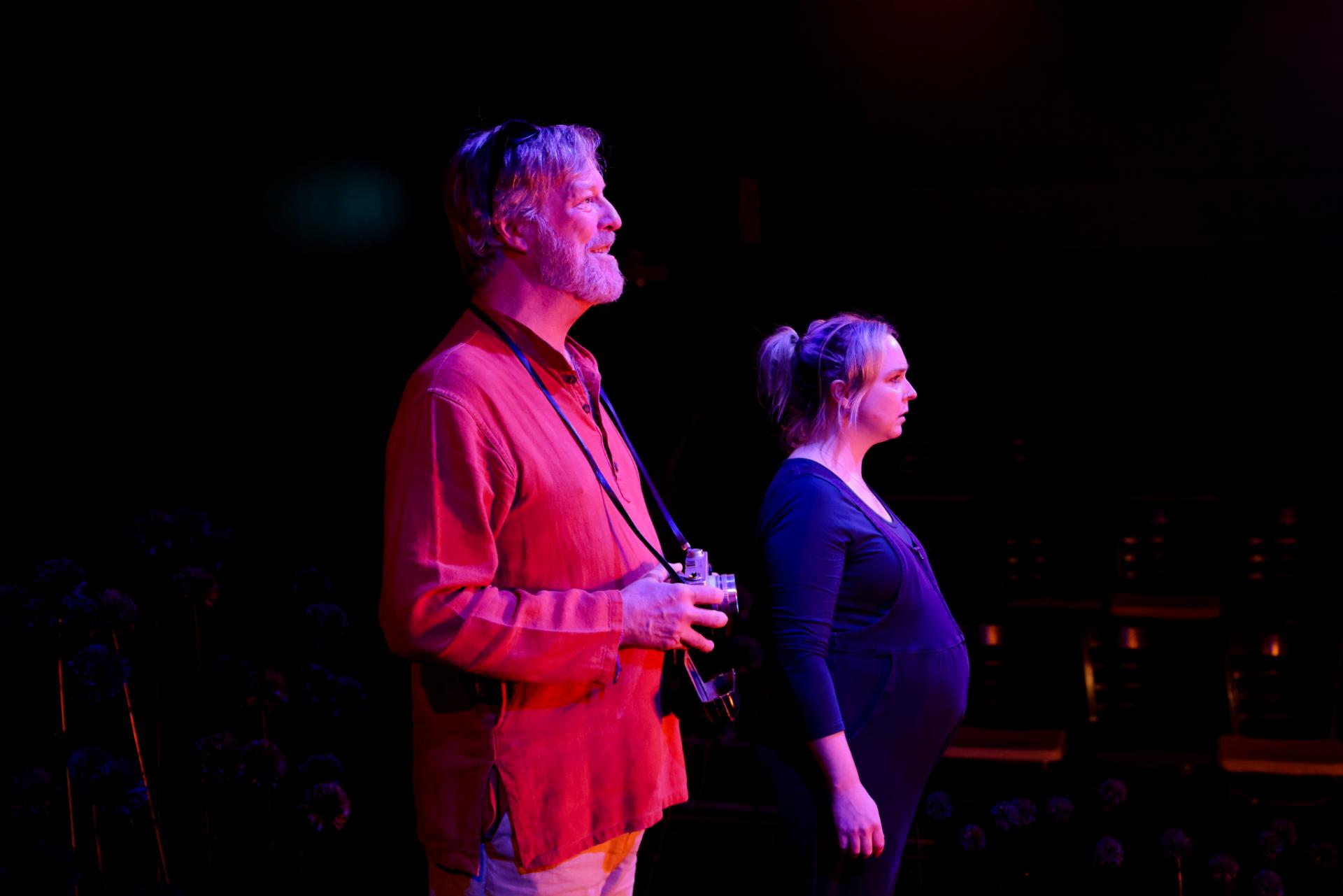
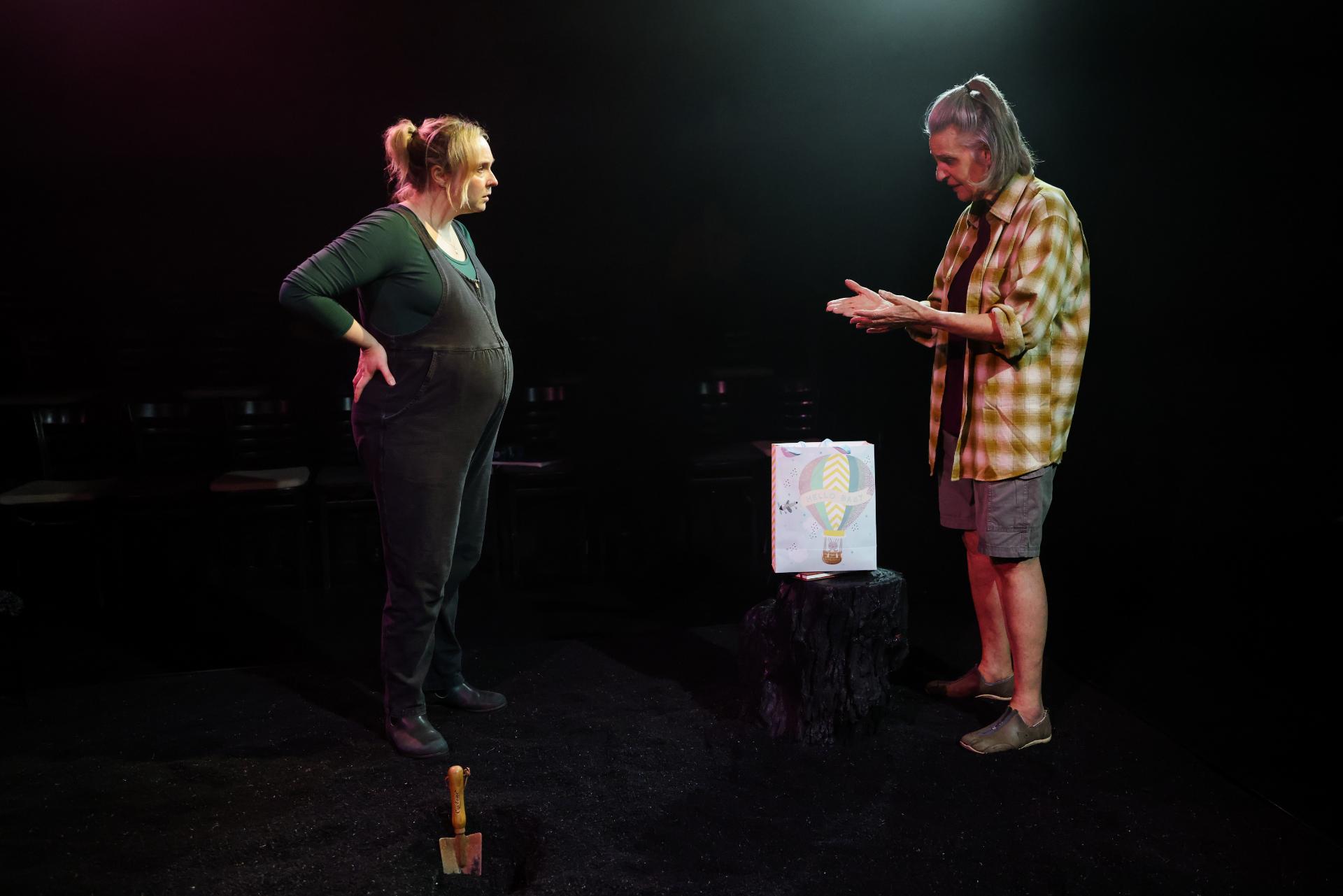
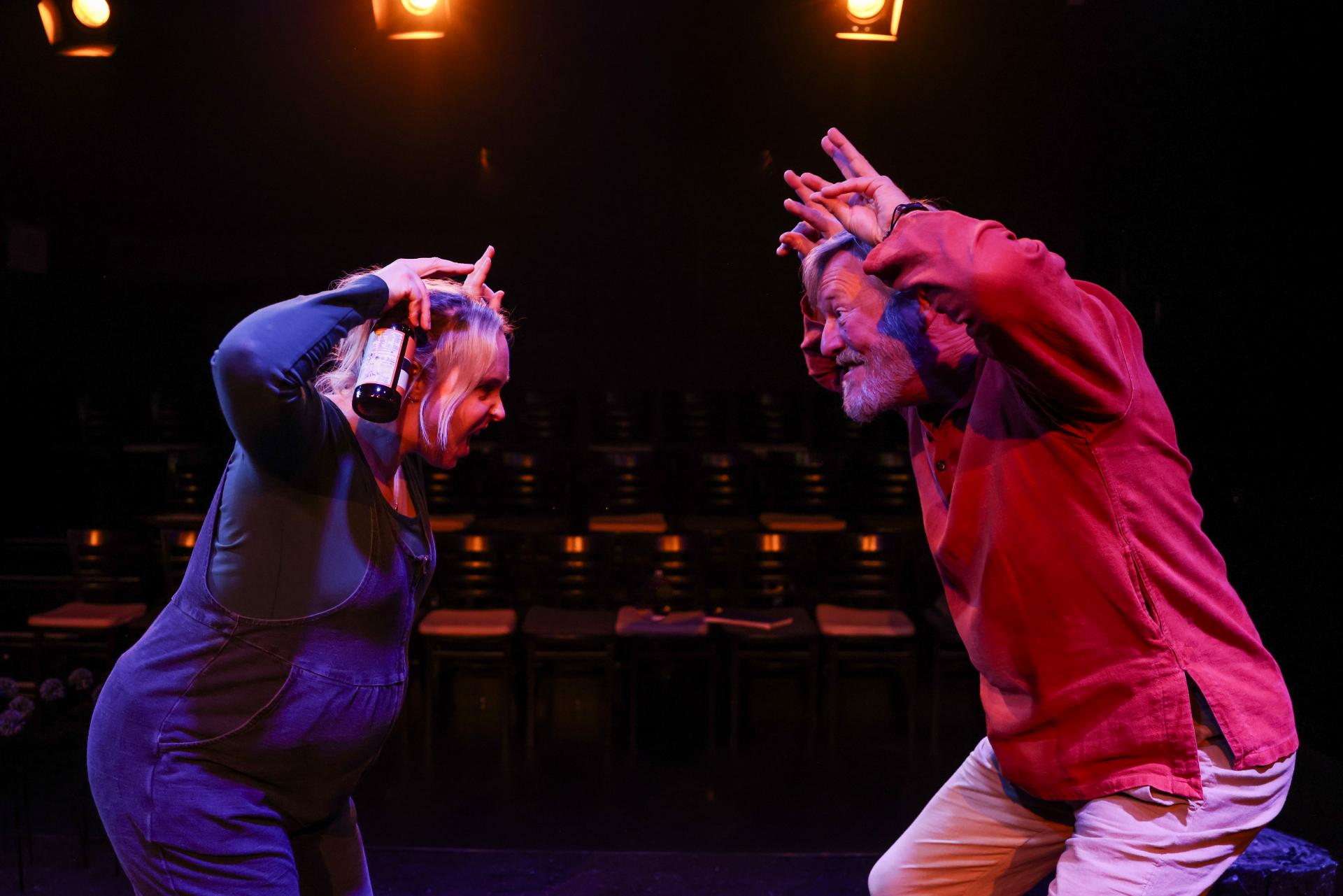
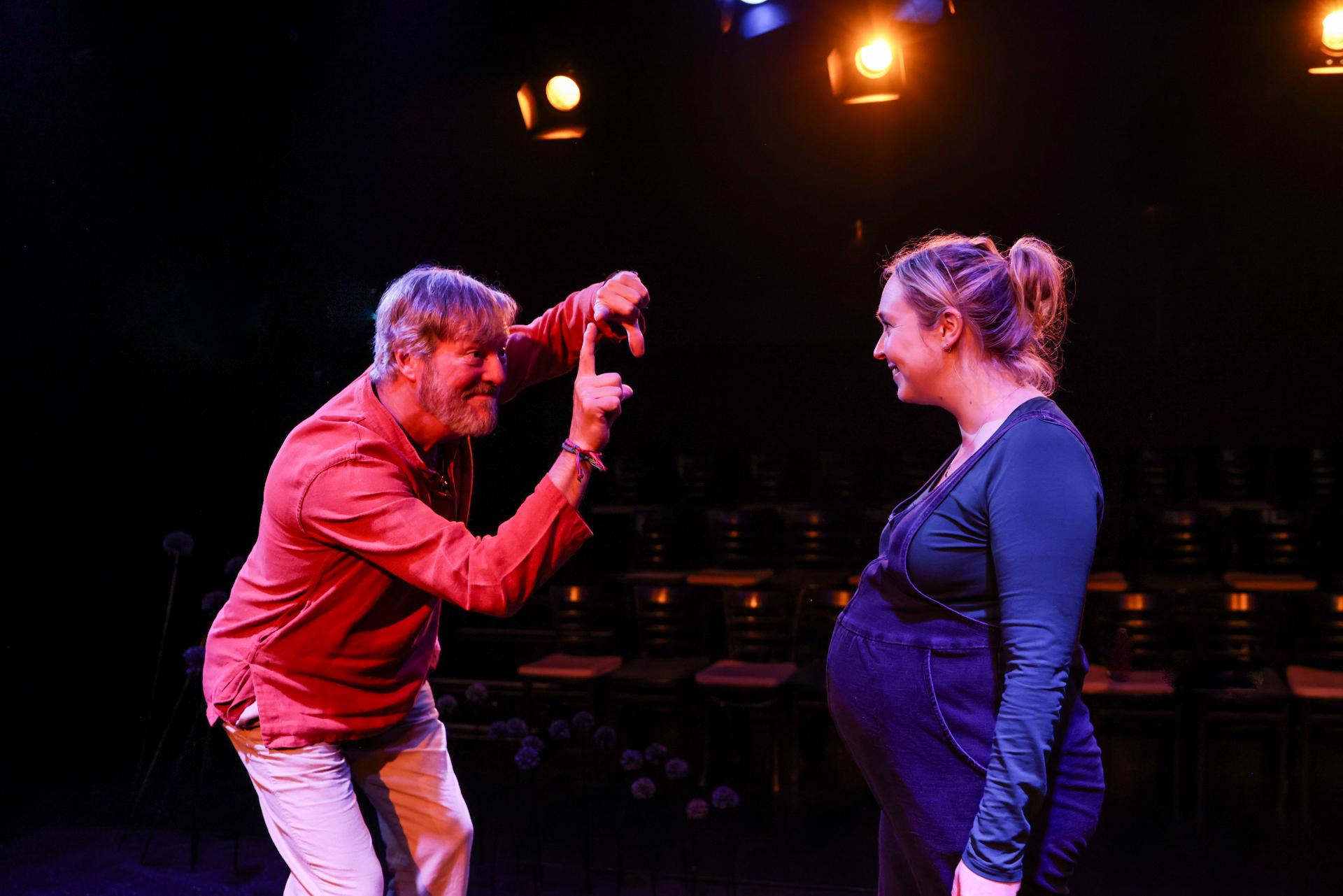
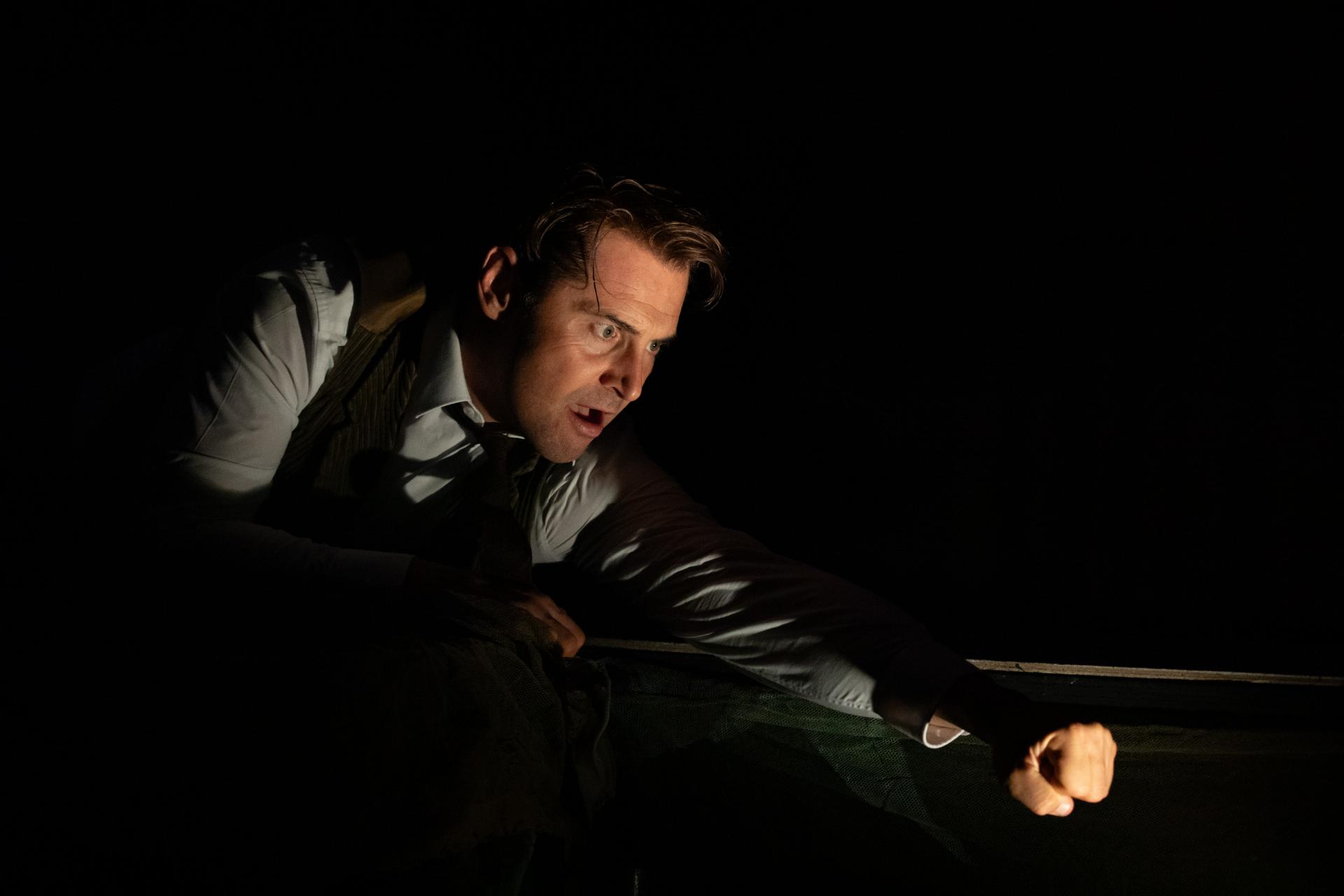
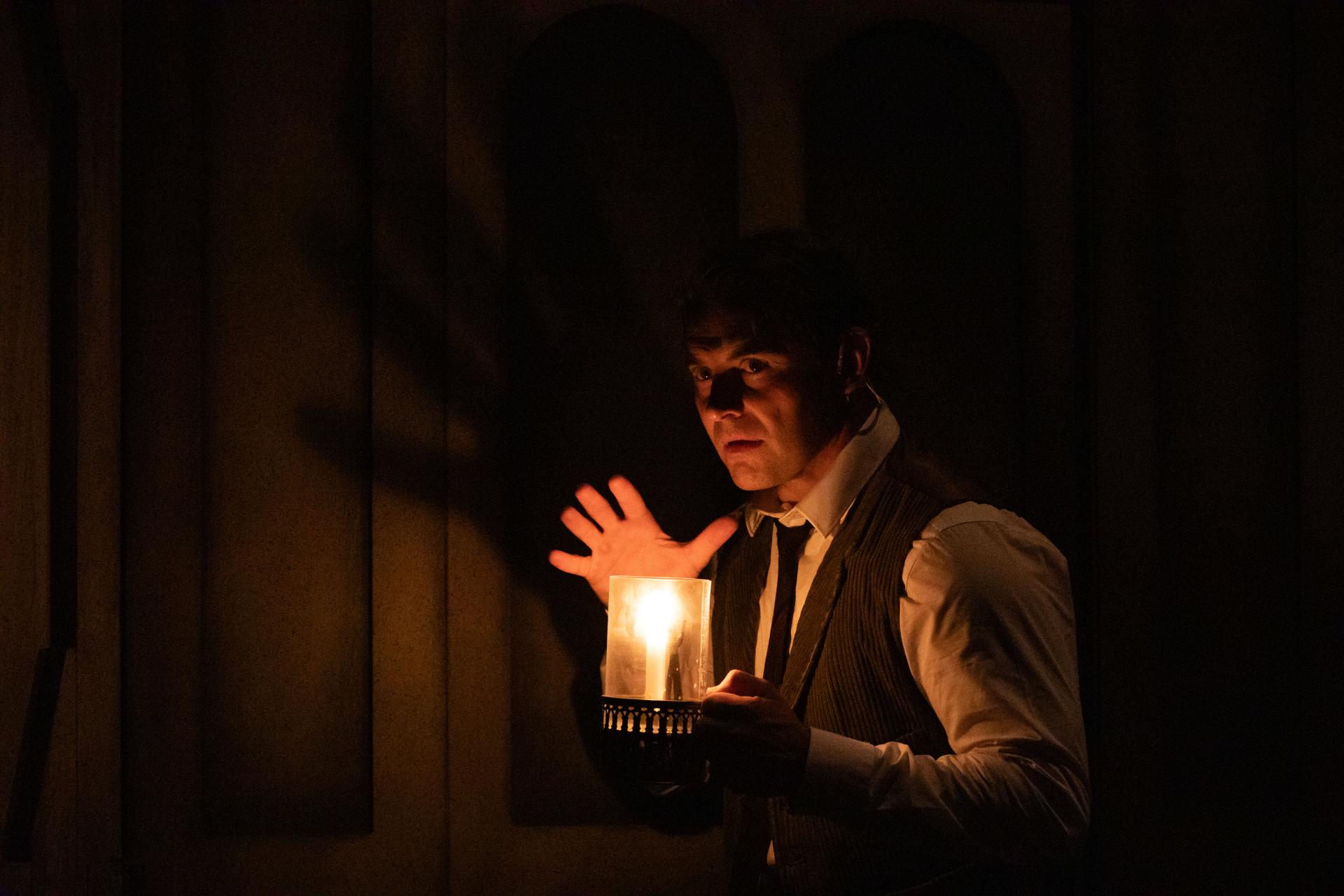
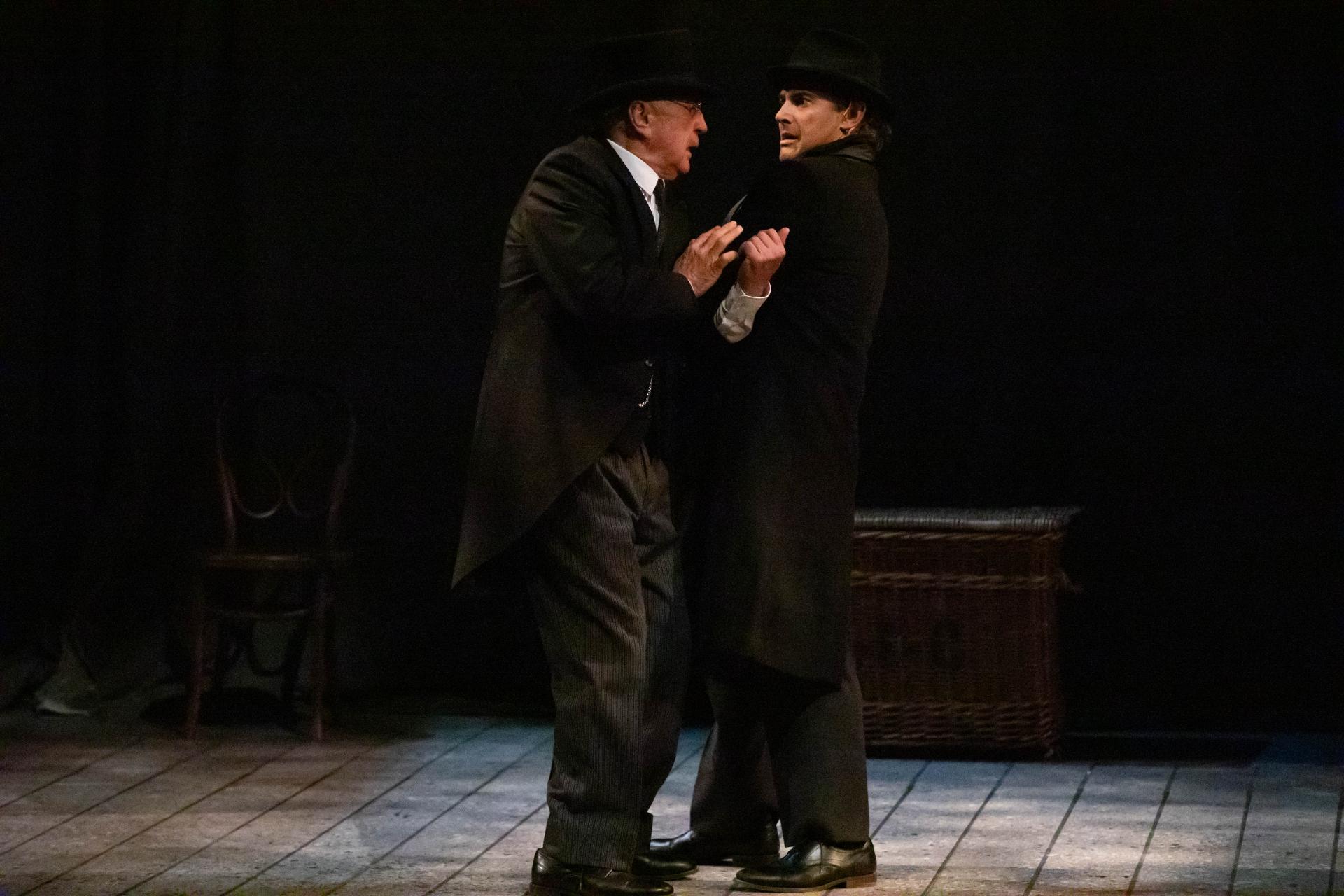
A poet meets a 99-year-old vagrant in a park, and philosophical discussions promptly ensue. The young man is by nature inquisitive, and the old woman knows a lot, by sheer virtue of experience. Sotoba Komachi 「卒塔婆小町」 by Yukio Mishima 三島由紀夫 is a 1952 adaptation of the 14th century Nō classic; characteristically surreal and lyrical, it explores themes of ageing and mortality, that in turn inspire thoughts about how we exist in the here and now.

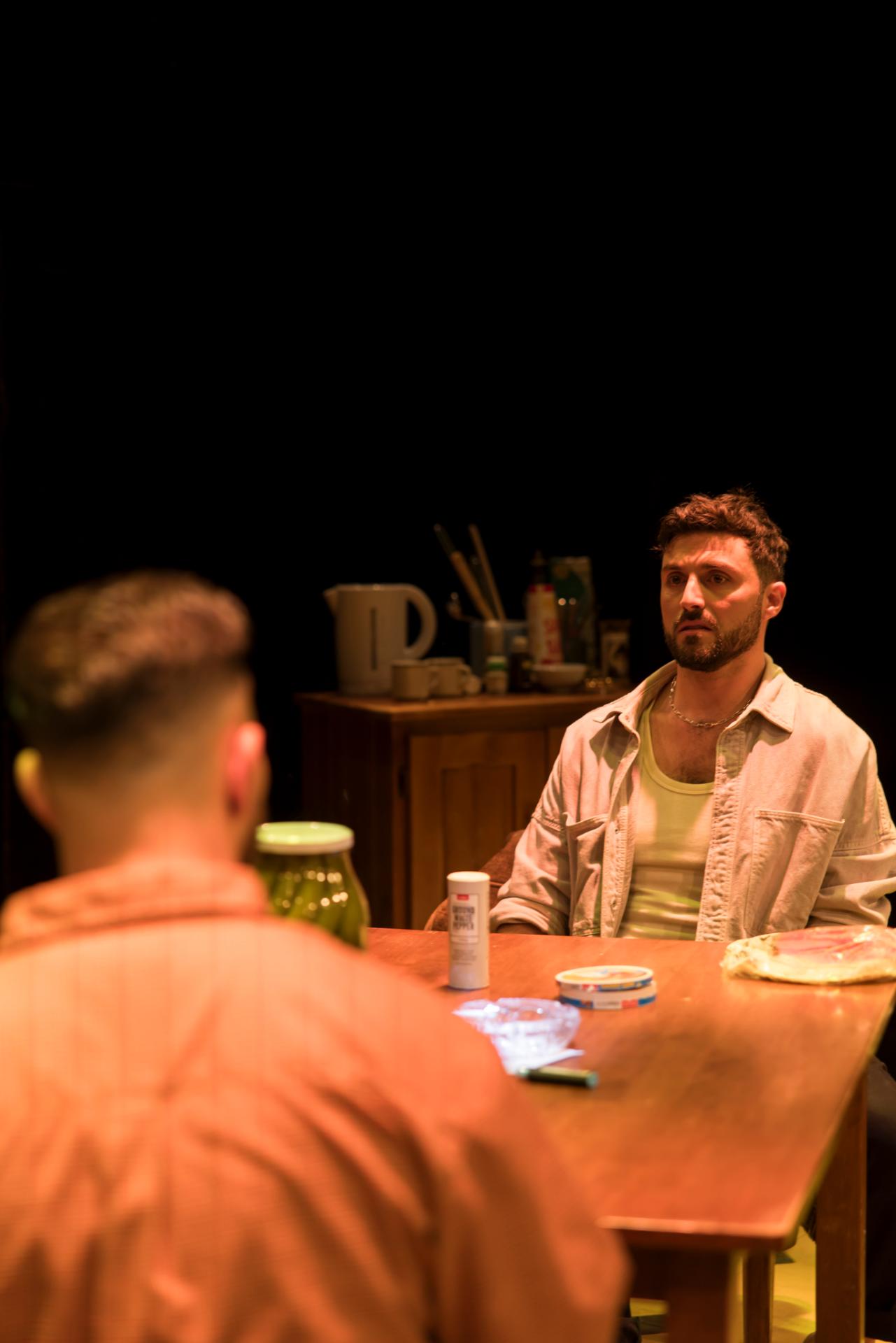
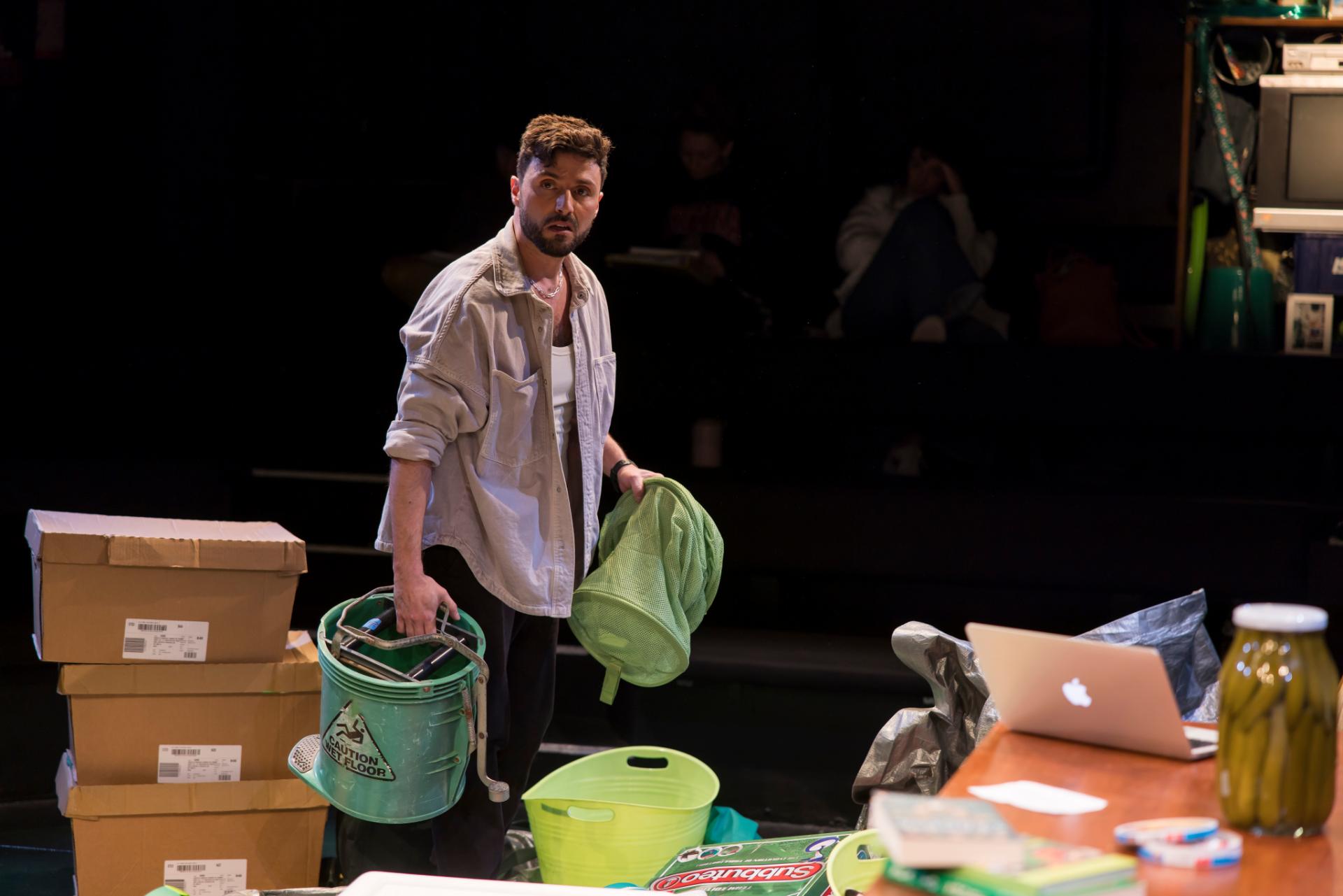
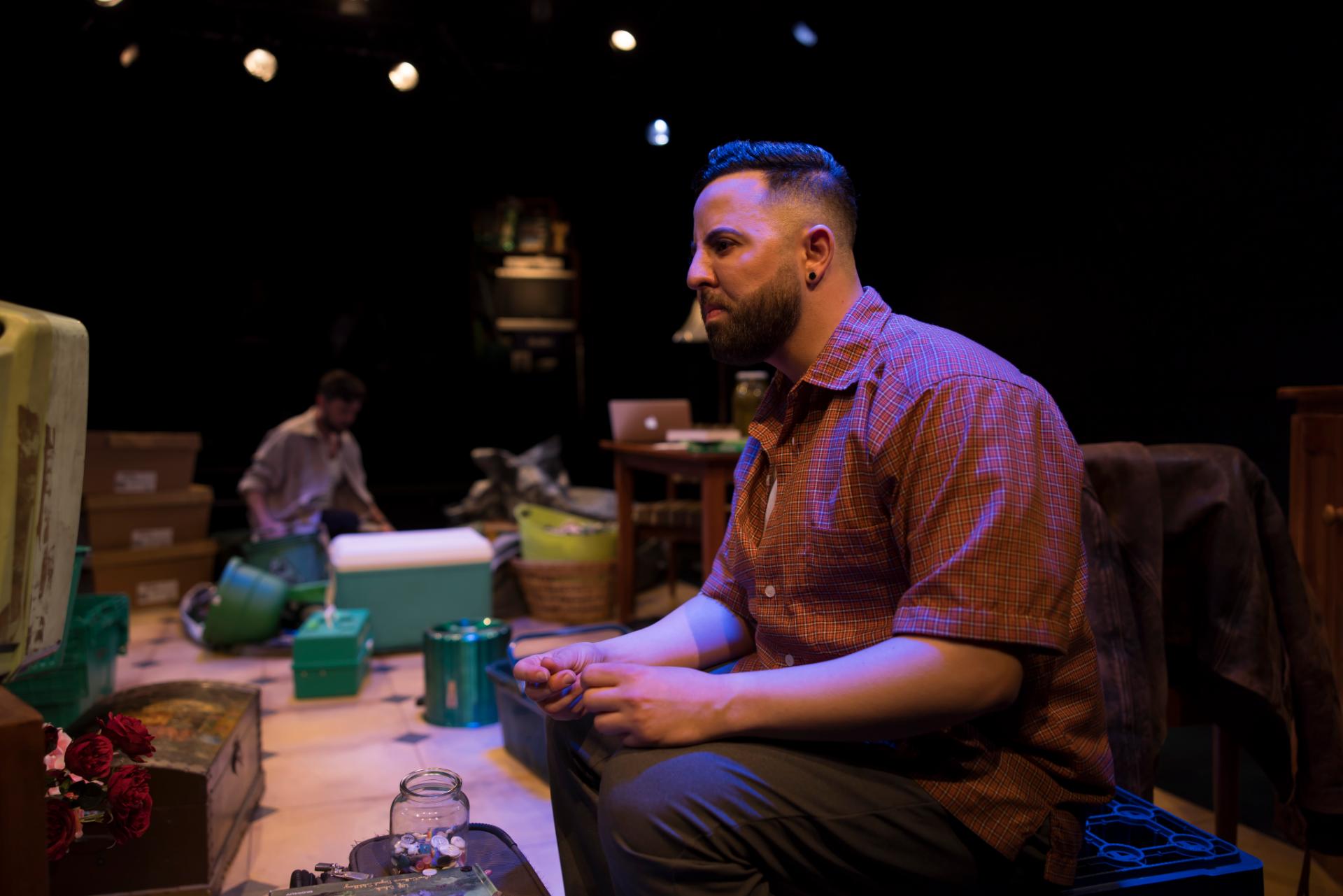
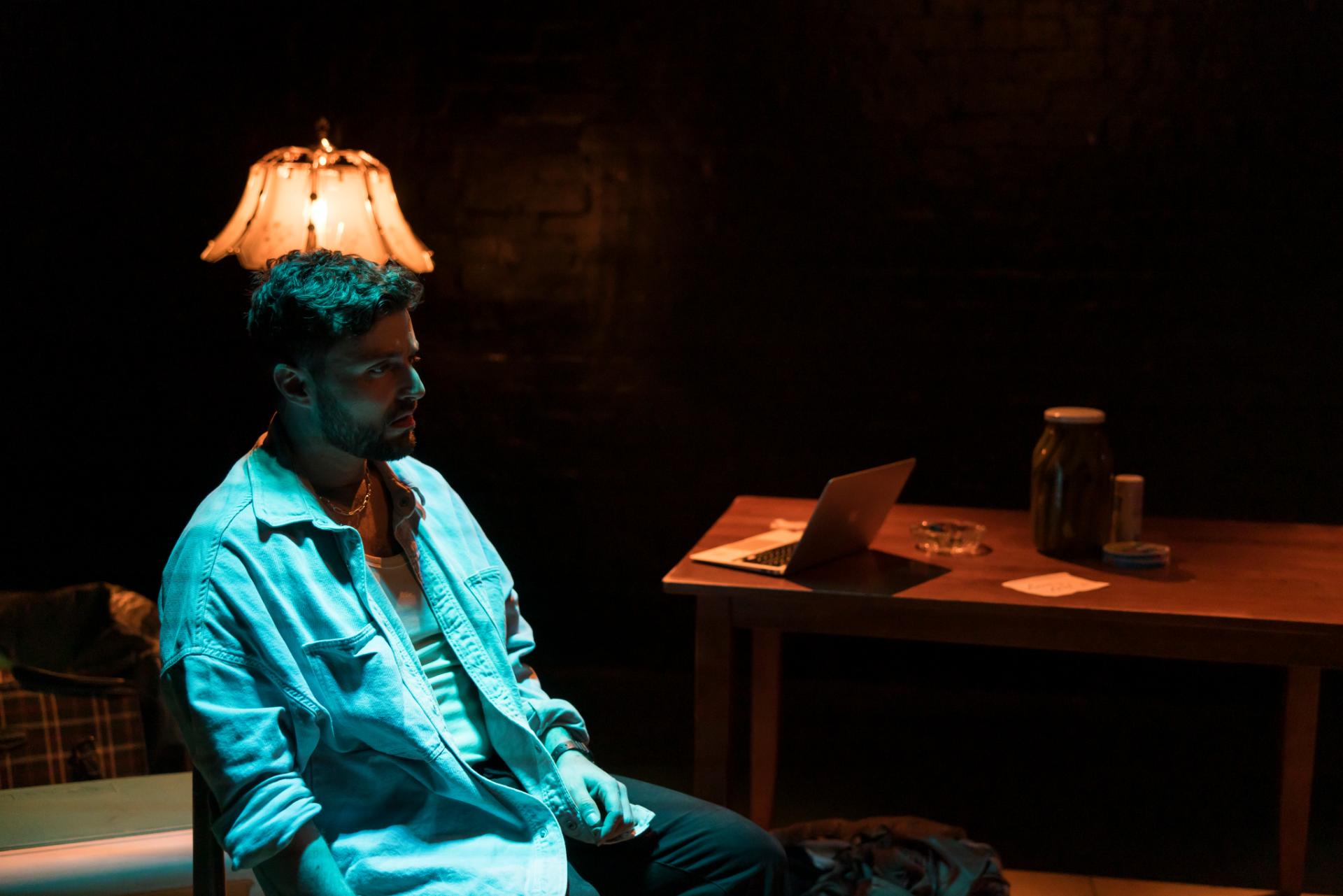
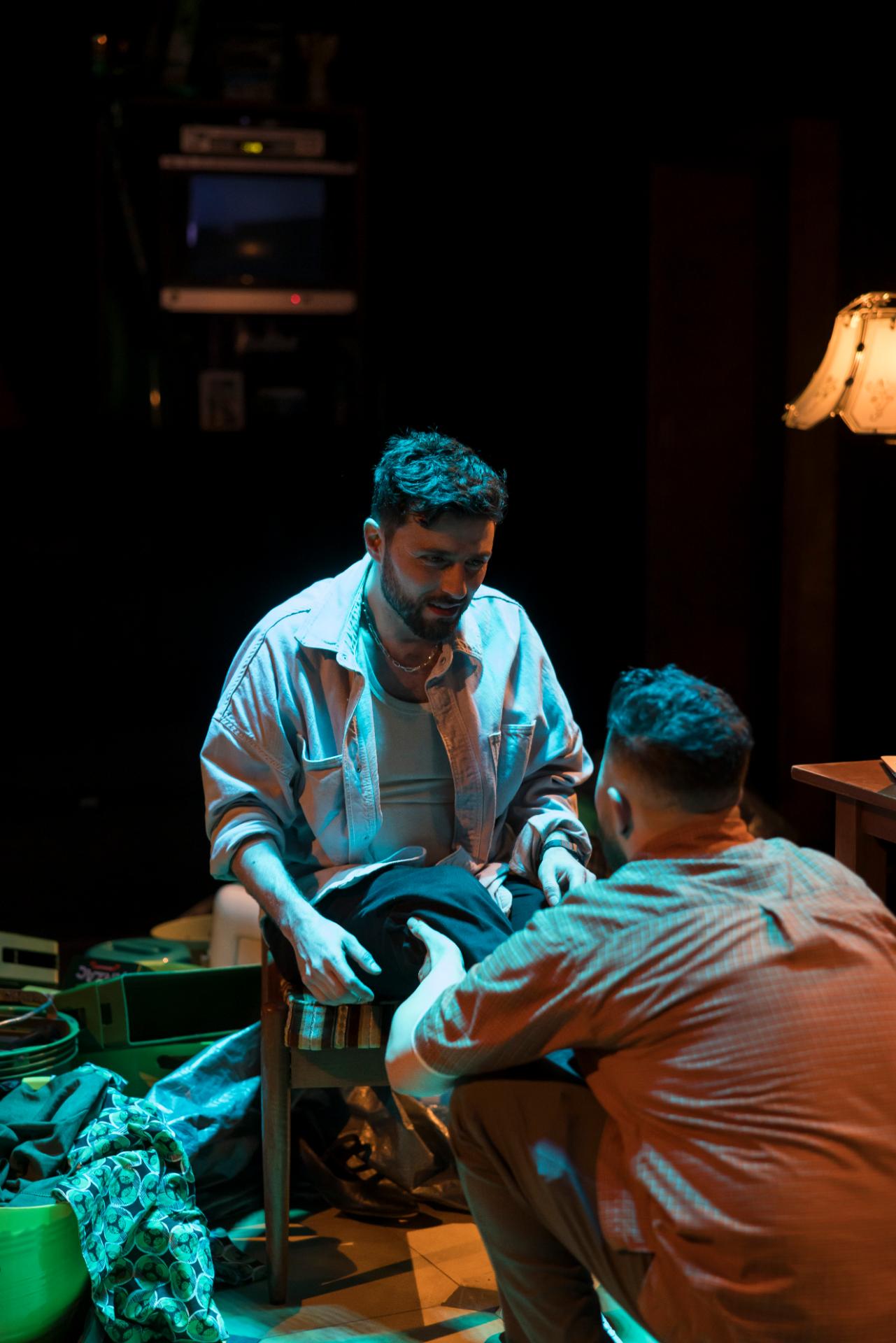
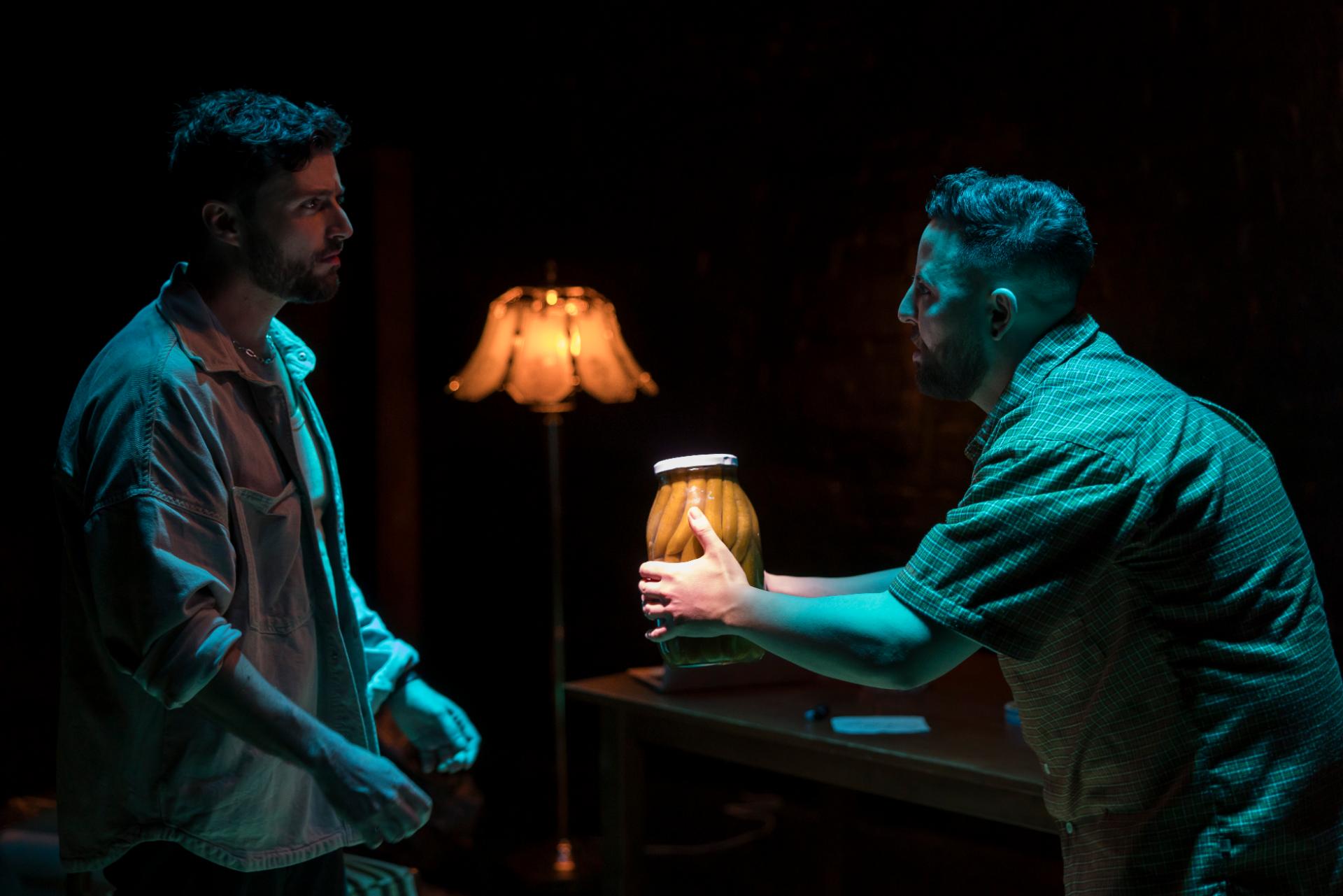
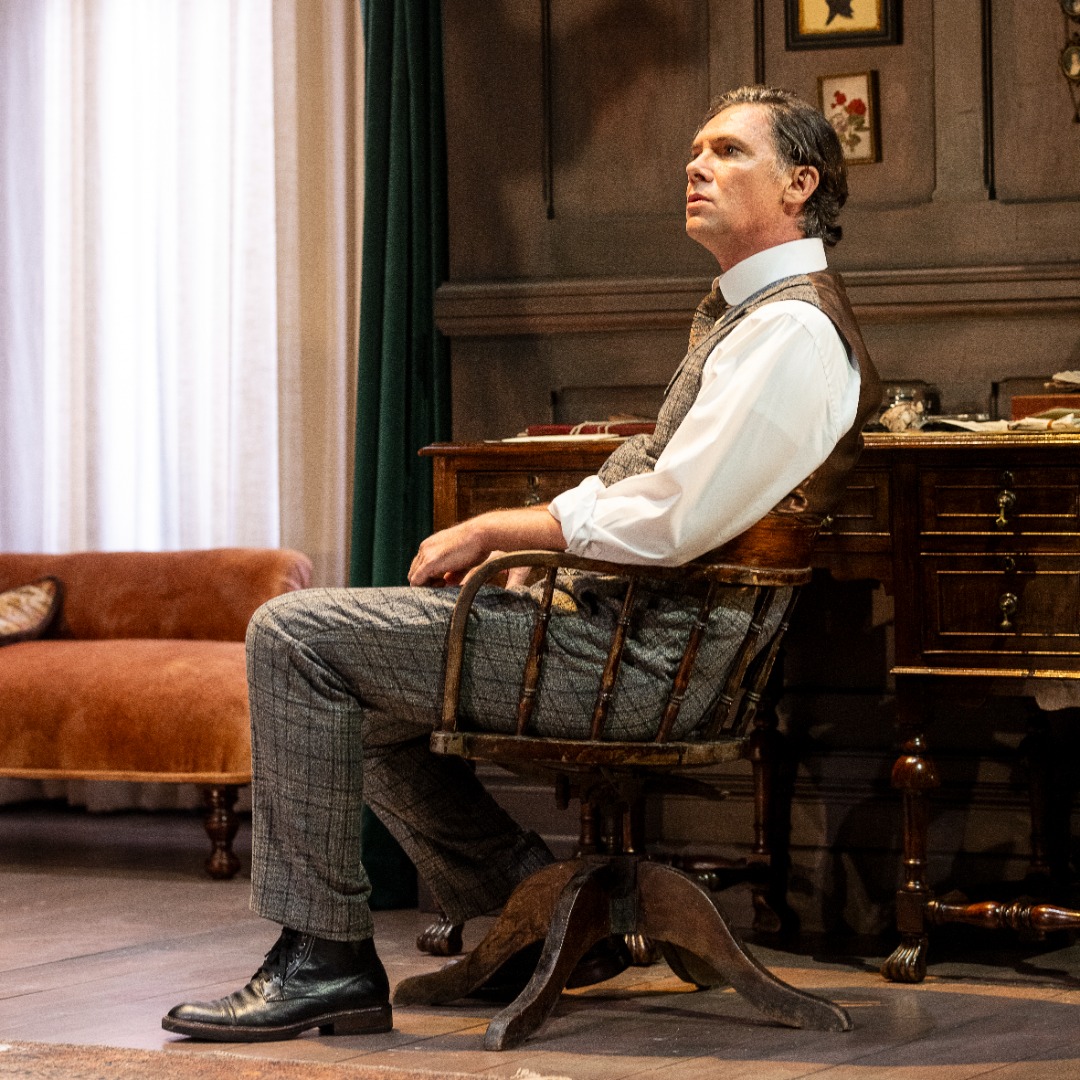
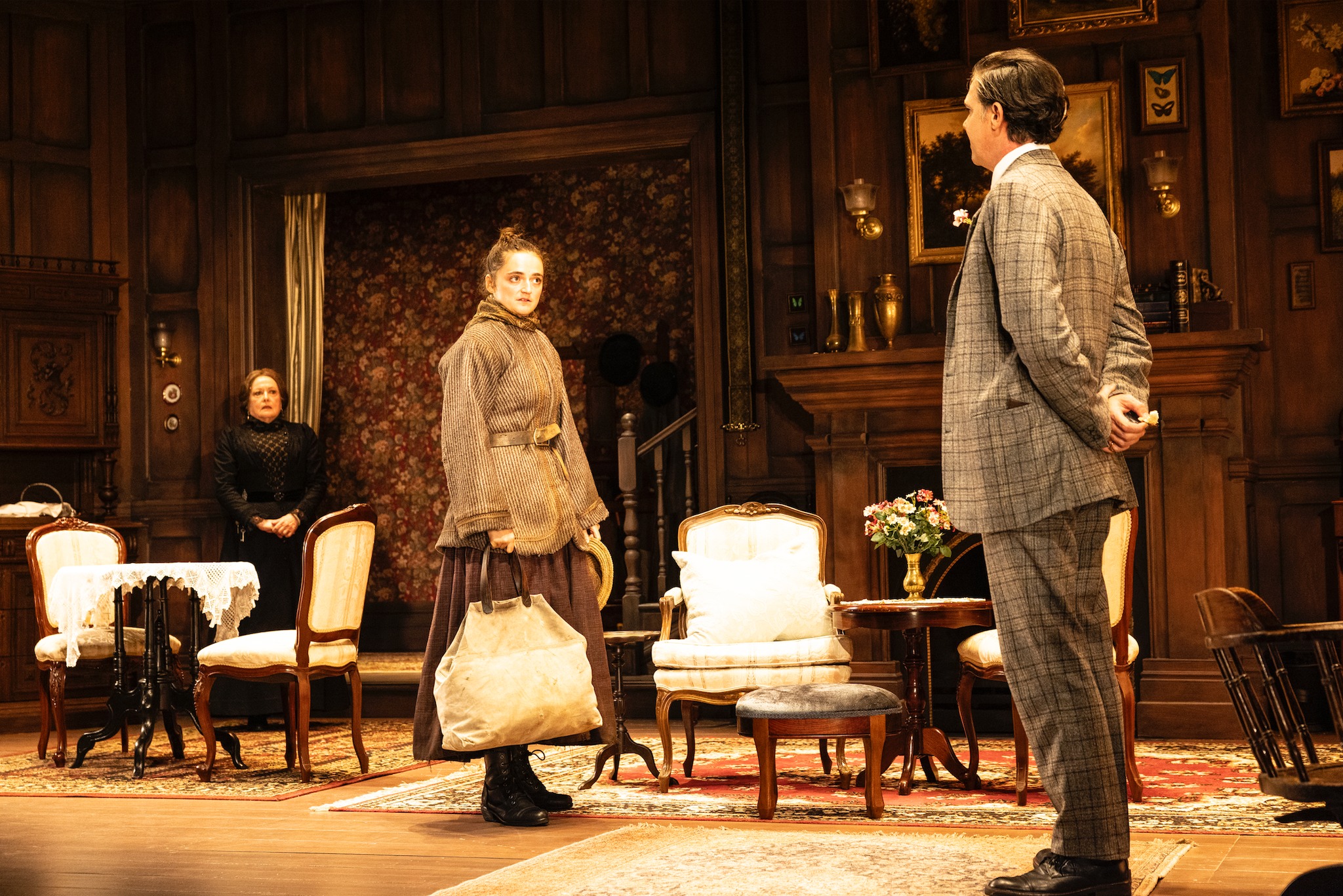
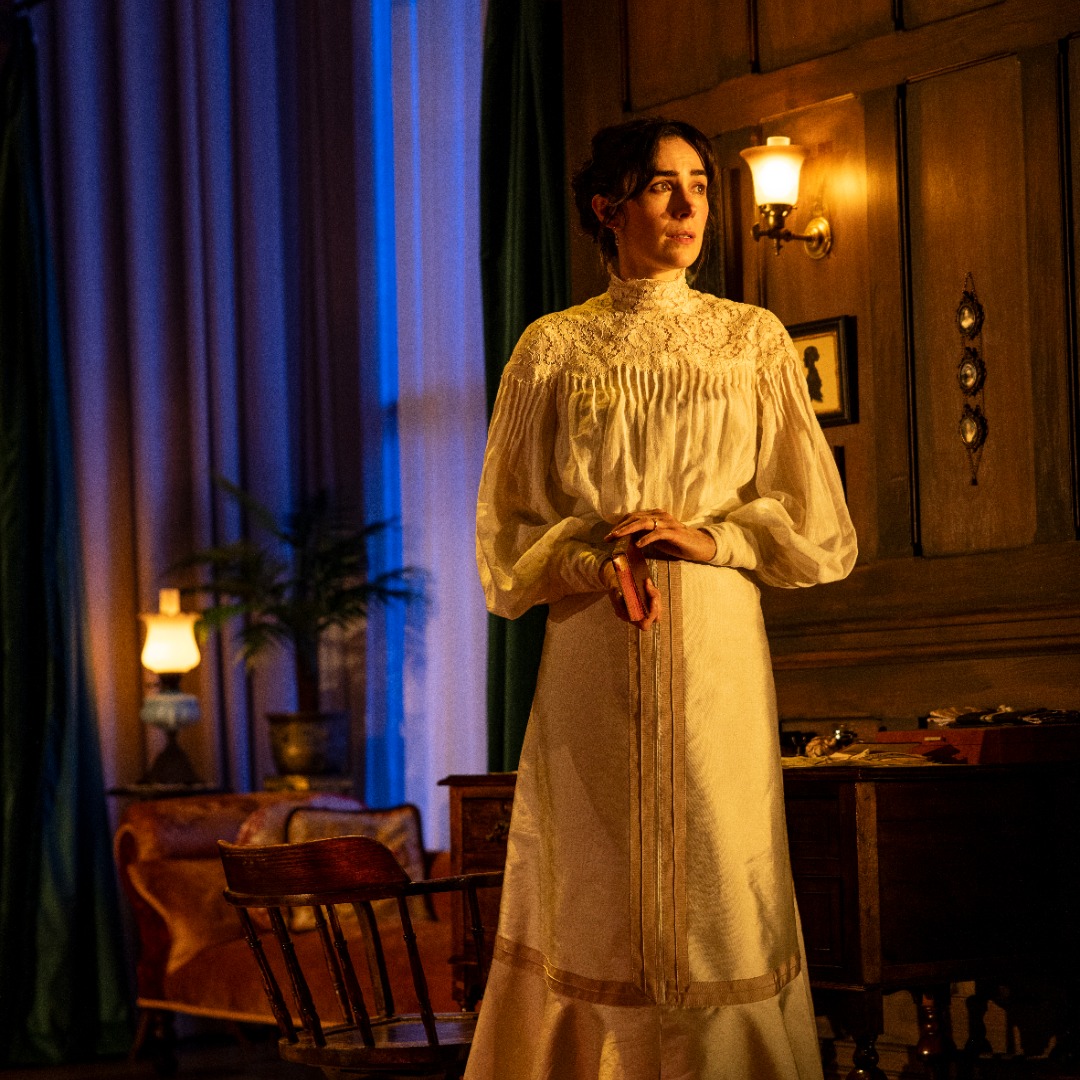
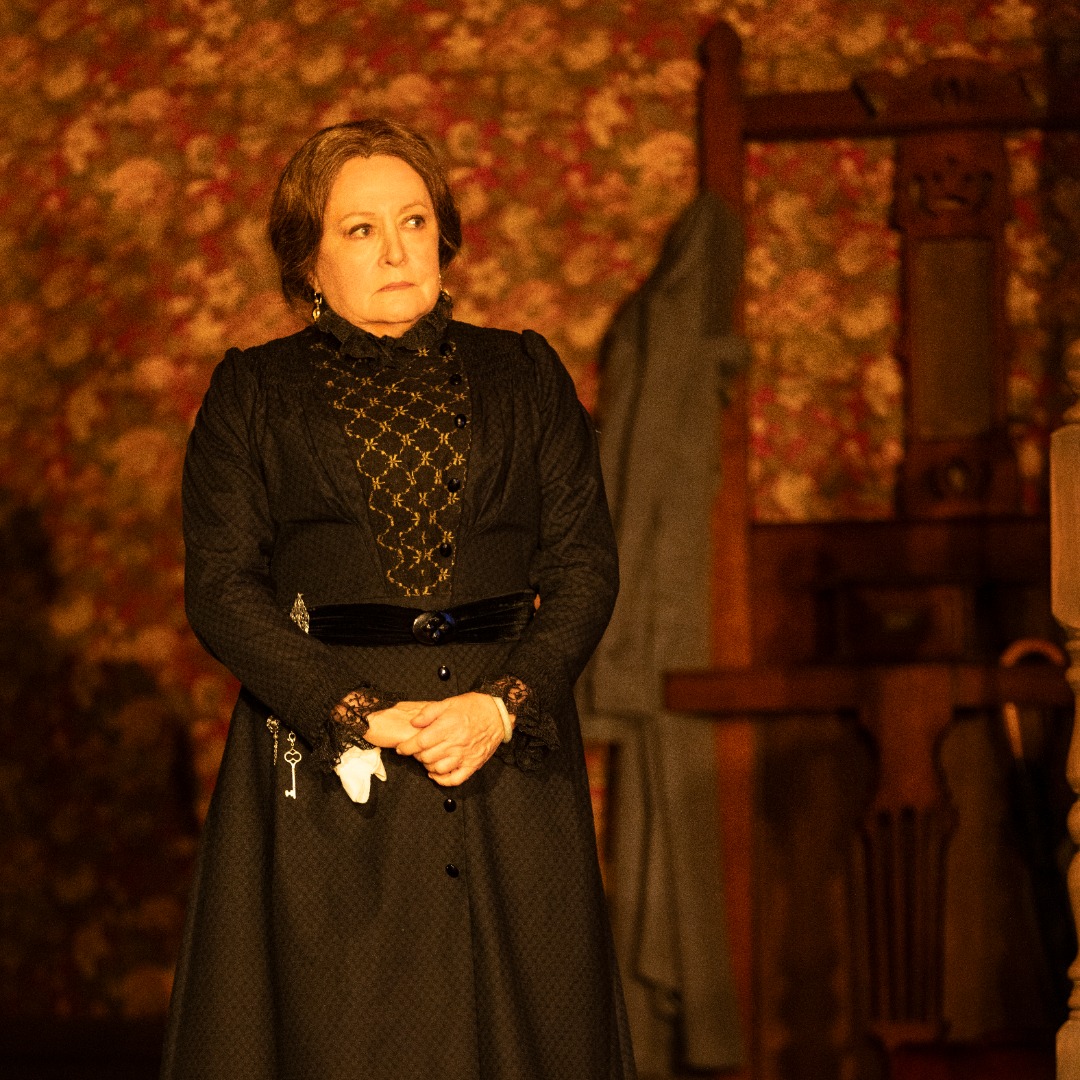
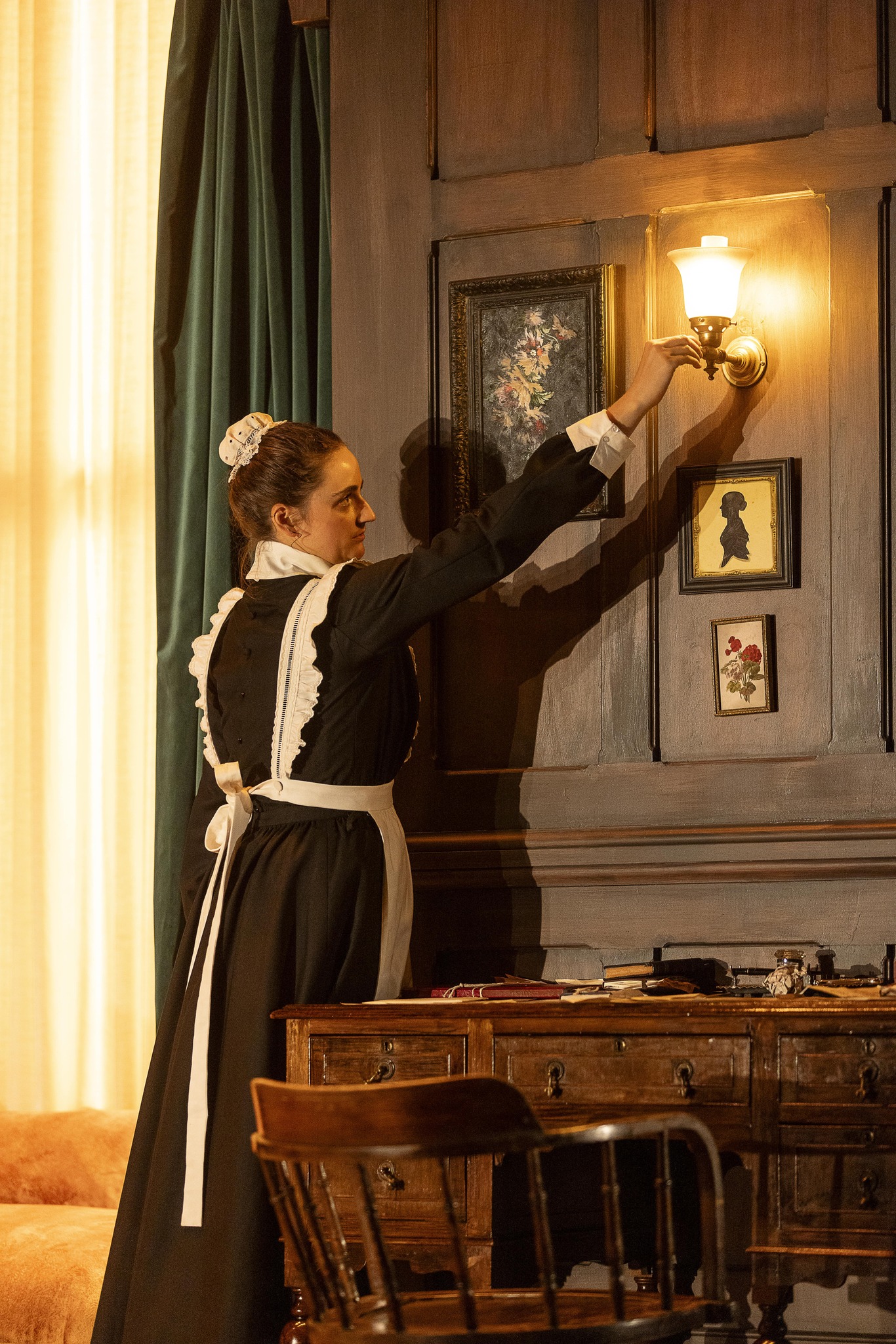
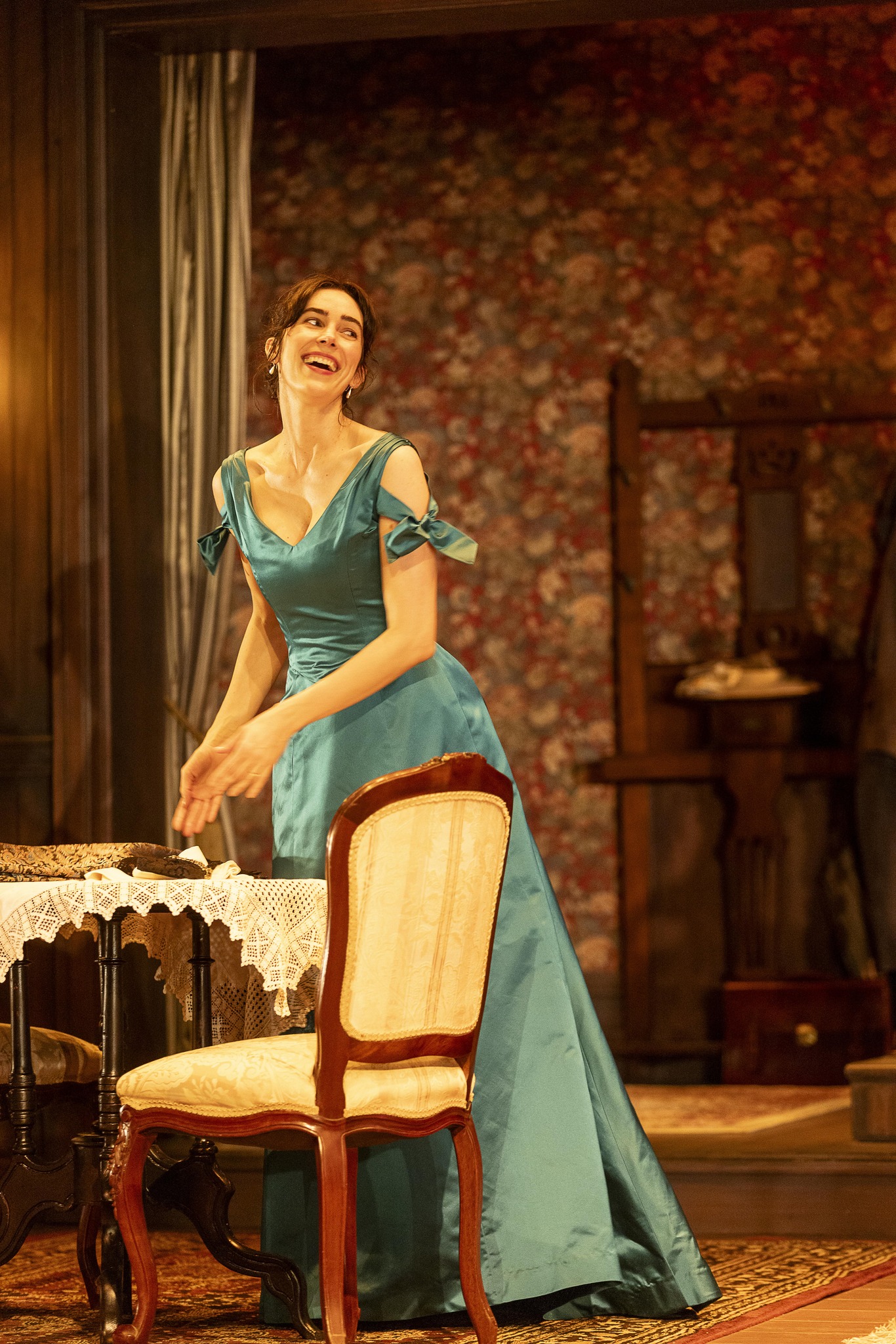
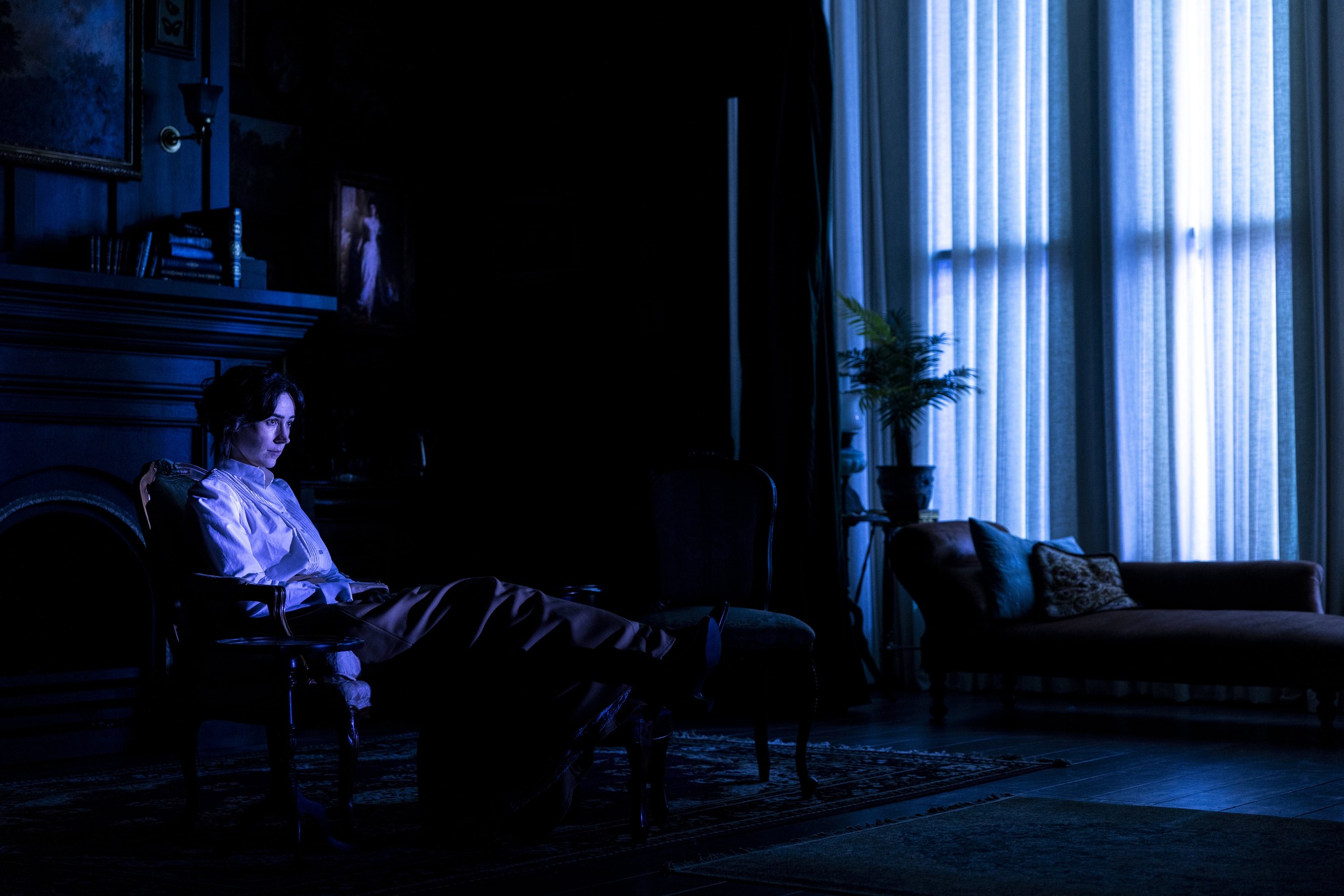
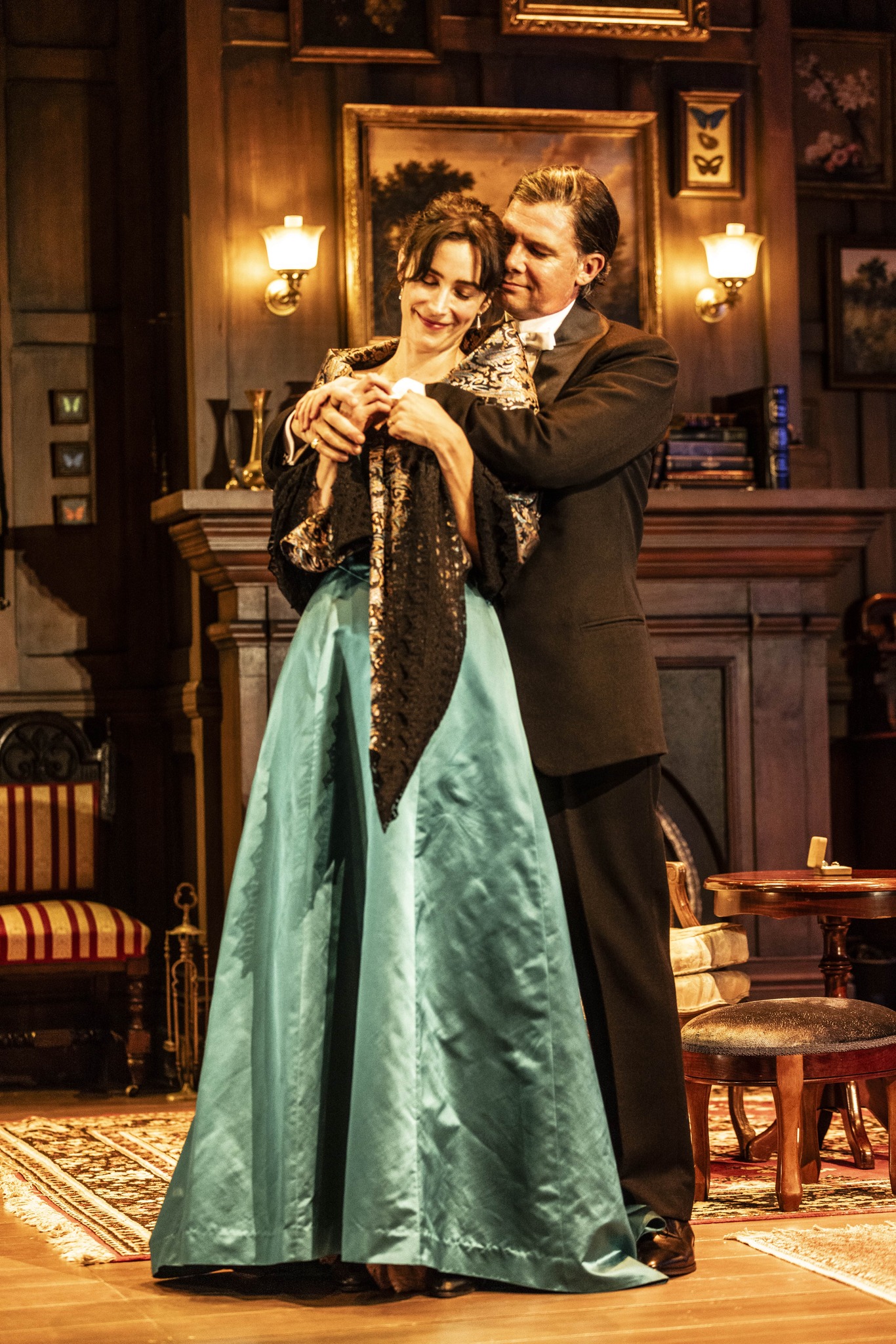
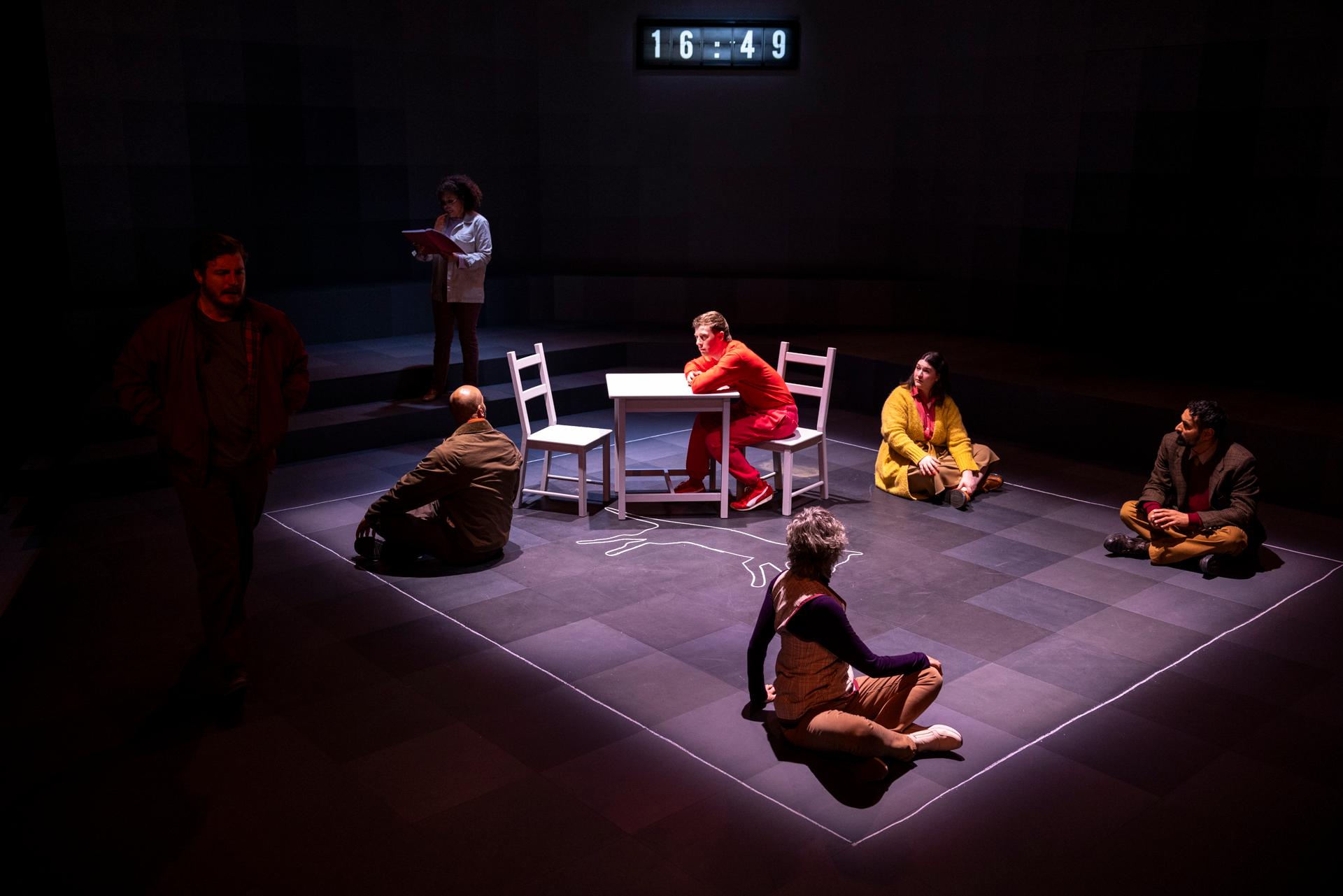
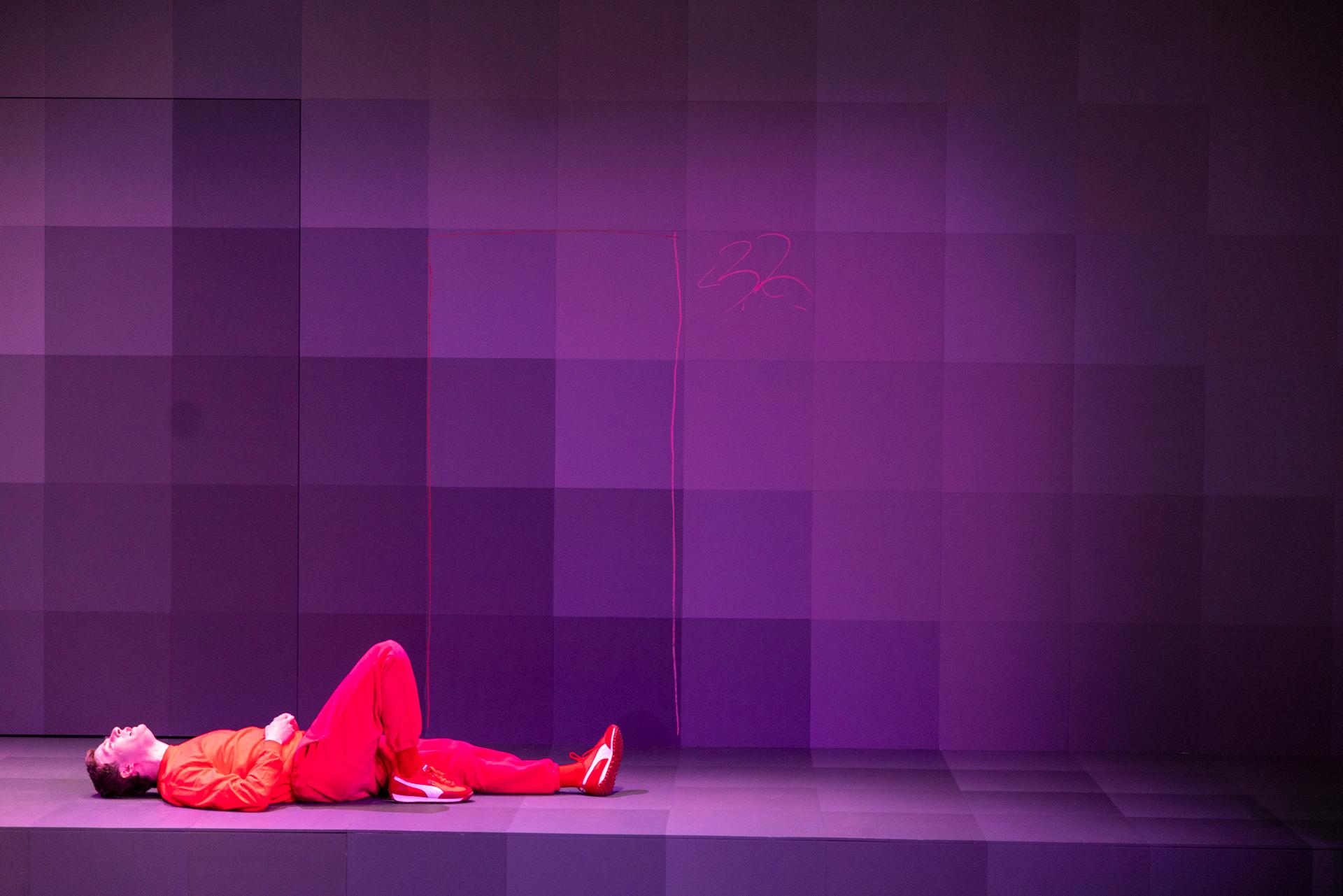
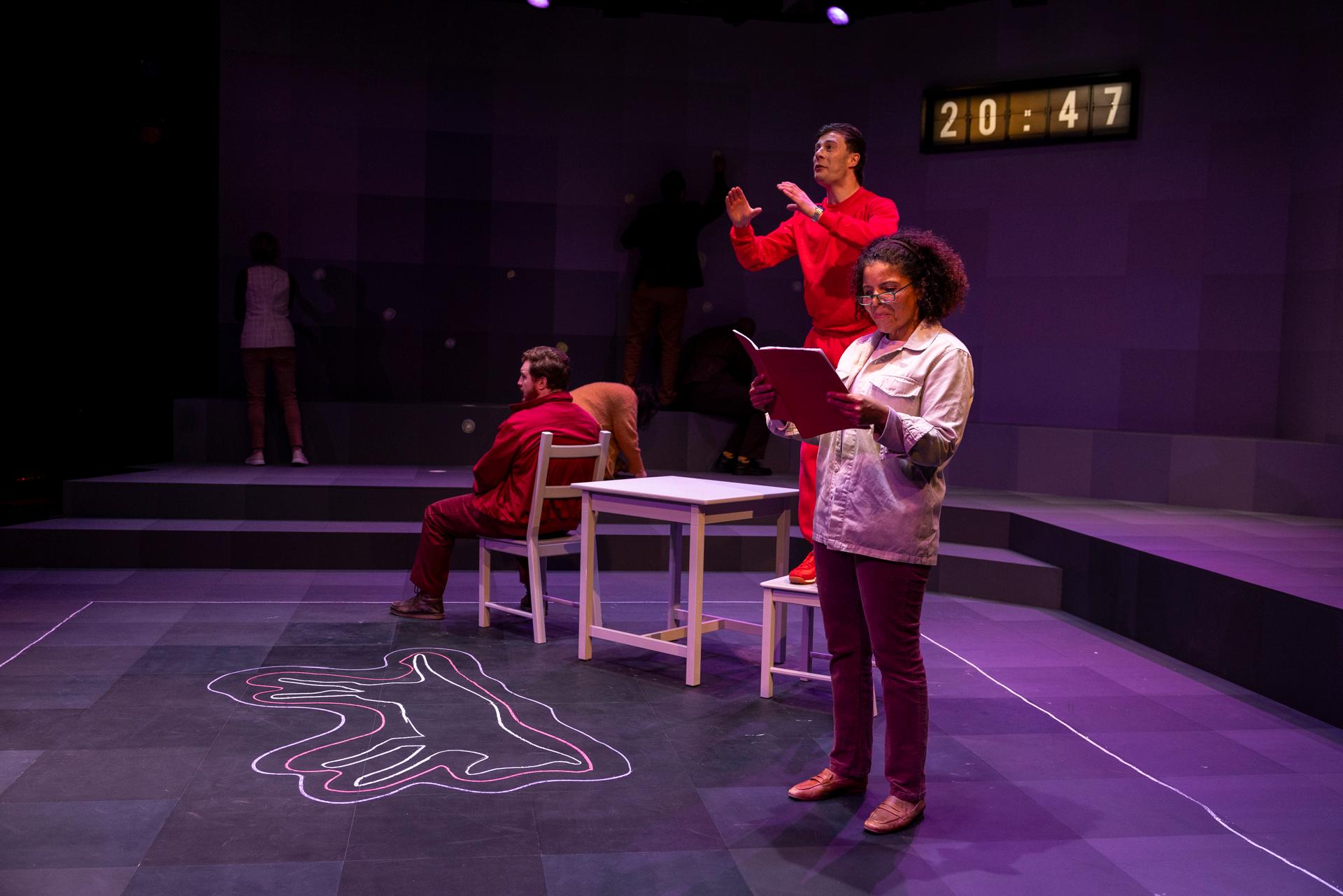
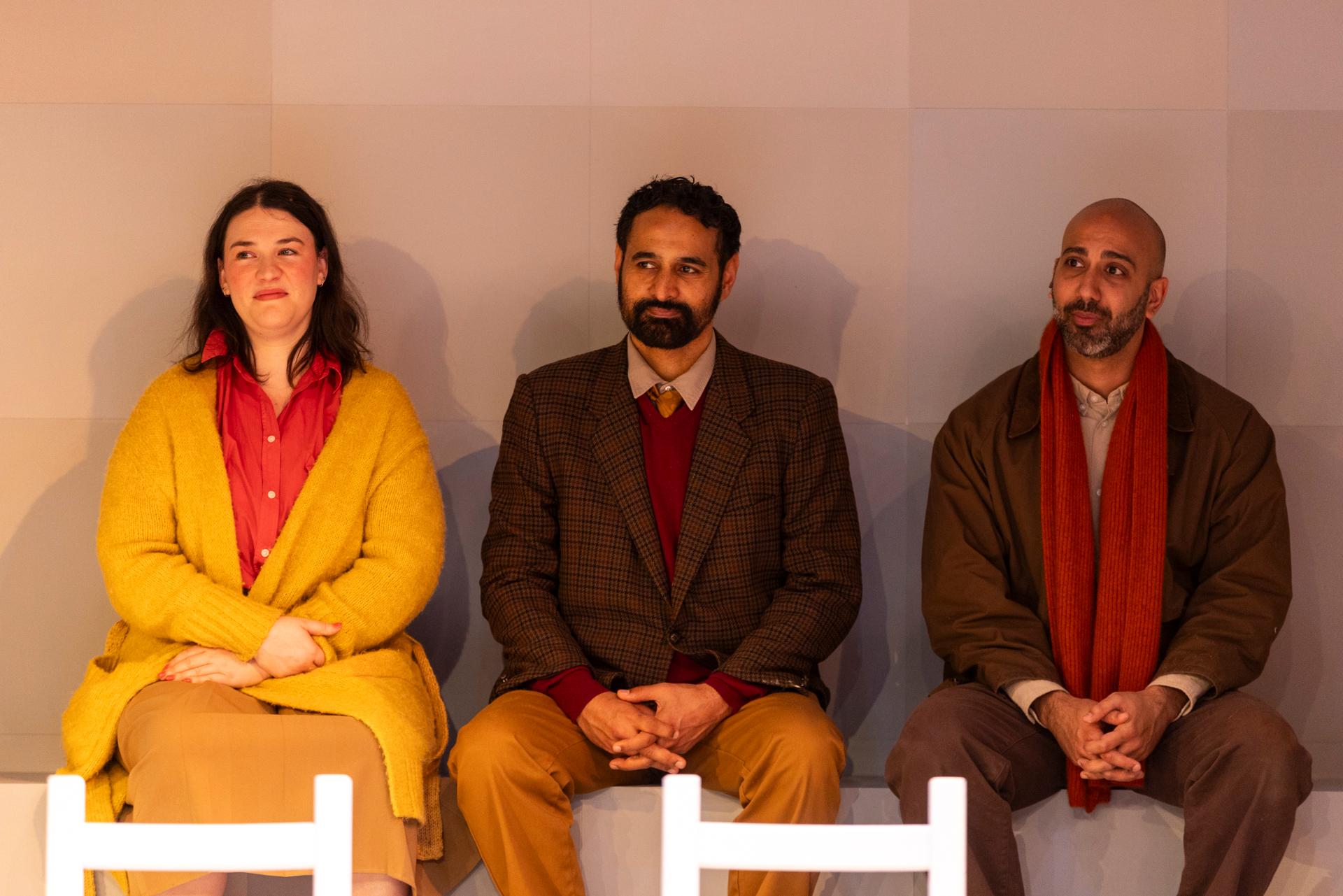
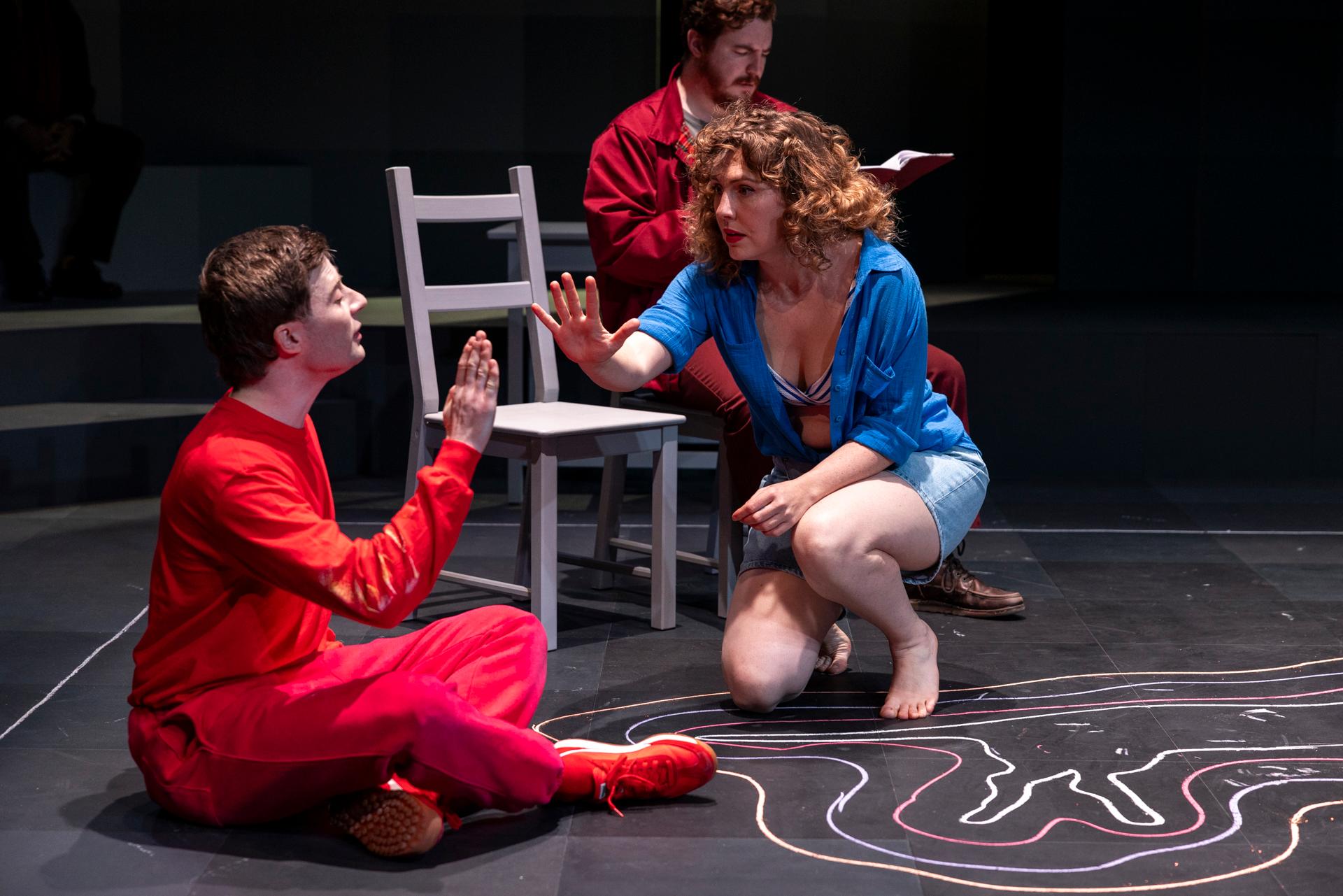
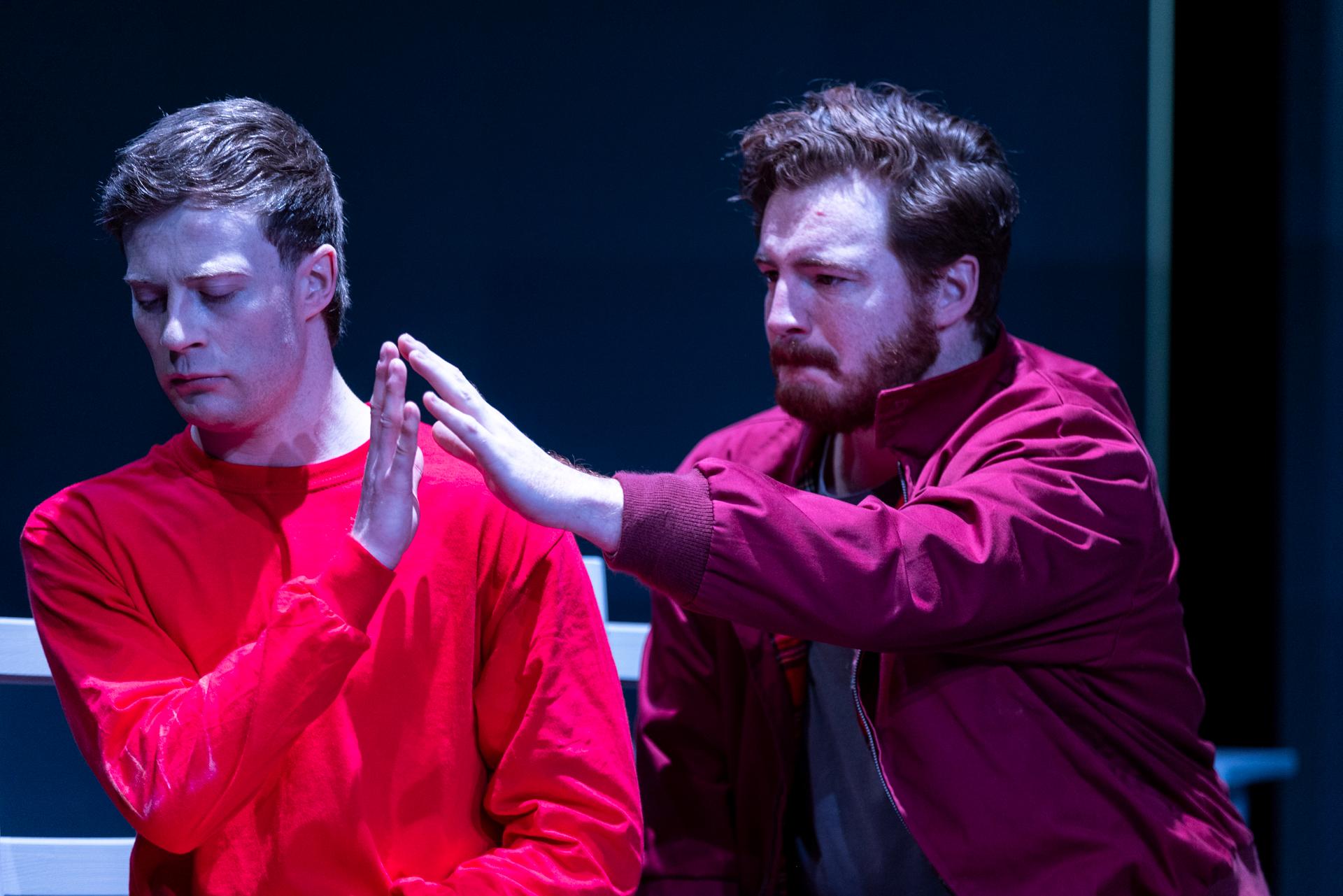
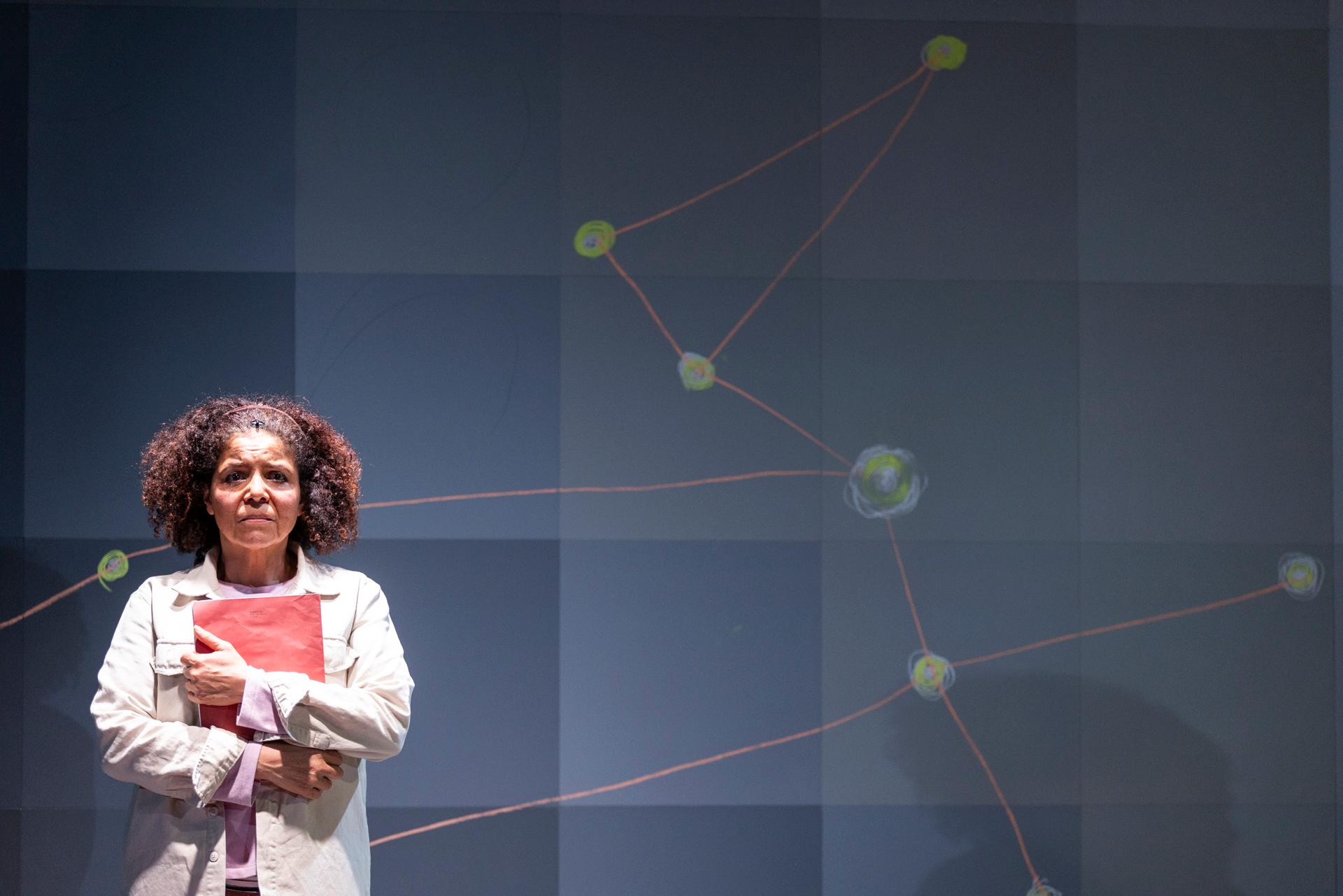
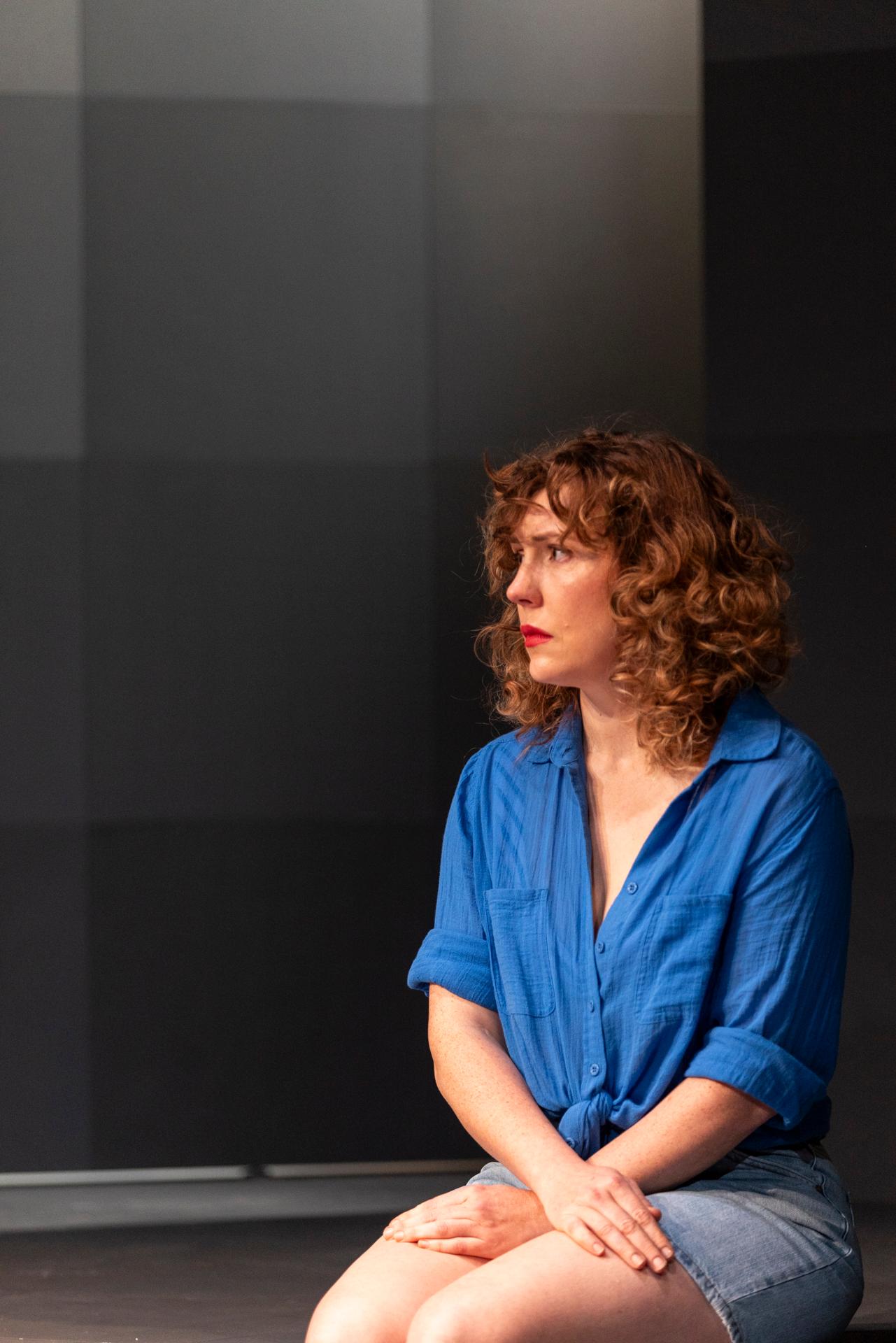
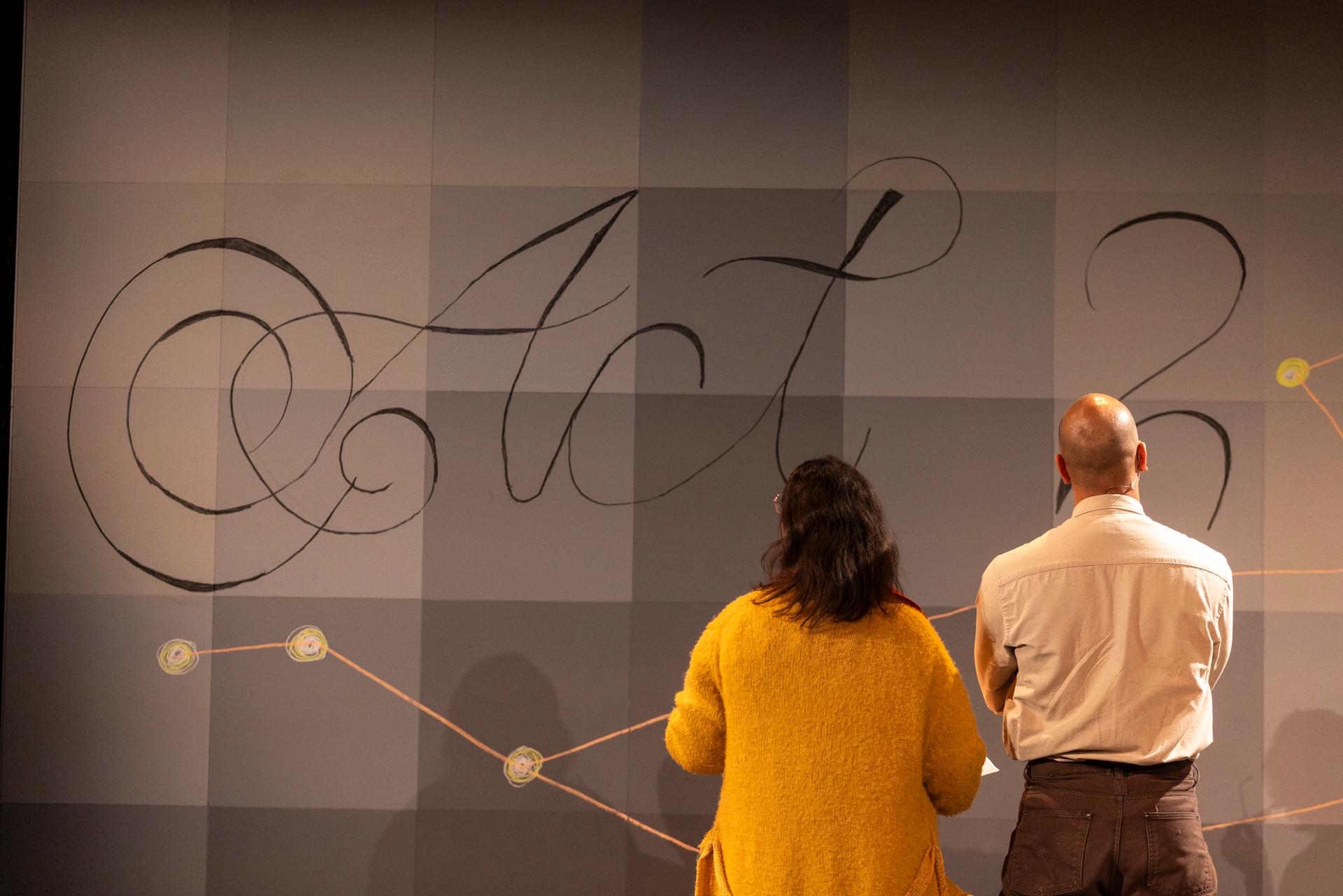
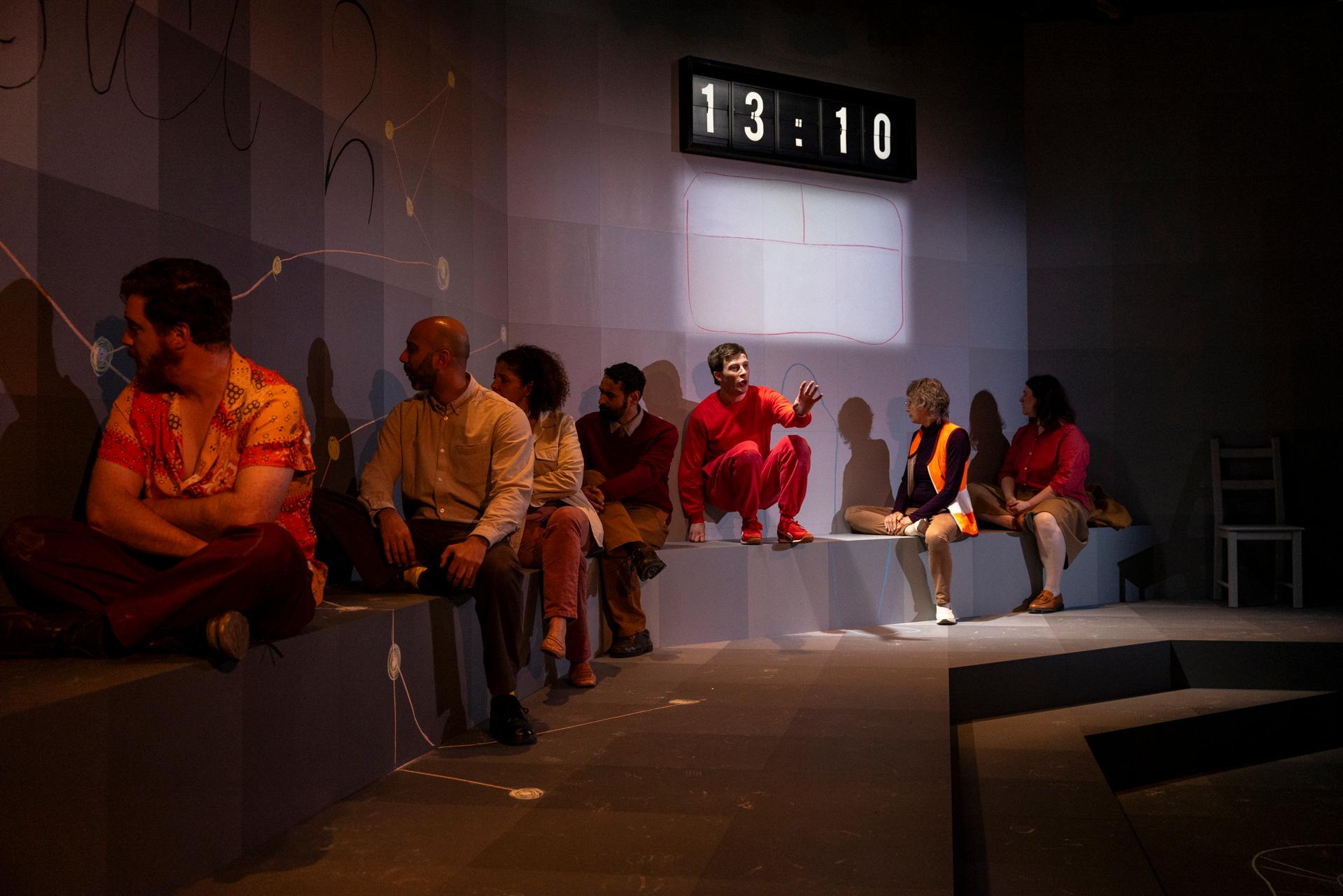
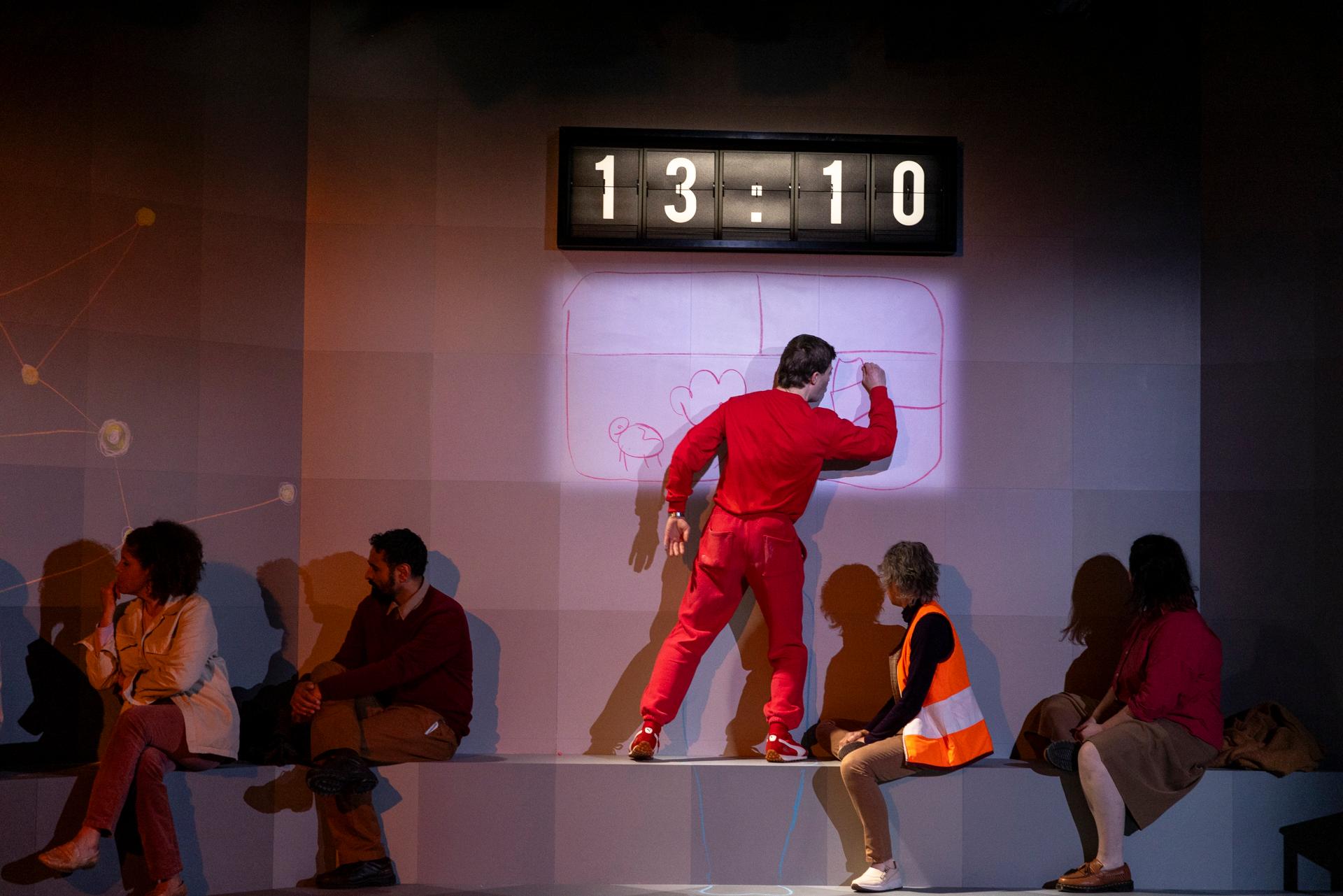
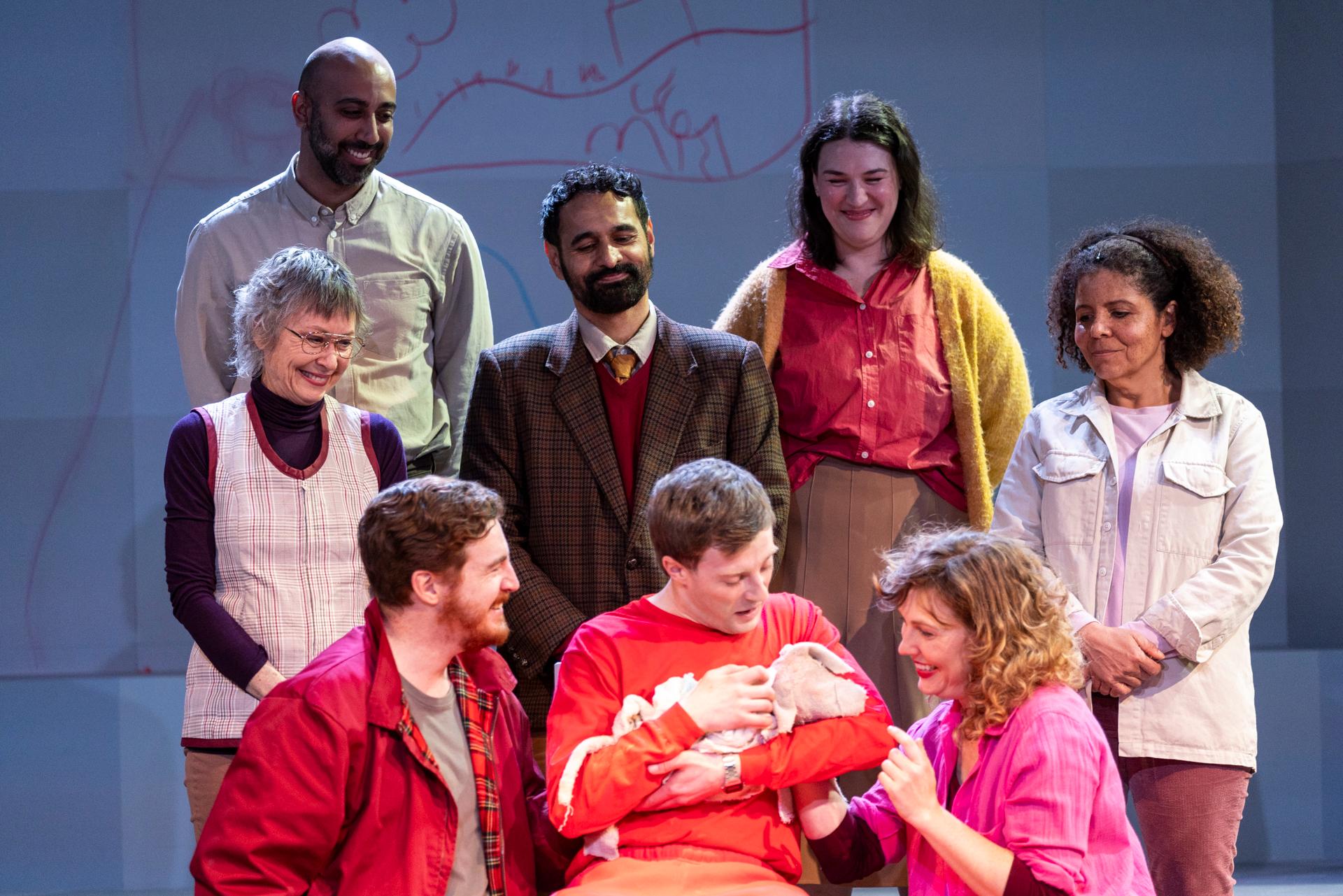
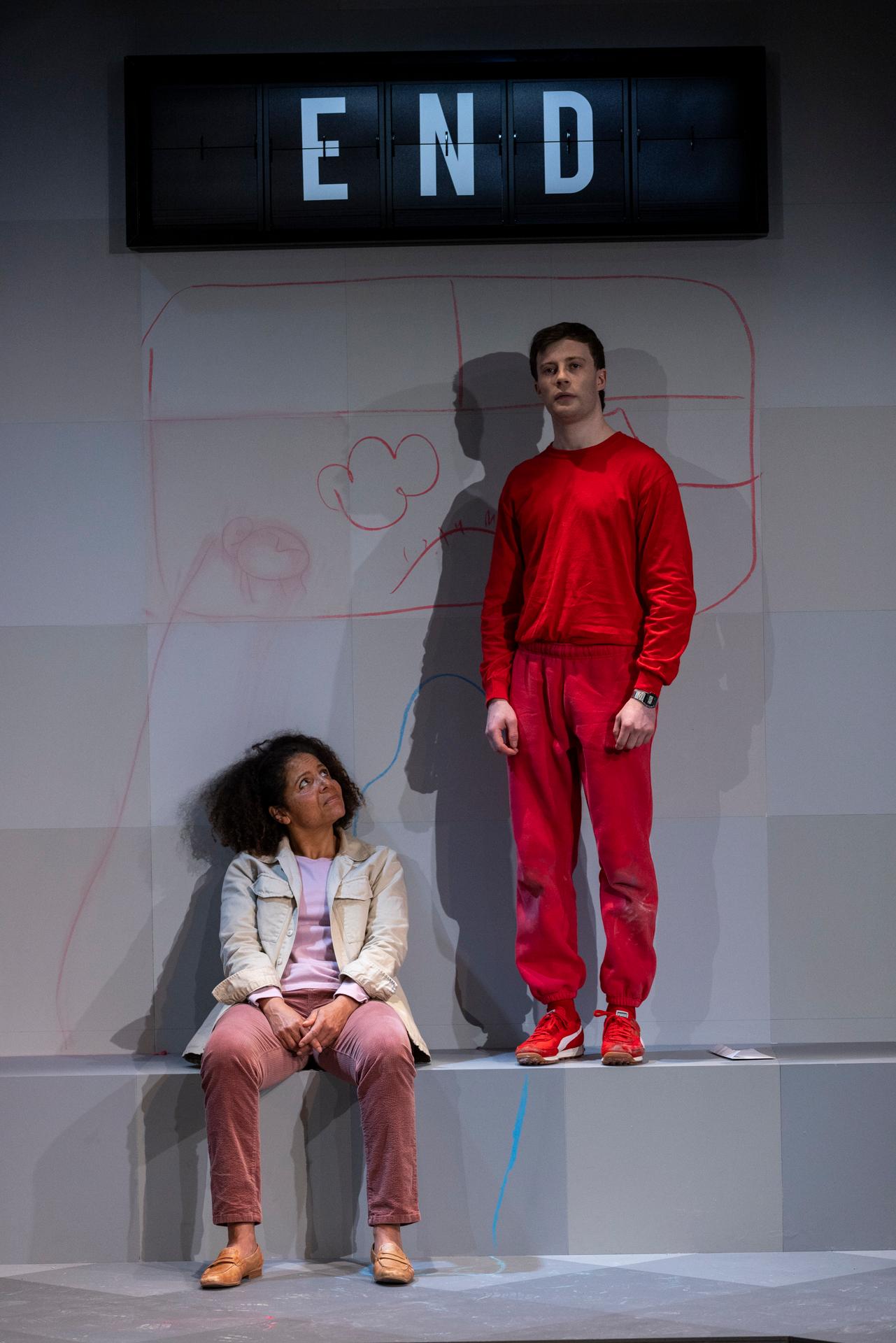
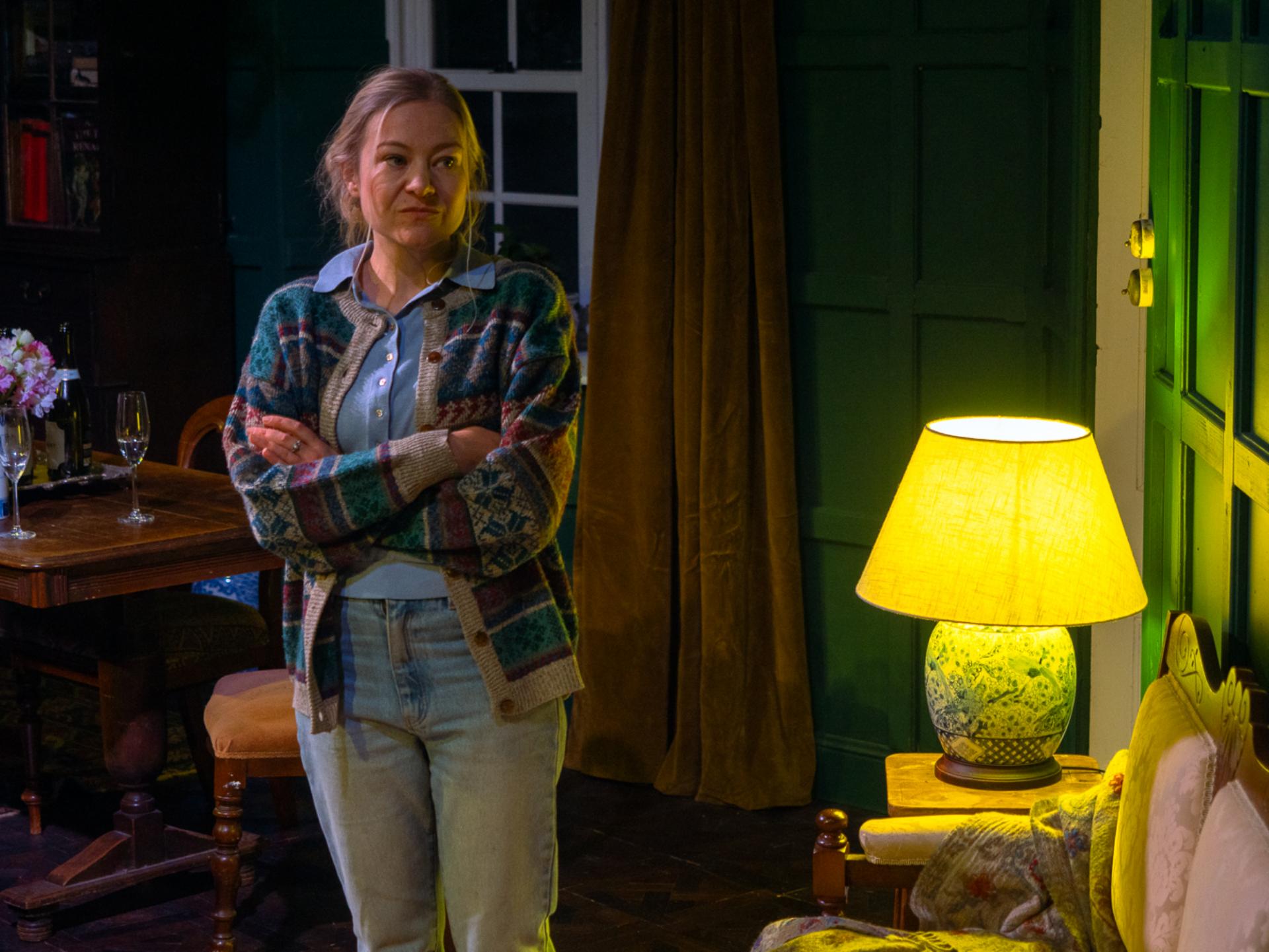
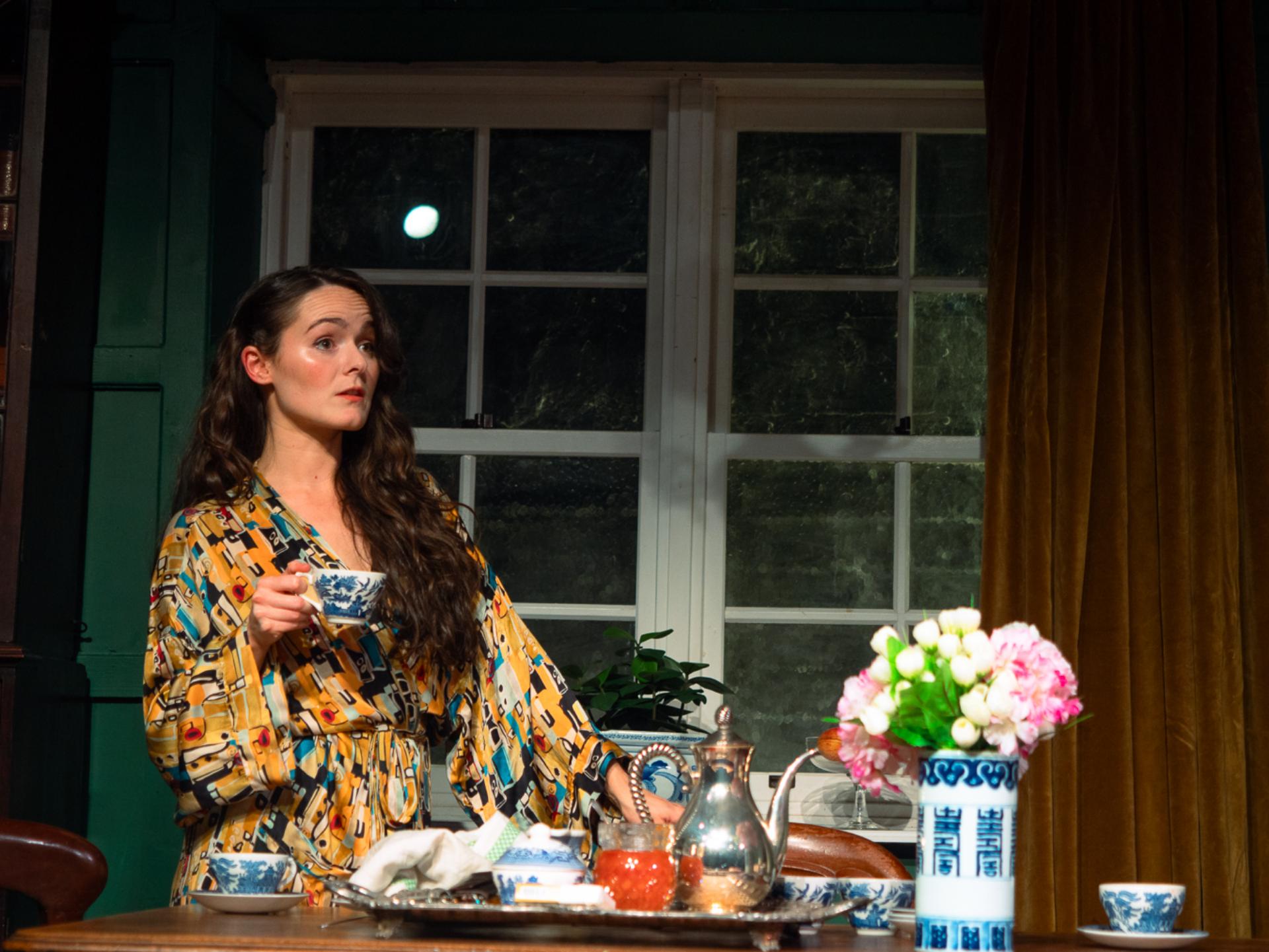
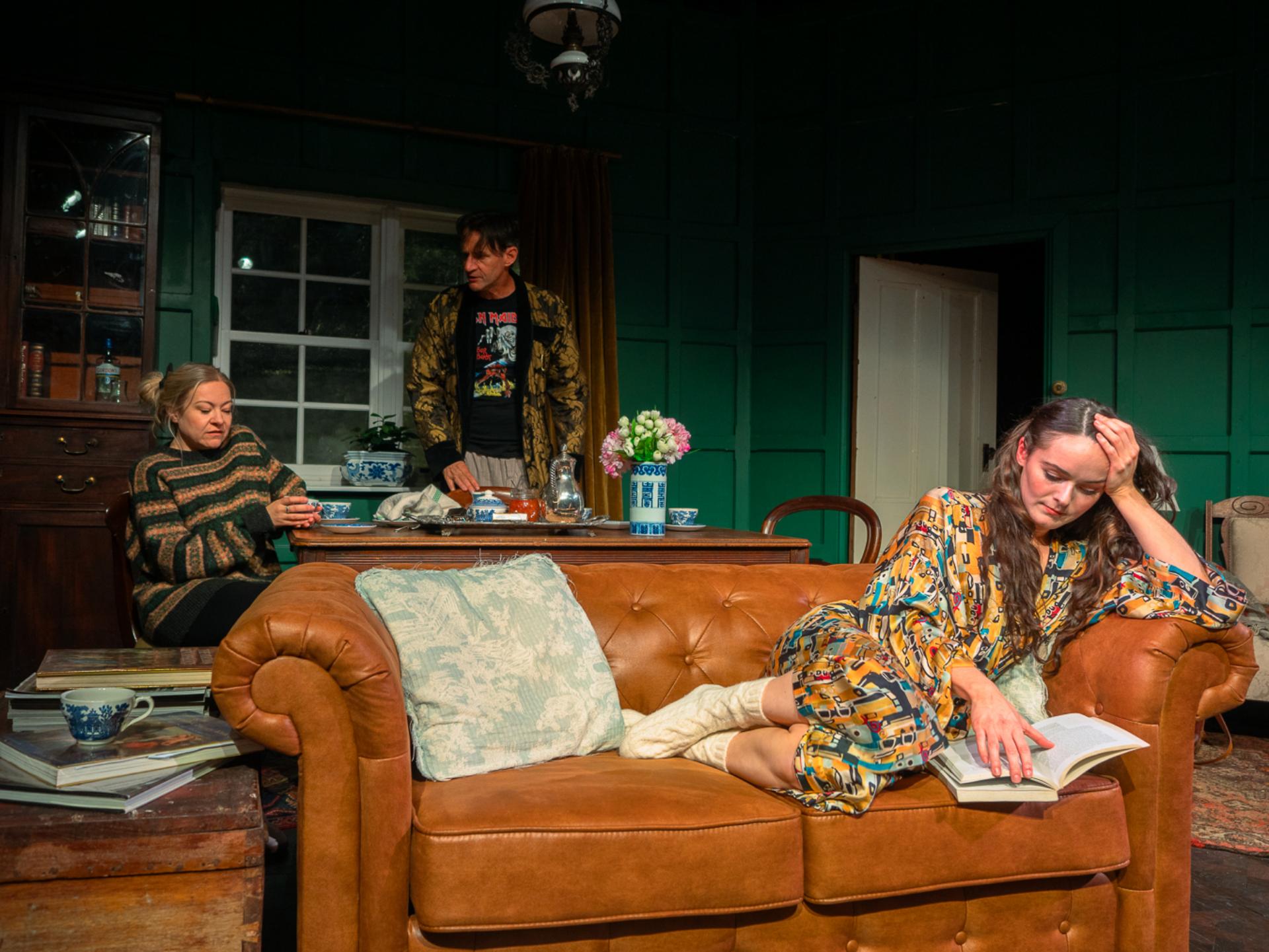
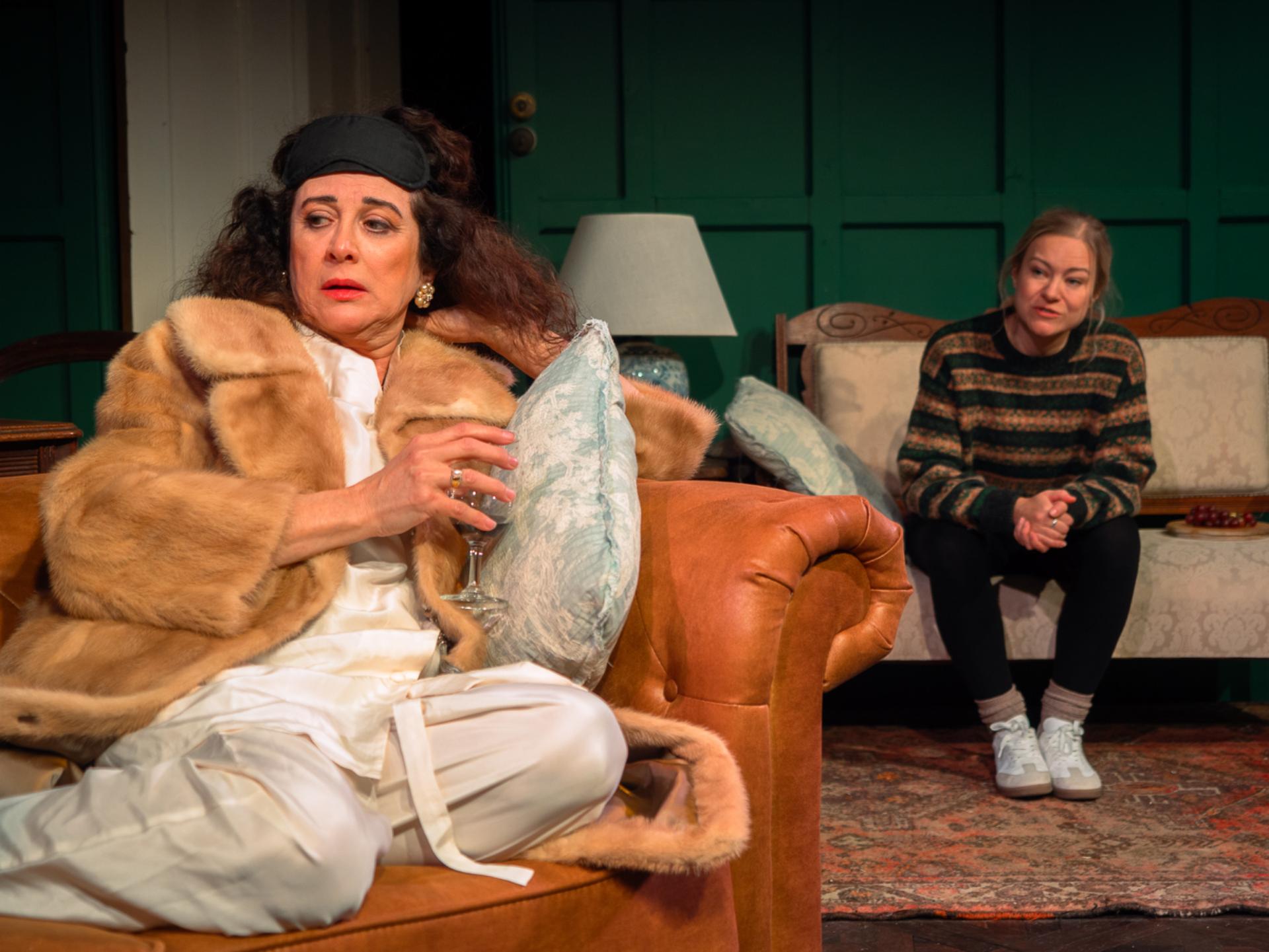
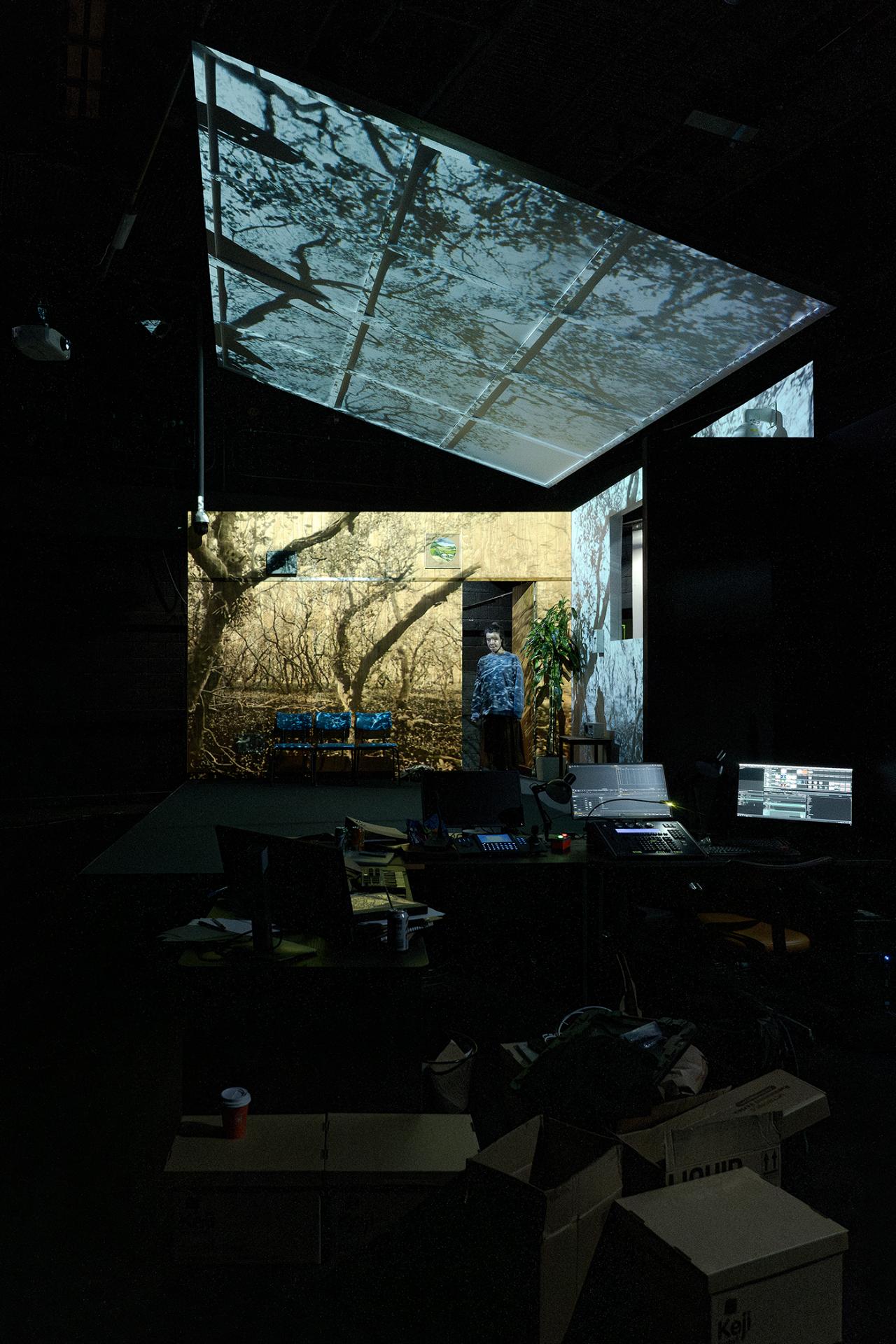
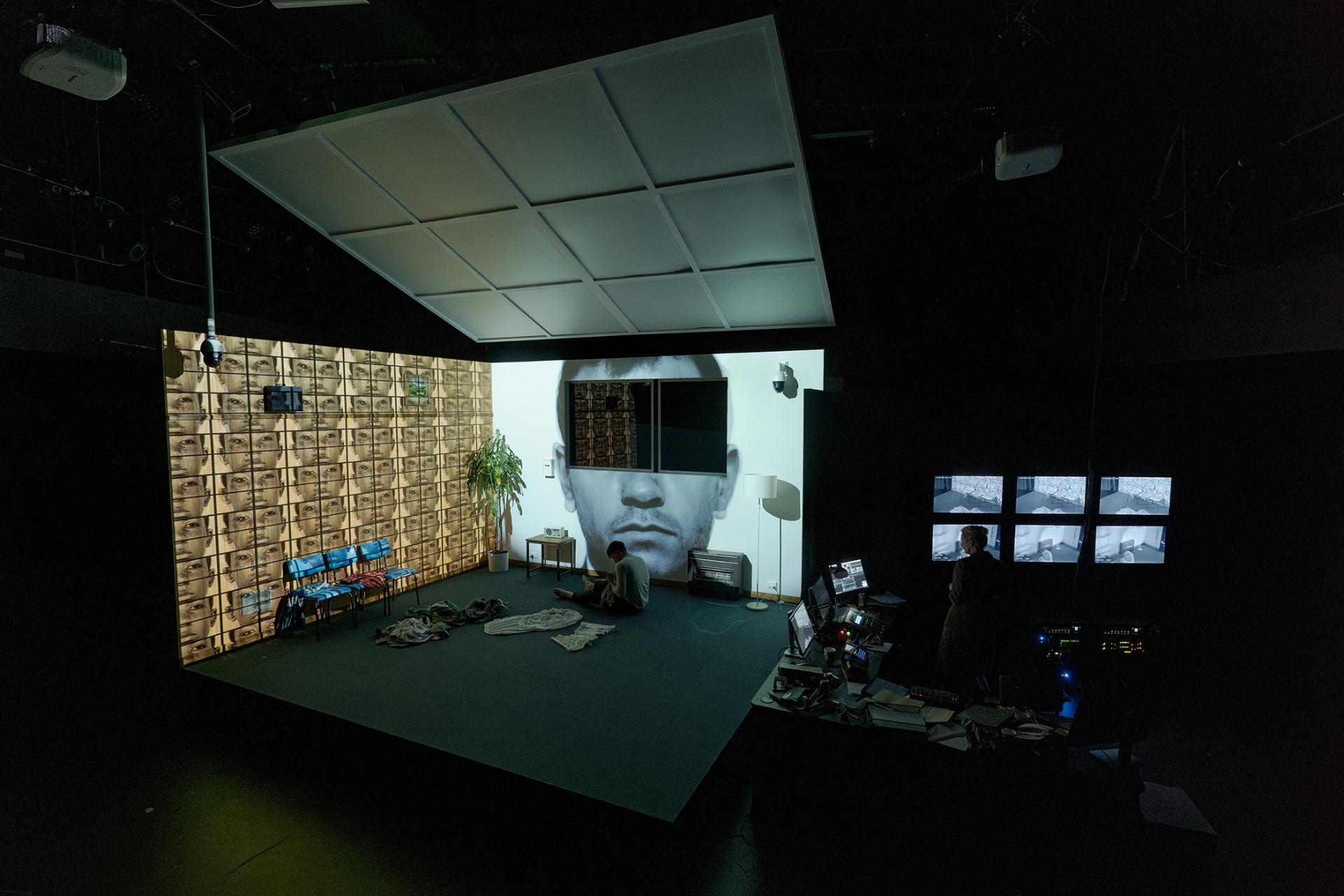
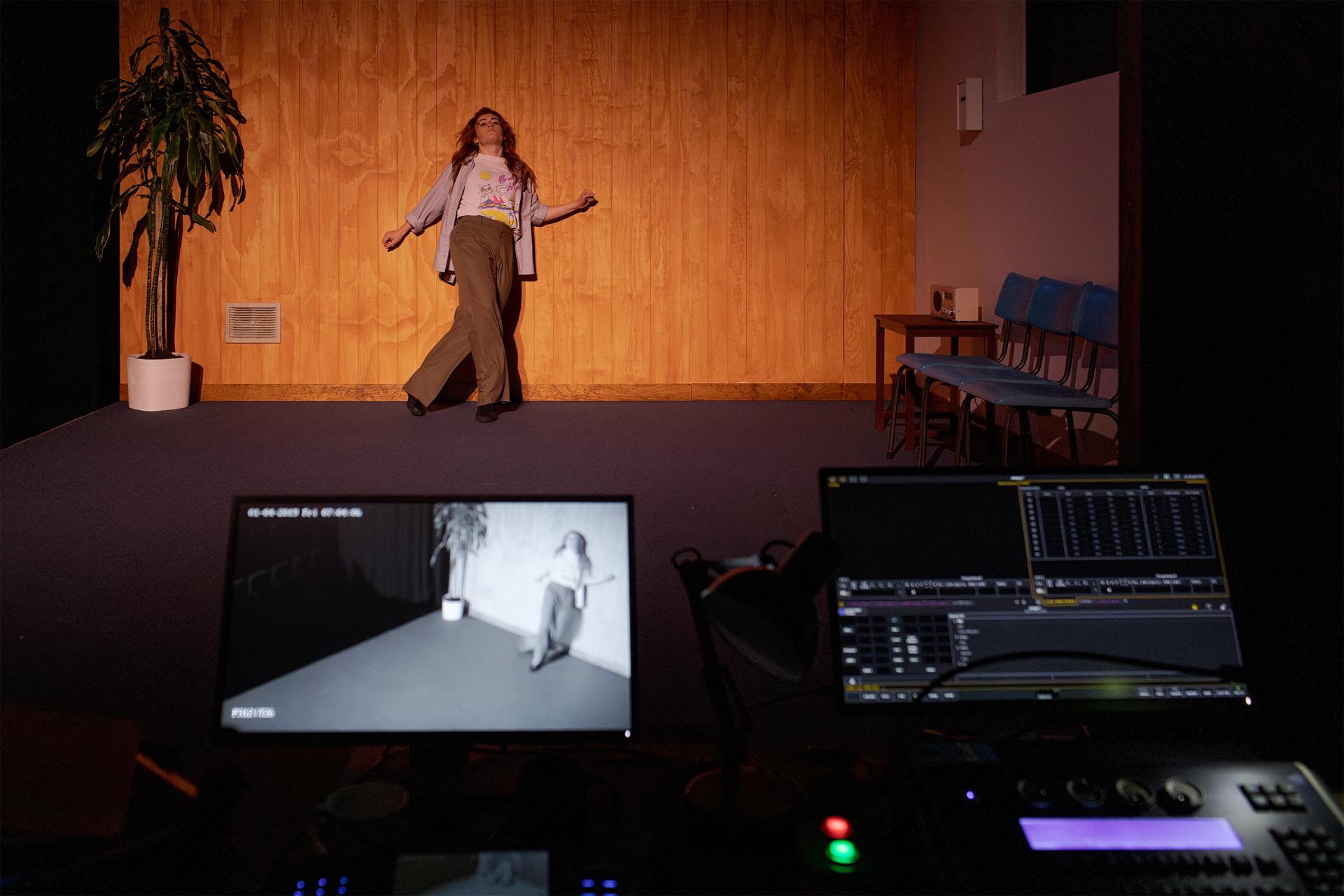
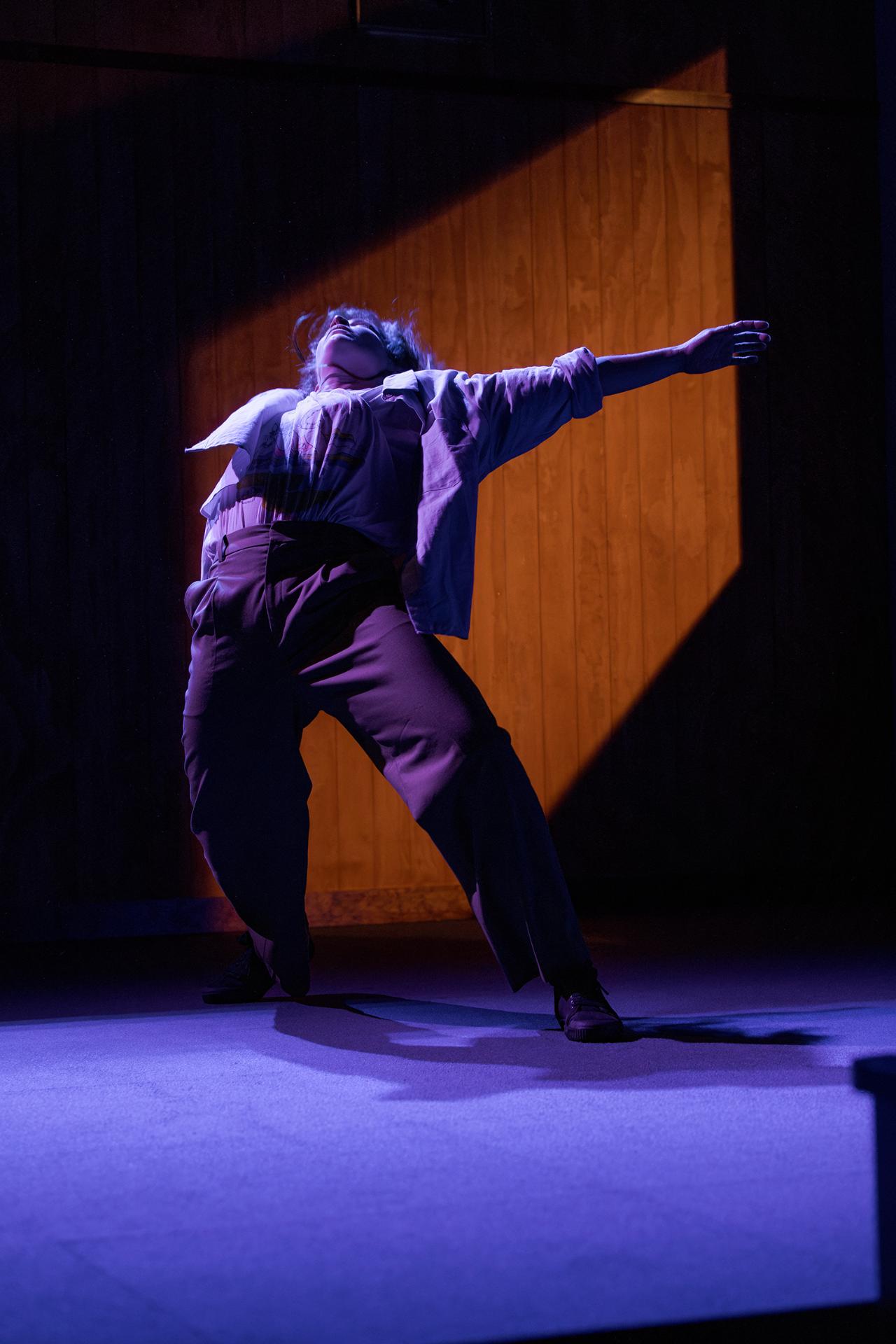
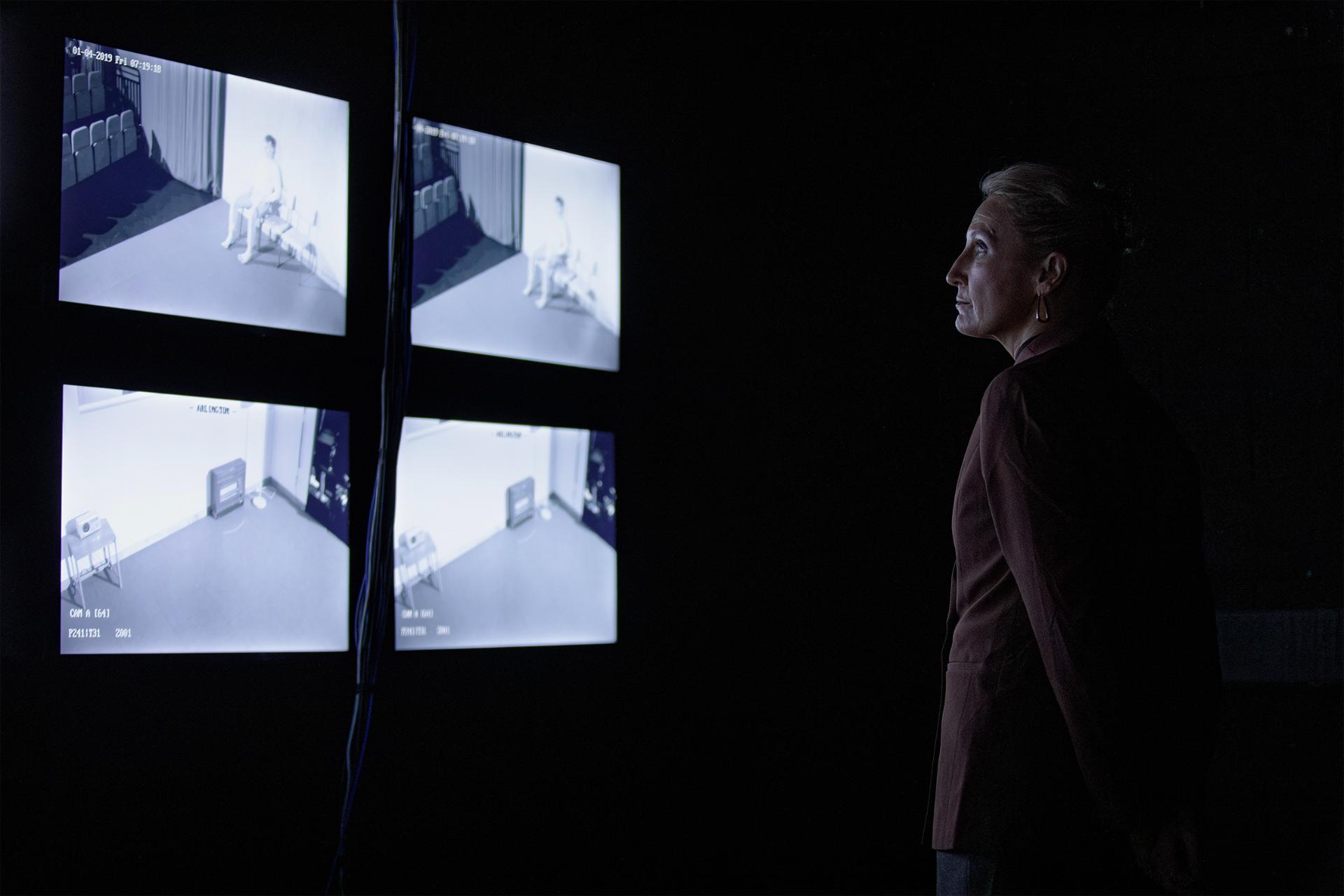
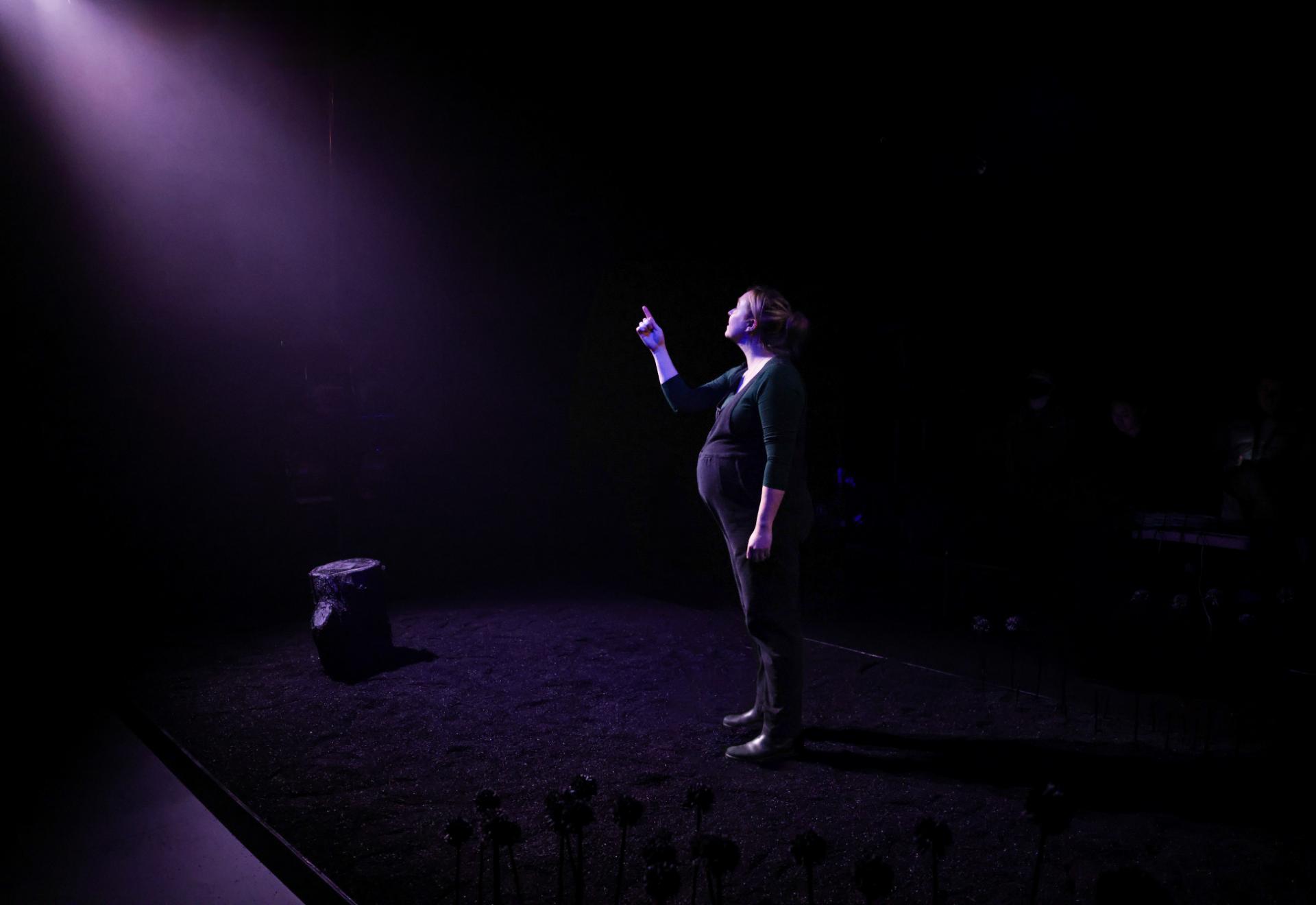
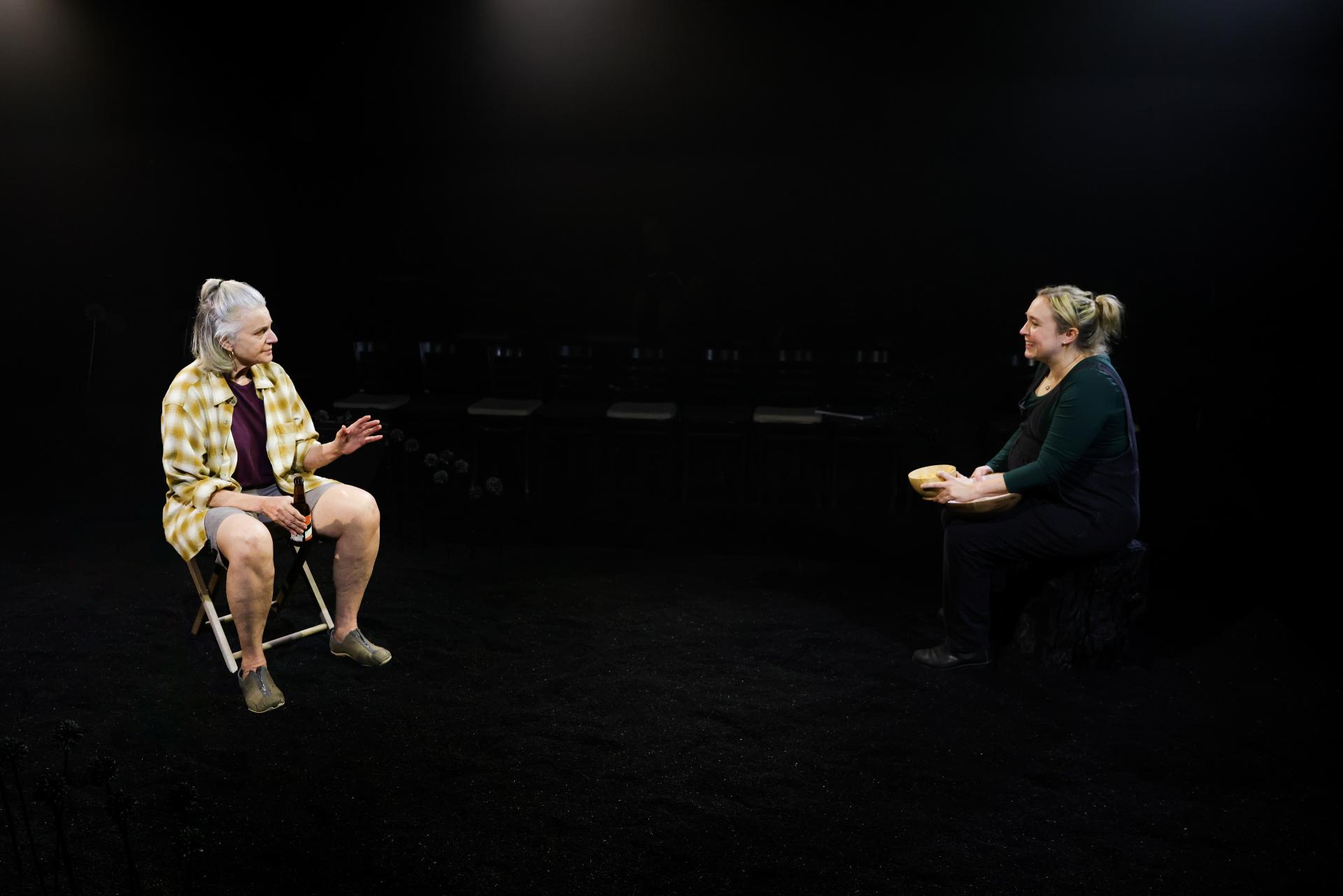
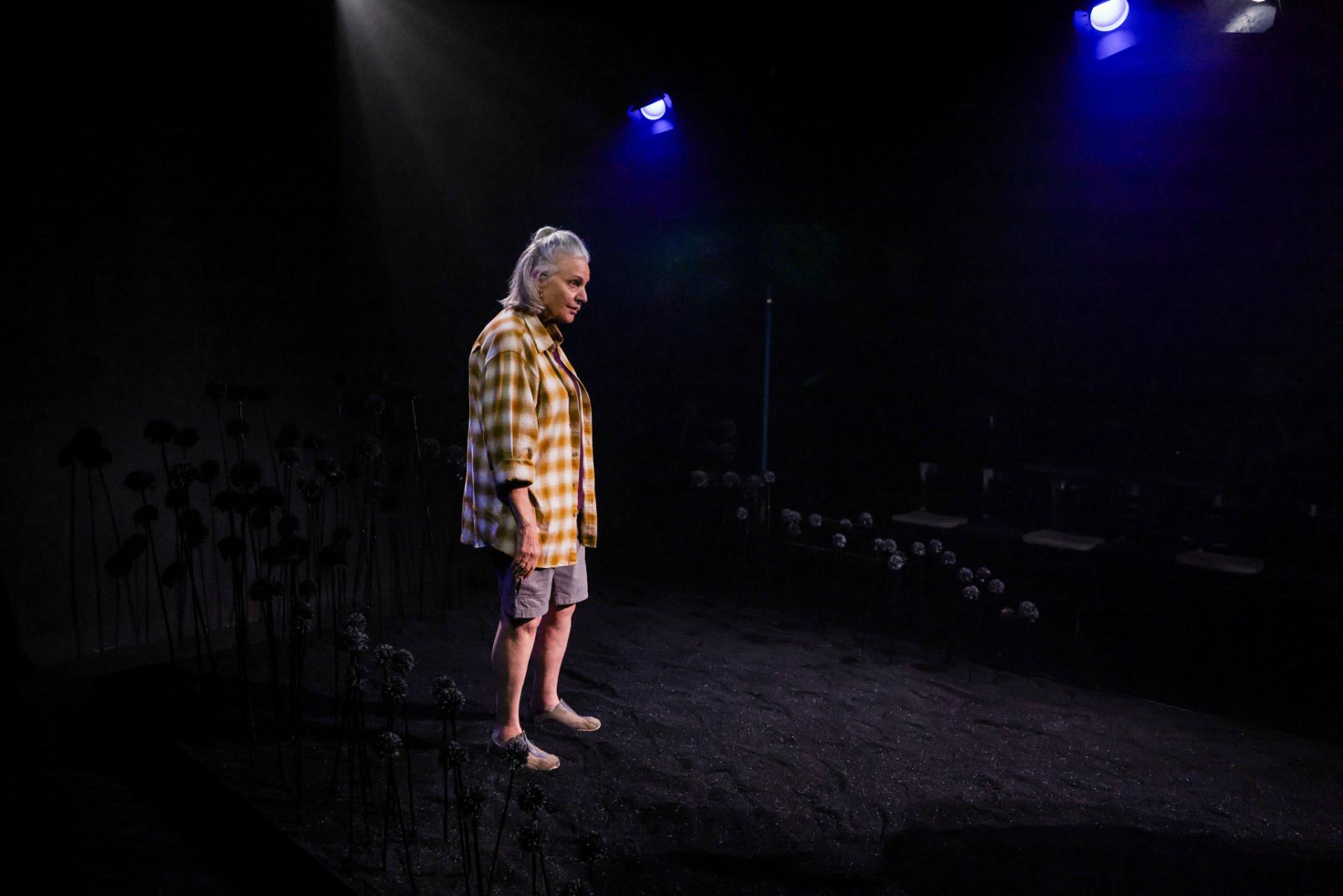
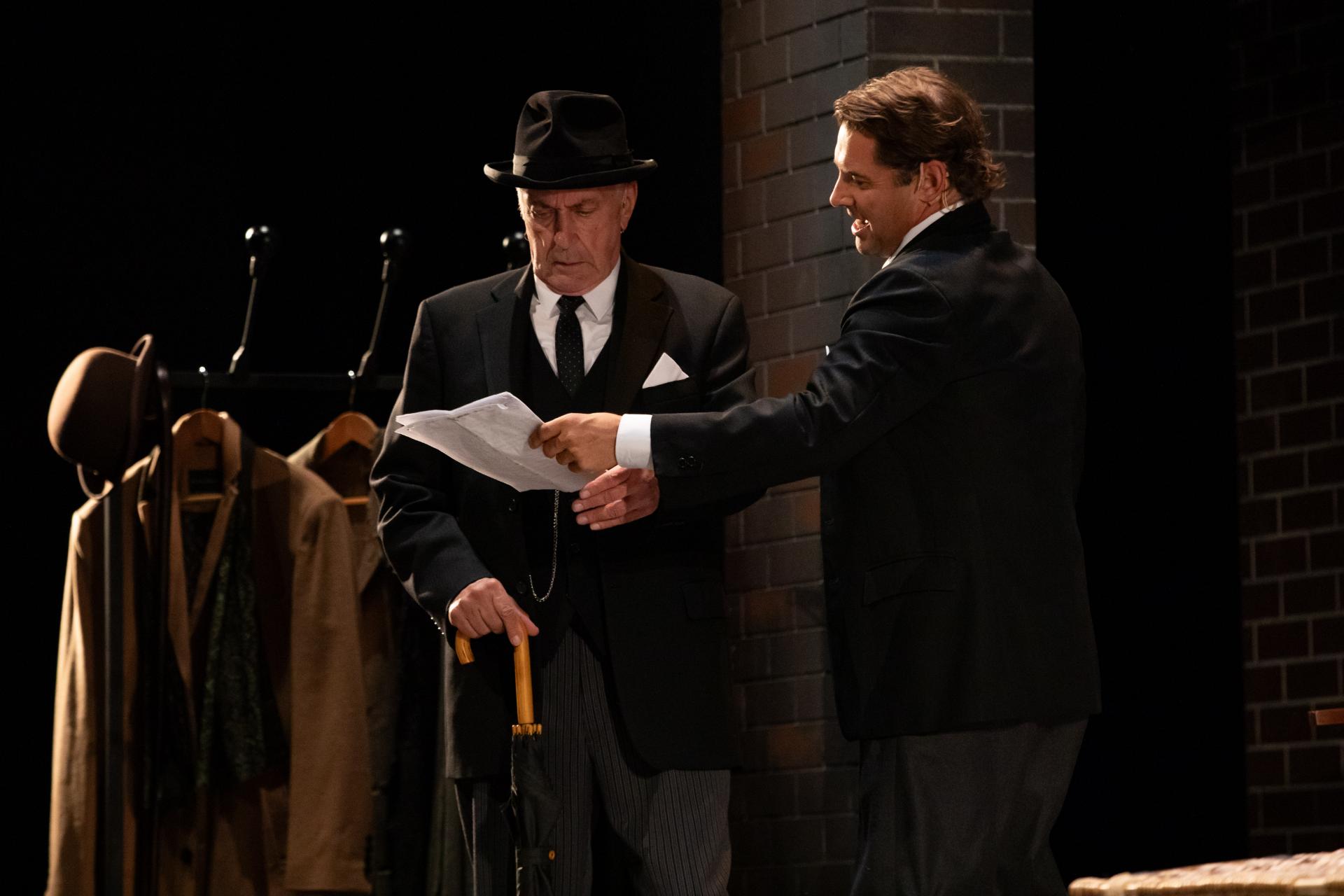
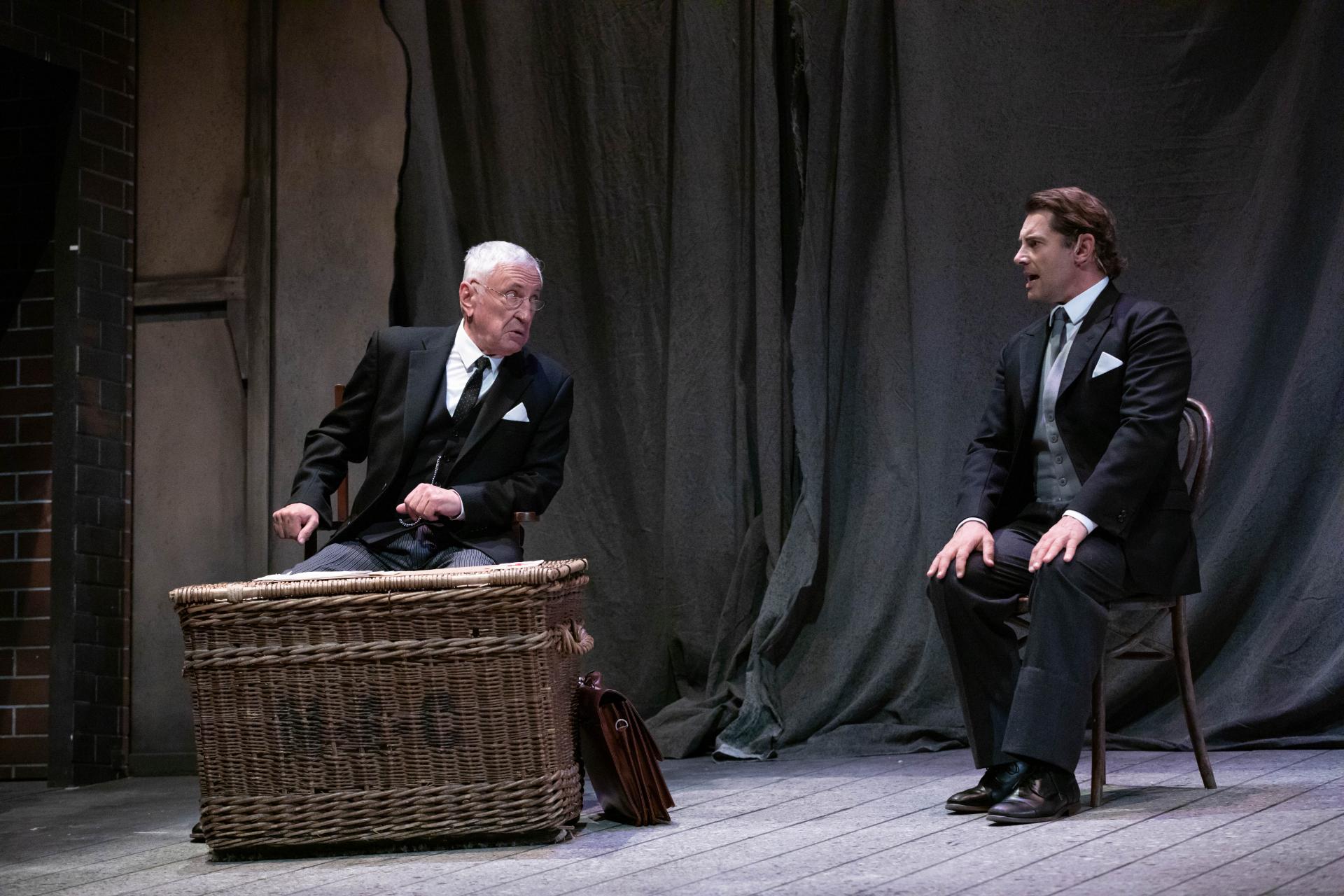
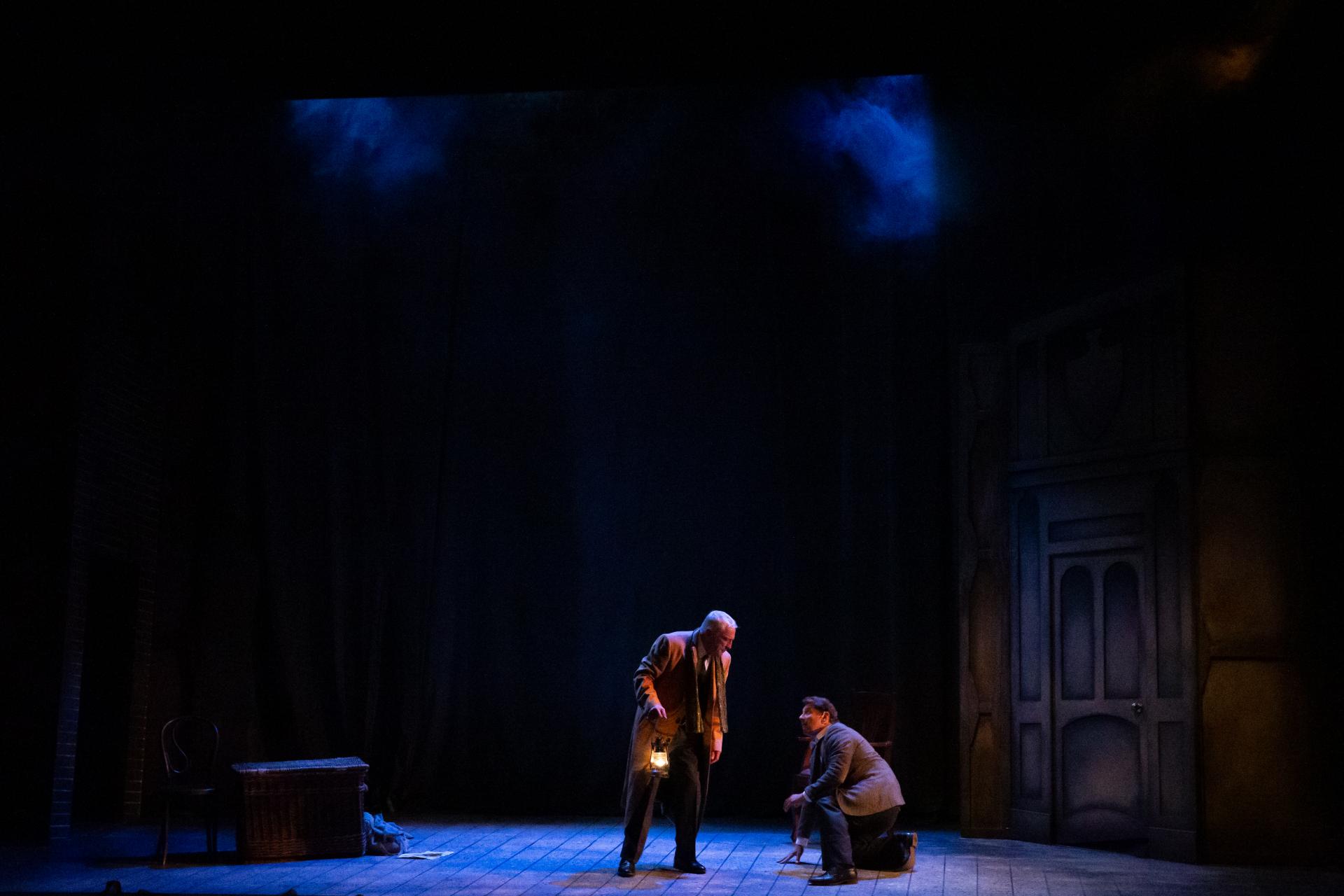
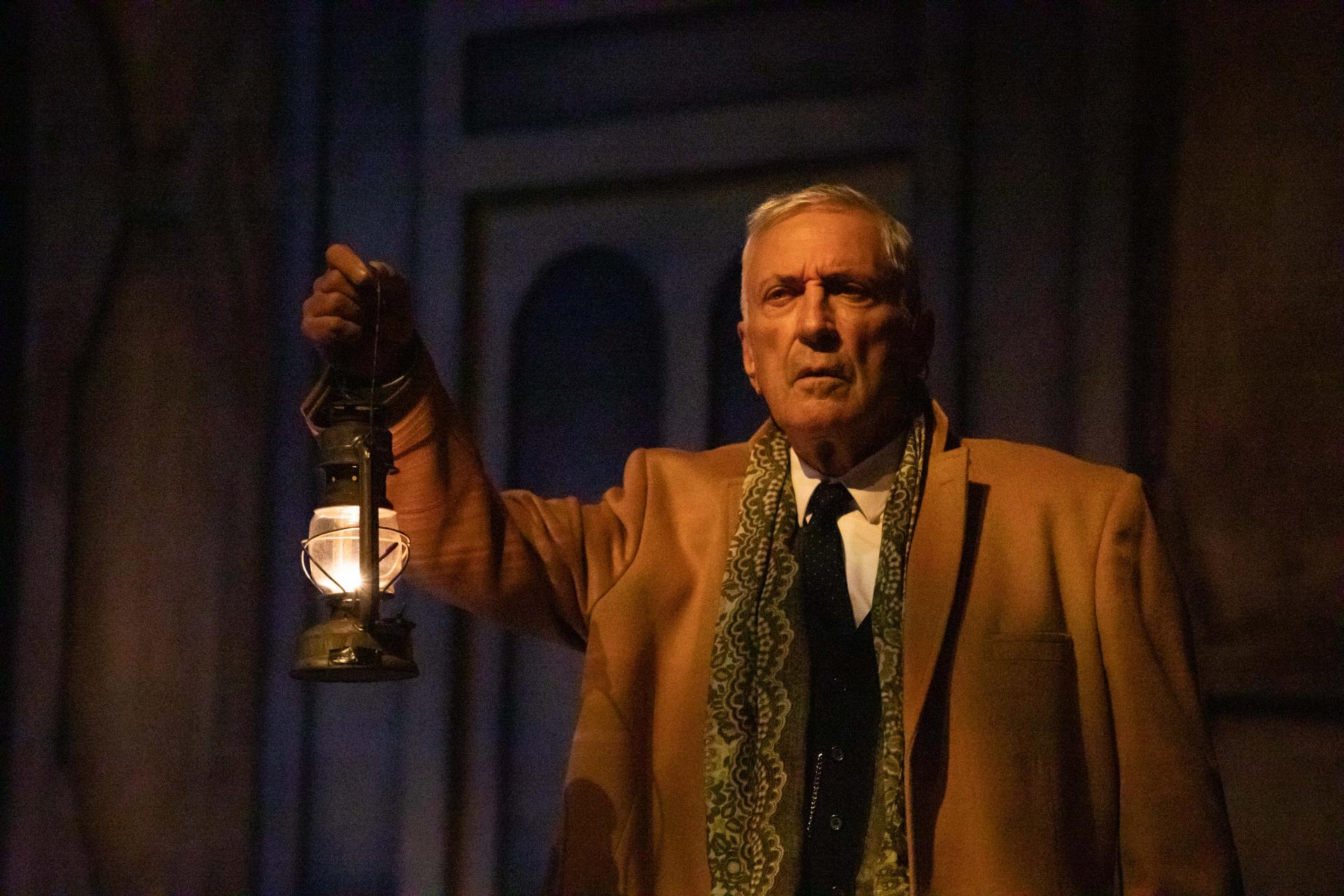
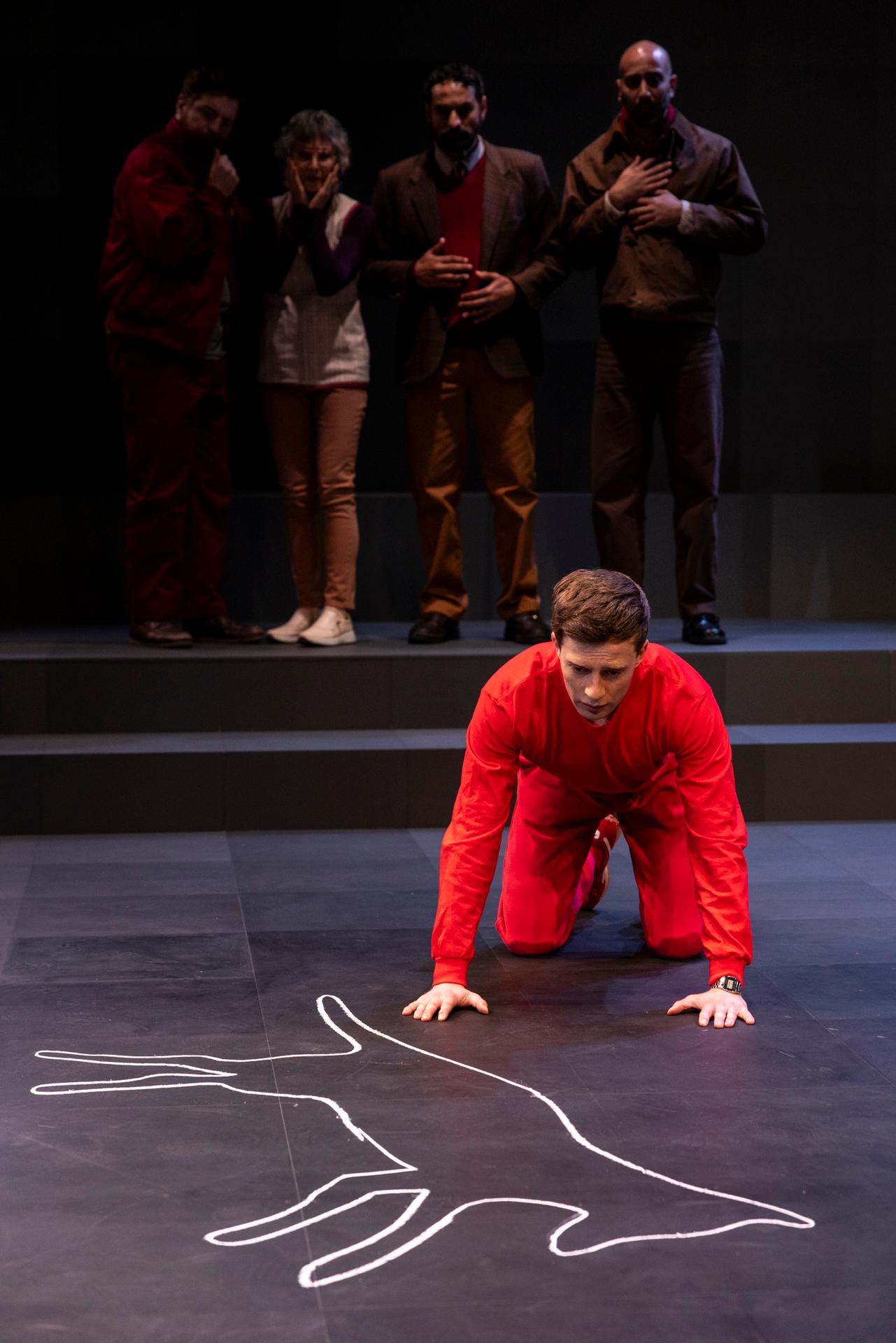
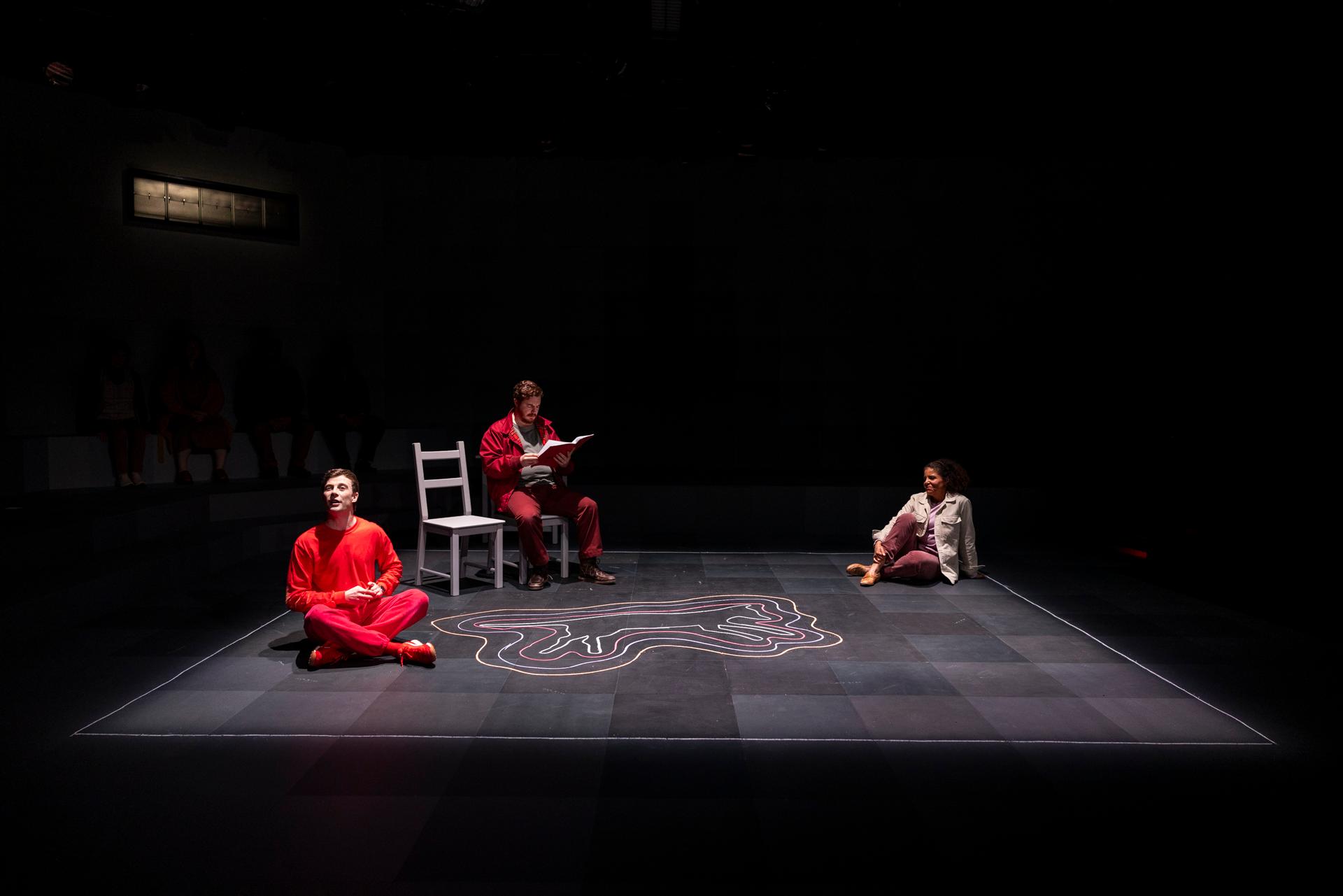
Direction by Jeremi Campese demonstrates an appreciation for the macabre beauty inherent in the Japanese piece, but although intentions to honour the play’s illusory and phantasmal qualities are evident, the execution often feels excessively realistic. Sound design by Johnny Yang does however help to provide for the production, an atmosphere that is haunting and moderately evanescent. Chris Milburn’s lights are effective when dialling up the production’s theatricality. Rita Naidu’s set design is minimal but sufficiently evocative, and her costumes are well-considered, if slightly lacking in boldness.

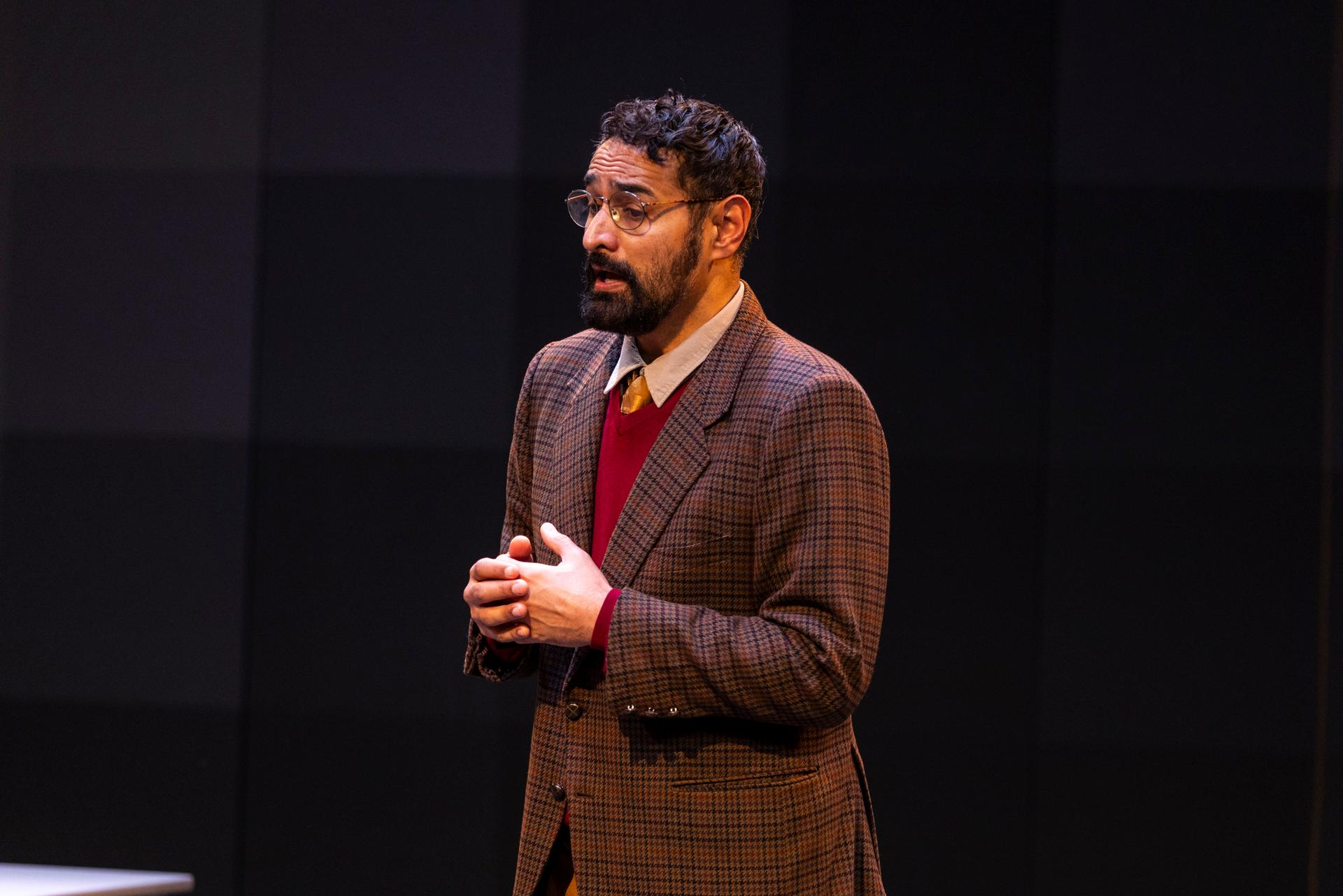
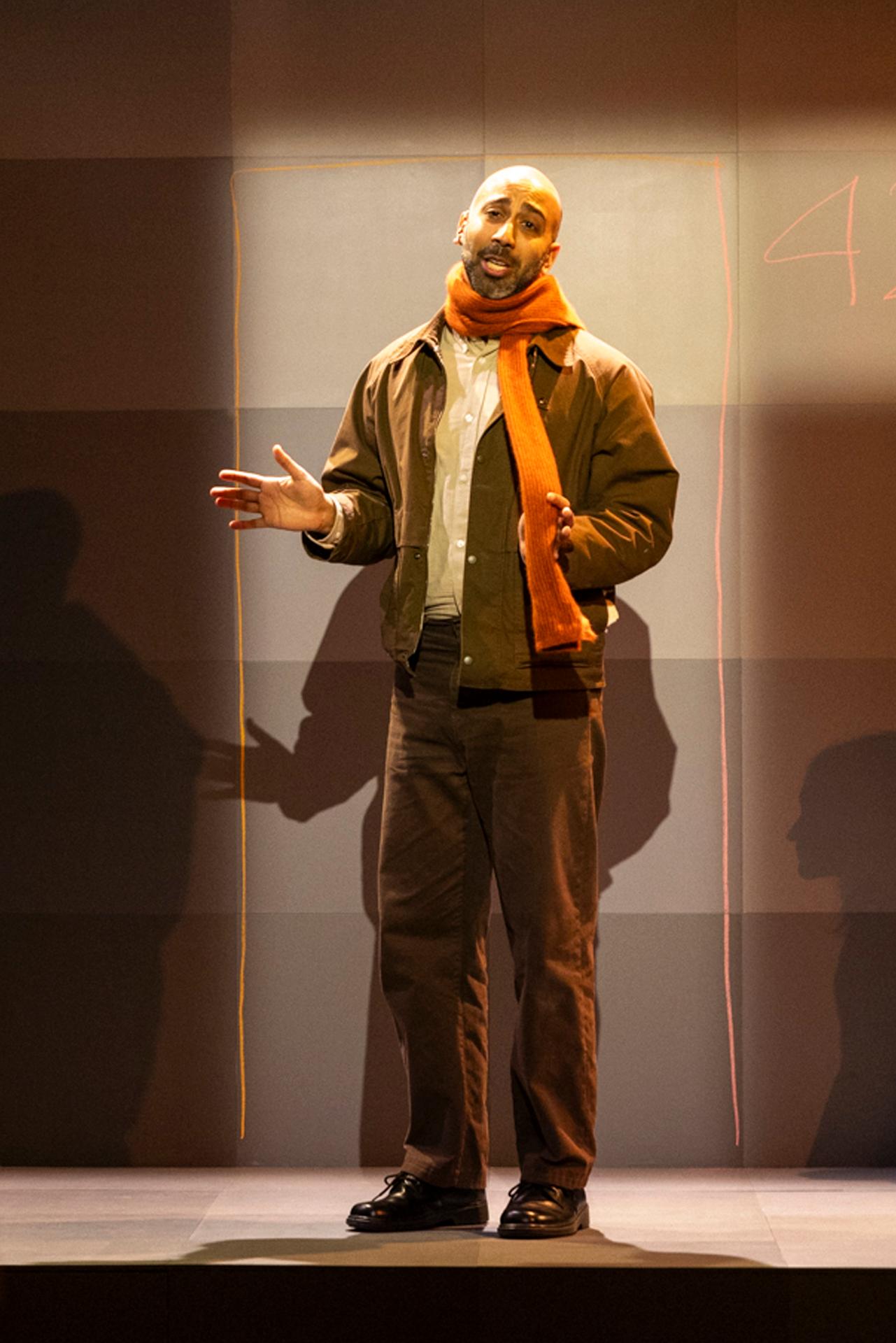
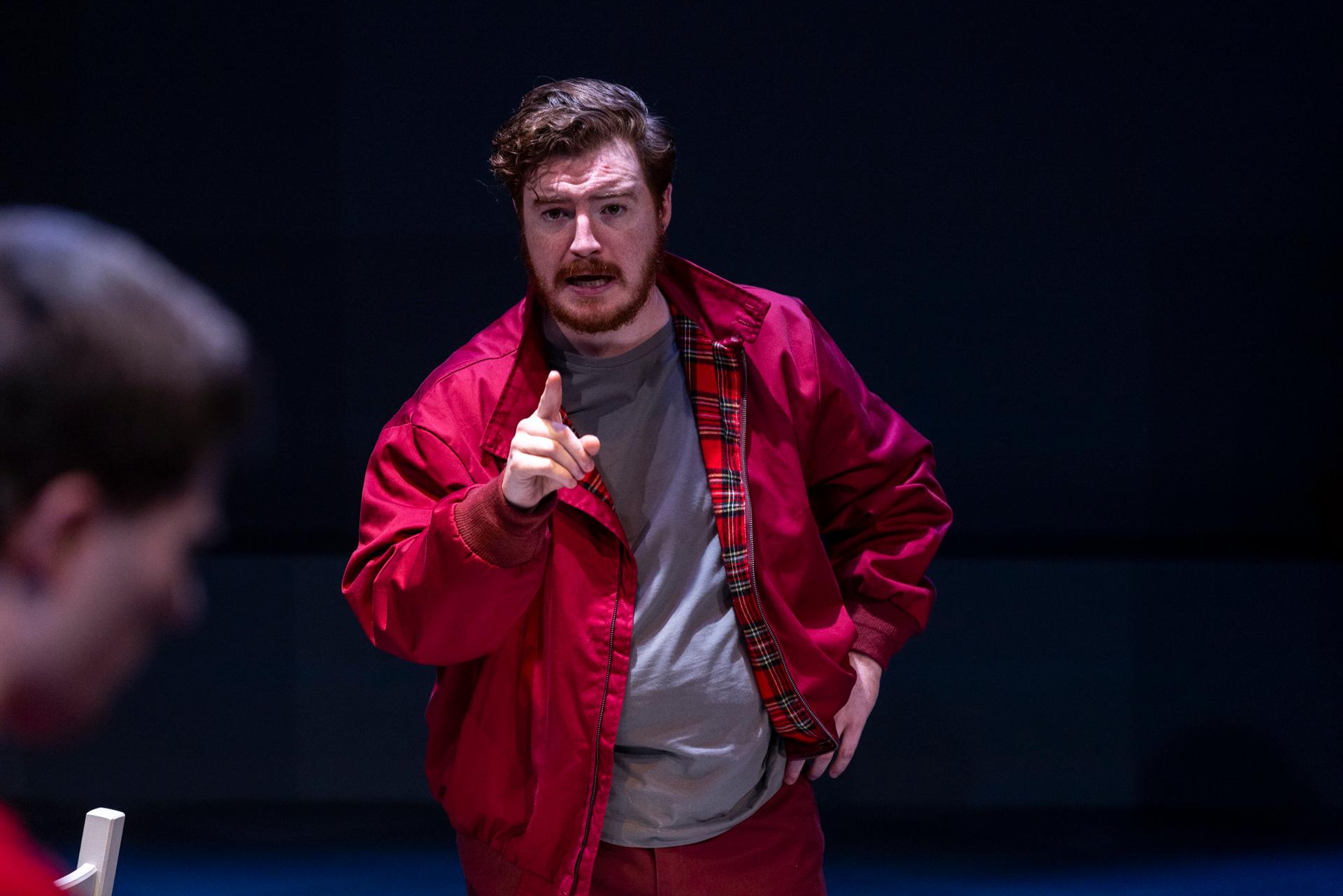
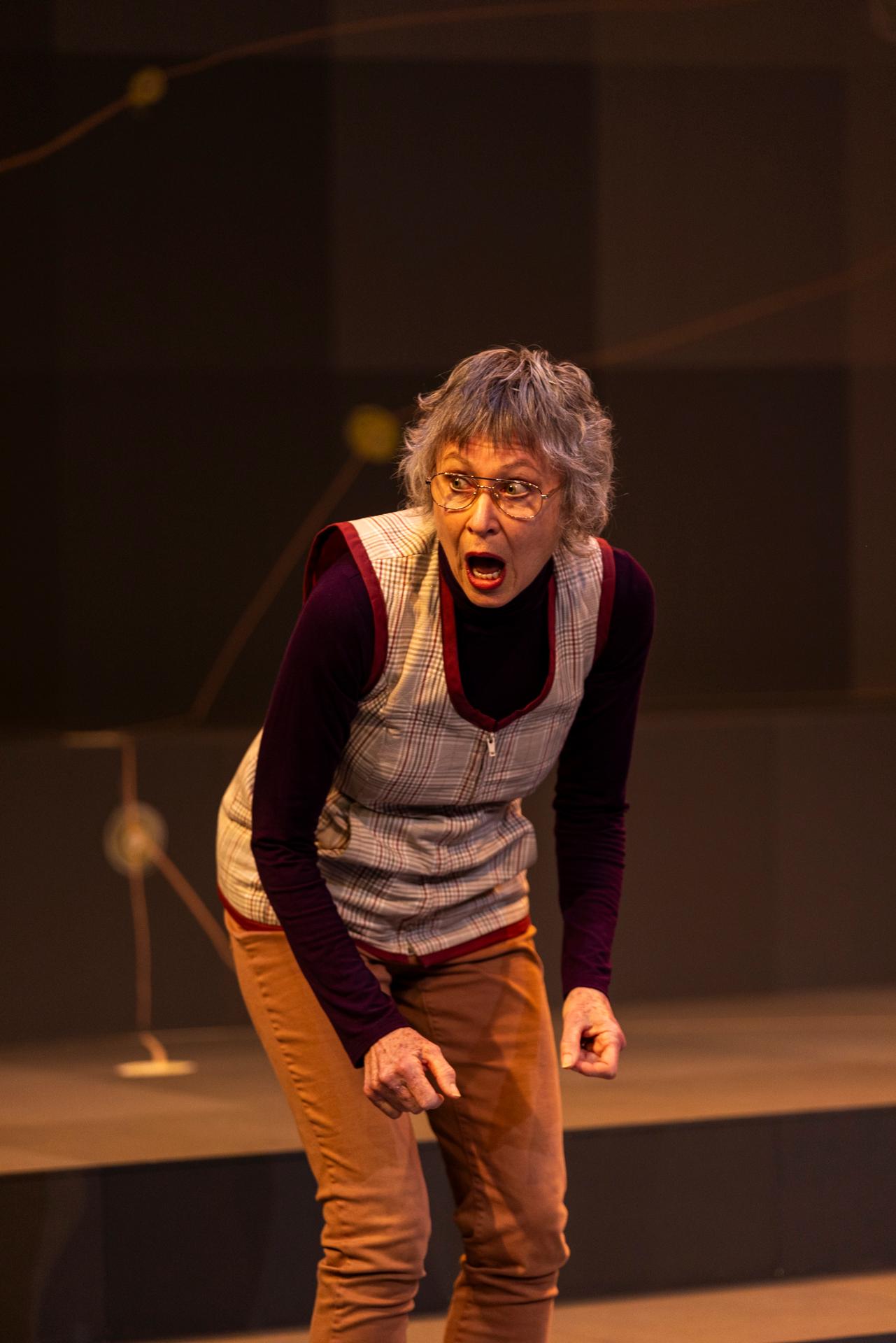
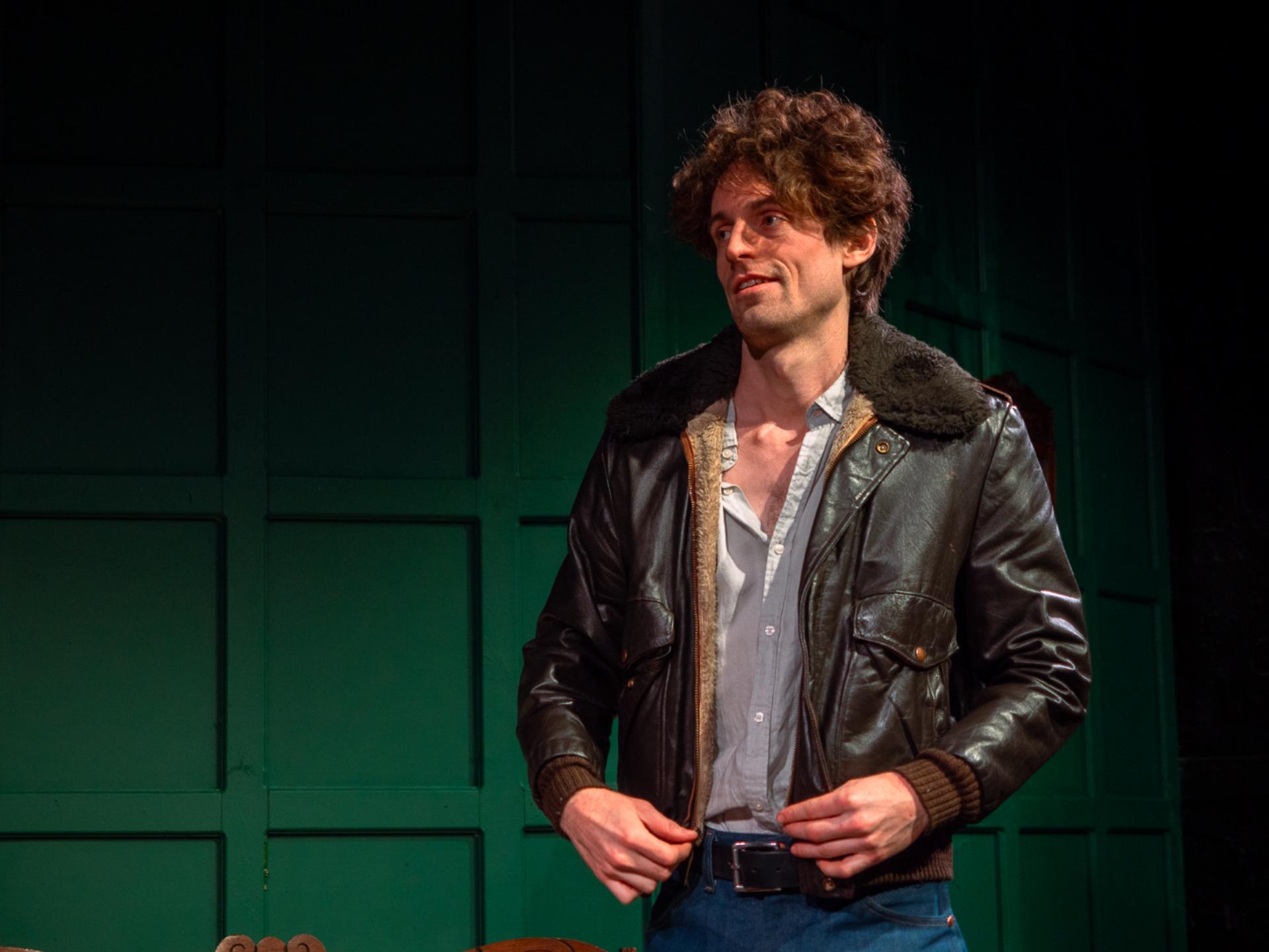
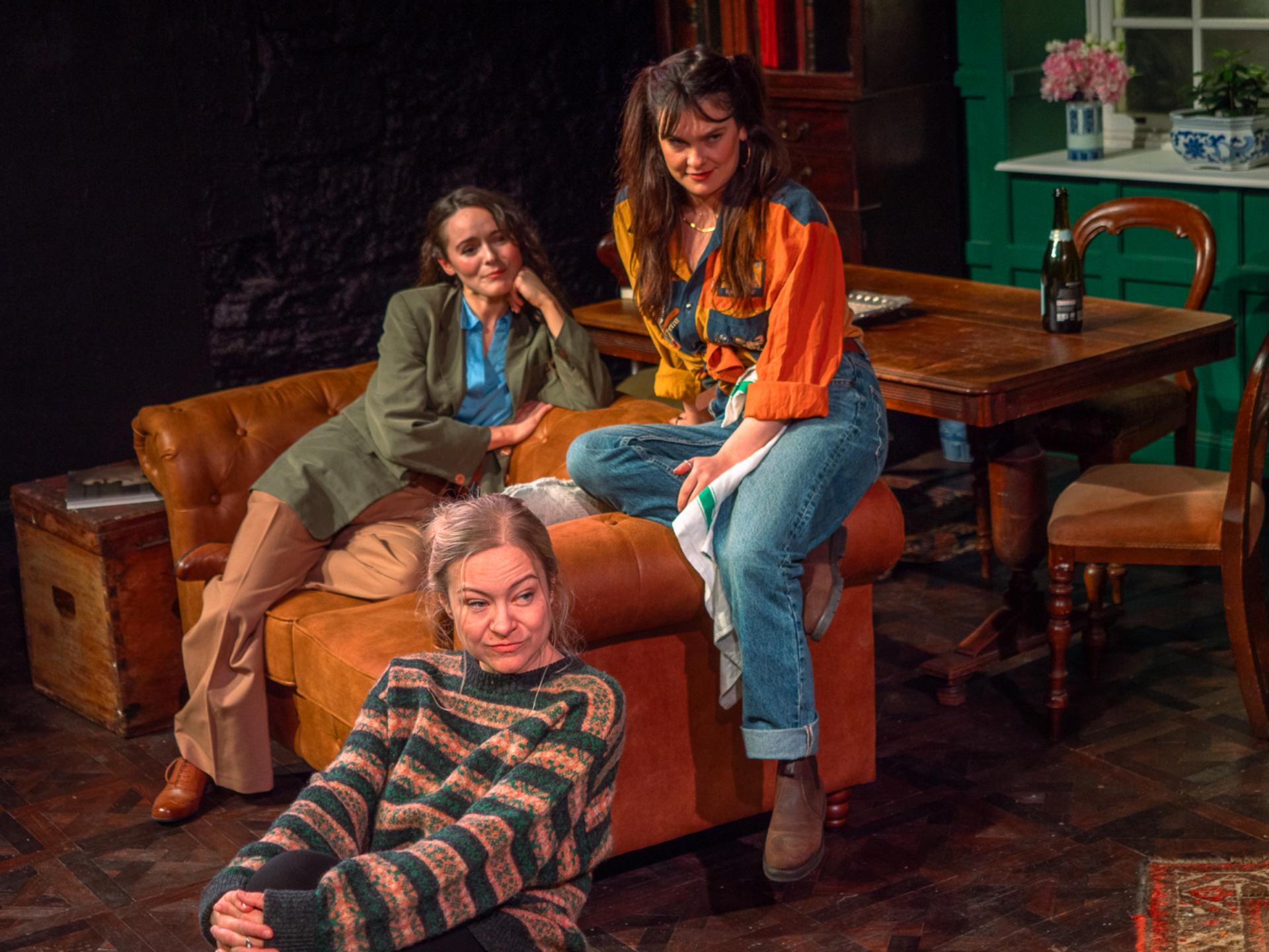
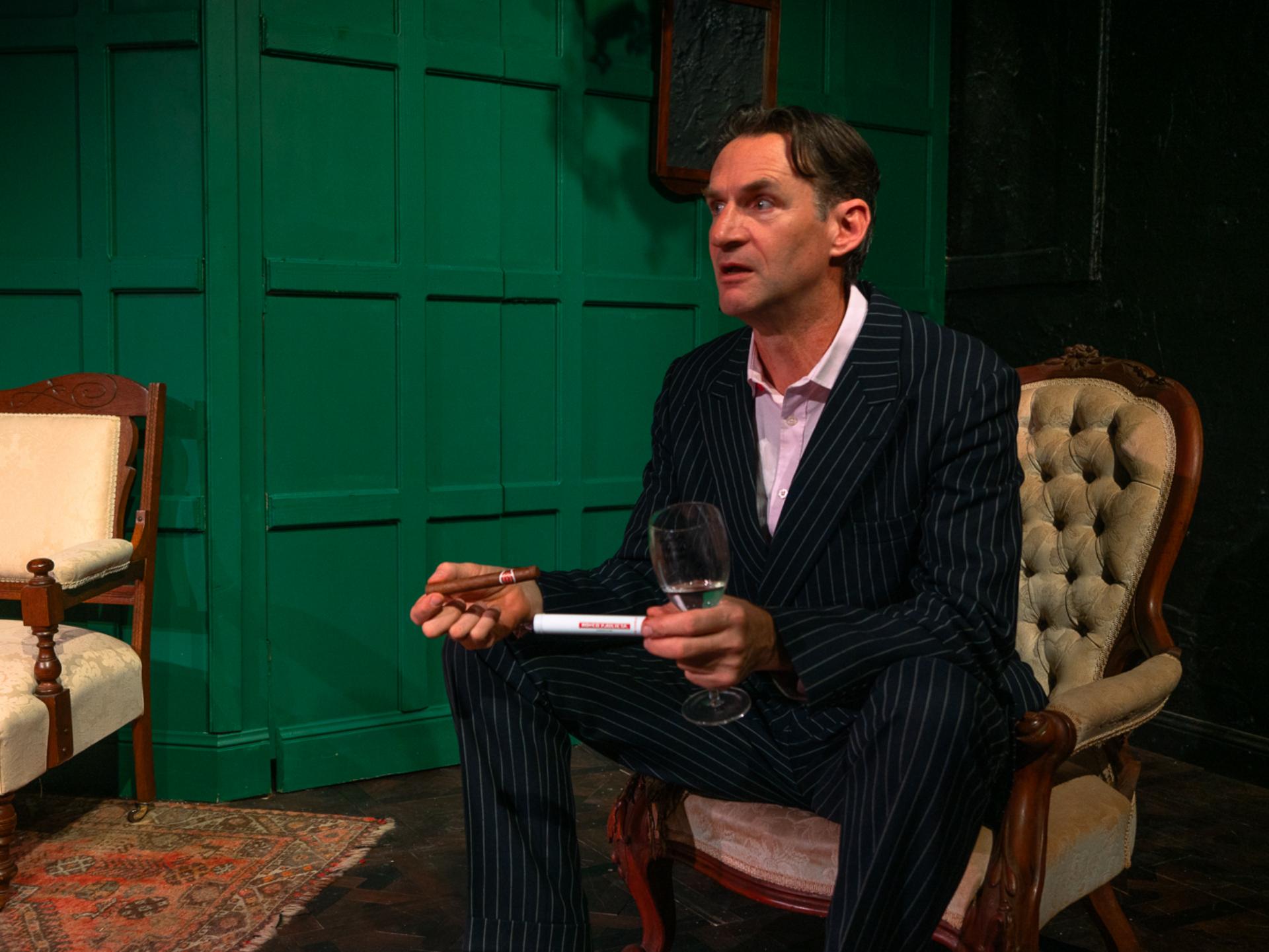
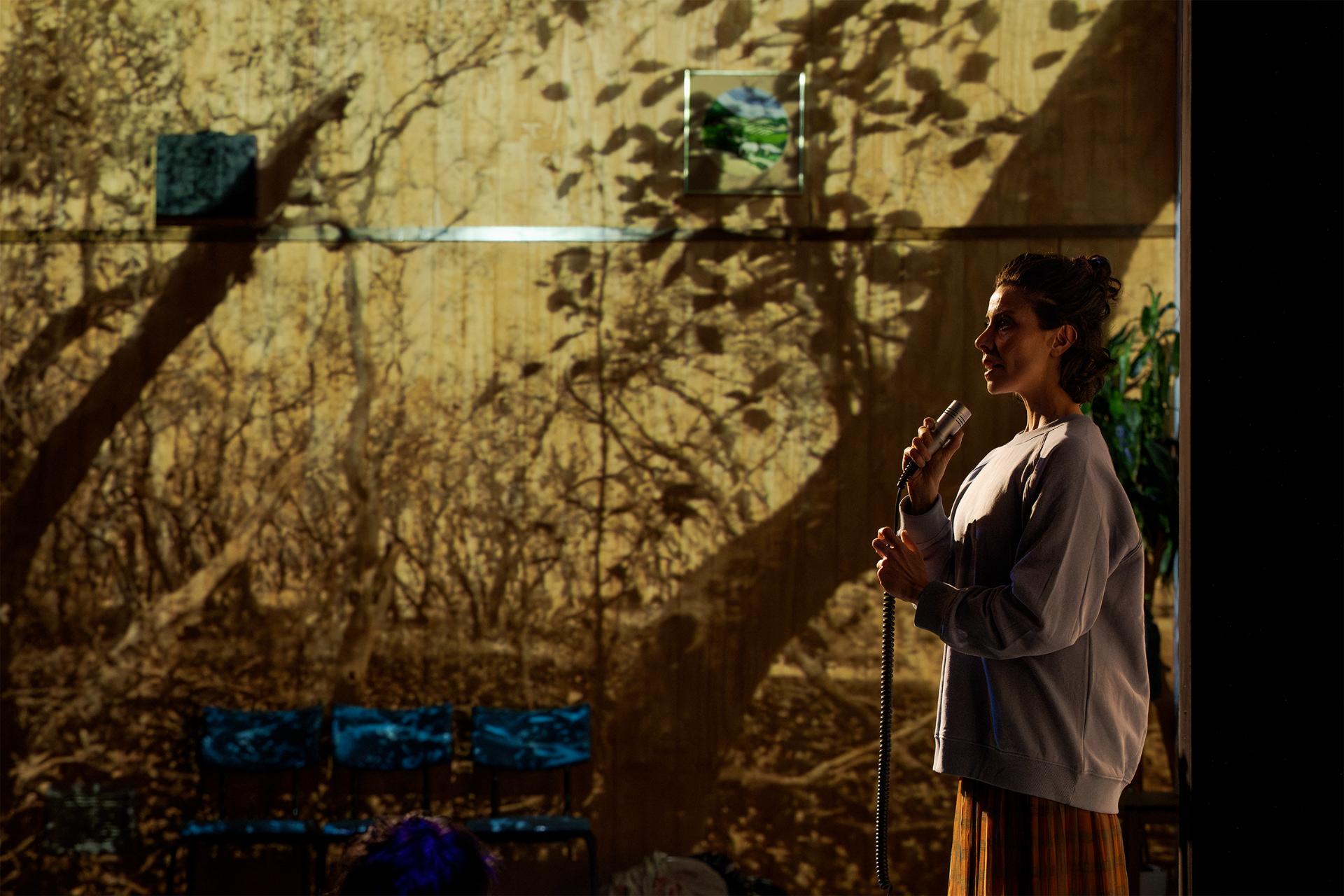
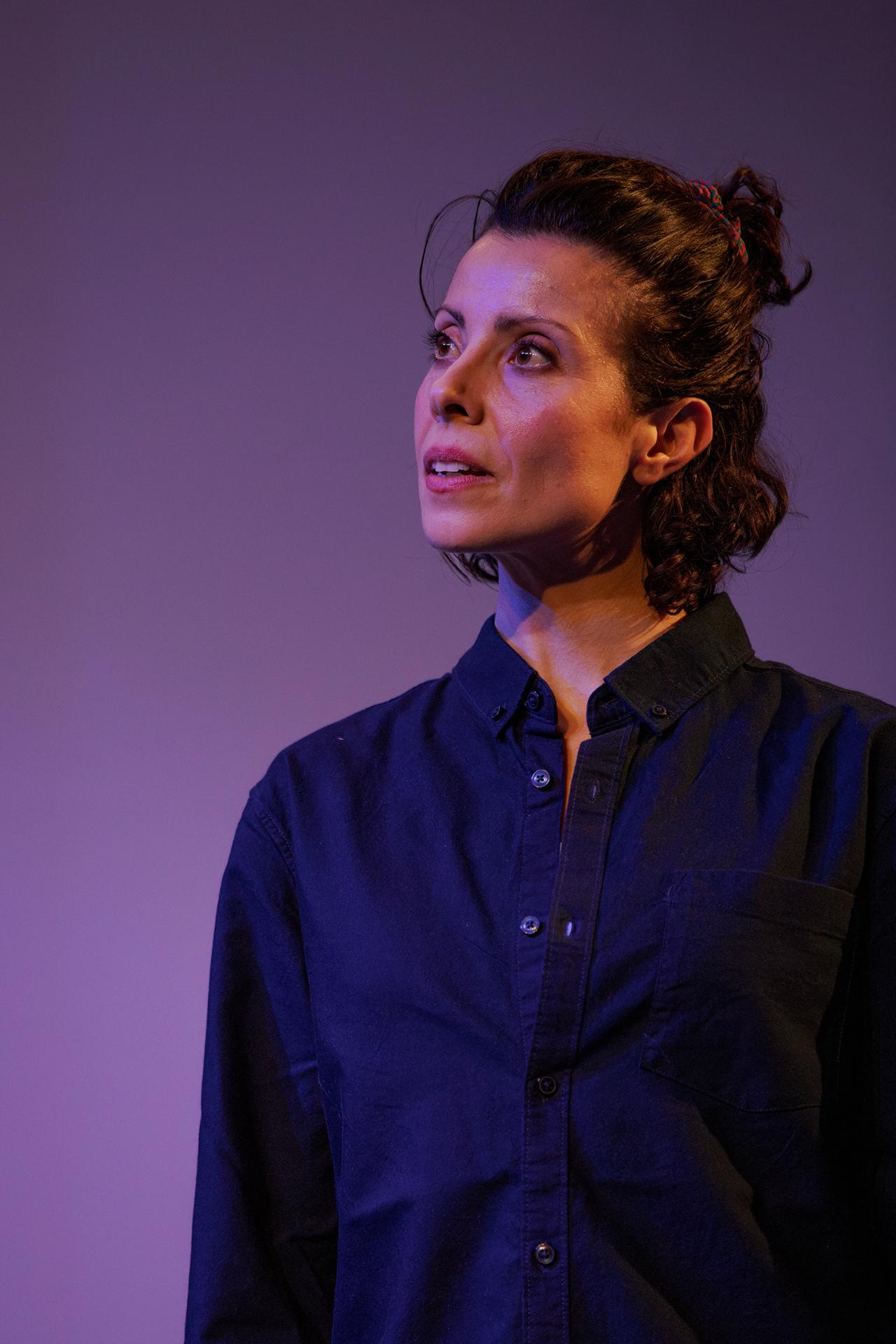
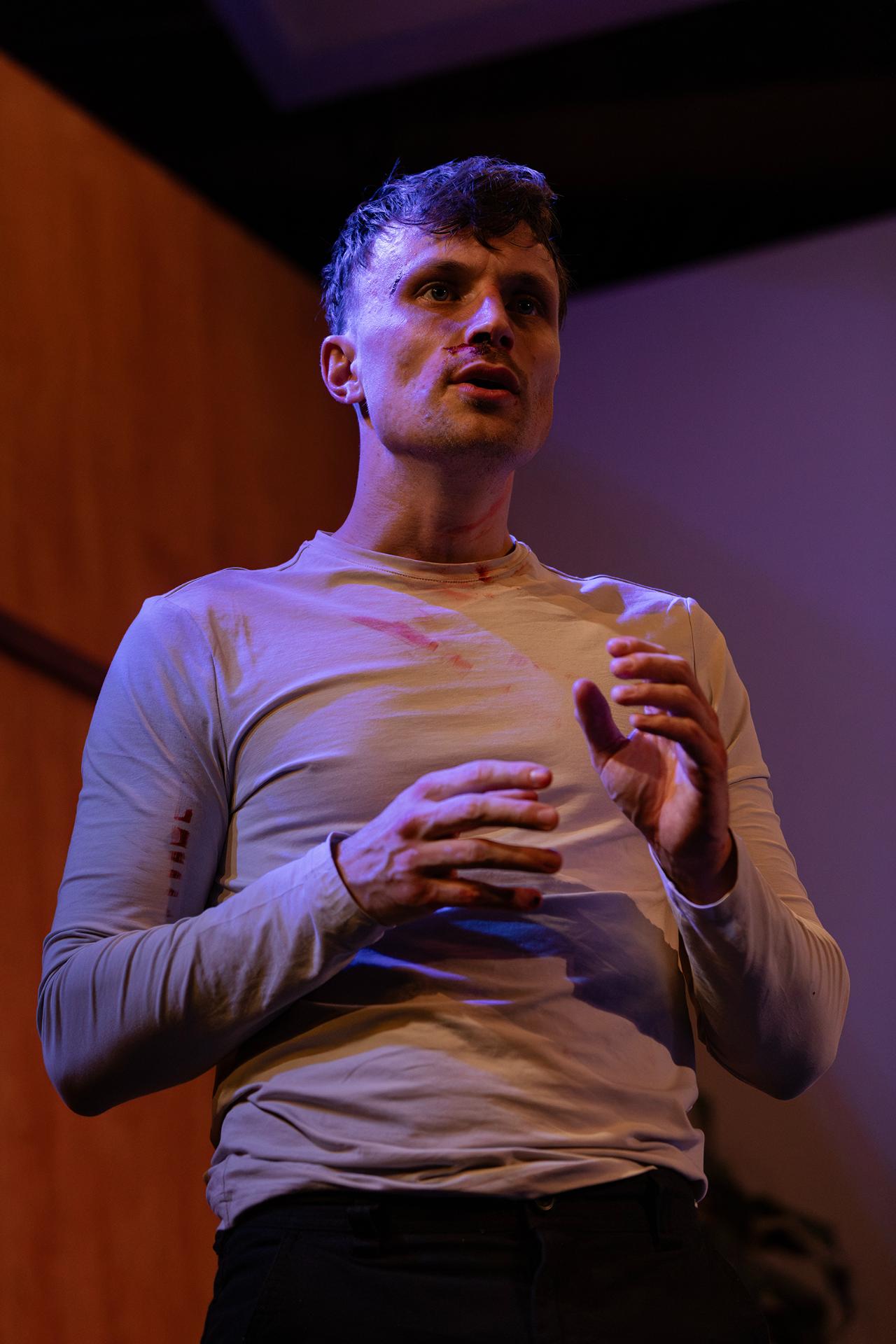
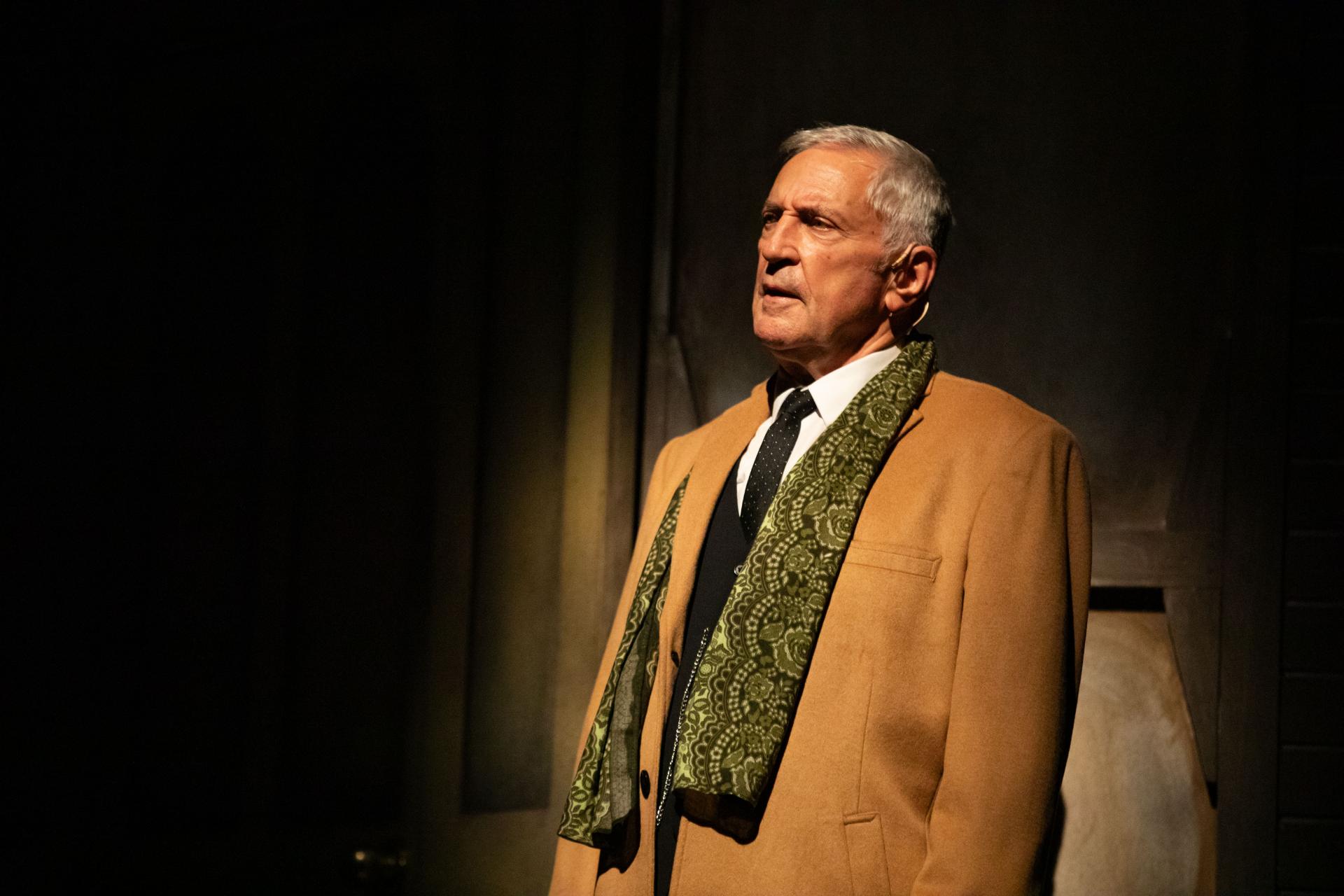
Actor Susan Ling Young plays Komachi the elderly figure with a commendable emotional intensity, while Wern Mak takes on the role of the unnamed writer, with visible dedication. The aforementioned Campese joins as supporting cast, along with Millie Hing, Jasper Lee-Lindsay and Rachel Seeto, in a staging that is although stylistically deficient, shows no shortage of spirited commitment.

Times will change, but ghosts are constant and eternal. They represent the essence of who we are, and what we see them to possess, corresponds with the most fundamental of our values and beliefs. Intuitively we know that the ghosts have shed all that is gratuitous and meaningless. They remain as a manifestation of our very core, and every meditation on their nature, can only be a reflection on who we truly are, in the breathing moment.

www.oldfitztheatre.com.au | www.newghoststheatre.com

Review: Into The Shimmering World (Sydney Theatre Company)

Venue: Wharf 1 Sydney Theatre Company (Walsh Bay NSW), Apr 2 – May 19, 2024
Playwright: Angus Cerini
Director: Paige Rattray
Cast: Kerry Armstrong, Colin Friels, Renee Lim, James O’Connell, Bruce Spence
Images by Daniel Boud

Theatre review
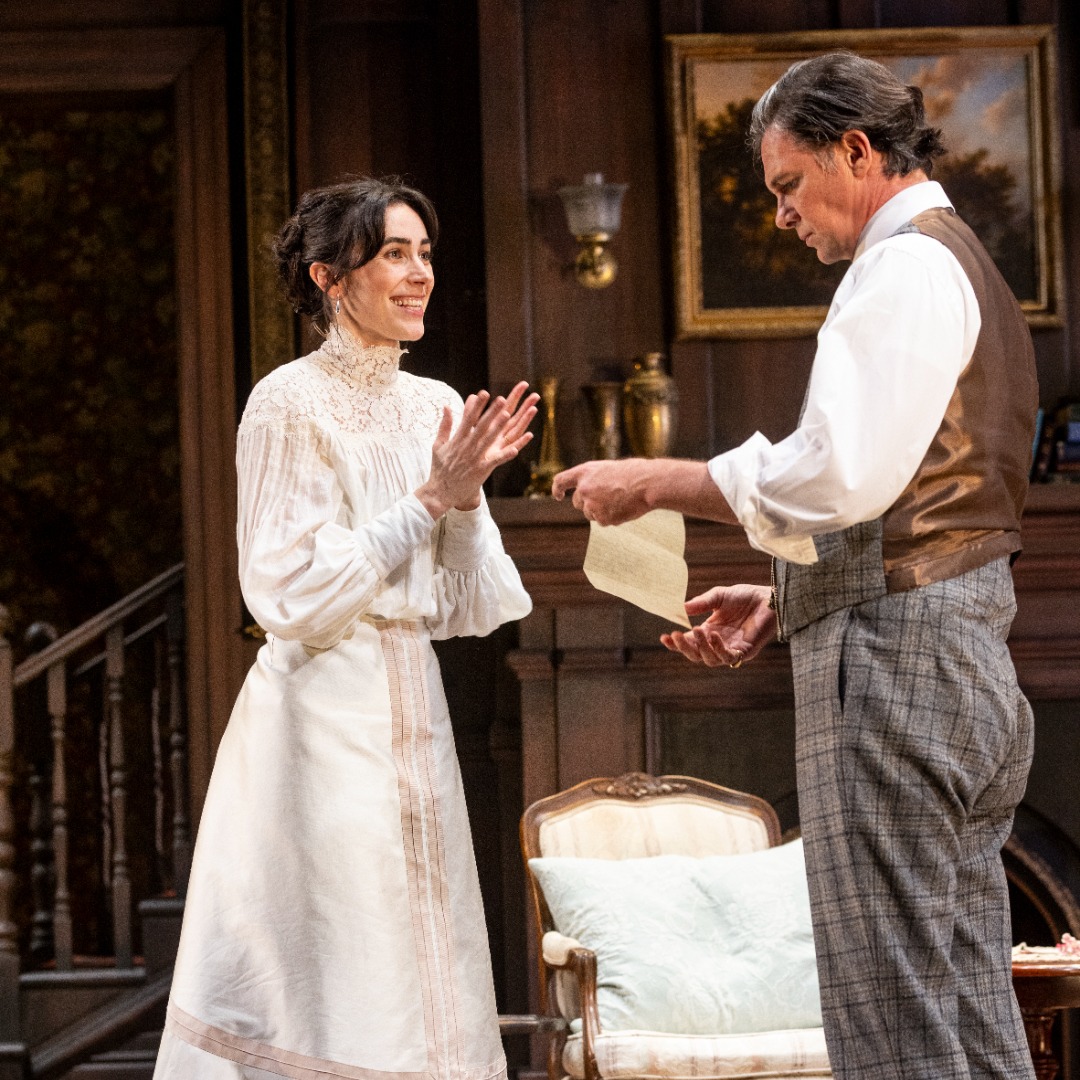
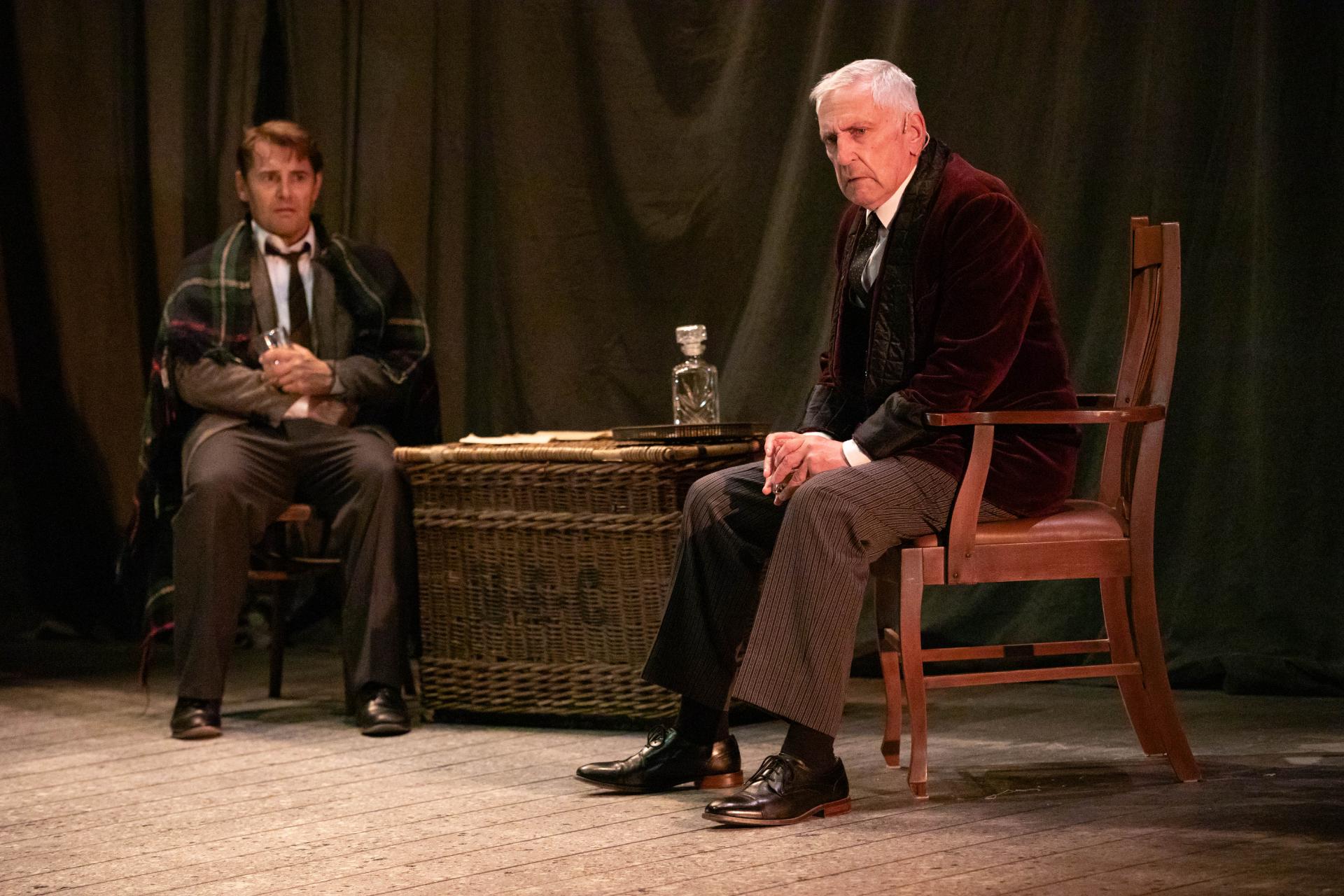
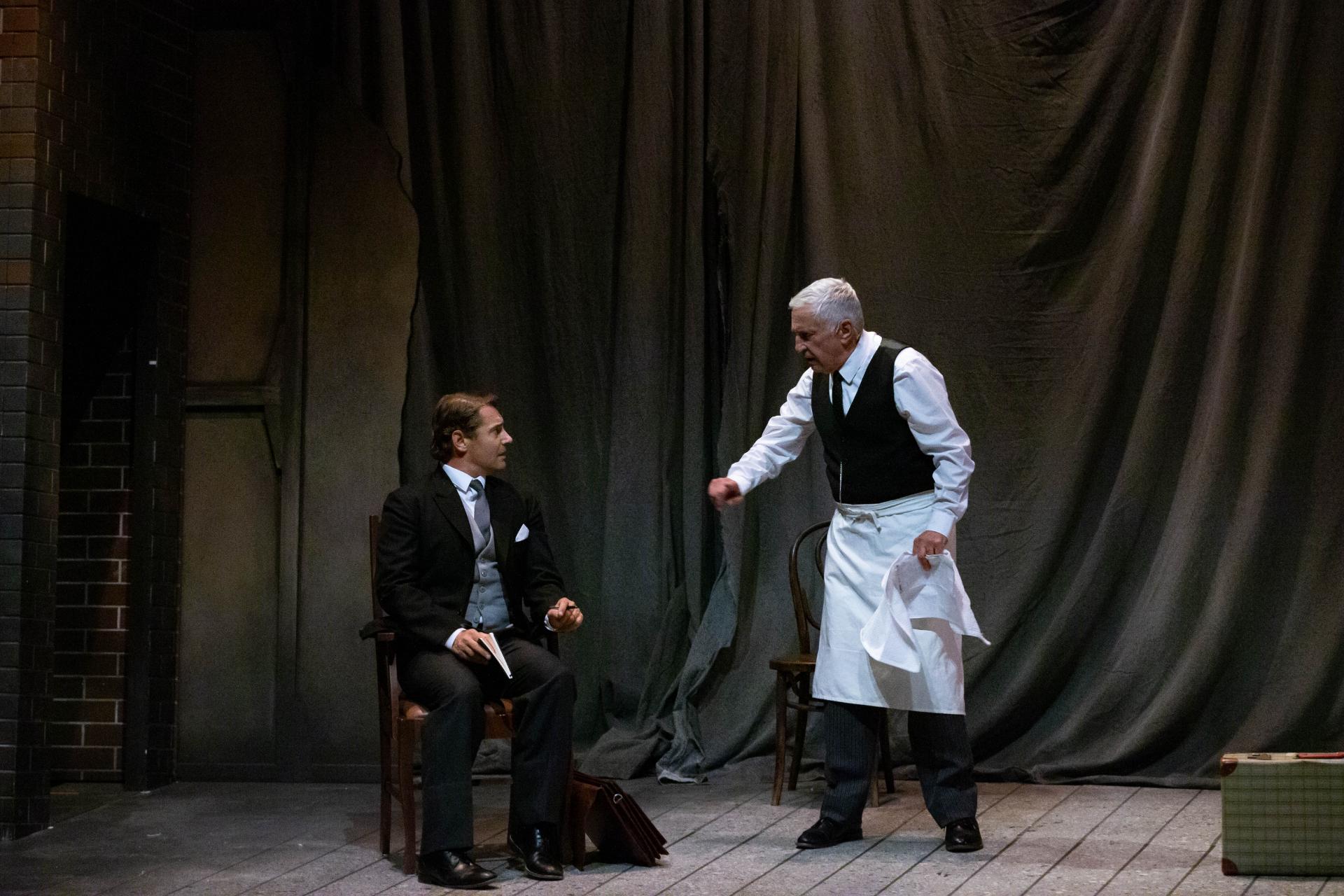
Ray is older now, but the life of a humble farmer means a conventional retirement is never quite within reach. In addition to his ailing health, the persistent drought seems determined to only make things harder. His wife Flossy, along with their sons, are however reliable sources of emotional support, and in Angus Cerini’s Into the Shimmering World, we see Ray’s last years becoming increasingly meaningful, even if the struggles never subside.

It seems a simple existence that Cerini’s play depicts, but it speaks profoundly from a space of thorough authenticity. There are no frills to Ray and Flossy’s days in the bush, so our explorations can only be about the essential and important qualities, of what makes a life worth living. Direction by Paige Rattray insists we pay attention to the minutiae, so that we come to an understanding, that it is in the details, that we can discover something truly significant, or even eternal, within fleeting moments that usually feel inconsequential. Into the Shimmering World takes us away from so much that is time-wasting and petty, and for 90 minutes, provides an opportunity to meditate on that which is real and noble.

That virtuousness pertaining to notions of simplicity, is reflected in a production design by David Fleischer, that functions purely to facilitate storytelling. There is nothing extraneous in Ray’s life, so there is nothing frivolous to be found in the set and costumes. Lights by Nick Schlieper do however manufacture instances of theatrical elevation, most notably during scenes that venture into the metaphysical. Music and sound by Clemence Williams are crucial in helping calibrate our temperament, in a show that is full of constant, but subtle, shifts in tone.

It is a deceptively quiet presentation, memorable for its stillness, but always with a submerged rumbling, that feels very much like the unabating sensation of human upheaval. Actor Colin Friels embodies that contained drama, in a portrayal of Ray that is remarkable for its integrity and hence, believability. Like most Australian men of his generation, Ray is not one for words, but Friels does excellently at conveying the textures of turmoil, that are so crucial to our appreciation of the work. Kerry Armstrong plays Flossy with warmth and tenderness, so that we may approach the tale with sensitivity. Other members of cast include Renee Lim, James O’Connell and Bruce Spence, all of whom bring thoughtfulness that help deliver valuable insights inherent in Cerini’s writing.

Legacy is not about vanity, but responsibility. We can deliberate endlessly about the meaning of life, but a commitment to leaving the world a better place than how one had found it, is the key to existential fulfilment.

www.sydneytheatre.com.au

Review: Black, Fat And F**gy (Old Fitz Theatre)

Venue: Old Fitzroy Theatre (Woolloomooloo NSW), Apr 3 – 13, 2024
Creator: Milo Hartill
Cast: Milo Hartill
Images by Abraham de Souza

Theatre review
In her provocatively named Black, Fat and Fa**gy, Milo Hartill reflects on her twenty-three-year-old life, at the intersections of marginalisation that relate to all the identity markers, so vividly described in the title of her one-woman show. The presentation is a statement spawned from radical acceptance and defiant joy, of an individual overcoming obstacles of prejudice, and who has found success as a performer, influencer and model.

Hartill’s writing may not be the most inventive, but her skills and charisma for the stage are undeniable. Collaborator Robin Goldsworthy is credited as “head chef”, on hand to ensure that the star is never to be perceived as anything but delightful and scintillating. Music direction is provided by Lucy O’Brien whose piano accompaniment on songs from Sinatra to CupcakKe, imbues additional spiritedness to an already irrepressible force of nature. Also noteworthy are lights by Isobel Morrissey delivering unexpected atmospheric transformations that help us tune in, to every shifting nuance of what Hartill intends to convey.

Black, Fat and Fa**gy is about the indomitability of an artist who understands intimately and comprehensively, the nature of violence in all its forms. From the perspective of someone who embodies all that is antithetic of hegemonic power, Hartill demonstrates how a person may thrive in spite of forces that intend to be exhaustively annihilating. We are graciously spared having to delve too deeply into her spaces of trauma, but in the witnessing of all her celebratory assertions, it is clear what the darker dimensions of her, and by implication all of our, stories are.

www.oldfitztheatre.com.au | www.andrewhenrypresents.com

Review: Grease (Capitol Theatre)

Venue: Capitol Theatre (Sydney NSW), from Mar 24 – Jun 1, 2024
Book, Music & Lyrics: Jim Jacobs, Warren Casey
Director: Luke Joslin
Cast: Brianna Bishop, Cristina D’agostino, Tom Davis, Mackenzie Dunn, Keanu Gonzalez, Annelise Hall, Catty Hamilton, Marcia Hines, Jay Laga’aia, Patti Newton, Andy Seymour, Joseph Spanti, Caitlin Spears, Harry Targett
Images by Jeff Busby

Theatre review
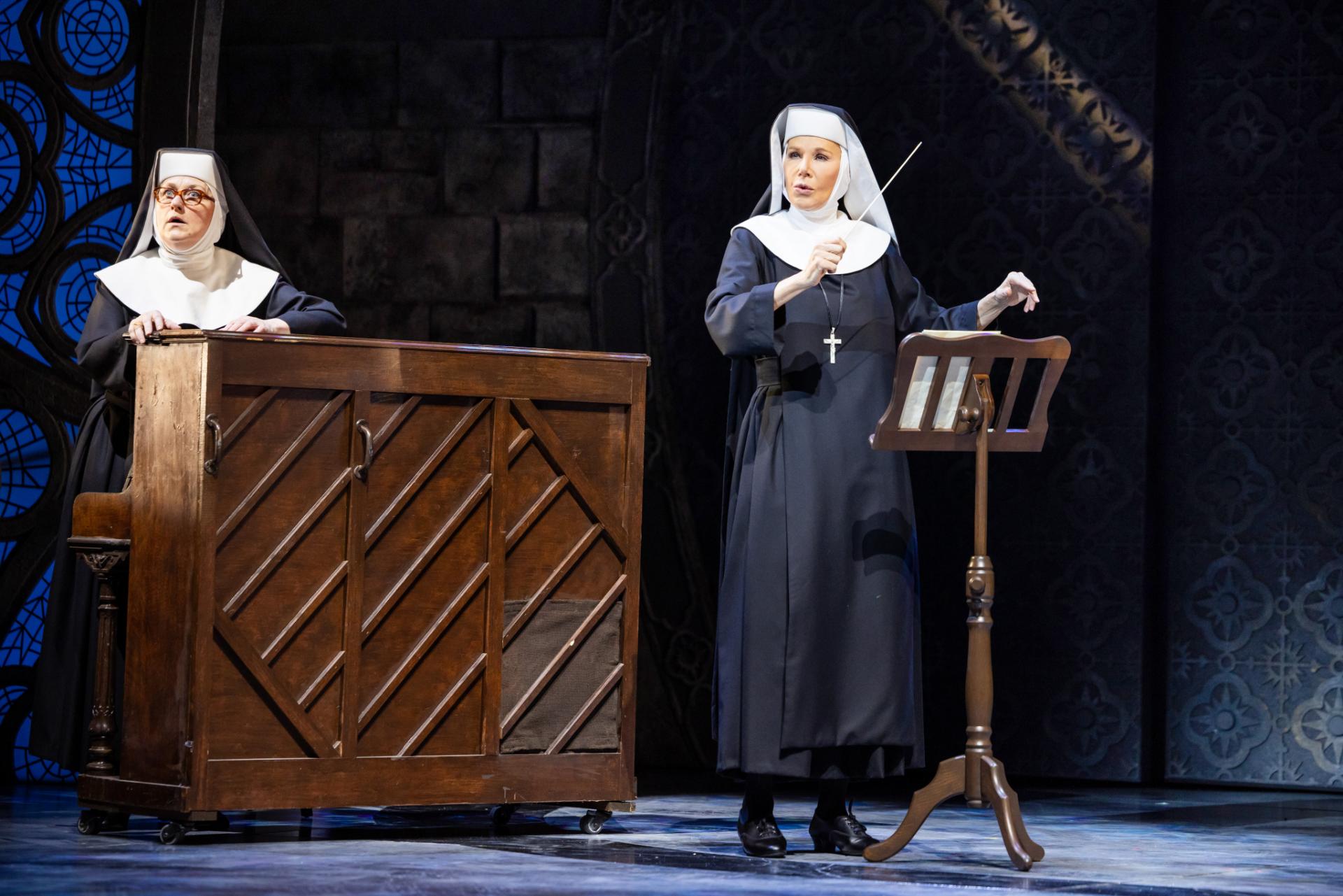
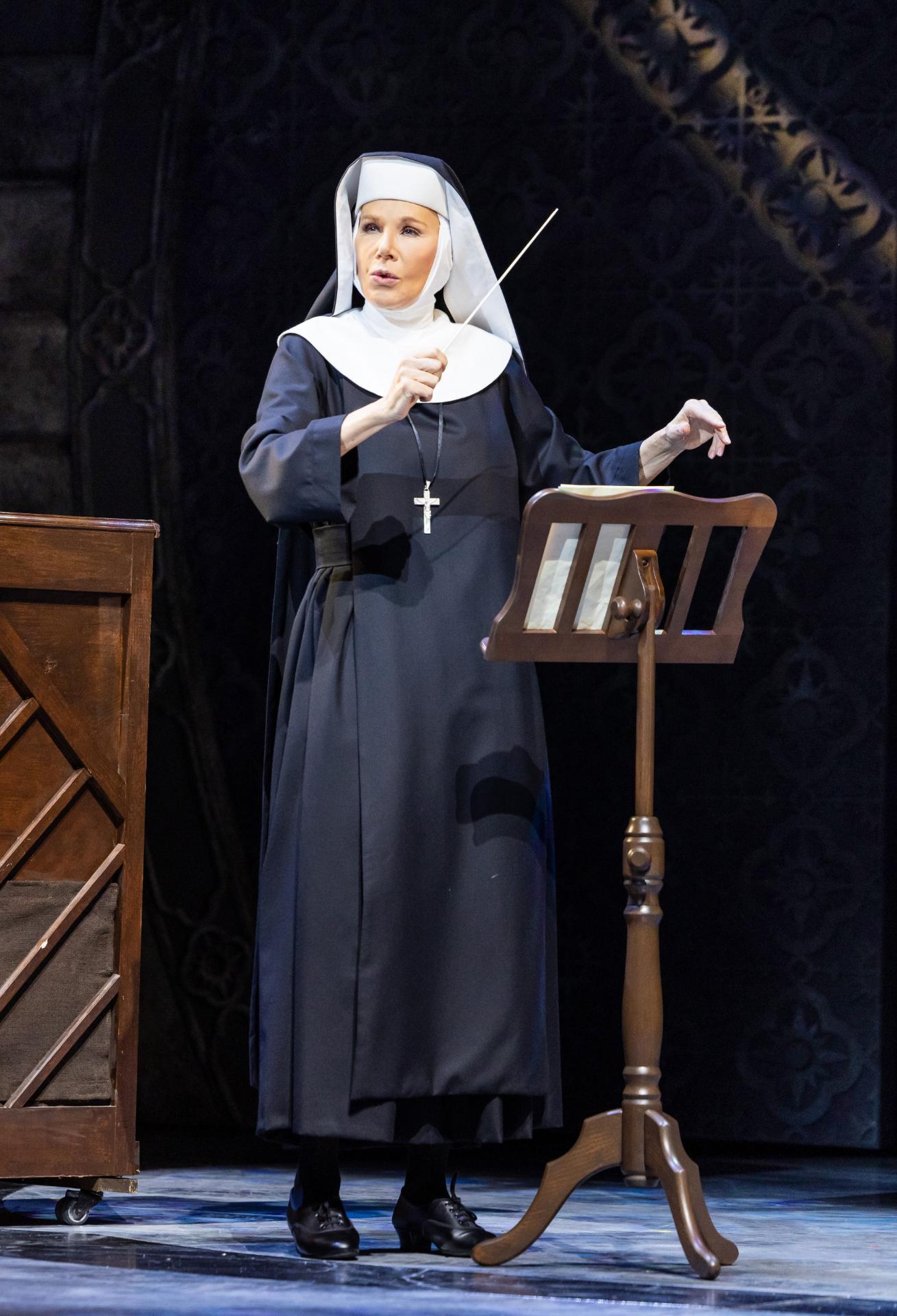
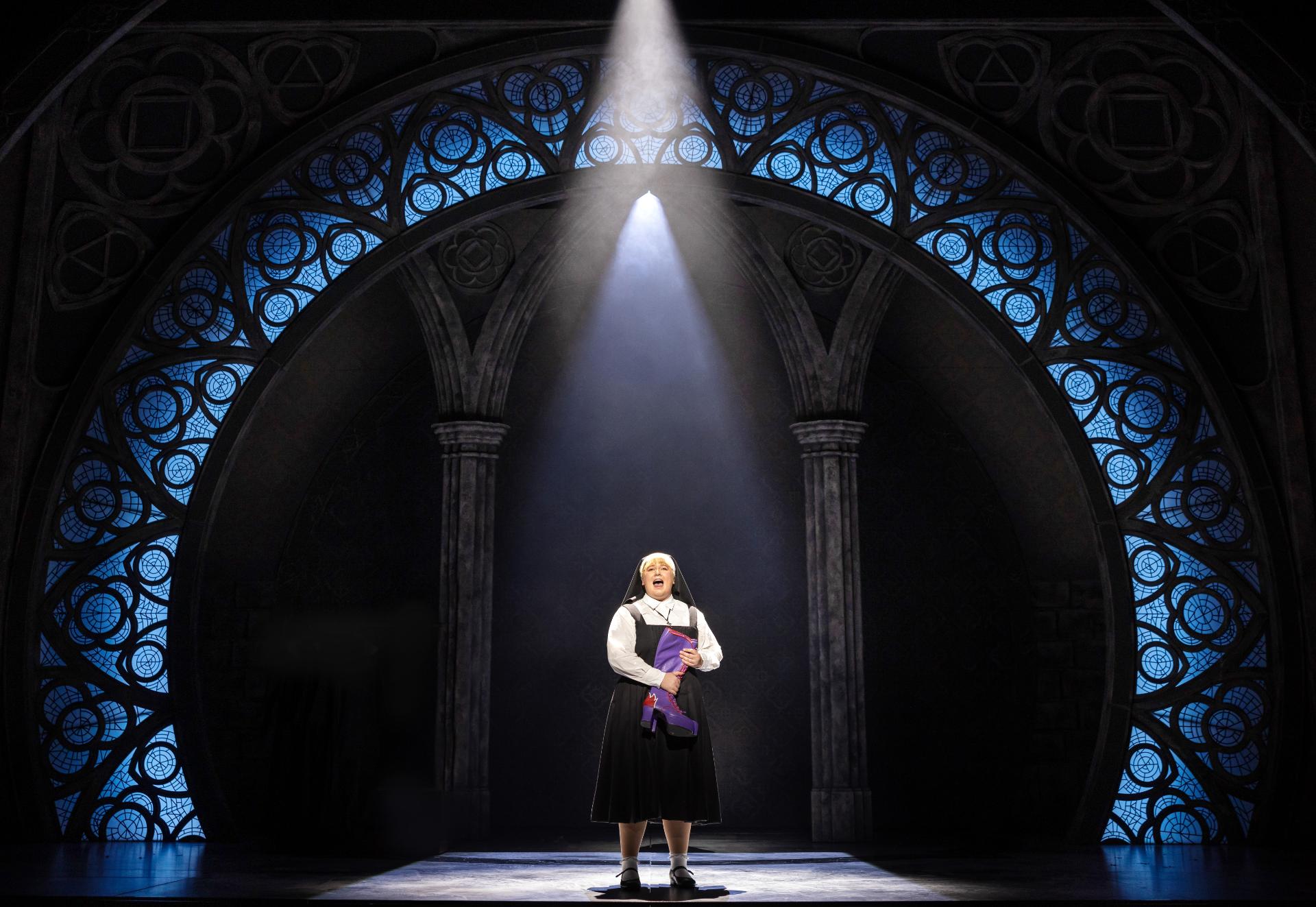
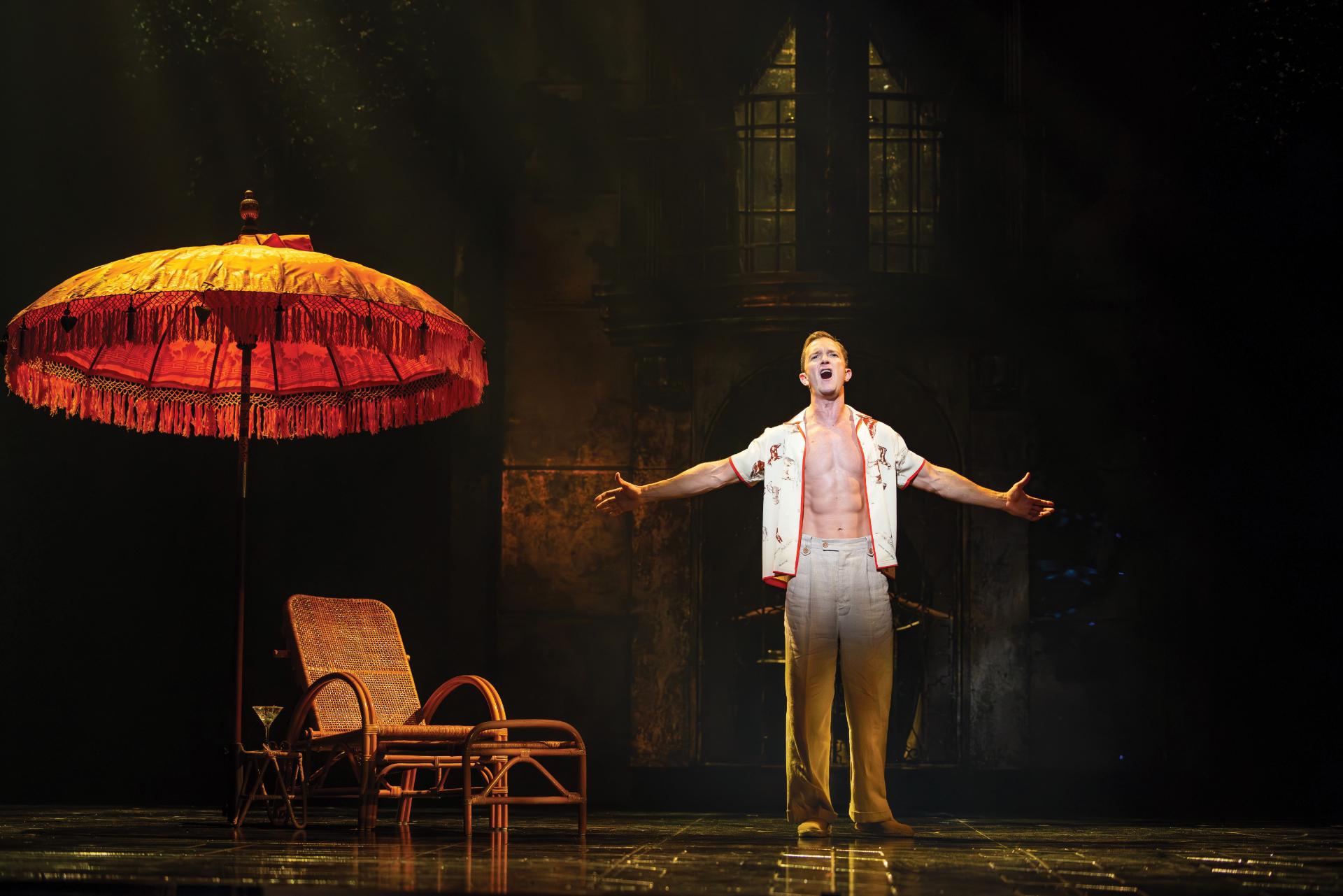
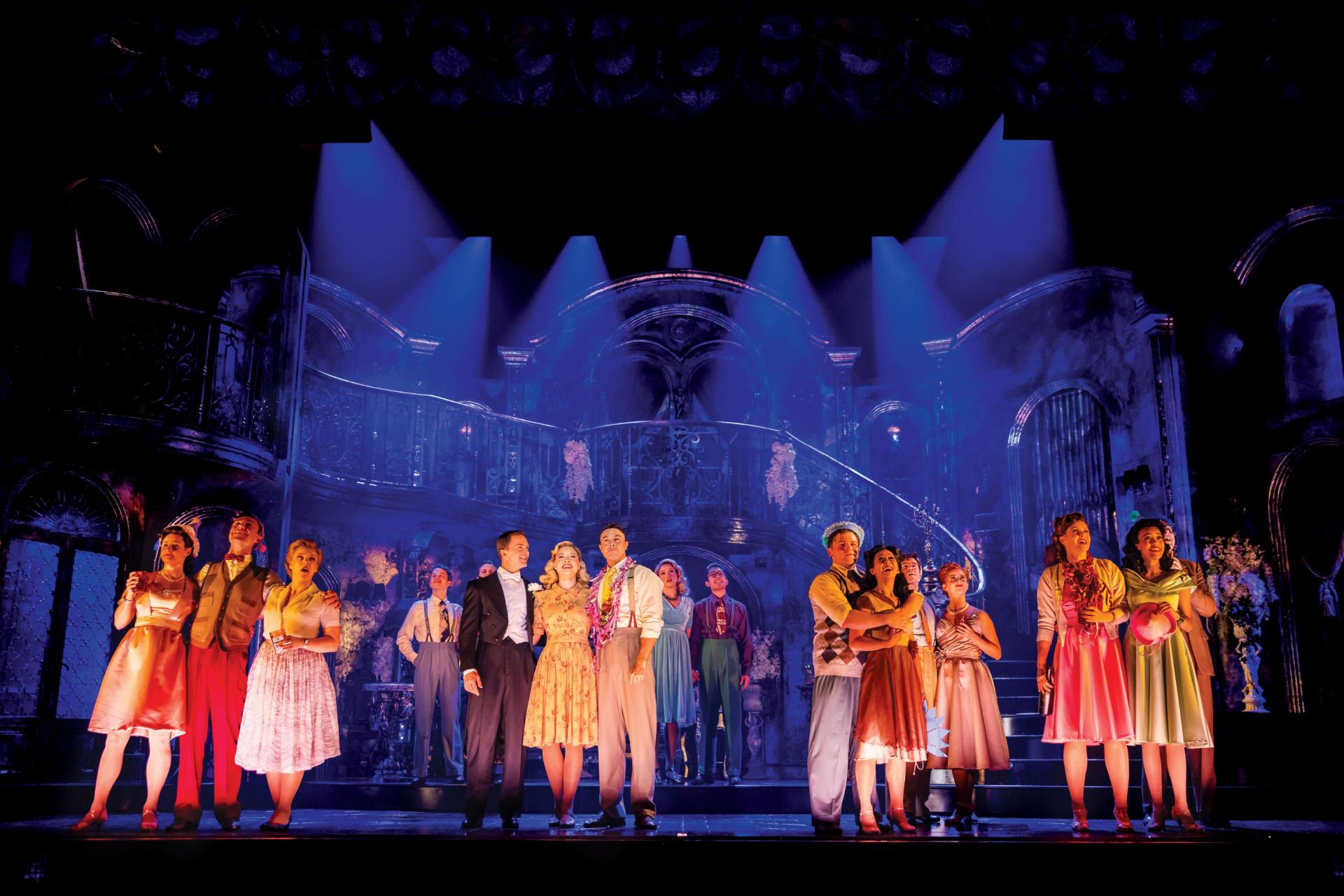
It is more than 50 years, since the original premiere of the musical Grease, and even though its songs remain as delightful as ever, its story could not be more antiquated. Nonetheless, the show is a much-loved classic, and can always be considered ripe for reinvention. It is therefore disappointing that this new iteration under the direction of Luke Joslin, chooses to be faithful, in both stylistic and ideological terms, to the Grease of the 1970s. Through no fault of Sandy’s own, she is again required to go through an awkward, and completely inauthentic transformation, in order to attain happily ever after. 

Of course, the narrative was always absurd, which is probably why the musical genre feels appropriate for farcical stories of this nature. The current production however lacks a campness that could have ameliorated many of it deficiencies. There is a sterile quality to the presentation, also noticeable in music direction by Dave Skelton, which sounds frankly soulless, for a work famed for its humorous expressions of teenage rebellion.

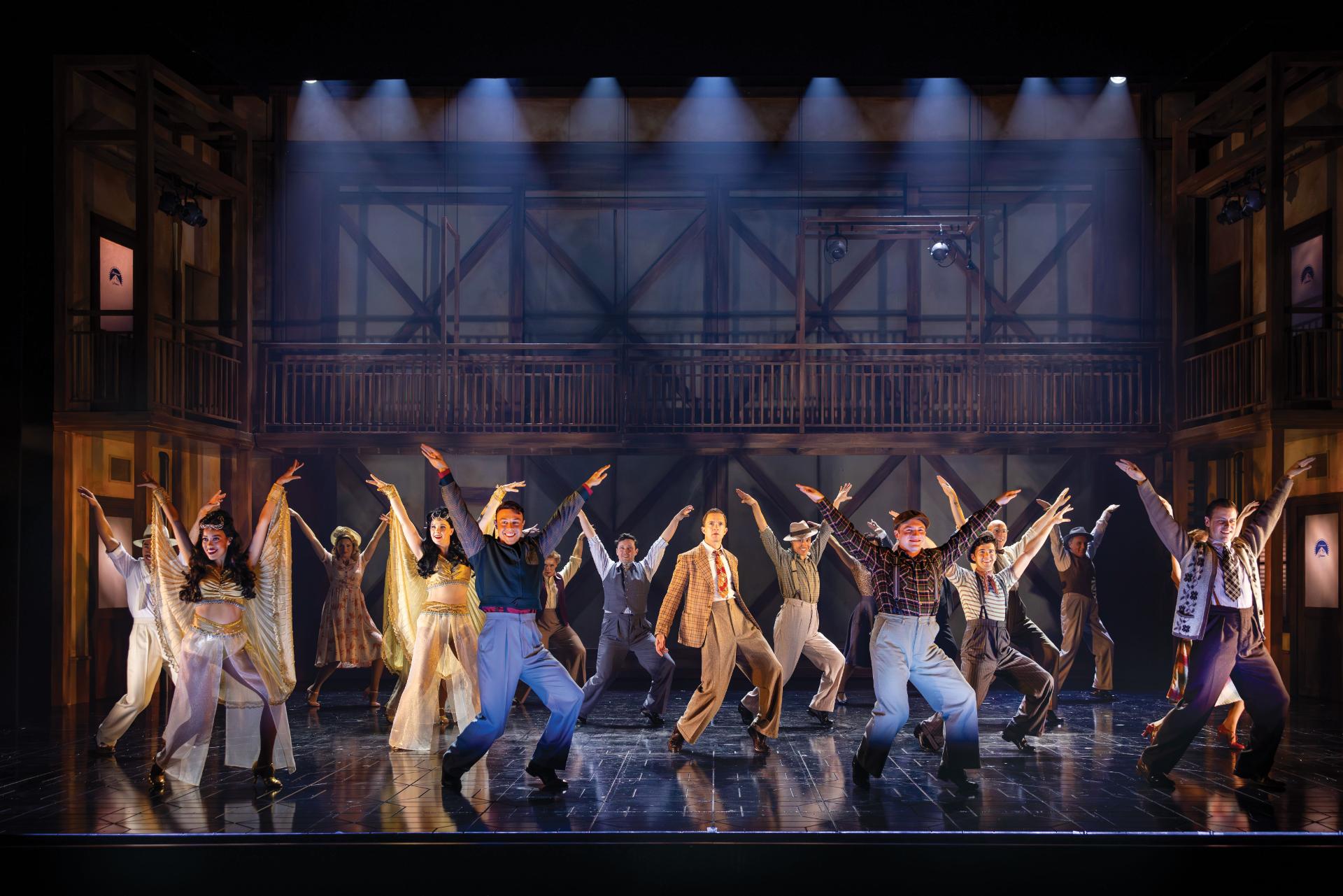
There is no doubt that the cast works hard to bring ebullience, but comic timing proves not to be their strong suit. Singing and dancing are of a high standard though, with nostalgic choreography by Eric Giancola contributing much needed pizzazz. Annelise Hall and Joseph Spanti play the leads, both delivering commendable vocals, and are physically attractive as Sandy and Danny, although unable to compensate for the general shortage of charisma on this stage.

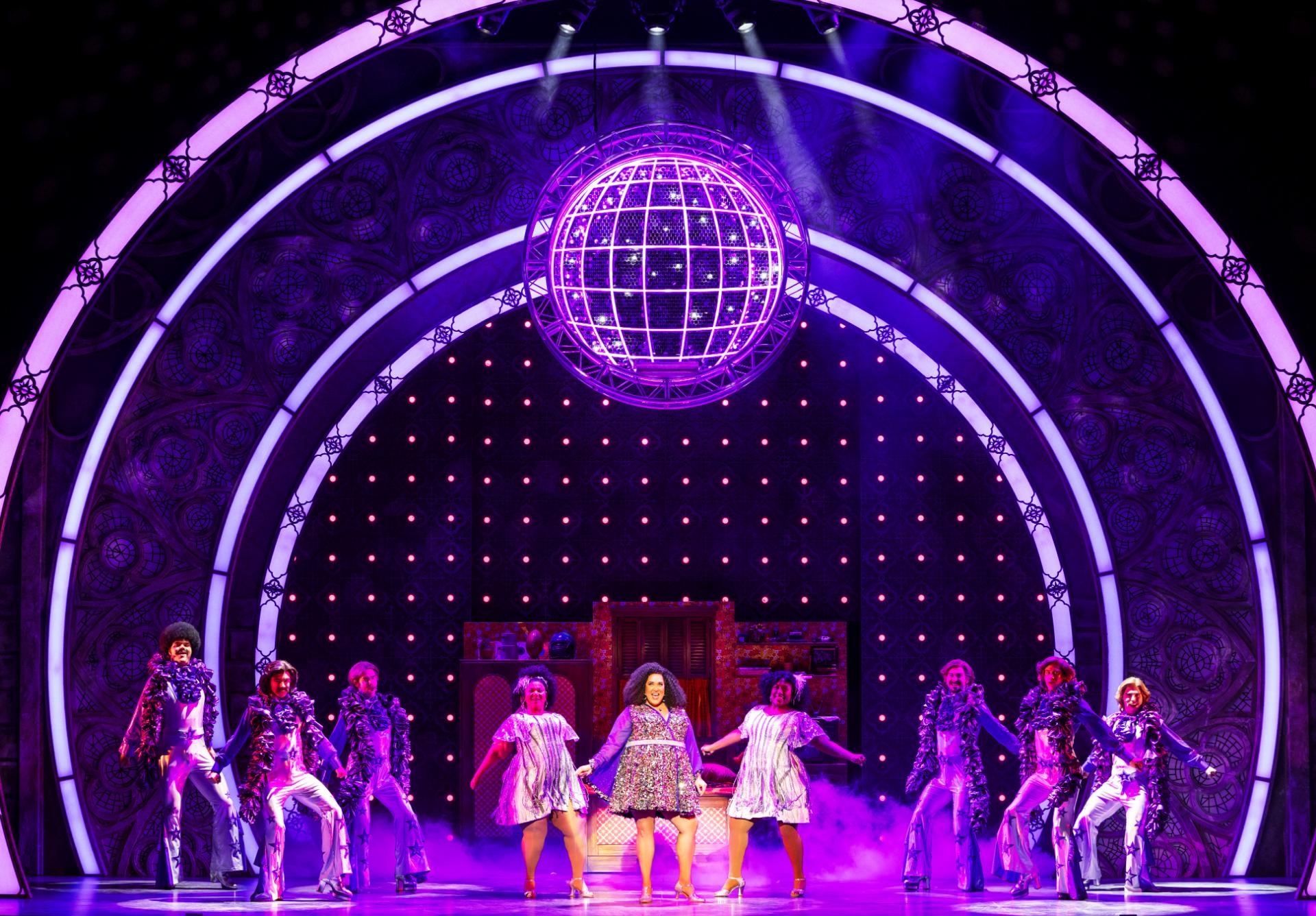
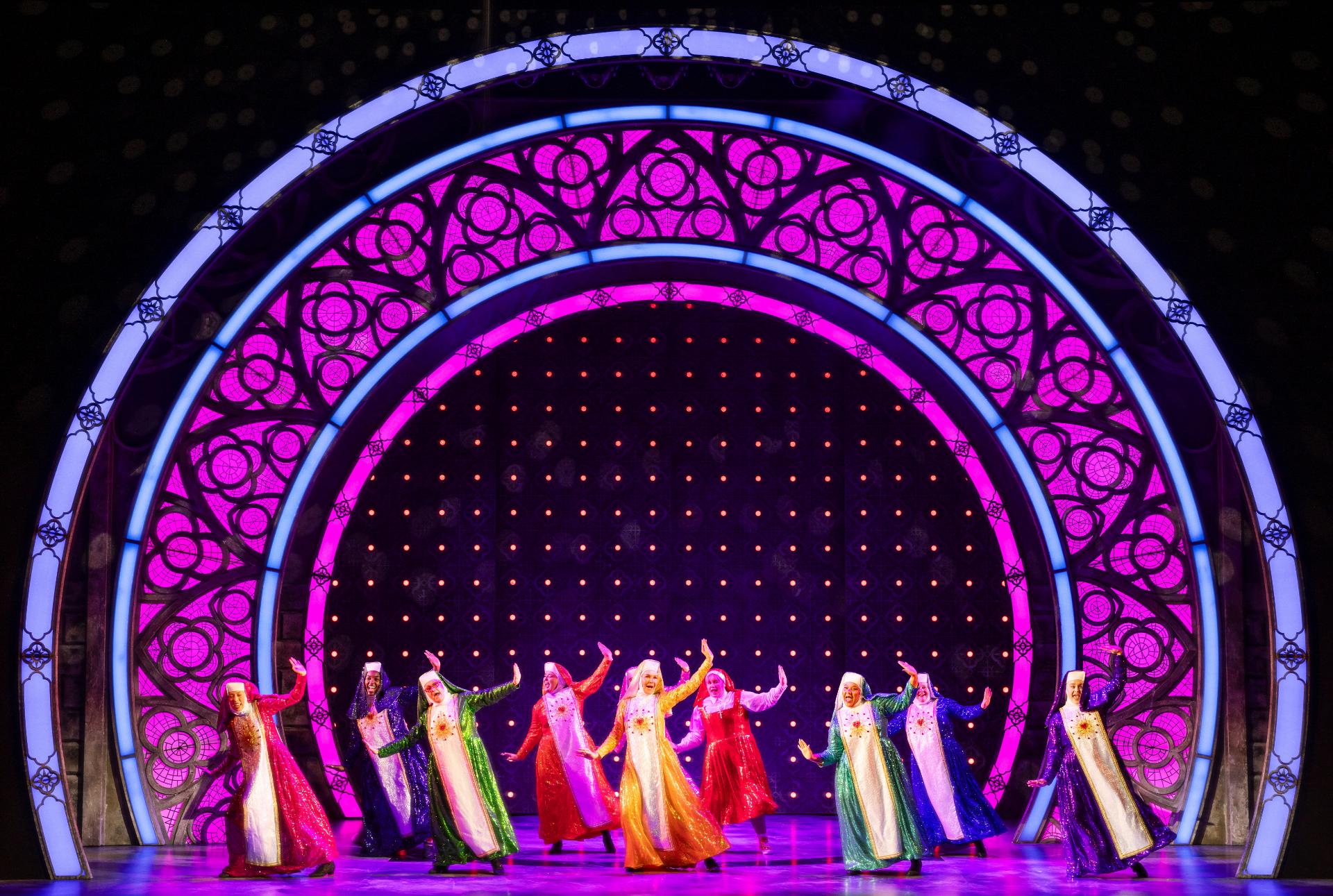
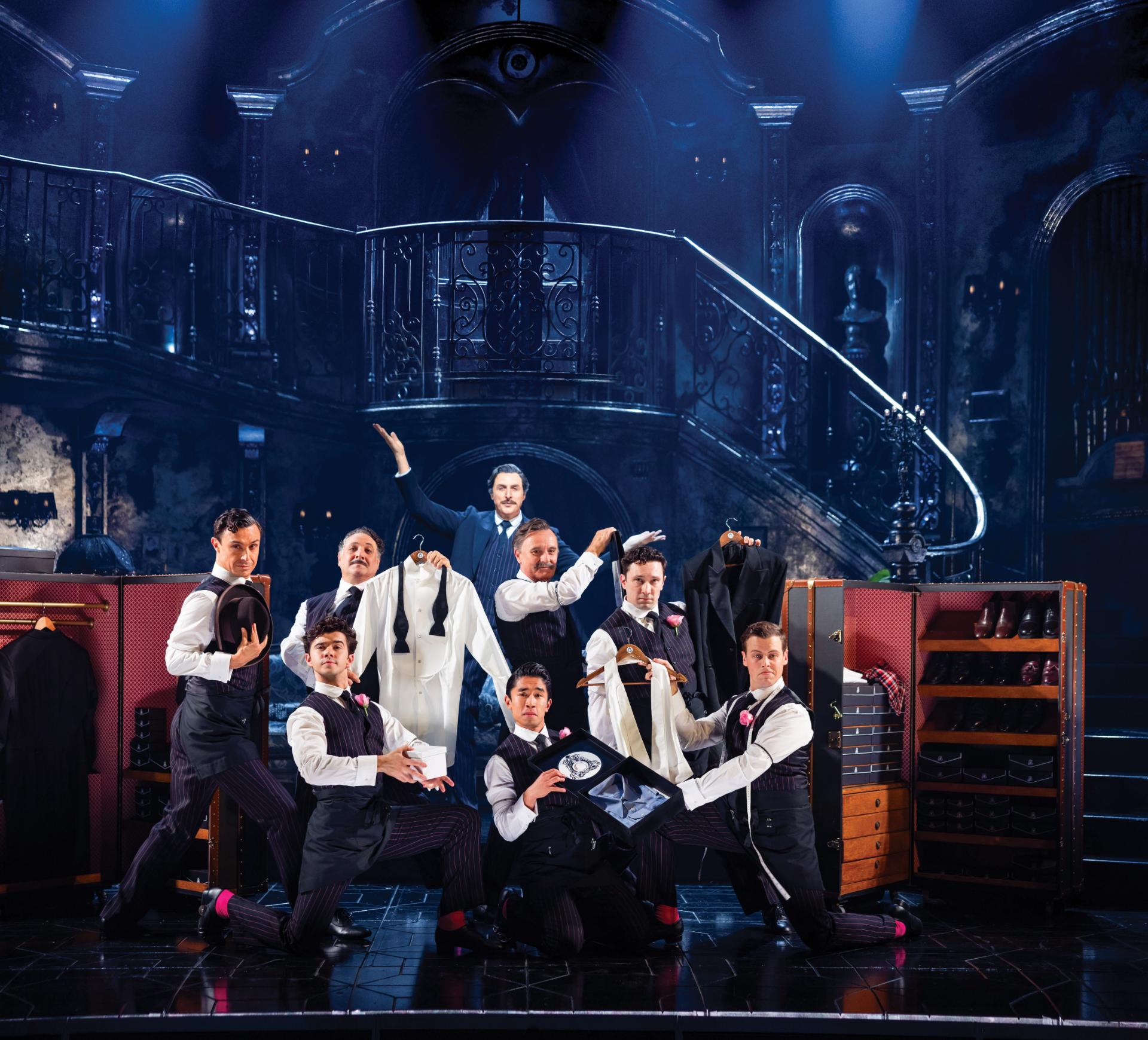
Set design by James Browne is ambitious, and even though not sufficiently refined, does manufacture a satisfying grandeur. Browne’s costumes add colour and a charming whimsy, and along with dynamic lights by Trudy Dunn, imagery is consistently captivating, for an otherwise lacklustre experience.

Sandy was always fine as she was. Furthermore, Danny had adored her whether she presented innocent or provocative. In 50s America though, they both had to acquiesce to standards of behaviour that were far too oppressive and invasive, unable to escape peer pressure of high school, which served as a microcosmic representation of the wider world. Things feel different now, but it is hard to be sure if changes are true and fundamental, or if it is only the way we talk that has altered.

www.greasemusical.com.au

Review: Mercury Poisoning (KXT on Broadway)

Venue: KXT on Broadway (Ultimo NSW), Mar 15 – 30, 2024
Playwright: Madeleine Stedman
Director:
Kim Hardwick
Cast: Violette Ayad, Shaw Cameron, Anna Clark, Melissa Jones, Shawnee Jones, Nikita Khromykh, , Tinashe Mangwana, Teodora Matovic, Brendan Miles, Jack Richardson, Charlotte Salusinszky, Sarah Jane Starr
Images by Clare Hawley

Theatre review
Madeleine Stedman’s Mercury Poisoning involves three women in the 1960s, inspired by true stories about their respective relationships with space travel. These lives never cross paths, but they are in some ways parallel, not only in aeronautical terms, but also with their fights against structural sexism, which proves a defining force. While well-conceived, more effort could be made for the narratives in Mercury Poisoning to intertwine, instead of having them completely segregated.

Direction by Kim Hardwick attempts to make up for that lack in coherence between the different threads, with creative use of visual compositions. There is a sincerity in her presentation that helps with our logical engagement with the piece, but a persistent coolness in temperament prevents us from investing sufficiently into the emotions being explored.

Set design by Meg Anderson and lights by Jimi Rawlings are effective in evoking outer space, but the imagery being produced is too relentlessly dark, which makes it a struggle for the production to lift in energy, especially noticeable in comedic scenes. Sound design by Rowan Yeomans and Jay Rae is however very strong, bringing to the storytelling, an enjoyable sense of theatricality.

Actors Violette Ayad, Shawnee Jones and Teodora Matovic play the main roles, all able to convey authenticity and vulnerability for these discussions about challenges faced by women at the workplace. A big roster of supporting cast members bring variety to the experience, admirable for the frequent rotation of characters they bring to the stage.

In Mercury Poisoning we see the ways in which power manifests, and how so much of our resources is  organised around concepts of deprivation. The three women are deterred from attaining what so many of their white male counterparts have achieved. Through their stories, we observe how a certain caste of society is determined to keep privileges to themselves, convinced that there is not enough for everyone. It is clear they know, that what makes them feel special about their own lives, can only come from the dispossession of others.

www.kingsxtheatre.com | www.instagram.com/snatchedtheatreco | www.whiteboxtheatre.com.au

Review: Atlantis (New Theatre)

Venue: New Theatre (Newtown NSW), Mar 19 – Apr 13, 2024
Playwright: Lally Katz
Director: Tiffany Wong
Cast: Callum Alexander, Georgia Britt, Tamara Foglia Castañeda, Lisa Kelly, James Lau, Alyona Popova, Dallas Reedman, Renae Valastro, Luke Visentin
Images by Chris Lundie

Theatre review
Heartbroken from being dumped by a boyfriend, Lally goes back to her childhood haunts in the USA, where she finds that others too are in search of more innocent times. Lally Katz’s Atlantis is about a woman’s struggle to come to grips with reality, using the eponymous ancient fictional island as allegory for the beliefs inculcated in her, that may not be realistic, or indeed at all real. The play explores the anxieties of a person who is unable to live up to all that she has been led to believe defines a fulfilling life; without a husband, children and a thriving career, Lally is at a complete loss. Heteronormativity has once again proven to be disillusioning.

It is a spirited piece of writing, albeit convoluted and excessively intricate, in its memoir style documentations of encounters, in an increasingly fantastical odyssey. Excellent work by Tiffany Wong as director finds for each scene, a brilliant humour full of charming whimsy and creativity, keeping us firmly enthralled in Lally’s misadventures. We may not invest emotionally in her woes, but the show is thoroughly entertaining, featuring a strong cast of endearing and mischievous performers, fully committed to the quirky comedy of their presentation. Leading lady Georgia Britt’s ebullience insists on our attentiveness, and her confidence ensures that we feel secure in the uninhibited storytelling.

Set design by Amelia Lane brings vibrancy, along with versatility to the imagery being produced. Sam Hernandez’s costumes are plentiful and highly attractive, demonstrating a great eye for texture and colour. Lights by Topaz Marlay-Cole bring appropriate tonal enhancements, to imbue for the staging a sense of cohesion, alongside the efforts of the ensemble. Sound effects by Jennifer Gao and Justin Leong are assembled well, but the first act requires more music for stronger calibrations of atmosphere.

Lally keeps trying for the things she wants, without ever considering the true degree of their meaningfulness, or indeed the mutability of her desires. We are conditioned to believe that happiness and fulfilment are tethered to attainment of things external, where in fact it is what we undertake for the internal, that really matters. The two may not be conveniently sequestered from one another, but understanding the differential in importance, is crucial to how a person can thrive and survive, in a world that can often feel like a sinking and depleting existence.

www.newtheatre.org.au

Review: Zombie! The Musical (Hayes Theatre)

Venue: Hayes Theatre Co (Potts Point NSW), Mar 8 – Apr 6, 2024
Book, Music and Lyrics: Laura Murphy
Director: Darren Yap
Cast: Natalie Abbott, Tamsin Carroll, Chelsea Dawson, Nancy Denis, Adam Di Martino, Ryan Gonzalez, Stefanie Jones, Drew Livingston, Monique Sallé
Images by John McRae

Theatre review
It is three hours before curtains at a community theatre in Sydney’s west, which is a terribly inconvenient time for zombies to begin rampaging all across the land. Zombie! The Musical is an ingenious work of musical theatre by Laura Murphy, memorable for its zany humour and amusing characters. Murphy’s infectious pop-flavoured songs are deeply compelling, and accompanied by a delightfully absurd plot, Zombie! proves to be most satisfying, even if its concluding moments do go overboard with its intentional cheesiness.

Darren Yap does wonderfully as director of the show, turning every moment into a joke, and making every joke absolutely hilarious. Choreography by Chiara Assetta is inventive and charming; always keeping energies up, and holding our attention to every plot detail.

Set design by Nick Fry impresses with its adaptive capacities, and costumes by Esther Zhong are memorable for their convincing renderings of apocalyptic ruin. Lights by Verity Hampson are a sensational element, completely delightful with their flamboyant depictions of supernatural occurrences.

Sound design by David Grigg adds to our enjoyment of the production’s style of faux horror, unabashedly theatrical with its enhancements for all the ghoulish goings on. Music direction by Damon Wade is exciting and varied, thoroughly engaging in its post-modern pastiche approach, for a story taking place in 1999.

Performer Stefanie Jones is a confident and grounding presence as Felicity, giving our focus a secure centre for a playful narrative that could otherwise have turned too chaotic. In the role of Dave, Ryan Gonzalez presents the most endearing zombie one could ever meet, with a pizzazz that is, well, to die for. Tamsin Carroll and Drew Livingston bring exquisite polish to the stage, along with the most excellent comedy, in a show that brims over with laughter. Musicals may not be for everybody, but Zombie! is entertainment that even the sourest of dullards can sink their teeth into.

www.hayestheatre.com.au

Review: Not Now, Not Ever: A Parliament Of Women (25A Belvoir)

Venue: Belvoir St Theatre (Surry Hills NSW), Mar 12 – 31, 2024
Playwright: (after Aristophanes)
Director: Margaret Thanos
Cast: Matt Abotomey, Lib Campbell, Rachael Colquhoun-Fairweather, Clay Crighton, Richard Hilliar, Ava Madon, Emma O’Sullivan, Hannah Raven, Idam Sondhi
Images by Clare Hawley

Theatre review
Athena is in the heavens competing against Zeus to be President of the Olympus Council, and to make a long story short, woman farmer Prax ends up running for Prime Minister of Australia. Adapted from Aristophanes’ Assemblywomen, the devised work Now Now, Not Ever: A Parliament of Women tells a story of corruption in our politics, paying particular attention to the effects of sexism and misogyny, on our systems of government. It may not state its arguments especially powerfully, but the entertainment it engenders is an unequivocal joy.

Now Now, Not Ever is marvellously comical, with direction by Margaret Thanos facilitating and coordinating an extraordinary level of creativity and energy, from all its collaborative aspects. The wild exuberance of its comedy is quite exceptional, and although subversive and idiosyncratic, the show is likely to appeal to a wide range of audiences.

Set design by Jess Zlotnick embraces a distinct lo-fi rawness, one that perfectly represents an experimental spirit so clearly entrenched in all elements of the staging. Costumes by Aloma Barnes are delightfully imaginative, notable for taking inspiration from queer traditions, in a work that passionately interrogates the social meanings of gender and sexuality. Saint Clair’s lighting design is vivid and bold, to further encourage our jubilant laughter, which in turn inspires a greater investment in the production’s zany qualities. Also very whimsical is music by Angus (AJ) Evans, playful and dynamic all through the duration.

A splendid cast of nine gleeful performers takes us along on their hilarious trip. Every one of them endearing, funny and clever, completely free of ego in a presentation that really connects, as a result of their generosity and their soaring chemistry. The deeply amusing Emma O’Sullivan is flawless as Prax, completely persuasive in telling a story about the necessity and the futility of compromise, as witnessed in her character’s newfound public life. Her husband is played by Matt Abotomey, gloriously extravagant in what could be considered the most camp, in his depictions of ironically, the straightest personality on the stage. Lib Campbell is unforgettable in the role of Gora the libidinous goat, with incredible timing and acuity, demonstrating a degree of talent that is simply astounding.

When all else fails, we just have to laugh. From watching Now Now, Not Ever: A Parliament of Women one would struggle to deny the many failures of our social and political systems. Some of us might feel motivated to figure out new ways to address these problems, but more than likely, many can only chuckle from a place of incredulous resignation.

www.queenhades.com | www.belvoir.com.au

Review: The Great Divide (Ensemble Theatre)

Venue: Ensemble Theatre (Kirribilli NSW), Mar – Apr 27, 2024
Playwright: David Williamson
Director: Mark Kilmurry
Cast: Caitlin Burley, Emma Diaz, James Lugton, Georgie Parker, Kate Raison, John Wood
Images by Brett Boardman

Theatre review
Property developer Alex’s intentions of turning Wallis Heads into a millionaire’s playground, means that existing residents will no longer be able to afford their lives in the area. Local activist Penny however, will not submit to gentrification without a fight. David Williamson’s The Great Divide tells a familiar tale about Australian life. Its characters are somewhat generic, with dialogue that sounds more than a little obvious, but its belief in people power could prove inspiring.

Directed by Mark Kilmurry, The Great Divide is full of verve, almost boisterous in its energetic iteration of this latest David and Goliath story. Actor Georgie Parker is highly animated as Alex, strangely bereft of complexity, but entertaining nonetheless. Penny is played by Emma Diaz, who is thankfully more contemplative in approach. Caitlin Burley is memorable as Penny’s daughter Rachel, replete with teenage angst, and distinct with a certain audacity that is characteristic of her generation.

Set design by James Browne offers an abstract representation of an unsophisticated coastal town, with a dated aesthetic reminding us of spaces that opportunistic mercenaries are always scheming to usurp. Lights by Veronique Bennett are seldom ornamental, but effective in helping us navigate every shift in chronology. Music by Daryl Wallis is played mainly between scenes, to sustain our attentiveness, for this fast-paced piece about social consciousness.

The Great Divide longs for a fast disappearing Australia, where wealth is not the be all and end all. It wishes to see the voracity of the ultra wealthy be restricted, that their money is somehow unable to devour the integrity and dignity of those who have less. It wants our democracy to be resilient and incorruptible, that it would not be compromised and degraded by the crumbs of capitalism. This may seem a pipe dream, but until we can formulate something better, it is true that democracy remains the strongest weapon we have.
www.ensemble.com.au

Review: Holding The Man (Belvoir St Theatre)

Venue: Belvoir St Theatre (Surry Hills NSW), Mar 9 – Apr 14, 2024
Playwright: Tommy Murphy (from the book by Timothy Conigrave)
Director: Eamon Flack
Cast: Danny Ball, Tom Conroy, Russell Dykstra, Rebecca Massey, Shannen Alyce Quan, Guy Simon
Images by Brett Boardman

Theatre review
Timothy Conigrave’s 1995 memoir Holding the Man remains one of the most important Australian books in the queer canon. It details Conigrave’s love story with his high school sweetheart John Caleo, and their struggles with AIDS, at a time when infection by the HIV virus meant all but a death sentence. Playwright Tommy Murphy’s stage adaptation first appeared in 2006, reformatting the writing for Conigrave’s other love, the theatre, and bringing it to a wider audience.

This update of Murphy’s play, comes at a time when HIV no longer poses a threat to our lives, as it had done those decades before. Director Eamon Flack is keenly aware of this transformation in climate, presenting a show that understands our renewed relationship with the AIDS crisis, and the psychological distance we currently require, as we try to heal and move on, from the devastating period of queer history, that figures so centrally in Holding the Man.

Flack’s portrayals of nostalgia are mercifully light-hearted, allowing us to regard the recent tragic past from a new vantage point; reminding us that that was then, and we now need to learn to sit with that trauma in a more objective manner. The romance between Tim and John, released from that previously foreboding darkness, becomes sweeter, less grief-stricken. Flack facilitates a perception of the couple’s early years together as joyful and winsome, celebrating the fact that these two gay men had found love at a time when homophobia was rampant and severe.

Tim is played by actor Tom Conroy, whose compelling vulnerability endears us to the lead role, making us invest unreservedly and effortlessly in this iteration of Holding the Man. There is a tender innocence in Conroy’s passionate work, ensuring we remember that not a single person deserved the suffering brought on by the epidemic, and certainly that gayness deserves no punishment, especially at a time when queers were persistently villainised and scapegoated.

Danny Ball is captivating as John, commendable for bringing a stillness to his depictions, inviting us to connect with an authenticity that exists so resolutely at the core of this production. There is an abundance of enjoyable theatricality surrounding Ball’s performance, but it is his commitment to a deeper honesty, that gives this event its soul. The supporting cast comprises Russell Dykstra, Rebecca Massey, Shannen Alyce Quan and Guy Simon, who bring great warmth and exuberance, along with remarkable creativity, to every thoroughly considered scene.

Set design by Stephen Curtis introduces visual motifs emblematic of seventies and eighties Australia, with a homely theatre-in-the-round configuration that emphasises the communal aspect of an experience many of us had gone through together. Costumes by Mel Page are similarly evocative of the period, with the addition of eccentric touches that liven up the vista. Phoebe Pilcher’s lights are meticulously calibrated, successfully guiding us through the innumerable spaces we visit, in both physical and psychic terms. Music and sound by Alyx Dennison are boldly rendered to accompany the big emotions involved, memorable for helping to deliver many of the show’s stirring moments. It is worth nothing however that the lack of microphones is on occasion a detraction, for a play that we have fallen for, and want to hear every word of.

Things have changed so much since the days of Tim and John, but one thing that remains true, is that queer people will be left behind, if we ever abate from insisting on our inclusion. The AIDS crisis revealed that our solidarity, and our ability to organise, are how we can overcome marginalisation. We can find spaces that deliver justice and equality, but they will never come without a fight.

www.belvoir.com.au