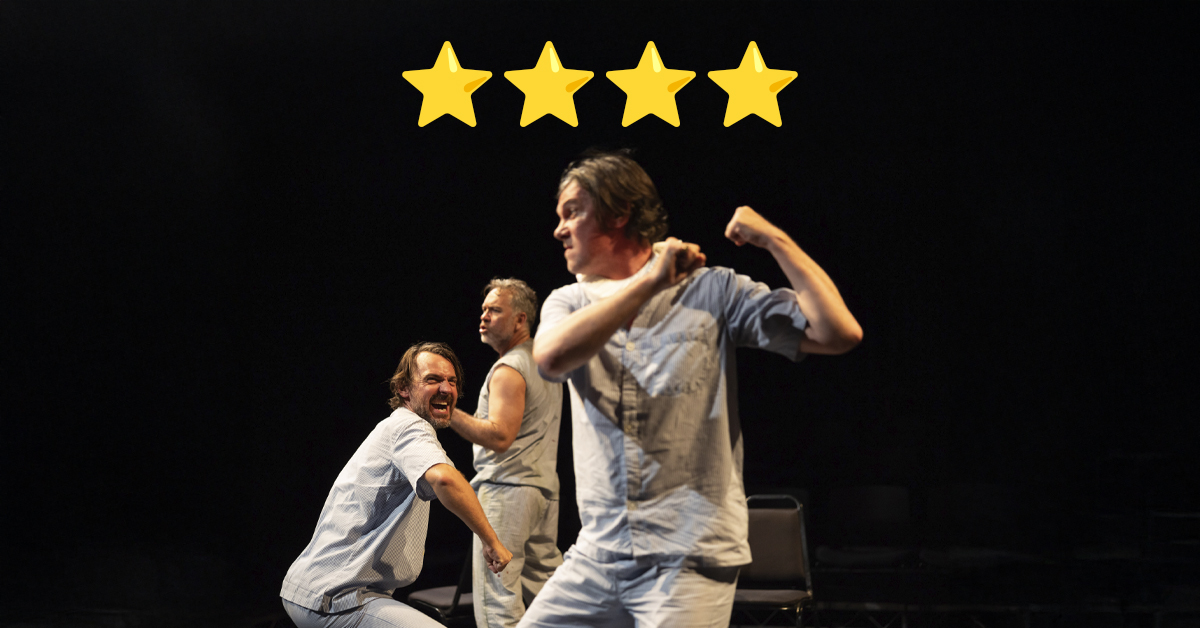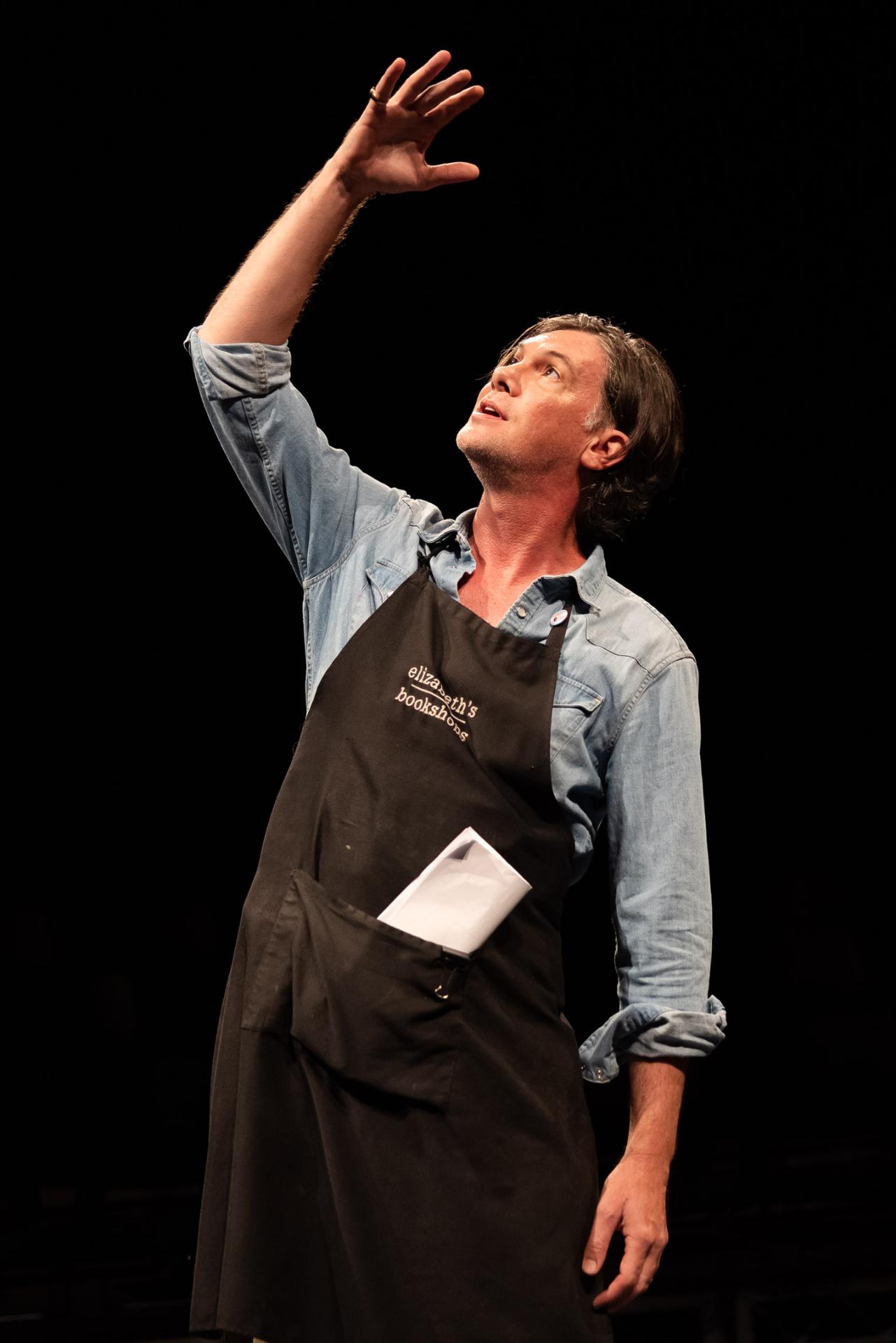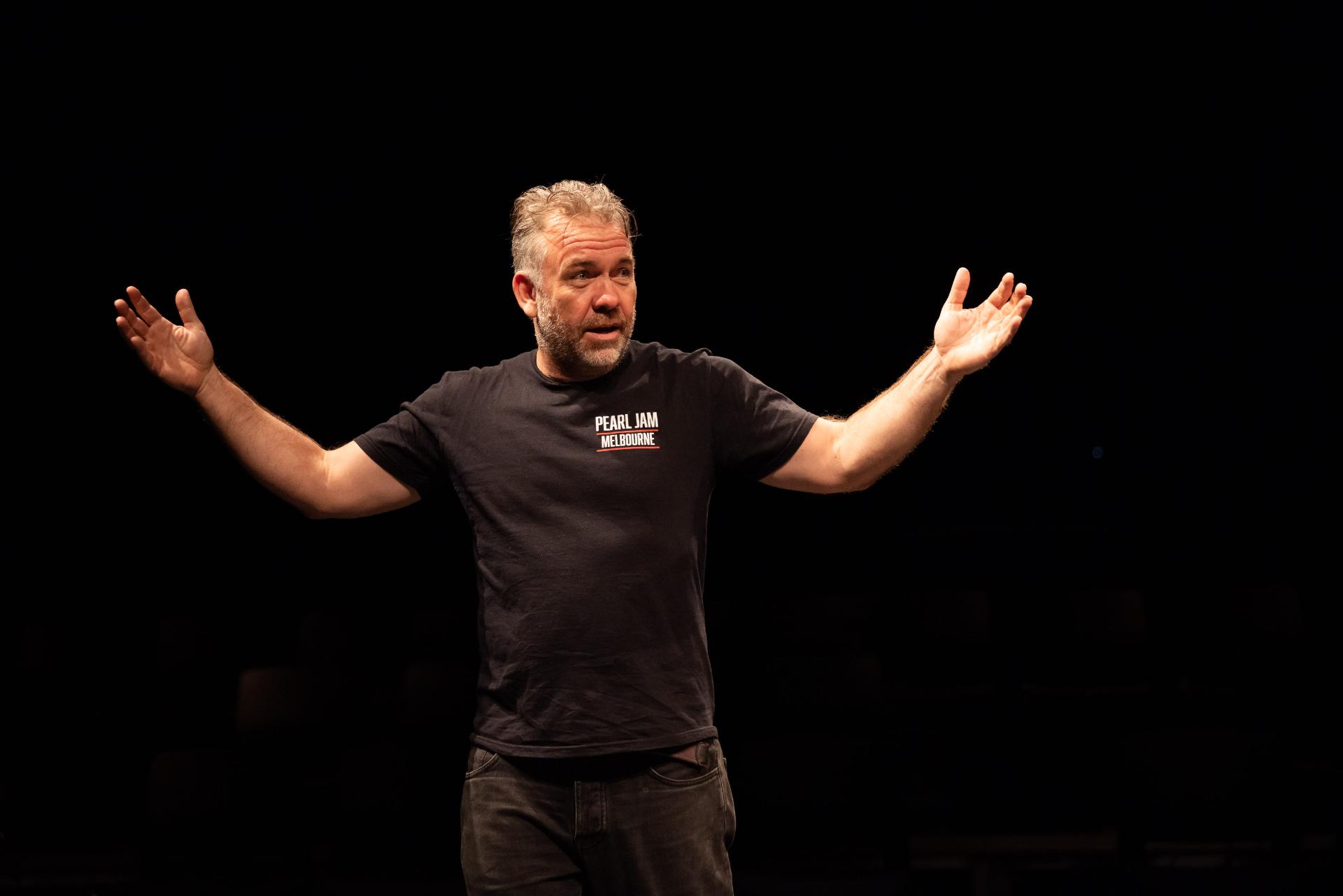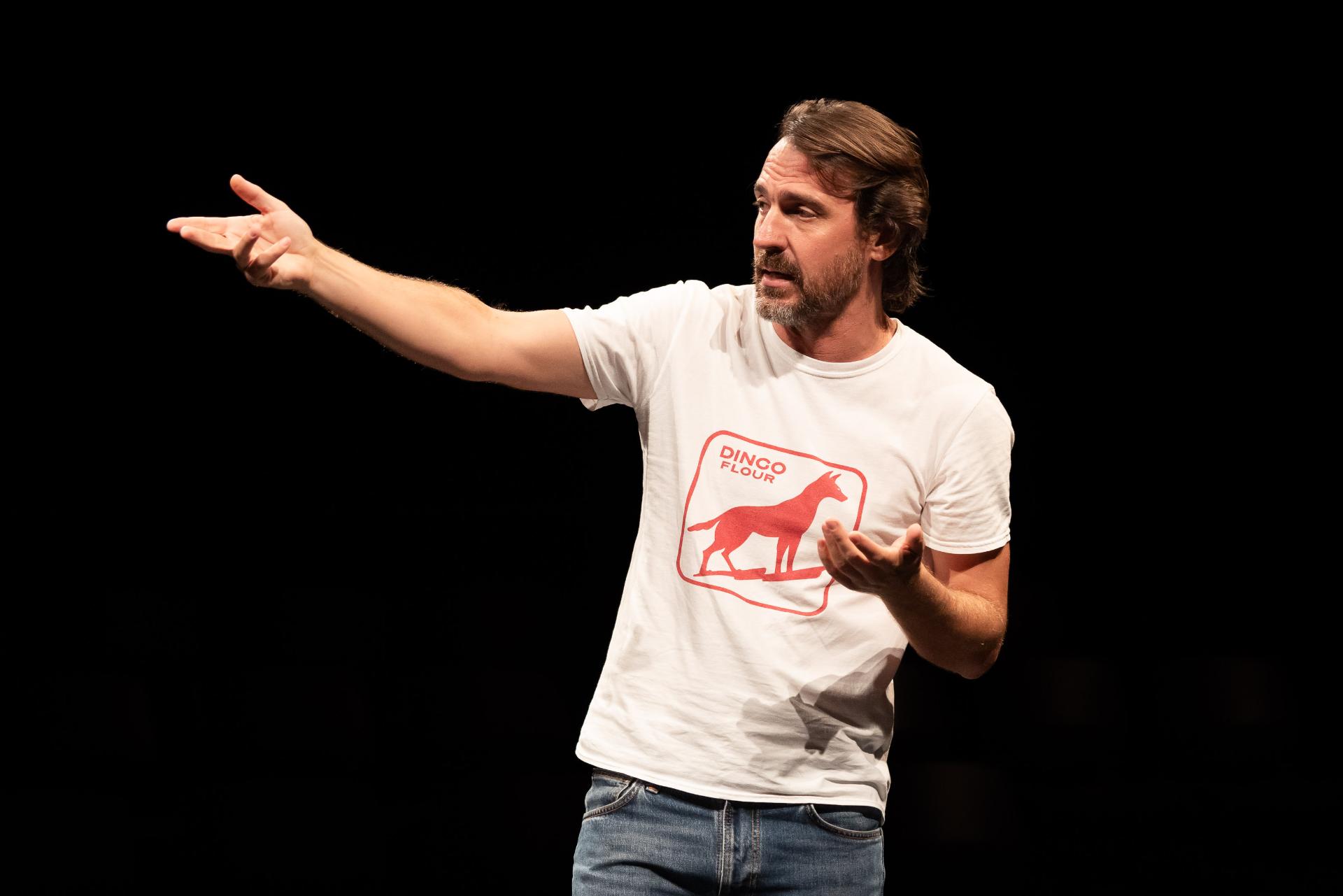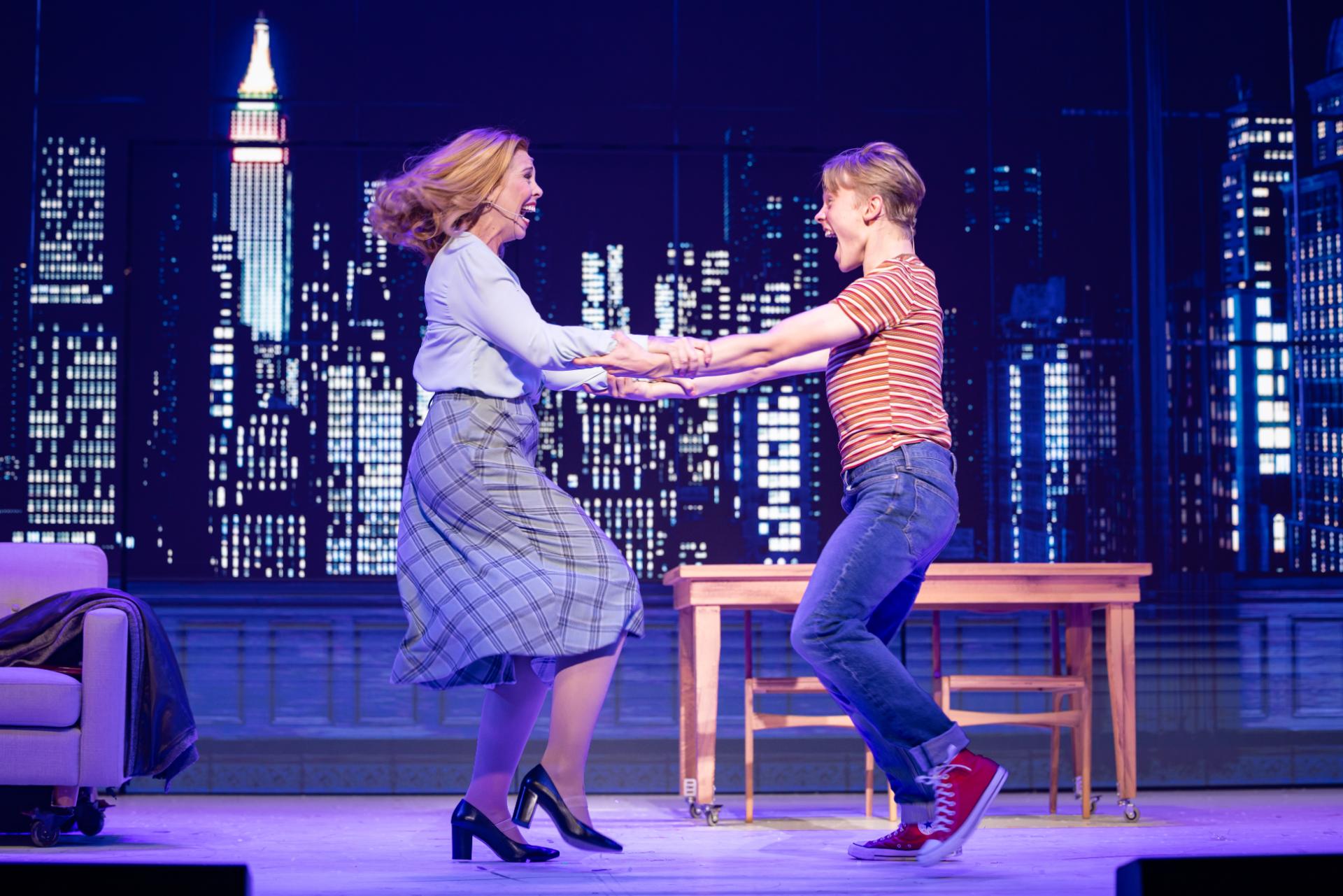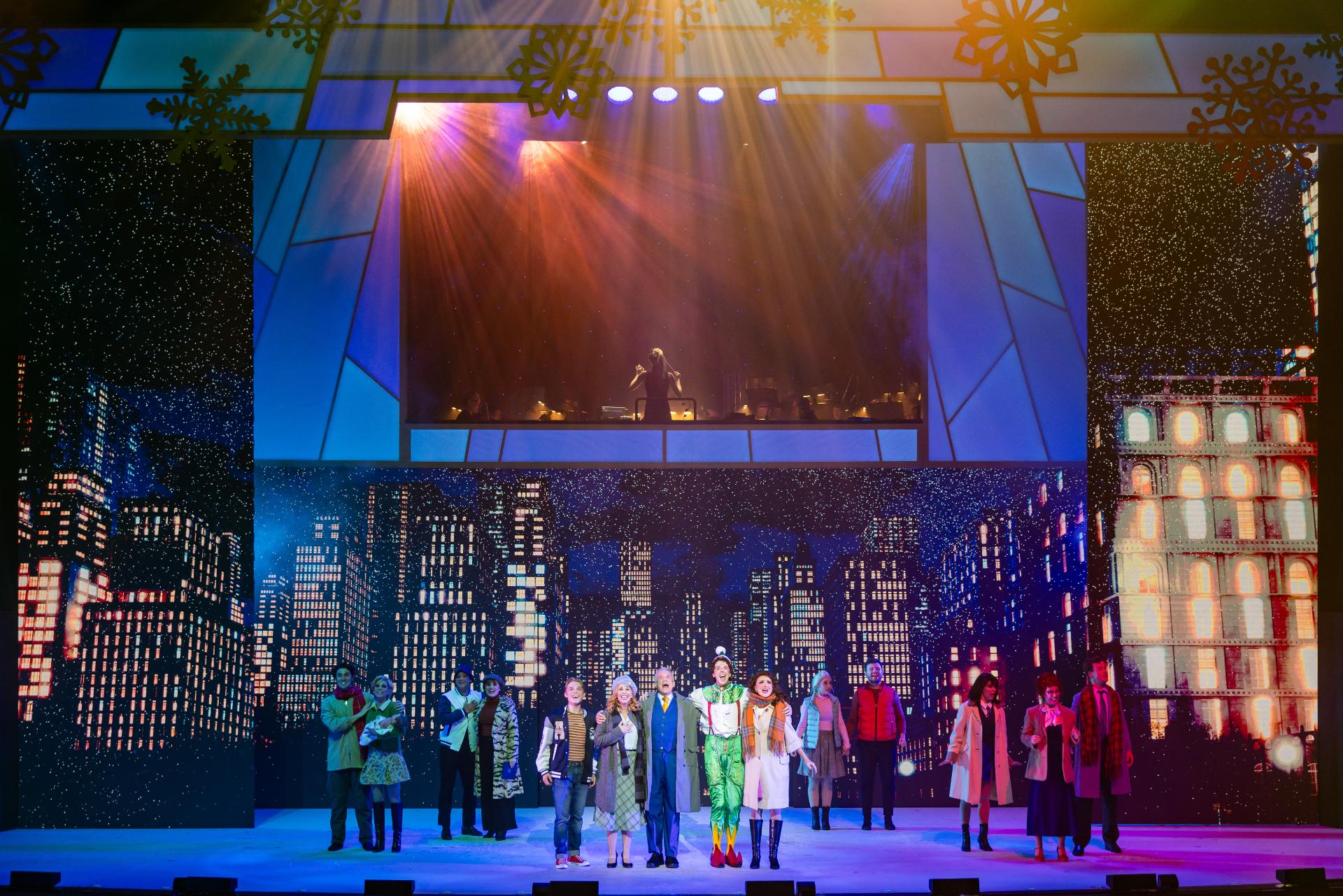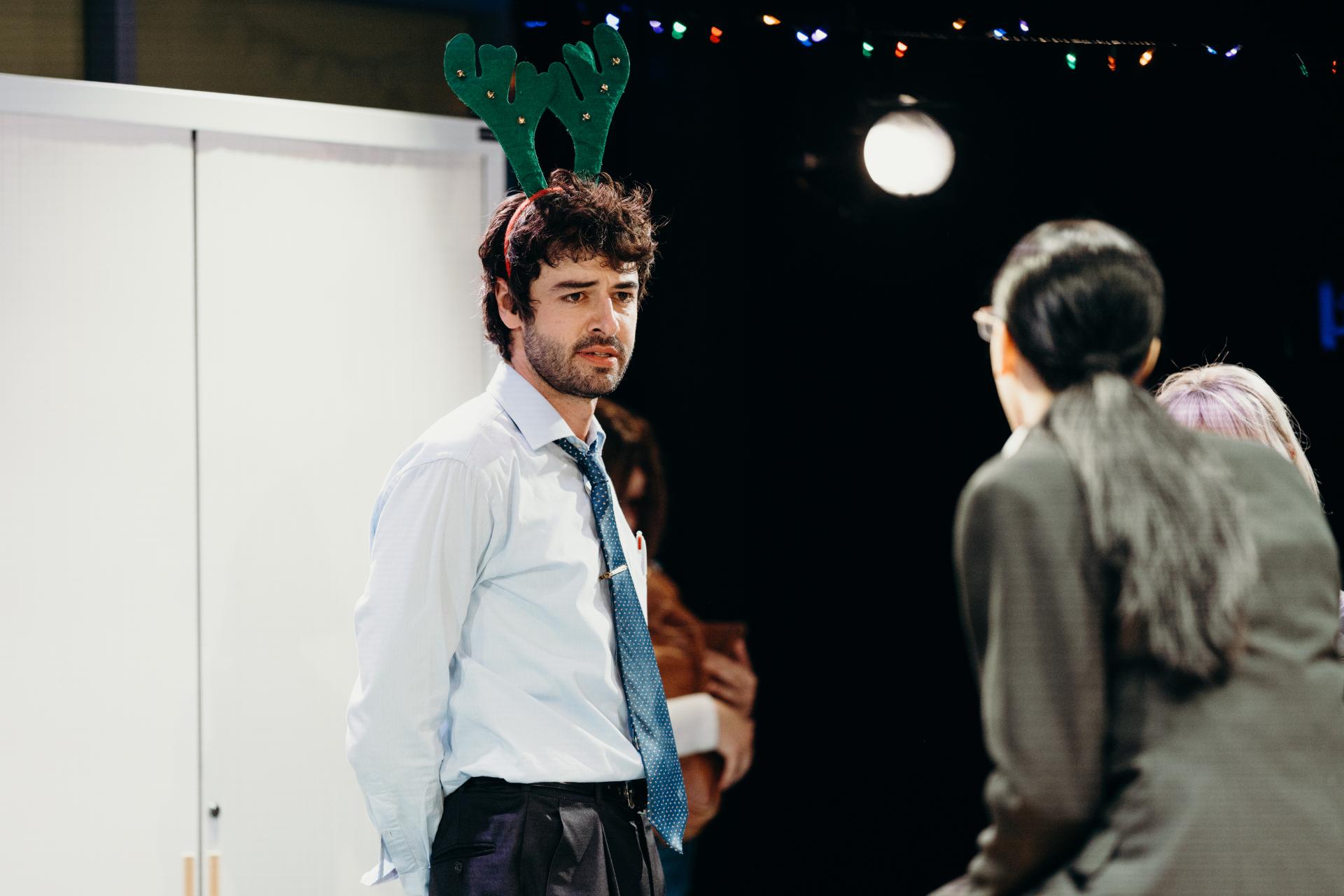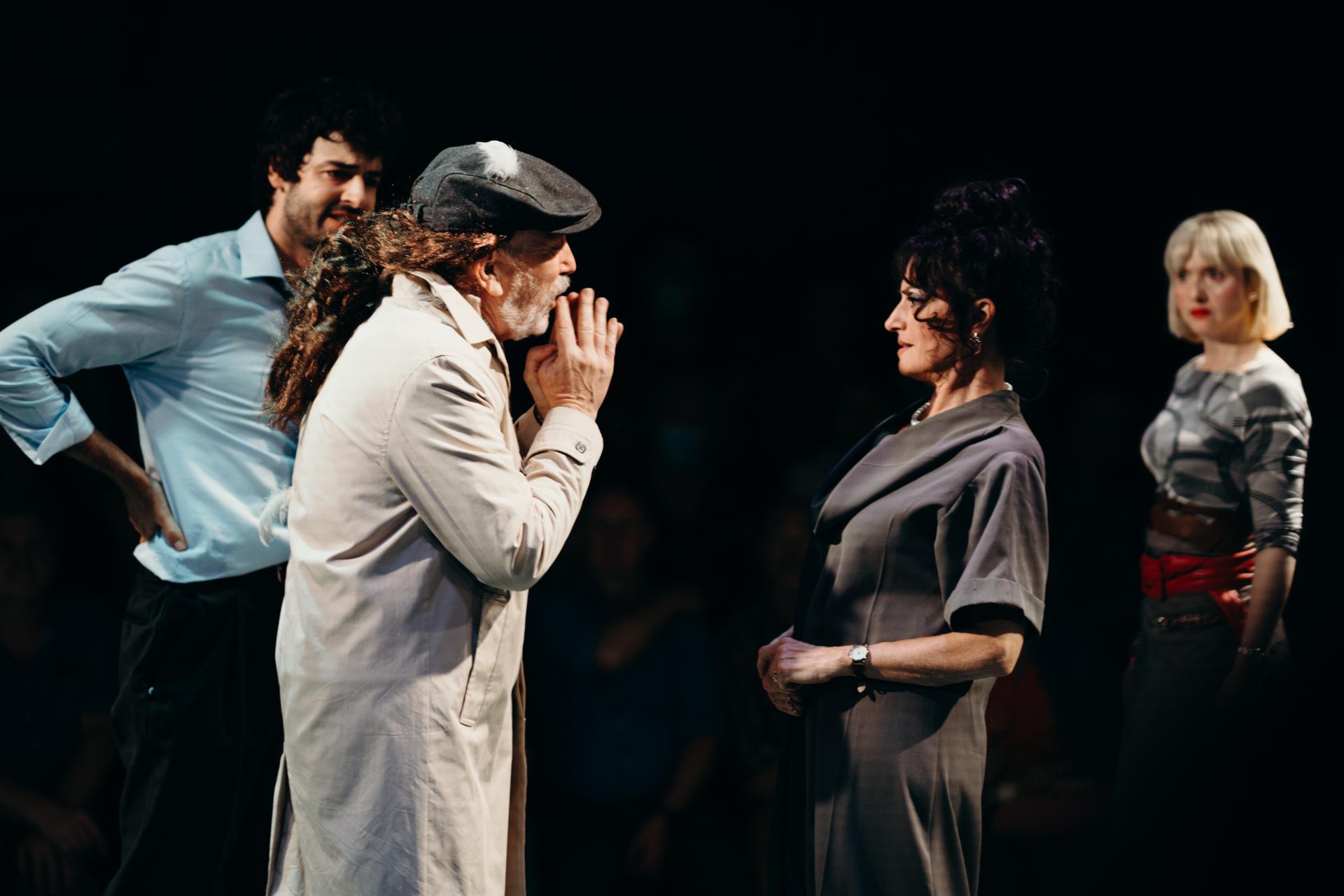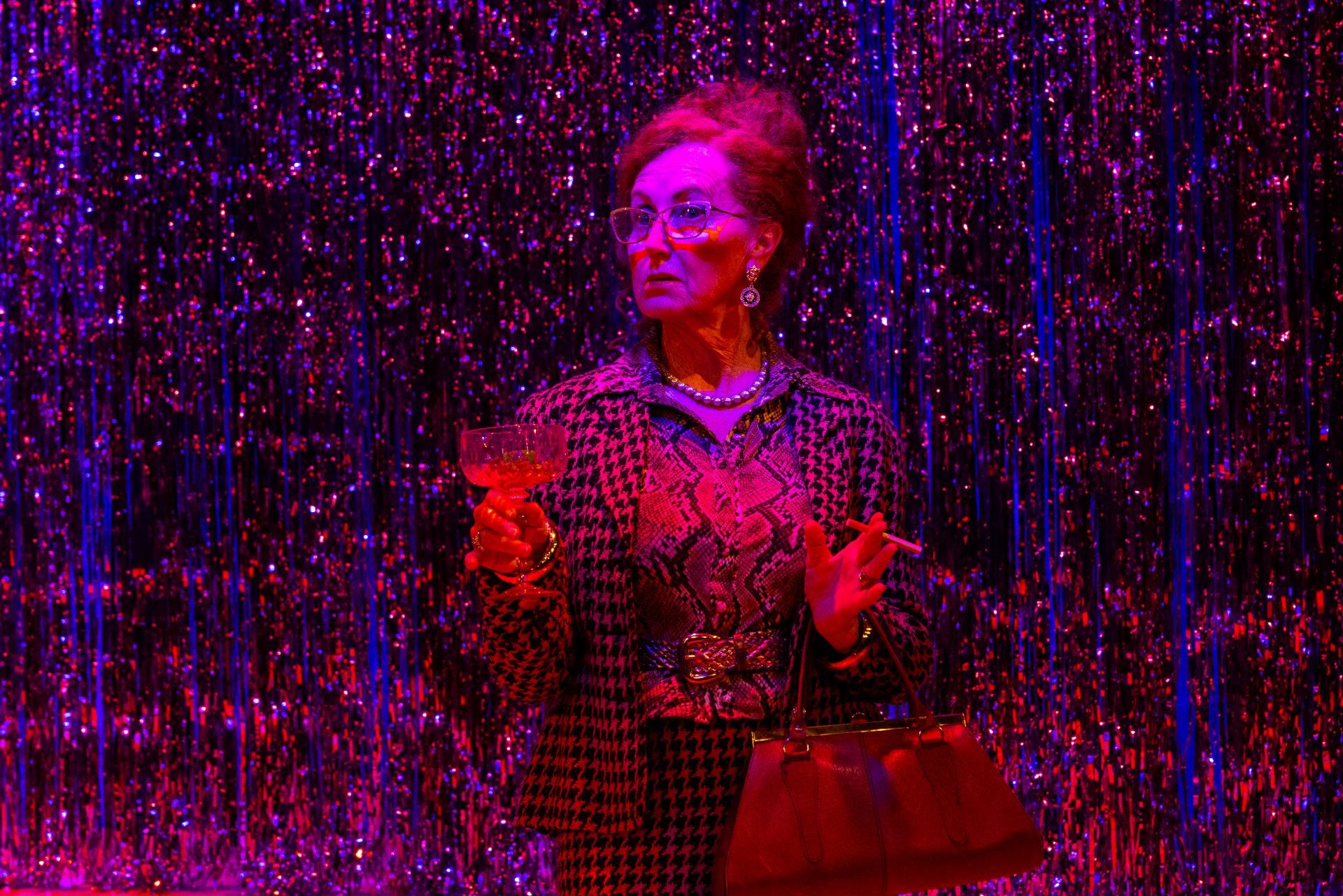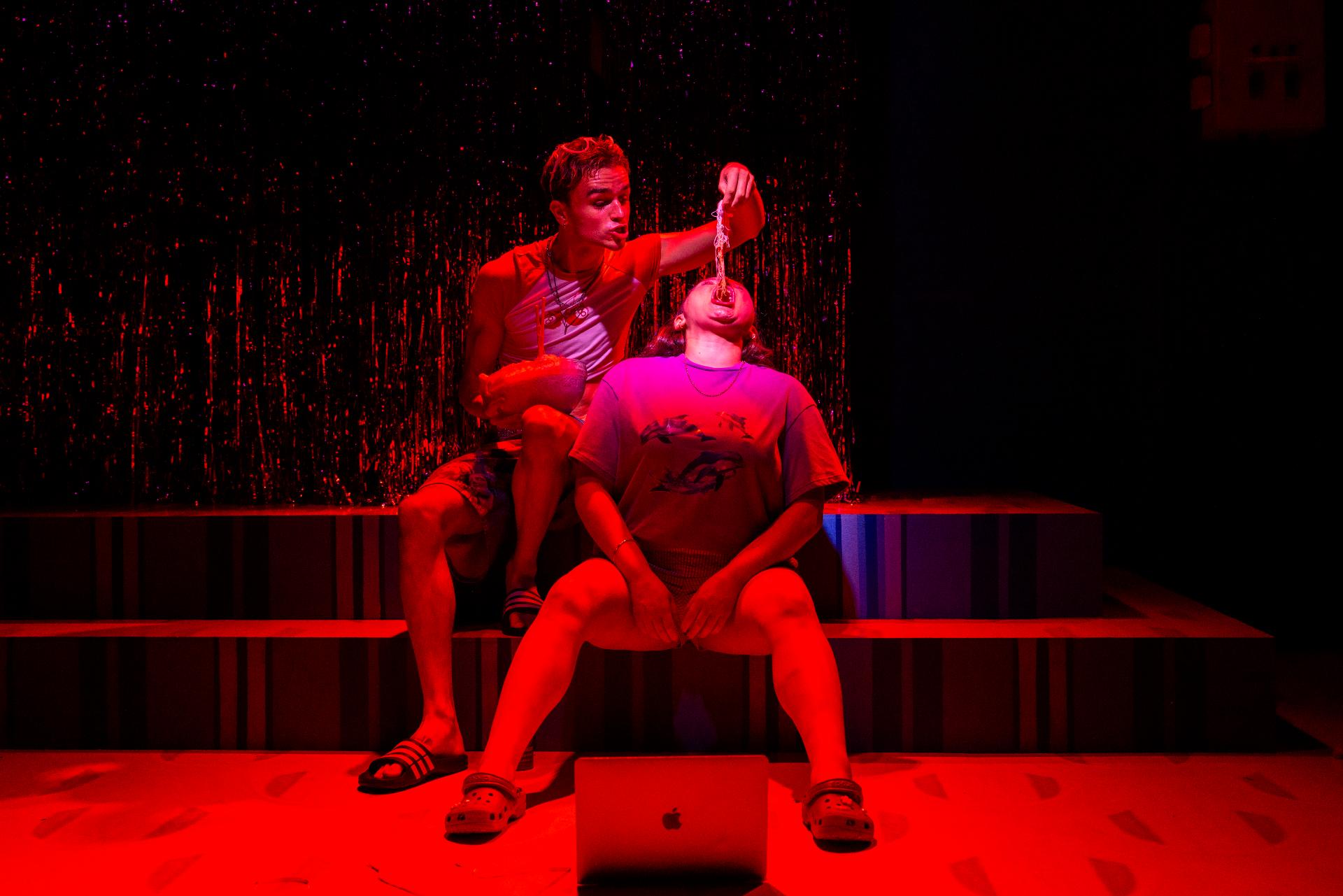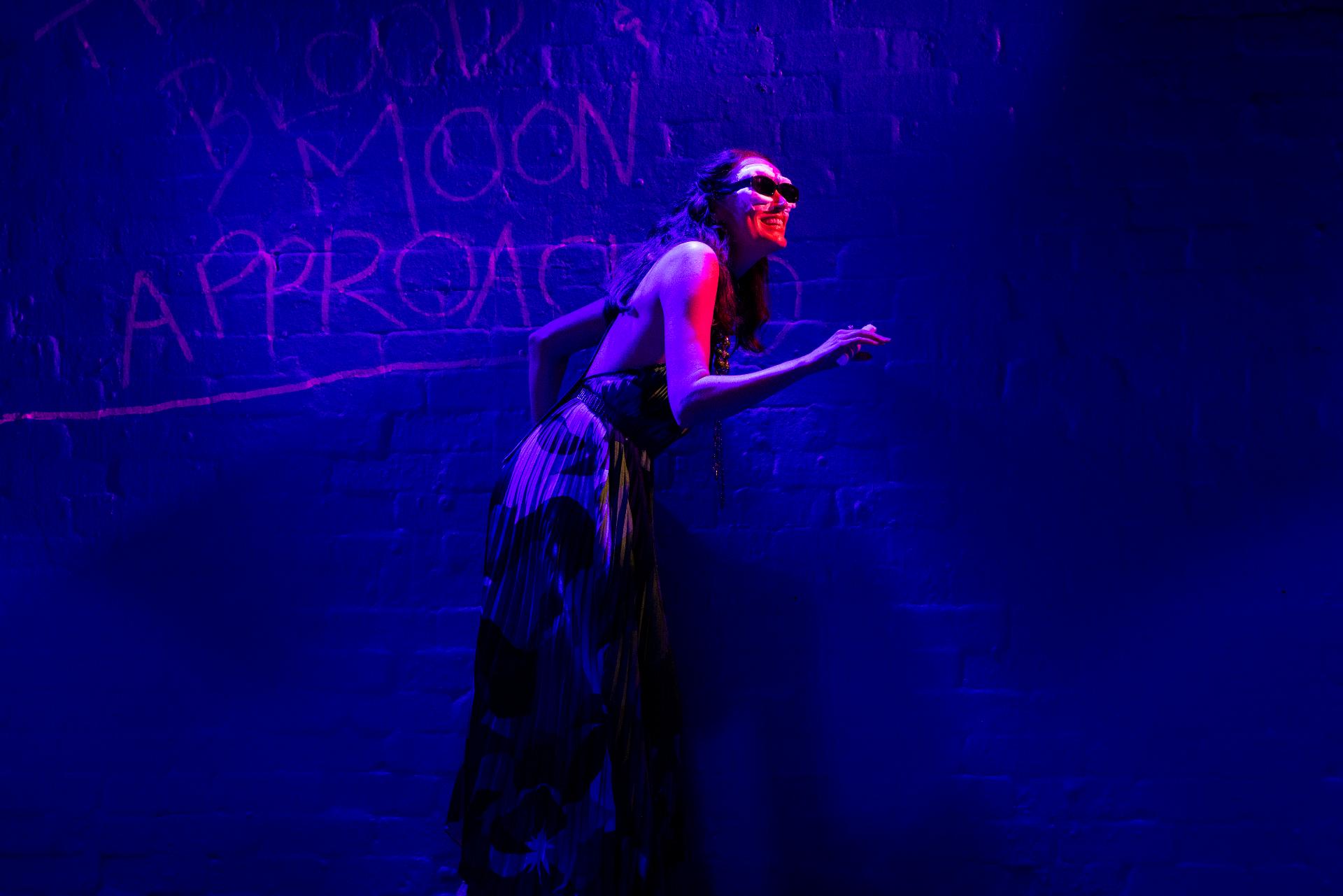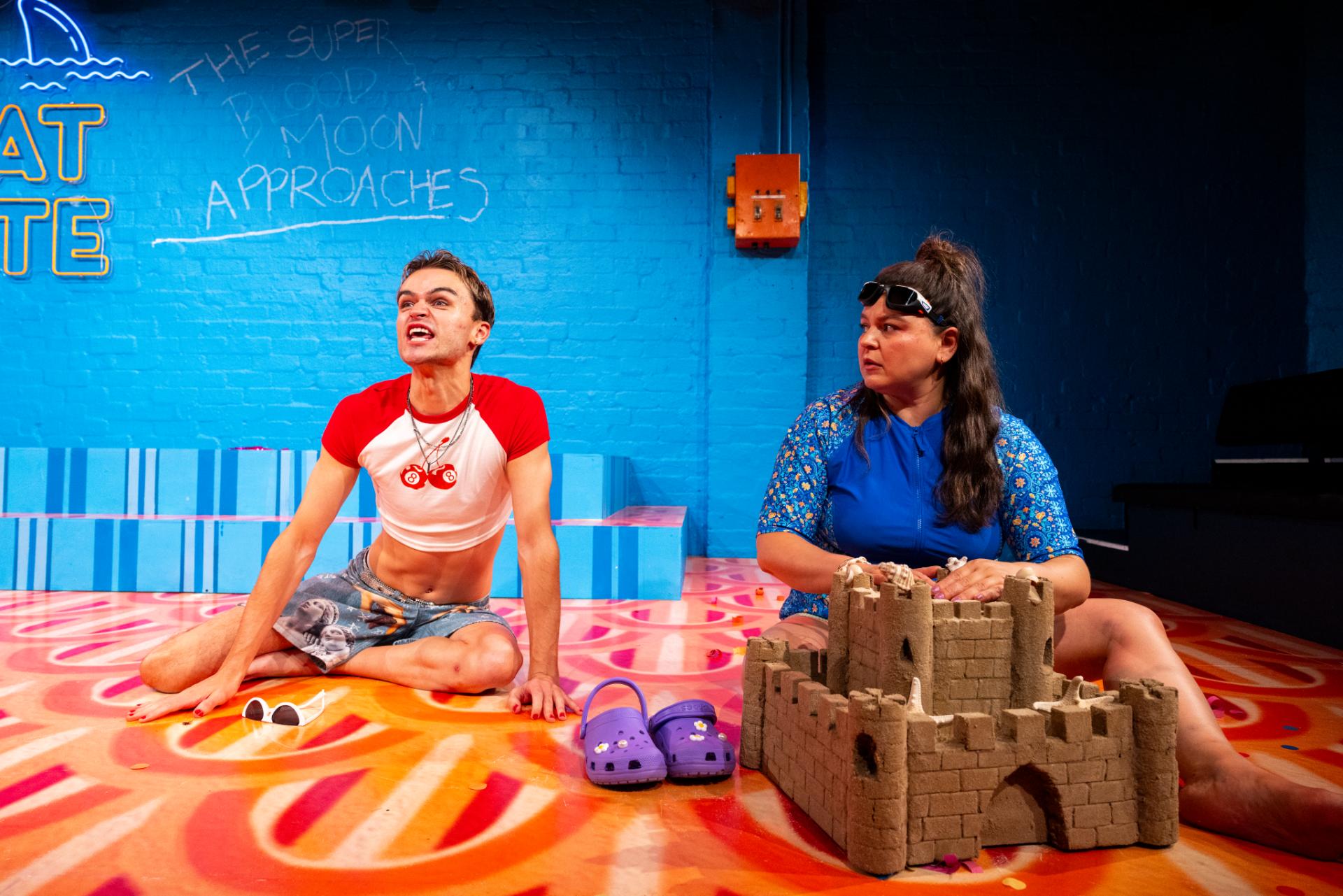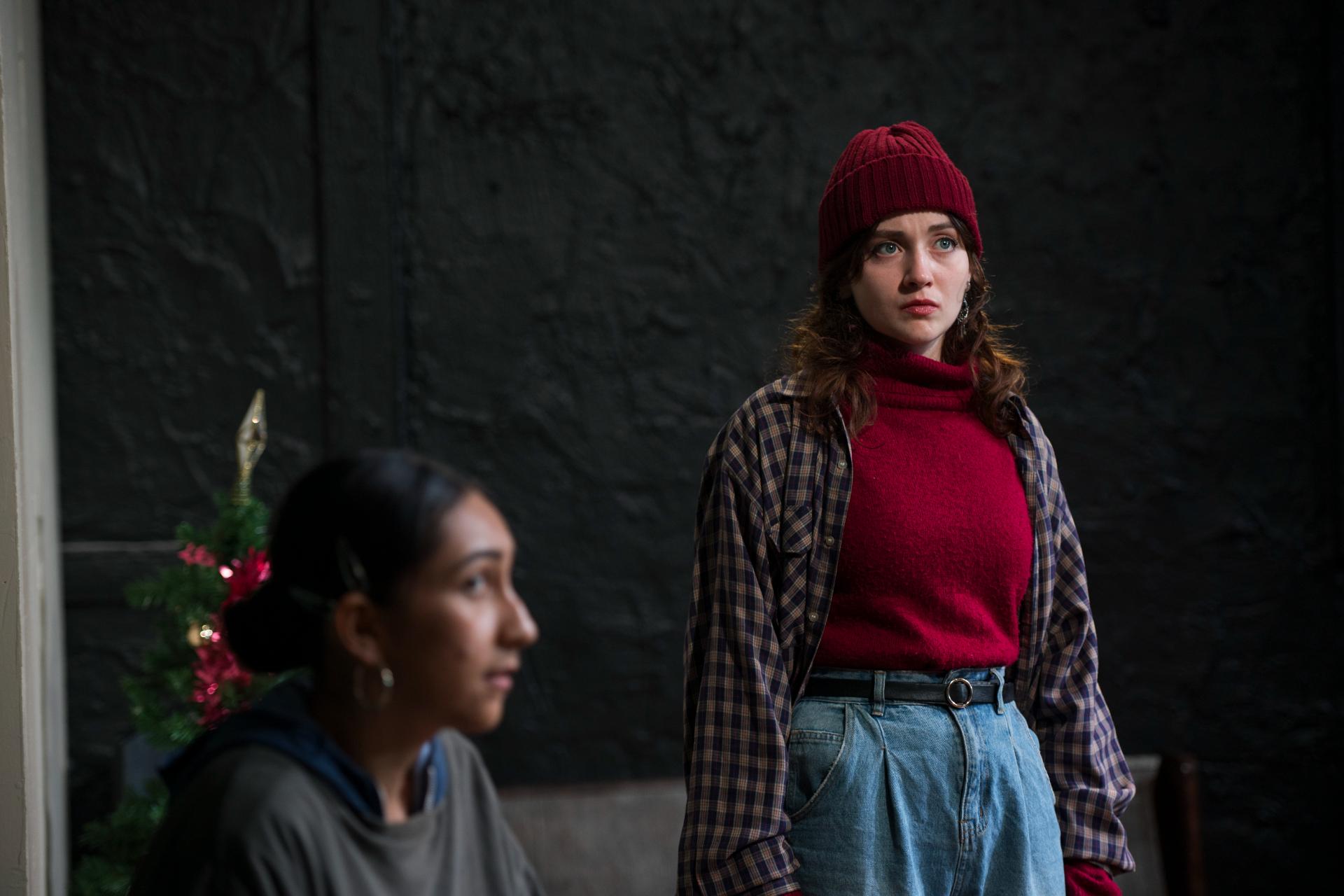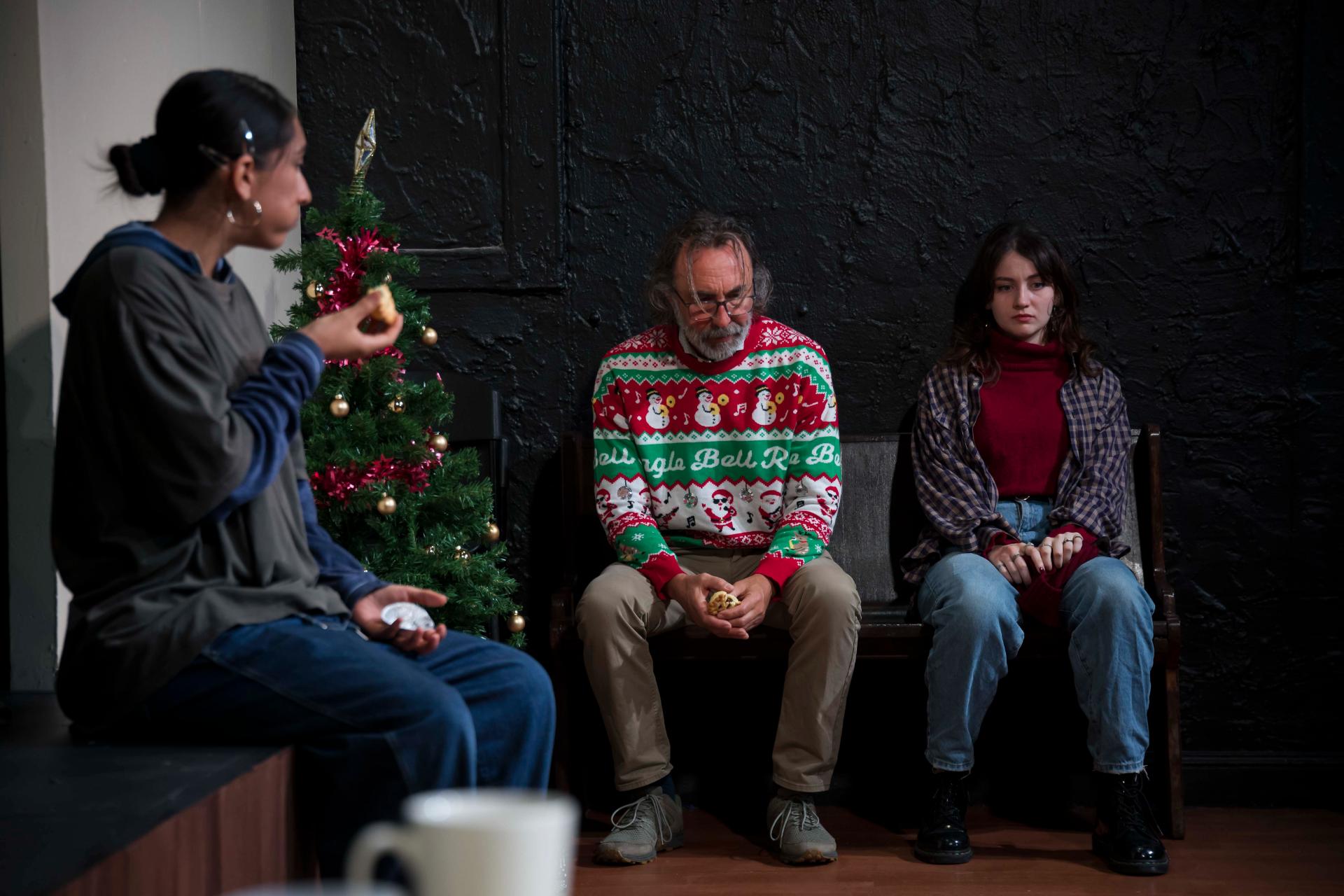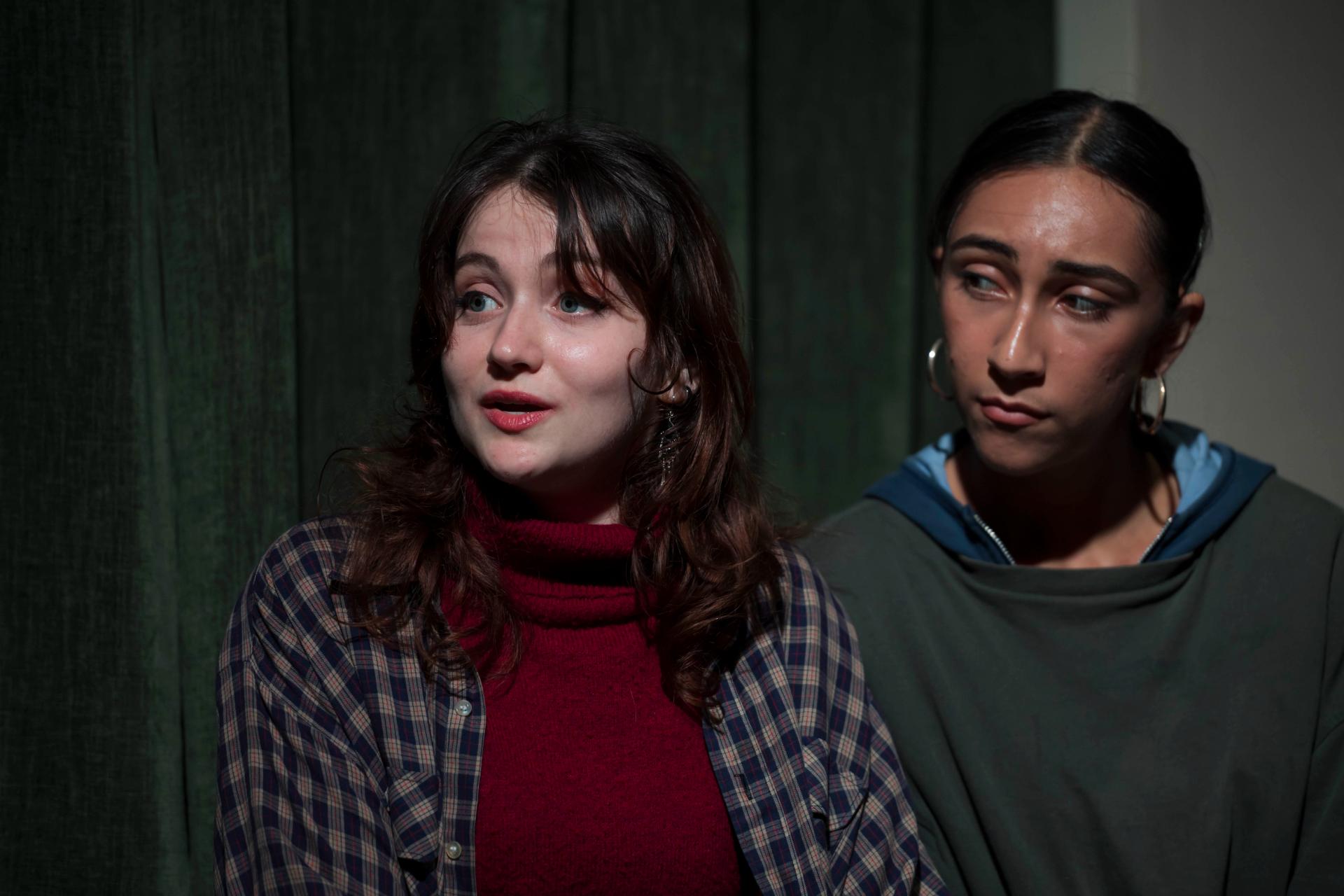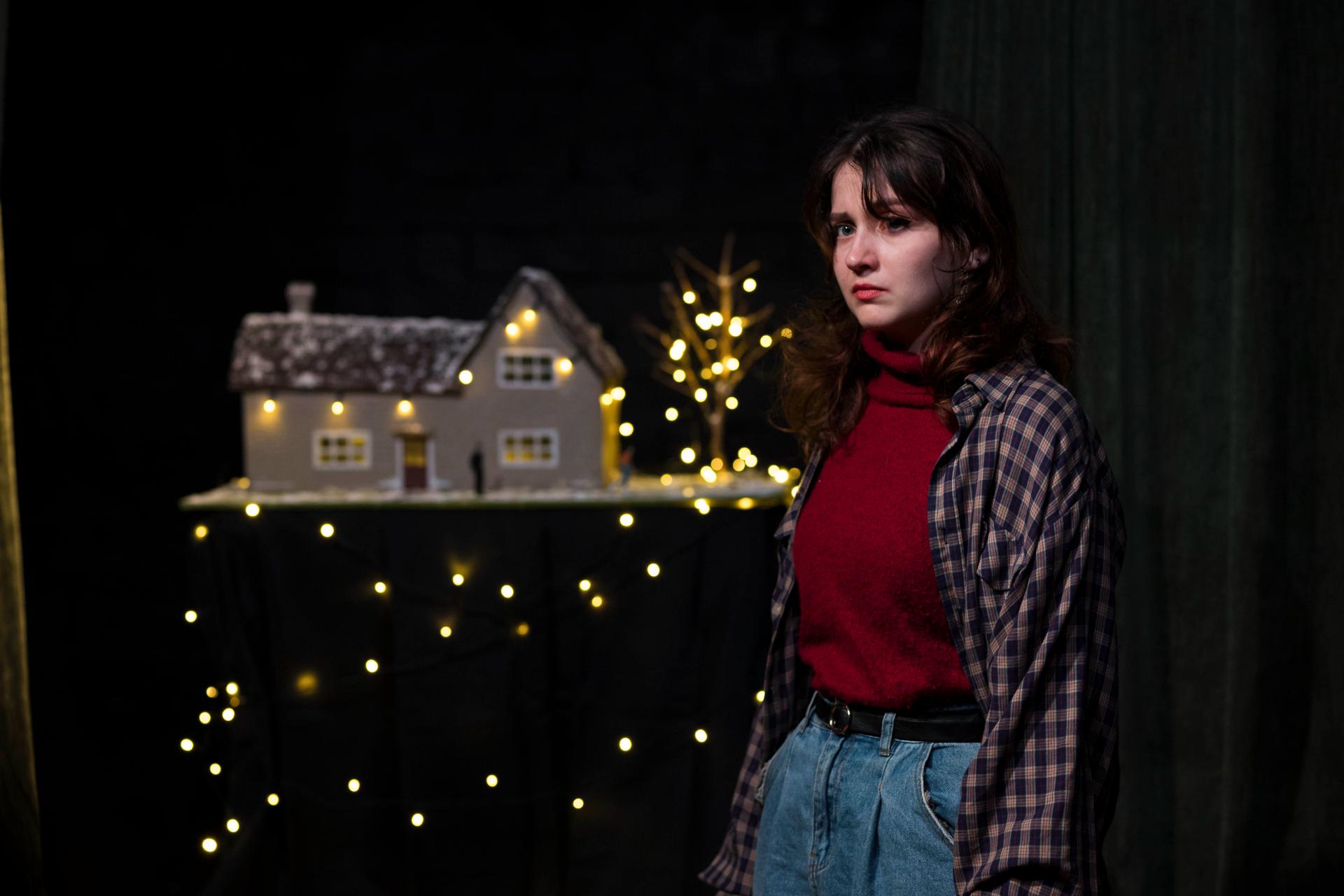
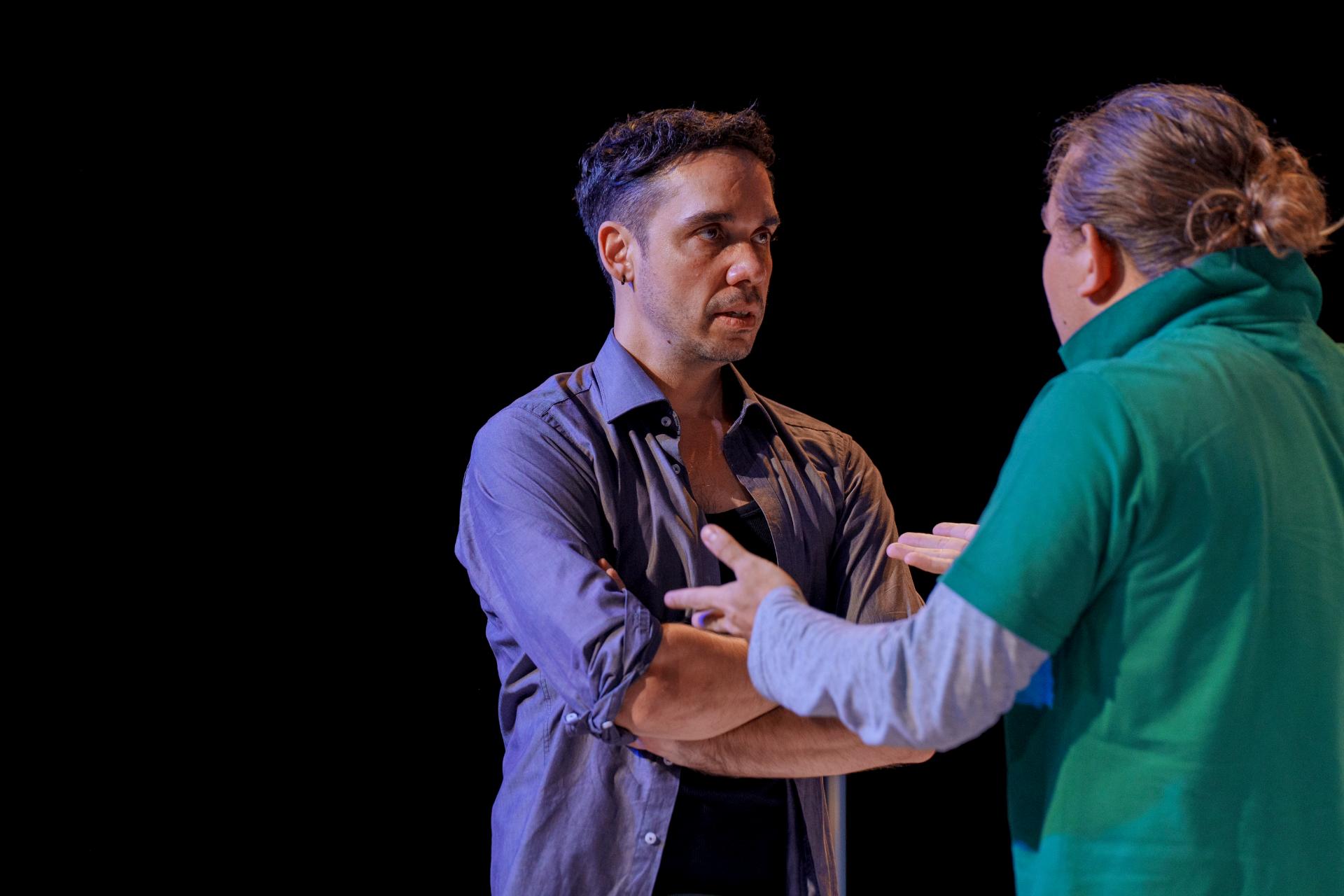
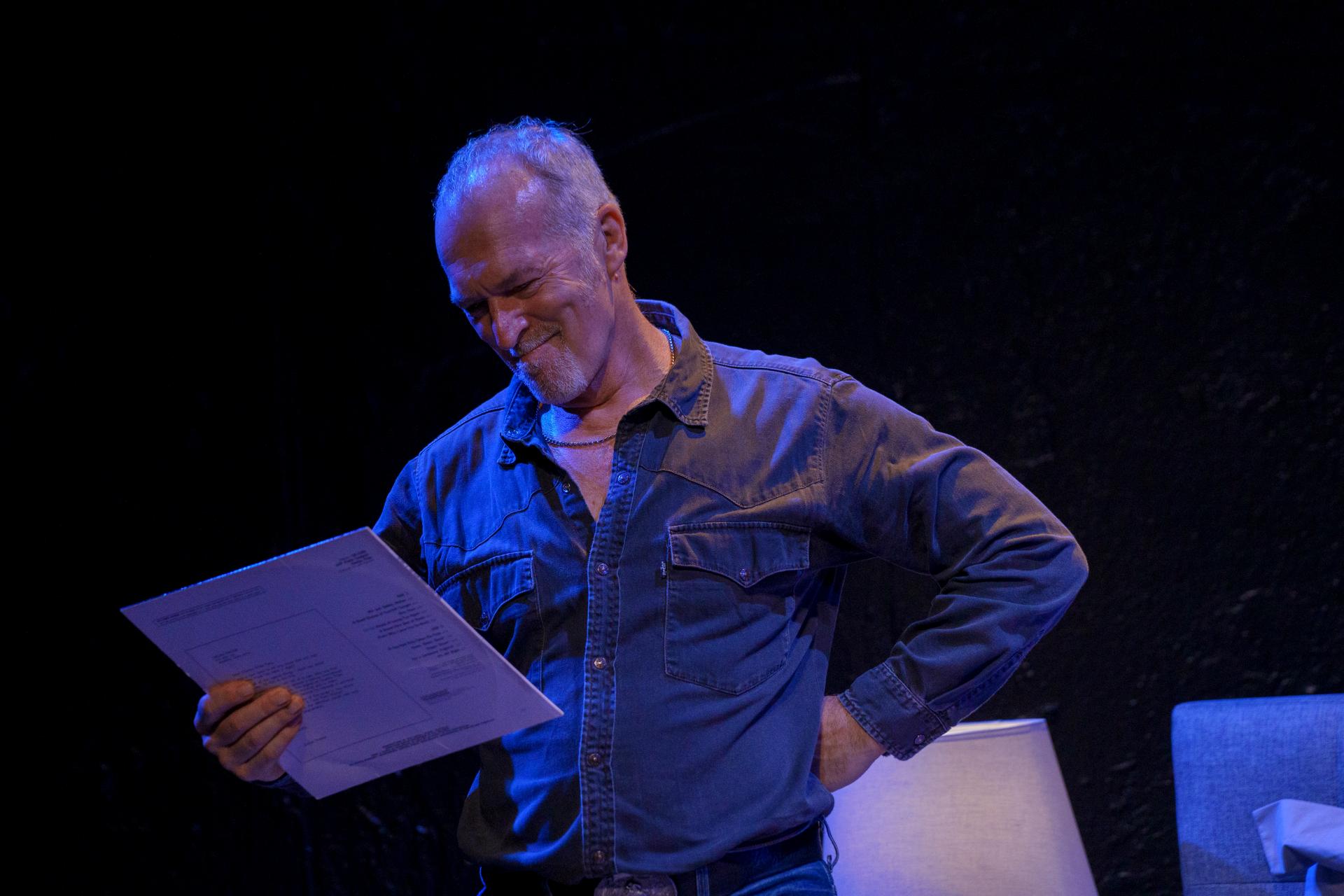
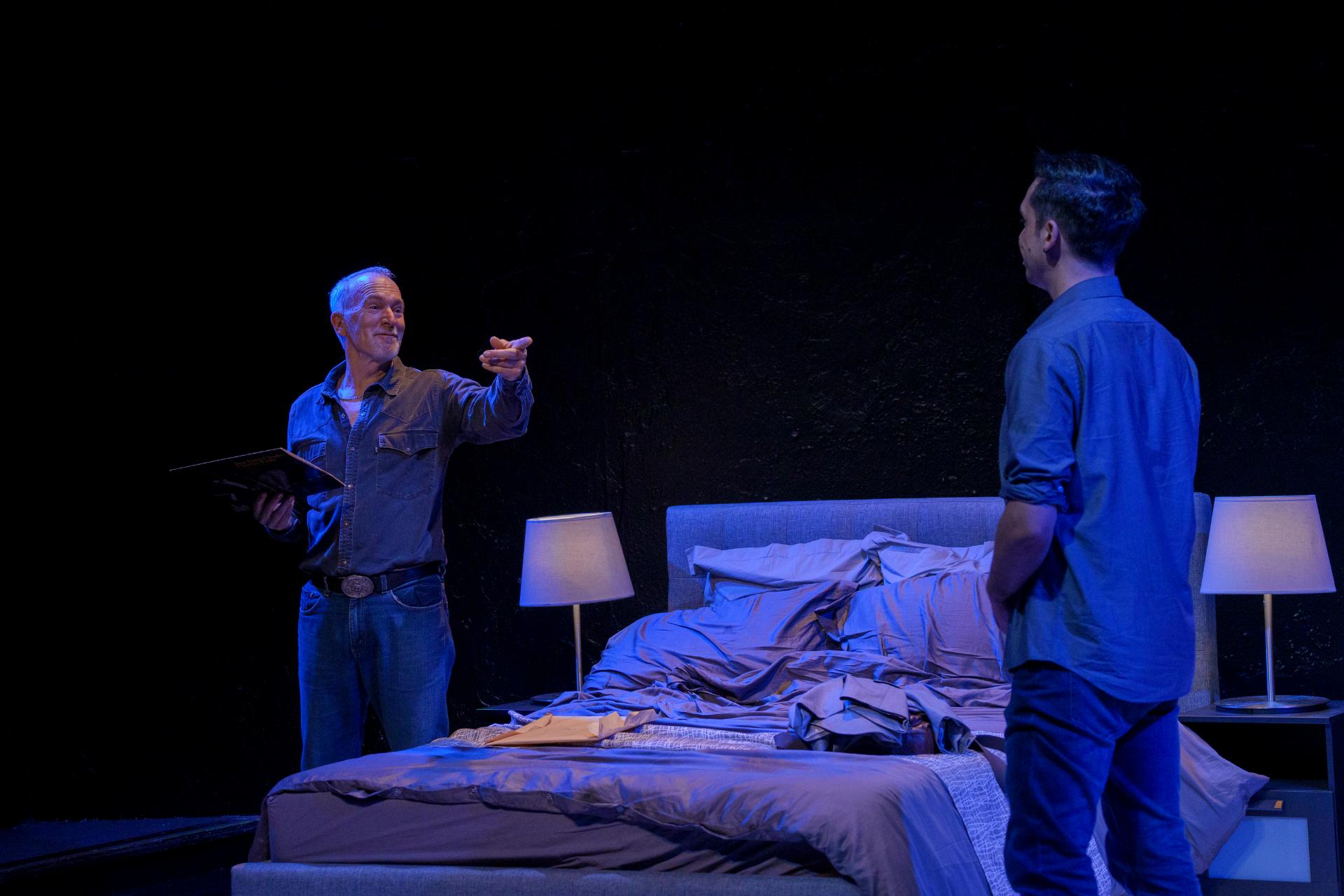
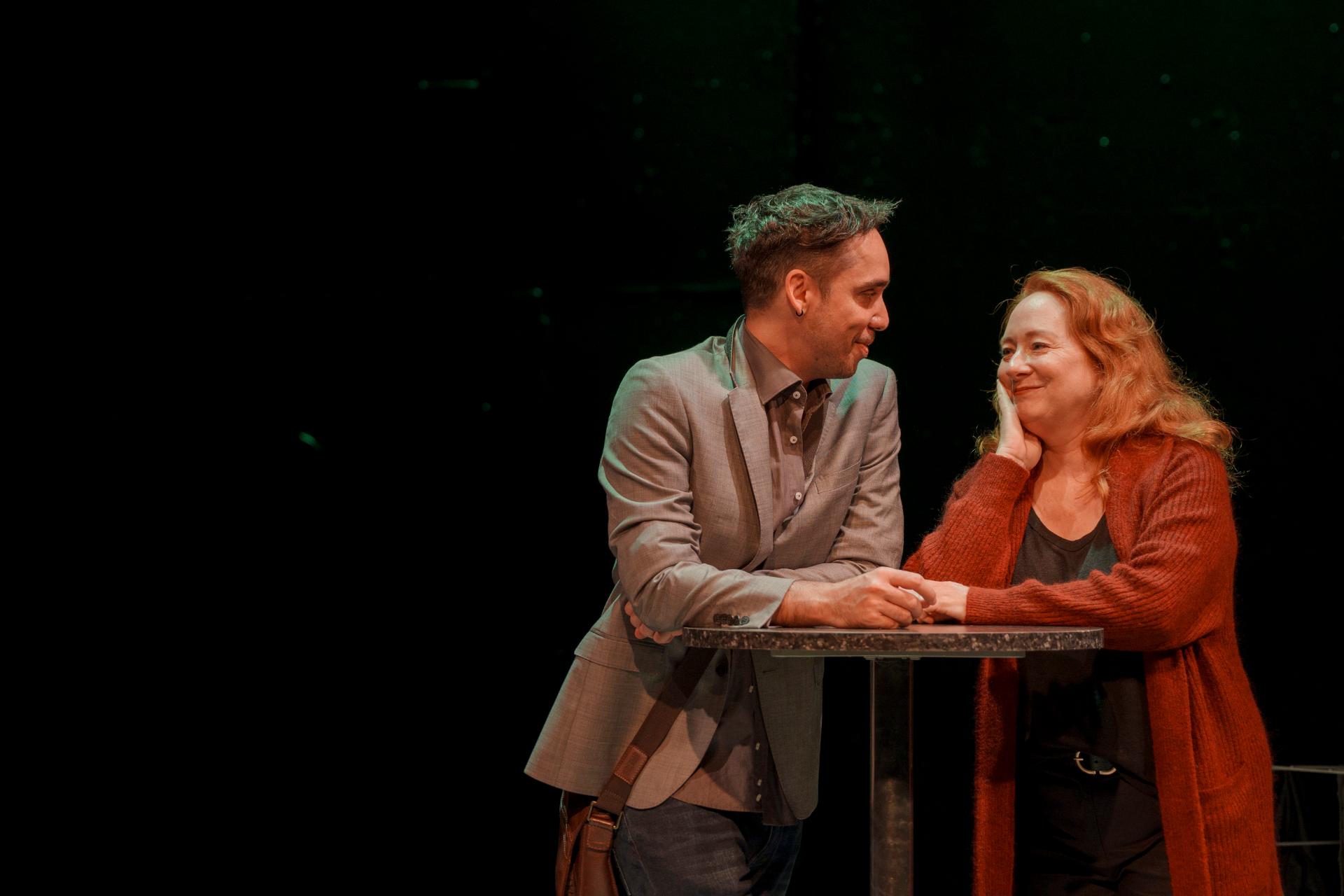
Review: Nayika A Dancing Girl நாயிகா – ஒரு நாட்டியப் பெண் (Belvoir St Theatre)

Venue: Belvoir St Theatre (Surry Hills NSW), Apr 30 – May 19, 2024
Creators and Directors: Nithya Nagarajan, Liv Satchell
Cast: Vaishnavi Suryaprakash
Images by Brett Boardman

Theatre review
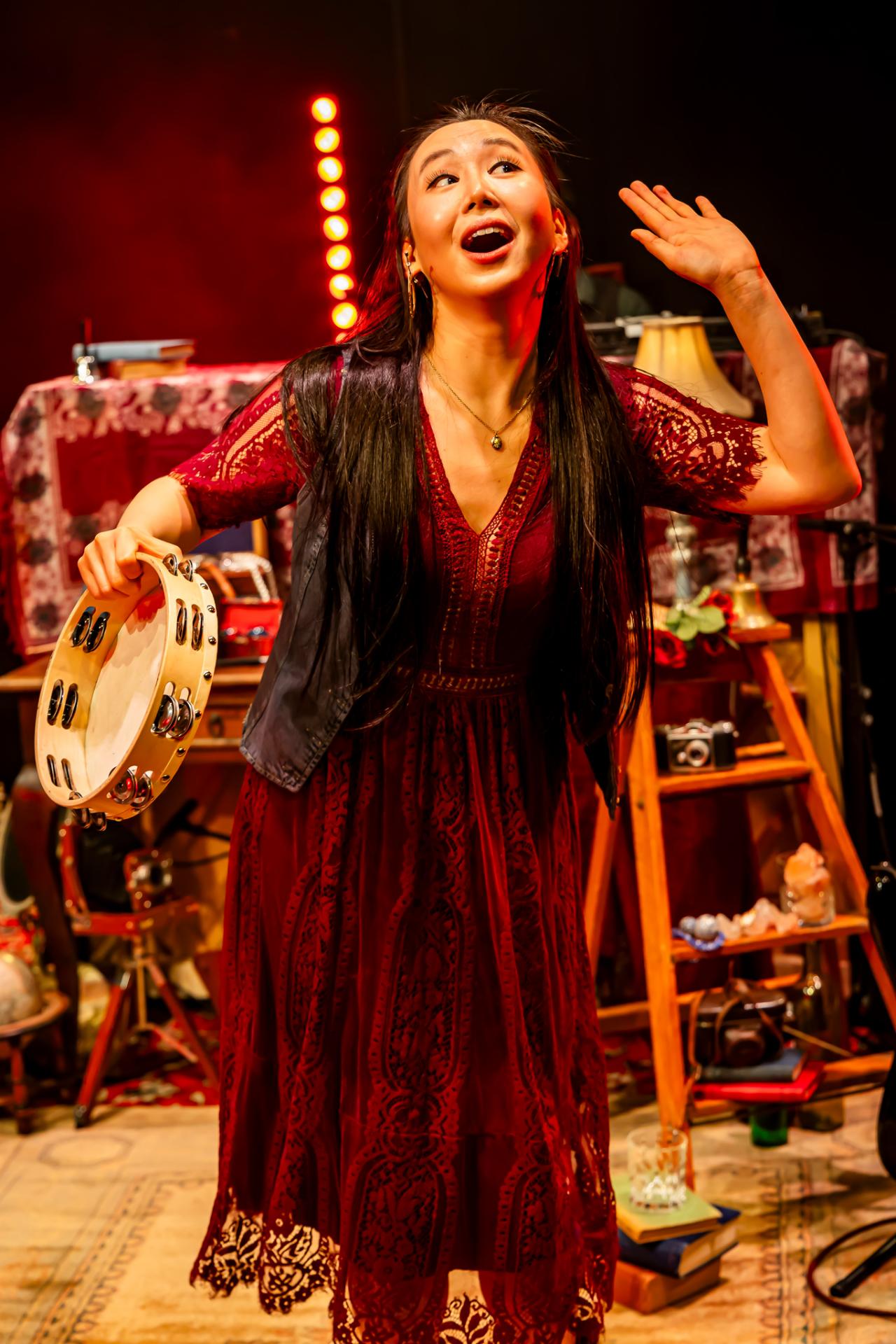
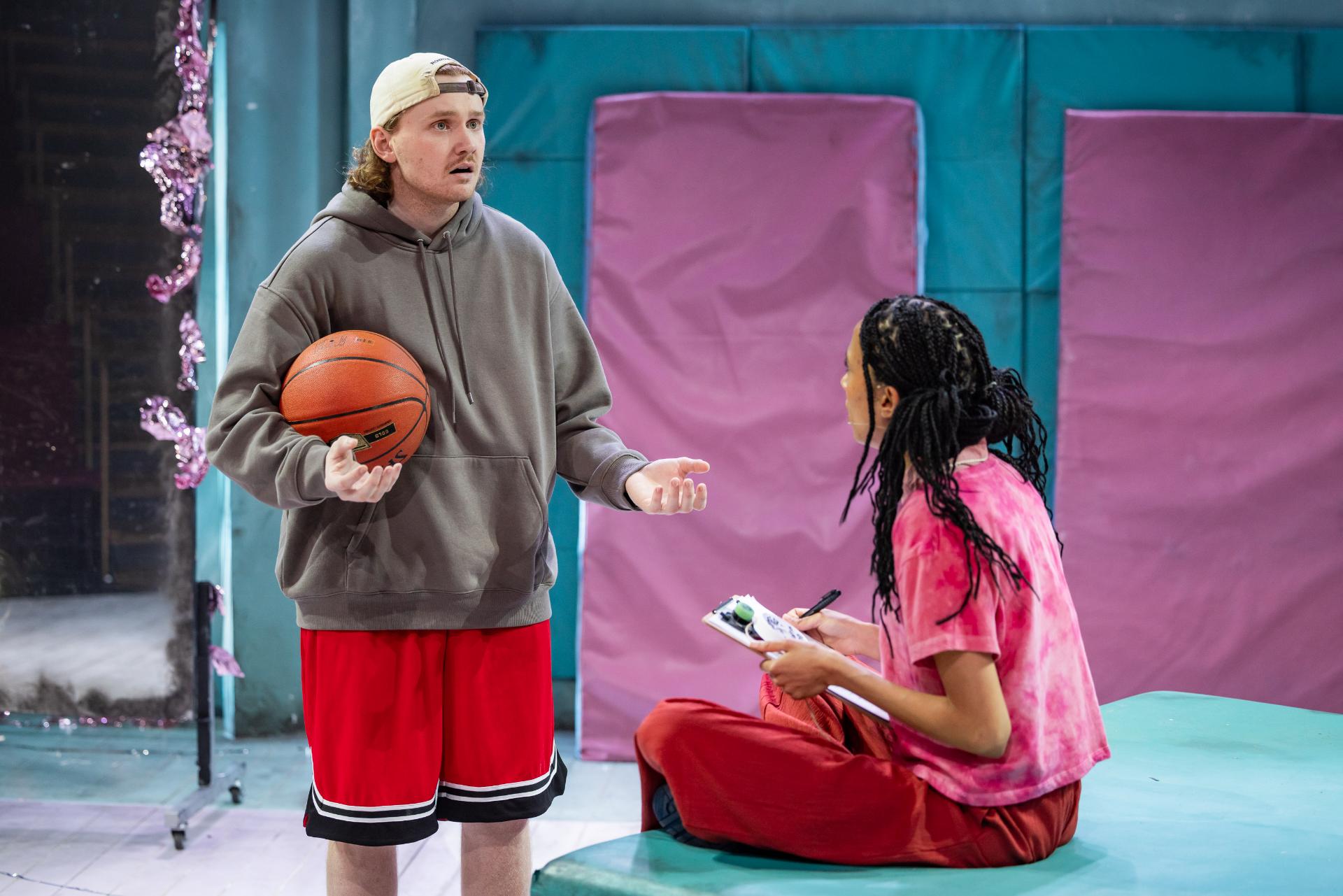
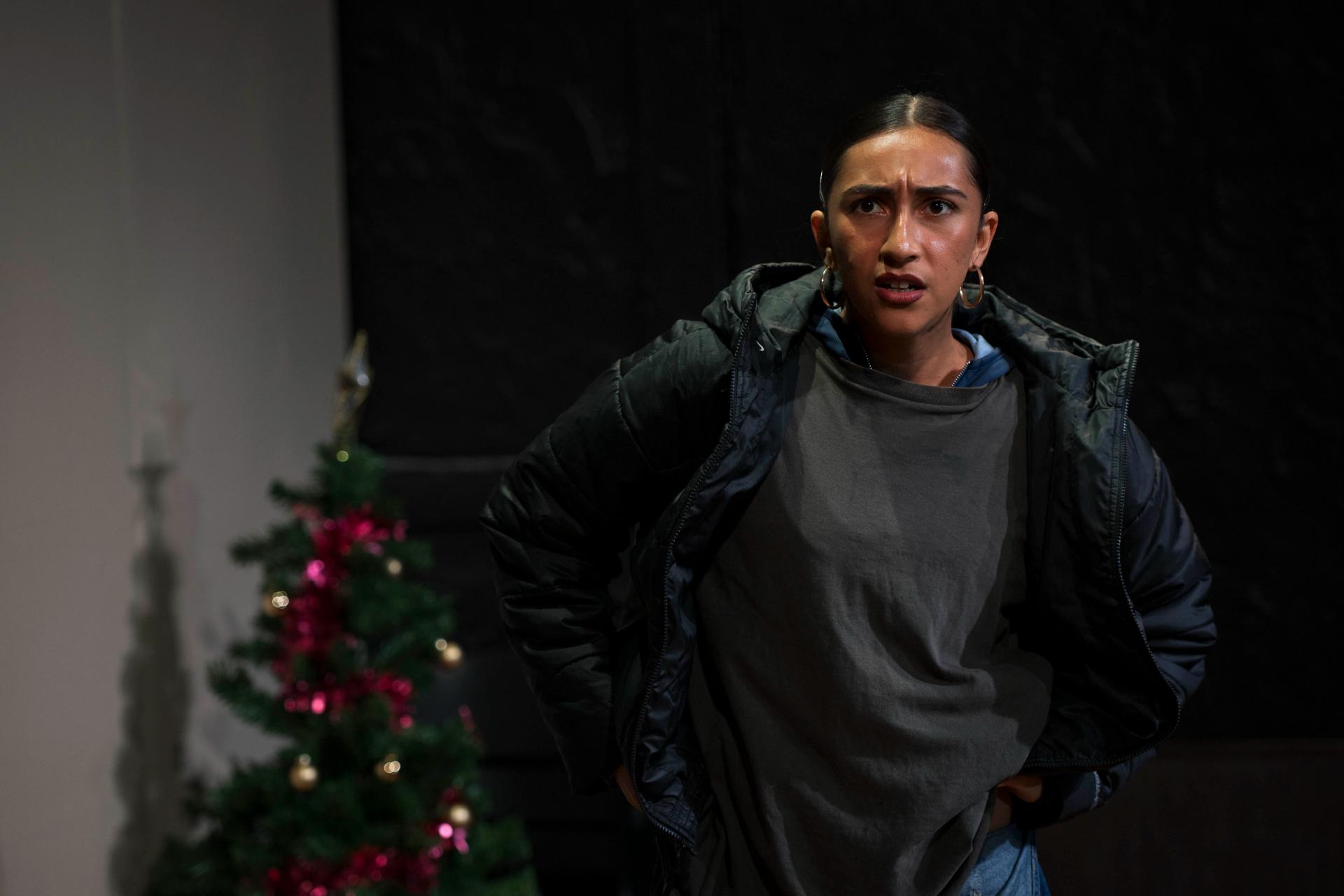
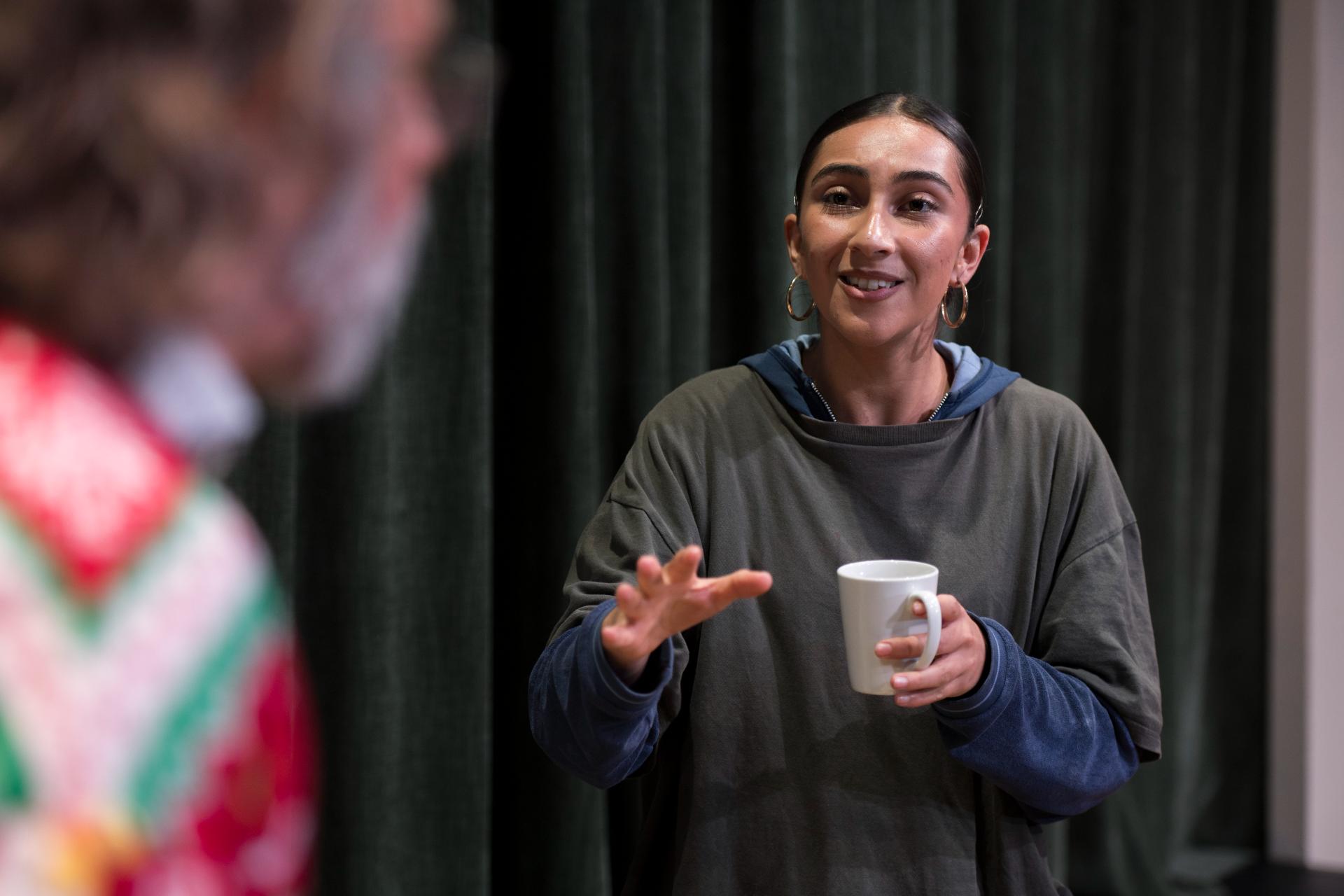
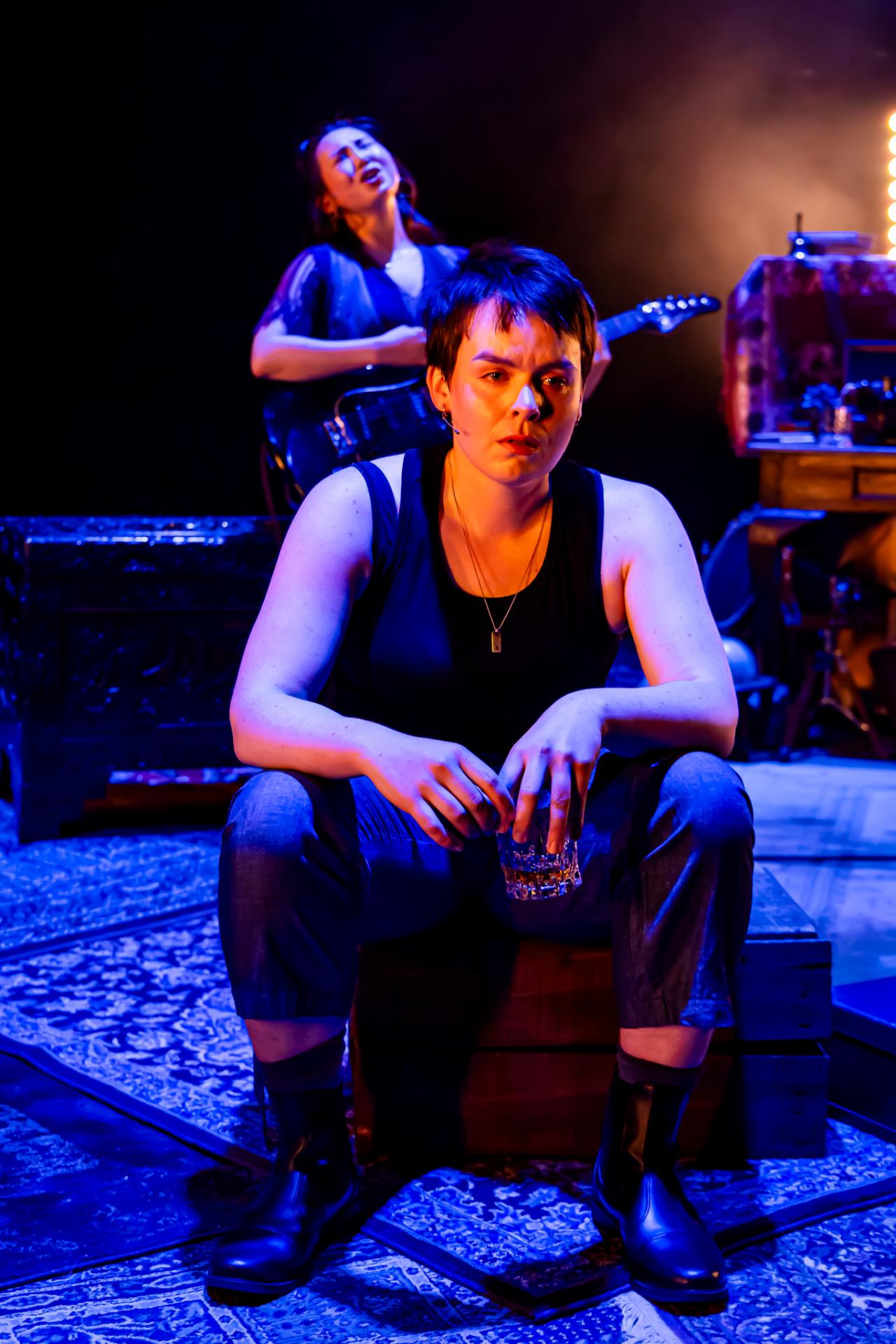
When we meet the heroine of Nayika a Dancing Girl, she is just becoming ready to face the hard truths of her past, and recall the trauma that has pushed her away from her loved ones in India. With the passage of time, and having found a sense of security in her safe harbour of Australia, our unnamed protagonist is now able to confront the hidden parts of herself, that are scarred by having experienced intimate partner violence, when she was but a teenager. In order to survive, there are things that need to be psychologically sequestered, but for a person to truly thrive, their emotions require healing, and those can be attended to, as one becomes stronger over the years.

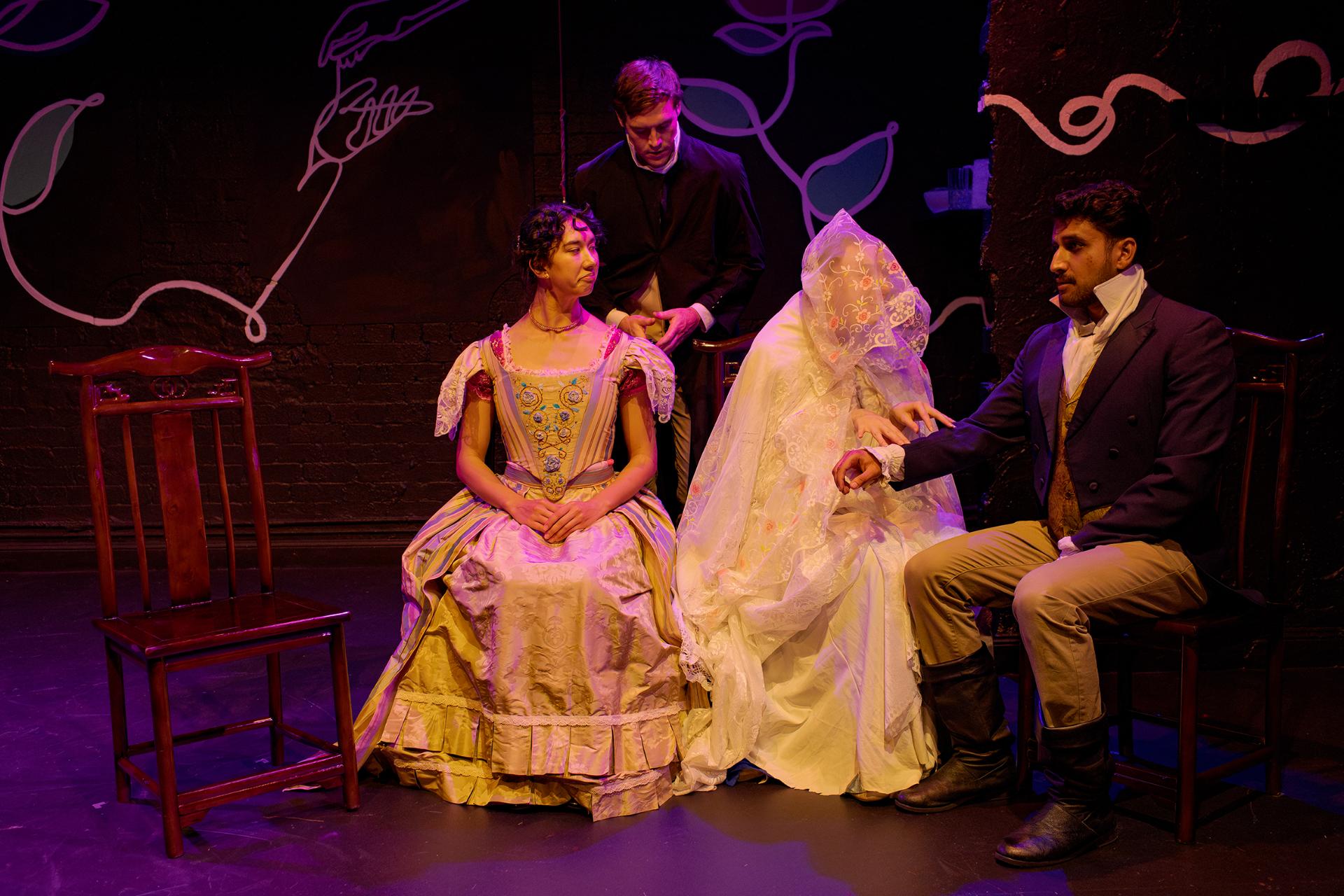
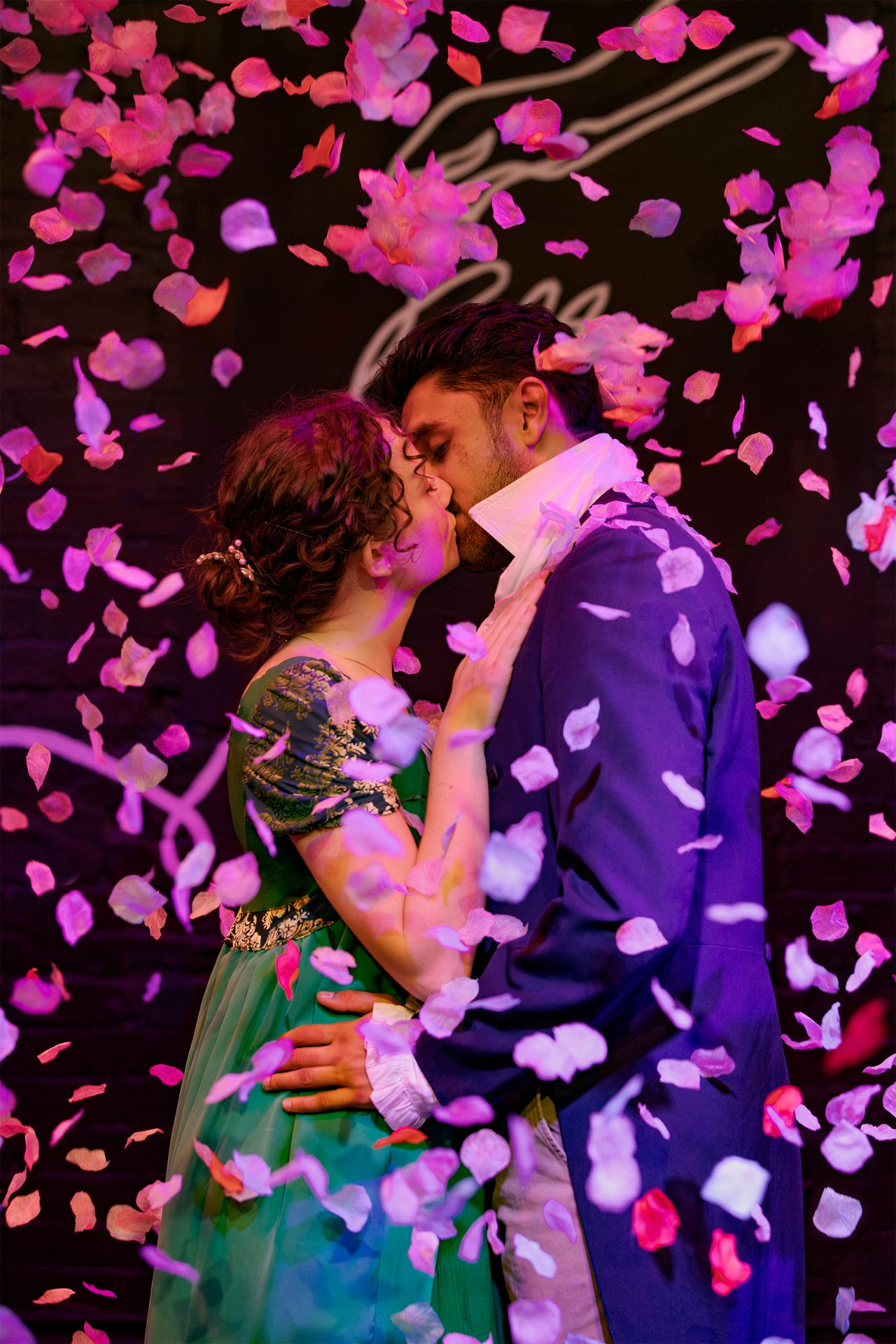
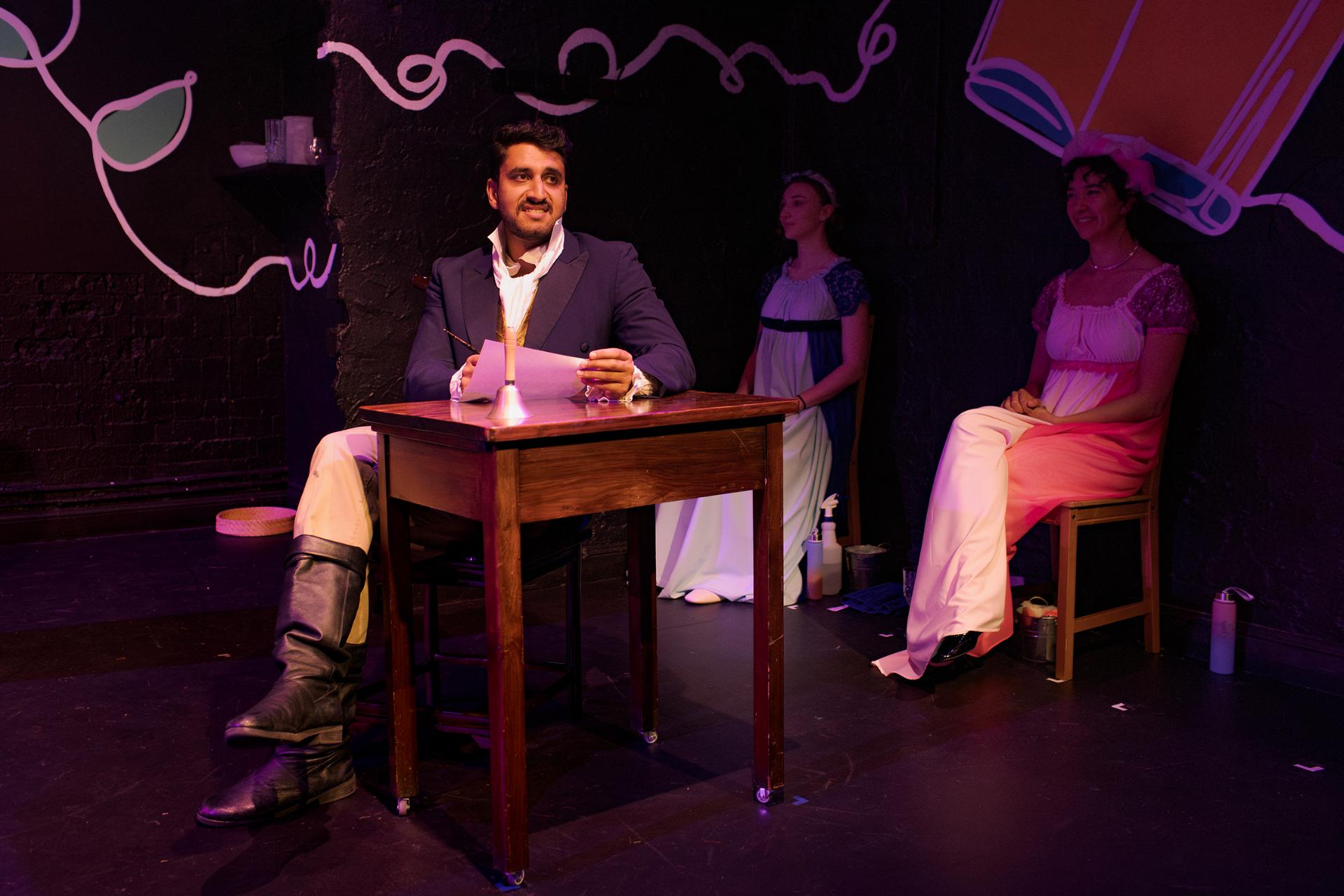
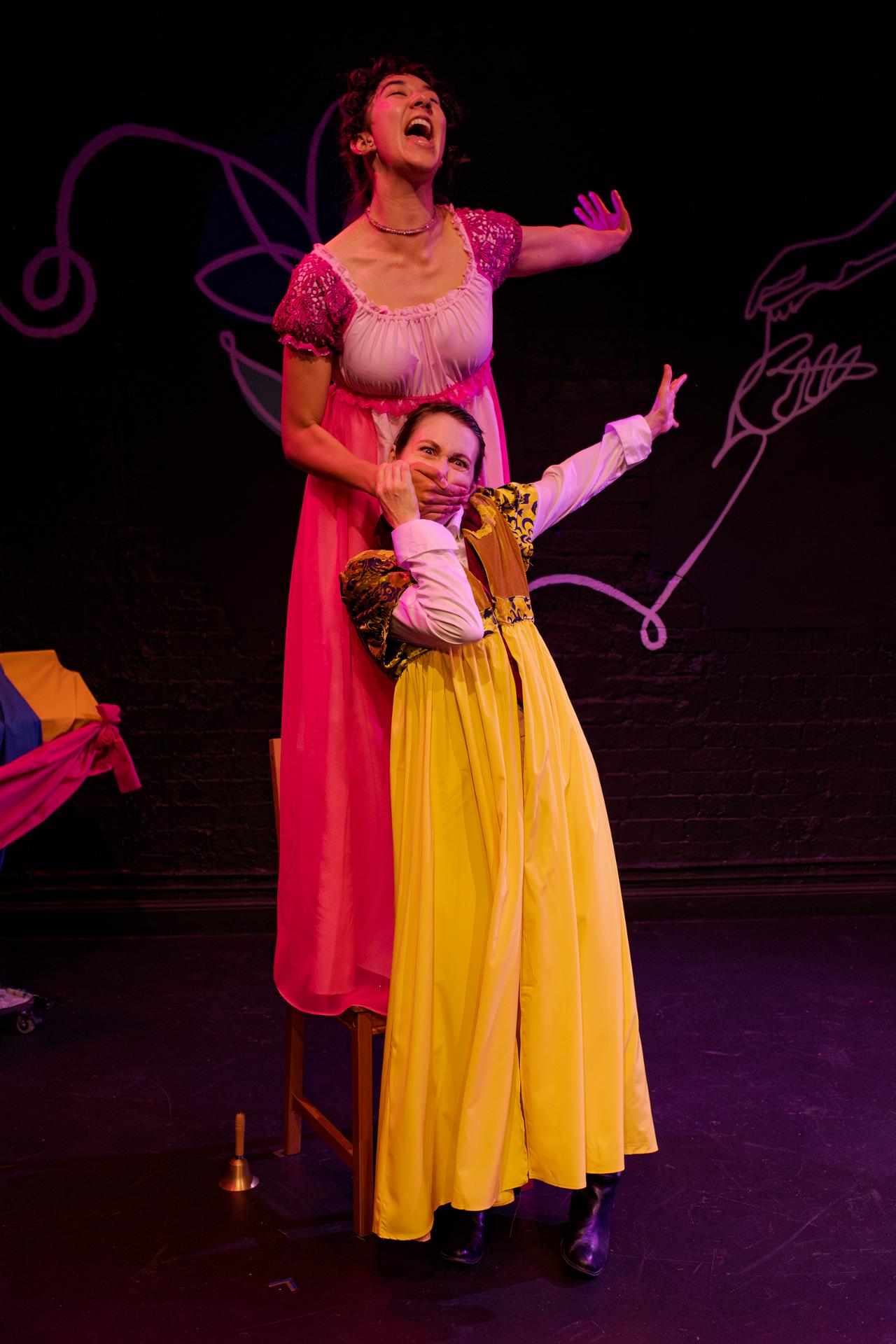
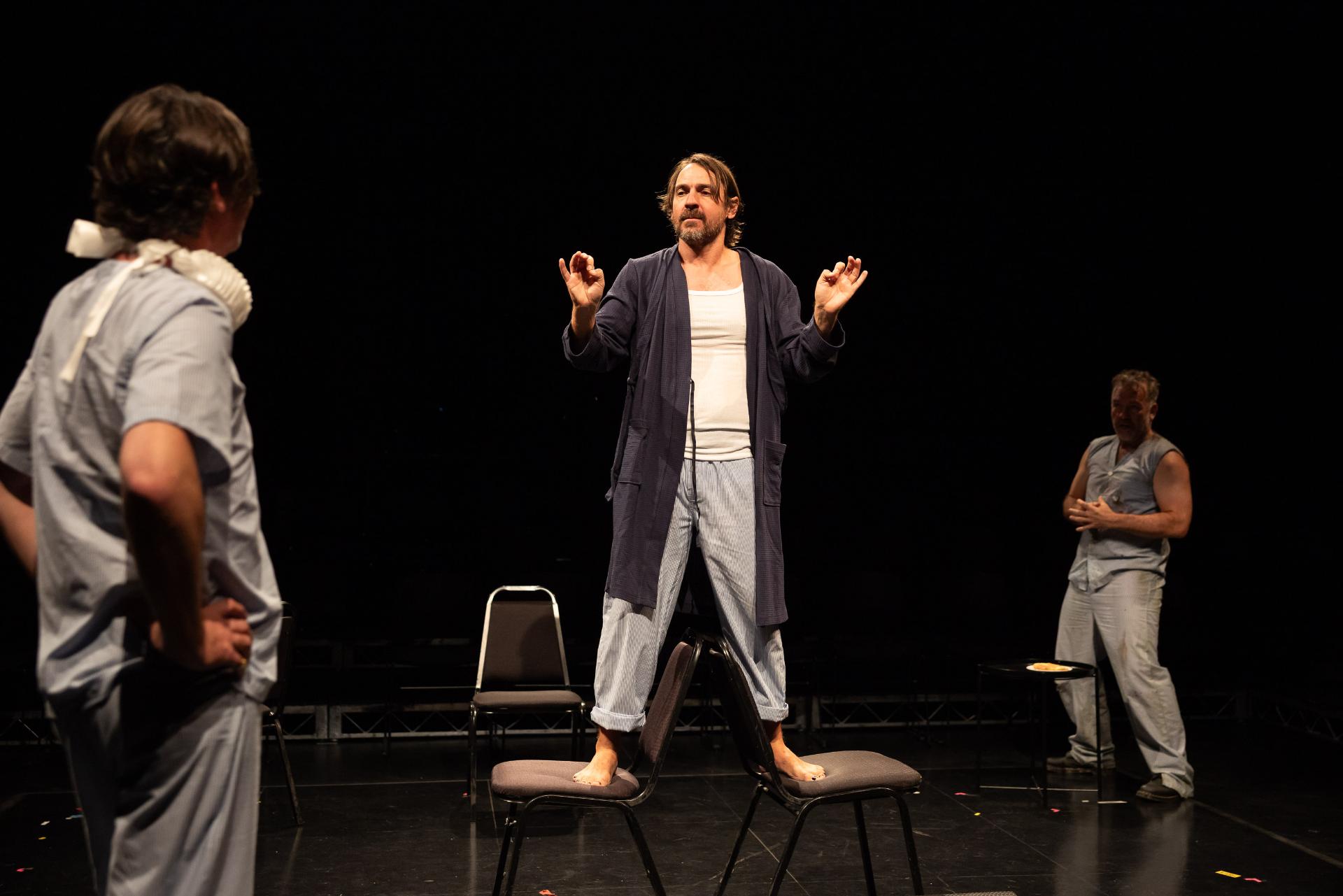
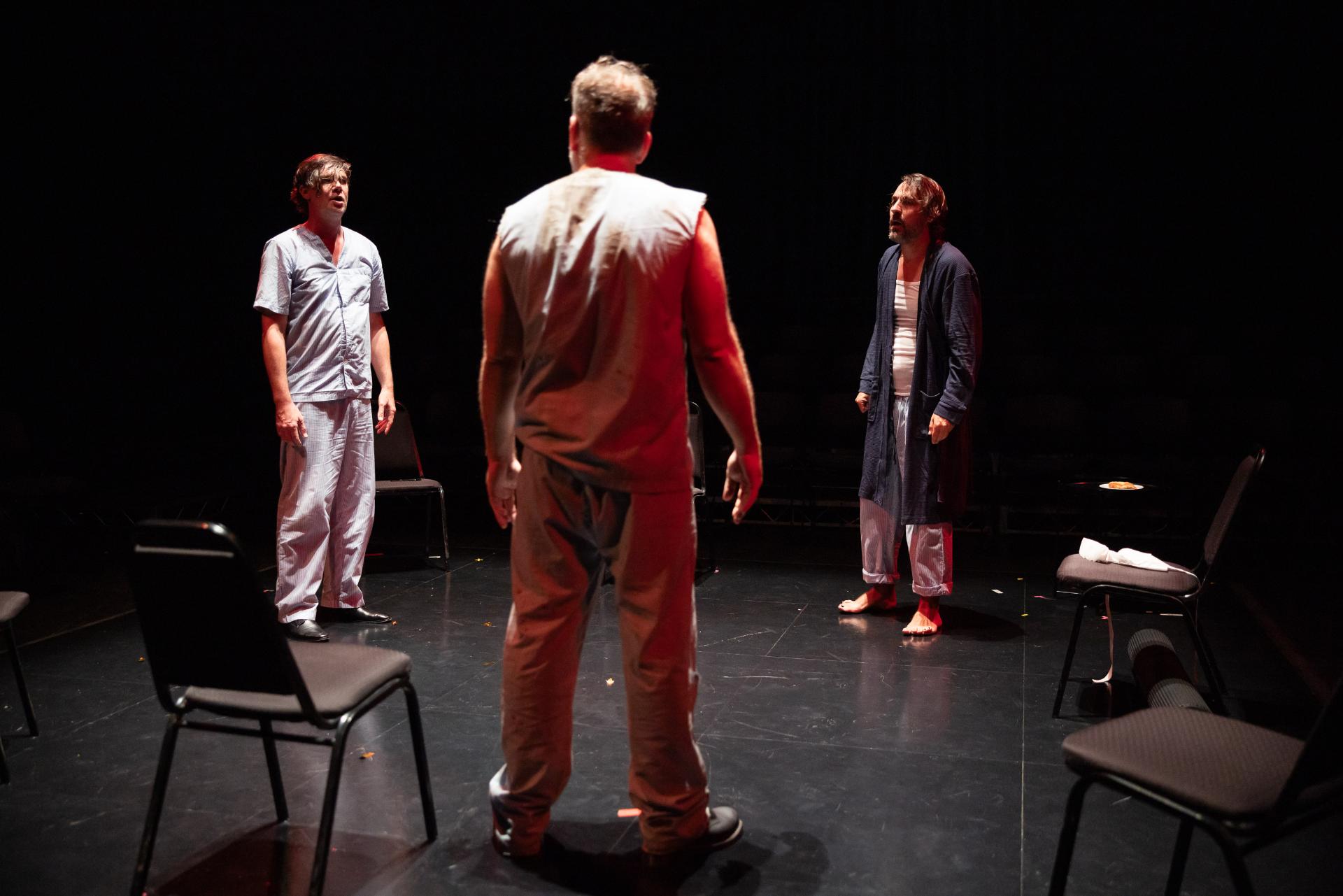
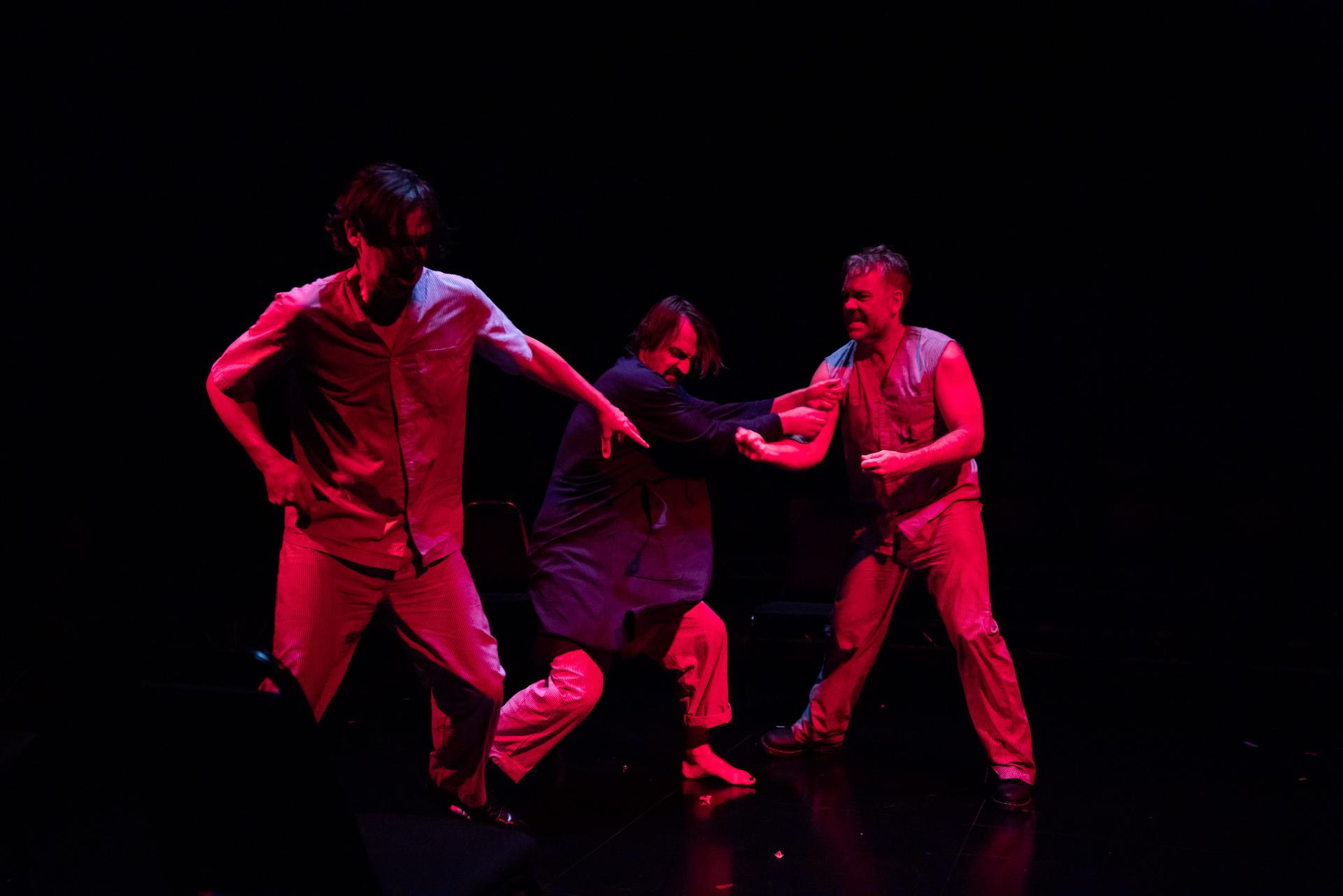
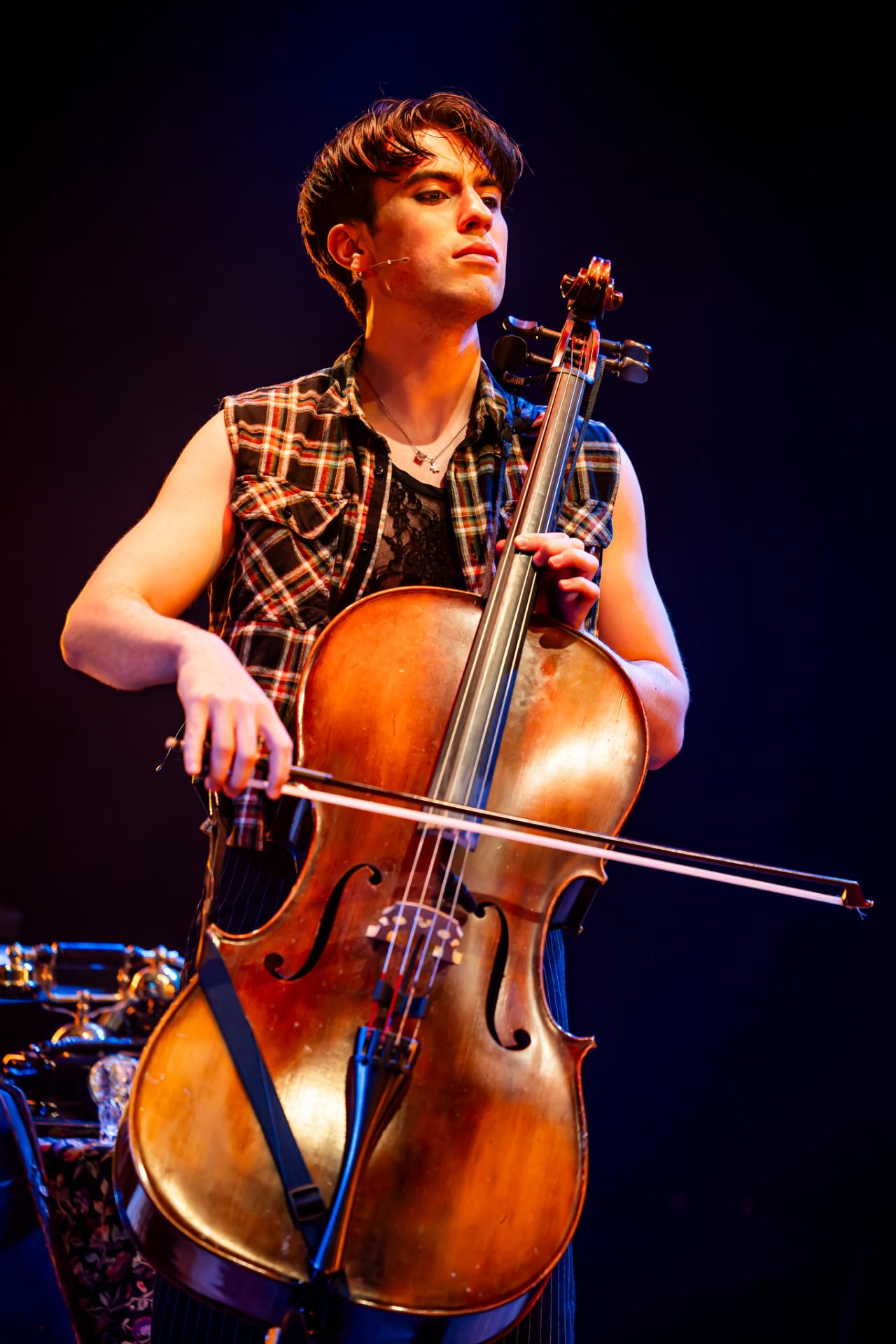
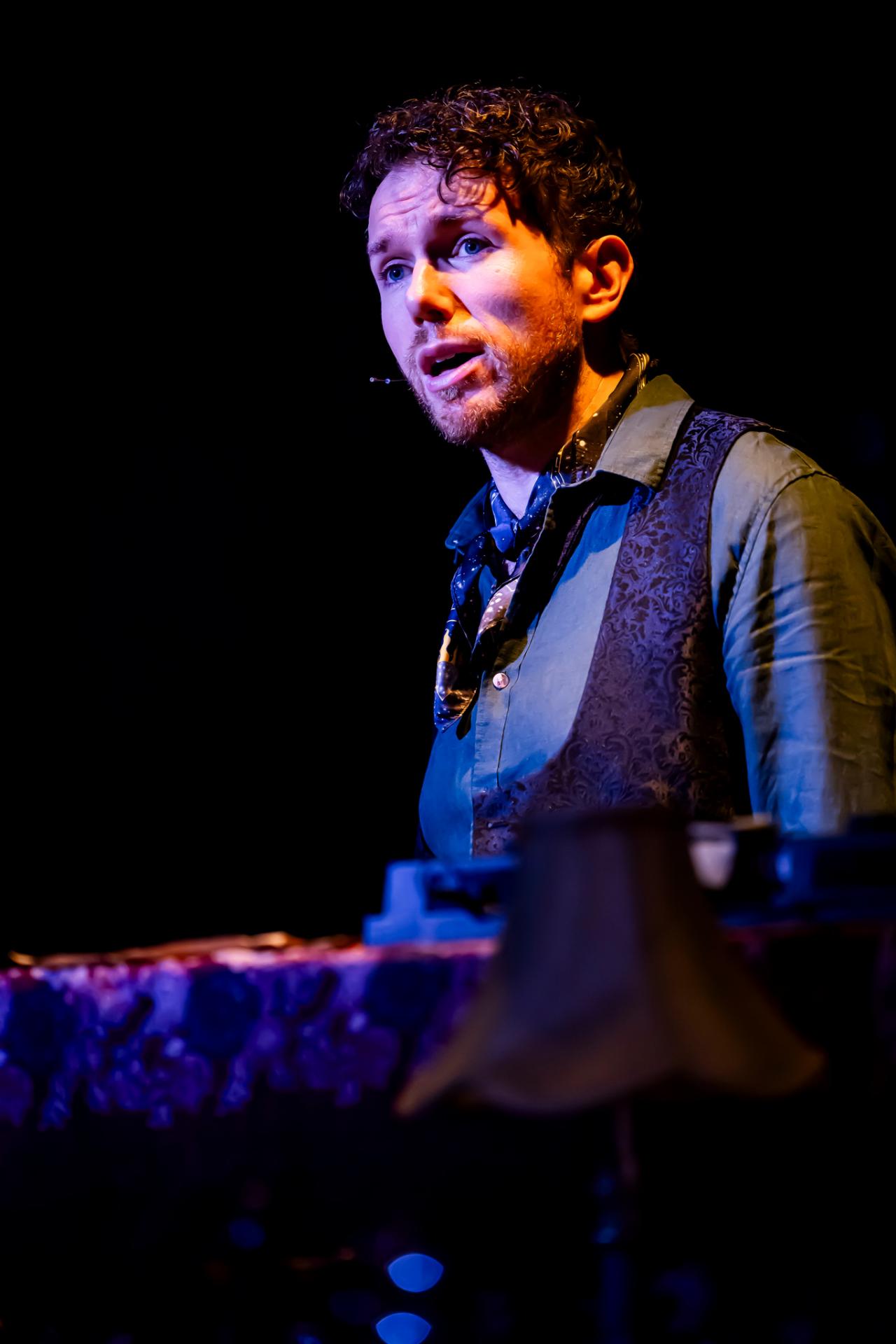
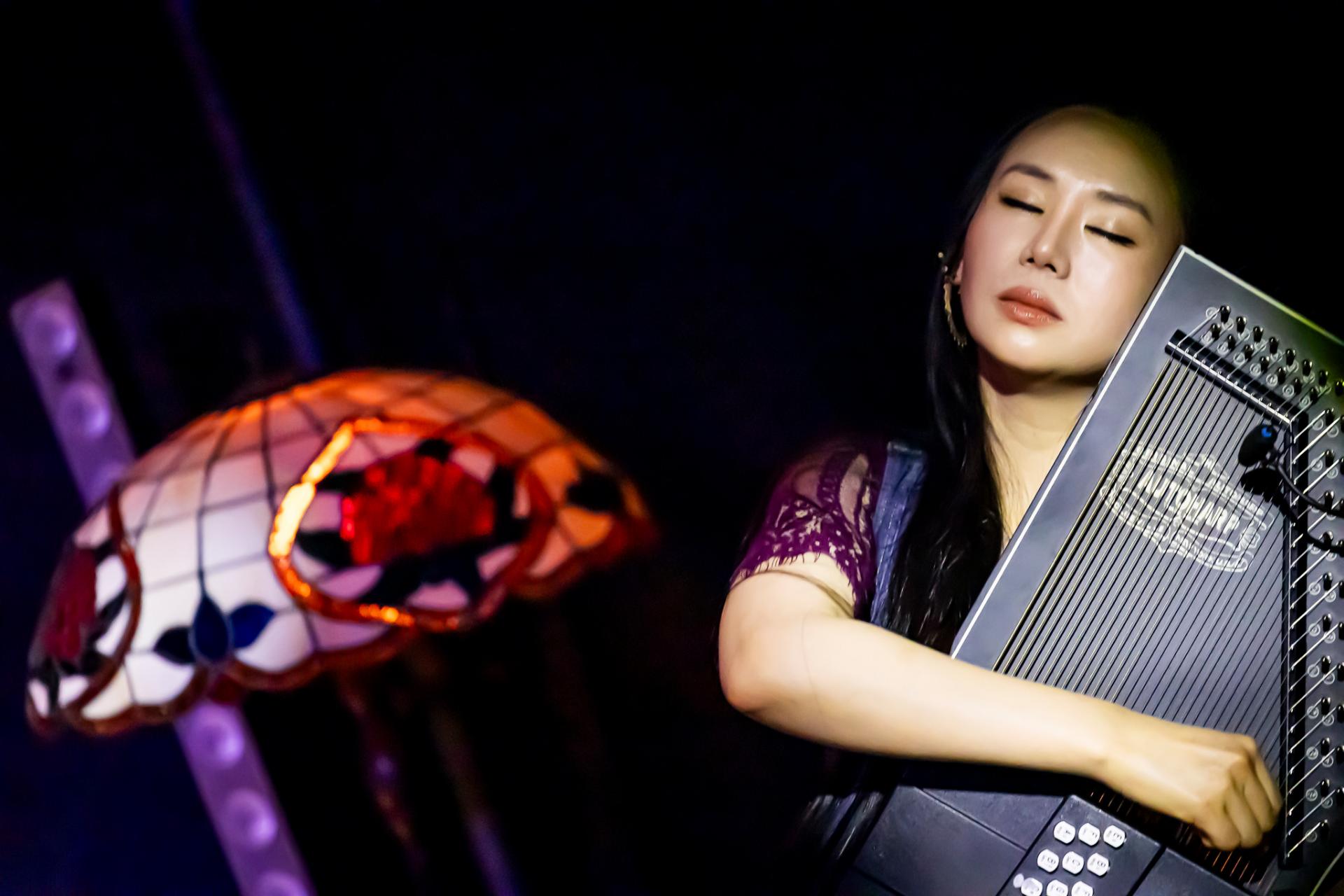
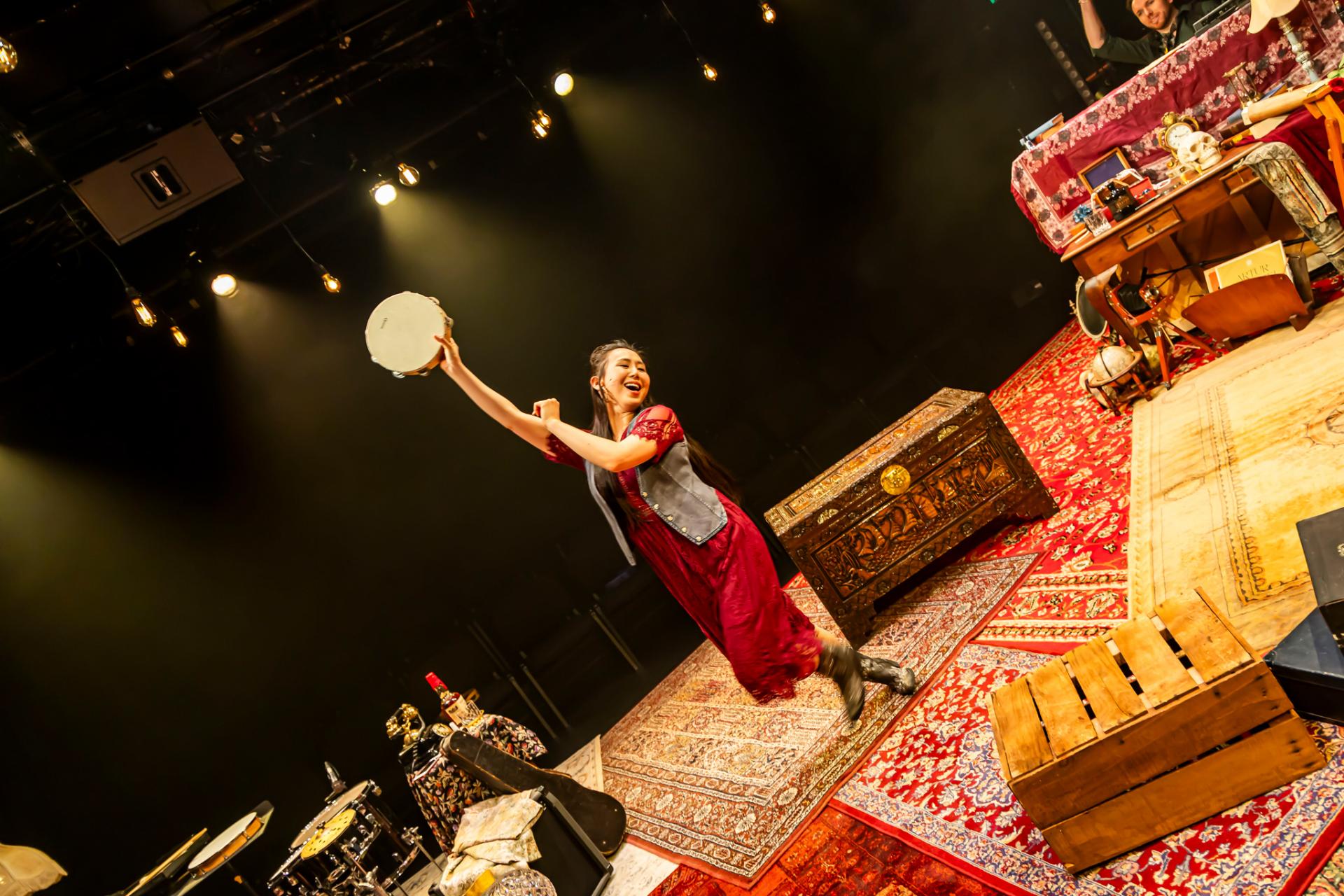
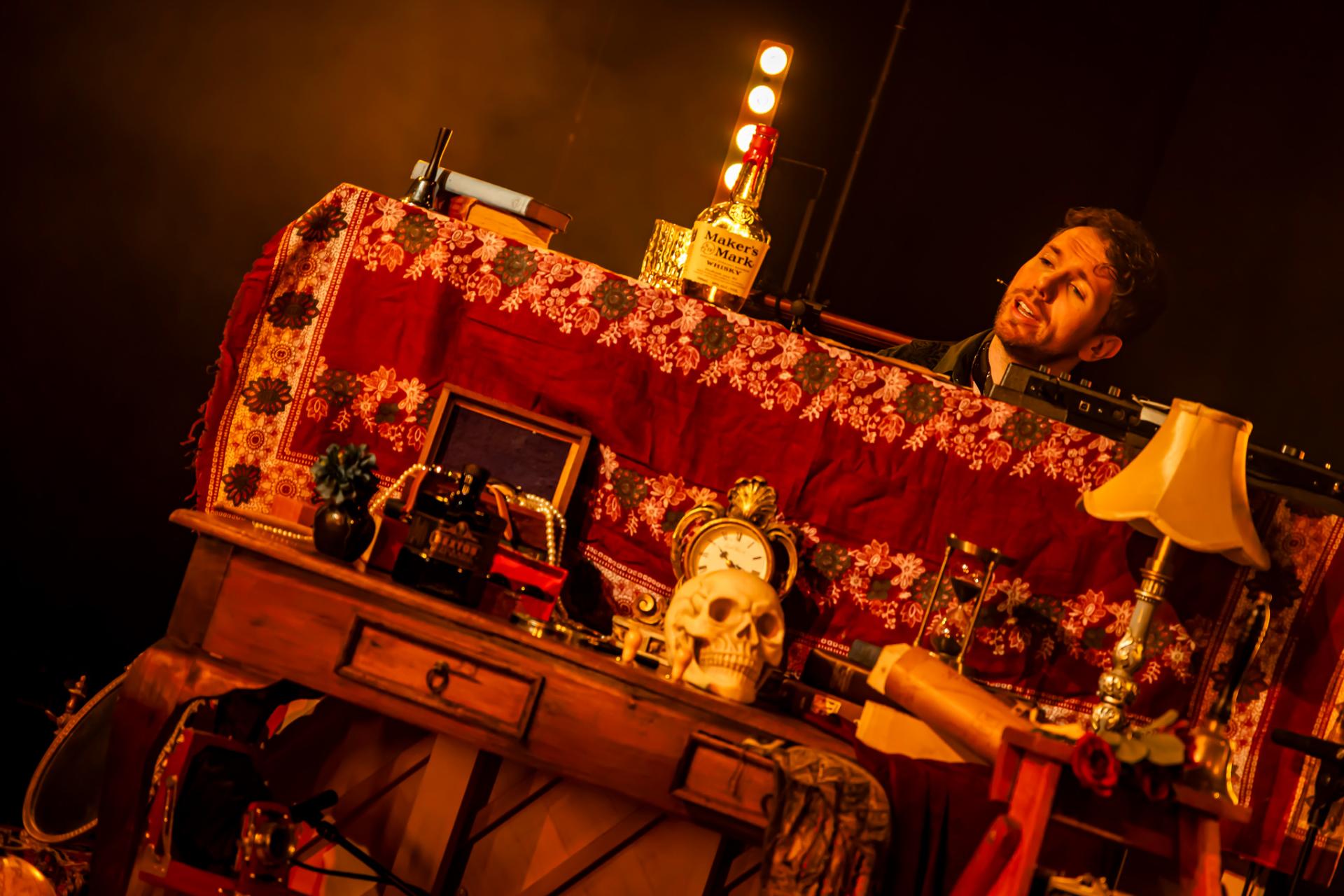
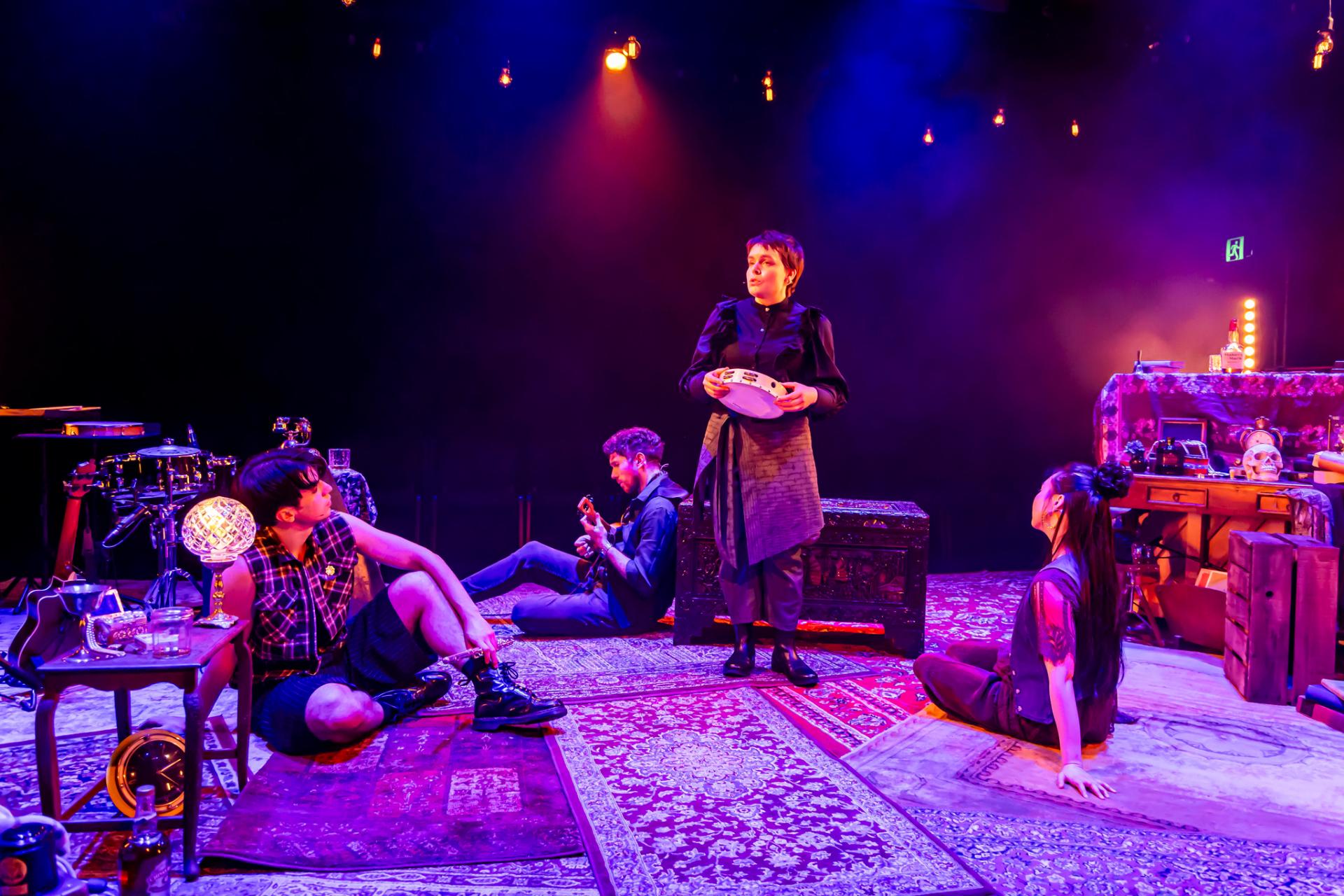
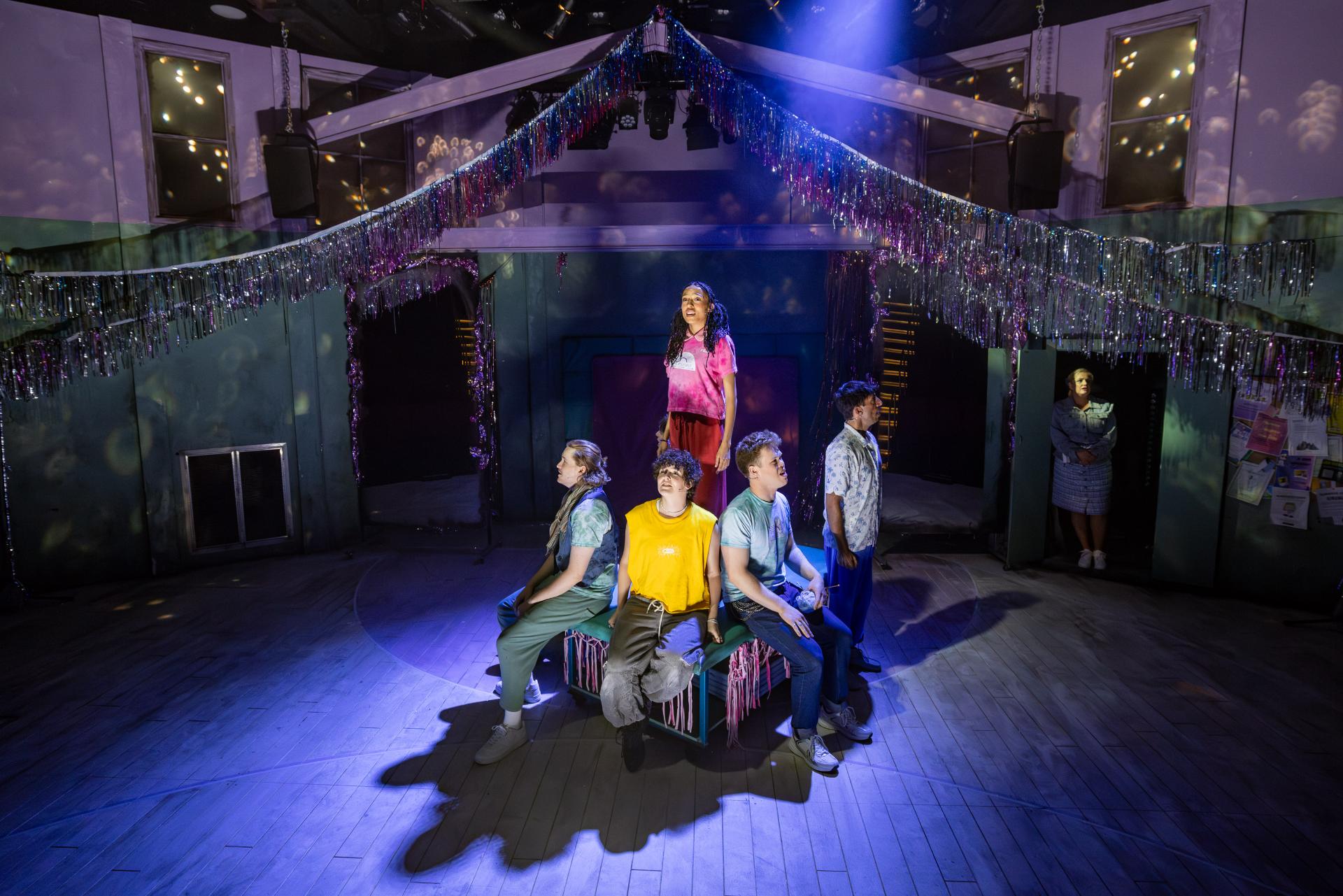
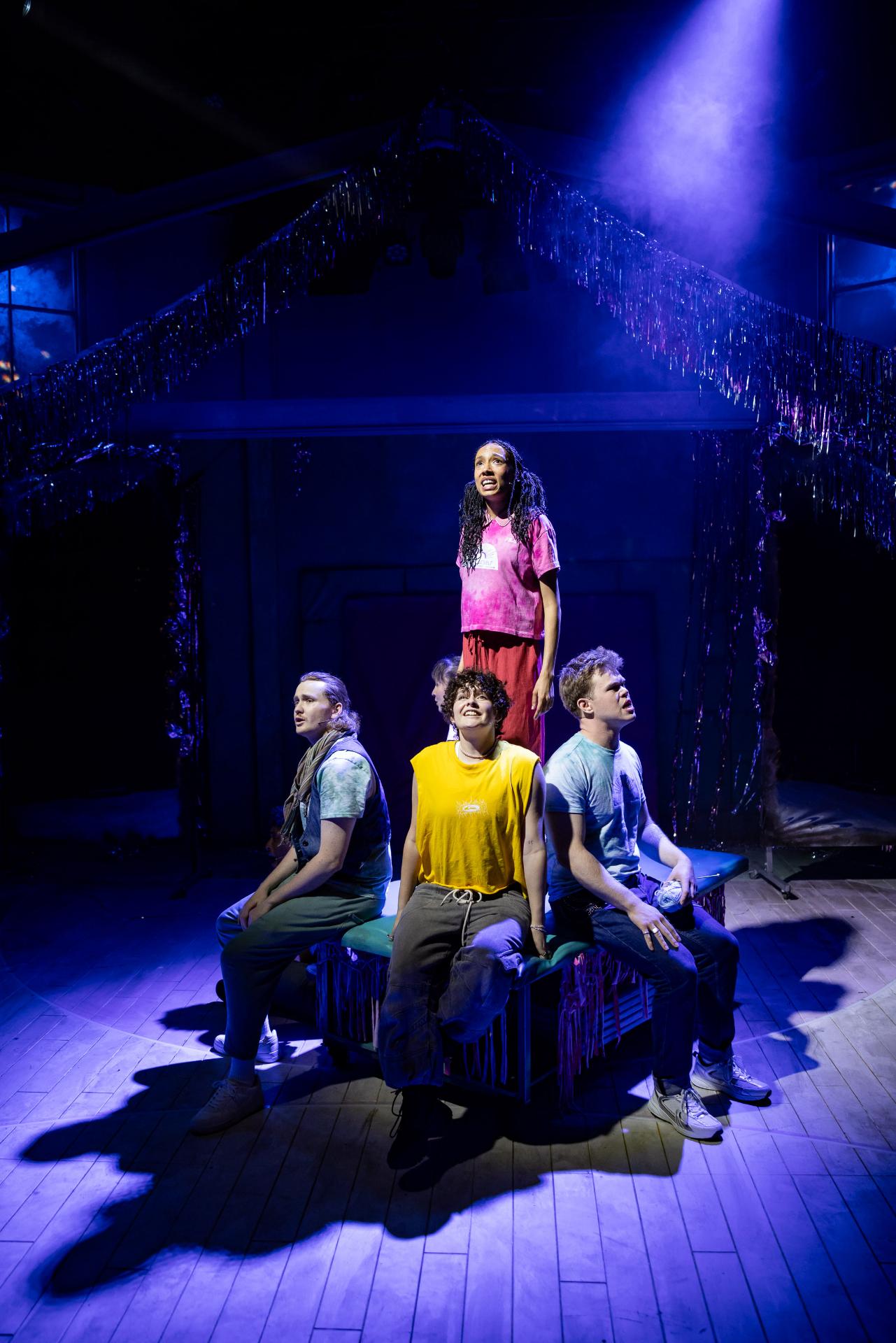
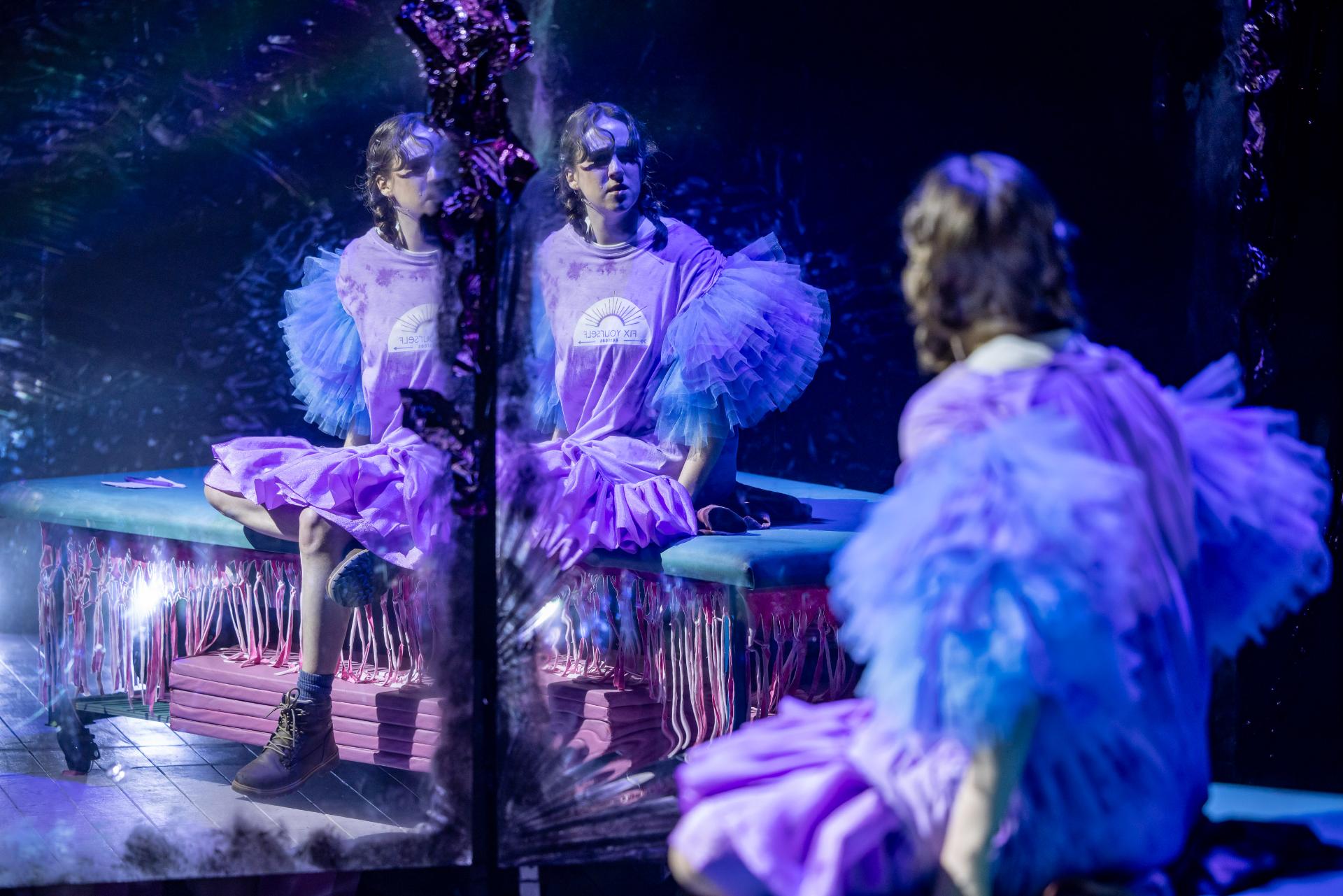
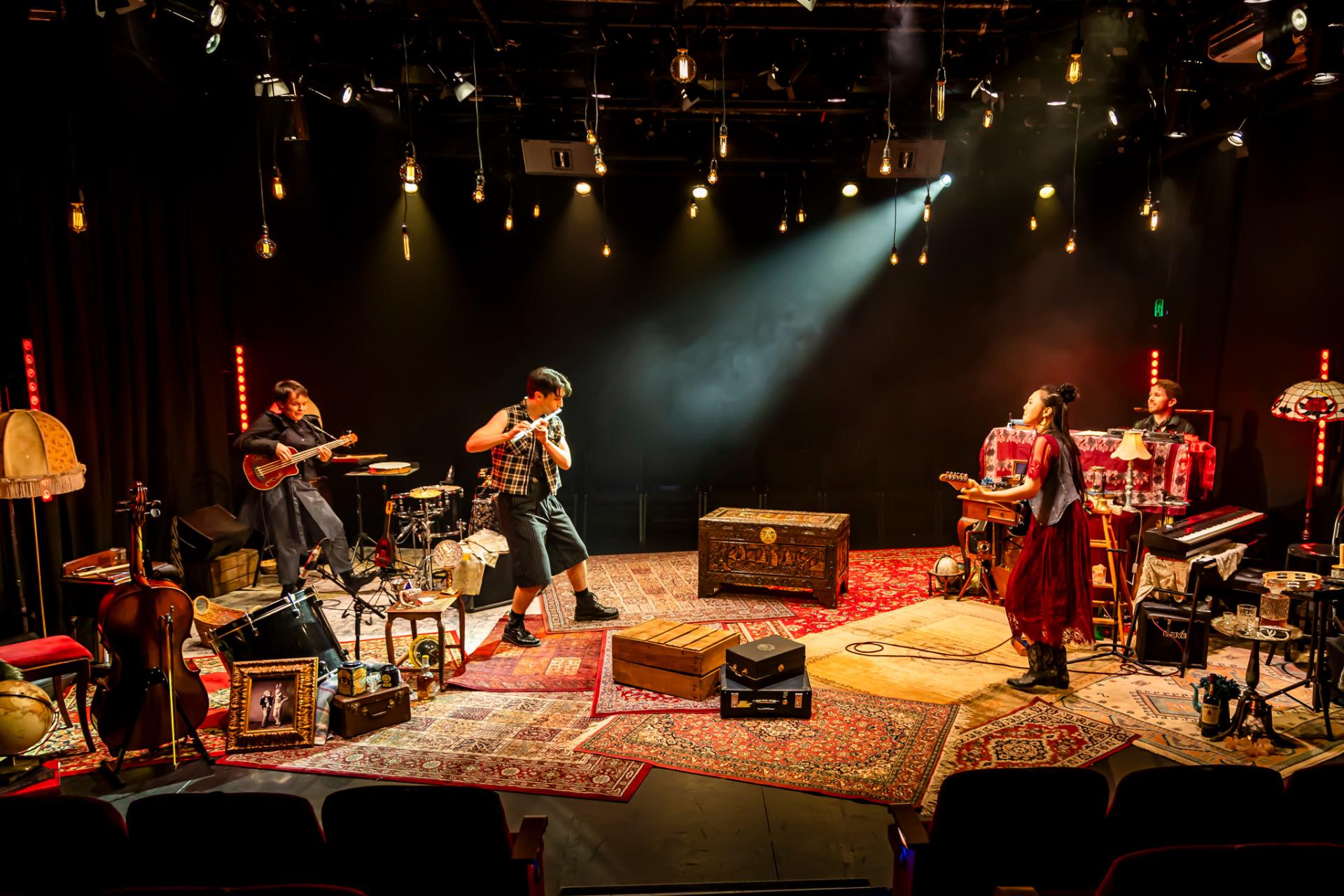
Created and directed by Nithya Nagarajan and Liv Satchell, Nayika a Dancing Girl tells a story of recovery and triumph, through an amalgamation of western theatrical conventions and the Indian classical dance form of Bharatanatyam. The production is visually compelling, with brilliant choreography set against the tranquil elegance, of Keerthi Subramanyam’s scenic and costume design. Morgan Moroney’s dynamically alluring lights further enrich the atmosphere, as do live music by Marco Cher-Gibard and Bhairavi Raman, delivering for the show a luxuriant aural dimension.

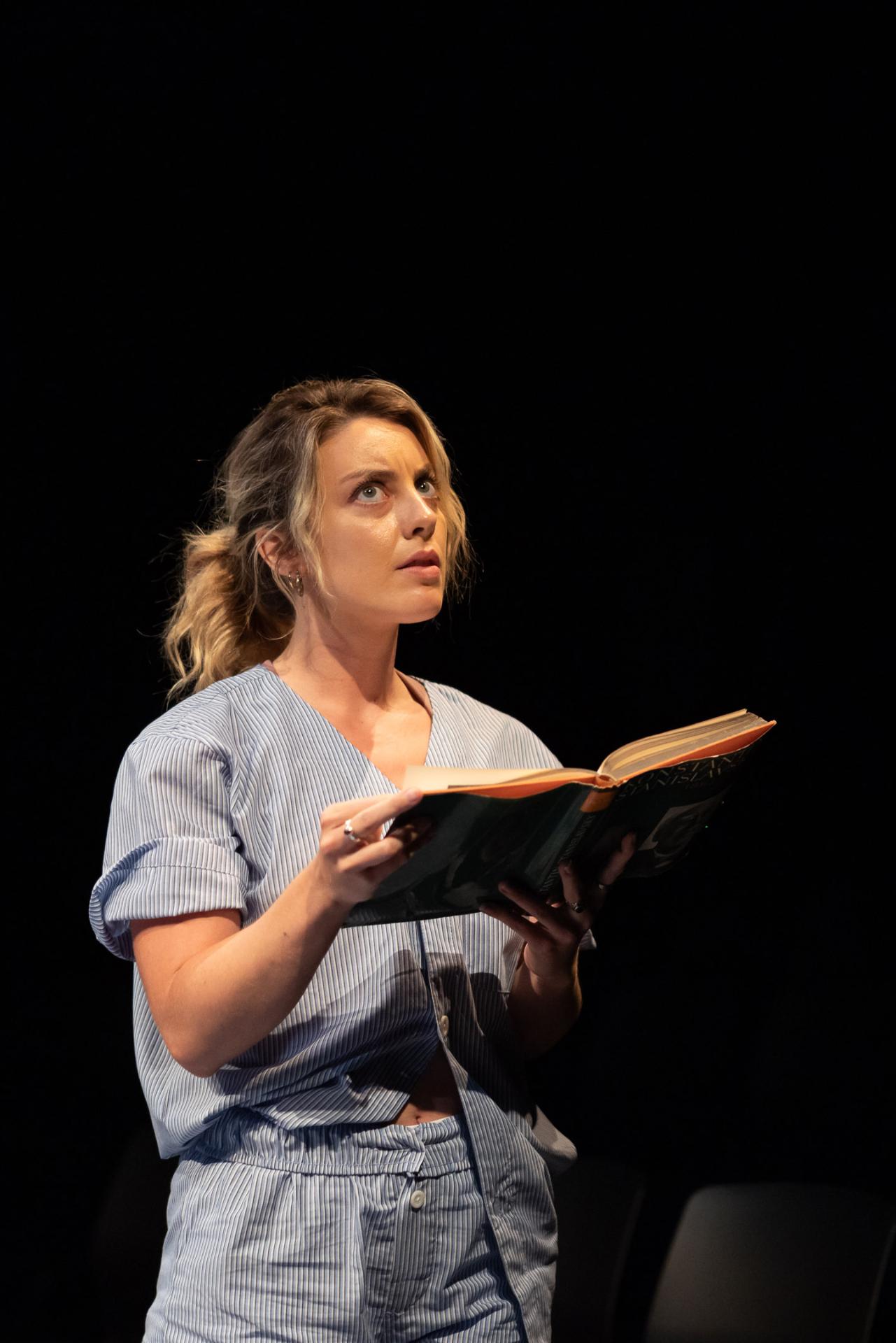
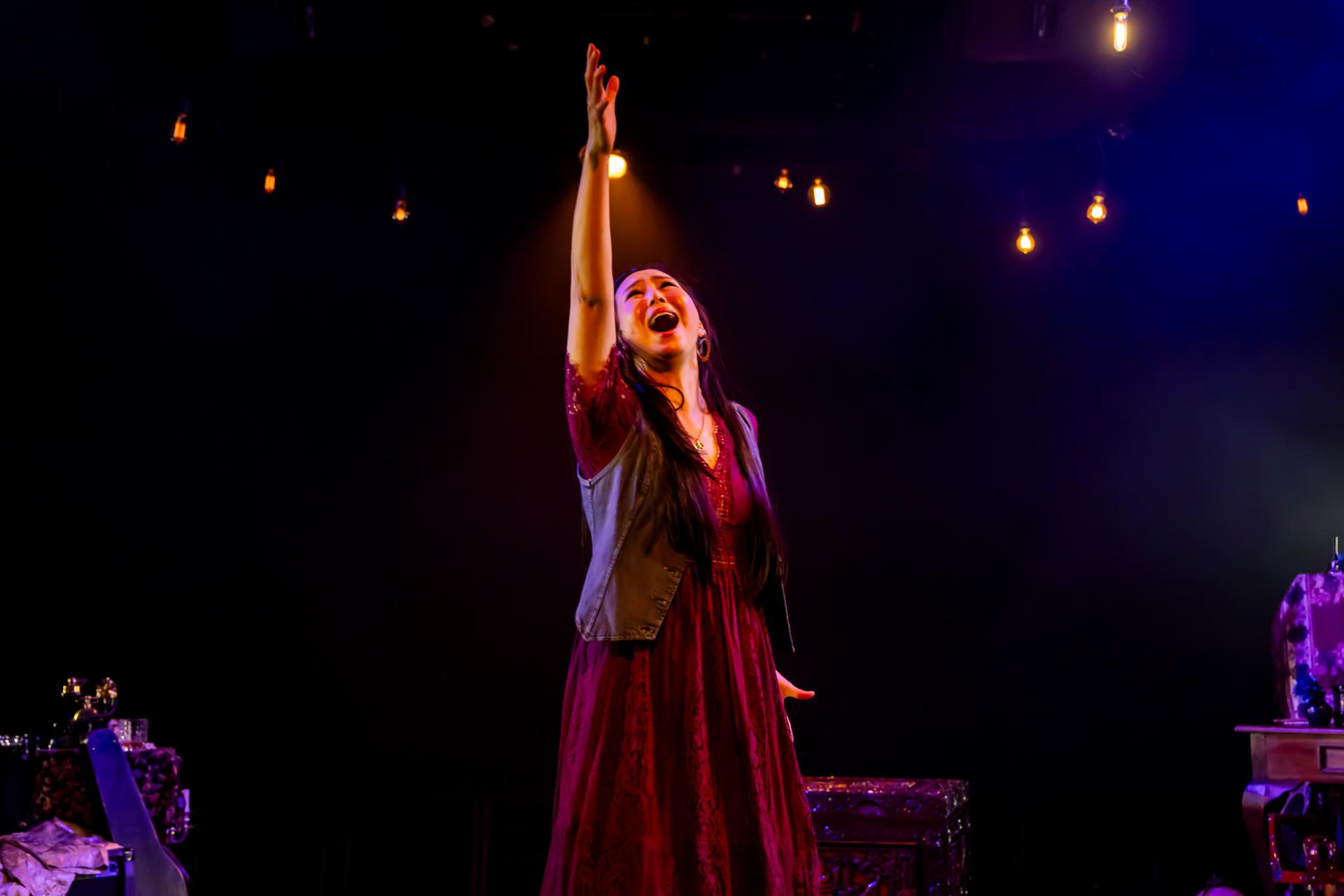
Actor Vaishnavi Suryaprakash is the unequivocal main attraction, with unassailable magnetism, steadfast energy and focus, along with a passionate and authentic approach to the material, that keep us absolutely riveted. The play bears a regretfully halting pace, and a structure that communicates with insufficient power, but Suryaprakash is nonetheless captivating, consistent in her ability to persuade us of the gravity of Nayika and its themes.
It is evident that some of our enduring problems will not find resolution, even after repeated attempts for rectification, from within established systems and conventional approaches. The dancing girl in Nayika has had to abandon an entire culture, and seek refuge elsewhere, before she can pick up the pieces, by creating meaning out of a refreshed consolidation of diverse perspectives. The old ways were never going to serve her, in fact they were made to bolster the behaviour of assailants. To find something effective, has meant that she needed different points of reference. To leave, may look like quitting, but it is that courage to stand on one’s own convictions, against persistent pillars of conformism that are patently harmful, that will set a person free.
www.belvoir.com.au

Review: Aurat Raj عورت راج औरत राज (25A Belvoir)

Venue: Belvoir St Theatre (Surry Hills NSW), May 2 – 19, 2024
Playwright: Pratha Nagpal
Director: Pratha Nagpal
Cast: Vinaya Elijala, Nikki Sekar, Anusha Thomas, Kirthihaa Veluppillai
Images by Phil Erbacher

Theatre review
Four women are hard at work. Their tasks appear menial and repetitive, but there is a level of dedication that cannot be denied, except for the youngest of the group. She questions the ritualistic practices, but being the factory’s only rebel, faces only repudiation and castigation. Pratha Nagpal’s wonderful Aurat Raj, named after a 1979 Pakistani feminist film, interrogates the meanings of labour and womanhood, within structures that rely on women yet keep us simultaneously subjugated. The absence of male characters further explores the ways in which we enforce instruments of control, on behalf of those who have little concern for our interests.

Aurat Raj might be considered a presentation in the form of physical theatre, but it is unequivocal that the splendid ensemble offers expressions far beyond western conceptions of dance. Vinaya Elijala, Nikki Sekar, Anusha Thomas and Kirthihaa Veluppillai bring a sentimental quality that relay the emotional and psychological complications, of being cogs in systems, whether or not we understand those systems to be functioning to our disadvantage. Movement direction by Sekar is full of grace, with a simplicity for the piece that ensures its symbolism resonates effectively.

Production design by Hailley Hunt introduces a sense of ethereal beauty to the production, along with lights by Tyler Fitzpatrick that deliver remarkable sensuality, to this portrait of woman as both heroic and tragic. Sounds and music by Christine Pan are exquisitely rendered, to offer something transcendental that connects us with the people on stage, and with the larger implications of their earnest, if slightly timid, storytelling.

We understand that the machine will exert punishment, when it detects disobedience. Some of us cannot help but adhere to its every whim and fancy, but there will always be a few who take a more risky approach, even if it means suffering ramifications. It is to those who are fearless and self-sacrificial that we owe gratitude, for it is their incremental efforts that has moved us progressively forward, as we await the next big revolution.

www.belvoir.com.au

Review: Working Class Clown (Biennale of Sydney)

Venue: White Bay Power Station (Rozelle NSW), May 1 – 3, 2024
Writer/Performer: Tommy Misa
Performance Guide: Emma Maye Gibson
Images by Joseph Mayers

Theatre review
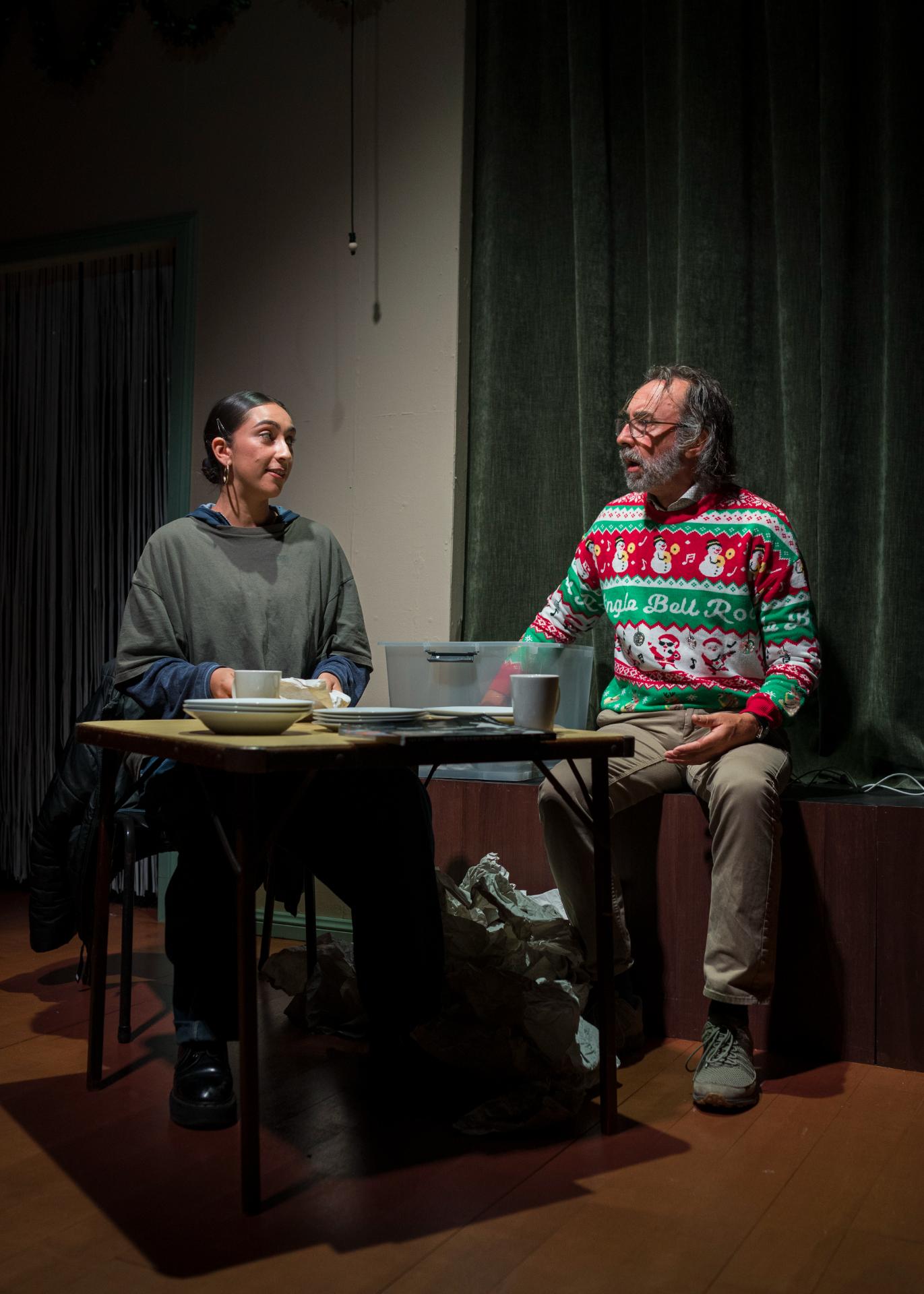
The show begins with Tommy Misa describing a bittersweet moment, soon after their father’s death. Misa’s one person show Working Class Clown can be considered a commemorative piece, although most of it seems to be autobiographical, or perhaps the lines are intentionally blurred, for when we are told these stories about parent and child. Much to our chagrin, we all turn into our mothers and fathers eventually, but thankfully only to a certain degree.

Misa is proud of the similarities in their personalities, and it is with a deep appreciation of what has been inherited, that they present a showcase emphasising the humour of the dearly departed, for a work about the process of mourning, that always moves us from dark to light. Misa’s charm as performer is undeniable, and in all of these 45 minutes, we feel secure in the palm of their hand.

The writing can however feel unfocussed and somewhat mundane. We want the storytelling to bear a greater poignancy, but it seems to shy away from a more conventional articulation of what is usually a sorrowful process. As director, Emma Maye Gibson smooths out the bumps, and renders a sense of cohesion, so that we are able to invest attentionally, if not emotionally.

A glorious costume by Nicol & Ford takes inspiration from clownery, but combines it with traditions of queerness and of proletarianism, for a marvellous and unexpected denim creation that gives meaningful elevation to this theatrical experience. Sounds by Jonny Seymour provide an etherealness that connects us to the spiritual qualities, of this exploration between the present realm and the thereafter.

The decisiveness of death means that we regard it with a distinct permanence, but it is also incomprehensible to our mortal minds, how our current transience is so minuscule in comparison to that perpetuity. We struggle to perceive a bigger picture that can satisfactorily encompass a reality that understands our living days to be only the tiniest of instances.  We always want what we currently are, to be the main thing, and in many cases, the only thing. Magical moments do occur however, when heaven seems to be right here, and we see the eternal taking place in the now. Those are unbearably fleeting, just as it is unbearable to be anything other than human.
www.performancespace.com.au

Review: Do You Mind? (Old Fitz Theatre)

Venue: Old Fitzroy Theatre (Woolloomooloo NSW), Apr 23 – 27, 2024
Playwright: Shay Debney
Director: Julia Robertson
Cast: Shay Debney
Images by Julia Robertson

Theatre review
Shay Debney has lots of questions, but it is more likely that he is finding a way to communicate, than being genuinely inquisitive about so many different things. In his one-person show Do You Mind?, Debney demonstrates a burning desire to connect, so he keeps making queries in hopes of finding a way to bridge the gap. A lot of art is about that need for humans to see one another, and Debney’s show is certainly a worthwhile exploration of that relationship between seeing and being seen.
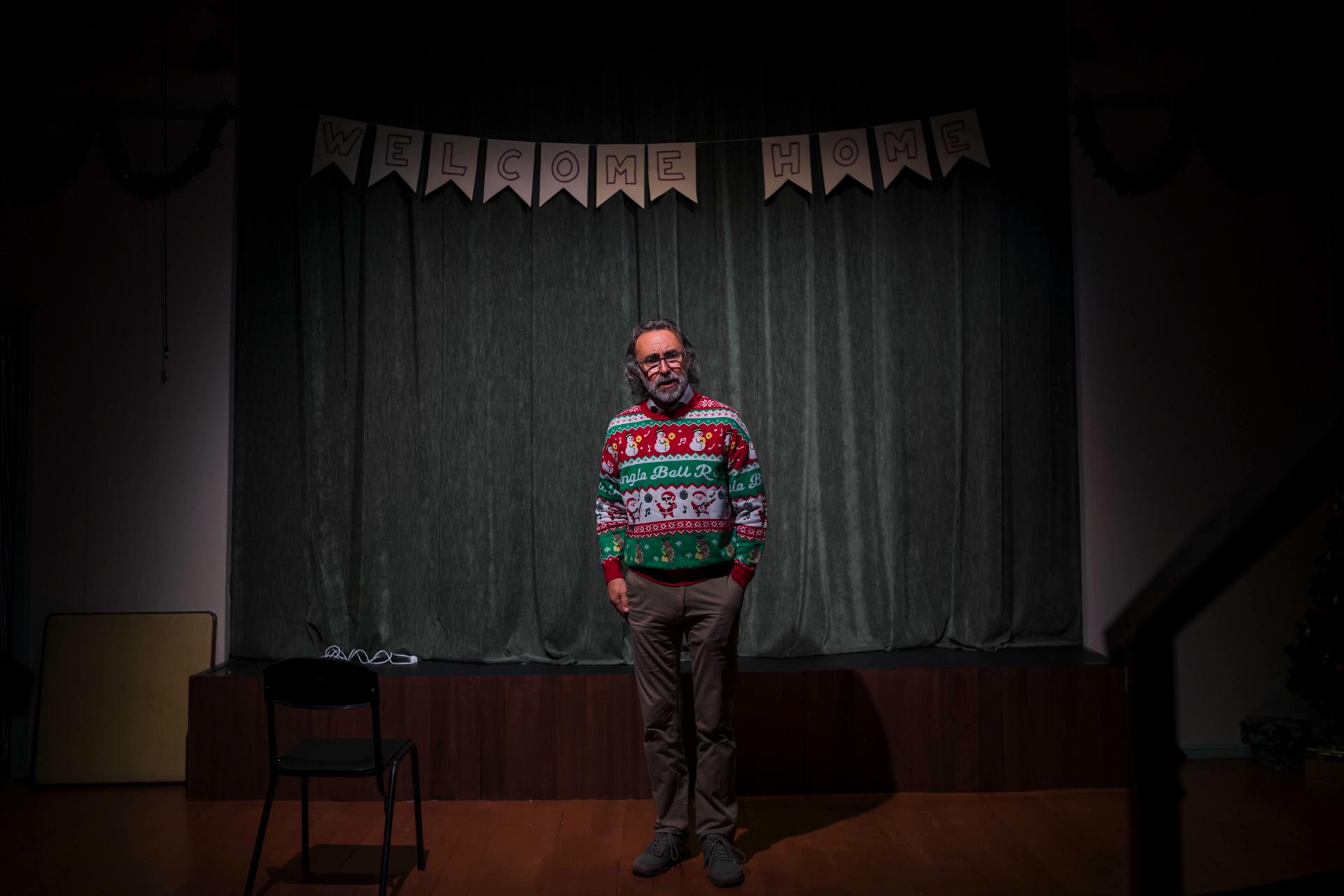
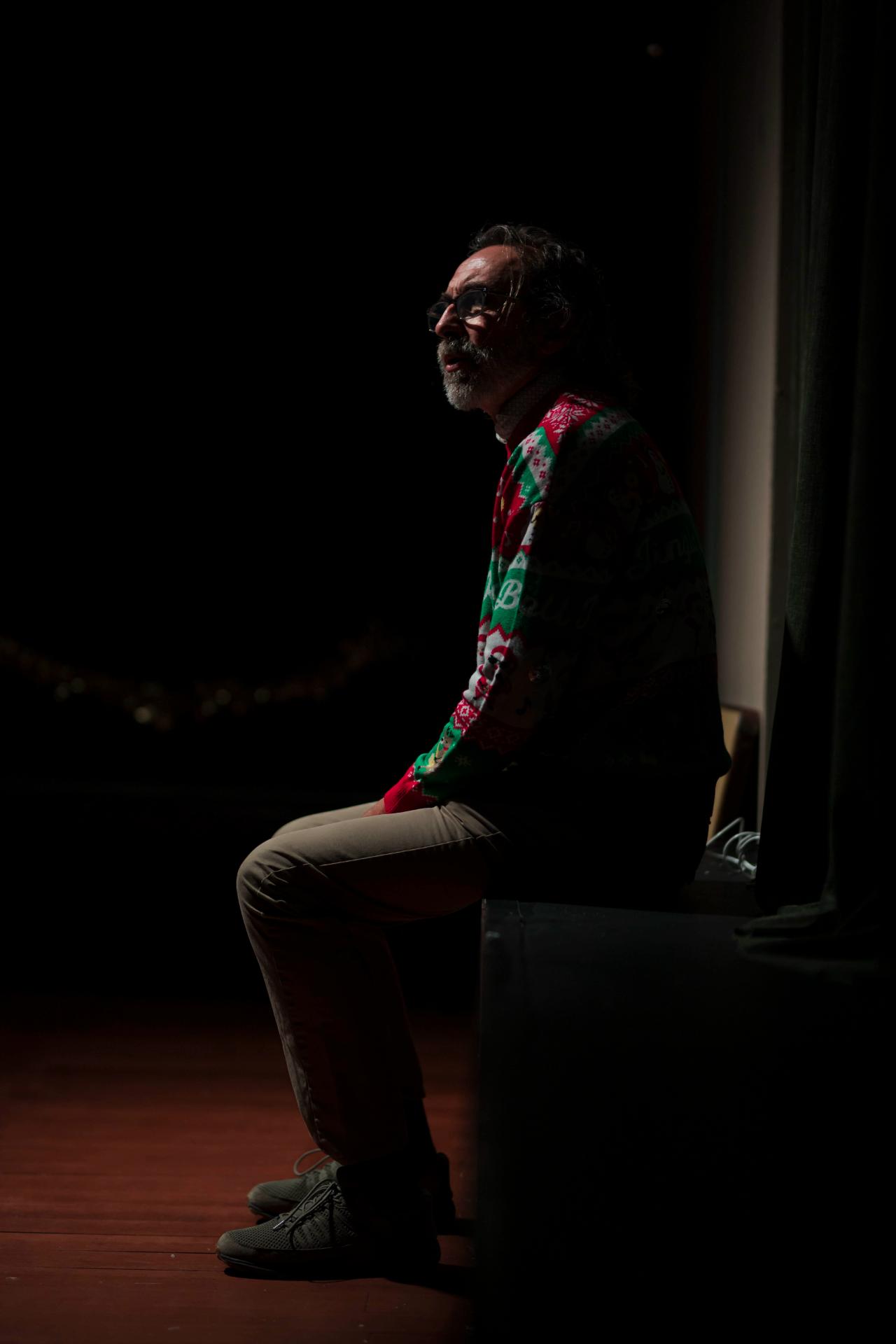
The concept is meaningful, but as a theatrical conceit it can make Do You Mind? feel somewhat hollow in the moment, as we wrestle with the glaring absence of a conventional narrative. Director Julia Robertson however ensures that the viewing experience is a rich one, with inexhaustibly surprising variations to the ways in which Debney’s simple text is delivered. Commensurately, lights by Ryan McDonald are in constant flux, with a notable warmth that keeps us from ever feeling alienated by the work’s abstract nature.

As performer, Debney is immensely endearing, and with his remarkable skills in physical expression, our attention is easily and enjoyably sustained. There is an irrepressibility to Debney’s presence as an artist. It may not be obvious what he wishes to say, but his need to create is evident. In Do You Mind? he exemplifies the artist at work, with trepidation but without restrictions. There is a freedom in his practice that reveals something about the expansiveness and the unorthodoxy of what we require of artists, and in our interaction with his work, that freedom proves inspiring.

www.oldfitztheatre.com.au

Review: Sparkling Darkly (Old Fitz Theatre)

Venue: Old Fitzroy Theatre (Woolloomooloo NSW), Apr 17 – 27, 2024
Playwright: Nick Coyle
Director: Nick Coyle
Cast: Sandy Gore, Anna Houston, Ed Oxenbould, Andre de Vanny
Images by Phil Erbacher

Theatre review
Nick Coyle’s Sparkling Darkly features five short monologues in which public speaking takes an unsuspected turn. Providing contexts are a wedding reception, a retirement party, a courthouse, a funeral and a radio station, all places where a certain decorum is expected, but things are not quite what they seem, when seen through Coyle’s wild imagination.

Macabre humour is order of the day, whether exploring supernatural phenomena or simply venturing into the morbid recesses of human psychology. The five pieces all bear that same twisted flavour, even if their potency can feel inconsistent between each tale. As both playwright and director Coyle is able to introduce a distinct idiosyncrasy to the staging, along with an enjoyable playfulness that makes it a worthwhile 75 minutes at the theatre.

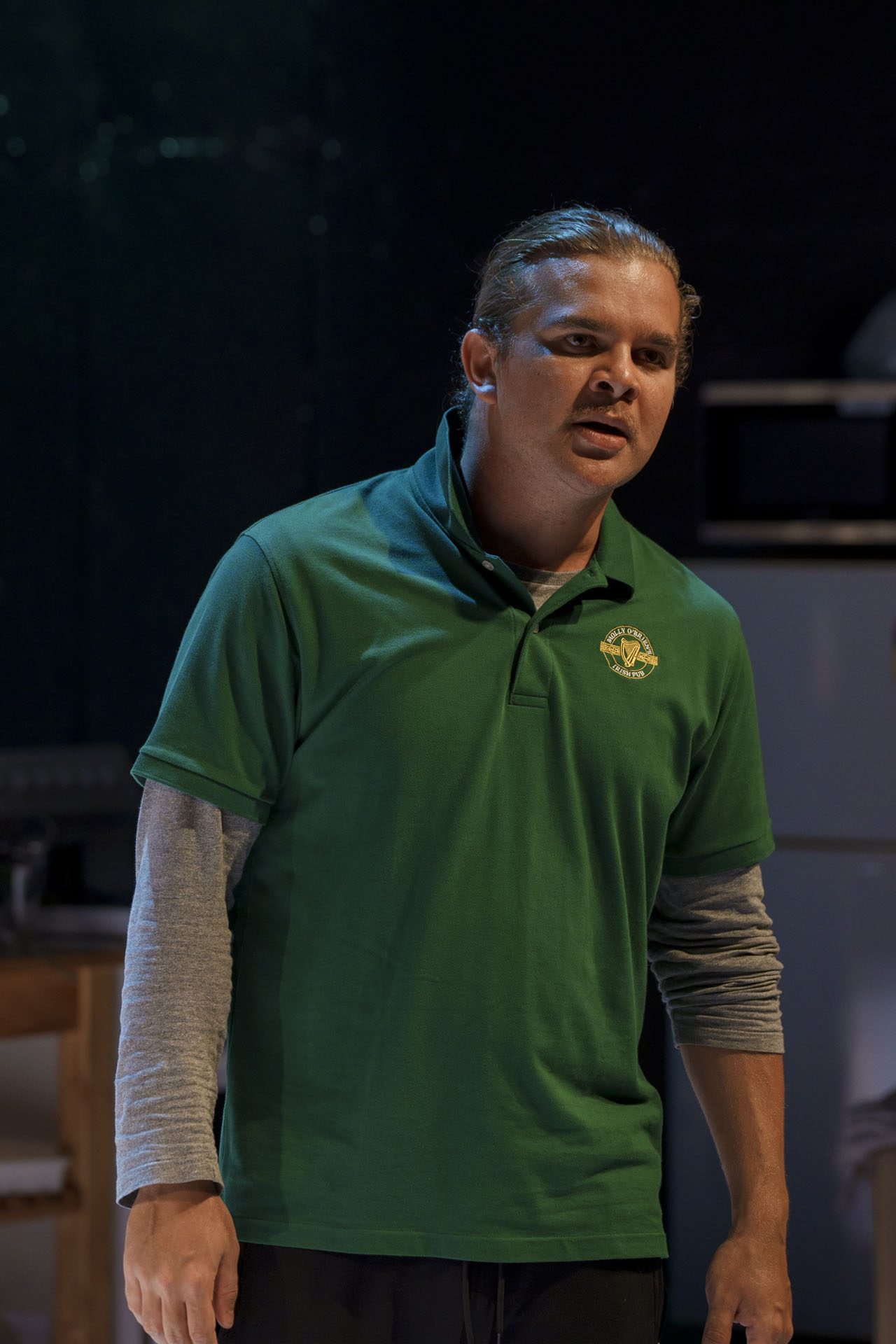
Performers are Sandy Gore, Anna Houston, Ed Oxenbould and Andre de Vanny, all of whom are captivating presences, able to showcase professional skill and inventiveness, for their respective take on a range of kooky characters. Production design by Kate Beere is cleverly conceived, with a simplicity that proves highly effective, in their suggestions of strange goings on. Lights by Alex Berlage are commensurately distilled, only making dramatic gestures when necessary, but certainly elegant for the entirety. Sounds by Zac Saric are gently stimulating, with just enough embellishment to keep us relevantly attentive.

Public speaking is not a common occurrence for most, and when one is required to attempt it, terrifying thoughts of faux pas and other embarrassing mishaps, are par for the course. We understand that to present the self in a certain way, although a non-negotiable requirement of polite society, is never a completely true iteration of how we feel on the inside. It is implied that what is denied, and to be deemed unacceptable, must be ugly or abominable. Some of those estimations are appropriate, but many of those judgements are just waiting to be dismantled.

www.oldfitztheatre.com.au | www.sugaryrumproductions.com

Review: Toy Symphony (Qtopia / Ad Astra Theatre Company)

Venue: Qtopia (Darlinghurst NSW), Apr 18 – 27, 2024
Playwright: Michael Gow
Director: Michelle Carey
Cast: Adam Dakin, Chantal Elyse, Felix Jarvis, Wendi Lanham, John Michael Narres, Bernadette Pryde, Sam Webb, Gregory J Wilken
Images by Bojan Bozic

Theatre review
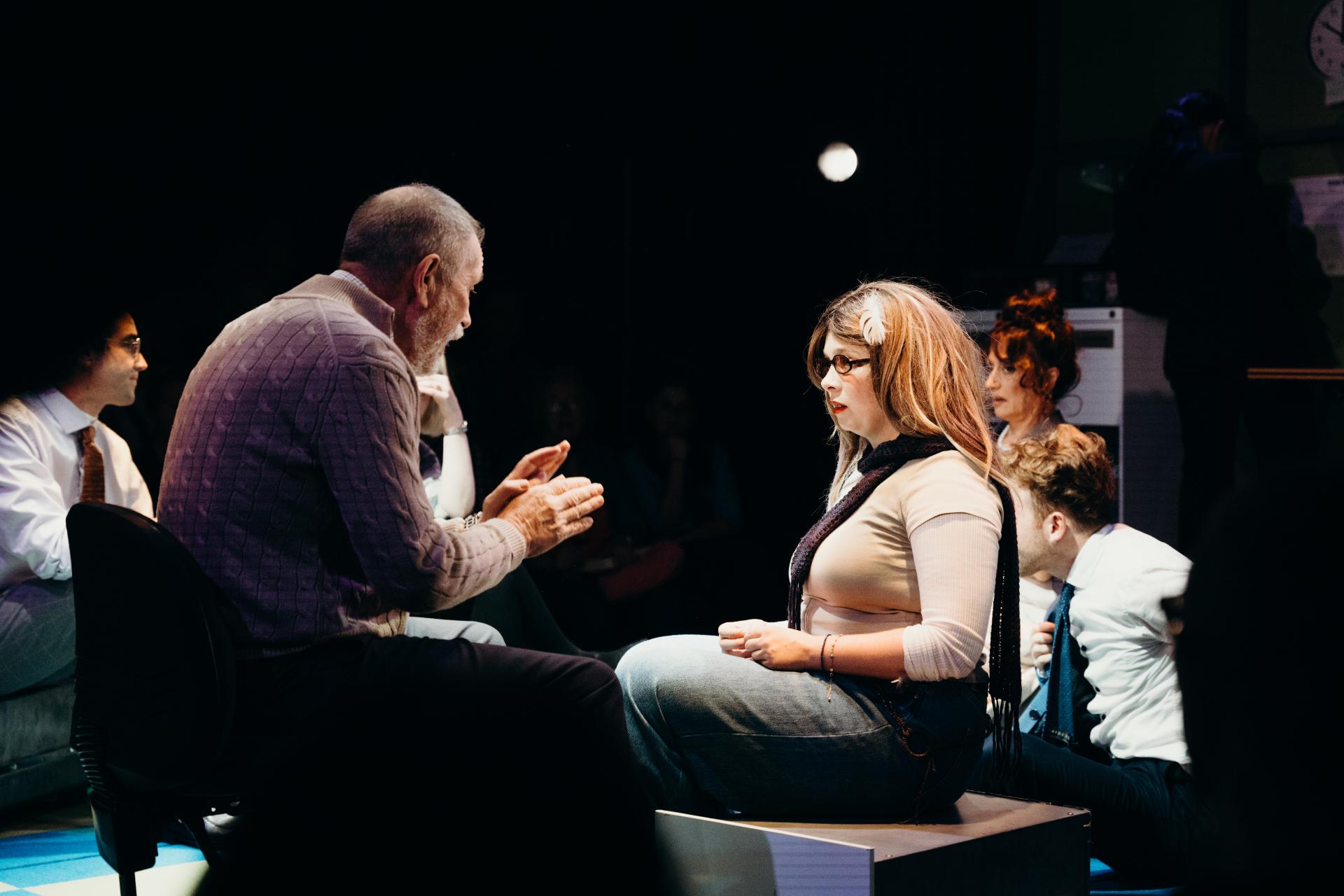
Roland has lost his ability to write, which is a disaster for someone who relies on it to make a living. His art is of course, also the foundation of his self-esteem and the only thing that gives him a sense of purpose, so in a moment of desperation, he can only turn to professional help in the form of a psychologist, to hopefully work things out. In Michael Gow’s 2007 play Toy Symphony, we watch the therapeutical process unearth the protagonist’ past; not only his formative youth, but also his regrettable behaviour in more recent times. Roland is taught that to gain an understanding of all that has hurt him, along with the hurt he had inflicted on others, is key to being set free.

Hence a writer’s life story unfolds, commencing in 1966 suburbia where parochial values began imposing themselves, until the dawn of the new century, when he finds himself bursting at the seams, as though unable to contain decades of toxicity, that seems to have an ability to accumulate and exacerbate. There is a lot of detail in the personal reflections of Toy Symphony, and while not all of it is universal in resonance, the process of self-examination and rehabilitation, certainly is.

Lively direction by Michelle Carey keeps us invested in the storytelling, and although we perceive a sense of poignancy, it manifests somewhat inconsistently. Gregory J Wilken is extremely focused as leading man, with an unwavering commitment that makes the experience feel worthwhile and authentic. The ensemble cast is strong, admirable for the integrity they bring to a wide range of characters. Less effective are design and aesthetic aspects, in a production that can look and sound creatively deficient, or perhaps insufficiently imaginative in its manipulations of a tight performance space.

In Toy Symphony, we observe an interesting parallel between homophobia and the fear of imagination. Roland’s story is concerned with the suppressive and stifling tendencies of traditional Australia, that part of our culture that insists on conformity and that punishes those who rock the boat. It is insidious, so we often overlook its severity. Roland however demonstrates the devastation that results, from trying to survive in a place that tells our children, that their nature is wrong. Roland inherited their fear, and has turned it against others, as well as harming himself with the same. The play’s conclusion is tentative, and we can only hope that healing is possible and real.

www.qtopiasydney.com.au | www.adastracreativity.com

Review: Tell Me On A Sunday (Hayes Theatre)

Venue: Hayes Theatre Co (Potts Point NSW), Apr 12 – May 5, 2024
Music: Andrew Lloyd Webber
Lyrics: Don Black
Director: Blazey Best
Cast: Erin Clare
Images by John McRae

Theatre review
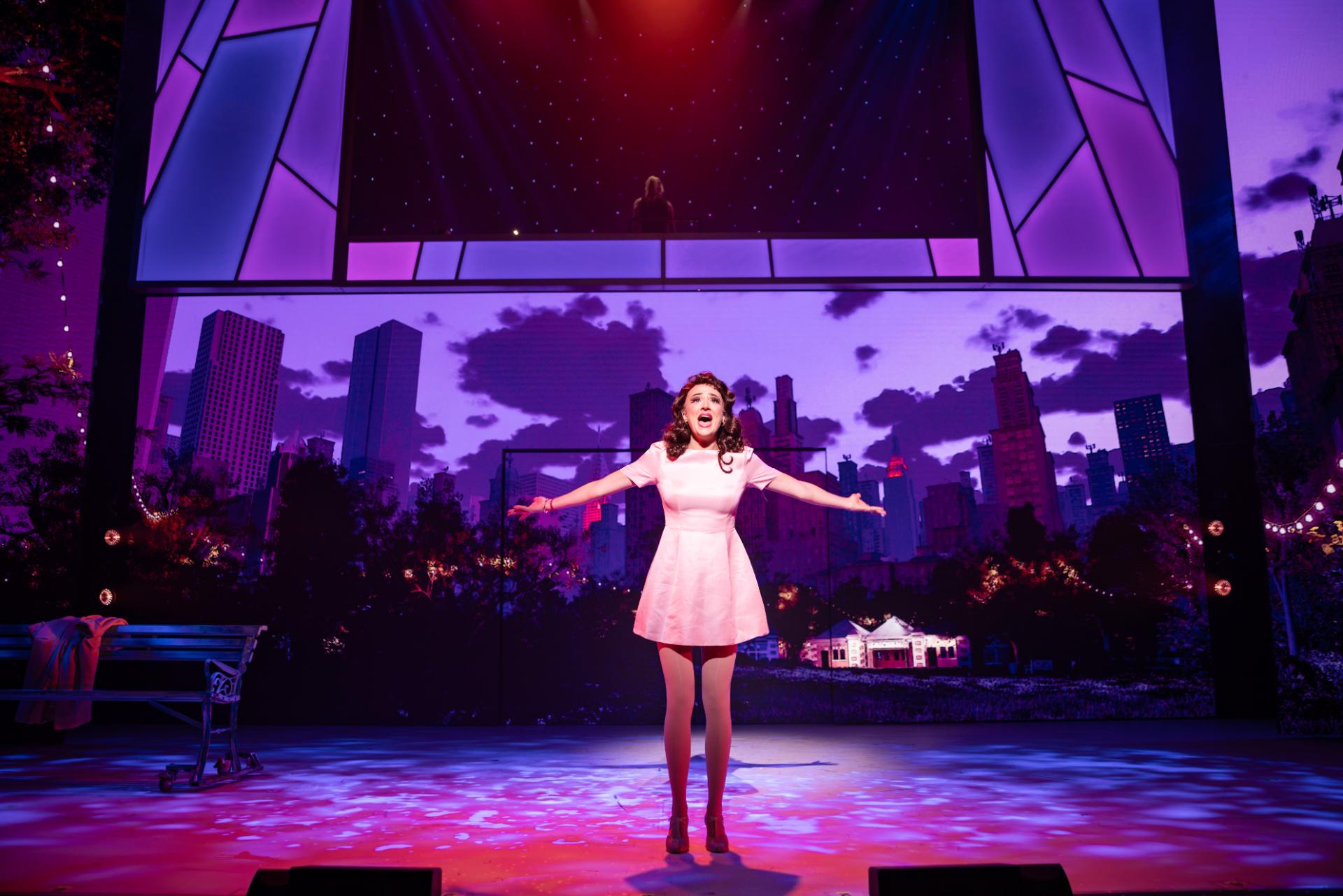
There was a time, approximately half-a-century ago, when men would create shows about women who had no interest for anything else but love. They would dream up pretty young things who wanted nothing other than to find a man, presumably a specimen much like themselves. Andrew Lloyd Webber and Don Black’s 1979 creation Tell Me on a Sunday is a one-act song-cycle, that sees “the girl” wandering from England to New York and to Hollywood, just chasing candidates for marriage, presumably because for her to have any other purpose, would be terribly inconvenient. At just over an hour long, the pair clearly did not know much about the character they purport to represent, and although of brief duration, some might consider Lloyd Webber and Black’s show to be tiresome even before its halfway point.

In this 2024 iteration, direction by Blazey Best does accord “the girl” an attitude of gumption and vigour, she is certainly no shy retiring type, but it is nonetheless irksome to see her want nothing but to land a man. The songs are very much of that period, none of which are particularly catchy, although musical direction by David Gardos is notable for offering enjoyable nostalgia through his faithful renditions, of these compositions about missed opportunities.

Performer Erin Clare sings the score with precision and passion, and although motivated to bring a sense of integrity to the character she embodies, it is difficult to see her as anything but lost and excruciatingly misguided.  Costumes by Ruby Jenkins are flattering, if not always accurate with the era being depicted. Lights by Kelsey Lee deliver sumptuous imagery, along with a sense of time’s passage, as we see “the girl” wasting her best years, running from one failed romance to another.

Even the love obsessed, must contend with the existence of other things, if only for survival. It can be true that a person like “the girl” did exist, especially at a time when we were determined to indoctrinate that being wife and mother, was the ultimate virtue. How we talk about women though, needs to be much more generous in scope. Not all women have to be ambitious, powerful, wise, or resilient, but we do need to make stories be about our agency and autonomy. In stories at least, we need to be able to put ourselves at our own centres.

www.hayestheatre.com.au

Review: The President (Sydney Theatre Company)

Venue: Roslyn Packer Theatre (Sydney NSW), Apr 13 – May 19, 2024
Playwright: Thomas Bernhard (translated by Gitta Honegger)
Director: Tom Creed
Cast: Danny Adcock, Helmut Bakaitis, Tony Cogin, Alan Dukes, Julie Forsyth, Olwen Fouéré, Kate Gilmore, Hugo Weaving
Images by Daniel Boud

Theatre review
The president and first lady of a small unnamed European country have no one to talk to, even though there is never a shortage of hangers-on. They both go on long, repetitive tirades, clearly having stopped listening a long time ago, to anything but their own voices. The nation is on high alert, with the escalating threat  of anarchic activity, but both the head of state and his wife, are preoccupied with their own laments that are patently irrelevant to anyone but themselves.

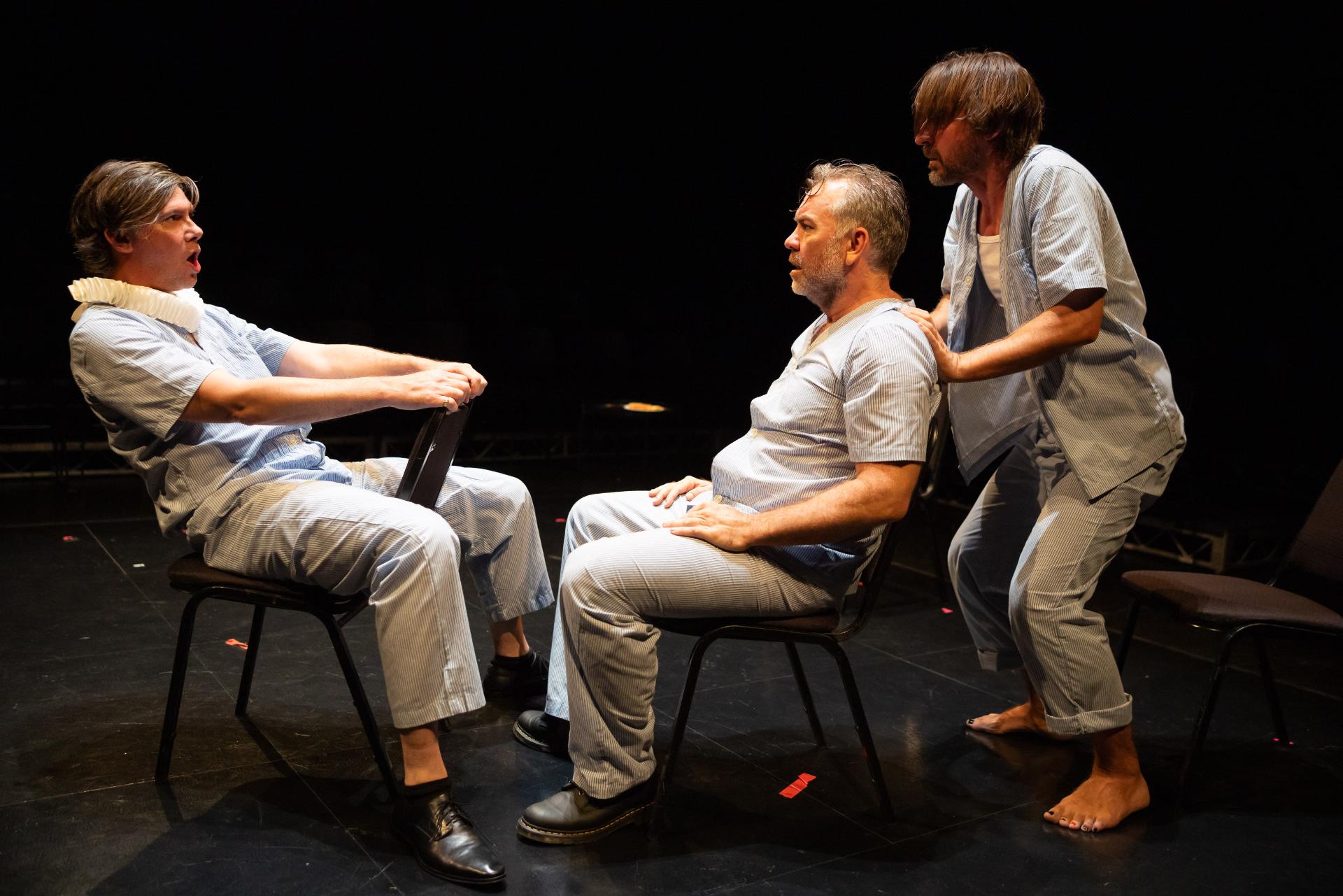
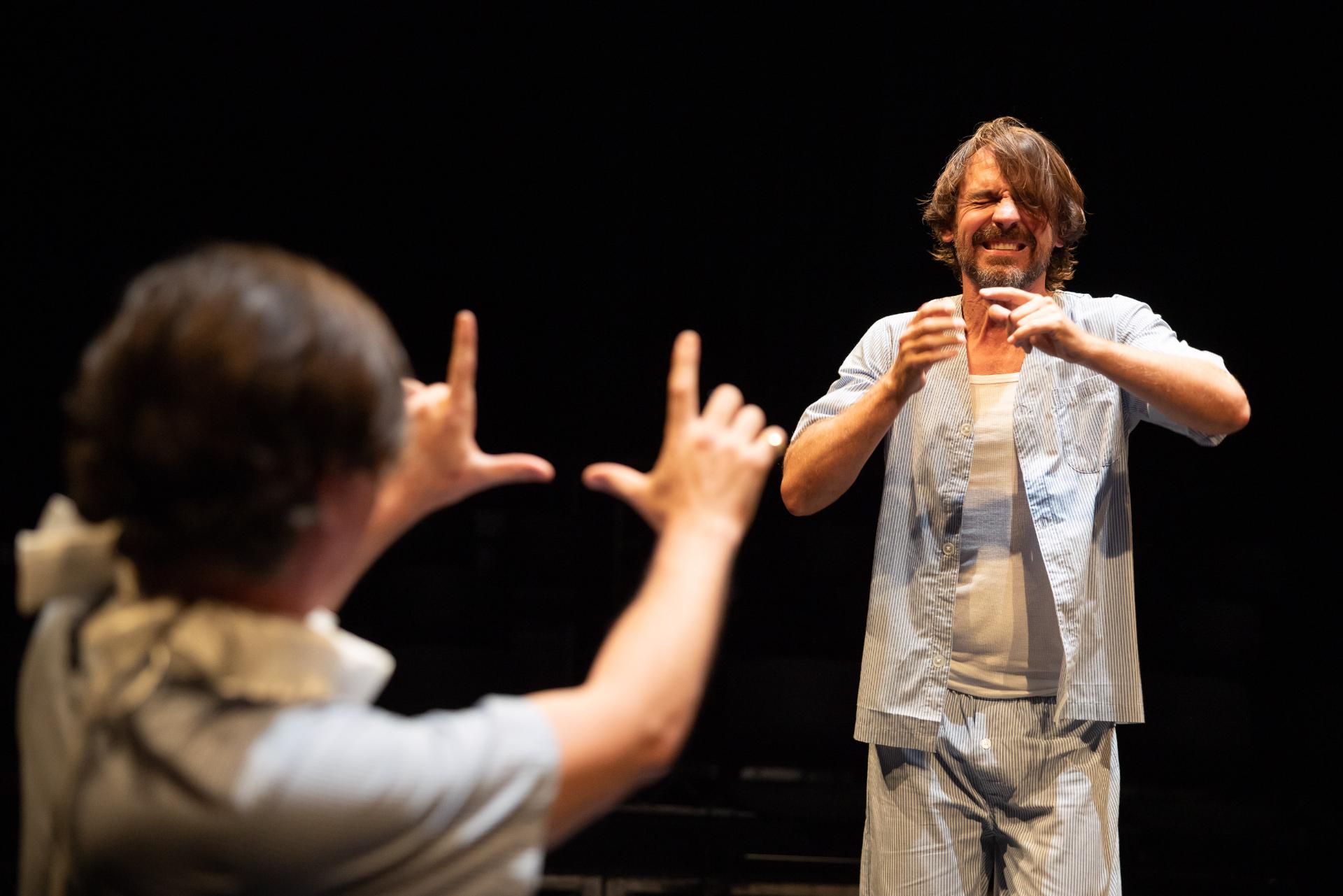
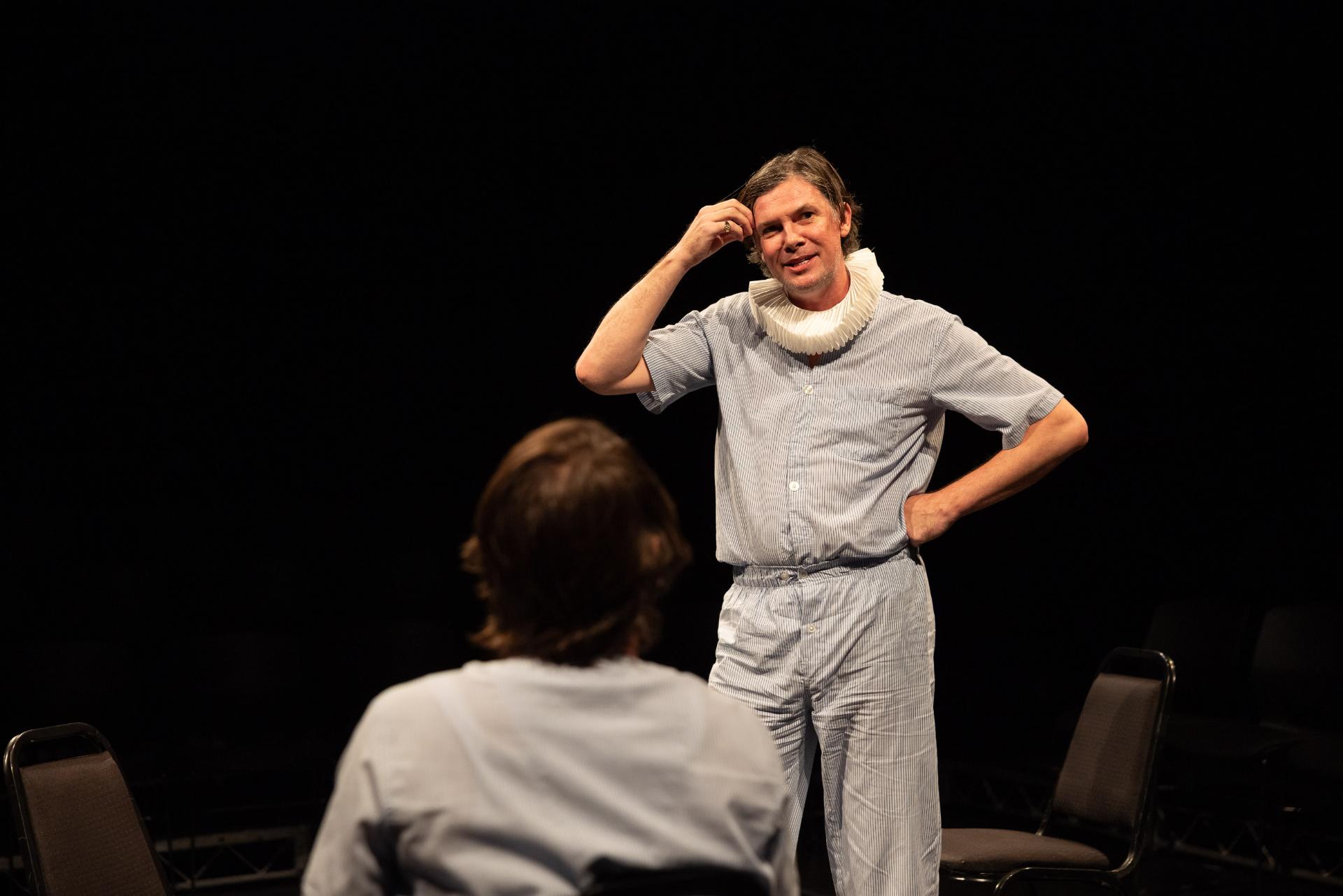
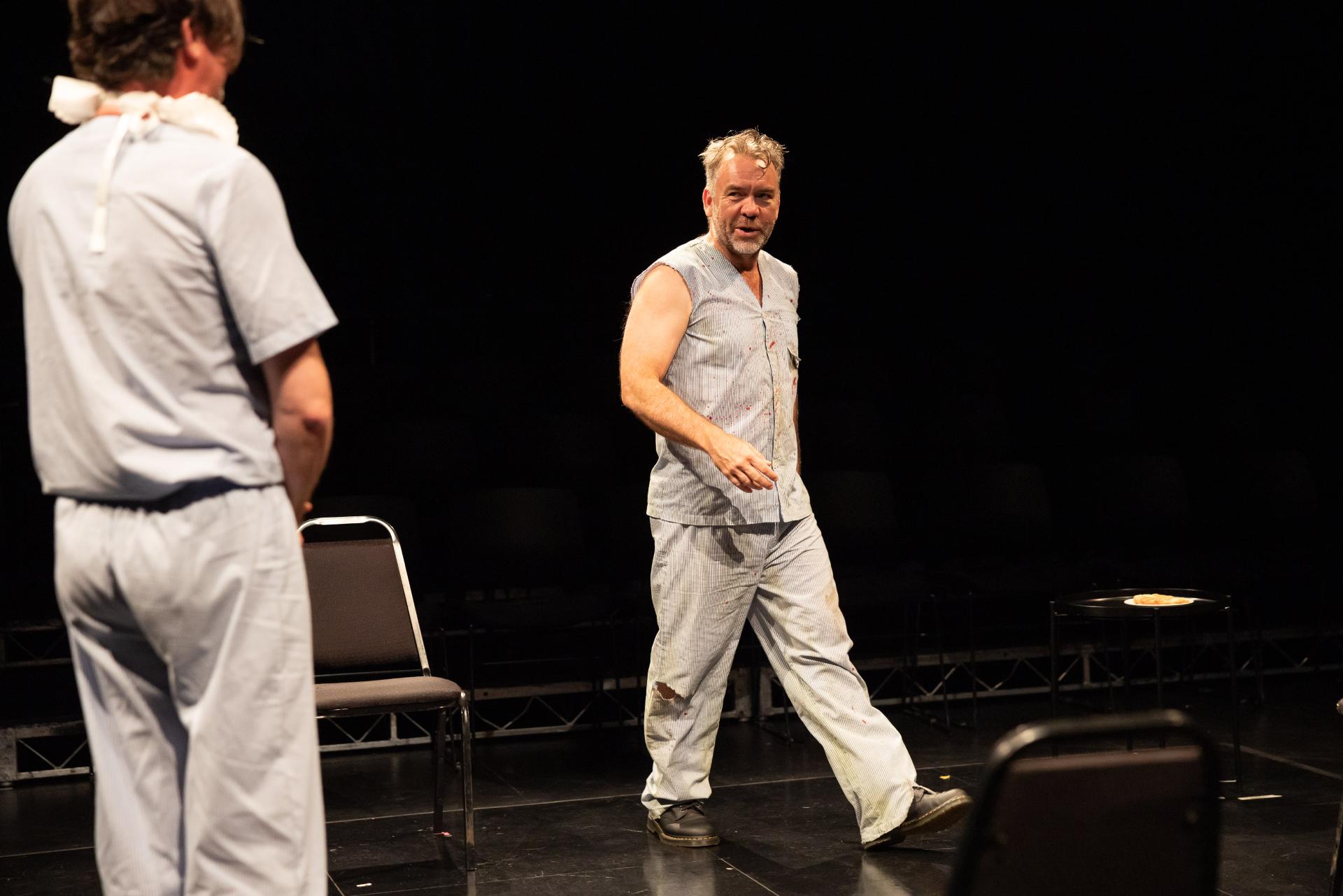
The four acts in Thomas Bernhard’s 1975 play The President feel very much like a series of monologues, although there is always more than one actor present. In a work that is ostensibly about megalomania, Bernhard’s dialogue never sounds like conversation, and what the characters do say, is unlikely to be of great interest to contemporary audiences. What results is something that does not consistently engage, but under the directorship of Tom Creed, the production is certainly curious, if not completely fascinating. Although this half-century-old piece may not bear obvious resonances for our immediate epochal concerns, The President is nonetheless creatively assembled, and ironically refreshing in its presentation of a theatrical style that seems contrary, to what is considered en vogue.

Its visual aesthetic however is very much on trend, with production design by Elizabeth Gadsby offering sumptuous imagery through sets and costumes depicting the rich and rarefied existence of the political elite. Lights by Sinead Mckenna and sound by Stefan Gregory are relatively minimal in approach, never superfluous with their artistic gestures, only delivering elegant solutions for this instance of cerebral satire.

The luminous Hugo Weaving plays the president, commanding and mesmerising, almost able to help us make sense of all the despotic rants and raves inflicted by his part. Weaving’s capacity to portray someone despicable, whilst keeping us thoroughly charmed, is nothing short of masterful. In the role of the first lady is Olwen Fouéré, whose immense energy sustains our attention, and whose talent for blending the surreal with the natural, makes for a fascinating study of a woman unravelling, almost having us overlook the misogyny in Bernhard’s legacy.

So much of politics have changed since the original staging of The President, but it seems that the need to regard the powerful with suspicion, is eternal. Power affords those who wield it, secrecy and inconsequence, so that they may abstain from accountability, and act with no consideration for morality. Humans are susceptible to corruptibility; anyone can imagine themselves accorded unchecked authority, and understand that to withstand temptation requires extraordinary, or perhaps impossible, integrity. This can only mean that our leaders must be kept under constant scrutiny, even when we do entrust them with all our greatest hopes.

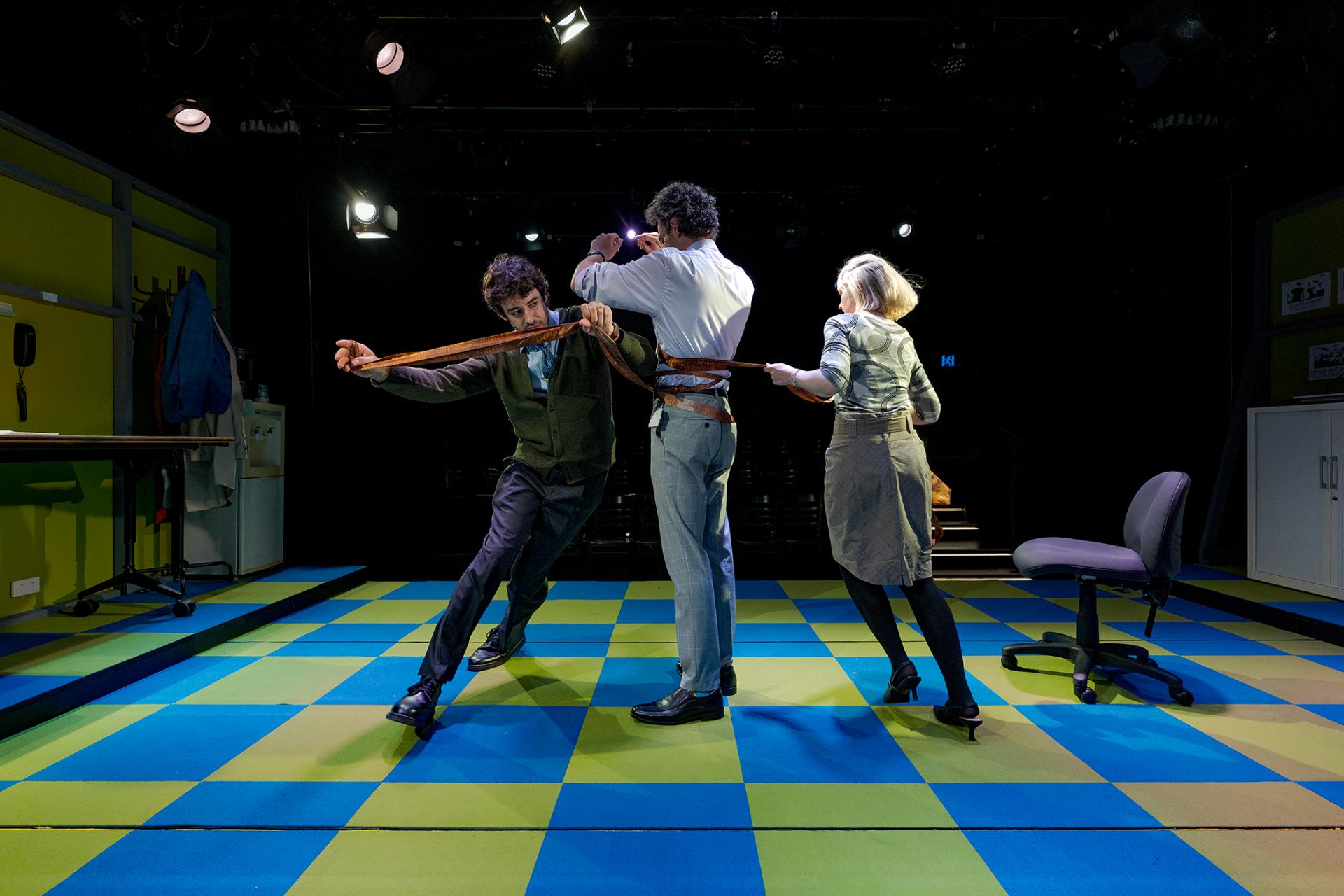
www.sydneytheatre.com.au | www.gatetheatre.ie

Review: A Case For The Existence Of God (Seymour Centre)

Venue: Seymour Centre (Chippendale NSW), Apr 11 – May 4, 2024
Playwright: Samuel D. Hunter
Director: Craig Baldwin
Cast: Anthony Gooley, Elijah Williams
Images by Phil Erbacher

Theatre review
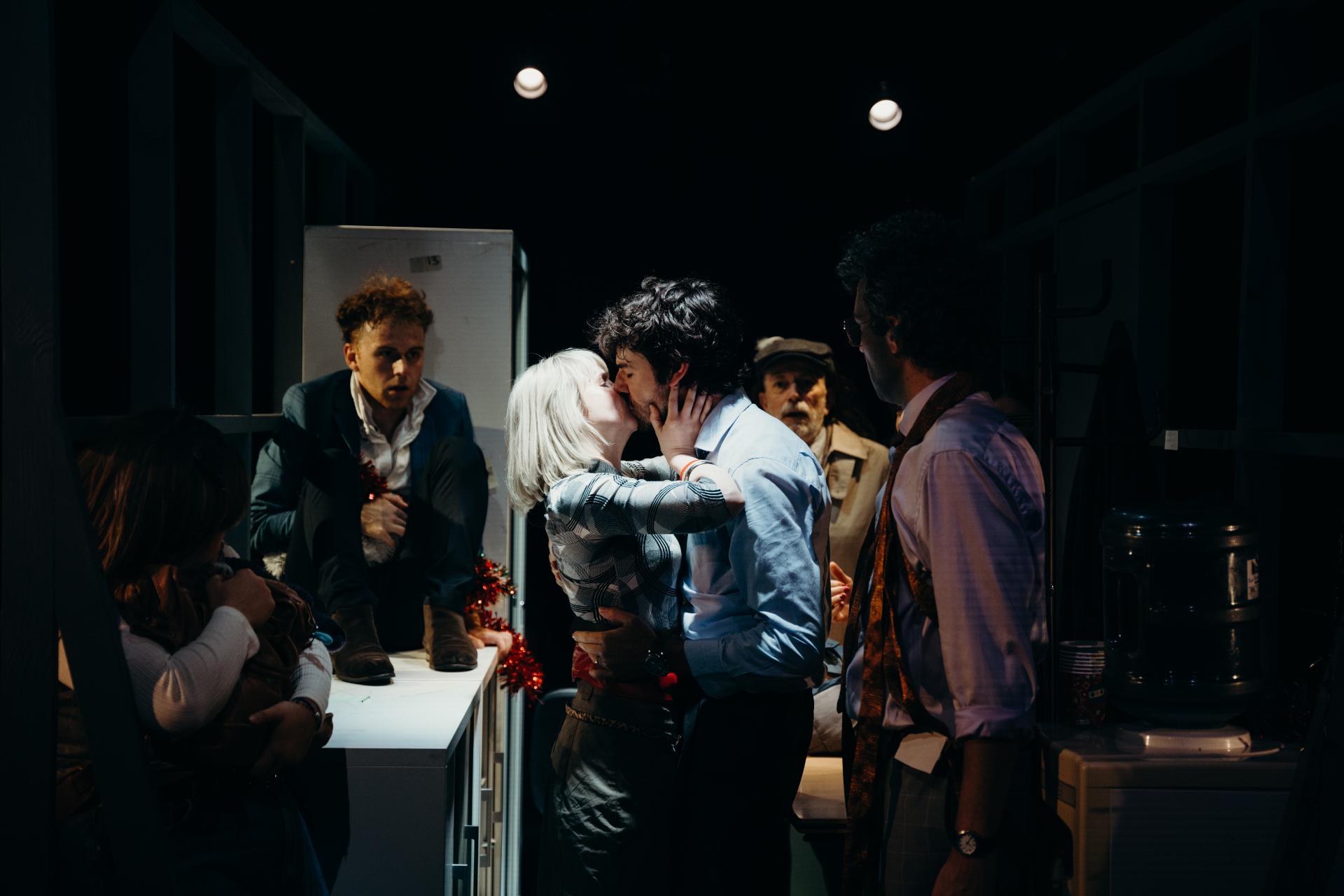
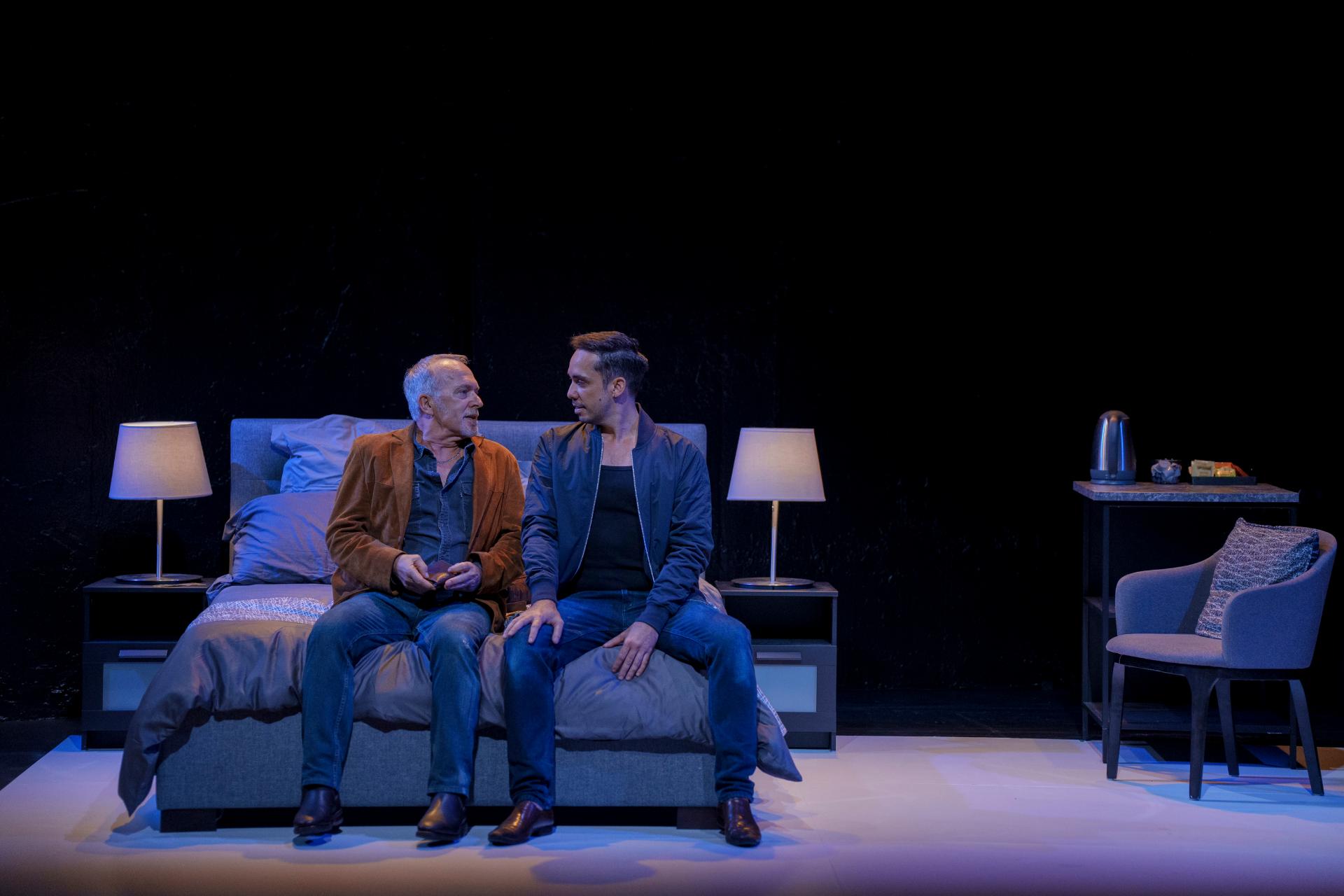
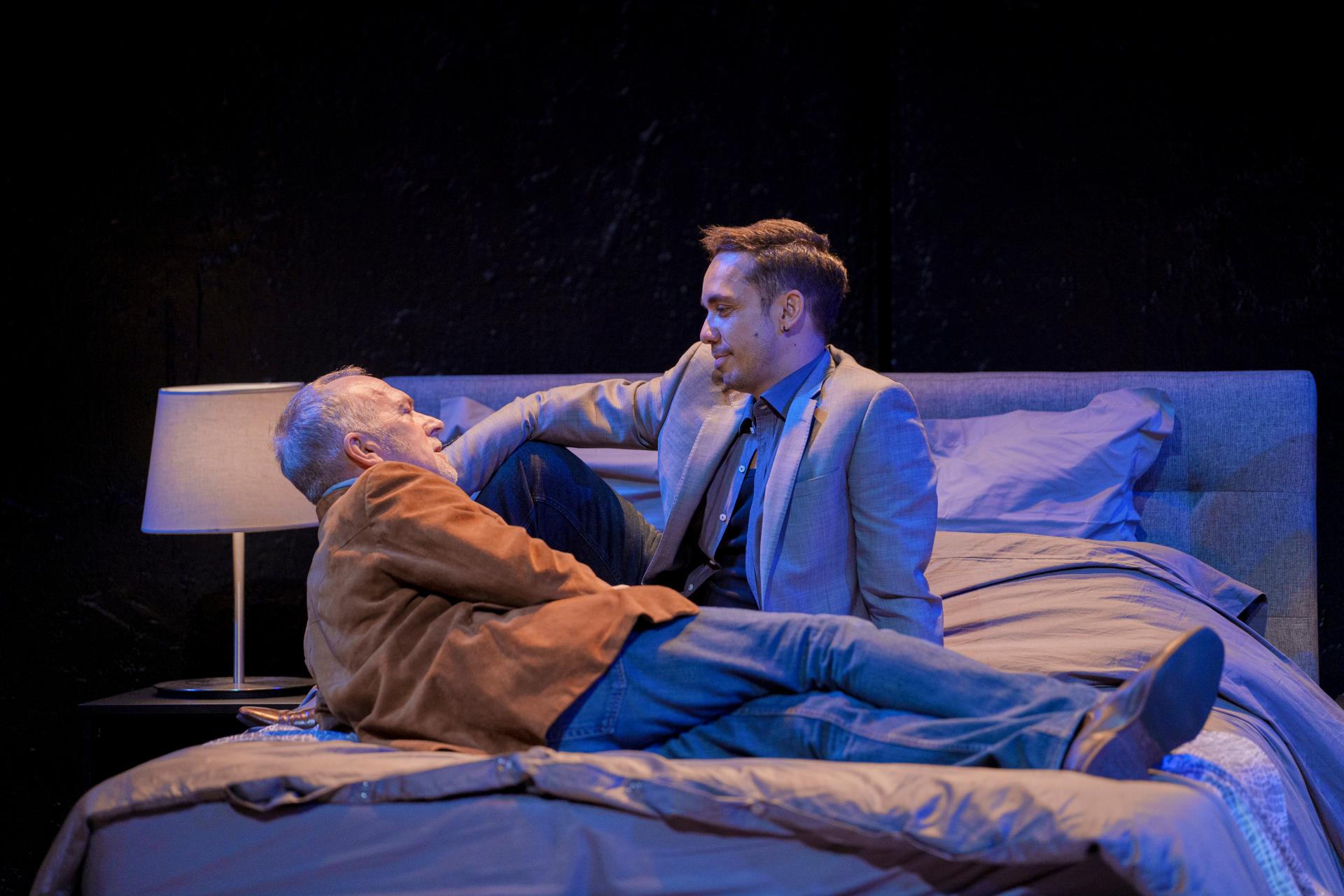
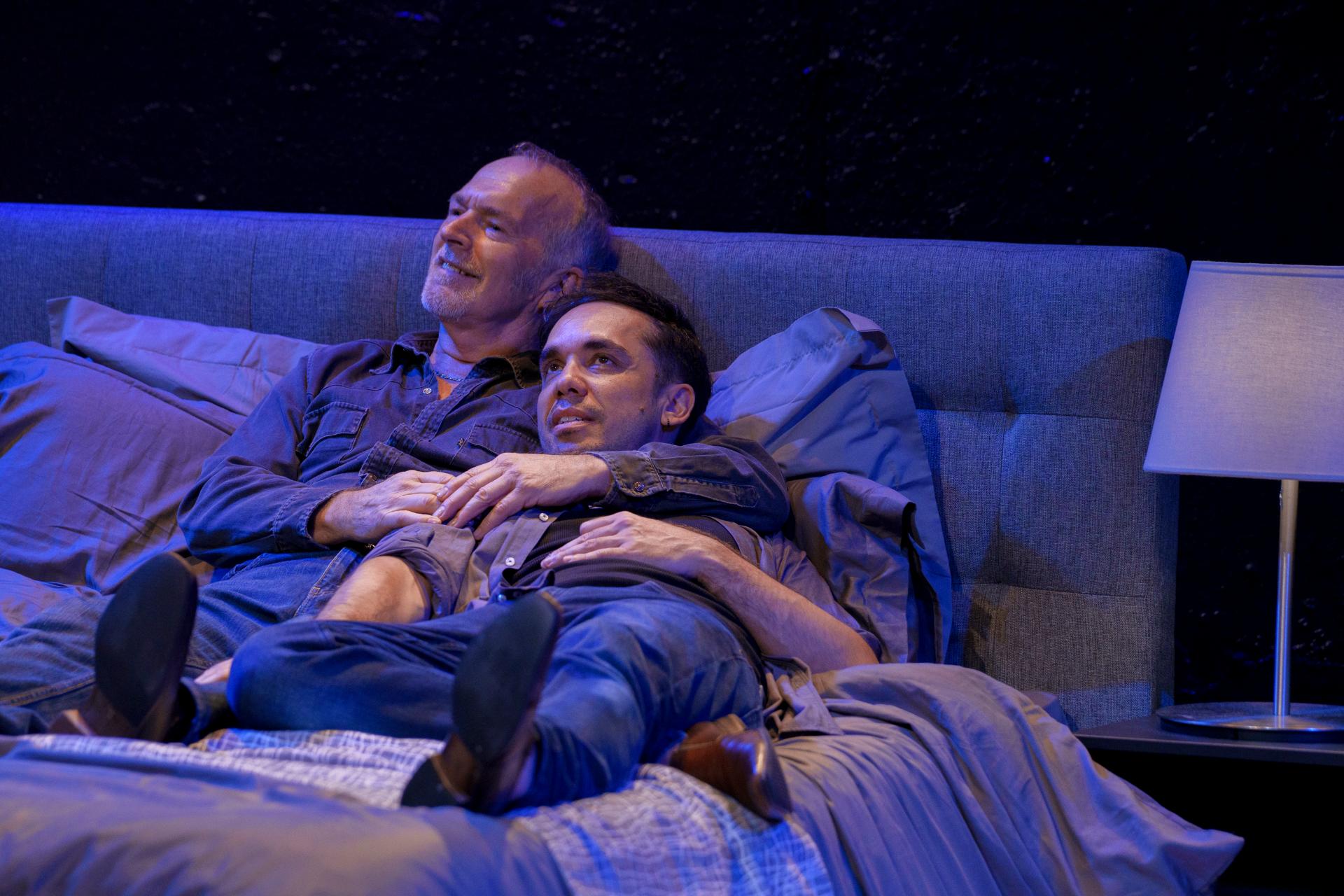
The two men in A Case for the Existence of God live in different worlds, but when Ryan engages Keith as mortgage broker, they become unexpected friends, and discover that they “share a specific kind of sadness”. Samuel D. Hunter’s play is a sensitive work, about the bond between men, and the tenderness that is rarely acknowledged , but that is crucial to the health and wellbeing of any modern male person. It is also a portrait of single fatherhood in contemporary USA, where like in many Western societies, the evolution of masculinity seems to be at a moment of reckoning.

This deeply reflective piece of writing is imbued commendable integrity, in a staging by director Craig Baldwin, whose depictions of the two individuals, and their burgeoning friendship, beams with authenticity. The tone of the production can feel somewhat unvarying, but the storytelling is nonetheless consistently engaging. With the captivating duo of Anthony Gooley and Elijah Williams performing as Ryan and Keith respectively, we are immediately endeared to both characters, and never let up on our investment in their connections. We may not always see enough contrasts or oppositions in their dynamic, but their generous symbiosis ensures our engagement in the piece.

Set design by Veronique Bennet conveys evocatively the claustrophobic nature of smalltown life, and of traditional masculinity, but lacks the versatility required to transport us to the assorted locations of the play. Bennet’s lights though are marvellously detailed, able to render precisely the appropriate temperament for each scene. Costumes by Jeremy Waters are fittingly stoic, for a presentation that deals with the often overlooked aspects of being male. Sounds by the aforementioned Baldwin offer simple solutions to relay the passage of time, in a show that is distinct for its sense of stillness.

In A Case for the Existence of God, we watch Ryan and Keith find value in the present, by always referring to the past and the future. Family history is key to their identity, which can seem an obvious statement, but in our increasingly individualistic modes of living, concepts of heritage and of legacy are rarely central in how we think and act, and they need our renewed attention. In the pursuit of personal joy and freedoms, one can easily find themself eventually completely unmoored. It is true that all is transient, but to view everything as impermanent, can be unbearable for humans that thrive almost exclusively on meaning. It can be argued that altruism is the solution for our disquiet, and family is the most convenient location for its practice.

www.seymourcentre.com | www.outhousetheatre.org

Review: For The Love Of Paper (KXT on Broadway)

Venue: KXT on Broadway (Ultimo NSW), Apr 5 – 20, 2024
Playwright: Almitra Mavalvala
Director:
Kersherka Sivakumaran
Cast: Antony Makhlouf, Almitra Mavalvala, Joseph Raboy
Images by LSH Media

Theatre review
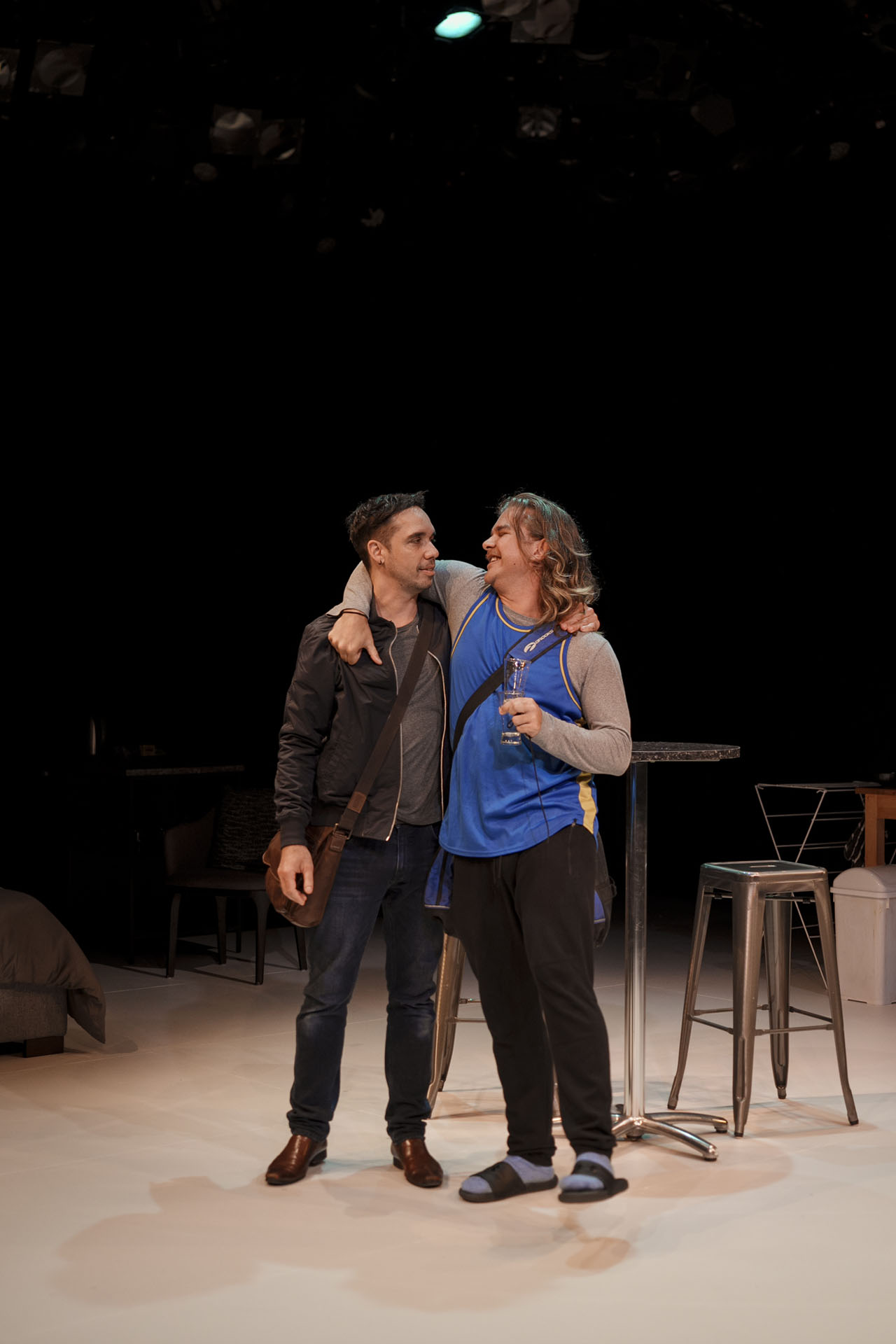
Amaliah and Kaveh are thick as thieves, best of friends living together. When Amaliah comes to the end of her tether trying to apply for visas to stay in Australia, Kaveh decides to marry her, even though he is gay, and the two are in no way romantically involved. For the Love of Paper by Almitra Mavalvala explores the nature of friendship, in terms of its evolution as conditions change, and as power dynamics become unbalanced. It also looks at the experiences of immigrants in search of greener pastures, but who are always caught between cultures.

There is a lot of ground to cover in the play, and even though meaningful and well observed, For the Love of Paper is much too detailed in its depictions of reality-based events. While the narrative is compelling, it is often a predictable one that requires less exposition than is being given. There is excellent humour in the piece, but direction by Kersherka Sivakumaran tends to be overly severe. Nonetheless, the show bears a distinct sense of authenticity, that makes it a worthwhile experience.

Set design by Paris Bell offers a rendering of familiar domesticity, effective at facilitating physical activity, if slightly busy visually. Costumes by Rita Naidu help to convey personality types with accuracy and immediacy. Jasmin Borsovsky’s lights are intricately conceived, to provide impressive variation to imagery and mood. Music by Mavalvala and Andre Sauzier is thoroughly enjoyable, however sound design is in general deficient, often leaving atmosphere cooler than appropriate.

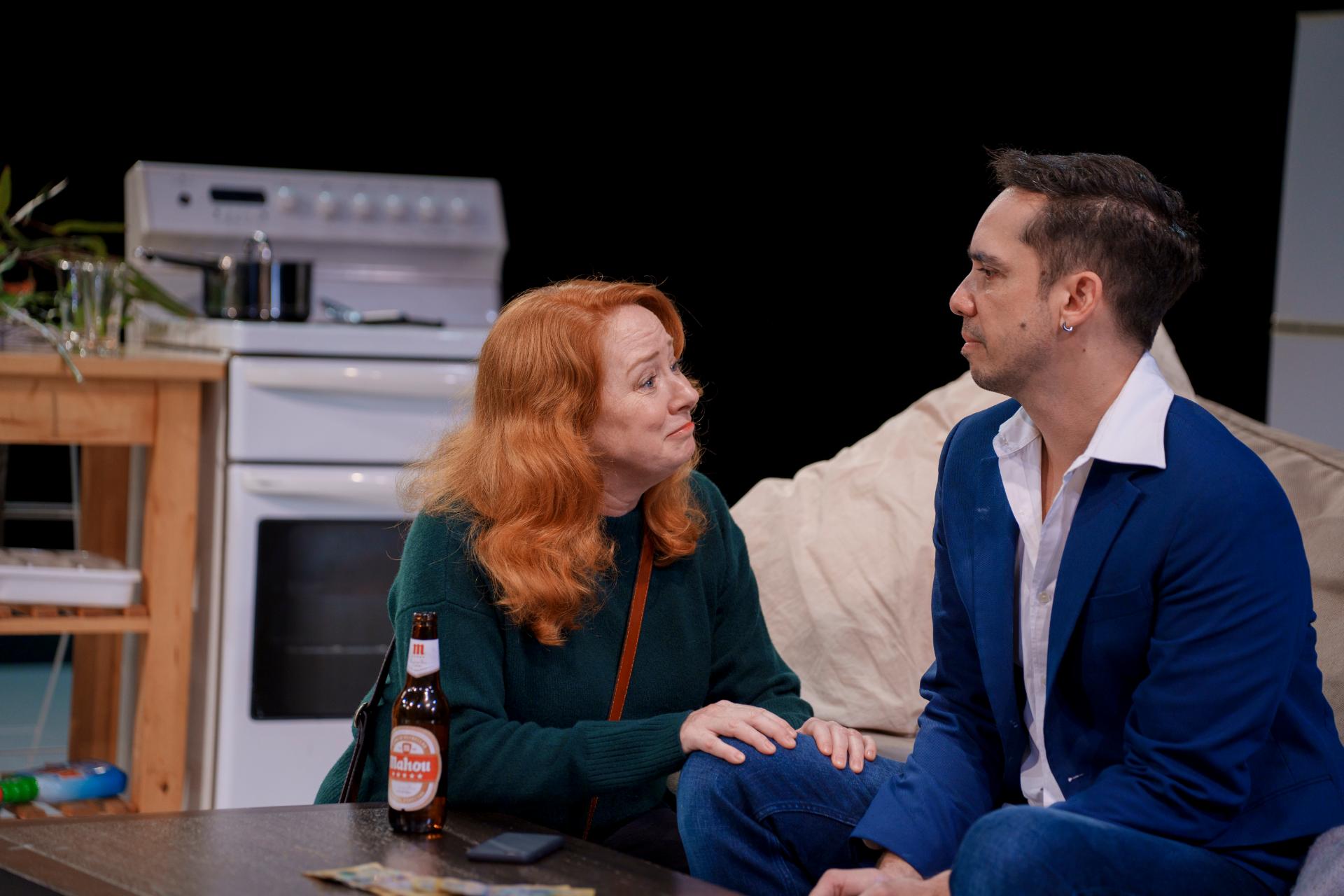
Mavalvala performs the role of Amaliah with commendable vigour, while Antony Makhlouf is notable for bringing excellent nuance as Kaveh. Both are charming presences, with a lovely chemistry that always feels believable and endearing. Joseph Raboy plays innumerable supporting characters, consistently reliable for the levity he introduces so effortlessly.

Amaliah and Kaveh are making new lives on foreign lands, and like immigrants everywhere going through a process of transplantation, they discover quandaries full of unanticipated challenges. The luckier ones may feel a superficial welcome, but rarely is there sufficient support to truly thrive. Many will have to grapple with being in positions of disadvantage. It is incumbent upon birds of a feather to flock together, in order that we may uplift each other, in spaces where we continue to be regarded as second class.

www.kingsxtheatre.com | www.bcdtheatre.com | www.instagram.com/culture_shock_theatrical