

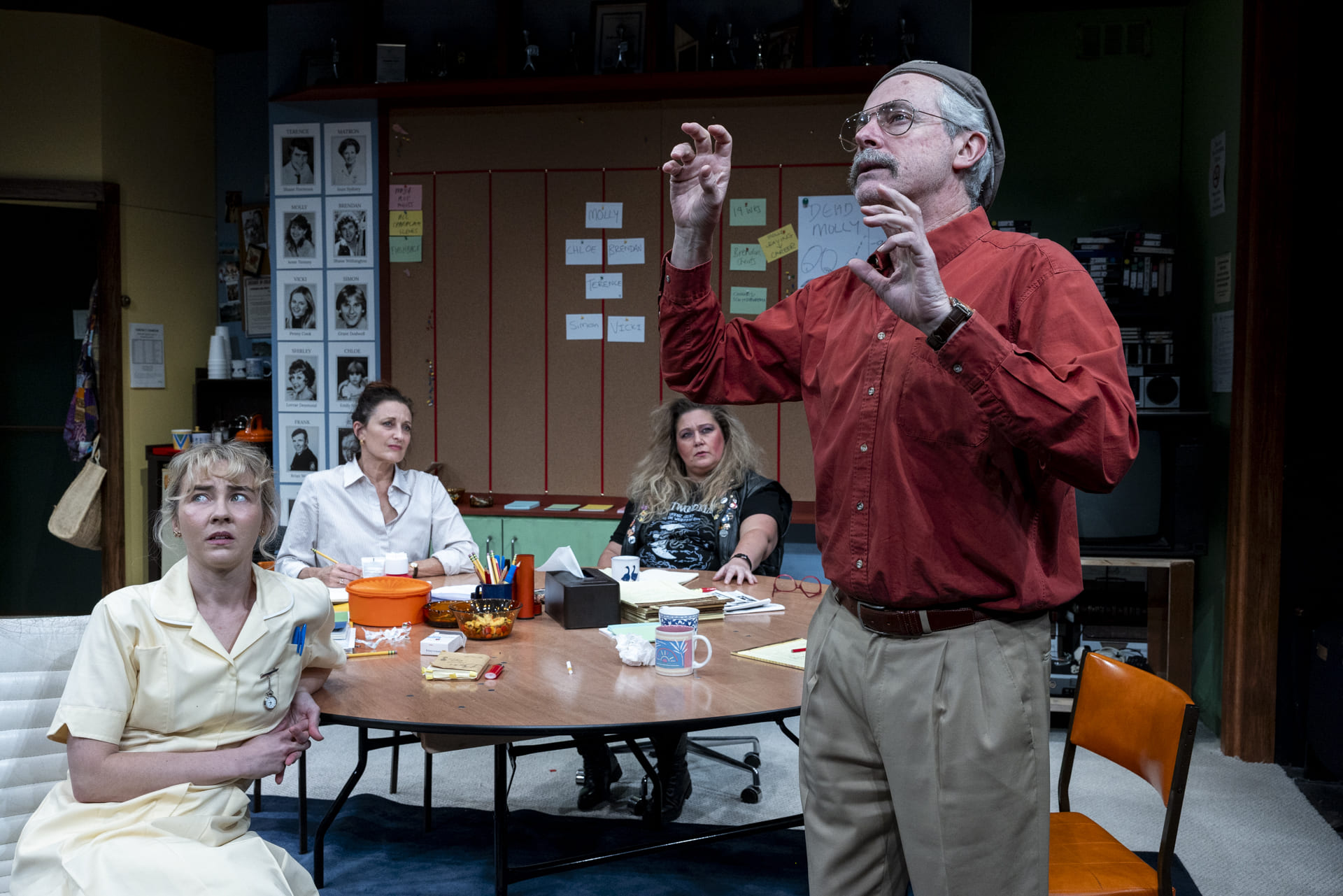

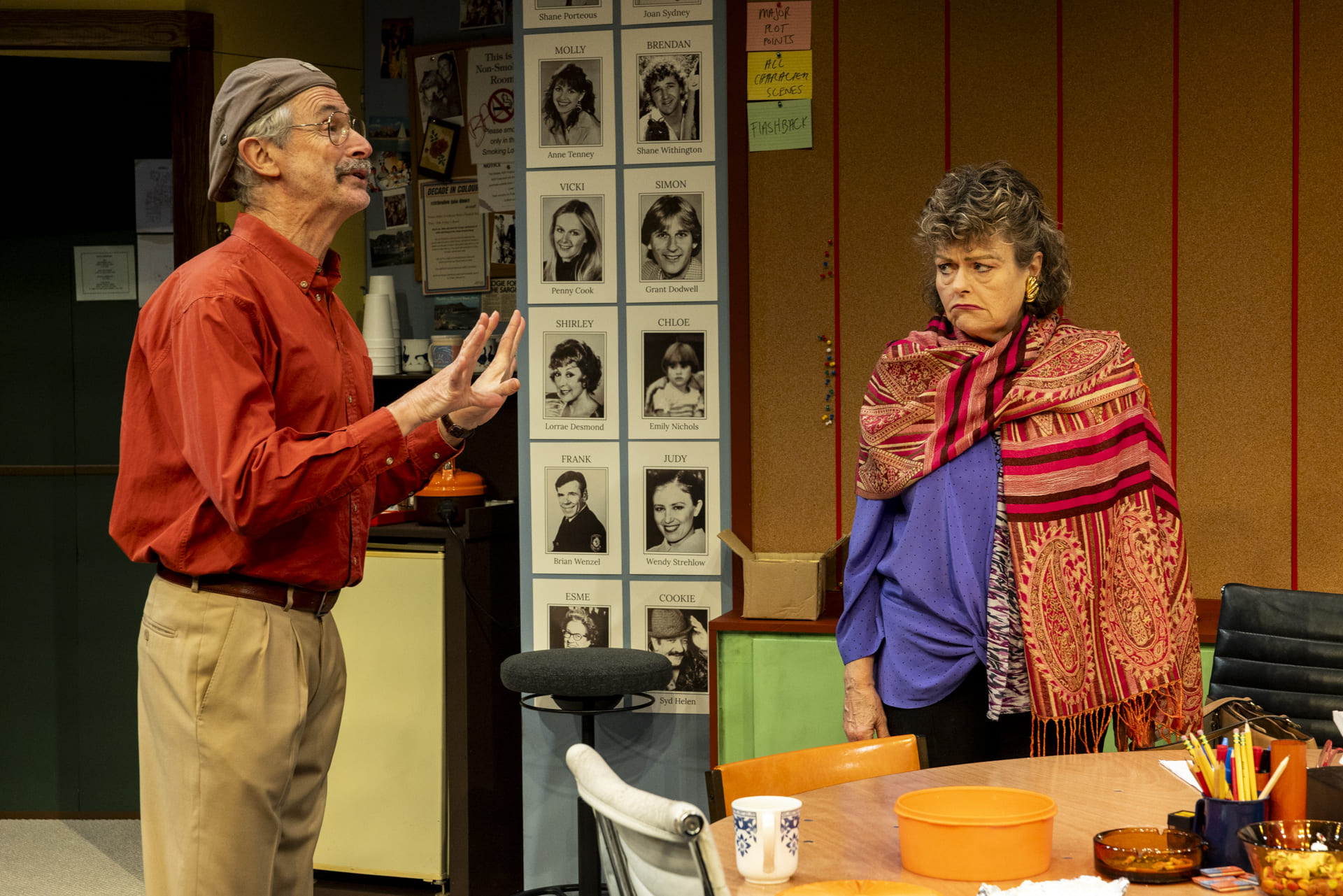
Venue: Ensemble Theatre (Kirribilli NSW), Aug 29 – Oct 11, 2025
Playwright: Melanie Tait
Director: Lee Lewis
Cast: Amy Ingram, Genevieve Lemon, Seán O’Shea, Georgie Parker, Julia Robertson
Images by Brett Boardman
Theatre review
It is 1985, and a key cast member is departing the high-rating Australian soap opera A Country Practice. The writers are tasked with making sense of her exit, not only for themselves as creatives deeply entwined with the show, but also for a public profoundly invested in its characters. How to Plot a Hit in Two Days by Melanie Tait is a charming reimagining of the delicate machinery behind one of the era’s most unforgettable television moments. The play beautifully captures the intricacies of artistic collaboration, resonating with anyone curious about the creative process. Yet its heavy reliance on a very particular vein of cultural nostalgia risks alienating contemporary audiences less familiar with that history.
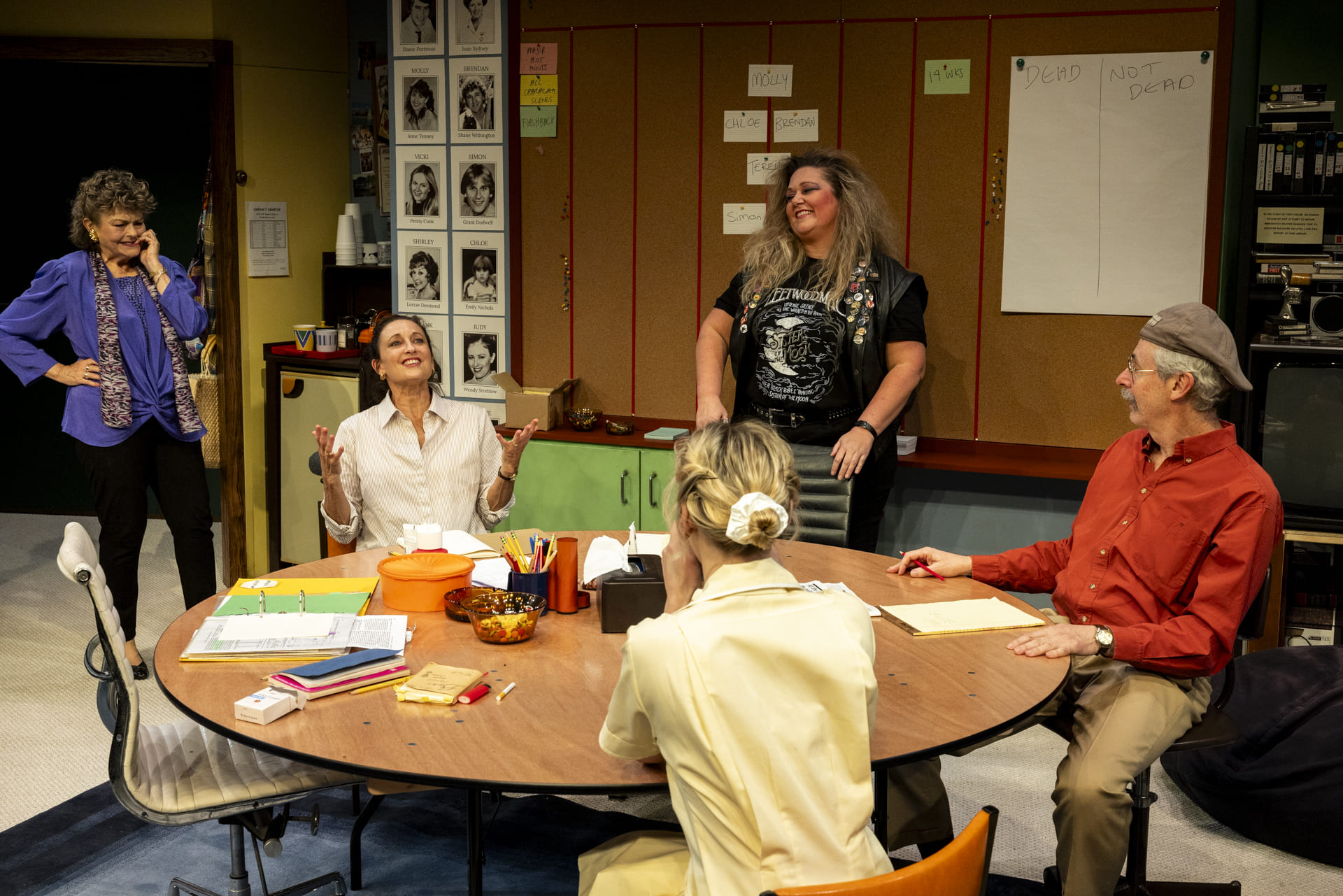
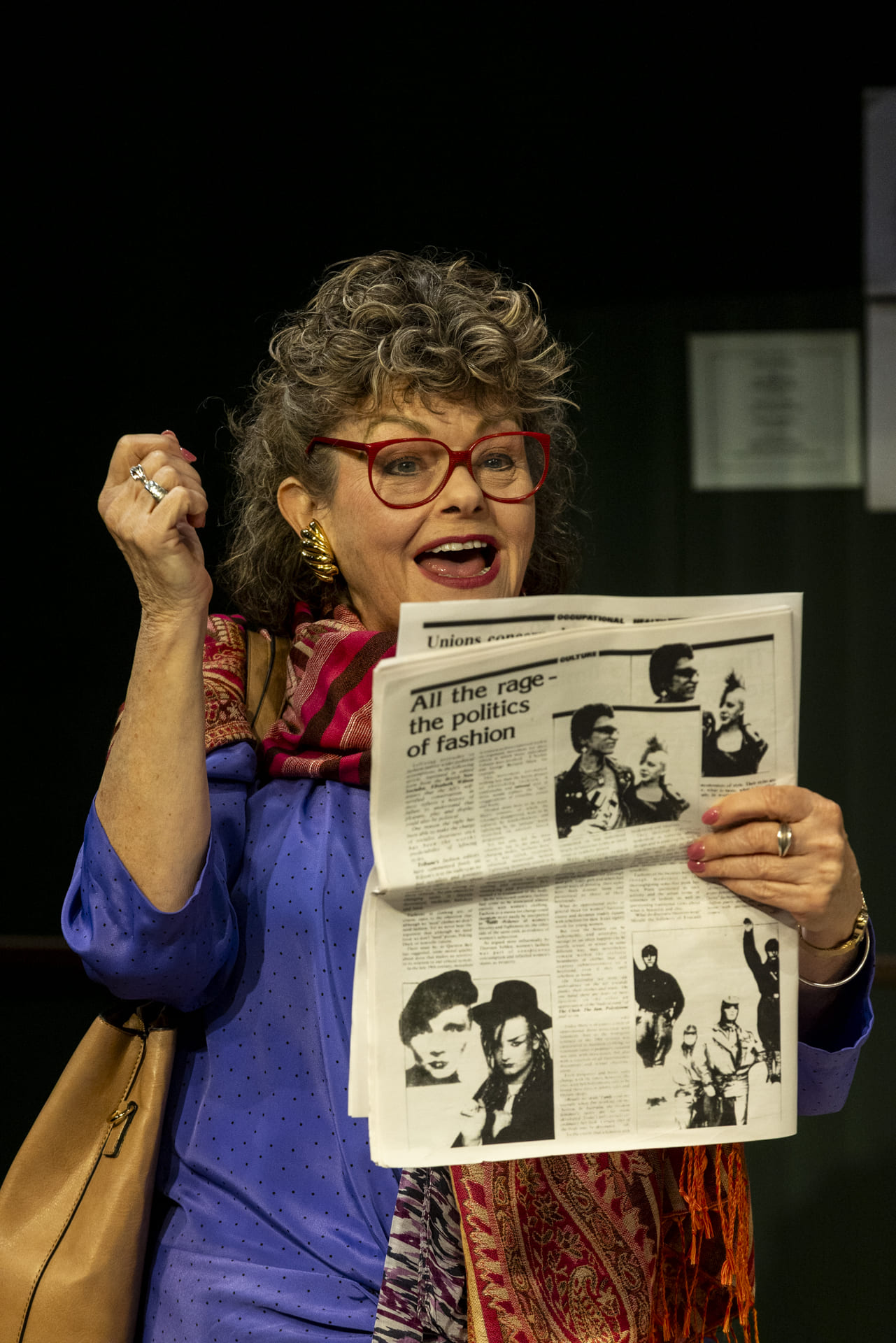
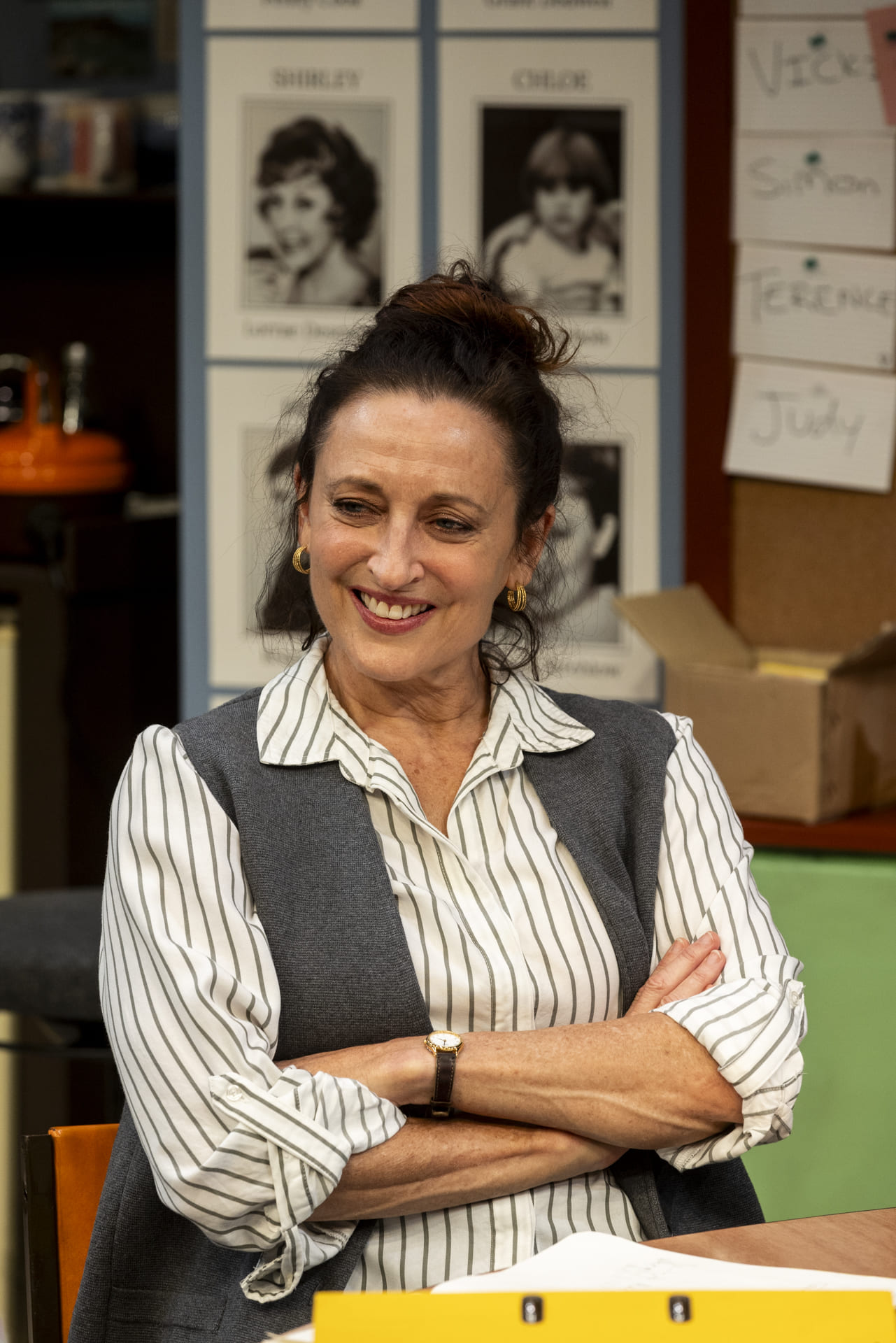
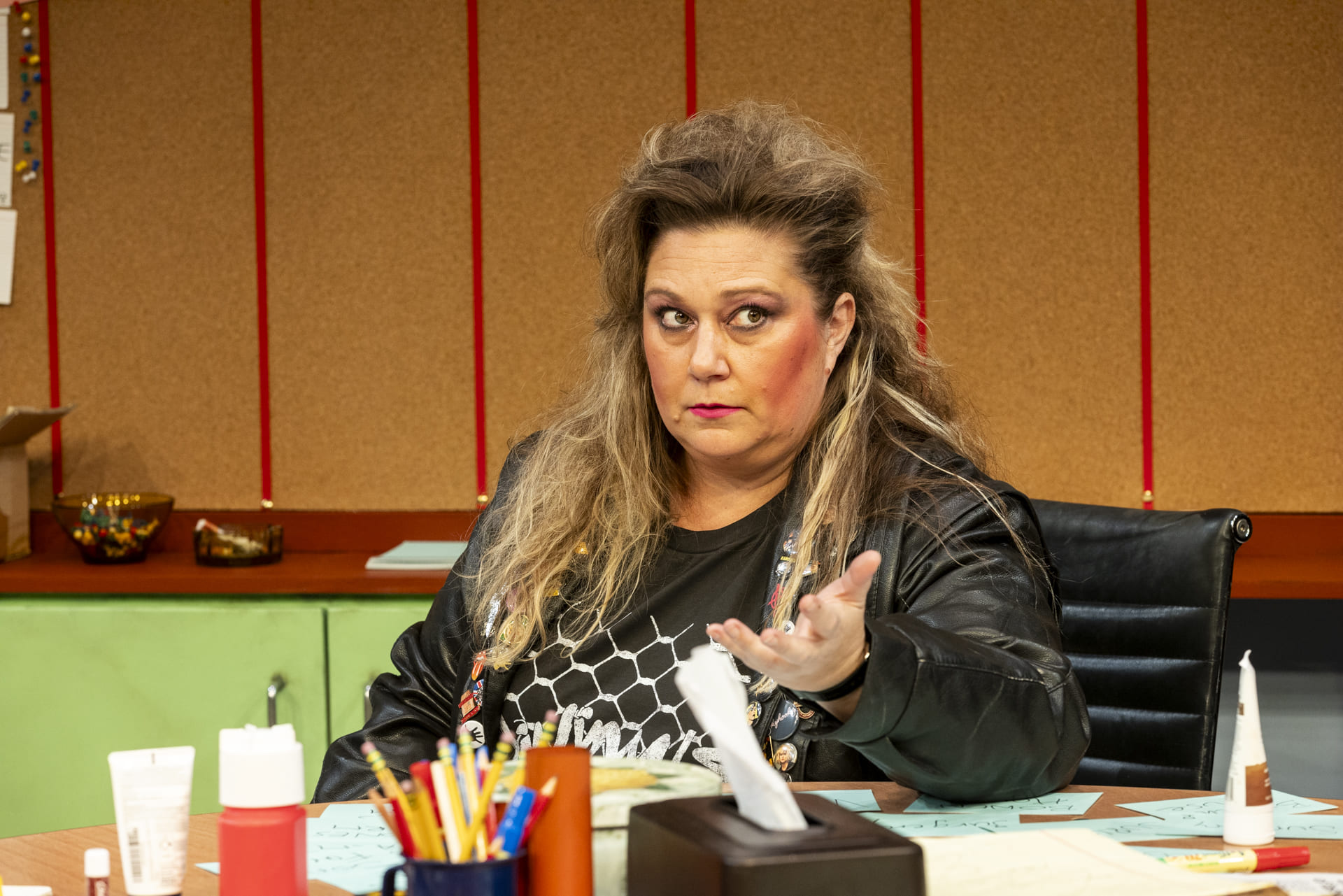
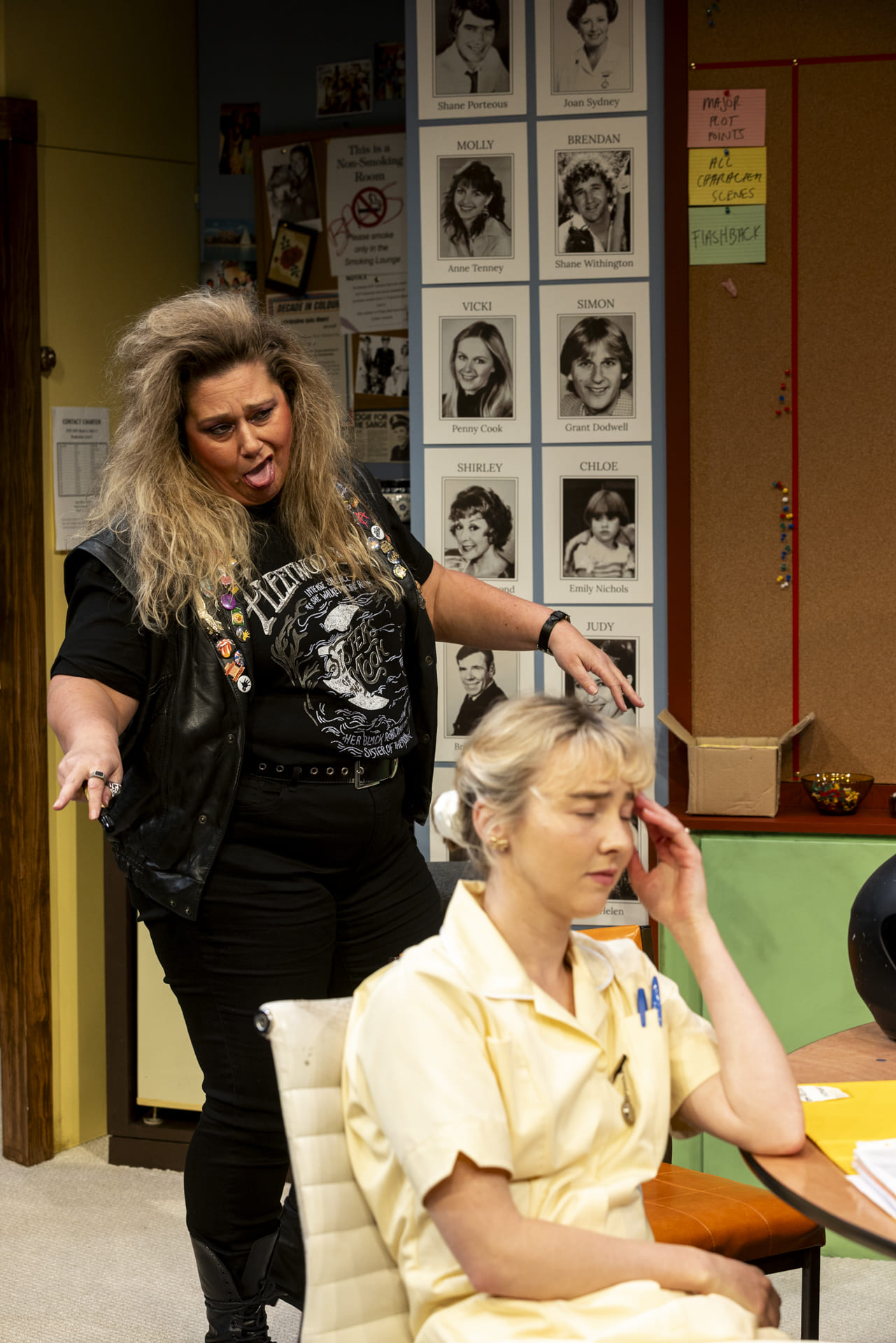
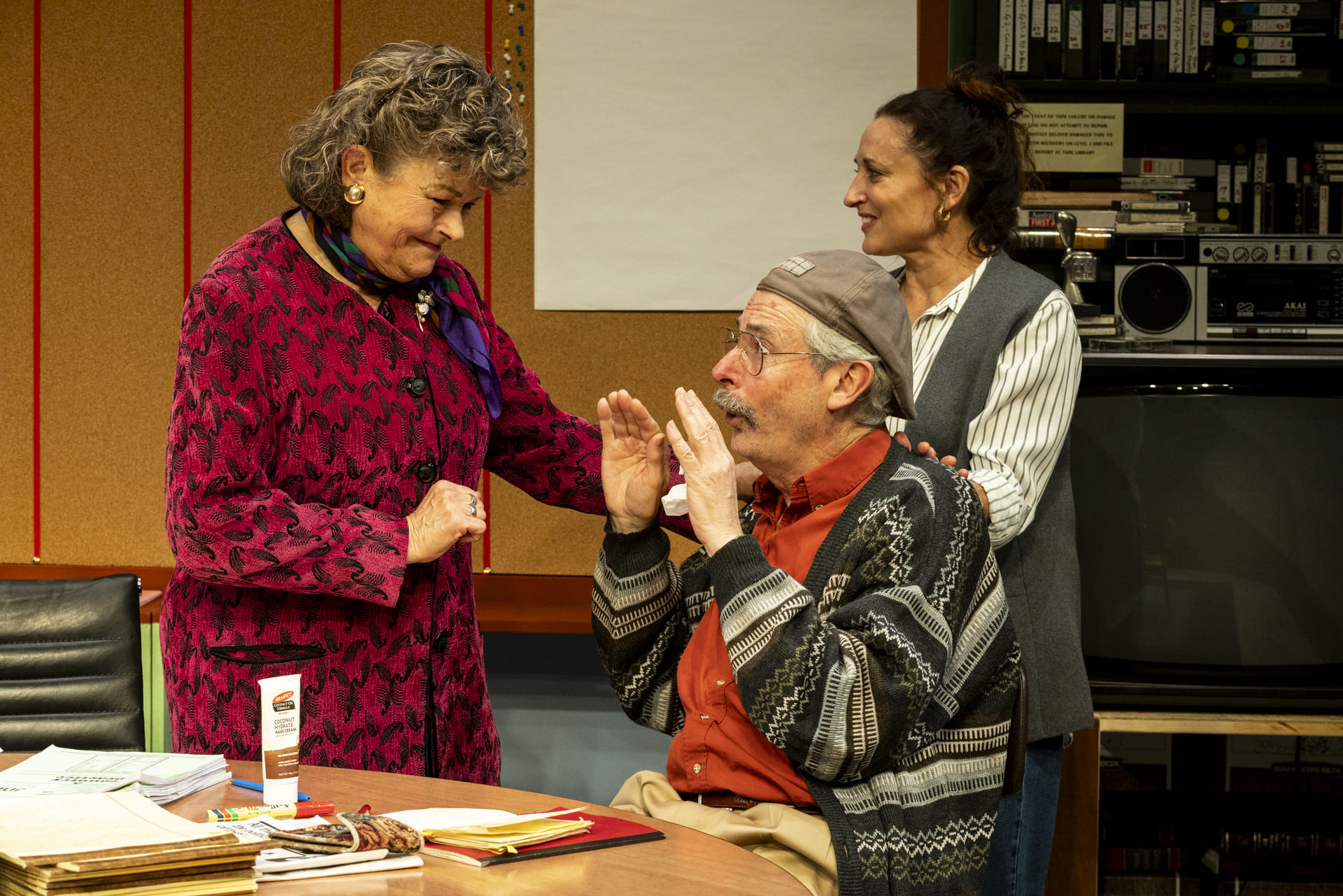
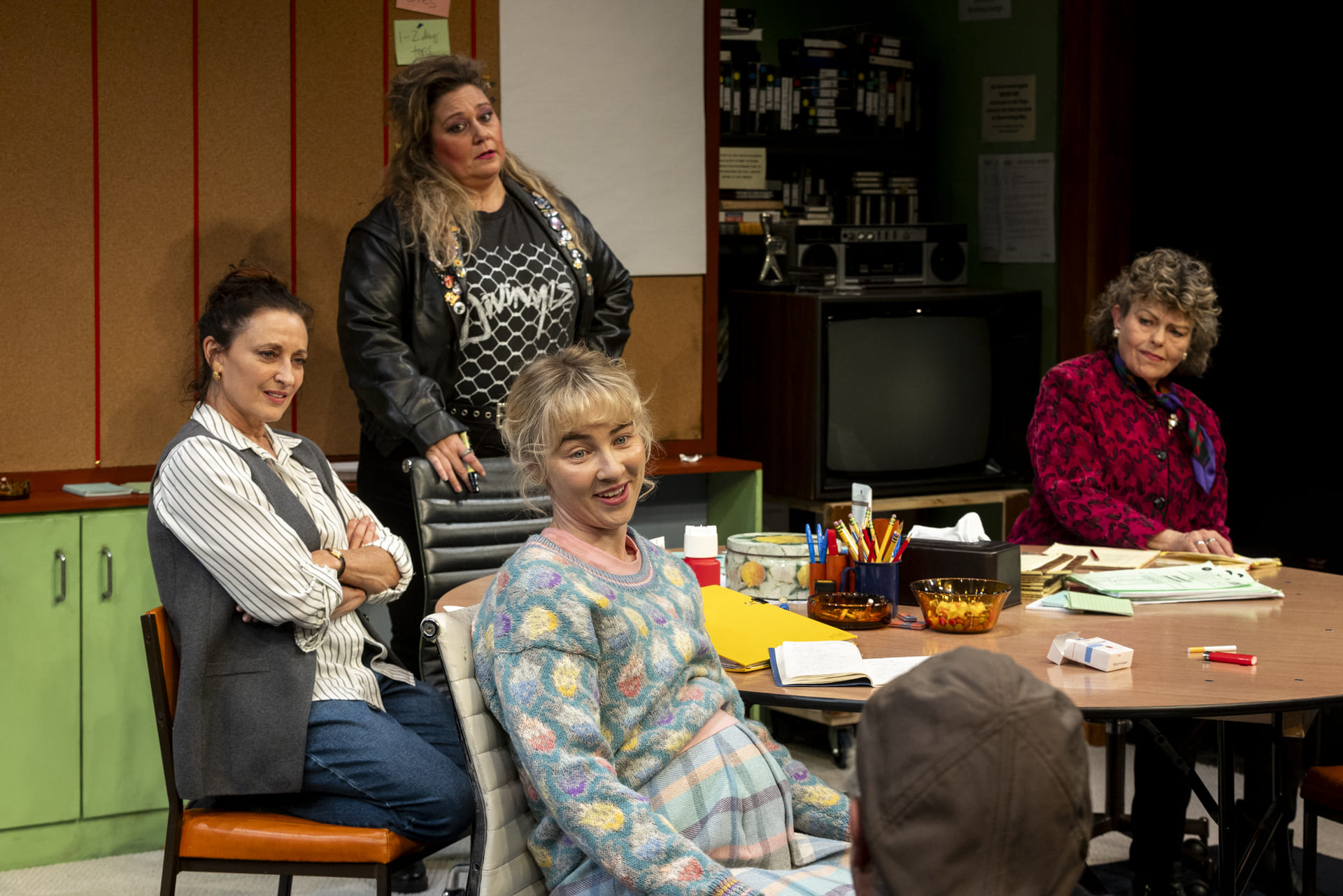
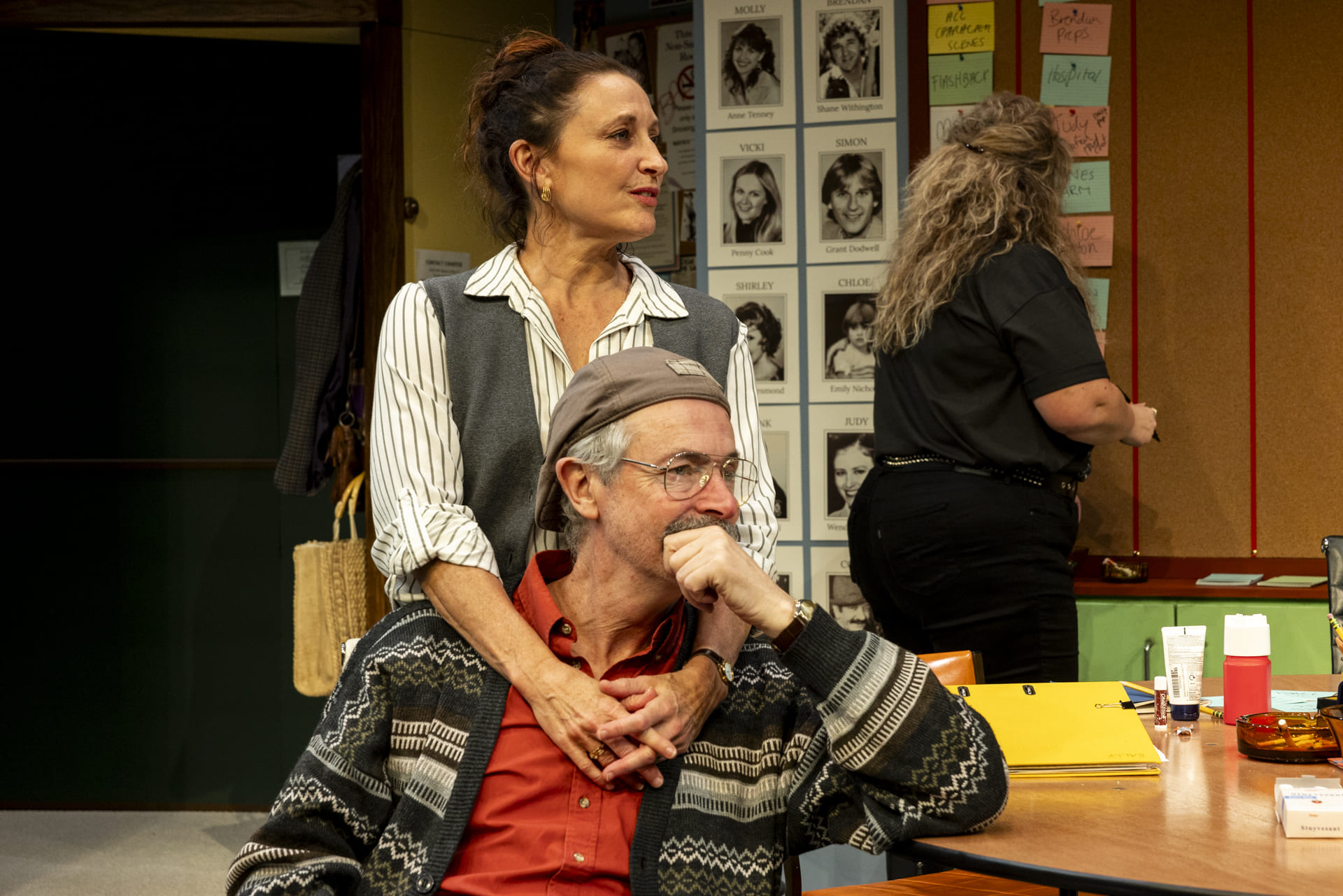
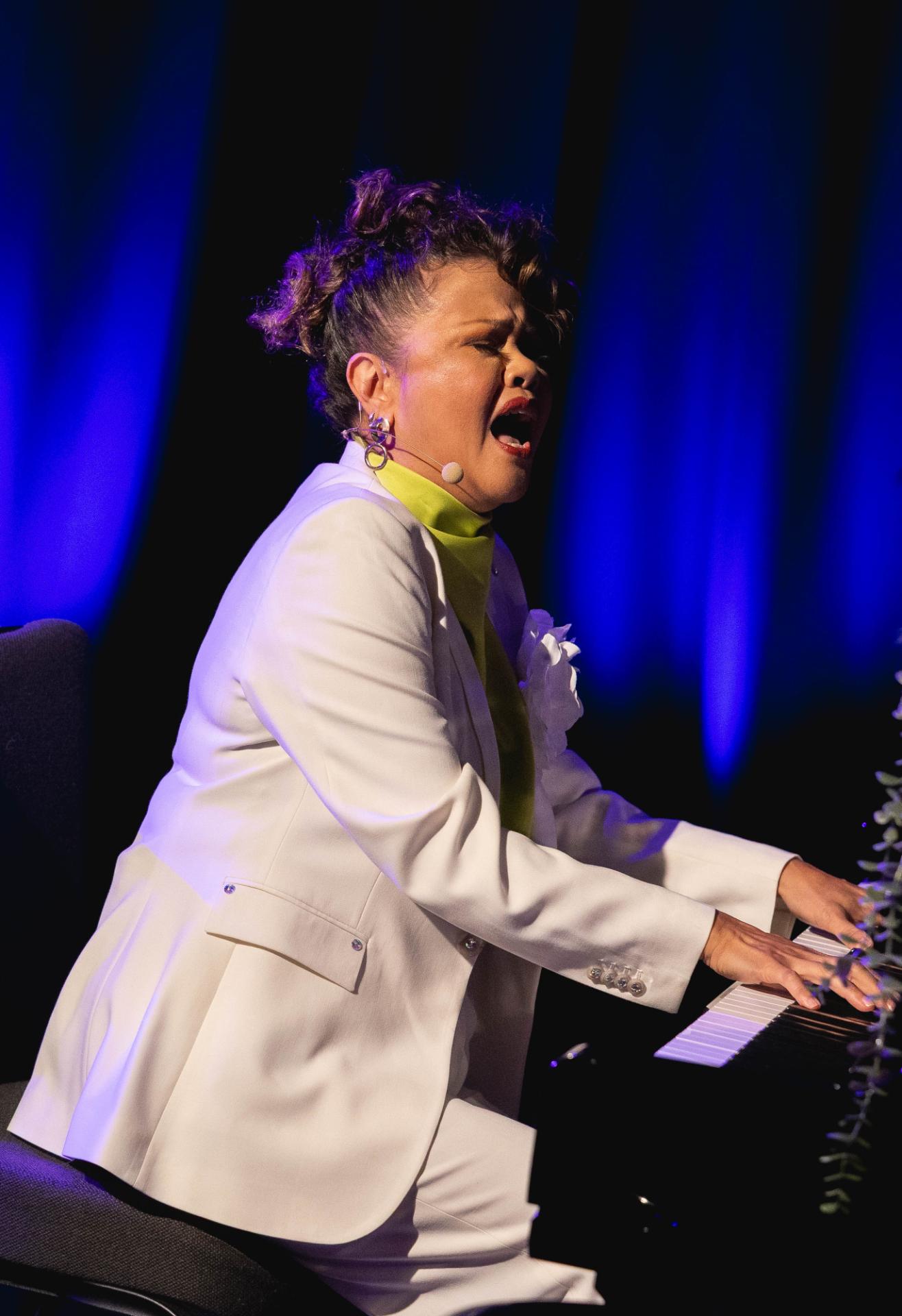
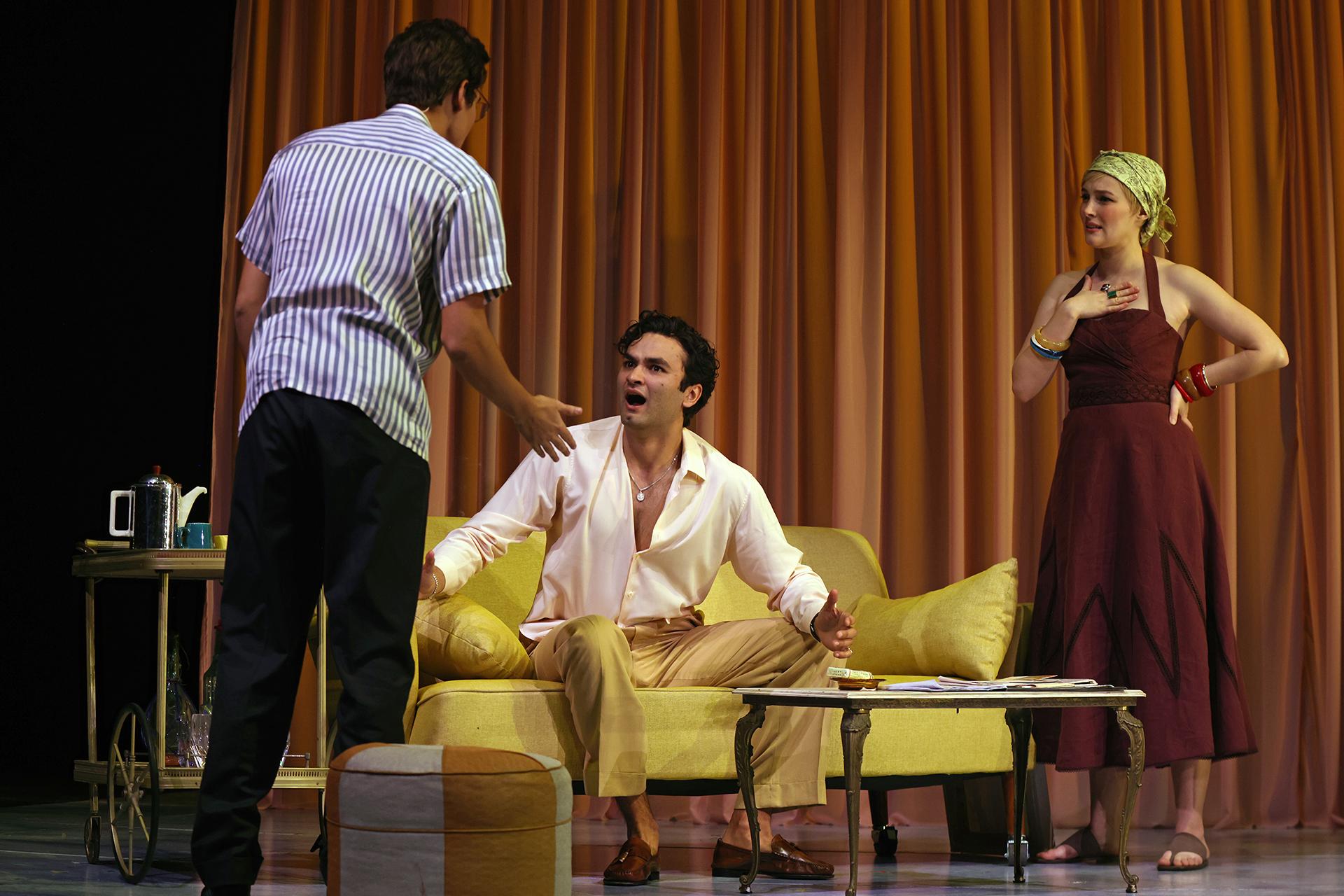
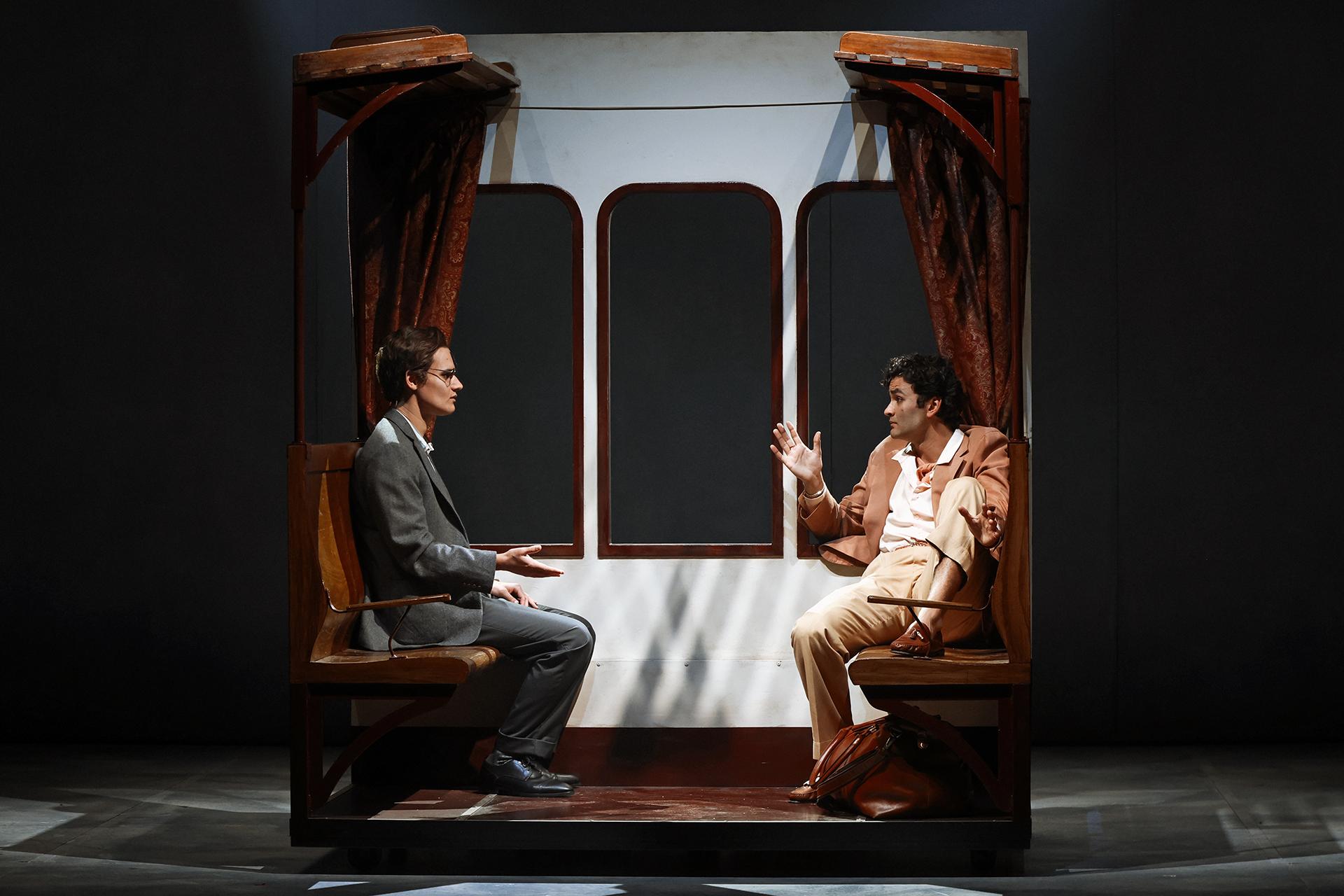
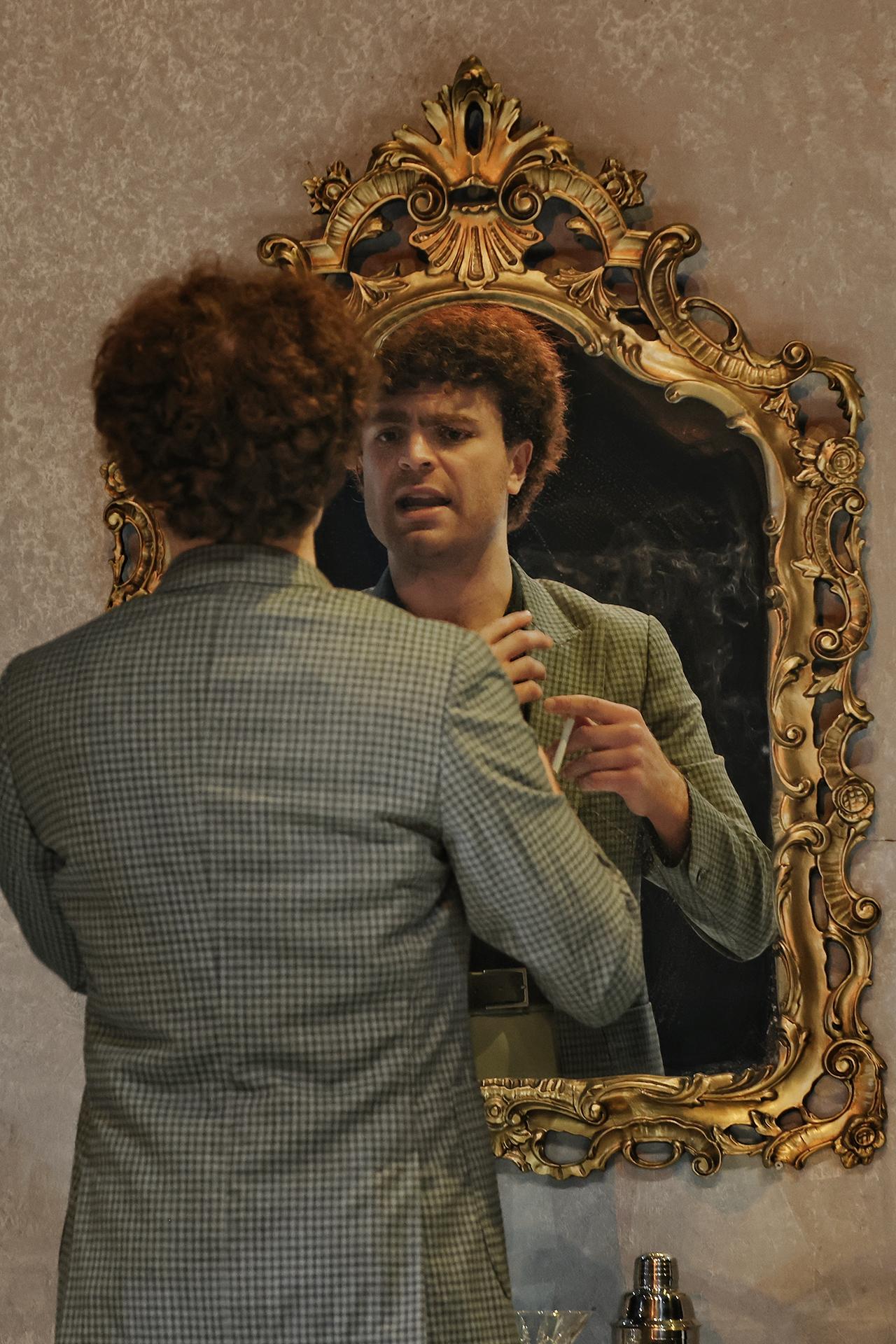
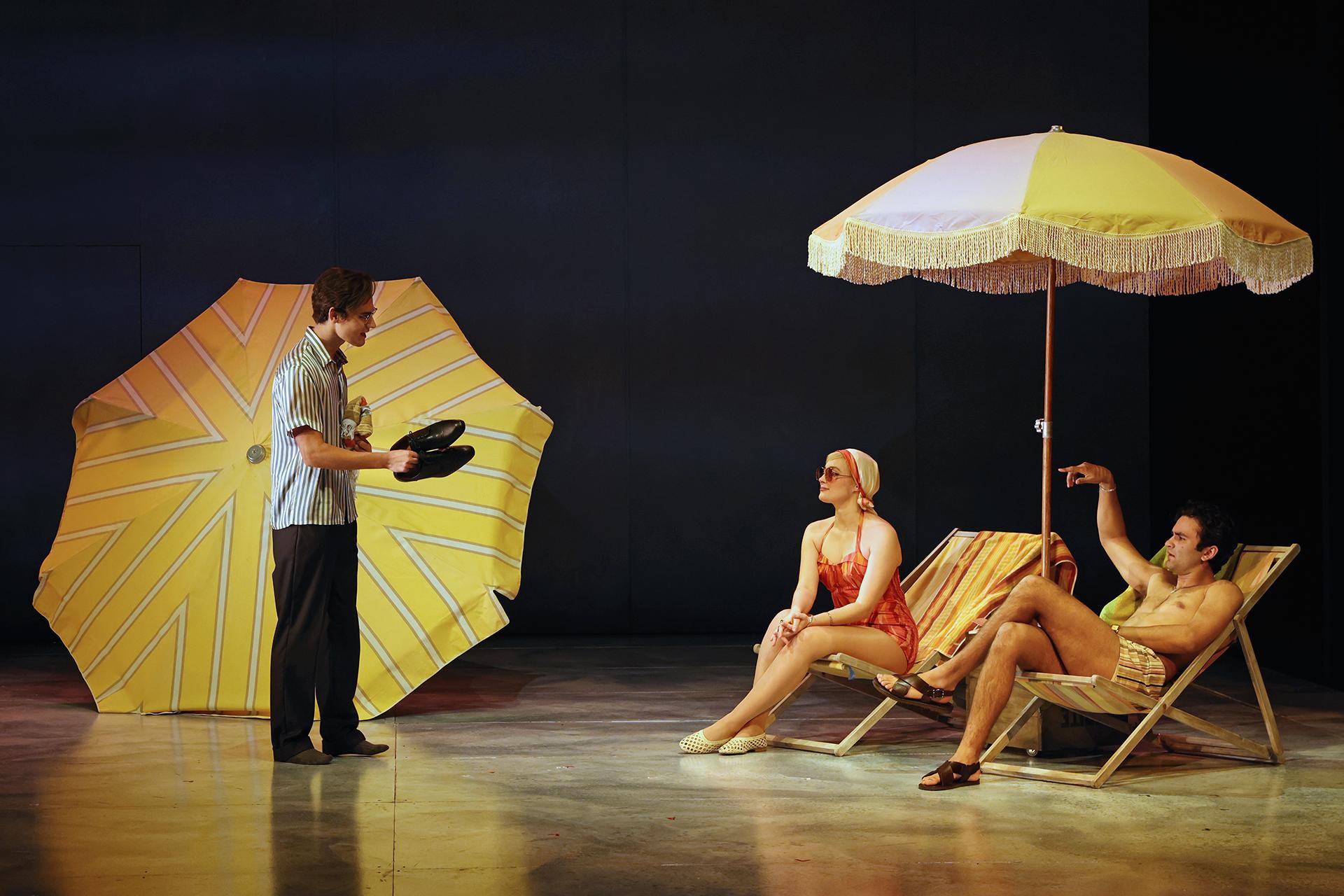
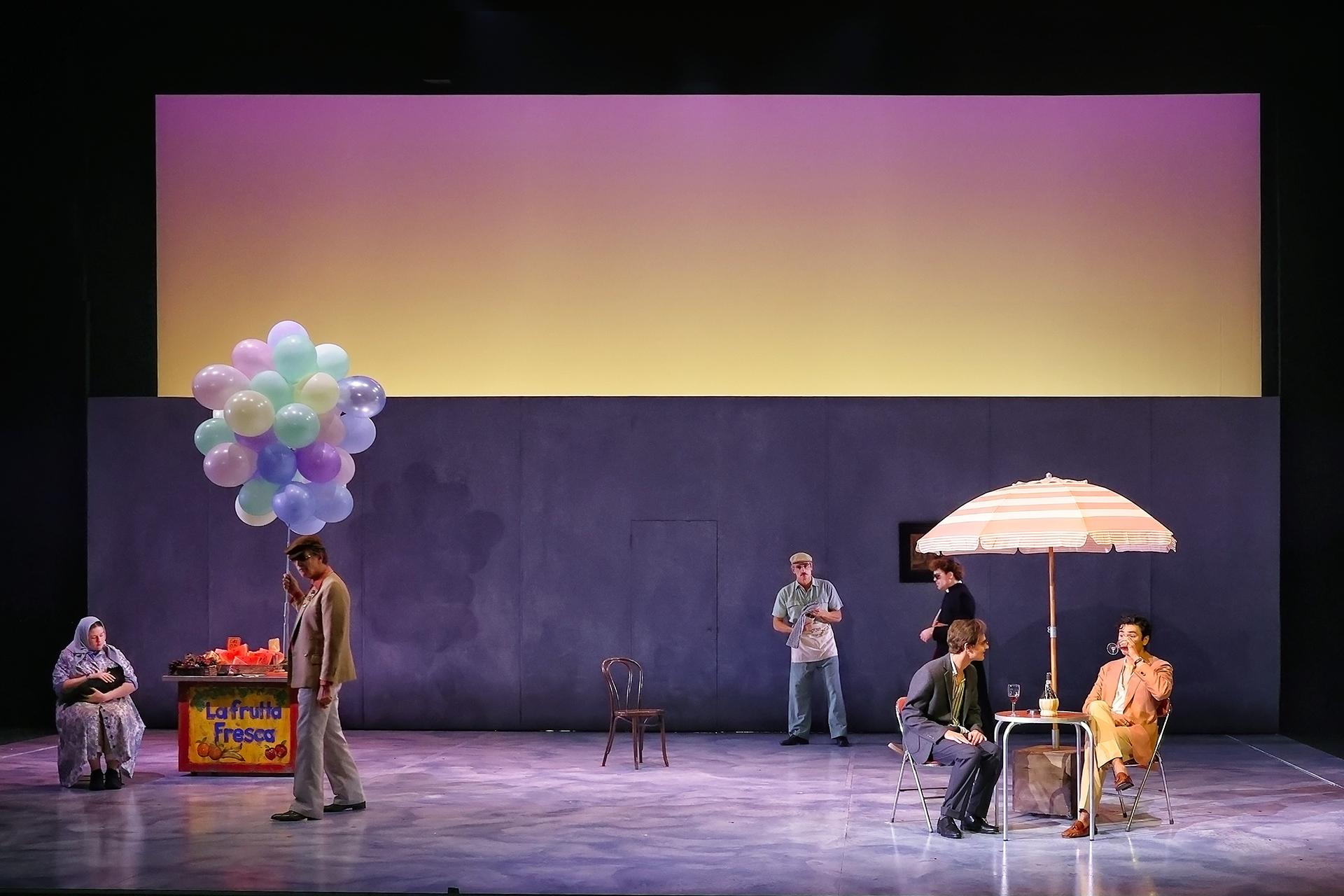
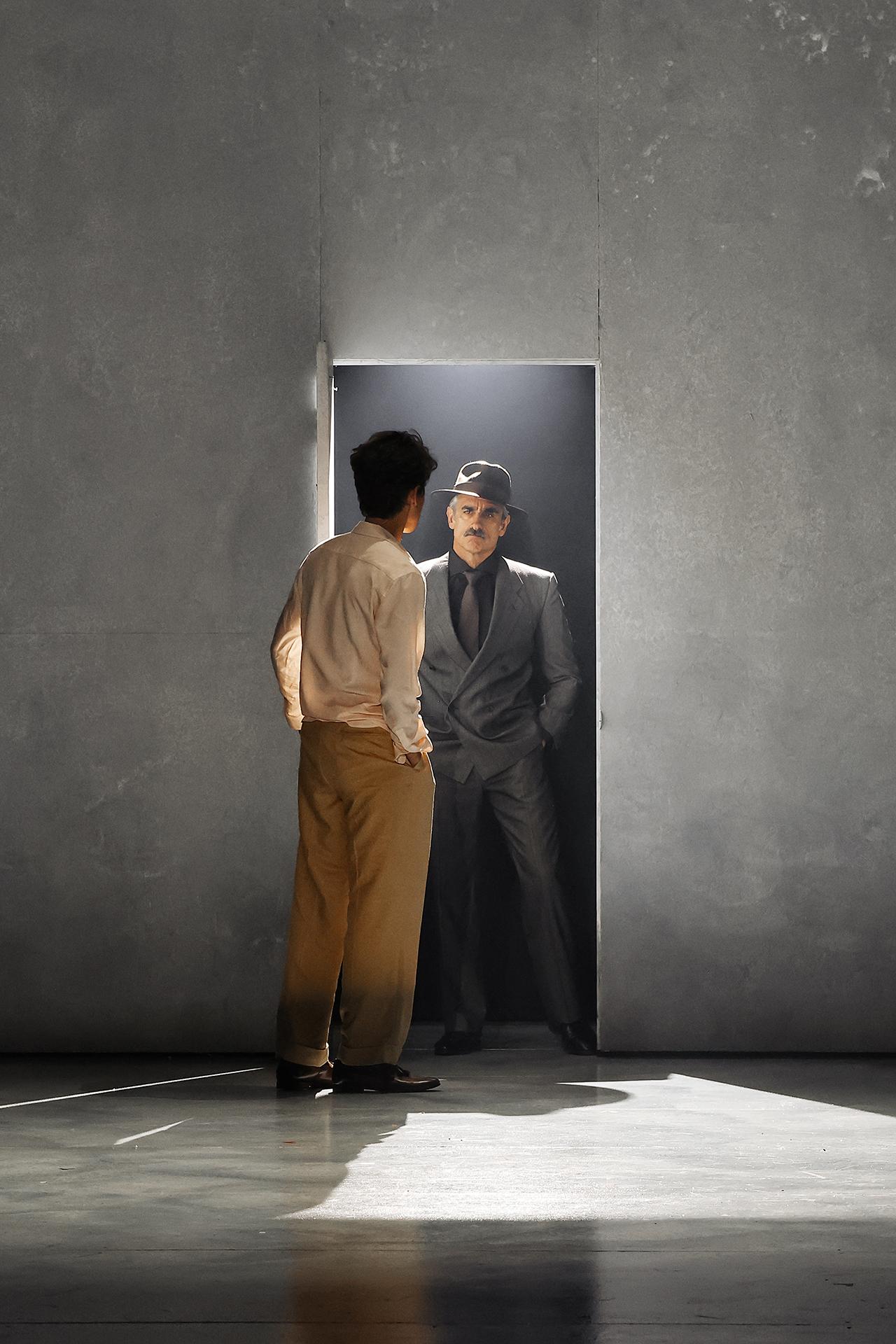
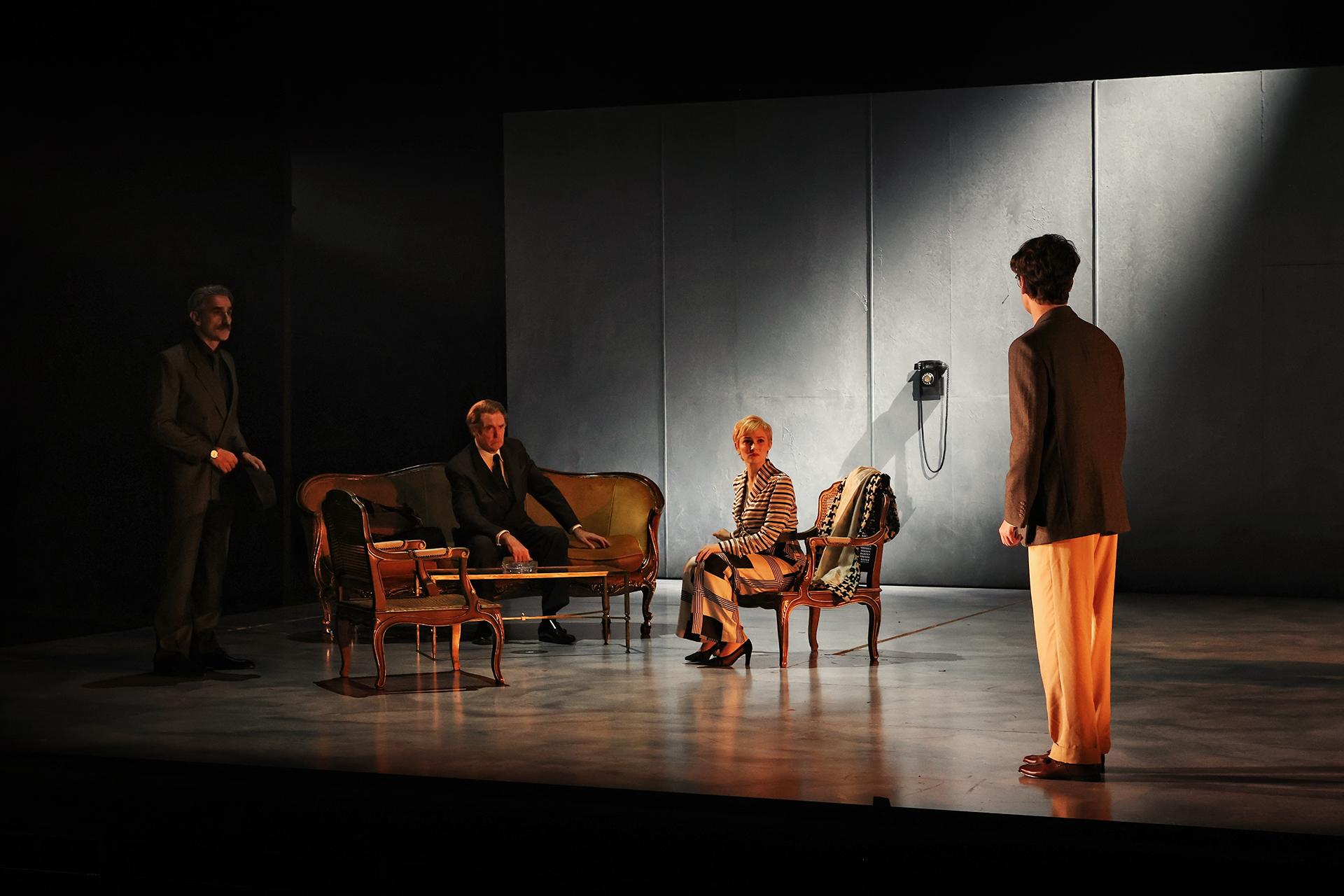
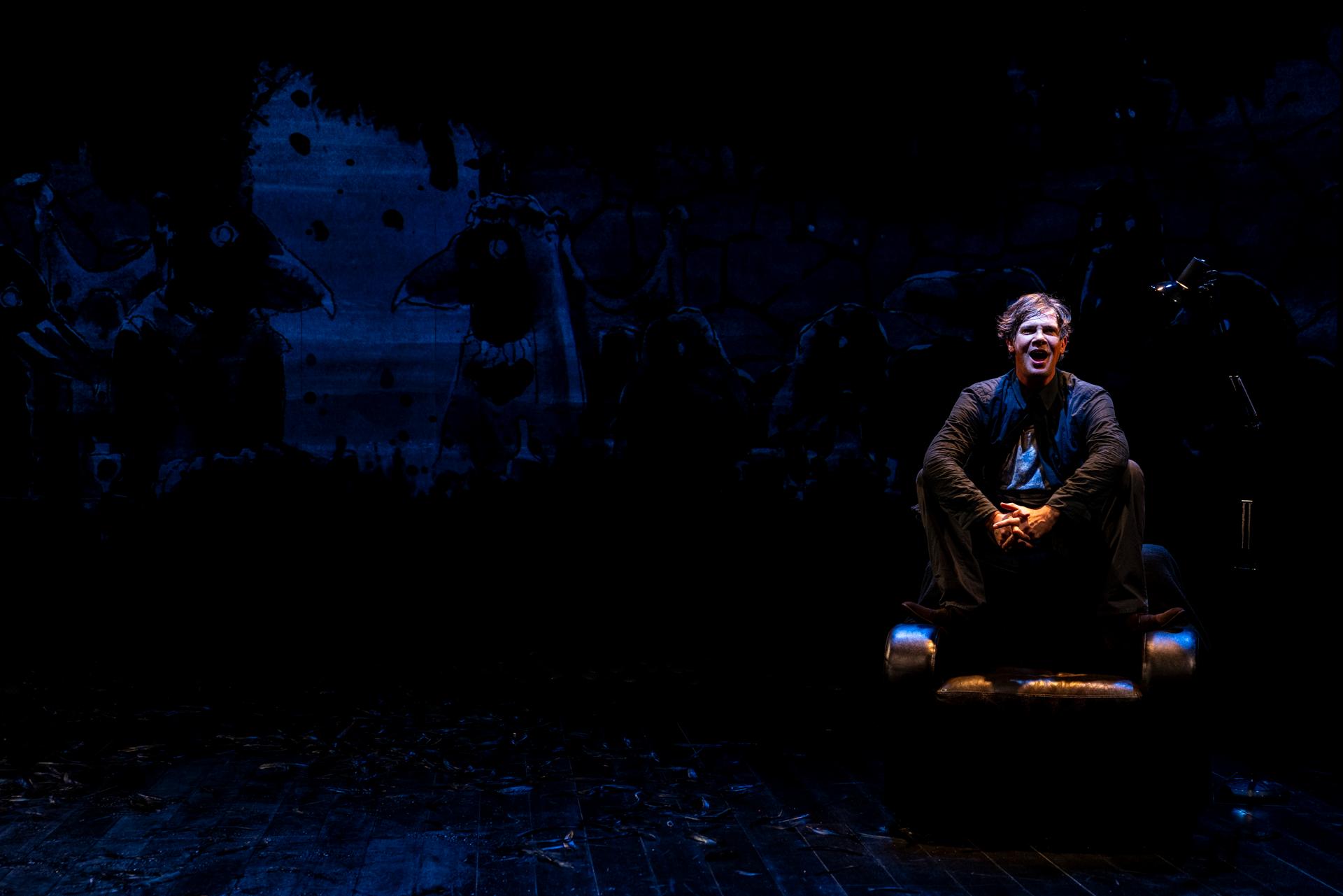
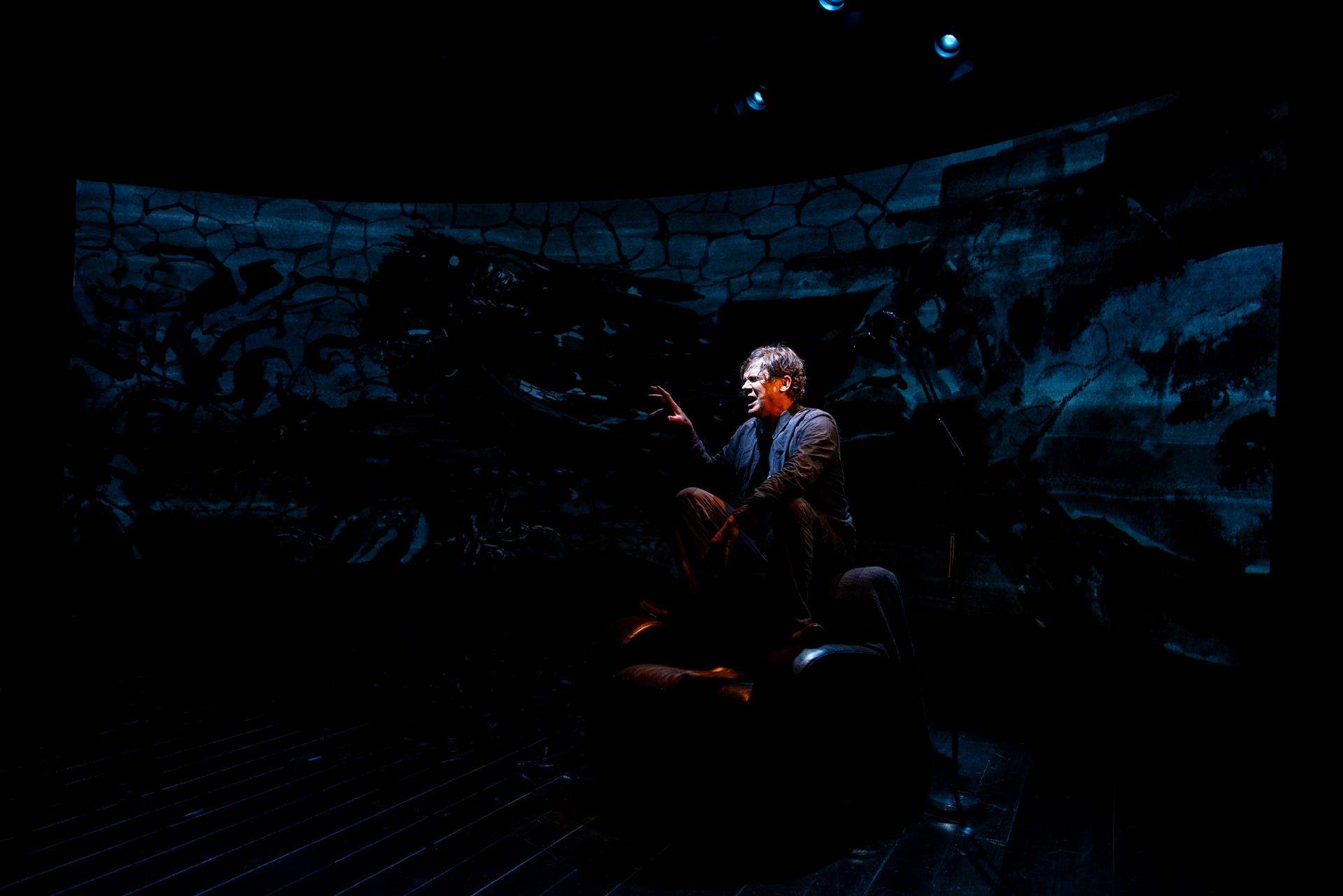
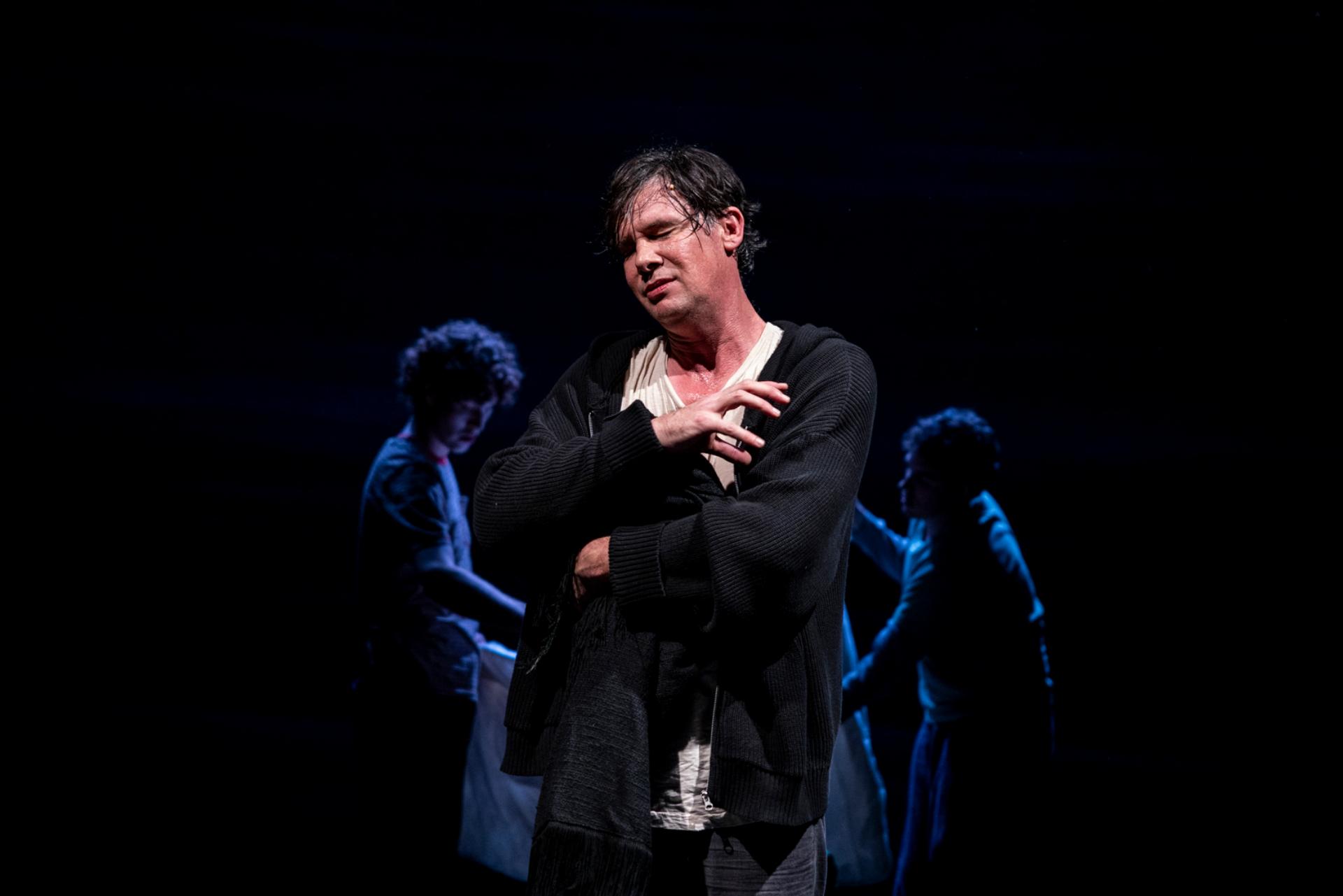
Direction by Lee Lewis yields a staging memorable for the impeccable chemistry of its ensemble. With five richly detailed and impassioned performers—Amy Ingram, Genevieve Lemon, Seán O’Shea, Georgie Parker, and Julia Robertson—the production seizes our attention from the outset and holds us firmly in its grasp throughout. Ingram’s portrayal of ex-jailbird Sharon is particularly winning, her brusque humour shaping much of the production’s tone.
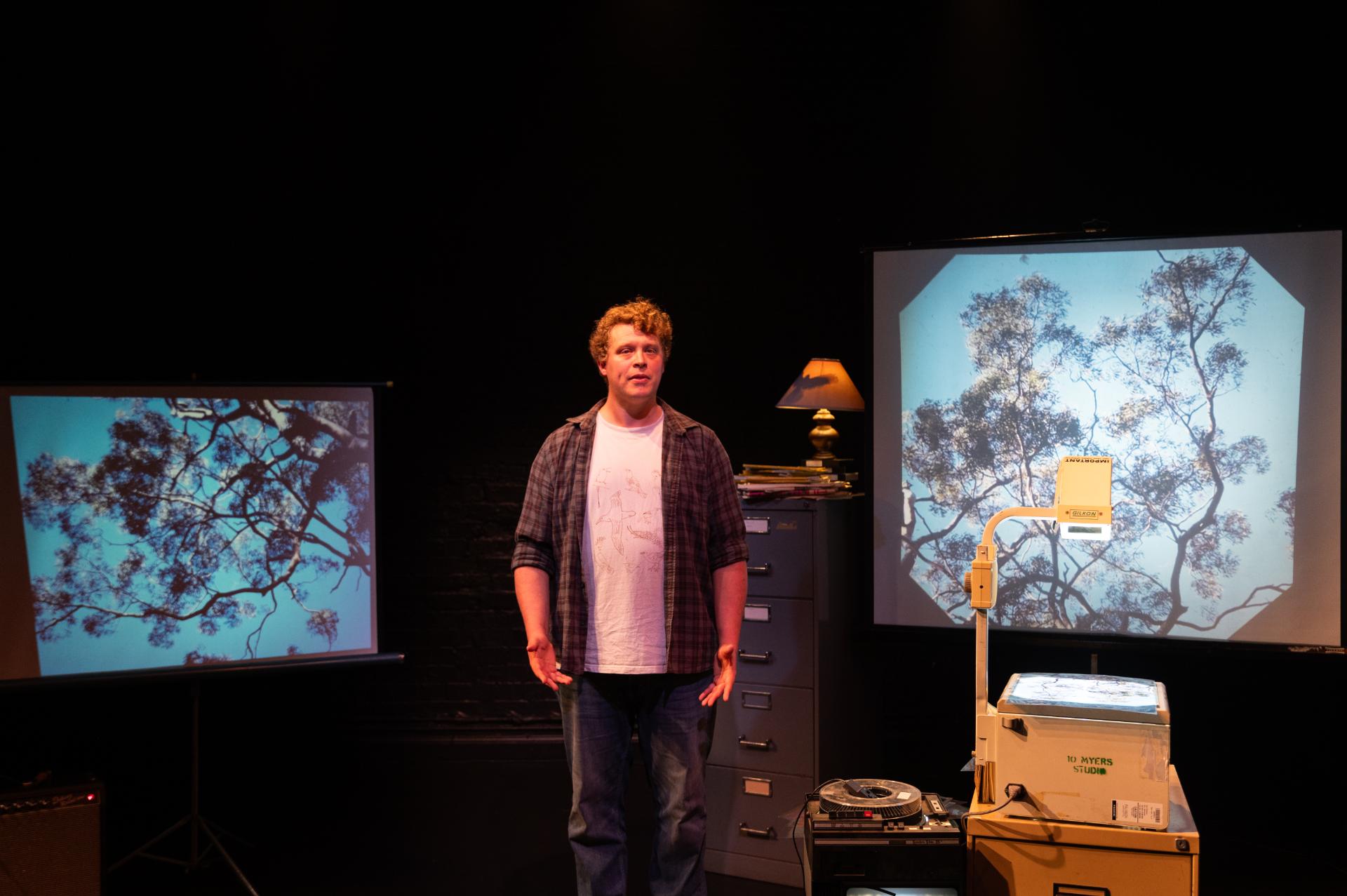
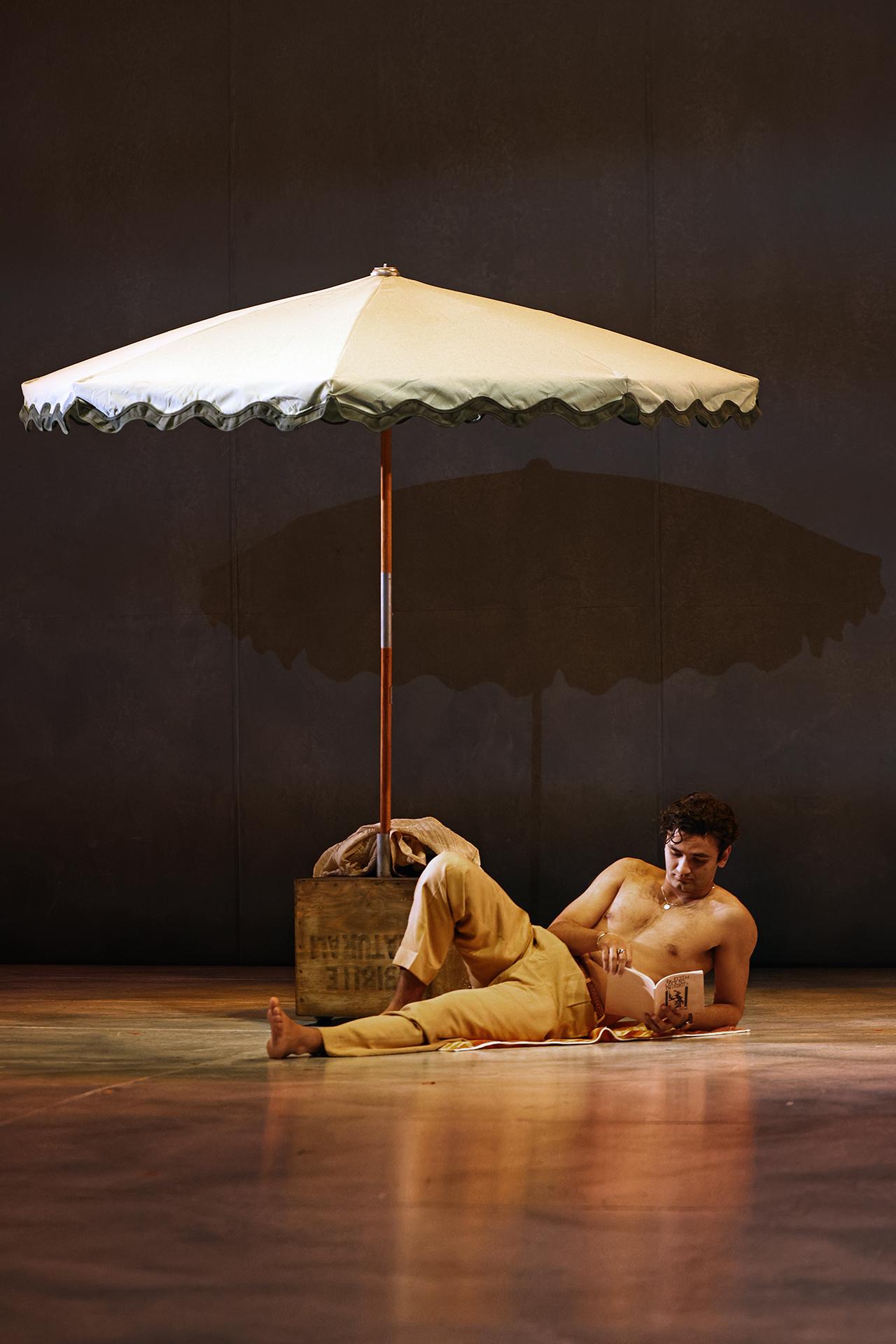
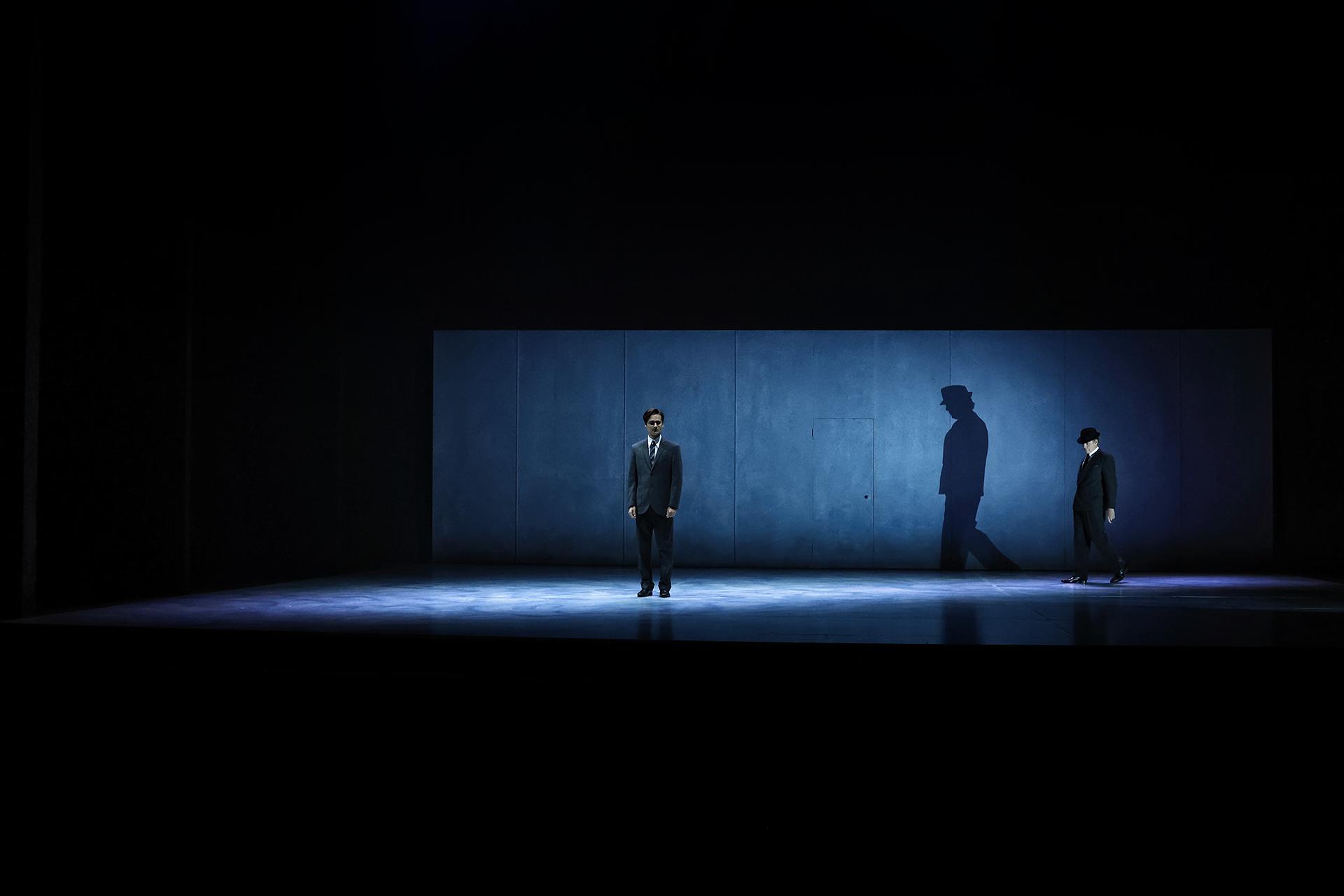
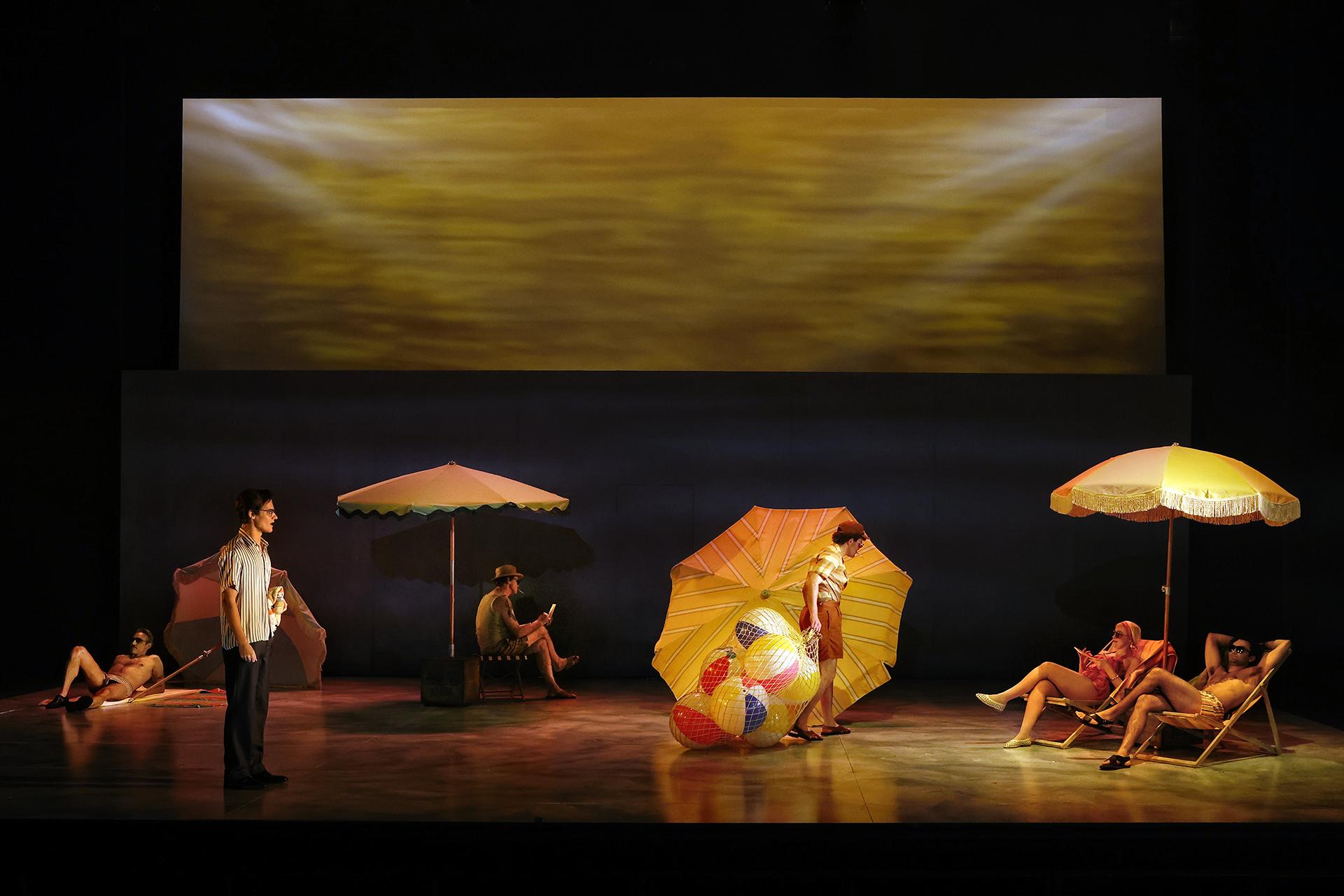
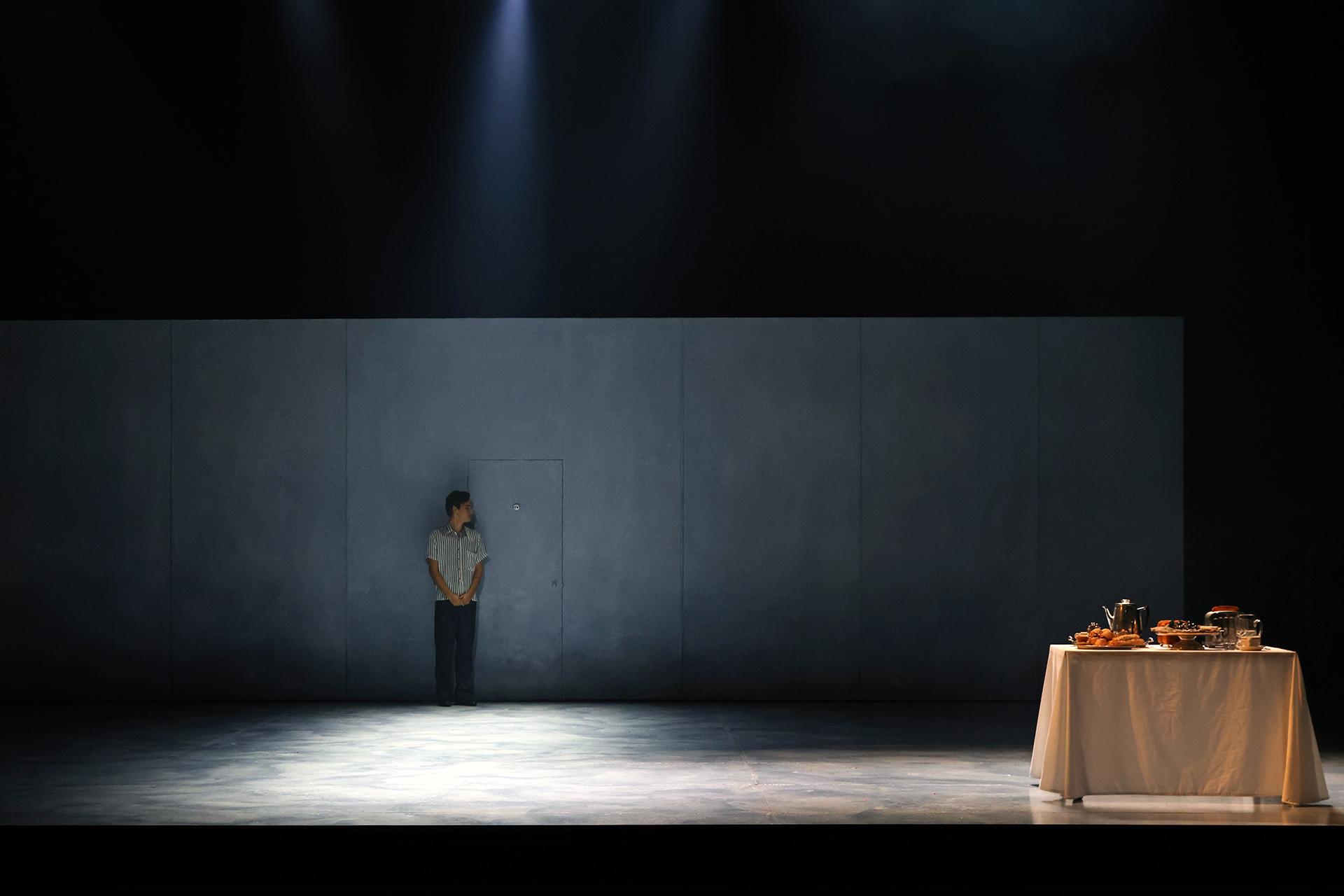
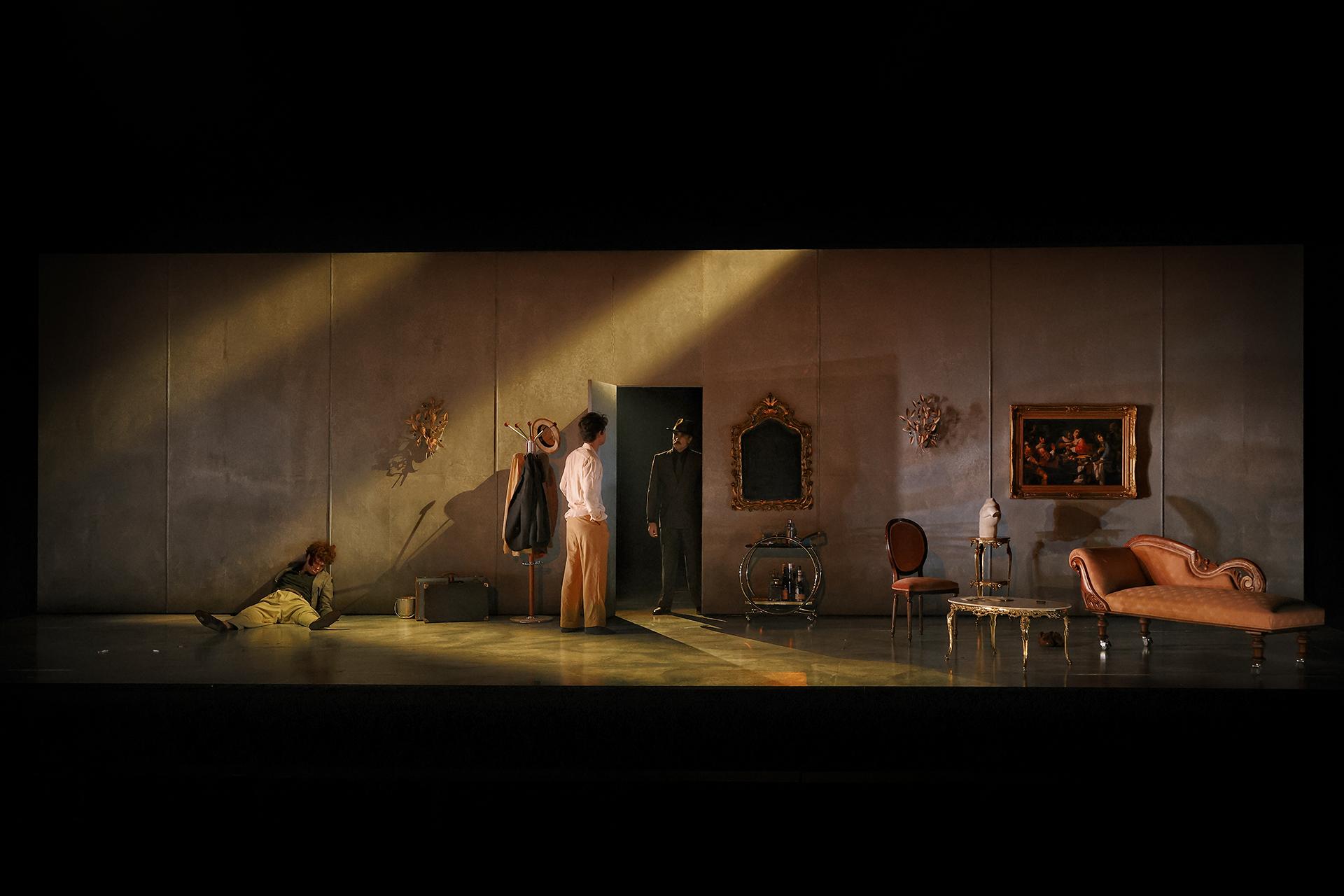
The design is stripped to its essentials, fitting for a work that demands little ornamentation. Simone Romaniuk’s set and costumes reflect the utilitarian realities of artistic work, while Brockman’s lighting and Paul Charlier’s music recede gracefully into the background, surfacing only now and then to deliver moments of flourish.
Only in recent years have we begun to reckon with the fact that we call Australia is not, and never was, a monolith. The twentieth century was steeped in assimilationist ideology, shaped by values imposed by a white patriarchy that governed not only our daily lives but also our very understanding of reality. In 1985, it seemed entirely reasonable to assume that the whole nation might gather around the same television program. Today, we can scarcely agree on the story of how modern life on these lands was forged.
















































































































 Suzy Goes See