Review: The Book Of Mormon (Capitol Theatre)

Venue: Capitol Theatre (Sydney NSW), Jul 15 – Dec 31, 2025
Book, Music & Lyrics: Trey Parker, Robert Lopez, Matt Stone
Directors: Casey Nicholaw, Trey Parker
Cast: Nick Cox, Matthew Hamilton, Sean Johnston, Paris Leveque, Simbarashe Matshe, Callum Rigg, Tom Struik, Augie Tchantcho
Images by Daniel Boud

Theatre review
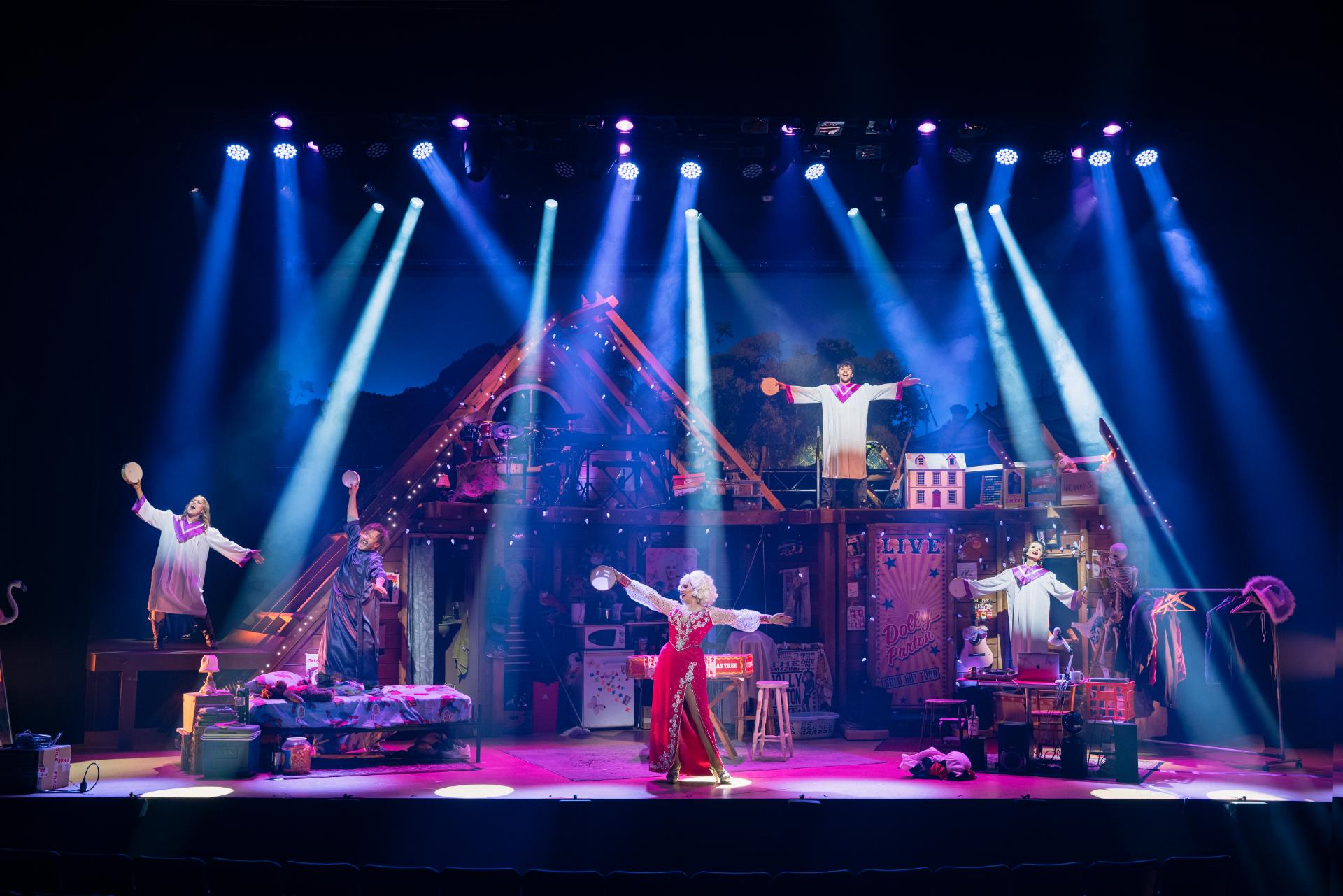
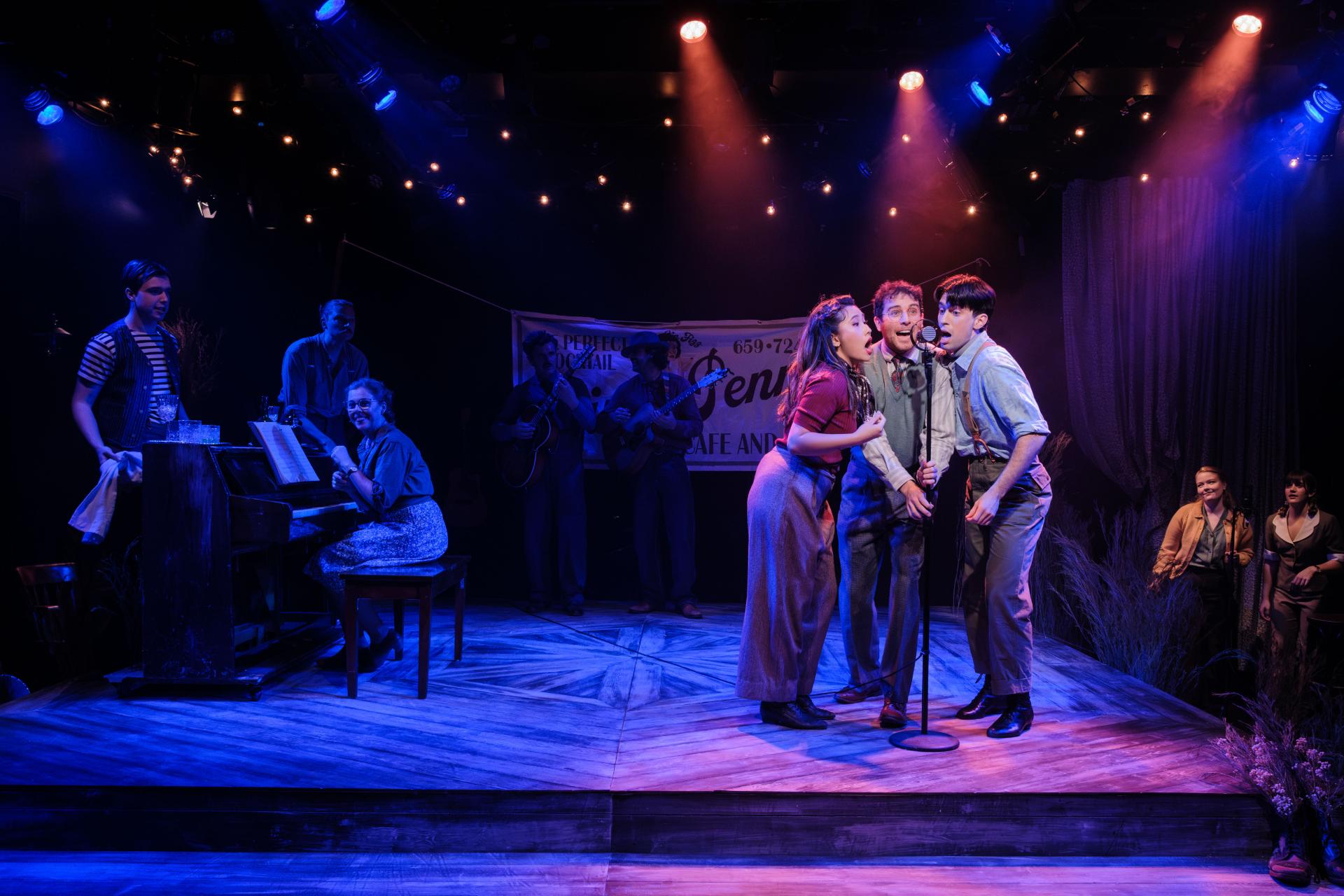
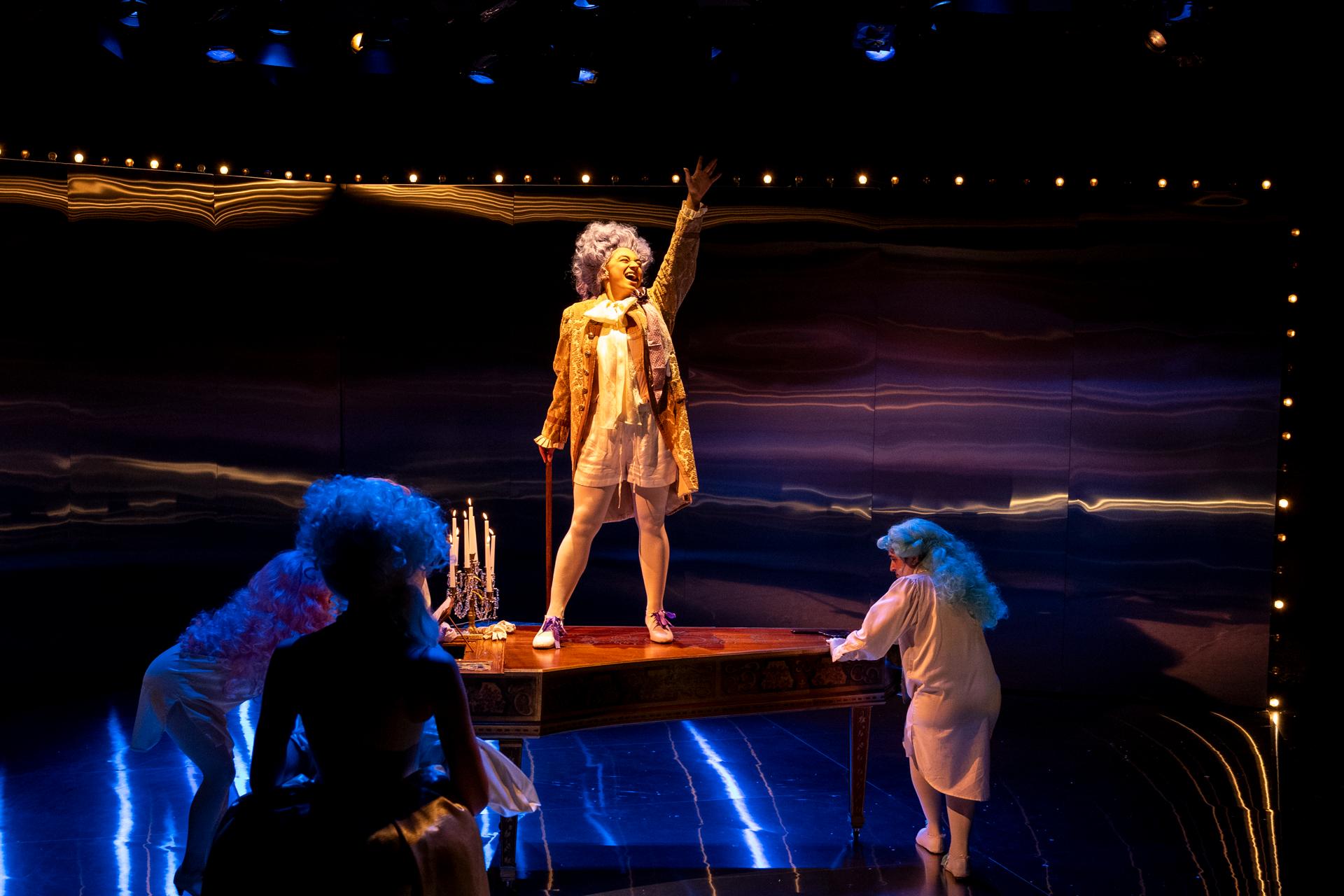
Given its divisive and often problematic influence on politics, religion today can be seen as a troubling force in the United States. Things were markedly different in 2011 when The Book of Mormon first premiered. Those now feel like more innocent times, when lampooning theology was able to seem almost good-natured by comparison. Also different is how the musical’s depiction of Uganda now feels. What once came across as cheeky and daring is increasingly veering toward the objectionable.
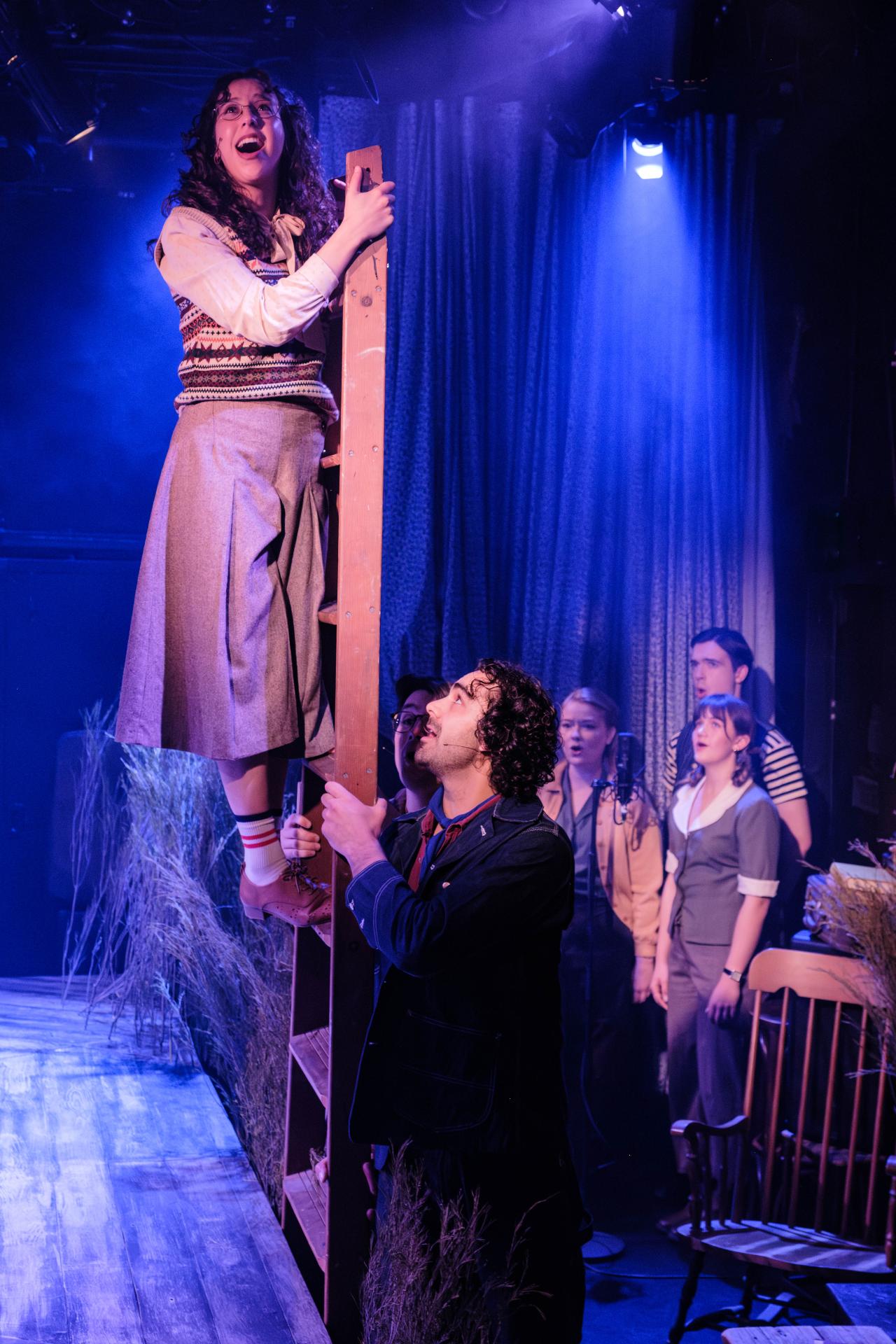
It could therefore be argued that the show’s appeal has diminished, yet its unique irreverence and playful lack of earnestness still allow The Book of Mormon to stand out in a crowded marketplace. Although somewhat outdated and no longer the fresh or shocking revelation it once was, the production remains tremendously entertaining, offering an edginess that musical theatre lovers will find hard to match elsewhere.

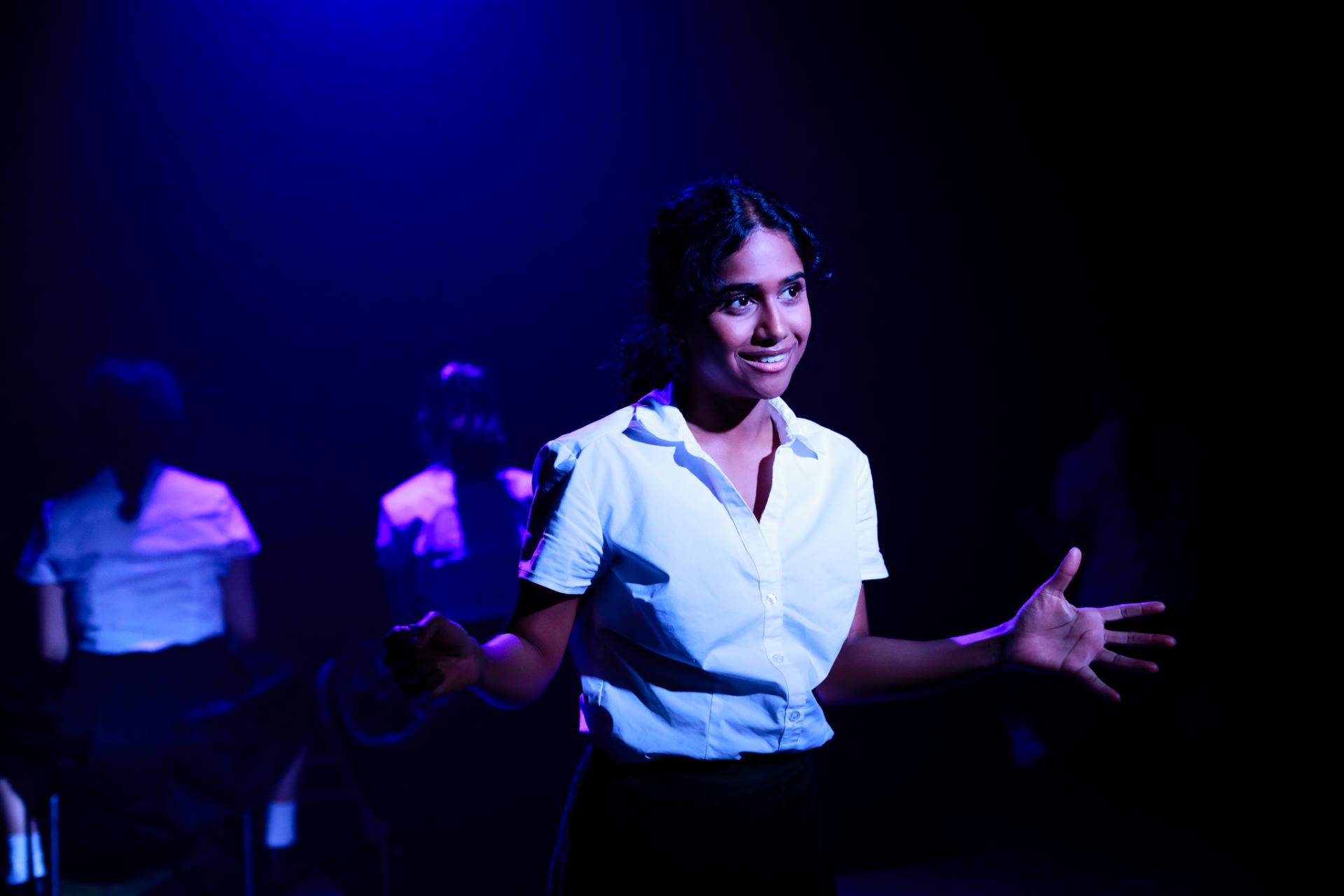
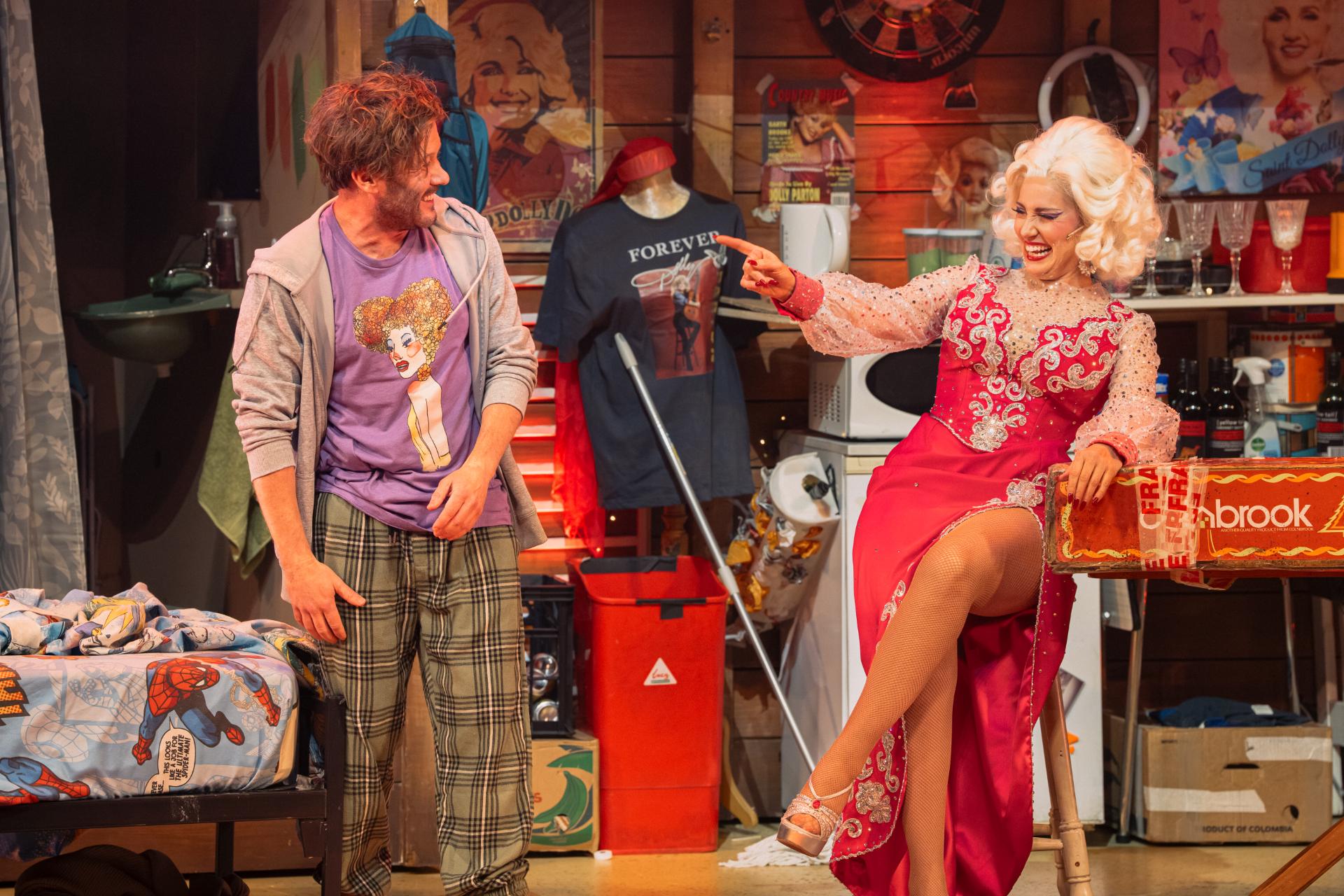
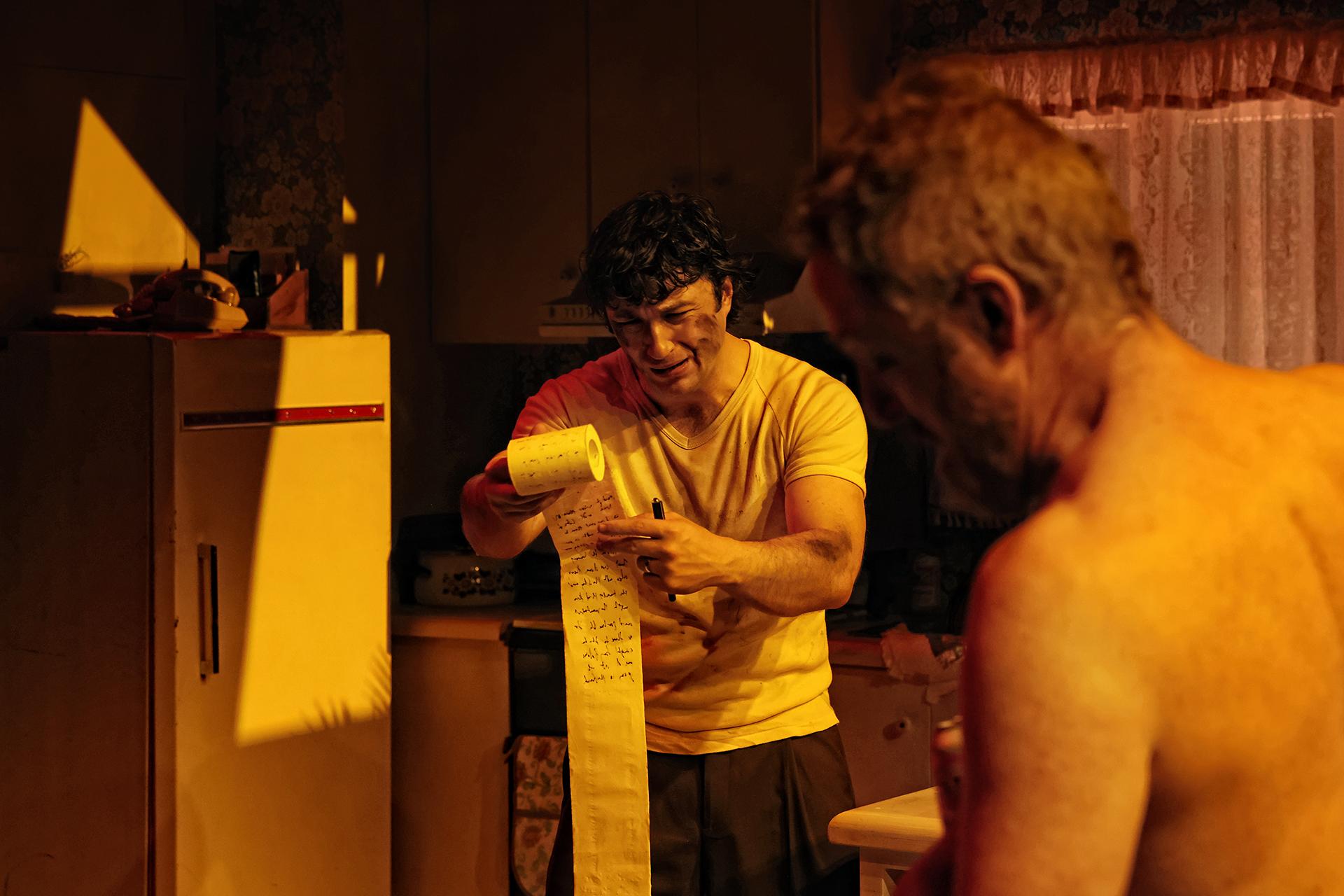
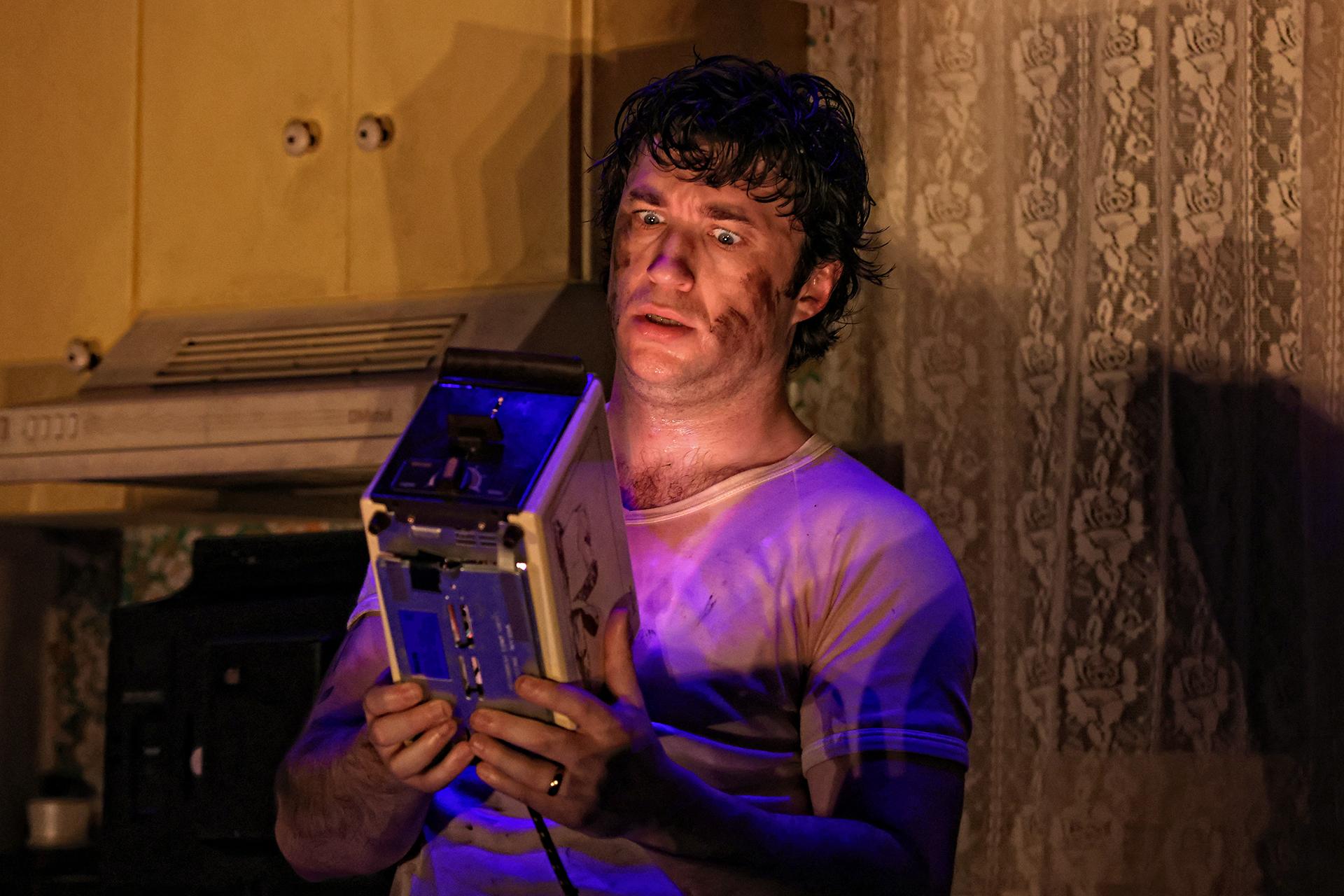
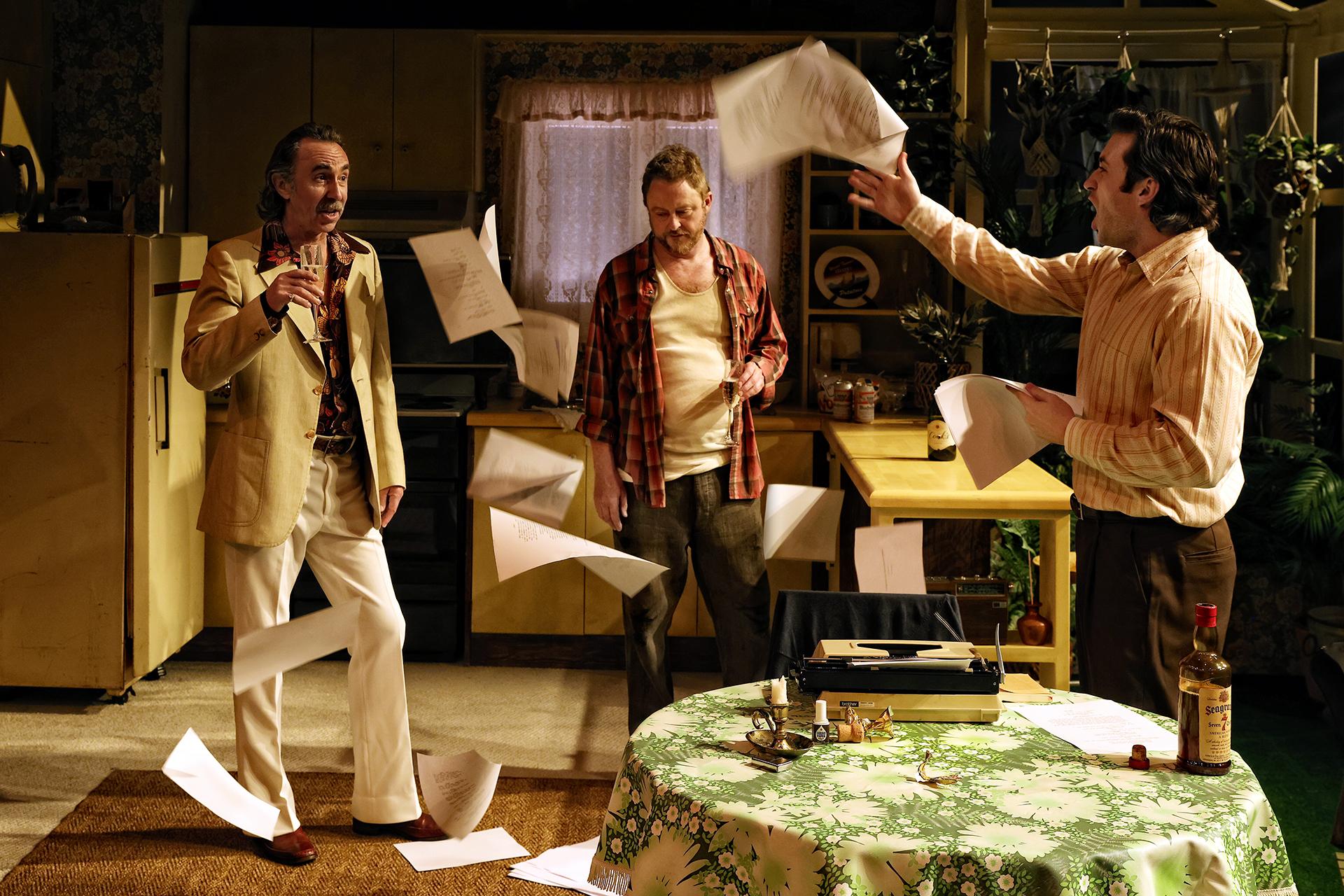
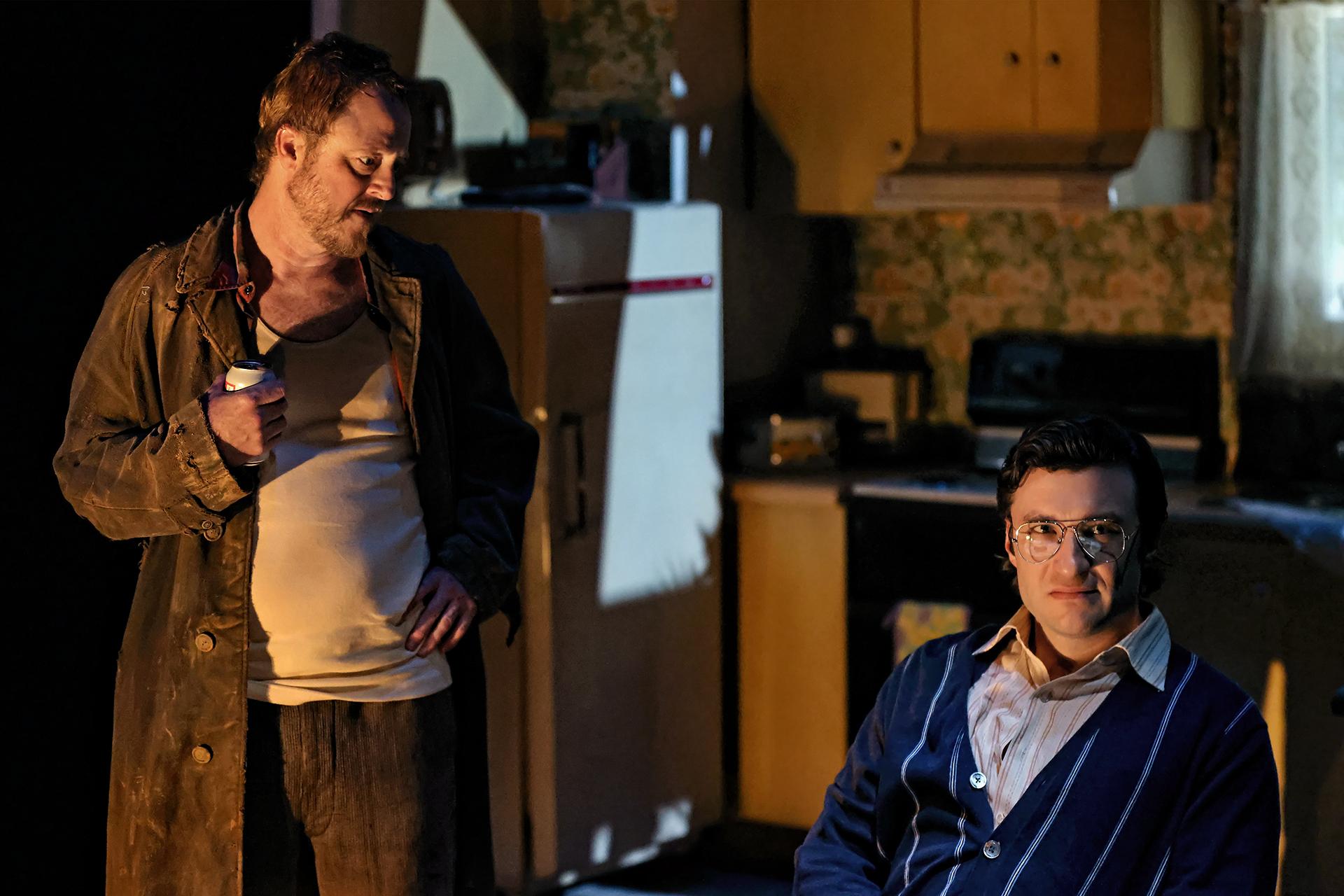
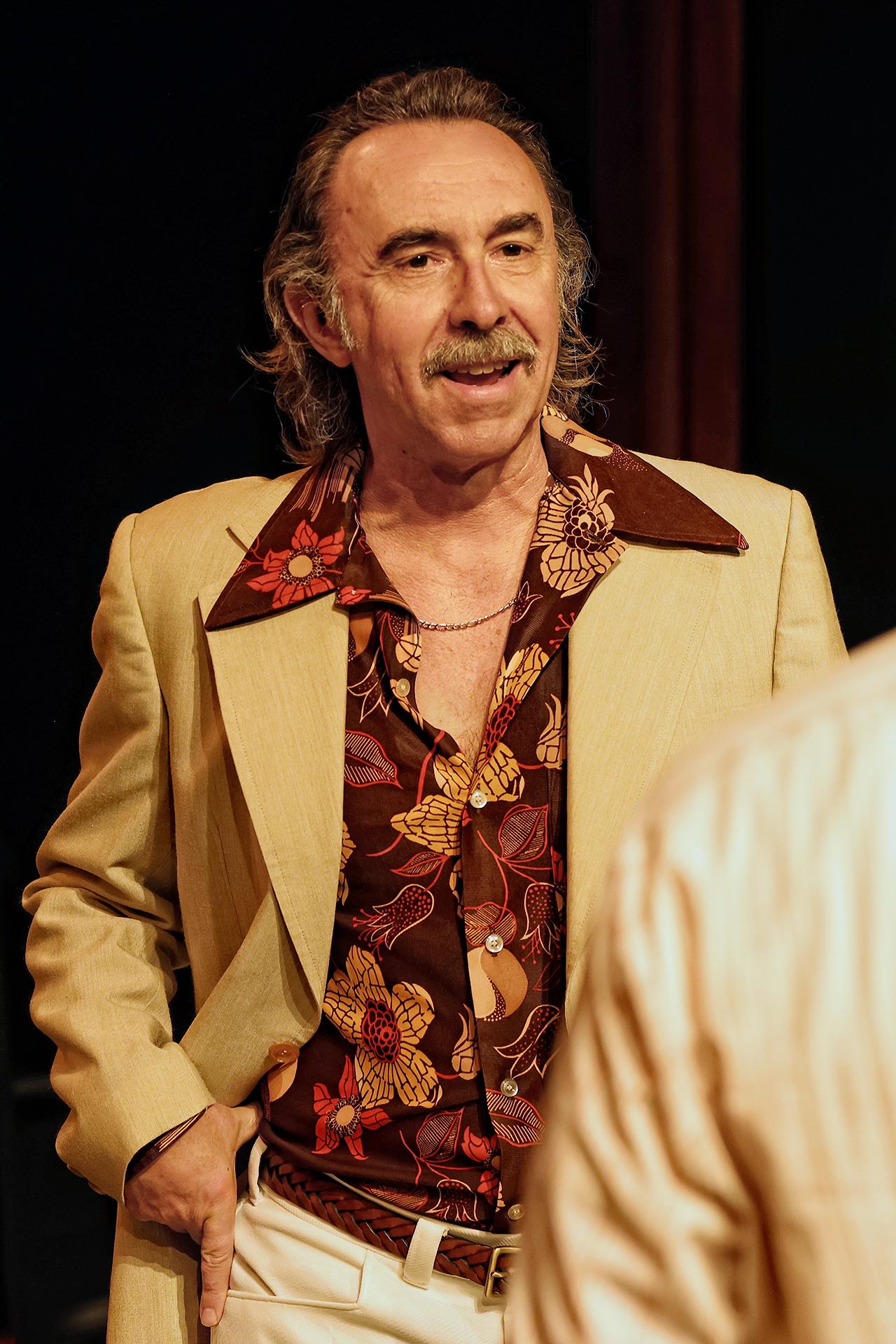
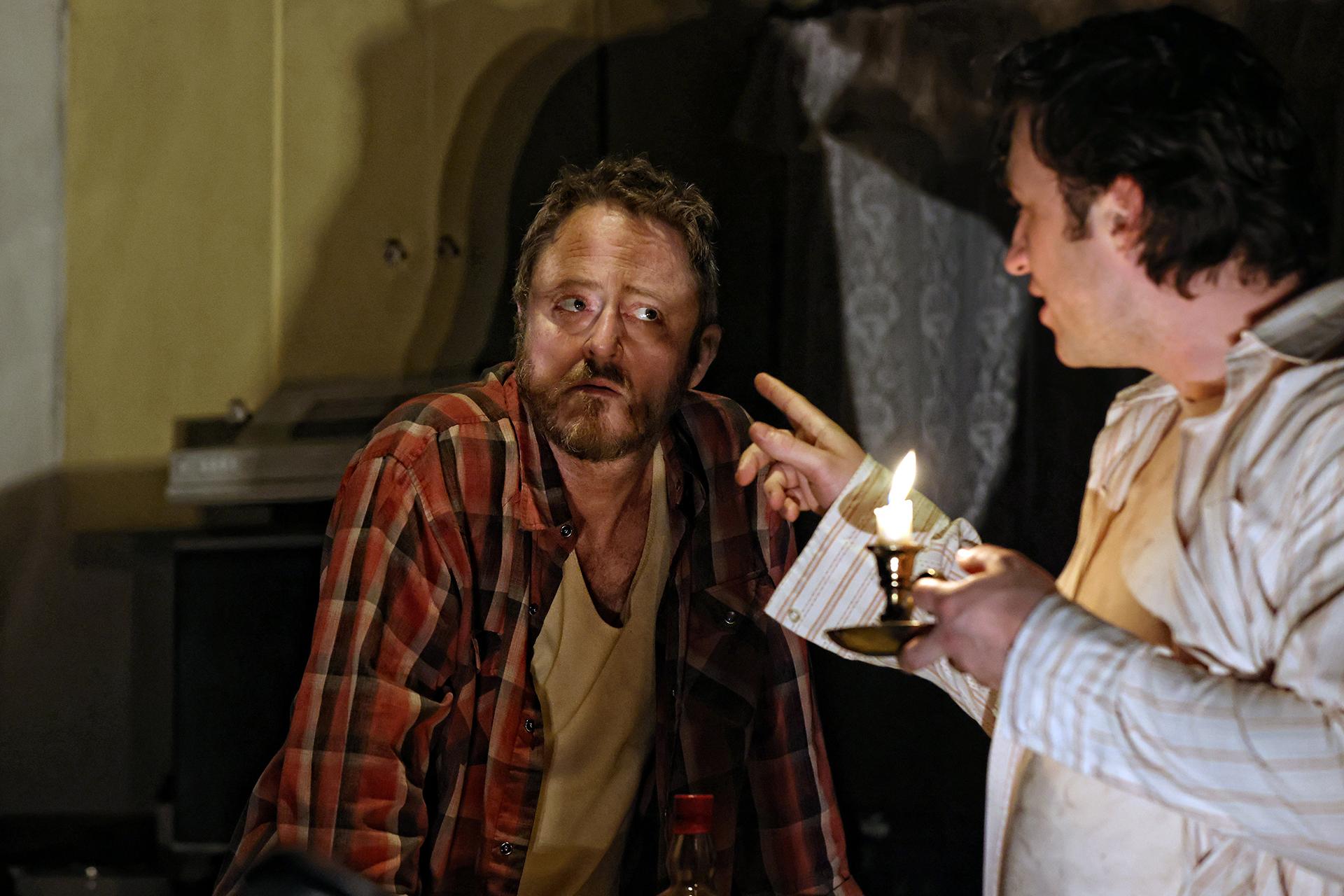
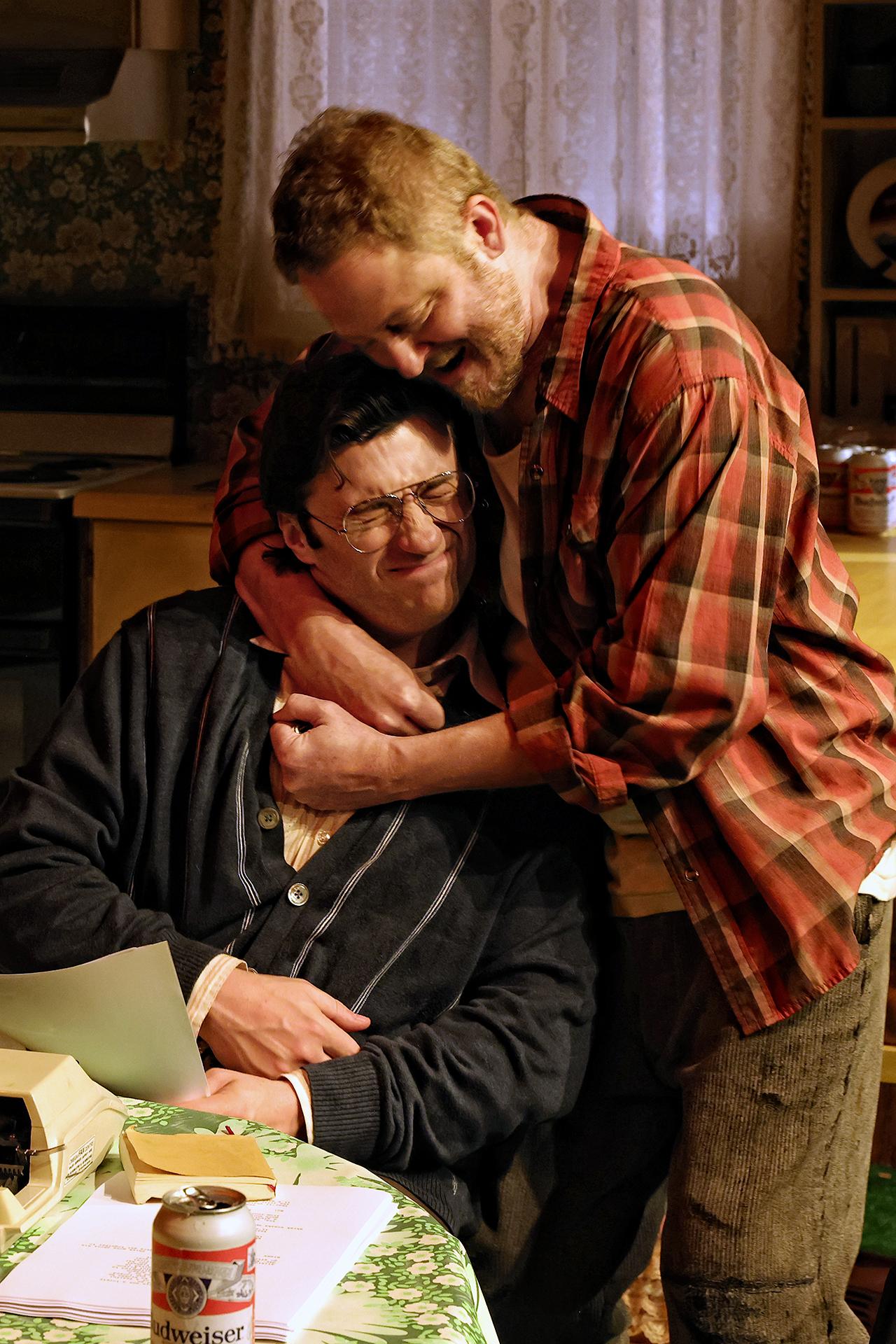
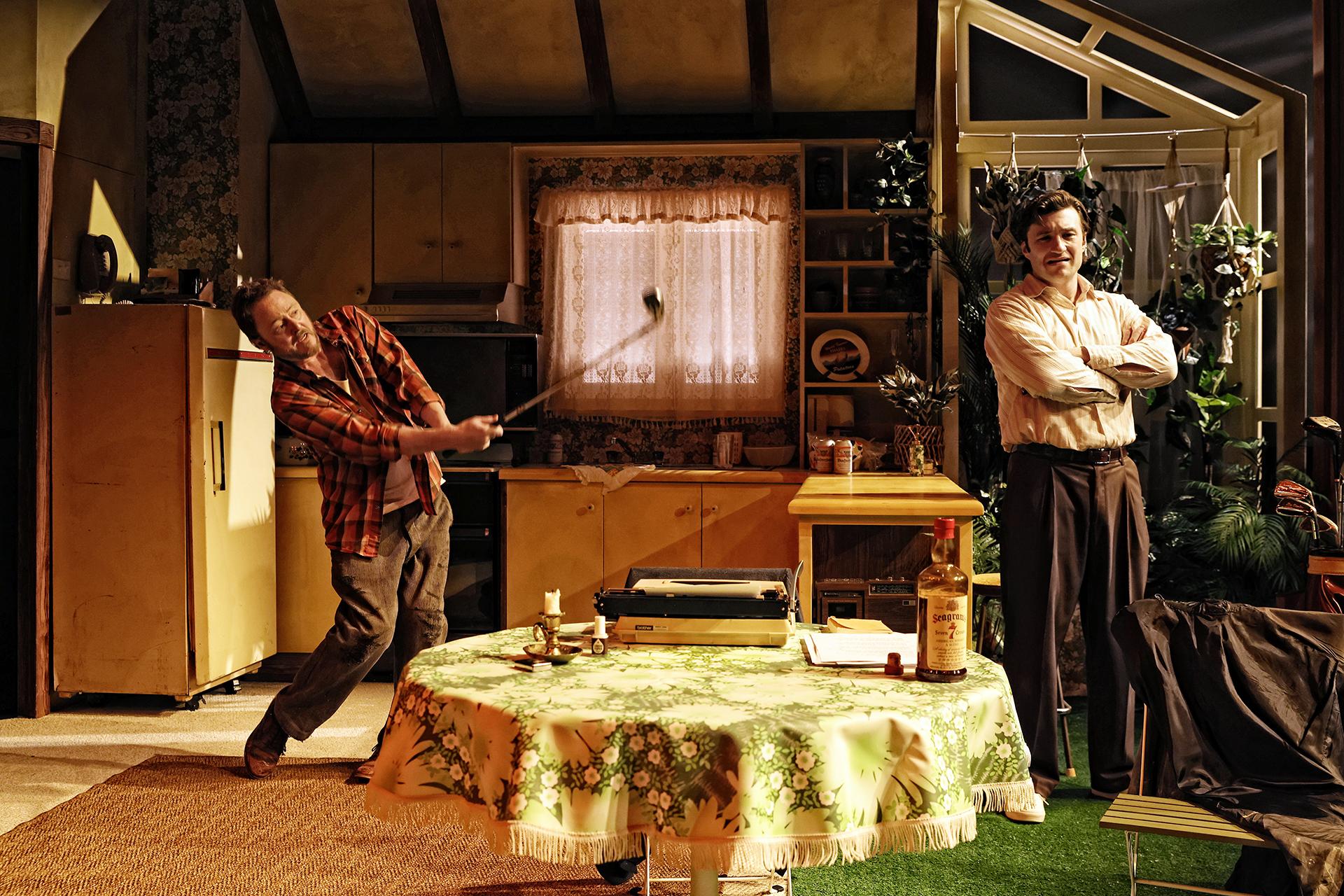
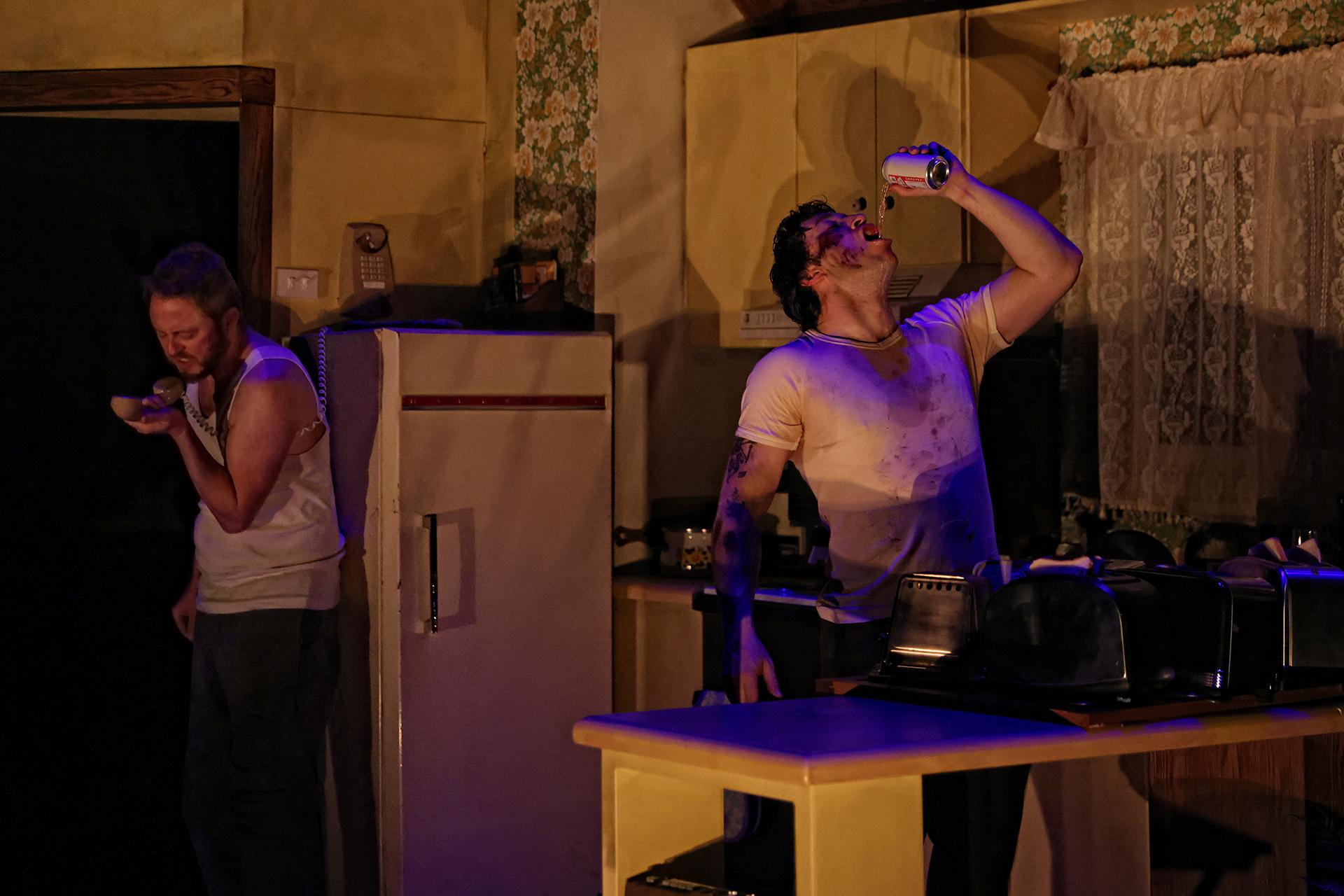
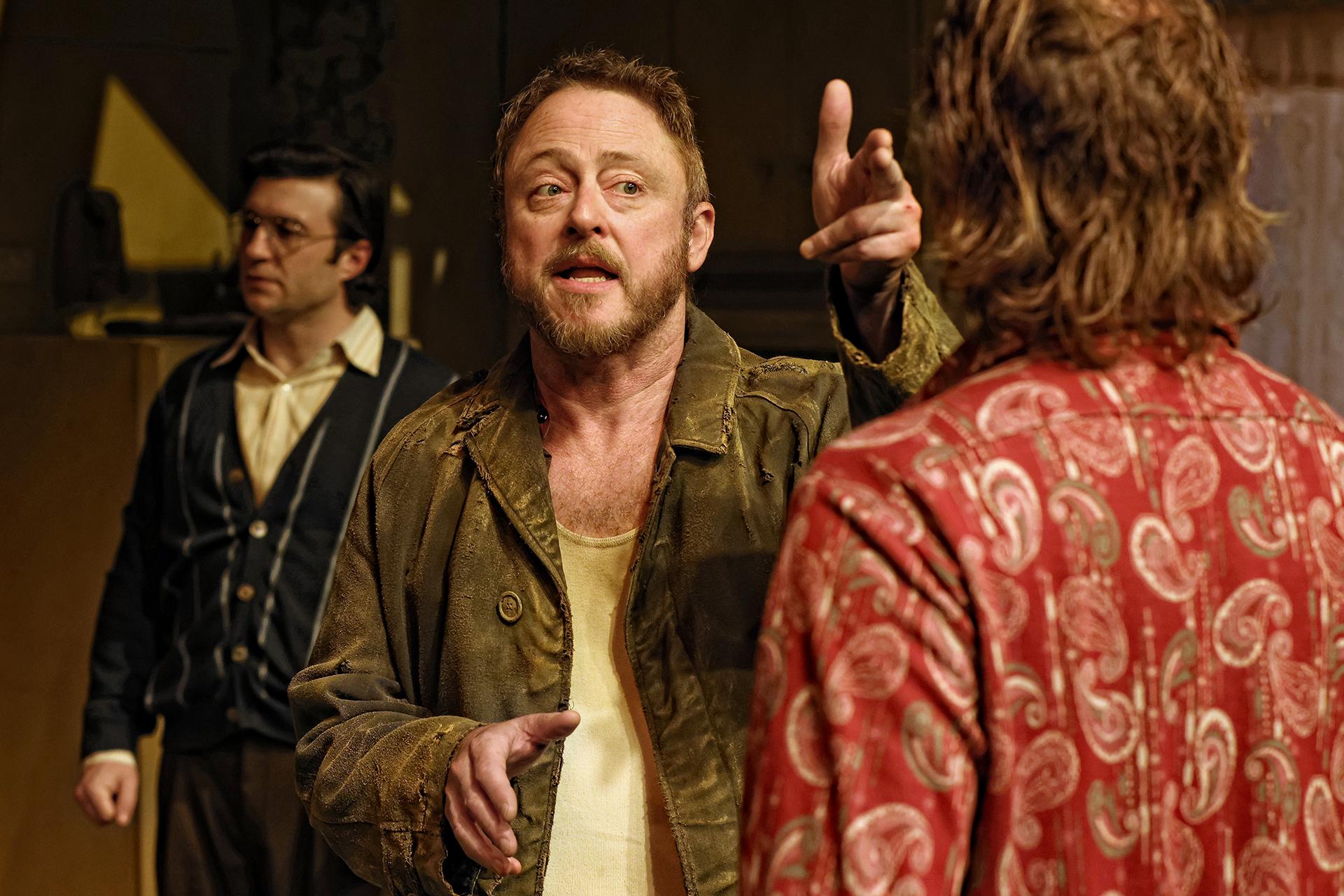
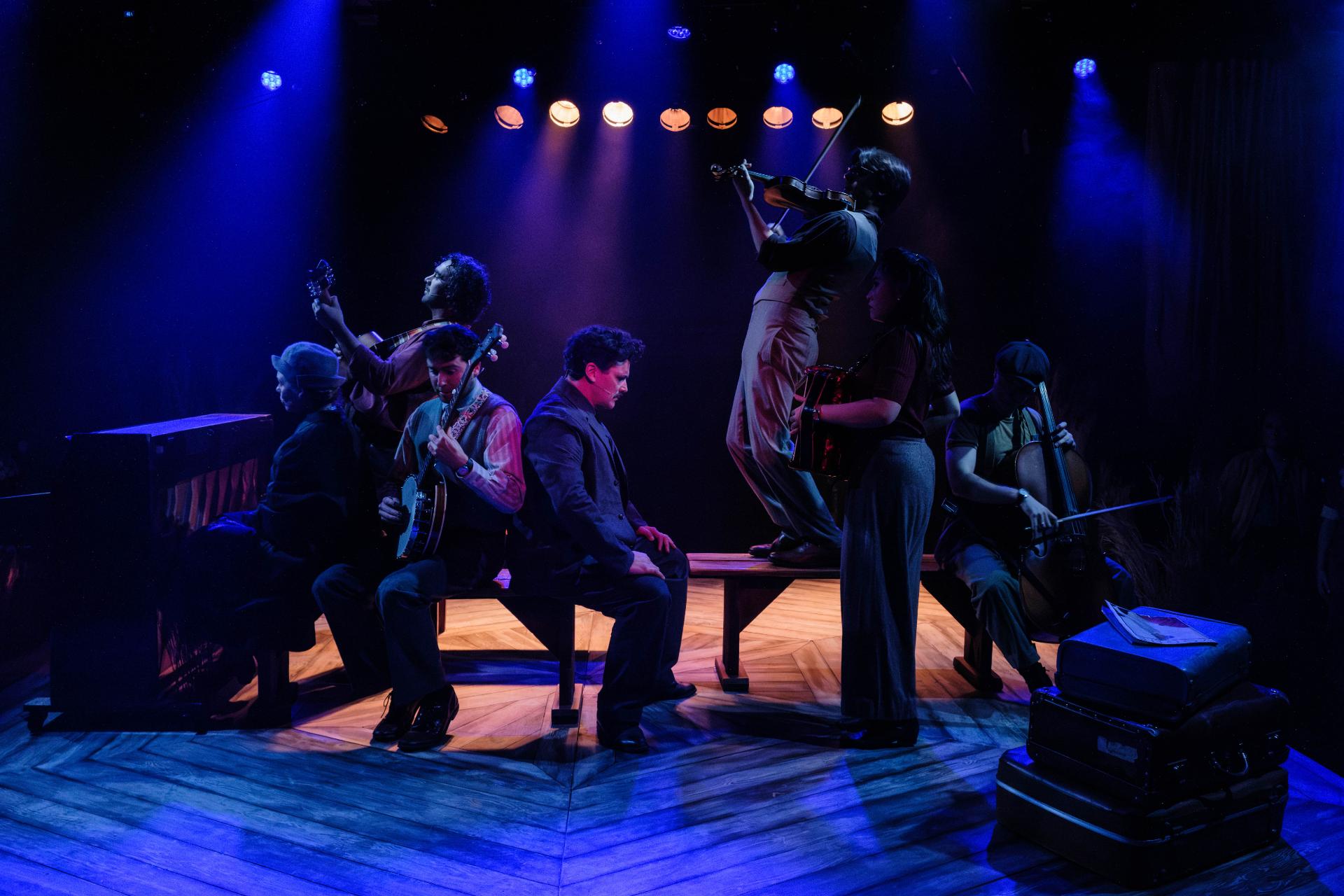
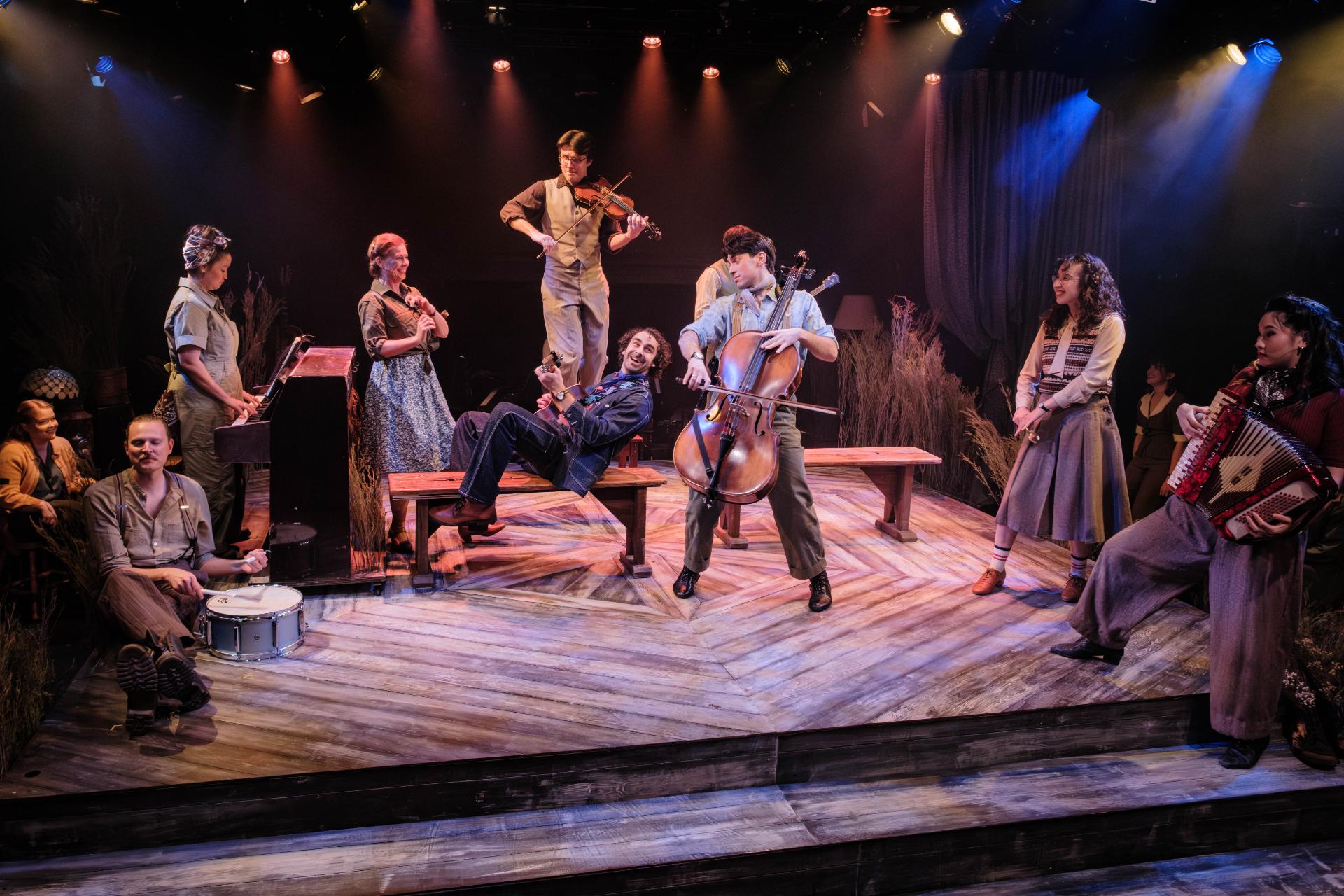
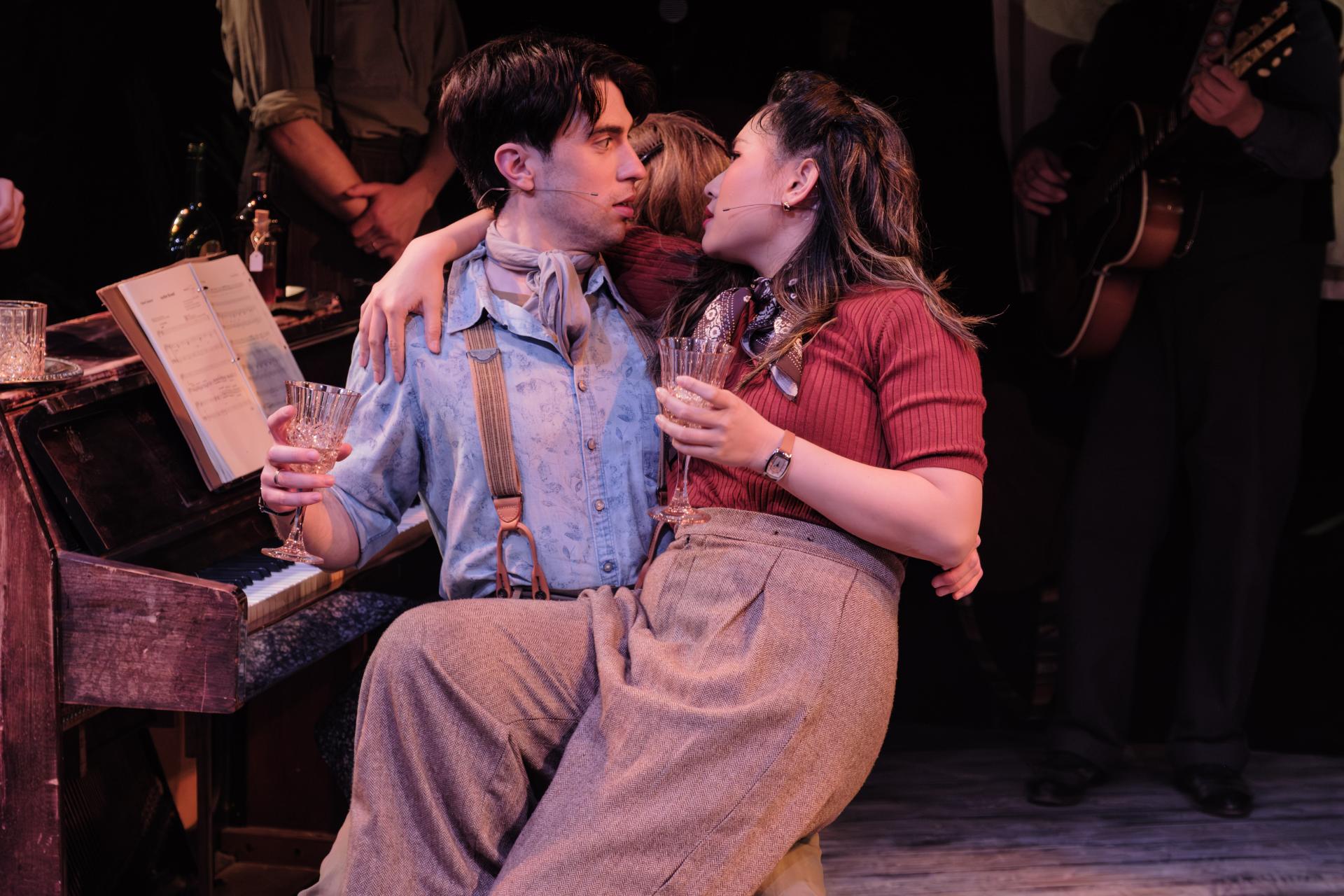
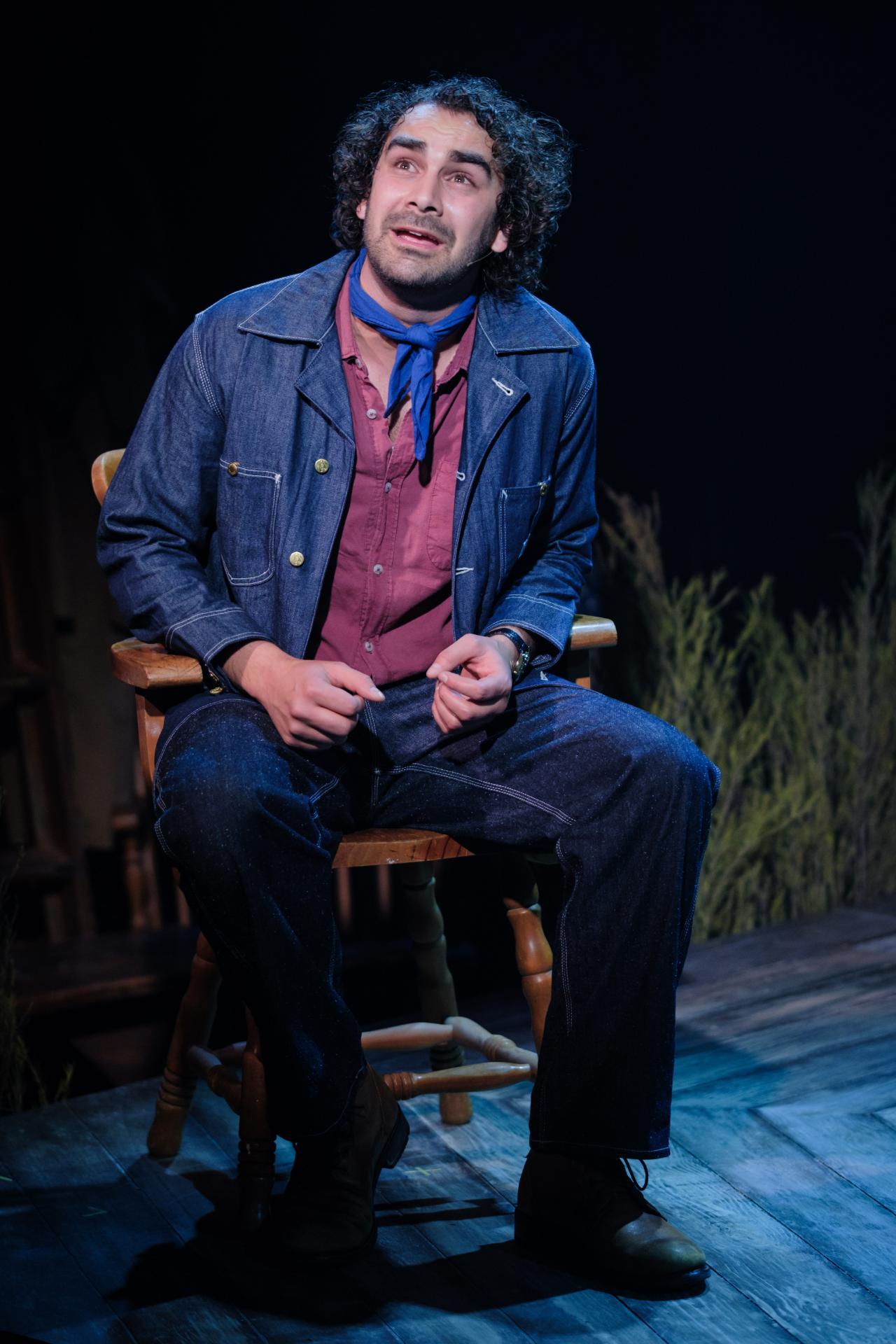
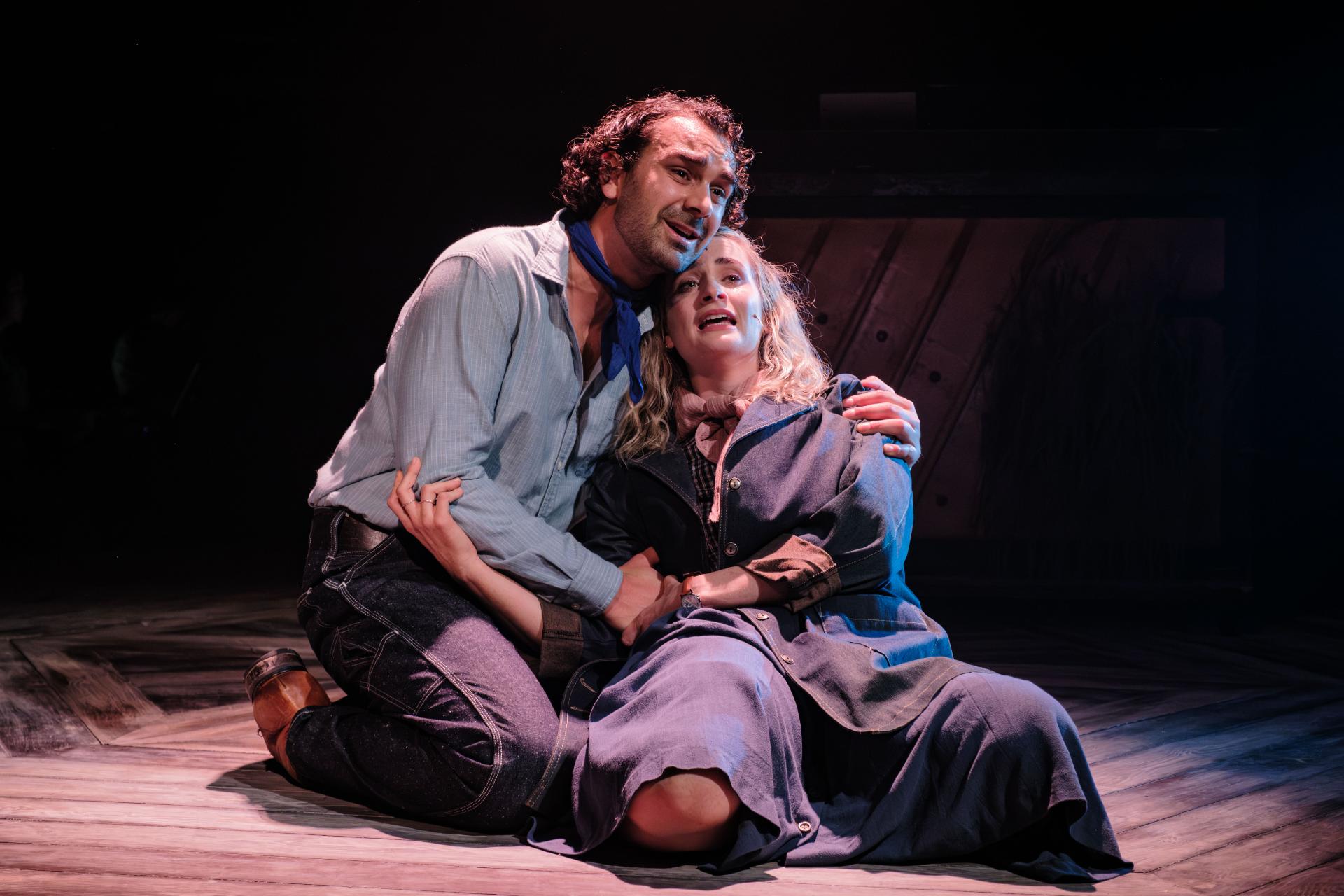
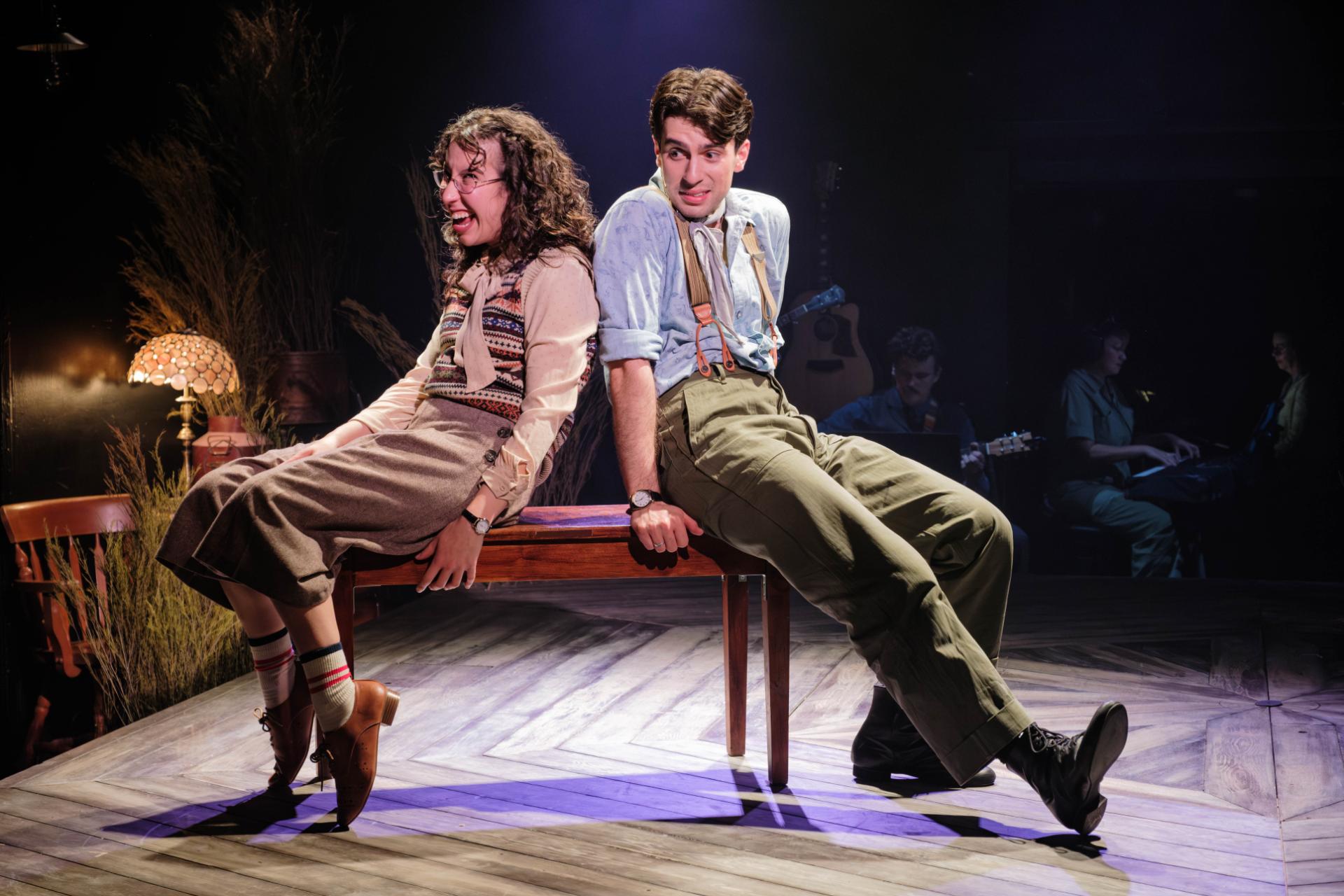
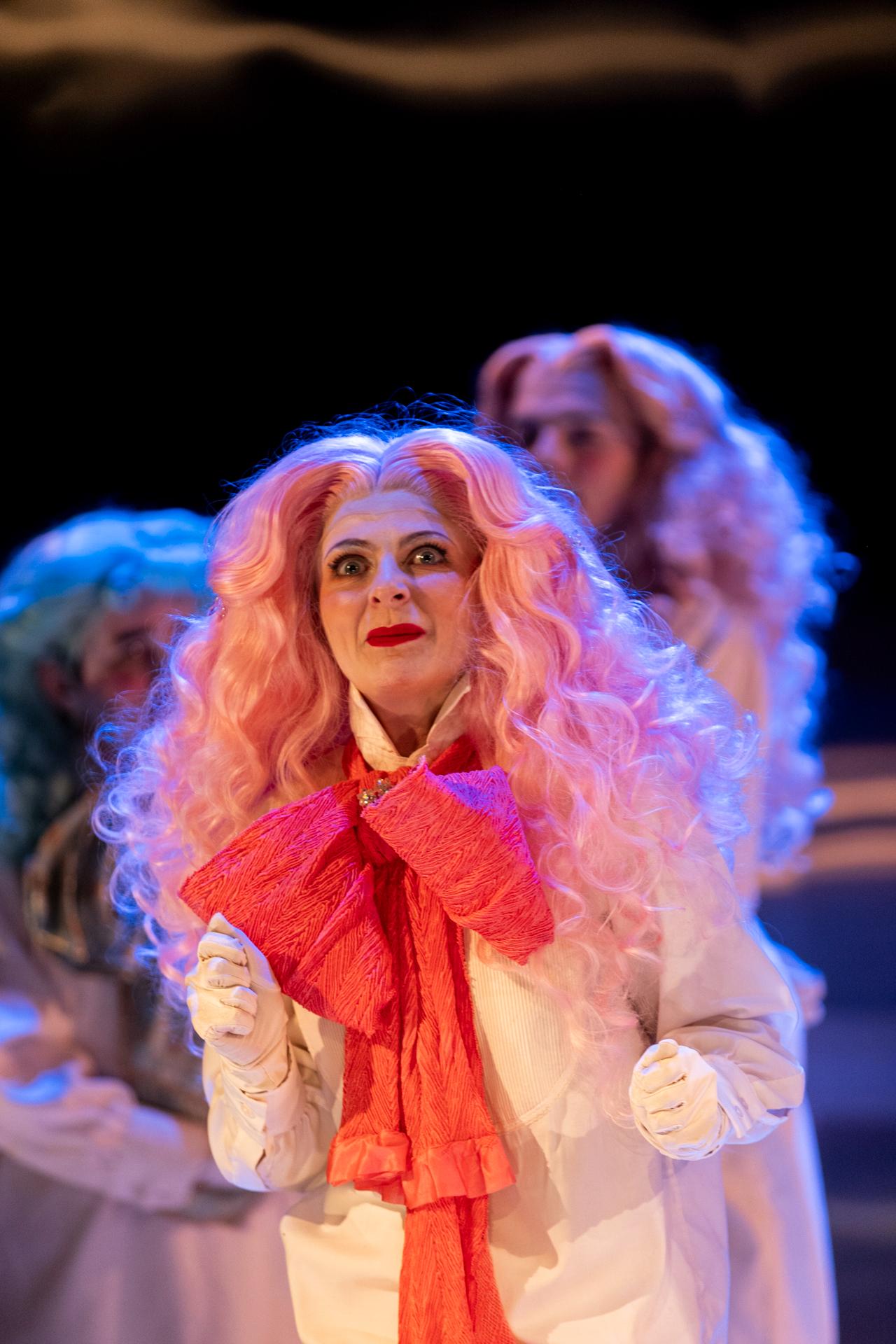
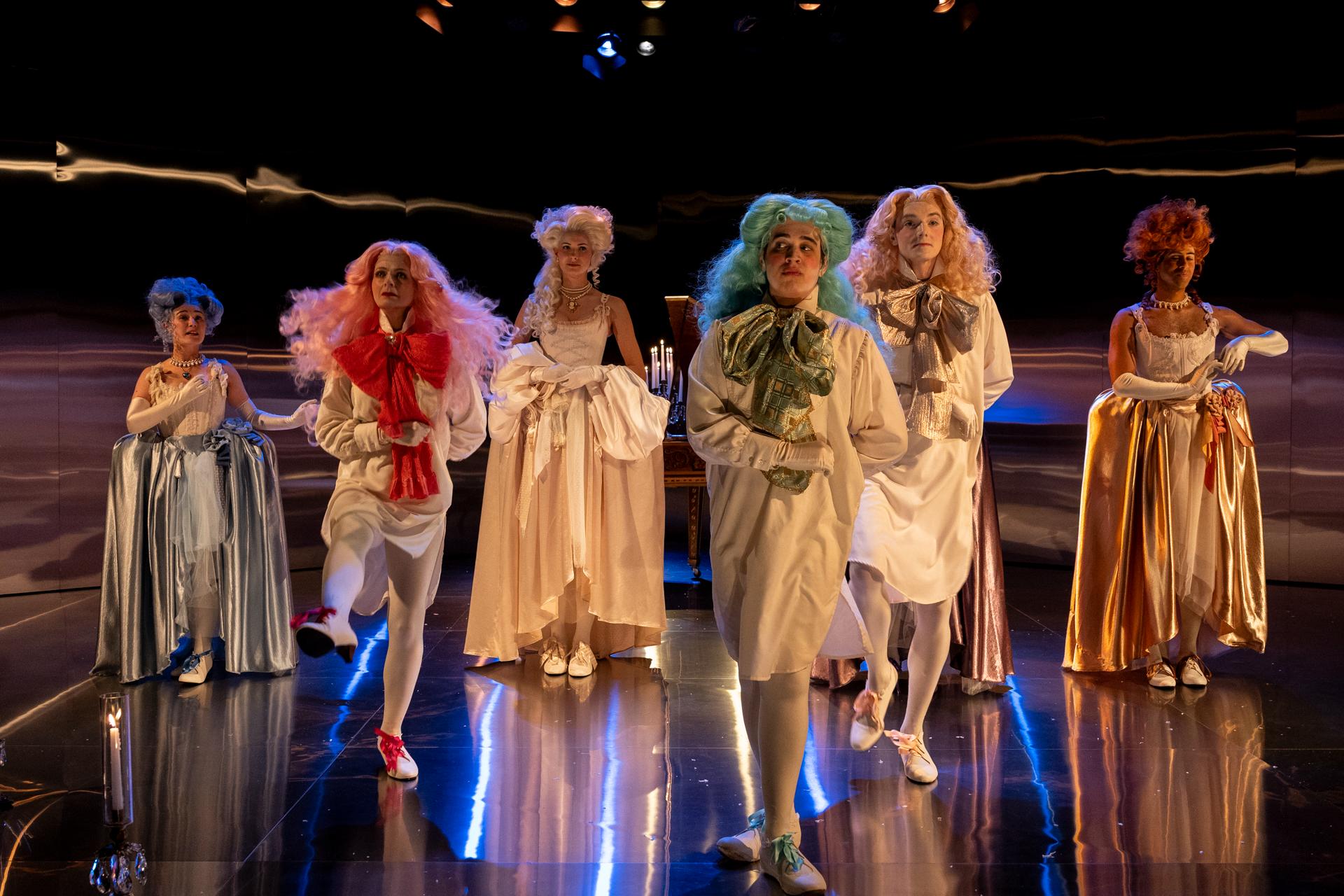
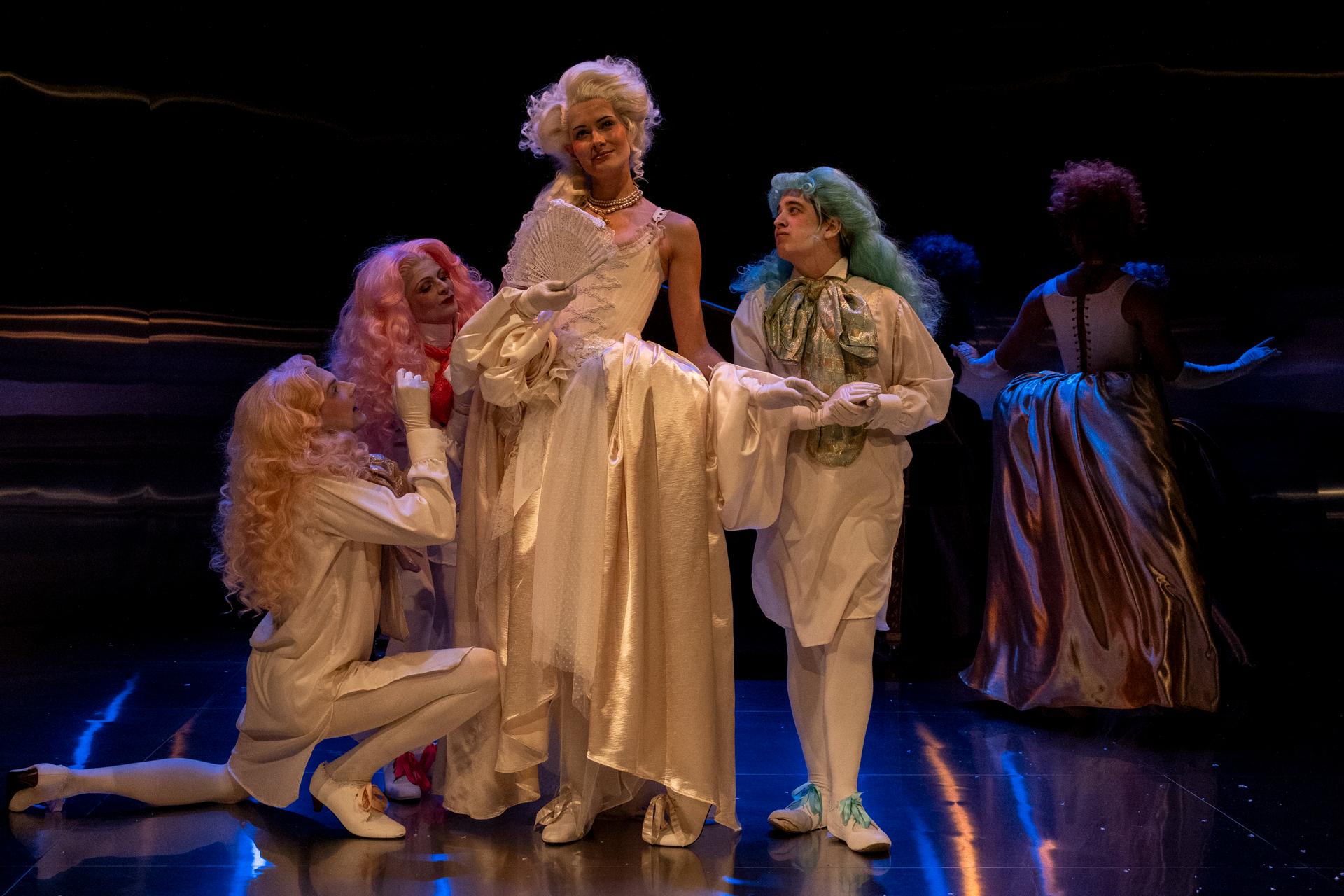
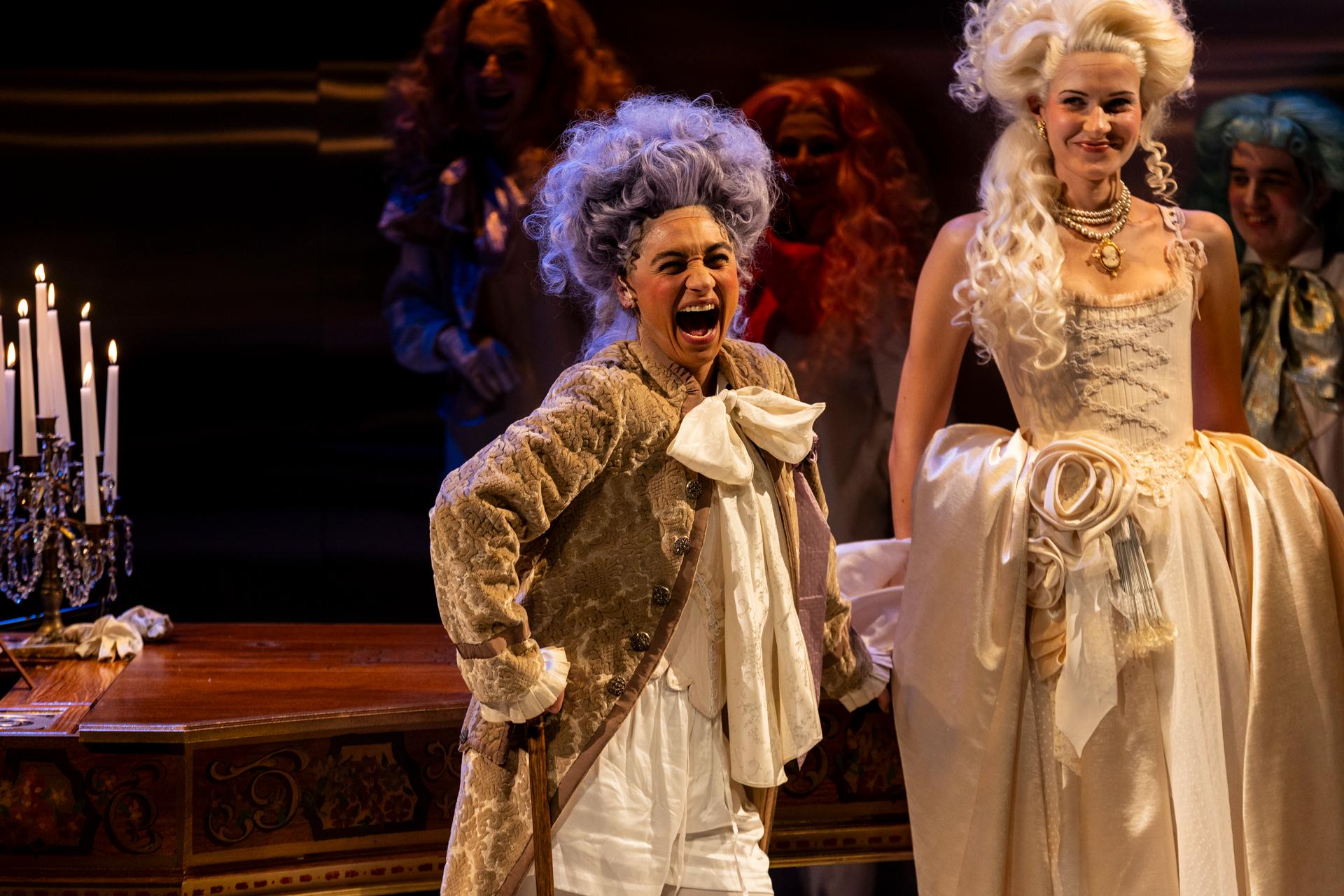
This return season features an excellent new cast, with performers like Nick Cox making a remarkable impression as Elder Cunningham—animated and precise in his approach, delivering some of the biggest laughs in what is surely one of Broadway’s funniest shows. Sean Johnston brings great energy and unequivocal vibrancy to the role of Elder Price, though he could benefit from dialling up the camp factor to embrace a more satirical style. The wonderful Paris Leveque is extremely charming as Nabulungi, with believable expressions of emotion and a stunning voice, that really help to sell the story.

In 2025 there is no longer anything whimsical or indeed cute, about those who reject critical thinking in favour of bizarre doctrines and conspiracy theories. The so-called ‘religious right’ continues to expand its influence, demanding that government policies align with beliefs rooted in supernatural thinking, often at odds with the broader public good. The Book of Mormon reminds us of a time when churches could be met with light-hearted derision, when we were perhaps oblivious to the harm they were willing to inflict, often even upon their own. While the cultural climate has undeniably shifted, one truth remains: we need laughter now more than ever.

www.thebookofmormonmusical.com.au

Review: Emerald City (Ensemble Theatre)

Venue: Ensemble Theatre (Kirribilli NSW), Jul 18 – Aug 23, 2025
Playwright: David Williamson
Director: Mark Kilmurry
Cast: Aisha Aidara, Danielle Carter, Rachel Gordon, Matt Minto, Tom O’Sullivan, Rajan Velu
Images by Phil Erbacher

Theatre review
Reaganomics and Thatcherism were in full force when David Williamson’s Emerald City first emerged—a play in which a screenwriter grapples with his artistic integrity in a world determined to commodify everything. Almost four decades on, the conflict between art and commerce remains and has become so subsumed into our daily realities that watching an artist navigate those old quagmires now seems strangely quaint.

Direction by Mark Kilmurry is thankfully taut and energetic, with leading man Tom O’Sullivan bringing commitment and valuable charisma to the not-always-likable role of Colin. His wife Kate is made a powerful figure by Rachel Gordon’s confidence and panache. Matt Minto is appropriately dubious as the opportunistic Mike, while Aisha Aidara’s portrayal of his partner Helen surprises with warmth and a compelling naturalism.

Production design by Dan Potra depicts the era with some accuracy, but can appear somewhat simplistic in approach. Lights by Morgan Moroney improve the viewing experience by effecting subtle shifts as the production transforms in tone and temperament. Music by Madeleine Picard add a dimension of ephemerality to the way we feel about this straightforward story.

The city of Sydney serves as a fitting backdrop for this reflection on commercialism and its entanglement with human life. Money, undeniably, shapes much of who we are here—as it does in any city—and while we recognise that ‘the love of money is the root of all evil,’ it is equally true that our relative affluence underpins many of the pleasures we associate with life in this frankly magnificent place.

www.ensemble.com.au

Review: Betrayal (Old Fitz Theatre)

Venue: Old Fitzroy Theatre (Woolloomooloo NSW), Jul 18 – Aug 10, 2025
Playwright: Harold Pinter
Director: Cristabel Sved
Cast: Andrew Cutcliffe, Matt Hardie, Diego Retamales, Ella Scott Lynch
Images by Kate Williams

Theatre review
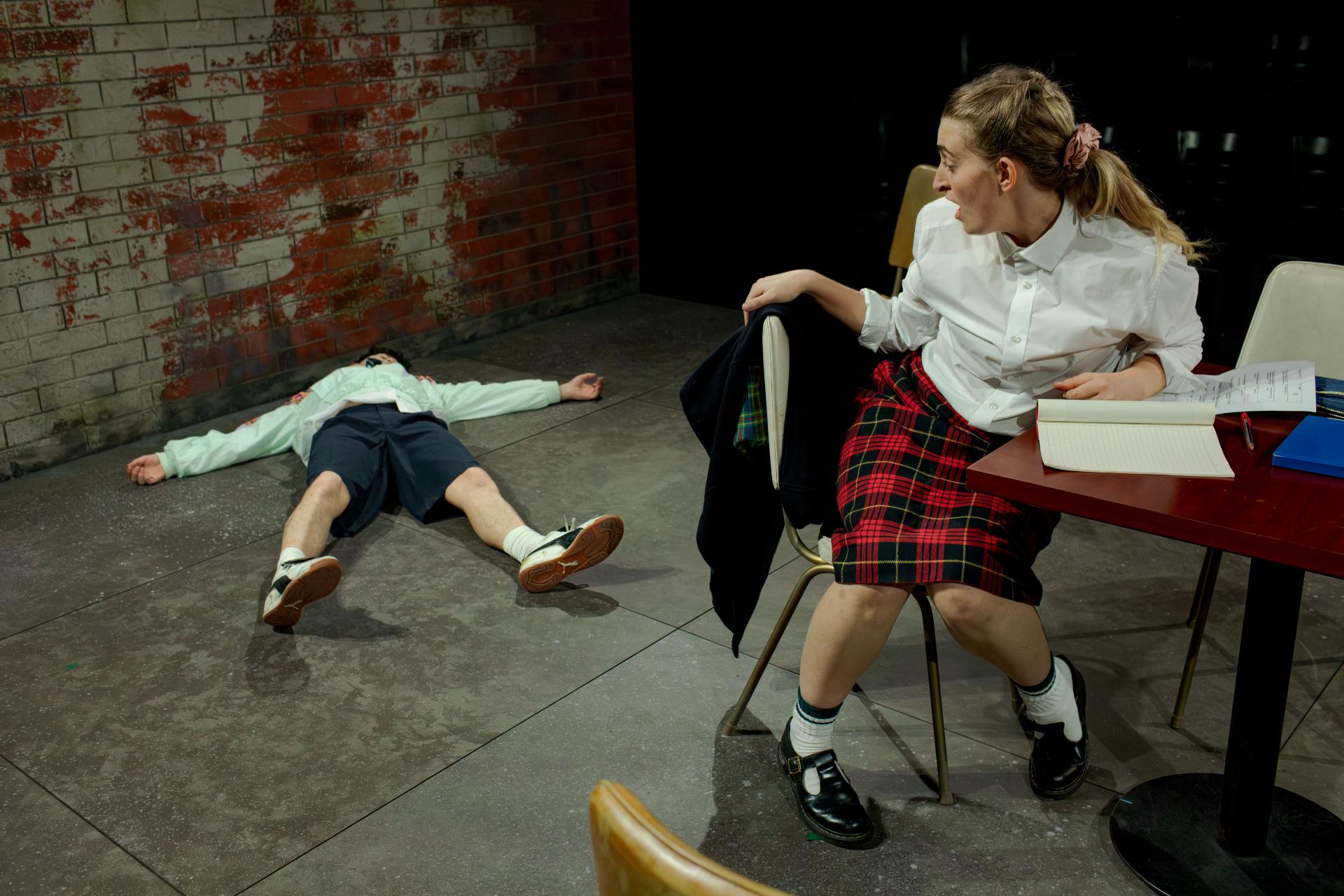
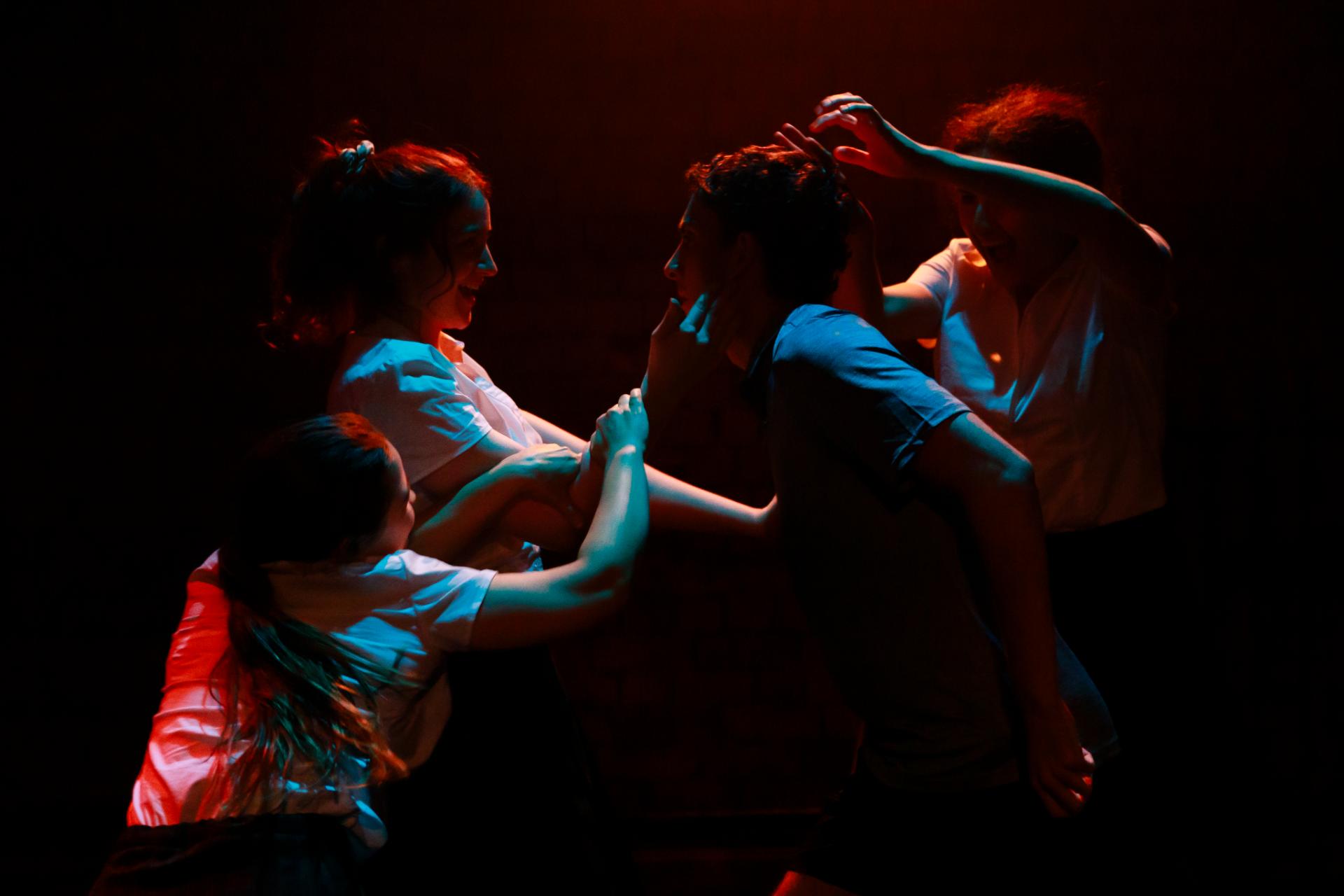
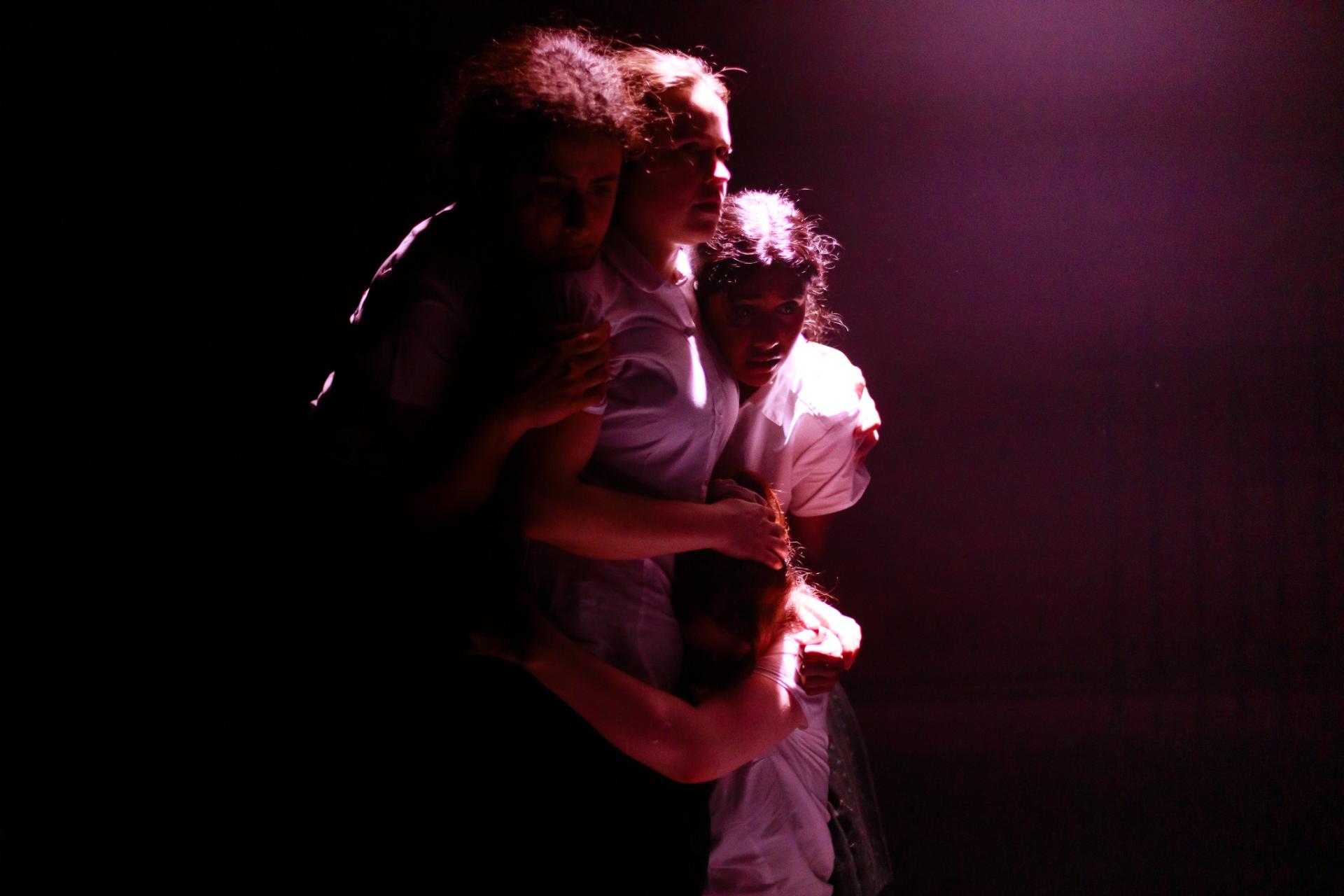
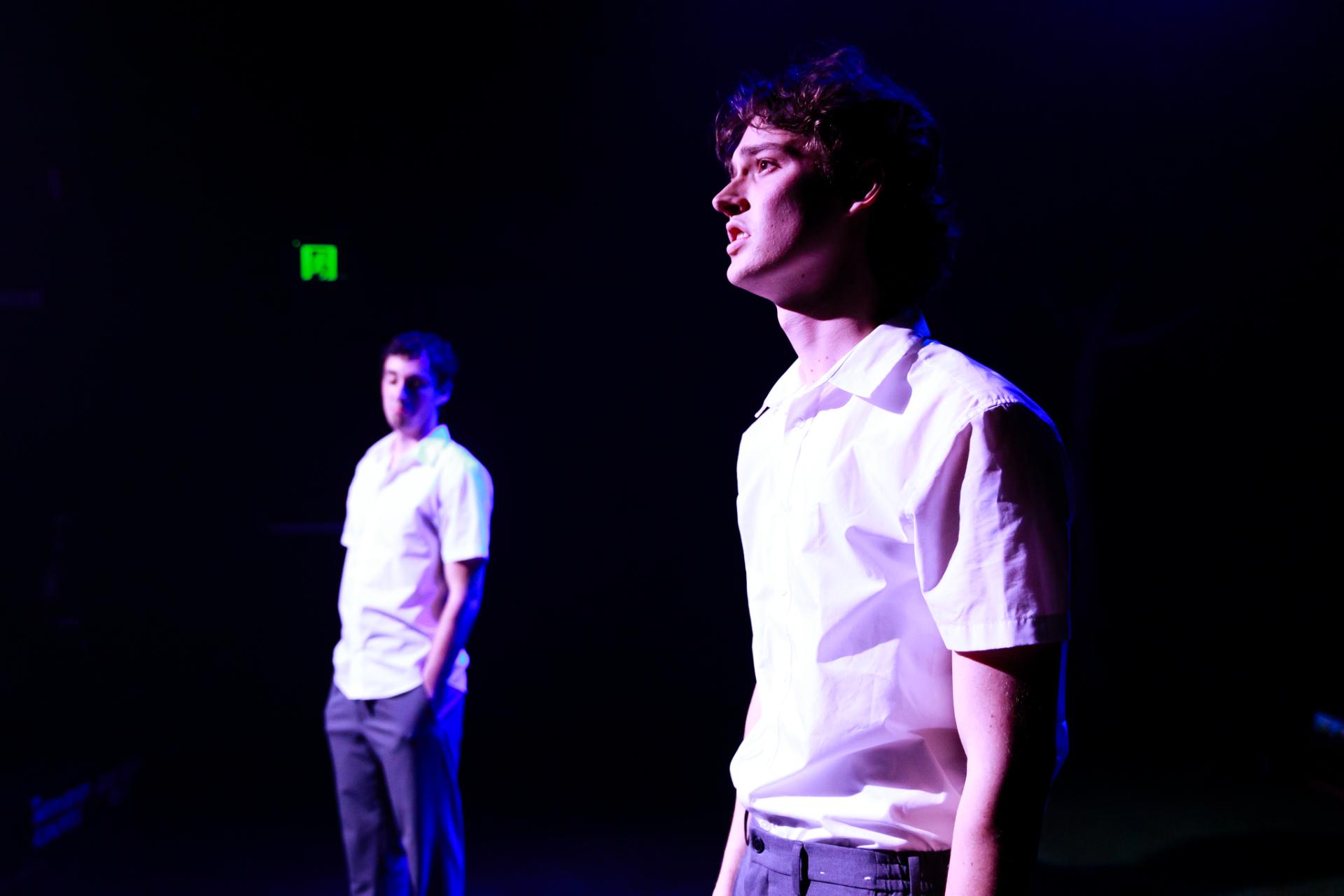
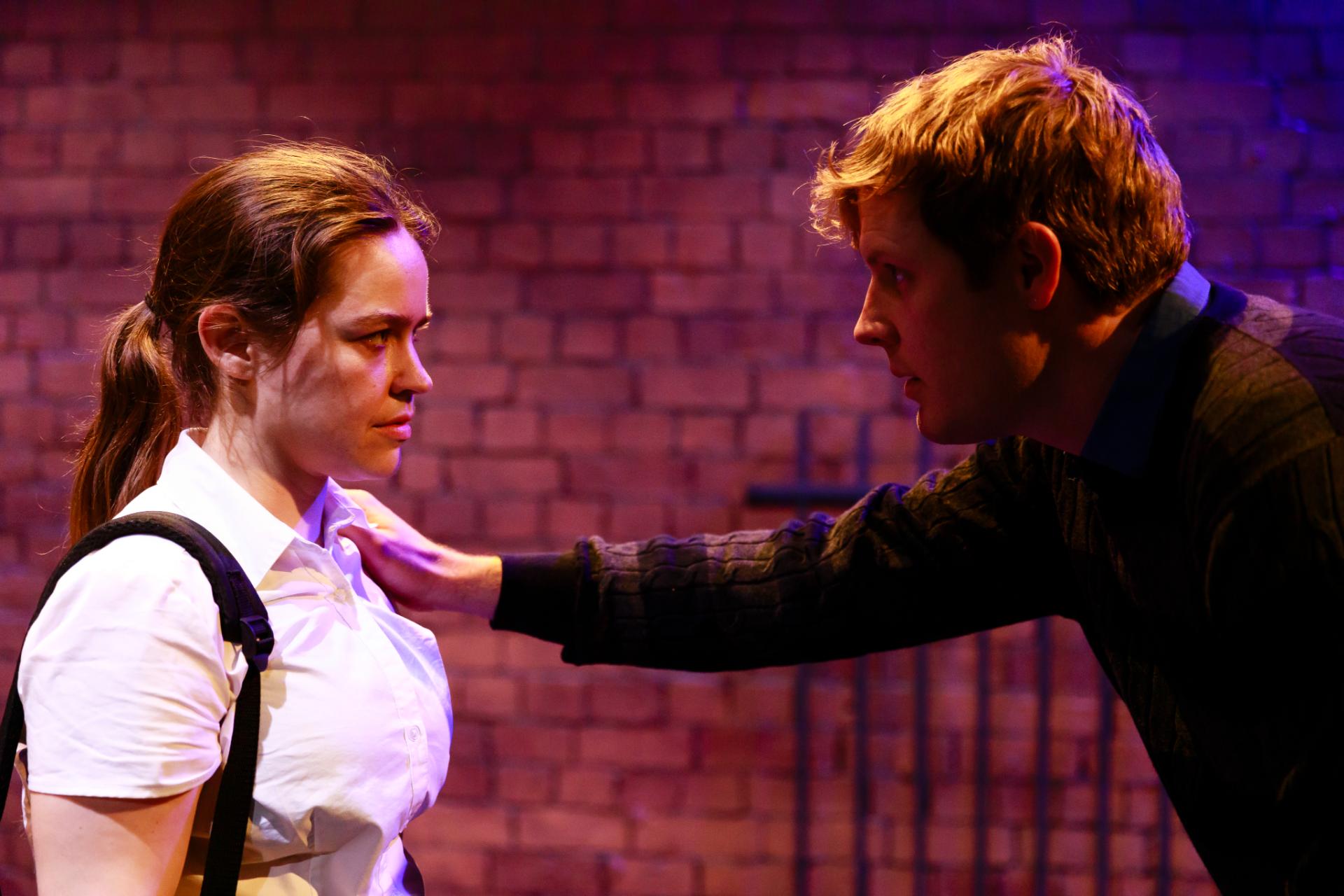
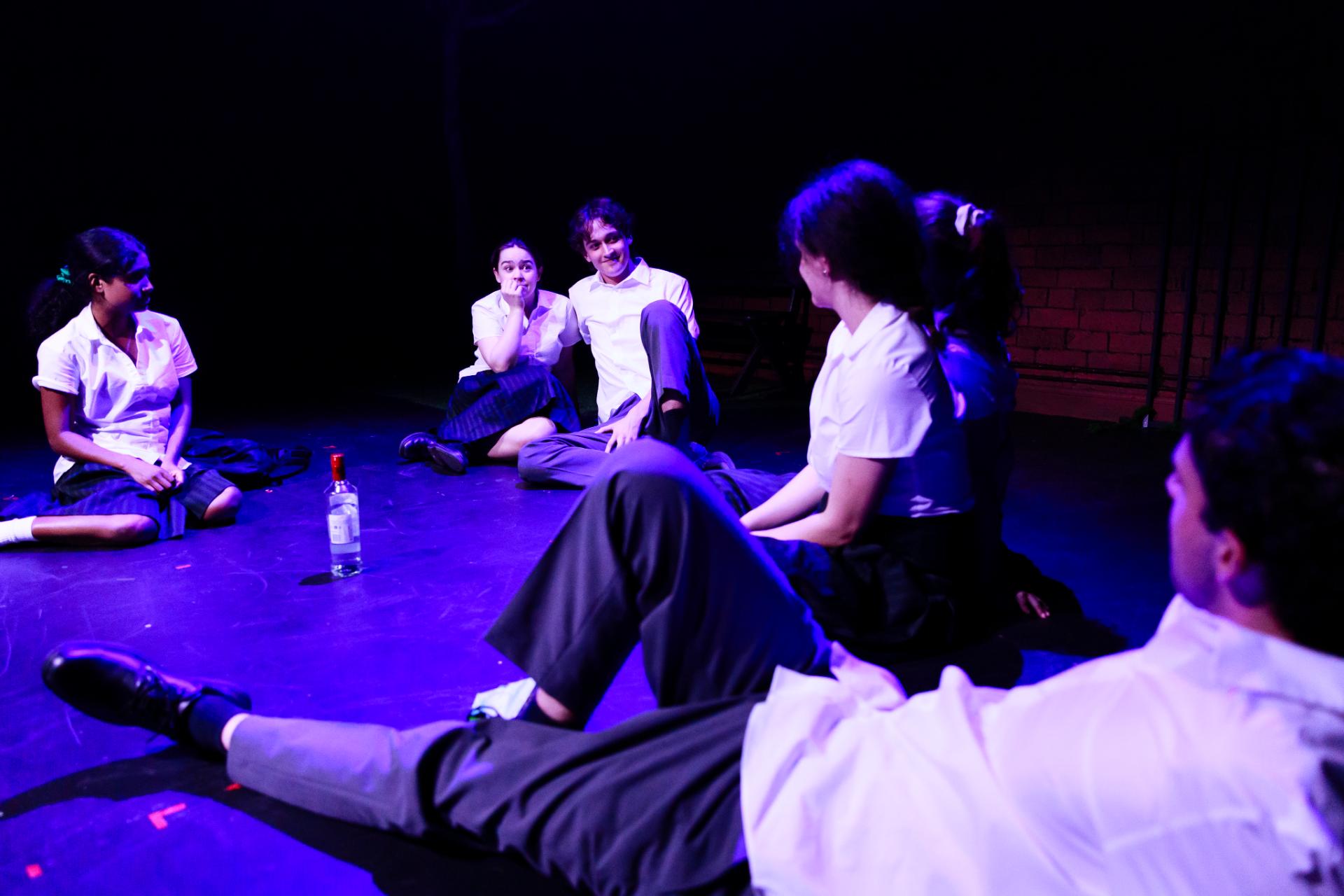
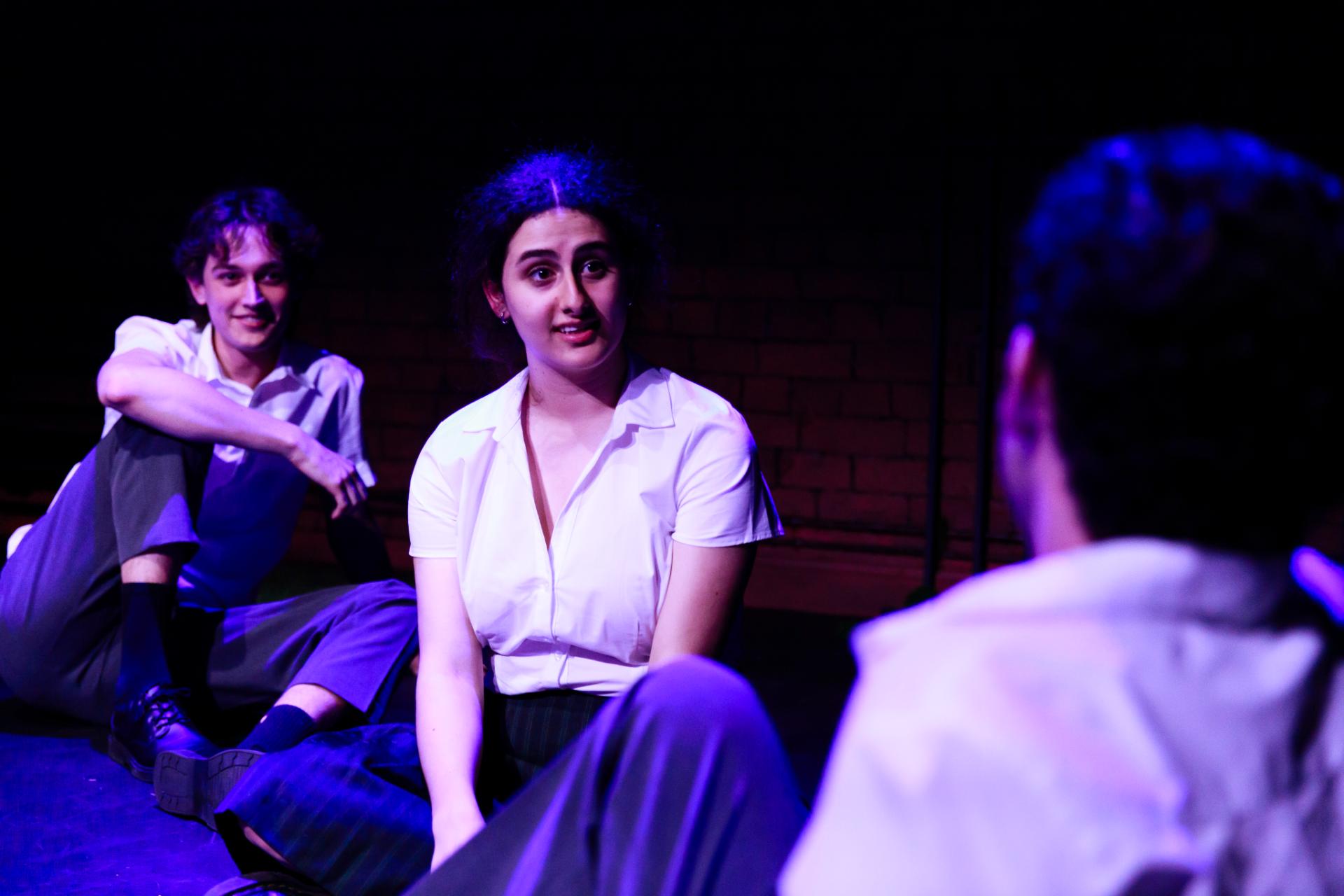
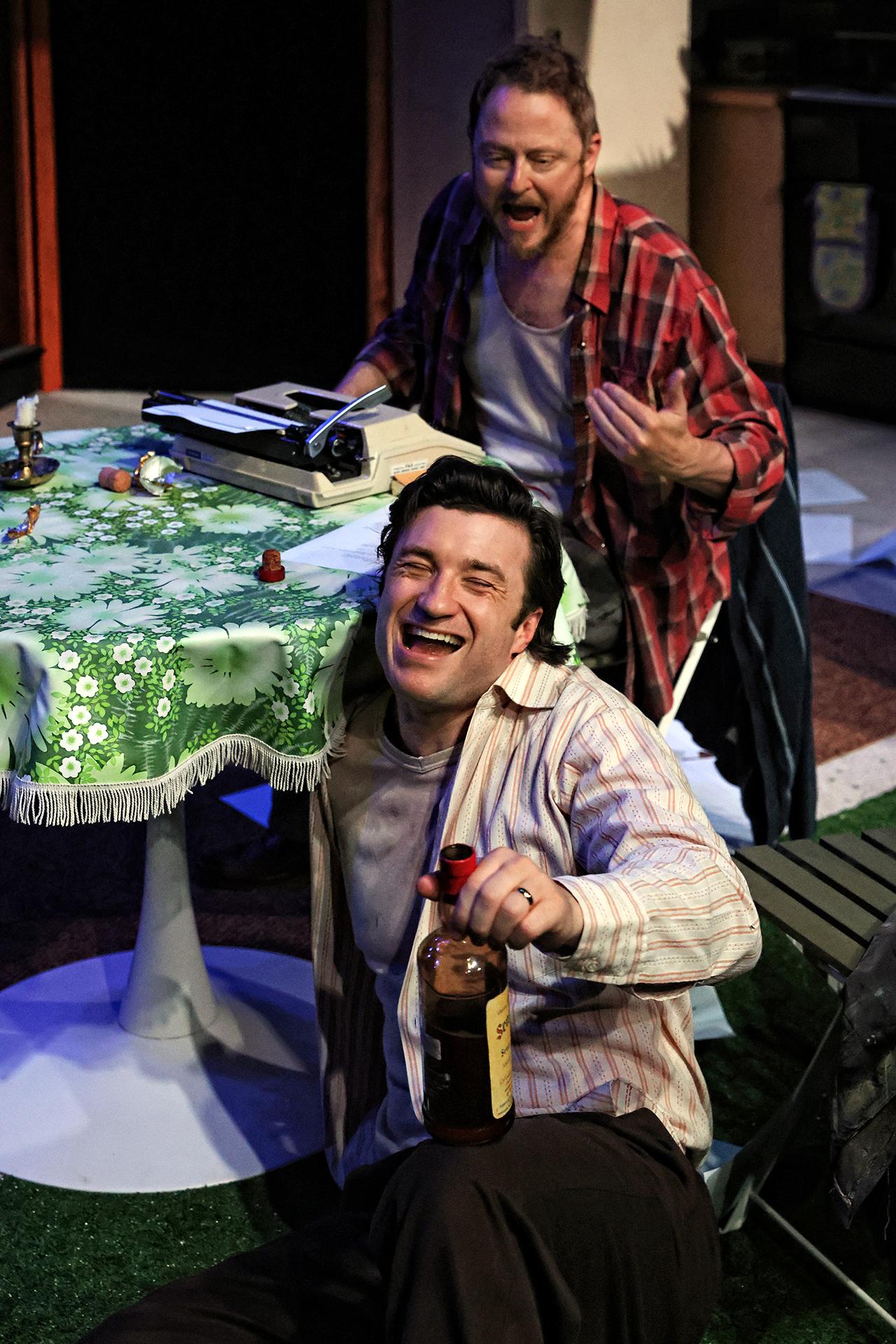
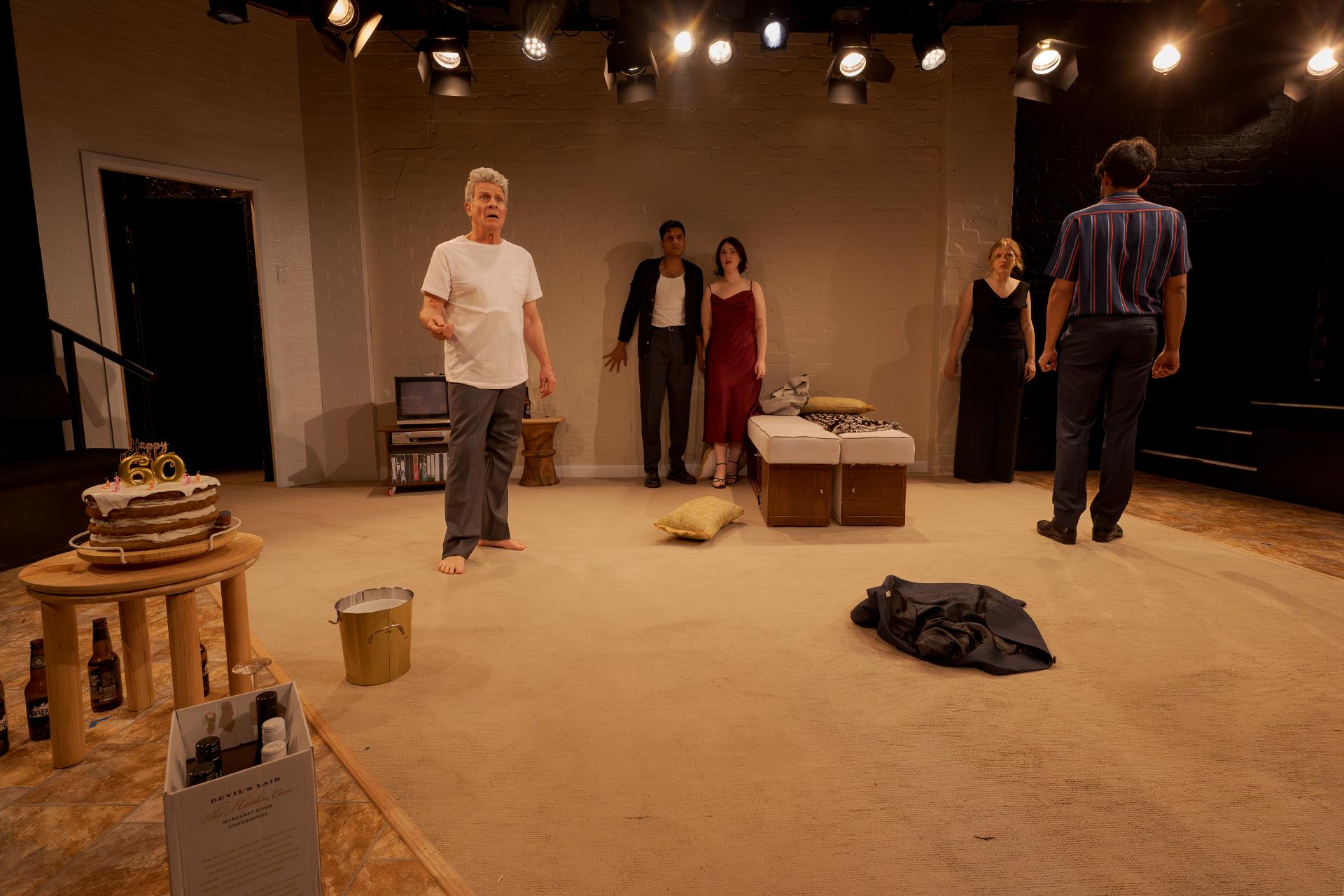
Emma has been sleeping with her husband’s best friend for years. It would appear that she loves both men deeply, but convention deems this highly improper, forcing all parties to endure stages of anguish as they grapple with the perceived transgression. Harold Pinter’s Betrayal is almost half a century old, yet it seems little has changed in terms of middle-class values and the cultural dominance of monogamy. The play suggests an absurdity in the weight we assign to traditional matrimony, yet Pinter’s narrative remains relevant, even in 2025.

Directed by Cristabel Sved, the work unfolds with ample earnestness, often at the sacrifice of irony and humour. Characters understandably take their circumstances extremely seriously, but it can be argued that the actors should adopt a more observational and discursive approach to improve our intellectual engagement with the show.

Debonair actor Andrew Cutcliffe rises to the challenge as Robert, delivering a satisfying theatricality with his sardonic interpretation of the text. Ella Scott Lynch plays Emma commendably, capturing psychological accuracy even though some of the comedy is compromised. Matt Hardie, too, places emphasis on the realism of the piece but misses the opportunity to create a more entertaining portrayal of Jerry, the secret paramour. A brief appearance by Diego Retamales as a waiter at an Italian restaurant, offers moments of idiosyncrasy that really benefit the production.
Set design by Melanie Liertz is minimally rendered, but certainly sufficient in helping us engage with interactions between friends and lovers. Her costumes however could be more detailed in their depiction of timelines. Lights by Verity Hampson and Luna Ng are immensely helpful in creating the many spatial transformations. It is arguable whether the video projections by Aron Murray are necessary, but they are nonetheless a pleasing sight. Music by Steve Toumin, along with sound design by Johnny Yang are appropriately subdued, and are effective in enhancing the production’s relentlessly serious atmosphere.

Infidelity is painful to go through, but it is also highly comical. We insist on making promises we are incapable of keeping, only to torment ourselves trying to escape the messes we inevitably create. Betrayal does not explain why we allow Emma only to sleep with one man, but it can be seen that her turmoil becomes increasingly meaningless over the course of the play. Traditions deserve scrutiny, and often, what appears deeply important may not be so at all.

www.oldfitztheatre.com.au | www.sportforjove.com.au

Review: Hedwig And The Angry Inch (Carriageworks)

Venue: Carriageworks (Eveleigh NSW), Jul 17 – Aug 3, 2025
Text: John Cameron Mitchell
Music and Lyrics: Stephen Trask
Directors: Shane Anthony, Dino Dimitriadis
Cast: Seann Miley Moore, Adam Noviello
Images by Eugene Hyland, Shane Reid

Theatre review
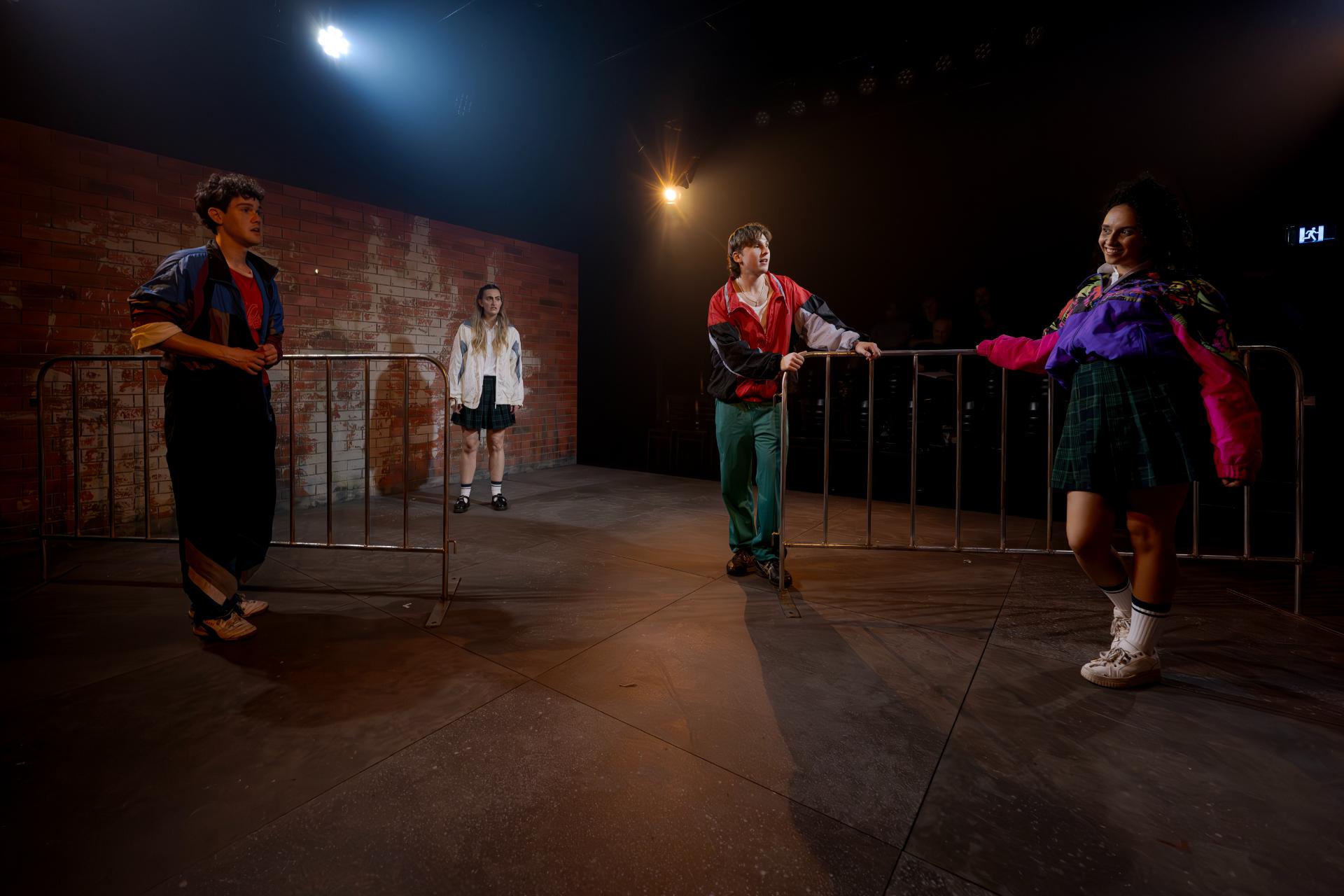
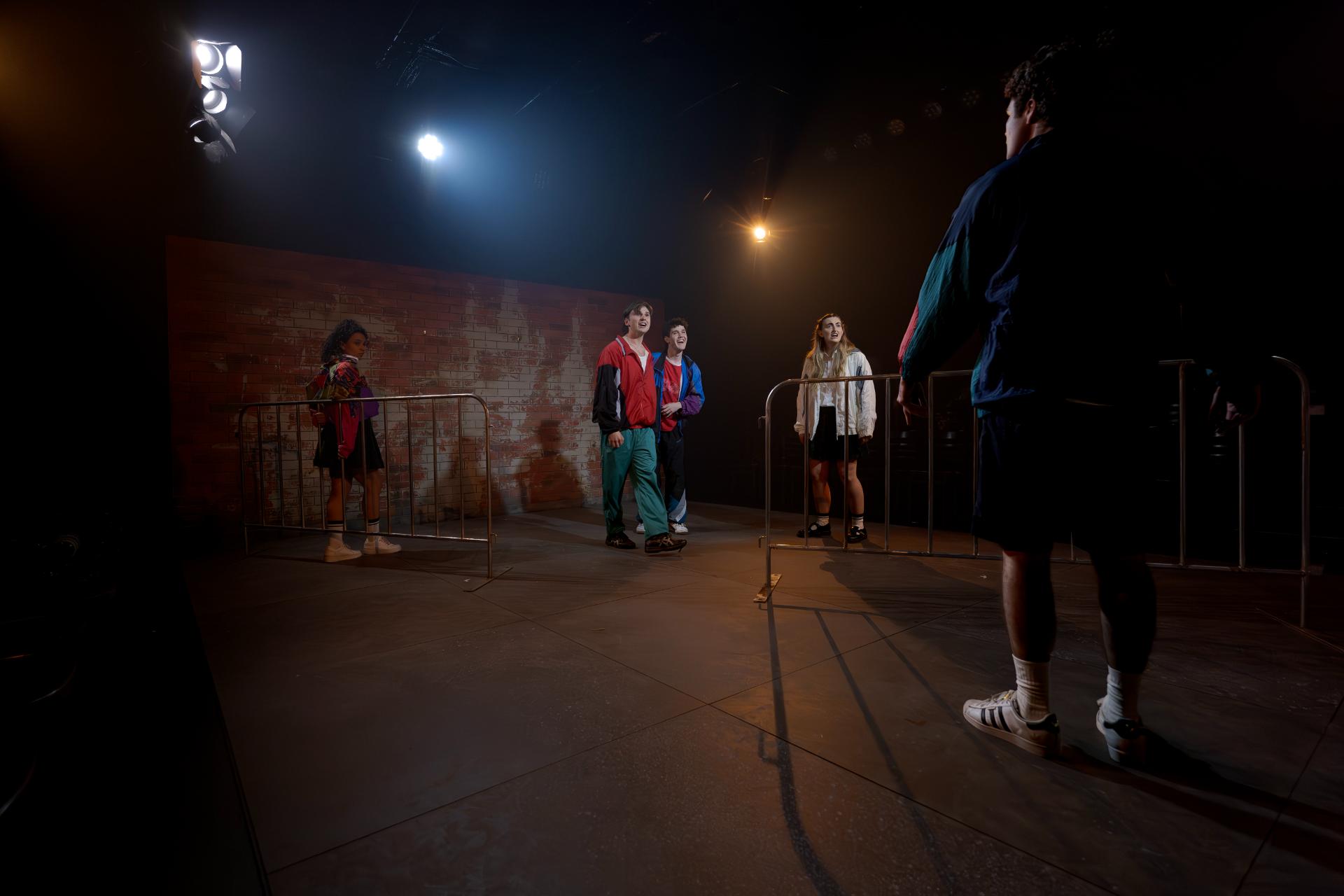
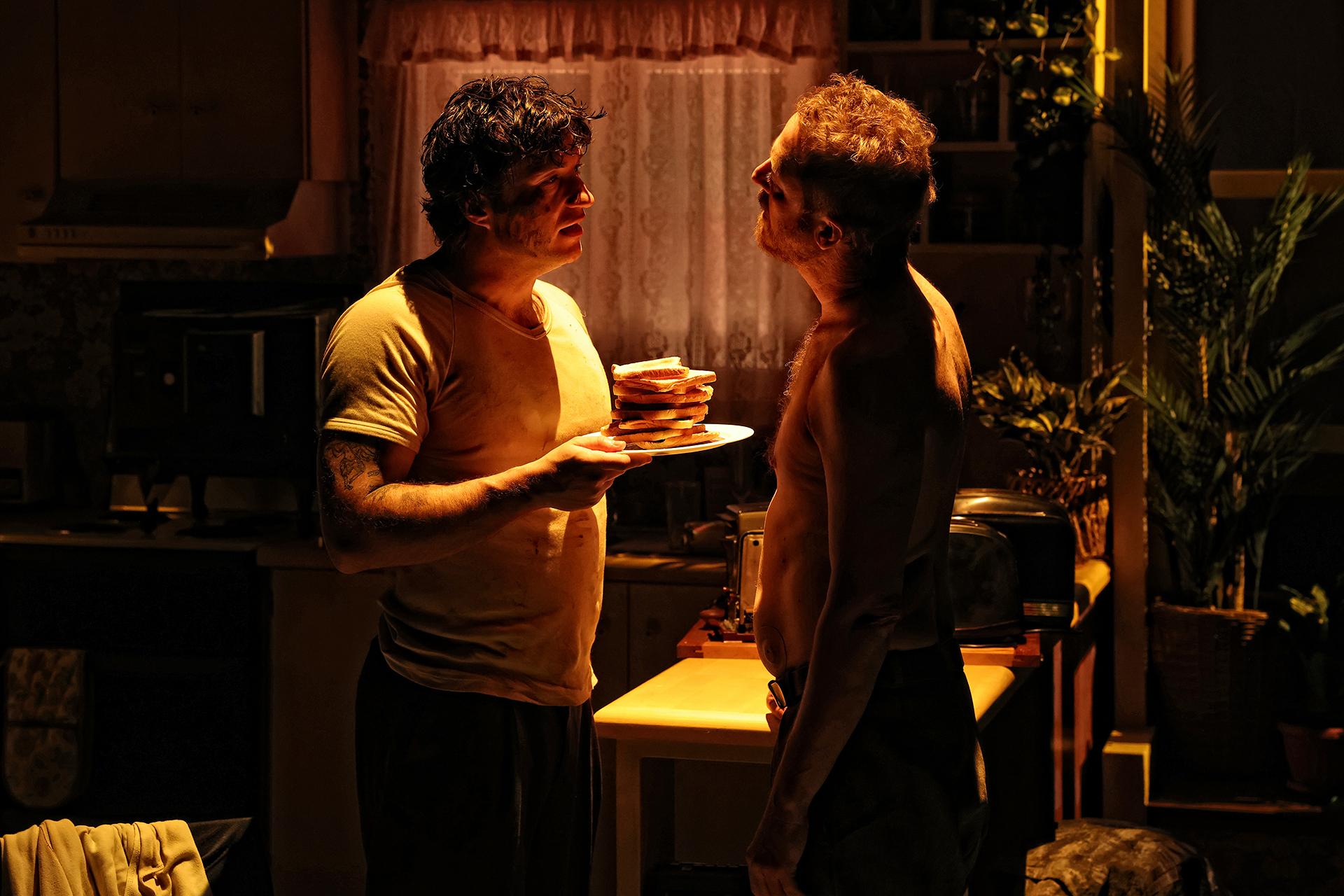
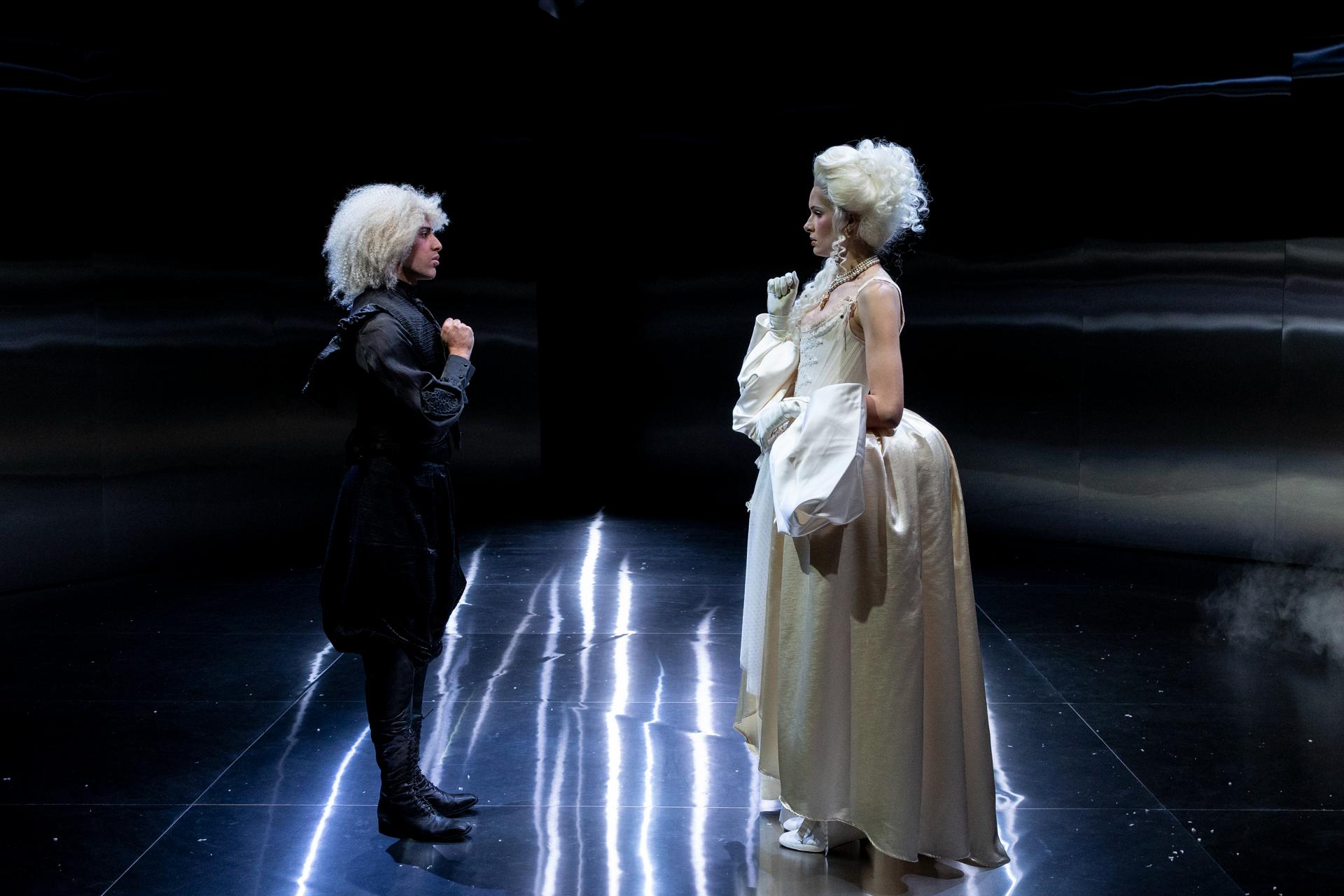
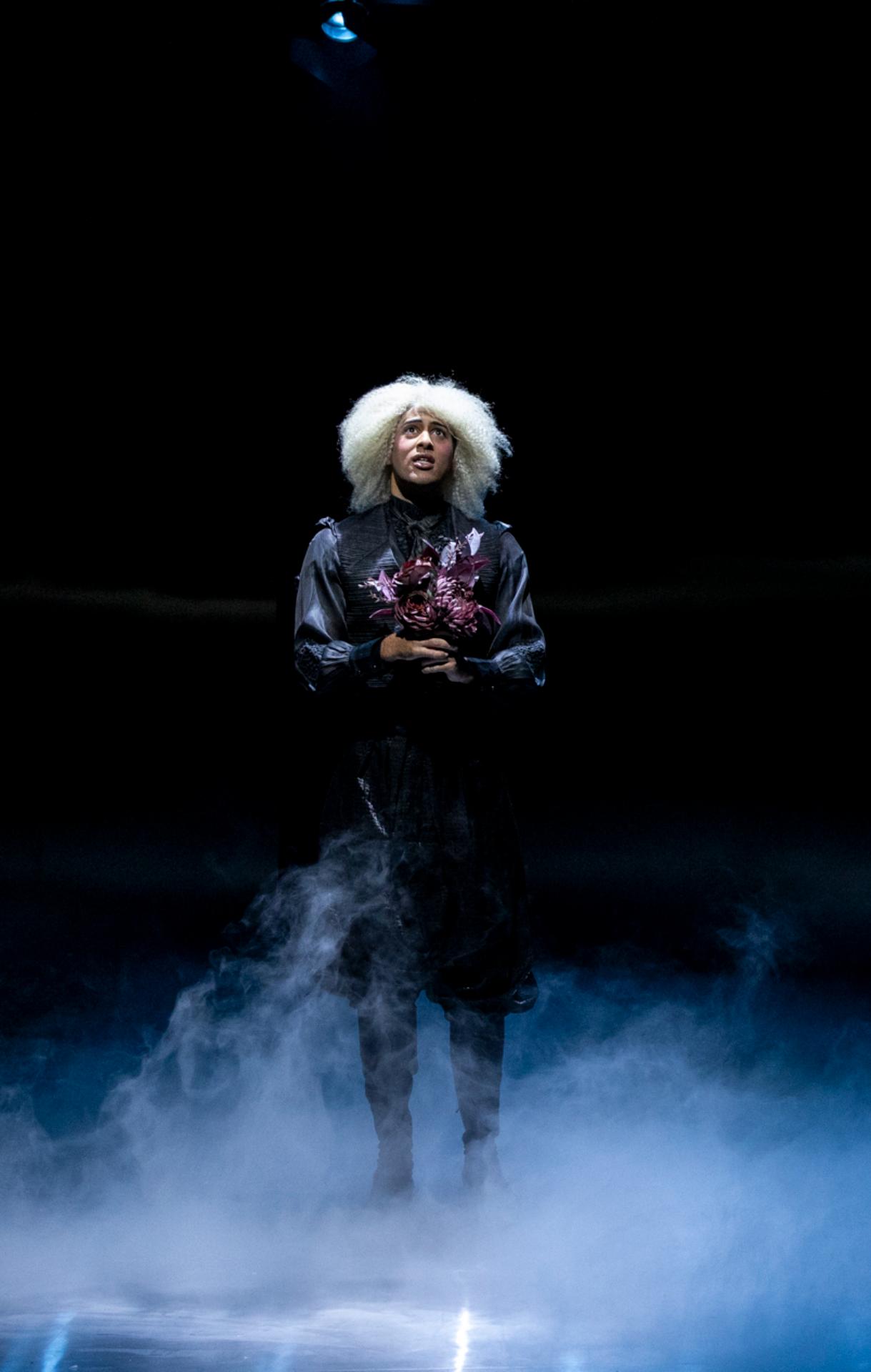
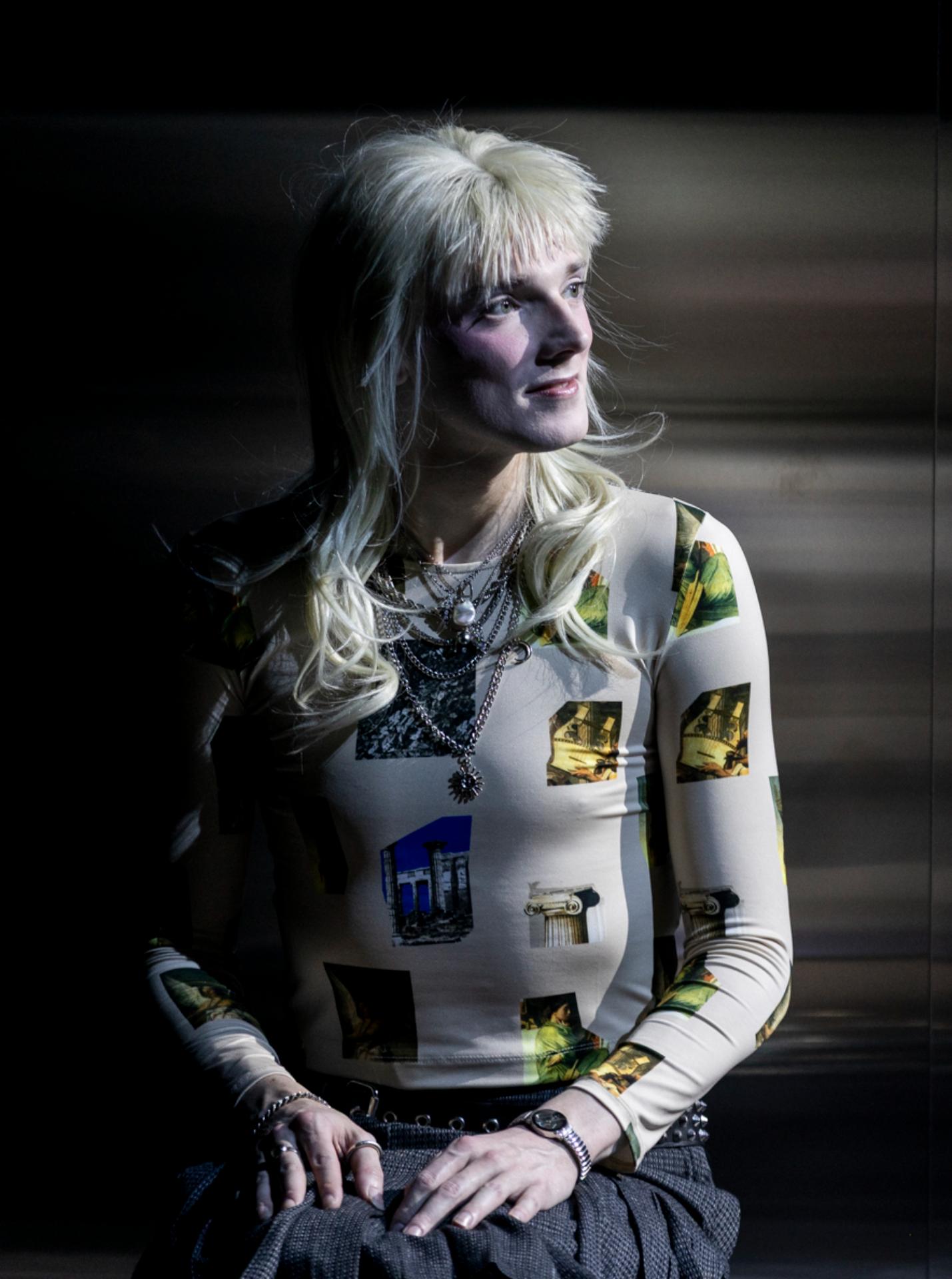
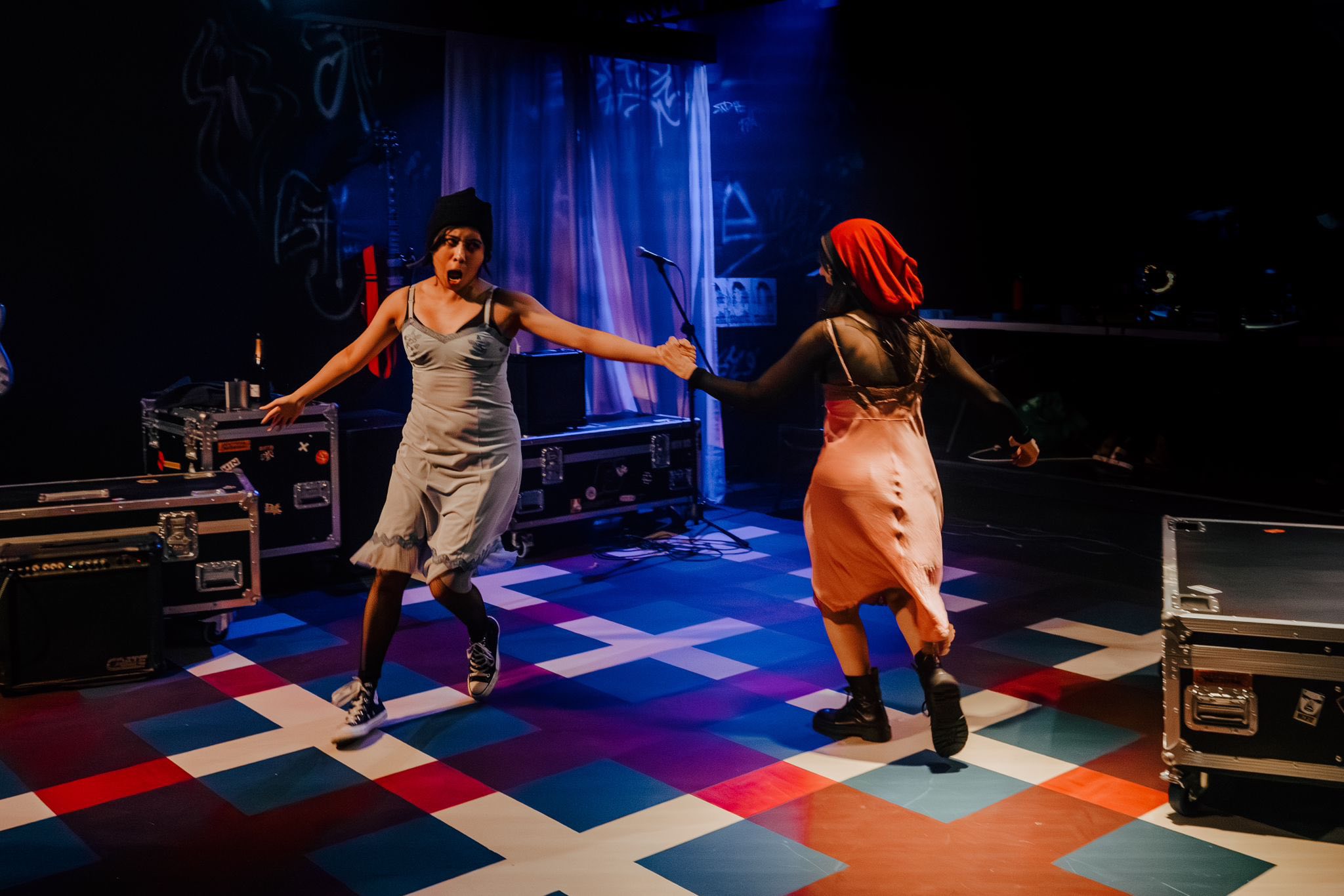
Hedwig does not love. Having only experienced deception, betrayal and cruelty throughout her life, Hedwig has little capacity to show affection or kindness, even to Yitzhak who offers only dedication. John Cameron Mitchell and Stephen Trask’s iconic queer masterpiece Hedwig and the Angry Inch stands as one of the few prominent titles in a musical canon that, although held in high regard by many queer lives, rarely places LGBTQIA+ stories at its centre. Thirty-one years since its original conception, protagonist Hedwig remains defiantly and resolutely queer — a figure who resists all manner of classification, and who challenges the values not only of middle-class life, but also of how we think about art and creativity.

Co-directed by the formidable pair Shane Anthony and Dino Dimitriadis, Hedwig and the Angry Inch is both spectacular and poignant, fully satisfying our need for something transcendentally fabulous, while remaining unequivocally meaningful. Together with soulful choreography by Amy Campbell, they deliver a production that saturates and satiates our senses, making us hopelessly mesmerised every second, before finally hurling us somewhere unfathomably moving.

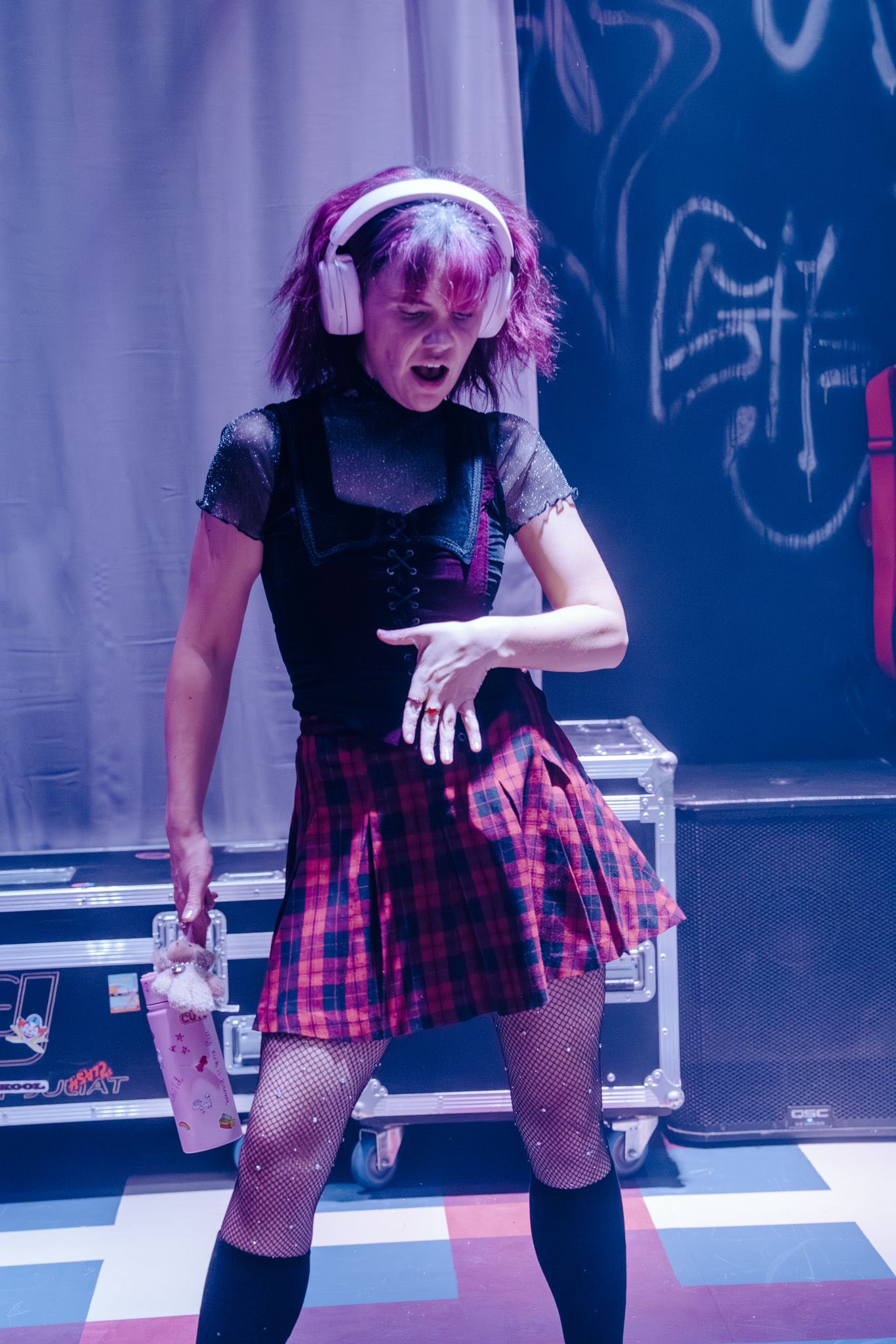
The show is characteristically unruly in its rhapsodical, bohemian expression of the grungy nineties, yet there is an unmistakeable rigour that oversees every aesthetic choice, to ensure unparalleled elegance and sophistication, for a brilliantly elevated presentation of one of musical theatre history’s wildest moments.

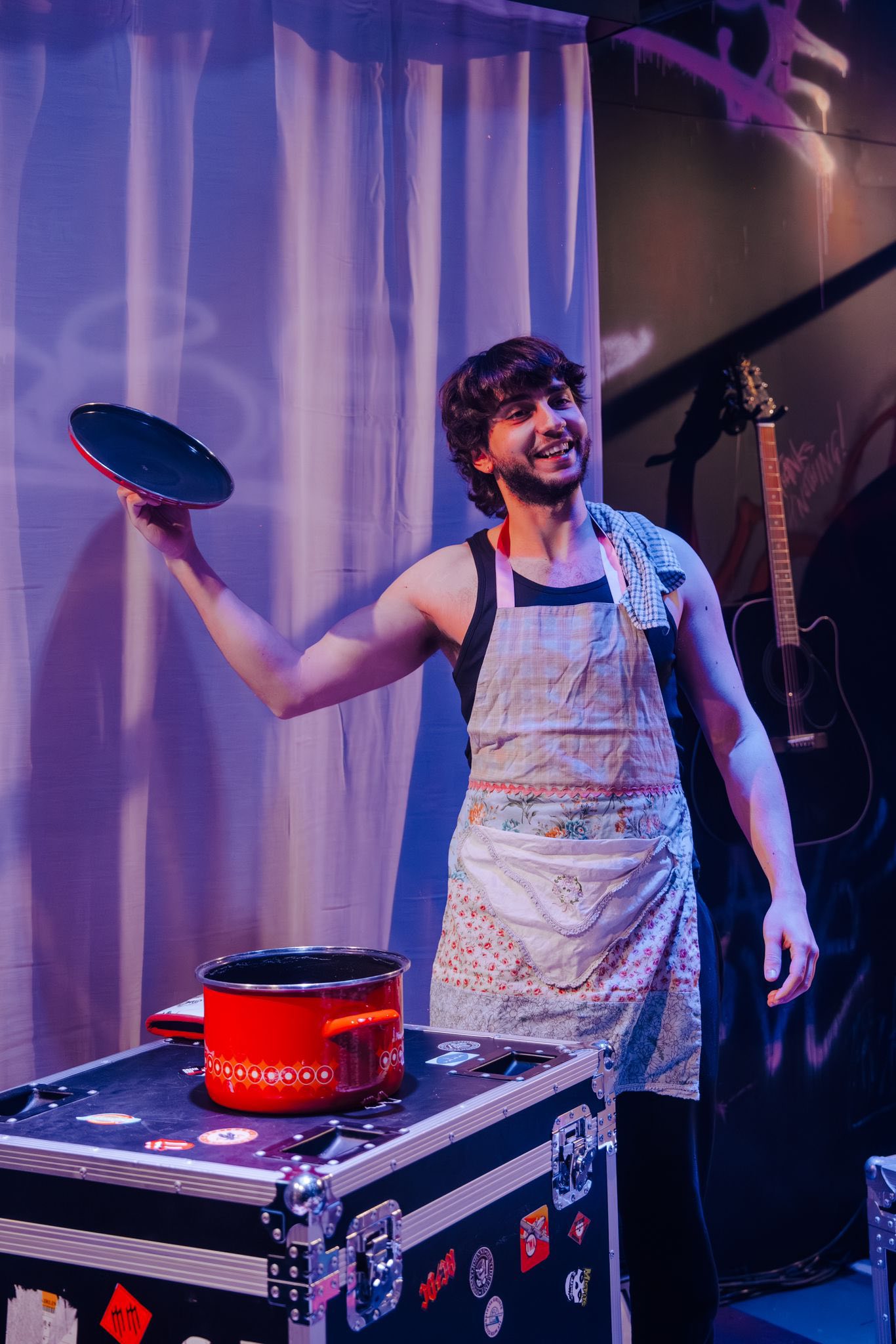
Set design by Jeremy Allen conveys glamour while meticulously capturing the details of a distinctly working-class milieu. Lights by Geoff Cobham are emotionally charged, and thoroughly beautiful with the imagery they help to assemble. Unforgettable costumes by Nicol & Ford blend inventiveness with technical mastery, taking our breath away in the “Wig in a Box” number by fashioning a coat filled with imaginative humour and cultural significance.

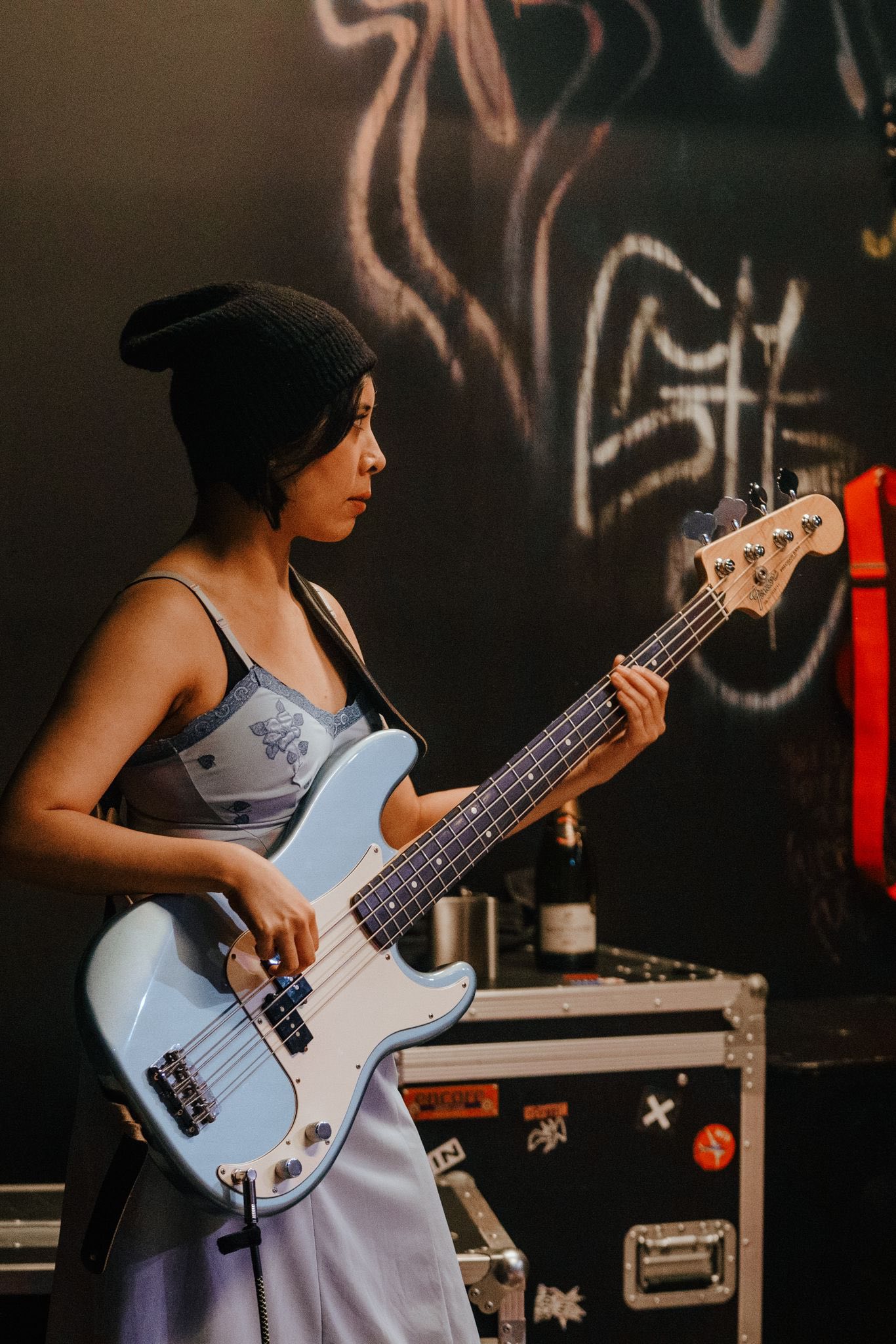
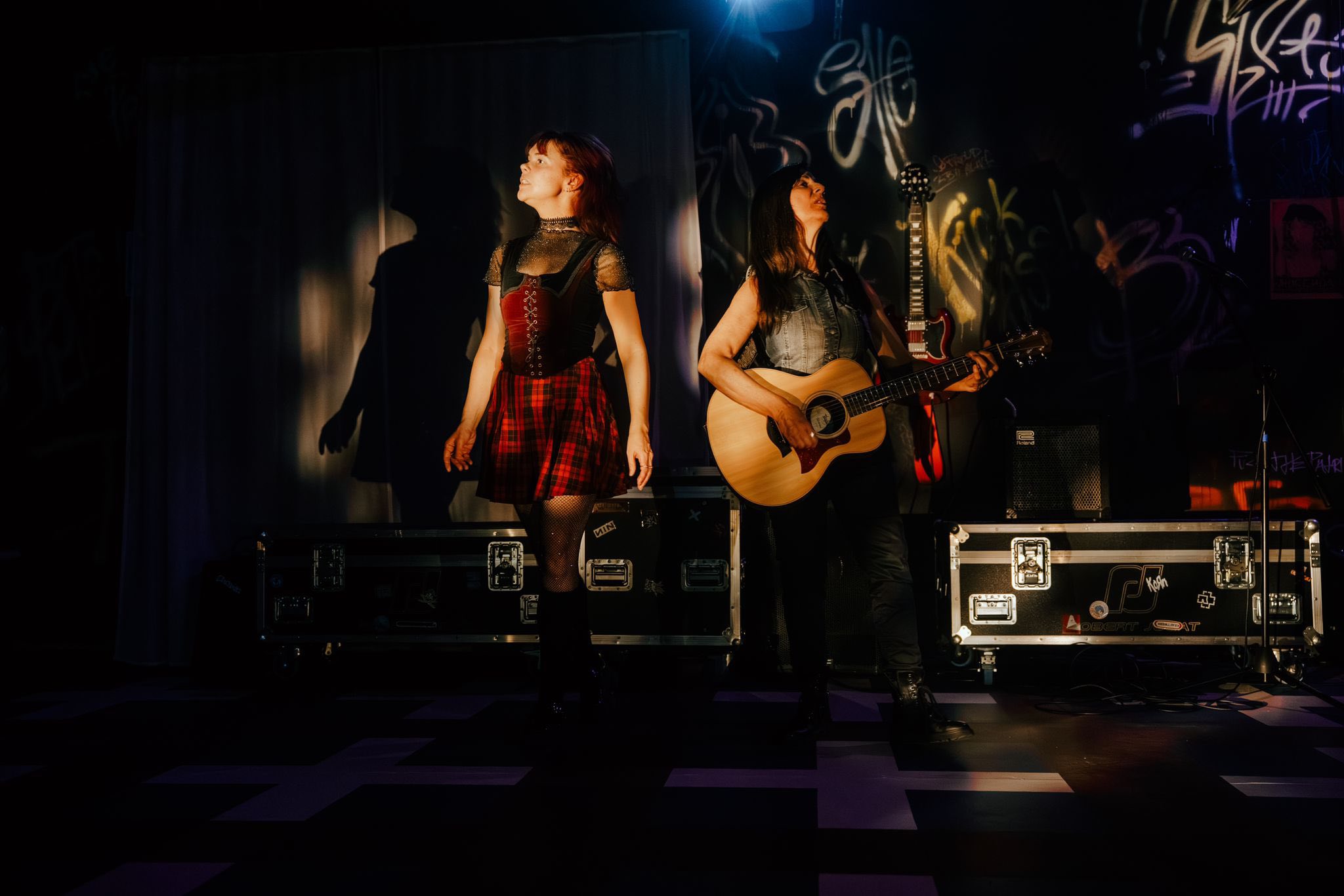
Victoria Falconer serves as musical director, giving us unwavering passion in a cacophonous combination of rock and Broadway, leaving no stone unturned to hold the audience in heightened states of arousal from start to finish. Along with sound design by Jamie Mensforth and soundscape by Jason Sweeney, we are never in doubt about being situated in an American dive bar, gritty yet adamantly hopeful.

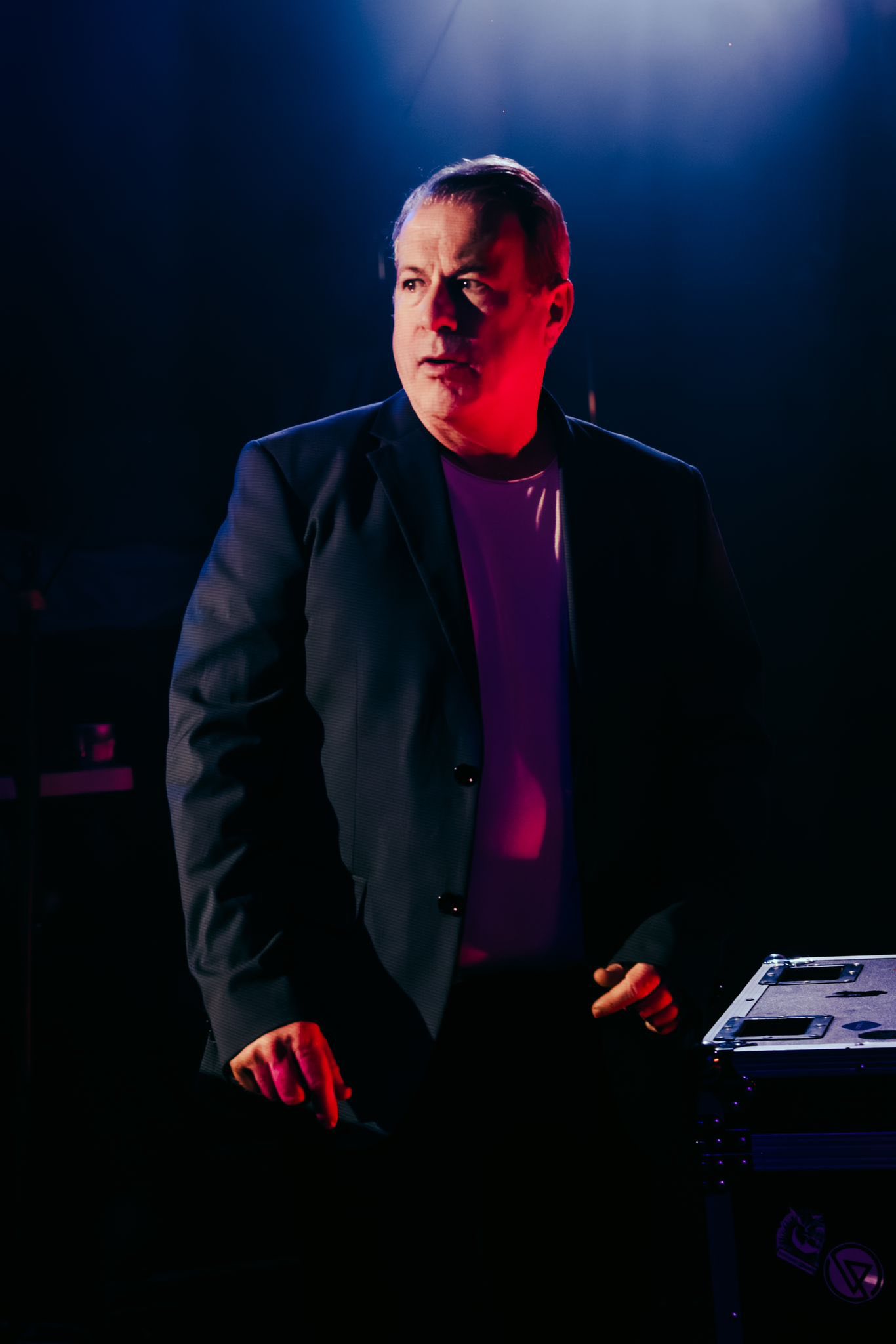
Playing the lead is a captivating and powerful Seann Miley Moore, whose audaciously extravagant approach has us persistently fascinated, but it is their exhaustive and granular familiarity with the material that insists on keeping us absolutely spellbound. Adam Noviello is extraordinary likable as Yitzhak, full of spirit even when portraying the despondency of a painfully neglected companion.
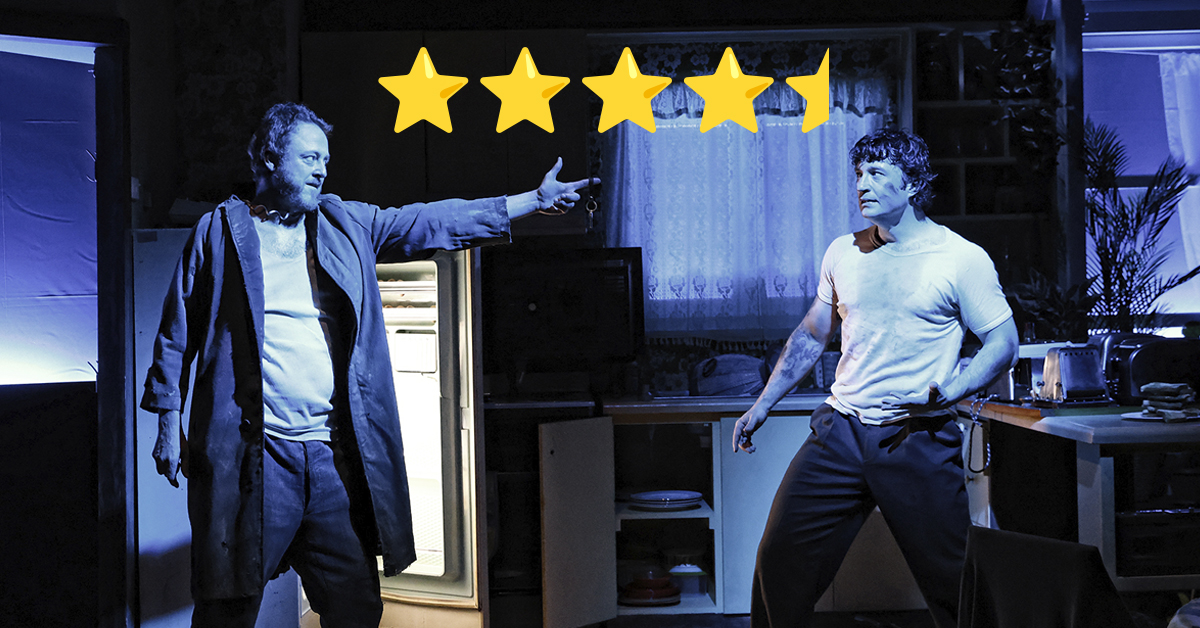
There may have been a surgical error crucial to the formation of Hedwig’s identity, but there is certainly nothing wrong with who she has become. We recognise queer heroes by the destabilisation they bring to unsound hegemonies. They are by nature contrarian, but only from the perspective of the corrupt. To them, Hedwig is an abomination and entirely perverse, where in fact she is truly magnificent and gloriously sacred.
www.hedwig.com.au

Review: Circle Mirror Transformation (Sydney Theatre Company)

Venue: Wharf 1 Sydney Theatre Company (Walsh Bay NSW), Jul 12 – Sep 7, 2025
Playwright: Annie Baker
Director: Dean Bryant
Cast: Ahunim Abebe, Nicholas Brown, Cameron Daddo, Rebecca Gibney, Jessie Lawrence 
Images by Daniel Boud

Theatre review
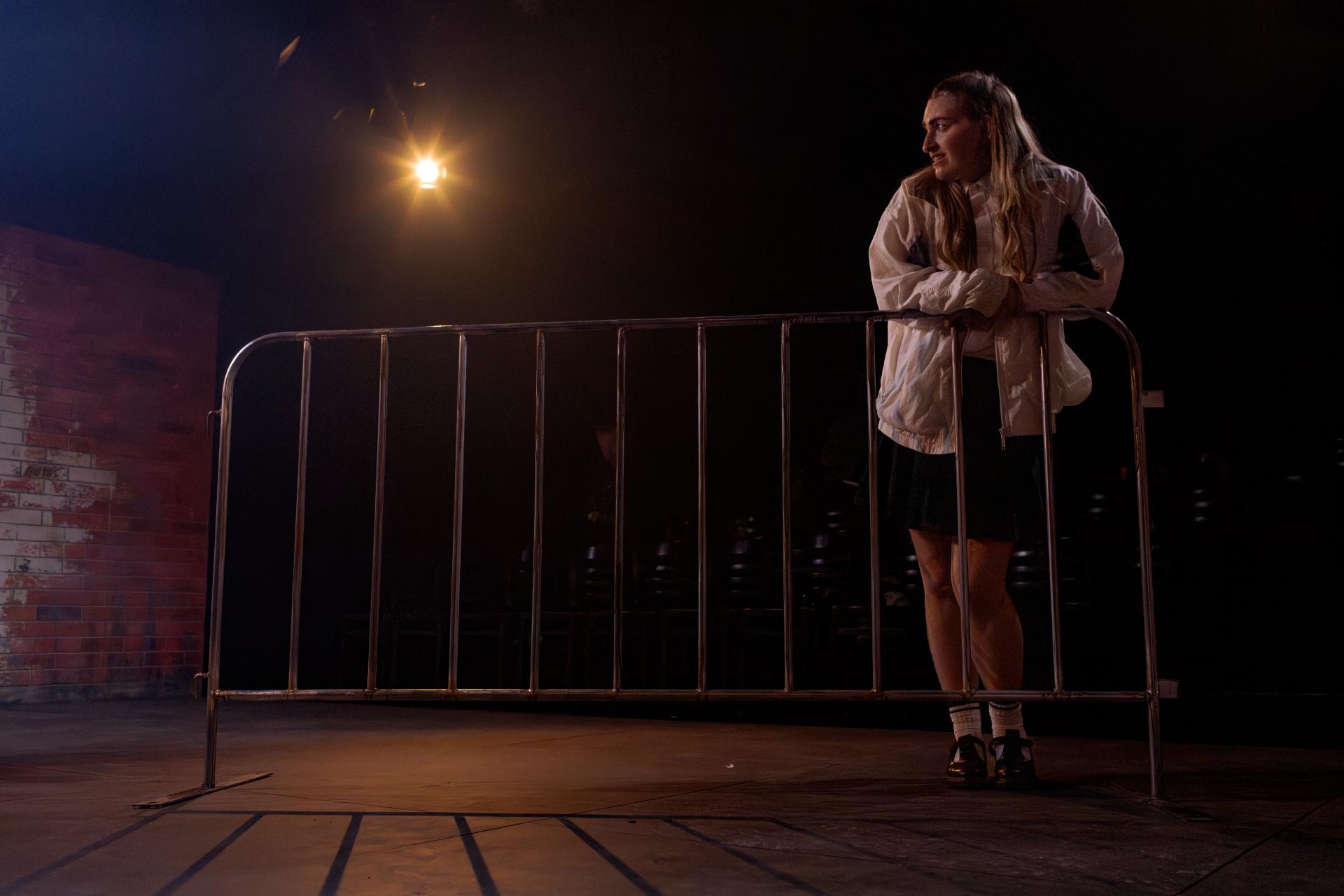
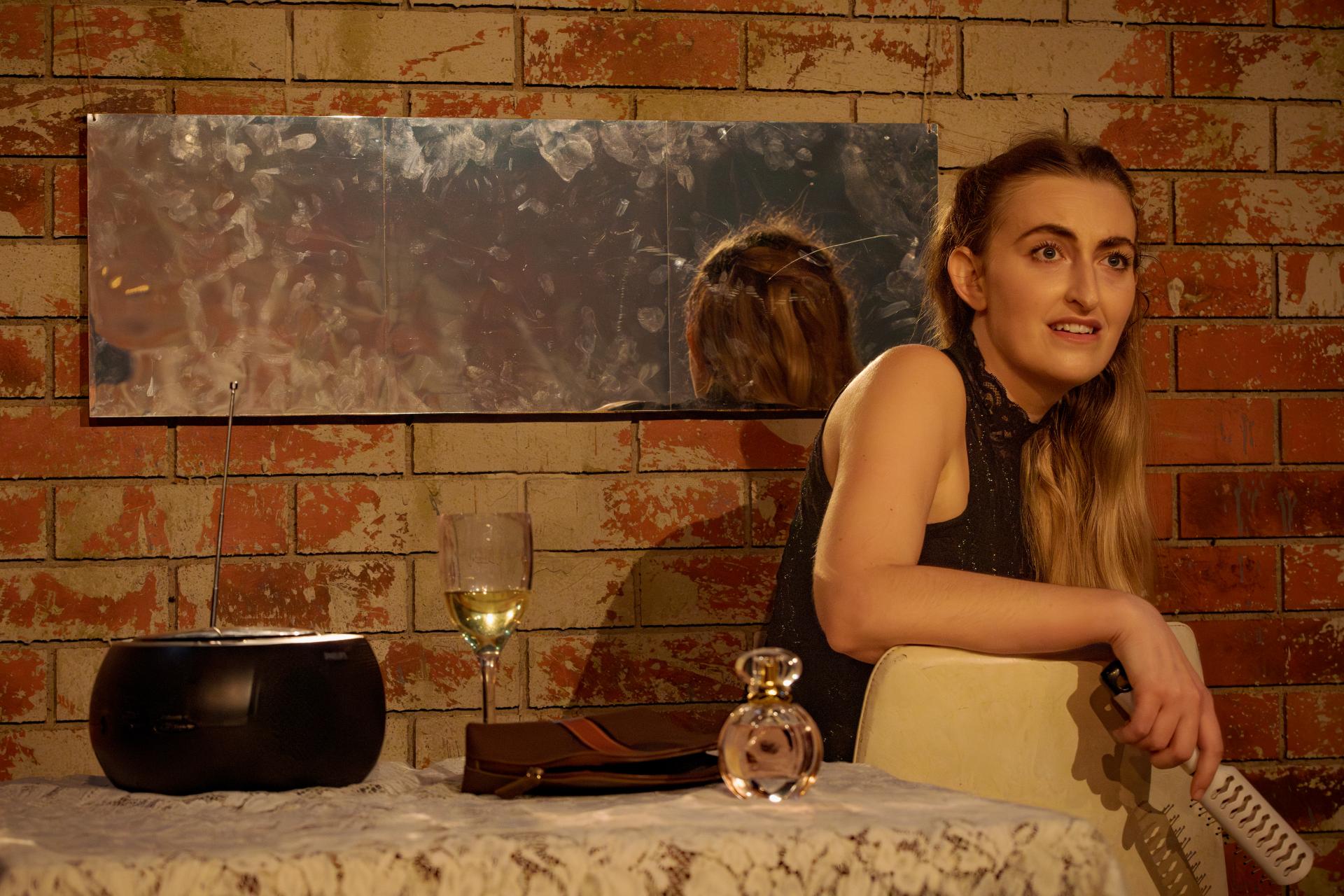
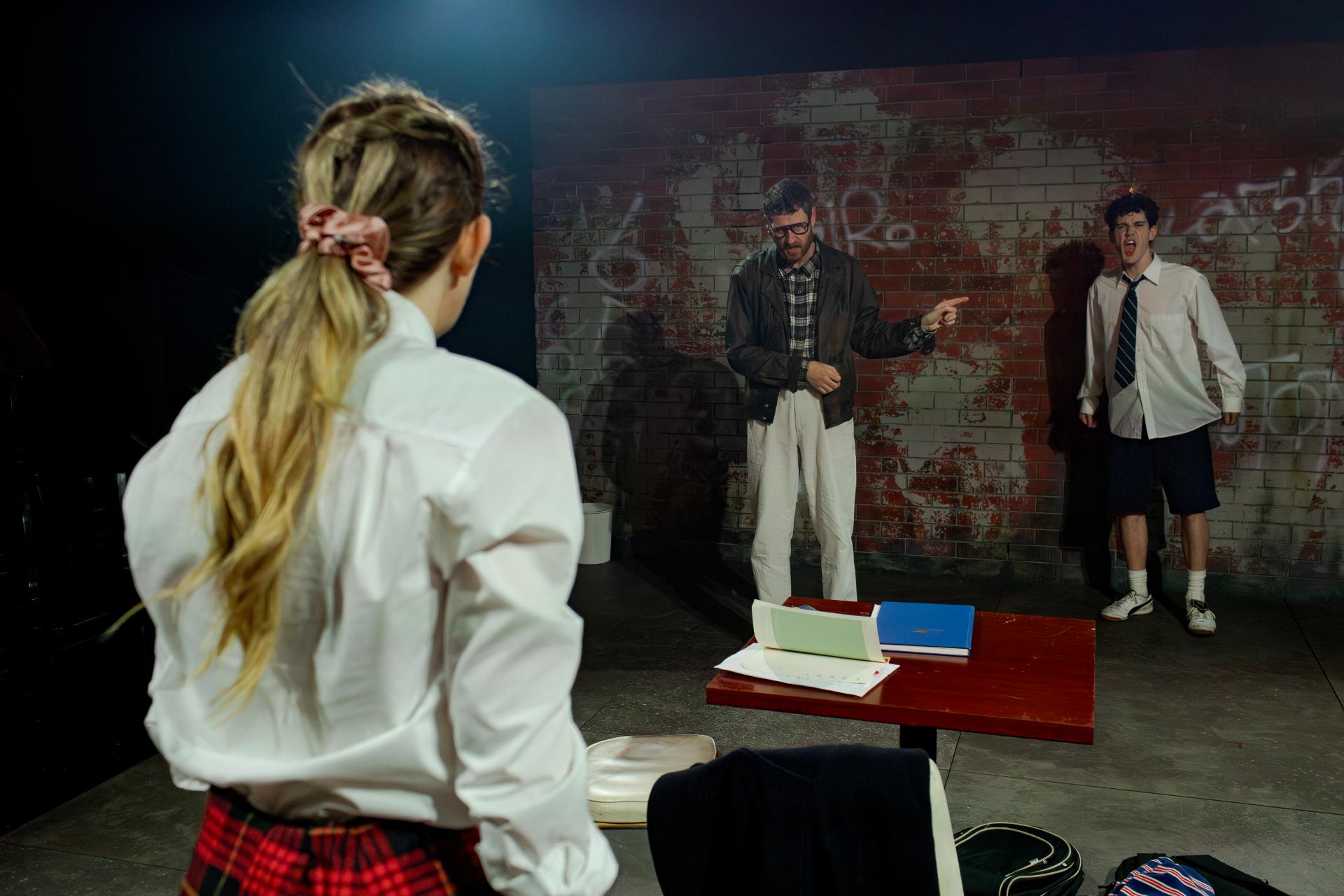
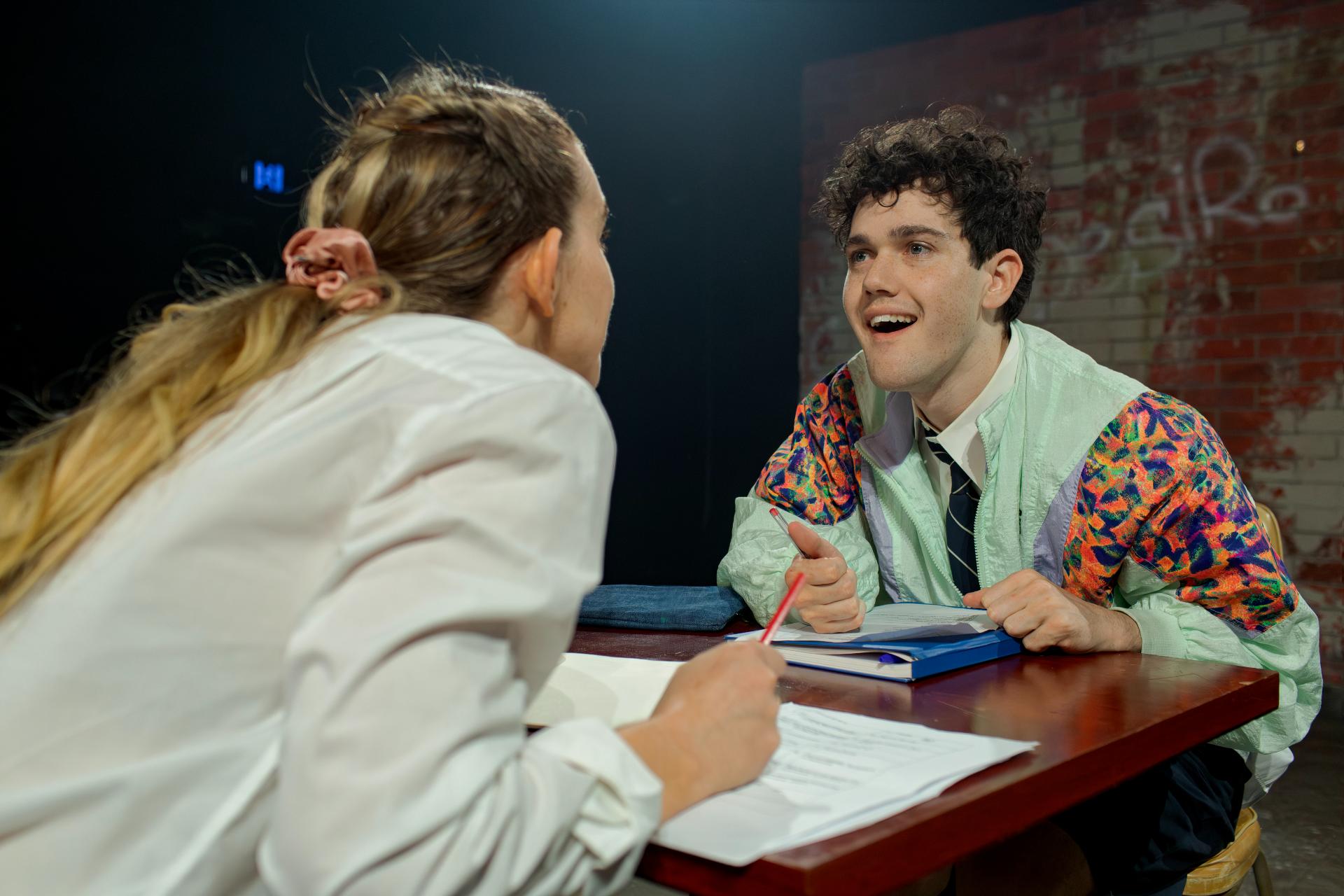
A small group convenes over six weeks, for drama lessons at a rural community centre. They focus on acting exercises, which look initially to be incredibly inane, but they lead to deep discoveries of a personal nature. Annie Baker’s Circle Mirror Transformation takes us into a microcosm of North American ordinariness. It is a quiet portrait of the middle class from 2009, years before any hint of the current pandemonium could even be detected. 
If there are any socio-political implications in Baker’s play, they are deeply subsumed and open to all manner of interpretation. Direction by Dean Bryant provides no indication to wider connotations of the story, making for a somewhat pedestrian experience, but the intricacy he puts into the unfurling of subjective narratives, reflects an admirable level of integrity.

The very accomplished actor Rebecca Gibney grounds the work in a hyper naturalistic space as group leader Marty, making for a completely believable depiction of daily life at the dawn of the Obama years. There is a conspicuous blandness to the presentation which, although understandable within context, makes viewing somewhat challenging due to its lack of theatricality.

Fortunately Nicholas Brown and Jessie Lawrence are on hand to dial up the idiosyncrasy. As Schultz and Theresa, both performers bring exceptional depth and colour to the show, allowing us to enjoy more than the mundanity being explored. Ahunim Abebe brings a valuable richness to the humanity that her character Lauren reveals in later sections, and Cameron Daddo leaves an impression with his understated authenticity as James.
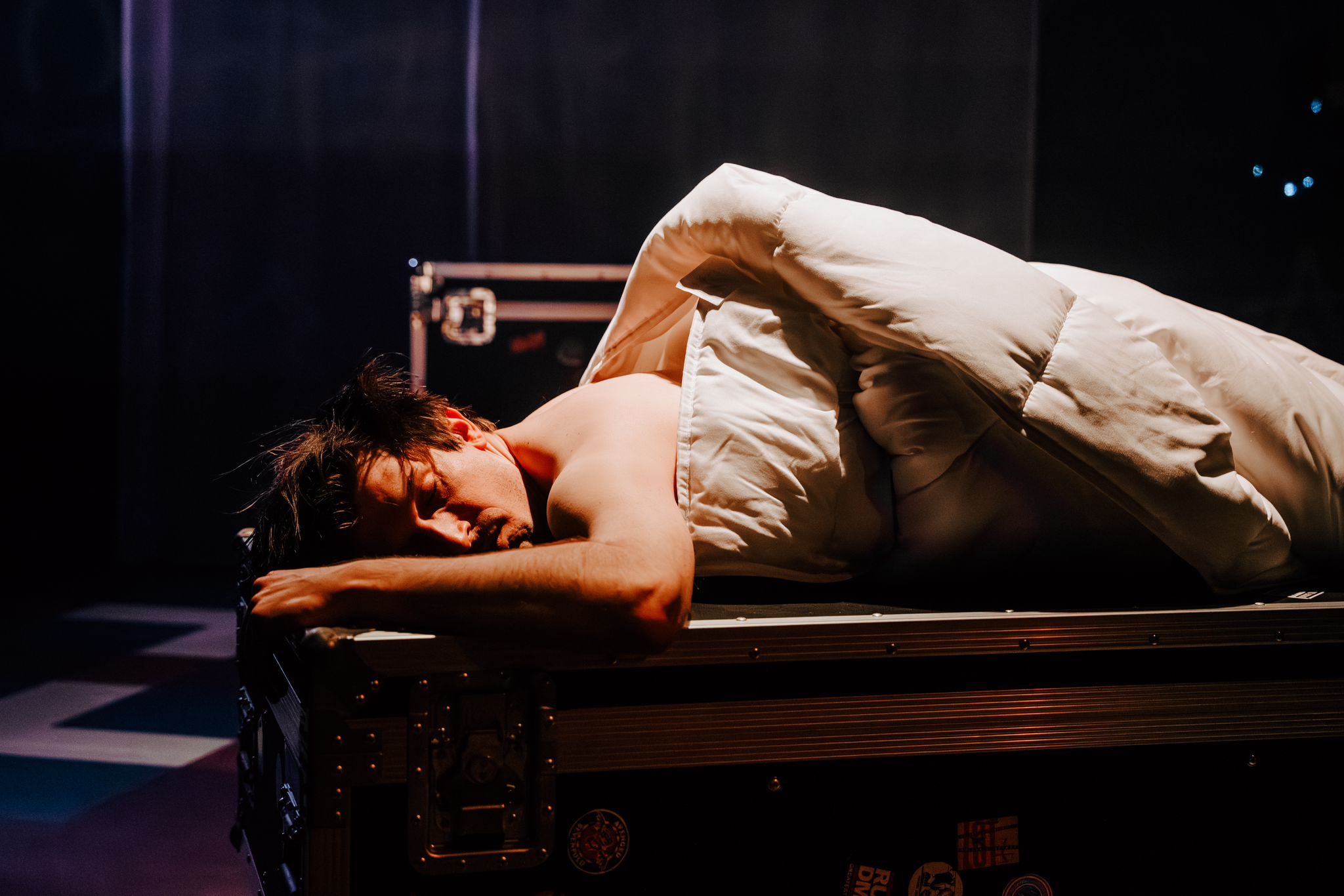
Designer Jeremy Allen brings unexpected texture to otherwise nondescript scenic requirements. Lights by Brockman and sound by Clemence Williams, are understandably operative rather than ornamental, rarely attention grabbing but certainly effective.

It is almost peculiar to return to a time when Americans could simply worry about their individual foibles, rather than having to grapple with unrelenting chaos and the impending collapse of their social structures. Circle Mirror Transformation may not even be a score of years old, but the vast changes that we witness the USA undergoing, make the play seem quaint, almost unrecognisable in its representation of modern normalcy.

www.sydneytheatre.com.au

Review: Hir (New Theatre)

Venue: New Theatre (Newtown NSW), Jul 8 – Aug 2, 2025
Playwright: Taylor Mac
Director: Patrick Howard
Cast: Lola Kate Carlton, Rowan Greaves, Jodine Muir, Luke Visentin
Images by Chris Lundie

Theatre review
Paige has had enough of the patriarchy. Since her abusive husband’s stroke and her teenage child’s gender transition, Paige has educated herself with progressive literature, and is now a new woman. When her firstborn returns from being dishonourably discharged by the Marines, Paige finds herself dealing with someone unwilling to adapt to her rigidly radical beliefs, and the family unit completely disintegrates.

Taylor Mac’s 2014 comedy Hir remains a wild and potent fantasy of feminist resistance. 11 years on, the play’s message still feels consequential and pointed, with direction by Patrick Howard demonstrating genuine affiliation with the spirit of the writing, making the production a captivating one.

The chaos and destruction that Paige experiences is made manifest through a thoughtful set design by Victor Kalka. Xan Hardman’s costumes bring vibrancy to the staging, along with a macabre humour that accentuates the provocative qualities of Hir.

The indignation at the core of Paige’s story may not always emerge with sufficient ferocity, but actor Jodine Muir is commendable for bringing polish to an often verbose text. While the cast could delve more intricately into the politics and interpersonal dynamics of the work, their commitment and energy are undeniable.

After a lifetime of subjugation, Paige has become immovably staunch with her reclaimed integrity. She no longer bends for anything or anyone, because she has learned that all her capitulations have been in vain. A woman used to sacrifice, she now refuses to yield any ground. Misery may come again, yet now it is not hers alone, and she holds the reins.

www.newtheatre.org.au

Review: Prima Facie (Carriageworks)

Venue: Carriageworks (Eveleigh NSW), Jul 2 – 12, 2025
Playwright: Suzie Miller
Director: Kate Champion
Cast: Sof Forrest
Images by Daniel Boud

Theatre review
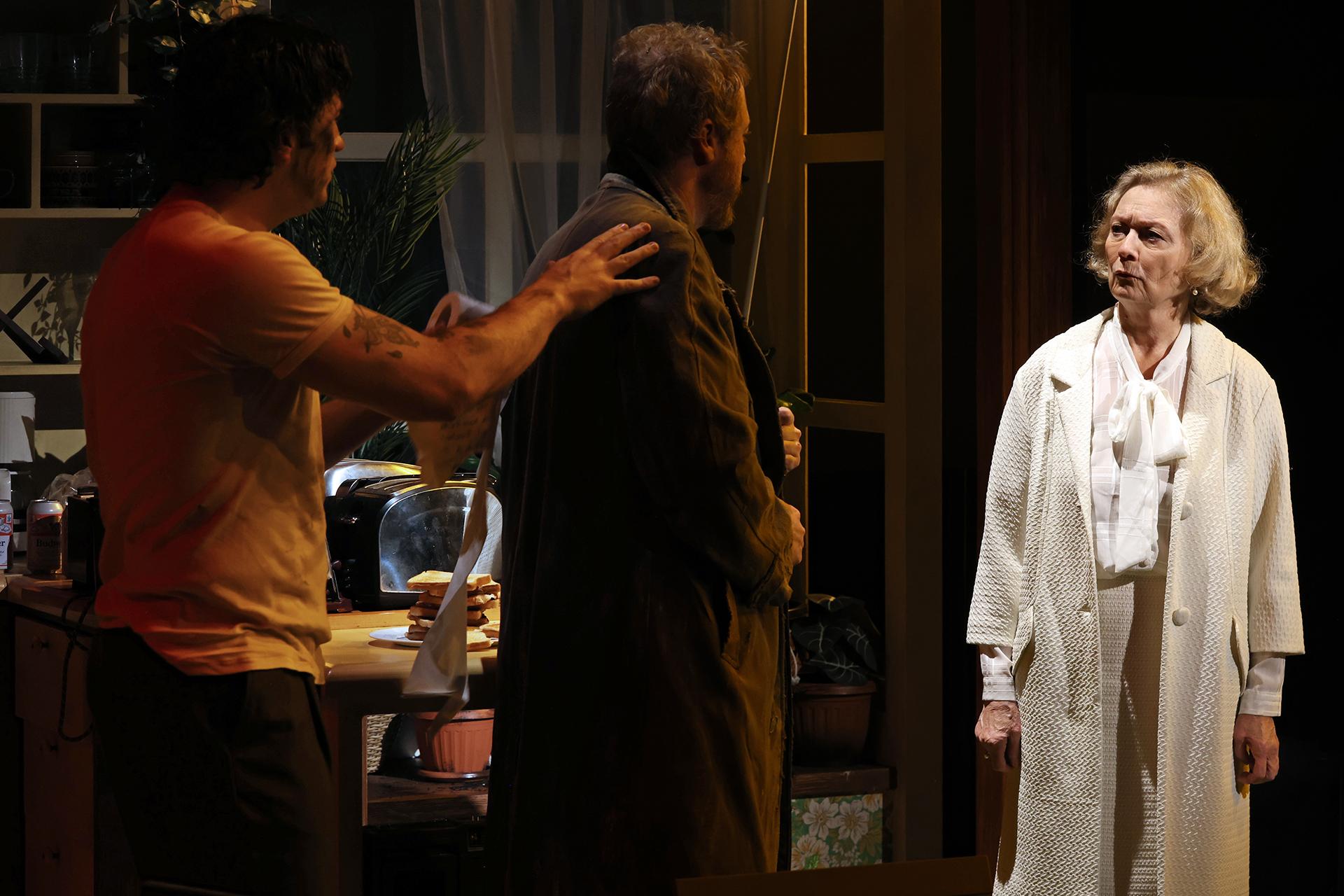
When we first meet Tessa, she is a criminal defence barrister fully invested in the legal system. Handsomely rewarded for her talent and skill in courtrooms, Tessa never has reason to question her faith in the status quo. However, when she finds herself on the other side as a victim of sexual assault trying to obtain justice, we see that her beliefs can no longer hold. Suzie Miller’s one-woman play Prima Facie is a powerful interrogation of the pervasive structures underpinning our lives, ones that are often laced with prejudice and inequity.

It exposes the intentional elusiveness of those shortcomings and demonstrates how a small number of beneficiaries work hard to sustain it. The meanings of the text are all elucidated unequivocally by director Kate Champion, even if the staging does not always speak with enough urgency or gravity. Actor Sof Forrest is very effective in the show’s final poignant moments, and is admirable for the polish they brings to the production, but their performance rarely deviates from the cerebral. Prima Facie should engender intense feelings, but we seem to engage with it almost entirely intellectually.

Bruce McKinven’s set design is sharp and sophisticated, highly effective in shrinking the performance space to accommodate a single character. Costumes by Lynn Ferguson appropriately convey the rising status of a young lawyer. Lights by Peter Young offer a grandeur that reflects the importance of ideas being explored. Jessica Russell’s video projections are skilfully assembled, even if their necessity within the work remains open to question. Also gratuitous, is some of the overwrought embellishments in the sound design by Melanie Robinson, that proves distracting at several moments.

Tessa’s ordeal can be interpreted as one woman’s grappling with her awakening, to the flaws of white feminism. After investing exhaustively in a system she so desperately wants to succeed in, all the while turning a blind eye to glaring failings that she only made more egregious, Tessa finds herself inadvertently and devastatingly at its most brutal whim. It remains to be seen how she emerges from this tribulation—whether she learns that radical upheaval is required, or if she ends up believing that piecemeal improvements preserving the overarching schema will solve our problems.

www.blackswantheatre.com.au | www.carriageworks.com.au

Review: Blackbird (KXT on Broadway)

Venue: KXT on Broadway (Ultimo NSW), Jun 25 – Jul 5, 2025
Playwright: David Harrower
Director: Pippa Thoroughgood
Cast: Charlotte De Wit, Lilly Kime, Phil McGrath
Images by Ravyna Jassani

Theatre review
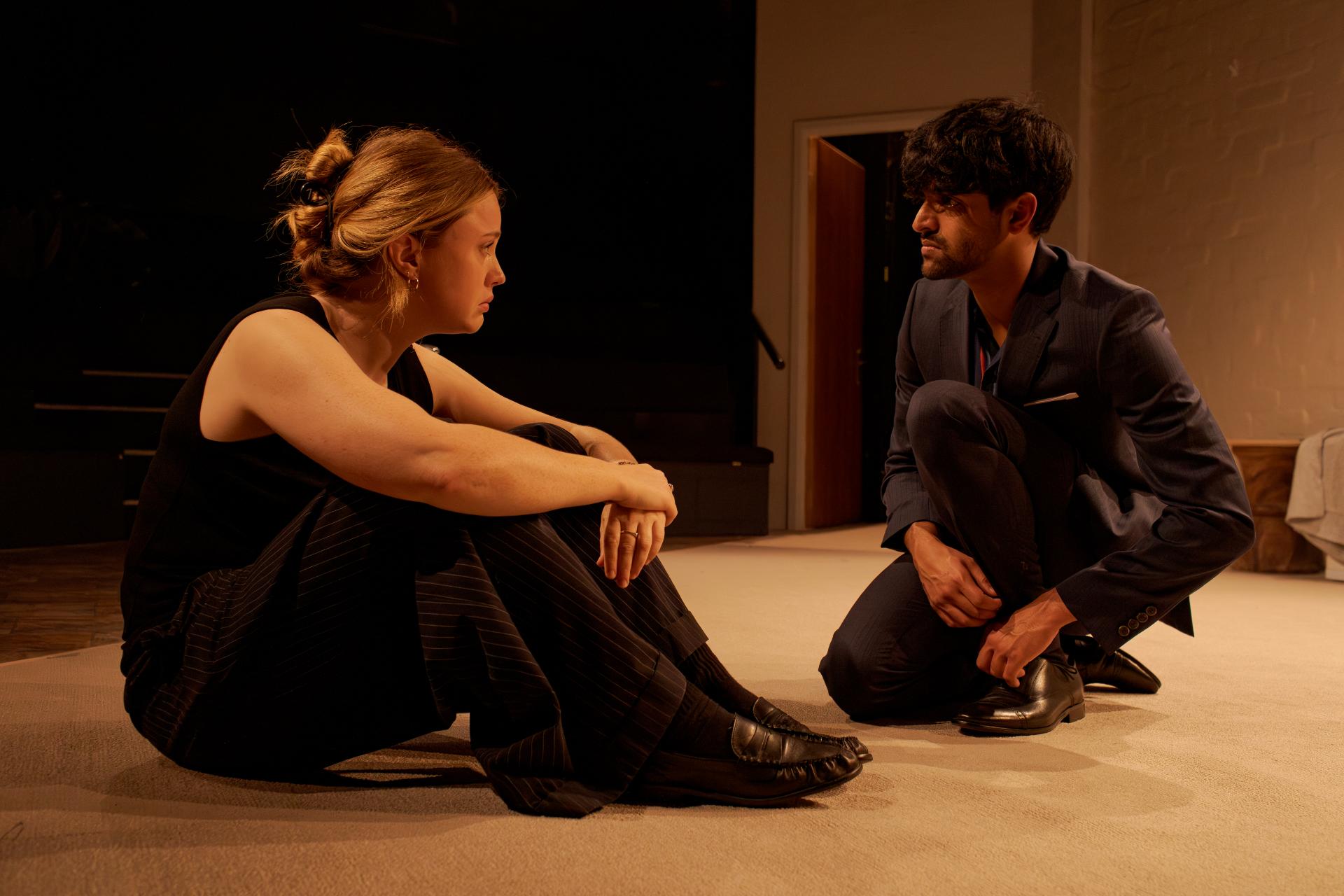
Una goes to confront her perpetrator Ray, years after being sexually assaulted as a 12-year-old. There may be no moral ambiguity as to what wrong has been committed, but human emotions are complicated, and the meeting reveals unexpected layers to their illicit relationship.

Blackbird by David Harrower is a disturbing and dangerous work, taking an honest look at child sexual abuse which involves real feelings that are often overlooked. Direction by Pippa Thoroughgood emphasises the naturalism of the piece, but has a tendency to lack nuance, for the highly complex situation being interrogated. 

Performers Charlotte De Wit and Phil McGrath are convincing in their roles, both demonstrating admirable commitment to the experience. While greater intricacy and specificity could enhance their interpretation of characters and story, they nonetheless present moments of undeniable excellence on stage.

We are shocked by Una’s behaviour, yet we understand the person she has become. There needs always to be clear-cut rules around the violation of innocence, but we must also be able to acknowledge the myriad consequences that are inconvenient and troubling. The severity of harm suffered by our young is such that its effects often endure lifelong and remain deeply disquieting.  Survivors deserve support, especially when situations seem unreasonably difficult.

www.kingsxtheatre.com | www.herproductions.com.au

Review: Sistren (Griffin Theatre Co)

Venue: Old Fitzroy Theatre (Woolloomooloo NSW), Jun 26 – Jul 12, 2025
Playwright: Iolanthe
Director: Ian Michael
Cast: Janet Anderson, Iolanthe
Images by Brett Boardman

Theatre review
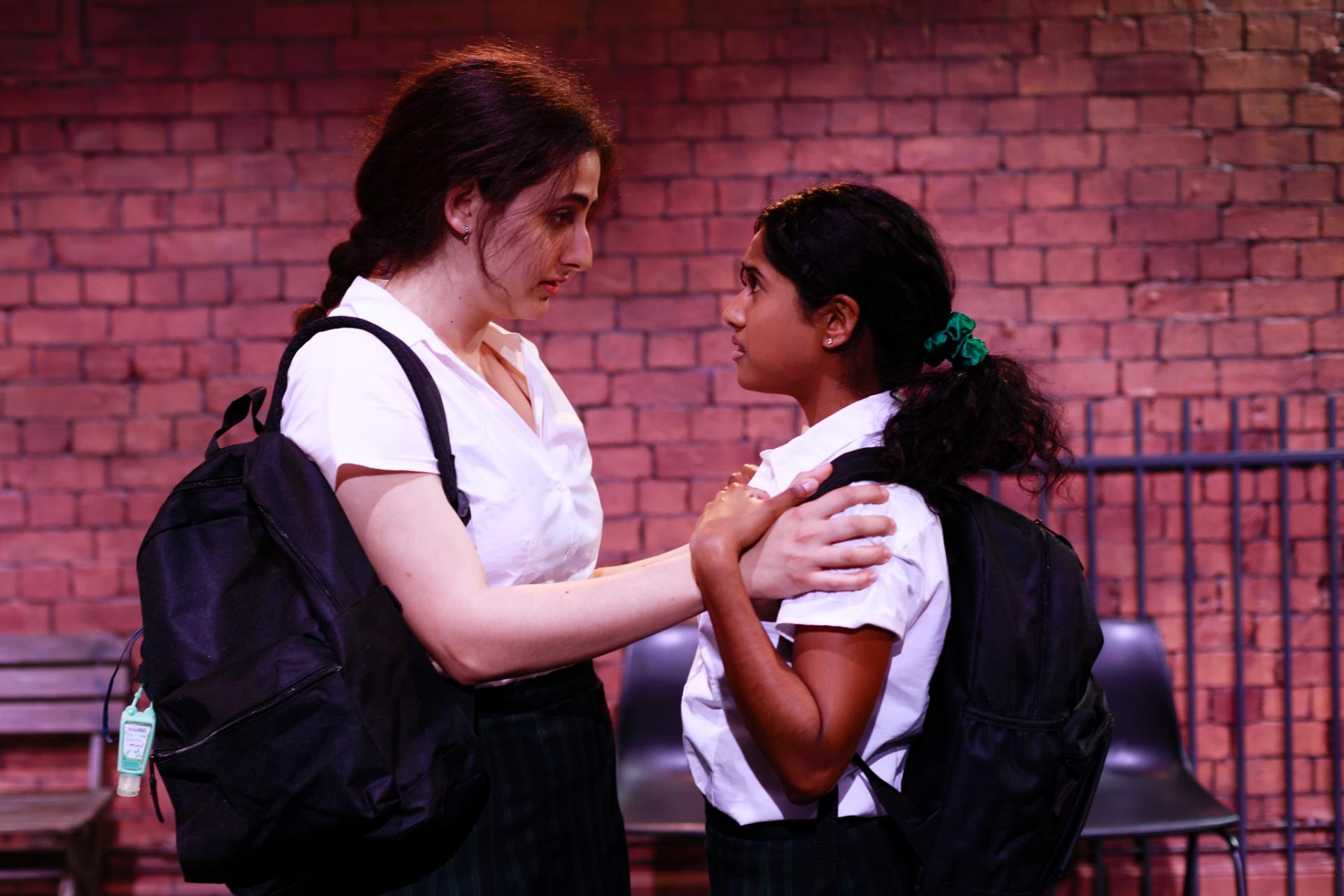
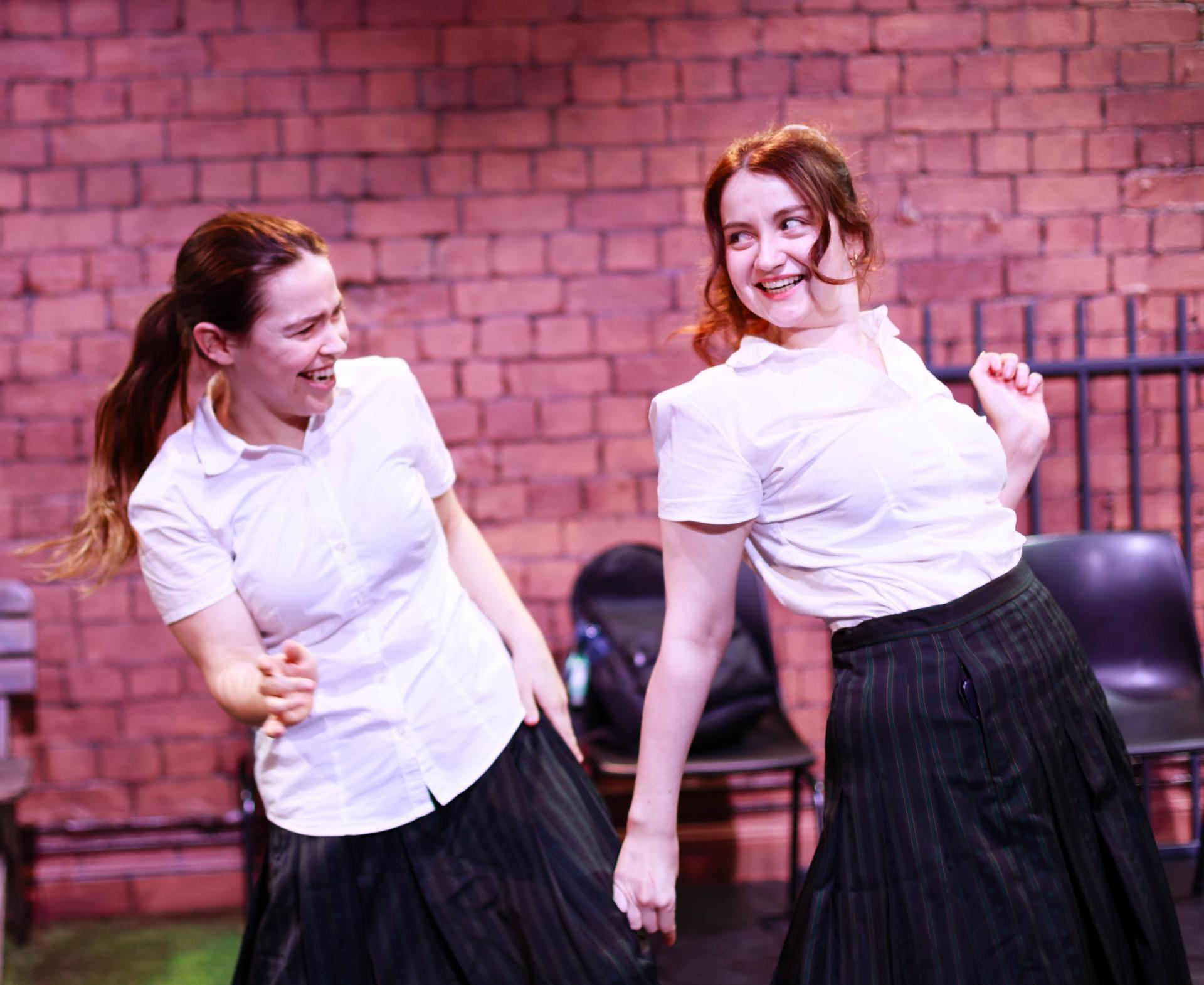
Isla and Violet are the closest of friends, and being seventeen years of age, that bond has an intensity unlikely to ever recur. Sistren by Iolanthe is often glib and irreverent in tone, but a deep sincerity emerges unexpectedly at various points, making sure that the play touches us ultimately, with meaningful intention and consequential impact. Iolanthe’s writing is brazenly loose in structure, and defiantly meandering, in its resistance of formal conventions that uphold linear progression and cohesion.

Director Ian Michael is on hand to imbue a powerful emotional trajectory, that places us on an ever rising crescendo of visceral charge. The politics of Sistren is undeniable, with a modern brand of feminism characterised by radical inclusivity,  resulting in a work of theatre that is able to speak vociferously, yet never alienates.

As we watch Isla and Violet negotiate their differences, with one being Black and cis, and the other white and trans, we too experience that push and pull of being constantly caught between right and wrong. Living consciously political means that there is an ideal to strive for, as embodied by the girls’ love and friendship, but also always having to contend with flawed methods of progression. The point is to be able to trust.

Production design by Emma White is appropriately playful in approach. Lighting design by Kelsey Lee provides a wealth of visual flourish that proves thoroughly elevative. Video projections by TK Abiyoe are a delightful addition, as is sound design by Daniel Herten, memorable for a camp zaniness that keeps the show squarely in the realm of queer.

Iolanthe herself takes to the stage, playing Isla along with Janet Andersons’ Violet. What we witness is a singular chemistry, distinguished by the two women’s shared humour, which shapes a theatrical experience remarkable for the intimacy of the world it opens to us. Together they create a work of art distinct for its specificity, one that feels inimitable and therefore completely evanescent. In their unusual unity and love, in seeing two characters who have every reason to hate each other, we are compelled to reflect on the meaning of difference in a world fixated on division.

www.griffintheatre.com.au | www.greendoortheatrecompany.com

Review: Coriolanus (Bell Shakespeare)

Venue: The Neilson Nutshell (Sydney NSW), Jun 20 – Jul 19, 2025
Playwright: William Shakespeare
Director: Peter Evans
Cast: Jules Billington, Peter Carroll, Septimus Caton, Marco Chiappi, Suzannah McDonald, Ruby Maishman, Joshua Monaghan, Gareth Reeves, Matilda Ridgway, Hazem Shammas, Anthony Taufa, Brigid Zengeni
Images by Brett Boardman

Theatre review
The protagonist in Shakespeare’s Coriolanus may appear every bit the triumphant warrior, but the play reveals that true heroism cannot exist without integrity. Driven by a hunger for status and glory, Coriolanus engages in political manoeuvres to attain the consulship, giving little consideration to the greater good. While the Roman people hold the power to vote in their own interest, the knowledge they are given is seldom complete, and often shaped by manipulation rather than truth.

It is an important message no matter the epoch, even as Shakespeare’s work grows increasingly alienating through the centuries. Director Peter Evans takes on the challenge of recontextualising the piece, attempting to give it a modern sheen. A somewhat contemporised sensibility is paired with a distinctly 21st-century set design—complete with a sliding platform that is repositioned slightly too often. Costumes by Ella Butler are well-fitted, and intentionally dour in style. Lights by Amelia Lever-Davidson and sound by Max Lyandvert, offer elegant enhancements to the drama, in a production that always looks sharp.

Such is the charisma of leading man Hazem Shammas that, even in the face of Coriolanus’s failings, we are never entirely disdainful of the character, and are held in thrall by his sleek, high-voltage performance. Also captivating are Matilda Ridgway as Sicinius and Brigid Zengeni as Volumnia, both actors impressive with their verve and intensity, able to hold our attention effortlessly even when we struggle to keep up with the archaic language.

Much as the voting public intends to choose the right representatives, the information on which those decisions are based rarely seems reliable. In the current climate of pessimism, it is all the more alarming that—even when candidates openly reveal their deficiencies—the body politic can still be persuaded to embrace them. More disappointing than being misled is to witness the celebration of a clear lack of virtue, when making decisions about our collective future. Evil exists, and it is rarely inadvertent.

www.bellshakespeare.com.au