Review: Human Activity (KXT on Broadway)

Venue: KXT on Broadway (Ultimo NSW), Sep 15 – Oct 8, 2023
Playwright: Katie Pollock
Director:
Suzanne Millar
Cast: Karina Bracken, Claudette Clarke, Josephine Gazard, Atharv Kolhatkar, Phillip Lye, Mason Phoumirath, Trishala Sharma, Katherine Shearer, Madhullikaa Singh, Teresa Tate Britten
Images by David Hooley

Theatre review
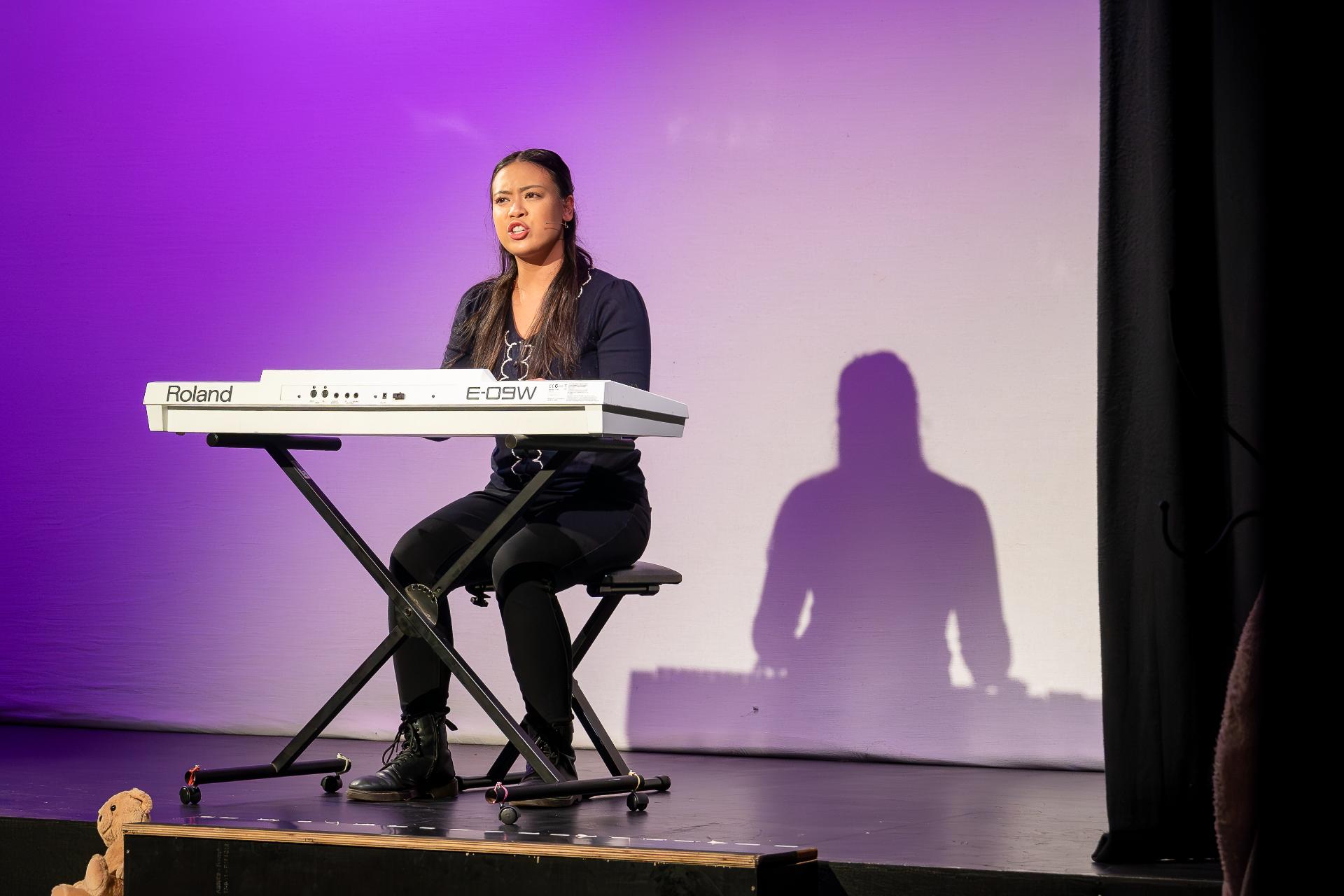
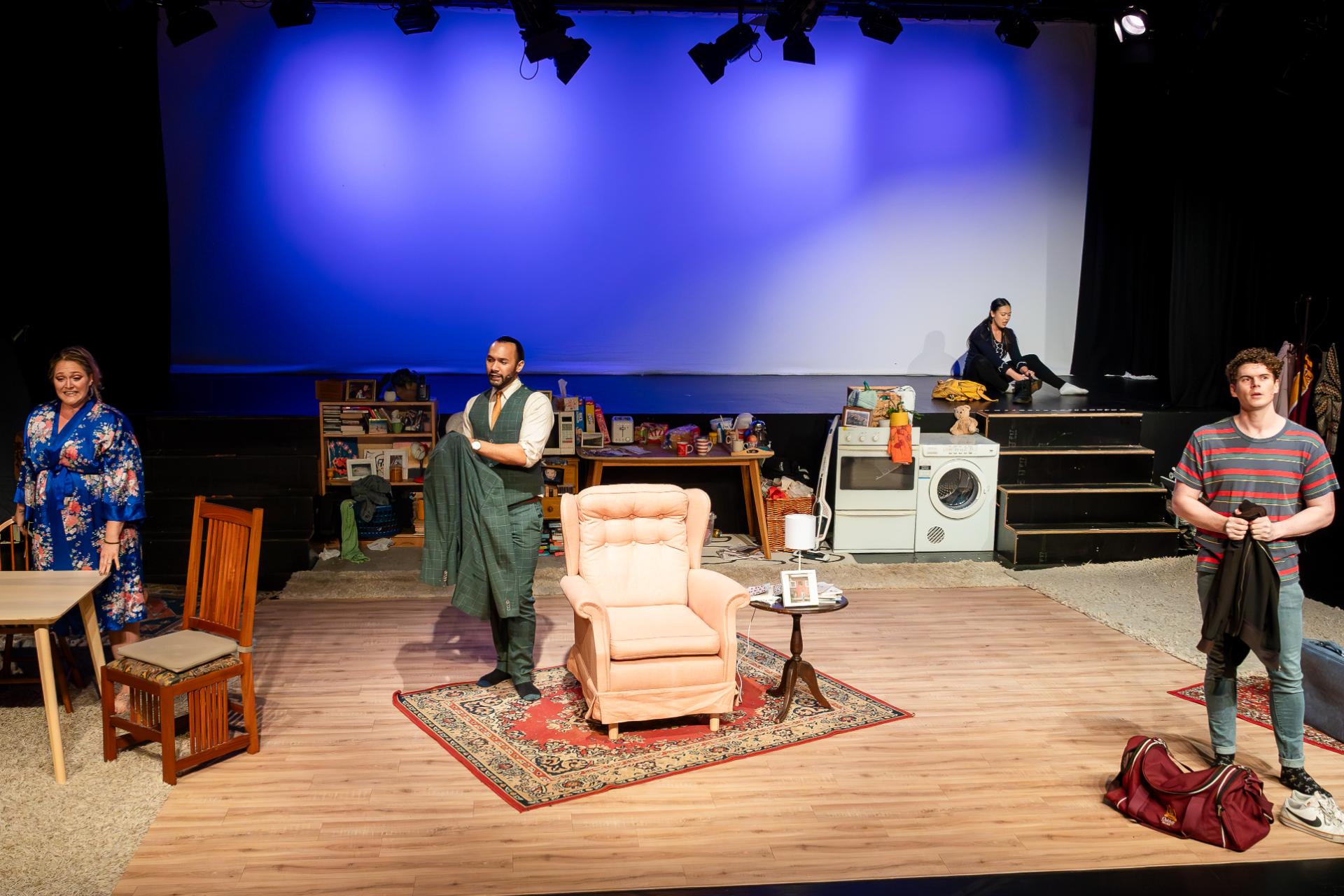
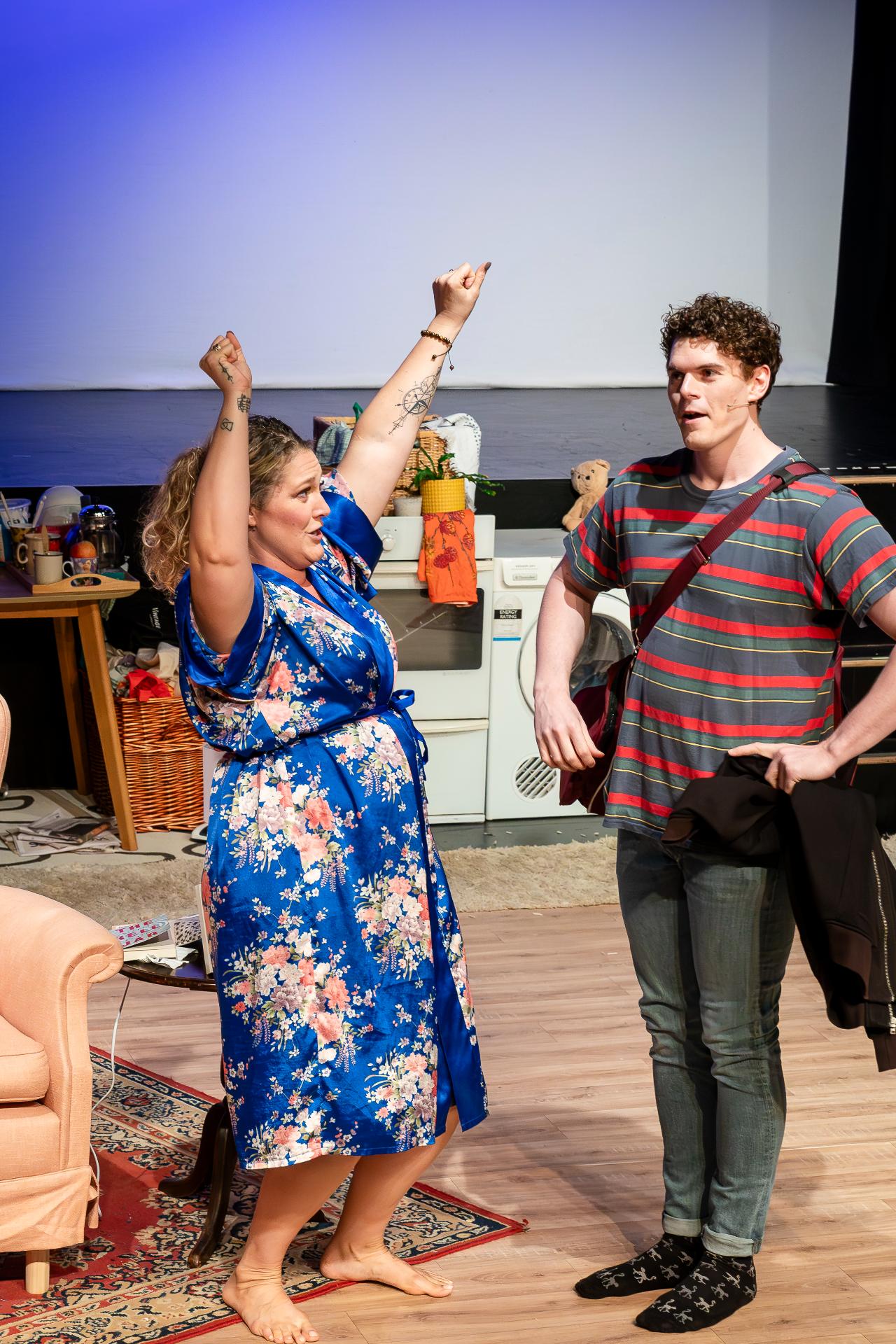
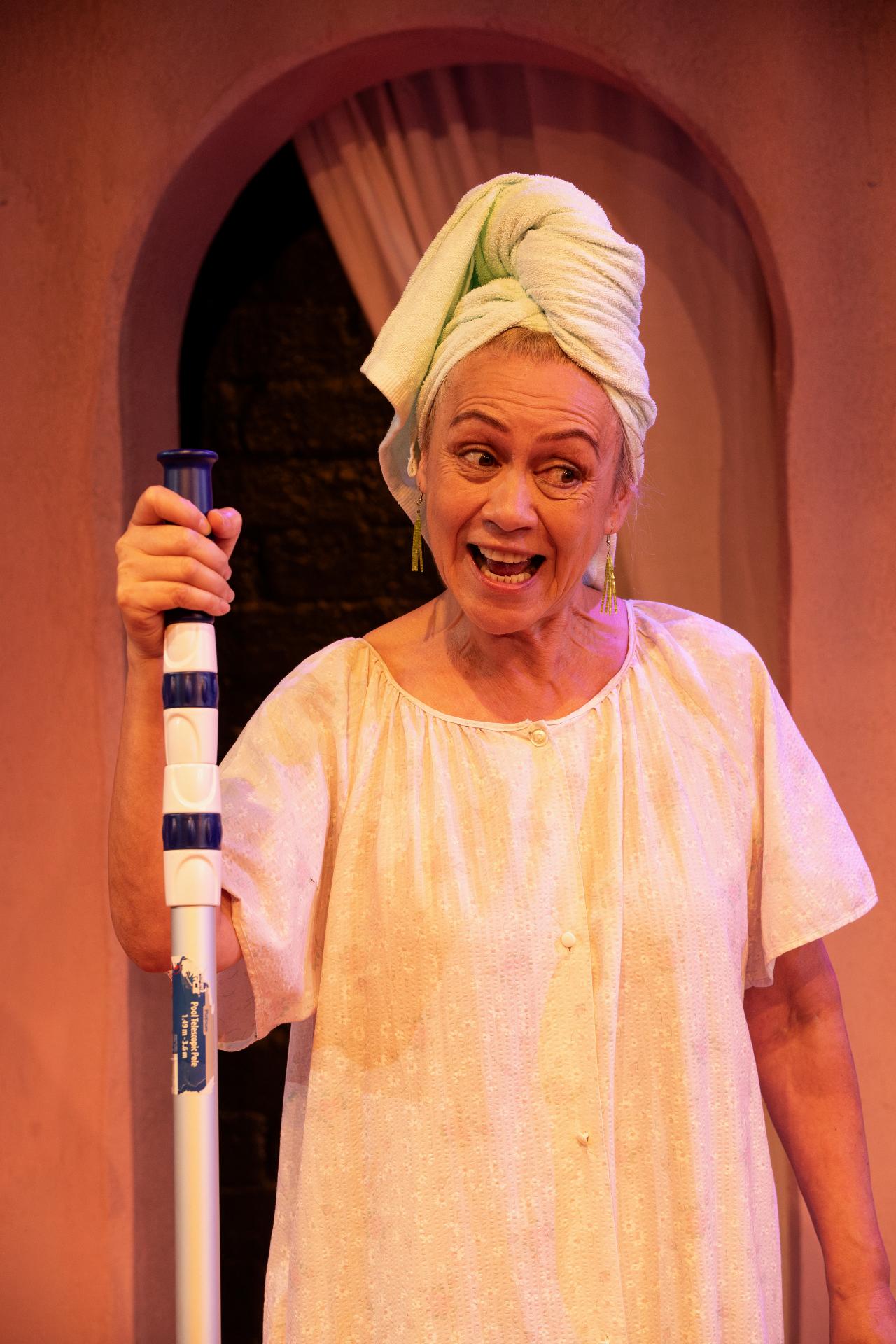
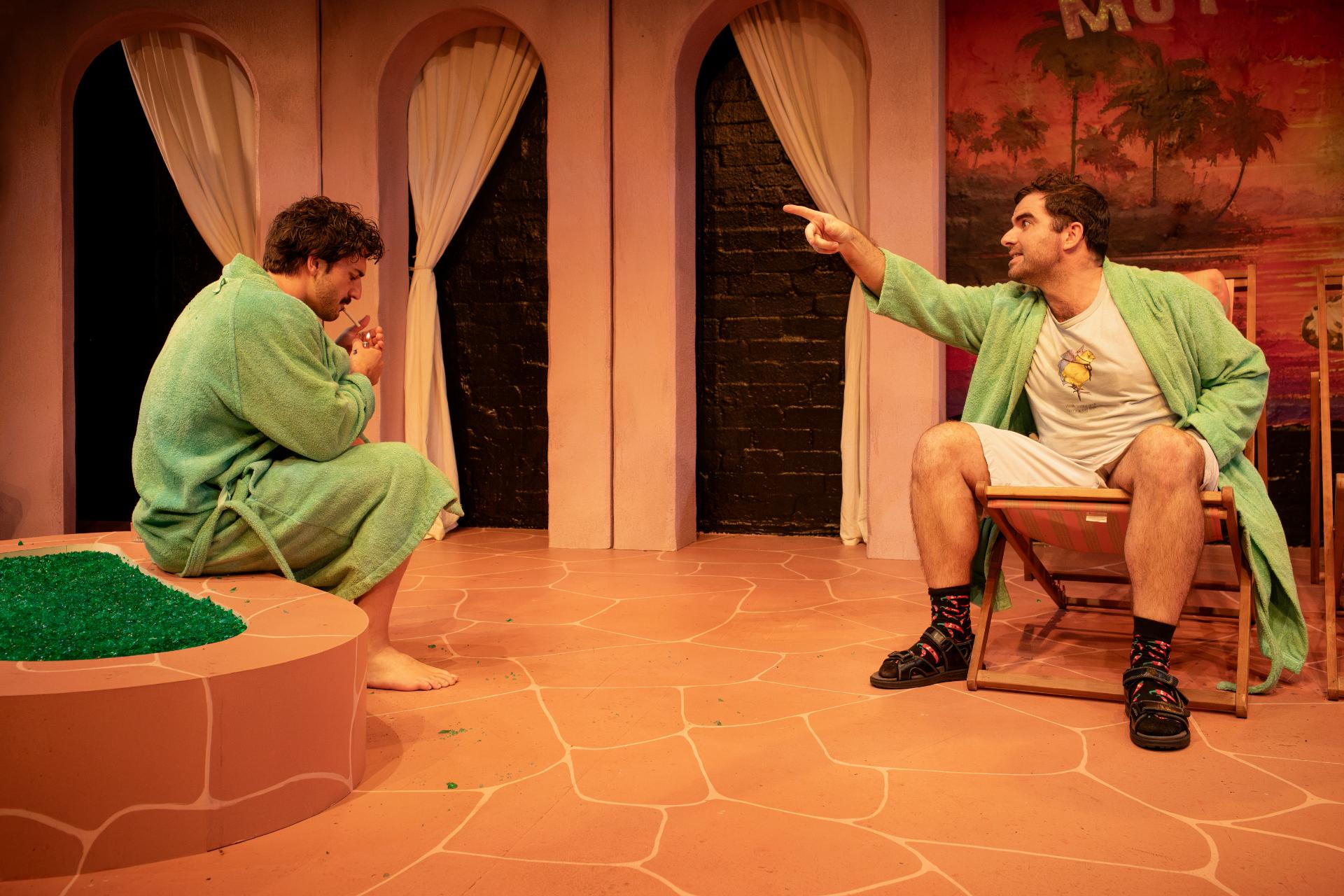
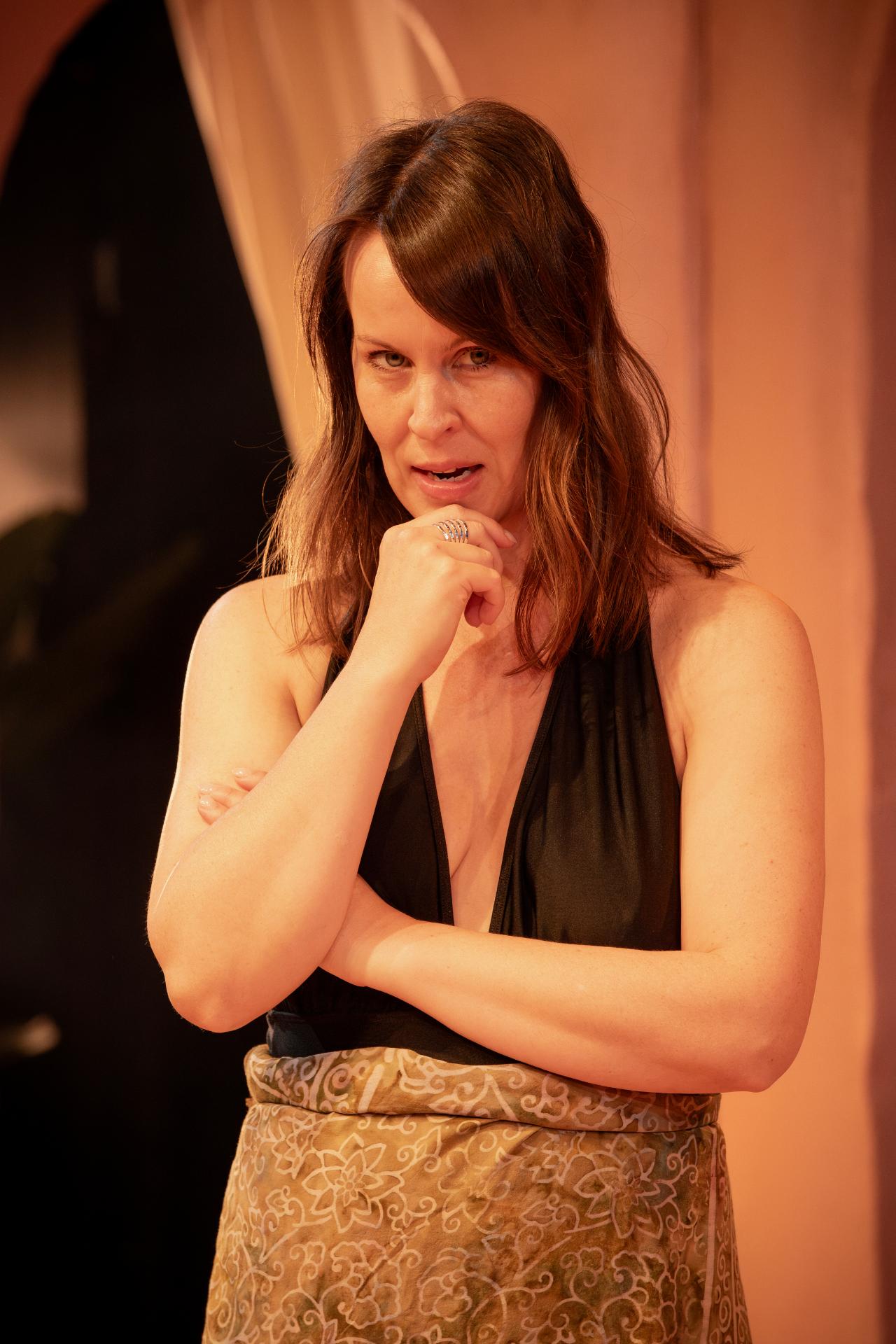
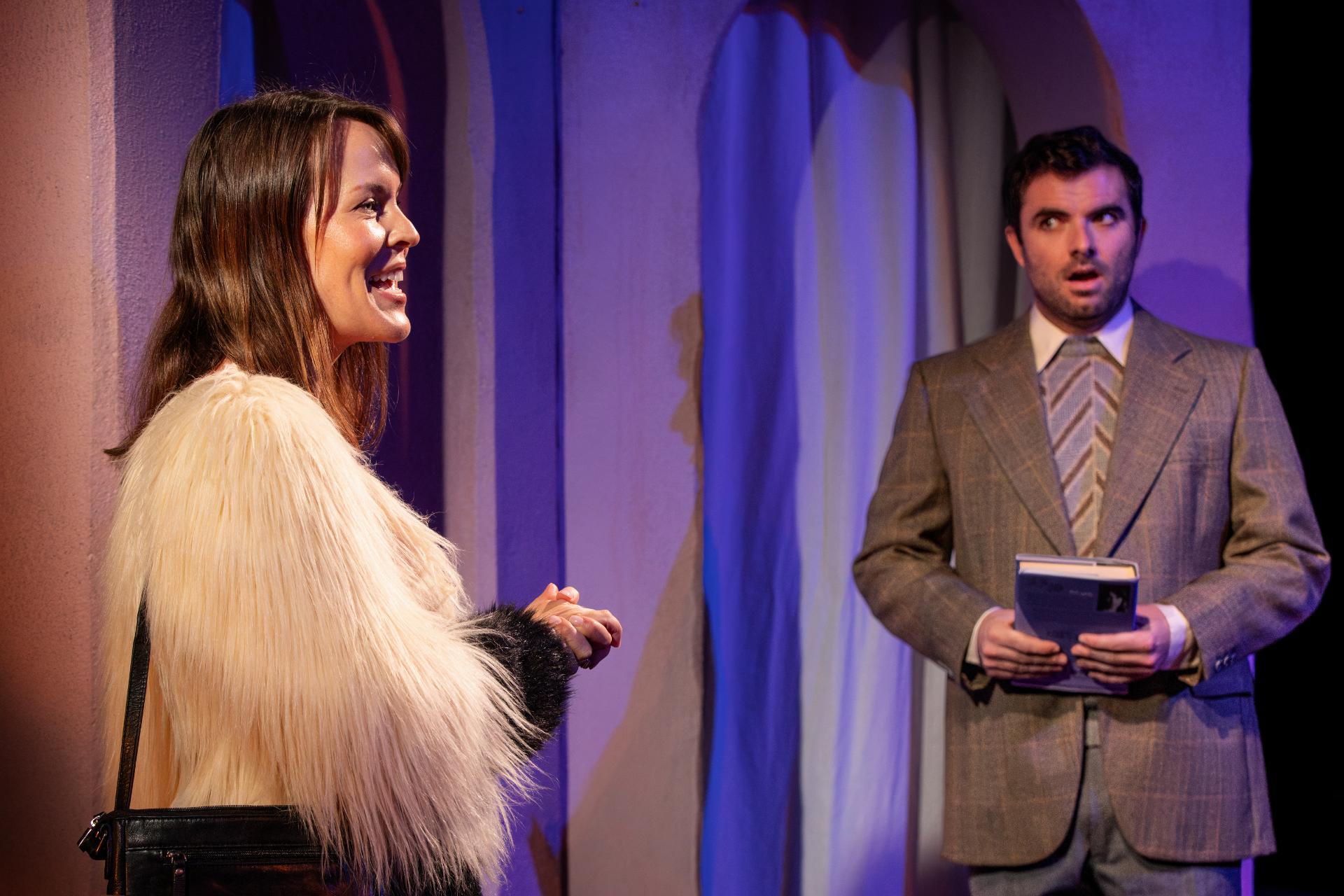
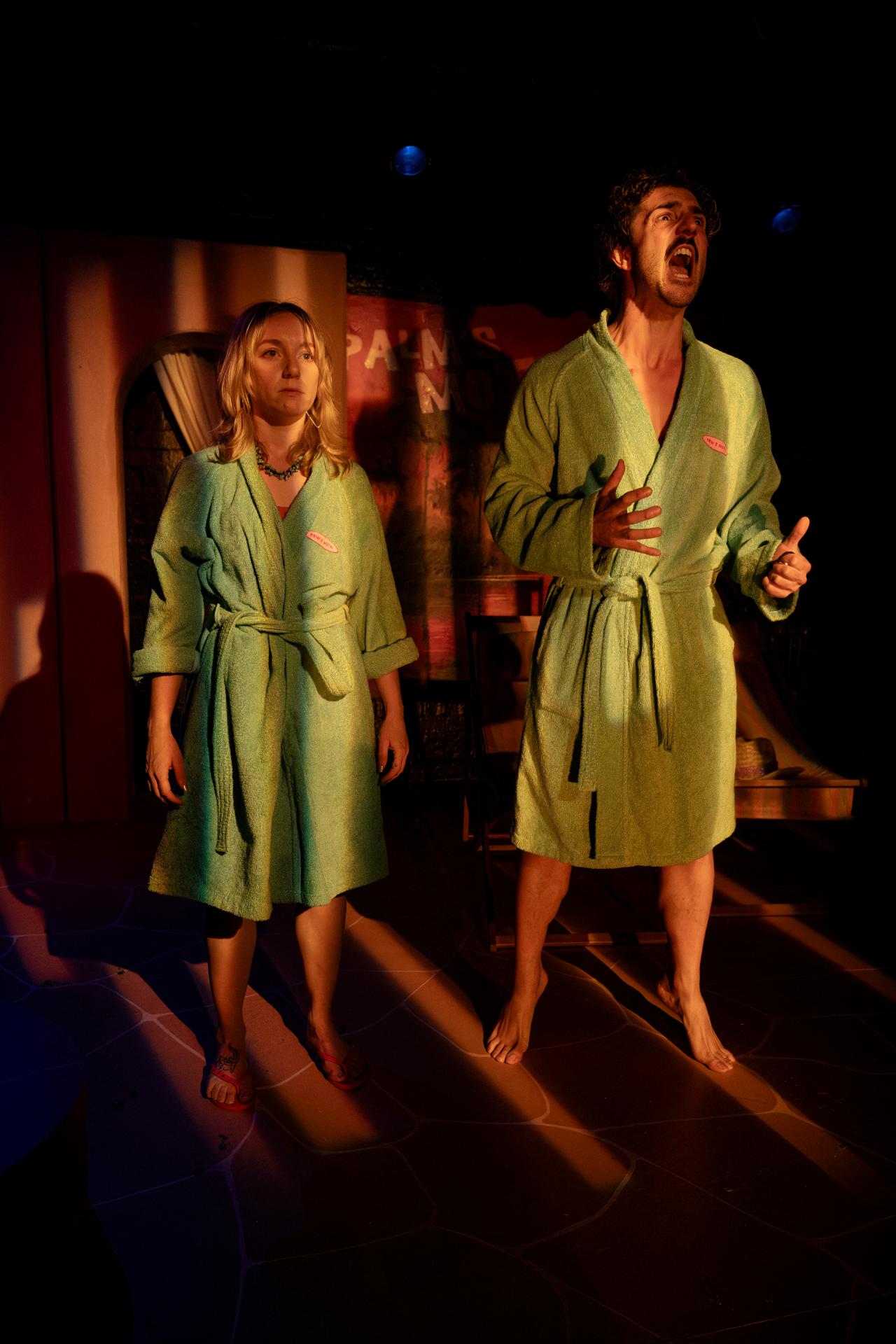
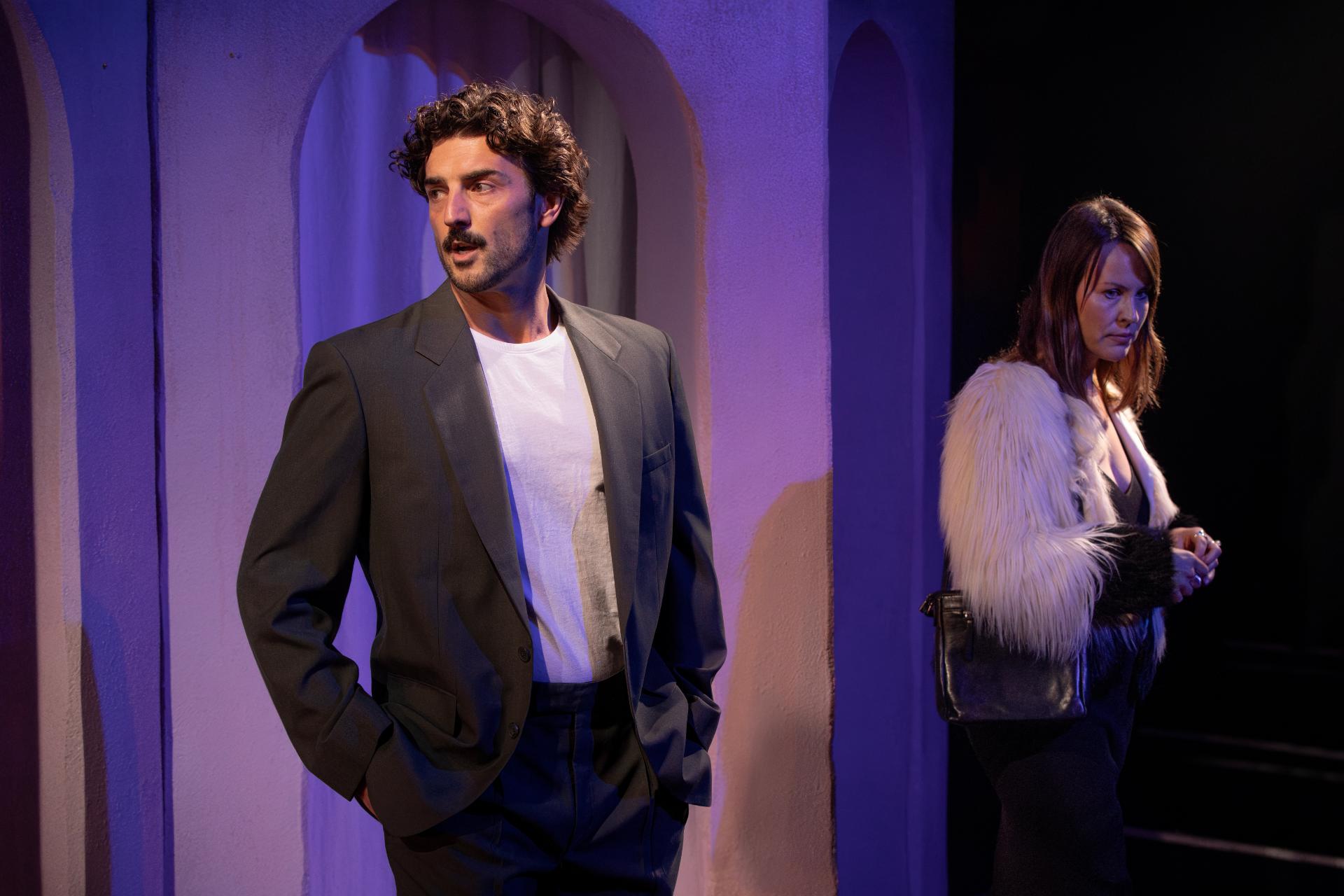
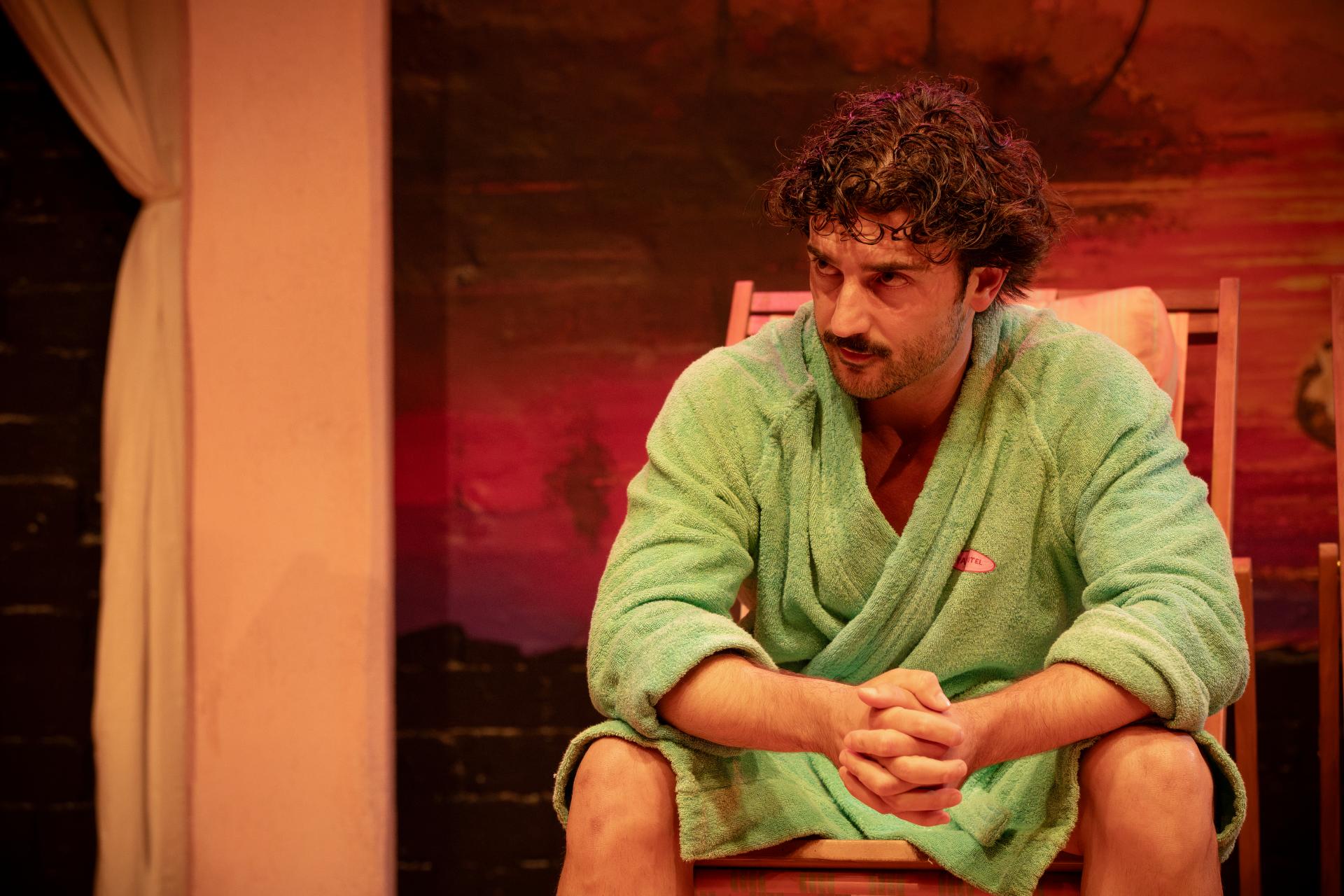
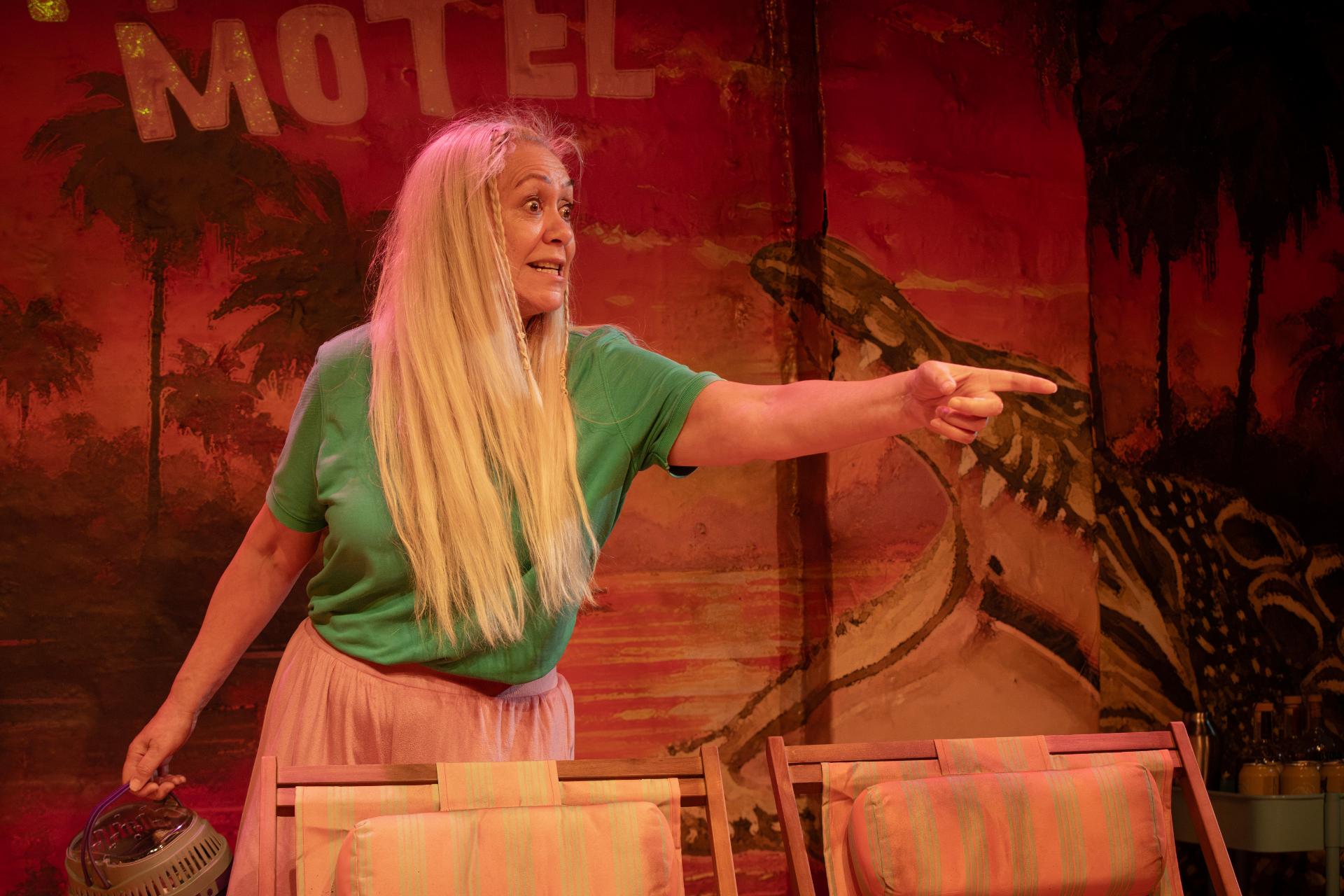
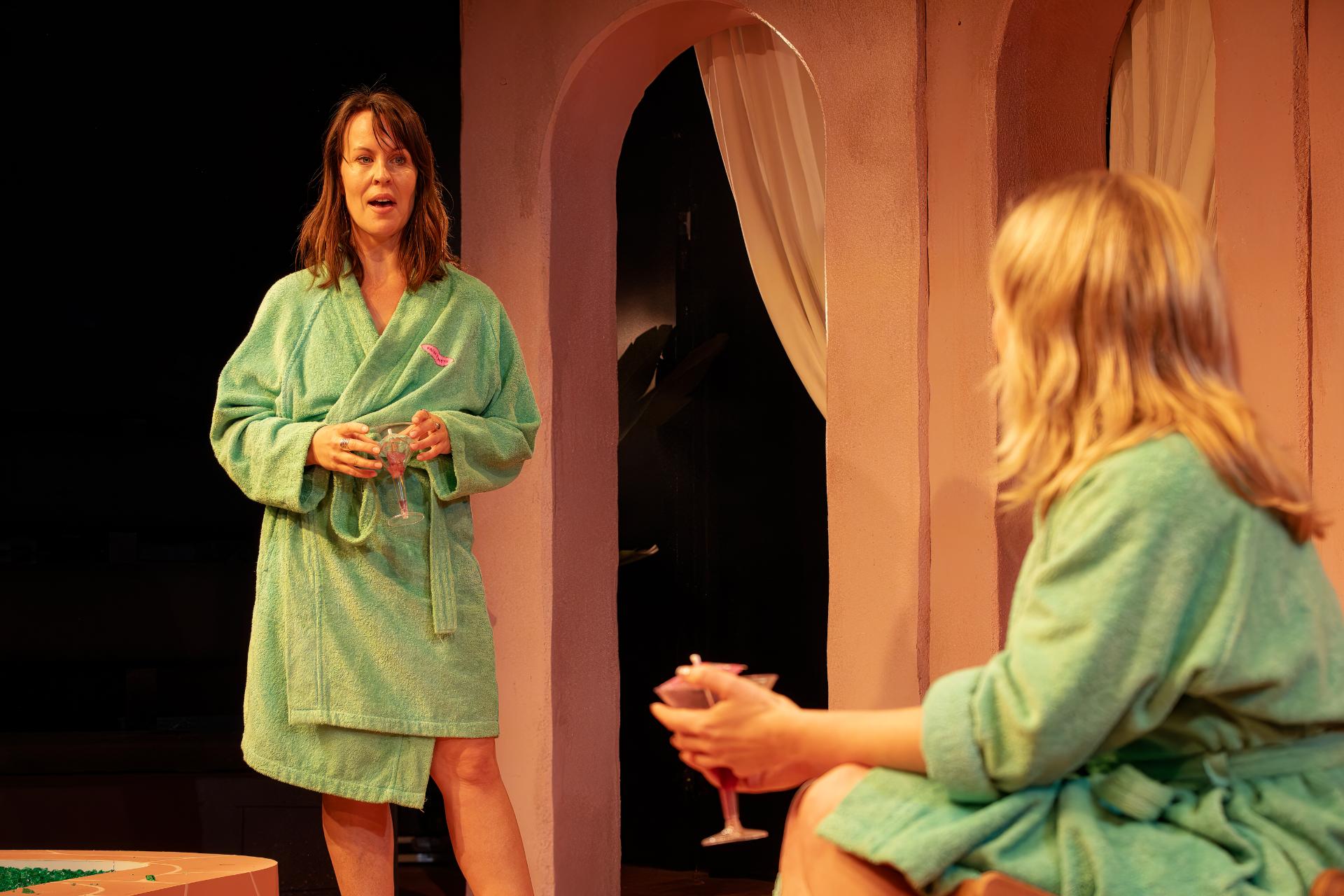
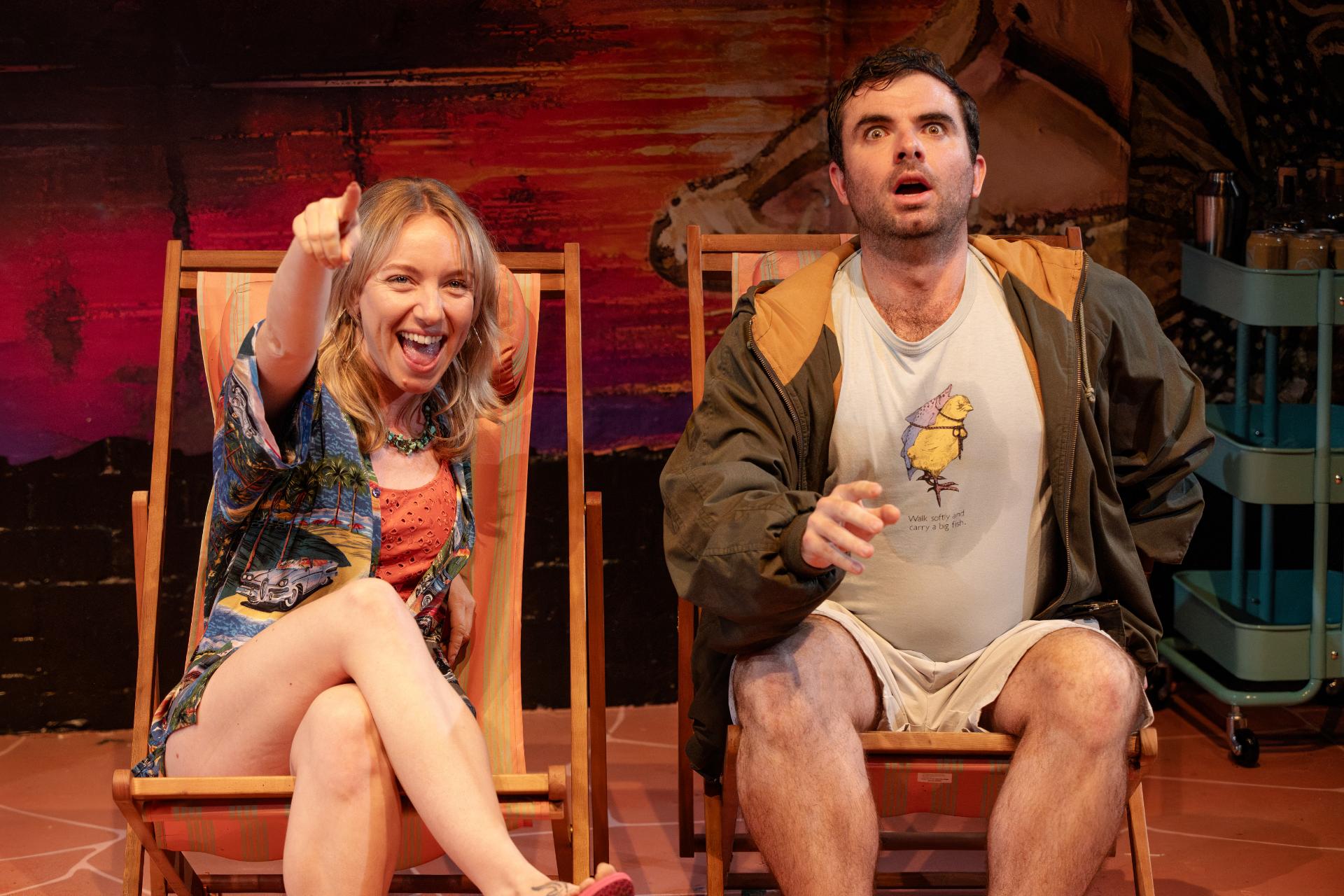
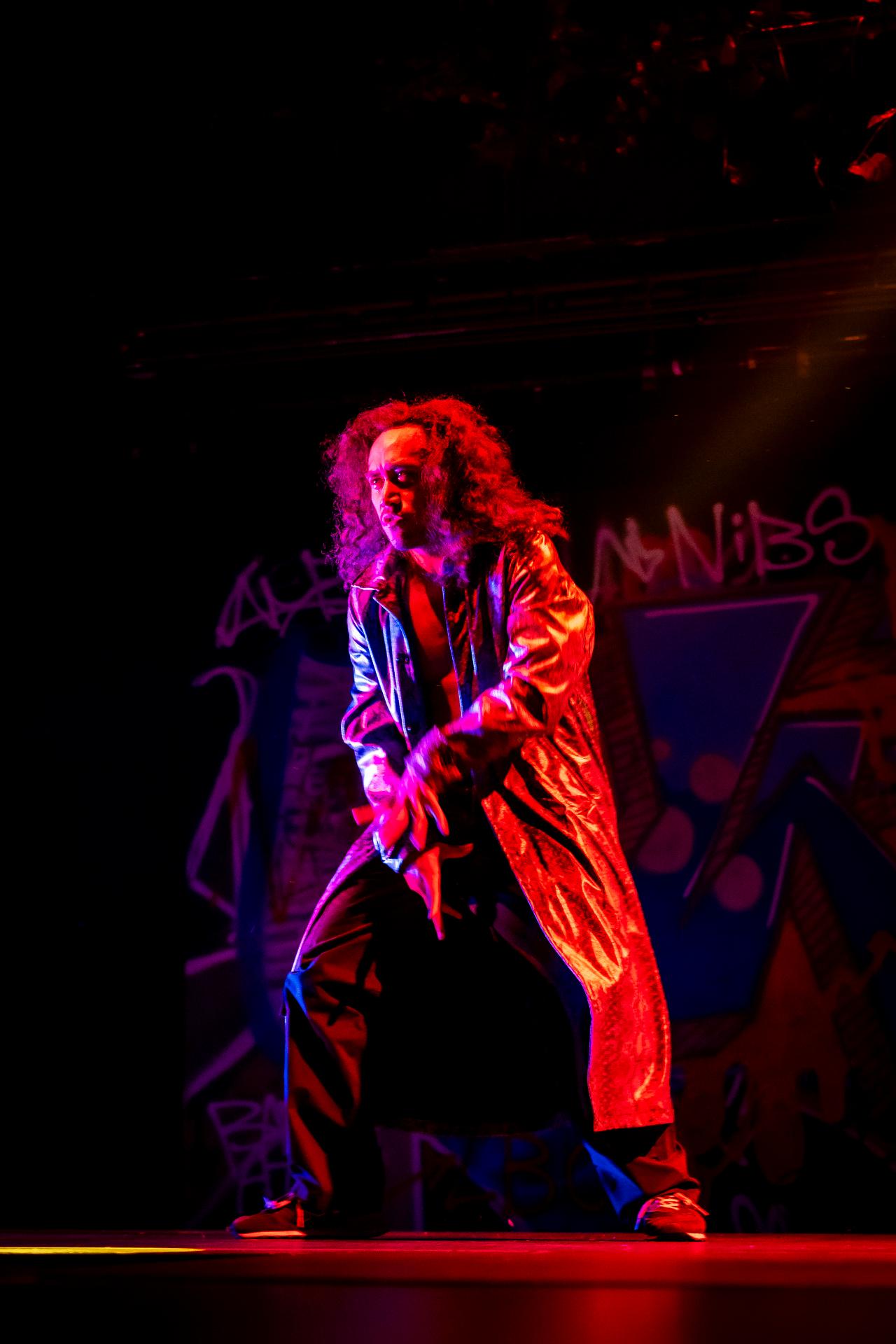
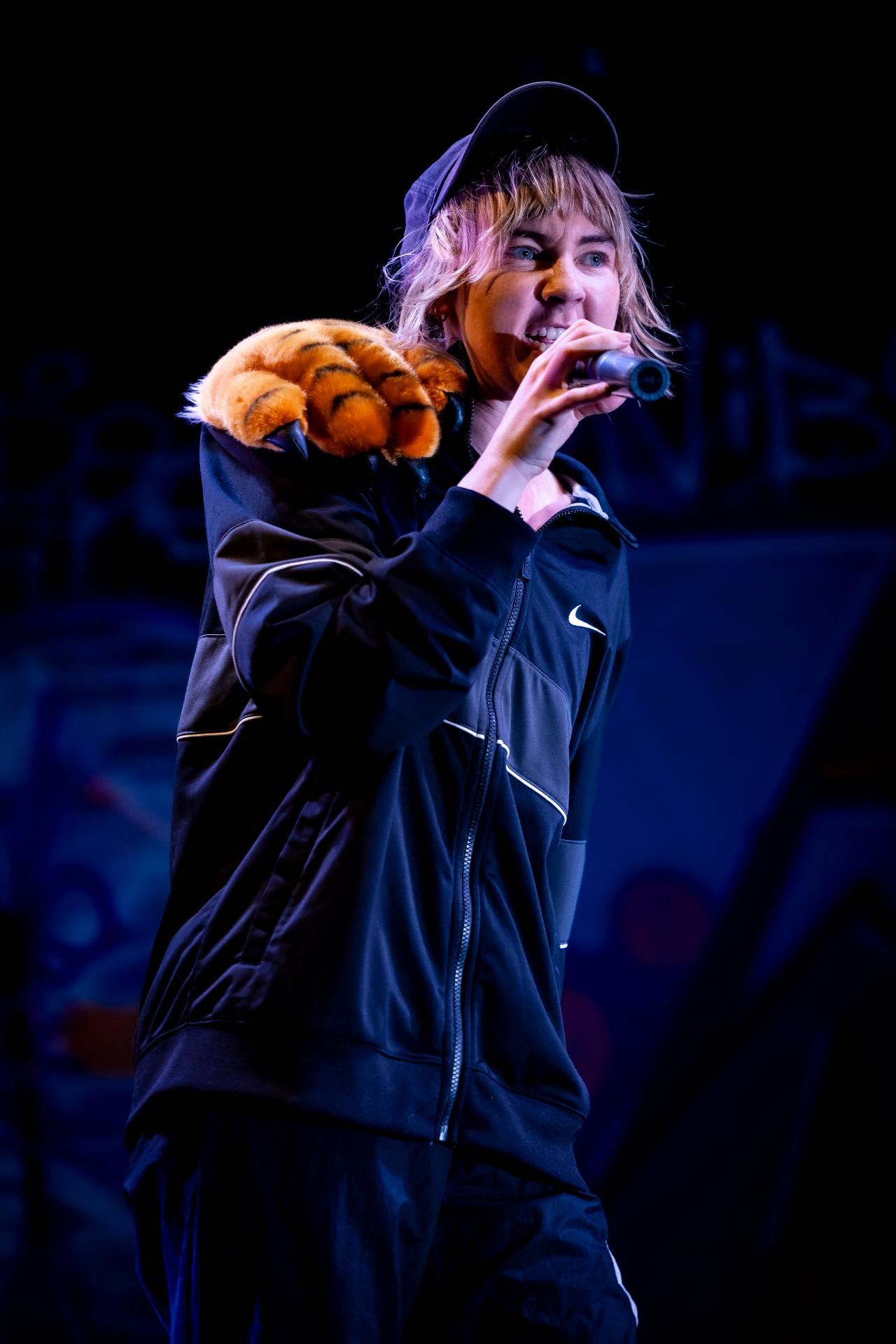
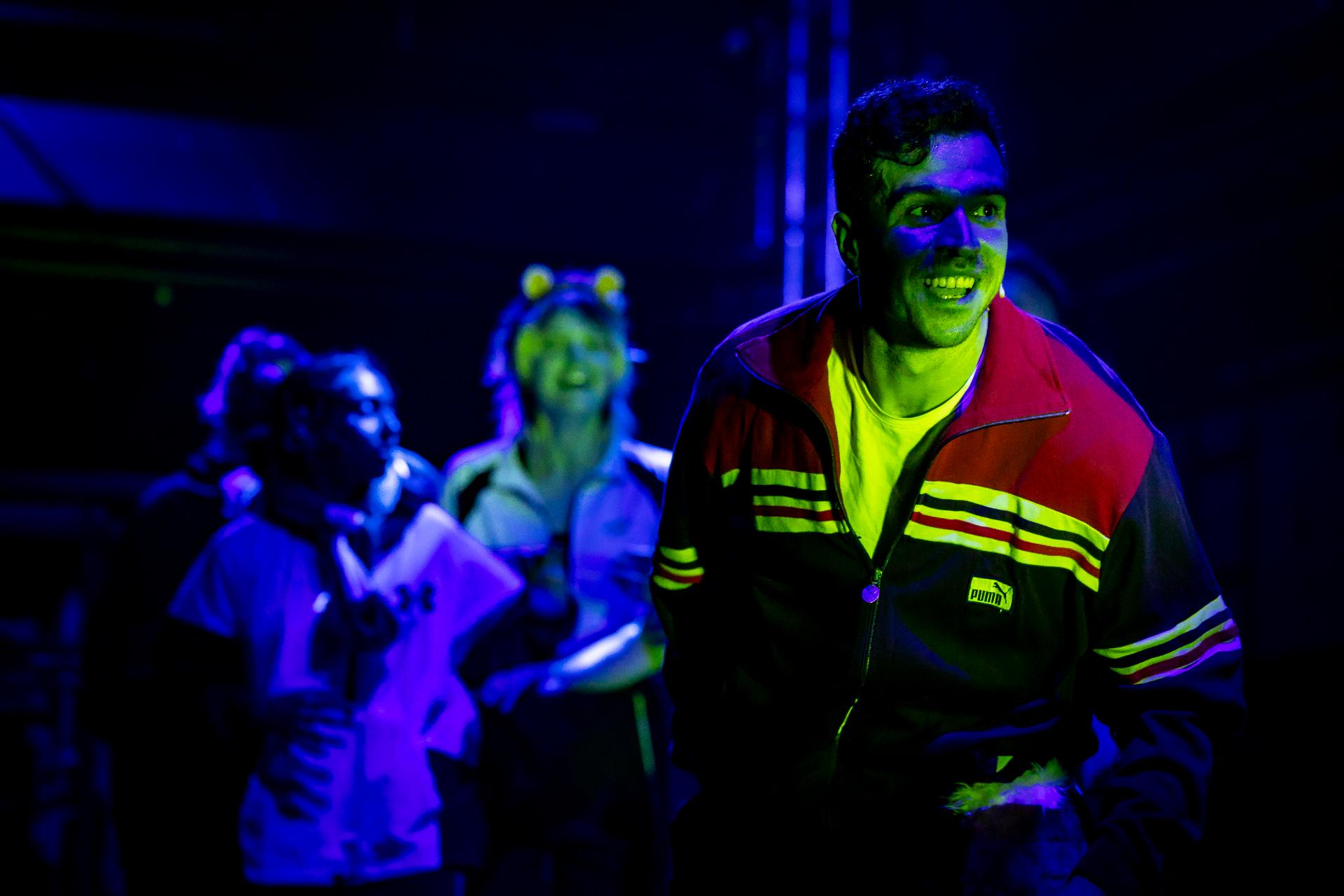
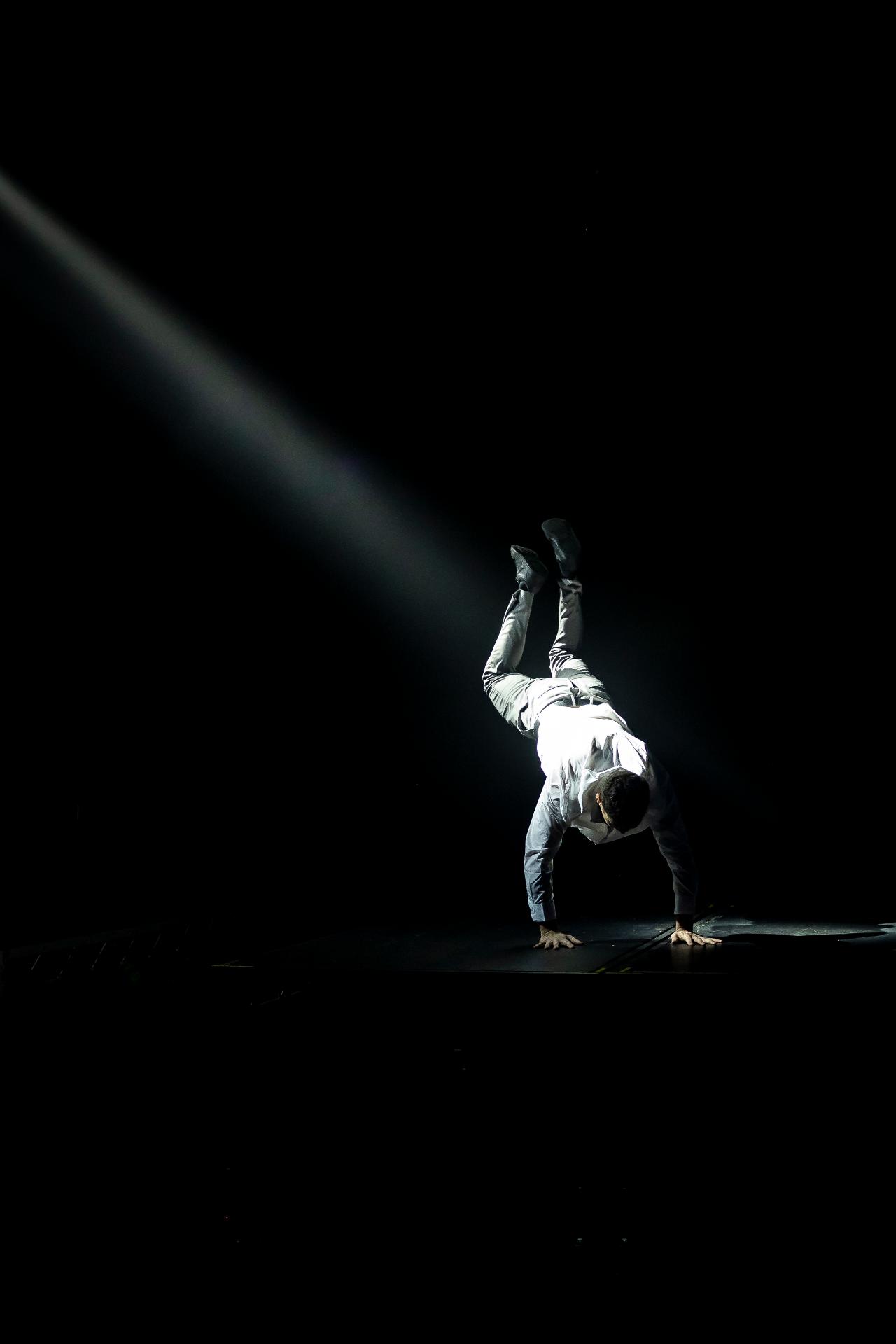
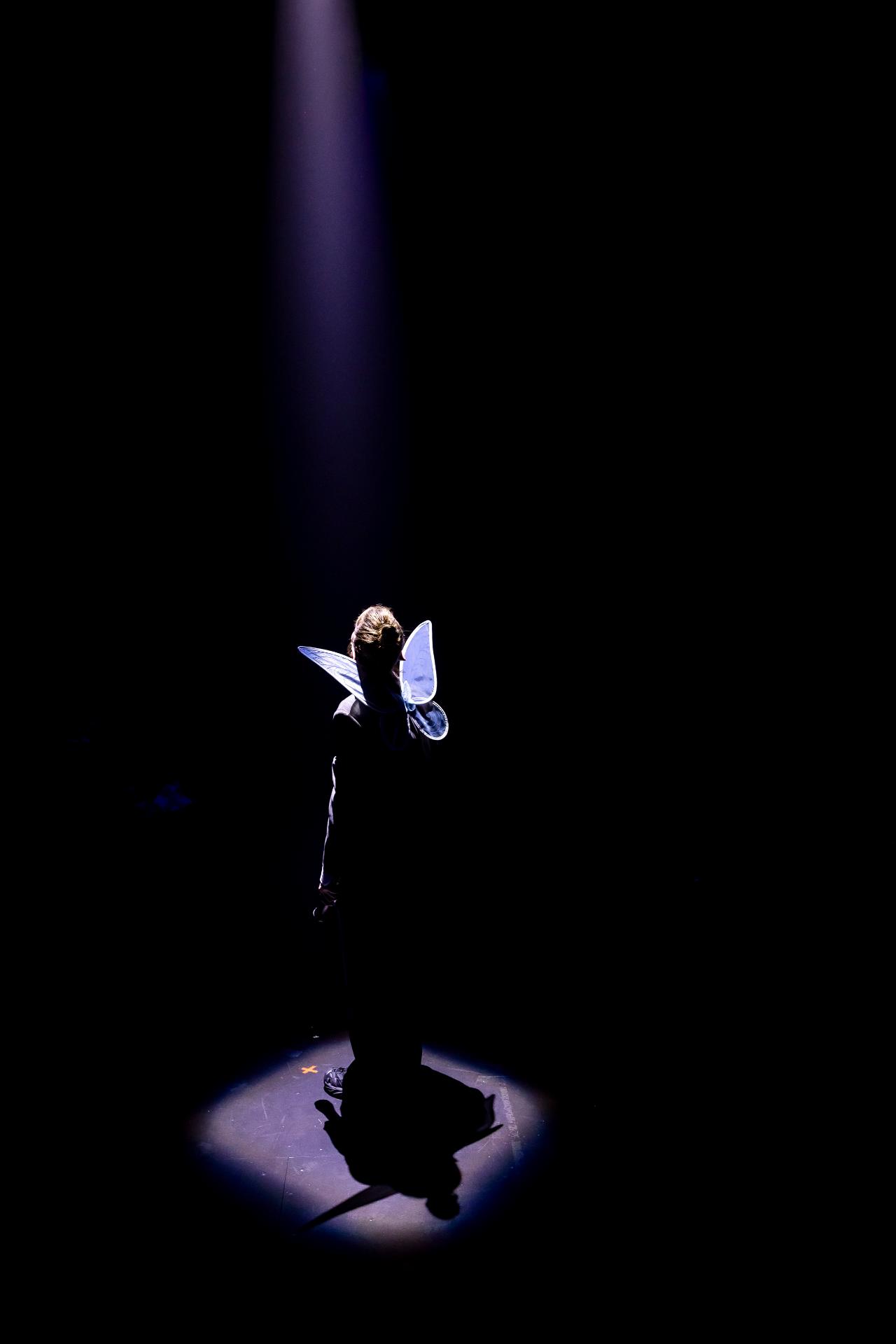
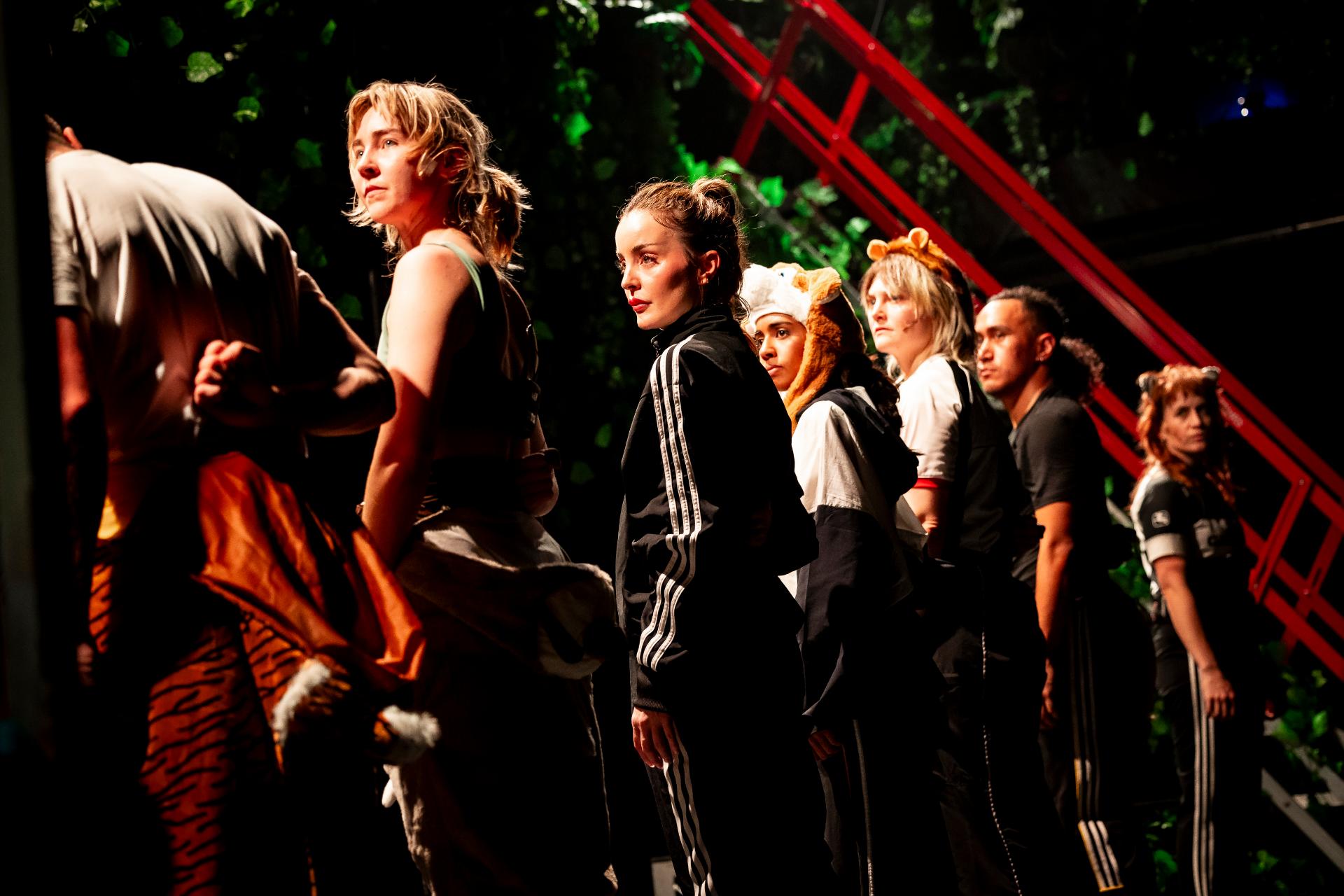
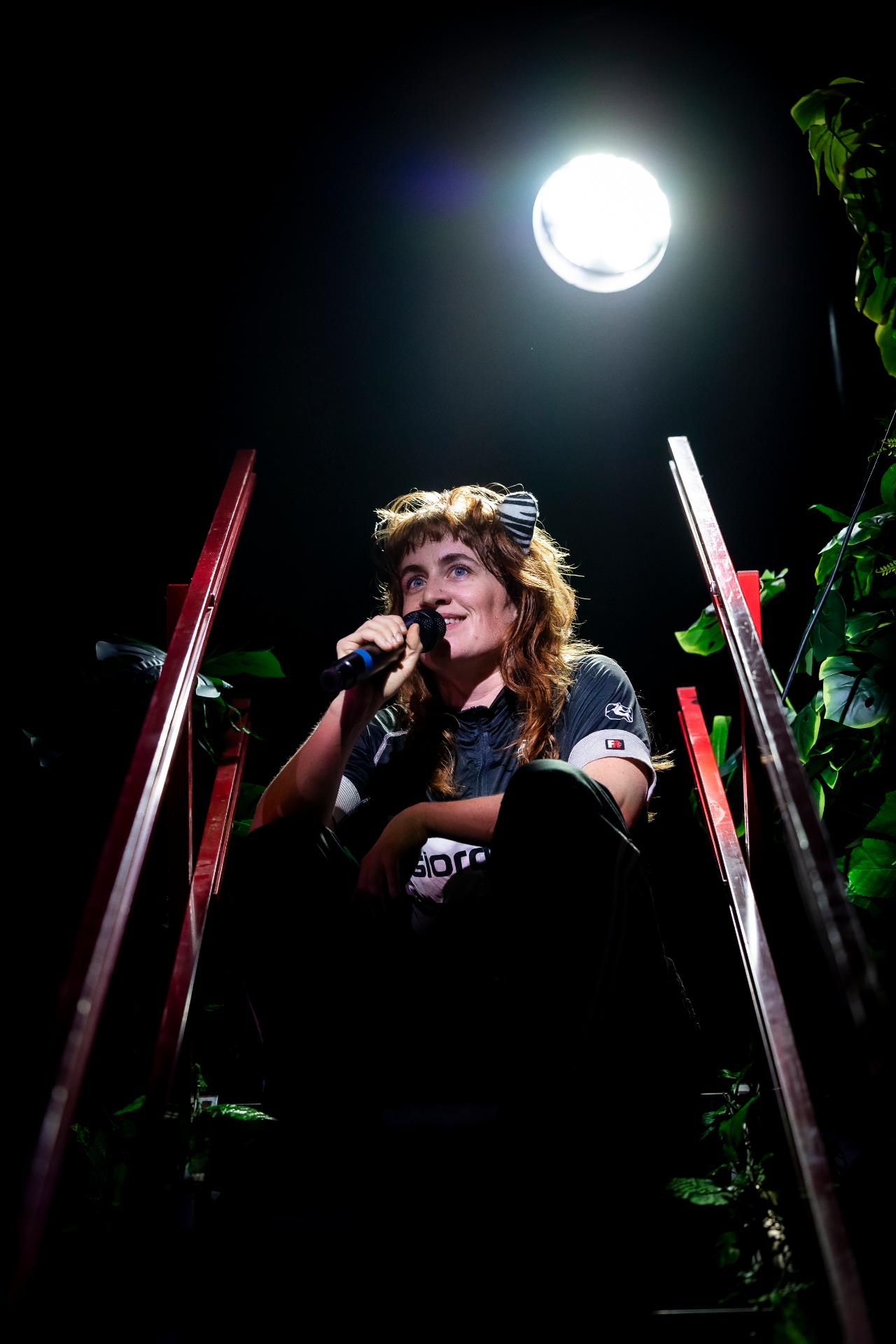
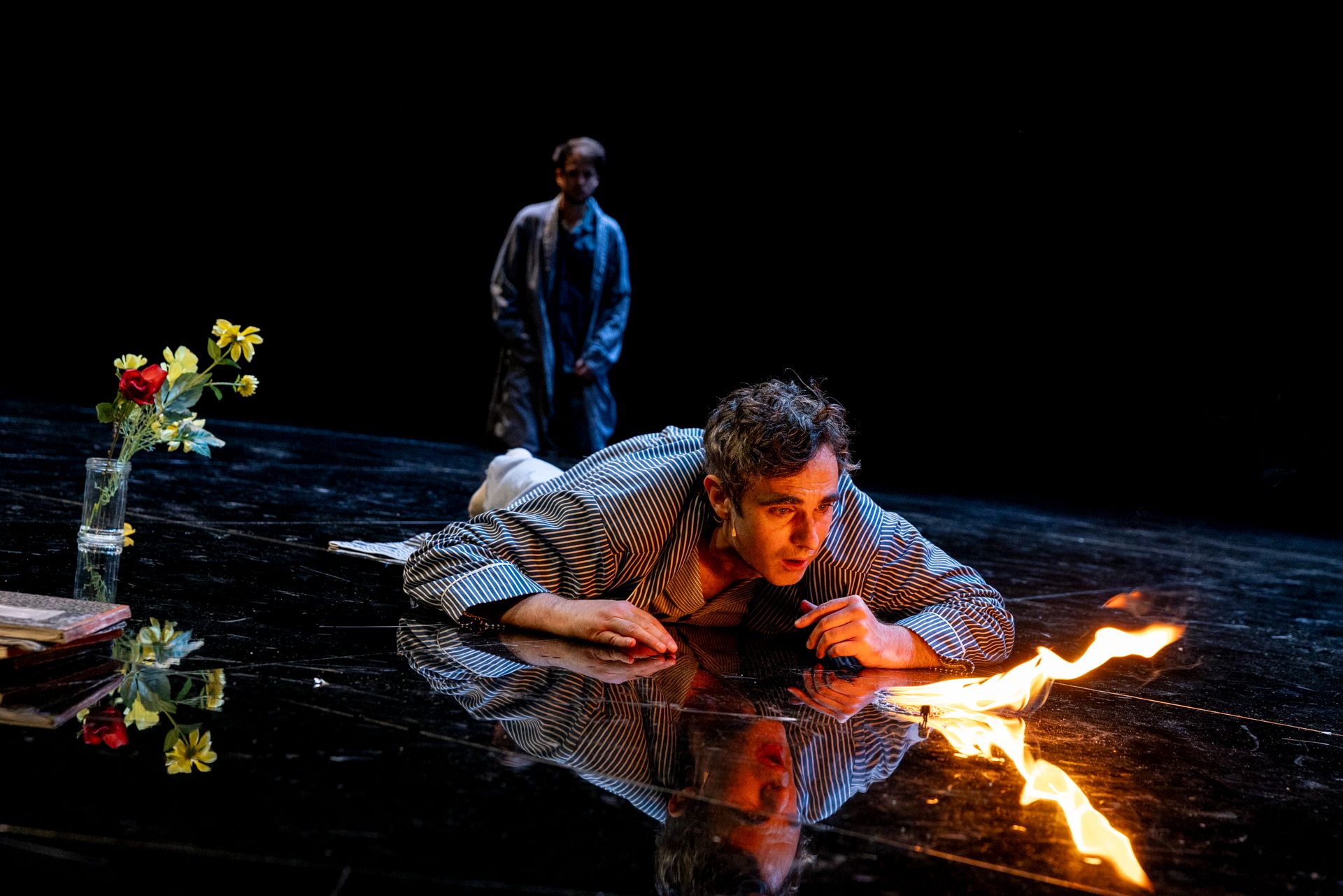
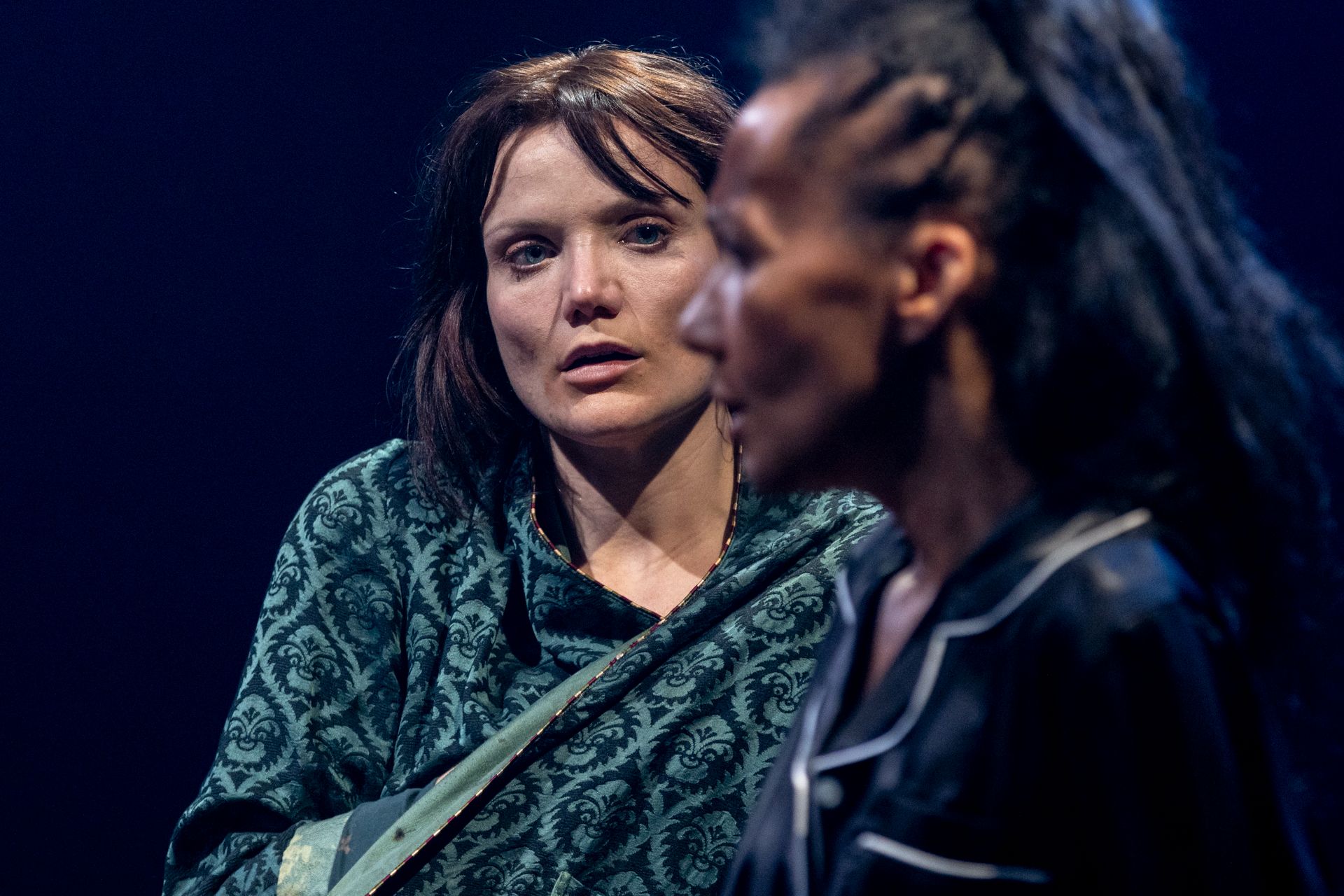
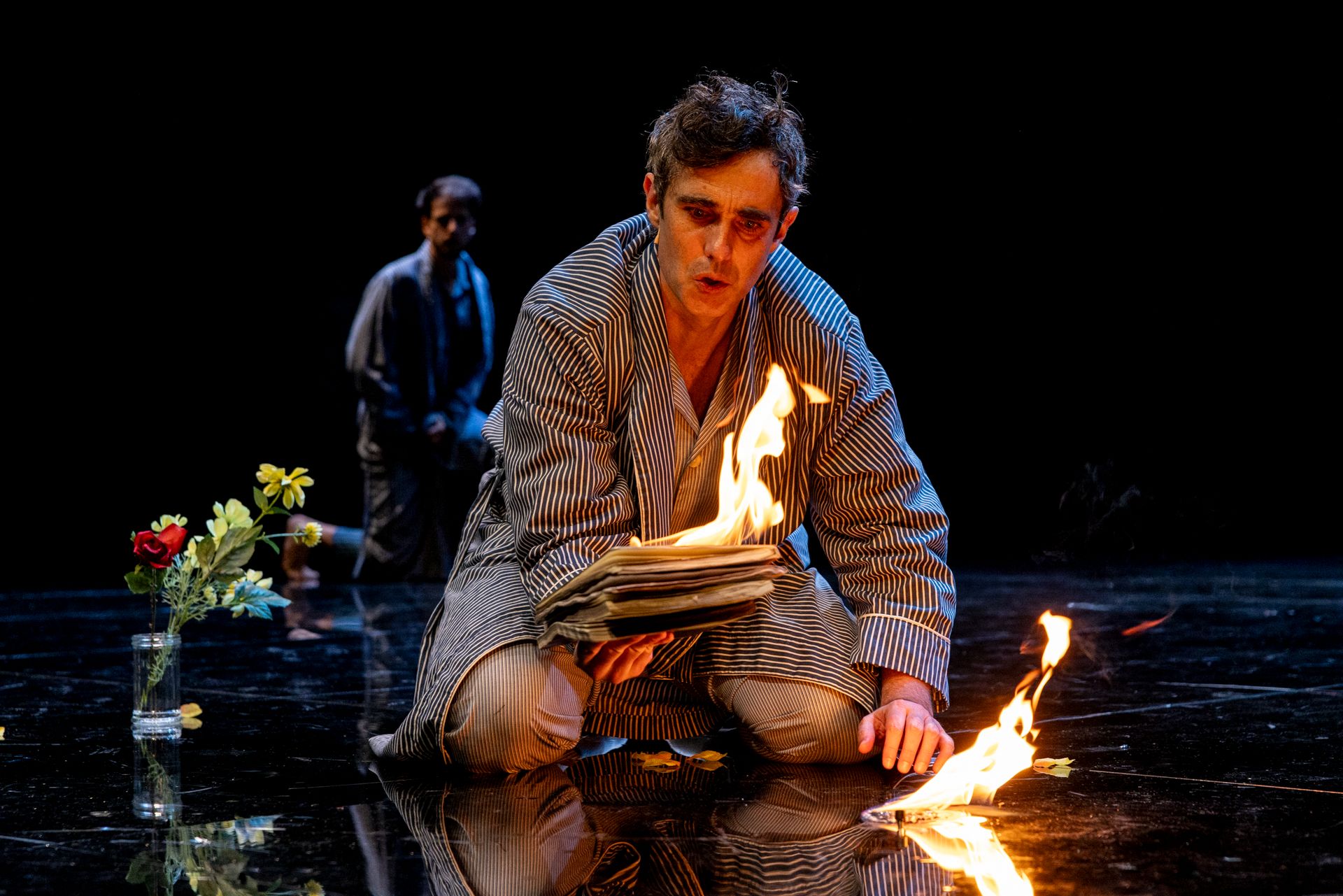
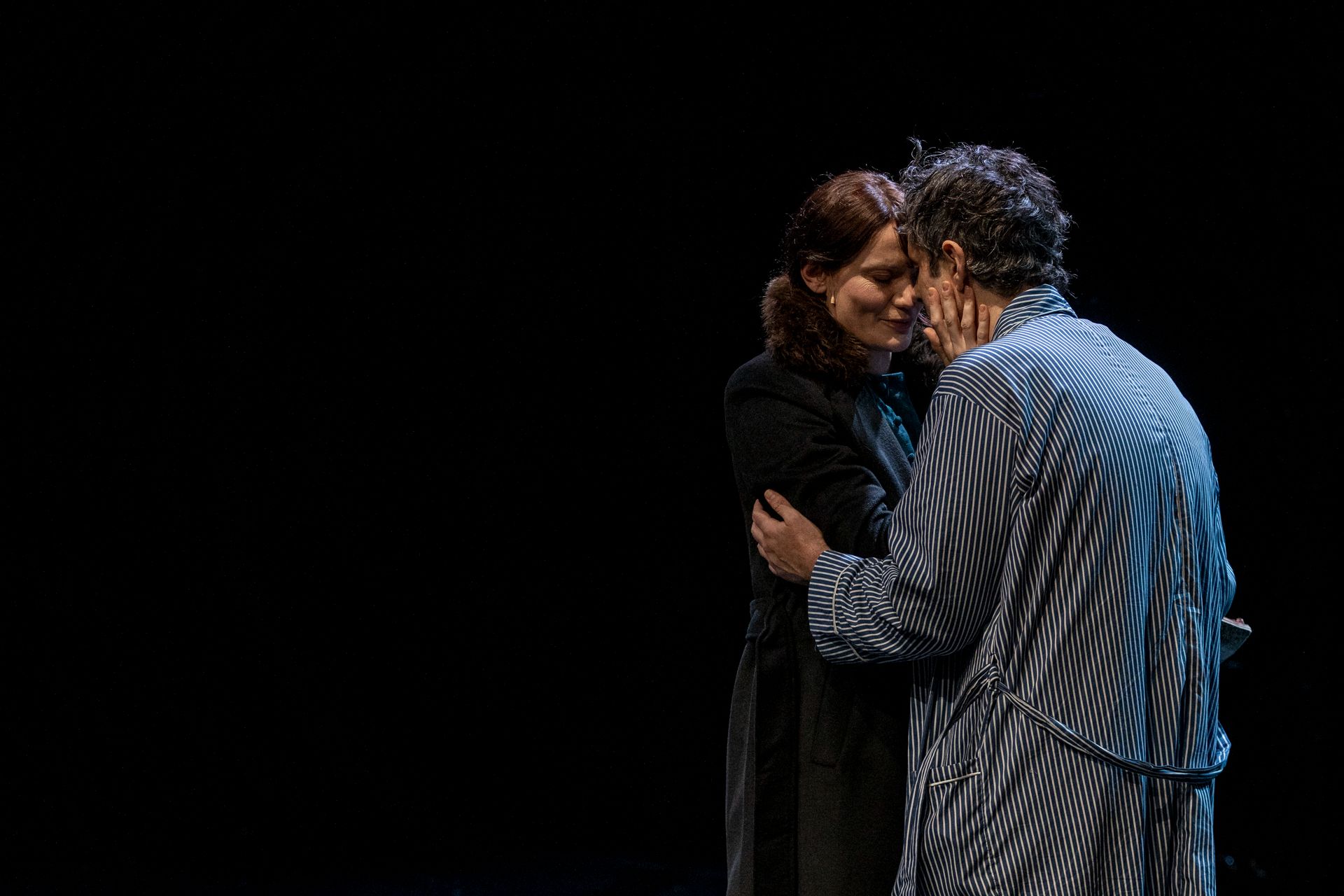
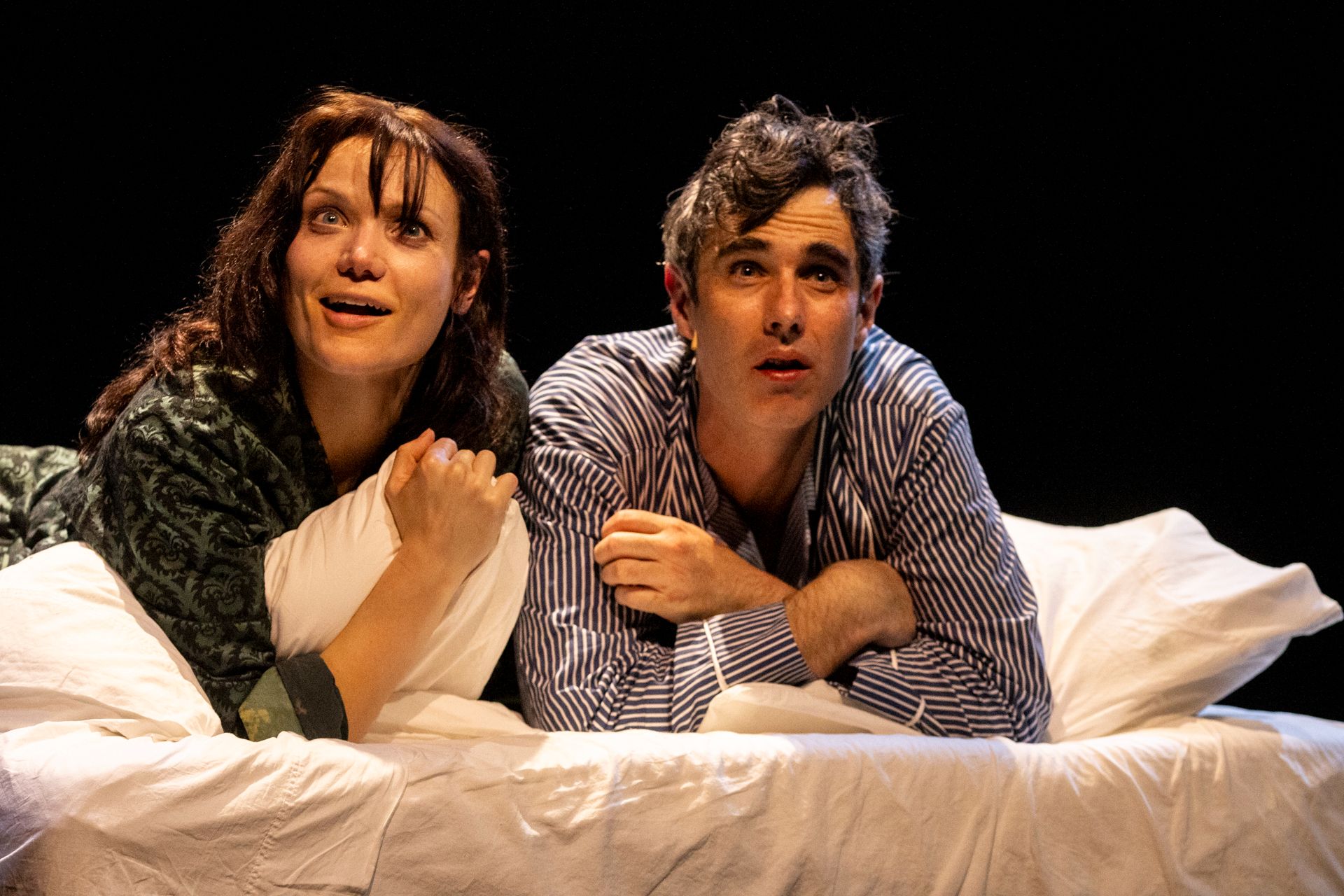
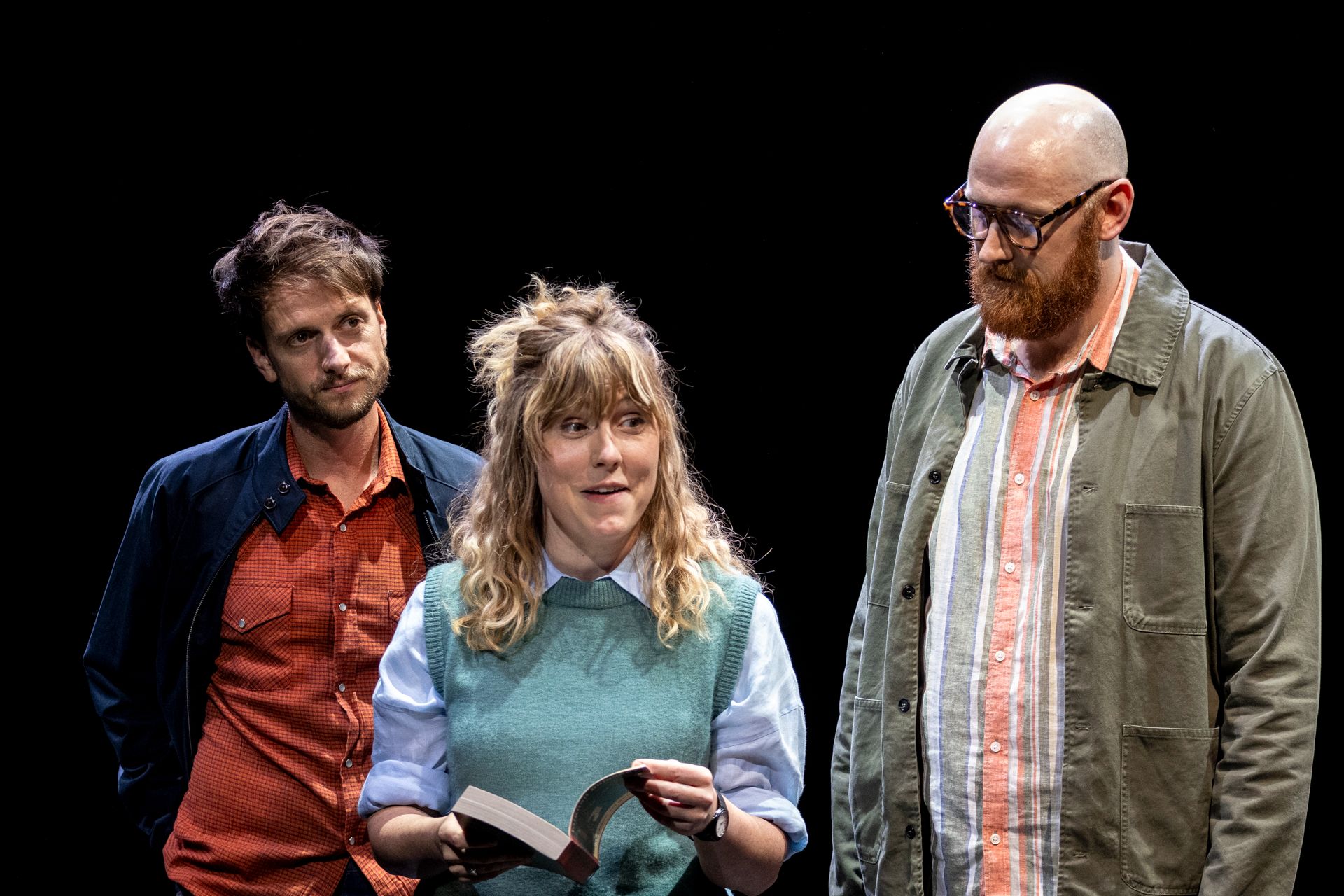
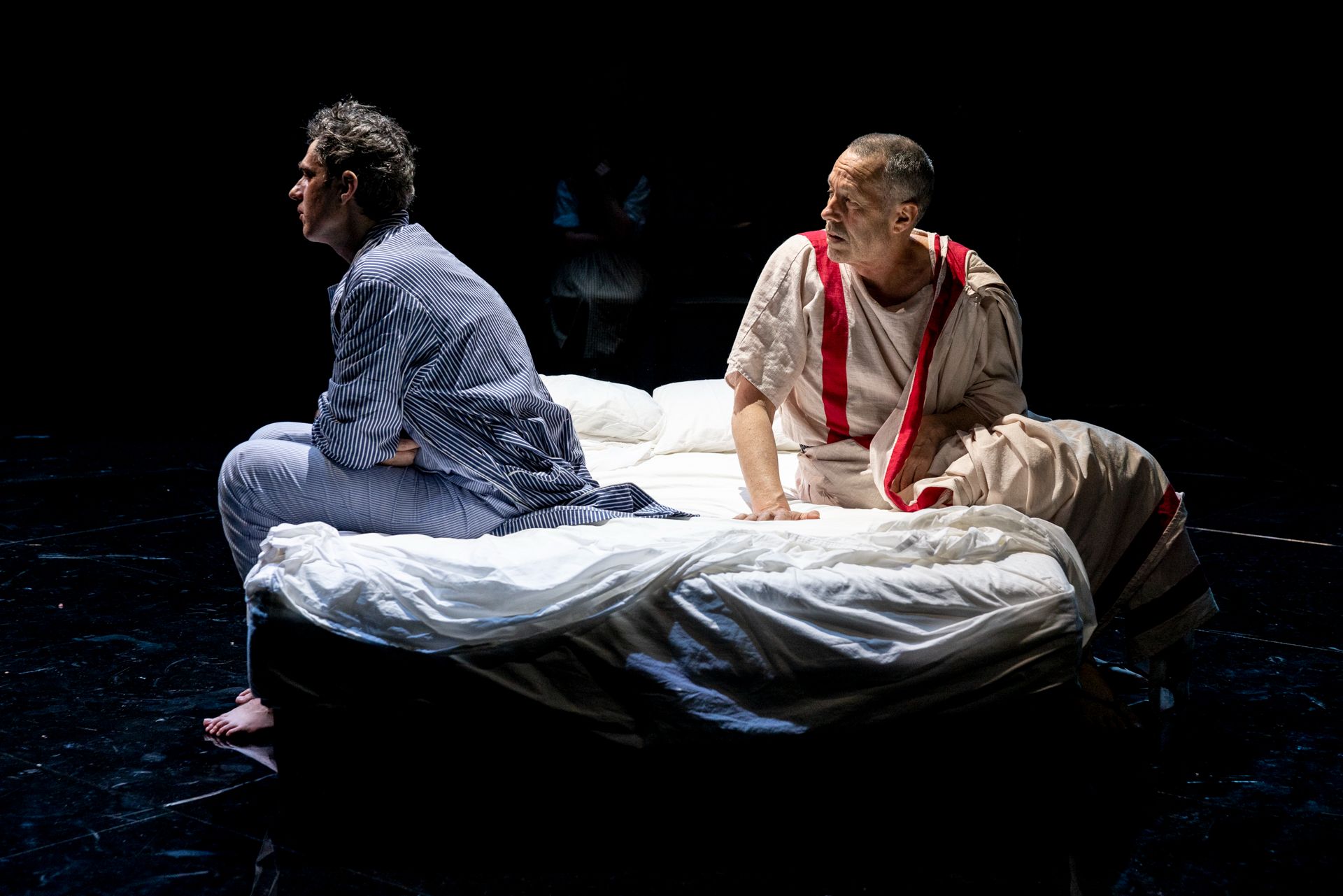
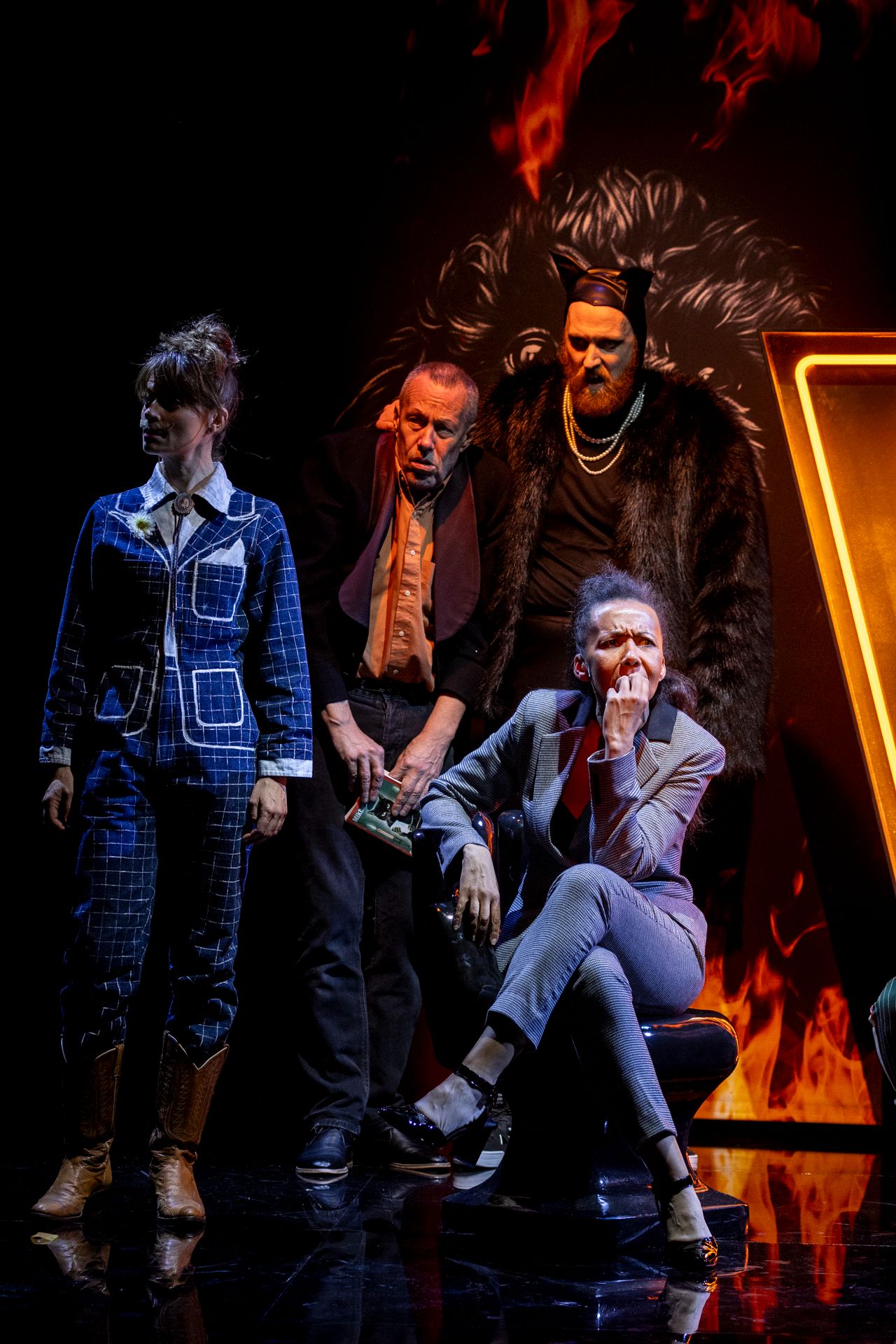
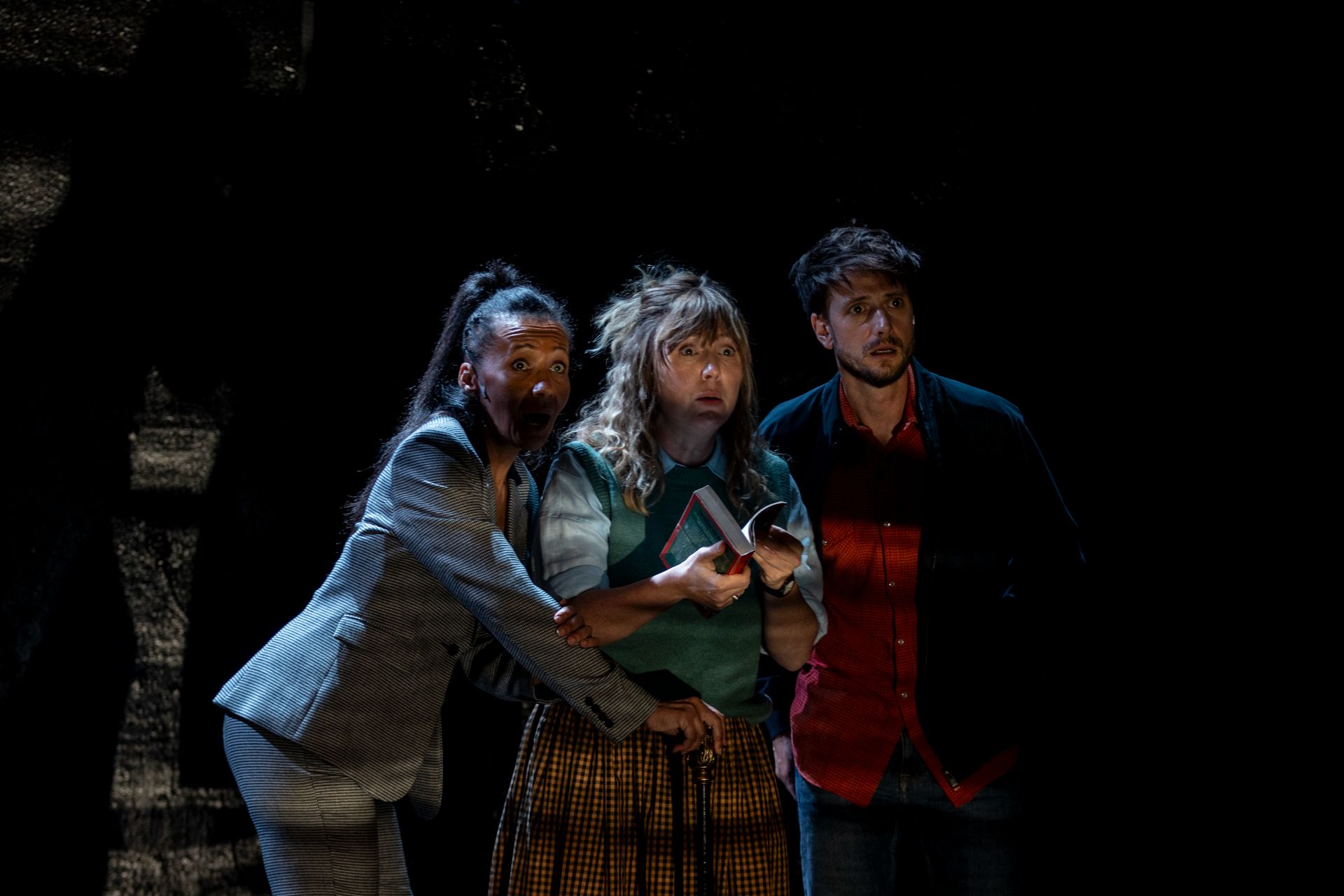
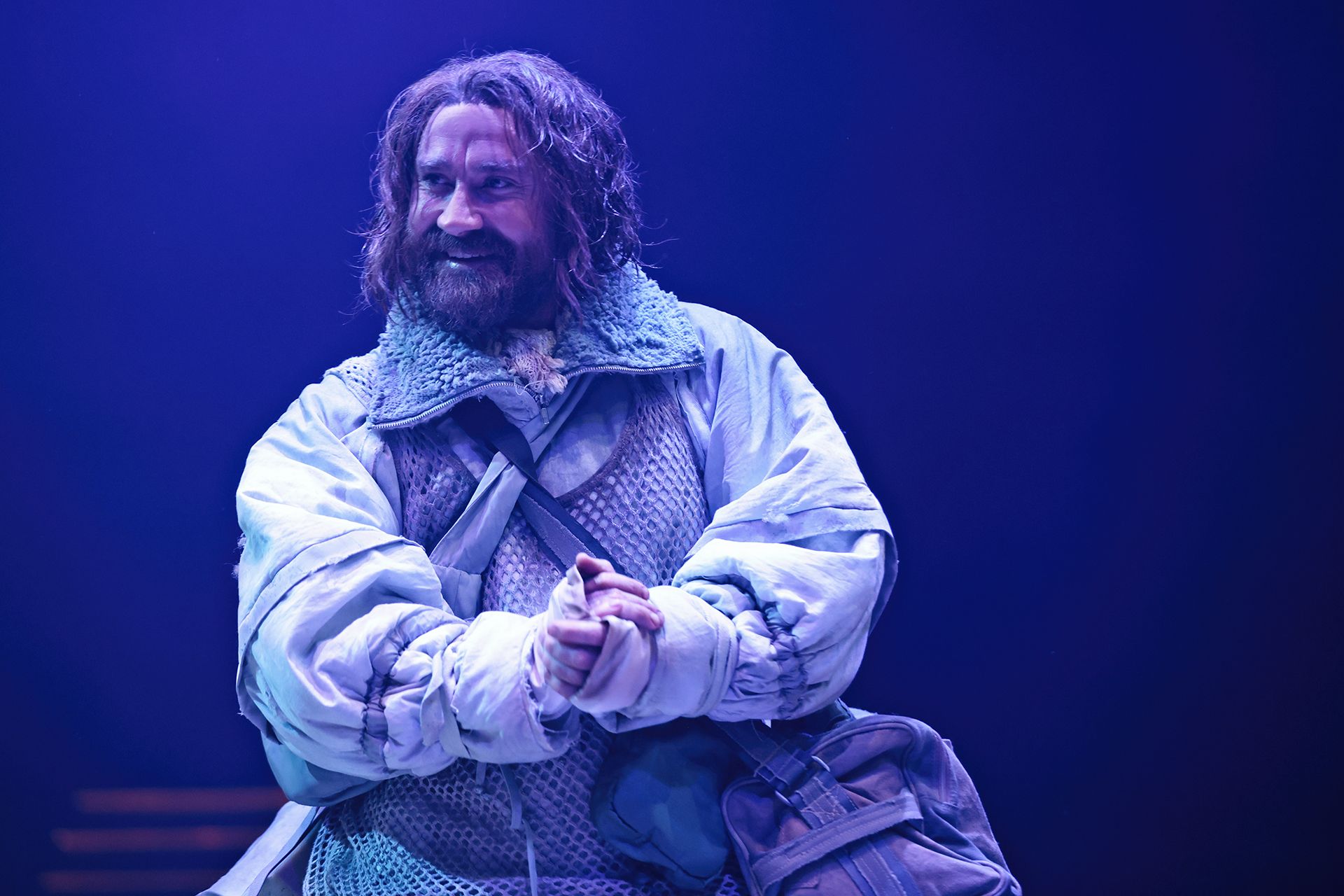
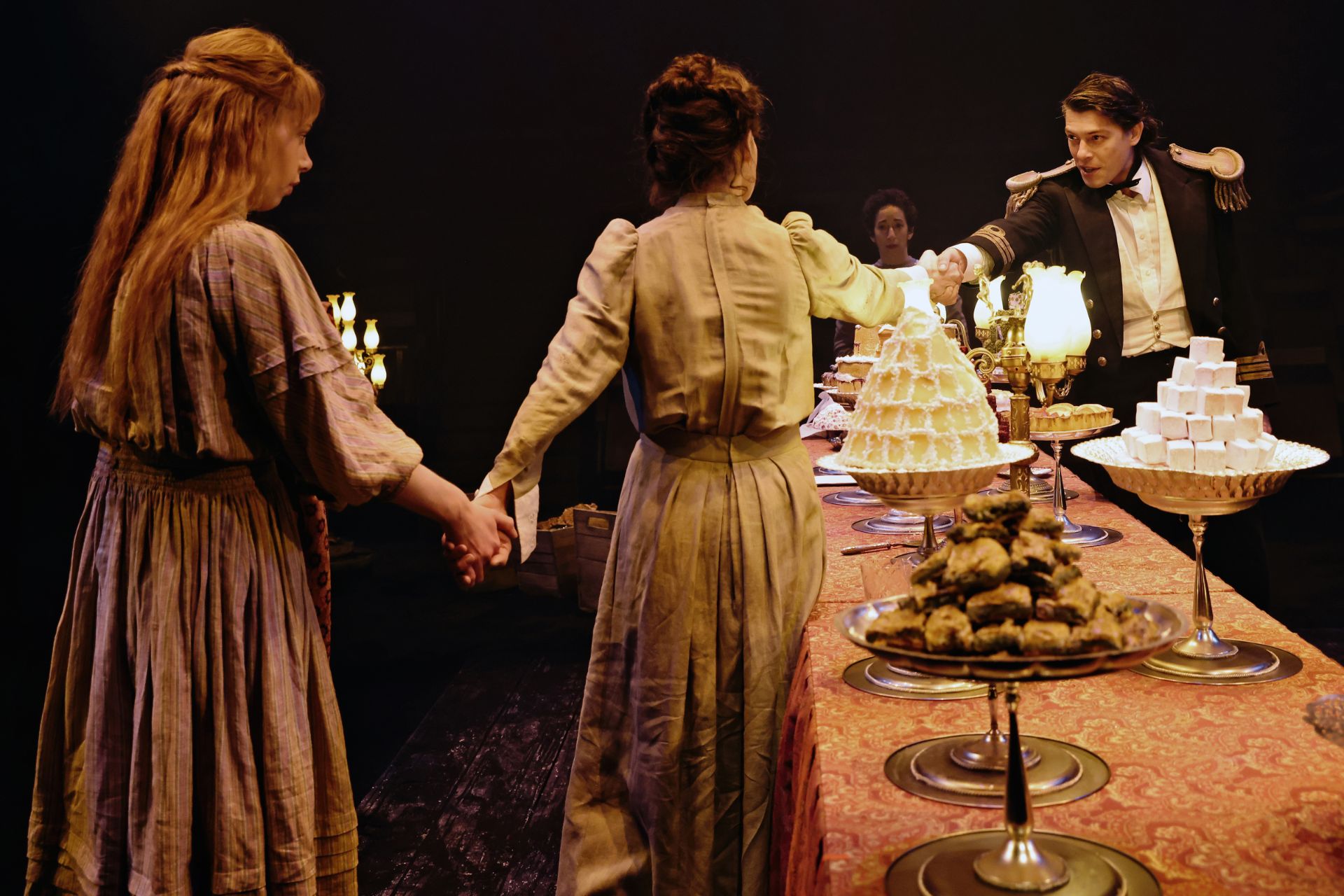
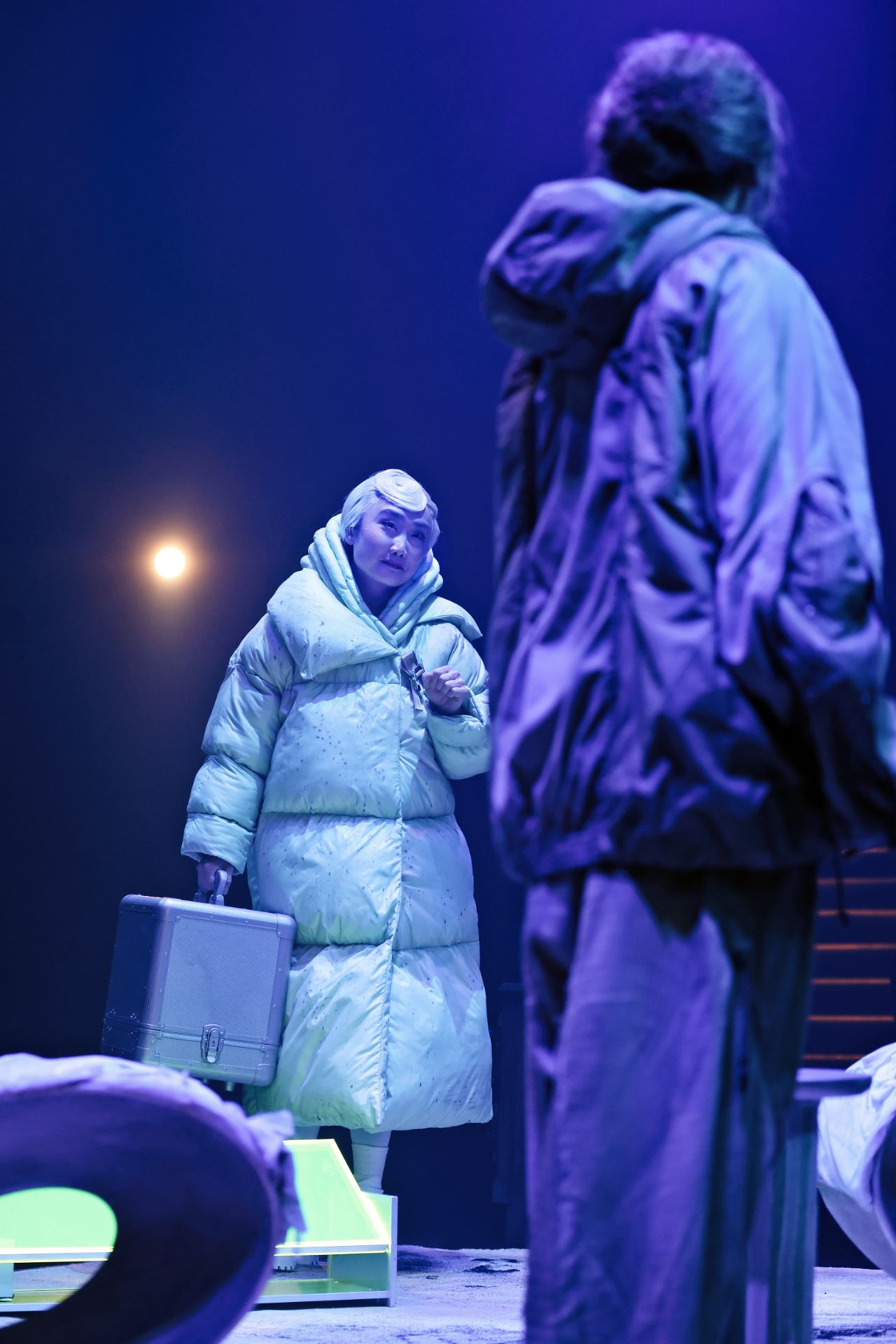
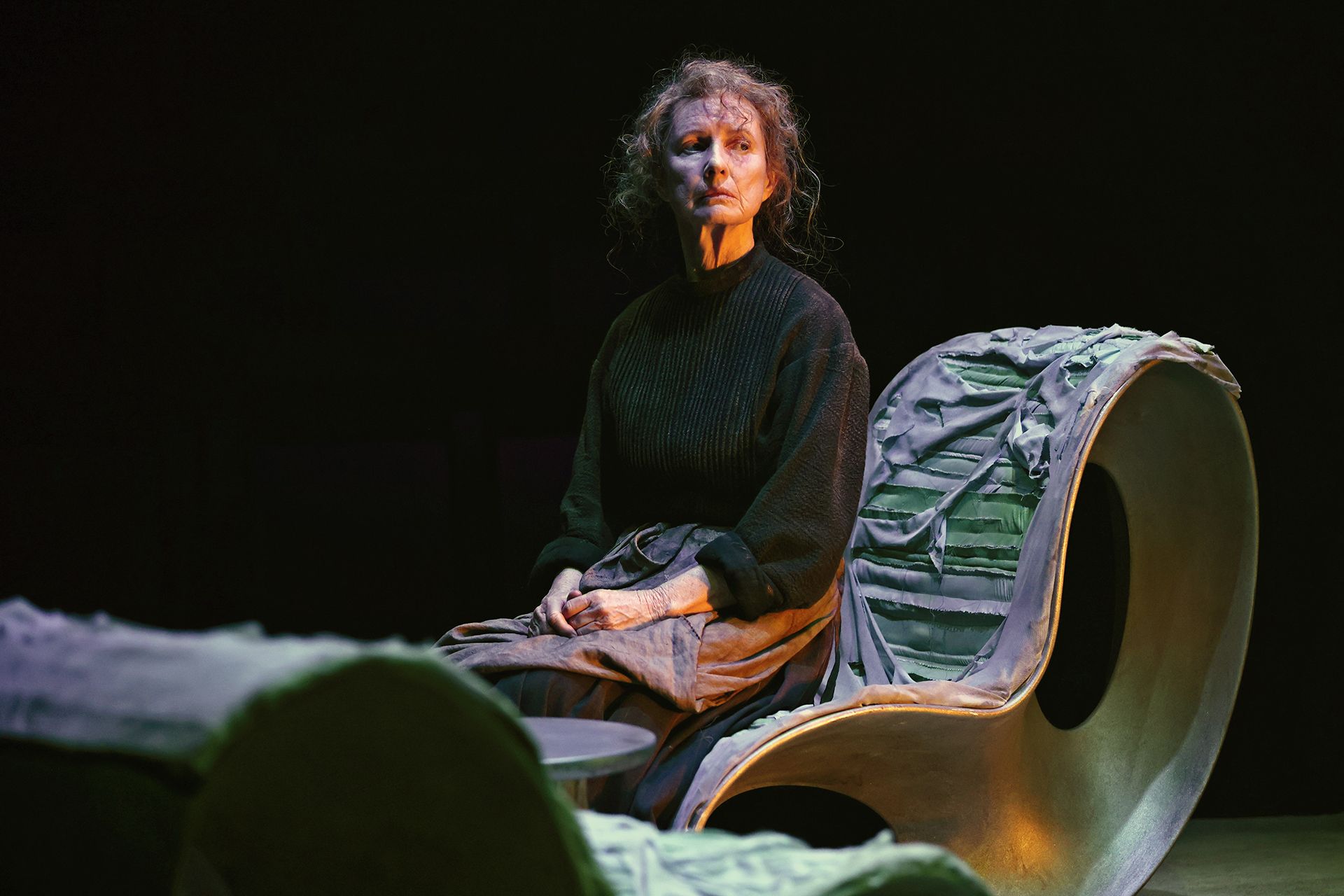
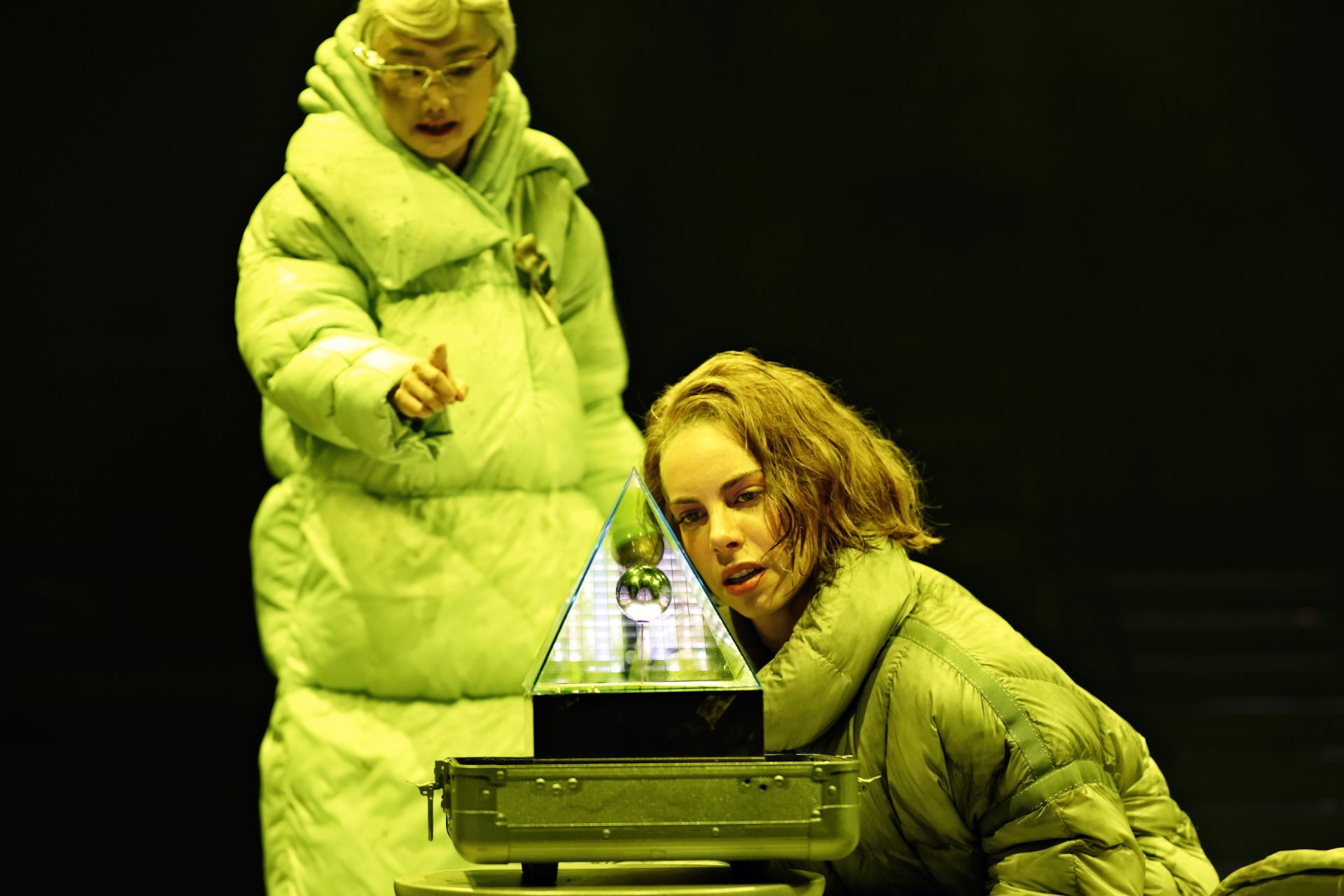
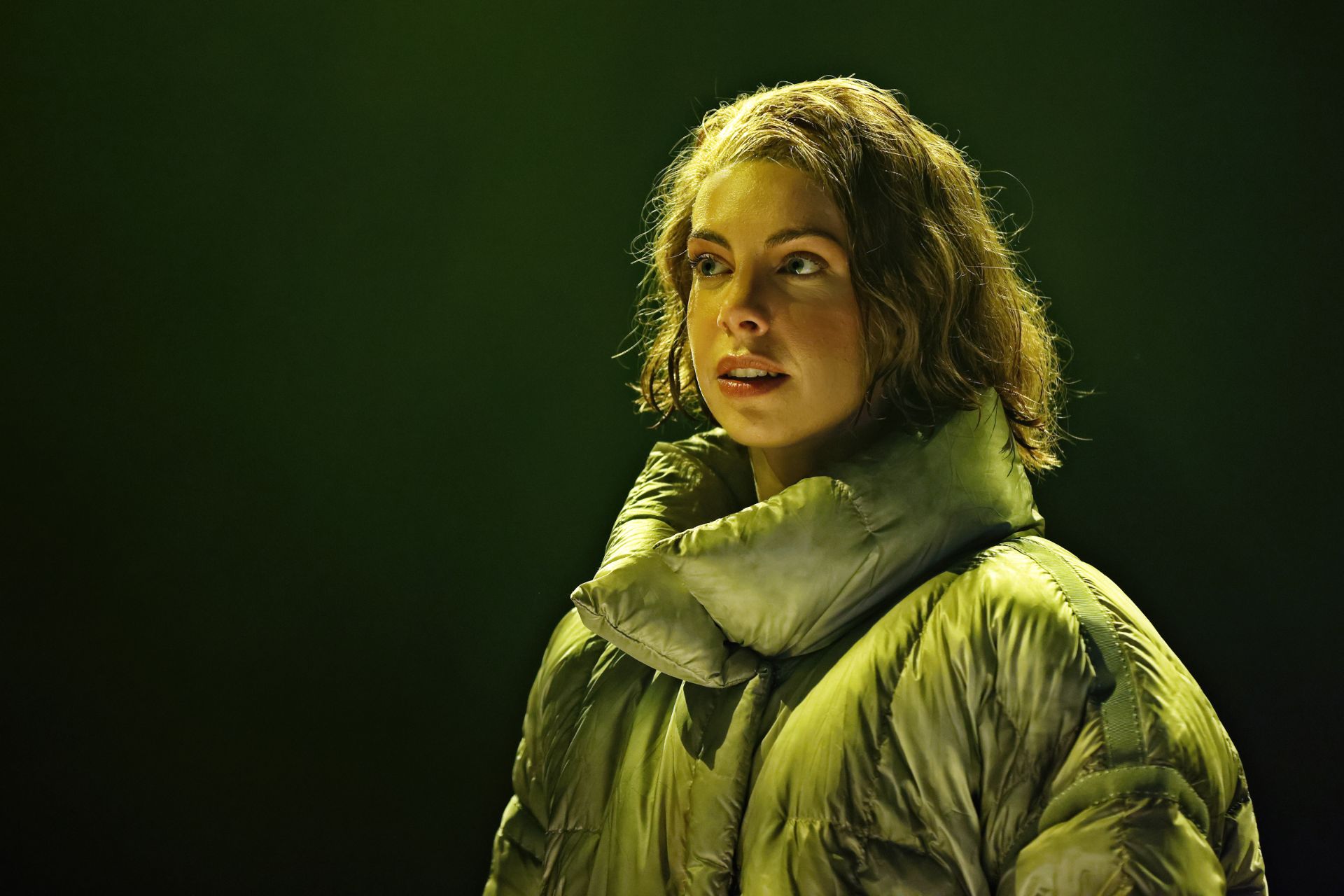
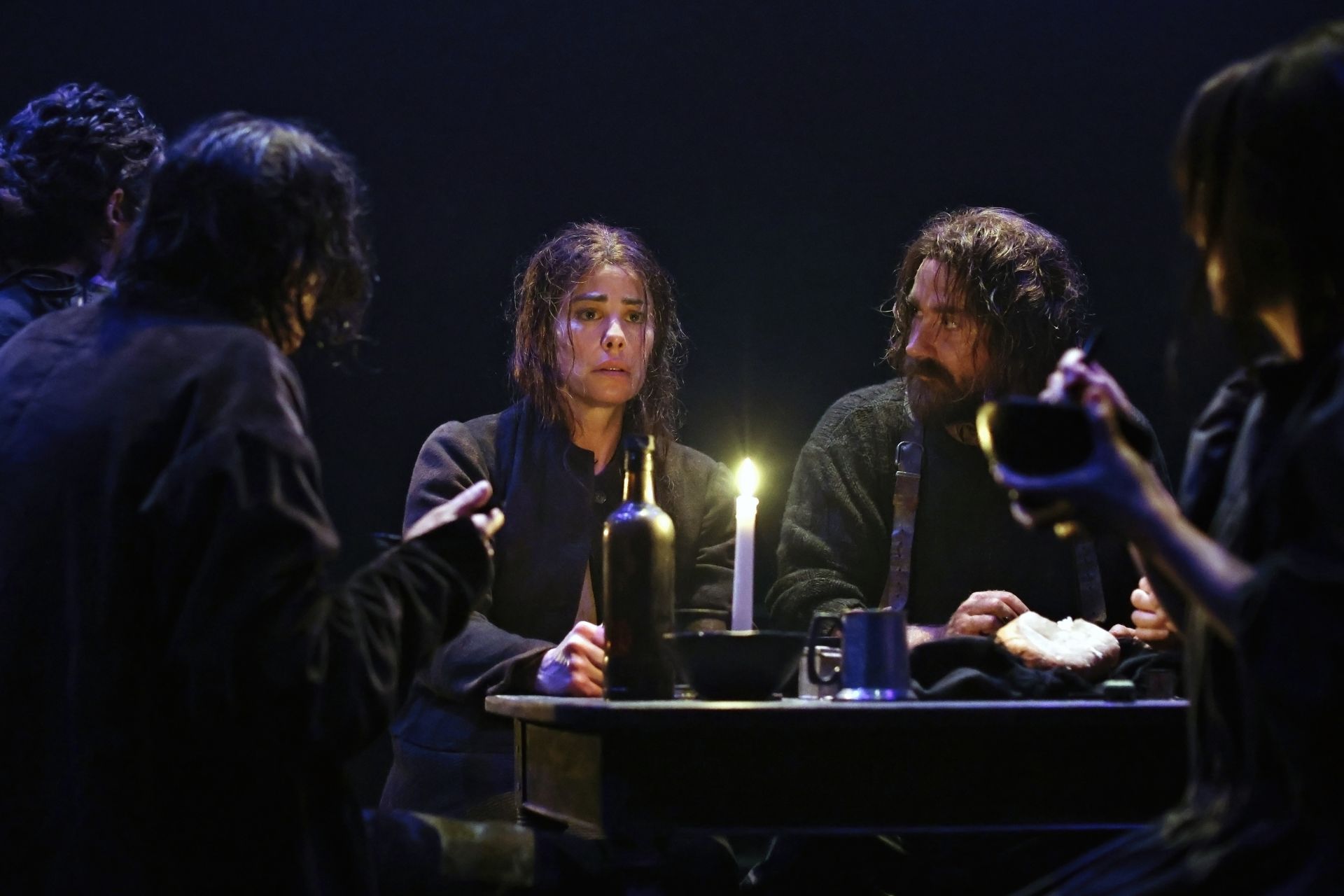
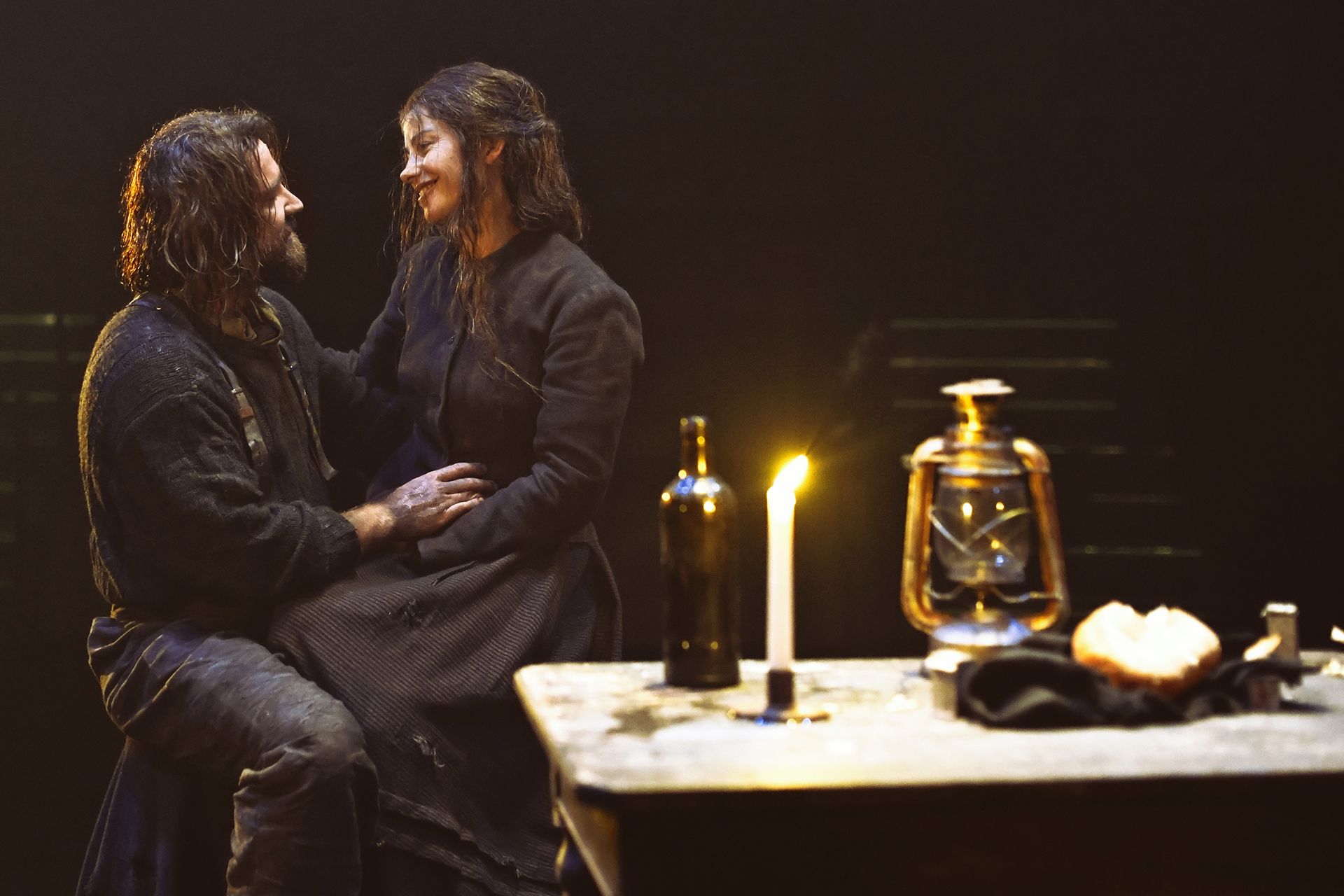
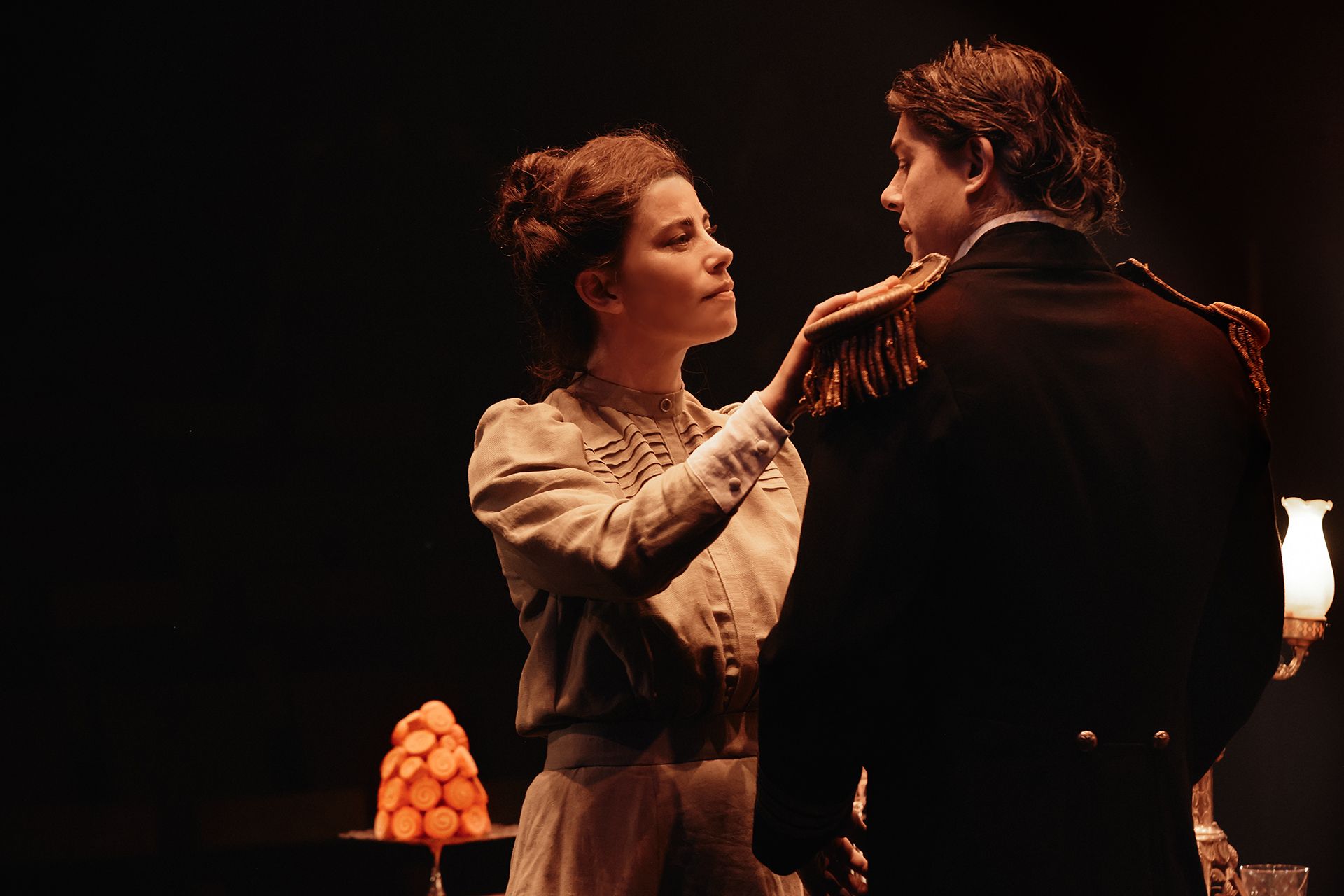
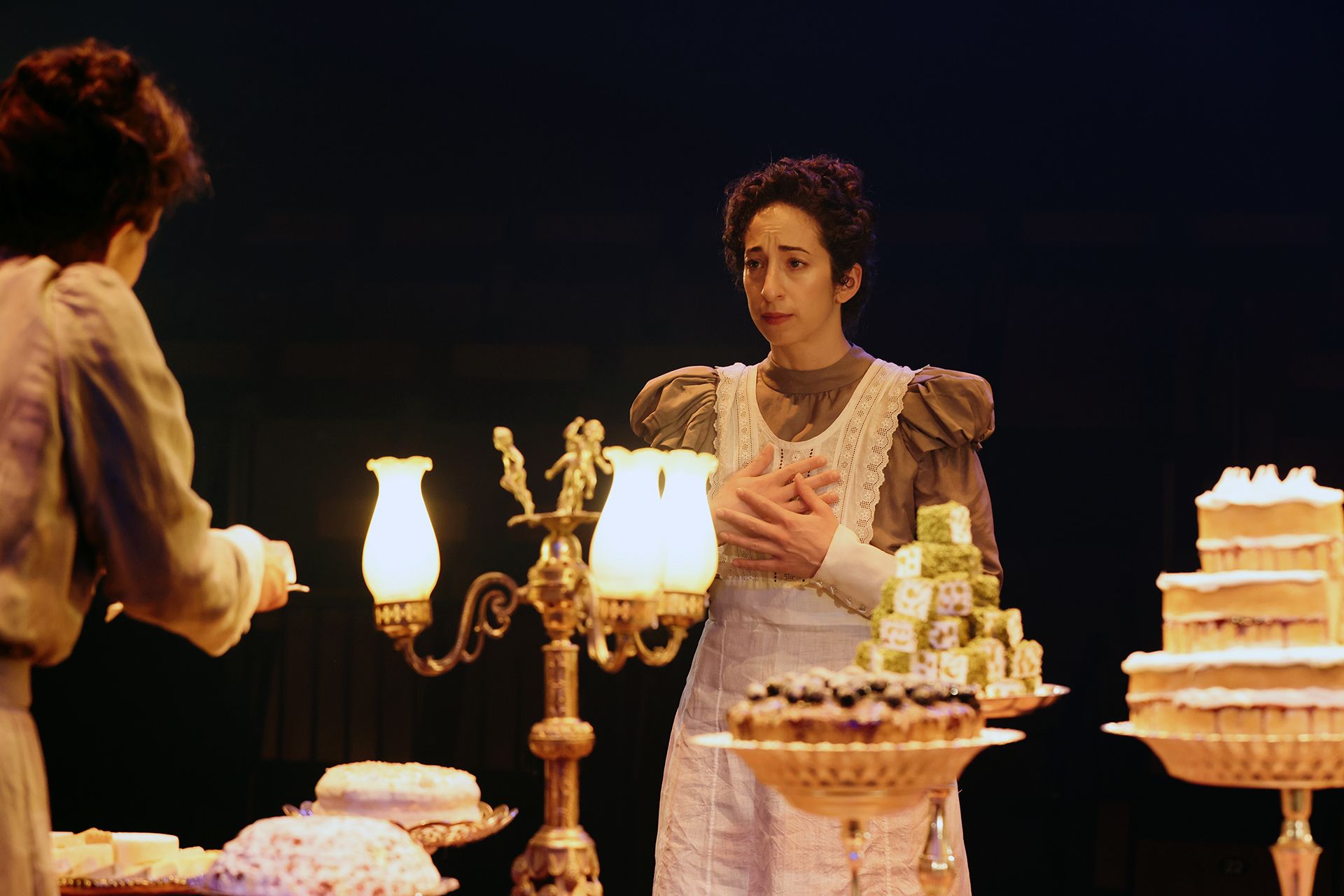
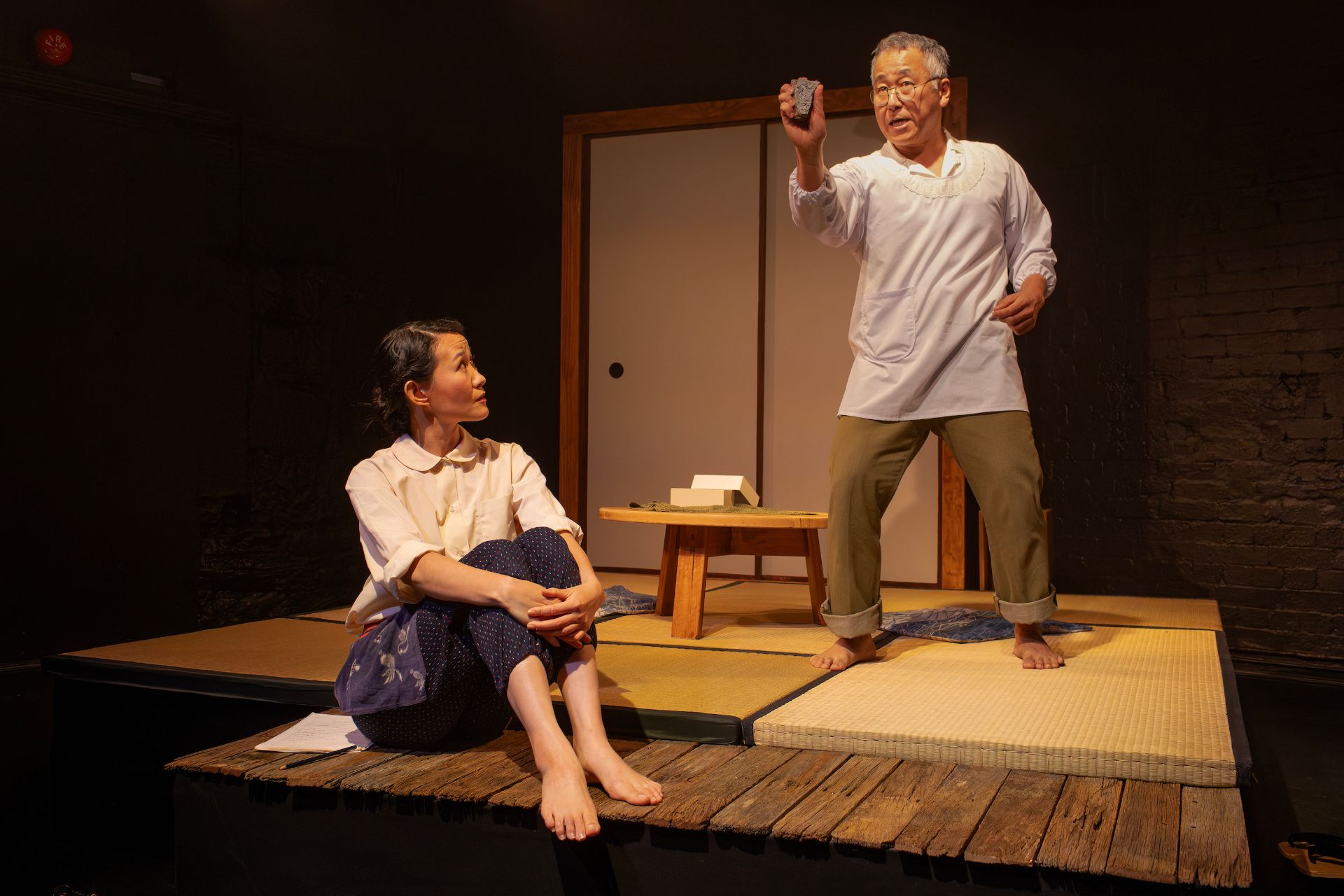
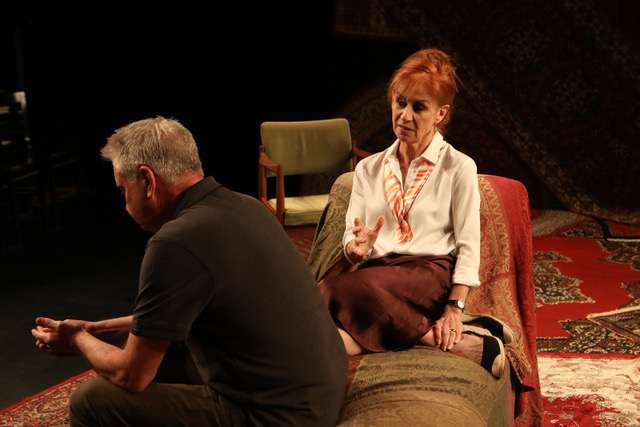
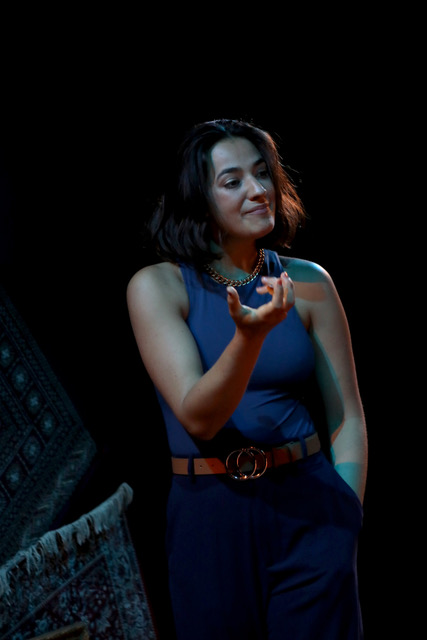
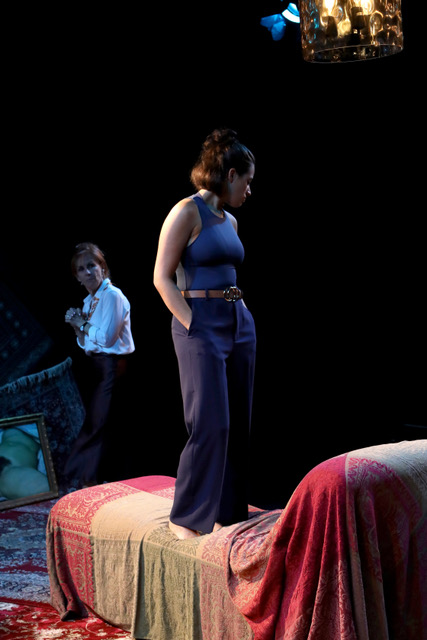
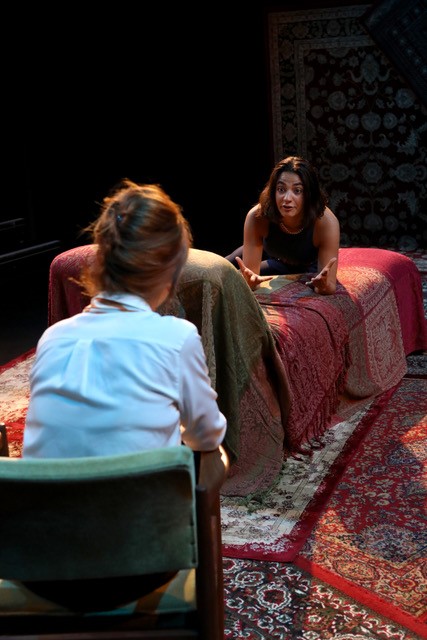
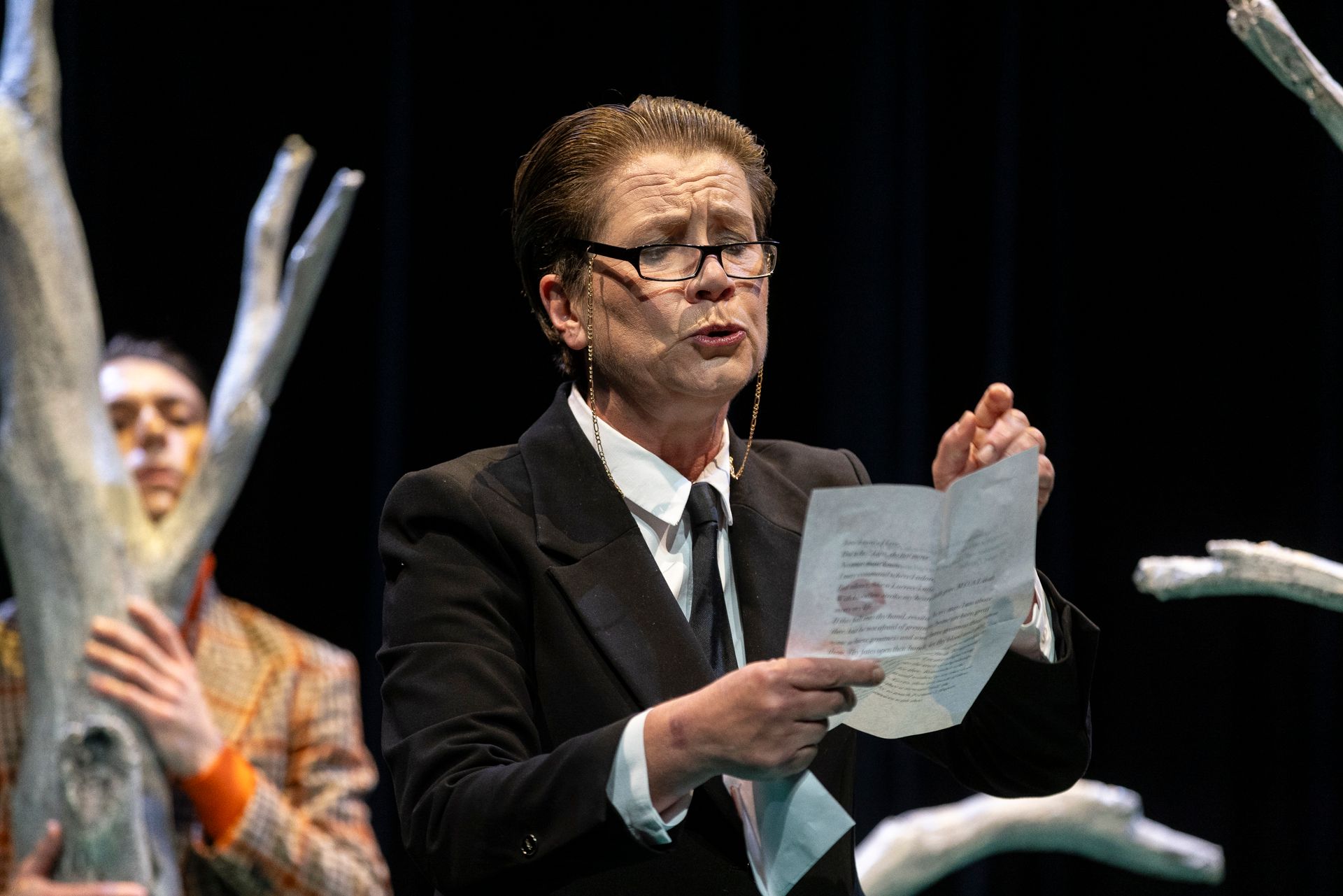
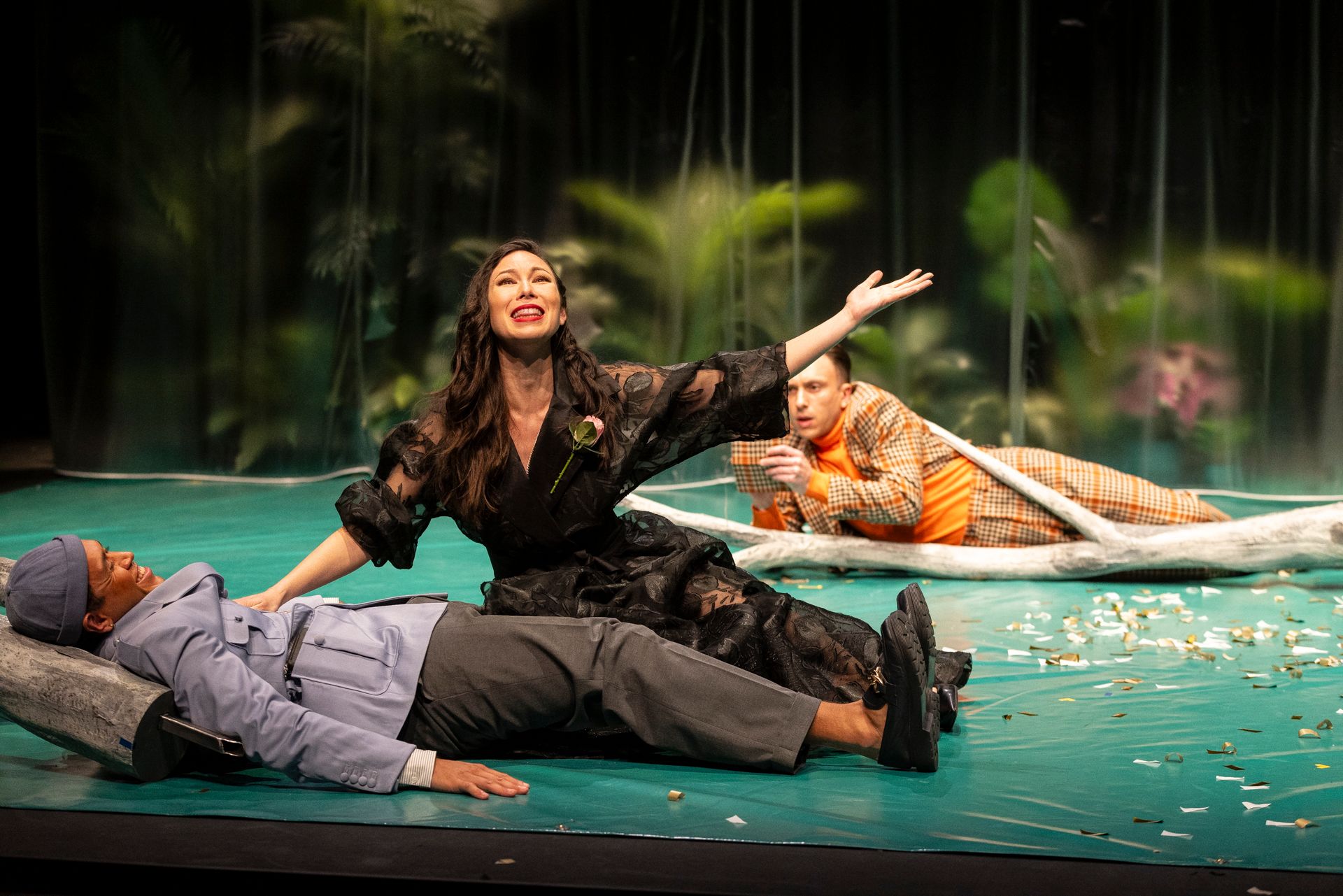
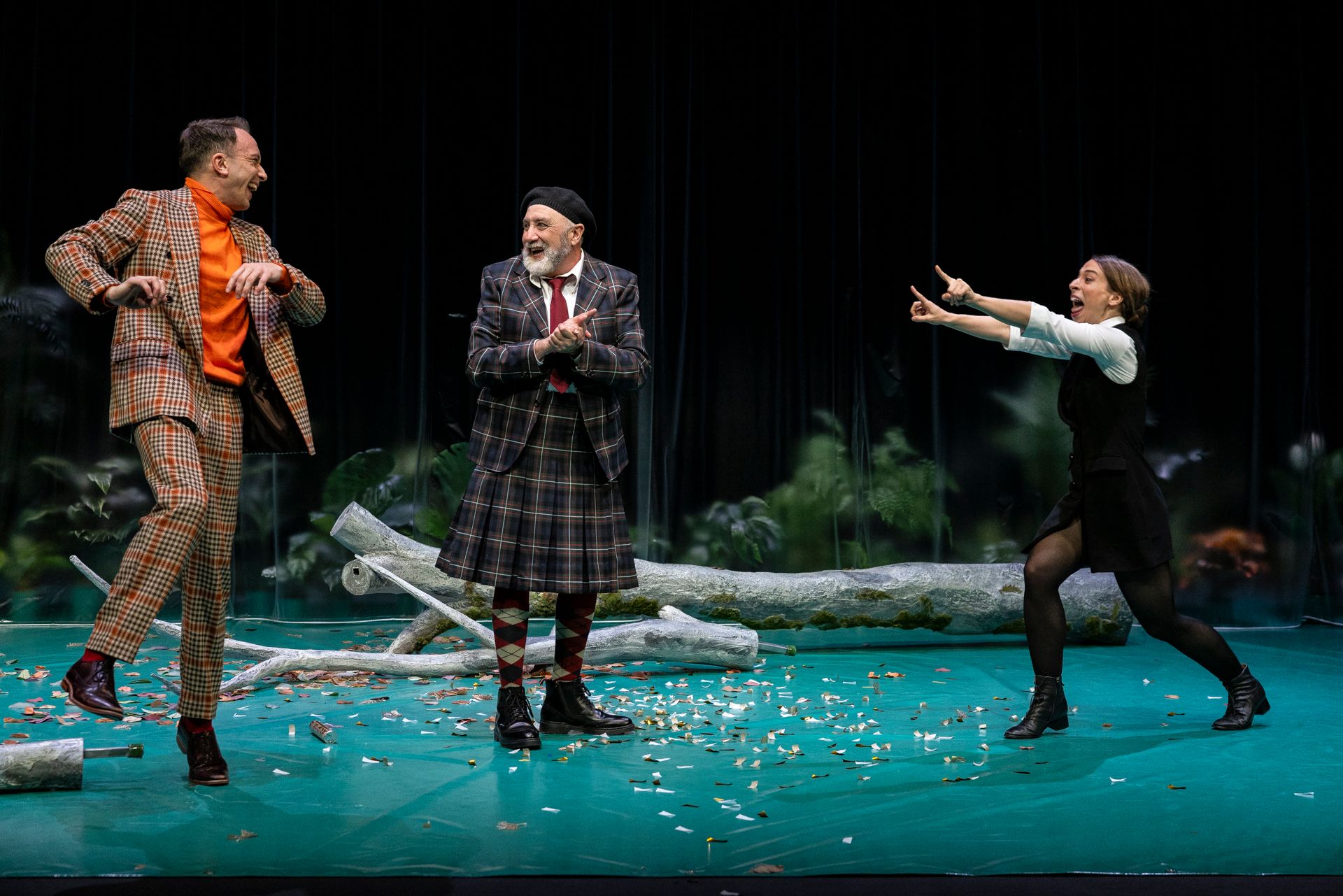
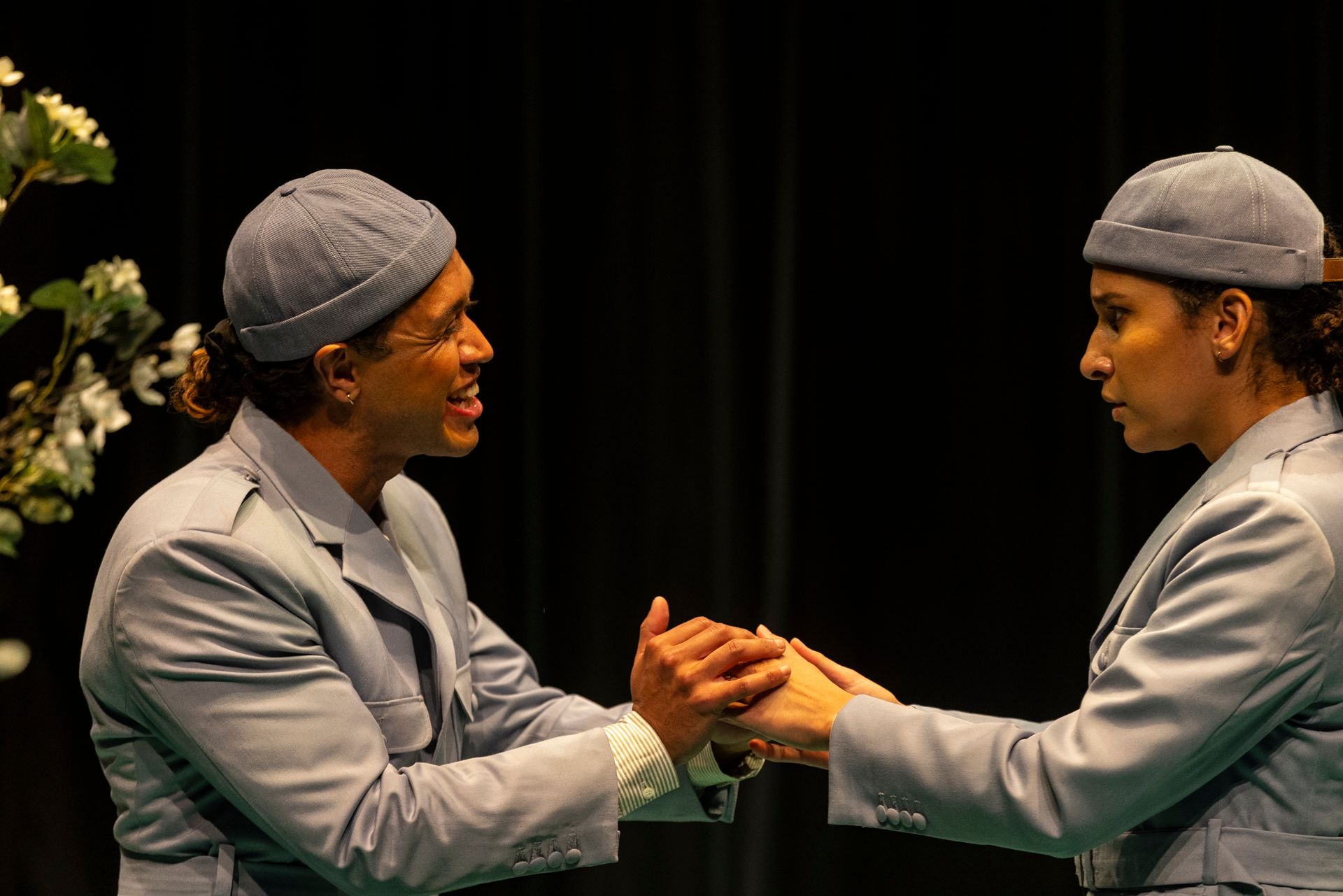
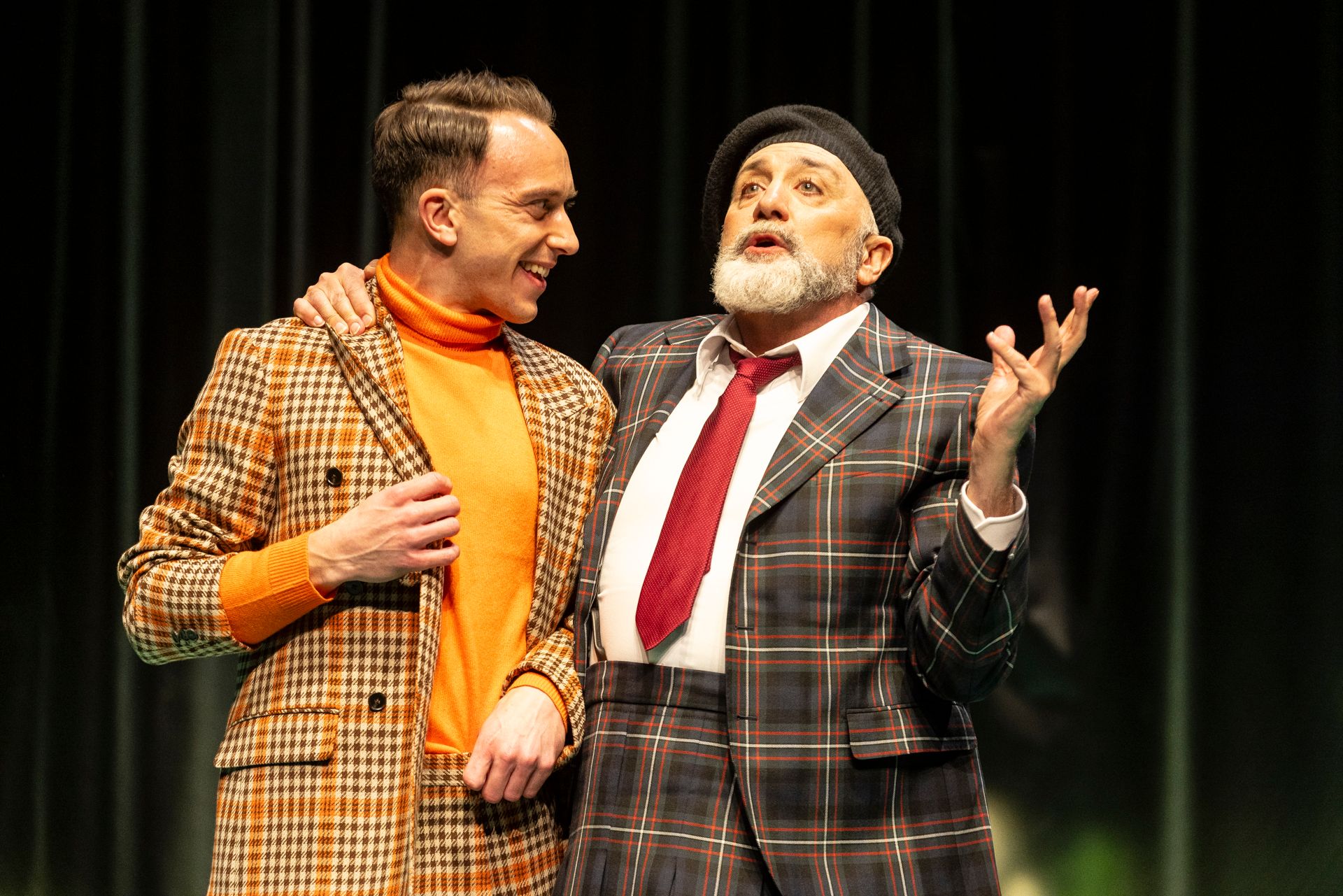
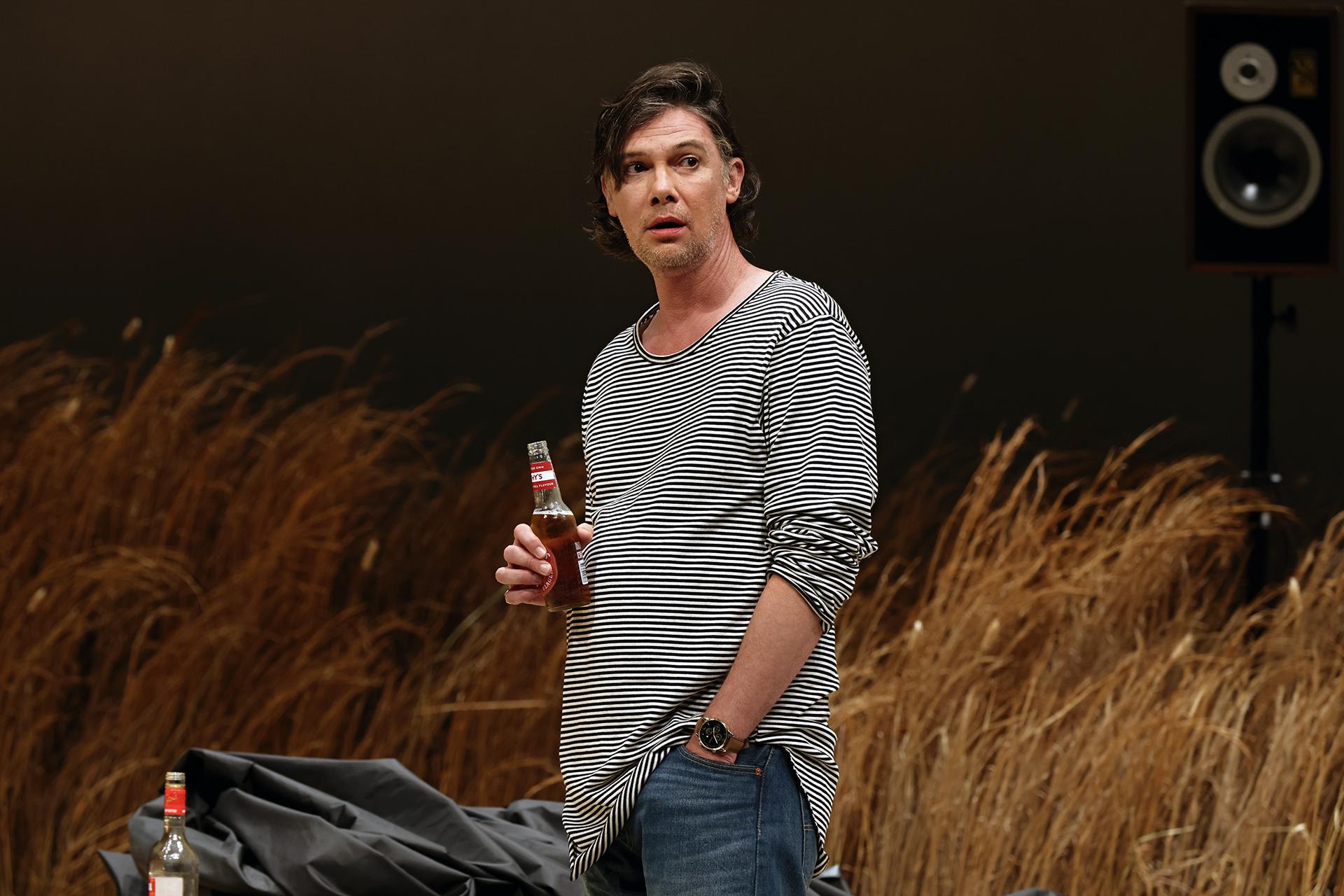
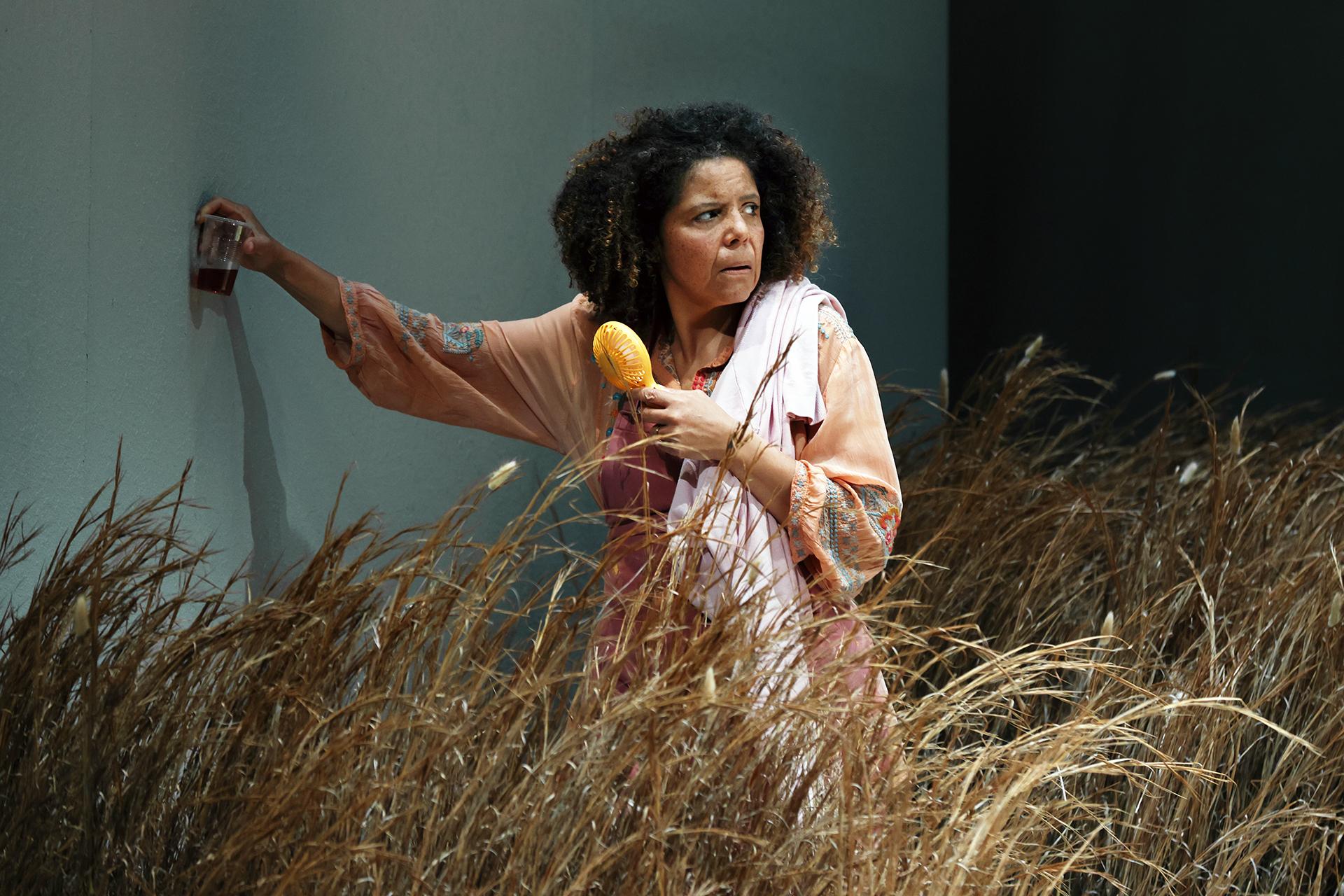
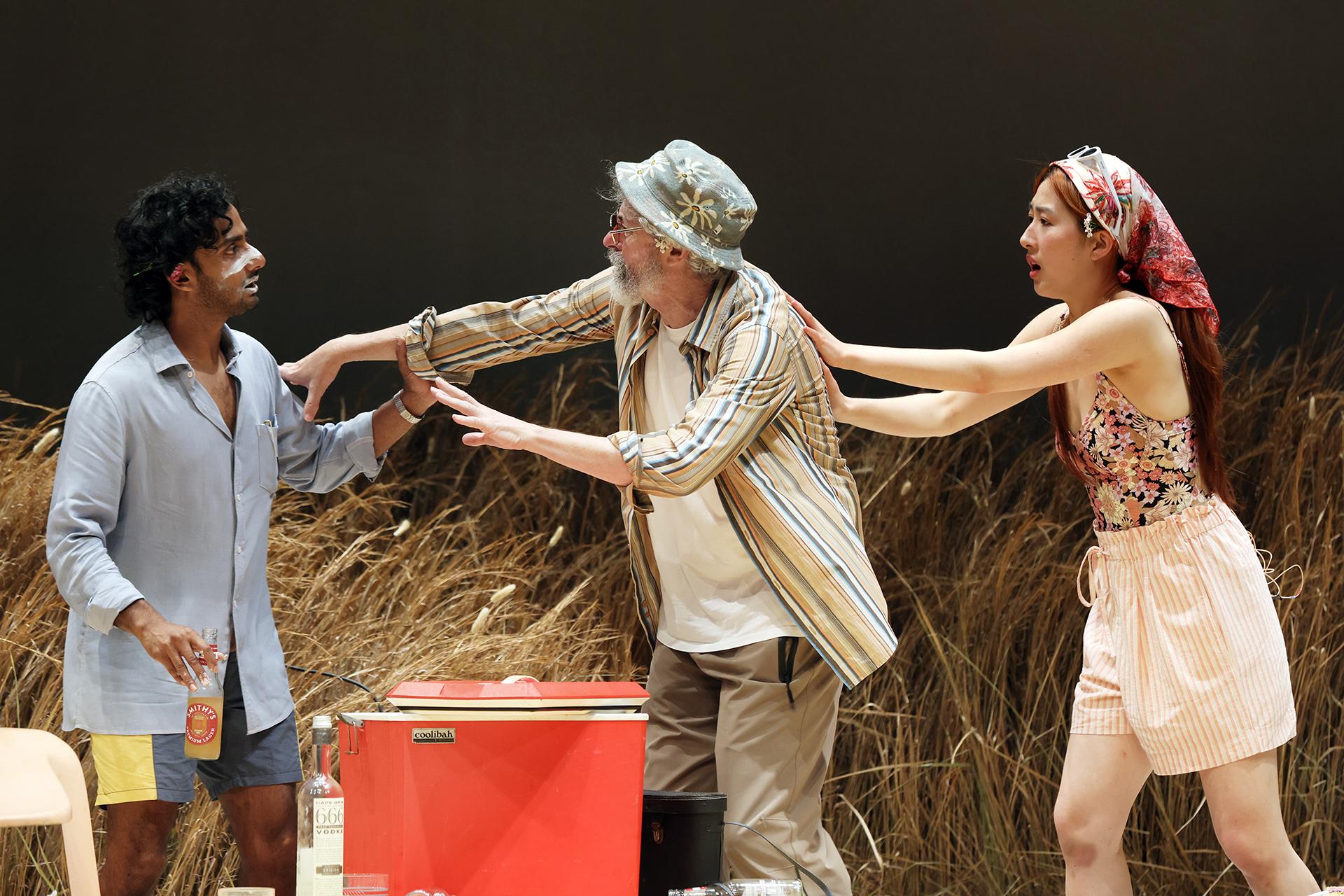
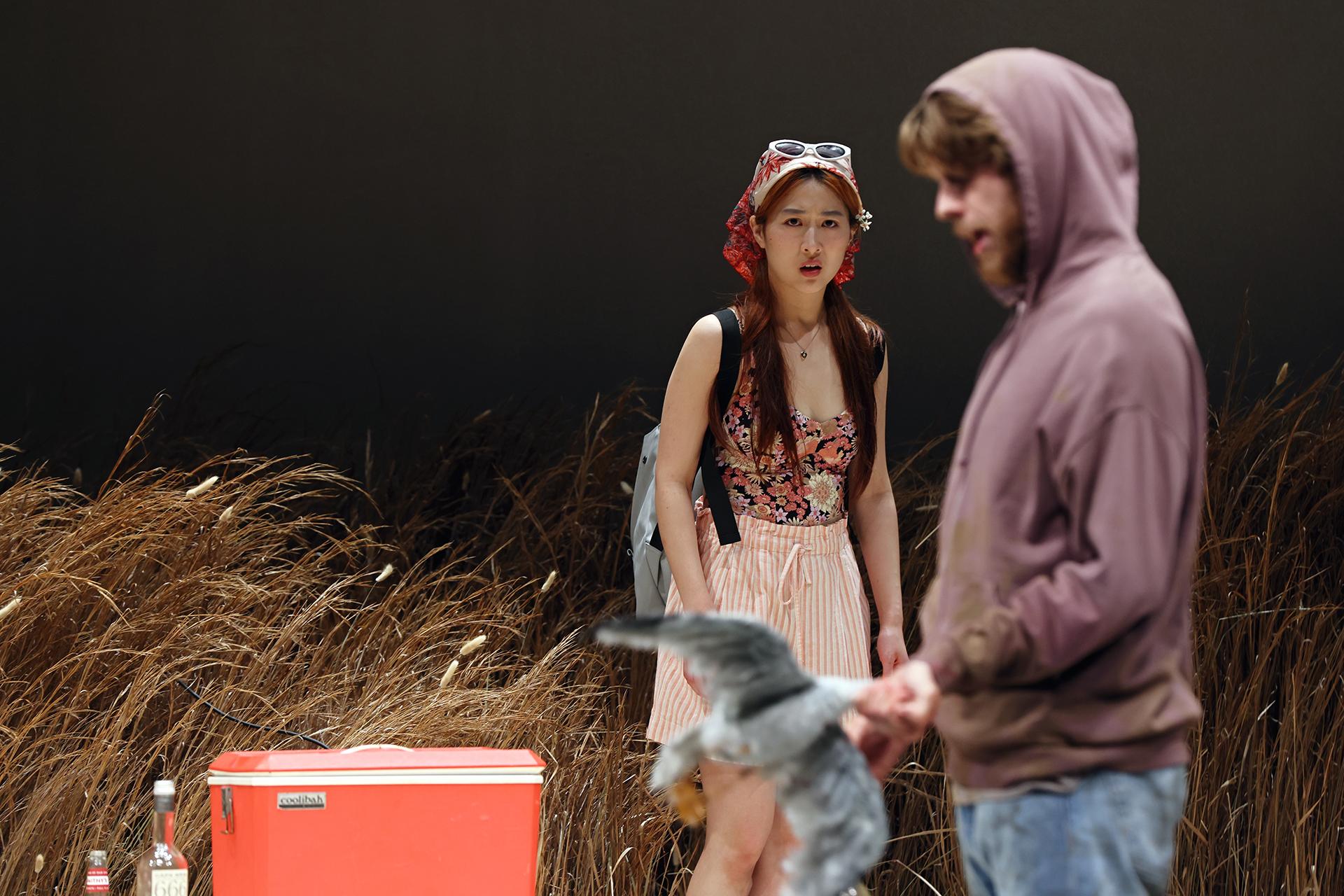
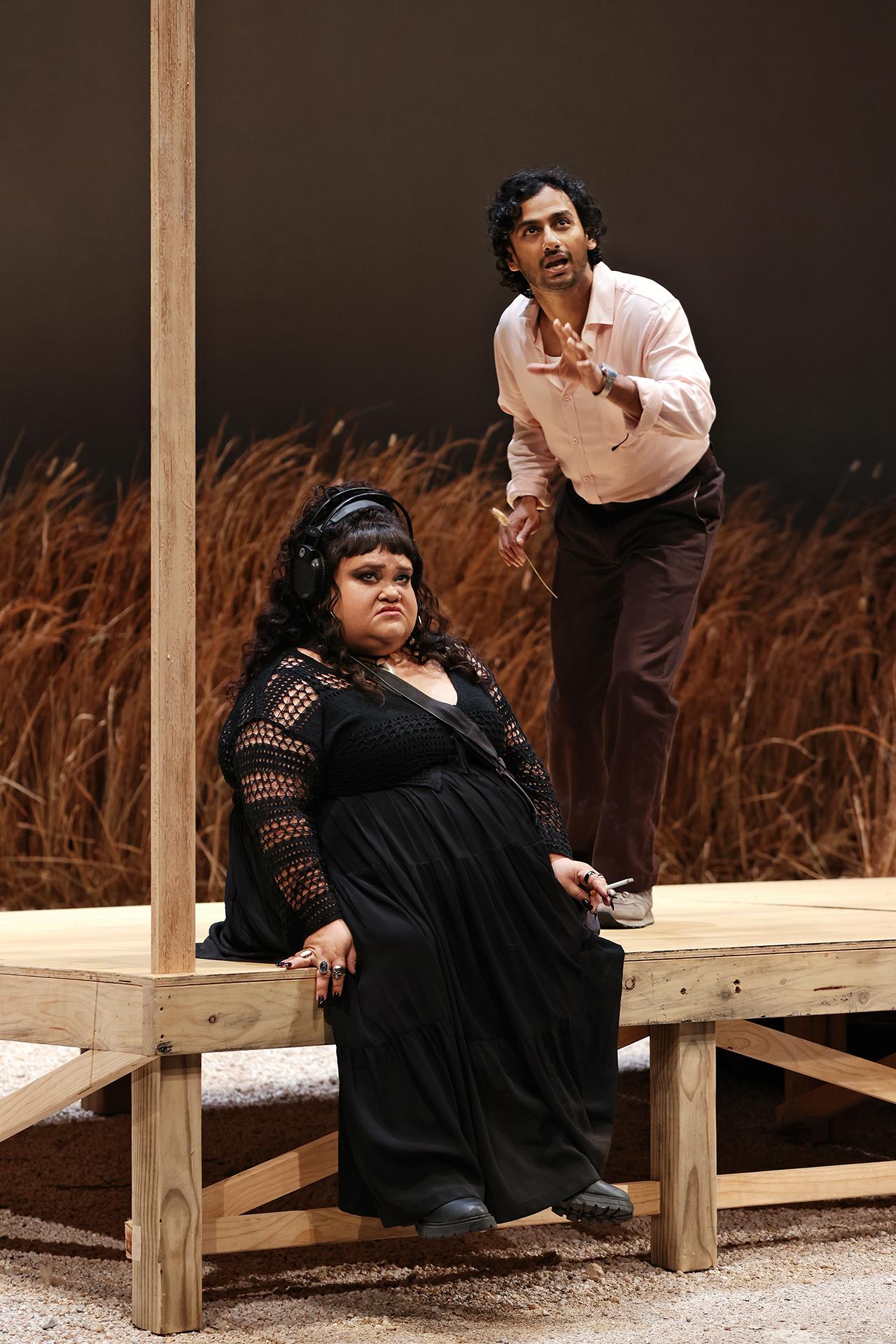
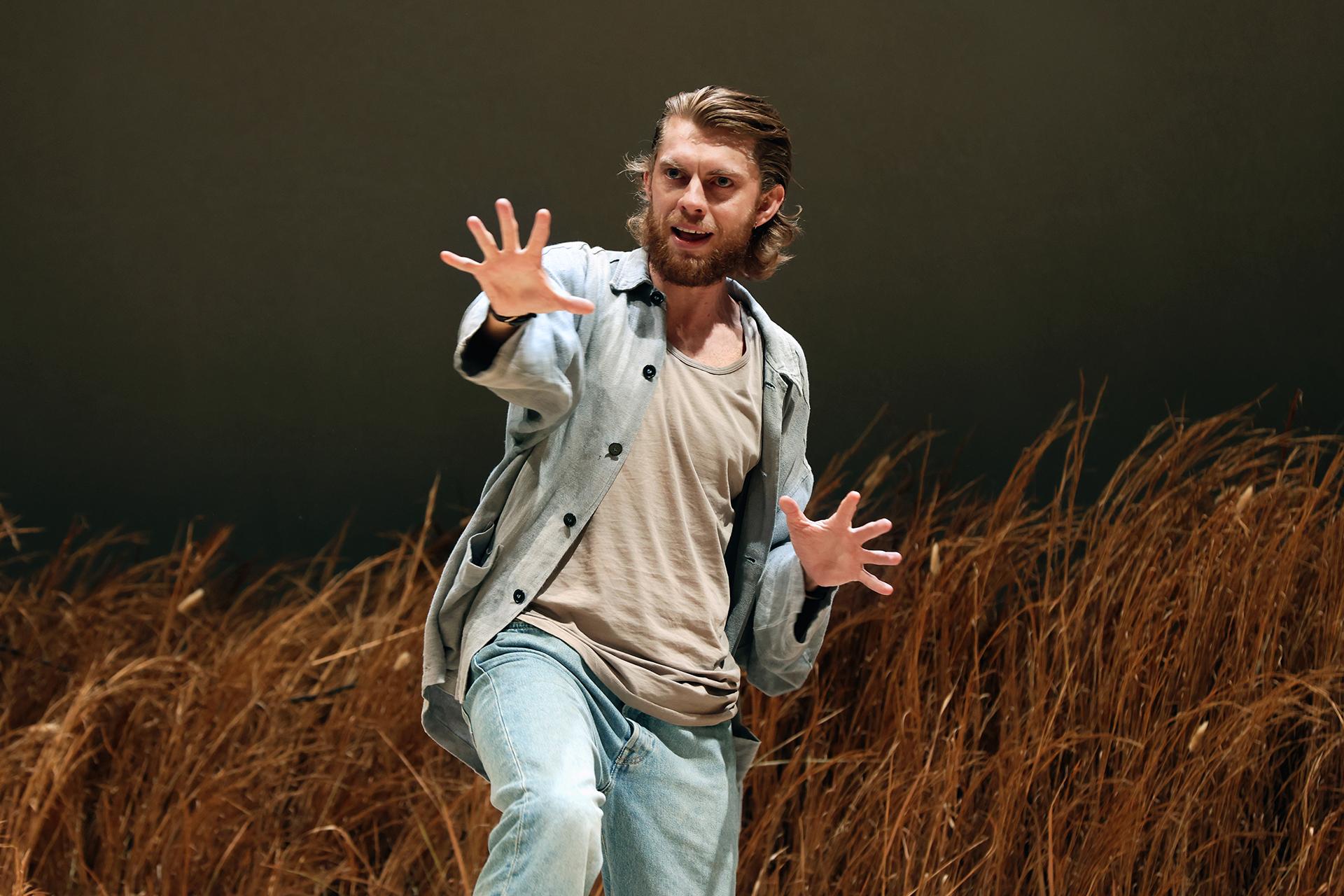
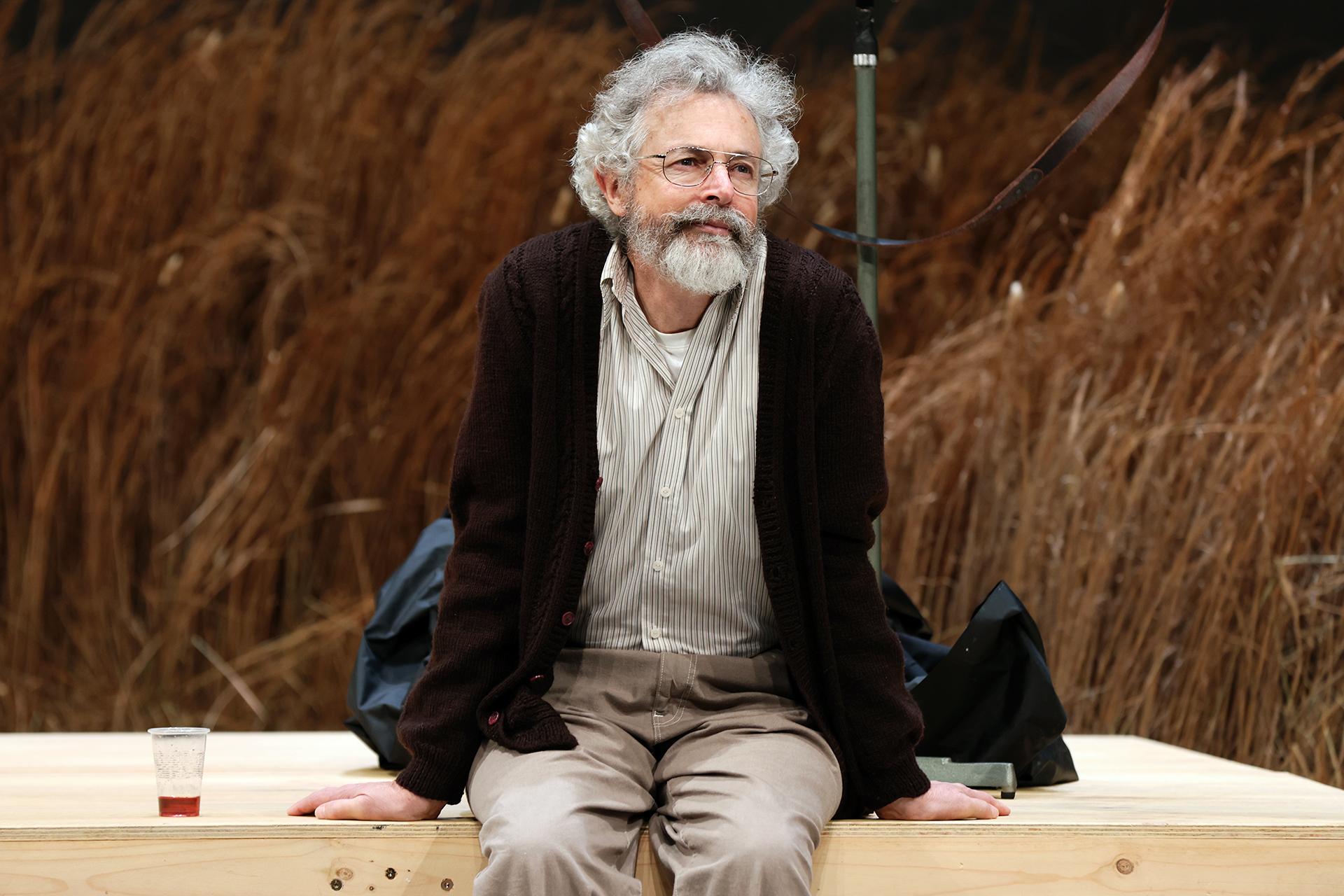
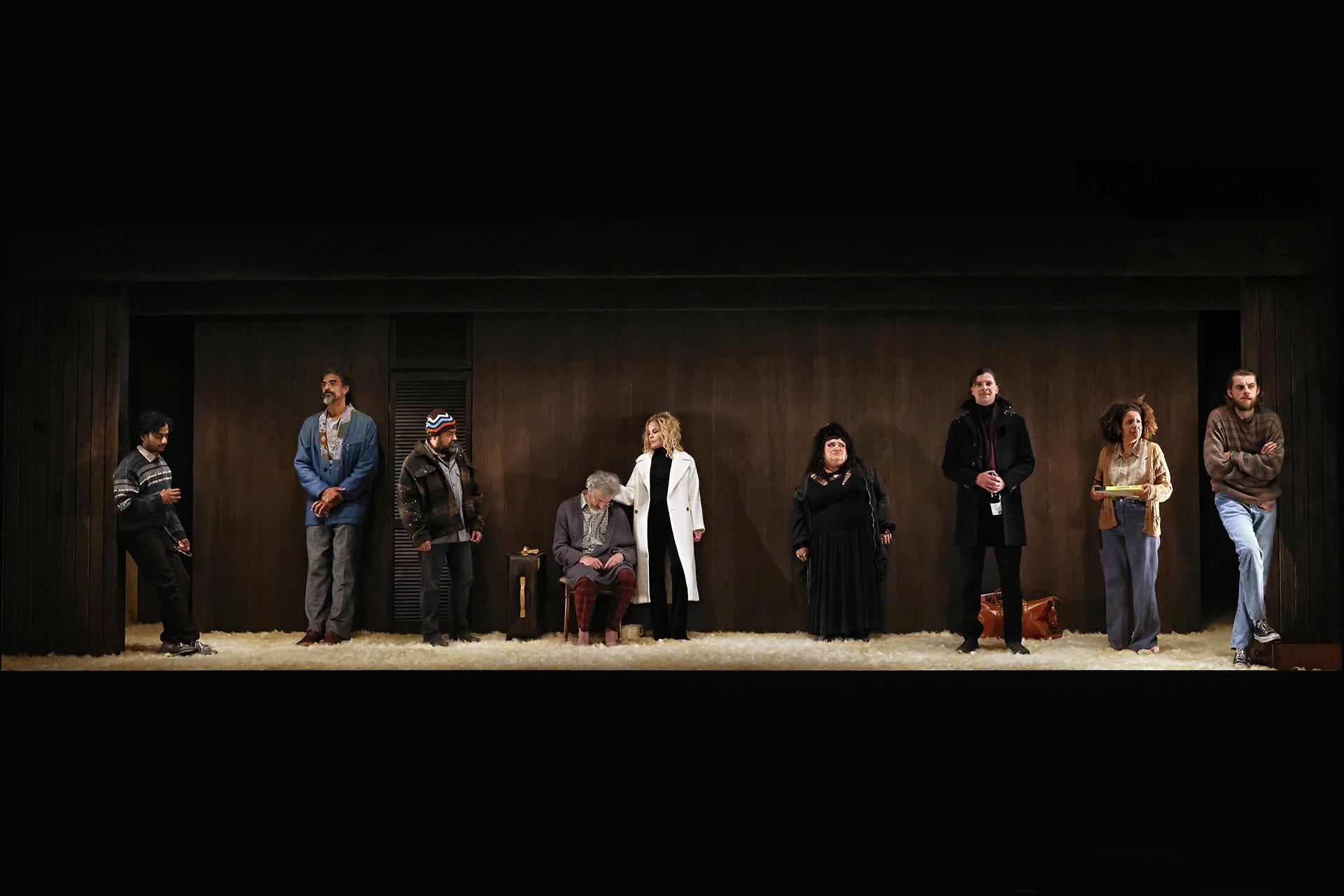
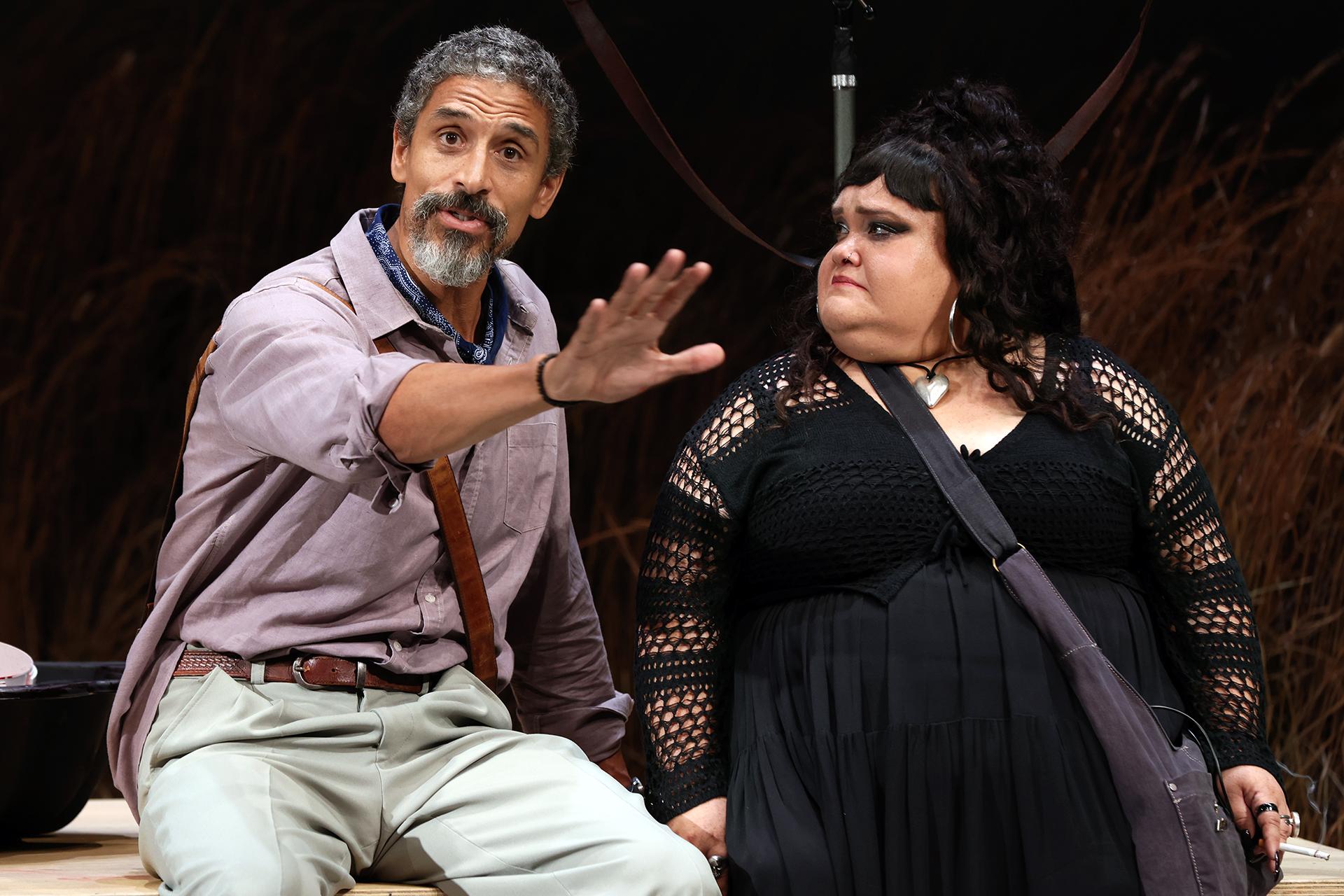
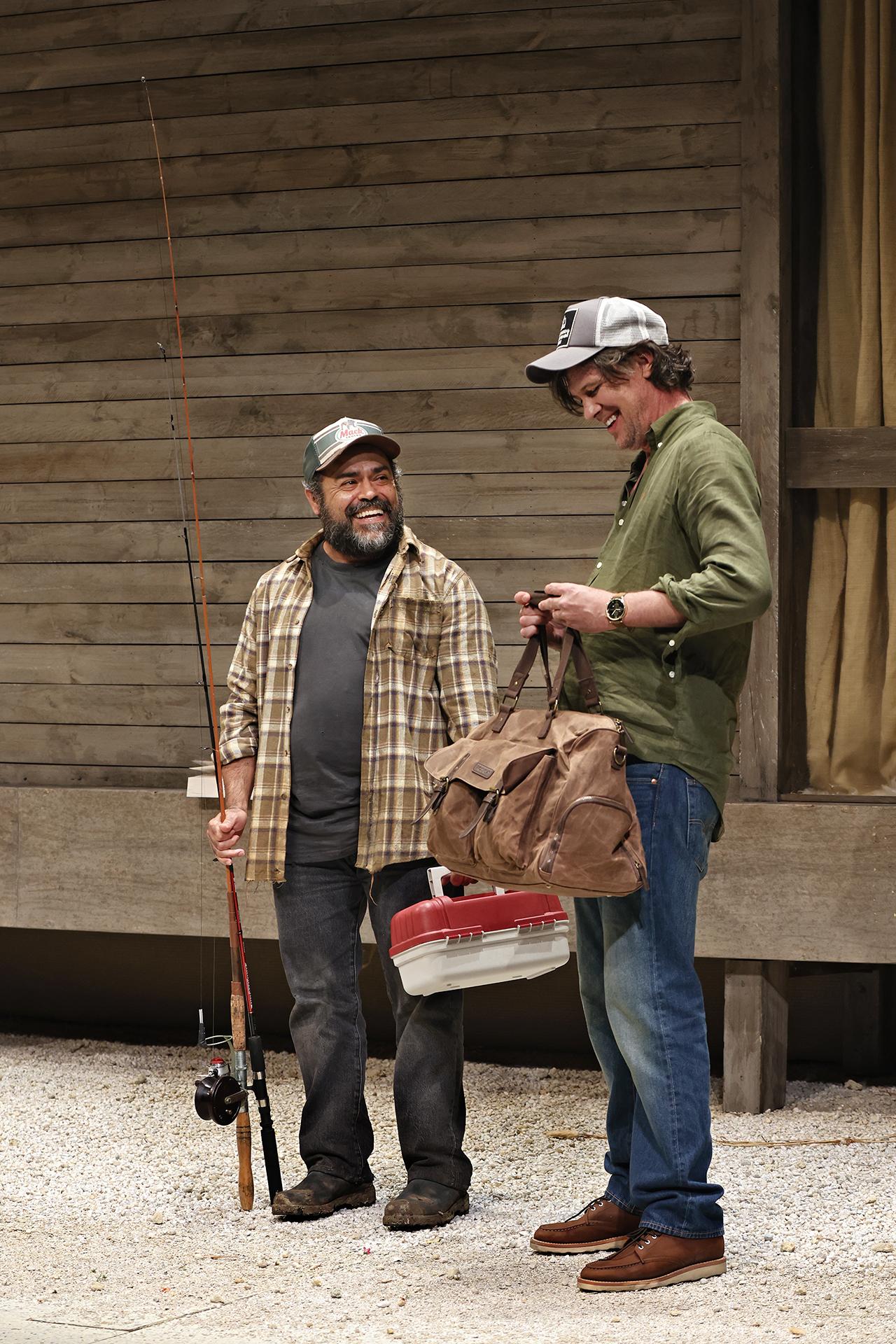
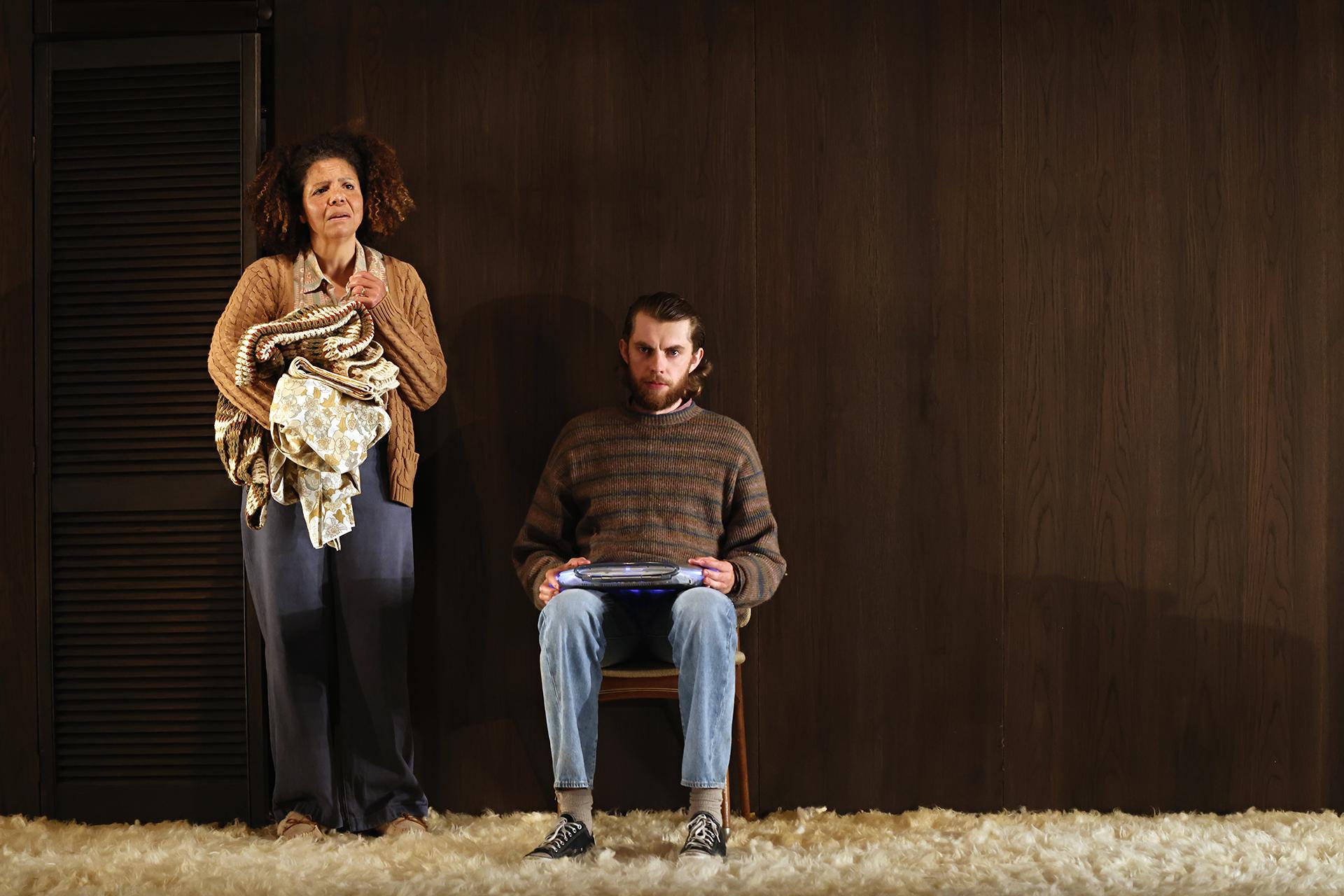
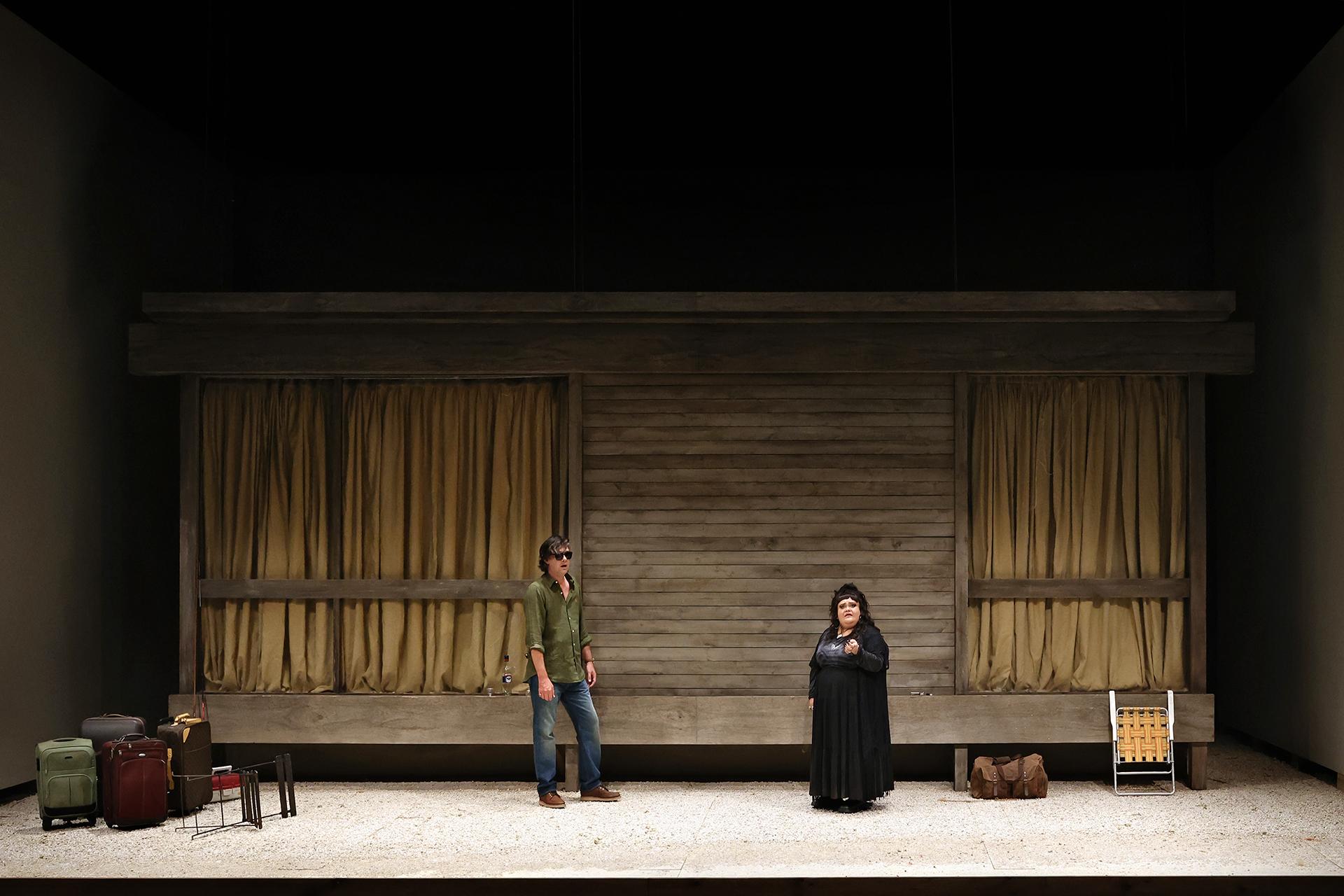
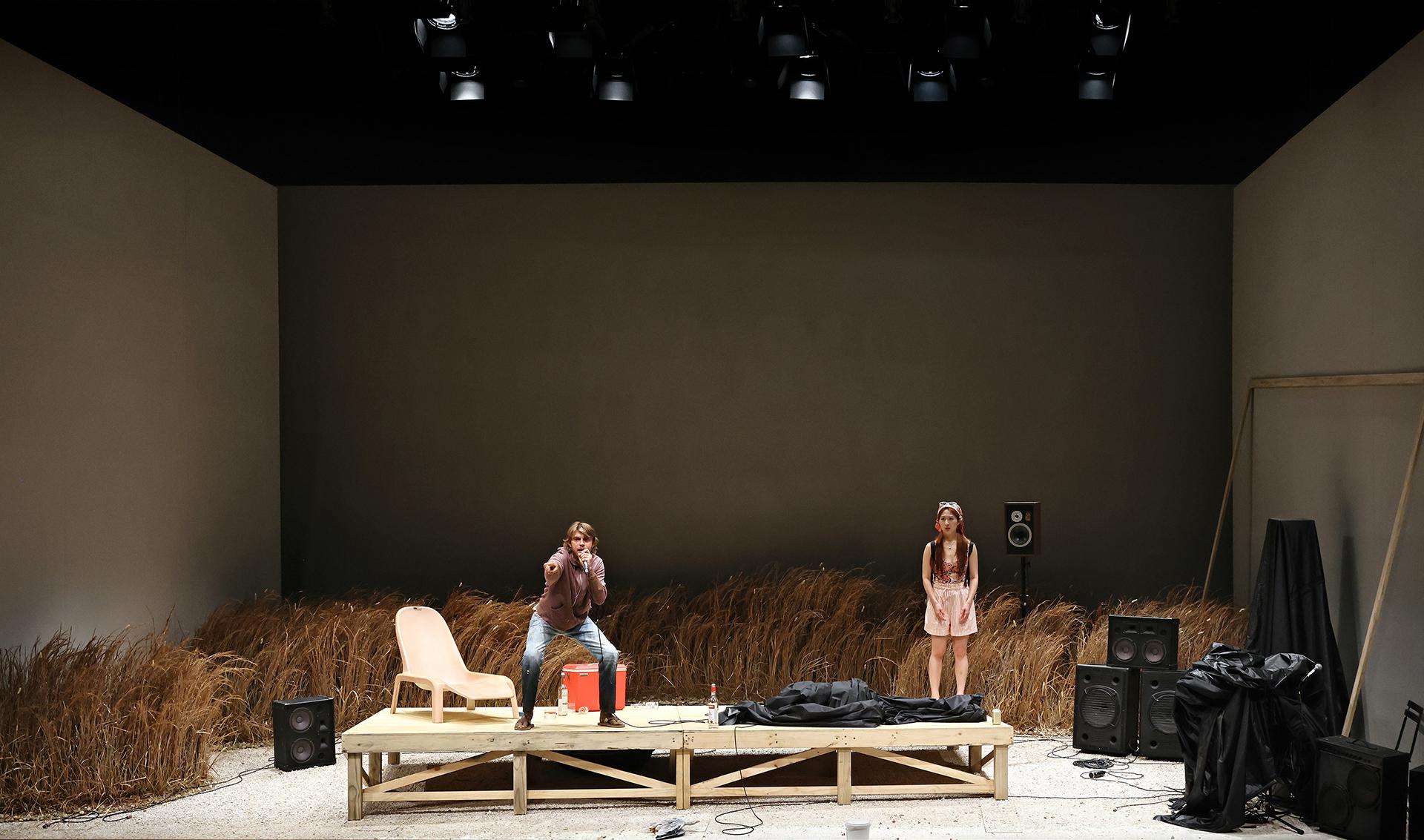
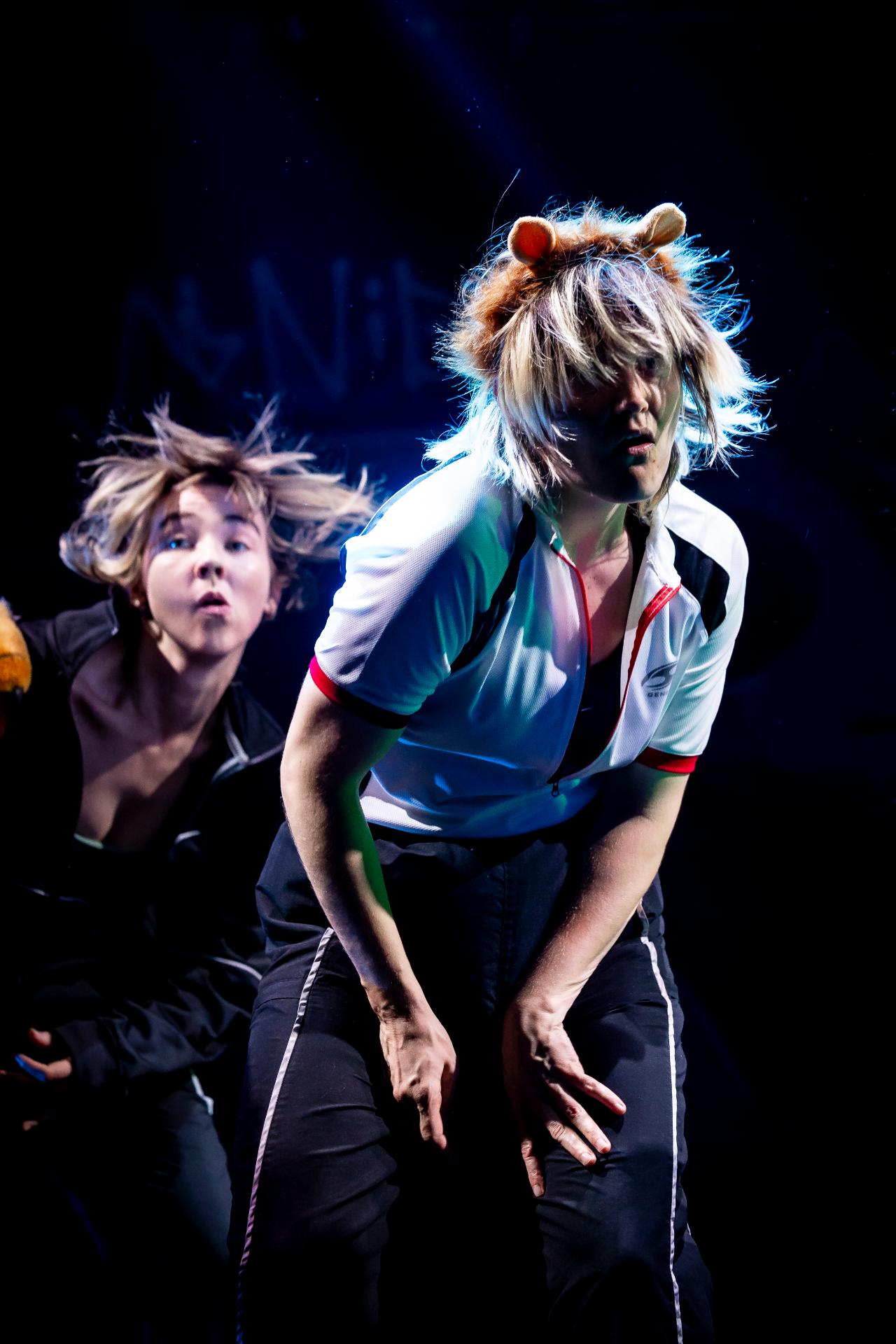
Martin Place represents the most vibrant of our city life in Sydney, with the usual hustle and bustle of a central business district demonstrating the apparent health of our economy. In 2014 however, a terrorist attack at the very heart of that precinct cast a gloom upon the nation, making us see an abhorrent side to what constitutes community on these lands. Katie Pollock’s Human Activity is only partially about that regretful incident. Even though the play is set around the very time and place of the siege, not every anecdote in the work relates directly to that disastrous moment.

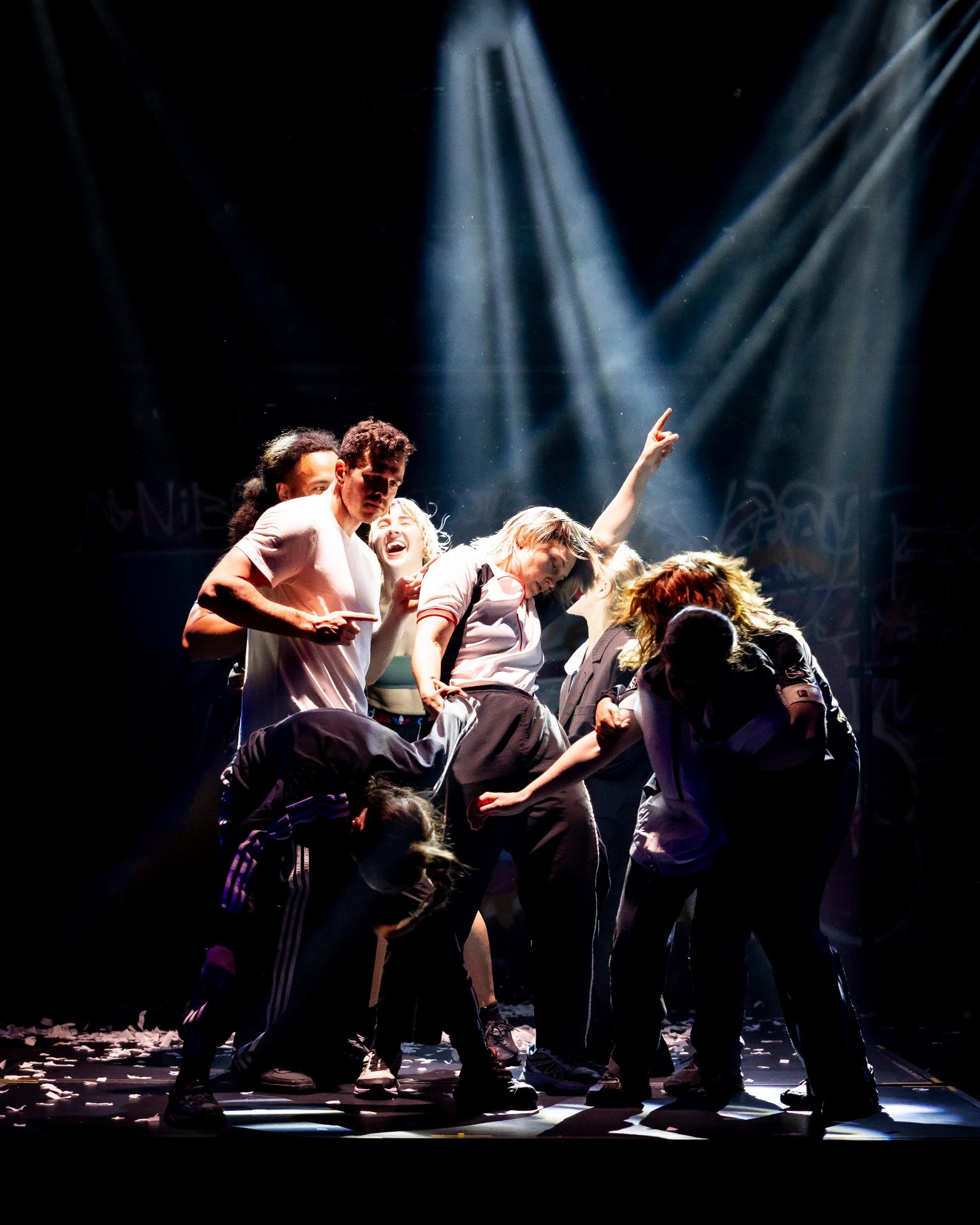
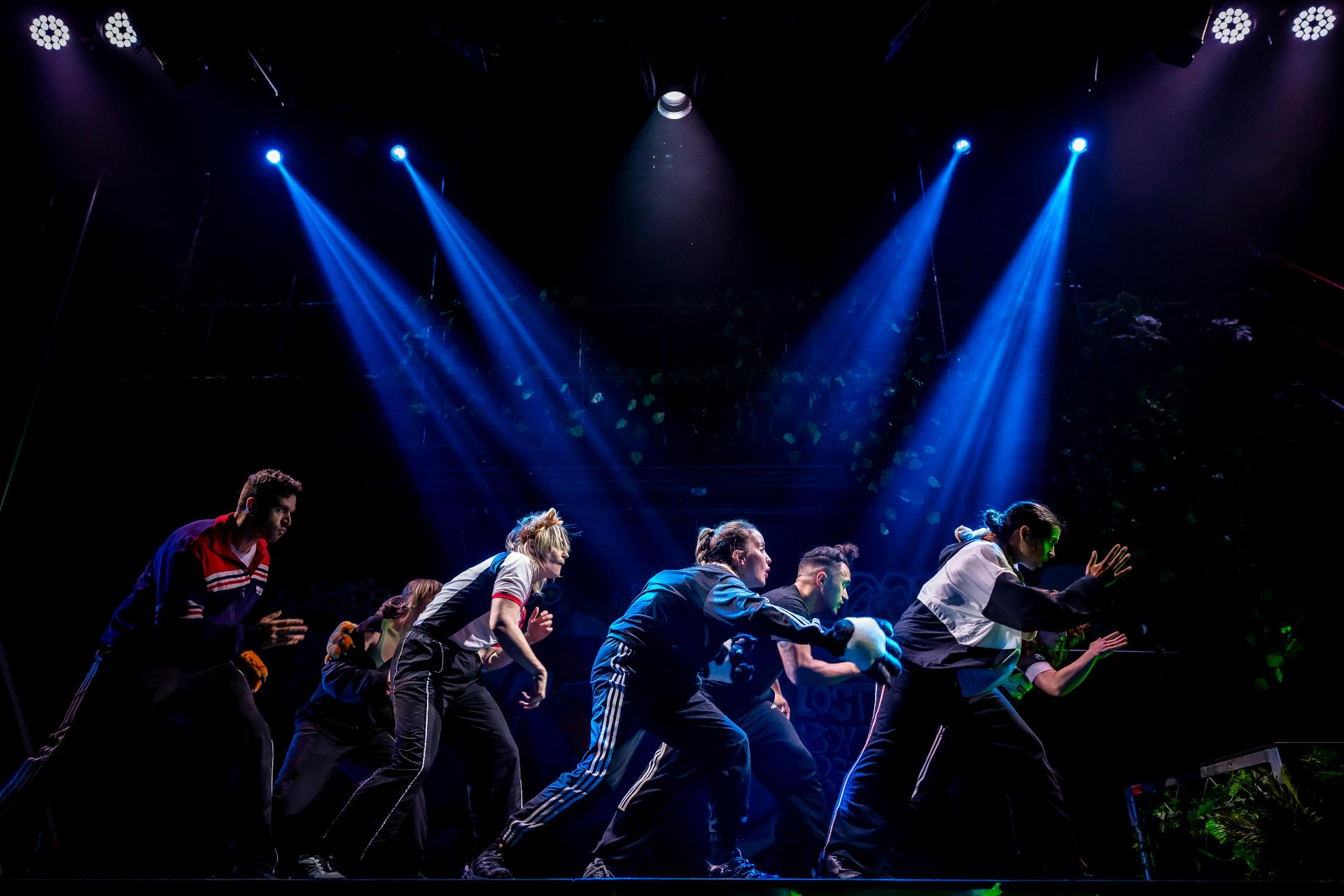
Several narratives run through Human Activity, with a plethora of characters occupying our attention. Director Suzanne Millar manufactures a sense of harmony for the divergent stories, creating a production that feels a unified whole, whilst allowing its fragments to speak independently. Within this collaboration between Pollock and Millar, is a palpable tenderness that demonstrates respect and love for those we live amongst, so that we may expand ideas pertaining to communal identities, and begin to dismantle divisive notions of us and them.

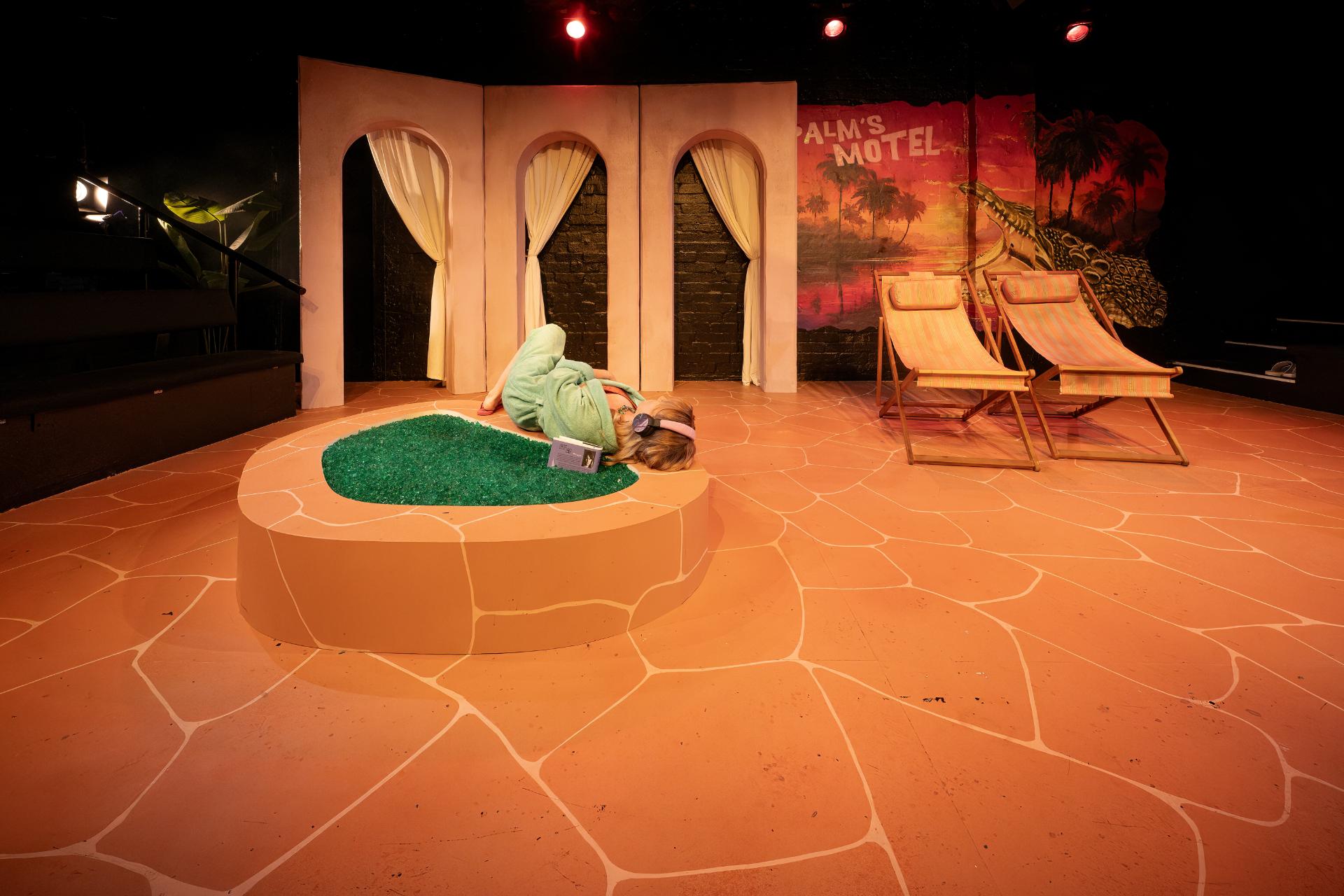
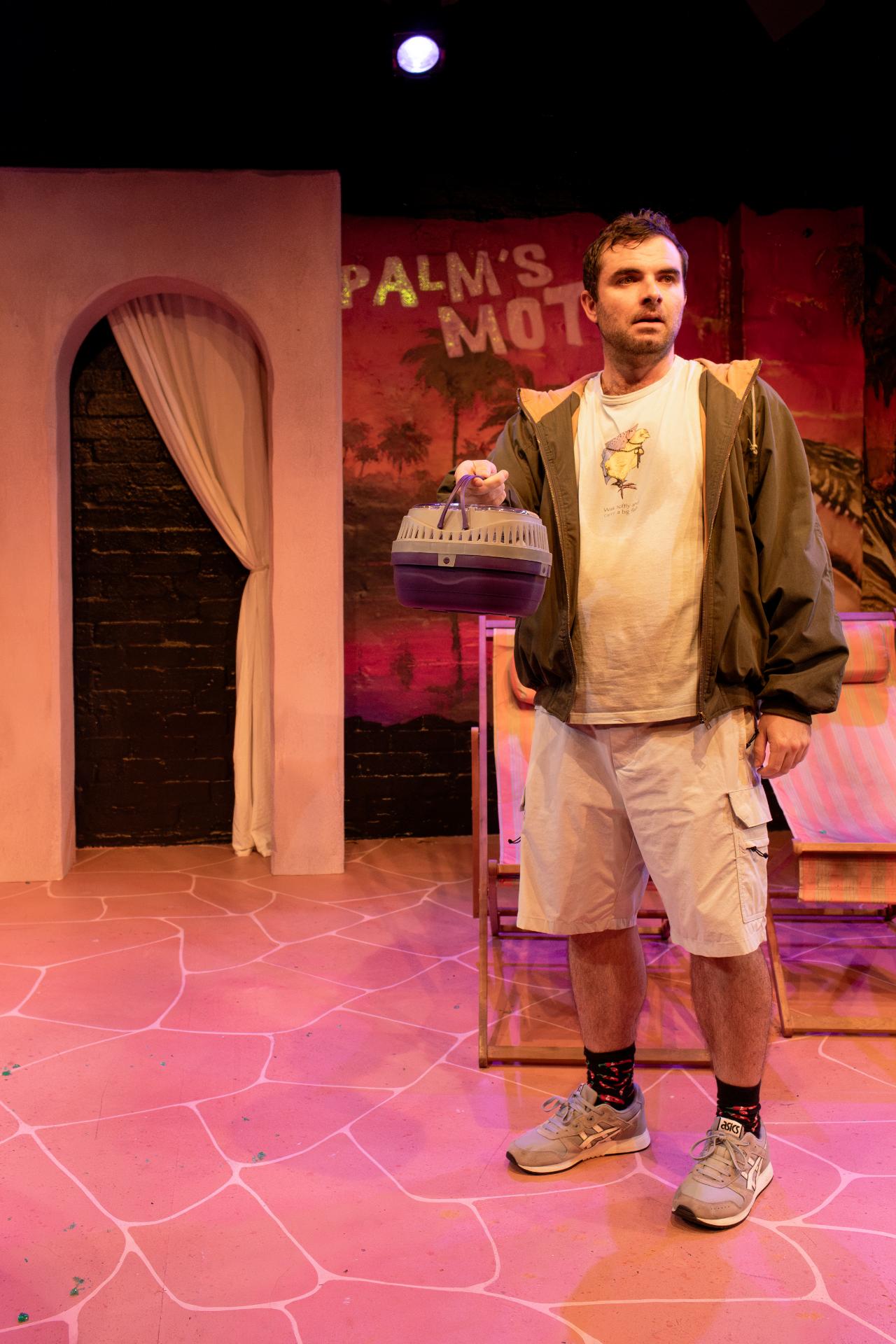
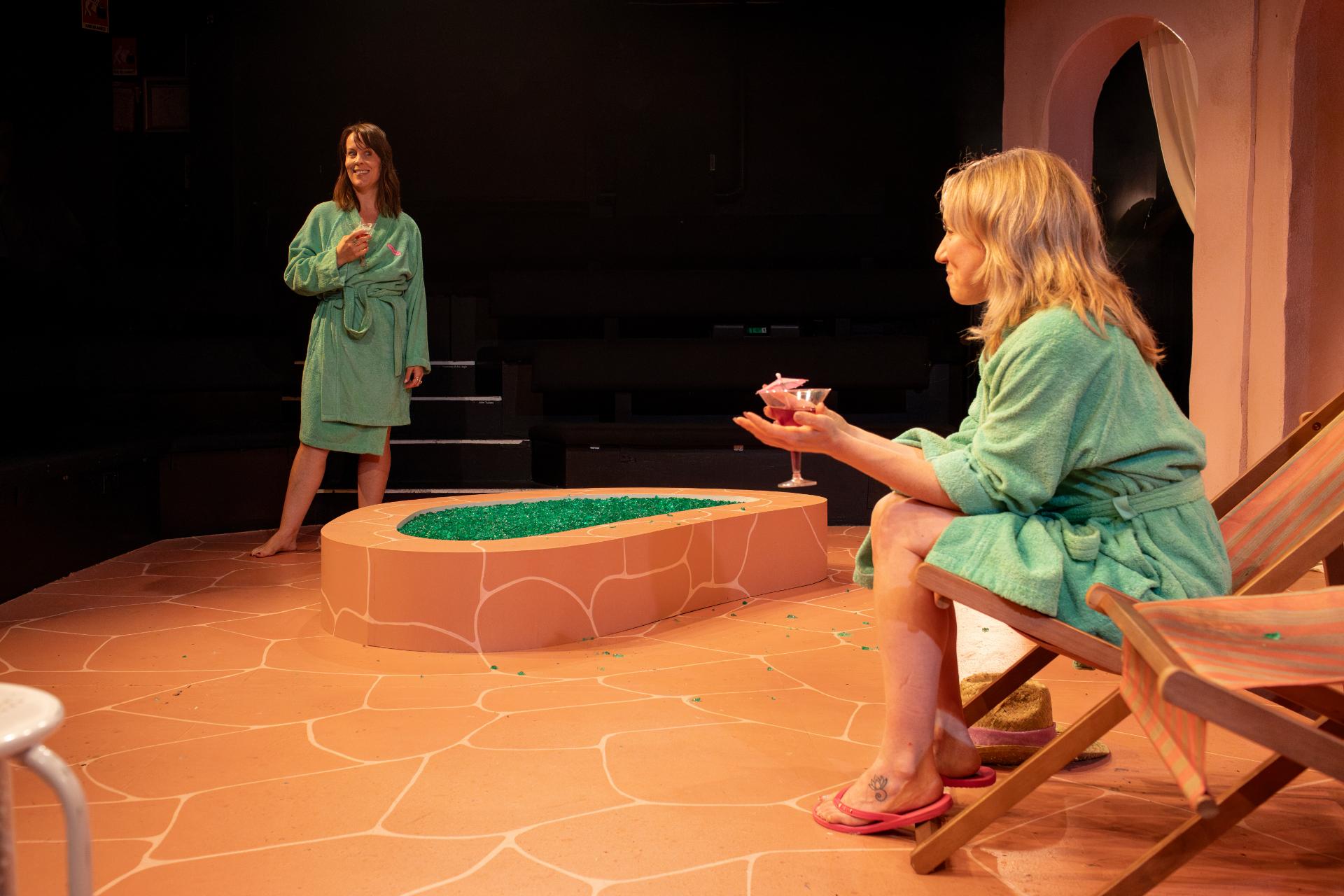
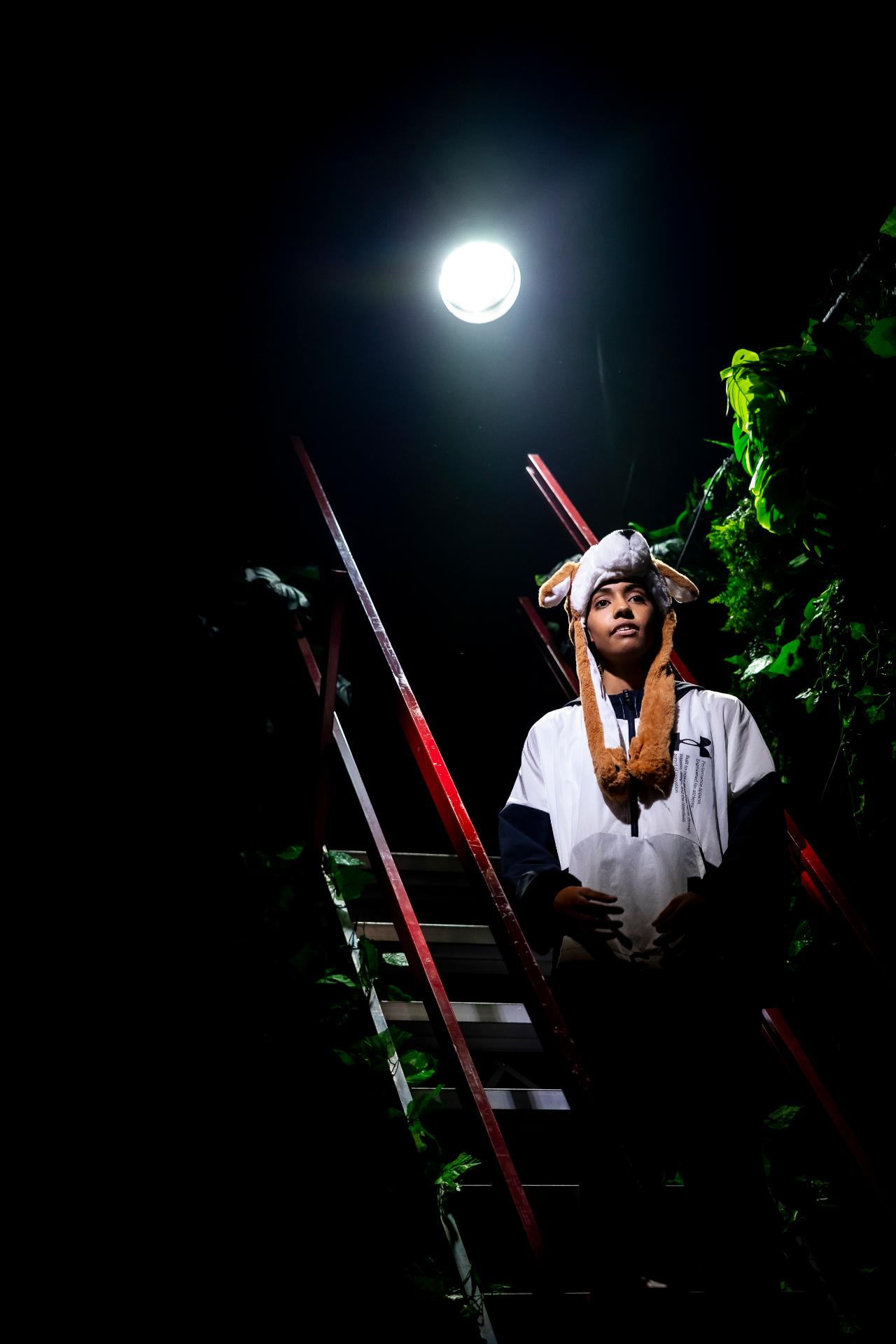
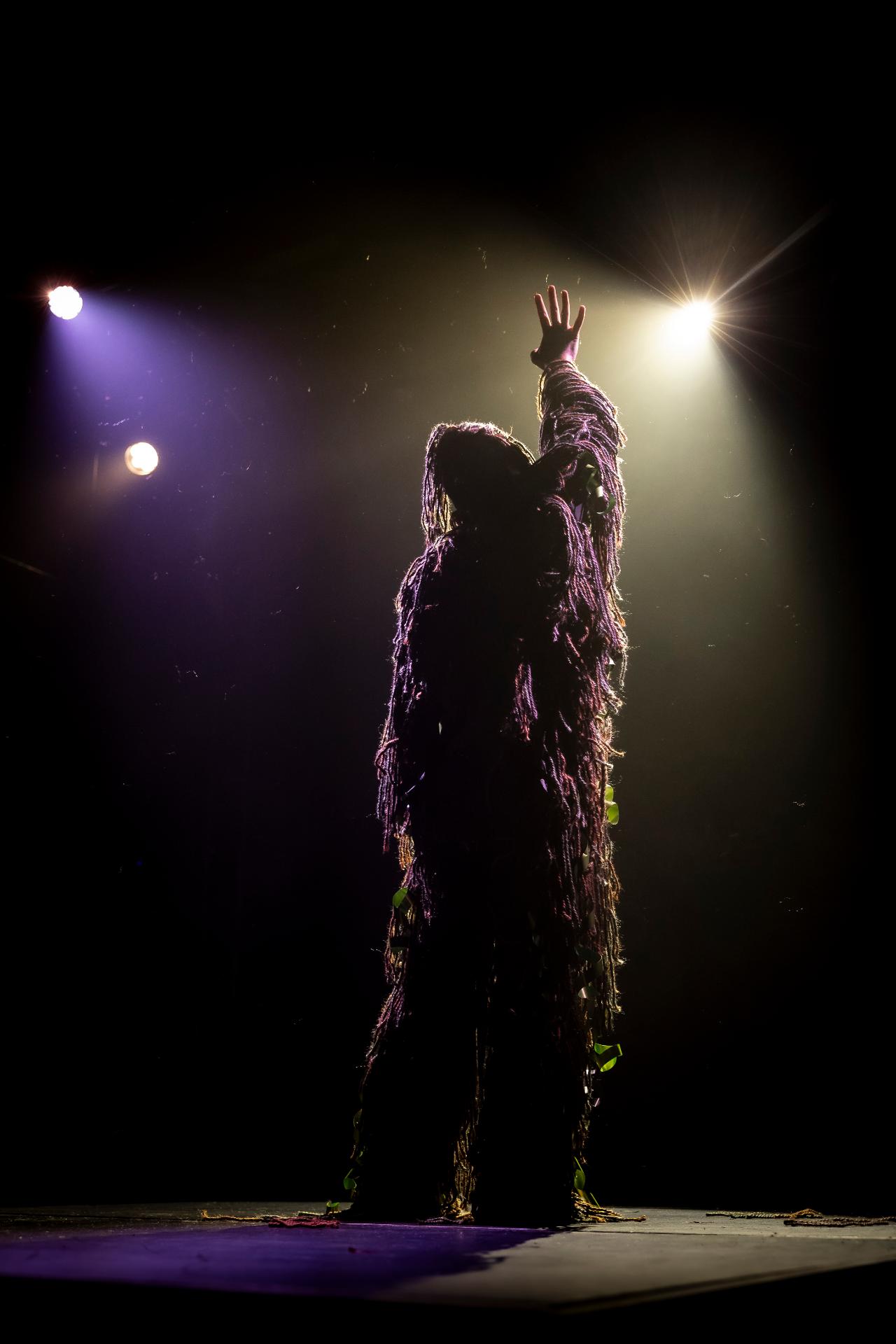
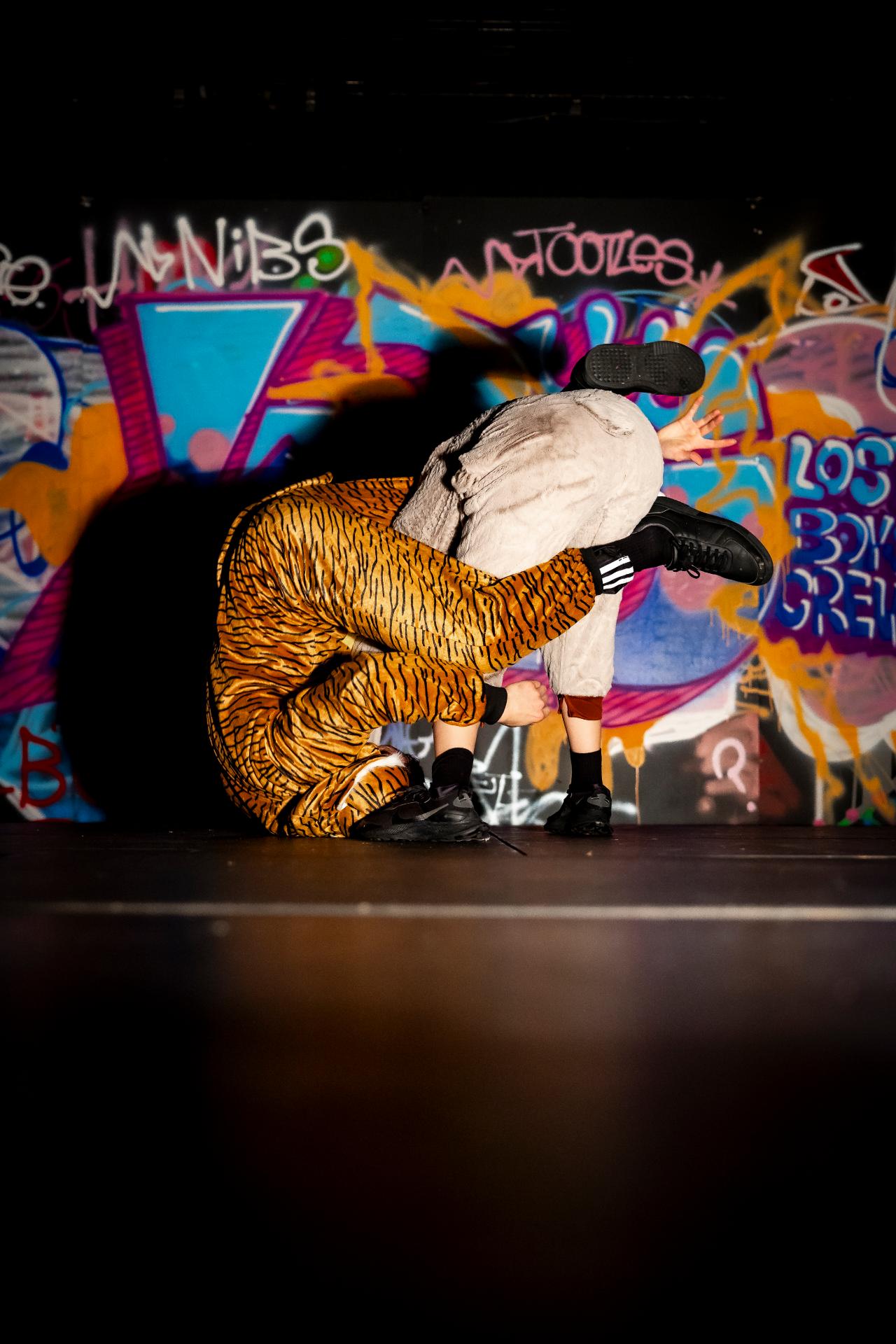
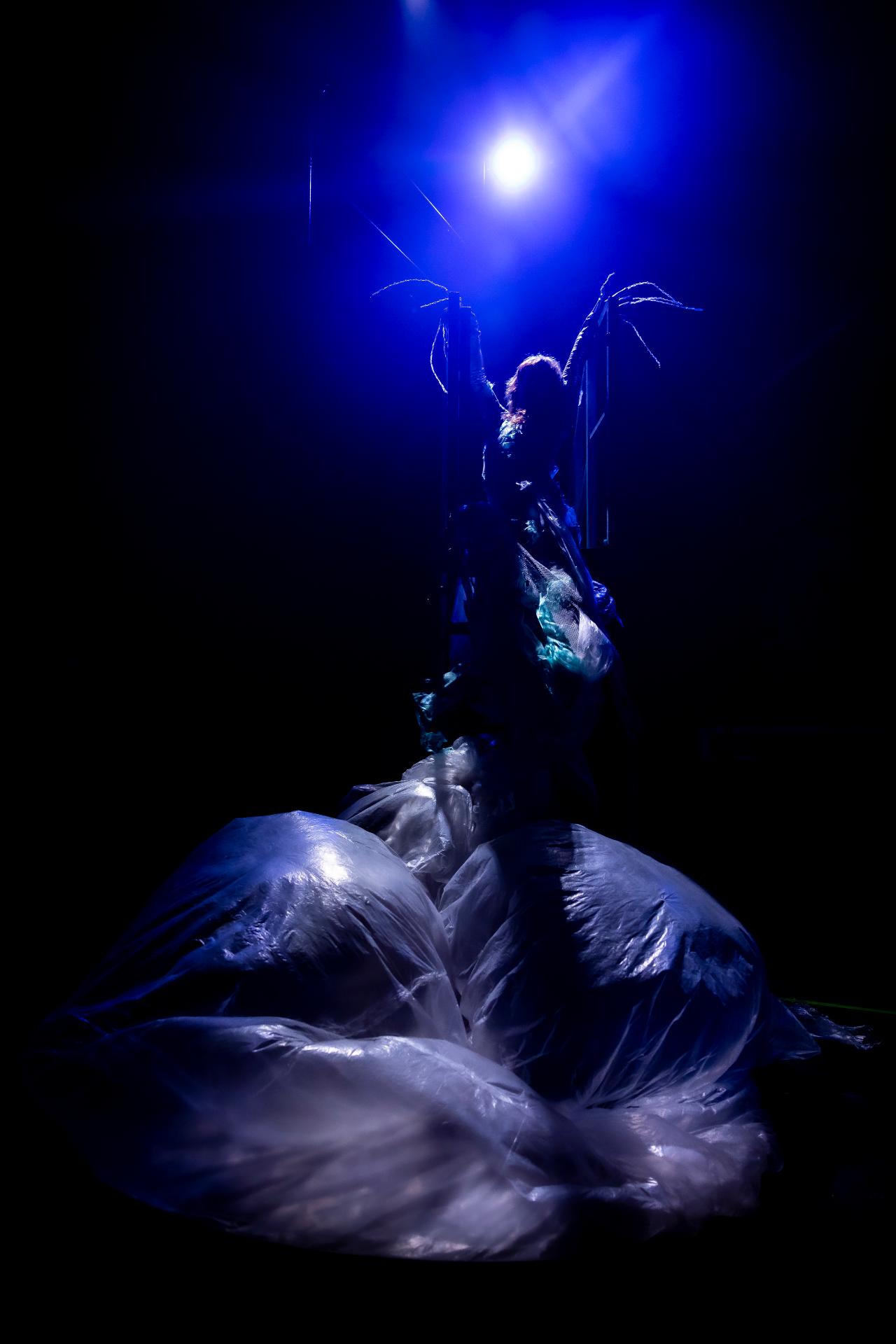
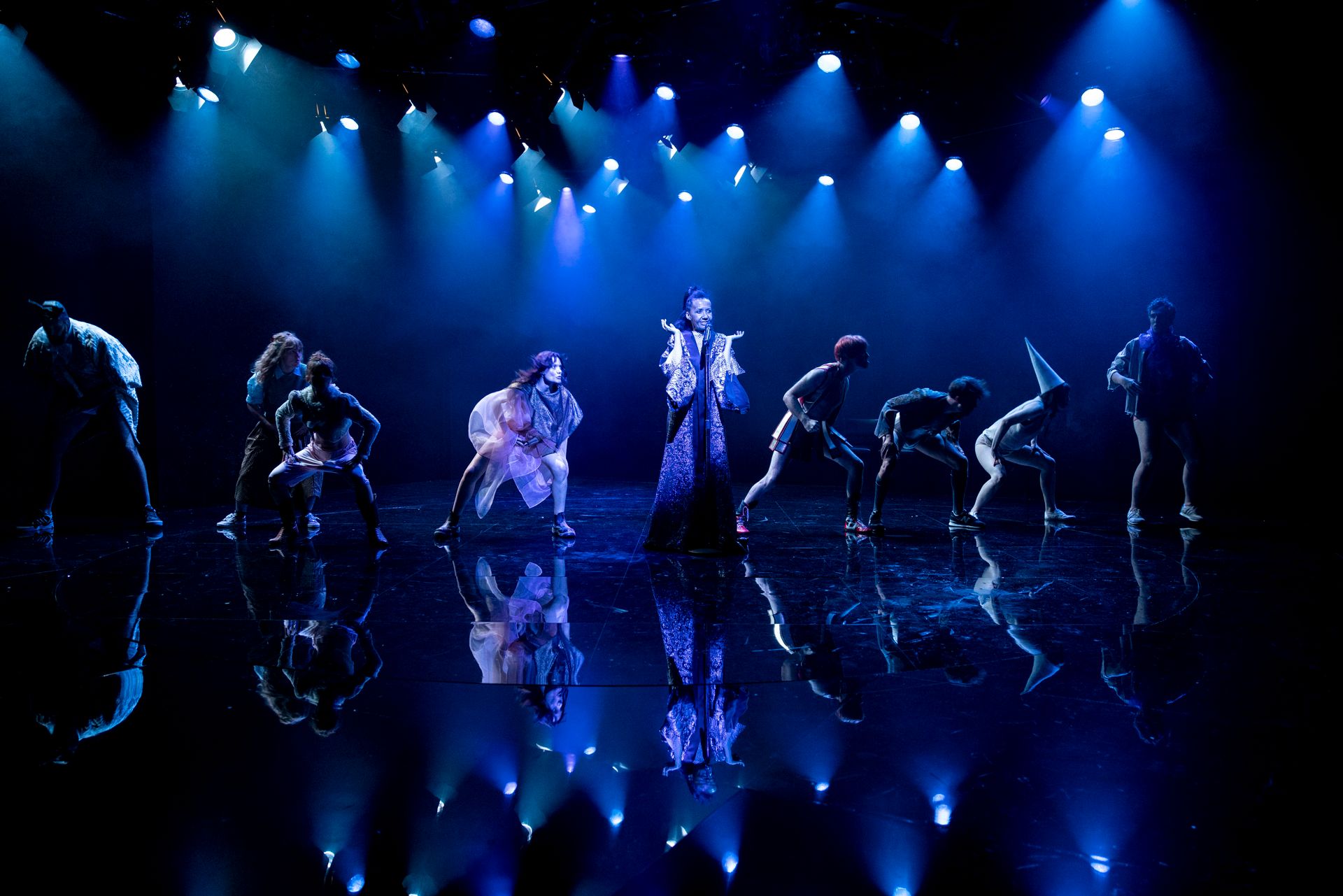
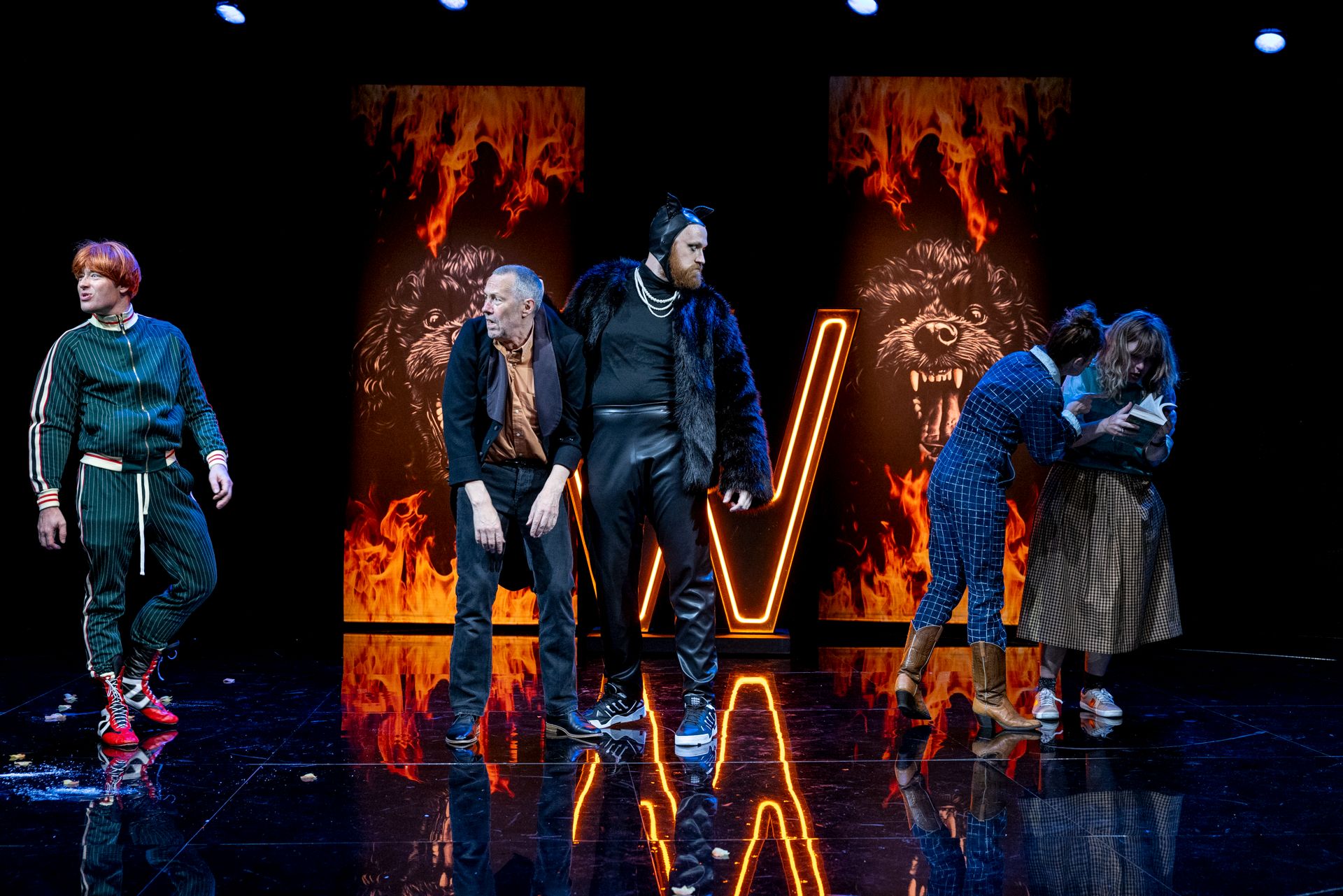
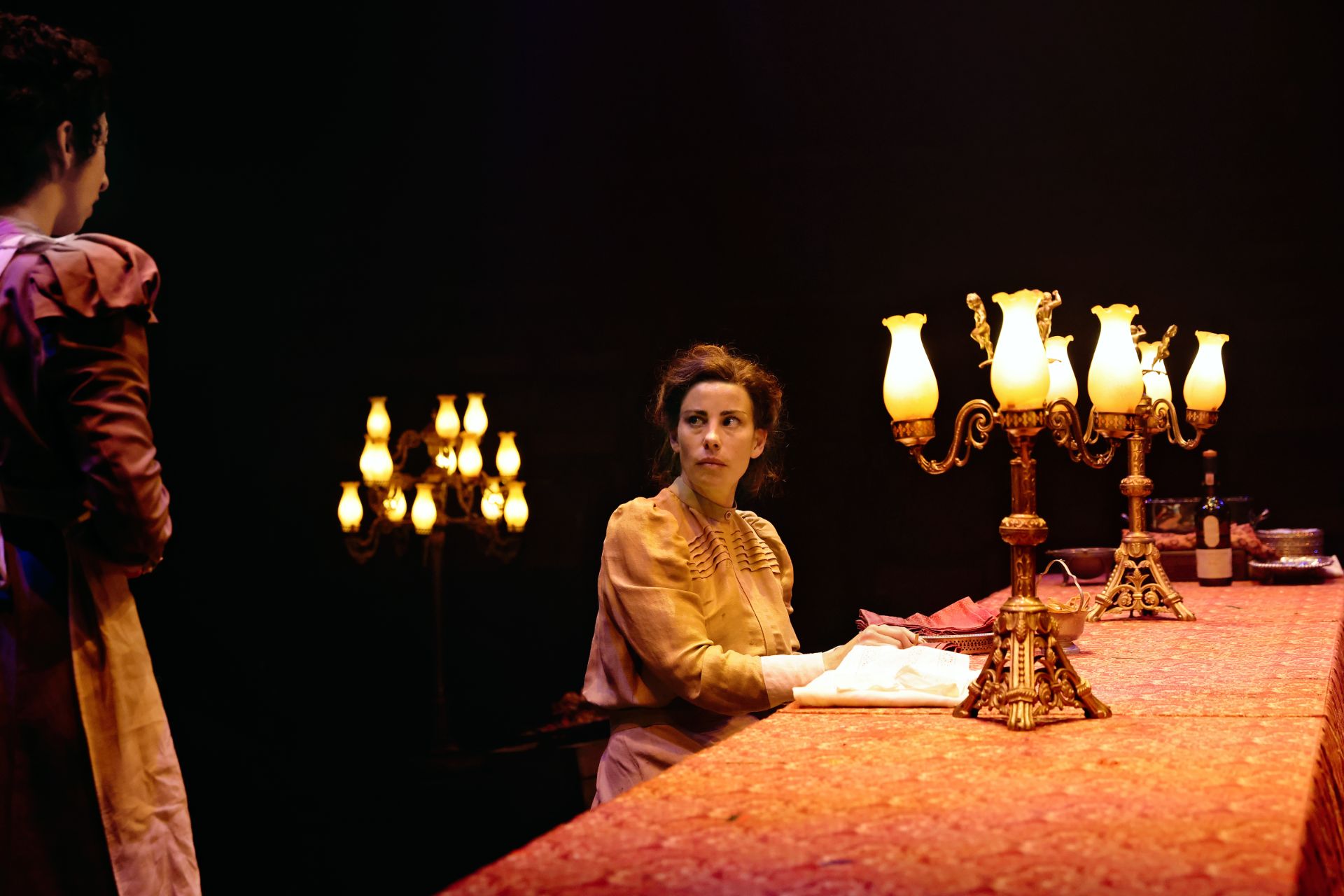
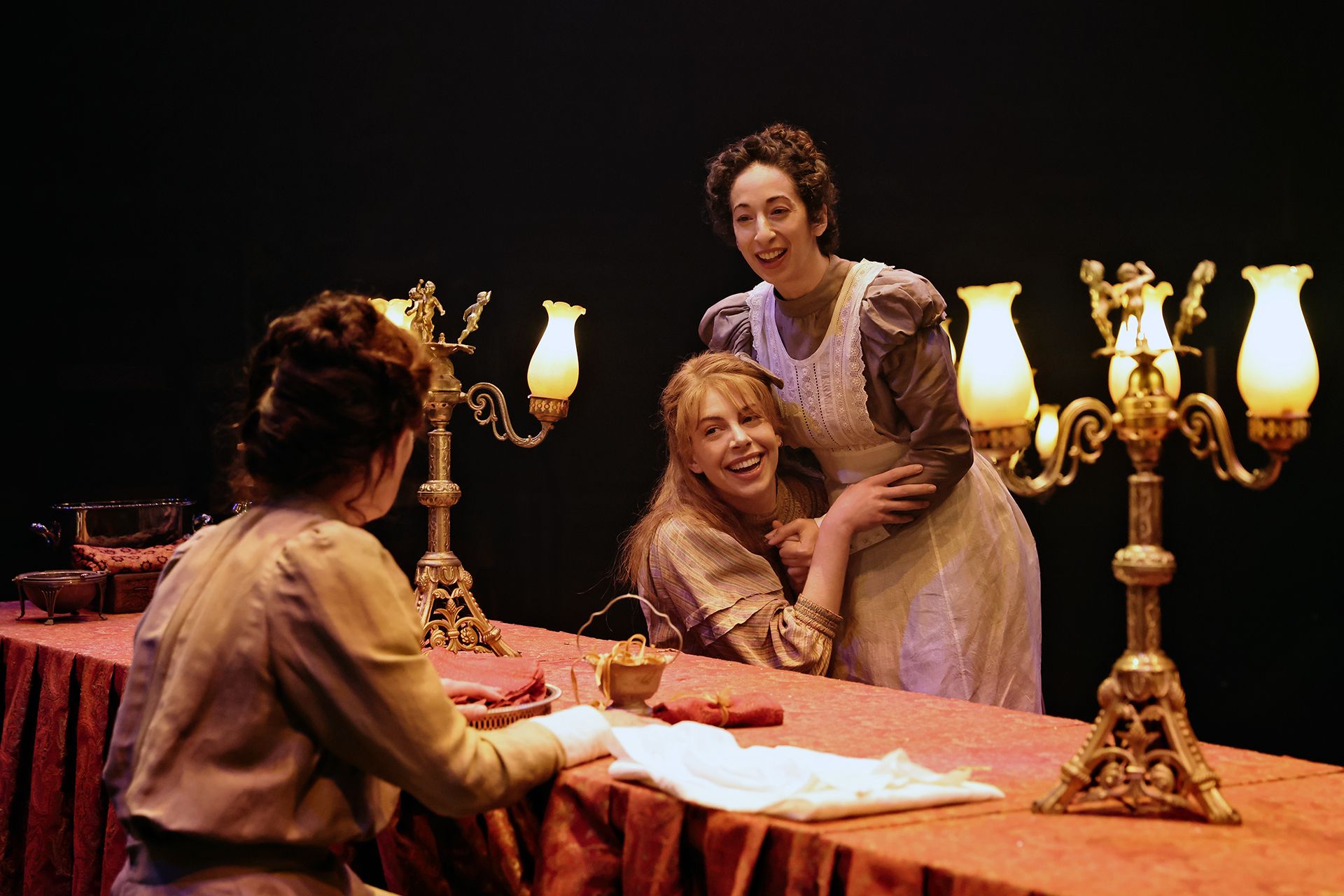
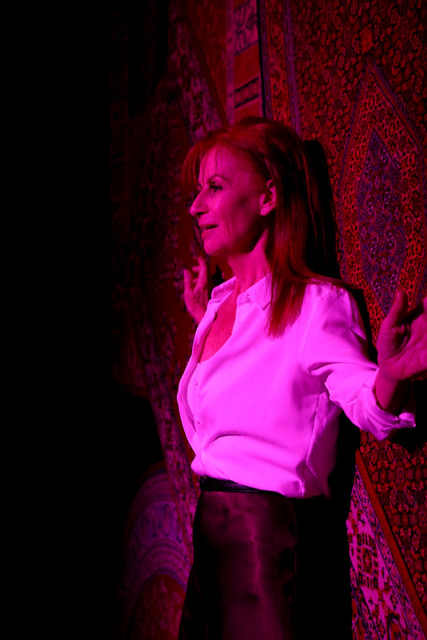
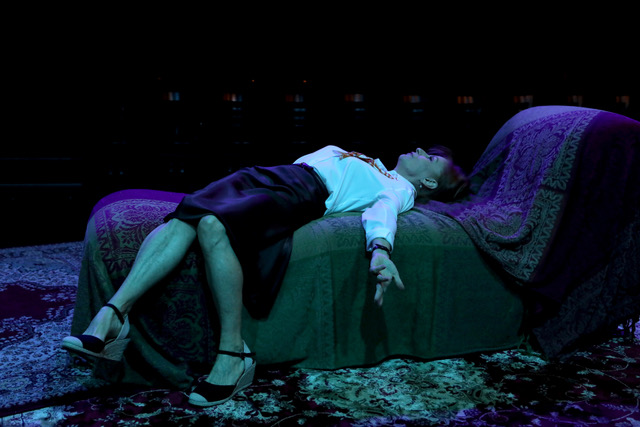
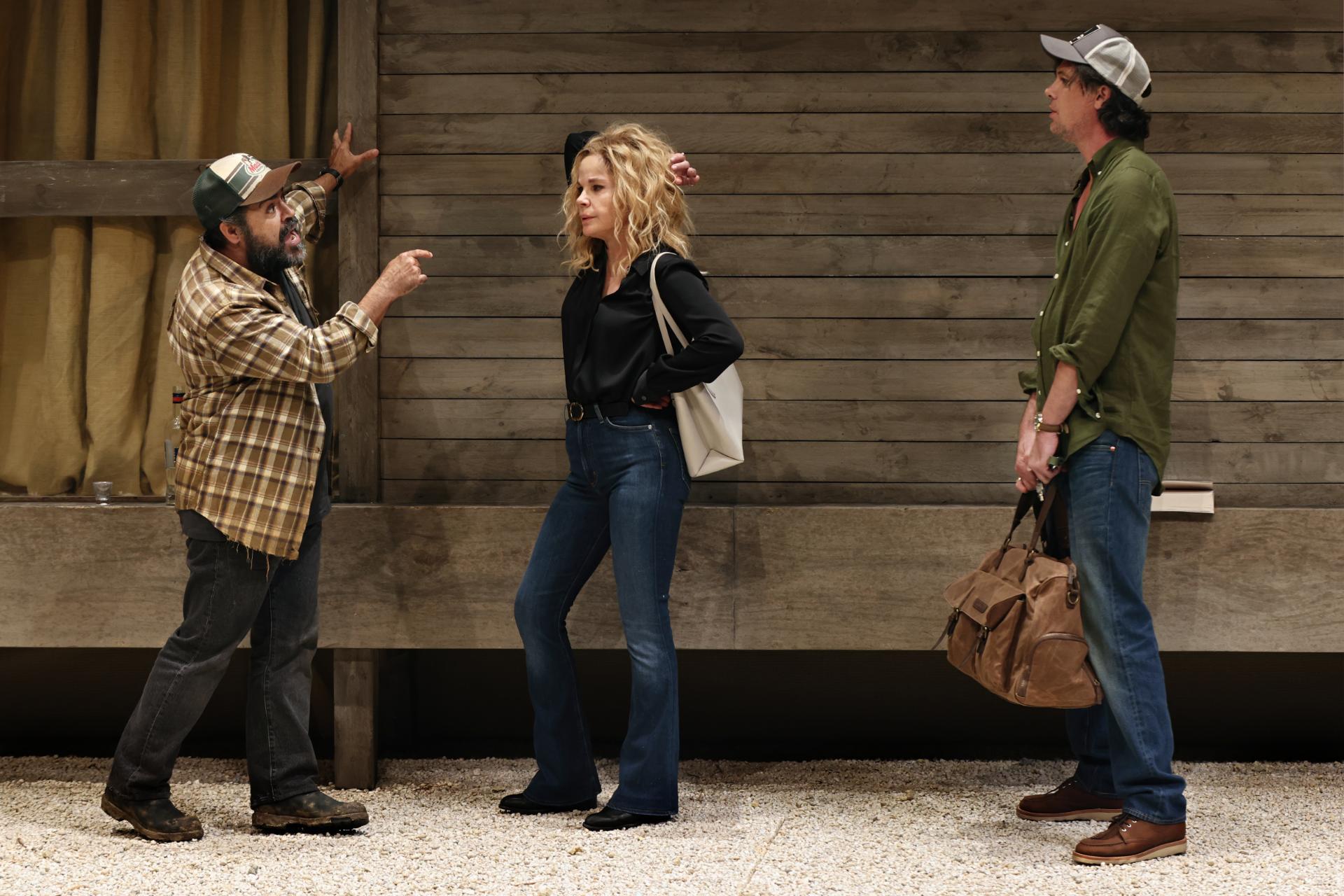
Production design by Soham Apte depicts a rigorous realism, with a set and costumes that enable us to delve into the familiar sights and scenes of our urbanscape. Benjamin Brockman’s lights introduce a dulcet poeticism to soften the edges of the metropolis, guiding us to the compassionate heart of Human Activity. Sounds and music by Jessica Pizzinga are rendered with sensitivity, moving us to the familiar streets of our geographical and spiritual nucleus.

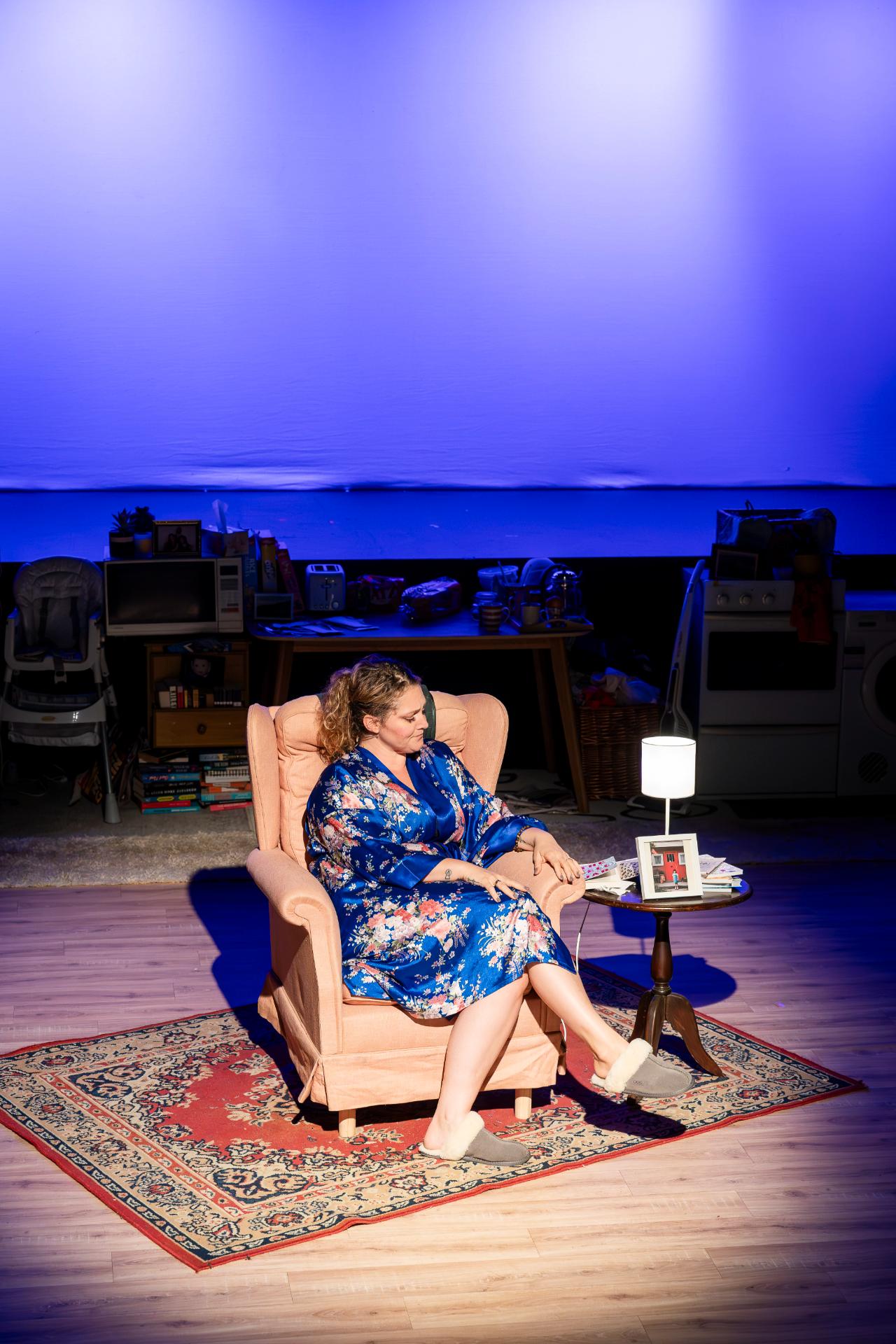
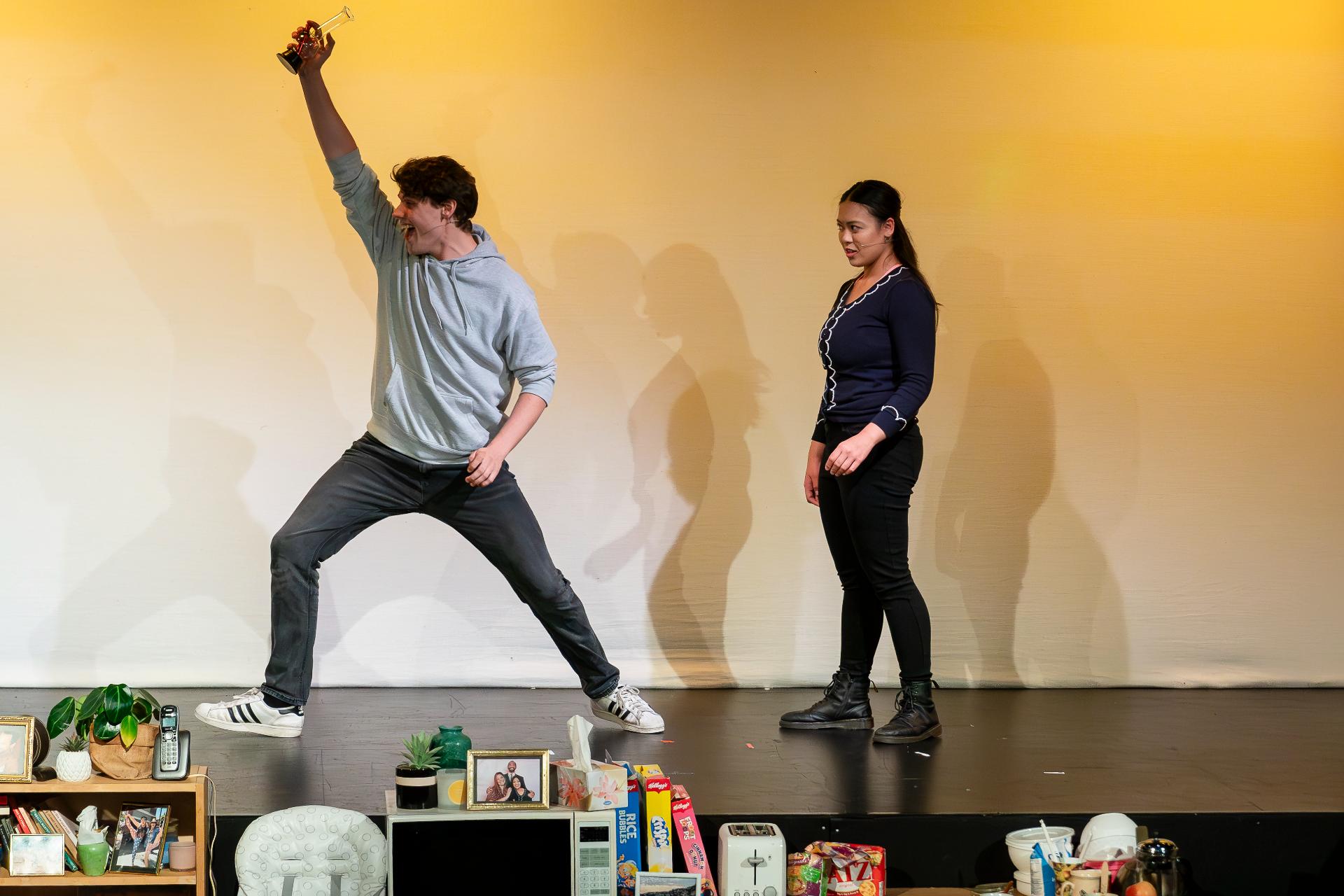
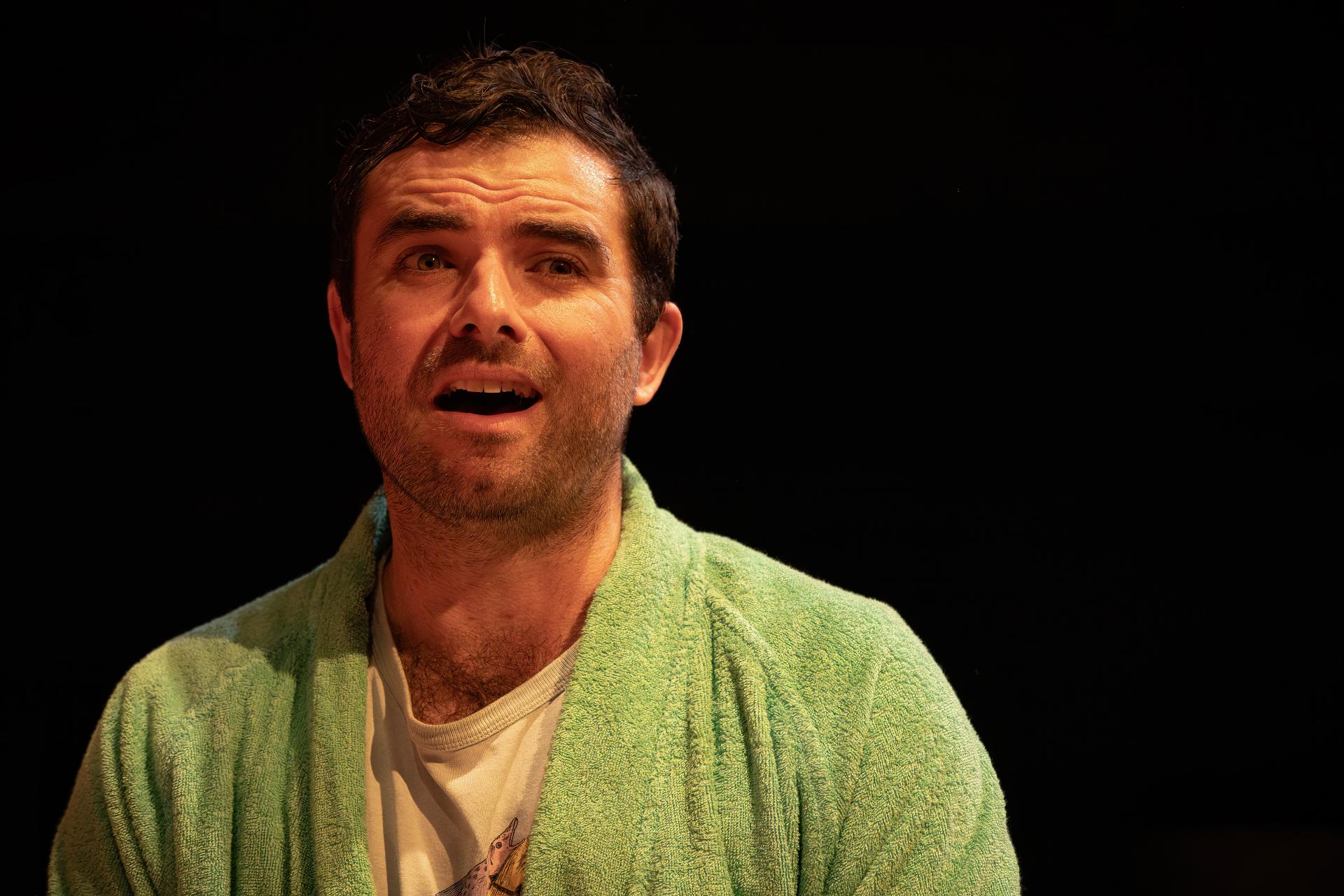
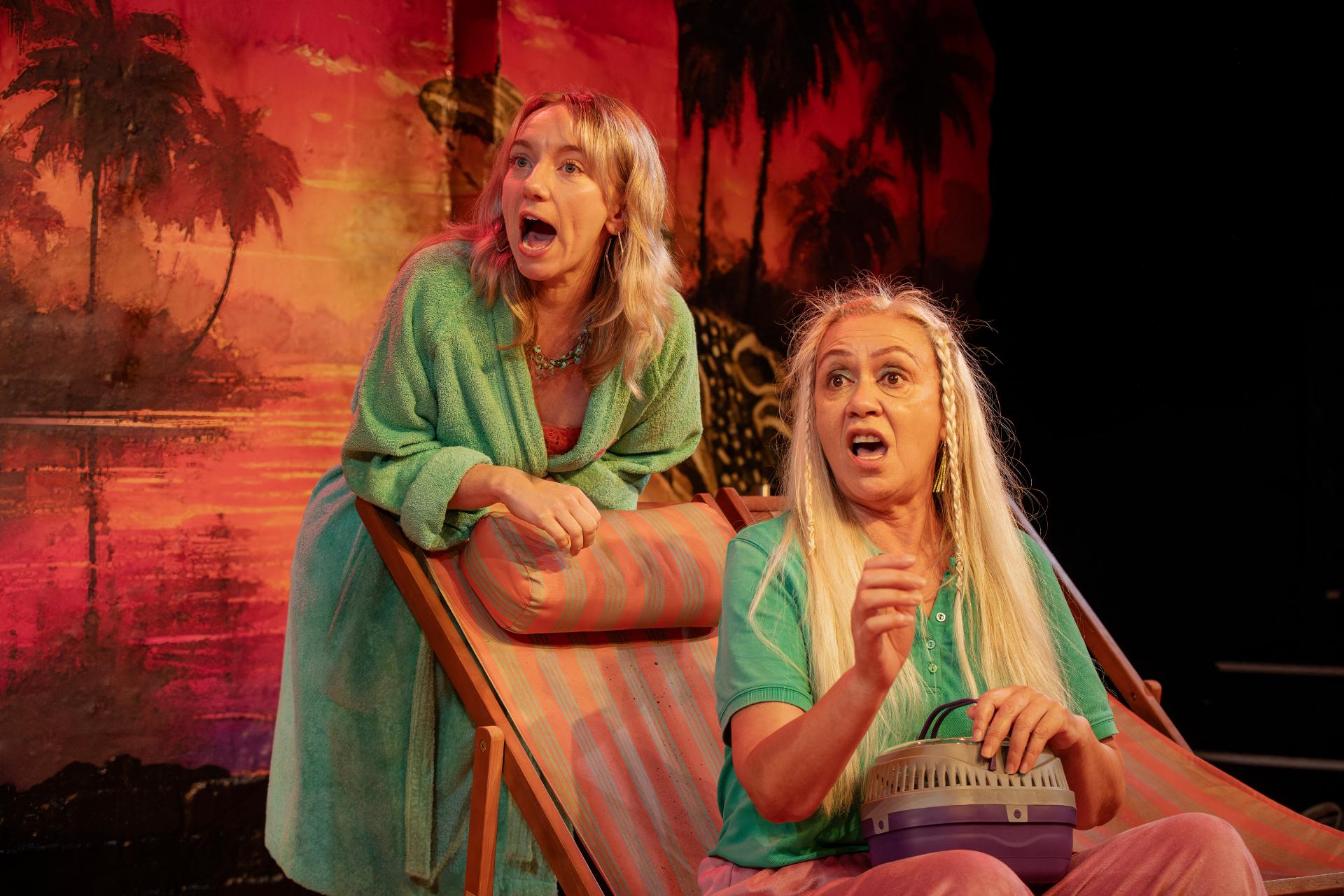
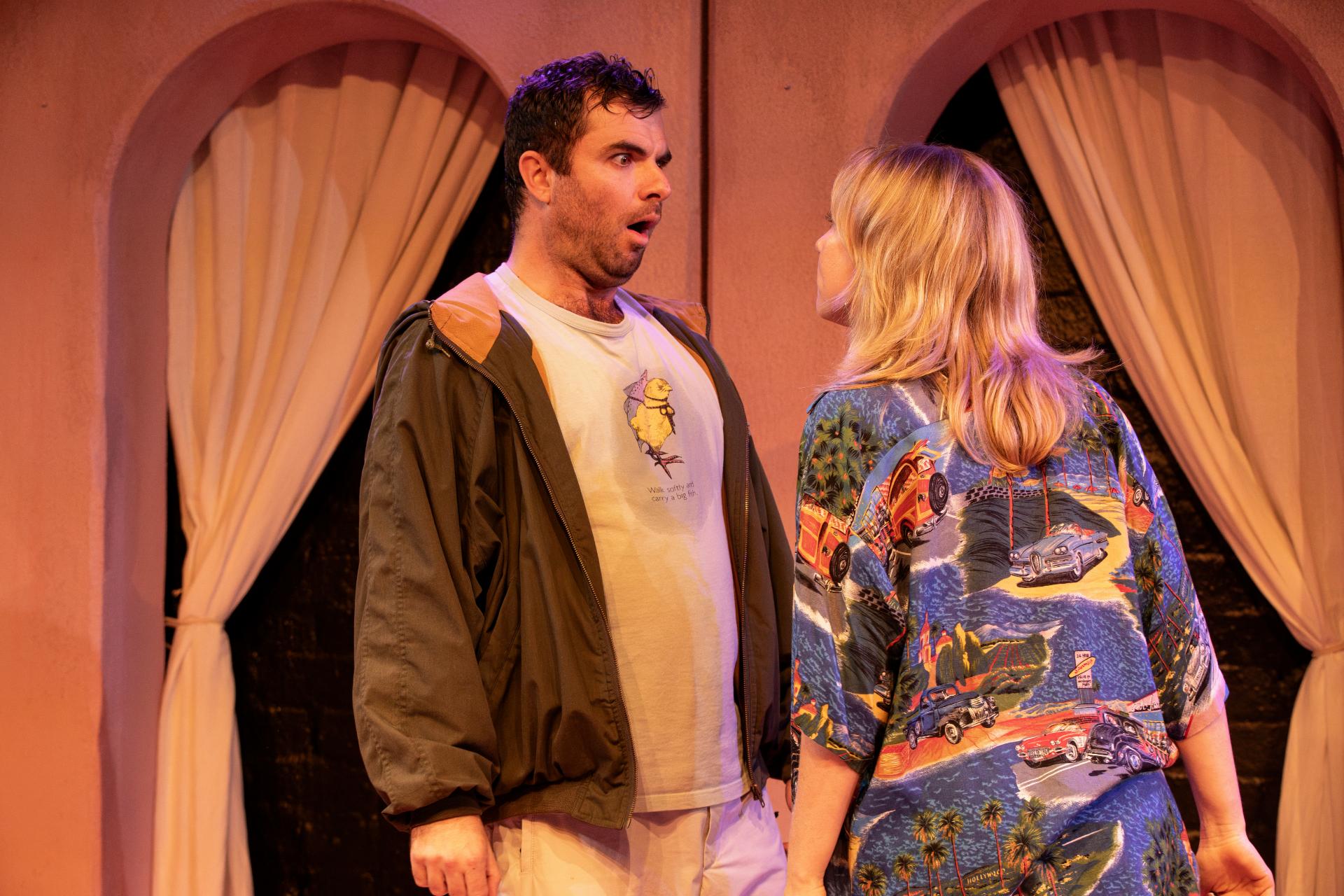
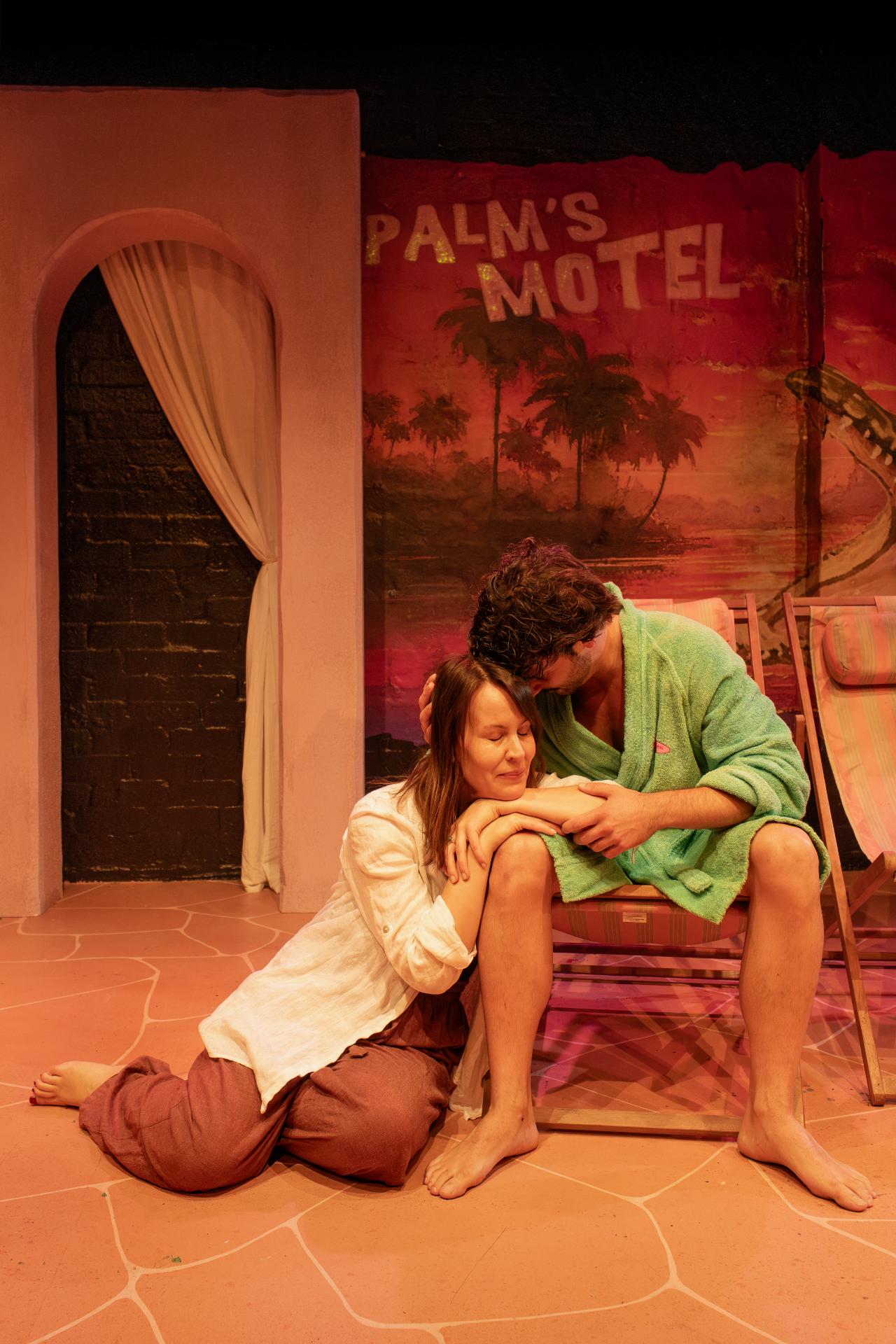
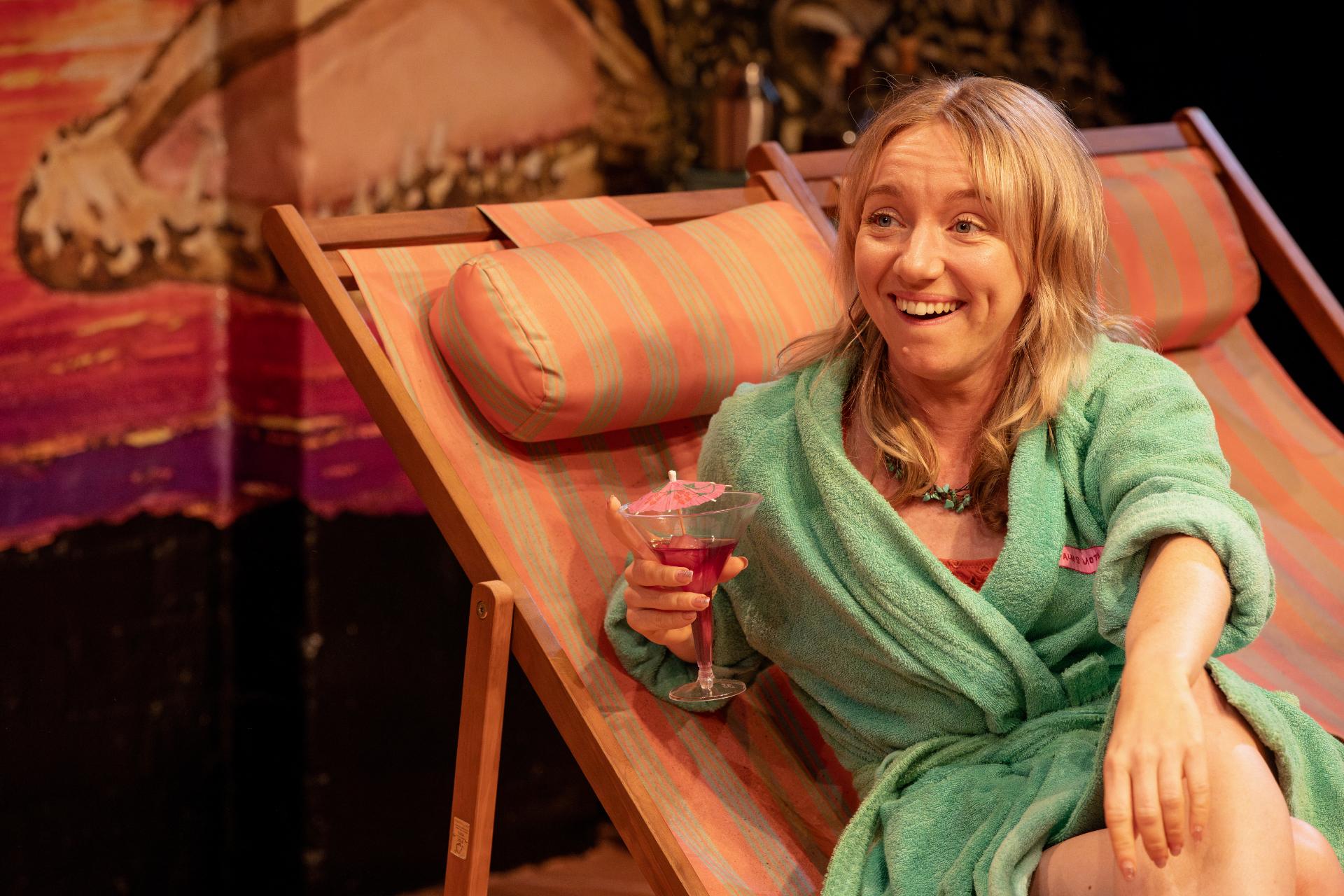
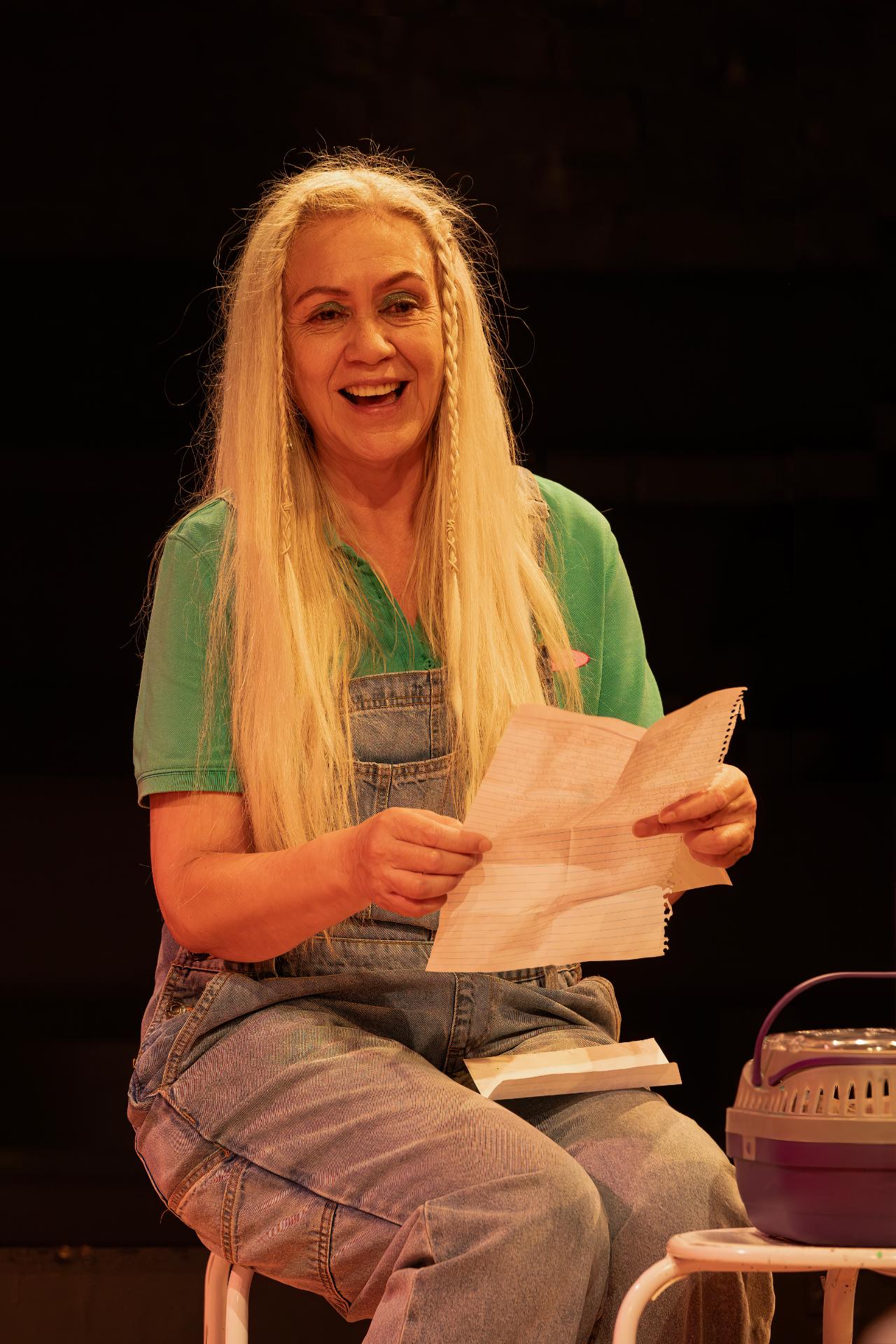
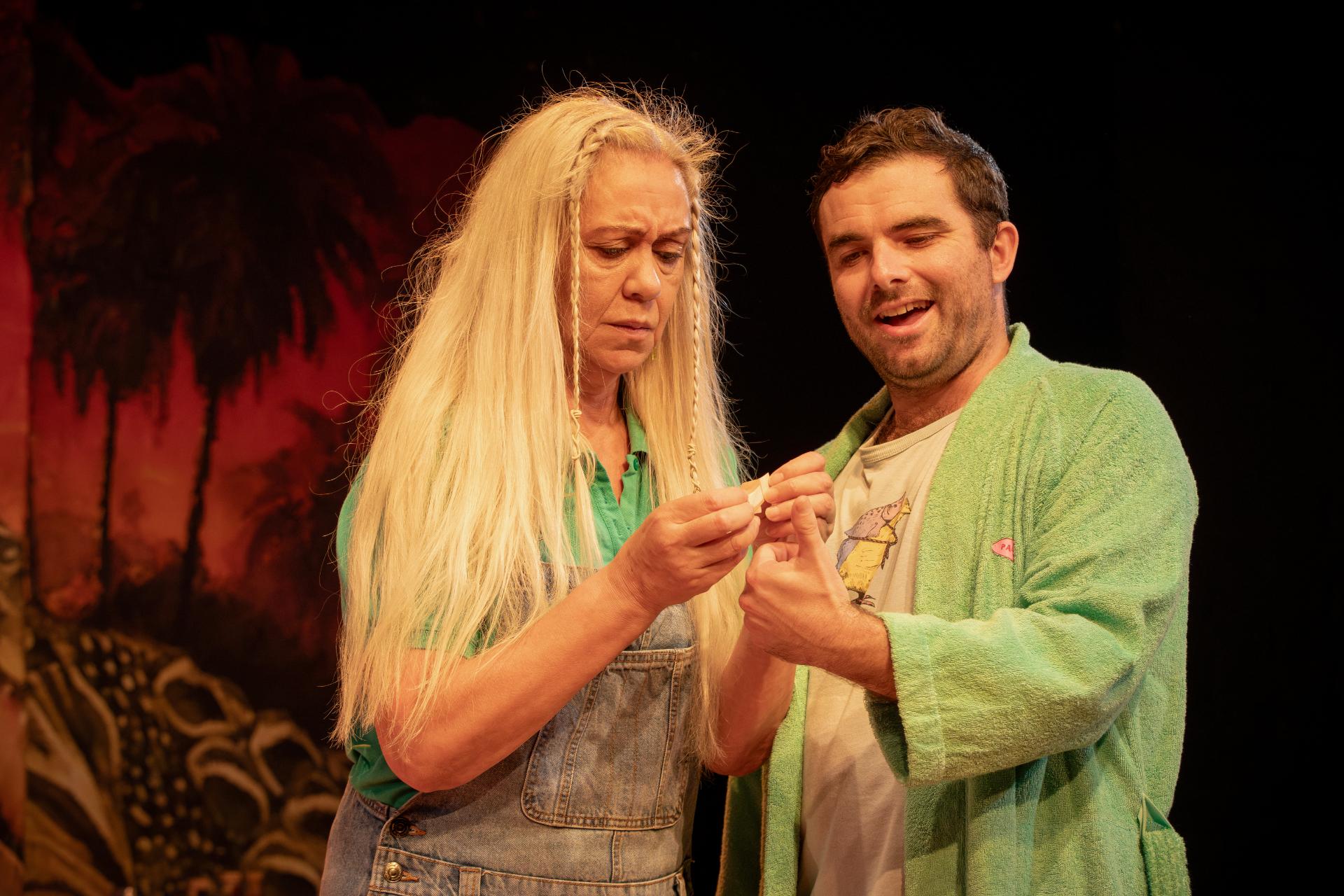
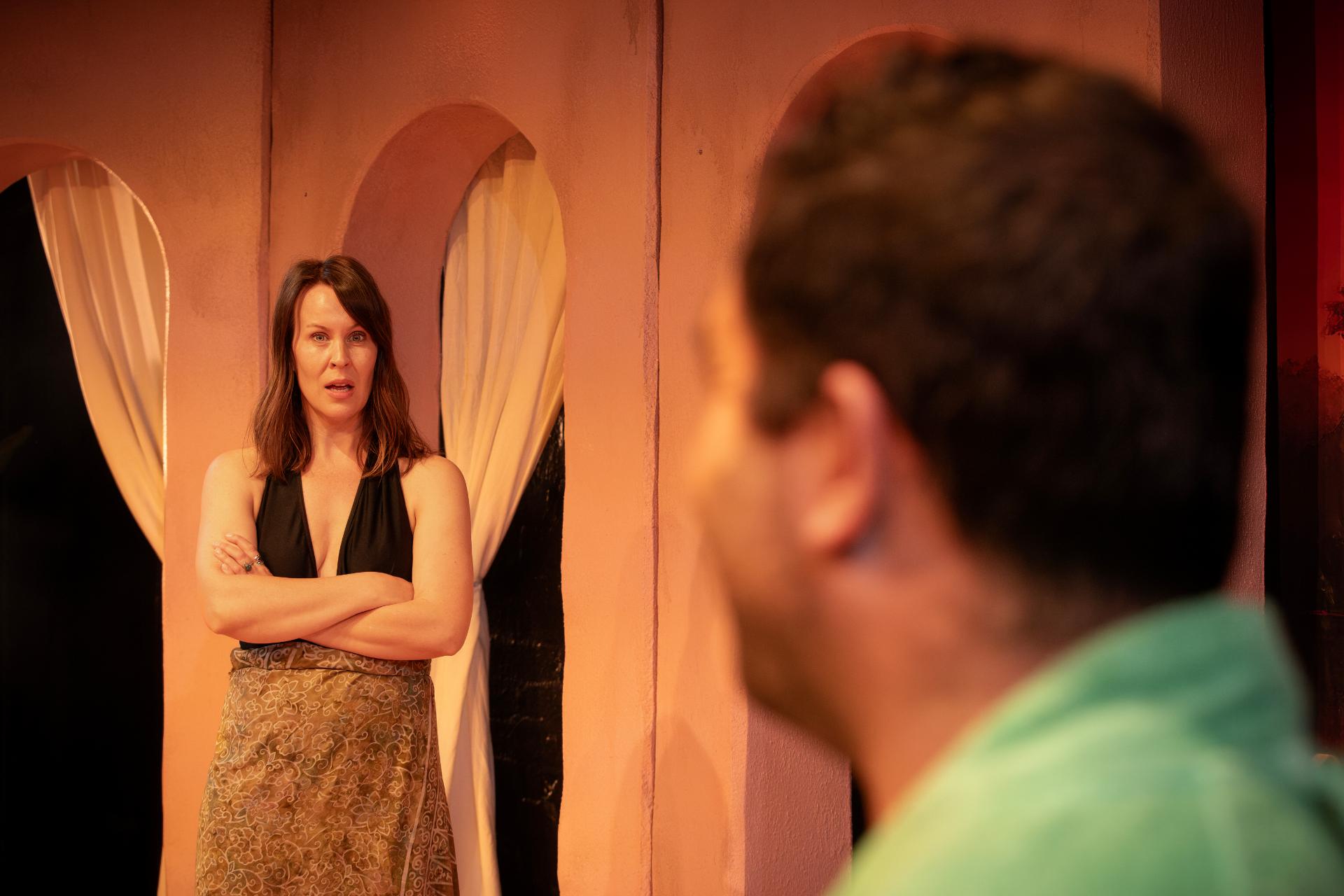
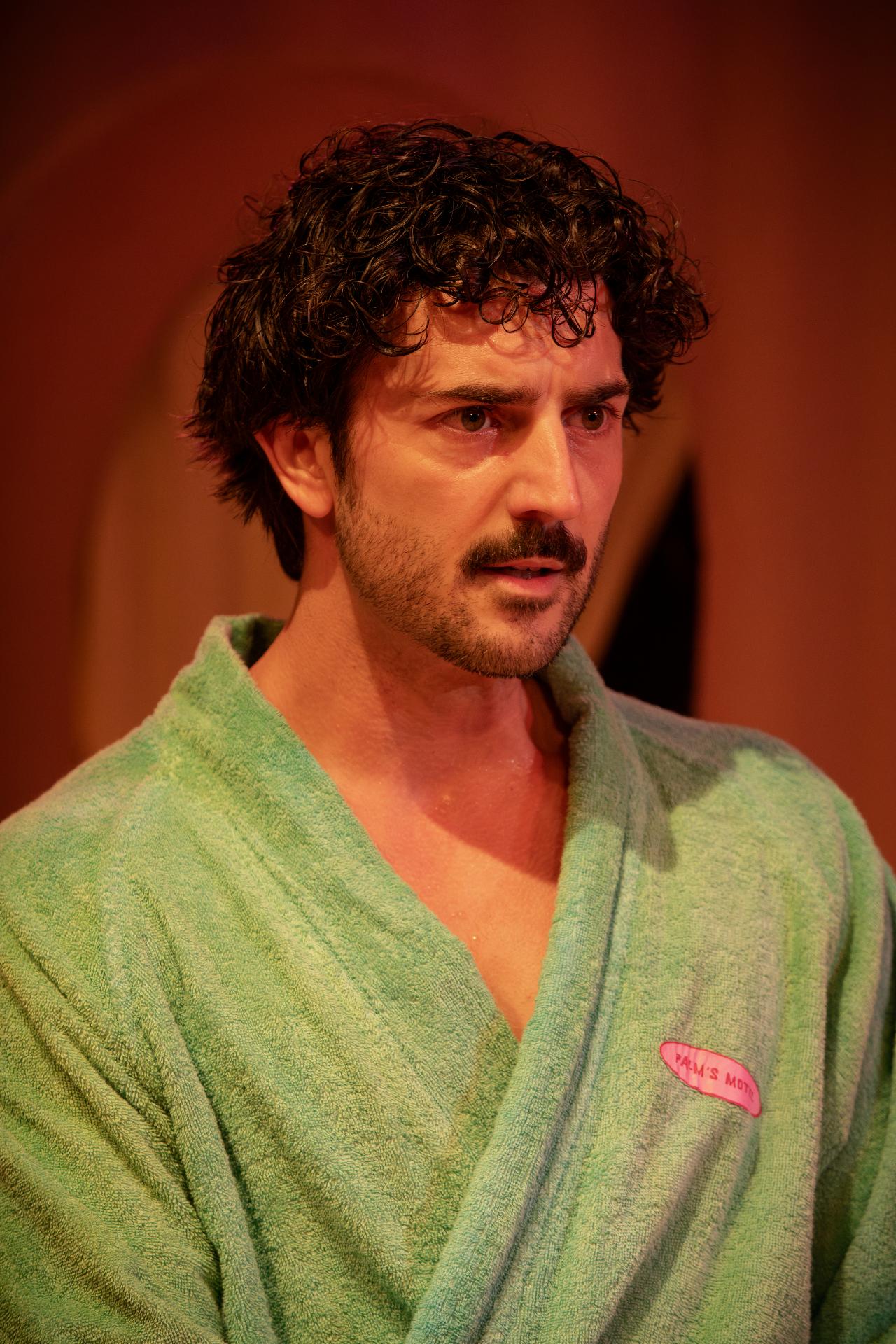
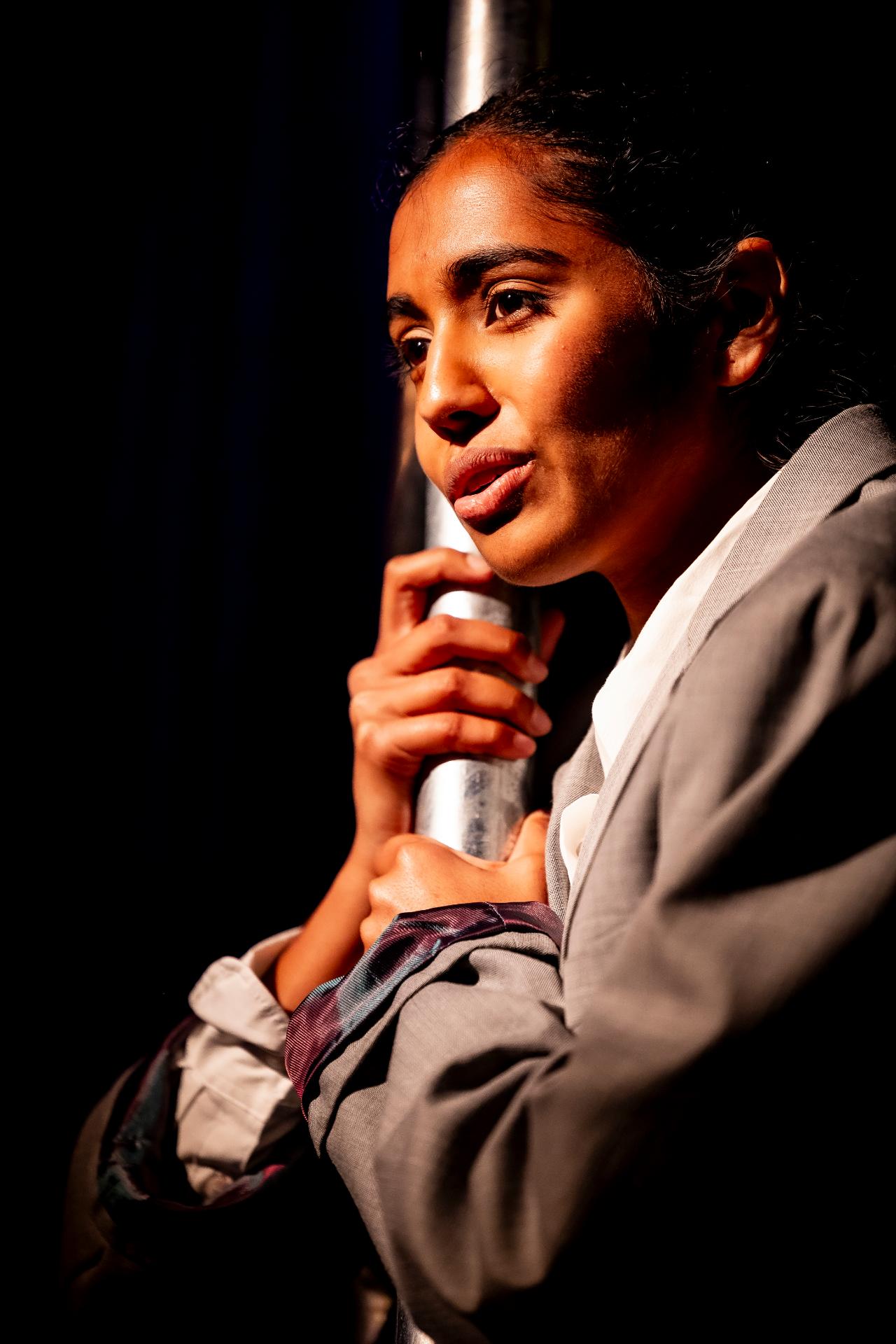
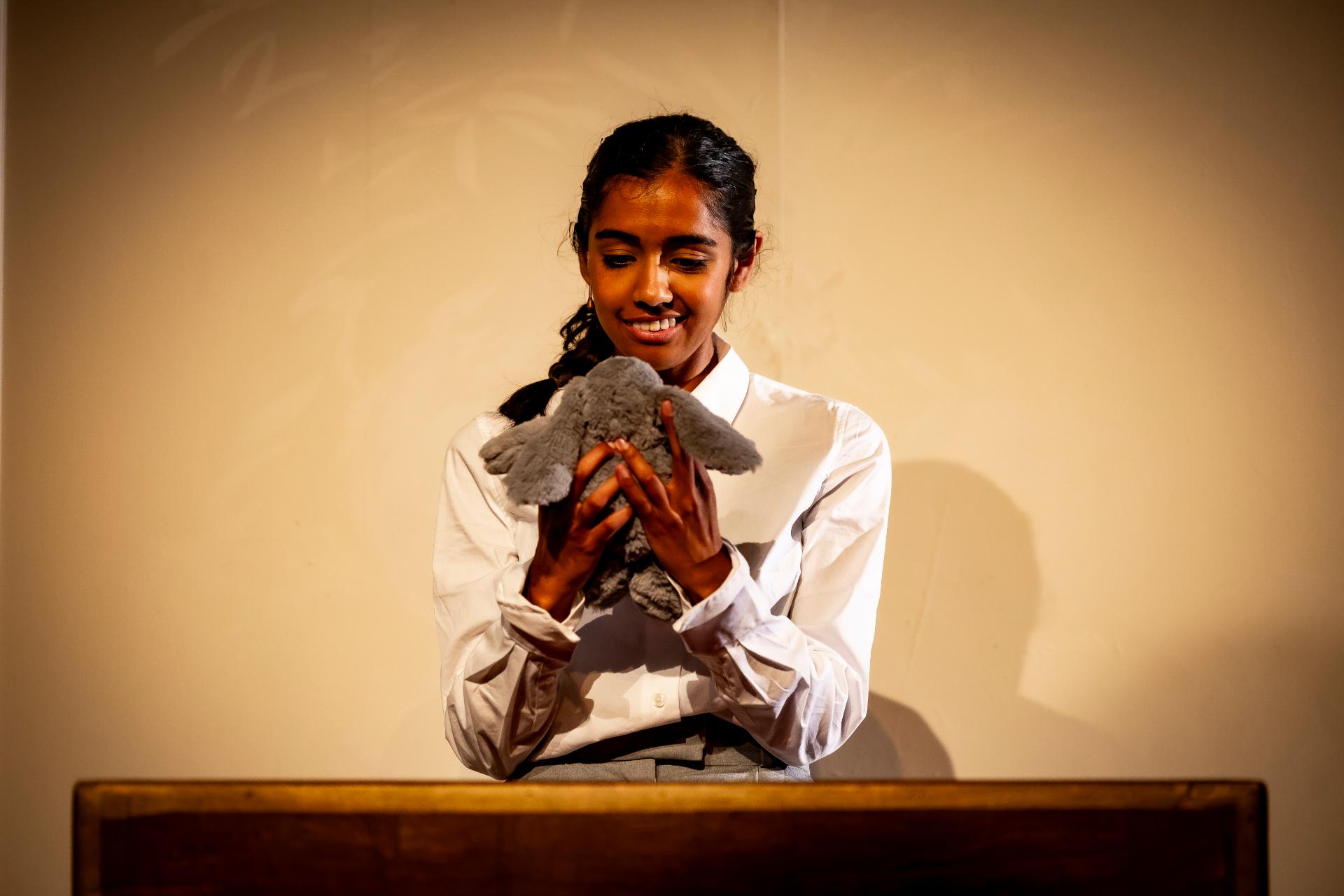
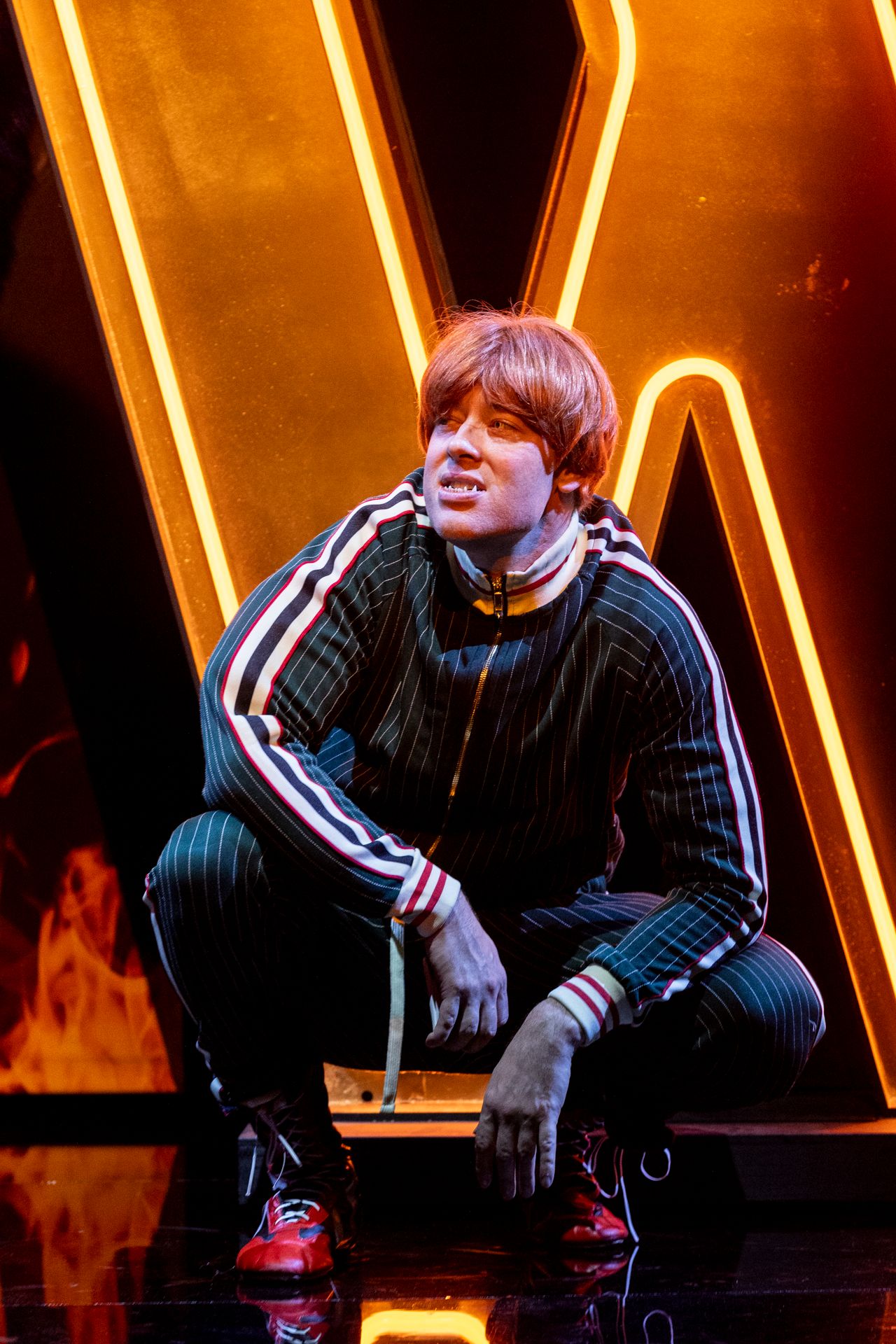
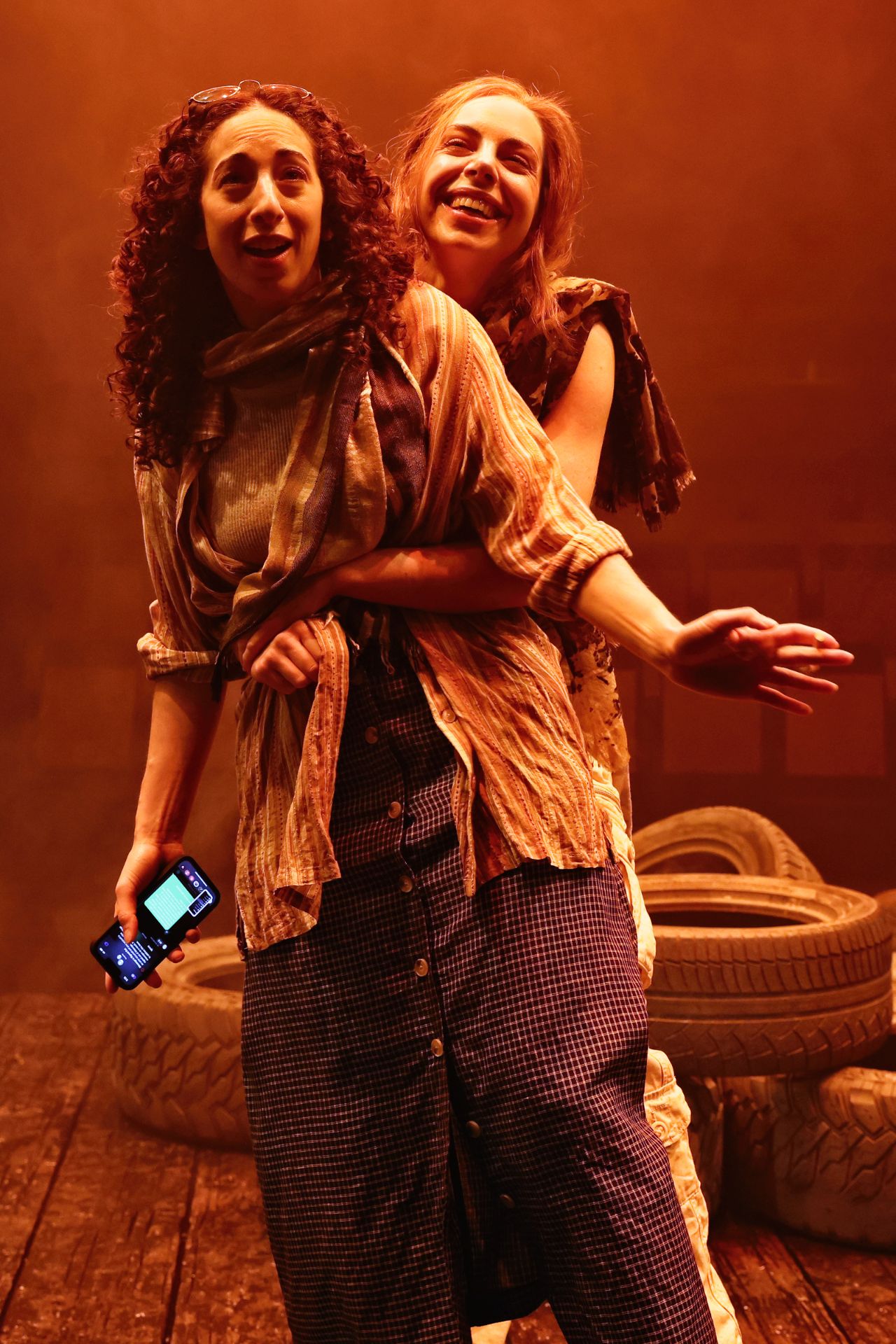
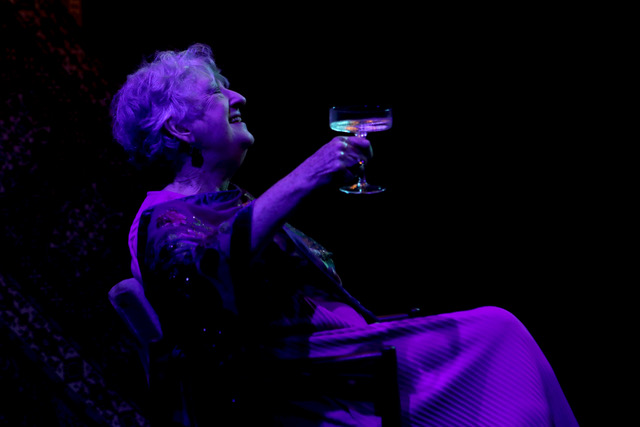
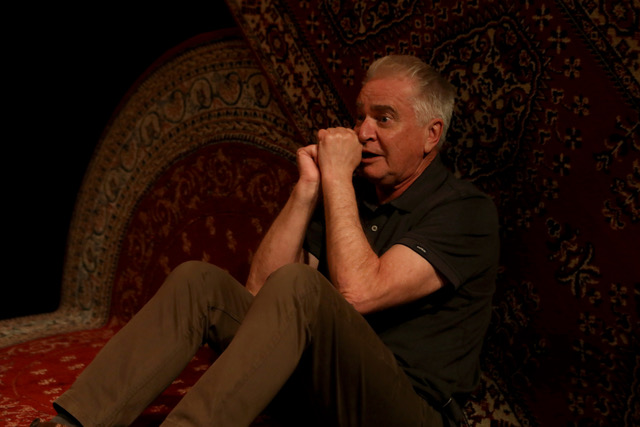
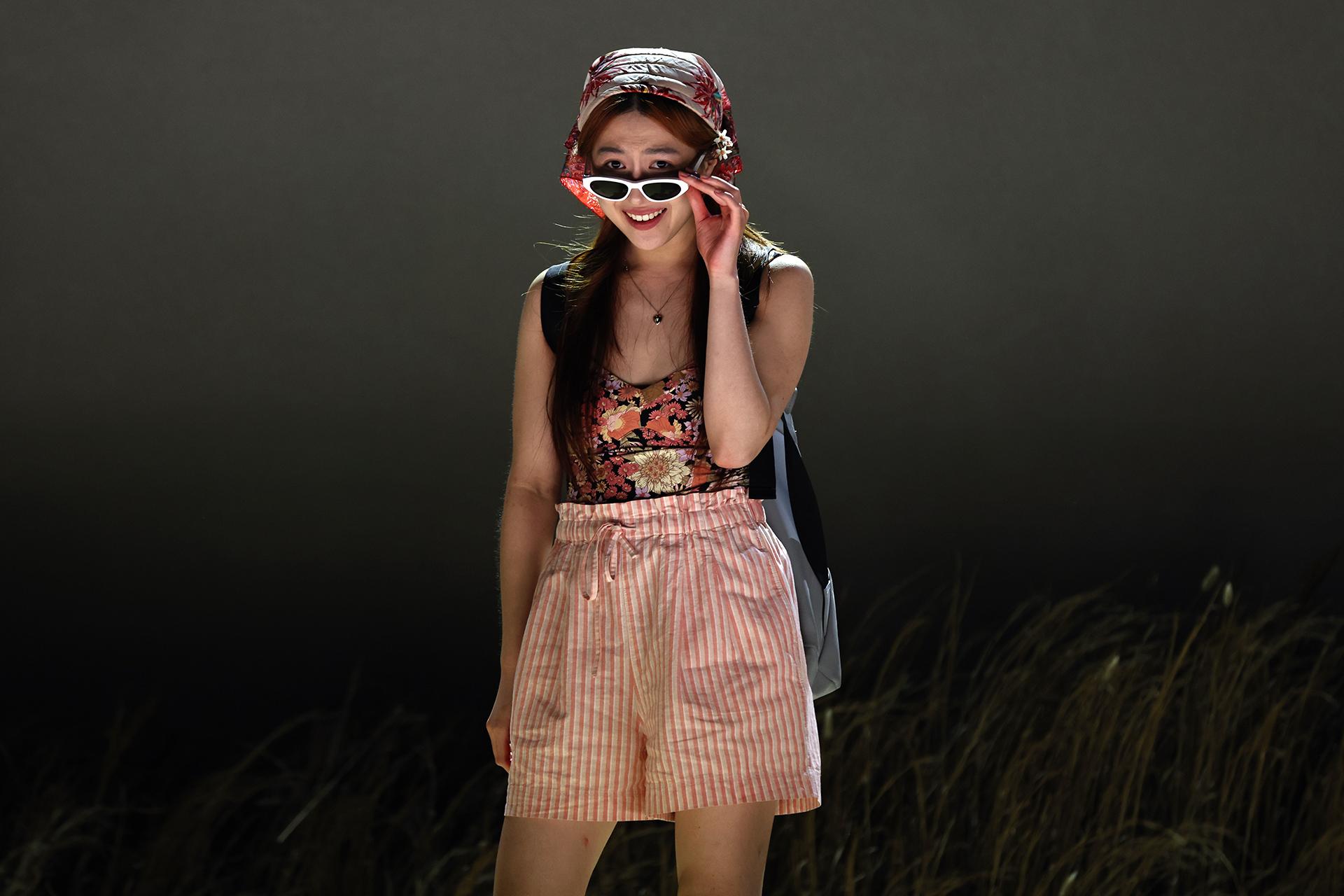
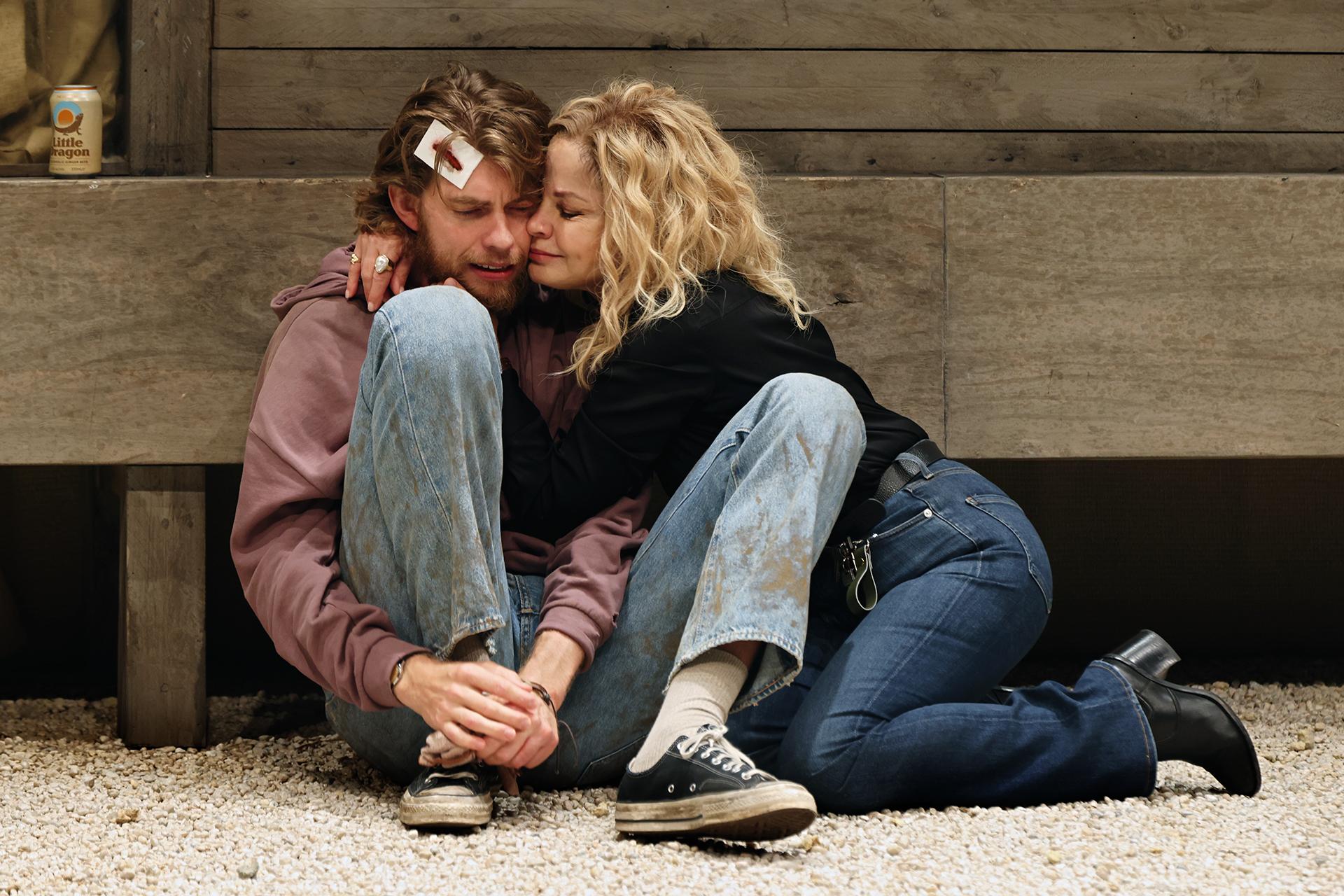
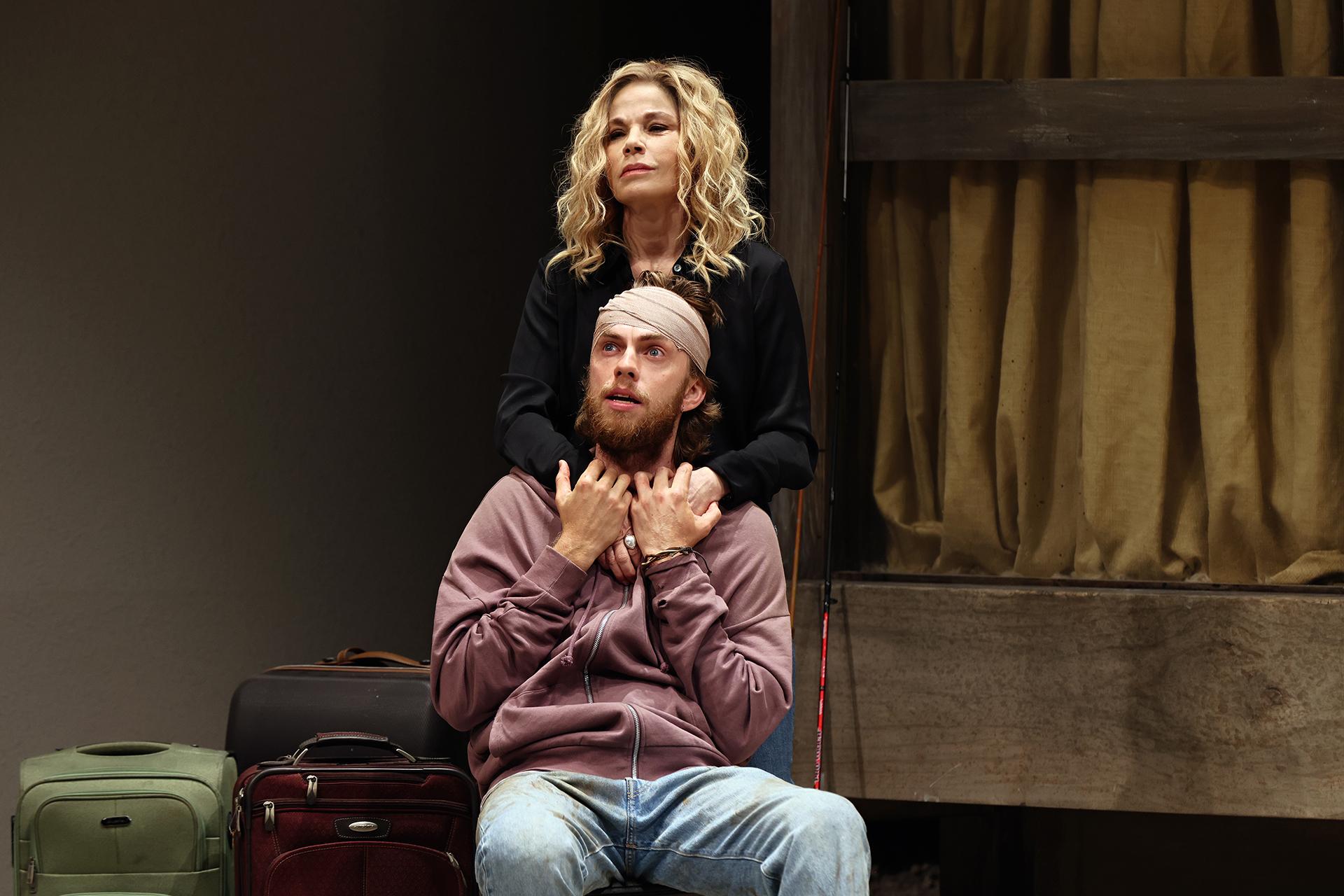
Memorable performances include actors Trishala Sharma and Katherine Shearer who bring valuable dramatic intensity to two women whose lives intersect, finding common ground where it had seemed completely unlikely. Atharv Kolhatkar and Teresa Tate Britten too are dynamic, as workers on ground zero, disturbed but needing to gather the wherewithal to soldier on.

In cities, we walk past one another, unable to connect in an environment overwhelming with its sheer volume of activity. Yet we know that it is in these concrete jungles, that we are able to thrive and flourish. This is where so many of us can discover our best manifestations, away from parochial and conservative situations determined to hold us back. The city may not suit every sensibility, but it is the most inclusive of our societies, where every person may feel equally an outsider, yet able to locate opportunities, for the possibility of making dreams happen.
www.kingsxtheatre.com | www.instagram.com/nautankitheatre

Review: Is God Is (Sydney Theatre Company)

Venue: Wharf 1 Sydney Theatre Company (Walsh Bay NSW), Sep 15 – Oct 21, 2023
Playwright: Aleshea Harris
Directors: Zindzi Okenyo, Shari Sebbens
Cast: Henrietta Enyonam Amevor, Clare Chihambakwe, Kevin Copeland, Masego Pitso, Cessalee Stovall, Darius Williams, Patrick Williams, Grant Young
Images by Pia Johnson

Theatre review

Racine and Anaia are heavily scarred, by cruel and neglectful parents who seem to know nothing about nurturing or caring for their children. Left to their own devices, the twin sisters can only understand the world as violent and savage, as we watch them embark on an odyssey of murder, in Aleshea Harris’ Is God Is. A revenge fantasy filled with wild imagination and scintillating humour, the play is both terrifying and hilarious, in its portrayals of wayward youth, unhinged femininity and recalcitrant Blackness. The United States have never looked so subversive.

Directed by Zindzi Okenyo and Shari Sebbens, Is God Is delivers delicious humour, keeping us on the edges of our seats with unpredictable characters, who prove to be truly and thoroughly intriguing. There is nothing normal about Racine and Anaia’s lives, and seeing things through their eyes, means a completely fascinating, and dangerous, experience.

Costumes by Renée Mulder conjure imagery of ruined innocence, offering a childlike perspective, but one in a state of decay, as a constant reminder of the story’s despairing centre. Mulder’s set design involves a protean structure evoking notions of home, establishing for the production a whimsical style that draws parallels with the much more wholesome fare of juvenile television programming. Lights by Jenny Hector help manufacture drama, but is somewhat lacking when required to convey a sense of macabre during key moments of repugnance, for this occasion of genre theatre. Sounds and music are effectively rendered, by Joe Paradise Lui, to ensure that we navigate the varying tones of the production, as it slips and slides ever so subtly between comedy and horror.

Henrietta Enyonam Amevor and Masego Pitso play Anaia and Racine respectively, both actors vivacious and charismatic, able to blend naivety with brutality, for their confronting depictions of civilisation in disarray. The troubling pair’s mother is performed by Cessalee Stovall, who guides us to the truthful core of Is God Is, without sparing us the necessary discomfort of having to acknowledge the pain in that truth. Also remarkable is Darius Williams, who as the grandiose poet Scotch, gives us some of the biggest laughs, in a fabulous acerbic take on youthful and misguided masculinity. It is a marvellous cast, with each individual leaving an excellent impression with the complexities they introduce, along with the sheer entertainment they manufacture, for this very dark tale.

It only makes sense, that the most audacious fantasies should come from the most marginalised. Young, Black women are routinely underestimated, diminished and shunned. Being the very antithesis and embodiment of that which is pale, male, stale and therefore most highly valued, their perspective from a position diametrically opposite to the hegemony, is what will reveal the most of our ills. Is God Is may not choose to engage directly or explicitly with all our social issues, but just to have art of this nature materialise, is an indication of our capacity to shift, and a reminder that culture is always malleable.

www.sydneytheatre.com.au | www.mtc.com.au

Review: Lady Day At Emerson’s Bar & Grill  (Belvoir St Theatre)

Venue: Belvoir St Theatre (Surry Hills NSW), Sep 14 – Oct 15, 2023
Playwright: Lanie Robertson
Director: Mitchell Butel
Cast: Zahra Newman with Kym Purling, Victor Rounds, Calvin Welch
Images by Matt Byrne

Theatre review
Jazz legend Billie Holiday is performing at a bar in Philadelphia, several years after being incarcerated in that same city, and finds herself unable to maintain composure, as the worst times of her life come flooding back. In Lanie Robertson’s Lady Day at Emerson’s Bar & Grill, the diva unravels before our eyes, disclosing the innumerable traumatic events she had suffered, as a Black woman surviving 20th century America. She sings her songs to perfection, but is completely guileless in between numbers,  defenceless to a degree that is almost humiliating in her revelations. Such is the nature of art. It demands such honesty and vulnerability from the creator, that we witness her disintegrating even as she fulfils her destiny, as one of the world’s foremost singers of the modern era.
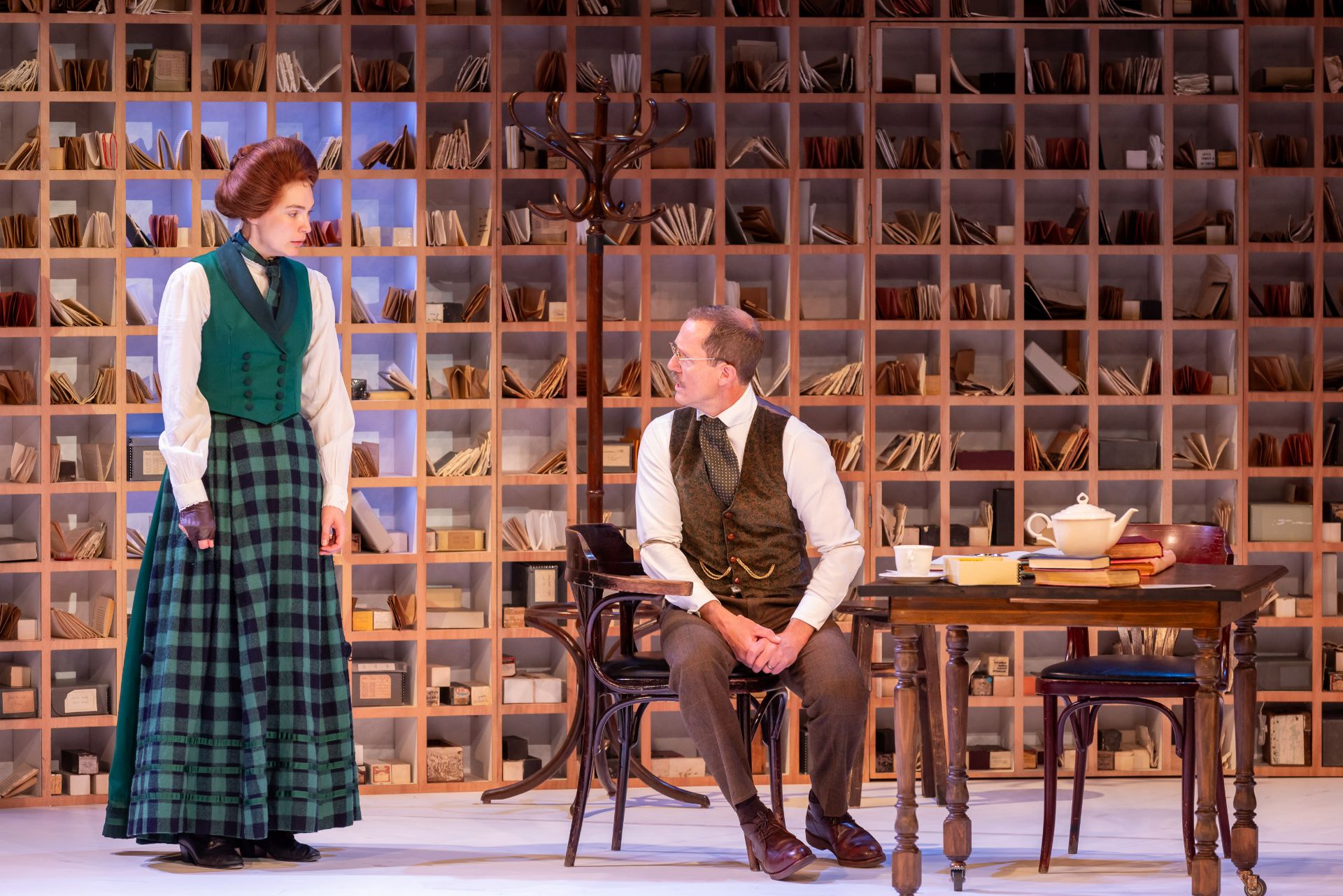
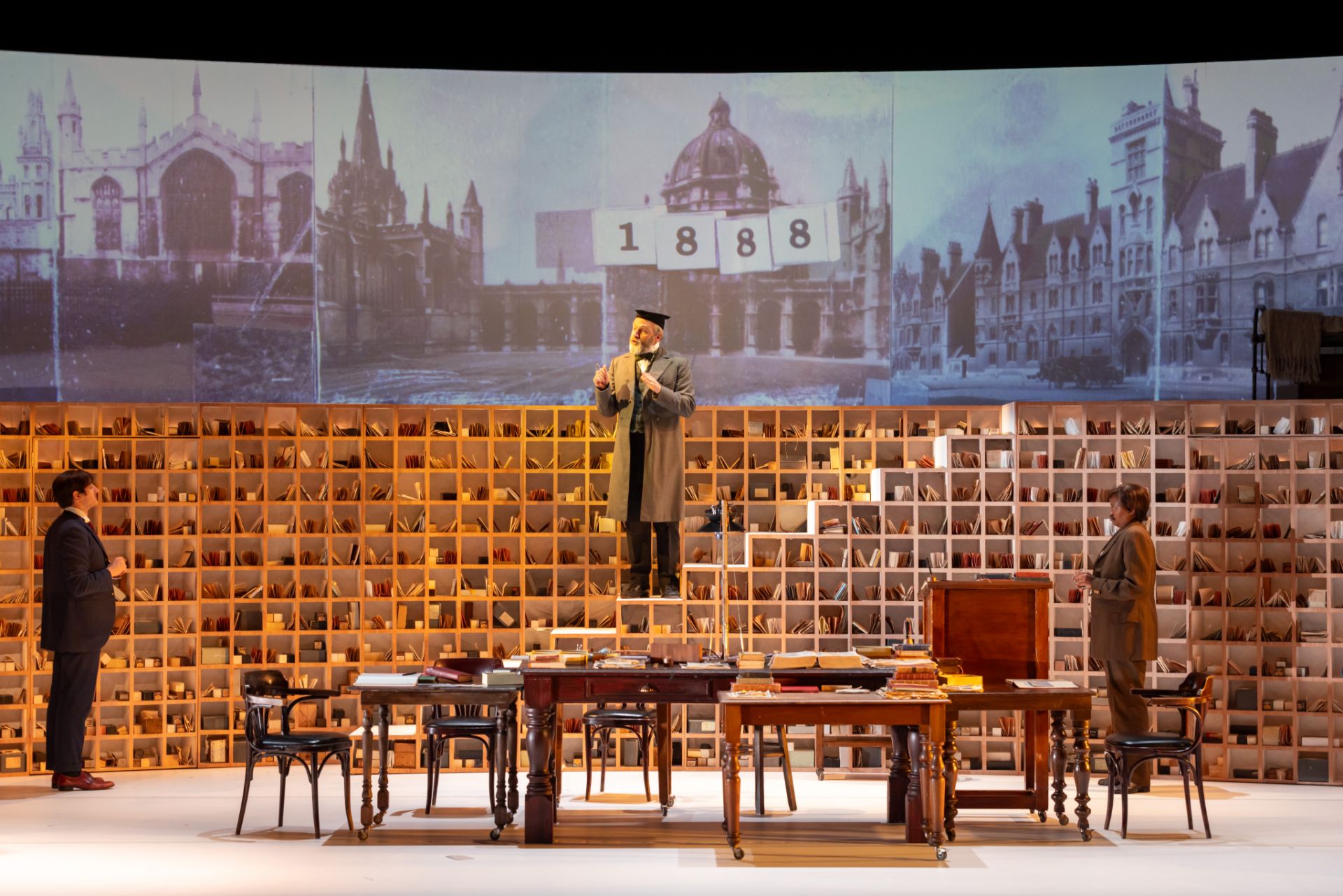
The tragedy is both heartbreaking and beautiful, under Mitchell Butel’s direction. Amidst the unbridled distress, is a star who retains her independence and agency, maybe not always making the best choices, but owning every one of them. Butel manufactures a theatrical glamour that helps us lionise Holiday, to see that we can celebrate the totality of her, that flaws in her biography cannot be divorced from her immense legacy, and that where she does flounder is indeed largely a consequence of social injustice, rather than of personal deficiencies.

Production design by Ailsa Paterson features an unpretentious slightly rundown setting, appropriately depicting a space that we should consider beneath a talent of Holiday’s magnitude. Her white gown is resplendent, on a woman who knows her worth, at least in commercial terms. Band members too are dressed with dignity, each one suave and sophisticated, in a story that inevitably confronts matters of class and race. Lights by Govin Ruben are transportative in their realism, accurately evoking a club and performance space of the period, although more heightened dramatics could improve our connection to some of the play’s more intense moments.

Prominent songs from Holiday’s oeuvre comprise the set list in this somewhat inadvertent jukebox musical. From his grand piano, Kym Purling leads a band of prime quality, for exceptional renditions of these historical pieces. Along with bassist Victor Rounds and drummer Calvin Welch, the trio gifts us a truly sumptuous experience of hearing these almost otherworldly compositions. The human voice is of course integral, and Zahra Newman’s proves astonishing not only in her mimicry of Holiday’s iconic tone, texture and timbre, she brings a power that is perhaps surprising to her interpretations of these numbers. As actor Newman is exacting and vivid with her storytelling, and in her strongest scenes, thoroughly convincing with the verisimilitude she is able to muster, to convey some incredibly lamentable details of Holiday’s life and times.

Billie Holiday was a descendant of slaves, and even though she achieved stardom, there was no escaping circumstances that remained cruel and deplorable for African Americans. Even as a musician of world renown, she was not protected from the abuse that women routinely endured, in both public and private spheres. In Lady Day at Emerson’s Bar & Grill we observe how she was wronged, again and again, so that we may ameliorate our feelings about a celebrity we wish to have done better. We are offered a reminder that the problem was the time and place in which she had existed, and that the artist was herself unreservedly immaculate.

www.belvoir.com.au

Review: The Visitors (Sydney Theatre Company)

The Visitors is at the Opera House Drama Theatre from Sep 11 to Oct 14;
Riverside Theatres from Oct 19 to 21; and Illawarra Performing Arts Centre from Oct 25 to 28.

Venue: Sydney Opera House (Sydney NSW), Sep 11 – Oct 14, 2023
Playwright: Jane Harrison
Director: Wesley Enoch
Cast: Joseph Wunujaka Althouse, Luke Carroll, Elaine Crombie, Kyle Morrison, Guy Simon, Beau Dean Riley Smith, Dalara Williams
Images by Daniel Boud

Theatre review
Foreign boats have been making increasingly frequent trips to these shores, and our inhabitants are beginning to worry about their intentions. Seven clans have sent representatives to a meeting, to decide on a course of action; they must consider whether to be hospitable, or to demand the intruders’ departure. Jane Harrison’s extraordinary The Visitors can be thought of as a seminal work, undeniably important in its reflections about our final fateful days before colonialism.

Instead of abject despondency, which is an entirely appropriate attitude for this subject, Harrison’s play is dignifying, replete with intelligent humour, and often charmingly wistful in its depictions of an Aboriginal past. It takes us on a meditation of our history and its consequences, reaching a powerful conclusion that affirms and honours Indigenous sovereignty. There are endless themes we can explore in our art, but this issue of land ownership and of First Nations independence, must surely be paramount, in any of our discourse upon these terrains.

Wesley Enoch’s salient direction of the piece, makes the action feel as though it all happened just yesterday. The point being made is unambiguous and robust, and the show is emphatically inclusive of every viewer, in these pertinent investigations about the people we are. An outstanding cast of zealous actors demonstrate unequivocally the resilience and the indomitability of the communities that they represent so gloriously. Their chemistry is immaculate, in a show that speaks with a beautifully harmonious sense of solidarity. Especially noteworthy is Luke Carroll, who as Gordon, brings the production to a riveting emotional peak, so that we leave with absolute certainty about how we are to proceed, with out private and political lives.

Production design by Elizabeth Gadsby provides a juxtaposition of native and alien, in a way that inspires greater complexity to how we may choose to conceive of this iteration of the colonial experience. The unmistakably Western mode of dress is challenging, but valuable as a reminder of the hegemony under which we are conducting these discussions. The set pays tribute to the sacred quality of our landscape, persistent and eternal. Lights by Karen Norris take us somewhere ethereal, satisfying in the lyricism it evokes, to have us longing for a place that is magical in its simultaneity of being both distant and immediately accessible. Brendon Boney’s sounds and music are restrained to start, effective at facilitating our imagination of a precursive, more natural existence, but gains in intensity for the final minutes, to ensure our exhaustive investment into The Visitors‘ core intentions.

We may not be able to revert to a moment of origination, to undo every injustice, but we can always choose to forge better paths ahead. Our trajectory if left unchecked, will continue with its project of dispossession and division, exacerbating the many regretful situations we currently find ourselves. Humanity is capable of both benevolence and malevolence, and either way we choose to make our decisions, we must know that harm unto others, will always have unwitting reverberations that return to those determined to be callous and mercenary.

www.sydneytheatre.com.au | www.moogahlin.org

Review: Blaque Showgirls (Griffin Theatre Company)

Venue: SBW Stables Theatre (Darlinghurst NSW), Sep 4 – Oct 21, 2023
Playwright: Nakkiah Lui
Directors: Shari Sebbens, Ursula Yovich
Cast: Mathew Cooper, Jonathan Jeffrey, Matty Mills, Angeline Penrith, Stephanie Somerville
Images by Brett Boardman

Theatre review
Chandon has been the star of the legendary Blaque Showgirls cabaret show for more than a few years, but her position is in threat of being usurped by the young and ambitious Ginny. Based on the 1995 cult classic Showgirls by Paul Verhoeven, Nakkiah Lui’s highly satirical Blaque Showgirls extends the tradition of stories dealing with the menacing ingenue, for a renewed look at dog-eat-dog capitalism through a feminist lens, examining the entrenched racism fundamental to the enduring dominion of a system derived from our colonial history.

The issues are serious, but the show presents them in deceptively silly ways, for a work of theatre that talks about our darkest matters without relying on painful enactments of trauma. Lui’s work is irrepressibly effervescent, but with sarcasm dripping from every line, it aims to create laughter as it fervently exposes the injustices suffered by those Indigenous to this land. Co-directed by Shari Sebbens and Ursula Yovich, we are treated to a modern farce, chaotic and messy in the best possible ways. Taking inspiration from the campy absurdity of Verhoeven’s film, the style of comedy in Blaque Showgirls is commensurately heightened, with a fierce denial of naturalism that almost seems to make a statement, about wishing to reject the venerated but bland aesthetics characteristic of whiteness.

Production design by Cris Baldwin is all tinsel, glitter and fake fur, playing with notions of taste to deliver a set and costumes that tantalise, and that challenge the meanings and representations of class, within an art form that is essentially Western by tradition. Verity Hampson’s lights are as playful as they are colourful, and along with rapturous sounds and music by Jessica Dunn, the overall vibrancy of this staging proves a joy.

Actor Stephanie Somerville brings an inconceivable authenticity to the scandalous role of Ginny, empathetic one moment, and dangerous another, we are left truly outraged by her antics. As Chandon, the arresting Jonathan Jeffrey brings not only excellent timing, but also marvellous indignation to his spirited portrayal of a discarded diva. Angeline Penrith is extremely compelling as Molly, in a ruthlessly biting performance that really gets to the heart of the entire exercise. Matty Mills as Kyle MacLachlan, and Mathew Cooper as True Love Interest, are both passionate and funny, in a show that takes its politics as seriously as it does its humour.

The people who do bad things in the play never recognise, much less admit to, the racism they enact and perpetuate. They might be able to acknowledge the failings of systems, but will not disengage from them, and will certainly not take blame for benefiting from them. They feign powerlessness, and argue that their absence during the origination of these problems, means they are not to take responsibility. They will not say that they want structural injustices to be preserved, but get hysterical at every little effort to change things. Even when the villains of the piece are unveiled at the end, they do not relent or concede. They relish in playing by the rules, even though the rules are demonstrably harmful. No wonder any attempt at amelioration is characterised as radical.

www.griffintheatre.com.au

Review: The 25th Annual Putnam County Spelling Bee (Hayes Theatre)

Venue: Hayes Theatre Co (Potts Point NSW), Sep 8 – Oct 8, 2023
Music and Lyrics: William Finn
Book: Rachel Sheinkin
Director: Dash Kruck
Cast: Axel Duffy, James Haxby, Adeline Hunter, Jessica Kok, Nathaniel Laga’aia, Rebecca Ordíz, Matthew Predny, Daniel Raso, Katrina Retallick
Images by 

Theatre review
Six adorable children reveal their truest selves, as we observe their bids for the top spot, at their local spelling competition. Each faces their own set of challenges, not only in terms of the alphabetical contest, but also with their personal and family lives. Thankfully however, The 25th Annual Putnam County Spelling Bee never gets too serious. The musical is a joyful comedic work through and through, venturing into the quirkiest of spaces, to deliver an experience as zany as it is wholesome.

Directed by Dash Kruck, humour in the production is intricately and powerfully rendered for an uproarious experience that is sure to satisfy audiences of all stripes. Additionally enjoyable is an unmistakable sweetness to the storytelling that is never cloying, but always effortlessly touching. Kruck has created an endlessly amusing world, in which every moment is saturated with wonderment and delight. Choreography by Vi Lam adds further vitality to the show, facilitating visual dynamism through freedom of movement, yet always retaining integrity of its characters.

An appropriately colourful set design by Monique Langford depicts the tournament with accuracy, albeit with somewhat predictable and simplistic elements. Adrienne Andrews’ costumes divulge so much of who these people are, in succinct and eye-catching ways. Lights by Lucia Haddad are attentive to the plot’s many subtle shifts in tone, and are notable for offering energy and vibrancy that maintain for the presentation, a sense of consistent buoyancy.

Nine impeccable performers form the most delightful of ensembles, full of witty inventiveness to elicit our unbridled investment into every personality, every anecdote and every joke. The entire cast is unequivocally talented, but it is the generosity of spirit that is so evident in the production that makes the audience connect with such enthusiasm. The quality of singing too is top-notch, and together with a vivacious band under Abi McCunn as musical director, each whimsical song represents great entertainment, on this occasion of sheer theatrical bliss.

Only one child gets to win the battle, but every contestant leaves the contest enriched in immeasurable ways. When rising to real challenges, we know that victory is never certain. Having the courage, drive and inspiration to face daunting situations however, will always mean growth, which should be considered at least as gratifying as public recognition. As the kids of Spelling Bee are knocked out one by one, we find ourselves empathising completely with that feeling of devastation, but we have no fear for their recovery, as the formation of resilience had already begun, long before that fleeting moment of disappointment.

www.hayestheatre.com.au | www.srproductions.net

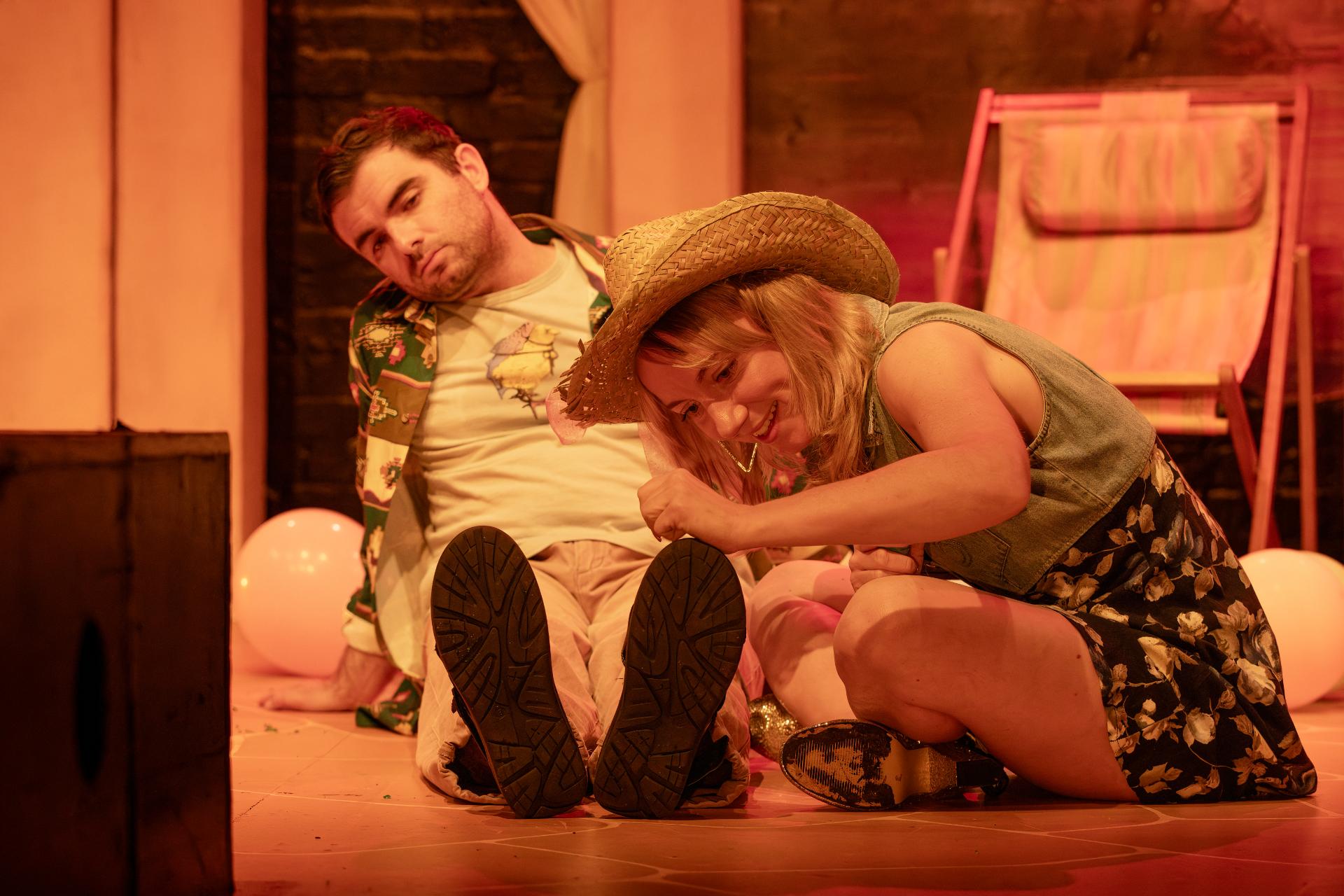
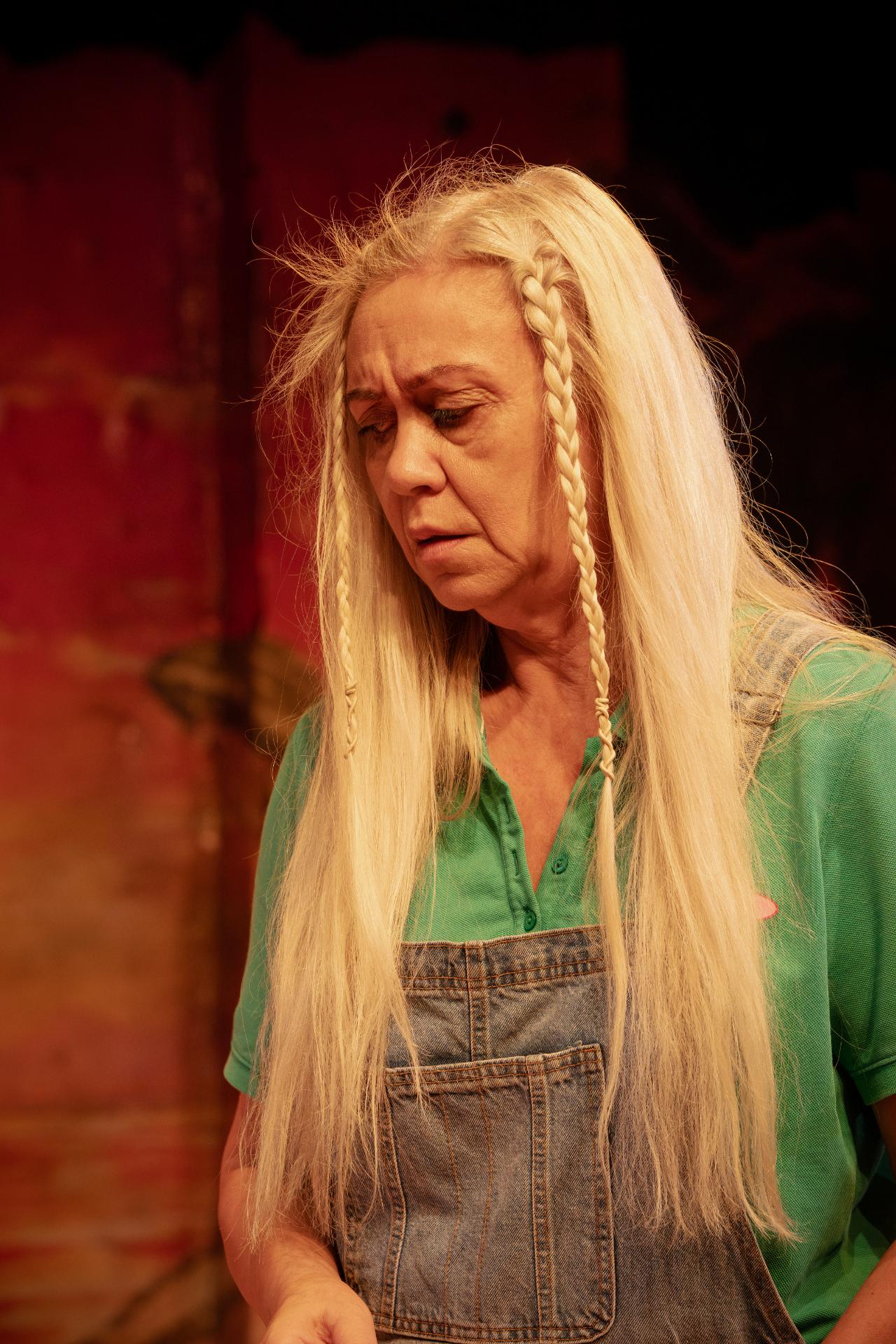
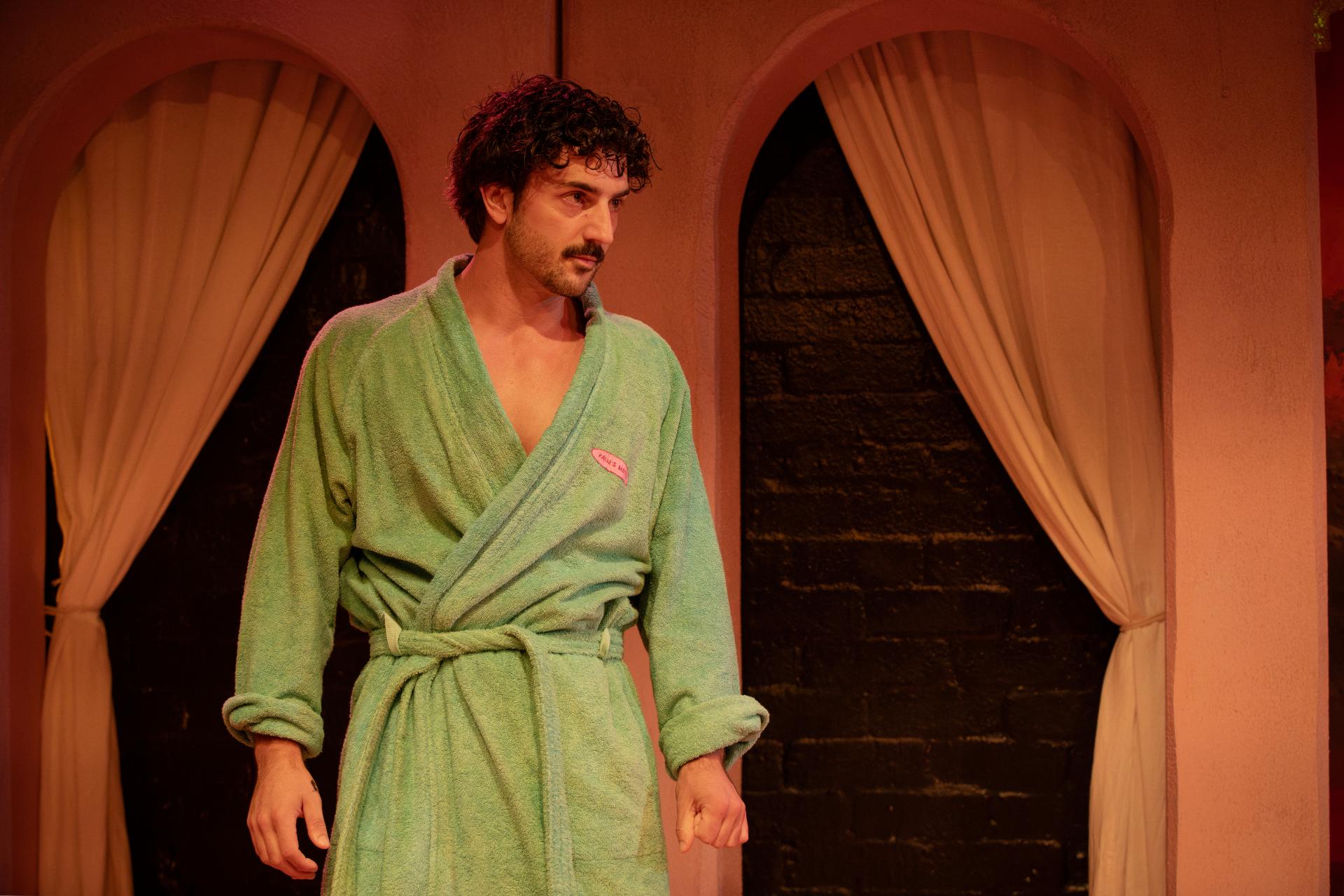
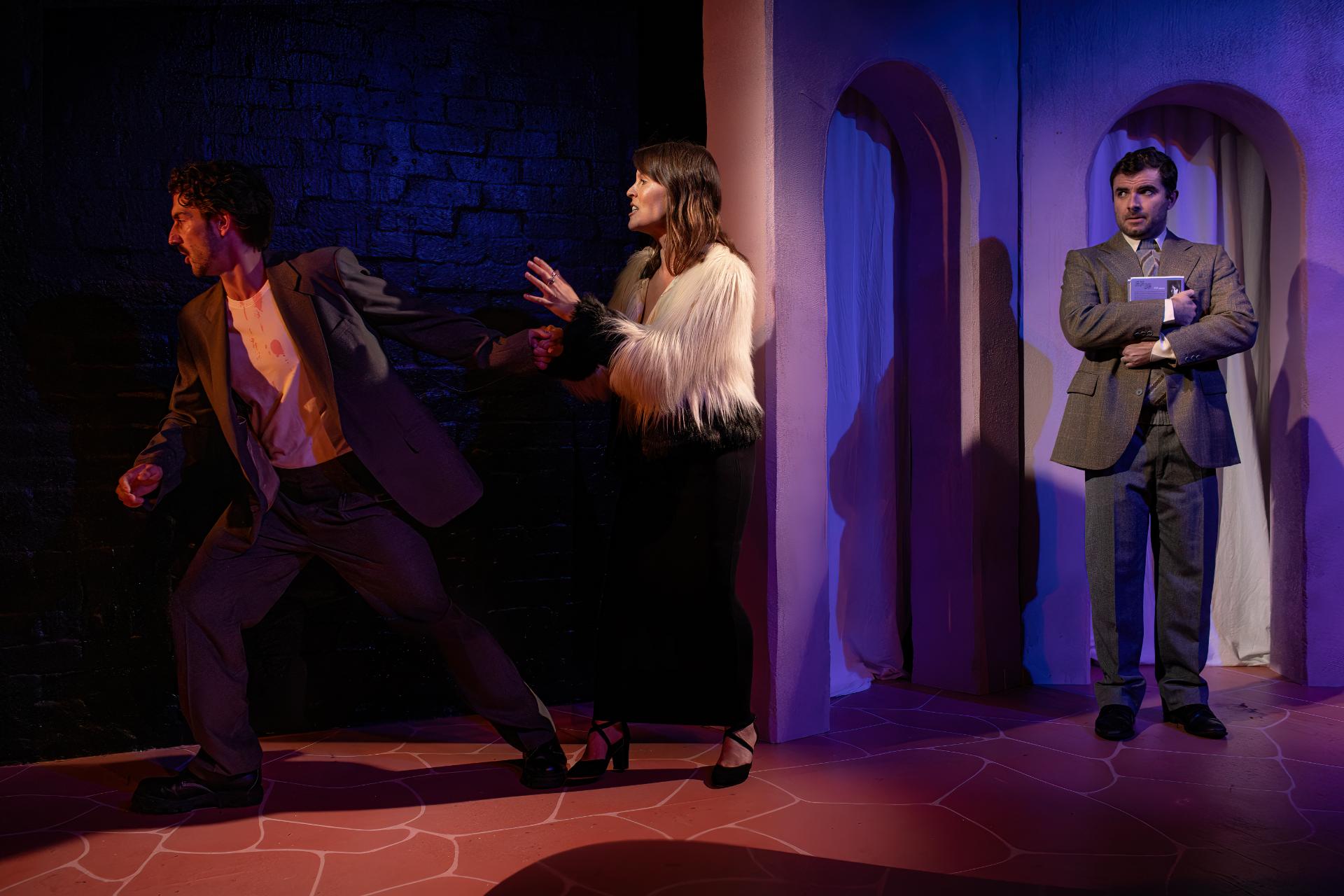
Review: Summer Of Harold (Ensemble Theatre)

Venue: Ensemble Theatre (Kirribilli NSW), Sep 8 – Oct 14, 2023
Playwright: Hilary Bell
Director: Francesca Savige
Cast: Berynn Schwerdt, Hannah Waterman
Images by Jaimi Joy

Theatre review

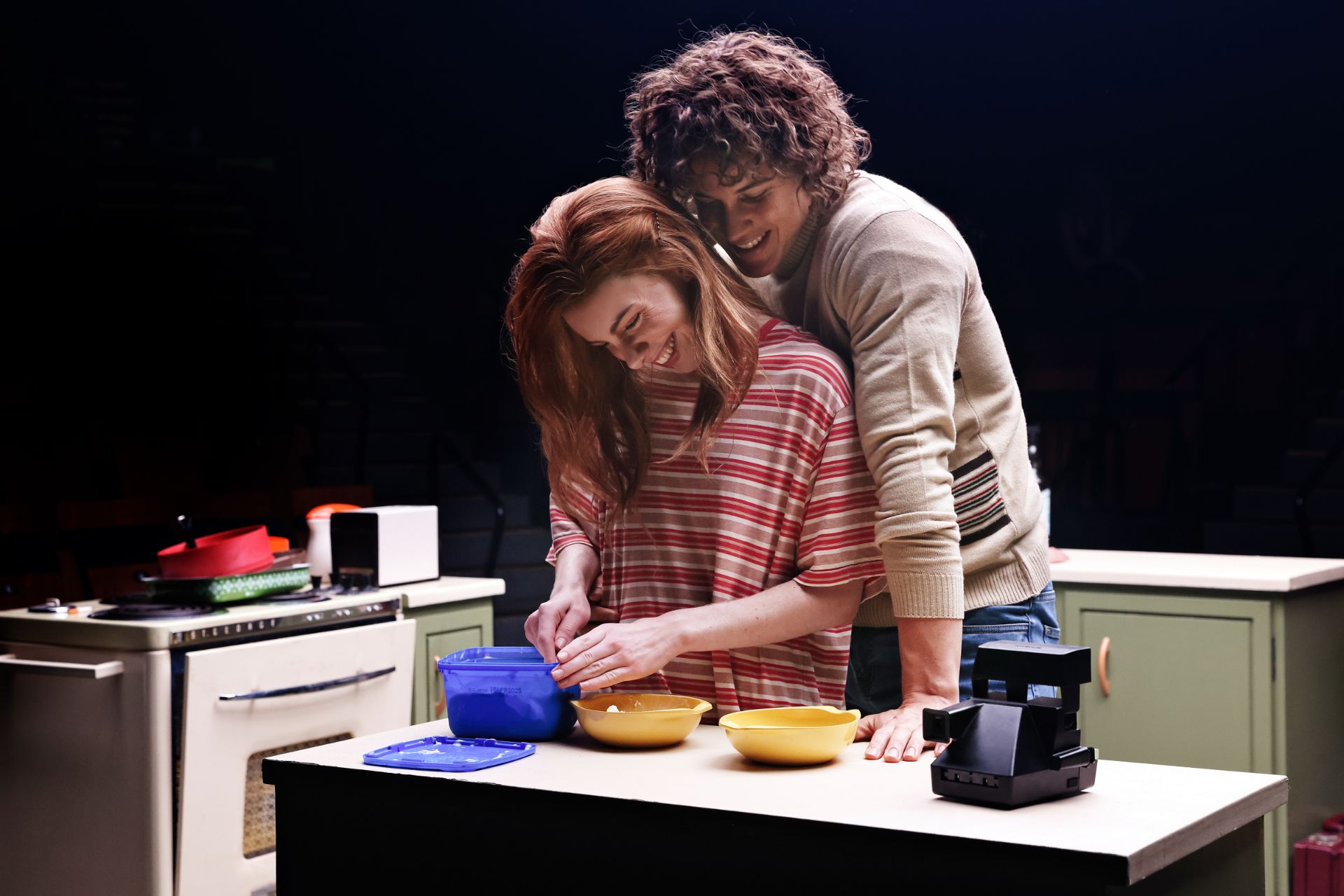
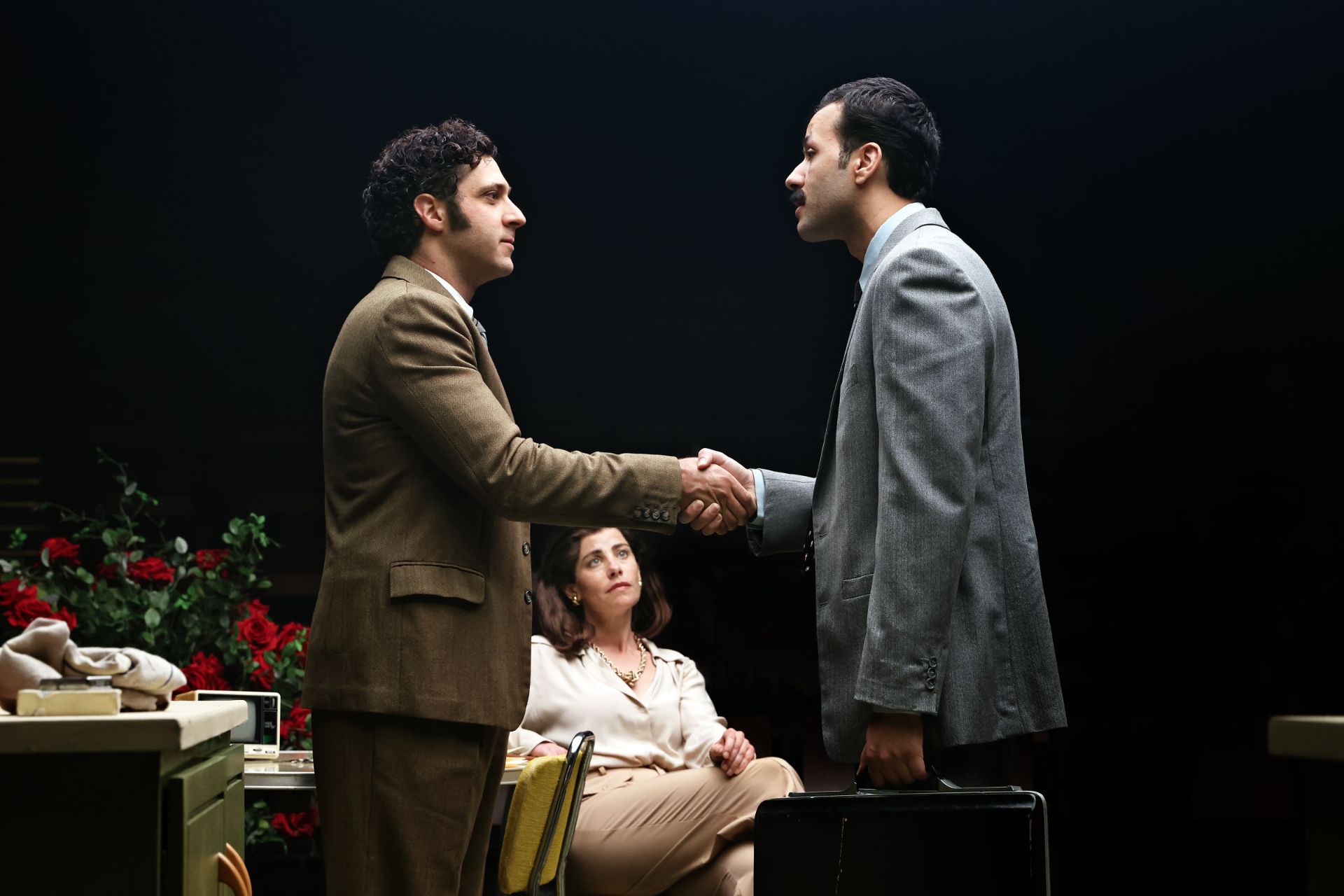
Hilary Bell’s trio of short plays may not be terribly fashionable, with their shared fixation on the 80’s, and a seeming disregard for anything topical that may feel directly relevant, to the myriad trending social concerns competing for bandwidth. It does however pay attention to an older cohort of our population, the ones we have come to nickname “the boomers” who seem to have it all. Yet in Summer of Harold, Enfant Terrible and Lookout, we find these Australian lives to be much more than the privilege with which they are resentfully associated.

These characters are full of vulnerability, some of them consumed with sadness, others with regret or nostalgia. Bell’s depictions of humanity are certainly truthful, often with a gentle humour that makes her storytelling charming and resonant. Francesca Savige’s tender direction of the pieces is rich with emotion and consistently funny. These explorations are of a particular ordinariness but imbued with an unmistakeable generosity, so that we can perceive the sacred within the mundane, and that something universal can be discovered from these private moments. These stories are small, but Savige ensures that access to their spiritual core is always unrestricted.

It is an attractive stage design by Jeremy Allen that greets us, although not quite versatile enough to accommodate the three completely different settings required of the production. Matt Cox’s lights deliver an elegant sentimentality crucial to our appreciation of these intimate contemplations. Sound design by Mary Rapp guides us effortlessly from one segment to another, leaving a particularly strong impression with the intensity she renders for the final story.

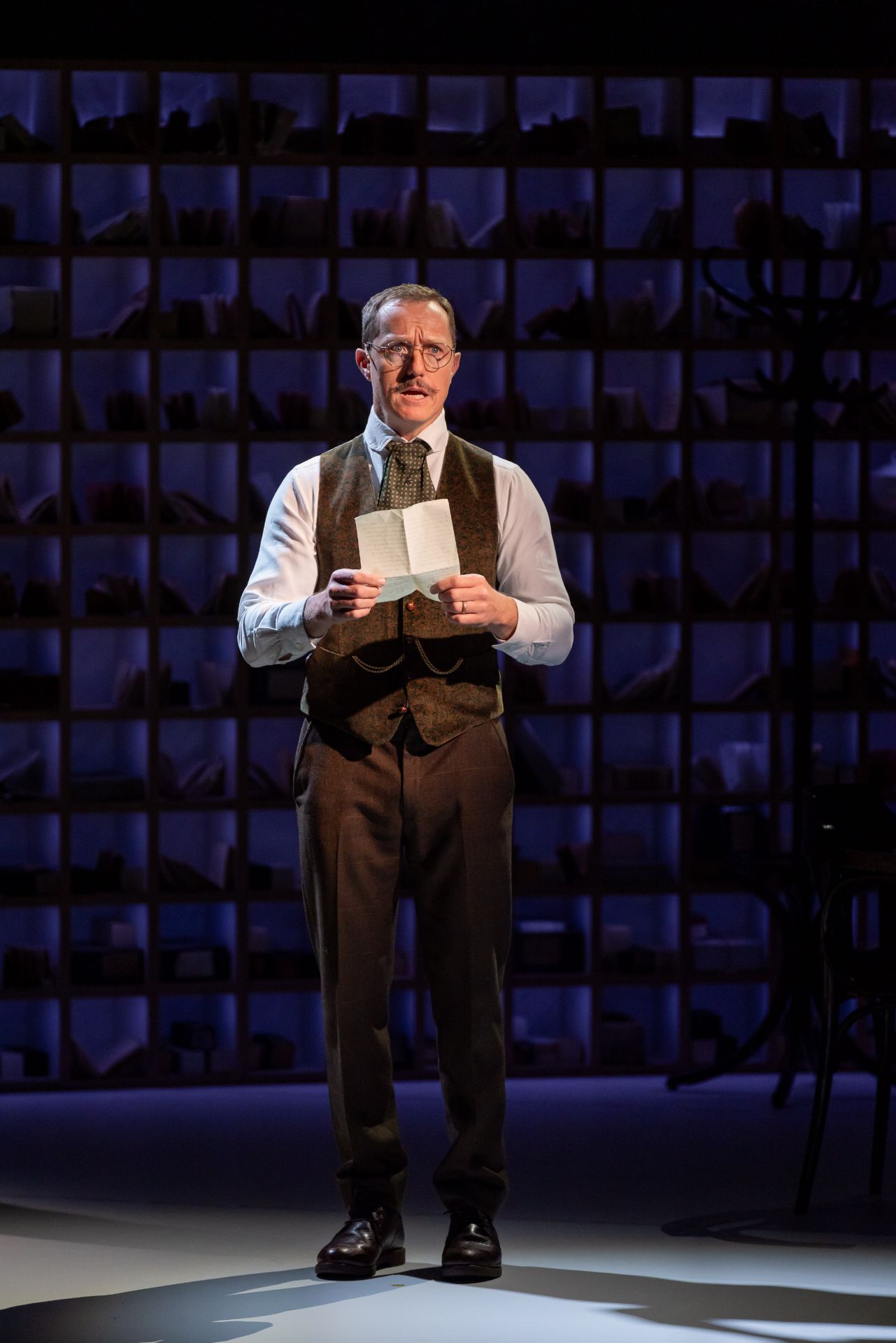
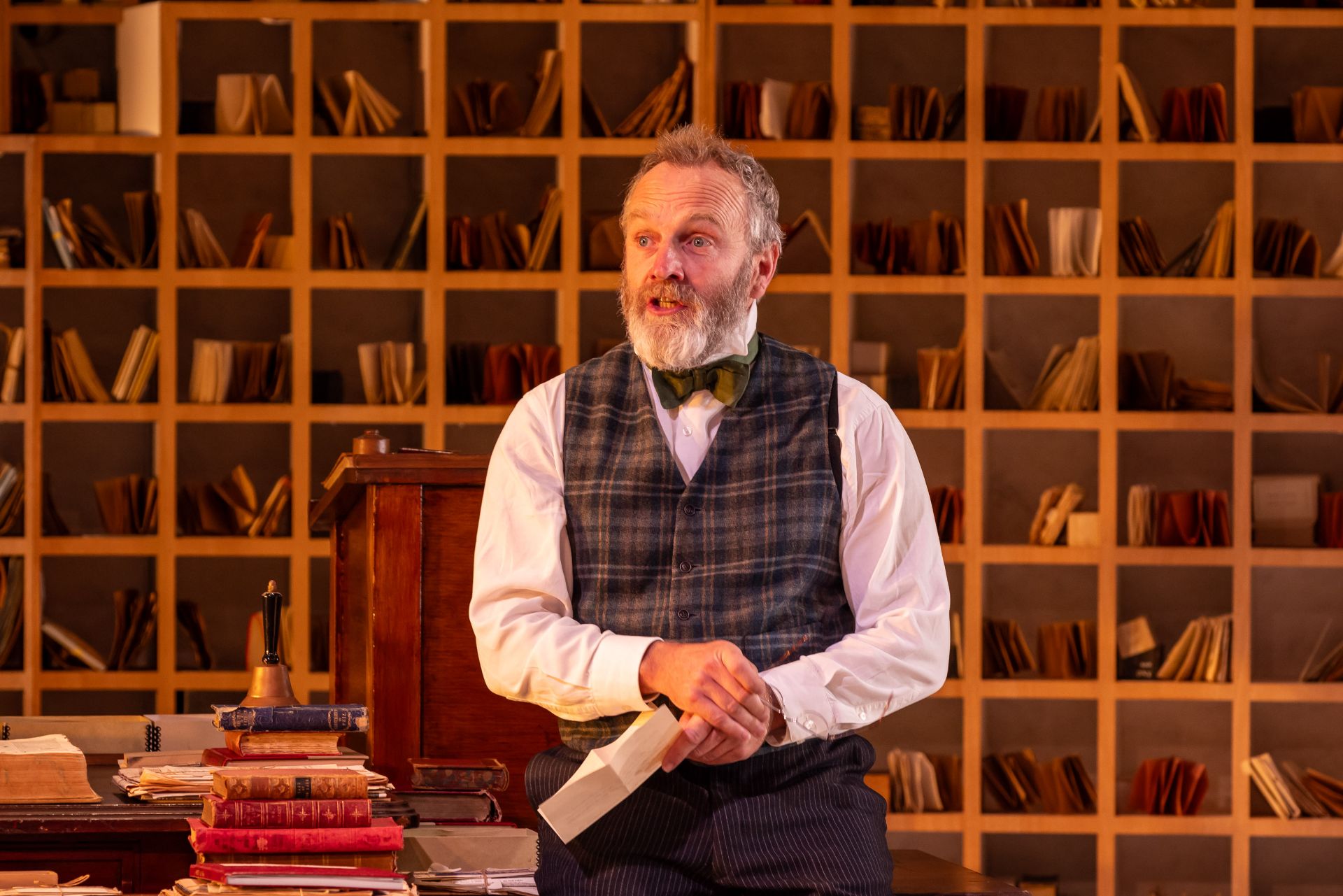
Actor Berynn Schwerdt demonstrates exceptional acuity in his interpretations of Gareth and Jonathan. Highly convincing in completely divergent roles, able to make them equally compelling, with flawless impulses, and an admirable creativity that allows him to introduce surprising nuance at every turn. Playing Janet and Rae is Hannah Waterman, whose rawness as a performer invites us to connect with the internal dimensions of the women being portrayed, both of whom seem so cordially familiar.

Some of these characters we meet, have pasts they need to leave behind, while some others are quite content staying put. Time can be thought of as linear, especially useful when indulging in flights of fancy pertaining to matters of progression. History does show undeniable propensity in how we are able to make things better. Time can also be thought of as circular or oscillatory, so that we may feel no inadequacy in this state of being, that one is always enough wherever one might be. Fortunately both are concurrently, and eternally, real.

www.ensemble.com.au

Review: The Importance Of Being Earnest (Sydney Theatre Company)

Venue: Roslyn Packer Theatre (Sydney NSW), Sep 5 – Oct 14, 2023
Playwright: Oscar Wilde
Director: Sarah Giles
Cast: Gareth Davies, Melissa Kahraman, Lucia Mastrantone, Brandon McClelland, Sean O’Shea, Emma O’Sullivan, Bruce Spence, Helen Thomson, Megan Wilding, Charles Wu
Images by Daniel Boud

Theatre review
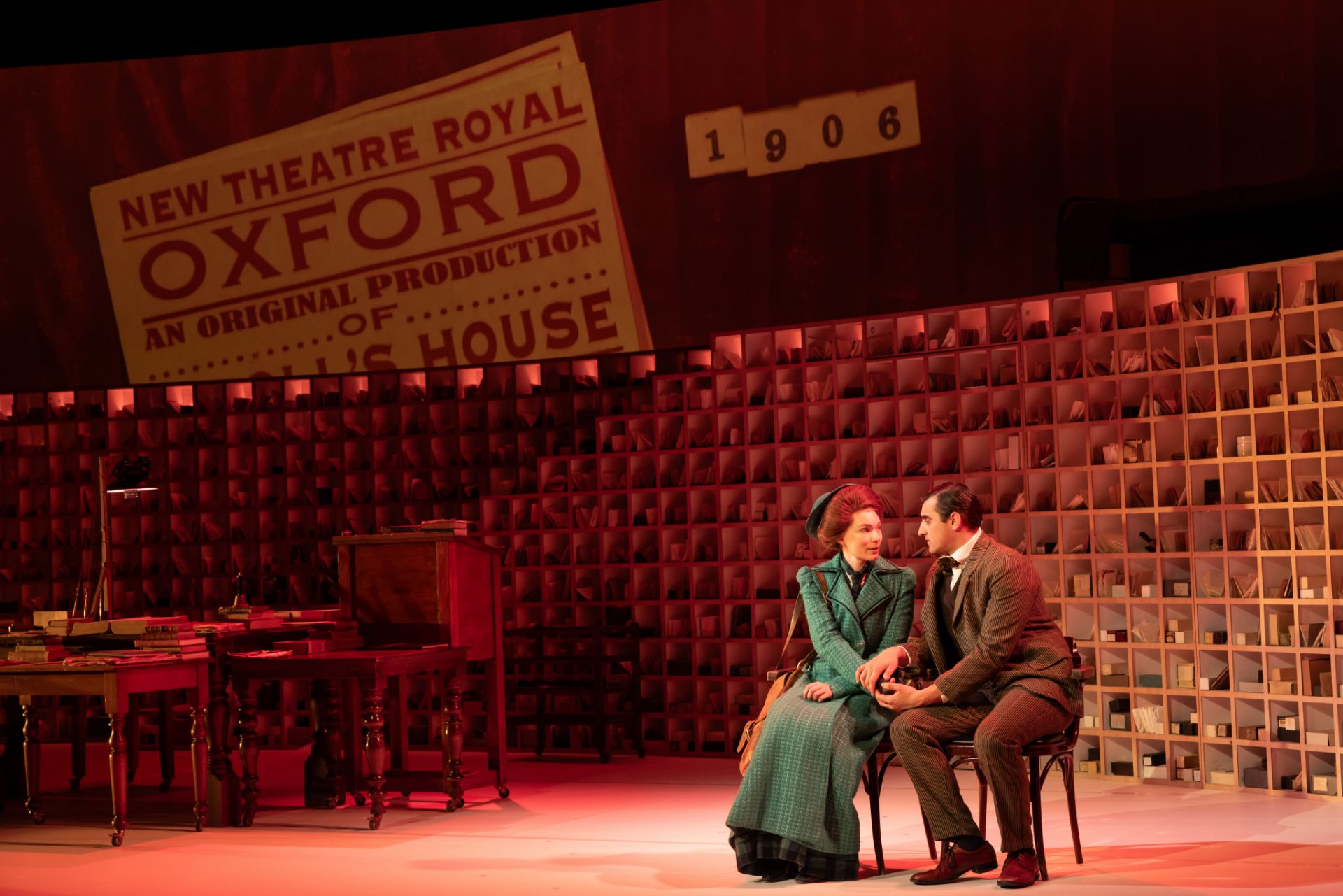
Gwendolen and Cecily have waited all their lives to marry a man, any man, named Earnest. That peculiar requirement for a beau is taken very seriously by both young women in Oscar Wilde’s The Importance of Being Earnest, not only for the absurd comedy that ensues, but also for the ways in which heteronormativity is exposed for the preposterous standards it imposes on a person’s worth, and the irrational priorities it proliferates for how people are supposed to conduct their affairs. It attacks the very notion of marriage as the foundation of family and of society, from a queer perspective, at a time when queer voices could only be heard when disguised as harmless fun.

Indeed, the politics of Wilde are surreptitiously concealed in his work, not quite able to chastise or subvert in overt ways, the values of a culture that cause immeasurable harm to those it marginalizes, but certainly successful at ridiculing beneficiaries of inequitable power structures, who insist on presenting benign or even benevolent fronts. Director Sarah Giles takes inspiration from the furtive implications of Wilde’s writing, and gives meaningful amplification to the subtext that underscores Earnest, thereby imbuing the production with unexpected substantiveness. It seems Earnest always did contain consequential depth, but it takes someone of Giles’ calibre to help us perceive it.

Set design by Charles Davis incorporates the “downstairs” of Victorian stately homes, boldly revealing that which is traditionally and routinely suppressed. There is a grandeur to the imagery Davis has created that is quite breathtaking, with a memorable transition from town house to country estate, that proves absolutely spellbinding. Costumes by Renée Mulder too are unforgettable, extreme in their indulgence with visual flamboyance to deliver simultaneously, the theatrical joys of humour and of glamour, giving further expression to the fundamental queer sensibility that informs Earnest. Lights by Alexander Berlage and sounds by Stefan Gregory are more restrained, but no less measured, in a production that scores top marks with its design elements.

Actor Megan Wilding is a sensation as Gwendolen, infinitely creative and unequivocally hilarious with all the meticulous considerations she brings to the stage. Every inflection of voice and every perfectly timed gesture, not only induce fits of laughter, they serve to illustrate marvellously the personality being portrayed, and to ensure our engagement with the overall narrative. Lady Bracknell is played by Helen Thomson whose awe-inspiring sense of grandiosity is both comical and convincing, in order that we may stay firmly within the story, whilst we relish in her effortless manipulations of allure, sass and wit. The eponymous Earnest is appropriately sincere and passionate, as performed by an eminently compelling Brandon McClelland, who is as adept at making the role believable, as he is at giving us a funny character. There is however a glaring discrepancy in levels of hilarity being rendered, between members of this ten-player cast; all are undoubtedly accomplished, but some are clearly disproportionately persuasive, in a presentation that seems to turn into a competition for amusement.

Camp, as a style and as a political symbol, takes centre stage in this version of Earnest. It is not merely a device that emerges in opportune moments. It is pivotal to how we experience the show, and how we make sense of the same machinations undergirding the personalities on stage, that also rule our real lives. The illogicality of Wilde’s characters is heightened, and camp is thereby used to force an unmasking of the many things representing esteem and privilege, that are truly hollow. We are made to perceive concurrently that which is bad, along with how it is perversely favoured, in so much of how we live. In campness we can pretend to adhere and obey, as though we are laughing with, but in fact some of us in the gutter, are laughing at.

www.sydneytheatre.com.au

Review: The Chairs (Old Fitz Theatre)

Venue: Old Fitzroy Theatre (Woolloomooloo NSW), Sep 5 – Oct 15, 2023
Playwright: Eugène Ionesco
Director: Gale Edwards
Cast: Paul Capsis, iOTA
Images by Phil Erbacher

Theatre review
Stuck in a room for a lifetime, after an environmental disaster many decades ago rendered them helpless, an old couple can only while the days away by talking to each other, in highly imaginative ways. Their isolation leads them to play out a scenario involving guests arriving to keep them company, determined to listen to their many thoughts on what might have been. Eugène Ionesco’s The Chairs is characteristically absurd, in thoughtful and profound ways commensurate with the playwright’s reputation.

What the play says, is as much about what the viewer wishes to decipher, as it is about the author’s intentions. Under the direction of a sensitive and astute Gale Edwards, the possibilities for resonance are many. It is a production that reaches for the sublime, wishing to communicate something transcendent with all of its abstractions, yet capable of feeling simultaneously concrete through the sense of reality being offered. Something truthful is being manifested, and we perceive it as such, even though there is a definite freedom in how our personal interpretations are encouraged.

Set design by Brian Thomson evokes a fantastical space, somewhere ephemeral perhaps or timeless, allowing us to have a taste both of 1952 when The Chairs was first staged, and the distant future in which the story happens. Costumes are wonderfully theatrical, with excellent consideration for colours and textures by Angela Doherty providing a certain tactility to how we access the characters. Lights by Benjamin Brockman and sounds by Zac Saric create useful demarcations in the text, so that our intellect can feel elastic and activated, lively in our introspections, from being provoked by what we see and hear.

The exquisite iOTA takes on one of the geriatric roles, delivering nuanced intensity as we are held captive to all the passion and the melancholy being rendered in the most mesmeric ways. The performer’s undeniable presence brings to the piece a soulful quality that invites us to regard the work with sentimentality, and therefore elicits our emotional investment in a story that could easily have been left entirely a cerebral experience. Also glorious is Paul Capsis whose natural whimsy imbues the surreality of The Chair with a poetic beauty, turning our inevitable disintegration into a strange decadence, almost romantic in a depiction of longing, whatever the pining may be for. Chemistry and timing between the two are flawless, reflecting a level of artistry that can only come from exceptional talent and finely honed skill.

Things may be futile, but humans will continue being humans. Our lives mean little in the absence of hope, so we can only carry on doing what we know, even if much of it can seem delusory. It is true however, that humans can make choices that we believe to be constructive or destructive, and the tragedy is that we are capable of doing bad, not only unintentionally, but often completely consciously. The old couple in The Chairs live in a France that has become submerged in water. That is not the entirety of the play, but a detail that screams loud. Yet, turning a blind eye feels utterly easy.

www.redlineproductions.com.au

Review: Wicked (Sydney Lyric Theatre)

Venue: Sydney Lyric Theatre (Sydney NSW), from Aug 25, 2023
Book: Winnie Holzman
Music and Lyrics: Stephen Schwartz
Director: Joe Mantello
Cast: Sheridan Adams, Shewit Belay, Zoe Coppinger, Liam Head, Courtney Monsma, Todd McKenney, Adam Murphy, Robyn Nevin, Kurtis Papadinis
Images by Jeff Busby

Theatre review

A wave of fascism is sweeping across the Land of Oz, turning friends and family against each other, as entities are identified at random to be villains, so that a select few can hold power in a climate of fear and hatred. It may seem that the central ideas of Wicked retain their pertinence, as the masterpiece turns twenty years old. We see how easy it is for people to loathe one another, that ostracism is almost natural in how humans construct societies. There is something very depraved about our tendency to create scapegoats, as though our desperate need to feel like we are good, is contingent on fabricating subjects that can be identified as bad.

With inevitable evolutions in taste for styles of music and humour, the show probably does not feel as fresh as it did those two decades ago, but Wicked is still compelling and deeply enjoyable, with its somewhat modern narrative involving two women leads, neither of whom are insulted or vilified. It may no longer be a new work, but there is still something surprising about seeing two women on a stage together, not pitted against each other, in a culture that is only slowly learning that there is space for different kinds of women, and that we can all be winners in self-determined lives shaped to our own liking.

Performer Sheridan Adams effortlessly makes Elphaba an endearing character, in a glorious performance that has us completely riveted. The luminous and gritty spirit she brings, along with her flawless singing, ensures that this production of Wicked is one not to be missed. Playing Glinda is Courtney Monsma, who amazes with the depth of emotion she is able to introduce when it truly matters, so that we leave the show with much more than a memory of glittering smoke and mirrors. Also noteworthy is the enchanting Shewit Belay as Nessarose, very touching in her depictions of the outsider. Veterans Robyn Nevin and Todd McKenney as Madame Morrible and The Wizard respectively, demonstrate their competency as they offer additional moments of lustre, on an opulent stage never short of talent and splendour.

Wicked is essentially a story about girls against the patriarchy, one that helps us imagine the ways we can subvert power structures, so that none are left behind. It draws attention to the faceless powers that be, pulling strings behind the scenes, to privilege some and disadvantage many. Well-behaved women rarely make history, as Laurel Thatcher Ulrich first penned several decades ago. As new generations of girls learn to defy, to disobey and to reject the old rules of their fathers, we can look forward to new ways of doing things, that will no longer be about exclusion, but be about honouring every soul with the appropriate grace that has been missing from too many of our lives.

www.wickedthemusical.com.au