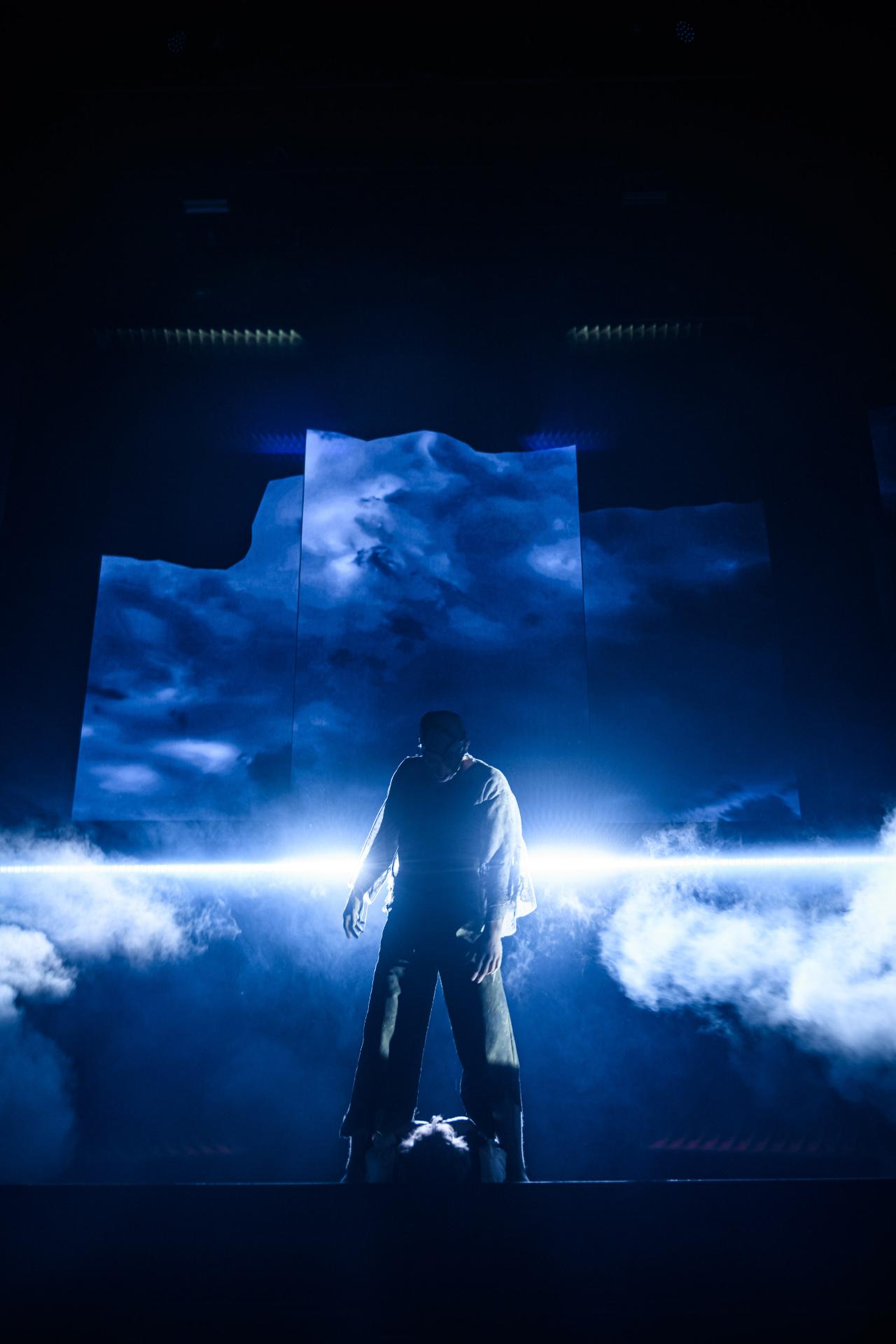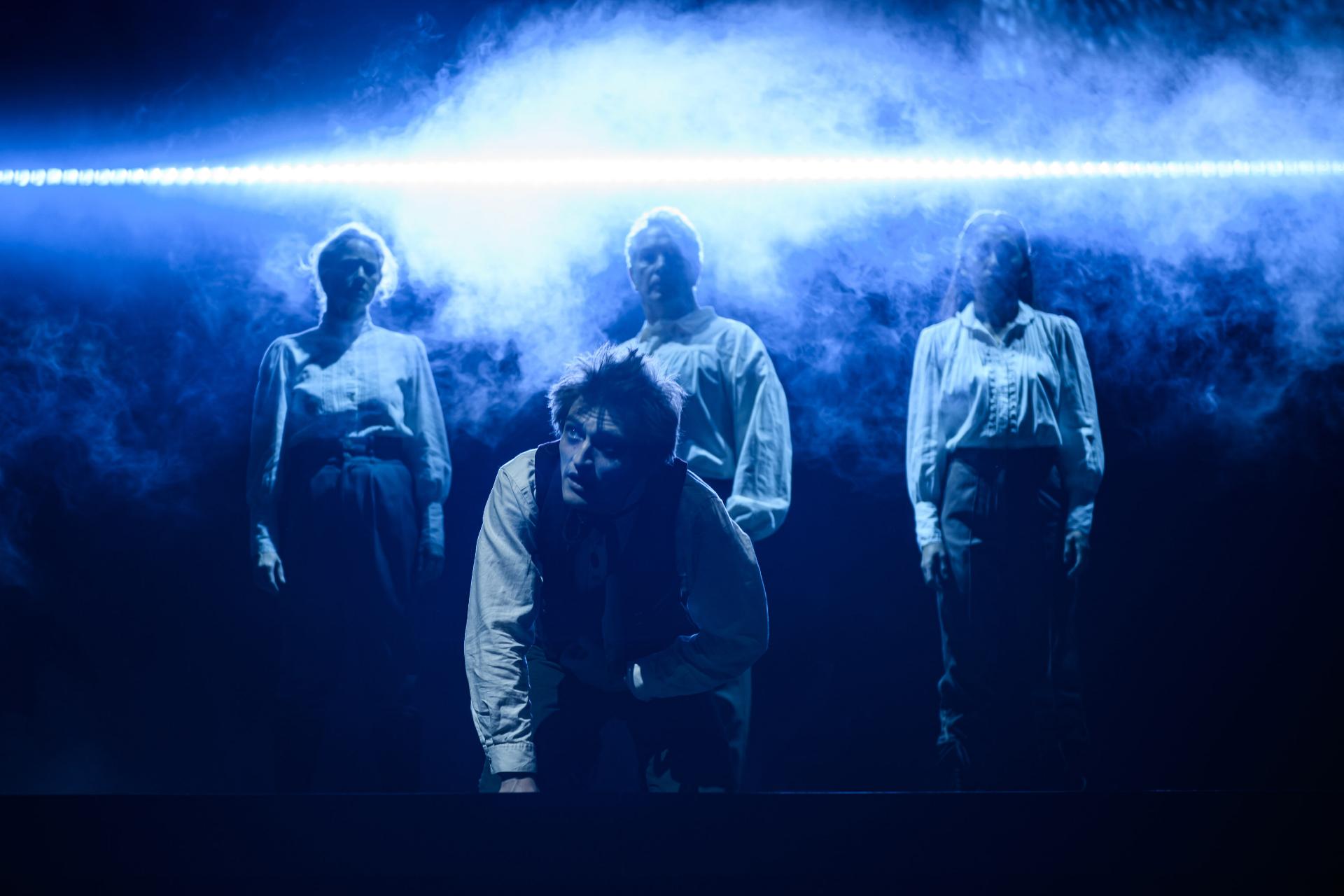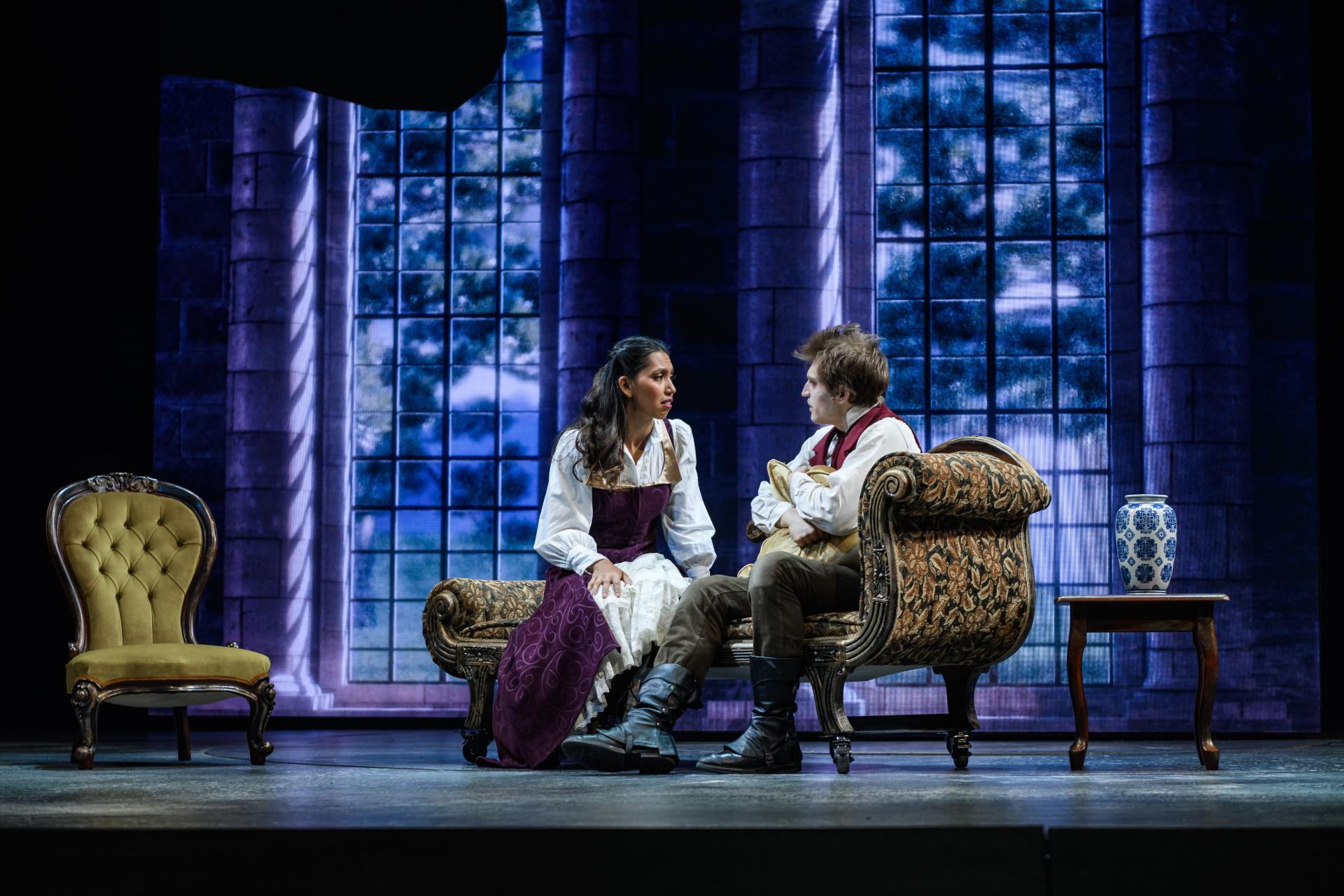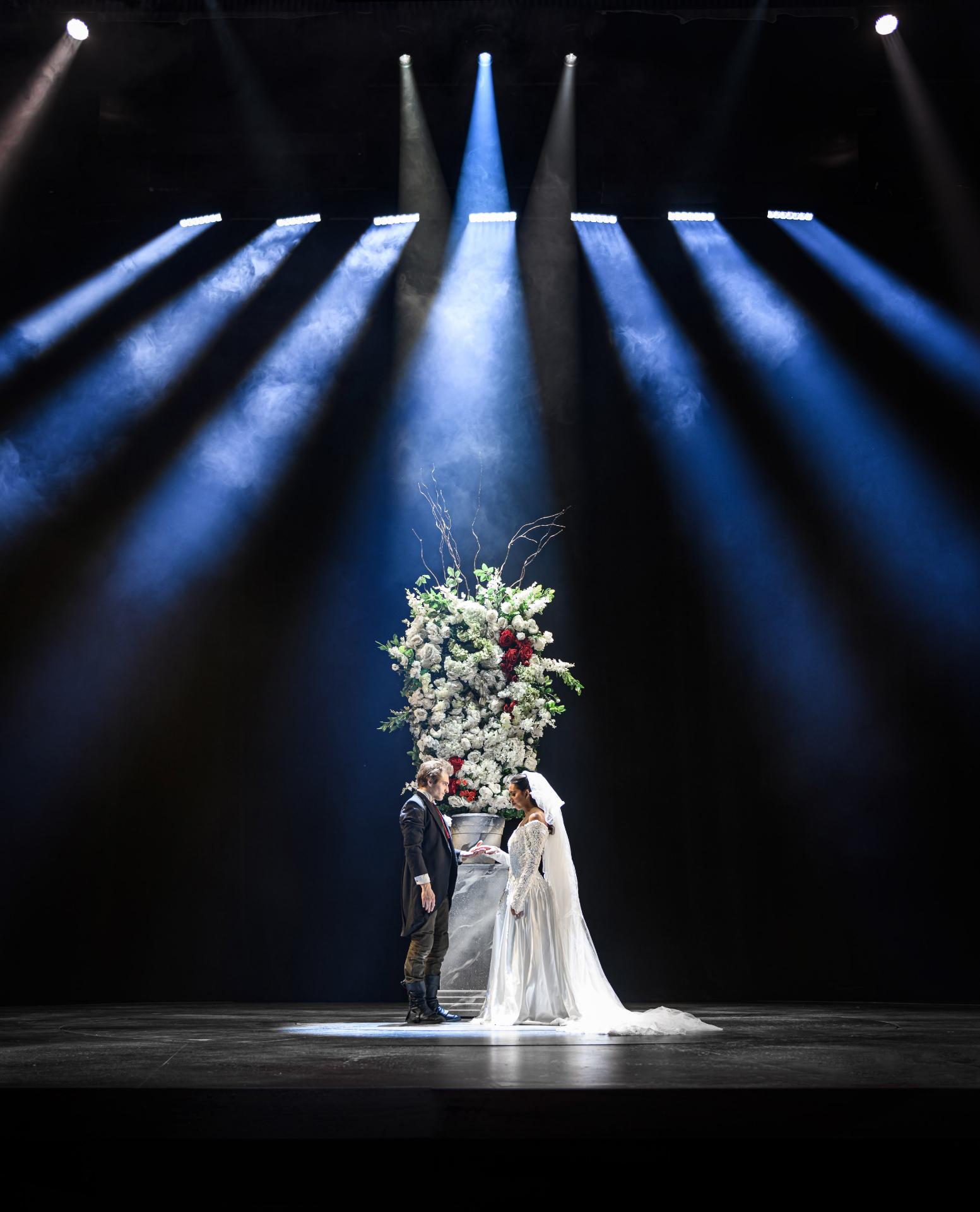
Review: Sister Act (Capitol Theatre)

Venue: Capitol Theatre (Sydney NSW), from Aug 7 – Oct 20, 2024
Music: Alan Menken
Lyrics: Glenn Slater
Book: Cheri Steinkellner & Bill Steinkellner, with Douglas Carter Beane
Cast: Bianca Bruce, James Bryers, Rhonda Burchmore, Casey Donovan, Genevieve Lemon, Sophie Montague, Raphael Wong
Images by Daniel Boud

Theatre review
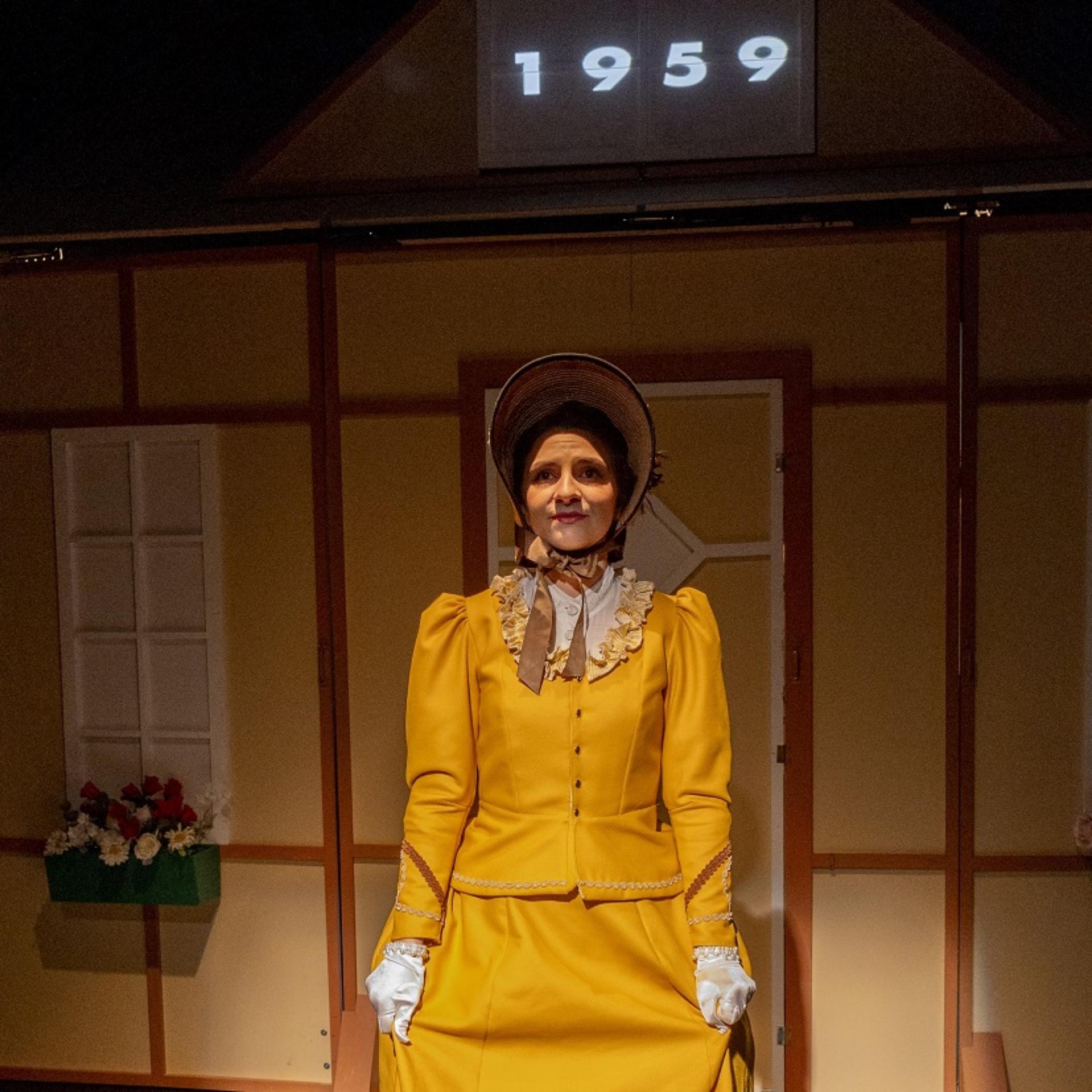
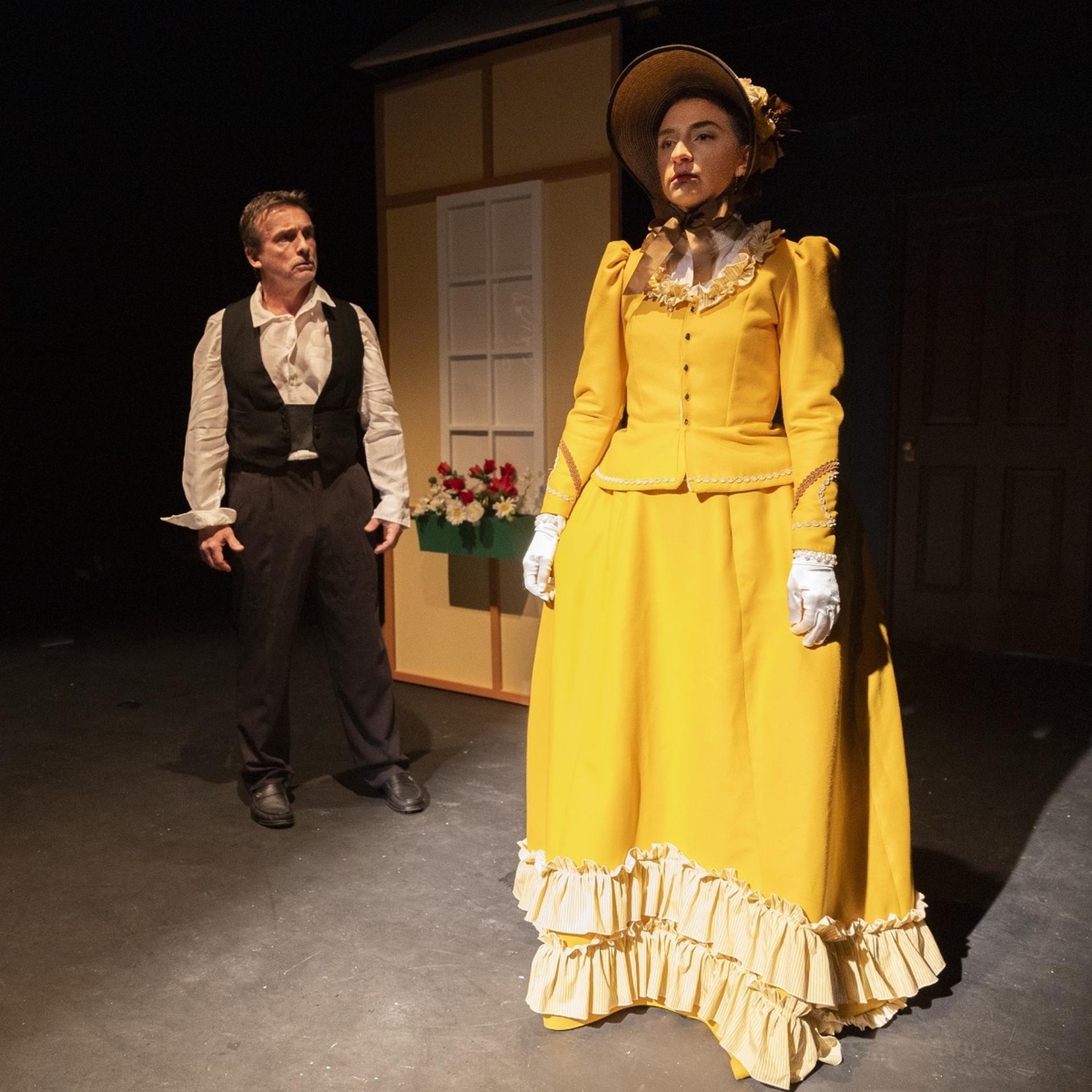
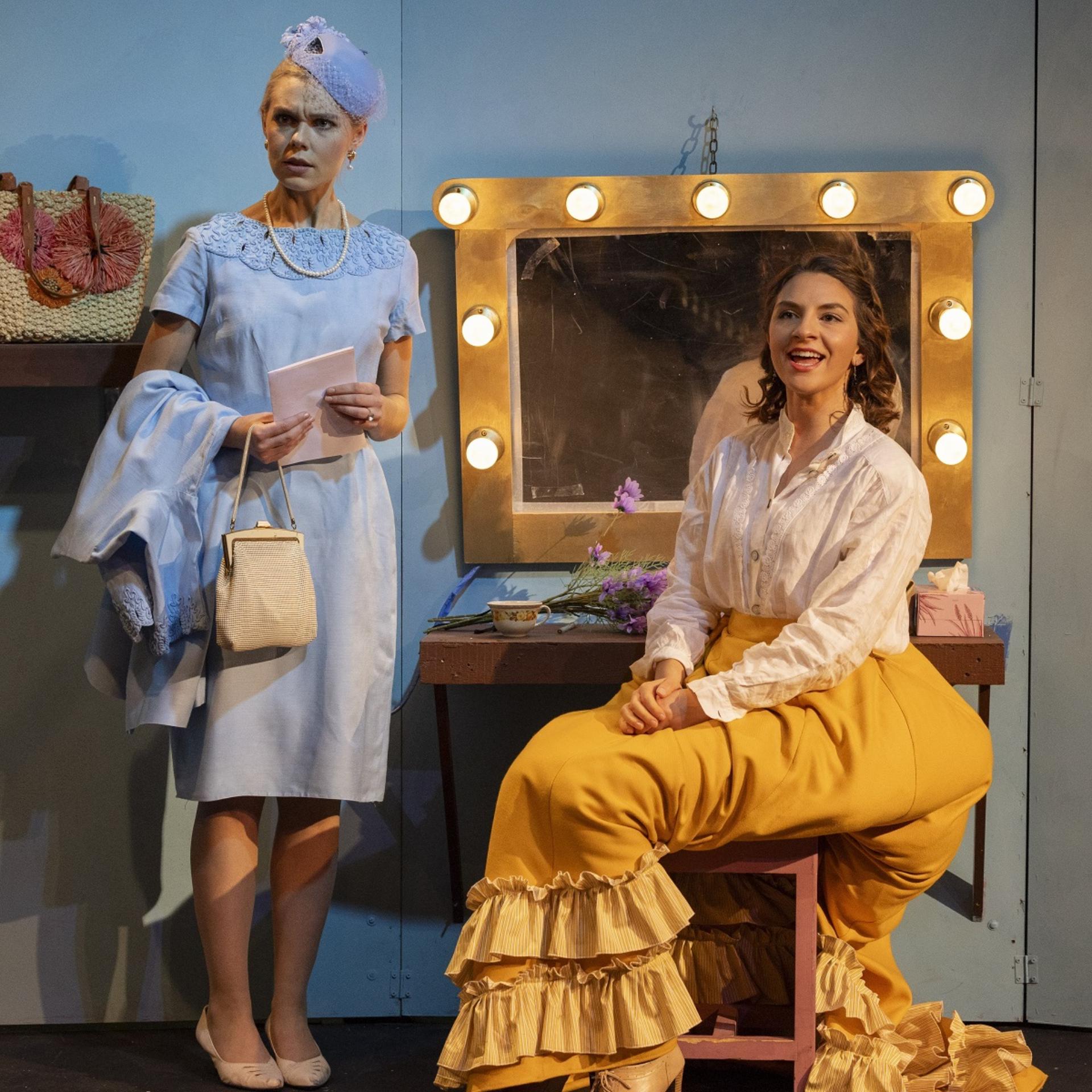
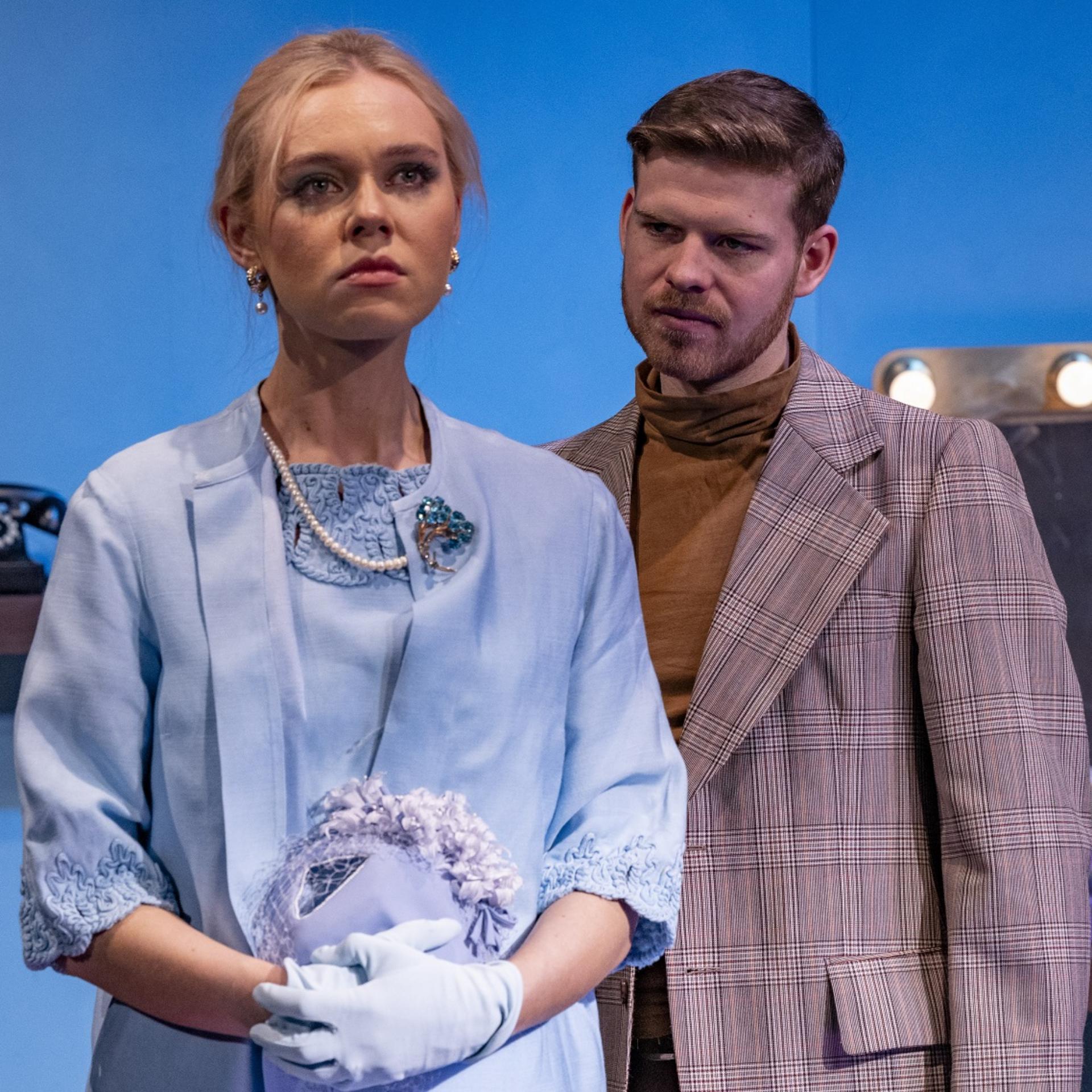
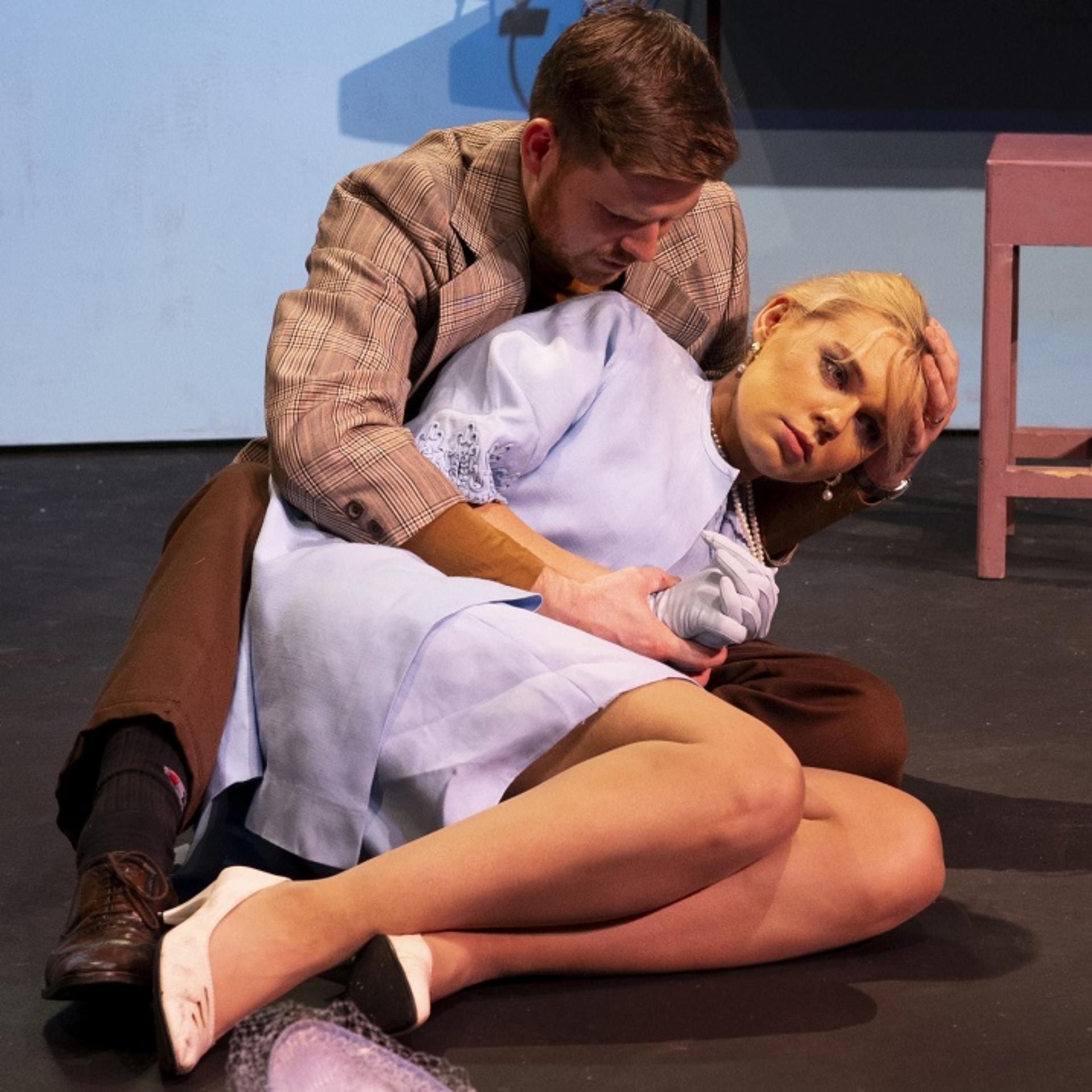
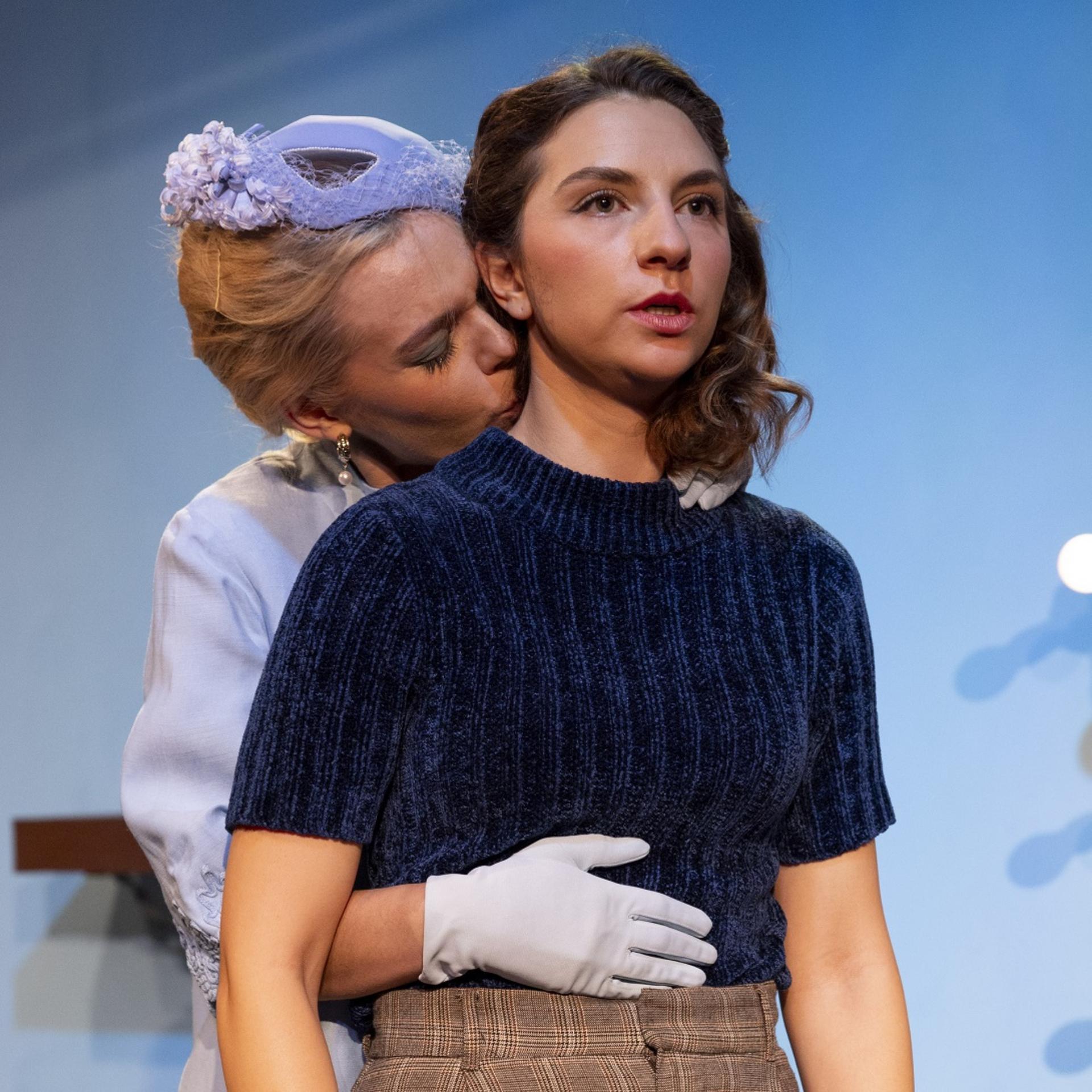
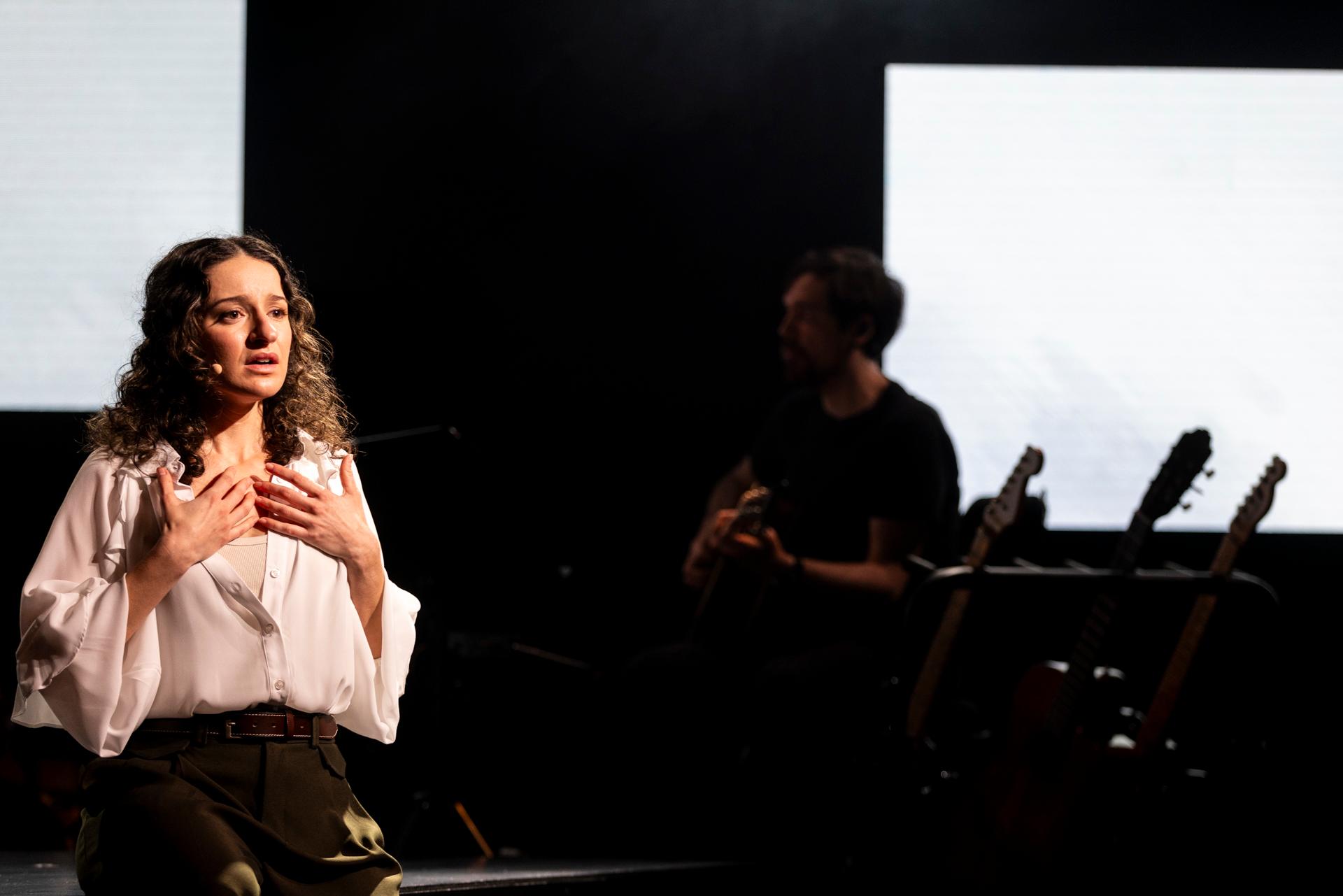
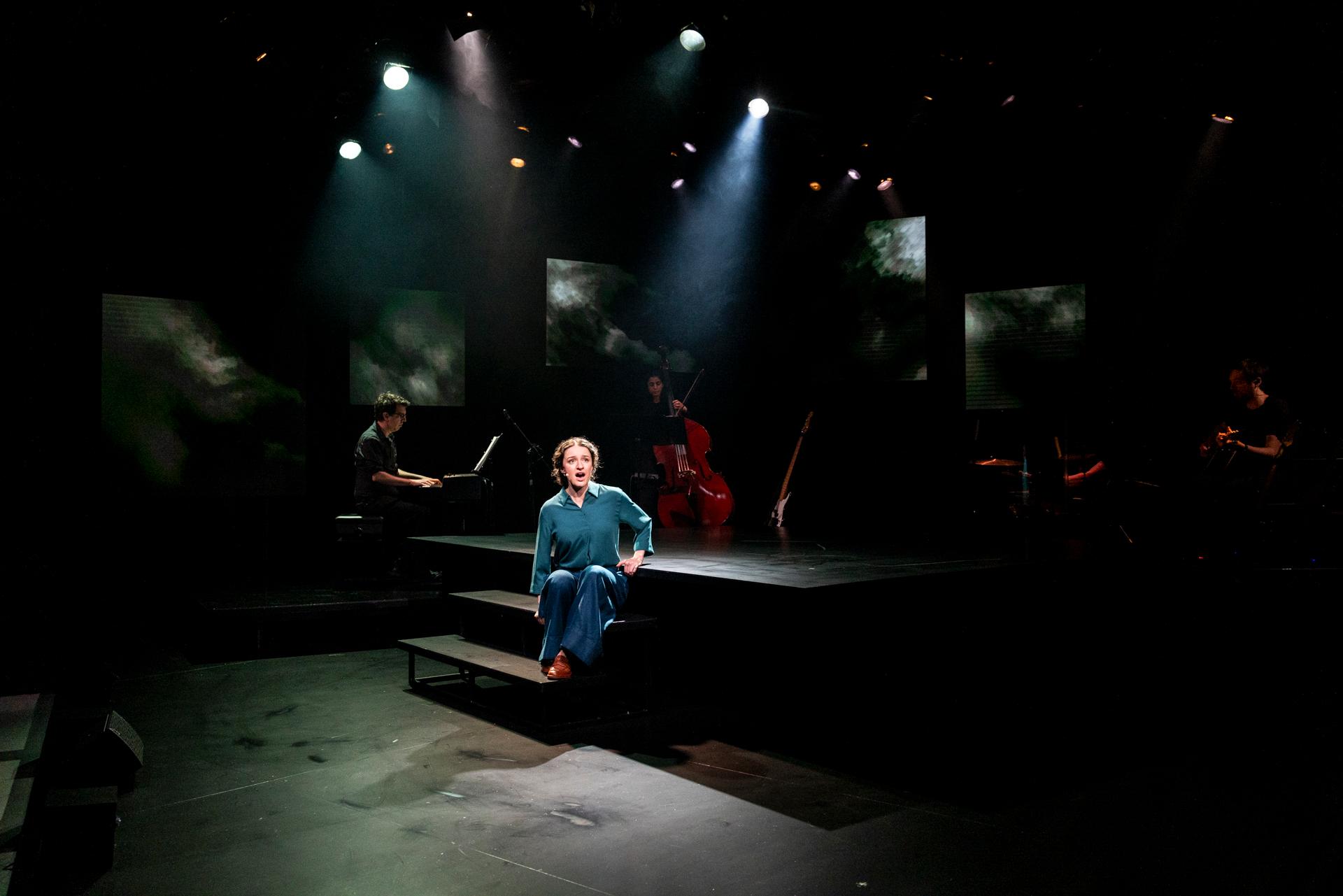
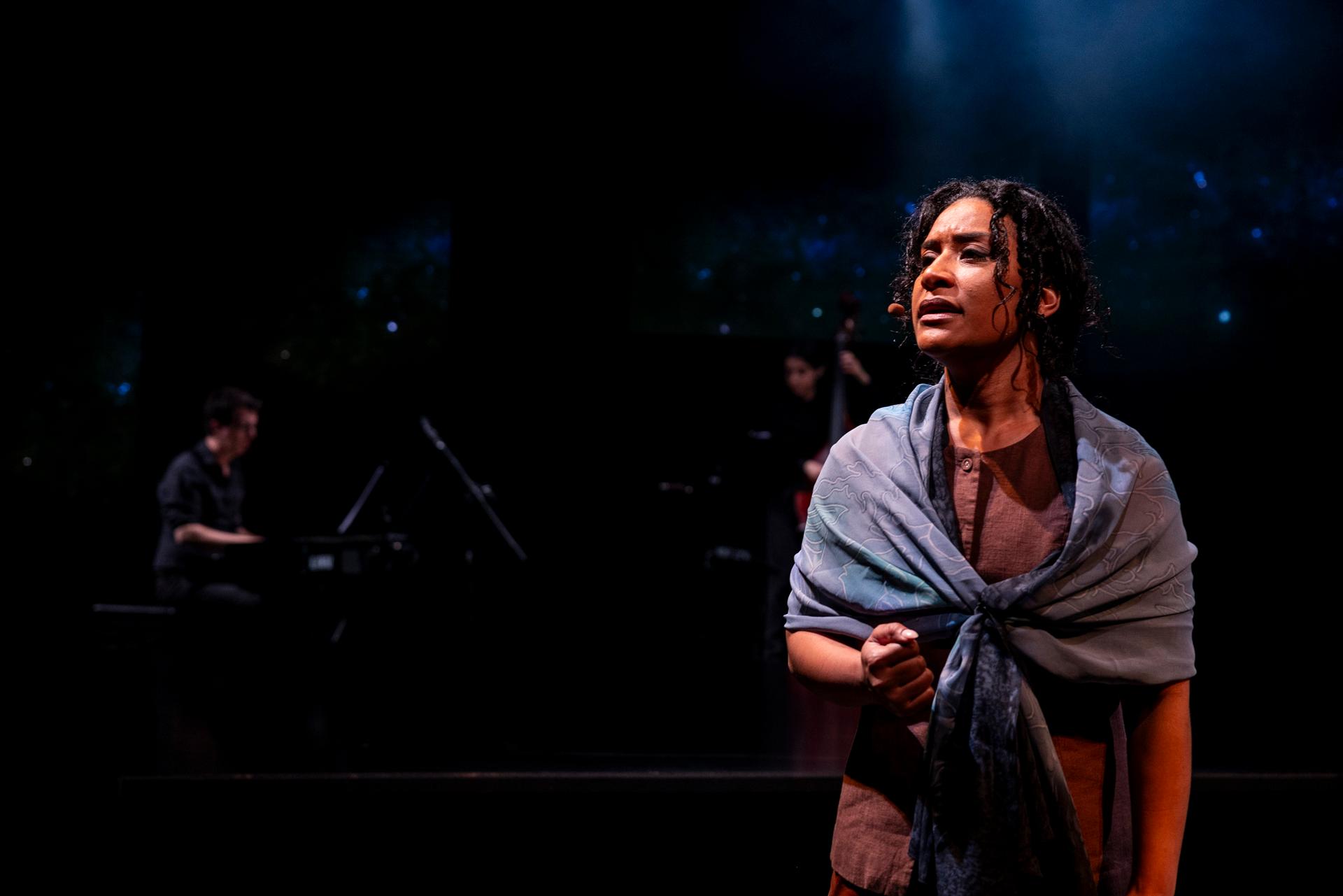
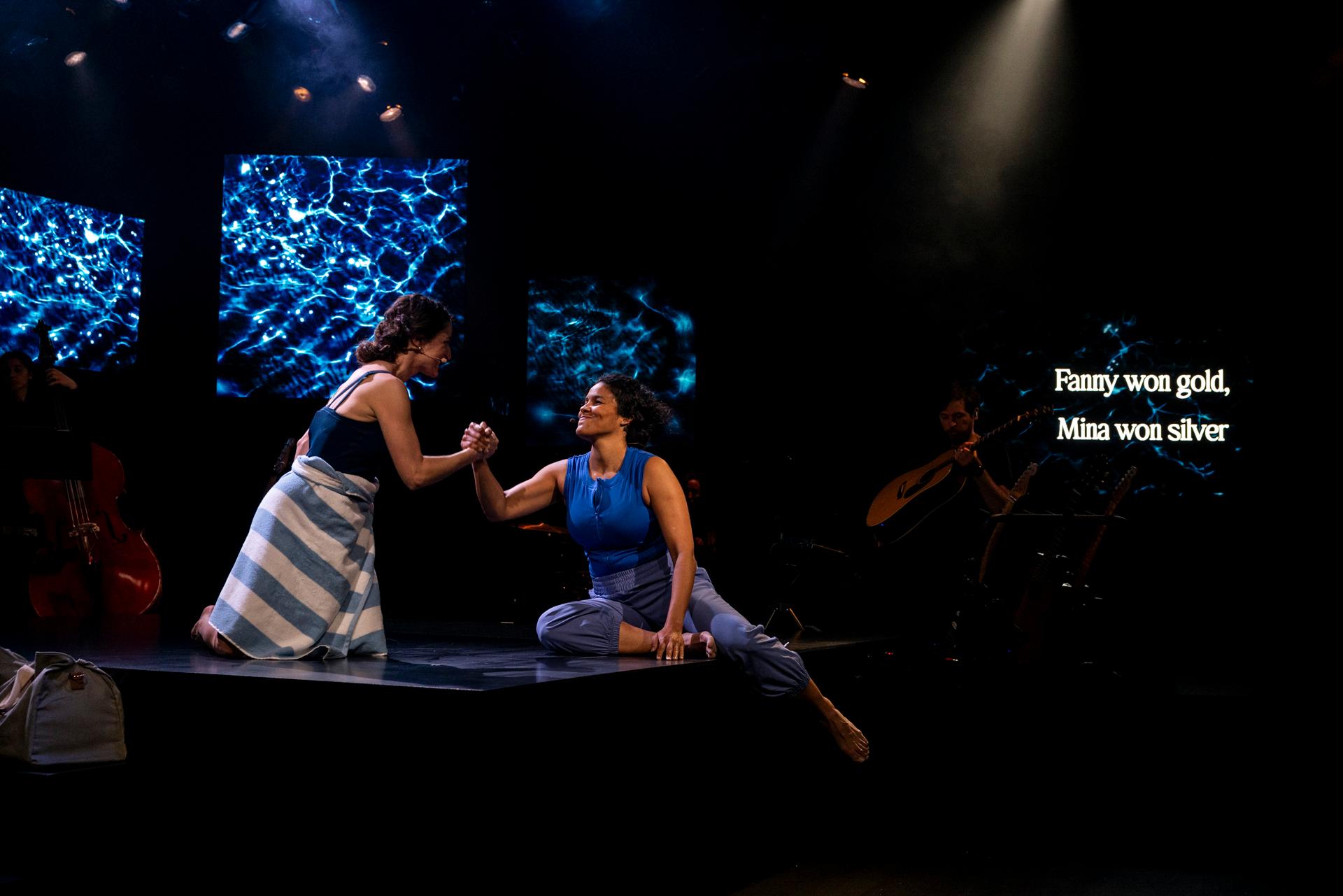
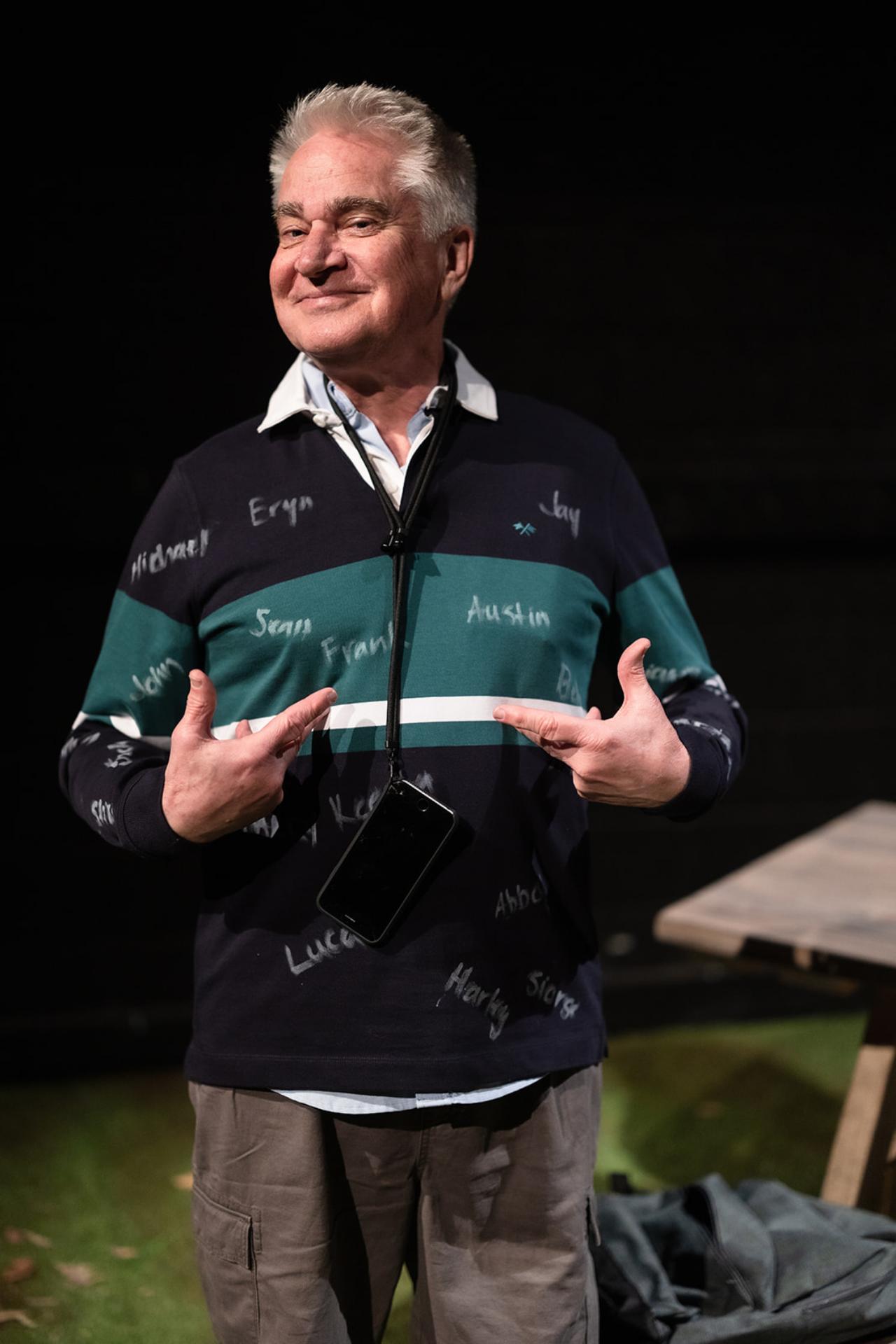
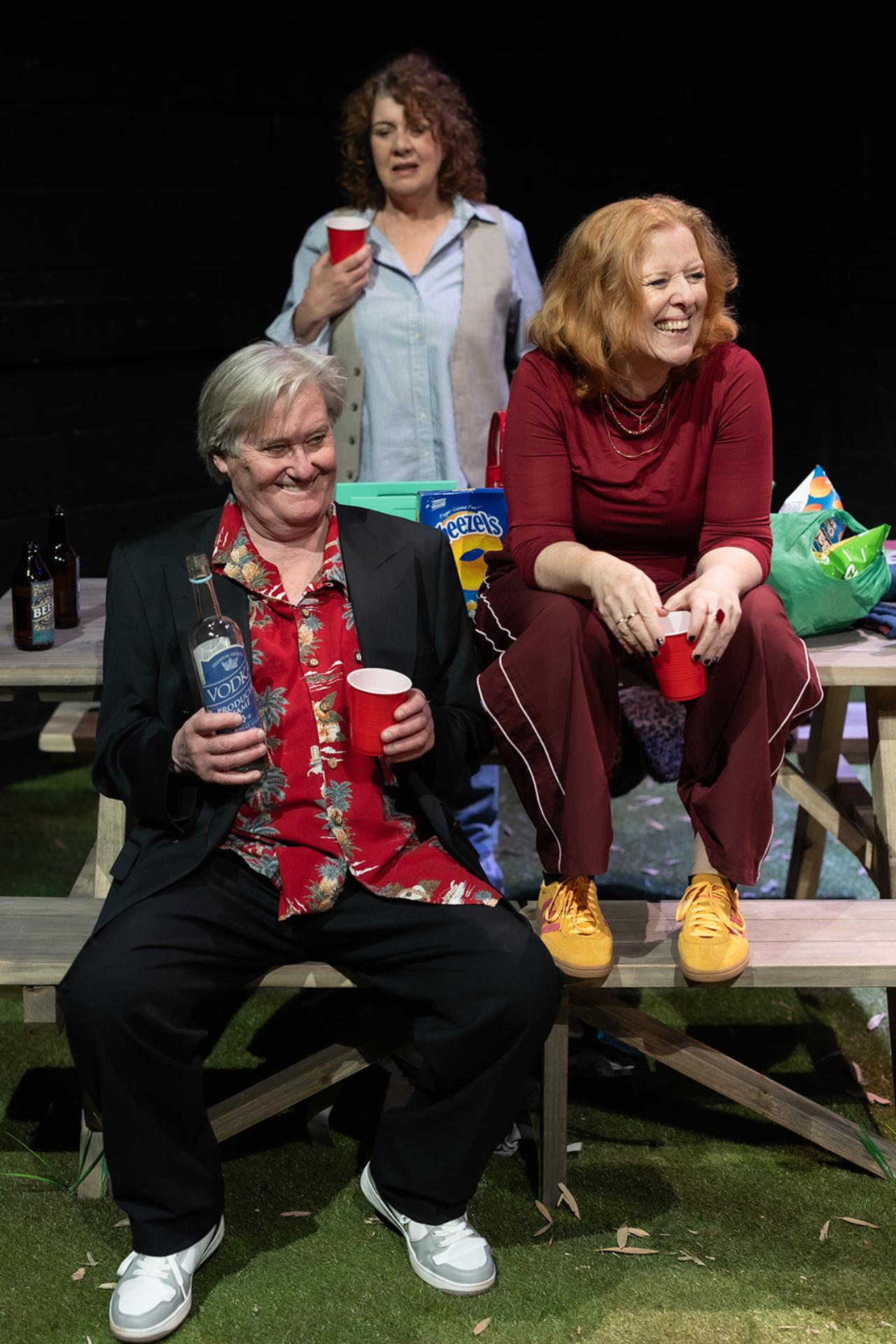
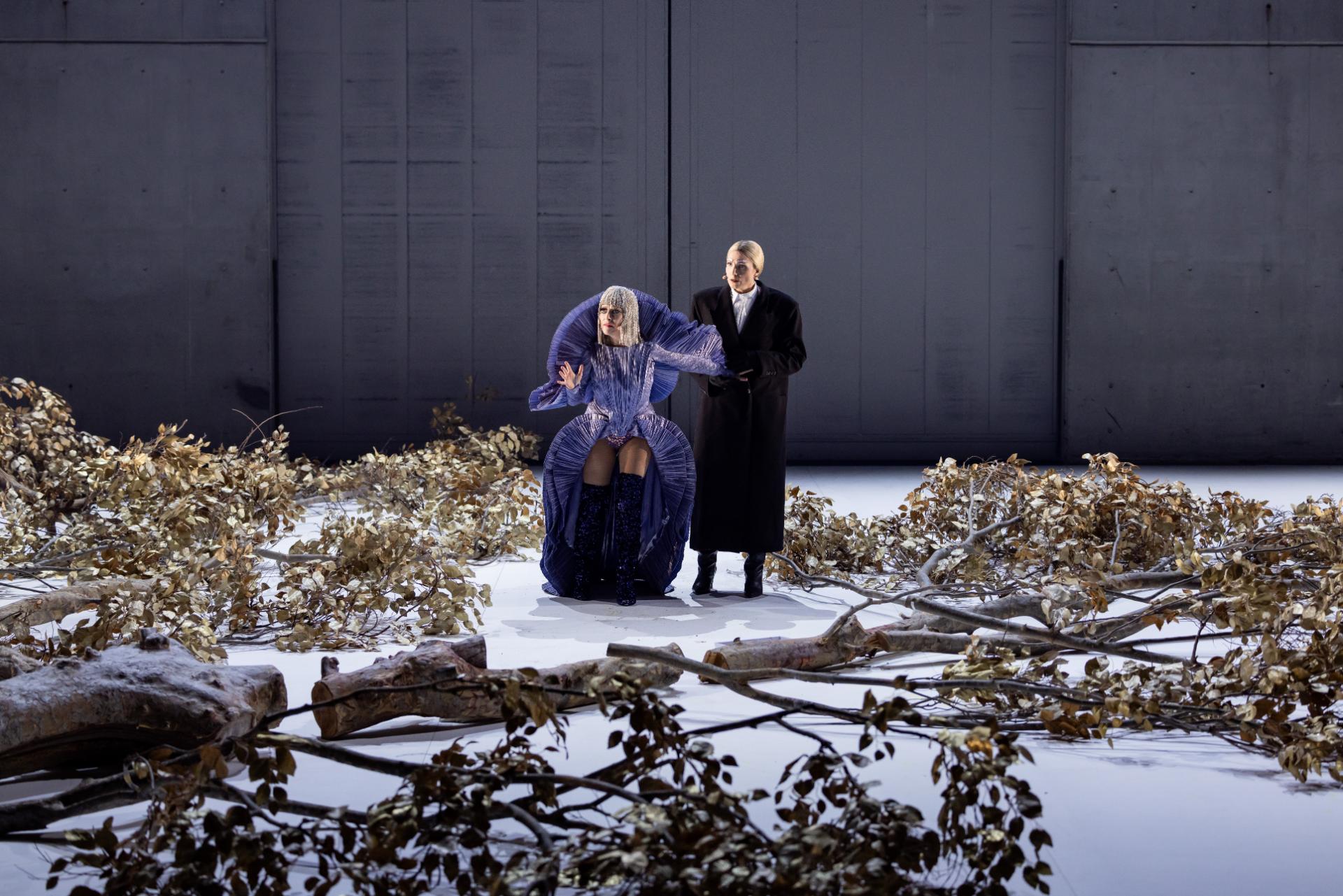
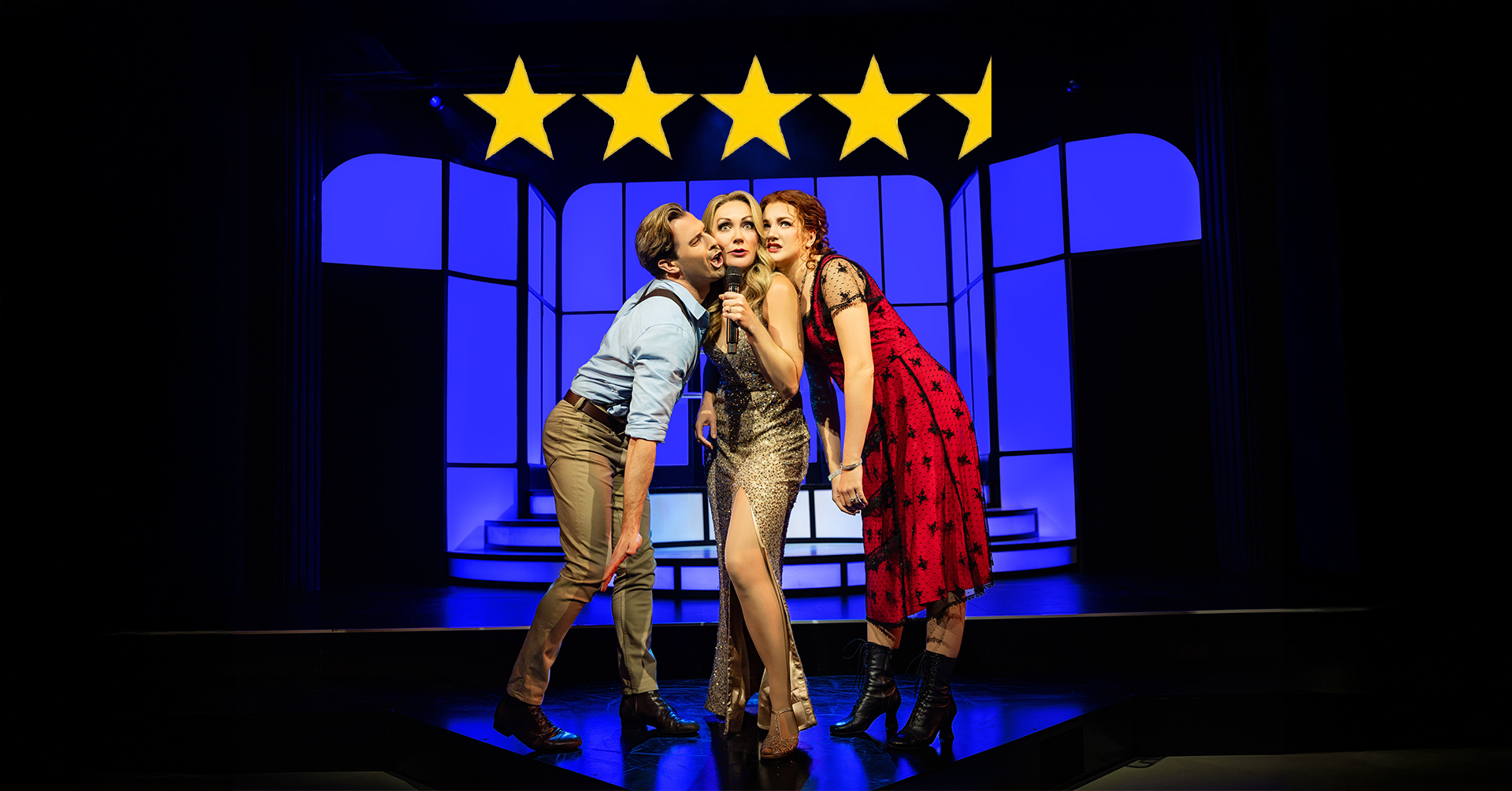
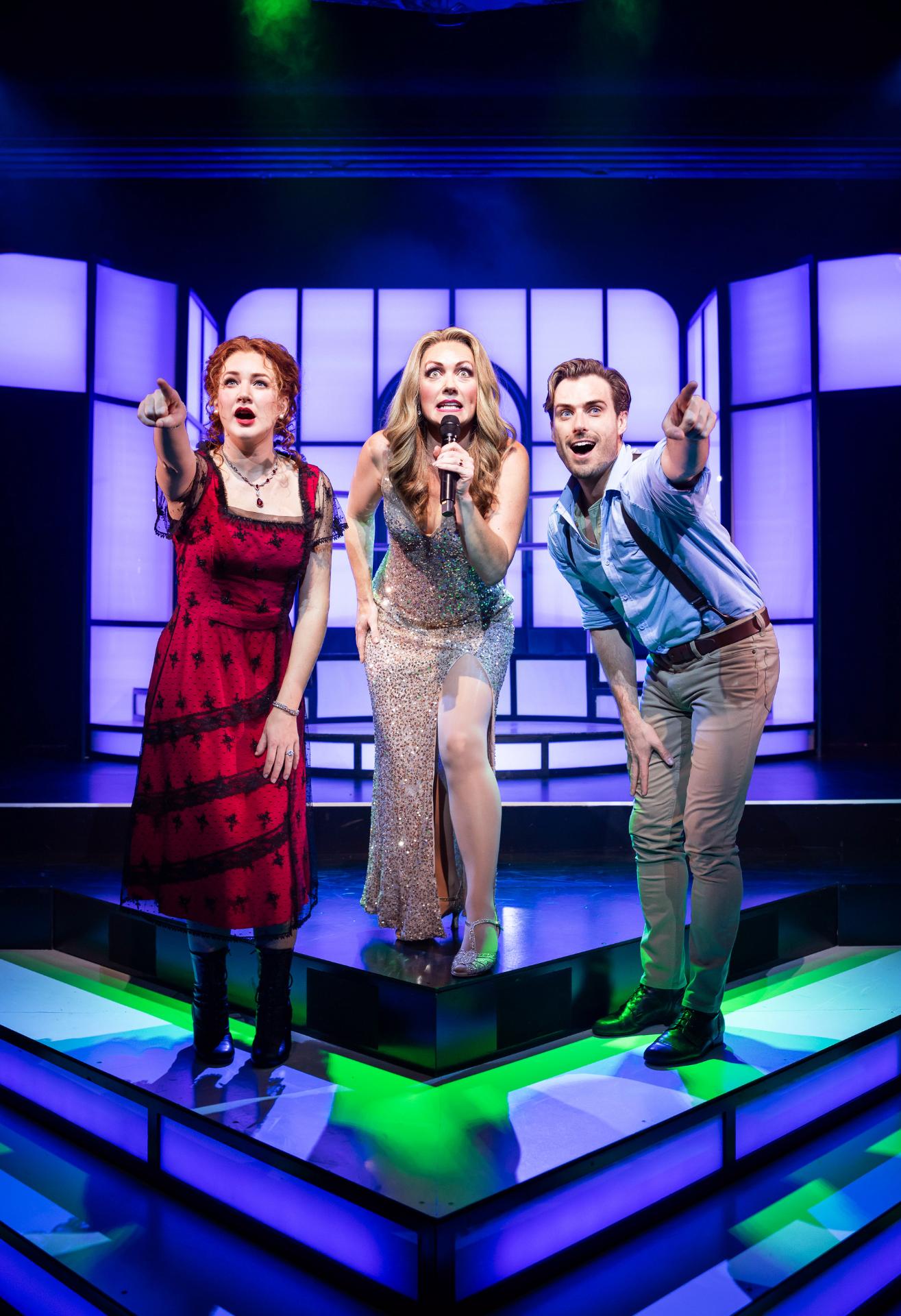
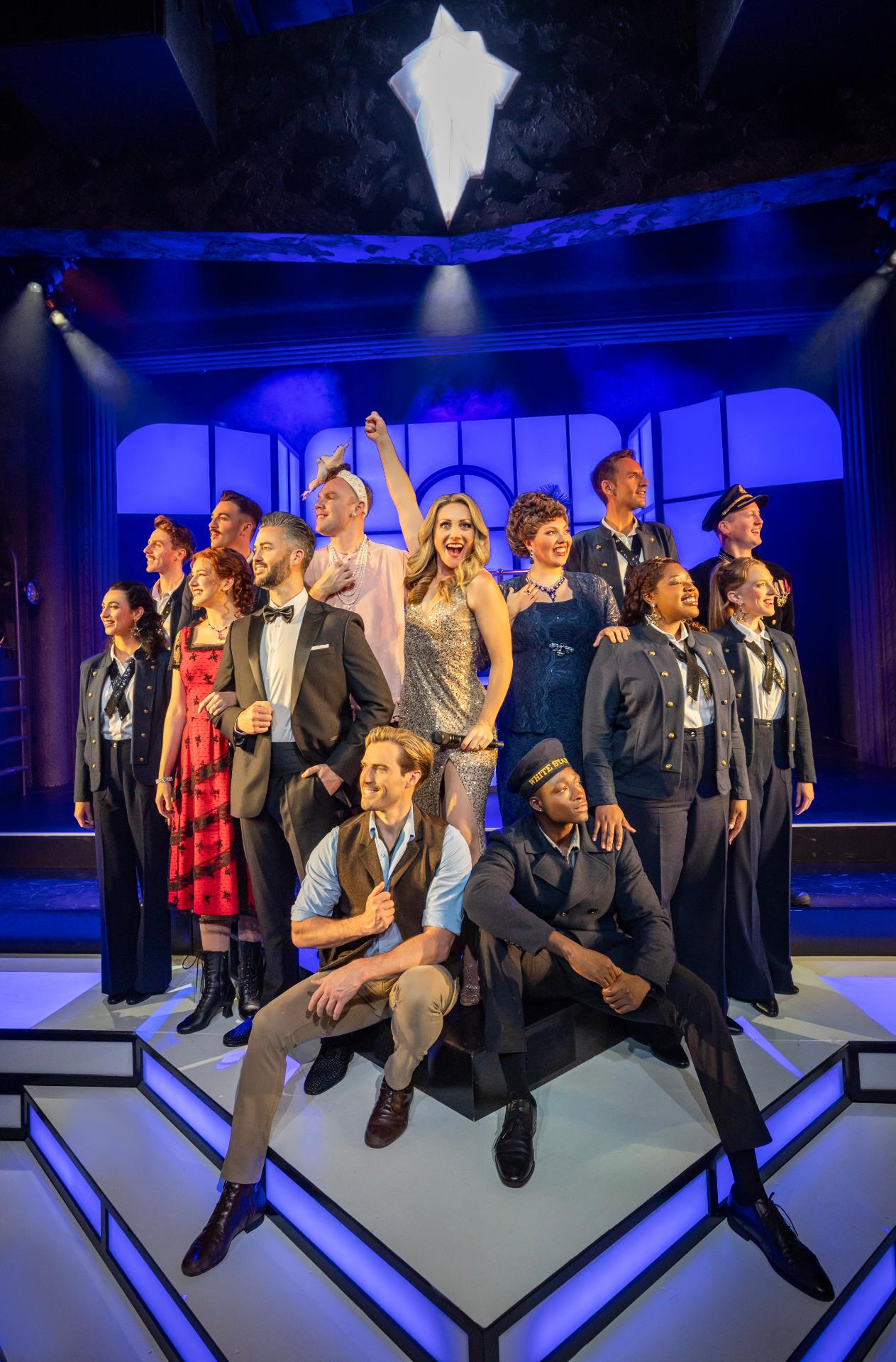
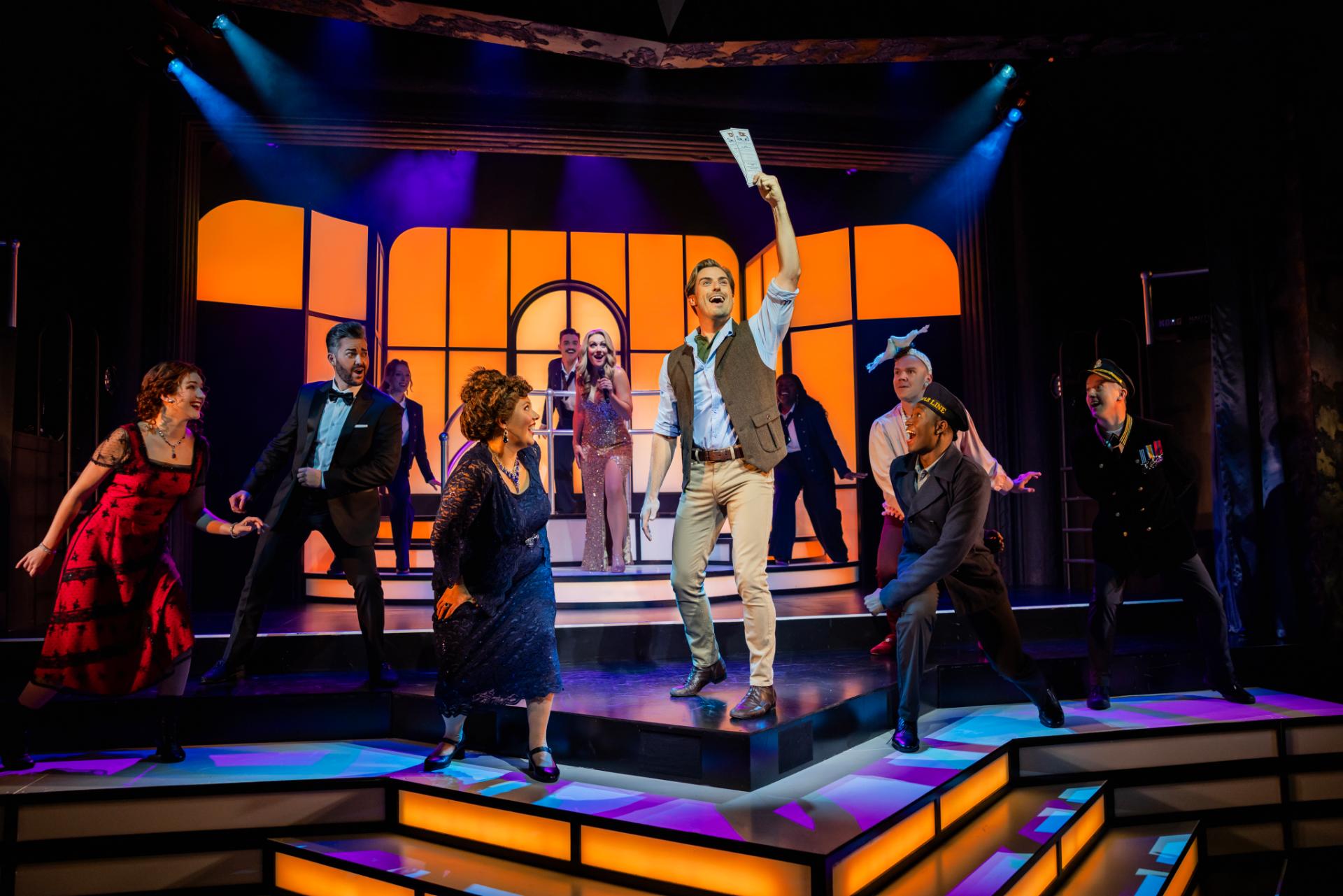
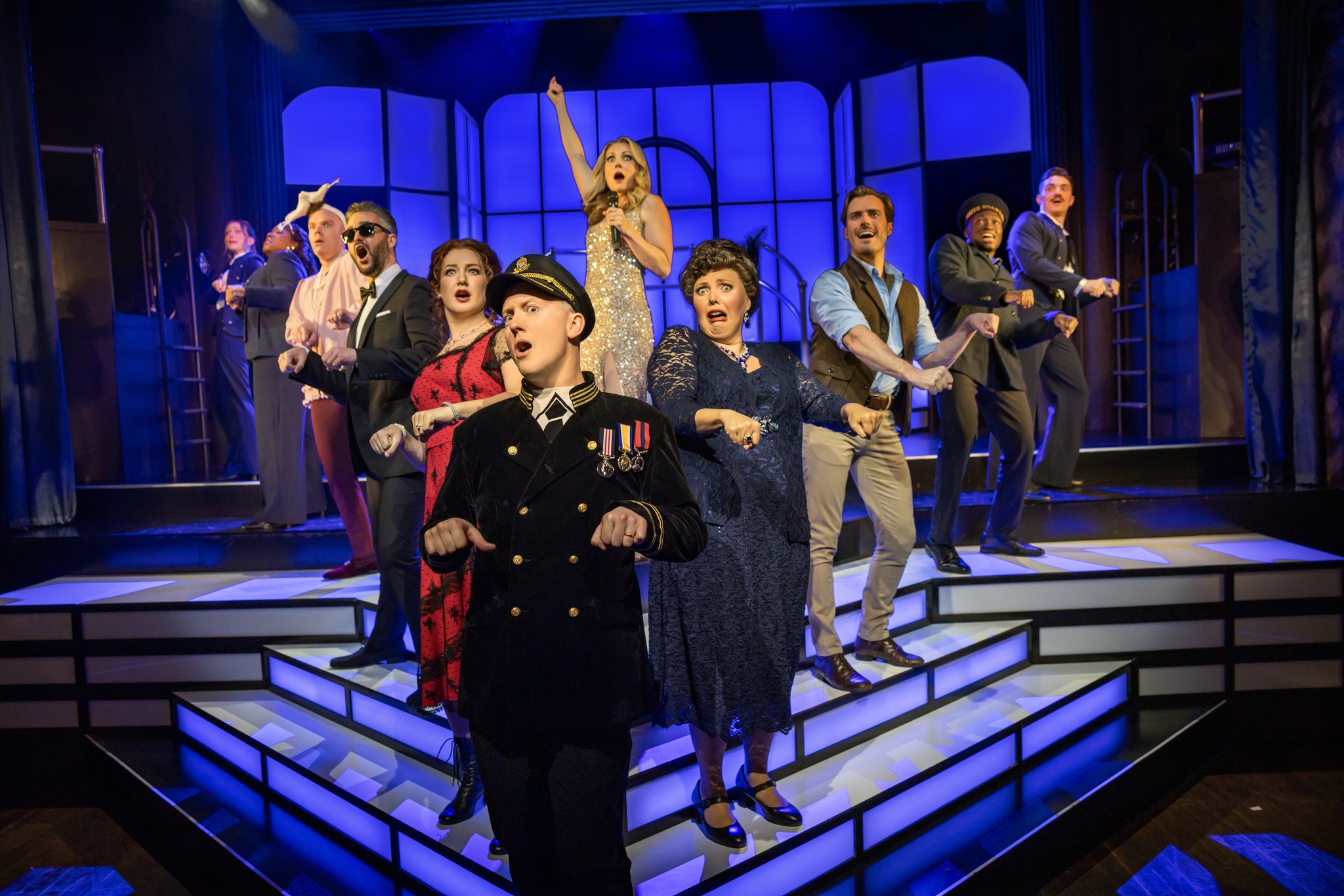
Deloris takes refuge in a convent, after getting in trouble with her gangster boyfriend. An opportunity to escape the seedy underground of Philadelphia presents itself, but it is up to our protagonist to make the right decisions. Sister Act the musical is based on the hugely popular Hollywood film from 1992, and although lacking the wit of the original, the charm of its characters is dutifully retained, to provide amusement for a wide range of audiences.

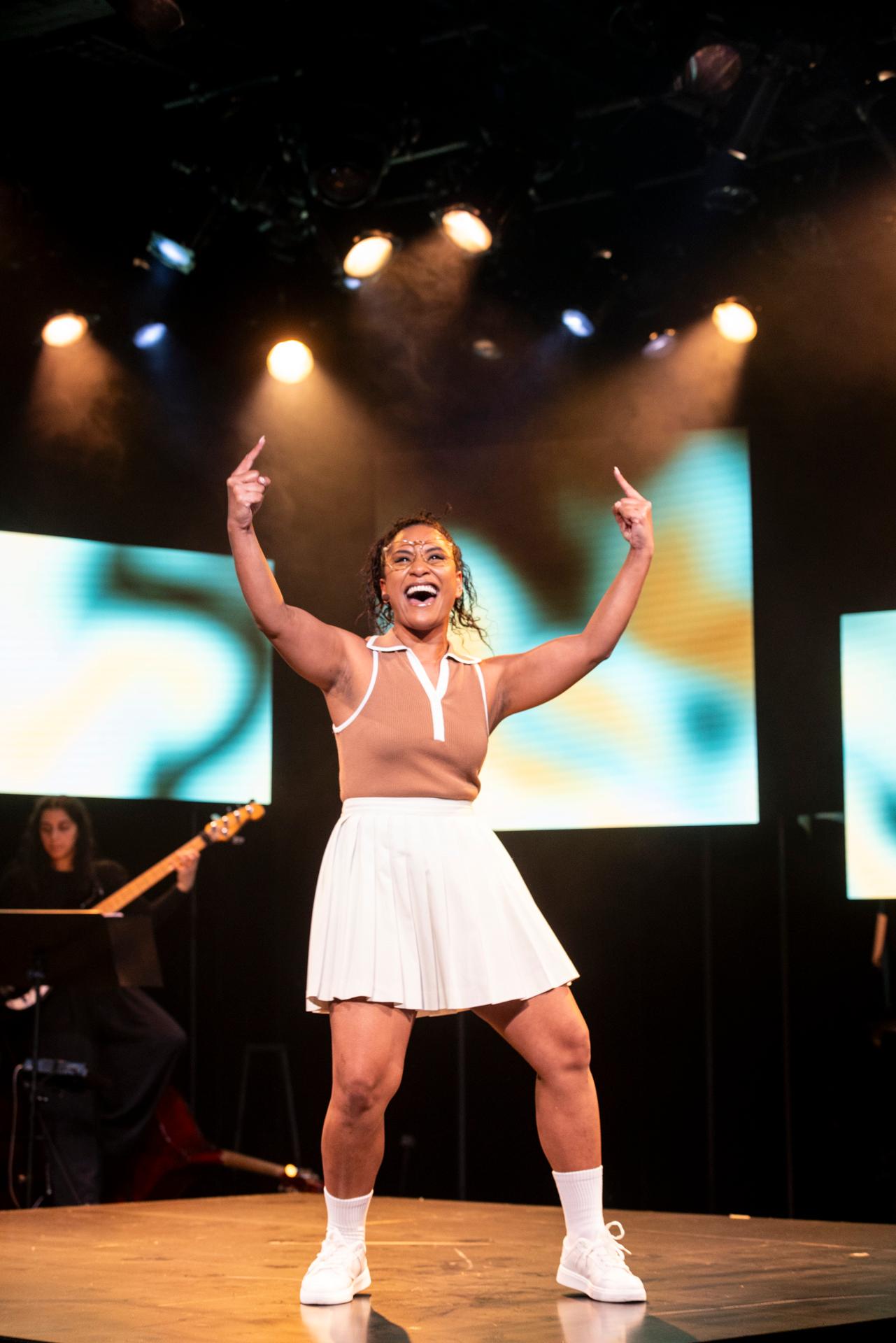
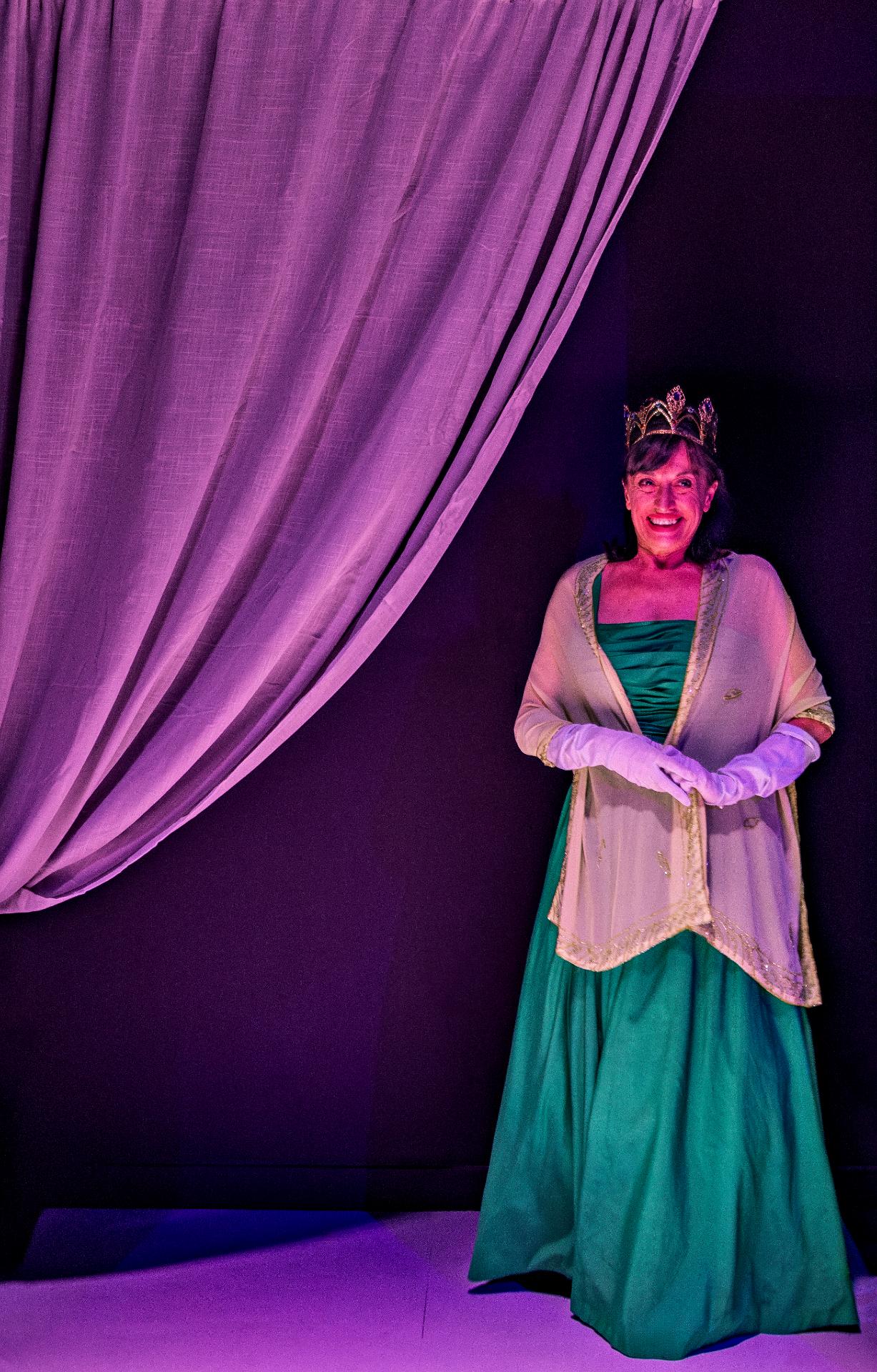
Music by Alan Menken is catchy and uplifting, taking inspiration from gospel and disco, in an adaptation that takes the action back to the heady 70s. Deloris is played by the luminescent Casey Donovan, who aside from being eminently likeable, sings every note to perfection, demonstrating extraordinary vocal versatility, in a deeply satisfying performance of some very demanding songs.

All other members of cast too, impress with their talent and dedication. Genevieve Lemon brings authenticity and warmth to her portrayal of Mother Superior. Rhonda Burchmore and Raphael Wong are standouts, with their dazzling comic dexterities, able to elevate some frankly ordinary material, and turn their parts memorable. 

In Sister Act, we discover that it is through adversity that Deloris finds herself. Not unlike the nuns at Our Lady of Perpetual Sorrow, she learns the big lessons in life, by experiencing it the hard way. We can be critical of religious types who seem to indulge excessively in suffering, but there is no question that one can see the light much better, after being engulfed in the most agonising dark.

www.sisteractthemusical.com.au

Review: Arlington (Seymour Centre)

Venue: Seymour Centre, Reginald Theatre (Chippendale NSW), Aug 2 – 24, 2024
Playwright: Enda Walsh
Director: Anna Houston
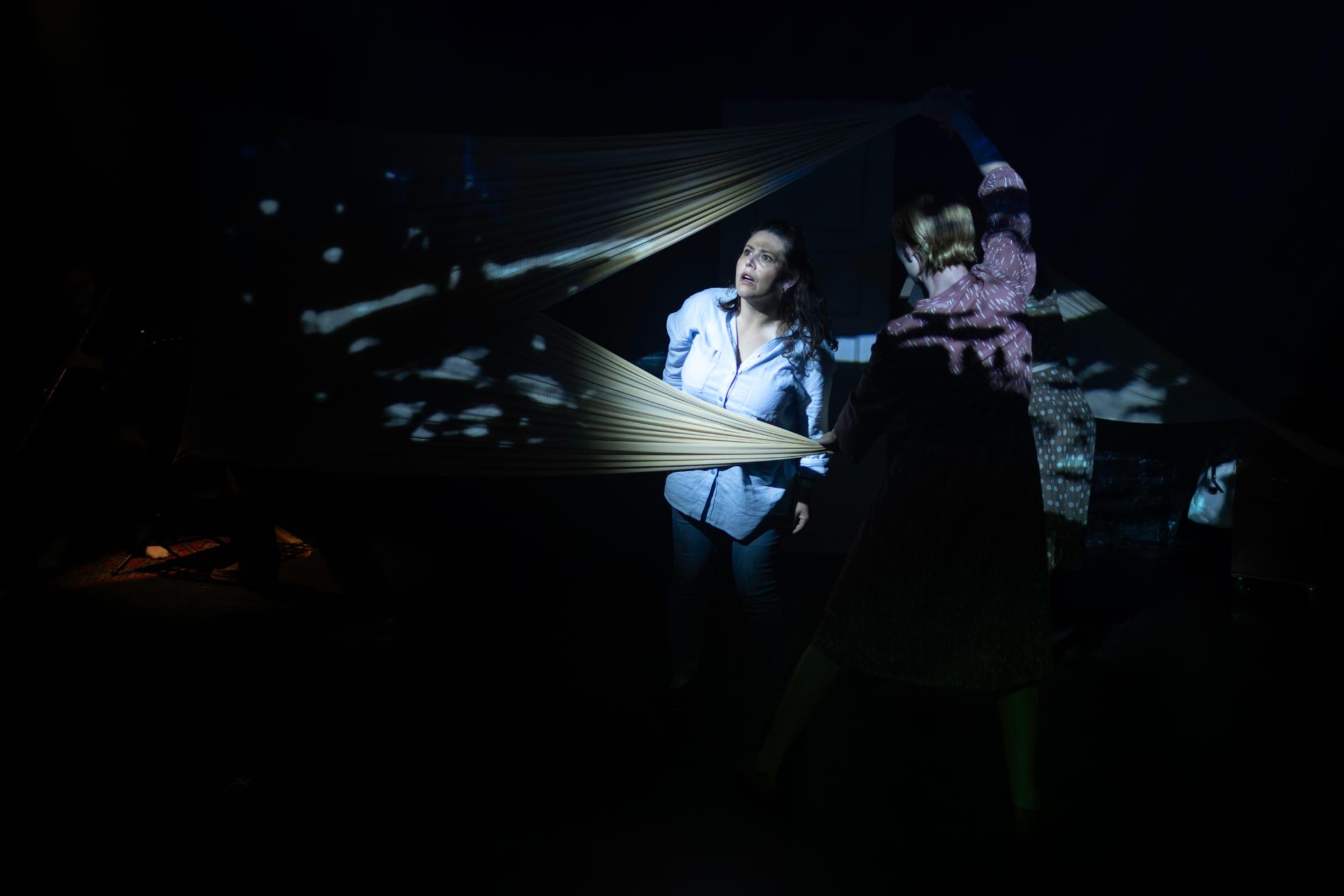
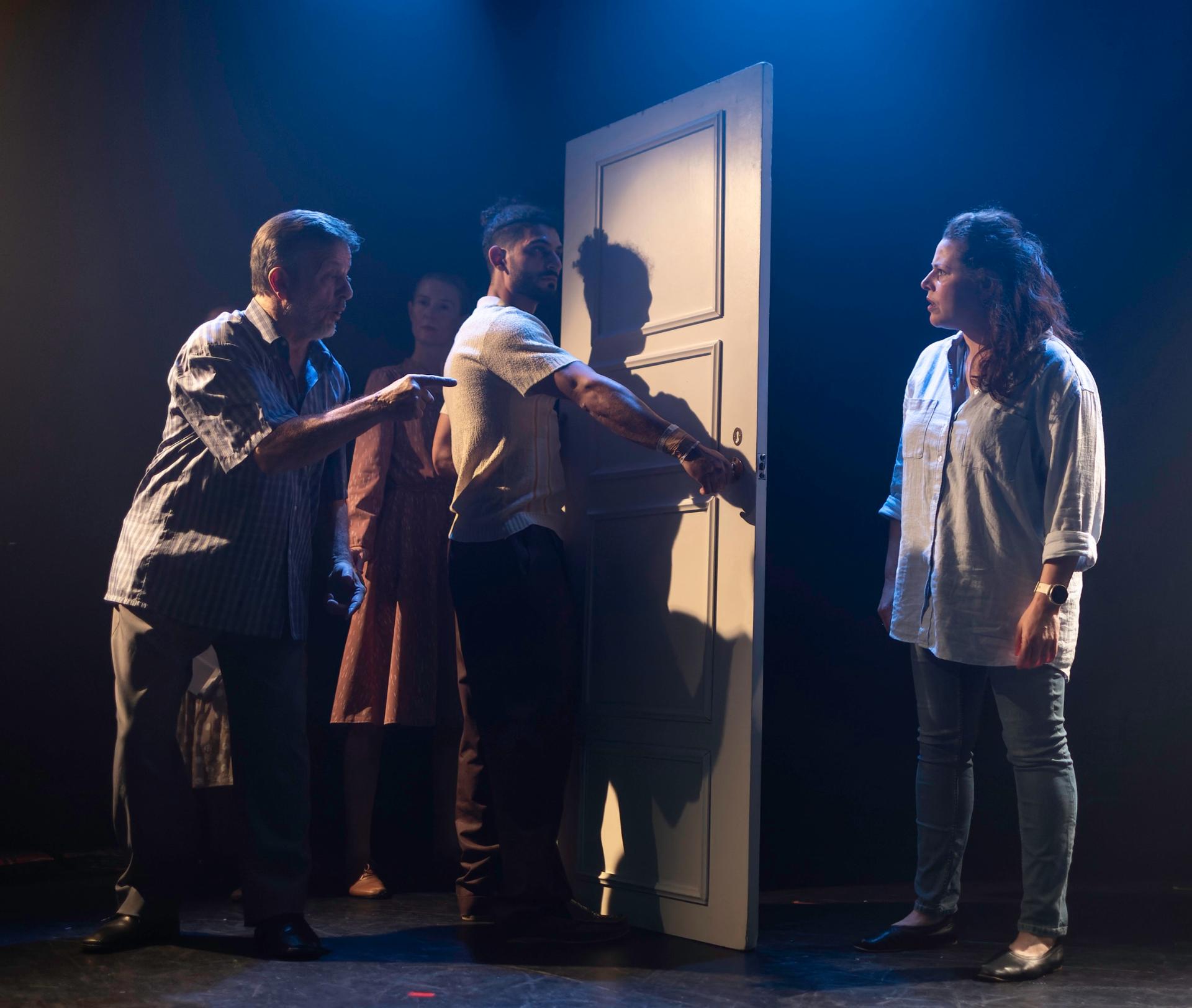
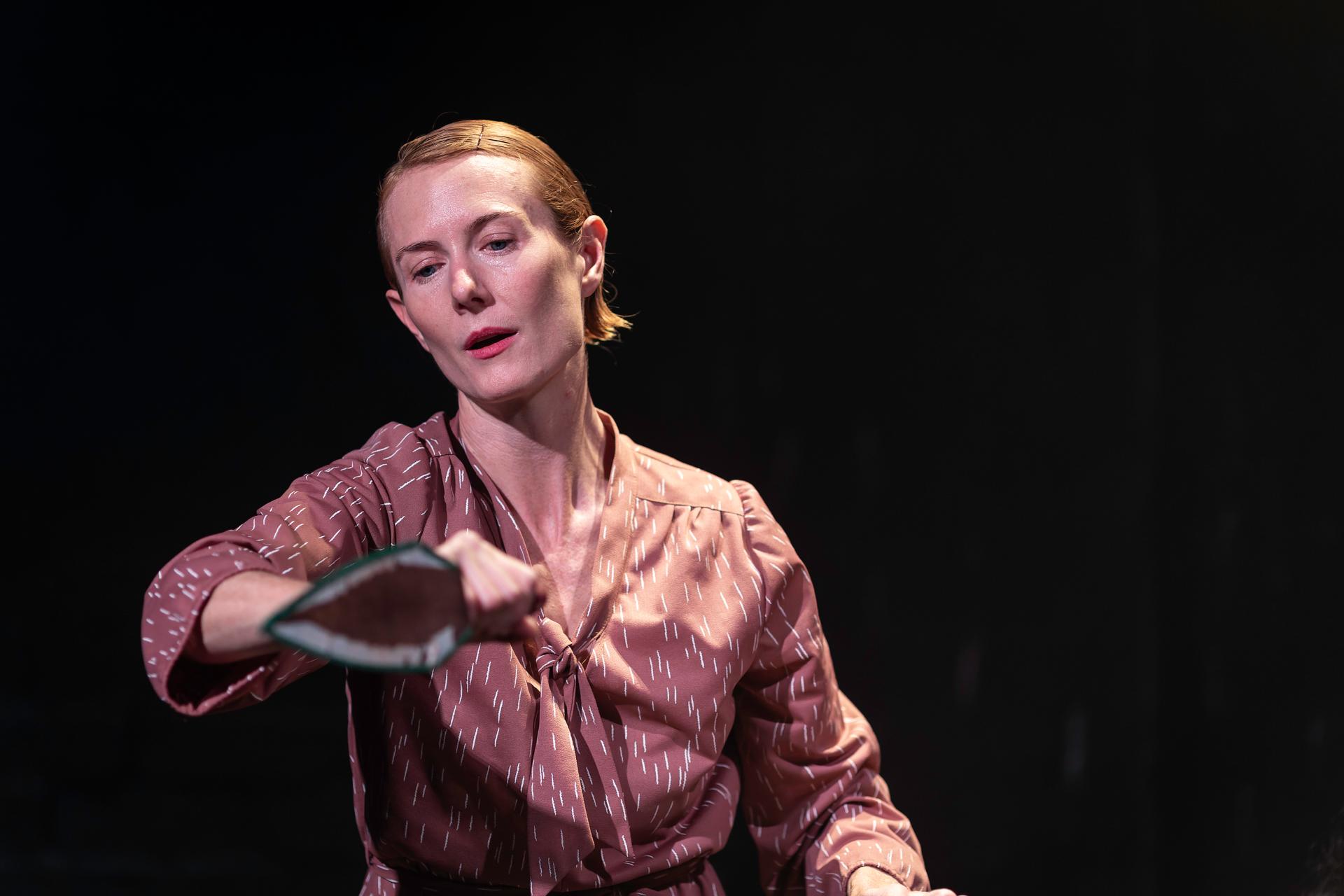
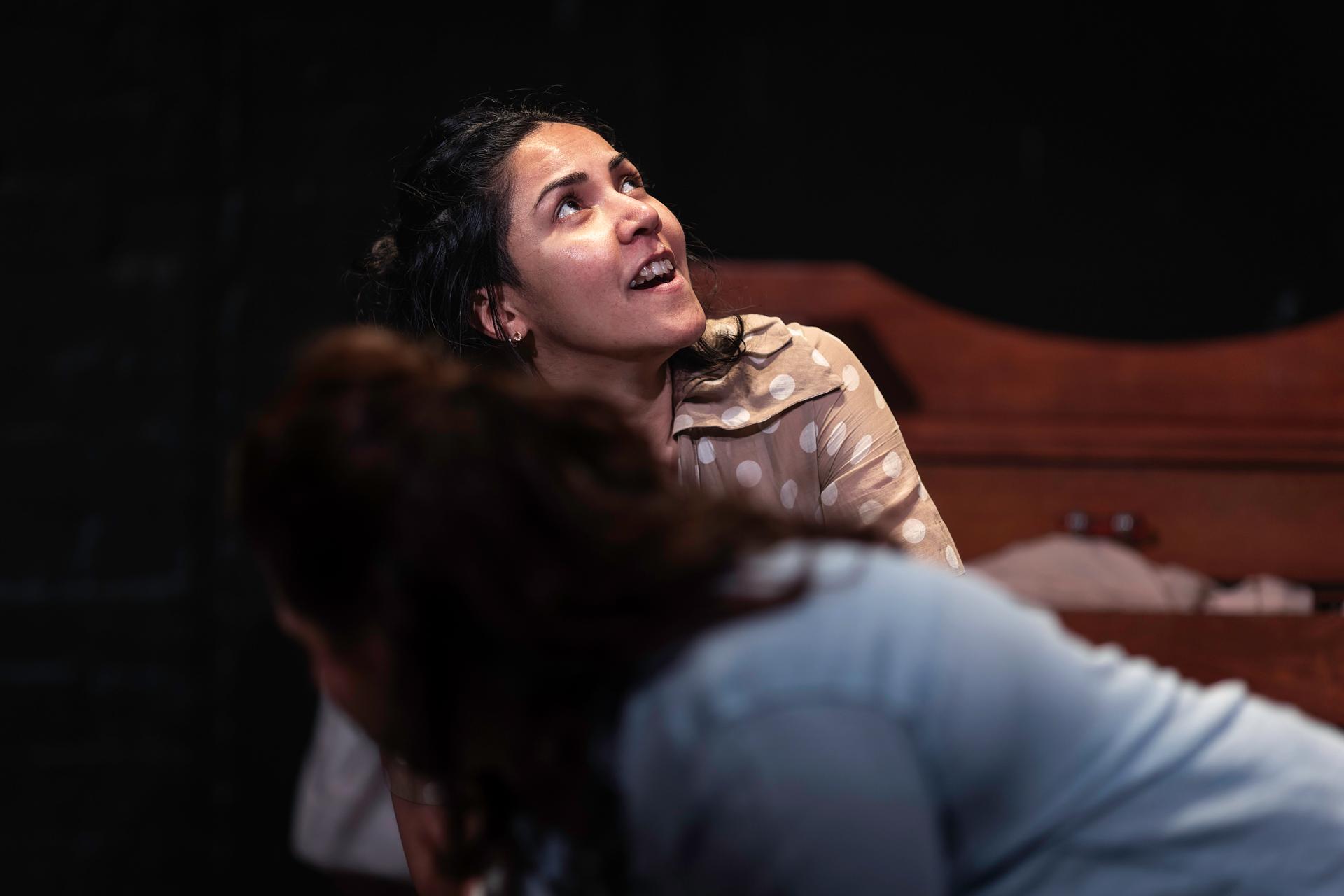
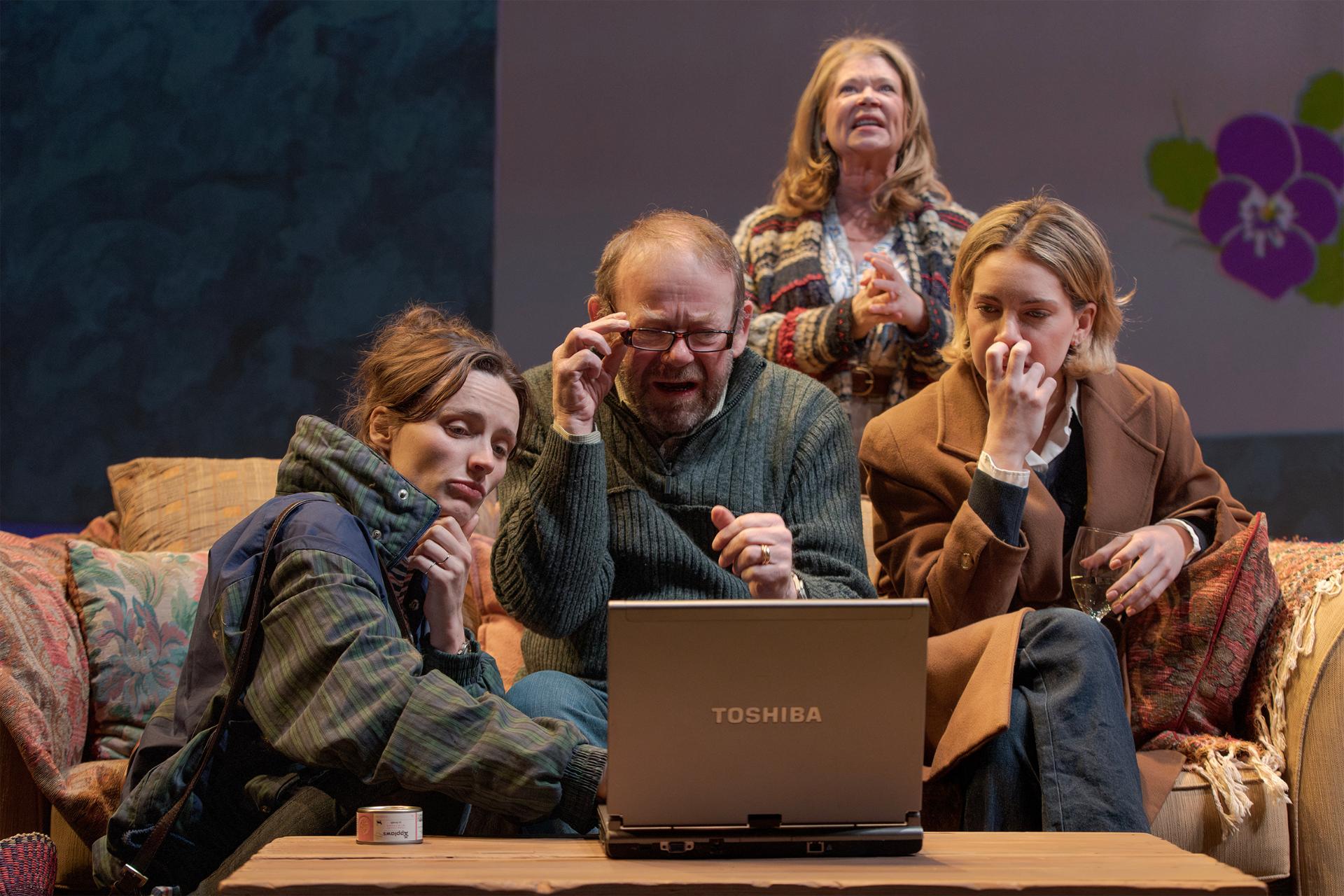
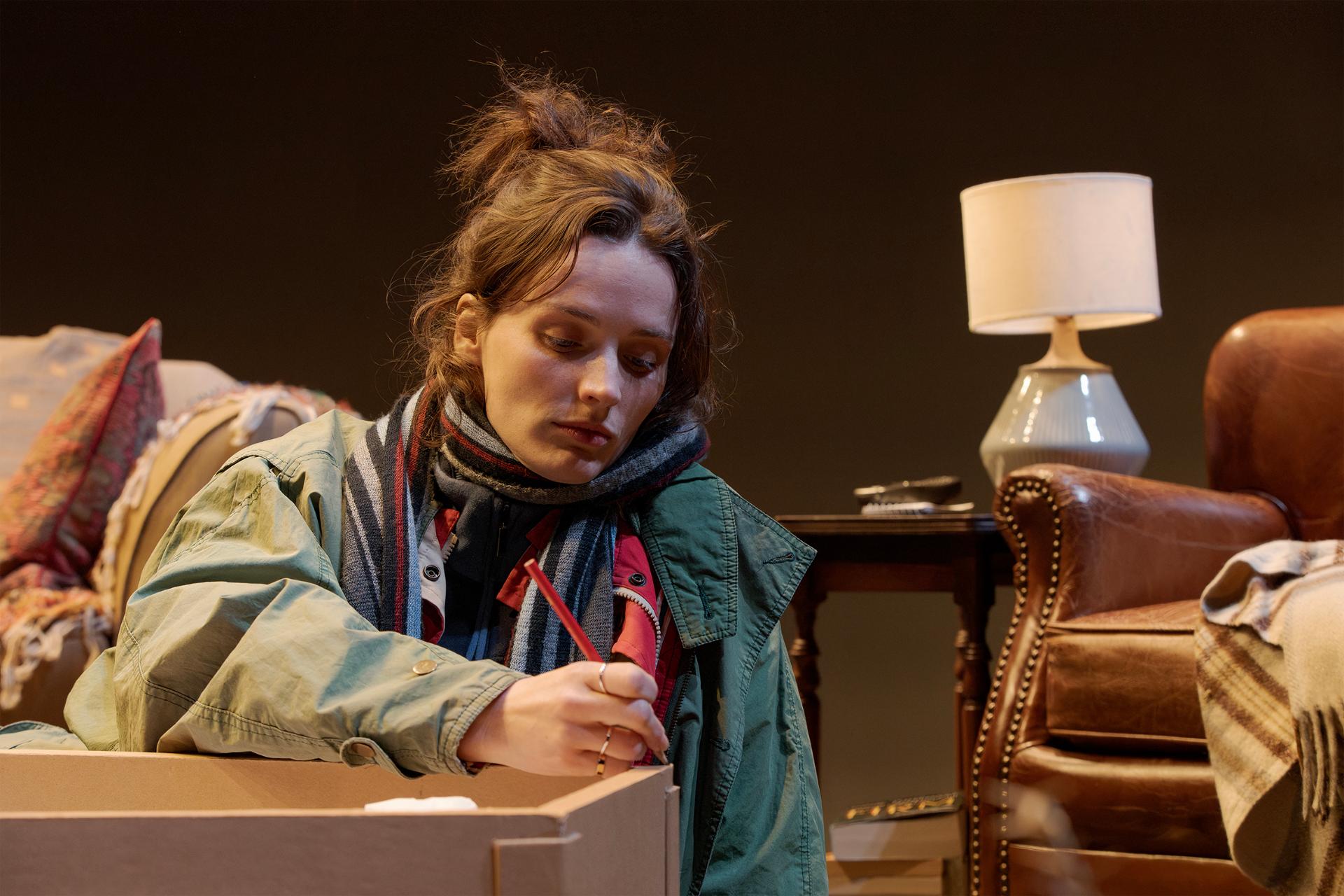
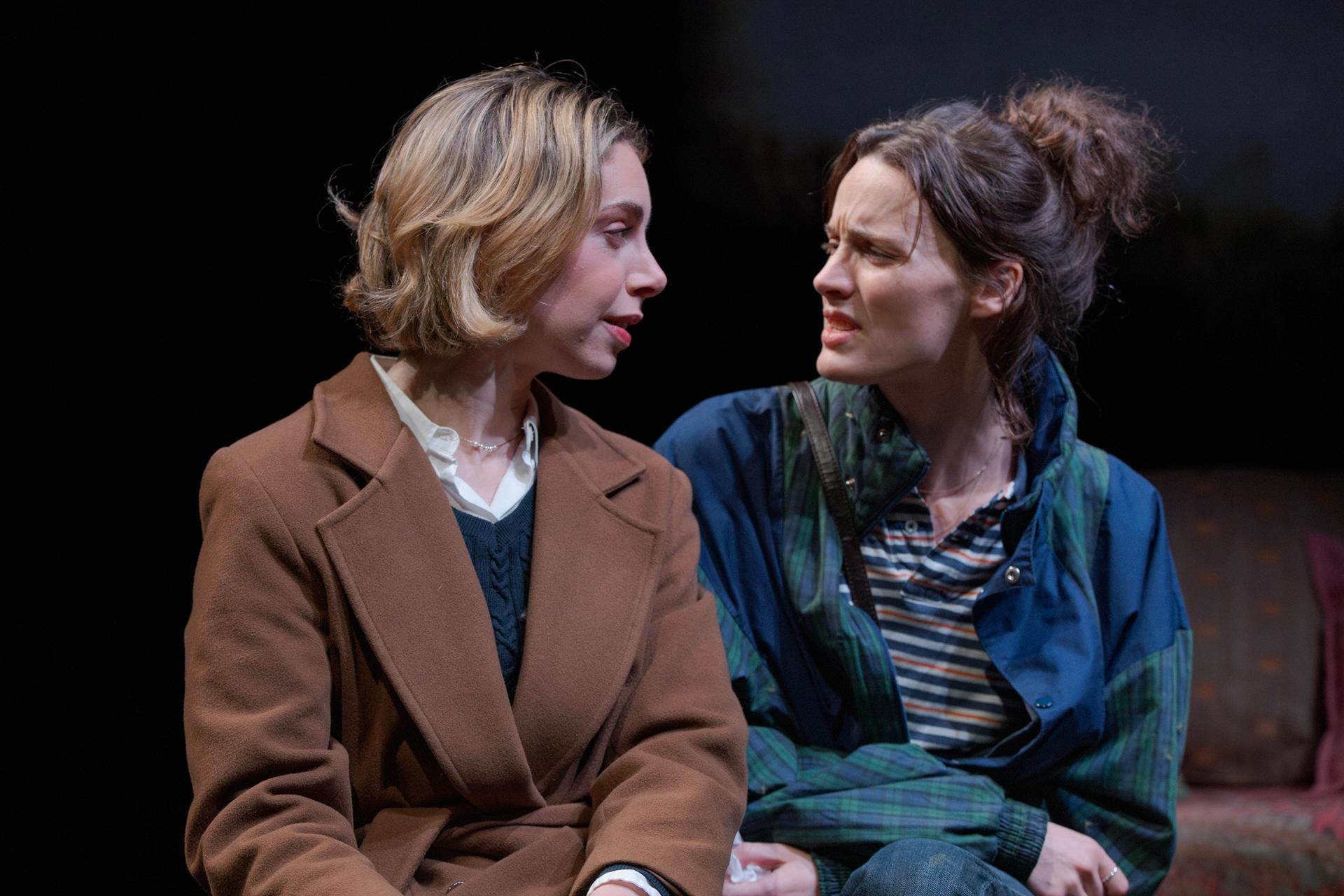
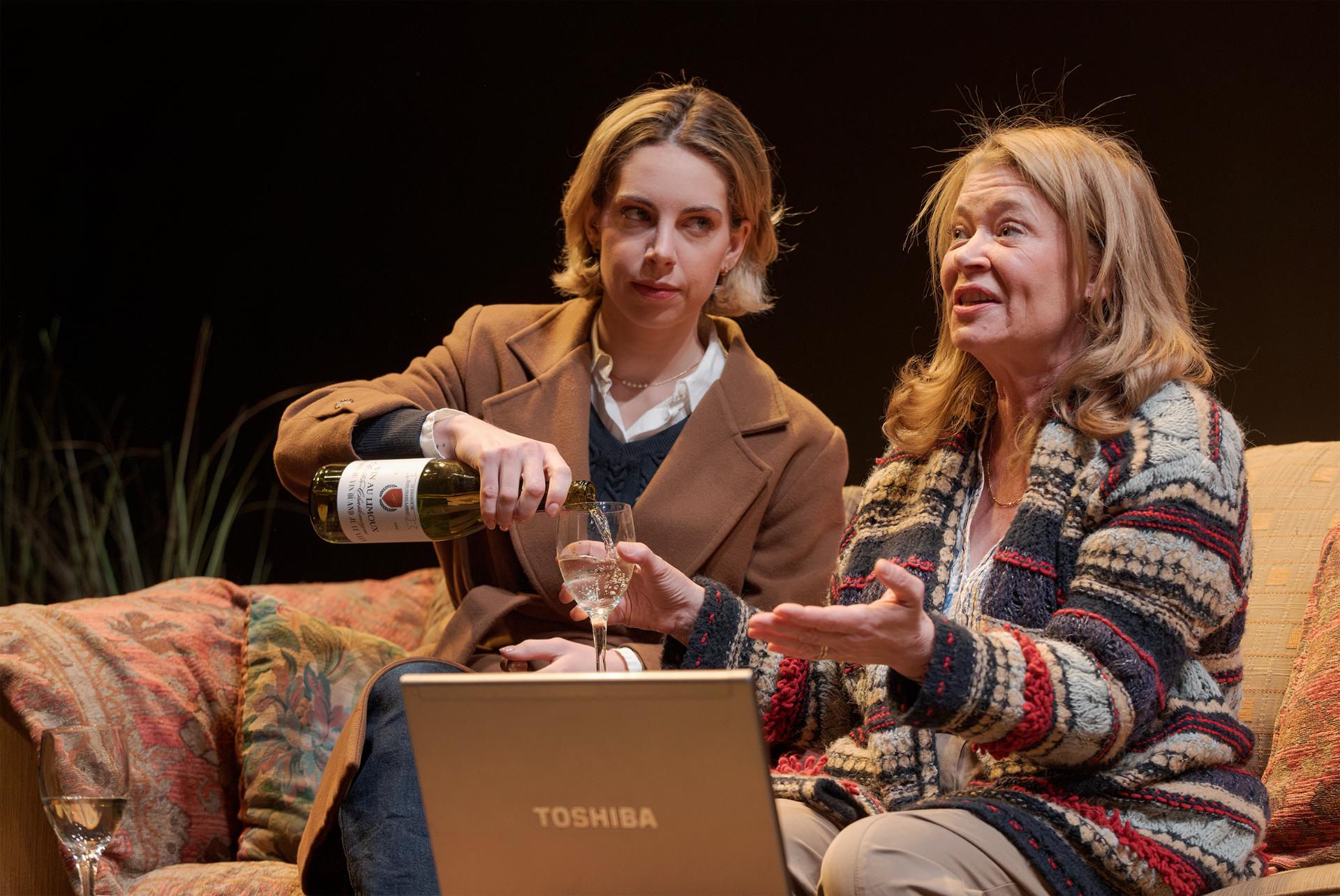
Cast: Phaedra Nicolaidis, Jack Angwin, Georgina Symes, Emma Harrison
Images by Phil Erbacher

Theatre review
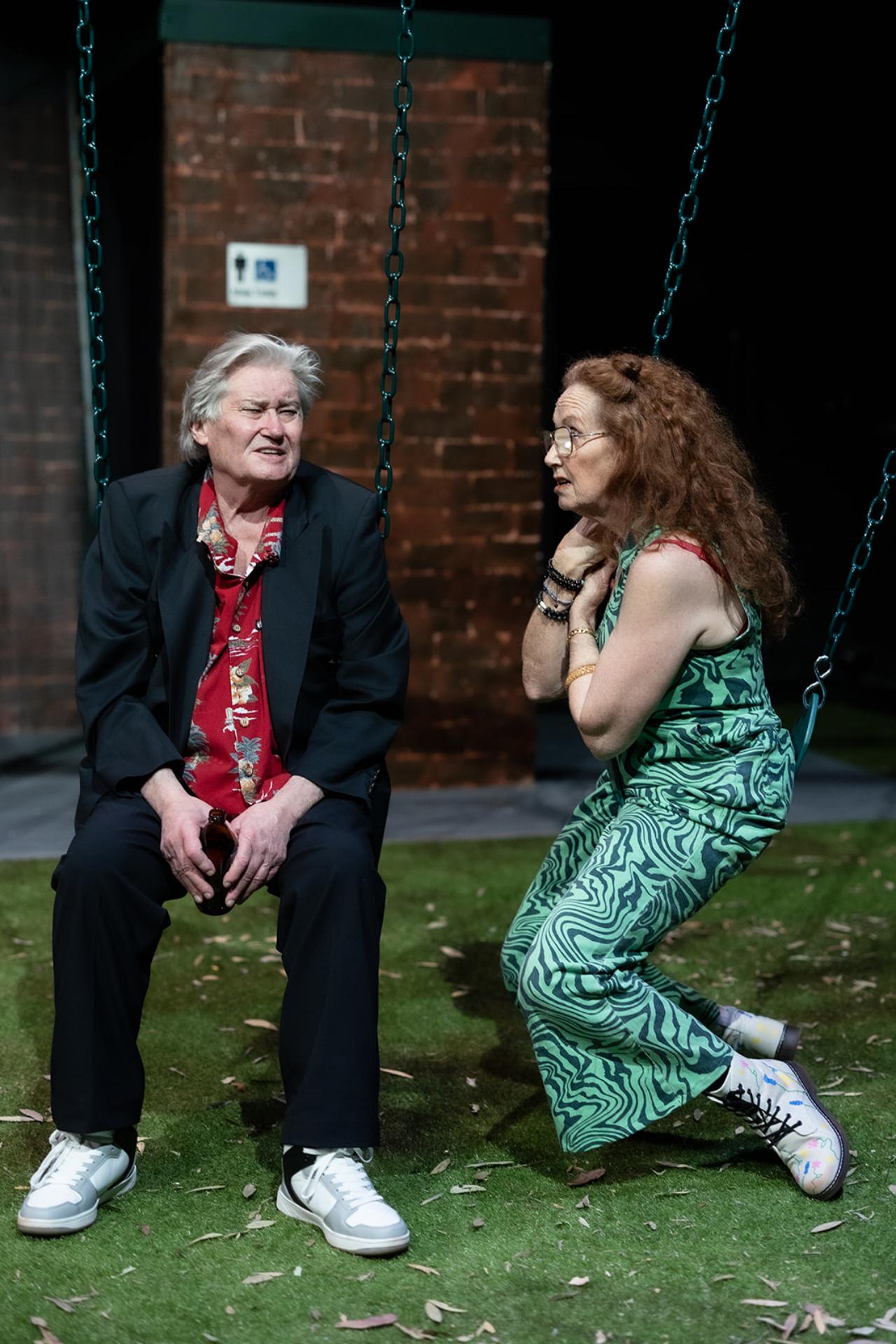
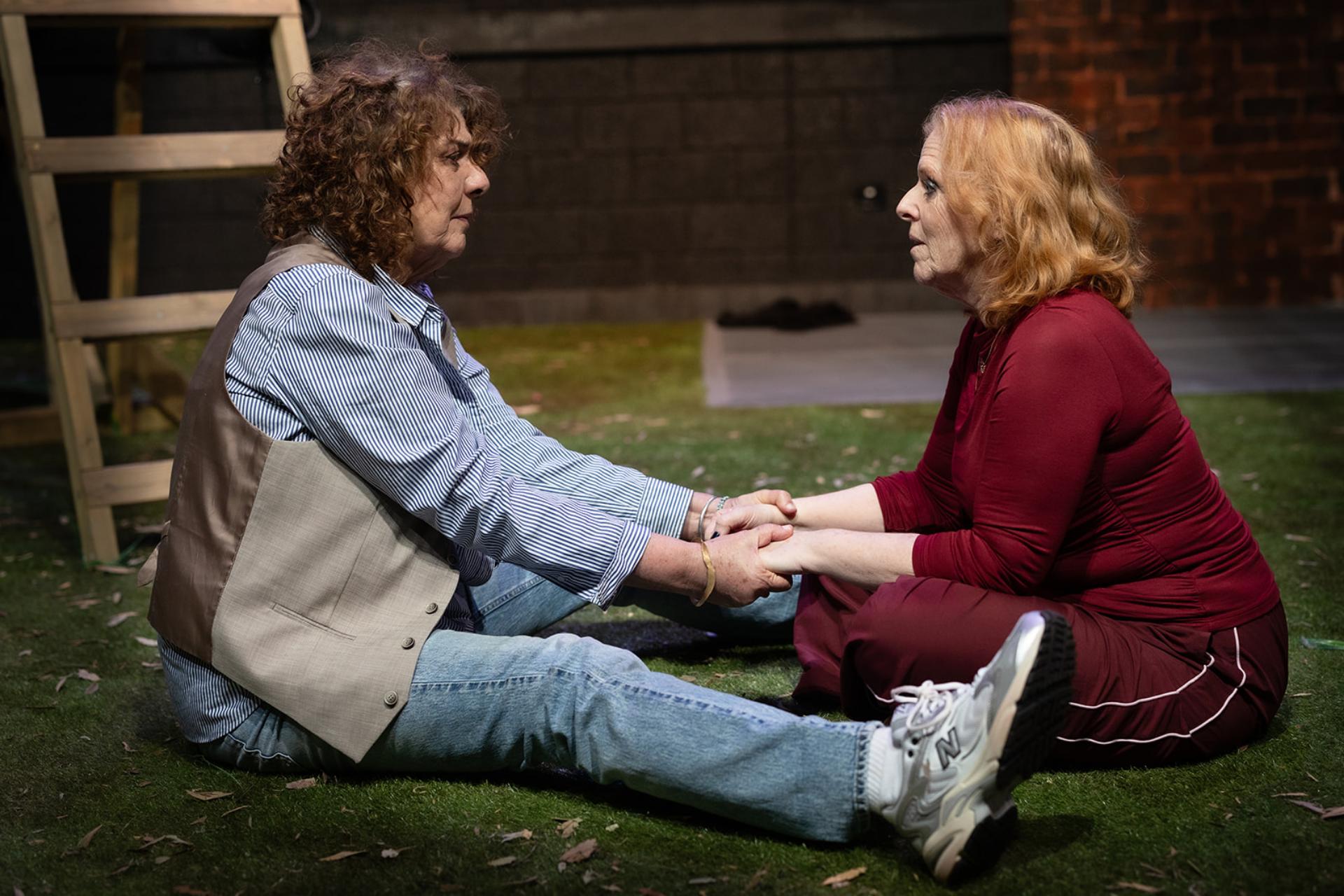
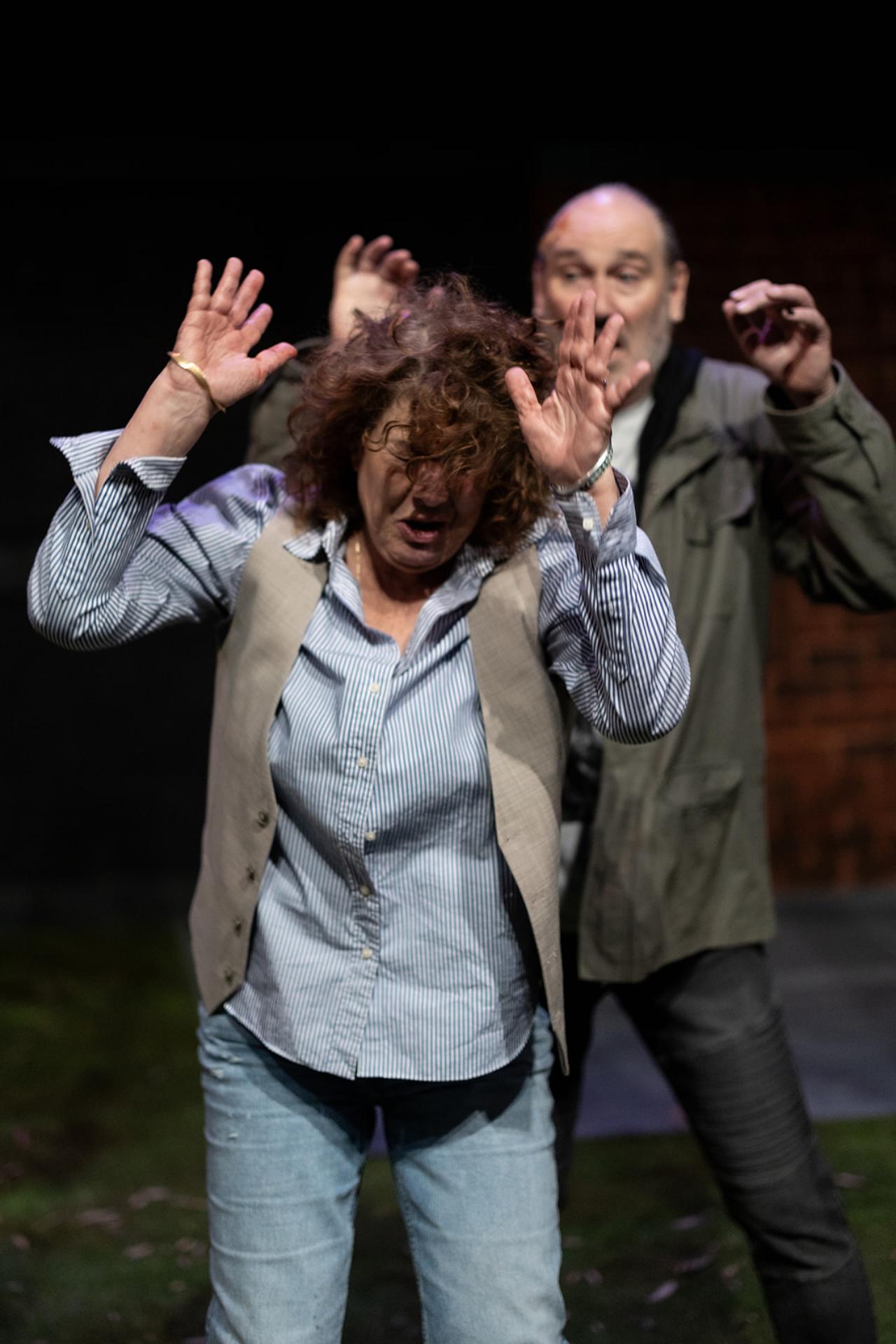
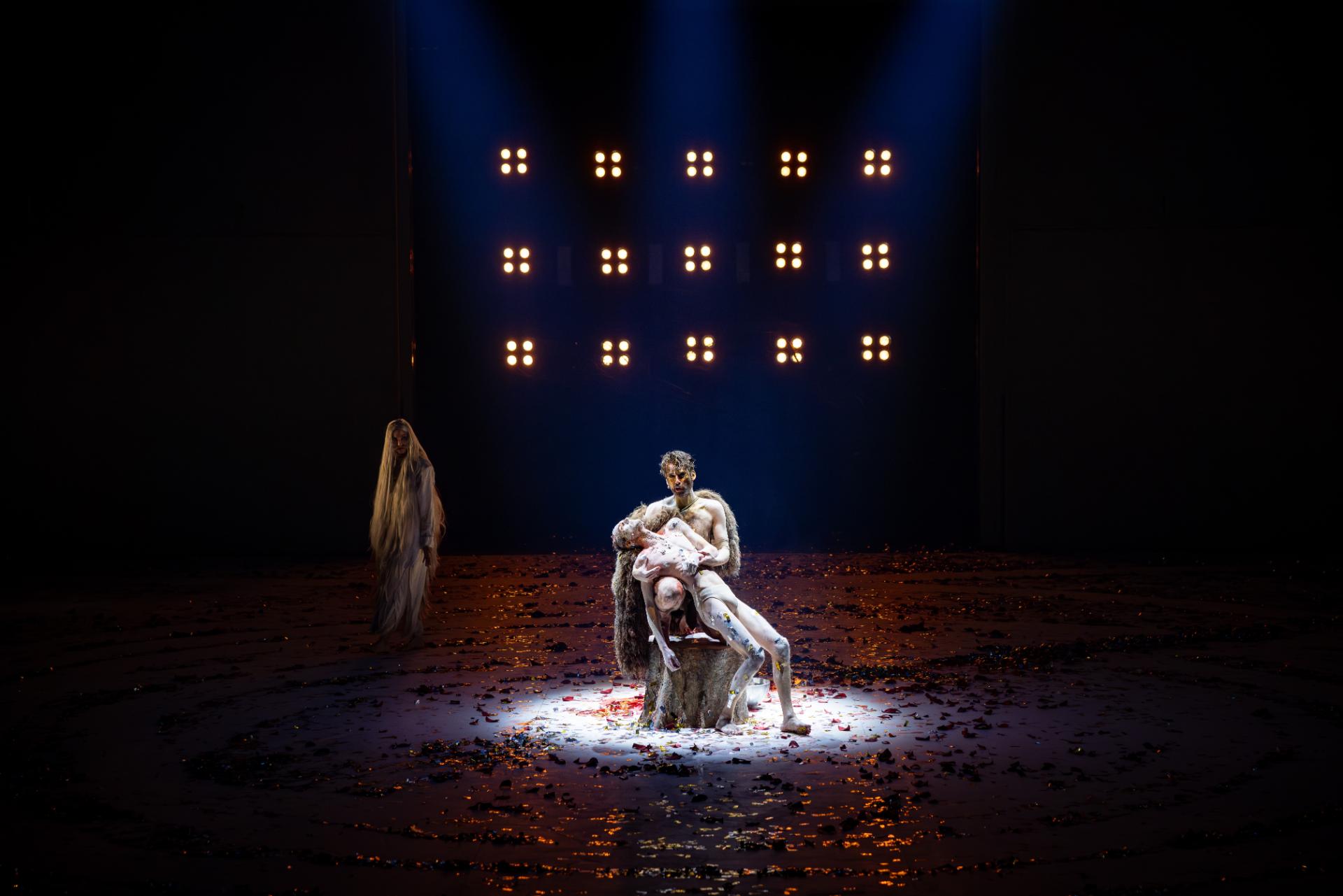
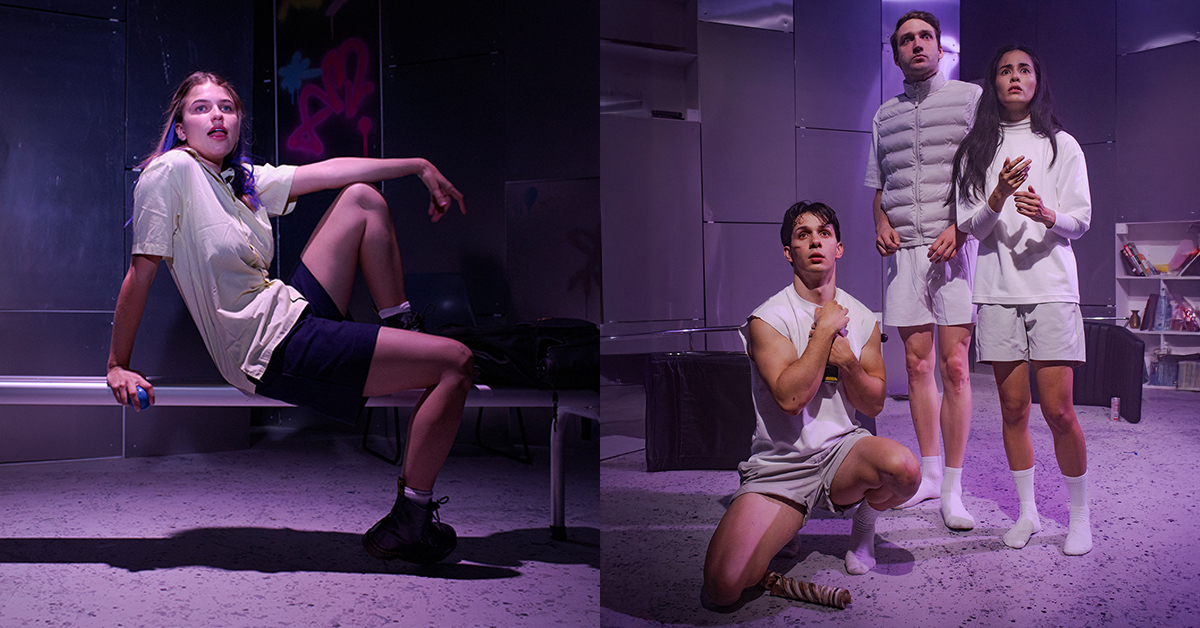
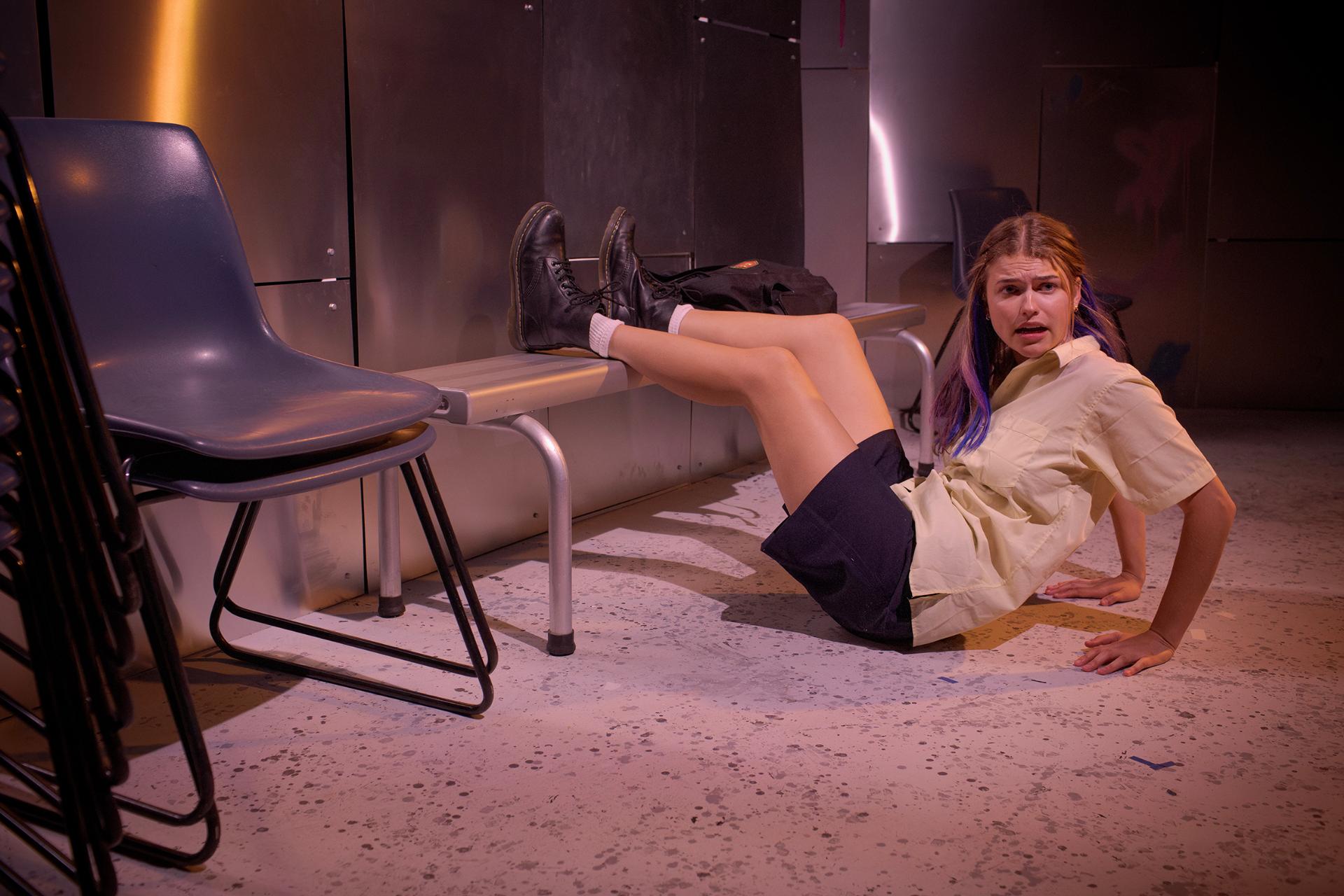
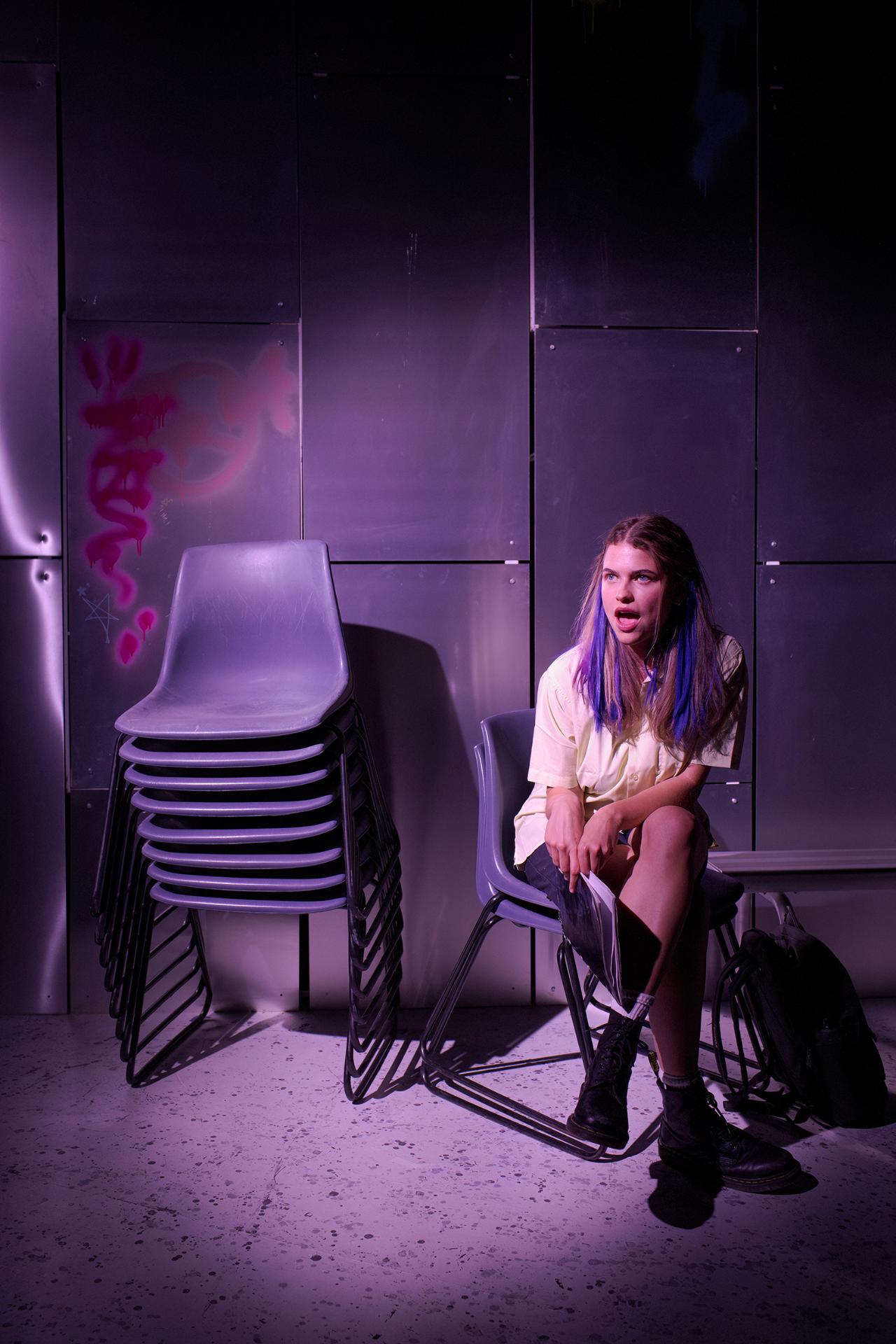
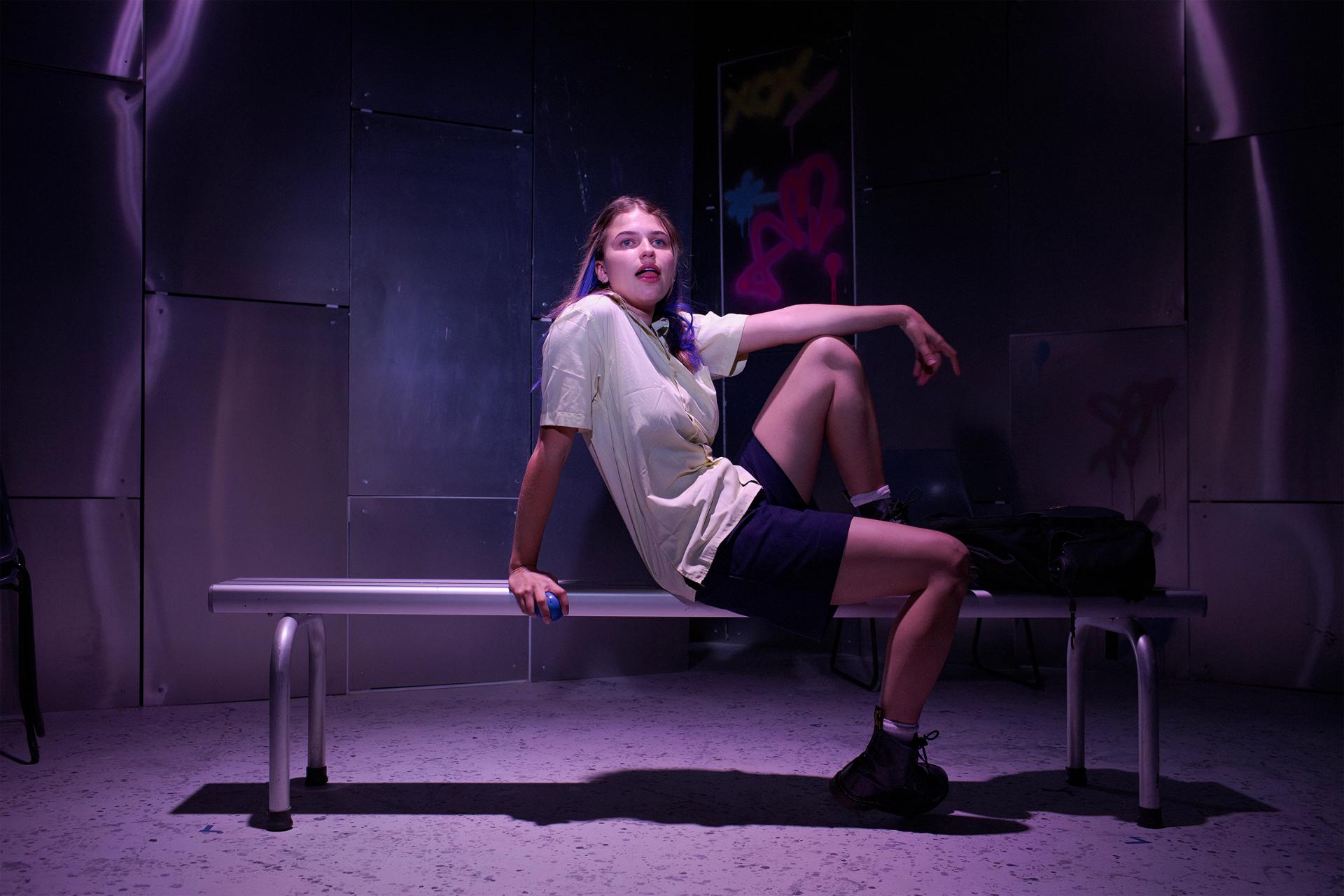
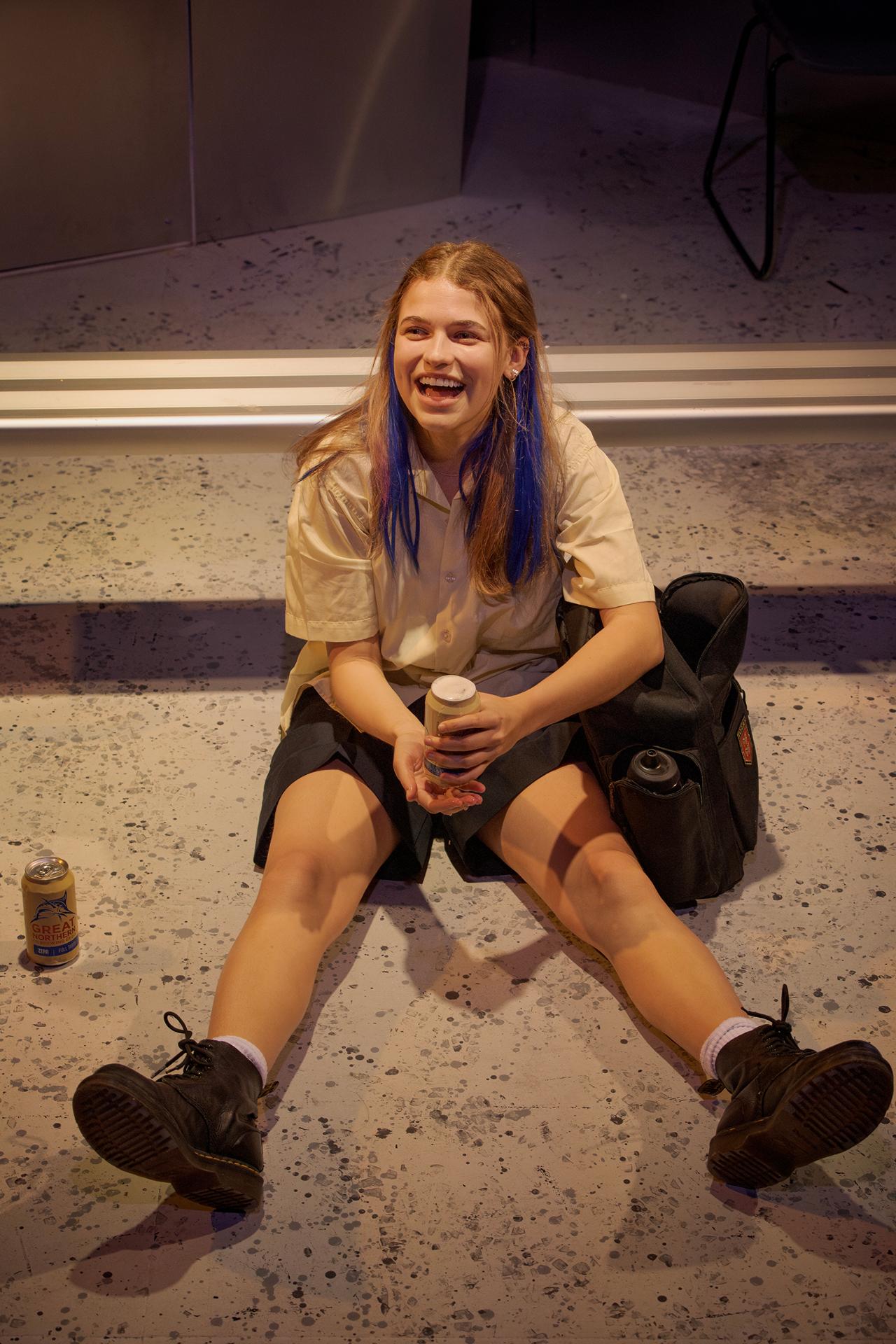
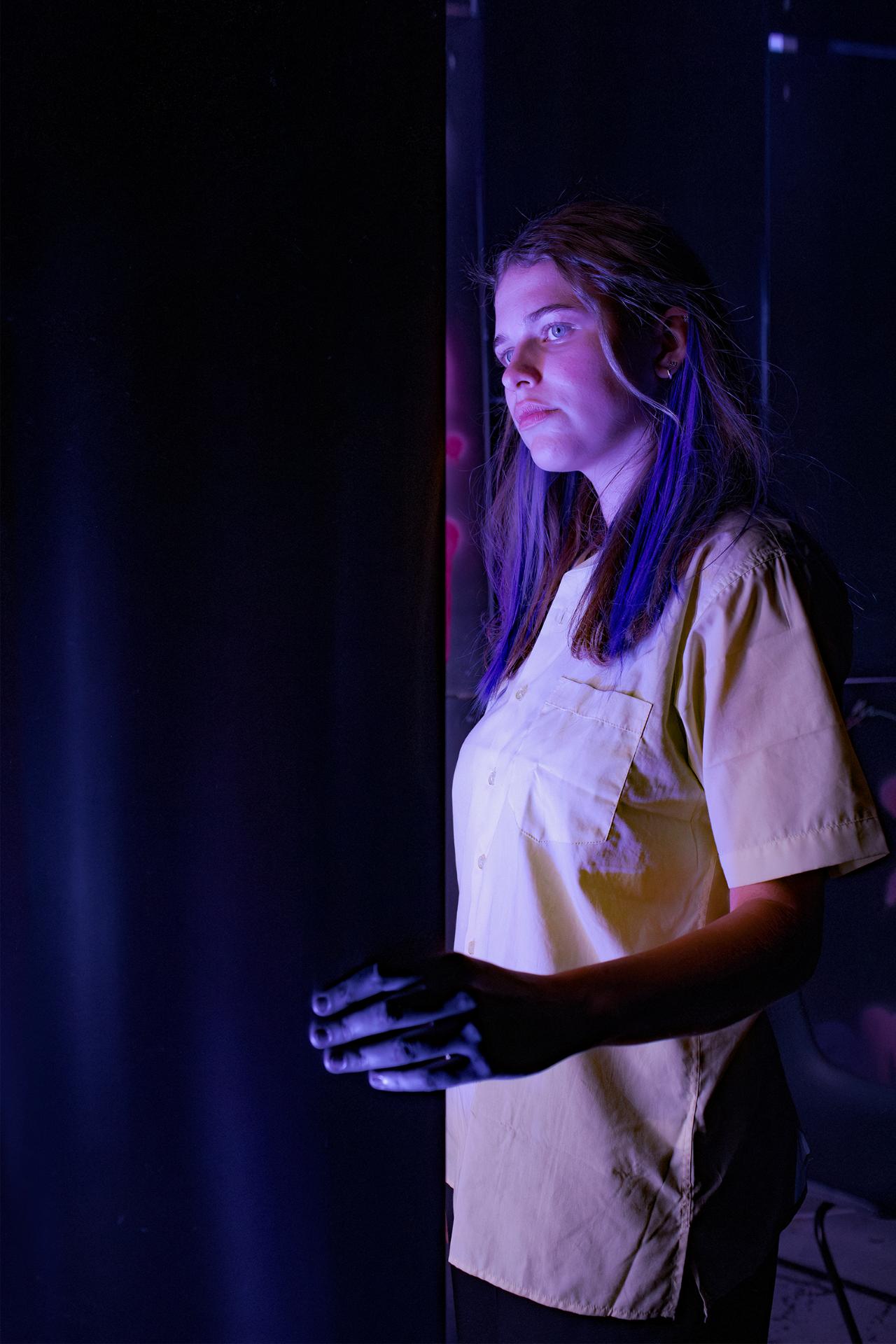
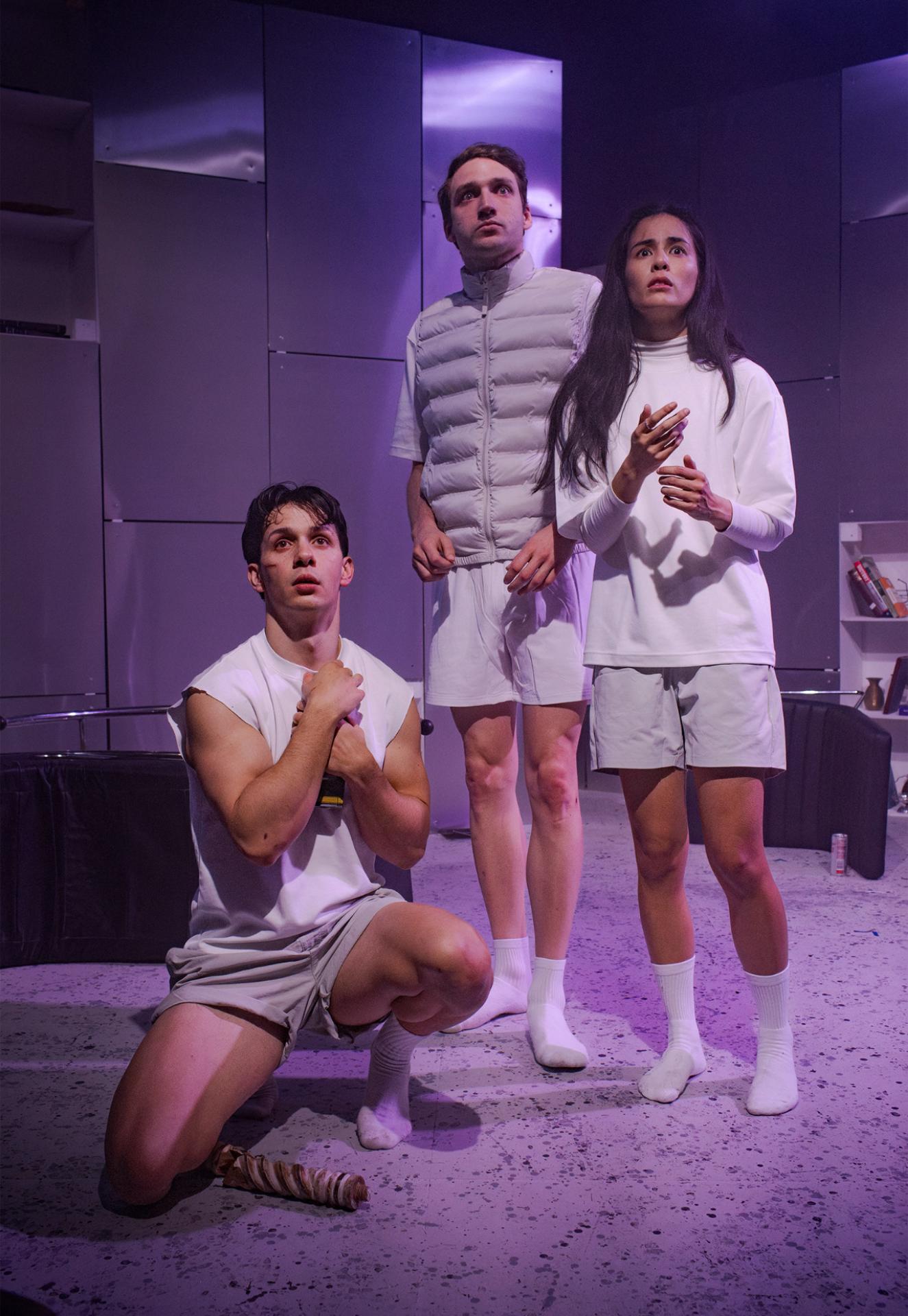
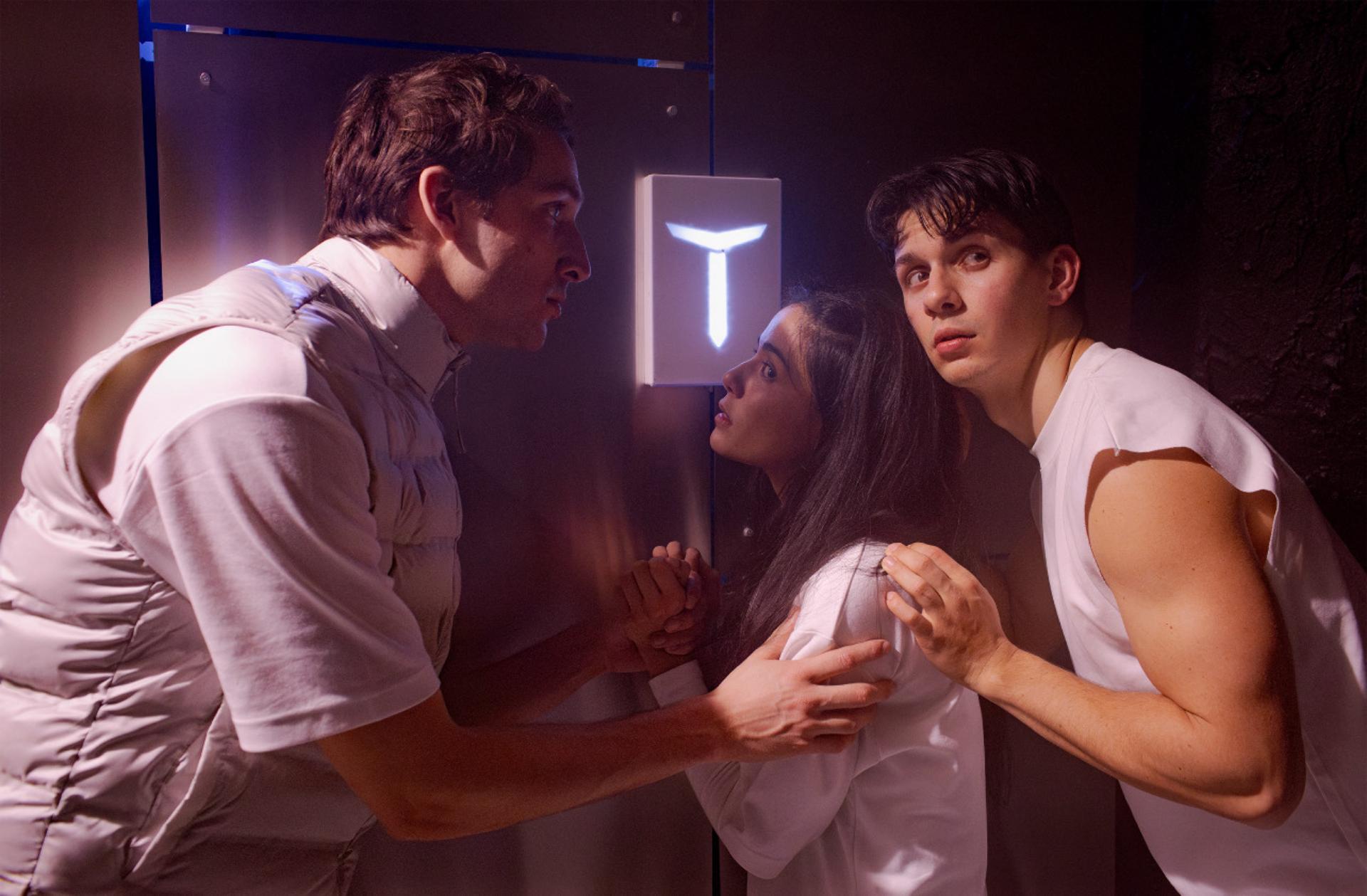
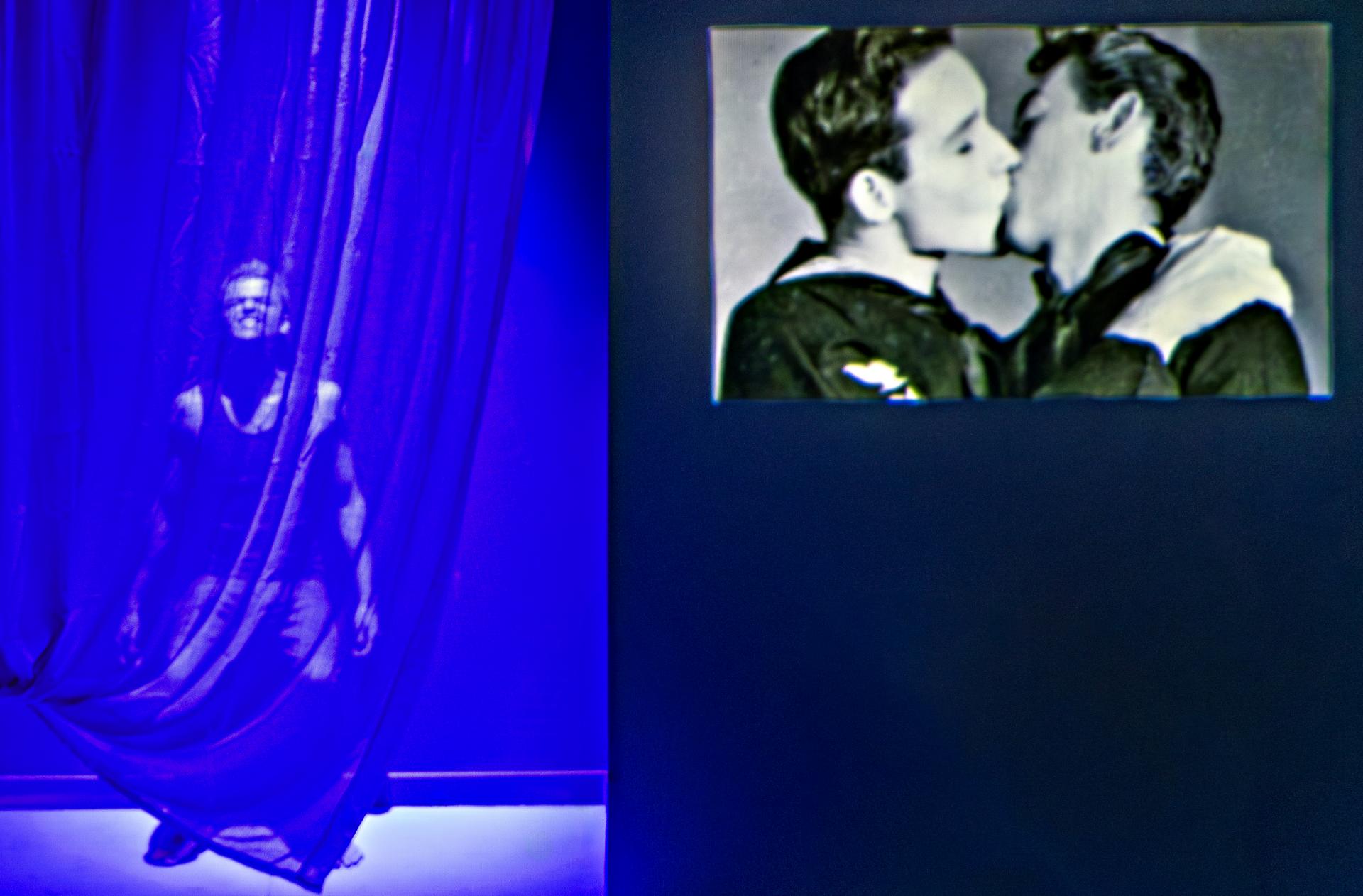
A large display flashes random numbers, very much akin to a bureaucratic queue management system, in an inhospitable room designed only with practical considerations in mind. Three individuals take their turn, under strict surveillance, to express their anguish and desperation, about ambiguous incidents, that we know only by inference to be interrelated. In Enda Walsh’s Arlington, we can be forgiven for never really knowing the narrative that runs through the play, as its concerns are with the fallout of trauma, rather than the precipitating events that have brought us here.

Direction by Anna Houston demands that we focus on the present. In lieu of sufficient understanding about contexts, we are required to expend imagination, alongside an investigative curiosity, to create interpretations of the abstract renderings that we encounter. The work can feel impenetrable, but it also speaks with integrity, always with an air of certainty and commitment, to its mysterious sequences exploring the human condition at its most painful and vulnerable.

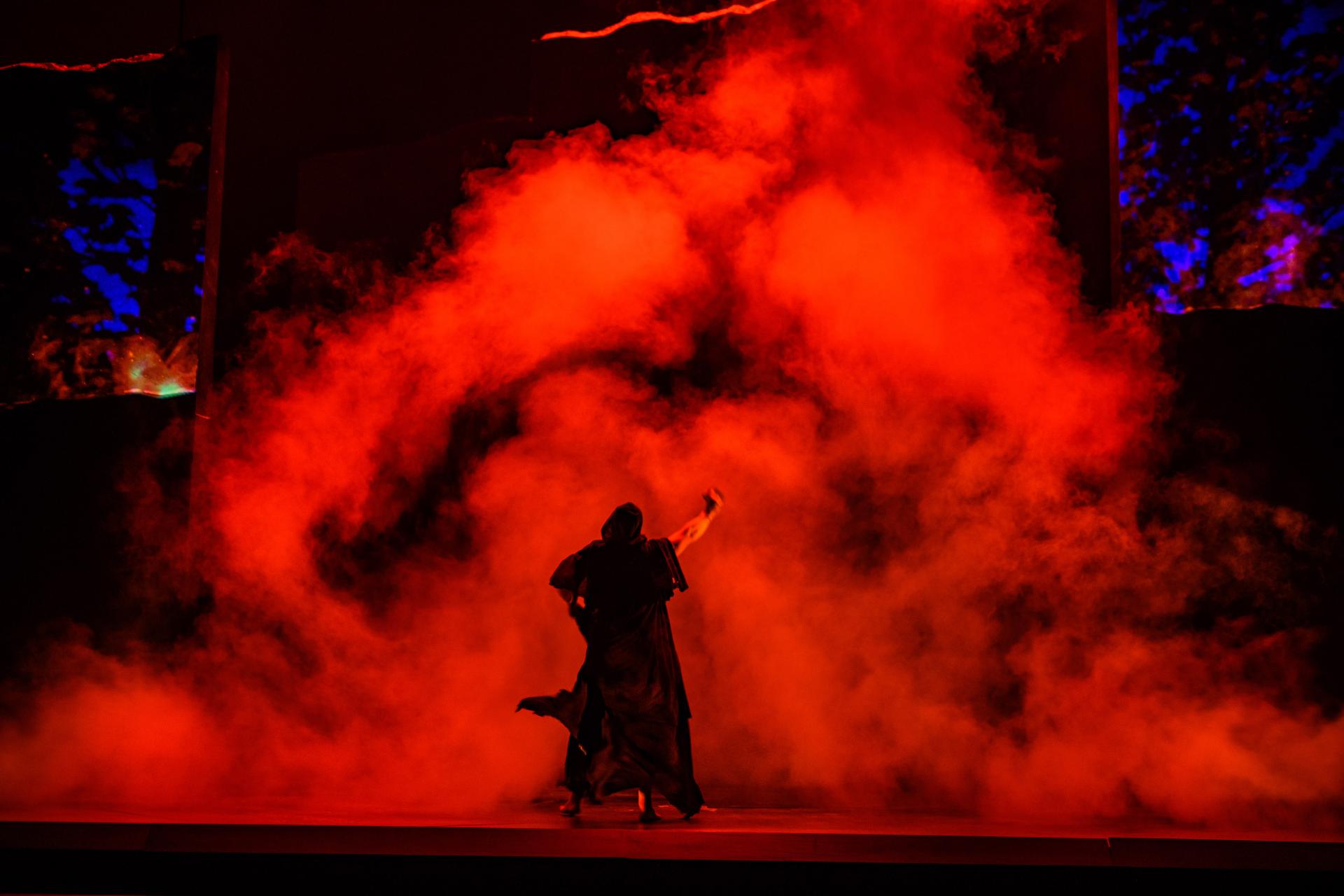
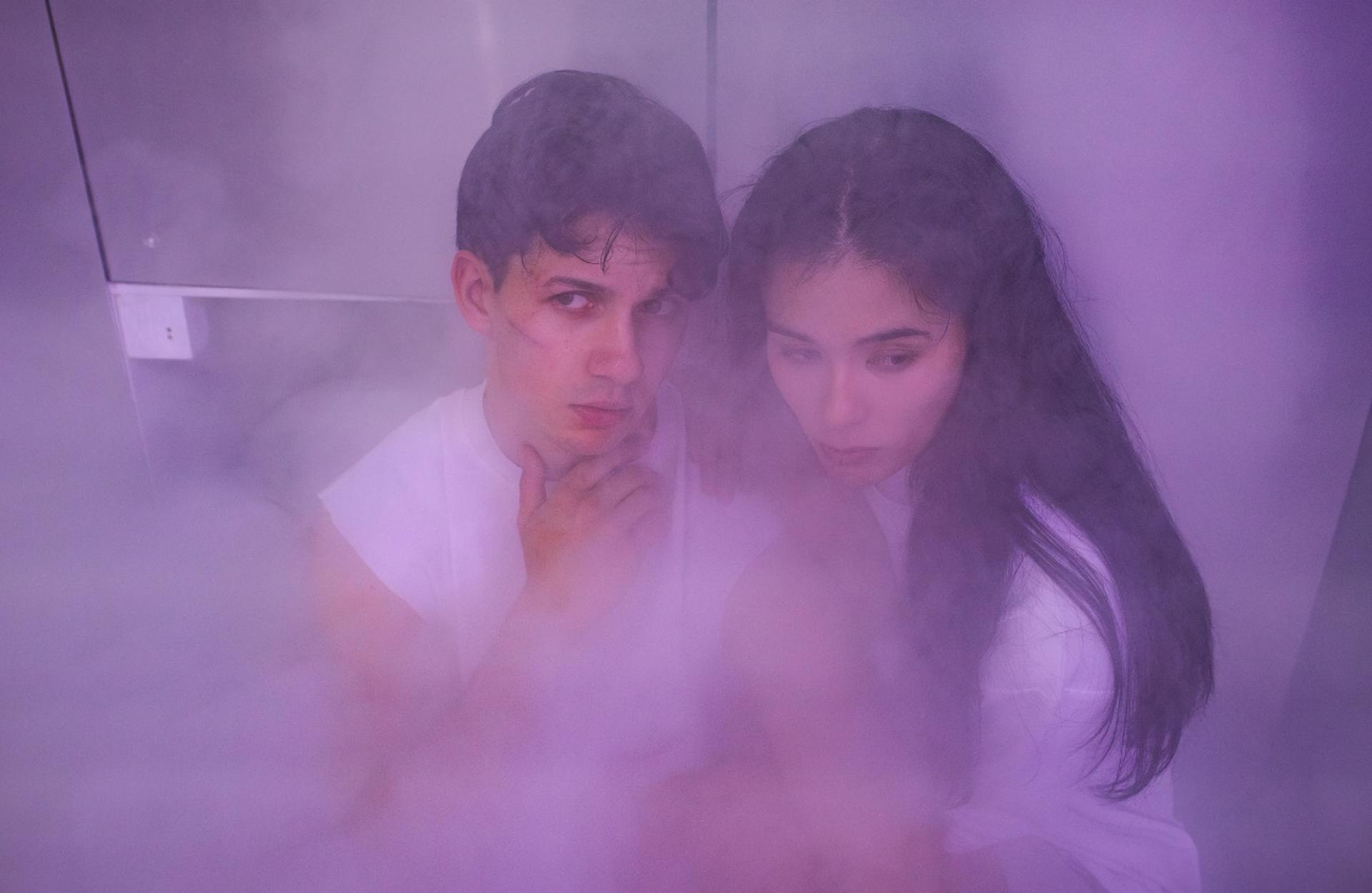
A key feature of this staging is its remarkable design. An impressive set by the ambitious Kate Beere, delivers a sense of apocalyptic dread, through an ironic representation of something that could be thought of as our mundane modernity, with skewed perspectives offering an enjoyable visuality that is decidedly theatrical. Lights and video by Aron Murray are appropriately foreboding, but also sensual, to consistently guide our sensibilities somewhere inexplicably dangerous. Sounds by Steve Toulmin are highly dramatic, and intricate, for an Arlington memorable for its sensory overload.

A powerful cast of four comprising Phaedra Nicolaidis, Jack Angwin, Georgina Symes and Emma Harrison, is to be commended for providing something intense and uncompromising. We always believe them, even when we feel kept in the dark about what goes on. Their depictions of anguished terror make for a confronting experience. In this observation of people with no control over their own destinies, trapped in unbearable circumstances, we can only respond with revulsion. When characters reach for notions of hope, it is futility that we recognise instead. Arlington does not give everything that our instincts seek, but its insistence on authenticity cannot be denied.

www.seymourcentre.com | www.empresstheatre.com.au

Review: Occasional Combustible Disaster (Qtopia)

Venue: Qtopia (Darlinghurst NSW), Jul 31 – Aug 10, 2024
Playwright: Daniel Cottier
Director: Benjamin Brockman
Cast: Nicholas Cradock, Nyx Calder, Hester van der Vyver, Richard Hilliar
Images by Phil Erbacher

Theatre review
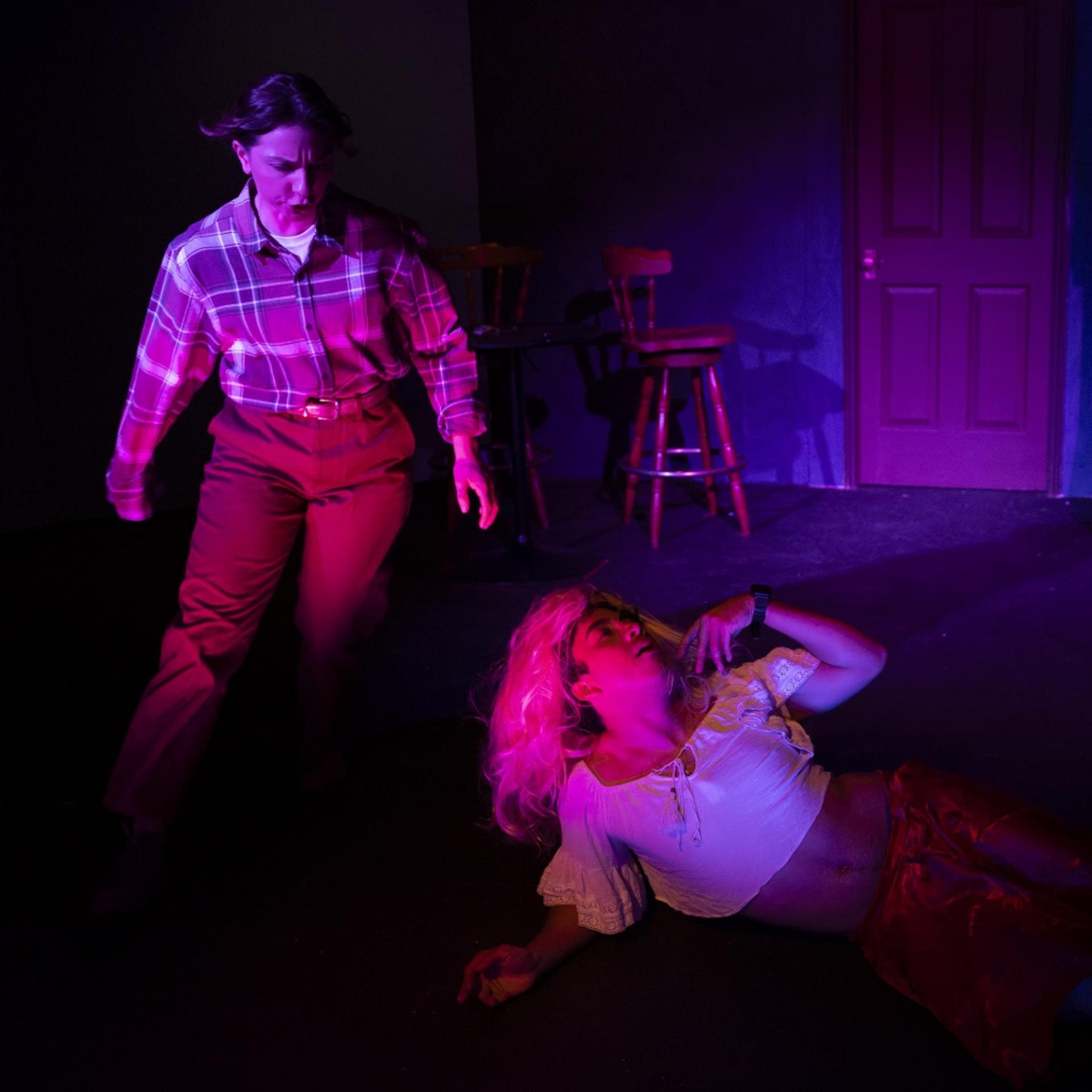
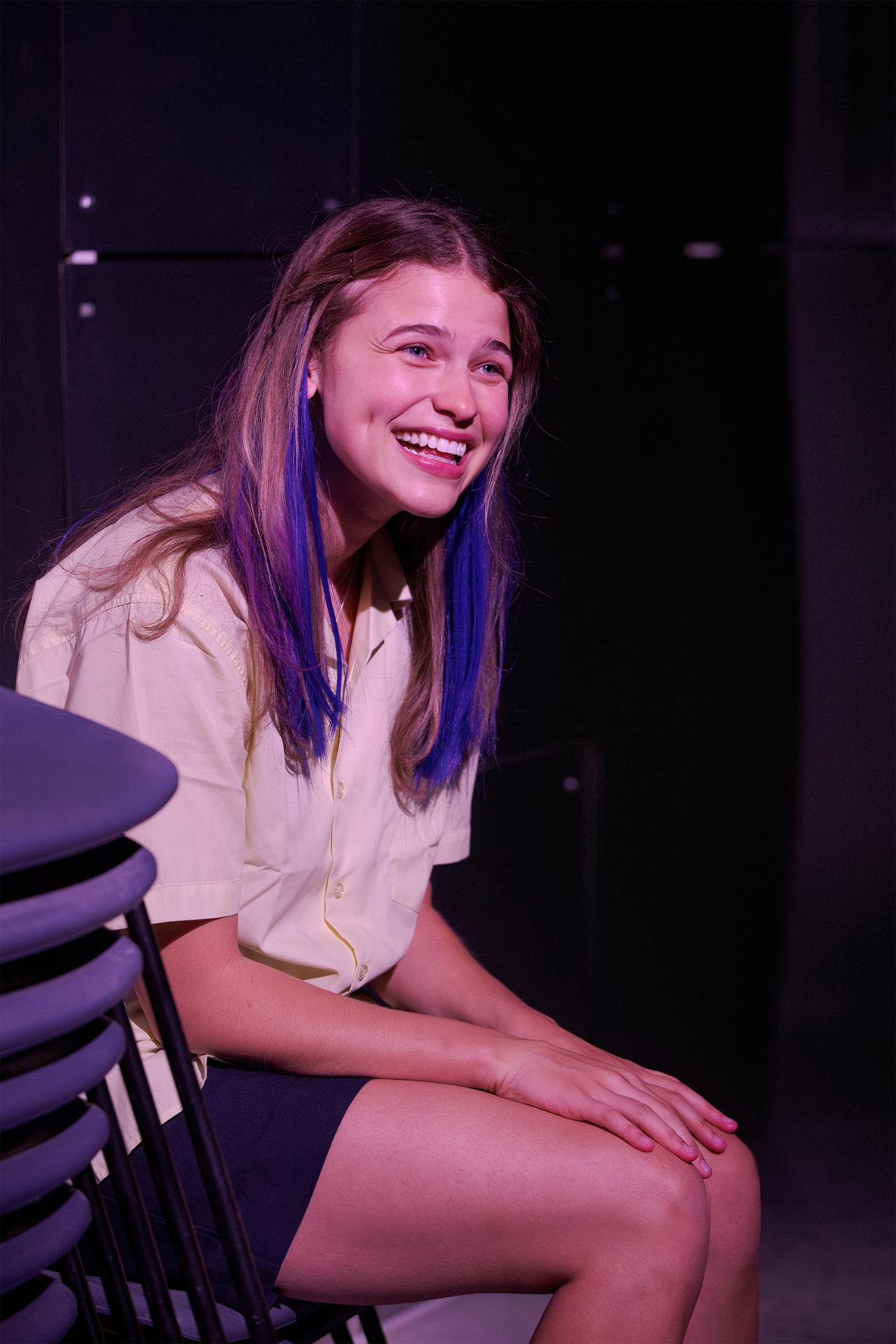
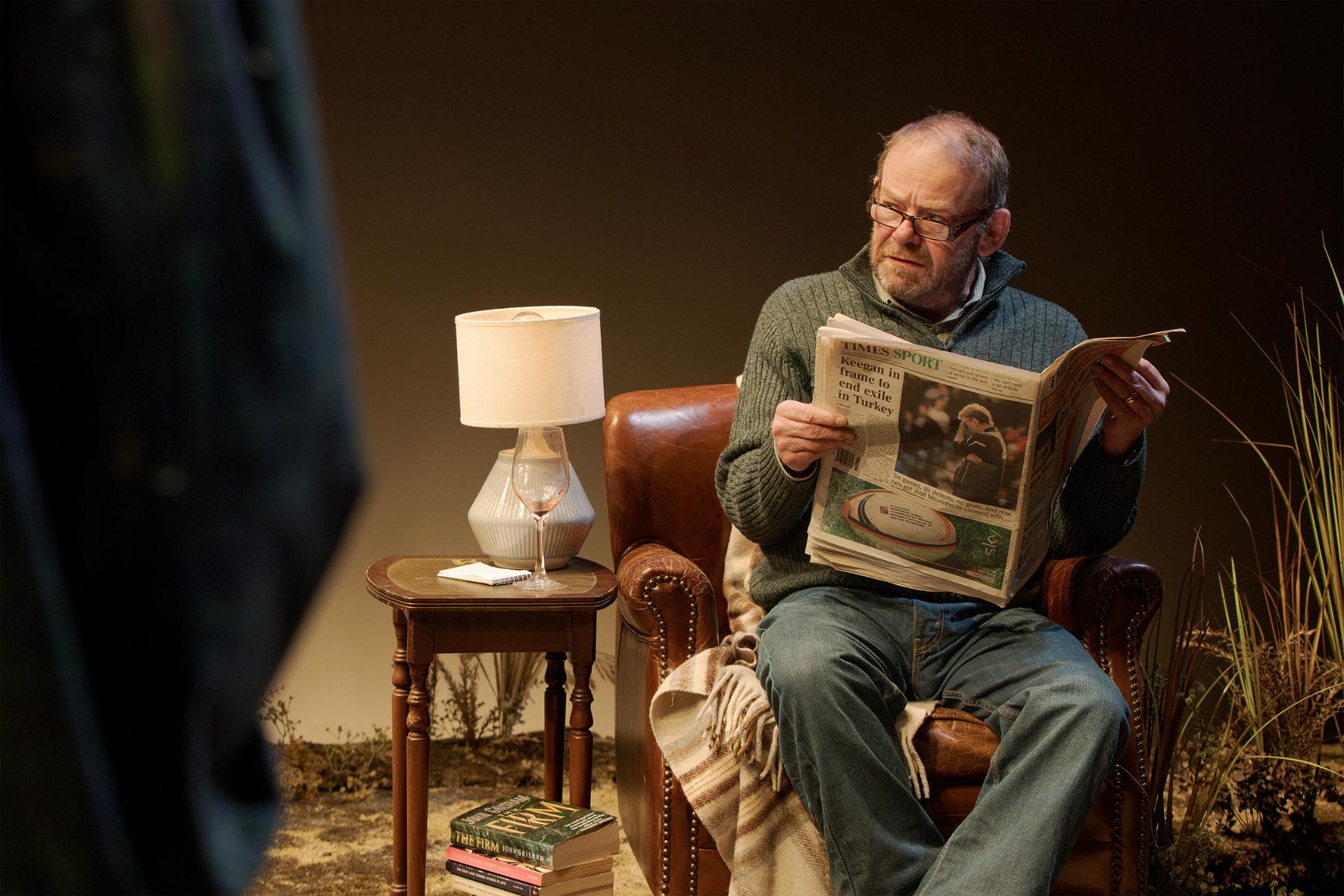
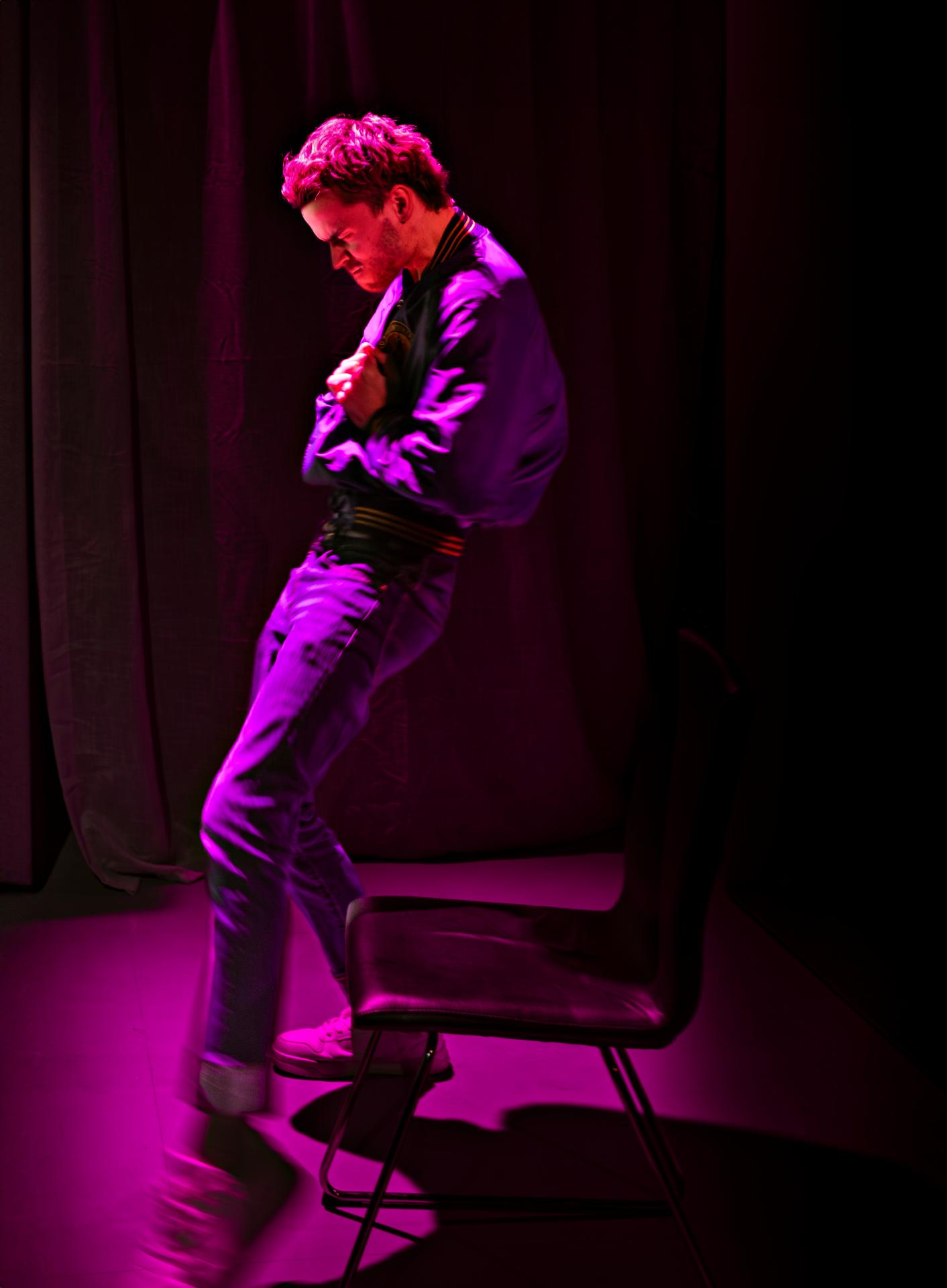
Freddy is ridden with anxiety. Aside from his HSC exams coming to a crescendo, and the fact of a bleak climate future, he is also certain about being responsible for starting a bush fire not too long ago. Occasional Combustible Disaster by Daniel Cottier, tells of a teenager with too much on his mind, in a world that often appears impossibly challenging.

The play offers valuable insights pertaining to what our young have to contend with, as they inherit a planet with seemingly irreparable damage. Although arranged in a plot structure that may not always communicate effectively, many of Cottier’s thoughts are resonant and valuable, expressed through a lead character who embodies beautifully the discontentment of our times.

Freddy is troubling but also endearing, played by a powerfully committed Nicholas Craddock, proficient at bringing a wonderful sense of drama, whilst keeping us intrigued for the show’s duration. Supporting members of cast are comparable in focus and energy, but family dynamics are never really convincing, in a story set entirely at home. Direction by Benjamin Brockman ensures a consistent intensity to the tone of storytelling, even in moments when its persuasiveness falters.

Set design by Paris Bell offers an accurate simulation of a regular suburban home, alongside costumes by Rita Naidu that are similarly ordinary by intent. Brockman’s lights are memorable for their ability to convey Freddy’s inner struggles in contrast with the mundanity of his physical environment. Sounds by Beau Esposito deliver considerable tension, to a narrative about our disquiet as modern humans.

There are many convincing arguments about how so much of what we have, is broken. Freddy finds out, that to grow up is to get acquainted with all the solutions that are available, that can make existence tolerable. He will be told that he needs to shift his beliefs, for a new state of mind that is essential to his survival, but it is up to him whether to retain any of the idealism that is necessary, if he wants to make things better, particularly for those who follow.

www.qtopiasydney.com.au | www.danielcottier.com.au

Review: The Arrogance (KXT on Broadway)

Venue: KXT on Broadway (Ultimo NSW), Jul 26 – Aug 10, 2024
Playwright: Olivia Clement
Director:
Lucinda Gleeson
Cast: Alan Glover, Whitney Richard, Linden Wilkinson
Images by Georgia Brogan

Theatre review
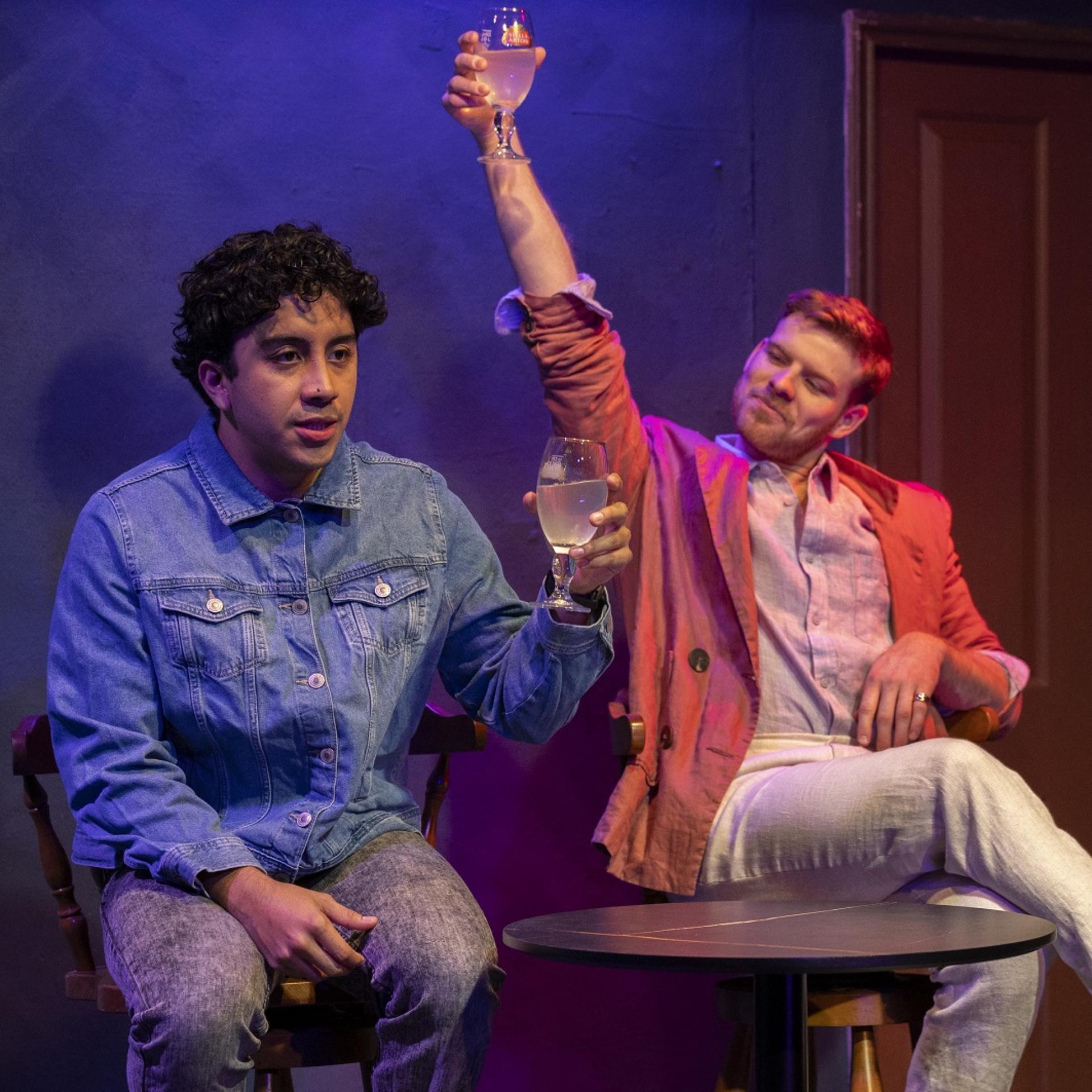
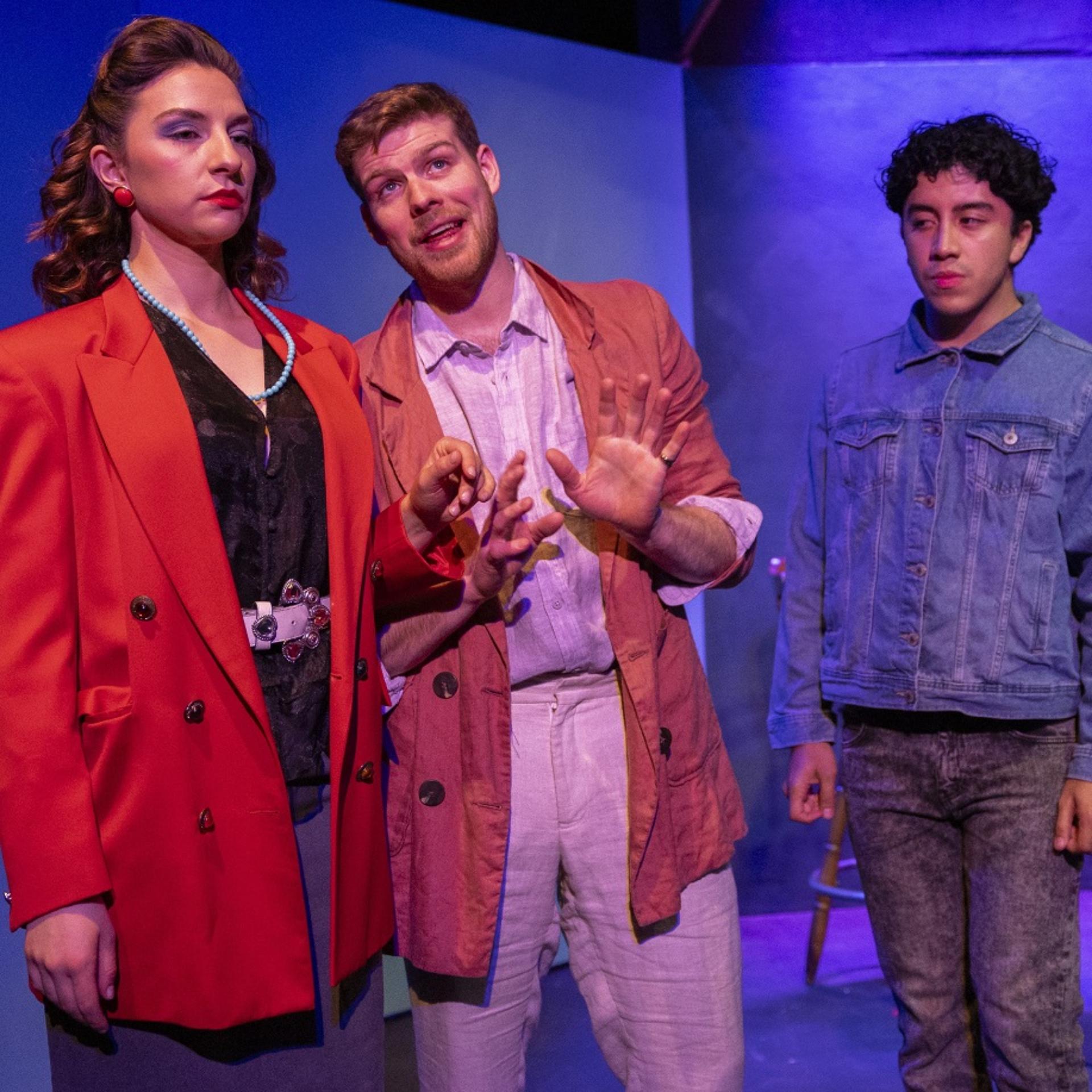
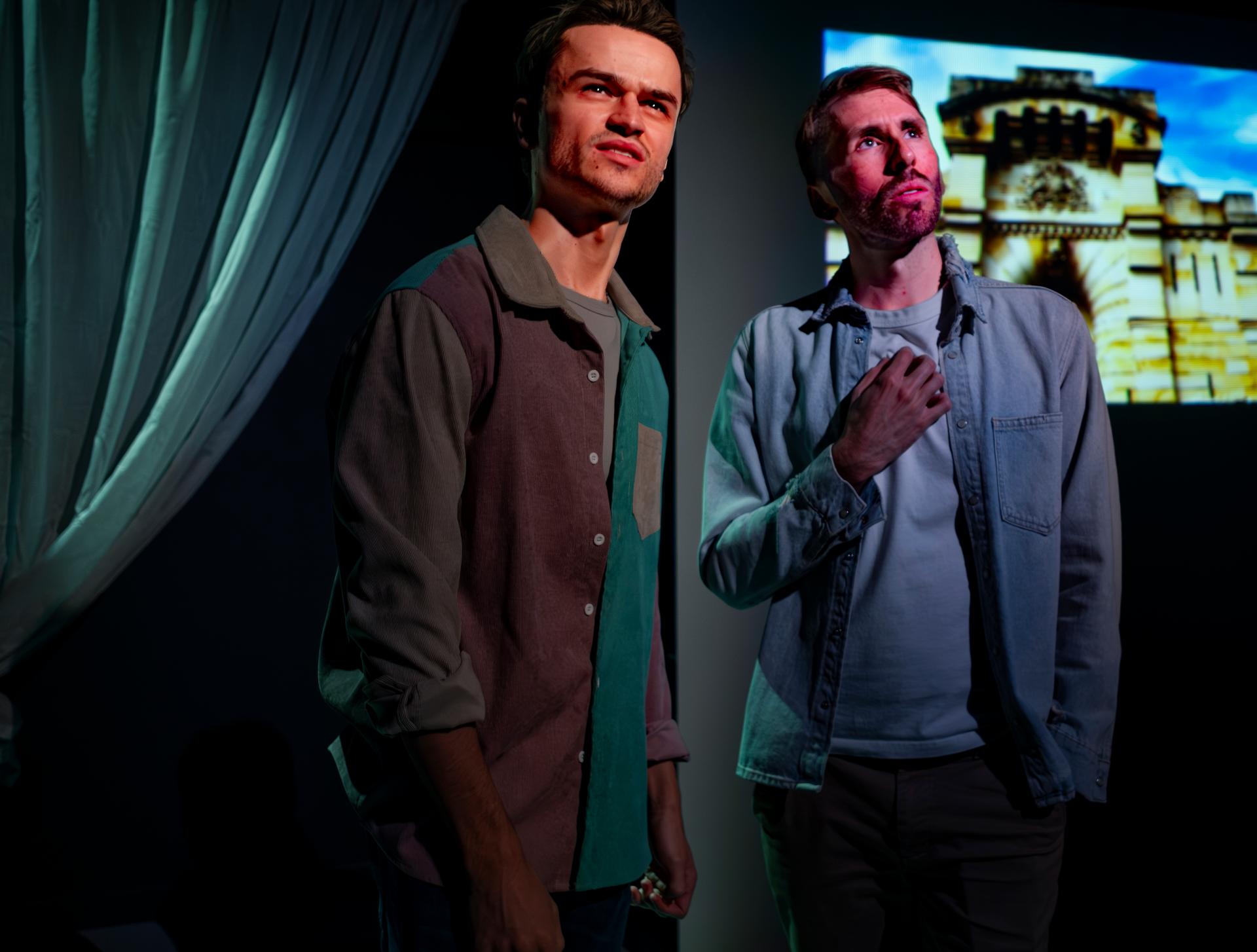
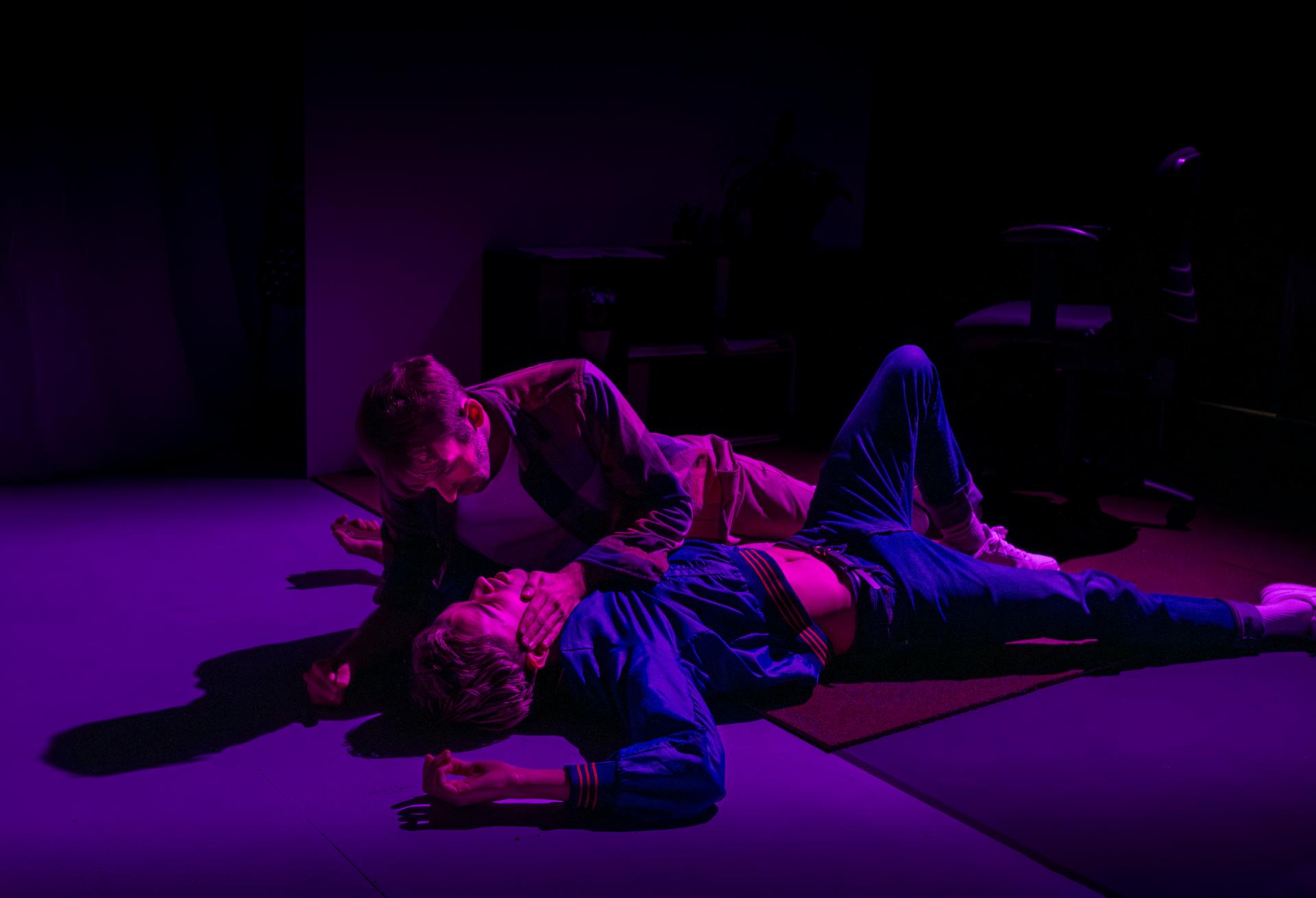
Amber is pregnant, and thinking about becoming a parent is forcing a confrontation, with traumas from her own childhood. Olivia Clement’s The Arrogance takes an intimate look at a woman in the throes of a difficult healing process, compelled by a sense of responsibility for the life she is birthing. Many of us understand the tendency to ignore these lingering pangs of anguish, but Clement’s writing makes it clear that there often comes a time, when a person simply has to face up to them, and work towards a sense of peace, impossible as it may seem. 

That tumult is given authentic expression by director Lucinda Gleeson, who honours those challenging feelings that someone like Amber would have, in a presentation that makes coherent what we know to be disjointed and painful. Production design by Soham Apte delves into the darkness of the protagonist’s inner life, to deal with themes of flourishment and decay through its evocative visual symbolism. Lights by Sophie Parker imbue dramatic intensity, as do sounds by Aisling Bermingham and music by Baran Yildiz, all sensitively rendered yet highly effective in conveying the despair being examined.

Actor Whitney Richard is an engaging presence, and completely believable as Amber, with an impressive emotional range that tells her story with clarity and potency. Alan Glover and Linden Wilkinson provide strong support, in complex roles that are thought-provoking and unpredictable, prompting us to consider the implications of forgiveness, in a play that very much wishes to explore how and if we can leave the past behind.

Amber’s parental figures are very flawed, but she is learning not to take on the burden of their misdeeds. We observe her need to extricate from historical sins and dysfunctions, if only for the sake of her baby. The idea of a clean slate holds tremendous appeal, but the truth is that we will always carry with us lessons of the past. It is how we continuously process them, and the ways we are able to emerge from them, that give meaning to life and its creation.

www.kingsxtheatre.com | www.instagram.com/winky_and_co

Review: The Woman In Black (Theatre Royal)

Venue: Theatre Royal (Sydney NSW), 30 Jul – 17 Aug, 2024
Playwright: Stephen Mallatratt (from the novel by Susan Hill)
Director: Robin Herford
Cast: Daniel MacPherson, John Waters
Images by Justin Nicholas

Theatre review
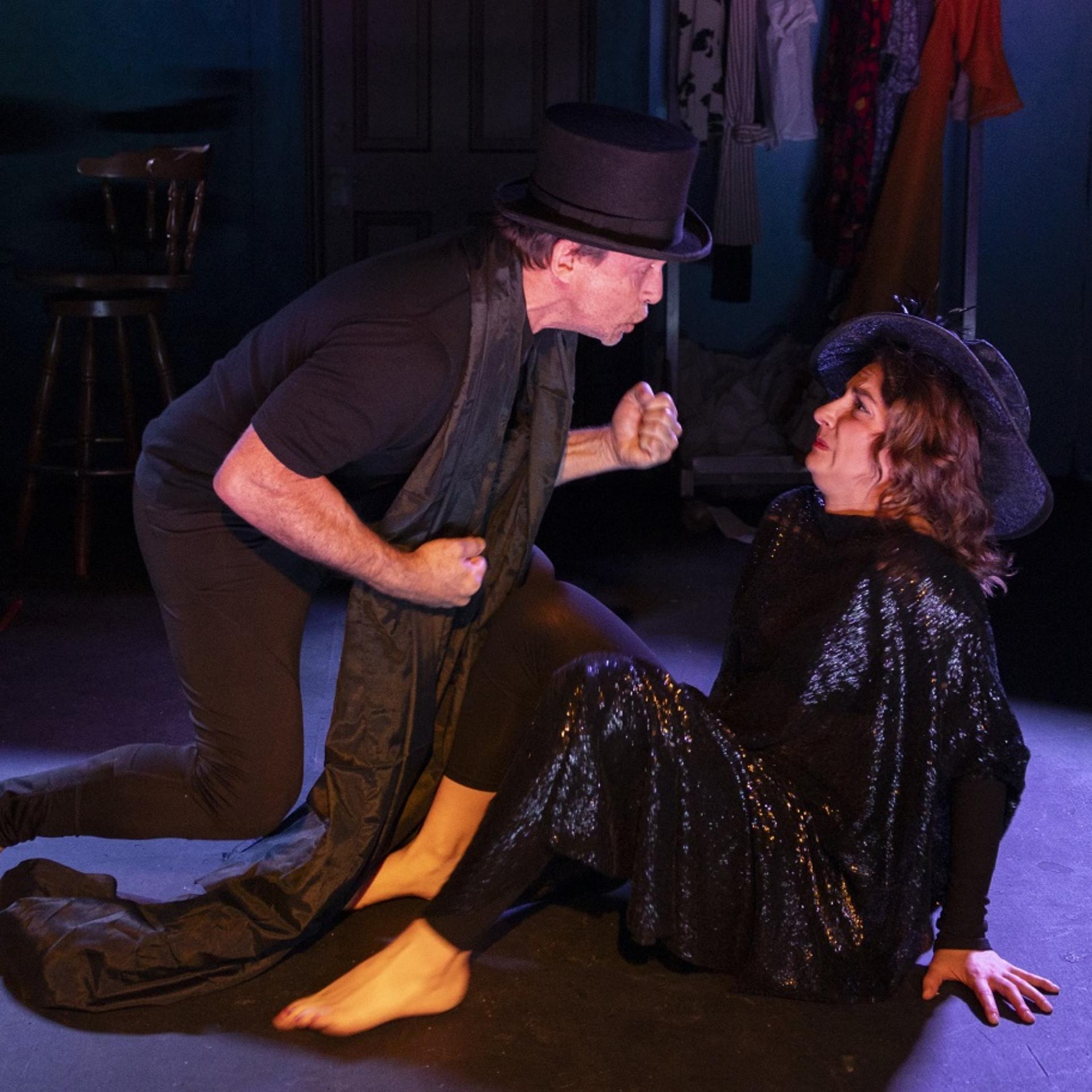
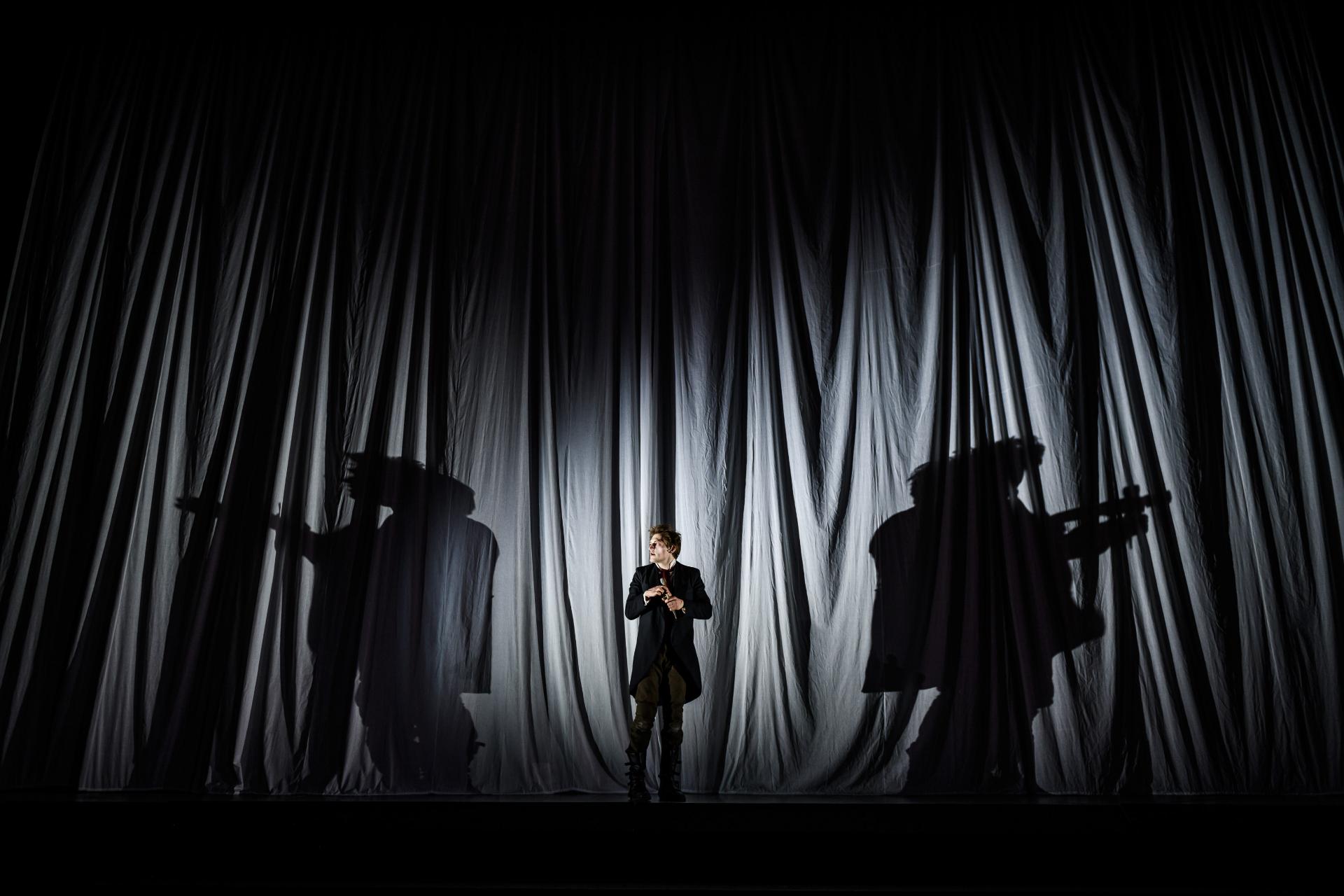
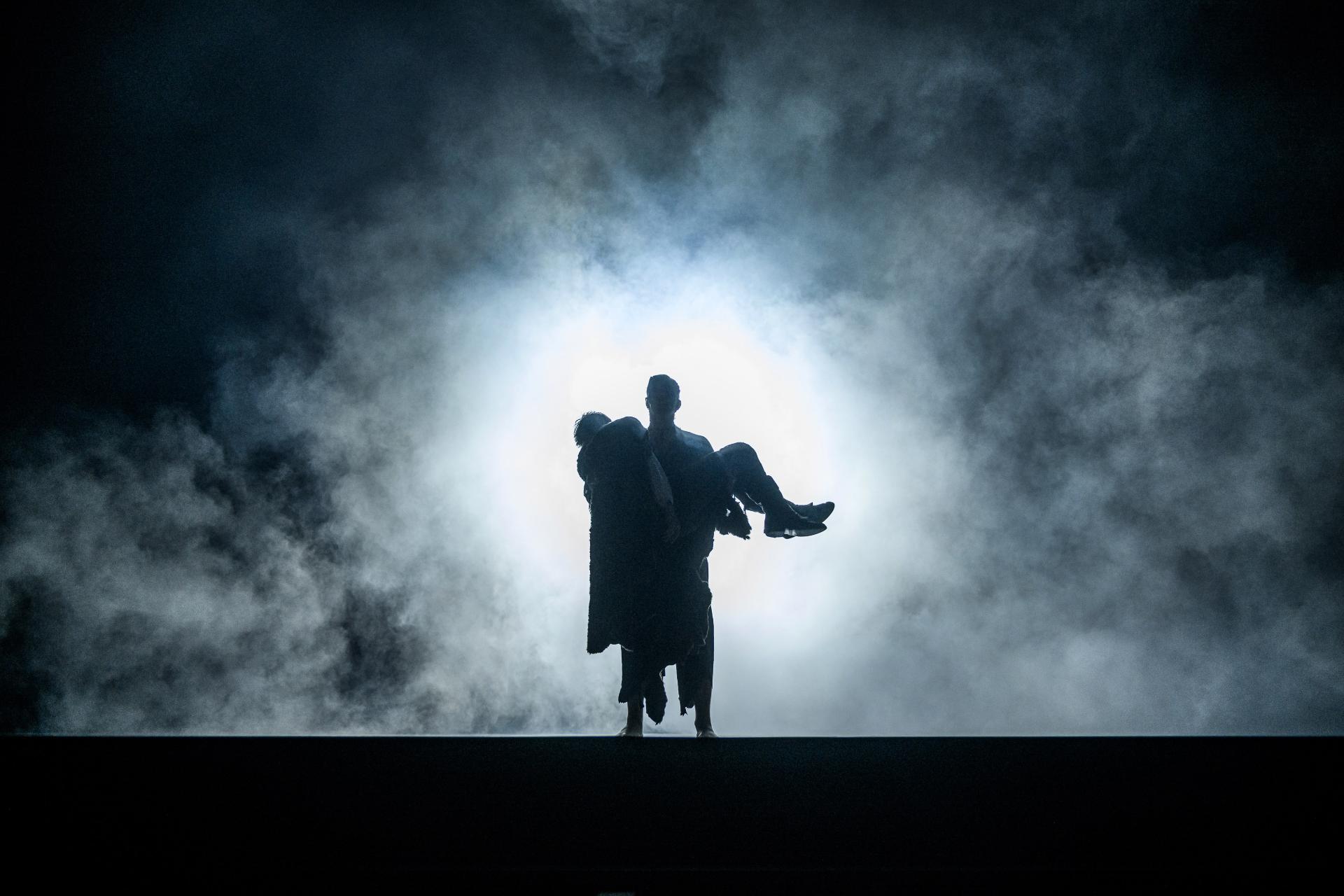
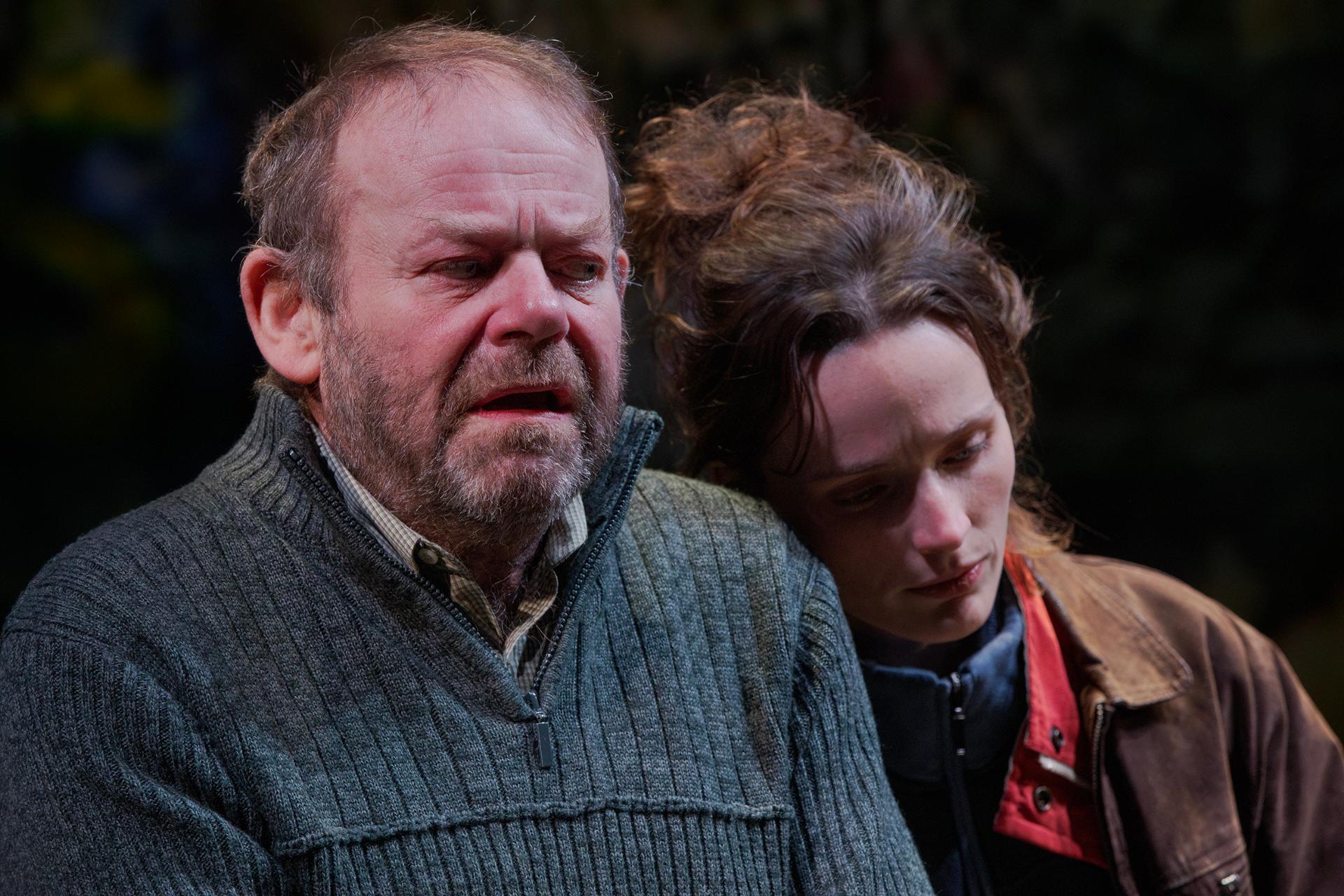
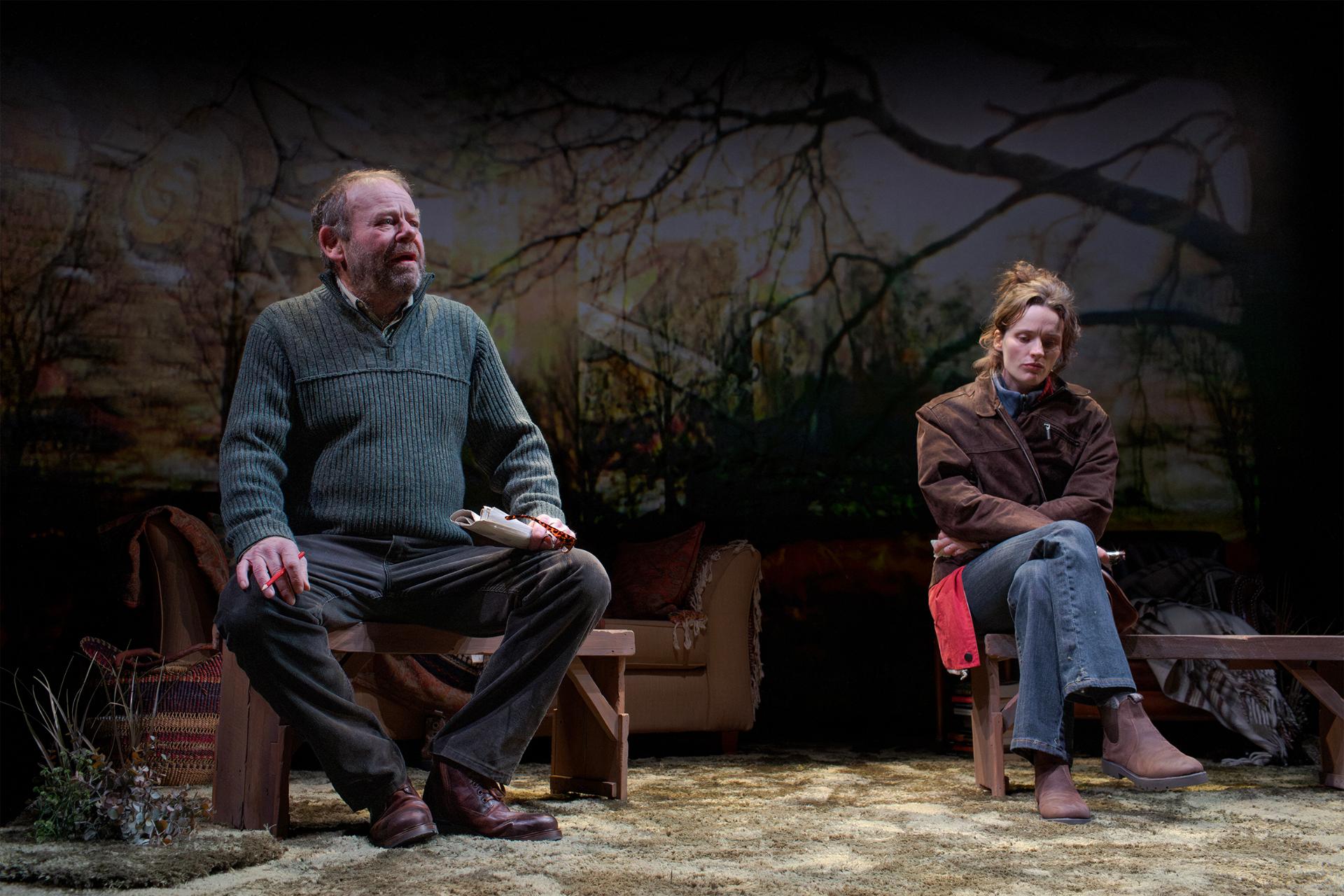
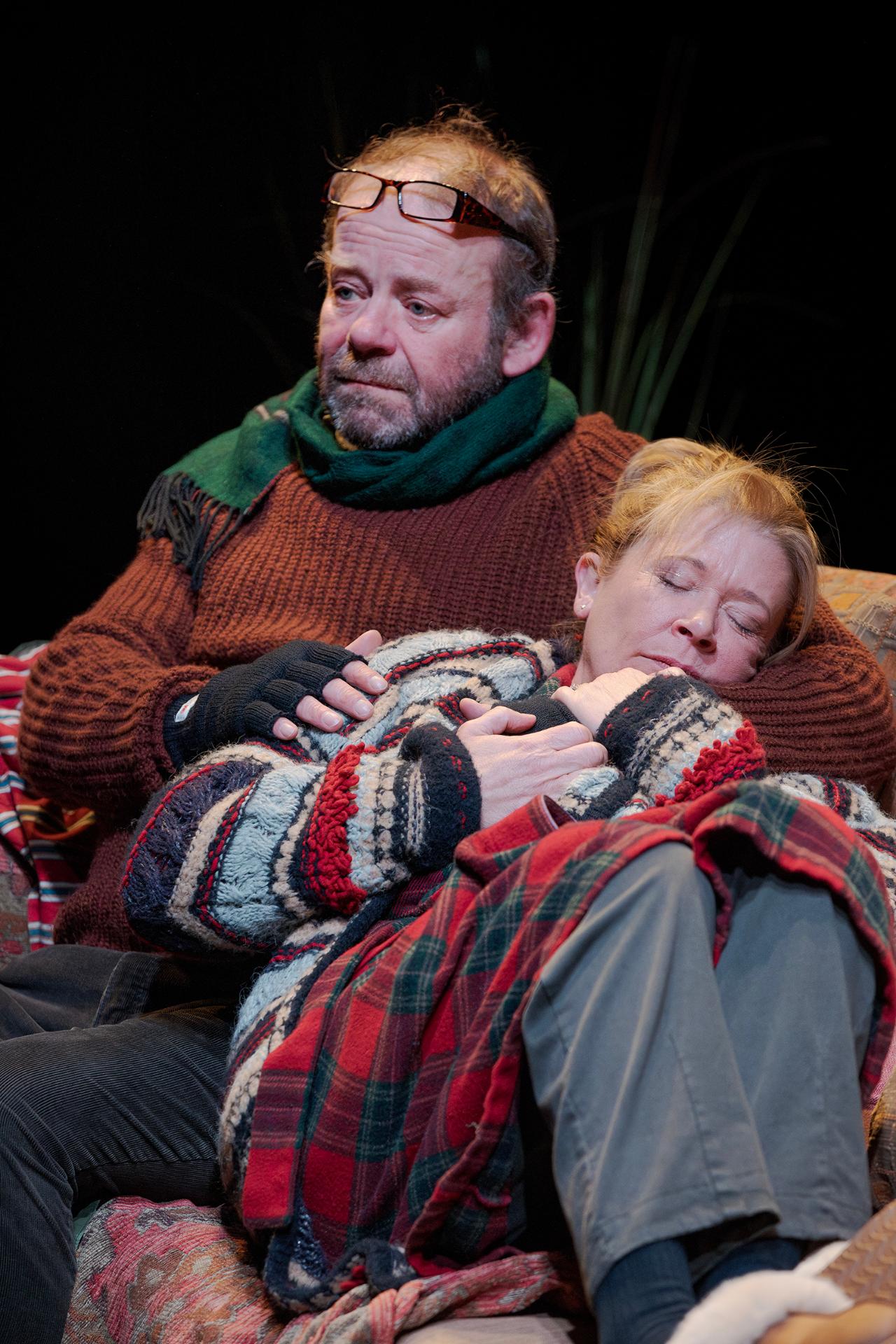
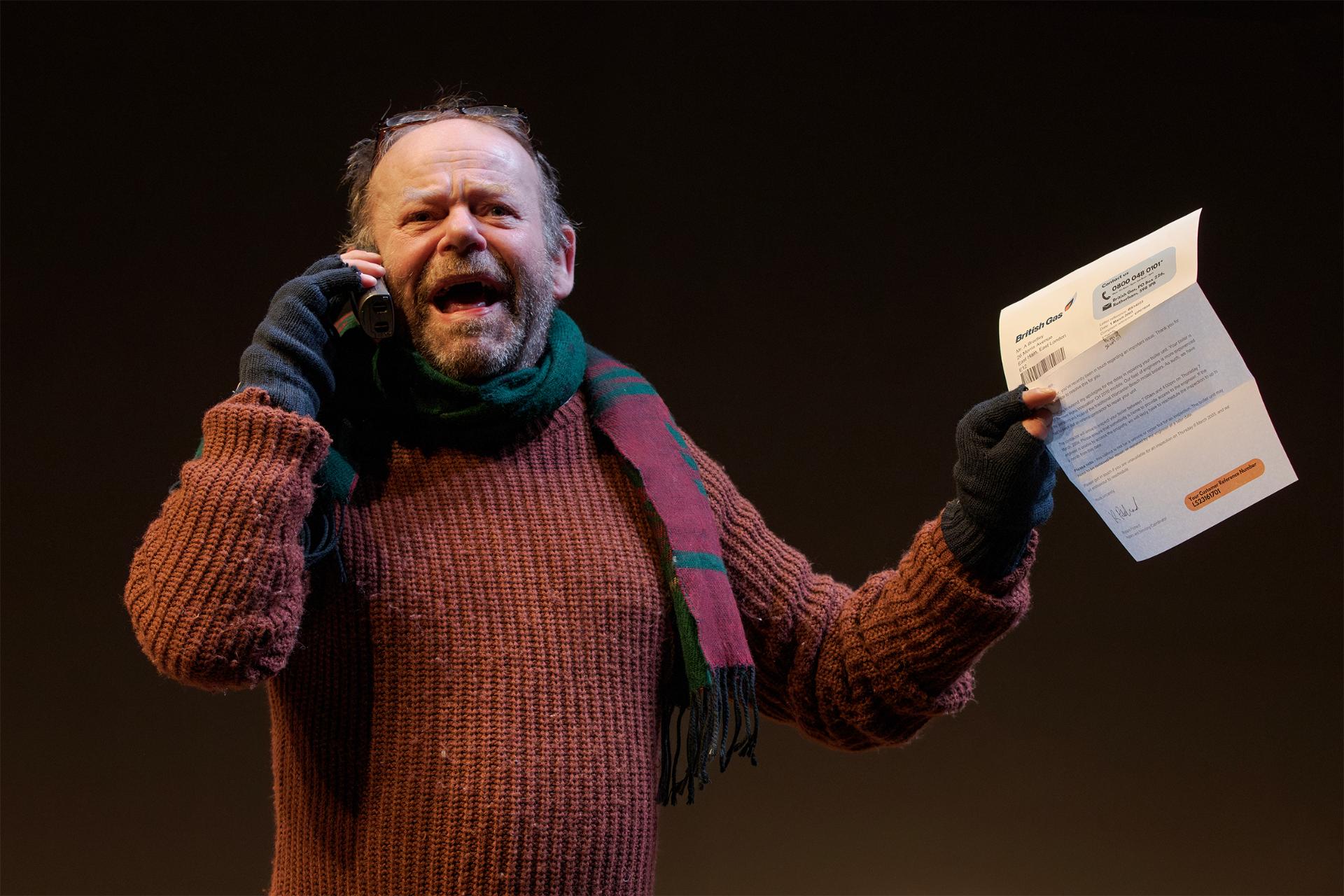
Junior solicitor Arthur Kipps has been summoned to a small town in the northeast of England, where he is to attend the funeral of a Mrs. Alice Drablow and settle her estate. There are very strange goings-on, and even though Arthur turns certain that a ghost haunts the mansion, he is drawn deep into its enigma, instead of choosing to leave at the first instance. Like Susan Hill’s novel The Woman in Black on which it is based, Stephen Mallatratt’s stage version of the same name, involves elements of horror to have us seduced and gripped.

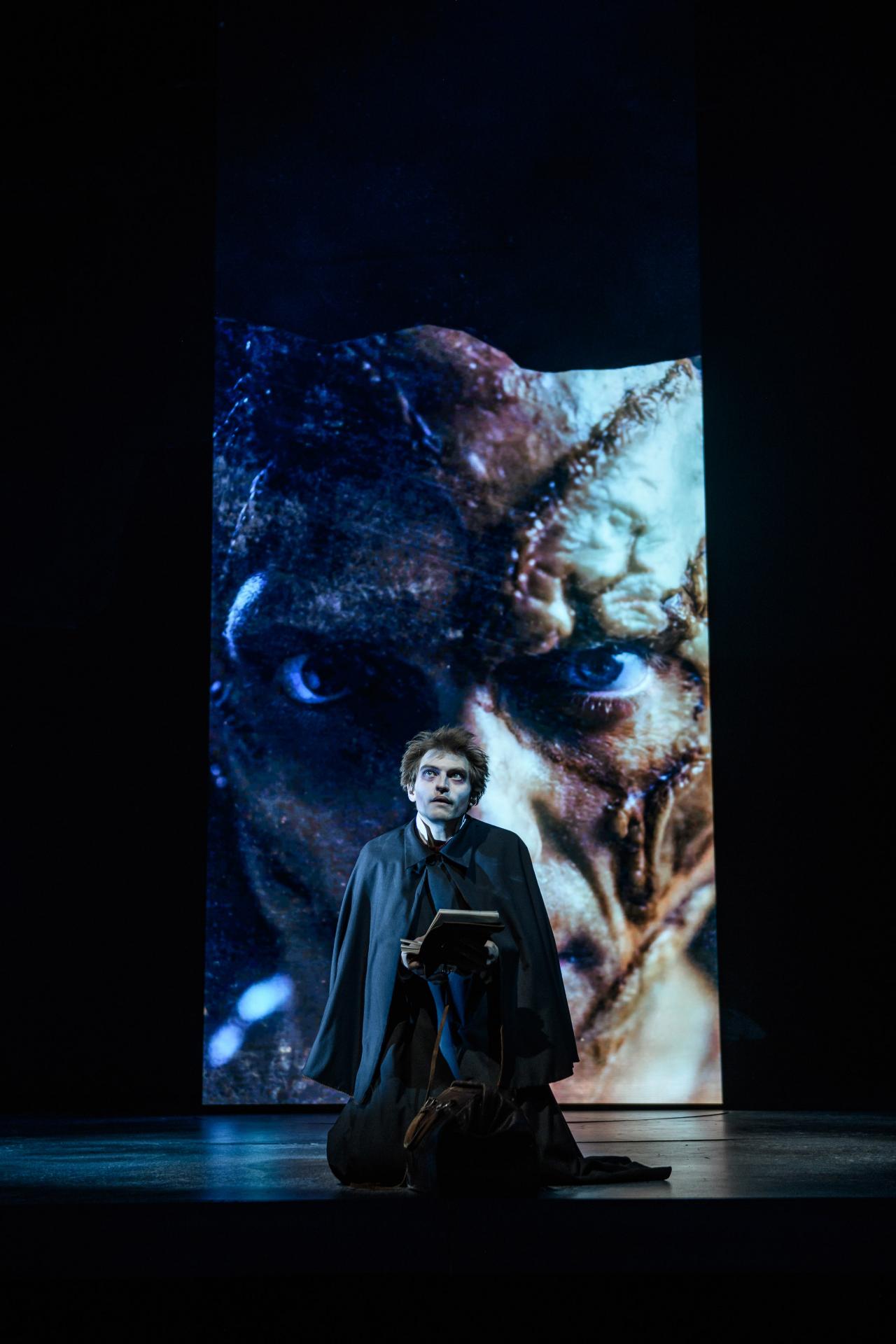
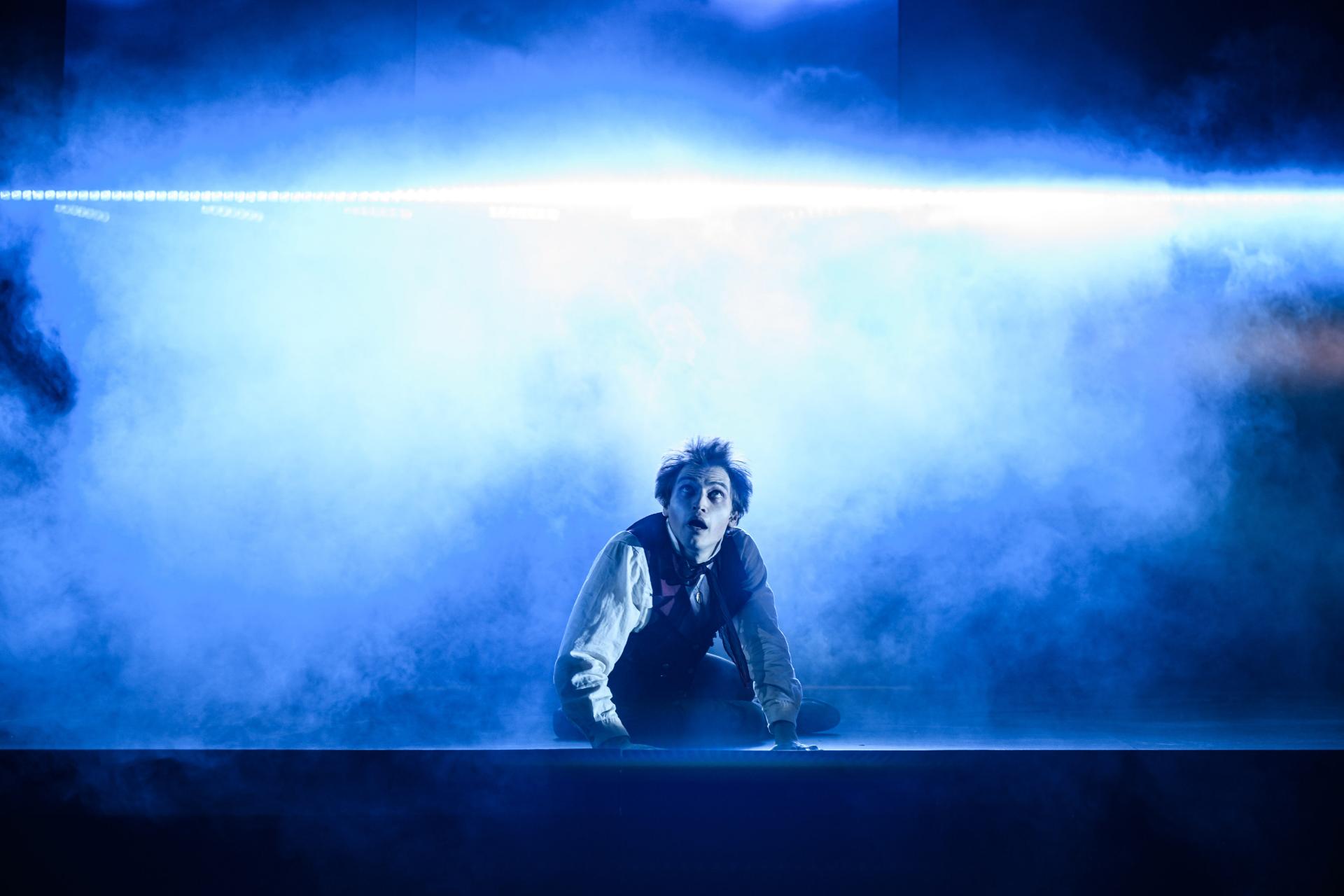
Clever direction by Robin Herford has ensured the production’s longevity, having played continuously at venues around the world since its inception in 1987. Lights by Kevin Sleep and sounds by Sebastian Frost are masterfully designed, to manufacture  thrills and intrigue, in a staging memorable for the frights it so successfully delivers. Performances by John Waters and Daniel MacPherson are highly compelling, both actors innovative and adventurous, with a charming humour that keeps us simultaneously enthralled and revulsed.

Arthur is not the only person to be drawn to danger. As we see him brave the terrifying corridors of Eel Marsh House, we are initially confounded by his voluntary decision to send himself into jeopardy, but we also understand the nature of curiosity, and how our instincts can be easily lured by the promise of high stakes, precarious as it might be. Arthur really should have called it quits the moment he sensed that something was wrong, but his nature simply could not resist testing fate.

www.thewomaninblack.com.au

Review: Uncle Vanya (Ensemble Theatre)

Venue: Ensemble Theatre (Kirribilli NSW), 26 Jul – 31 Aug, 2024
Playwright: Anton Chekhov (adapted by Joanna Murray-Smith)
Director: Mark Kilmurry
Cast: Vanessa Downing, John Gaden AO, Chantelle Jamieson, David Lynch, Abbey Morgan, Yalin Ozucelik, Tim Walter
Images by Prudence Upton

Theatre review
The story may have taken place in Russia over a century ago, but it appears that the human condition still persists with its indomitable longing, to be anywhere but here. Characters in Anton Chekhov’s Uncle Vanya are listless and angsty, but are never quite able to articulate what is actually wrong, only knowing that they wish to arrive at some place, somewhere else. In this adaptation by Joanna Murray-Smith, we encounter refreshing moments of modernity, although it is clear that Chekhov’s essence remains, and like the people he had conjured, we never embark on a radical departure.

Direction by Mark Kilmurry renders a sense of accuracy, in terms of tone and sensibilities, so that we discover a certain milieu that we trust to be authentic, or at least emblematic, of what is being represented. Production design by Nick Fry leaves no ambiguity about the epoch we visit, with a set notable for the kineticism it encourages, through its clever demarcations of space. Lights by Matt Cox are warm and tender, to provide our empathy a boost, so that we may regard the play with greater openness. Sounds and music by Steve Francis are judiciously measured, always subtle but unquestionably effective.

The cast is mostly charming, although not always resonant or persuasive, in a show that can on occasion feel somewhat under rehearsed. In the titular role is Yalin Ozucelik, laudable for his unwavering exuberance, and commitment to finding chemistry for all these scenes of interpersonal disconnectedness.

In Uncle Vanya we observe individuals who want the same thing, but all in different ways. The tragedy is that they all suffer a perturbation, yet are unable to locate meaningful ways to sufficiently see and hear one another. Disharmony becomes par for the course, when people can only look inward, and fail to recognise the endless similarities in between.

www.ensemble.com.au

Review: In The Heights (Sydney Opera House)

Venue: Sydney Opera House (Sydney NSW), 20 Jul – 25 Aug, 2024
Music & Lyrics: Lin-Manuel Miranda
Book: Quiara Alegria Hudes
Director: Luke Joslin
Cast: Barry Conrad, Steve Costi, Lena Cruz, Janet Dacal, Olivia Dacal, Tamara Foglia Castañeda, Ryan Gonzalez, Jervis Livelo, Alexander Palacio, Angela Rosero, Olivia Vásquez,  Richard Valdez
Images by Daniel Boud

Theatre review
Washington Heights in Upper Manhattan, is home to a Latin American community full of stories that speak specifically to the migrant experience of diasporas everywhere. In The Heights by Lin-Manuel Miranda and Quiara Alegria Hudes is approaching twenty years old, but the musical remains resonant with potent accuracy, in its depictions of our struggles and aspirations, as people trying to thrive in places that may not be completely accepting or hospitable.

Miranda’s music is an unequivocal pleasure, laden with Latinx rhythms that have us engrossed and uplifted. With exuberant musical direction by Victoria Falconer, each number grabs us with its scintillating percussion and sensual bassline, to deliver sensations that are celebratory and life-affirming.

Singing is of an excellent standard across the board, but characters are not always charismatic or indeed convincing. Memorable performers who save the show include Ryan Gonzalez, Janet Dacal and Richard Valdez who impress with their vocals as well as their acting, in addition to the magnetism they seem to wield so naturally.

Direction by Luke Joslin keeps proceedings at a stirring pace, and along with dazzling choreography by Amy Campbell, the audience is kept attentive and fascinated, but this iteration of In The Heights unfortunately lacks an emotional intensity, that can leave us feeling empty in moments where we expect poignancy.

The production is however visually appealing, with a colourful set design by Mason Browne creating dimensionality and depth that help us effortlessly imagine the different locations at which action takes place. Costumes by Keerthi Subramanyam convey authenticity, along with being flattering, to draw us into these personal tales of resilience and triumph. Lights by Jasmine Rizk are not always sufficiently energetic, but are remarkable for bringing surprising variety to the imagery being presented.

In The Heights can be thought of as a work about the American Dream, or simply about survival, of those who have had to overcome unusual hardship. The circumstances around people having to leave their homelands, are almost always difficult, and what they encounter at their various destinations, is certain to never be an easy ride. The intentional fostering of community then becomes a necessary part of life as migrants, if only for the benefit of those who come later.

www.hayestheatre.com.au | www.jrpaustralia.com

Review: Cost Of Living (Sydney Theatre Company/Queensland Theatre)

Venue: Wharf 1 Sydney Theatre Company (Walsh Bay NSW), 18 Jul – 18 Aug, 2024
Playwright: Martyna Majok
Director: Dan Daw, Priscilla Jackman
Cast: Dan Daw, Kate Hood, Zoe de Plevitz, Philip Quast
Images by Morgan Roberts

Theatre review
Ani and John have physical disabilities that require assistance. Edie and Jess are their respective carers, who grow to become emotionally reliant on their clients. Martyna Majok’s Cost of Living takes a look at the dependency we have for one another, as humans who fundamentally need other humans. The characters we encounter are indubitably fascinating, in this play about the vulnerabilities we share, although its plot can feel somewhat lacking.

Direction by Dan Daw and Priscilla Jackman create a compelling intimacy for a show comprised of two-hander scenes. It may not reach a point of emotional intensity that is sufficiently satisfying, but we find ourselves kept intellectually engaged throughout the piece. Production design by Michael Scott-Mitchell is perhaps too sparse, in a staging that could benefit from a greater sense of visual allure. Lights by John Rayment help to facilitate storytelling, as do sounds by Guy Webster, both elements offering appropriate enhancements to the drama that unfolds.
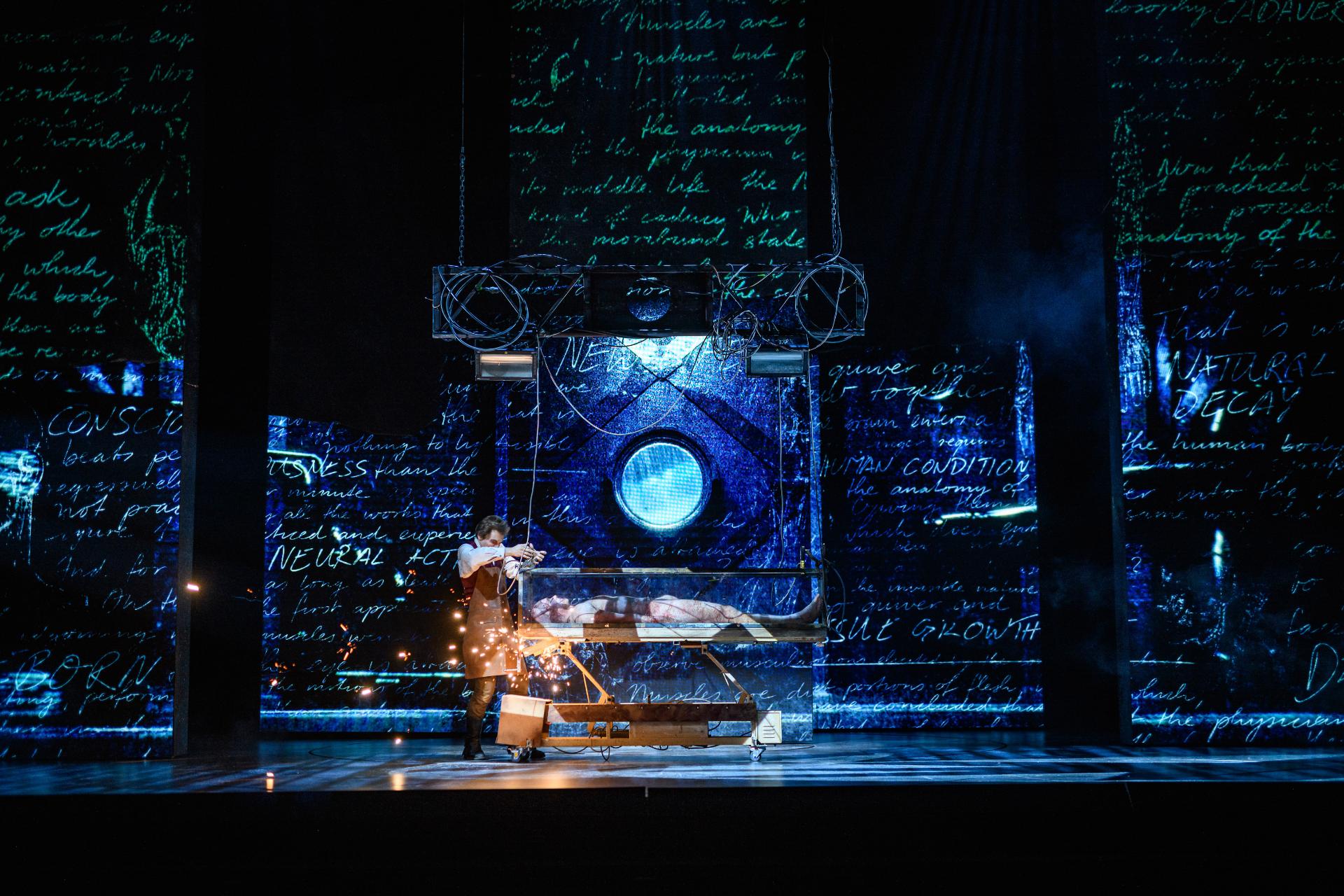
Daw performs one of the roles, and along with Kate Hood, Zoe de Plevitz and Philip Quast, form a cast that delivers something that is truly thought-provoking. There is a distinct passion in their advocacy for people living with disabilities, and they certainly inspire us to consider better integrating all our diverse capacities into what could be considered normative. Not all of us understands what it is to be disabled, but most will know the experience of being excluded. Unfortunately that sensation of ostracism is often forgotten, when we negotiate daily life, and we leave compassion behind, in trying to keep up with standards that serve only a minuscule minority.

www.sydneytheatre.com.au | www.queenslandtheatre.com.au

Review: Little Women (Hayes Theatre)

Venue: Hayes Theatre Co (Potts Point NSW), Jul 12 – Aug 11, 2024
Book: Allan Knee
Music: Jason Howland
Lyrics: Mindi Dickstein
Director: Amy Campbell
Cast: Cameron Bajraktarevic-Hayward, Maddy Betts, Molly Bugeja, Peter Carroll, Emily Cascarino, Lawrence Hawkins, Vitoria Hronopoulos, Tisha Kelemen,  Kaori Maeda-Judge, Shannen Alyce Quan, Kurt Russo, Tyran Stig
Images by Grant Leslie

Theatre review
Jo is an aspiring writer in 1868 Massachussets, facing challenges due to her gender and class. It is decades before women obtain the right to vote, so to have career ambitions, and indeed to imagine herself as anything more than a wife and mother, is quite remarkable. Family, however, remains central to Jo’s concerns, as we see in this musical adaptation of Louisa May Alcott much-loved novel, Little Women. Her mother and sisters form important threads in the narrative, of a young woman who has no qualms about deserving it all.

In a book by Allan Knee, we discover a slightly lacklustre plot assembled from a condensation of key events from Alcott’s story. Songs by Jason Howland and Mindi Dickstein are generic in style, although theatrically effective, and on occasion capable of being deeply moving. Direction by Amy Campbell excels at creating believable characters, and at making every scene engaging, for a show that many will find enjoyable. Visual aspects are less accomplished. Set design by Tanwee Shresta demonstrates admirable creativity, but struggles to evoke relevant time and place. Costumes by Lily Matelian too are imaginatively rendered, although not always flattering. Lights by Peter Rubie are mostly pragmatic in approach, only taking the opportunity to be conspicuous at the right moments.

In the lead role is the sensational Shannen Alyce Quan, powerful not only with their vocal abilities, but also with their depictions of Jo’s emotional dimensions, making a gregarious personality feel wonderfully vibrant and spirited, whilst remaining convincing as a woman from a bygone era. It is a strong cast that delivers Little Women, each performer dedicated and considered in their respective parts, and harmonious as an ensemble. The strong quality of singing is a highlight of the show, and along with music direction by Gianna Cheung, Little Women is a work of theatre that proves enjoyable, if not sufficiently poignant.

We love telling children, that they can be anything they wish when they grow up, but subliminal messages often convey something different. Girls especially, are indoctrinated all manner of restrictions that pertain especially to how we conceive of gender as a defining element in a person’s being. Not only do we continue to believe that men and women have different capacities, we insist on perpetuating the subjugation of one beneath the other. Even if Jo is able in her own mind to escape all that conditioning, there is only so much she can achieve, in 19th century USA where the sustenance of prevailing systems require that very imbalance of power. Jo would certainly have gone further in today’s improved circumstances, but disparities persist and many of her sisters will continue to not be able to shine.

www.hayestheatre.com.au | www.jrpaustralia.com

Review: Swim (Griffin Theatre Company)

Venue: Carriageworks (Eveleigh NSW), Jul 10 – 27, 2024
Playwright: Ellen van Neerven
Director: Andrea James
Cast: Sandy Greenwood, Dani Sib
Images by Brett Boardman

Theatre review
At the play’s commencement, a character named E enters a public pool changing room tentatively. Without much explanation, we understand that their ambiguous gender expression is a factor in that apprehension. Soon, it is revealed that their Indigeneity is another reason for E’s unease, when negotiating institutions of colonisation. Ellen van Neerven’s Swim describes how a person’s favourite place can turn into a locus for which their most painful memories can coalesce, and how a great love can become the thing that hurts you the most.

The poetic writing is imbued bittersweet melancholy by Andrea James’ inventive direction. Swim is a work about the challenges faced by someone marginalised in different ways, and even though it ventures inevitably into spaces of trauma, the show is often spirited in its representations of defiance, survival and resilience. A versatile set design by Romanie Harper greets us with a visual grandeur that almost conveys a certain reverence that our protagonist holds for the swimming pool. Projected onto tiled surfaces is a sublime video design by Samuel James, who uses arrayed imagery of water to evoke sensations of spiritual transcendence. Operating in tandem are exquisite lights by Karen Norris, accurate with the gamut of emotions it conjures, and making every second of the presentation look unequivocally beautiful. Music and sounds by Brendon Boney are remarkably moving, helping us to connect with the depths and complexities of what E is feeling in every scene.
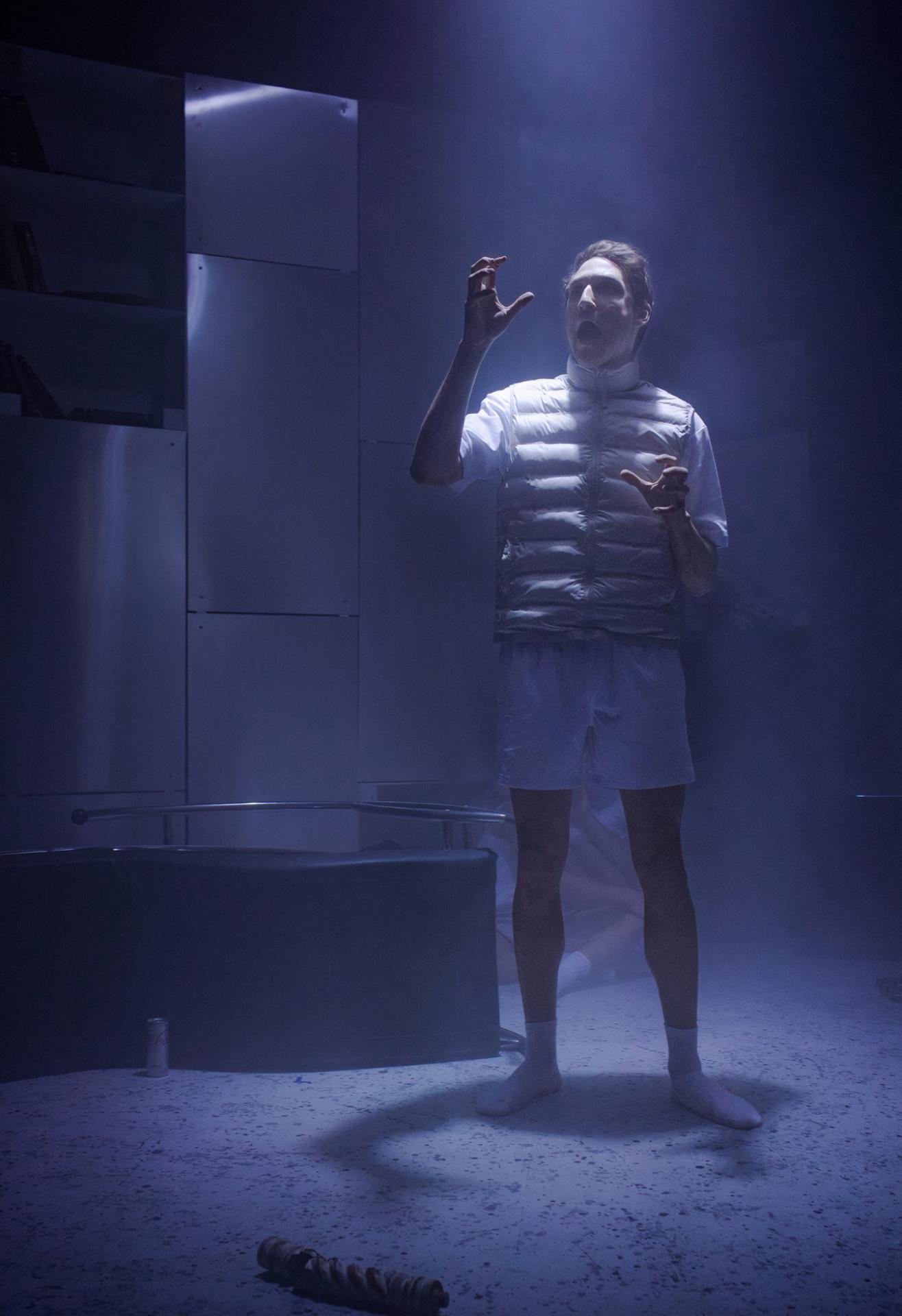
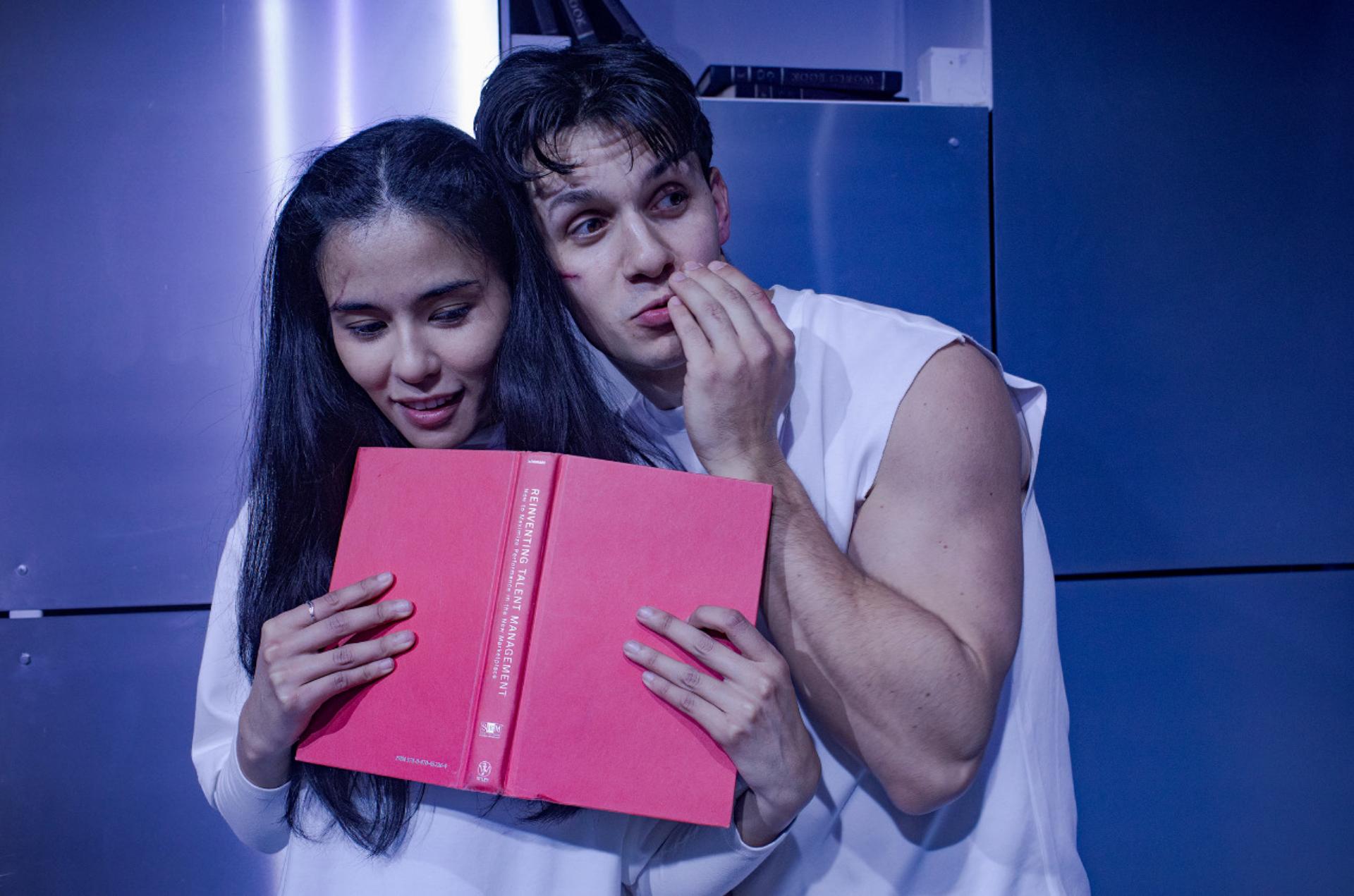
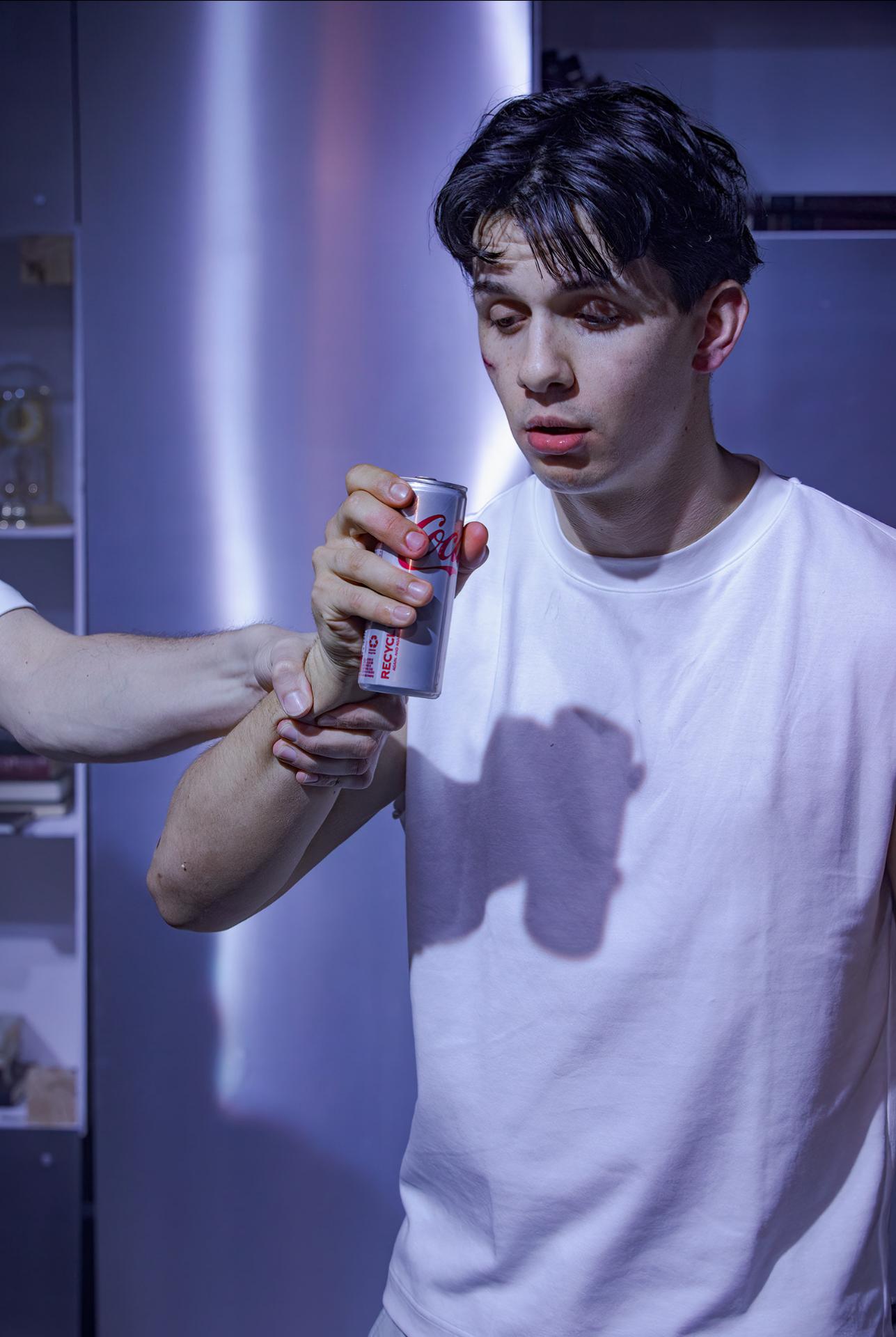
Actor Dani Sib brings incredible focus to the lead role, delivering unassailable authenticity whilst having us absolutely captivated, as they explore a multitude of tangential reflections, about a life that refuses to be encapsulated in a convenient narrative. Sandy Greenwood’s exceptional charisma comes to good use, as they embody several supporting parts to excellent effect, giving us a reassuring warmth that makes this experience feel accessible and real. Also noteworthy are costumes by the aforementioned Harper, convincing in their rendering of personality types, and wonderfully theatrical at pivotal moments.
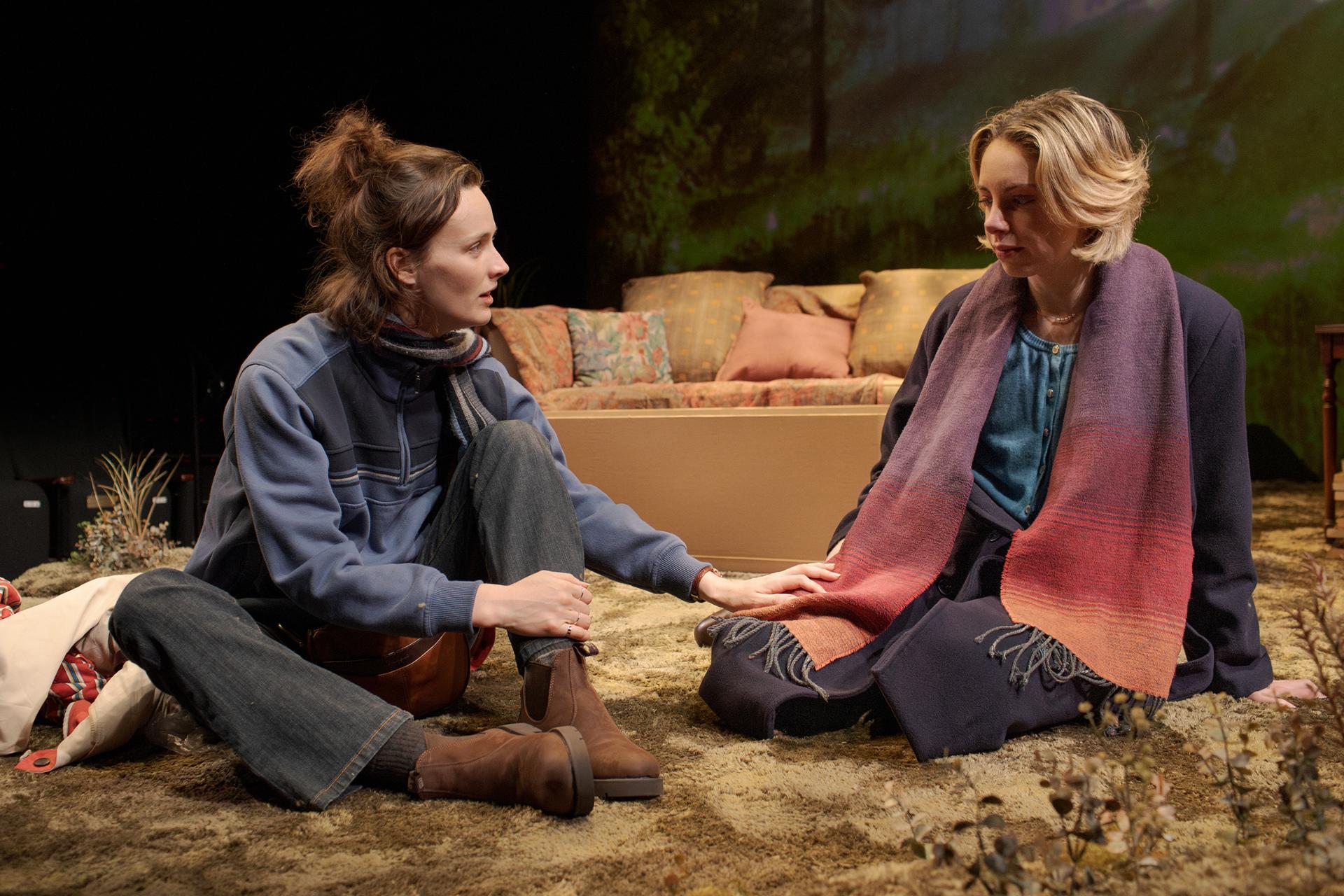
Few things can claim to be new, in our artistic expressions and more generally in the ways we conduct social discourse. The emergence of non-binary identities however, is a contemporary phenomenon that elicits new ways of thinking, and indeed new ways of understanding aspects of our nature. It is a revolutionary movement that urges us to see a deeper truth about who we are, and what we are capable of. It is indicative of a future that can fundamentally erase notions of difference, so that we can regard each other with greater equity. Non-binary rejects stratifications, and it will instigate a dismantlement of instruments used for domination, beyond concepts of gender.

www.griffintheatre.com.au