Review: Furious Mattress (25A Belvoir)

Venue: Belvoir St Theatre (Surry Hills NSW), Mar 11 – 30, 2025
Playwright: Melissa Reeves
Director: Margaret Thanos
Cast: Julian Garner, Alex Malone, Matilda Ridgway, Shan-Ree Tan
Images by Robert Catto

Theatre review
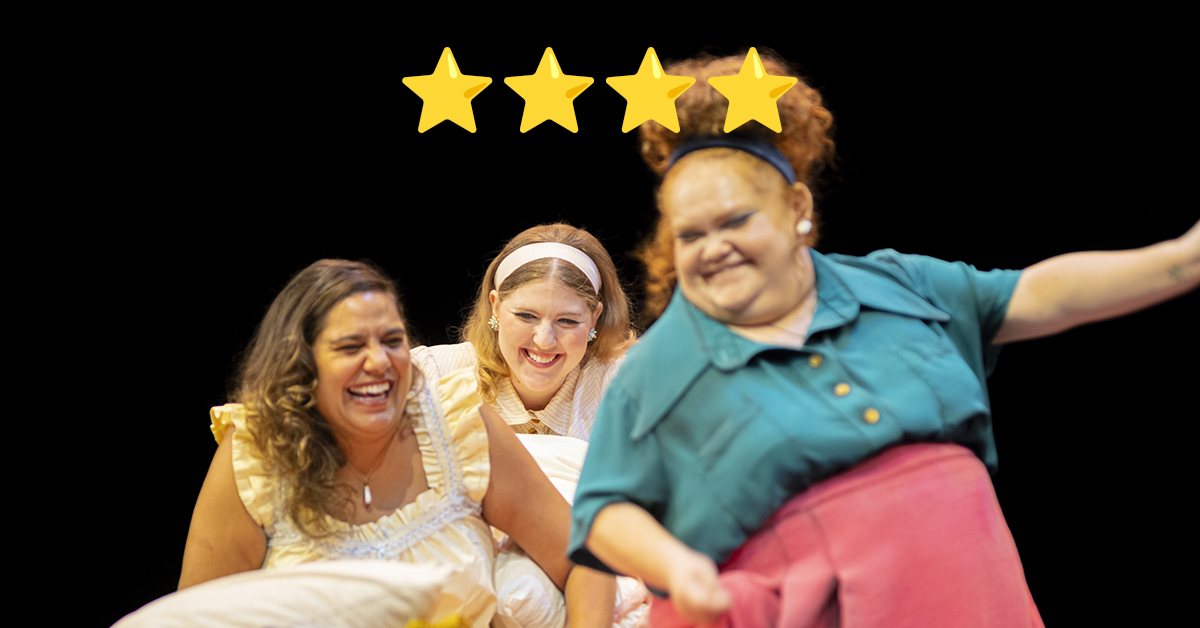
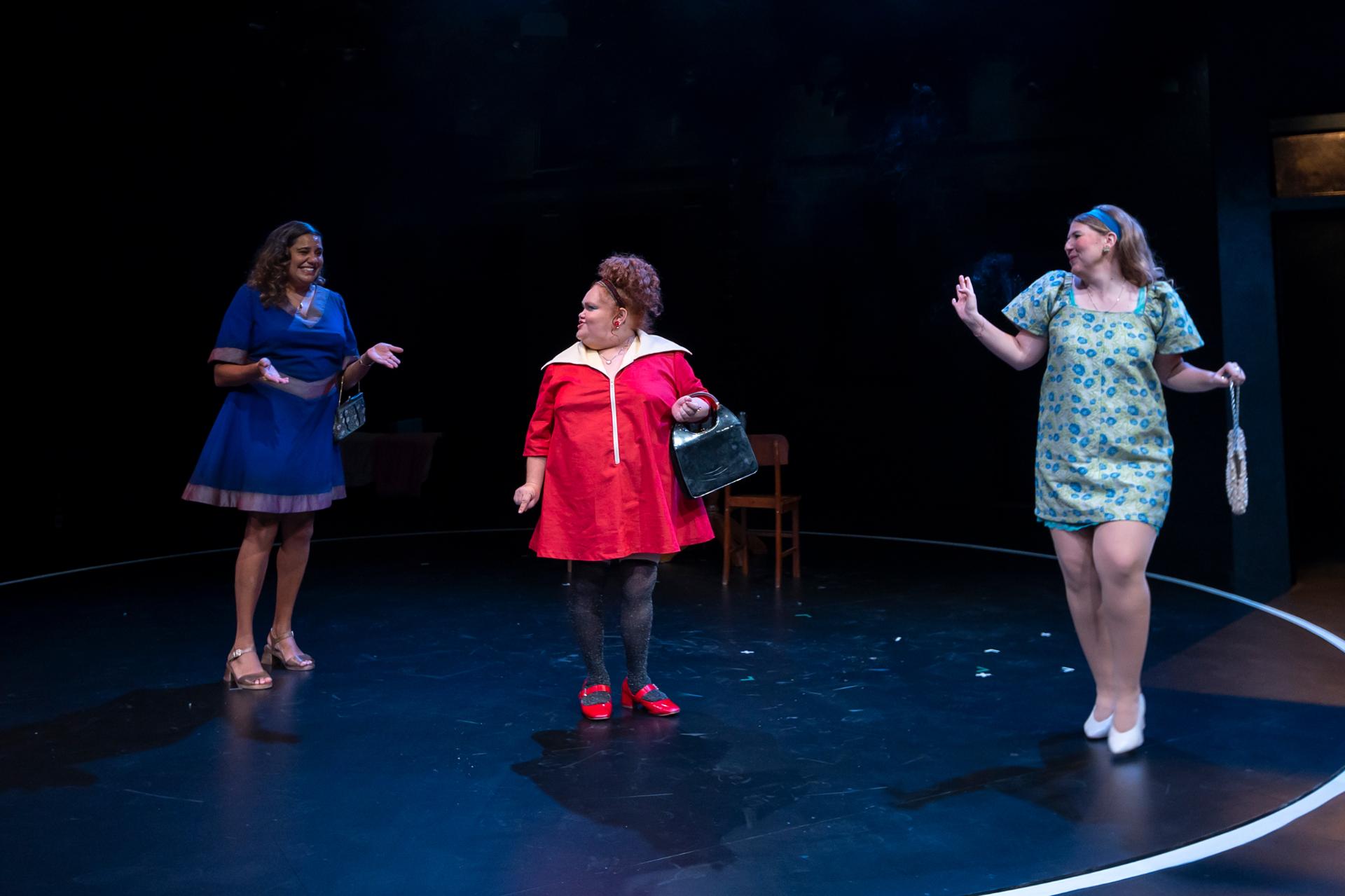
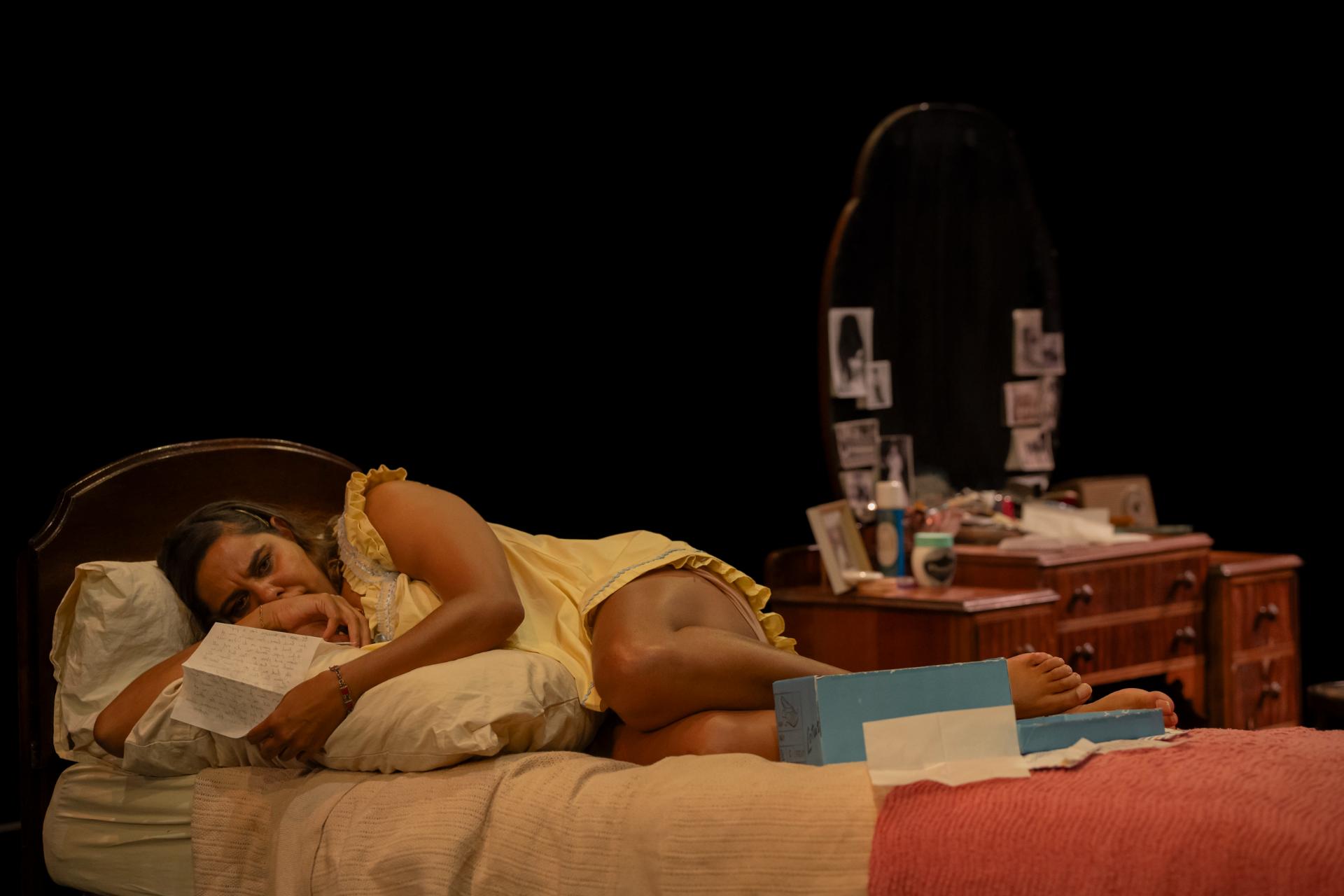
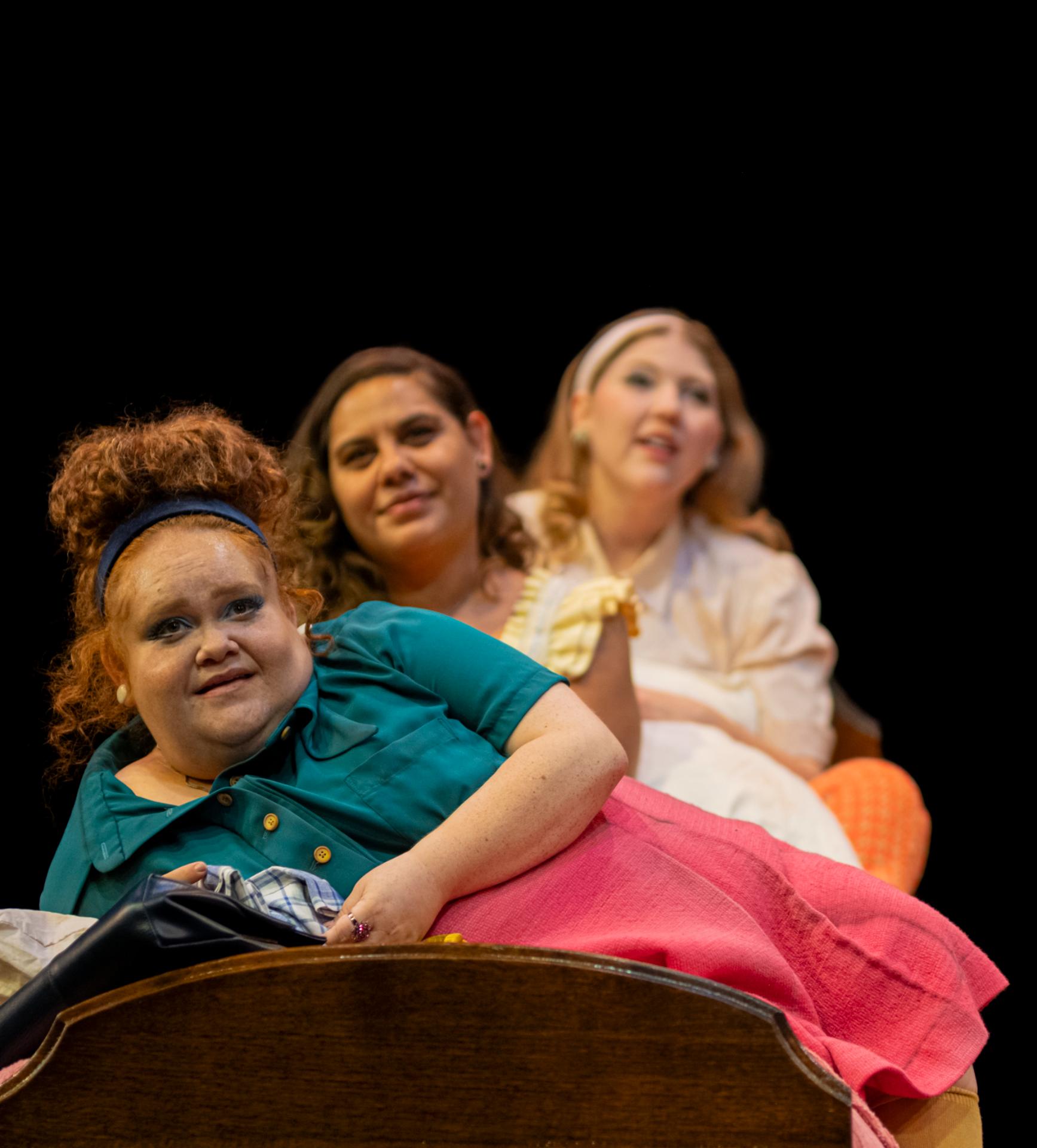
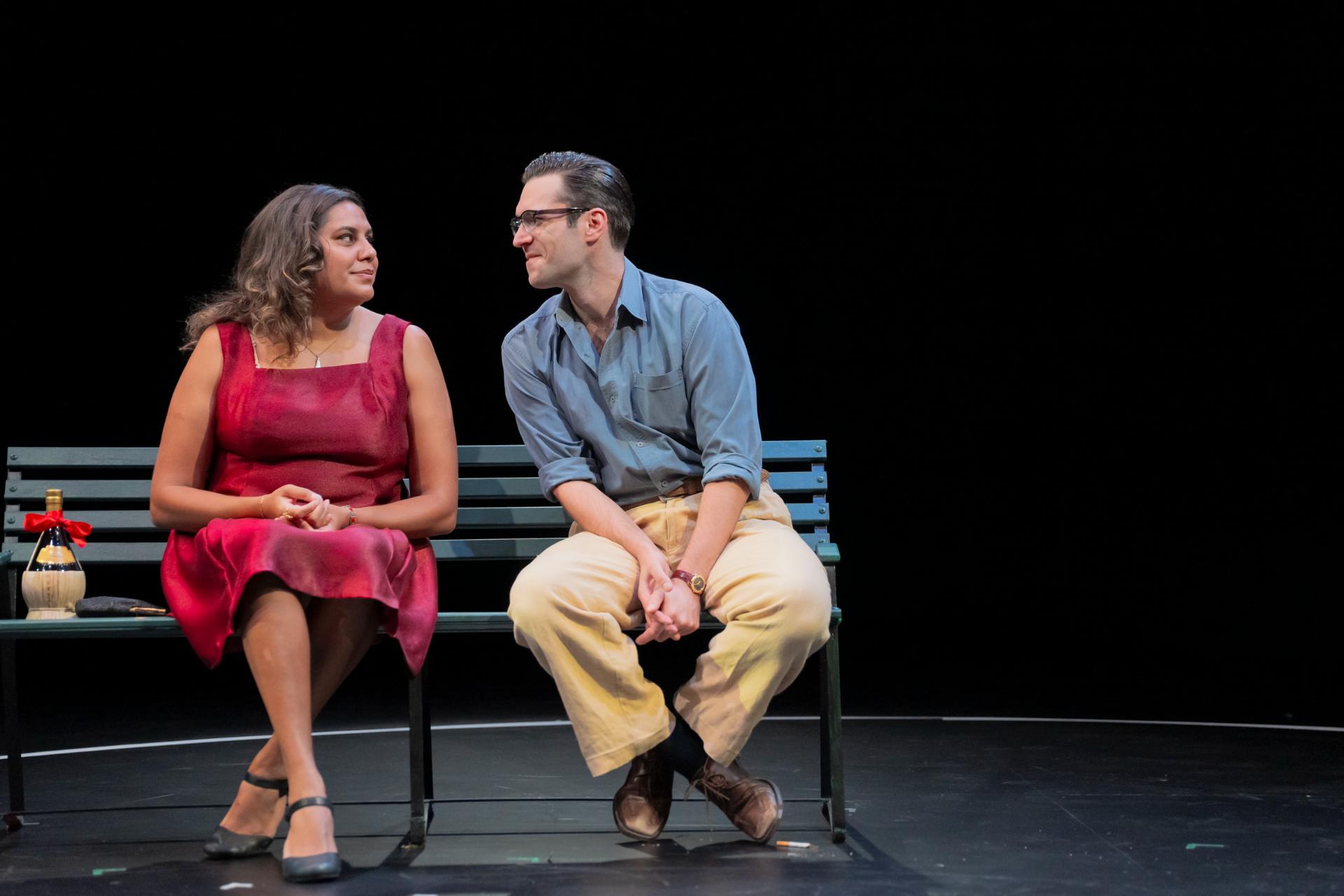
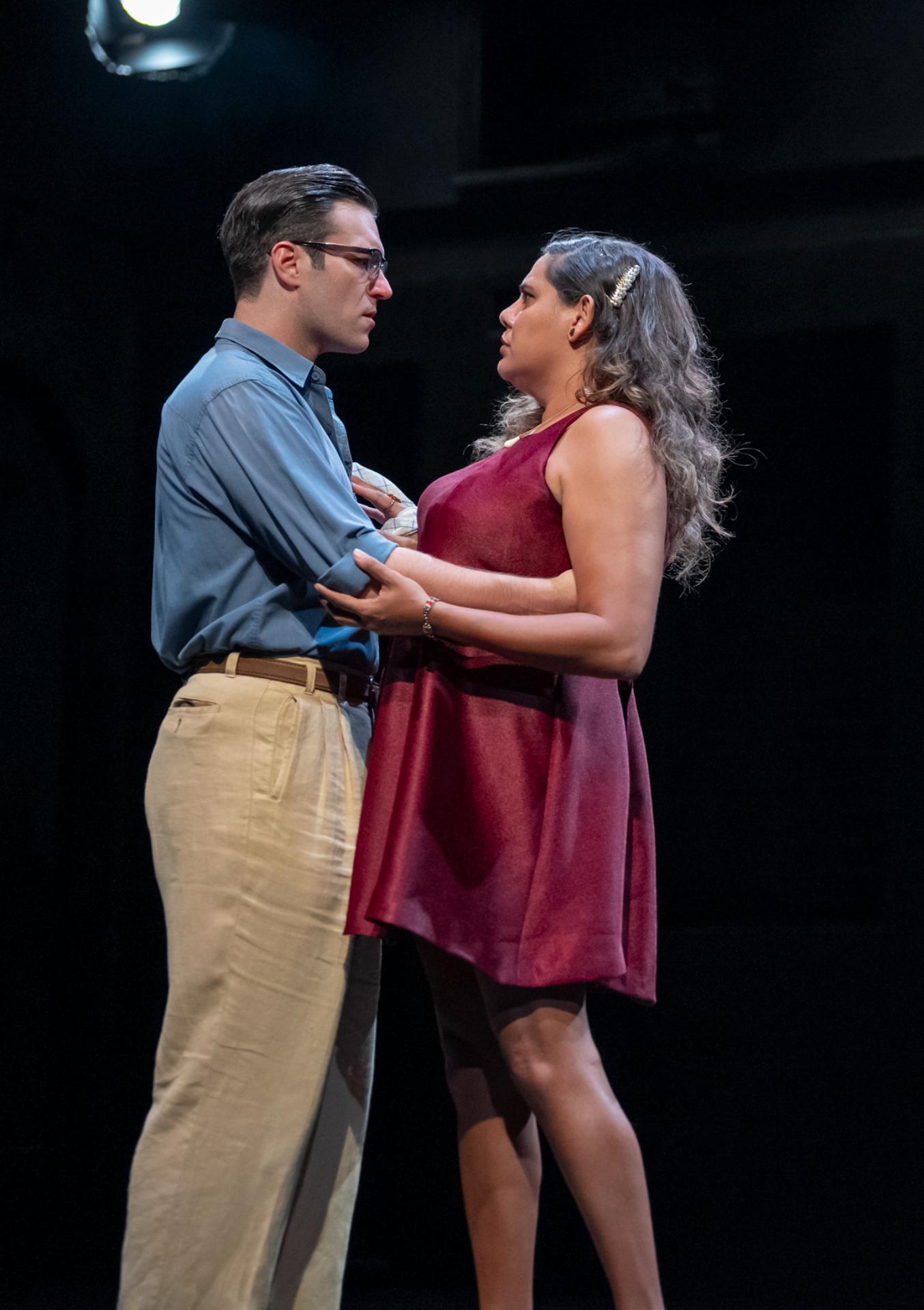
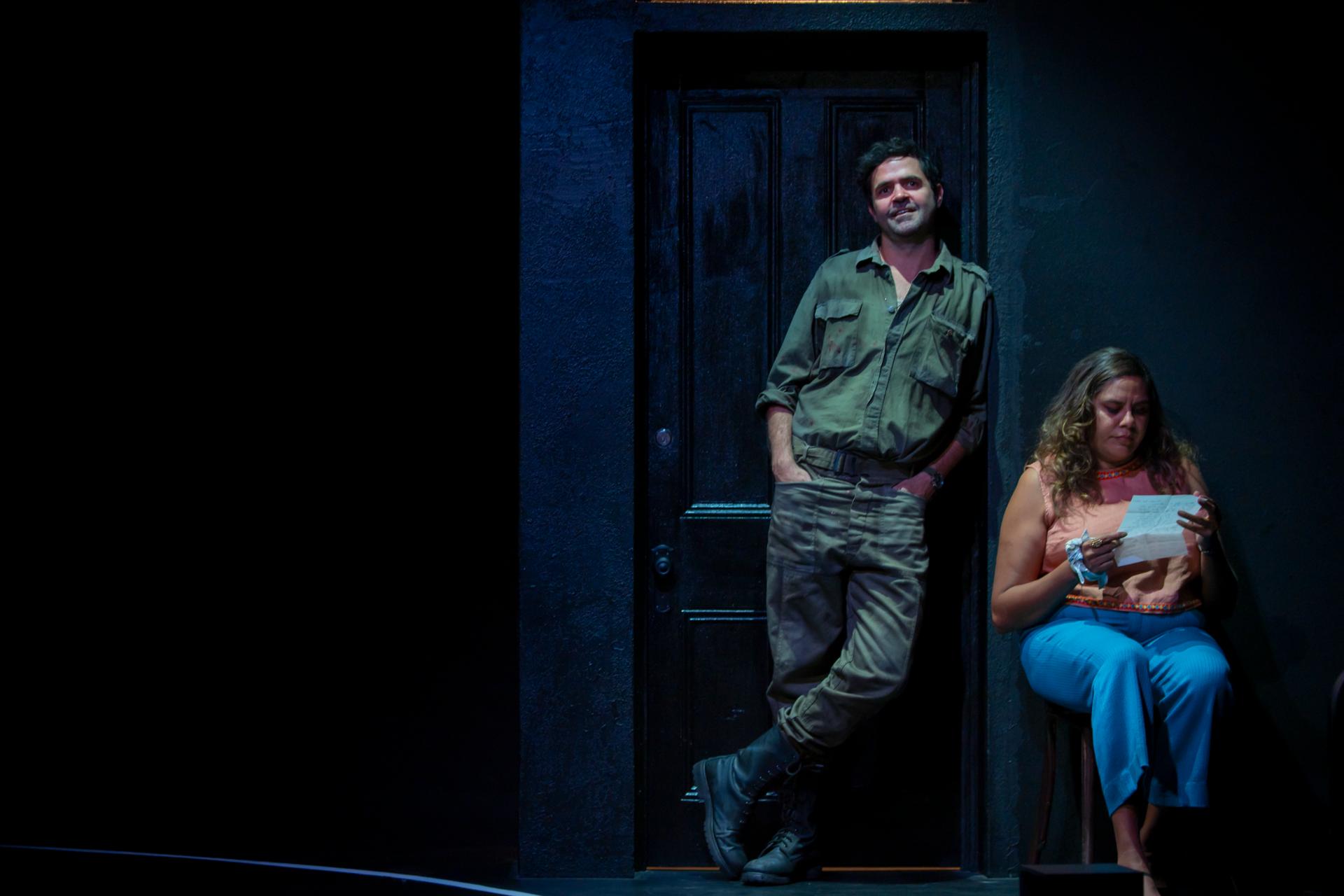
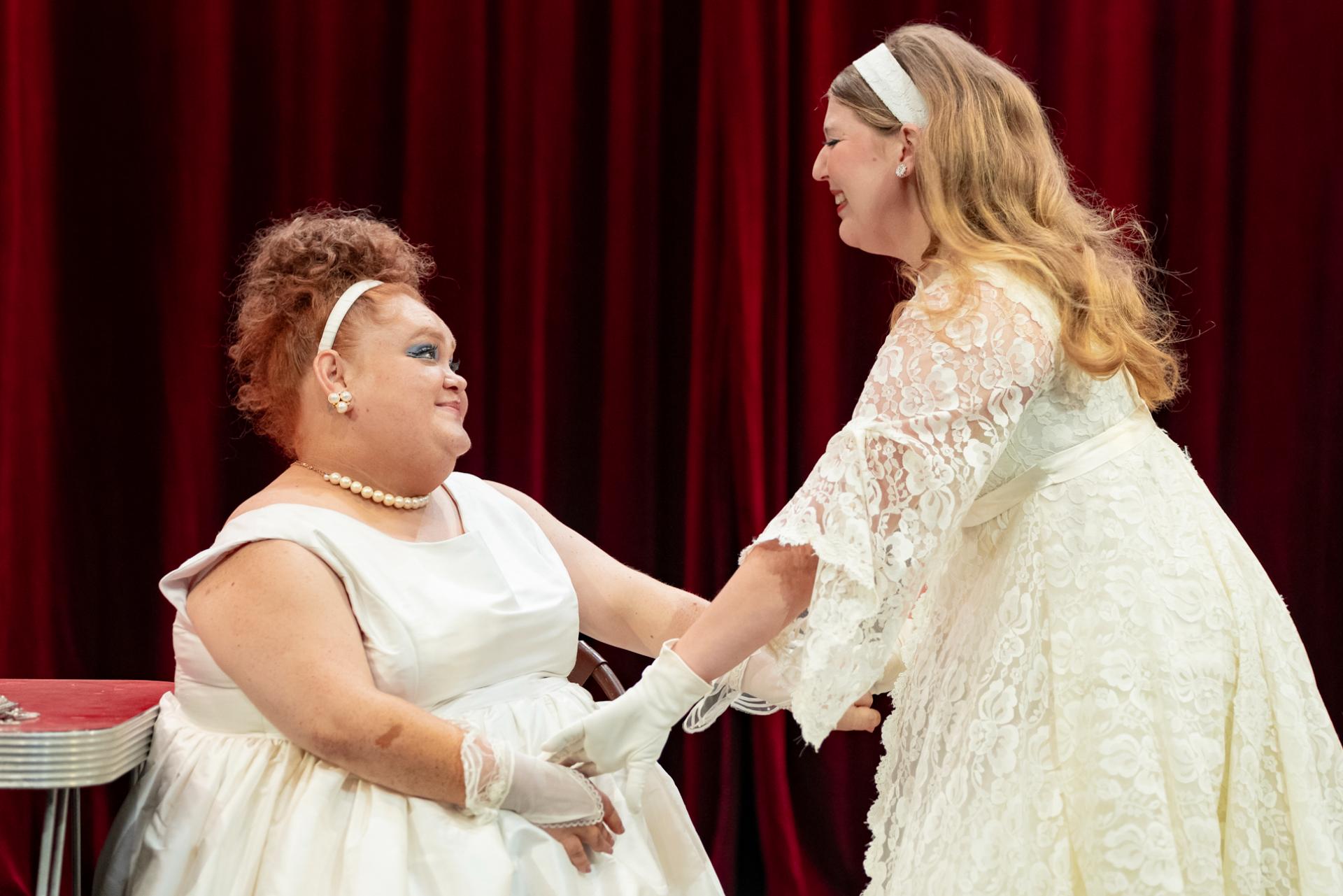
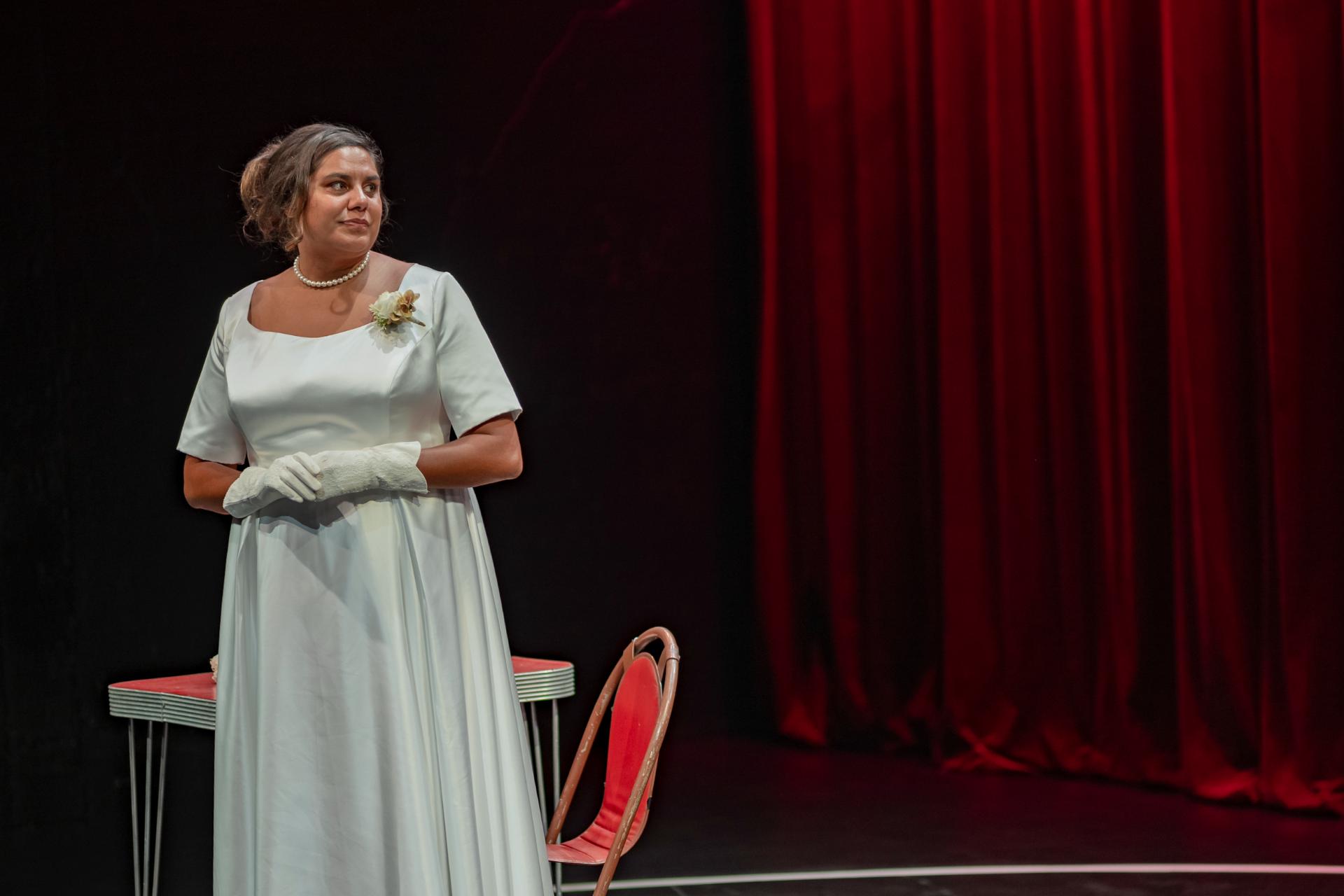
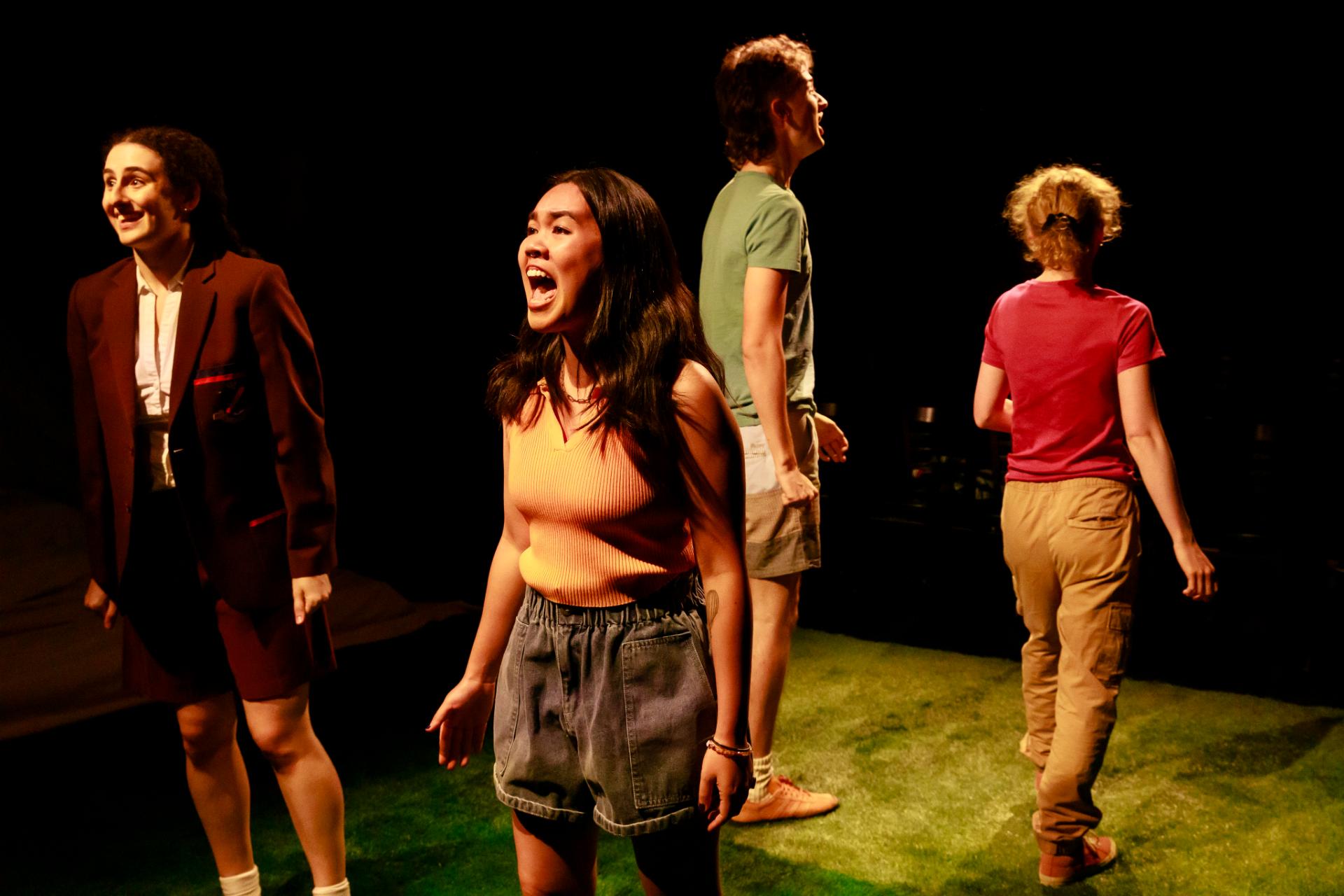
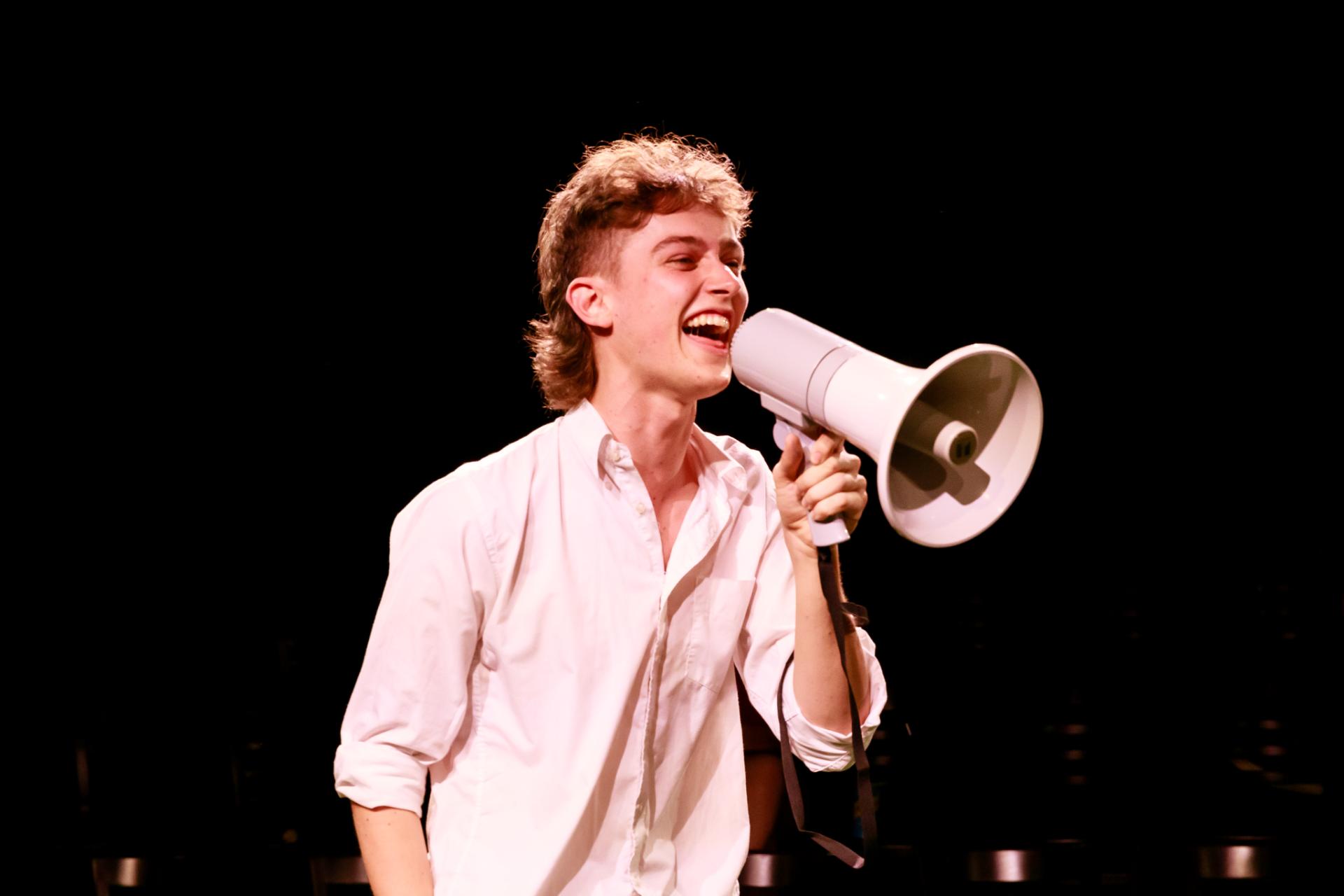
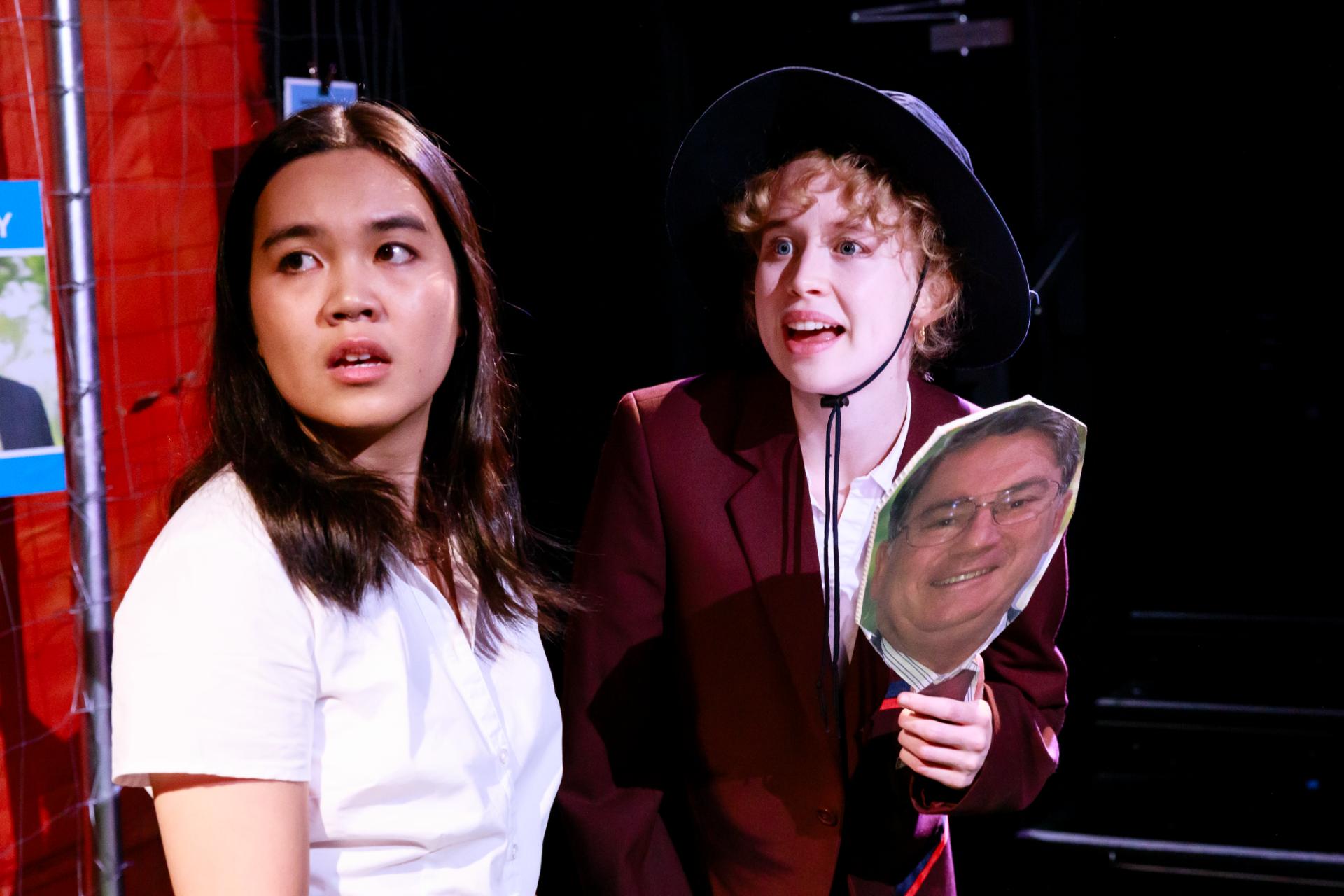
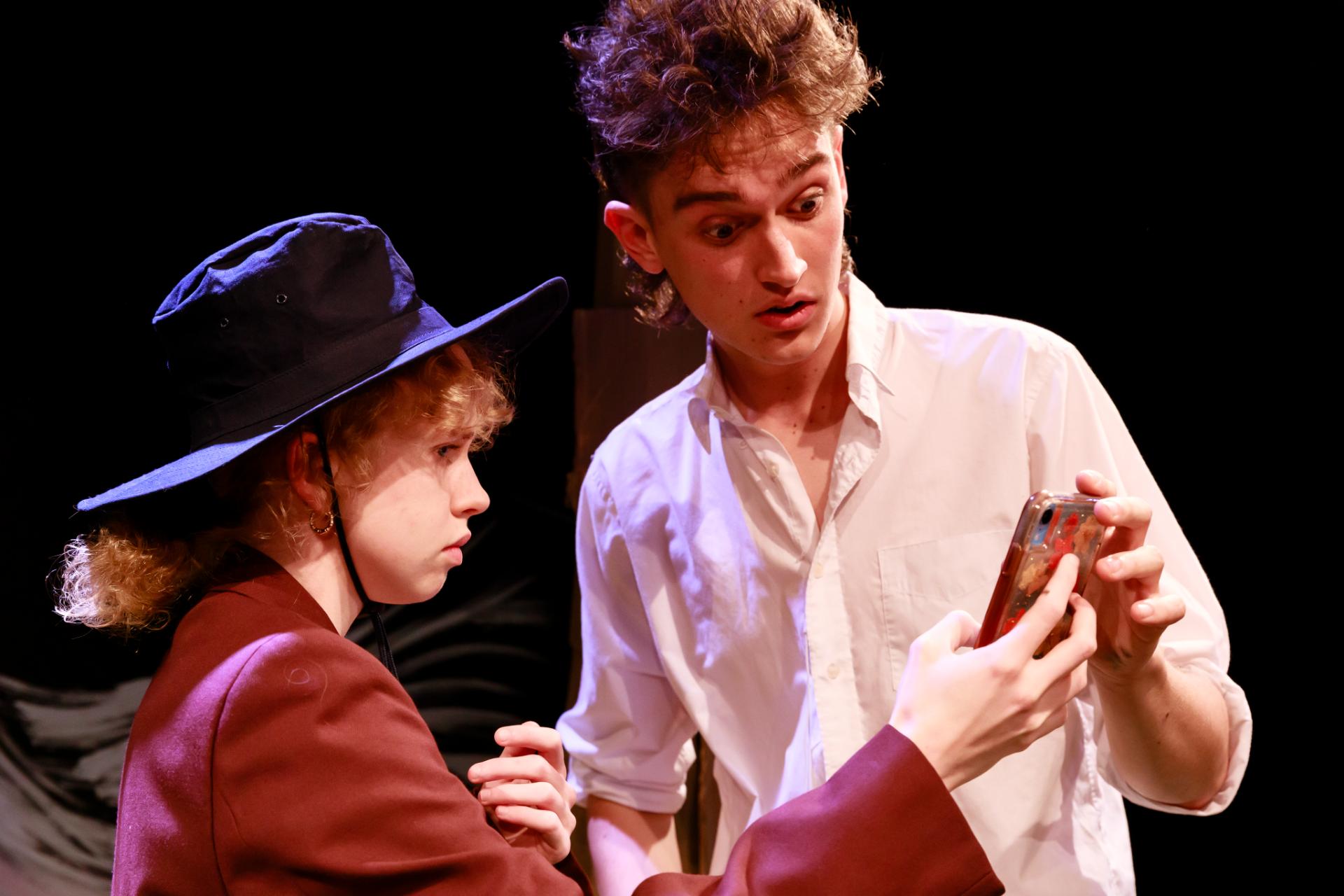
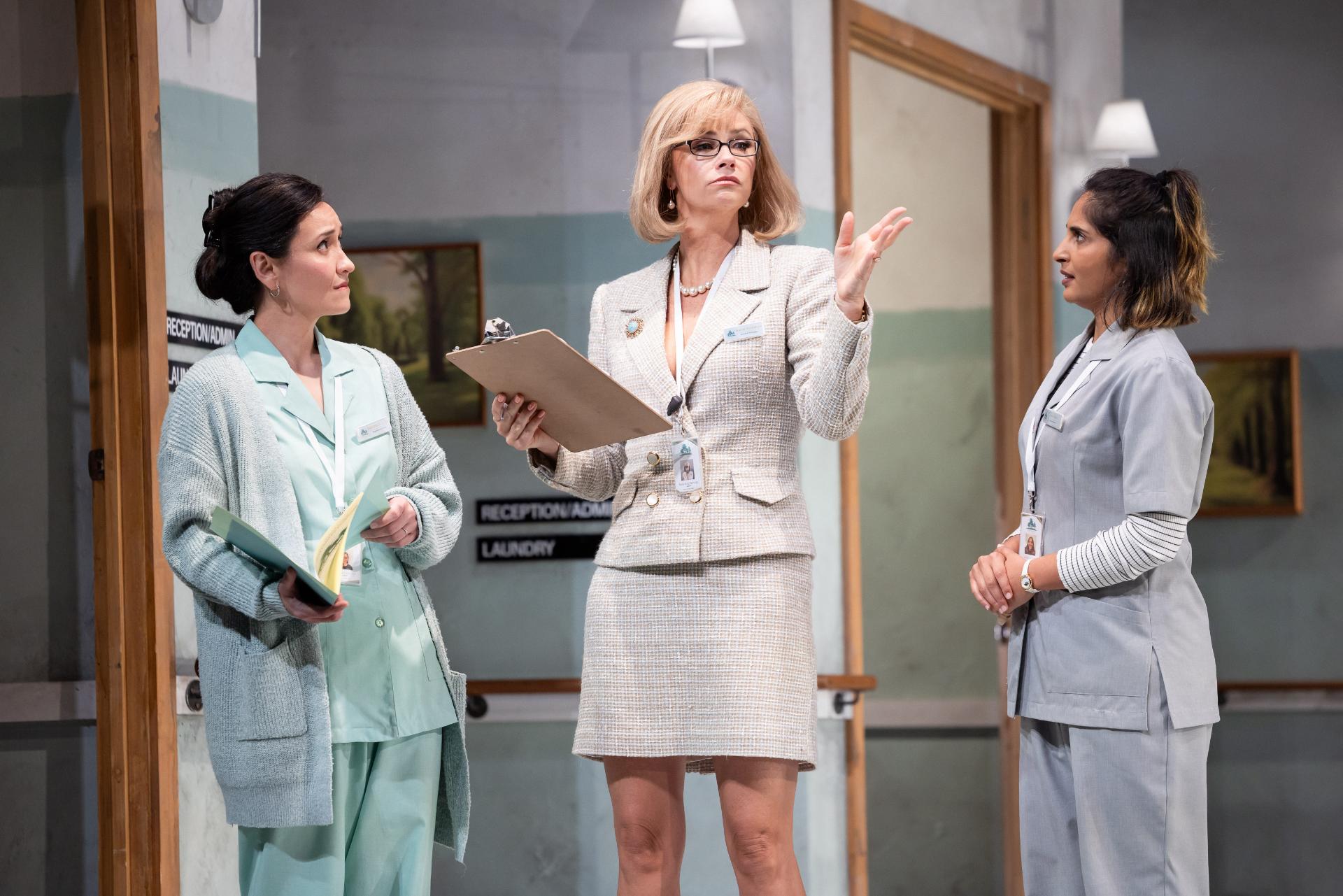
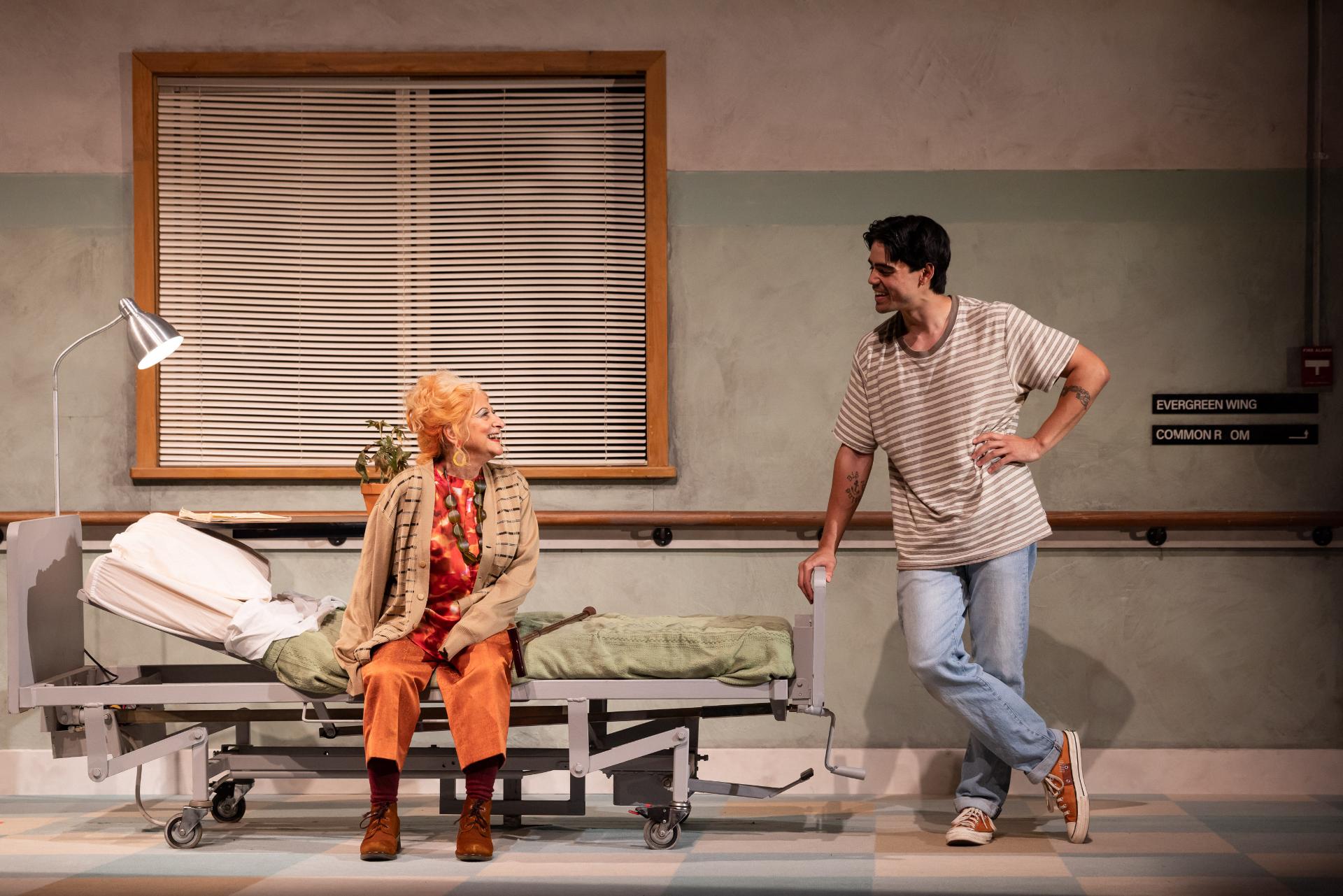
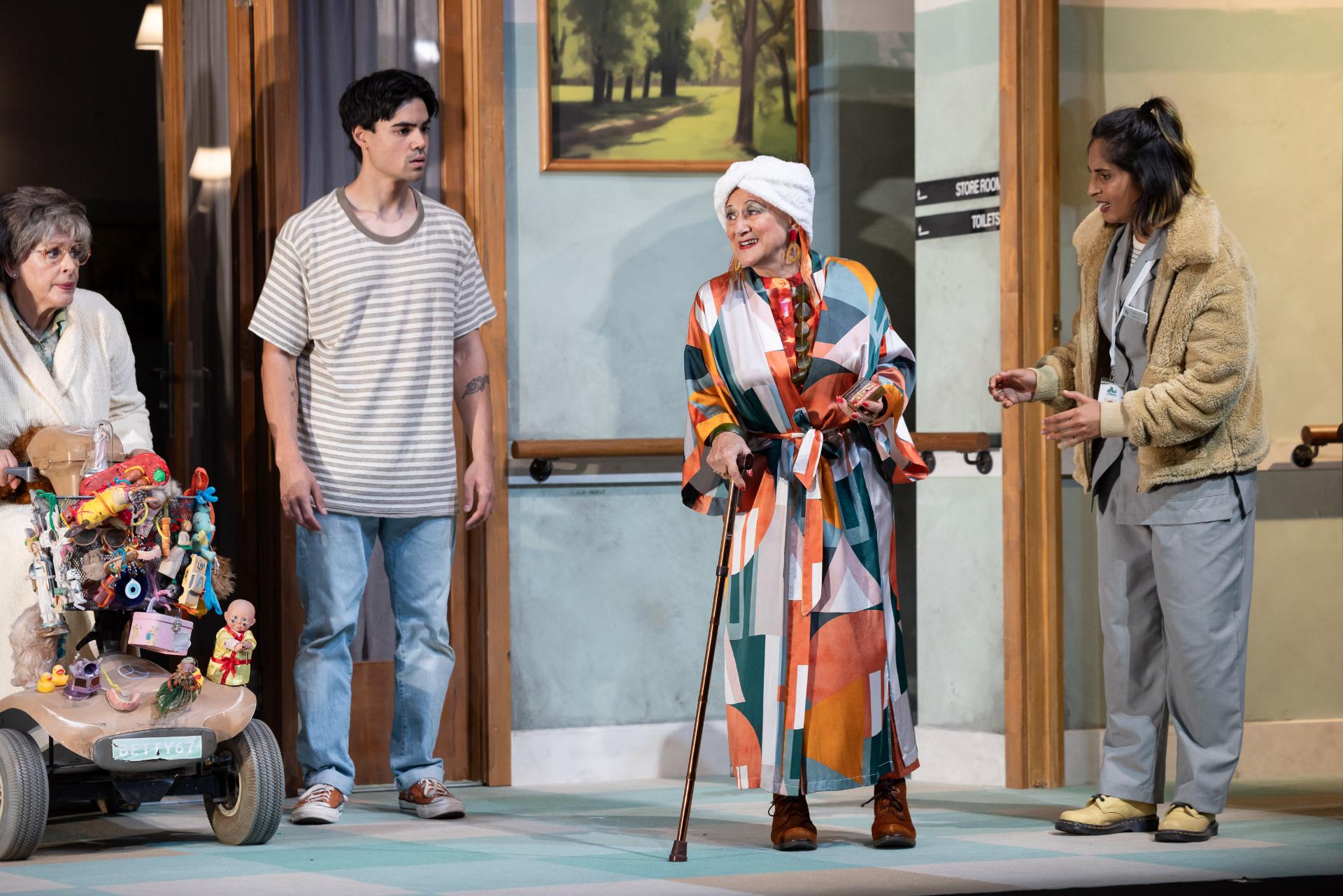
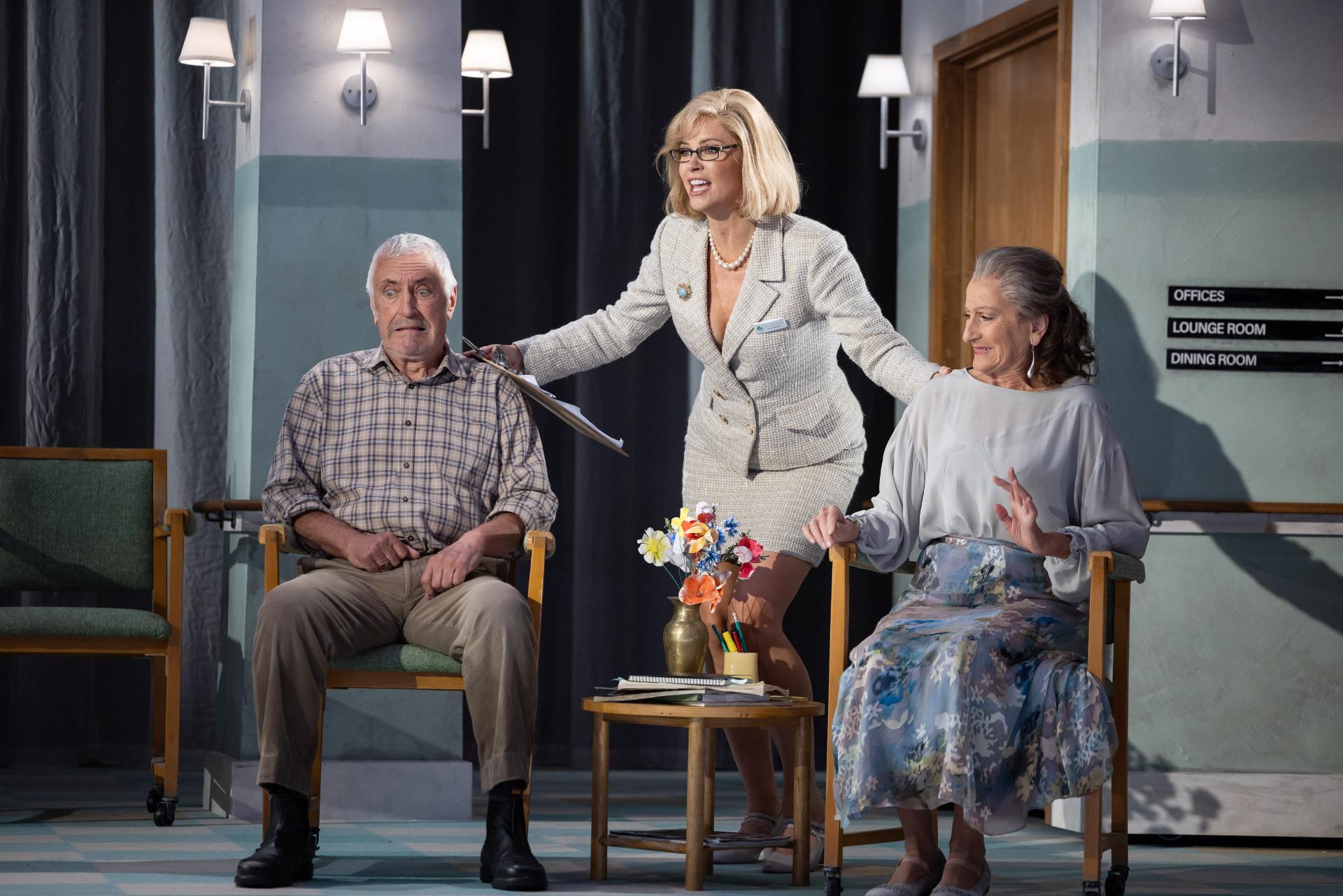
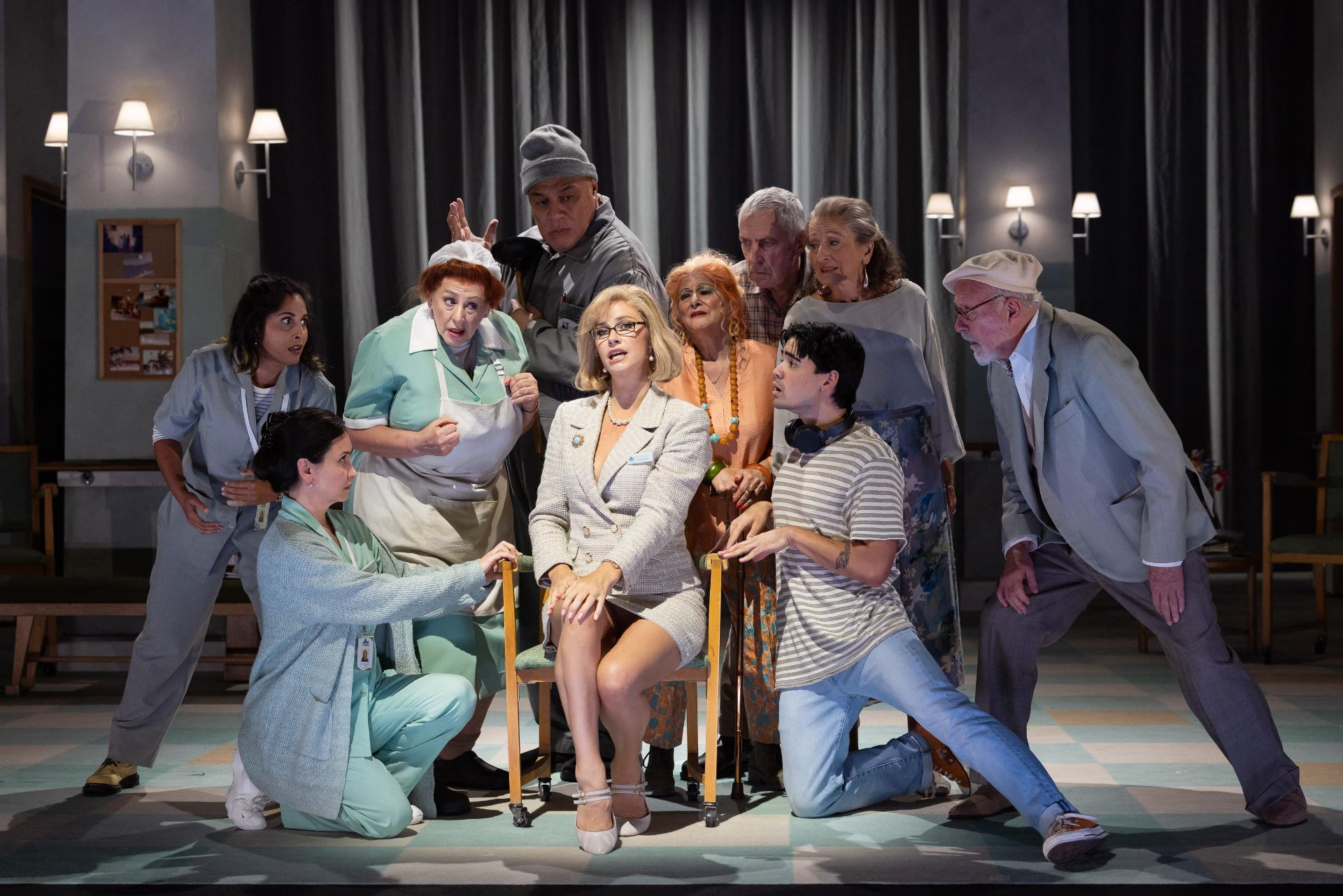
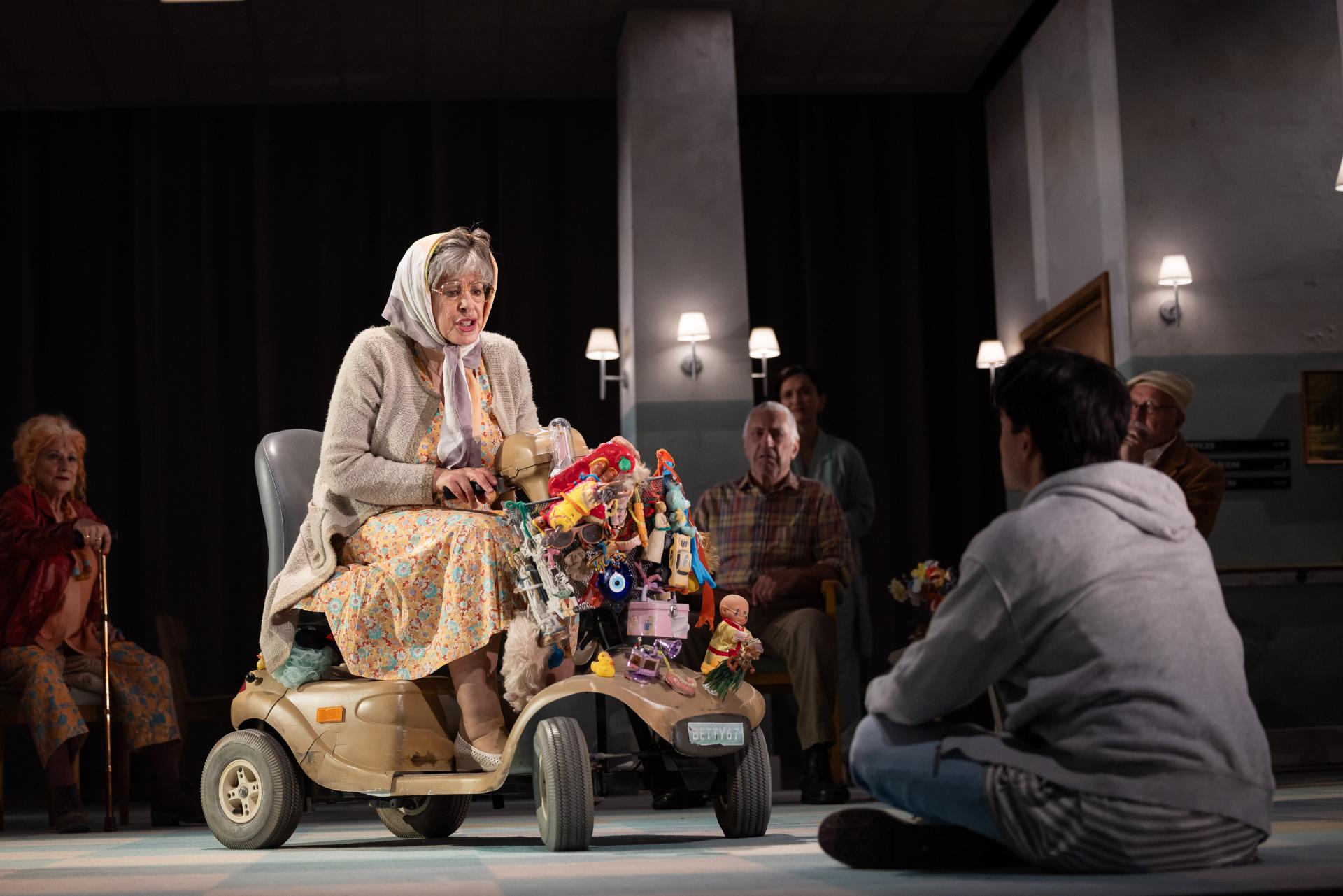
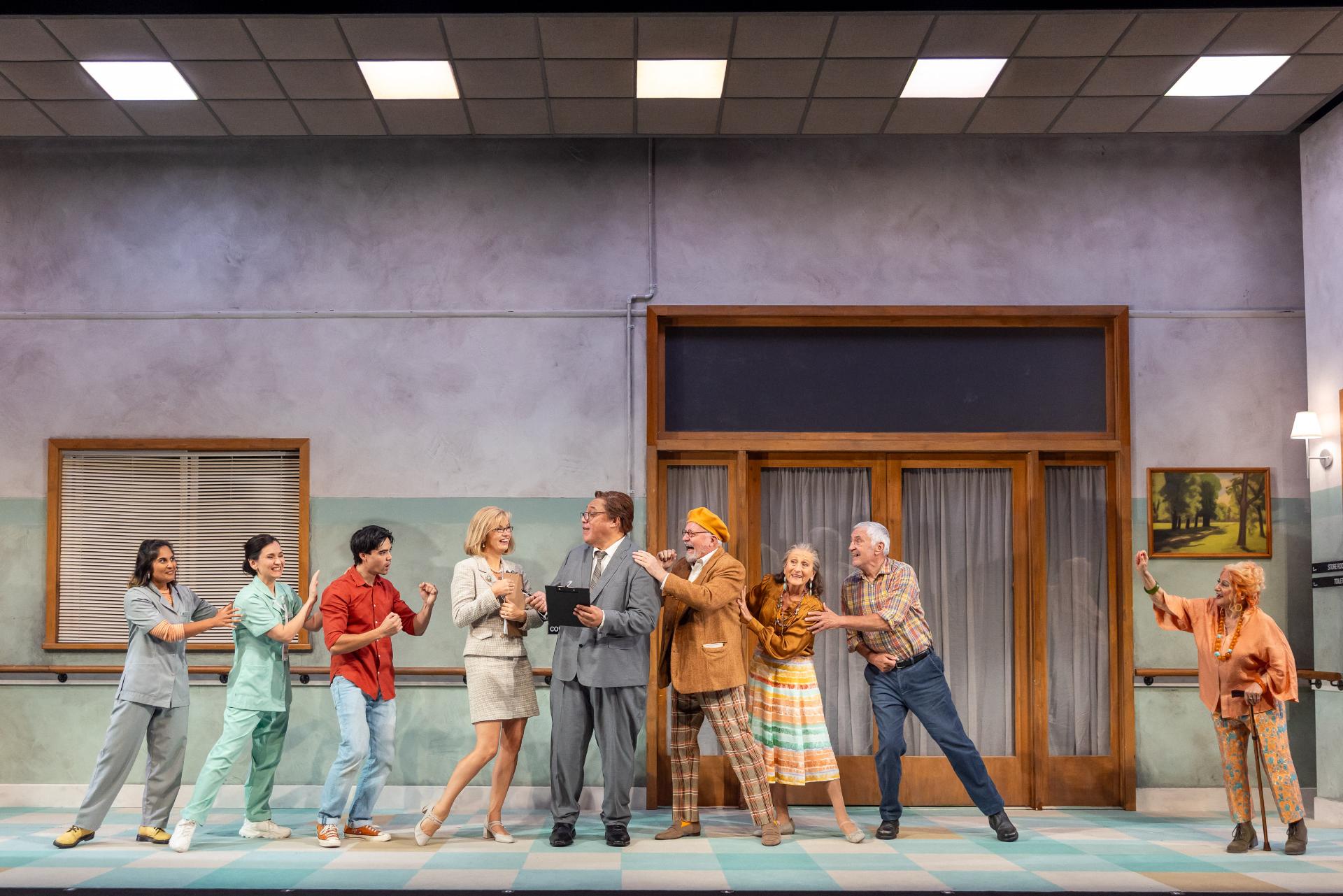
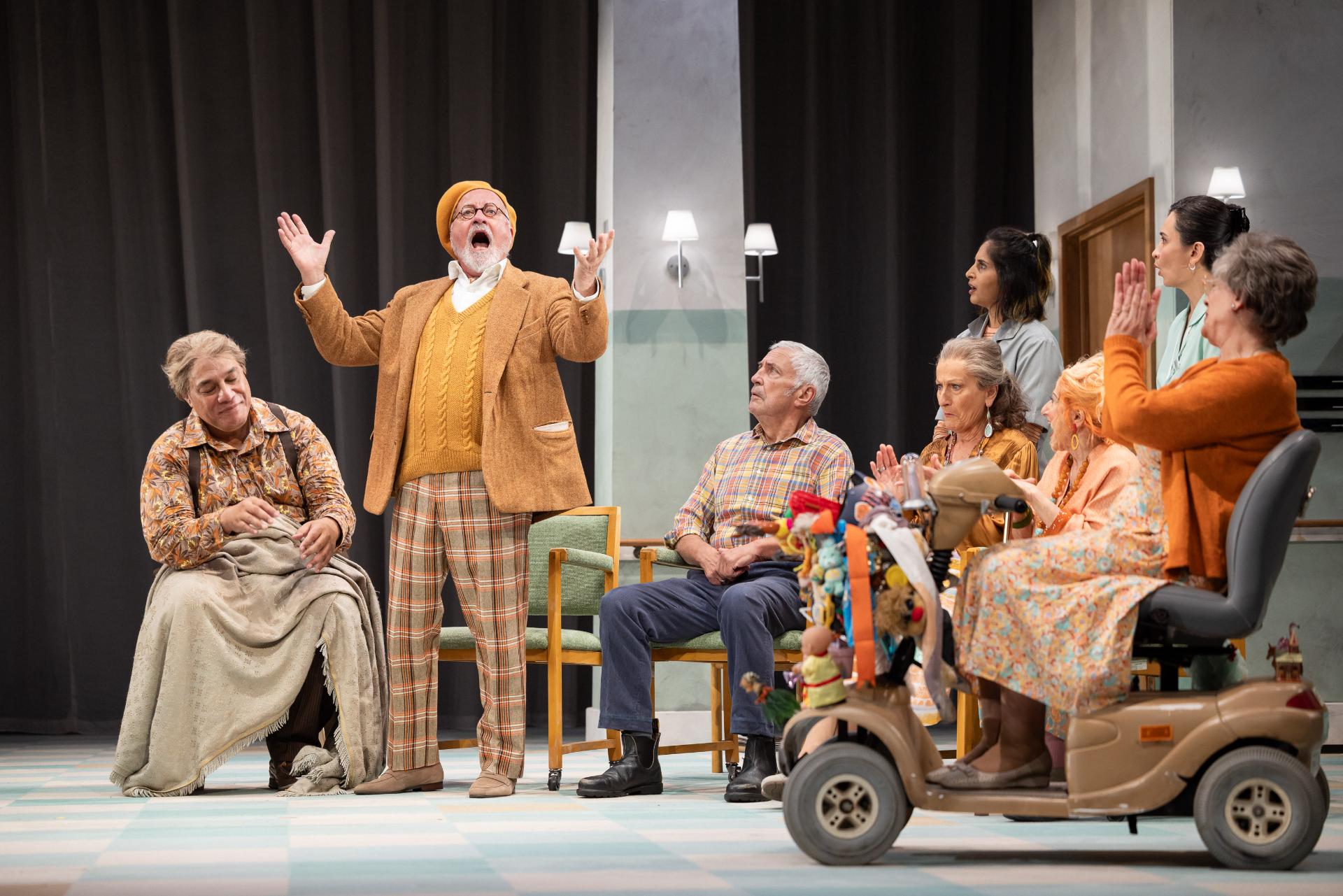
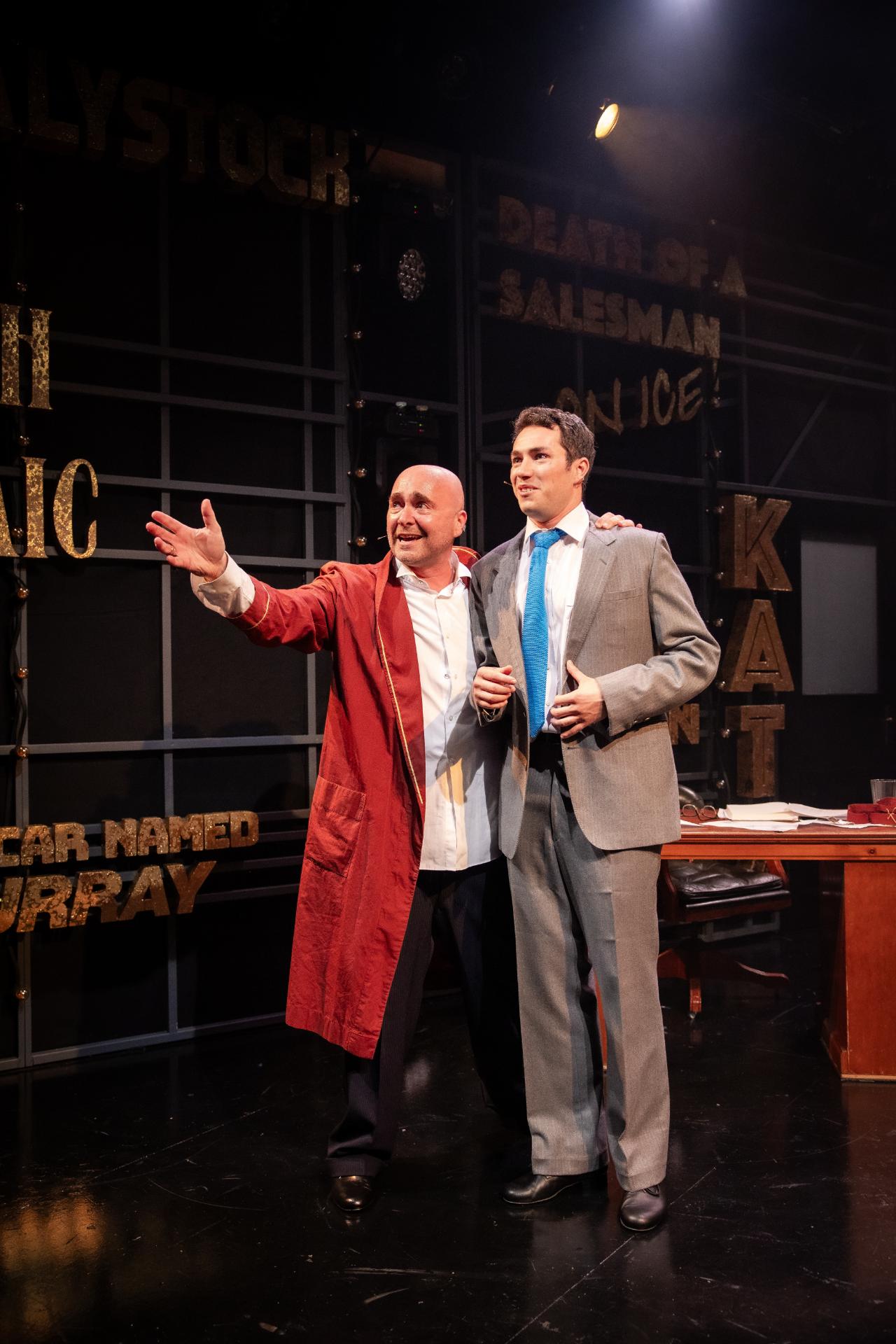
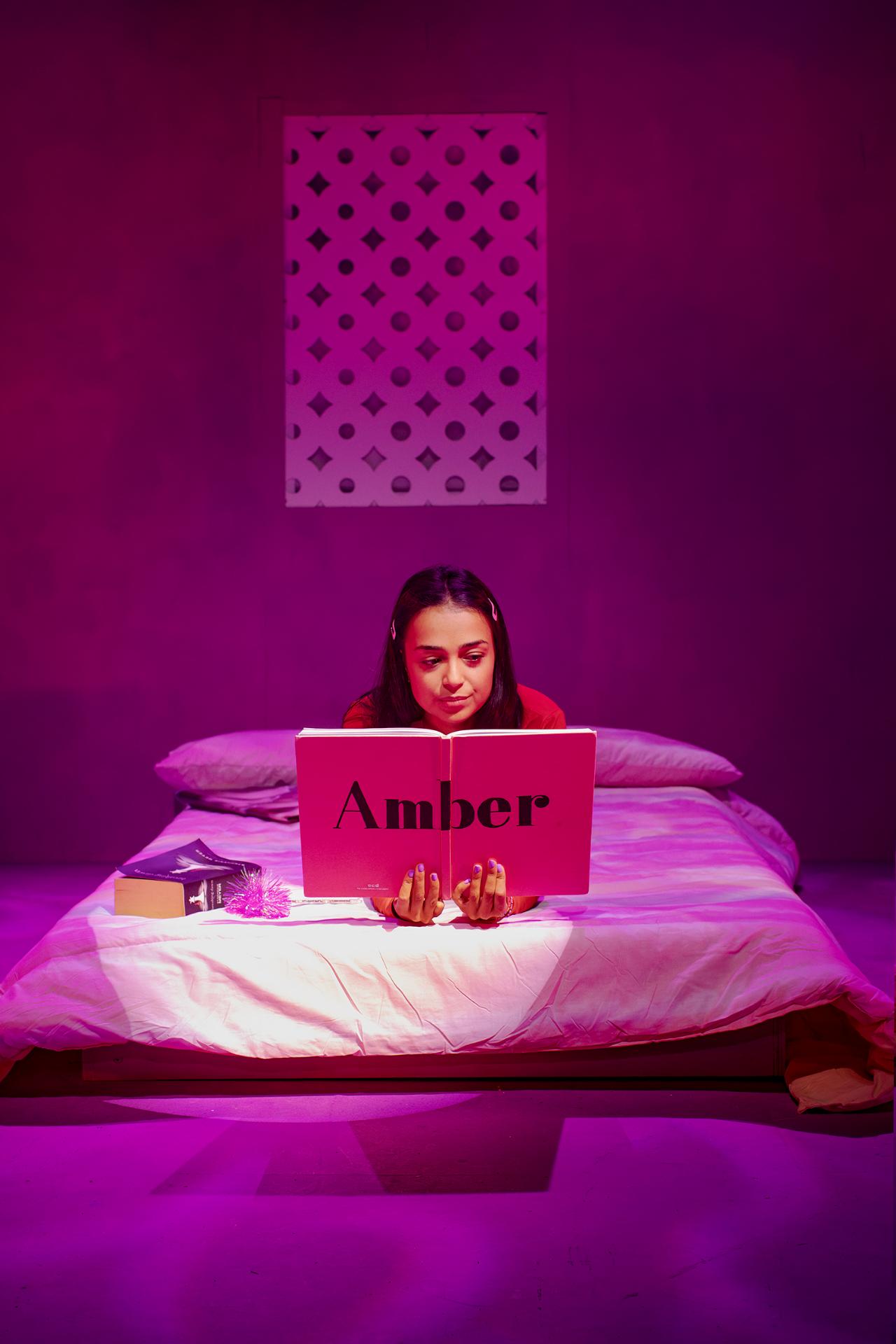
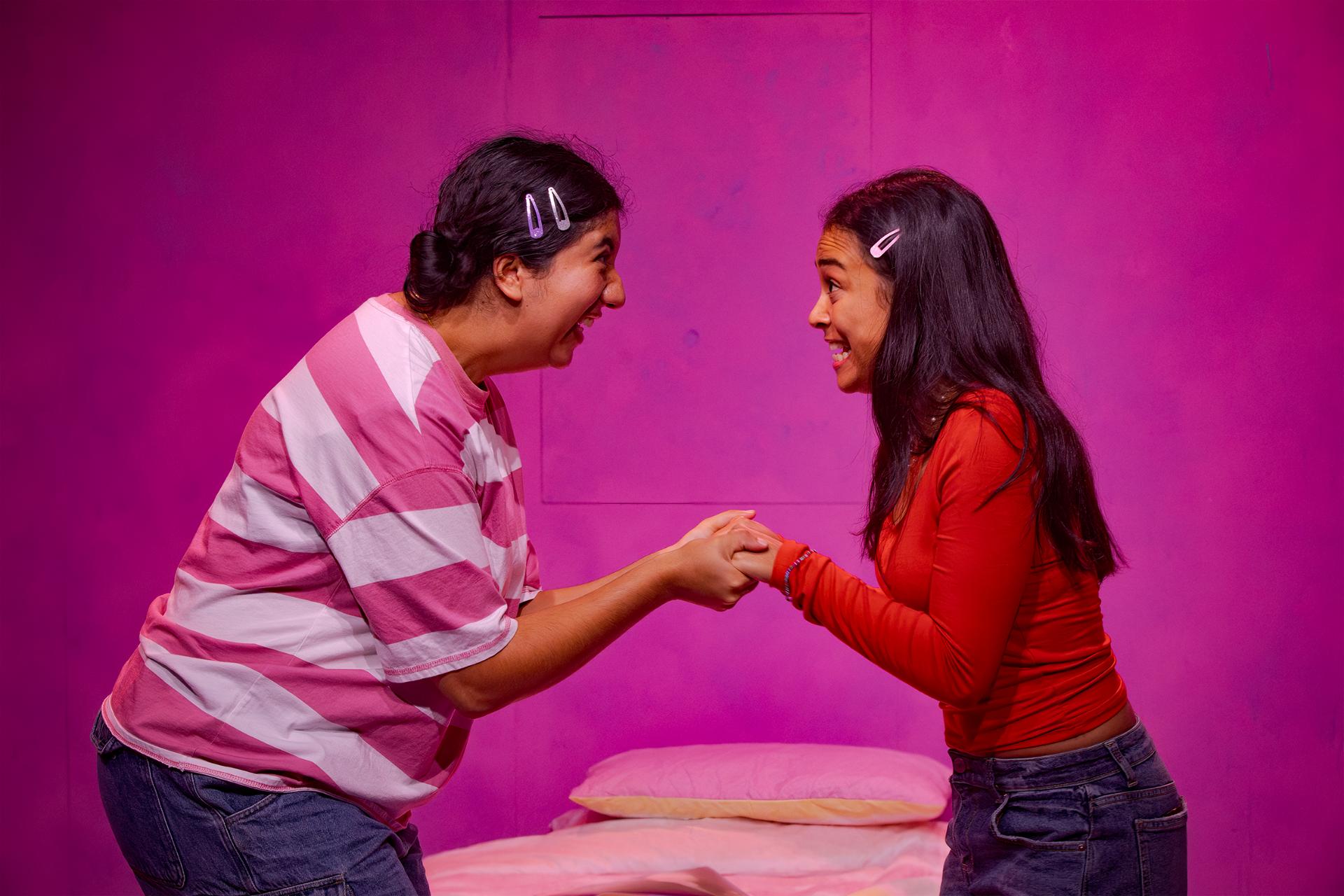
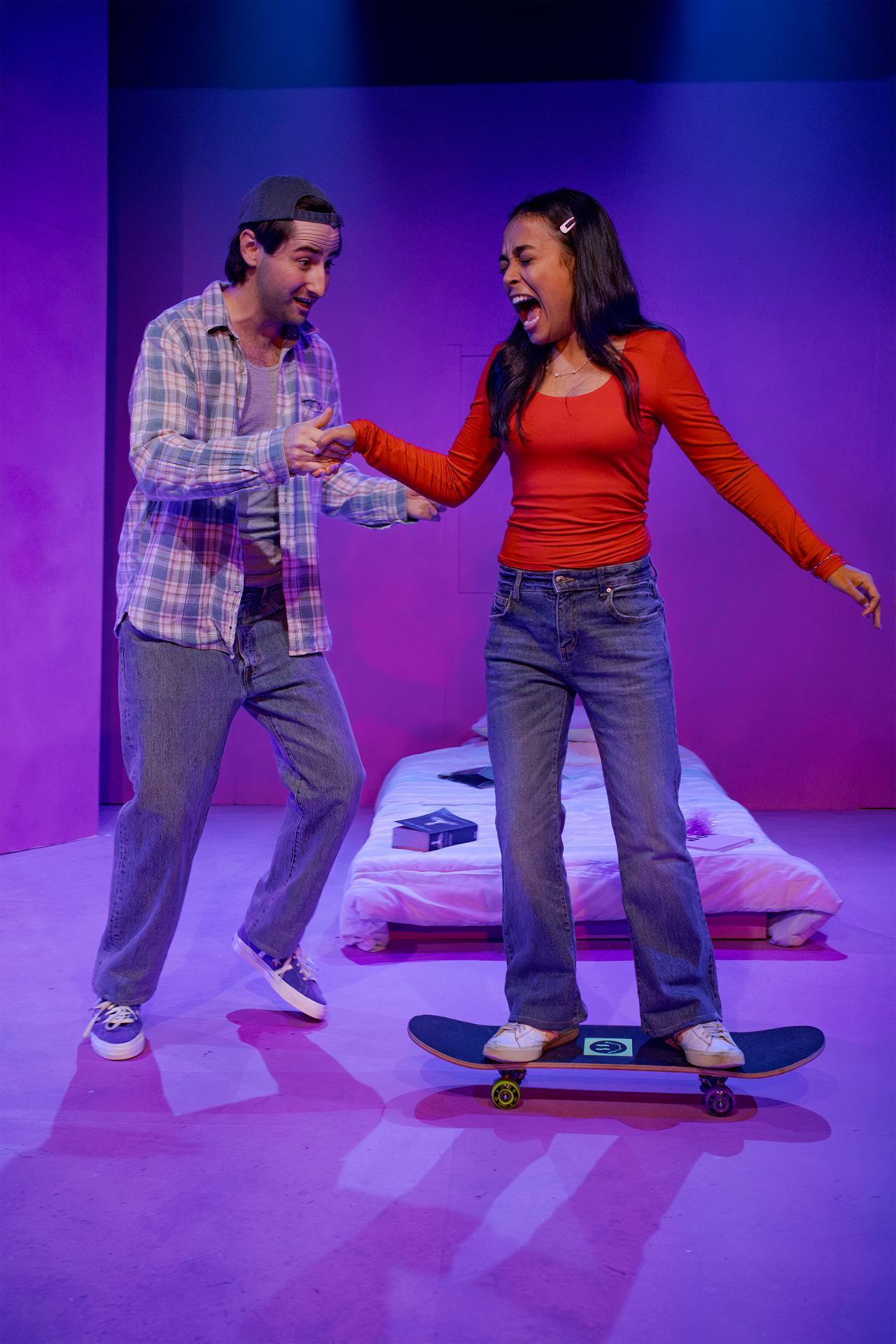
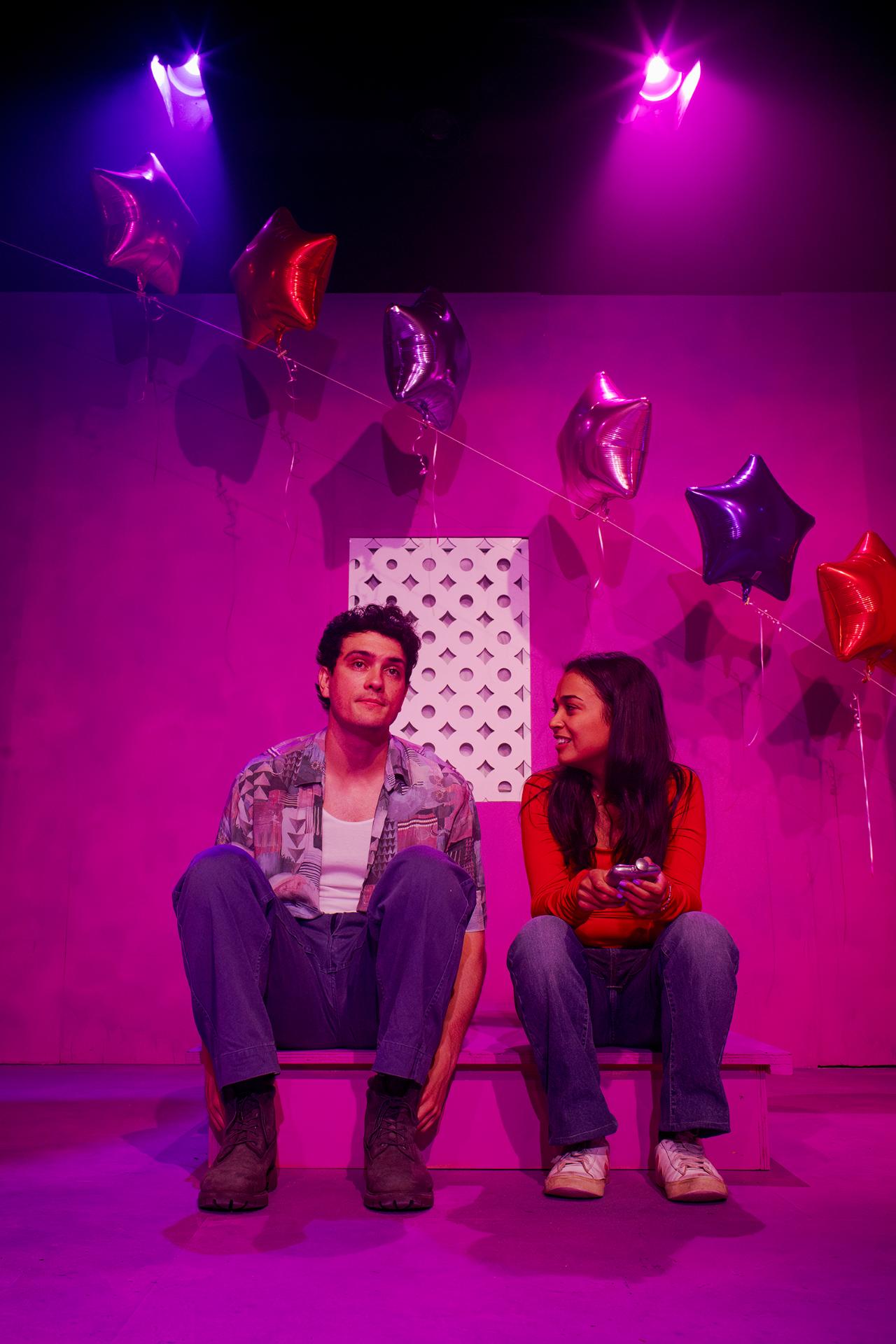
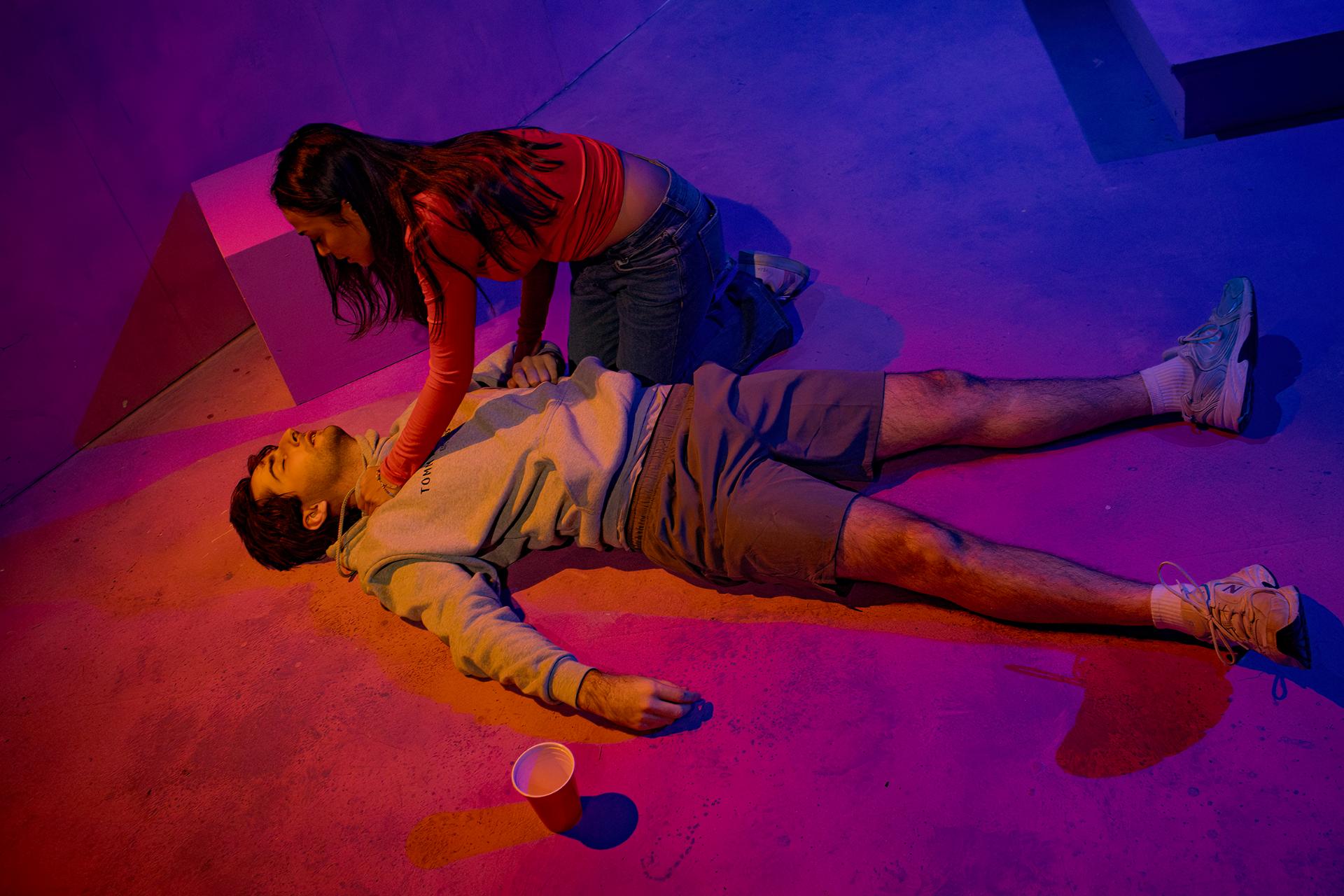
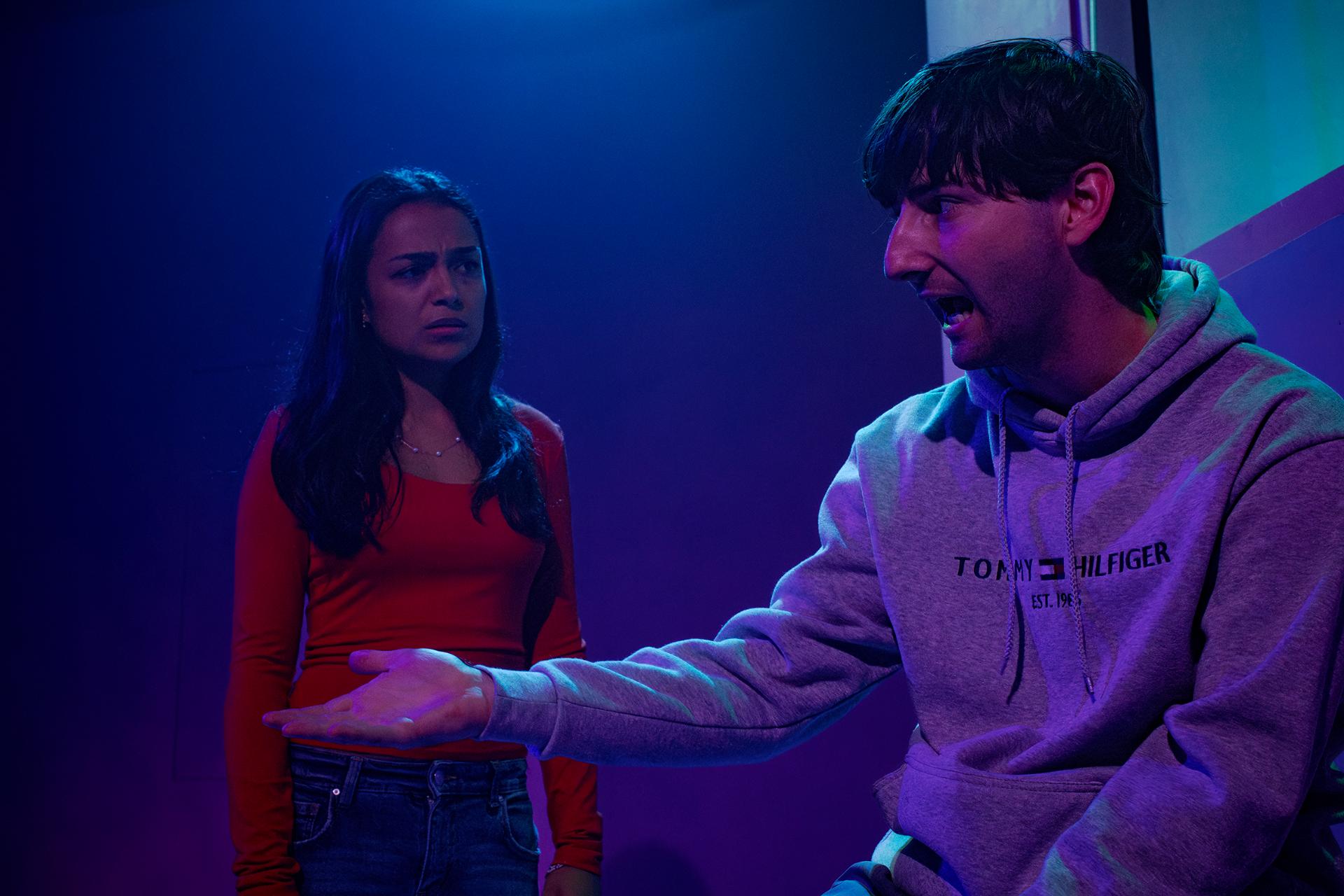
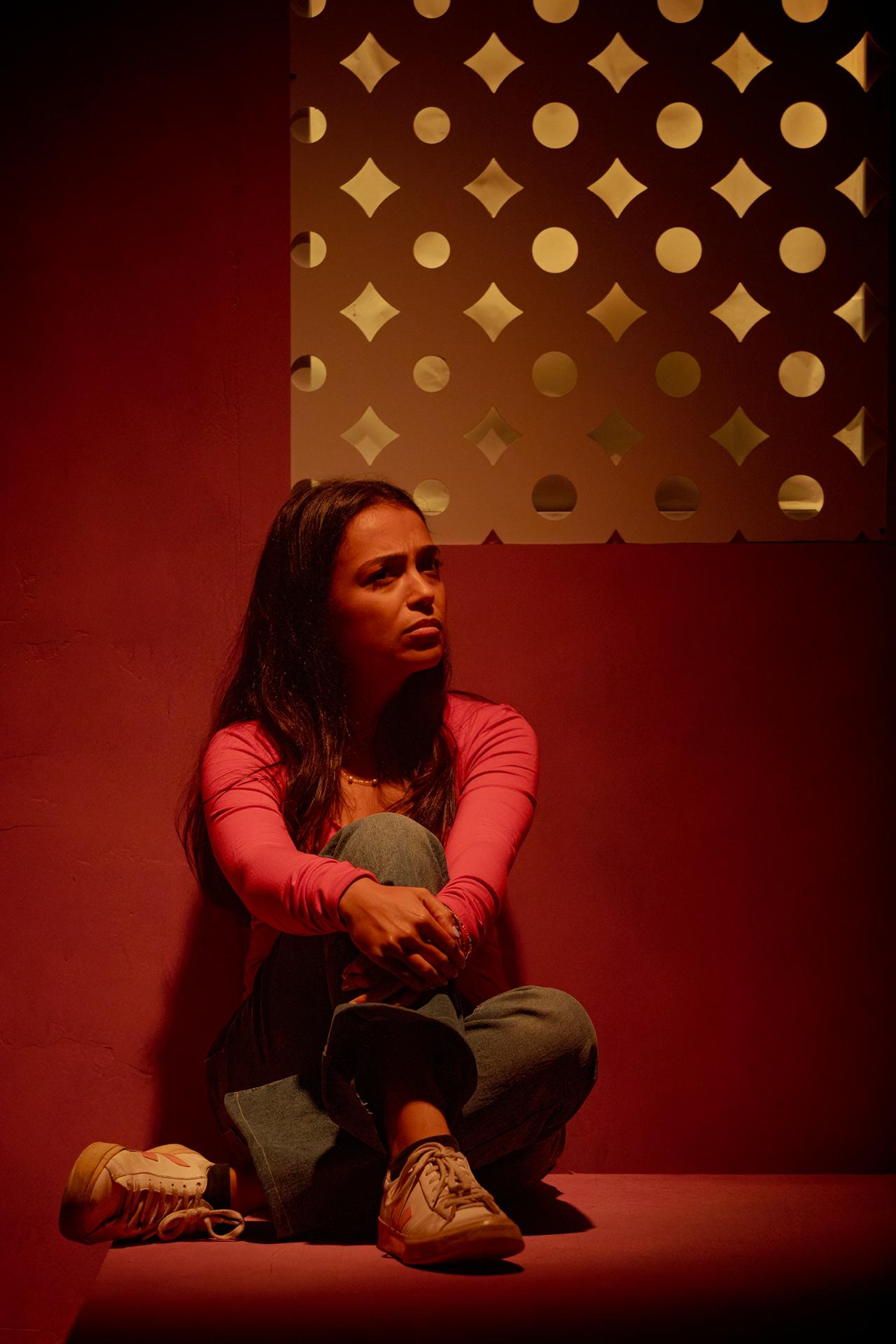
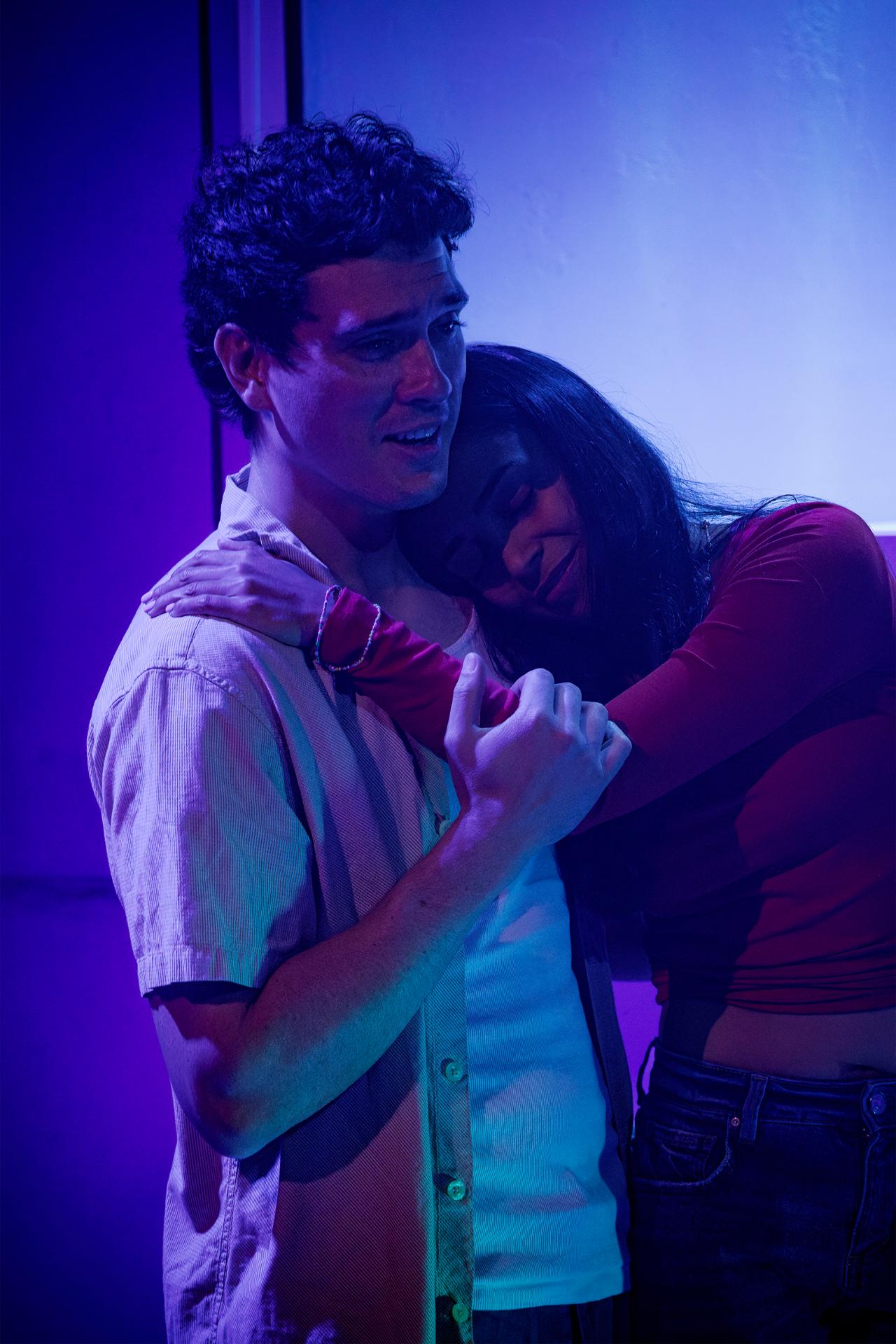
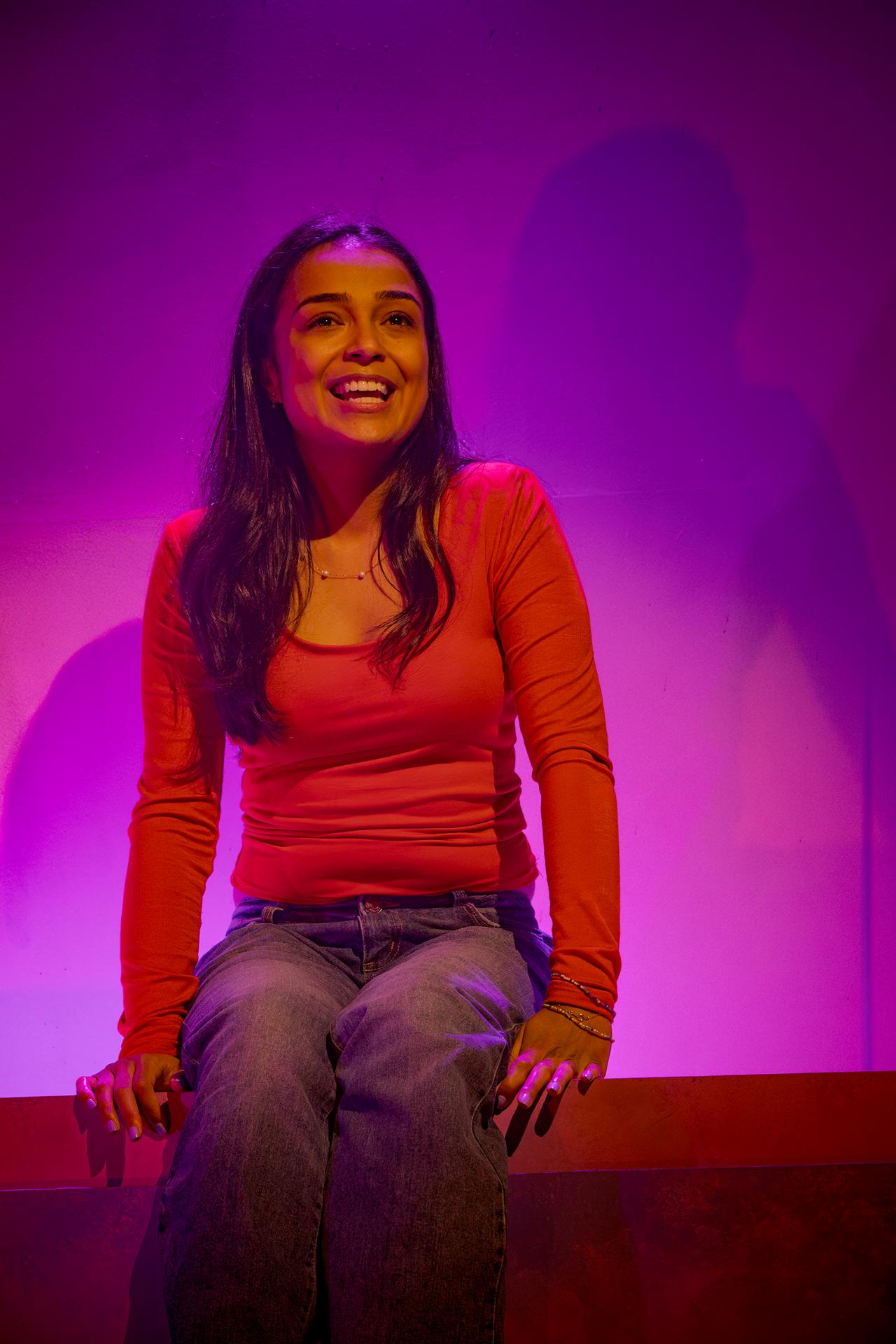
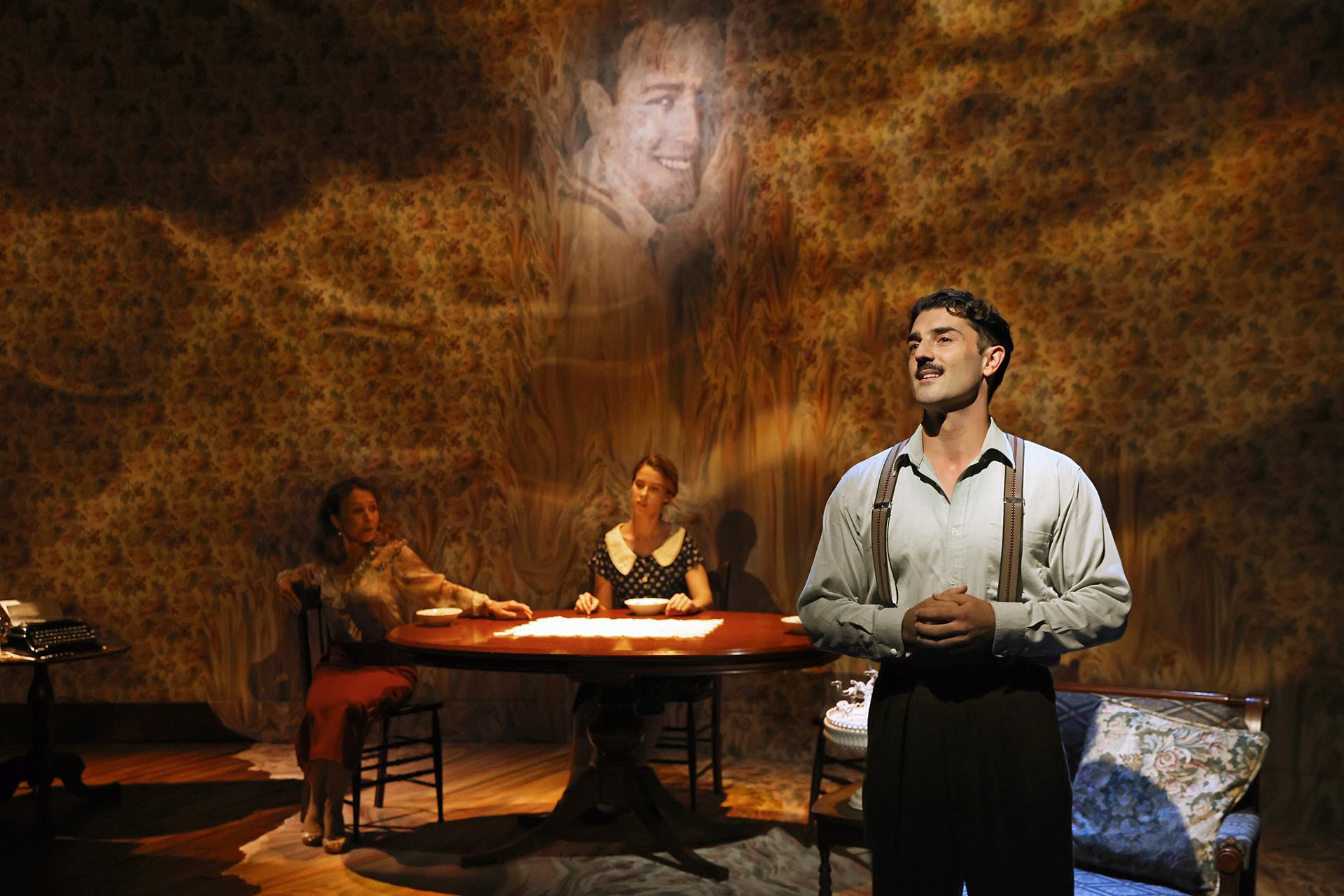
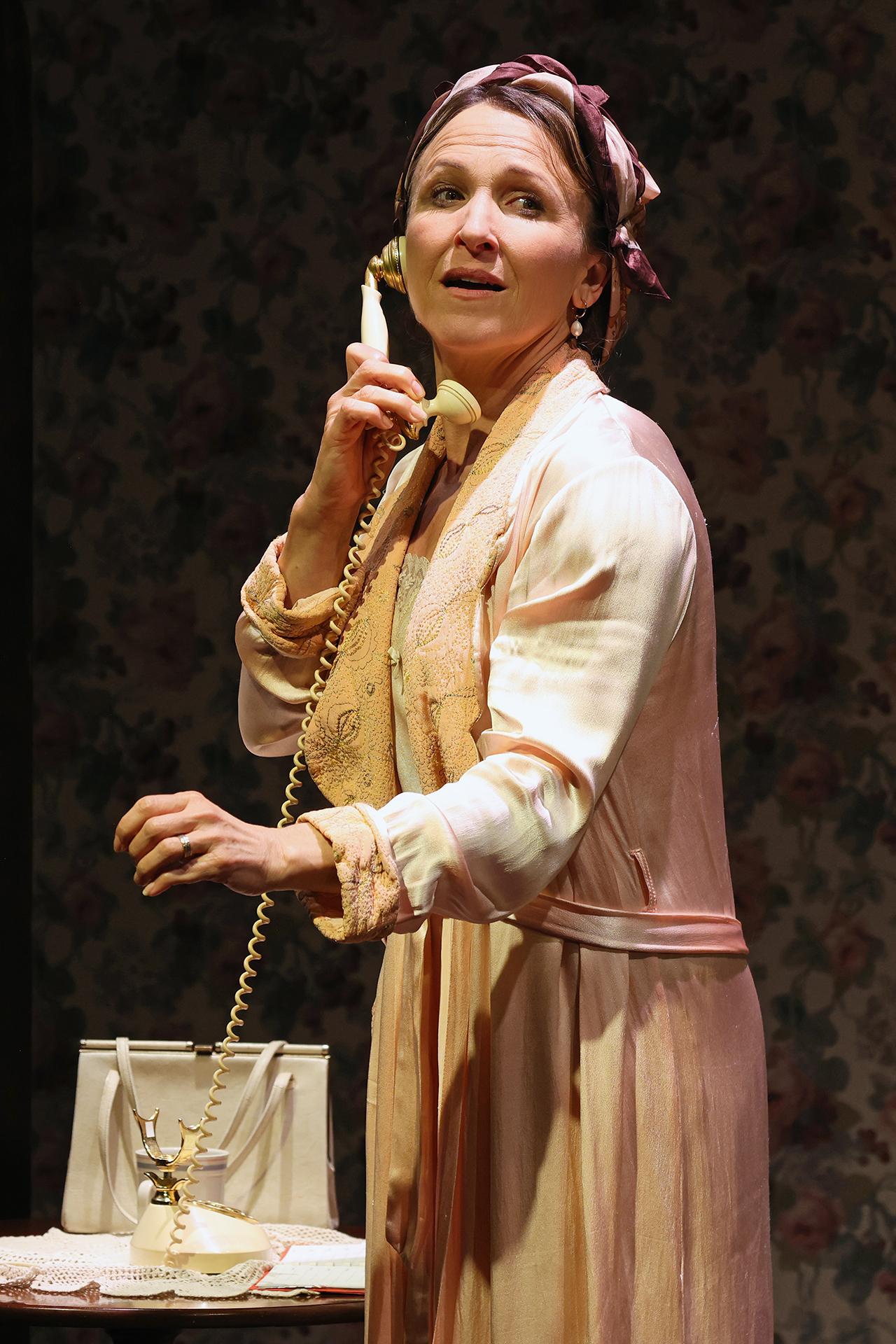
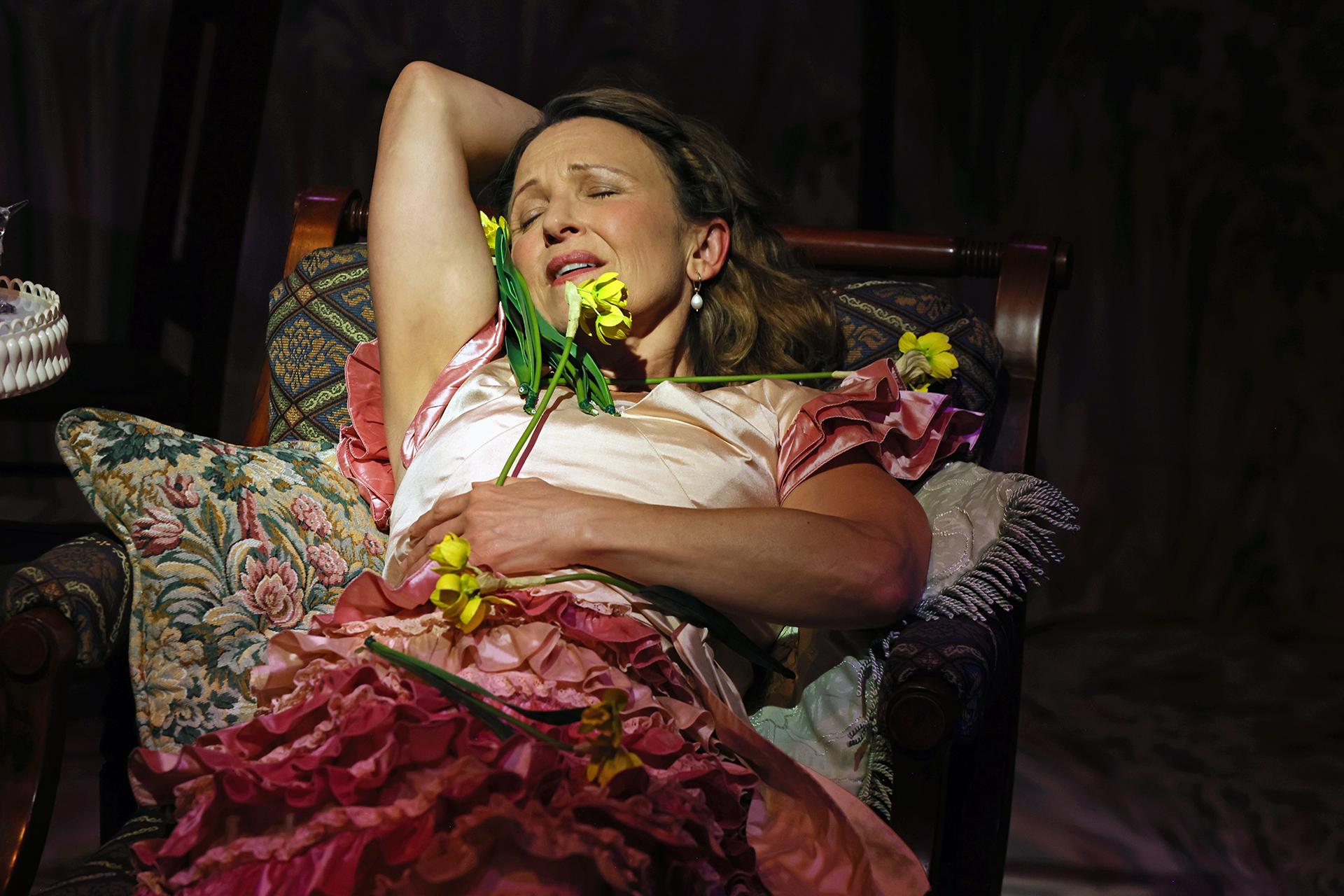
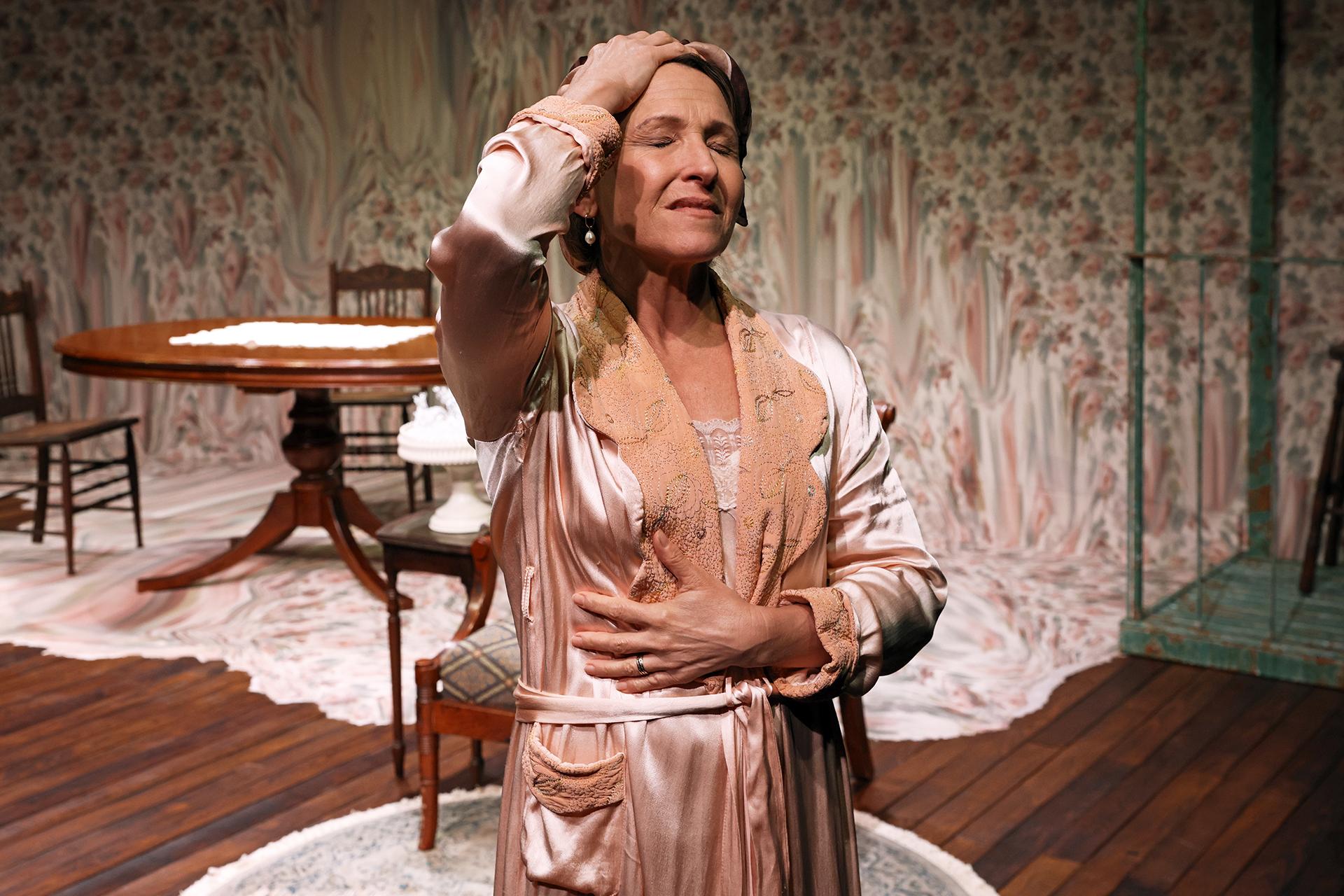
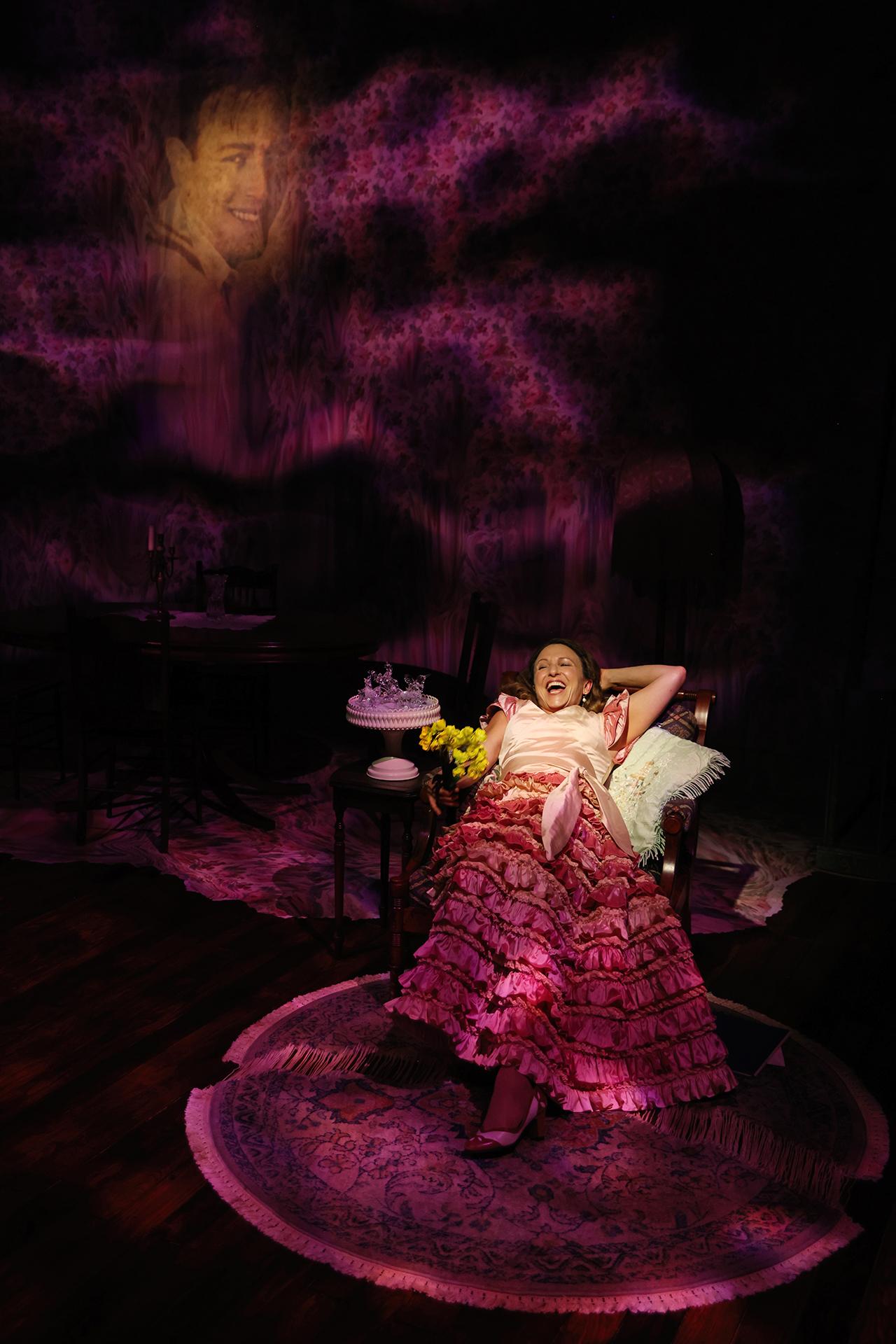
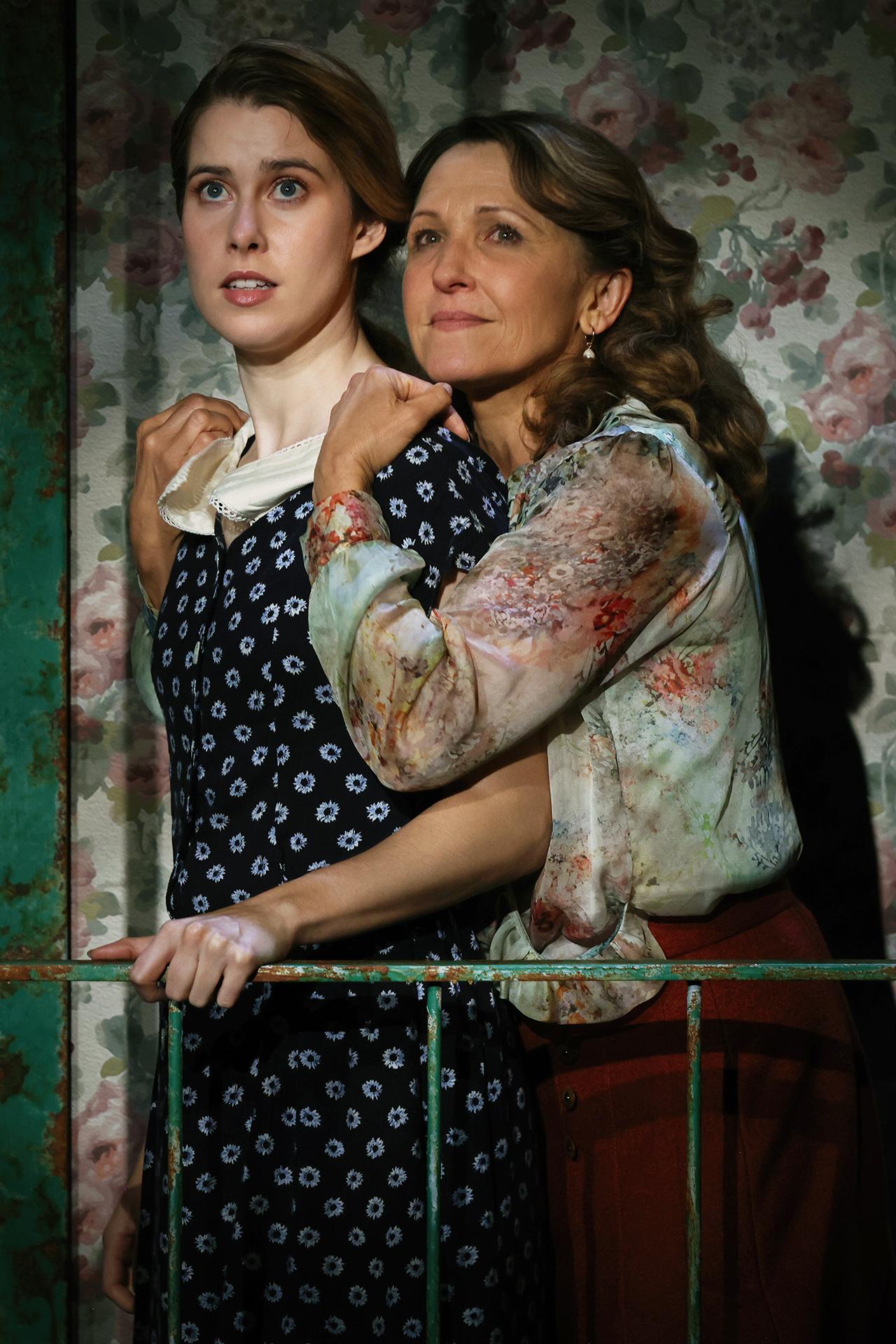
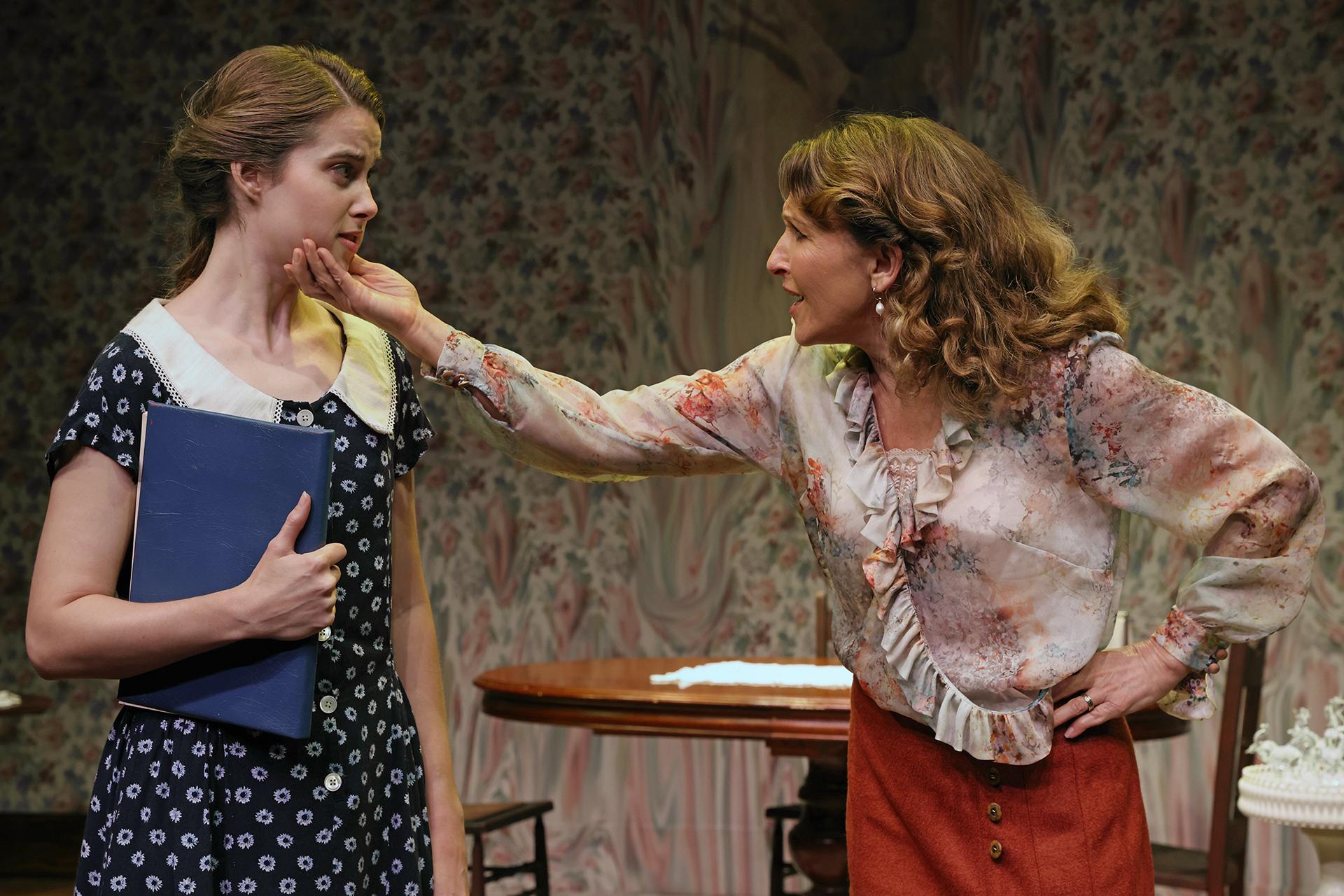
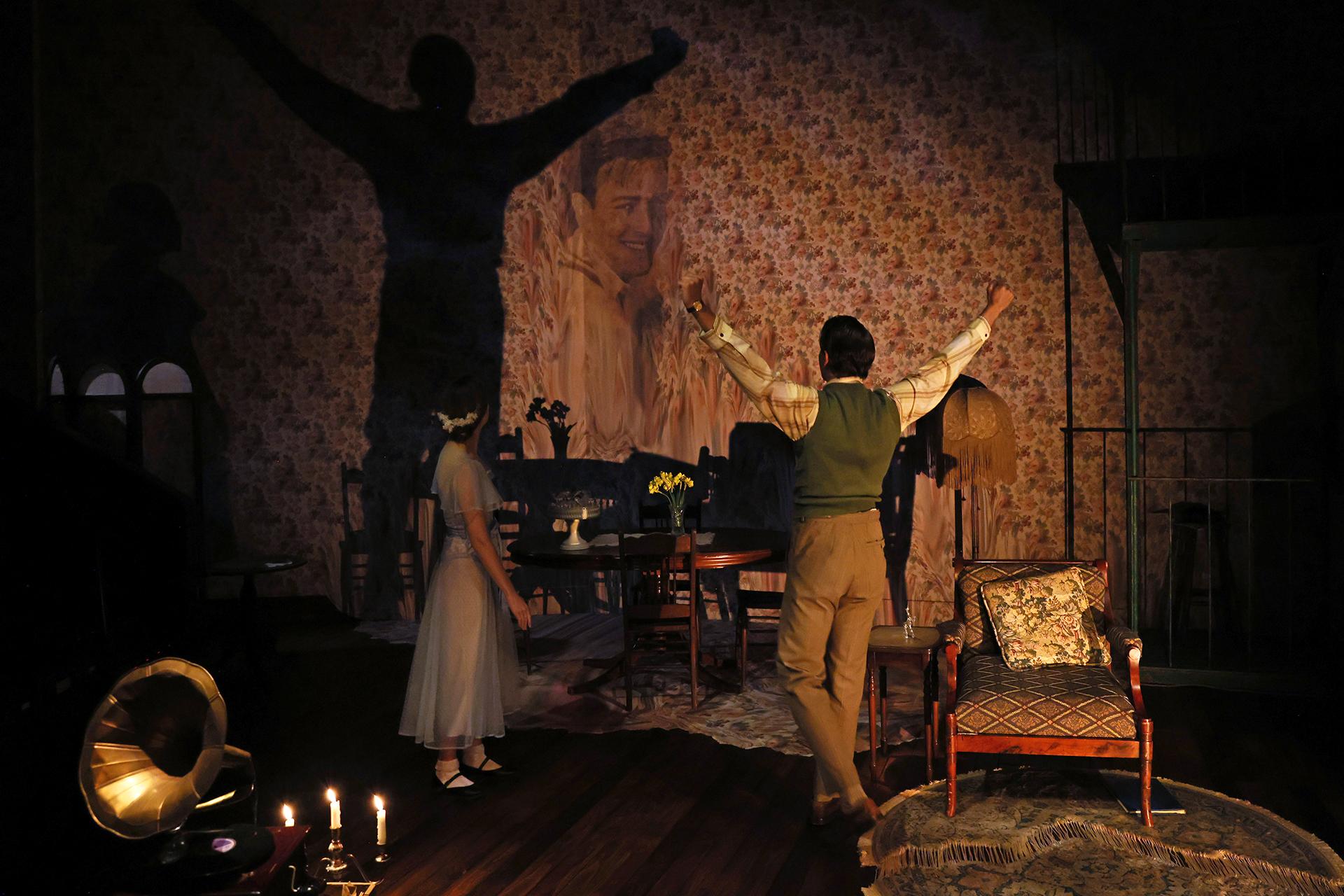
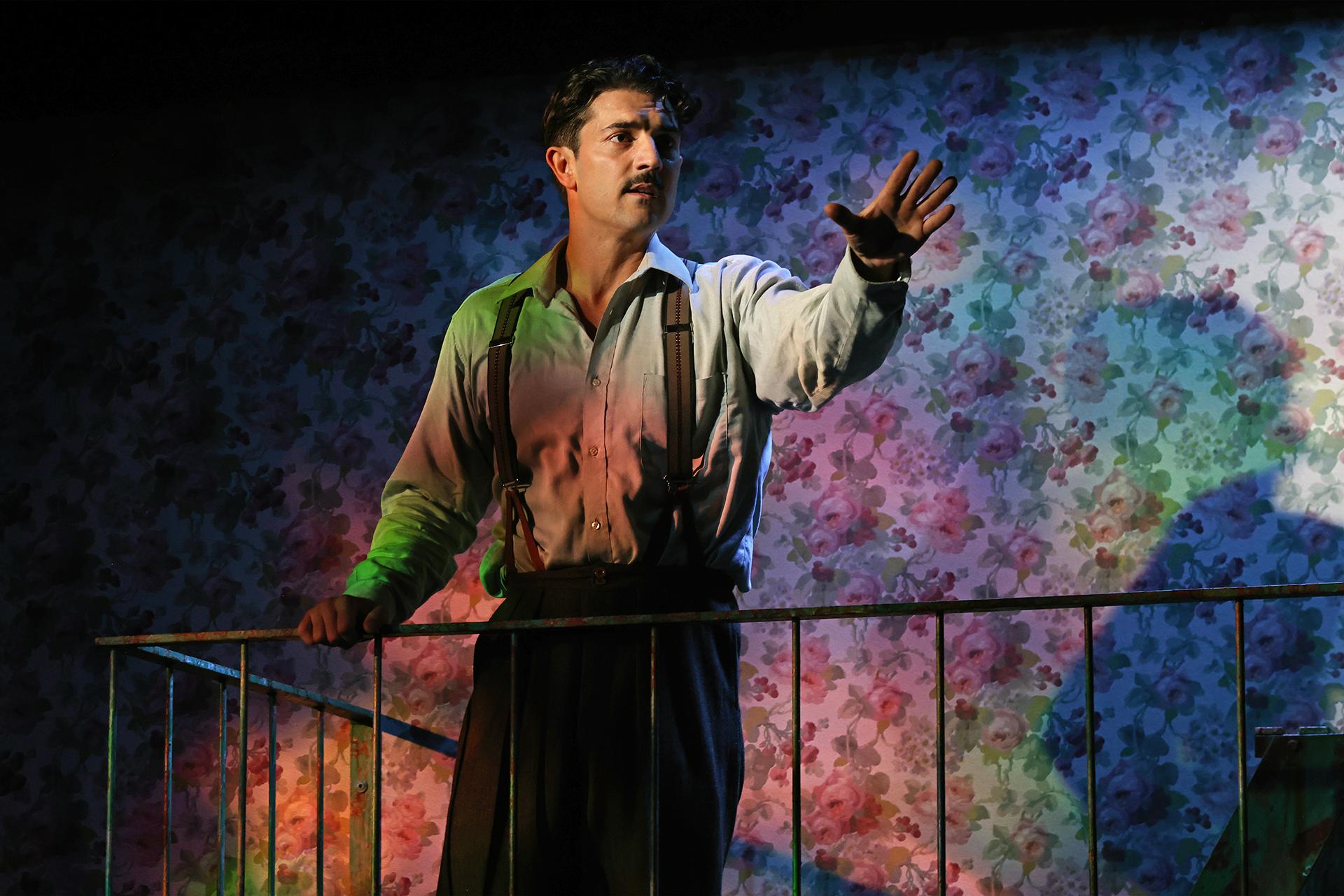
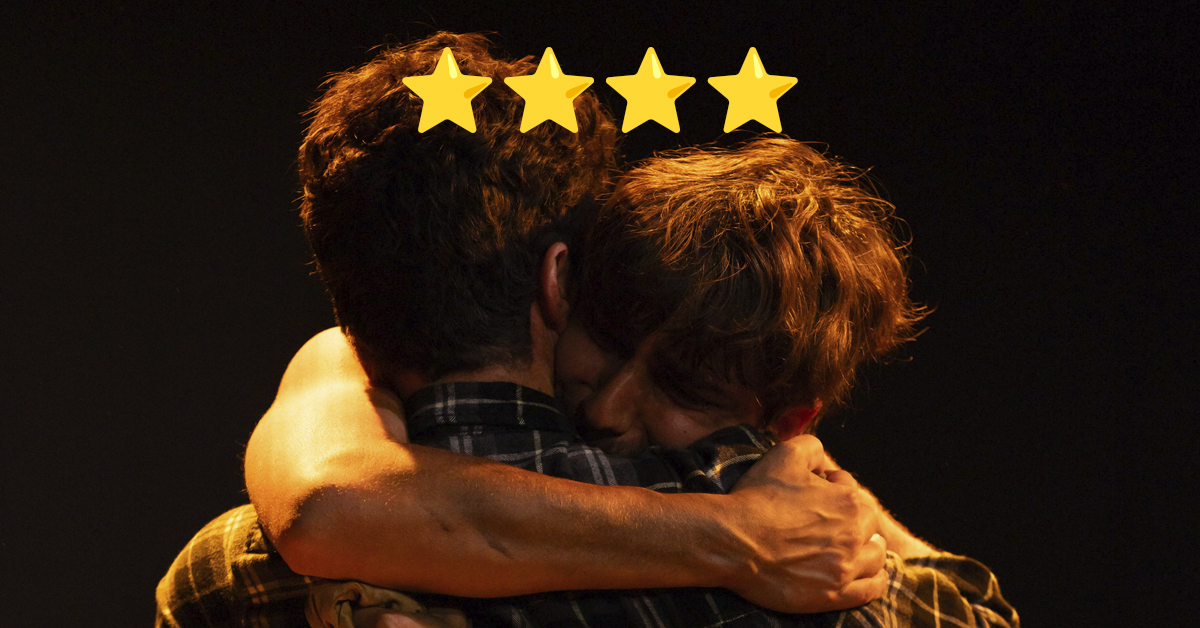
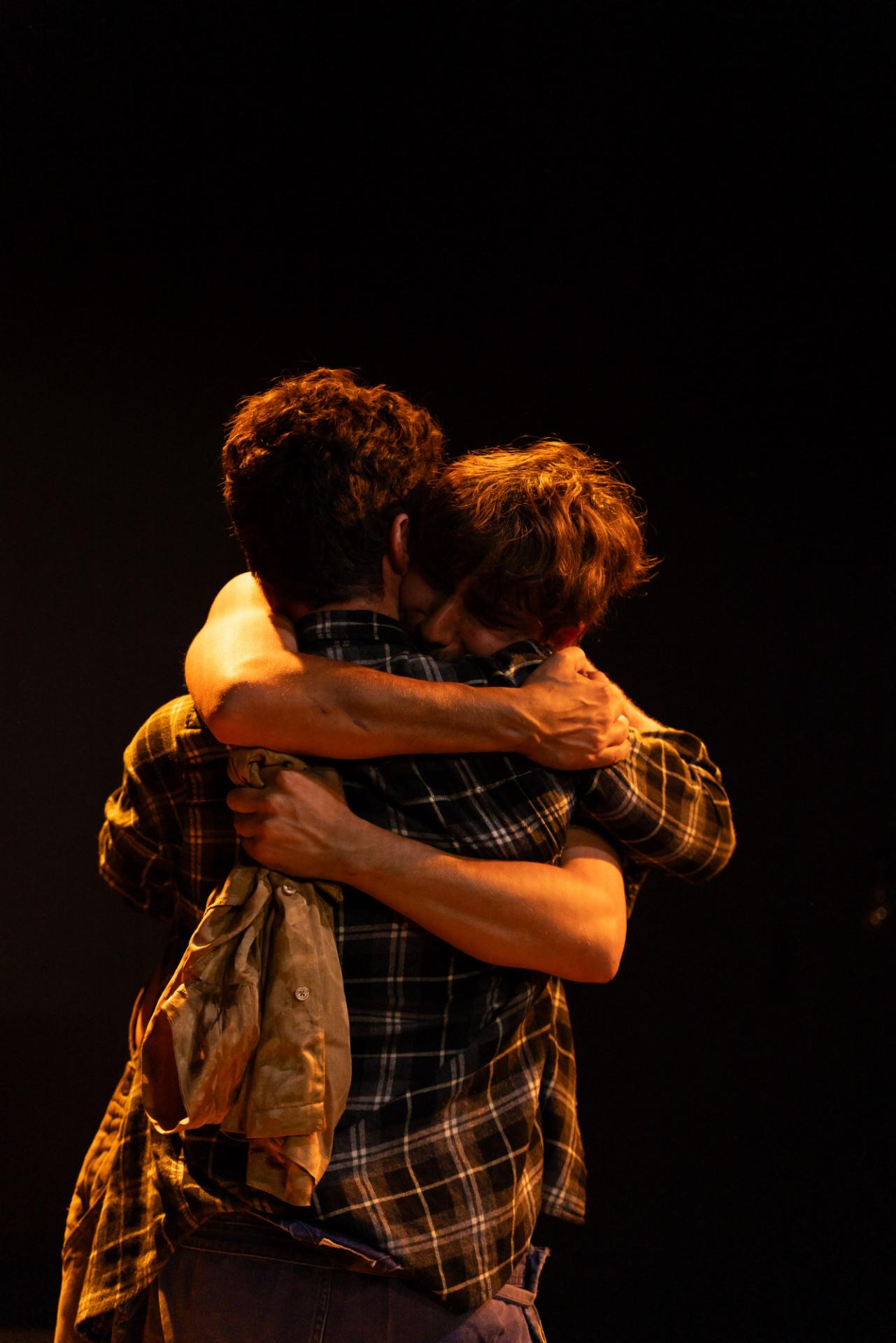
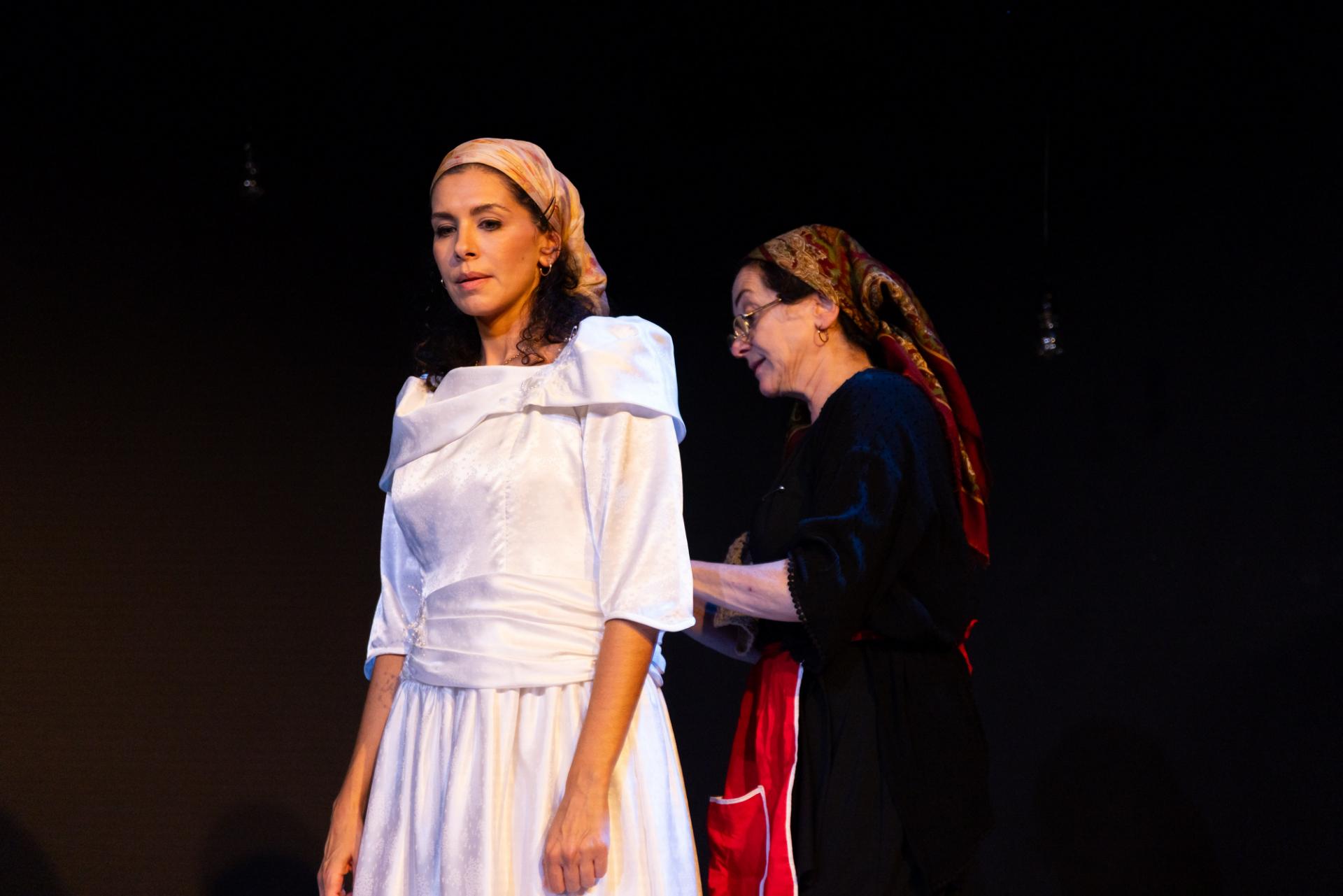
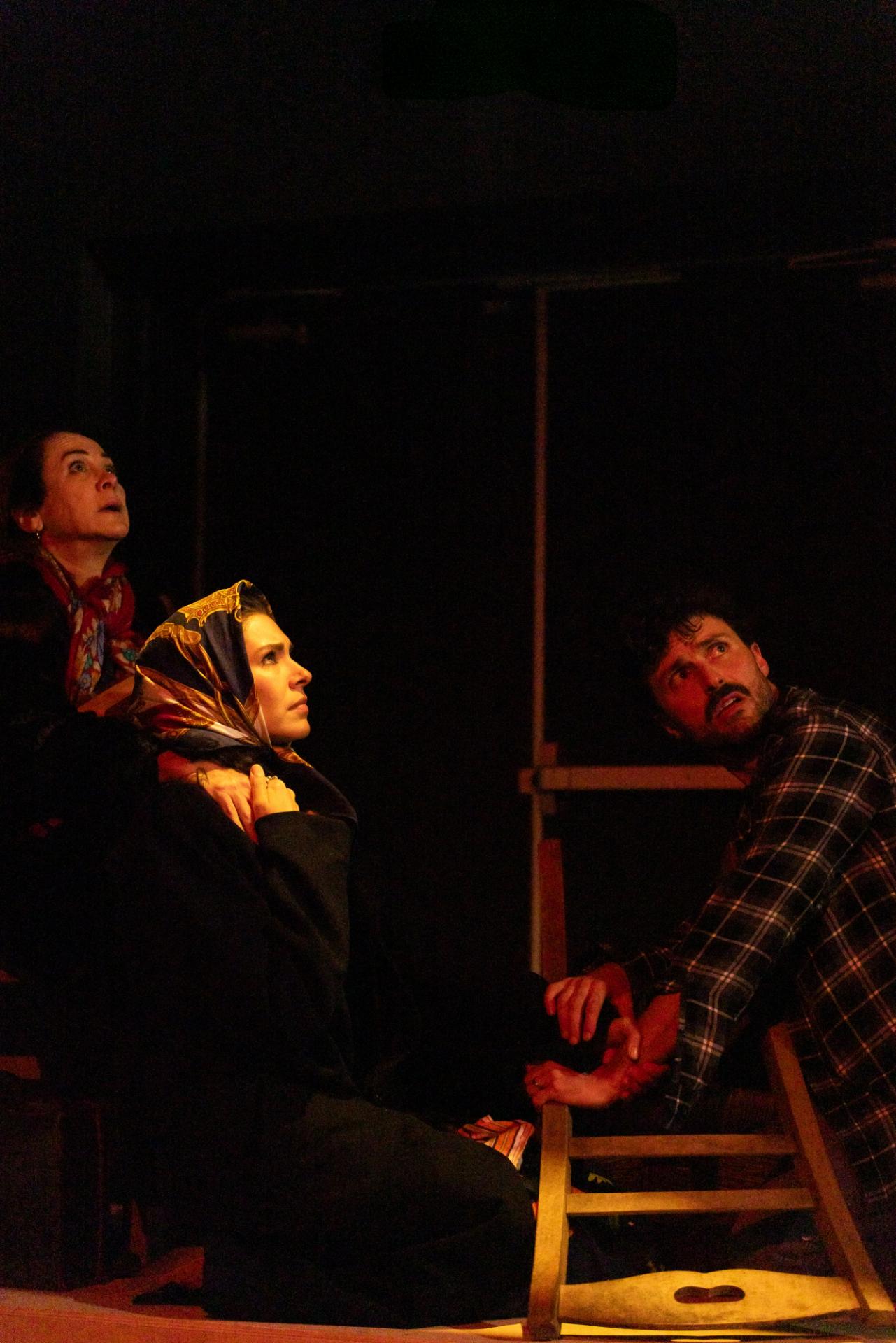
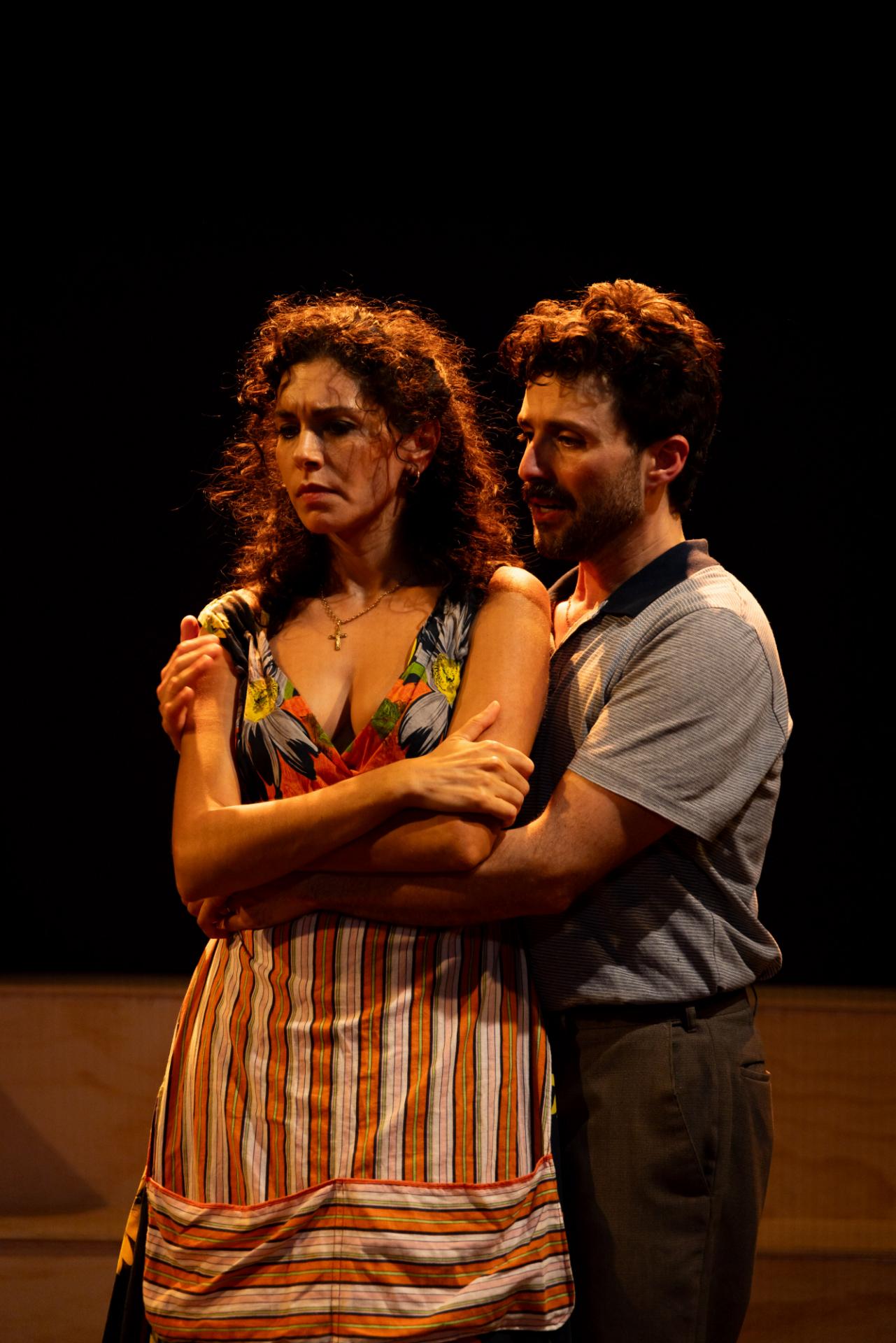
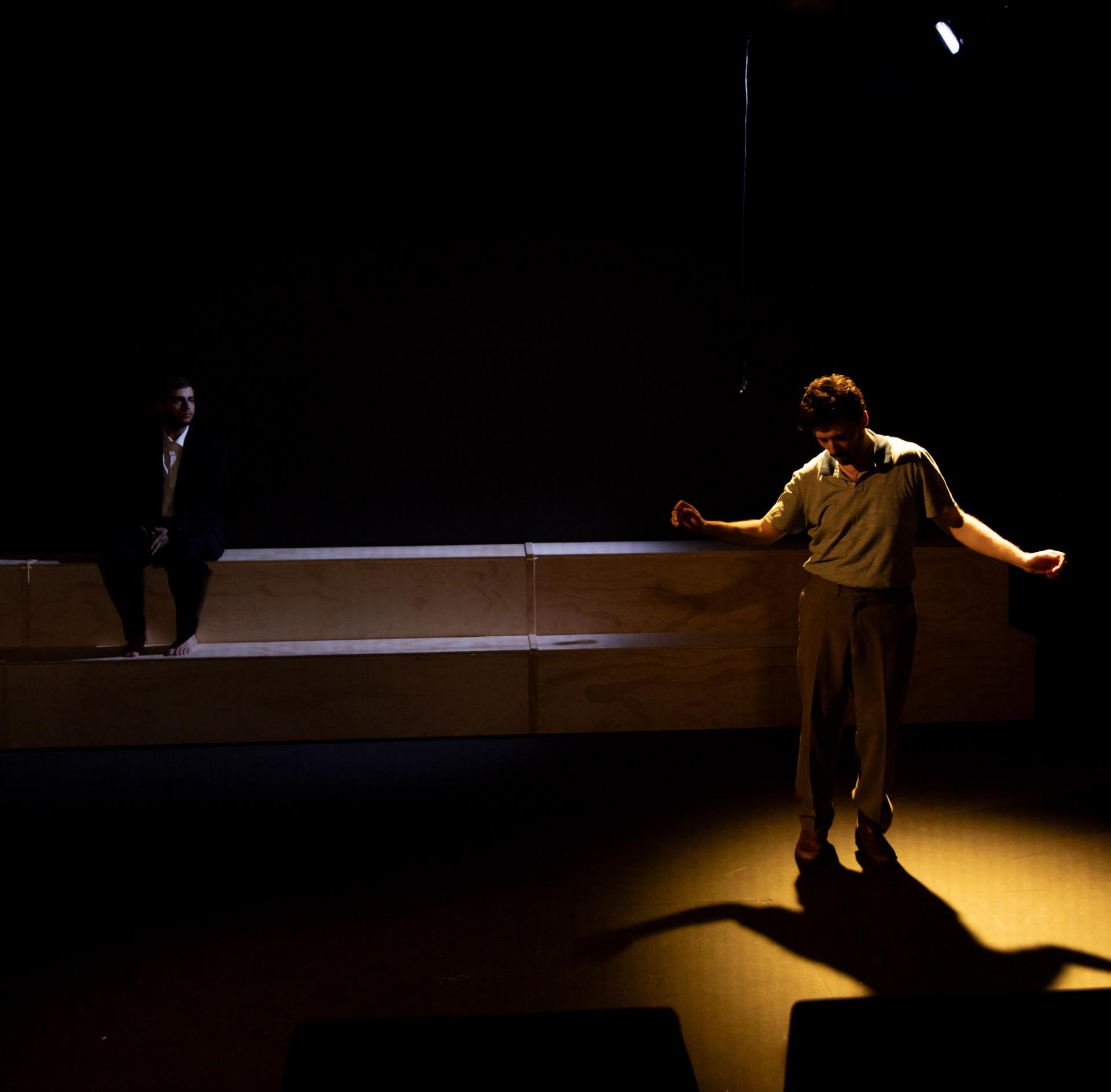
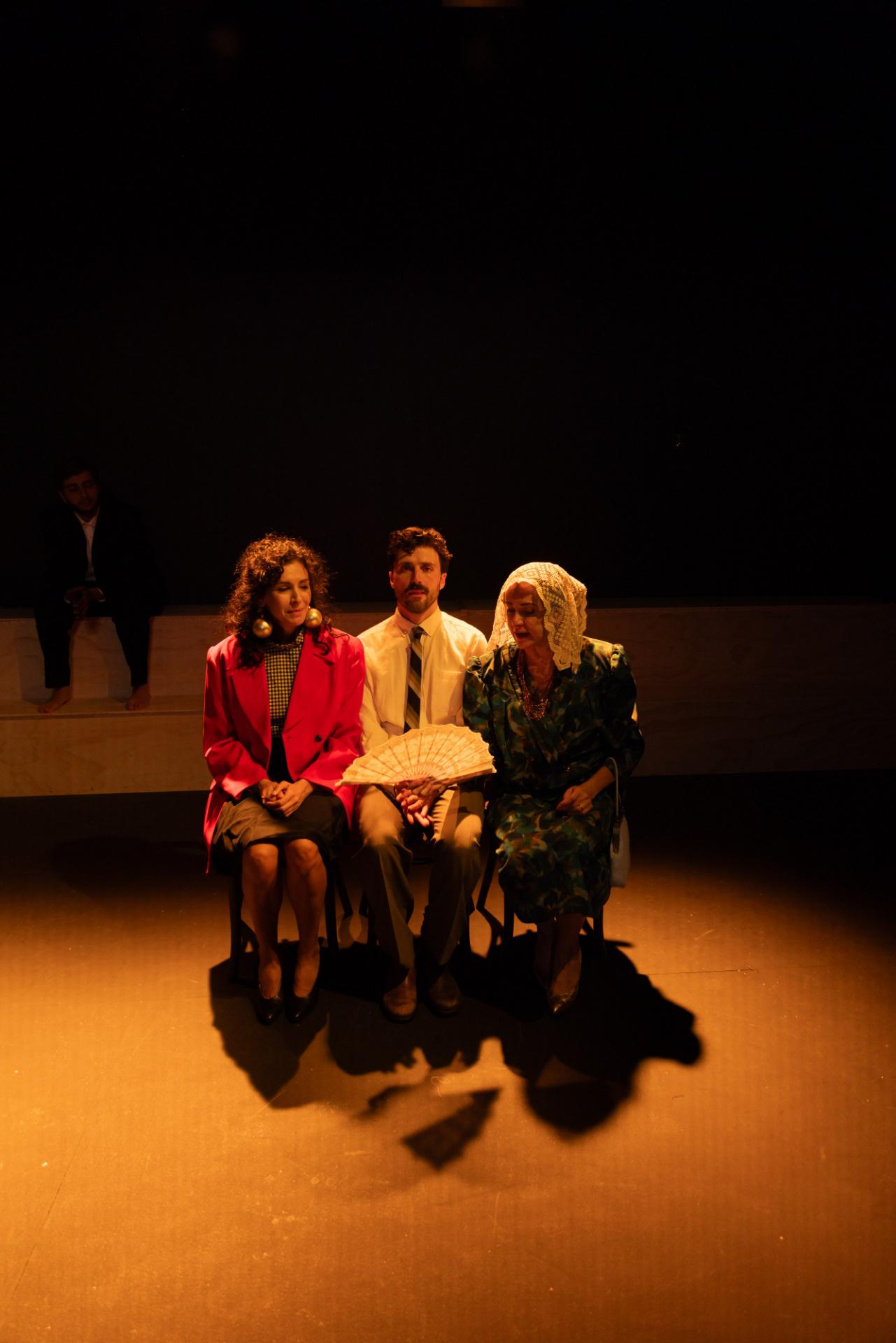
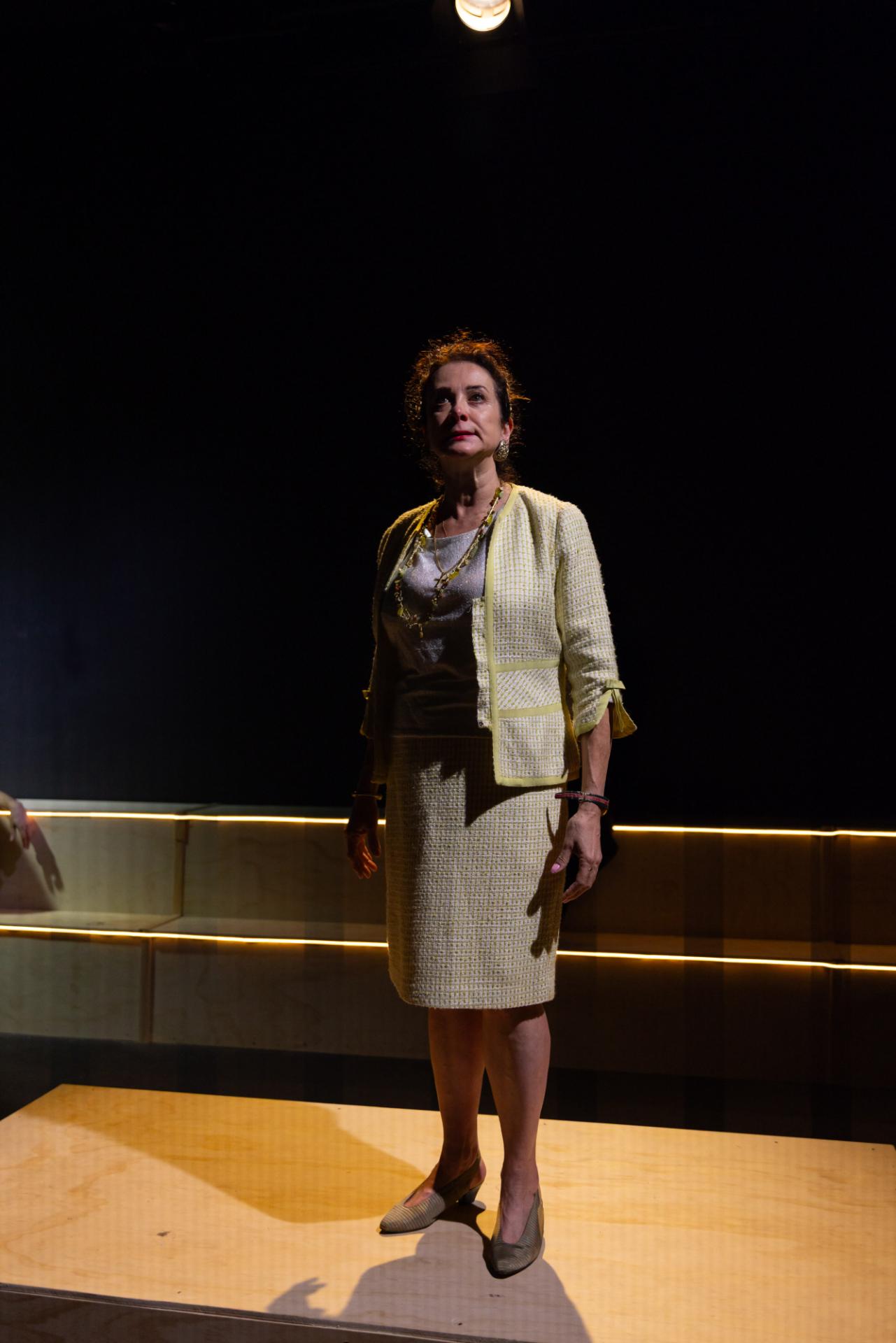
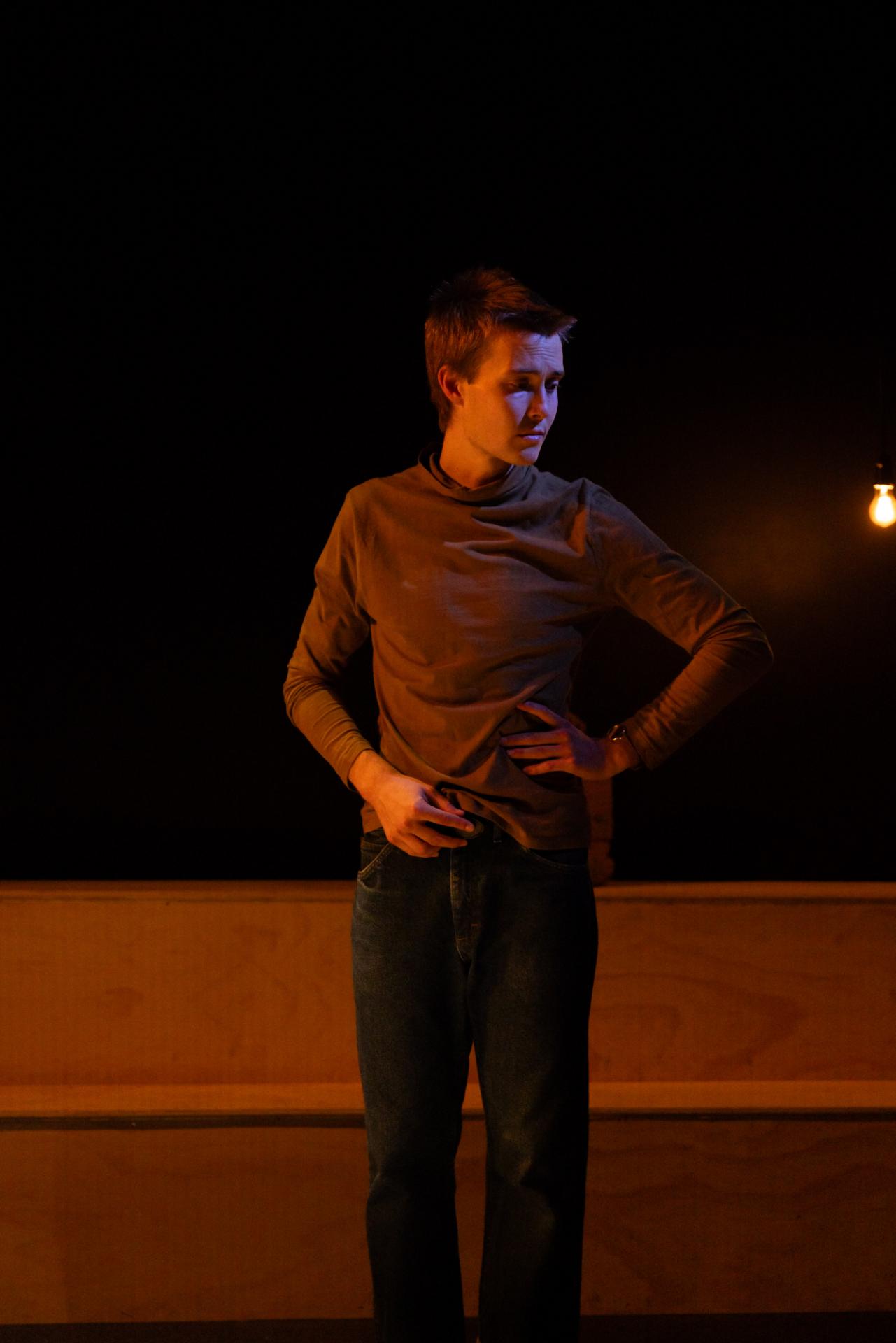
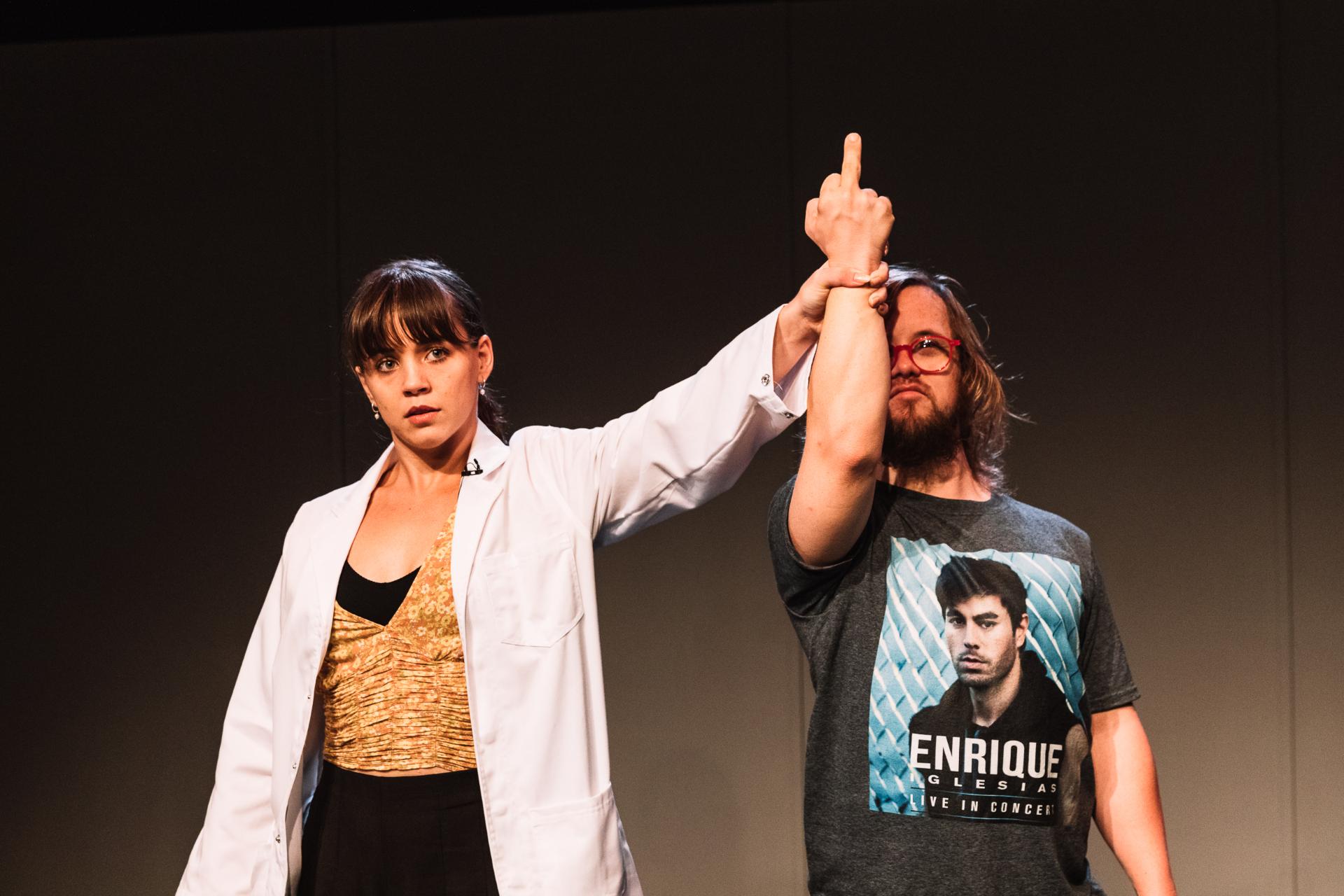
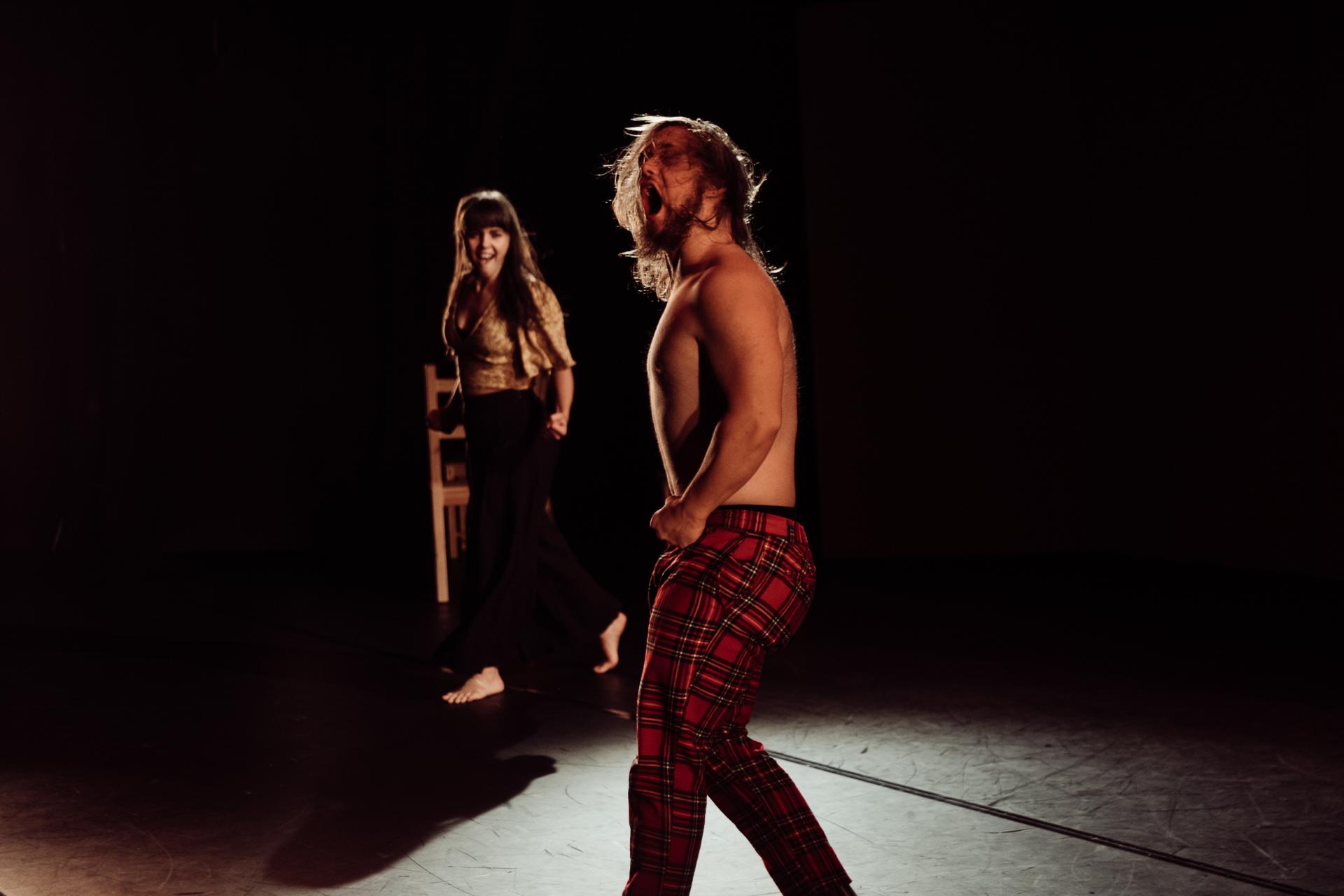
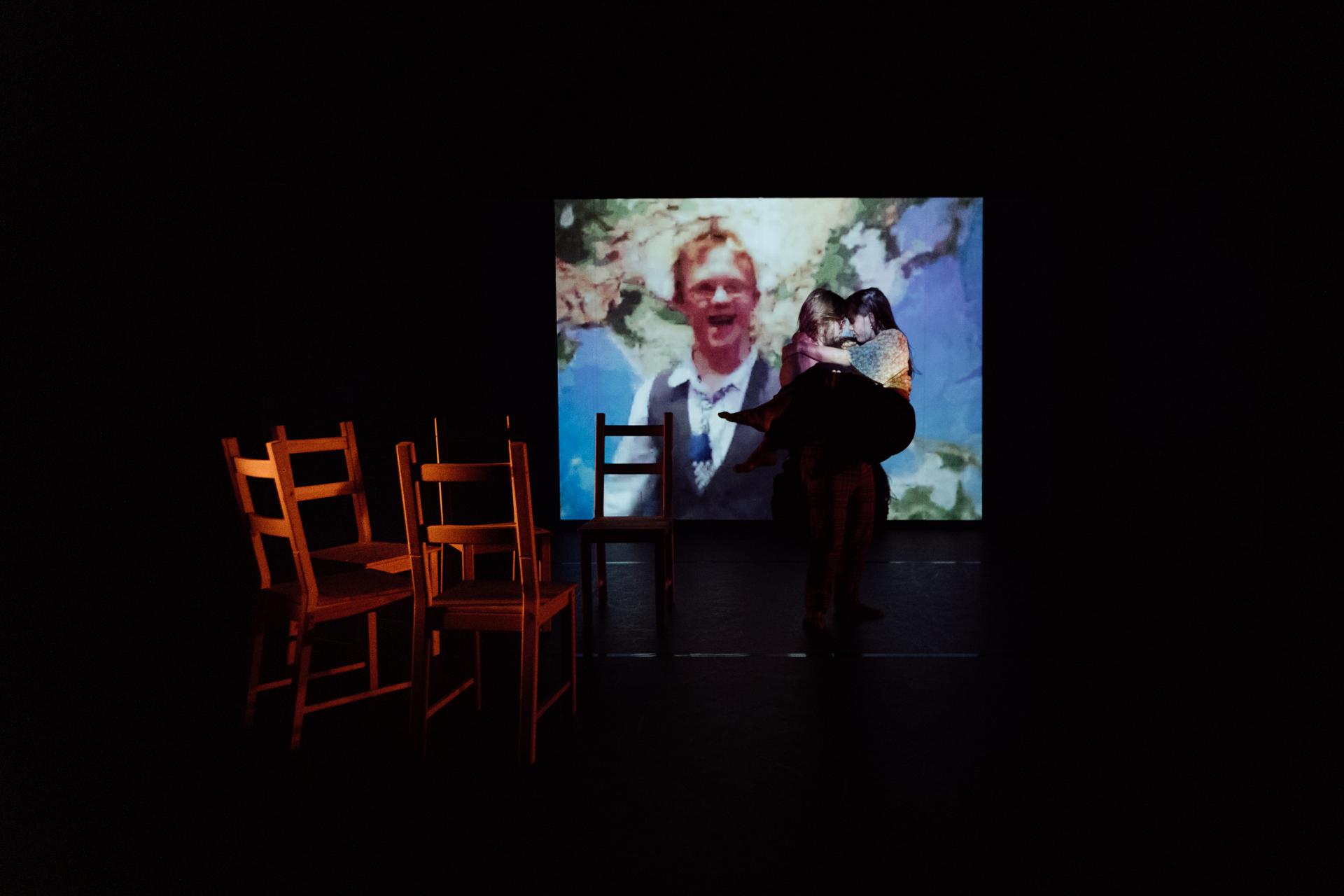
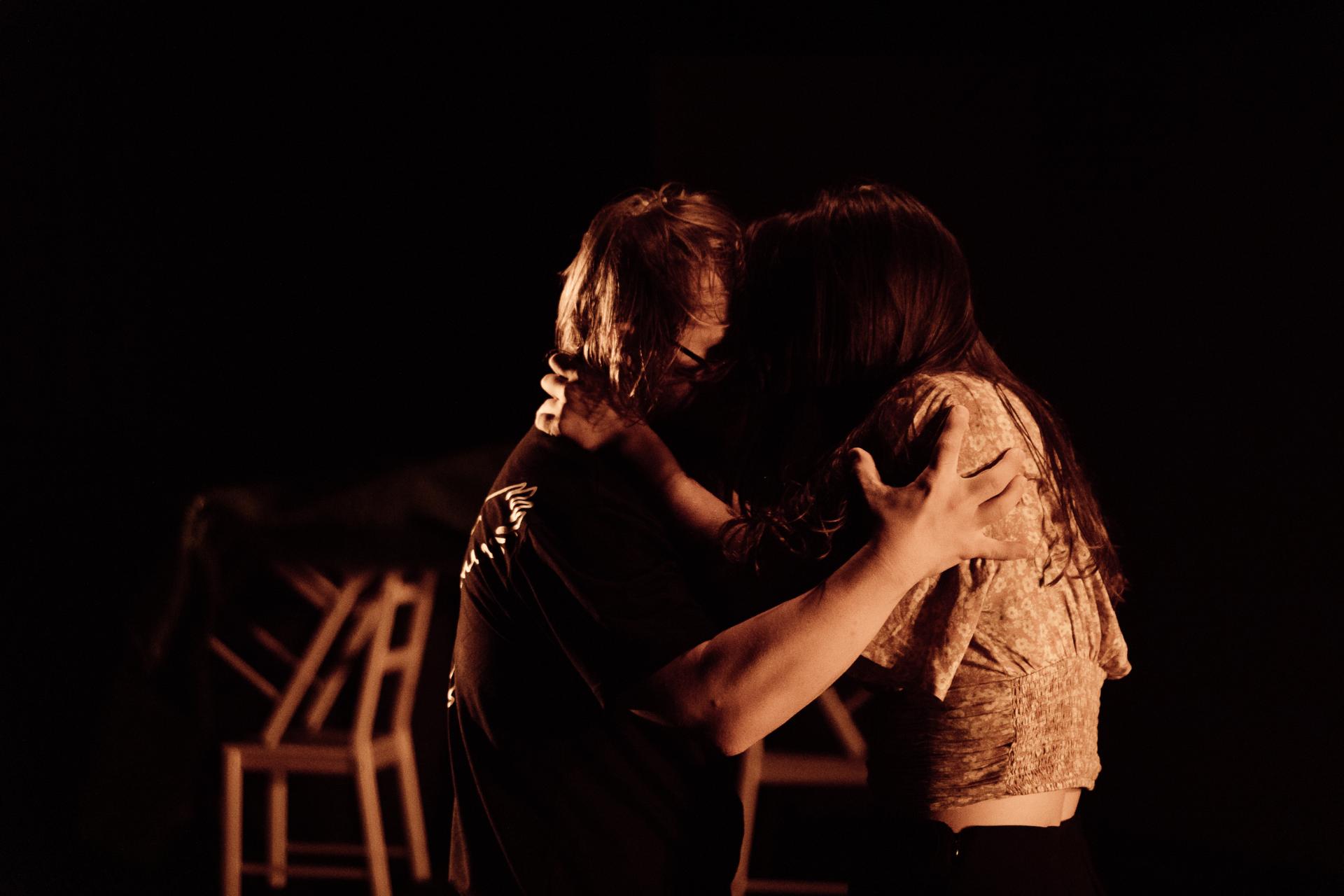
Else was not the first woman to be described as difficult, and not the first to be subject to an exorcism for that very reason. Based on a true story from 90s rural Victoria, Furious Mattress by Melissa Reeves is a dark comedy exploring parochialism, ignorance and intolerance. A scathing indictment of prevailing systems, most notably the Abrahamic religions which perpetuate all manner of social exclusionary, Reeves’ deeply subversive writing is as thrilling as it is mischievous.

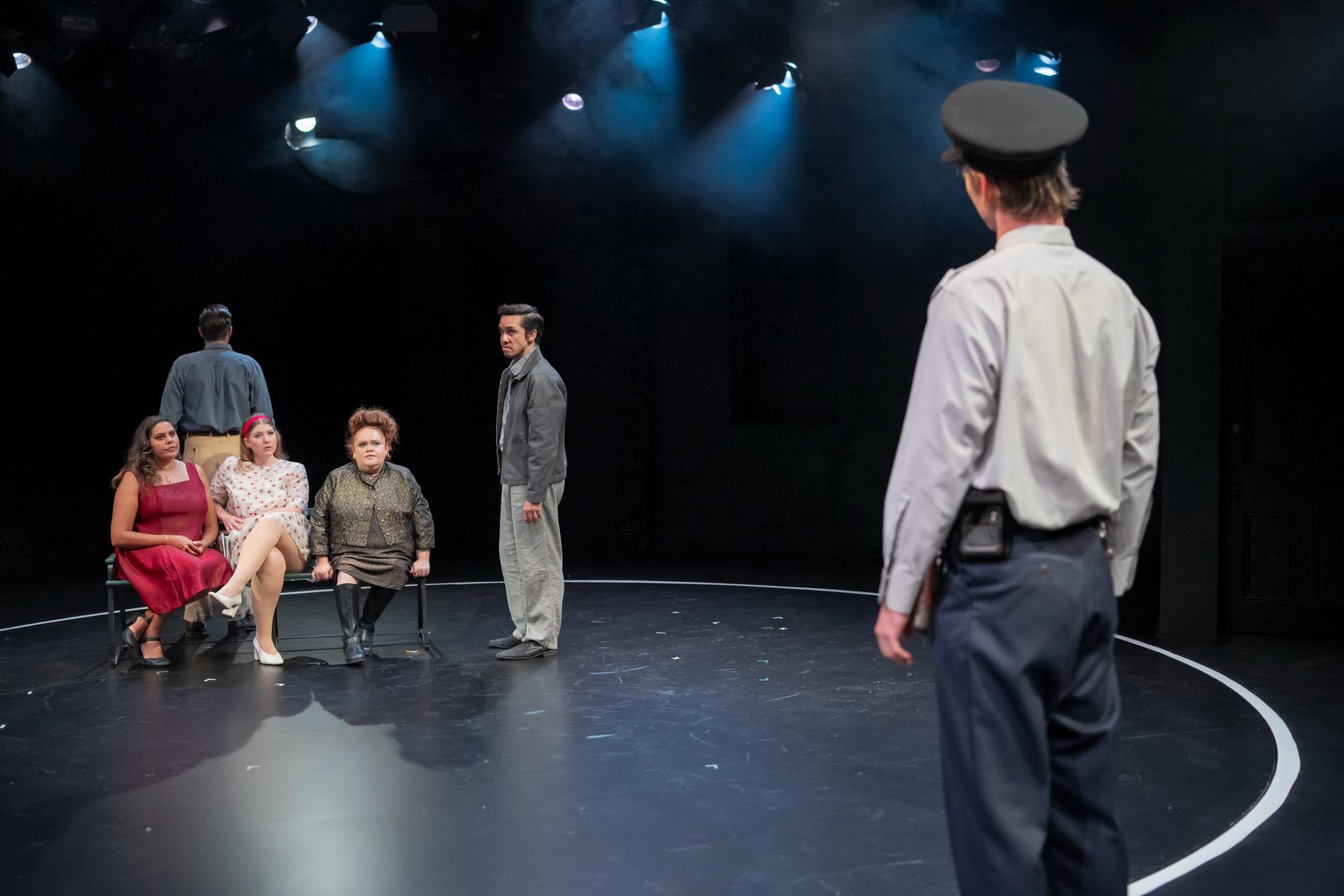
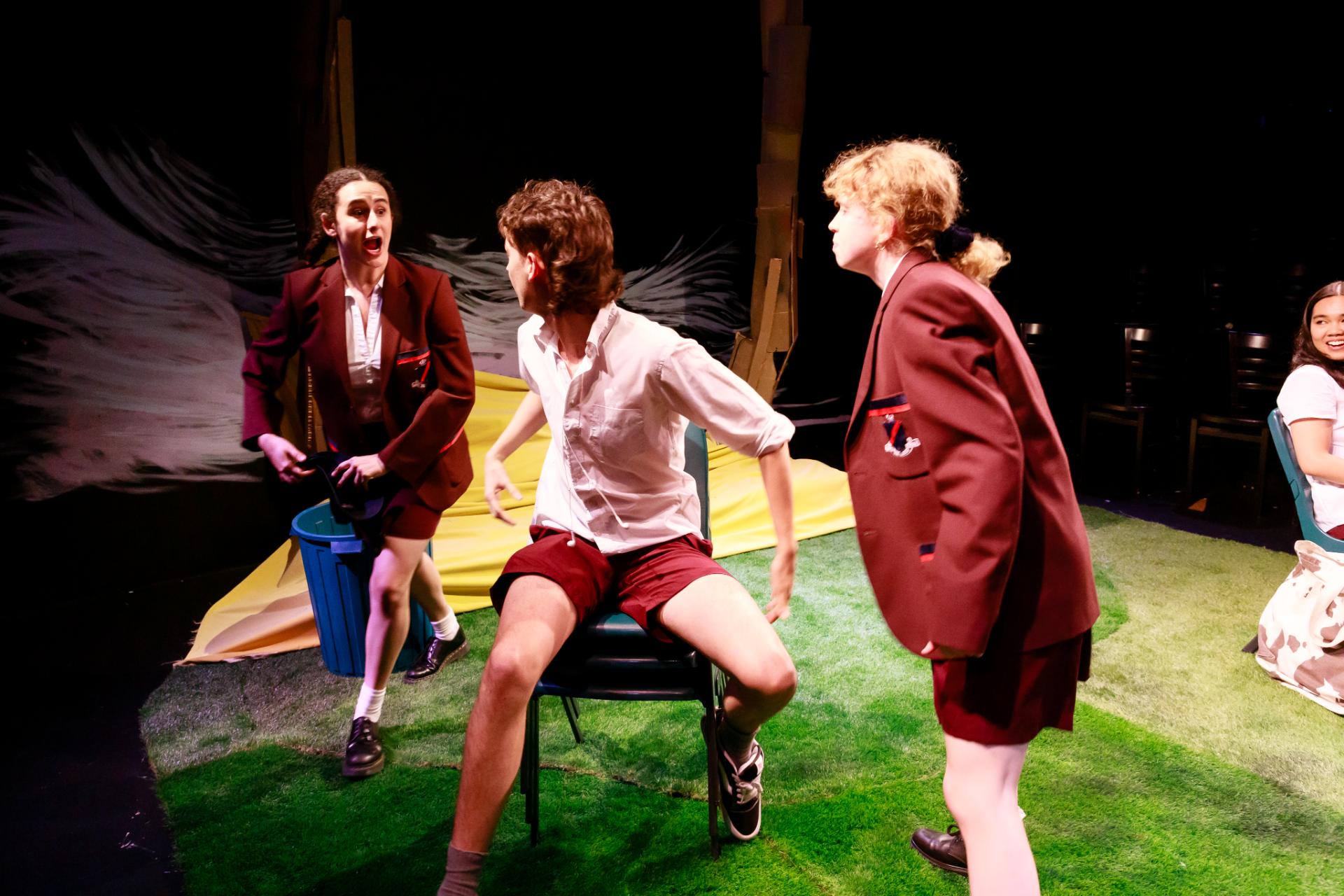
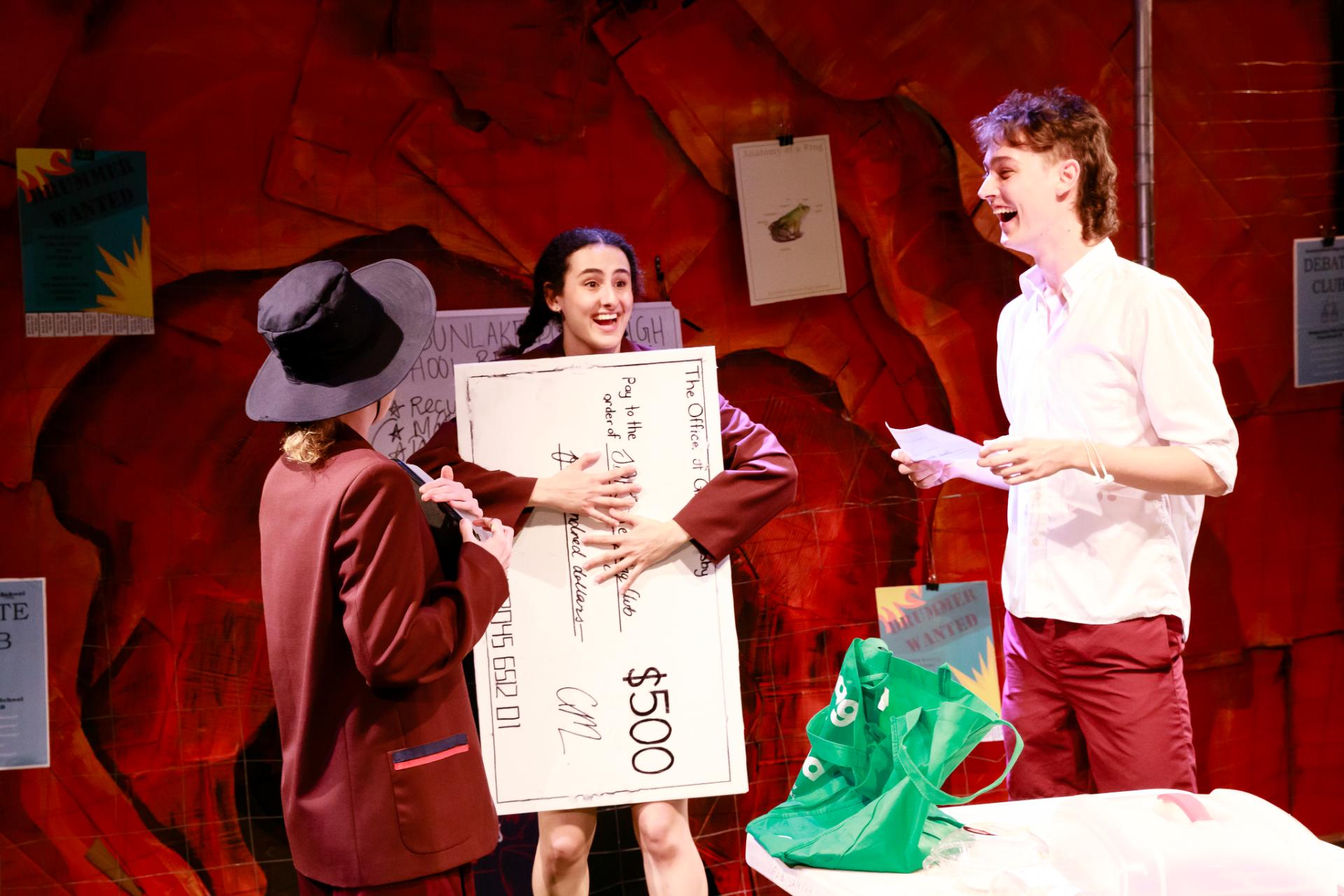
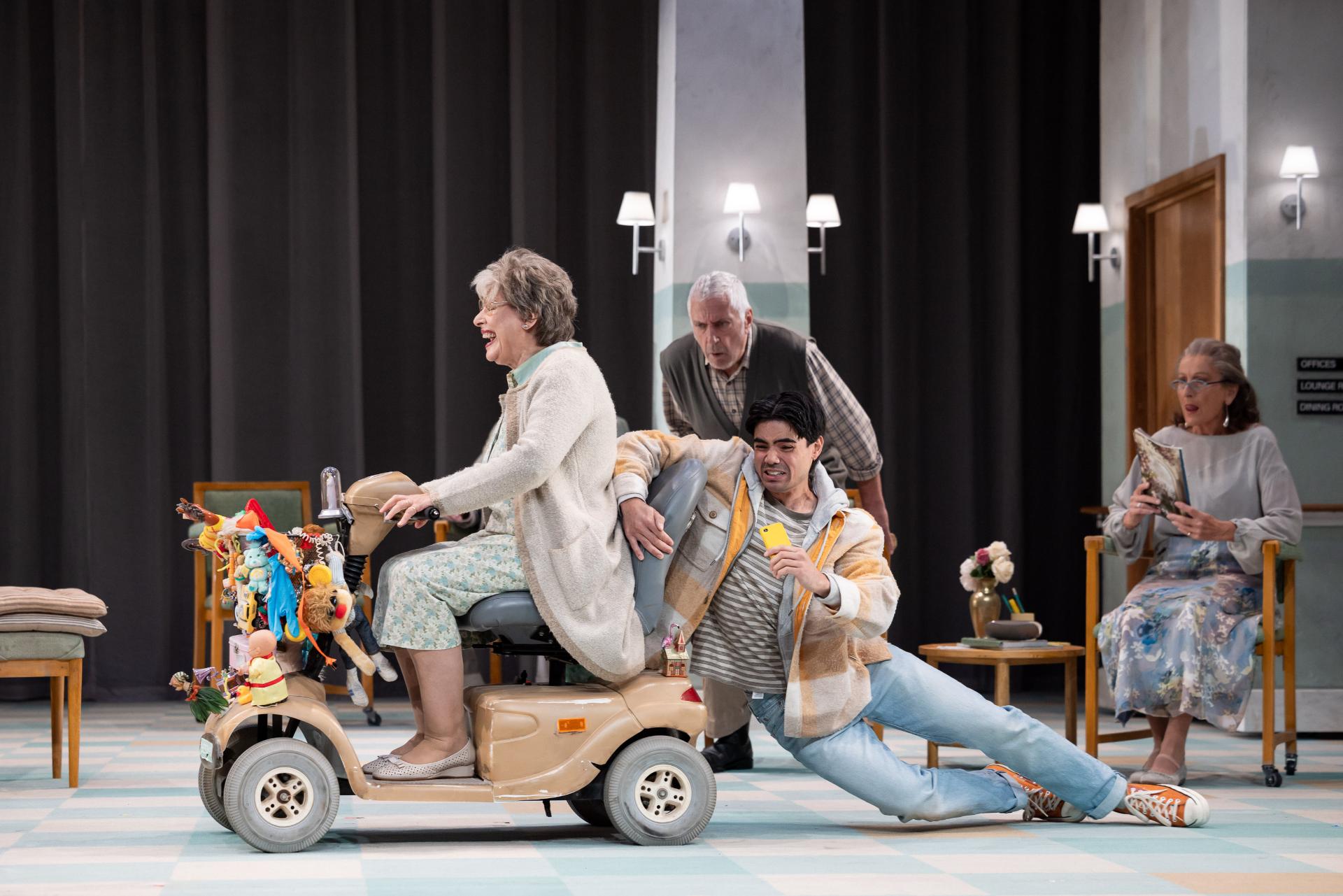
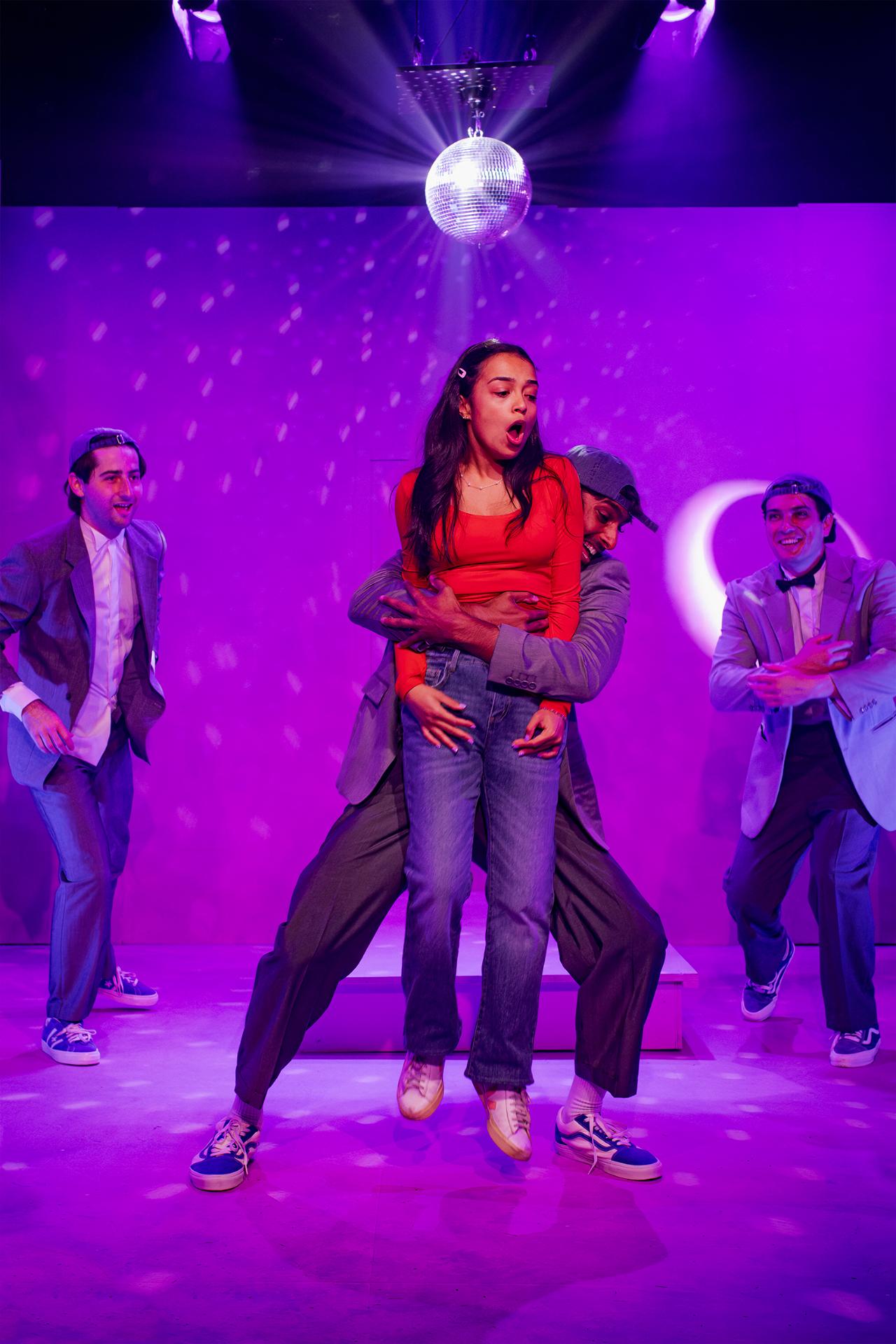
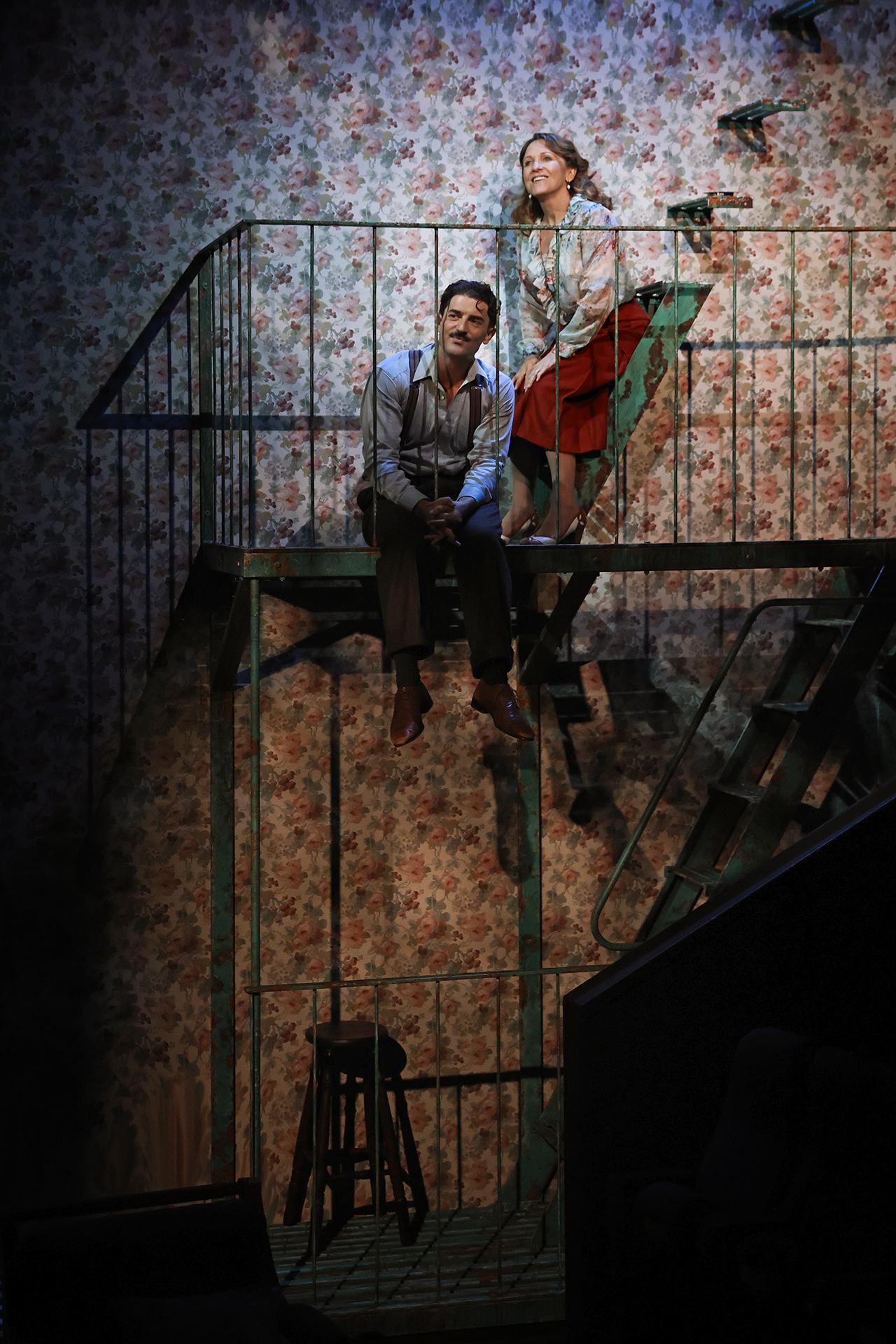
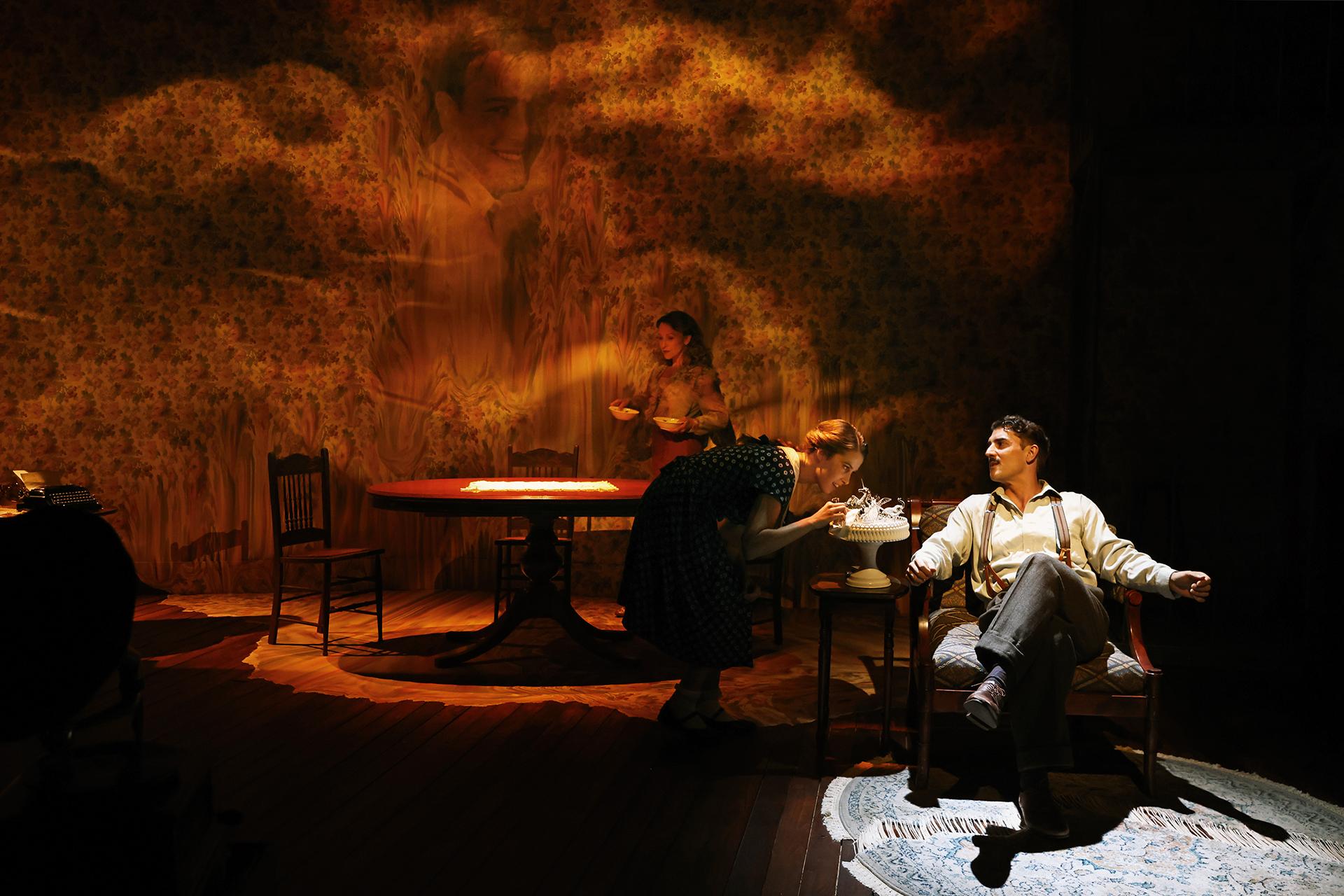
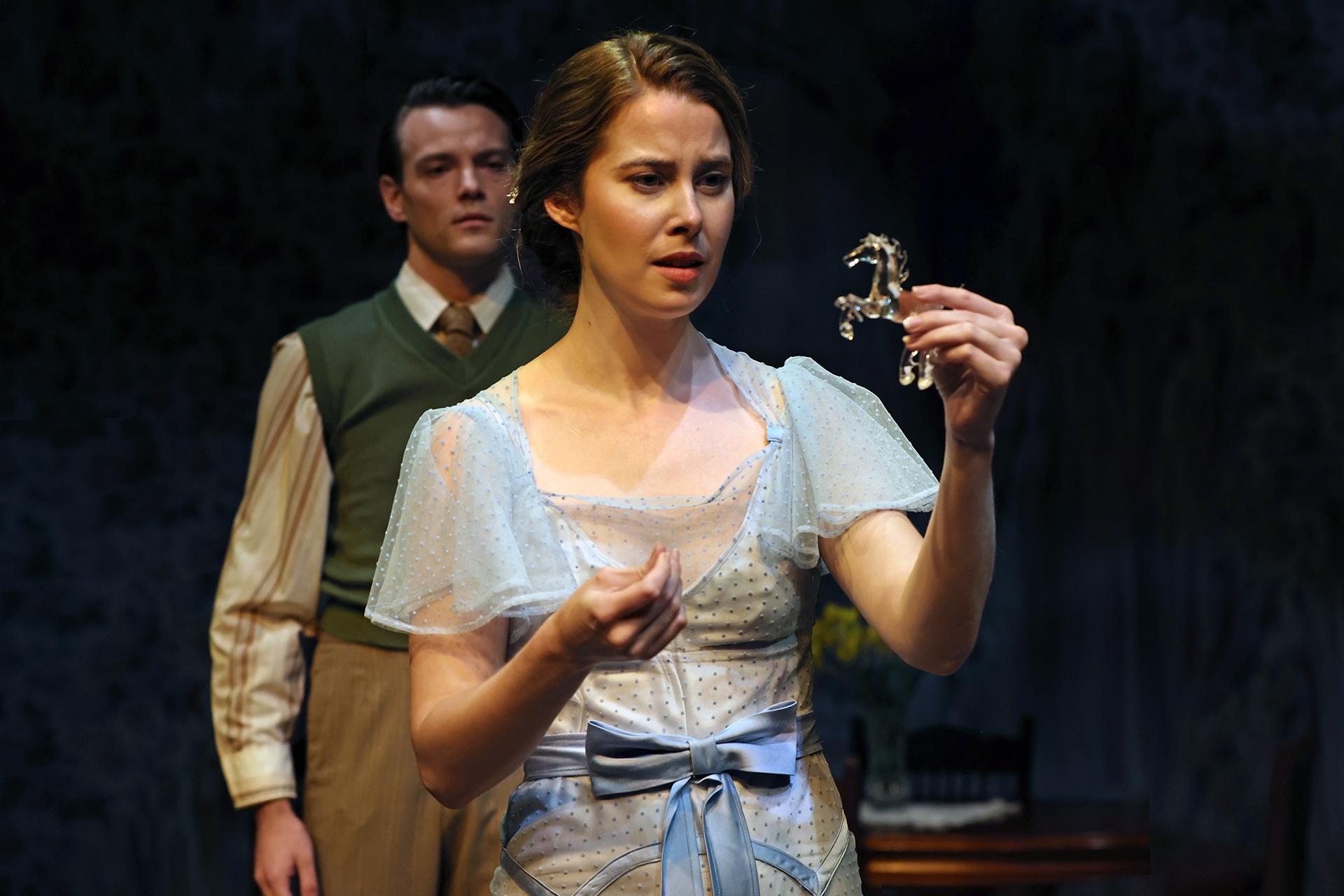
The play is a wild ride, using poltergeist activity and demonic possession as basis for its renderings of theatrical magic. Direction by Margaret Thanos provides an exhilarating kineticism that represents female rage in the twisted form of absurd comedy. Although memorable for that surreal extravagance, its humour can also be wickedly deadpan in naturalist scenes. Either way, Furious Mattress makes us laugh from a condemnatory position, for a satirical chastisement on superstitions and traditions, that insist on the rejection of gender parity. Also noteworthy is the work by Harry Milas as magic consultant, giving literal and figurative elevation to the show.

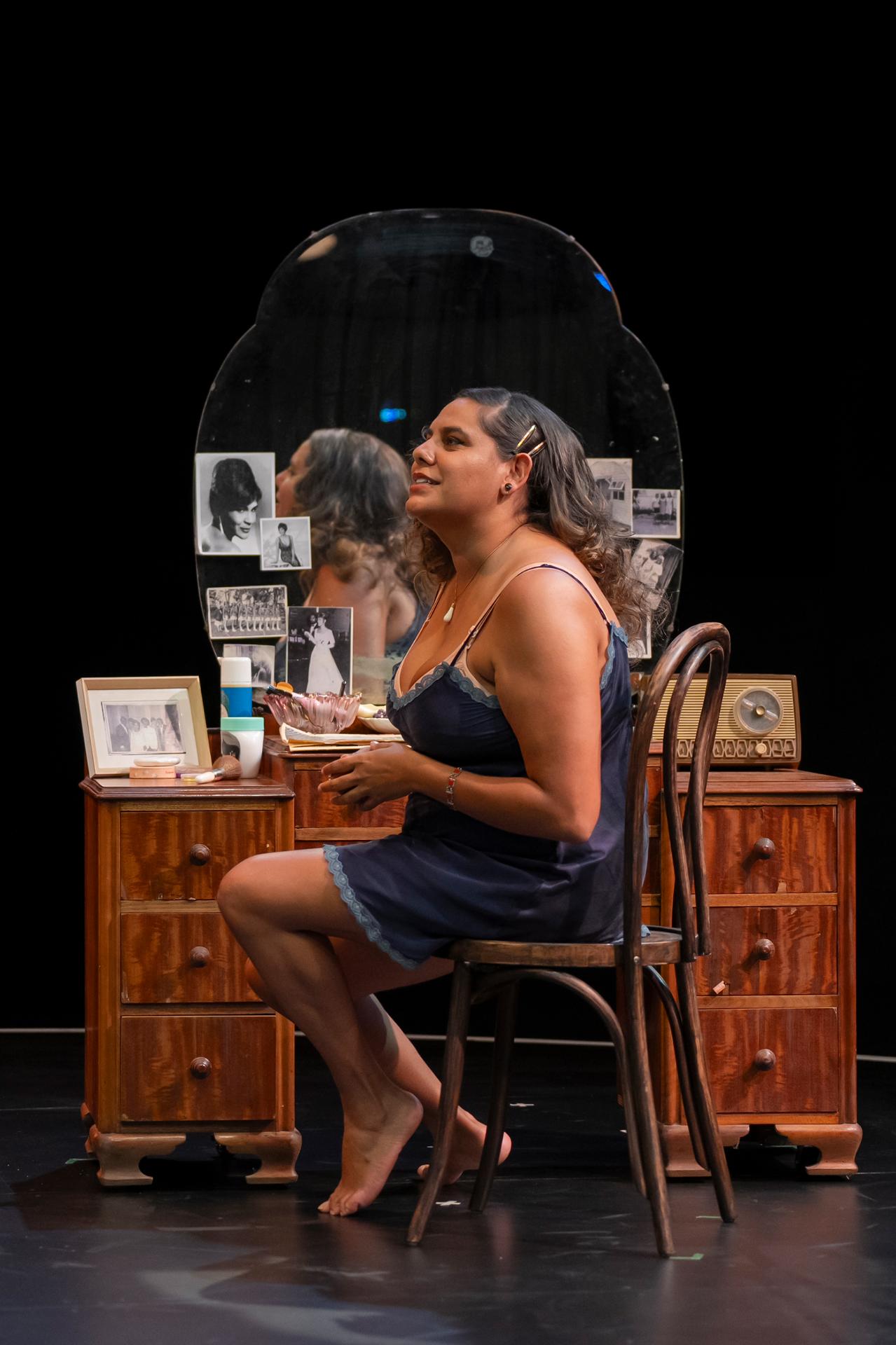
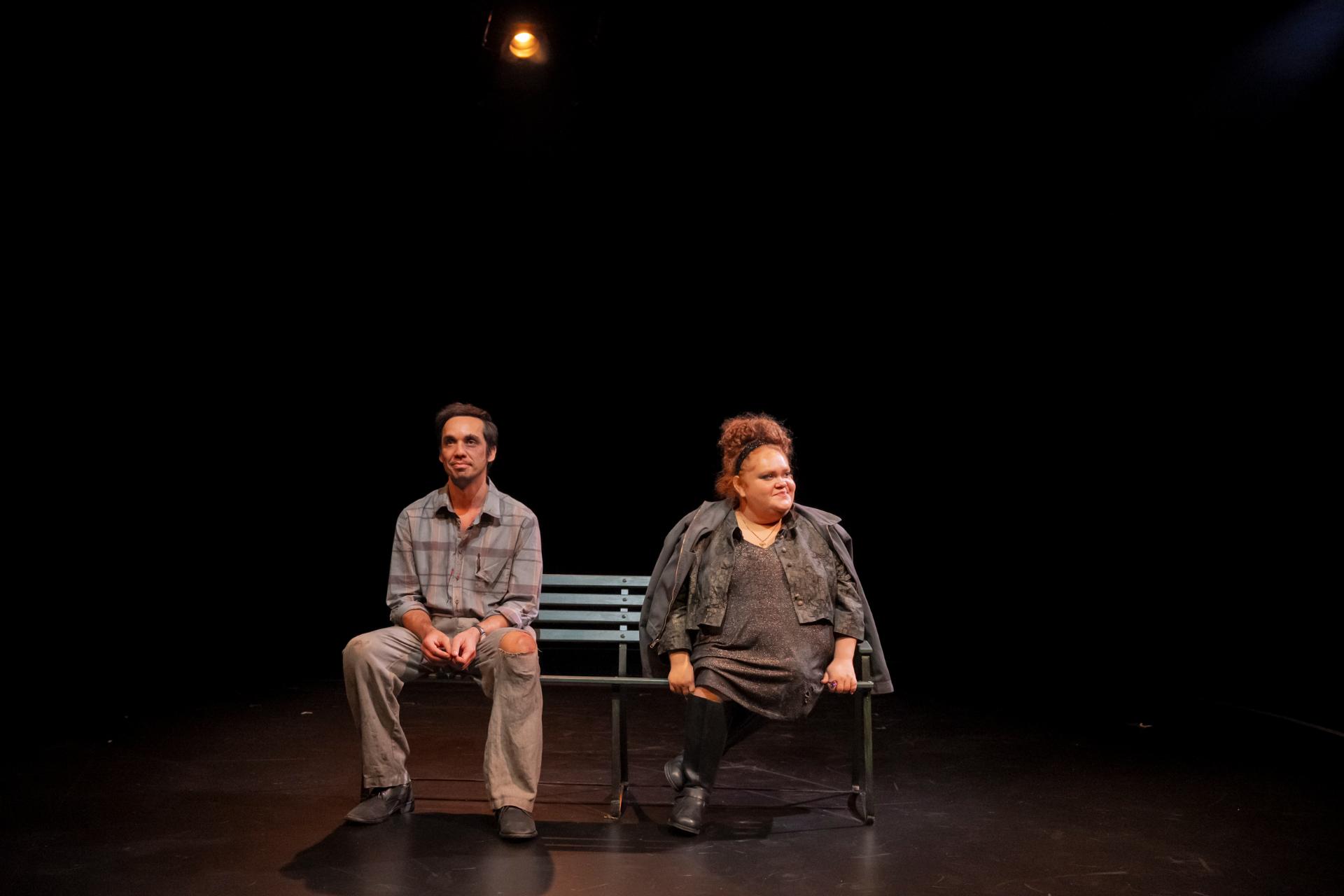
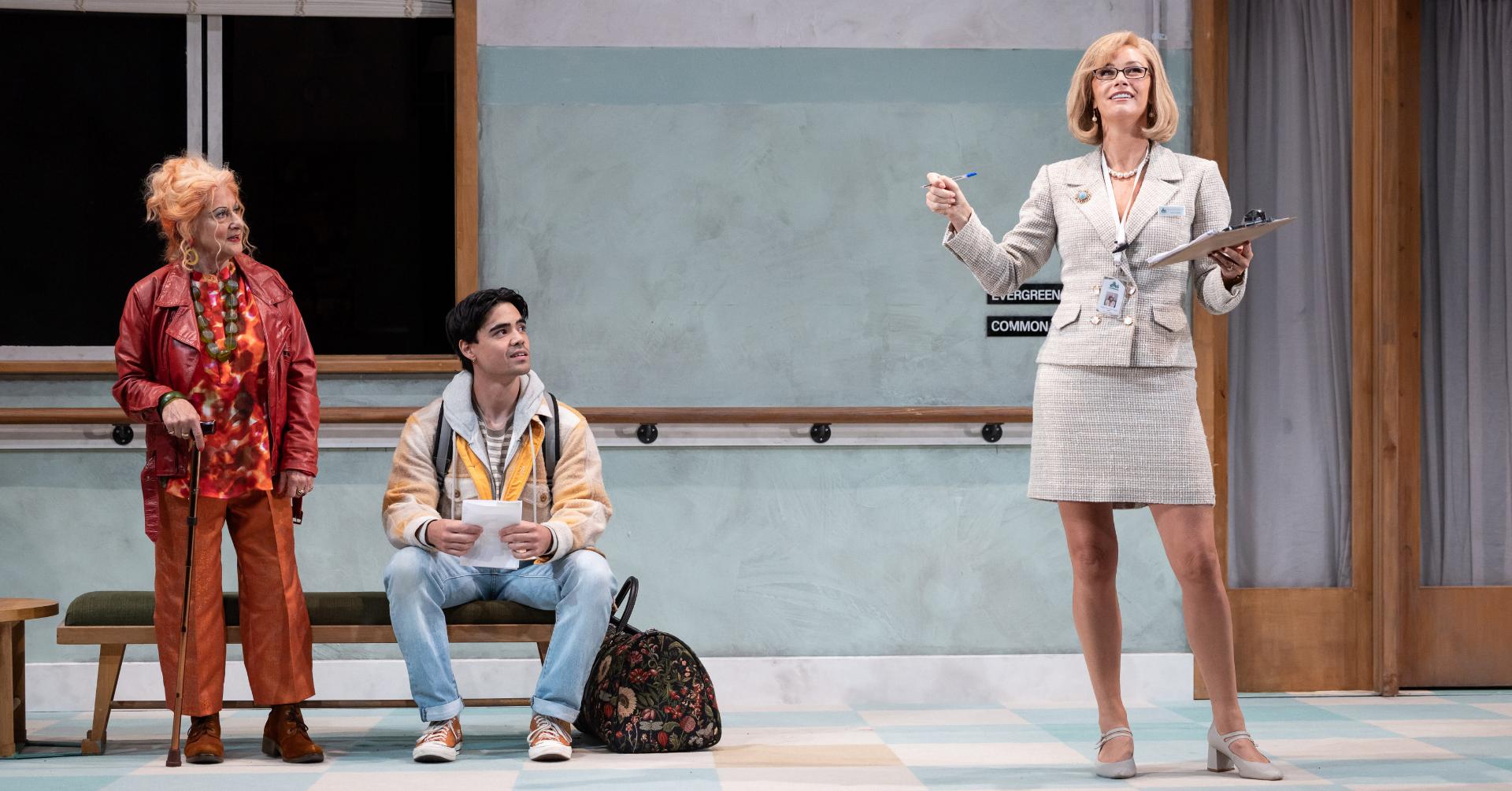
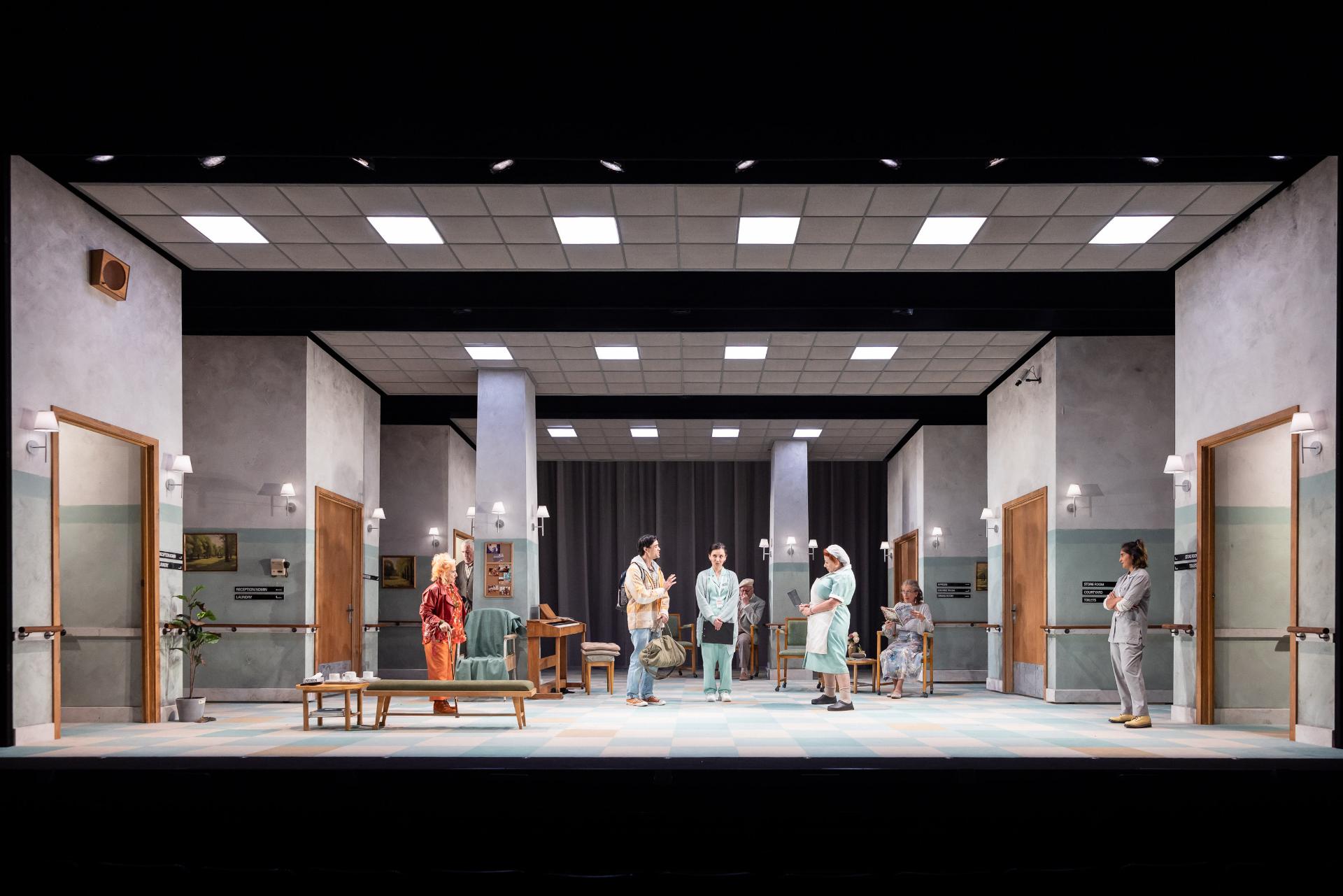
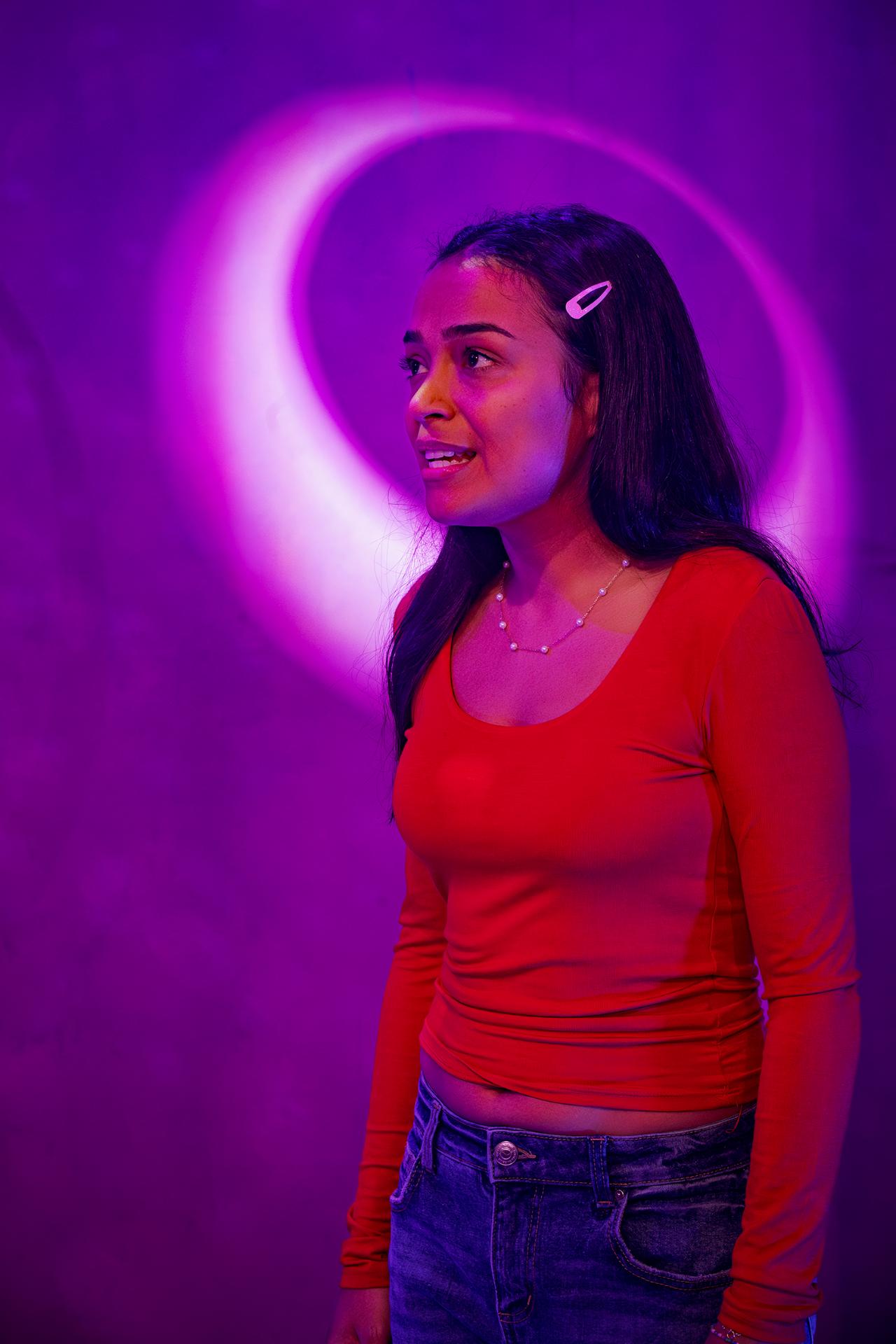
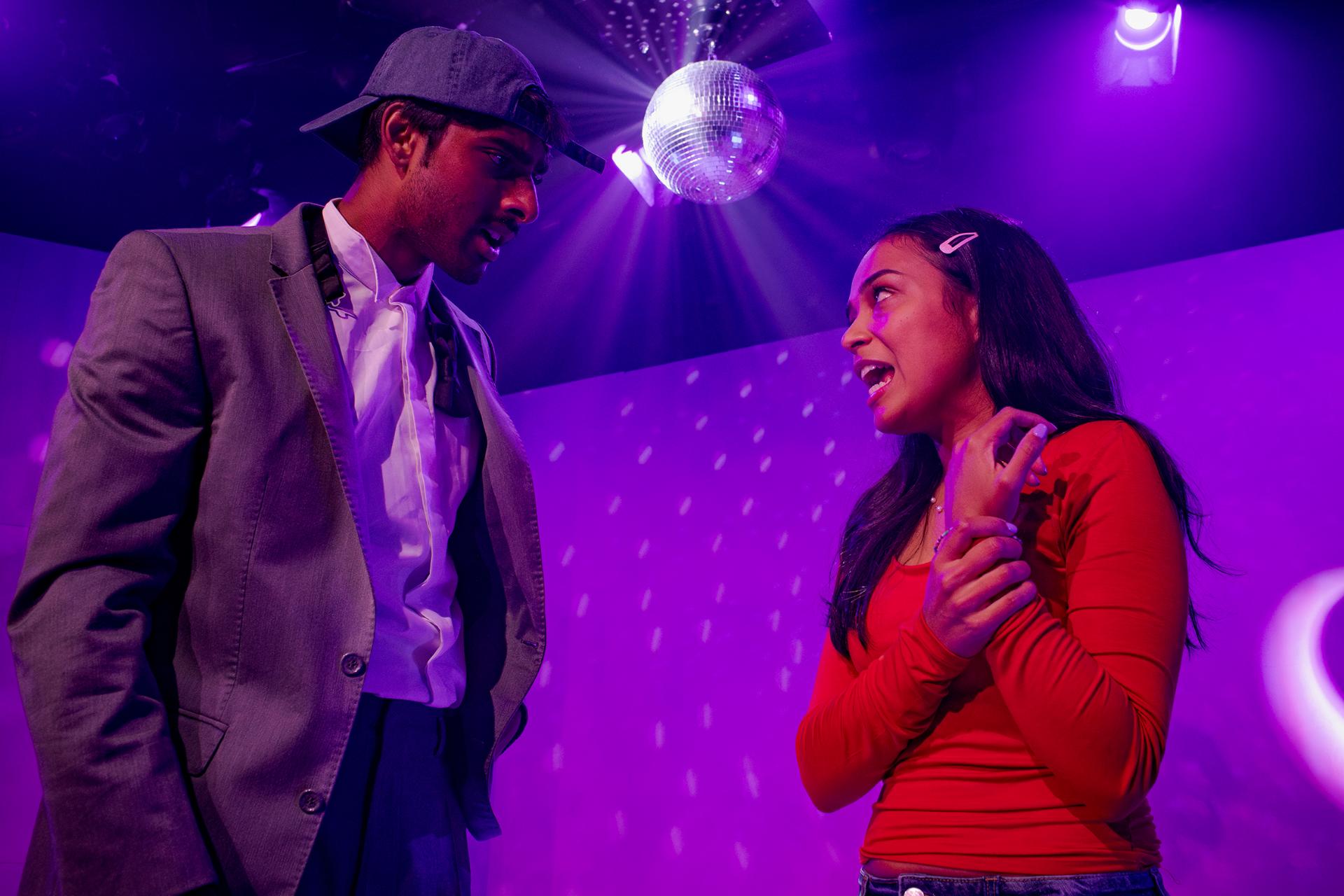
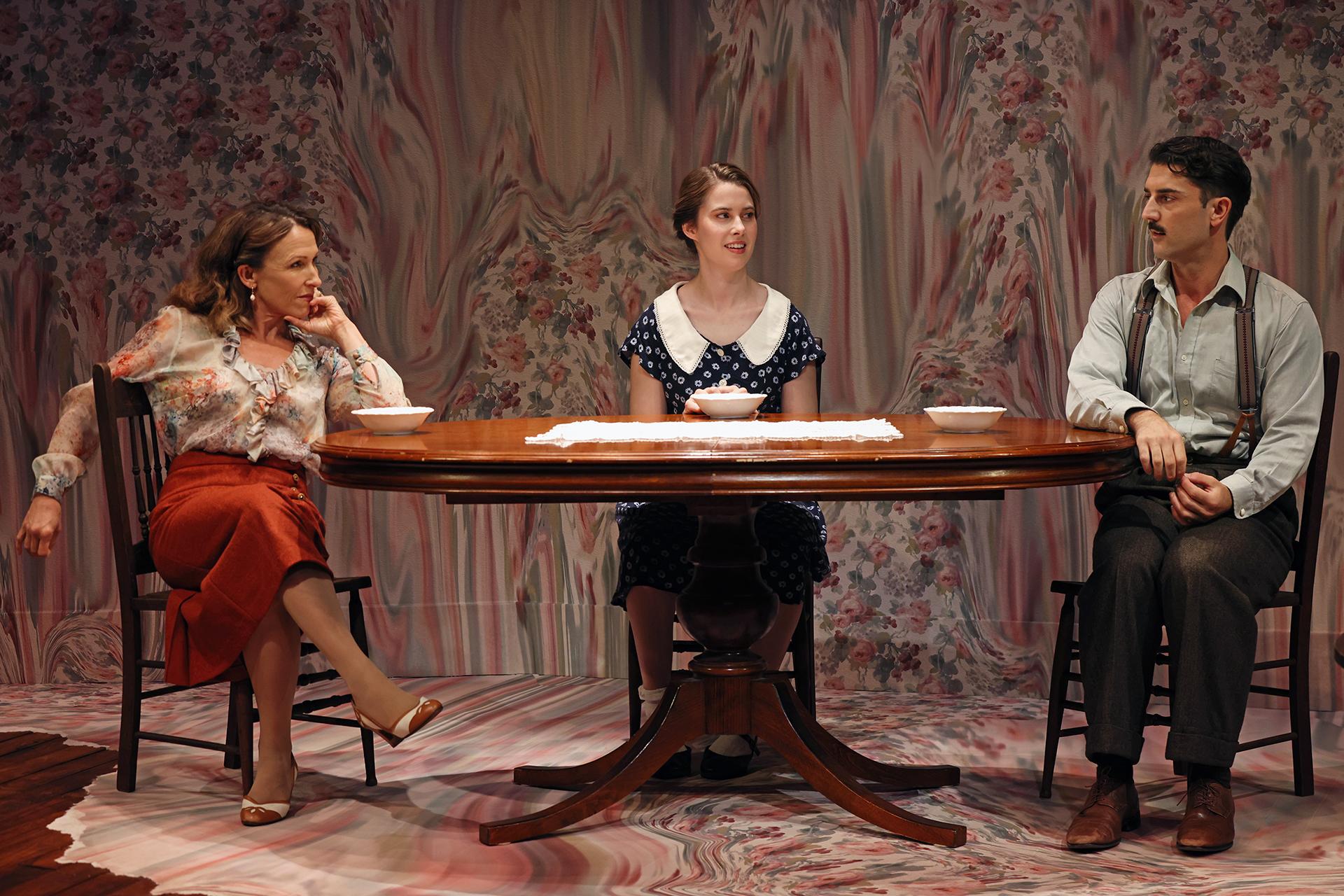
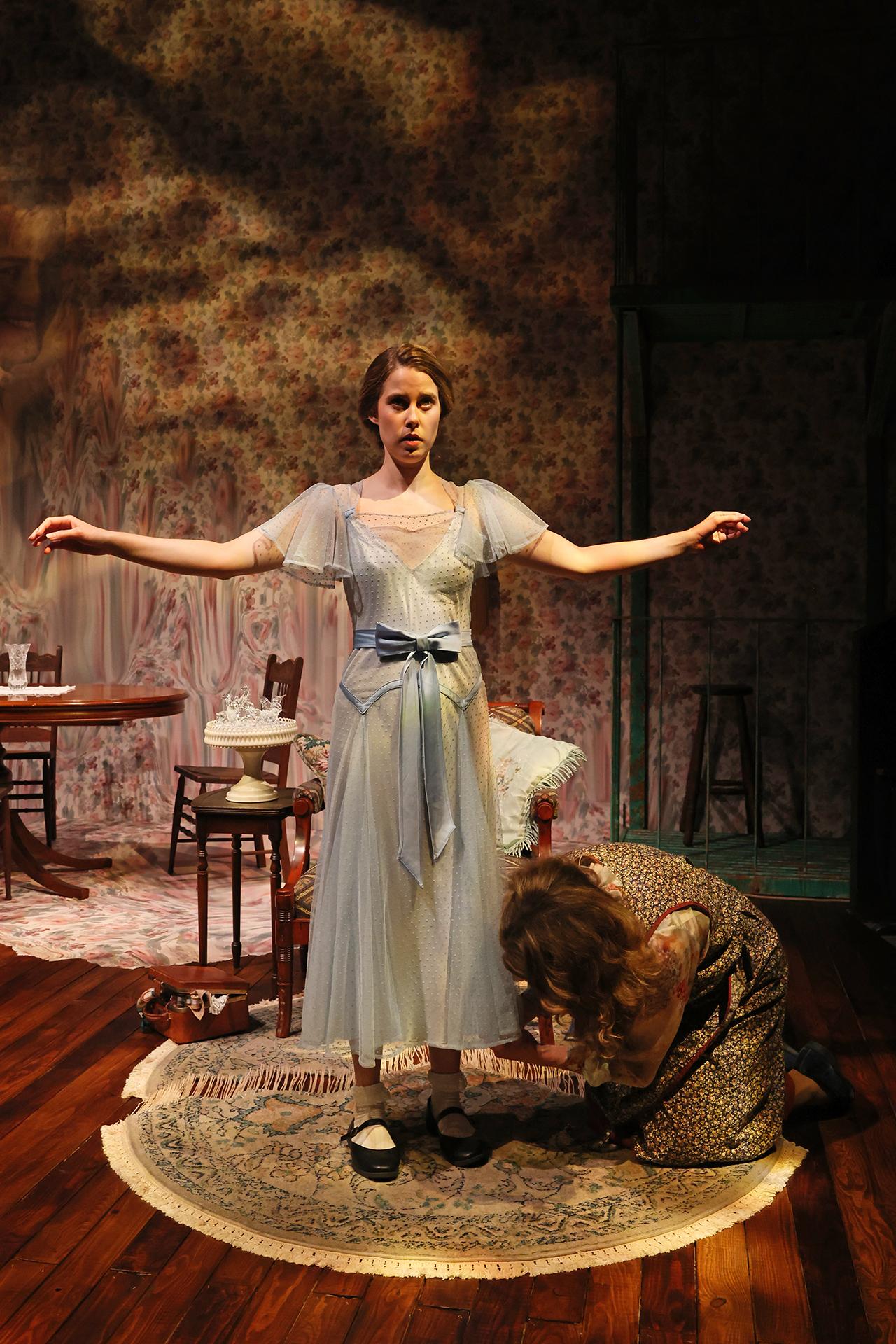
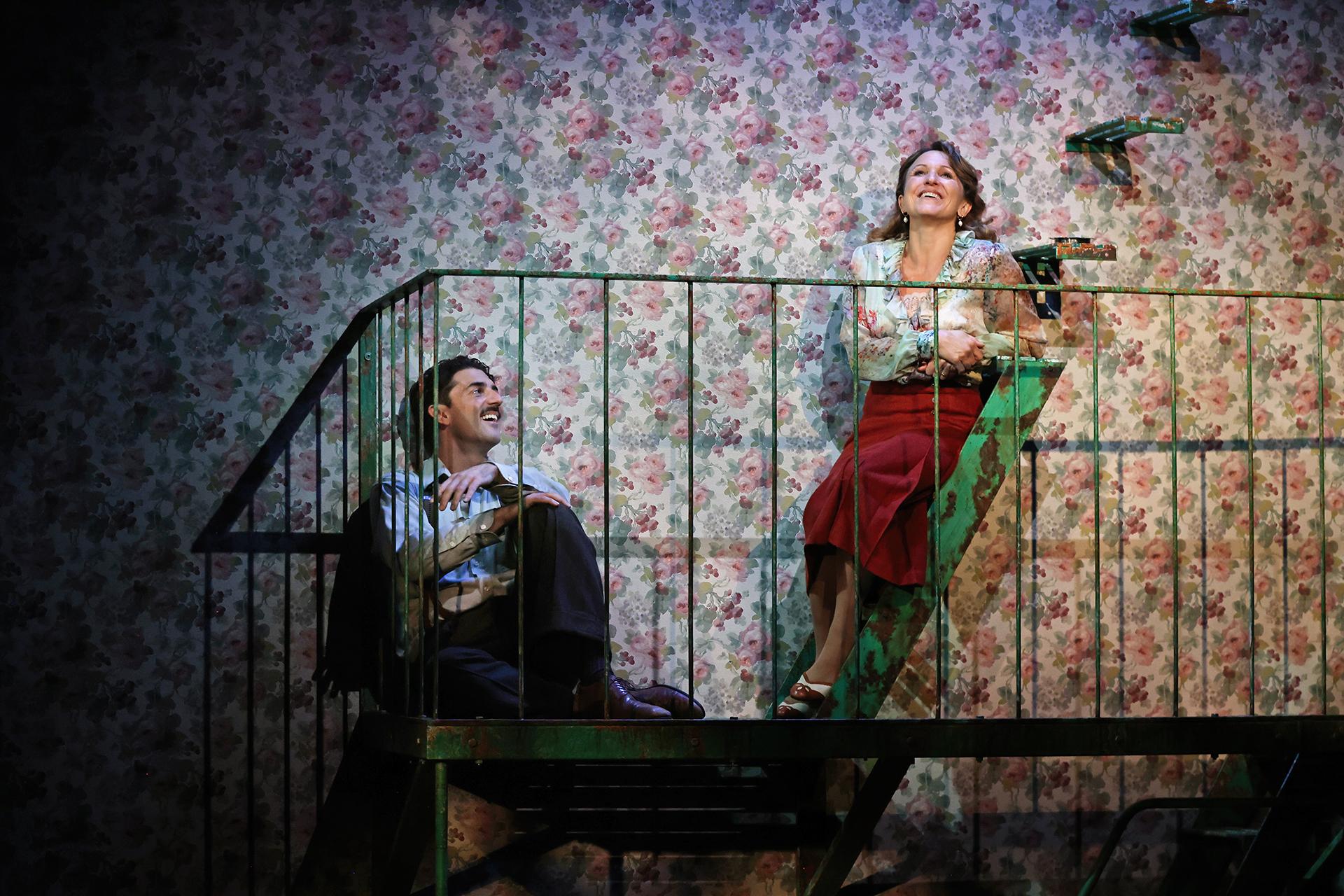
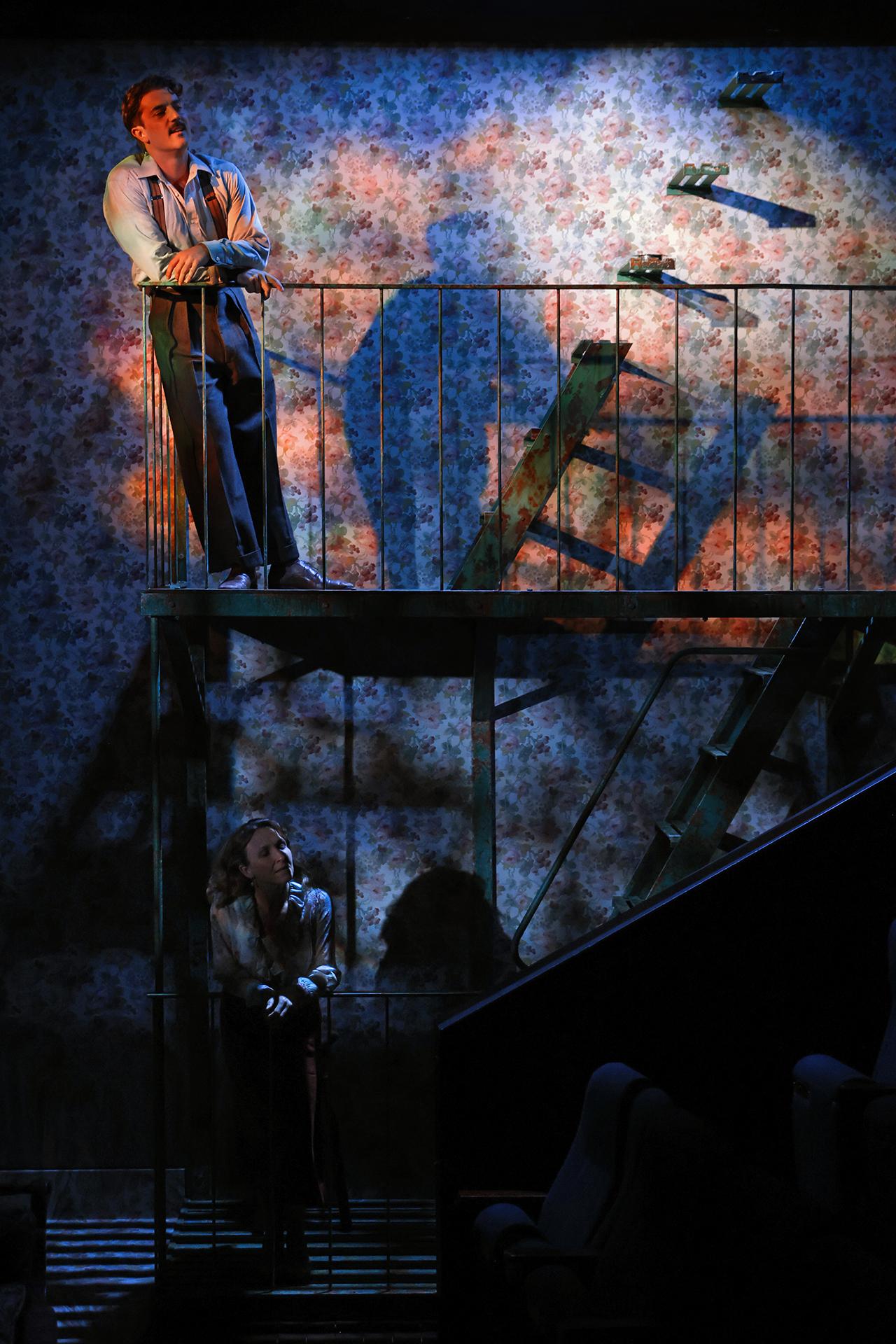
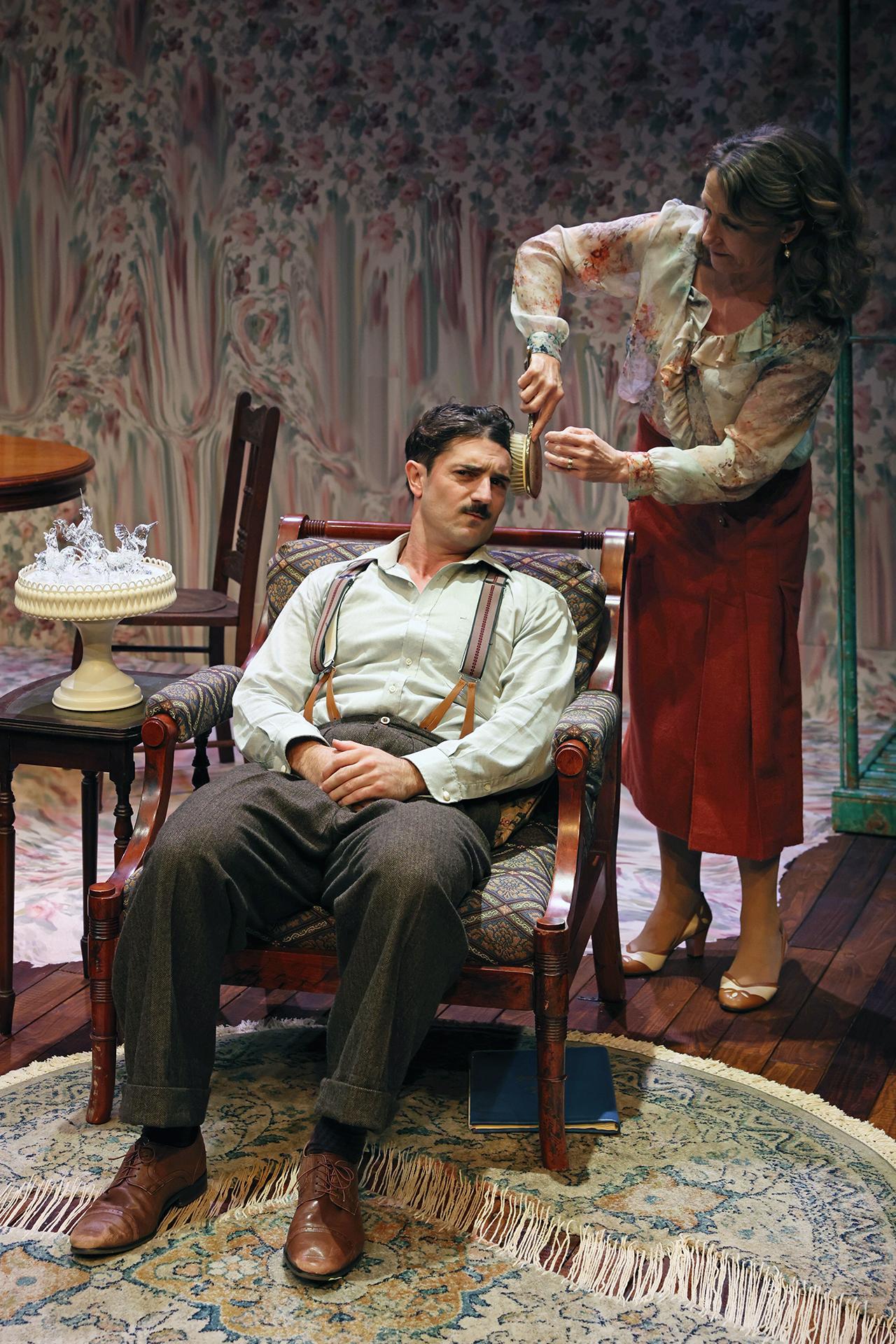
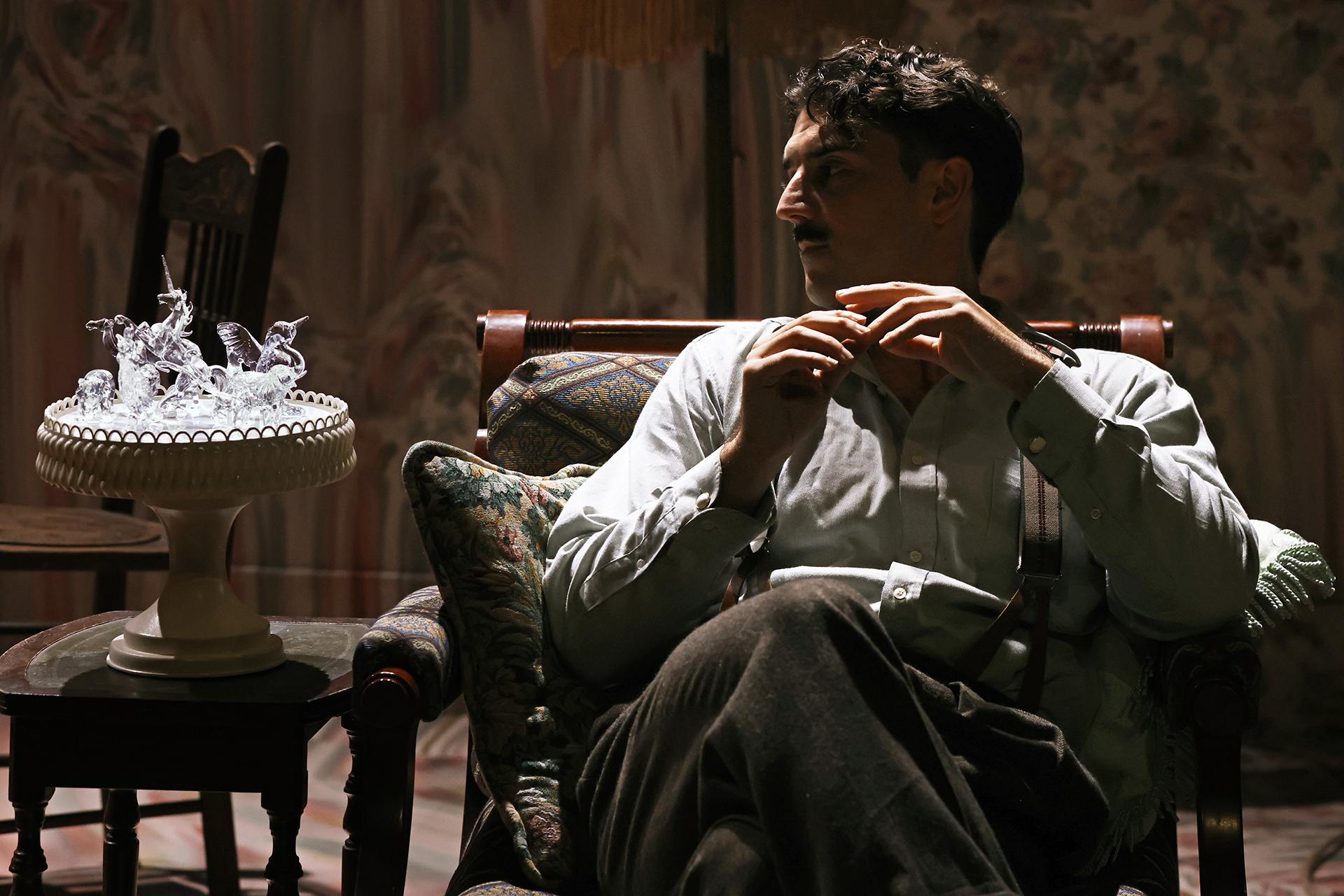
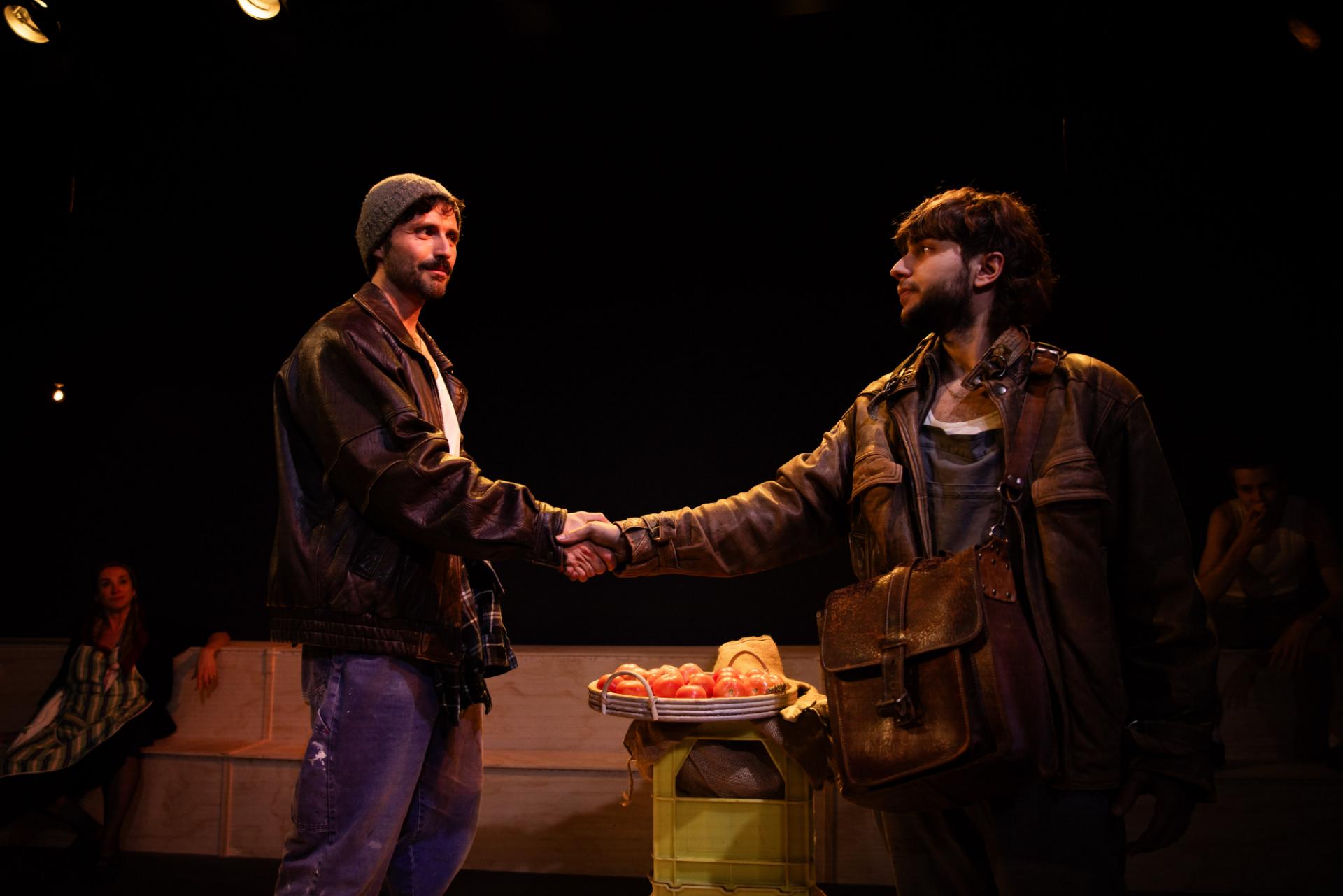
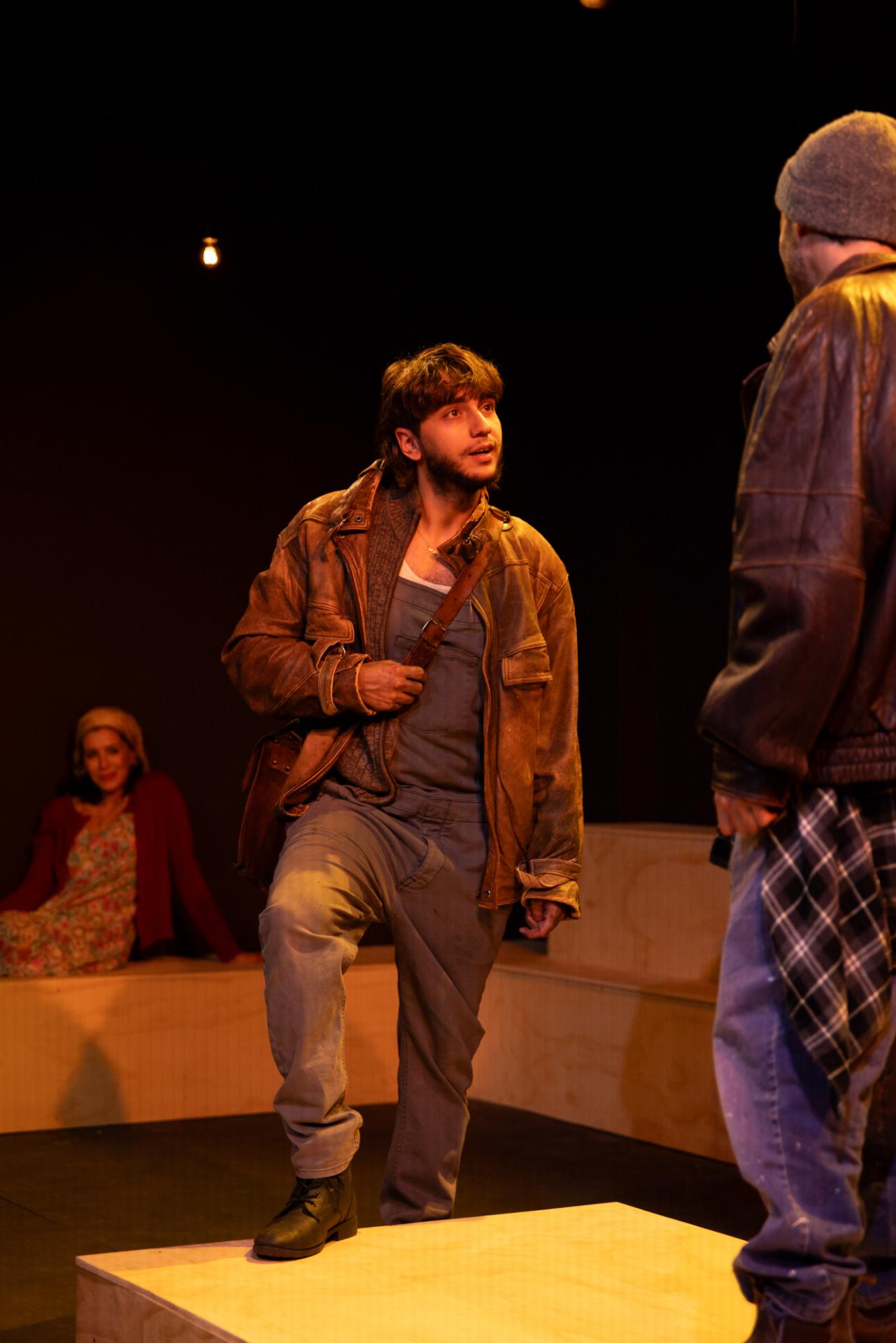
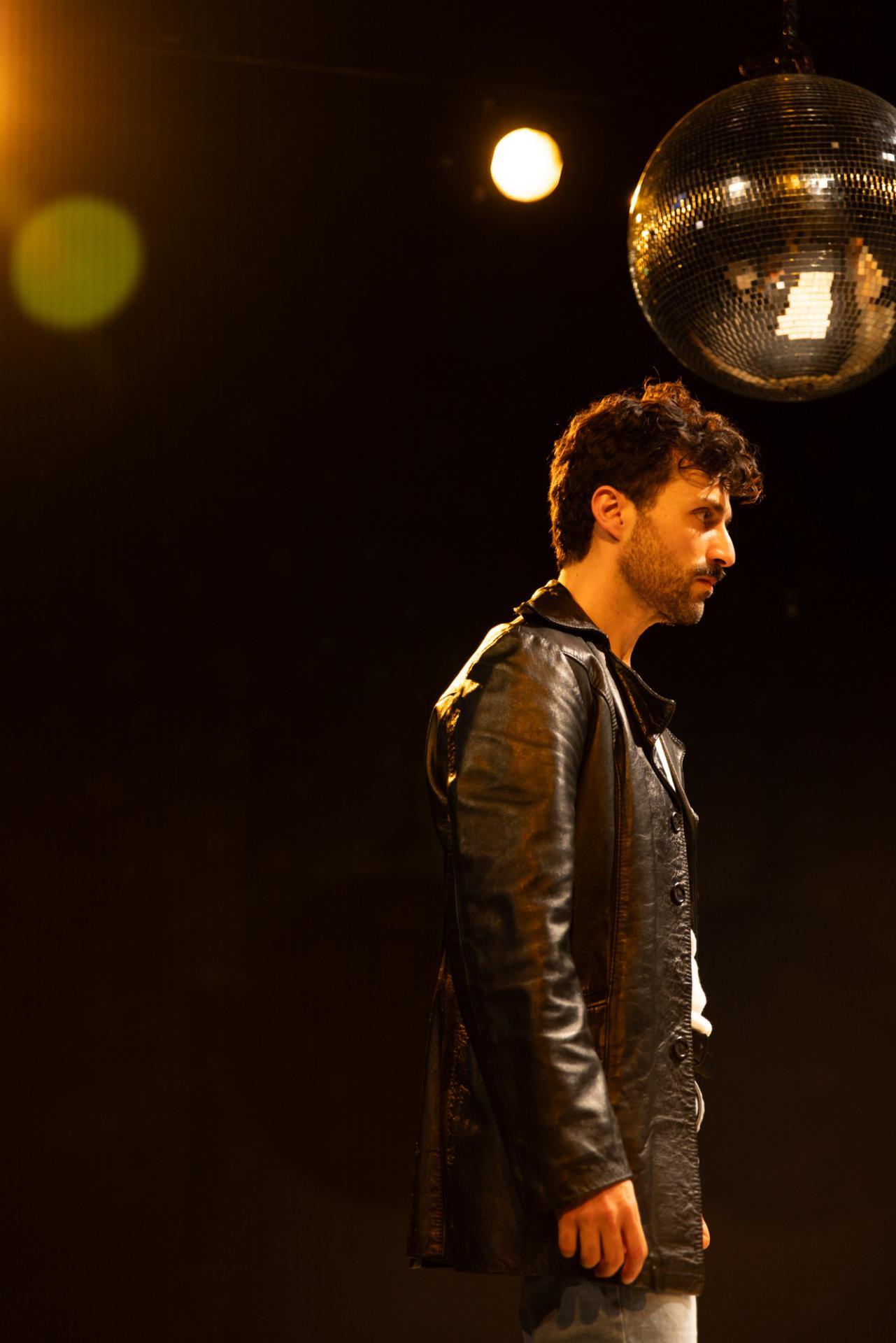
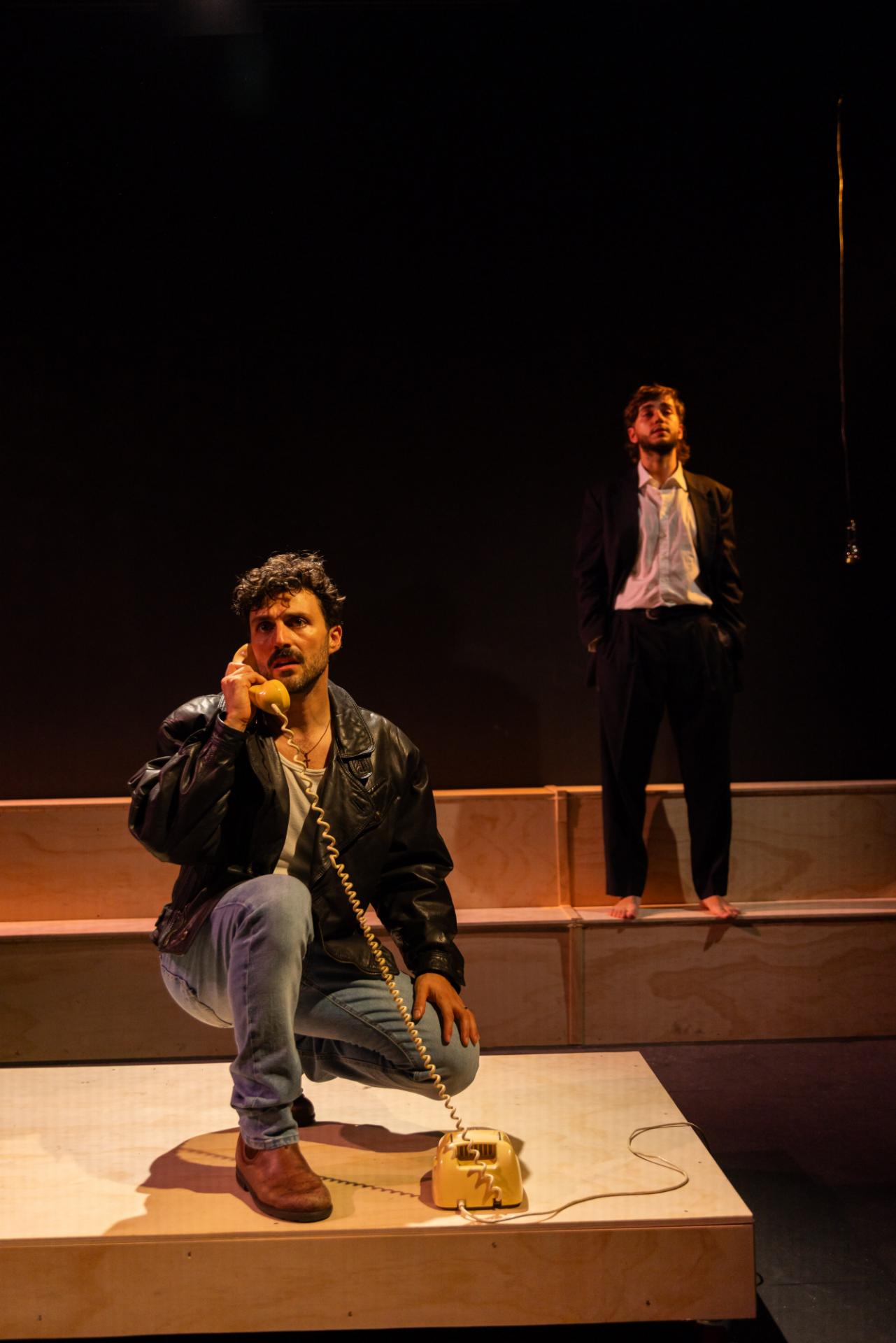
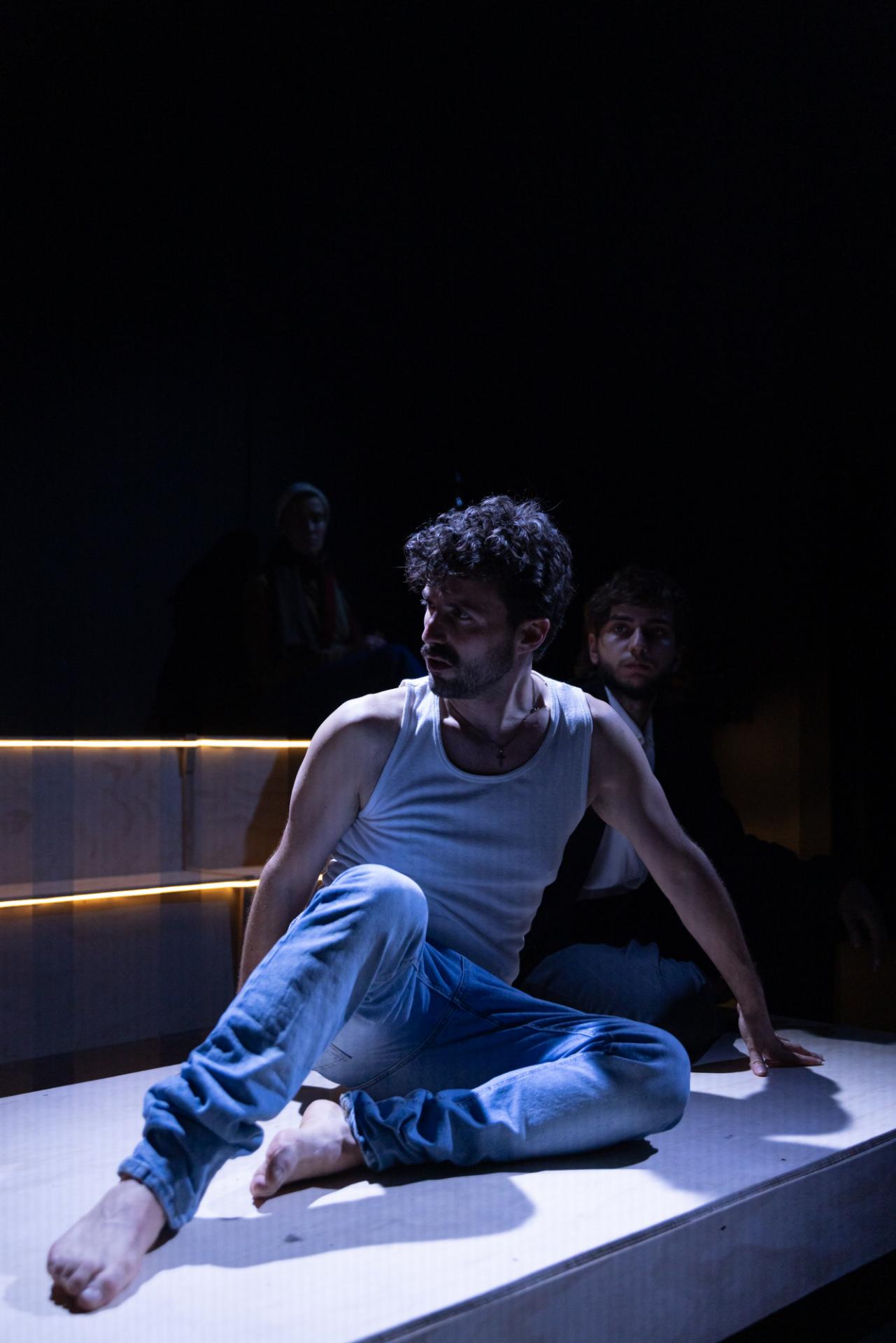
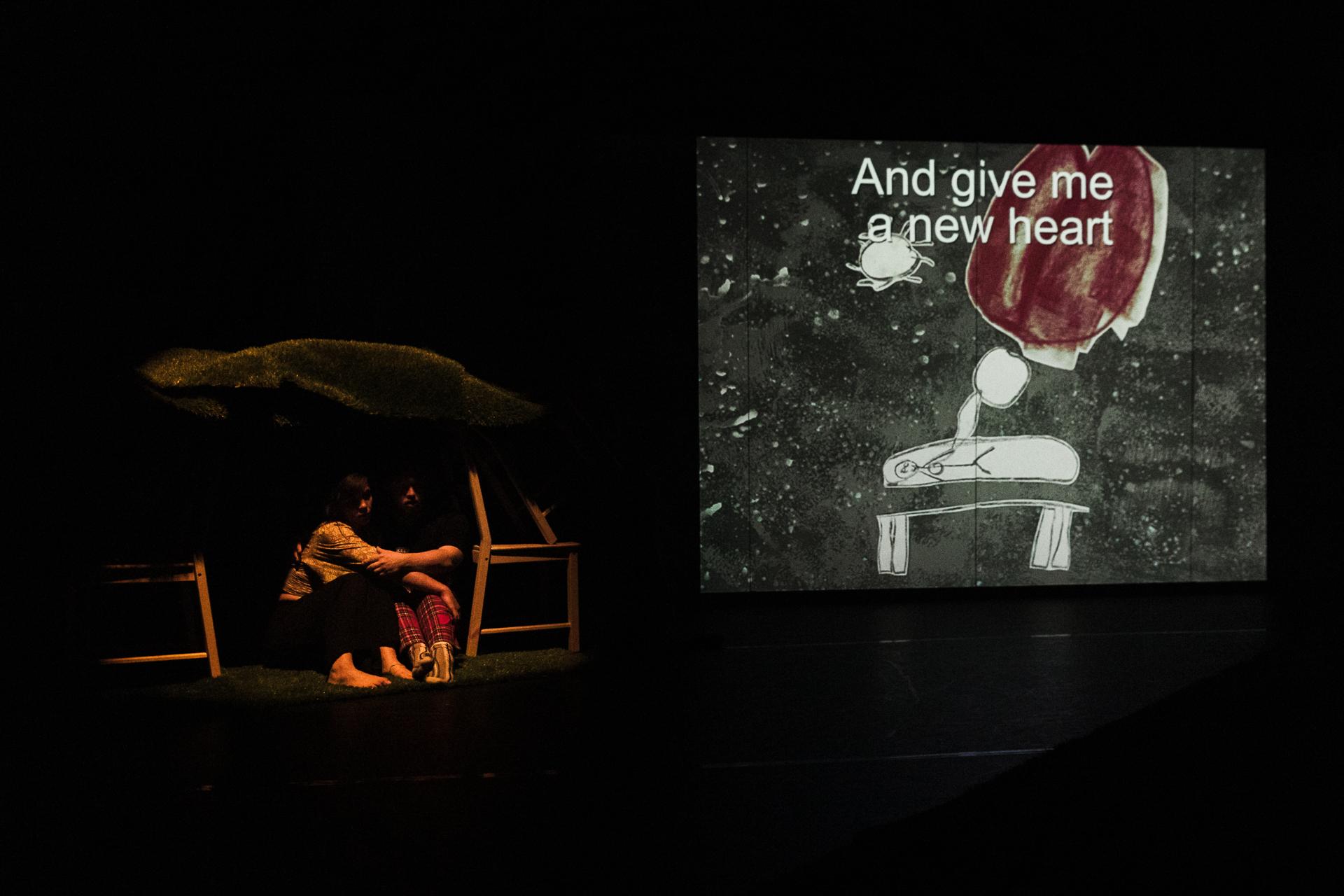
Angelina Daniel’s set design is immediately evocative of country life, with the incorporation of padded surfaces further suggesting interiors of psychiatric institutions, while providing functionality for this highly dynamic presentation. Costumes by Ruby Jenkins guide us to a recent past, but it is a surprise macabre creation that truly excites. Lights by Ryan McDonald are a powerful element, especially satisfying in its delivery of optical illusions for this exploration of paranormal phenomenon. Sound design by Cameron Smith and music composition by Daniel Hertern dial up the drama, for an instance of storytelling that invites us to approach its serious themes with a delicious duality of solemnity and playfulness.

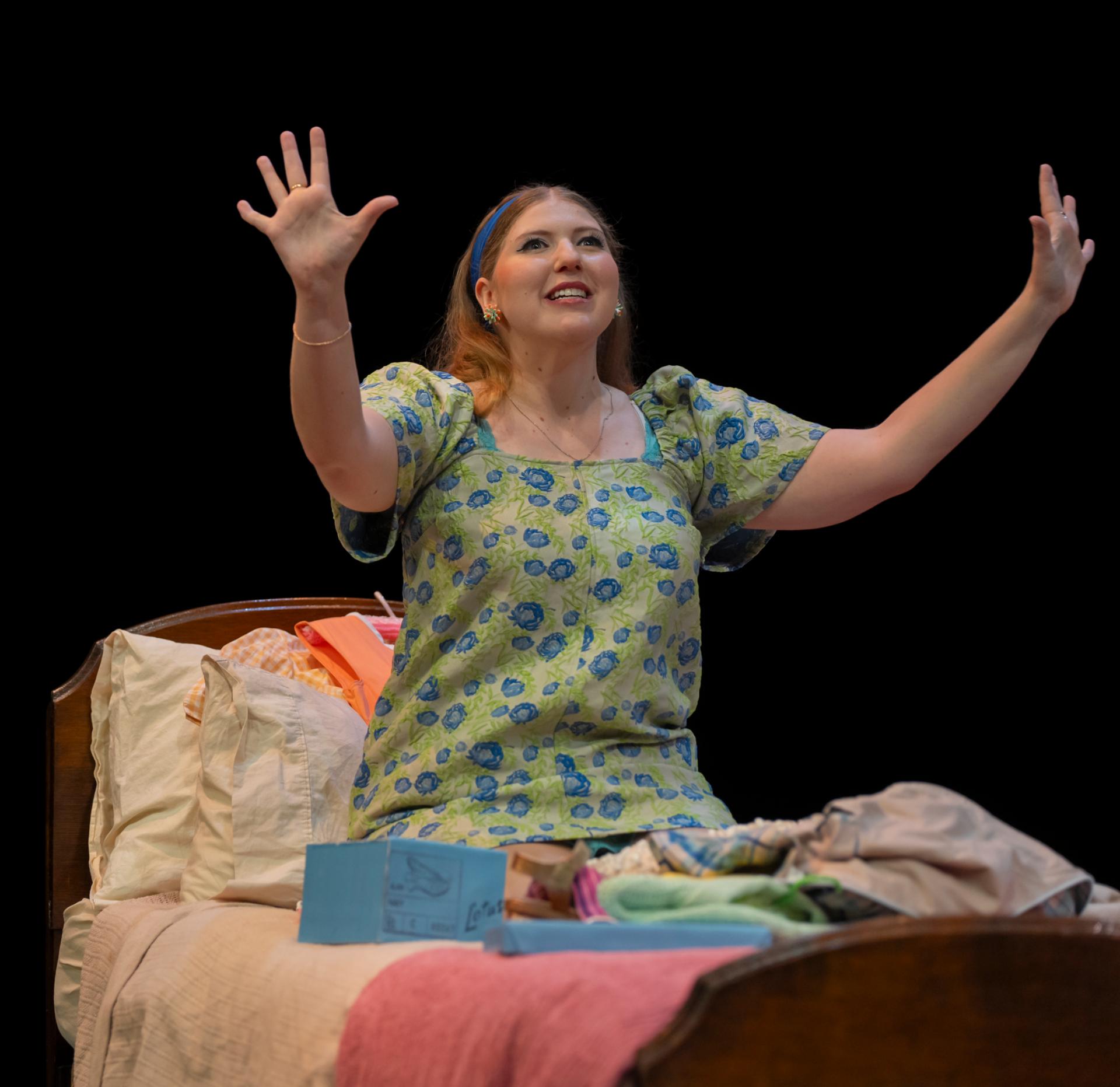
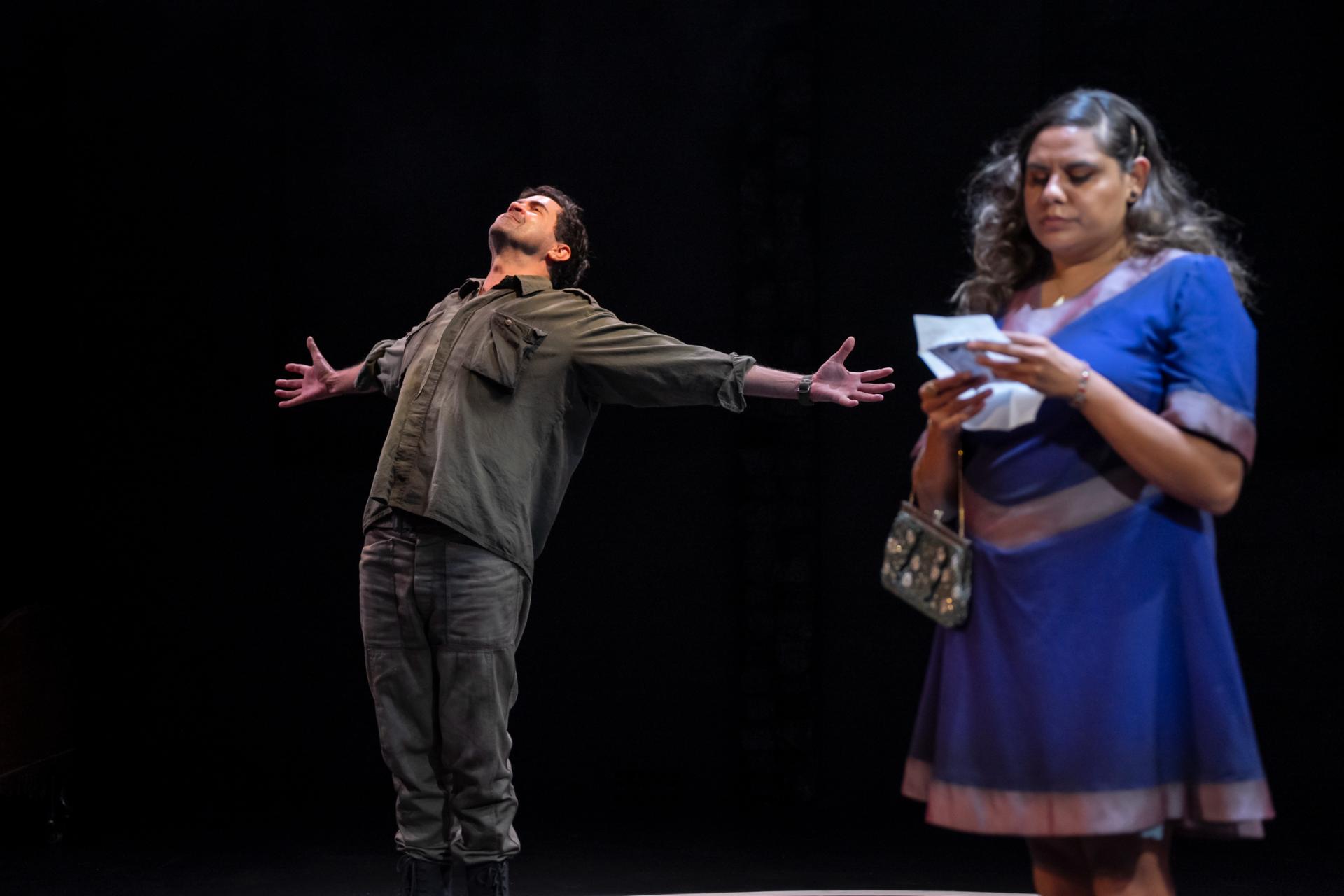
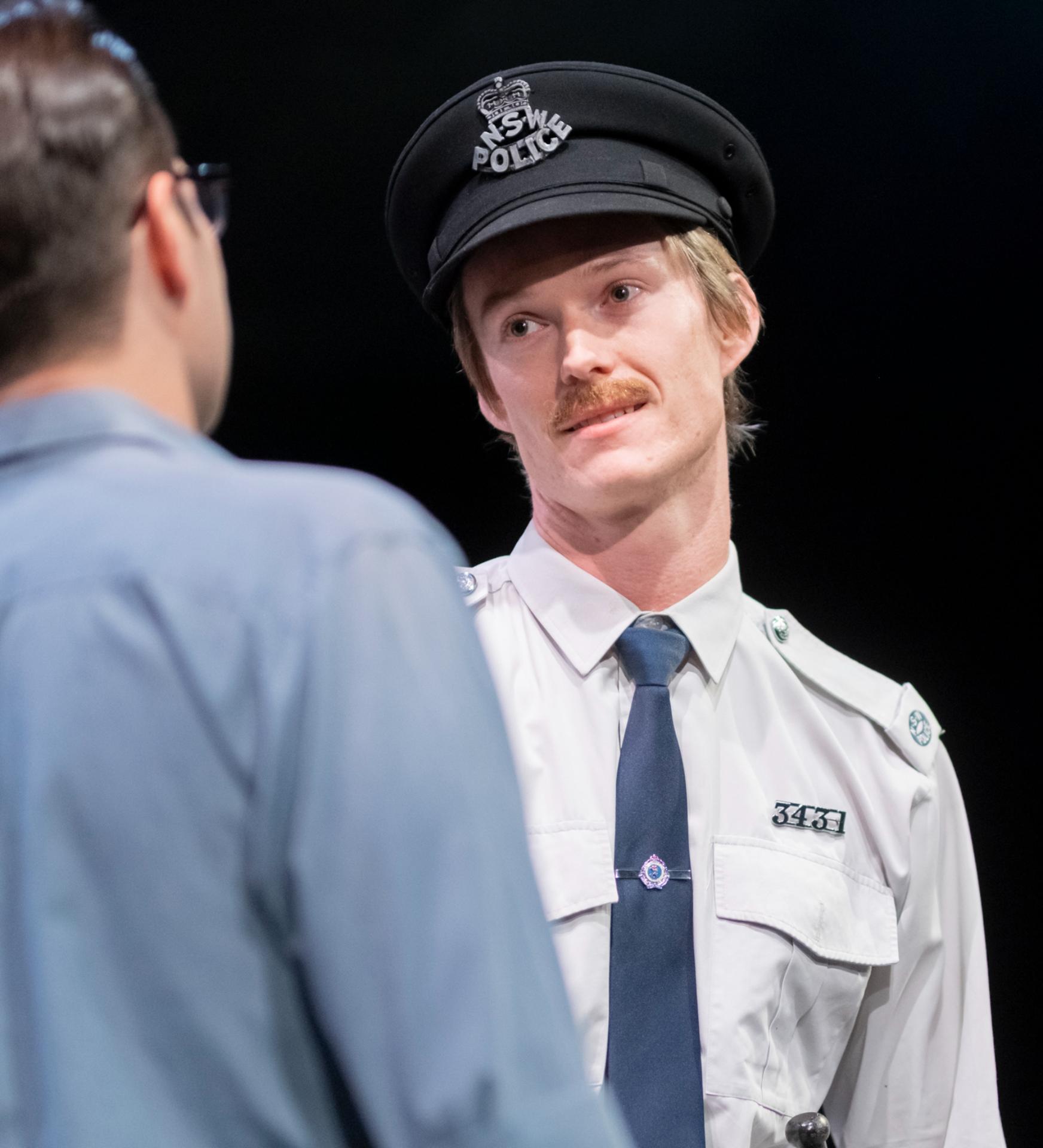
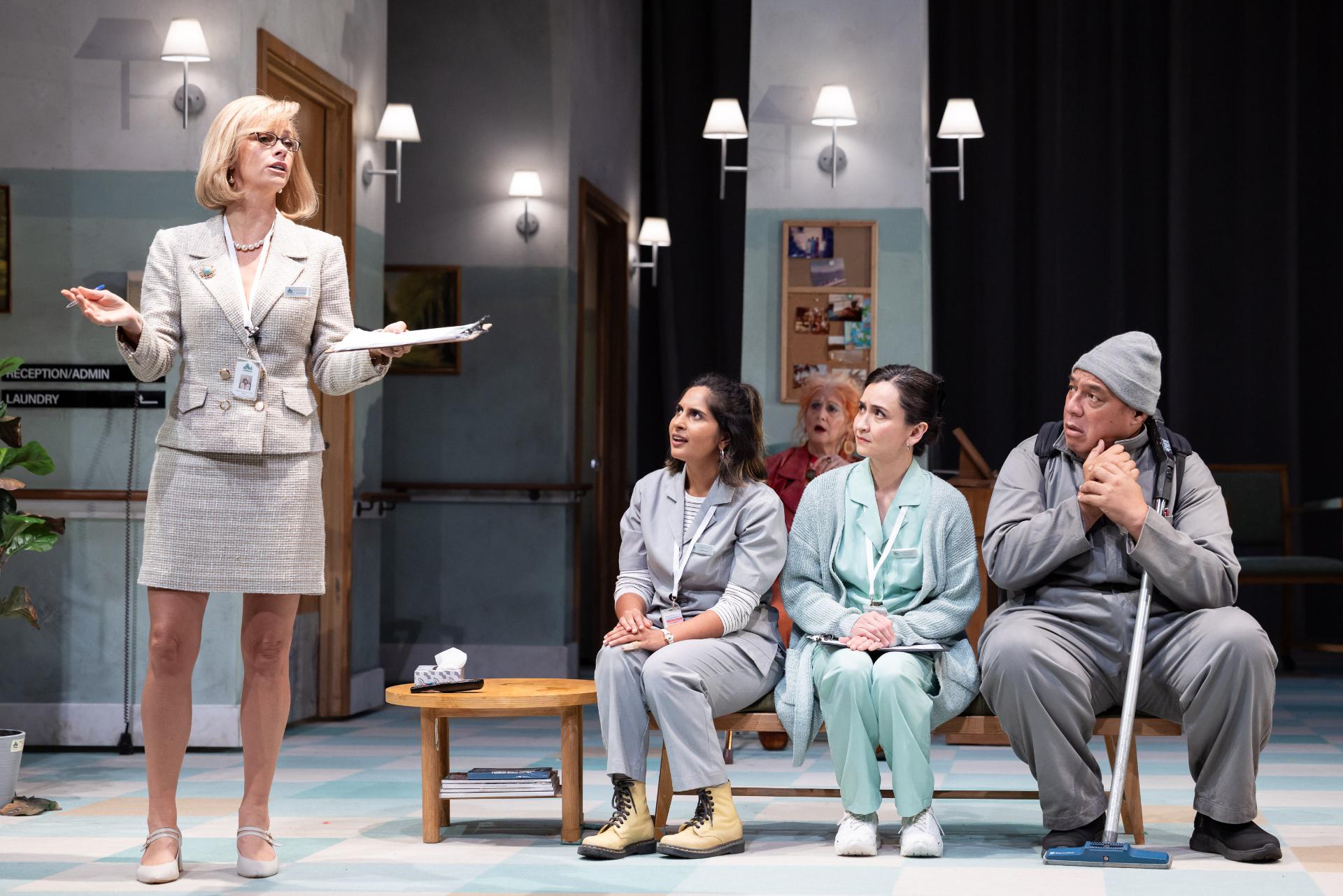
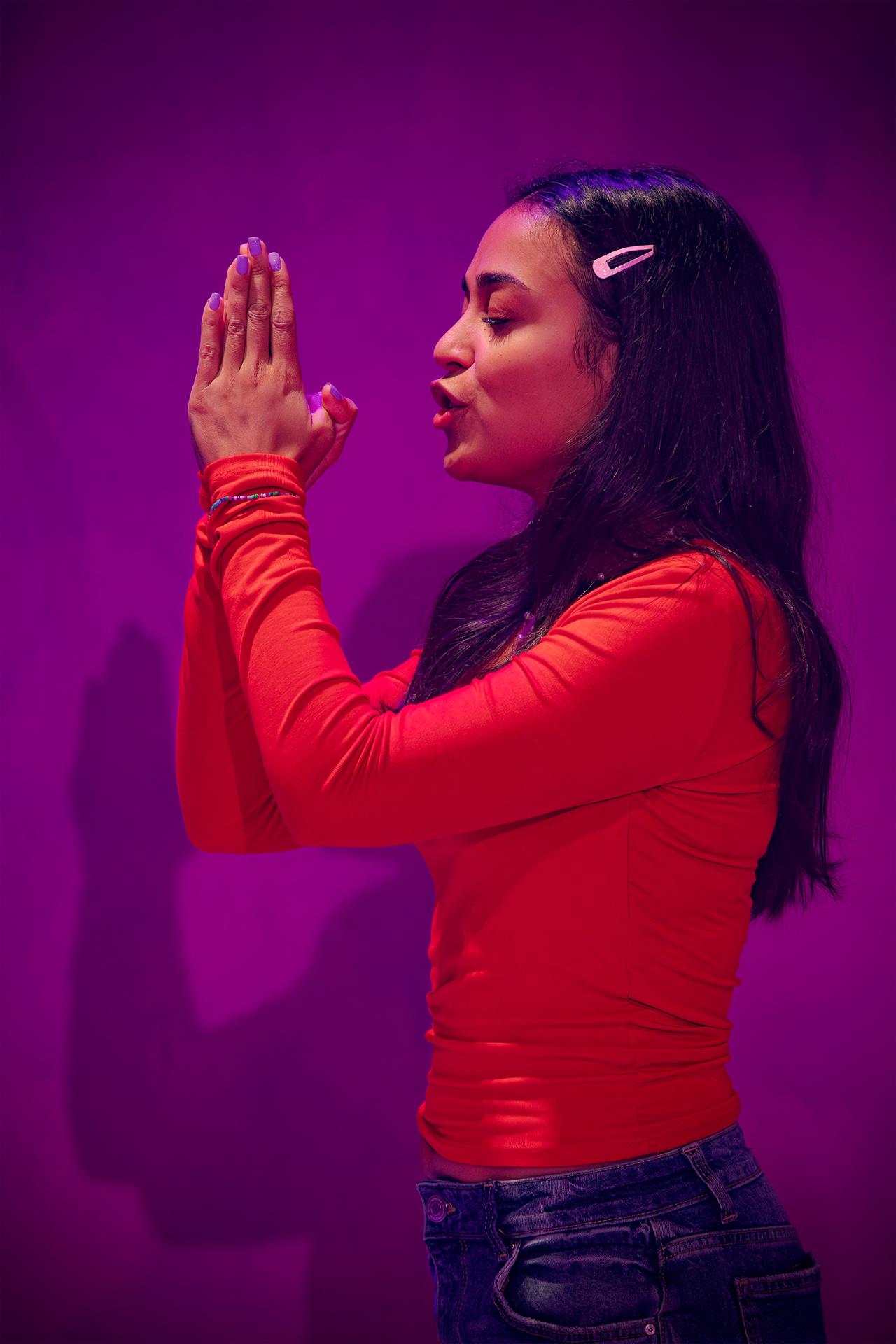
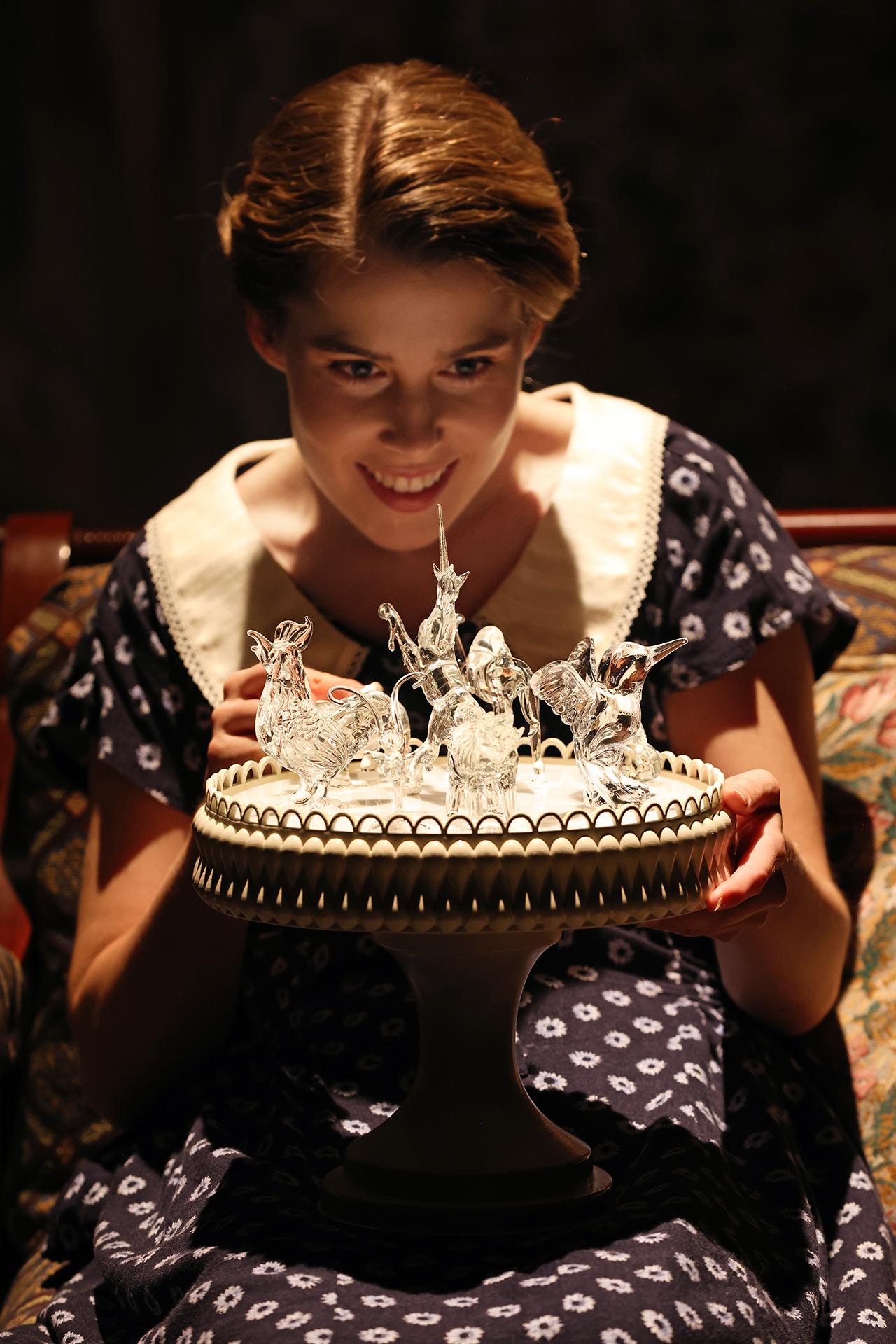
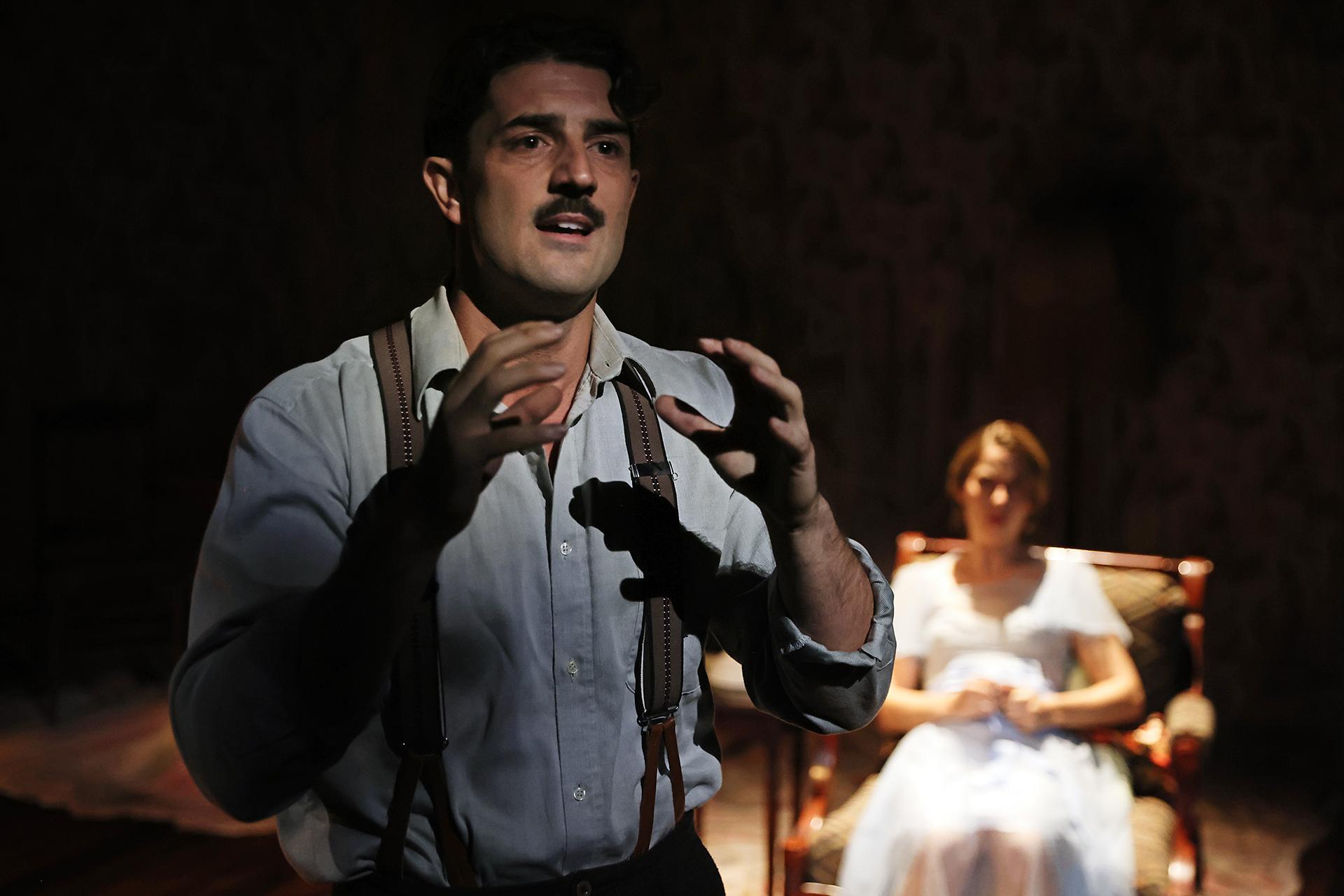
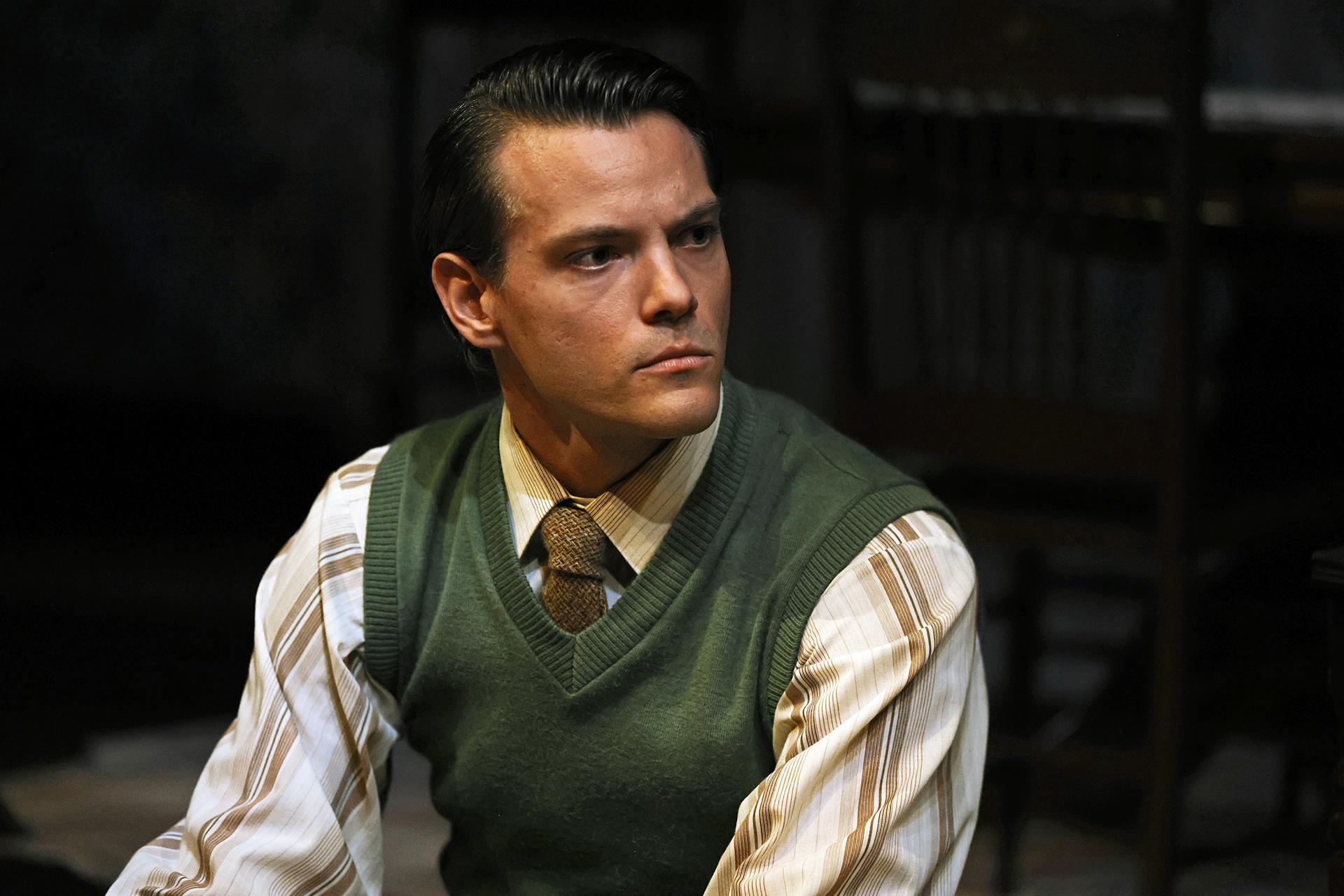
Actor Matilda Ridgway brings a wonderful defiance to Else, demanding that we see the world through her eyes. Ridgway’s cheeky presence keeps us endeared to the central character, even if it is interpreted as demonic within the text. An extremely funny Alex Malone plays Christian zealot Anna with a marvellous cynicism. Else’s husband Pierce is imbued admirable integrity along with the most subtle of incisive derision, by a captivating Julian Garner. Shan-Ree Tan as charlatan exorcist Max adds to the intensity, for a production that elicits a complex melange of emotions from its audience.

When something supernatural happens, and the church is the first authority called upon to solve its mystery, we can observe the extent to which that old institution controls our understanding of the world. When a woman seems to be losing her mind, and the only available discourse regarding her perceived brokenness relates to religion, we ignore the inherent systemic requisites of keeping women down. Some women will not adhere, and they are usually the ones who speak the truth.

www.belvoir.com.au | www.legittheatreco.com

Review: No Love Songs (Foundry Theatre)

Venue: Foundry Theatre (Pyrmont NSW), Mar 7 – Apr 13, 2025
Book: Laura Wilde, Johnny McKnight
Songs: Kyle Falconer
Director: Andrew Panton, Tashi Gore
Cast: Keegan Joyce, Lucy Maunder
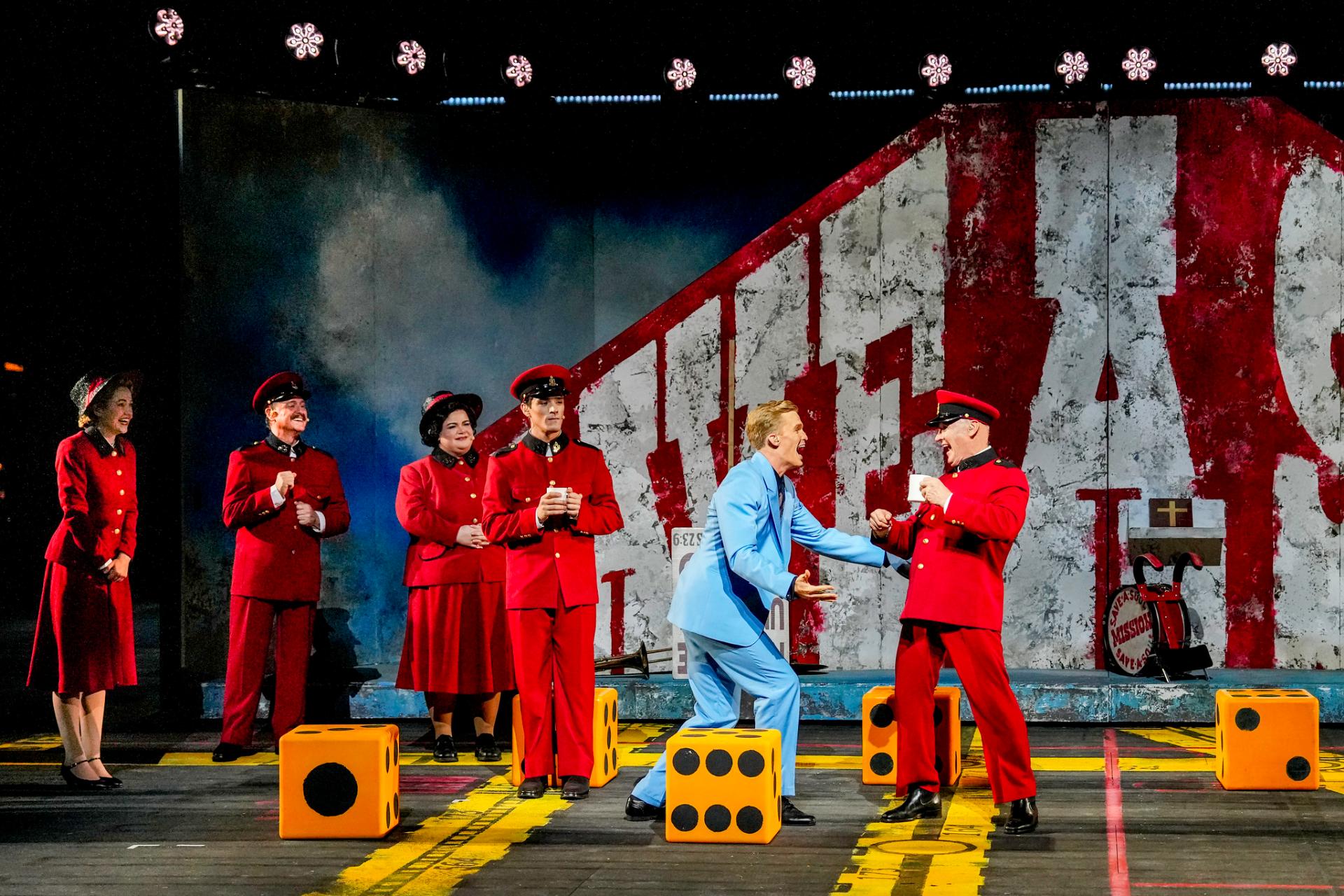
Images by Brett Boardman

Theatre review
It appears to be the most ordinary of romances when Lana and Jessie meet, but things take a dark turn after the birth of their baby. Post-natal depression may give No Love Songs much needed gravity, but there is no denying the dreariness it adds to an already lacklustre experience. Based on a true story from creators Kyle Falconer and Laura Wilde, No Love Songs is replete with honesty, always guided by integrity in its very personal revelations. The musical however, requires more than sincerity to deliver entertainment.

Directed by Andrew Panton and Tashi Gore, the production is certainly well rehearsed, with an evident polish that conveys a sense of confidence. Visual elements are kept simple, with lights by Grant Anderson commendable for introducing a quotient of drama. Work by Mark Chamberlain on music direction and accompaniment is a delight, even if energy of the piece never ceases to gradually and persistently falter. 

The combination of performers Keegan Joyce and Lucy Maunder may lack chemistry, but each demonstrates themselves to be individually accomplished. There is great detail in their efforts at bringing Lana and Jessie to life, both with remarkable conviction for their parts, along with strong vocals that prove their mettle.

Theatre can be as earnest as any story needs for it to be, but it is a space where imaginativeness should be able to run wild. No Love Songs is perhaps too plain in its expressions of an intense human moment. It is wonderful to attain a state of empathy through art, for it offers an avenue of communication that is unpredictable, when the normal ways fail to move.

www.nolovesongs.com.au

Review: Iphigenia In Splott (Old Fitz Theatre)

Venue: Old Fitzroy Theatre (Woolloomooloo NSW), Mar 7 – 22, 2025
Playwright: Gary Owen
Director: Lucy Clements
Cast: Meg Clarke
Images by Phil Erbacher

Theatre review
Living in the south of Cardiff is Effie, a young woman with no real purpose in life. After a chance encounter with a military veteran however, things begin to change. Iphigenia in Splott by Gary Owen deals with the underclass, paying specific attention to their relationship with public services. There are sections of the writing that can feel slightly diminishing of women’s experiences, but its plot is highly entertaining, and as a one-person show, its scope for performance is remarkably versatile, presenting a great opportunity for an actor to showcase their talent and range.

Meg Clarke takes on the challenging role with aplomb, completely astonishing with the depth and drama she brings to the stage. The emotions she offers are as intense as they are authentic, effortless at making Effie’s plight feel affecting from start to end. Clarke’s timing is perfectly honed, and the intricacy with which she breathes life into the text is simply awe-inspiring.

Direction by Lucy Clements keeps the show dynamic and engaging, with an urgency that ensures its message cuts through successfully. Production design by Angela Doherty provides just enough embellishment for the performer to shine. Luna Ng’s lights richly enhance the story with commendable imaginativeness, while Chrysoulla Markoulli’s sounds shift us through the many temperaments as we follow Effie’s misadventures. The wonderful rigour and cohesion of Ng and Markoulli add a valuable quality of transcendence, to the earthy explorations of Iphigenia in Splott.

The play demonstrates the wilful neglect of the powerless, as social infrastructures are allowed to erode in places like the UK. Intrinsic to prevailing capitalistic values, is a contempt for the poor. Although inhumane, we have learned to regard their misfortune as deserving, convincing ourselves that any person can easily pull themselves up by their bootstraps. The truth is that people’s circumstances are often beyond control, and the refusal to help those in need, can only mean that we are nothing more than monsters.

www.oldfitztheatre.com.au | www.newghoststheatre.com

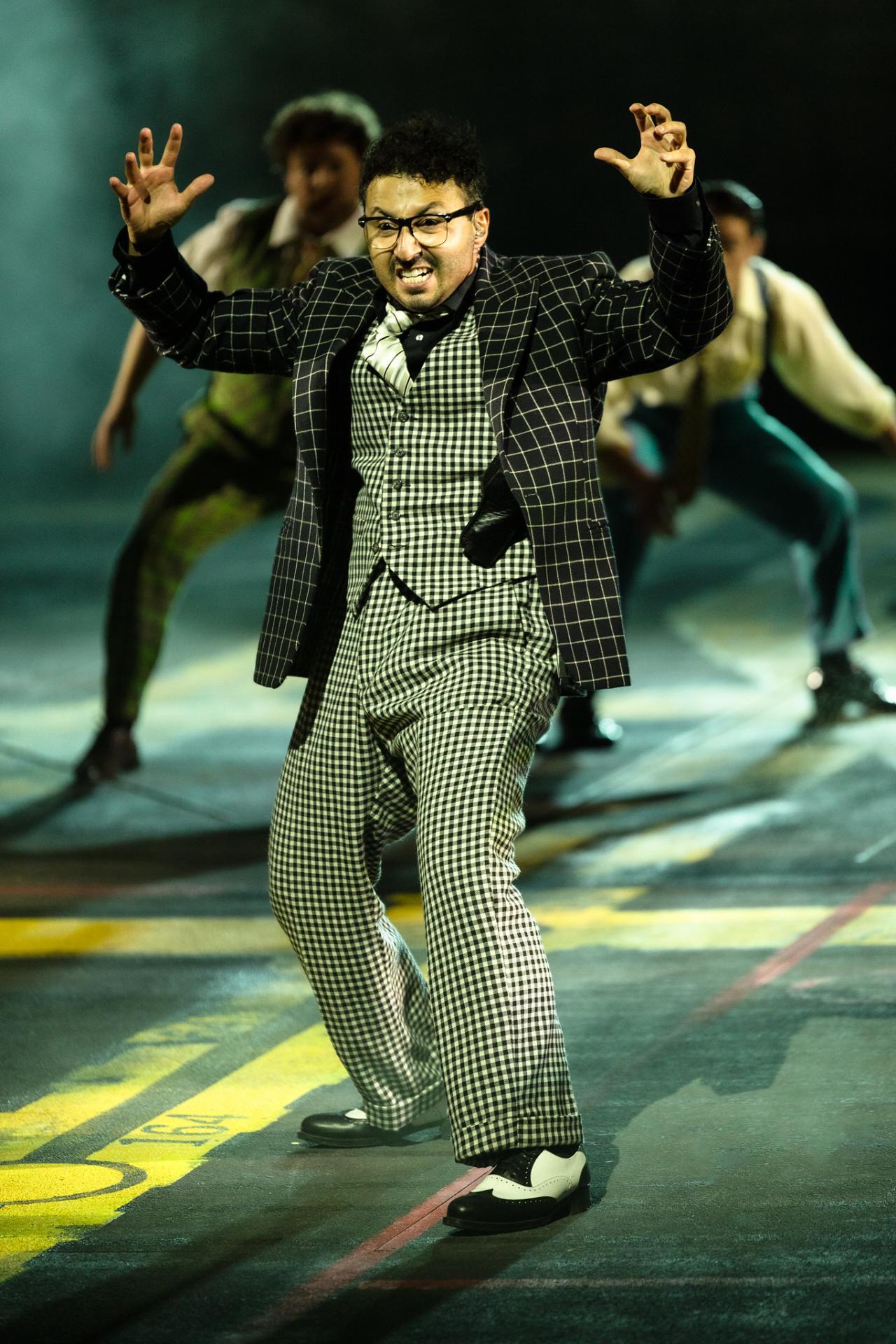
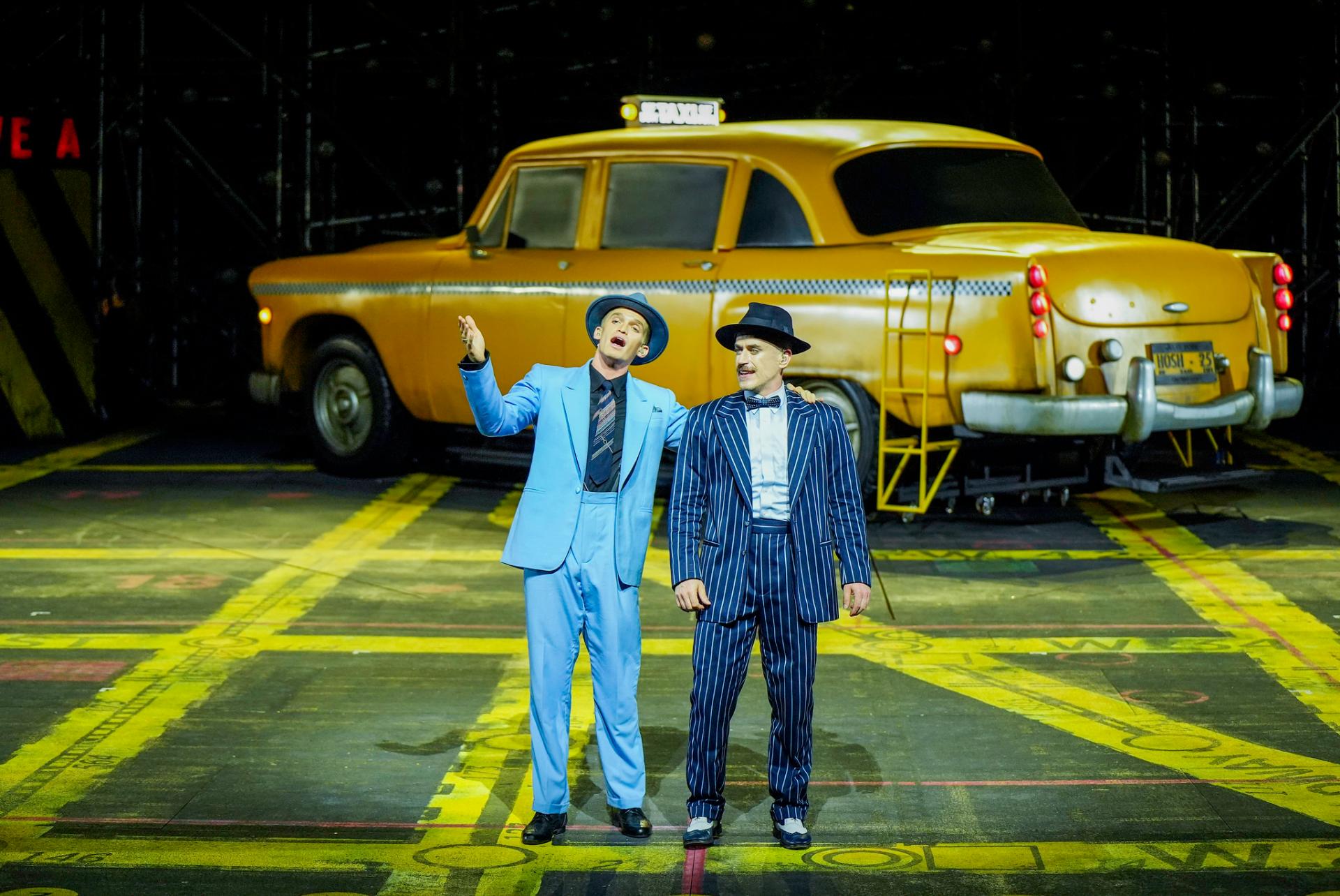
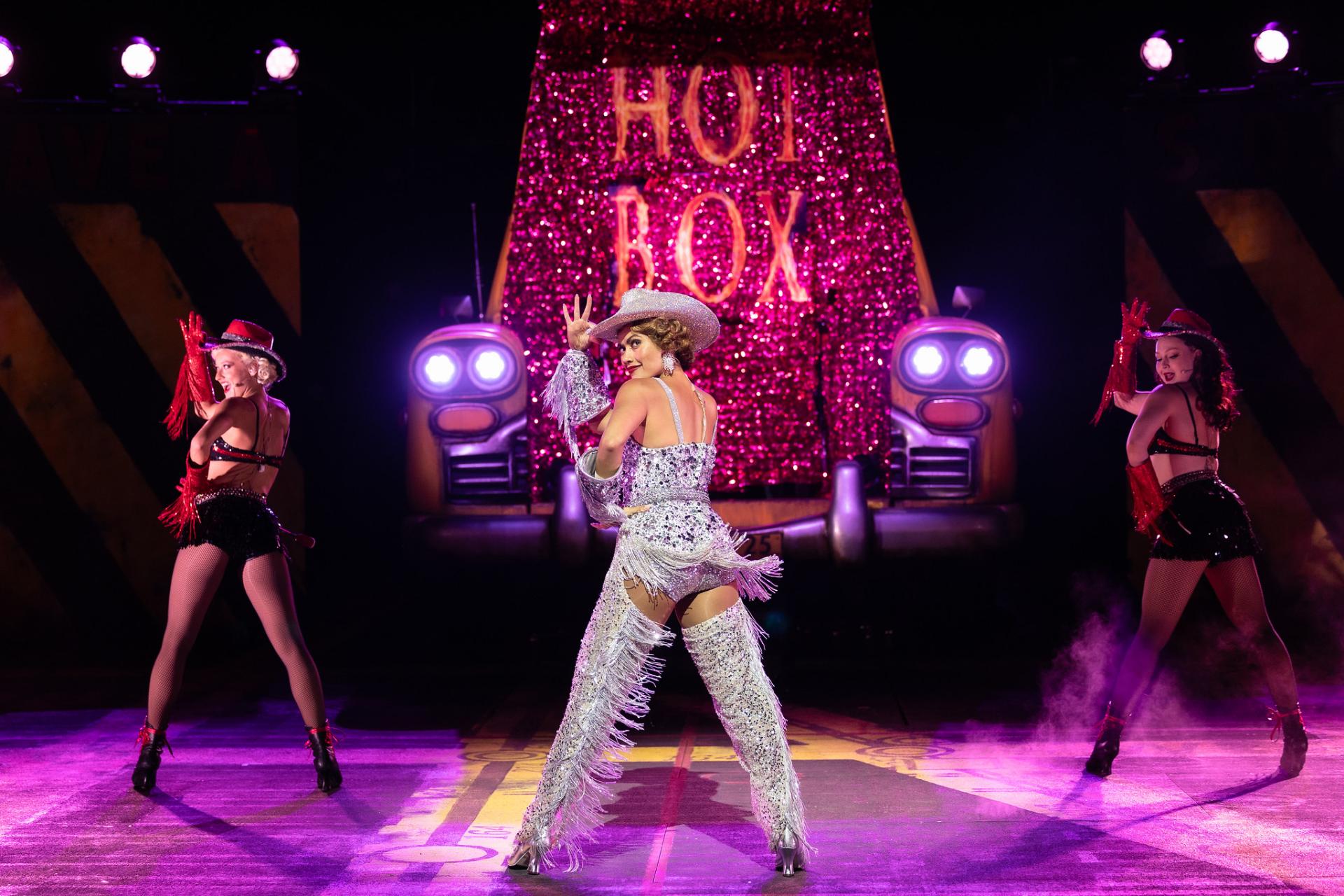
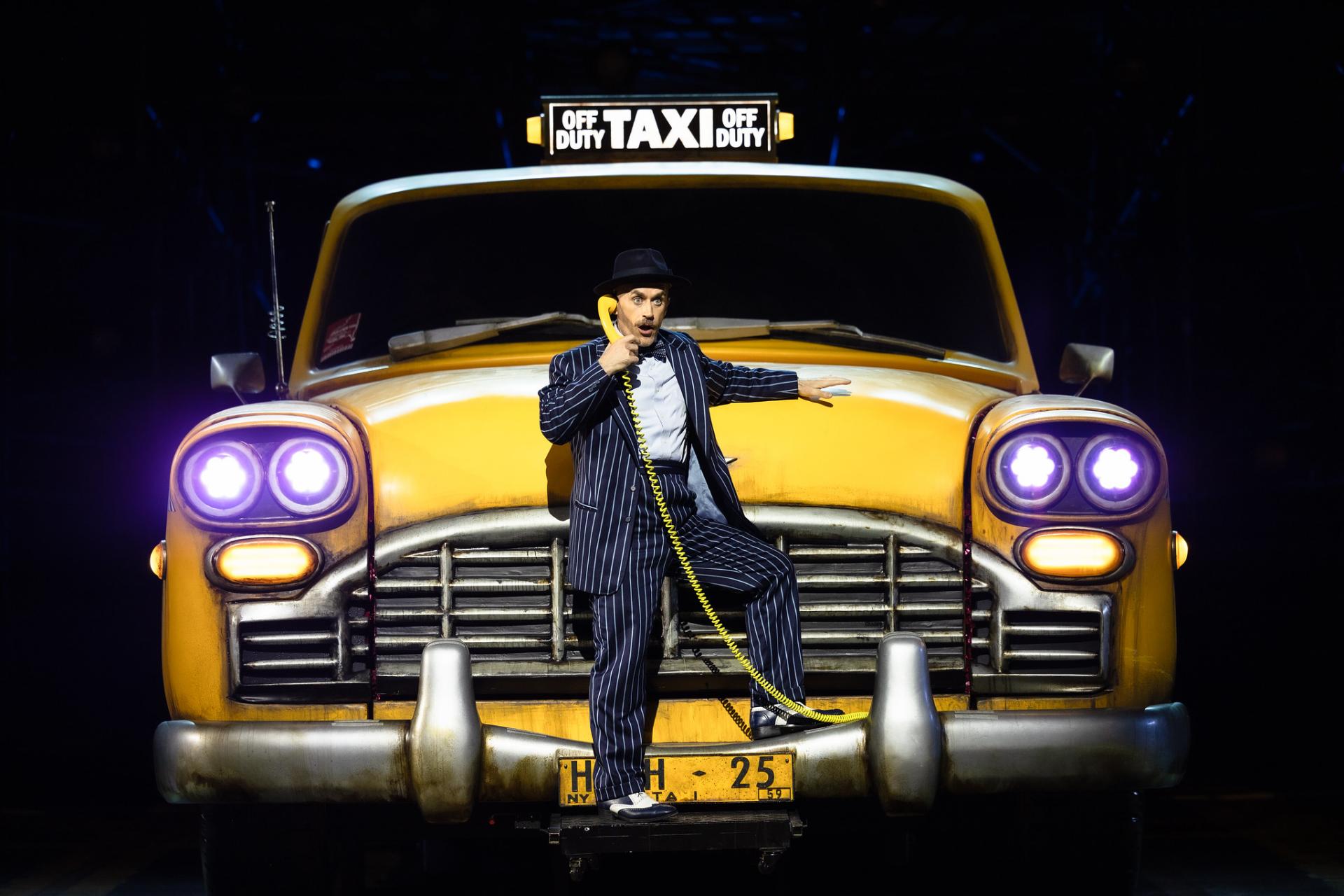
Review: MJ The Musical (Sydney Lyric Theatre)

Venue: Sydney Lyric Theatre (Sydney NSW), from Feb 25, 2025
Book: Lynn Nottage
Director: Christopher Wheeldon
Cast: Roman Banks, William Bonner, Liam Damons, Derrick Davis, Yashith Fernando, Josslynn Hlenti Afoa, Penny McNamee
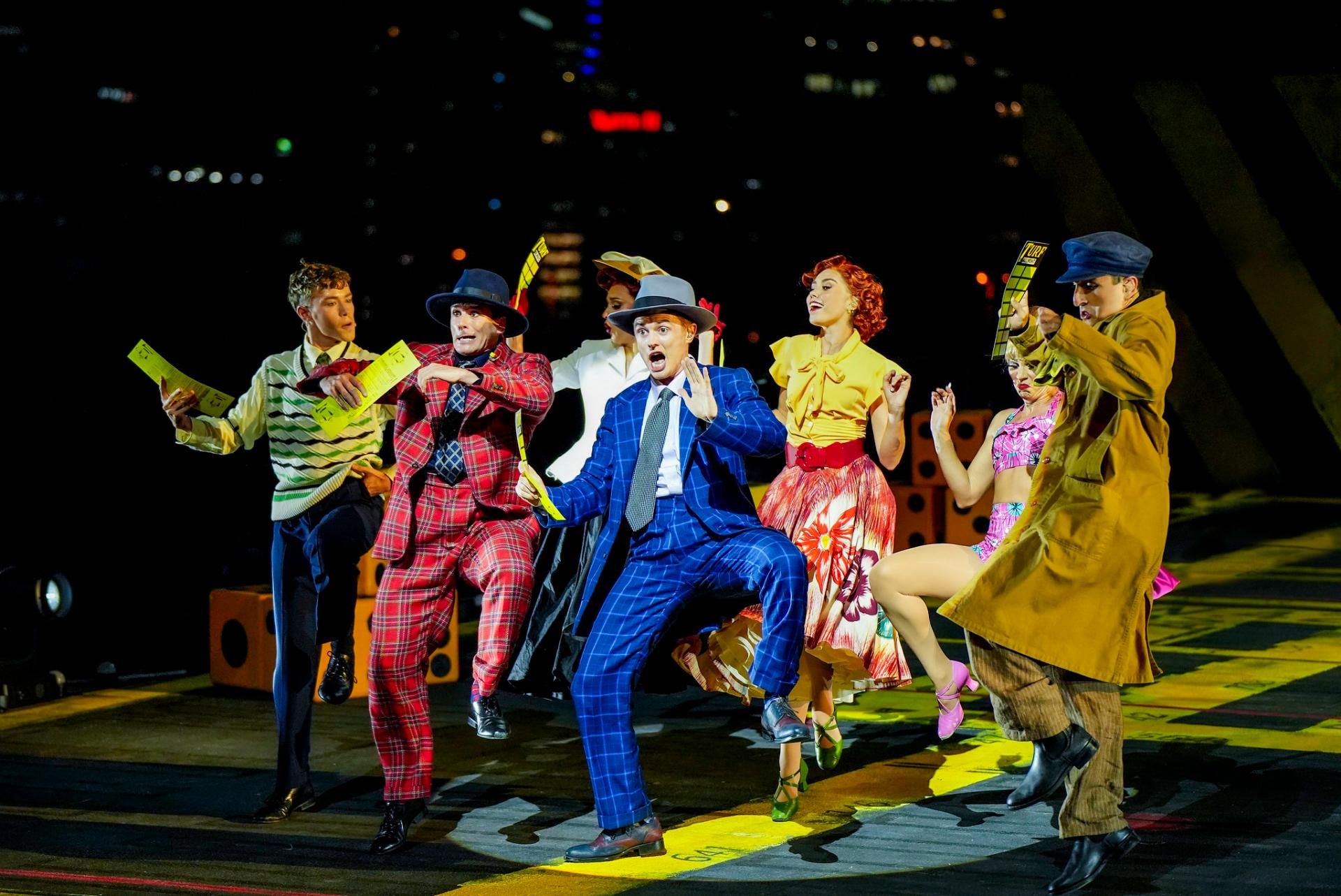
Images by Daniel Boud

Theatre review
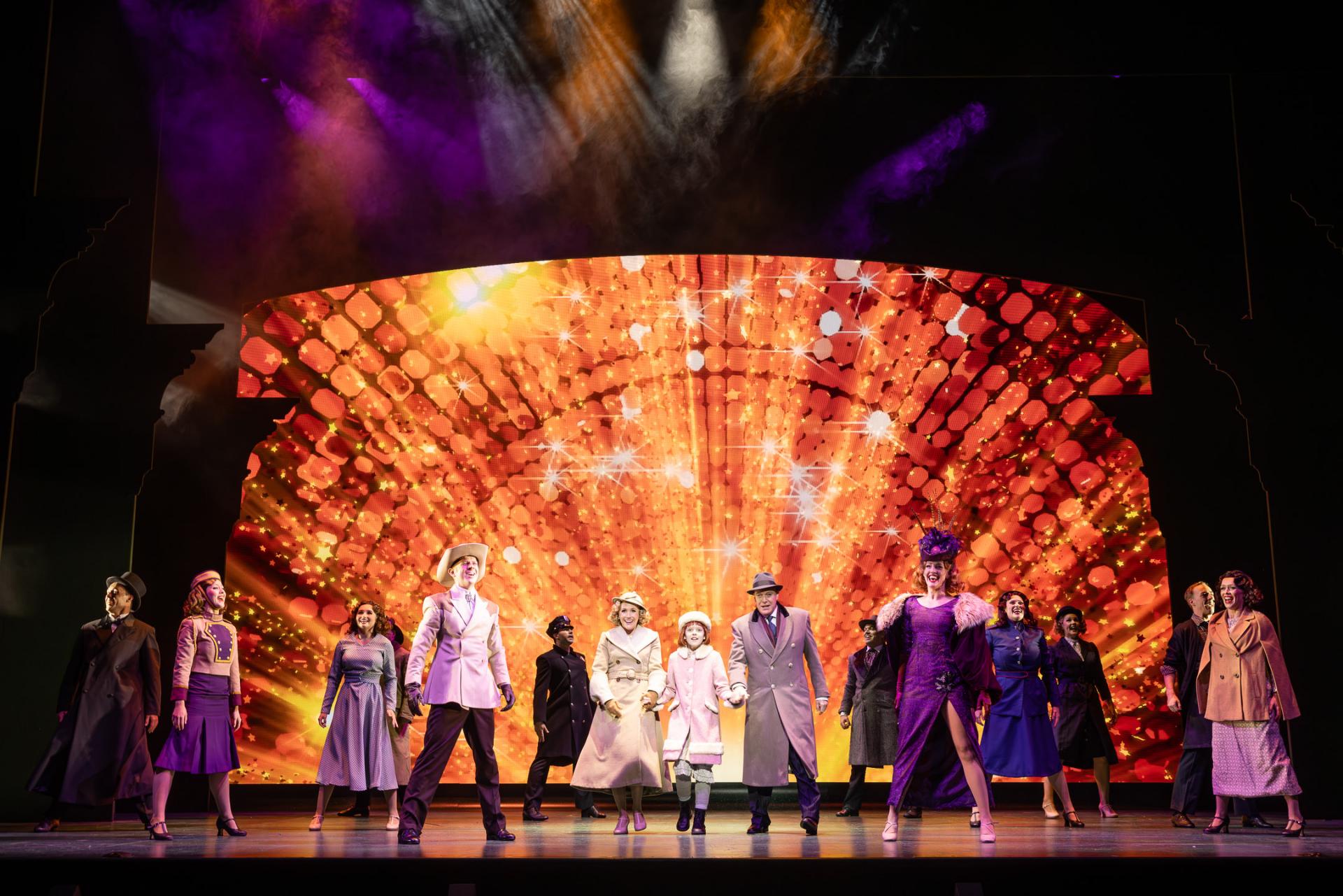
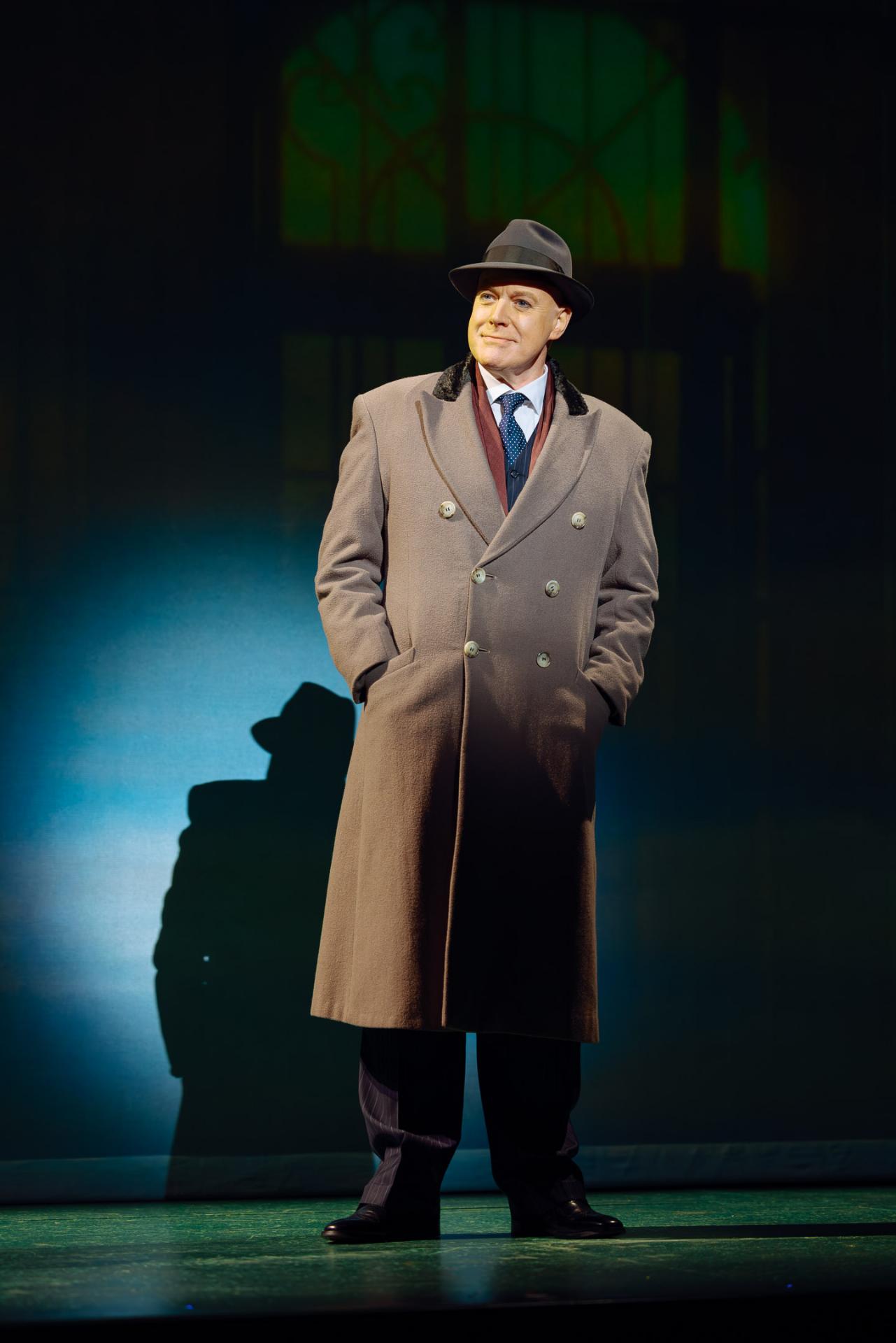
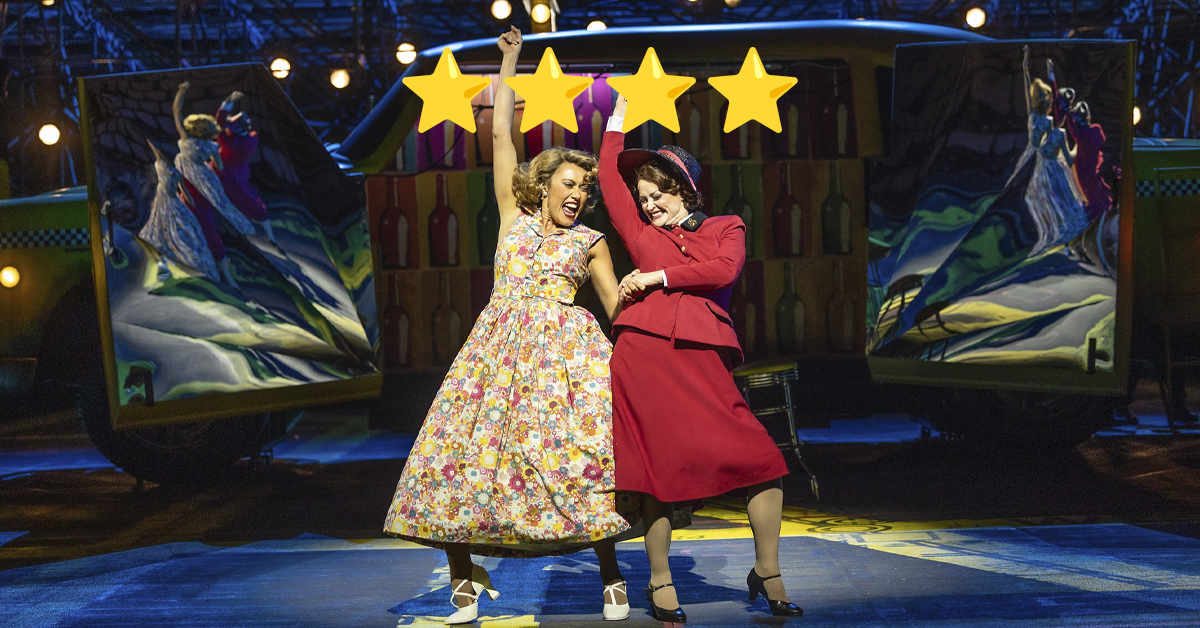
There was a time when Michael Jackson had the world in the palm of his hand, as the unequivocal king of pop. MJ the Musical charts his rise to fame and glory, ending understandably right before it all turned sour; the many accusations of child sexual abuse were never going to make sense in a celebration of the man’s commercial successes. A dark cloud may hover, but the show is nonetheless spectacular.

Jackson made some of the biggest hits anybody had ever known, and having them collated for a musical theatre work was always going to be a thrilling proposition. Writer Lynn Nottage focuses on the period of rehearsals for his 1992 Dangerous World Tour, when he was at the height of his powers, but also includes many nostalgic recollections of earlier key moments in Jackson’s career, including his formative years as a child star.

Although unable to provide honest disclosures about what we now know to be the man’s biggest secrets, Nottage’s book is an enjoyable effort at making all the songs coalesce in a single digestible package. The true star of the show however, is the very translation of Jackson’s music from pop records to the Broadway stage, retaining their immense original appeal without compromising on the soul, rock and electronic elements that often get diluted when recontextualised for the stage musical format. Jackson’s life story may not be very moving, but his music certainly is.

Three extraordinary performers depict the star at different stages of life. Roman Banks is a remarkable leading man, astonishing with his mimicry of Jackson’s signature voice and physicality, during the mature period. The magnetic Liam Damons is a revelation in mid-career segments, vivacious and captivating in his personification of someone with everything to live for. The wunderkind version is played by the incredibly talented William Bonner, who represents perfectly the enchanting magic of one of the world’s greatest entertainers. Also memorable are Josslynn Hlenti Afoa and Derrick Davis as the Jackson parents, both bringing valuable sentimentality to the staging.
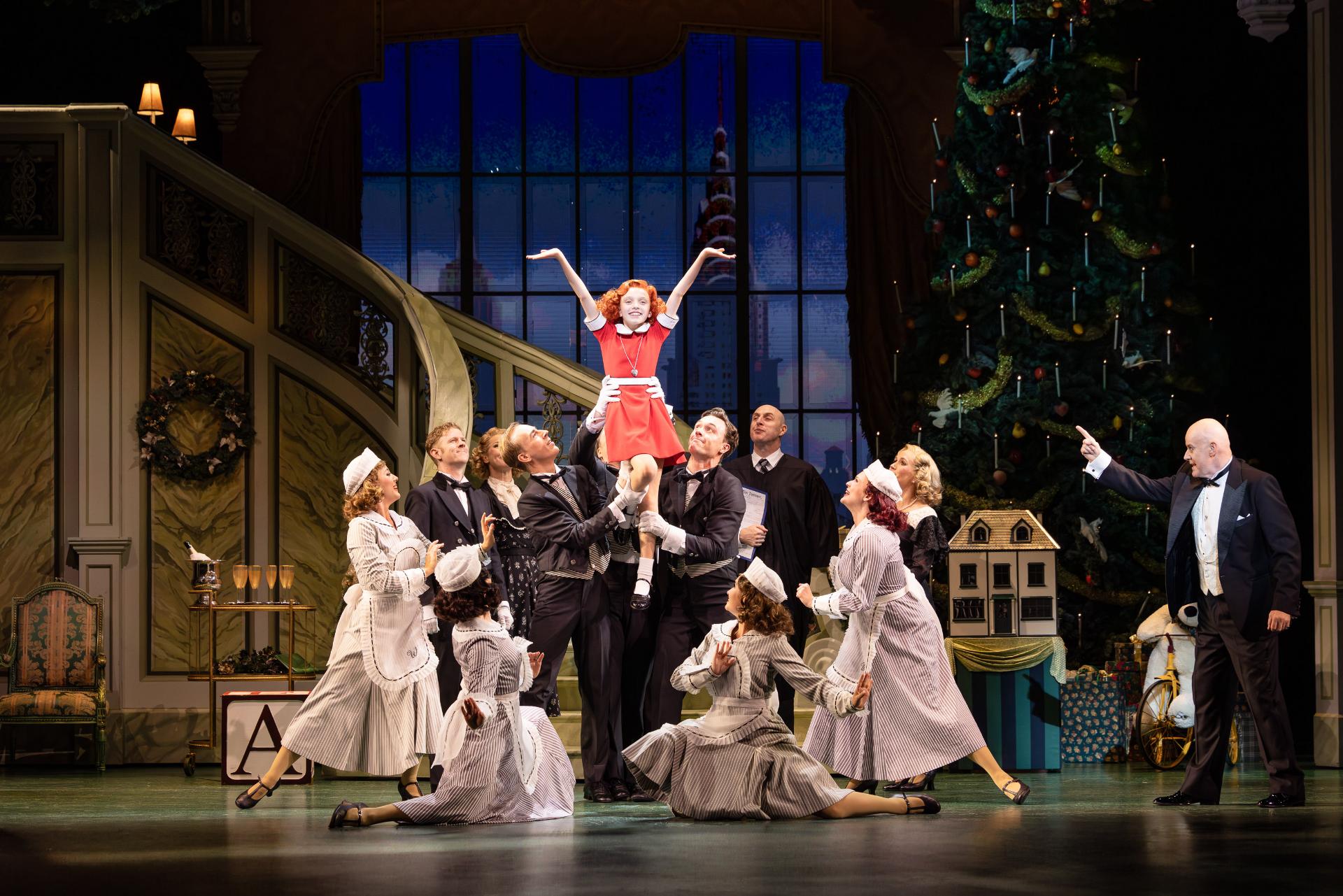
An auditory and visual delight, MJ the Musical is a complete sensation. For a couple of hours, we discover that art can be separated from its artist, even when the work is ostensibly entirely about the artist. Whether a person can be forgiven for heinous acts, even after death, will forever be a matter of contention. The good things Michael Jackson left behind are however, irresistible.
www.mjthemusical.com.au

Review: Henry V (Bell Shakespeare)

Venue: Sydney Opera House (Sydney NSW), Mar 1 – Apr 5, 2025 | Merrigong Theatre Company (Illawarra Performing Arts Centre) Apr 30 –May 3, 2025
Playwright: William Shakespeare
Director: Marion Potts
Cast: Jack Halabi, JK Kazzi, Alex Kirwan, Odile le Clézio, Ava Madon, Harrison Mills, Ella Prince, Jo Turner, Mararo Wangai, Rishab Kern
Images by Brett Boardman

Theatre review
It could be argued that Shakespeare had intended for the play Henry V to remain ambiguous, in its attribution of heroism to the titular role. Thousands die as a result of Henry’s war, yet there is no significant disparagement of the king’s character. We may like to think that changes have occurred over these four centuries, and our attitudes about war are no longer what they used to be, but in this very moment of political reversion, it appears that efforts to normalise aggression between nations, are back again.
Director Marion Potts however takes a decidedly anti-conflict stance, in a staging that makes no bones about the brutality that inevitably ensues, when soldiers are required to do their leaders’ bidding. There is no glorification of the battlefield, even if the king does retain his air of majesty. Movement and fight direction by Nigel Poulton is a memorable feature, as we watch the troops’ kineticism being expressed with an enjoyable poetic quality.

Lead actor JK Kazzi demonstrates strong focus and commitment, if slightly deficient in charisma. It is overall a cohesive cast, effective at manufacturing dramatic tension for key moments. Set and costume design by Anna Tregloan are contemporarised with a pleasing sleekness, and are appropriately masculine in style. Lights by Verity Hampson depict a severity necessary for this exploration of violence, but could benefit from a greater embrace of the story’s heightened sentimentality. Sounds by Jethro Woodward are wonderfully theatrical, and impressive for the rigour that allows us to detect every shift in time and space.
In the west these recent years, wartime had begun to seem a distant past. Today there is a shift afoot, and peace is again under threat, as powerful leaders disrupt old alliances, in favour of new arrangements that undermine democracy. It is a shameless power grab, the nature of which is so alien to current generations, that we feel ill-equipped to fight against. So much is lost by the end of Henry V, but they still call it a victory.

www.bellshakespeare.com.au

Review: Don’t Save Me (KXT on Broadway)

Venue: KXT on Broadway (Ultimo NSW), Feb 26 – Mar 8, 2025
Playwright: Karina Young
Director:
Nelson Blake
Cast: Raechyl French, Ben Itaba, Holly Mazzola
Images by Phil Erbacher

Theatre review
Jade is not only battling a terminal illness, she has to fight her husband Pat who plans to create a digital facsimile of her, using the latest in AI technology. As well as the subject of consent, Don’t Save Me by Karina Young explores the ethics around the replication or simulation of a person after death. Although timely, the play is insufficiently imaginative, with a persistent mundanity to its dialogue that makes a fascinating concept seem almost banal.

Direction by Nelson Blake places emphasis on locating the emotional truth of the piece, and little more, resulting in an experience that feels somewhat pedestrian. There is however a great sense of commitment on the stage, with cast members Raechyl French, Ben Itaba and Holly Mazzola, bringing diligence to their interpretations of characters.

Production design by Andrea Knezevic offers efficient solutions that transform the space into a conventional living room. Lights by Topaz Marlay-Cole help render an elegance to the imagery being presented, and sounds by Felix Partos are introduced at key moments to enhance tension.

Don’t Save Me is not quite science fiction, as the circumstance it depicts has already arrived, yet we are still struggling to grapple with that new reality. Technology forges ahead whether we welcome or resist it. We have in the past been able to shape its development, but in this age of tech autocracy, there is little that our democratic will can do.

The billionaires who rule technology are completely impervious to any of our objections. We continue to think that how we spend our money is able to sway their operations, but it is evident that their wealth has become so immense that any reduction in profit we can effect, no longer means anything. Legal recourses have proven ineffectual, even as they are being taken over by a new era of oligarchy. It is only revolution that remains, but it is doubtful if we can awaken soon enough, from this soporific state of our tech-fuelled stupor.

www.kingsxtheatre.com | www.instagram.com/puncherschanceco/

Review: Candide (Sydney Opera House)

Venue: Sydney Opera House (Sydney NSW), Feb 20 – Mar 14, 2025
Composer: Leonard Bernstein
Librettist: Richard Wilbur
Director: Dean Bryant
Cast: Annie Aitkin, Euan Fistrovic Doidge, Alexander Lewis, Dominica Matthews, Andrew Moran, Eddie Muliaumaseali’i, Eddie Perfect, Lyndon Watts, Cathy-Di Zhang
Images by Carlita Sari

Theatre review
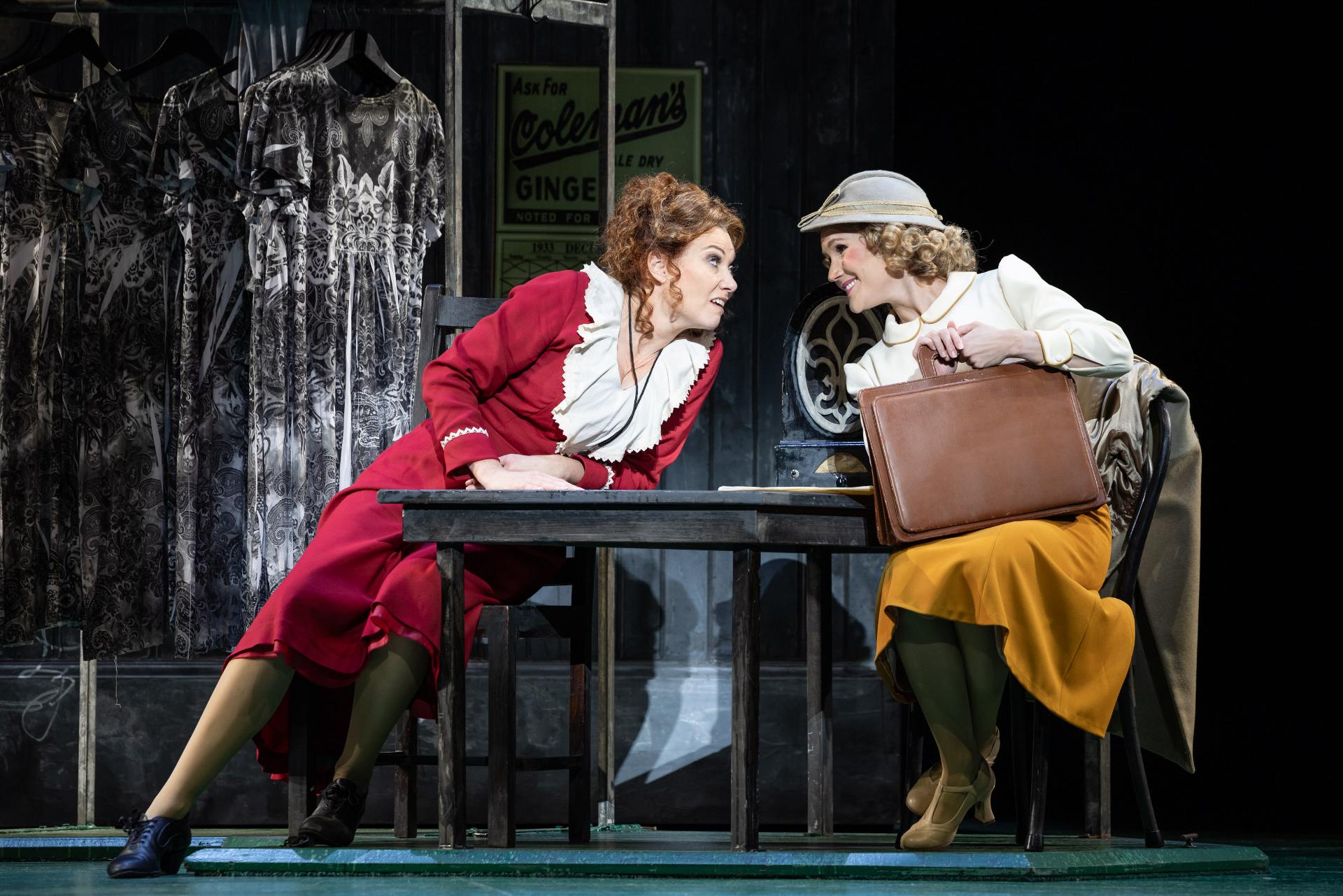
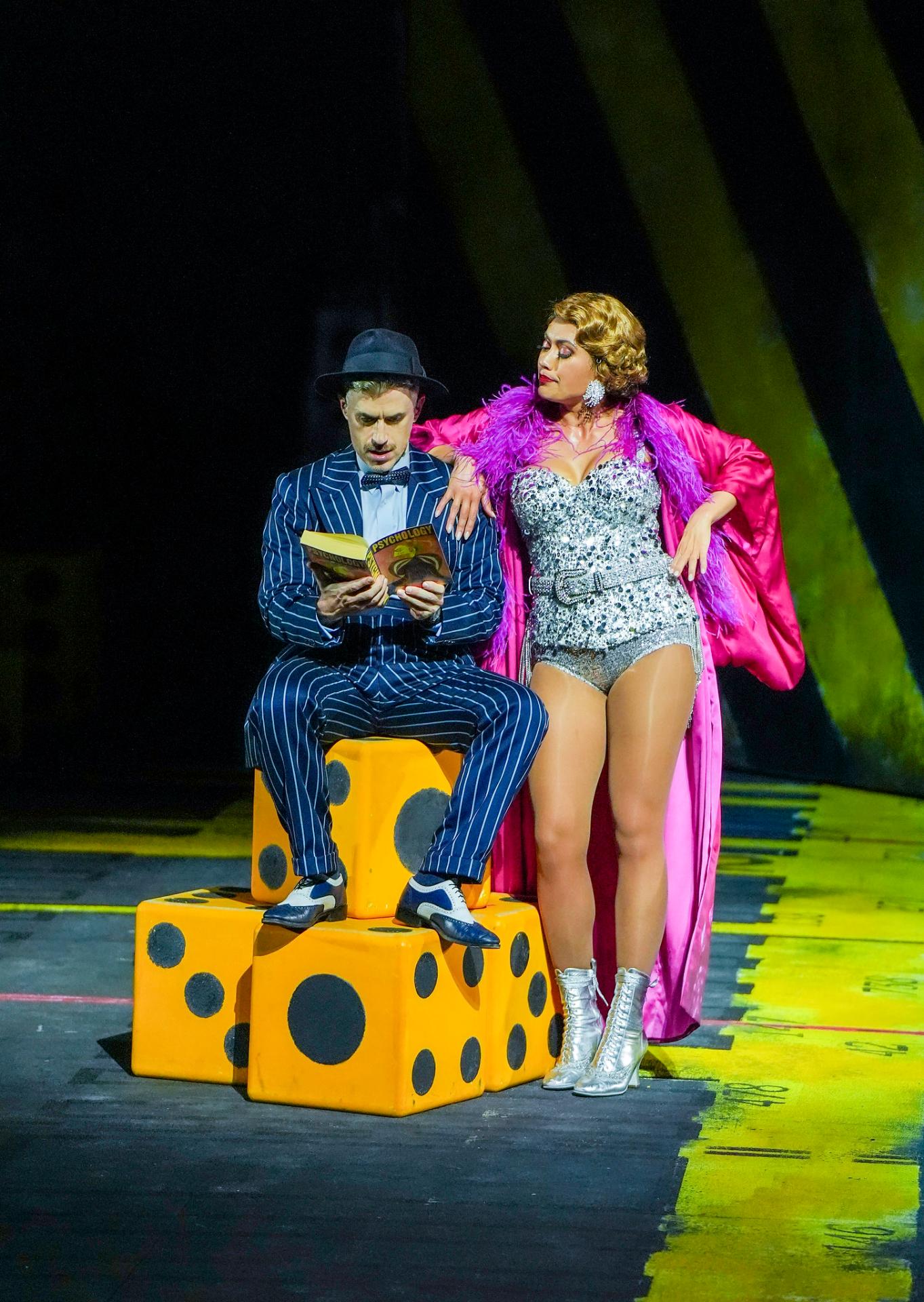
Voltaire’s 1759 novella “Candide, ou l’Optimisme” sees its protagonist travelling the world, learning many of life’s big lessons before finally landing on solid ground. Leonard Bernstein’s musical operetta, simply named Candide, takes that big journey and transforms it into a wild fantasia, filled with colourful characters and comically bizarre scenarios.

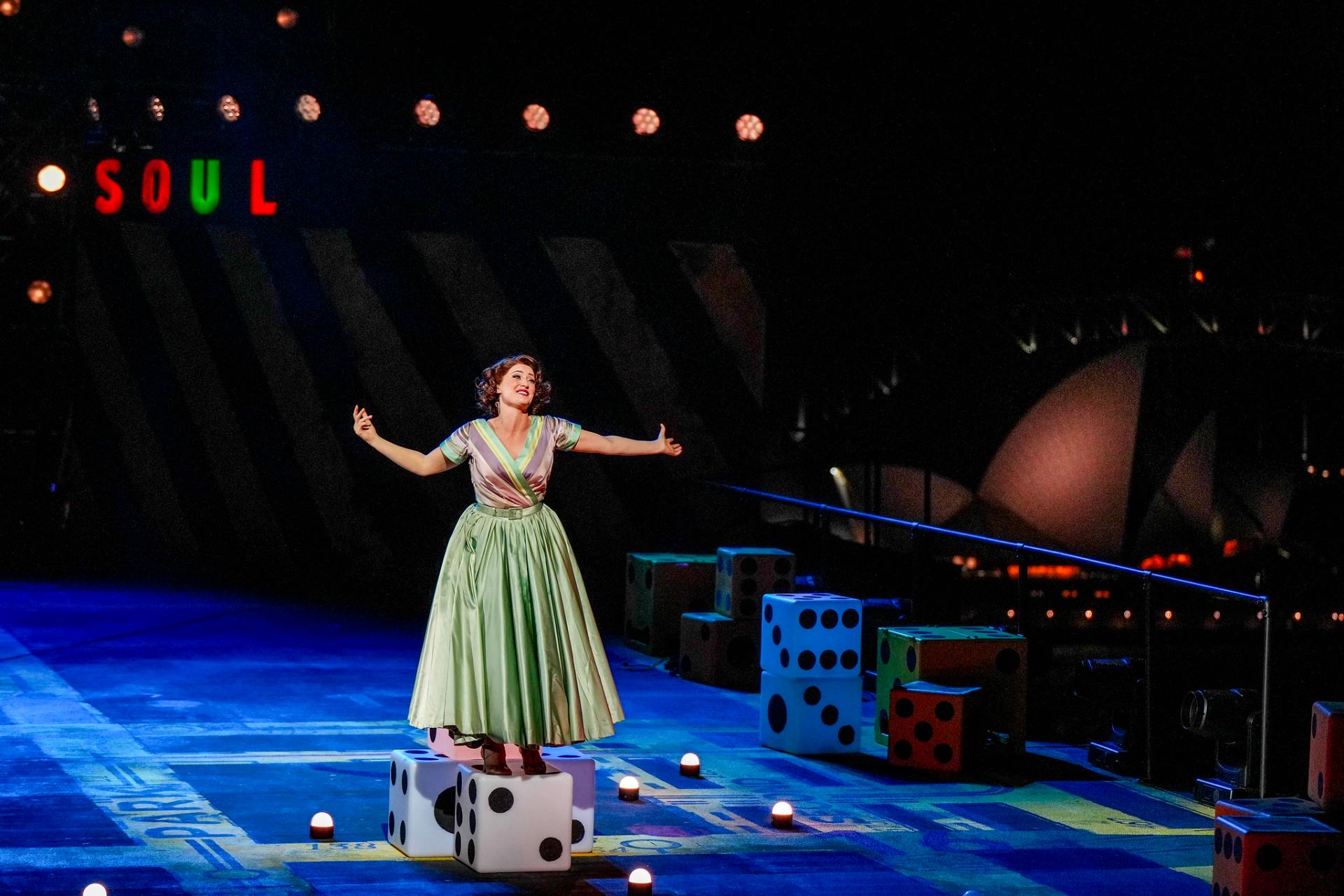
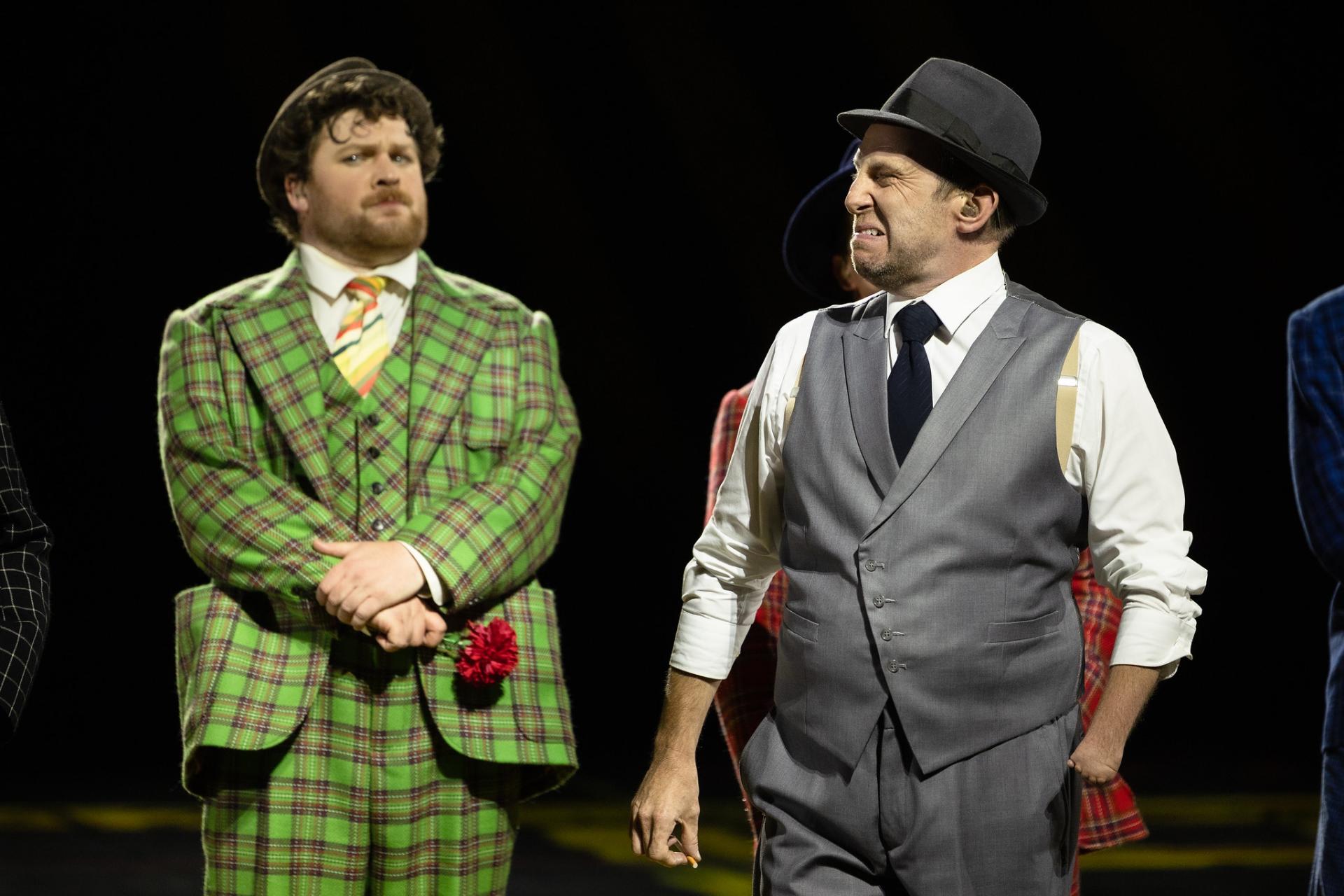
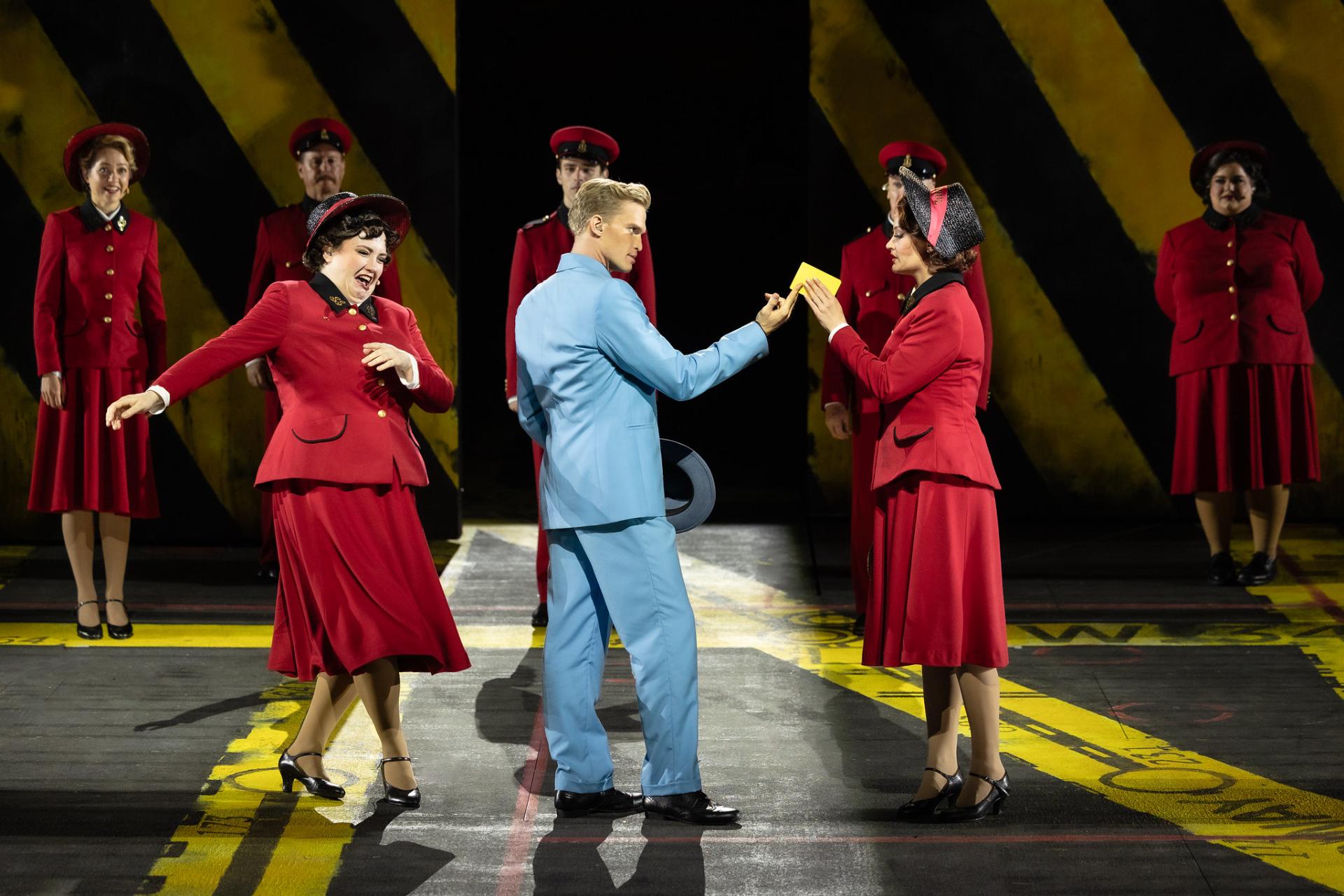
Direction by Dean Bryant makes full use of the work’s absurd elements to manufacture a vivacious experience, chaotic and rambunctious in its imaginative renderings for theatrical amusement. Dann Barber’s ironic set design features a recreational trailer as centrepiece, magically unfurling scenic designs that represent the many cities in Candide’s journey. Barber’s costumes are extravagantly campy, and a clear highlight of the production. Lights by Matthew Scott imbue a sense of lavishness, effective at delivering enchantment, if slightly lacking in poignancy for the show’s concluding moments.

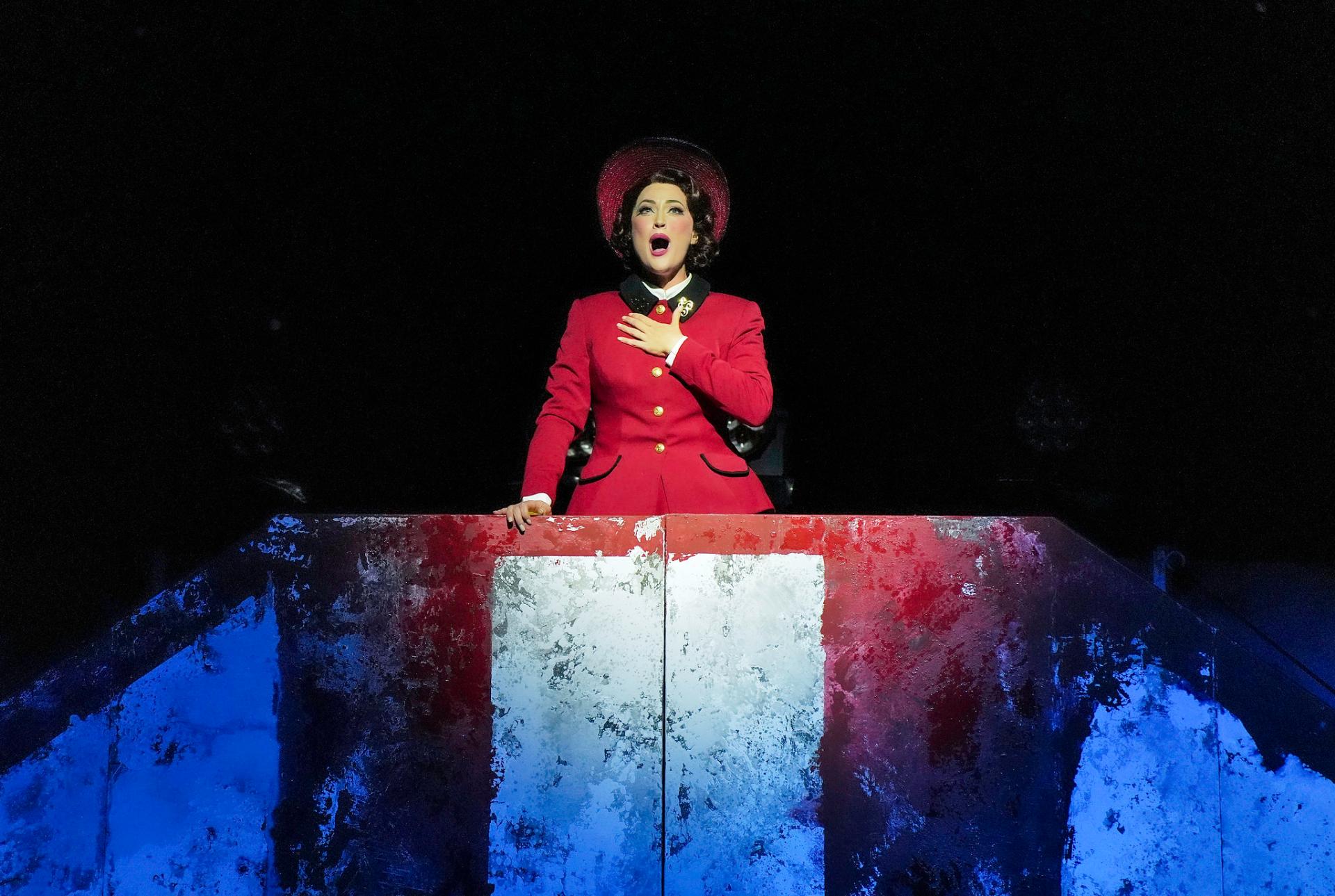
Leading man Lyndon Watts displays unequivocal technical proficiency in the role of Candide, but it is his charisma that many will find memorable. Annie Aitken is a delight as Cunégonde, offering exquisite vocals along with some truly splendid humour. Playing Voltaire (and Dr. Pangloss) is Eddie Perfect, whose affability and confidence provide for the staging additional polish.

On this occasion, Candide seems a celebration of frivolity and little else. Certainly there is space in the arts for lightness, but in any performance, surely an audience needs to feel some level of personal investment, to be held attentive in meaningful ways. It can be argued that little of Candide remains resonant, even though it is observable that people are meant to be having fun.

www.opera.org.au | www.victorianopera.com.au

Review: Song Of First Desire (Belvoir St Theatre)

Venue: Belvoir St Theatre (Surry Hills NSW), Feb 13 – Mar 23, 2025
Playwright: Andrew Bovell
Director: Neil Armfield
Cast: Kerry Fox, Borja Maestre, Jorge Muriel, Sarah Peirse
Images by Brett Boardman

Theatre review
The Spanish Civil War ended officially in 1939, but it appears reverberations from the bloodshed continue to this day. There are two distinct periods in Andrew Bovell’s Song of First Desire, 1968 and the present day. The story of one family spans those decades and three generations, revealing the brokenness of the Spanish soul that continues to seek mending. It is an intricate piece of writing, with cleverly woven fragments that spark intrigue, culminating to plot twists that prove highly satisfying.

Directed by Neil Armfield, the narrative’s sombre sense of gravity is always present, as is the weightiness of the sociological concerns that Song of First Desire wishes to explore. Emotions however do not always run high, in a show that is only occasionally evocative of the essence of a culture it represents.

Set design by Mel Page features a striking reference to the barrenness of a nation that struggles to piece itself back together. Lighting by Morgan Moroney, along with sound and music by Clemence Williams, are effective in calibrating a mournful quality for this reflective experience. A more distinct rendering of time and place could make our connection to the work feel richer. Even though the production’s integrity never comes into question, a greater air of authenticity is needed to inspire a more intense visceral response.

Actor Sarah Peirse sets an elegant tone with her quiet interpretations of Camelia and Margarita. Borja Maestre brings soulfulness to the stage, through his sensitive portrayals of Alejandro and Juan. Playing Julia and Carmen is Kerry Fox, memorable for dialling up the drama at opportune moments. A valuable warmth is contributed by Jorge Muriel as Luis, who then turns chilling as the frightening Carlos.

It is sobering to observe characters in Song of First Desire suffer the consequence of prolonged unrest. We are now in a moment of watching history repeat as despotism begins to take hold, in the most powerful office on earth. The worst has yet to transpire, but damage is already evident. At this time, strategies for survival, are as important as strategies for reconstruction. Choosing between safety and resistance will often seem difficult, but the key is to make it through to the end of this ordeal.

www.belvoir.com.au

Review: Your Silence Will Not Protect You (Qtopia)

Venue: Qtopia (Darlinghurst NSW), Feb 20 – 22, 2025
Playwright: Gavin Roach
Director: Lauren Hopley
Cast: Gavin Roach

Theatre review
In the one-person show Your Silence Will Not Protect You, Gavin Roach reveals details about their own mental health issues, alongside memorable instances of what could be described as bad decisions. It may not be that every one of those misadventures are a consequence of Roach’s illnesses, but as we witness the playwright and performer articulate their stories from a singular vantage point, it becomes inevitable that one should draw correlations between the two.

It can be an awkward experience, listening to Roach’s challenges. They appear eager to entertain and even amuse, but the gravity of the subject matter almost precludes us from responding in any way that might suggest that the information is being received for entertainment purposes. We feel as though the appropriate stance should be somewhat clinical in attitude, that either laughter or excessive empathy could be patronising, or even harmful.

Nonetheless, Roach’s delivery ensures that their psychological condition is being witnessed, that mental illness in general, is seen in Your Silence Will Not Protect You. Their proficiency on stage demonstrates that a person’s suffering is almost always disguised, and that judging a book by its cover is indeed meaningless. Much of illness is not visible. The people we encounter could be harbouring all manner of undetectable maladies, and our first instinct should always be one of kindness.

www.qtopiasydney.com.au | www.gavinroach.com

Review: Picnic At Hanging Rock (Sydney Theatre Company)

Venue: Sydney Opera House (Sydney NSW), Feb 17 – Apr 5, 2025
Playwright: Tom Wright (from the novel by Joan Lindsay)
Director: Ian Michael
Cast: Olivia De Jonge, Kirsty Marillier, Lorinda May Merrypor, Masego Pitso, Contessa Treffone 
Images by Daniel Boud

Theatre review
Joan Lindsay’s Picnic at Hanging Rock, is likely the most famous story ever told about this land exacting revenge on its inhabitants. Since the time colonisers deemed it fit to declare terra nullius and named her Australia, European settlers and their descendants, have always borne a pang of guilt in their conscience. They know something is not quite right about the ways they have claimed this their own, and much as they often try to deny the unjust displacement of Indigenous peoples, the truth always finds a way to strike back.

In Tom Wright’s magnificently theatrical stage adaptation of Lindsay’s novel, we are able to observe tangibly, the concurrent effects of both metaphysical and psychological consequences, of land being stolen. The monolith at the centre of Picnic at Hanging Rock serves as symbolic projection, for those unable to acknowledge the actual dilemma, and therefore enact a series of horrors onto their own bodies, as though emanating from that geological feature. Also valid however, is the interpretation that the monolith is in fact sentient, and is executing tactics of protection, in attempts to right those historical wrongs.

Ian Michael’s direction offers all the possibilities, enabling viewers to draw personalised conclusions that would resonate most intimately. Built into the production are a great variety of sensorial textures and psychic dimensions, resulting in a work ambitiously vast, not just in its sheer experiential capacity to leave us breathless and overwhelmed, but also in its scale of representations. Michael’s artistry ensures that everything is laid out to be seen, yet nothing is ever forced; we are presented all the details, and left to consume what we can. Picnic at Hanging Rock is as horrifying as you would allow, as funny as you want, and as political as you are ready to accept.

Dominant in the set design by Elizabeth Gadsby is a raised and tilted structure, that looks as though a proscenium arch has eerily shifted upward, subsequently pouring its contents onto the earth. Imposing like the rocks of Dja Dja Wurrung country, whilst demonstrating the vexing presence of Western structures that cannot hold. Lighting by Trent Suidgeest is an exciting element, extravagant in sensibility but consistently tasteful in execution, and memorable for being absolutely electrifying at the most dramatic instances. Exquisite sounds by James Brown are flawlessly orchestrated to usher us not only to the year 1900, but also through various membranes of reality, so that we encounter realms beyond the mundane, that seem to have always existed, but are rarely accorded due attention. Picnic at Hanging Rock is greatly concerned with what we cannot see, all of which is translated on this occasion, into everything that we can hear.

An astonishing ensemble of five extraordinary performers, namely Olivia De Jonge, Kirsty Marillier, Lorinda May Merrypor, Masego Pitso and Contessa Treffone, deliver a 90-minute show that is always urgent, and never predictable. They play naturalism one moment, then seamlessly transition to the most heightened of expressions the next, fully embodying both the sociological and the macabre aspects of their narrative. The women’s thrilling inventiveness is awe-inspiring, and the depth and gravity they reveal for this important instalment of our modern literary canon, is likely paradigmatic.

Something magical occurs when art precipitates transcendence. Call it healing, catharsis, or even exorcism, art can offer enlightenment in ways beyond the capacities of conventional language. This staging of Picnic at Hanging Rock leaves one feeling like they had been grabbed tight and shaken vigorously. An intense sensation is instilled, but what it communicates may not be immediately clear or explicitly understandable. Art will change people, and when it stokes the fire of human conscience, is when it serves its most noble purpose.

www.sydneytheatre.com.au