Review: The River (Sydney Theatre Company)

Venue: Sydney Opera House (Sydney NSW), Apr 8 – May 16, 2026
Playwright: Jez Butterworth
Director: Margaret Thanos
Cast: Andrea Demetriades, Ewen Leslie, Miranda Otto
Images by Daniel Boud

Theatre review
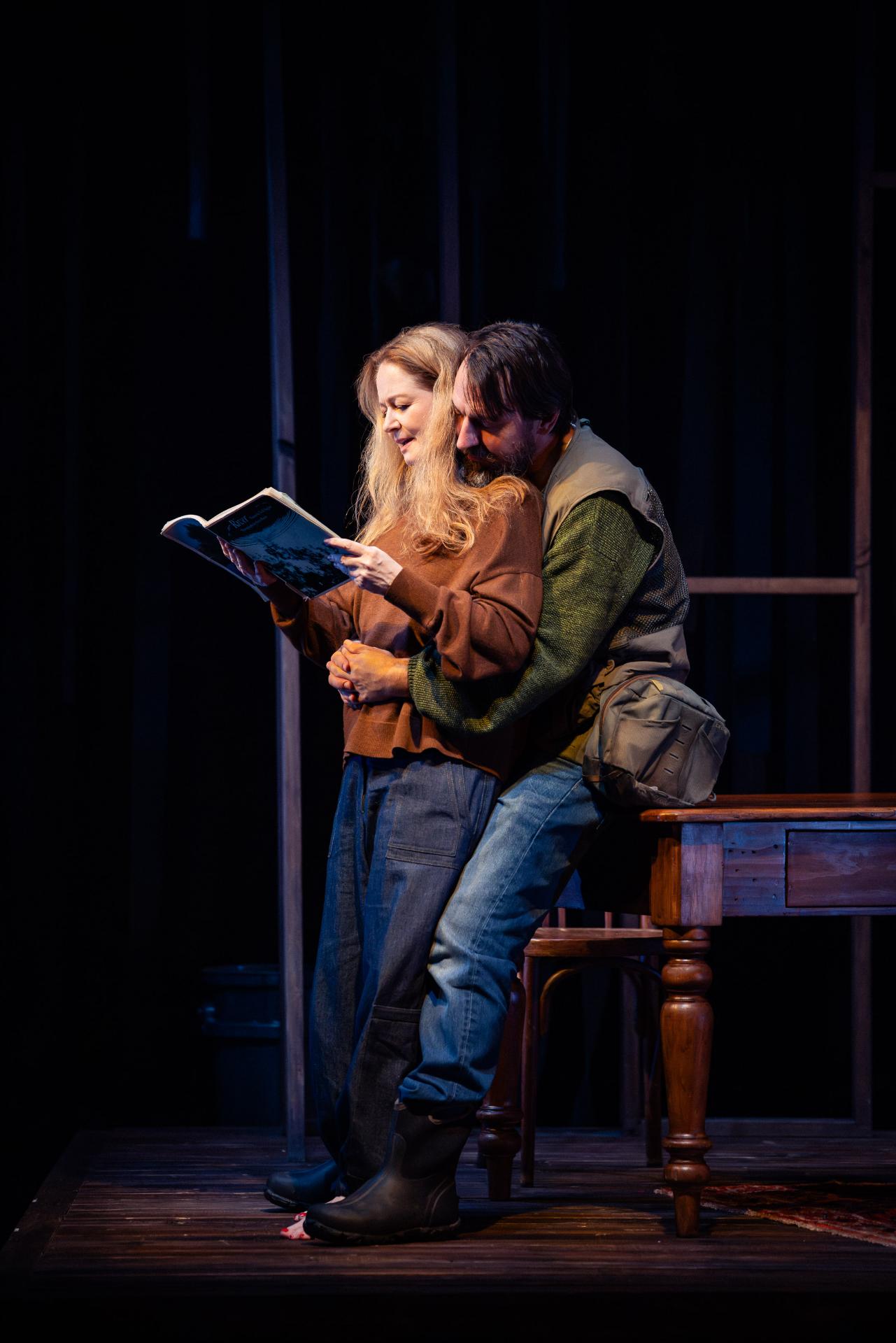
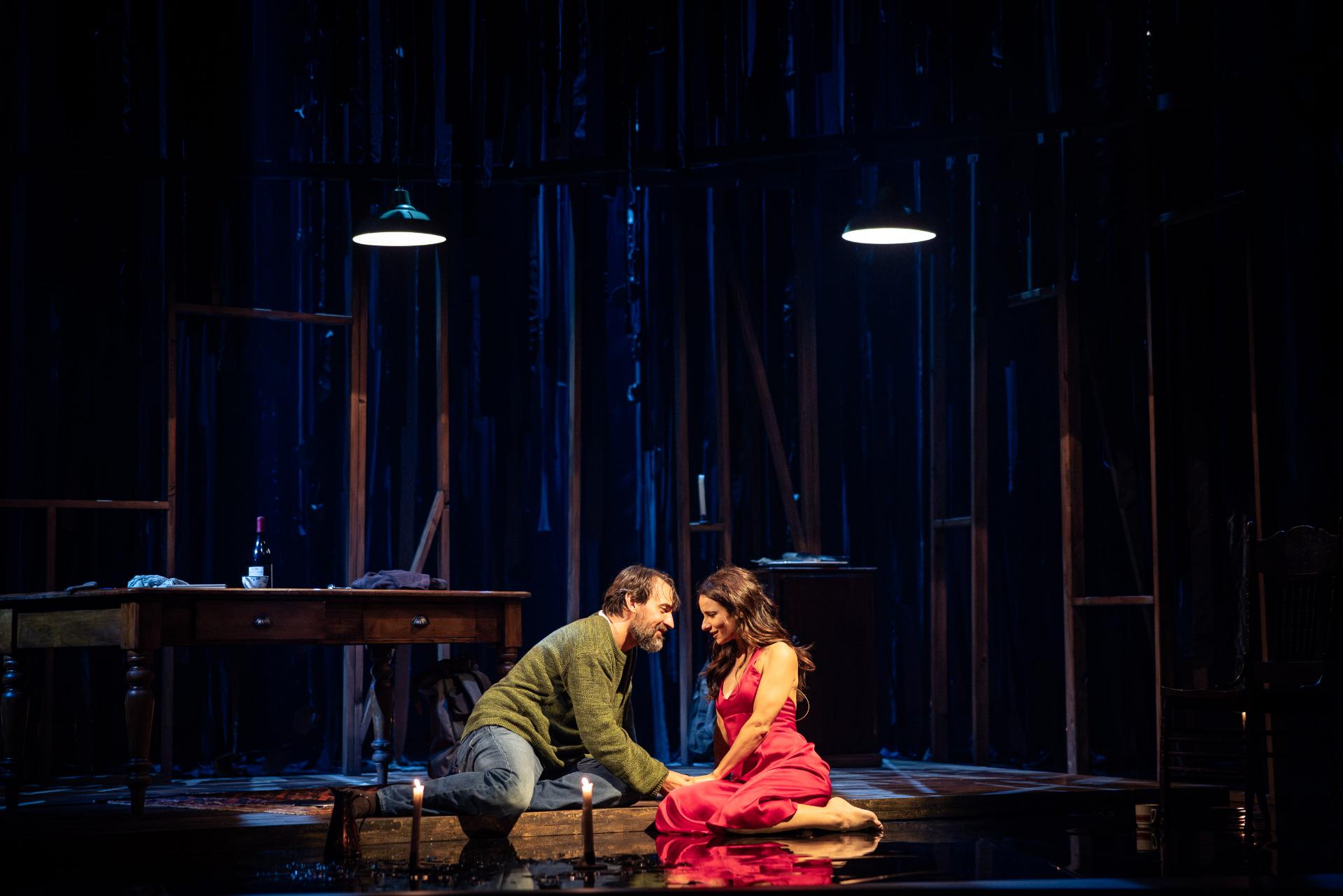
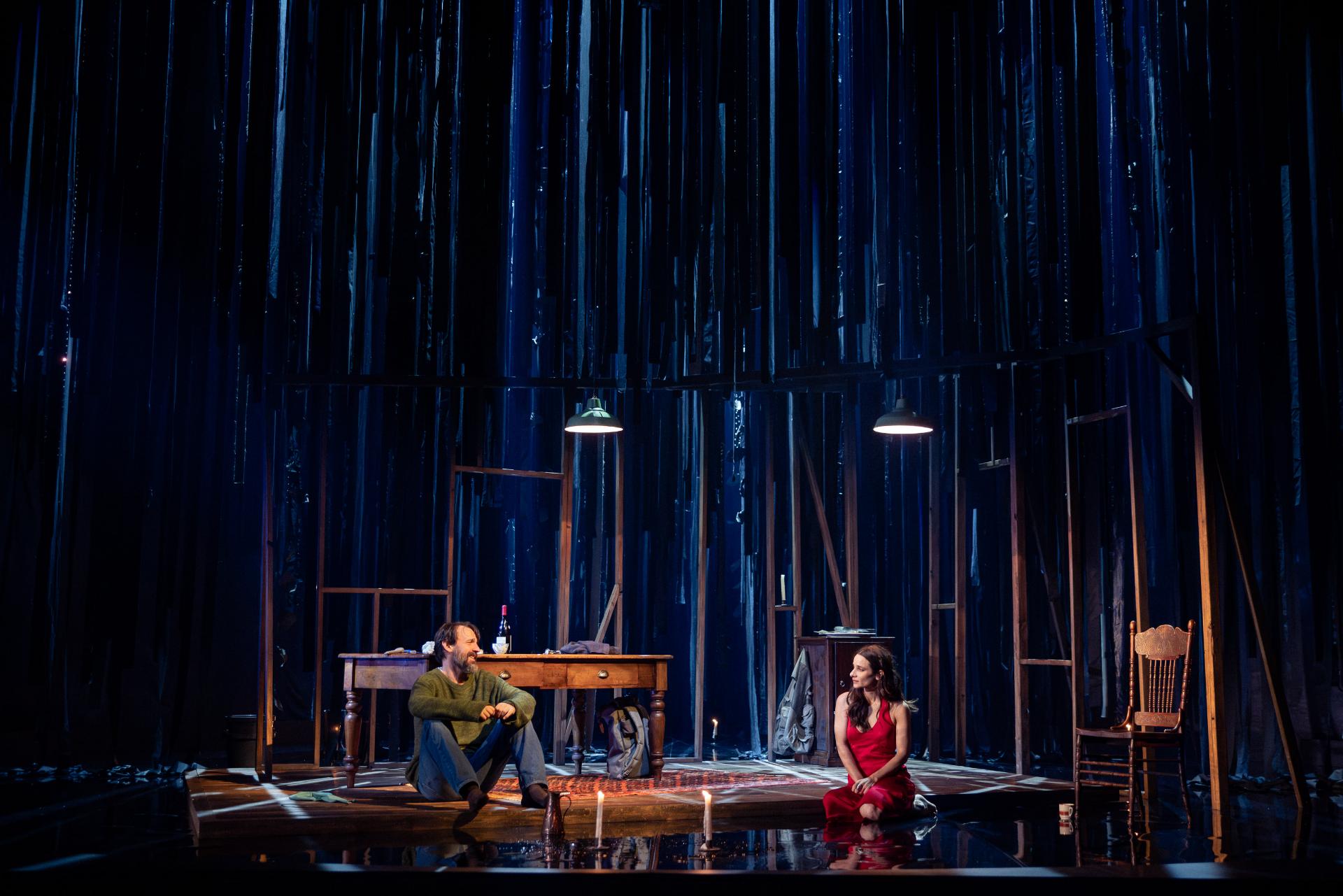
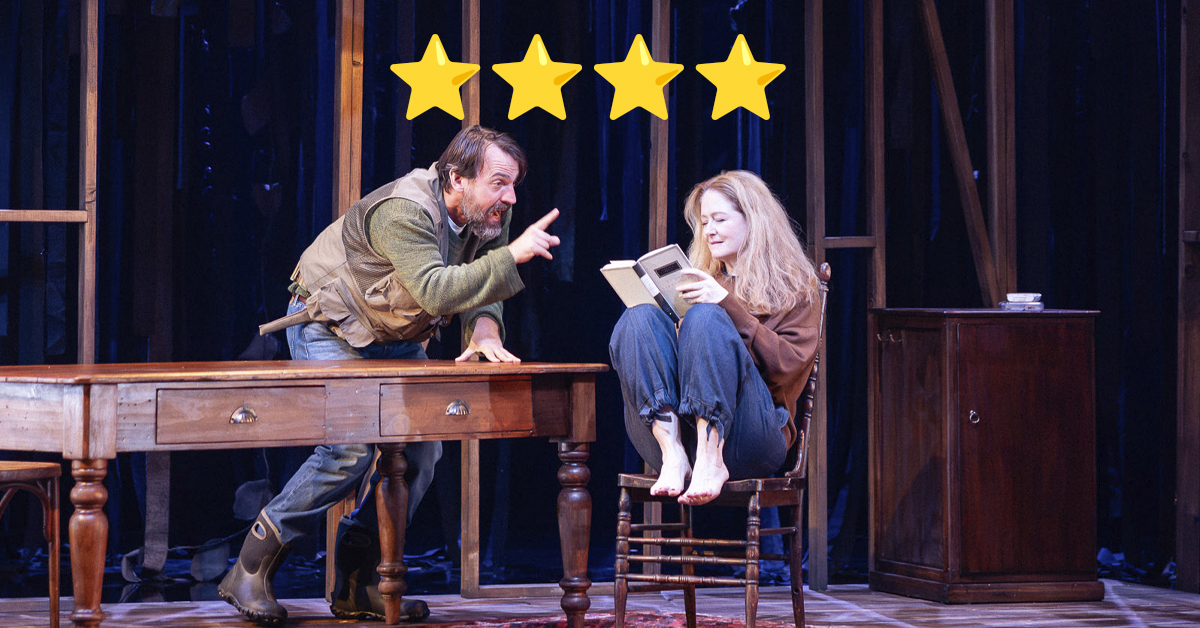
Nestled within the secluded confines of an English fishing cabin, a man confronts the ghost of unspeakable trauma—its spectral presence materialized in the image of a woman adorned in scarlet. Jez Butterworth’s The River emerges as a theatrical enigma of remarkable density, its narrative currents flowing through multiple interpretive channels while remaining anchored, perhaps most profoundly, in the murky depths of grief and regret. Though deliberately provocative in its withholding of certainties, the text is exquisitely wrought, offering precisely sufficient ambiguity to ignite the spectator’s imaginative faculties without descending into pedestrian opacity.

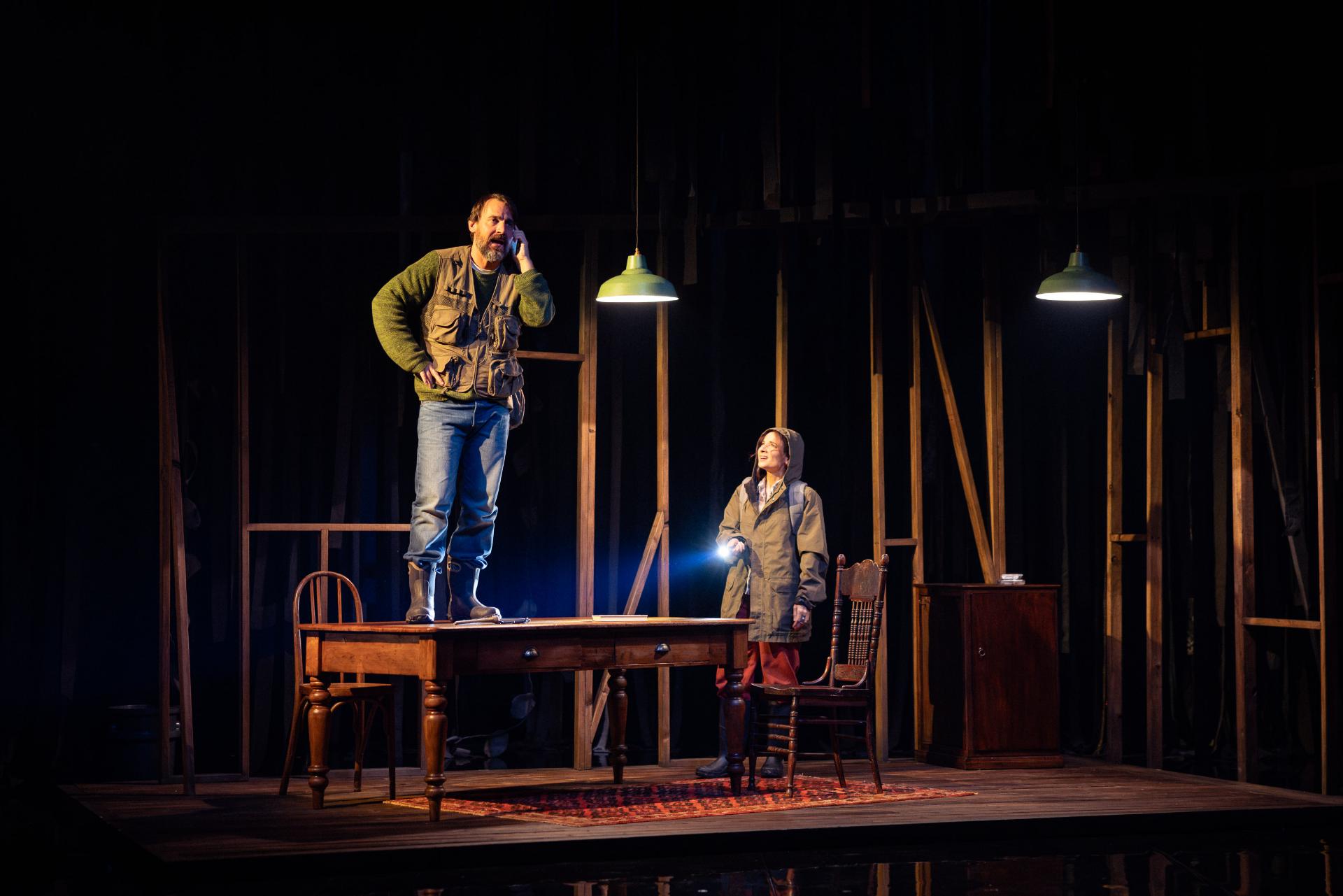
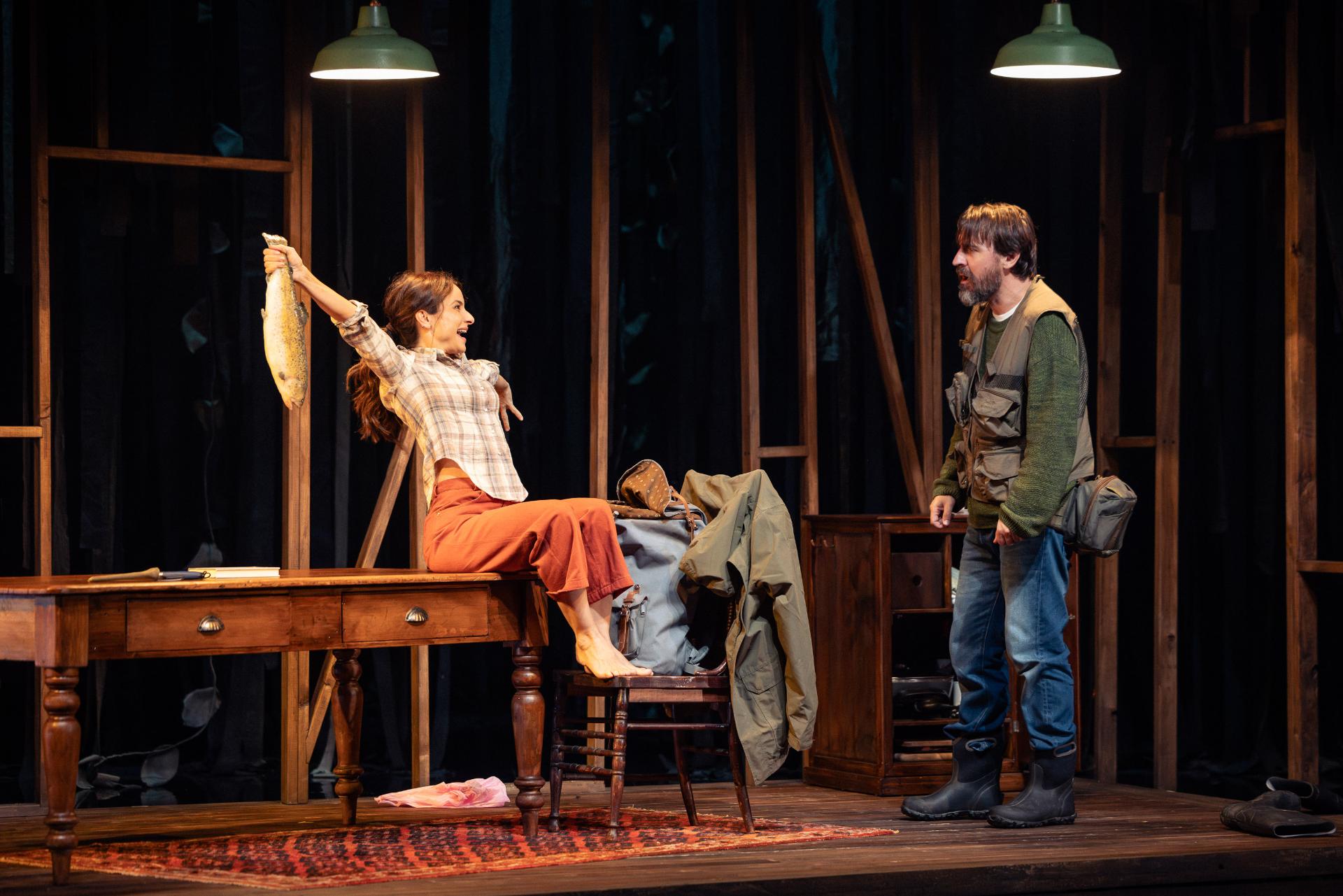
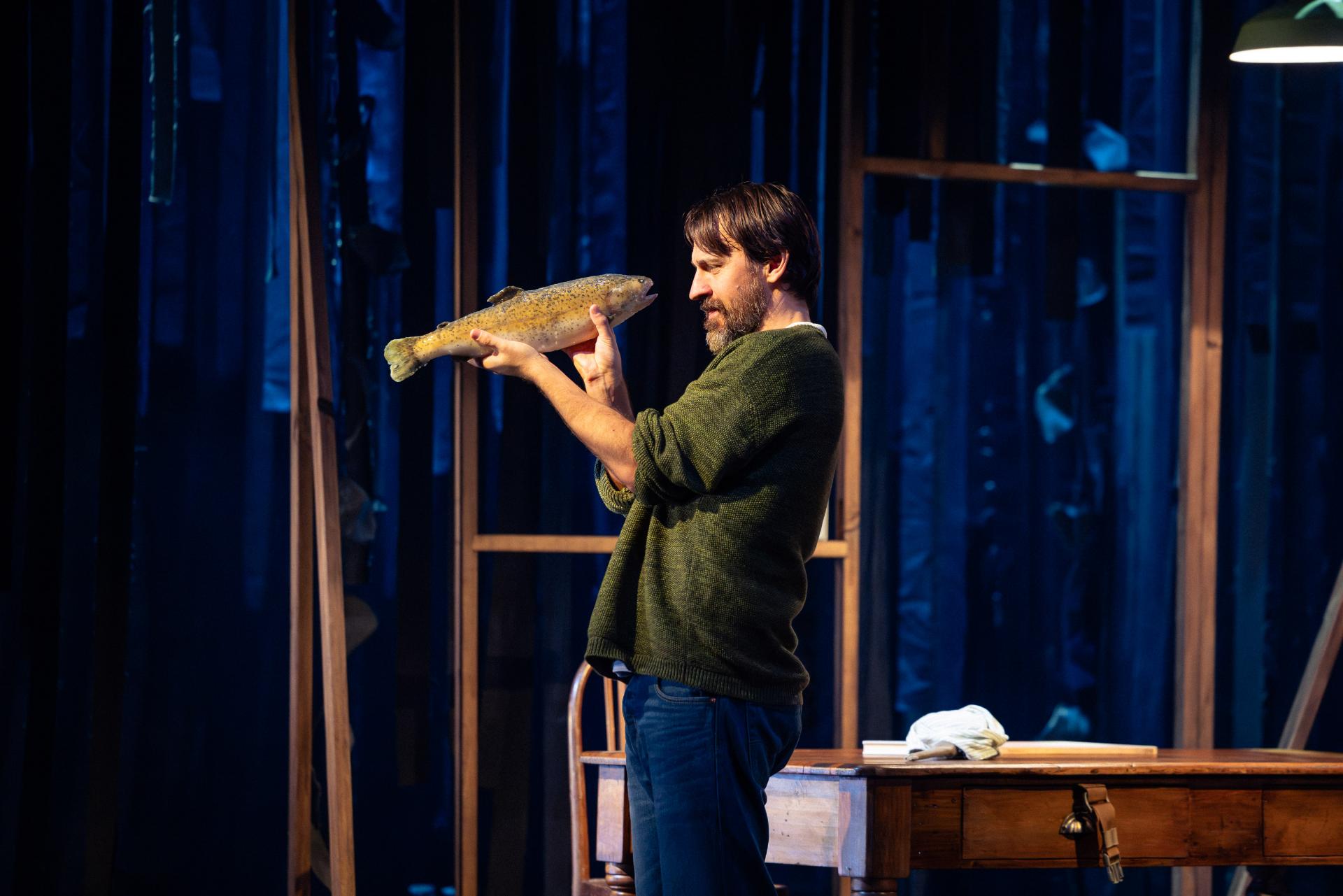
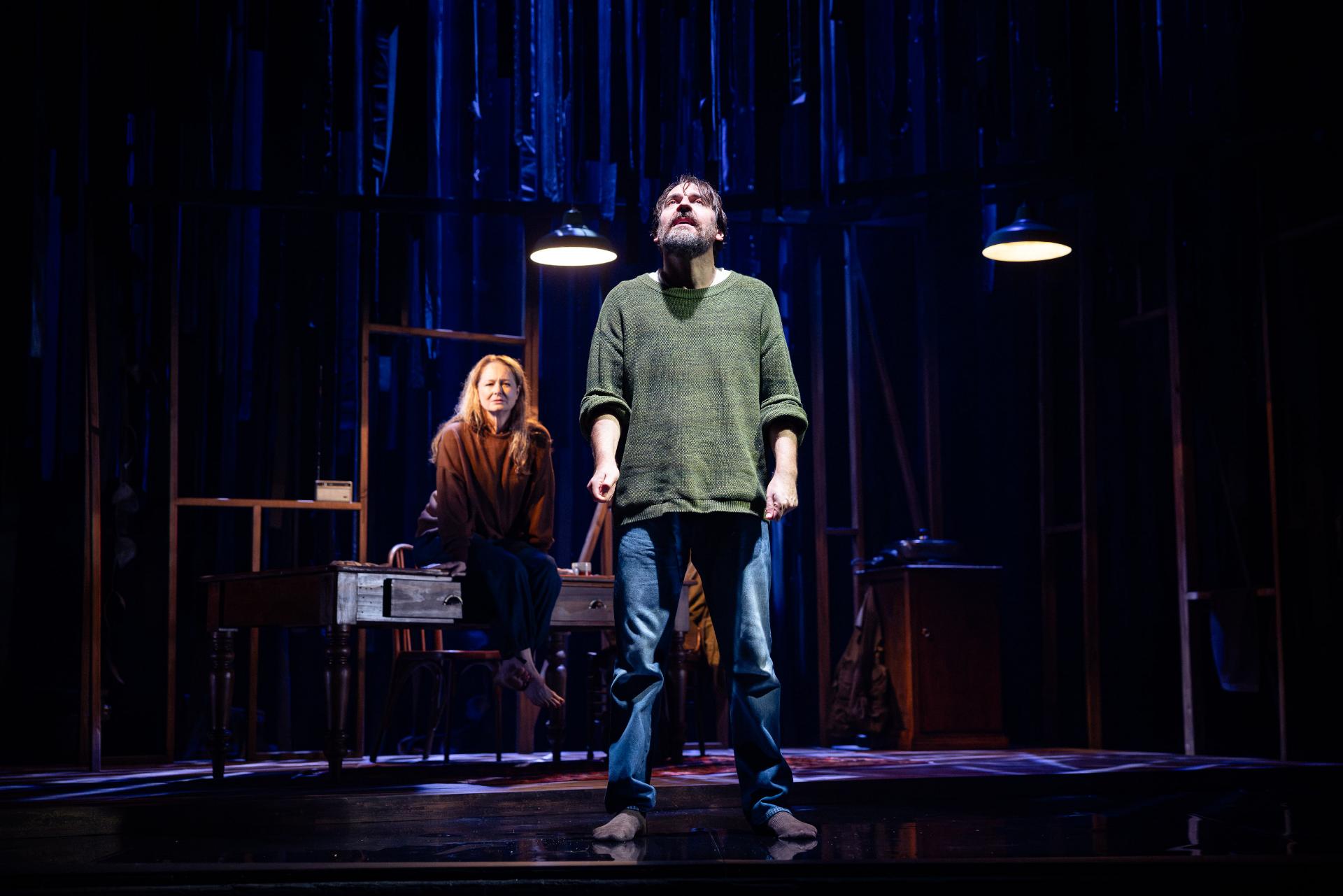
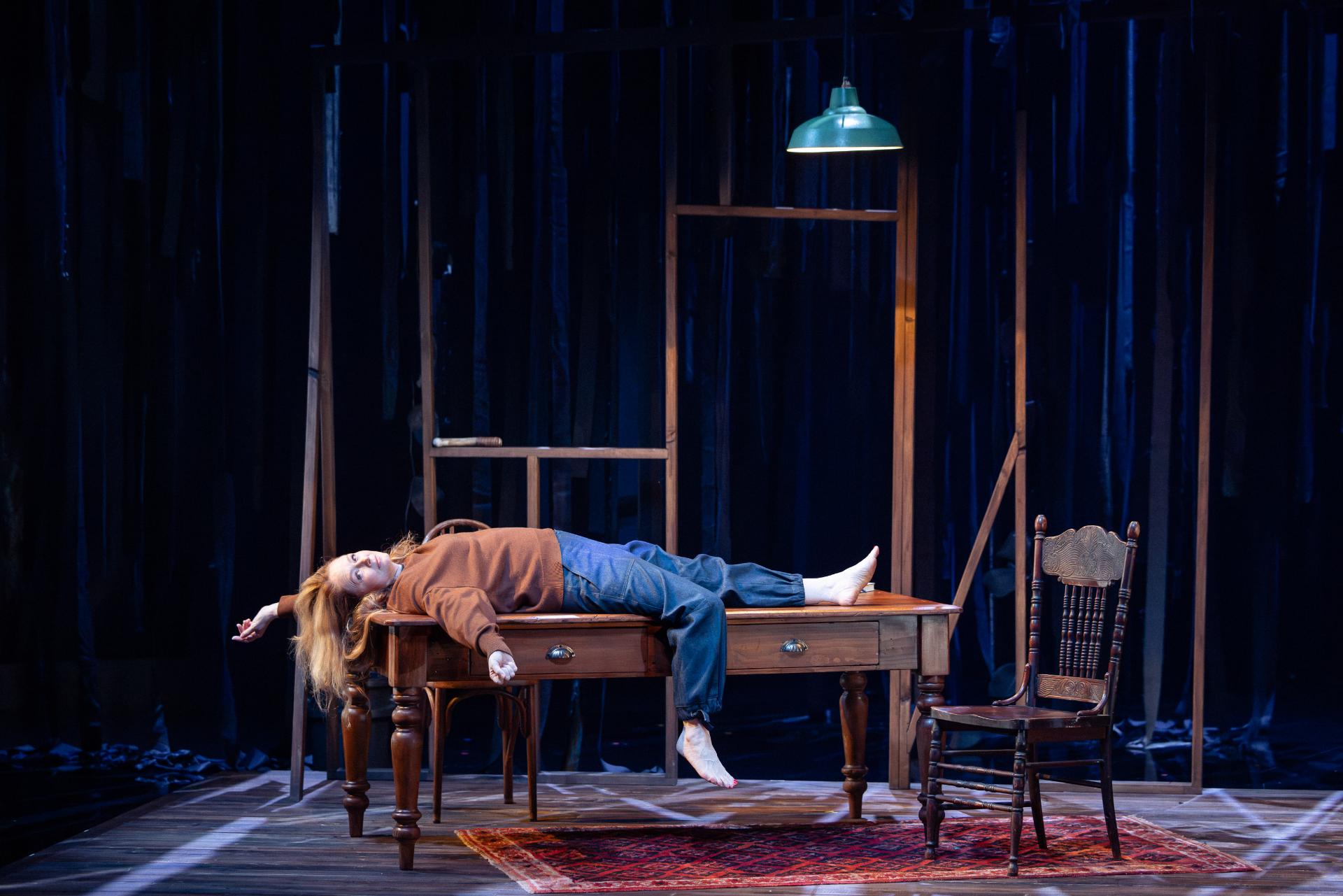
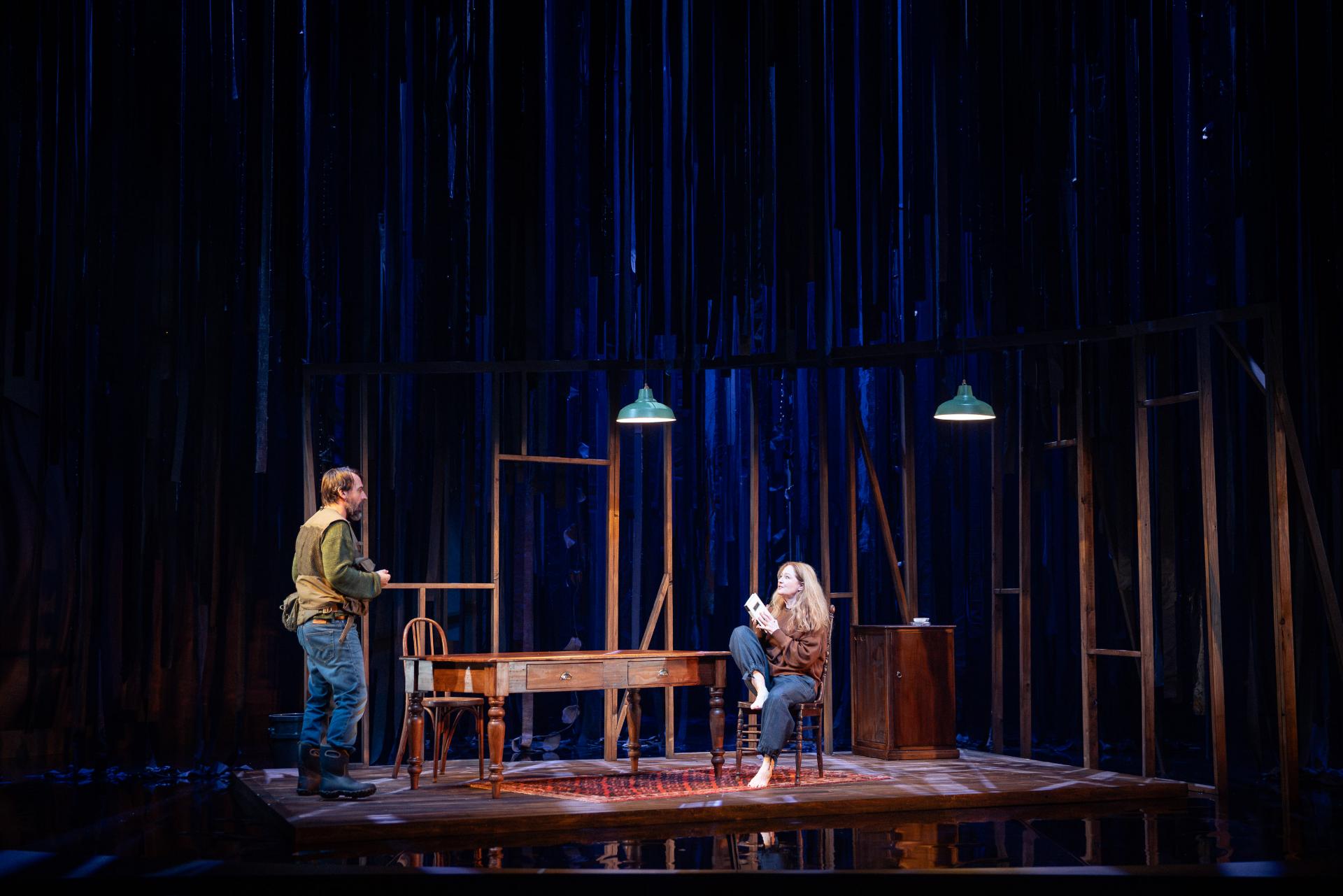
Margaret Thanos’ direction rises to meet this sophistication with an aesthetic of curated chicness—self-consciously stylish yet perhaps overly circumspect in its understated approach, occasionally sacrificing visceral immediacy for cerebral detachment. Anna Tregloan’s production design evokes flowing water through cascading ribbons and a minimalist hut-like structure—spare yet evocative, providing all necessary visual cues without distraction.

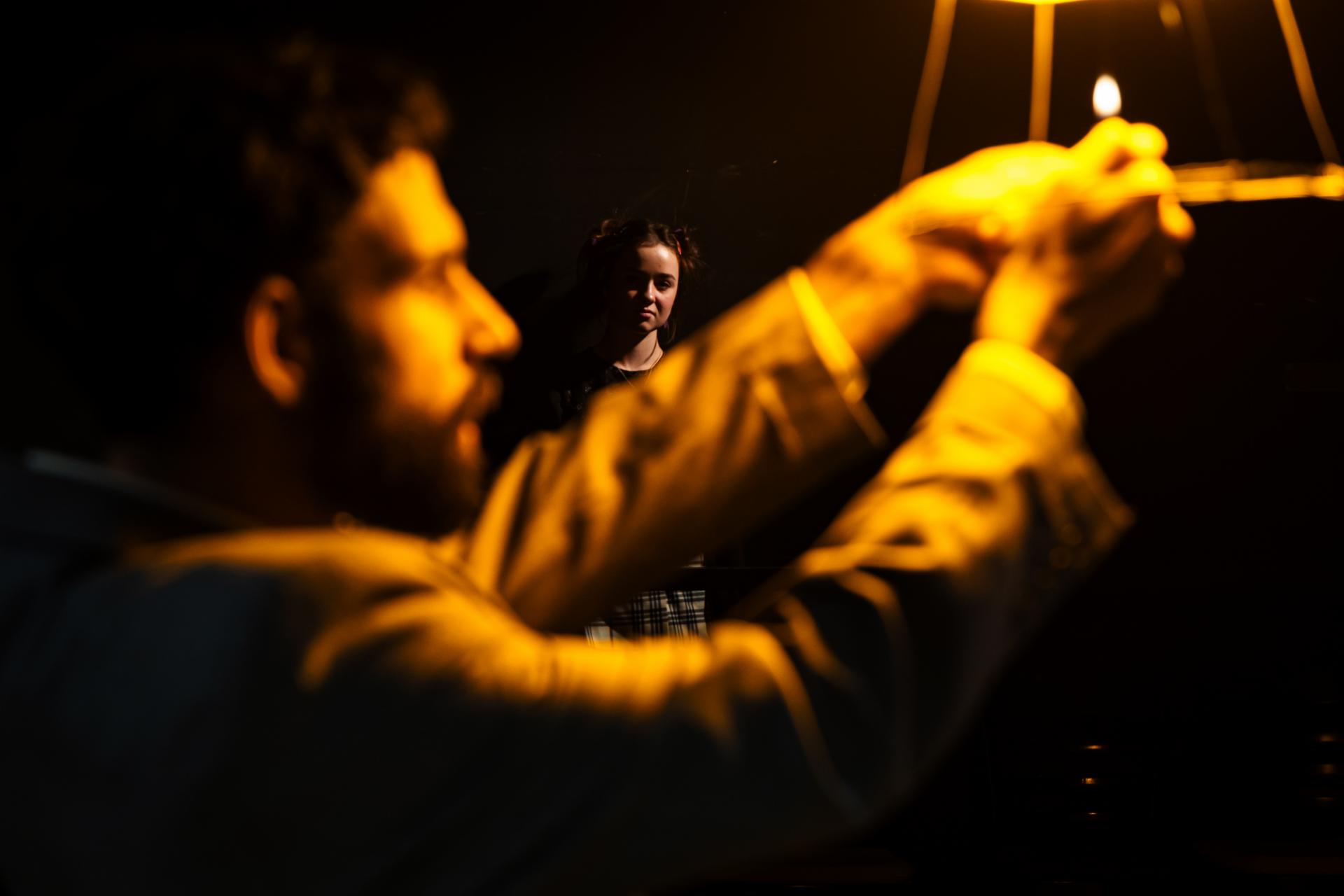
Damien Cooper’s lighting palette conjures the requisite haunting, vaguely sinister atmospherics essential to the piece’s creeping psychological dread, though one wishes for occasional modulation toward more flattering illumination to deepen our sympathetic attachment to the personalities portrayed. Sam Cheng’s sound design achieves moments of genuinely transcendent beauty—ethereal and devastating in its restraint—yet could benefit from greater dynamic range, allowing orchestral crescendos to match the text’s moments of heightened dramatic intensity rather than maintaining consistent atmospheric delicacy.

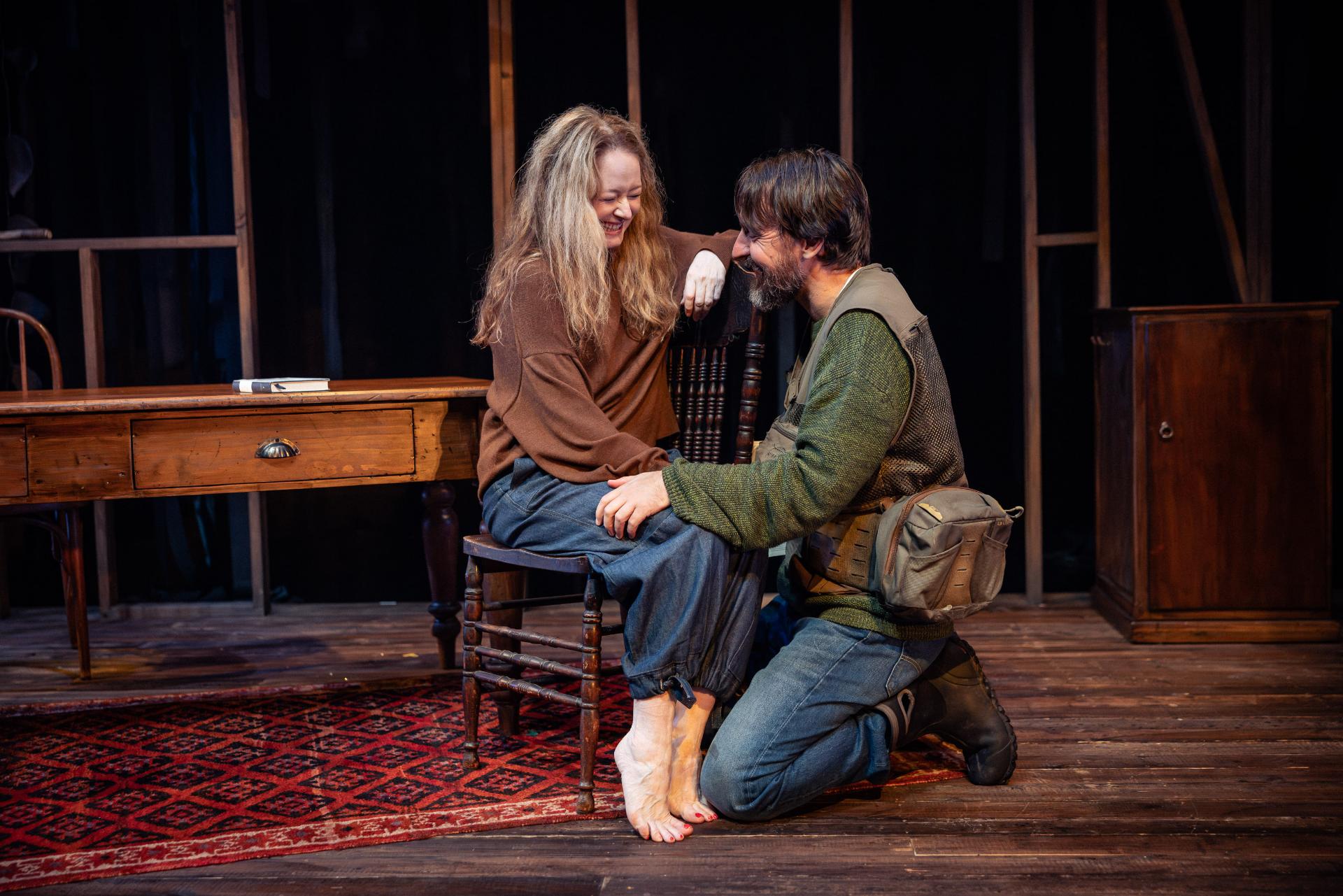
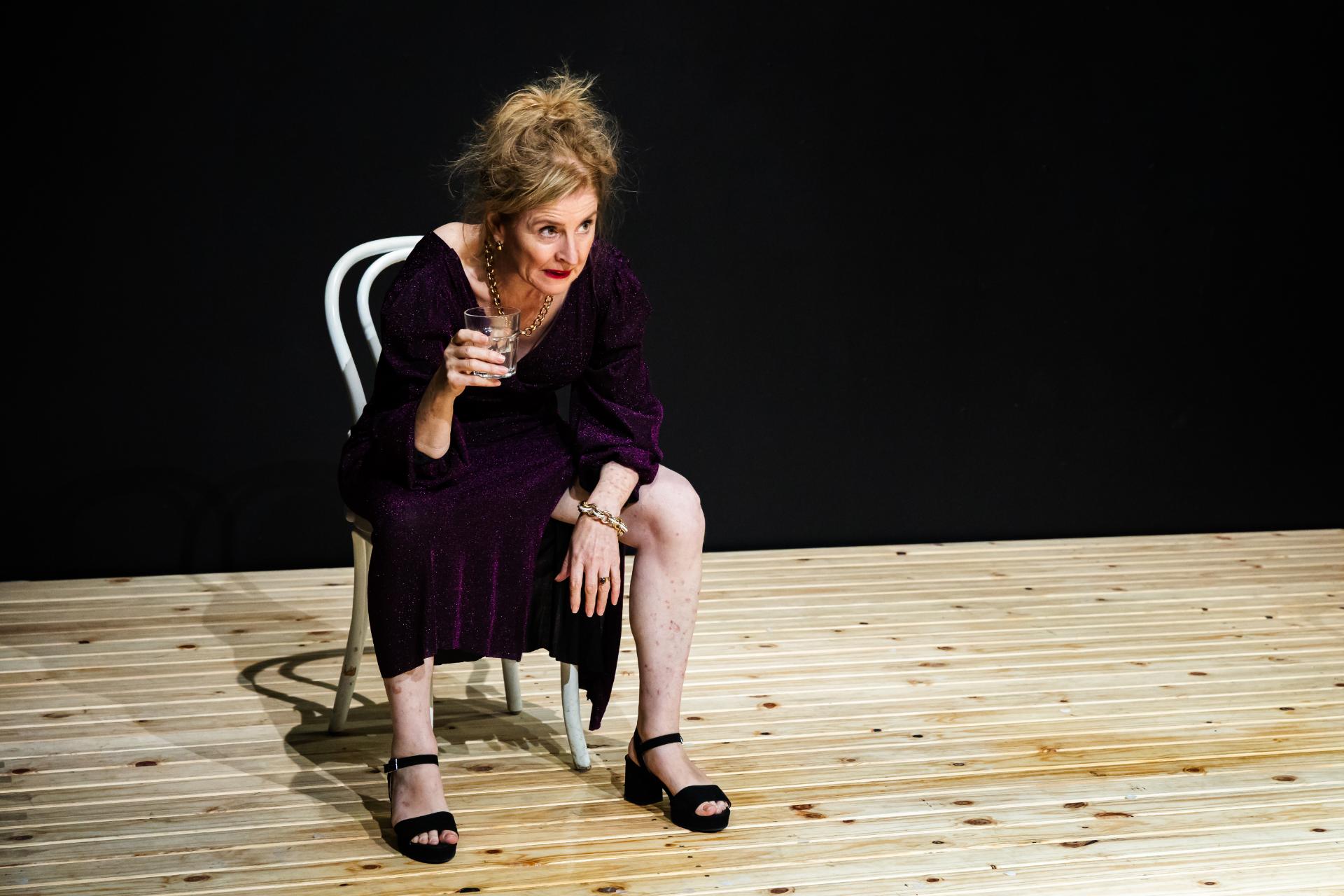
Ewen Leslie delivers a formidable performance as the lead, laudably infusing light and shade into a narrative that seems determined to remain stubbornly macabre. Without the crutch of expository dialogue, Leslie’s remarkable nuance conveys immense complexity, inviting us into a story that feels inexhaustibly layered. Andrea Demetriadis delivers exceptional intensity in several exquisitely crafted dramatic set pieces—operatic in their theatricality yet always anchored in coherent dramaturgical logic. Miranda Otto adopts a more reticent approach by comparison, effectively conveying inexorable realism though one desires greater creative adventurousness to fully spark our imaginative inspiration.

Throughout the drama’s unfolding, spectators find ourselves suspended in productive suspicion, perpetually interrogating our own comprehension even as our instincts register the underlying truth with uncomfortable accuracy. We discover ourselves actively denying our intuitive grasp of events—much as the protagonist must navigate his existence without full honesty regarding his past, and consequently, his present. Survival may indeed necessitate temporary aversion from unbearable truths, yet such evasion can only serve as provisional strategy; the ancient dictum remains immutable, and it is ultimately truth above all else, that will set you free.
www.sydneytheatre.com.au

Review: Till The Stars Come Down (KXT on Broadway)

Venue: KXT on Broadway (Ultimo NSW), Mar 27 – Apr 11, 2026
Playwright: Beth Steel
Director: Anthony Skuse
Cast: Jane Angharad, Peter Eyers, Amy Goedecke, Zoran Jevtic, Ainslie McGlynn, Kira McLennan, Brendan Miles, Jo Briant, Imogen Sage, James Smithers
Images by Braiden Toko

Theatre review
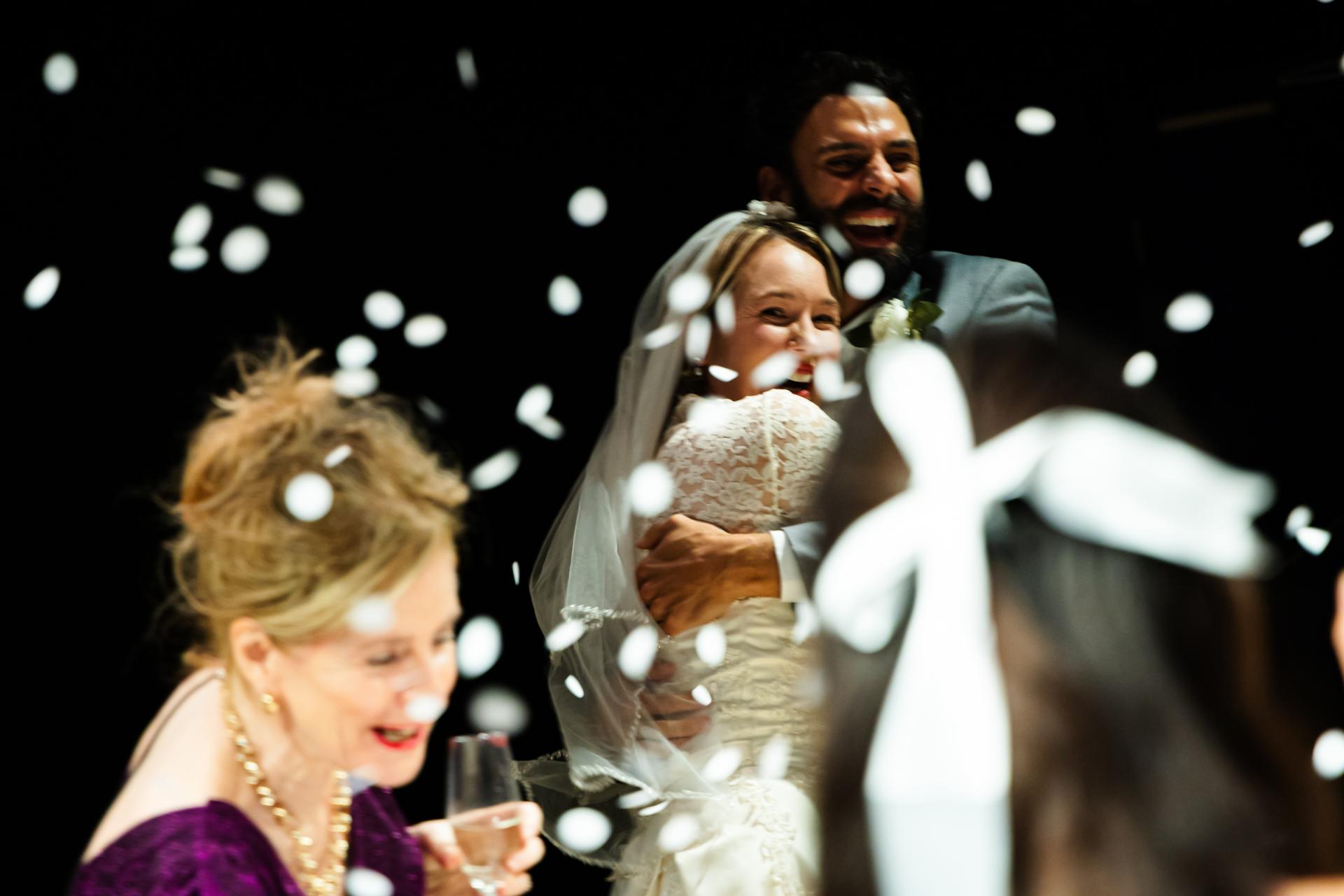
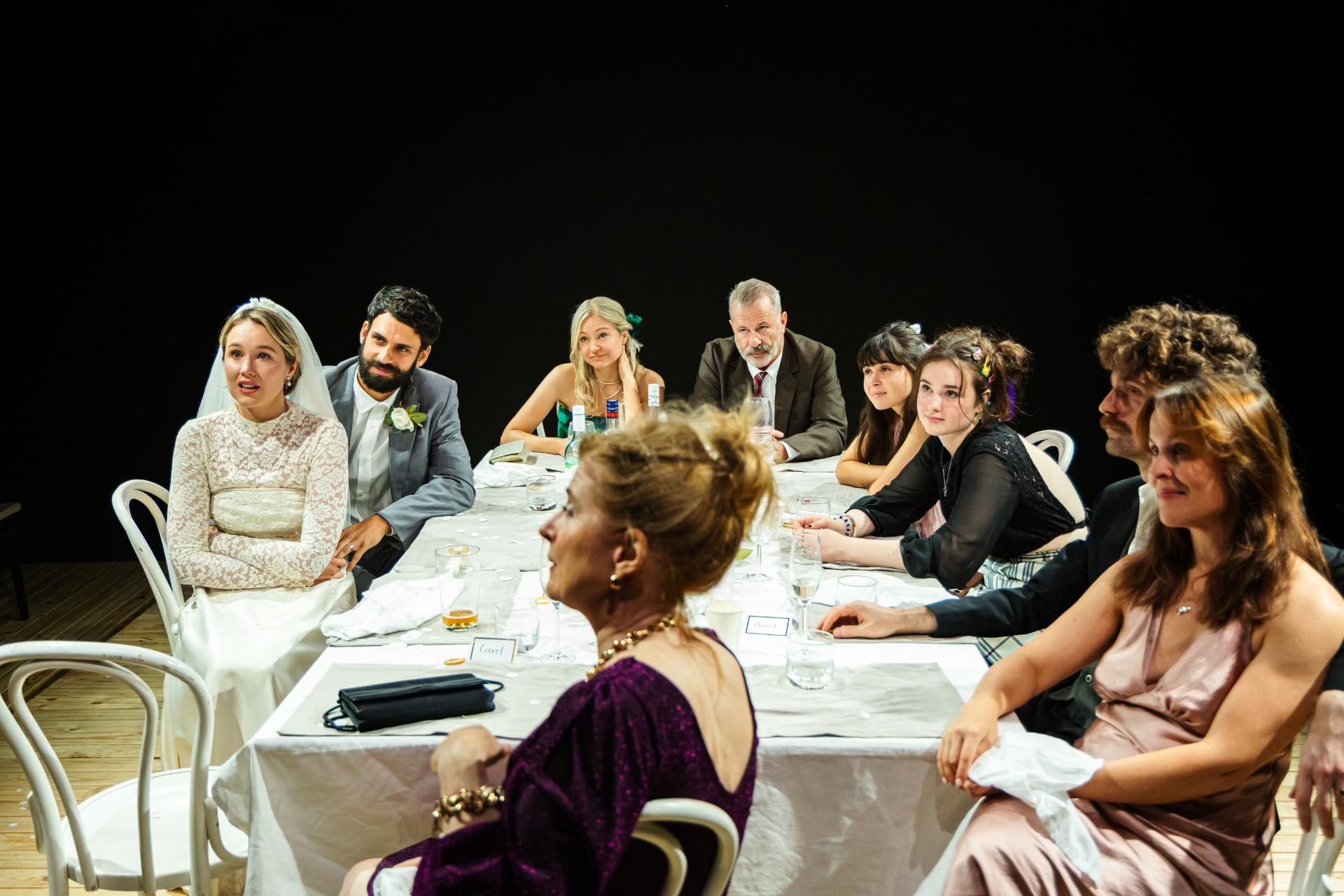
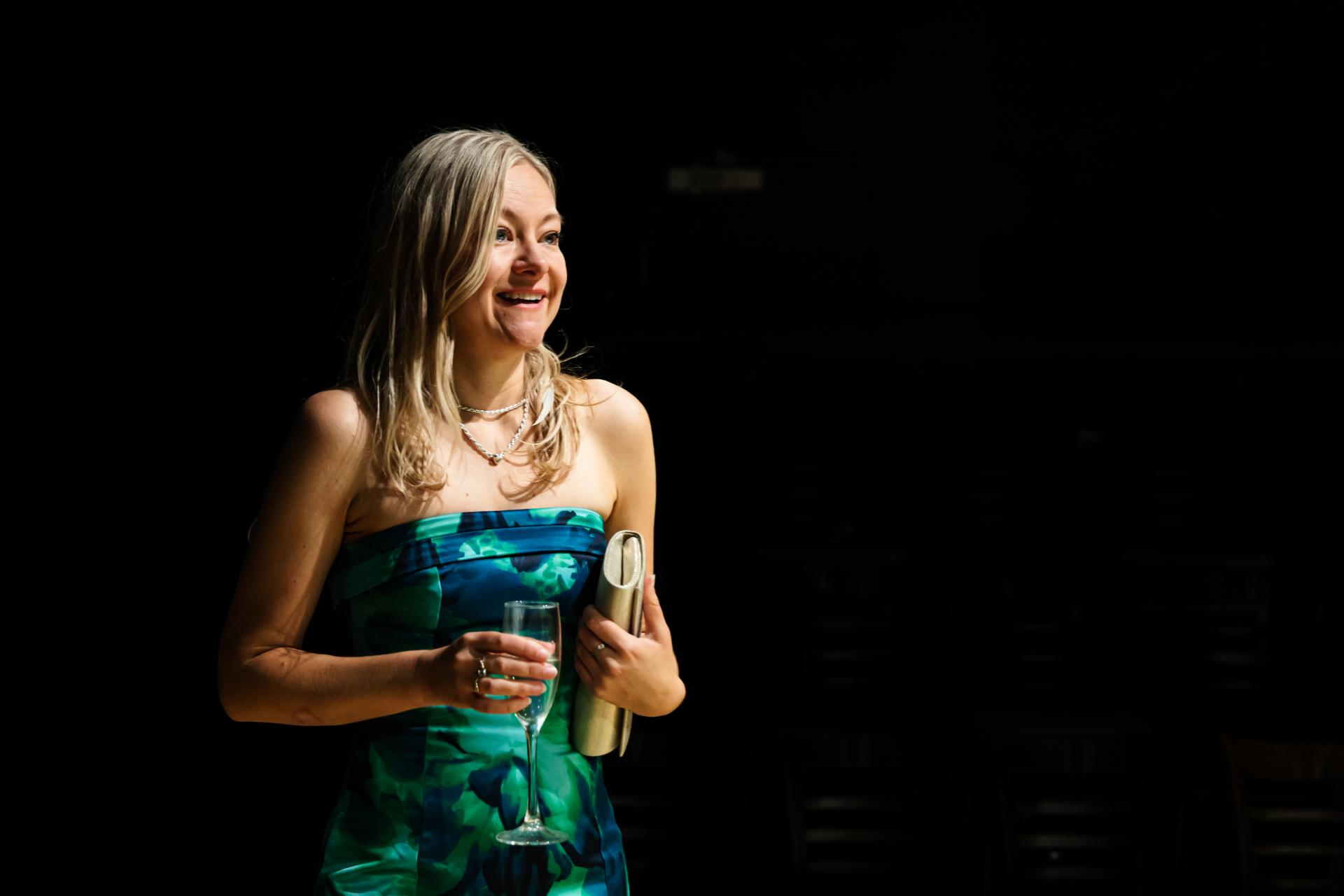
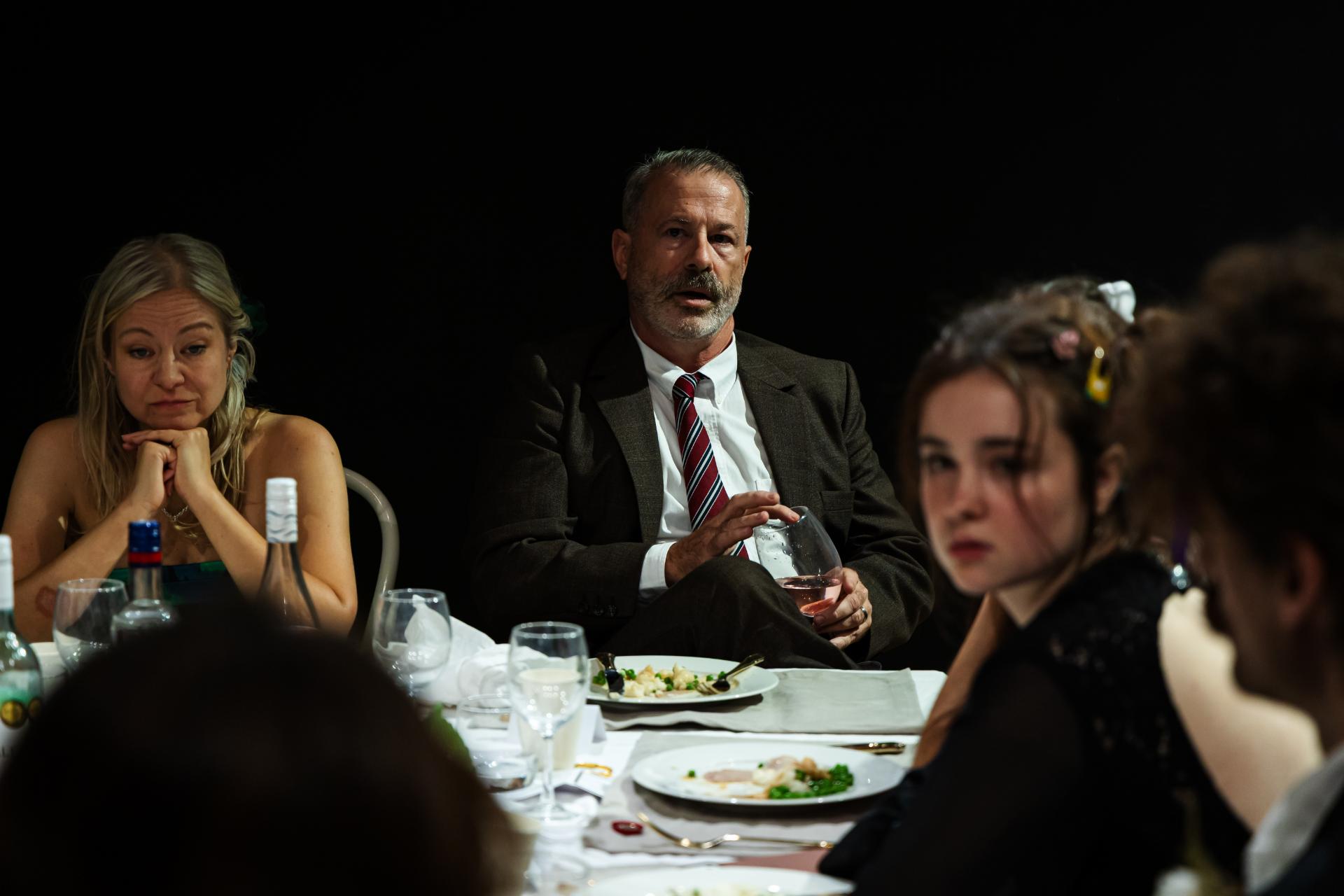
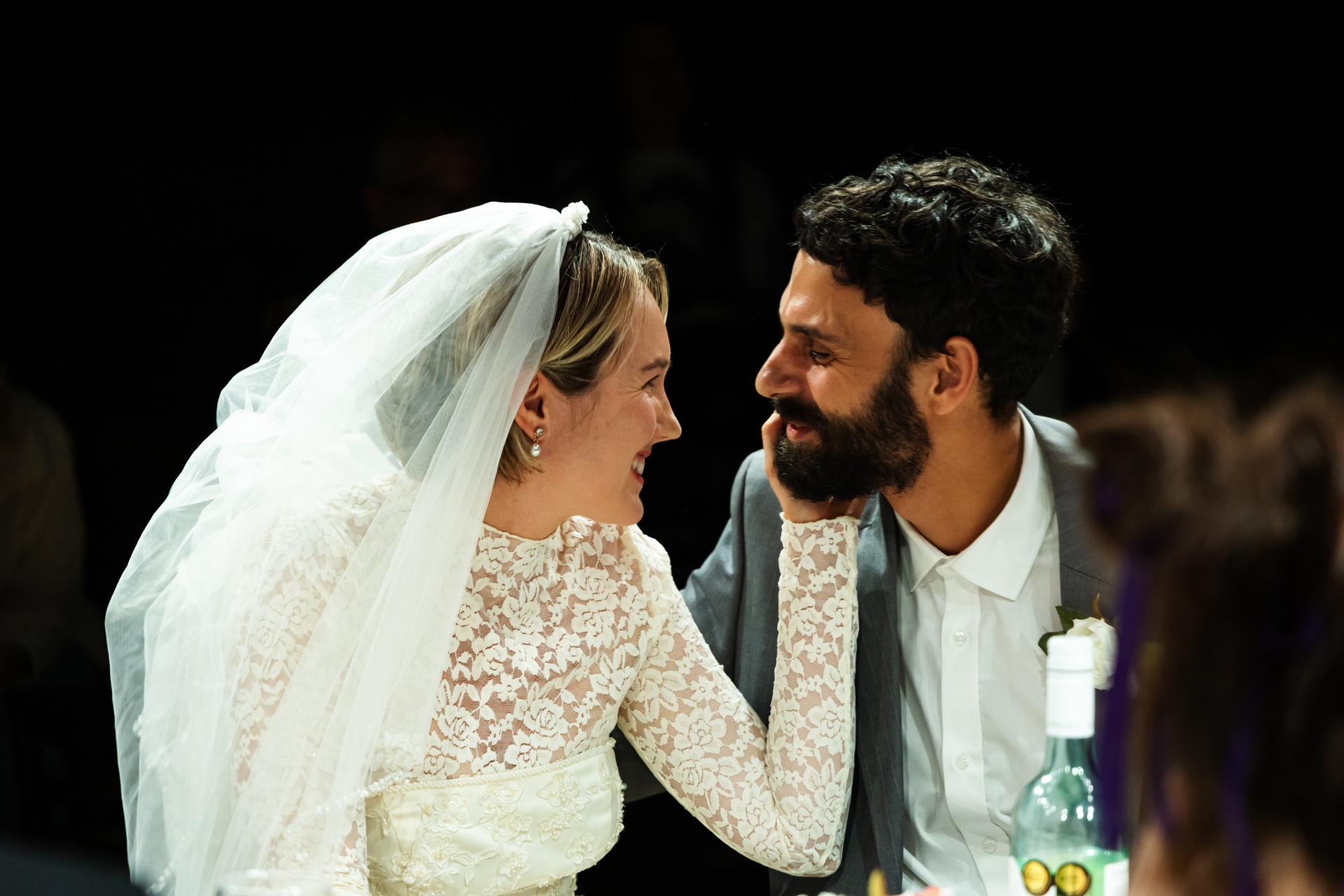
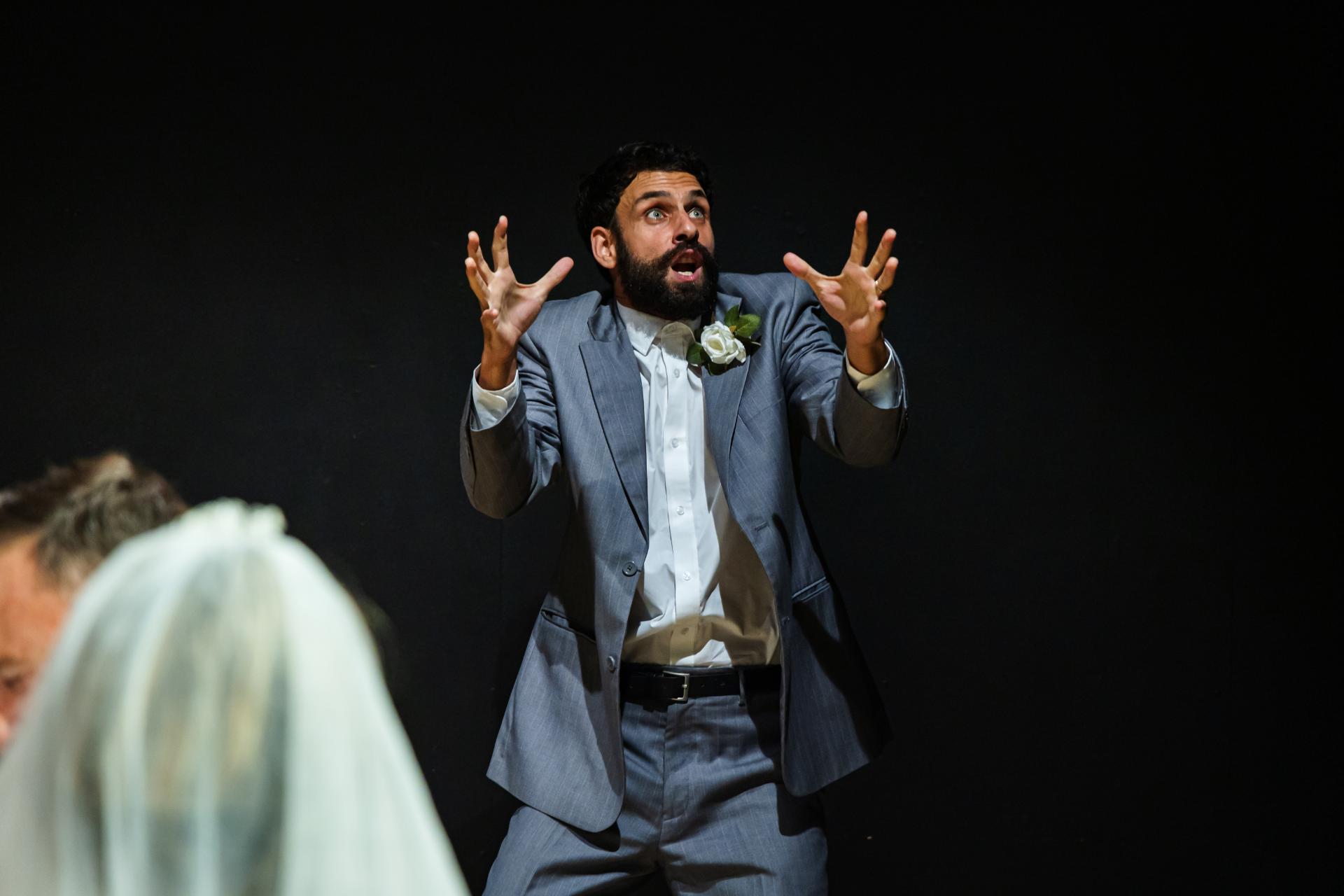
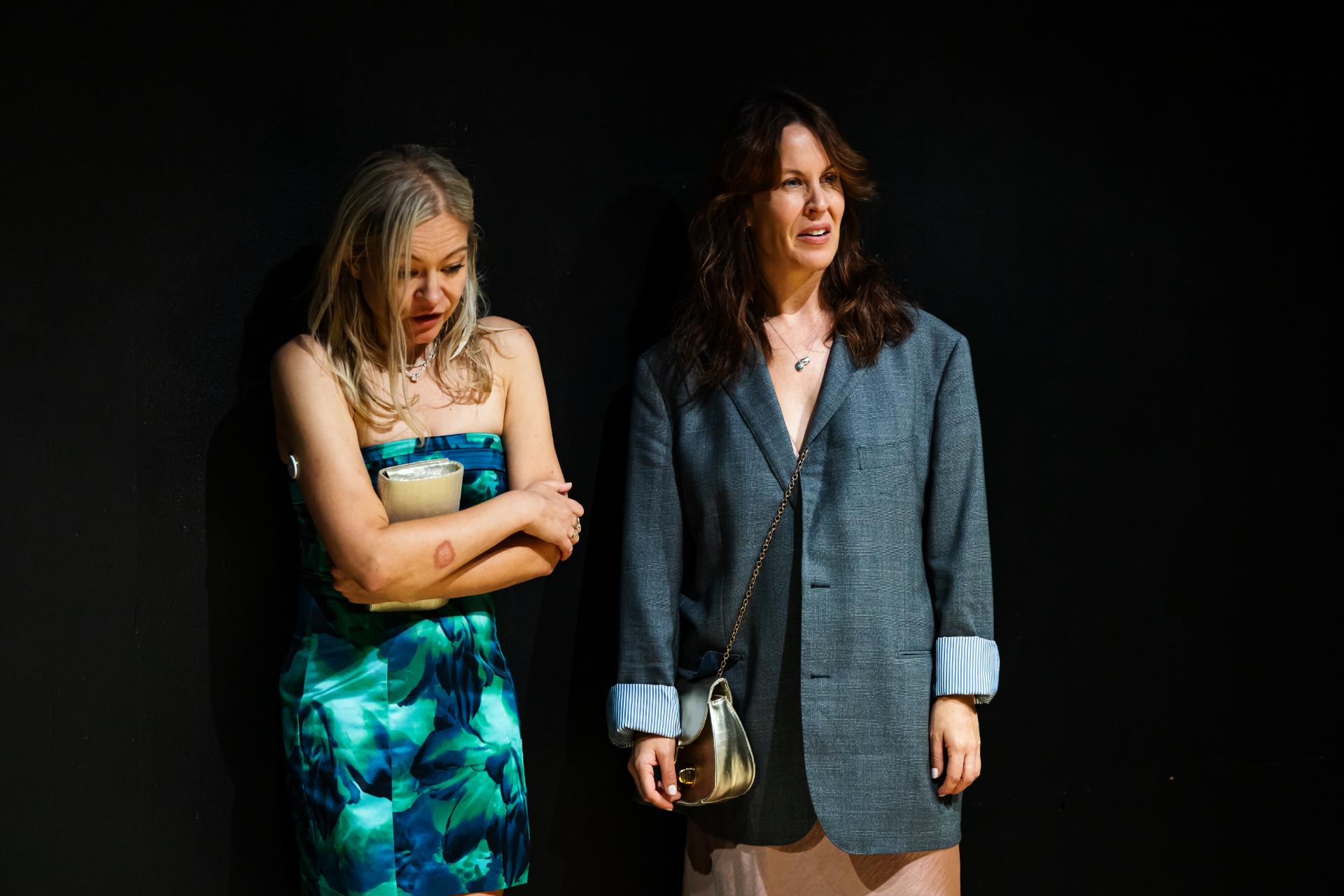
At Silvia’s wedding, the assembled family observes the ritual of good behaviour—upright postures, pleasantries exchanged with the precision of choreographed dance—only to find that the champagne, once flowing, dissolves the adhesive holding their performances together. Upheaval arrives not as surprise but as inevitability, and Beth Steel’s Till the Stars Come Down positions itself to excavate the sediment of grief, class anxiety, and generational fracture that such gatherings inevitably stir. Yet for all its archaeological ambition, the play remains frustratingly proximal to the surface, favouring the escalating rhythms of melodrama over the slower, more treacherous work of thematic investigation. Steel introduces fault lines that promise to rupture into revelation—economic precarity, maternal sacrifice, the performance of happiness itself—only to resolve them with a neatness that belies their complexity. The narrative plants its ambitions widely but harvests narrowly, leaving us not with the disturbing clarity of family truths exposed, but with the familiar aftertaste of soap opera: emotion without consequence, conflict without cost.

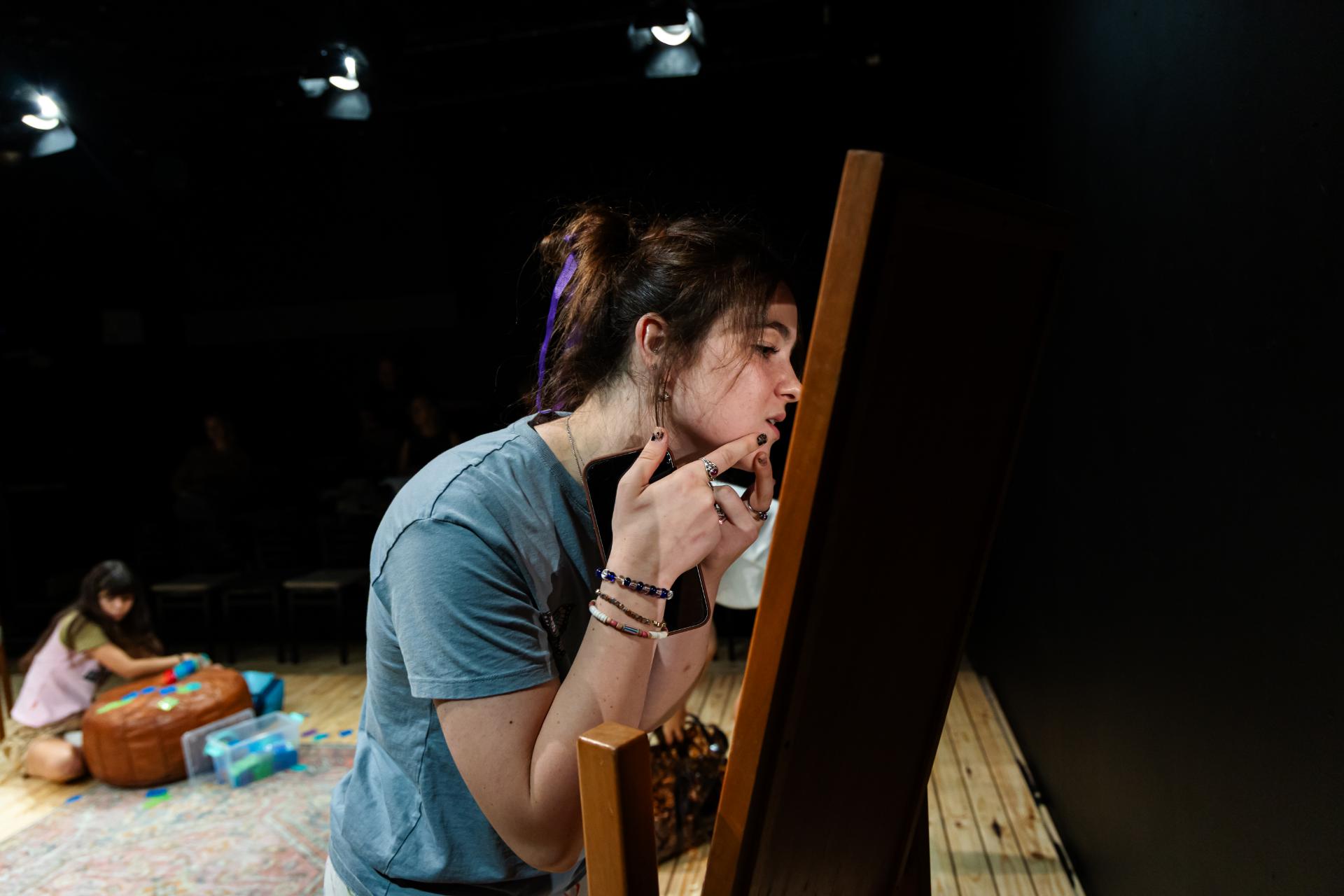
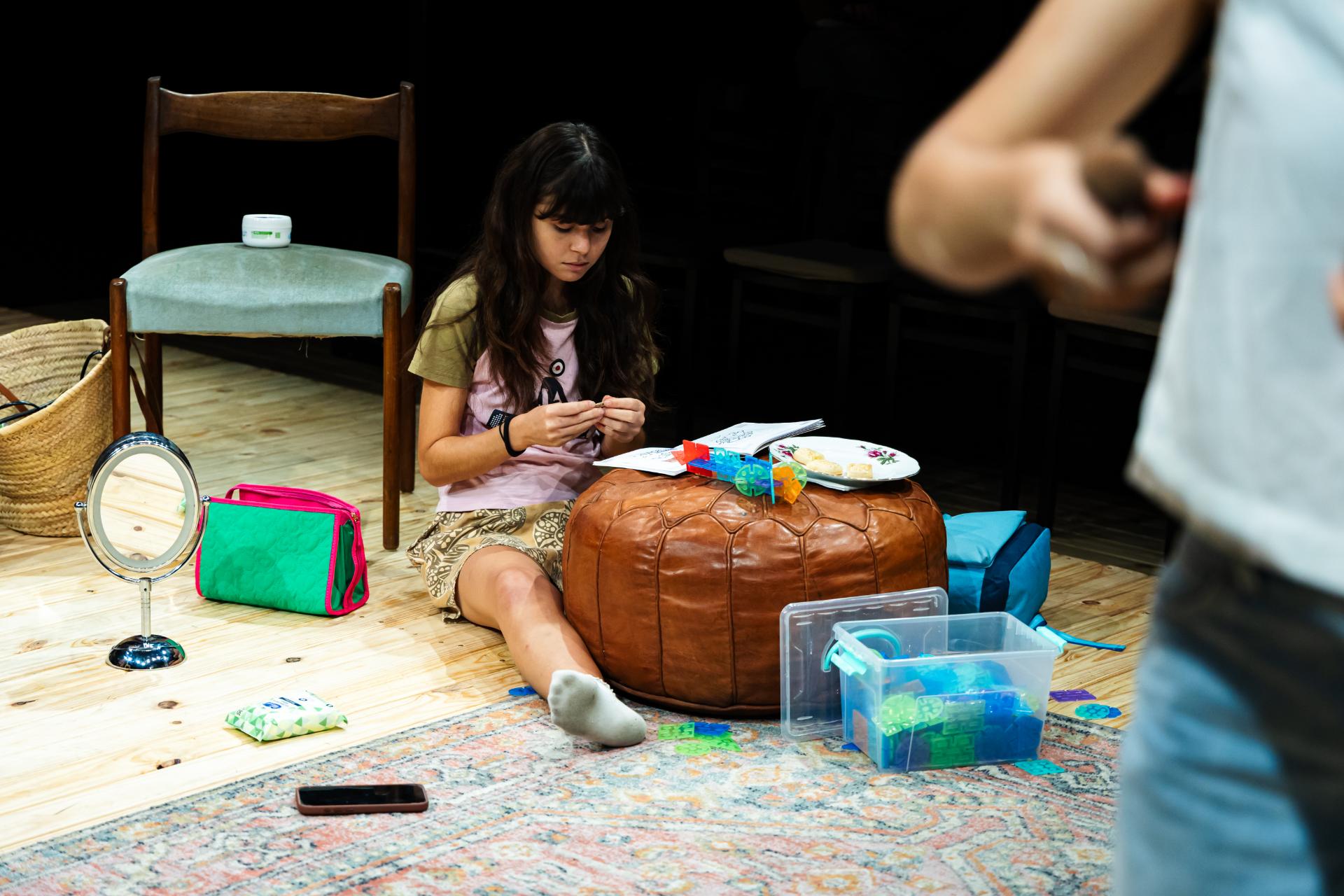
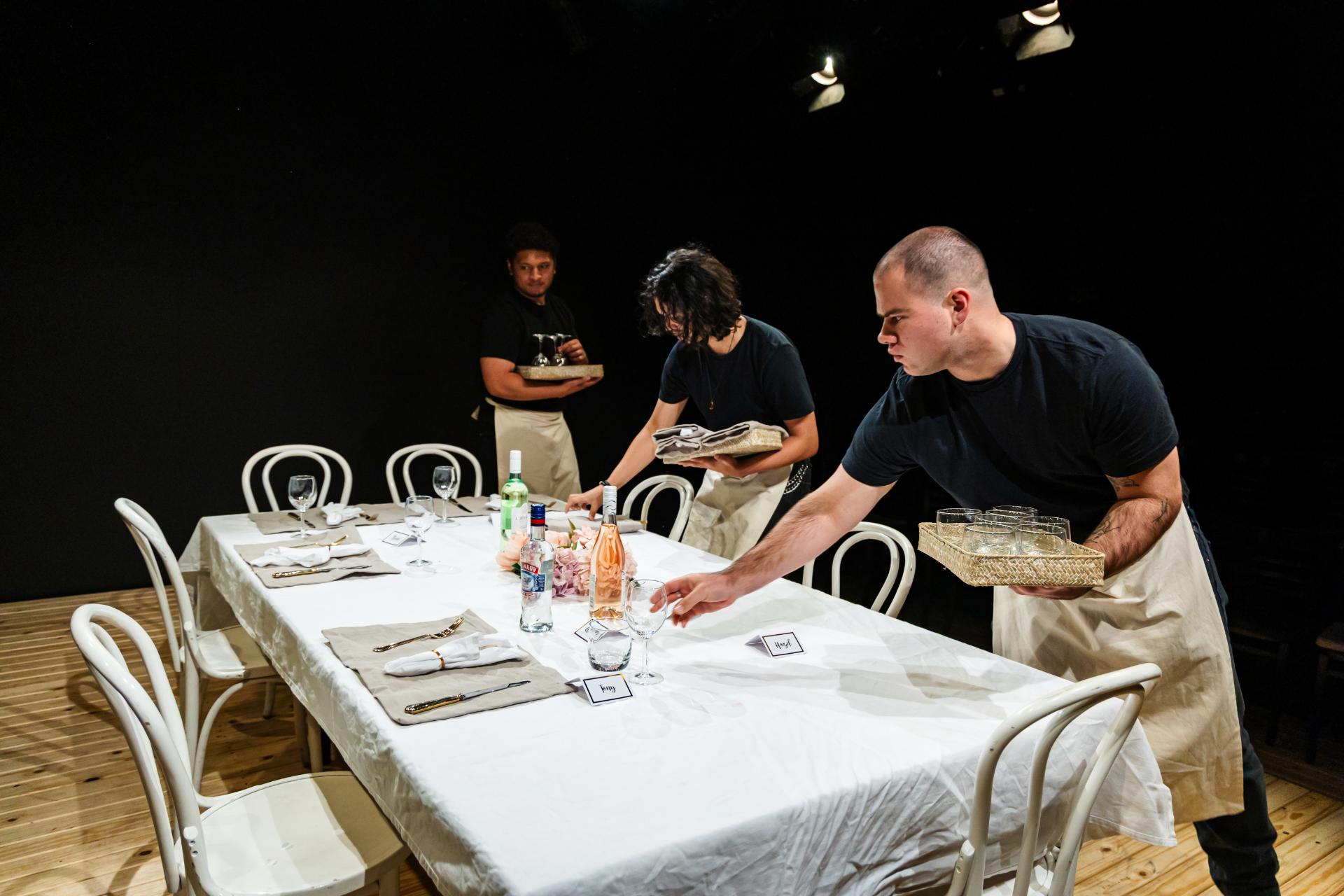
Director Anthony Skuse deserves credit for lending genuine gravity to the melodrama, grounding the characters’ anguish in palpable feeling even when their circumstances lean toward the mundane. The melancholy is further underscored by Layla Phillips’s music, whose interludes coax us into dwelling on the sorrow lurking beneath the festivities. James Smithers’s set, with its carefully appointed timber floor, evokes the familiar atmosphere of outdoor gatherings, though Charlotte Savva’s costumes, while fitting for the archetypes on display, could afford a more heightened theatrical sensibility. Topaz Marlay-Cole’s lighting captures subtle shifts in mood, yet it, too, might benefit from a more finely detailed approach.

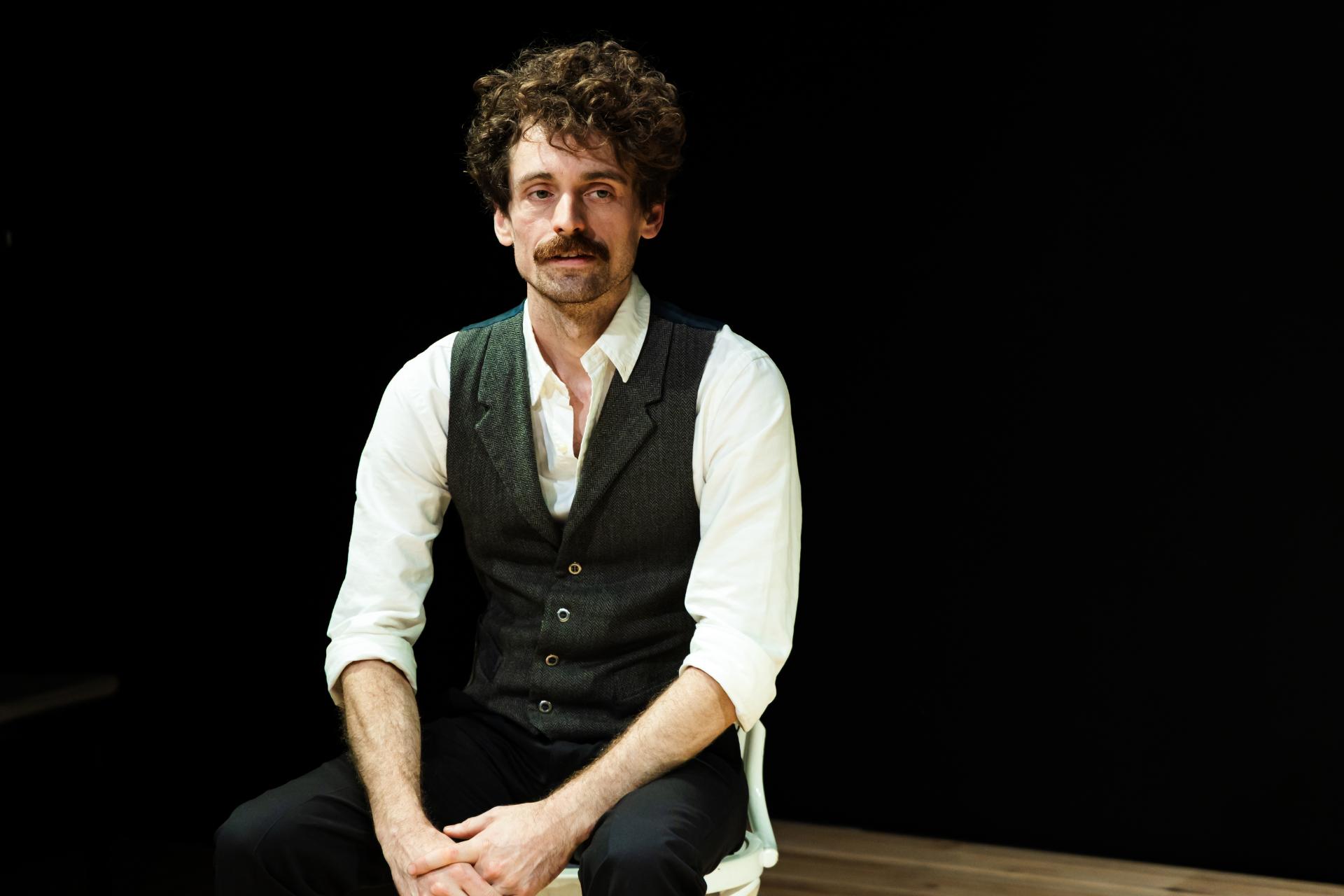
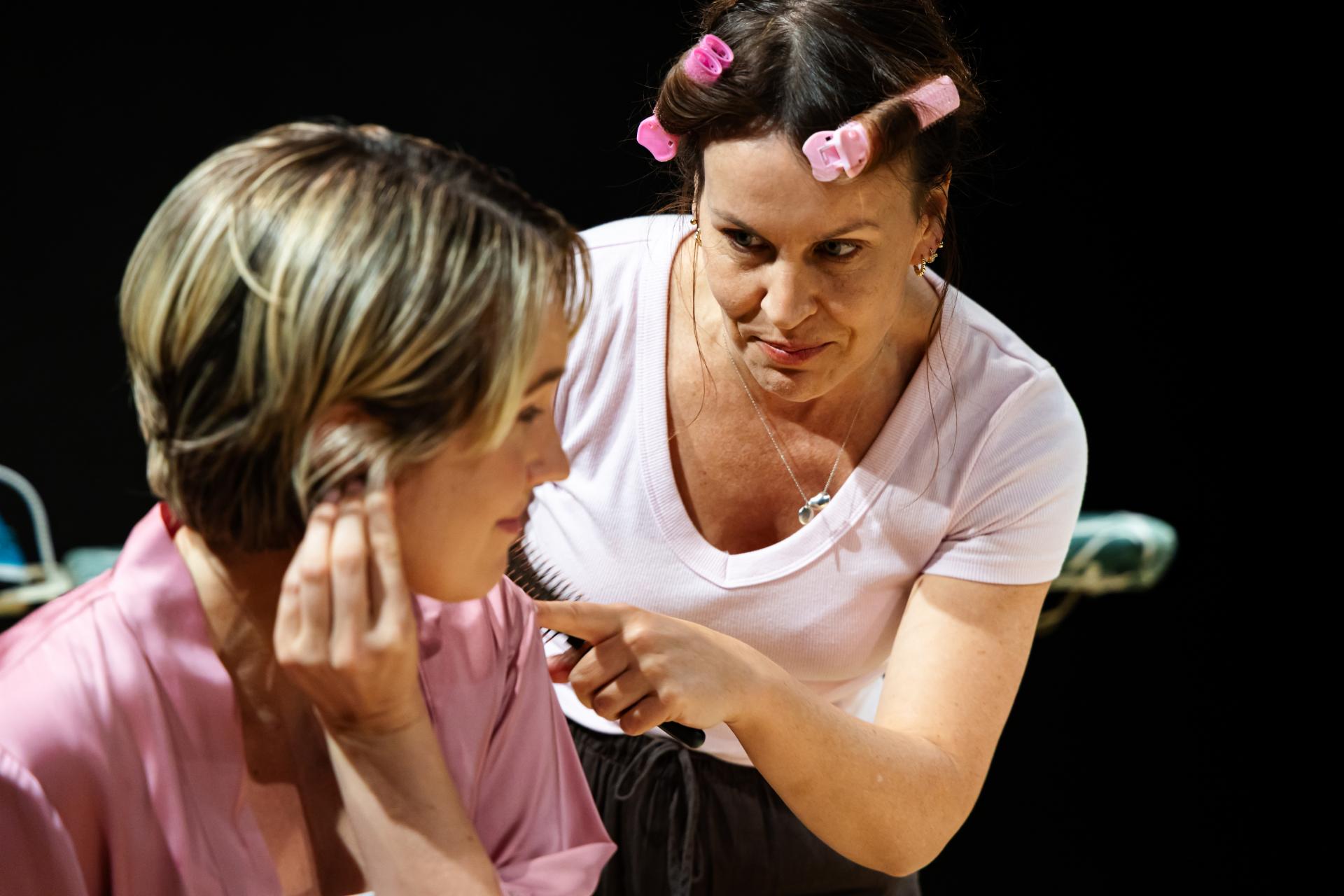
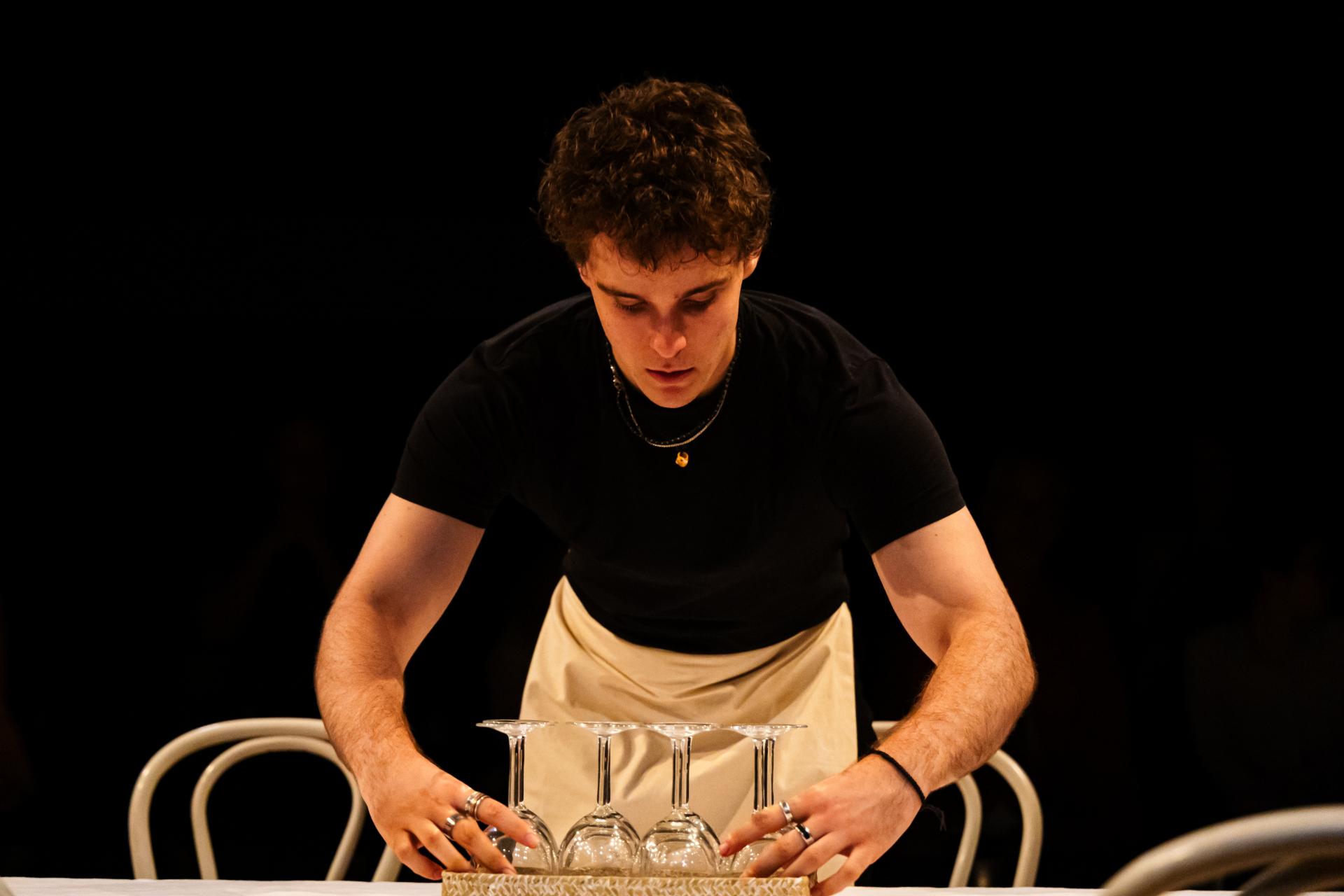
The ensemble of ten—augmented by three additional performers as silent waitstaff—delivers performances ranging from adequate to genuinely compelling. Jo Briant as the family friend Carol and Zoran Jevtic as the groom Marek leave the strongest impressions, infusing their roles with an exuberance that feels refreshingly natural. As Hazel, one of the bride’s sisters, Ainslie McGlynn drives the play toward its feverish conclusion with remarkable theatricality, managing to conjure extraordinary moments from a role that the text itself often leaves thinly drawn.

Weddings are, of course, theatre in its most naked form: elaborate productions mounted to legitimise private feeling through public display. Yet as Steel’s play ultimately suggests—and as this production cannot quite overcome—the grandeur of the gesture often outpaces the depth of understanding beneath it. We enact conventions we have inherited but not examined, mistaking volume for truth, spectacle for significance. Till the Stars Come Down offers abundant commotion that resembles drama—shouts, tears, revelations hurled across the timber floor—but commotion alone cannot substitute for insight. The production leaves us with the hollow grandeur of the unrehearsed speech: moving in its immediacy, perhaps, but finally unable to articulate what it truly means to love, to lose, or to gather in the shadow of both.

www.kingsxtheatre.com | www.secrethouse.com.au