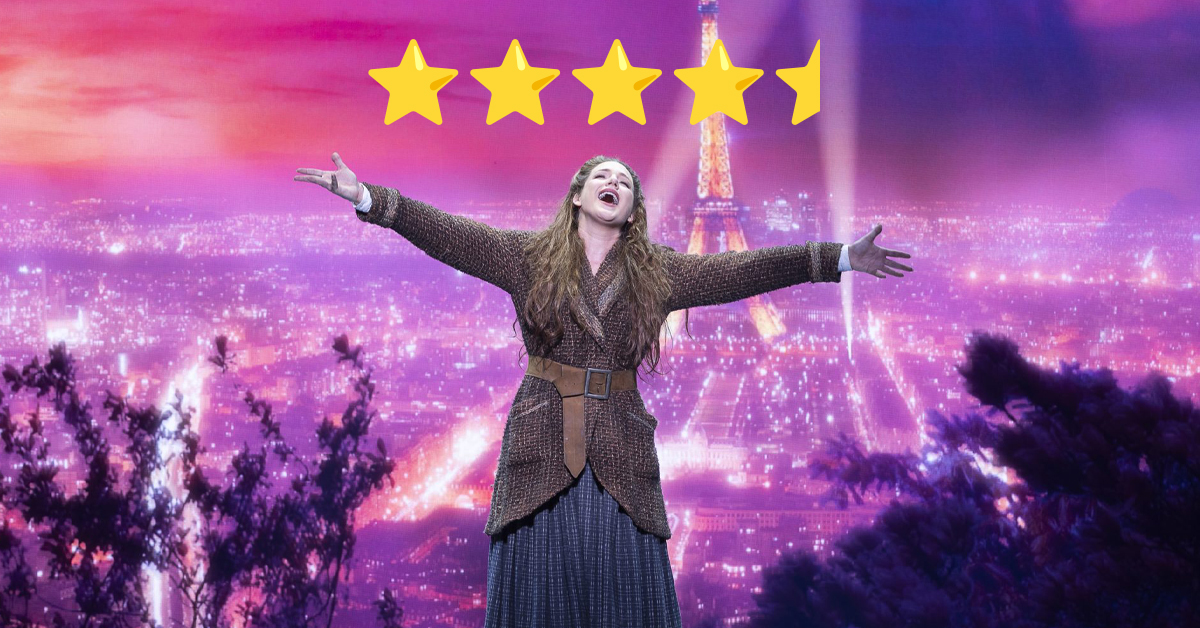
Venue: Sydney Lyric Theatre (Sydney NSW), Apr 7 – Jul 18, 2026
Book: Terrence McNally
Music: Stephen Flaherty
Lyrics: Lynn Ahrens
Director: Darko Tresnjak
Cast: Rhonda Burchmore, Rodney Dobson, Nancye Hayes, Georgina Hopson, Joshua Robson, Robert Tripolino
Images by Jess Busby
Theatre review
Paris, 1927. The Dowager Empress Romanov languishes in aristocratic exile, her imperial dreams finally extinguished after decades of yearning for a granddaughter presumed lost to the Bolshevik firing squads. When a young woman emerges from revolutionary Russia claiming—perhaps mendaciously, perhaps miraculously—to be the sole surviving heir of the defunct dynasty, the stage is set for a reckoning that is as much psychological as political.
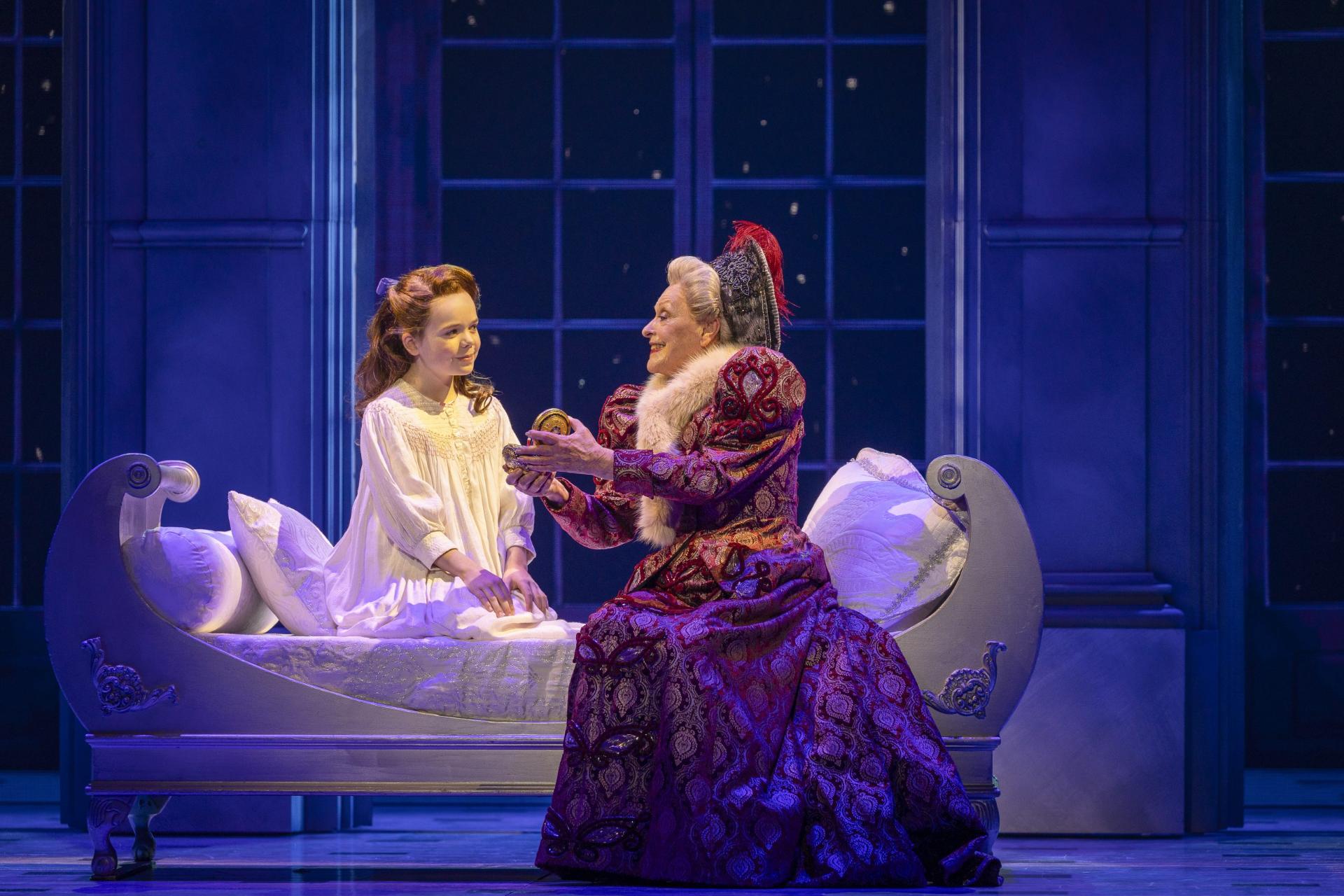
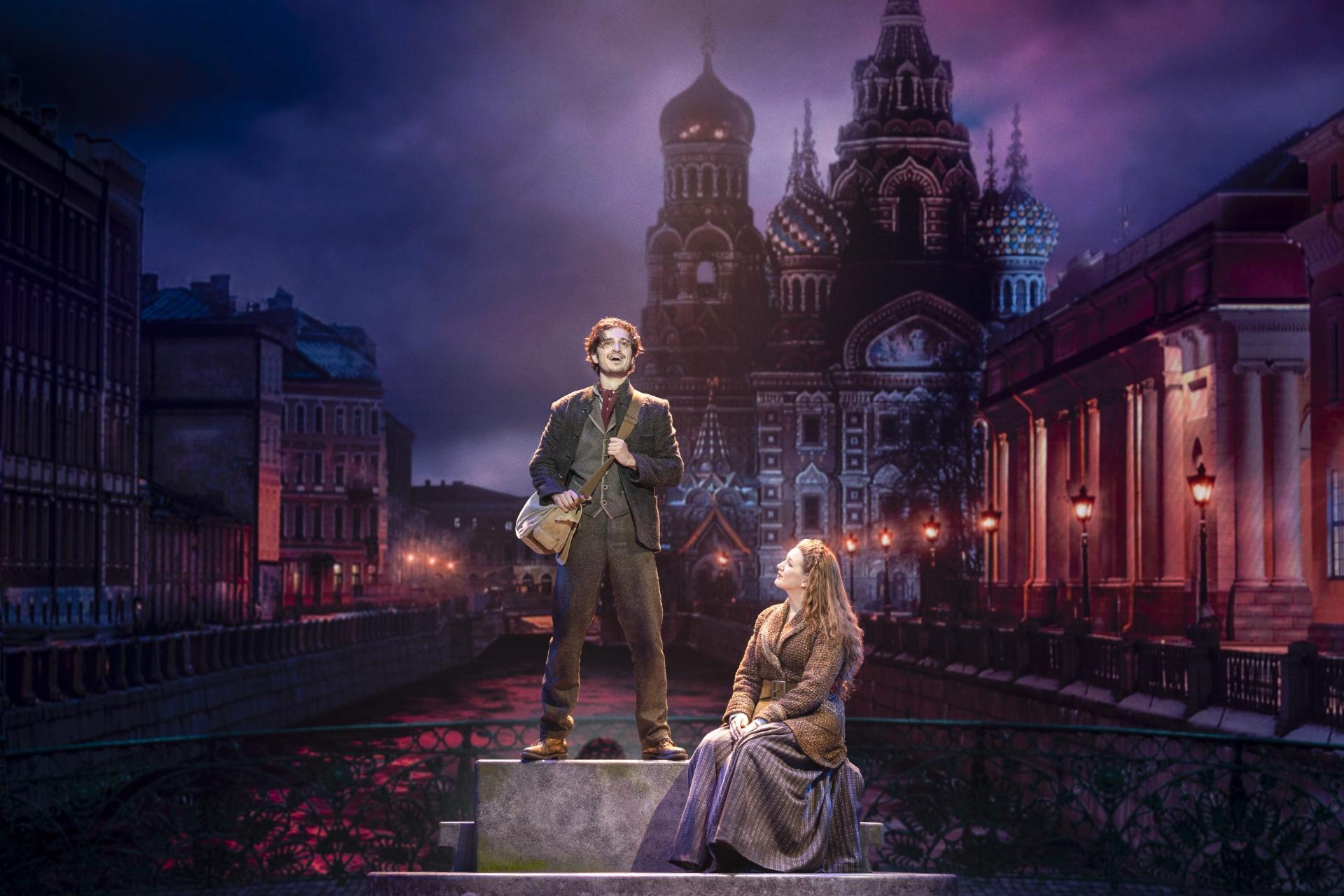
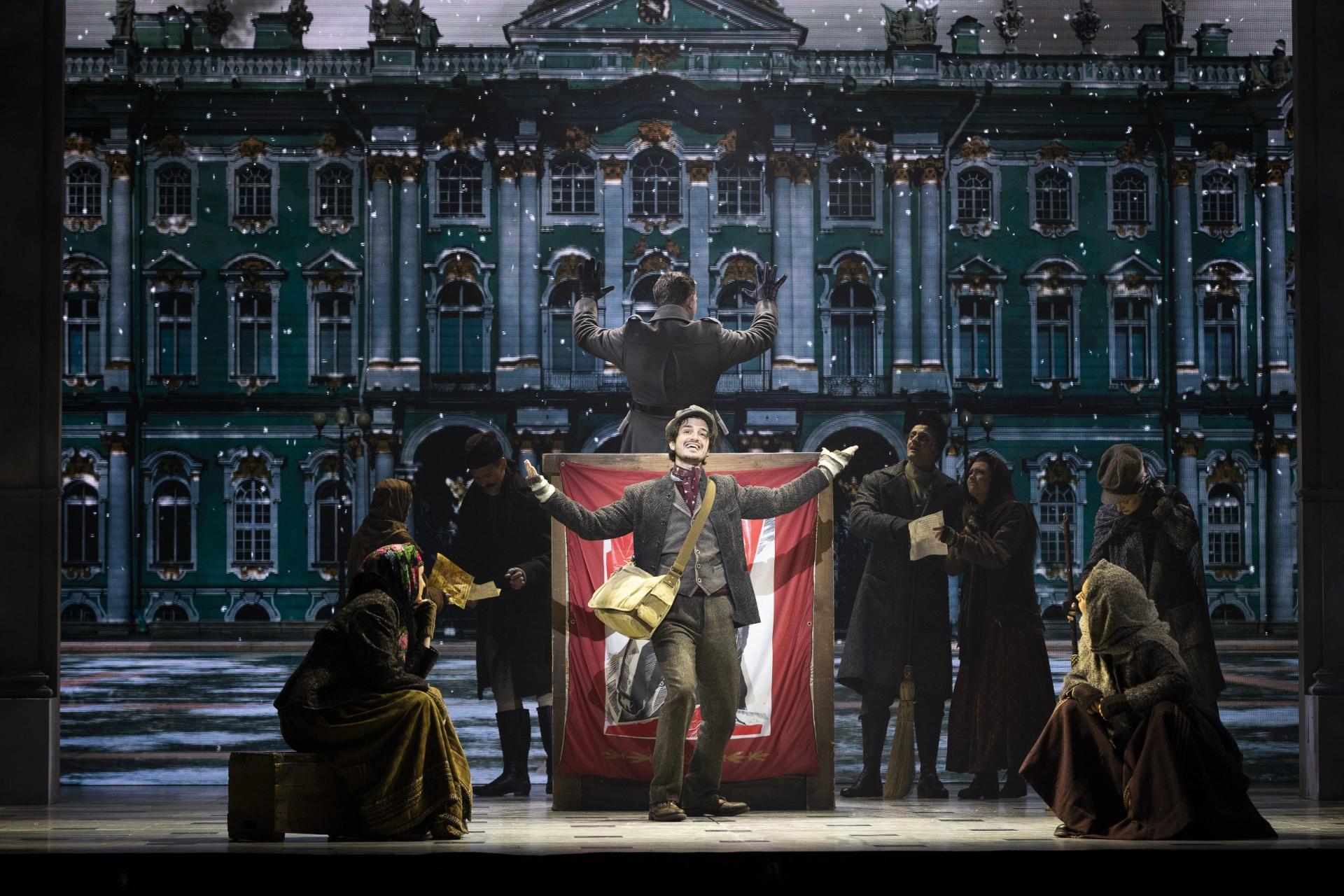
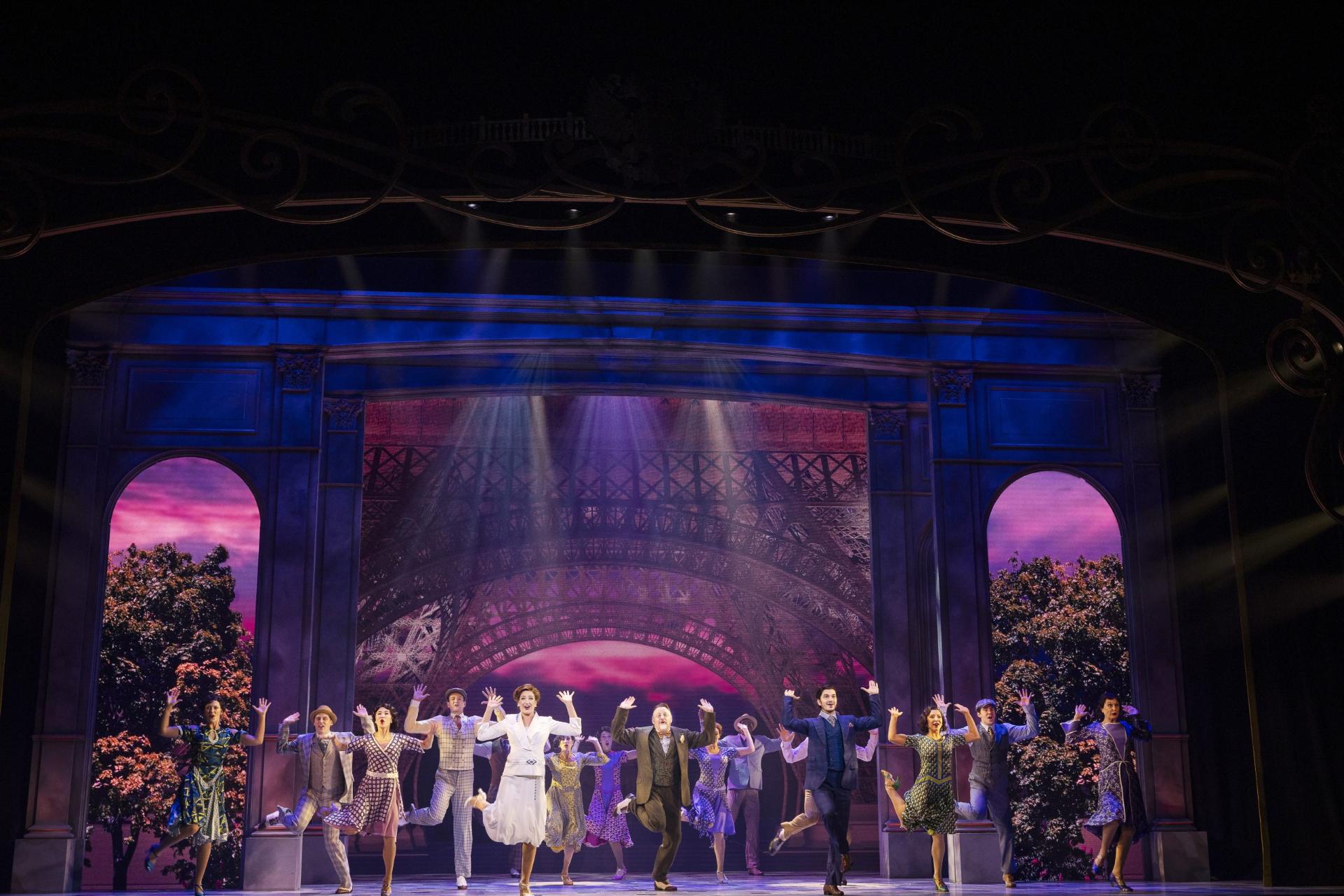
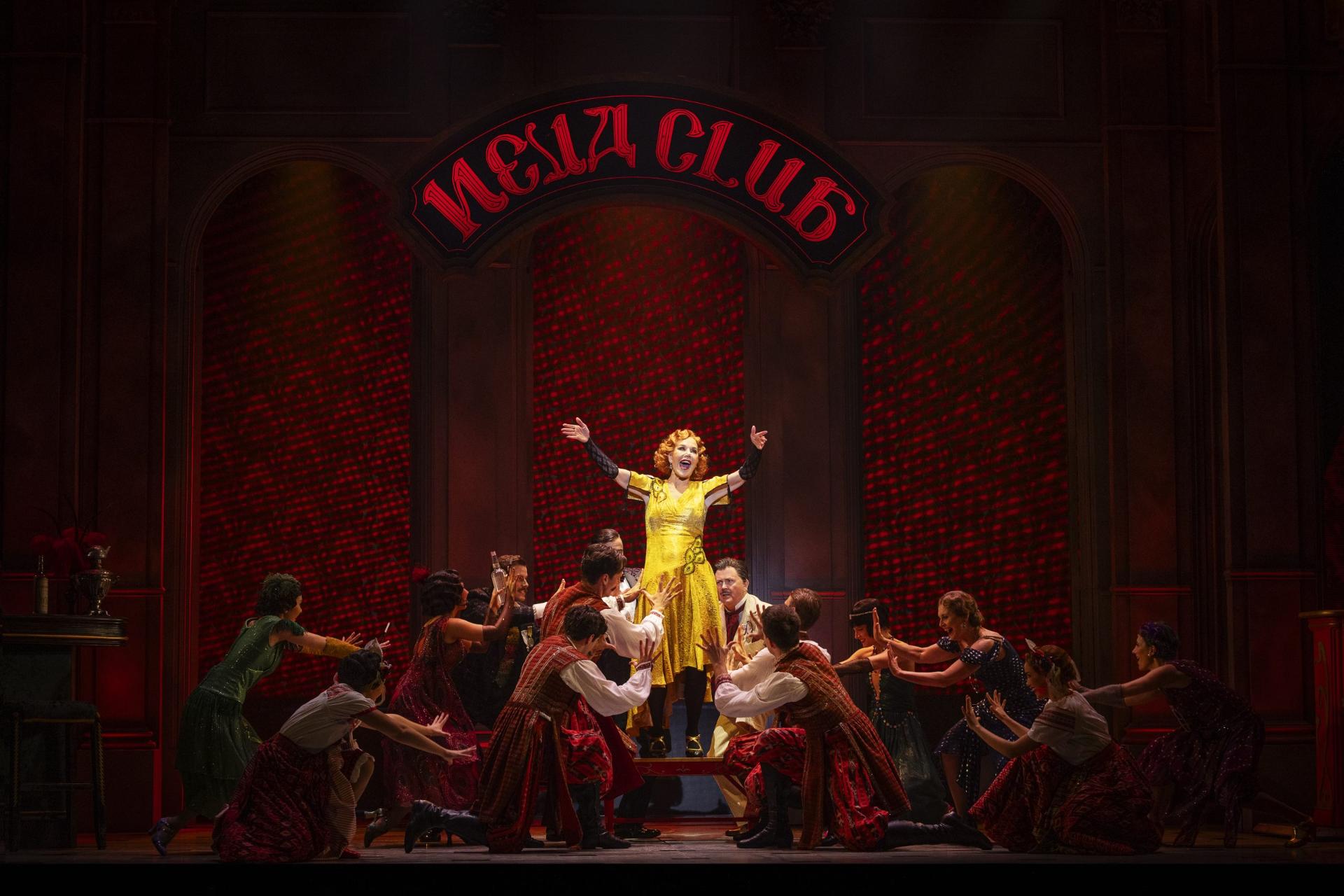
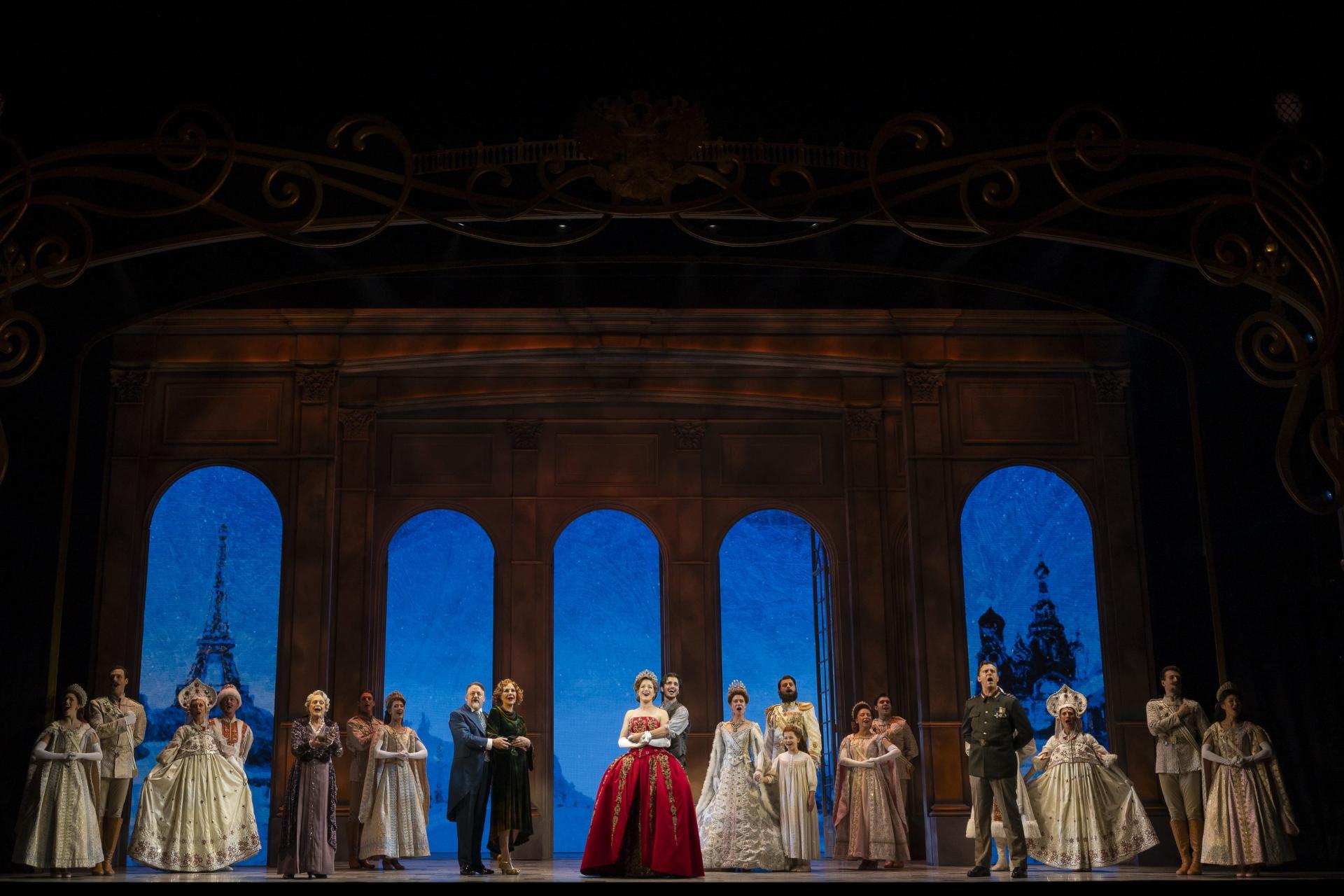
Anastasia, the 2016 Broadway confection adapted from its animated predecessor, arrives freighted with expectations of cloying sentimentality—the inevitable collision of cartoon whimsy and theatrical spectacle. Yet under Darko Tresnjak’s discerning direction, with a book by the late Terrence McNally, the production confounds such prejudices. Stephen Flaherty and Lynn Ahrens’s score may hew to the melodic conventions of the Great White Way, eschewing avant-garde experimentation for accessible romanticism, but the storytelling itself exhibits a gratifying intellectual seriousness. Alexander Dodge’s sumptuous set design and Aaron Rhyme’s innovative video projections satisfy the visual appetites of contemporary audiences, yet the narrative never panders, never traffics in theatrical sleight-of-hand to manipulate easy emotions. The result is a work of genuine dramatic substance artfully disguised as frivolous entertainment—subversion through sophistication.
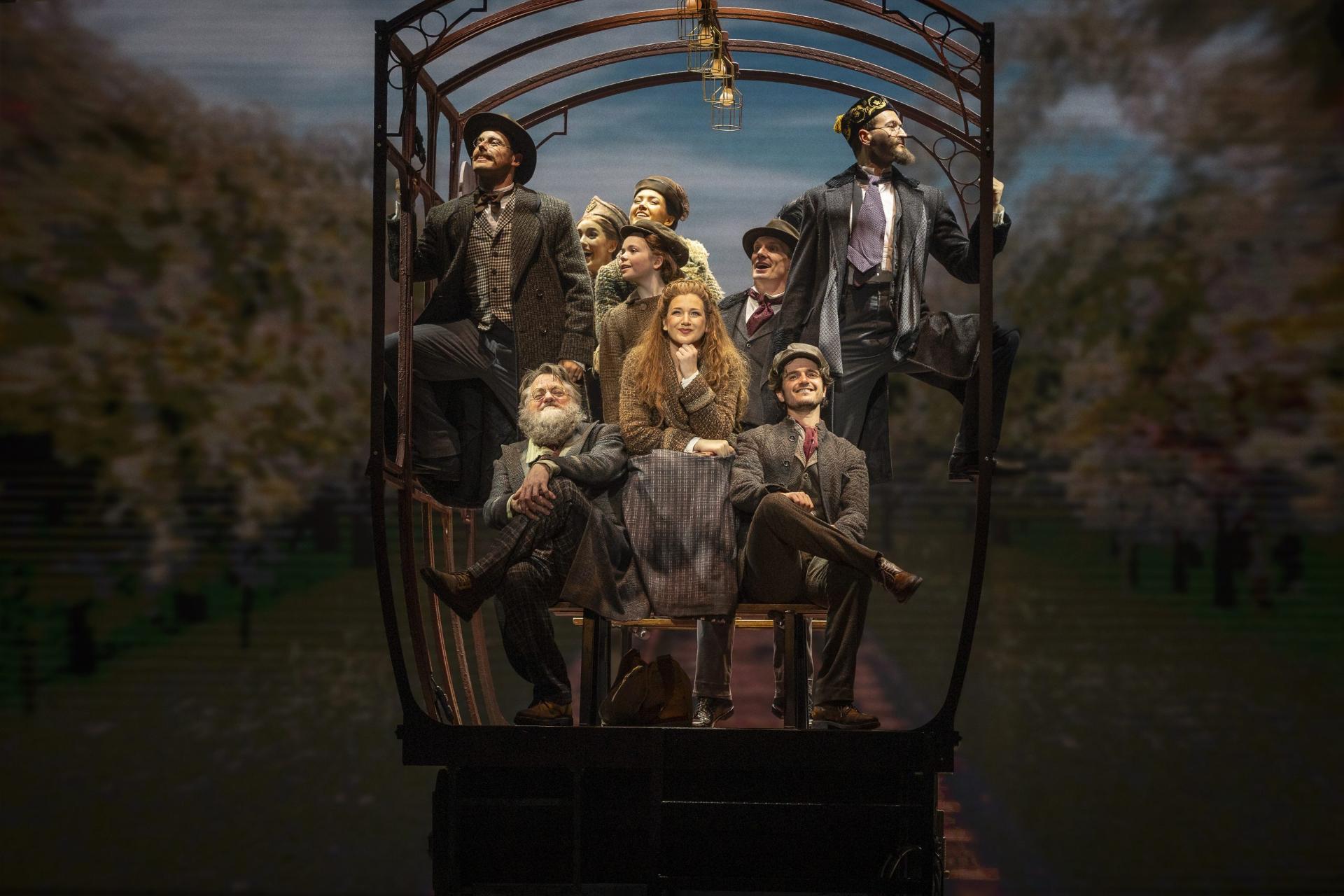
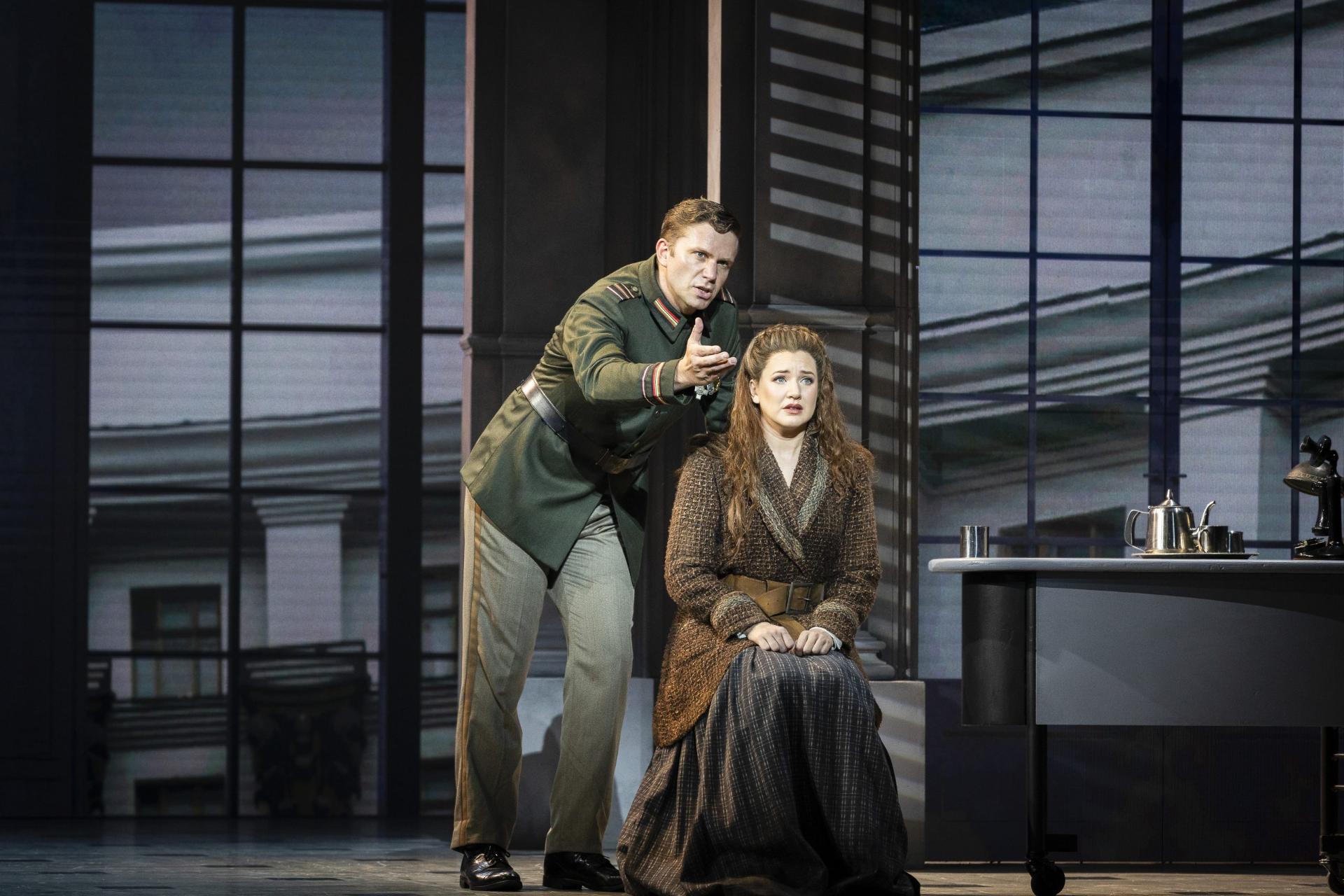
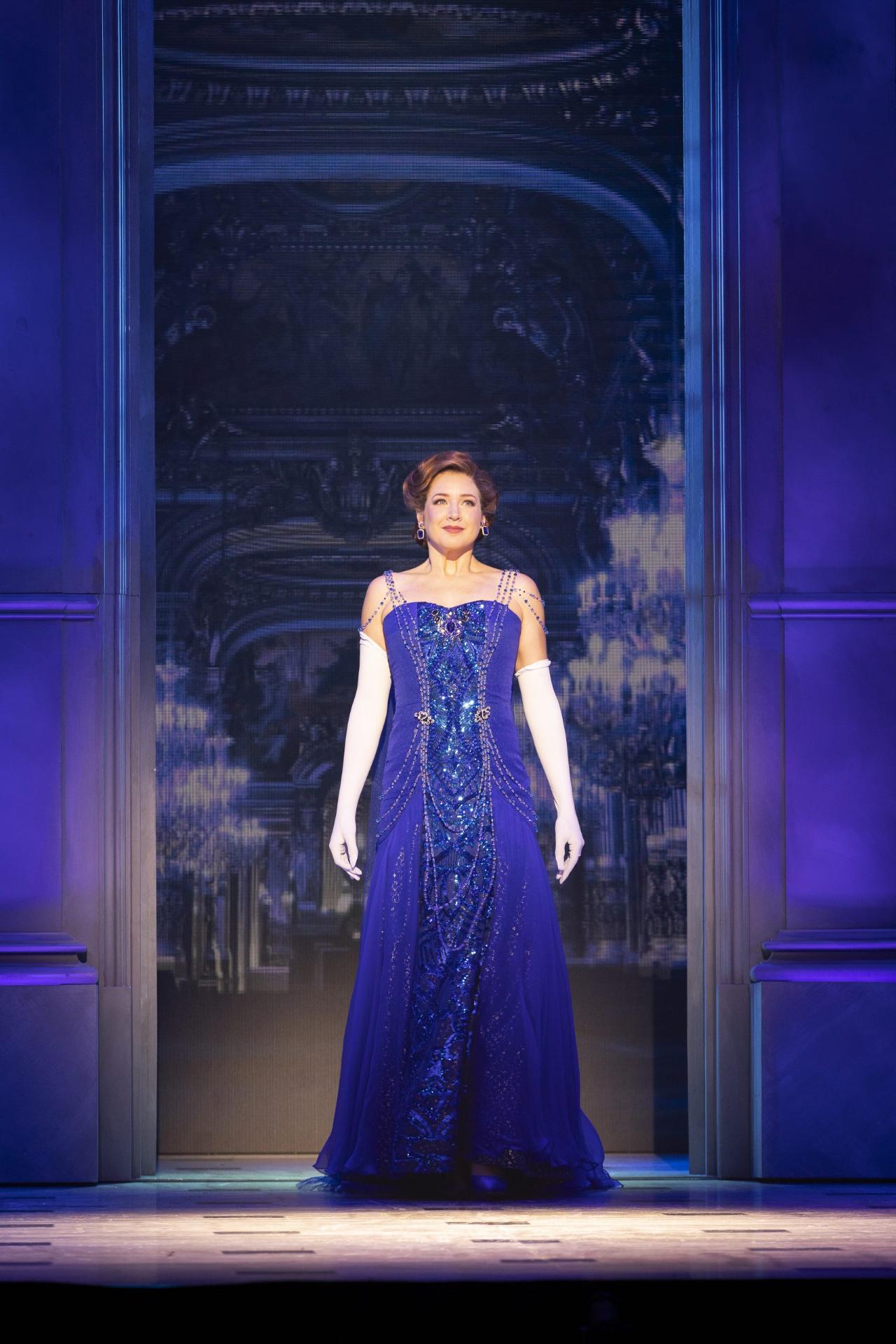
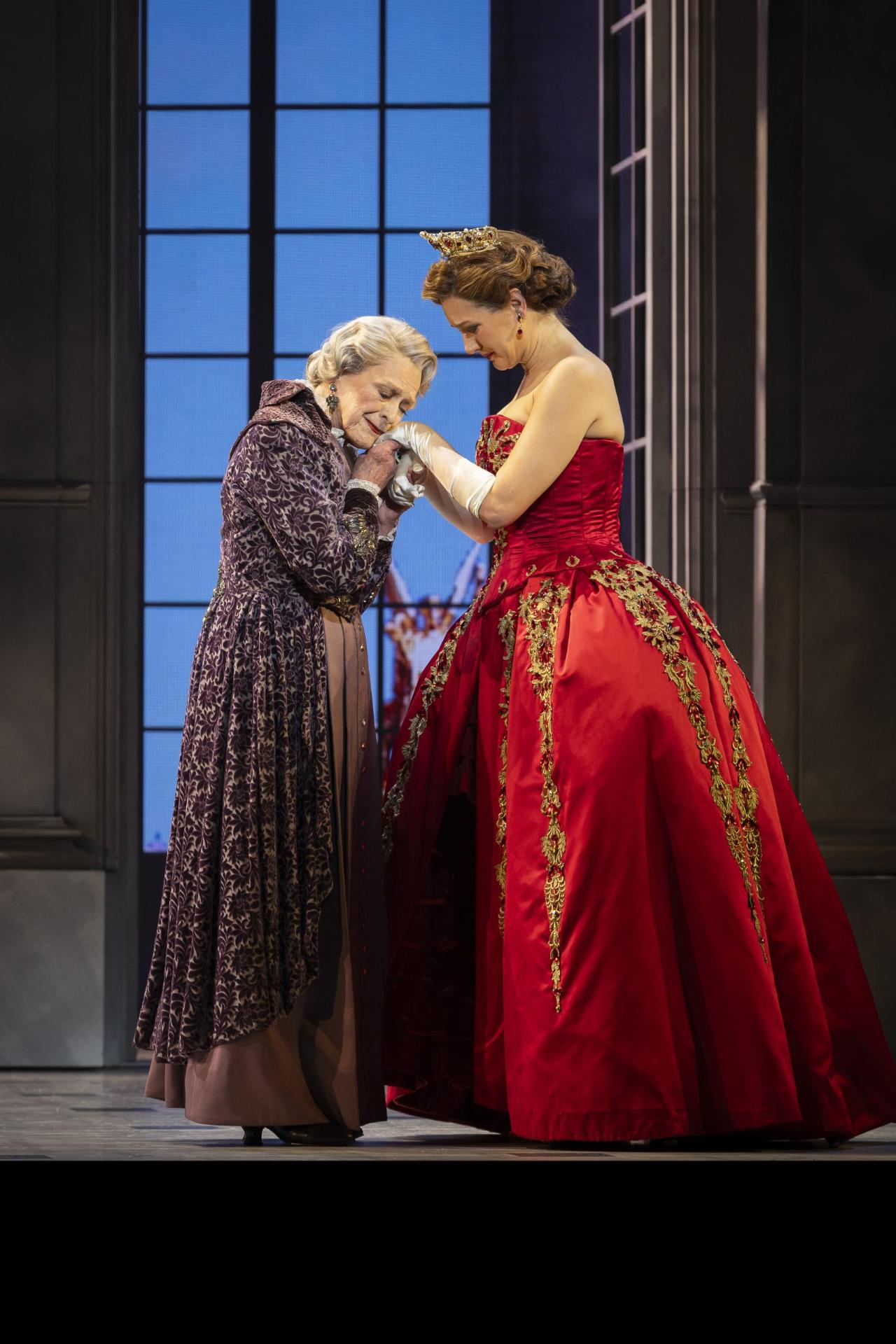
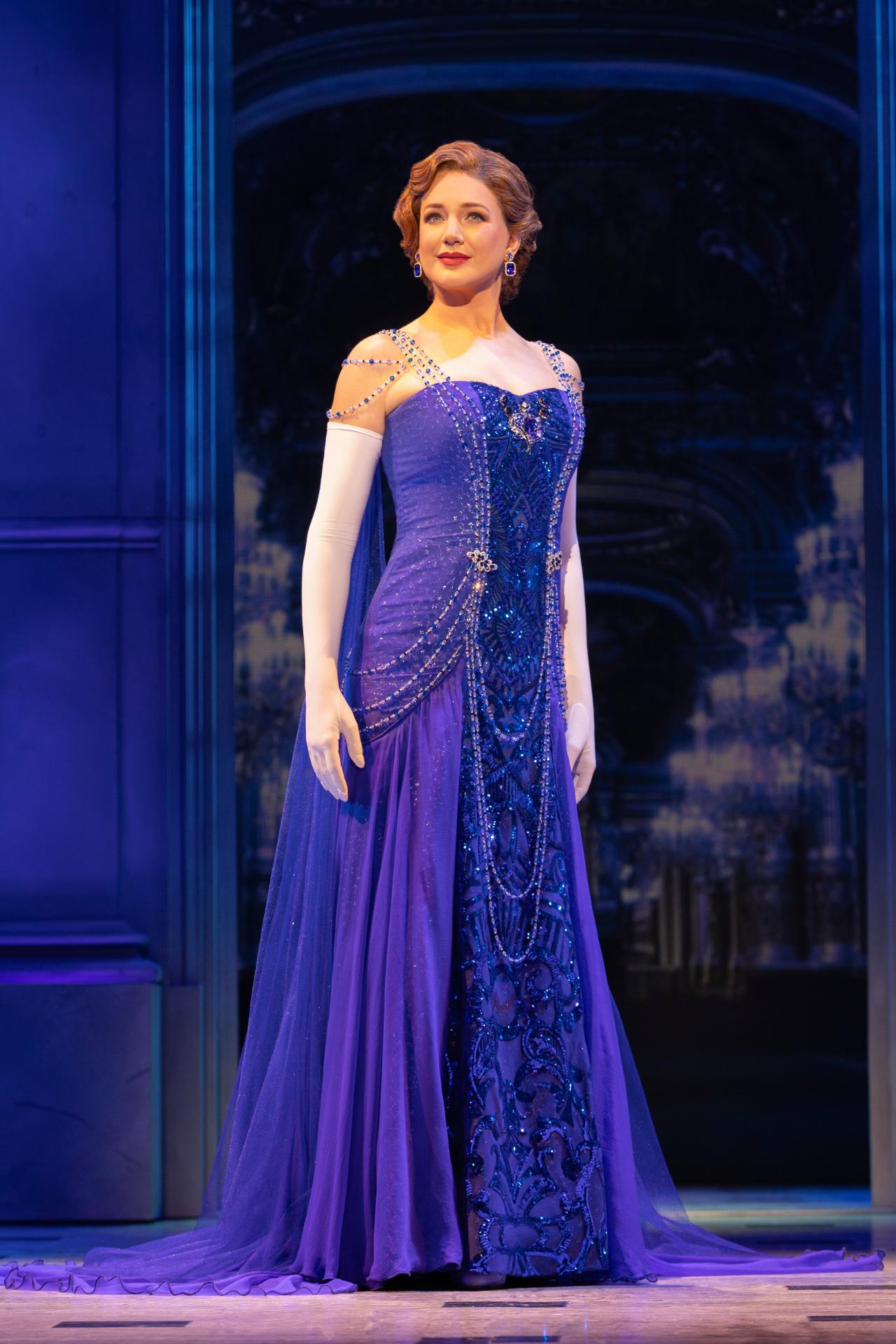
This Australian mounting further distinguishes itself through an exemplary ensemble. Georgina Hopson, in the title role, delivers vocal performances of crystalline precision while suffusing her characterization with a soulful gravity that compels genuine emotional investment rather than passive spectatorship. As her suitor and conspirator Dmitry, Robert Tripolino combines rakish charm with choreographic crispness, rendering the role with charismatic authority. Particularly compelling is Joshua Robson’s Gleb, the Bolshevik antagonist; his portrayal plumbs unexpected emotional depths, transforming what might have been mere villainy into a meditation on ideological fanaticism and human cost. The production’s aesthetic ambitions reach their apotheosis in a second-act interpolation of Swan Lake, performed with breathtaking technical prowess by Sophia Bae, Davis Giotopoulos Moore, and Keian Langdon—a sequence that temporarily suspends the narrative to achieve something approaching pure visual poetry.
The production’s ultimate triumph lies in its implicit rebuke to the condescension that permeates so-called “family entertainment.” Where creators routinely infantilize their audiences and shield younger viewers from life’s harsher truths, Anastasia proceeds from the radical premise that children—and adults—possess the capacity to apprehend darkness, loss, and historical trauma. The postponement of such reckonings serves neither art nor audience; rather, it produces cultural artifacts that mistake triviality for accessibility. In refusing this calculus, Anastasia achieves what the best popular art has always aspired to: the transformation of painful history into transcendent beauty, without sacrificing either truth or wonder.
www.anastasiathemusical.com.au
 Suzy Goes See