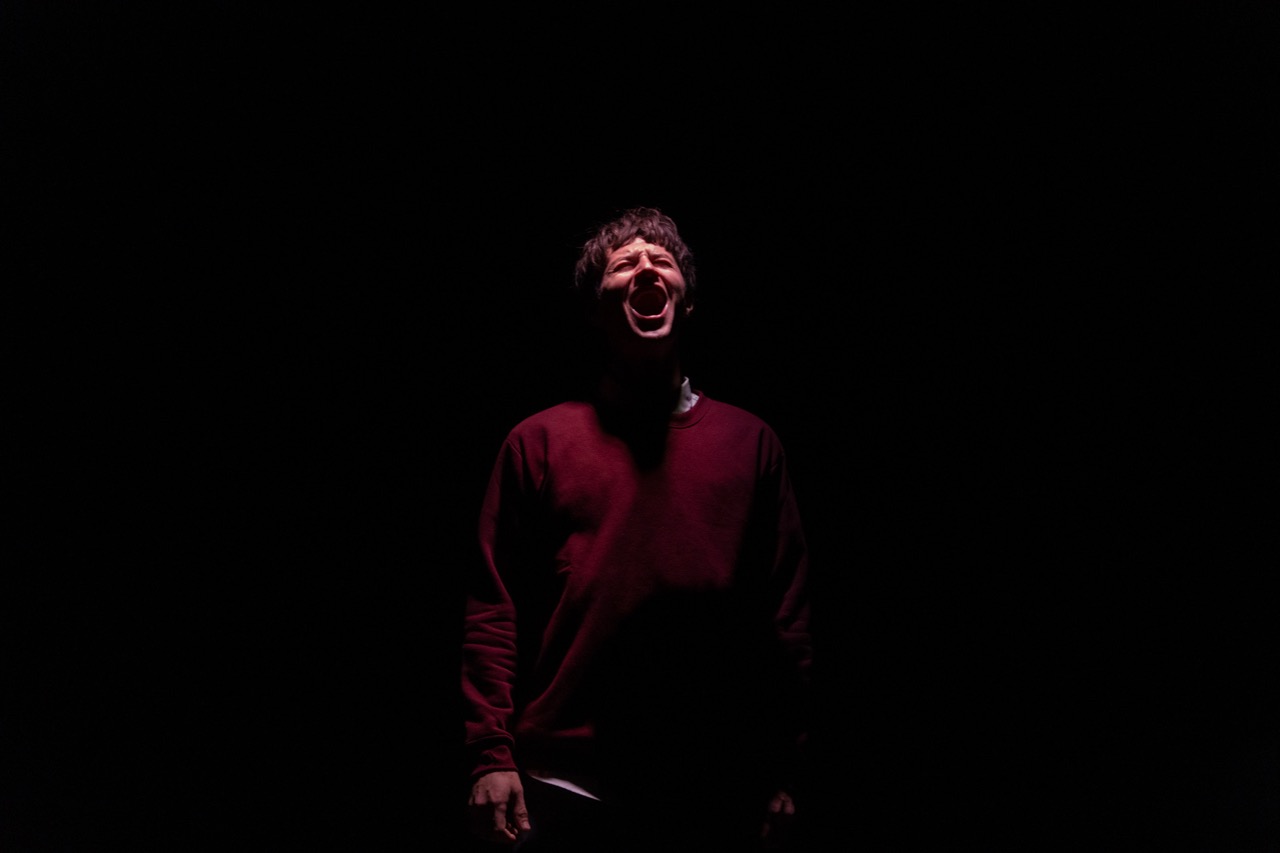
Venue: KXT on Broadway (Ultimo NSW), Mar 6 – 21, 2026
Playwright: Duncan Macmillan
Director: Kim Hardwick
Cast: Tony J Black, Romney Hamilton, Linda Nicholls-Gidley, Campbell Parsons
Images by Abraham de Souza
Theatre review
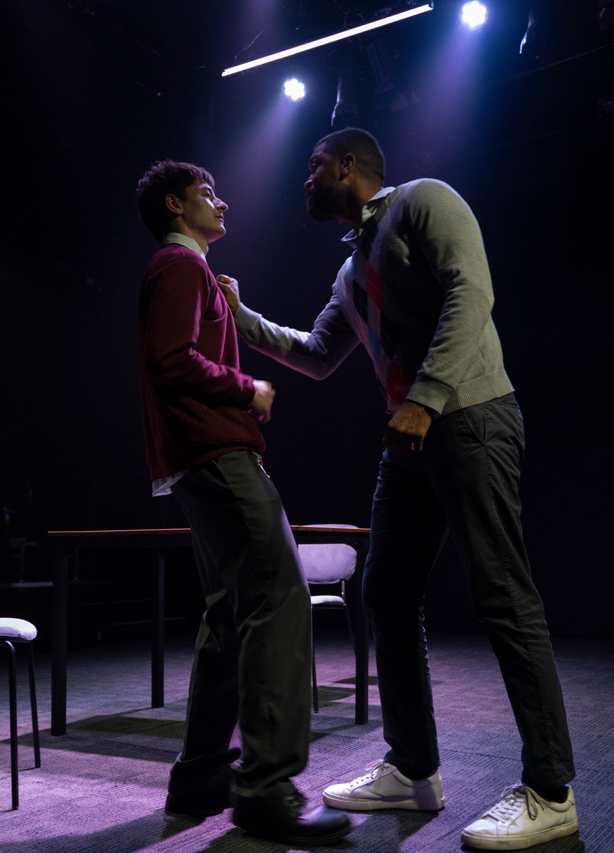
Duncan Macmillan’s Monster confronts its audience with an uncompromising examination of human depravity through the fraught pedagogical relationship between Tom, a beleaguered schoolteacher, and Darryl, a fourteen-year-old pupil exhibiting escalating criminal and sociopathic tendencies. Macmillan deliberately eschews moralistic didacticism in favour of unvarnished verisimilitude, constructing a narrative architecture that systematically dismantles the audience’s tendencies for denial or evasion.
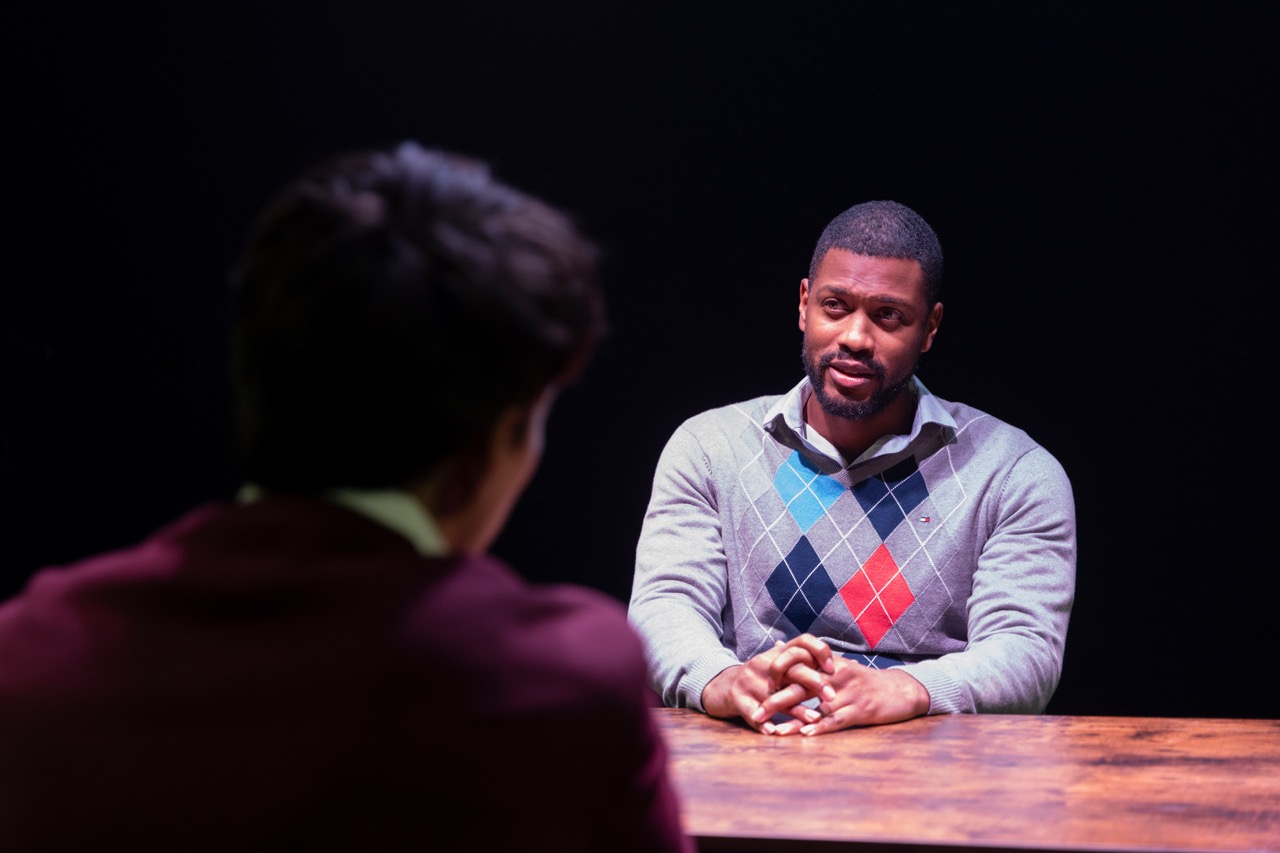
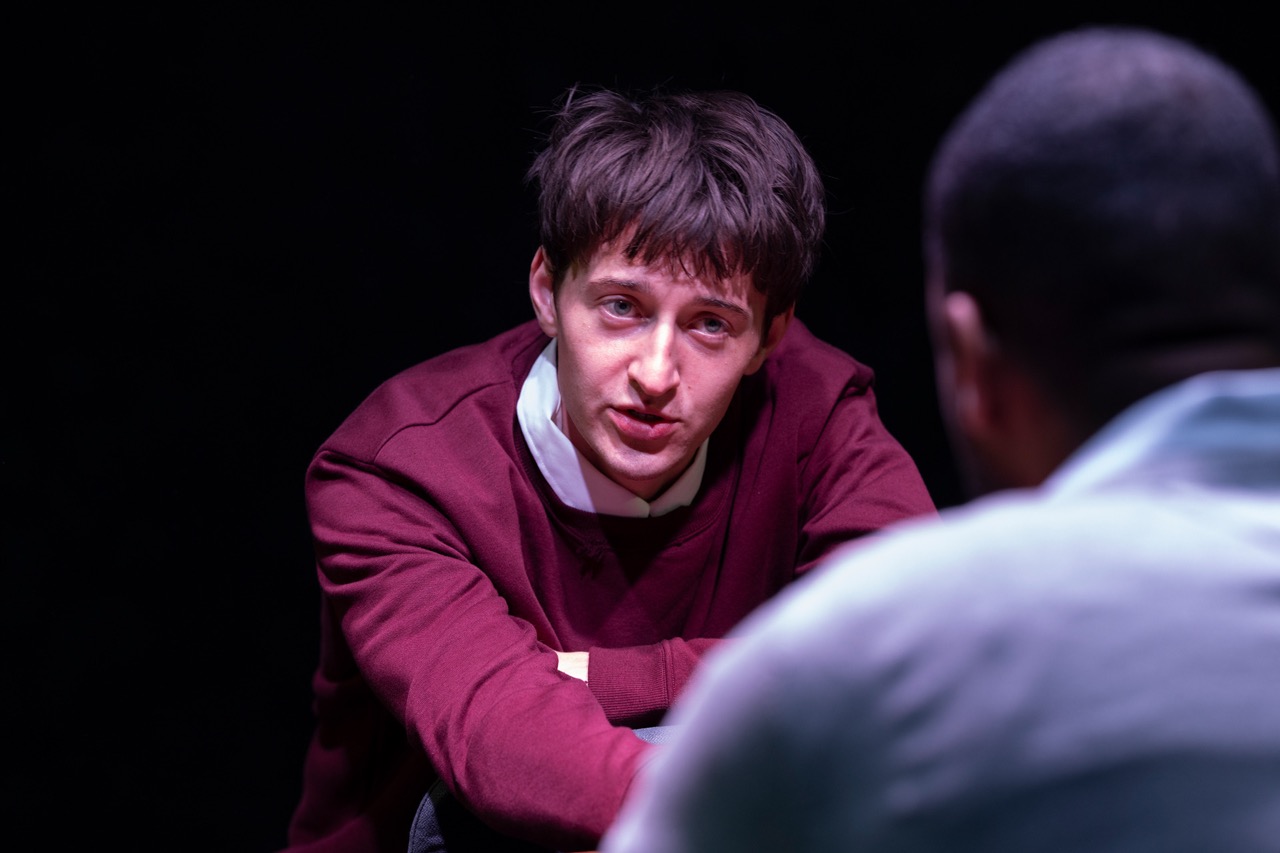
Director Kim Hardwick translates the play’s uncompromising themes into an equally austere production aesthetic. Her direction deploys uncomfortable stillness as a dramatic vacuum, allowing horror to reveal itself without mediation. This minimalist tension is amplified by Charlotte Leamon’s sound design and Topaz Marley-Cole’s lighting, which coalesce during transitions to externalize our creeping dread. Through this calibrated accumulation of unease, Hardwick ensures we arrive at Monster‘s most unsettling recognition in lockstep with the characters: the gradual, inexorable realization that the situation is irredeemable.
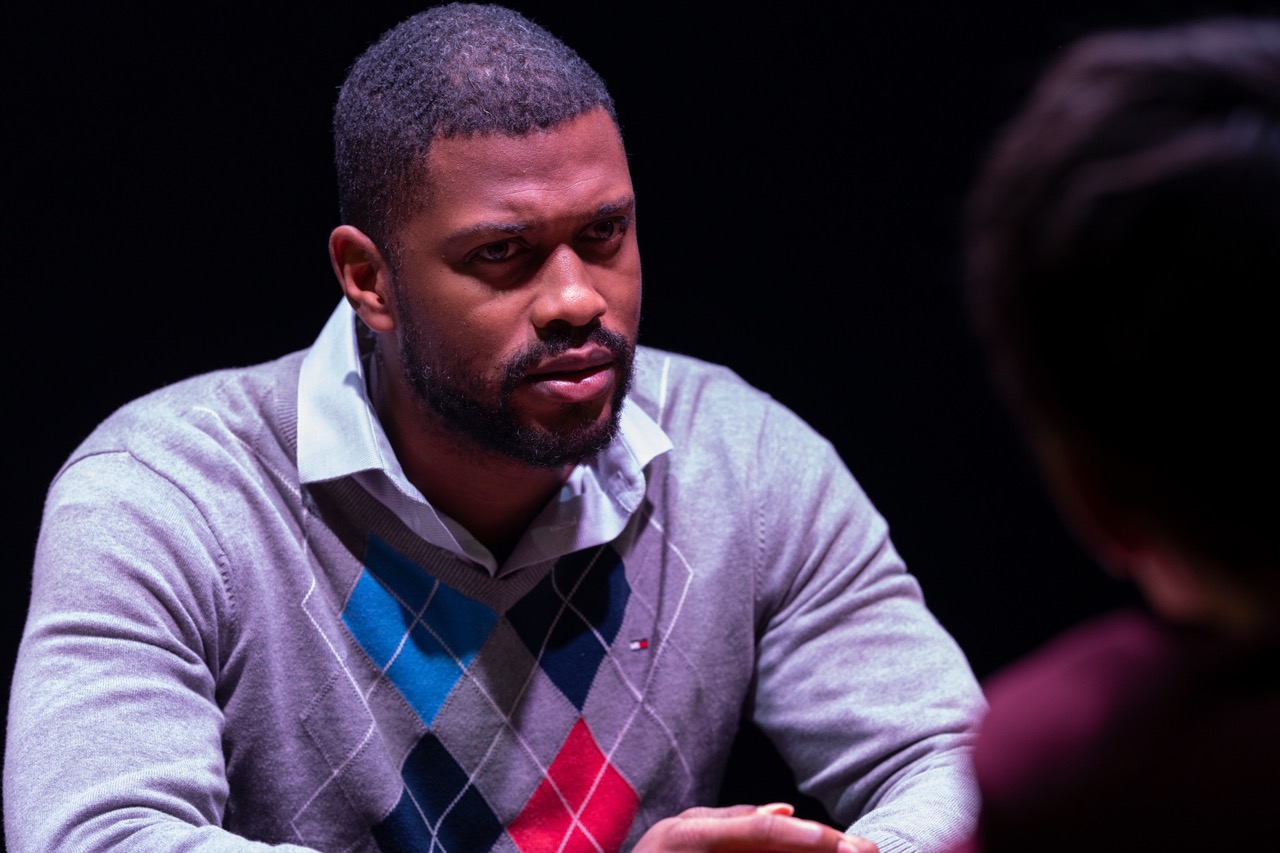
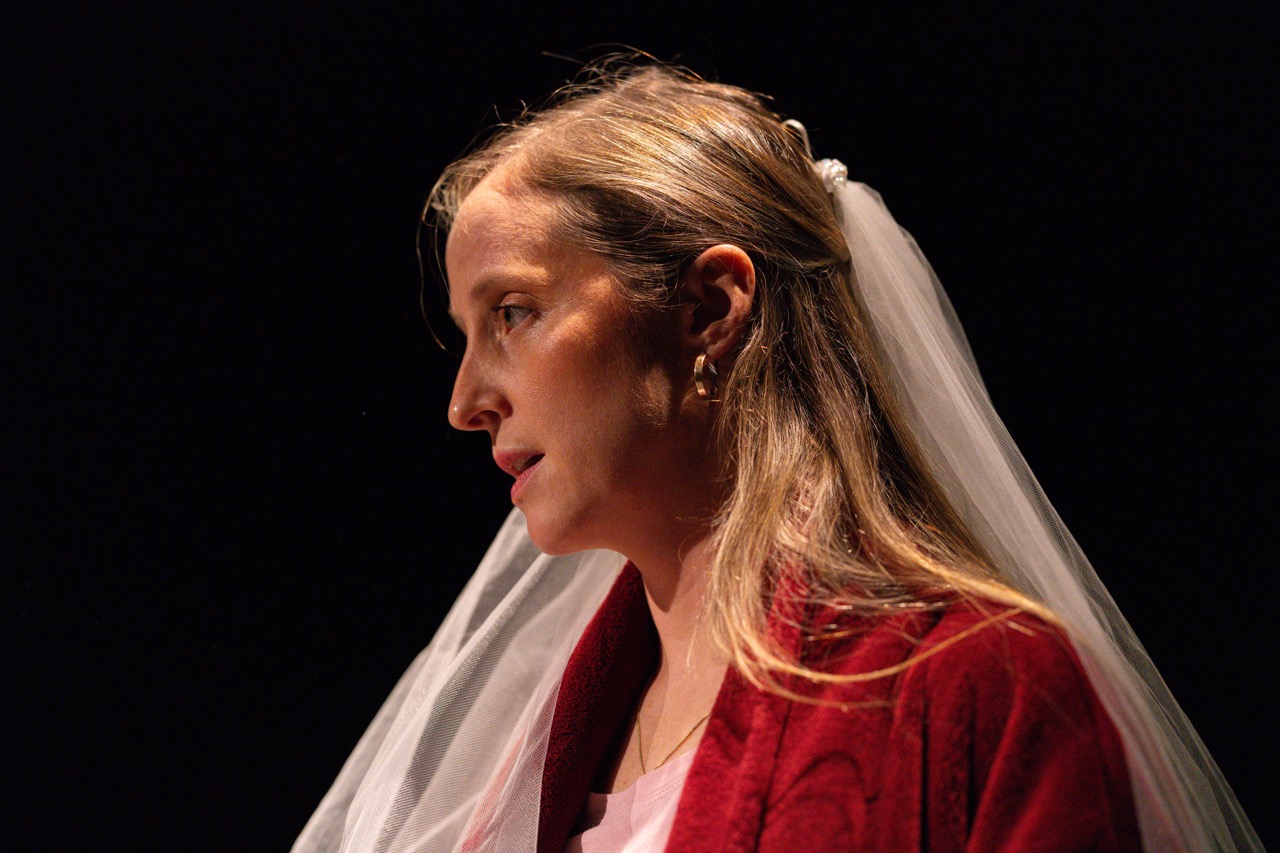
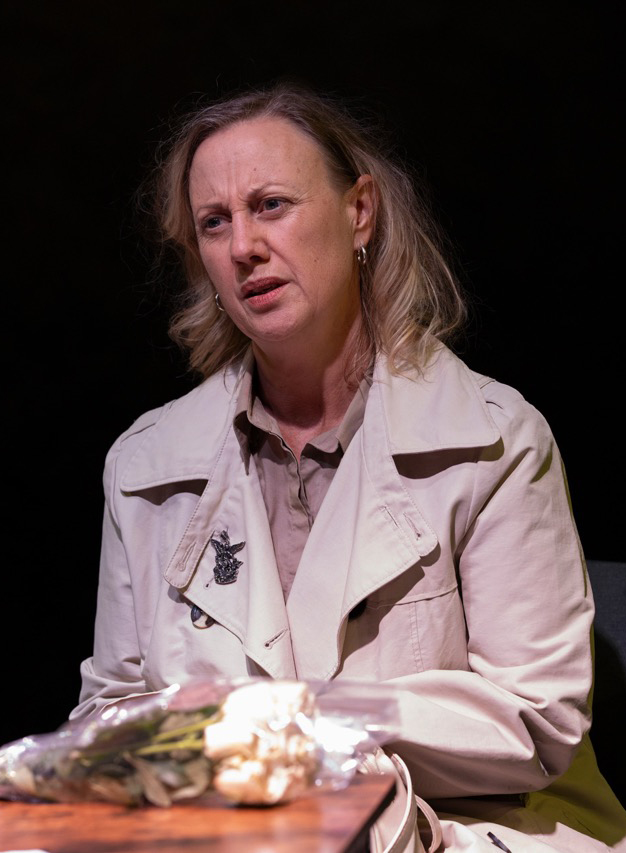
Tony J Black, undertaking the role of Tom as a last-minute replacement, performs with script in hand—a circumstance that is entirely understandable. By contrast, Campbell Parsons delivers an extraordinary inhabitation of young Darryl, manifesting a terrifying and persuasively unhinged presence that systematically thwarts the audience’s compulsion toward rehabilitative narrative arcs. The production’s depth is further enriched by its supporting players. Romney Hamilton and Linda Nicholls-Gidley perform with unwavering commitment, each finding moments of dramaturgical incisiveness that cut through the tension, illuminating new facets of the play’s moral complexity.
The world in which we live confronts us with ubiquitous atrocity, demanding of its survivors not merely resilience but, a calibrated measure of productive delusion. Optimism constitutes less a sentimental luxury than an existential imperative—one without which flourishing simply becomes impossible. Indeed, viable existence itself appears contingent upon hope, however tenuous or substantially fabricated that hope may prove upon examination. Art then enters, to afford us the space to dwell in life’s deepest truths. However harrowing, these confrontations serve as a balm—permitting us to gaze upon reality without flinching, if only briefly, before we must again turn away.
www.kingsxtheatre.com | www.tinydogproductions.com.au
 Suzy Goes See