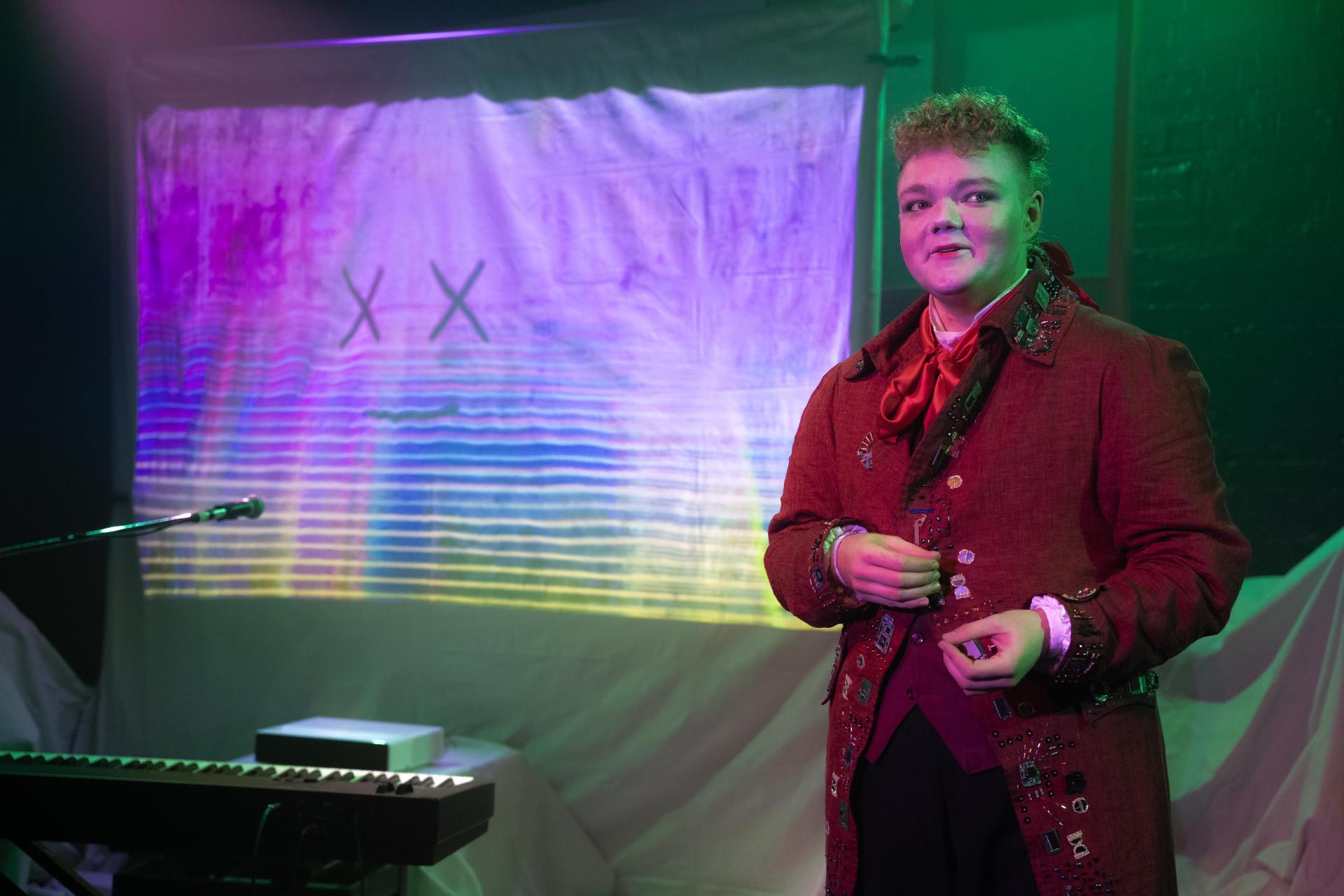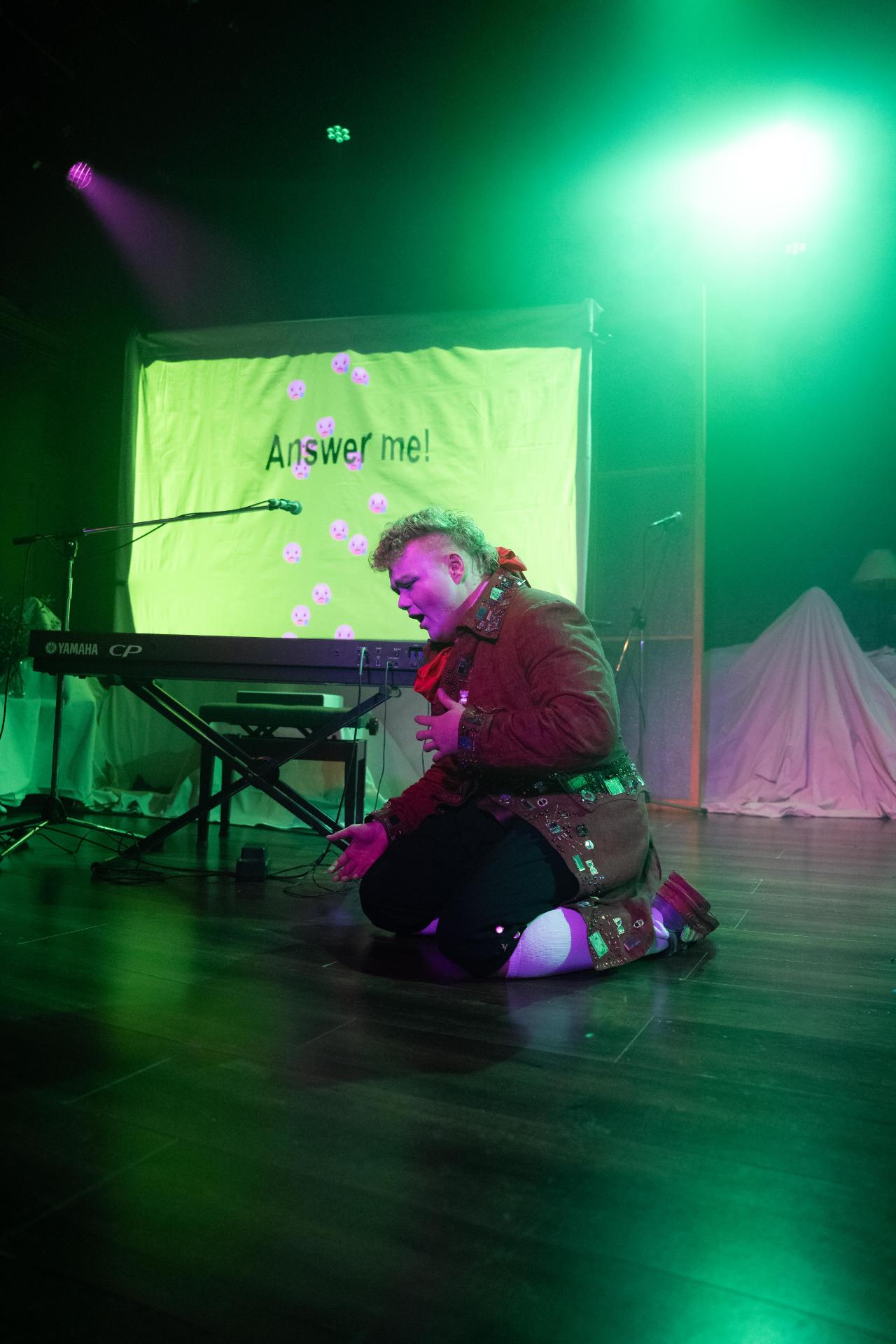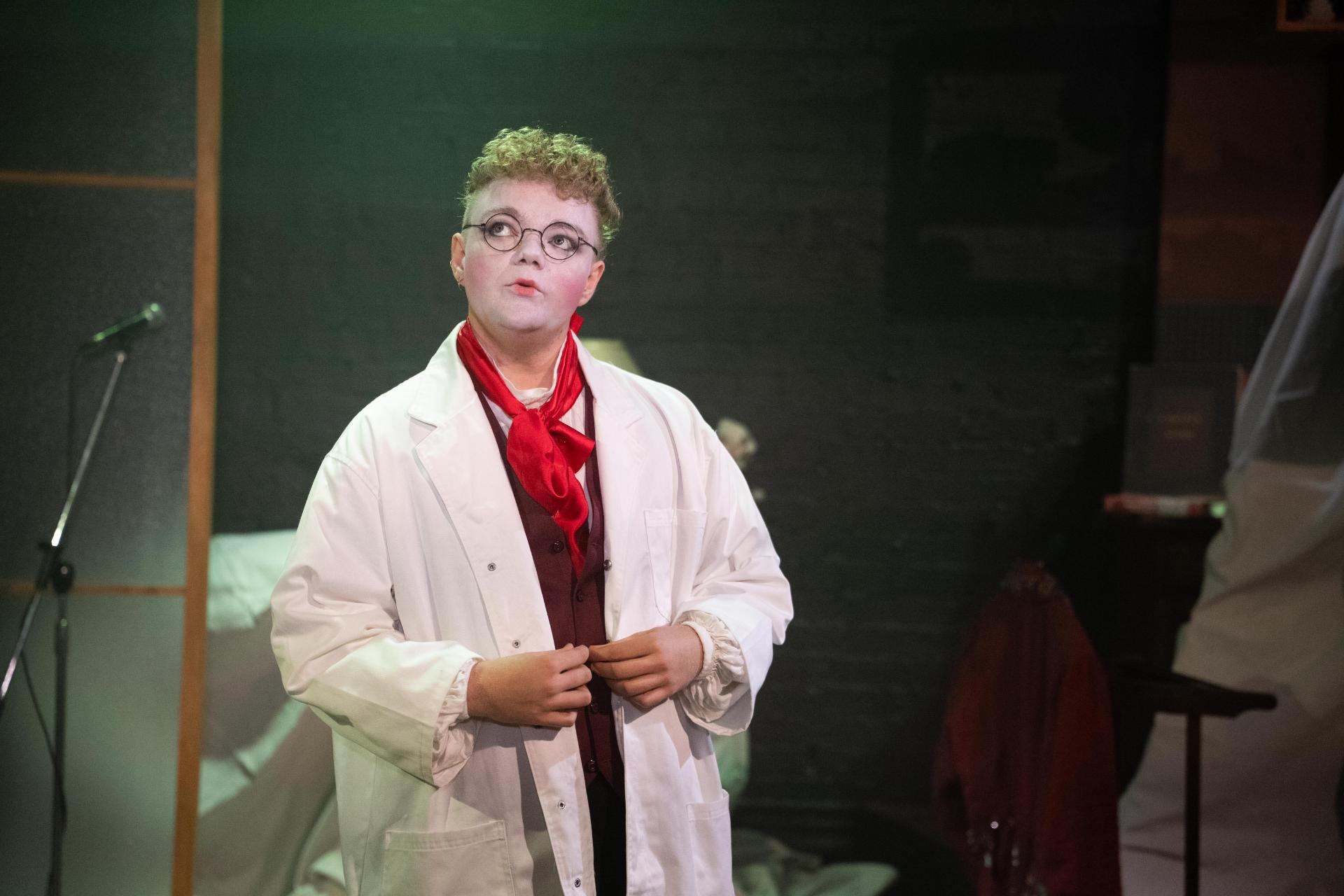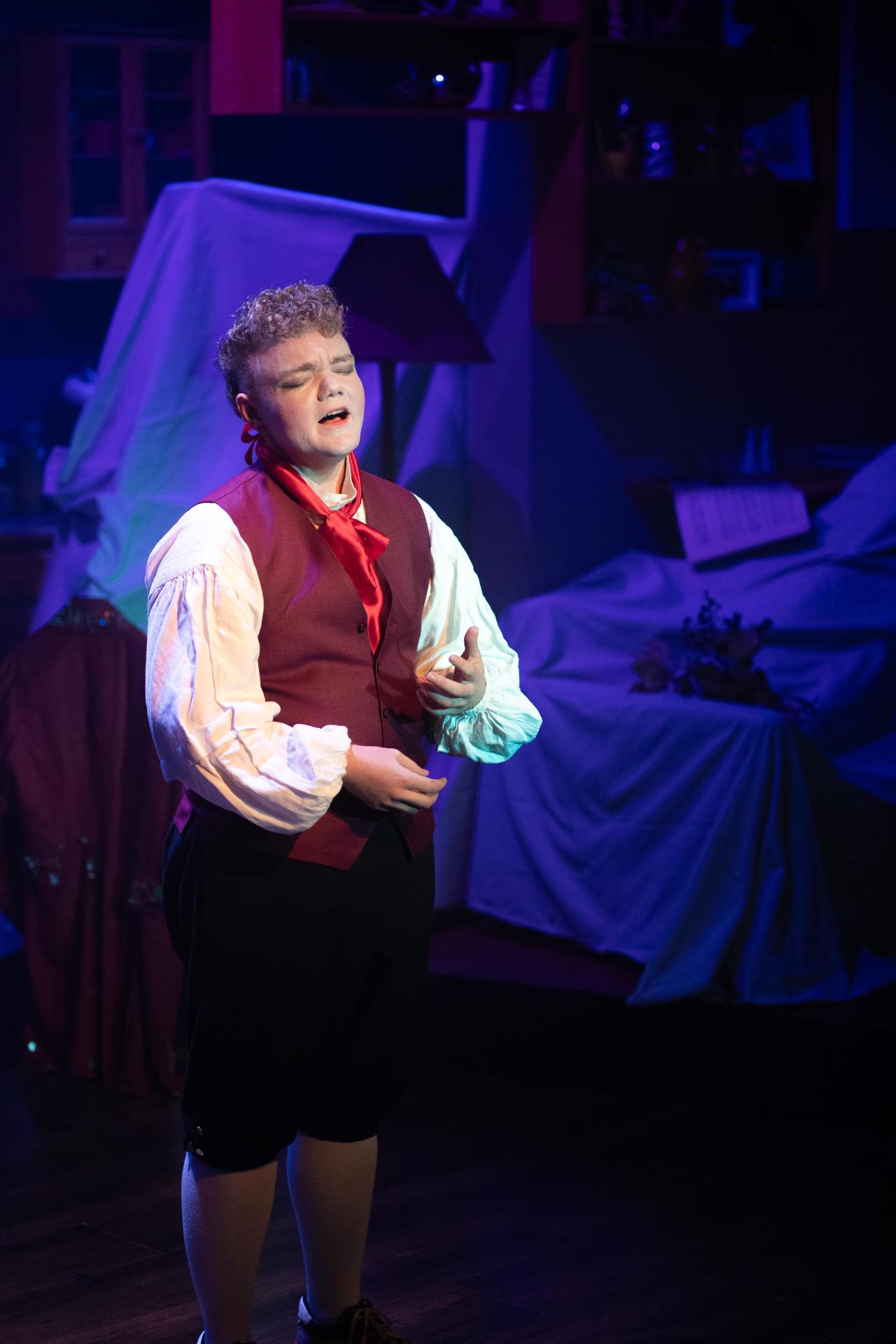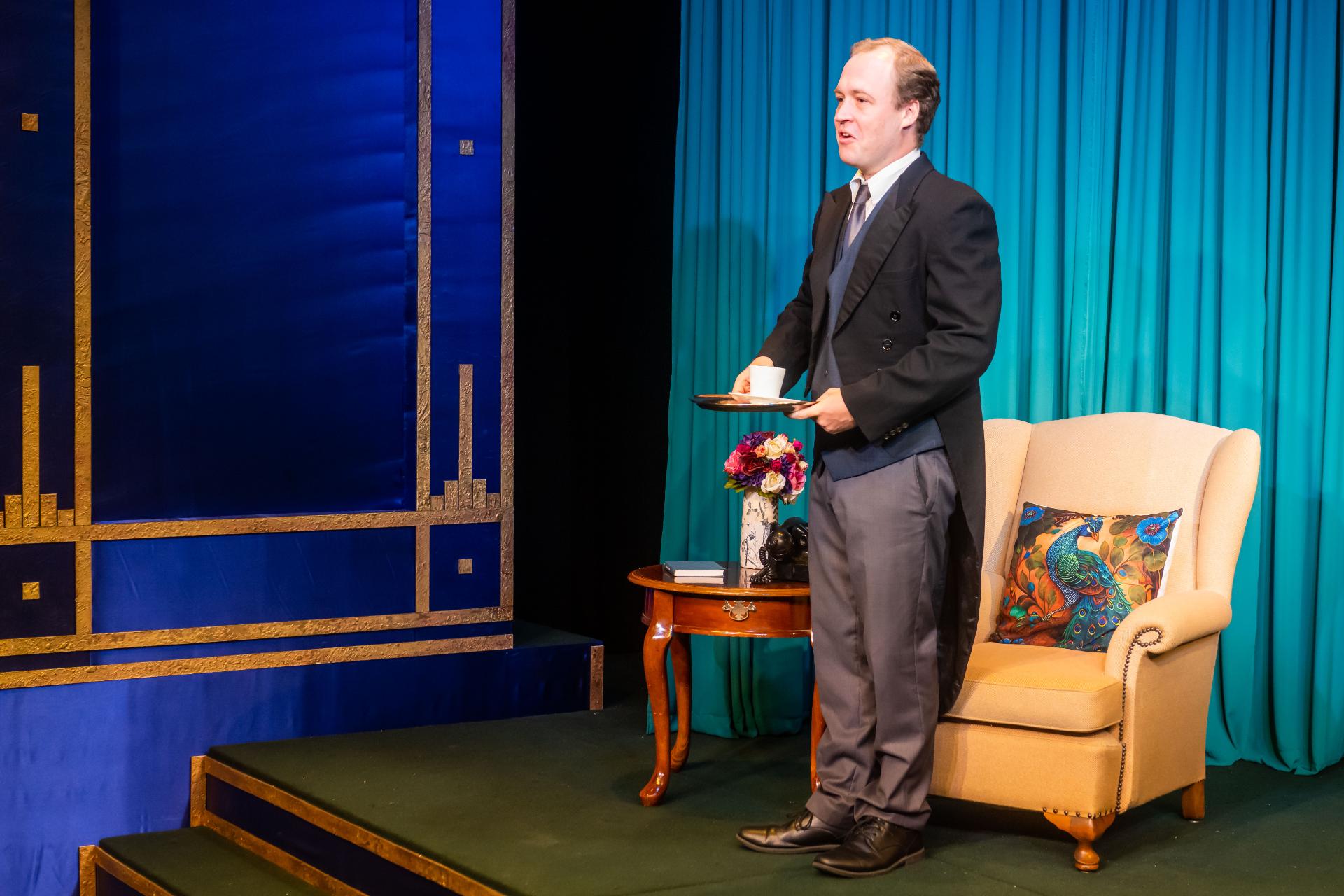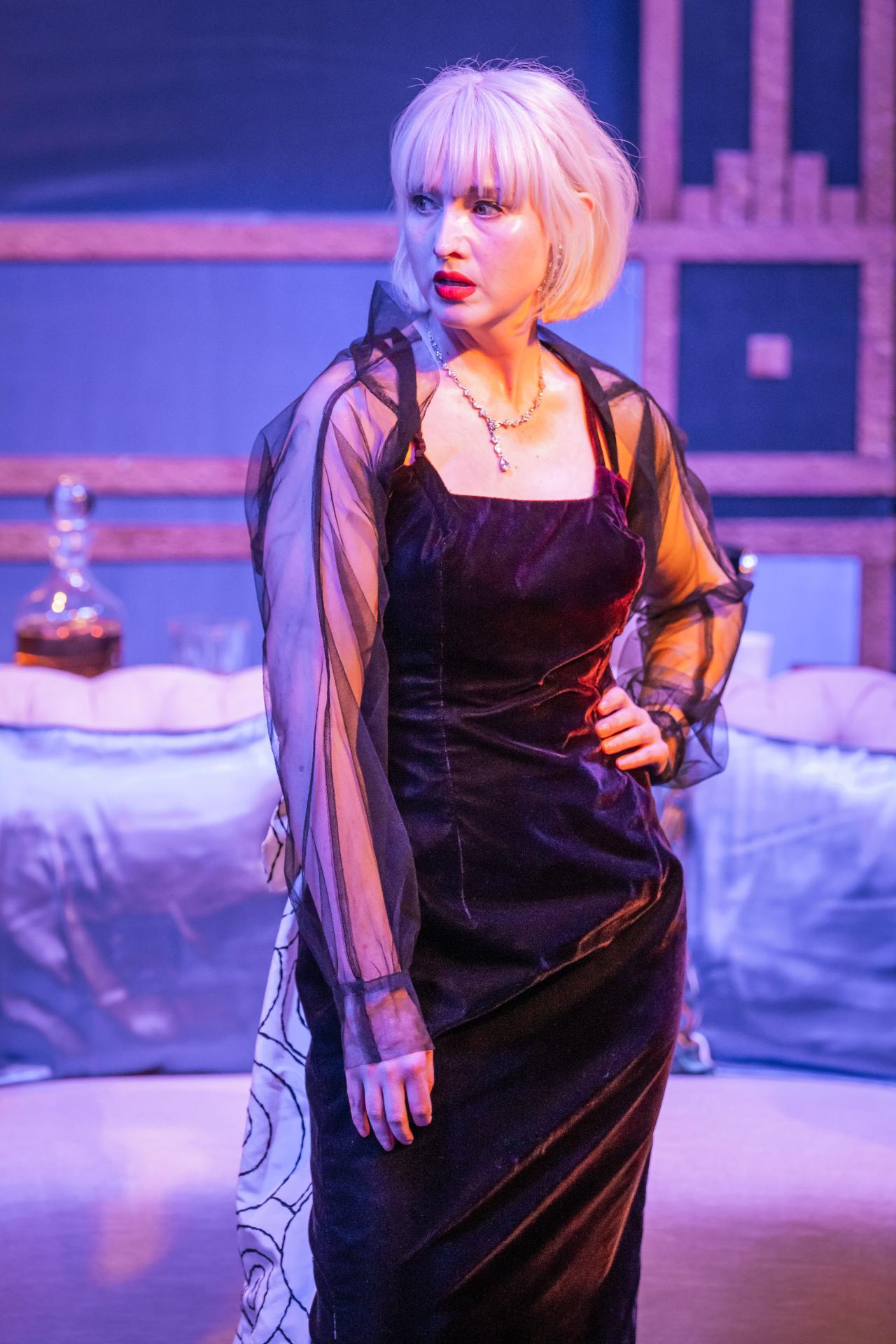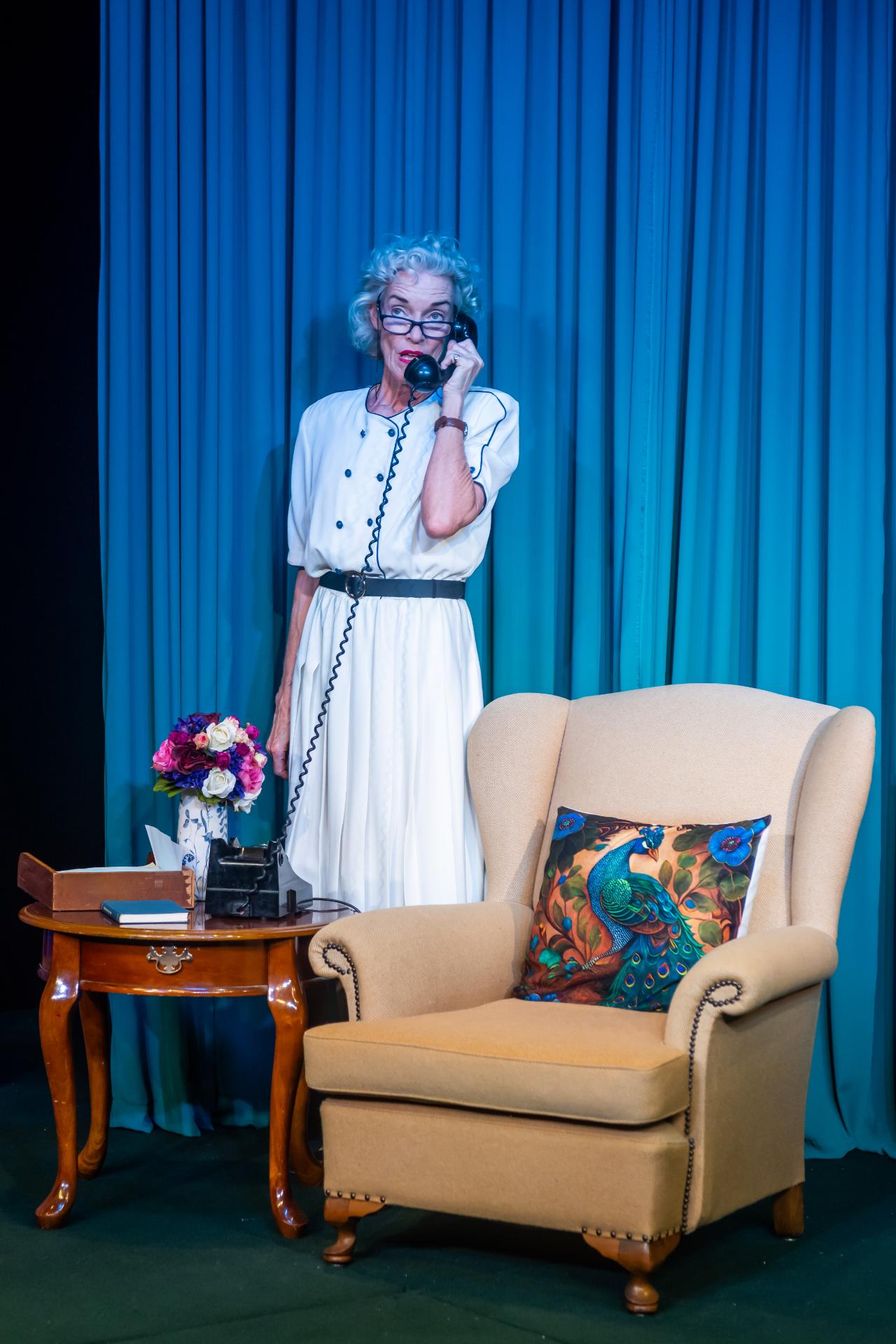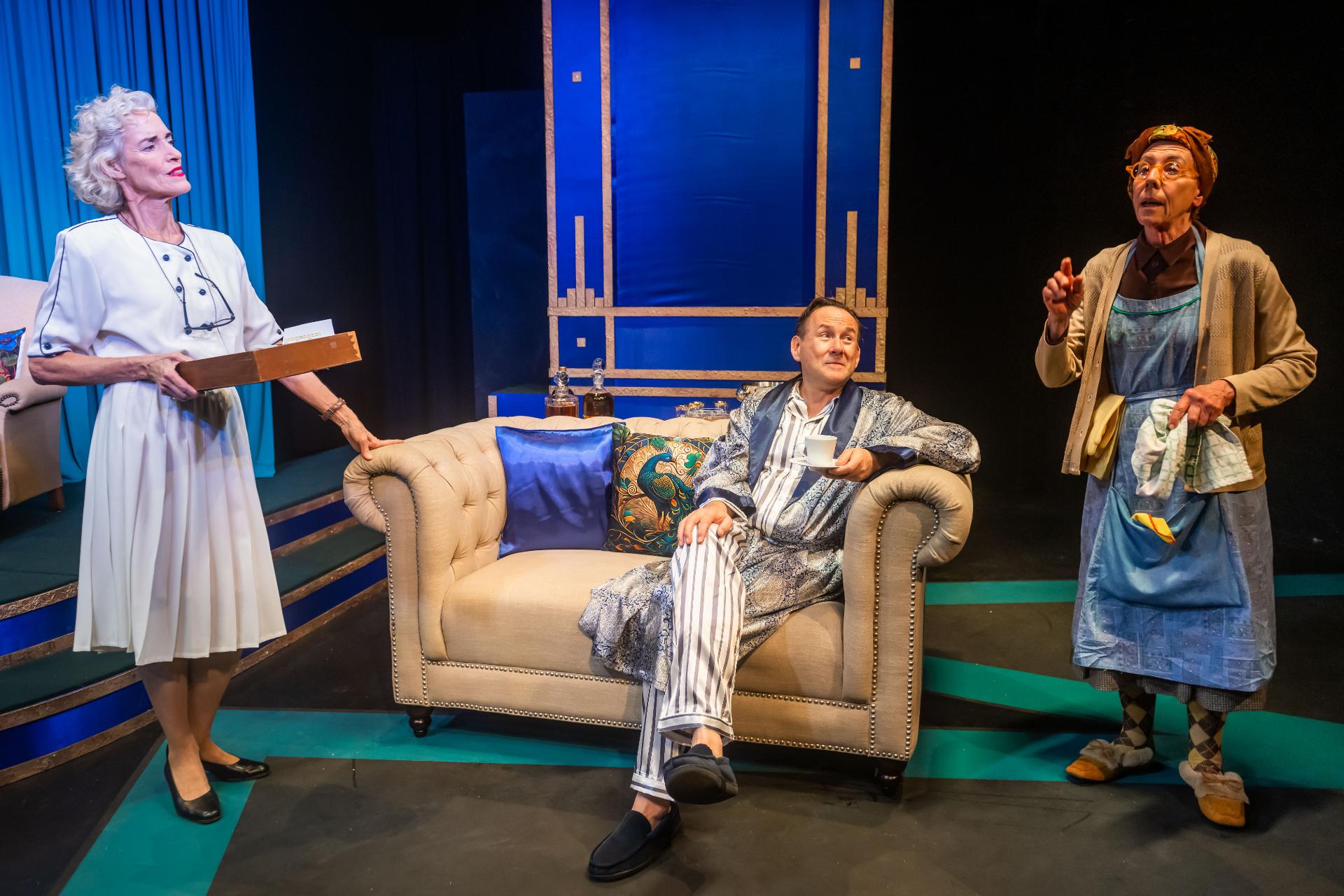
Review: Born On A Thursday (Old Fitz Theatre)

Venue: Old Fitzroy Theatre (Woolloomooloo NSW), Nov 28 – Dec 14, 2025
Playwright: Jack Kearney
Director: Lucy Clements
Cast: Deborah Galanos, James Lugton, Owen Hasluck, Sharon Millerchip, Sofia Nolan
Images by Phil Erbacher

Theatre review
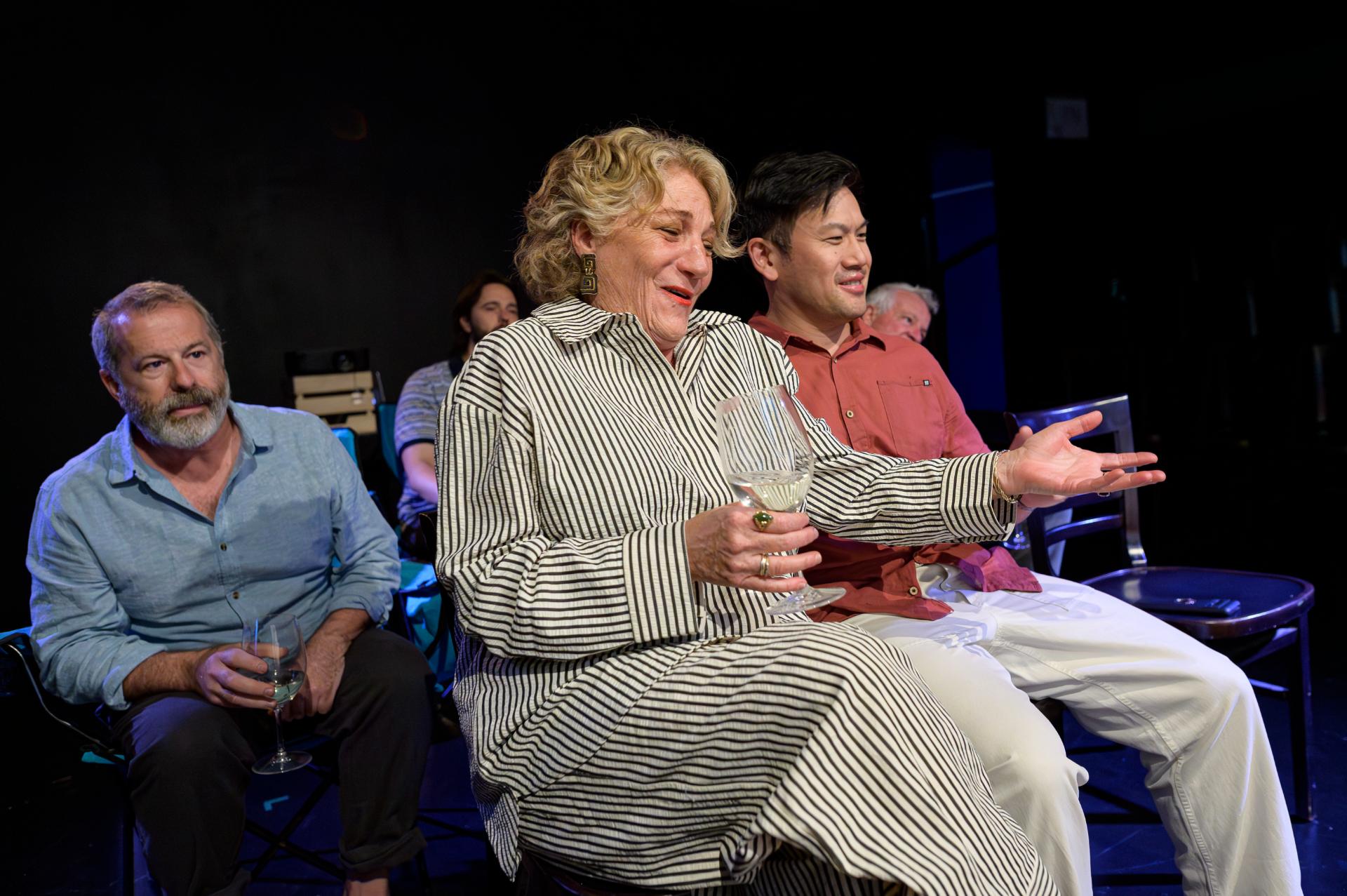
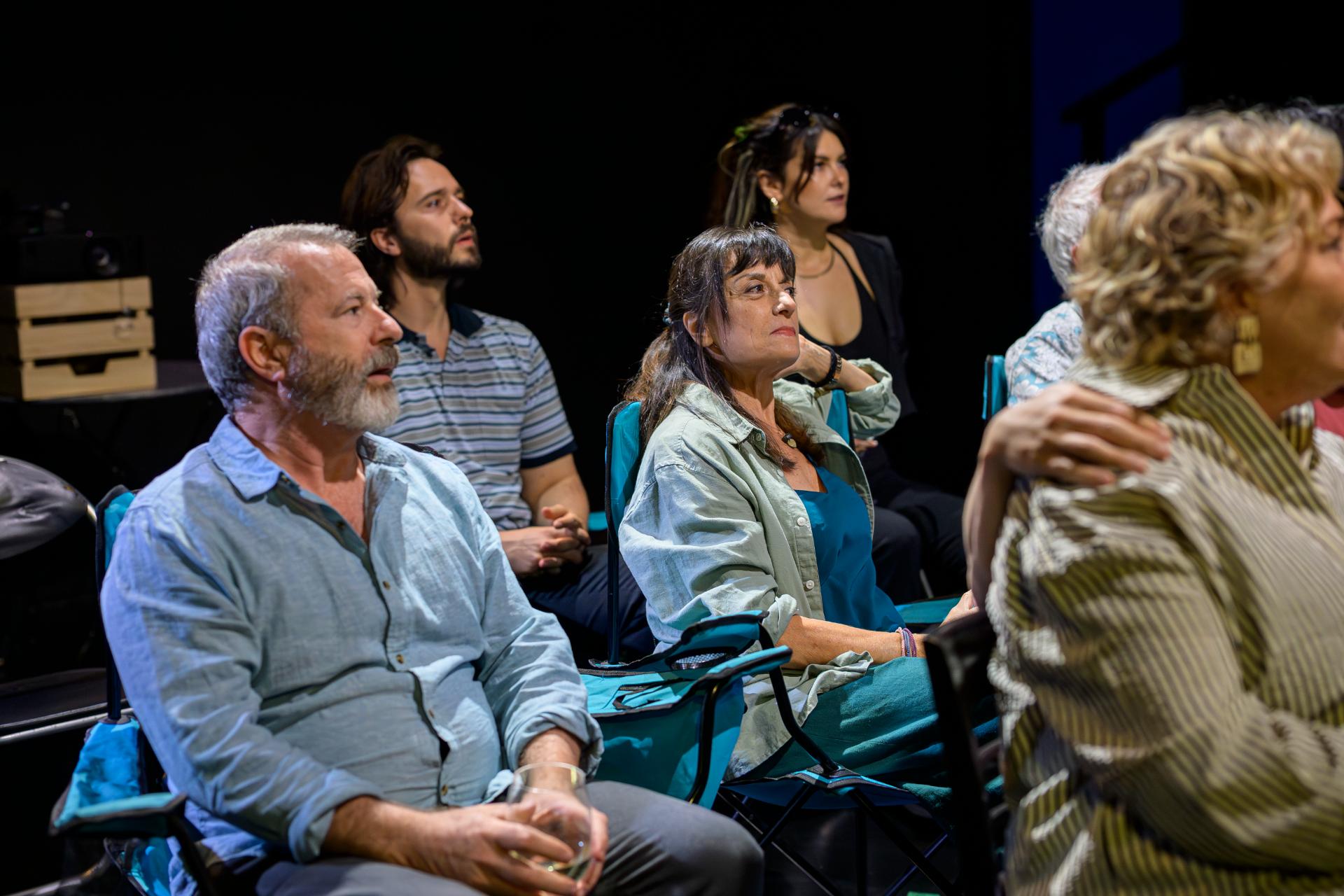
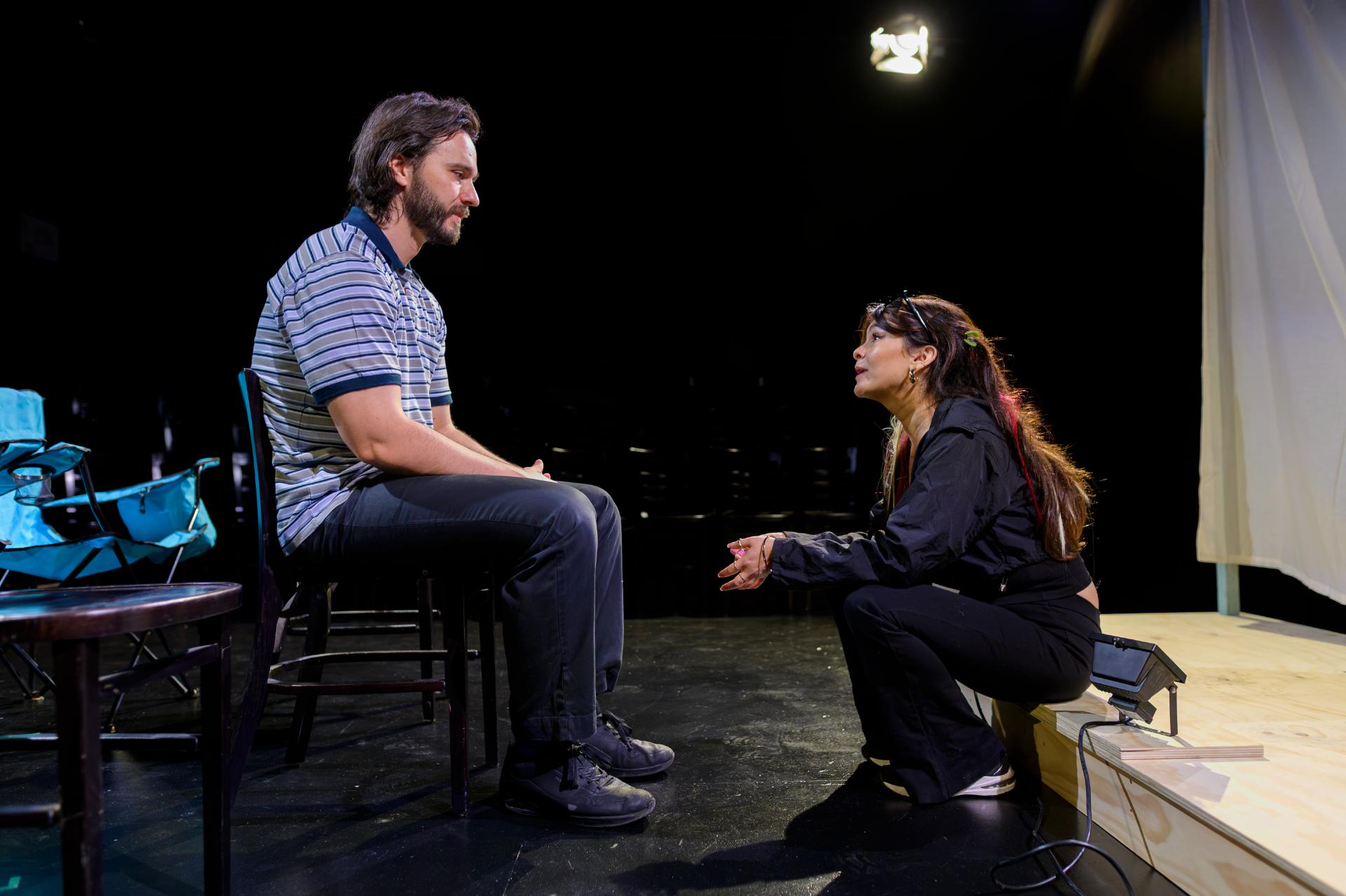
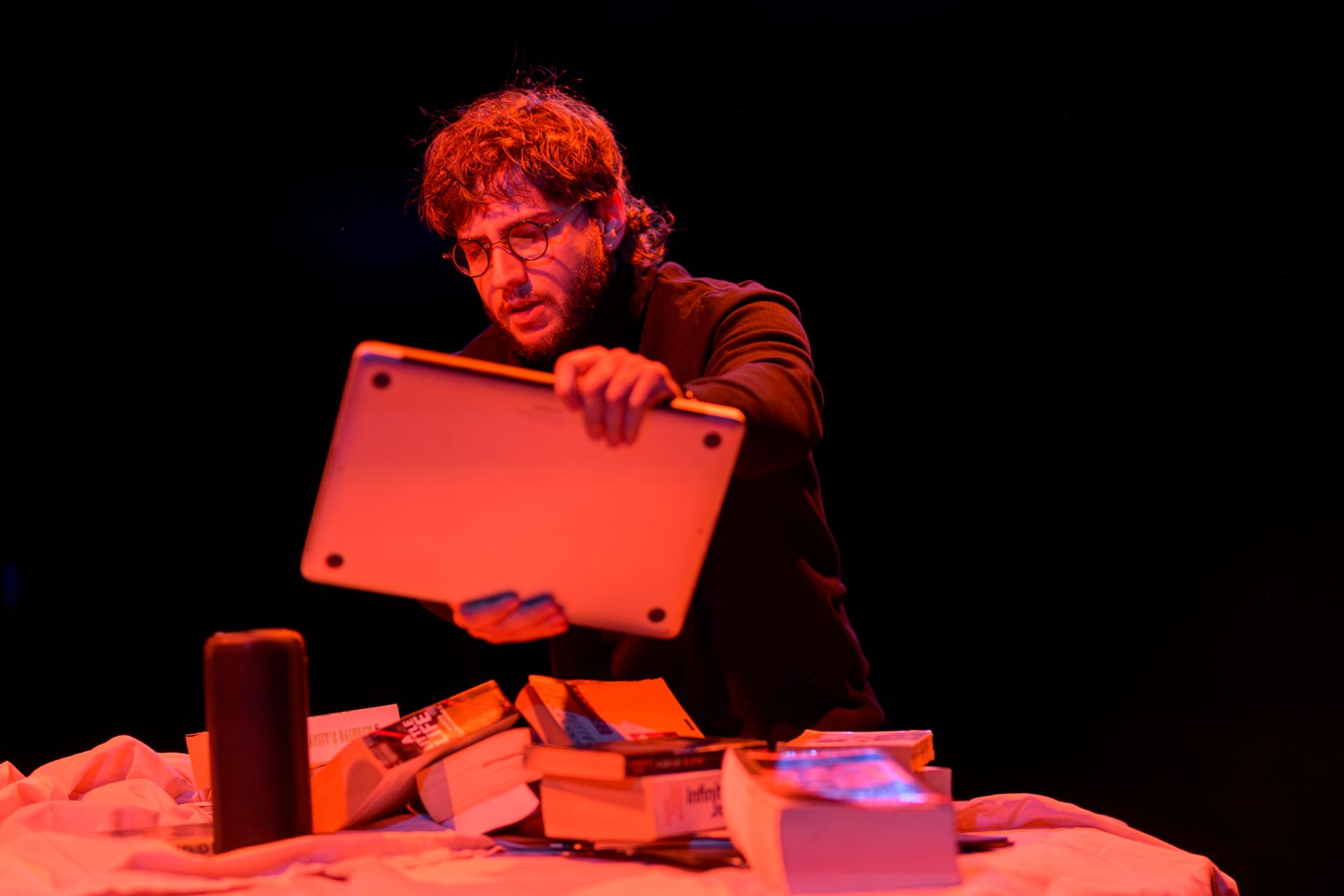
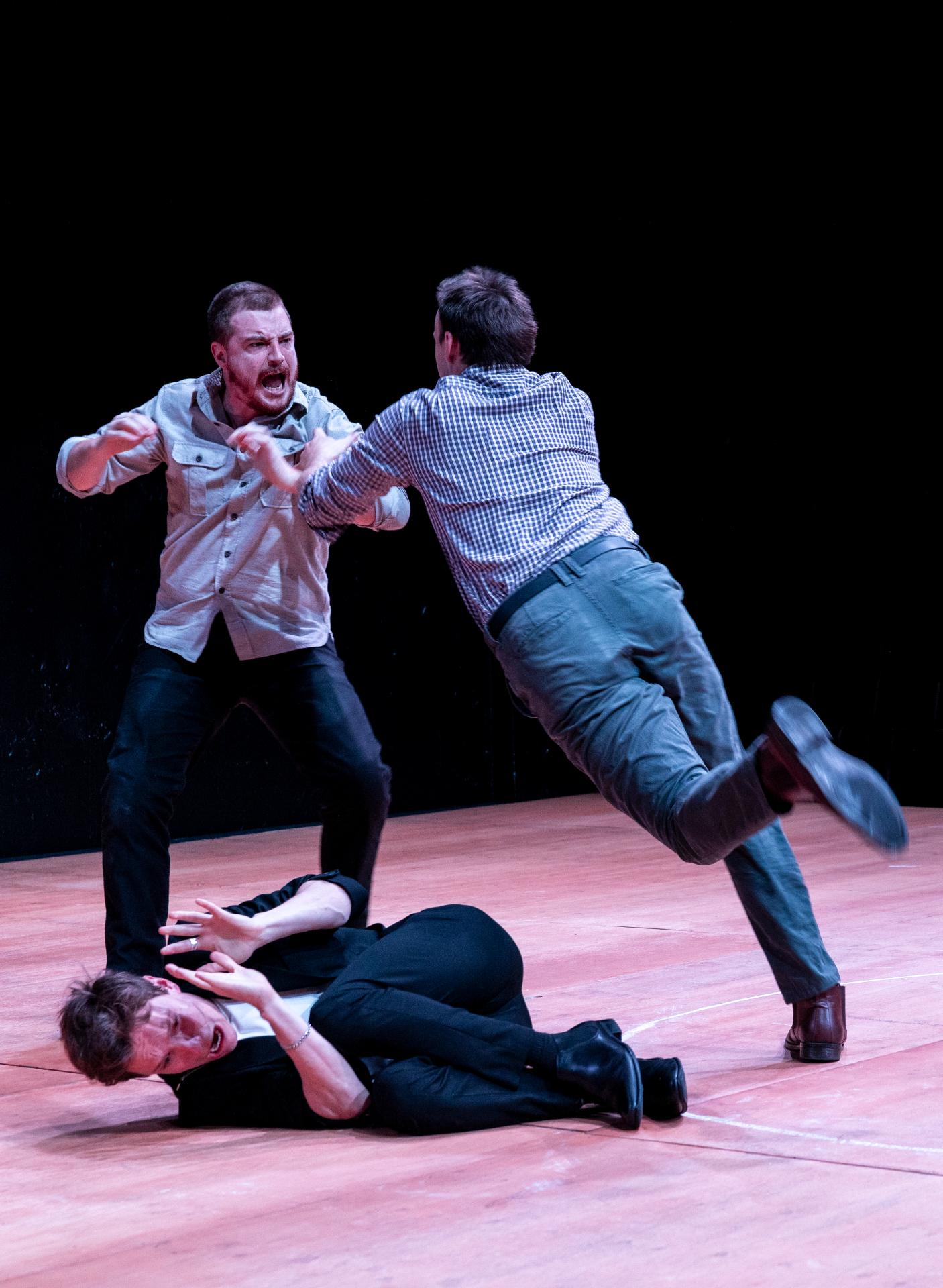
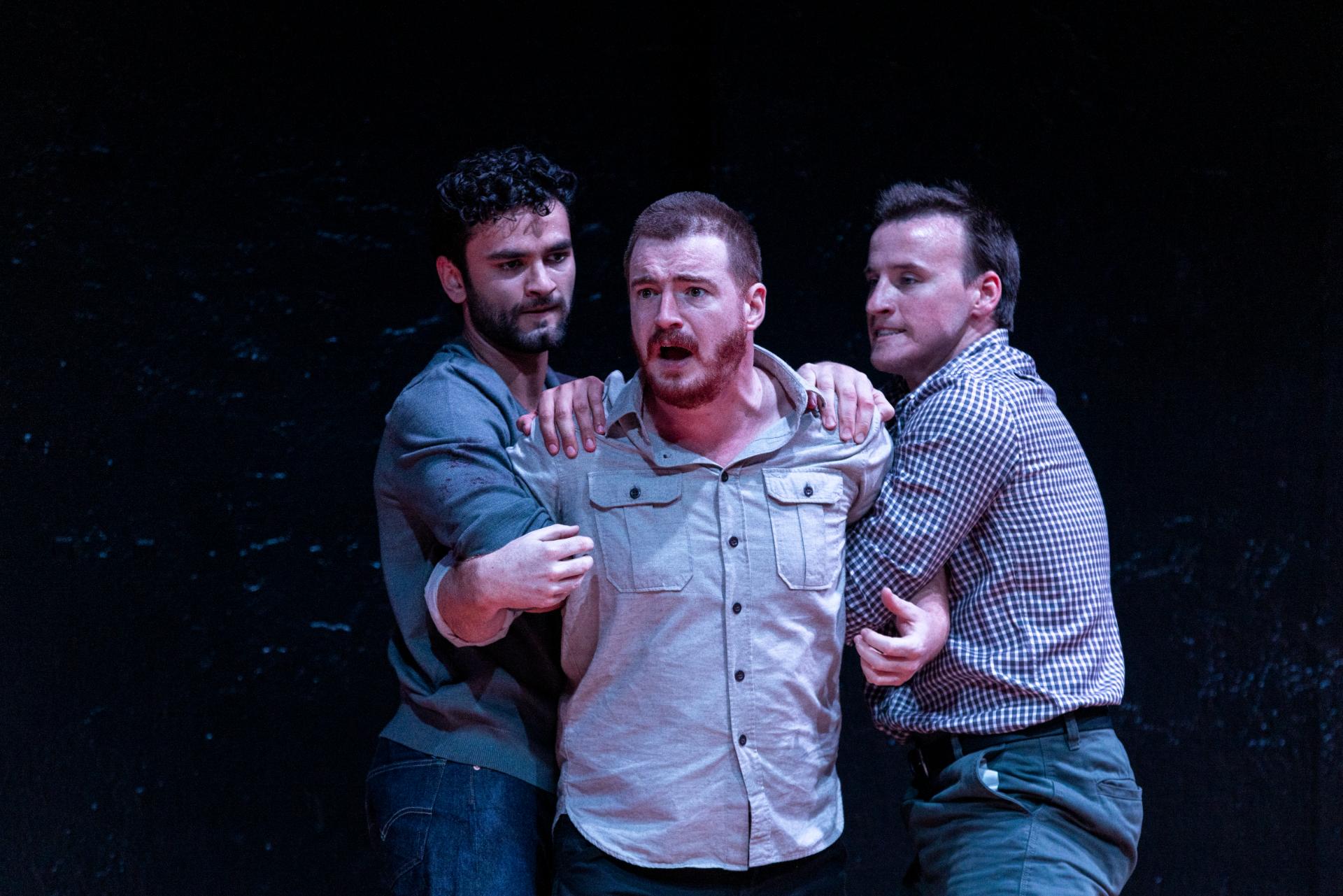
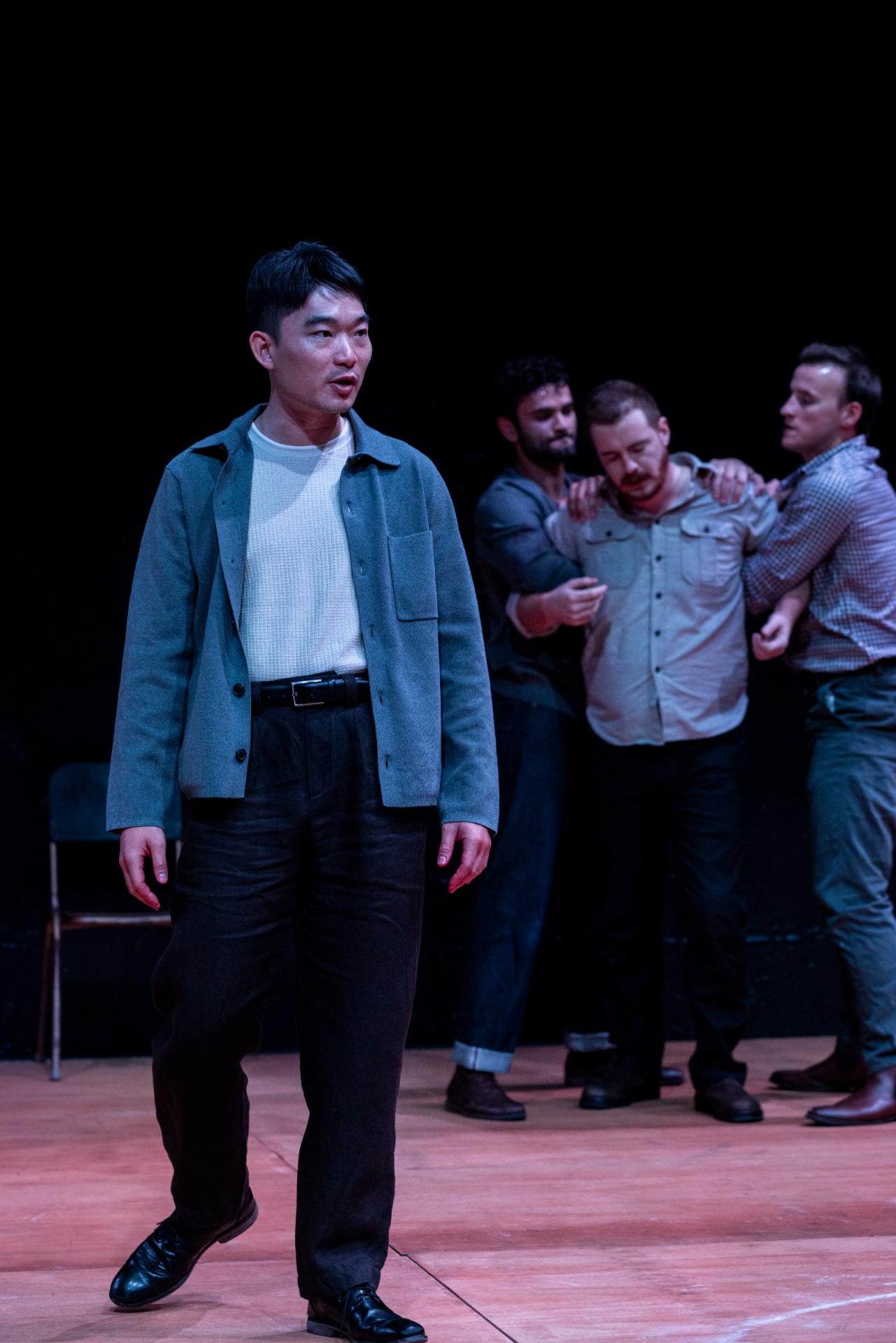
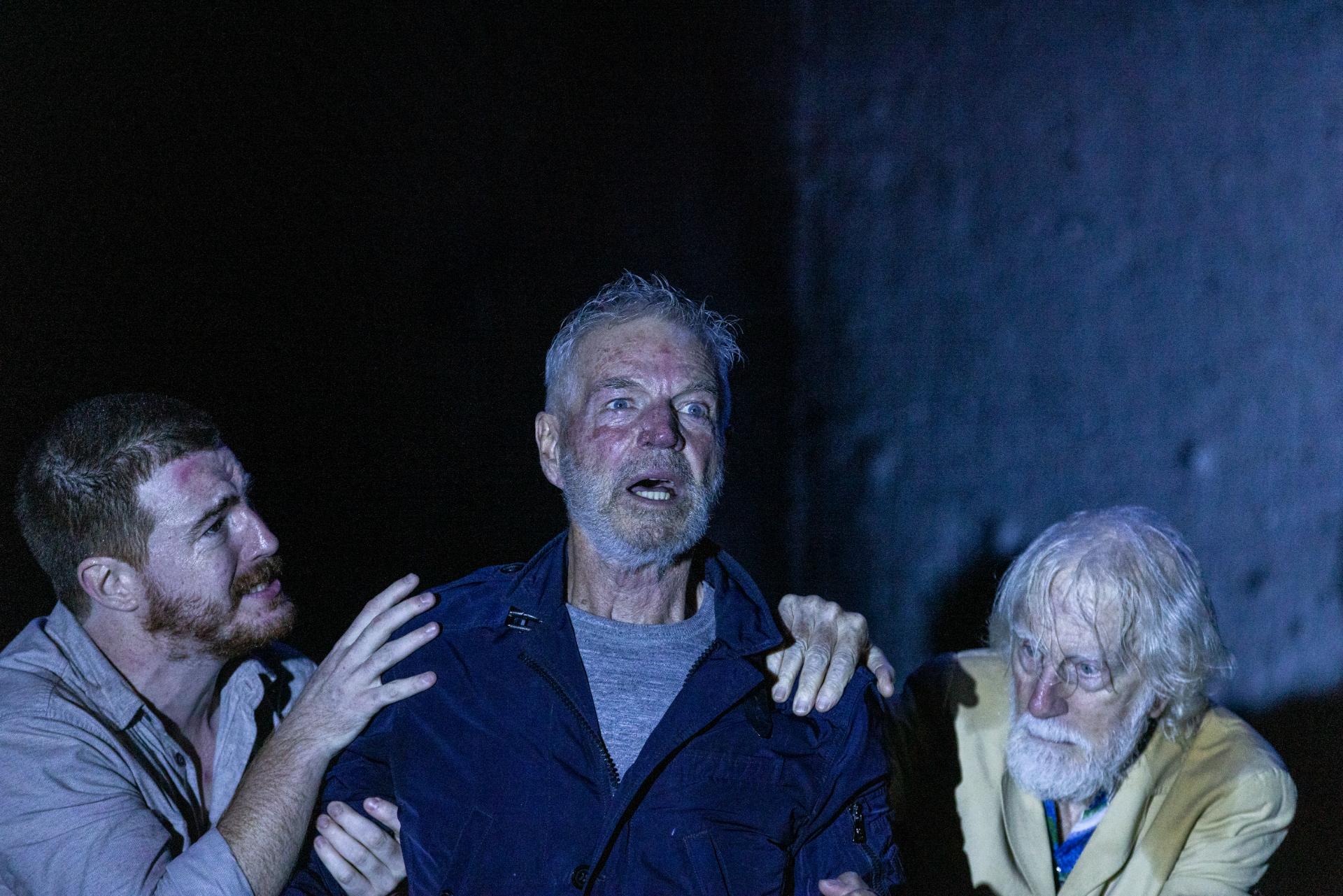
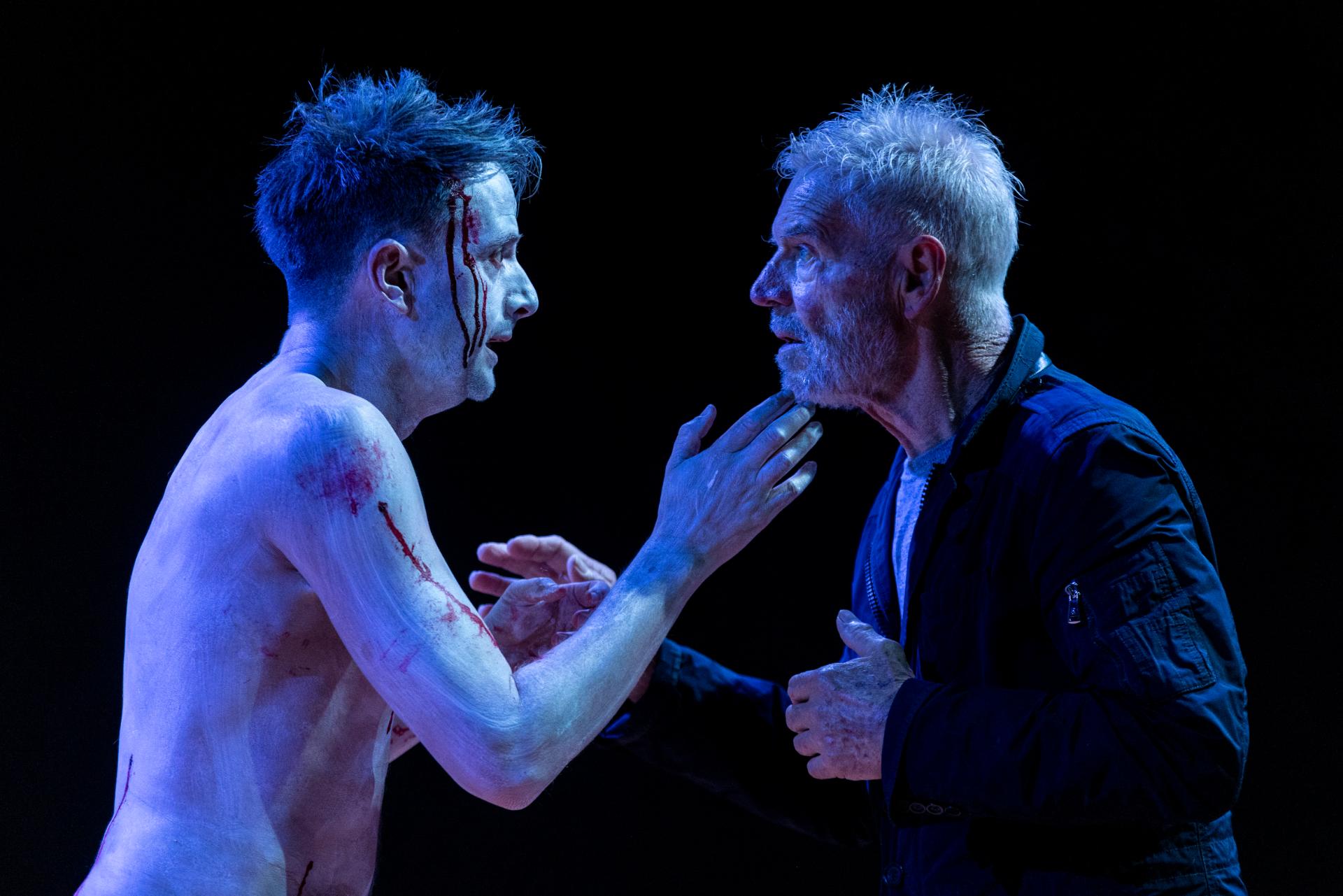
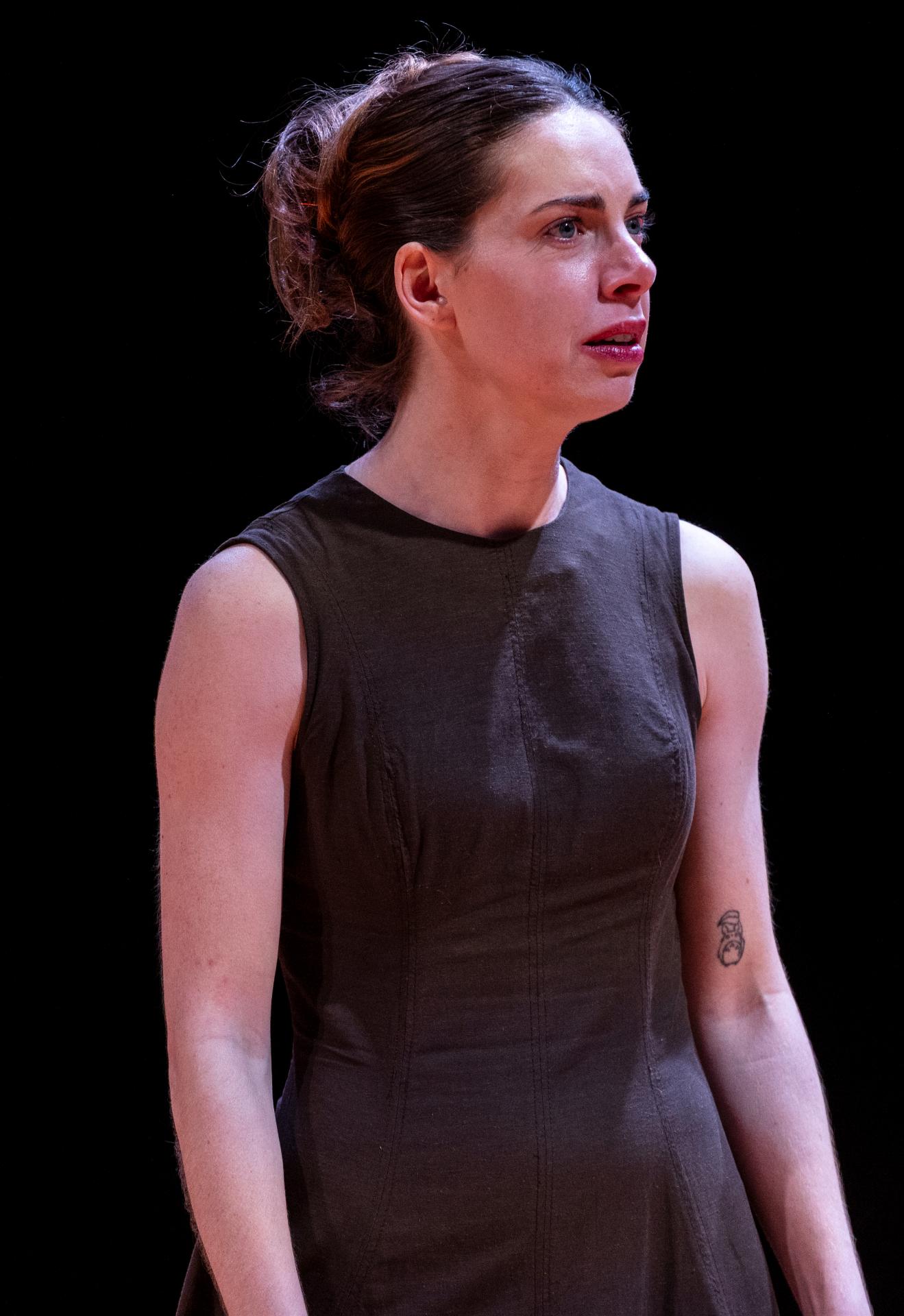
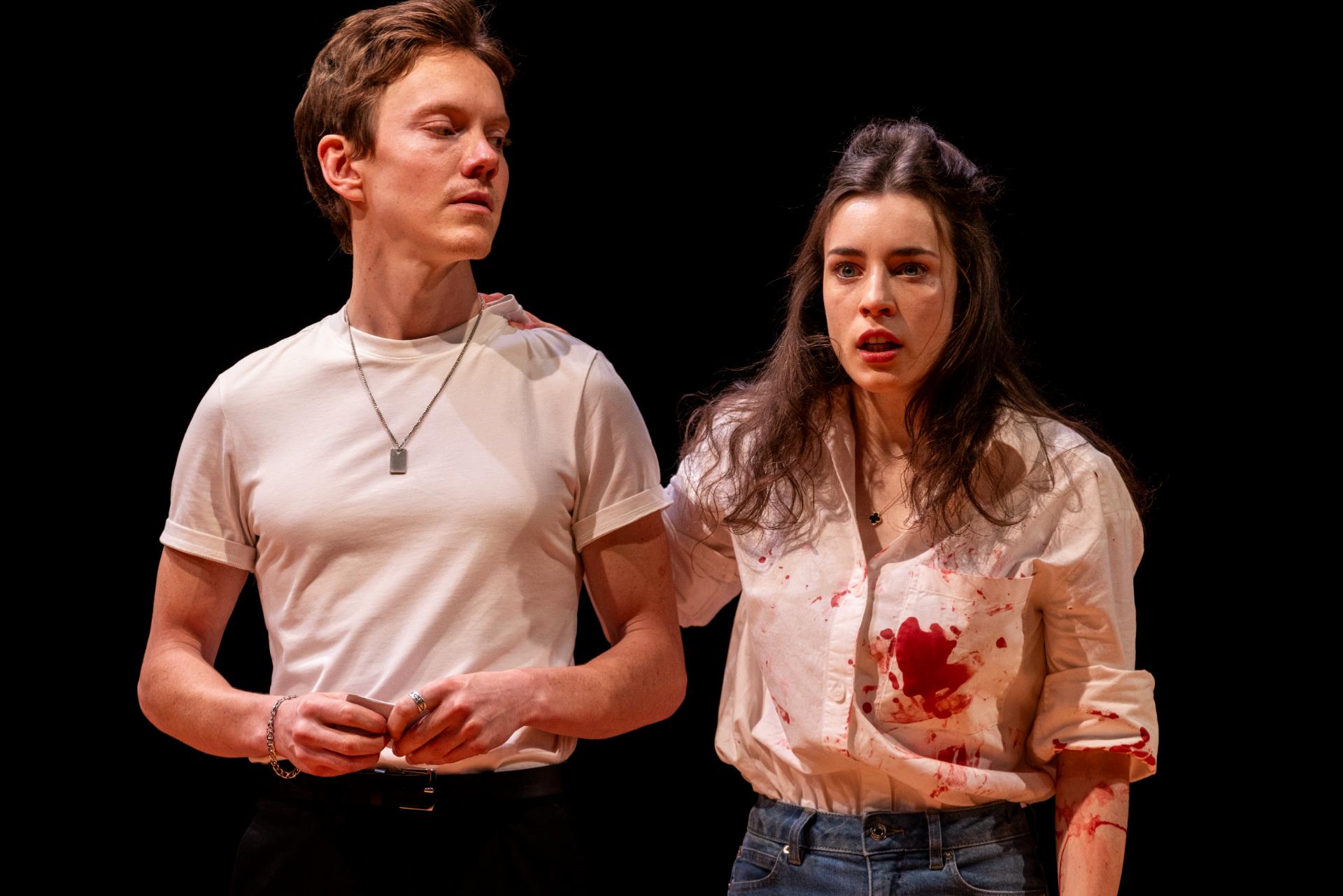
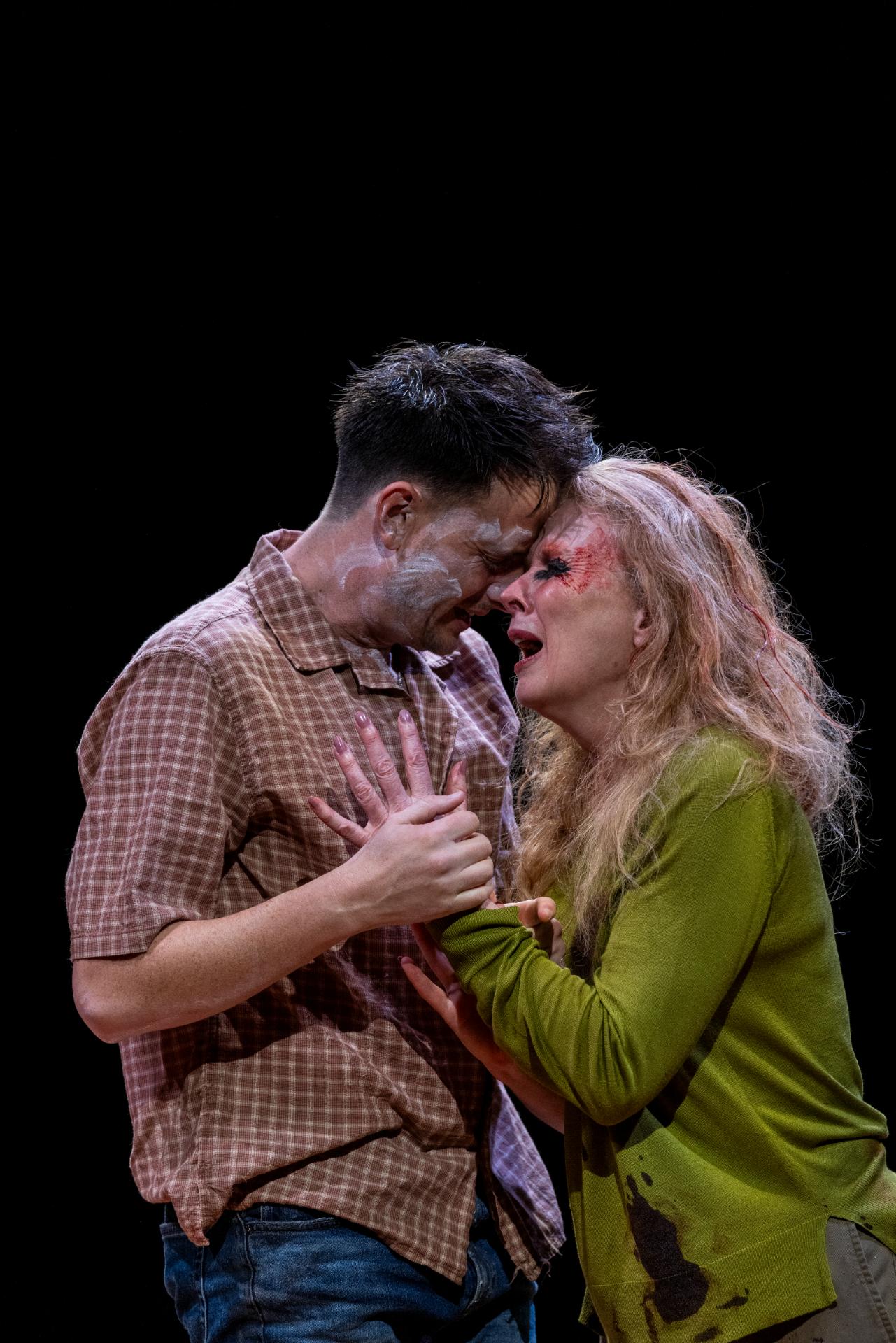
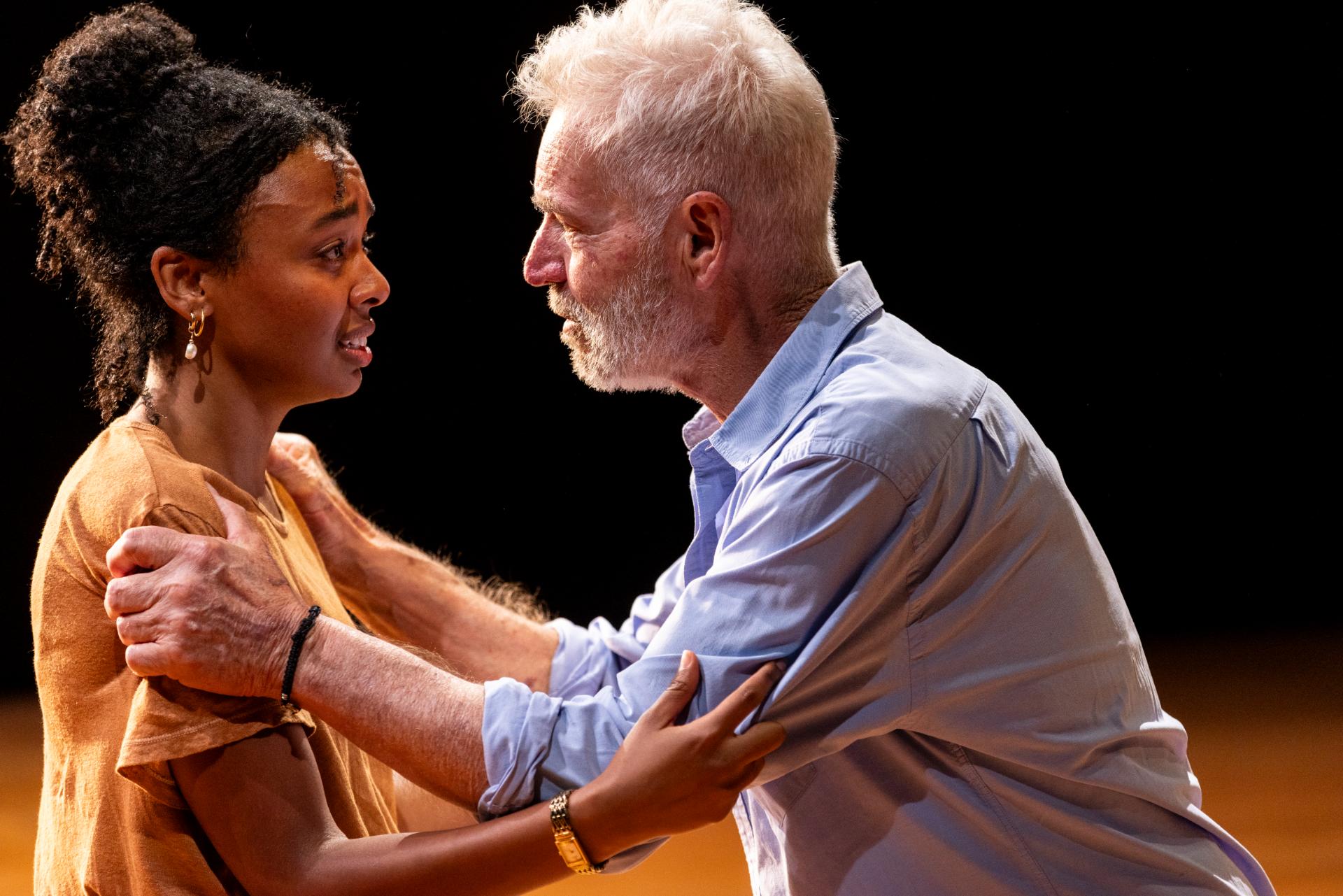
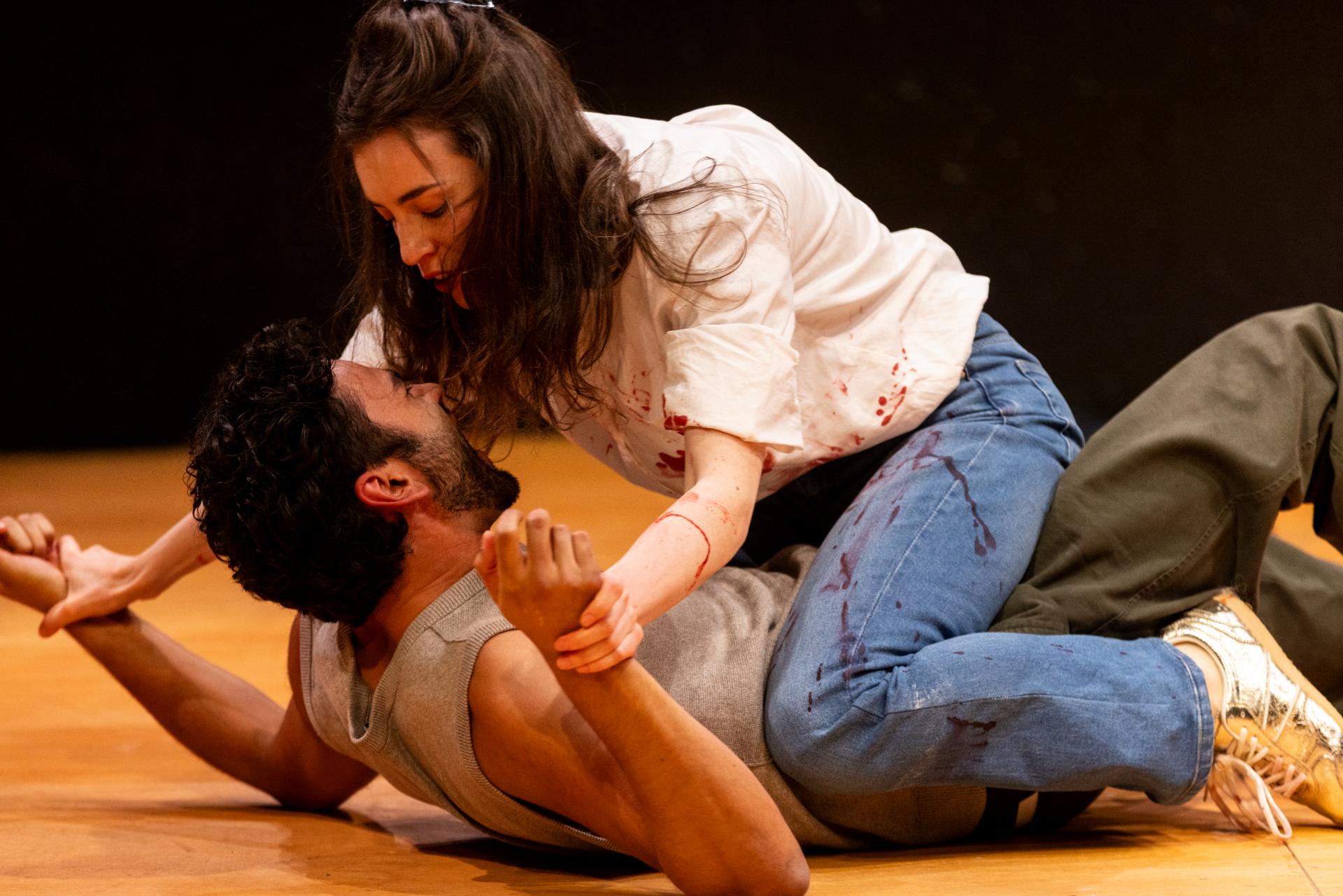
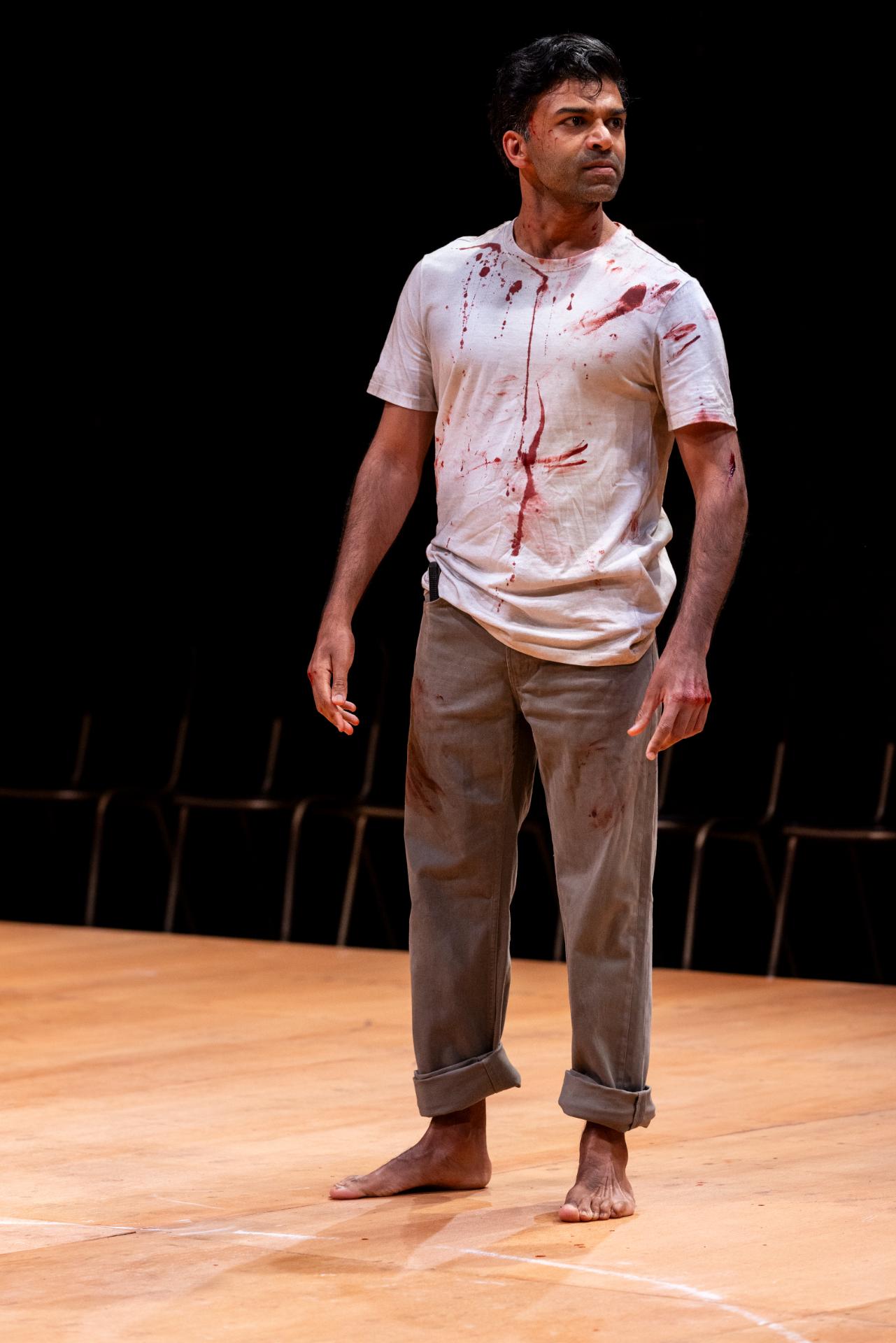
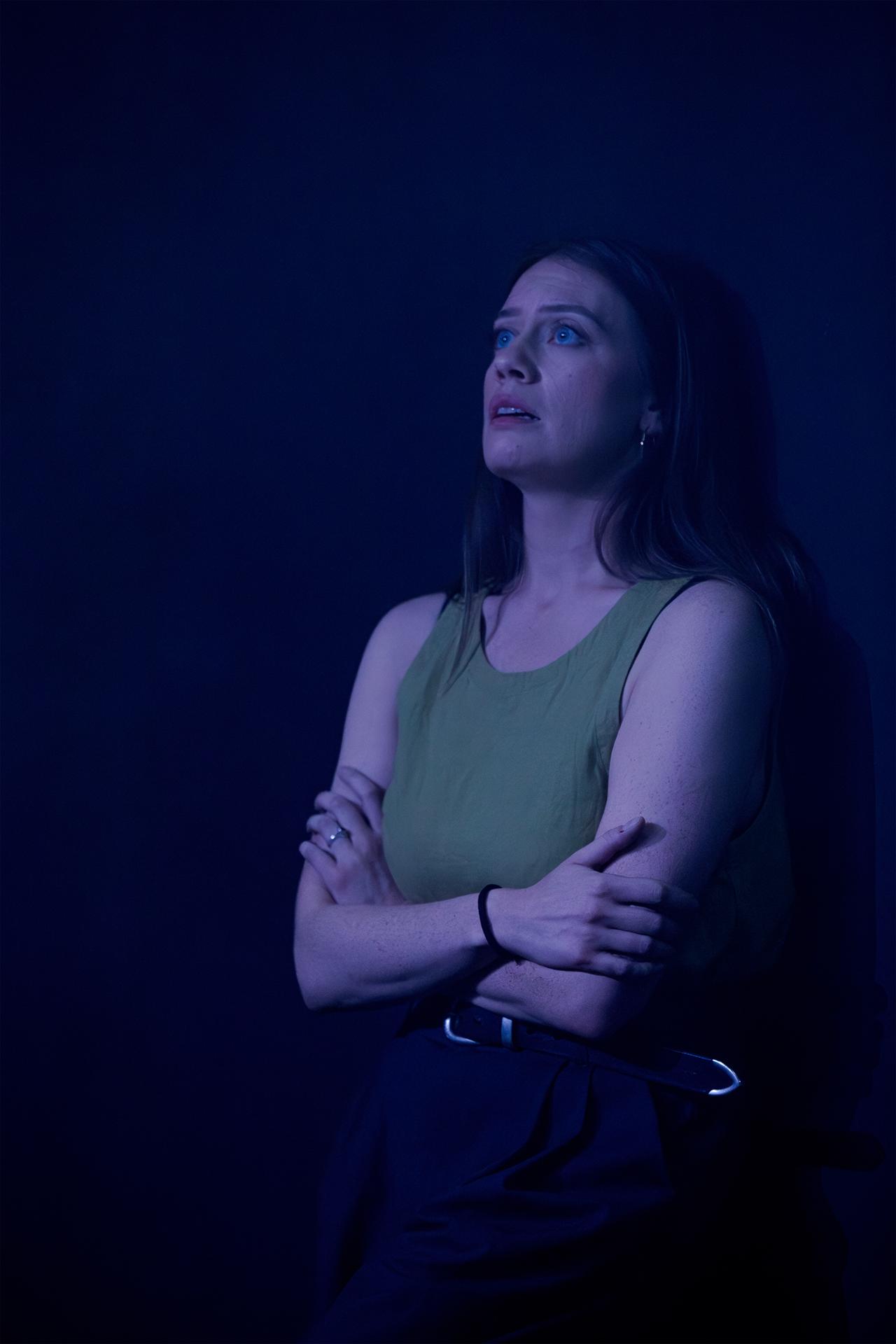
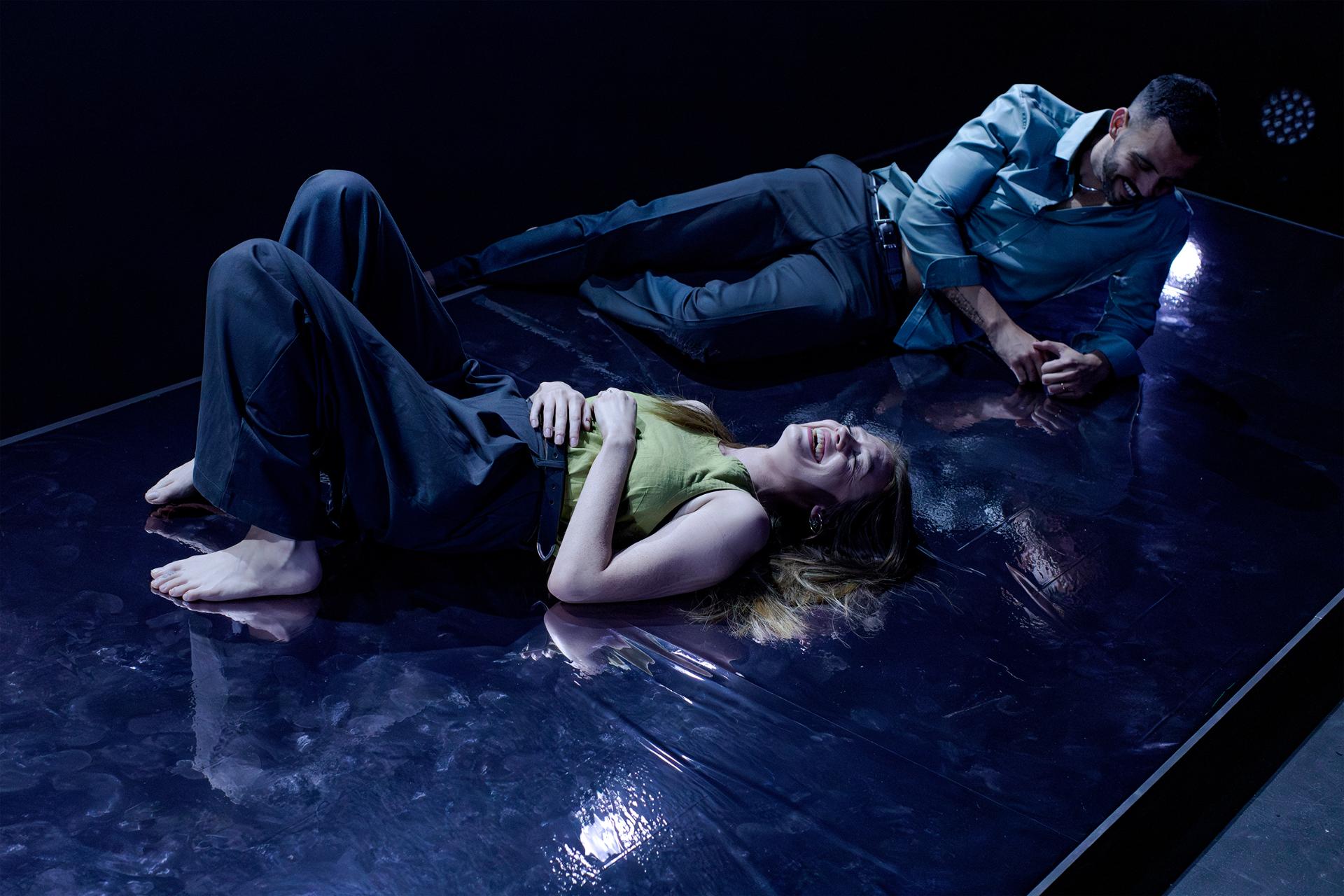
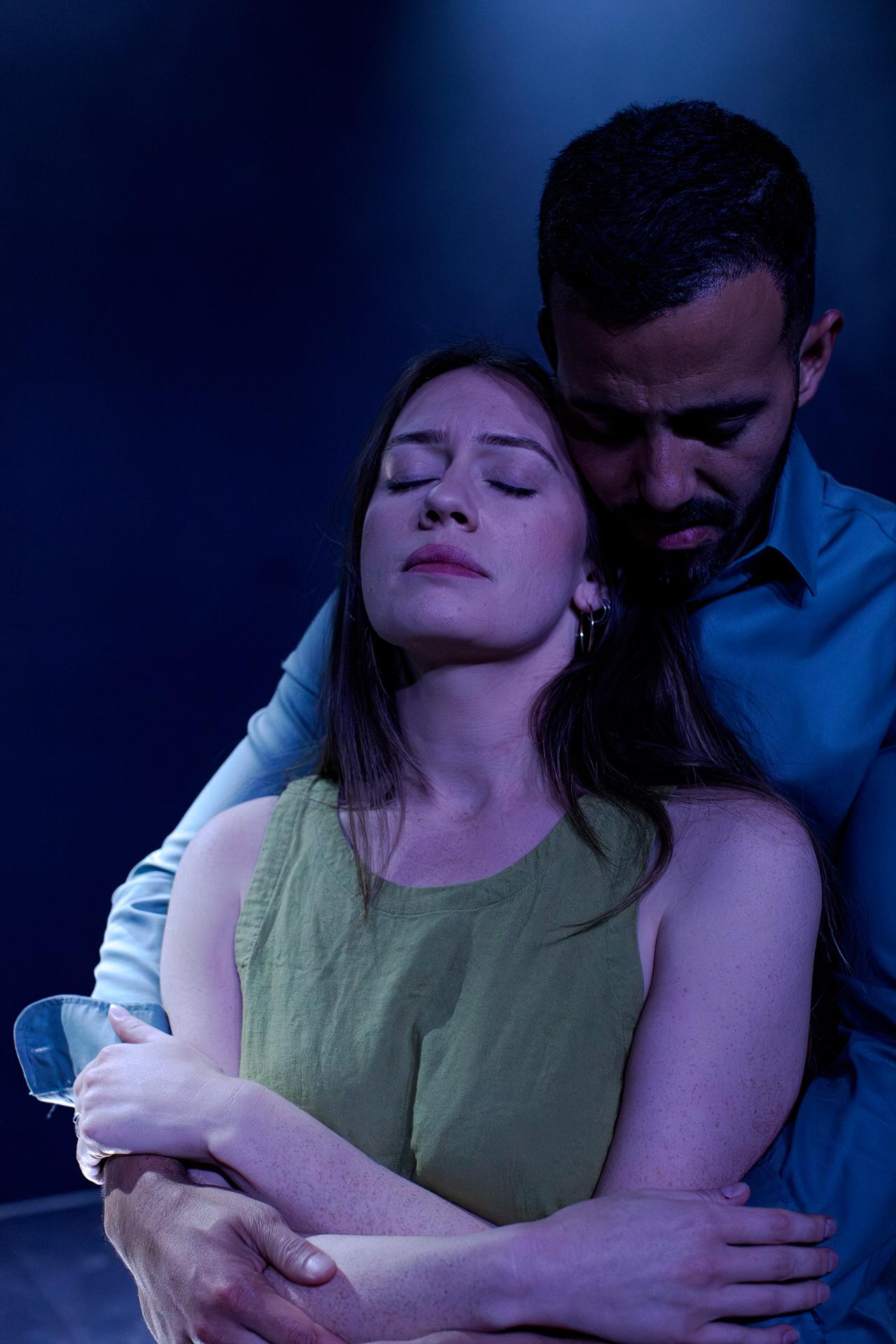
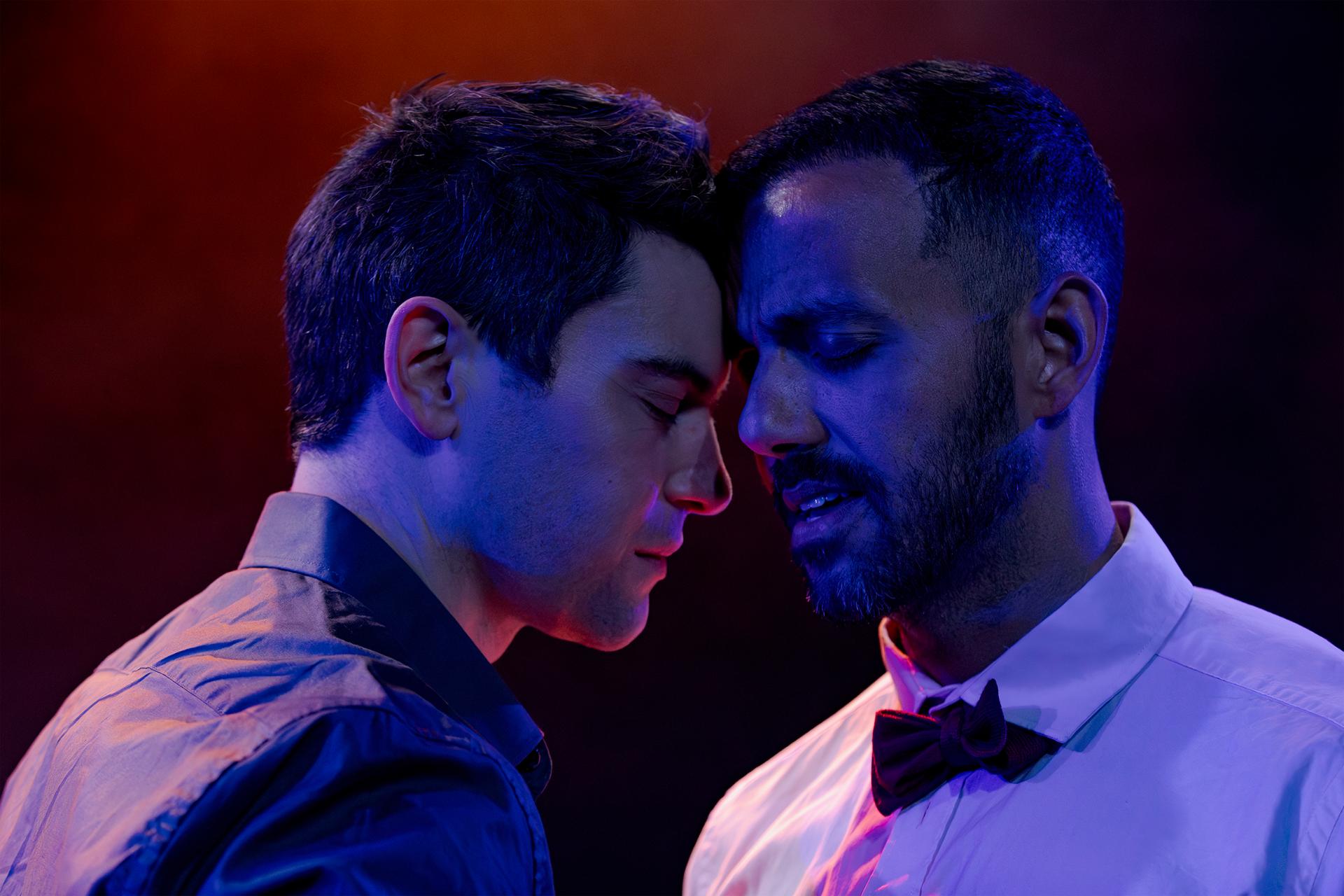
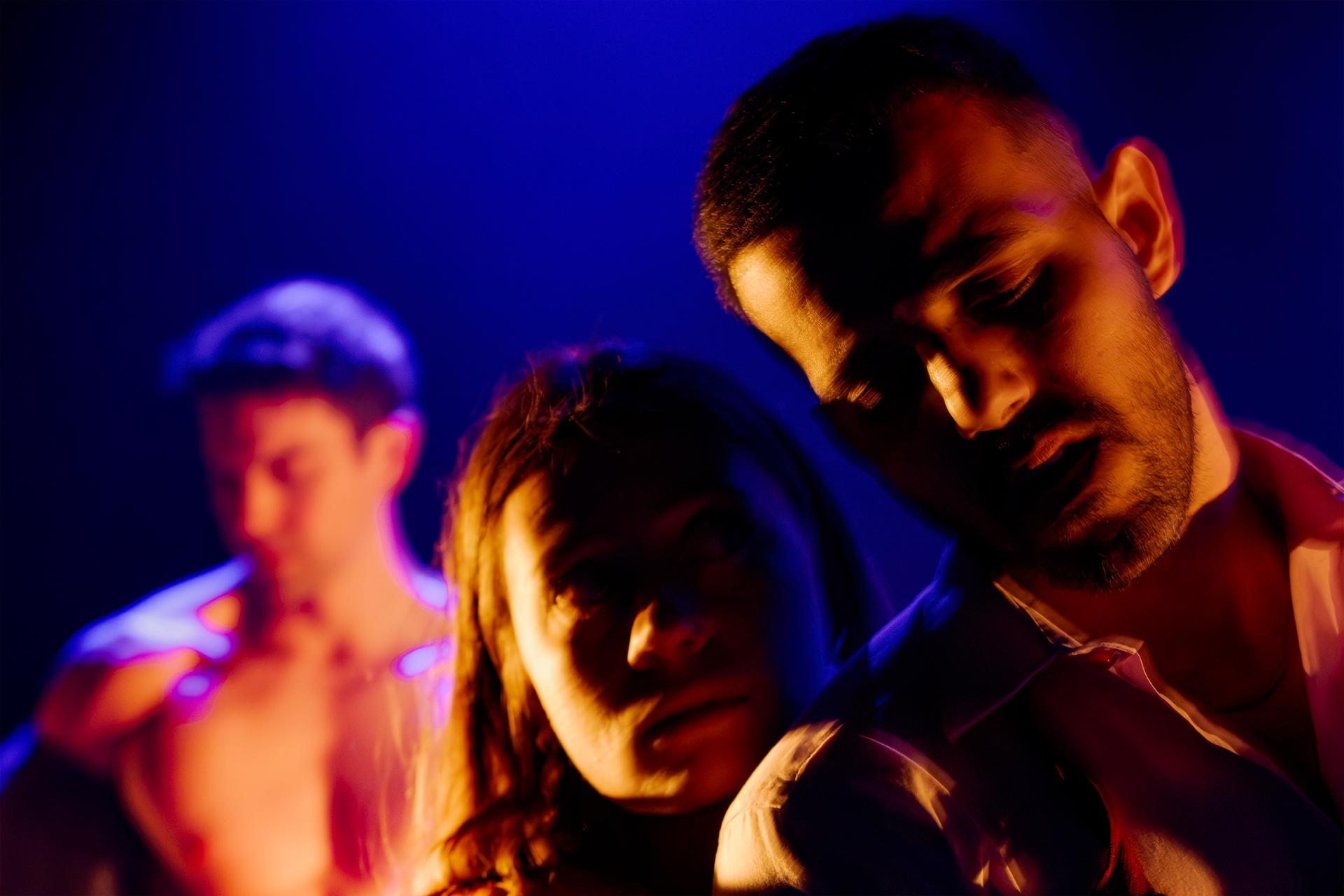
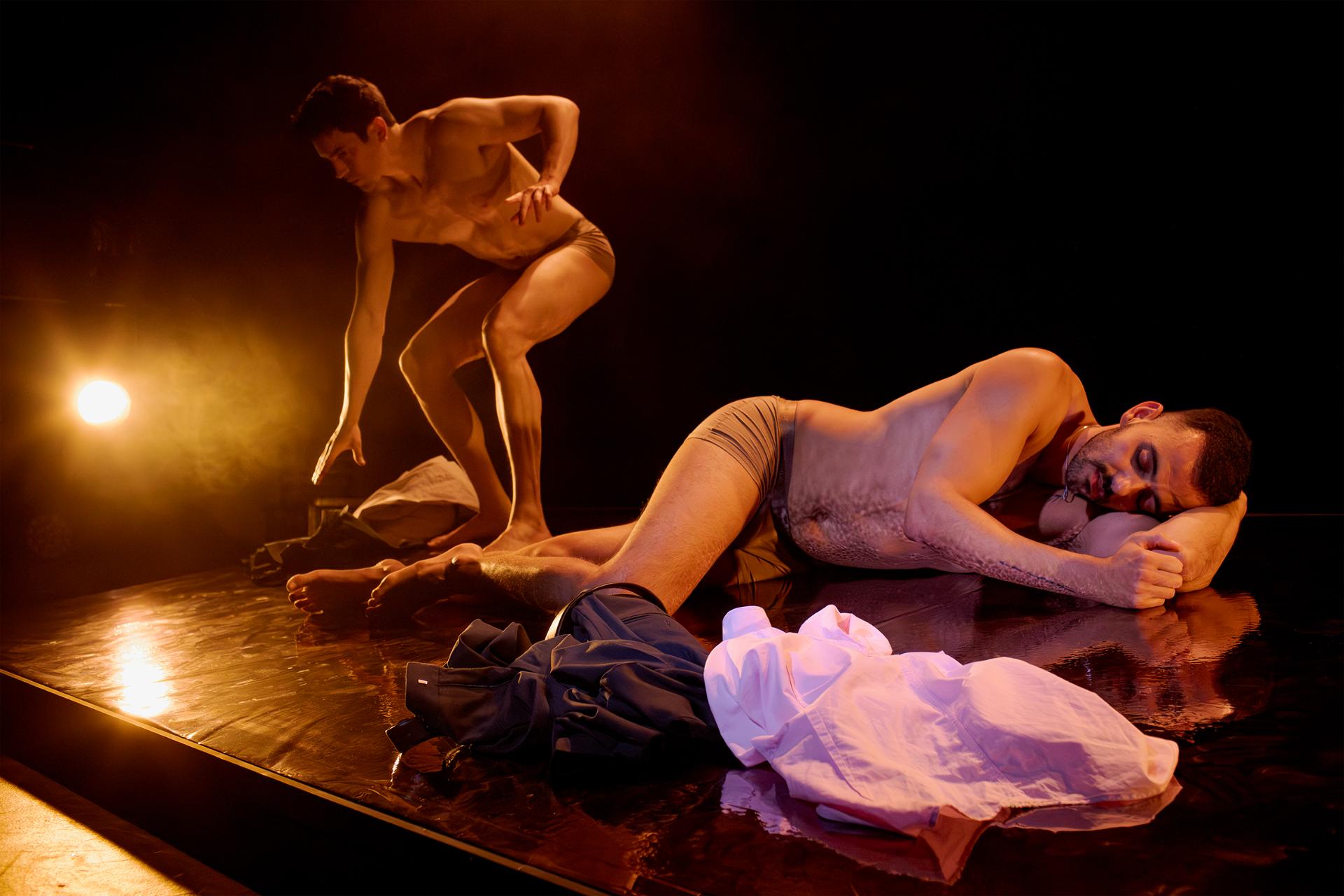
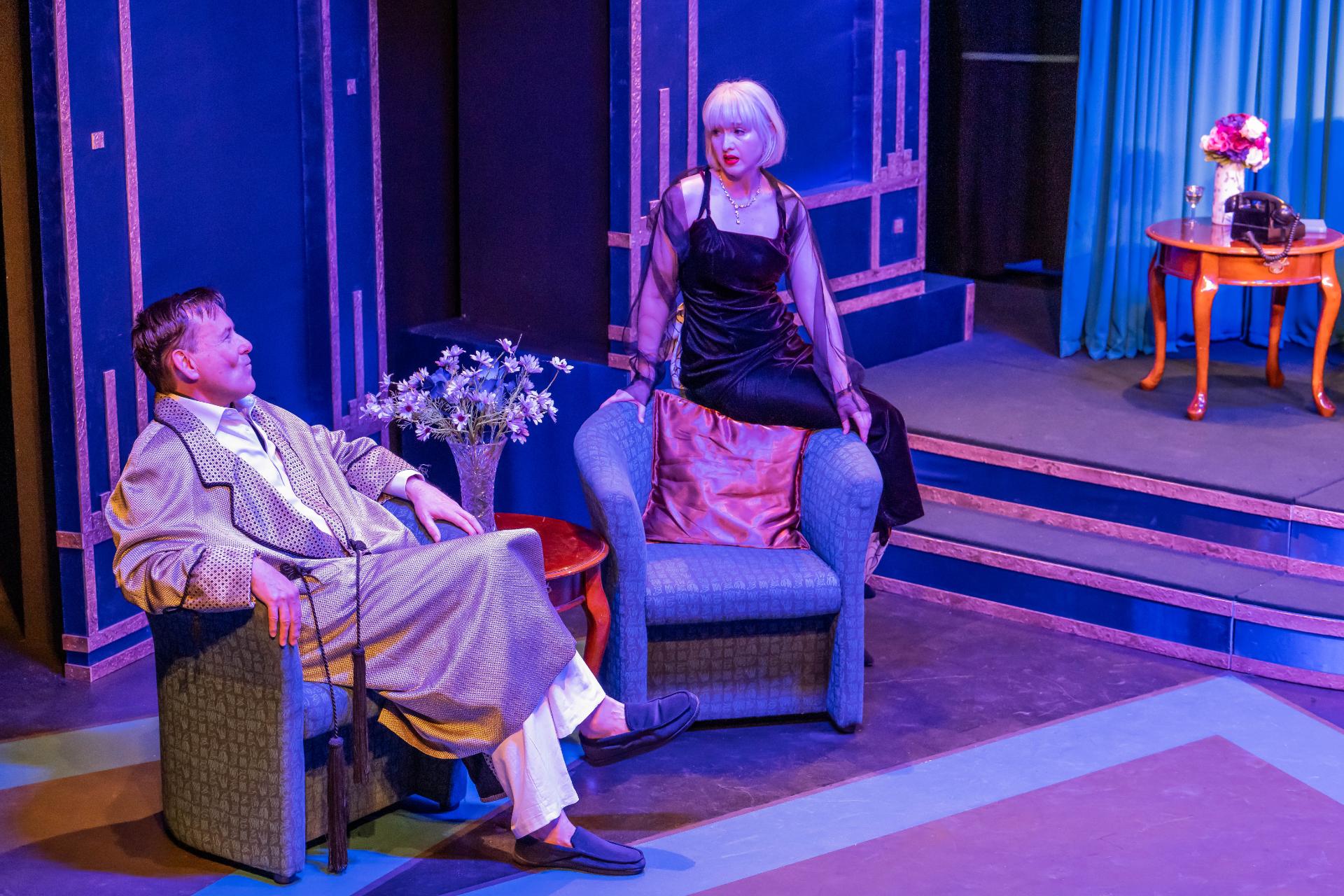
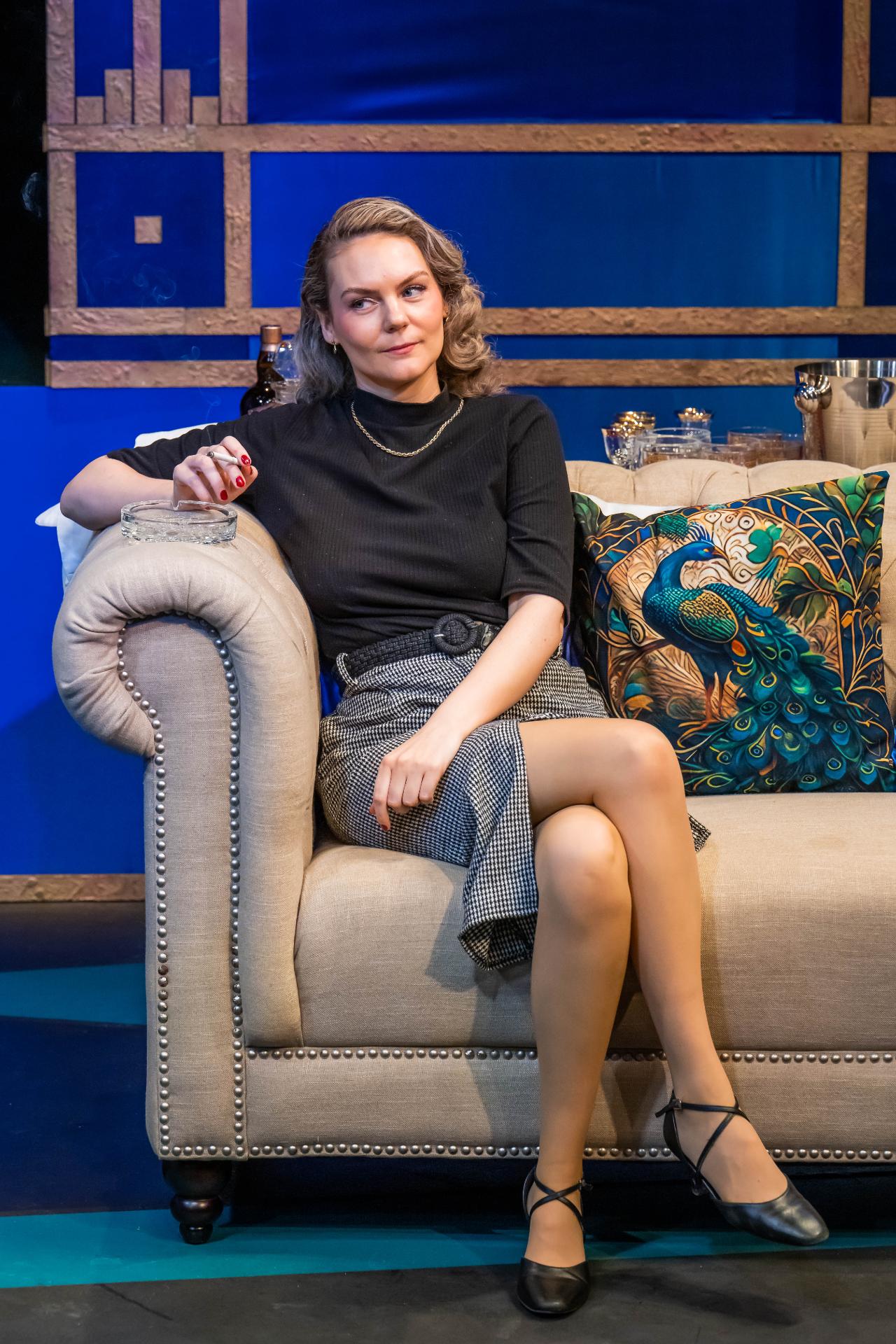
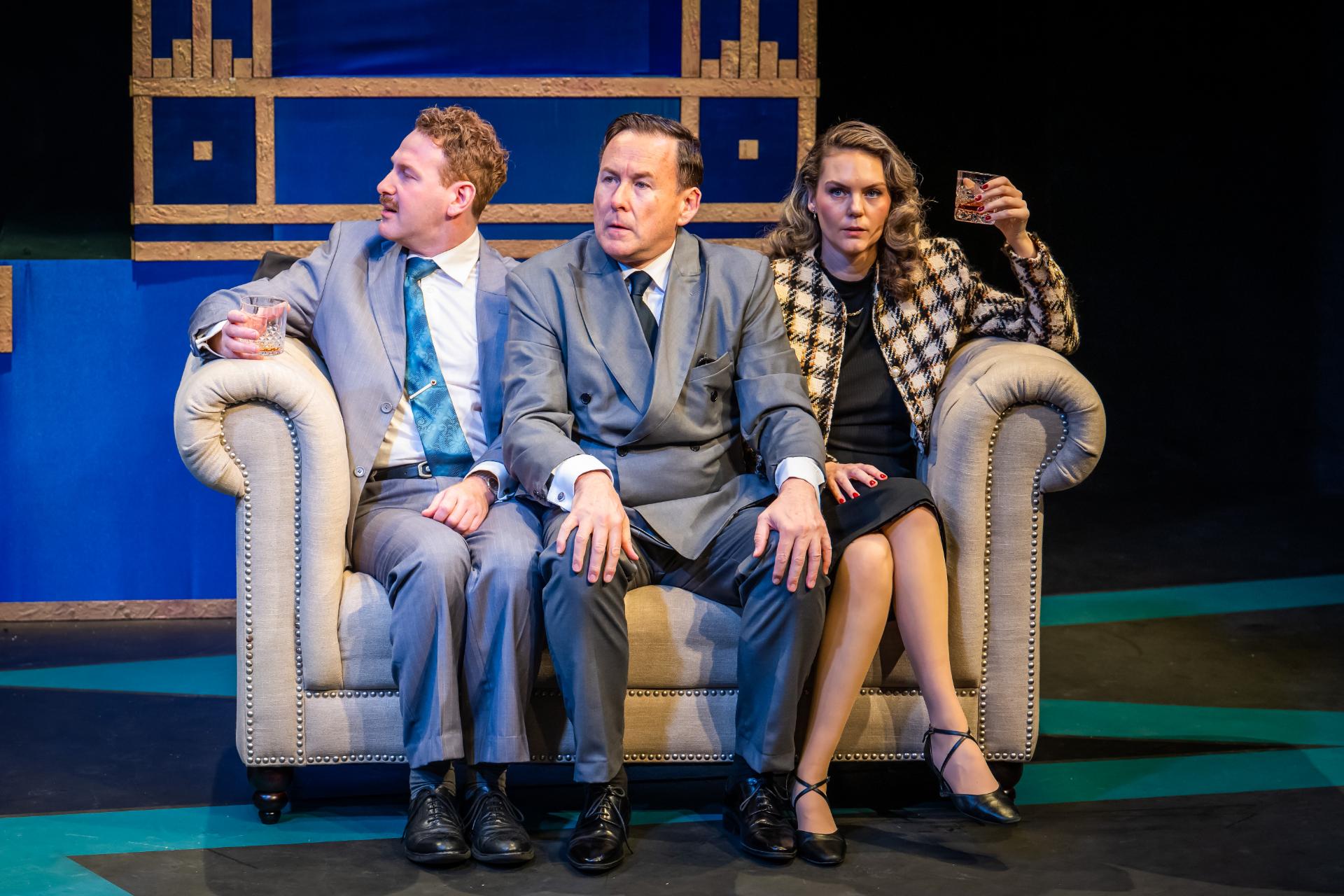
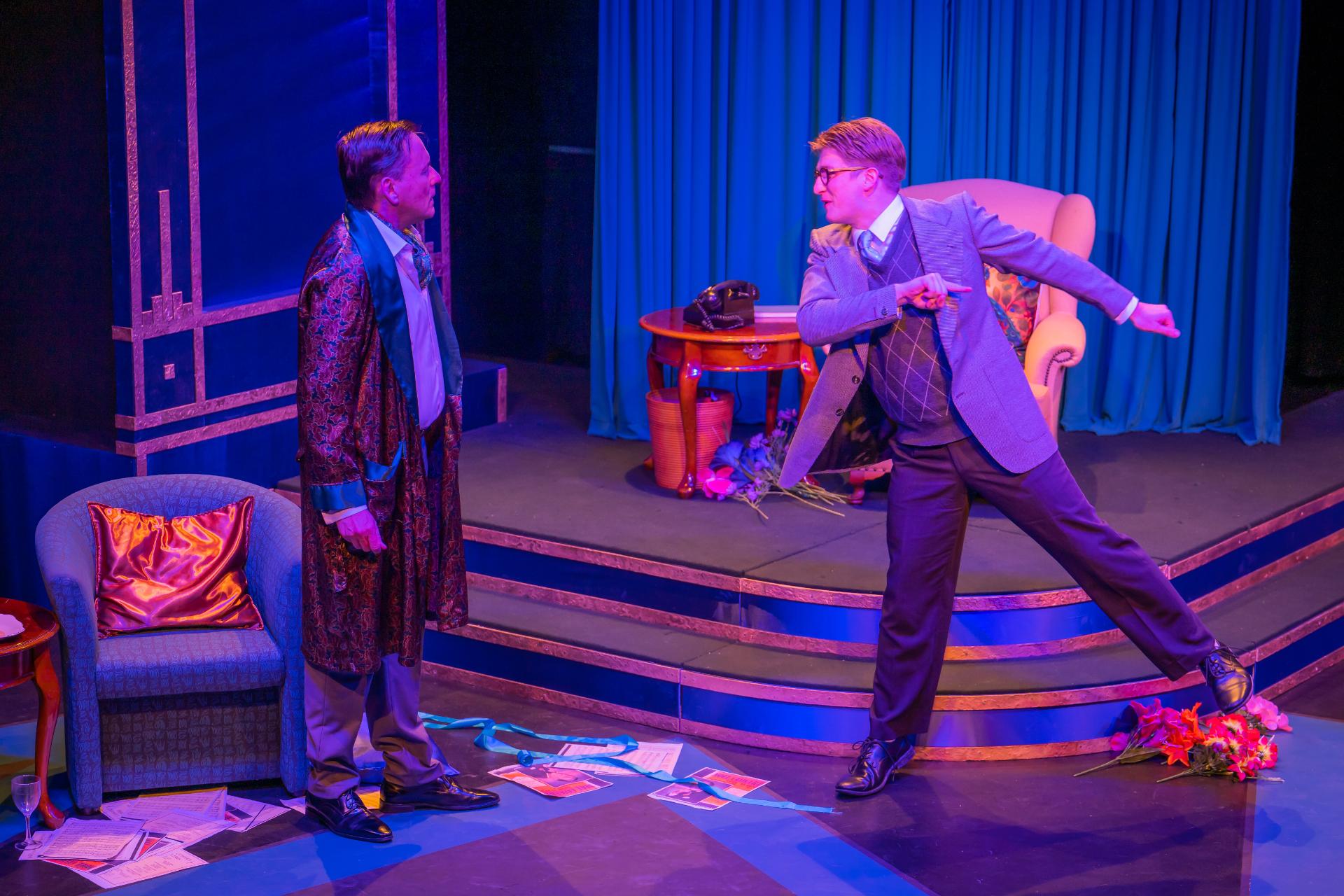
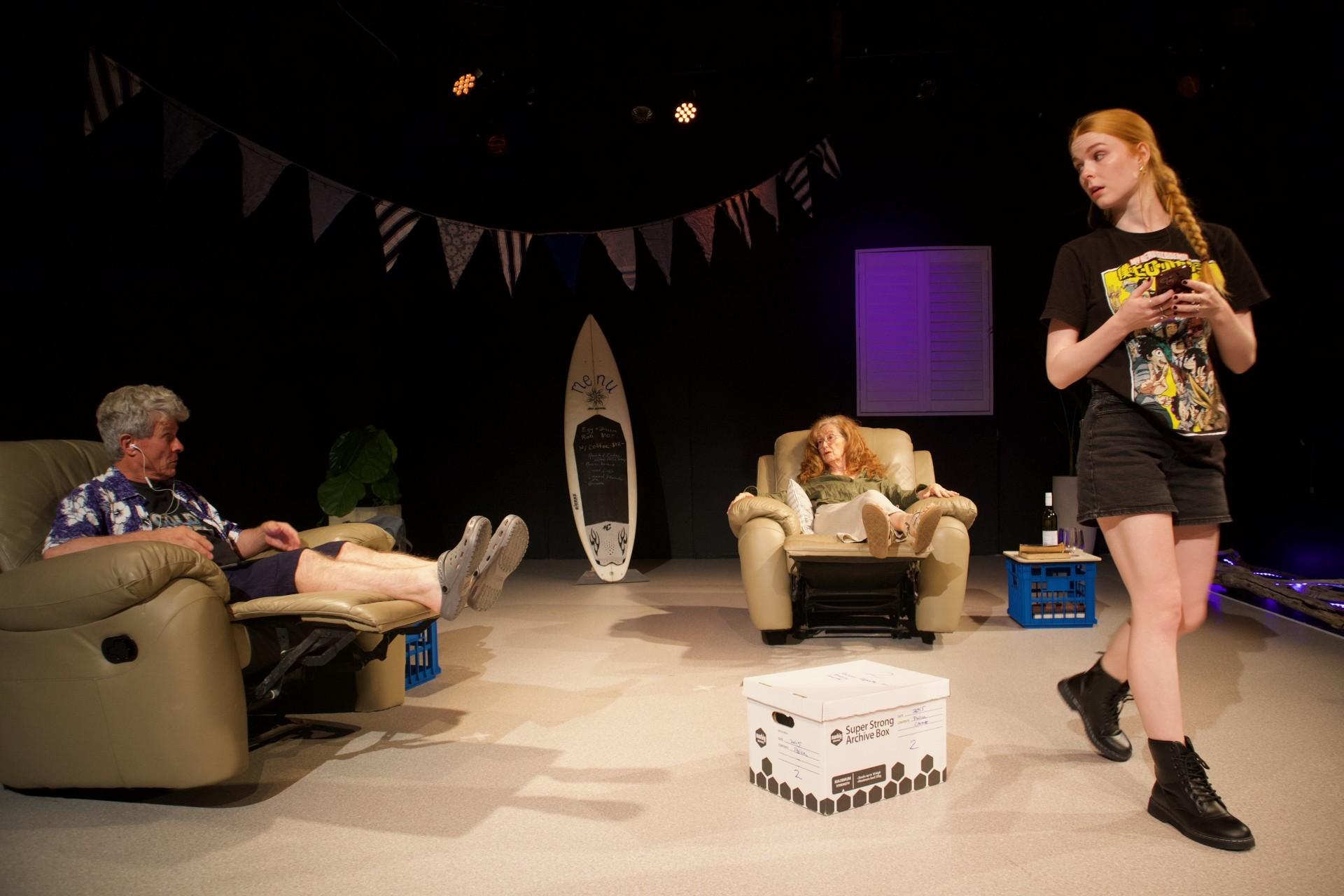
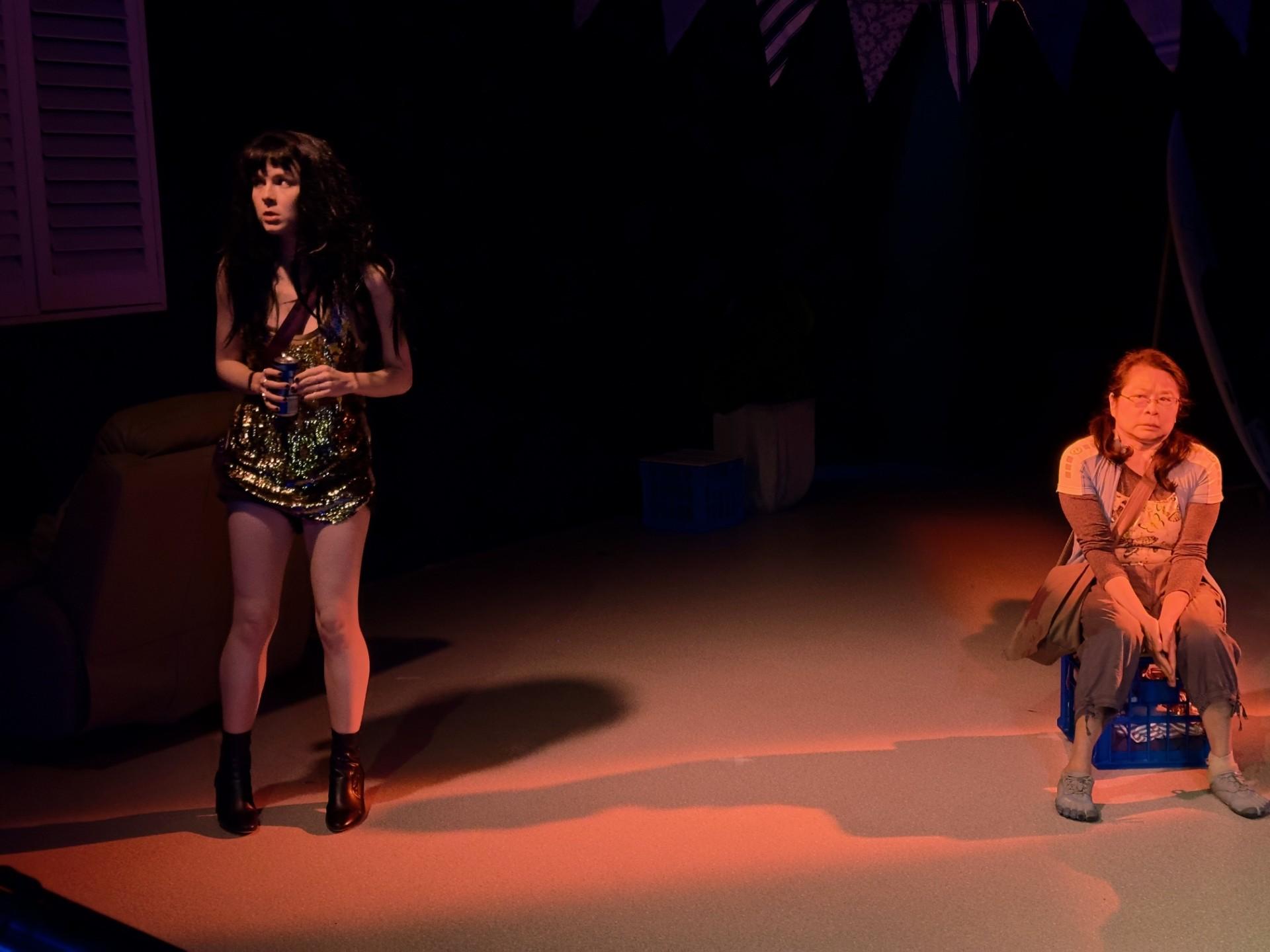
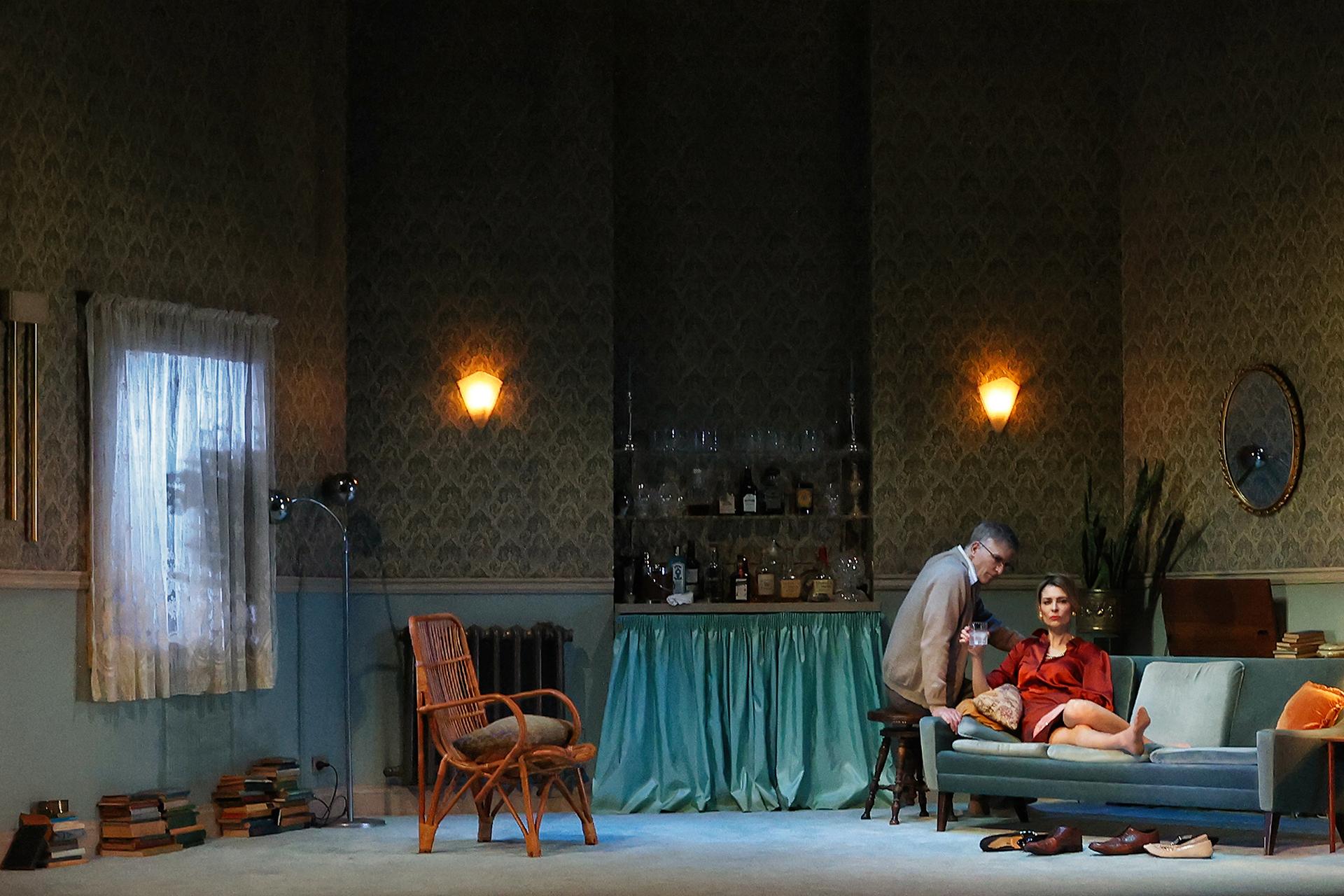
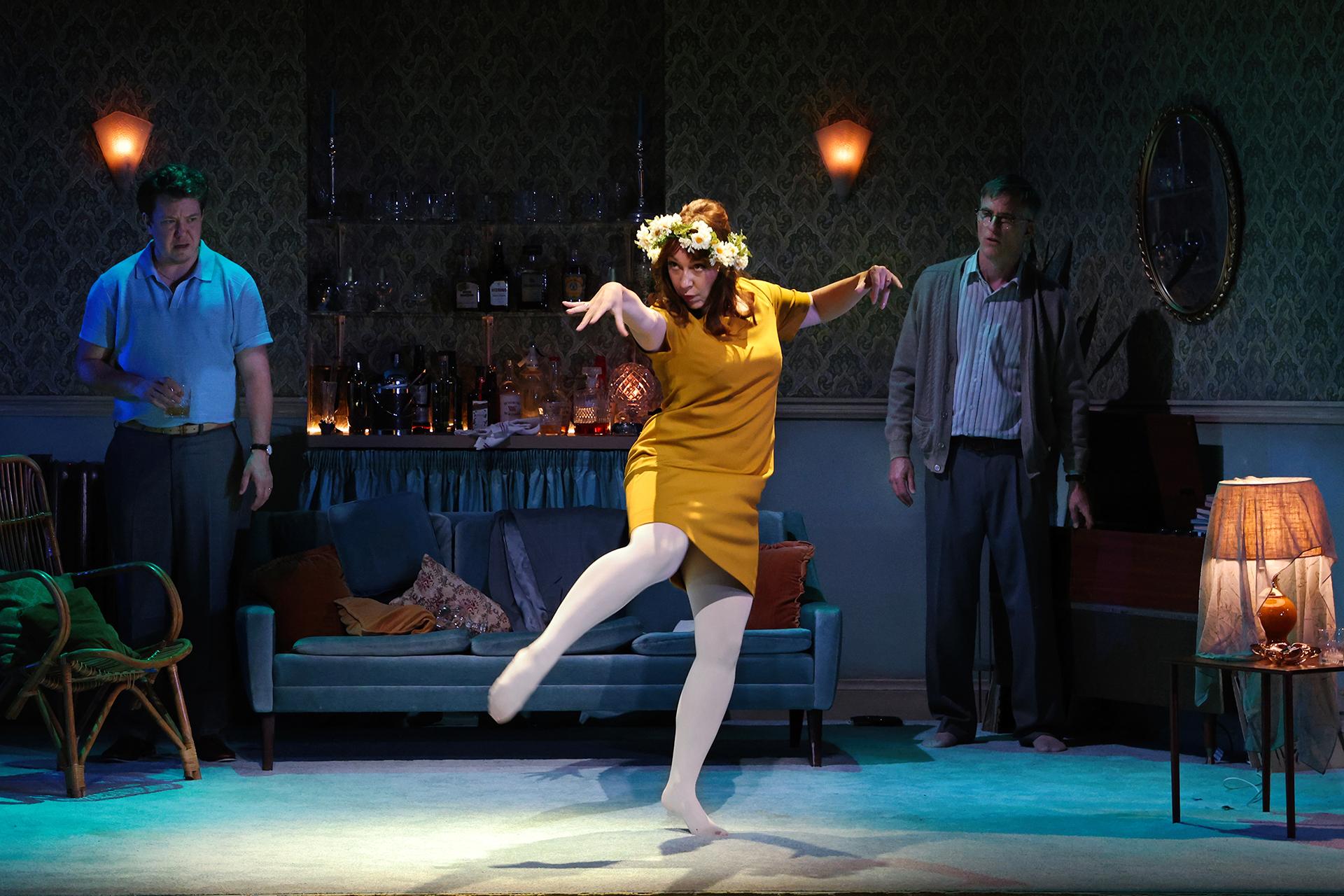
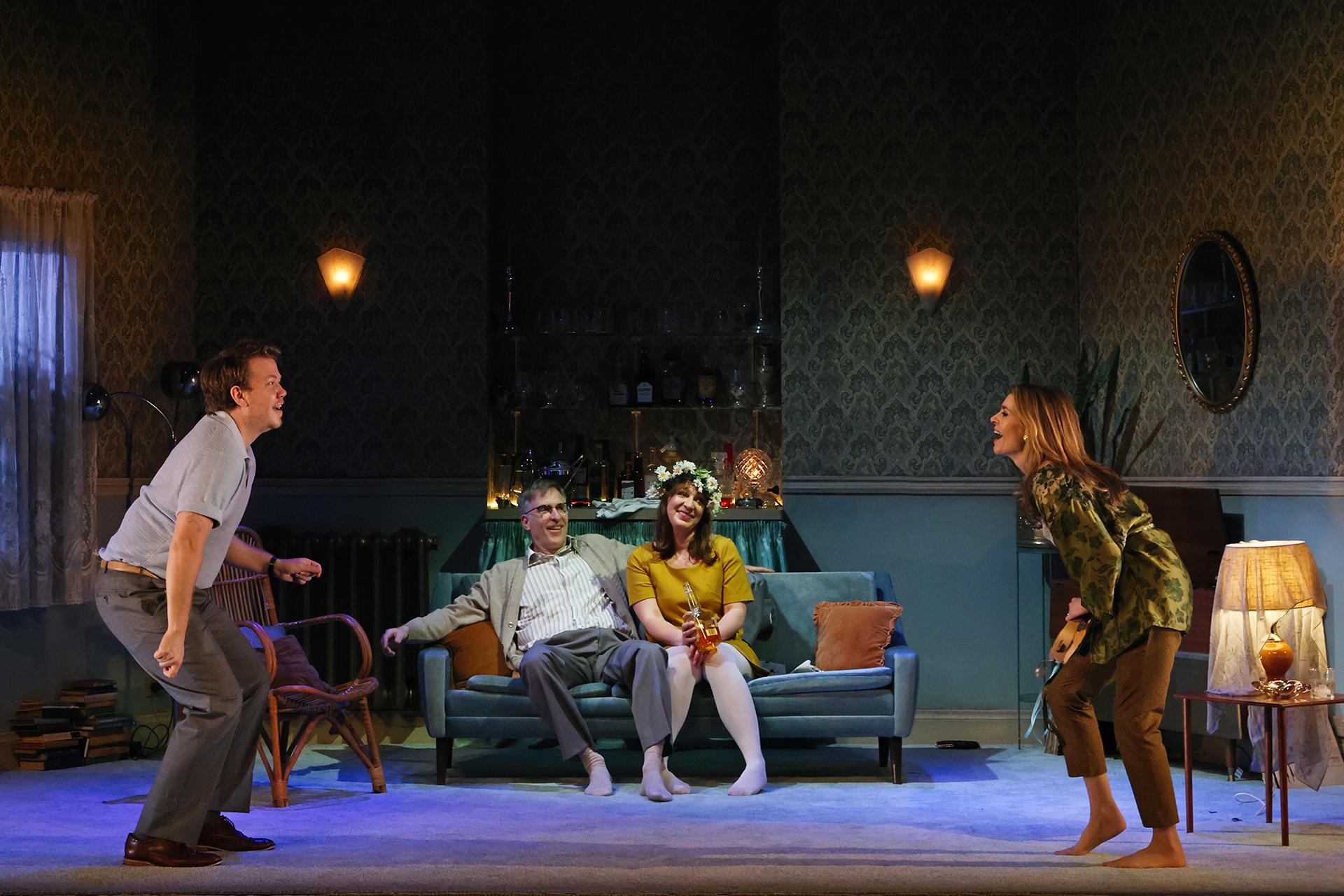
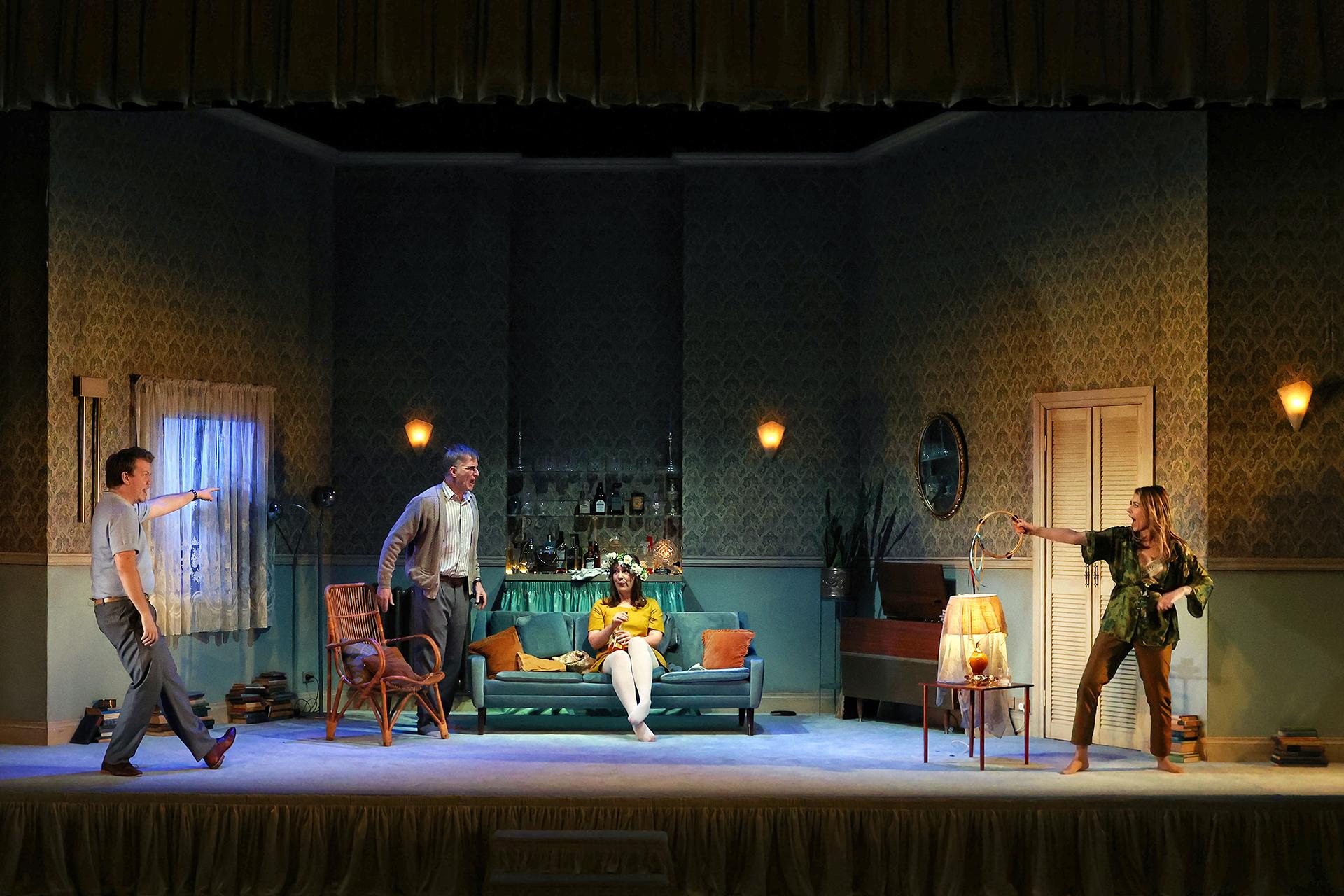
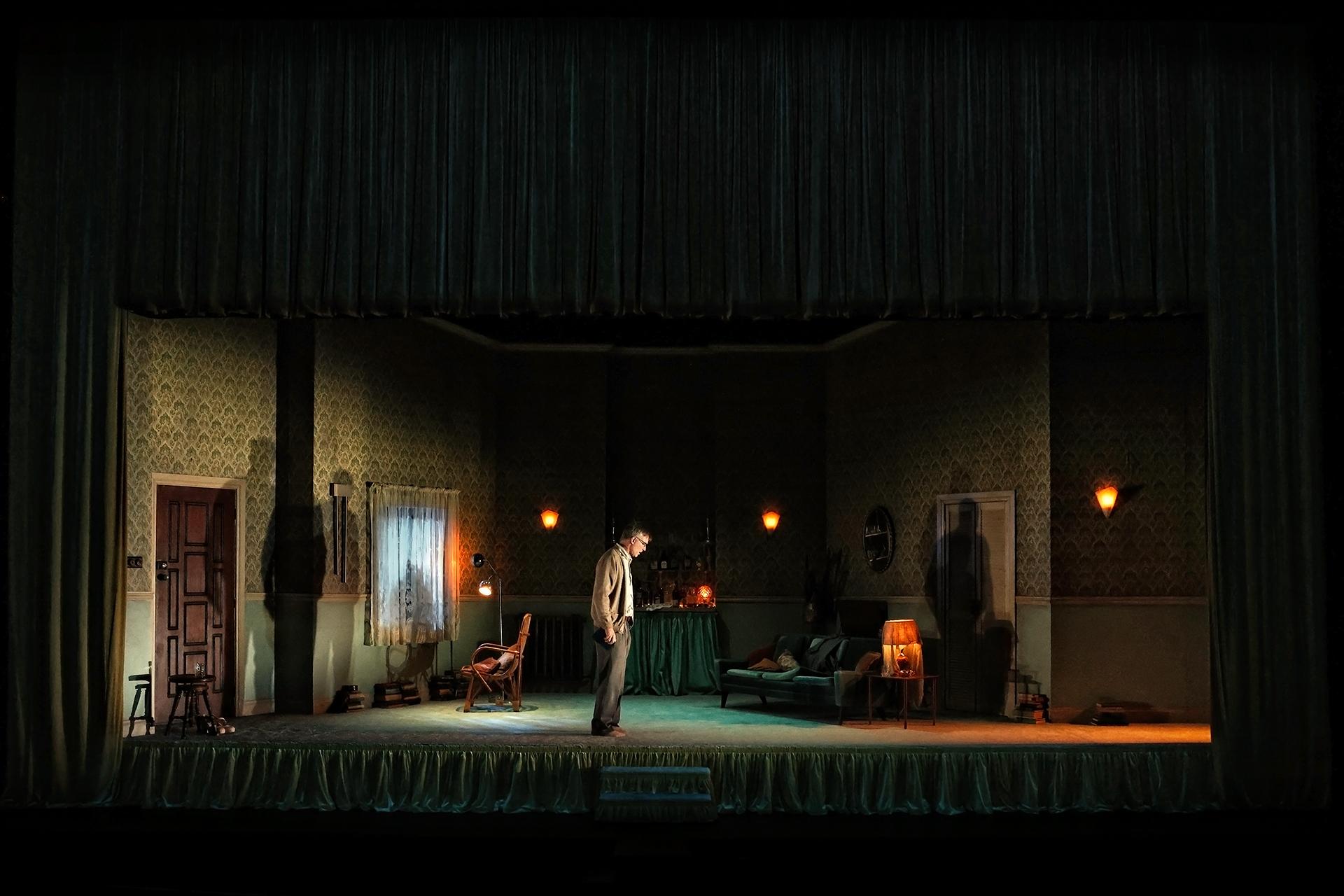
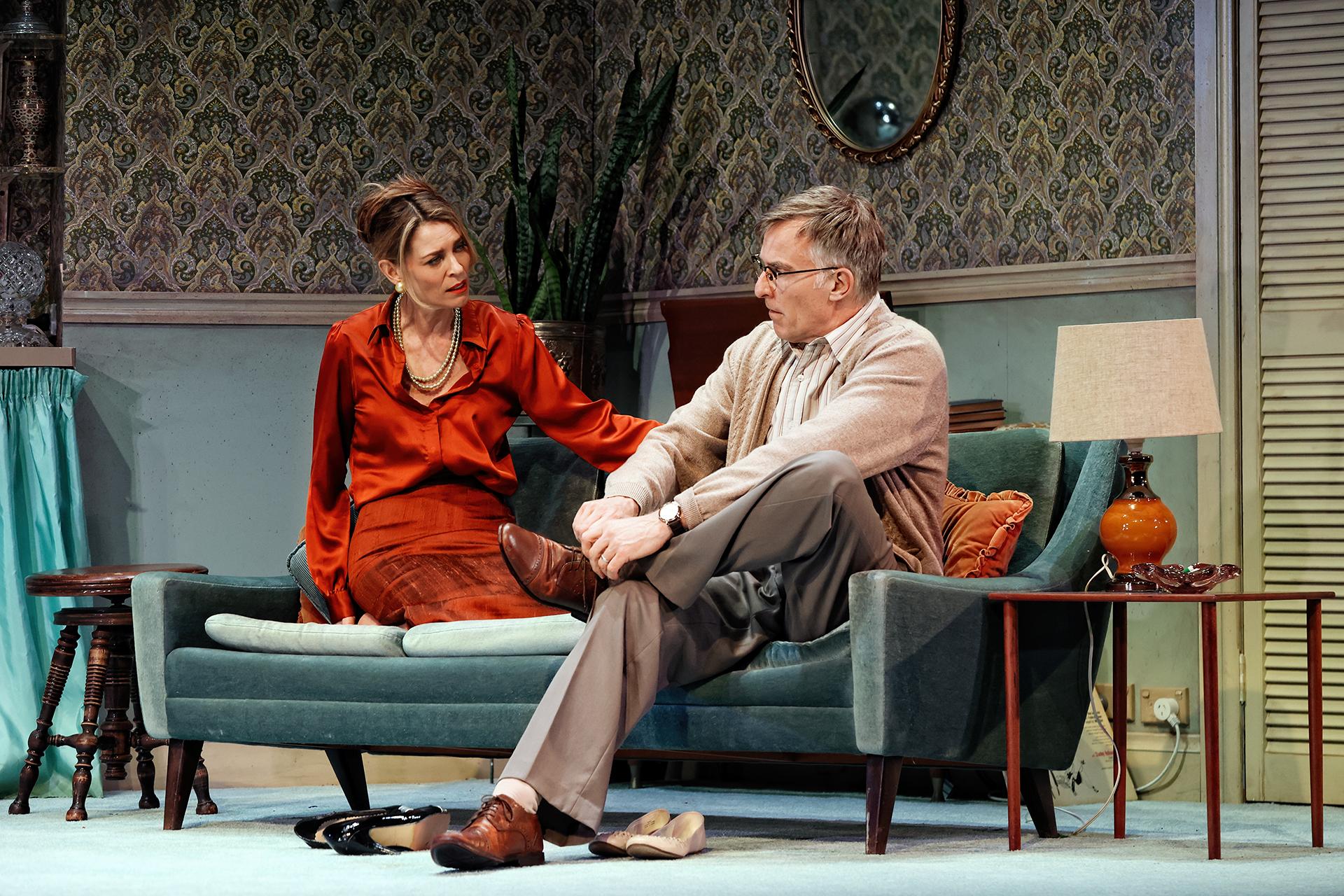
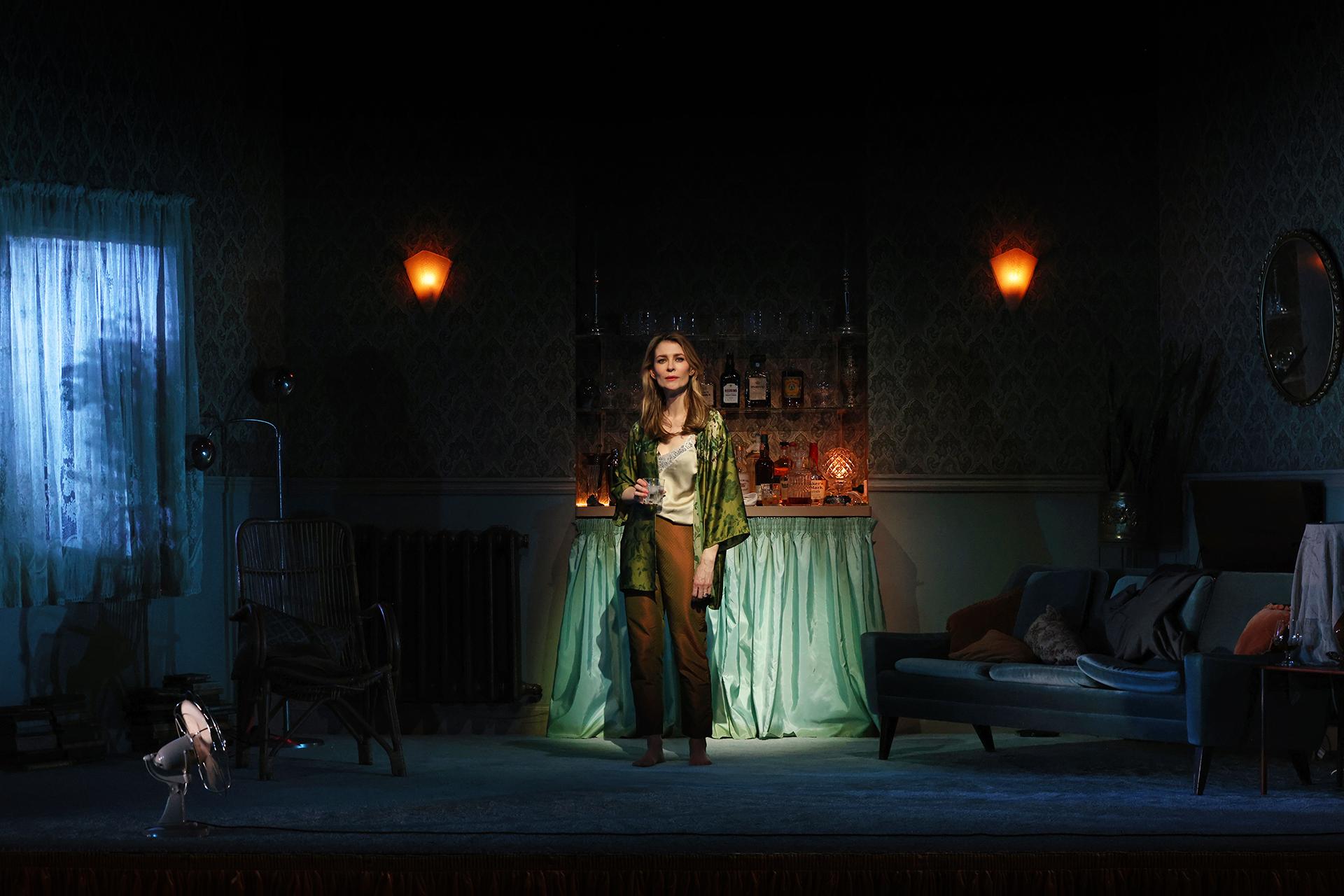
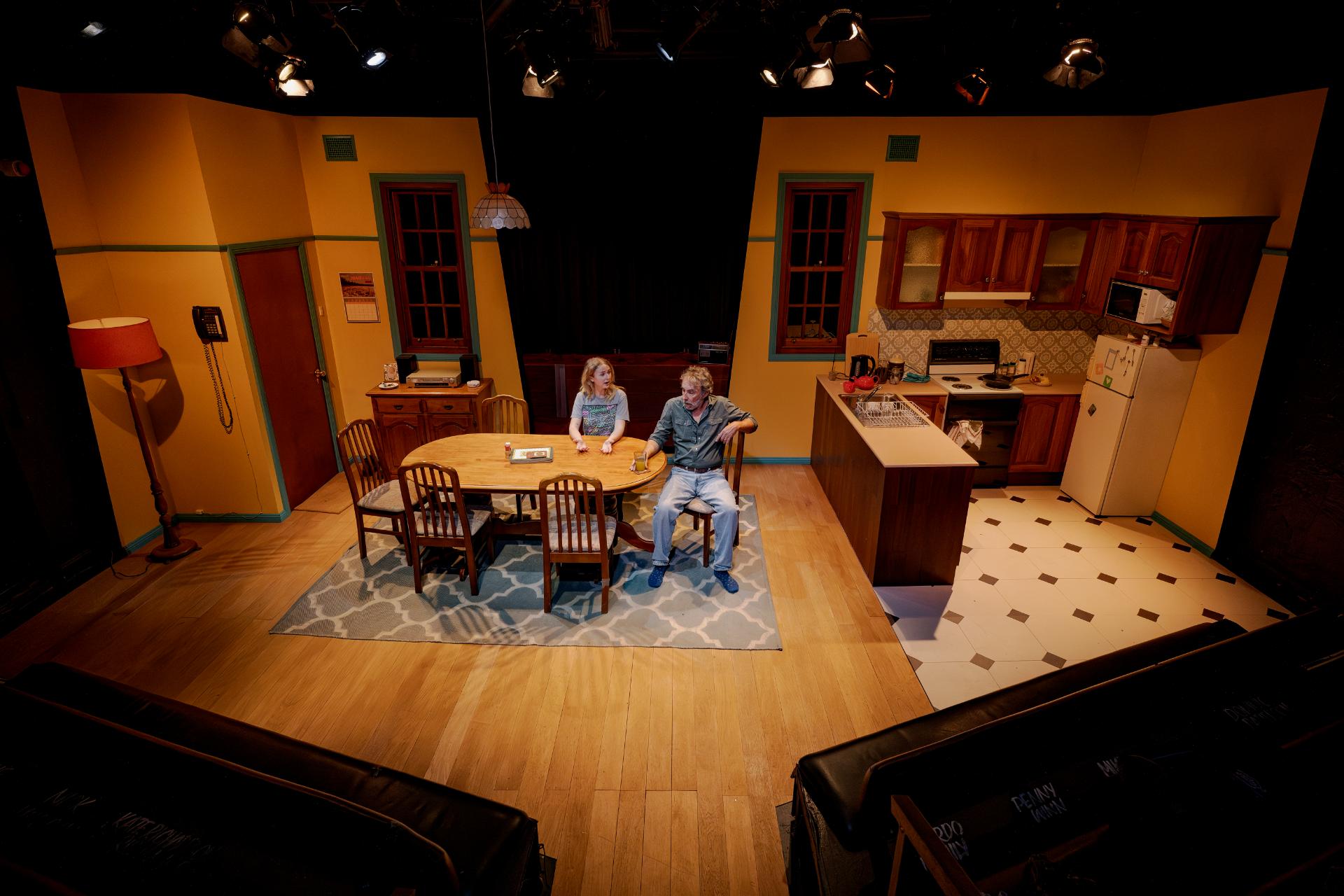
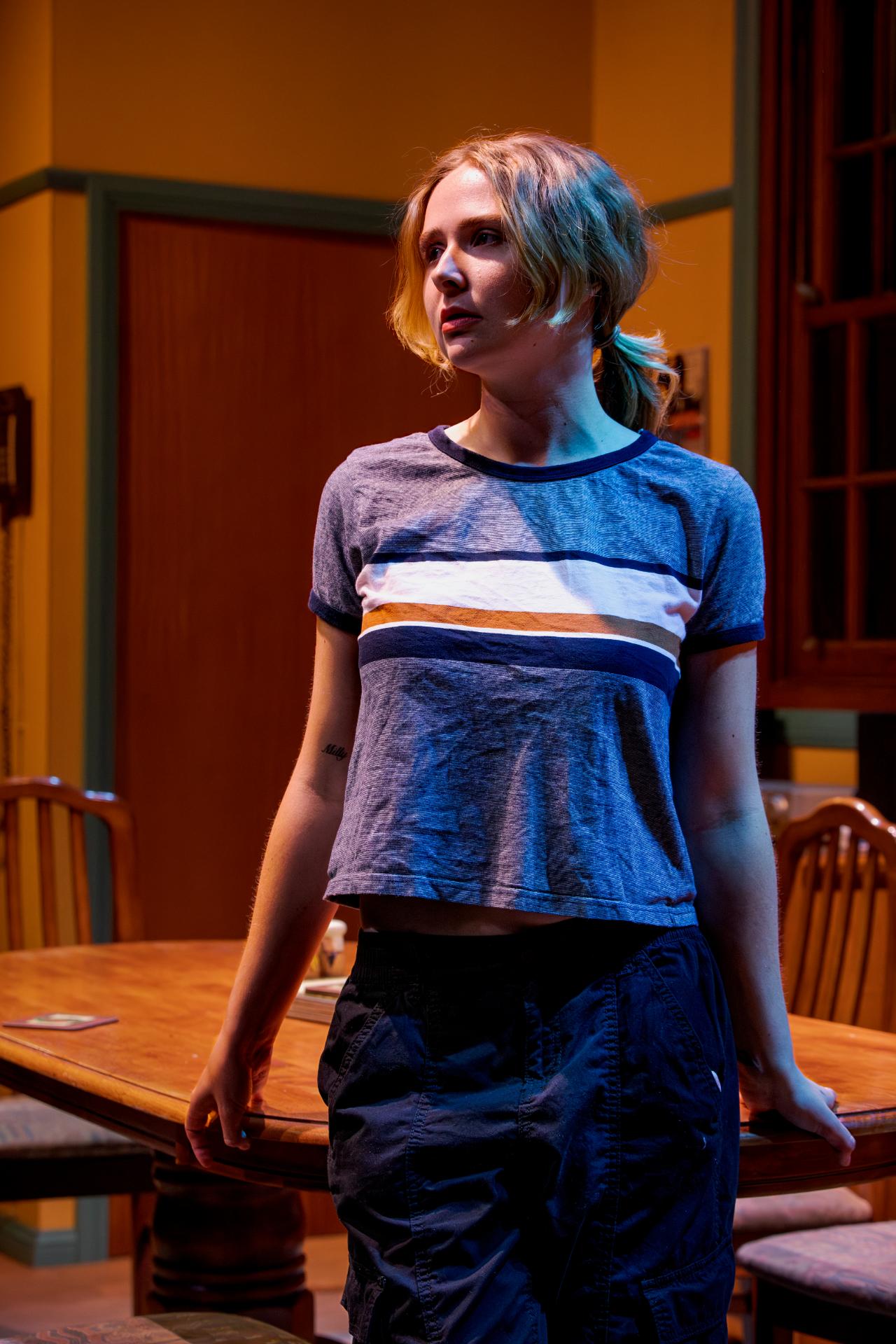
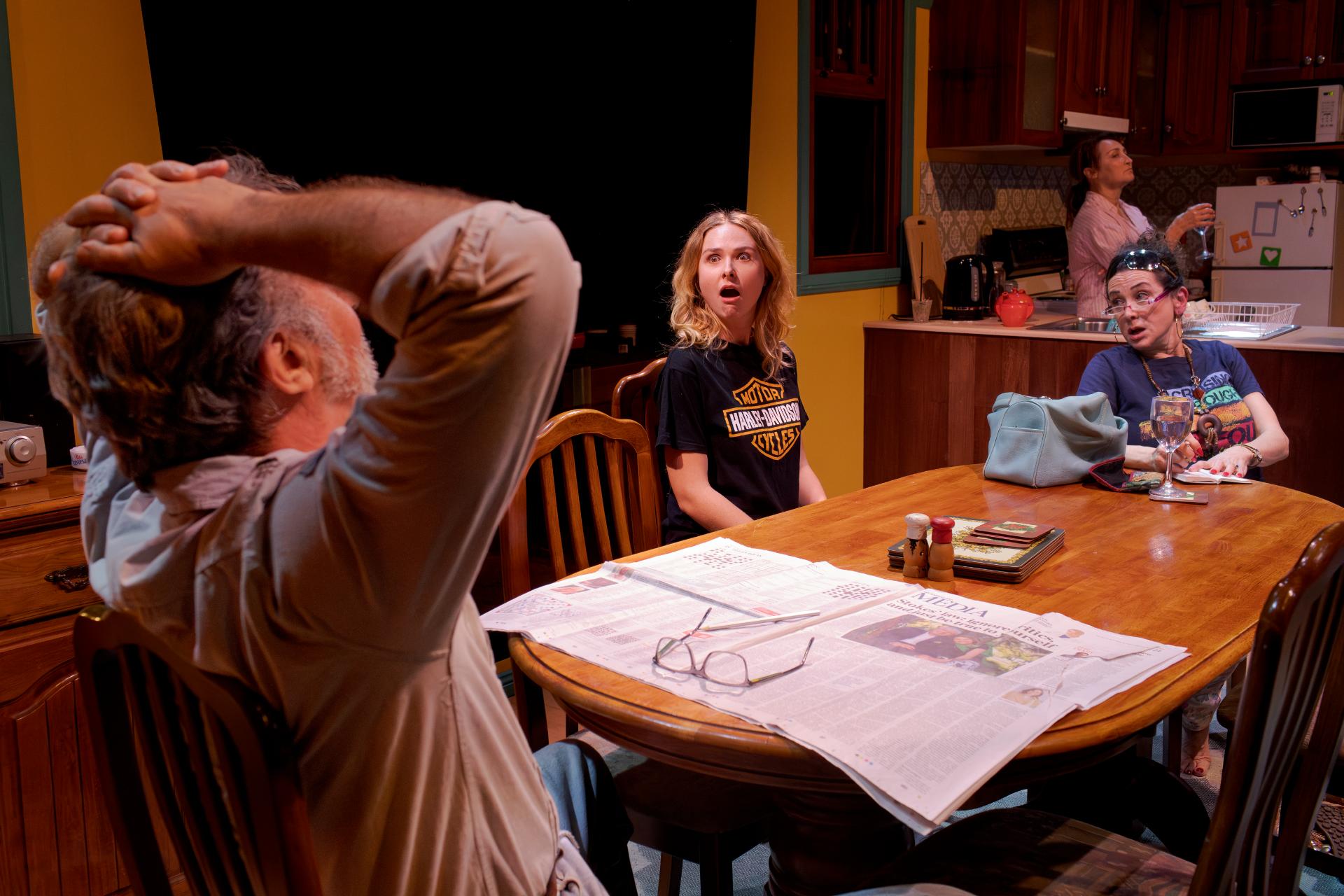
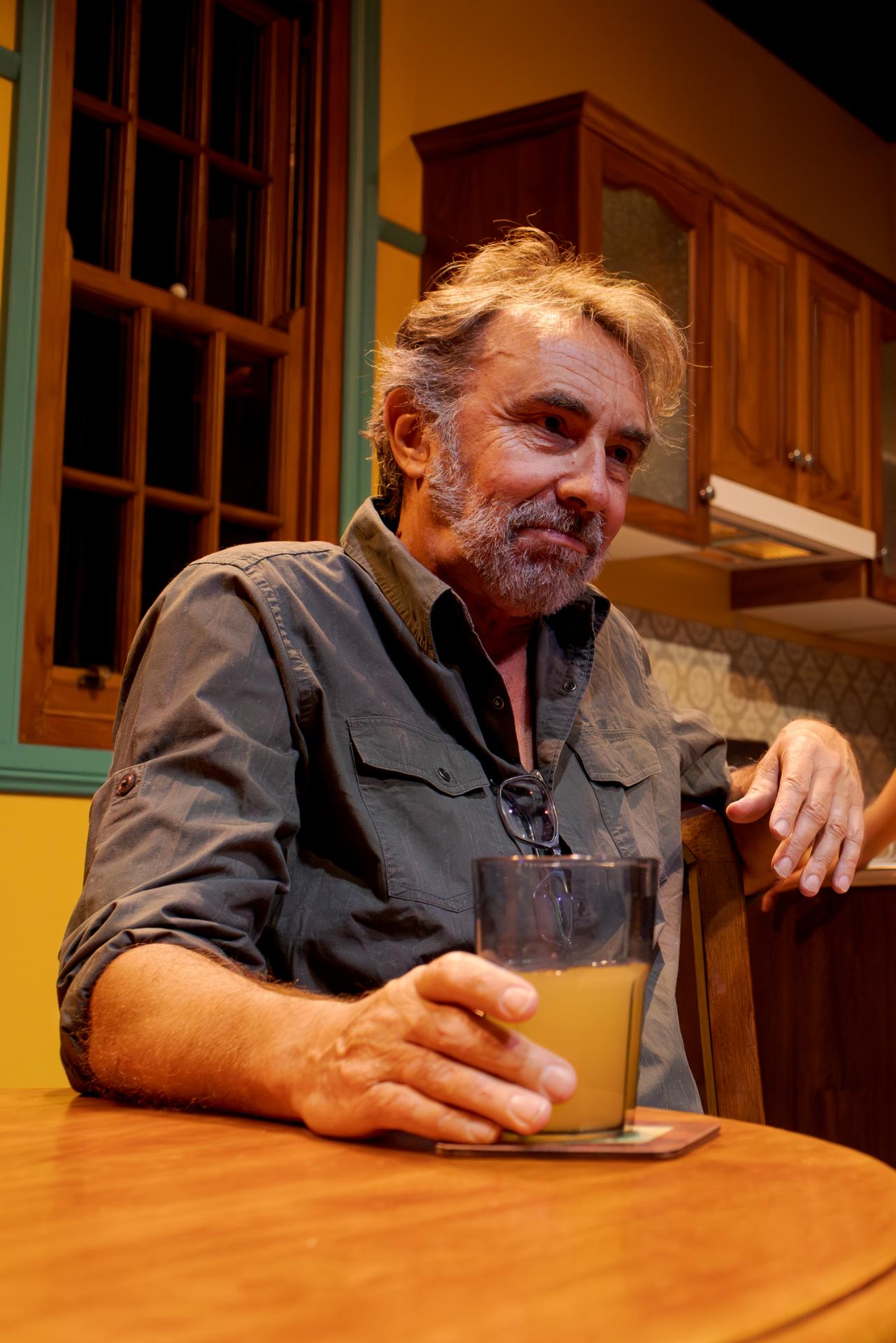
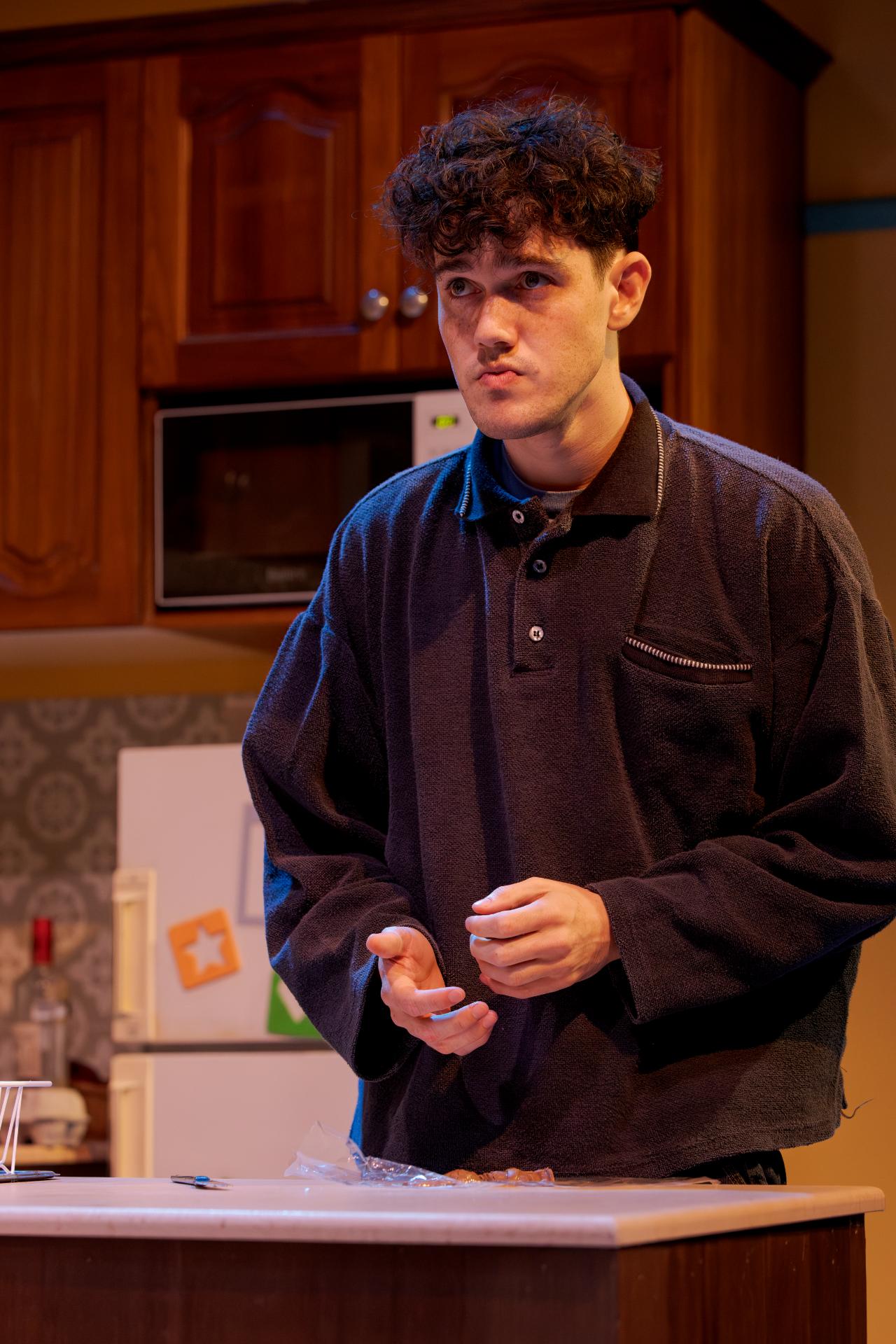
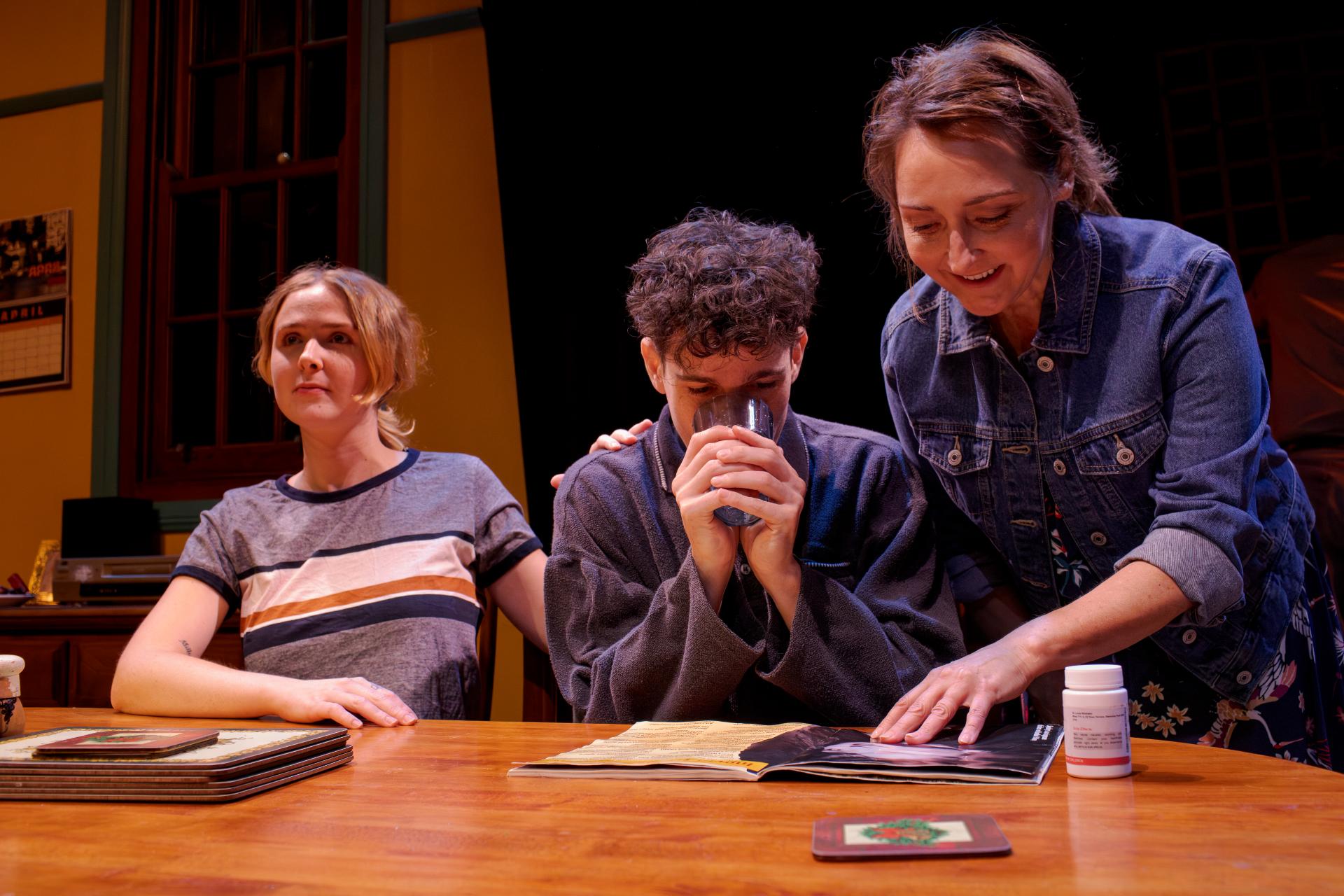
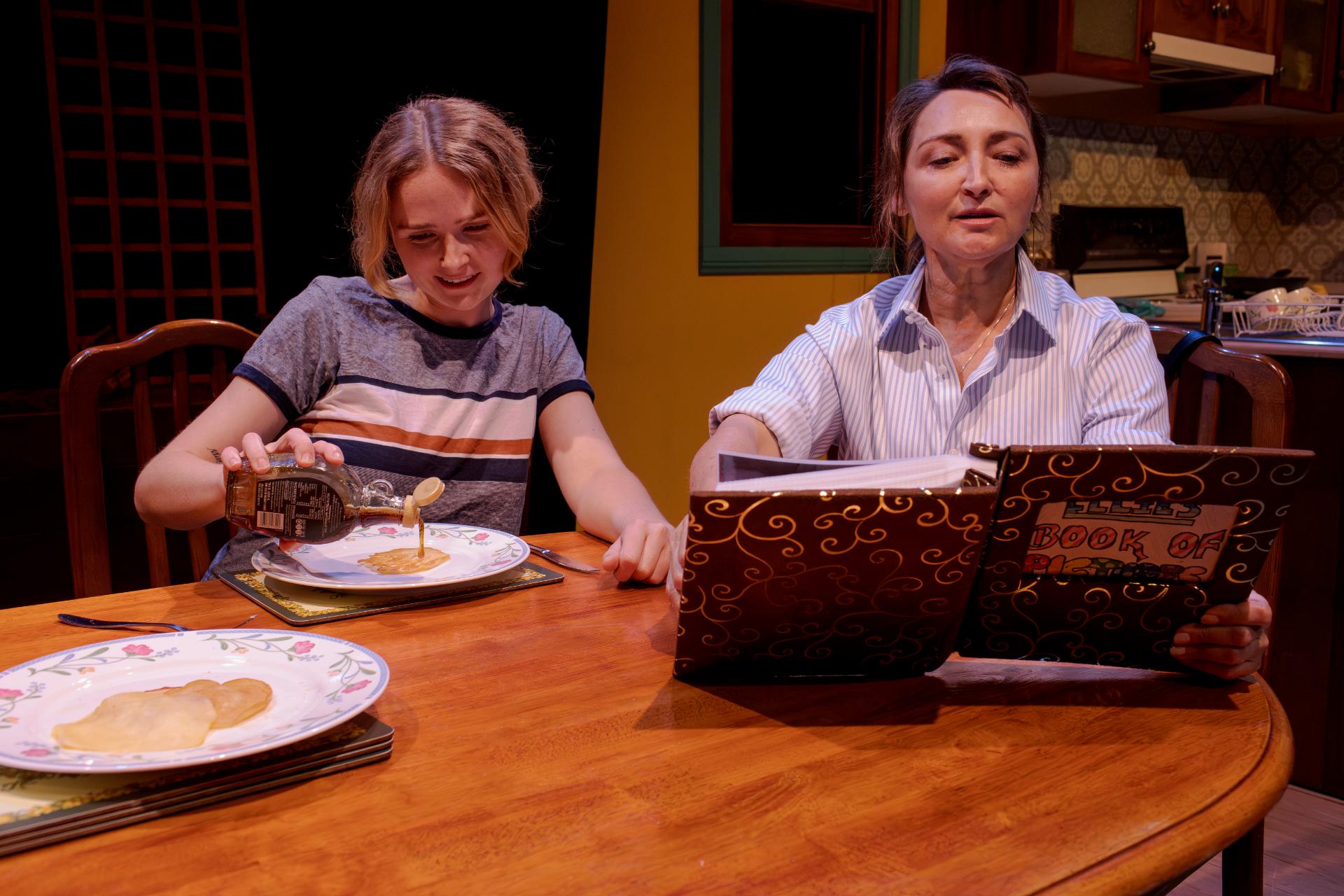
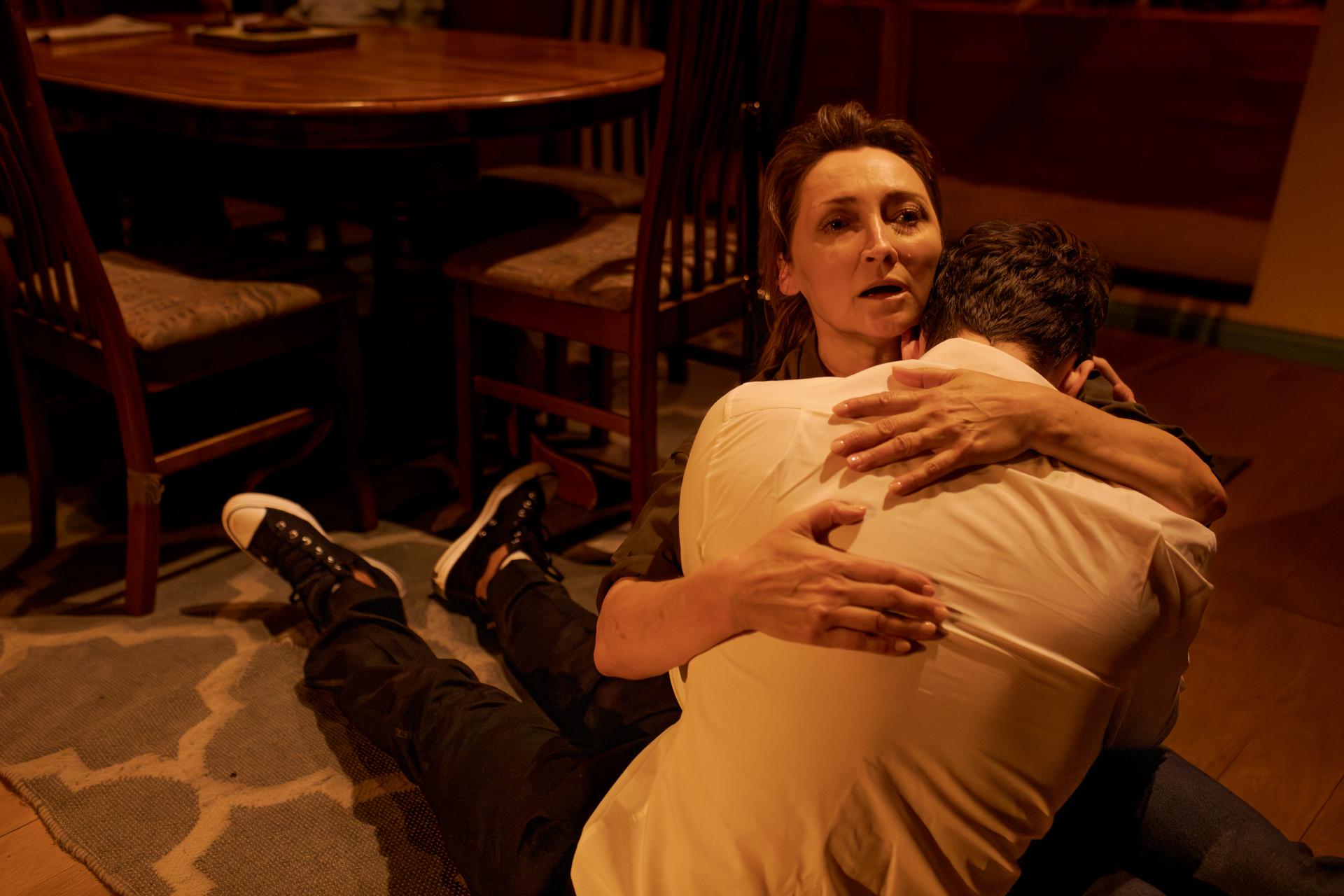
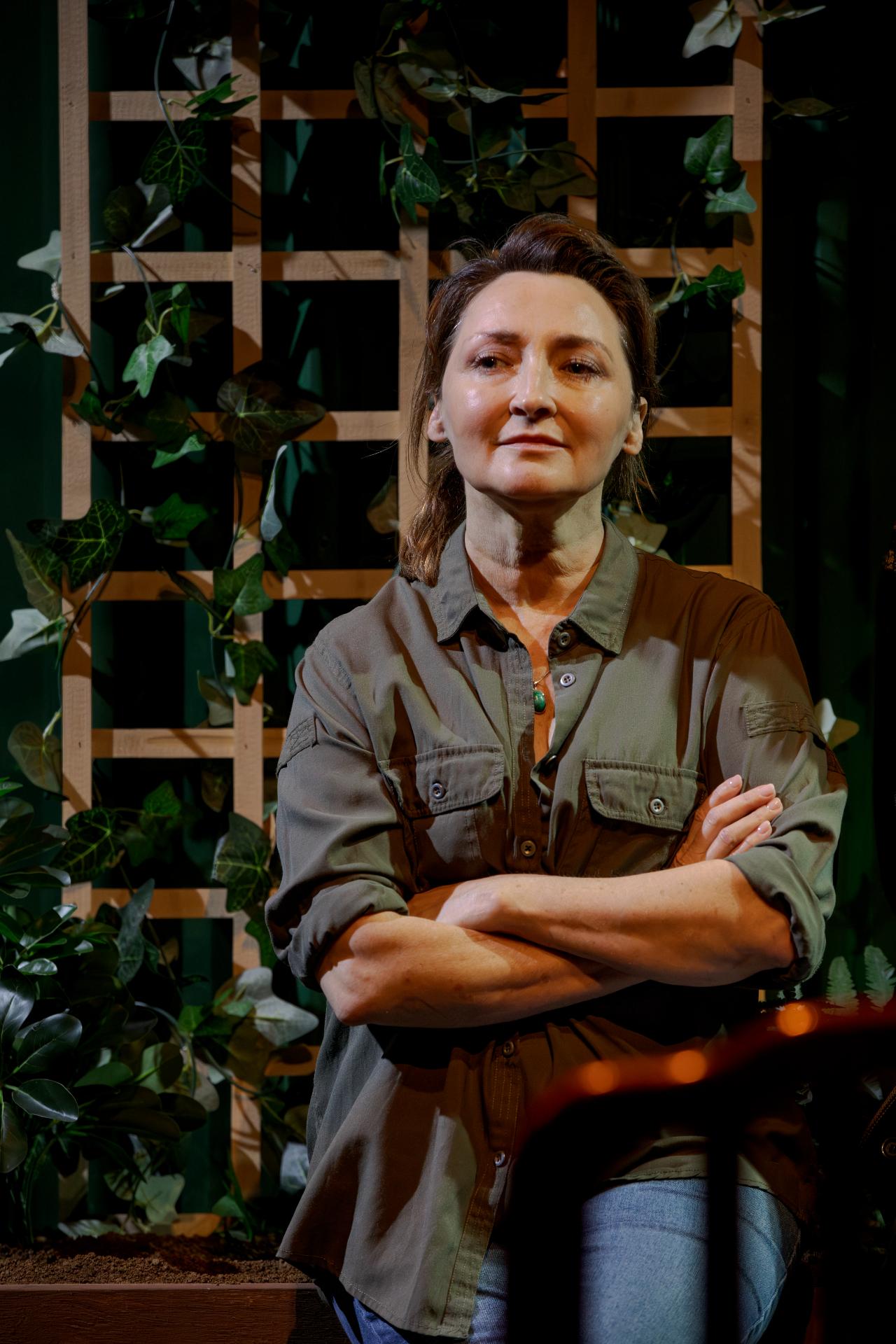
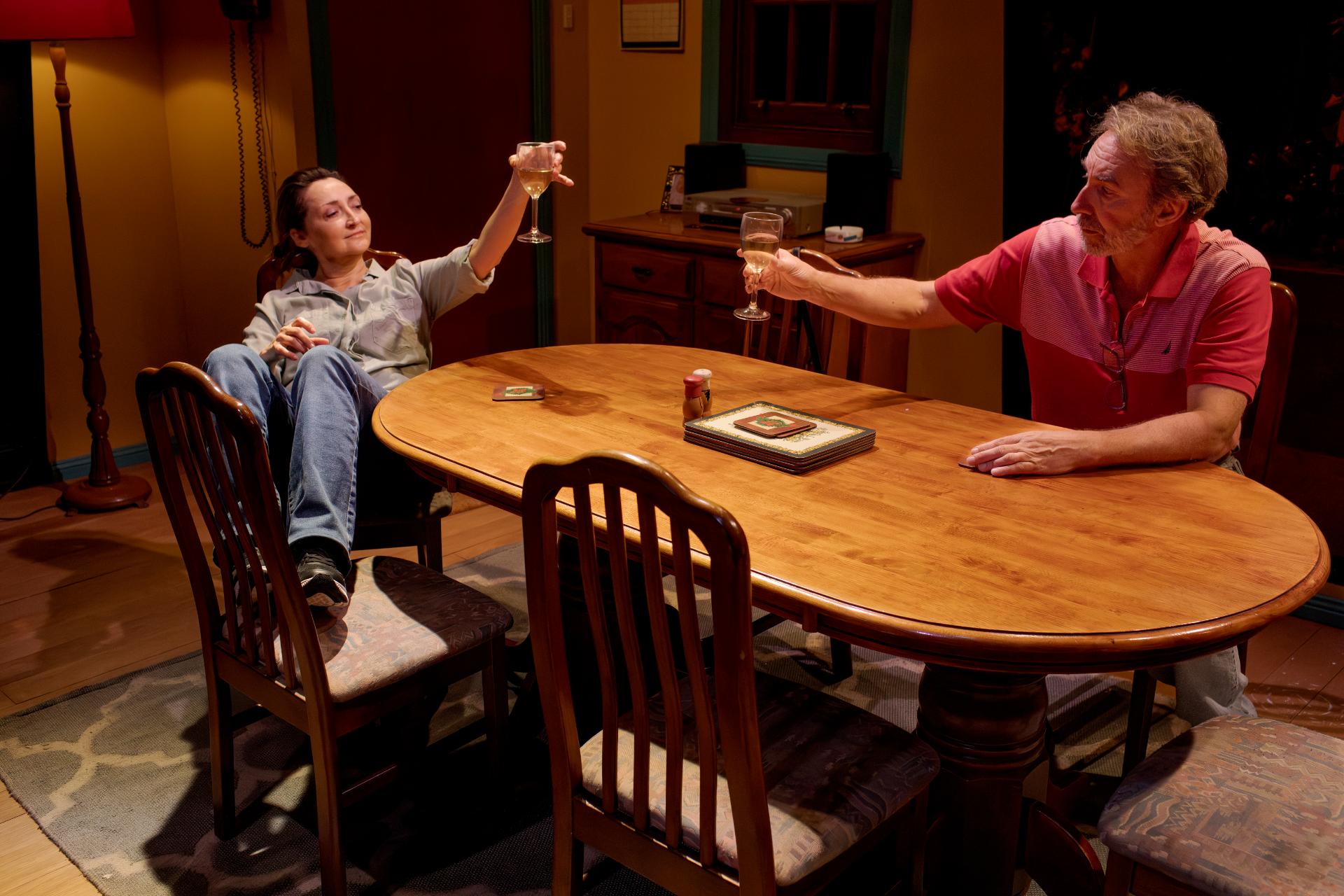
April returns to her family home in Western Sydney after several years in Denmark, only to find that the landscape she left behind has shifted in ways no one is willing—or equipped—to articulate. In Jack Kearney’s Born on a Tuesday, the family’s chronic ineloquence becomes a kind of endurance test: months pass, crises mount, yet they orbit around their wounds with quiet desperation, unable to summon the intimacy or vulnerability required for meaningful connection. The result is a drama in which very little seems to occur, and although it captures certain truths about Australian parochialism, the writing rarely deepens those insights into a fully satisfying theatrical experience.

Lucy Clements’ direction lends the production an unmistakable gravity, keeping us attuned to the persistent despondency saturating April’s household, but that solemnity never quite translates into emotional engagement. These characters are not unsympathetic, yet we are seldom invited far enough into their inner lives to feel invested in their journeys.

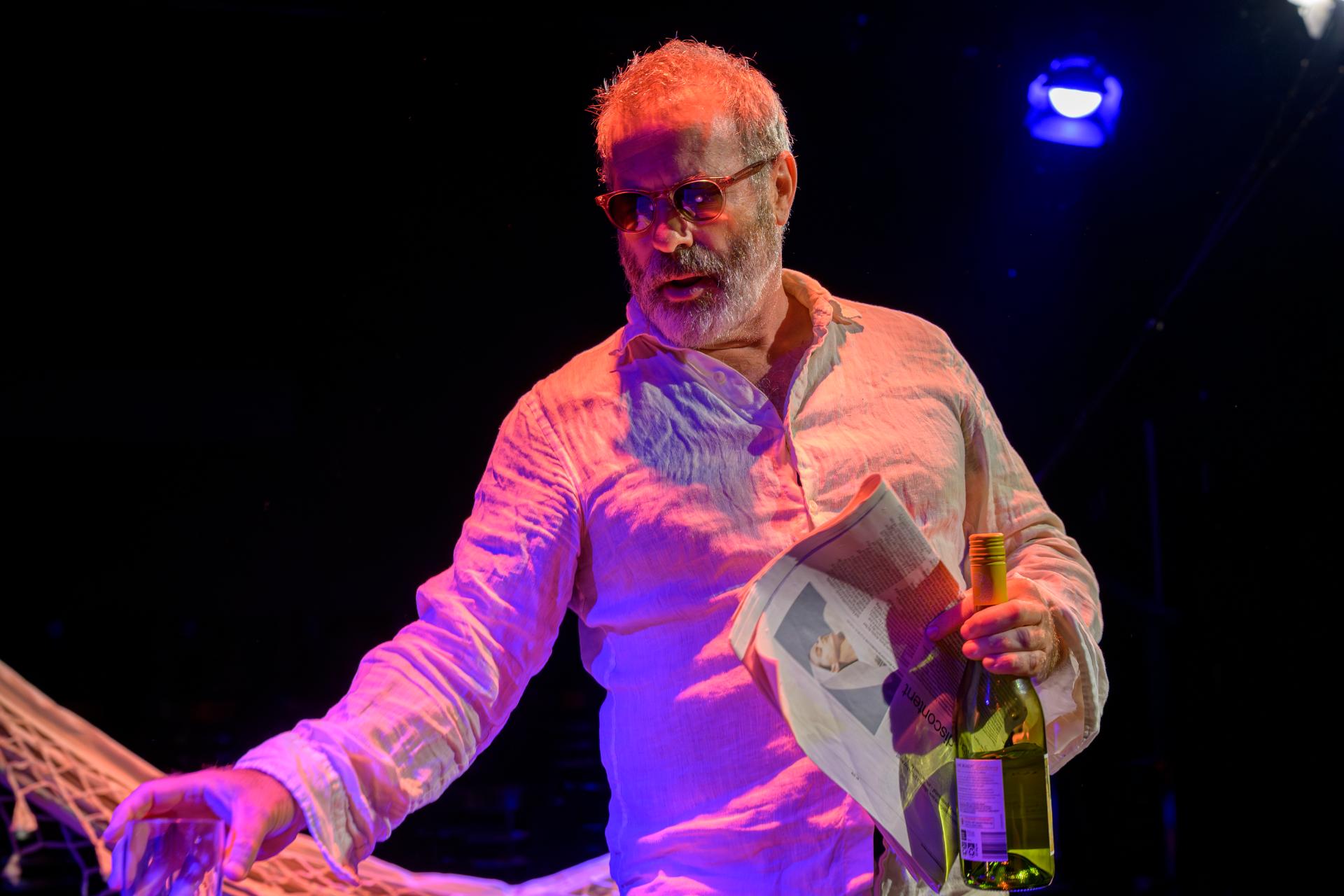
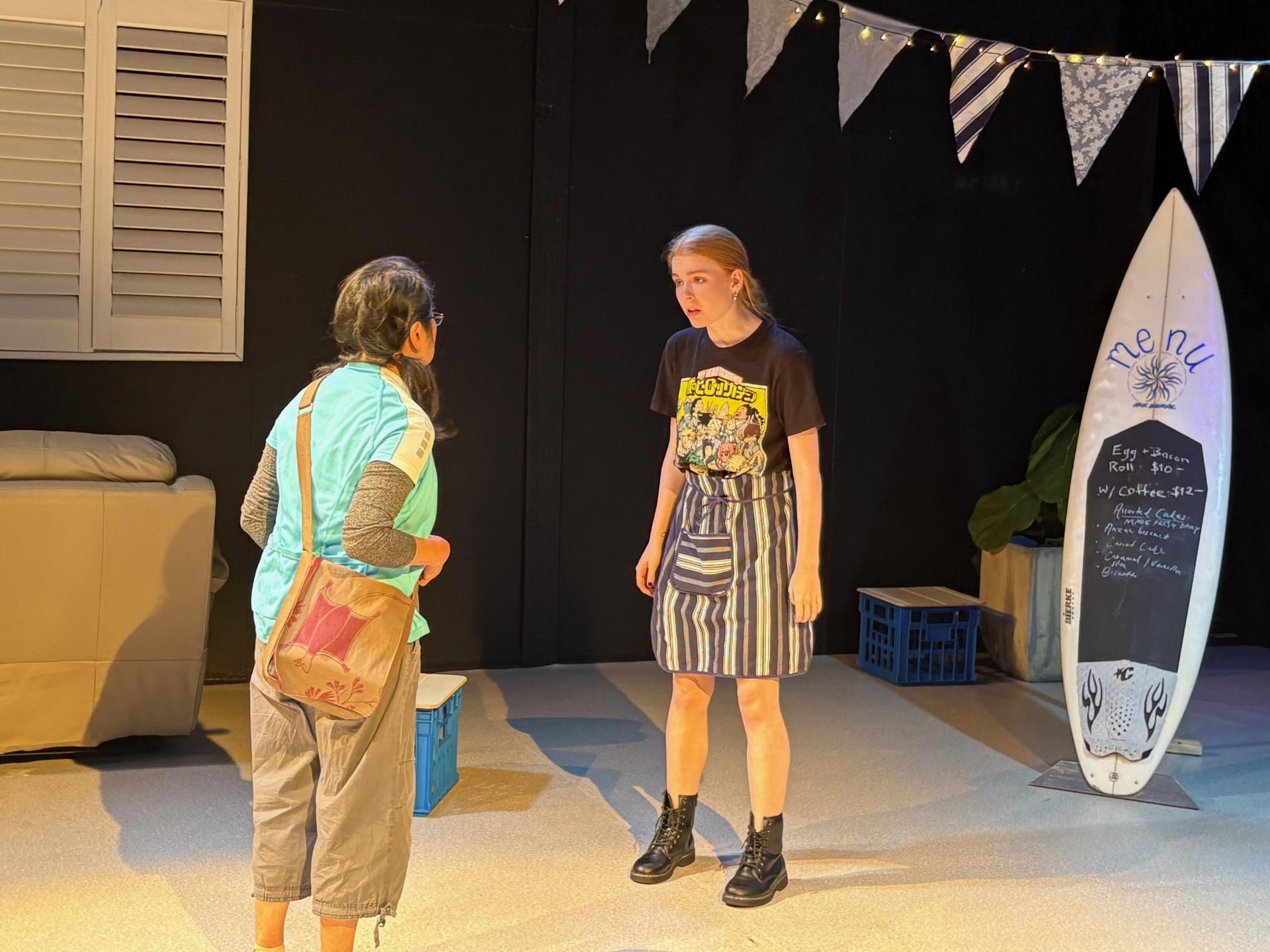
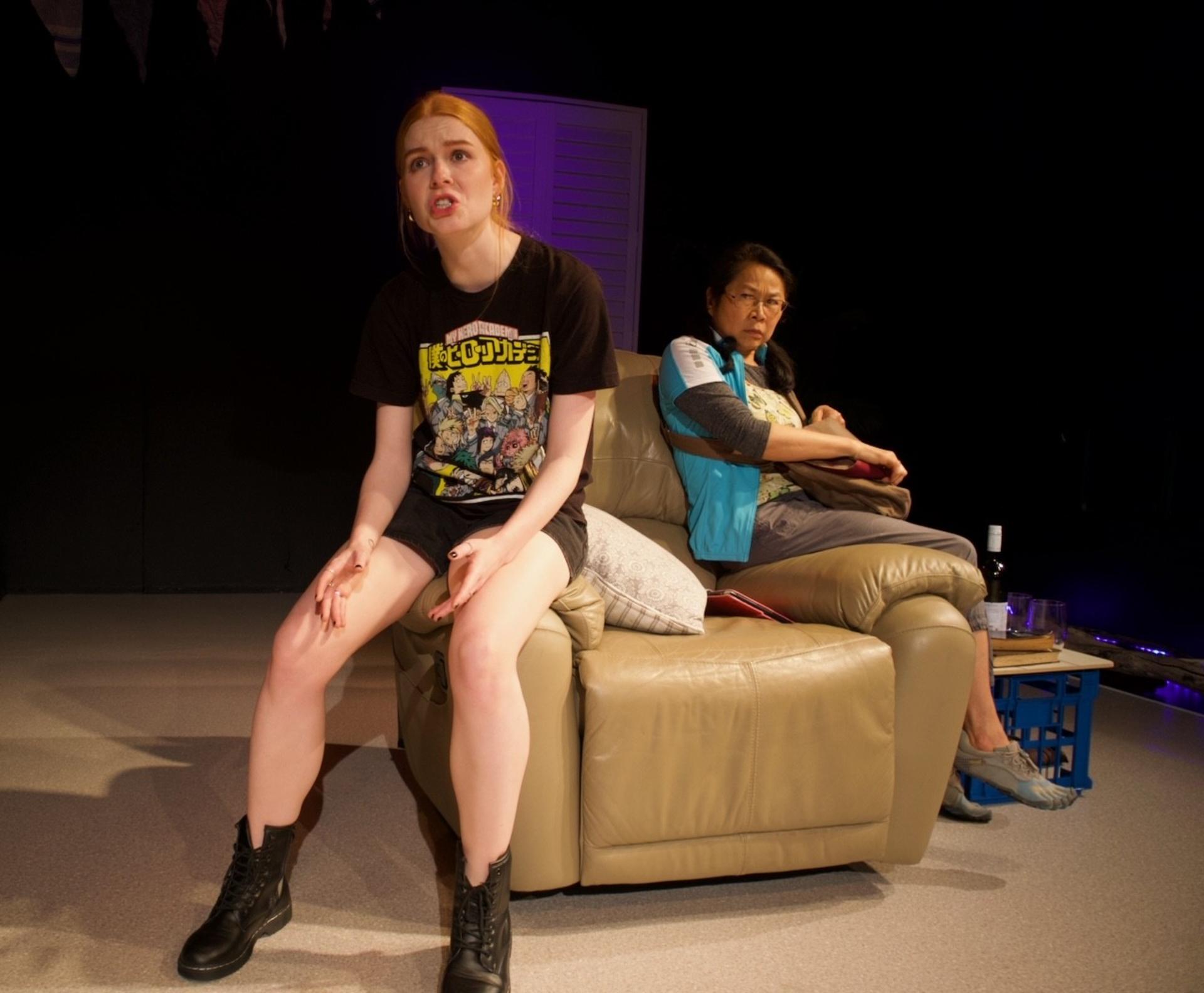
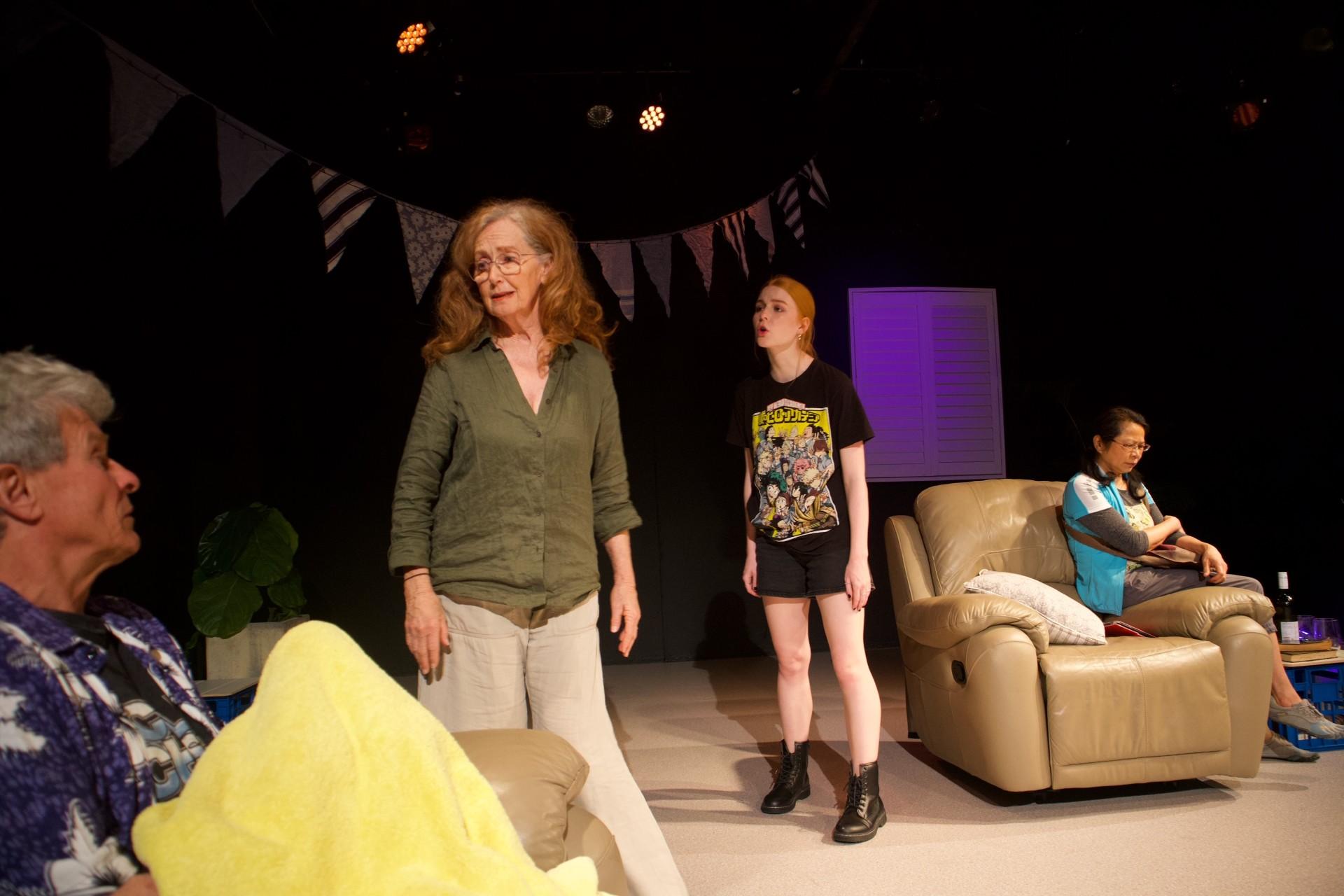
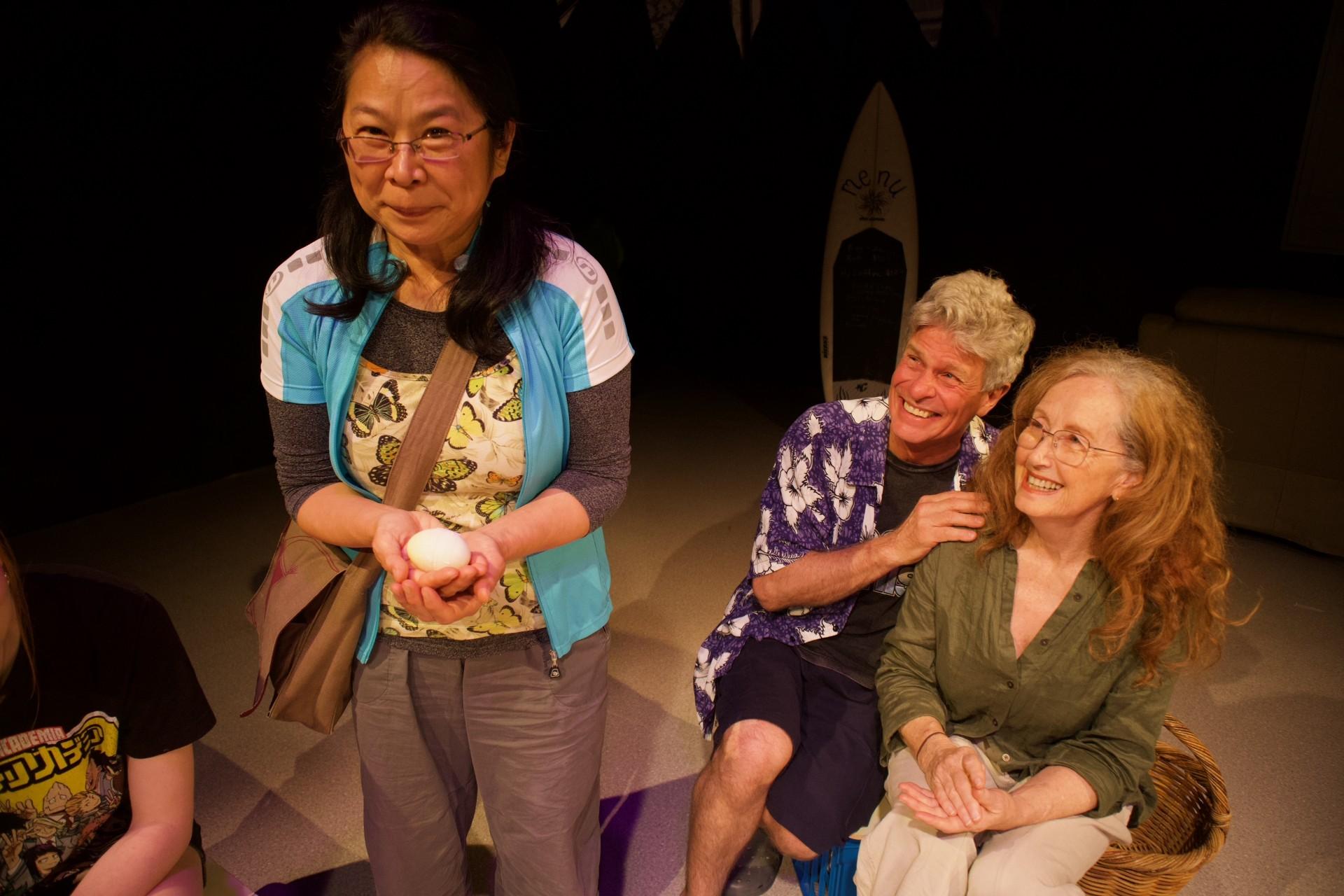
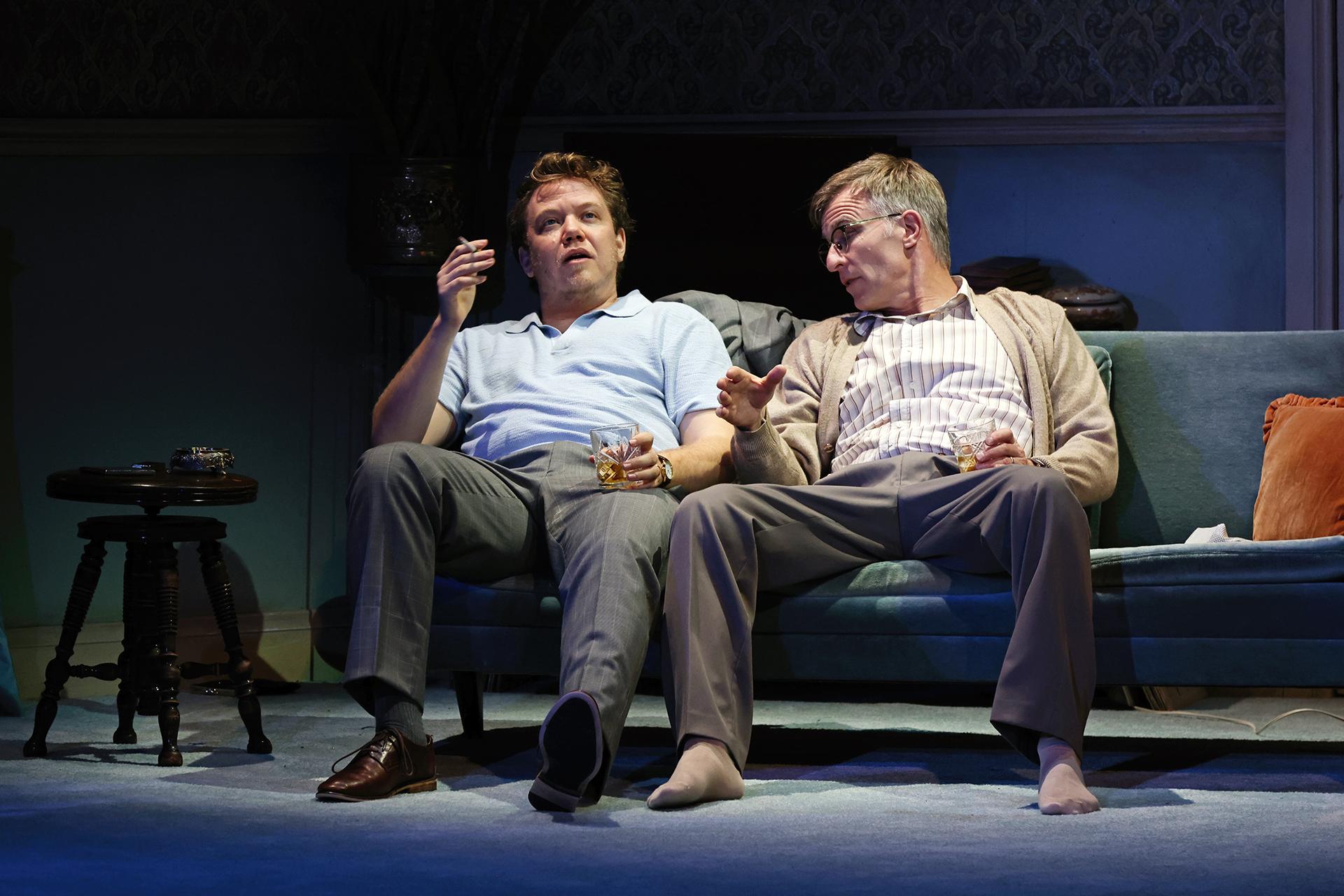
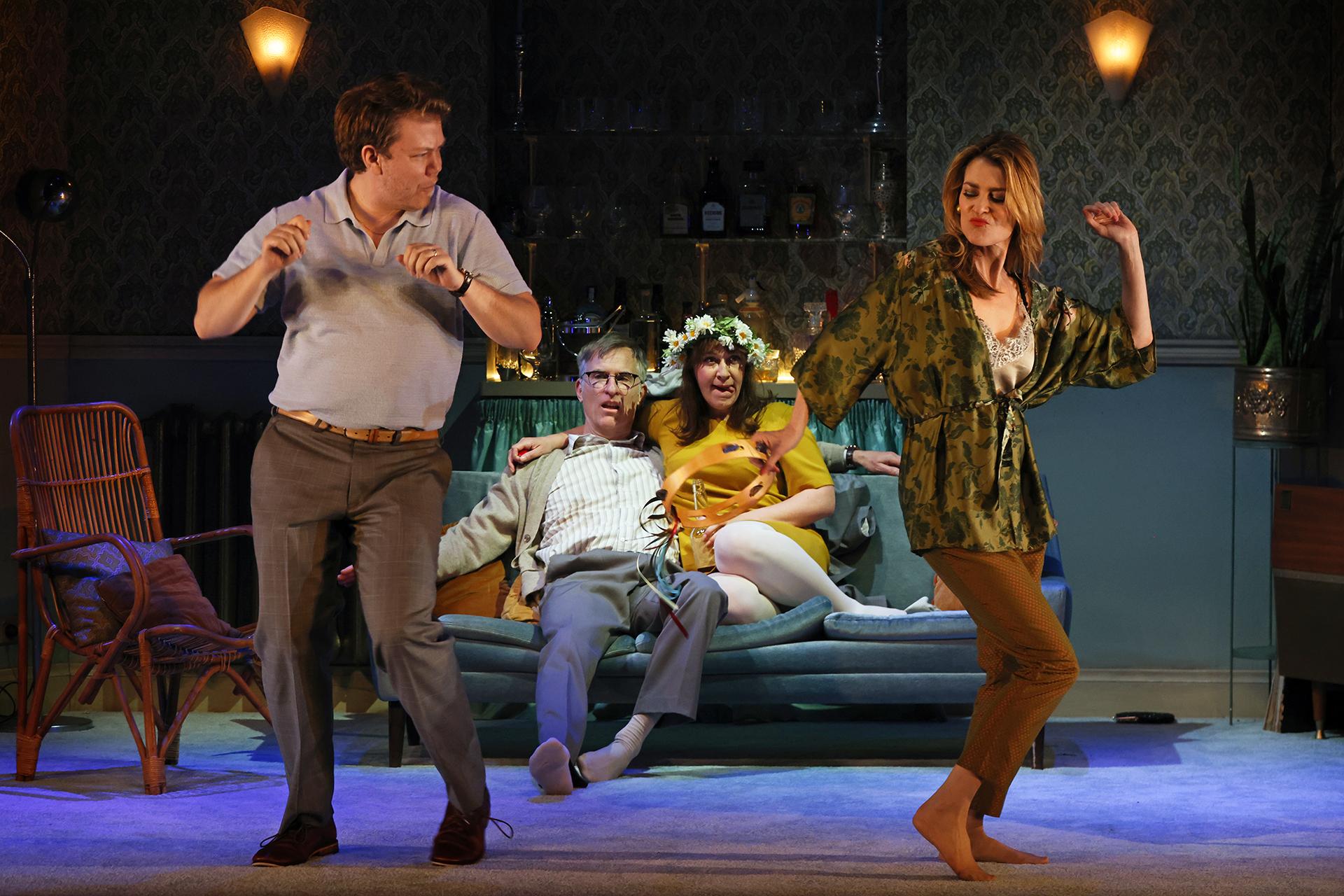
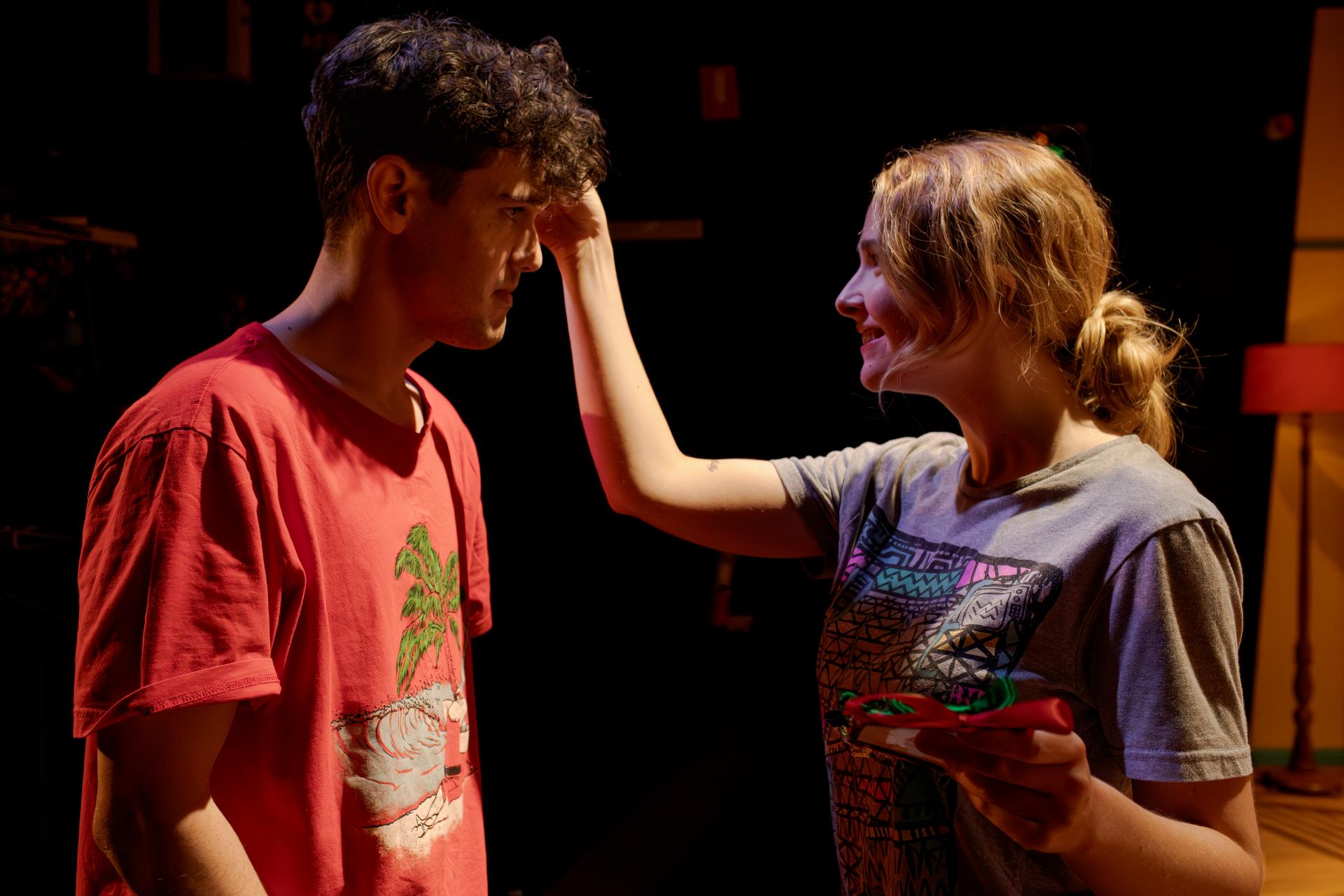
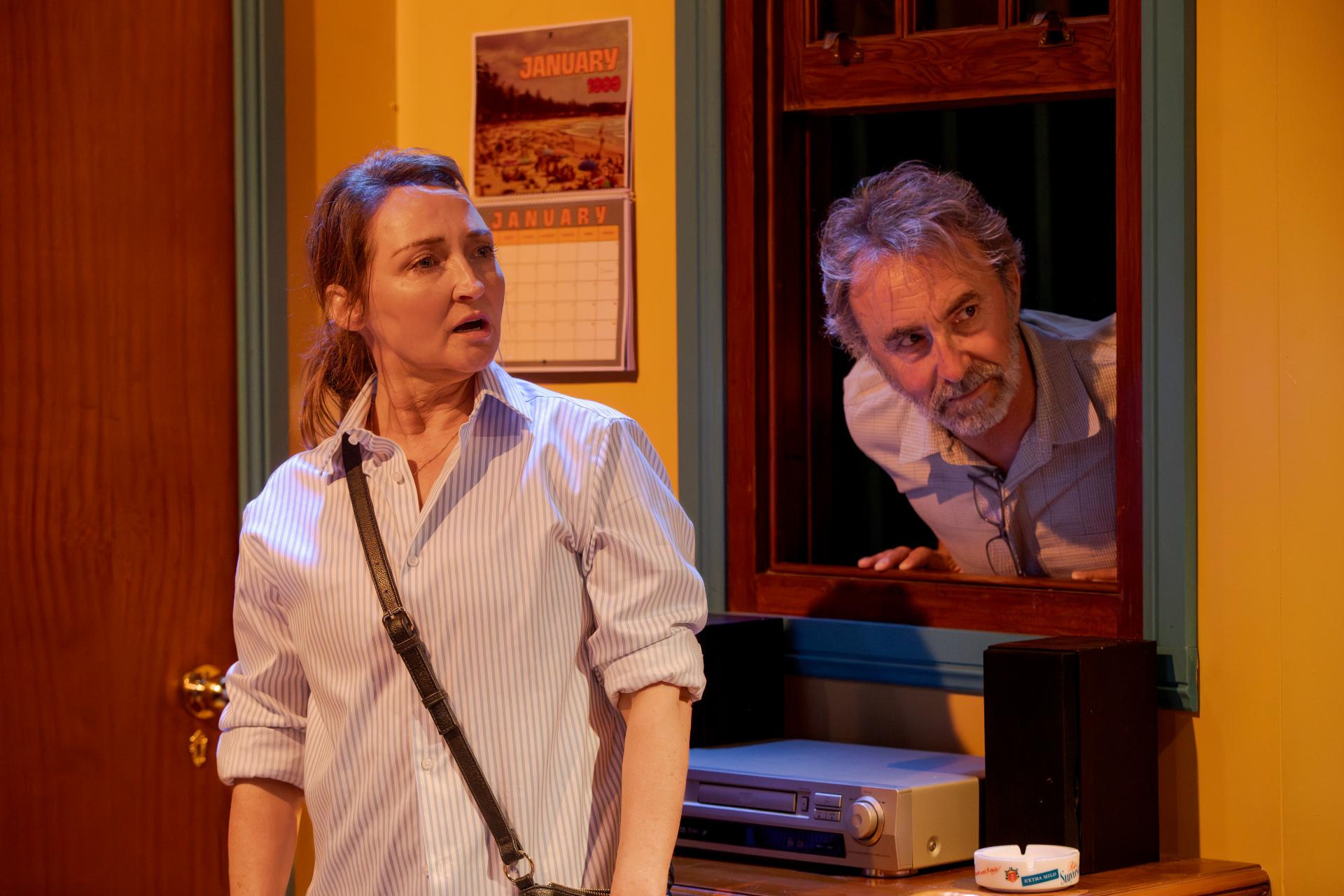
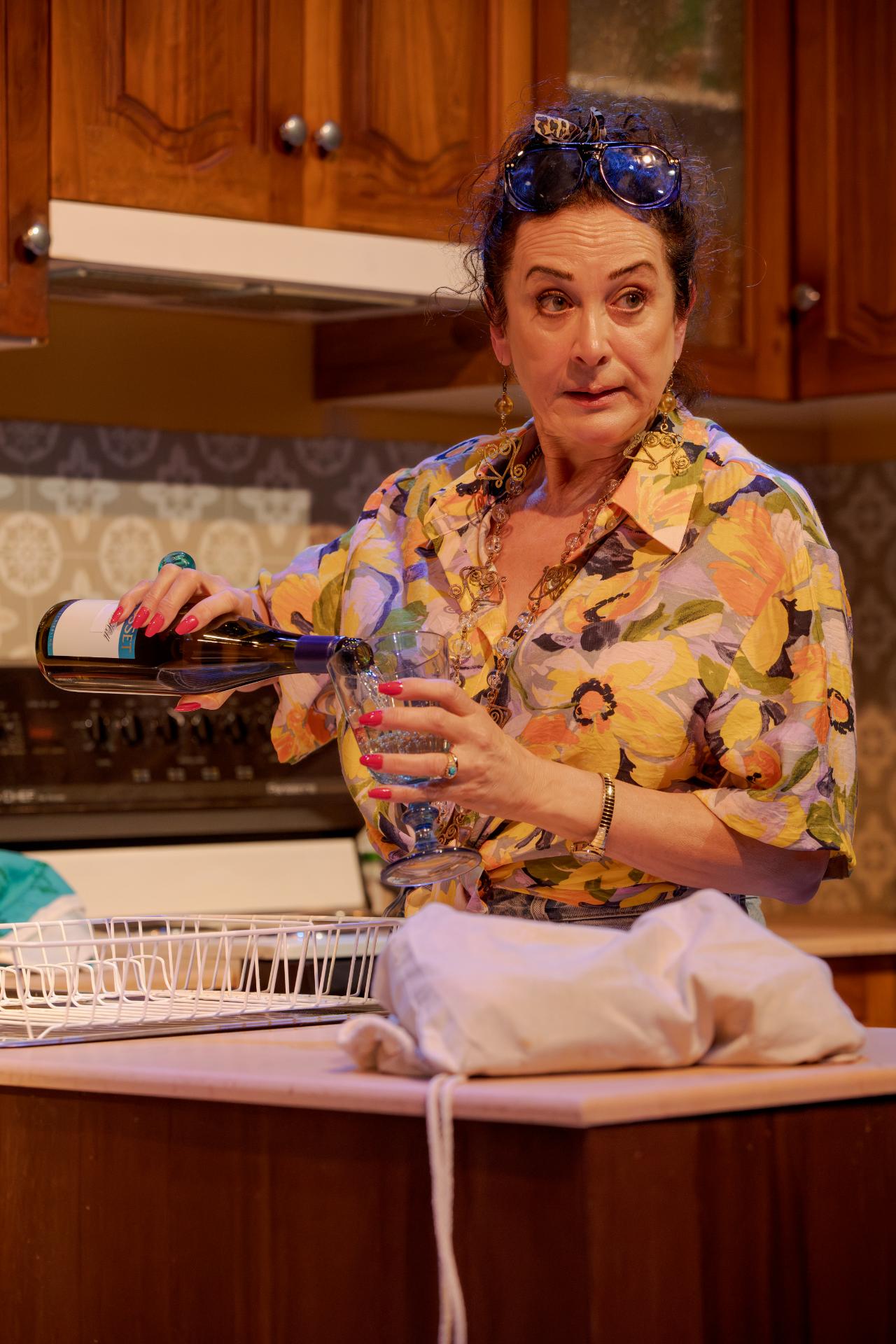
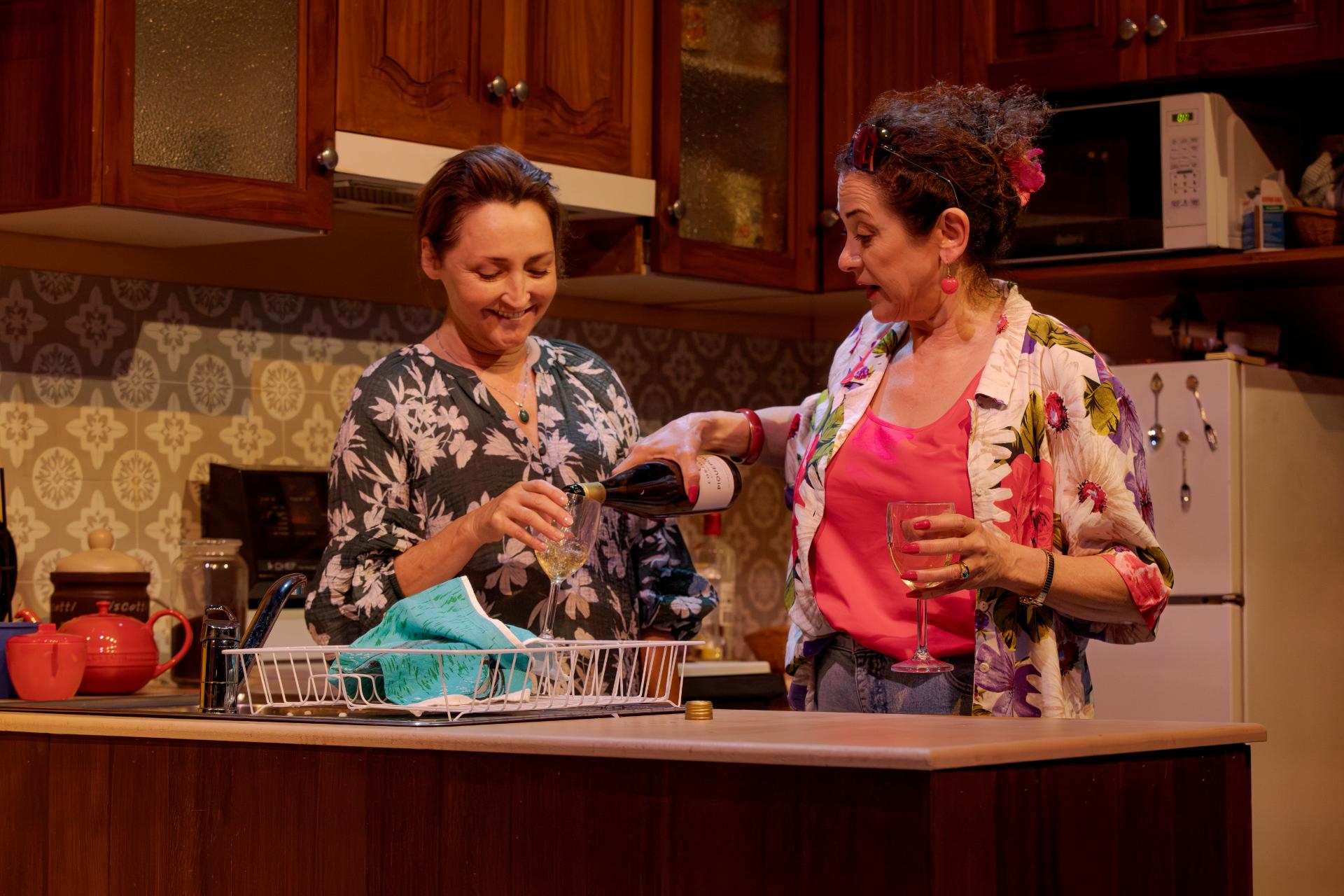
The performances, however, are uniformly strong. Sharon Millerchip, as April’s mother Ingrid, delivers an impressively layered portrayal, marked by meticulous detail and a striking naturalism. Sofia Nolan’s April is earnest and committed, though the evasive quality of the writing often constrains her. Owen Hasluck brings a welcome charisma to April’s brother Isaac, while Deborah Galanos and James Lugton infuse their neighbour characters with a vividness and vitality that guard the piece from tipping entirely into gloom.
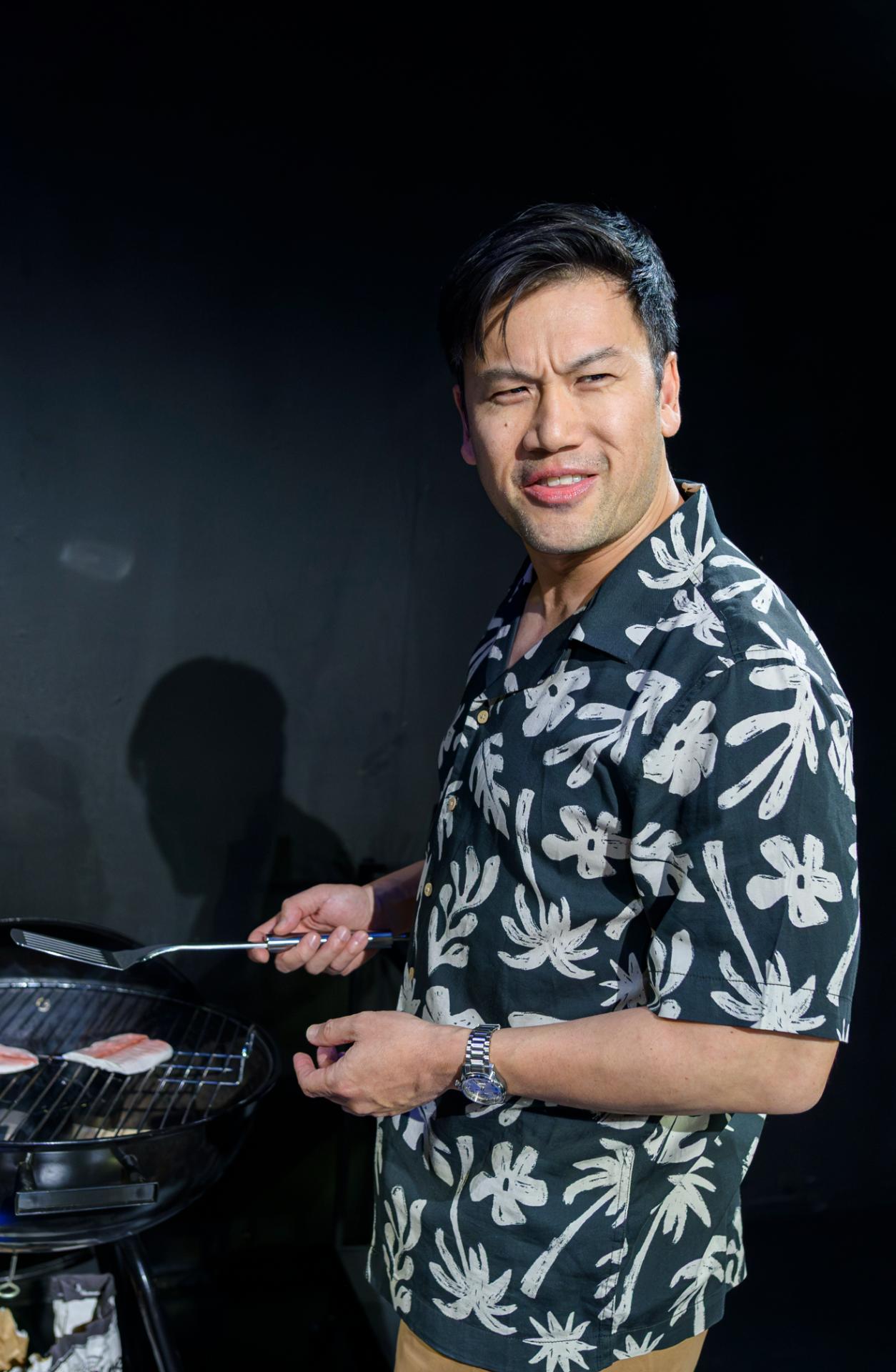
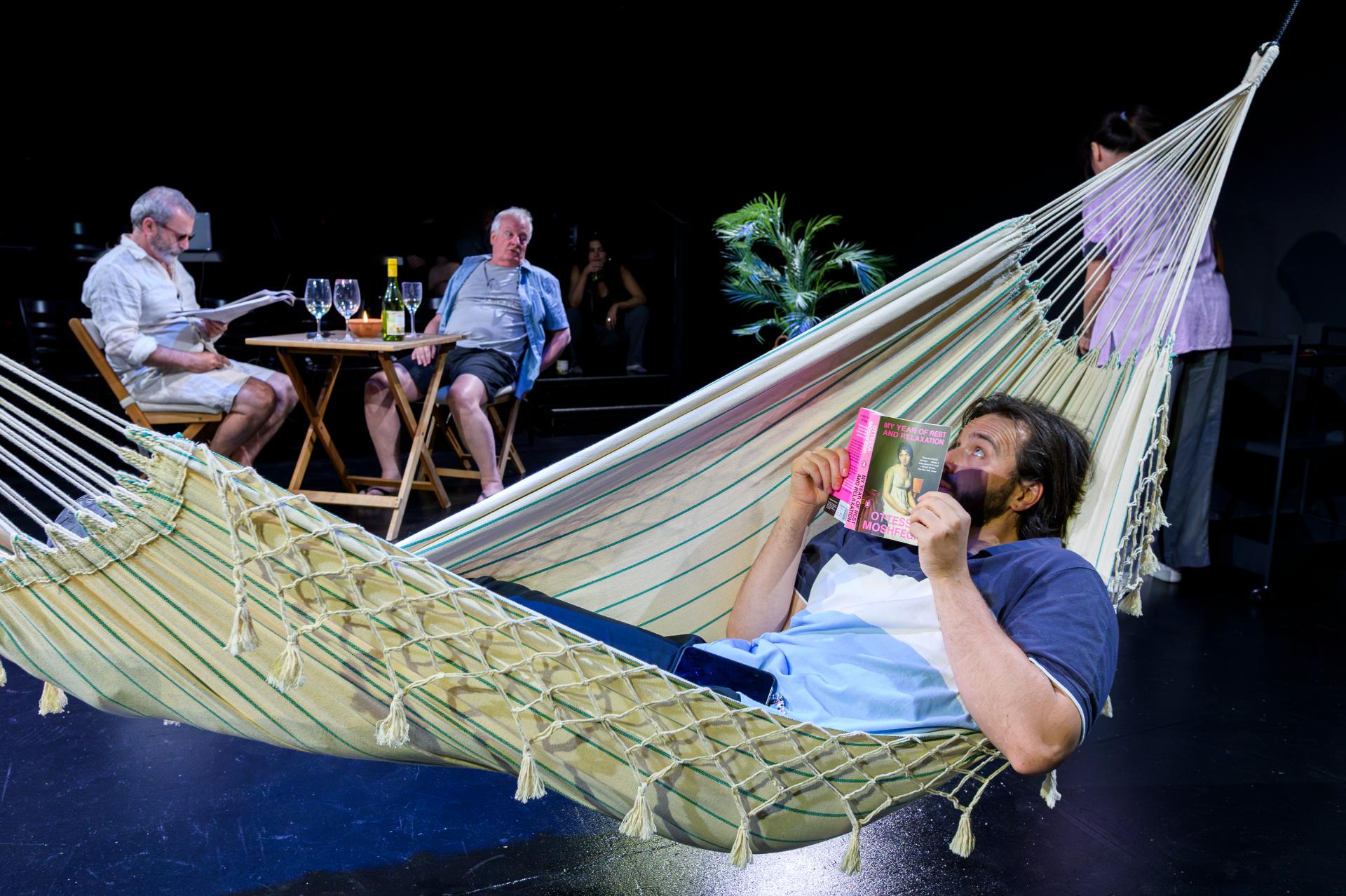
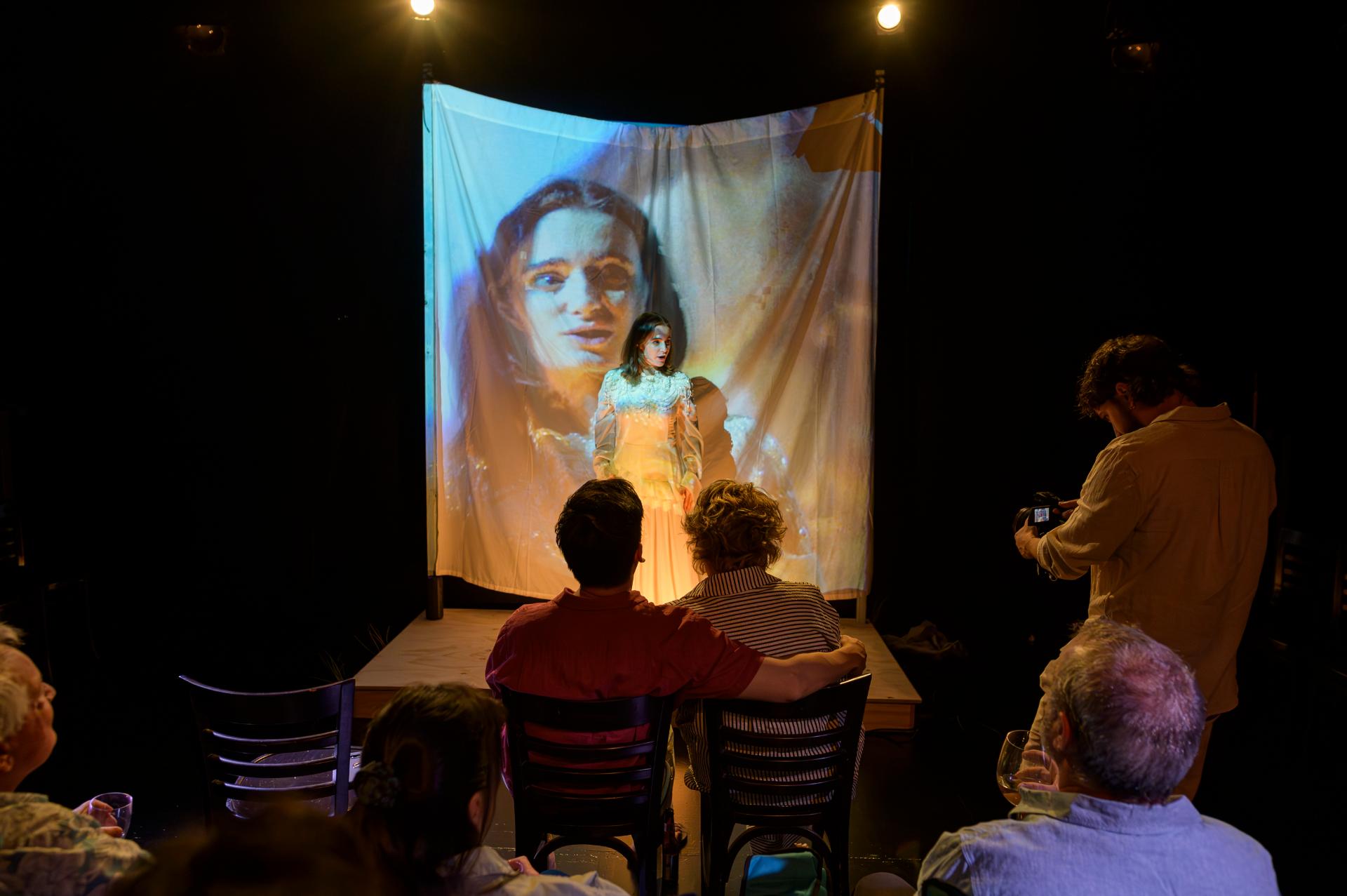
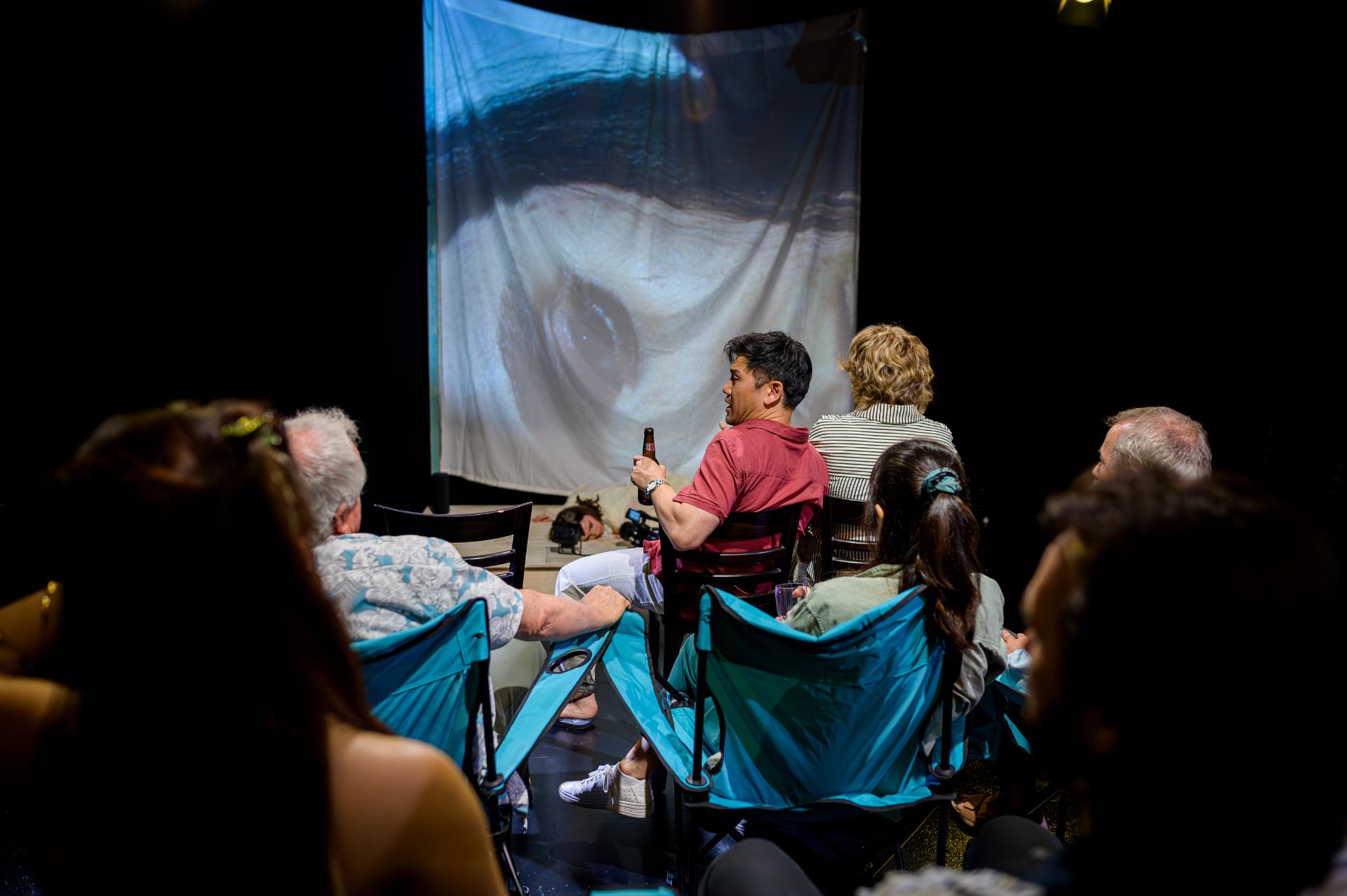
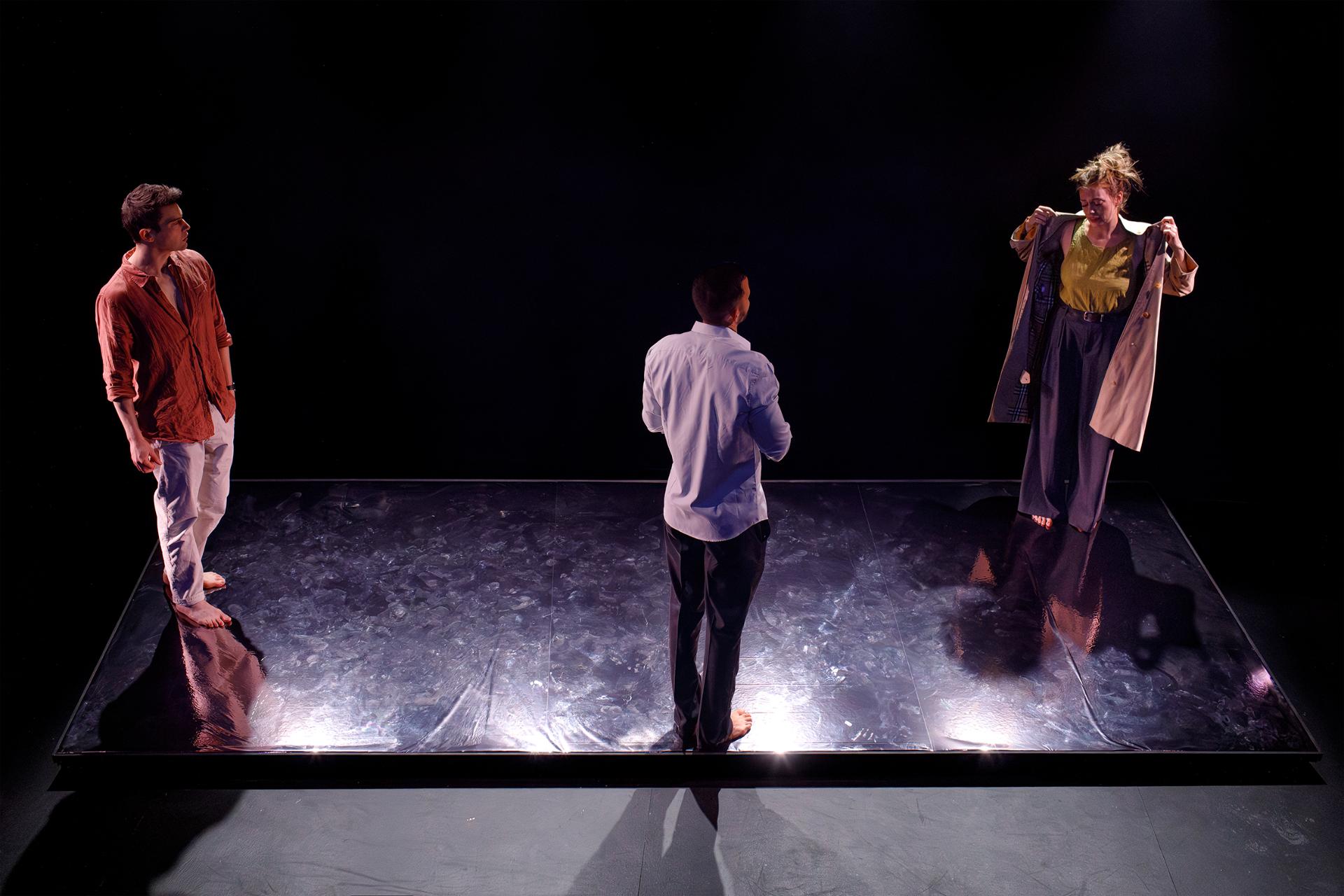
Soham Apte’s set design and Rita Naidu’s costumes evoke the suburban milieu with precision, yet offer just enough chromatic lift to keep the stage visually compelling. Veronique Benett’s lighting and Sam Cheng’s sound design are both applied with discernment, subtly shaping atmosphere and shading in tensions. Together, they support a production that strives to give weight to the many things ordinary people seem, all too often, unable to put into words.

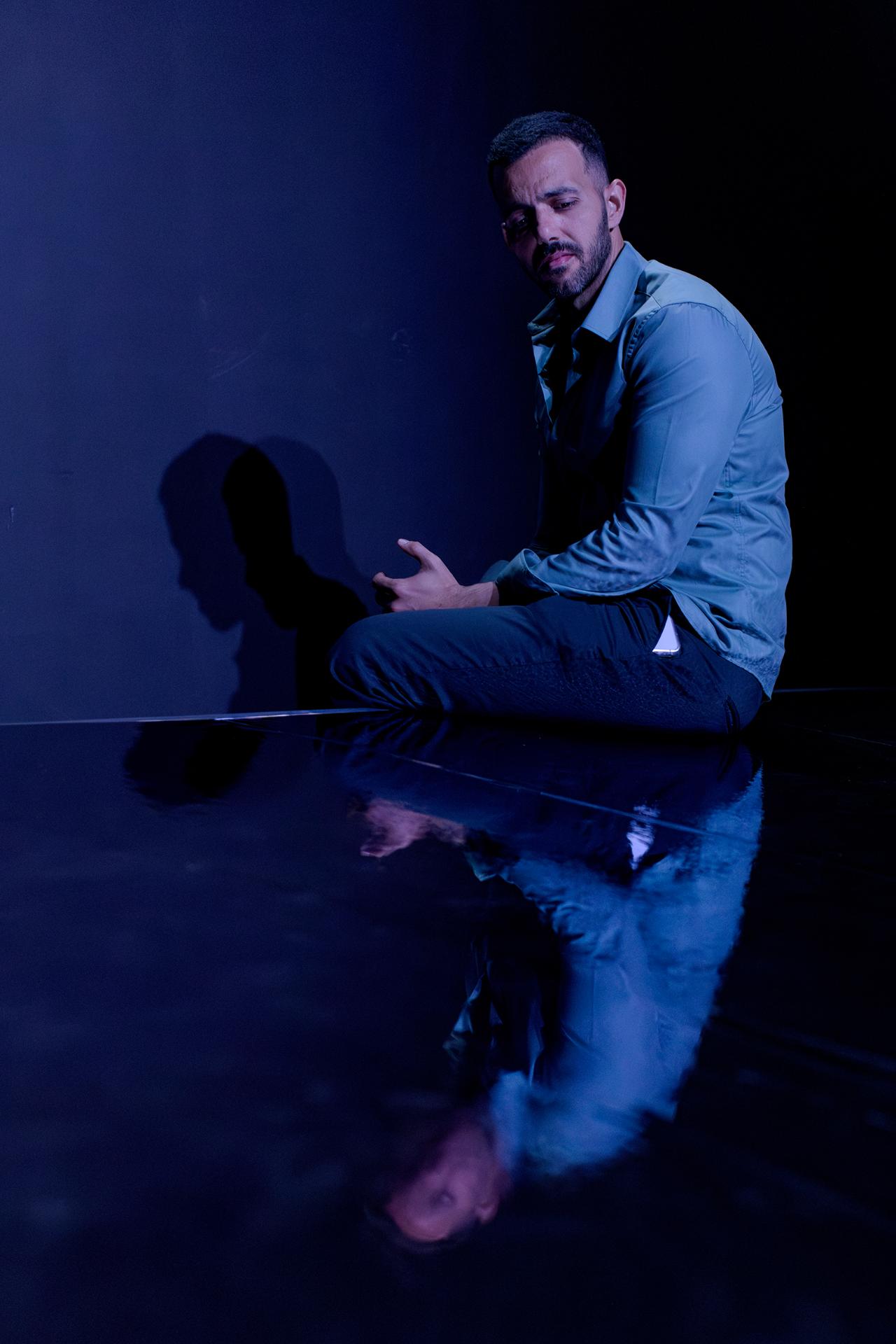
Beneath all that reluctance to engage in difficult conversations lies a dense accumulation of resentment. The characters in Born on a Thursday, young and old alike, understand that life is no bed of roses—that its curve balls can, in fact, be catastrophic. Yet we must still find ways to keep moving. To compound those hardships by shutting out the very people to whom we are bound by kinship is its own small tragedy, and one the play suggests may be the most Australian silence of all.

Review: The Seagull (KXT on Broadway)

Venue: KXT on Broadway (Ultimo NSW), Nov 21 – Dec 6, 2025
Playwright: Saro Lusty-Cavallari (after Anton Chekhov)
Director:
Saro Lusty-Cavallari
Cast: Talia Benatar, Kath Gordon, Jason Jefferies, Deborah Jones, Saro Lepejian, Tim McGarry, Brendan Miles, Shan-Ree Tan, Alexandra Travers
Images by Robert Miniter

Theatre review
In Saro Lusty-Cavallari’s adaptation of The Seagull, the action is deftly relocated from late-19th-century Russia to the 2020 COVID lockdown in Bellingen, an idyllic township north of Sydney. Chekhov’s characters preserve their familiar longings and disappointments, and in this contemporary reframing it becomes unmistakably clear that the disillusionment of young theatrical hopefuls like Konstantin and Nina is far from an antiquated concern. Lusty-Cavallari reveals a marked vulnerability in this iteration of the classic, offering transparent glimpses of autobiography woven through an updated tale that engages meaningfully with the inner workings—and inner wounds—of Sydney’s theatre world.

Although its context is reimagined, this production maintains a striking fidelity to Chekhov’s spirit, arriving—somewhat unexpectedly—at a tone that feels almost traditional for a genre no longer in vogue. Lusty-Cavallari’s exuberant humour, threaded generously throughout, reshapes a well-worn tale of existential drift into something distinctly bittersweet, and, thankfully, thoroughly engaging and enjoyable.

Konstantin is rendered with remarkable intricacy by Saro Lepejian, who layers nuance upon nuance to create a character of great authenticity and warmth, allowing us to grasp him with unusual depth and familiarity. Alexandra Travers is equally compelling as Nina, lifting the archetype of the innocent ingénue into a figure of luminous humanity; her final scenes prove disarmingly profound and affecting under Travers’ interpretation. Also notable is Tim McGarry’s wonderfully idiosyncratic Pyotr, delivered with exquisite comic timing and an assured lightness of touch, earning some of the production’s most memorable laughs.

Kate Beere’s set and costume design provides elegant, uncluttered solutions that allow the intricate emotional dynamics to remain firmly in view. Aron Murray’s lighting is exquisitely attuned to each fluctuation in tone, guiding us seamlessly into not only the work’s dramatic intensities but also its well-timed moments of levity, which together render the production genuinely delightful.

It may feel incongruous to watch Chekhov’s characters driven to the point of shooting themselves in a contemporary Australian setting, yet the deep-seated malaise that fuels such despair remains clearly recognisable in our present moment. These upper-middle-class figures seem perpetually unable to attain what they long for, even as they dismiss what is already theirs—a conundrum that, now more than ever, echoes uncomfortably through many of our own lives.

www.kingsxtheatre.com | www.montaguebasement.com

Review: Congratulations, Get Rich! 恭喜发财, 人日快乐 (Sydney Theatre Company)

Venue: Wharf 1 Sydney Theatre Company (Walsh Bay NSW), Nov 21 – Dec 14, 2025
Playwright: Merlynn Tong
Director: Courtney Stewart
Cast: Zac Boulton, Seong Hui Xuan, Merlynn Tong, Kimie Tsukakoshi 
Images by Prudence Upton

Theatre review
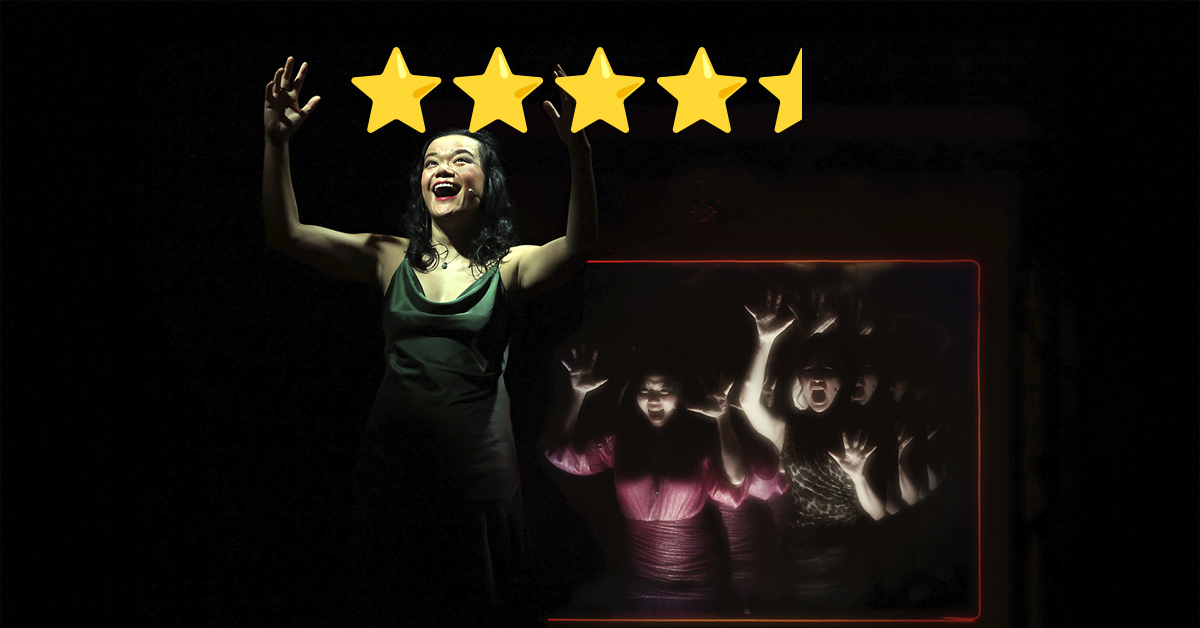
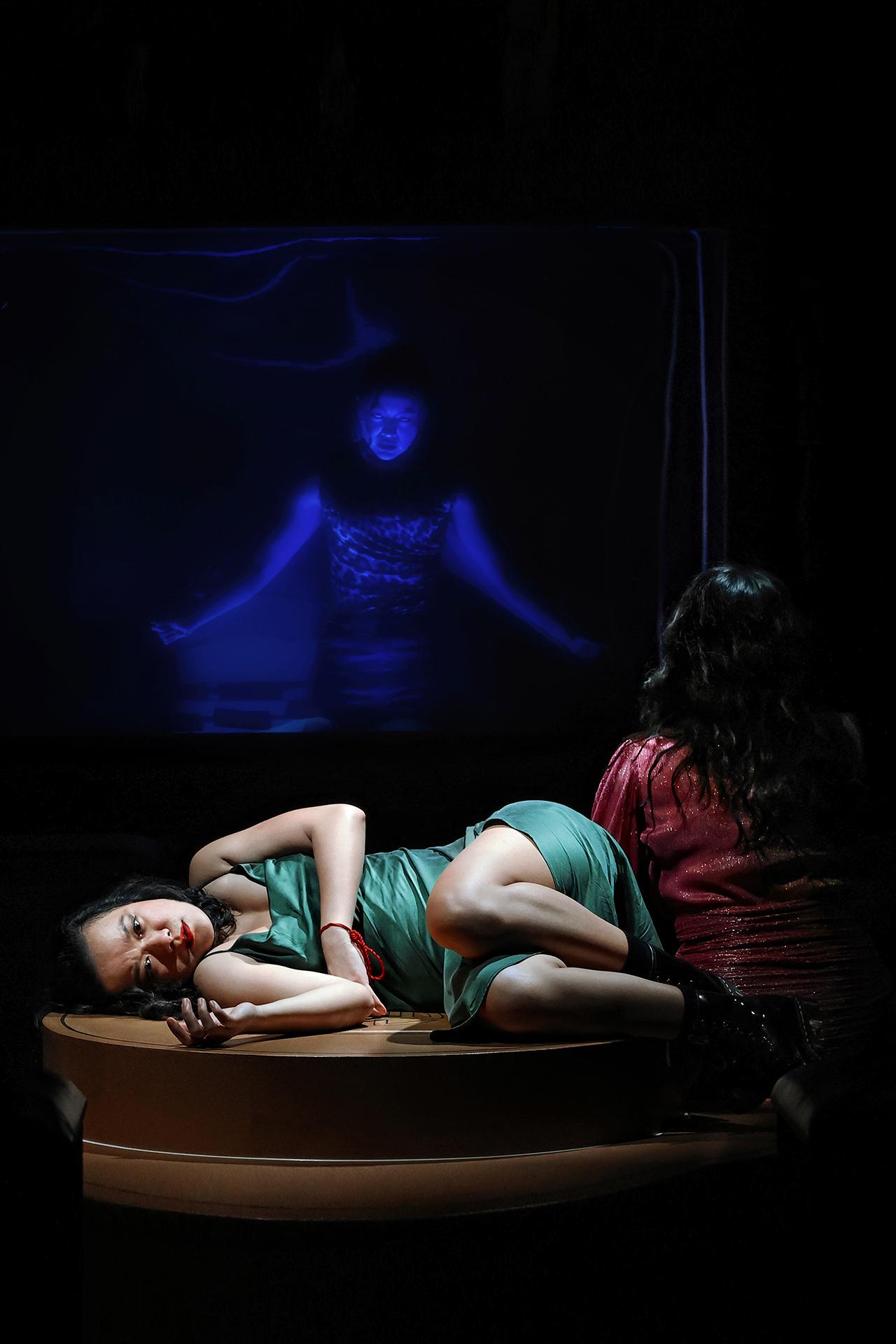
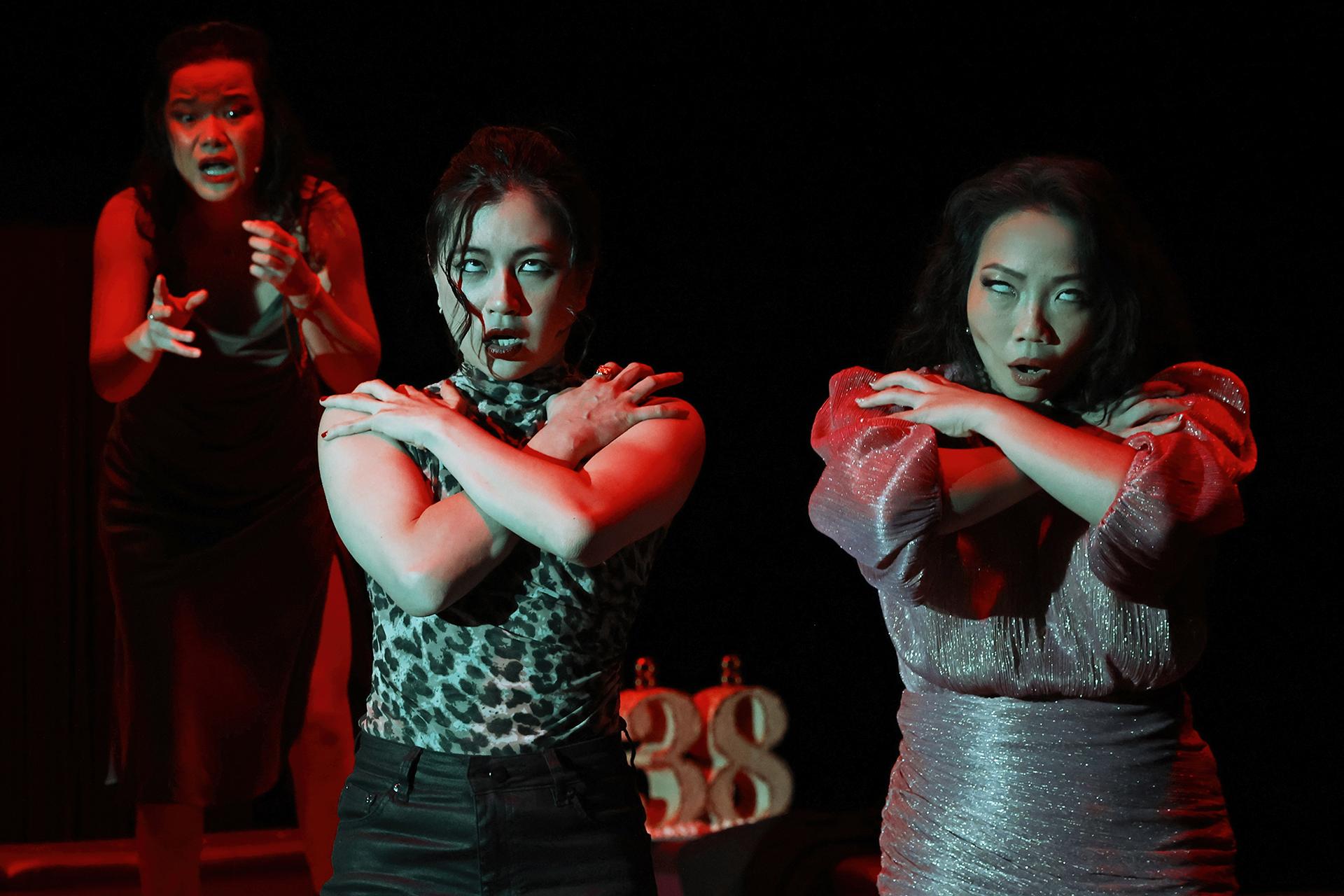
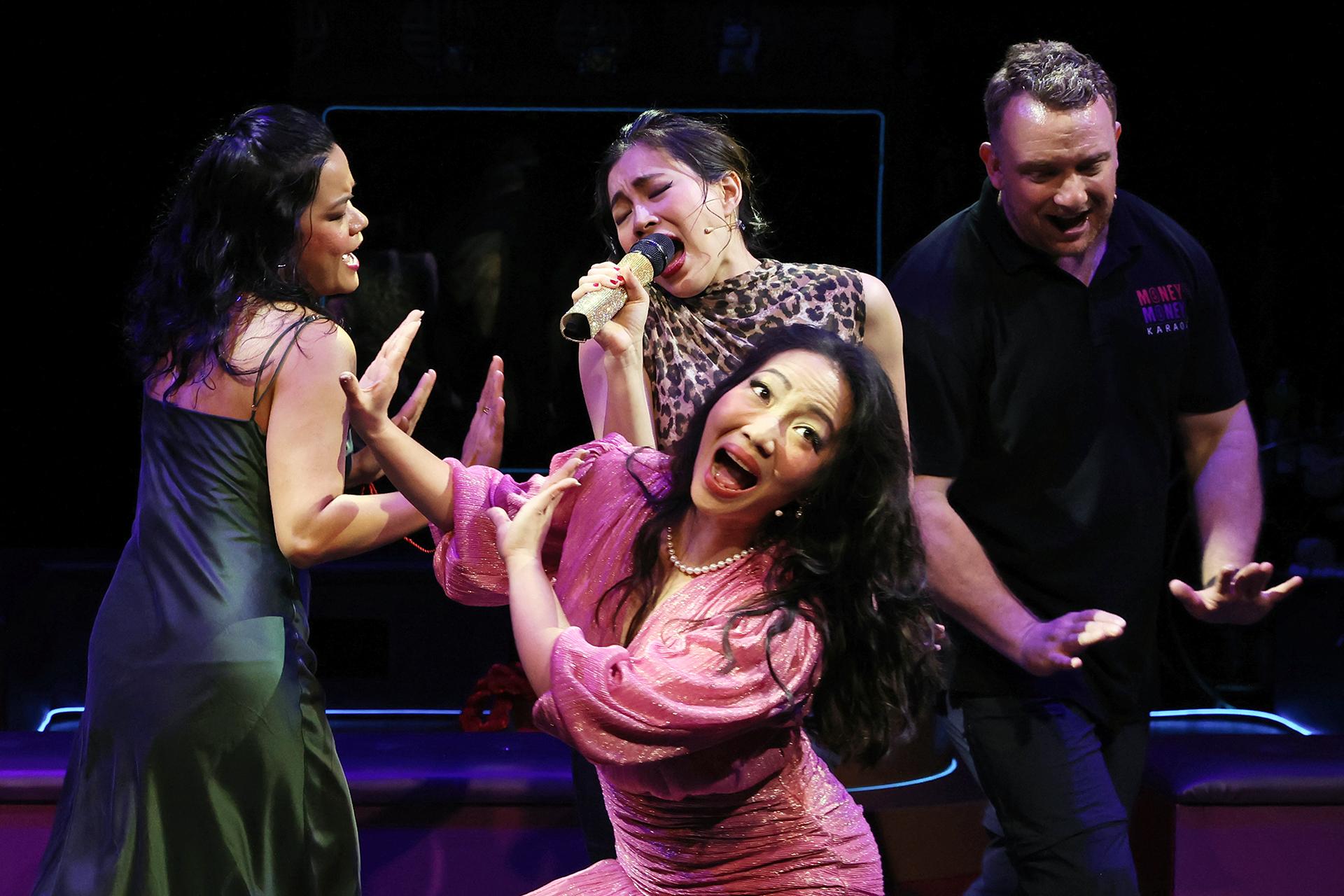
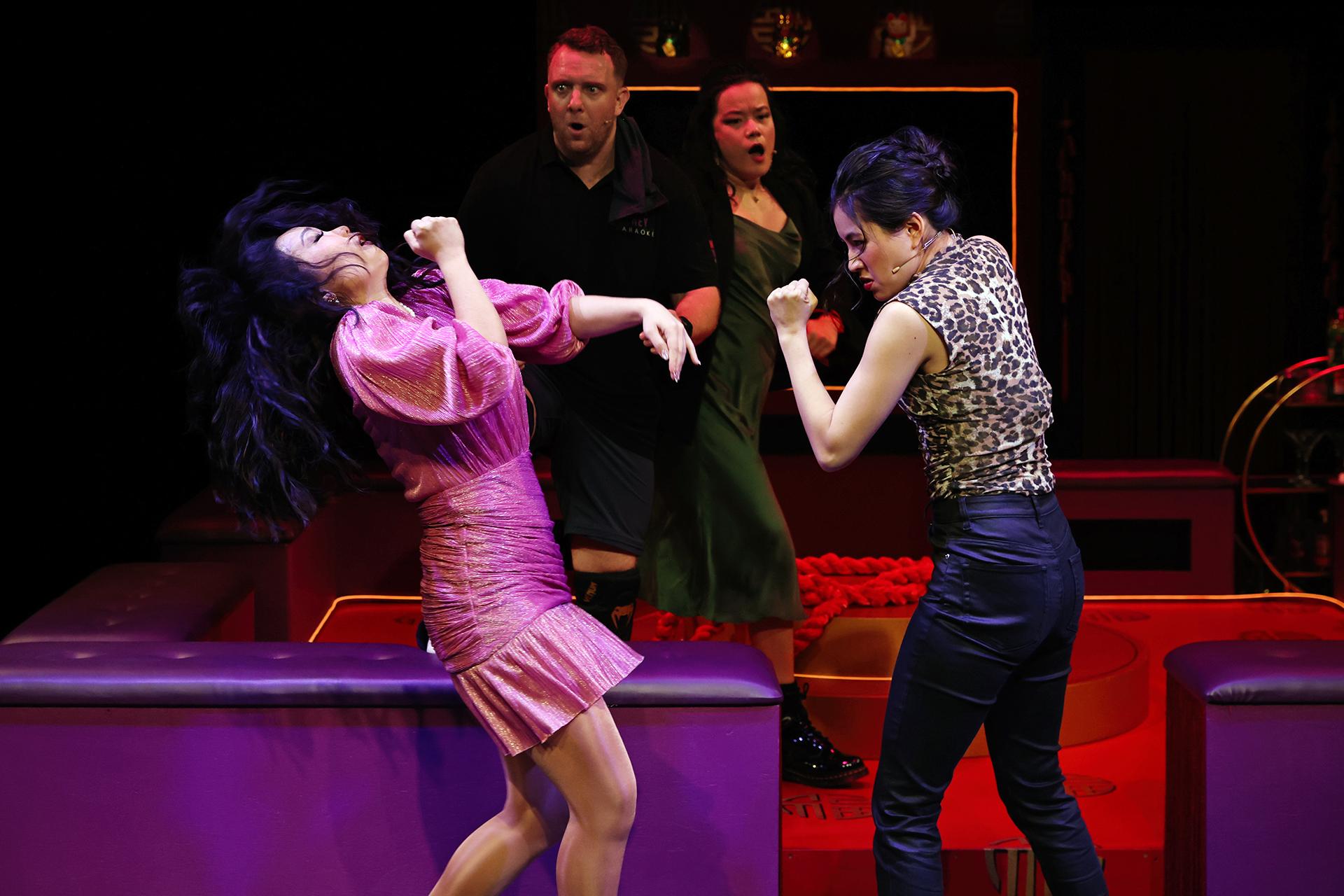
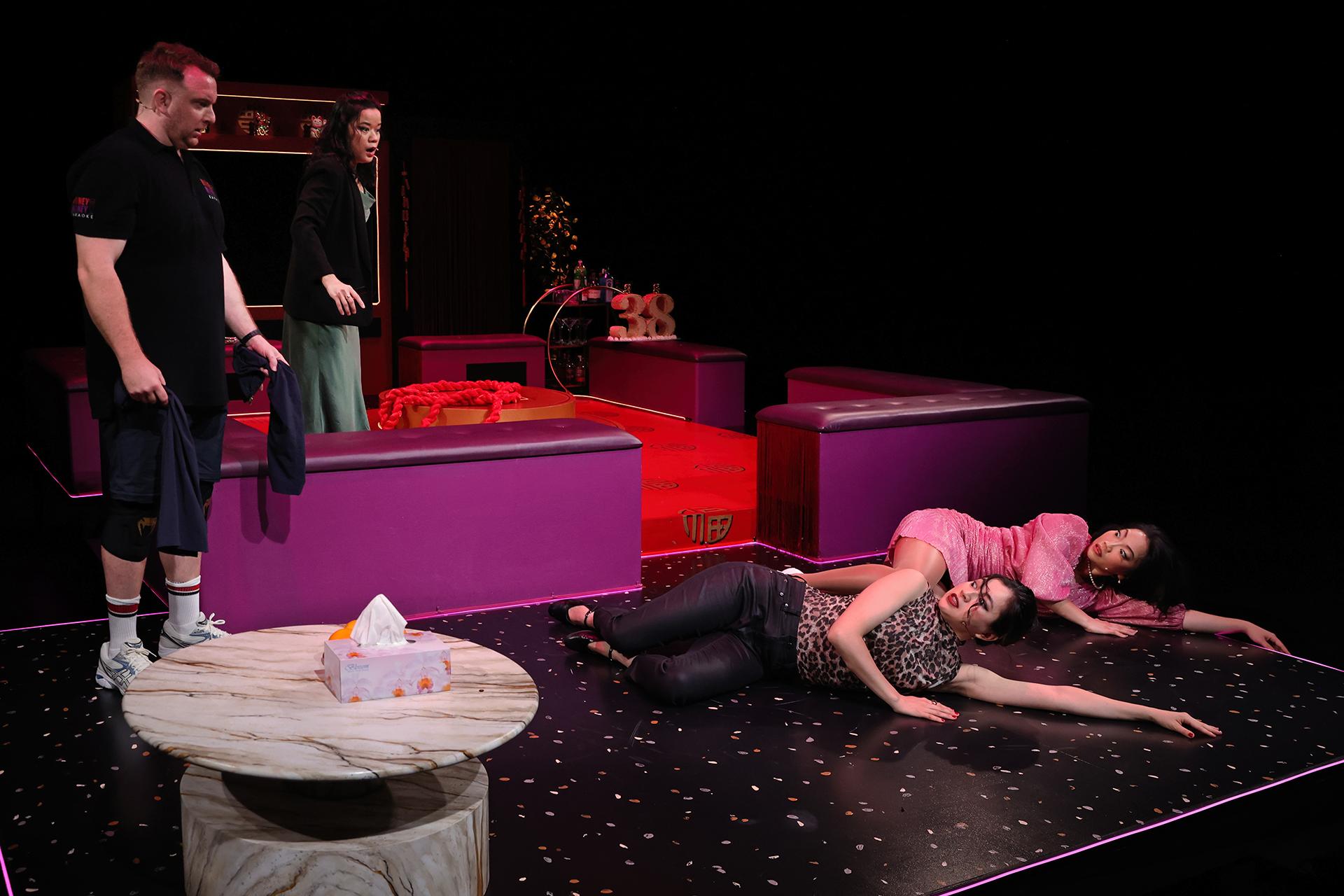
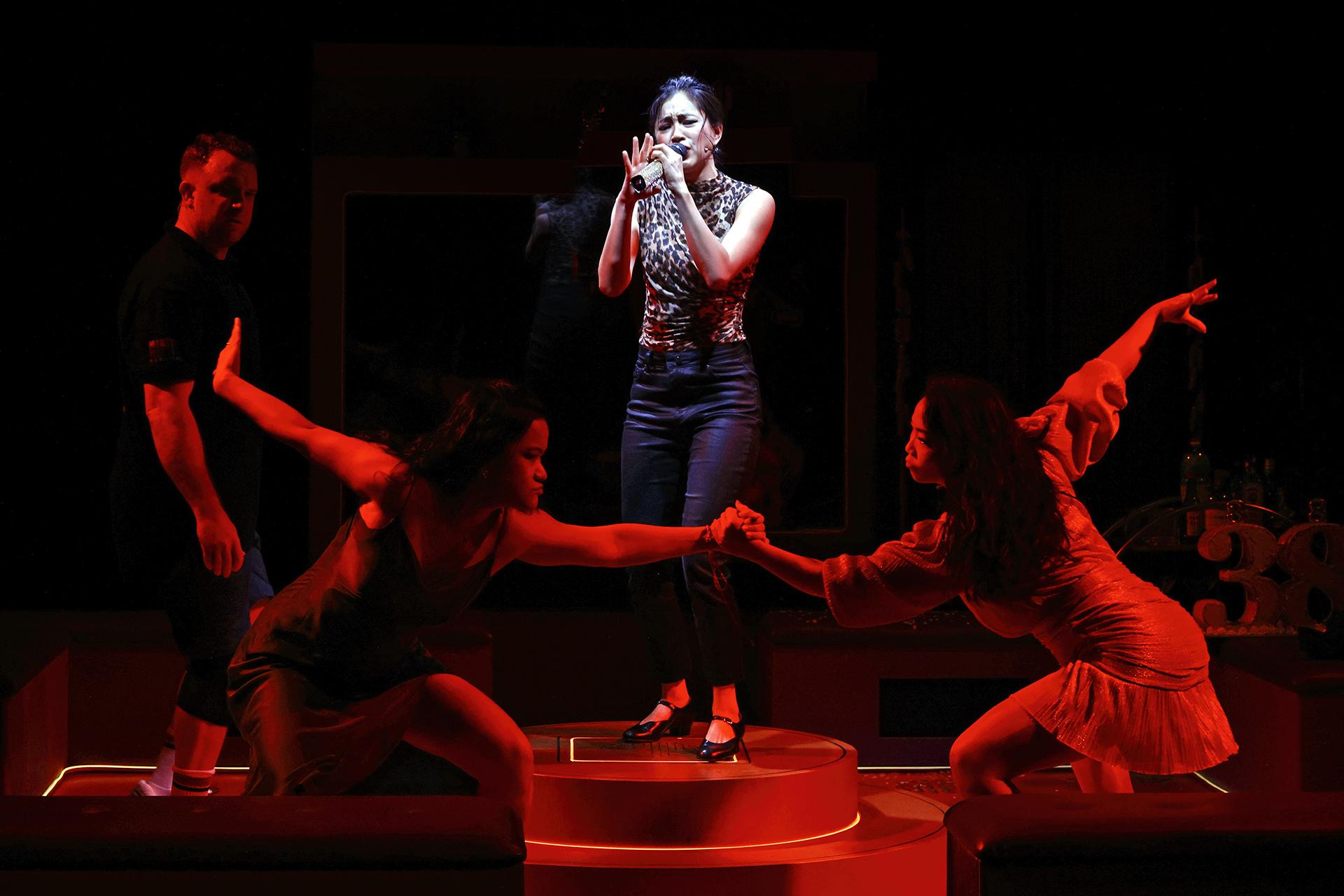
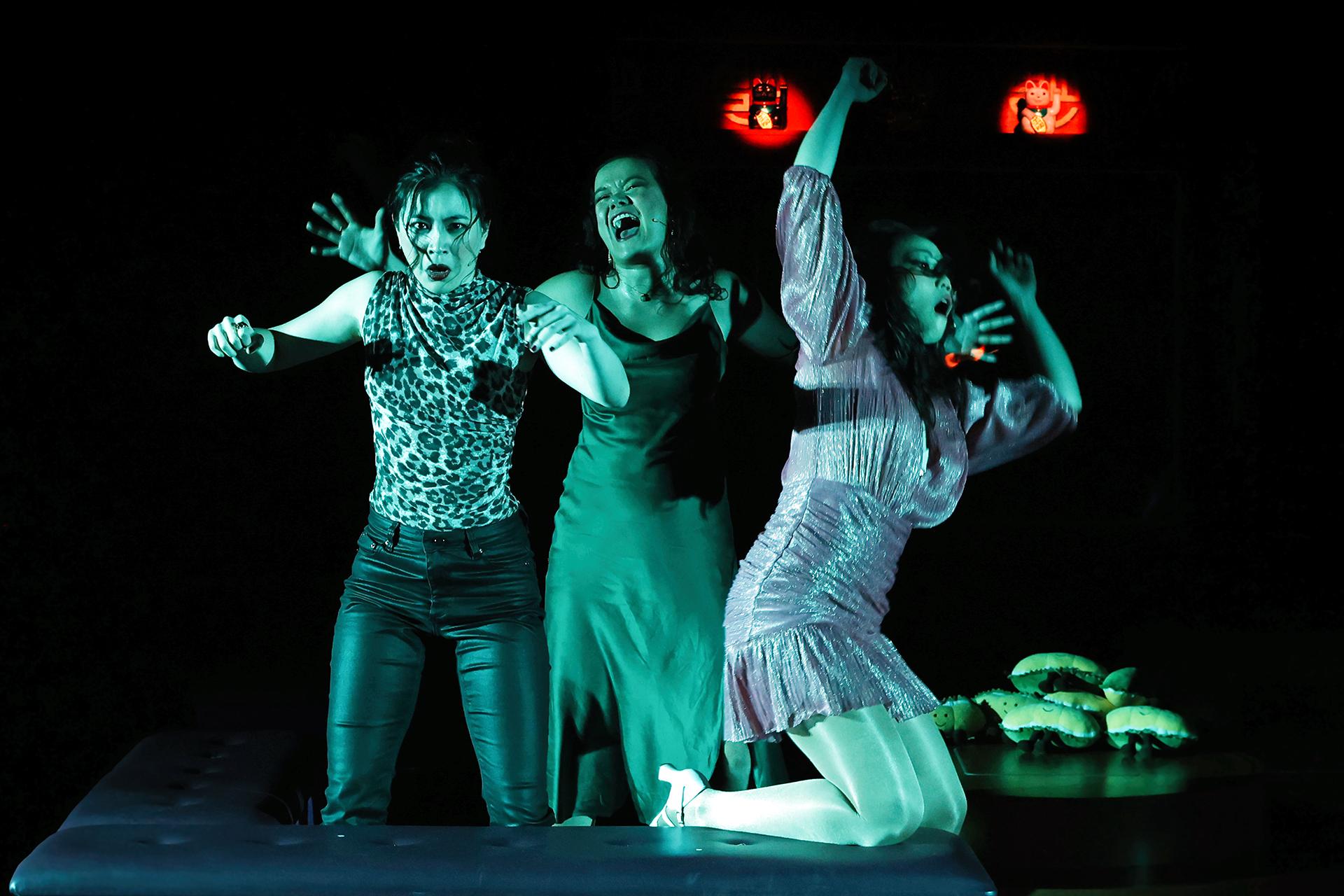
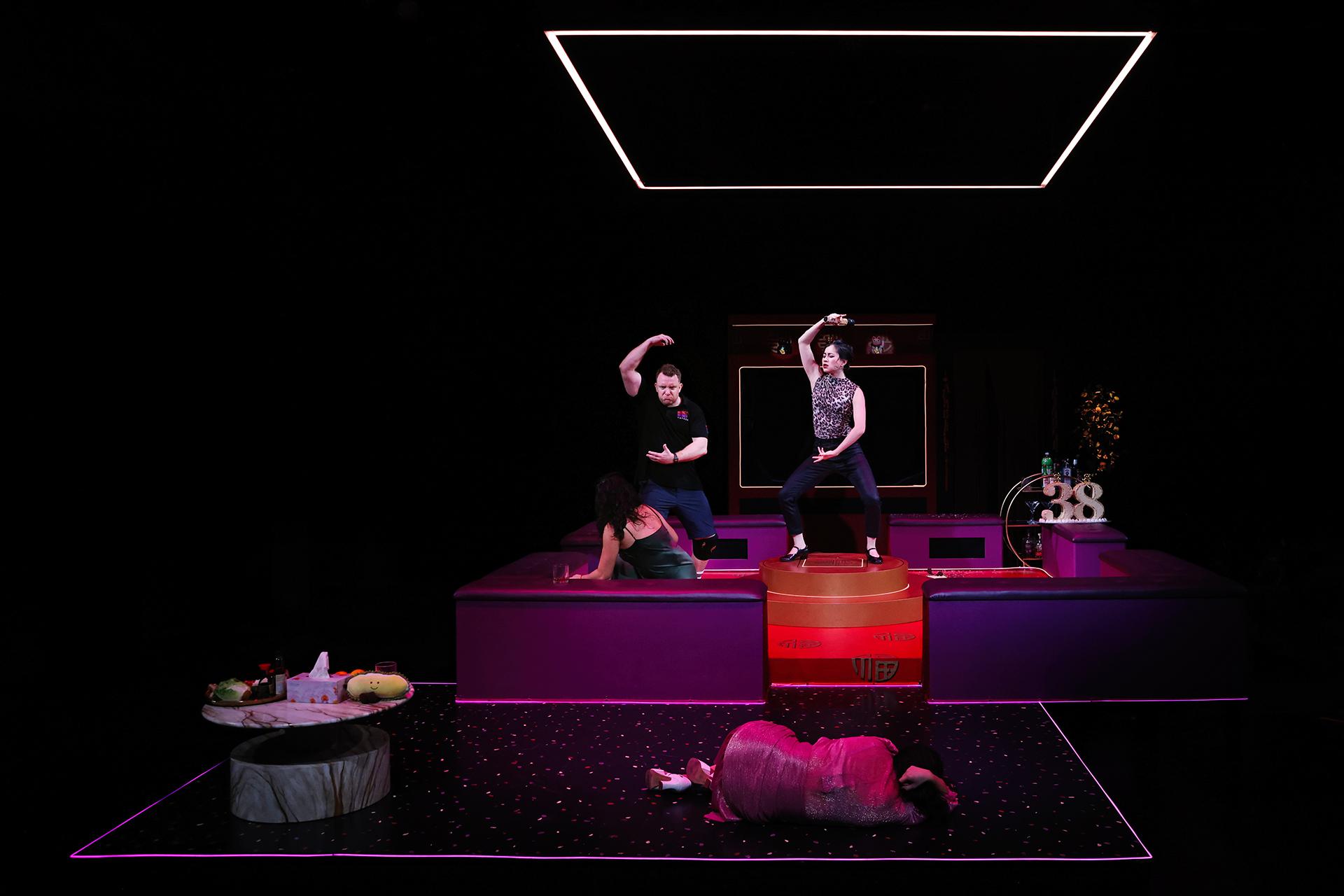
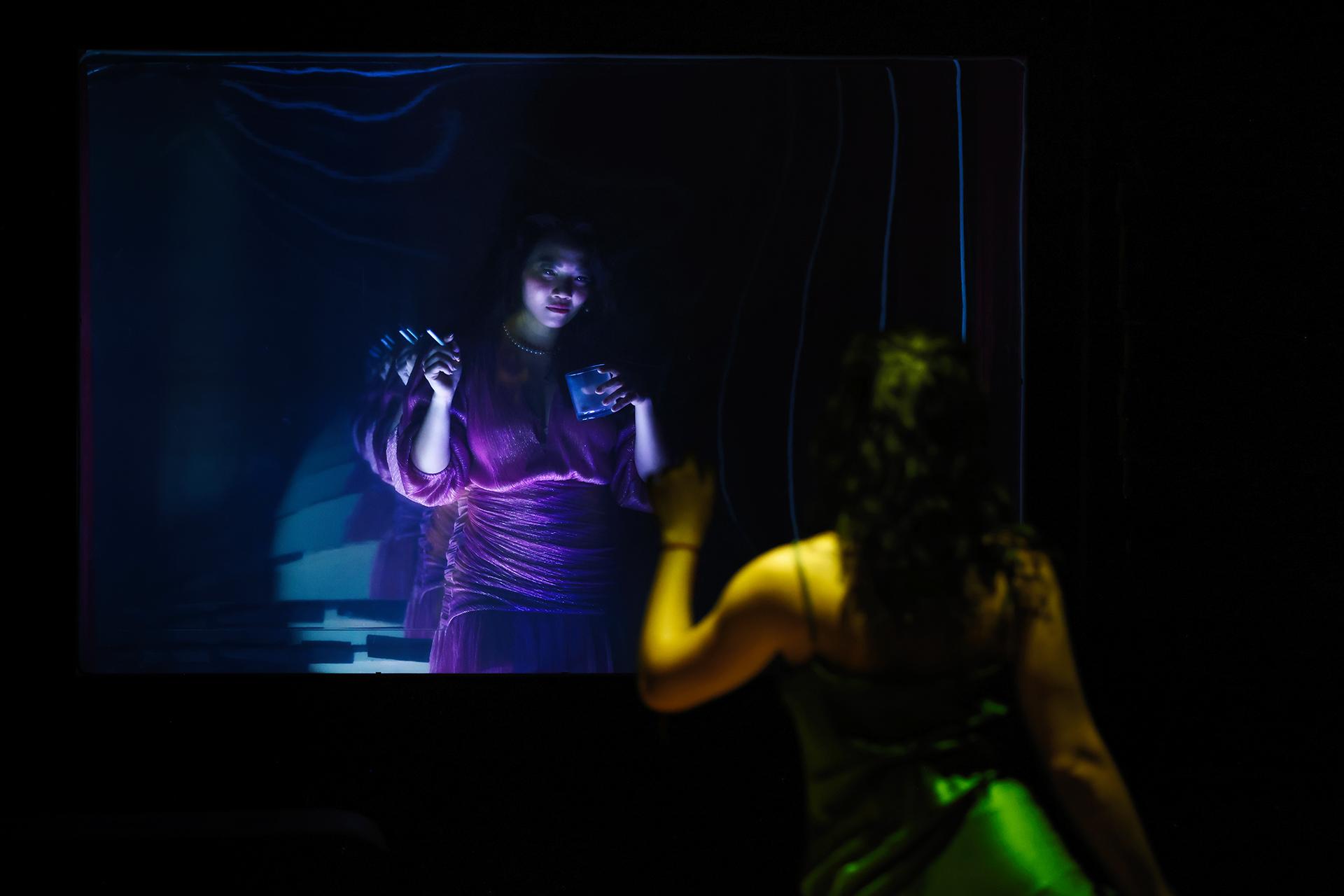
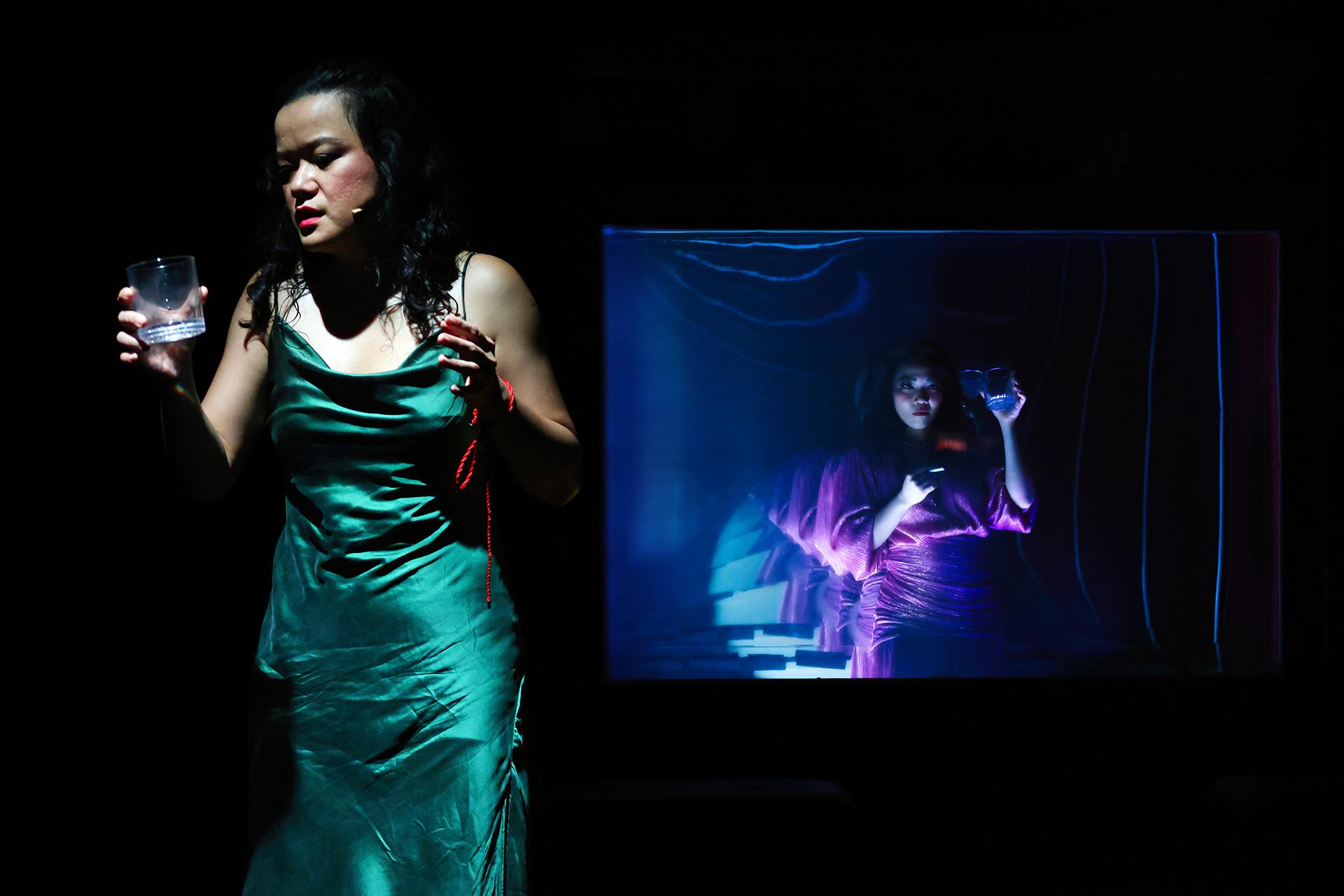
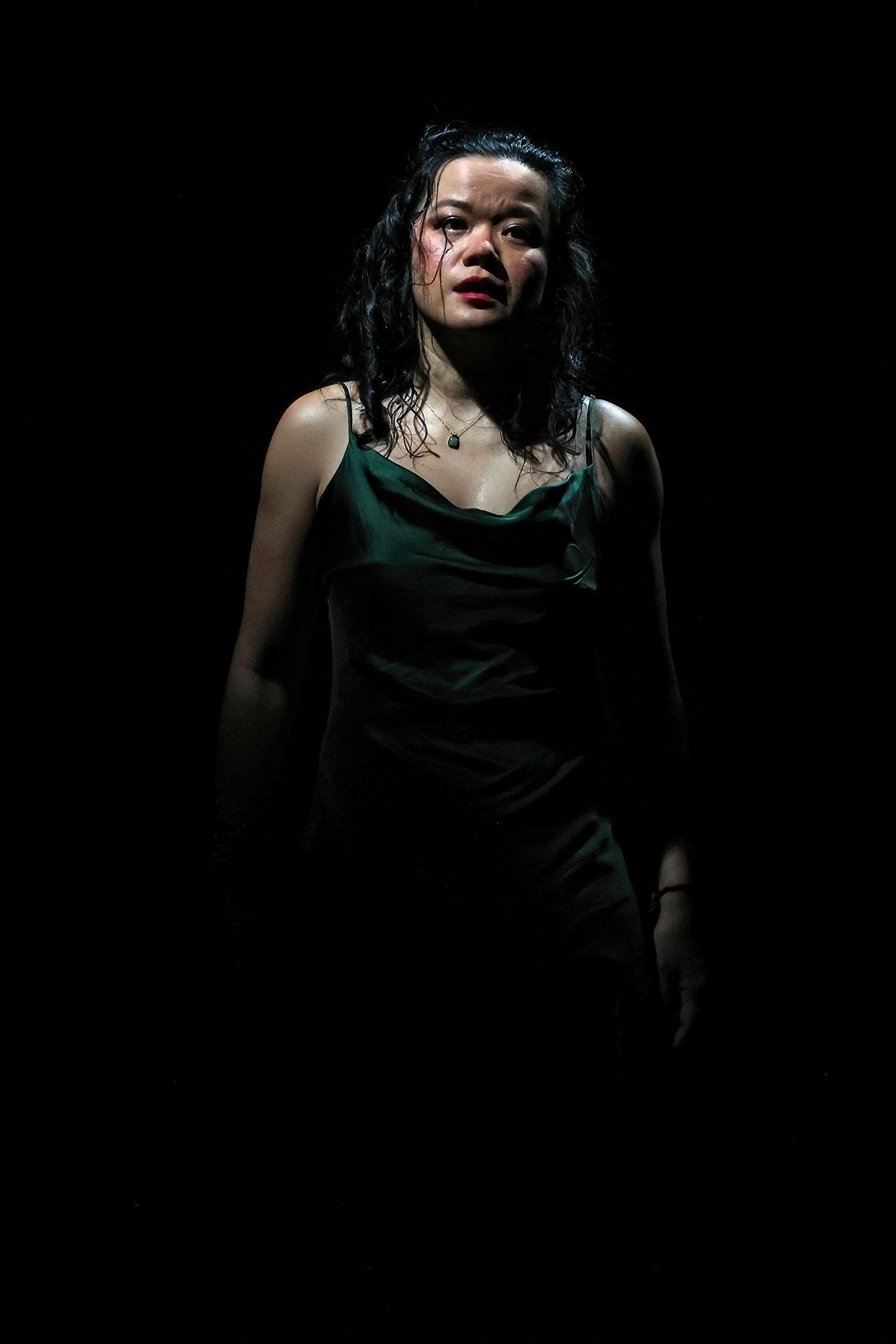
It is opening day at Mandy’s new karaoke bar, and she is plainly on the verge of collapse. It also happens to be her thirty-eighth birthday—a milestone that terrifies her, for both her mother and grandmother died at precisely that age. Amid this psychological unravelling, those very forebears return as ghosts from the afterlife or underworld, appearing as if to mock her dread and deepen her sense of inevitability. Congratulations, Get Rich! by Merlynn Tong, probes the intertwined notions of curses and legacies—ideas often treated as distinct but revealed here to be inseparable. Mandy fears repeating history, even as she begins to recognise, somewhere beneath the panic, that her own hard-won successes might yet rewrite the story her family has carried for generations.

The writing is wildly inventive, holding us rapt from the first moment to the last. Unpredictable and delightfully eccentric, it balances sincerity with a sense of the marvellously outlandish. Courtney Stewart’s direction brings together rich cultural specificity and deep emotional truth, guiding a story that moves between Singapore and Australia while allowing its layered meanings to reverberate across cultural lines. At times the humour edges toward the contrived, yet the production’s unwavering commitment to its distinctive tone renders even its most exaggerated moments disarmingly persuasive.

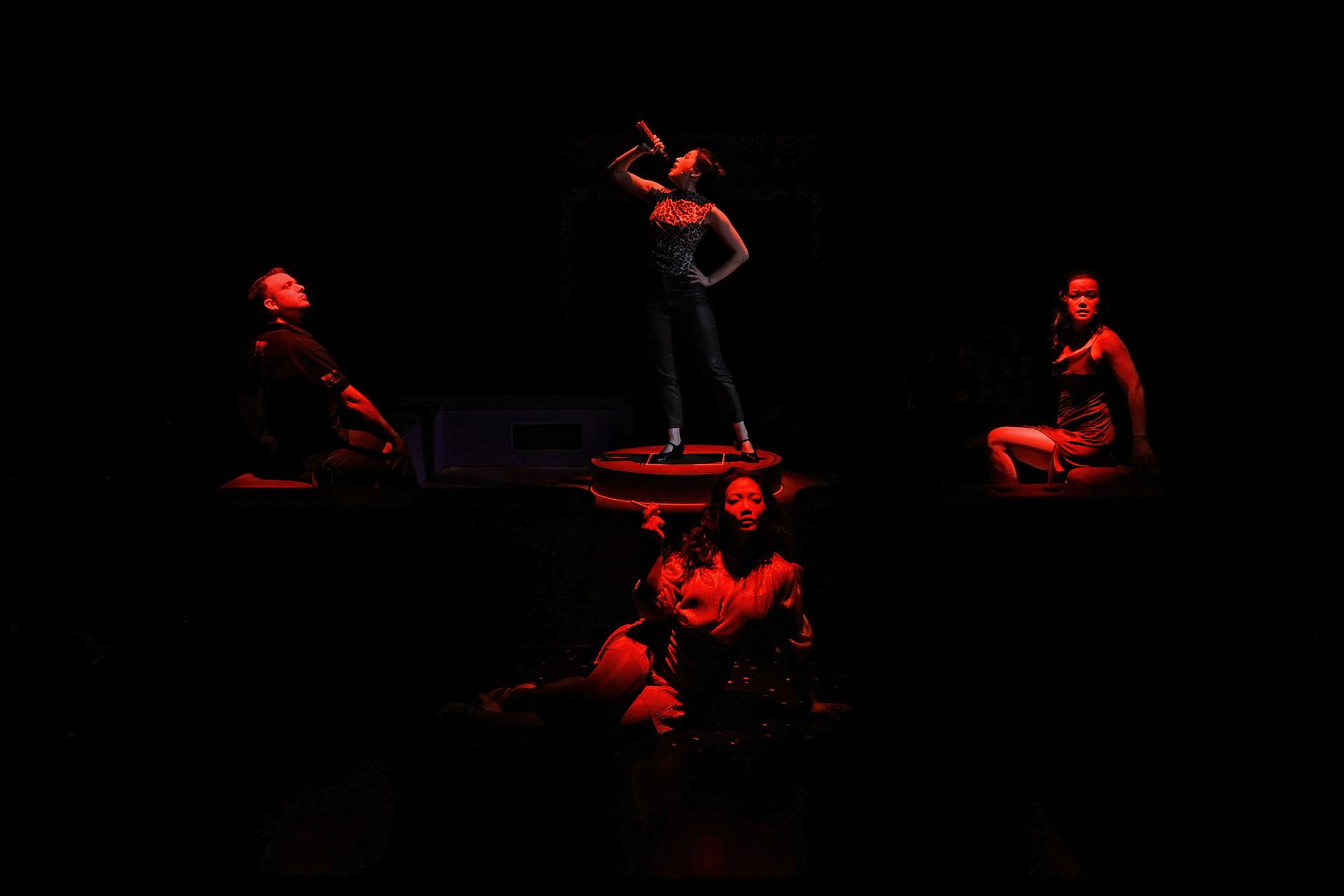
James Lew’s production design is richly considered, weaving symbolism into a visual language that is at once grounded and strikingly theatrical. His work carries a pleasurable sense of extravagance, yet never loses sight of the social resonances that inform each aesthetic choice. Gabriel Chan’s lighting is similarly exuberant, though one occasionally wishes for greater nuance to draw us further into the emotional terrain. Guy Webster’s sound design, gloriously amplified and unabashedly heightened, proves an ideal match for the work’s supernatural comic register. Particularly noteworthy are the original songs that Tong weaves into the piece, rendered delightfully camp through Alex Van den Broek’s playful, uninhibited music direction.

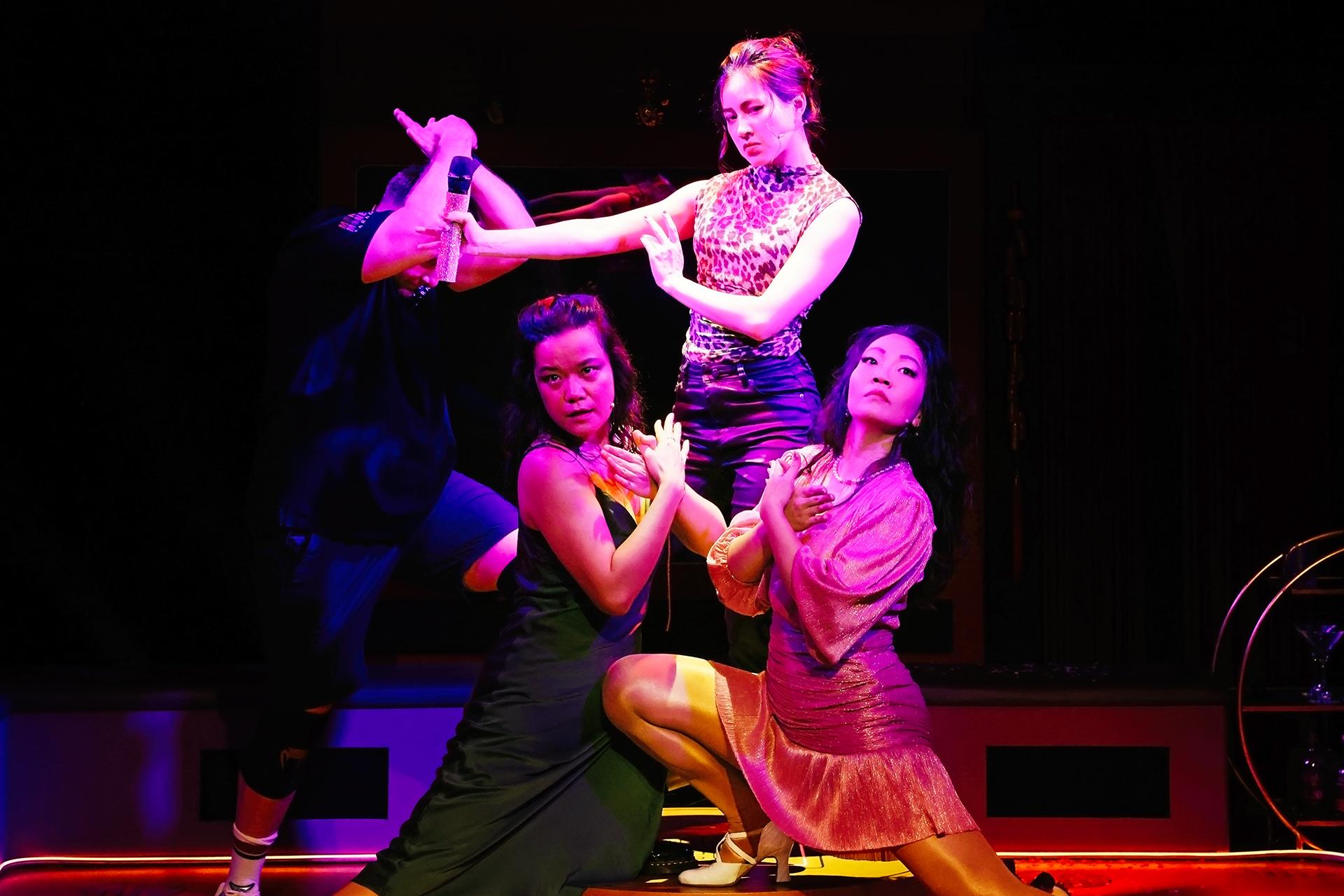
An exceptional ensemble anchors the production, with Tong herself embodying Mandy with indefatigable verve and an arresting emotional intensity. Kimie Tsukakoshi delivers a masterfully layered performance as the grandmother—precise, commanding, and utterly persuasive in her traversal of time and space. As Mandy’s mother, Seong Hui Xuan is unassailably authentic, capturing the poignant duality of a woman who bequeaths her daughter both profound anxieties and an equally steadfast resilience. Zachary Boulton shines as Xavier, Mandy’s partner in life and business, his impeccable comic timing offering welcome buoyancy whenever the domestic tensions threaten to overwhelm. The ensemble as a whole is remarkable for its discipline and cohesion, contributing to a staging distinguished by its tightness, clarity, and shared purpose.
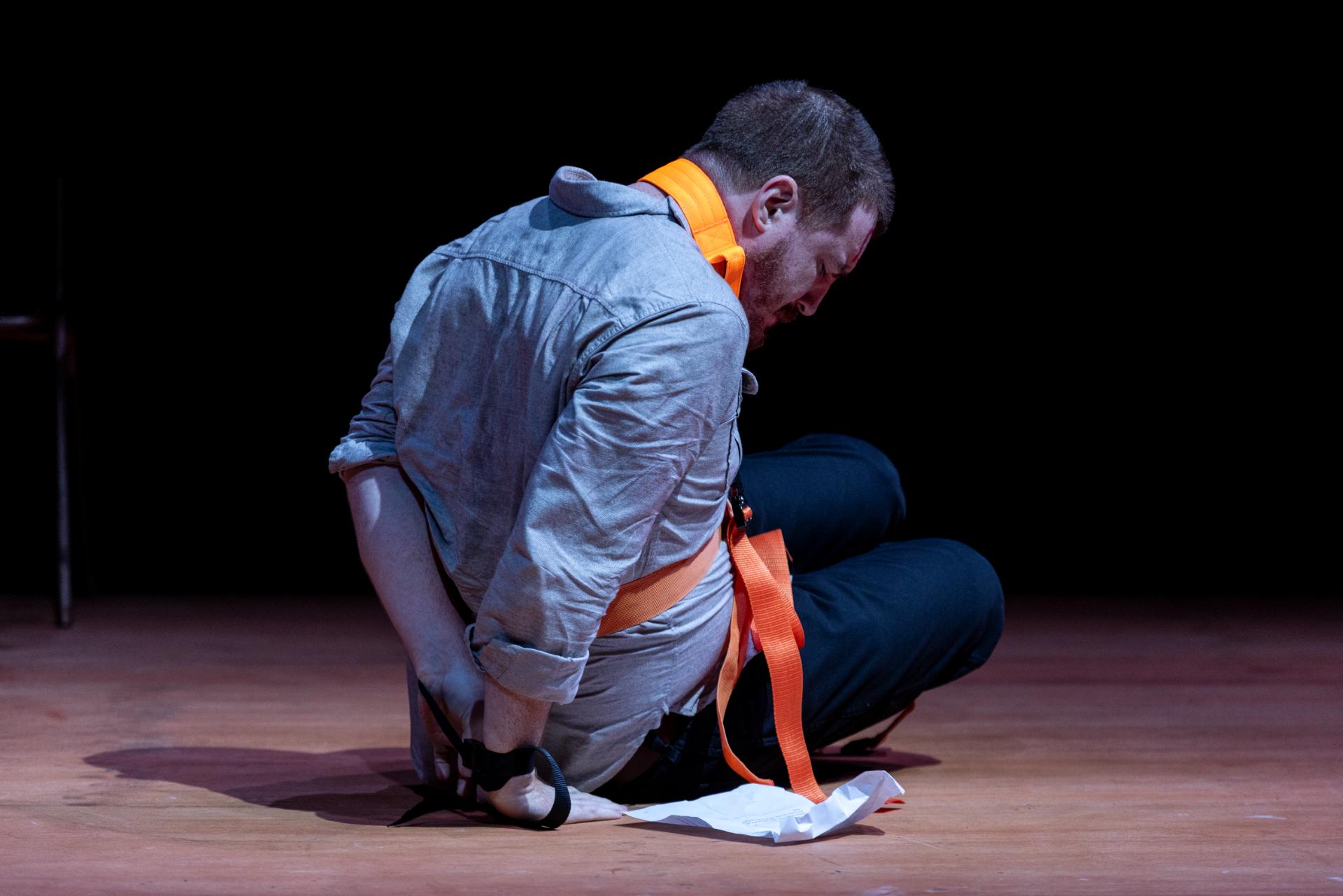
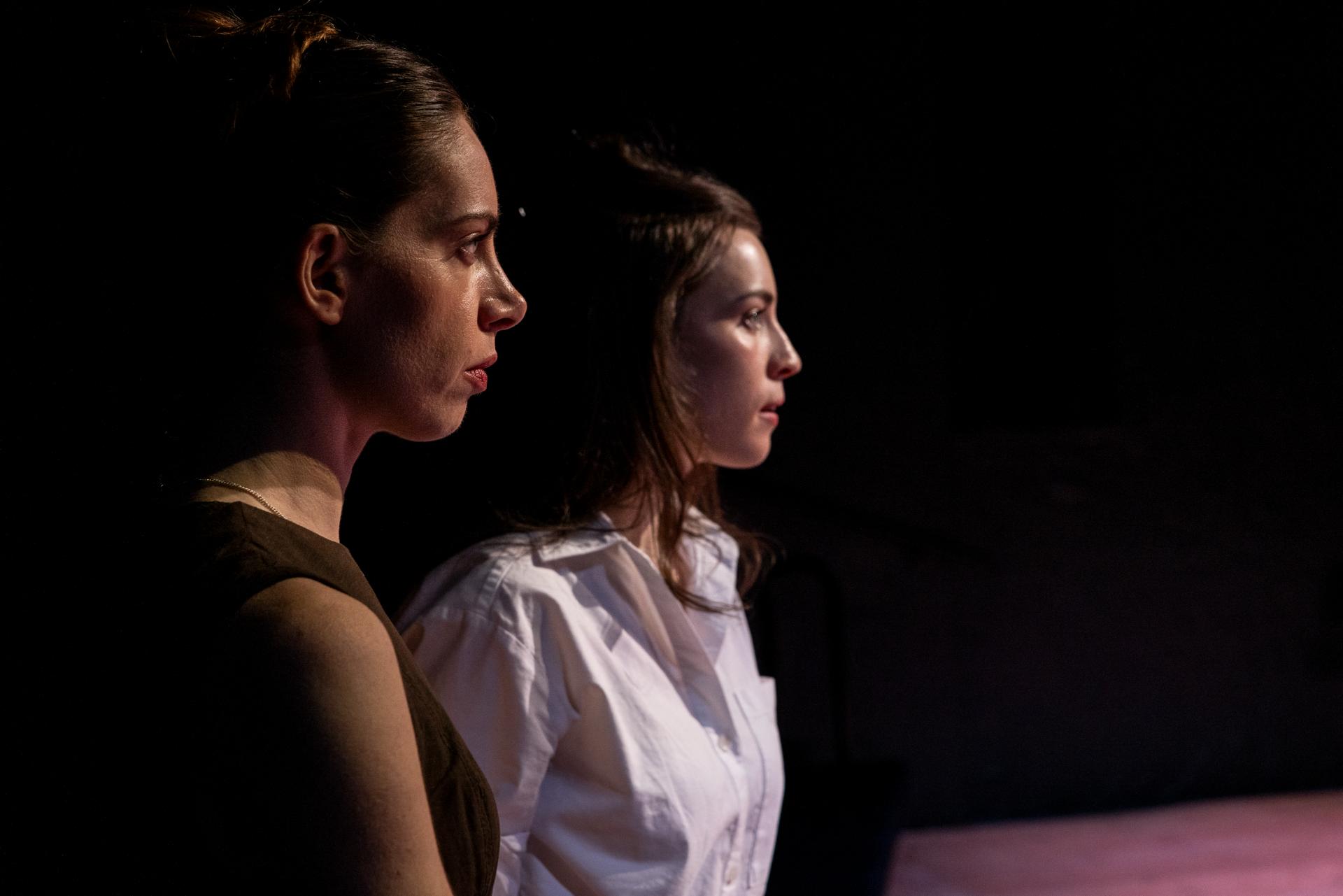
The three women of Congratulations, Get Rich!, spanning three generations, trace a lineage of womanhood that feels both linear and perpetual—distinct lives that nonetheless echo one another with a clarity suggesting something almost divine in the continuity of mothers and daughters. Across cultures, whether East or West, women are routinely diminished, yet time and again reveal themselves to be far more powerful than the structures that seek to contain them. Mandy’s ancestors may have been claimed too early by the worlds that shaped them, but their struggles permeate unmistakably into the present. Mandy, however, stands on different ground, no longer bound by their limitations—and poised, at last, to carry the story further.

www.sydneytheatre.com.au | www.laboite.com.au

Review: Cowbois (Seymour Centre)

Venue: Seymour Centre (Chippendale NSW), Nov 20 – Dec 13, 2025
Playwright: Charlie Josephine
Director: Kate Gaul
Cast: Matthew Abotomey, Zachary Aleksander, Jules Billington, Emily Cascarino, Faith Chaza, Branden Christine, Clay Crighton, Nelson Fannon, Lana Filies, Nicholas Hiatt, Henry Lopez, Aimie McKenna, Edward O’Leary, Jane Phegan, Rory Spinks, Leon Walshe
Images by Alex Vaughan

Theatre review
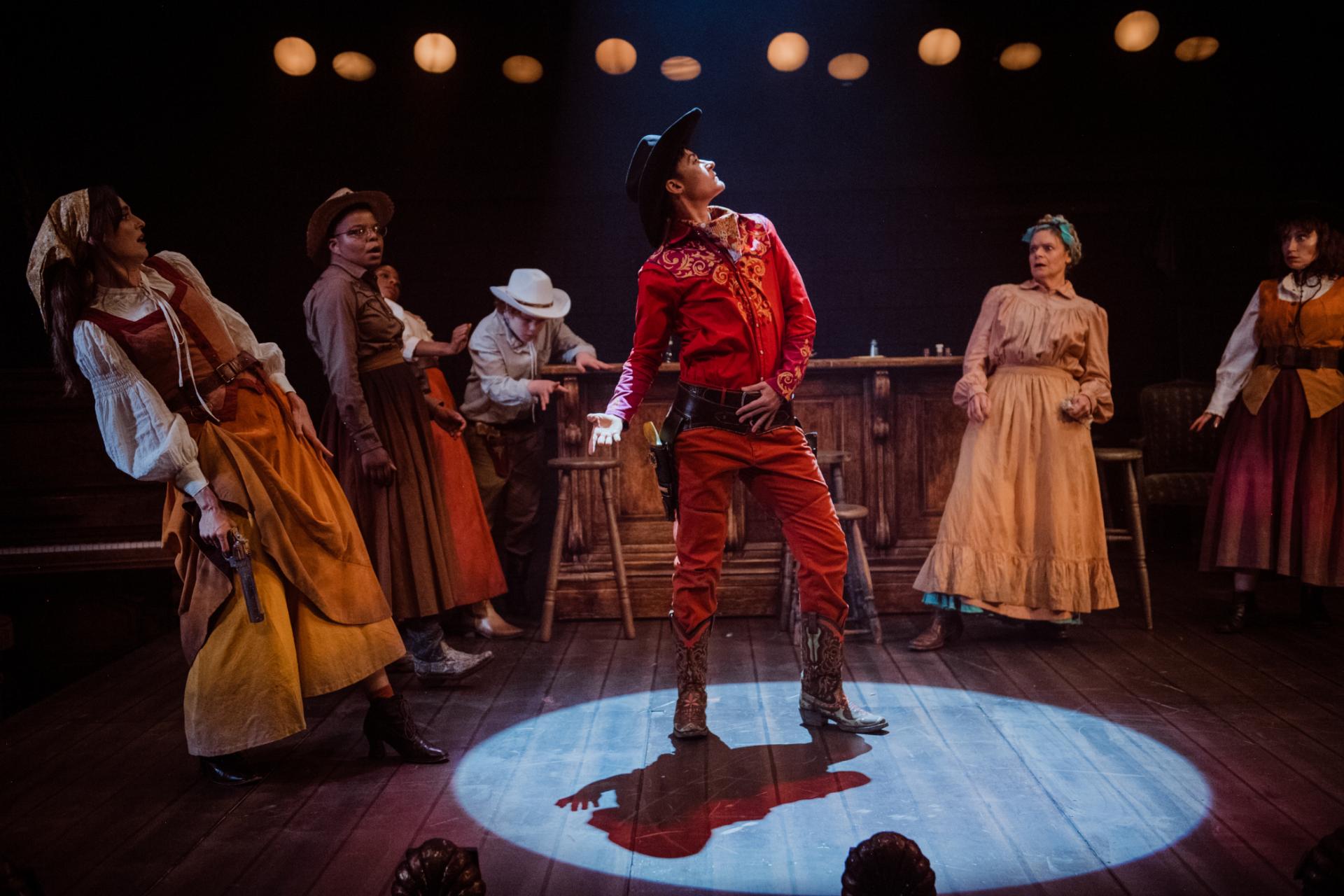
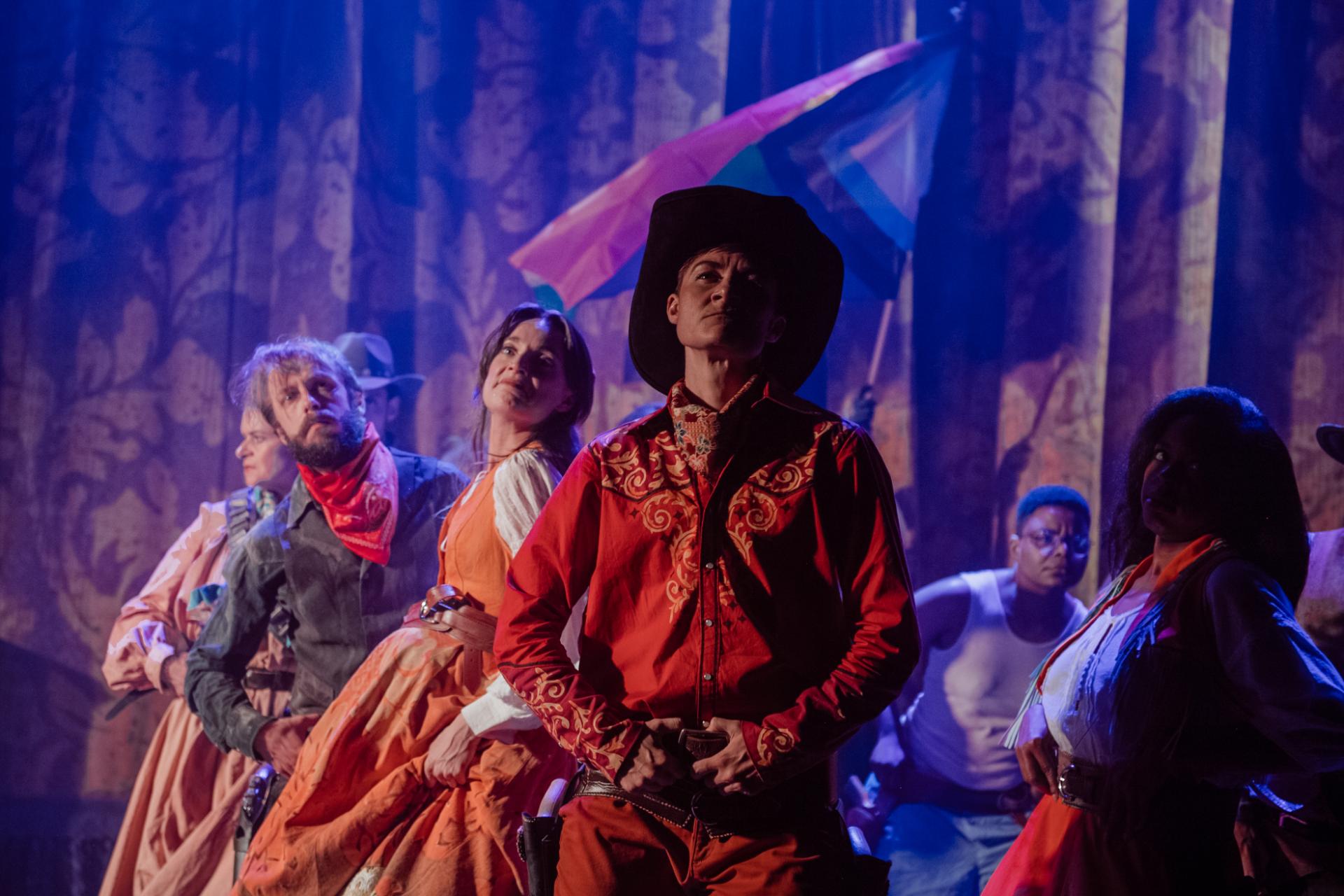
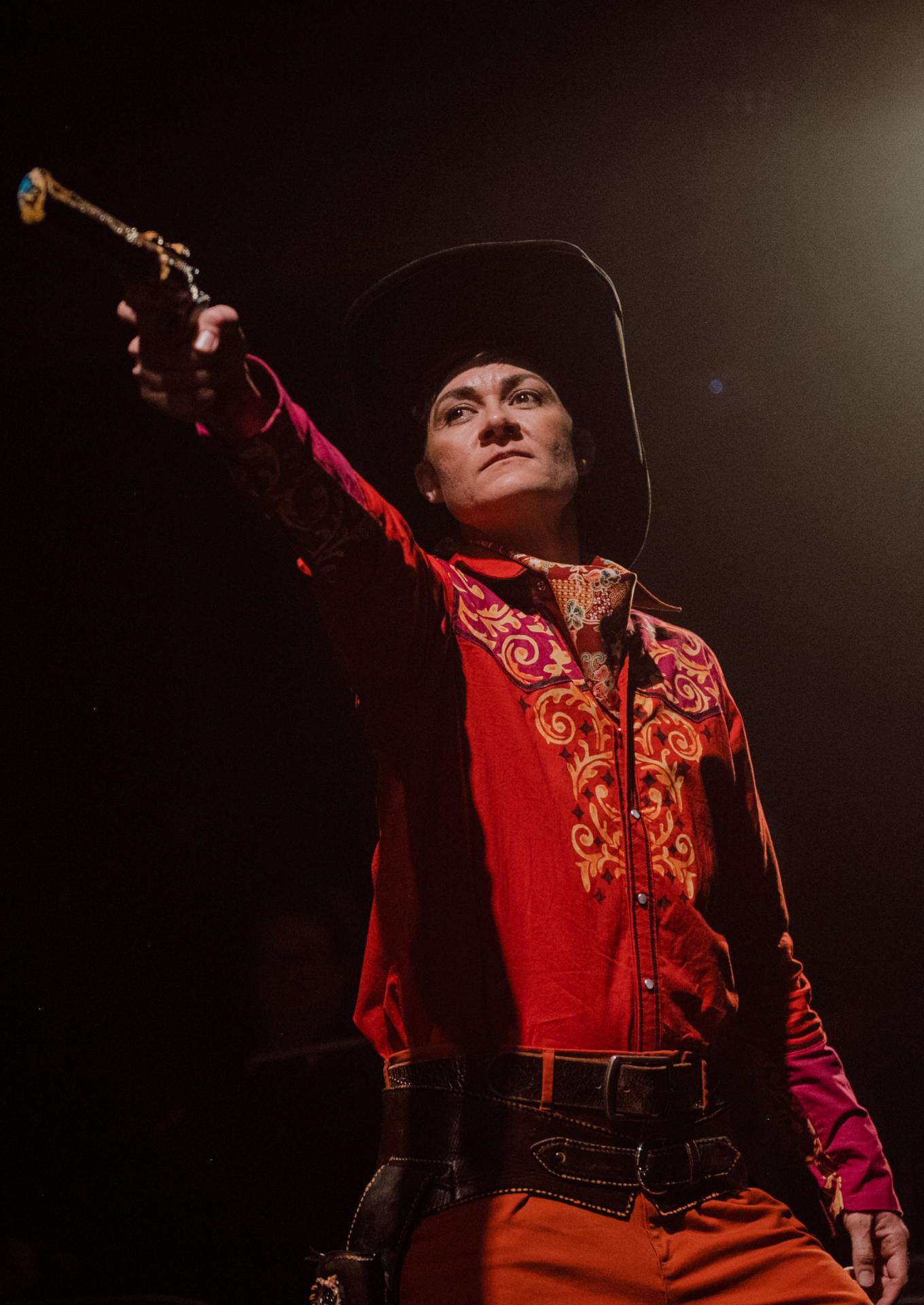
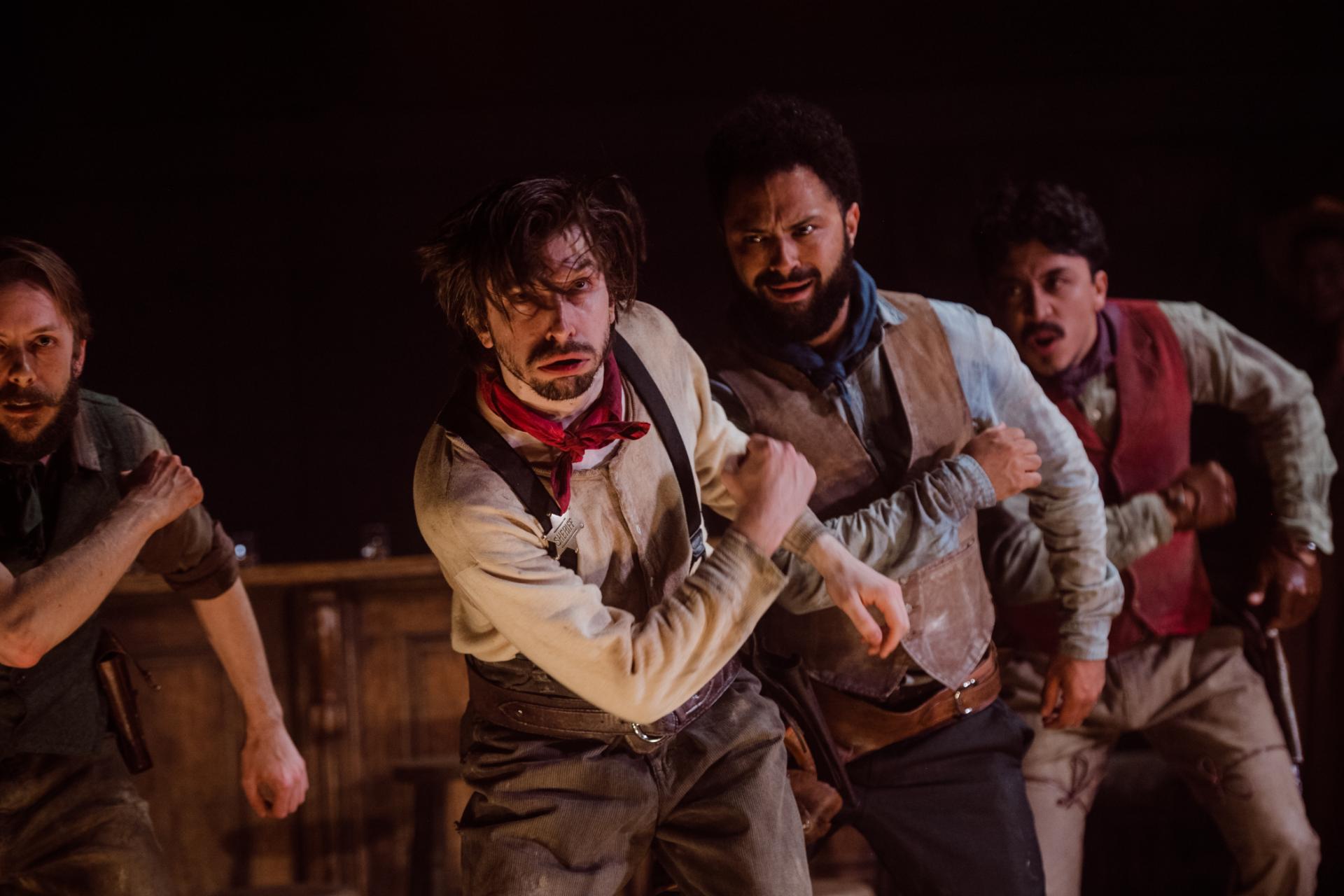
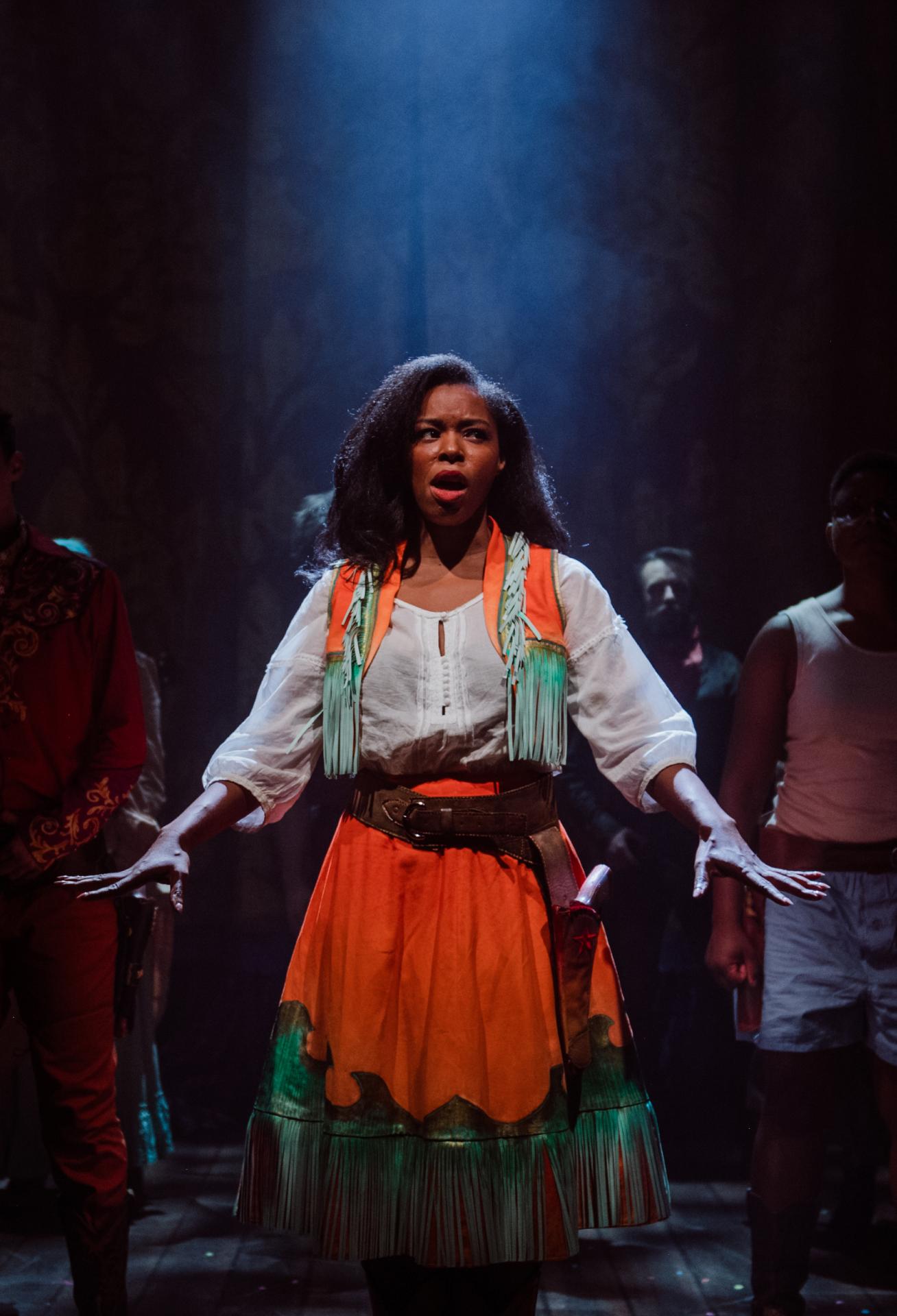
Set in the Wild West of 1883, Charlie Josephine’s Cowbois introduces us to Jack, a fugitive whose sudden arrival in a quietly dwindling frontier town—its menfolk having vanished into the goldfields—sparks a quietly radical upheaval. Encountering only women, the handsome outlaw quickly finds that their initial suspicion melts away, even as he is forthright about being trans. Josephine’s 2023 play is a wonderfully fantastical reimagining of the Western, an exuberant, if at times didactic, meditation on gender, desire, and the myths that shape them.

Kate Gaul’s direction is spirited and mischievously playful, though the production would benefit from a brisker pace and humour honed to a finer edge. As Jack, non-binary actor Jules Billington delivers a riveting, impassioned performance that swiftly earns our allegiance. Equally compelling are fellow non-binary performers Faith Chaza and Clay Crighton, each articulating masculinity in strikingly different—yet equally resonant—forms.

Production designer Emelia Simcox excels across both costumes and sets, supplying everything necessary for us to recognise the genre’s familiar iconography while elevating it with a visual flair that sustains a satisfying sense of theatricality. Brockman’s lighting shifts deftly between warm, atmospheric glow and bursts of exuberant spectacle, lending the production an invigorating dynamism. The action is further enriched by an expansive soundtrack devised by Crighton, whose intricately crafted soundscape transports us wholly into the world the play conjures.

It is long overdue that queer audiences are offered stories in which inspiration and hope arise from something other than supplication or suffering. Such visions, like those in Cowbois, may demand audacious leaps of imagination, but they constitute an art we richly deserve. By coupling truth with fantasy, we begin to fashion new modes of self-determination, claiming the right to decide how we are seen—and, ultimately, how we choose to be.

www.seymourcentre.com | www.sirentheatreco.com

Review: The True History Of The Life And Death Of King Lear & His Three Daughters (Belvoir St Theatre)

Venue: Belvoir St Theatre (Surry Hills NSW), Nov 15, 2025 – Jan 4, 2026
Playwright: William Shakespeare
Director: Eamon Flack
Cast: Ahunim Abebe, Peter Carroll, Tom Conroy, James Fraser, Charlotte Friels, Colin Friels, Raj Labade, Brandon McClelland, Conor Merrigan-Turner, Sukhbir (Sunny) Singh Walia, Alison Whyte, Charles Wu, Jana Zvedeniuk
Images by Brett Boardman

Theatre review
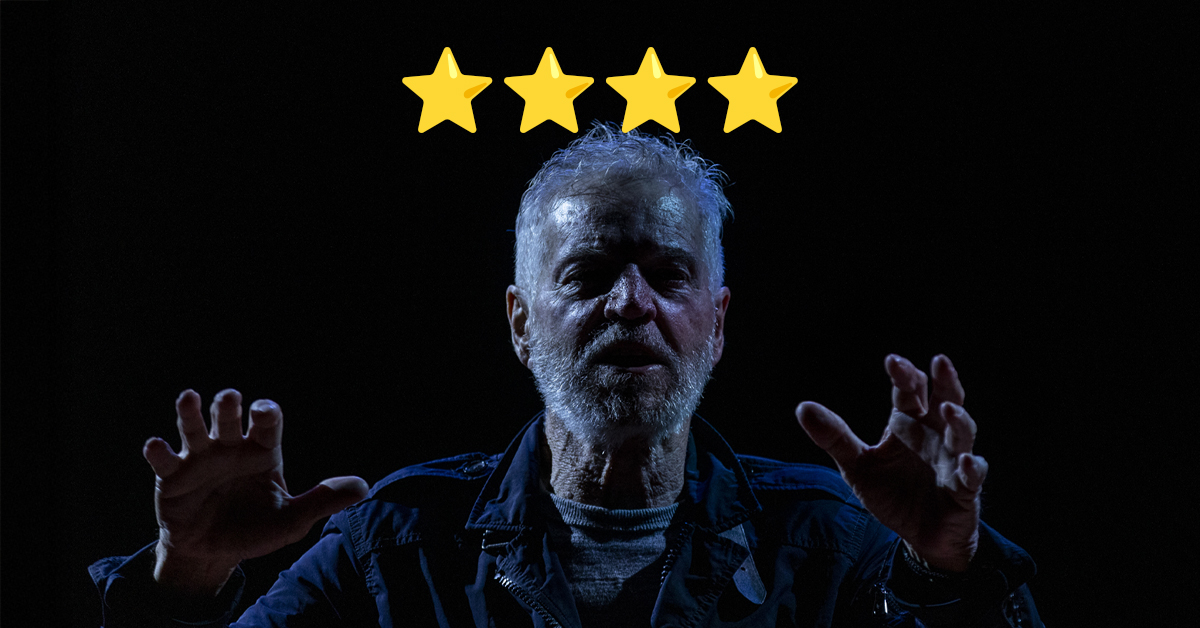
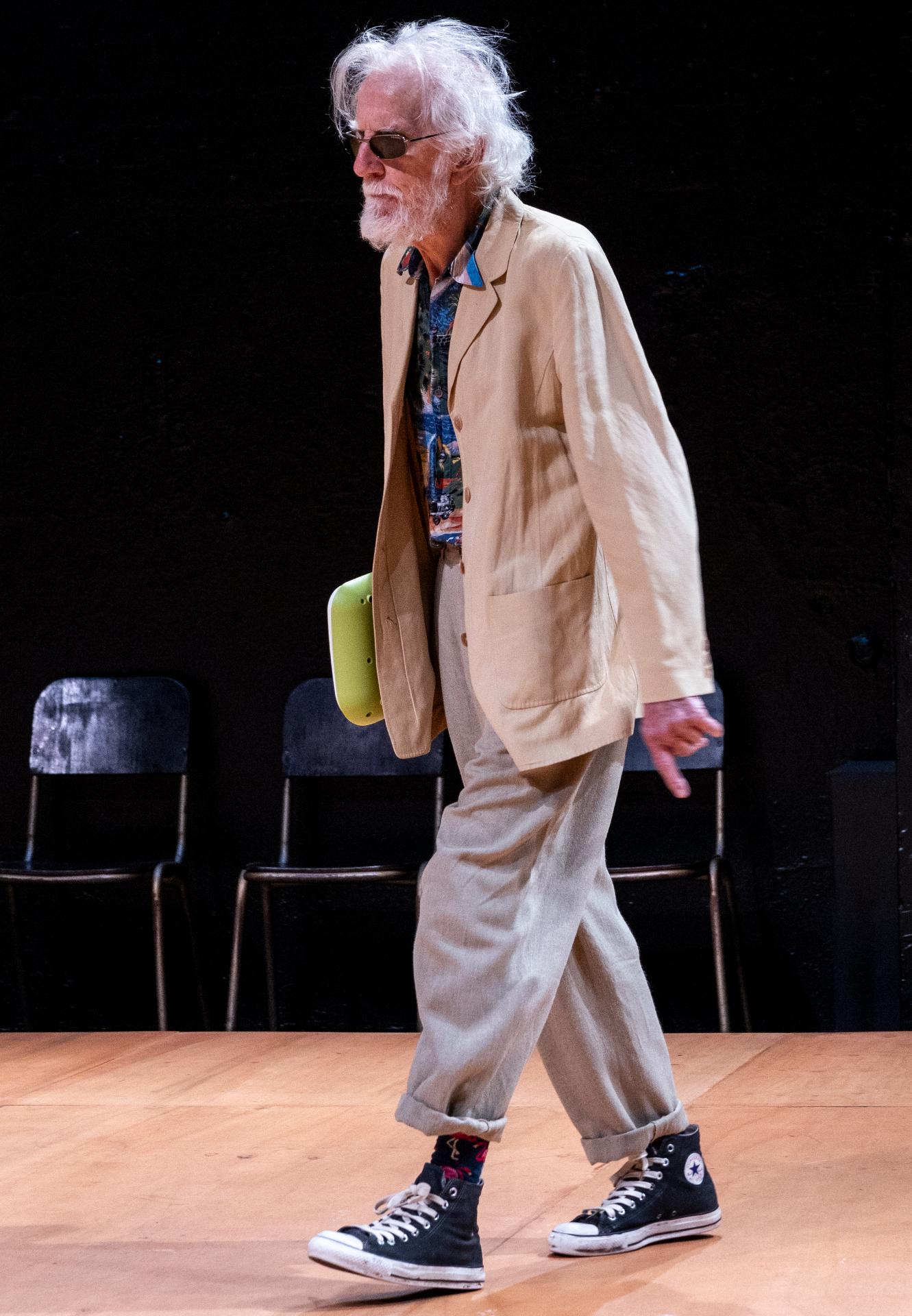
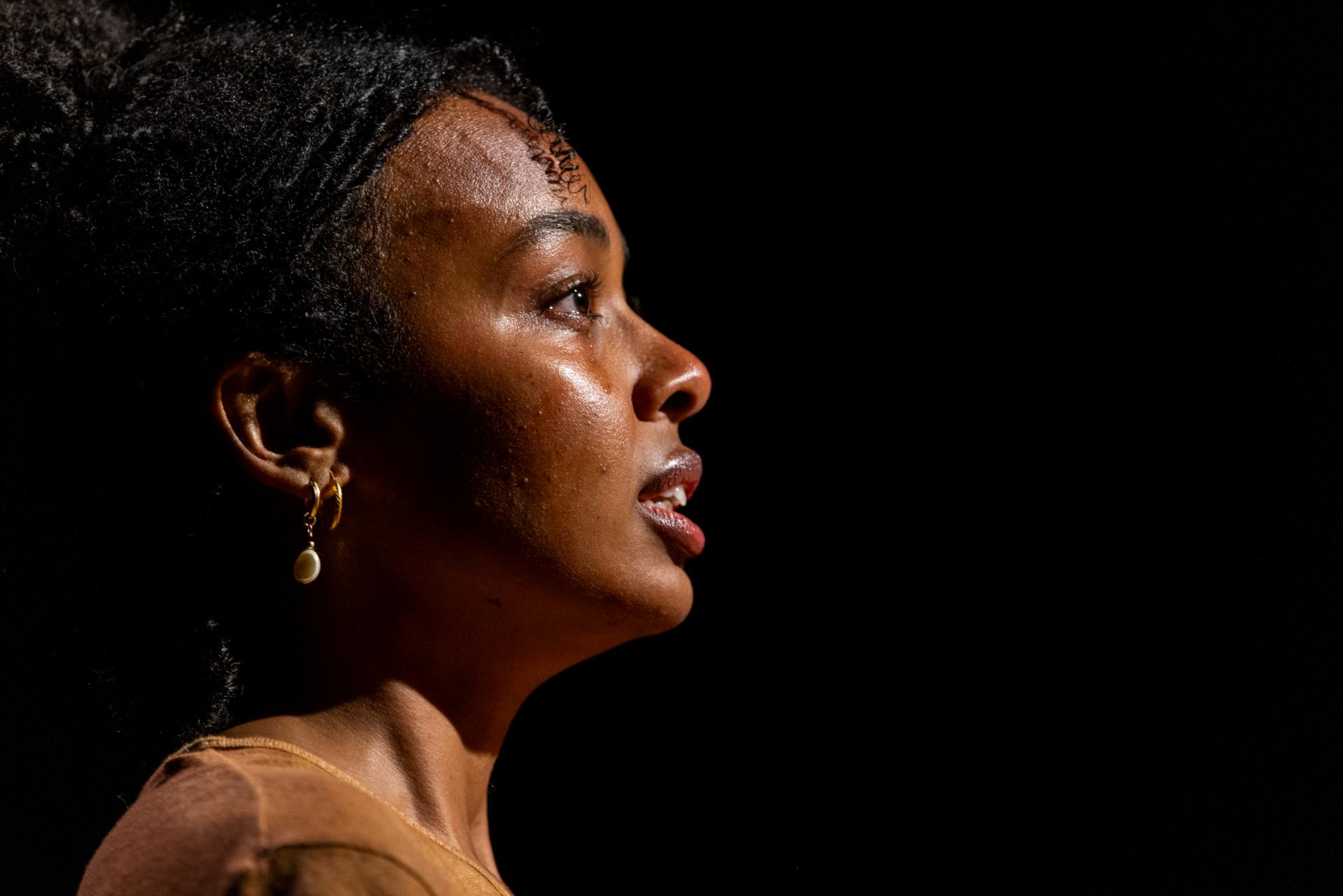
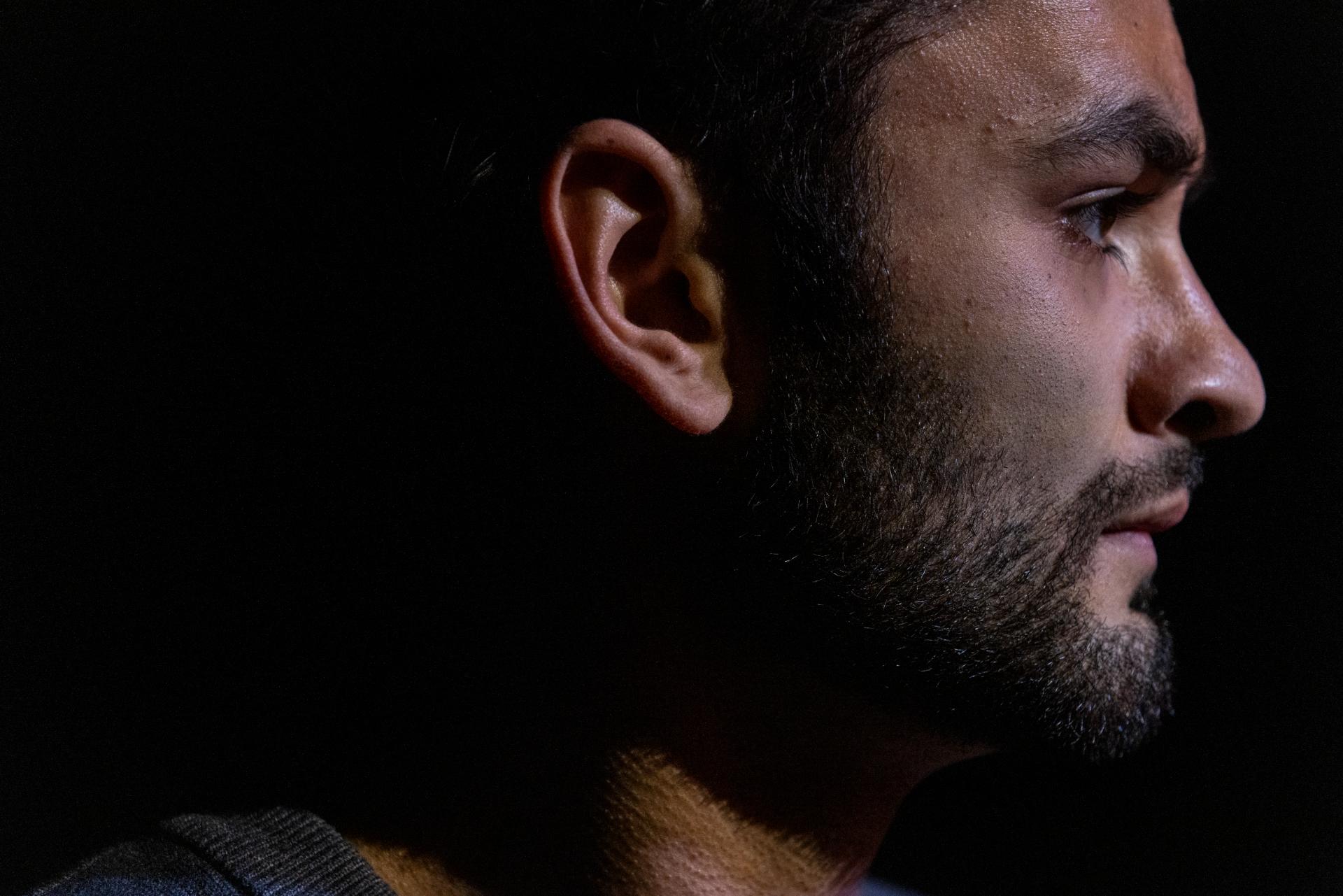
The “orange menace” has been re-elected, ruling from the White House with narcissism more brazen than ever, even as he appears to drift into senility on the cusp of eighty. We may be tempted to call these times unprecedentedly strange, yet Shakespeare wrote King Lear centuries ago—proof enough that the spectacle of a deluded sovereign is hardly new. Perhaps it is merely our overly idealistic sensibilities that persuade us that today’s disorder is somehow exceptional.

Directed by Eamon Flack and bearing the charmingly elaborate title The True History of the Life and Death of King Lear & His Three Daughters, this production is an unambiguous showcase of exceptional performance, even if its visual world feels short on ambition. Bob Cousins’ set design and James Stibilj’s costumes appear deliberately nondescript, yet their quiet elegance remains unmistakable. The music, however, is a sheer delight: intricately composed by Steve Francis and Arjunan Puveendran, with live accompaniment that draws out every atmospheric nuance, pulling us wholly into the narrative at each turn.

Leading man Colin Friels inhabits the psyche of the titular character with unwavering conviction, offering a performance marked by sustained authenticity, even if he does not always command the stage with equal magnetism. It is, perhaps, the supporting cast who linger more vividly in the mind, many of them seizing their moments with flashes of astonishing brilliance that hold us rapt. Raj Labade as Edmund, Brandon McClelland as Kent, and Alison Whyte as Gloucester, to name but a few, distinguish themselves with performances whose precision and vitality give the production much of its dramatic force.

It was, after all, in this very year of 2025 that we witnessed the emergence of the No Kings movement and the two massive protests it inspired. We need no elaborate justification for its urgency, but King Lear seems to articulate perfectly our present sentiments with tragic precision. In its portrait of power unmoored from wisdom, the play reminds us that the call to dismantle the crown is not a novelty of our age, but a lesson humanity keeps forgetting—until the kingdom burns again.

www.belvoir.com.au

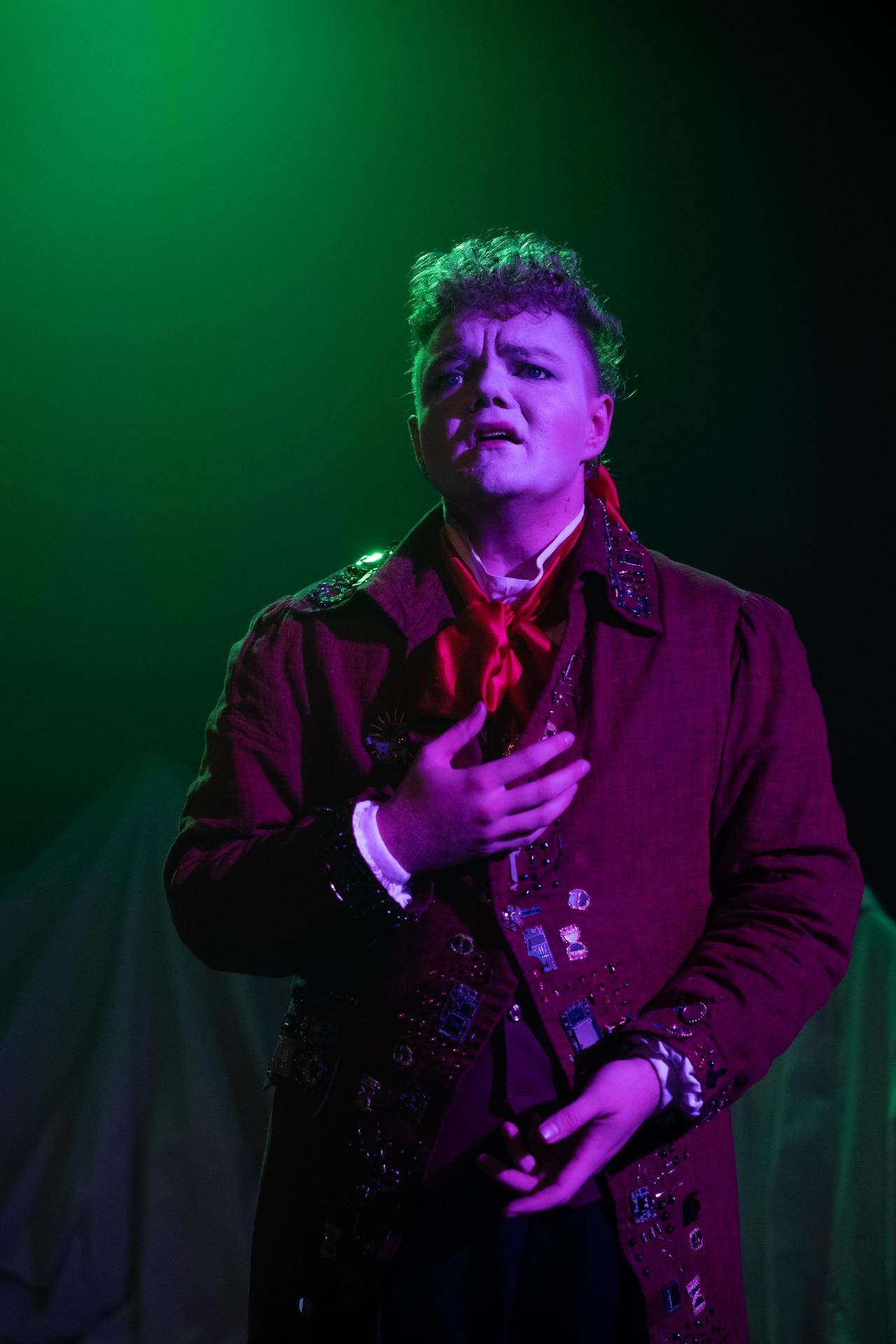
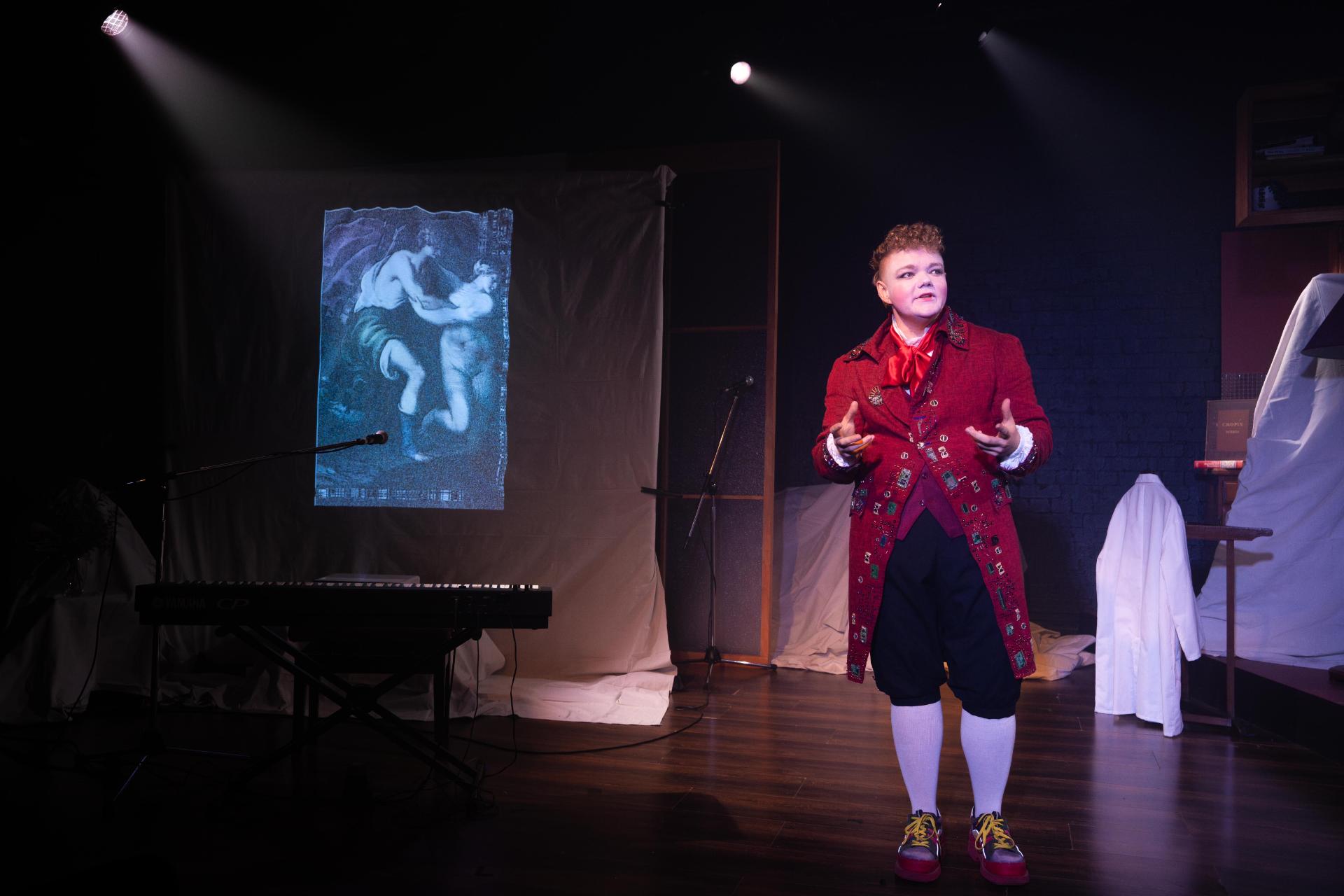
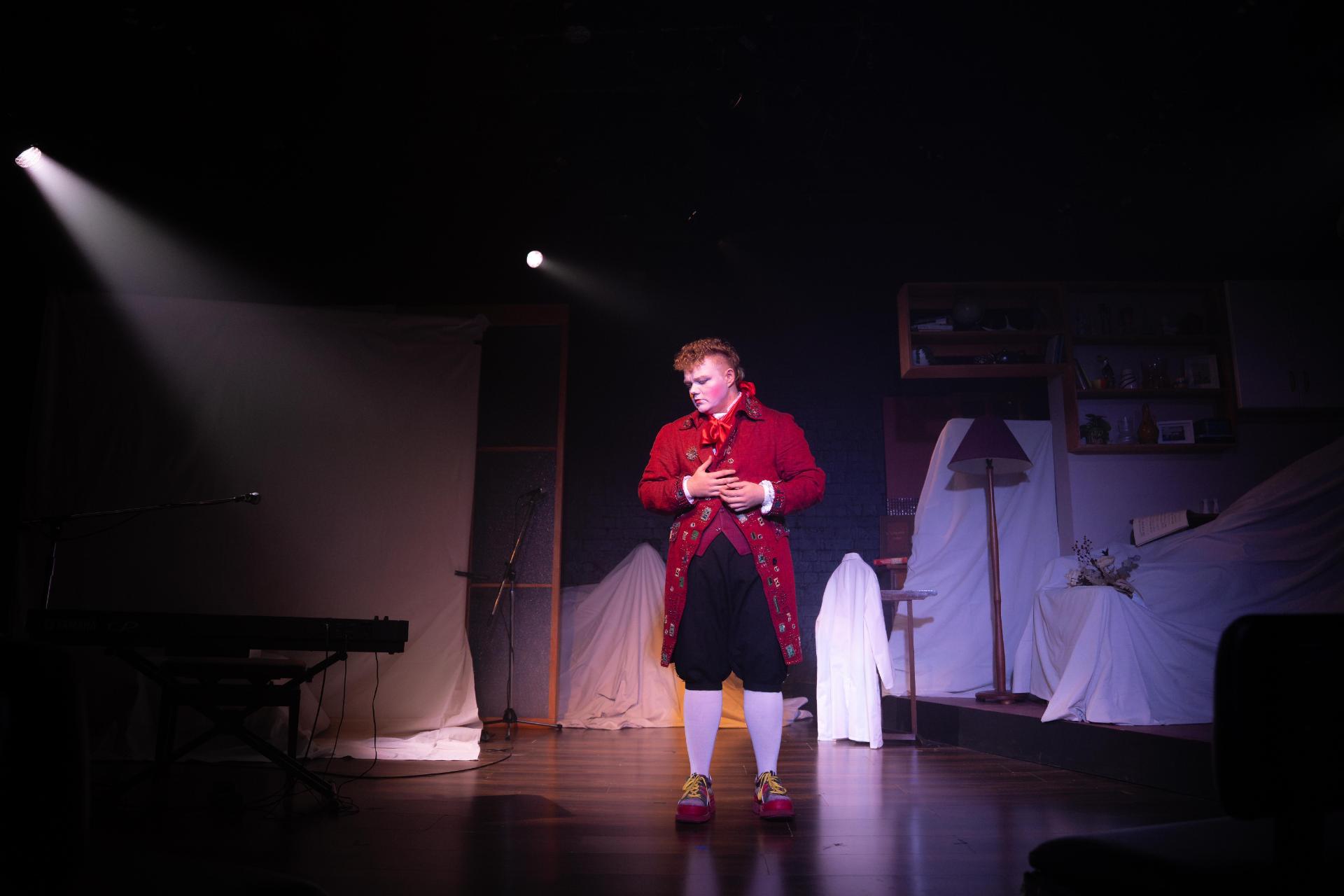
Review: Castrati (Old Fitz Theatre)

Venue: Old Fitzroy Theatre (Woolloomooloo NSW), Nov 11 – 16, 2025
Creator: Kit Spencer
Director: Tyler Diaz
Cast: Kit Spencer
Images by Patrick Phillips

Theatre review
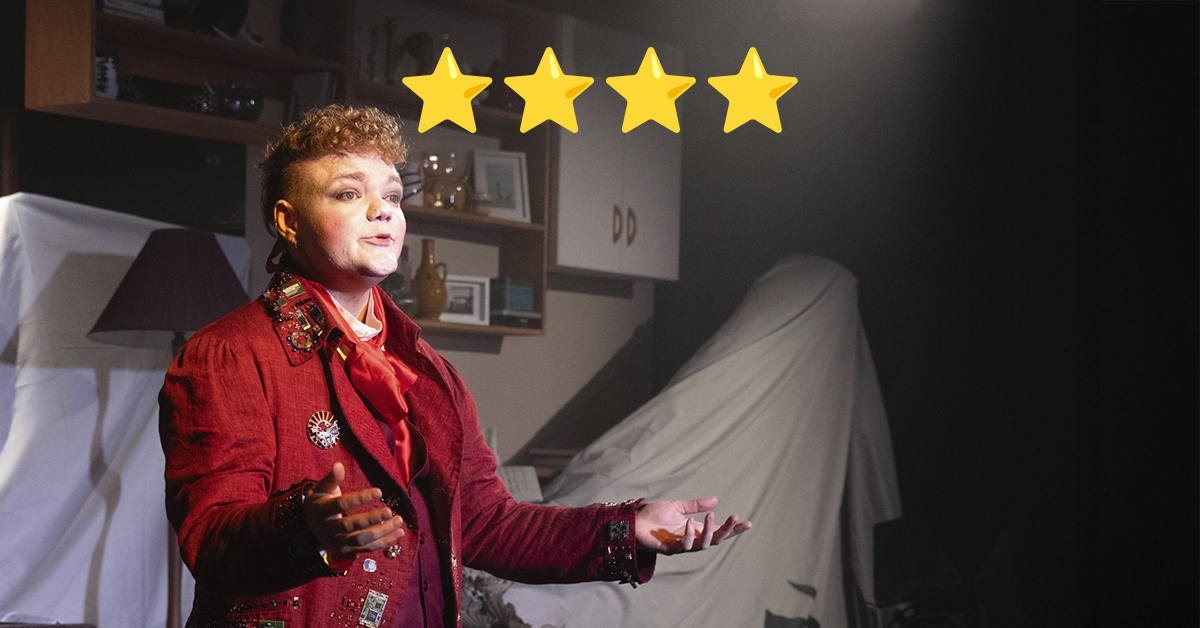
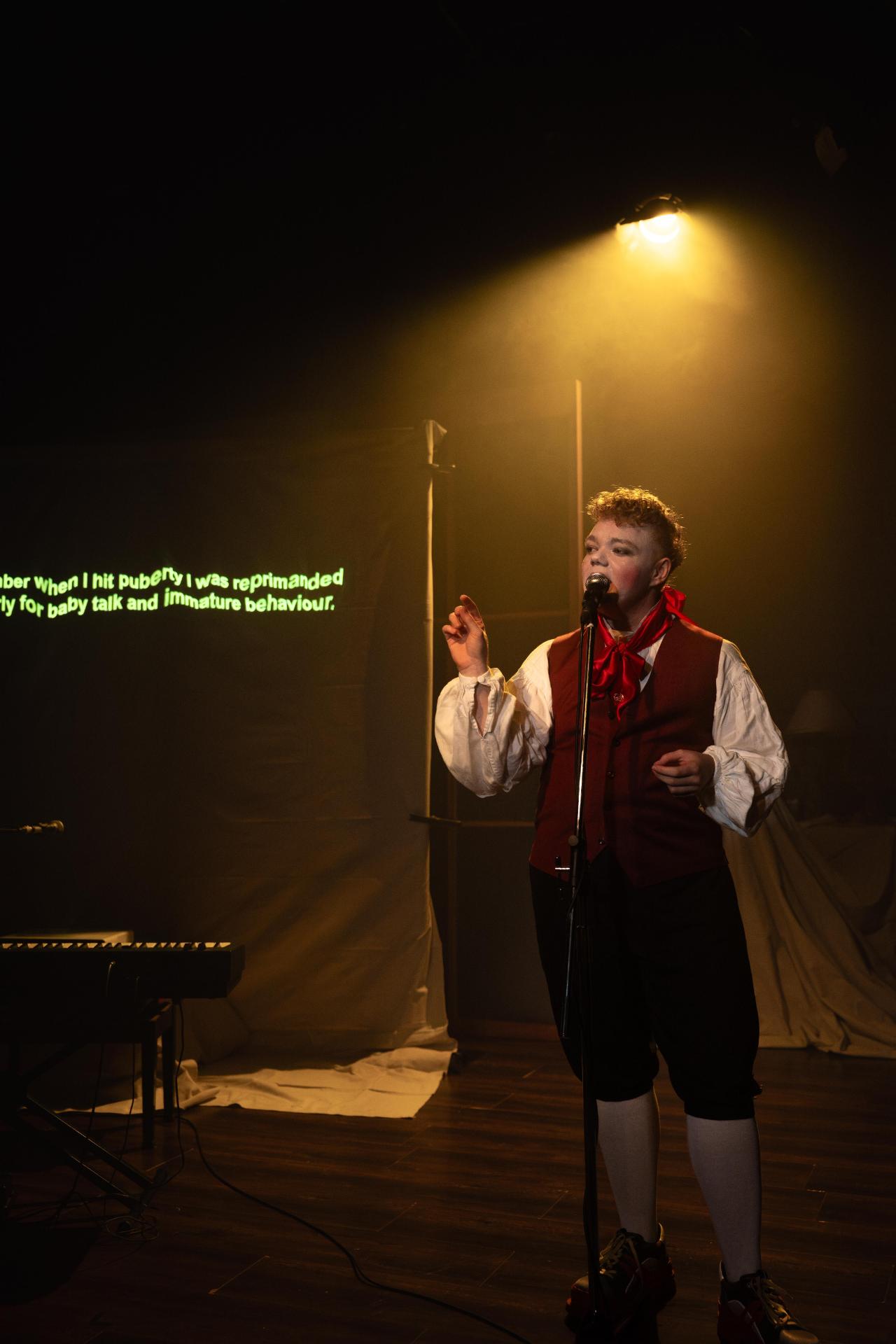
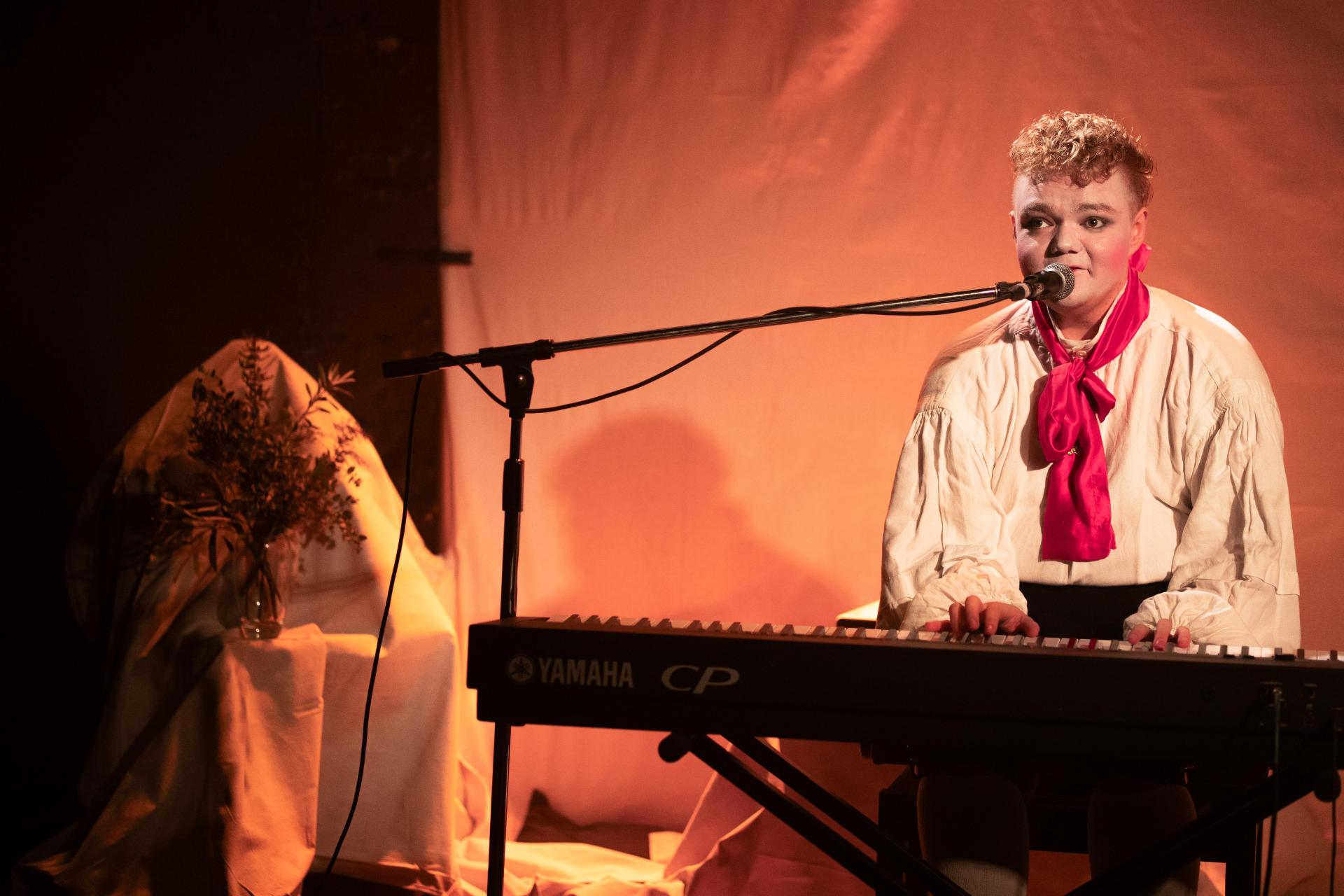
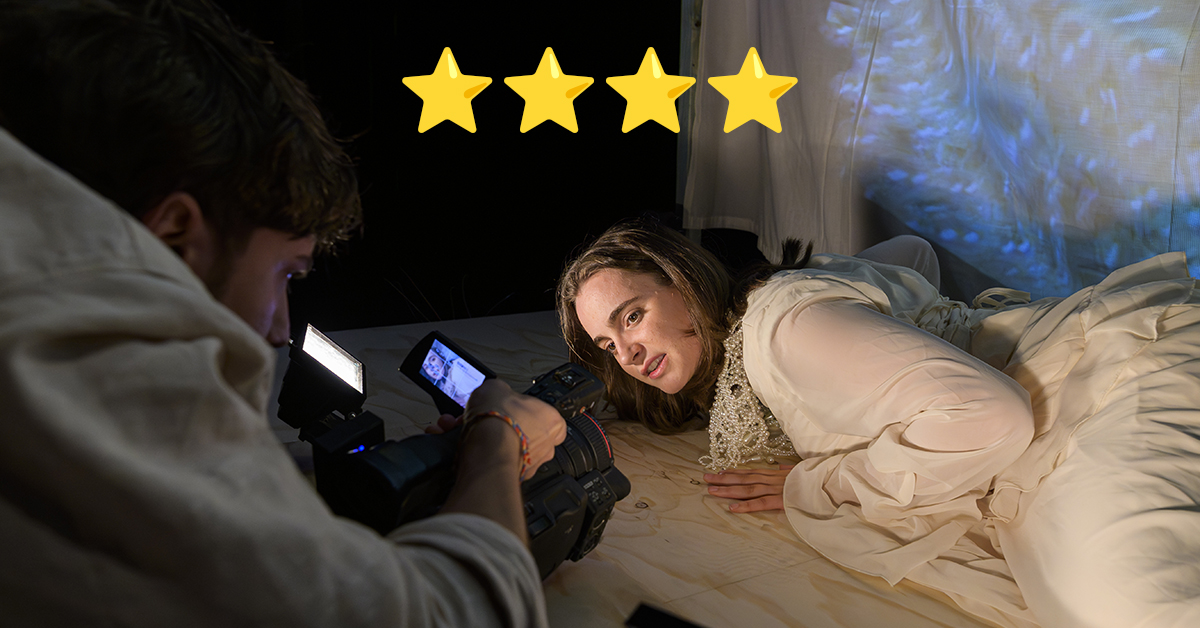
Kit Spencer’s Castrati examines the three-hundred-year phenomenon of Italy’s castrati, originating in the 16th century, while placing it in dialogue with his own trajectory as transgender and a singer. What first appears as a shared limitation—the absence of lower notes—opens into a richer field of correspondences: bodies reshaped by necessity or desire, and masculinities continually reimagined at their edges. It is within these echoing transformations that Spencer locates the wellspring of his fascination.

Spencer’s writing is genuinely captivating, blending deeply honest introspection with carefully reasoned analysis. Presented with an ease of coherence yet enriched by striking complexity, Castrati proves as informative as it is engaging. Under Tyler Dias’s direction, the production channels its emotions with fervour while maintaining meticulous attention to the wealth of historical and cultural detail it brings to light.

The experience is further enriched by the formidable talents of music producer Lunar Martins, who seamlessly fuses electronic textures with traditional forms in her reinterpretations of arias by composers such as Vivaldi and Handel. Jas Borsovsky’s lighting design heightens the drama while infusing the stage with a sense of transcendent beauty, and Annika Victoria’s video projections contribute a playful exuberance through their cleverly orchestrated digital tableaux.

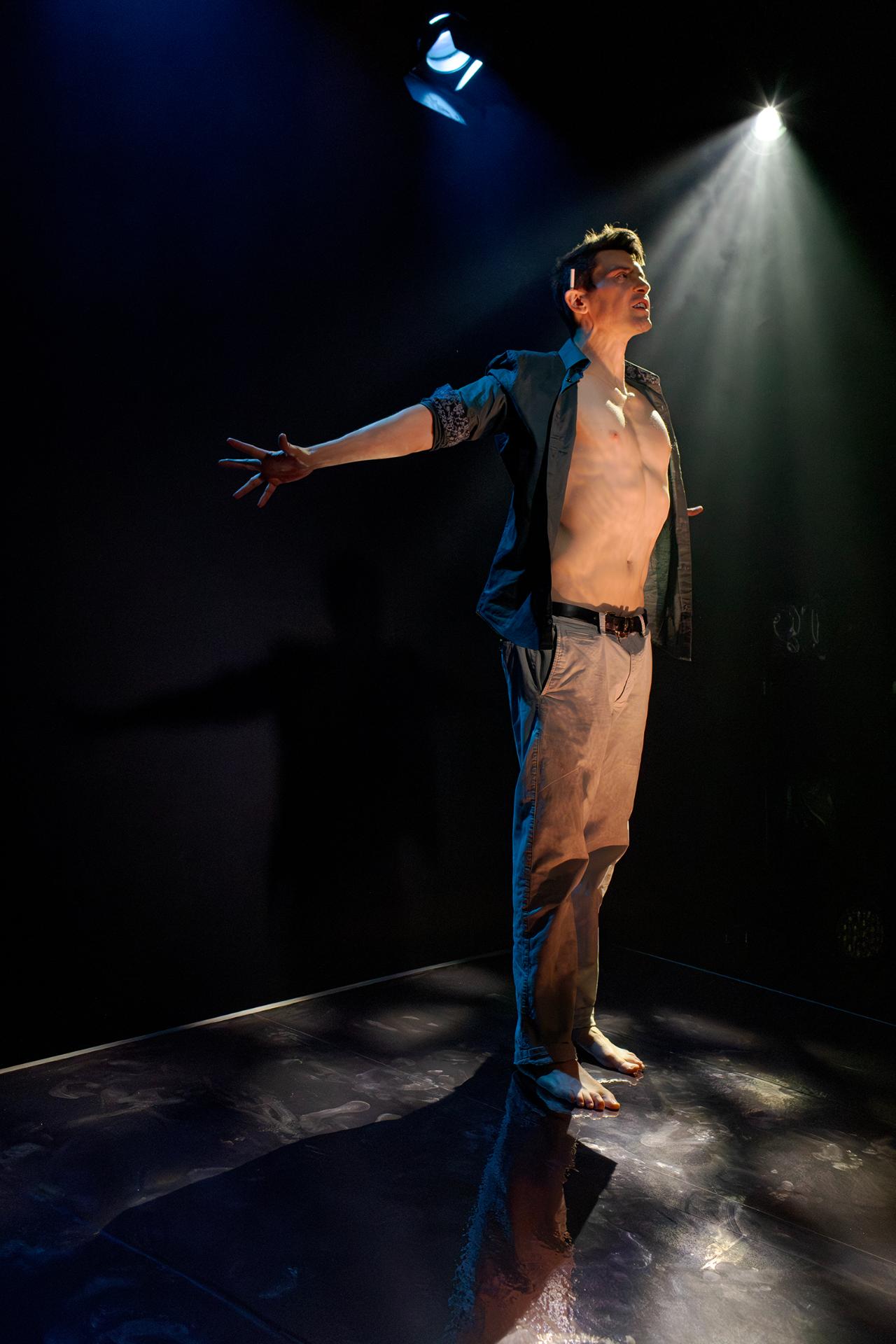
As performer, Spencer is raw yet remarkably sincere and endearing, bringing both vulnerability and conviction to the stage in a manner that secures our investment from the outset. The ideas he introduces span a wide terrain, as though enacting a deliberate resistance to having his thoughts reduced to anything simple or neatly contained.

Together with Spencer, we mourn the reality that boys as young as seven were compelled to sacrifice so profoundly in service of an aesthetic ideal imposed by the culture that claimed to cherish them. We are then invited to consider the men they became, and the unending challenges that must have accompanied lives shaped so drastically by those physical modifications. Although the castrato has been outlawed for more than a century, our bodies and identities continue to be pressured into conformity. For trans people, especially, the grind of enduring other people’s rigid notions of gender remains a persistent and often exhausting struggle. In the end, history reminds us that the highest notes often come from the deepest wounds.

www.oldfitztheatre.com.au

Review: Gravity (Qtopia)

Venue: Qtopia (Darlinghurst NSW), Nov 12 – 29, 2025
Playwright: Bradford Elmore
Director: Anthony Skuse
Cast: Wesley Senna Cortes, Annabelle Kablean, Drew Wilson
Images by Phil Erbacher

Theatre review
Christopher is sleeping with David, which is a problem because he lives firmly in the heteronormative world and remains deeply in love with his wife, Heather. The late discovery of his bisexuality is proving highly inconvenient, especially in a milieu where monogamy is the norm and hearts shatter at the faintest whiff of infidelity. In Gravity, Bradford Elmore charts a double-pronged coming out: a man who finds himself unexpectedly same-sex attracted, and simultaneously yearning for a polyamorous life. Elmore’s play is sensitively rendered and undeniably thoughtful, but its narrative ultimately drifts in circles, its ideas stagnating and looping without sufficient progression.

Direction by Anthony Skuse is deeply respectful of the experiences being depicted, perhaps a touch too solemn for a story that is ultimately not all that heavy. His set design mirrors his directorial sensibility—elegant, measured, and marked by a tasteful restraint. James Wallis’ lighting is a quiet triumph, infusing the staging with a tender, luminous beauty. The cast of three deliver focused, committed performances, though their occasional drift into melodrama feels misplaced. A sharper vein of humour would have gone a long way toward making the production a more engaging and dynamic watch.

People cannot help how they fall in love, and Christopher’s story reminds us that what is utterly natural becomes endlessly tangled by societal norms. Gravity reveals how the lives we imagine for ourselves are so often built on fanciful ideals and inherited conventions. Humans struggle to simply let things be; we push against our own nature, believing our choices to be rational, even as they lead us down winding, fruitless paths. The place where Christopher finally arrives should always have been clear, yet it seems we must wander through frustration and heartache before recognising the truths that were quietly waiting for us all along.

www.qtopiasydney.com.au | www.rogueprojects.com.au

Review: Present Laughter (New Theatre)

Venue: New Theatre (Newtown NSW), Nov 11 – Dec 13, 2025
Playwright: Noël Coward 
Director: Louise Fischer
Cast: Lib Campbell, Peter Eyers, Liz Grindley, Molly Haddon, Oliver Harcourt-Ham, Michela Noonan, Reuben Solomon, Larissa Turton, Luke Visentin, Emily Weare
Images by Chris Lundie

Theatre review
It is England, circa 1940, and stage star Garry seems to spend his days deflecting admirers and his nights dazzling audiences. Noël Coward’s Present Laughter unfolds in this bubble of delightful frivolity, offering exactly the kind of airy escapism wartime audiences must have craved. Its antics may feel less coherent to contemporary sensibilities, but Coward’s charm endures — a style at once nostalgic and unmistakably evergreen.

Directed by Louise Fischer, the production cultivates an appealing old-world ambience, though it struggles to maintain momentum over its three-hour span. The comedic cadence frequently slackens, revealing an unevenness that the staging cannot fully disguise. Conversely design elements prove more assured. Tom Bannerman’s set makes good use of space while providing a measure of opulence befitting the celebrity milieu on display. Costumes by Helen Kohlhagen and Deborah Mulhall are likewise evocative of the era, offering a gentle wash of glamour providing a welcome sense of visual elevation.

Playing Garry, Peter Eyers is suitably debonair and self-satisfied, yet he never quite leans into the necessary silliness or flamboyance for the humour to land with conviction. Reuben Solomon and Luke Visentin offer welcome surges of energy in their respective roles as Morris and Roland, but it is Lib Campbell’s portrayal of Joanna that proves most compelling, her wholehearted embrace of the role’s inherent extravagance aligning most effectively with the production’s comedic register.

It is noteworthy that the role of Henry has been reconceived as Hetty in this rendition of Present Laughter, thereby transforming a key relationship into a same-sex one. This adjustment gestures toward the enduring significance of Coward’s legacy for queer communities, reaffirming our ongoing celebration of his oeuvre. Aesthetics and values inevitably shift across generations, but for now at least, Coward’s humour continues to cut through — proof that real wit ages better than most of us do.

www.newtheatre.org.au

Review: Get Sando (Flight Path Theatre)

Venue: Flight Path Theatre (Marrickville NSW), Nov 12 – 22, 2025
Playwright: Claire Haywood
Director: Claire Haywood
Cast: Mark Lee, Susan Ling Young, Emily Sinclair, Di Smith
Images by 

Theatre review
Brianna is determined to expose Sando, a local councillor with a dubious past, while Micky pursues her own vendetta, convinced Sando is tied to a cold case murder. When the two women meet, their goals align in a bold attempt to take down the corrupt politician. Get Sando by Claire Haywood is a spirited and incisive work that sparks conversation about corruption, enlivened by sharp dialogue and thoughtfully drawn, likeable characters.

Haywood’s direction, however, lacks precision, leading to moments where the storytelling becomes confusing. The humour remains enjoyable, yet the frustration of missing key plot points is hard to ignore. The ensemble of four bring warmth and energy, yet the production would benefit greatly from sharper pacing and more rigorous rehearsal.

Unlike the precarious business of independent theatre, local government brims with the promise of profit. For decades, opportunists have slithered through loopholes and backdoors, reminding us that where money gathers, morality tends to scatter. The machinery of bureaucracy, polished by charm and paperwork, provides endless hiding places for those who know how to navigate its shadows. Every regulation conceals an escape hatch, every committee meeting a chance to trade favours in plain sight. It is a theatre of another kind — one where the stakes are higher, the scripts are dirtier, and the applause is measured in contracts and kickbacks.

www.flightpaththeatre.org | www.wonderlandproductions.com.au

Review: Who’s Afraid Of Virginia Woolf (Sydney Theatre Company)

Venue: Roslyn Packer Theatre (Sydney NSW), Nov 7 – Dec 14, 2025
Playwright: Edward Albee
Director: Sarah Goodes
Cast: Emily Goddard, Kat Stewart, David Whiteley, Harvey Zielinski
Images by Prudence Upton

Theatre review
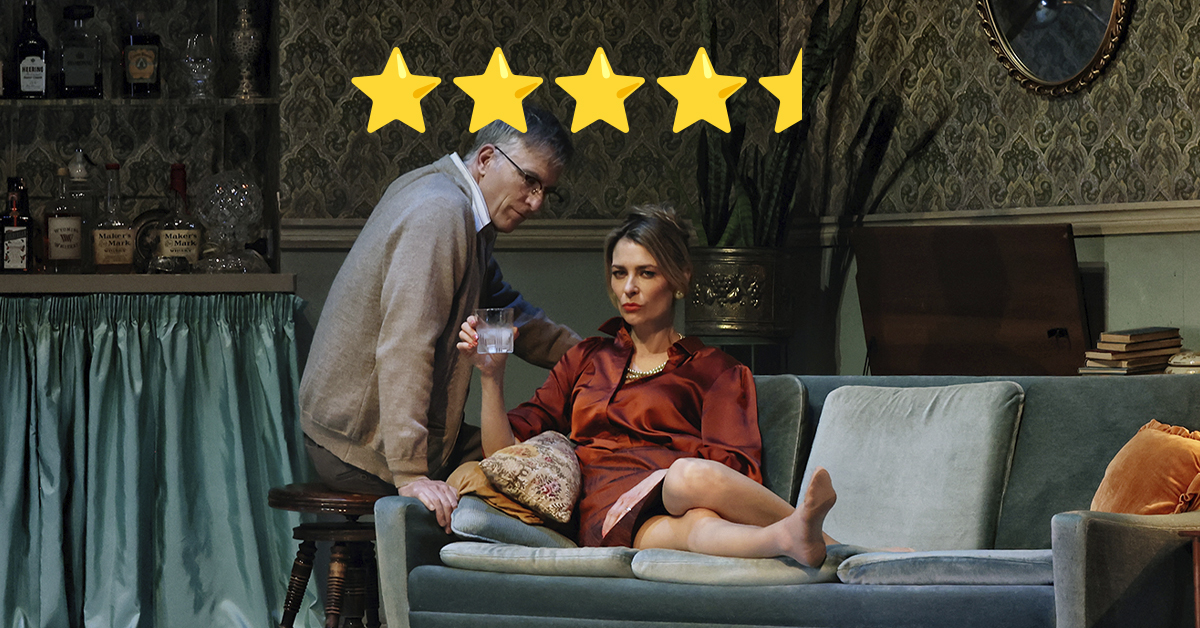
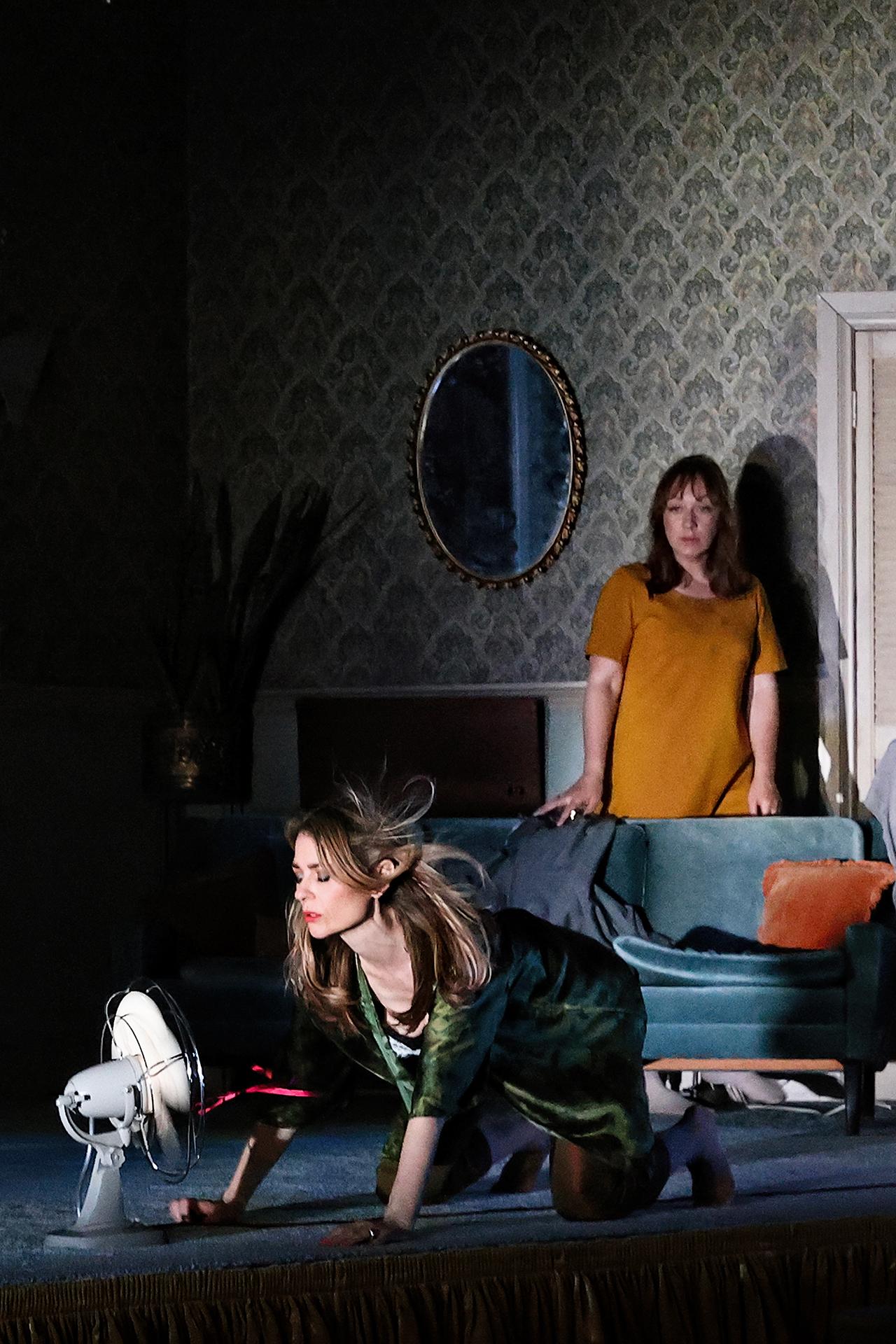
Martha and George are locked in perpetual combat, their hostility not merely private but performative. Their decision to invite a young couple into their home becomes an act of exhibition, a deliberate staging of their mutual destruction. In Who’s Afraid of Virginia Woolf?, Edward Albee exposes the tenacity with which individuals cling to their own suffering, sustained by an insatiable attachment to prestige, privilege, and power. Though Martha and George possess the agency to abandon their cyclical torment, they remain ensnared by the illusion of respectability, choosing the stability of social appearance over the uncertainty of liberation.

At sixty-three years old, the play has become something of a grand old dame of the theatrical canon, yet its genuinely subversive sensibilities ensure it remains as confrontational and affecting as ever. Under the direction of Sarah Goodes, the work gains renewed vitality: she not only excavates the raw truths within Martha and George’s volatile dynamic but also deftly unearths the humour embedded in their vicious exchanges. Goodes has taken an enduring classic and rendered it freshly incisive—polished to a gleam, yet capable of striking with the force of a blunt instrument.

Harriet Oxley’s production design evokes the period with accuracy—perhaps a touch conventional, yet undeniably effective in grounding the drama. Matt Scott’s lighting, together with music and sound design by Grace Ferguson and Ethan Hunter, begins with subtle restraint, almost imperceptible at first, but grows increasingly potent as the evening unfolds. By the time the bickering subsides and the underlying trauma surfaces, their contributions prove essential, shaping the production’s emotional crescendo with impressive efficacy.

Kat Stewart could hardly be more compelling in the role of Martha. She delivers a richly nuanced portrayal, demonstrating an intricate grasp of the character’s psychological intricacies while imbuing every moment with delectable theatricality. Her gestures, whether minute or grand, command attention, and we remain enthralled by each. As George, David Whiteley conjures the precise timbre of the mid-century American bourgeoisie through his masterful vocal modulations. His comparatively restrained approach proves just as resonant and magnetic as Stewart’s flamboyance, creating a riveting equilibrium in this deliciously acrimonious marital duel. By contrast, the younger couple, Honey and Nick—played by Emily Goddard and Harvey Zielinski—are less persuasive. Though their performances elicit steady laughter, their characterisations lack conviction, never fully embodying the personas they attempt to construct.

We can see so clearly that Martha and George could lead far better lives, if only they could embrace a simpler existence. Yet the seductive allure of wealth and status keeps them shackled to their interminable misery. Each day, they choose to persist in their poisonous habits, unable—or unwilling—to relinquish the trappings of class that sustain their suffering. In the end, we recognise something of ourselves in their torment—the way we cling to what hurts us most, simply because it feels like home.

www.sydneytheatre.com.au