
Review: Three Sisters (Flight Path Theatre)

Venue: Flight Path Theatre (Marrickville NSW), Feb 5 – 15, 2025
Playwright: Anton Chekhov (adapted by Victor Kalka)
Director: Victor Kalka
Cast: Matthew Abotomey, Meg Bennetts, Alex Bryant-Smith, Nicola Denton, Barry French, Sarah Greenwood, Jessie Lancaster, Alice Livingstone, Ciaran O’Riordan, Mason Phoumirath, Joseph Tanti
Images by Samuel Webster

Theatre review
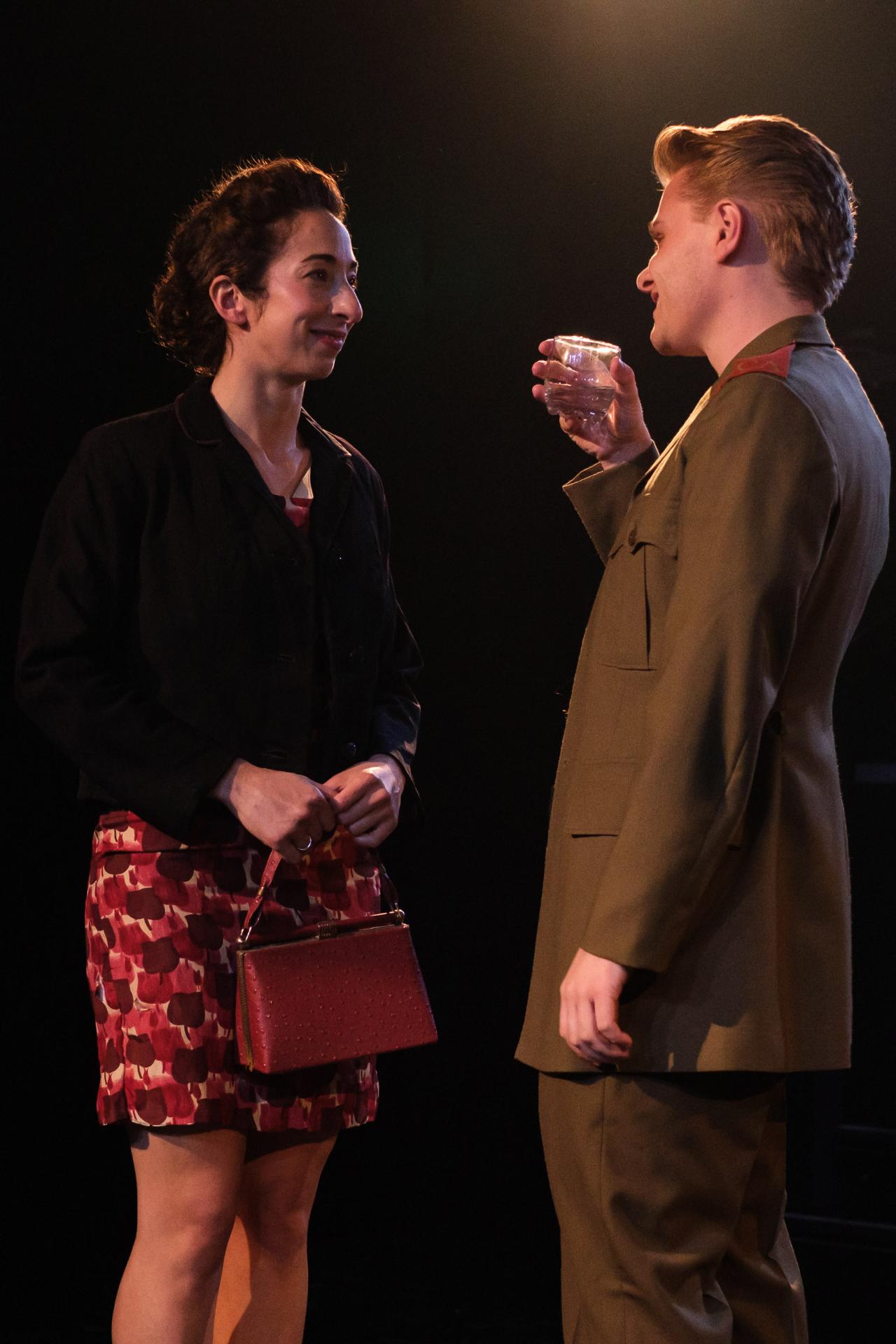
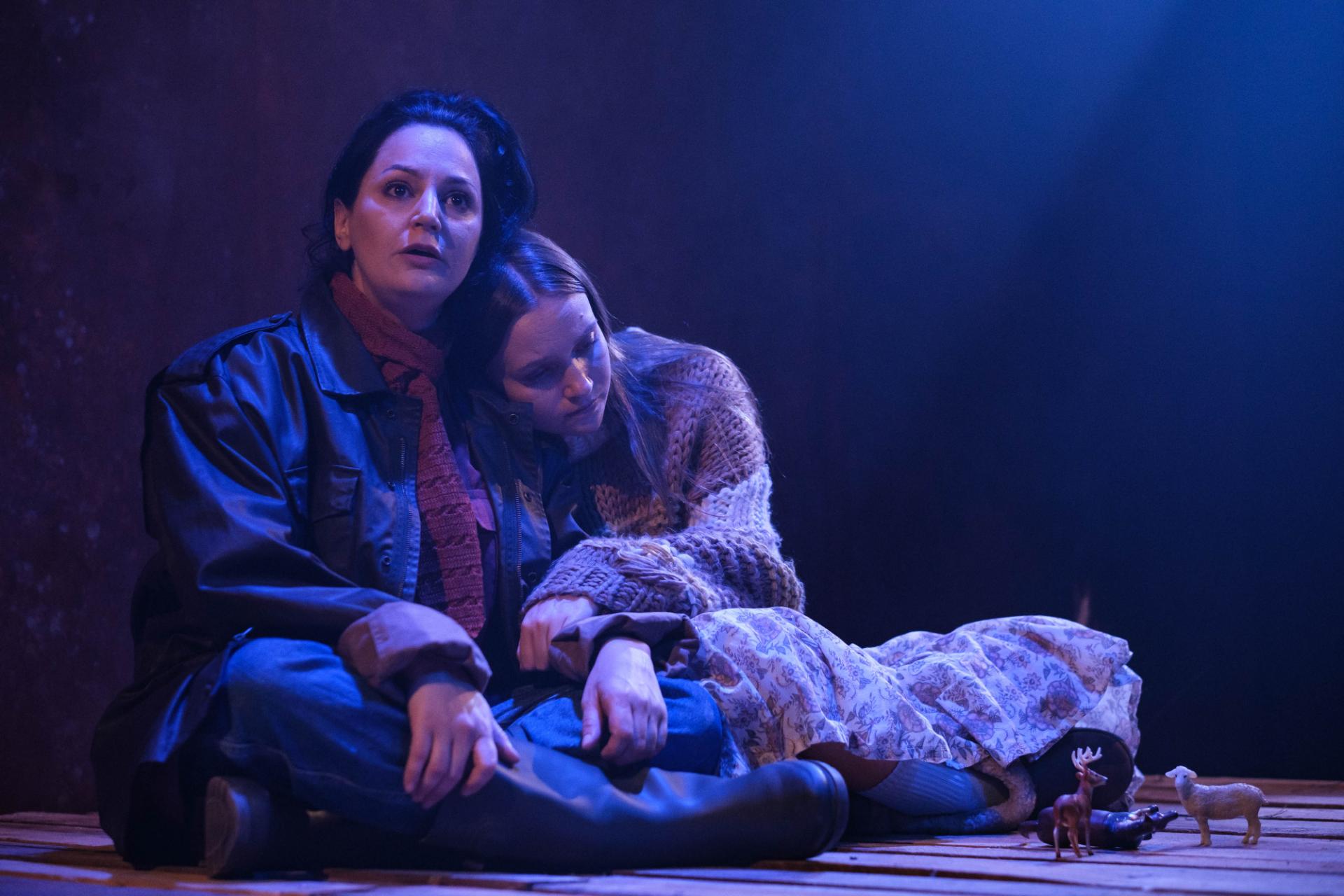
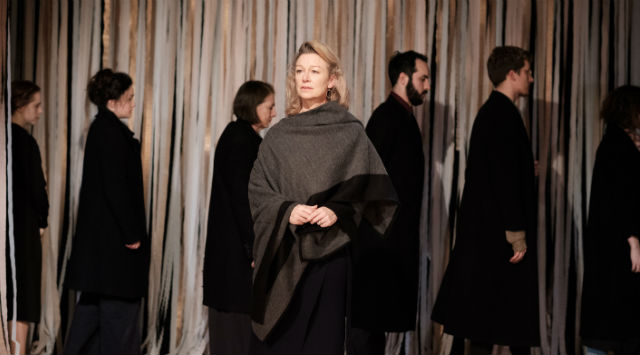
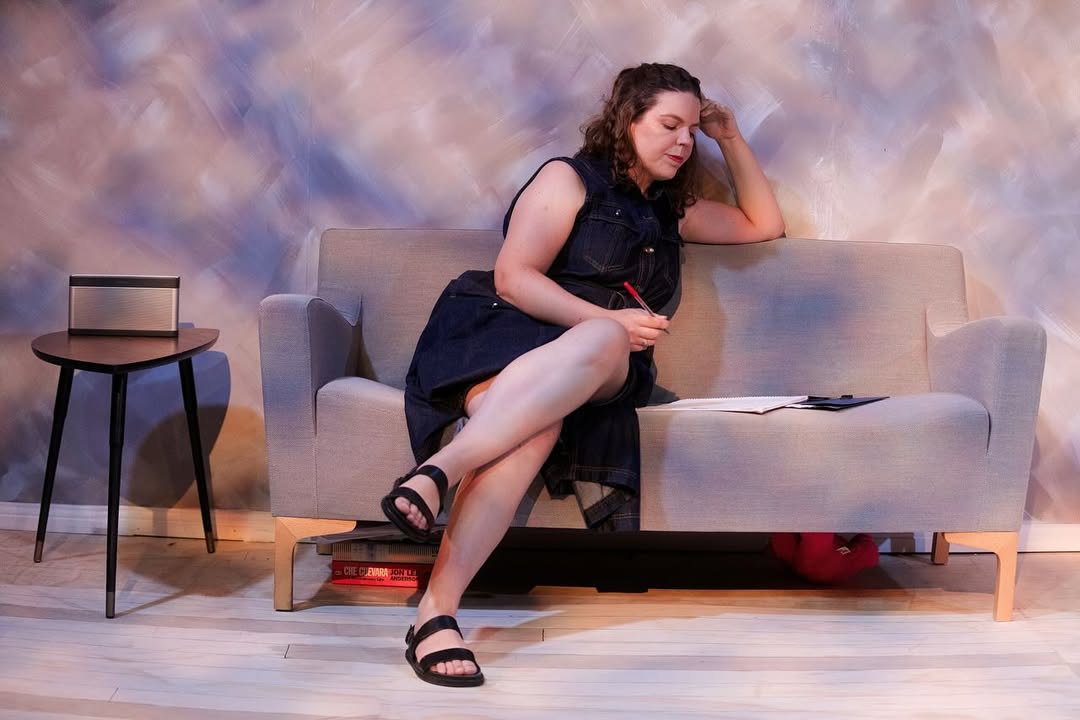
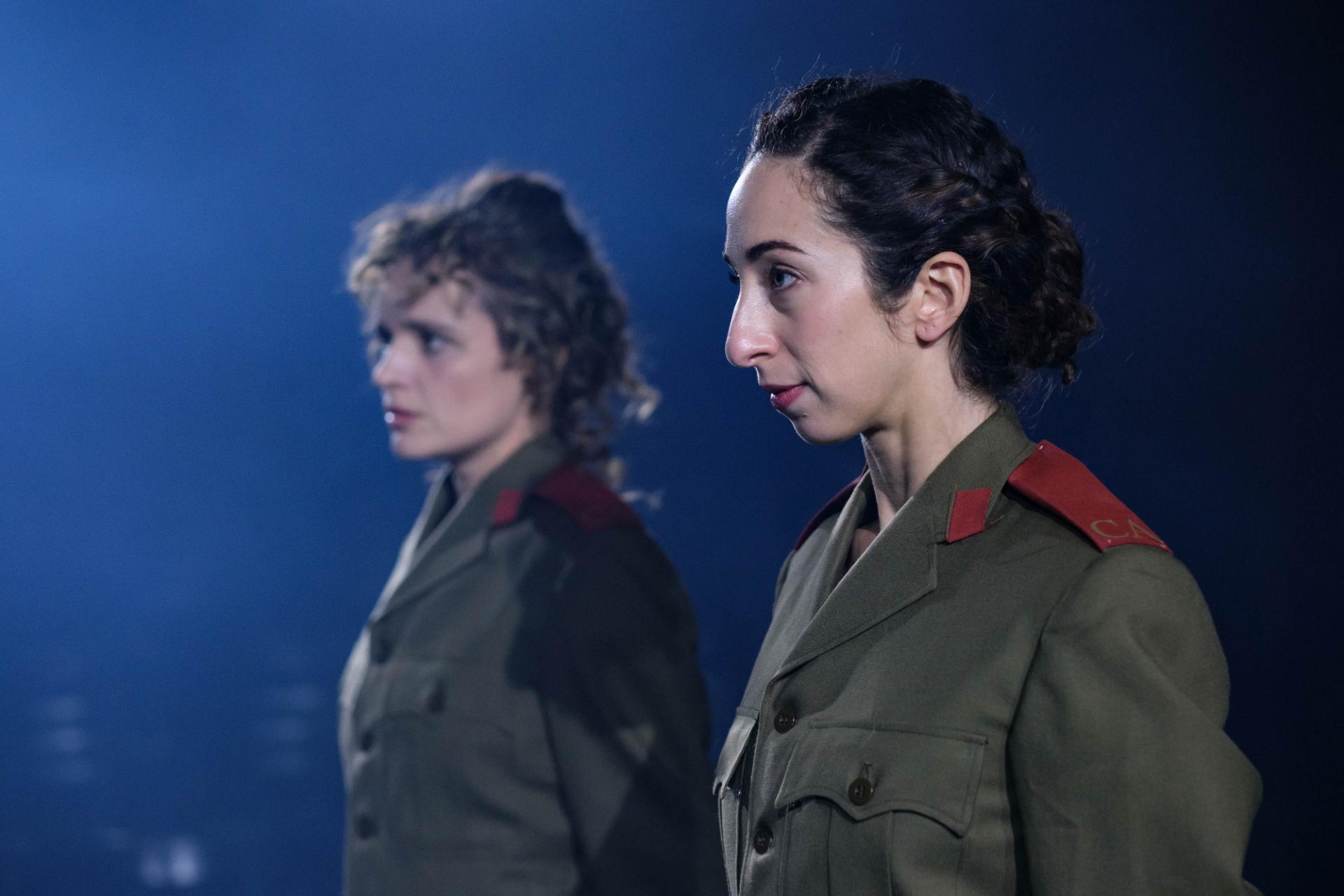
It is becoming increasingly odd to see characters in Chekhov’s Three Sisters talk about “work” like it is something optional. The notion of nobility has faded so far from popular consciousness, that any alternative to a life of work, is now proving unimaginable. In this adaptation by Victor Kalka, we may not be able to relate much to the lifestyles of these Russians from the year 1900, but it seems that Chekhov’s representations of existential angst can still resonate.

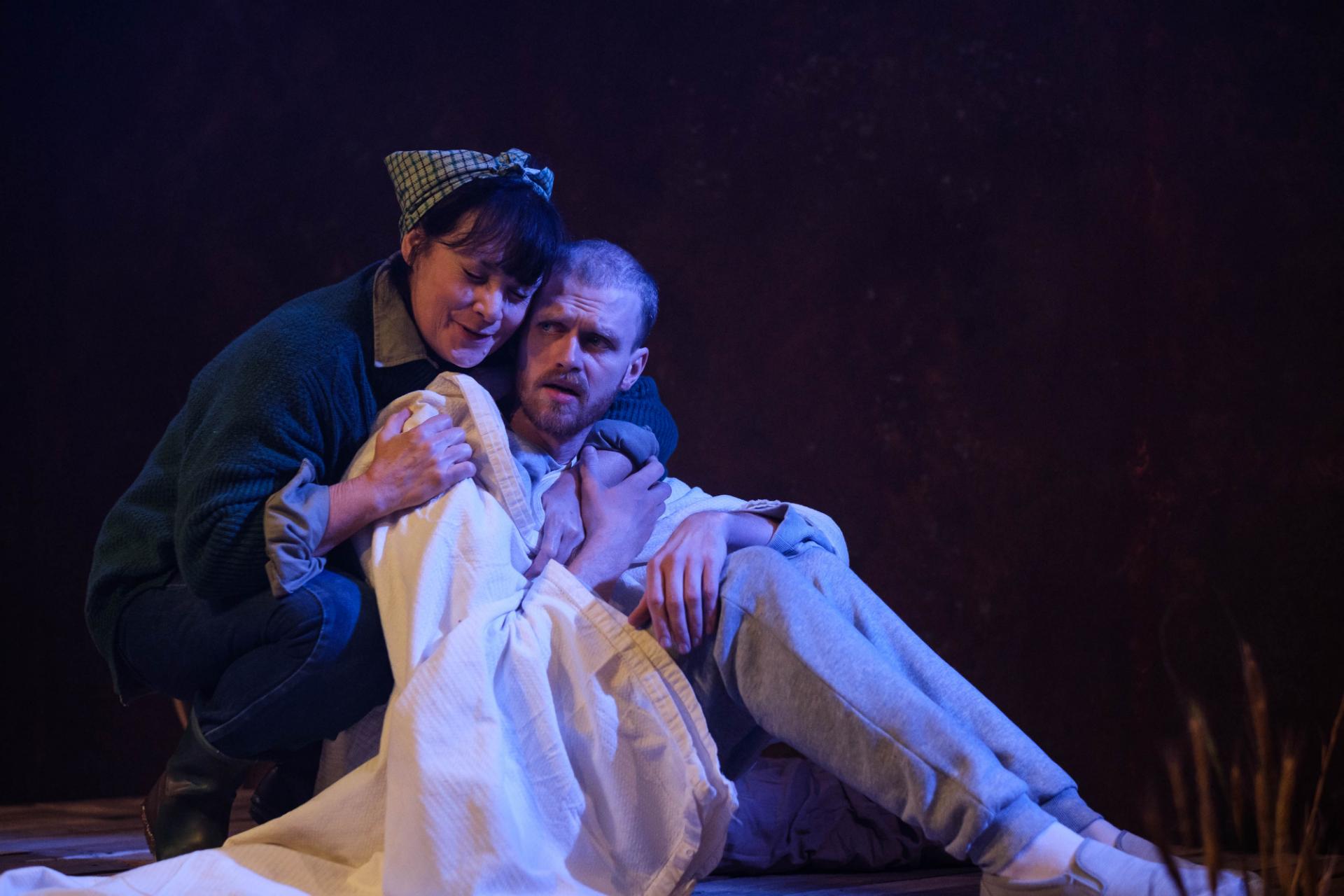
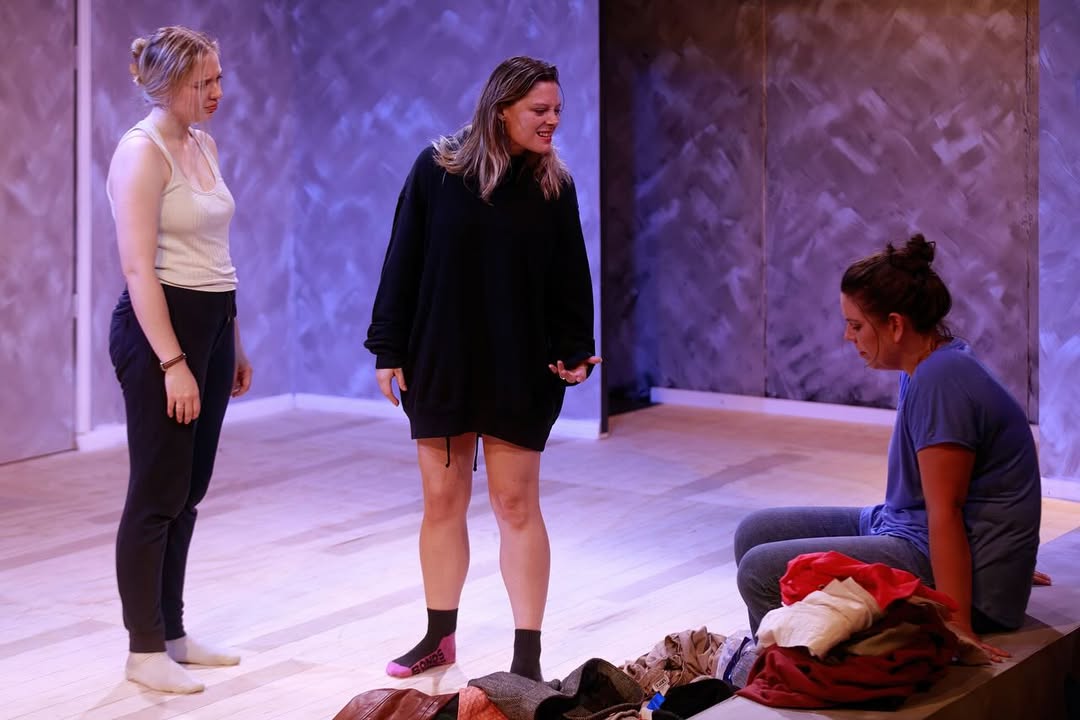
This is a version that, at just over 100 minutes, should have been easily digestible, but early portions struggle to connect. The constant lamenting of a bygone era is tiresome, with characters expressing grievances that are entirely alienating. After the fire however, they are made to grapple with something more authentic, and in the concluding moments, Three Sisters comes back to life.

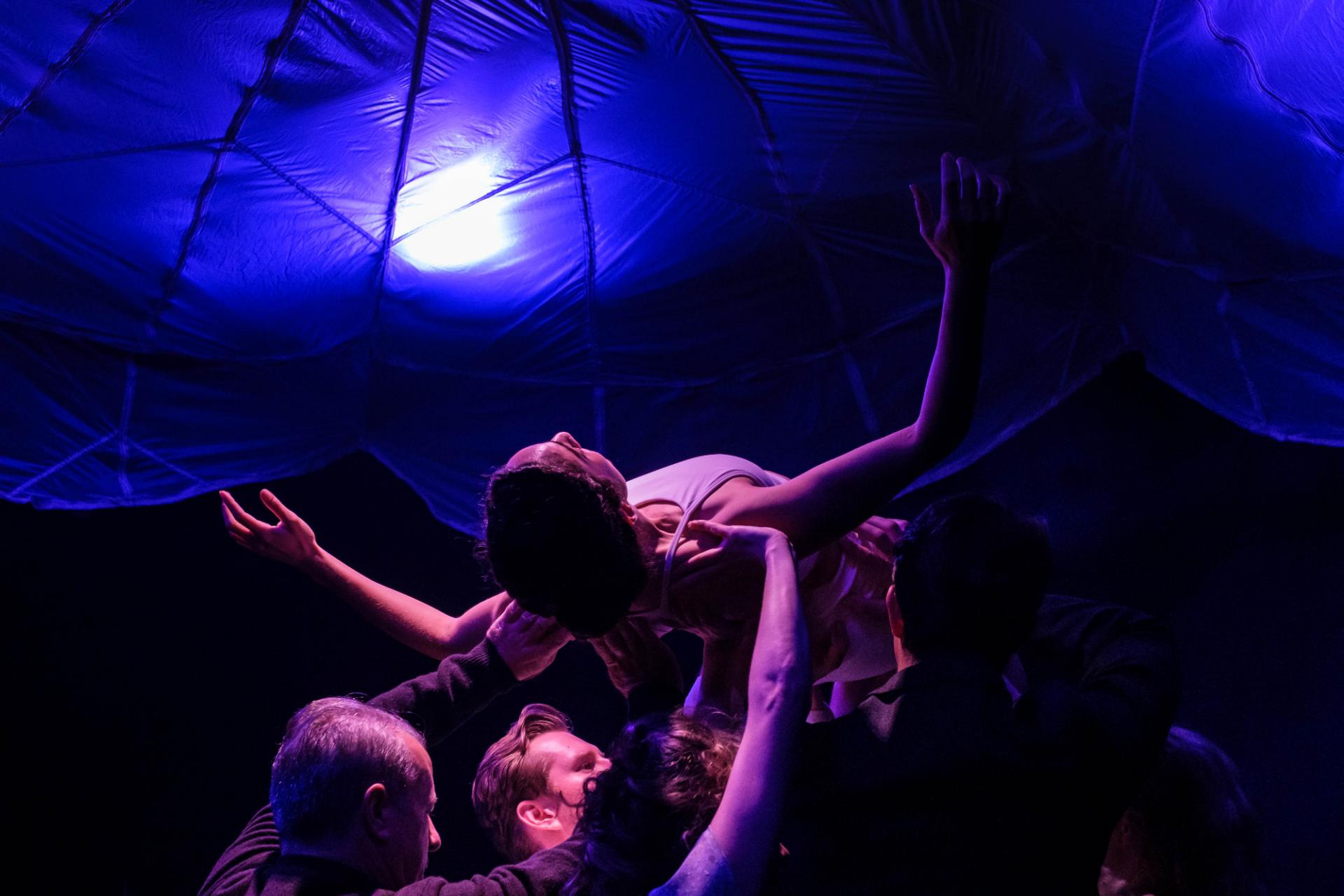
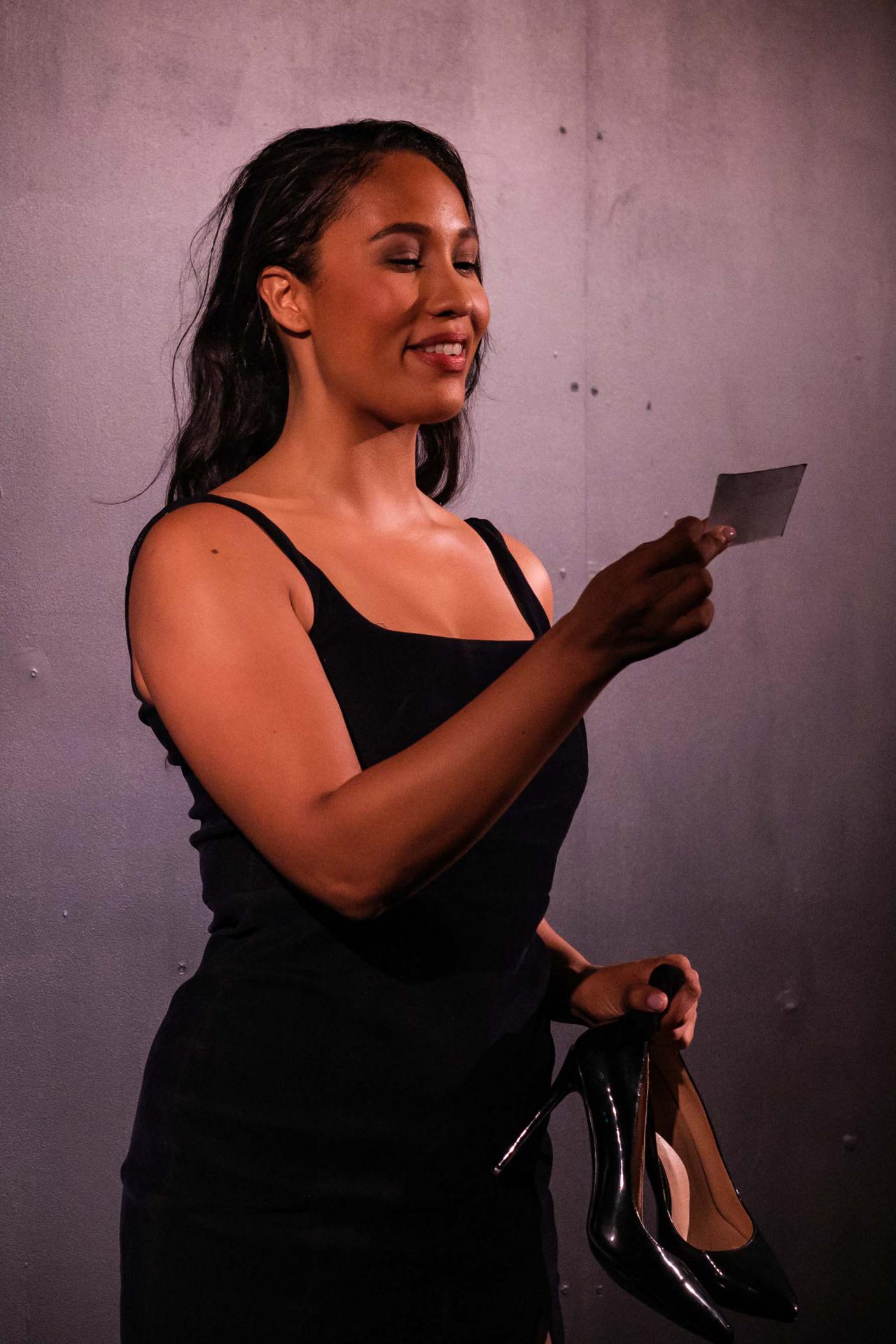
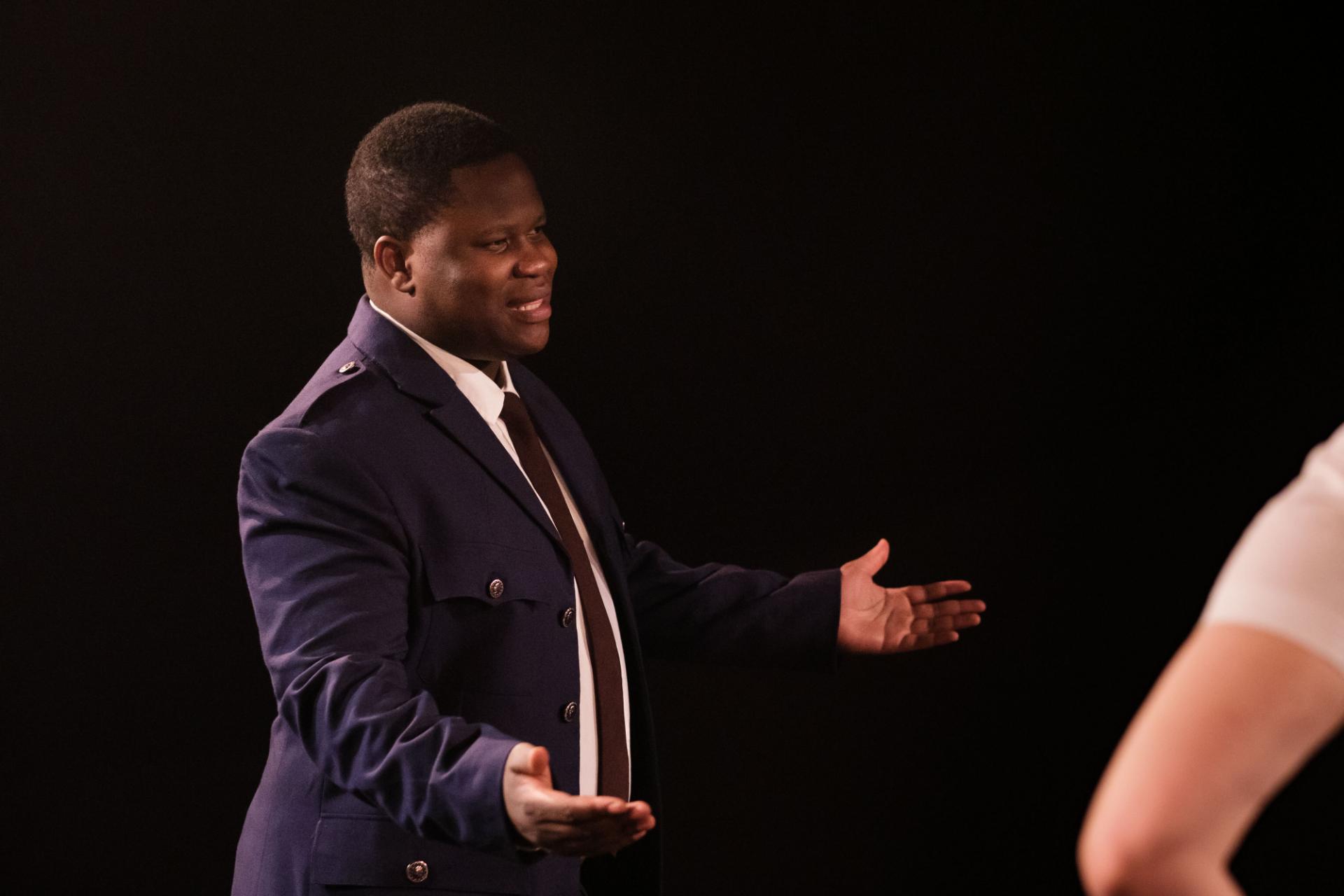
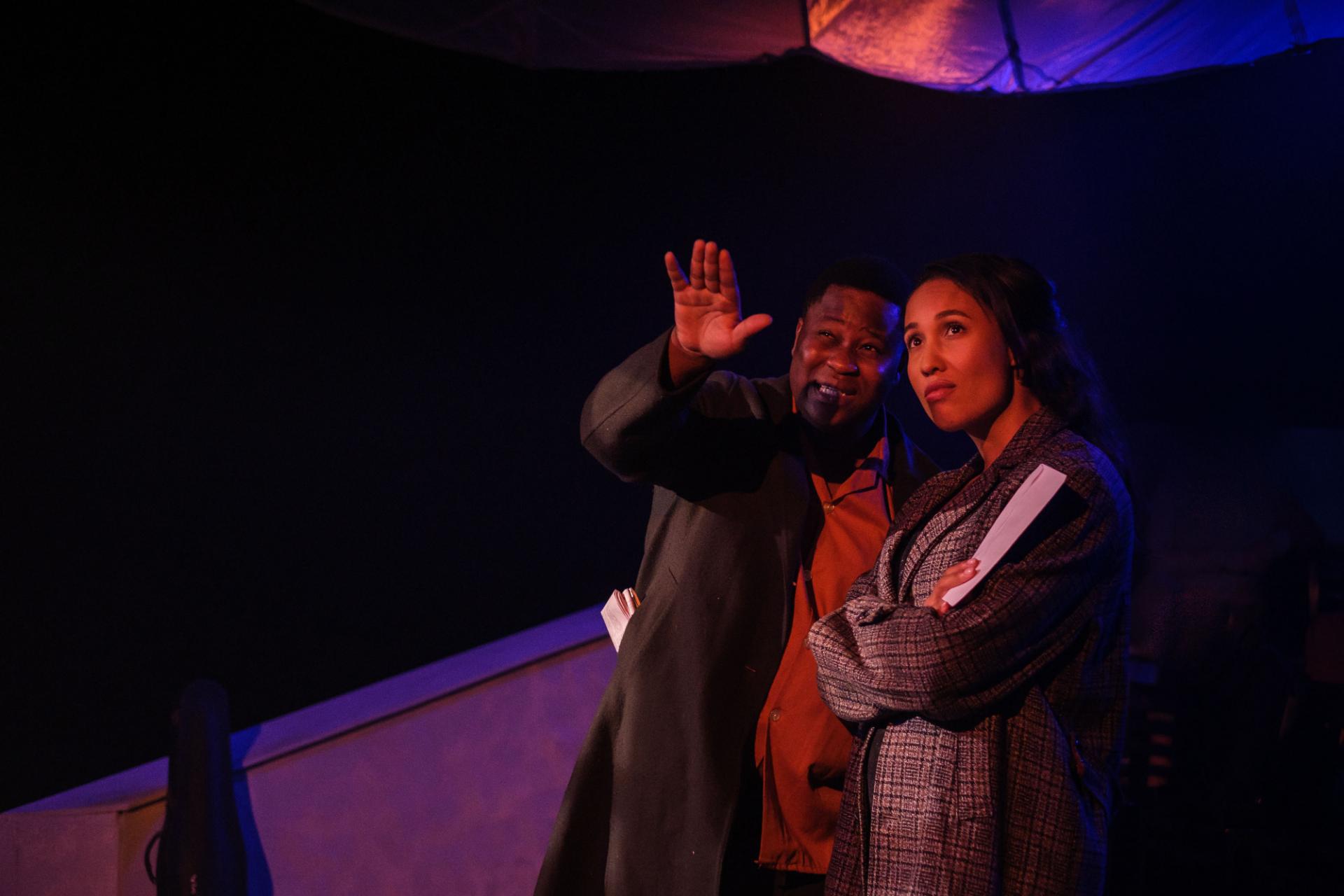
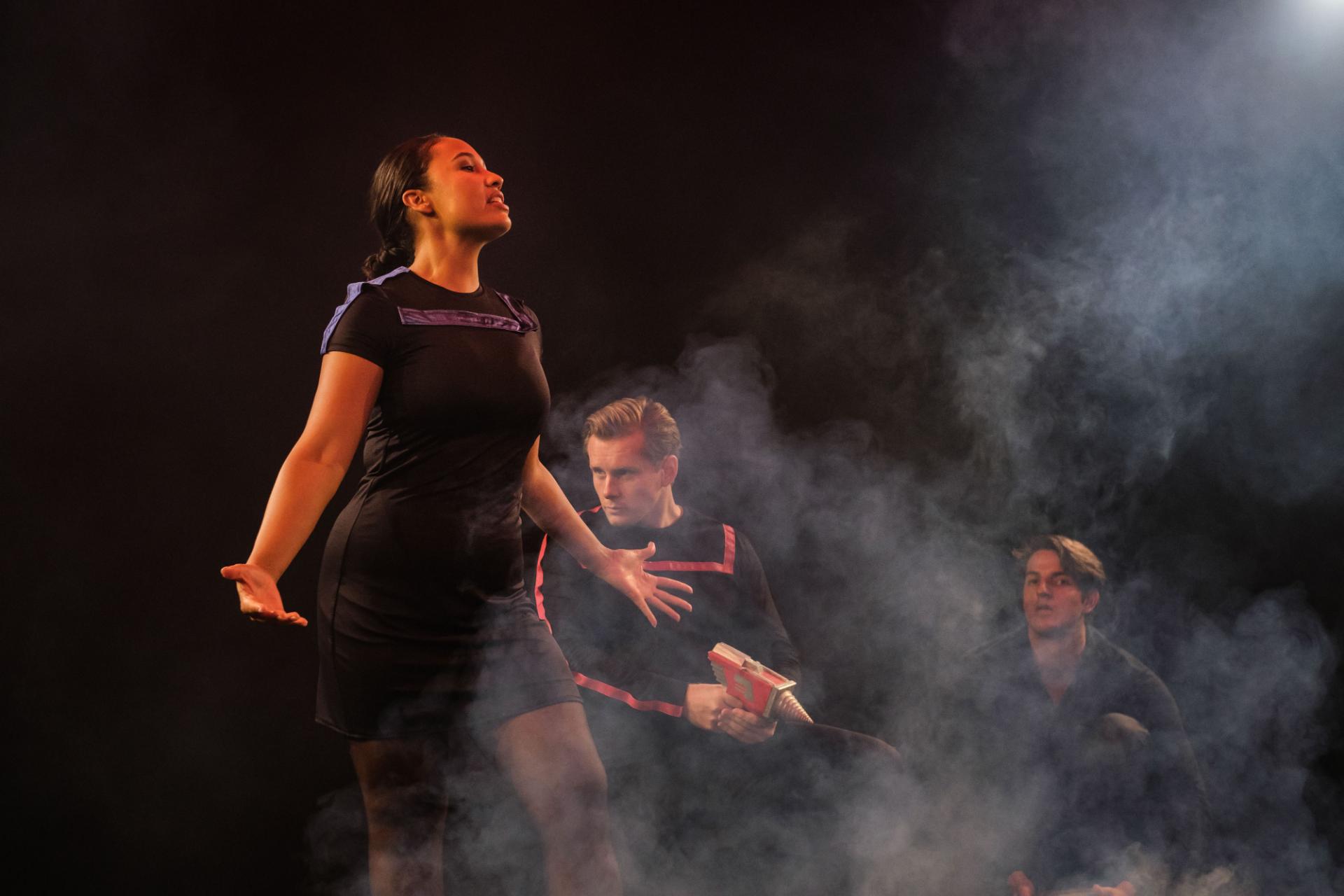
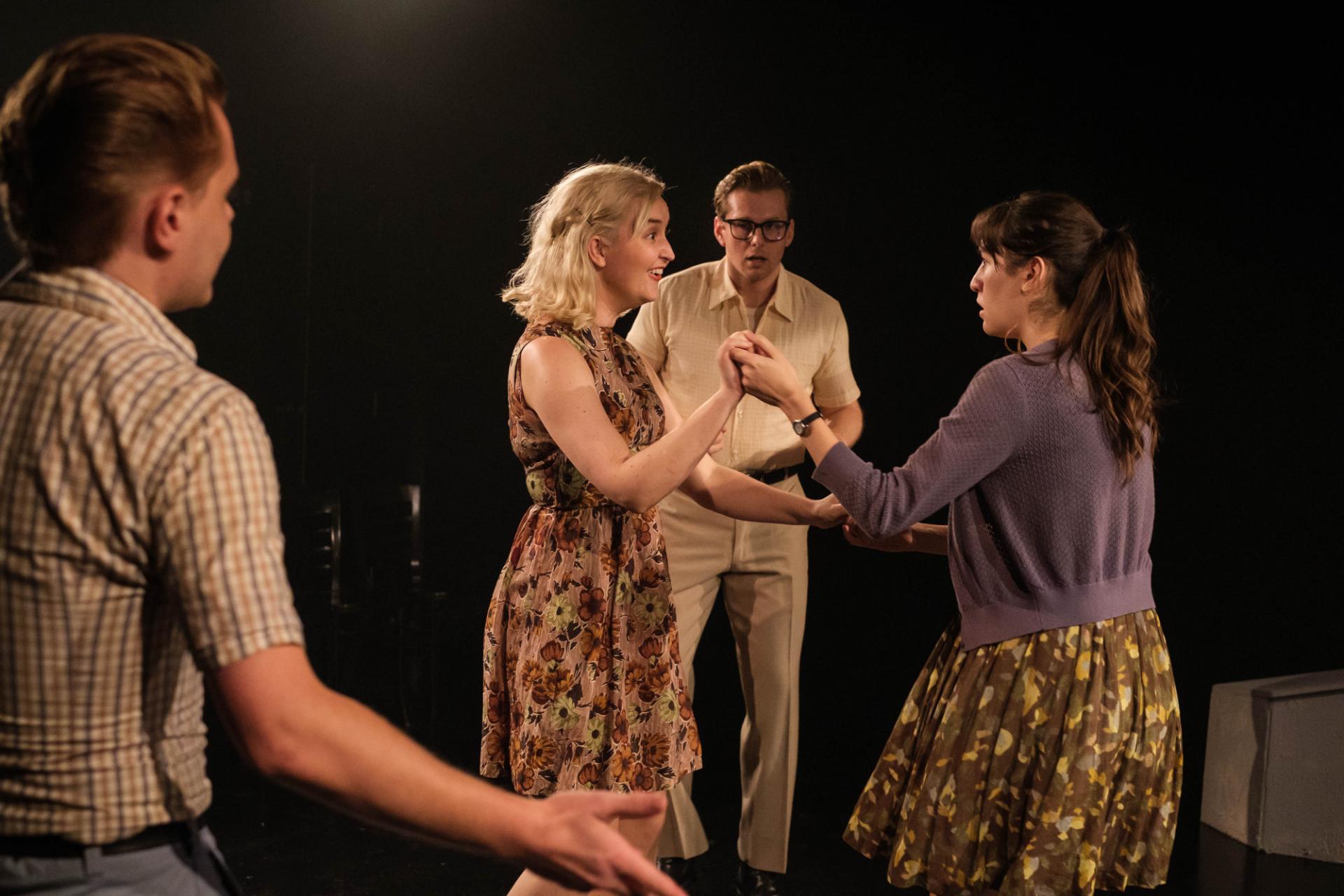
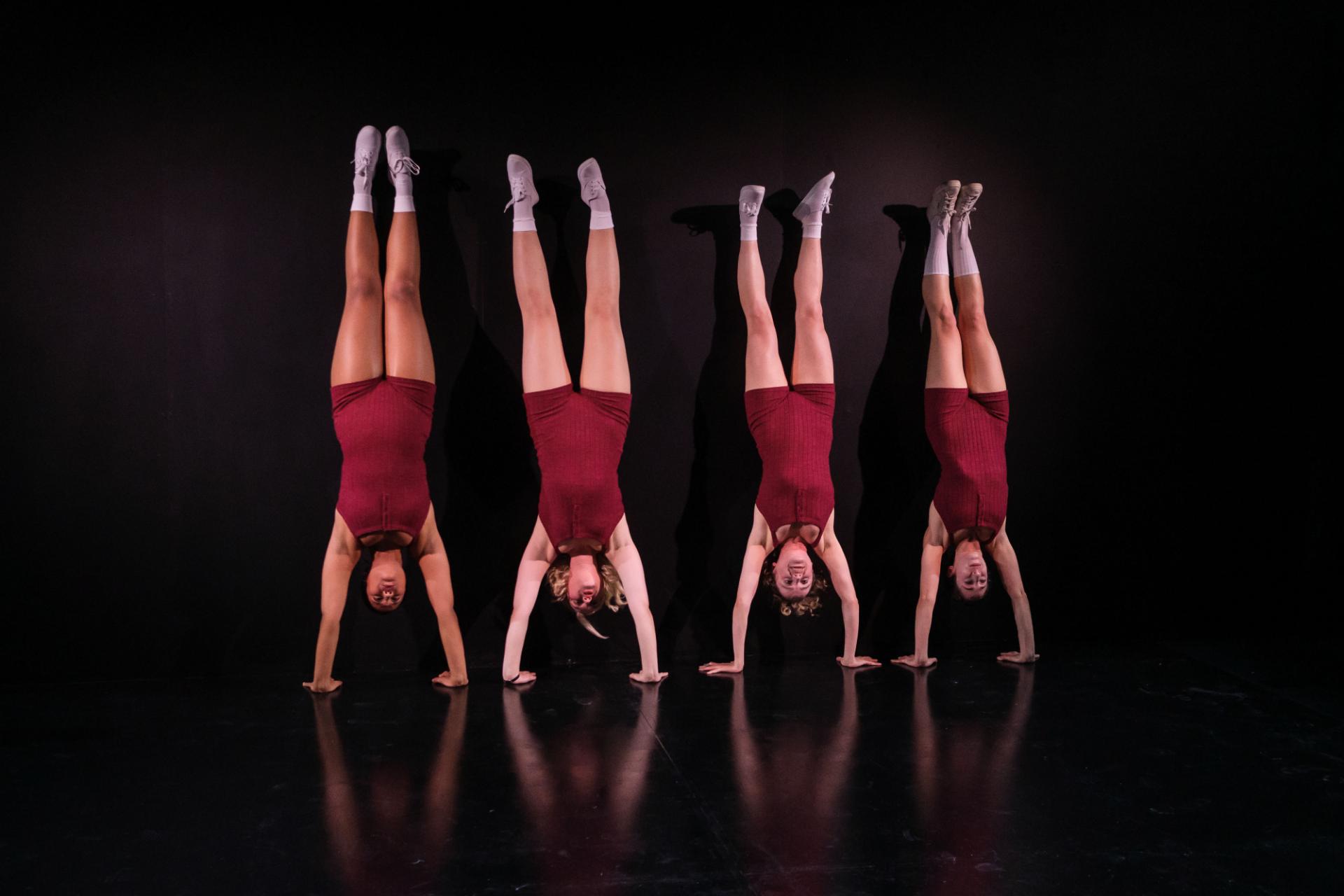
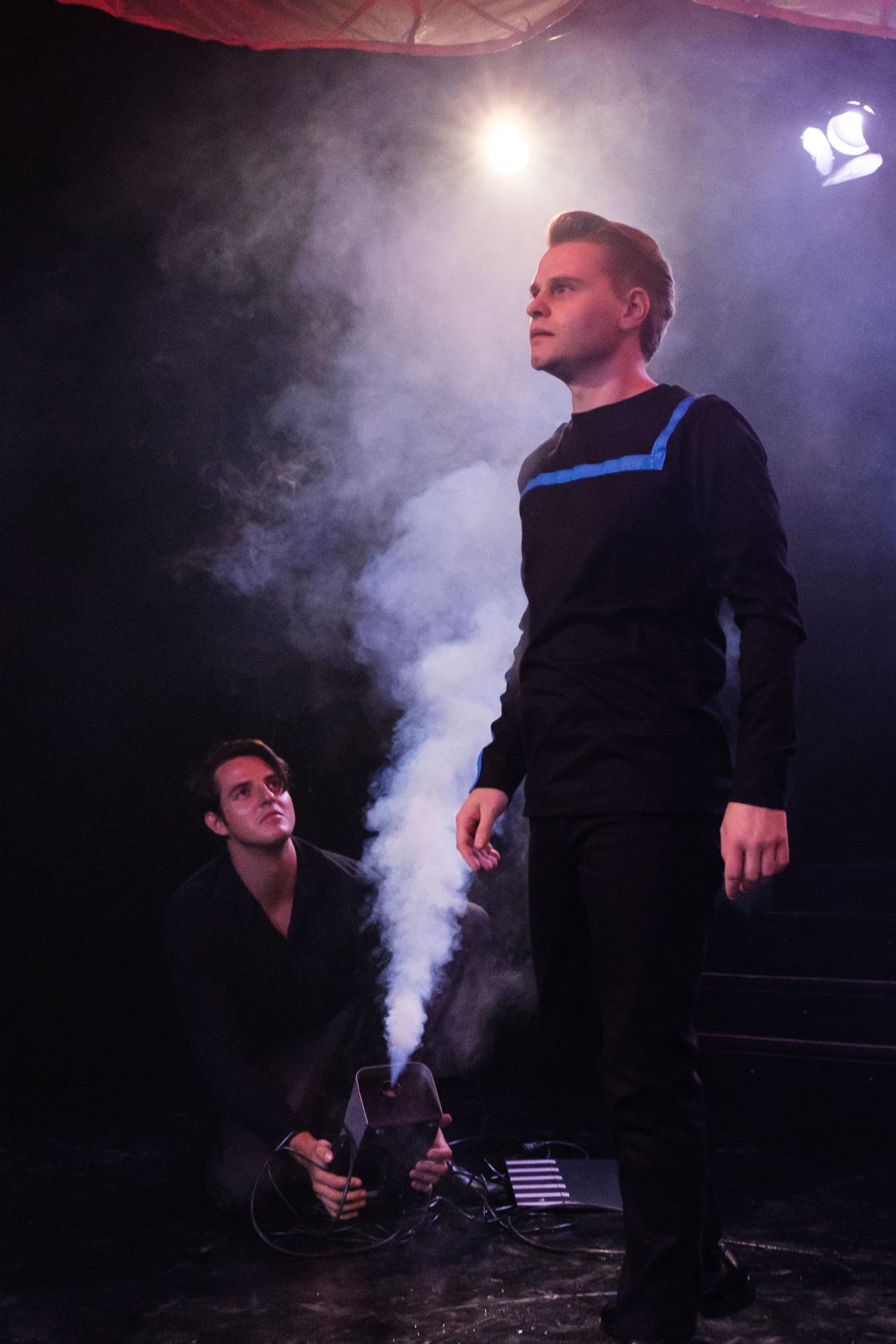
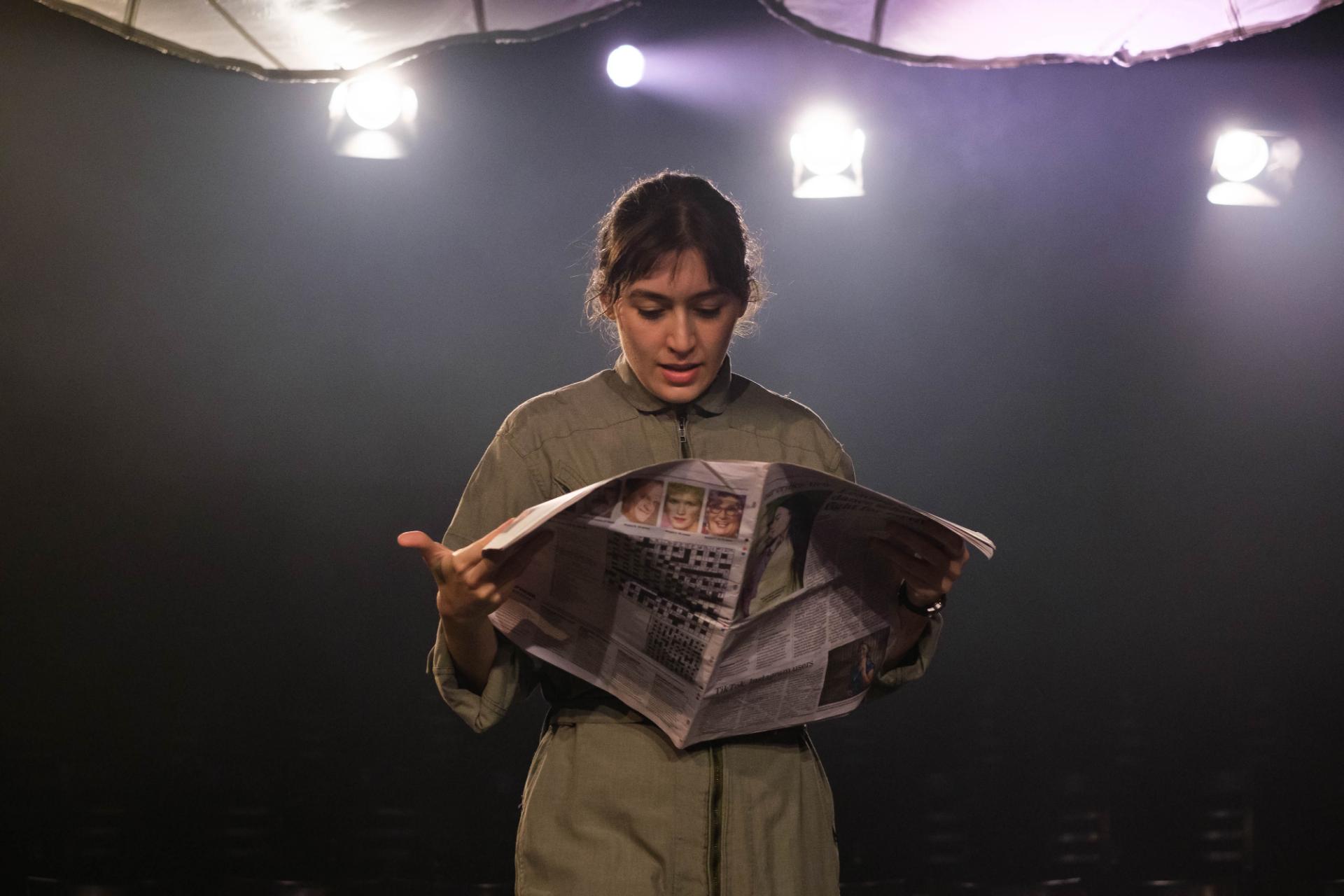
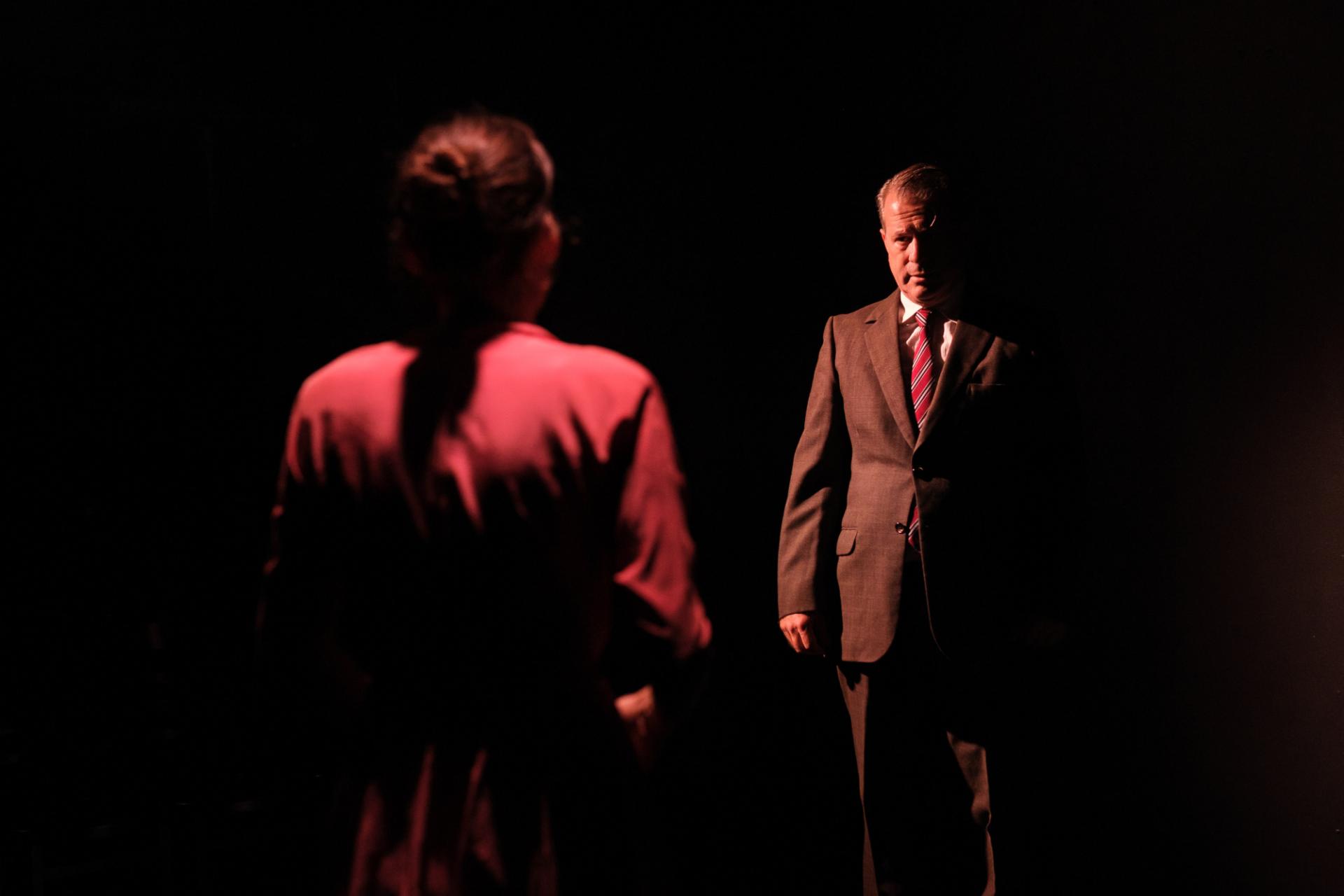
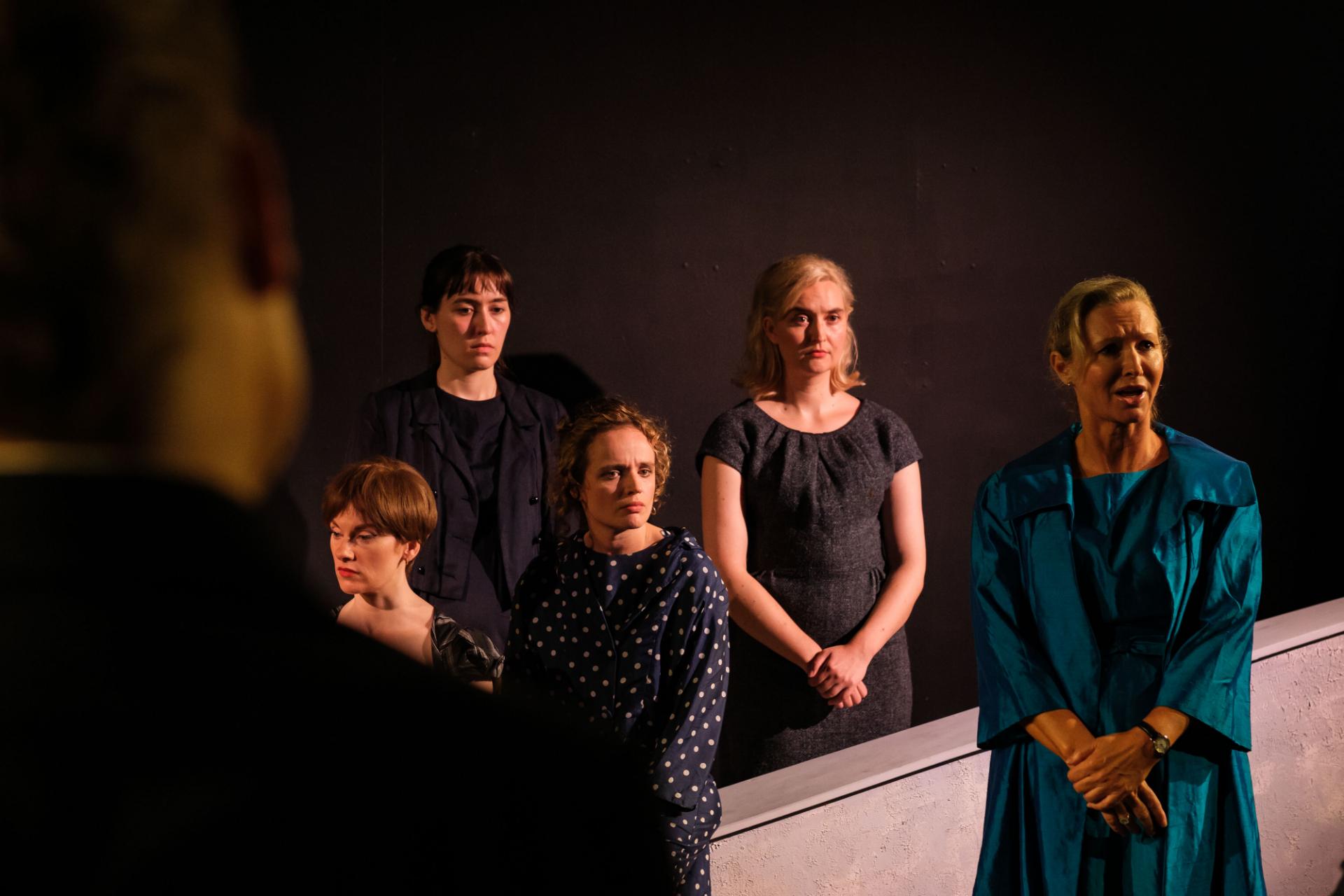
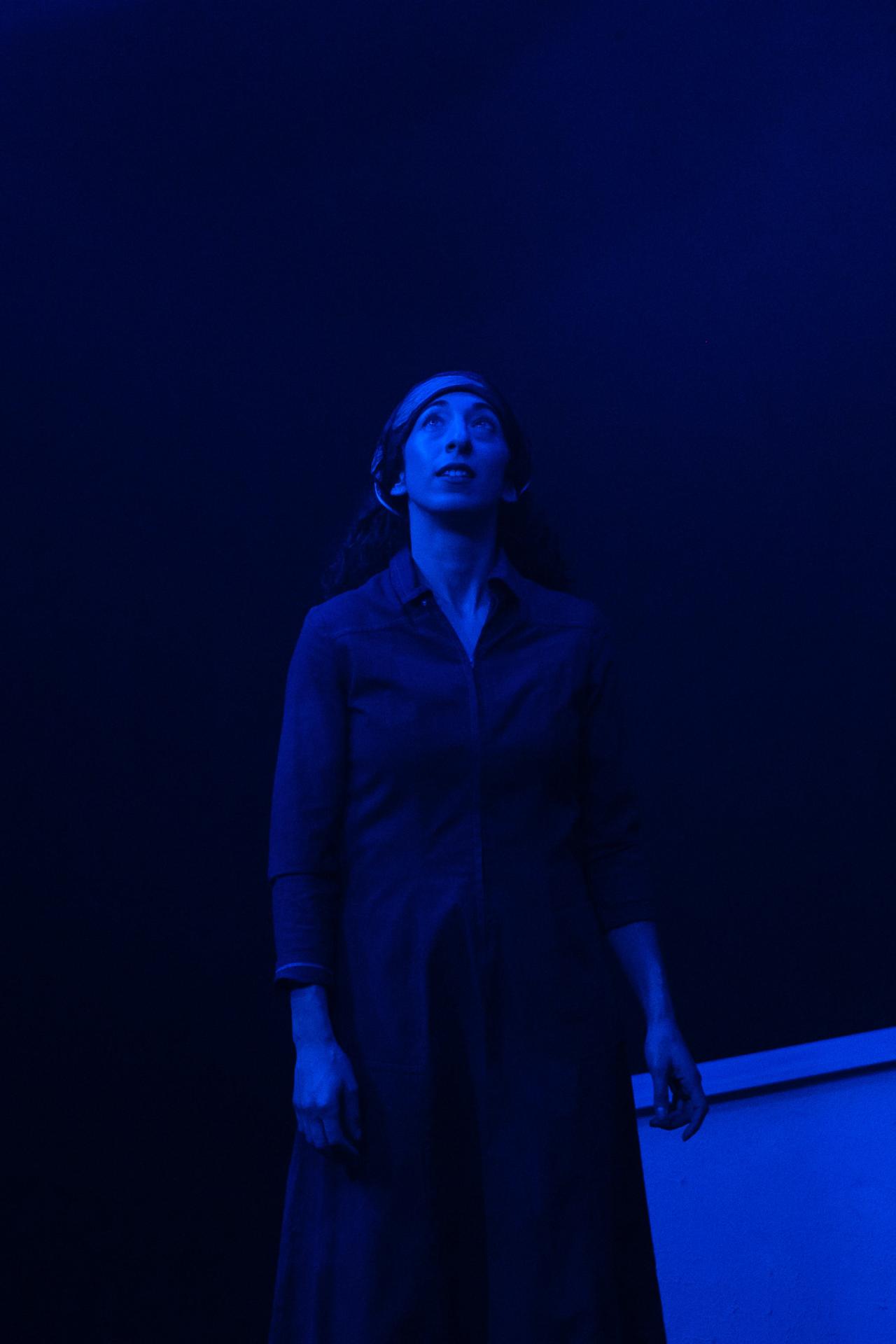
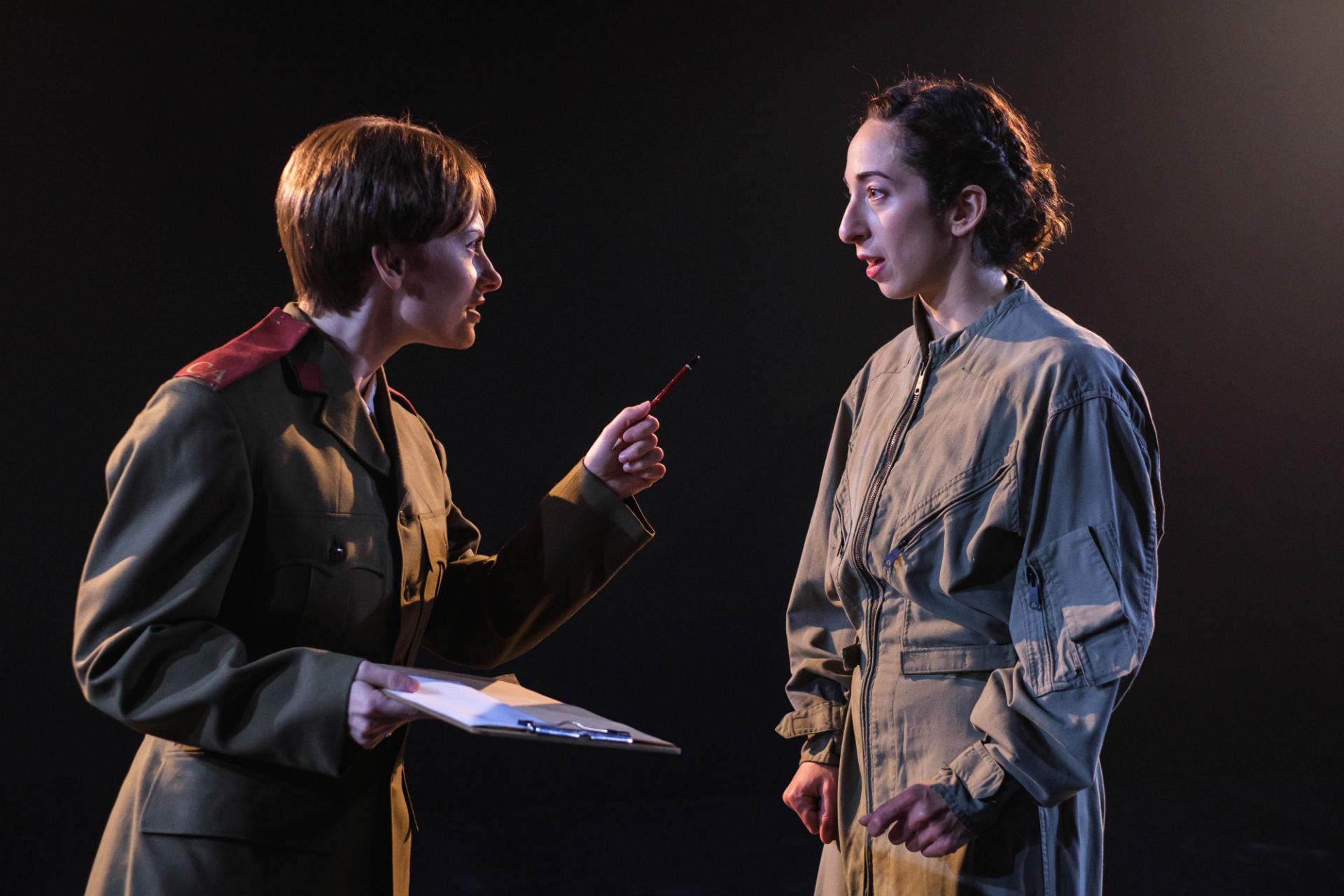
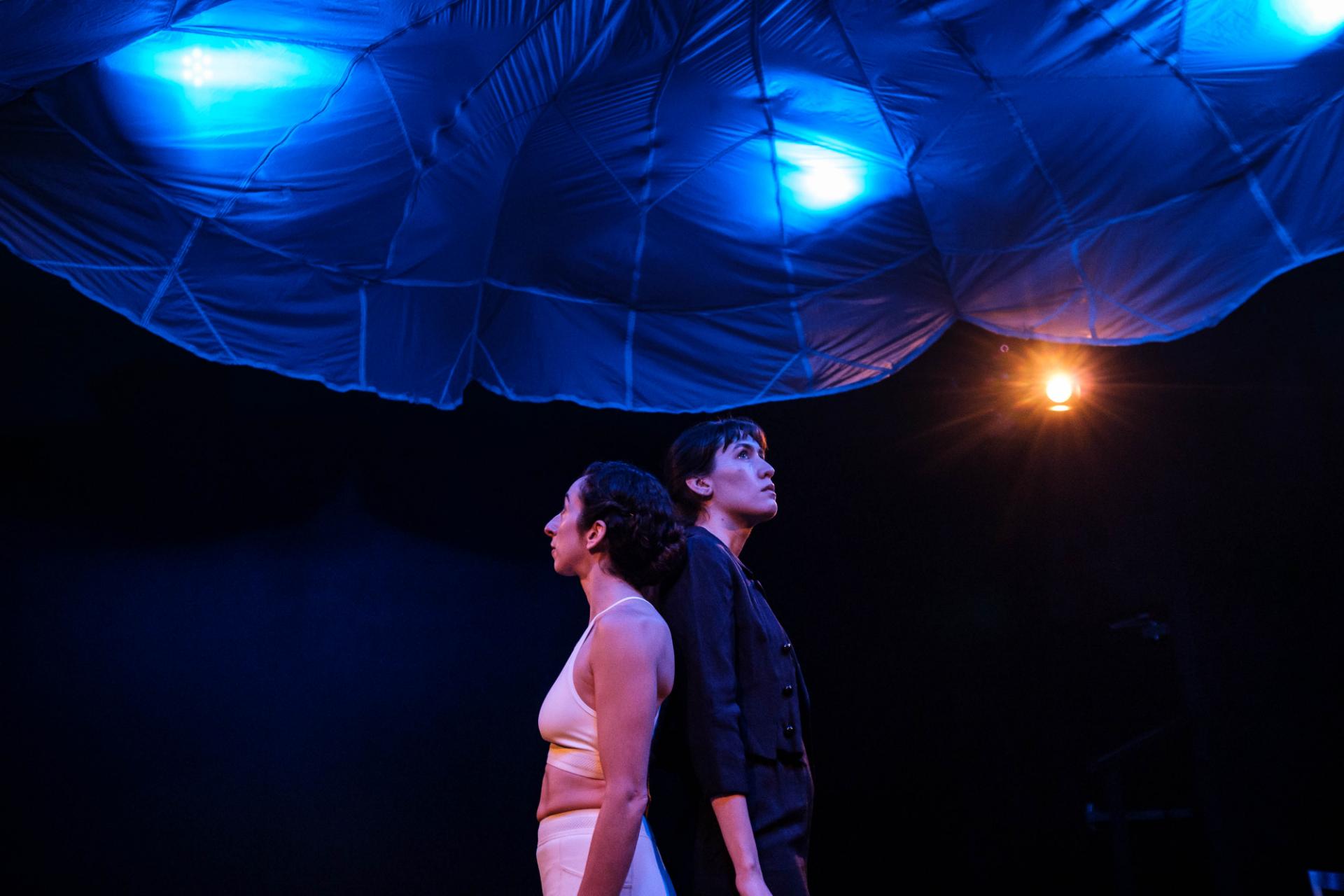
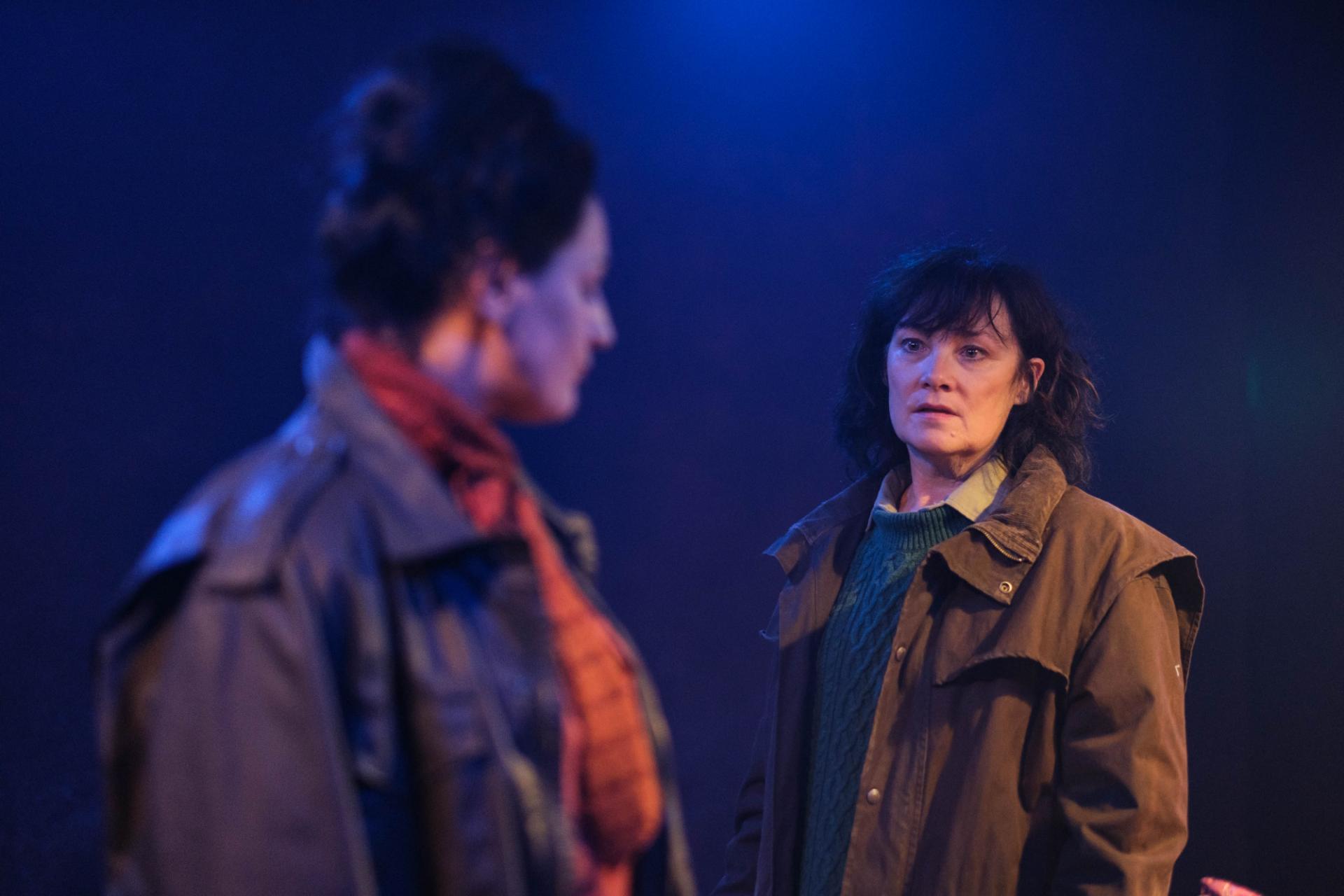
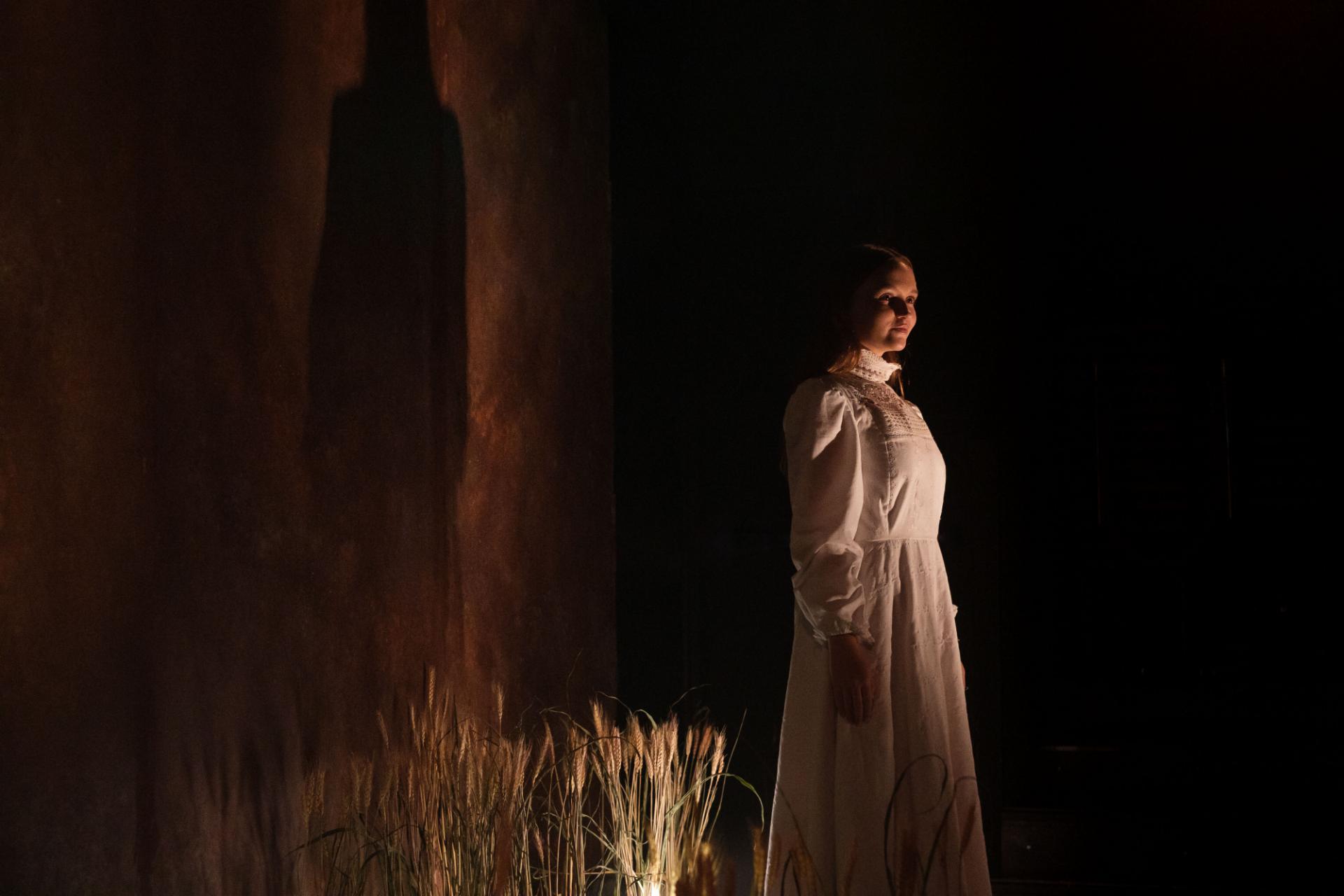
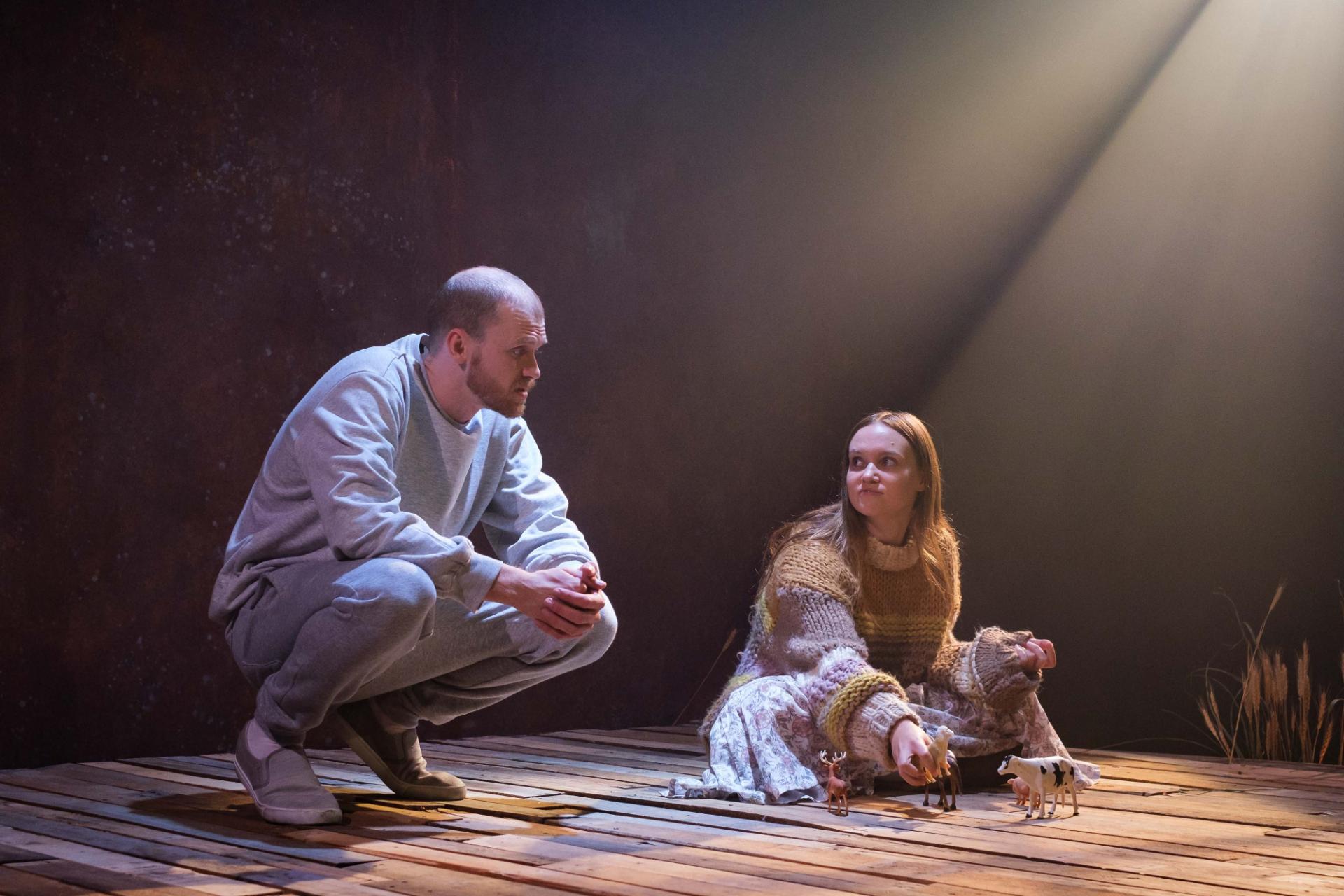
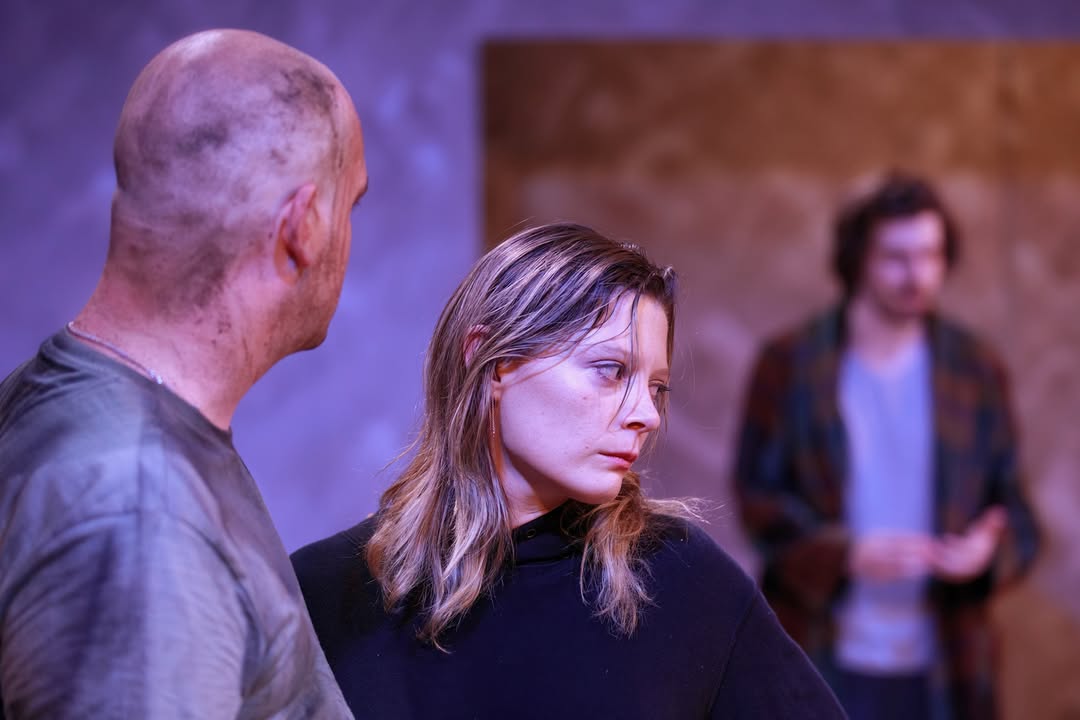
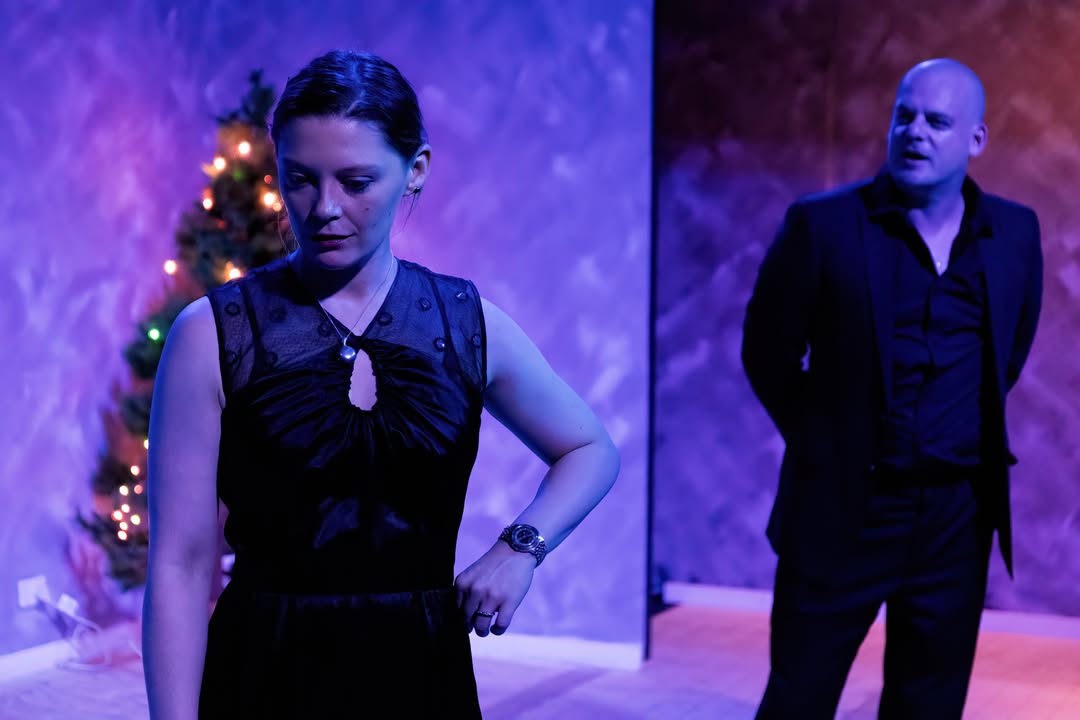
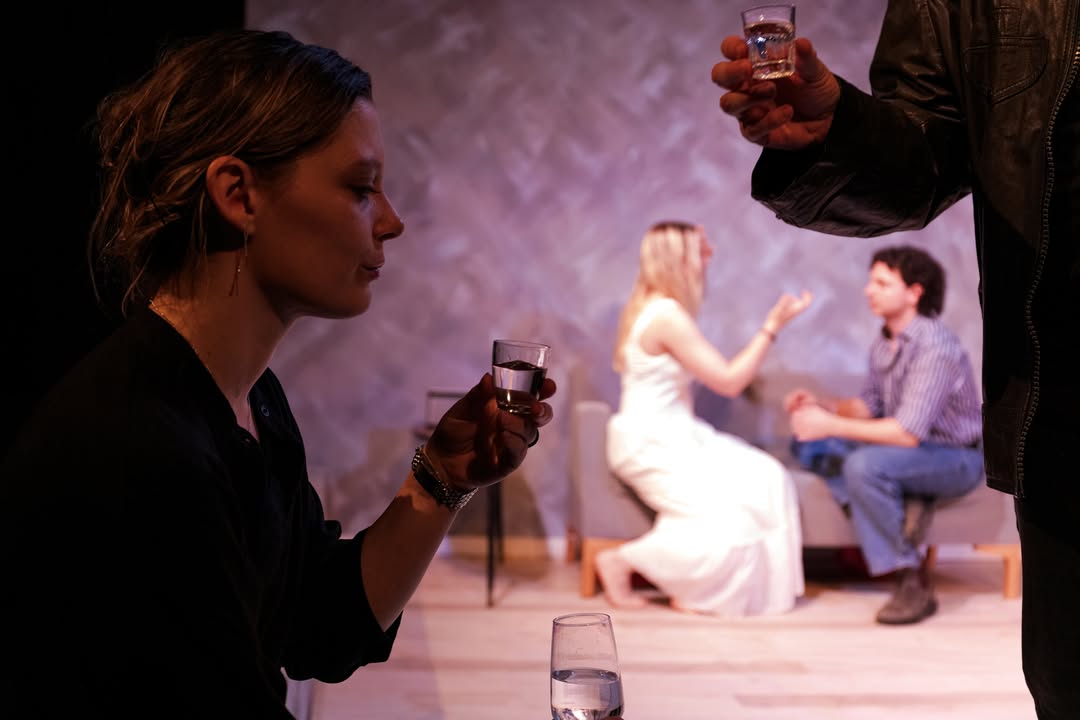
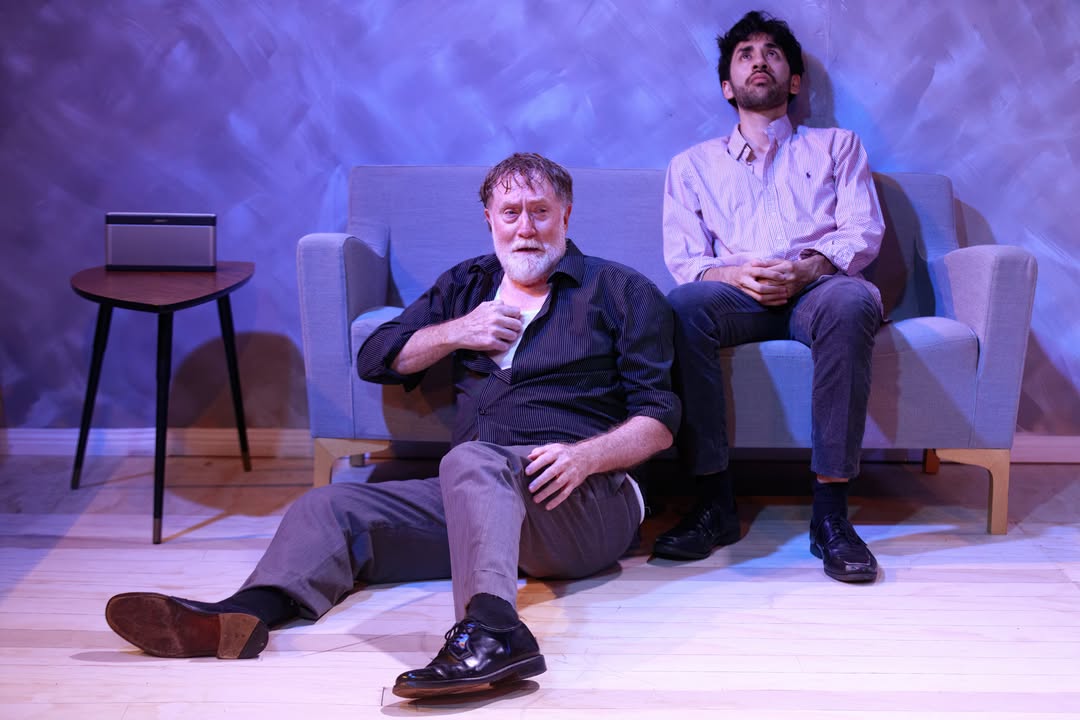
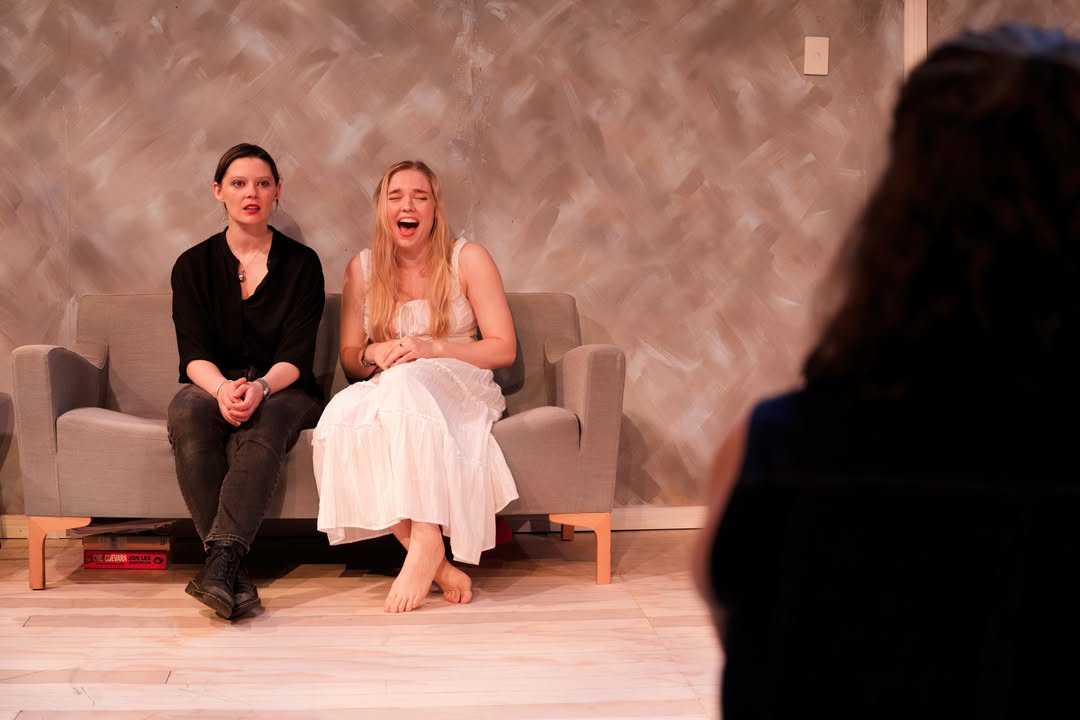
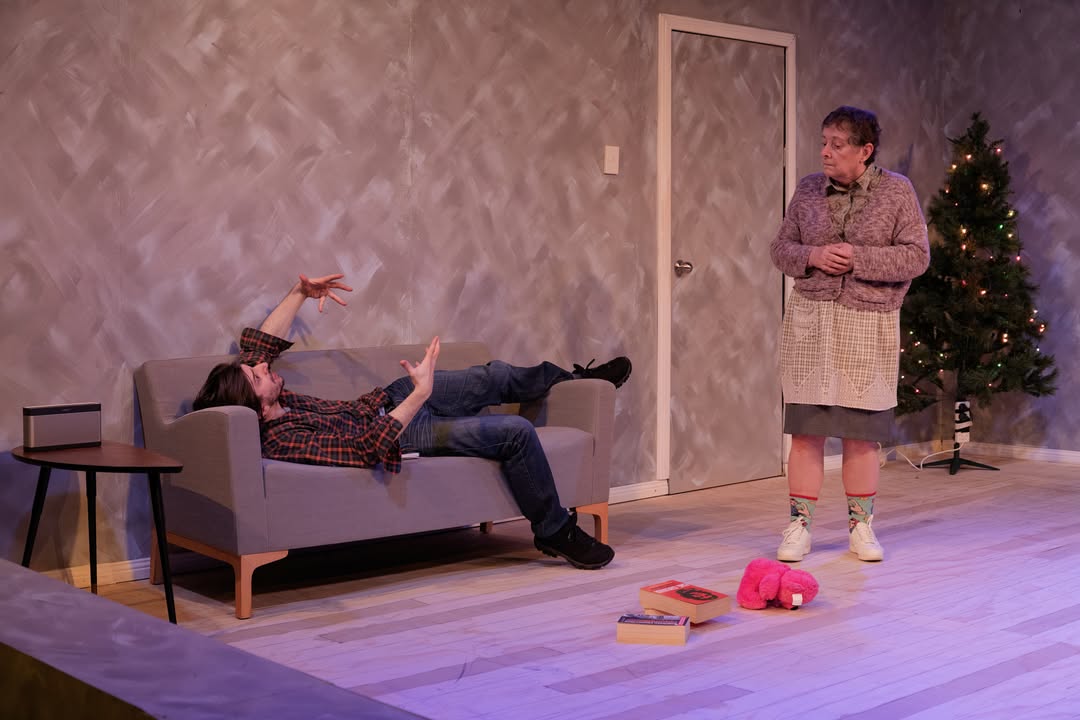
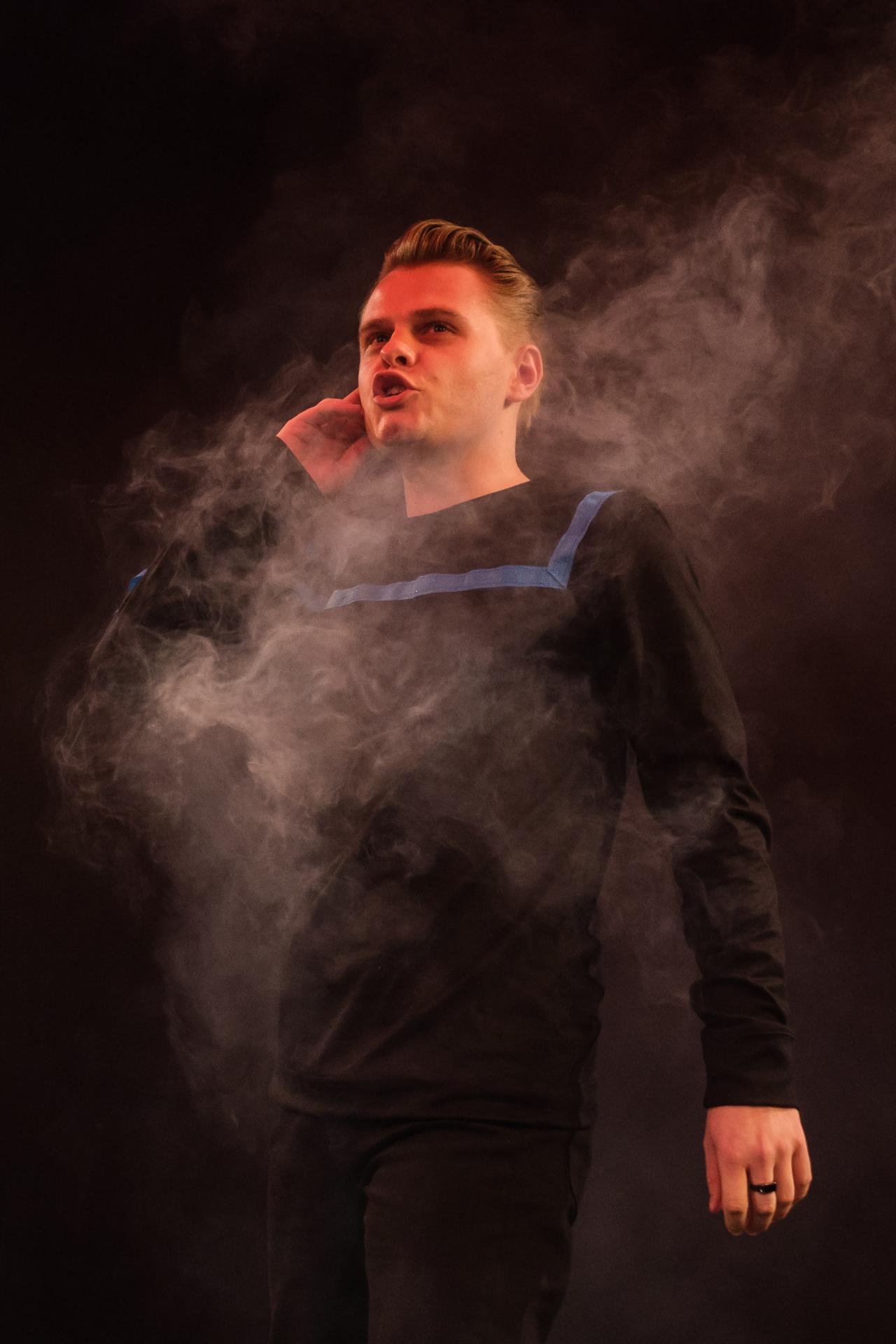
The cast of 11 can be lauded for establishing a uniformity in tone, even though some performers are certainly more compelling than others. Set design by Kalka thoughtfully positions entrances to the stage that facilitate smooth movement, but it is arguable if his take on modernised costuming depicts the nature of class appropriately for the story. Lights by Jasmin Borsovszky bring elegance to the presentation, along with pleasant variations to atmosphere. Sounds by Patrick Howard offer simple enhancements for a sense of theatricality.

It can be construed that the people in Three Sisters are looking for purpose, rather than literal work, in what they feel to be an aimless existence. In 2025 we are discovering that work can easily be just as unfulfilling, if not completely self-jeopardising, in this era of the oligarch’s aggressive re-emergence. In the present moment, authoritarian figures of power are demonstrating their patent disregard for our welfare as contributors to their successes, whether as consumers or as resources for production. We can still think of work as honourable, but more than ever, the understanding of what our labour is really serving, needs to come to the fore.
www.flightpaththeatre.org | www.virginiaplaintheatre.com

Review: Mercury Poisoning (KXT on Broadway)

Venue: KXT on Broadway (Ultimo NSW), Mar 15 – 30, 2024
Playwright: Madeleine Stedman
Director:
Kim Hardwick
Cast: Violette Ayad, Shaw Cameron, Anna Clark, Melissa Jones, Shawnee Jones, Nikita Khromykh, , Tinashe Mangwana, Teodora Matovic, Brendan Miles, Jack Richardson, Charlotte Salusinszky, Sarah Jane Starr
Images by Clare Hawley

Theatre review
Madeleine Stedman’s Mercury Poisoning involves three women in the 1960s, inspired by true stories about their respective relationships with space travel. These lives never cross paths, but they are in some ways parallel, not only in aeronautical terms, but also with their fights against structural sexism, which proves a defining force. While well-conceived, more effort could be made for the narratives in Mercury Poisoning to intertwine, instead of having them completely segregated.

Direction by Kim Hardwick attempts to make up for that lack in coherence between the different threads, with creative use of visual compositions. There is a sincerity in her presentation that helps with our logical engagement with the piece, but a persistent coolness in temperament prevents us from investing sufficiently into the emotions being explored.

Set design by Meg Anderson and lights by Jimi Rawlings are effective in evoking outer space, but the imagery being produced is too relentlessly dark, which makes it a struggle for the production to lift in energy, especially noticeable in comedic scenes. Sound design by Rowan Yeomans and Jay Rae is however very strong, bringing to the storytelling, an enjoyable sense of theatricality.

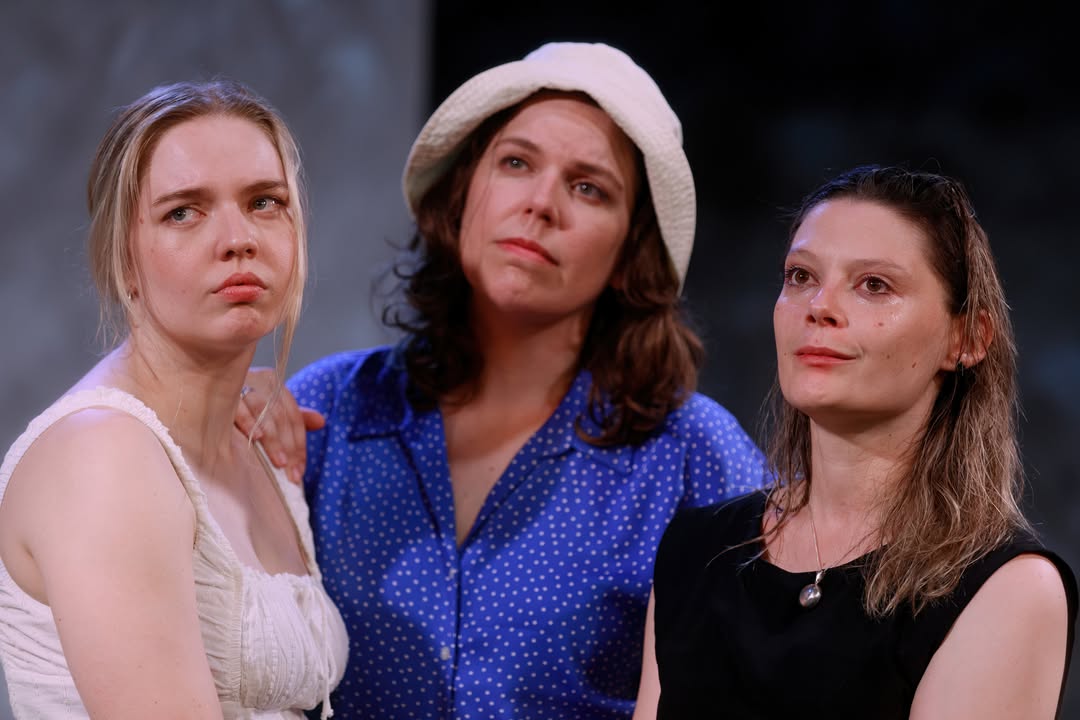
Actors Violette Ayad, Shawnee Jones and Teodora Matovic play the main roles, all able to convey authenticity and vulnerability for these discussions about challenges faced by women at the workplace. A big roster of supporting cast members bring variety to the experience, admirable for the frequent rotation of characters they bring to the stage.

In Mercury Poisoning we see the ways in which power manifests, and how so much of our resources is  organised around concepts of deprivation. The three women are deterred from attaining what so many of their white male counterparts have achieved. Through their stories, we observe how a certain caste of society is determined to keep privileges to themselves, convinced that there is not enough for everyone. It is clear they know, that what makes them feel special about their own lives, can only come from the dispossession of others.

www.kingsxtheatre.com | www.instagram.com/snatchedtheatreco | www.whiteboxtheatre.com.au

Review: Grain In The Blood (KXT on Broadway)

Venue: KXT on Broadway (Ultimo NSW), Feb 23 – Mar 9, 2024
Playwright: Rob Drummond
Director:
Victor Kalka
Cast: Kim Clifton, Nick Curnow, Siobhan Lawless, Genevieve Muratore, Ciarán O’Riordan
Images by Clare Hawley

Theatre review
Isaac is allowed home for a short visit, where Autumn is in desperate need of her father’s help, even though the two had never met before. Rob Drummond’s Grain in the Blood is a story about atonement, taking place on a remote Scottish farm, where past sins cannot help but haunt its remaining inhabitants. There is of course an air of the macabre, but the play is also surprisingly humorous, within all the darkness being explored, about guilt and generational trauma.
Direction by Victor Kalka provides a commendable clarity for the entangled relationships being presented, but the show never quite feels dramatic enough to match the inherently baroque quality of Drummond’s writing. Kalka’s set design however is a delight, wonderfully evocative of a rustic countryside, yet unquestionably sophisticated with its manipulations of colours and textures.

Costumes by Lily Mateljan are convincingly rural, giving us an accurate sense of place and personalities. Lights by Jasmin Borsovszky are designed with a confident simplicity, memorable for the moments of folkloric atmosphere they engender. Madeleine Picard’s wonderful score is an excellent addition, if slightly too sparingly utilised, in a tale involving a great amount of repressed emotions.

Performances by the uneven cast of five are not always strong, but Kim Clifton impresses as young Autumn, bringing both ingenuity and authenticity to her interpretations of a challenging role. Also noteworthy is Siobhan Lawless whose Sophia establishes for our understanding of the story, a complicated mixture of love, bitterness and regret in all its heart-breaking familial dynamics.

Forgiveness can be hard, even when one’s own emancipation depends on it. We all want to be free, but it seems many have a tendency to be absorbed in grudges, unable to let go. It is understandable that we want retribution for those who have wronged us, but less easy is to perceive the punishment inflicted on ourselves, when we refuse to absolve and forget. Time will always run out, and we know that some things can be left until it becomes too late.

www.kingsxtheatre.com | www.virginiaplaintheatre.com

Review: Pitchfork Disney (Meraki Arts Bar)

Venue: Meraki Arts Bar (Darlinghurst NSW), Jul 20 – Aug 5, 2023
Playwright: Philip Ridley
Director:
Victor Kalka
Cast: Jane Angharad, James Hartley, James Smithers, Harry Winsome
Images by Clare Hawley

Theatre review

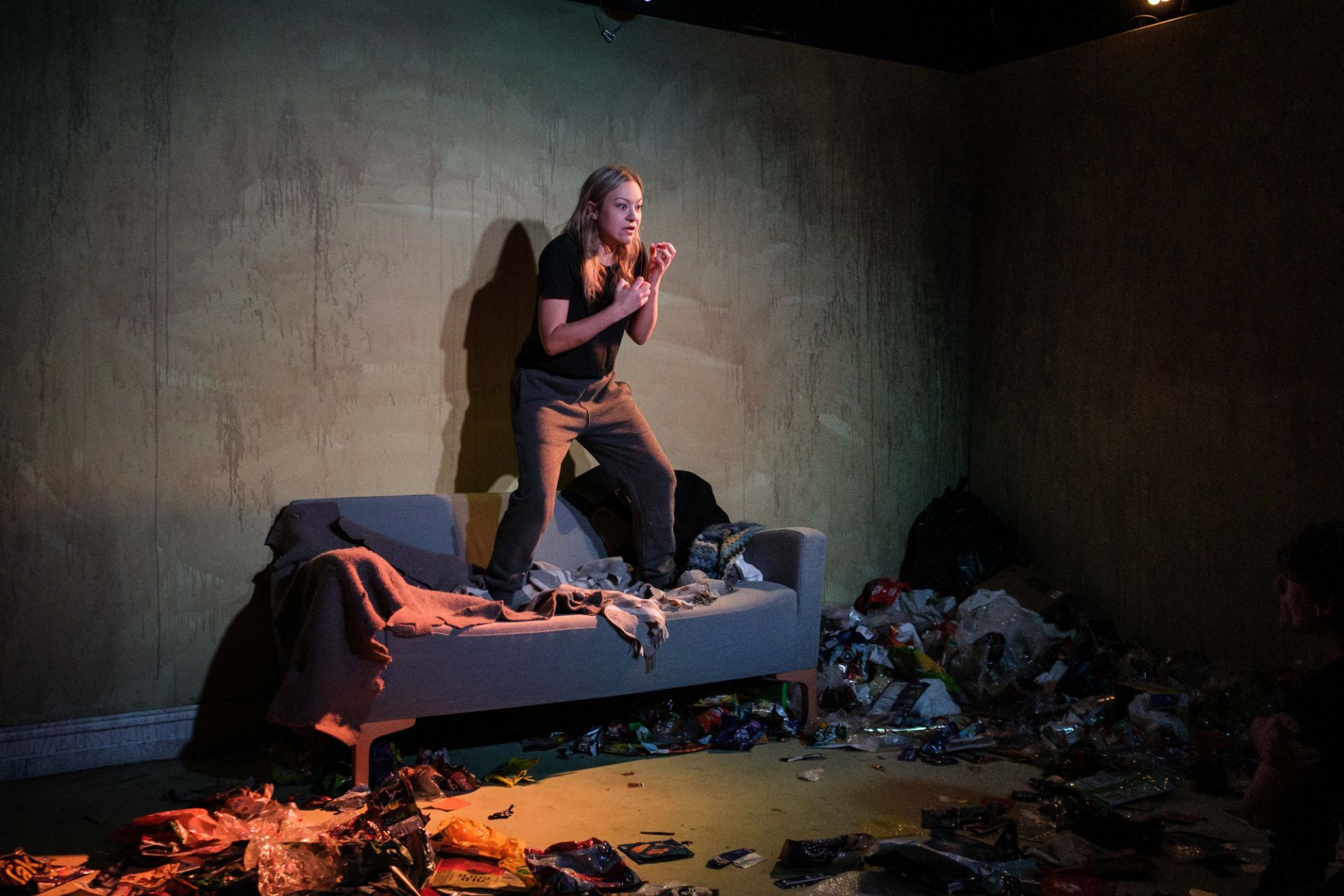
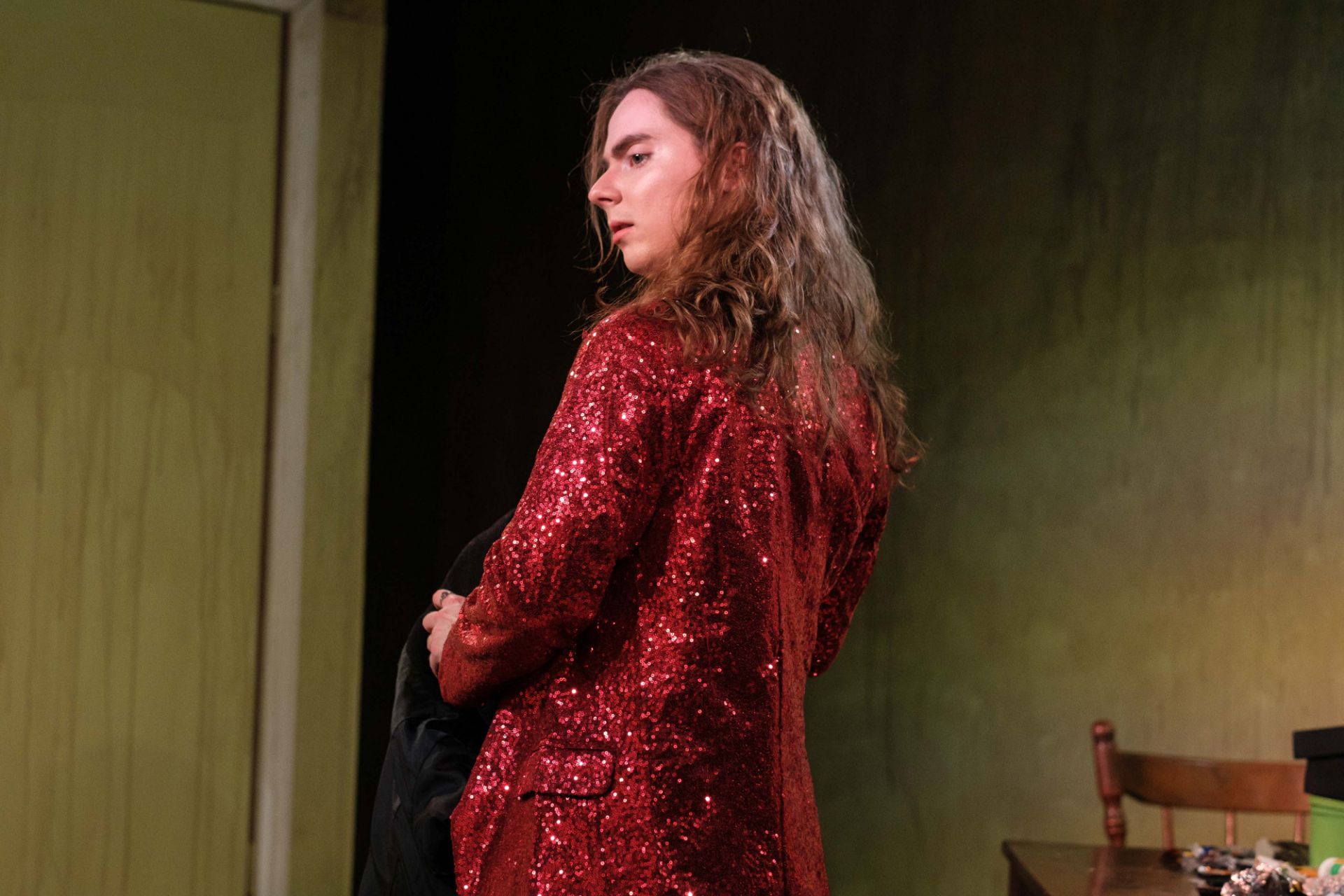
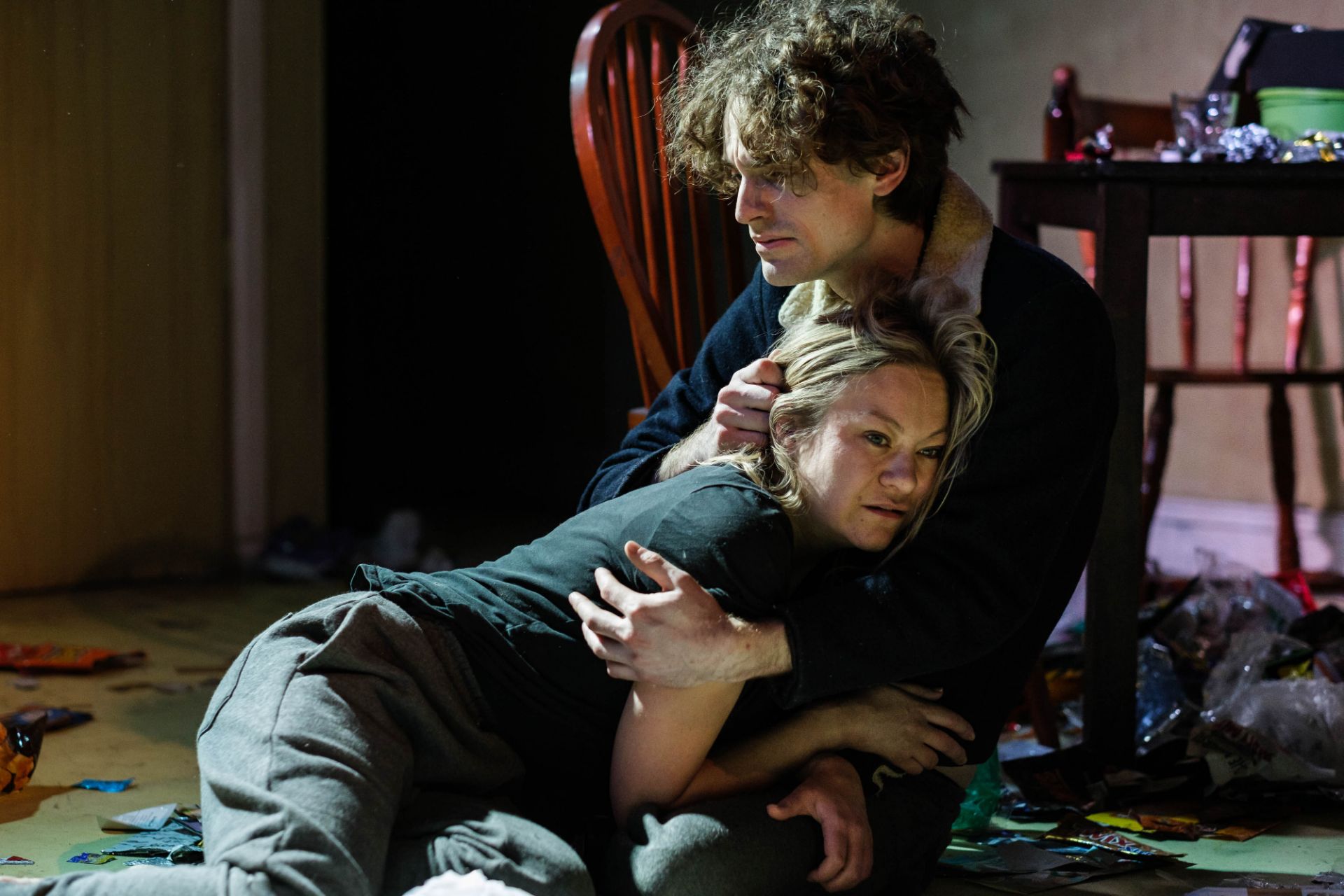
Haley and Presley are siblings who lock themselves up at home all day, indulging in chocolate and drugs, as they tell each other endless tall tales to pass the time. When Cosmo appears quite unexpectedly, we find the sanctuary suddenly perilous, as the stranger threatens to disrupt the household’s long-standing equilibrium. The many anecdotes shared by characters in Philip Ridley’s Pitchfork Disney are replete with fear and darkness, reflecting an anxious pessimism that no doubt was present during the writing process, although an ironic humour is certainly involved as well, in a bizarre work that proves to be as quirky as it is morbid.

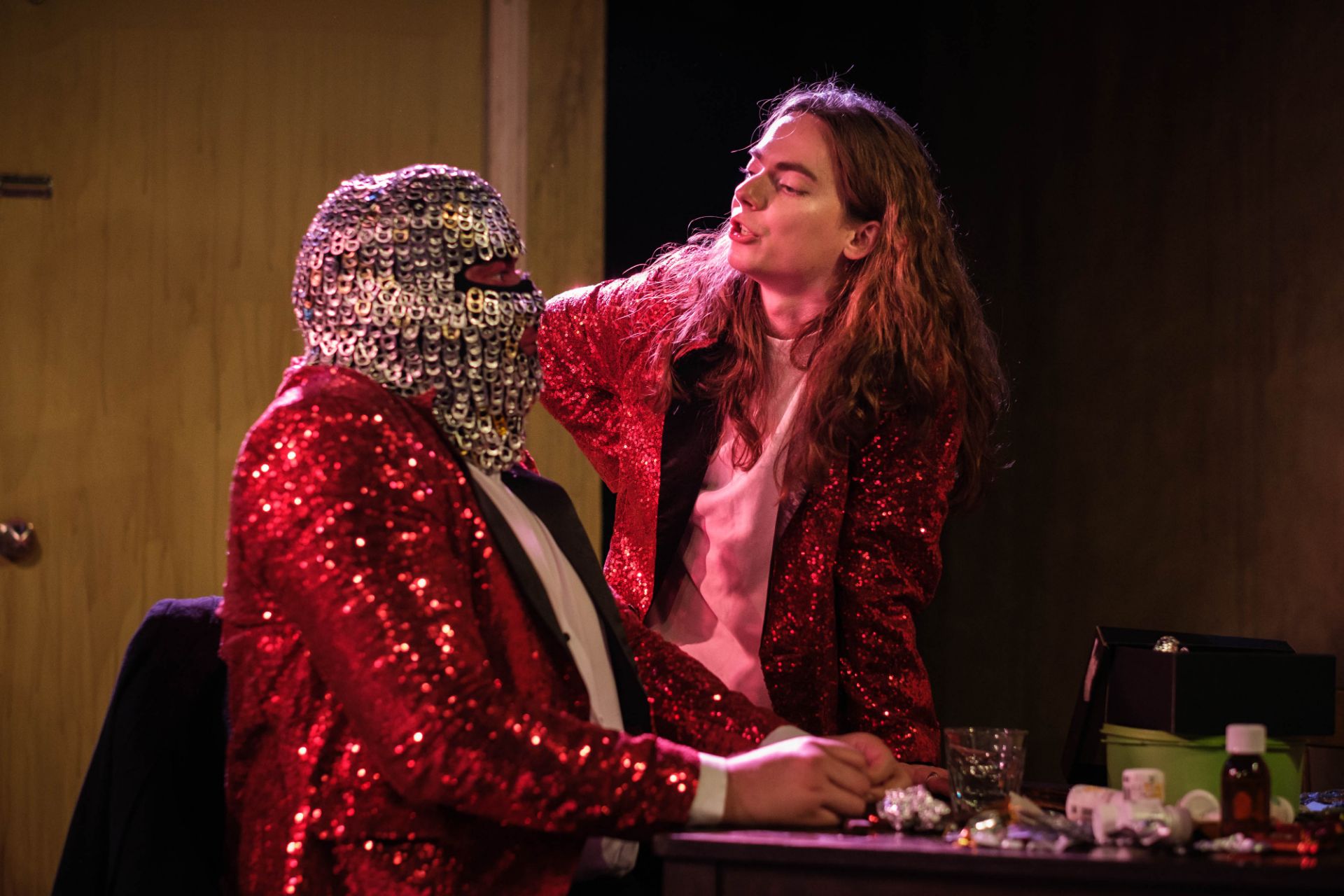
The production is full of intrigue, with director Victor Kalka exploring the text’s curious nature to deliver, an experience memorable for its fascinating experimentations with the abstract. Kalka’s set design is noteworthy for its finesse and believability, and some of his costume pieces are wonderfully outlandish, if somewhat paradoxical for a show concerned with decay and dilapidation. Lights by Jasmin Borsovszky are effective in moments of heightened drama, but can sometimes be too abrupt in the rendering of an ambitious vision.

In the role of Presley is the marvellous James Smithers, whose brilliant performance as a man in a state of arrested development, keeps us on edge for the entirety. His work is beautifully measured, courageous and intelligent, and although seeming to be in total control for the whole 90 minutes, it is Smithers’ capacity for vulnerability that provides this staging its truest artistic merit. Harry Winsome plays Cosmo with commendable vigour, and along with Jane Angharad’s buoyancy as Haley, they create enjoyable dimensions for Pitchfork Disney that are commensurate with the play’s eccentric spirit. James Hartley too is amusingly kooky, when he appears late in the piece as the mysterious Pitchfork.

Writing can be an isolating exercise. For some, to hide from the real world is to delve into the greatest creativity, and to unearth the deepest secrets one can harbour. There is no question, that the outside is full of terror and dread, and one can easily be tempted to retreat into the innermost spaces for refuge, perhaps as a gesture of surrender, or maybe as an attempt for finding the greatest incontrovertible truths. To go inside is to access the most precious of human experience, but to remained closed off from the big scary world, is the worst a person can do.

www.virginiaplaintheatre.comwww.meraki.sydney

Review: Chef (Kings Cross Theatre)

Venue: Kings Cross Theatre (Kings Cross NSW), Jan 25 – Feb 5, 2023
Playwright: Sabrina Mahfouz
Director:
Victor Kalka
Cast: Alice Birbara
Images by Clare Hawley

Theatre review

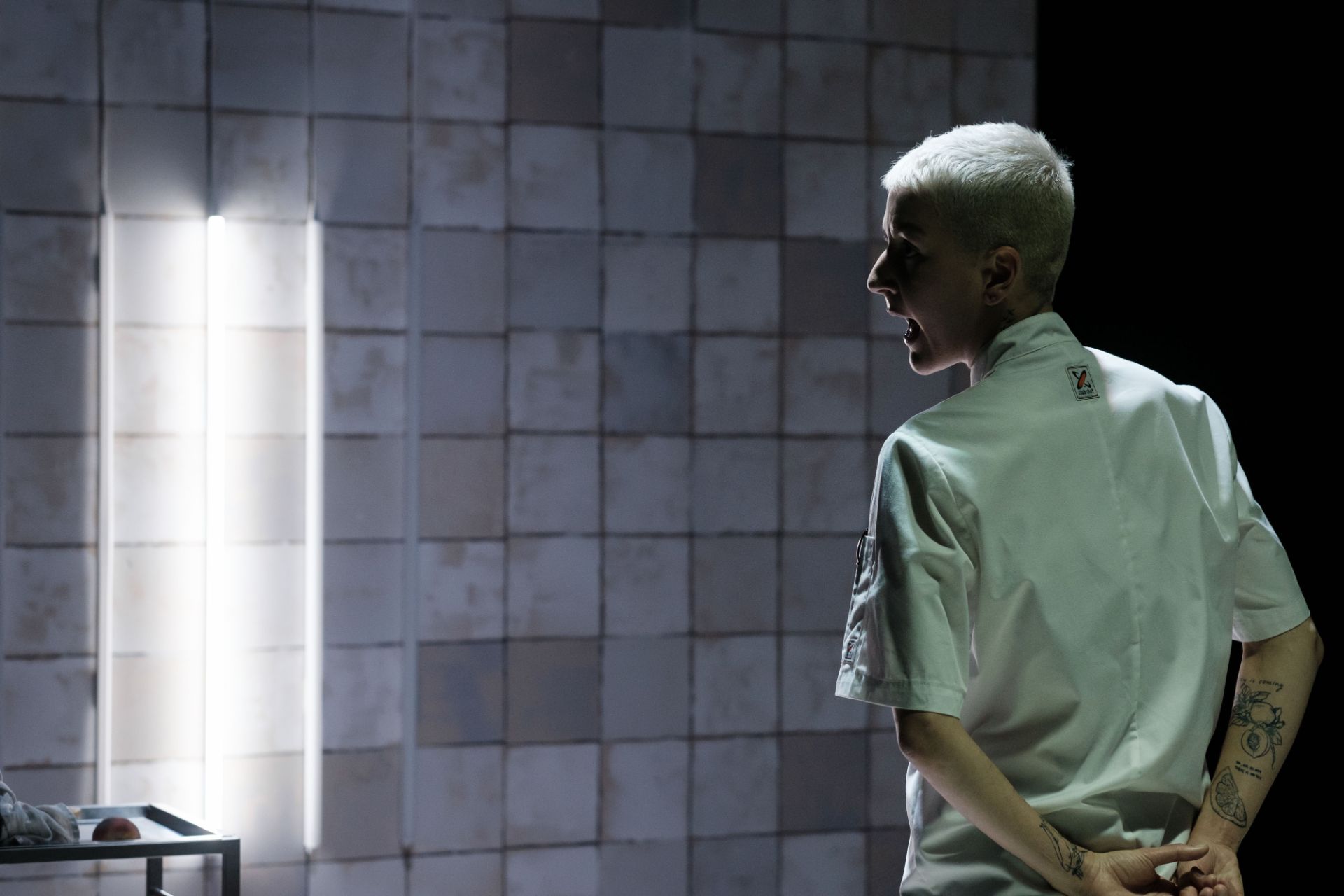
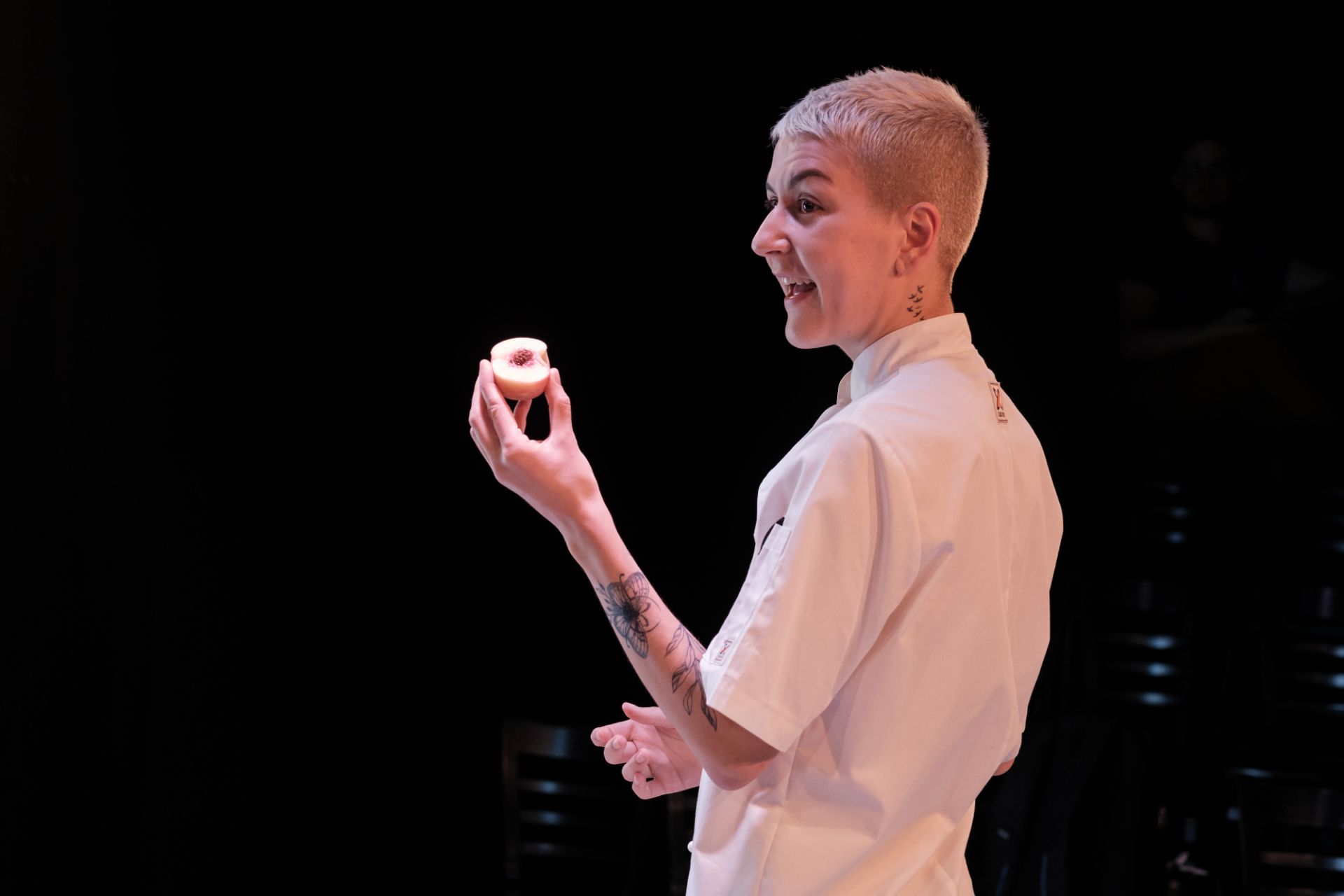
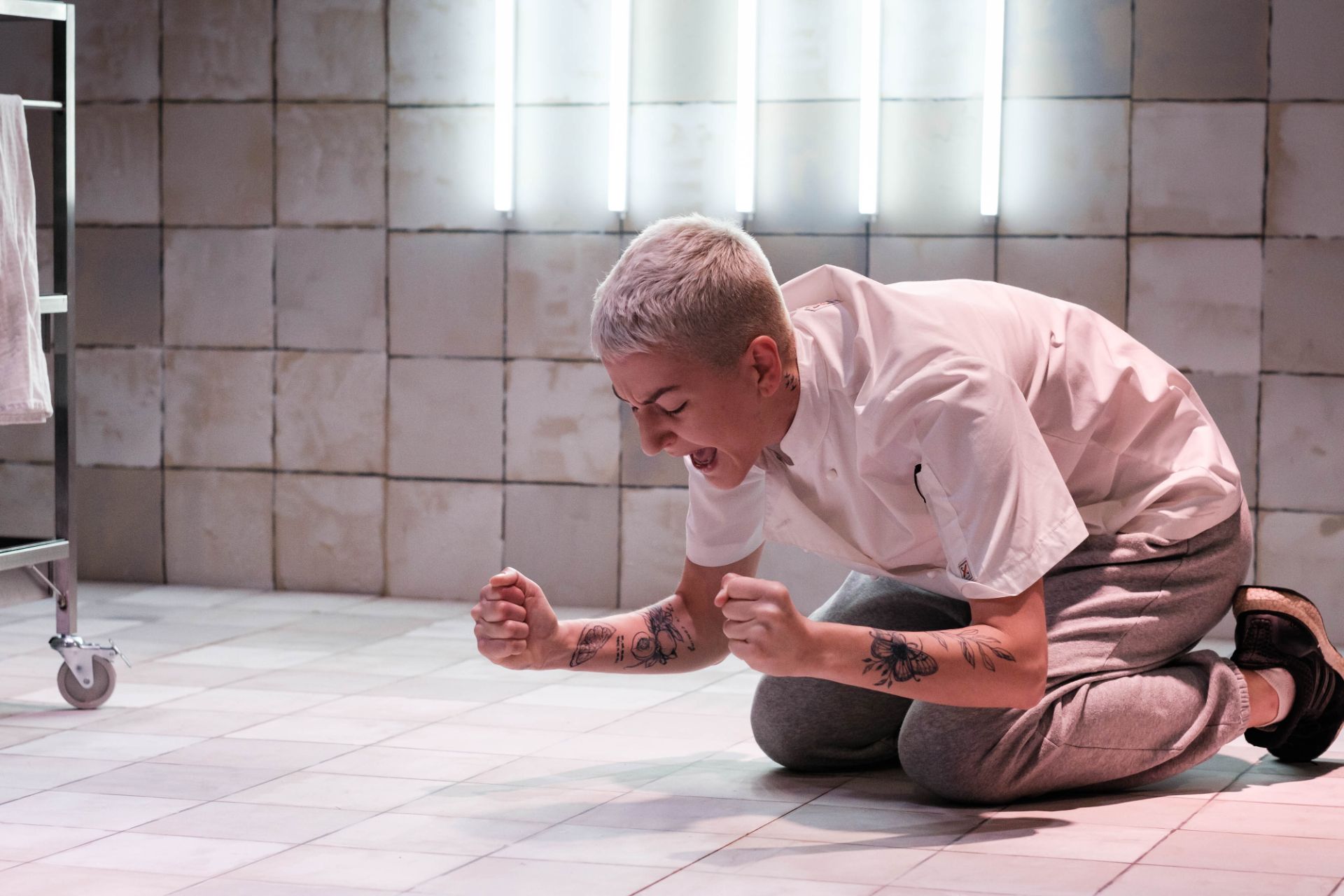
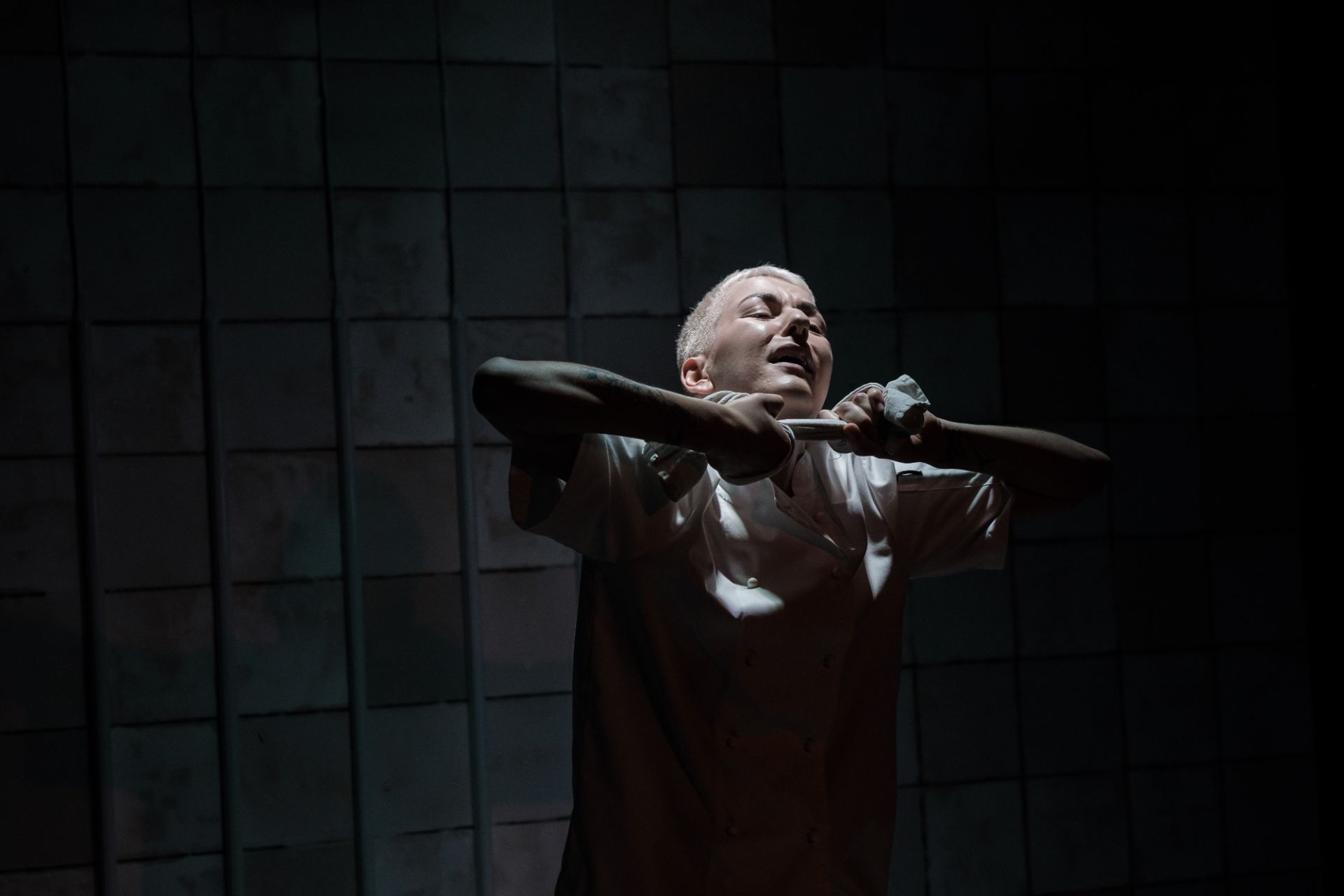
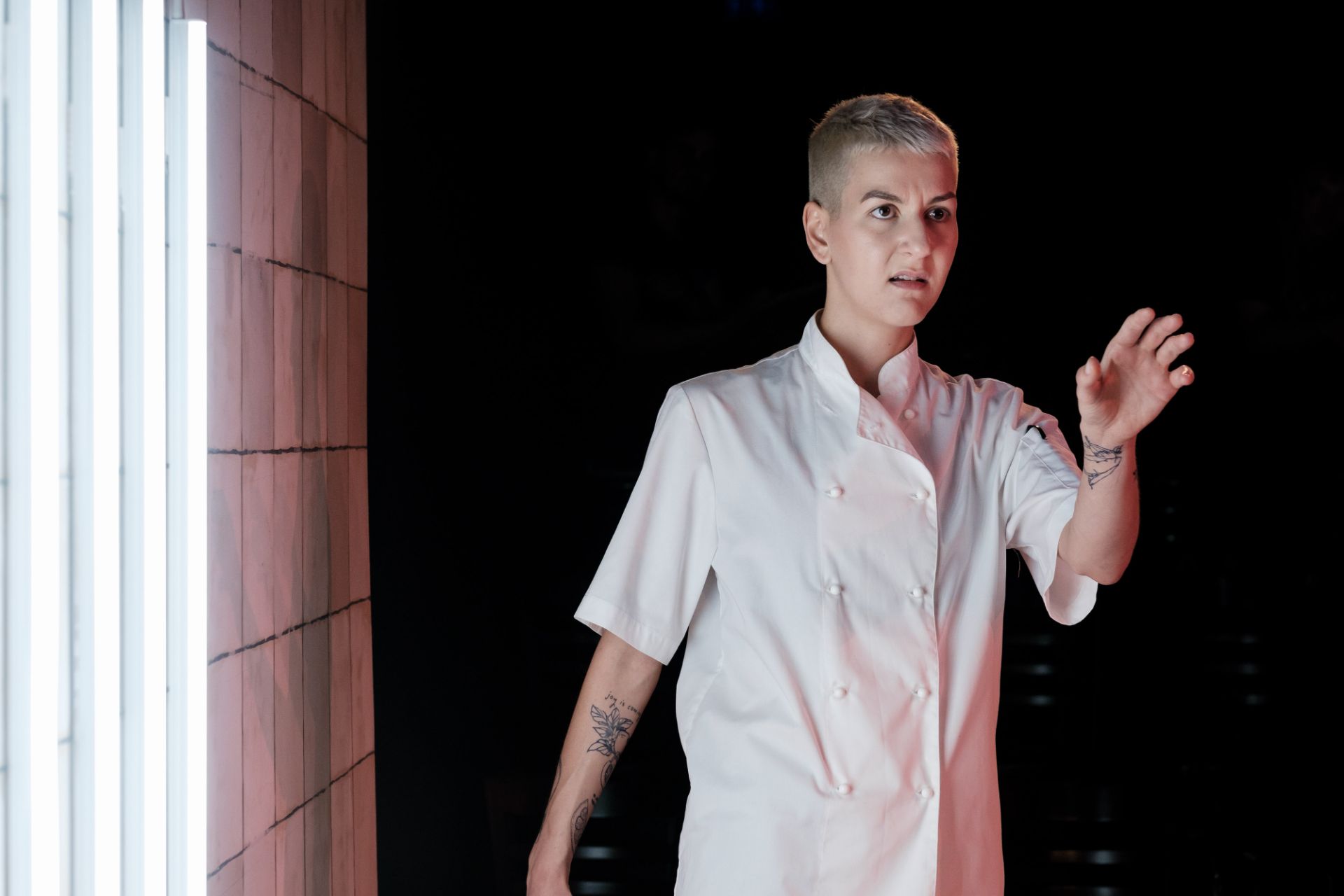
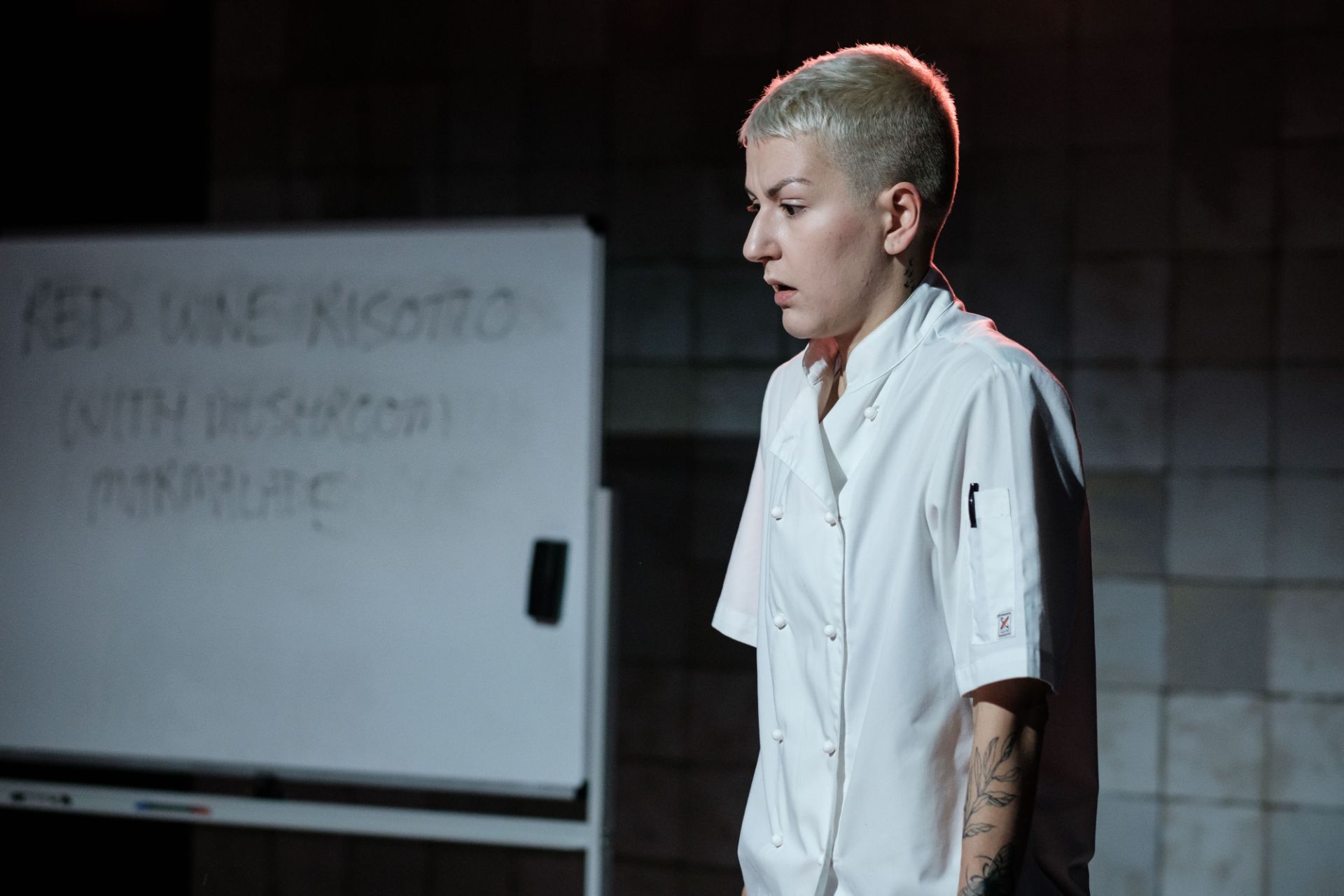
Her passion for the culinary arts is undeniable, but she talks about her favourite food in the past tense. There is a lot to be unnerved about, in Sabrina Mahfouz’s Chef. A woman is caught between spaces coarse and rarefied, living simultaneously in moments mundane and sacred, for a story that explores issues of class, along with themes about gender. It is a multi-faceted work, with generous doses of abstraction that make for an unpredictable theatrical experience.

Performed by Alice Birbara, under the direction of Victor Kalka, the one-woman show is intricately constructed, especially in terms of the character’s complex emotional condition, and her vacillating mental states. There is an intensity that can feel too unrelenting in the production, but the commitment to authenticity is an admirable one. The difficulty of a traverse stage, when only a single actor is occupying our attention, is successfully addressed by Birbara, who maintains consistent contact, whichever side of the auditorium one finds themself.

Kalka’s set design is palpably accurate, in its evocation of locations relevant to the unnamed woman’s tale. Jasmin Borsovszky’s lights are dynamic and imaginative, effective at providing surprising and gratifying visual variety. Sound by Ryan Devlin bring a sense of drama to the piece, reliable at heightening tension whenever required.

Women are expected to know our way around a kitchen, unless it is a commercial one, with money, status and real power at stake, then we are denied equitable participation, as is the case in every situation where the patriarchy institutes the rules to benefit a privileged few. The word “chef” in French, refers to a leader, a master of their own domain. The woman we meet in the play has all the qualities, and every right, to be the determinant of her own destiny, and an absolute boss in her professional realm, but sadly she is not going to make it on her own.

www.kingsxtheatre.com | www.virginiaplaintheatre.com

Review: The Cherry Orchard (Chippen Street Theatre)

Venue: Chippen Street Theatre (Chippendale NSW), Jun 6 – 16, 2019
Playwright: Anton Chekhov (adapted by Victor Kalka)
Director: Victor Kalka
Cast: Martin Bell, Garreth Cruikshank, Dominique de Marco, Zacharie di Ferdinando, Suzann James, Craig James, Laurel McGowan, Martin Quinn, Alannah Robertson, Benjamin Tarlinton, Caitlin Williams, Harley Wilson
Images by Clare Hawley

Theatre review
In Victor Kalka’s adaptation of The Cherry Orchard, we revisit Lyubov Andreyevna’s property and the anxieties surrounding its impending transfer of ownership. This story of old money versus new money, as it relates to the evolution of the Russian economic system just over a hundred years ago, bears themes pertaining to social equality that will always be relevant, but Chekhov’s characters and their idiosyncratic concerns, from 1904, seem to have retained little lustre and resonance. We no longer struggle with the notion of work as virtue, as Chekhov seems to present as the work’s integral assertion. In fact, it can be argued that another point of progress has been reached, where we begin to question that very assumption of honourable labour, that has informed so much of our participation in twentieth-century capitalism.

The production allows us to look back at the dawn of these modern times, to observe the naive optimism with which we regarded that model as mechanism for a redistribution of wealth. We had hoped that the new system would once and for all eradicate poverty, that aristocracy would relent and be relegated to the dustbin of history, but we find ourselves in 2019, talking about the top 1% and trying to solve problems of a similar nature. In addition, as an Australian audience we have to confront the concept of land ownership, as beneficiaries of a cruel and ongoing colonisation, and consider the meaning of resource allocation, when rightful owners of all our wealth are routinely kept deprived and subjugated.

Kalka keeps his show moving swiftly, at a pace suited to our contemporary tastes, although we never get to know any of the twelve personalities sufficiently to really care about their individual or collective predicaments. Performances are uneven but it is, on the whole, an adequate ensemble that has us following the narrative and that helps us gather some of its more intellectual aspects. The production is strangely deficient in eliciting any emotional involvement. Even though relatively vibrant in parts, this iteration of The Cherry Orchard struggles to communicate beyond the cerebral.

When we trust in work, we believe in a system of reward that is intrinsically just. Power imbalances however, will always mean that those who provide labour are constantly under the control of those who pay the wages. In order that we may feel fairly rewarded, we need extensive knowledge about resource distribution, but it is precisely this information that is rigorously kept behind closed doors. We are made to believe that we are given what we deserve, and we are taught to accept class and wealth distinctions, so that we accept our lot as somehow natural, and keep working in accordance with rules that only favour those on top. Perhaps the optimism in The Cherry Orchard is indication that big changes do occur, that a revolution, as impossible as it may seem in our indoctrinated minds, will arrive one day.

www.chippenstreet.com | www.virginiaplaintheatre.com