Review: Takatāpui (Trans Theatre Festival)

Venue: Carriageworks (Eveleigh NSW), Jan 10 – 15, 2026
Playwright: Daley Rangi
Cast: Daley Rangi
Image by Alec Council

Theatre review
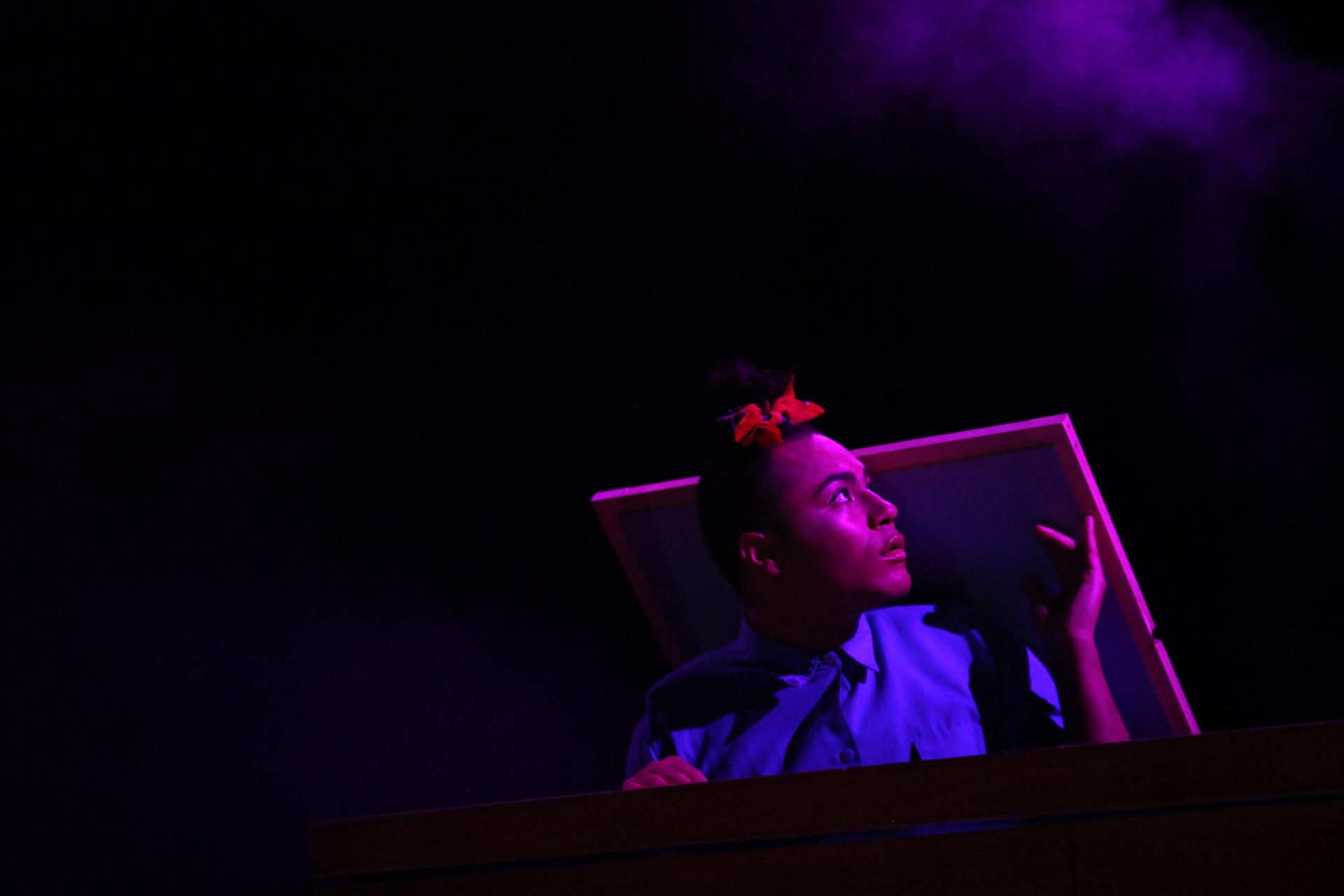
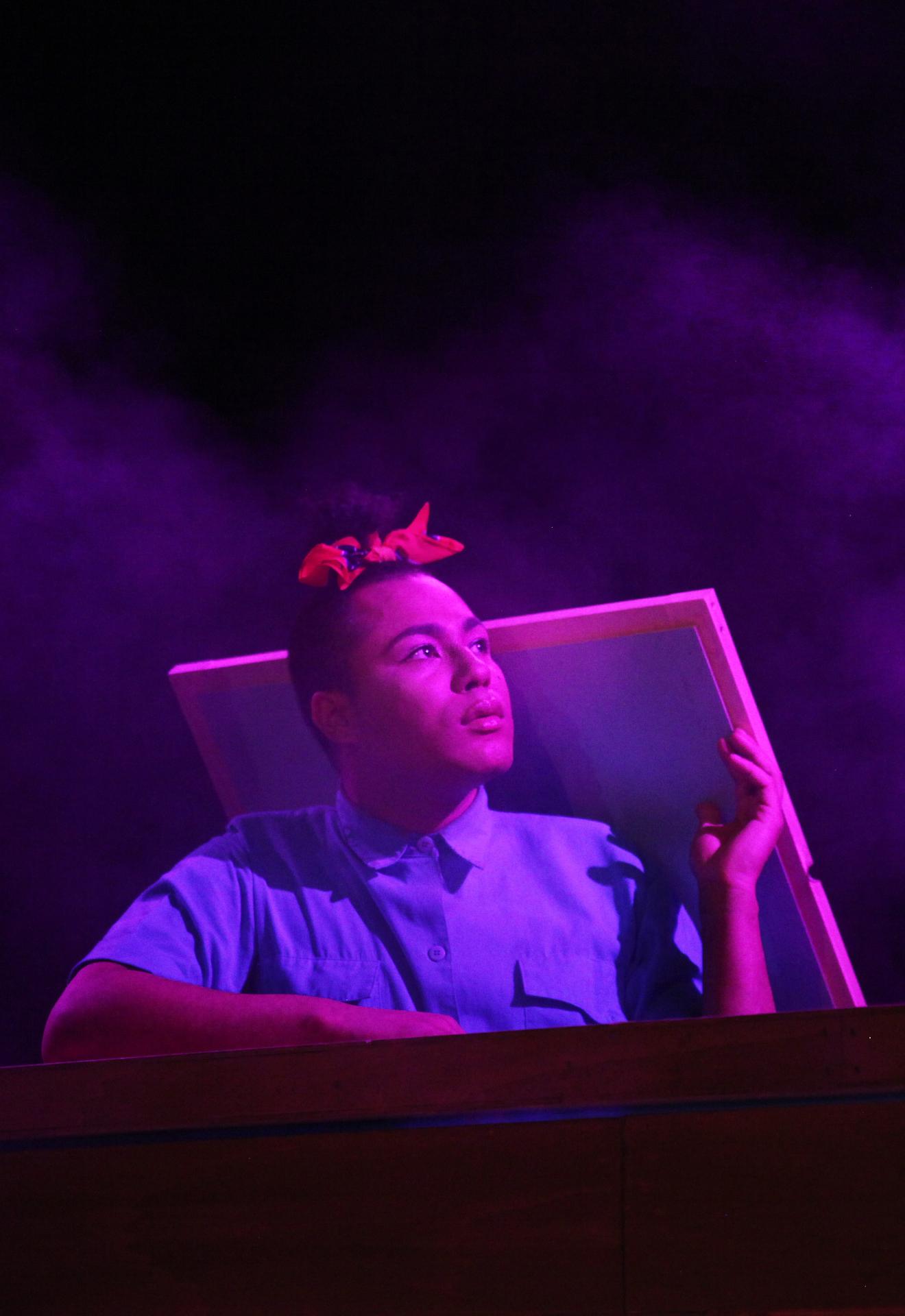
The show opens with the artist preparing to head out for a date. Poised before a mirror and confronted by his own reflection, it becomes clear that what is being rehearsed is less a social ritual than a state of psychological readiness—an attempt to negotiate self-doubt as much as appearance. Daley Rangi’s Takatāpui is a one-person work that interrogates otherness and marginalisation. Rangi occupies multiple positions of difference: Māori within a predominantly white world, and visibly queer within a milieu structured by heteronormativity. Almost inevitably, the work unfolds as a meditation on isolation and loneliness, tracing the quiet distances that emerge when identity is continually rendered peripheral.

Takatāpui is threaded with humour, though its gravity is never in doubt. Rangi’s magnetism holds the audience in effortless thrall across the hour-long duration, his lucid embodiment of complex emotional states lending a visceral clarity to the poetic language he deploys with such quiet authority. What emerges is a portrait of profound vulnerability tempered by considerable strength: in his reflections on being brown and trans, Rangi articulates a narrative of injustice that resonates deeply, not as abstraction but as lived experience, felt and shared in the room.

It is striking that, despite being staged within the starkest of settings—an empty stage anchored only by a microphone stand outfitted with small electronic contraptions—the production’s lighting and sound design are intricately conceived and exuberantly realised. These elements do far more than support the action: they actively extend and enrich the storytelling. The resulting sensorial depth comes as a welcome surprise, amplifying the work’s theatricality and lending a layered, immersive quality to what might otherwise read as austere minimalism.

Takatāpui is written from a place of profound personal intimacy, offering perspectives and experiences that are singular and unrepeatable. That human beings possess a means by which such interiority can be shared at all is something to be cherished and fiercely defended. Art may be intrinsic to our species, yet it remains fragile—perpetually vulnerable to being sidelined, muted, or censored. In the present moment, artists have become increasingly rare, and alarmingly, this scarcity is met with a troubling complacency: an acceptance that human endeavour should be reduced to the bare logic of economic survival. To relegate art to the realm of the rarefied, to treat it as a luxury rather than a necessity, is both a disgrace and a danger. In doing so, we risk forfeiting our capacity to apprehend meaning, complexity, and truth itself.

www.greendoortheatrecompany.com

Review: Burgerz (Trans Theatre Festival)

Venue: Carriageworks (Eveleigh NSW), Jan 7 – 18, 2026
Playwright: Travis Alabanza
Director: Sam Curtis Lindsay
Cast: Travis Alabanza
Images by Dorothea Tuch

Theatre review
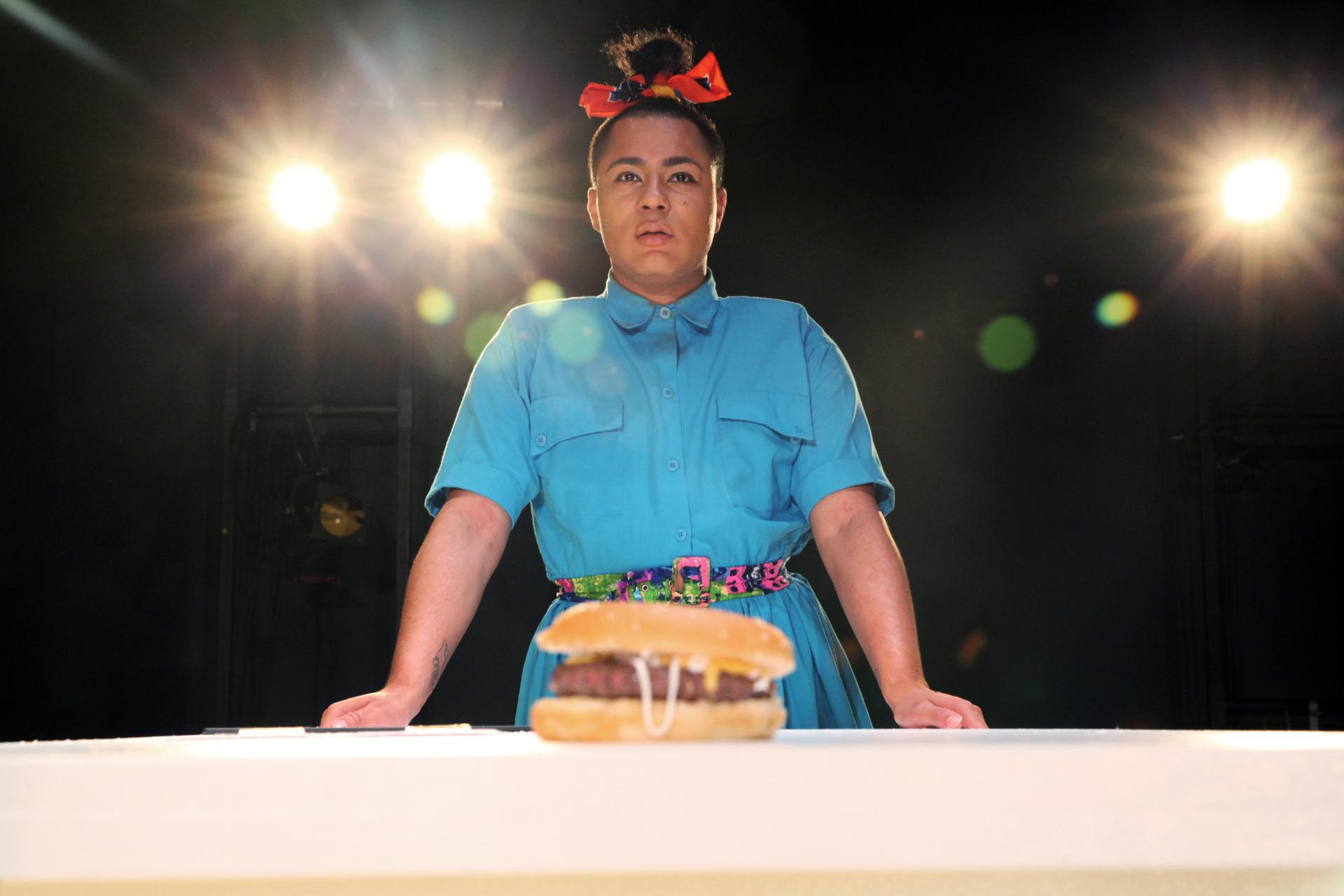
Travis Alabanza embarks on the deceptively simple task of making their first burger, a venture that is daunting from its very inception. Expectations loom large: rules to be followed, standards to be met, and a destination already mapped out for a journey that has barely begun. Conscious of the weight of these prescriptions, Alabanza invites a volunteer to join them on stage—specifically a straight white man. The choice is pointed rather than incidental, reflecting the reality that so many of the rules governing our lives, both in the UK where the work originated and here in Australia, are institutionalised by those who fit precisely that description.

A work that confronts both trans identity and lived experience as a person of colour, Burgerz is scintillating theatre that embeds danger at its very core. The volunteer does not appear briefly for light-hearted audience interaction; instead, he remains on stage alongside Alabanza for a substantial duration of the performance. This sustained presence heightens a palpable sense that “anything could happen”—a tension that lies at the heart of compelling theatre. More crucially, it mirrors the lived precarity of navigating heteronormative spaces as a trans person of colour, where the possibility of violence is never abstract, but ever-present, hovering in the background of even the most mundane encounters.

The risks Alabanza takes pay off emphatically. Immersed in an unrelenting atmosphere of vulnerability, the audience is held rapt, invested from the opening moments to the final beat. Alabanza’s exquisite wit and disarming charm ensure an unwavering alignment with them, while their intimate command of the material allows each unrehearsed moment of spontaneity—prompted by the surprise presence of a volunteer—to be met with razor-sharp sass and impeccable comic timing. Their capacity to generate genuine chemistry with a stranger is unequivocally extraordinary, resulting in a performance that is both singular and indelibly memorable.

Under Sam Curtis Lindsay’s direction, the work unfolds with instinctive precision, shaping a journey of unexpected texture and continual surprise, one that proves quietly and deeply emotional. The production remains consistently delightful while keeping audiences alert to its shifting rhythms and tonal turns. Soutra Gilmour’s production design embraces a pop-inflected sensibility that complements Alabanza’s signature, calculated flippancy. Lighting by Lee Curran and Lauren Woodhead, together with sound design by XANA, steers the staging through finely calibrated transitions of mood and atmosphere, reinforcing the work’s emotional and theatrical dexterity.

A man once hurled a burger at Alabanza in a public space, an act intended as humiliation and degradation. Alabanza can do everything within their power to reclaim and reframe the incident and its significance, yet a harder truth remains: it is not personal reckoning alone that must shift, but the conditions that permit such acts to occur. We watch Alabanza sink into deep contemplation, meticulously interrogating and dismantling the forces that render the world both resolutely and insidiously exclusionary.

What ultimately comes into focus is an irrefutable understanding that meaningful change requires collective responsibility. We are bound together by the inevitability of shared existence, and the work of recognising—let alone sustaining—one another’s humanity remains the most profound challenge of simply being here.

www.greendoortheatrecompany.com