Venue: Seymour Centre (Chippendale NSW), Feb 20 – Mar 21, 2026 Book & Lyrics: George Reinblatt (based on characters created by Sam Raimi) Music: Christopher Bond, Frank Cipolla, Melissa Morris, George Reinblatt Director: Daniel Stoddart Cast: Grace Alston, Jake Ameduri, Elaina Bianchi, Oliver Clisdell, Harley Dasey, Harrison Riley, Emma Wilby Images by Peter Stoop
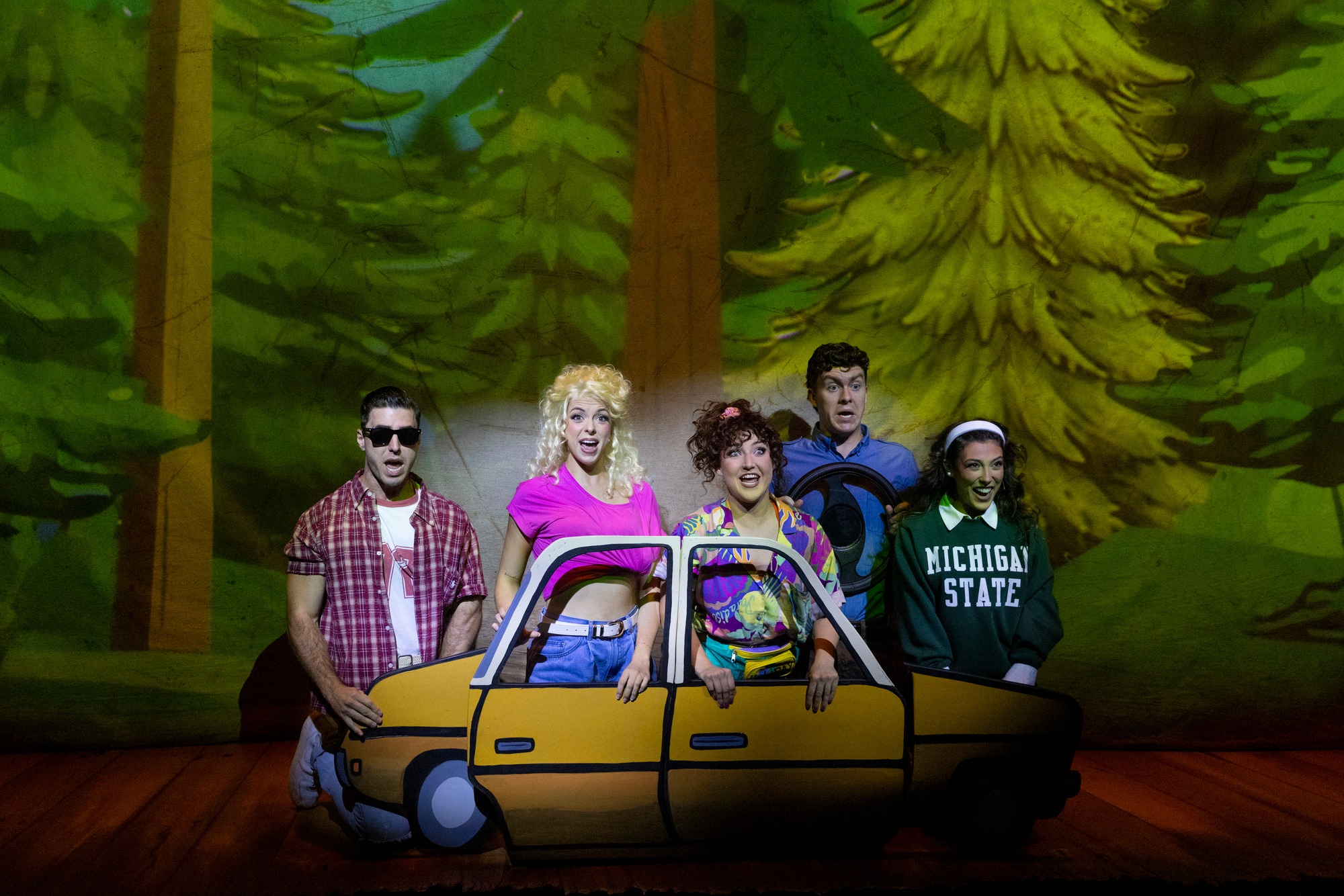
Theatre review Five college students venture into a remote cabin for spring break, only to succumb one by one to demonic possession—unleashing bloody carnage upon their unsuspecting friends. This is Evil Dead: The Musical, a stage adaptation of Sam Raimi’s seminal horror film. Where the 1981 original genuinely terrified audiences, the musical version leans gleefully into slapstick, transforming the source material’s gruesome set pieces into comical, blood-soaked punchlines. The result plays less as parody and more as affectionate tribute—a theatrical love letter to a film that has since ascended to iconic cult status.
While the material itself may not consistently land with comedic precision, director Daniel Stoddart compensates with an infusion of irrepressible exuberance that propels the production forward. The contributions of choreographer Lochlan Erard and music director Mark Bradley, while adhering to conventional frameworks, provide a polished and professional foundation for the production.
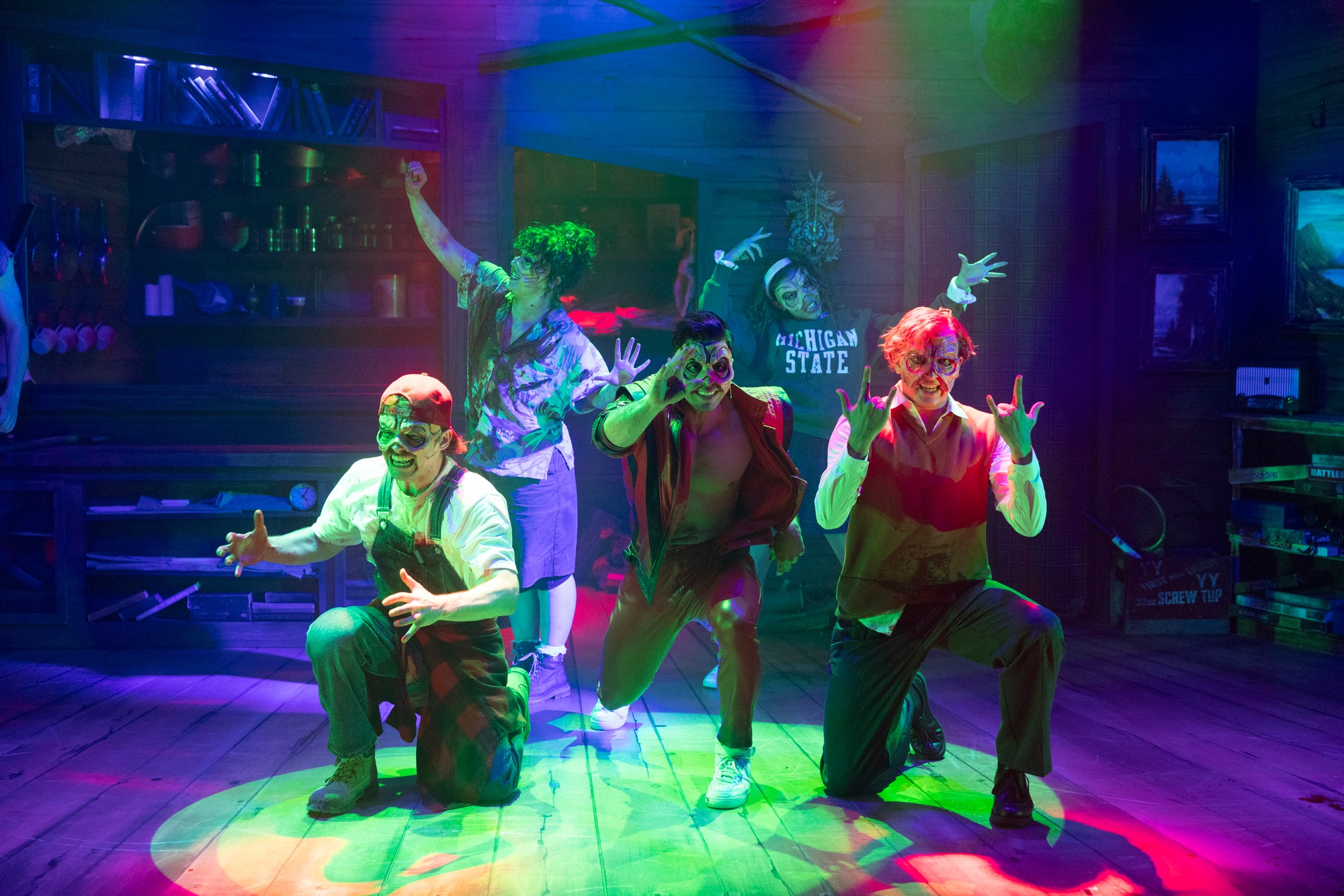
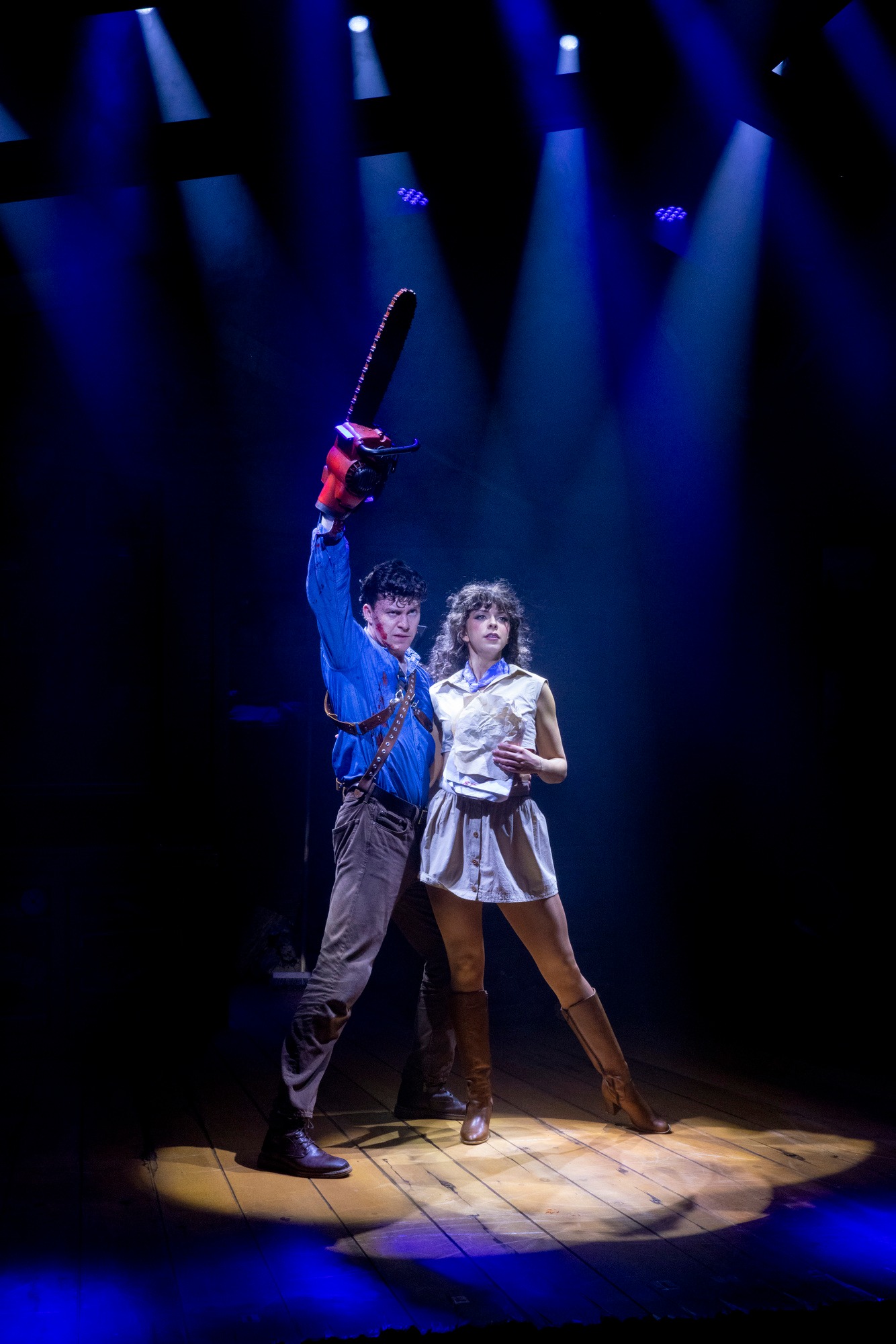
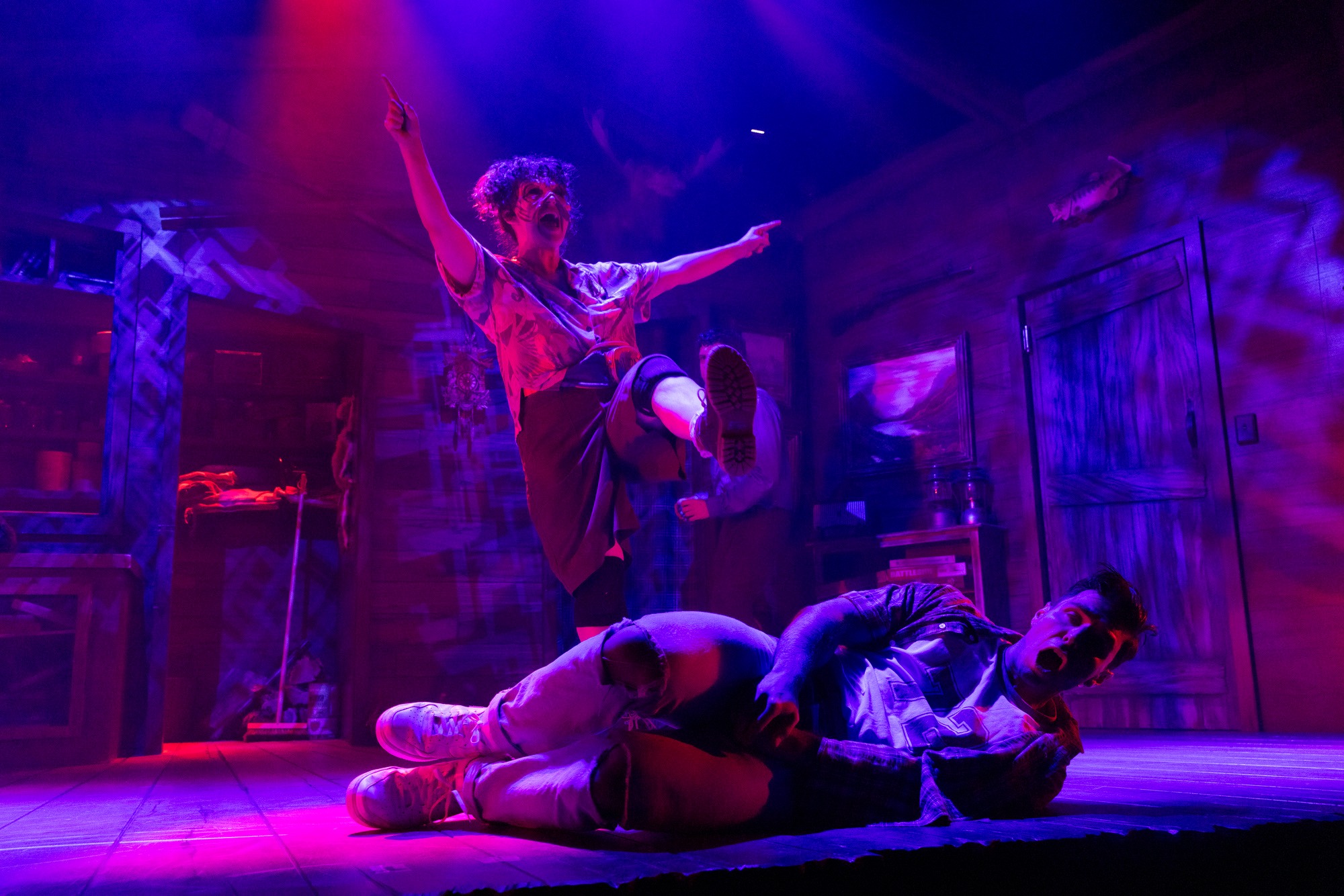
Much of the evening’s success rests upon the sheer infectiousness of the cast’s enthusiasm, which effectively distracts from jokes that can otherwise skew toward the trite. In the central role of Ash, Harley Dasey demonstrates technical competence, even if his portrayal falls somewhat short of the roguish, beleaguered heroism the part demands. More memorable are supporting players like Emma Wilby as Cheryl and Harrison Riley as Jack, whose impeccable comic timing yields the production’s most substantial laughs.
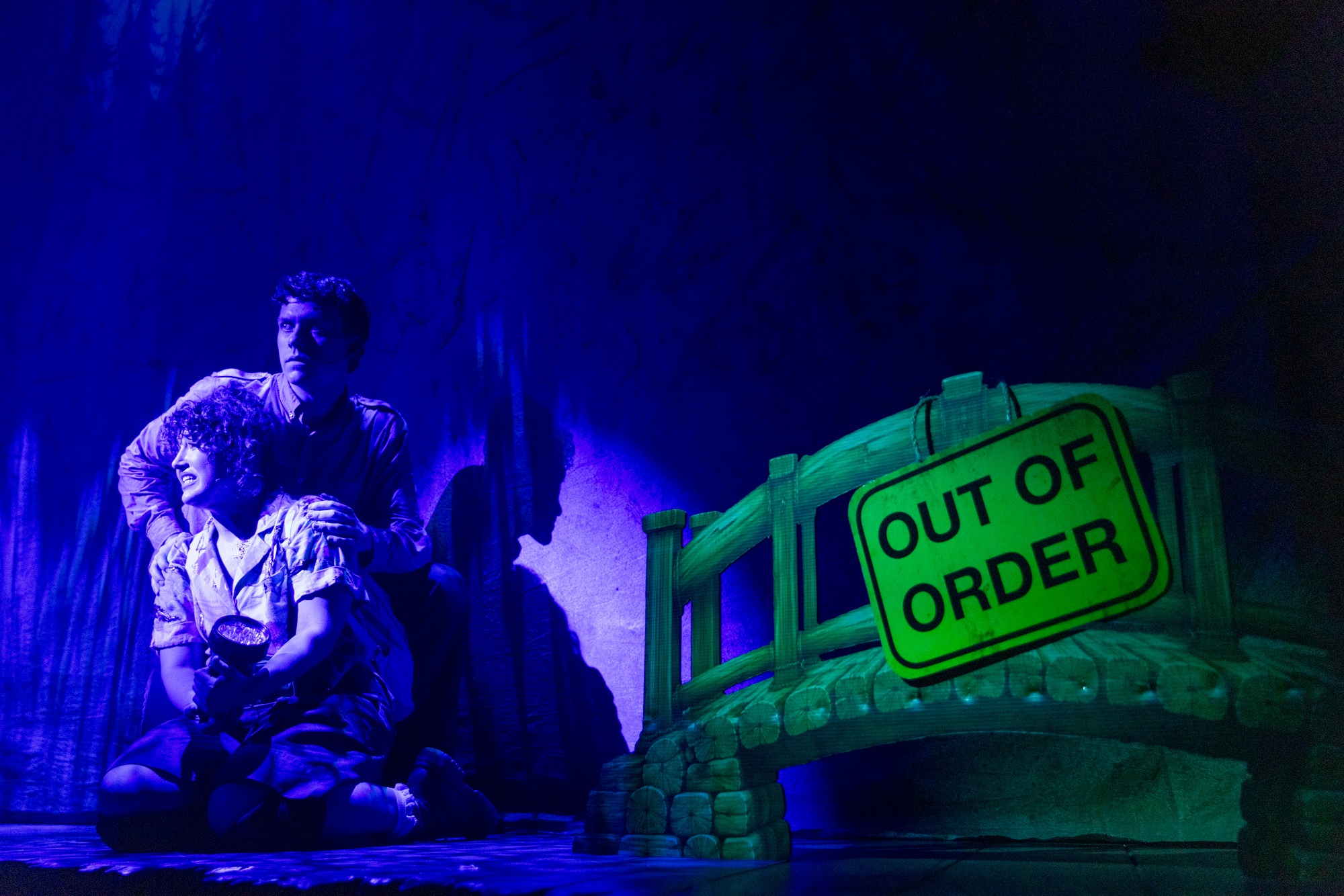
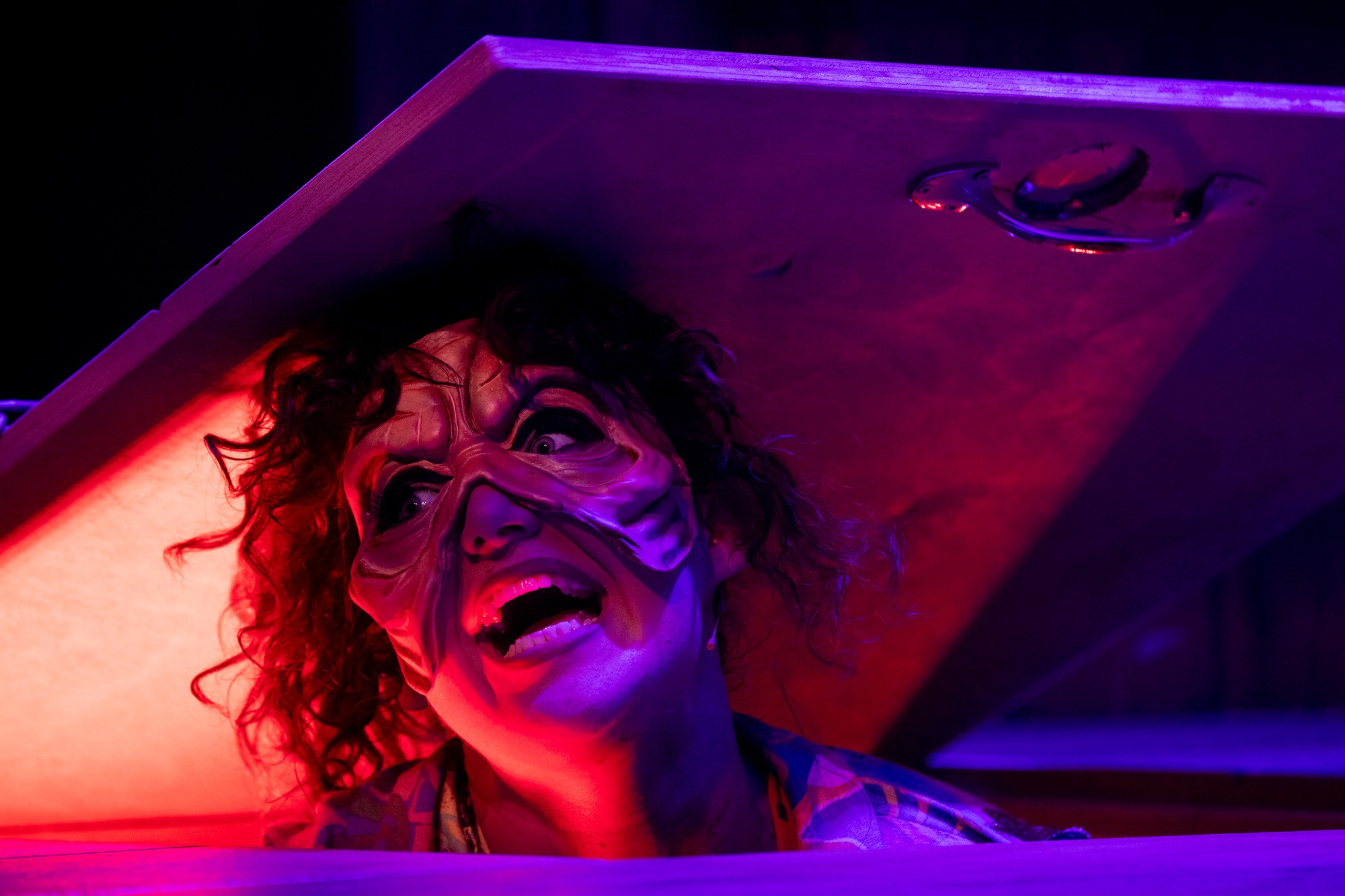
Eric Luchen’s set design proves memorable in its effective realization of the narrative’s supernatural demands. Together with Renata Beslik’s costumes, the production’s visual landscape achieves a faithful, if overly conventional, period authenticity. It is Jason Bovaird’s lighting design, however, that injects genuine dramatic tension, its increasingly dynamic palette mirroring the story’s gradual descent into high-octane chaos and effectively propelling the production toward its bombastic conclusion.
 Suzy Goes See