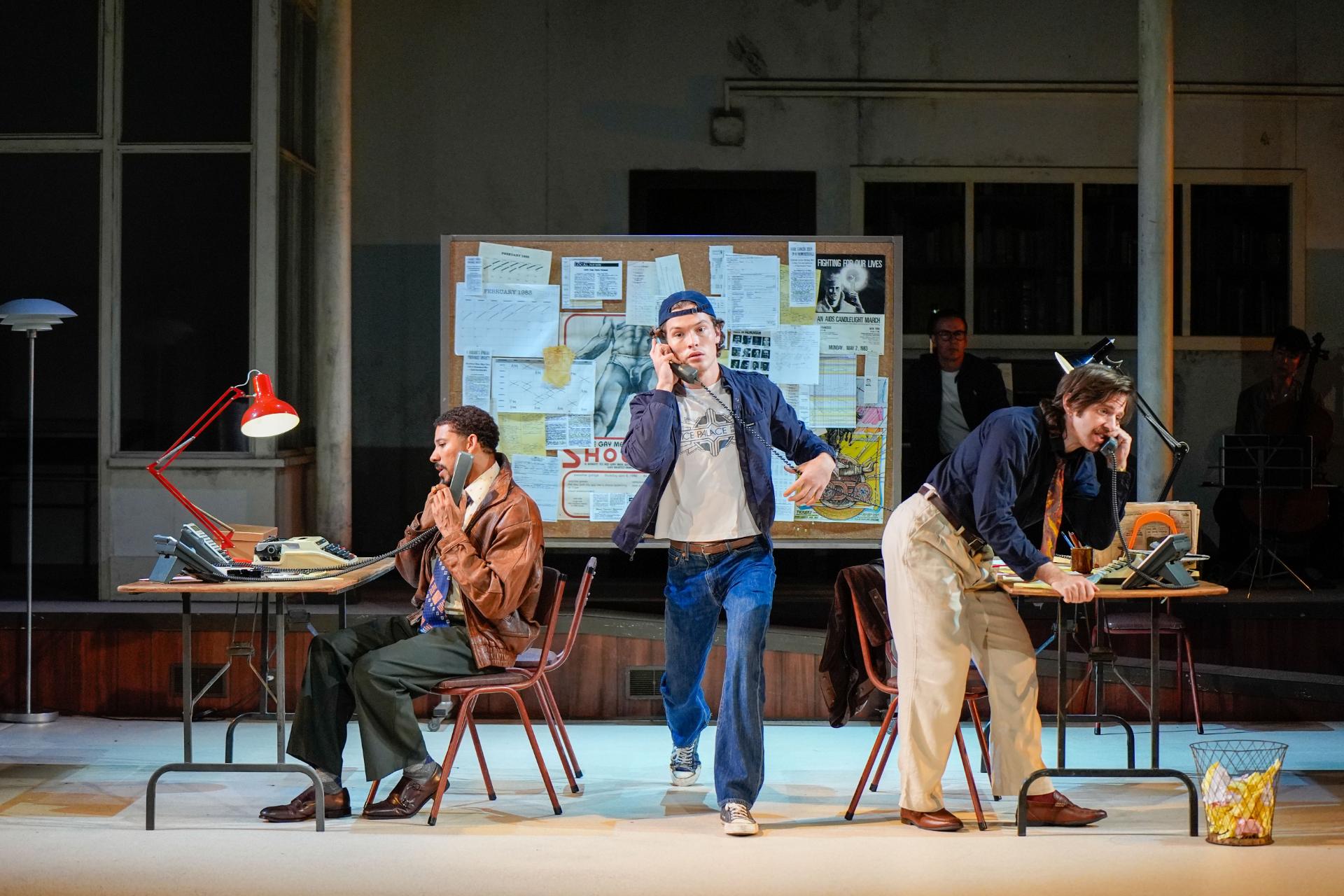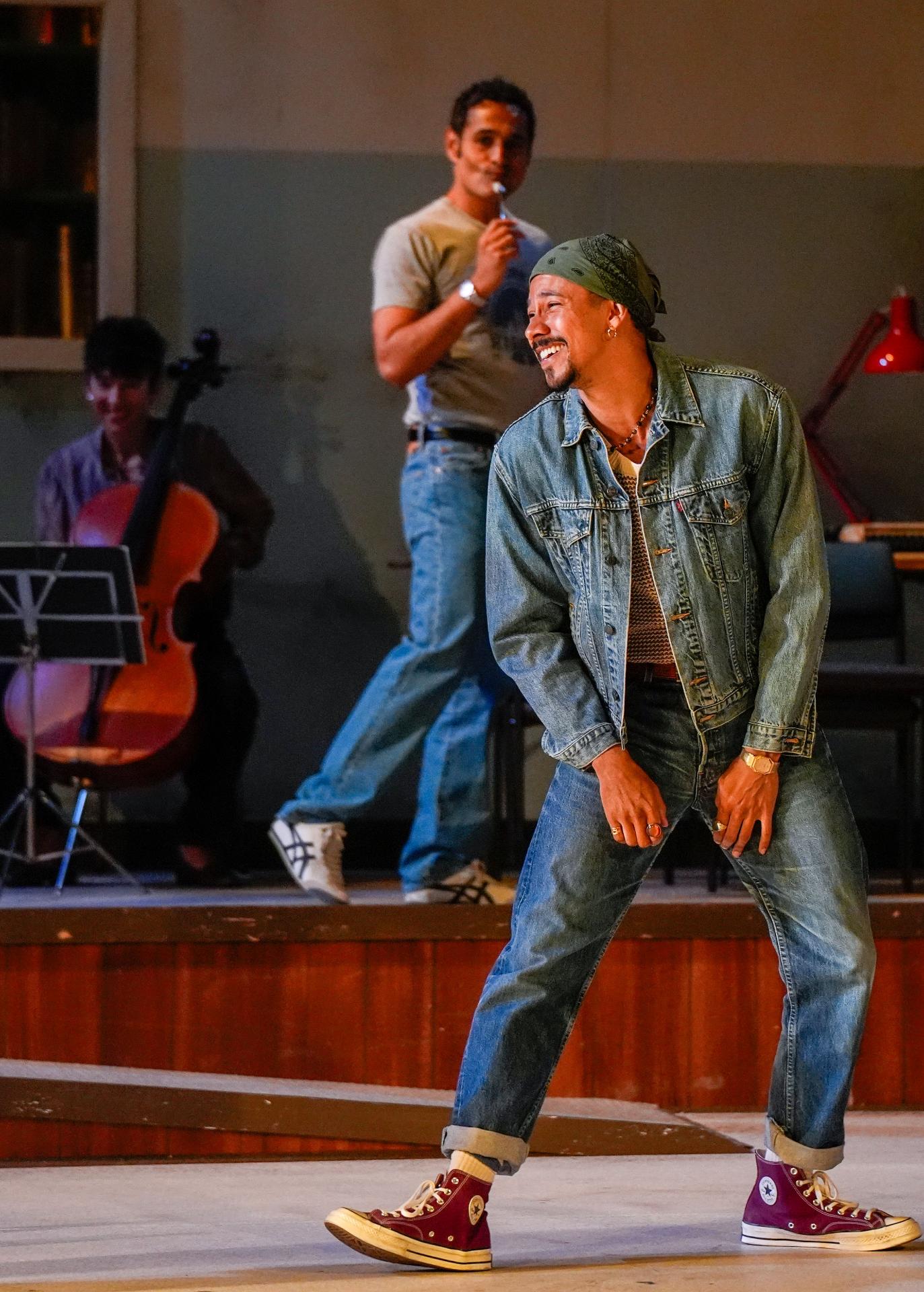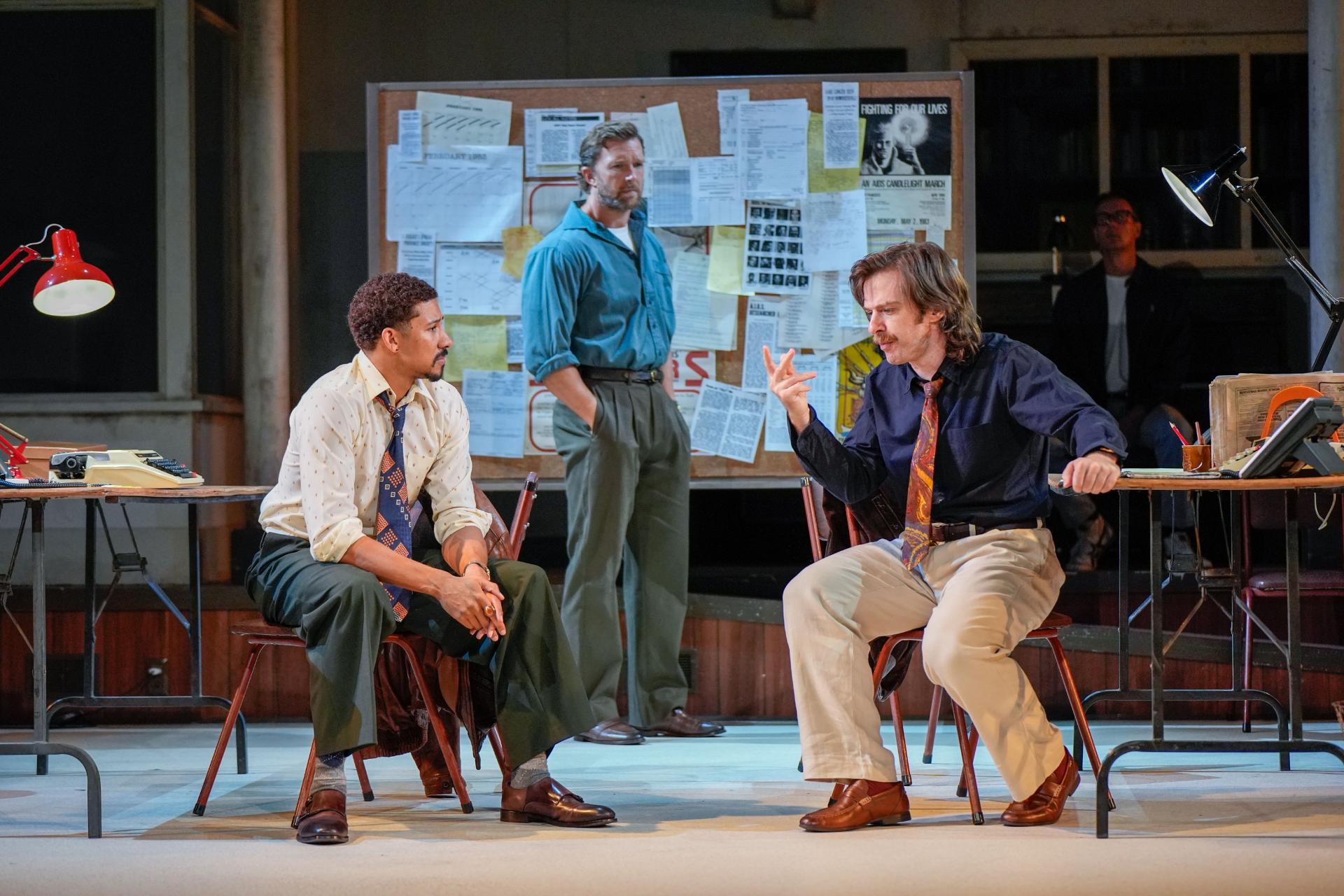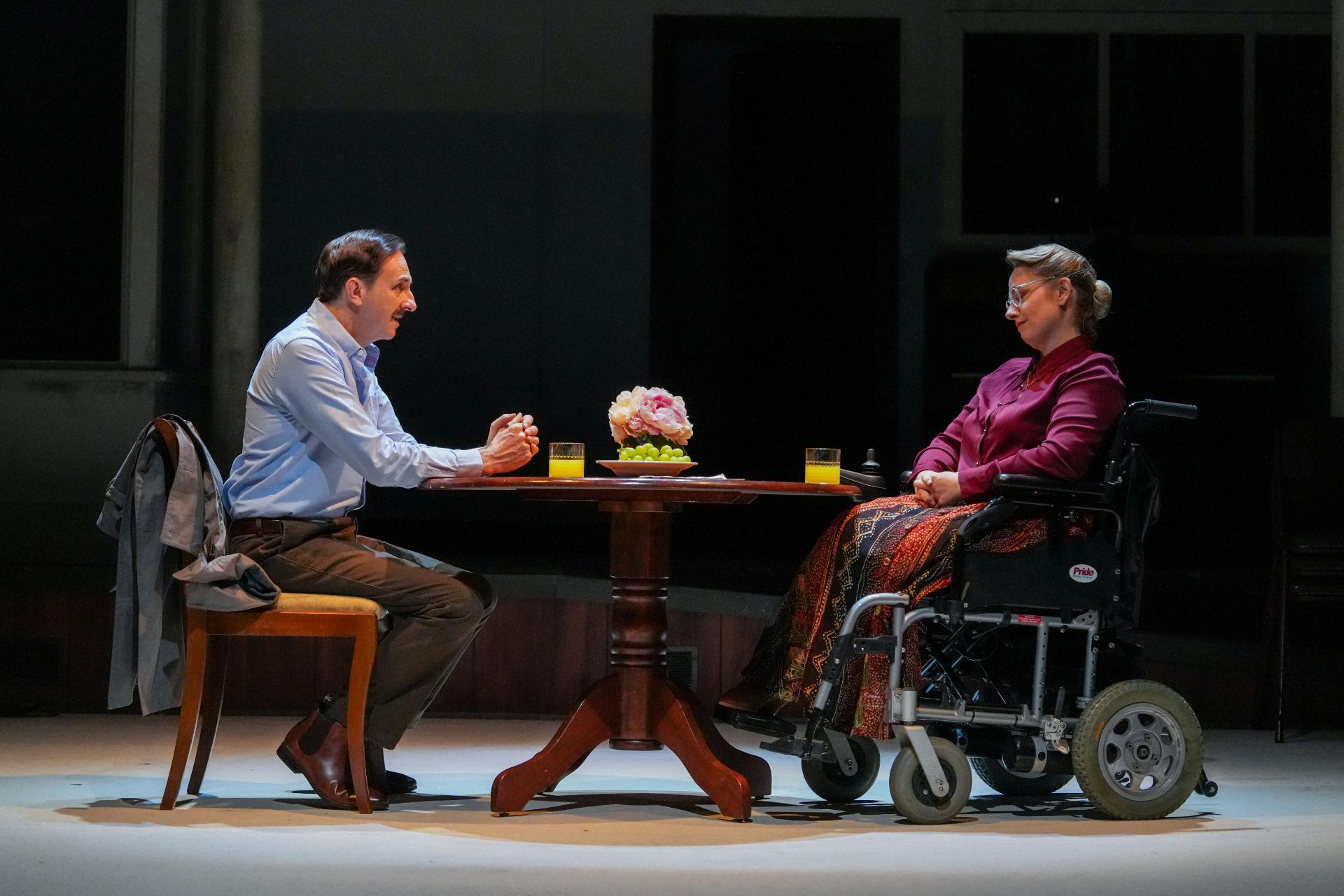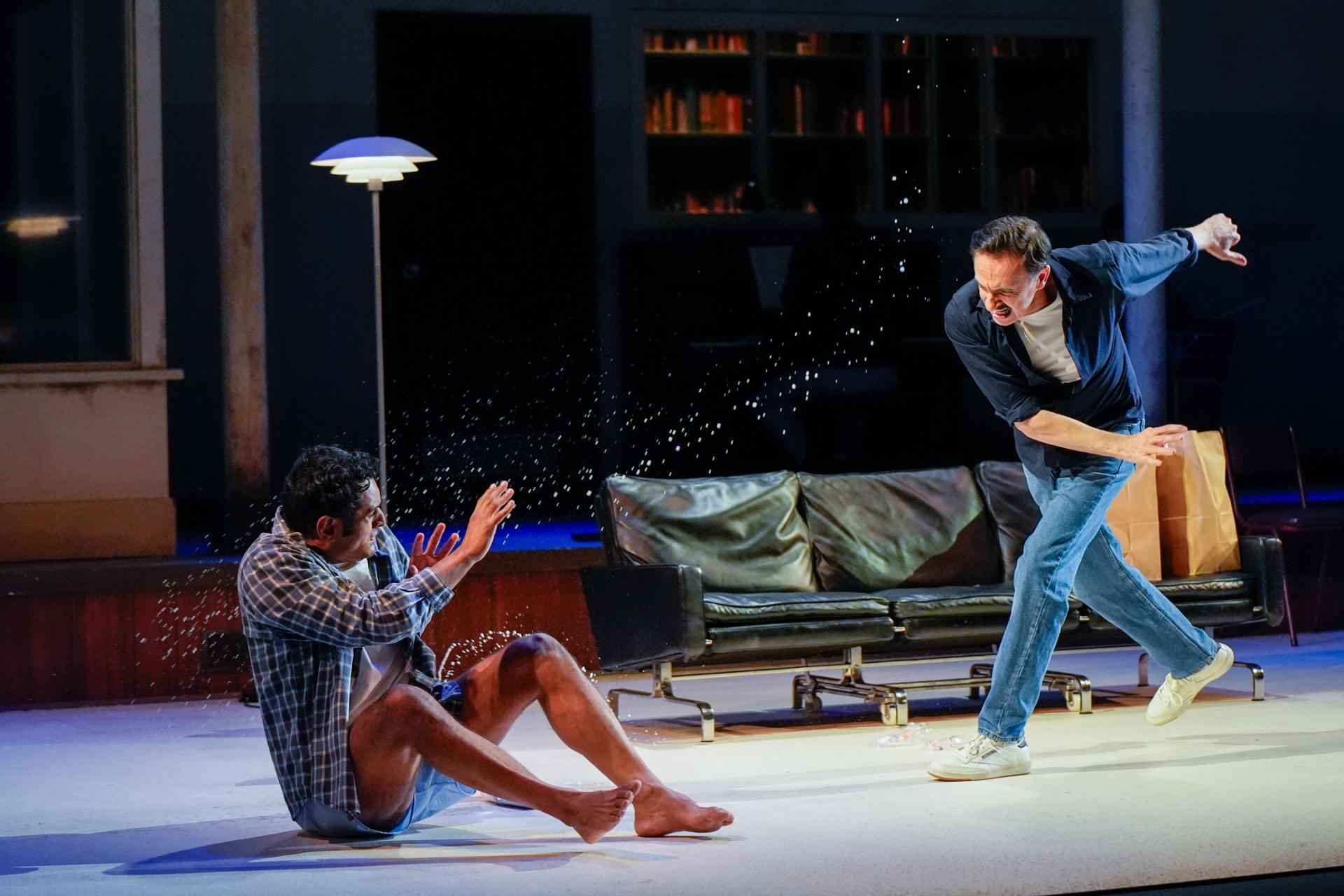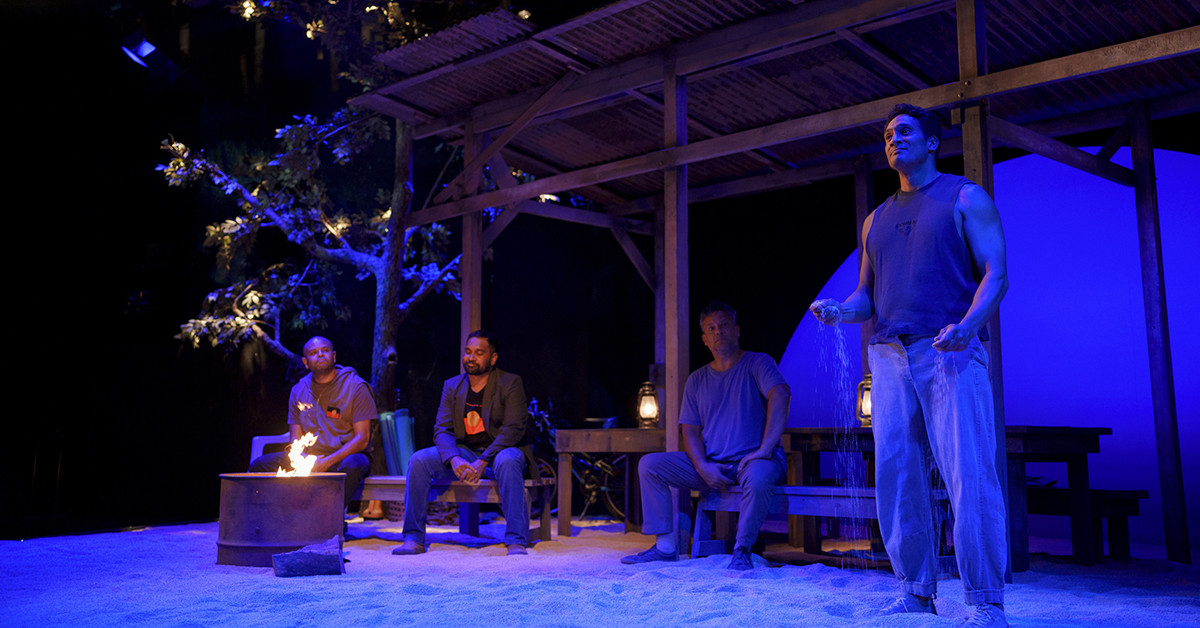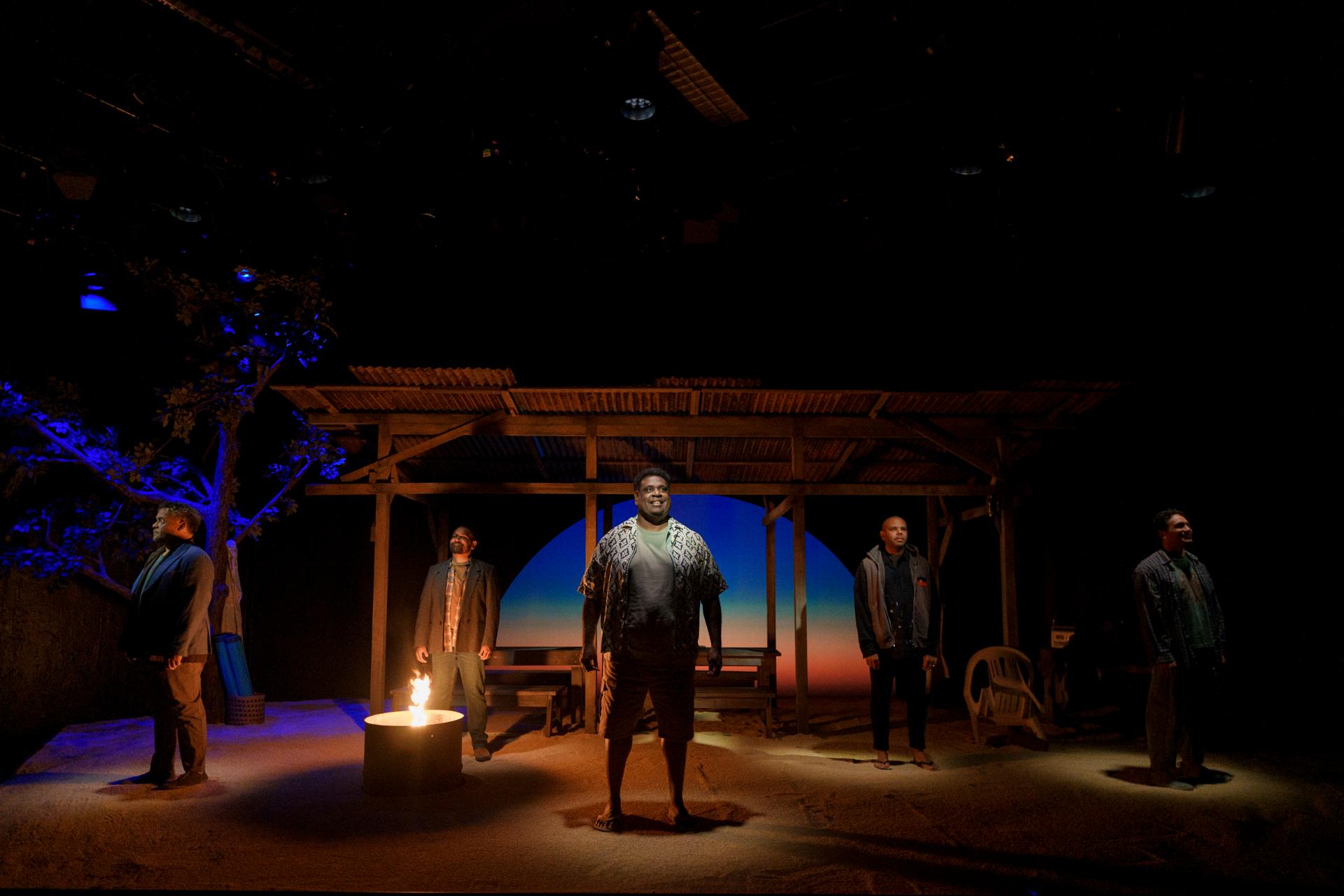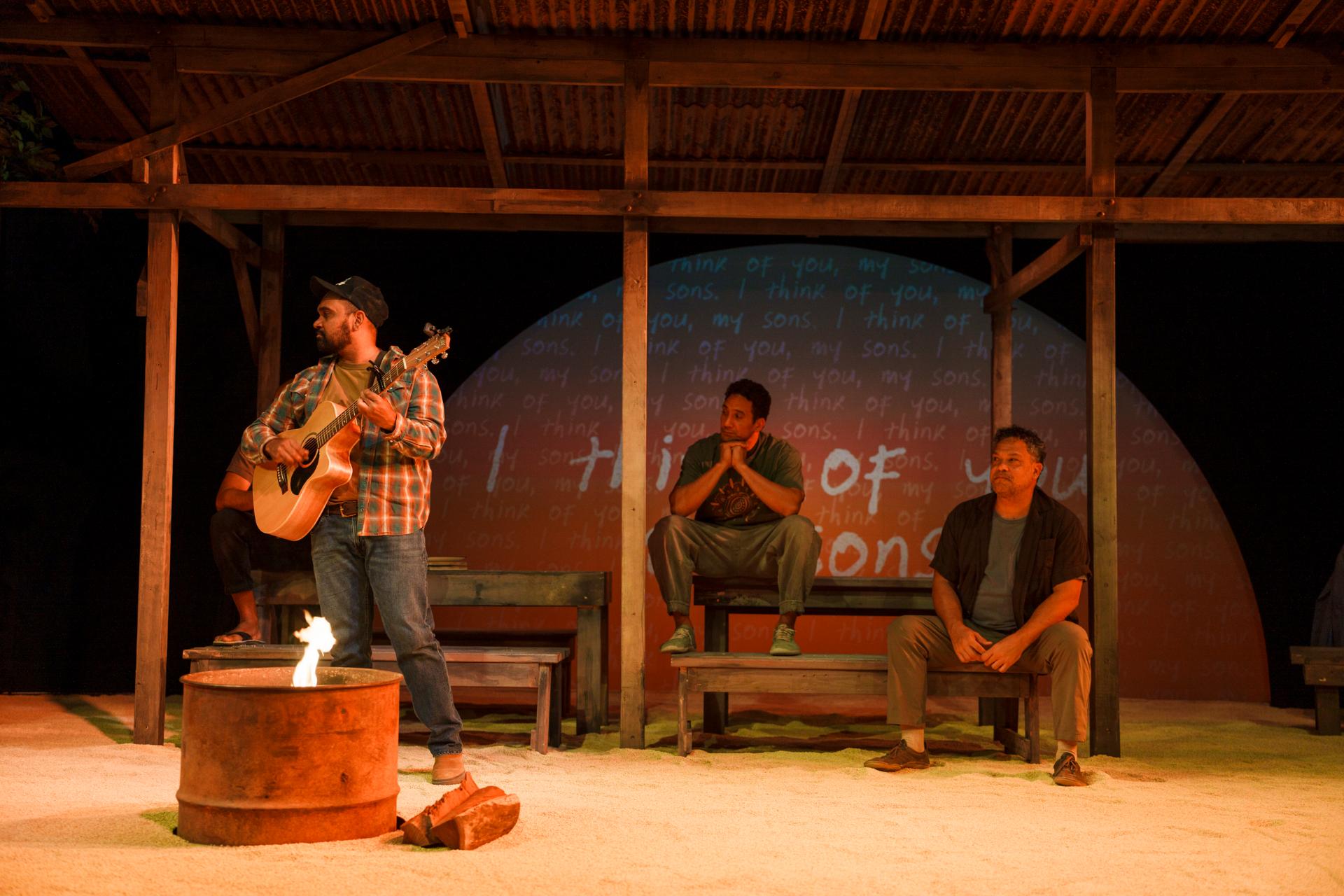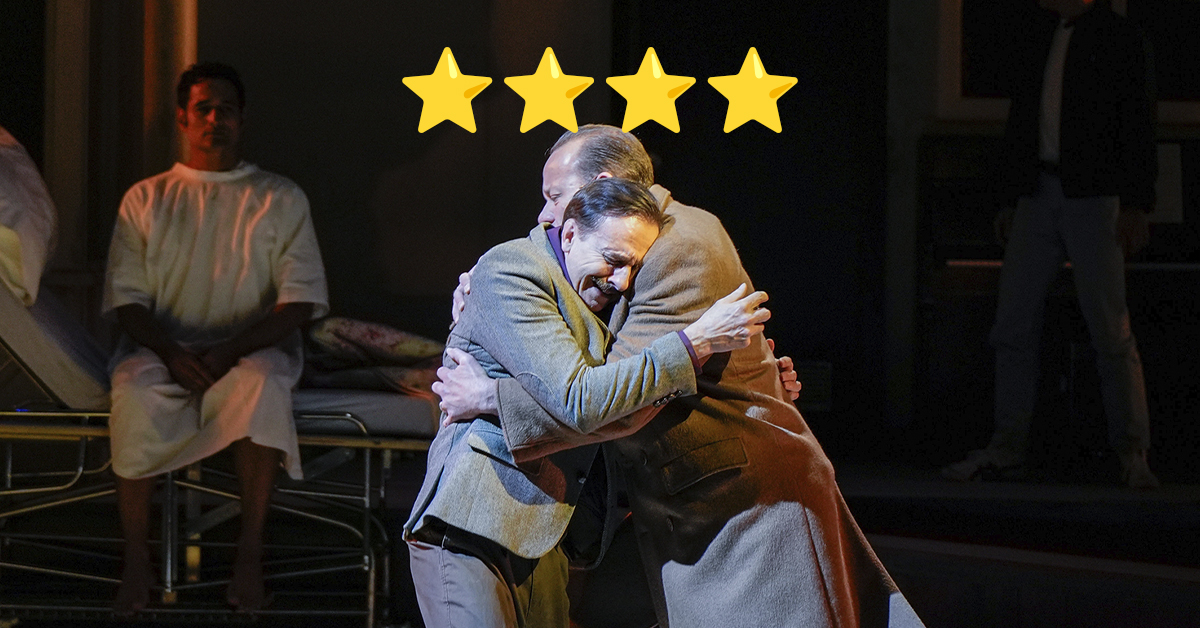
Review: The Dictionary Of Lost Words (Sydney Theatre Company)

Venue: Sydney Opera House (Sydney NSW), Oct 26 – Nov 16, 2023
Playwright: Verity Laughton from the novel by Pip Williams
Director: Jessica Arthur
Cast: Brett Archer, Rachel Burke, Tilda Cobham-Hervey, Raj Labade, Ksenja Logos, Angela Mahlatjie, Chris Pitman, Anthony Yangoyan
Images by Daniel Boud

Theatre review
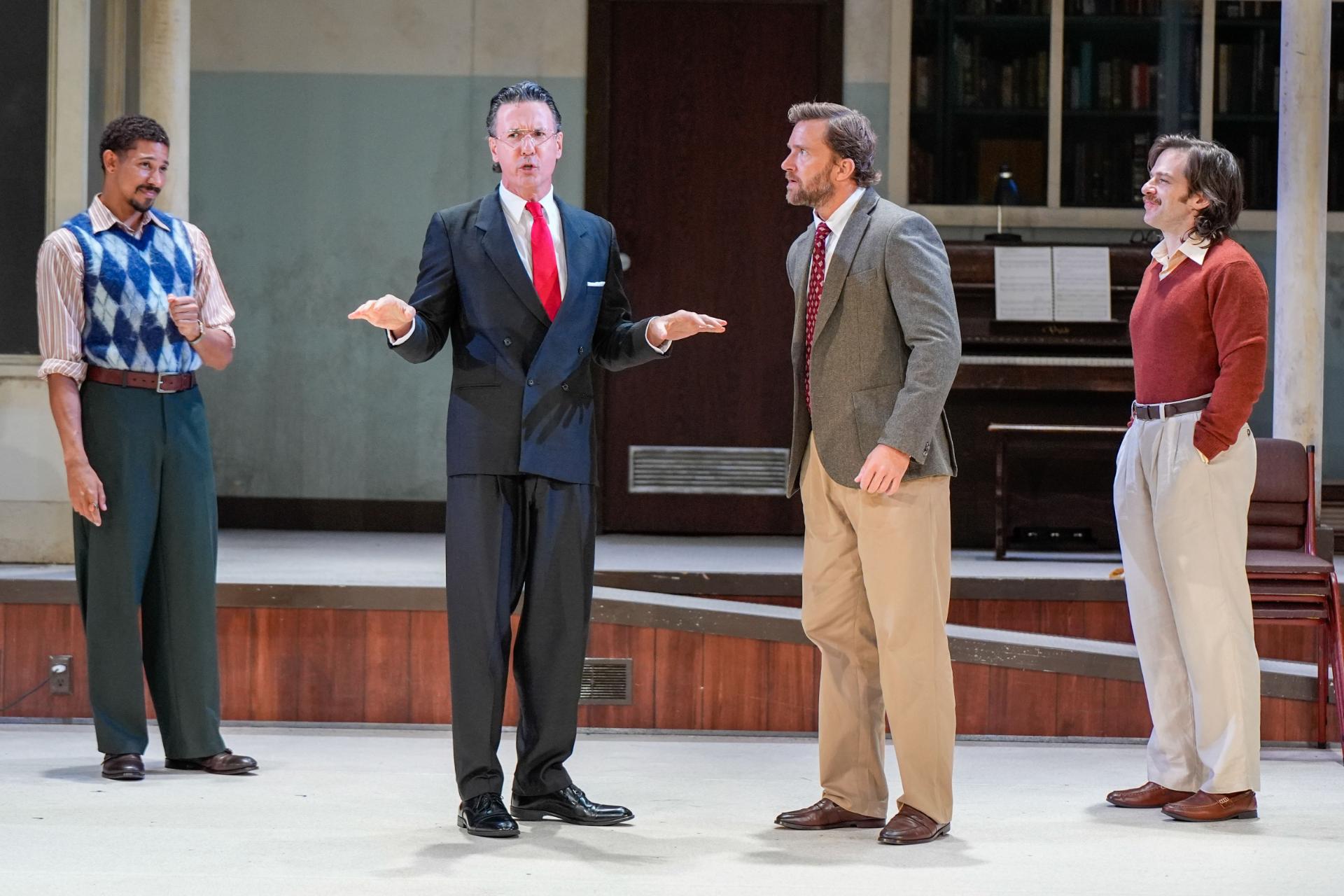
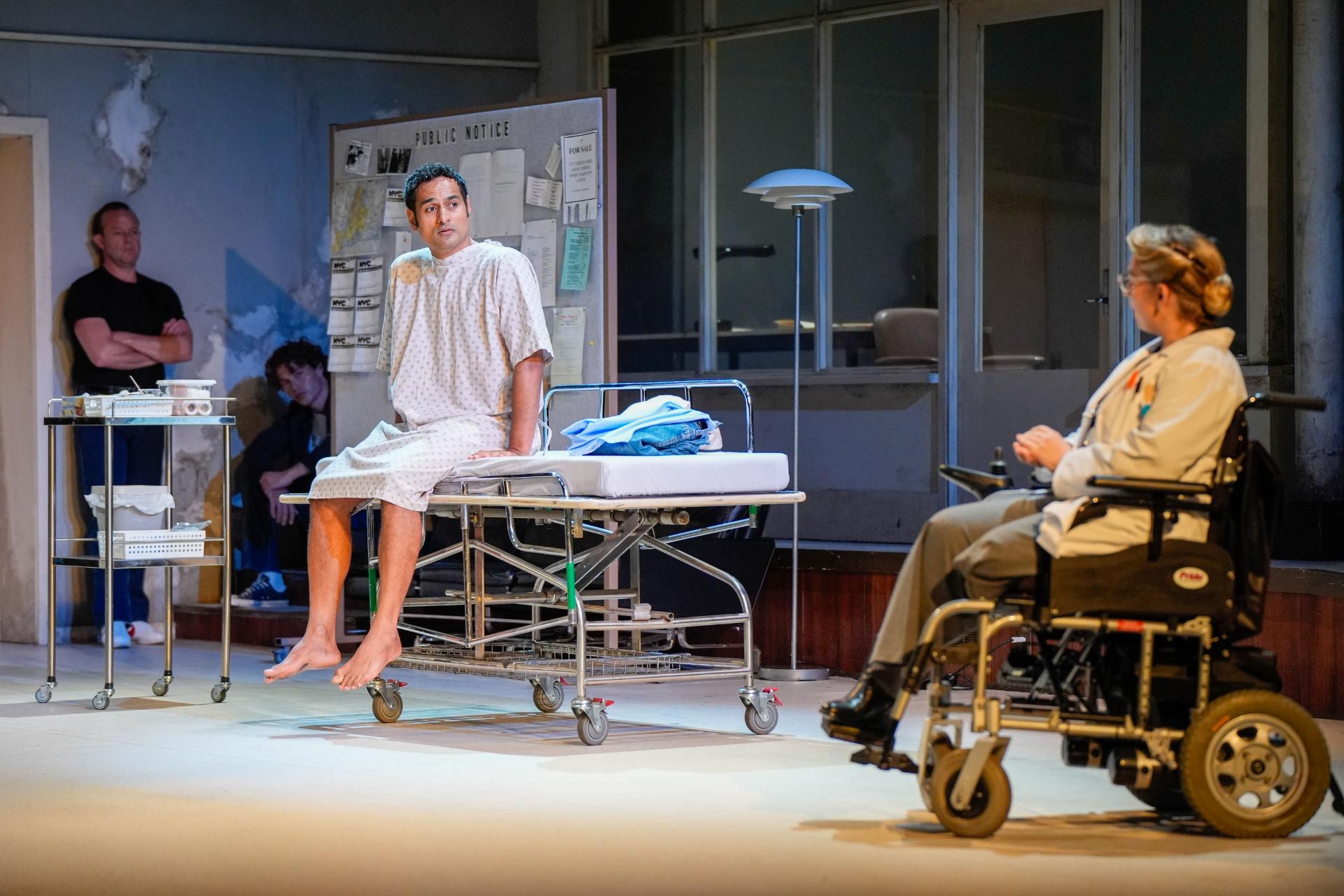
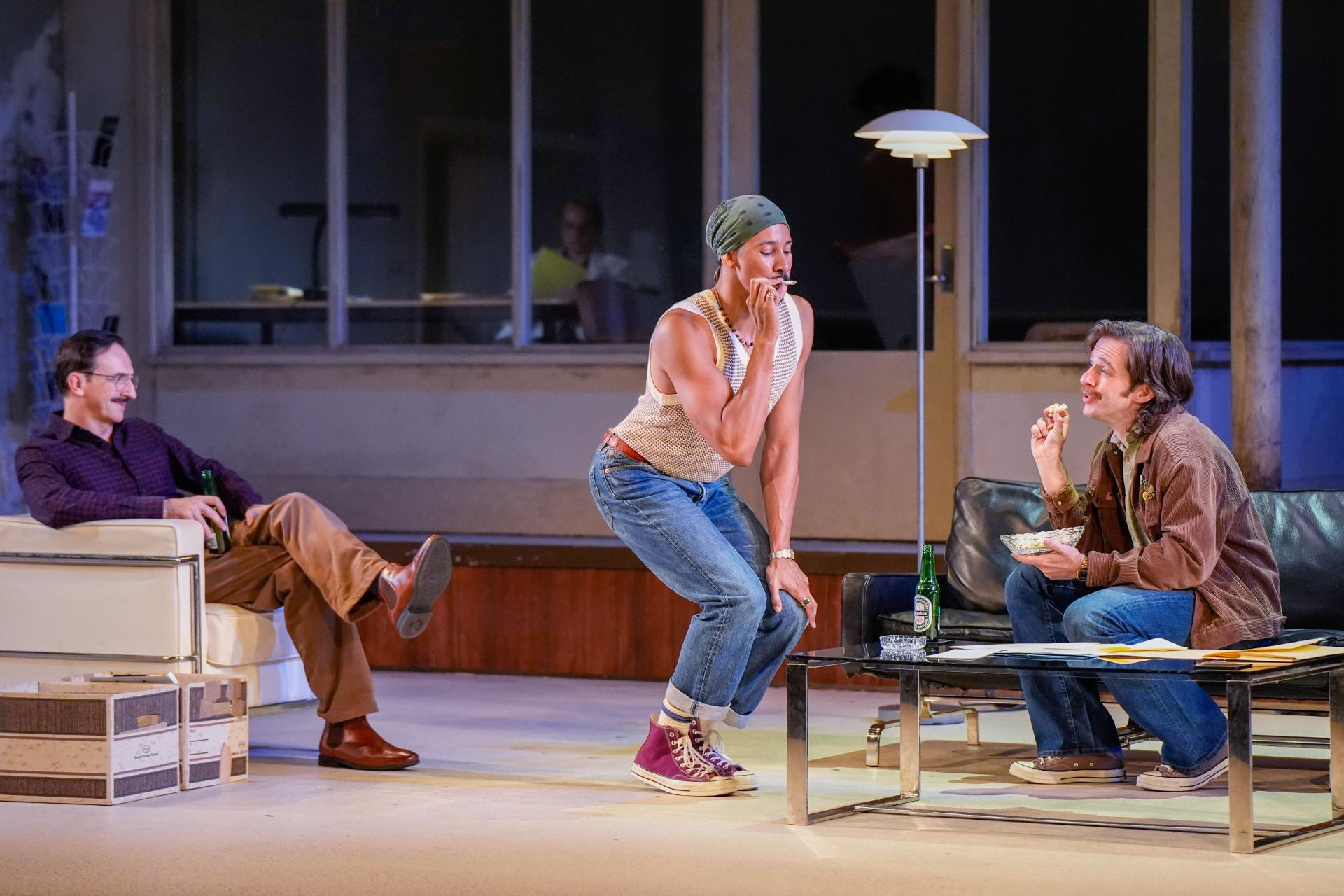
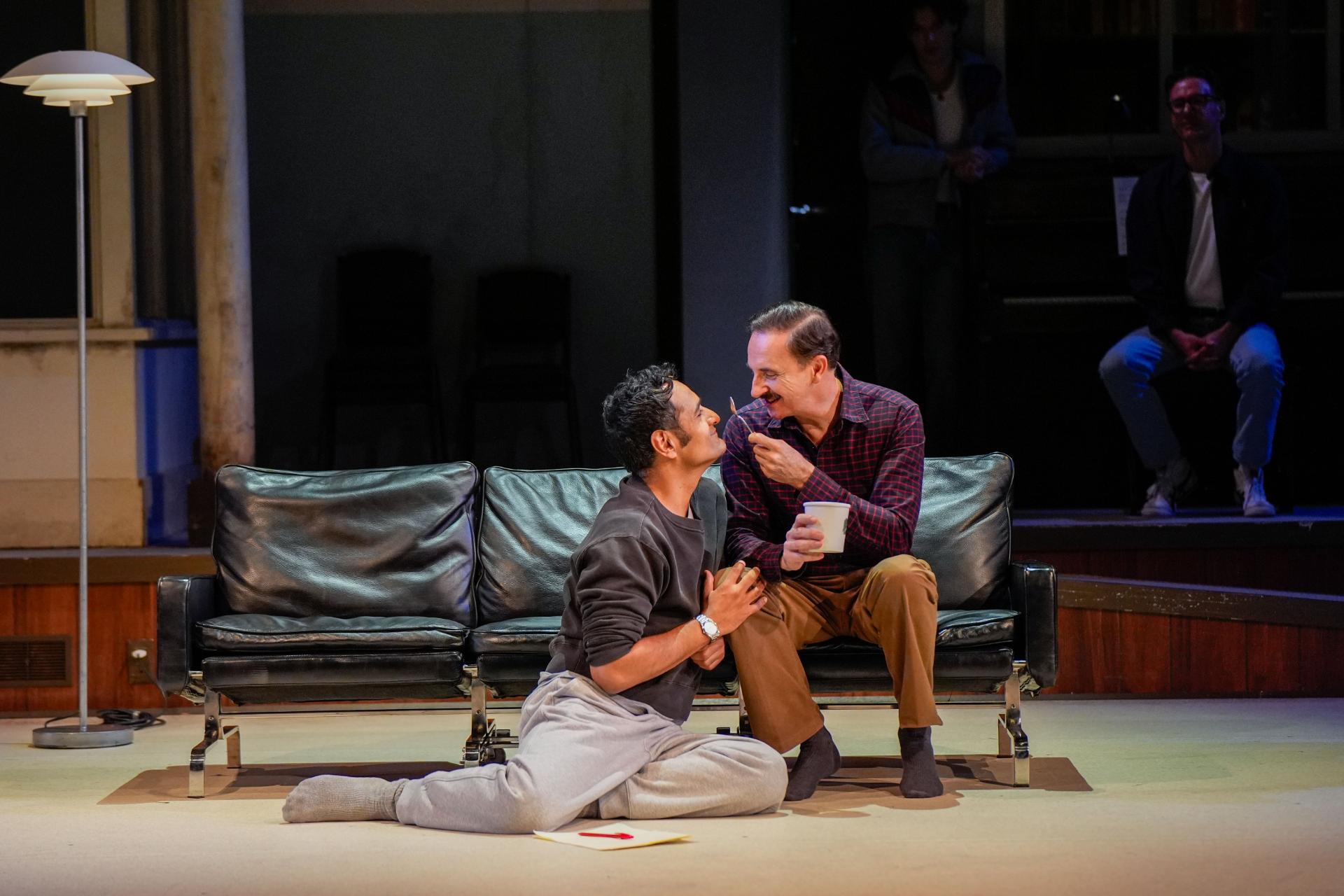
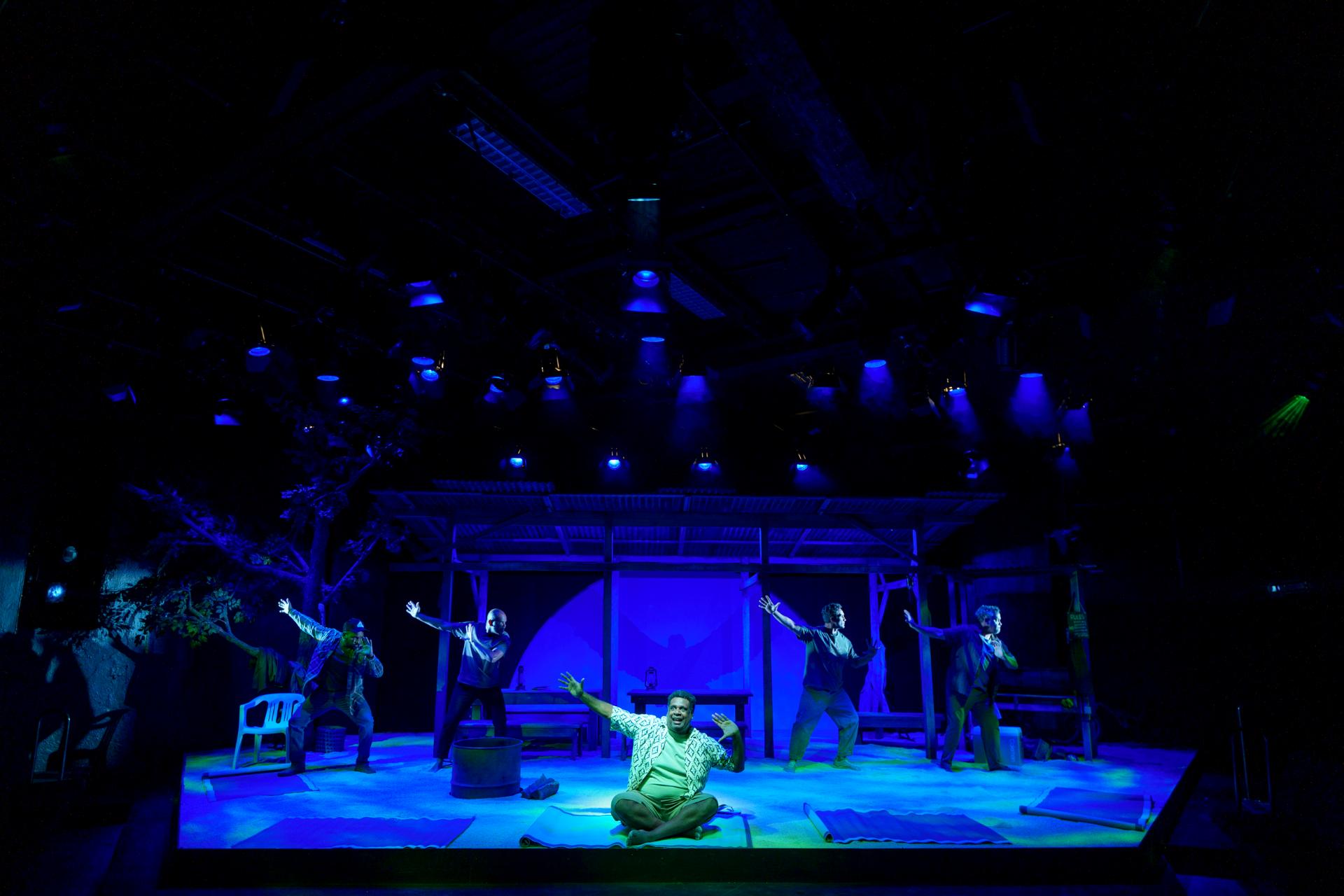
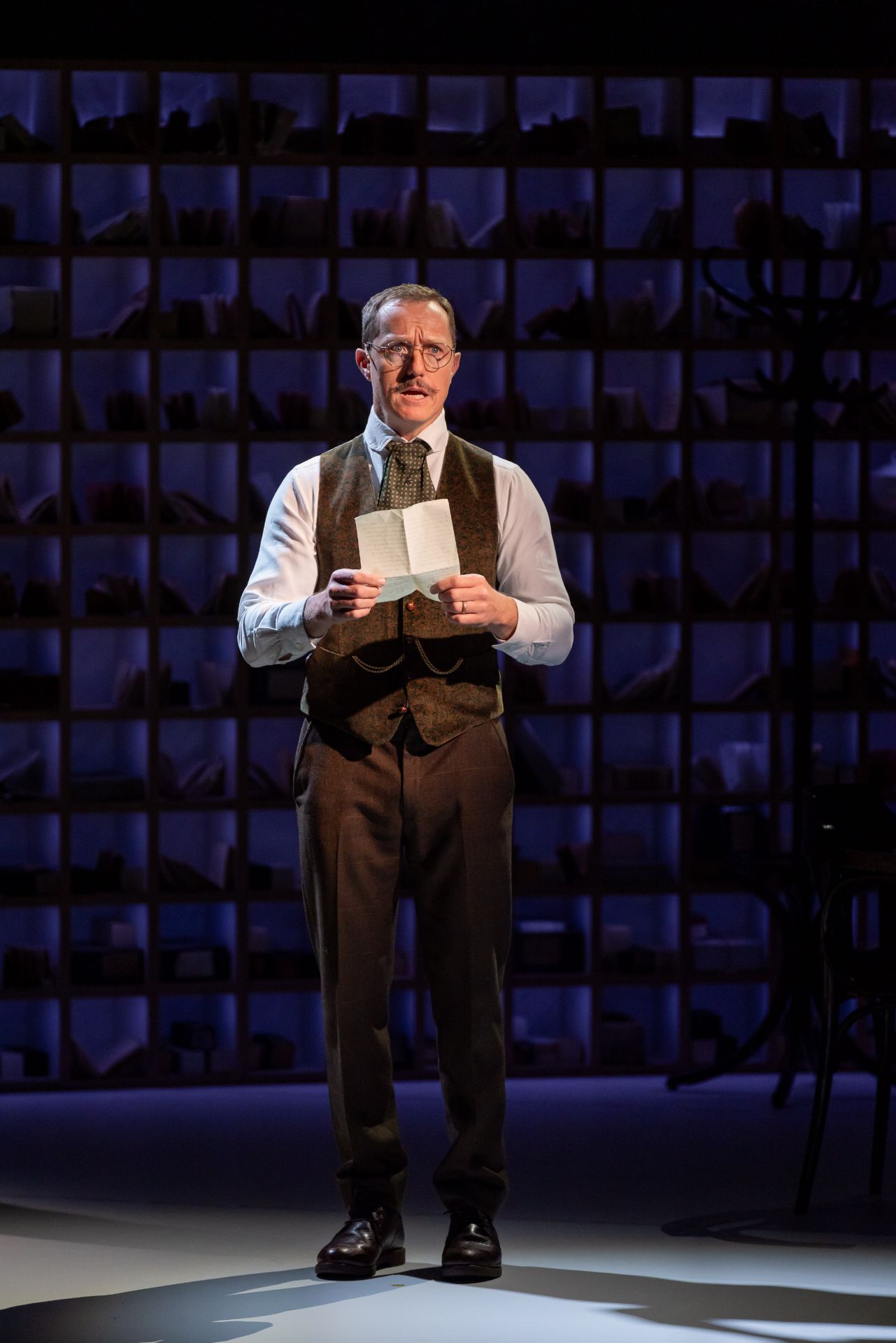
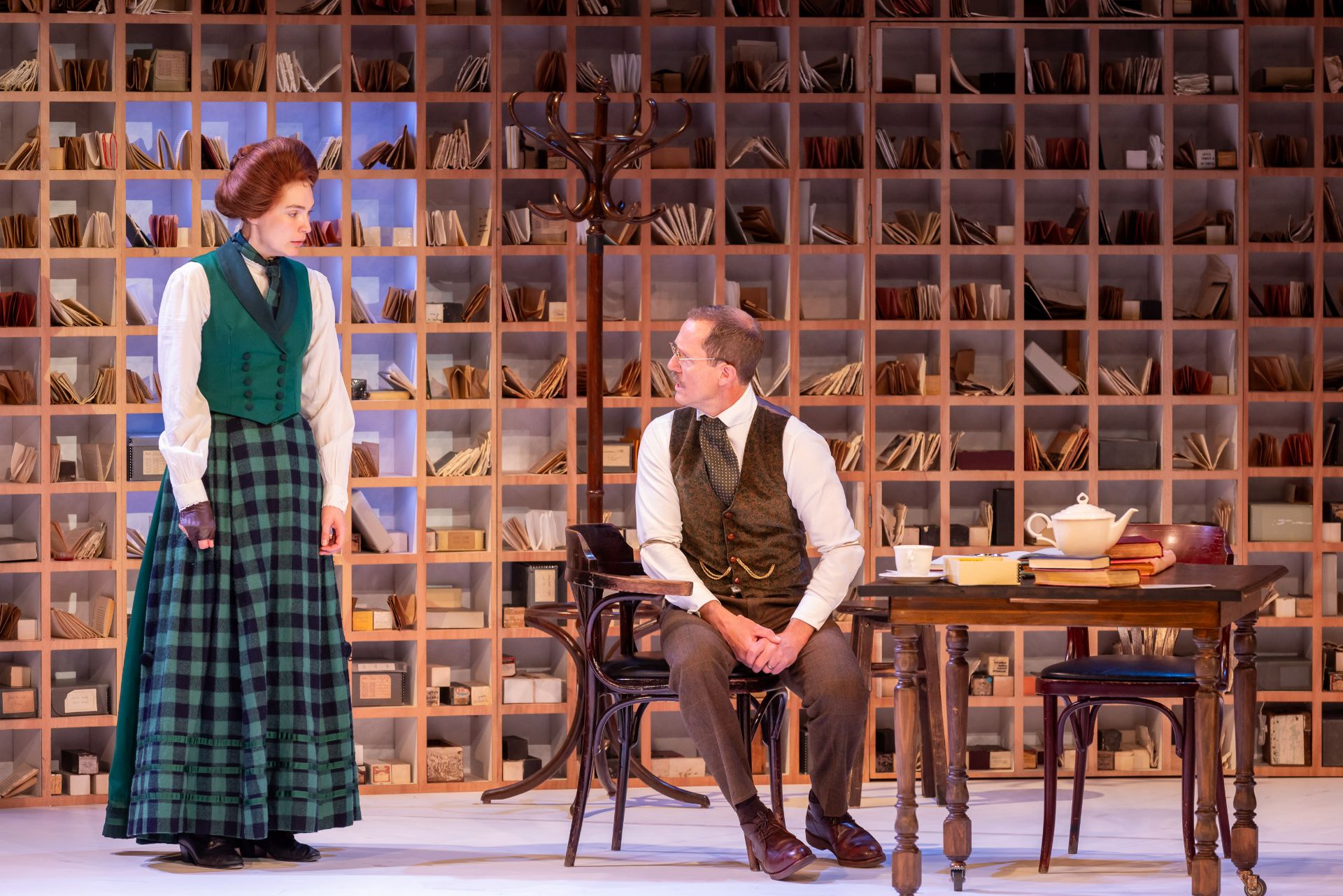
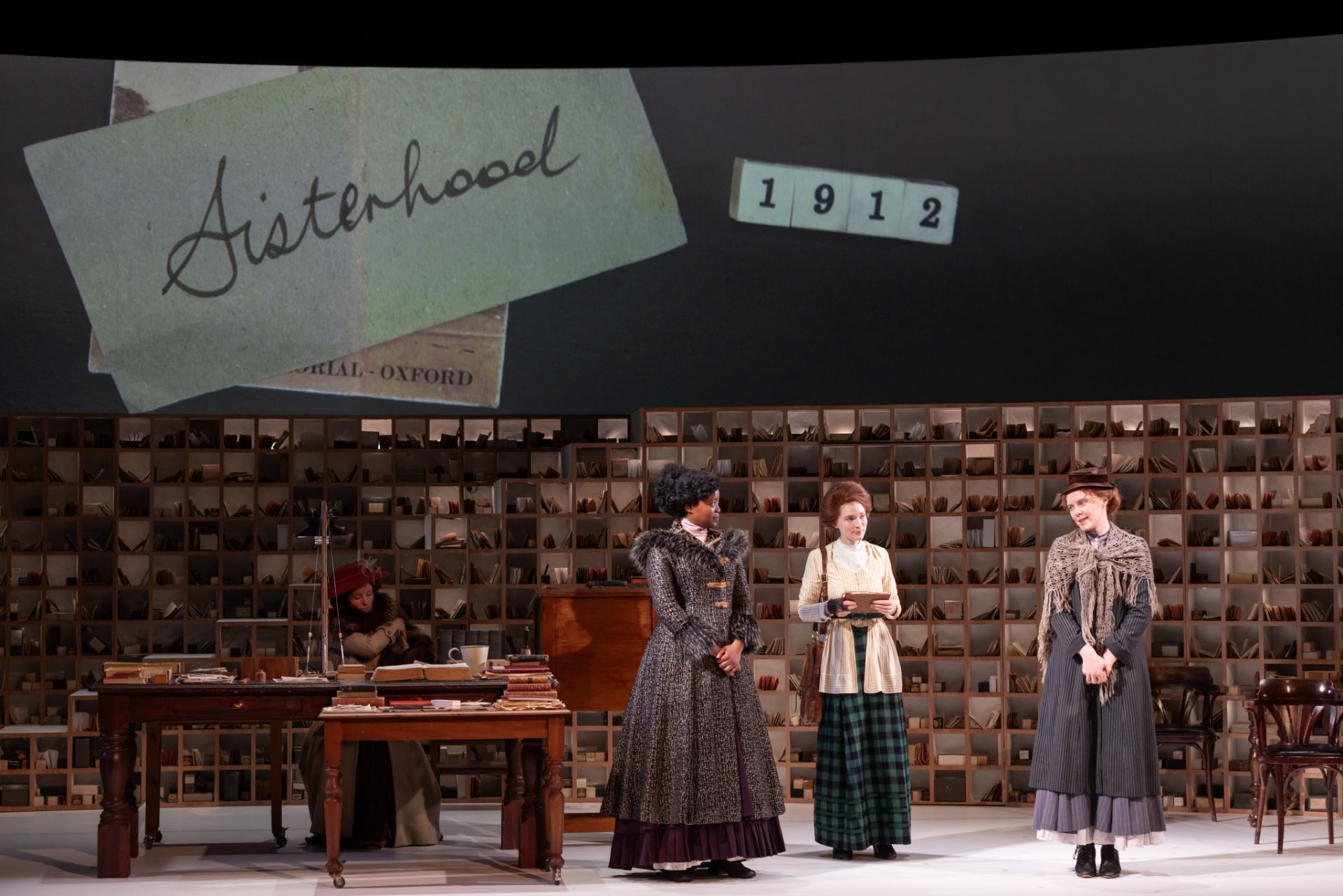
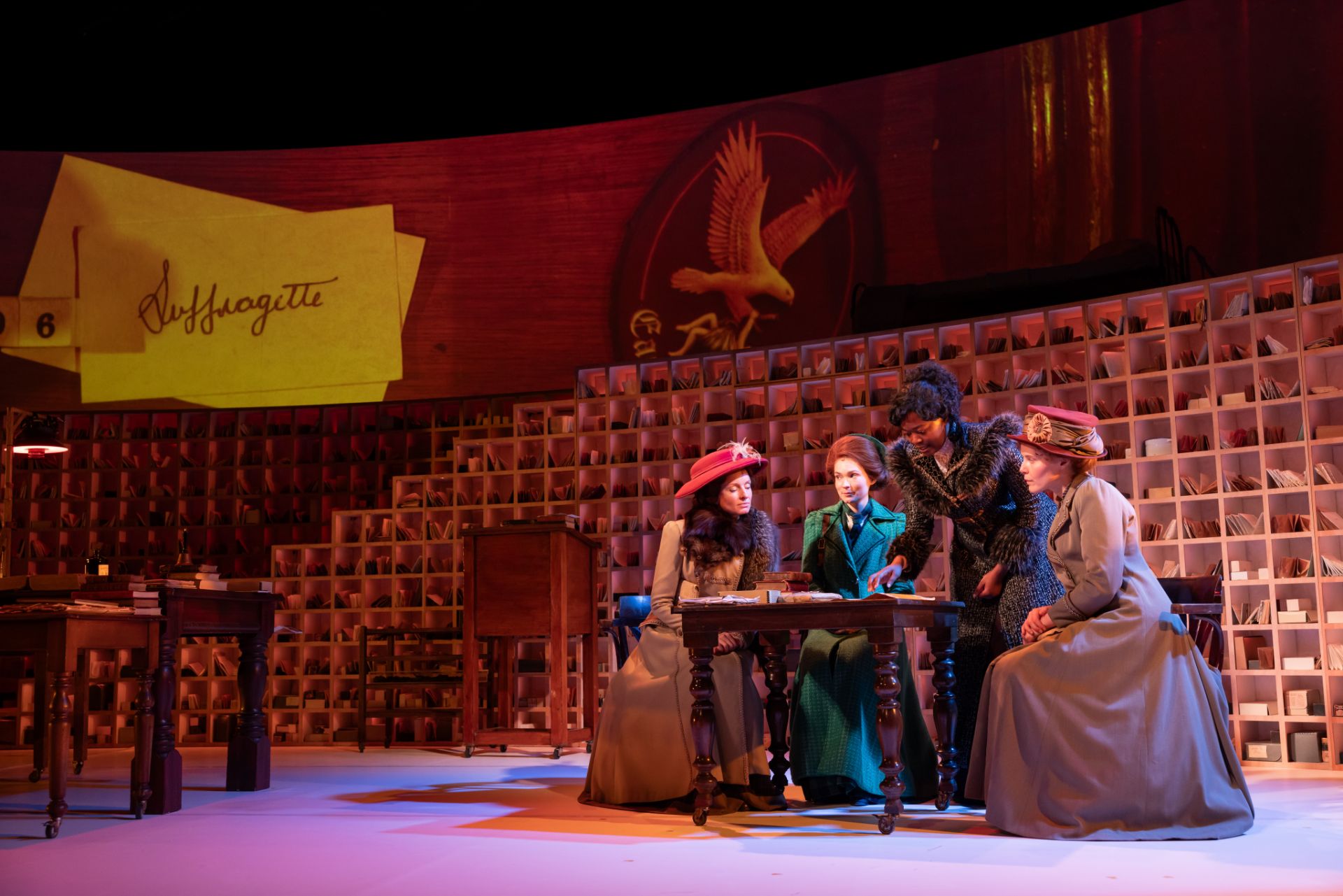
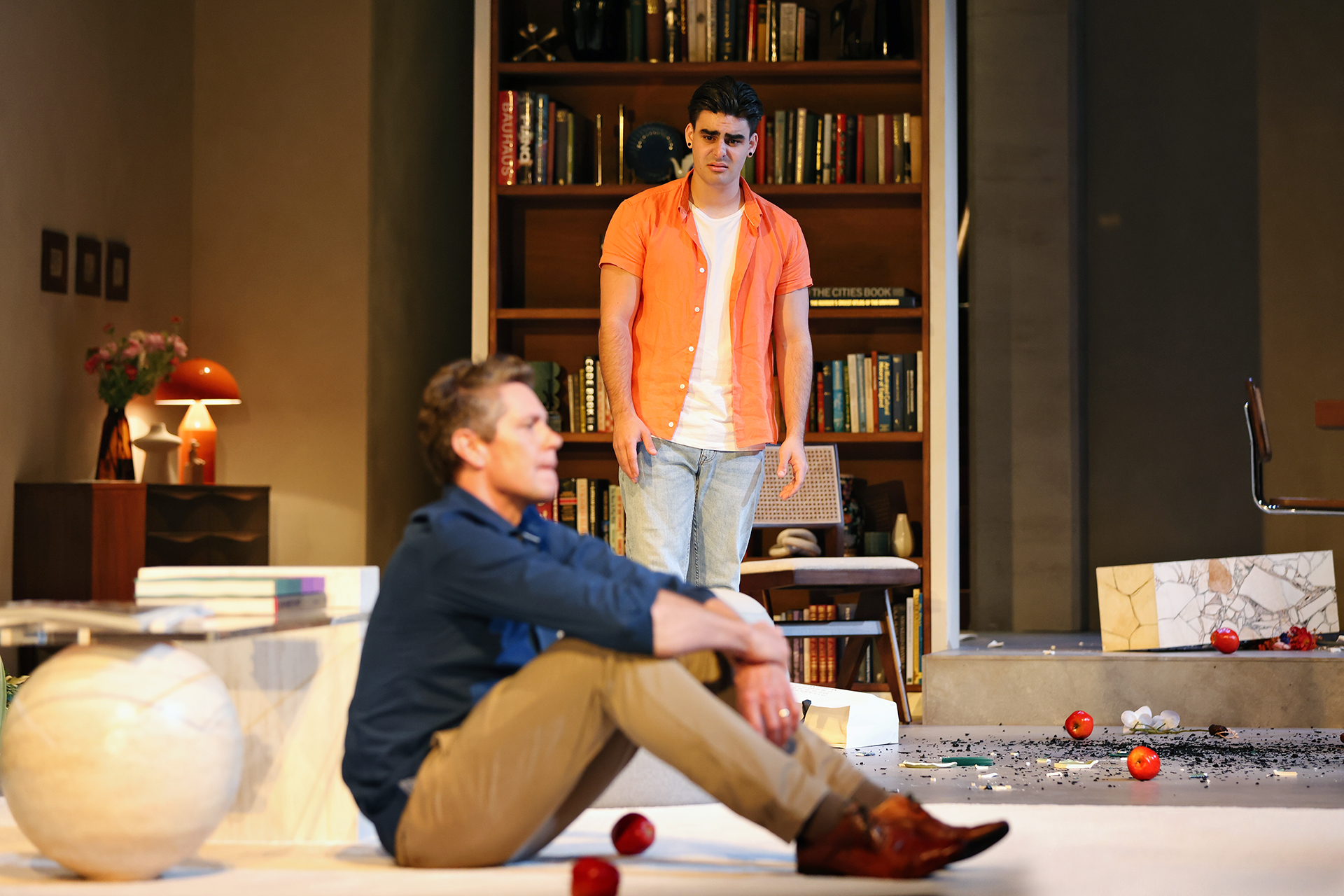
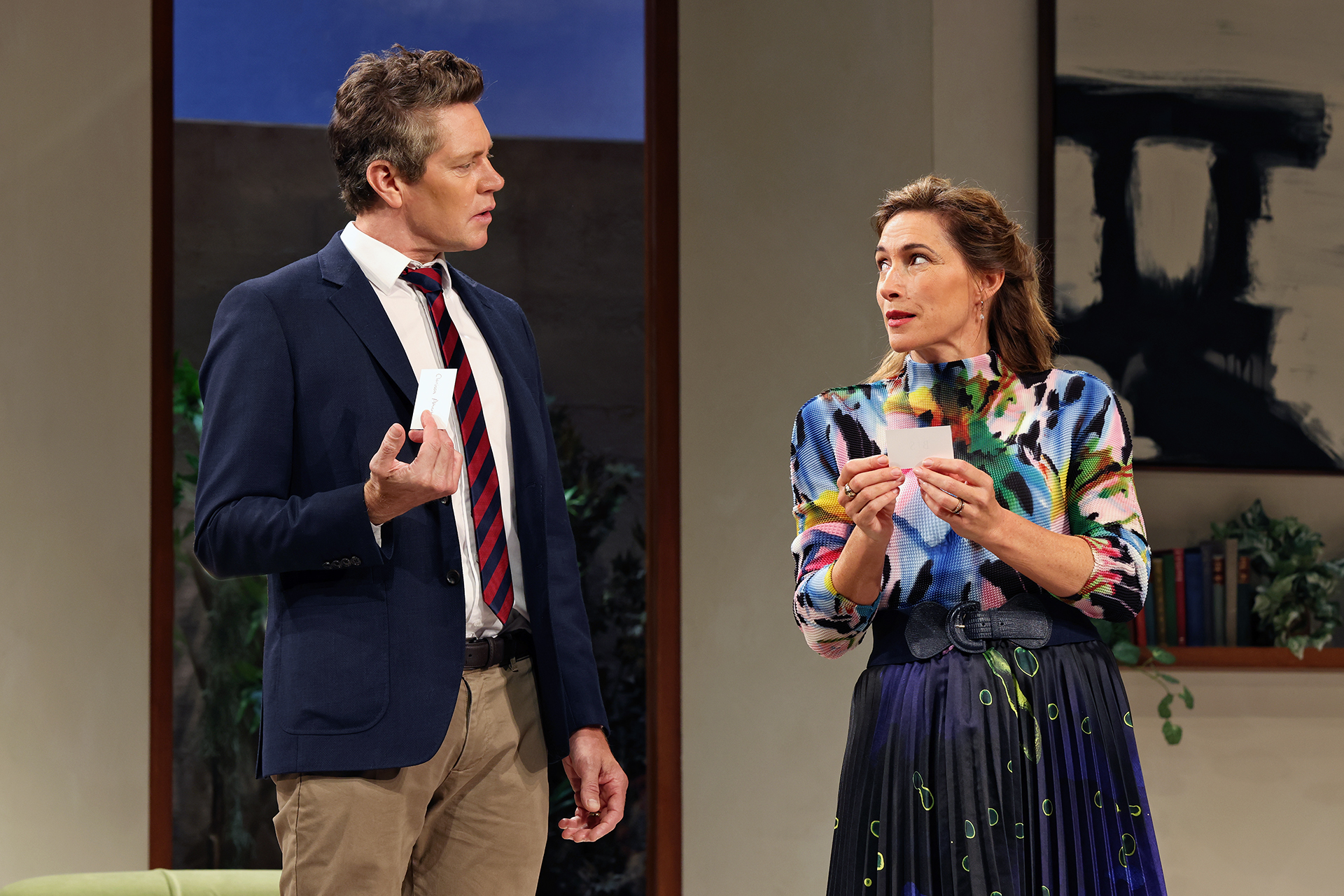
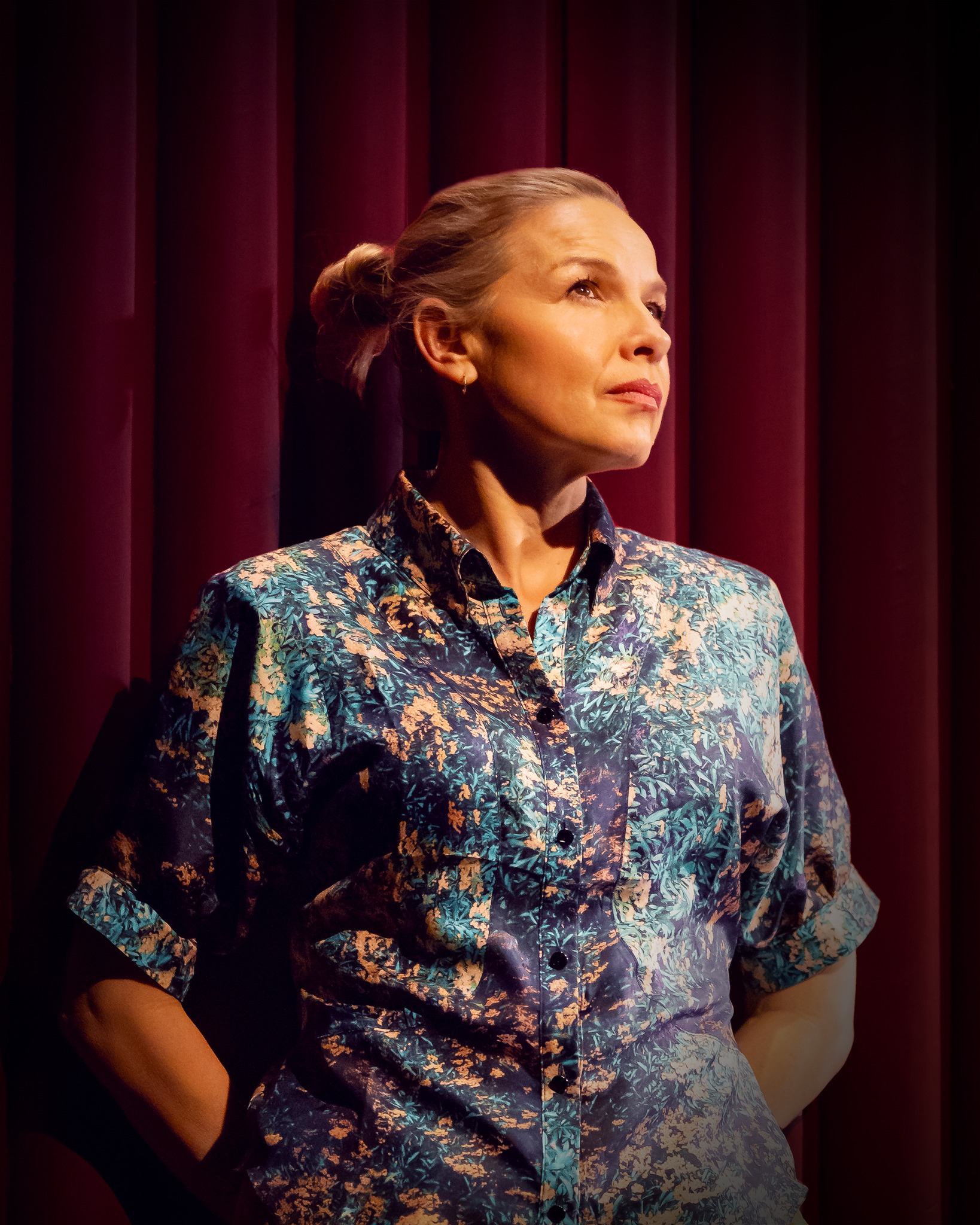
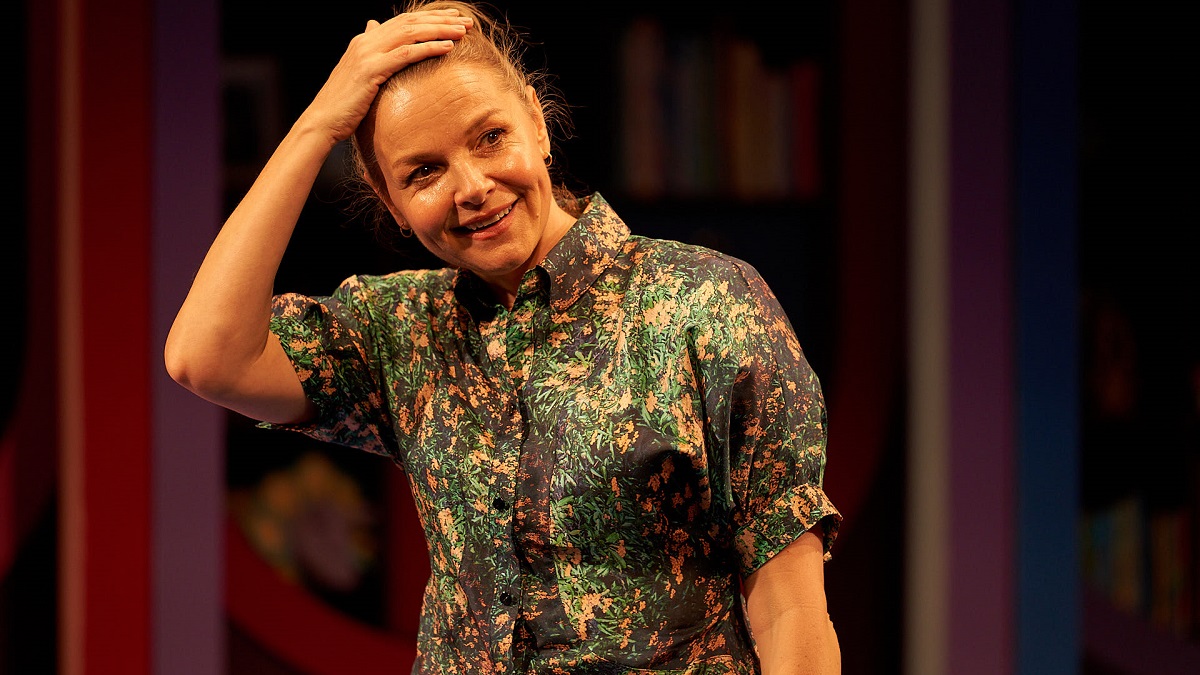
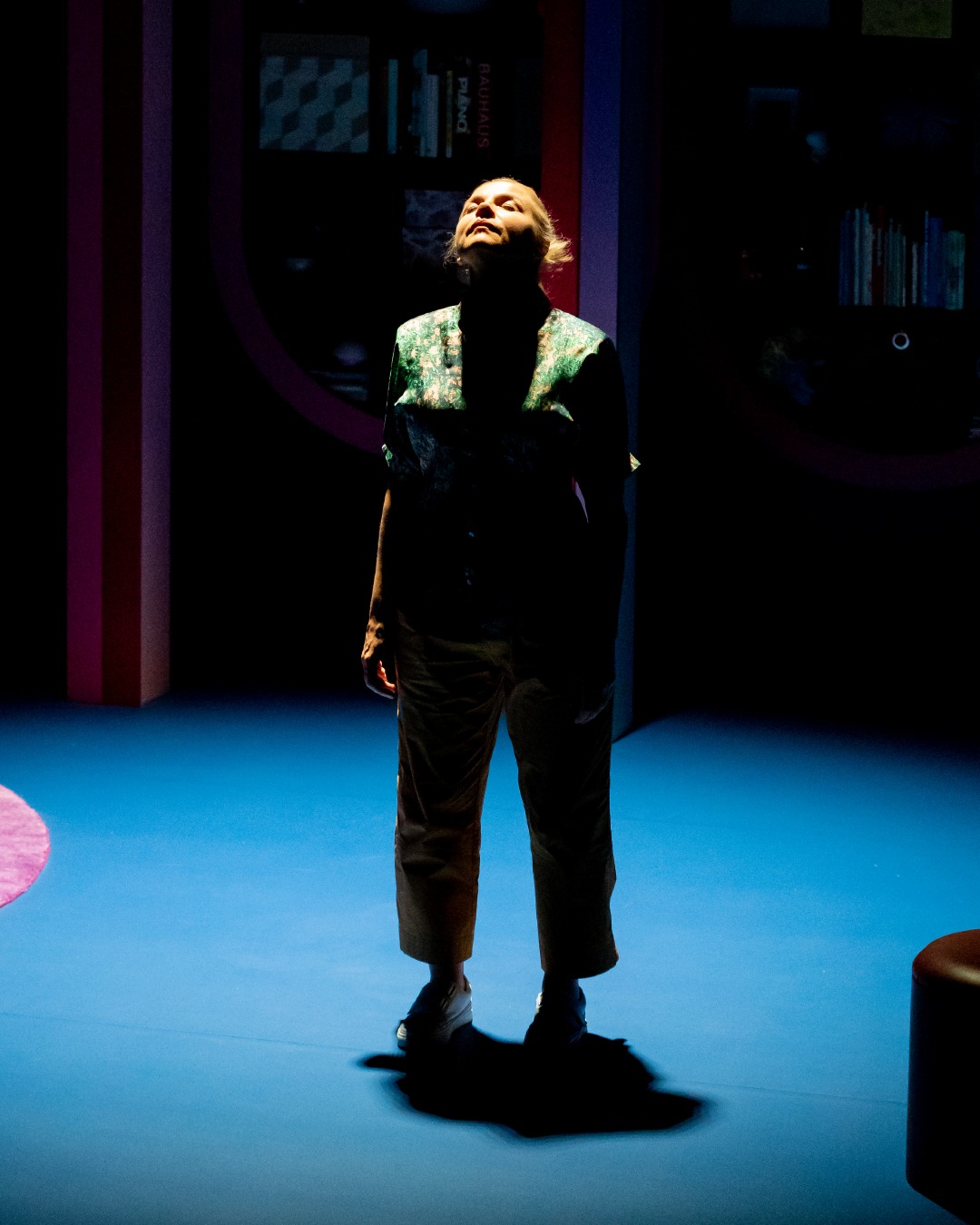
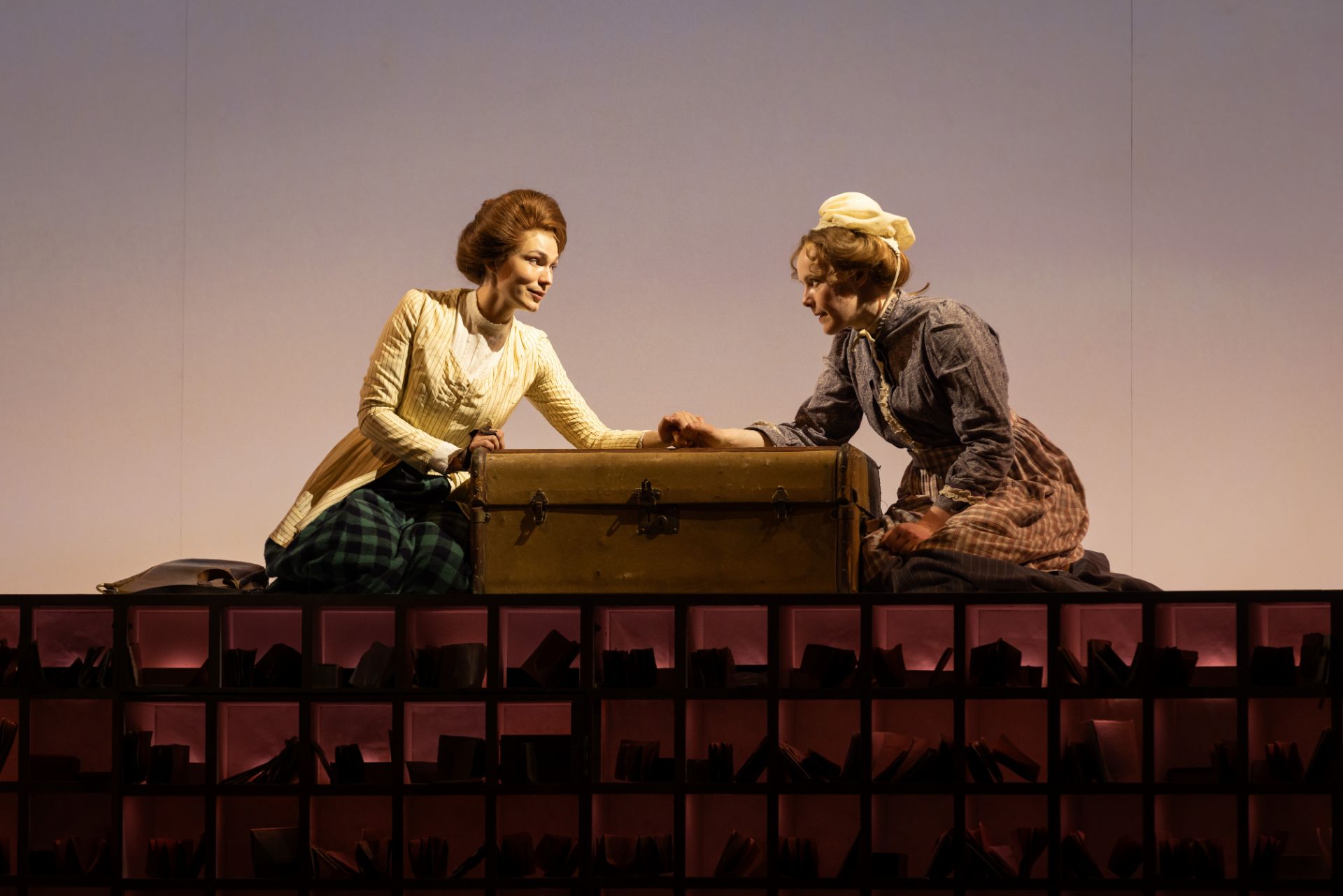
It was the end of the 19th Century when Esme began cultivating a passion for collecting words. She had observed her father working with a team editing the Oxford Dictionary, and felt compelled to save the many words, familiar only to women of the lower classes, but neglected in that process of authoritative evaluation and screening. It is no accident that Esme’s narrative in the novel The Dictionary of Lost Words by Pip Williams coincides with women’s suffrage and their historic campaign for the right to vote.

It is certainly a meaningful work that examines the culture of exclusion in our institutions, and proffers an example of radical acceptance by those in positions of power and privilege. This stage adaptation by Verity Laughton retains the valuable message of the original, but is overly faithful to the form and style of the book. It is unfortunately a transposition that often feels staid, with insufficient liveliness and wit to truly excite or inspire.

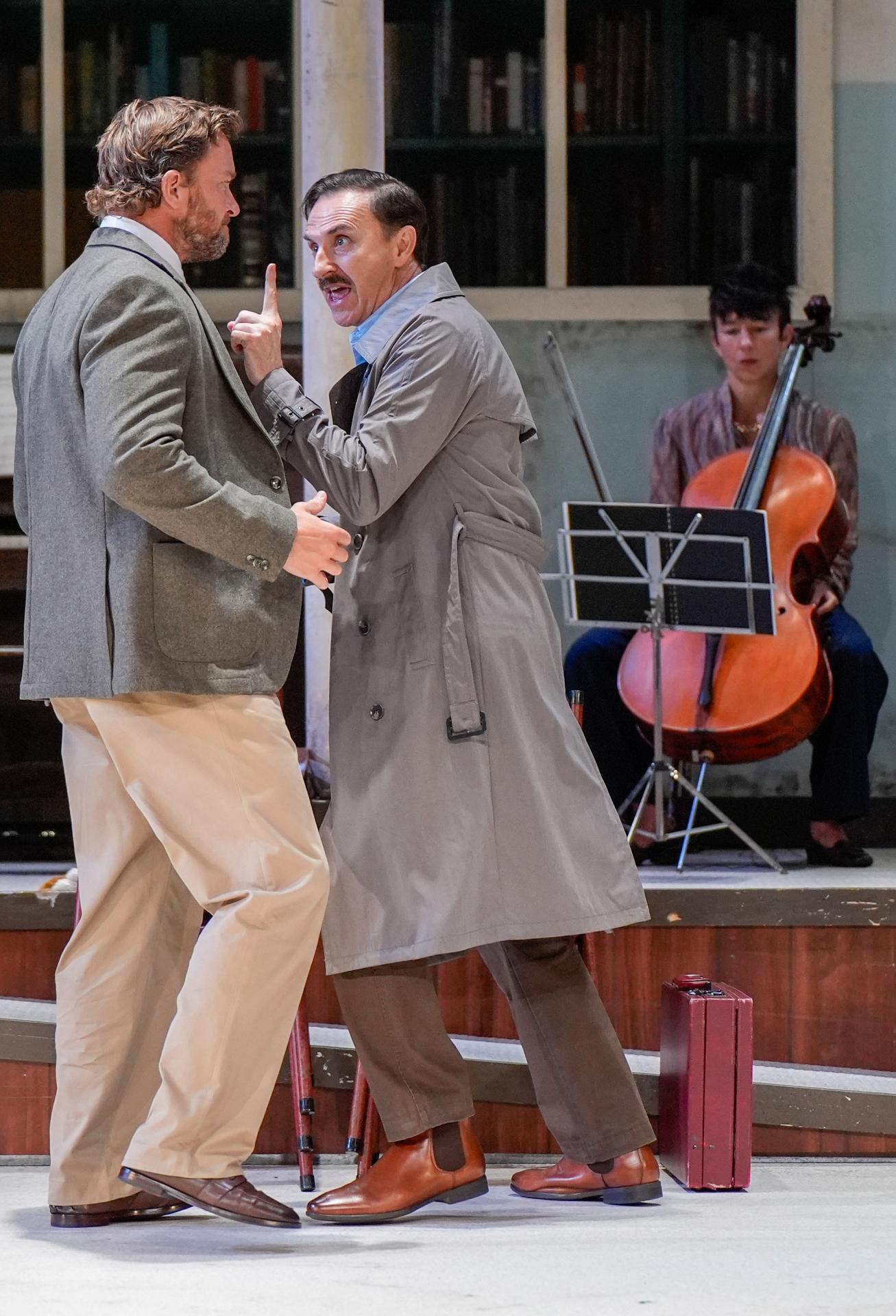
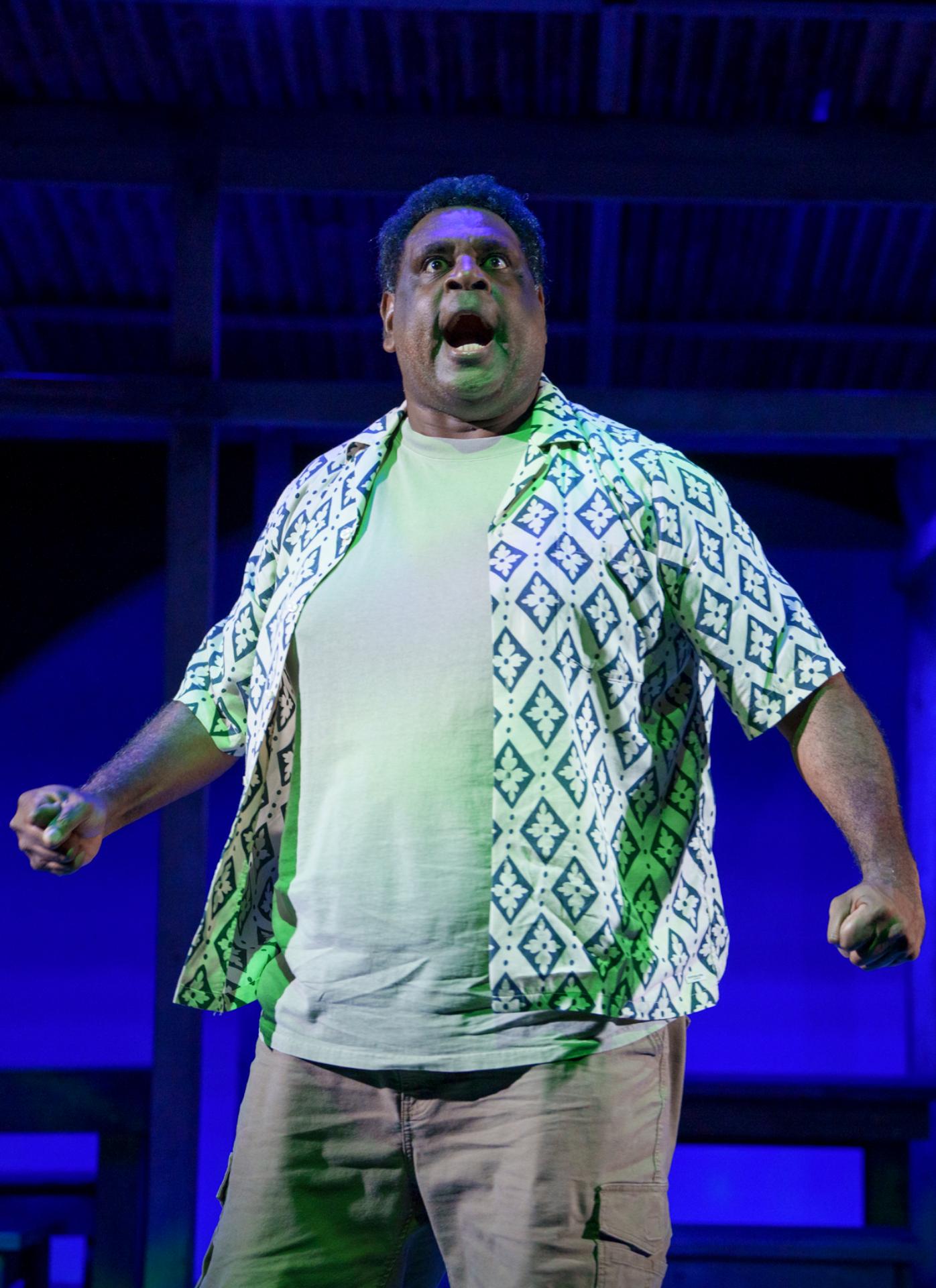
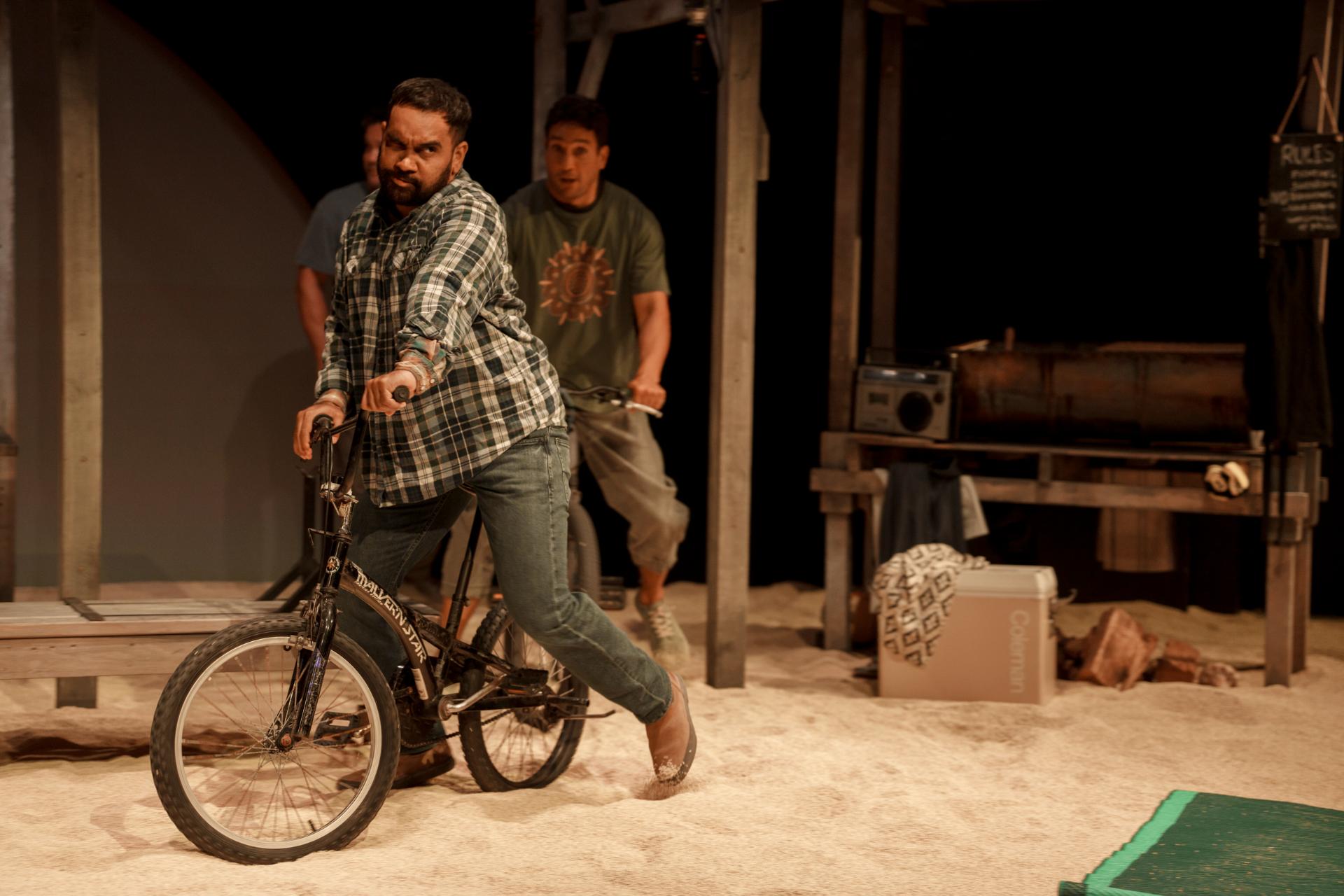
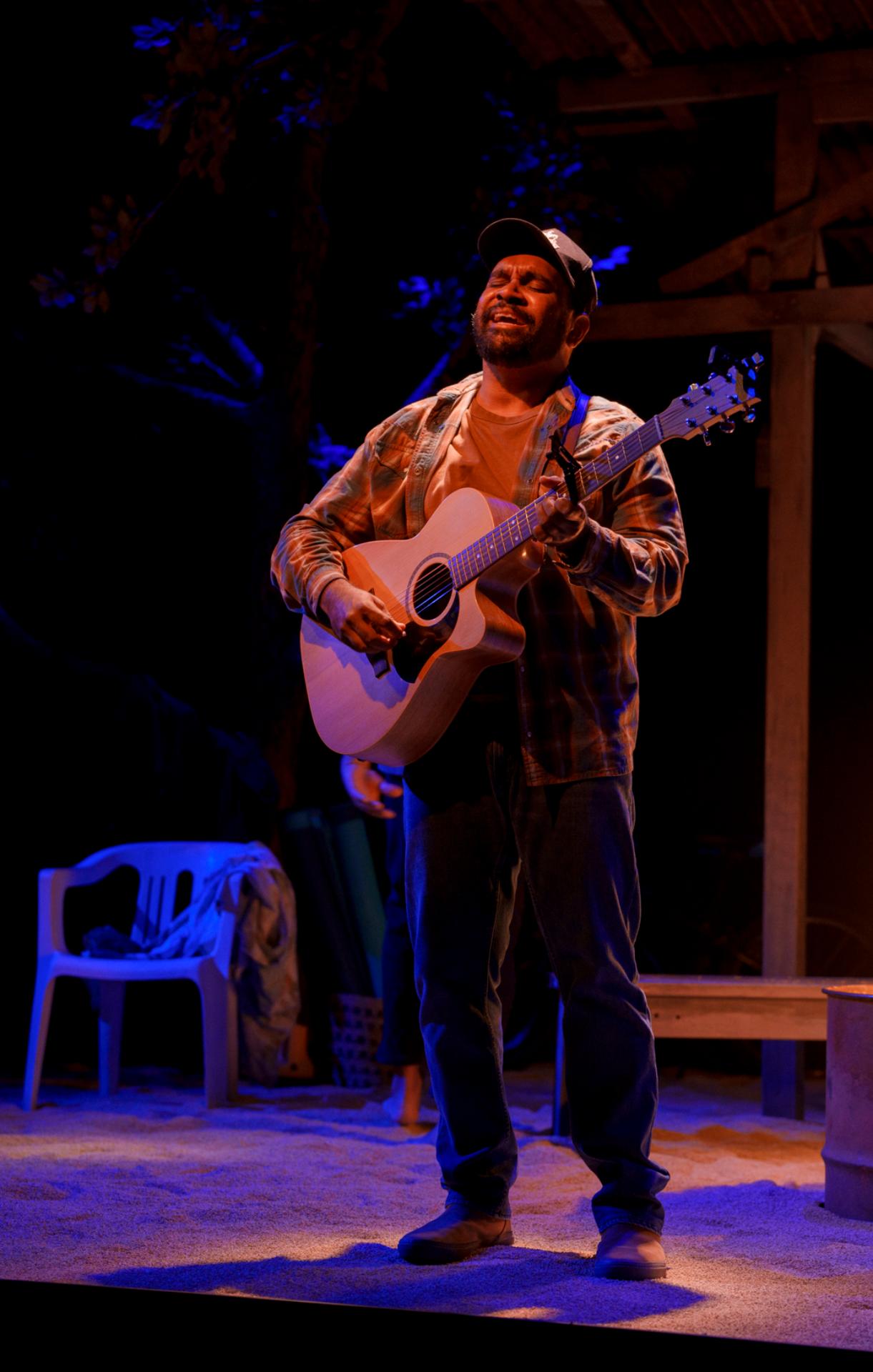
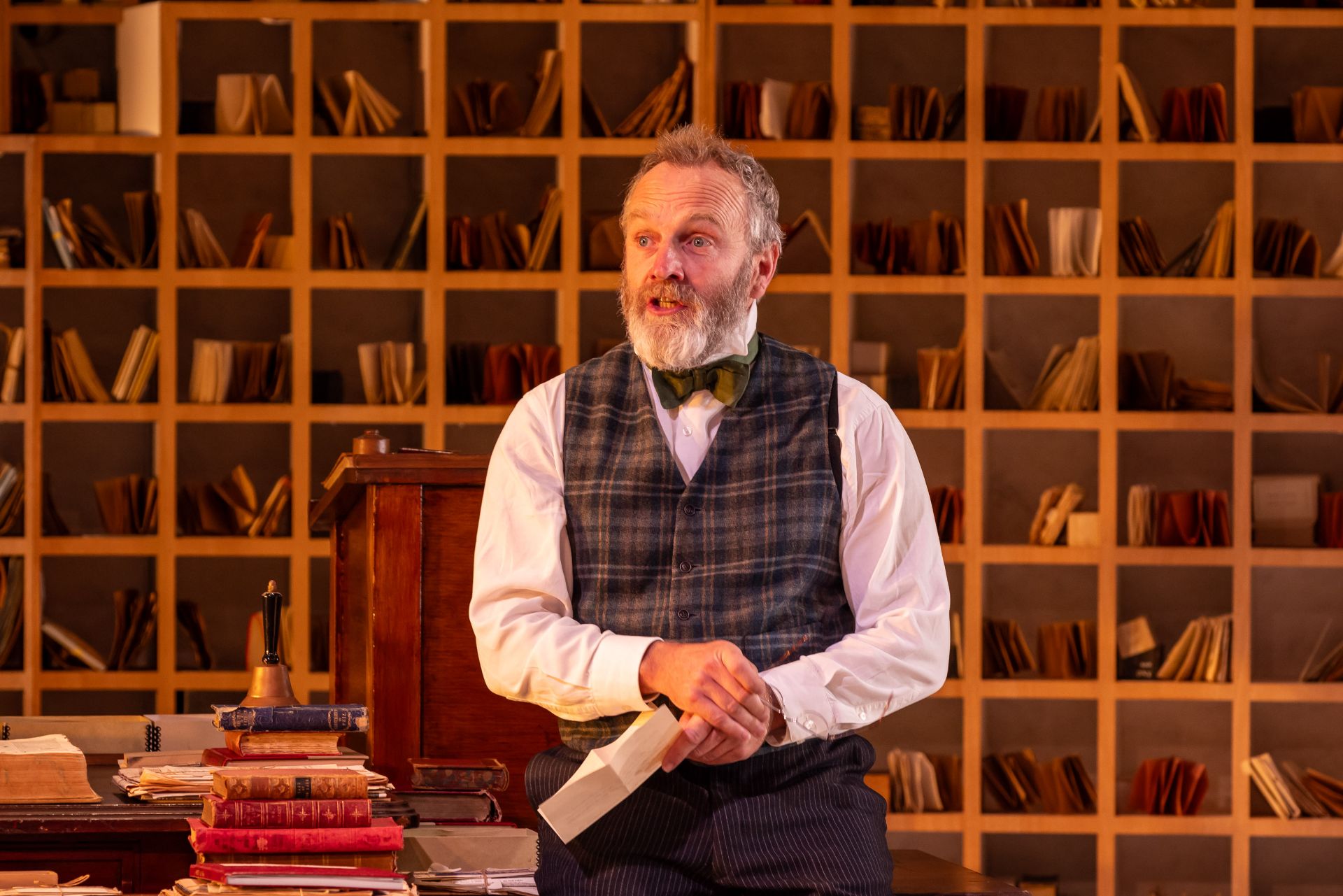
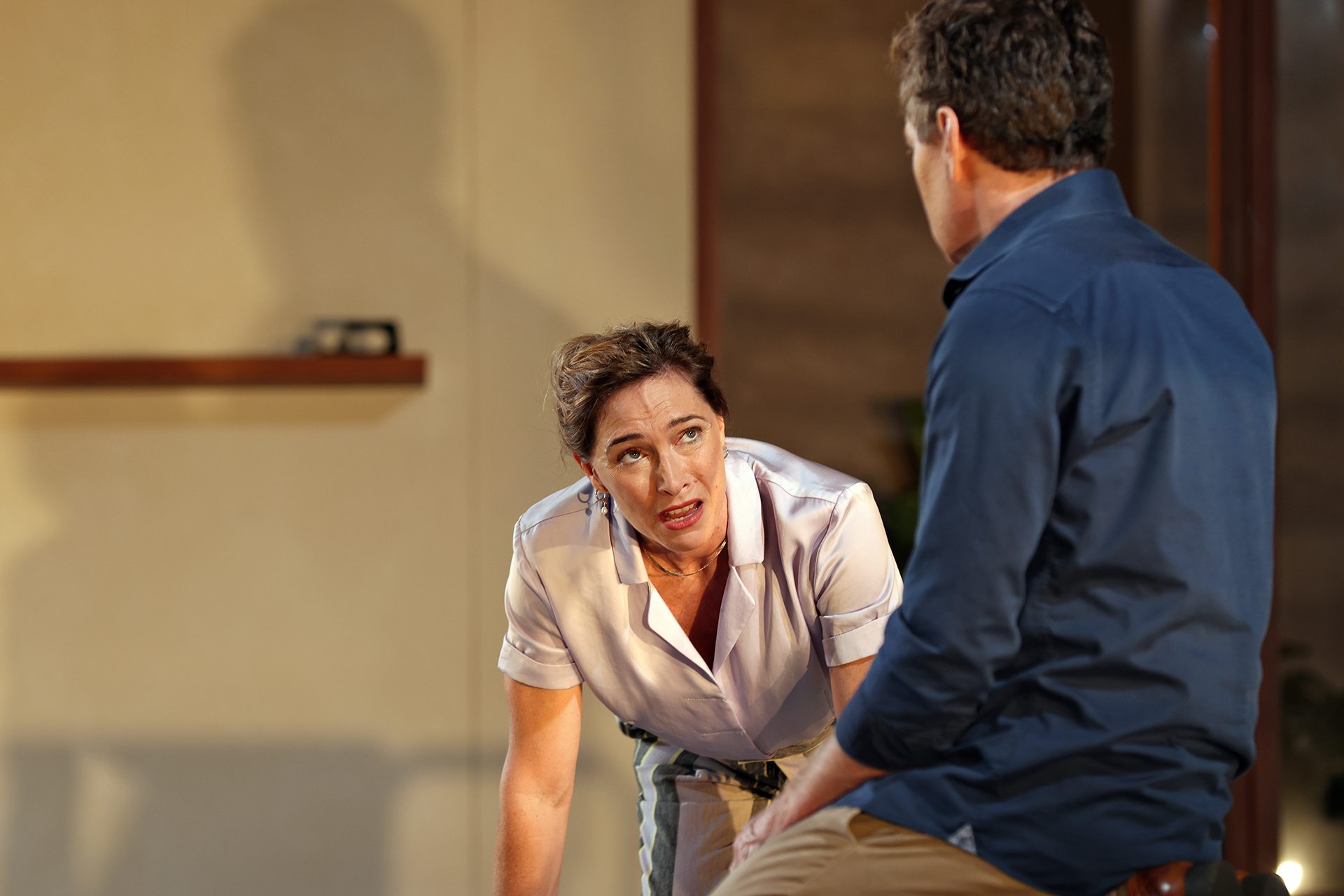
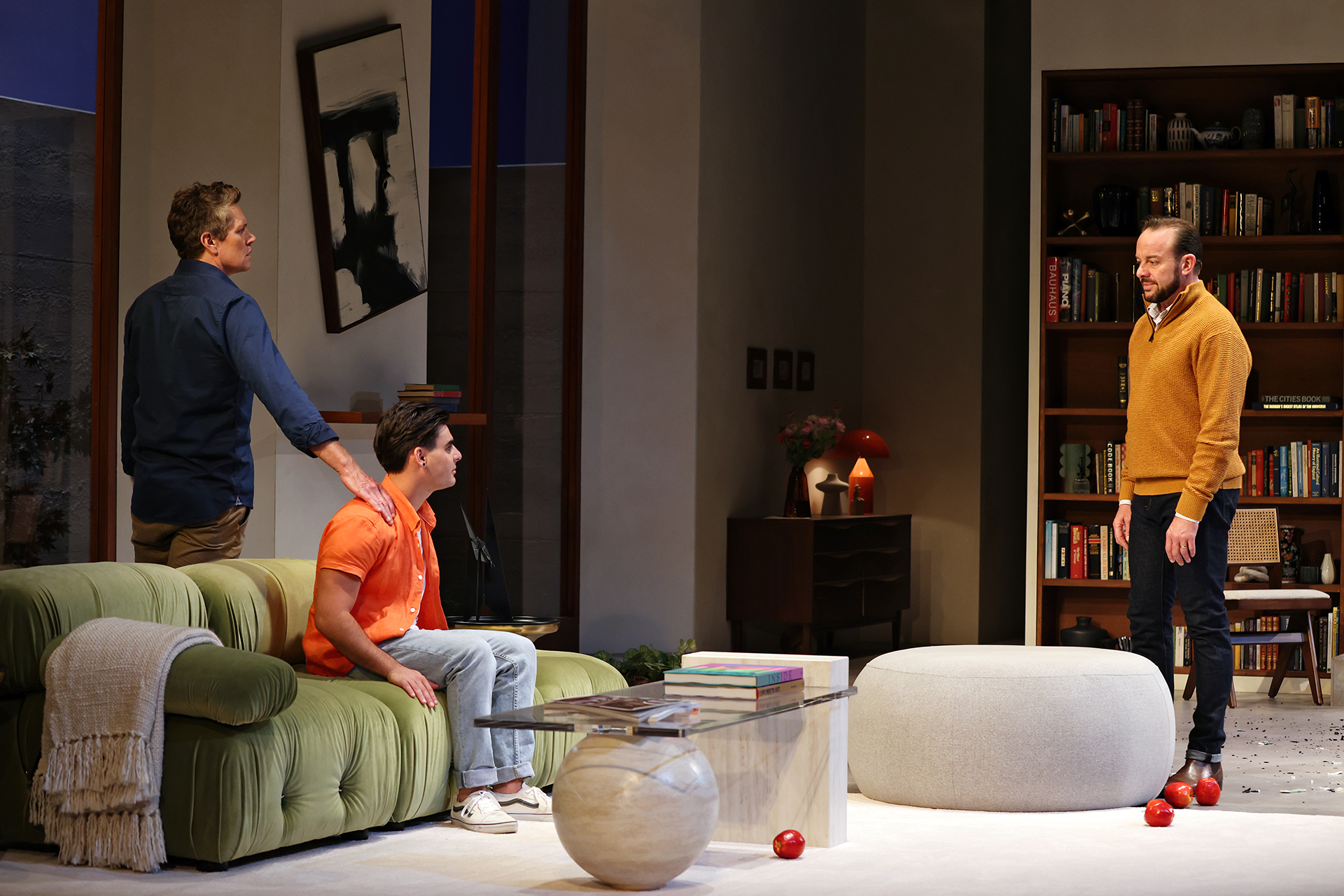
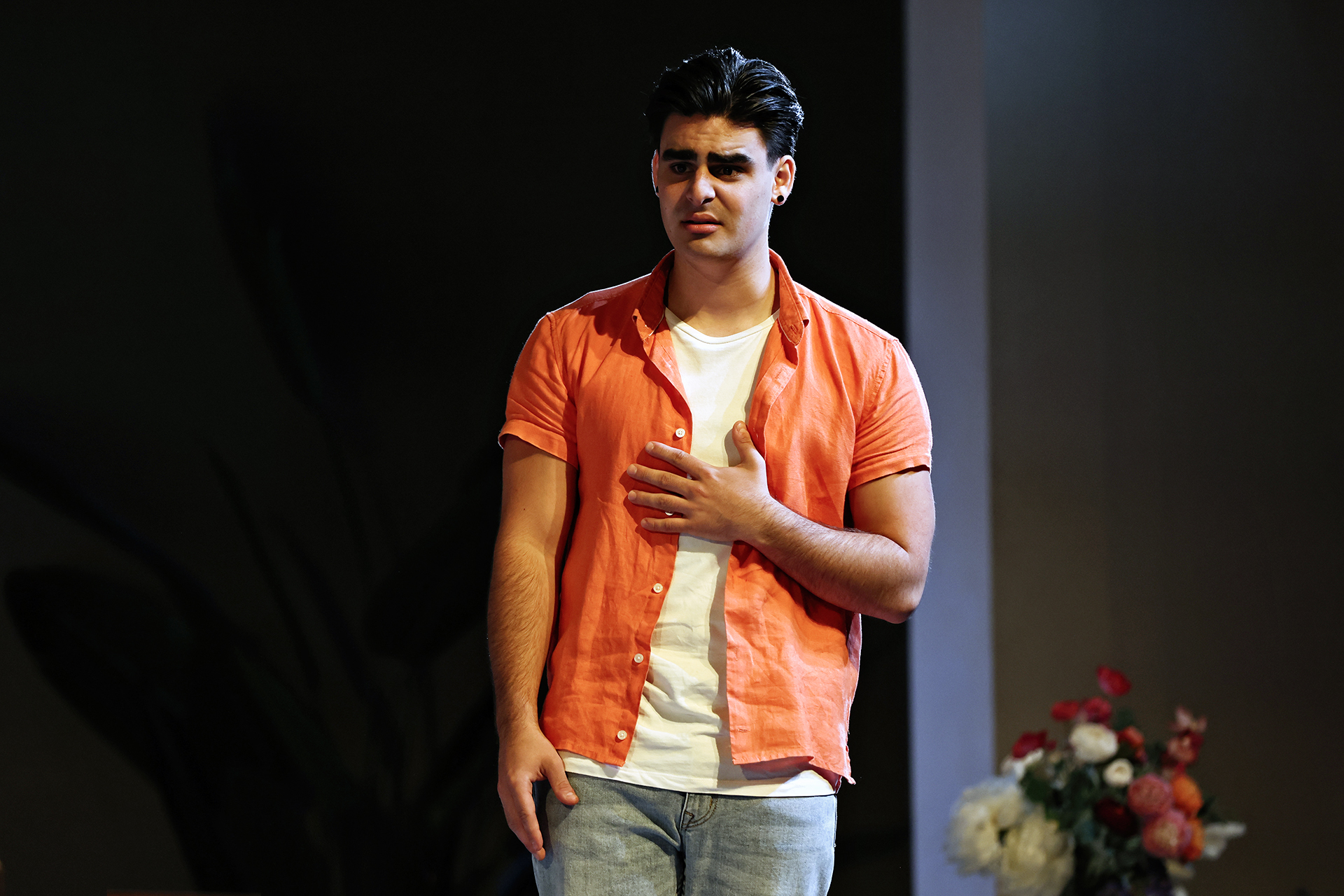
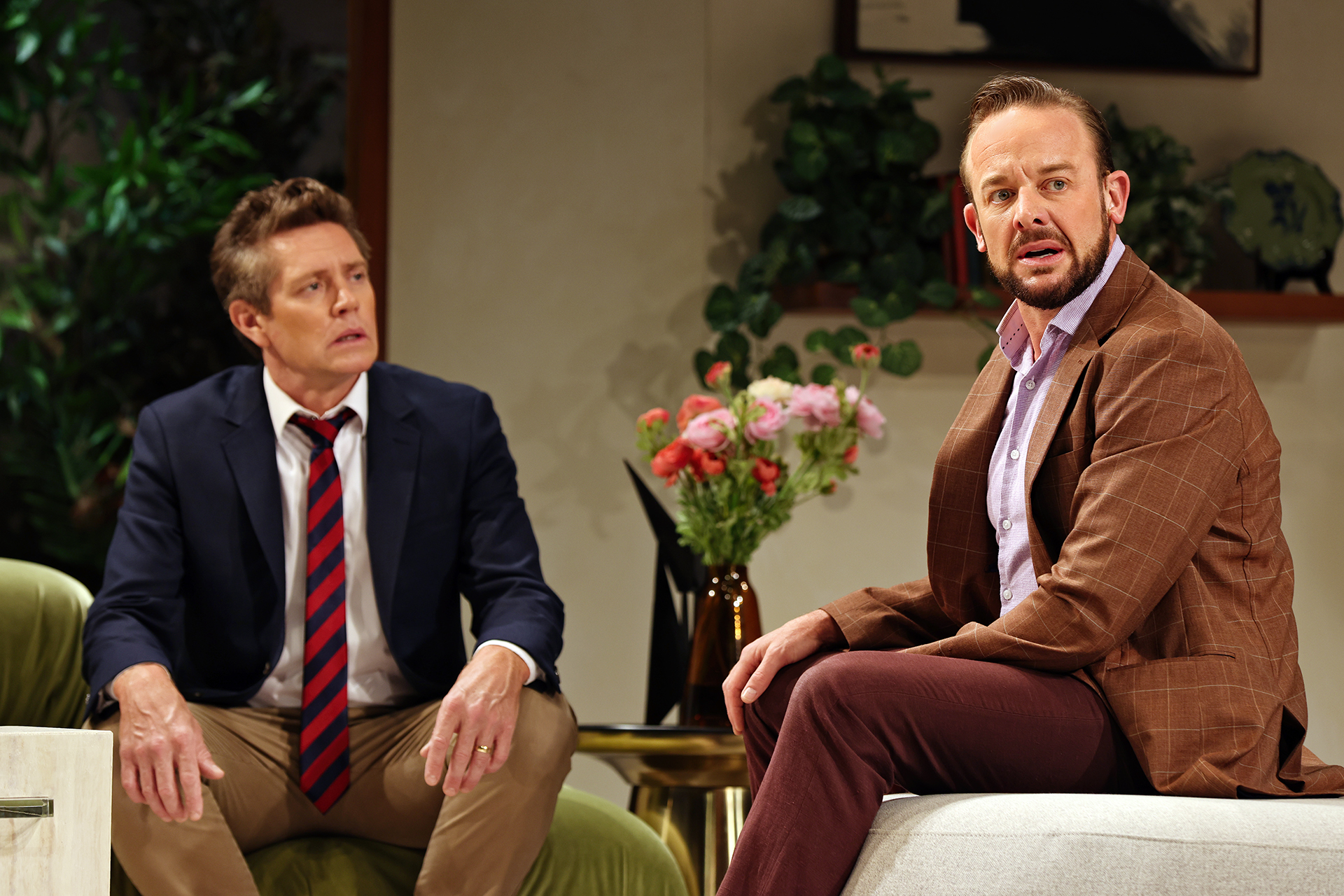
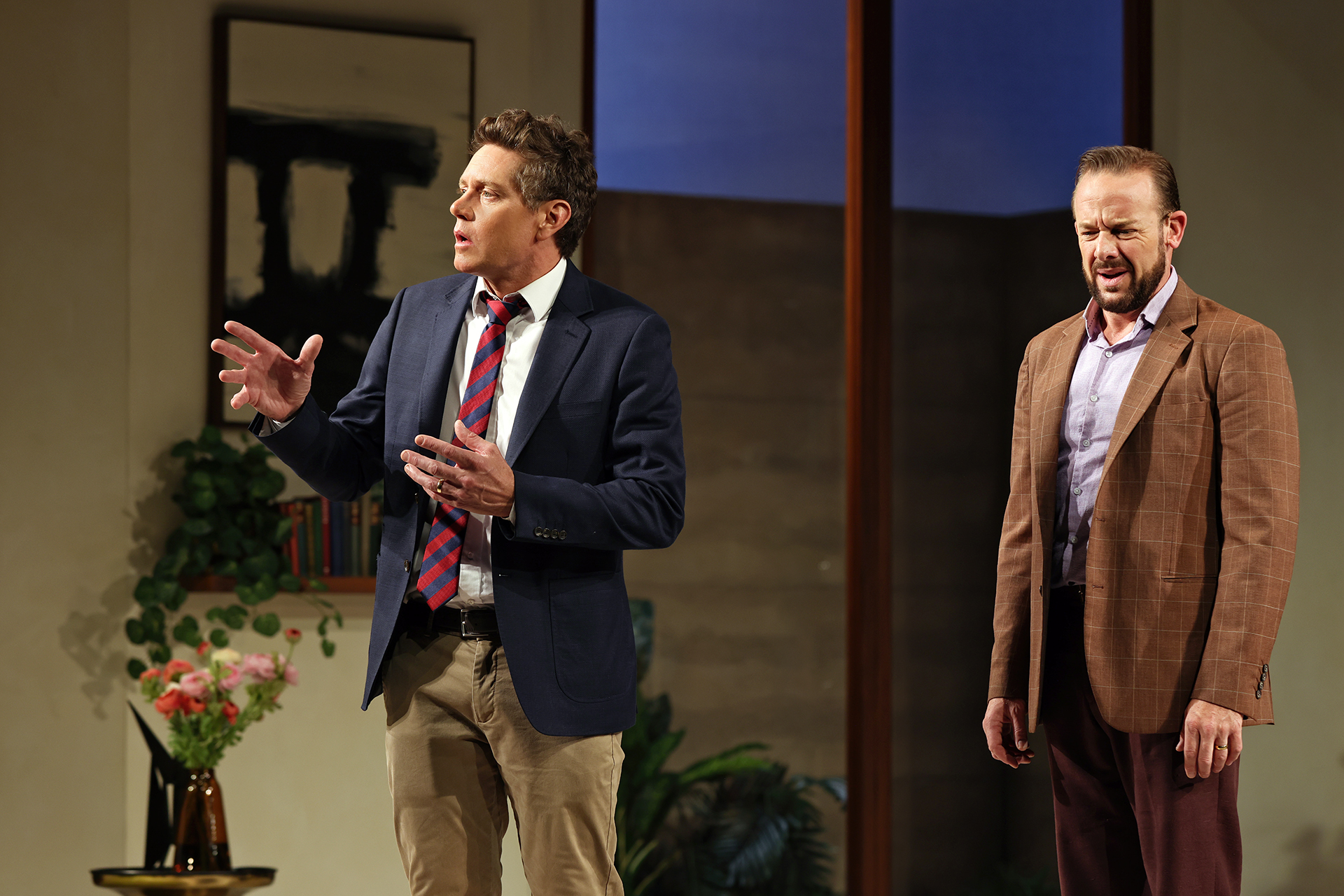
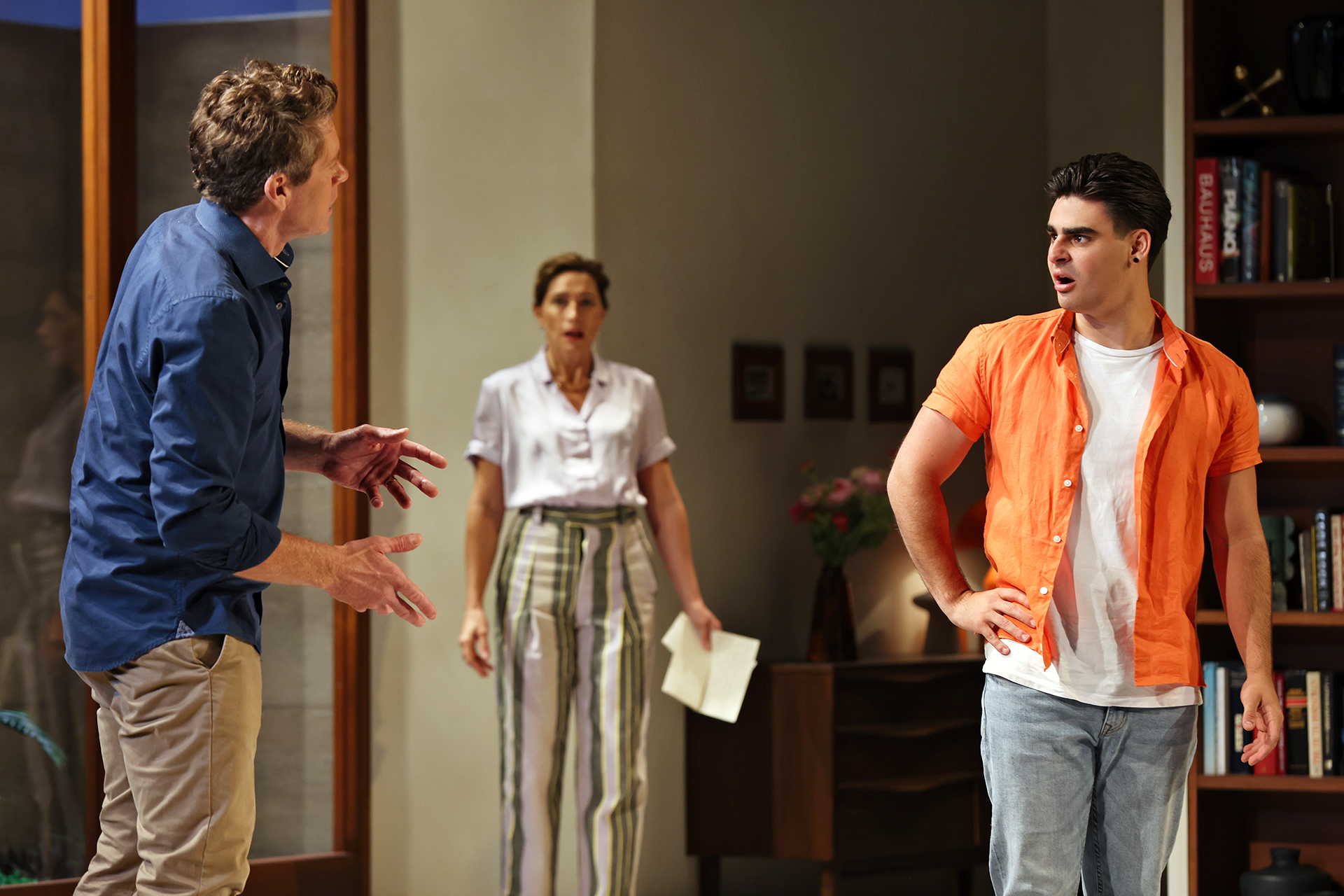
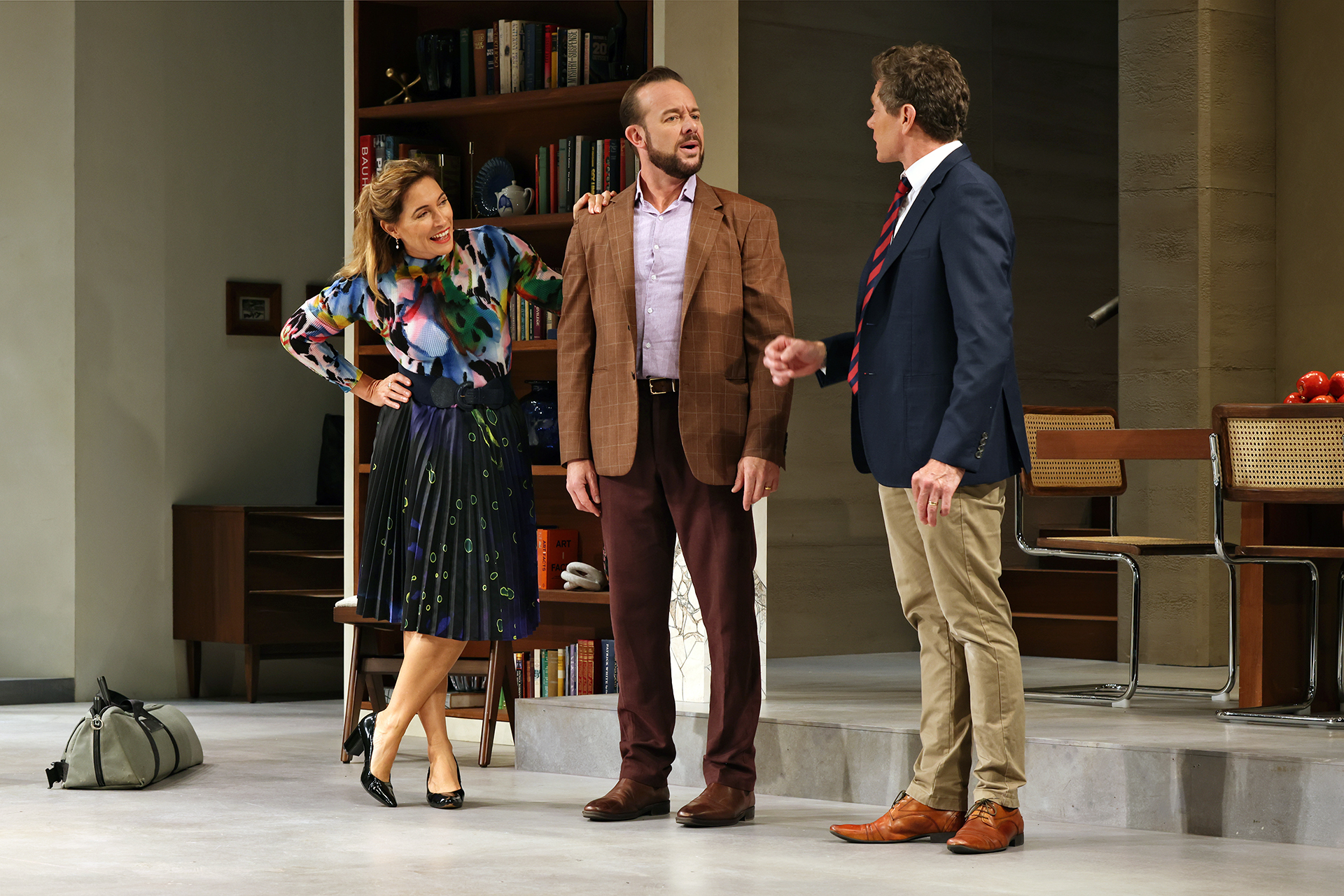
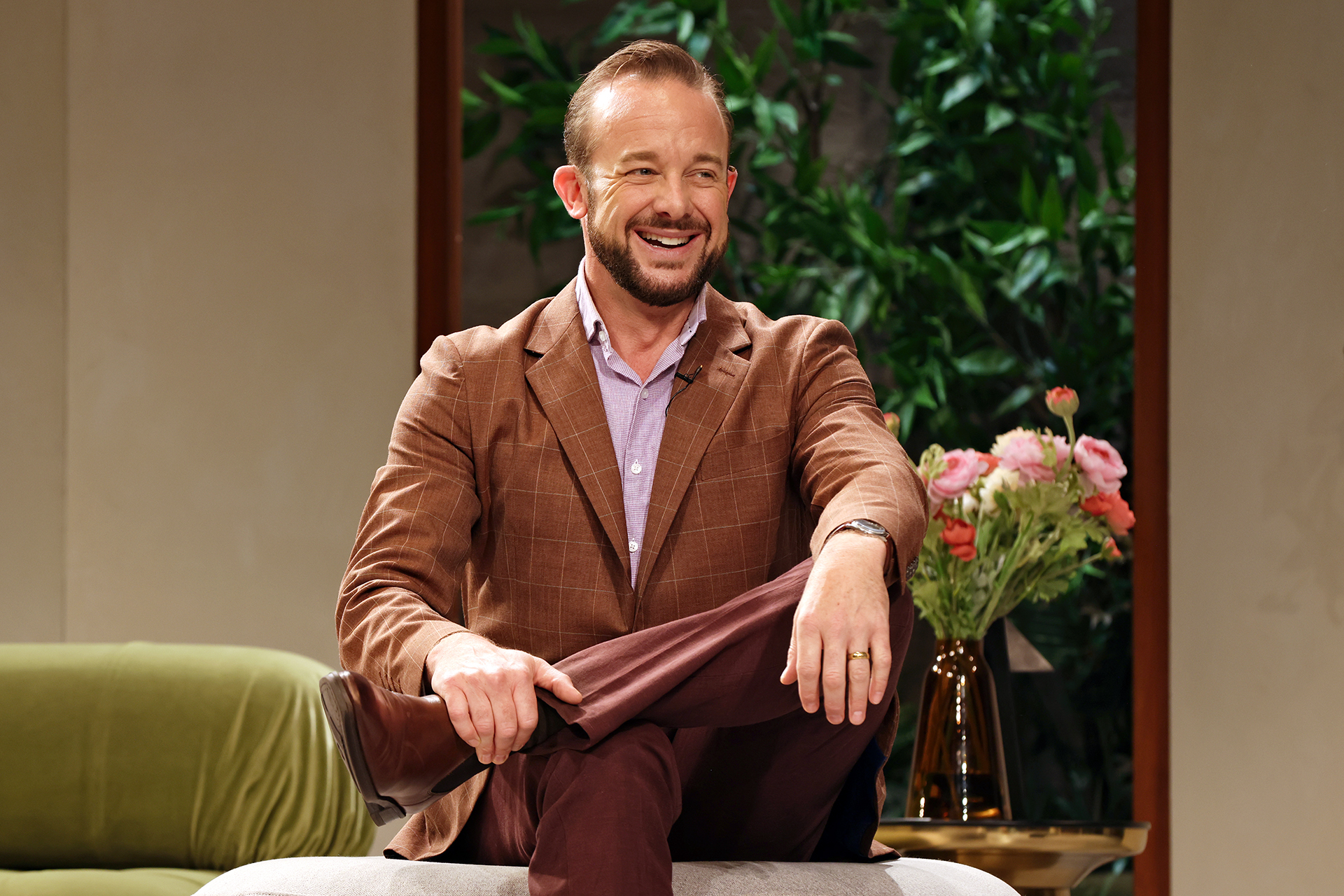
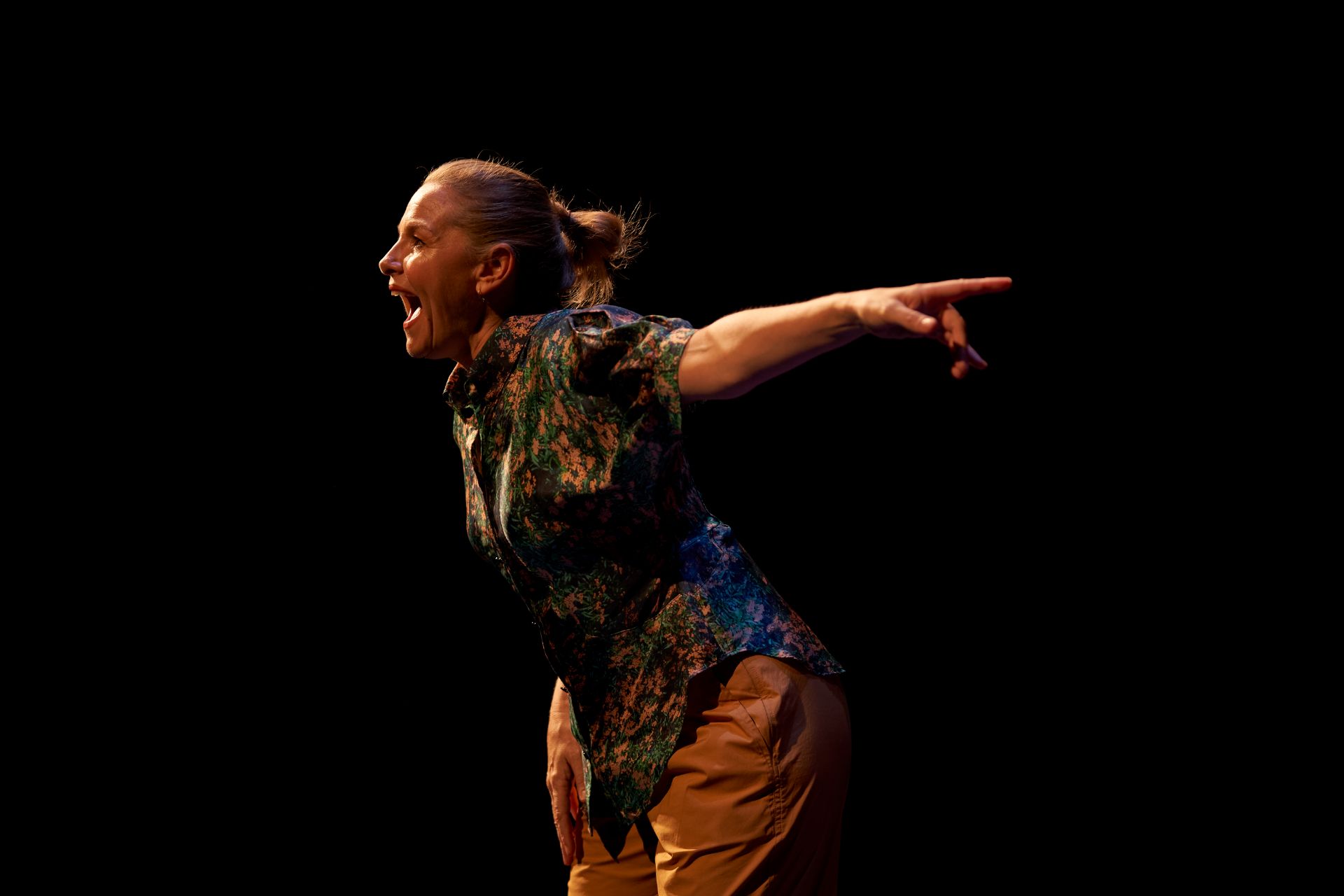
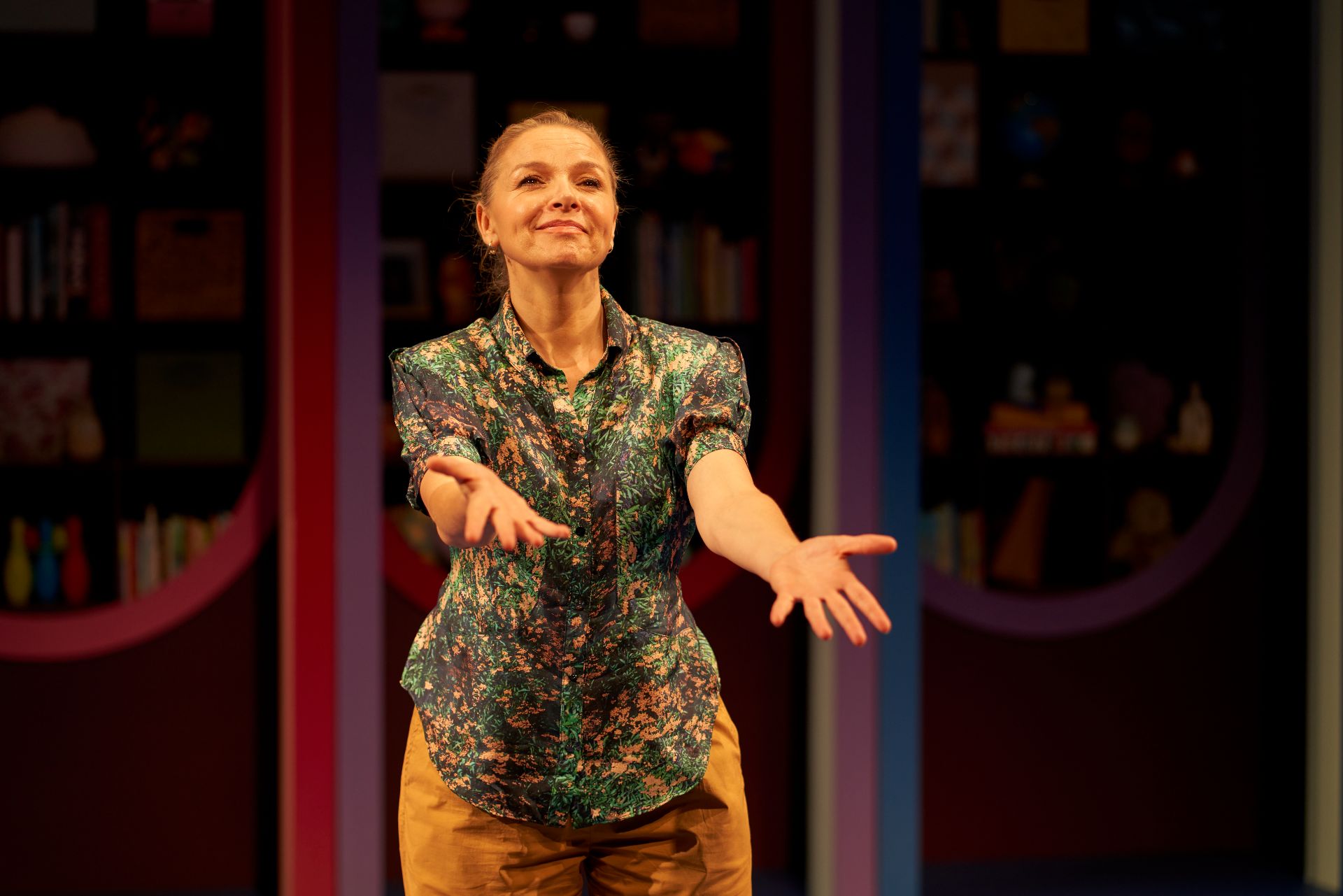
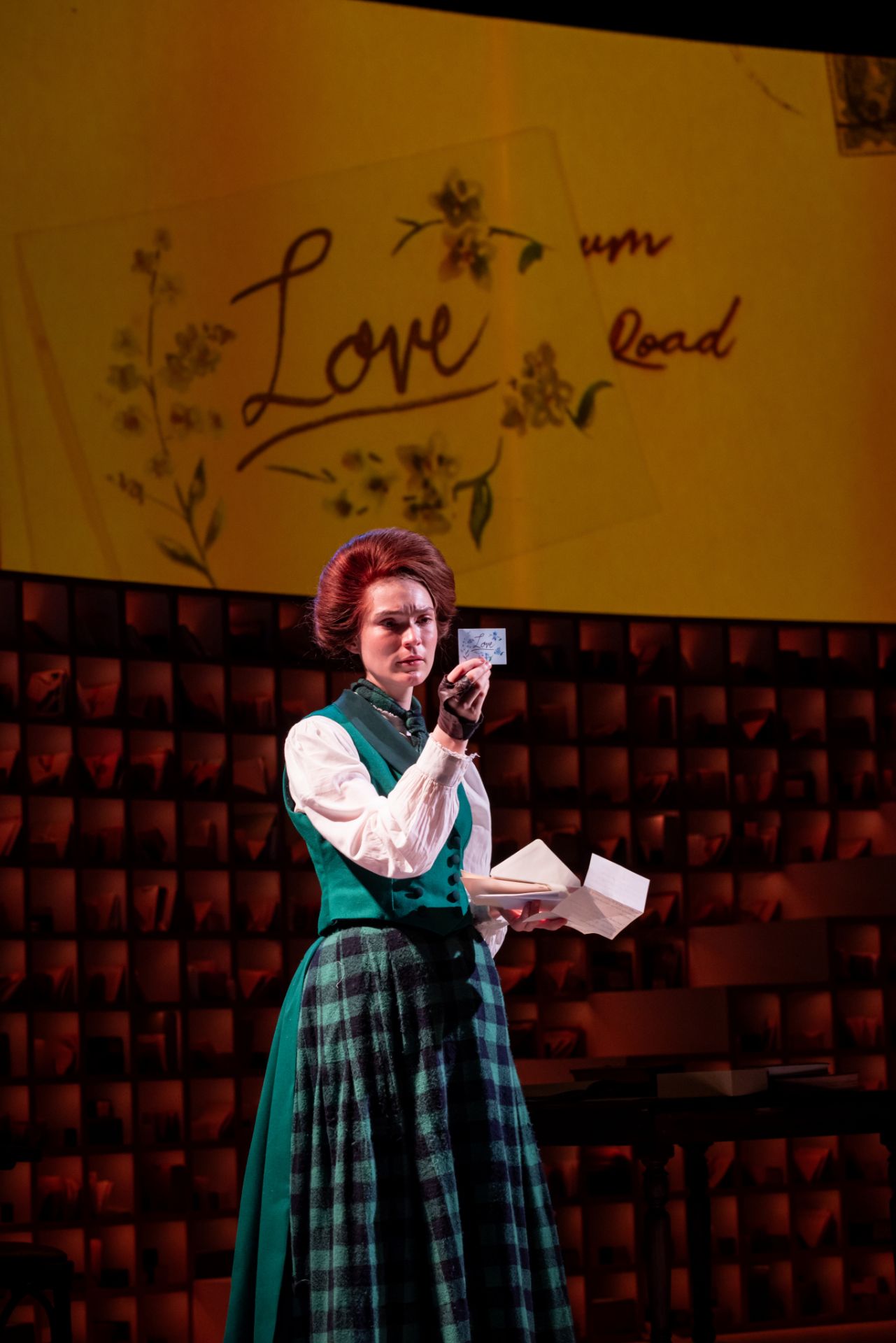
Direction by Jessica Arthur too is missing elements of joy or playfulness, in a production that proves to be needlessly serious. The story is worthy of its creators’ earnestness, but at three hours, a greater variance and theatricality in its tone is required, as the audience tries to invest into Esme’s journey of two decades. Actor Tilda Cobham-Hervey plays the lead role with integrity, able to convey the character’s benevolence persuasively, and with a distinct vulnerability that makes us endear to her life story. The cast of eight is warm and cohesive, admirable for keeping us attentive, even if their message is relayed too gently.

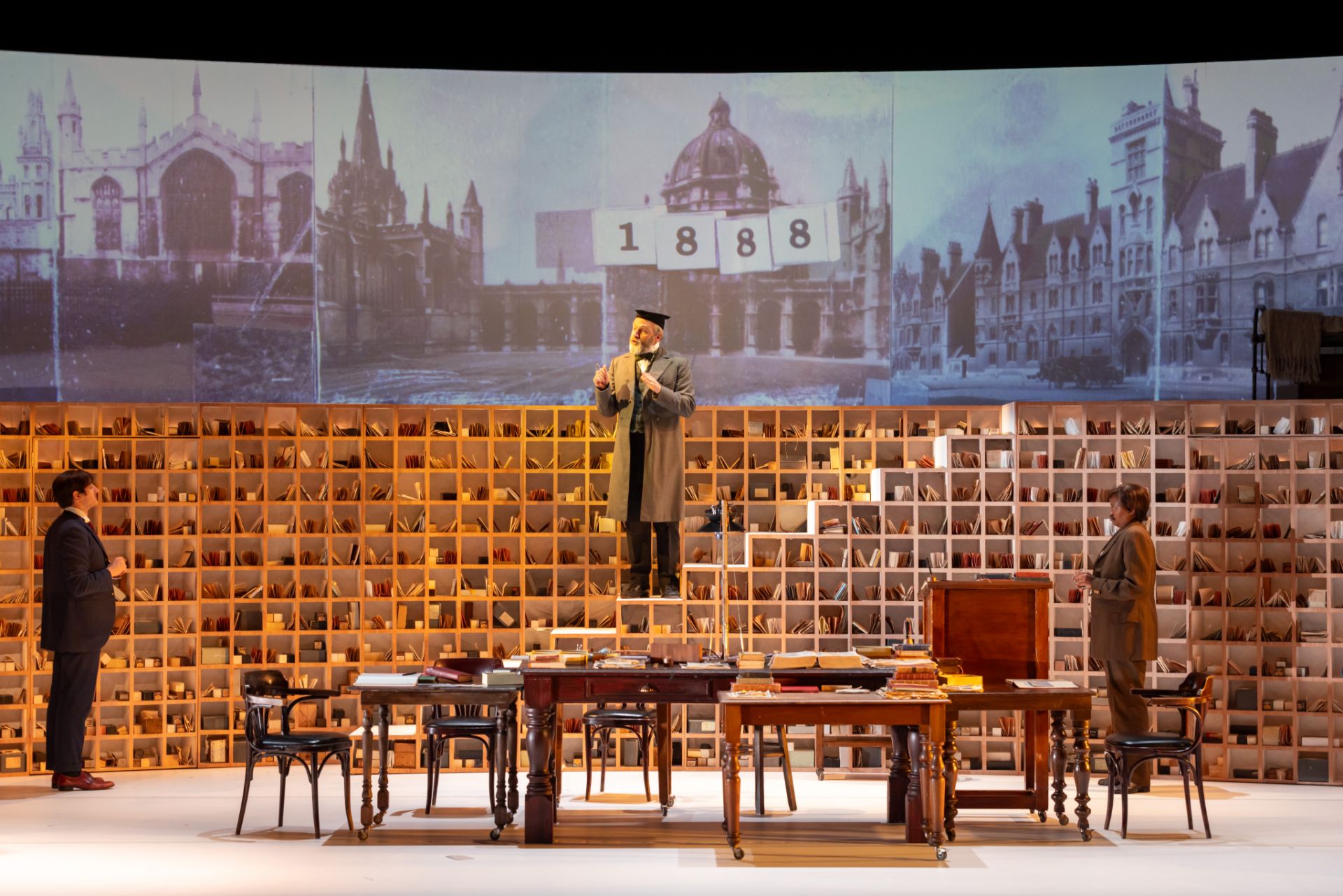
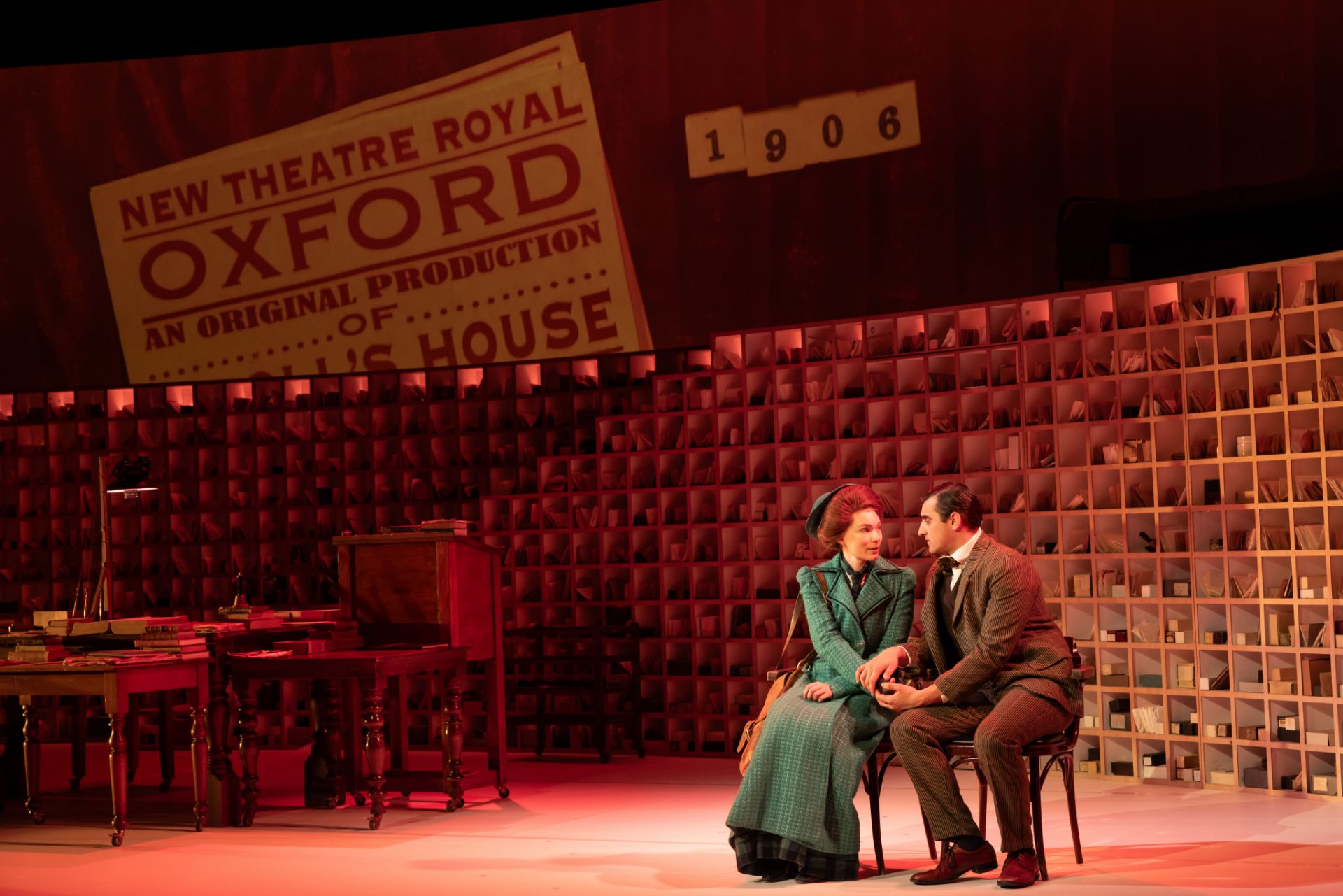
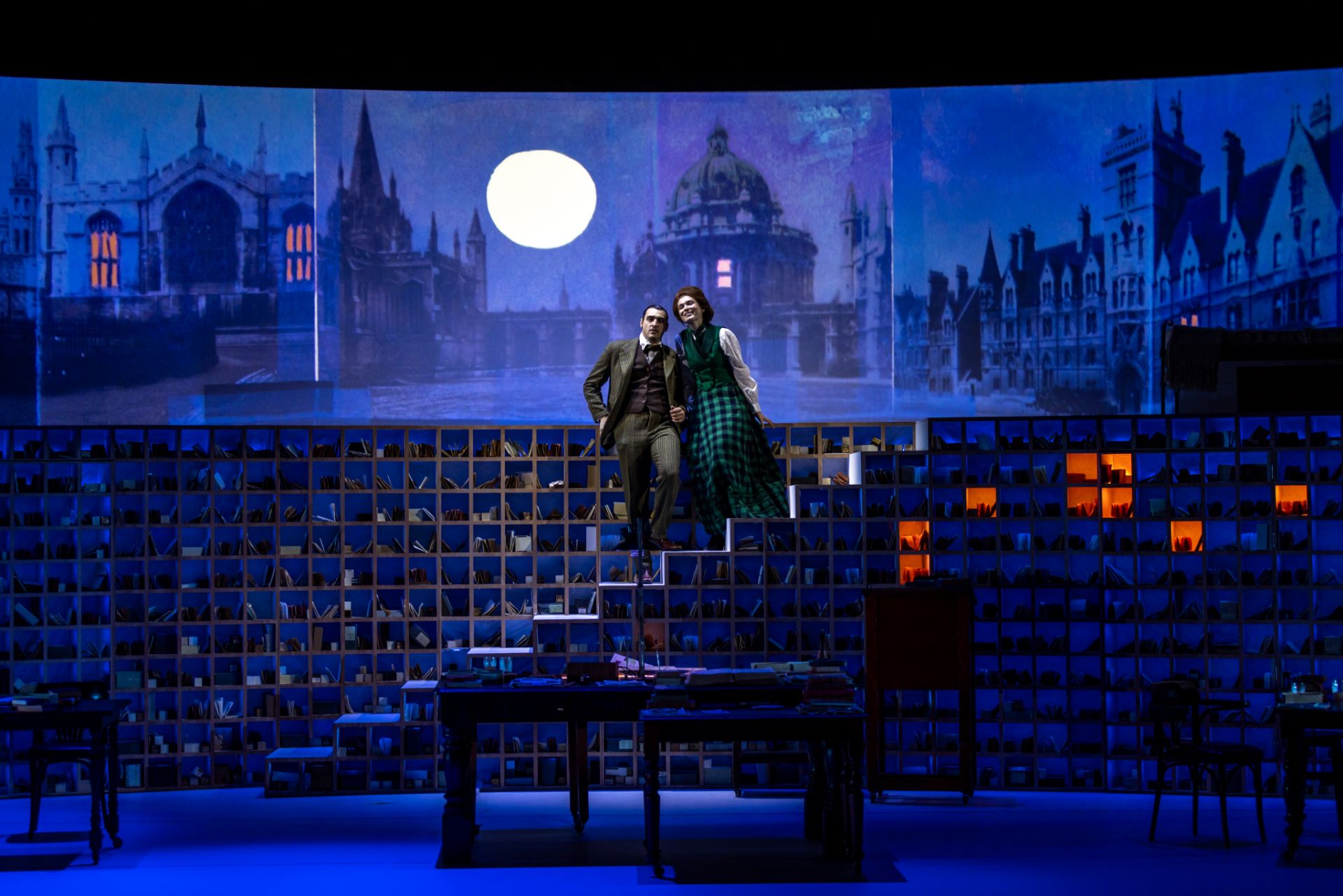
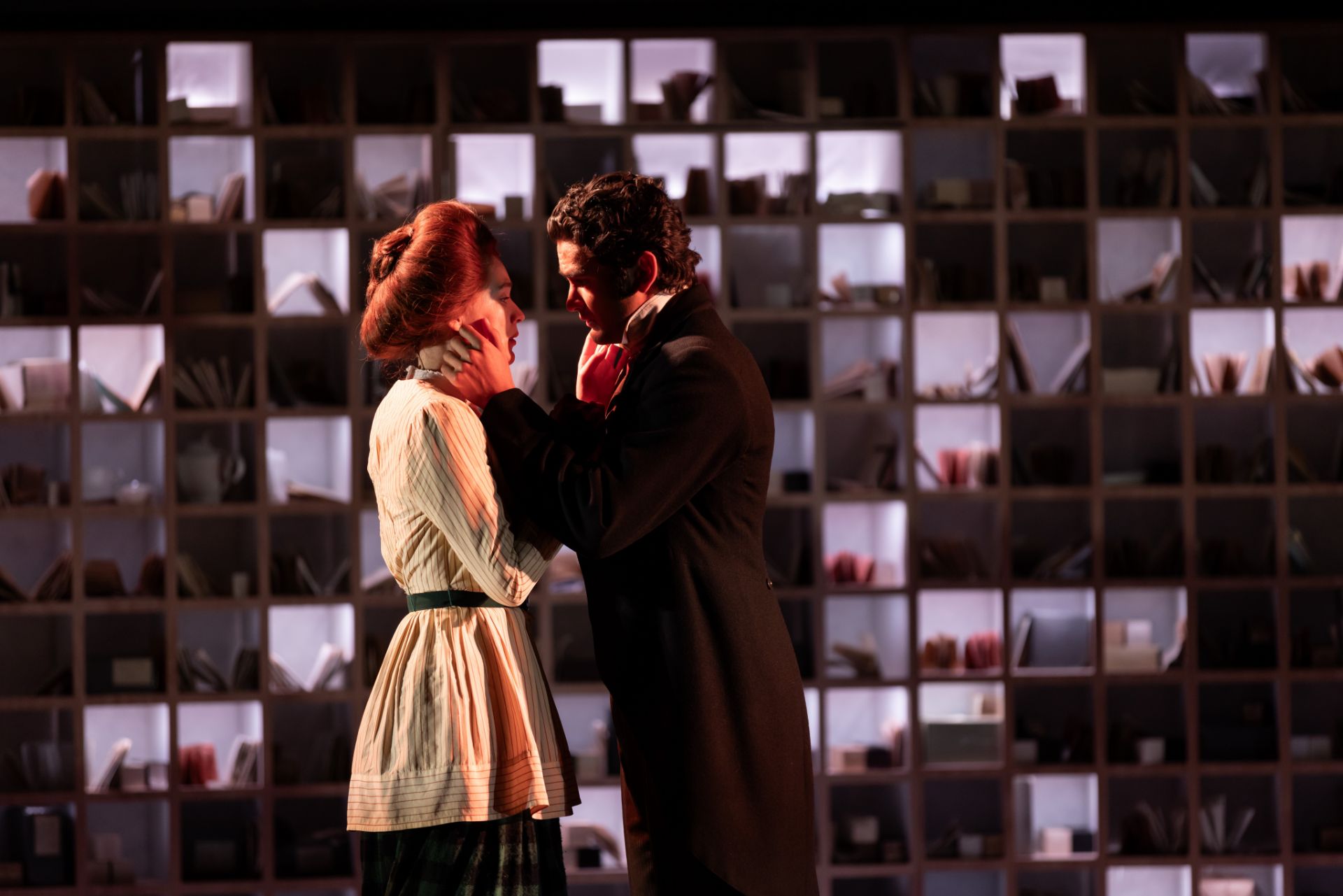
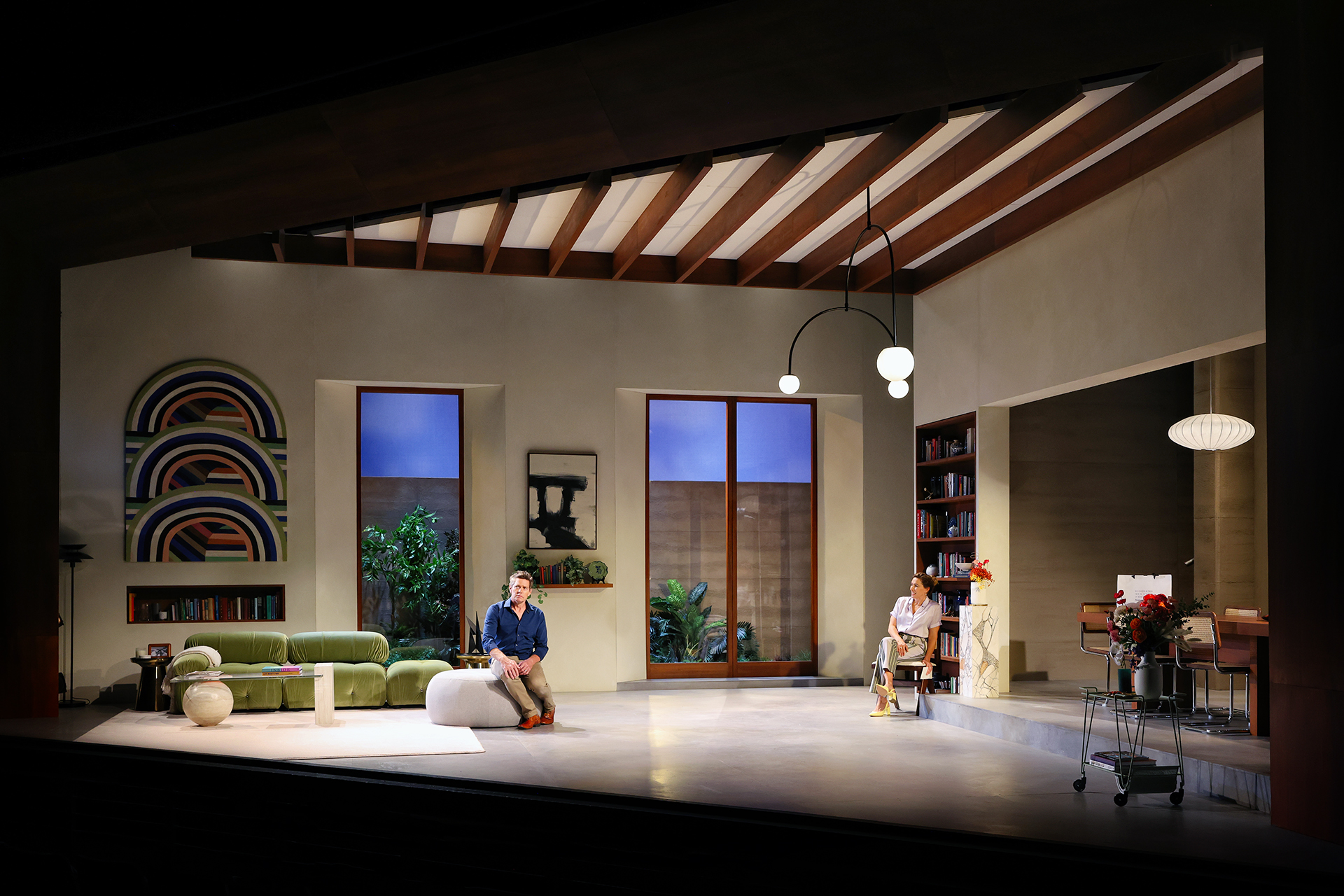
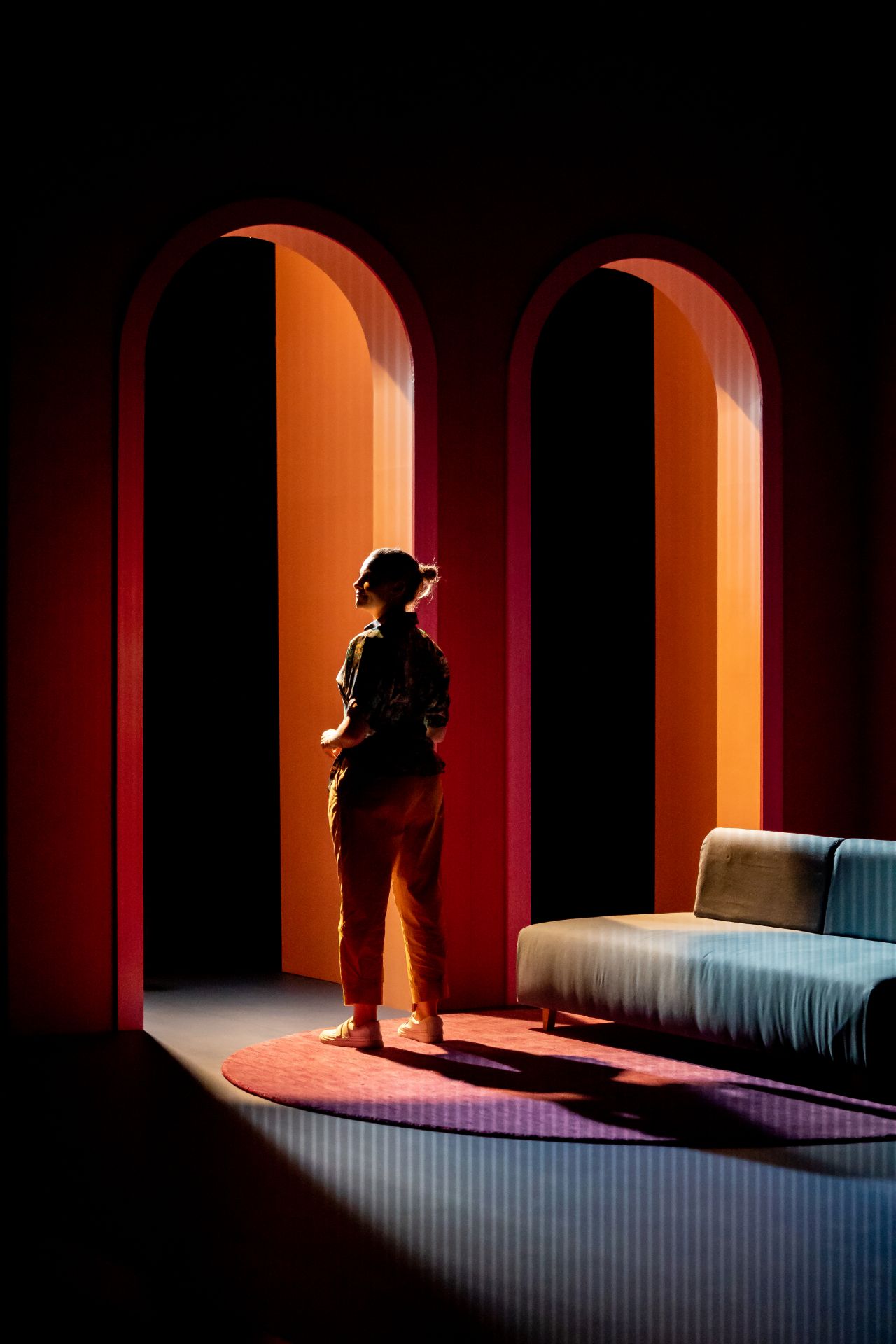
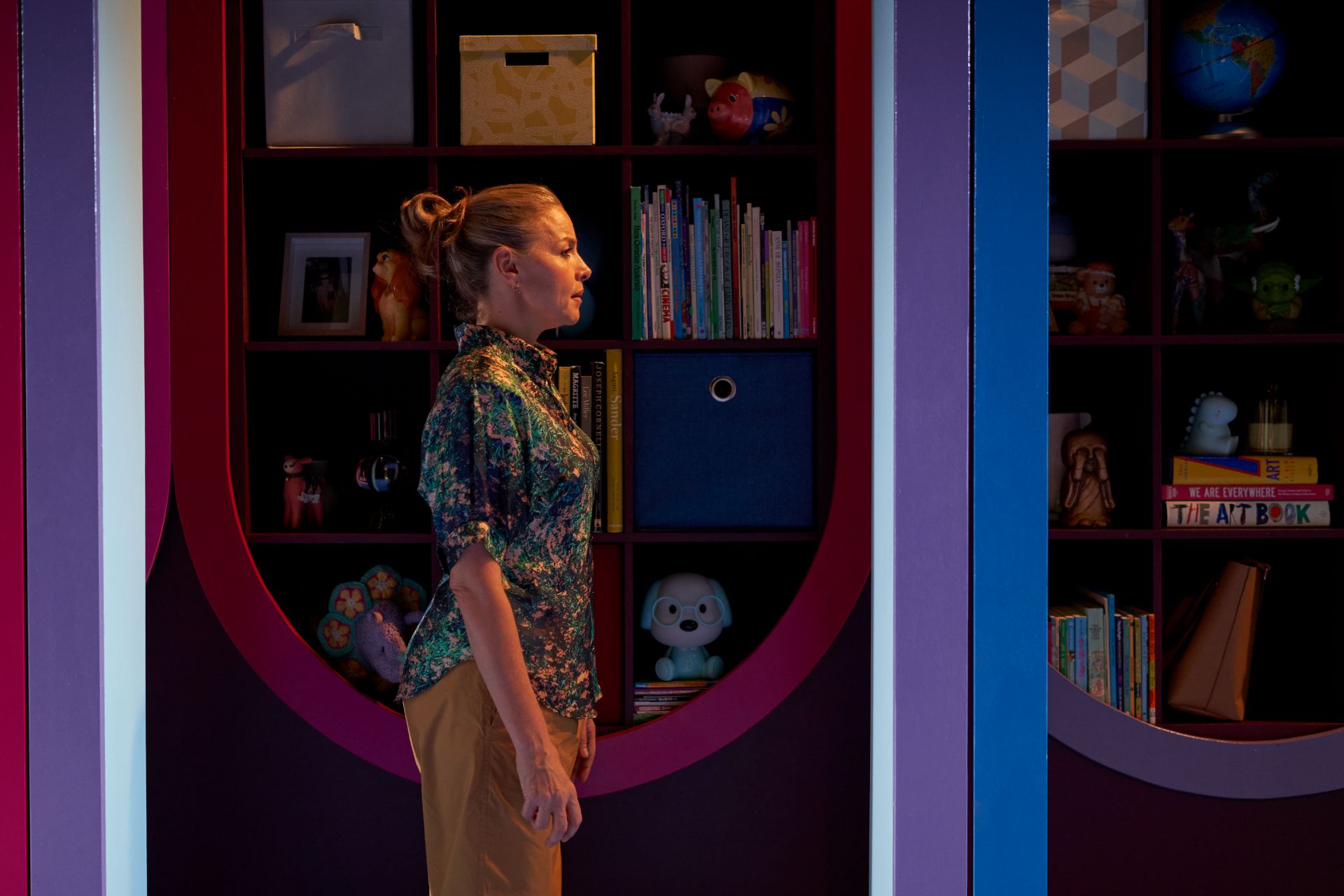
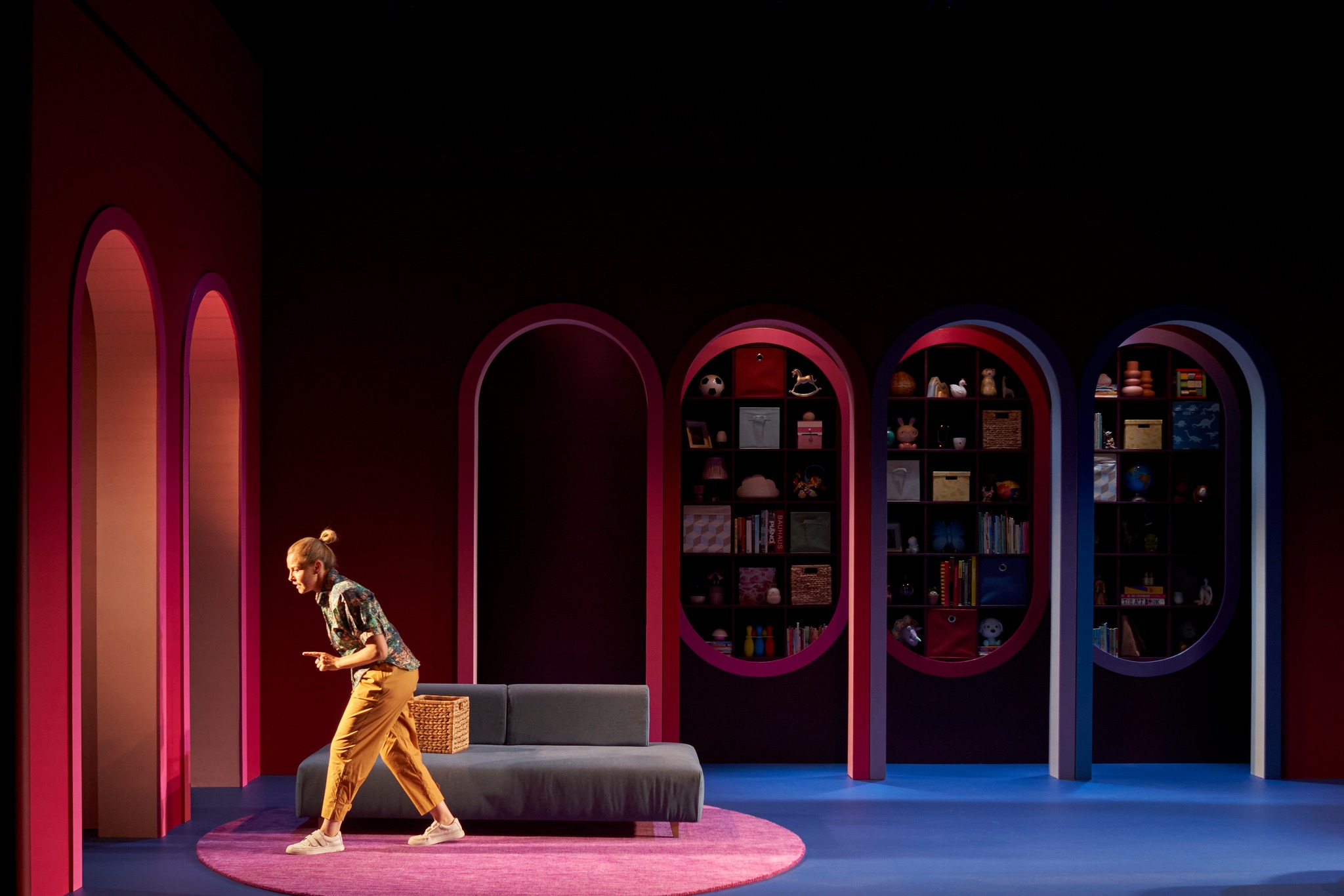
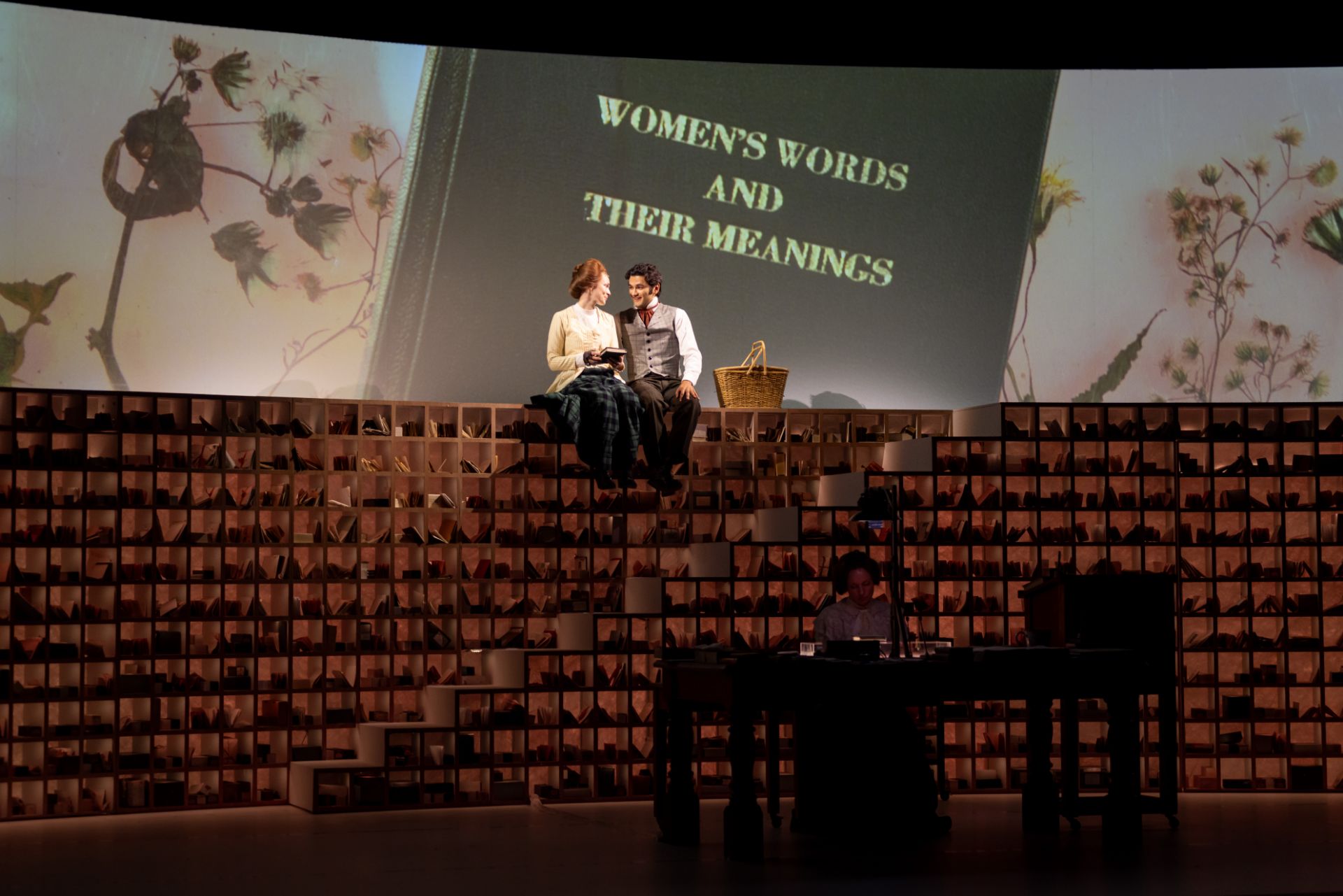
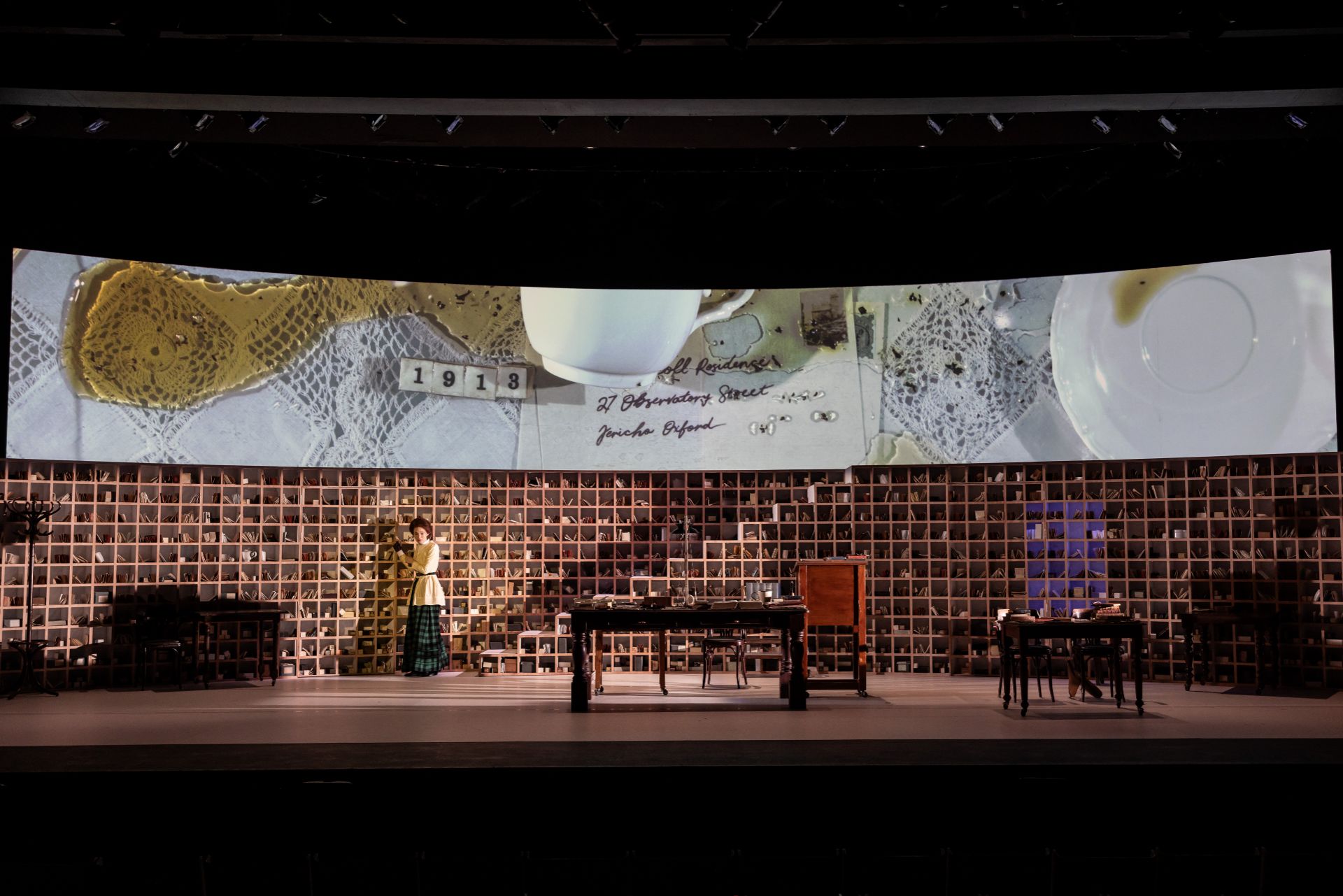
Set design by Jonathon Oxlade features hundreds of pigeon holes, guided by a narrative that discusses the nature of categorisation and organisation, so central to the ways we structure our societies. A projection screen occupies the entire top half of our vista, with helpful (although not always elegantly rendered) video supplementing the action. Ailsa Paterson’s costumes are appropriately conservative in their depictions of life in the Edwardian era. Lights by Trent Suidgeest are flattering and romantic, occasionally injecting a sense of drama to disrupt the general placidity. Music and sounds by Max Lyandvert add to the melancholy, unable to help with the lack of verve, but beautiful nonetheless.

The word “lost” in the title connotes inadvertence, that there is a certain lack of intention when classes and categories of people are excluded. This may be true on some levels, but the persistent refusal to address and amend these inequities only demonstrates a conscious choice of persisting with injustice. Esme does not present herself as a strident activist, she never partook in hunger strikes, or stood next to Emily Davison who in 1913 took to the race tracks in protest, only to be killed by the king’s horse. Regardless, individuals are always capable of making a difference, even if one is resolutely mild in temperament and constitution, every effort to identify our ills and turn them for the better, is how progress can happen.

www.sydneytheatre.com.au | www.statetheatrecompany.com.au

Review: Lady Day At Emerson’s Bar & Grill  (Belvoir St Theatre)

Venue: Belvoir St Theatre (Surry Hills NSW), Sep 14 – Oct 15, 2023
Playwright: Lanie Robertson
Director: Mitchell Butel
Cast: Zahra Newman with Kym Purling, Victor Rounds, Calvin Welch
Images by Matt Byrne

Theatre review
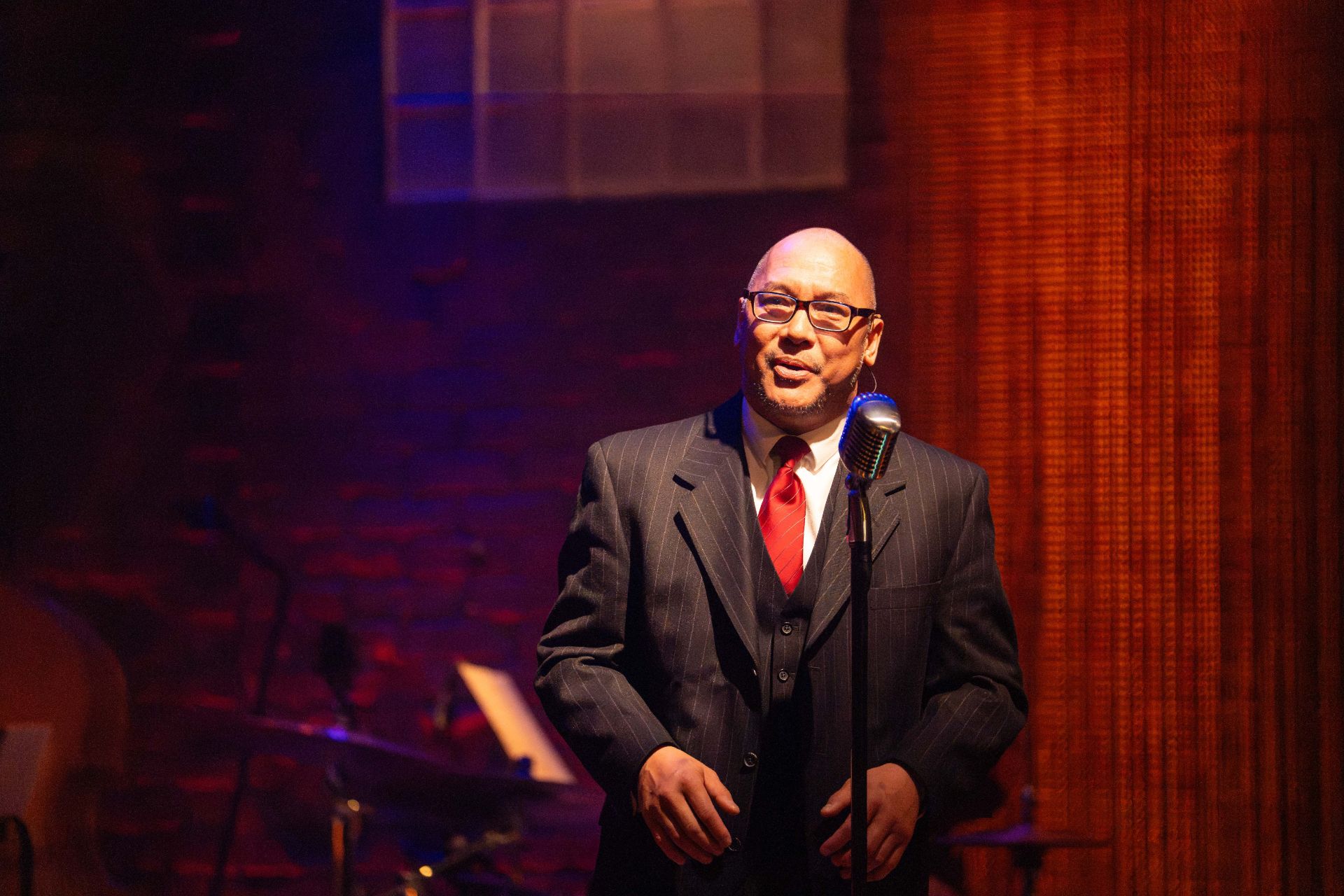
Jazz legend Billie Holiday is performing at a bar in Philadelphia, several years after being incarcerated in that same city, and finds herself unable to maintain composure, as the worst times of her life come flooding back. In Lanie Robertson’s Lady Day at Emerson’s Bar & Grill, the diva unravels before our eyes, disclosing the innumerable traumatic events she had suffered, as a Black woman surviving 20th century America. She sings her songs to perfection, but is completely guileless in between numbers,  defenceless to a degree that is almost humiliating in her revelations. Such is the nature of art. It demands such honesty and vulnerability from the creator, that we witness her disintegrating even as she fulfils her destiny, as one of the world’s foremost singers of the modern era.

The tragedy is both heartbreaking and beautiful, under Mitchell Butel’s direction. Amidst the unbridled distress, is a star who retains her independence and agency, maybe not always making the best choices, but owning every one of them. Butel manufactures a theatrical glamour that helps us lionise Holiday, to see that we can celebrate the totality of her, that flaws in her biography cannot be divorced from her immense legacy, and that where she does flounder is indeed largely a consequence of social injustice, rather than of personal deficiencies.

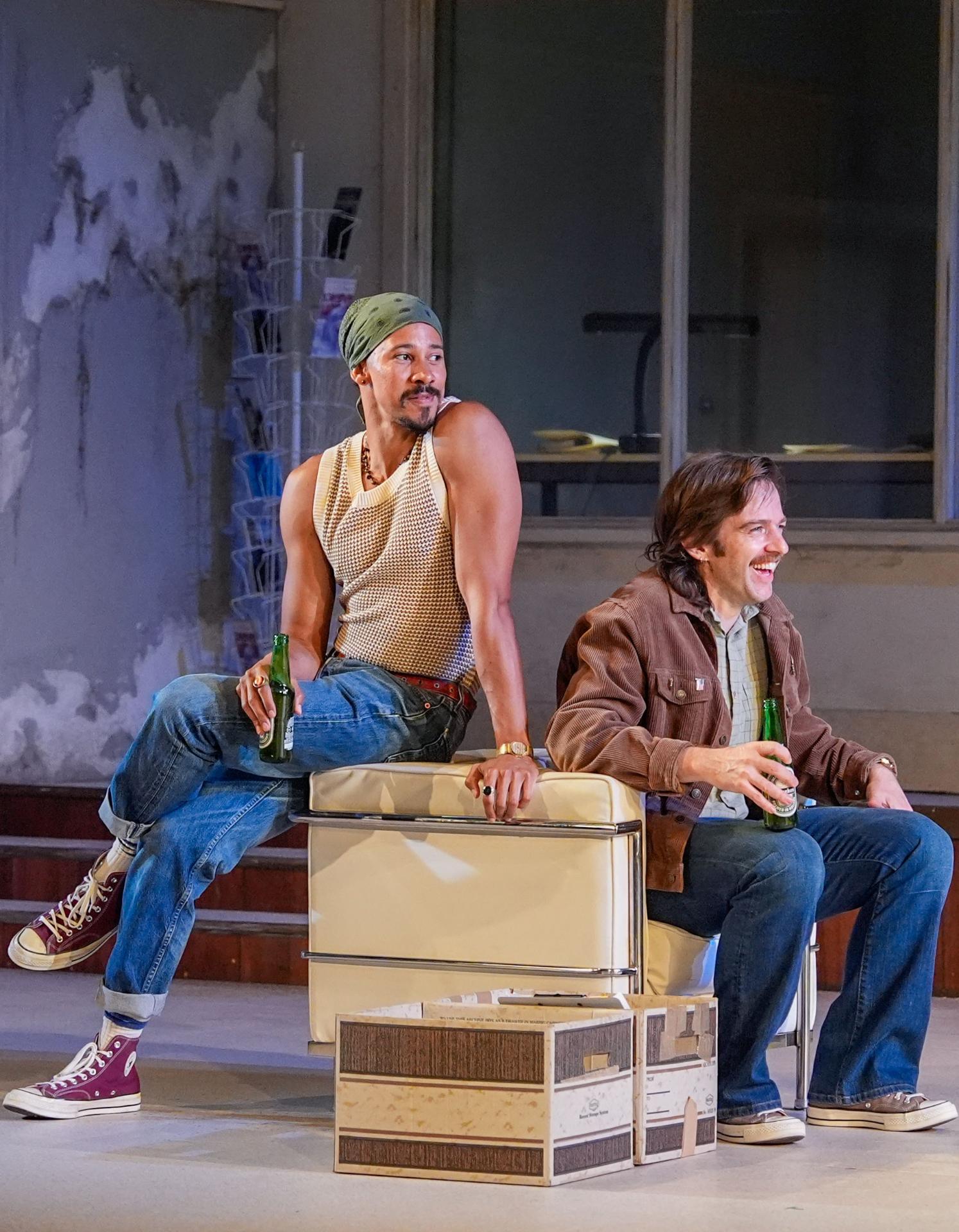
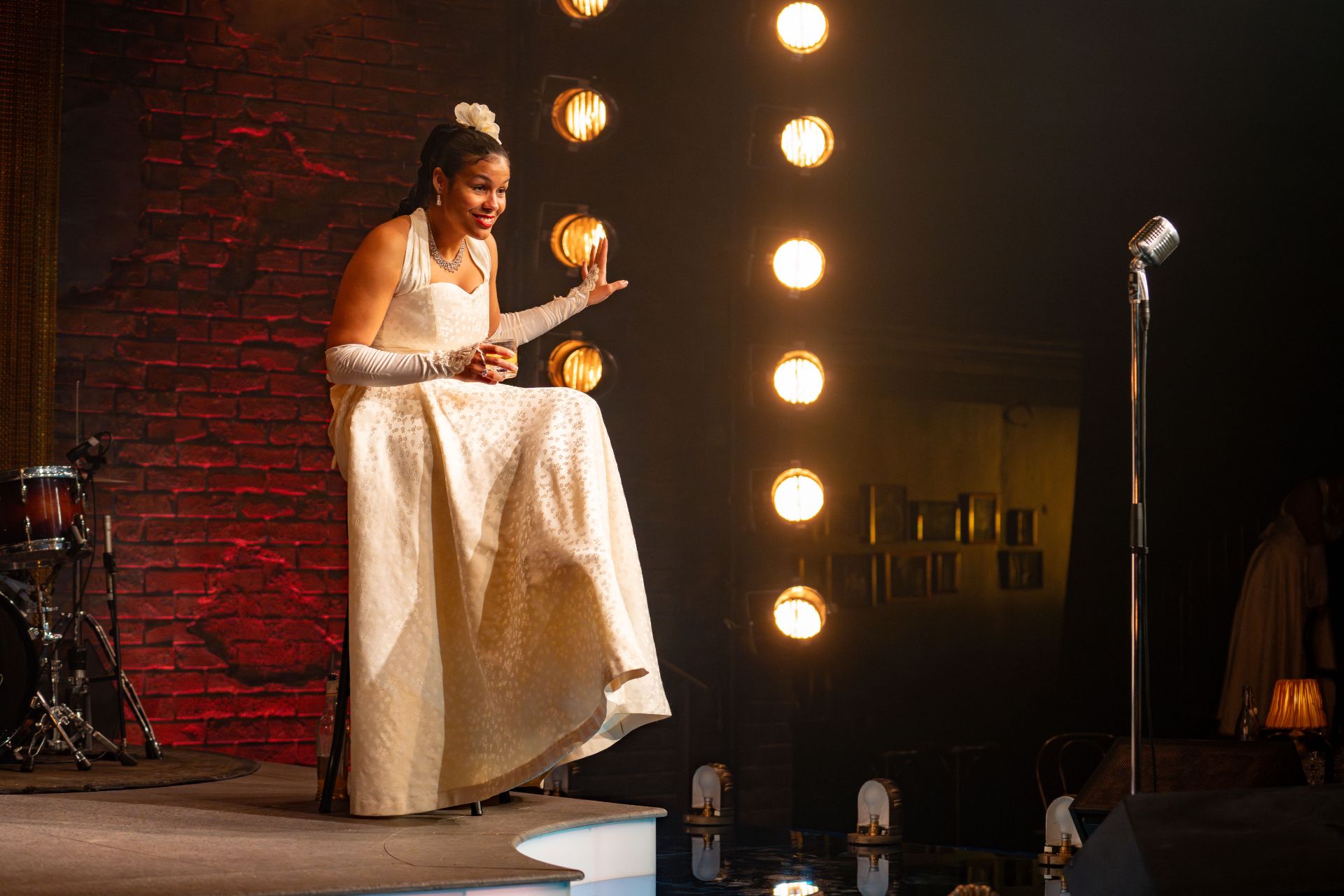
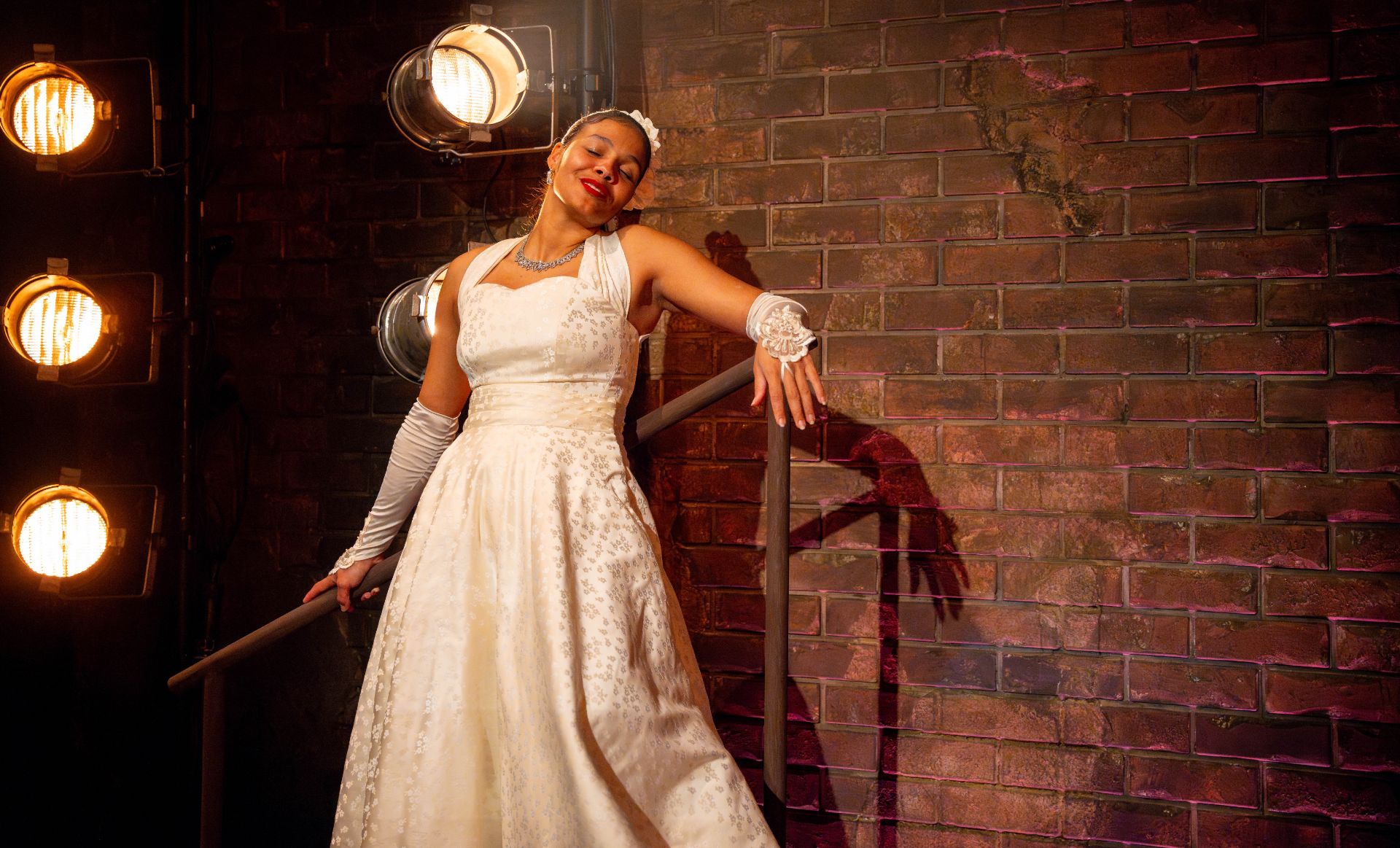
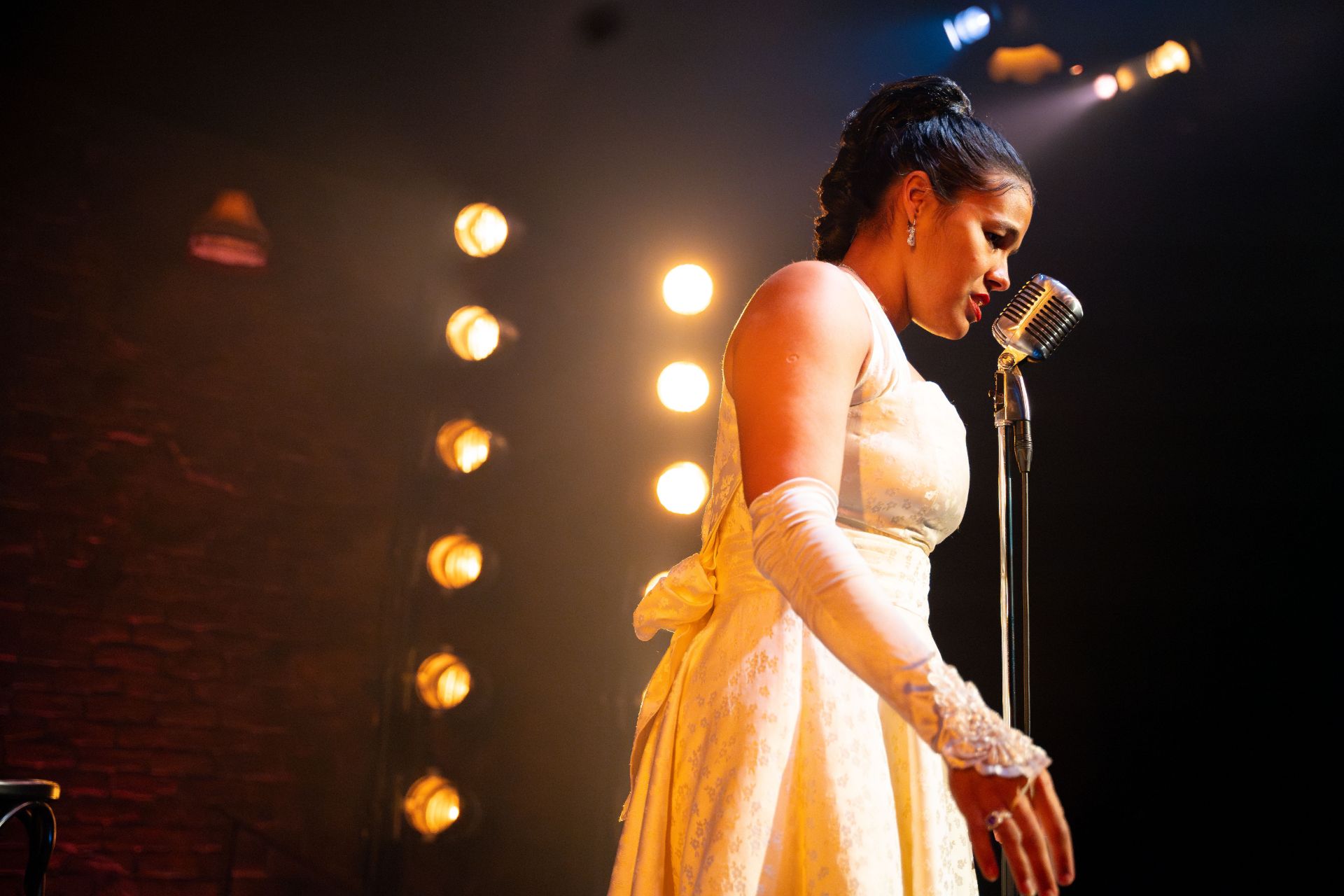
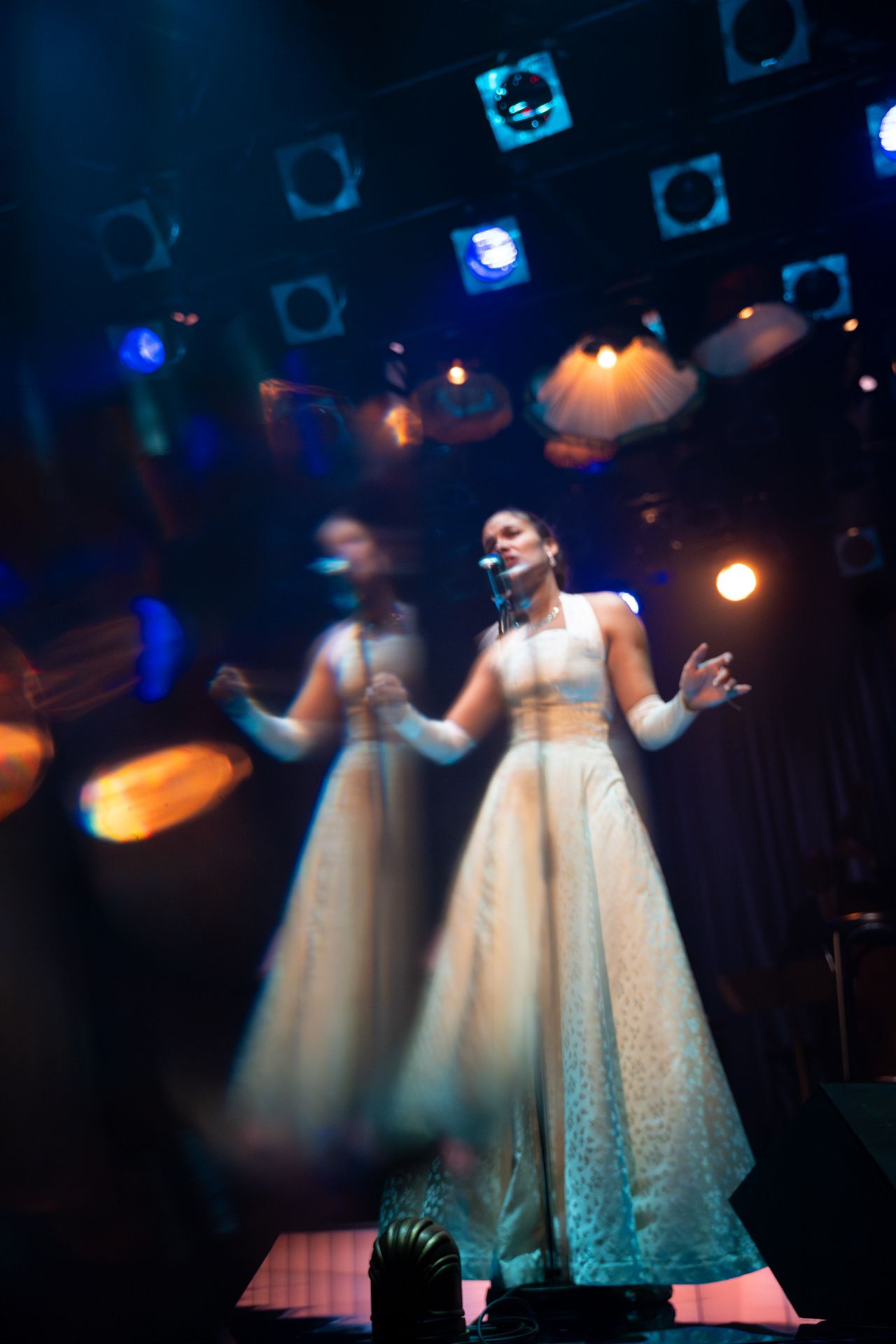
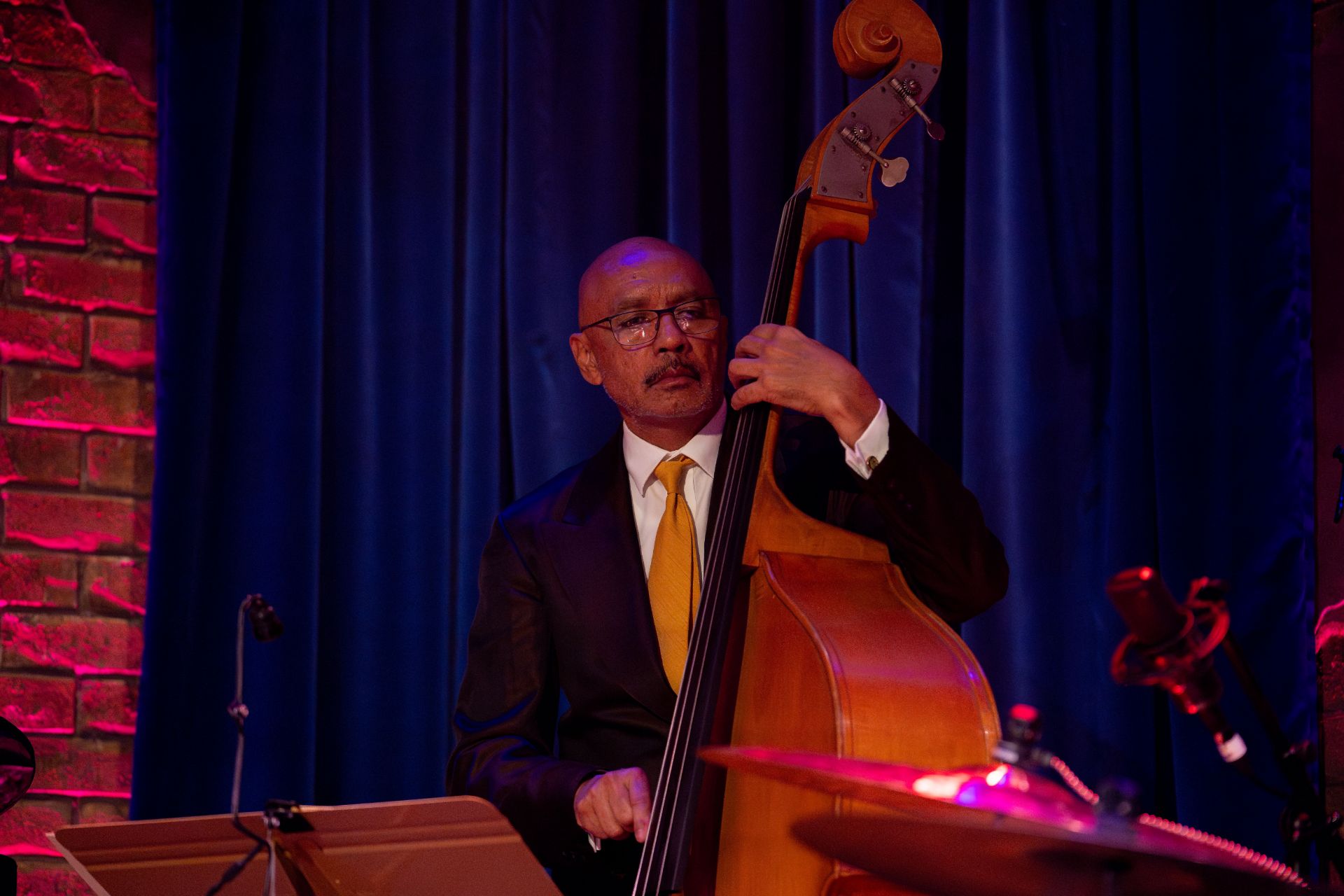
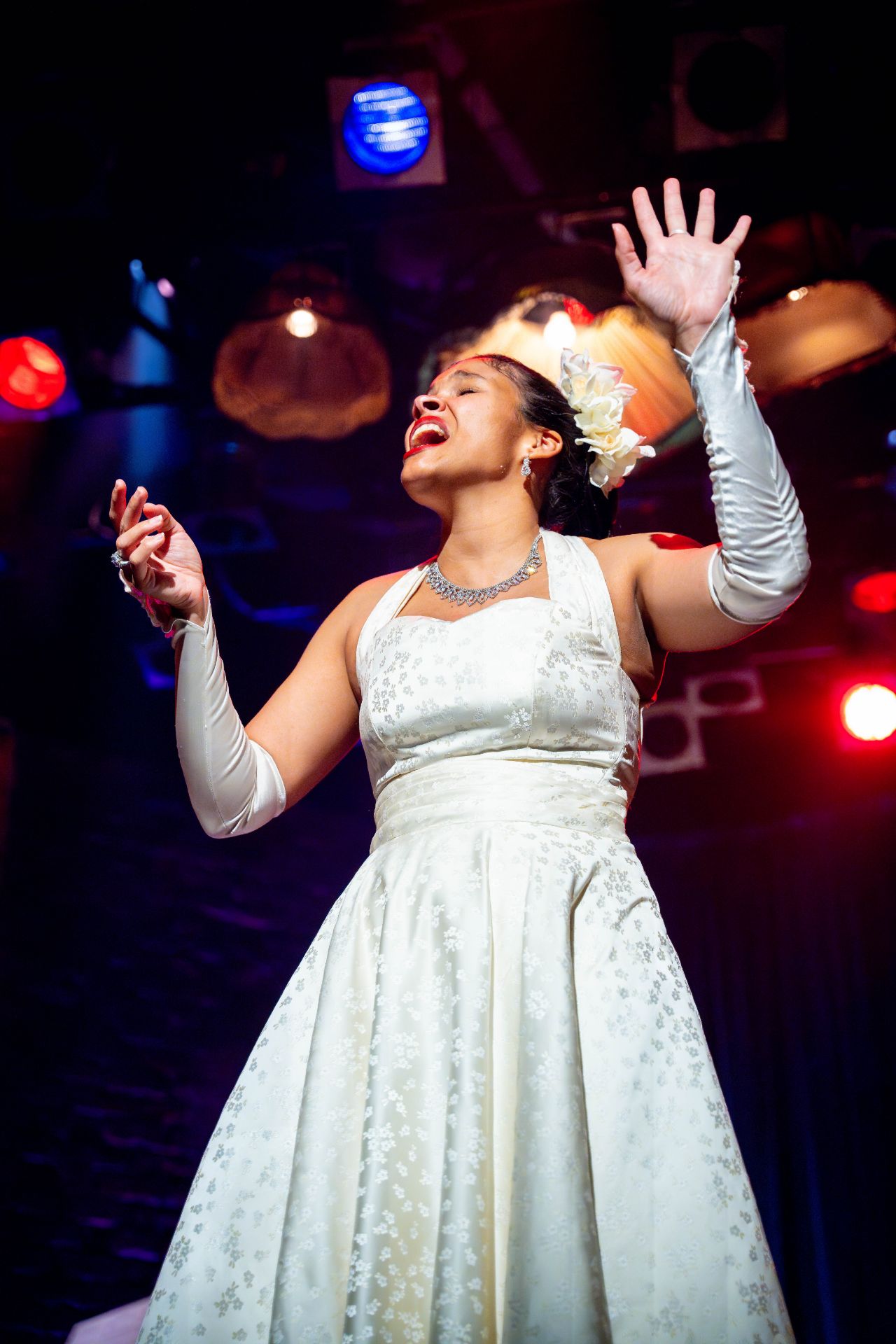
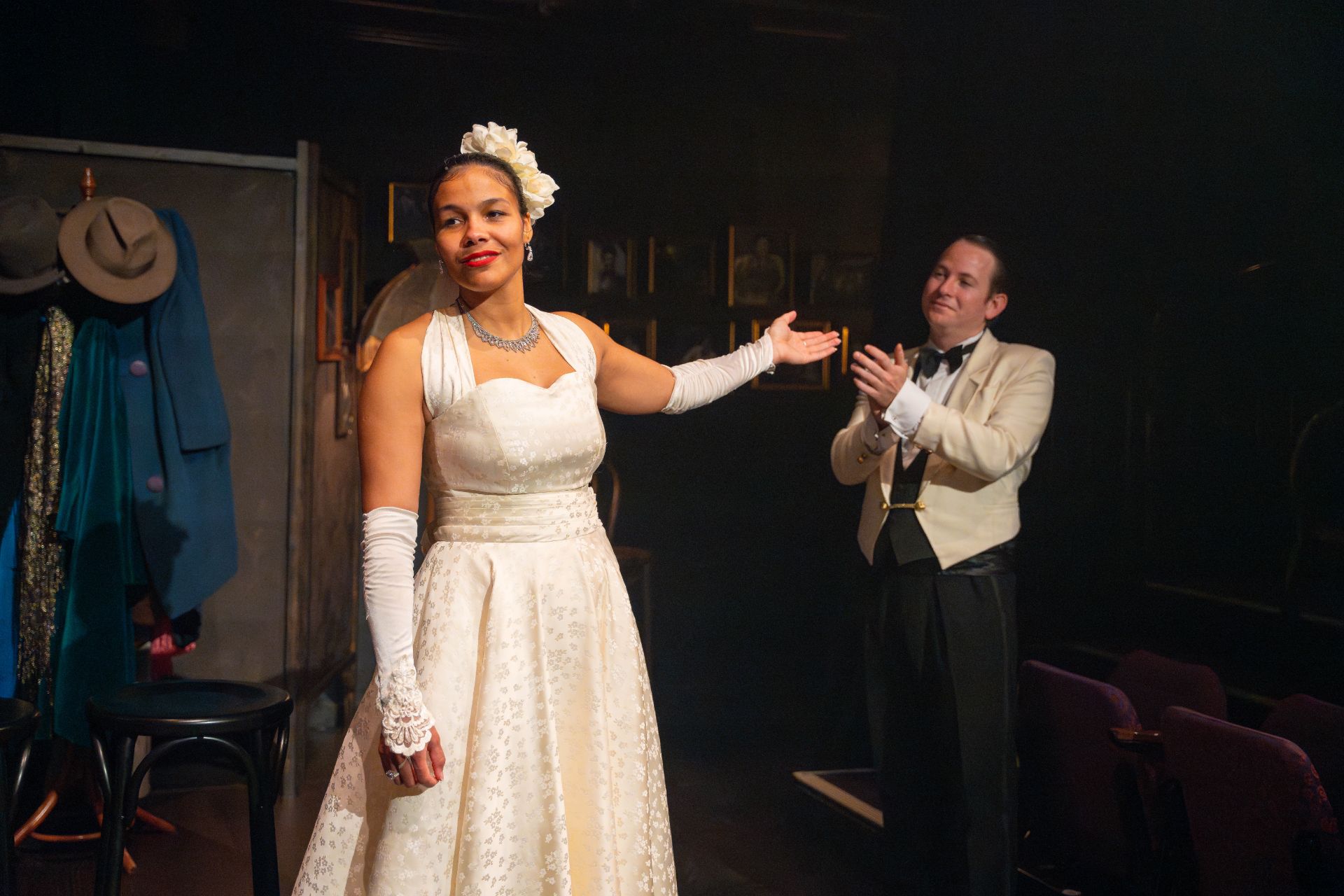
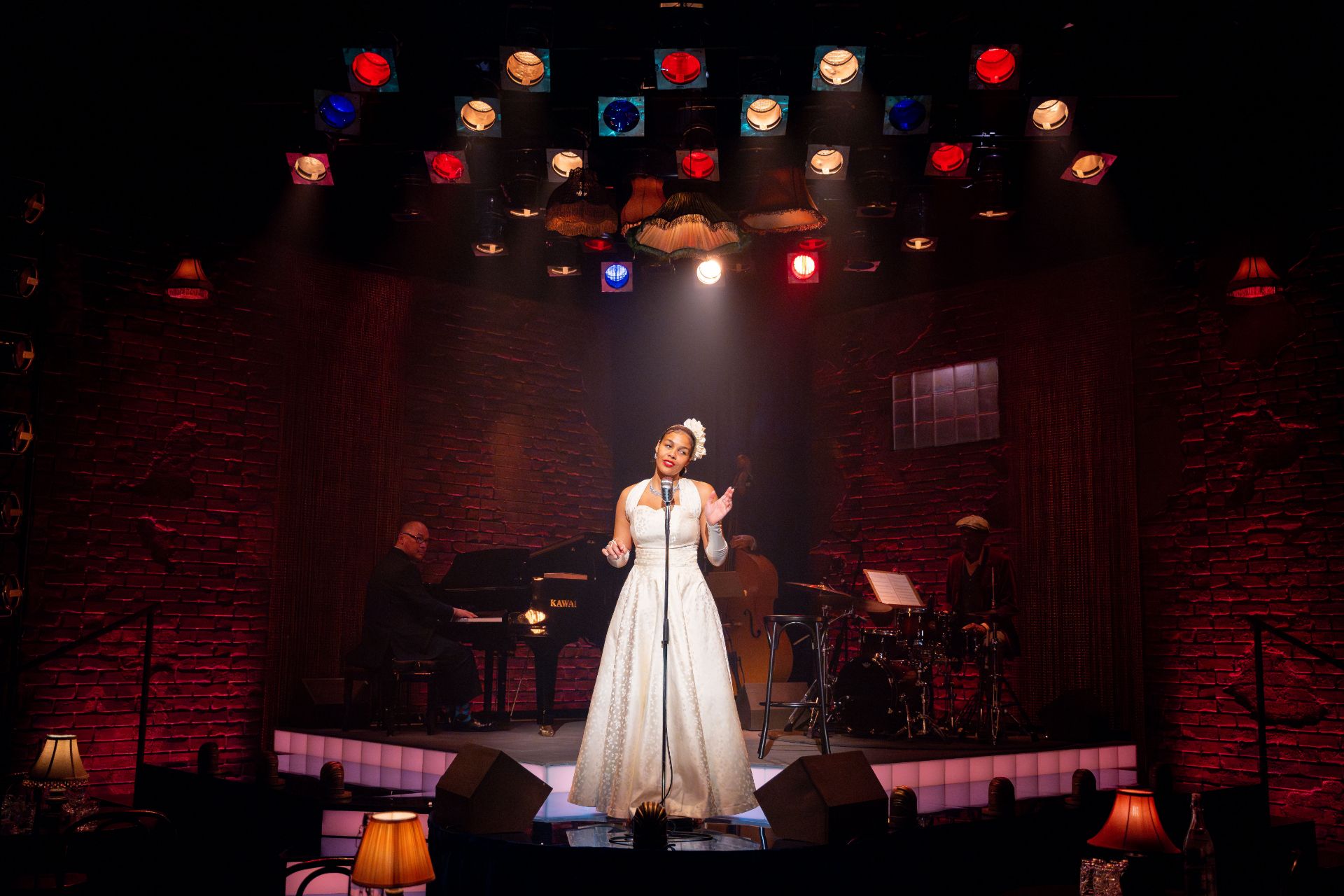
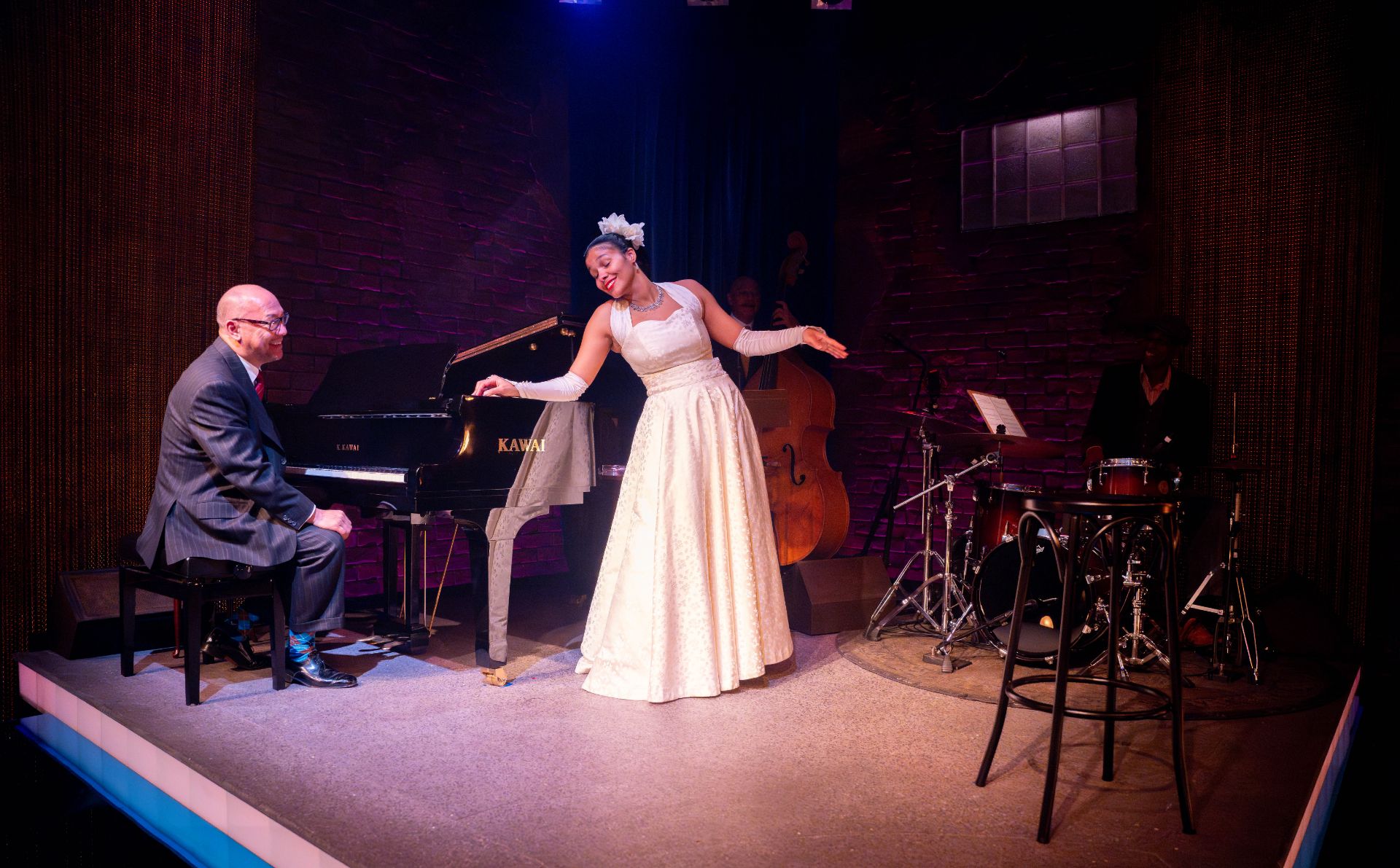
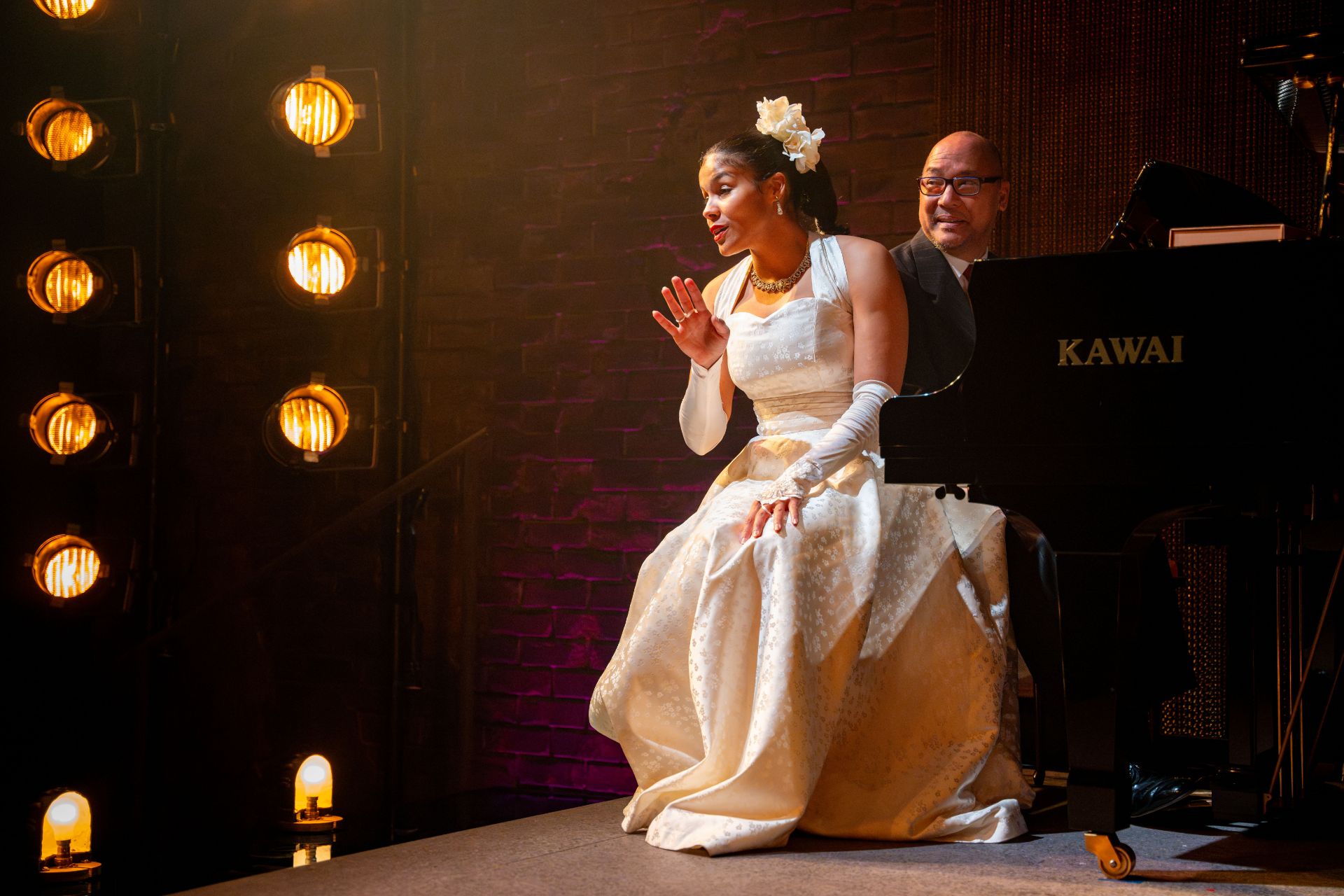
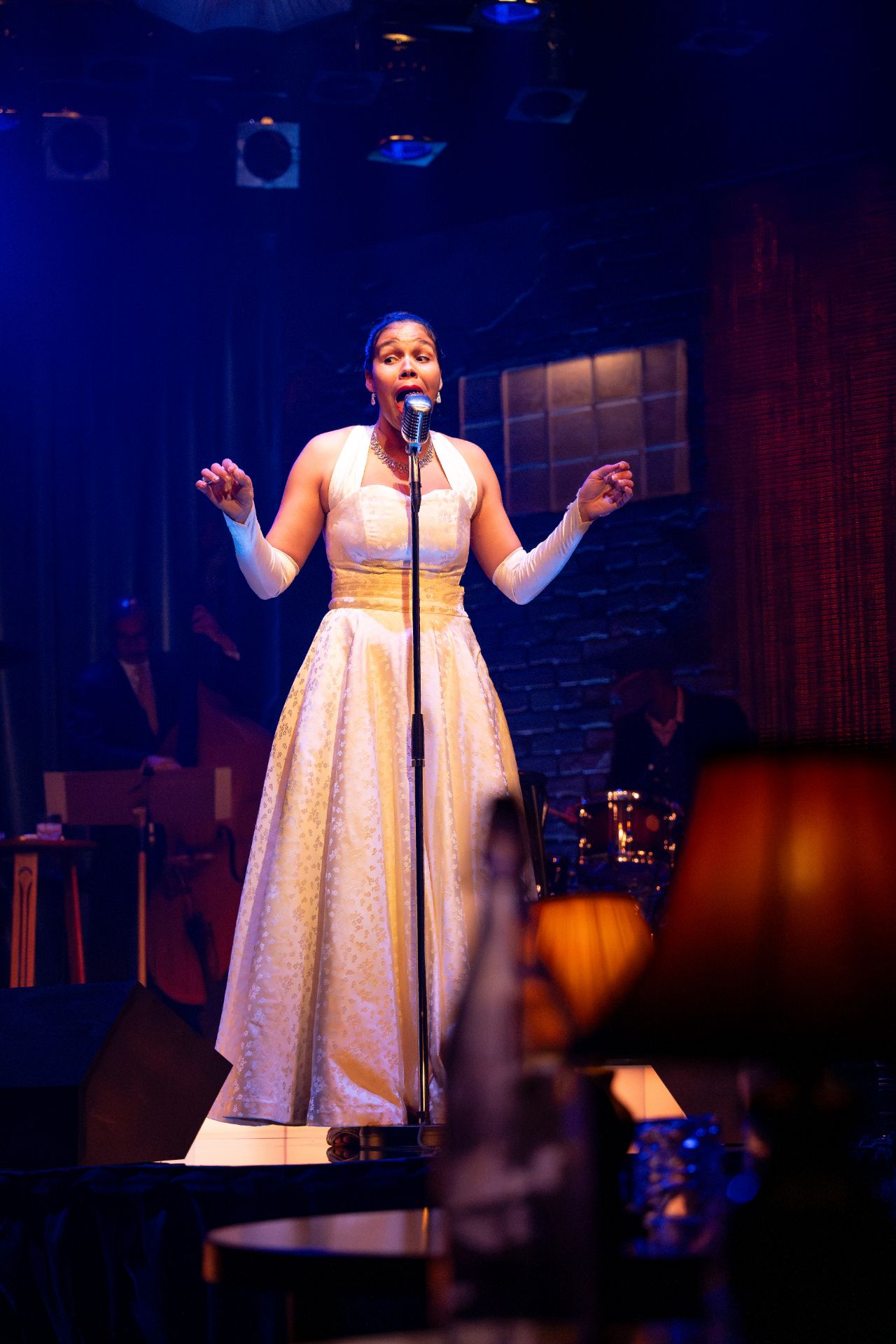
Production design by Ailsa Paterson features an unpretentious slightly rundown setting, appropriately depicting a space that we should consider beneath a talent of Holiday’s magnitude. Her white gown is resplendent, on a woman who knows her worth, at least in commercial terms. Band members too are dressed with dignity, each one suave and sophisticated, in a story that inevitably confronts matters of class and race. Lights by Govin Ruben are transportative in their realism, accurately evoking a club and performance space of the period, although more heightened dramatics could improve our connection to some of the play’s more intense moments.

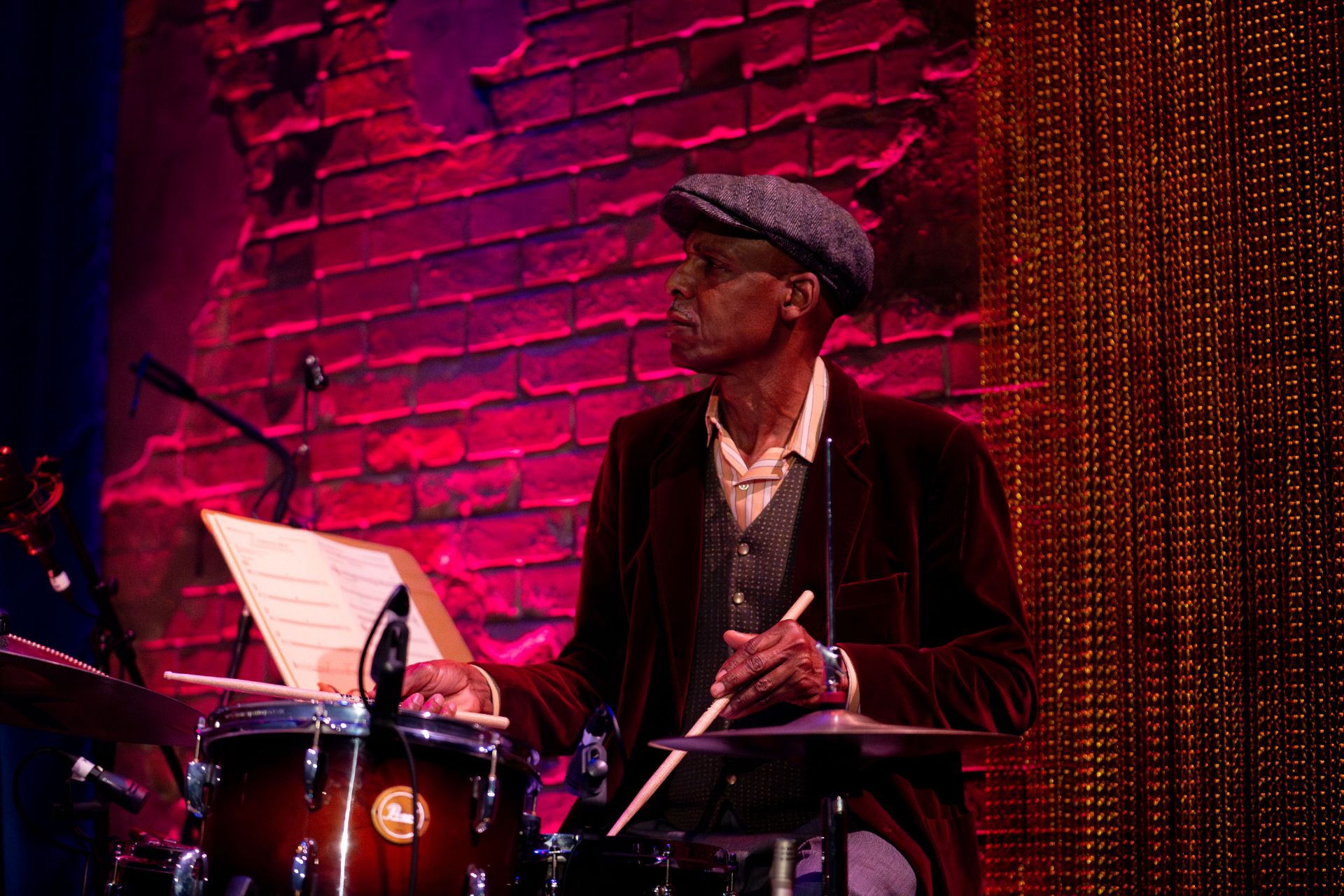
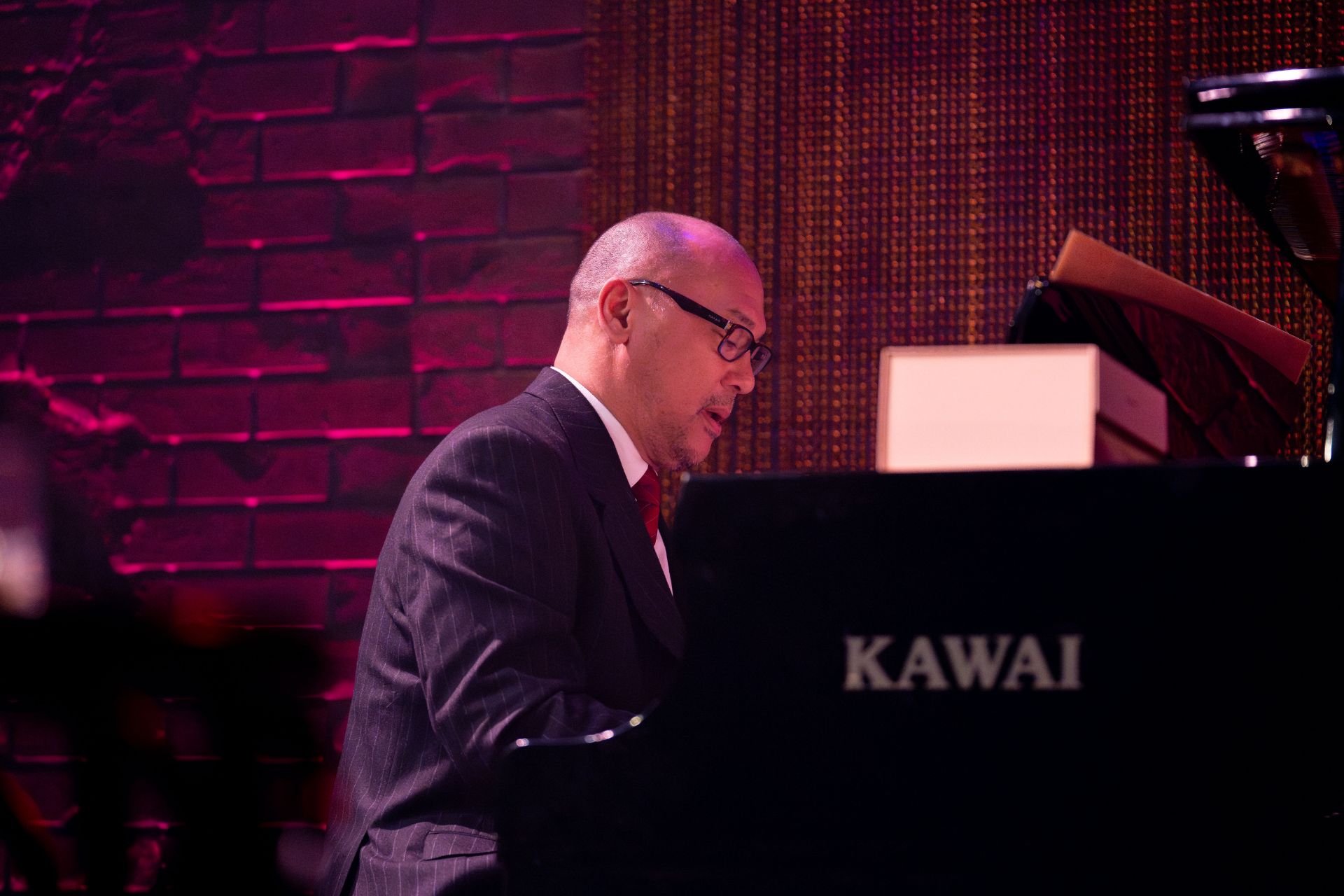
Prominent songs from Holiday’s oeuvre comprise the set list in this somewhat inadvertent jukebox musical. From his grand piano, Kym Purling leads a band of prime quality, for exceptional renditions of these historical pieces. Along with bassist Victor Rounds and drummer Calvin Welch, the trio gifts us a truly sumptuous experience of hearing these almost otherworldly compositions. The human voice is of course integral, and Zahra Newman’s proves astonishing not only in her mimicry of Holiday’s iconic tone, texture and timbre, she brings a power that is perhaps surprising to her interpretations of these numbers. As actor Newman is exacting and vivid with her storytelling, and in her strongest scenes, thoroughly convincing with the verisimilitude she is able to muster, to convey some incredibly lamentable details of Holiday’s life and times.

Billie Holiday was a descendant of slaves, and even though she achieved stardom, there was no escaping circumstances that remained cruel and deplorable for African Americans. Even as a musician of world renown, she was not protected from the abuse that women routinely endured, in both public and private spheres. In Lady Day at Emerson’s Bar & Grill we observe how she was wronged, again and again, so that we may ameliorate our feelings about a celebrity we wish to have done better. We are offered a reminder that the problem was the time and place in which she had existed, and that the artist was herself unreservedly immaculate.

www.belvoir.com.au

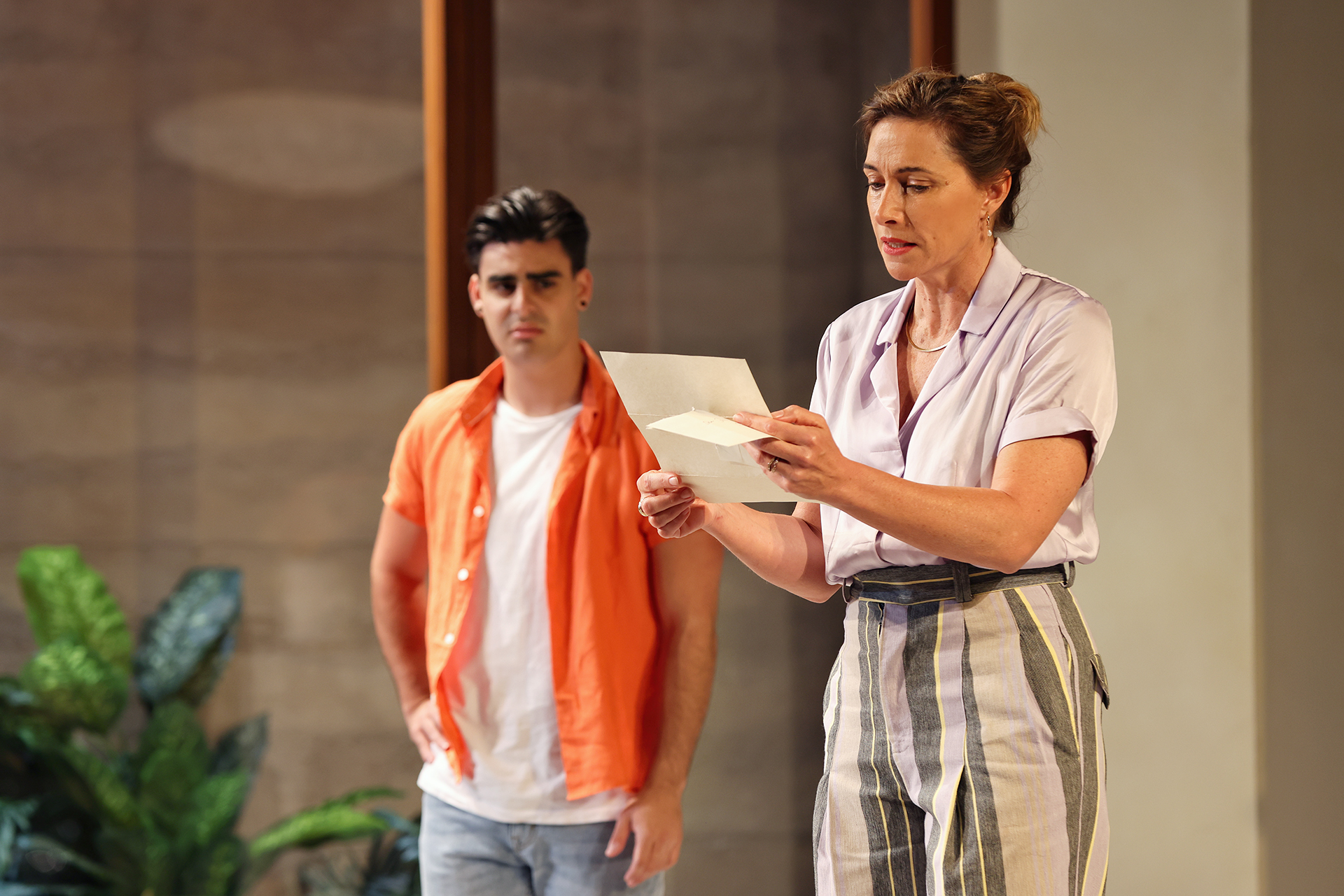
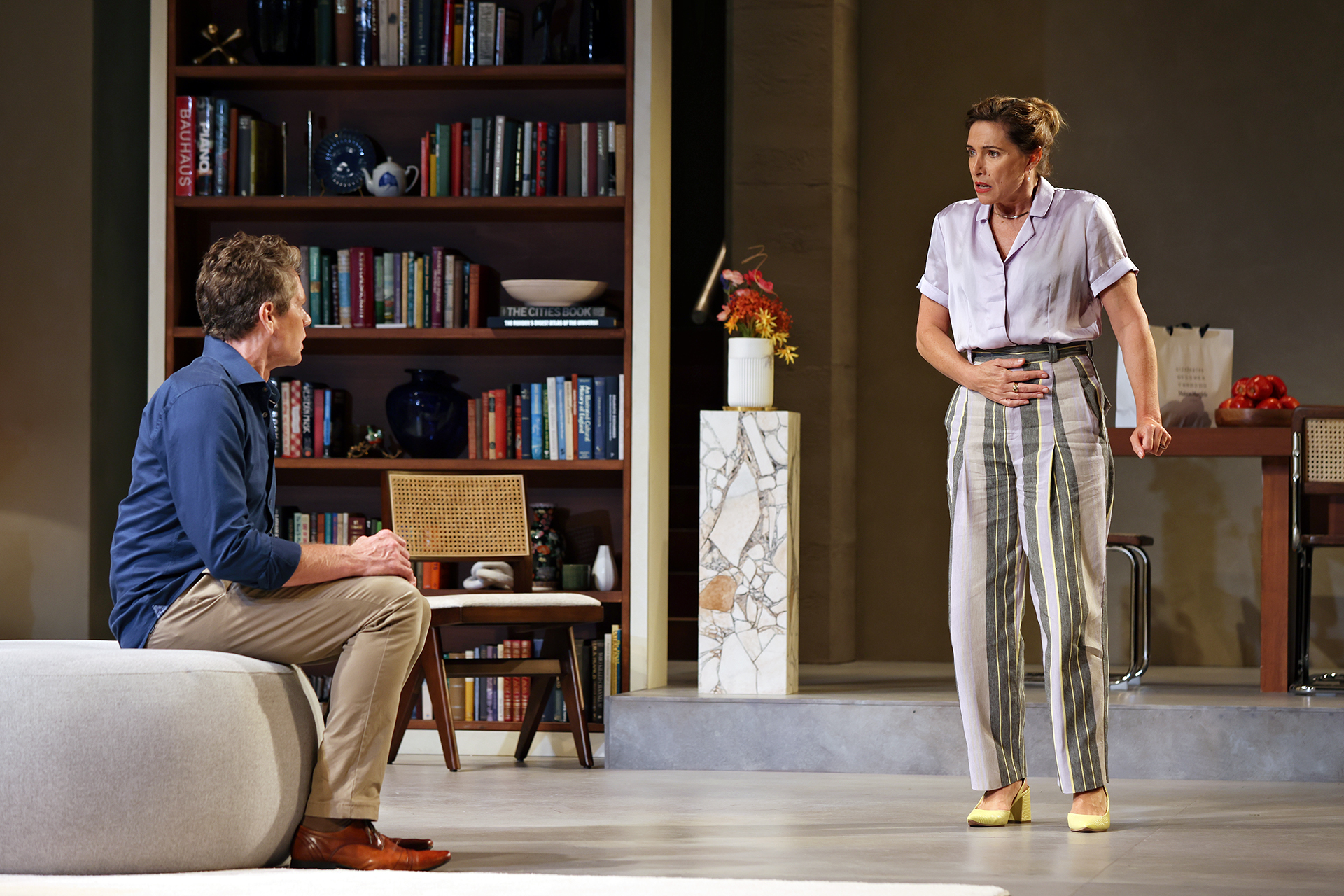
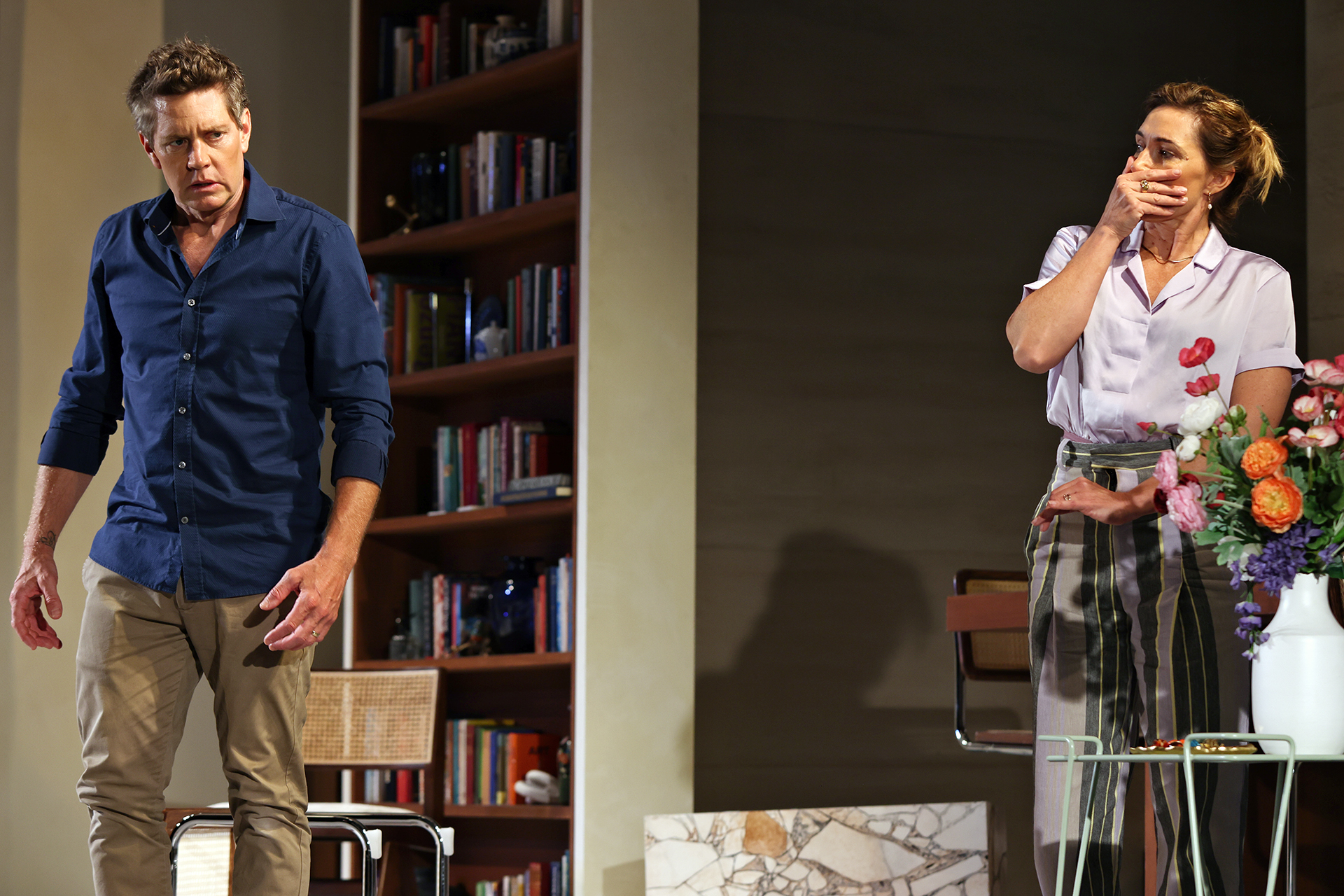
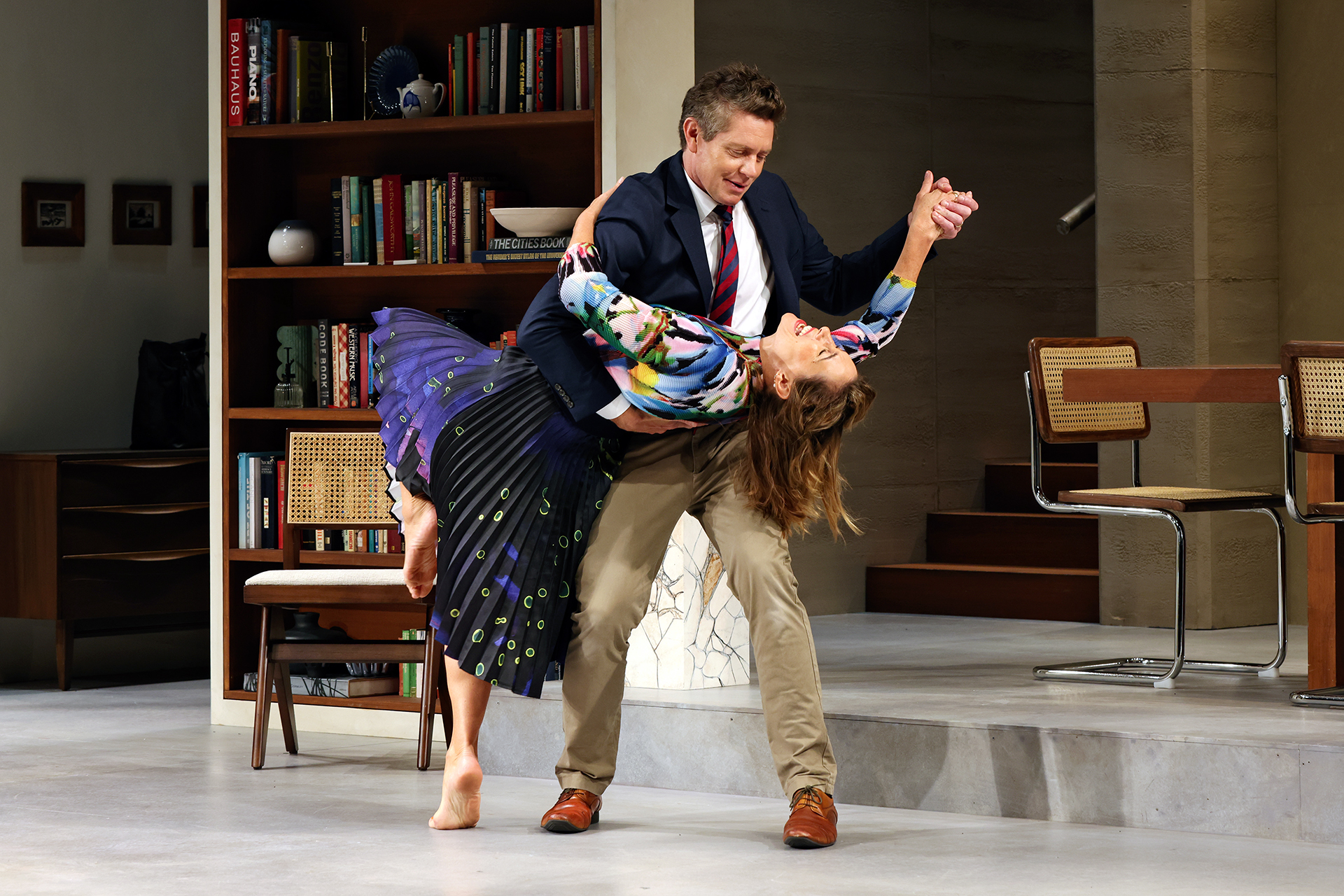
Review: The Goat, Or Who Is Sylvia? (Sydney Theatre Company)

Venue: Roslyn Packer Theatre (Sydney NSW), Mar 2 – Apr 1, 2023
Playwright: Edward Albee
Director: Mitchell Butel
Cast: Yazeed Daher, Claudia Karvan, Nathan Page, Mark Saturno
Images by Prudence Upton

Theatre review
Martin is obsessed with a goat; the attraction may very well be romantic, but when he tells his wife Stevie about the affair, Martin leaves no room for doubt about the sexual nature of his indiscretions. The Goat, or Who is Sylvia? is Edward Albee’s comedic masterpiece from 2000, notable for a conceit that most would choose to think of as absurd, for to take the play at face value, is unquestionably a real affront to our middle-class sensibilities.

Director Mitchell Butel toys with those precarious boundaries, by injecting a thorough realism into the staging, so that we laugh not only at the preposterous goings on, but also at the deeply uncomfortable disruptions to the bourgeoisie, that Albee so gleefully manufactures. Butel’s ability to make everything believable, gives the show a dangerous edge, so that for 100 minutes, the stakes feel incredibly high, even as the humour of the work makes its presence unmistakably known.

Actor Nathan Page is an astonishing Martin, bringing a hugely surprising measure of emotional truth, to this deliciously ridiculous tale. His expressions of devastation are not to earn our compassion, but to give depth of meaning to our experience of the show, as we laugh heartily at the catastrophe as it develops, with increasing peculiarity. Page’s unexpected fluctuations in tone and intensity, reflect a creative and courageous approach, that proves a perfect match for the play’s subversive humour.

Stevie is played by Claudia Karvan, who indulges in finding for her storytelling, all the authenticity that would make the audience perceive, the intricacies of a marriage in a state of shock. The ebullient Yazeed Daher charms as the couple’s son Billy (pun intended, one would suppose), and Mark Saturno calms our nerves as the normie of the piece, providing a more conventional response to the whole goat affair, although not without substantial hilarity through his excellent comic timing.

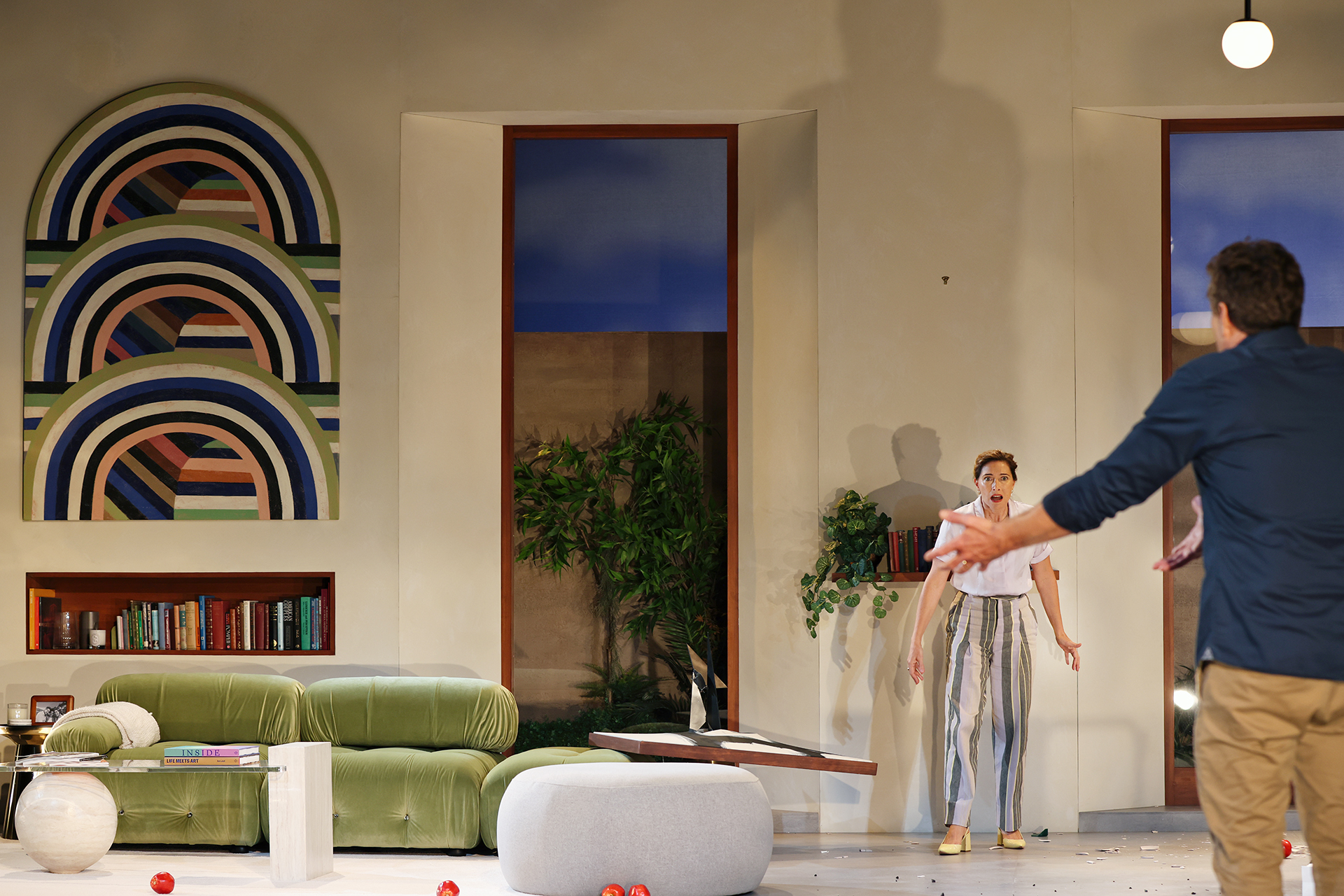
The production is a smart looking one, with Jeremy Allen’s set and Ailsa Paterson’s costumes delivering everything that is visually pleasant, of affluent, restrained whiteness. Lights by Nigel Levings, along with sound and music by Andrew Howard, are appropriately minimal in their enhancements of a play, that needs little aesthetic embellishment.

Things can always change in an unforeseen moment. We have learned from the moment of birth, that life has a way of dispensing upon us, one interruption after another, yet we keep on insisting on searching for stability, normalcy and calm. Martin and Stevie bolster their lives with all the comfort and certainty, that wealth seems to guarantee, but we are reminded that things will always descend, upon that which seems the most harmonious and indefectible, as though with the sole intention of wreaking havoc. To exist, is to be rendered defenceless, try as we may, to subsist in the delusion, that we can reach for something like nirvana, on this endlessly farcical plane.

www.sydneytheatre.com.au | www.statetheatrecompany.com.au

Review: Girls & Boys (Seymour Centre)

Venue: Seymour Centre (Chippendale NSW), Jan 5 – 15, 2023
Playwright: Dennis Kelly
Director: Mitchell Butel
Cast: Justine Clarke
Images by Sam Roberts

Theatre review

The play is at first incredibly banal, with a woman beginning to tell her life story, with no hint of how her experiences may be of any significance or consequence, to anyone but herself. For almost an hour, the unnamed character in Dennis Kelly’s Girls & Boys tries to beguile her audience with mildly amusing tales of love, family and career, only to come across strangely oblivious to the increasingly ordinariness of what she is sharing. A bombshell is dropped however, in the middle of the show, and everything changes drastically.

Kelly’s writing does not begin at the point of trauma, choosing instead to take an inordinate length of time to set the stage, in order to convey a sense of everyday mundanity, before unleashing its drama of catastrophic proportions. It is arguable if the phenomenon of normative domesticity requires such intricate definition, but there is no questioning the theatrical efficacy of the tension and agony that subsequently surfaces. Girls & Boys takes a while to get to its point, but what it wishes to say about gender is certainly valuable.

Mitchell Butel’s direction of the piece is unremittingly sensitive, able to create resonance in every moment, whether they be simple or vivid. For almost two hours, our attention is held entirely captive, even when nothing particularly substantial seems to be happening. Set design by Ailsa Paterson is colourful and curvaceous, helpful in keeping our eyes animated and engaged. Lights by Nigel Levings and sound by Andrew Howard, are elegantly, and sparingly, utilised to manipulate atmosphere, for a show that speaks in nuance.

Performer Justine Clarke is flawless in this one-woman show, so impressively enamouring with her talent, dedication and skill, that we almost disregard the big messages of the show itself. Clarke’s work is thorough and deep, yet it never feels laboured, and along with an exceptional charm, we find ourselves completely absorbed, in everything she wishes to impart.

What Girls & Boys says about gender, is worth repeating, and has certainly been said time and time again. The woman in the play, would have heard those messages of admonishment many times, before encountering the devastating events that will eventually shape her entire life. We can tell each other everything about these profound truths, yet it seems it is in our nature, to only learn from first-hand experience, these hardest lessons of life.

www.sydneyfestival.org.au | www.statetheatrecompany.com.au

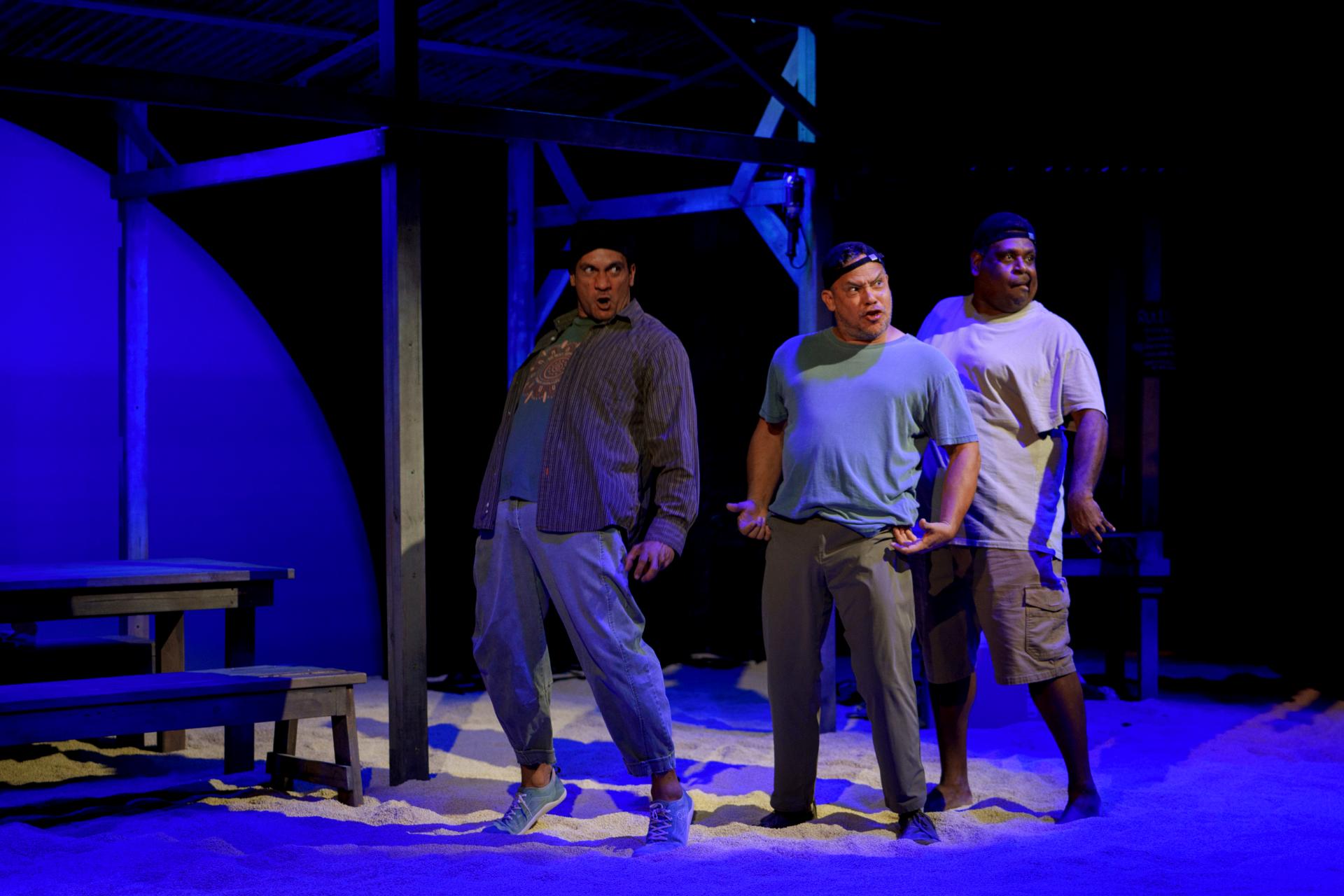
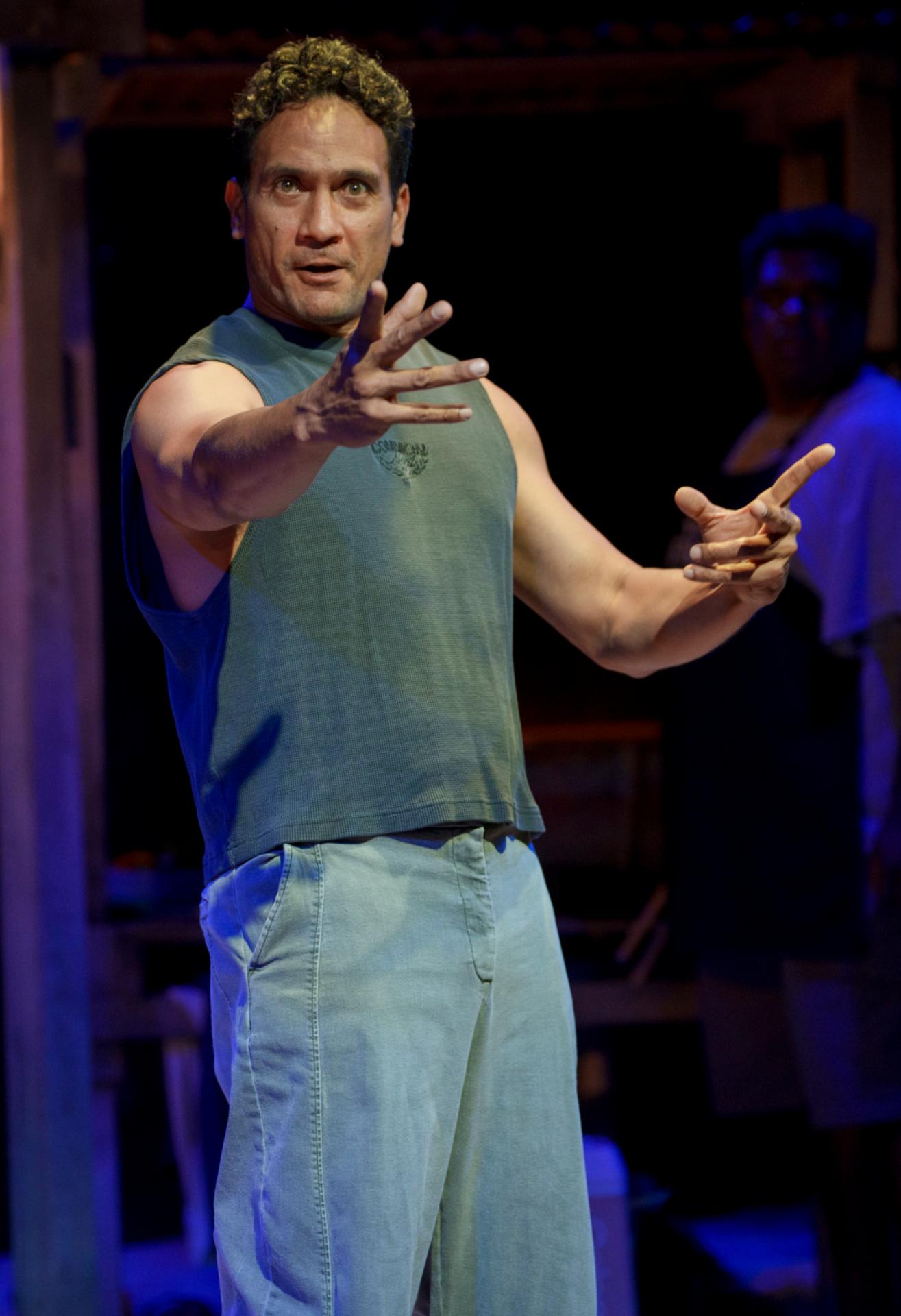
Review: Chalkface (Sydney Theatre Company)

Venue: Sydney Opera House (Sydney NSW), Sep 15 – Oct 29, 2022
Playwright: Angela Betzien
Director: Jessica Arthur
Cast: Ezra Juanta, Catherine McClements, Michelle Ny, Nathan O’Keefe, Susan Prior, Stephanie Somerville
Images by Prudence Upton

Theatre review
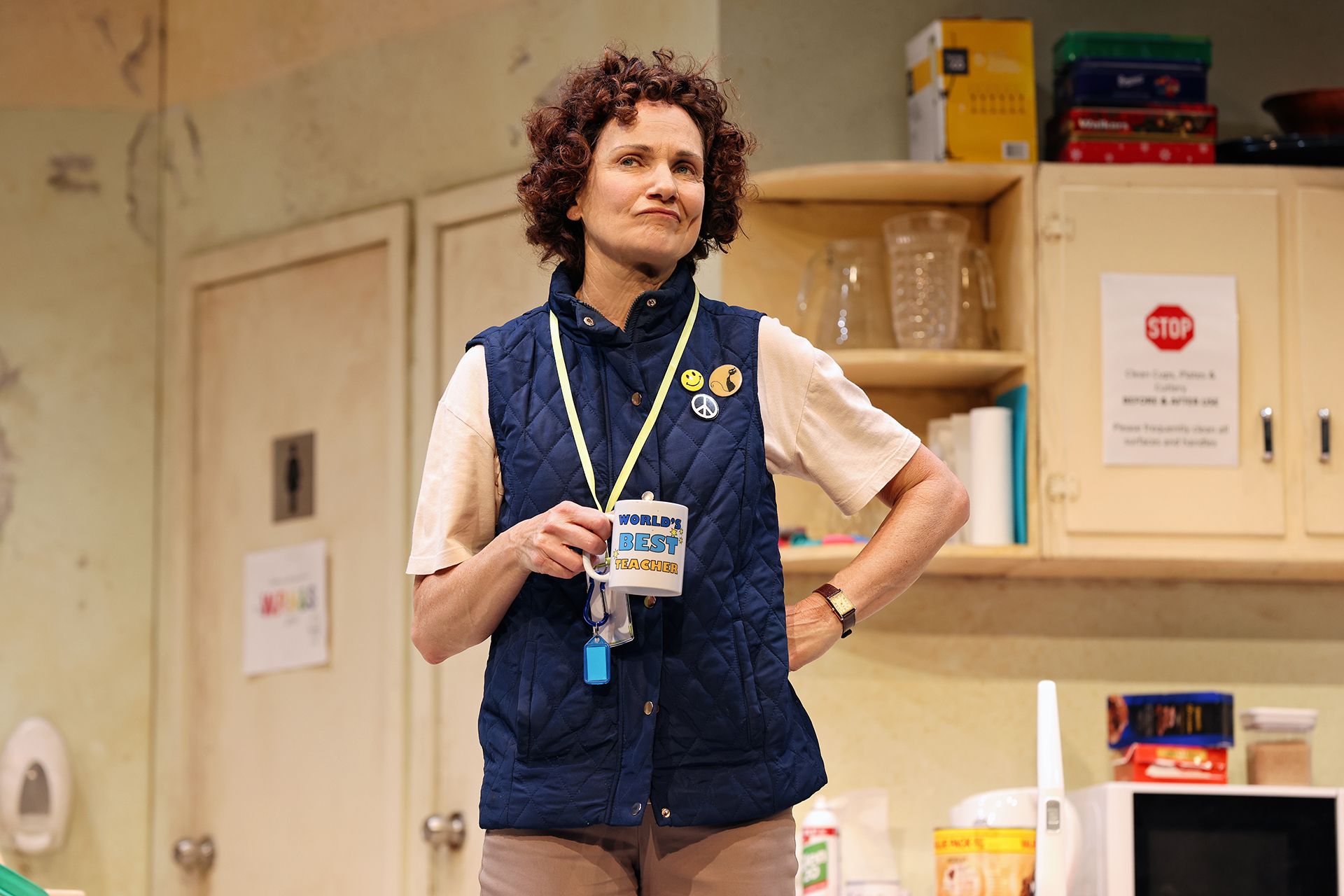
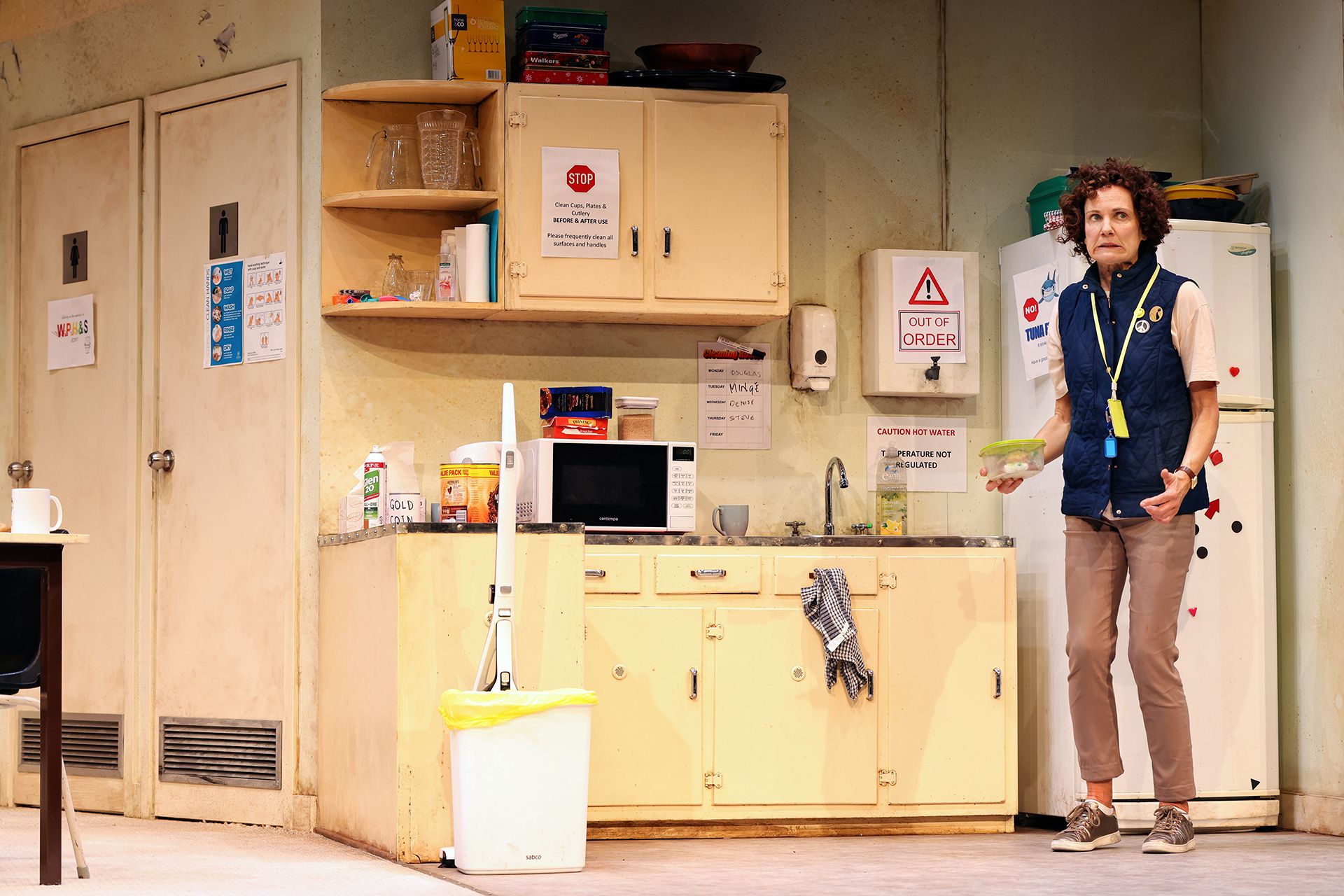
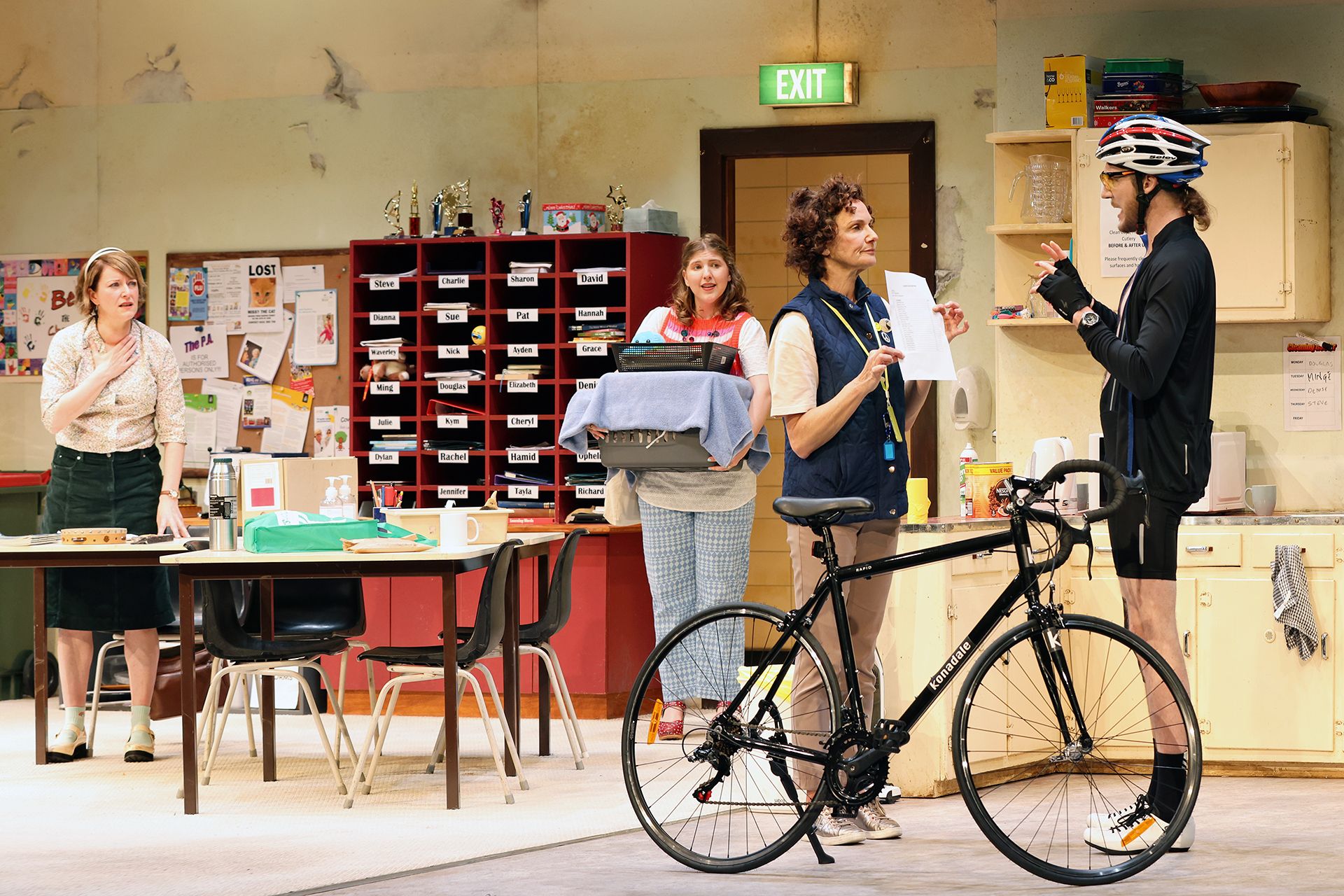
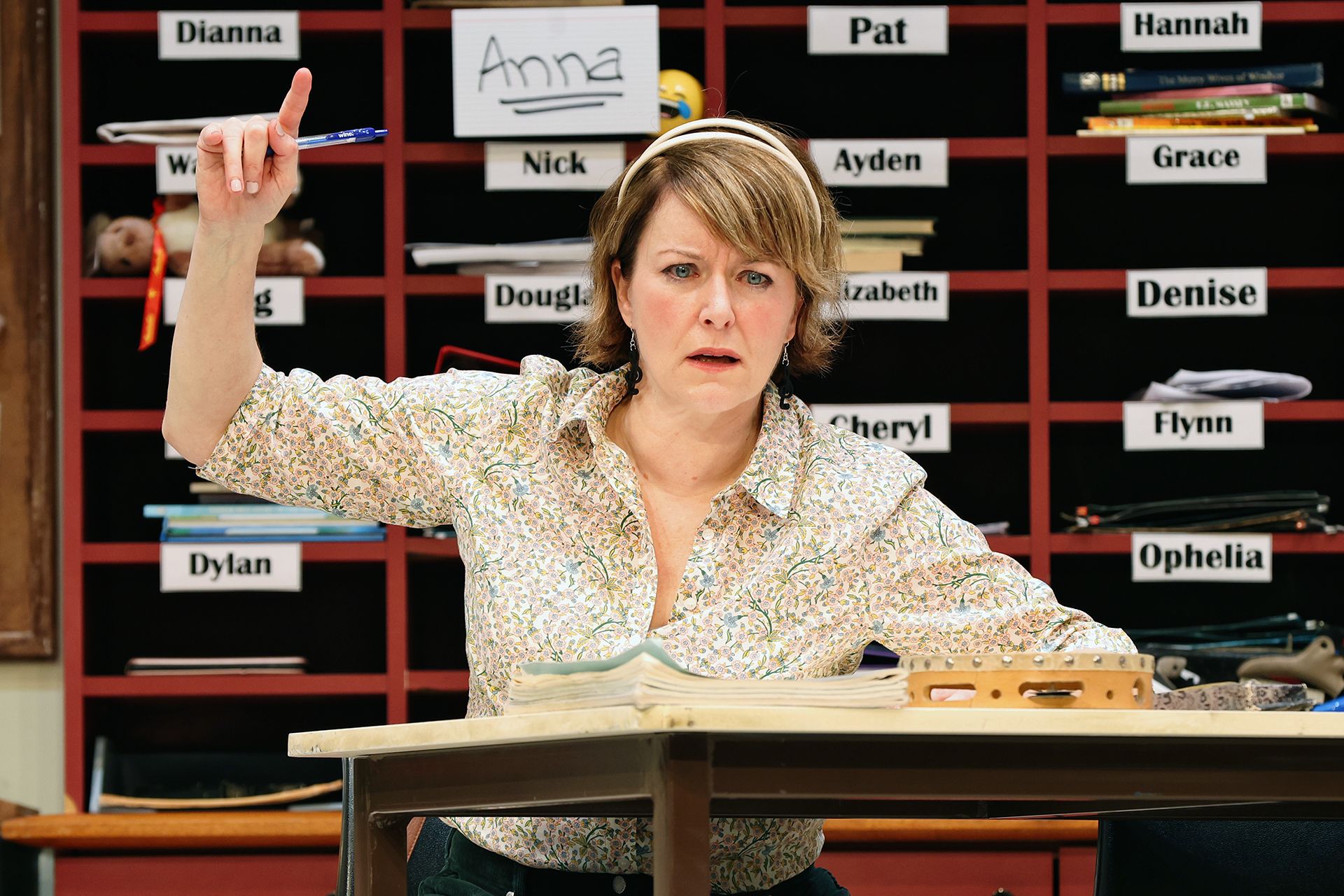
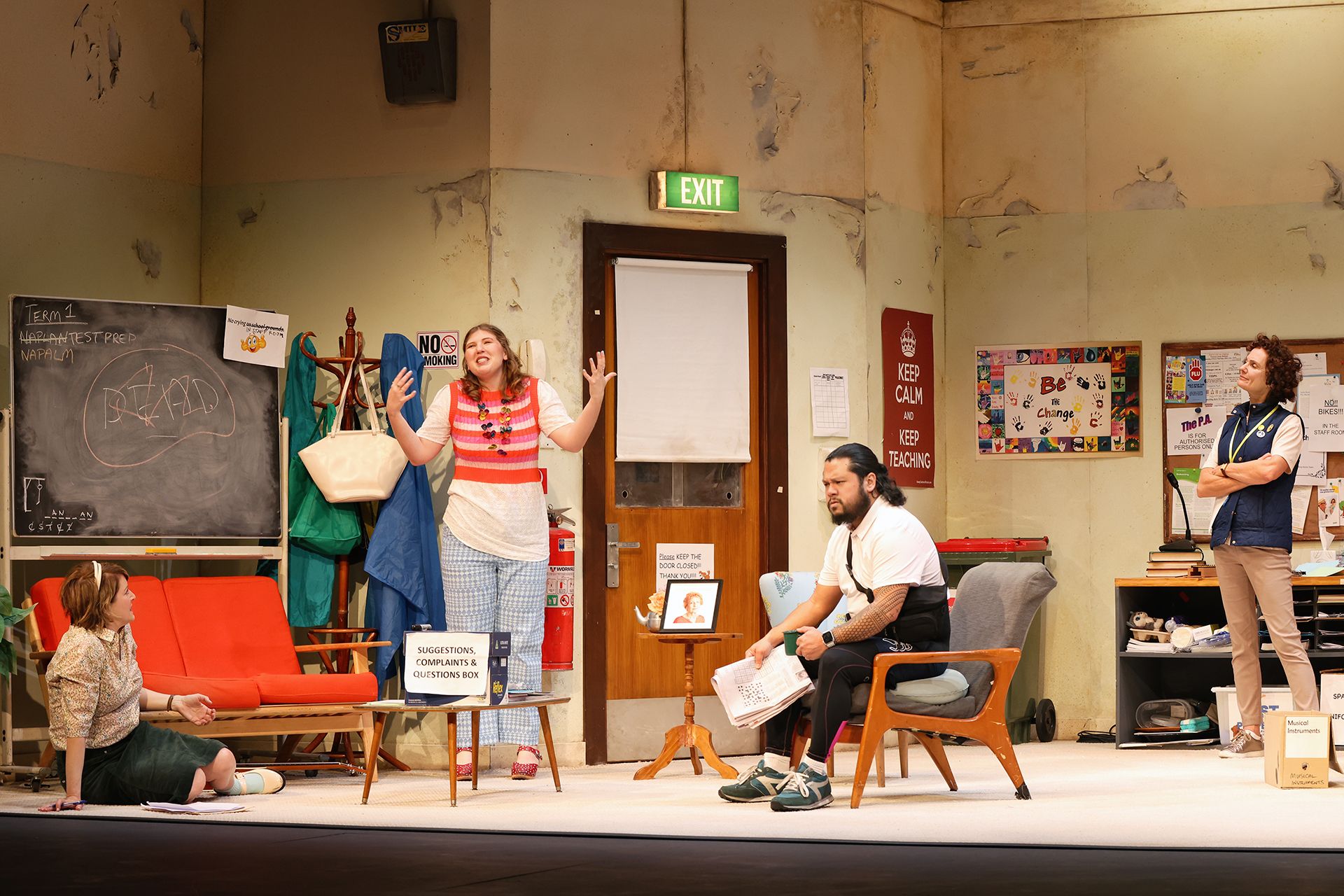
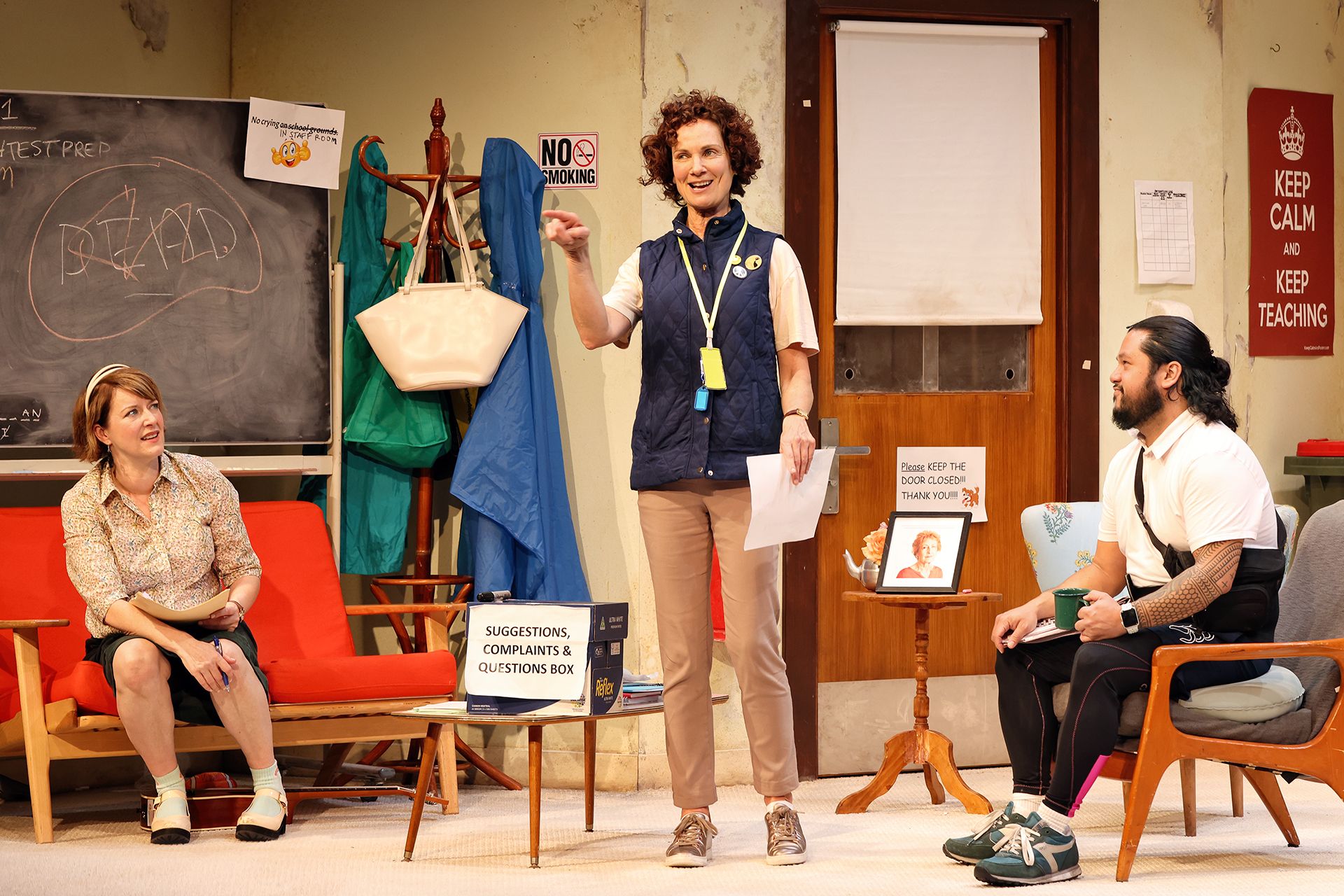
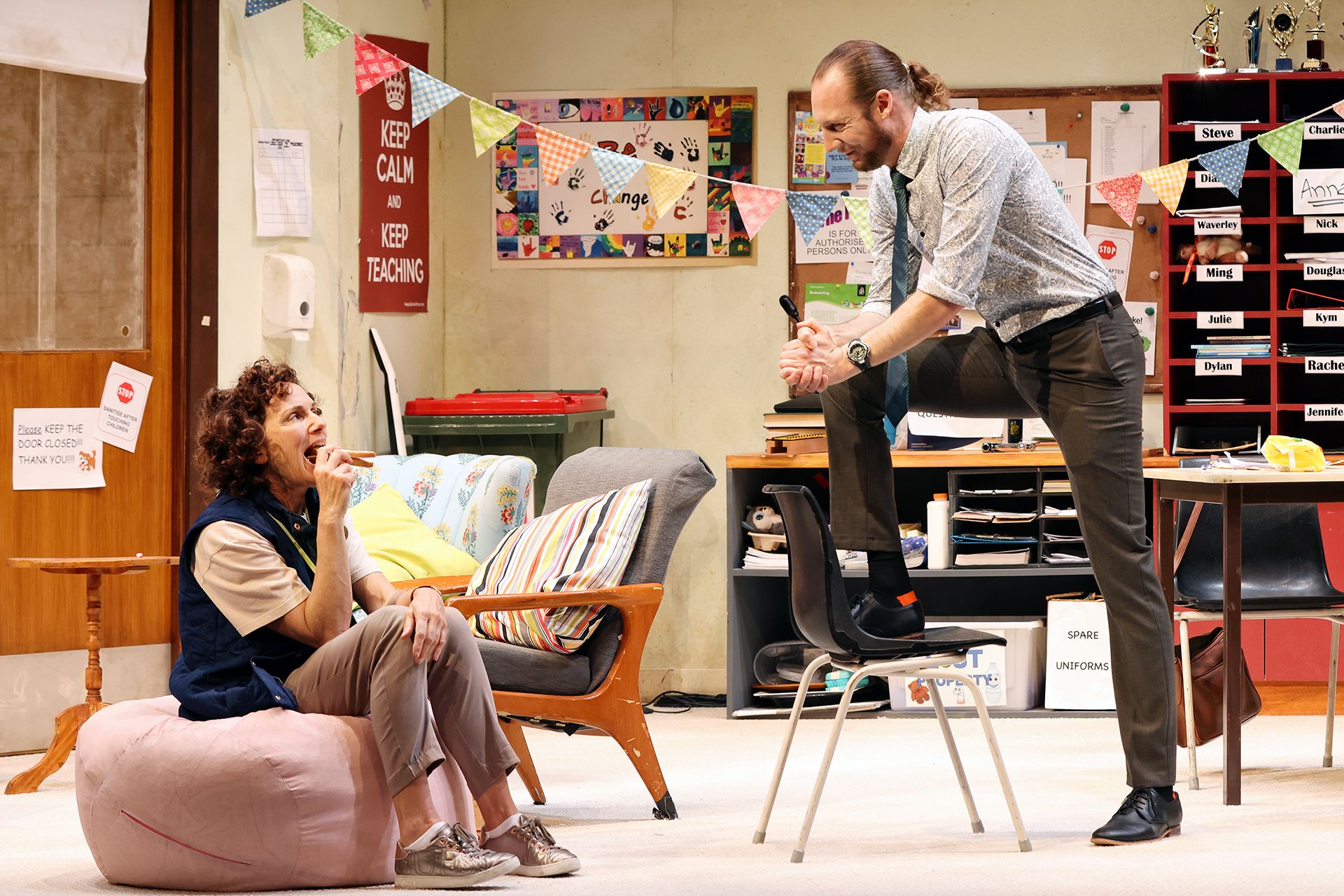
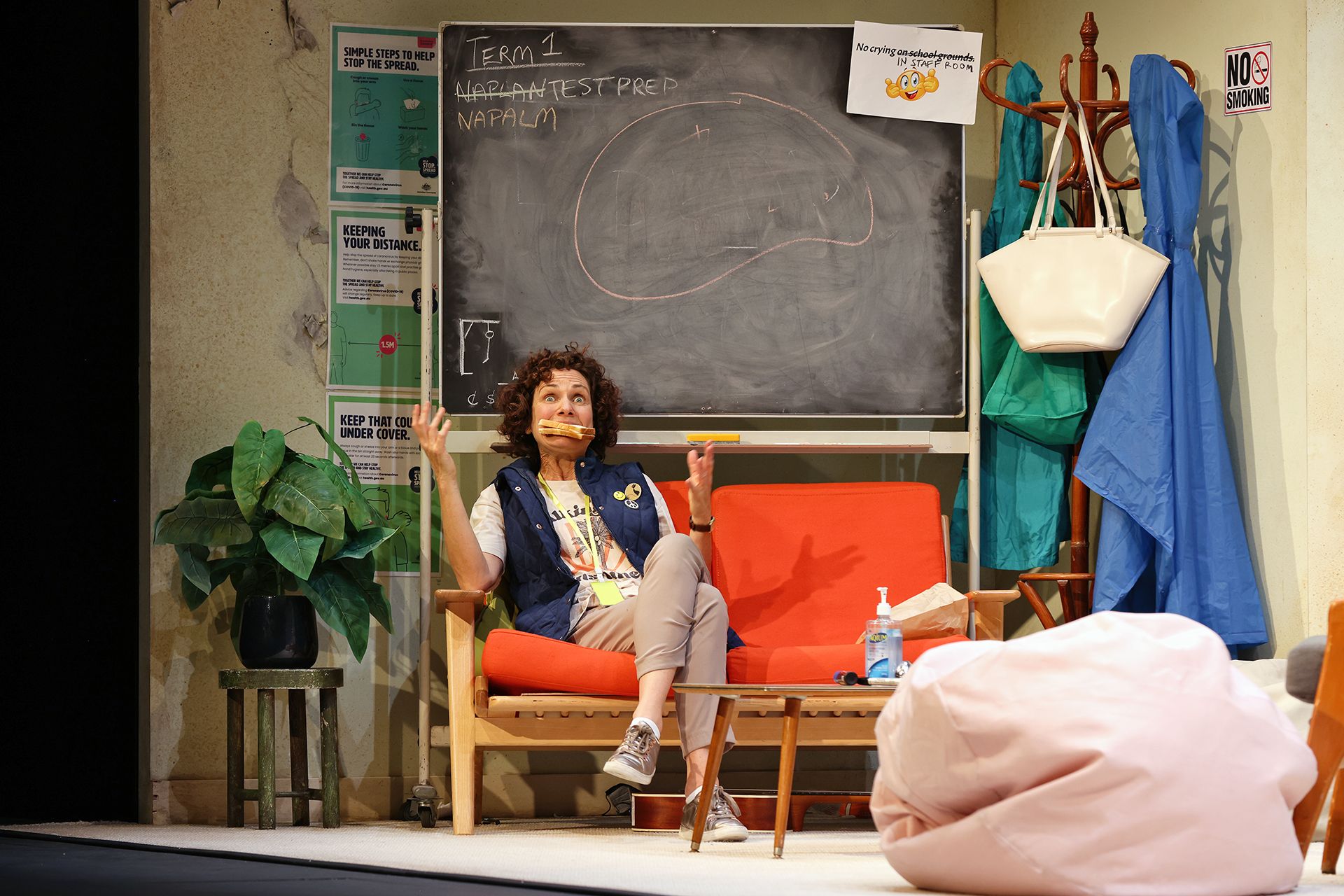
Pat has been teaching for far too long, at West Vale Primary, a government school severely deprived of resources. Everything seems to be falling apart, not least of all its teaching staff. Pat’s palpable cynicism stands in stark contrast, against newcomer Anna, who turns up first day of term, bright-eyed and bushy-tailed, to join the decidedly jaded team. In Angela Betzien’s Chalkface, we look at the public education system, and the people who do all the heavy lifting to keep it running.

Betzien’s keen observations are presented with cutting humour, for a work that delivers many laughs, based on our own refusal to do better for so many teachers and children. It is satisfying satire that inspires debates on our values, especially as they relate to resource allocation, thereby interrogating our priorities as a nation. Direction by Jessica Arthur leans on the writing’s acerbic qualities, for a production that appeals with its gentle irreverence. The comedy manifests in a style of theatricality that is unquestionably bold and mischievous, but the show is ultimately, and unsurprisingly, highly respectful of the teaching profession.
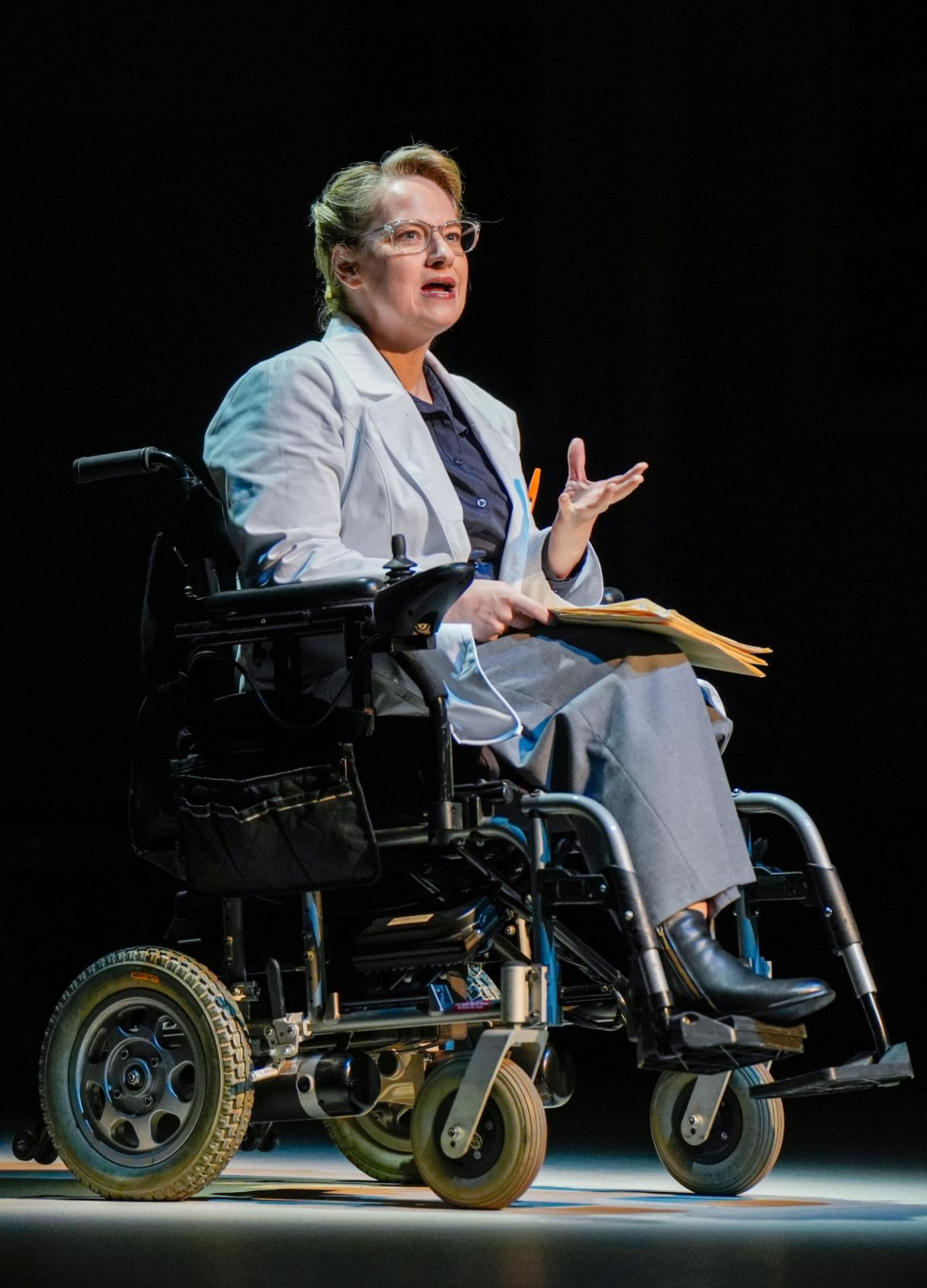
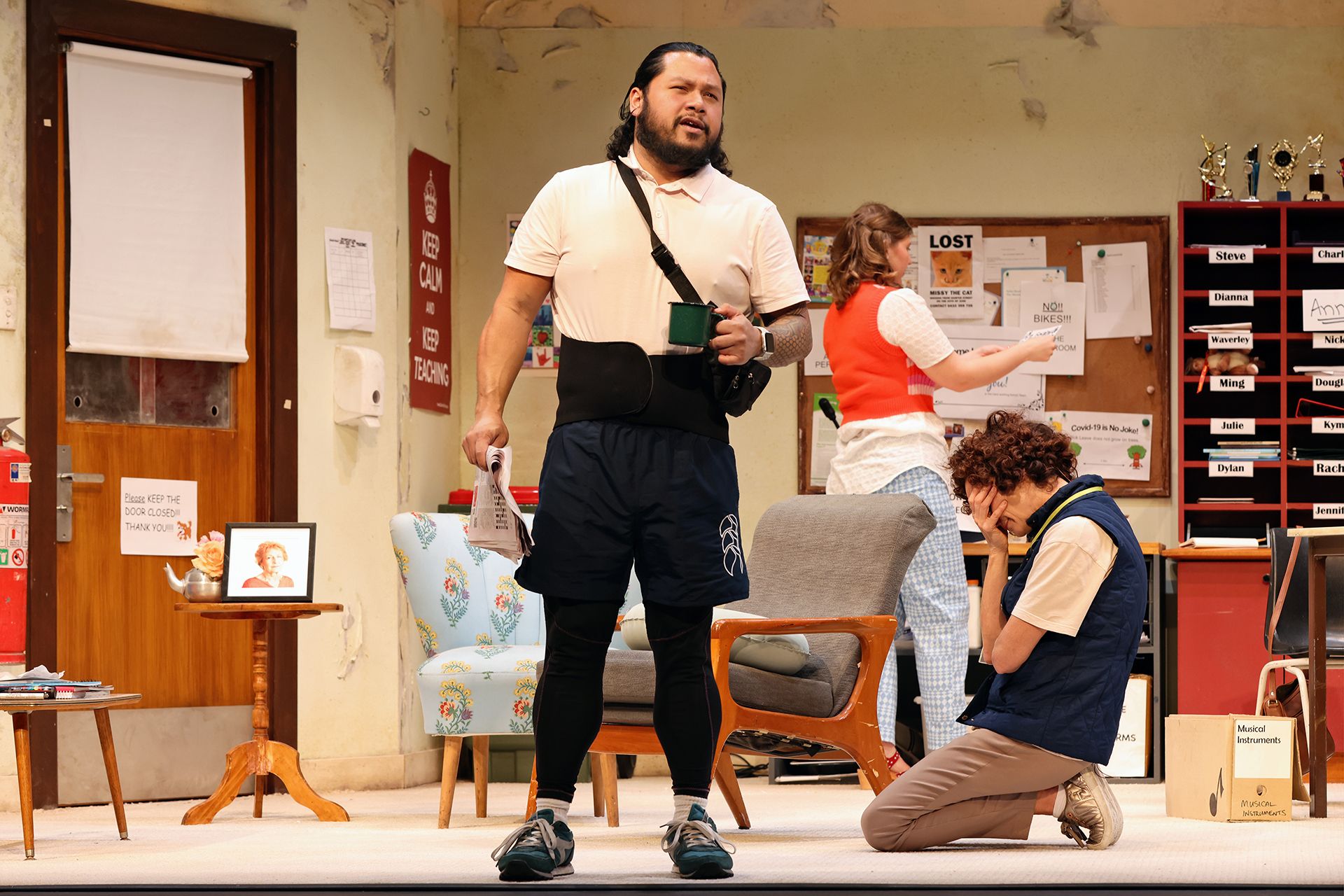
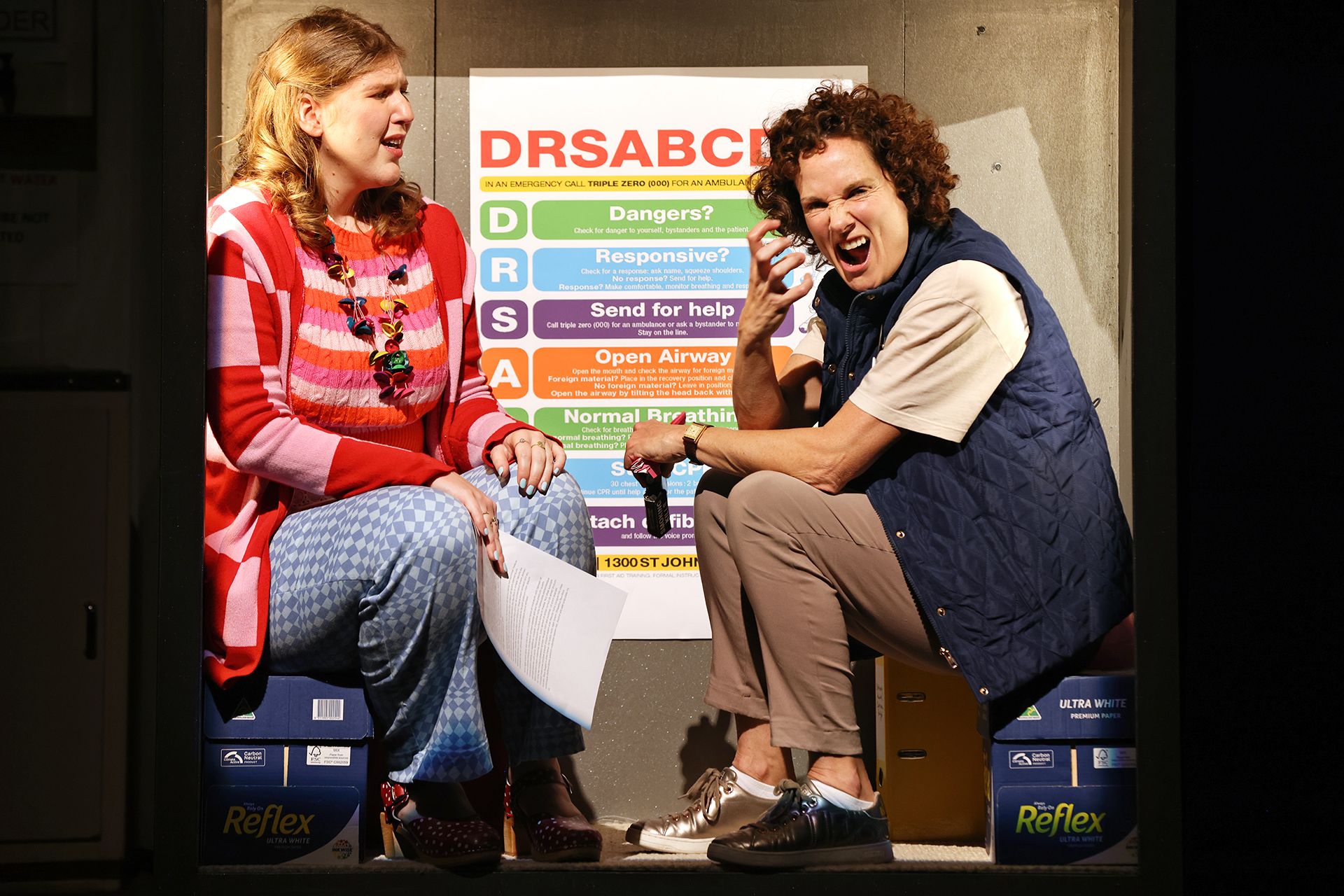
Chalkface features six characters, all of whom are made endearing by Arthur’s thoughtful approach to the depiction of humanity, in the midst of a lot of amusing hullabaloo. Actor Catherine McClements is wonderfully entertaining as the astringent Pat, turning middle-aged grumpiness into something altogether more playful and charming. Her portrayal of the burnt out civil servant drives home a salient point, about our failure to take care of those, who do some of our most important and hard work. Stephanie Somerville does an admirable job, of preventing the idealistic young woman from ever becoming nauseating, with an understated sassiness and confidence, that makes Anna a persuasive presence.

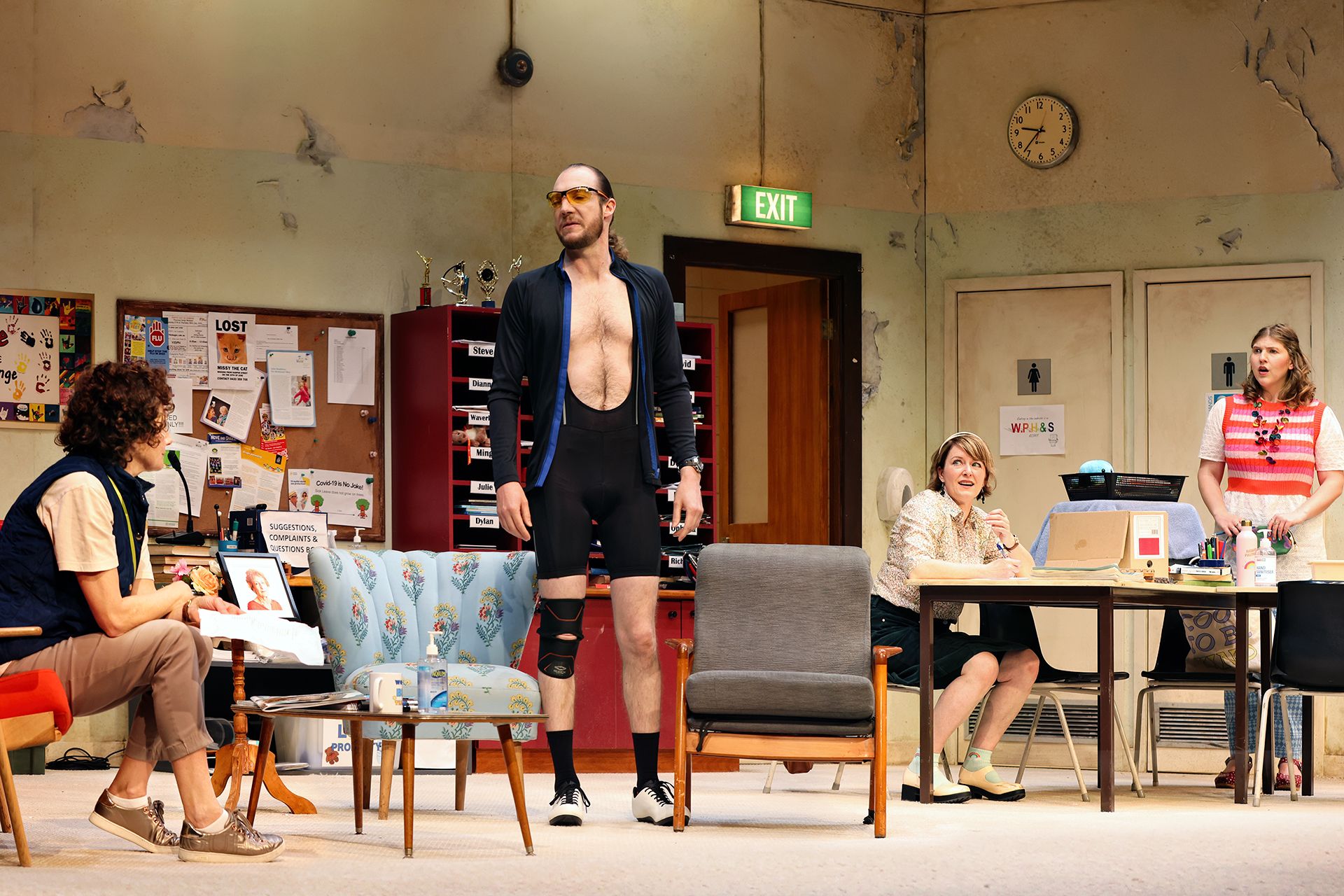
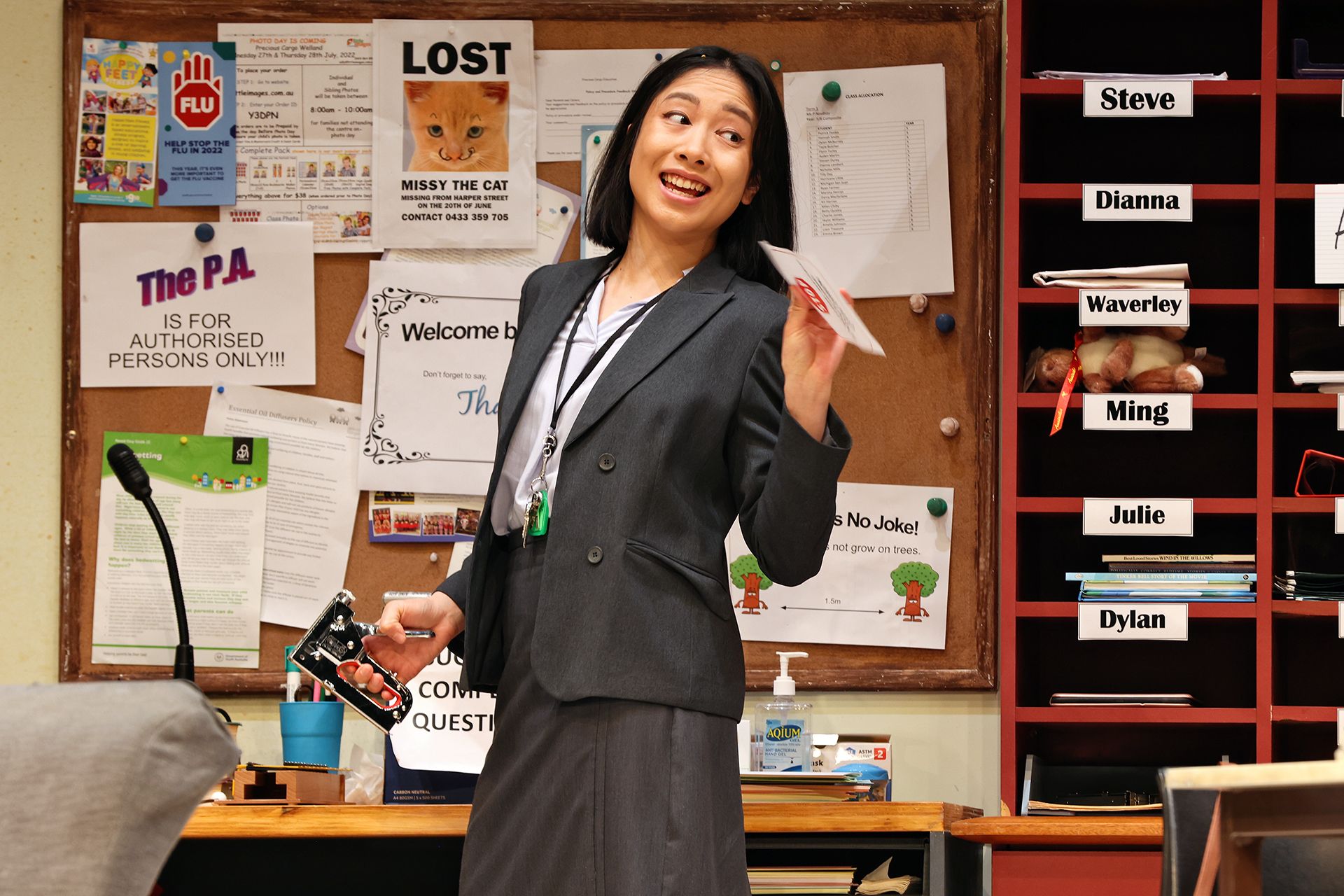
Ezra Juanta and Susan Prior deliver a couple of madcap performances, as Steve and Denise respectively, both with exaggerated eccentricities that enrichen and enliven the storytelling. Similarly outlandish are Michelle Ny and Nathan O’Keefe, who play the slightly villainous members of administrative staff Cheryl and Douglas, bringing unyielding flamboyancy to a relentlessly exuberant presentation.
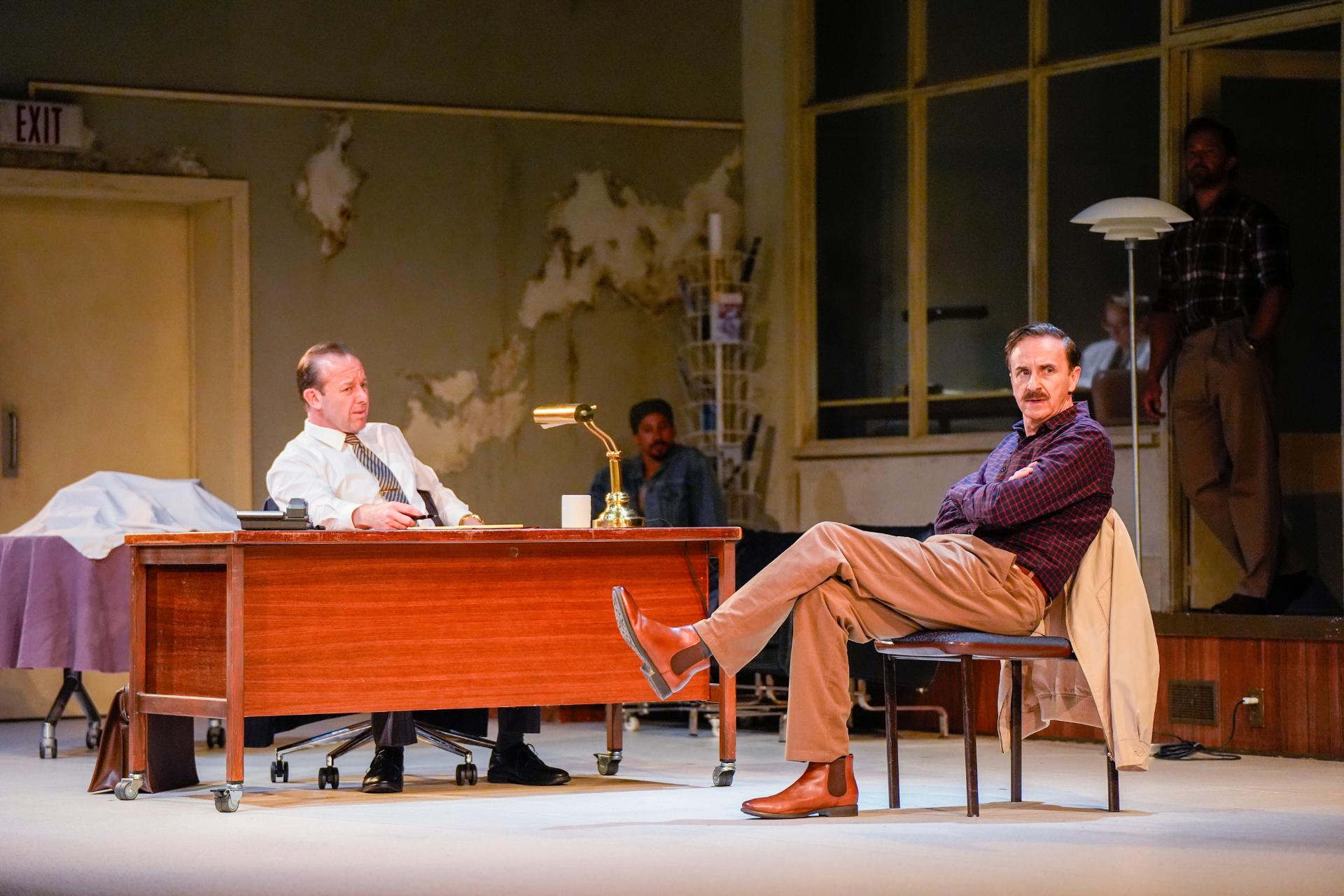
Ailsa Paterson’s set and costume designs offer appropriately comedic renderings of that scrappy world, with an unmistakable sense of disintegration, for the staff room and for the people who occupy it. Lights by Mark Shelton, and music by Jessica Dunn are utilised most vivaciously between scene changes, taking the opportunity to further uplift our spirits.

It goes without saying, that we should always strive to do better for our children. It is incredible however, to witness the extent to which some are willing to sacrifice, in the belief of doing what is right for future generations. There is nothing at all controversial, in saying that our teachers are the bedrock of society, but to suggest that those who contribute the most within our education system, should receive commensurate remuneration, seems to be eternally contentious.

www.sydneytheatre.com.au | www.statetheatrecompany.com.au

Review: Who’s Afraid Of Virginia Woolf? (State Theatre Company South Australia)

Venue: Sydney Opera House (Sydney NSW), Jan 13 – 23, 2022
Playwright: Edward Albee
Director: Margaret Harvey
Cast: Jimi Bani, Rashidi Edward, Juanita Navas-Nguyen, Susan Prior
Images by Yaya Stempler

Theatre review
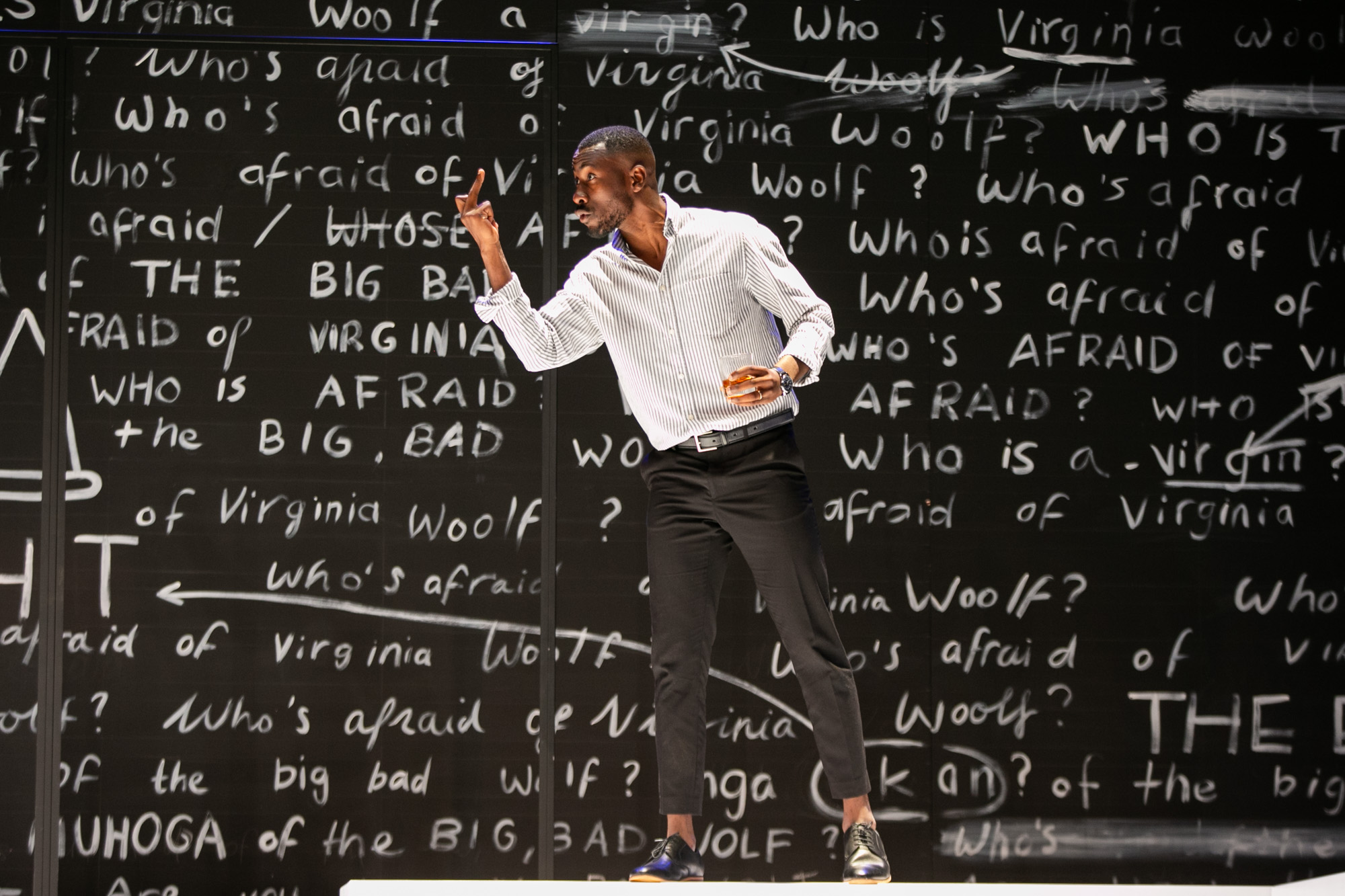
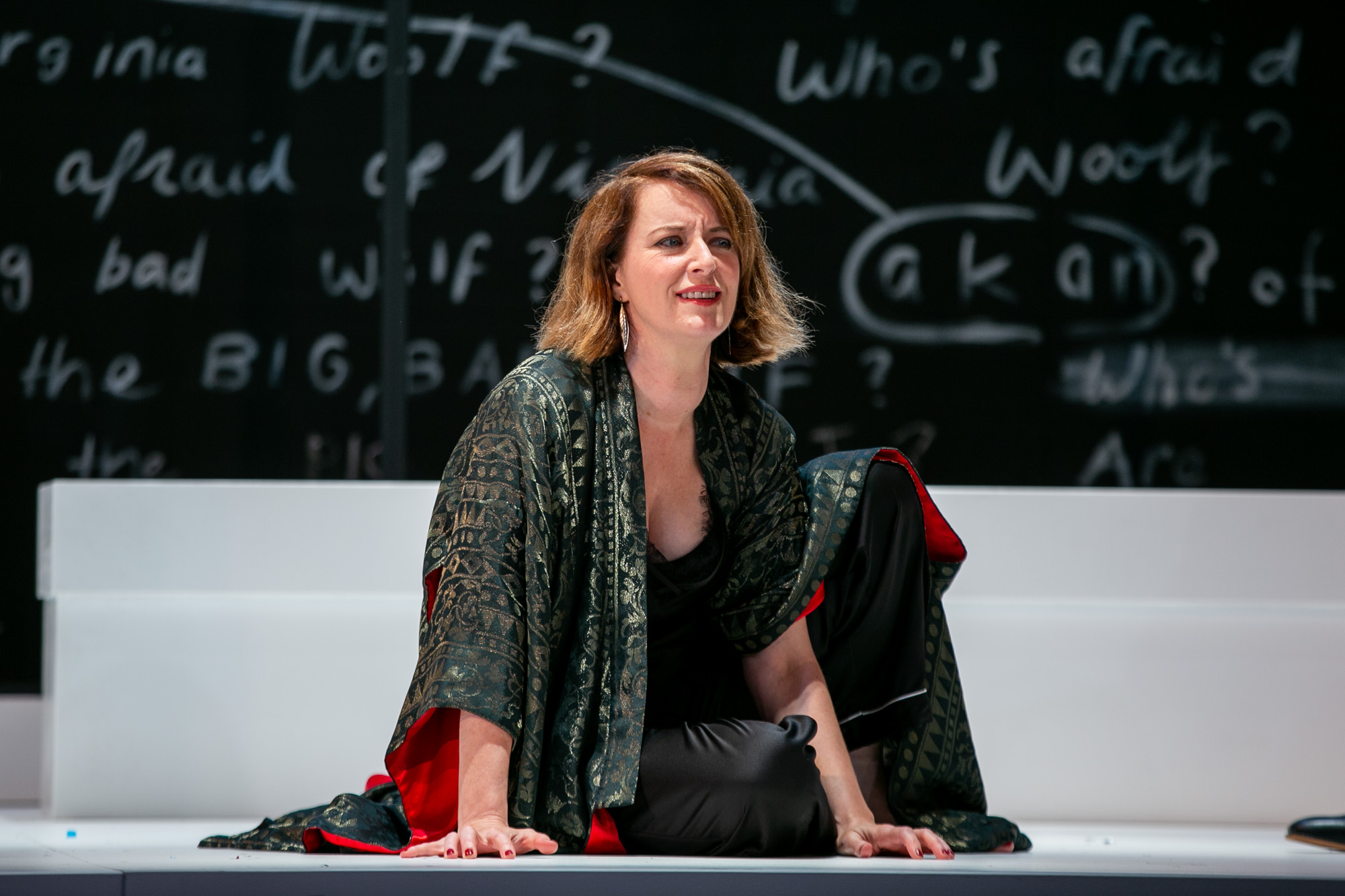
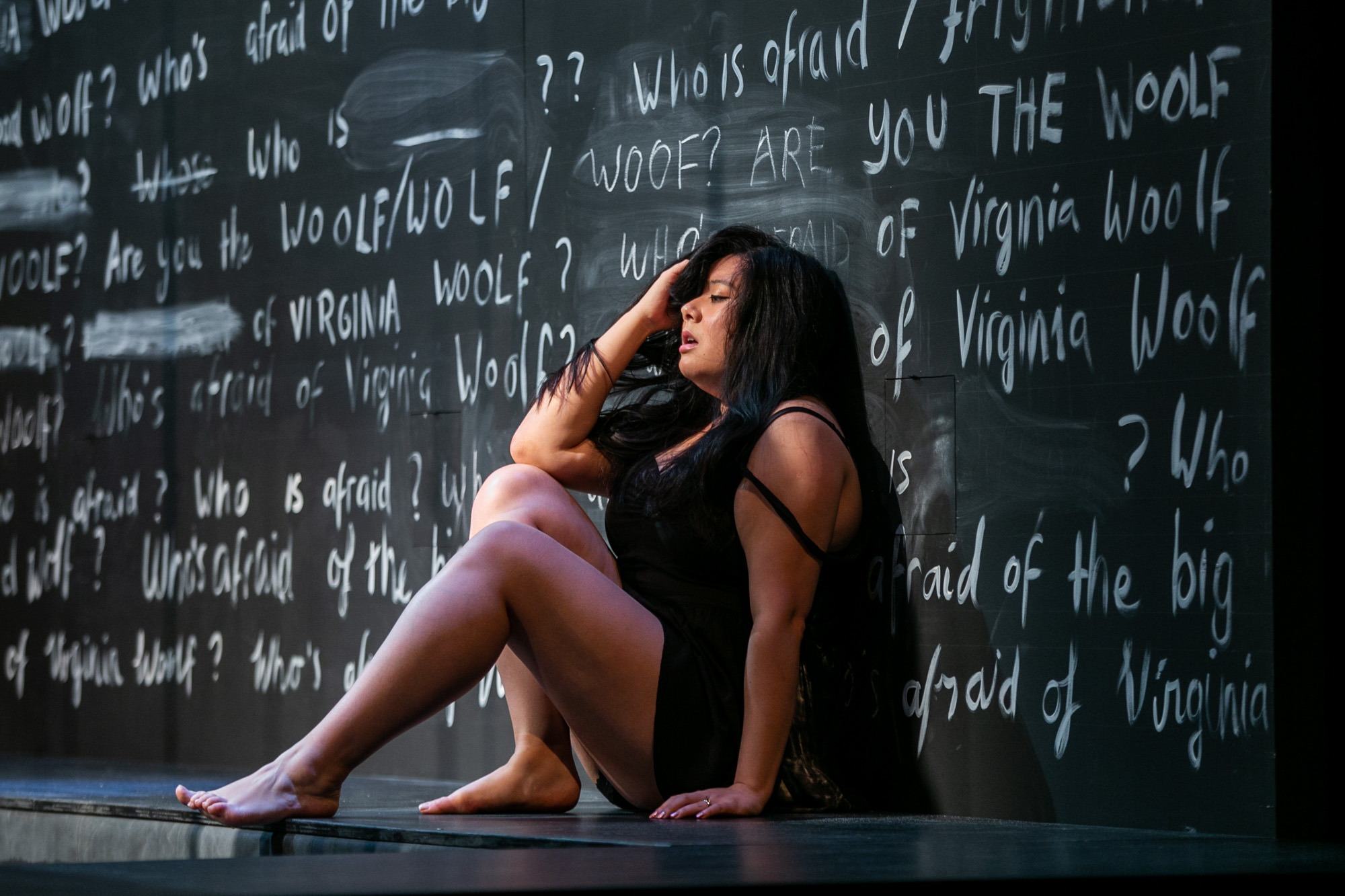
Martha and George are always fighting. The perpetuality of their battles seems to point to a certain masochism that resides at the centre of their marriage, and we discover that perhaps their endless struggle for power, forms the very foundation of their life together. As viewers on the sidelines, we gladly ride that momentum of conflict, knowing that things simply will never get better for the couple, in Edward Albee’s Who’s Afraid of Virginia Woolf?

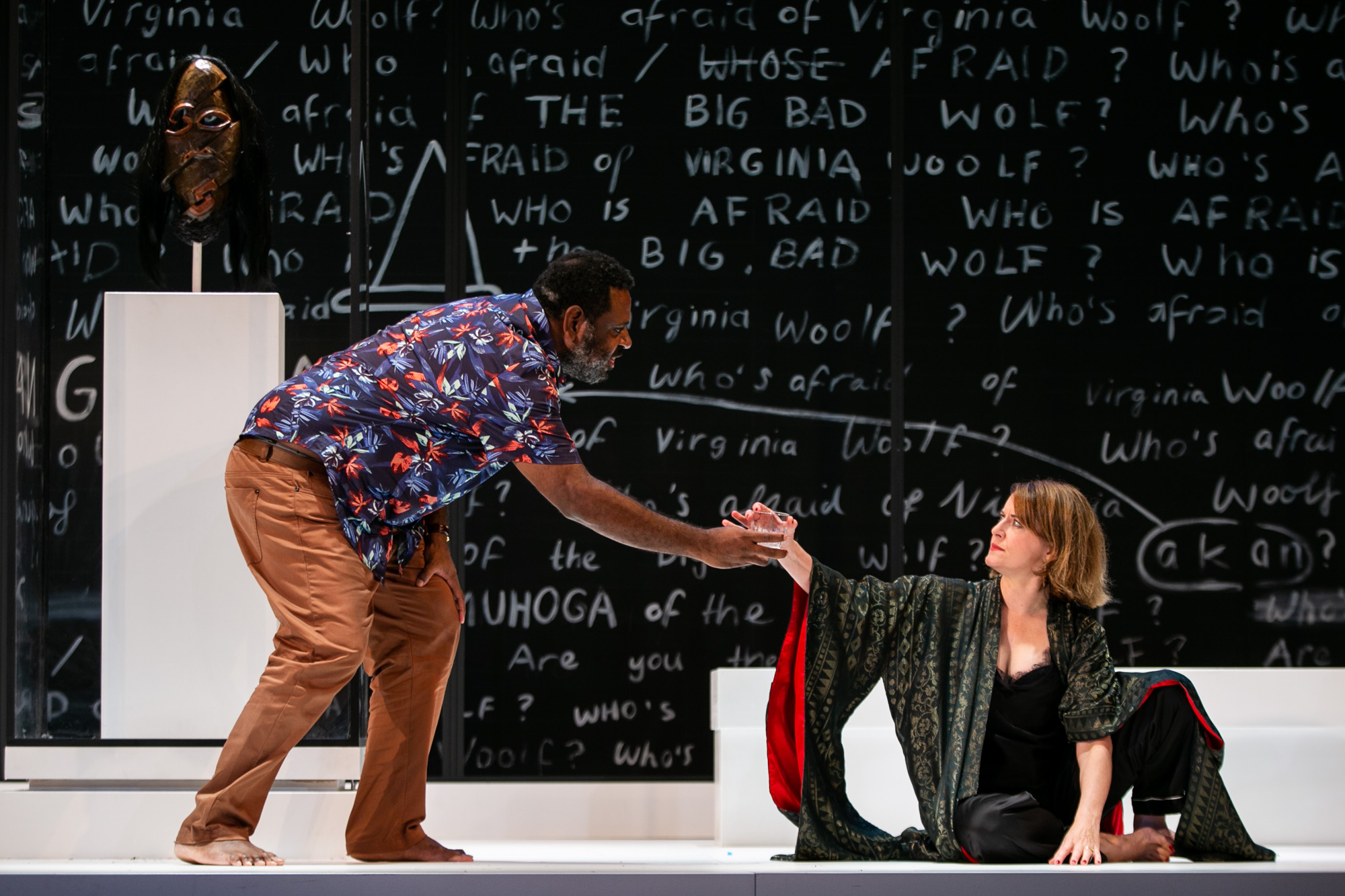
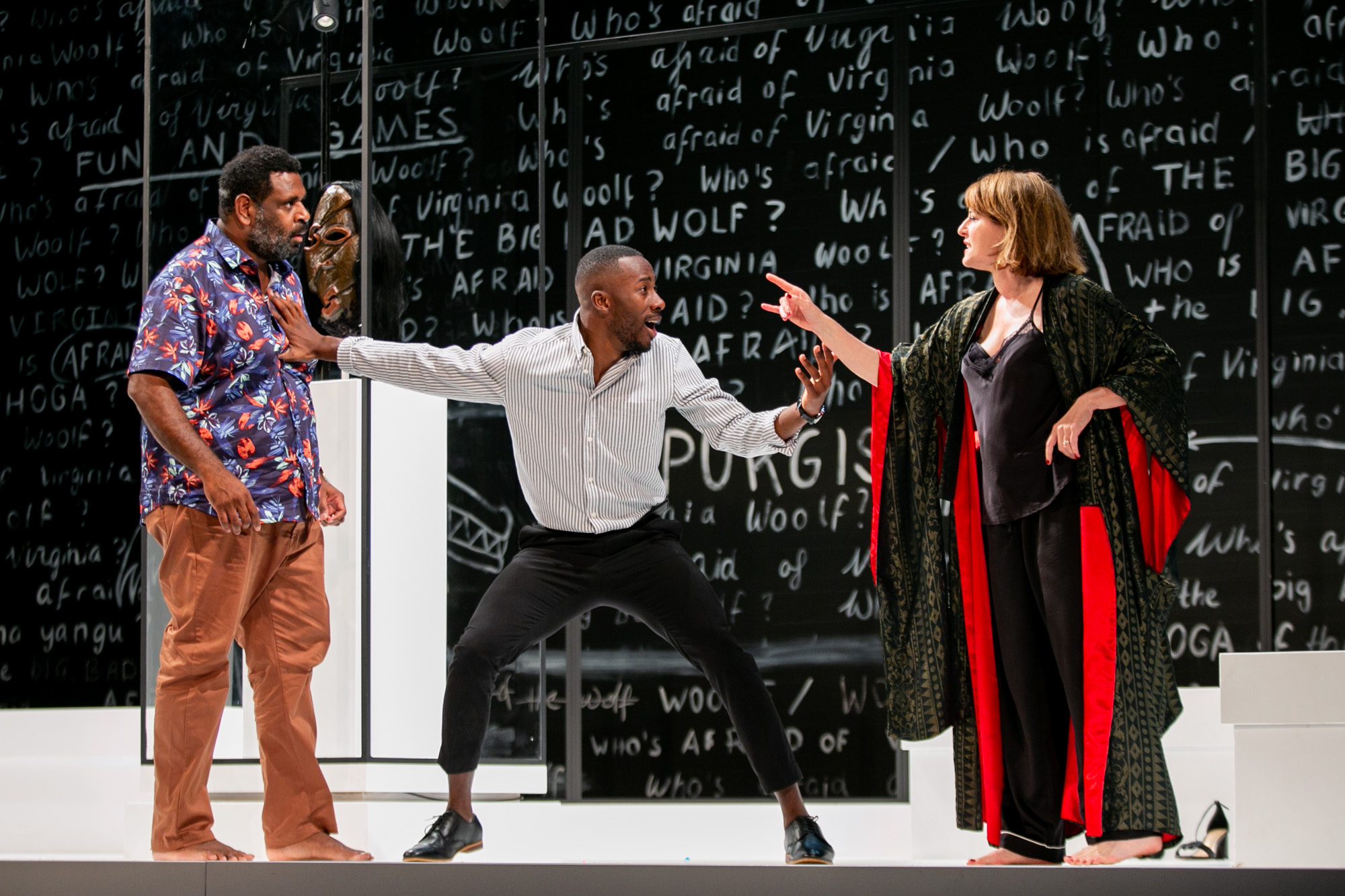
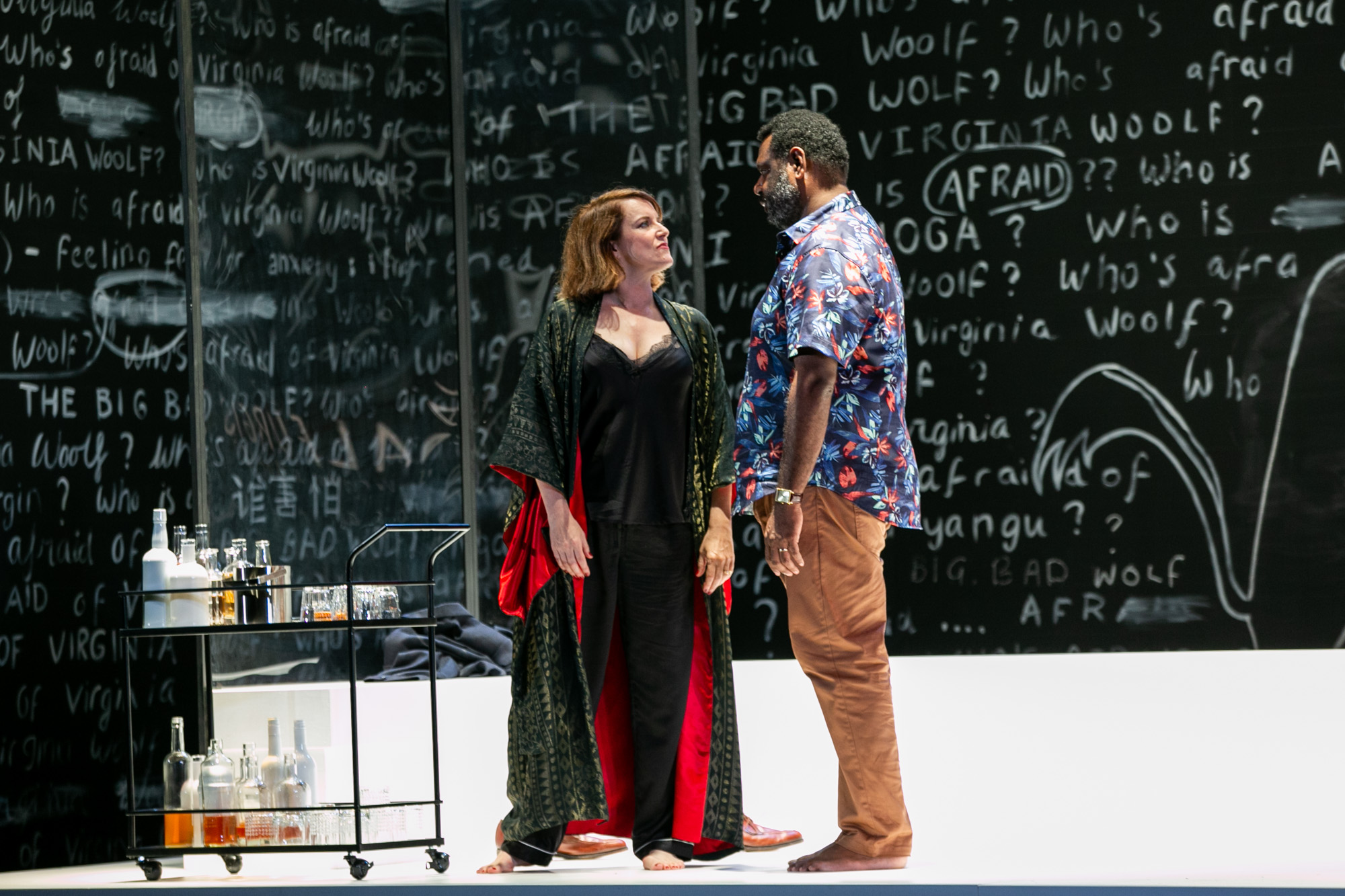
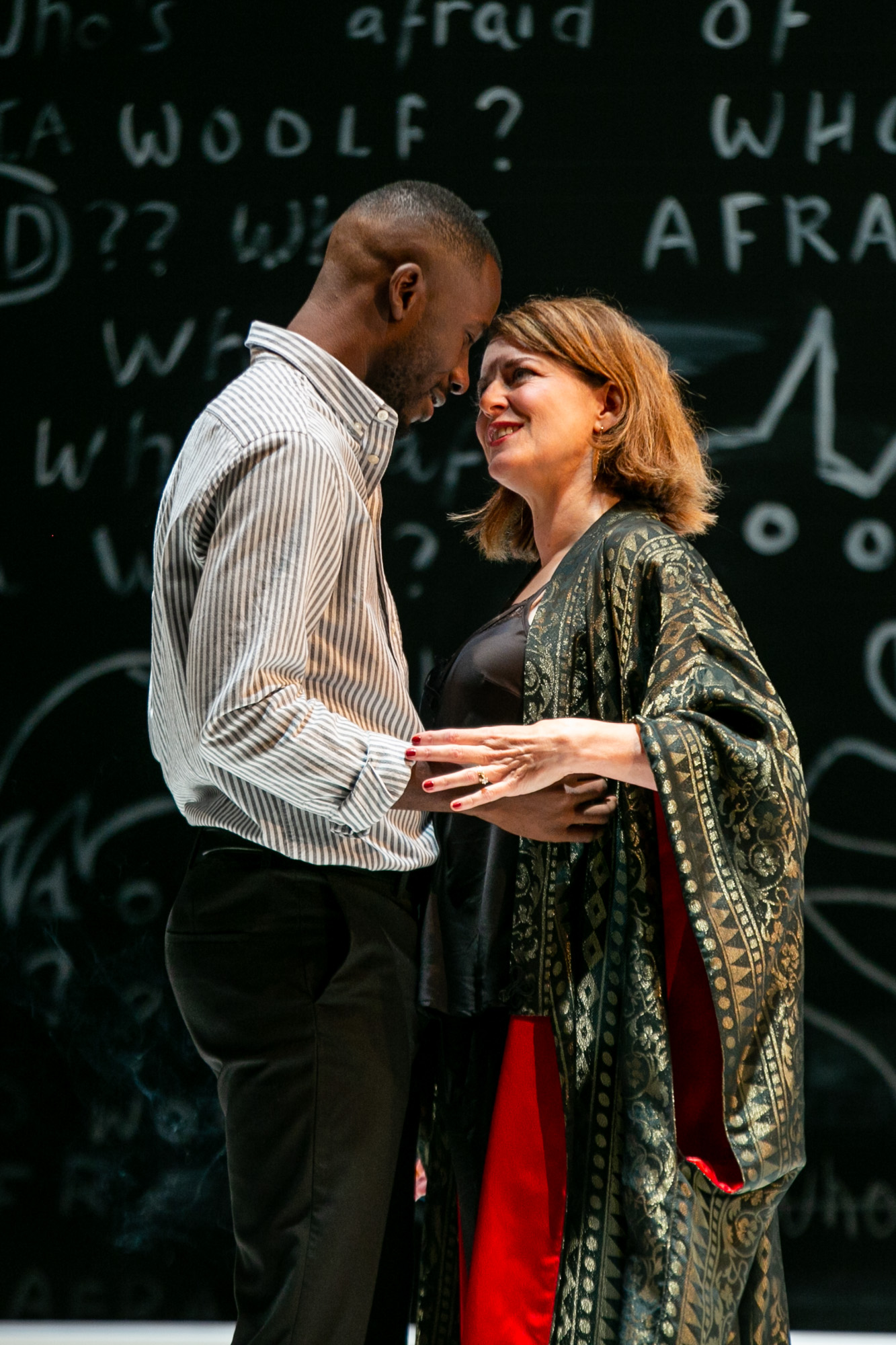
Set in the world of academia, in the New England region of the USA, Albee’s discussions about power, pertain to a kind that is particularly white. Director Margaret Harvey’s decision to cast Black men in the roles of the duelling academics George and Nick, brings greater focus to the whiteness that is being interrogated. The futility of these two men trying to climb the social and professional ladders, within a system built upon the exclusion of people like them, are made mournfully clear by the darkness of their skin.

Although never lacking in energy, the production suffers from a shortage of precision, in the way Albee’s often rambling dialogue is presented. The writing’s abstract qualities has a tendency to become overly ambiguous on this stage, making the experience feel at times, somewhat hollow.

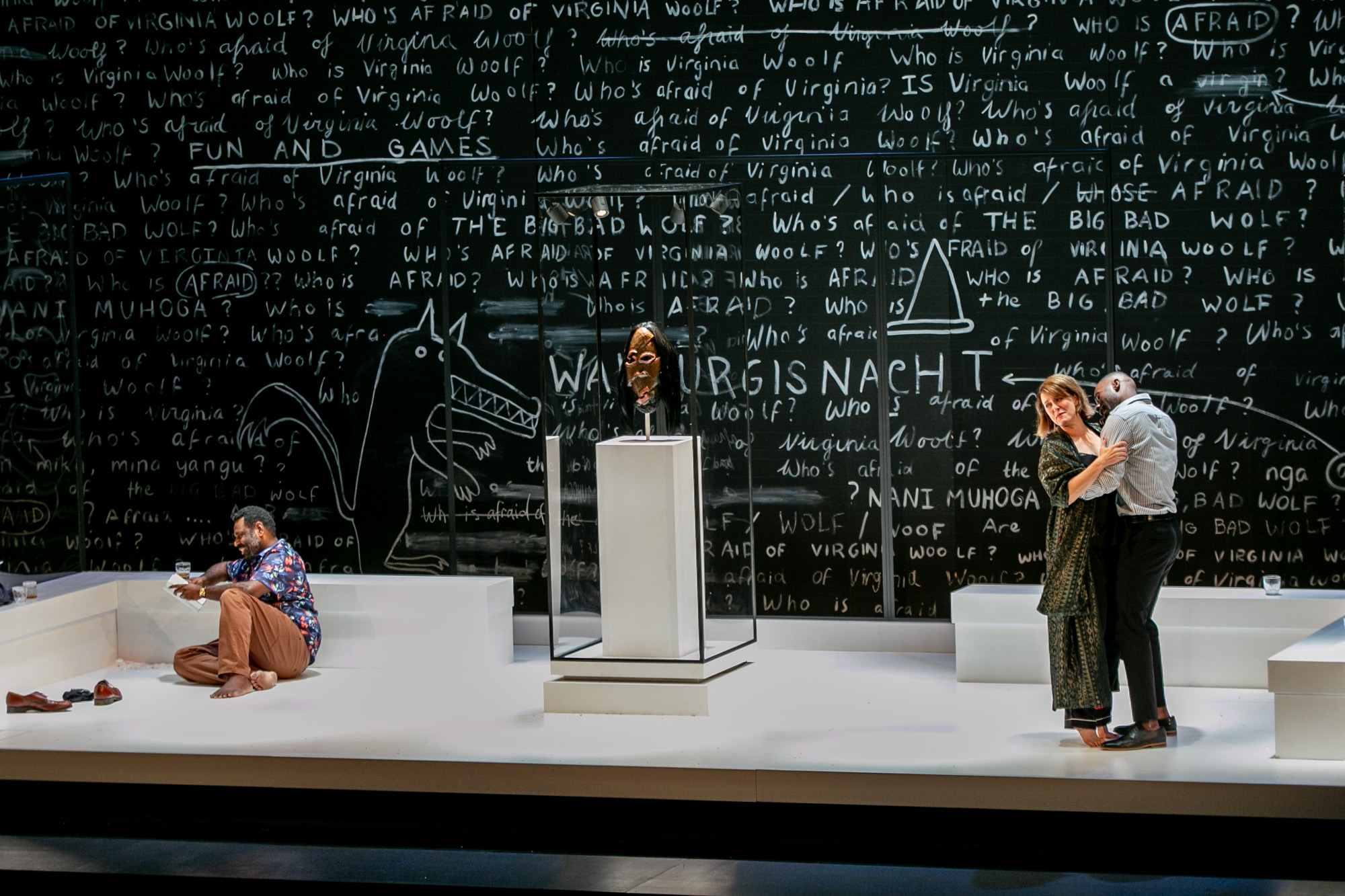
Ailsa Paterson’s set design is an elegant update that provides the story with a present day context, but a strangely domineering centrepiece that makes reference to the white practice of pilfering historical artefacts is, although well-meaning, an unnecessary distraction. Lights by Nigel Levings are effectively chilling, in the cold white box of Martha and George’s home. Sound design by Andrew Howard is sparse, but memorable for its use of drums to rouse tensions.
Actor Susan Prior is suitably nebulous as the heavily intoxicated Martha. Jimi Bani’s bouts of anger as George dials up the drama, but a characteristic cynicism seems to be missing. Nick is played by Rashidi Edward who brings great intensity, and his counterpart Honey is thankfully given some backbone by Juanita Navas-Nguyen.

Martha’s father never appears in the play, but he holds absolute power over the people that we meet. Just like the white patriarchy on this land, it is never the ones who benefit most that do the dirty work, but all the foot soldiers who fight amongst themselves, thinking they are advancing their personal ambitions, when in fact are only serving the purposes of those on top. We are given crumbs, that are designed to gaslight us into believing, that the rules of engagement are fair. That we persist with these rules, is as strange as Martha and George persisting with their marriage.

www.statetheatrecompany.com.au

Review: 1984 (Sydney Theatre Company)

Venue: Roslyn Packer Theatre at Walsh Bay (Sydney NSW), Jun 28 – Jul 22, 2017
Playwrights: Robert Icke, Duncan Macmillan (based on the George Orwell novel)
Directors: Robert Icke, Duncan Macmillan
Cast: Molly Barwick, Paul Blackwell, Tom Conroy, Terence Crawford, Coco Jack Gillies, Ursula Mills, Renato Musolino, Guy O’Grady, Yalin Ozucelik, Fiona Press
Image by Shane Reid

Theatre review
People often look back at calamitous histories, and are grateful that they had emerged unscathed. In Robert Icke and Duncan Macmillan’s version of 1984, dystopia is not only an imagined future, but also a tragic past that its characters are happy to have left behind. When the worst is over, we think that life returns to a state of healthy normalcy. We choose to believe that those who had committed atrocities are wiped away, and all is good in the world again.

In our need to survive, memory has to become elastic. Self-preservation necessitates that we forget the painful, and in the case of 1984, forgive the unforgivable. Facts are erased, so that ideologies can dominate. The play portrays a simultaneous past and future, but its concern is firmly on the now. It believes in an essential sense of truth, along with the human tendency to obfuscate those truths, in order that power may be won and lost.

With obvious parallels with current political events, it is tempting to say that Orwell’s story is more pertinent today than ever before, but societies have never been pure. Certainly, technology does play an important part in how we control one another, but long before the discovery of electricity, men had sought to suppress thought and expression, with the sole intention of gaining influence and authority. Using lies as apparatus and methodology, devious personalities have risen to positions of leadership, while the rest of us are turned complicit, through acquiescence, obedience and silent surrender.

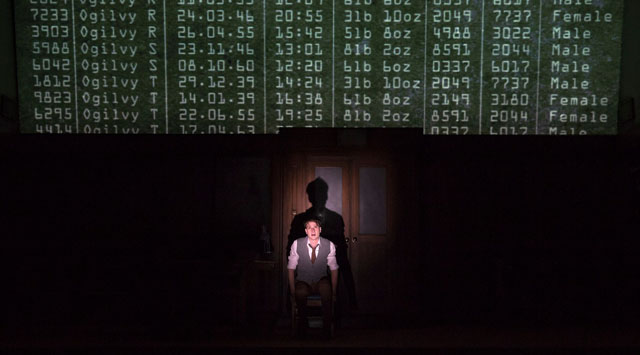
It is a sleek production, conceived and executed with an admirable sophistication. Orwell’s philosophical interests are powerfully presented, translated from book to stage effectively, though not always with great clarity. The protagonist Winston’s existence is a confused one, and on certain levels, we are accordingly, perhaps appropriately, bewildered. Its messages are unambiguous, however, with all of 1984‘s prominent themes and ideas, articulated emphatically, with conspicuous relevance and urgency.
Chloe Lamford’s scenic design transforms Orwell’s original futuristic outlook into a retrogressive frame of reference; after all, we are now looking at the world 33 years ago. Lights by Natasha Chivers and sound design by Tom Gibbons, play integral roles in the brutal depiction of ruthless tyranny. The assault on our senses is indeed severe, with aggressive noises and strobes unrelenting in trying to seize our nerves and inflict terror.

Actor Tom Conroy has the unenviable task of performing Wilson’s extended suffering, including a lengthy scene featuring quite gruesome physical torture. His work is painfully convincing, and the vulnerability he brings to the role, insists that we are affected by all his adversities. Terence Crawford turns up the drama as the frighteningly menacing O’Brien. His operatic approach to the enigmatic personality seduces us, keeps us on edge and captivated, as the play’s savagery escalates.
The deep pessimism of 1984 demands a strong response. It aims to provoke us into radical thought, if not radical action, with its revelations about a world ruled by evil. We think about governments, religions and corporations, the insidious ways in which they impact upon our lives, how they encroach upon our liberties, and the deficiencies of our resistance. Survival requires degrees of submission, but within any submission, the spirit of defiance can always be found, whether minuscule or vigorous, to spark a change that could pivot the course of history, one can only hope, for the better.

www.sydneytheatre.com.au | www.1984play.com.au

Review: The Popular Mechanicals (Wharf 2 Theatre)

Venue: Wharf 2 Sydney Theatre Company (Walsh Bay NSW), Apr 6 – May 13, 2017
Playwrights: Keith Robinson, William Shakespeare, Tony Taylor
Director: Sarah Giles
Cast: Lori Bell, Julie Forsyth, Charles Mayer, Amber McMahon, Tim Overton, Rory Walker
Images by Lisa Tomasetti

Theatre review
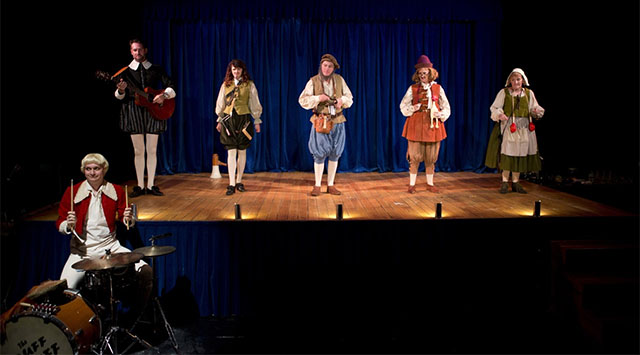
When embarking upon an artistic project, possibilities could be endless, but there is almost always a view to an end result. At the theatre, a show is eventually performed for an audience, after a period of rehearsal and creative exploration. The Rude Mechanicals are a group of amateur actors from Shakespeare’s A Midsummer Night’s Dream, remembered for their comical incompetence. In The Popular Mechanicals, they take centre stage as we watch them go through the anxious, and absurd, process of preparing for their evening of entertainment for the royals. It is a work that puts focus on what happens before opening night, giving validation to all the thrills and spills that inevitably happen, while reaching for the penultimate goal. We often say that nothing is wrong in art, and The Popular Mechanicals certainly places all of its trust on that belief.
The silliness inherited from Shakespeare’s vision of the troupe is fully embraced, for a joyful show that owes a lot to clowning traditions (complete with rubber chickens). The cast goes through sequences that range from pointless and frightfully cheesy, to moments of genius hilarity that will prove unforgettable. It is all deeply amusing, even though its inconsistency can be trying. Appropriately effervescent in approach, six quirky performers take us from one ridiculous scene to another, with mischievous charm and surprising nuance. Rory Walker and Tim Overton are especially memorable, not only for the repellent bodily functions they gleefully demonstrate, but also for an unusual air of ethereality they bring to the stage.

It is natural to want to present our best sides, but nothing is more human than our foibles and blunders. The point of art is that it reflects humanity, yet we so often expect it to be perfect, when humanity is clearly anything but. In its celebration of imperfection, The Popular Mechanicals grants an opportunity for artistic expression that seems more authentic, as a representation of our experience of life, which is almost always stranger than fiction, but incontestably true.

www.statetheatrecompany.com.auwww.sydneytheatre.com.au

Review: The Events (Belvoir St Theatre)

belvoirstVenue: Belvoir St Theatre (Surry Hills NSW), May 12 – Jun 12, 2016
Playwright: David Greig
Director: Clare Watson
Cast: Johnny Carr, Catherine McClements, Pitt Street Singers, Wycliffe Singers
Image by Luke Cowling

Theatre review
There are probably no issues more pressing than those pertaining to immigration, terrorism and mass shootings. Trying to make sense of these realities has become an everyday fixation in many of our lives, and David Greig’s The Events is a timely and sensitive expression of those concerns. Claire is a priest and choir leader whose life and faith is shattered by a traumatic incident that transforms the complexion of all that she knows. Fractured and struggling to find coherence, Greg’s writing is a reflection of the protagonist’s state of being. The play is not an easy ride, but it provides valuable insight for all of us who are part of this contemporary and complicated discussion on nationhood and security.

The play’s structure lends itself to intrigue and tension, which director Clare Watson manufactures well, but its restrained emotional dimension prevents the show from creating the same resonances that we have come to expect when dealing with its themes. There is no shortage of television coverage on these matters, and they are almost without exception, full of cheap sentimentality and irrational fear, which The Events does not replicate, but what it delivers instead can feel underwhelming and uncomfortably tepid. Perhaps its intention is to guide viewership to a more cognitive response for its deliberations, which is a challenging task that it accomplishes at varying degrees.

Catherine McClements is impressive with the thorough authenticity she introduces to the stage, and the ease with which she is able to convey the magnitude and intricacy of Claire’s psychological condition. The aforementioned disinclination for melodrama is disappointing, but understandable. The actor tells the story well, and we learn all there is to know about her character and the circumstances, even if we are not engaged on a more emotive level. Johnny Carr plays a variety of roles opposite the leading lady, engrossing but not always distinct (probably a comment on Claire’s disillusionment with the world), with an energetic approach that we rely on for a propulsive sense of momentum.
Claire has the strength to move forward but she needs time. When disasters strike, we can try to forge ahead in blindness but the scars and stains they leave behind do not disappear without effort. In The Events, we are urged, in times of trouble, to humanise individuals when all our instincts want is for perpetrators of violence to become demonised. It is a story about forgiveness, the truth of its emancipatory effects and the difficulty of its embrace. The problems we face are hard, they may even be thought of as insurmountable, but life persists in spite of it all and we must negotiate its good and its evil the best we know how.

www.belvoir.com.au

Review: Machu Picchu (Sydney Theatre Company / State Theatre Company Of South Australia)

STCVenue: Wharf 1 Sydney Theatre Company (Walsh Bay NSW), Mar 3 – Apr 9, 2016
Playwright: Sue Smith
Director: Geordie Brookman
Cast: Elena Carapetis, Darren Gilshenan, Luke Joslin, Annabel Matheson, Lisa McCune, Renato Musolino
Image by Brett Boardman

Theatre review
What we understand mid-life crises to be, seems relevant only to the privileged. Gabby and Paul are a middle class couple, both independently established and intelligent, reaching a point in time where their mortality suddenly comes into focus. Machu Picchu is about their reassessment of priorities and values, and although the threat of death is thankfully more than an abstract construct in Sue Smith’s play, the problems they face can often feel hyperbolic. Their struggles are honest, but also indulgent. Where others have had to just keep calm and carry on, Smith’s characters have the luxury of excessive rumination, which in turns disallows much drama or comedy to transpire. There are opportunities for philosophy, but those tend to be subsumed by domestic situations that prevent intriguing ideas from developing with satisfactory depth. Although emotionally distancing, the text has an enjoyable and innovative plot structure that reveals flair in the way its non-chronological timeline is formed. Scenes unfold unpredictably to keep us attentive, with surprising elements appearing at regular intervals for added variety.

We never quite warm to the characters in Machu Picchu. Director Geordie Brookman maintains an understated tone to proceedings, which gives an air of sophistication but also detracts from the story’s gravity. Gabby and Paul’s catastrophic state is comprehensible, but only intellectually so. The fears and trauma that they experience do not connect beyond the cerebral, and the work’s inability to encourage greater empathy gives the impression that its concerns are probably less meaningful than it wishes to be. Dramatic tension never becomes taut enough for us to feel strongly about the characters’ woes, and themes surrounding relationships and ageing, although earnestly portrayed, are not presented with sufficient ingenuity. The only people who are surprised by the effects of time seem to be on stage, and they add little to our own understanding of those ravages.

Lisa McCune’s performance as Gabby is focused and intense. There are many moments of authenticity in her depictions of disappointment, frustration and anguish, and her energetic approach helps sustain interest in her narrative, which can at times be lacklustre. The role of Paul is tackled by Darren Gilshenan who introduces an instinctive levity to the production. Gilshenan is a charming actor with tongue always firmly in cheek, but who proves capable of more serious material with this character’s adversity. It is not an entirely convincing coupling of actors, but the pair finds good rhythm with dialogue and together create imagery evocative of a bourgeois Australian identity that many will find familiar.
Clichés persist for their truth. Life is about the journey, not the destination. The Machu Picchu in Peru represents an ideal that exists in Gabby and Paul’s imagination, a place they have never experienced but that they believe to be special. In our lives, we often long for what we have yet to encounter, thinking that salvation lies therein. It is human to dream, but how much of dreams we allow to interfere with reality, is deeply personal, and determines the shape of each individual’s existence. It is ultimately inconsequential whether the protagonists get themselves to the location of their aspirations. What they are able to create and discover in their time before that fateful day is of great value, if they choose to recognise it as such.
www.sydneytheatre.com.au | www.statetheatrecompany.com.au