Review: Bright Star (Hayes Theatre)

Venue: Hayes Theatre Co (Potts Point NSW), Sep 5 – Oct 5, 2025
Music, Book & Story: Steve Martin
Music, Lyrics & Story: Edie Brickell
Directors: Miranda Middleton, Damien Ryan
Cast: Cameron Bajraktarevic-Hayward, Kaya Byrne, Victoria Falconer, Genevieve Goldman, Jack Green, Deirdre Khoo, Hannah McInerney, Jarrad Payne, Rupert Reid, Katrina Retallick, Felix Staas, Alec Steedman, Molly Margaret Stewart, Olivia Tajer, Seán van Doornum 
Images by Robert Catto

Theatre review
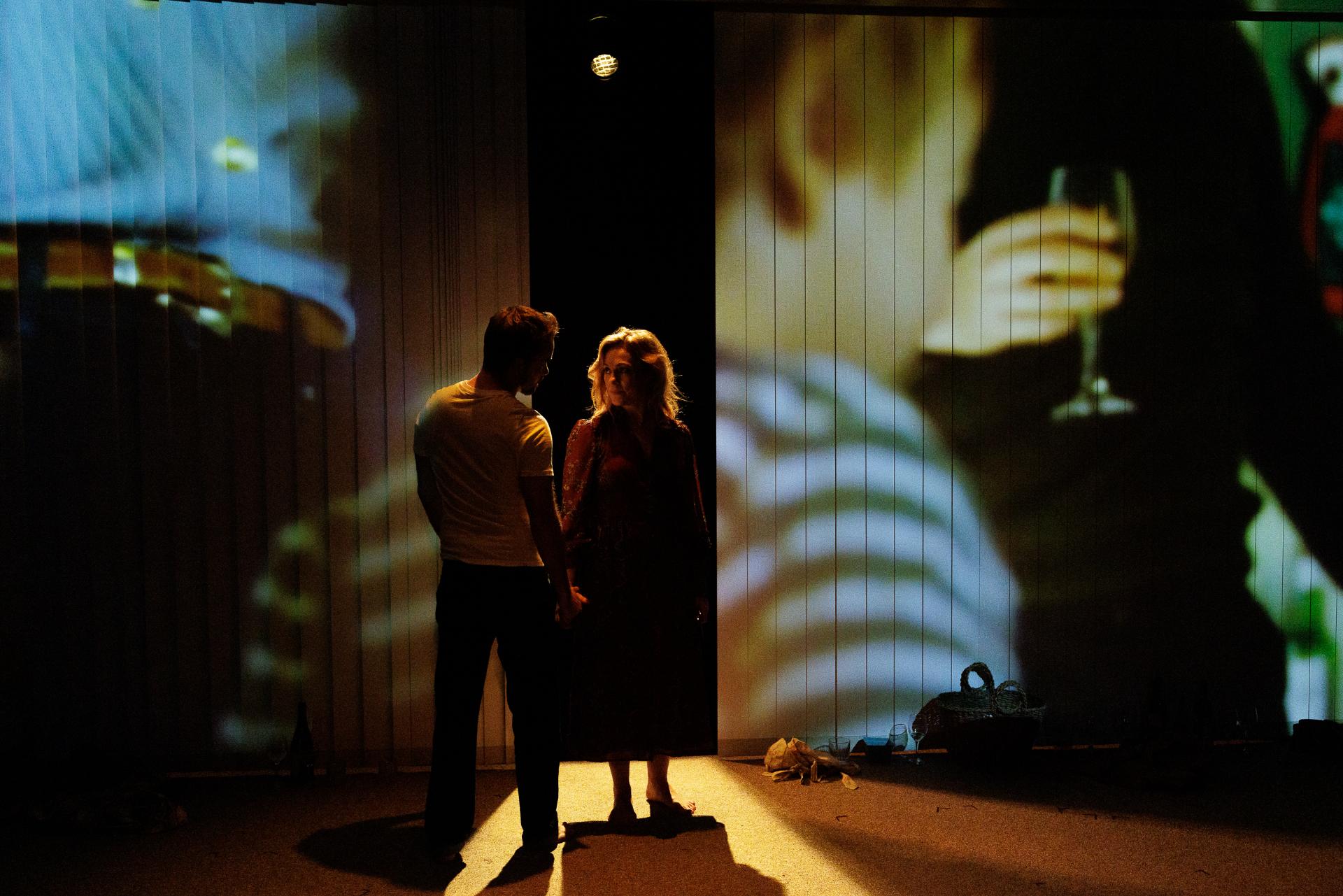
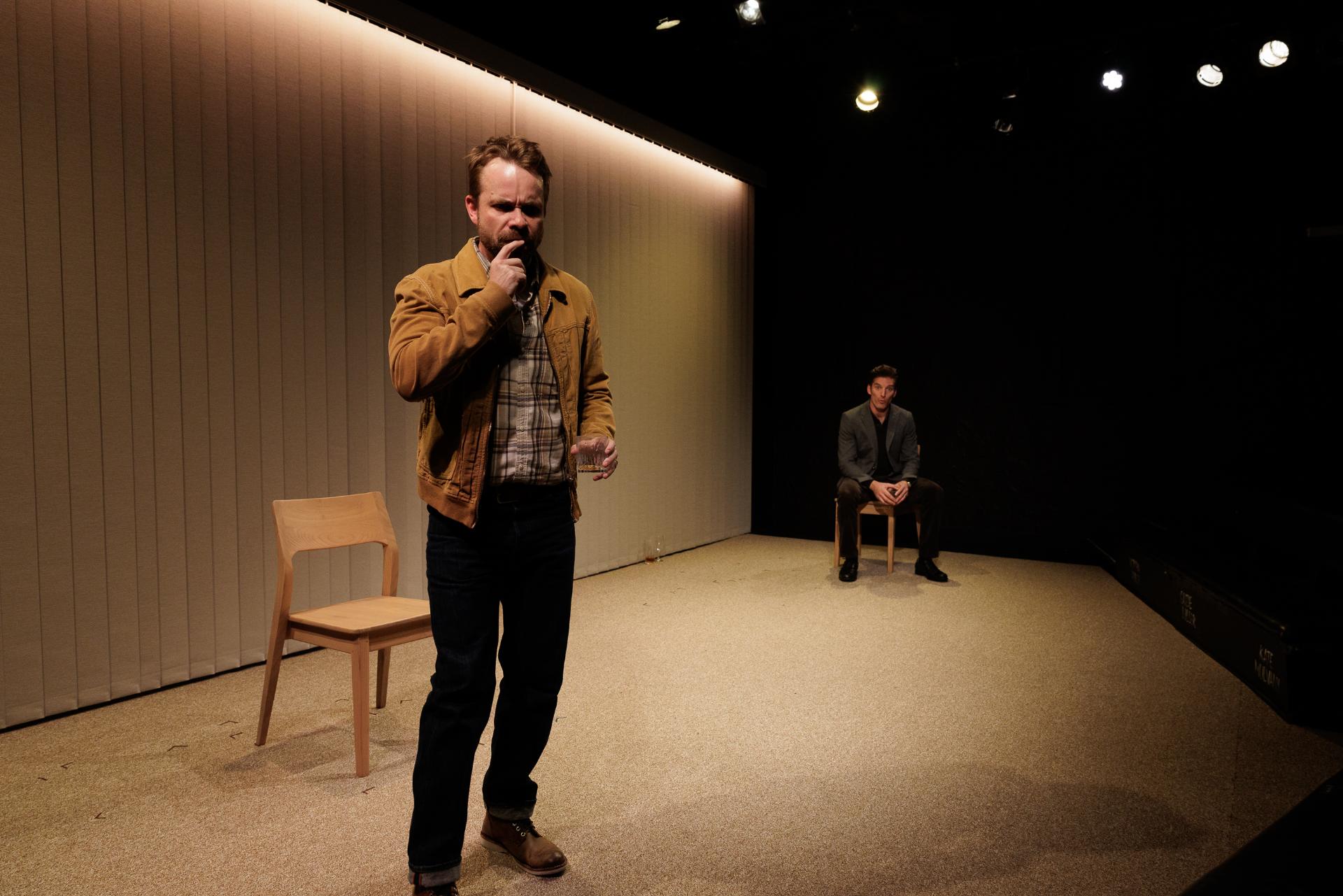
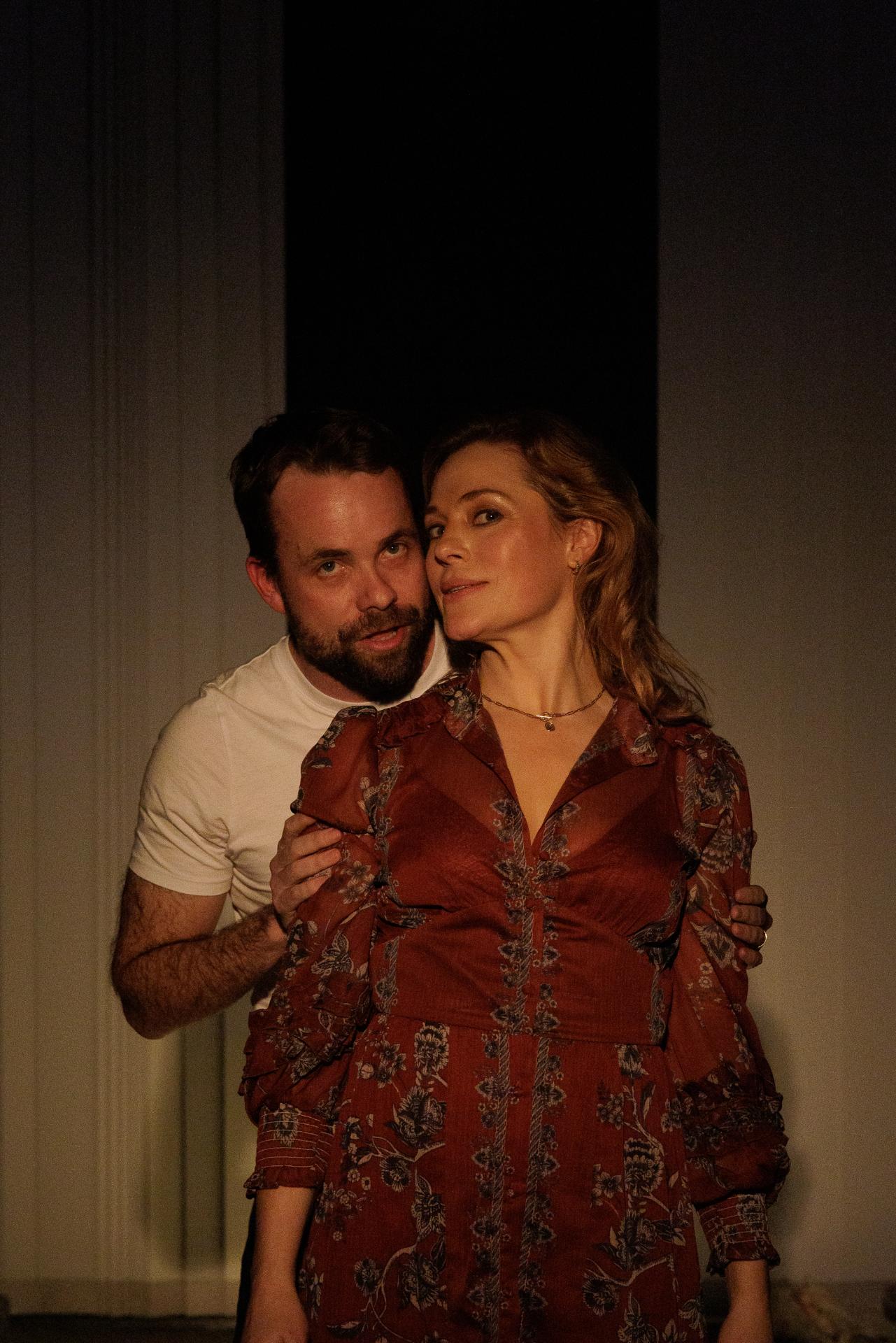
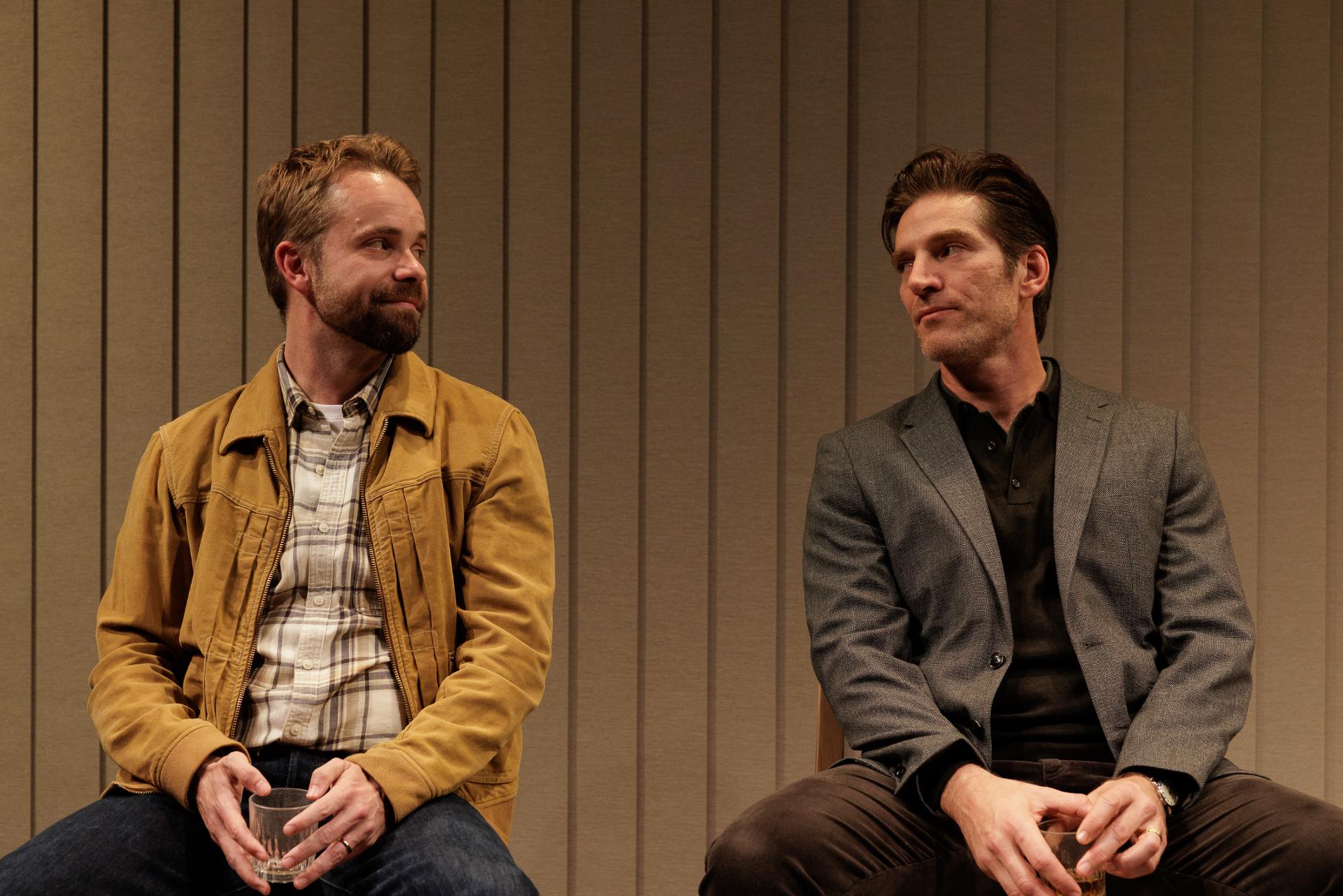
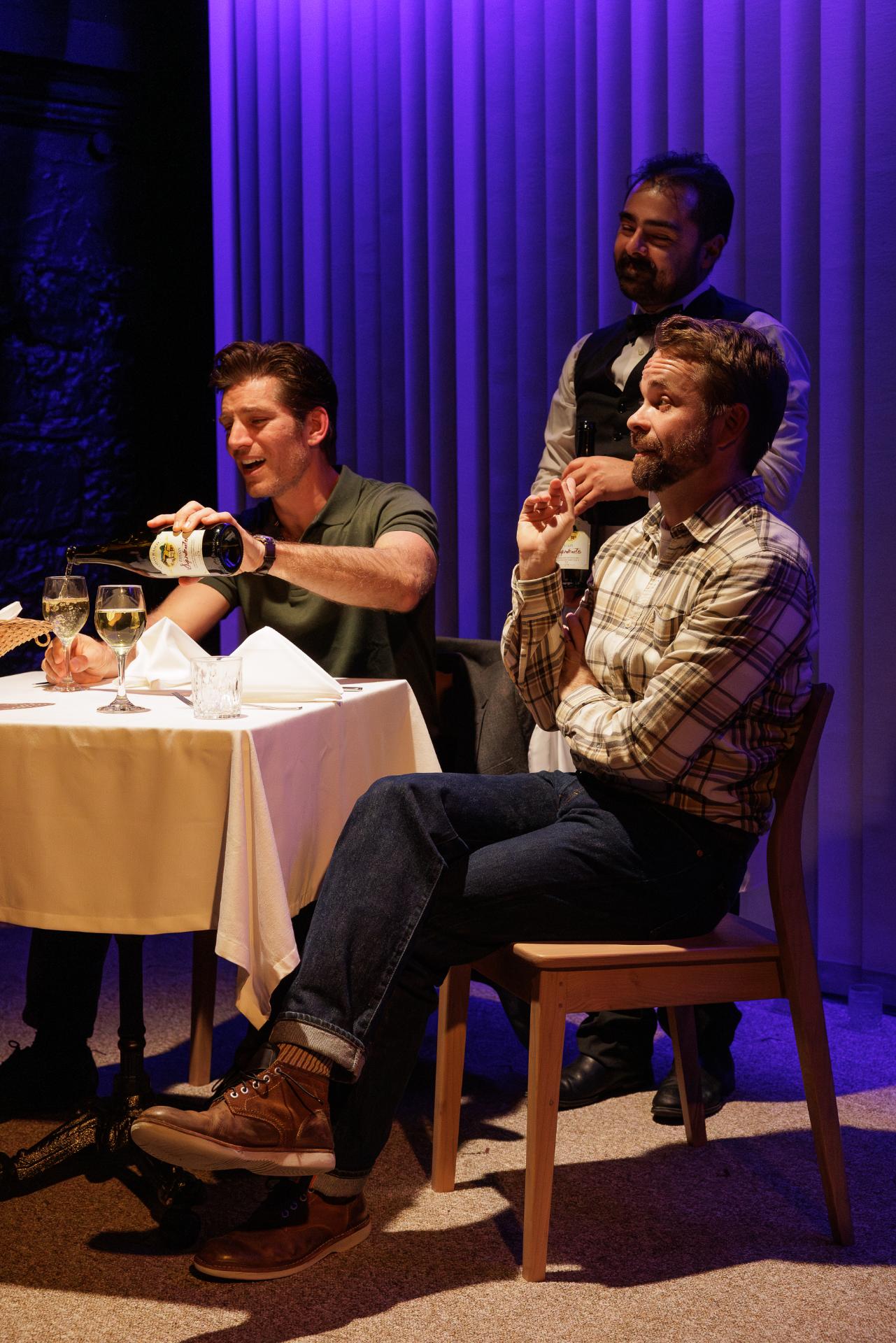
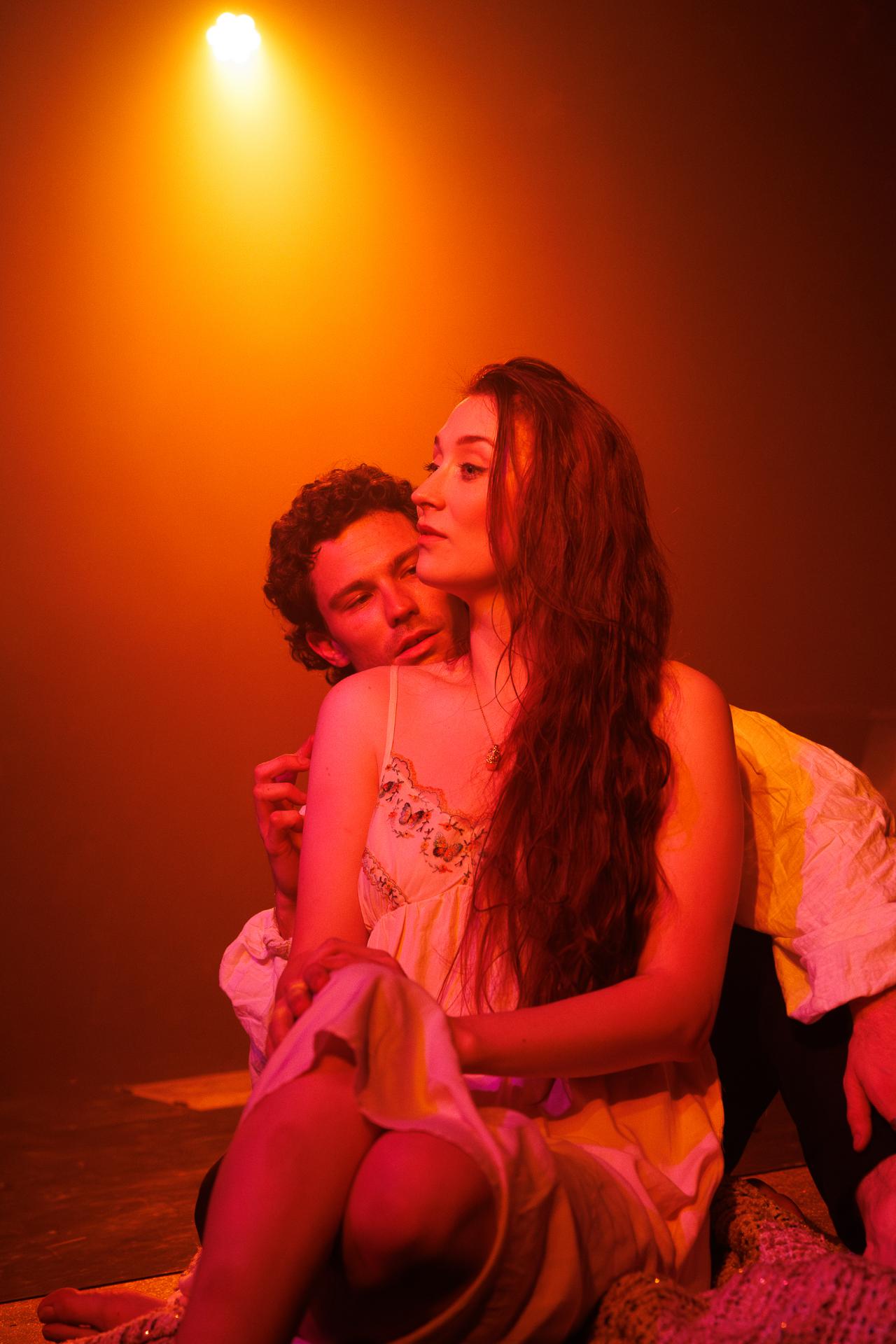
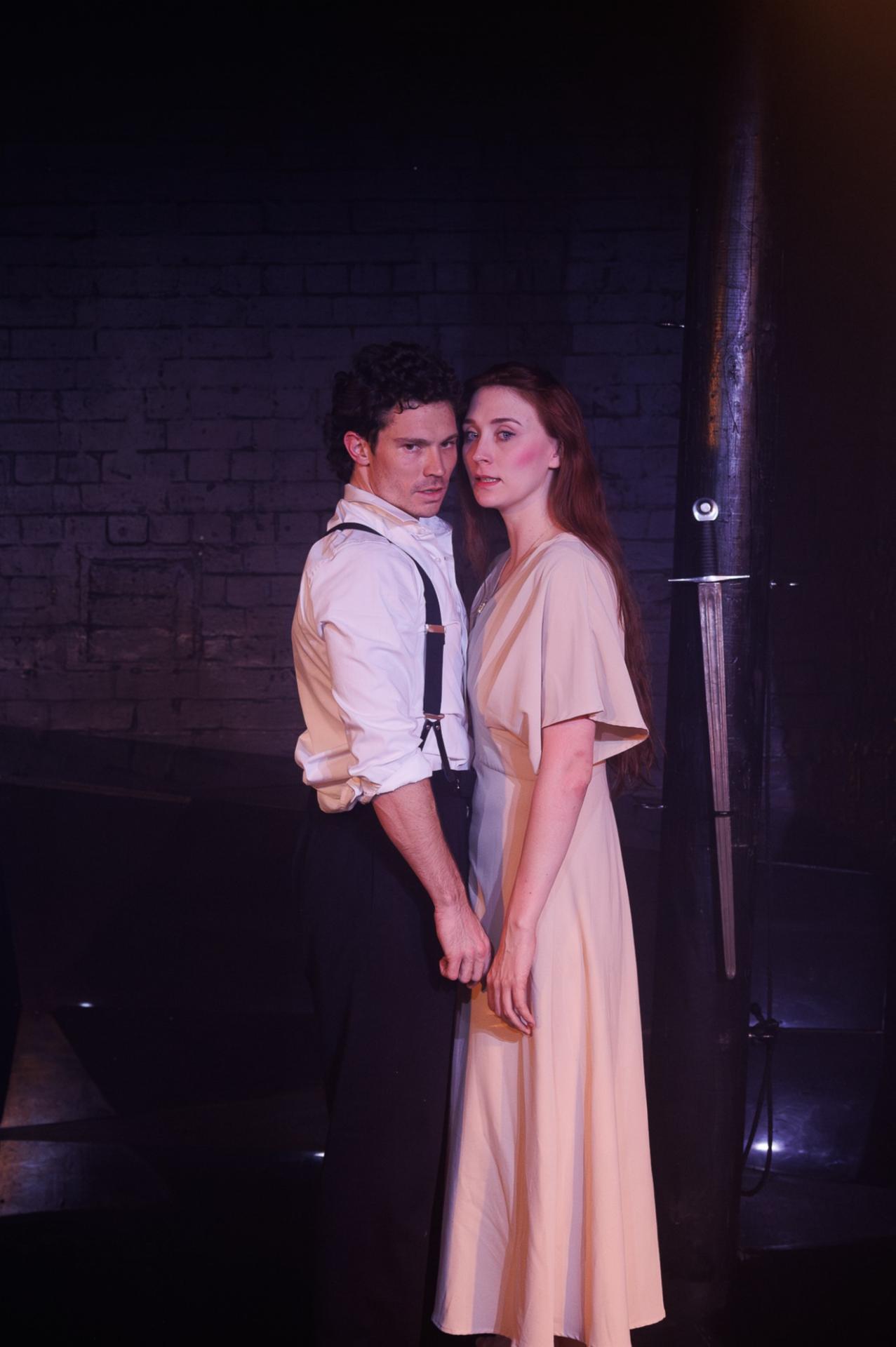
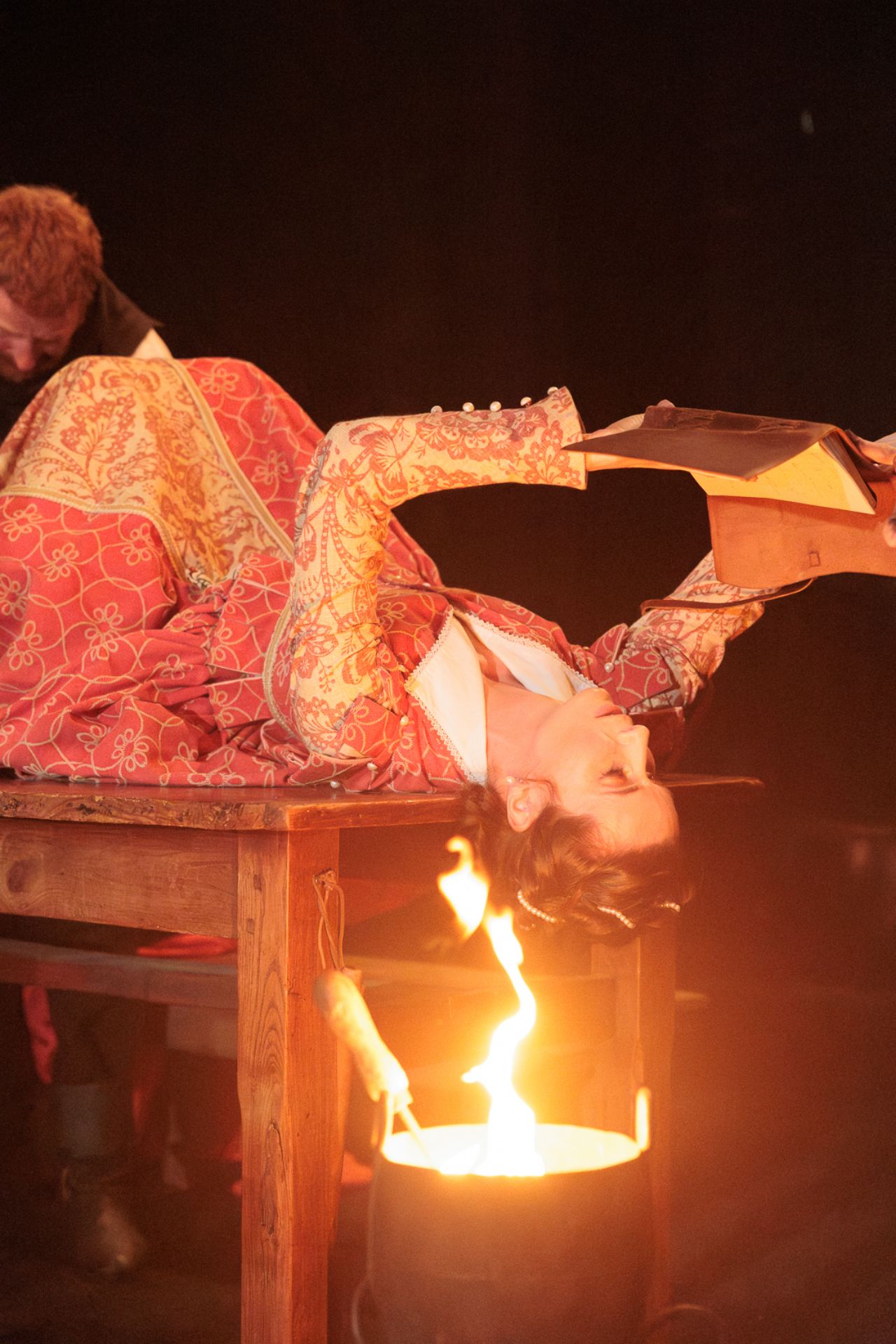
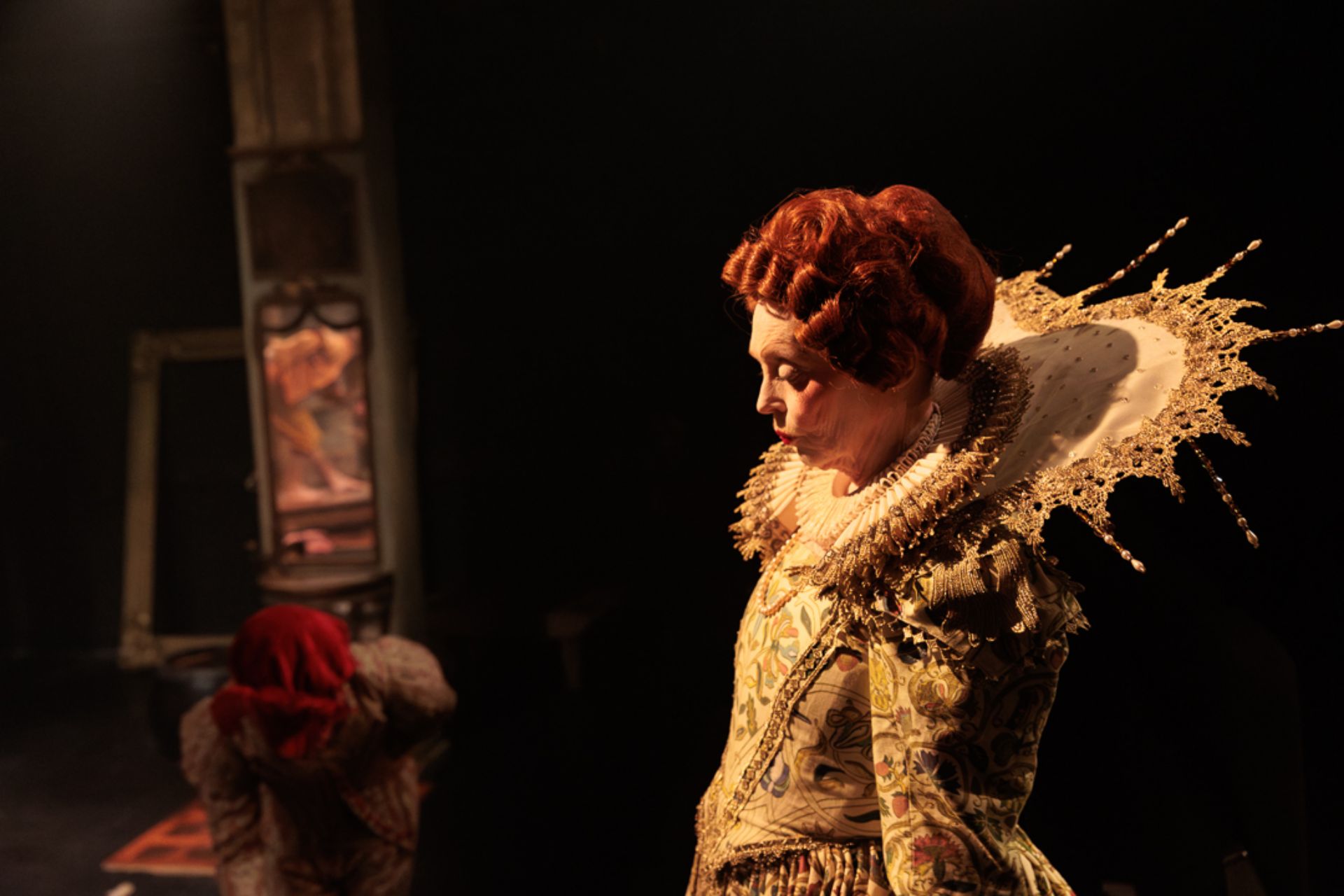
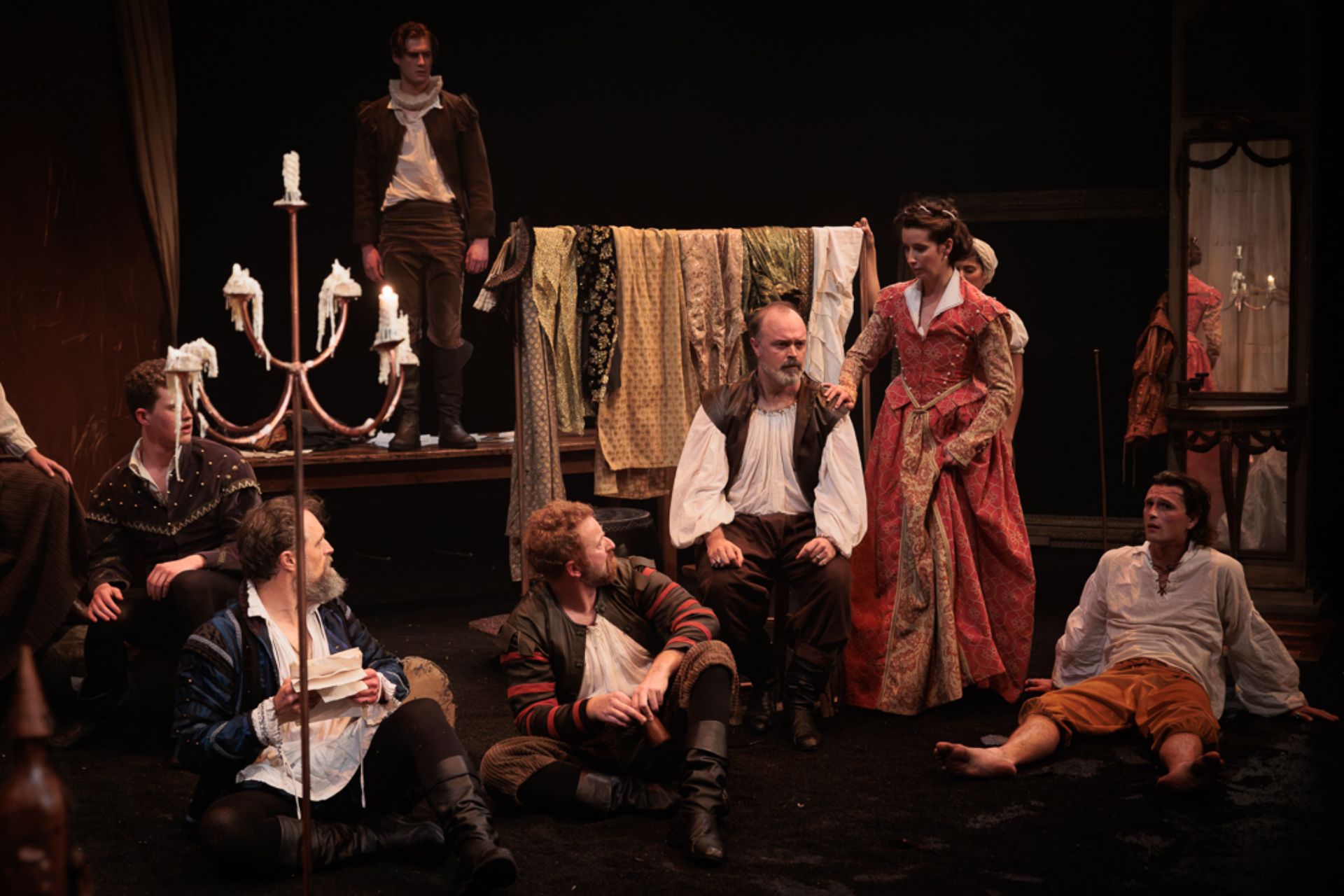
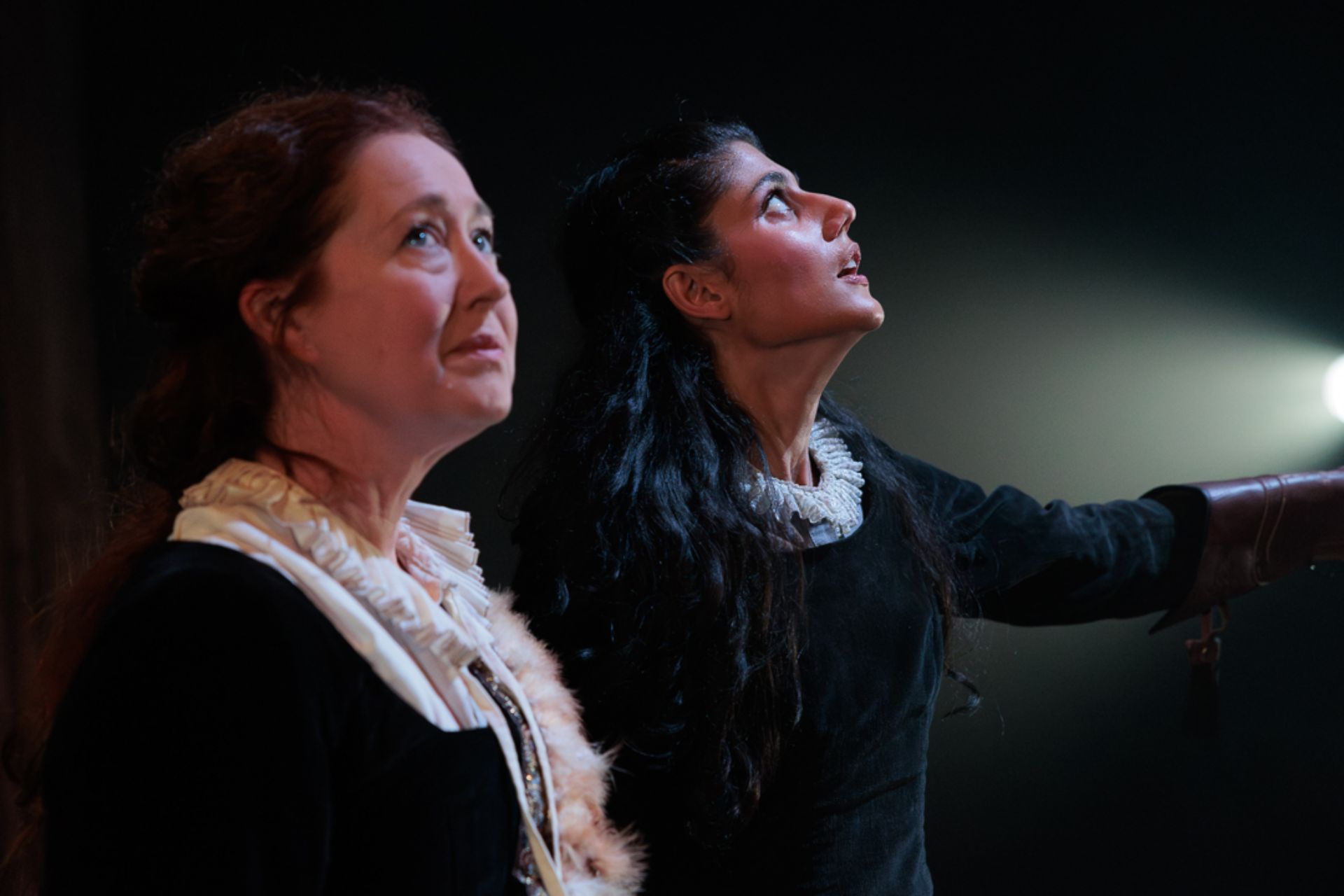
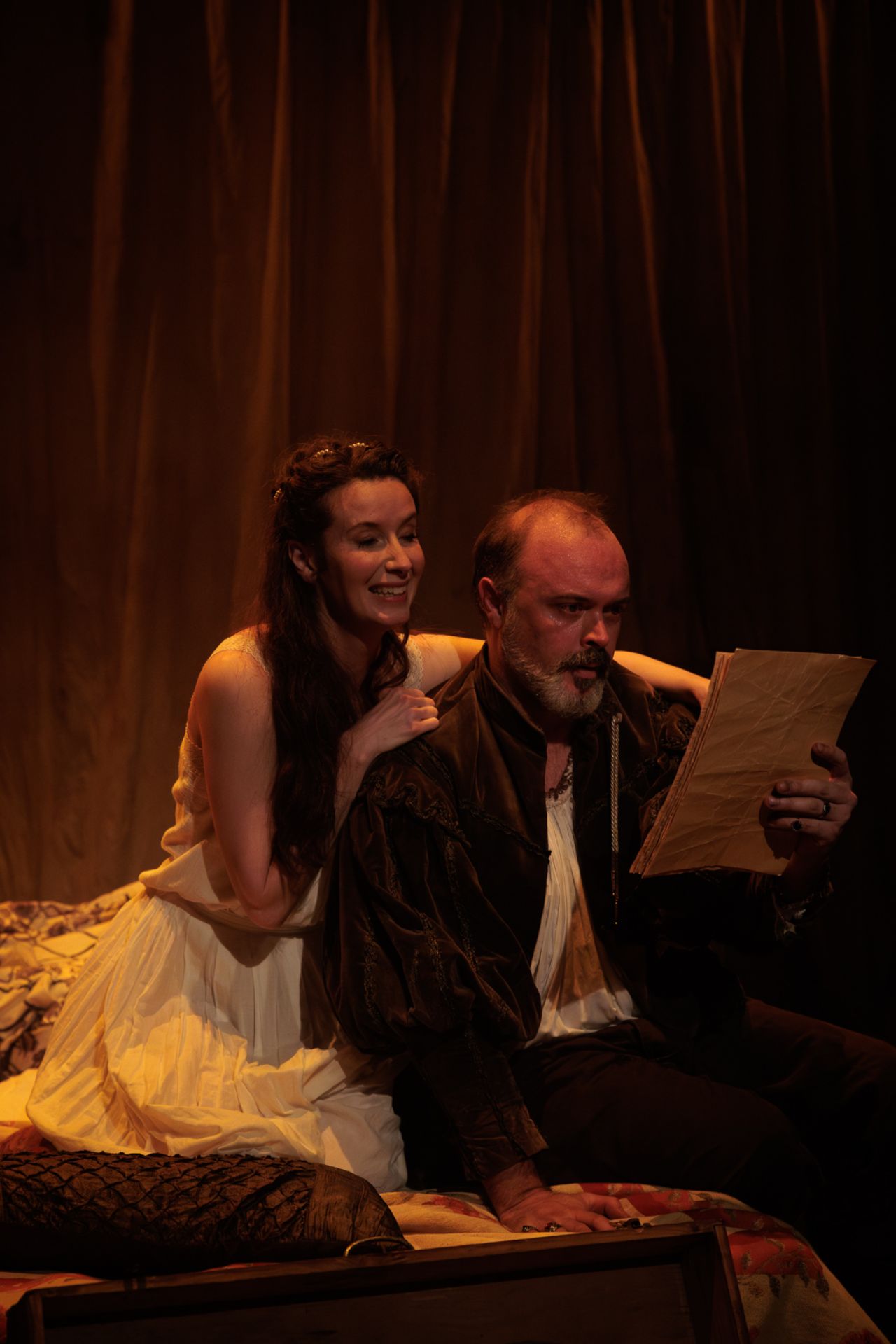
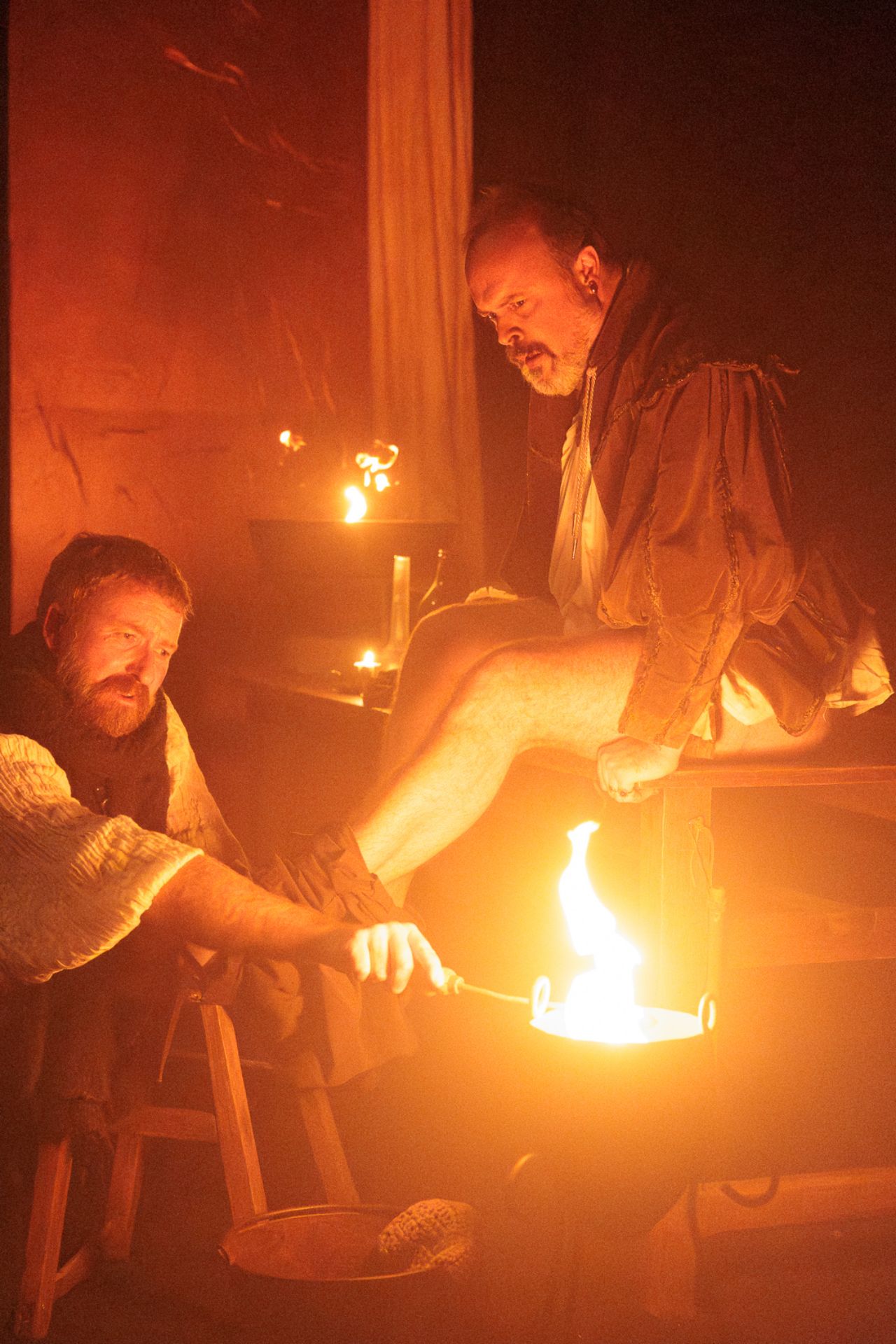
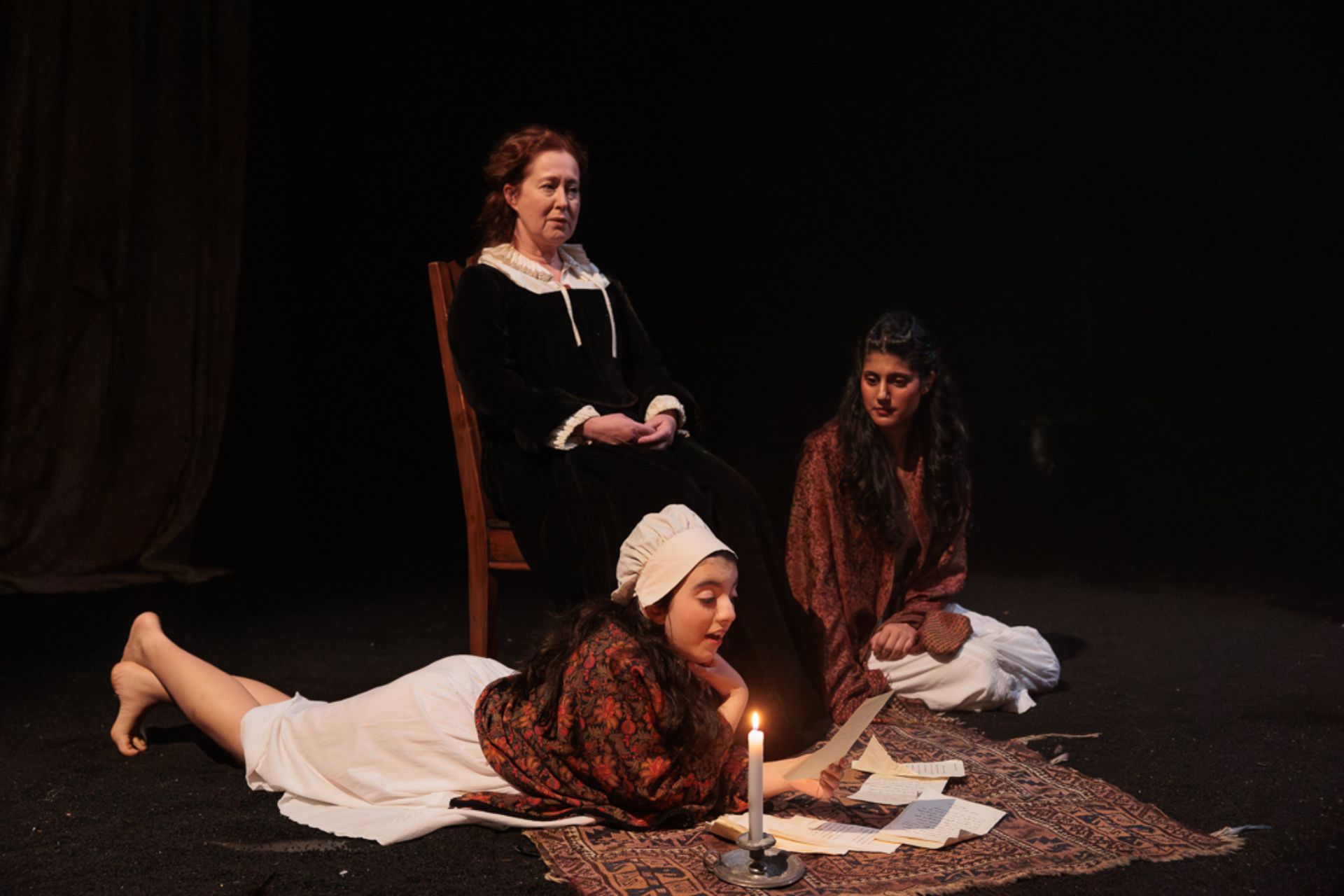
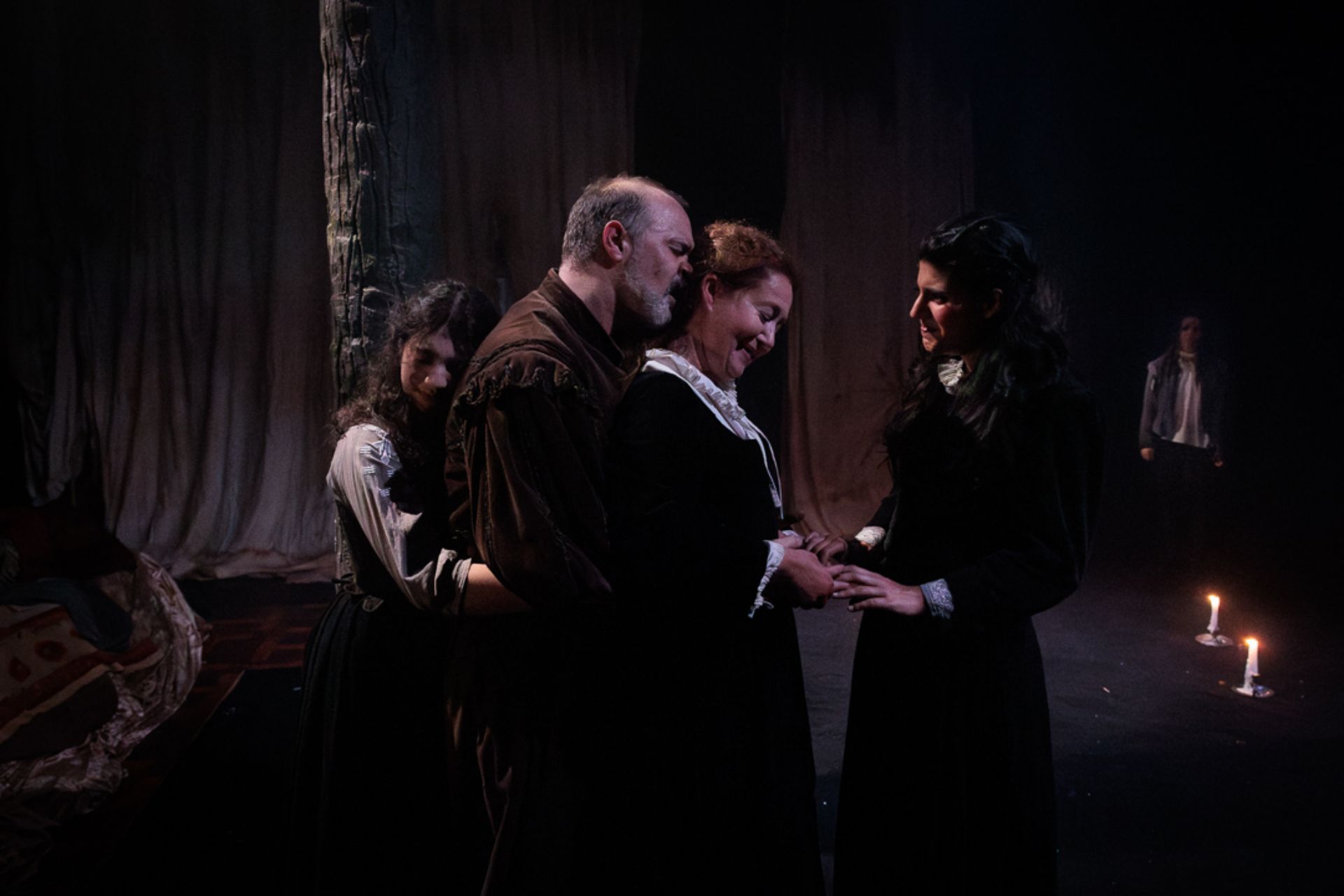
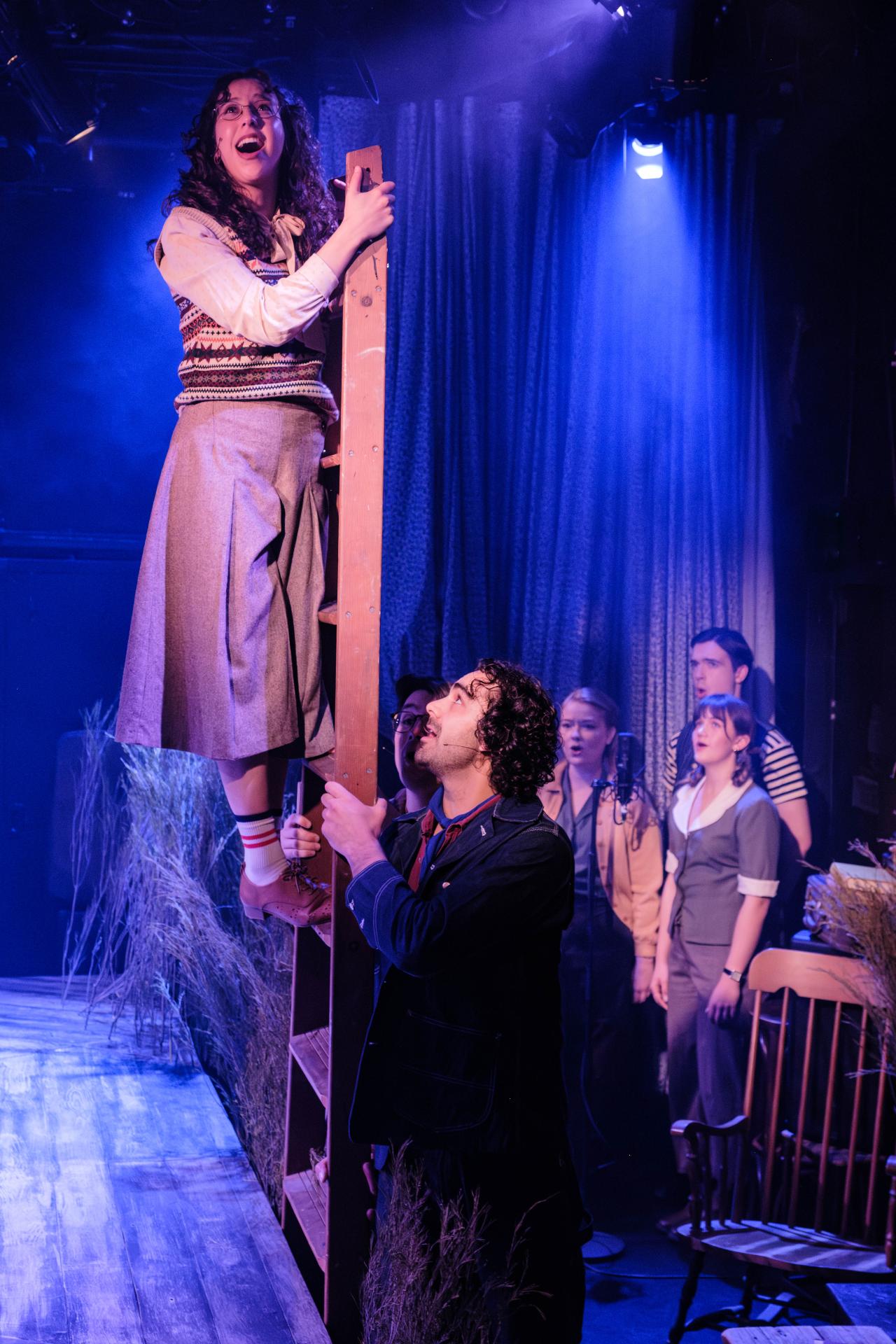
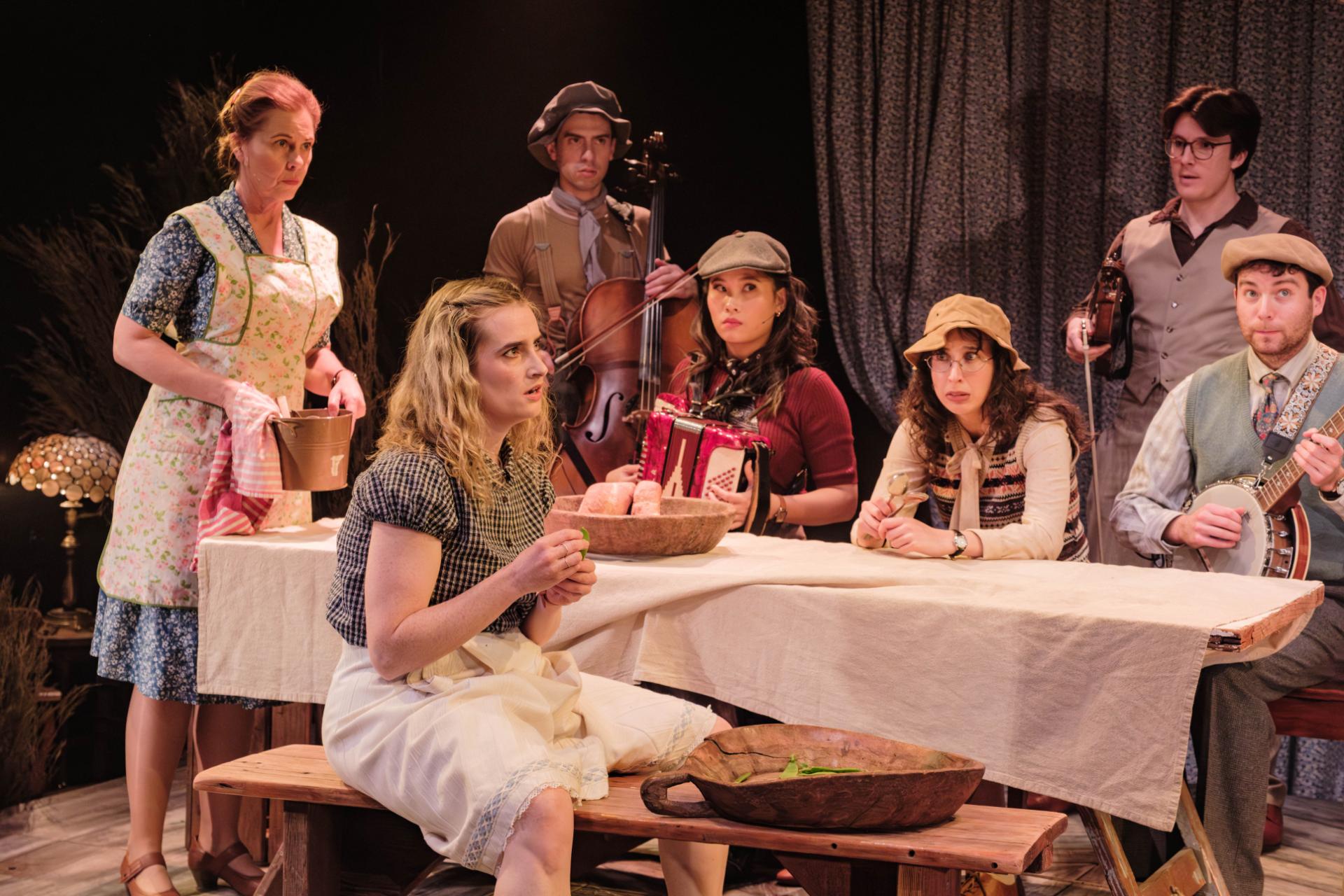
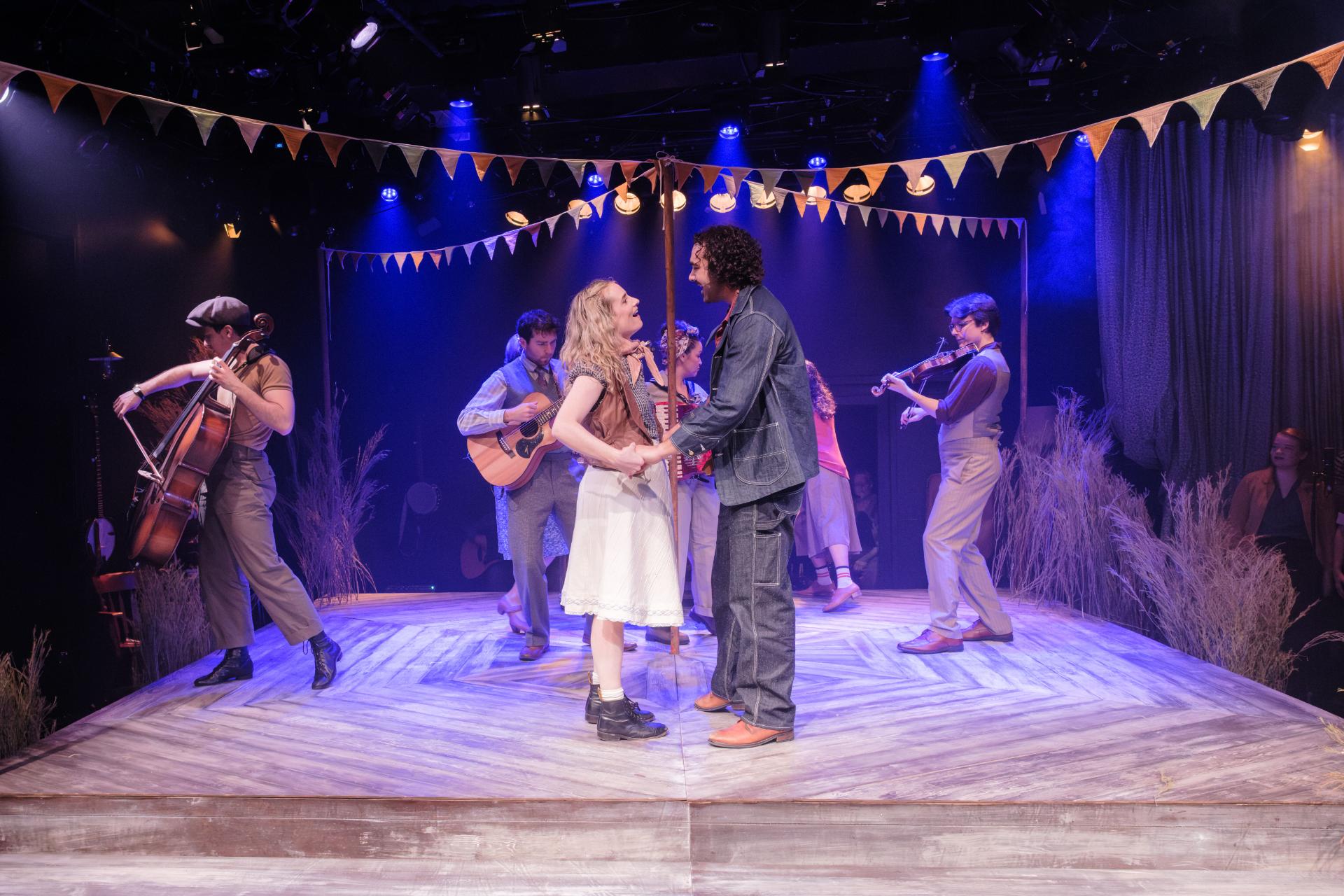
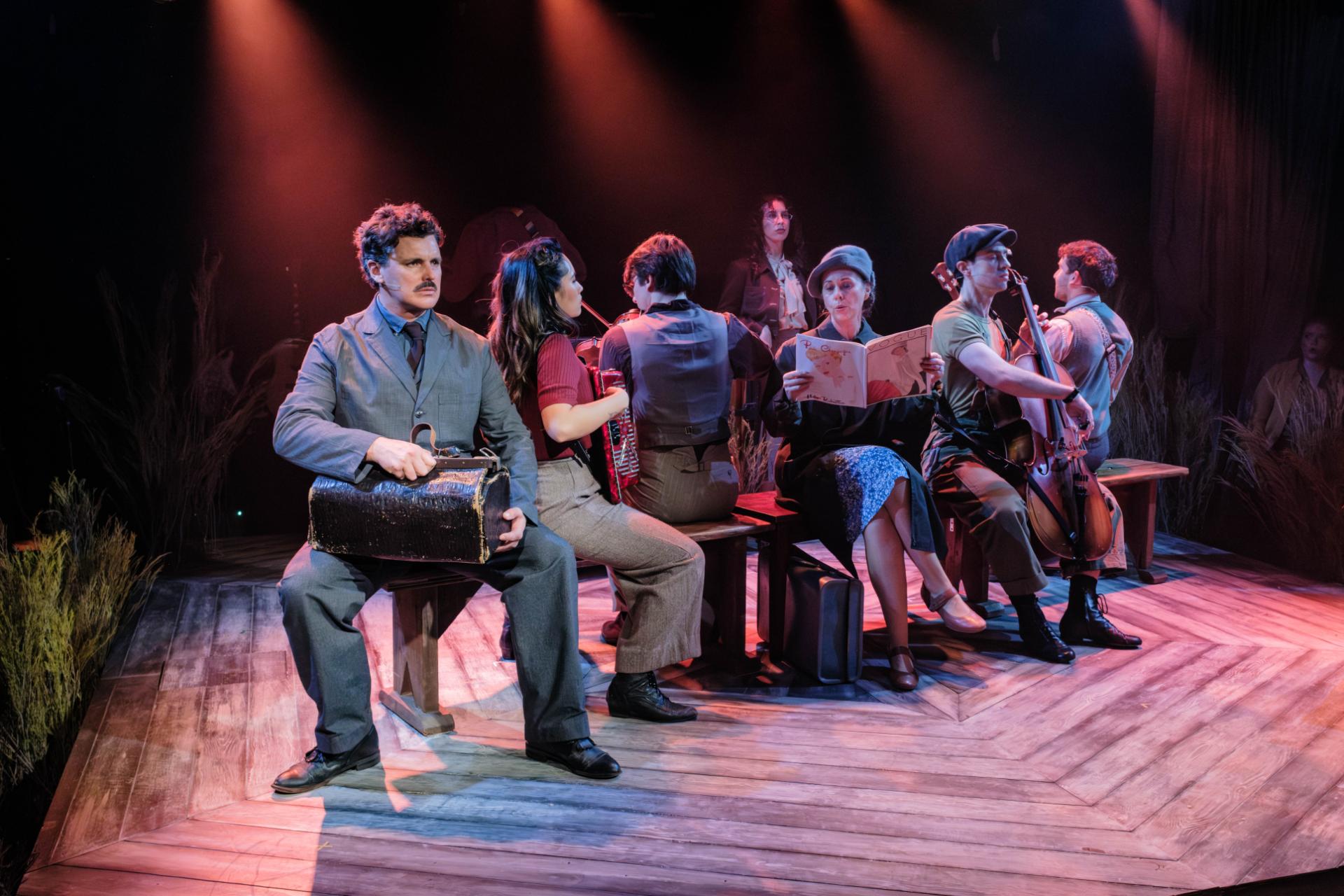
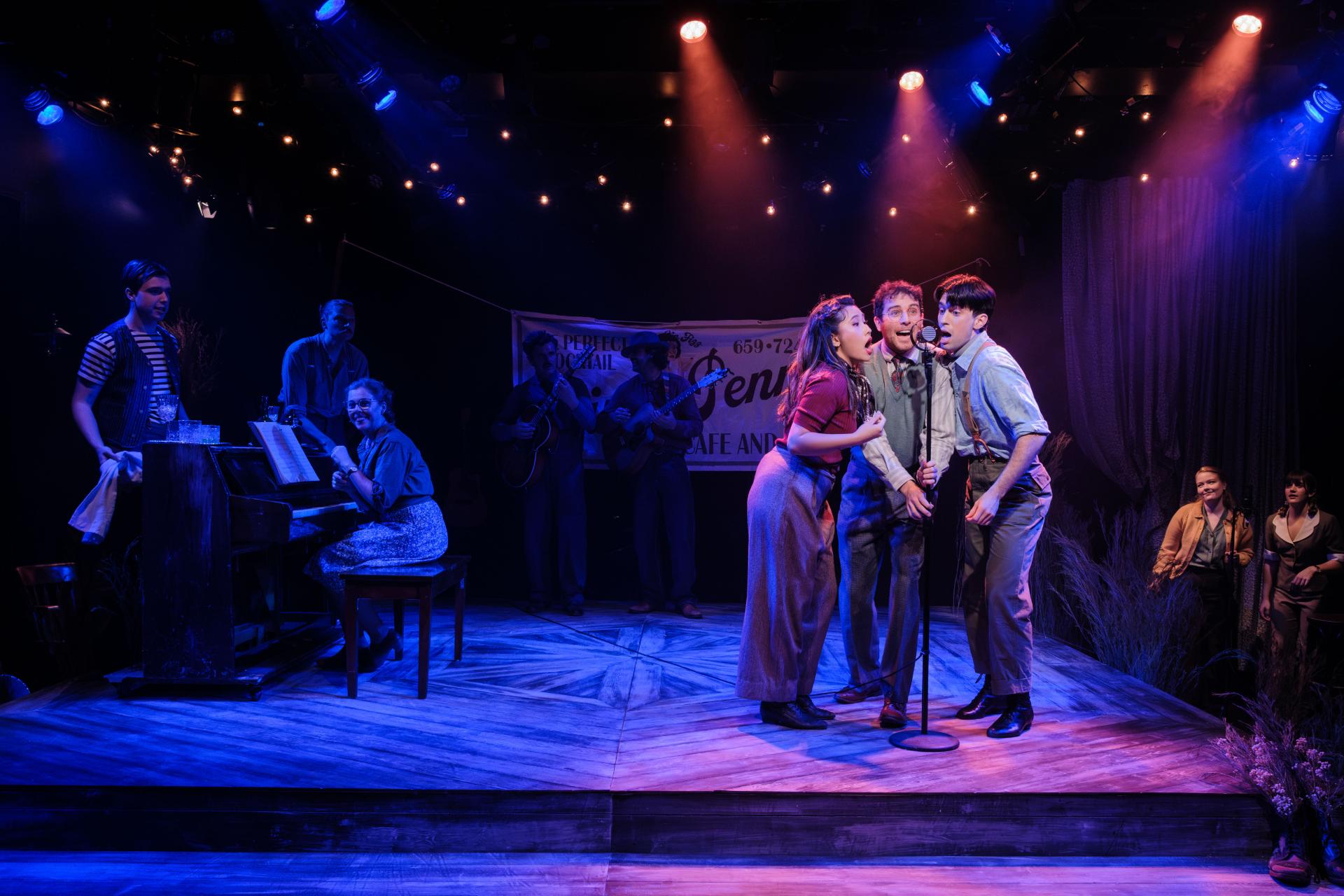
The story begins a century ago in North Carolina, where Alice falls pregnant out of wedlock and is forced to give up her child. At a time when single motherhood was considered unthinkable, women who defied convention by seeking independence or family without a husband were often subjected to severe persecution. Bright Star, the musical by Steve Martin and Edie Brickell, revisits this not-so-distant chapter of history, exposing the harsh, often barbaric conditions faced by some Americans. While the narrative tends to be too obviously tugging at our emotions, the production is buoyed by its irresistibly vibrant score, written in the bluegrass tradition, which remains a joy to experience.

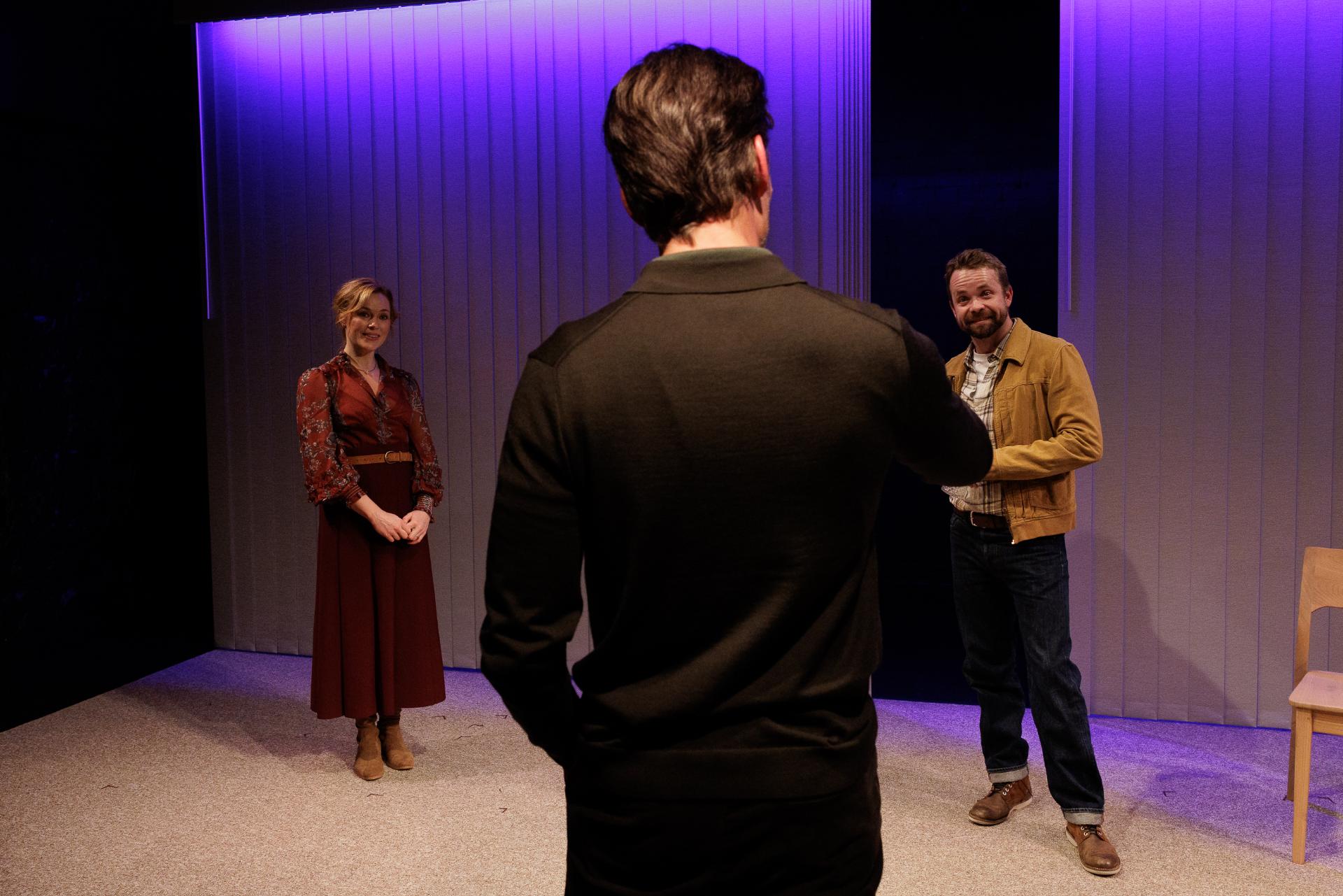
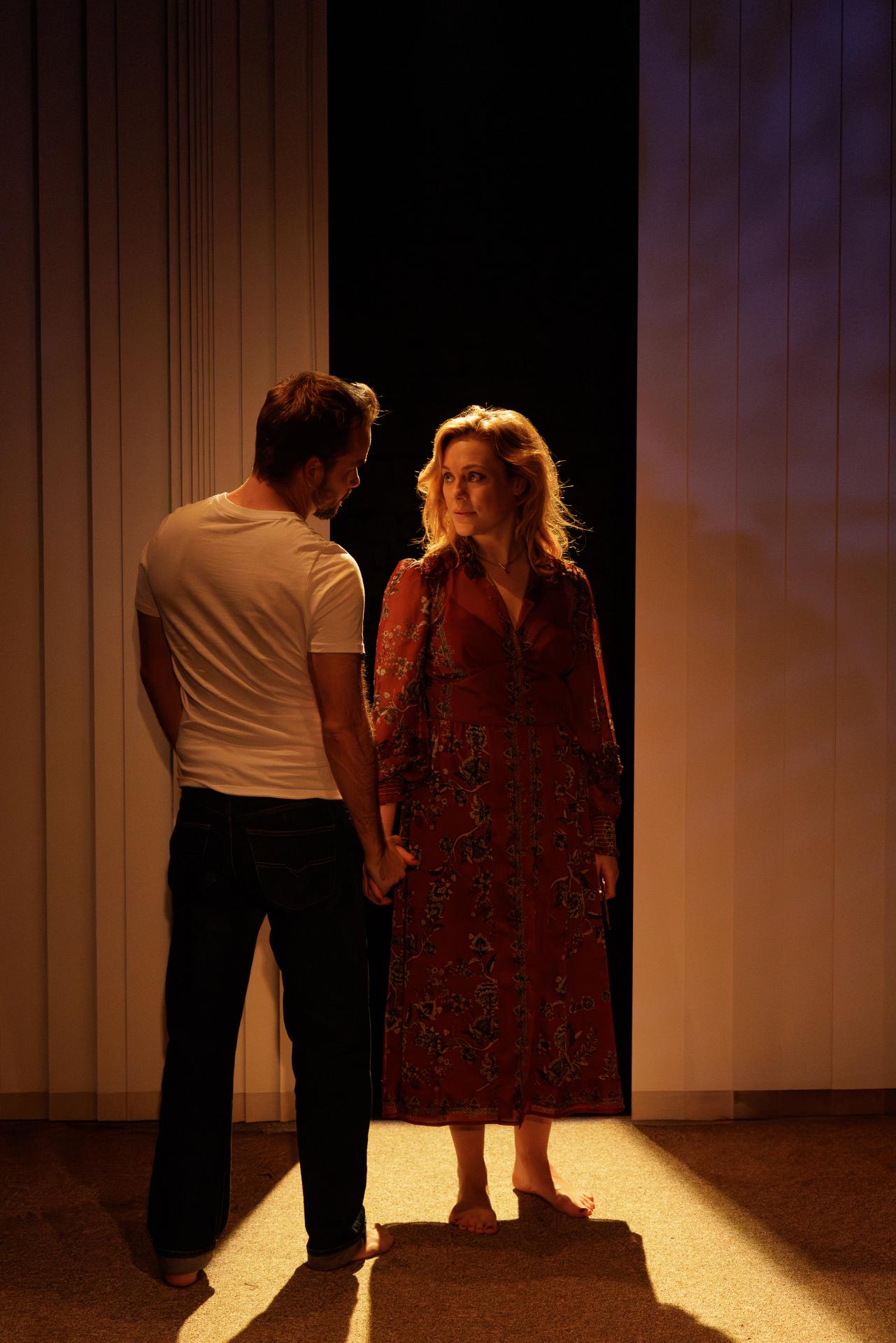
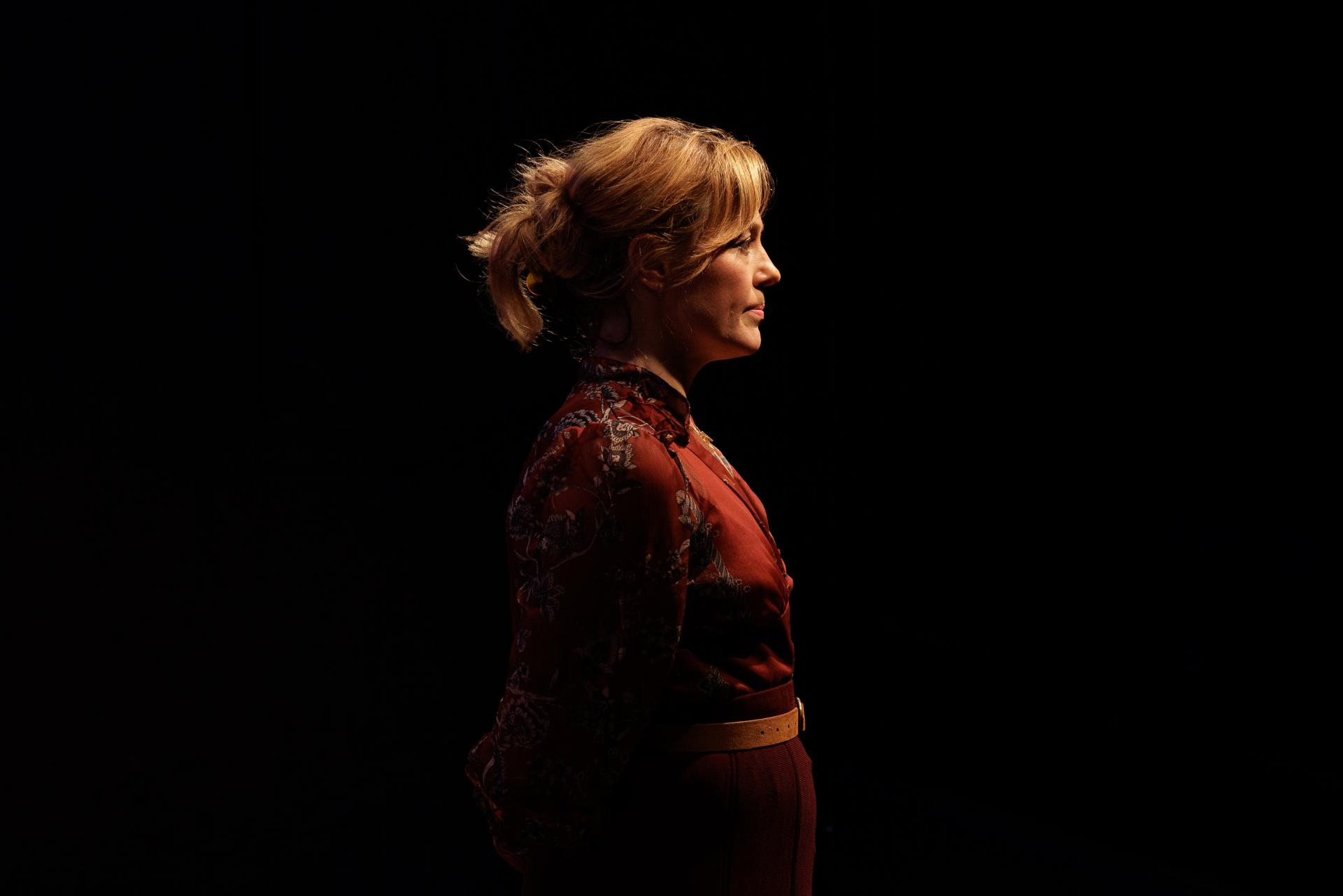
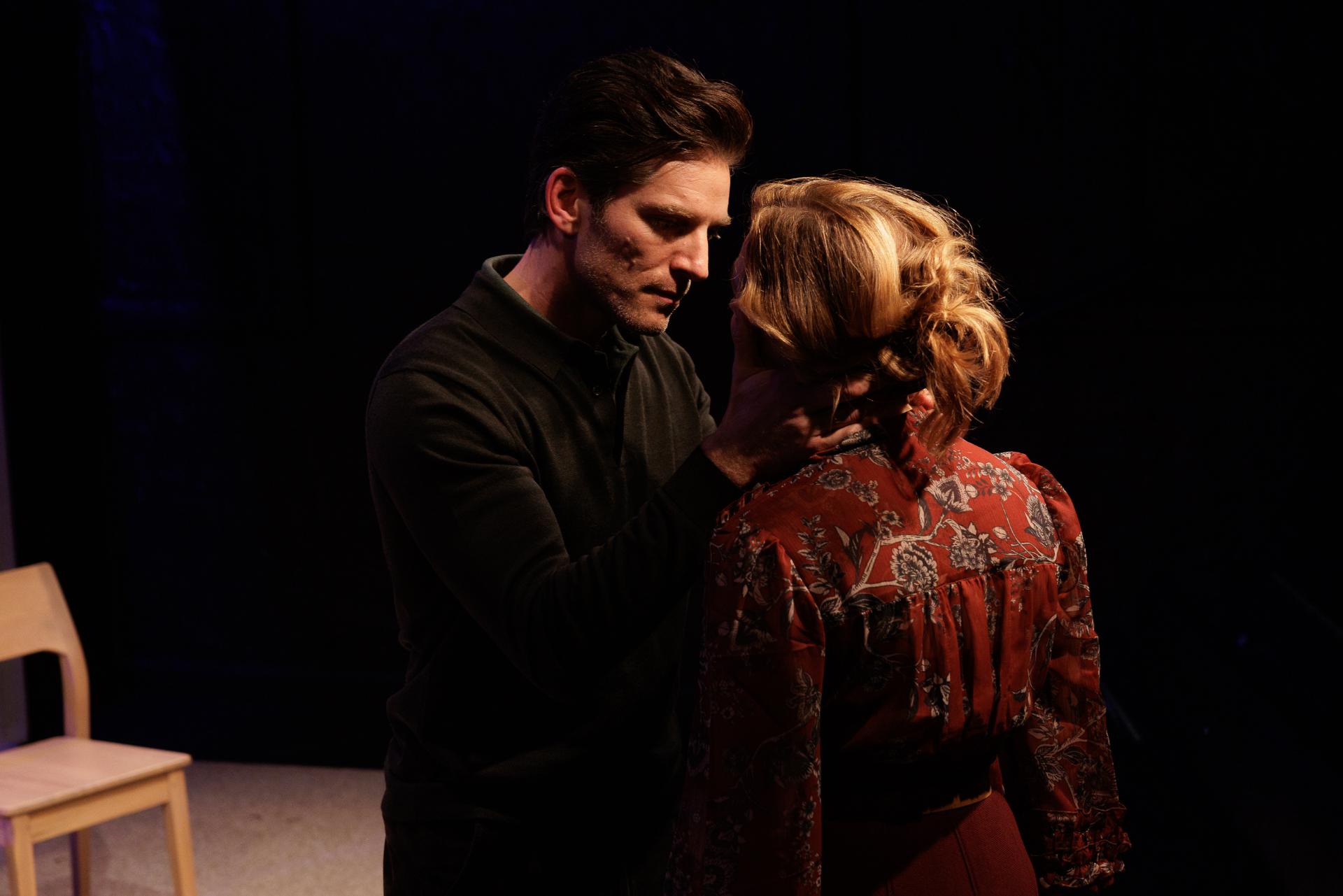
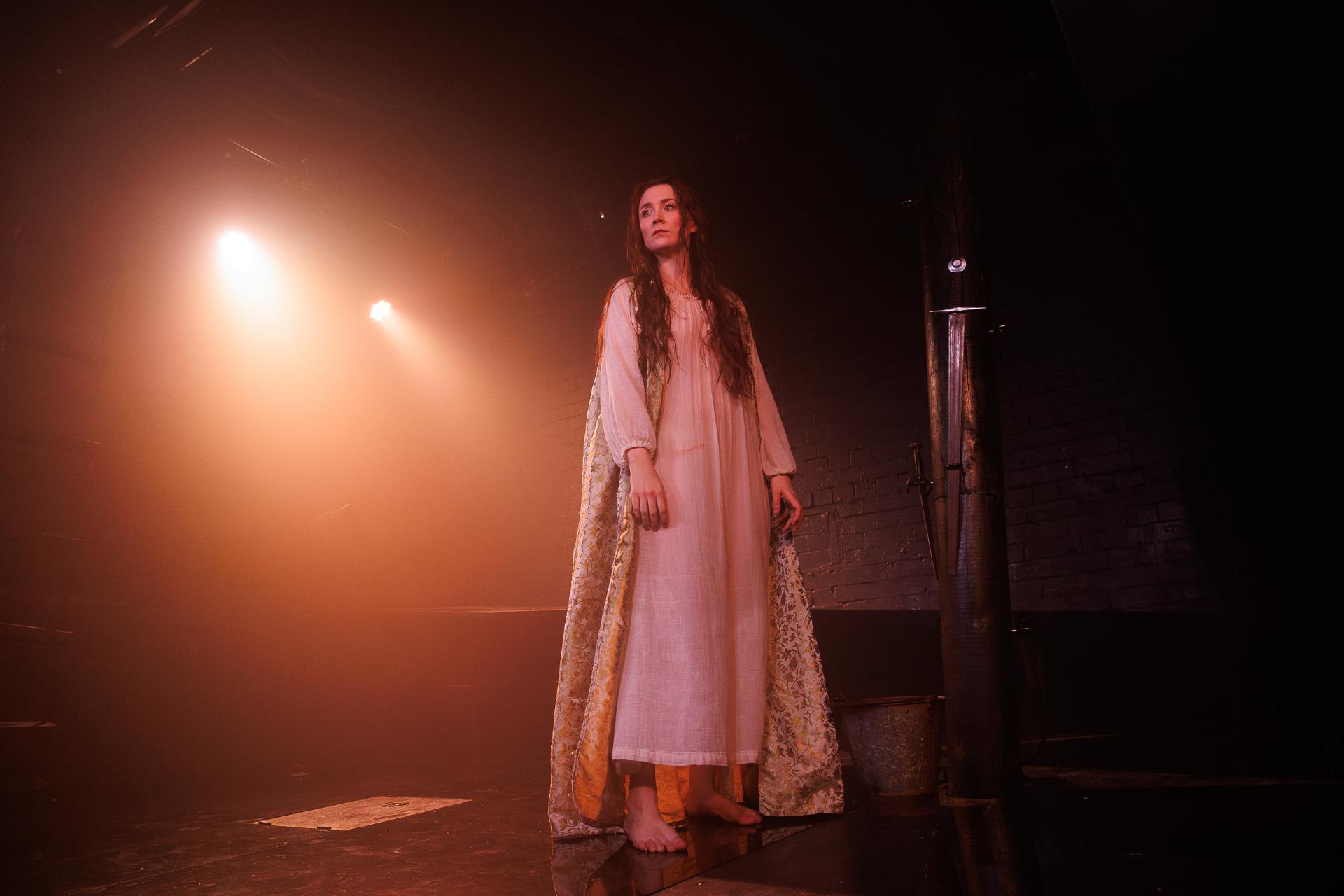
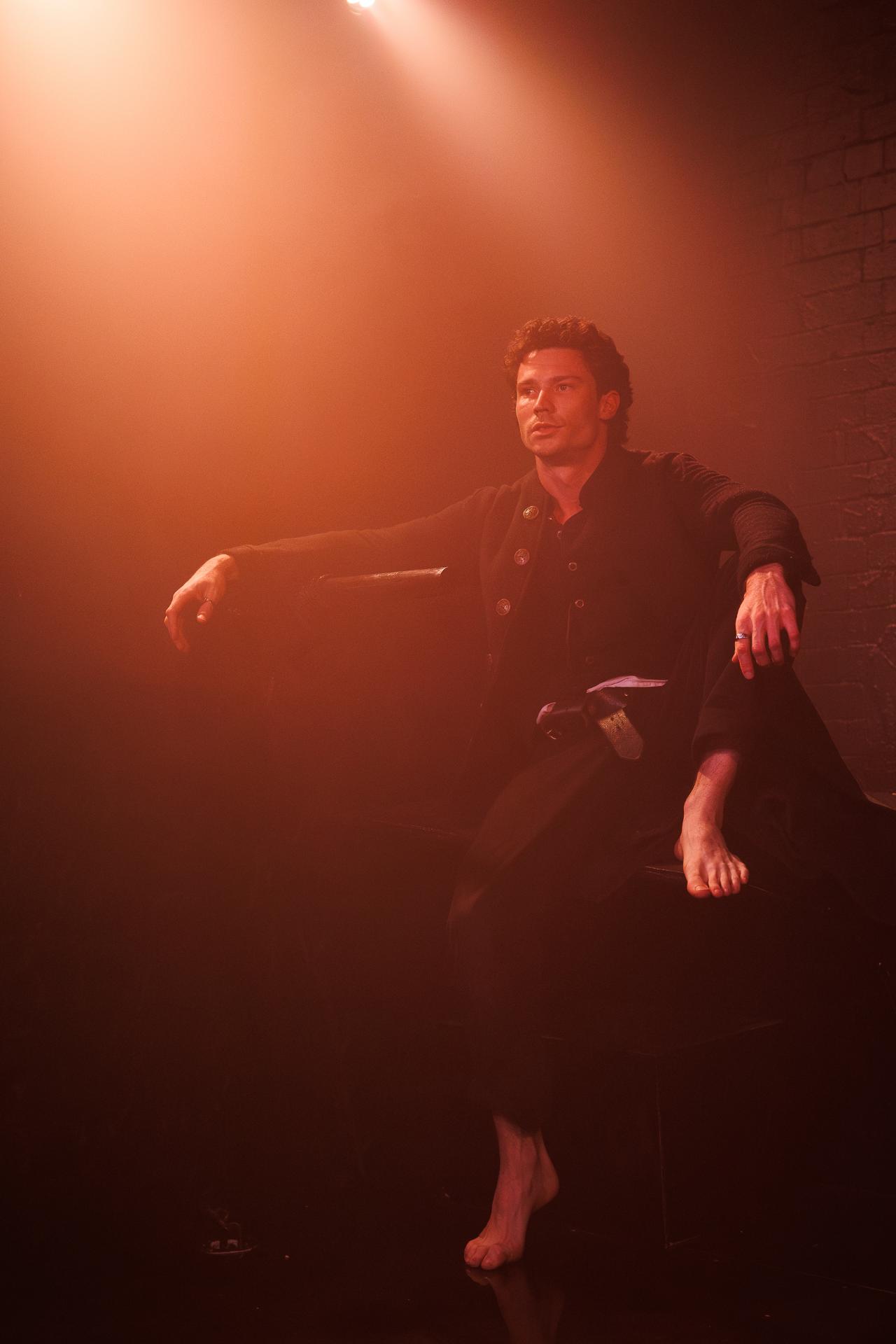
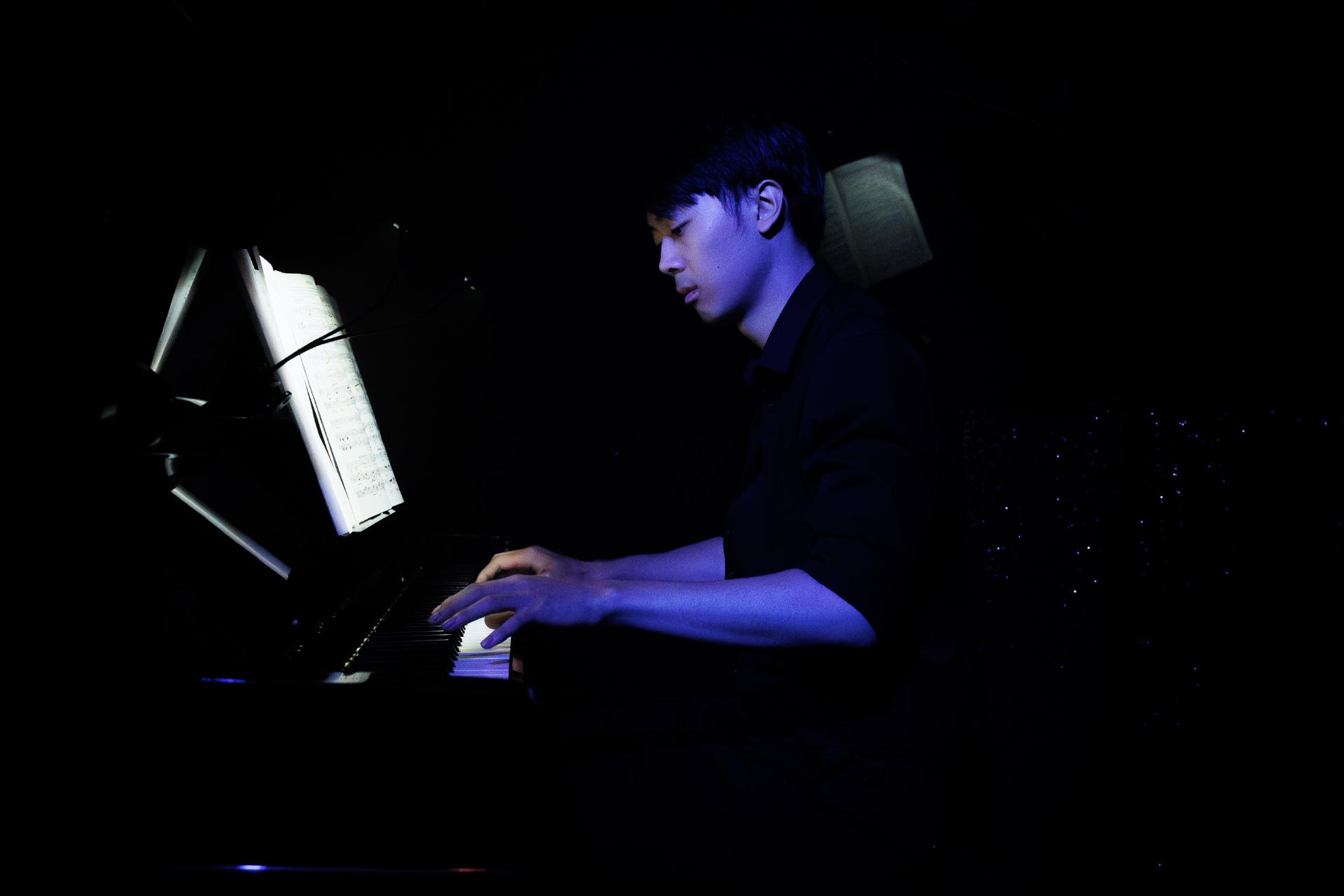
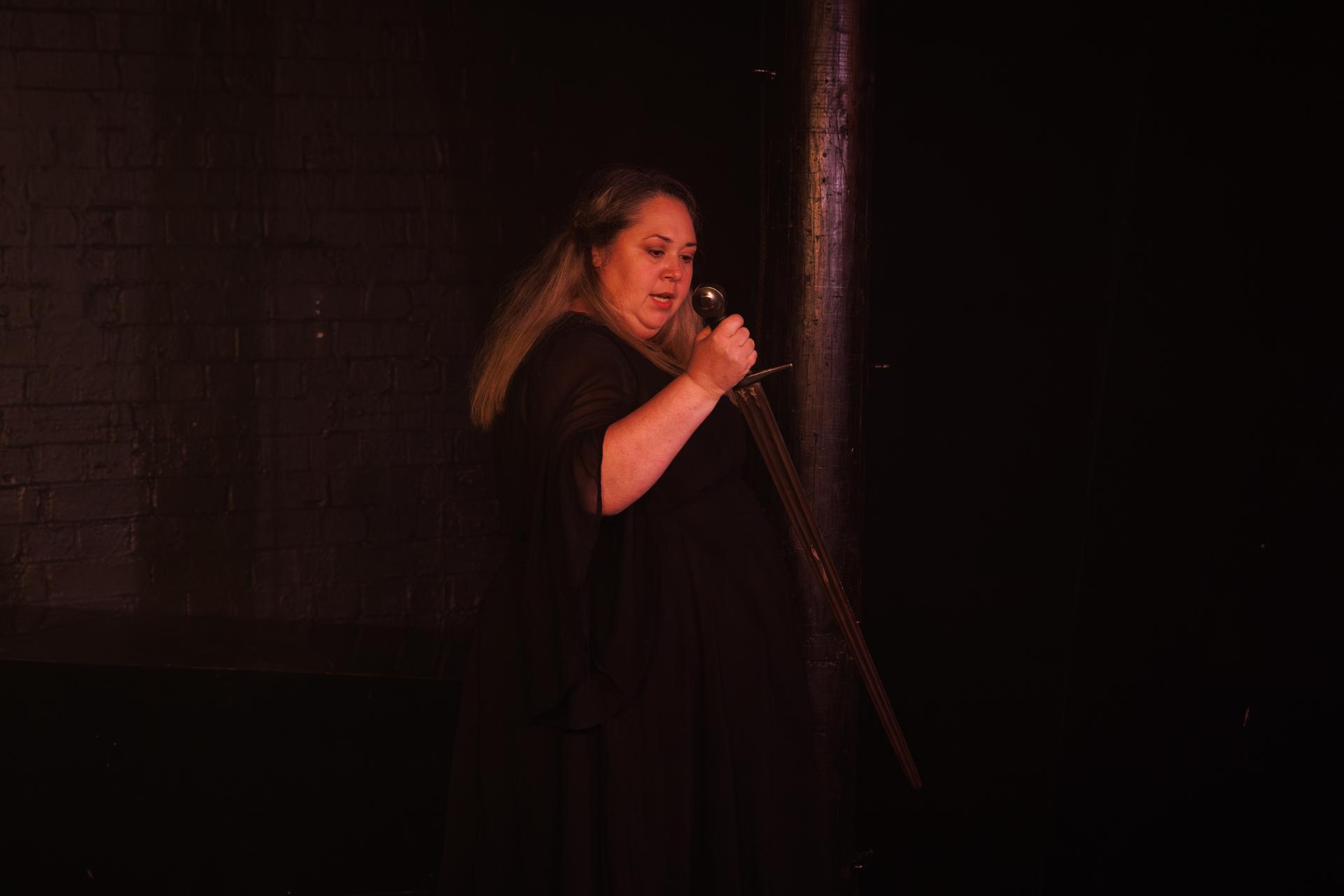
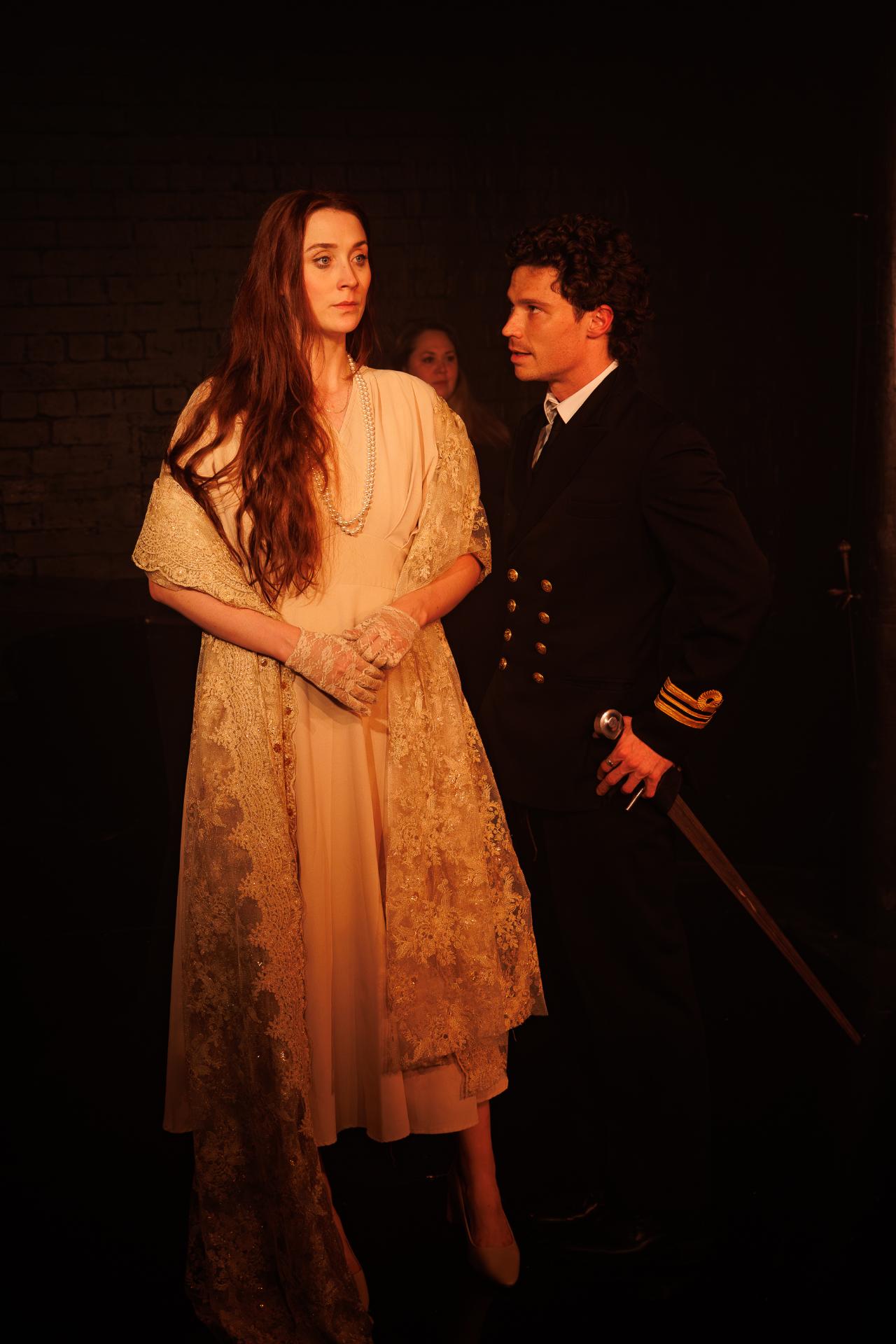
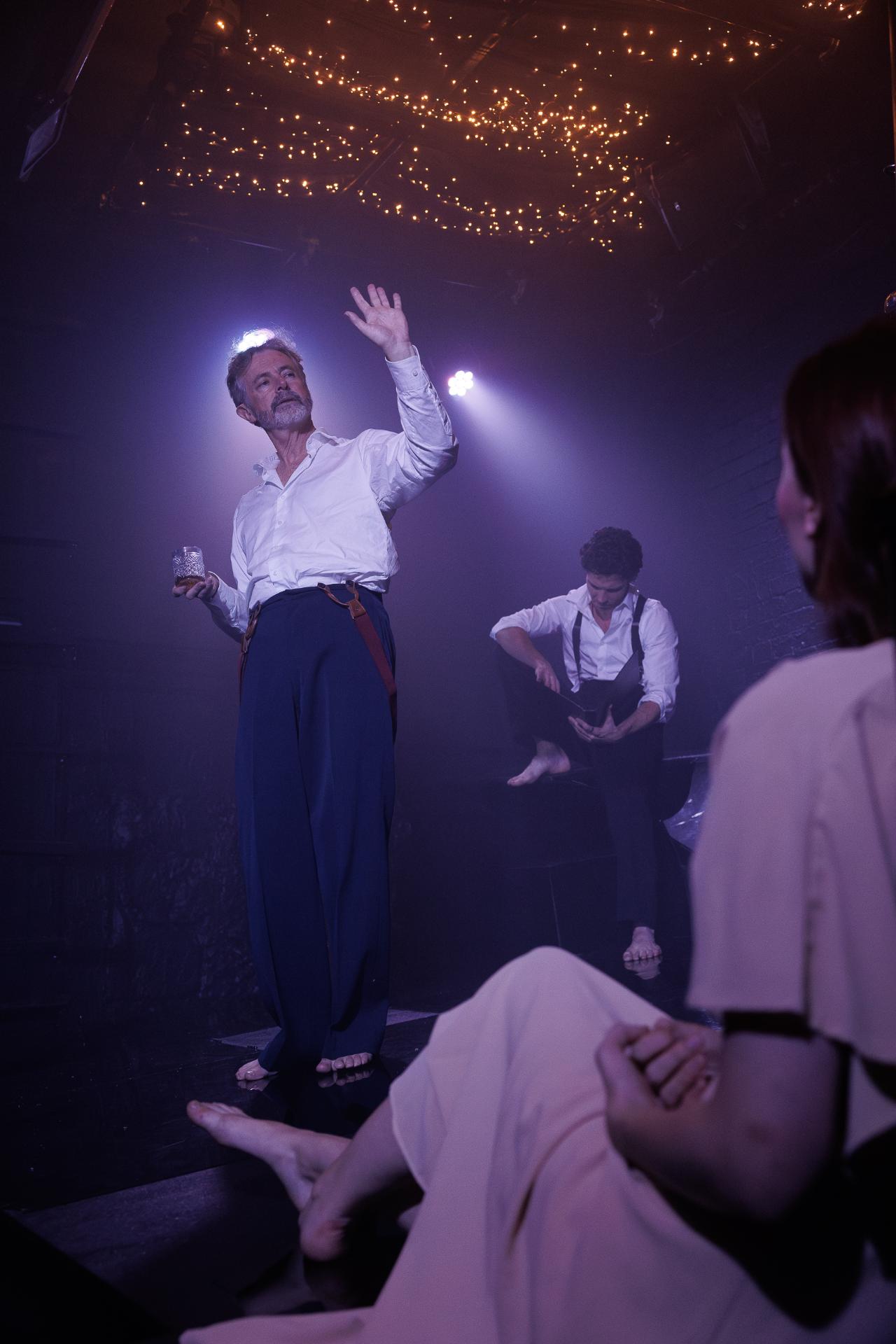
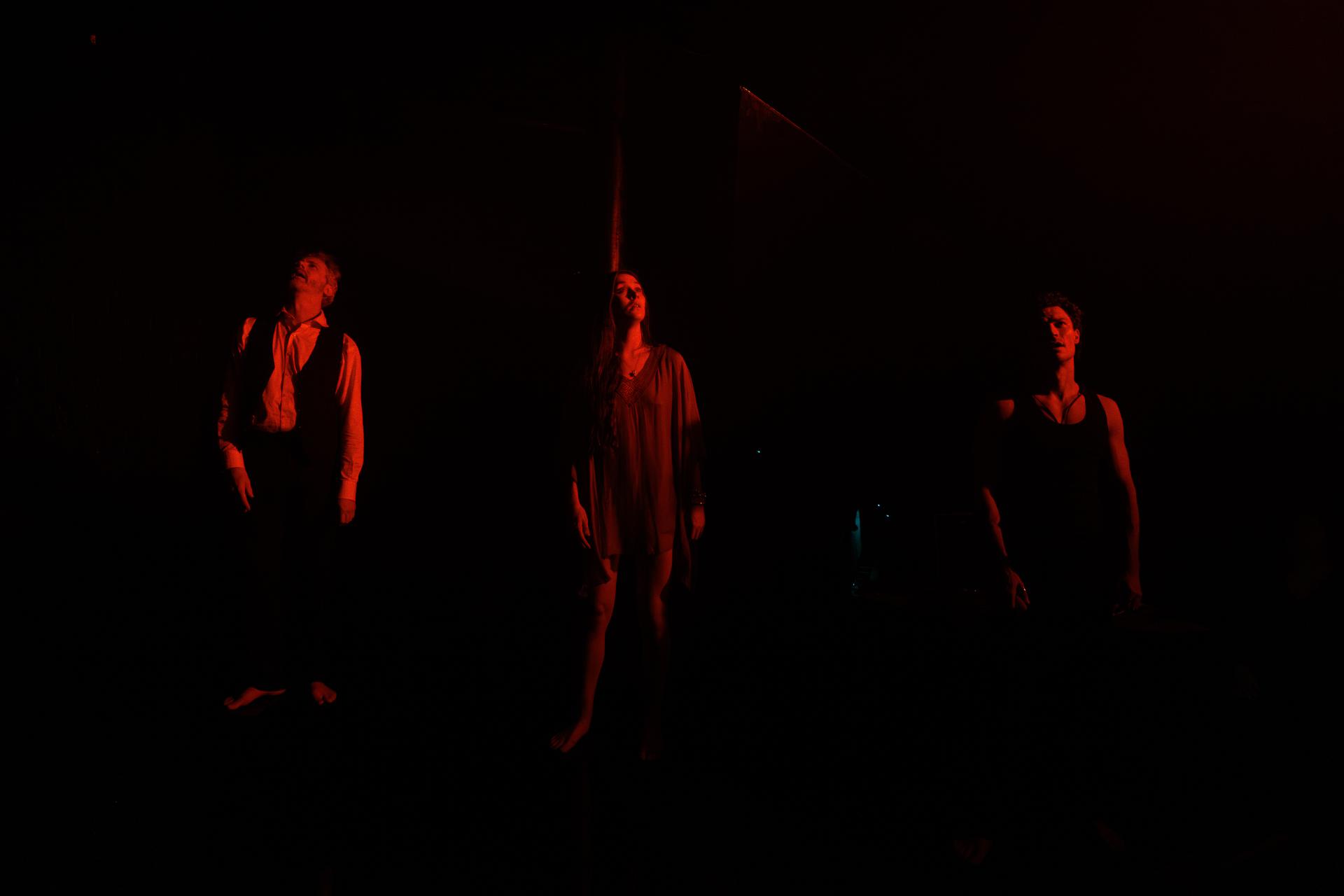
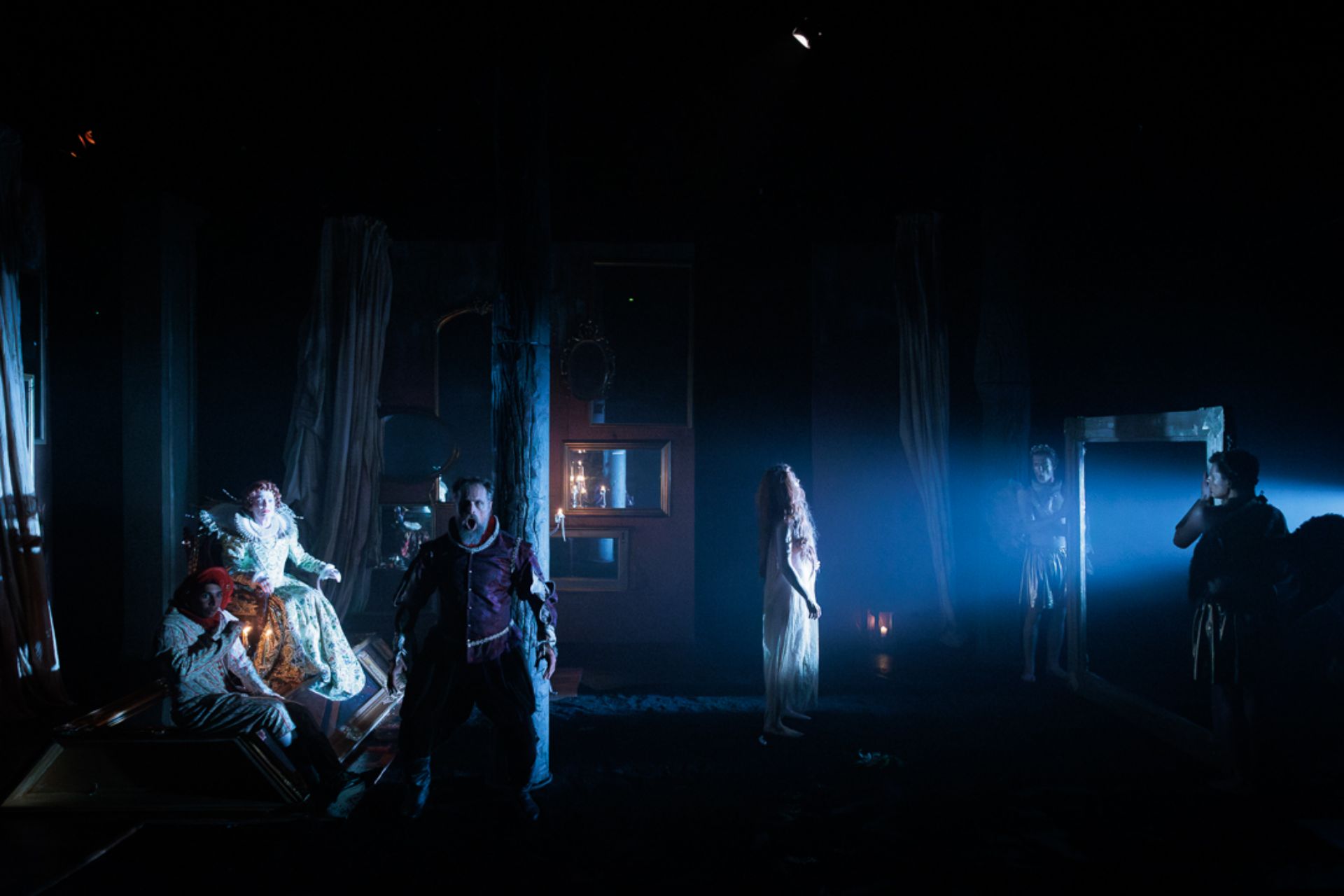
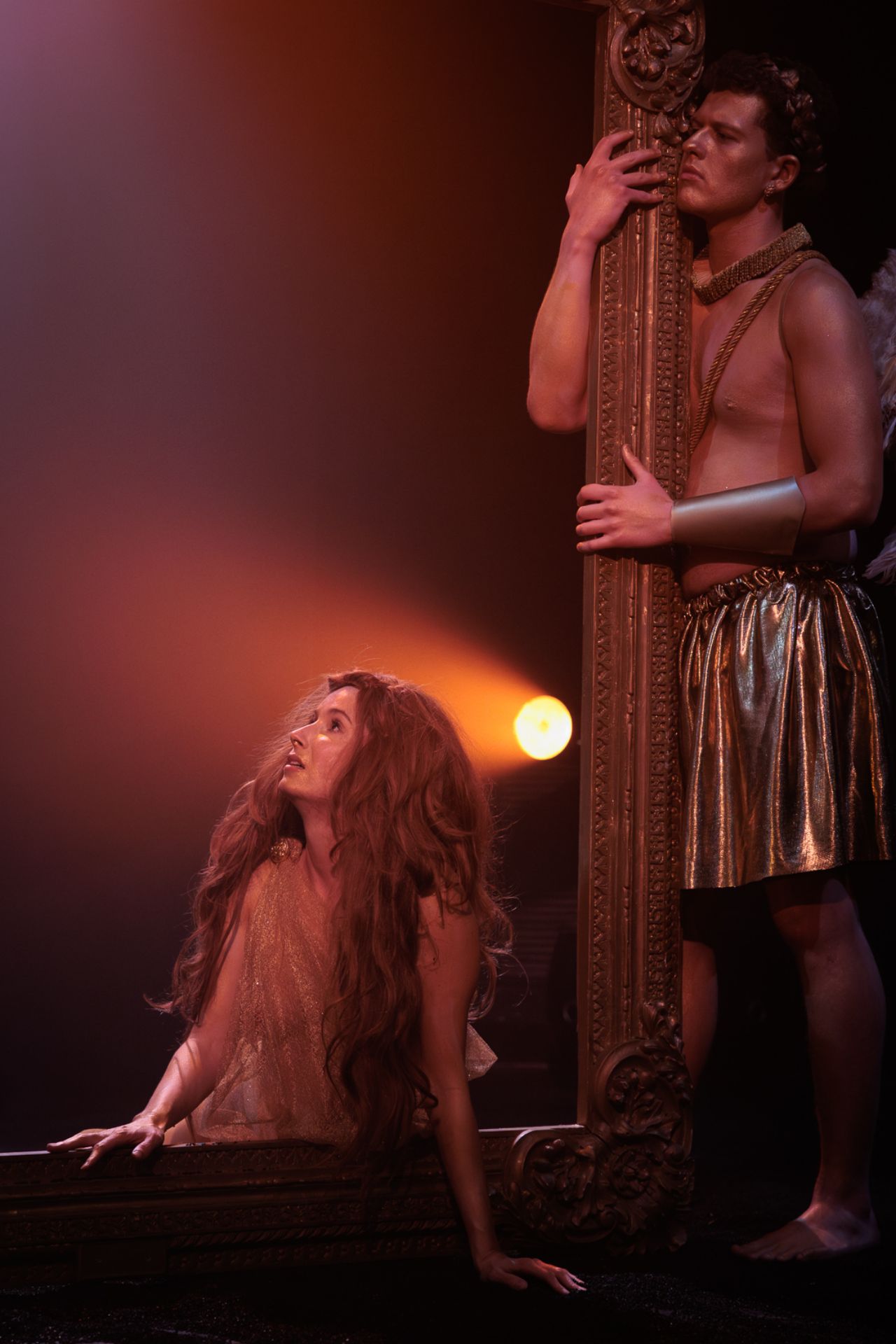
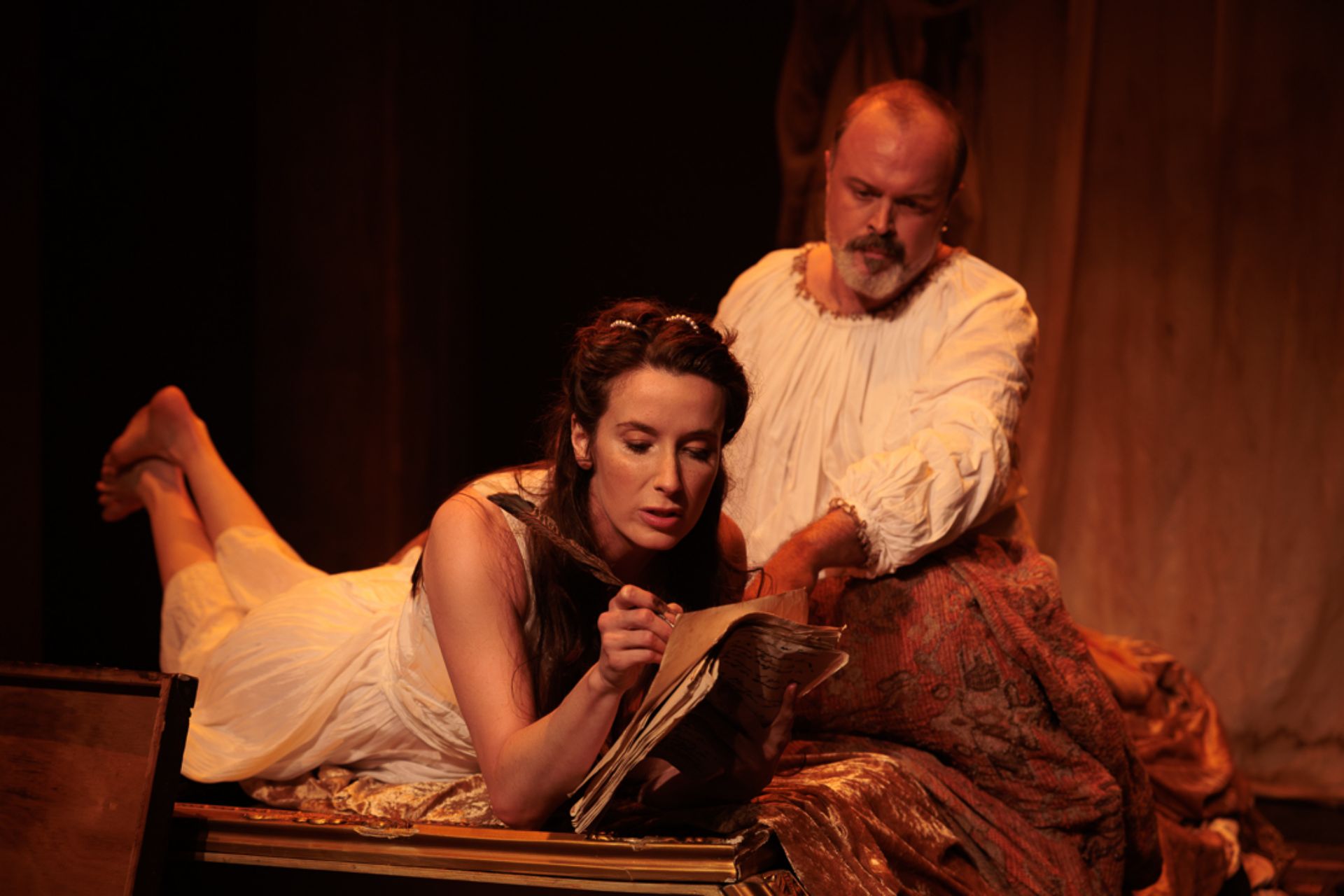
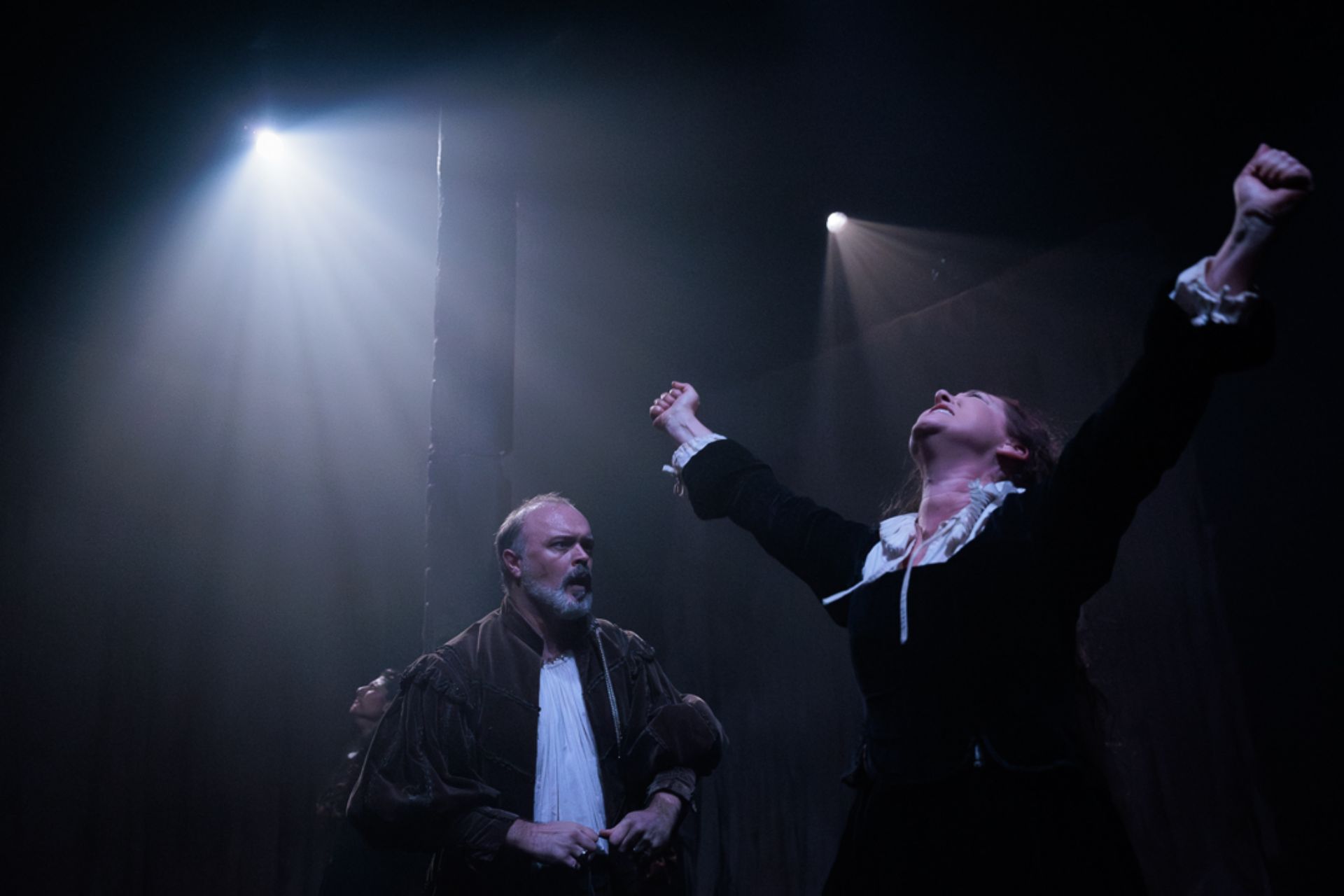
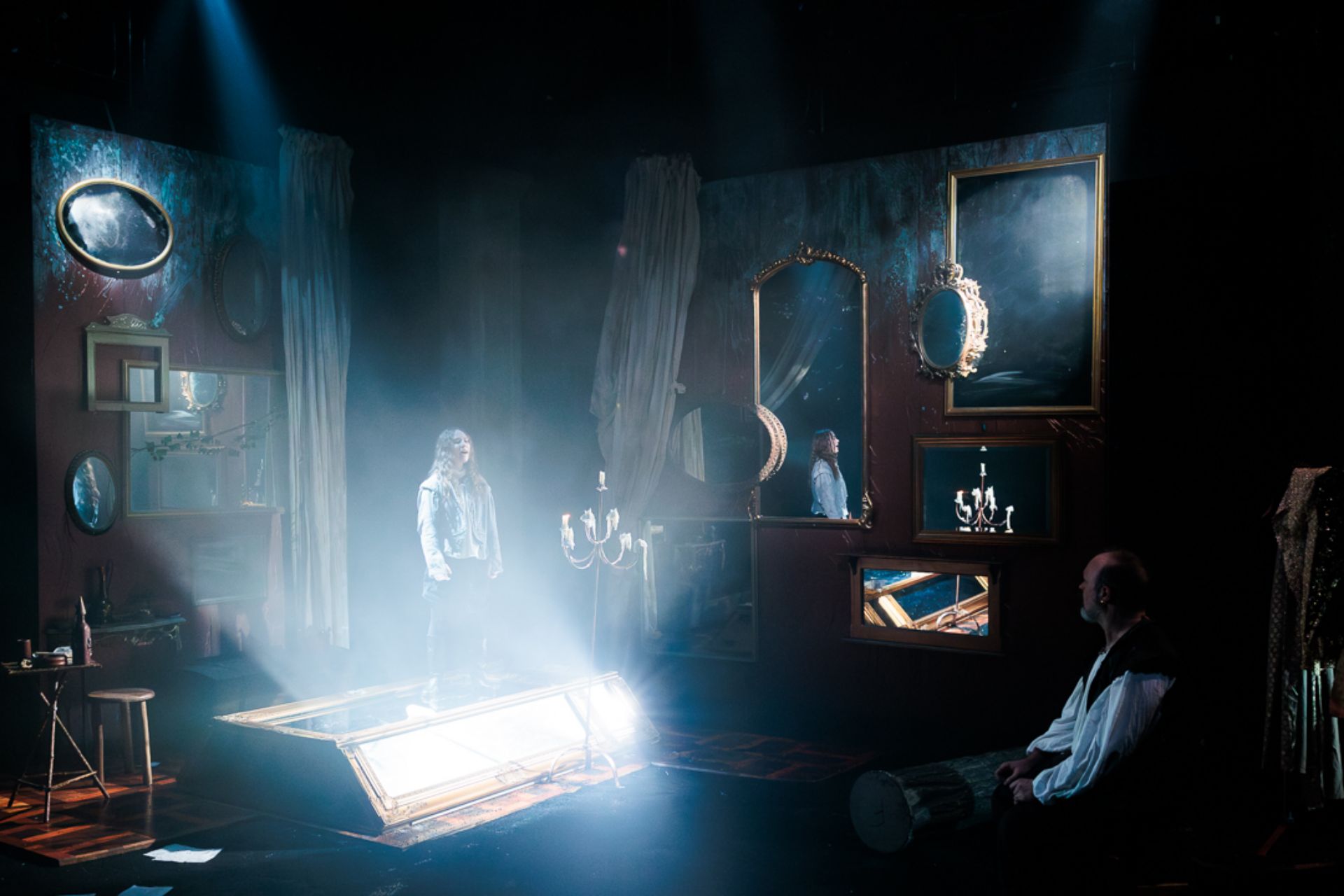
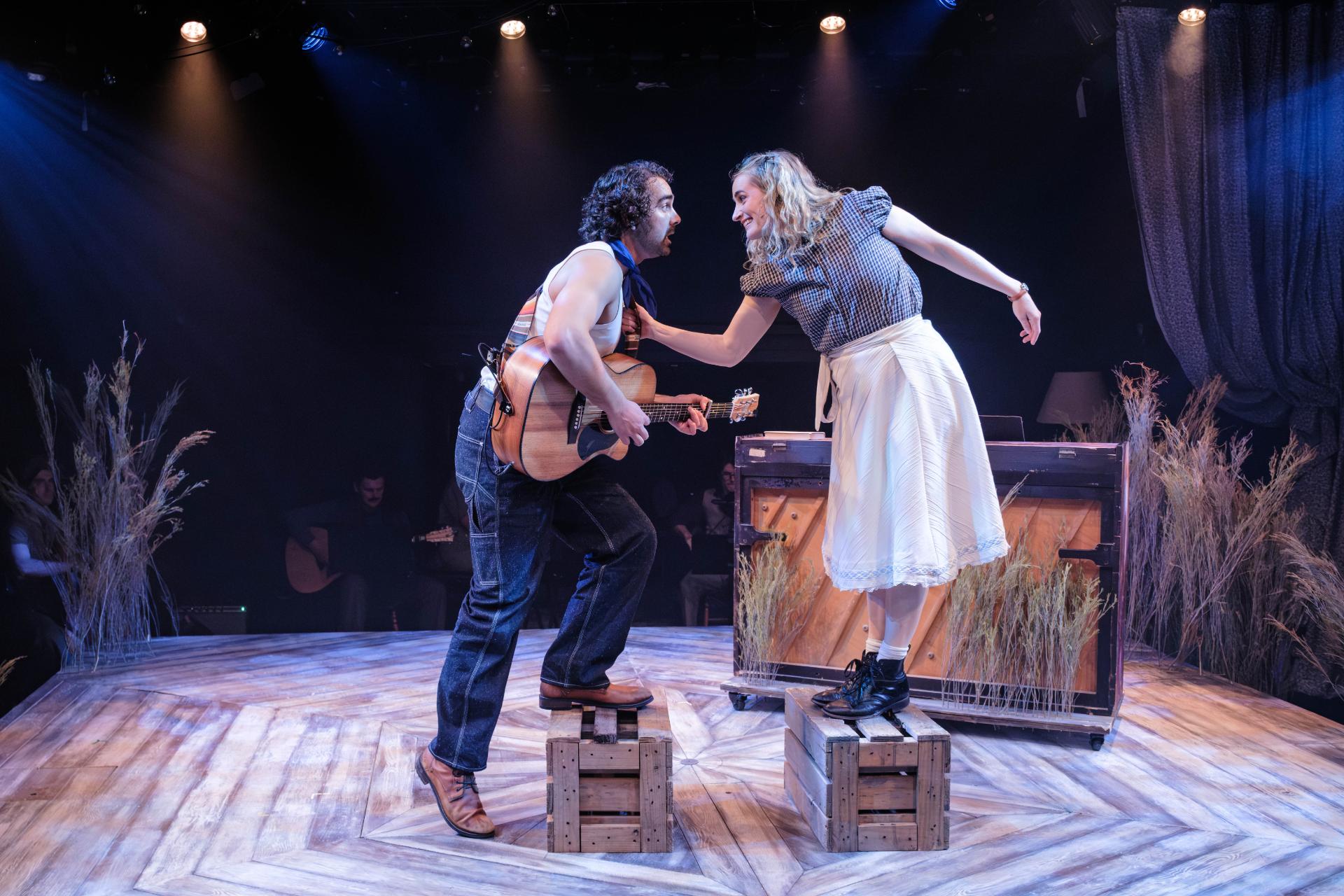
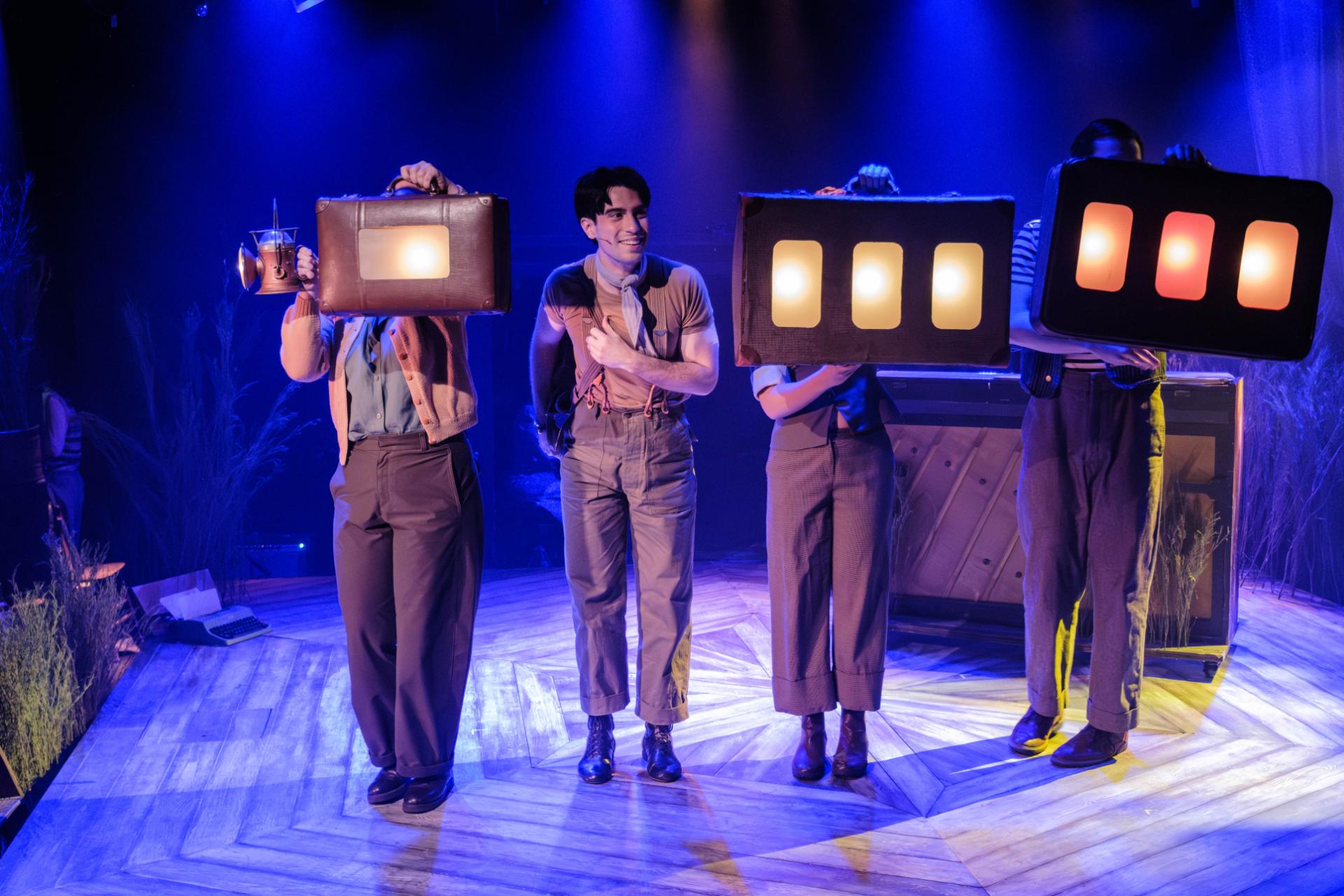
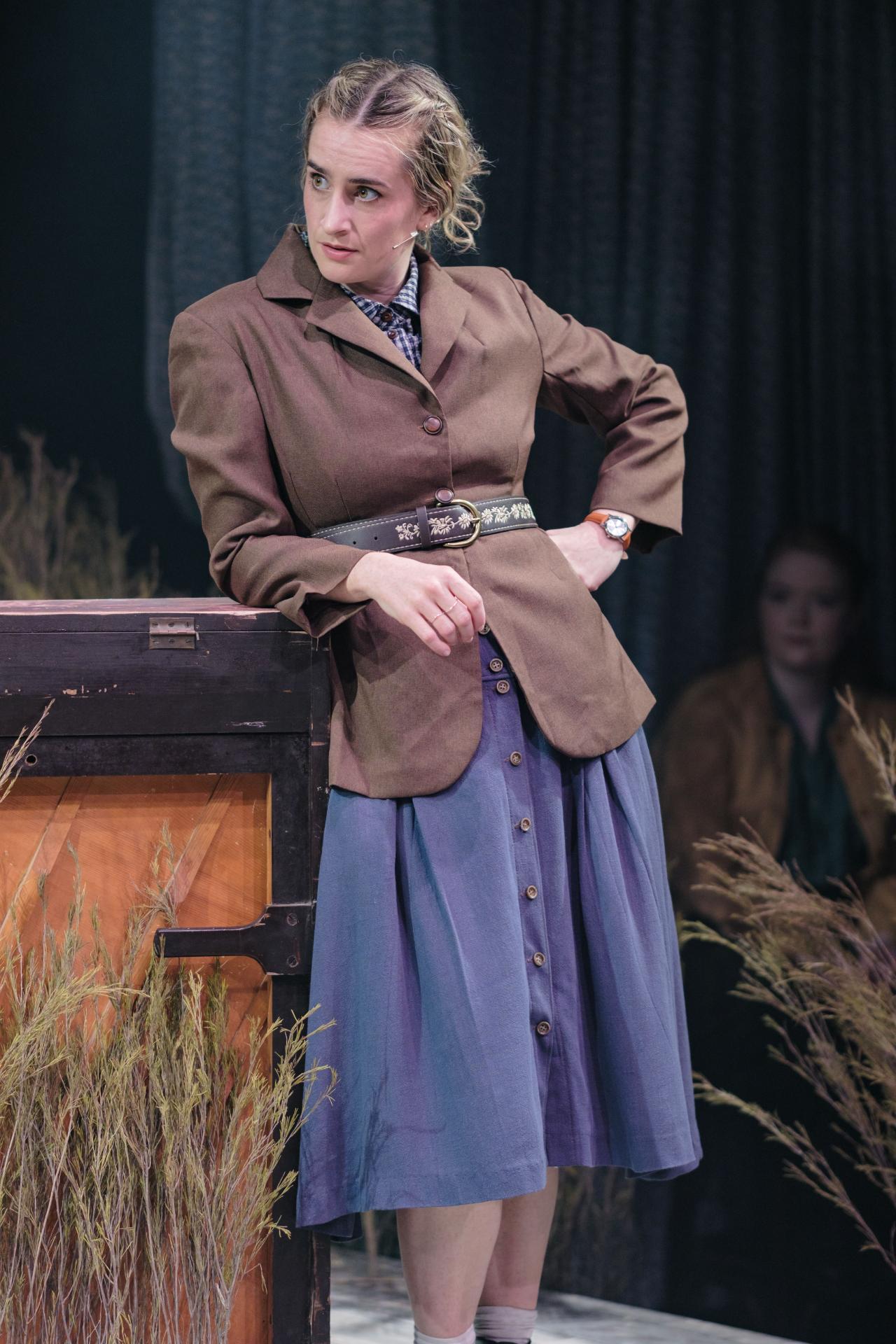
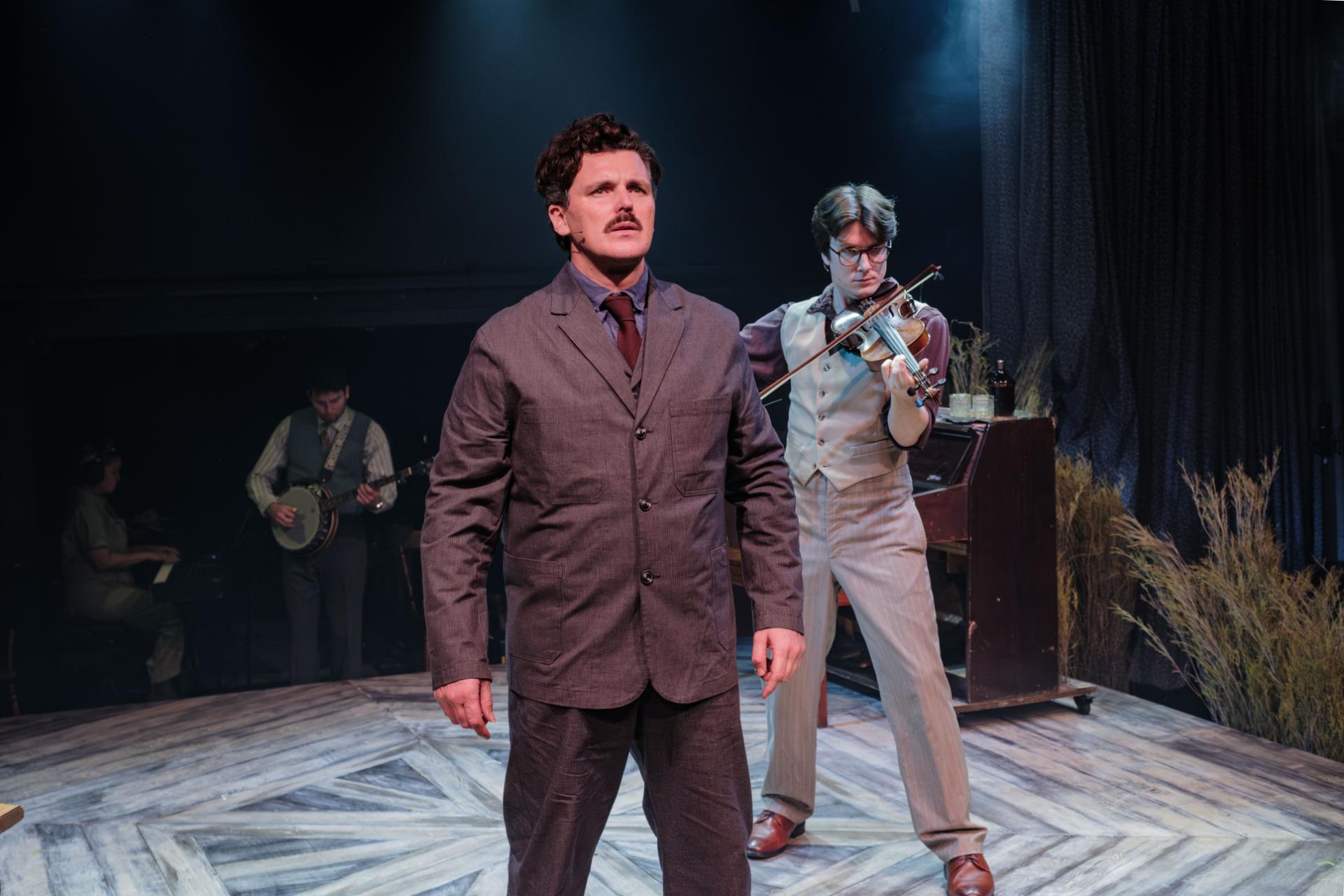
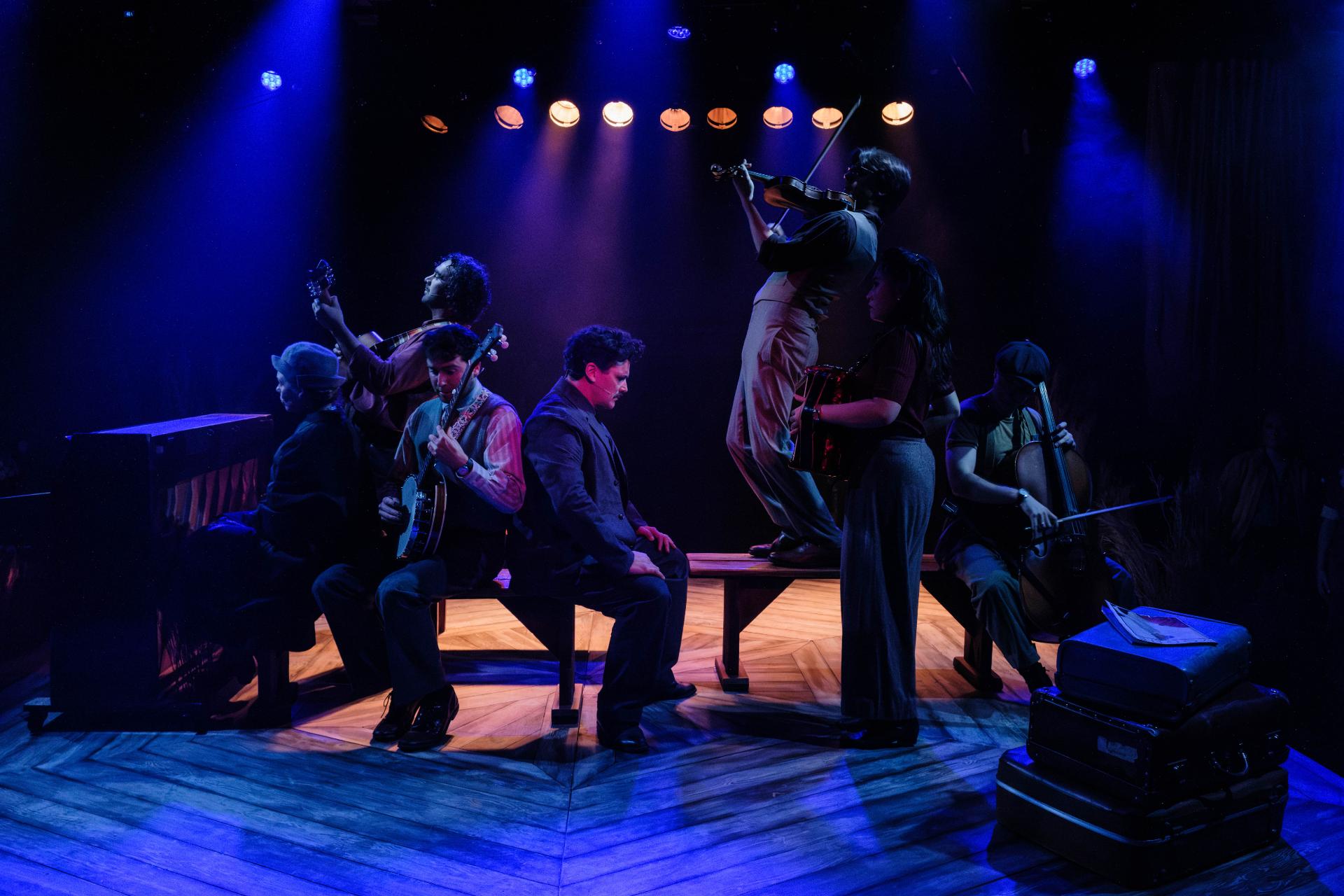
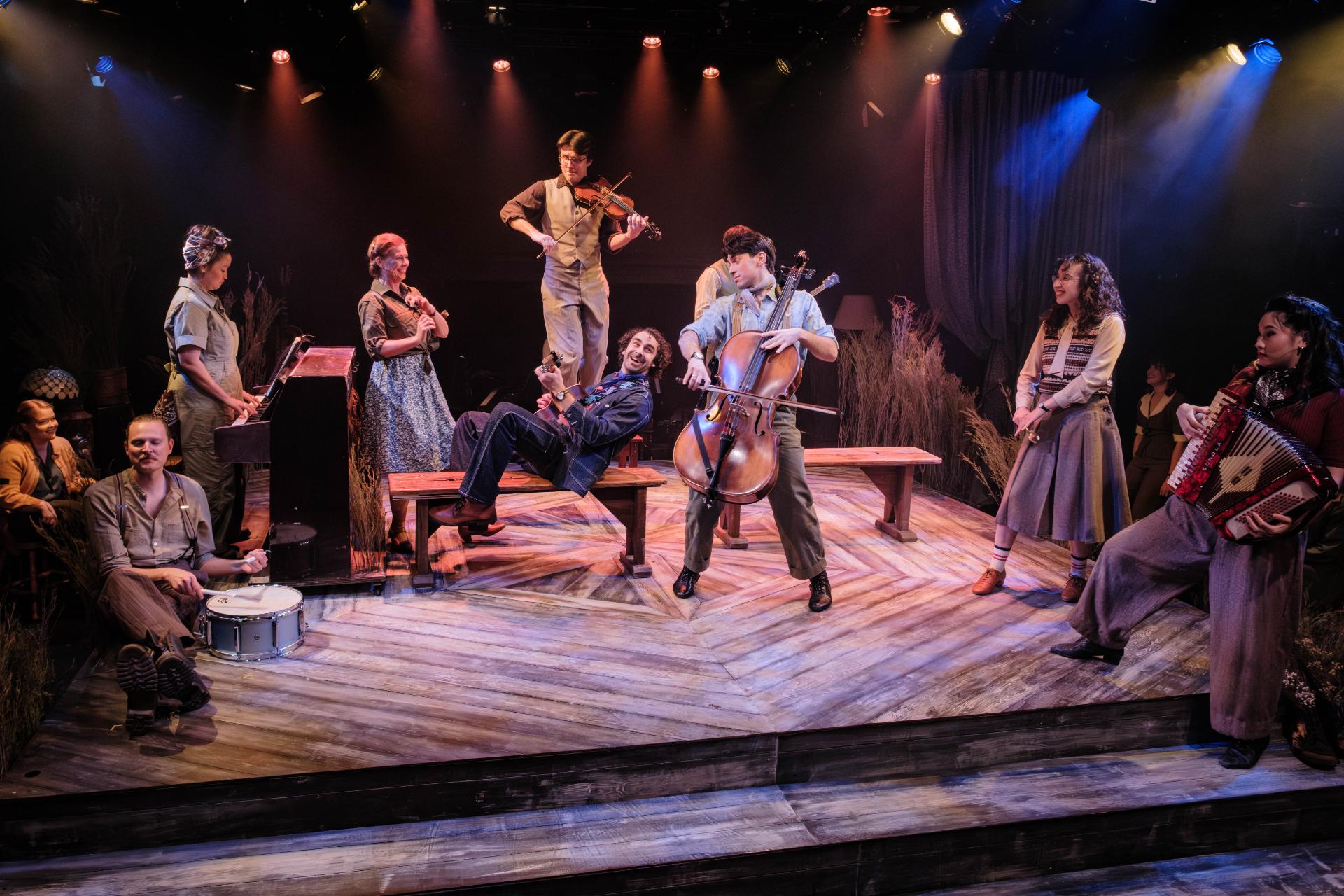
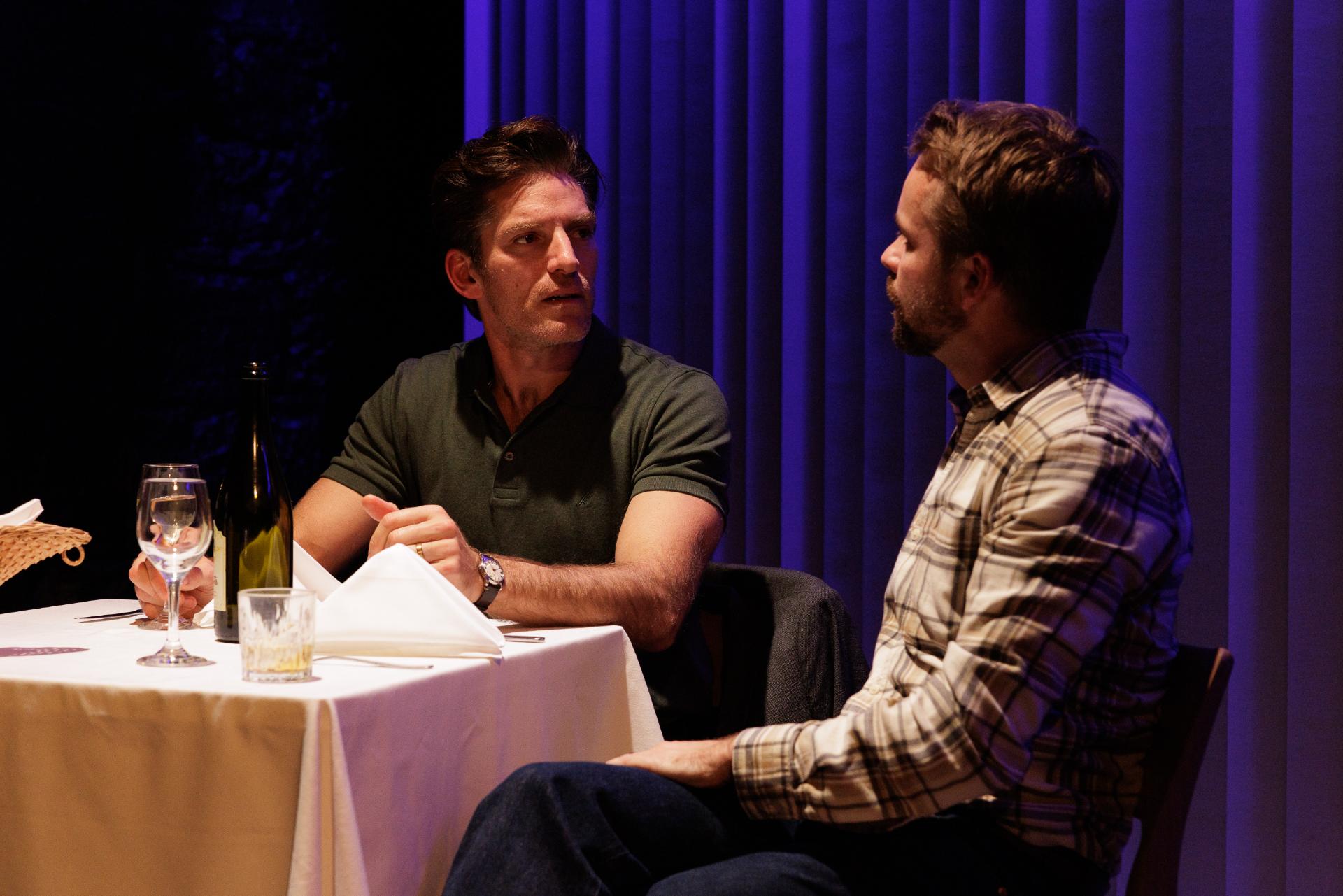
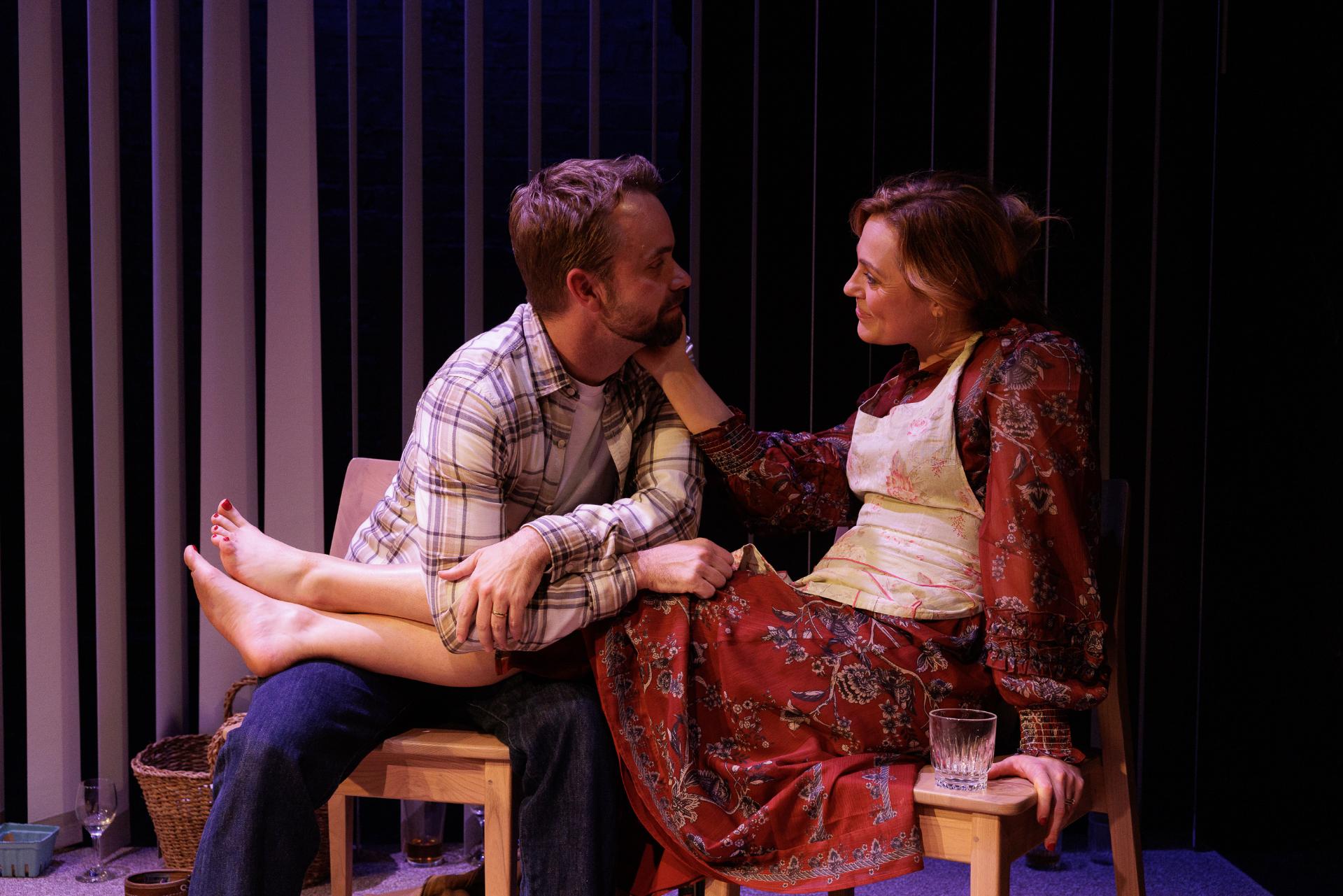
Alec Steedman’s musical direction sweeps us into the romance and effervescence of every song, while co-directors Miranda Middleton and Damien Ryan shape the production into something strikingly elegant, imbued with warmth and empathy, even if the story’s separate timelines are not always clear. The design elements are handled with equal finesse: Isabel Hudson’s set exudes rustic charm yet retains a crisp sense of polish; Lily Matelian’s costumes evoke the American South with convincing detail, though they falter in ageing characters convincingly as the story shifts through time. James Wallis’ lighting is a continual delight—sumptuous, evocative, and unfailingly theatrical.

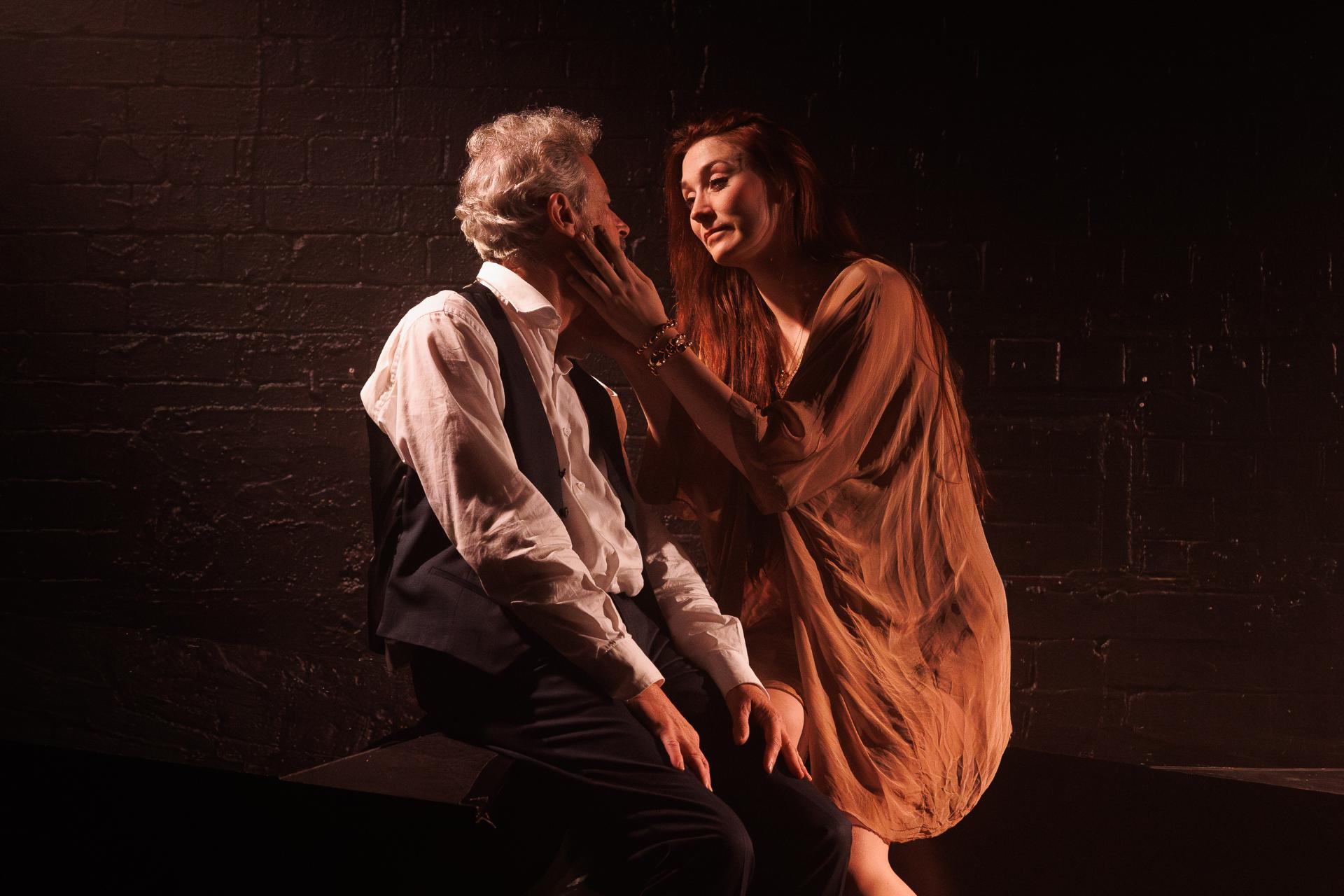
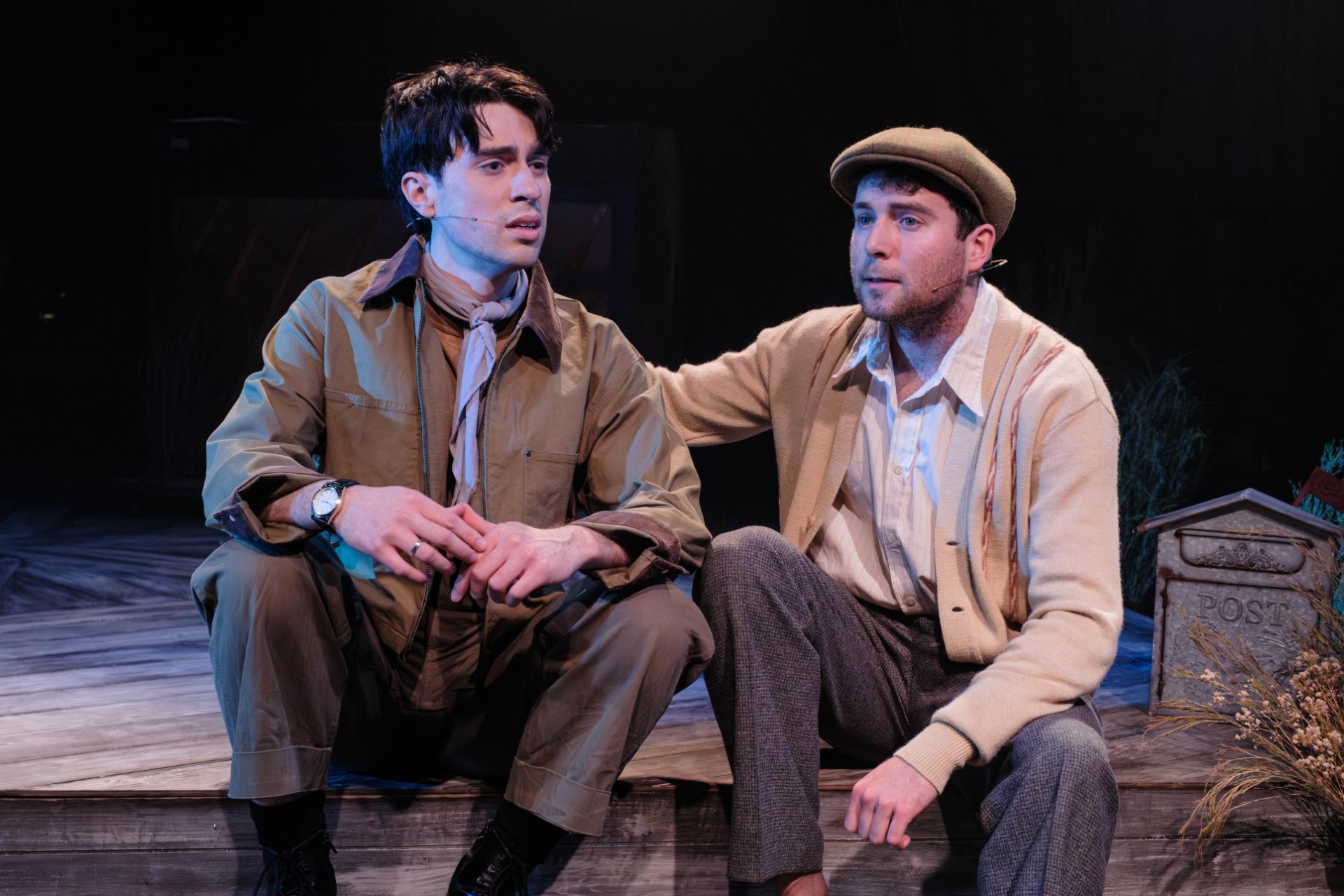
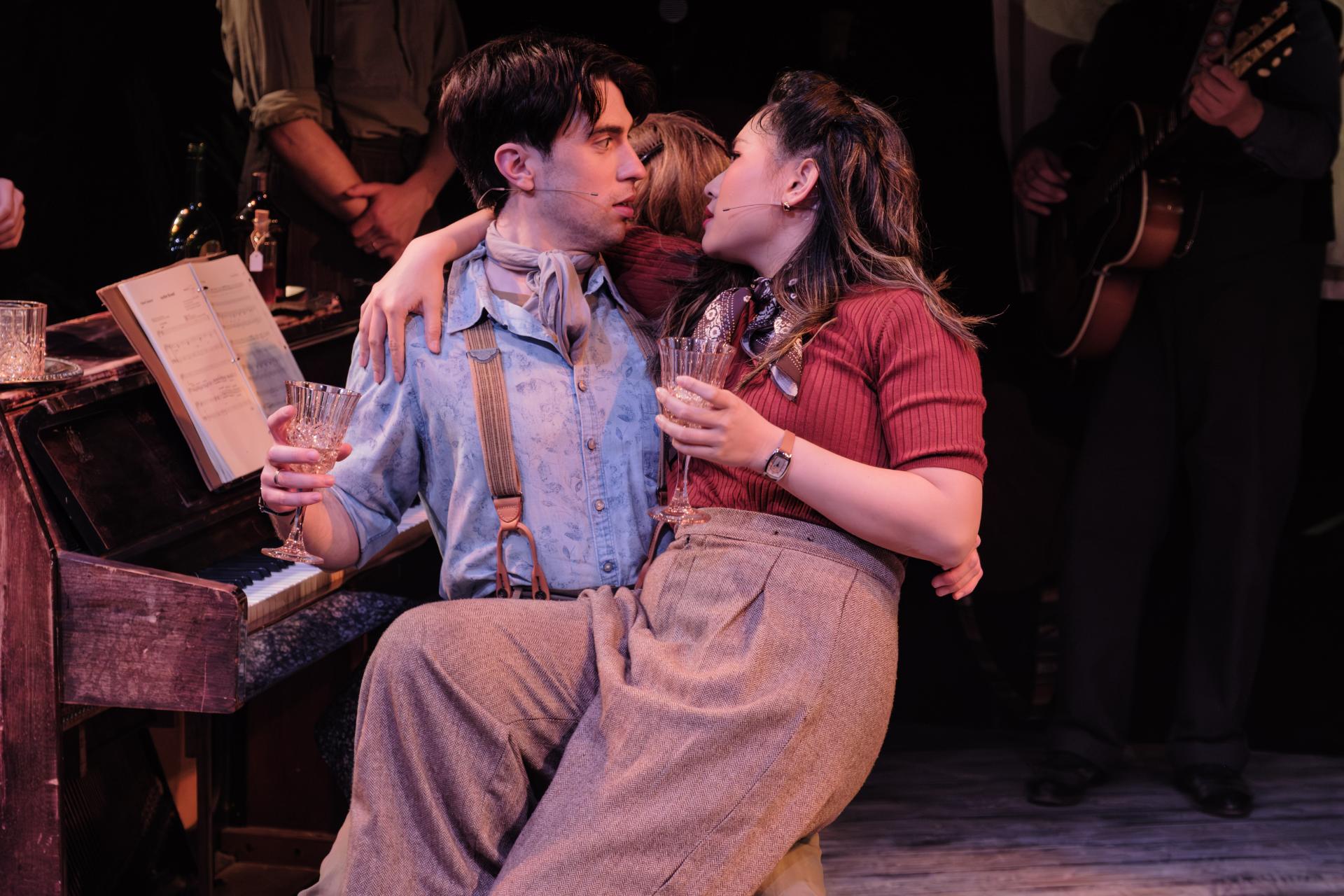
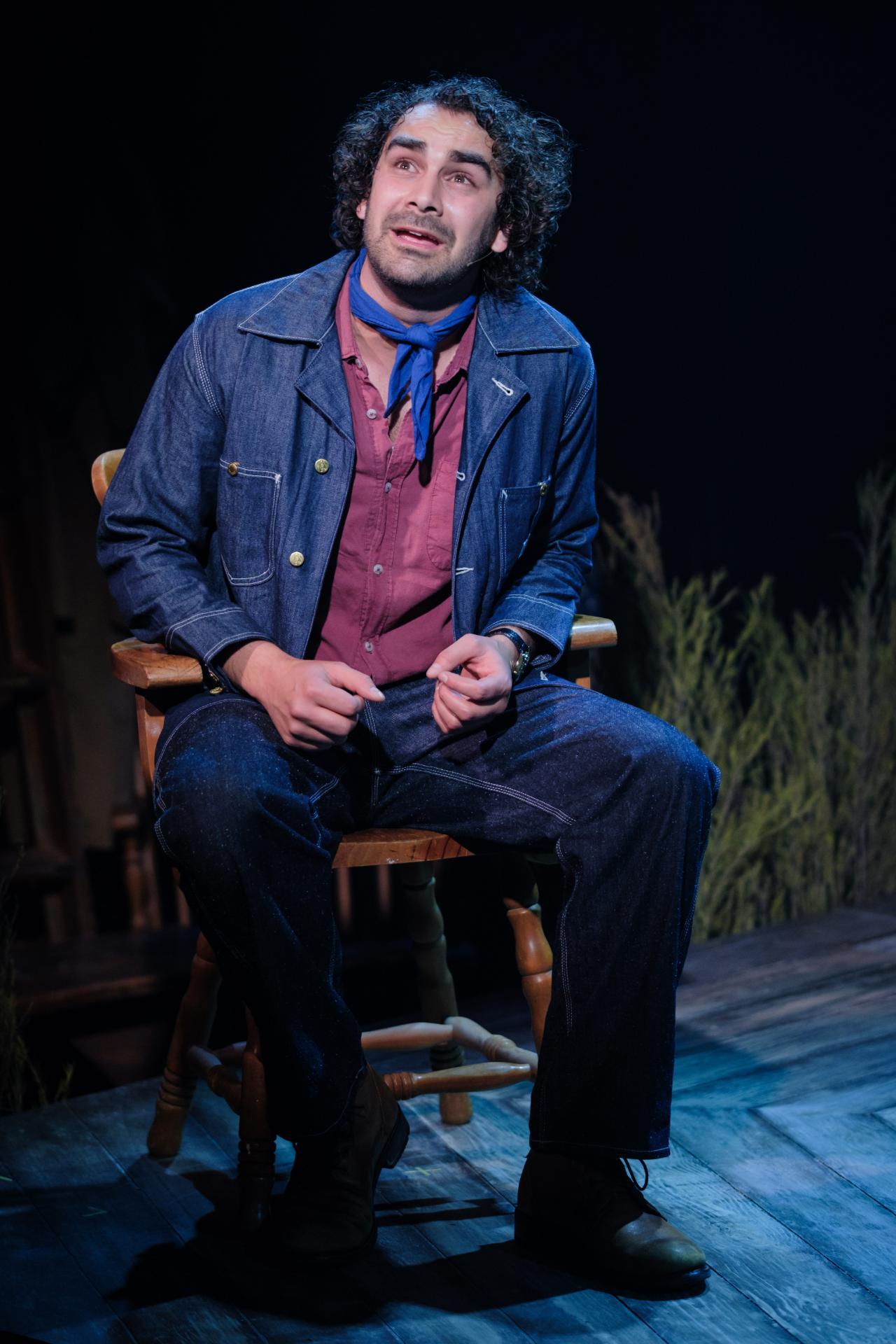
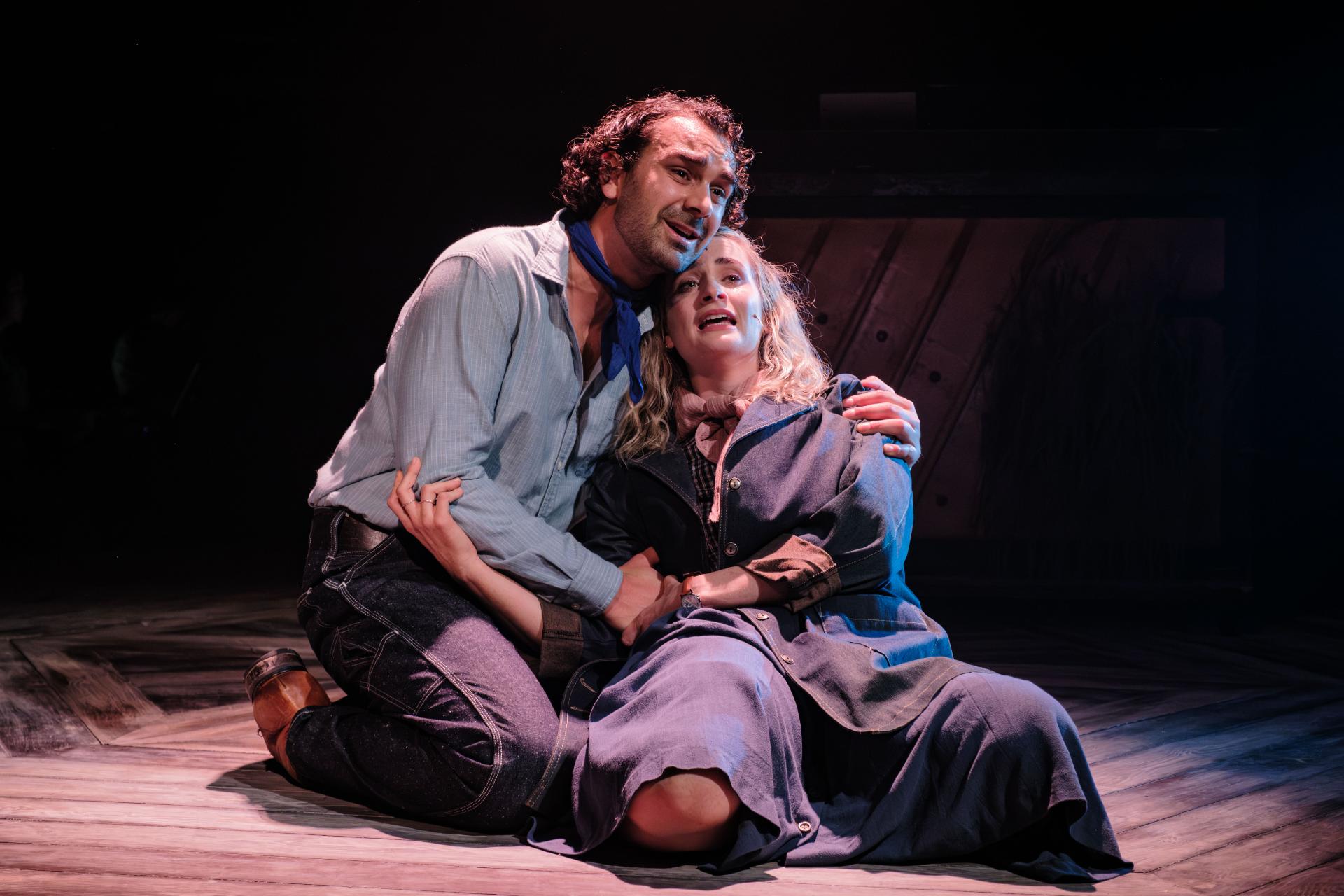
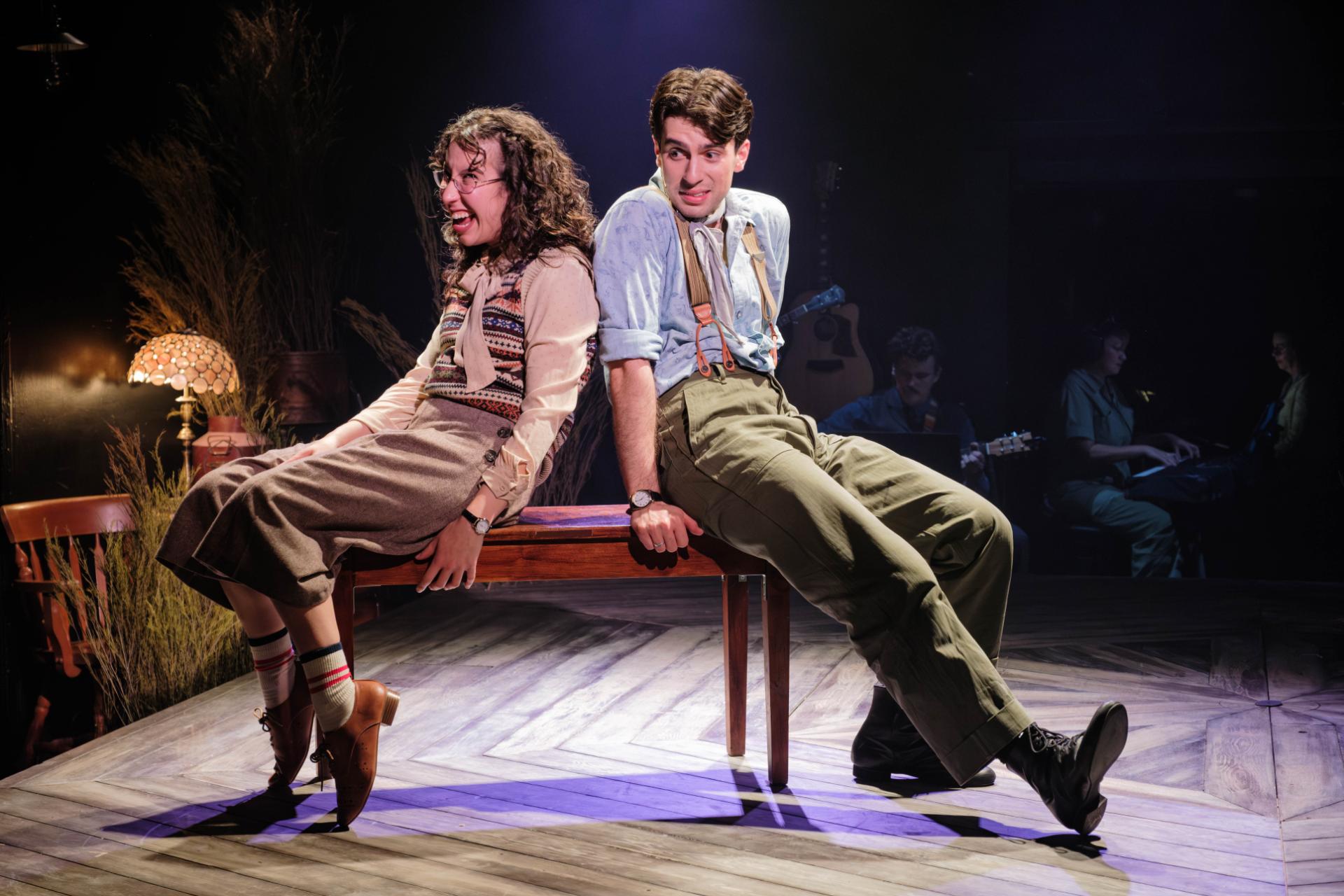
Hannah McInerney is commanding in the lead role of Alice, bringing remarkable depth and authenticity to the character, even if the distinction between her younger and older selves is not always sharply drawn. The two men in Alice’s life, played by Kaya Byrne and Cameron Bajraktarevic-Hayward, make a lasting impression with performances marked by sincerity, grounded realism, and an appealing lack of artifice. Also deserving mention are Deidre Khoo, Genevieve Goldman, and Jack Green, who, though in smaller roles, provide delightful flashes of humour and personality, their quirky characterisations and impeccable comic timing adding much to the production’s charm.

Not all storytelling lies in what is said, but in how it is told, and Bright Star is a case in point. The way its elements are assembled gives the production a resonance far greater than the sum of its parts. The meticulous musicianship, the generosity of its performers, and the discerning artistry of its designers coalesce to create a show that is consistently engaging, even when the plot itself borders on cliché. In this moment, we transcend the ordinary, reminded that art’s greatest gift is often the inspiration that it bestows.
www.hayestheatre.com.au | www.sportforjove.com.au

Review: Betrayal (Old Fitz Theatre)

Venue: Old Fitzroy Theatre (Woolloomooloo NSW), Jul 18 – Aug 10, 2025
Playwright: Harold Pinter
Director: Cristabel Sved
Cast: Andrew Cutcliffe, Matt Hardie, Diego Retamales, Ella Scott Lynch
Images by Kate Williams

Theatre review
Emma has been sleeping with her husband’s best friend for years. It would appear that she loves both men deeply, but convention deems this highly improper, forcing all parties to endure stages of anguish as they grapple with the perceived transgression. Harold Pinter’s Betrayal is almost half a century old, yet it seems little has changed in terms of middle-class values and the cultural dominance of monogamy. The play suggests an absurdity in the weight we assign to traditional matrimony, yet Pinter’s narrative remains relevant, even in 2025.

Directed by Cristabel Sved, the work unfolds with ample earnestness, often at the sacrifice of irony and humour. Characters understandably take their circumstances extremely seriously, but it can be argued that the actors should adopt a more observational and discursive approach to improve our intellectual engagement with the show.

Debonair actor Andrew Cutcliffe rises to the challenge as Robert, delivering a satisfying theatricality with his sardonic interpretation of the text. Ella Scott Lynch plays Emma commendably, capturing psychological accuracy even though some of the comedy is compromised. Matt Hardie, too, places emphasis on the realism of the piece but misses the opportunity to create a more entertaining portrayal of Jerry, the secret paramour. A brief appearance by Diego Retamales as a waiter at an Italian restaurant, offers moments of idiosyncrasy that really benefit the production.

Set design by Melanie Liertz is minimally rendered, but certainly sufficient in helping us engage with interactions between friends and lovers. Her costumes however could be more detailed in their depiction of timelines. Lights by Verity Hampson and Luna Ng are immensely helpful in creating the many spatial transformations. It is arguable whether the video projections by Aron Murray are necessary, but they are nonetheless a pleasing sight. Music by Steve Toumin, along with sound design by Johnny Yang are appropriately subdued, and are effective in enhancing the production’s relentlessly serious atmosphere.

Infidelity is painful to go through, but it is also highly comical. We insist on making promises we are incapable of keeping, only to torment ourselves trying to escape the messes we inevitably create. Betrayal does not explain why we allow Emma only to sleep with one man, but it can be seen that her turmoil becomes increasingly meaningless over the course of the play. Traditions deserve scrutiny, and often, what appears deeply important may not be so at all.

www.oldfitztheatre.com.au | www.sportforjove.com.au

Review: Isolde & Tristan (Old Fitz Theatre)

Venue: Old Fitzroy Theatre (Woolloomooloo NSW), May 3 – Jun 1, 2024
Playwright: Esther Vilar
Director: Damien Ryan
Cast: Sean O’Shea, Tom Wilson, Emma Wright
Images by Kate Williams

Theatre review
In Isolde & Tristan by Esther Vilar, the Irish princess Isolde is being cargoed off to England, like an item of merchandise, where she is to marry the king of Cornwall. In charge of dispatch, is the handsome Tristan, who had very recently beheaded Isolde’s betrothed, by the king’s order, which makes the journey exceedingly interesting.

The German title of Vilar’s play is Stundenplan einer Rache (or Timetable of a Revenge), which draws unambiguous attention to its revenge narrative, but under Damien Ryan’s direction, in a refreshing translation by Udo Borgert and Laura Ginters, we are made almost to forget the heroine’s vendetta, as she negotiates her very survival, on board a vessel to an anguishing future. The complexities of Isolde’s plans are diluted in the drama, and the show consequently loses tension at some points, but it is nonetheless a charming work memorable for its flirtations with controversy.

A delicate balance between humour and a sense of danger, is struck by a very competent cast comprising Sean O’Shea, Tom Wilson and Emma Wright, who demonstrate admirable ingenuity and instinct, in their presentation of Vilar’s contentious ideas. Live singing by Octavia Barron Martin, accompanied by Justin Leong on piano, features extracts from Wagner’s Tristan und Isolde to add an extravagance to the experience.

Sound design by Sorie Bangura makes certain our awareness around the characters being at choppy seas. A set by Tom Bannerman delivers alluring, if slightly unrefined, shapes to help us perceive the nautical surrounds, with lights by Sophie Pekbilimli ensuring we are conscious of time’s movement, from one scene to another. The overall visual quality of Isolde & Tristan can be improved, but costumes by Bernadette Ryan are a cut above the rest, with the princess’ attractive and extensive wardrobe proving especially noteworthy.

Isolde’s story seems so much to be about who she belongs to, but even though she has no real autonomy, there is definitely no shortage of agency in how she operates. Vilar seems to celebrate in her writing, the heroine’s capacity at inflicting harm upon her adversaries, even if it comes at an extremely high cost. This is about a woman trying to beat men at their own game. Much as we often have to play by their rules, we know that it is not the gender of winners that matters, but the nature of the game itself. We need to arrive at a place where we can decide on our own circumstances, and never to be possessed by anybody else.

www.oldfitztheatre.com.au | www.sportforjove.com.au

Review: Venus & Adonis (Seymour Centre)

Venue: Seymour Centre (Chippendale NSW), Sep 29 – Oct 21, 2023
Playwright: Damien Ryan
Director: Damien Ryan
Cast: Anthony Gooley, Adele Querol, Jerome Meyer, Belinda Giblin, Bernadette Ryan, Christopher Tomkinson, Ava Madon, Akasha Hazard, Kevin MacIsaac, Oliver Ryan, Max Ryan, Dinitha Senevirathne, Liv Rey Laaksonen
Images by Kate Williams

Theatre review
William Shakespeare is preparing to stage a new poem, with his lover Aemilia Lanyer in the lead. Meanwhile, Shakespeare’s own family is suffering from neglect, as his attention is divided among work, the affair, and dealing with a venereal disease resulting from his indiscretions. Lanyer, a poet in her own right, takes every opportunity to assert her progressive values, not only on the project, but also in all her professional and personal relationships.

Damien Ryan’s 3-hour play Venus & Adonis, named after the very poem at its inspirational centre, travels along many tangents, in an effort to contemporarise the most classical of storytelling. It is conscious of divergent perspectives, and attempts to be inclusive especially of feminine viewpoints, that have been traditionally ignored over centuries of Shakespearean reverence. There is an enjoyable theatricality to Ryan’s work as both writer and director, but the multi-faceted nature of the piece might prove inconsistent in its ability to engage. Its competing textures seem unlikely to be wholly captivating for those who need a more conventional commitment to a stronger, more defined point of view.

Ryan’s own stage design is surprisingly versatile, as we find our imaginations morphing effortlessly along with the many spatial transformations that occur in the play. Bernadette Ryan’s costumes are sensual, and memorable for the sense of luxury they introduce. Lights by Sophie Parker are beautiful in a painterly manner, and sounds by Jay Cameron although appropriately dramatic, have a tendency to be abrupt in their manipulations of atmosphere.

Actor Anthony Gooley plays a vulnerable Shakespeare, bringing depths of emotion that reveal a greater humanity, in an art form that has the ability to connect beyond the confines of words and narratives. Adele Querol as Lanyer is rigorous and passionate, very persuasive as a true bohemian, full of daring and conviction, whether as a woman of the 16th or 21st Century. Highly noteworthy too are Belinda Giblin and Christopher Tomkinson, playing Queen Elizabeth I and Richard Burbage respectively, both performers robust with humour and meaning, completely magnetic whenever given opportunity to occupy centre stage. Jerome Meyer is both precise and instinctual in the role of drag artist Nathaniel Field, but several jokes pertaining to gender, a main concern of the production, could easily be construed as transphobic.

To be able to look properly ahead, requires a rich understand of the past. Even for those of us who wish for a clean break from histories, need intricate knowledge on the machinations of people and society, in order that we can keep steering our lives on improved trajectories. Not all of us want to leave the past behind however, because what represents pure torment for some, is for others a symbol of their glory days. It is always a difficult entanglement. In our democratic communities, values will differ and beliefs will deviate, but the thing most worth fighting for, is a way to attain harmony, within the infinite variations of how we each experience the world.

www.seymourcentre.com | www.sportforjove.com.au

Review: The Iliad Out Loud (Sport For Jove Theatre)

Venue: Belvoir St Theatre (Surry Hills NSW), Jan 23 – 27, 2019
Playwright: William Zappa
Director: William Zappa
Cast: Blazey Best, Heather Mitchell, Socratis Otto, William Zappa
Images by Lisa Tomasetti, Jamie Williams

Theatre review
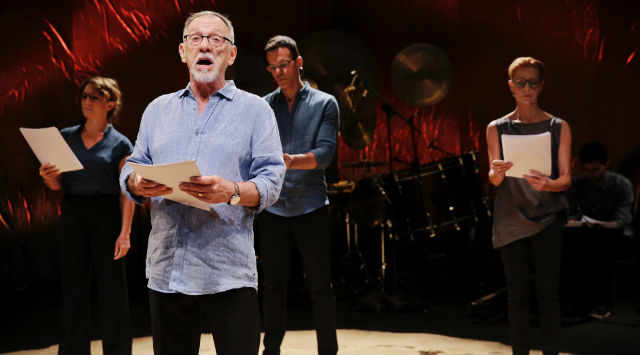
Homer’s ancient poem is adapted and abridged in William Zappa’s The Iliad Out Loud, first for radio, and now for the stage. This iteration of the epic stretches across three parts, each three hours long, presented by four actors and two musicians, in the form of a staged reading. It takes after what is believed to have happened in 8th century BC, when the original was performed, to be heard and not read. Zappa’s text can easily be repackaged as a novel, and often we wonder if that would have been a better format, especially during the very many drawn out battling sequences, which require only visualisation and no analysis on our part.

This condensation of events would likely be more rewarding for those who are already fans of the story. A thrilling ride for some can prove an ordeal for others, as the production routinely rushes past character development to cover significant occurrences. Without sufficient background understanding of personalities, we struggle to resonate with their trials and tribulations in all the warfare, that Zappa so exhaustively conveys.

Michael Askill and Hamed Sadehi are musicians and stars of the show, a two-man band that makes a real art form of their accompaniment. In the absence of more conventional theatrical imagery, Askill and Sadehi pull out all the stops to stoke our imagination, adding infinite colour to the pages of words being dispensed. Lighting by Matt Cox too, is inspired, with a series of elegant transformations to illumination, helping guide us through states of emotion.

Zappa is an outstanding reader, full of dynamism on his stage, holding our attention with extraordinary ease, effortless in sharing his immense enthusiasm for a seminal work of his heritage. It is a confident cast that travels with us on this journey, impressive in their detailed familiarity with every twist and turn of the 9 hours.

The warring men blame their behaviour alternately, on one woman Helen, or on the gods Zeus and his ilk. Their inability to face their own culpability in all the conflict, feels an accurate reflection of every war in every era. It may not be true that women are never in favour of such brutality, but it is certain that none of these atrocities can ever be perpetrated without men. All the war heroes in Iliad can be thought of as good guys, and our continual inclination to excuse them of the horrors that they choose to enact, reveals, at least in part, why we remain in a perpetual cycle of bloodshed.

www.sportforjove.com.au

Review: Ear To The Edge Of Time (Sport For Jove Theatre)

Venue: Seymour Centre (Chippendale NSW), Oct 11 – 27, 2018
Playwright: Alana Valentine
Director: Nadia Tass
Cast: Belinda Giblin, Gabrielle Scawthorn, Christopher Stollery, Tim Walter
Images by Kate Williams

Theatre review
Martina is a young astrophysicist, poised on the brink of greatness. When she meets Daniel, a poet assigned to observe and write about her experiences at the culmination of her PhD work, a fissure transpires, revealing the entrenched gender inequity that works against Martina and other women in the field of science. Structural sexism is not an easy phenomenon to dissect, but in Alana Valentine’s Ear To The Edge Of Time, we are presented persuasive evidence of how power is wielded to the exclusion of women, especially at the highest ranks of our authoritative organisations. It is perhaps inevitable that substantial portions of the play would feel alienating for those dulled by science, or for those suffering from political apathy, but there is no denying Valentine’s embracive diligence in her crafting of this purposeful work.

It is a simple staging, directed by Nadia Tass, who puts immense faith in her actors to deliver all. Gabrielle Scawthorn is astonishing with several big passages of science speak, that she launches into with tremendous aplomb. Some depictions of emotional turmoil can seem slightly exaggerated, but she provides admirable clarity in her depiction of Martina’s oscillating mental states, to unveil the intricately shifting strategies required of women in managing our careers. Daniel is played by Tim Walter, impressively precise, and a passionate, dependable presence adept at sustaining energy levels. Supporting roles are manifested with rich vibrancy, by Belinda Giblin and Christopher Stollery, who introduce unexpected complexity to their parts, both engrossing and delightfully entertaining.

Women navigate their careers in different ways, but by virtue of simply being women, we have additional hurdles put before us, all along our trajectory towards the glass ceiling. Ear To The Edge Of Time is by no means unique in its messaging. These issues have in recent times, been discussed repeatedly and quite obsessively. It is undeniable that the problem has now become visible, but the solutions that it asks for, remain elusive, at least in our art. There can only be two ways that this groundhog day will conclude; either our concerted efforts will help us make headway and we progress onto a new consciousness, or feminism will once again fall out of favour. We need only to look at legacies of the three previous waves for answers, and be able to find assurance that change is indeed afoot.

www.sportforjove.com.au

Review: Moby Dick (Sport For Jove Theatre)

Venue: Seymour Centre (Chippendale NSW), Aug 9 – 25, 2018
Playwright: Orson Welles (based on the novel by Herman Melville)
Director: Adam Cook
Cast: Danny Adcock, Rachel Alexander, Mark Barry, Badaidilaga Maftuh-Flynn, Jonathan Mill, Wendy Mocke, Thomas Royce-Hampton, Francesca Savige, Vaishnavi Suryaprakash, Bryden White-Tuohey
Images by Marnya Rothe

Theatre review
Ahab’s war on nature in Moby Dick seems altogether too familiar yet tragic. The eternal discord between humankind and our environment, is the site on which we can examine the disquiet of who we are as a species, especially in relation to our curious inability to be at one, and in peace, with nature. We are determined to extricate ourselves, always asserting a superiority that can never be. Orson Welles’ adaptation of Herman Melville’s classic, is abstract, often impenetrably so, but its concerns about our adversarial relationship with nature lay appropriately at its centre.

It is essentially a fight with the self that Ahab has to go through, and our vantage point allows his story to function as a sort of introspective interrogation, in order that we may recognise that futile struggle that we too, resolutely participate in. Director Adam Cook’s show is a vibrant cornucopia of activity that brings to energetic life, the whaling obsession that Ahab and his crew of sailors embark on. Their dialogue may confuse, but the production is a rich tapestry from which our creative minds can detect symbols, decipher language and find meanings.

A very accomplished merger of design talents help sustain a sense of magical fascination. Set and costumes by Mark Thompson are handsome, evocative and grand. Lights are industriously assembled by Gavan Swift, who manufactures a surprising beauty for the story. Sound designer Ryan Patrick Devlin keeps things lively with exciting music, much of which is thrillingly performed on stage by percussionist and actor Tom Royce-Hampton.

Danny Adcock leads the cast, suitably rhapsodic as Ahab, with an impressive presence that proves to be highly persuasive, in this mad man’s tale. Rachel Alexander is compelling as Pip, particularly memorable in a powerful scene with Ahab discussing things political and esoteric, then proclaiming with theatrical histrionics, “death to whiteness”. The role of Queequeg is beautifully portrayed by Wendy Mocke, who introduces valuable glimpses of emotional authenticity to a slightly too distant universe.

We send rockets out into the ether looking for life, trying to find points of connection with all that we deem to be alien. Back on earth, we go to great pains to alienate ourselves, in a never-ending project of division and of segregation. We have convinced ourselves that we are inexorably distinct from flora and fauna, and further, have formed an interminable habit of creating power structures and hierarchies within all our human societies. The albino whale swims in peace; its violence is only ever a result of provocation.

www.sportforjove.com.au

Review: No End Of Blame (Sport For Jove Theatre)

Venue: Seymour Centre (Chippendale NSW), Oct 12 – 28, 2017
Playwright: Howard Barker
Director: Damien Ryan
Cast: Akos Armont, Angela Bauer, Danielle King, Sam O’Sullivan, Monroe Reimers, Lizzie Schebesta, Amy Usherwood, Bryce Youngman
Image by Kate Williams

Theatre review
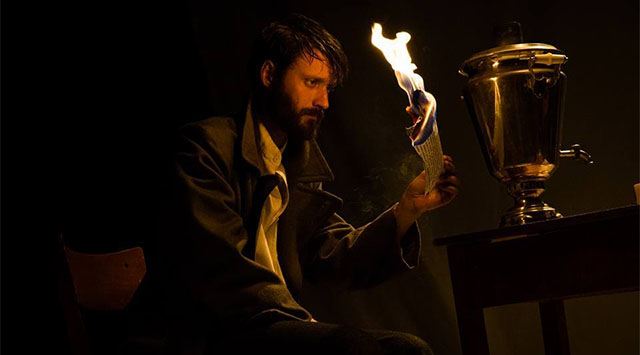
In No End Of Blame, Howard Barker creates a hero out of political cartoonist Bela Veracek, who begins his life in Hungary at the end of the 19th century, and ends up in England decades later, after a stint in Lenin’s Russia. It is a man’s search for truth, through decades of war and social unrest, and an artist going against every grain to make sense of the world.

First published in 1981, the piece is stylistically representative of English male playwrights of the time, angsty and very wordy. Thatcher had become Prime Minister, and the righteous had much to fight for; Barker is certainly argumentative in No End Of Blame. Damien Ryan’s production updates the work from the punk era to something altogether more earnest and refined.

Projected on a large, white backdrop, are drawings by Nicholas Harding, David Pope and Cathy Wilcox, who bring an extraordinary dimension of artistry, constantly pulling our attention back to the actual medium being celebrated. Also remarkable is Alistair Wallace’s sound design, utilising a meticulous selection of music that takes us to places far away and sublime.

There is a lot of excellent acting to be enjoyed. Akos Armont is the charismatic and passionate lead, dependably convincing even though Bela’s emotions seem always to be operatic in scale. Supporting roles are all vibrantly rendered, with Danielle King especially memorable in a range of small parts, and highly effective as newspaper editor Stringer, delivering a tremendous sense of poignancy at show’s end.

As commentators of our world, cartoonists have the noble responsibility of pointing their finger at all that is wrong. This usually means that it is the powerful that come under the pencil’s attack, and it is necessary for us all to be cognisant of how those powers will try to quash their naysayers. Bela’s story came before the internet age, but even though we no longer have the same reliance on the print industry to provide a battle ground for democracy, those same dynamics exist today in how we use our phones and computers. The bad guys are able to control our freedoms, in some ways easier than before, and our resistance must remain vigilant and tenacious.

www.sportforjove.com.au

Review: One Flew Over The Cuckoo’s Nest (Sport For Jove Theatre)

Venue: Seymour Centre (Chippendale NSW), Aug 3 – 19, 2017
Playwright: Dale Wasserman (adapted from novel by Ken Kesey)
Director: Kim Hardwick
Cast: Matilda Brodie, Laurence Coy, Patrick Cullen, Anthony Gooley, Travis Jeffery, Felicity Jurd, Stephen Madsen, Wayne McDaniel, Joshua McElroy, Tony Poli, Nick Rowe, Di Smith, Wendy Strehlow, Bishanyia Vincent, Johann Walraven
Image by Marnya Rothe

Theatre review
The action takes place inside a male psych ward, except of course, the allegory is in reference to the mad world that all of us inhabit. In Ken Kesey’s One Flew Over The Cuckoo’s Nest, McMurphy (made famous by Jack Nicholson in the film version) represents the wild man that we have to tame. He turns up full of life, impressing upon us that he is not in fact insane, but a product of nature in its splendid rawness, and is clearly out of place in this environment of medicated placidity. It is probably no surprise that in this 1962 work, it is a woman who is charged with the business of suppressing that sublime nature.

Nurse Ratched has successfully emasculated everyone we see, and McMurphy must find a way to escape her wicked depravity. Man’s authenticity is upheld as desirable and esteemed, even if all the women who cross McMurphy’s path are debased and humiliated. The rebel’s story is always a powerful one, and it is no different here, whether or not we warm to its central character. It is after all, a battle for dignity and innocence, and we will only be allowed to side with the righteous hero.

Anthony Gooley’s charisma serves him well in the role of McMurphy. Dynamic and intuitive, and effortlessly captivating, it is a pleasure to watch the actor fill the stage with his brand of robust theatricality. Simultaneously portraying qualities that are menacing and vulnerable, the character that he presents is complex, considered and hence, convincing. Ratched is a surprisingly human manifestation, under Di Smith’s interpretation. Hints of warmth and kindness make her a believable personality, but an impotent villain. In the absence of a formidable opponent, McMurphy looks to be a rebel without a cause, and dramatic tension is significantly compromised.

Director Kim Hardwick’s approach is a contemplative one, and although never lacking in verisimilitude, sections that deal with aggression and chaos, can seem too gently manufactured. Individual patients in the show are fascinating, often beautifully performed, but they feel strangely distant. Without a threatening presence, the group misses an opportunity to have us more viscerally engaged. The production however, boasts accomplished design work, especially noteworthy are Martin Kinnane’s lights; compelling when subtly rendered, and utterly remarkable when his creativity turns bold or extravagant.

We play by the rules, thinking them necessary for self-preservation, even when we judge them unsound. When one’s own sanity comes into question, it is invariably societal expectations that provide the measure at which behaviour must be gauged and contained, whether or not conditions of that acceptance are based in logic. McMurphy’s radical disobedience involves him acting from unmitigated impulse, alone, and the consequences he has to face are dire. It is true, that much of what we endure, is unfair. It is also true, that rules are made to be broken, and when the lunatics take over the asylum, redress can be achieved, if unity, and solidarity, can be found.

www.sportforjove.com.au

Review: Cyrano De Bergerac (Sport For Jove Theatre)

Venue: Seymour Centre (Chippendale NSW), Jun 15 – 24, 2017
Playwright: Edmond Rostand (adaptation by Damien Ryan)
Director: Damien Ryan
Cast: Andrew Johnston, Barry French, Bernadette Ryan, Christopher Stalley, Christopher Tomkinson, Damien Ryan, Drew Livingston, Francesca Savige, James Lugton, John Turnbull, Julian Garner, Lizzie Schebesta, Madeleine Jones, Melanie Dobson, Thom Blake, Tim Walter, Wendy Strehlow
Image by Phil Erbacher

Theatre review
Women, no matter how intellectual or beautiful, are not to be trusted with their own decisions in Cyrano De Bergerac. Edward Rostand’s 120 year-old play is a romantic fantasy about an ugly man who successfully deceives and misleads the object of his desire, so that his feelings can be reciprocated. His nose, of legendary proportions, clearly does not stand in the way of human vanity.

Roxanne’s lust for the handsome Christian, is presented as foolish and absurd, hence illegitimate, in the old-fashioned play, because of course, the verbosely articulate Cyrano is the appropriate match, if a girl is to experience true love. Women are once again infantilised, and our sexuality subjugated, in order that patriarchal ideals can be presented as superior.

Tiresome ideologies of the original are retained in this recent adaptation, but there is no doubt that Damien Ryan’s remarkable wit and extraordinary talent with words, have polished up Cyrano De Bergerac, rolled it in glitter, and all but blinds us from its inferior politics. Ryan’s work is supremely clever, often very beautiful, and for the many who find enjoyment in its brand of outlandish romance, this is a play that will prove deeply satisfying.

Ryan’s work as actor too, is marvellous. Brilliantly funny, and irresistibly charming, he convinces us that sexual attractiveness is completely irrelevant, and that Cyrano is the only man for Roxanne. Lizzie Schebesta expends her efforts into the side of Roxanne that is repeatedly emphasised to be intellectual, and does all she can to elevate the role from the embarrassing gullibility that is Rostand’s creation. It is a very vivacious cast, relentlessly amusing, and audiences will be held captive for its entire 3.5 hour duration.

There are no big pertinent messages in Cyrano De Bergerac that need our urgent attention. We can certainly be entertained by other much more relevant stories, but this French play continues the perseverate tradition of European occupation of the arts in Australia. For over two centuries, we import these works, as though the purposes they serve are somehow irreplaceable or worse, more resonant than what we can find in the art of our own region. It offers an accurate reflection of the ongoing attitude of colonisation that persists (why else would all 18 actors on this stage be of Caucasian appearance?), even though we wish to think ourselves a modern, progressive and inclusive society.

www.sportforjove.com.au