Review: Boom (KXT on Broadway)

Venue: KXT on Broadway (Ultimo NSW), Oct 6 – 21, 2023
Playwright: Jean Tay
Director:
Tiffany Wong
Cast: Melissa Gan, Tiang Lim, Josephine Lee, Natalie Low, Daniel MacKenzie, Gerwin Widjaja, Jordon Zhu
Images by Sherry Zheng

Theatre review

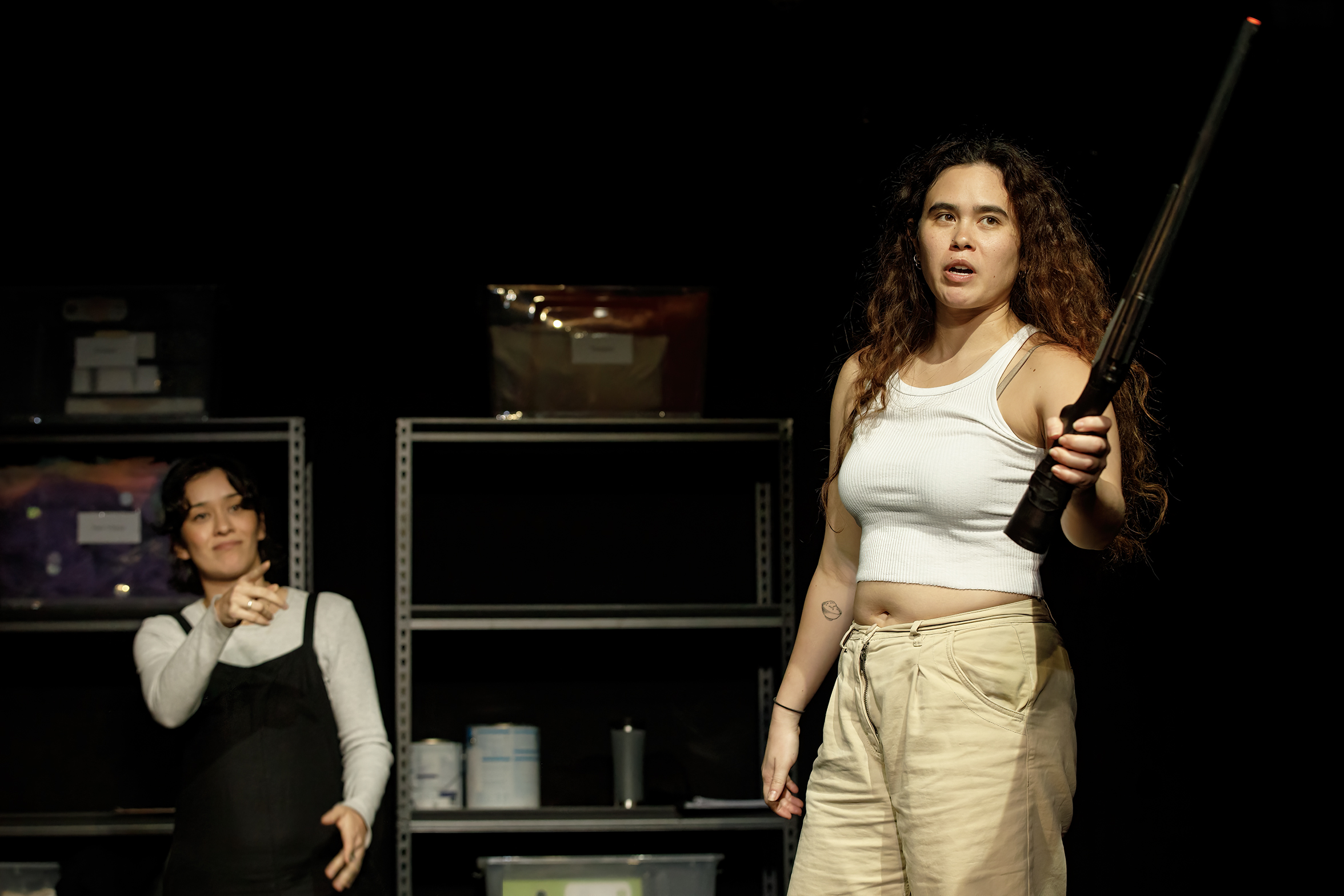
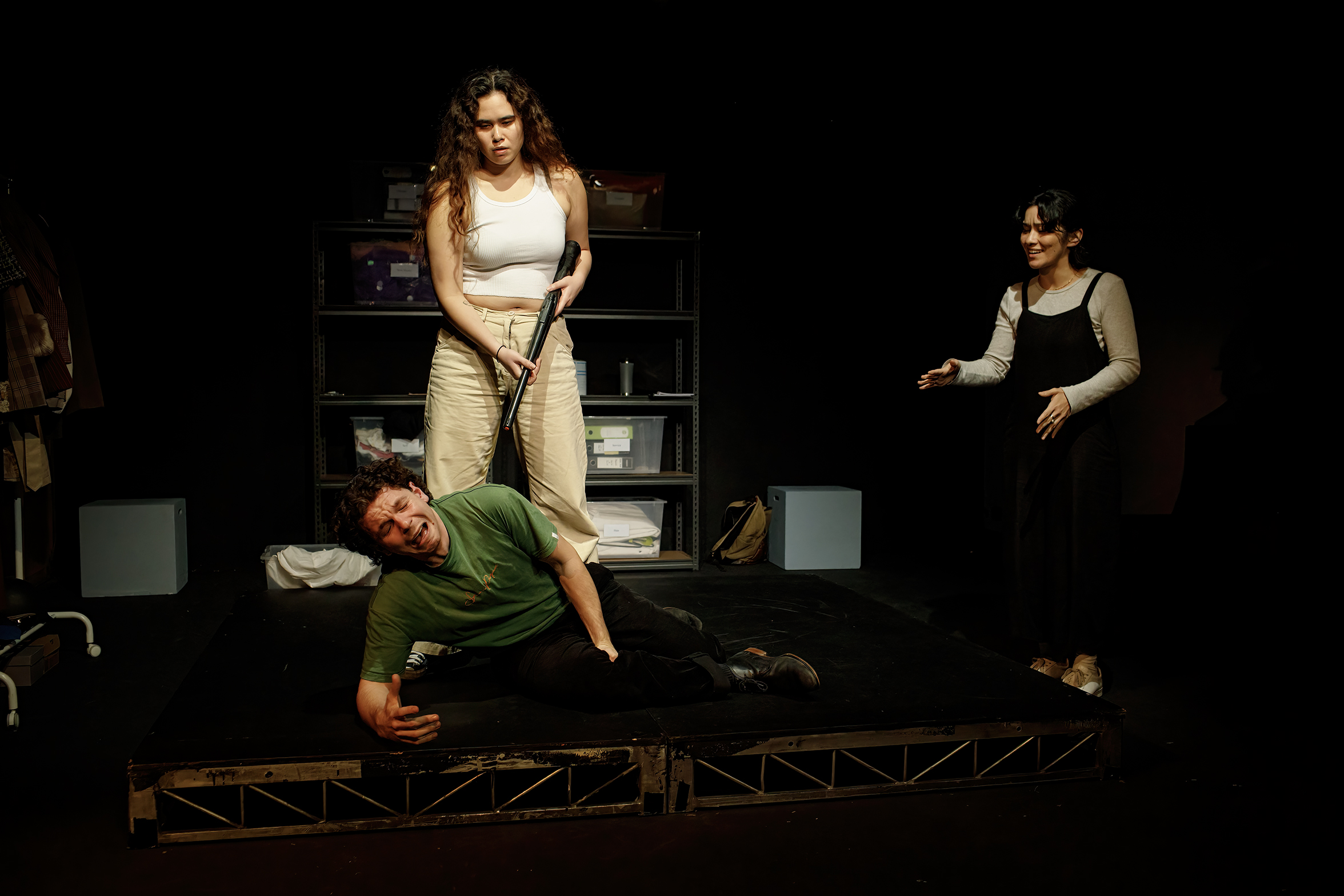
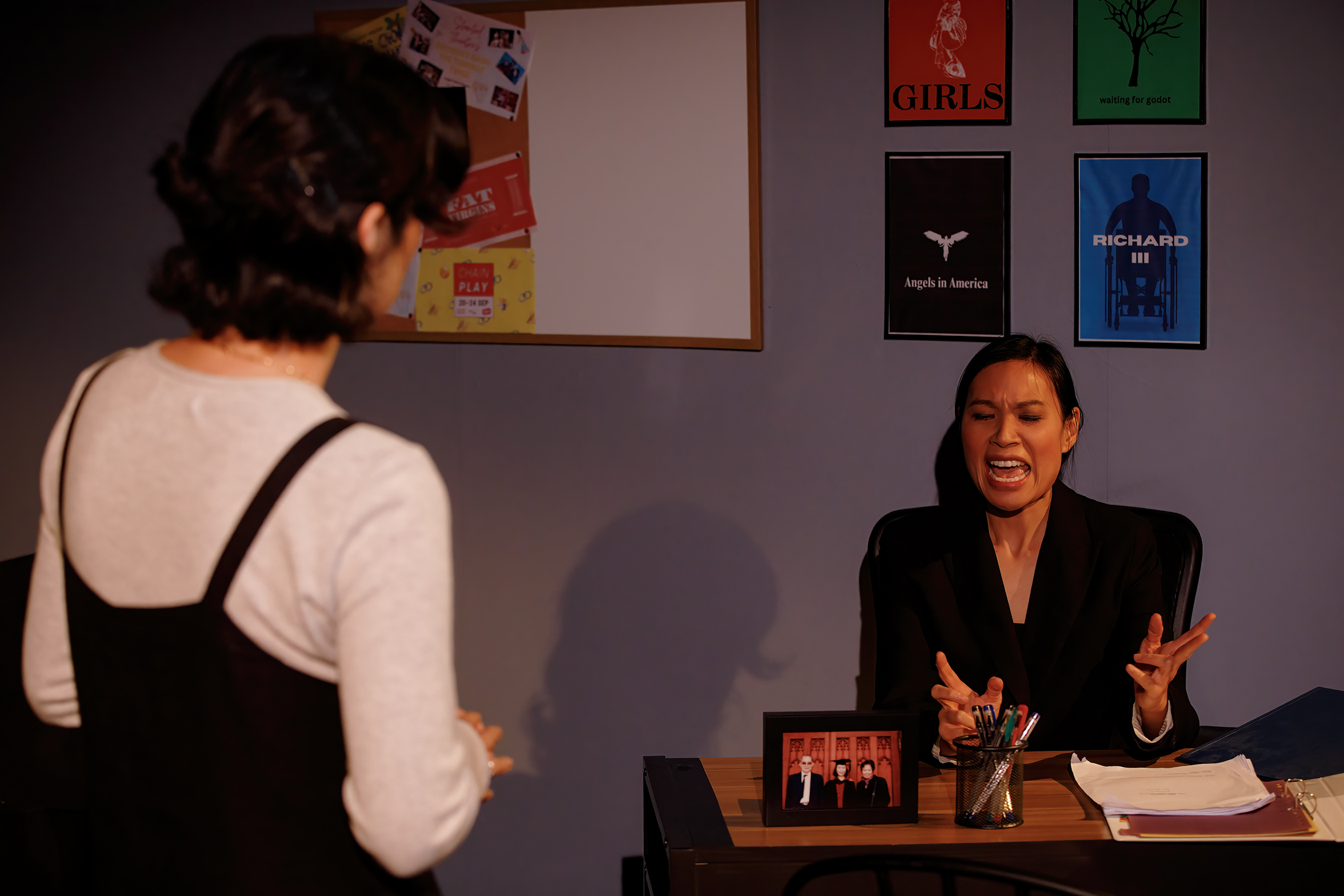
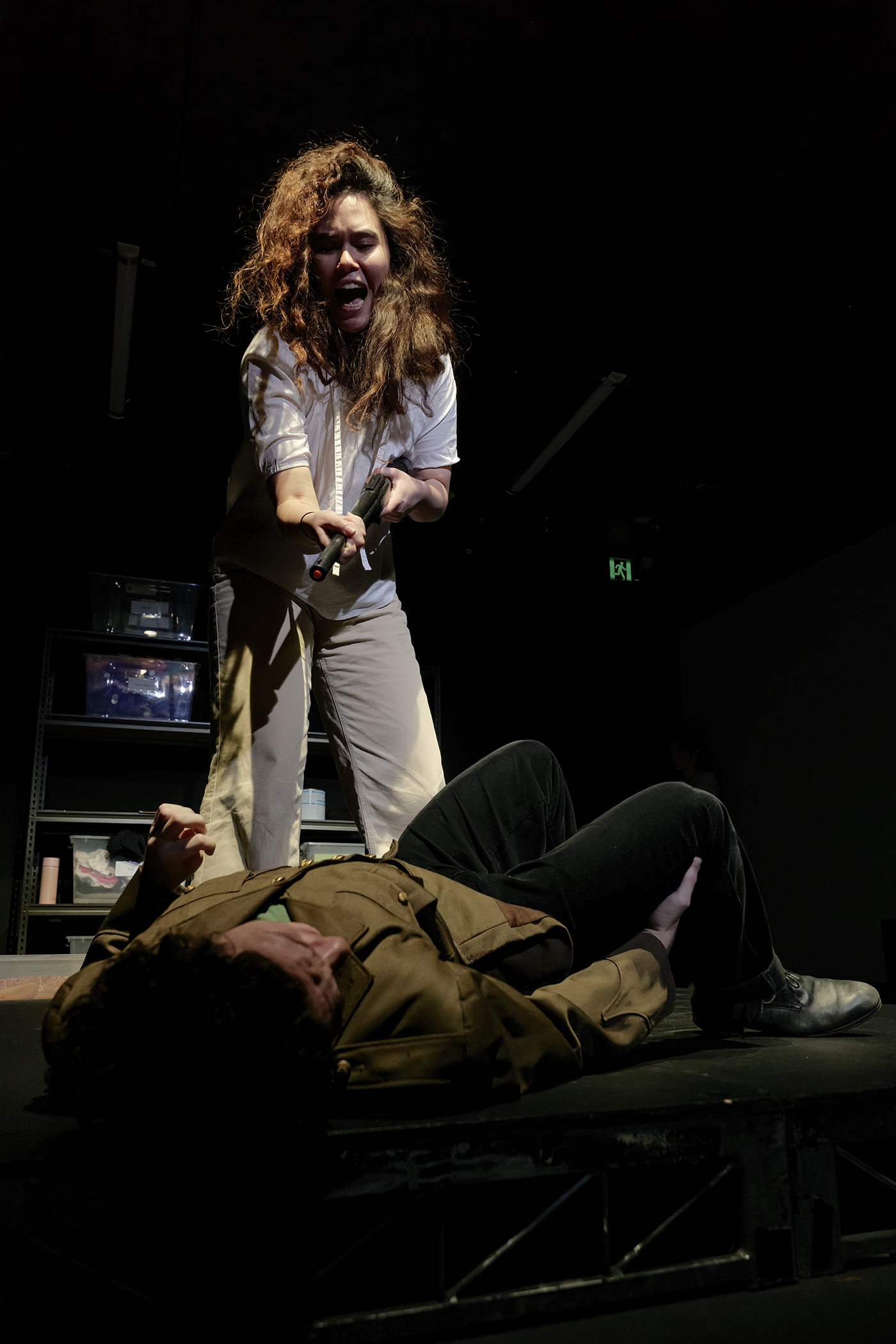
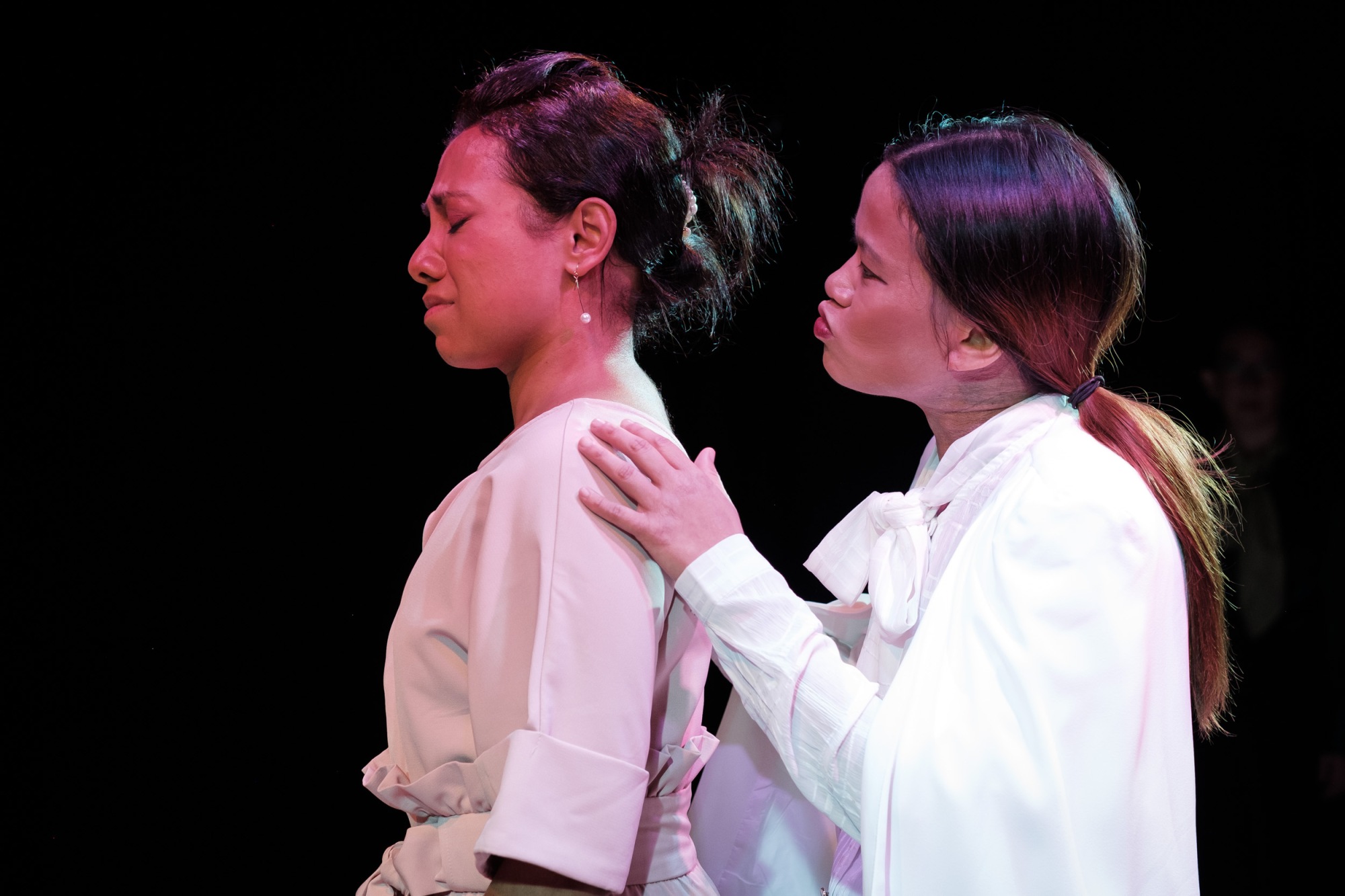
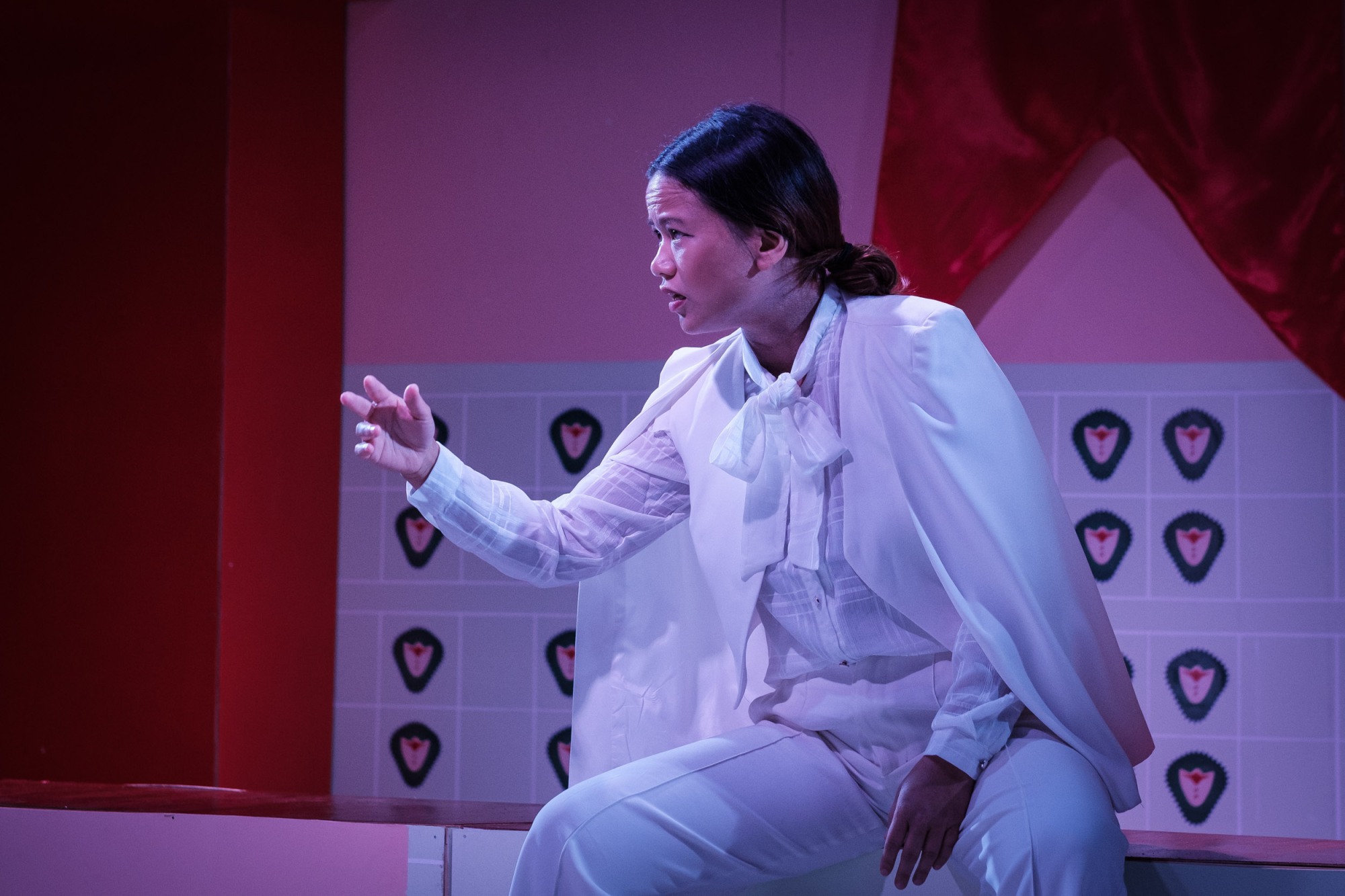
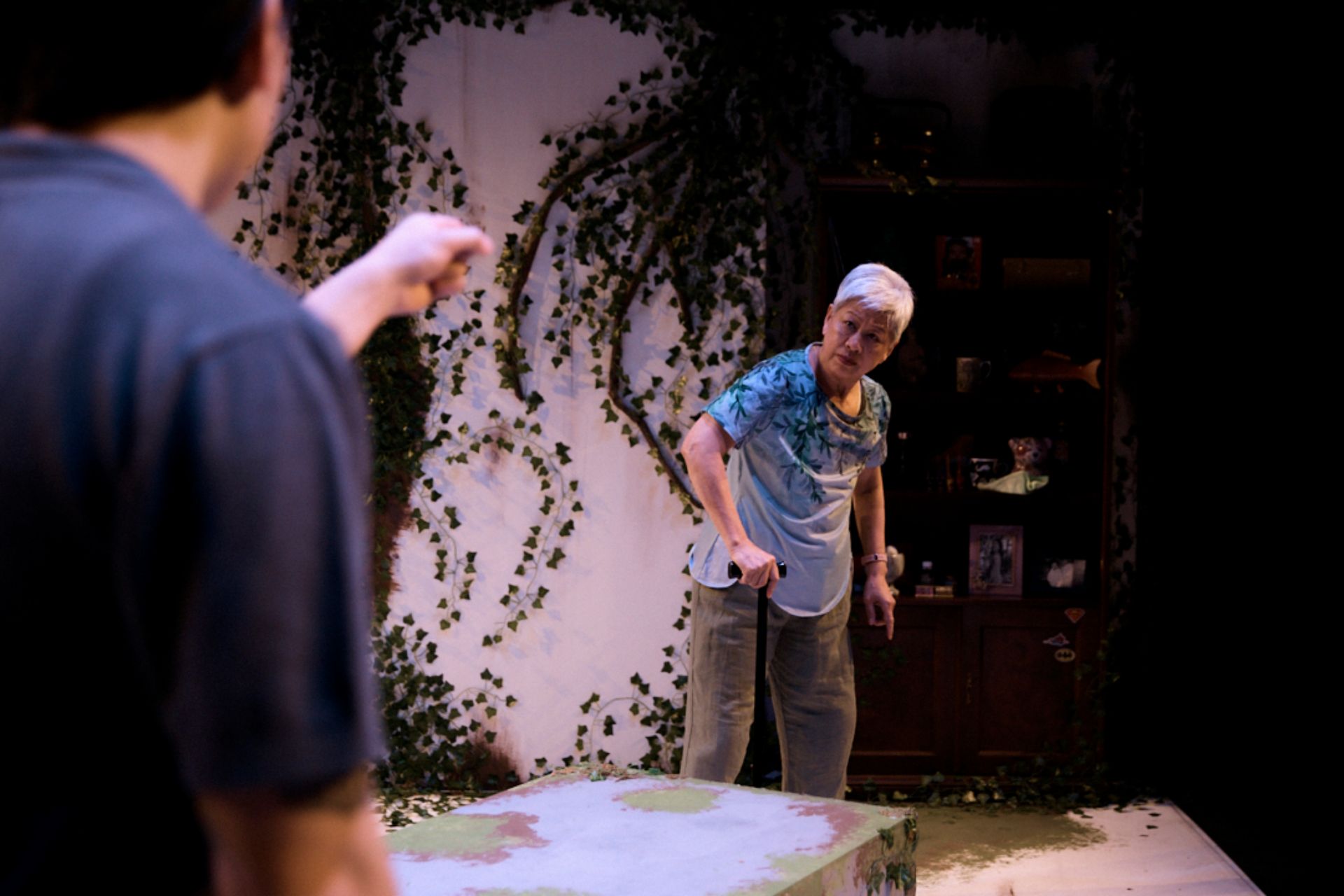
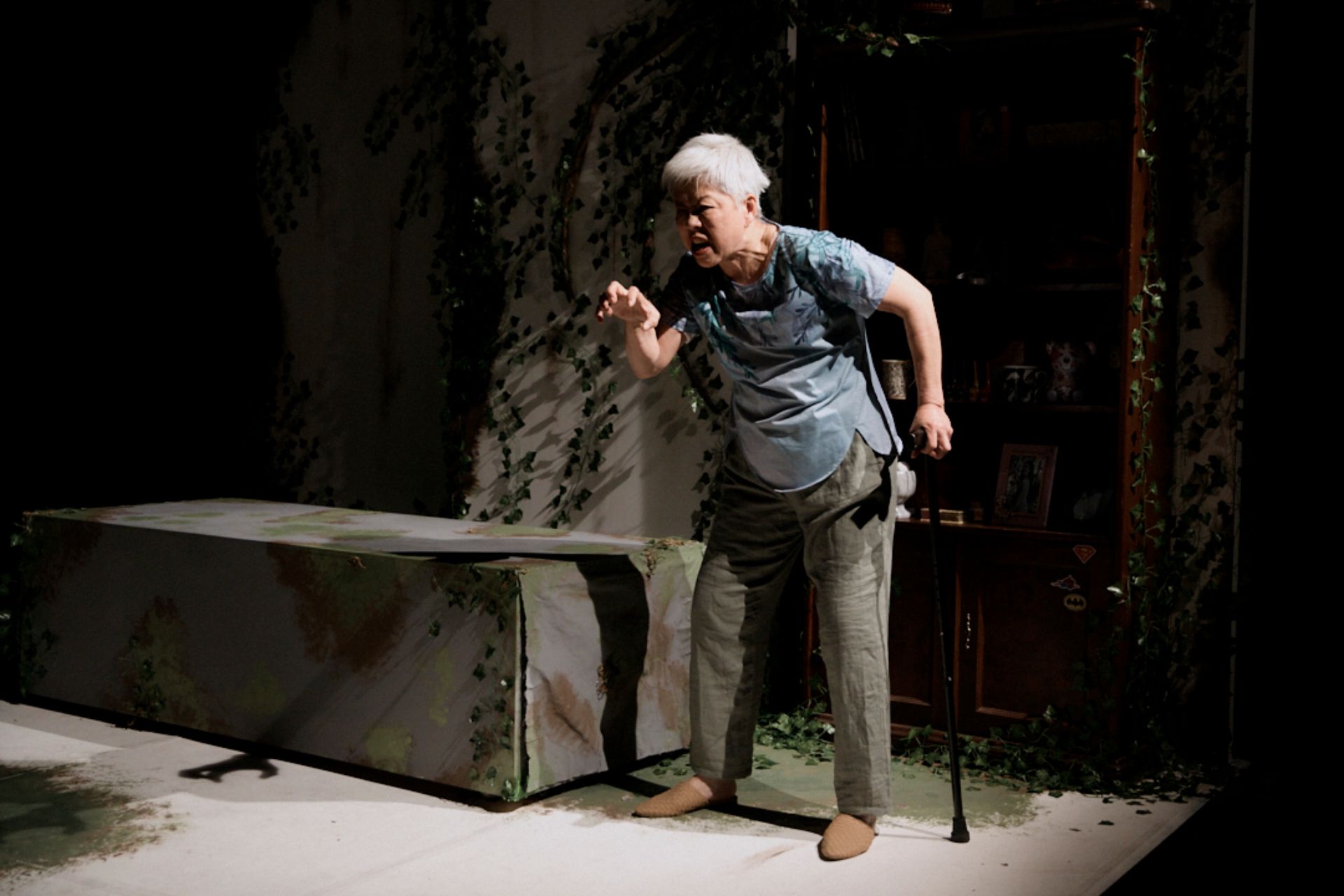
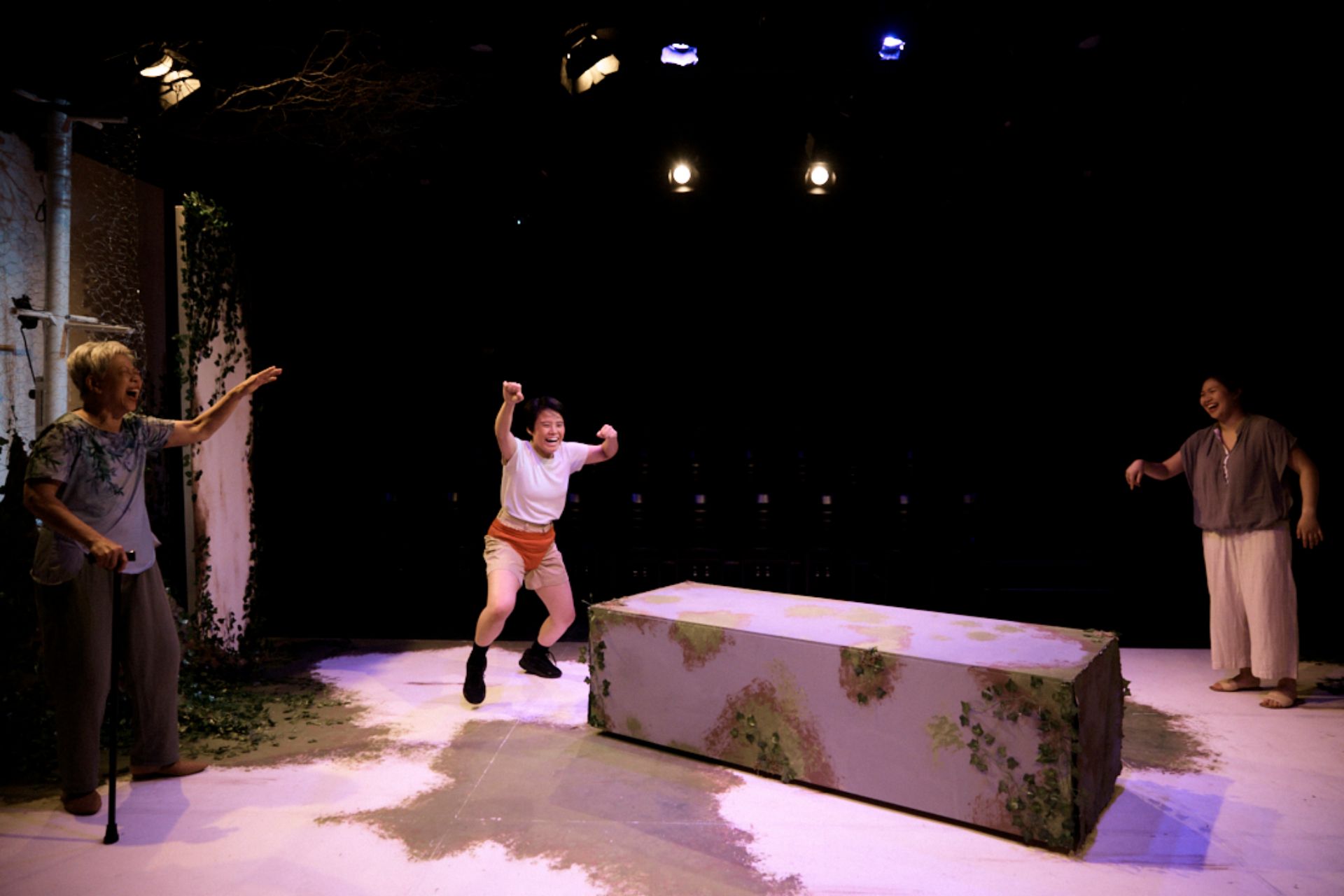
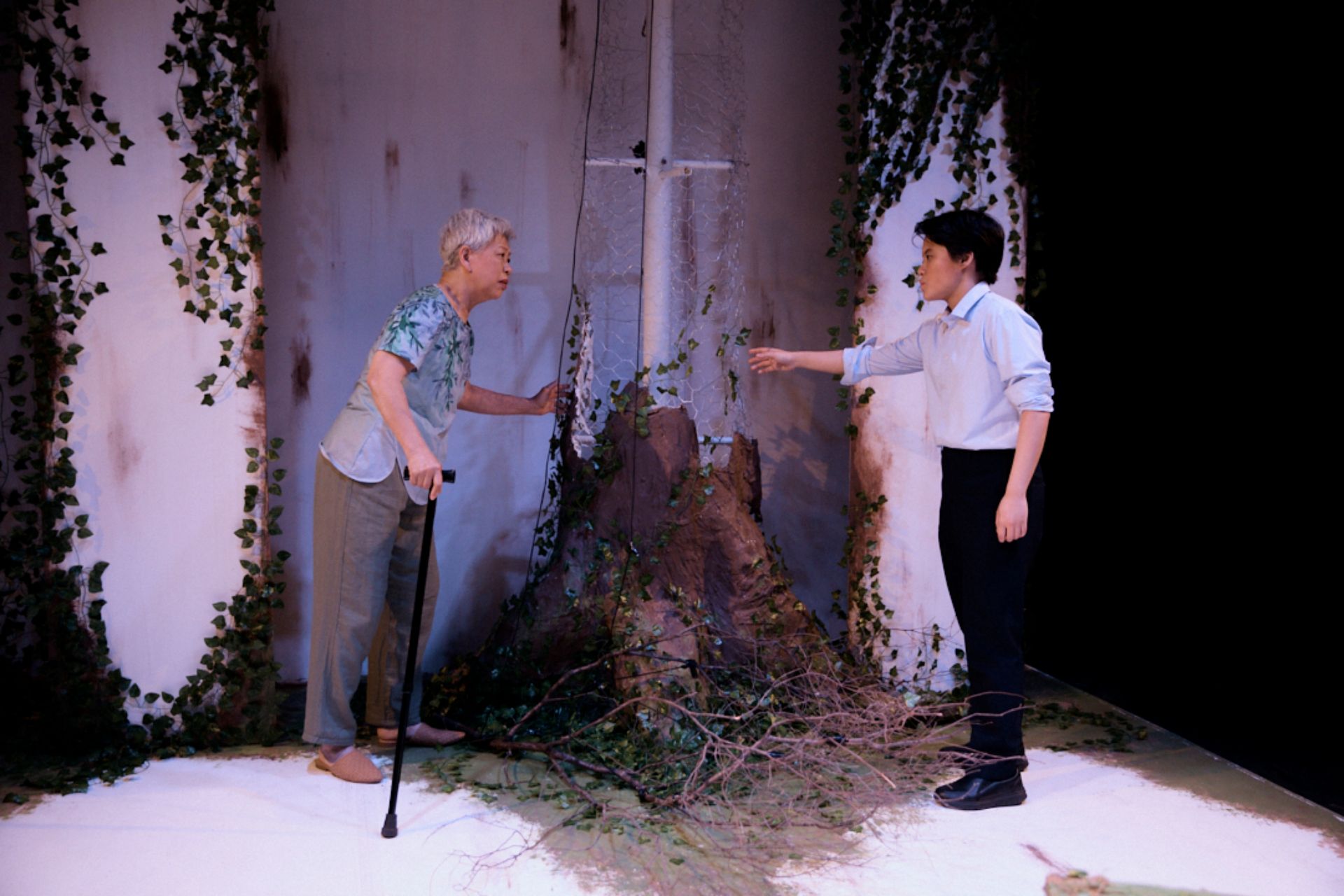
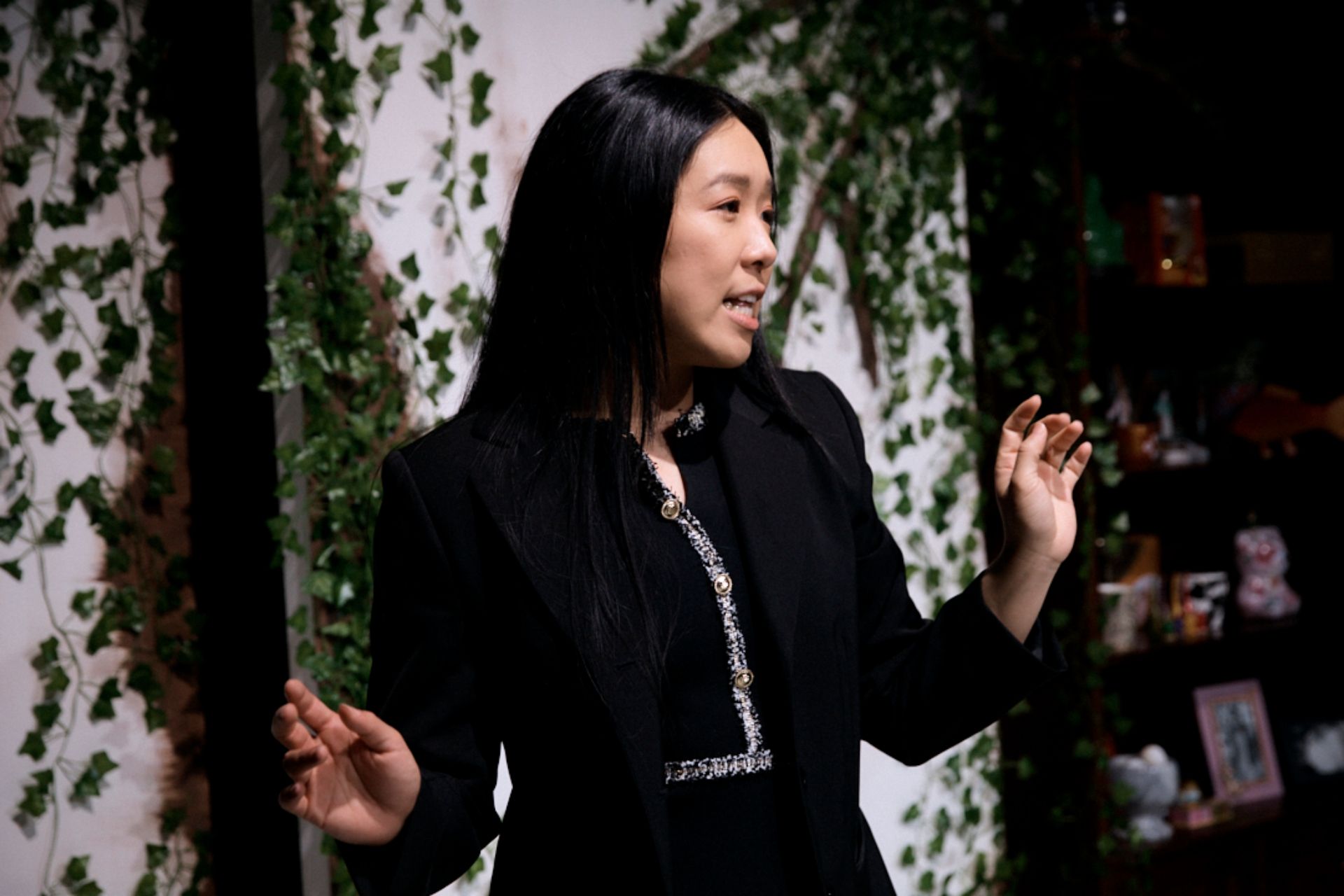
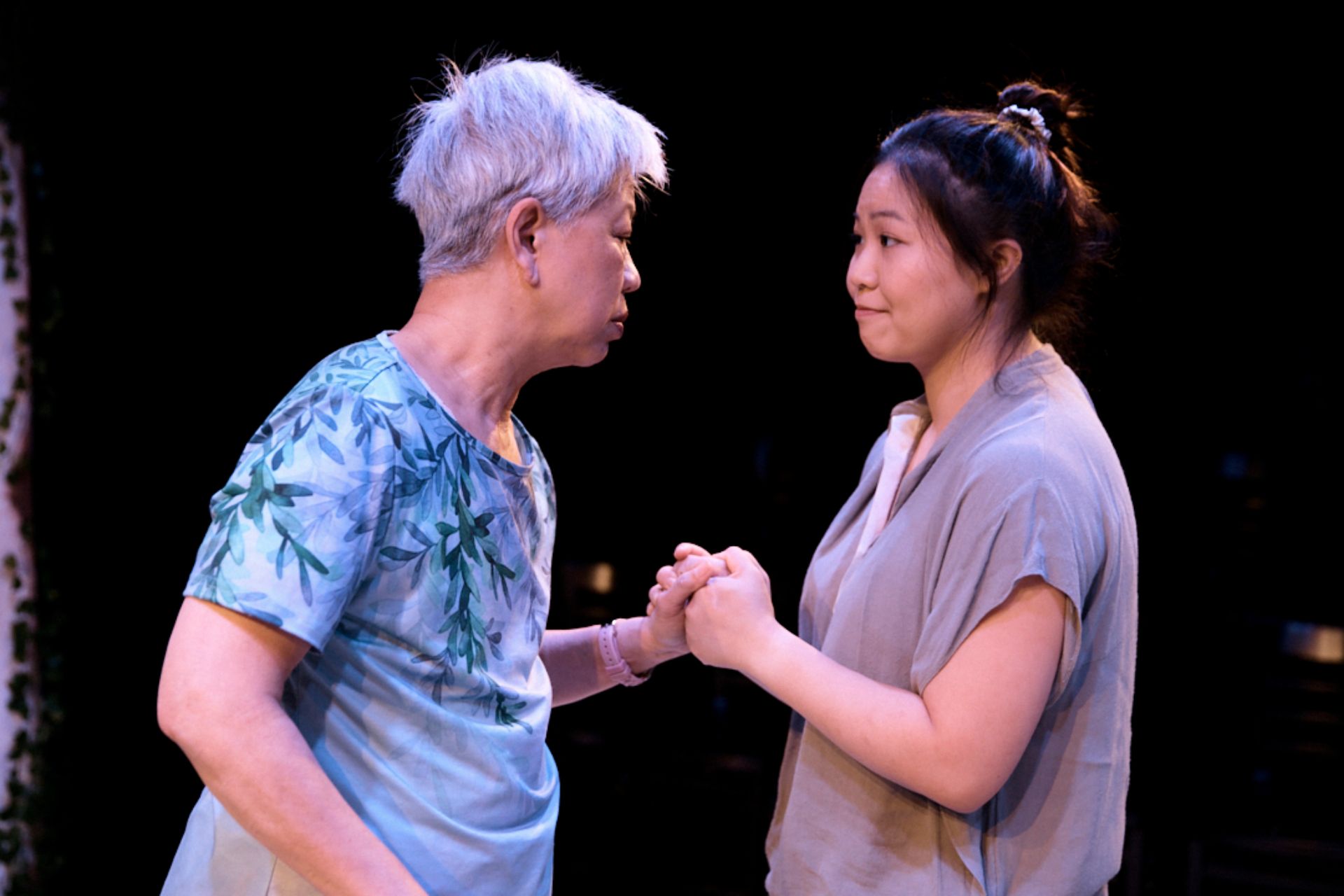
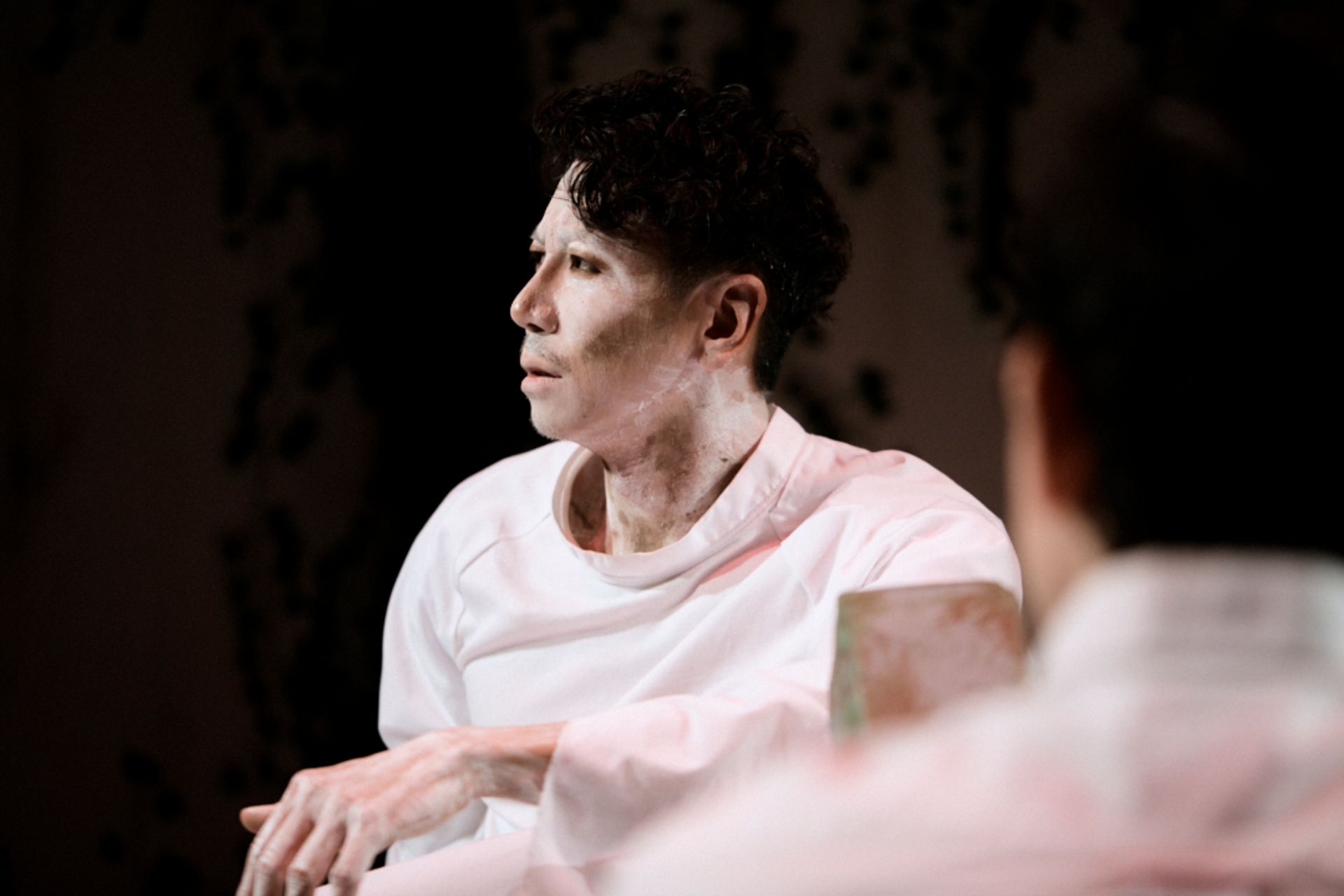
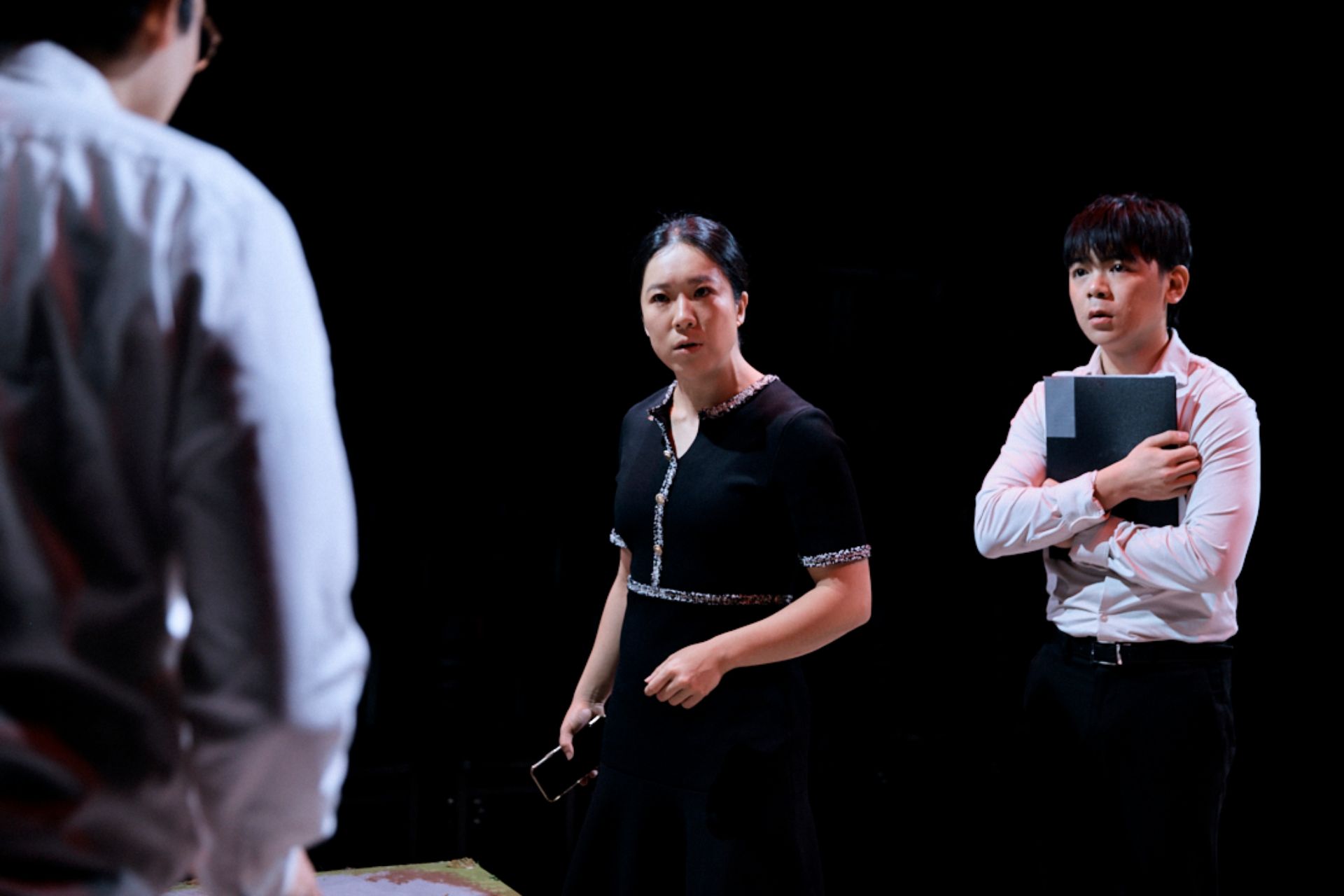
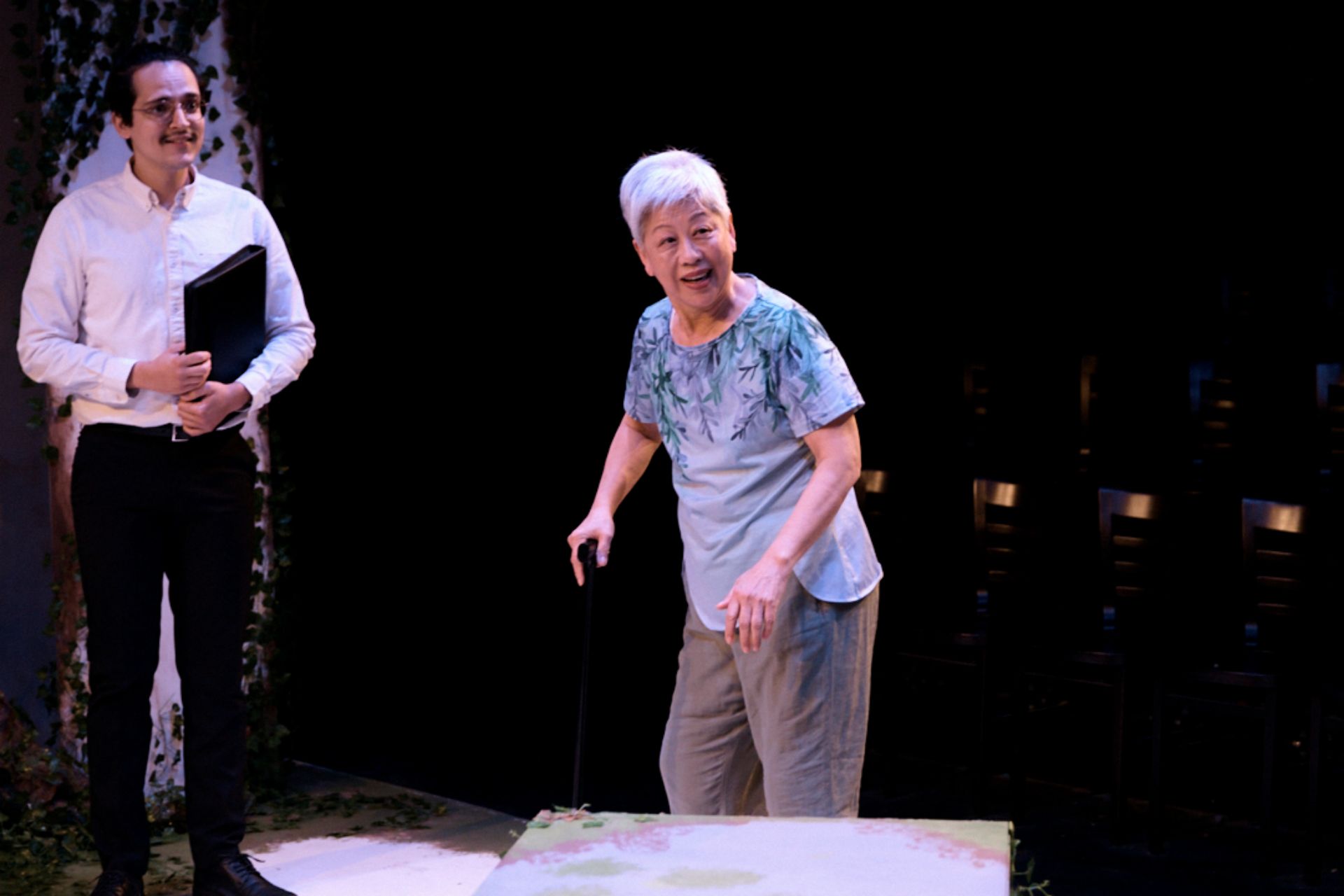
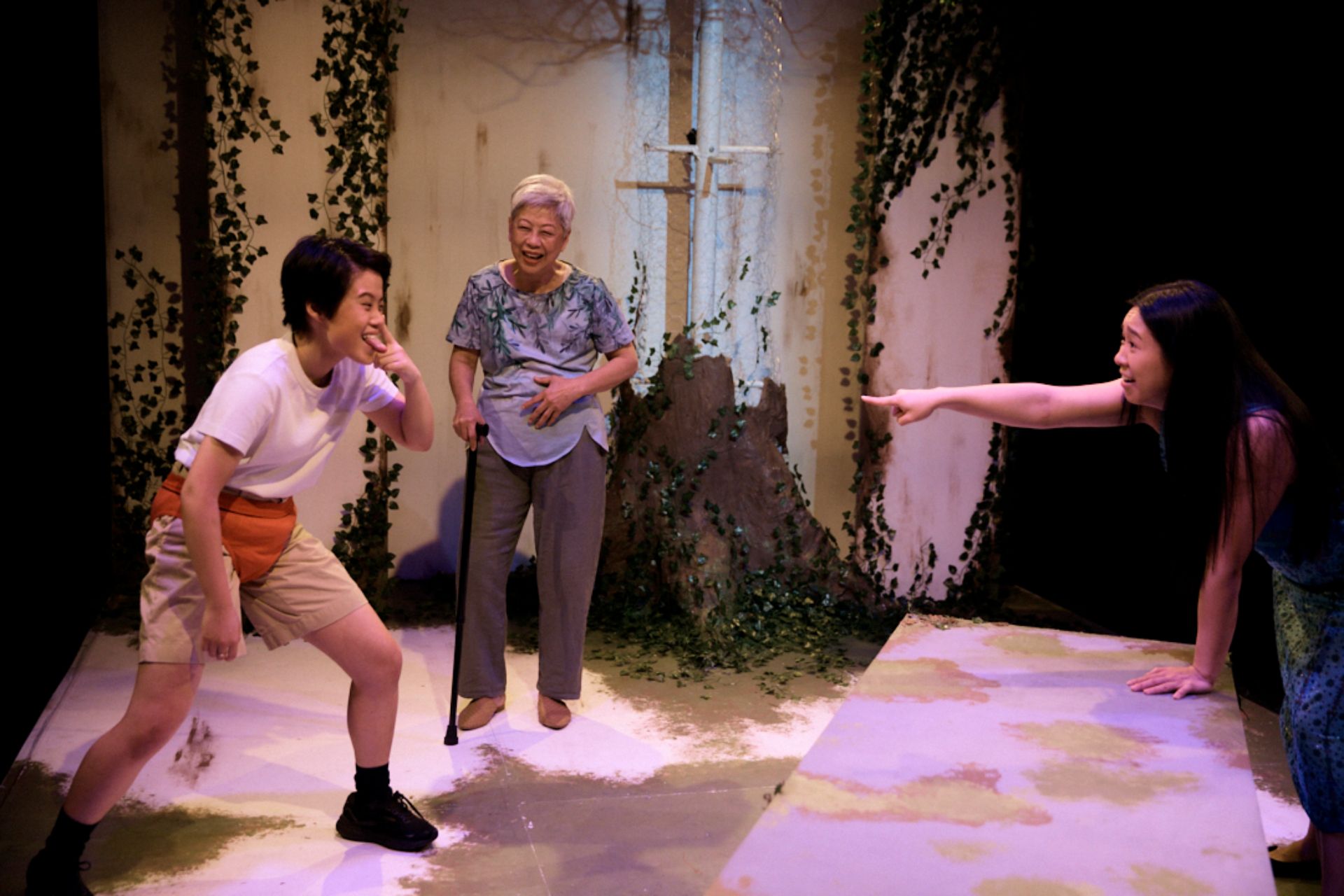
Tiong Boon is pushing his mother to sell their home, but his aspirations of moving up in life are met with resistance. Mdm Ong’s sentimental attachments to the old building are everything she treasures, if only the younger generations understand that it is not all about money. Meanwhile Jeremiah is having conversations with the ghost of Mr Chan, concerning the exhumation of his remains to make way for residential developments. All of this takes place in Singapore, where property investments are as much an obsession with the populace as they are in Australian cities. Jean Tay’s humorous yet lyrical 2009 play, Boom talks about land and place as entities beyond their commercial relevance, shifting focus from monetary to spiritual, in how we regard the notion of real estate. It is a discussion about home, heritage and custodianship, from an Eastern perspective, that complements beautifully, our own discussions about colonisation and First Nations rights on these terrains.

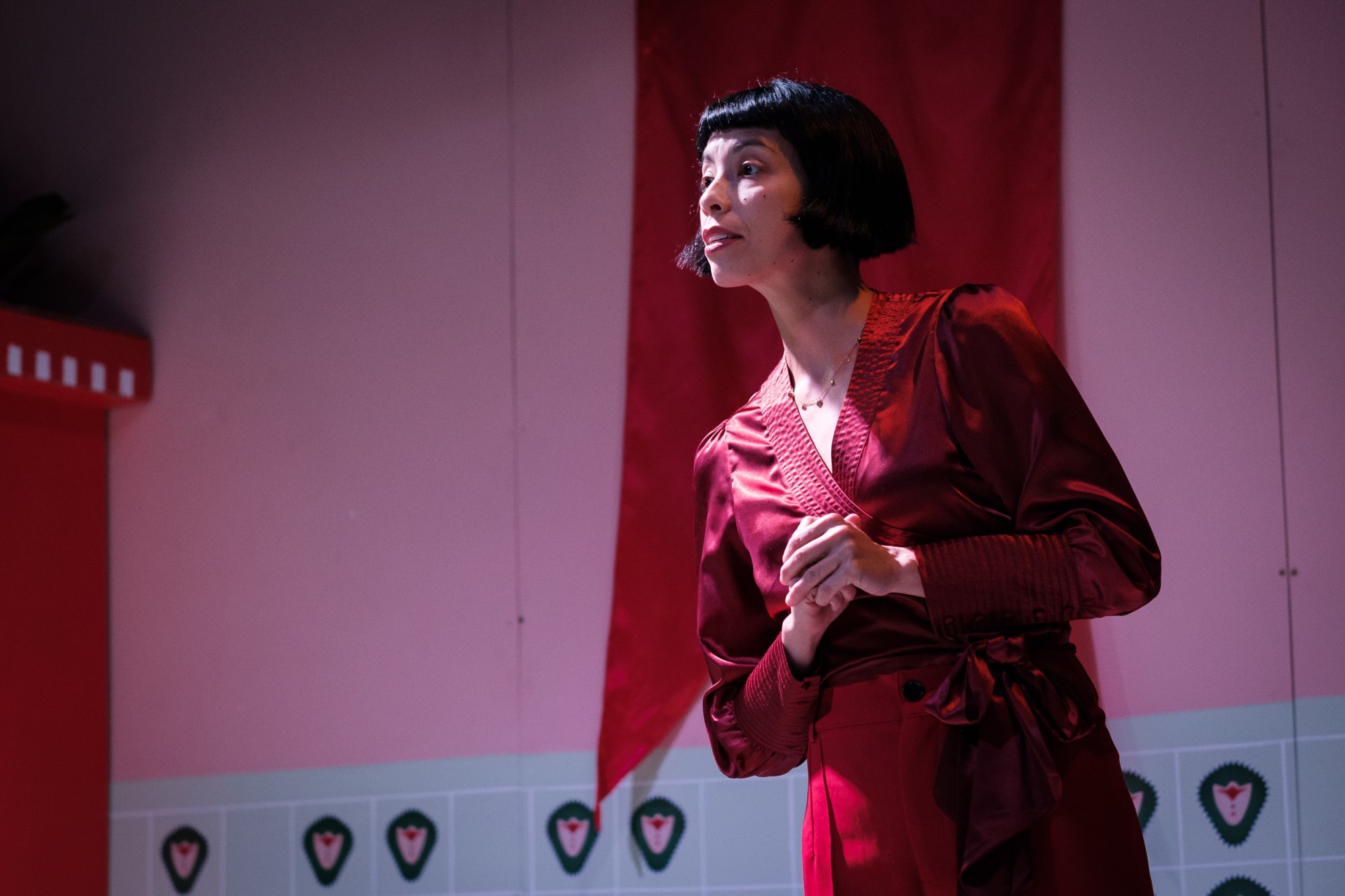
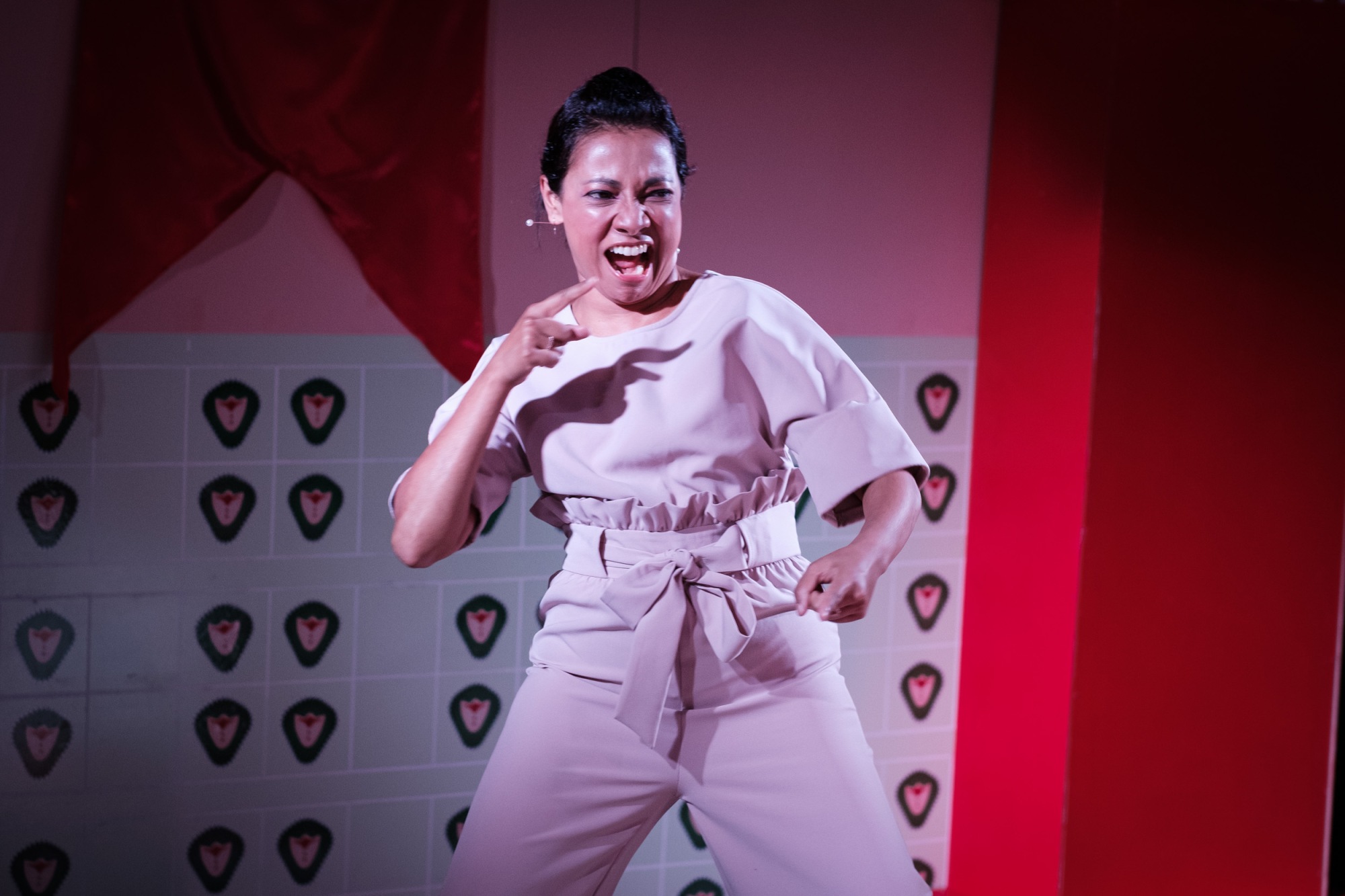
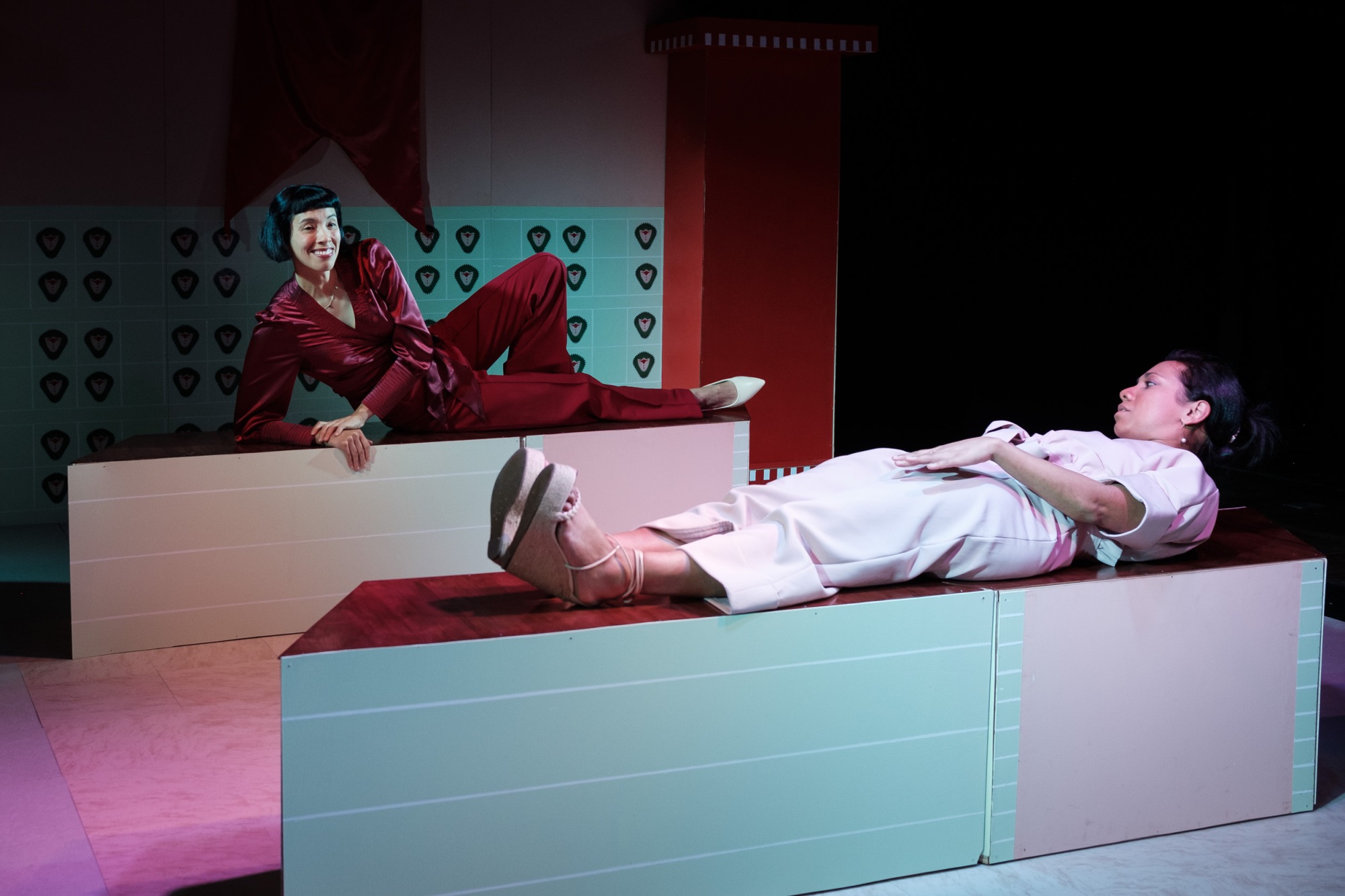
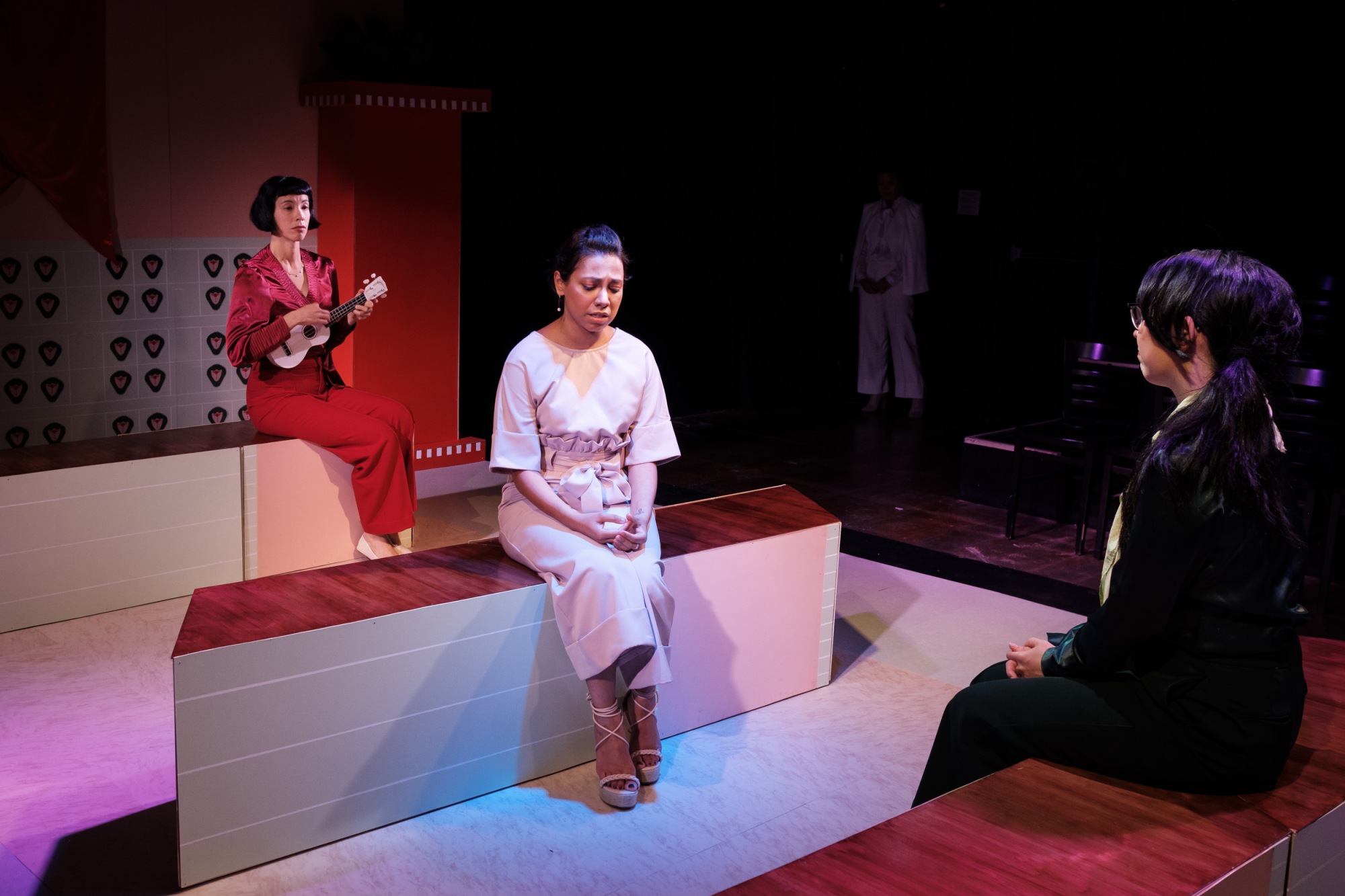
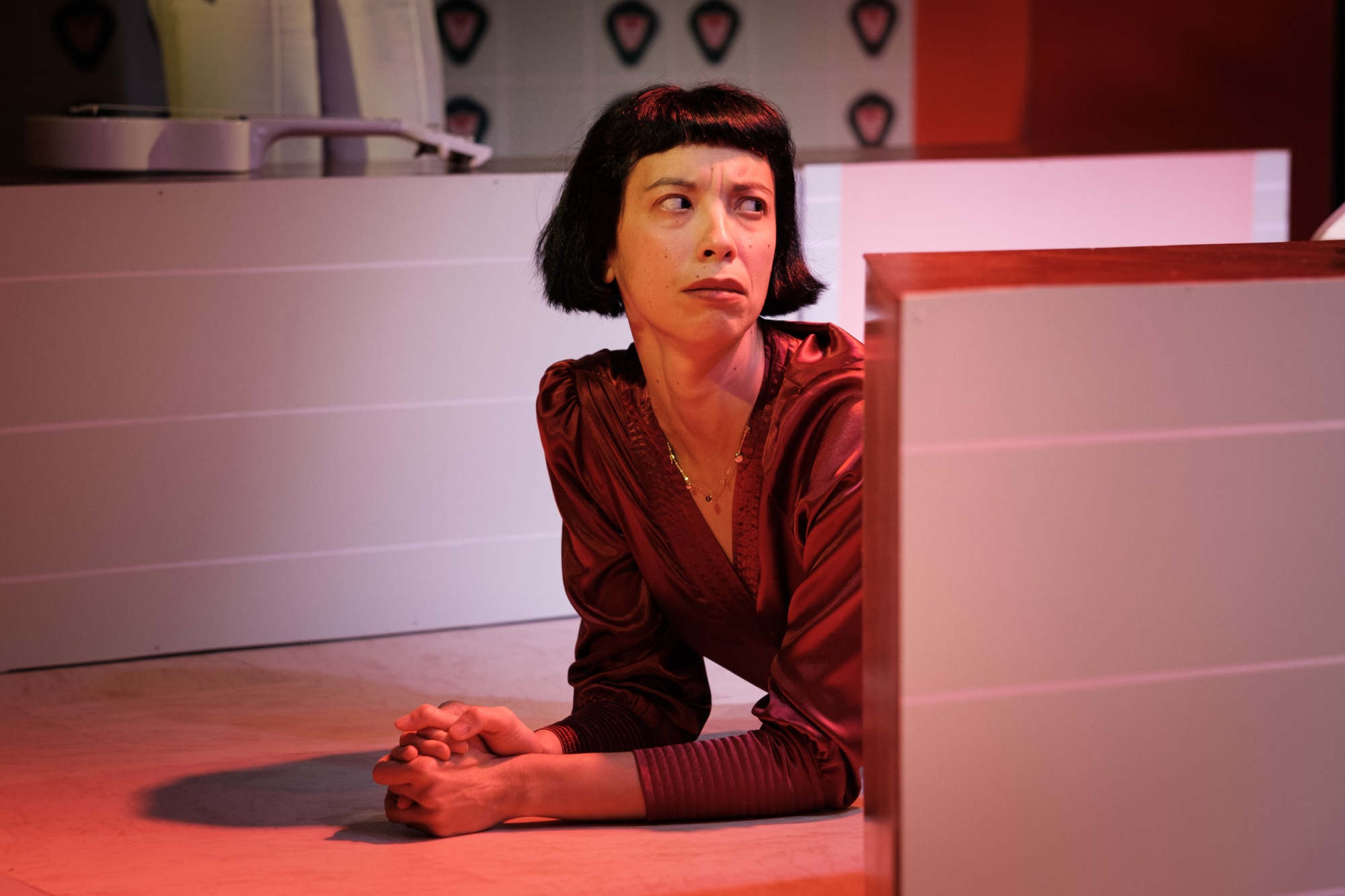
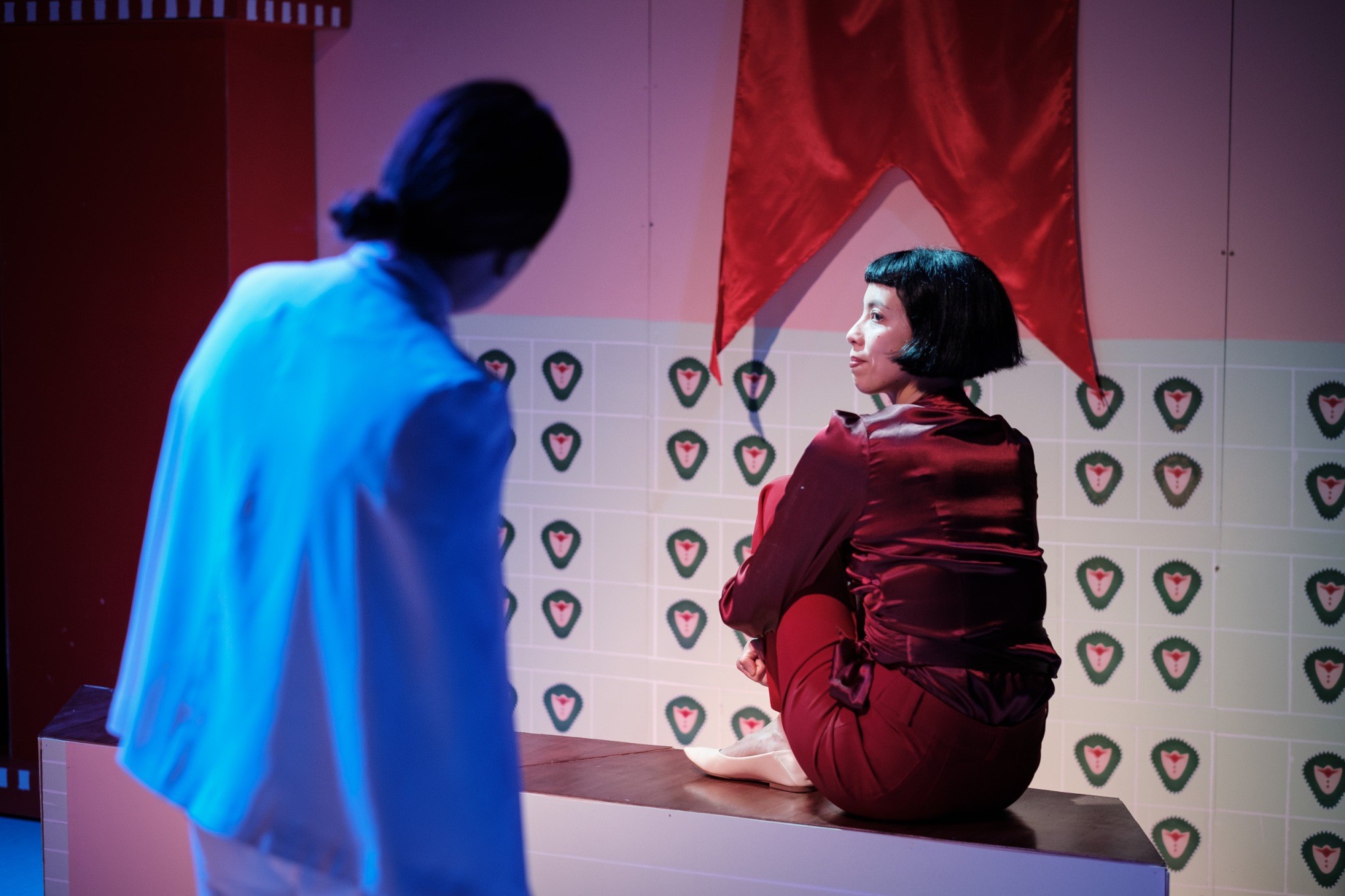
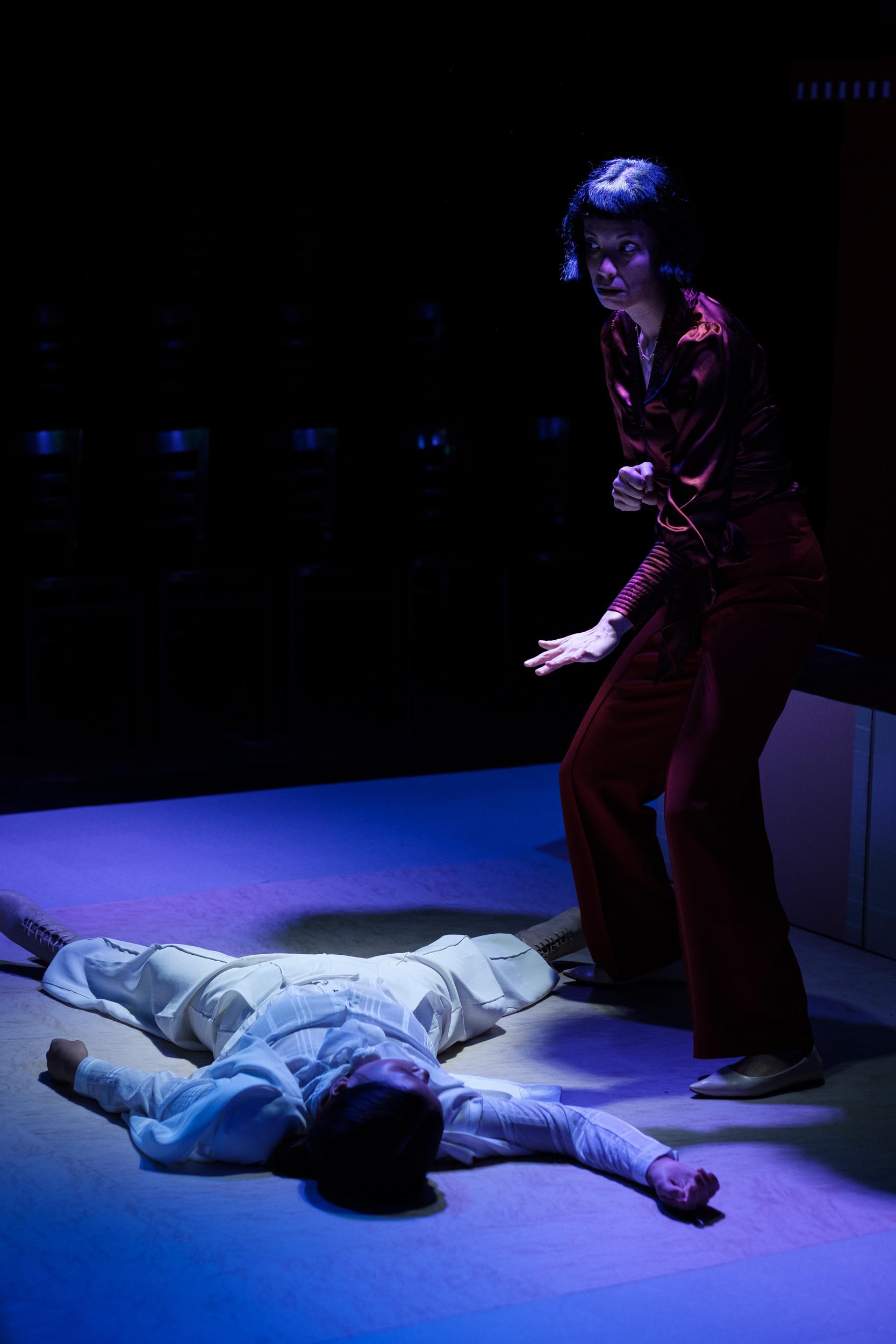
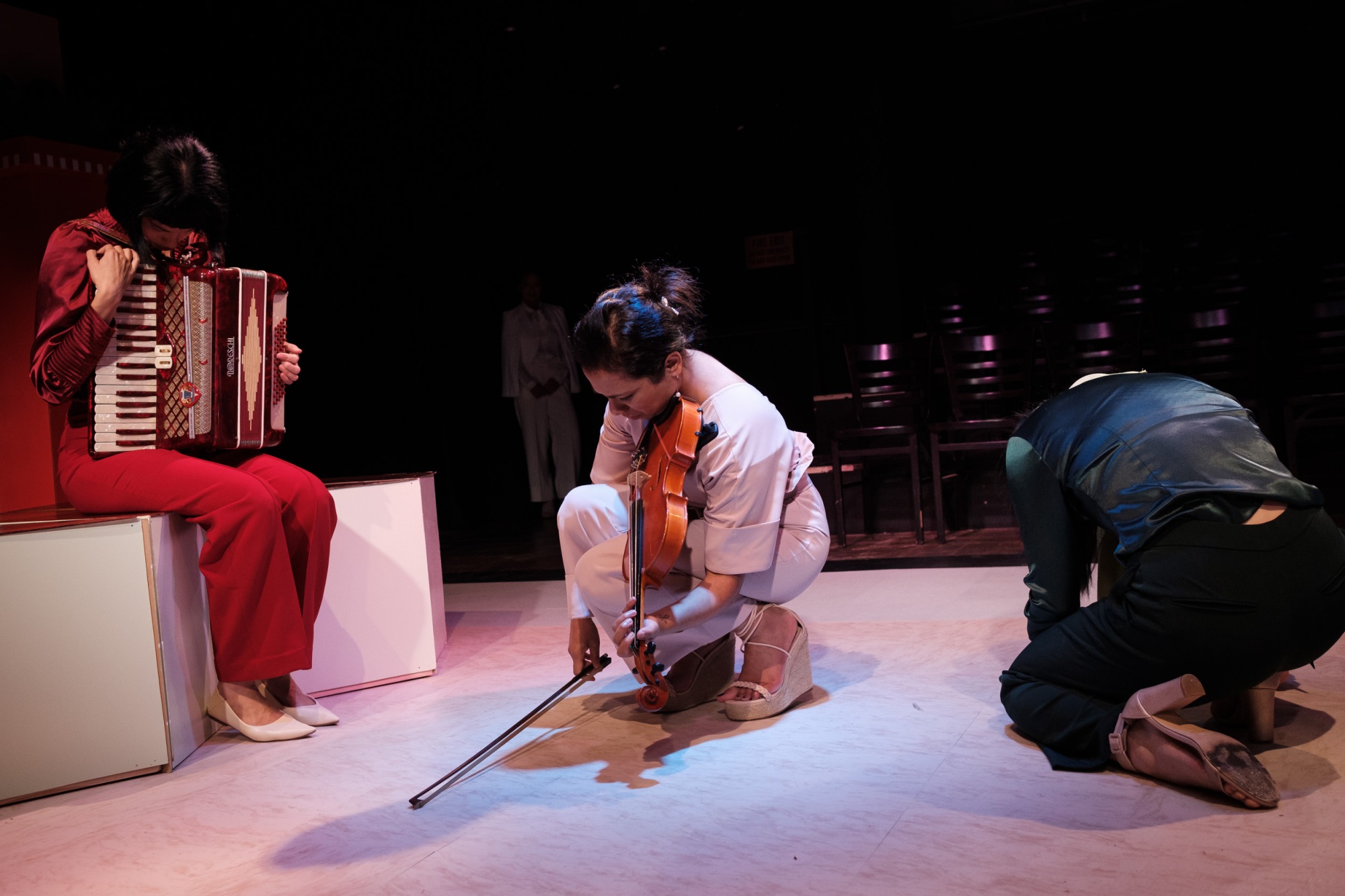
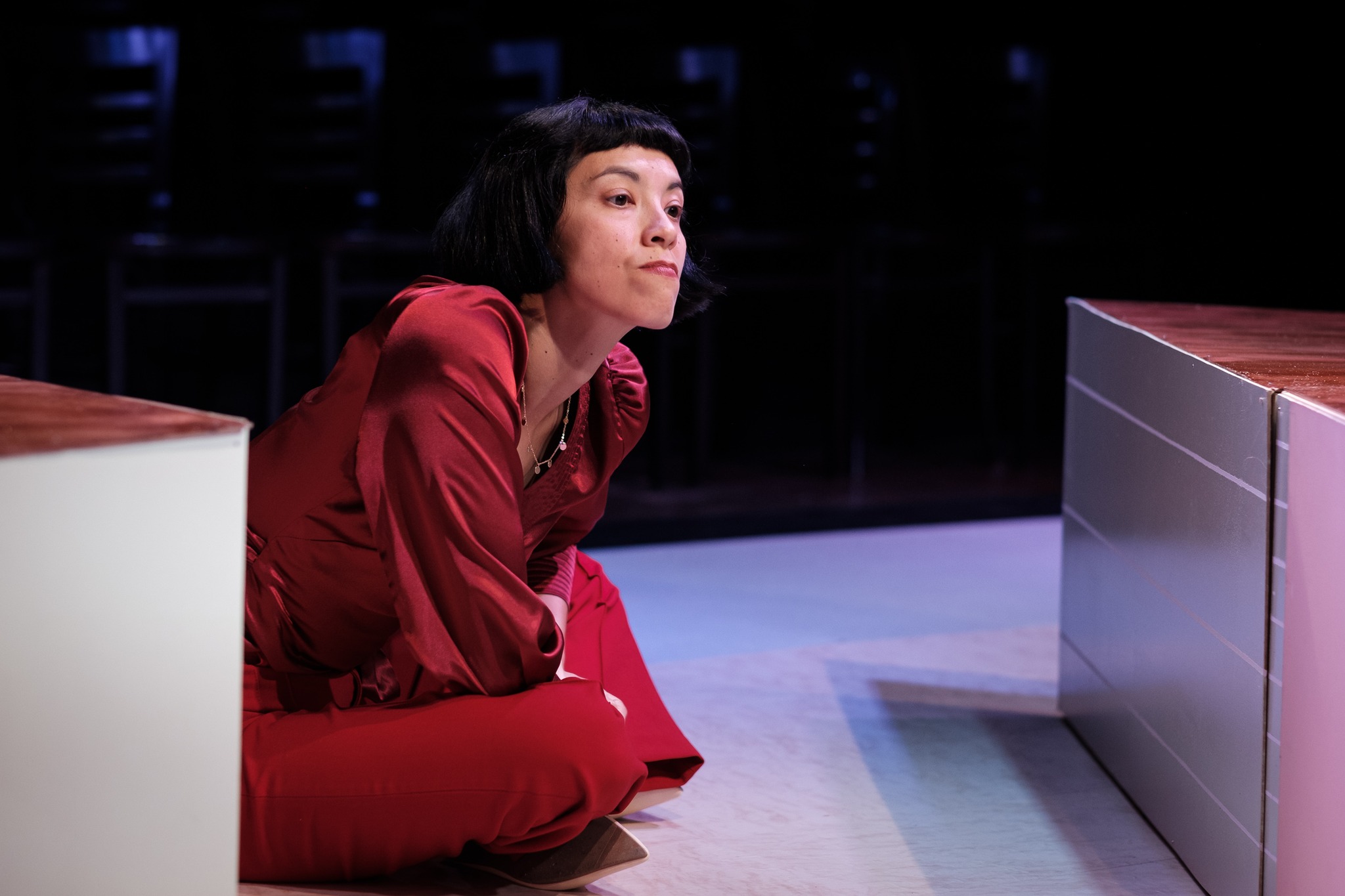
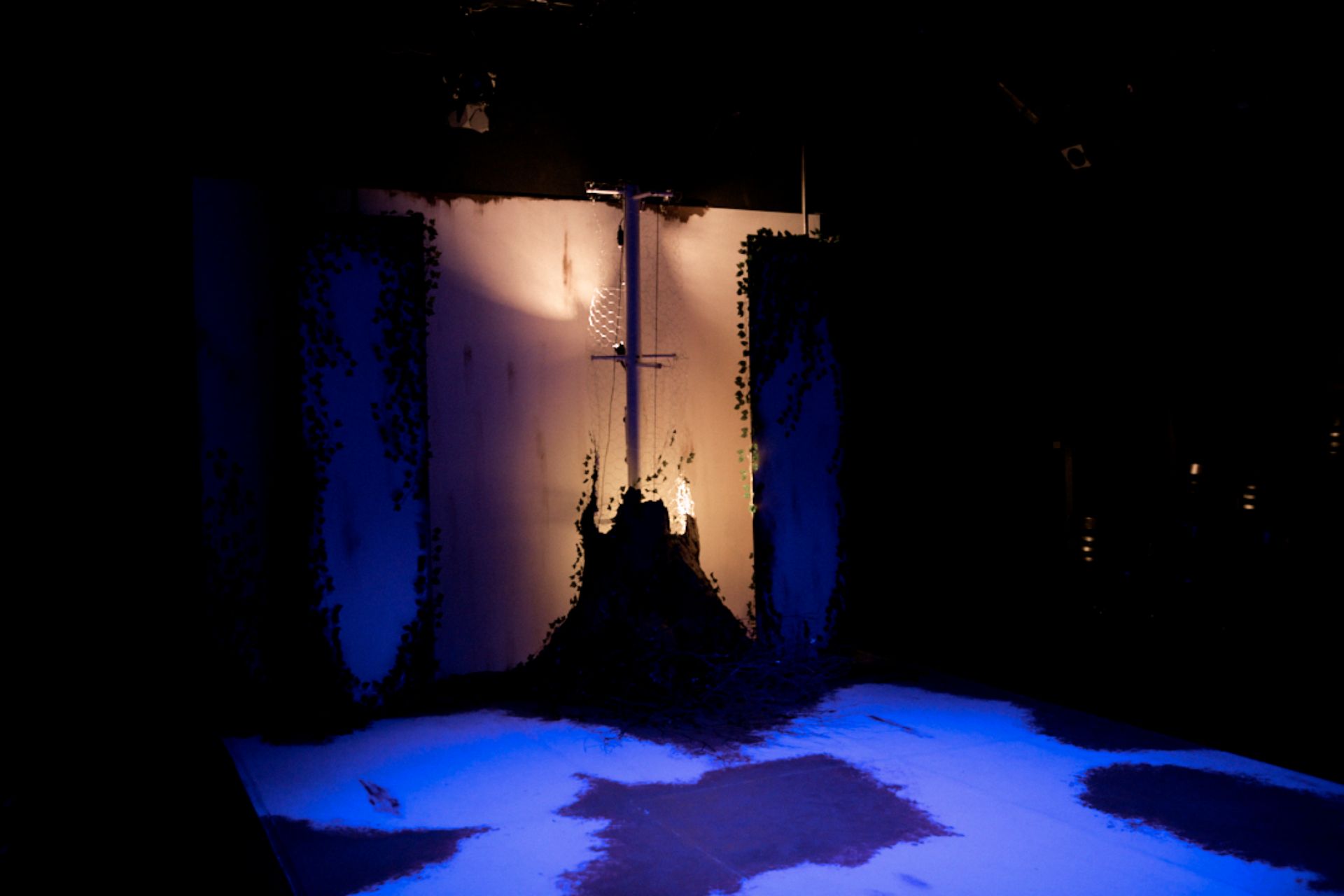
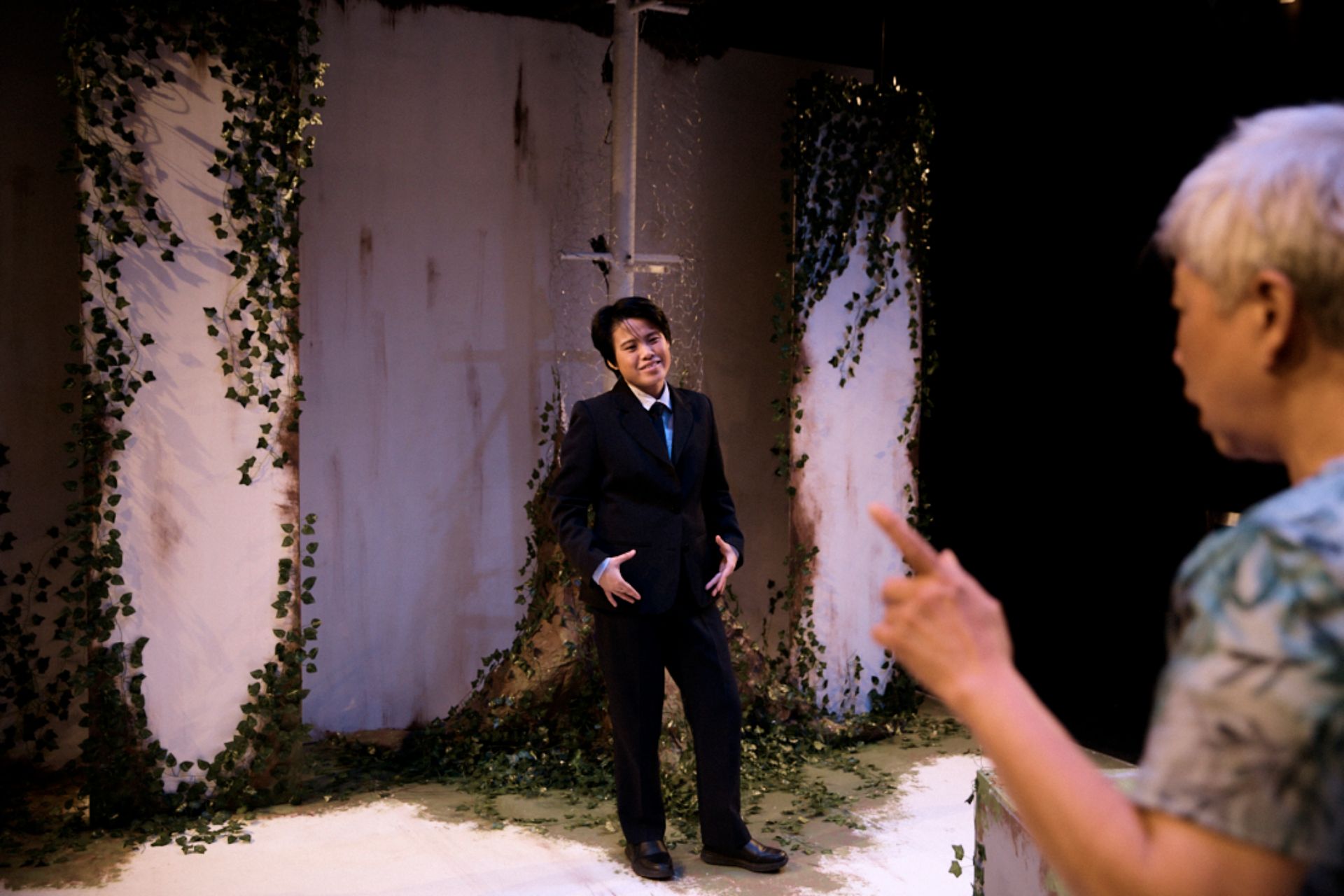
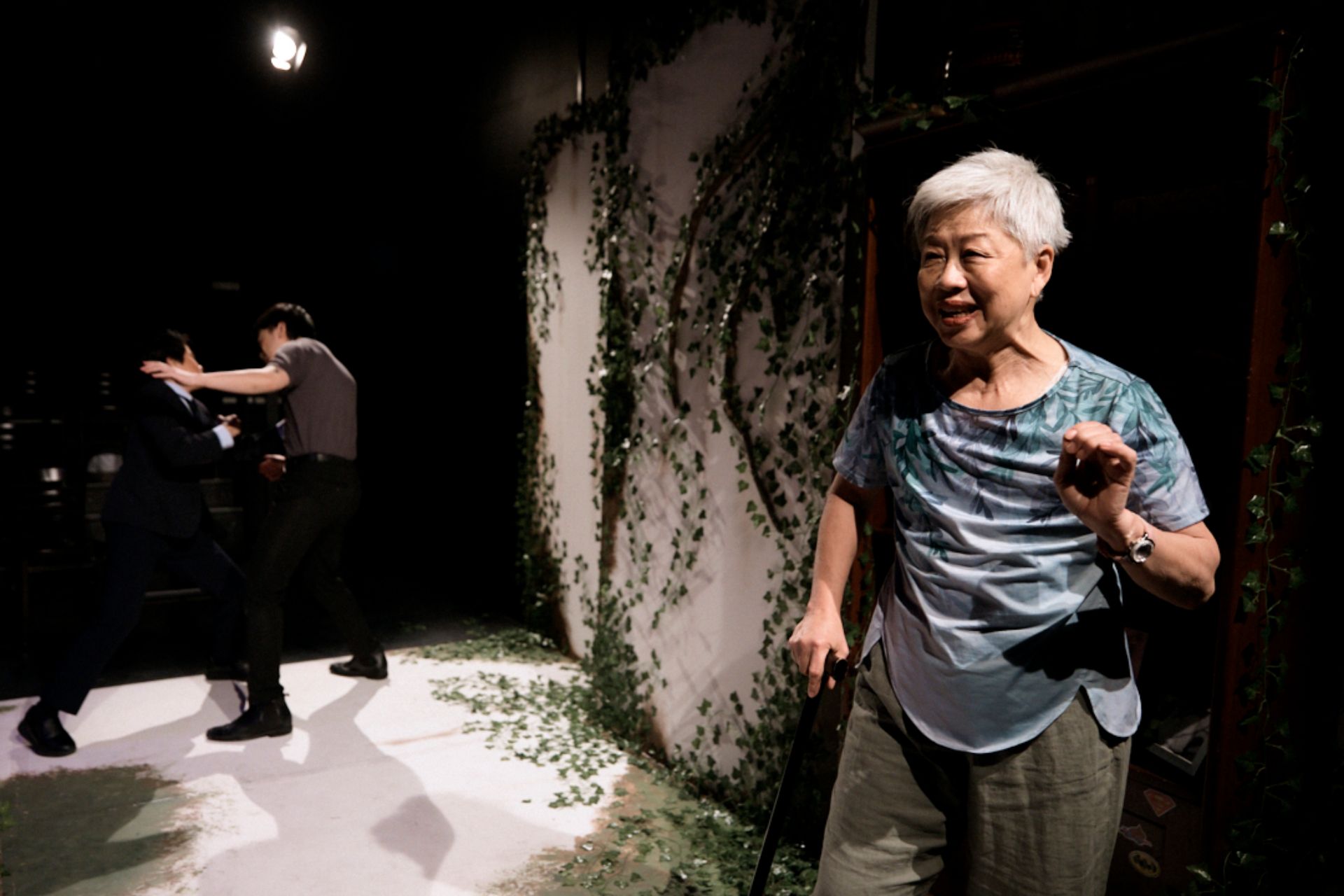
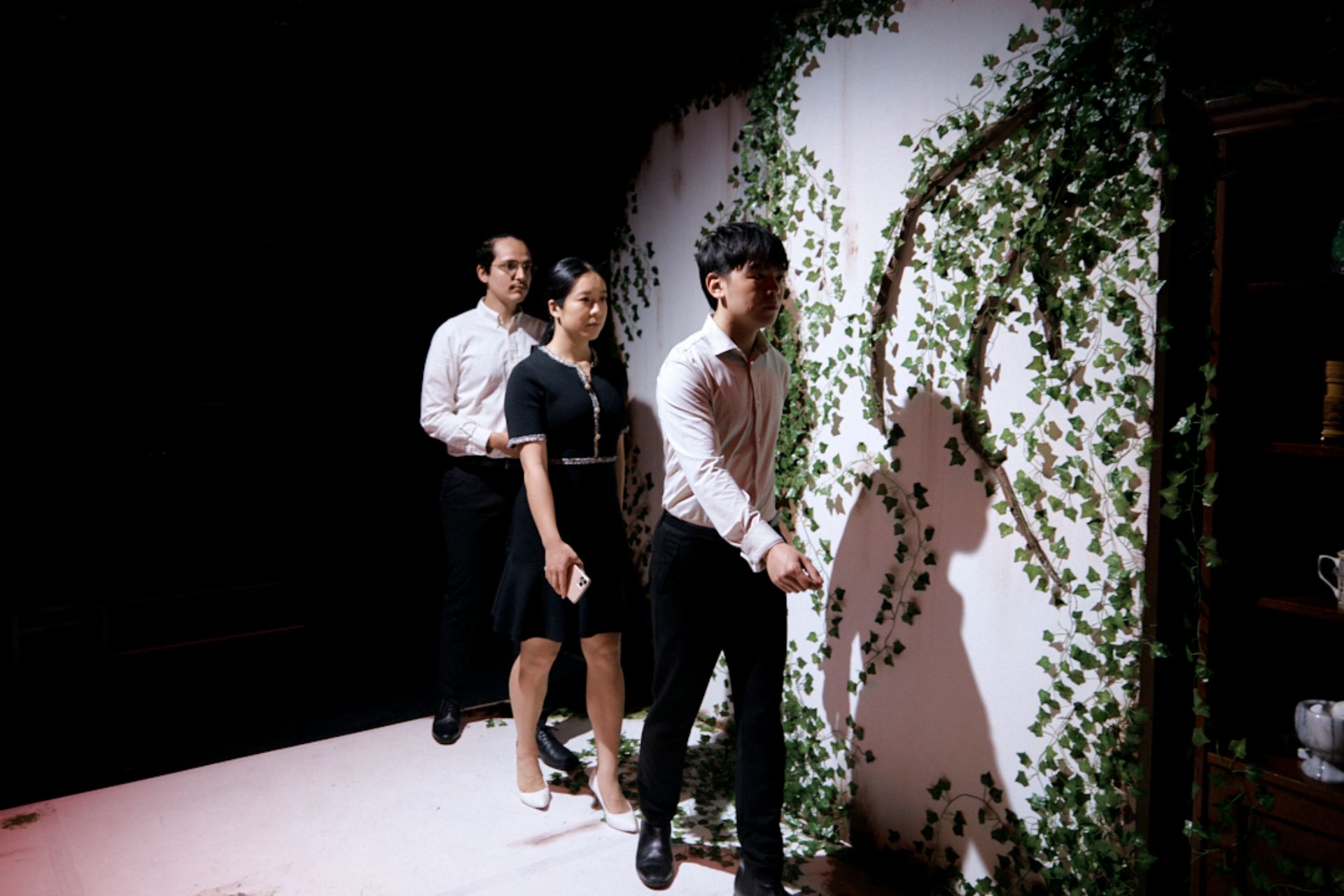
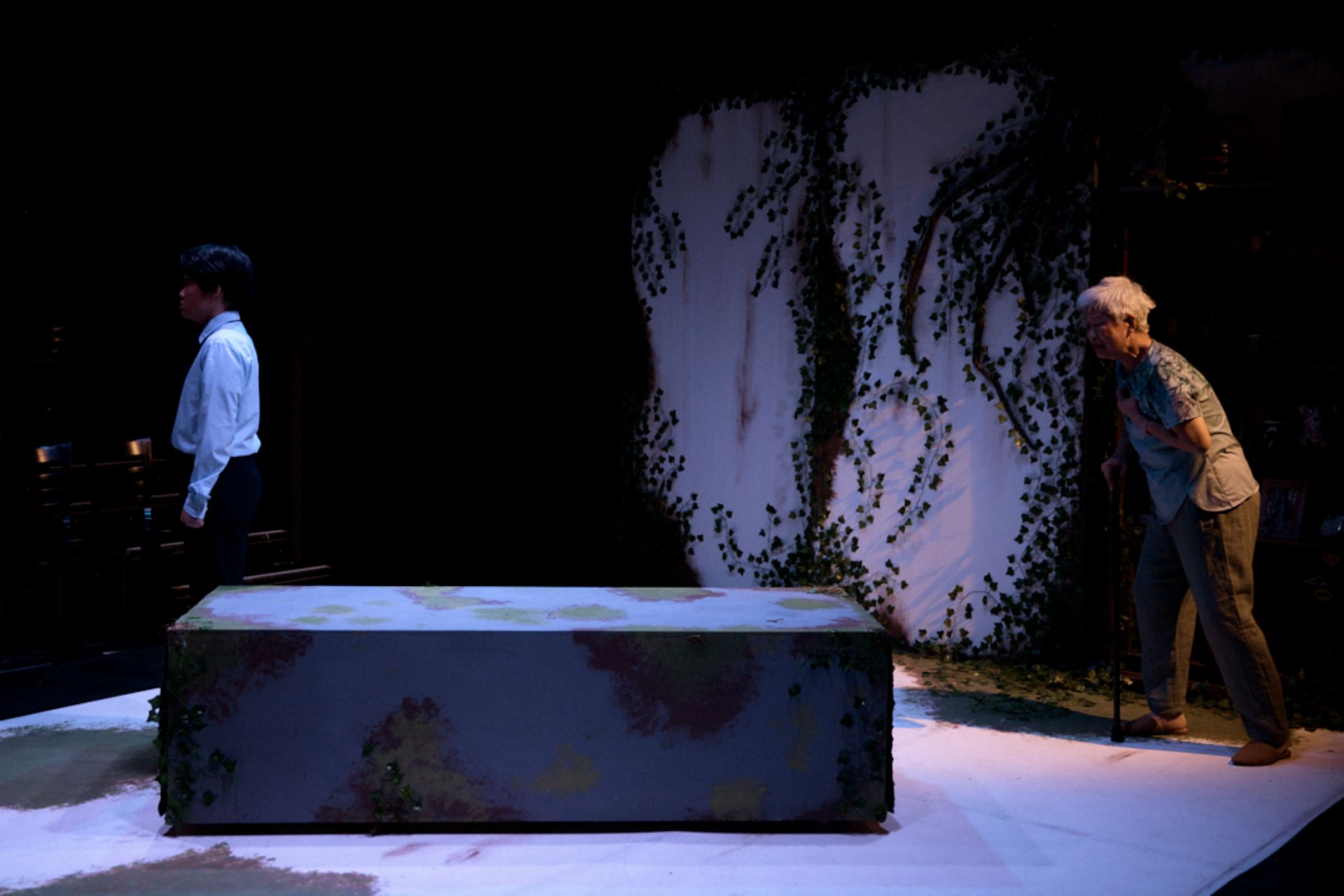
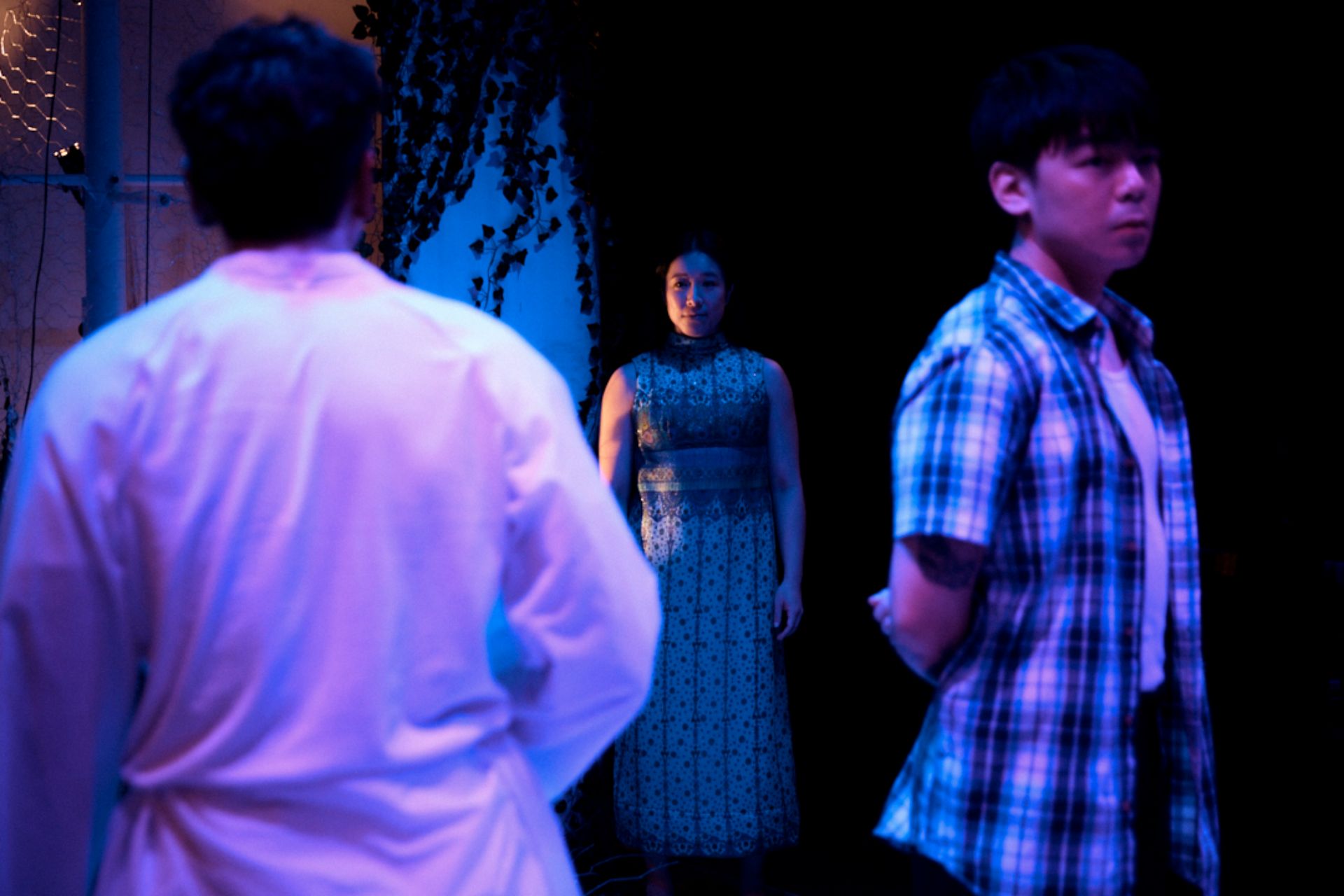
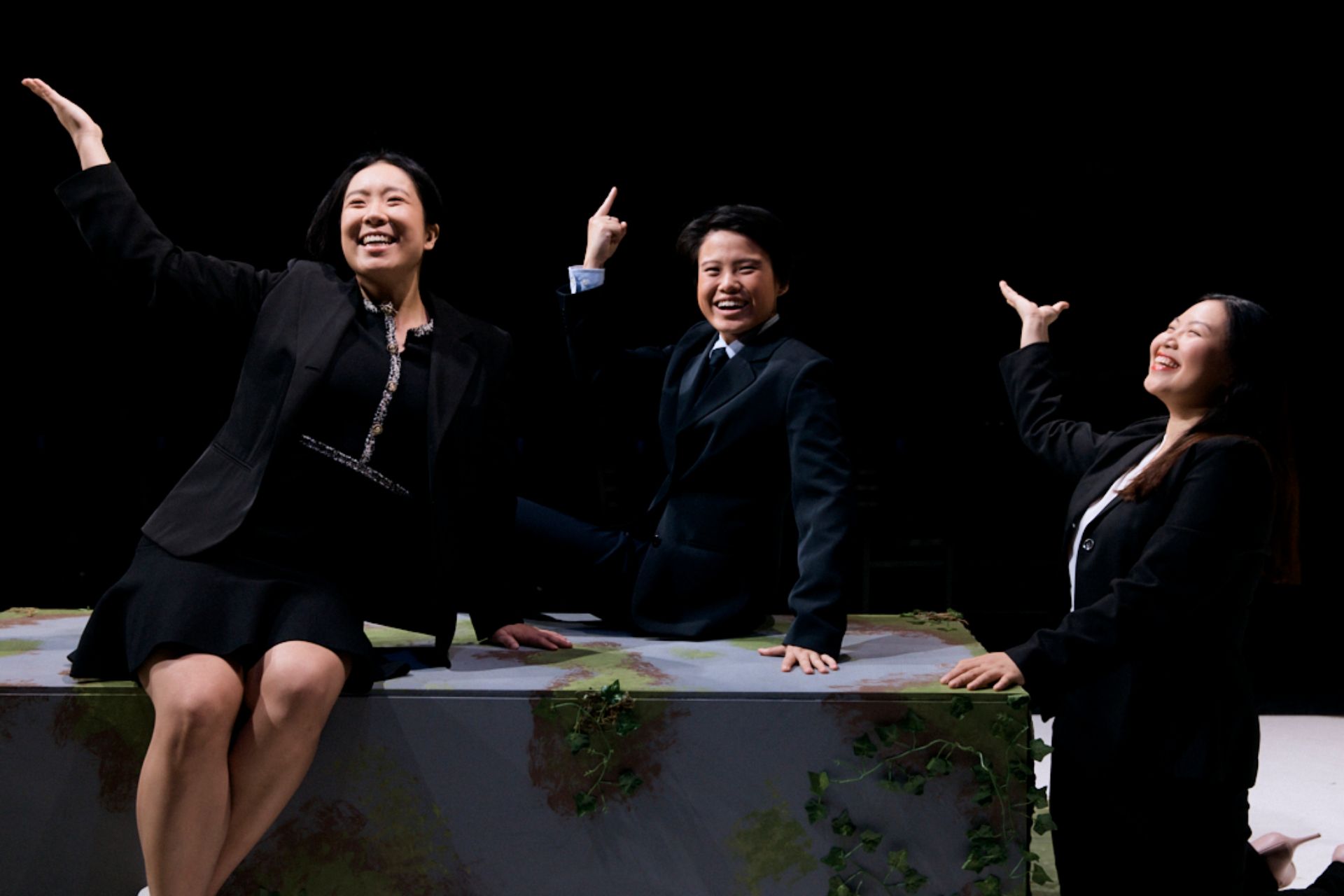
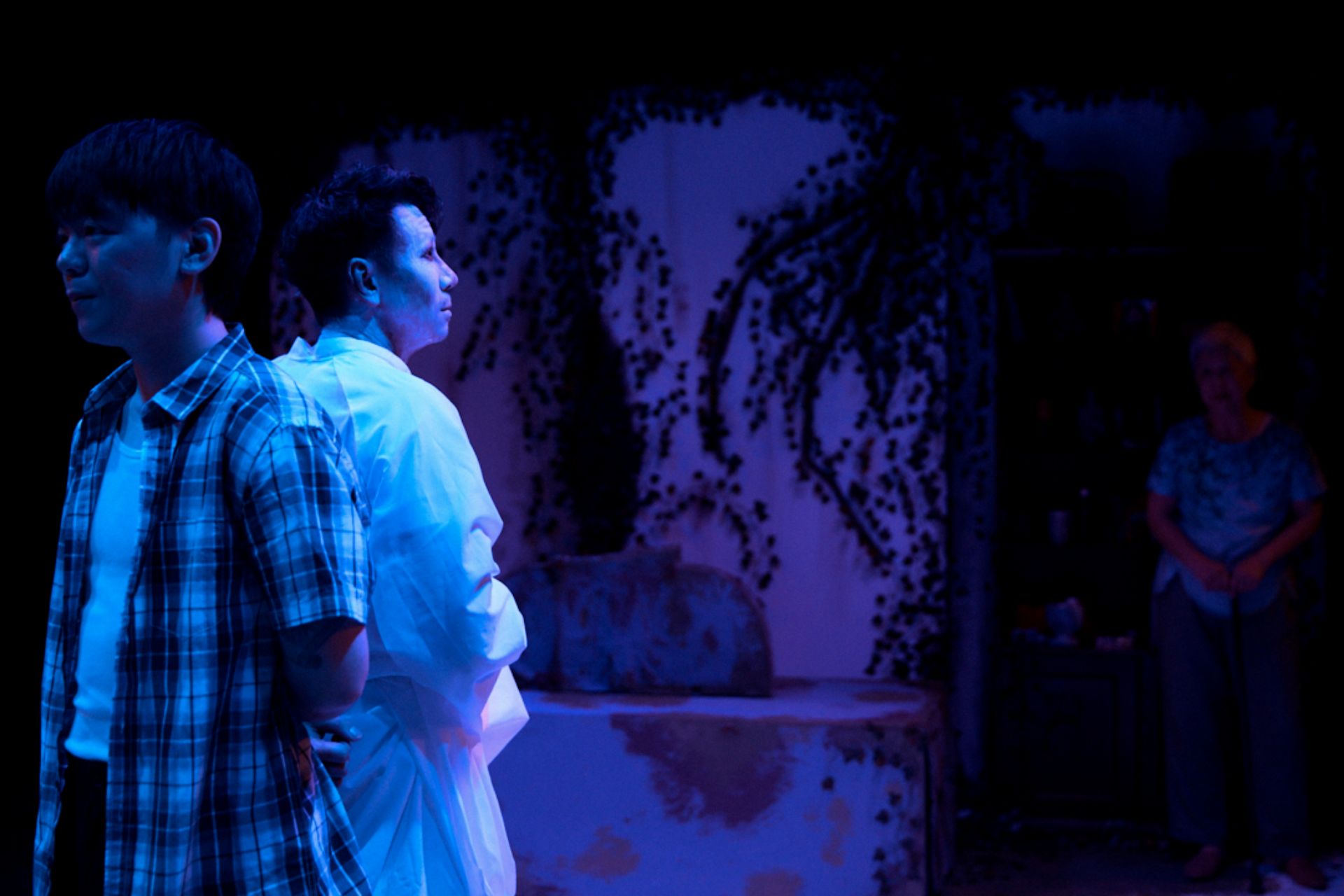
Staged with immense integrity by Tiffany Wong, whose direction of the piece unearths an authenticity that speaks not with exoticism, but with intimacy, even though its language and context are distinctly foreign. There is an exquisite pleasure in Boom‘s ability to fascinate with its culturally specific concepts, yet resonate on a level that feels universal. Set design by Aloma Barnes helps us interrogate the tensions between the natural and the built, in these meditations on our lived environments. Costumes by Rita Naidu offer quick ways to identify the personality types we encounter. Luna Ng’s lights take care to navigate sensitively between the many oscillating spaces, in geographic, temporal and emotional terms. Sam Cheng’s sounds and music imbue a richness to our sensorial experience of Boom, surreptitiously embellishing the atmosphere in ways to keep us attuned to the fluctuating dimensions of a wonderfully gripping work of theatre.

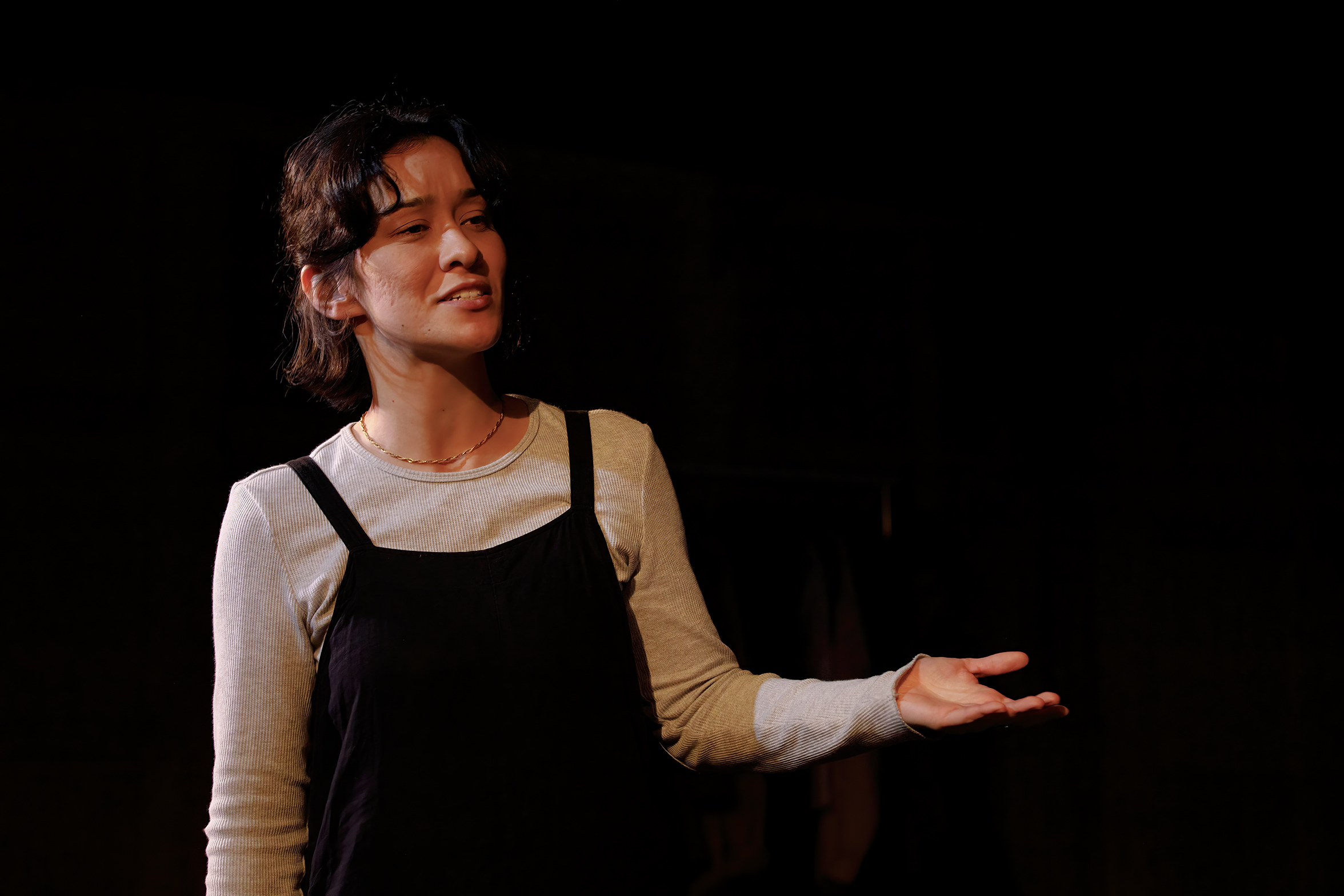
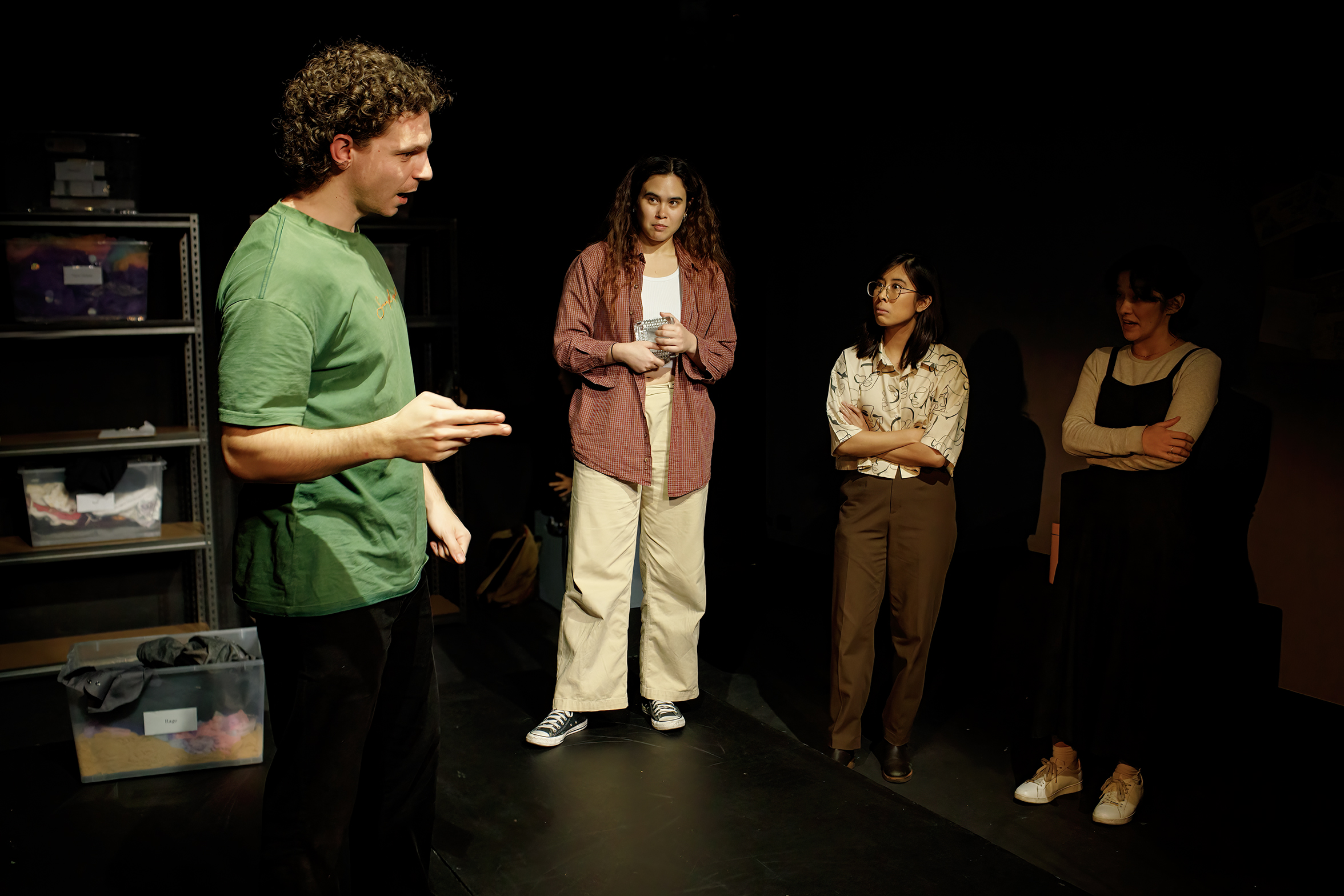
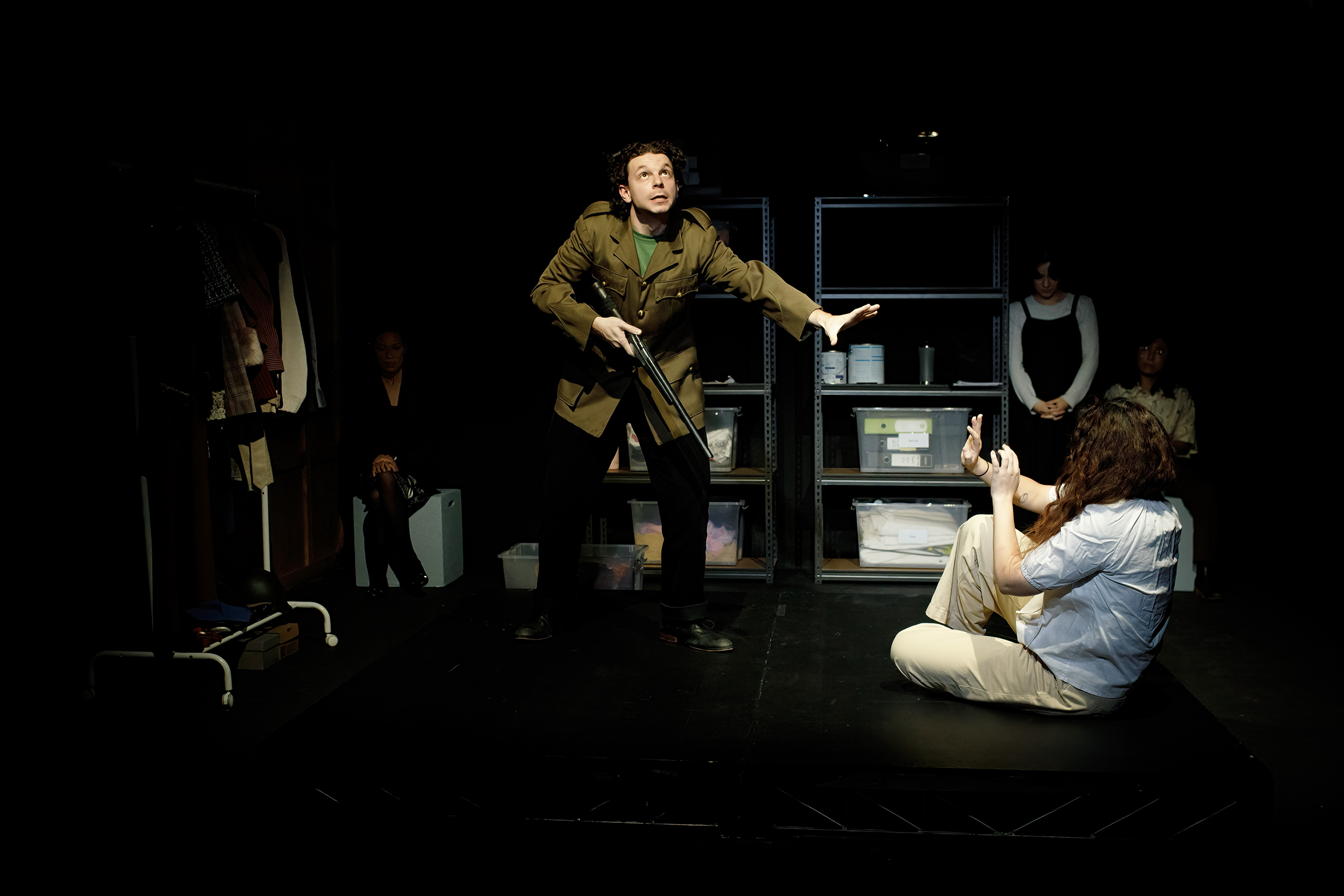
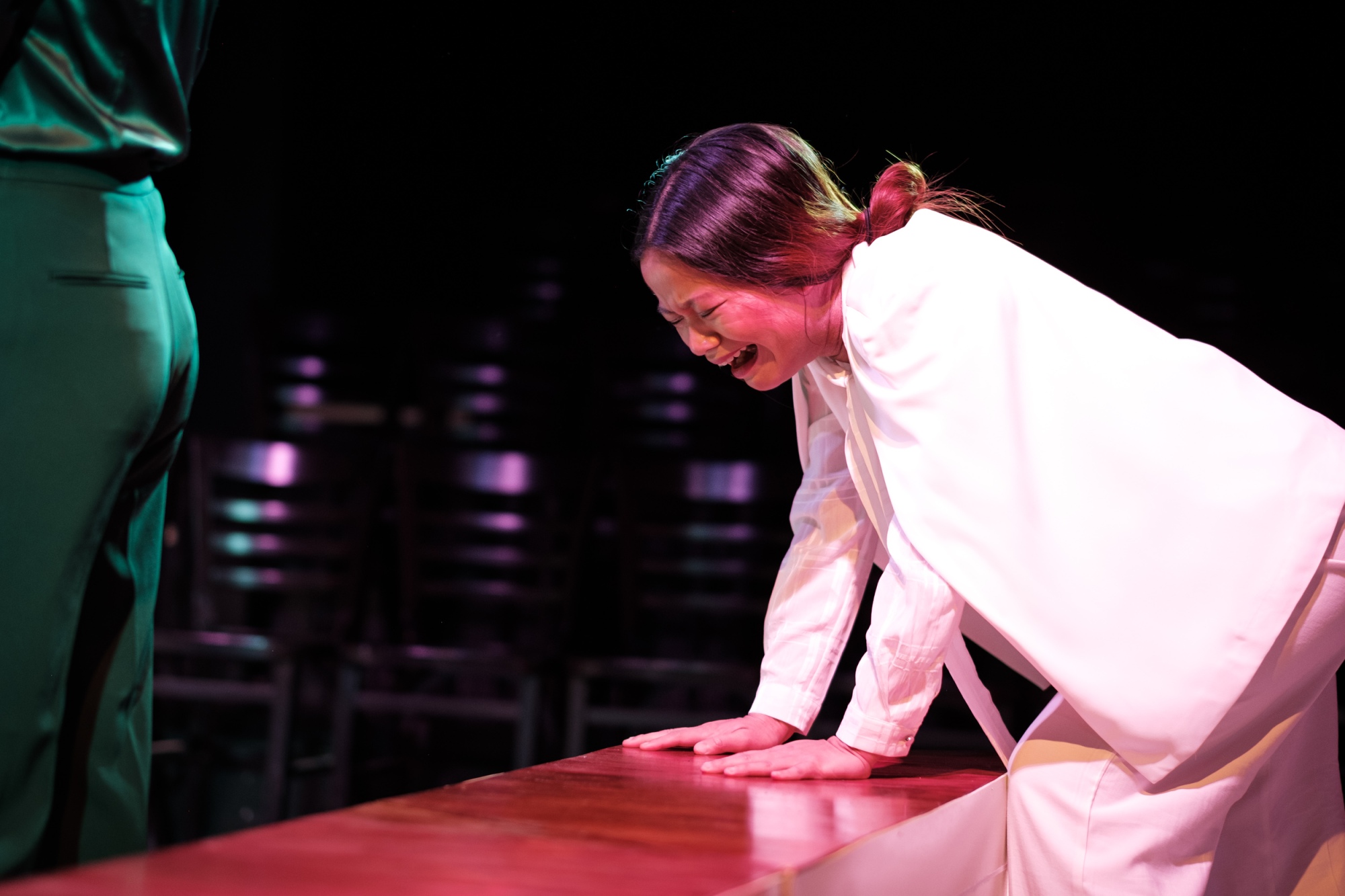
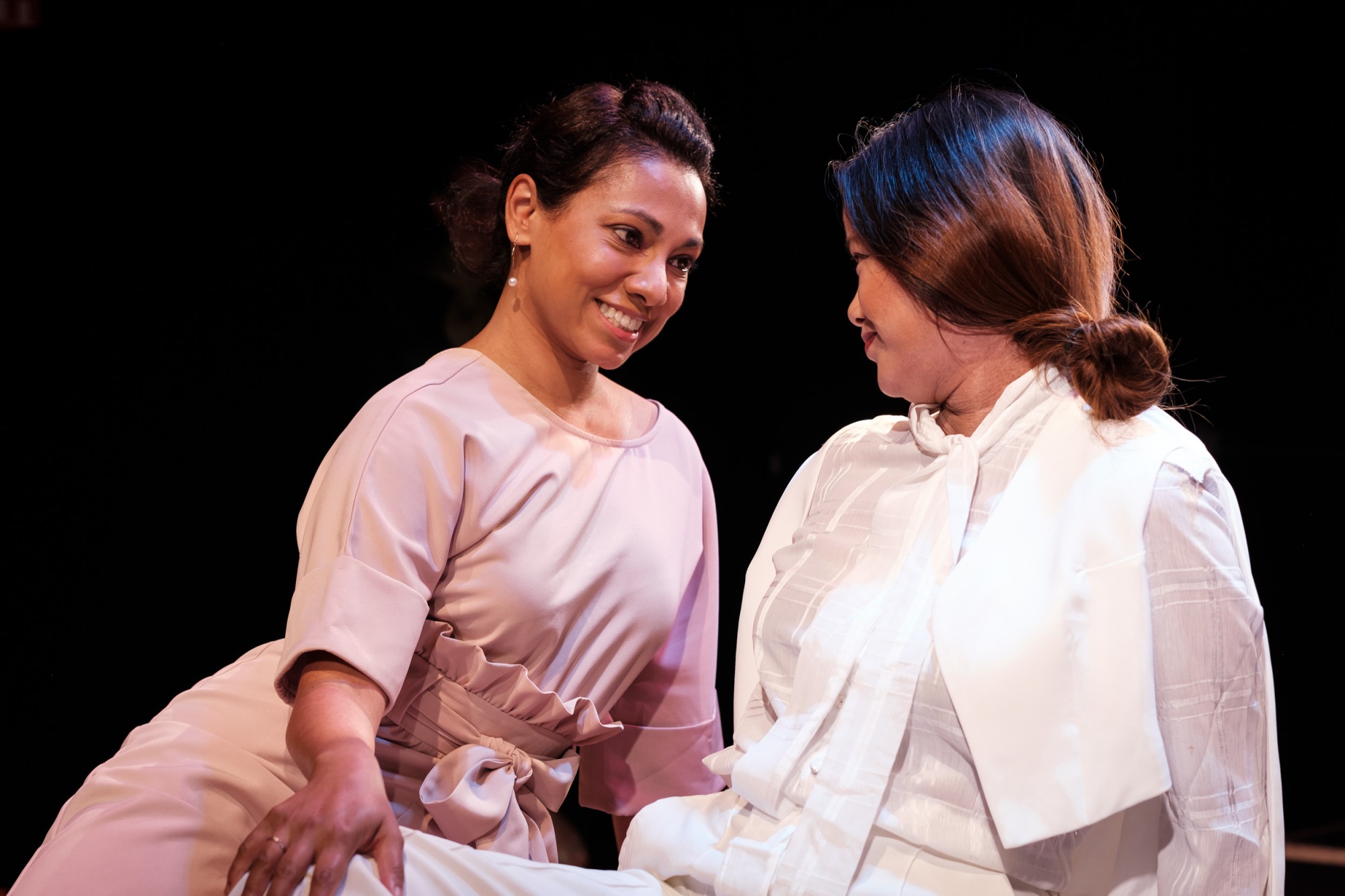
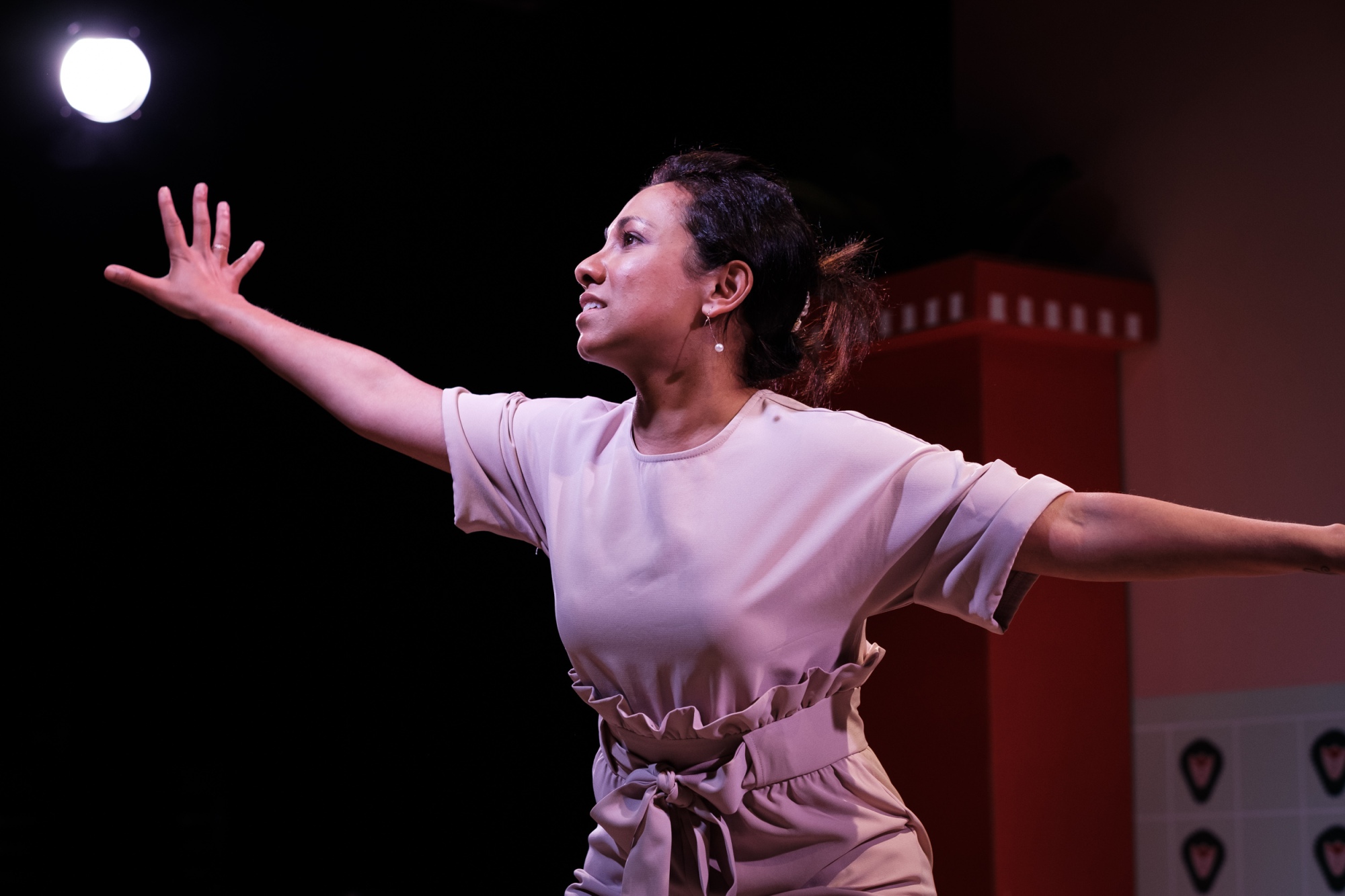
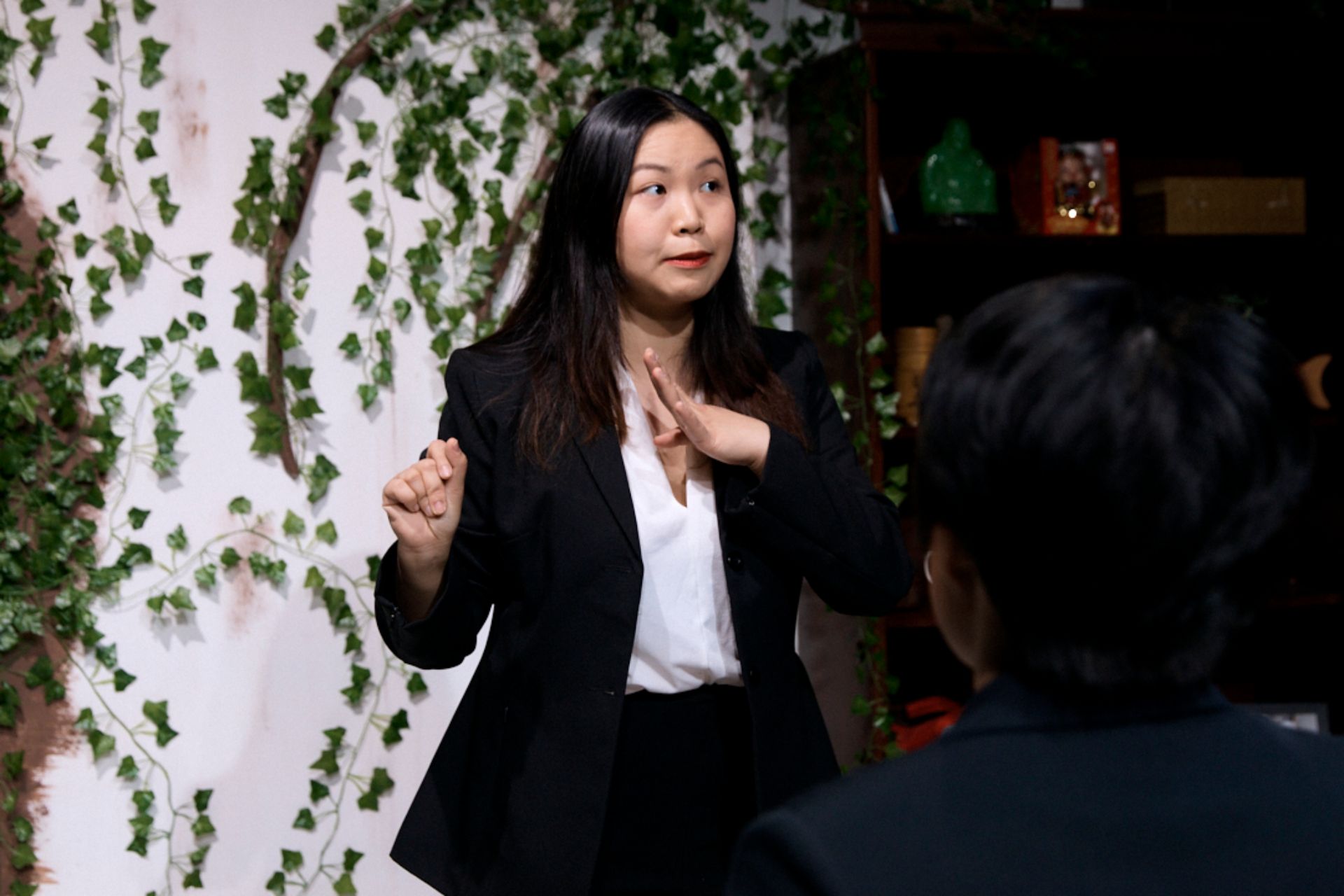
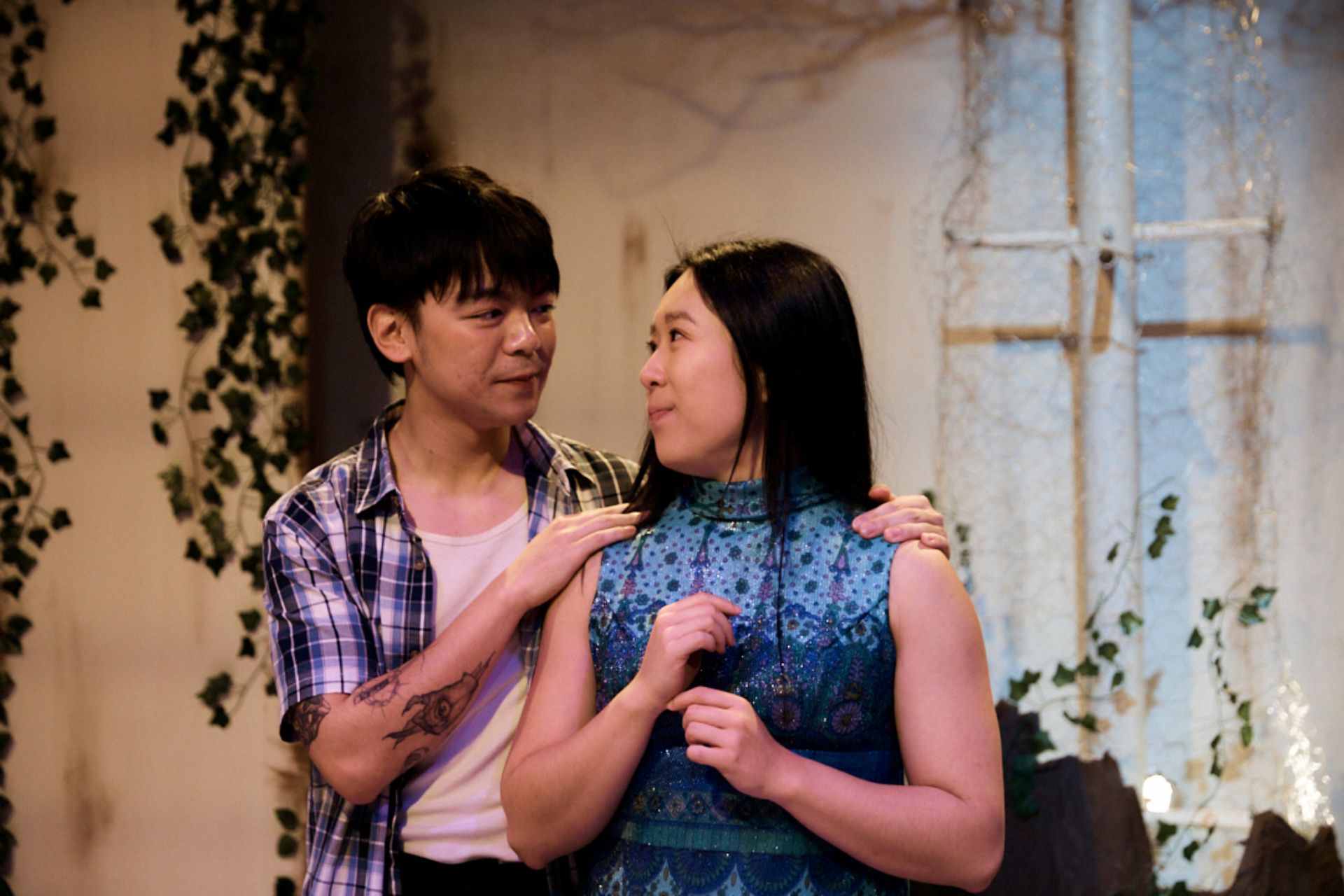
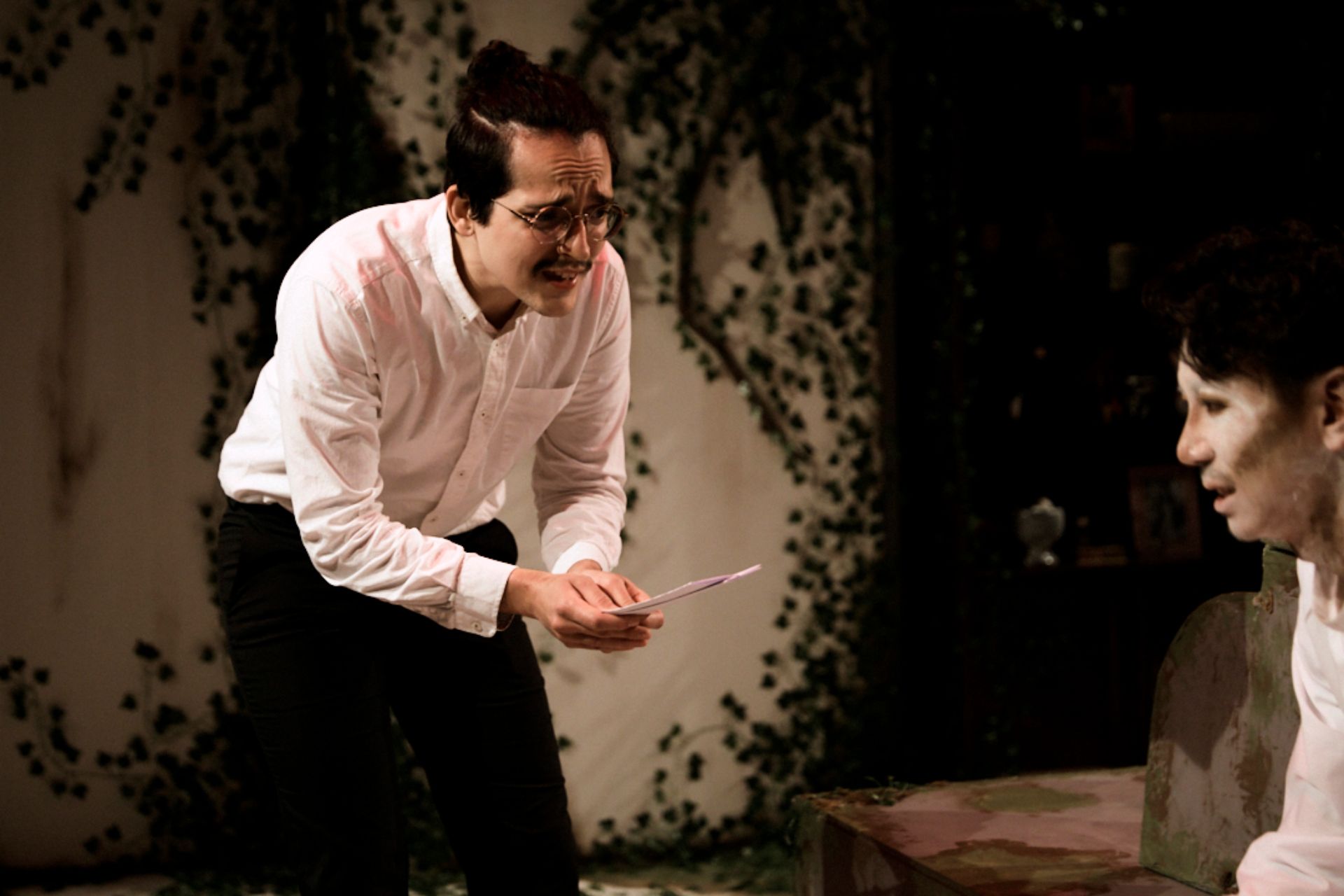
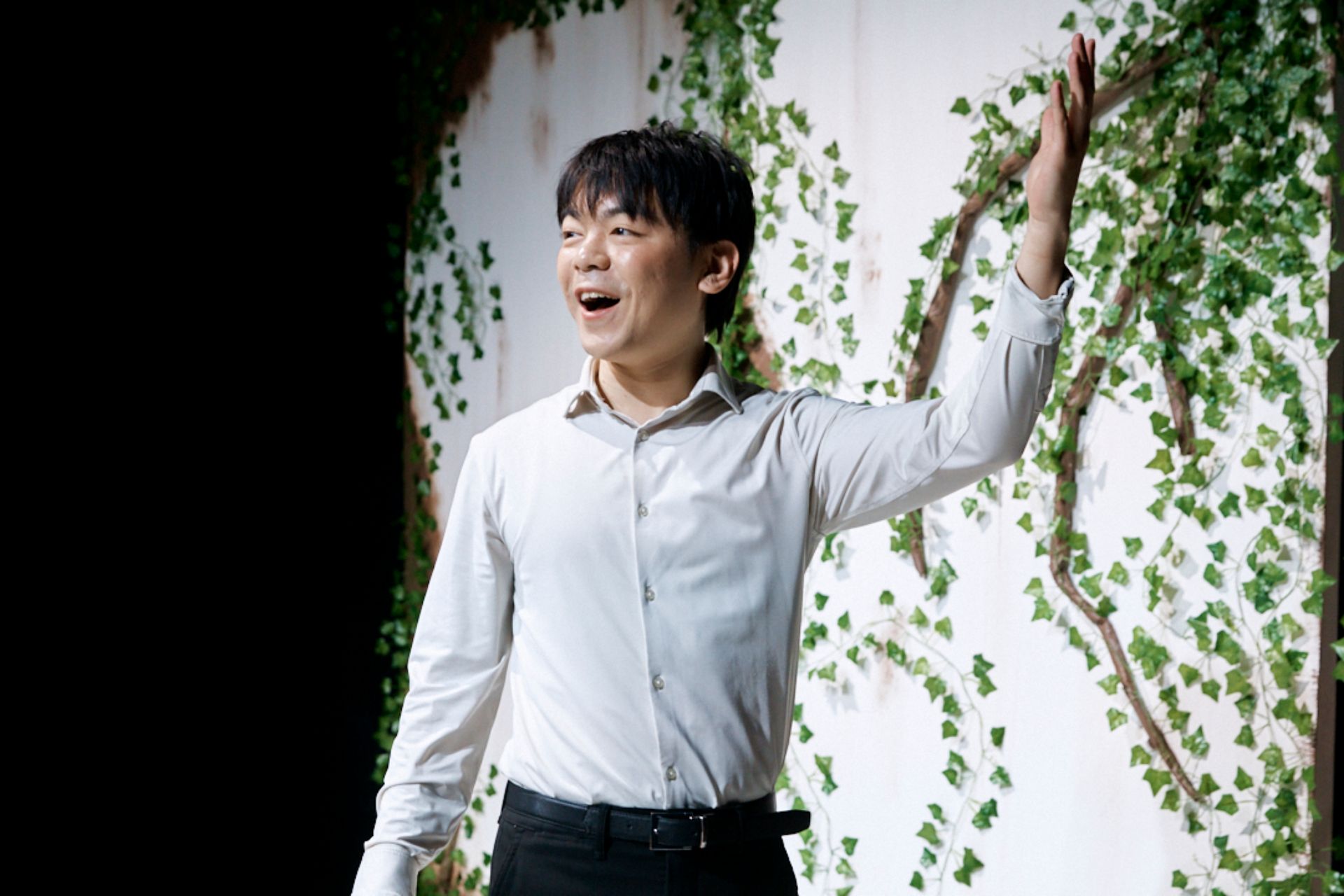
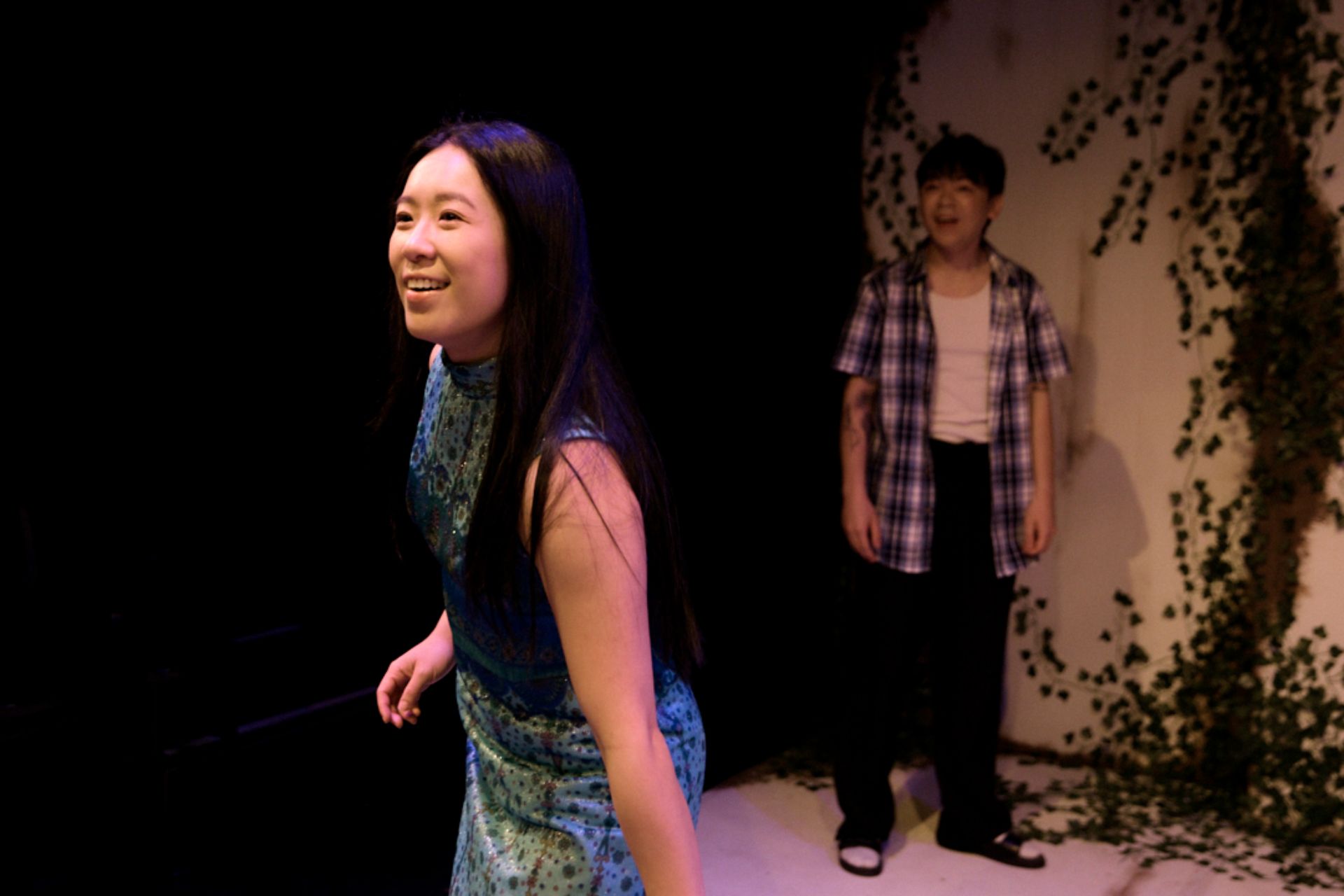
Actors Tiang Lim and Josephine Lee play the aforementioned mother and son respectively, with great passion and intensity, both conveying appropriate gravity for the stakes involved. Daniel MacKenzie as Jeremiah and Gerwin Widjaja as his apparitional friend, render an amusing relationship that tells the story with whimsy and surprising depth. Other players include Melissa Gan, Natalie Low and Jordon Zhu, all of whom demonstrate similar commitment and energy, for a compelling performance that is at once entertaining and poignant.

Mdm Ong tells everyone again and again, that she does not wish to leave her home, but her words go unheeded. We call it an economic imperative or simply pragmatism, and refuse to see people’s homes as anything more than their monetary value. We acquiesce to the notion that the highest bidder wins, and allow spaces to be taken over, even when the spaces carry meaning that far exceeds anything that can be quantified. Mdm Ong’s story reveals the emptiness of prevailing values, but money speaks loudest and we remain oblivious to an increasingly obscure matter of the human soul. 
www.kingsxtheatre.com | www.slantedtheatre.com

Review: Short Blanket (Meraki Arts Bar)

Venue: Meraki Arts Bar (Darlinghurst NSW), May 18 – Jun 3, 2023
Playwright: Matt Bostock
Director:
Tiffany Wong
Cast: Andrea Magpulong, Sayuri Narroway, Dominique Purdue, Monica Russell, Joseph Tanti
Images by Phil Erbacher

Theatre review

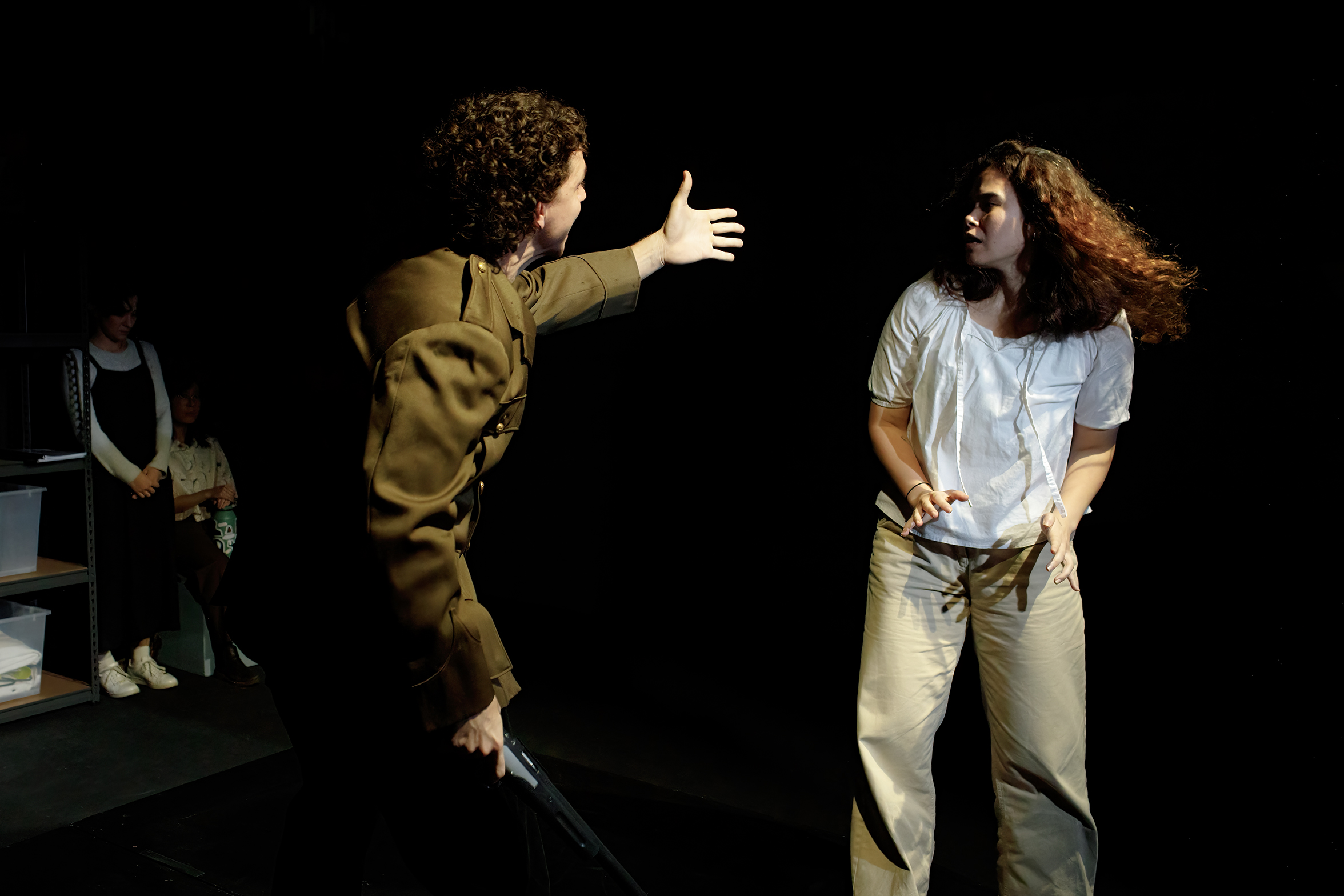
Lainey is a playwright who finds herself working for the first time, at one of her city’s bigger theatre companies. Hired for her fresh and edgy take on racial politics, Lainey is suddenly in a position of having to take into consideration, the fragile sensibilities of those she chastises in her work, who have now become her main patrons. Matt Bostock’s Short Blanket deals with the nature of systemic racism, and the inherent resistance within prevailing structures that prevent individuals, from adequately addressing their failings.

It is a passionate work, excellent at conveying contemporary perspectives on matters pertaining to race and power, particularly within artistic fields. Some of Short Blanket can feel too obvious, but its efficacy at unveiling the surreptitious machinations of racism in our systems, is truly laudable. Directed by Tiffany Wong, the show speaks its political concerns with remarkable clarity. The application of a reverse chronology is initially challenging, but the play concludes satisfyingly, proving itself capable of sharing complex ideas, along with making some simpler emotive statements about the state of our world.

A set by Aloma Barnes and costumes by Rachel Pui Hui Yan, are accomplished with a utilitarian approach, reflecting a capacity for resourcefulness, which is always necessary for making theatre in emerging spaces. Lights by Mehran Mortezai too are pragmatically rendered, helping us attune to the atmospheric demands of the text. Prema Yin’s deliberative sound design bears a greater inventiveness, able to provide more than basic requirements, to deliver a sense of drama at key moments. 

Actor Andrea Magpulong is highly convincing as Lainey, the Filipina-Australian writer trying to maintain integrity at a workplace determined to suppress her truth. There is an intensity to Magpulong’s focus on stage, that is crucial to helping us maintain allegiance to the honourable principles of the play. Performances in the production are sincere, but some have a tendency to be overly theatrical, in an intimate space that insists on authenticity.

Change can happen in our big structures, but it is perhaps naïve to expect that their elemental foundations could ever be thoroughly transformed, on their own accord. So much of what we have is predicated on the oppression of certain peoples; they are built for the purpose of elevating some, whilst neglecting the welfare of others. It is hard to persuade enough of those who benefit, to want to make meaningful change to the very systems on which they rely on. It is far more likely that anarchic influences from the outside, will do the work more effectively.

www.slantedtheatre.comwww.meraki.sydney

Review: Three Fat Virgins Unassembled (Kings Cross Theatre)

Venue: Kings Cross Theatre (Kings Cross NSW), Nov 24 – Dec 4, 2021
Playwright: Ovidia Yu
Director: Tiffany Wong
Cast: Denise Chan, Sabrina Chan D’Angelo, Happy Feraren, Caroline George
Images by Clare Hawley

Theatre review
In Ovidia Yu’s 1992 play, characters are referred to as virgins, mostly because they have been stripped of their sexuality, conceptually de-sexed, in a Confucian society that sternly refuses individuals of their idiosyncratic potentialities. The stories of Three Fat Virgins Unassembled take place in Singapore where women, like those of the West, are divided into madonnas and whores, except in this Eastern colonial city, the notion of women being sexually permissive or simply sexually autonomous, is so unthinkable and preposterous, that they are almost always reduced and relegated to a singular celibate stereotype.

By inference therefore, Singaporean women can often be thought of as beings without agency. The same restrictions that curb sexual expression, are extended to all other aspects of identity. Socially, economically and politically, they can only ever place nation and family before self, becoming cogs in the machine that serve a larger purpose, with no space left for personal fulfilment. Deviations are stringently prohibited.

Yu calls these women fat, because their lives are bound to a certain mode of passivity, as a result of the tight limitations they face in virtually every moment of existence. They become versions of “ladies who lunch”, gorging on high tea and consumerism, always with their mouths stuffed with food that function not as nourishment, but as silencing devices. Like fetishistic “feeders”, Singapore systematically fattens up their women, so that they may lose agility, consequently unable to escape their master, and his instruments of oppression.

Directed by Tiffany Wong, this Sydney production preserves all the humour and poignancy of the 29 year-old original. Wong does wonderfully to bridge cultural and temporal distances, so that we may perceive the relative foreignness of a play that comes from another time and place, yet apply its ideas to contemporary Australian experiences. Also noteworthy is Esther Zhong’s costume designs, blending hard and soft aspects of femininity, for beautiful representations of modern Asian women. A set by Sarah Amin addresses effectively, the frequent scene transitions of Three Fat Virgins Unassembled, as well as providing tongue-in-cheek visual cues to the “exotic” nature of staging such a work in colonised Australia.

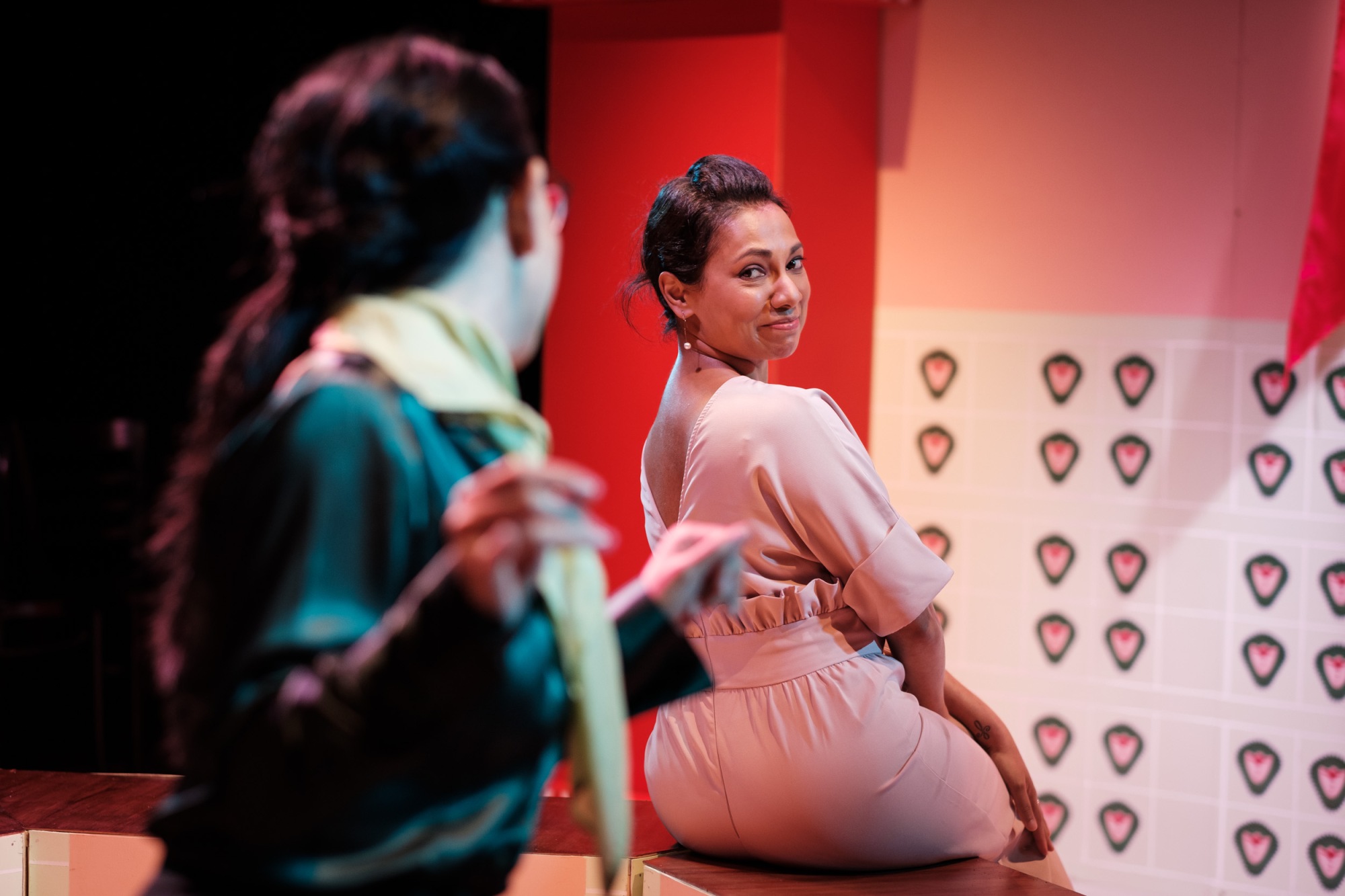
Four very committed and charismatic actors play these fat virgins, and their antagonists, with splendid aplomb.  Denise Chan, Sabrina Chan D’Angelo, Happy Feraren and Caroline George are all funny women, able to convey both comedic and tragic aspects of the storytelling. The gravity they bring to the stage, often with an undeniable sense of melancholy, emphasises the point being made, but the ubiquitous air of irony the team is able to harness, gives their show its subversive and very pleasurable theatricality.

Women everywhere, it seems, are all humans, united by a very particular form of oppression. So much of our lives exist in relation to patriarchies, that rob us of our agency, our desire, our sovereignty. Those patriarchies may on occasion appear to celebrate and elevate us, but what they are championing, are  invariably only qualities of their determination. Moreover in their endorsement of particular females, it is clear that their habit of picking one above the rest, is a reinforcement of their modus operandi; through which we learn that we will forever feel comparatively inadequate, and that we are to be divided and separated, if we are to be properly handled.

Singaporean patriarchy is always shrouded in a deceptive benevolence. It talks about duty, framing its impositions in familial and communal terms, whether wistfully or staunchly, and it will deny any attempt to redefine the status quo; the powerful will never concede. One hopes that three decades on, conditions would have improved since the initial conception of Three Fat Virgins Unassembled, but the work’s resonances remain, and everything still looks convincing, real and truthful.

www.slantedtheatre.com