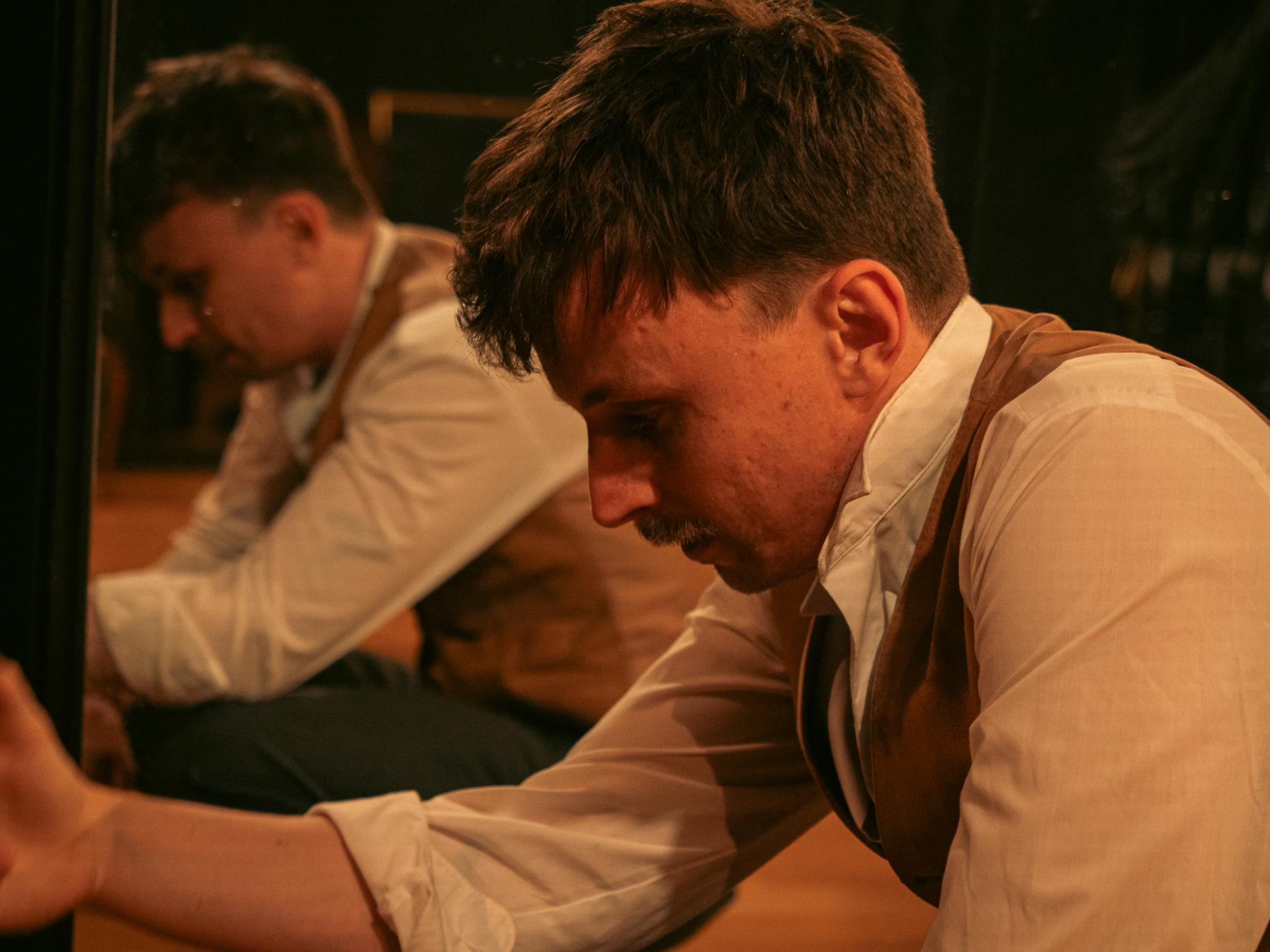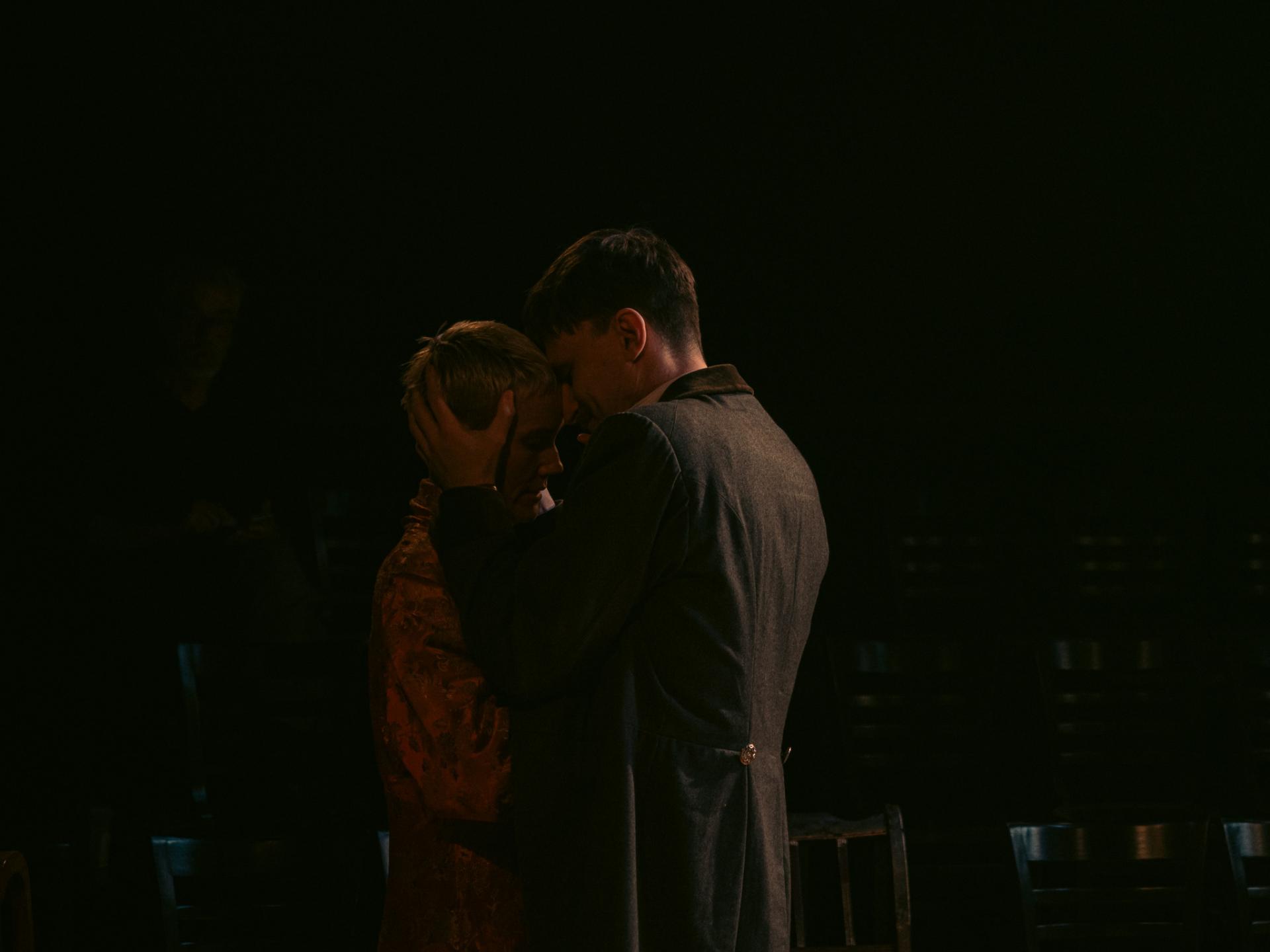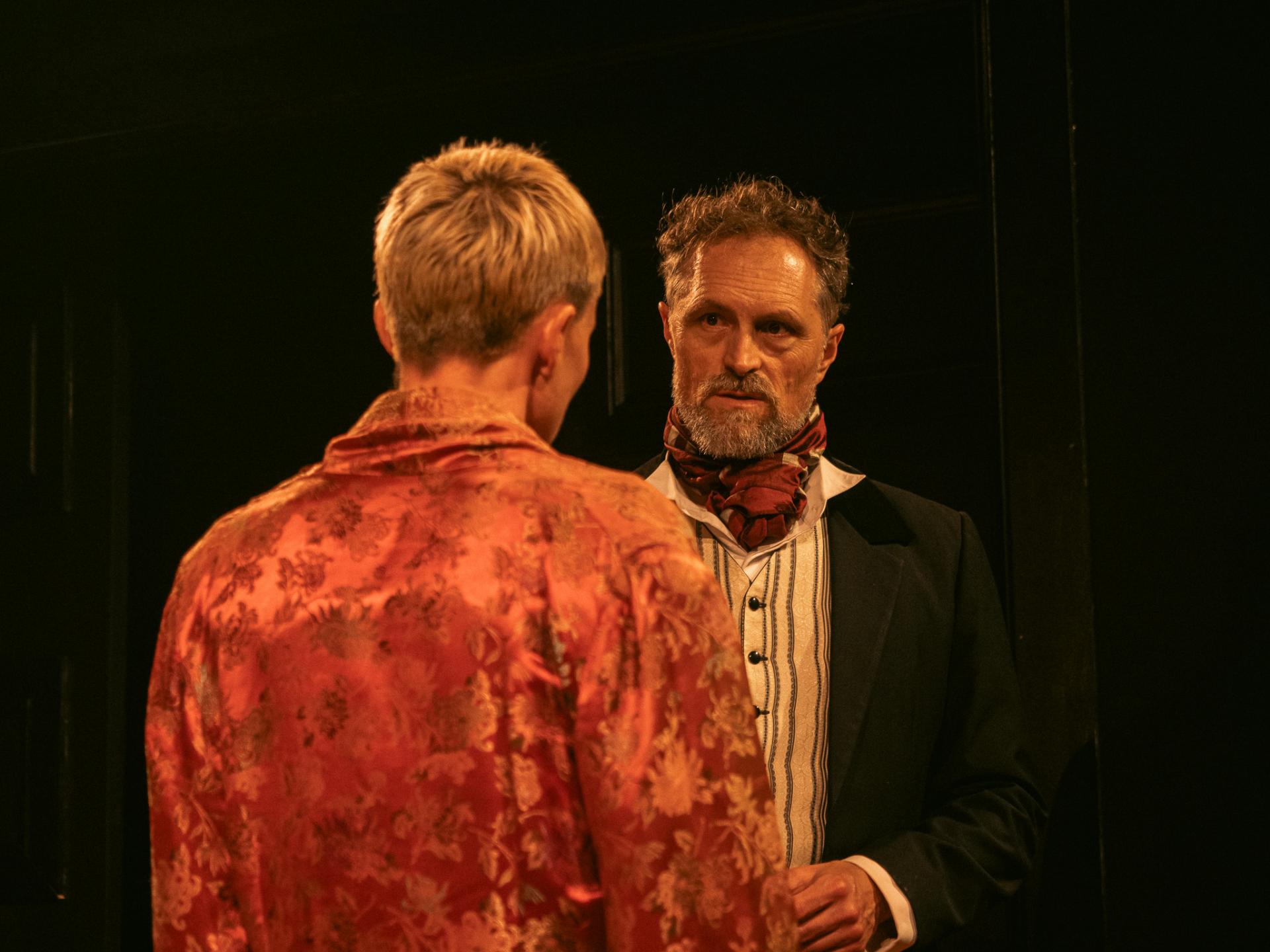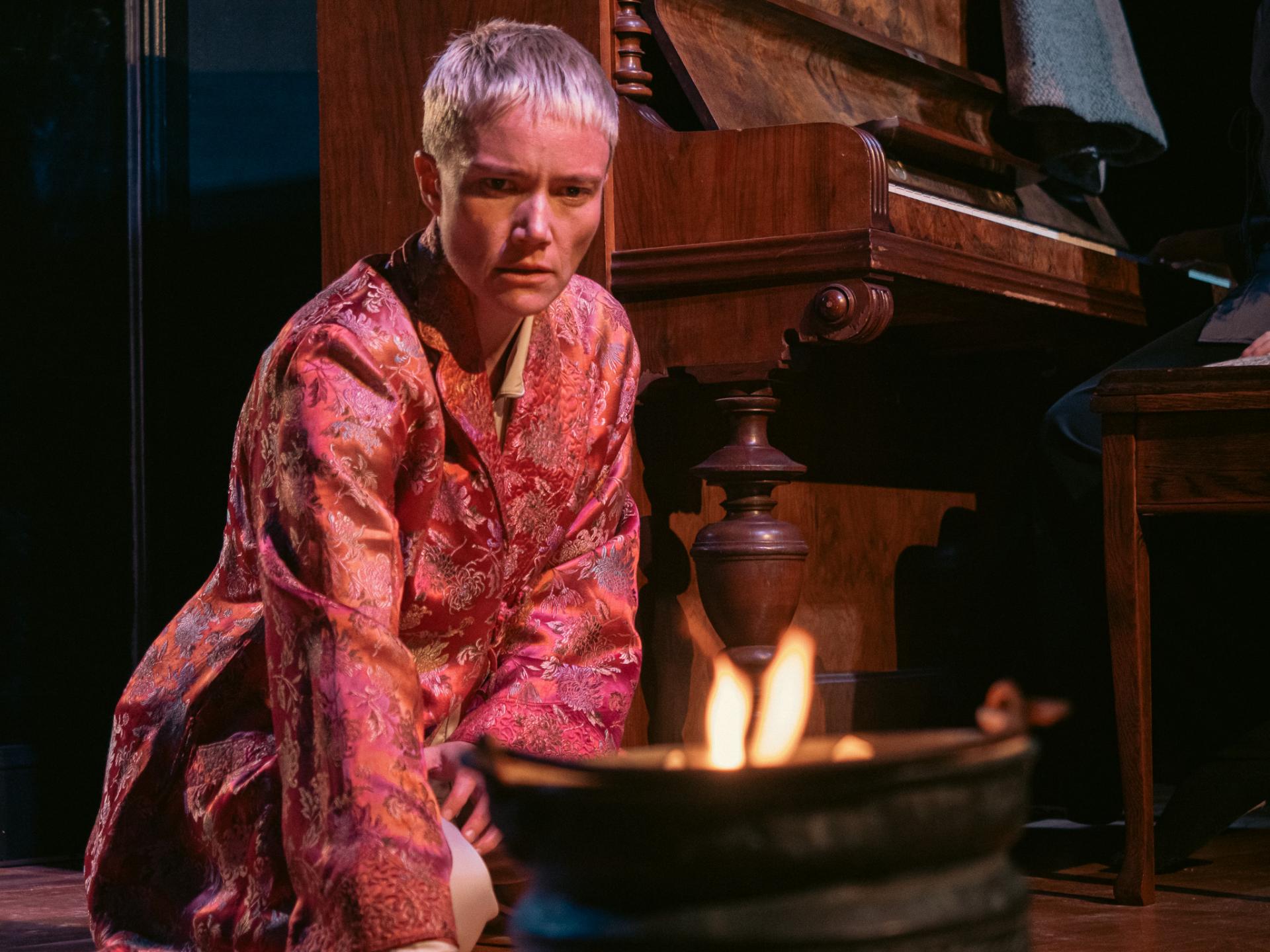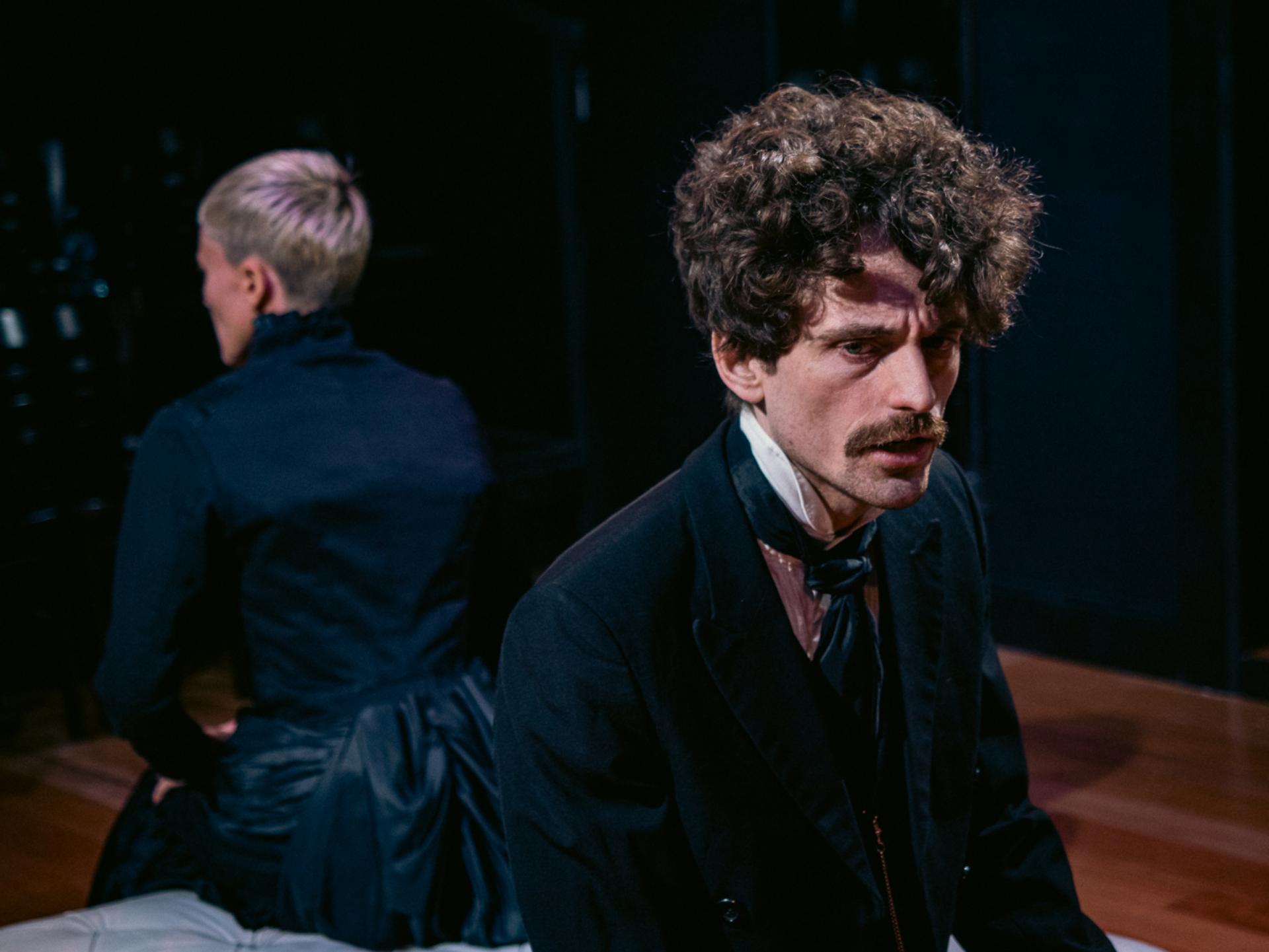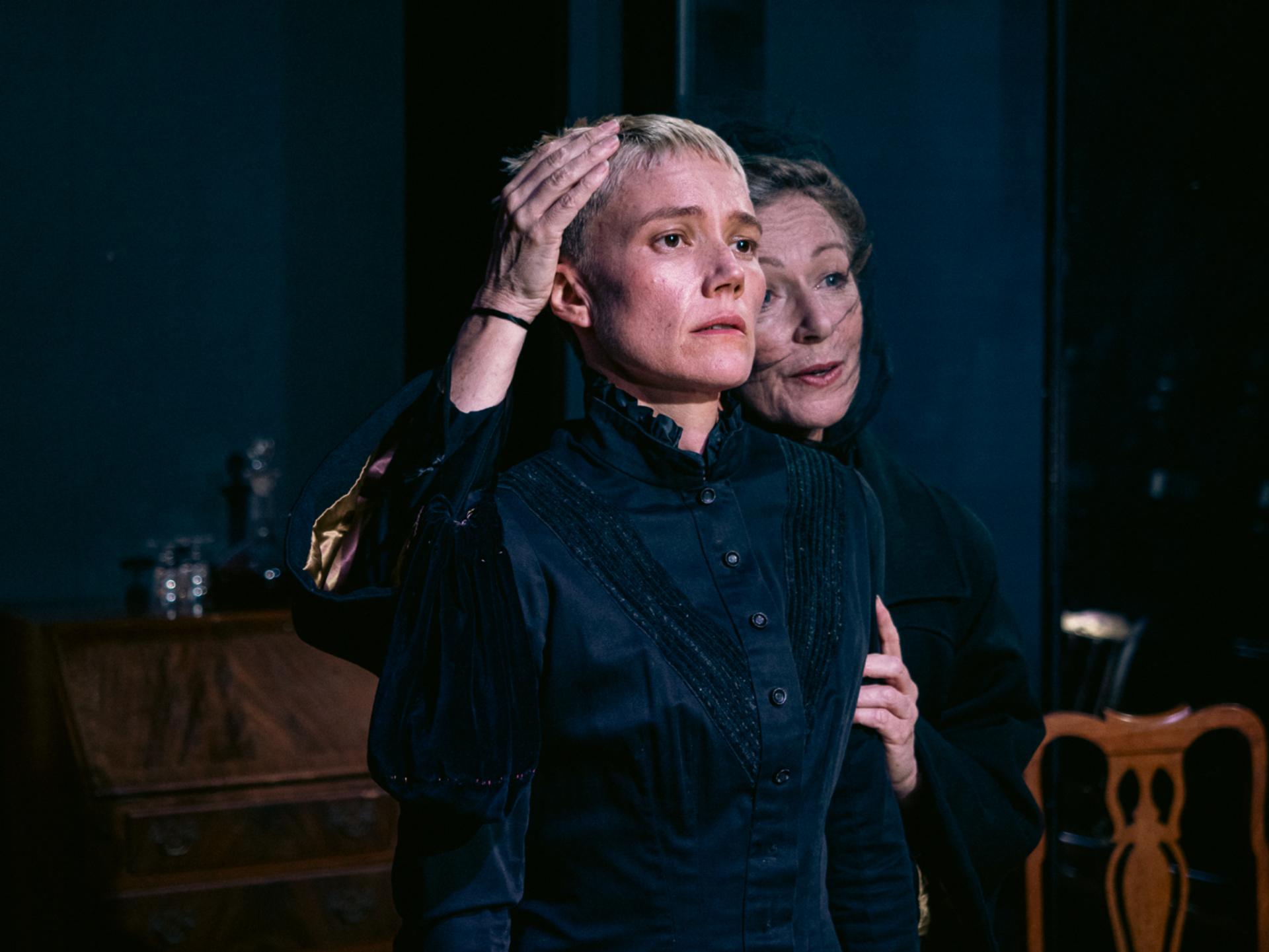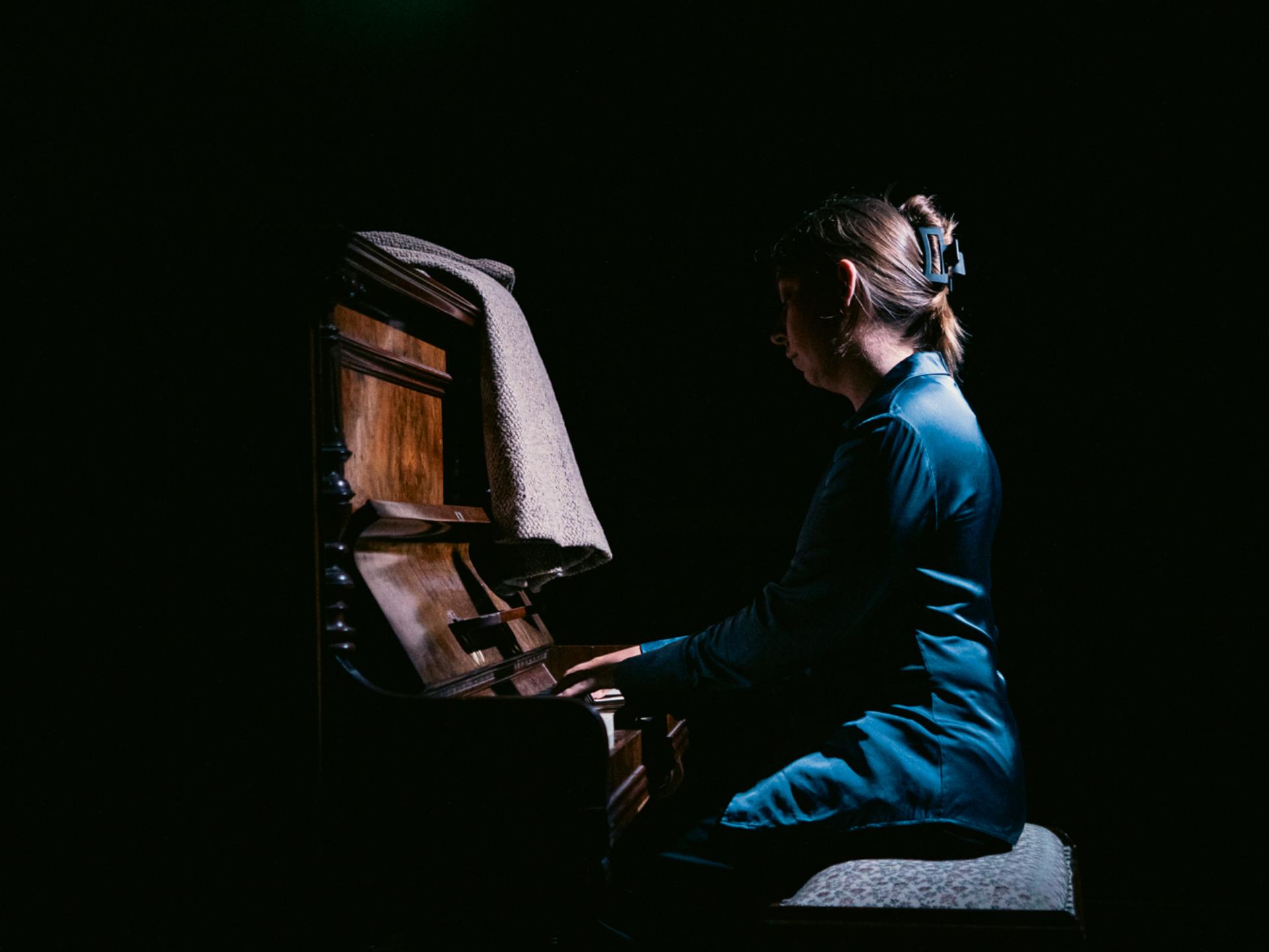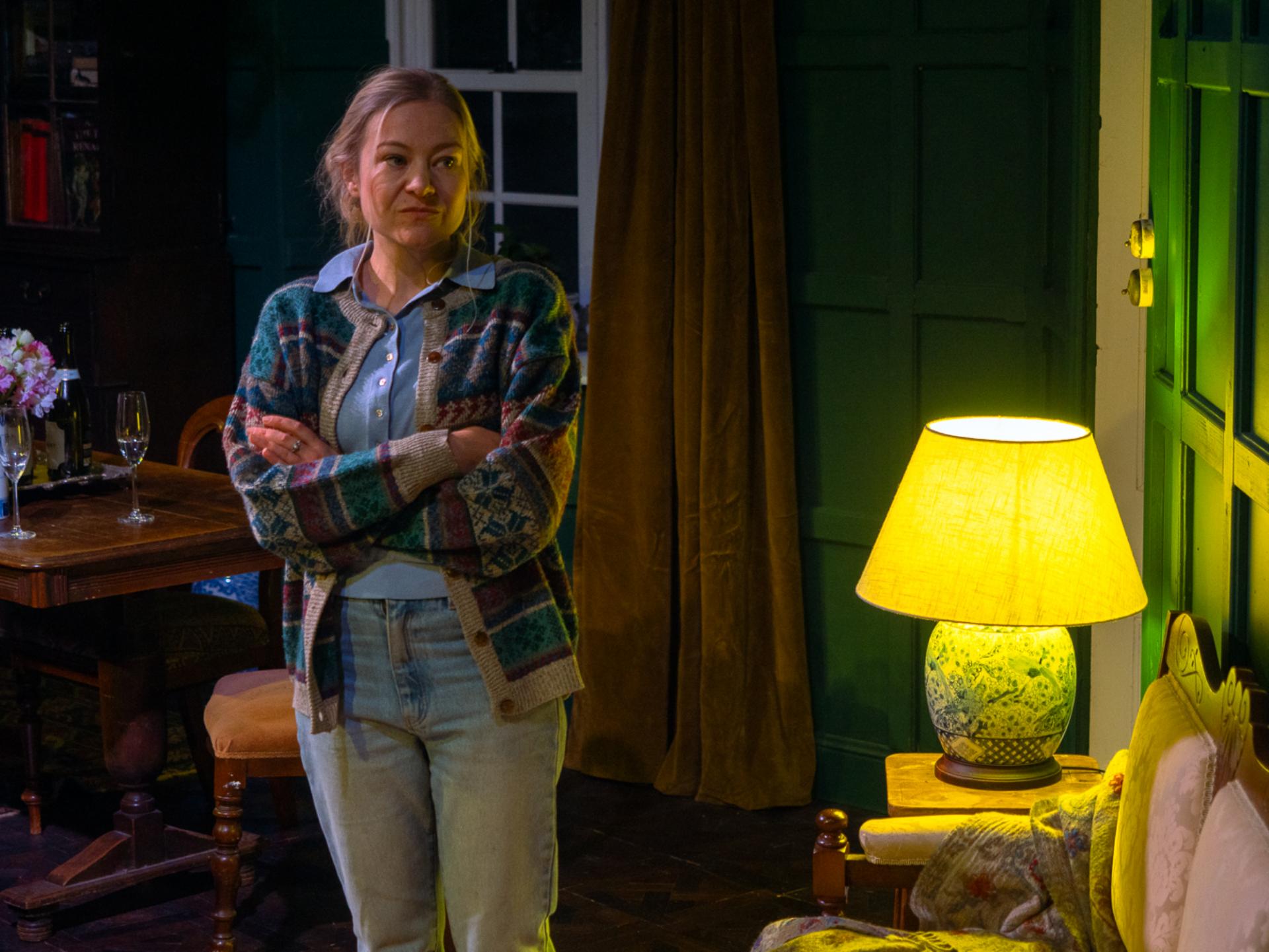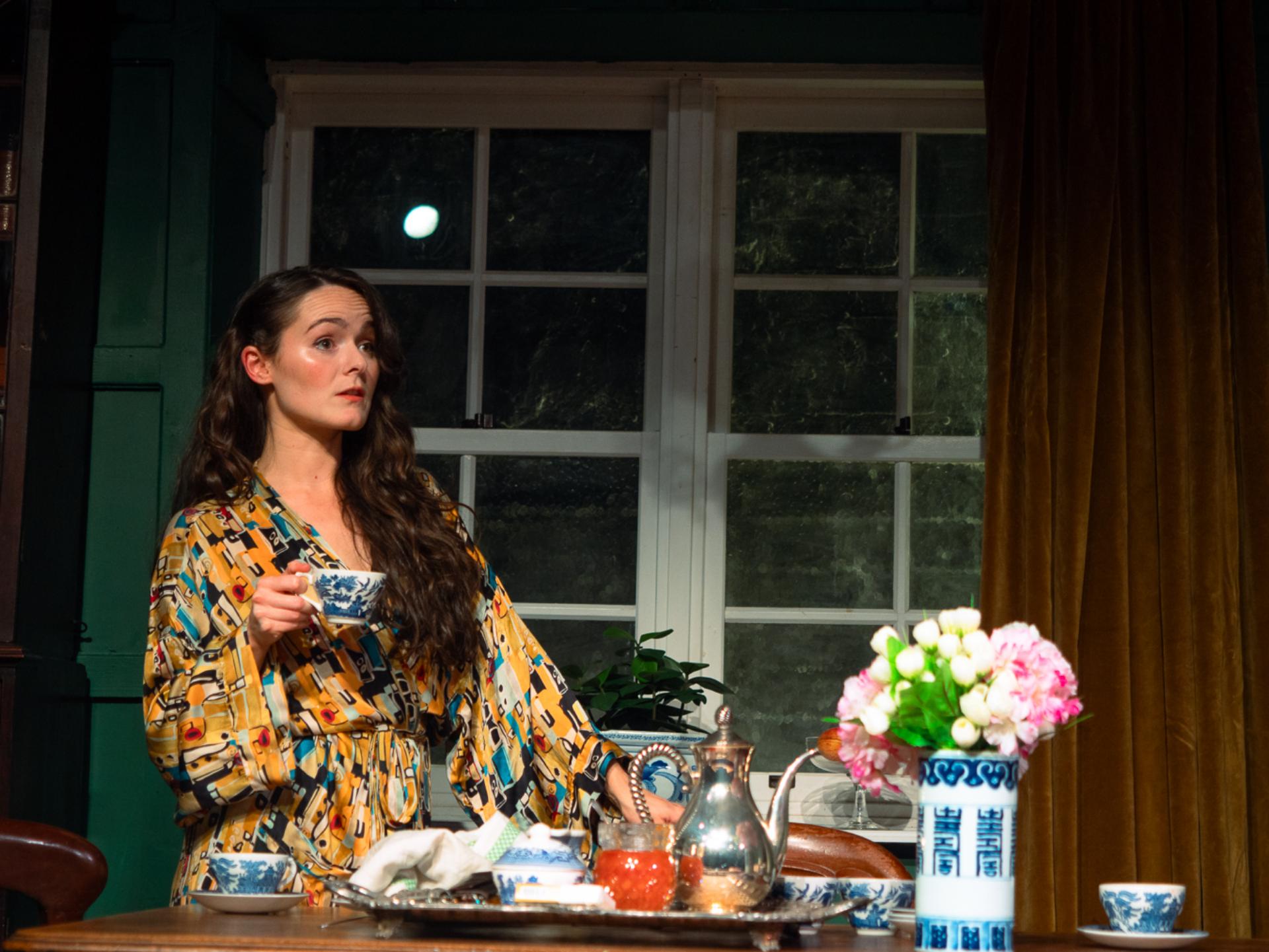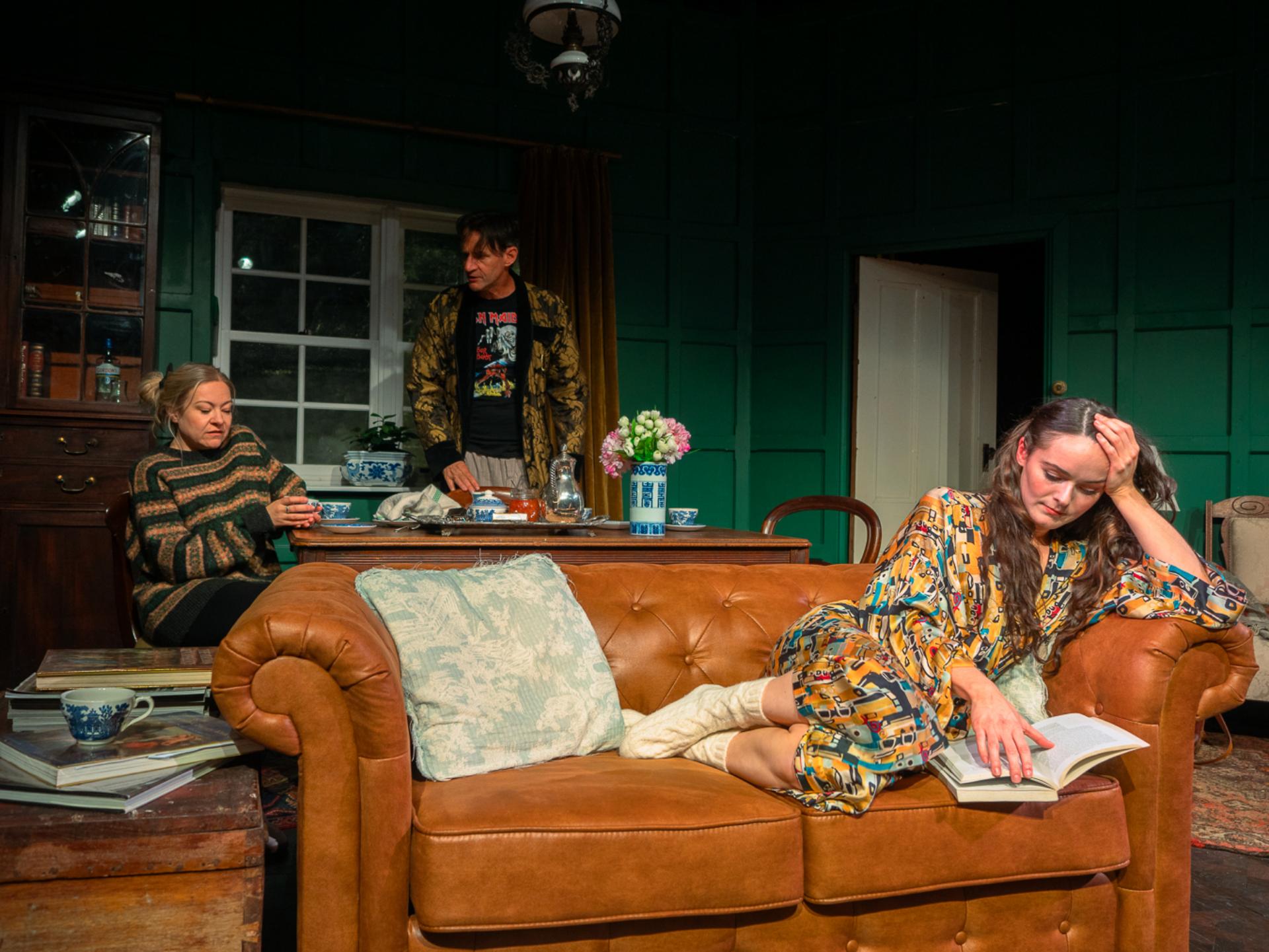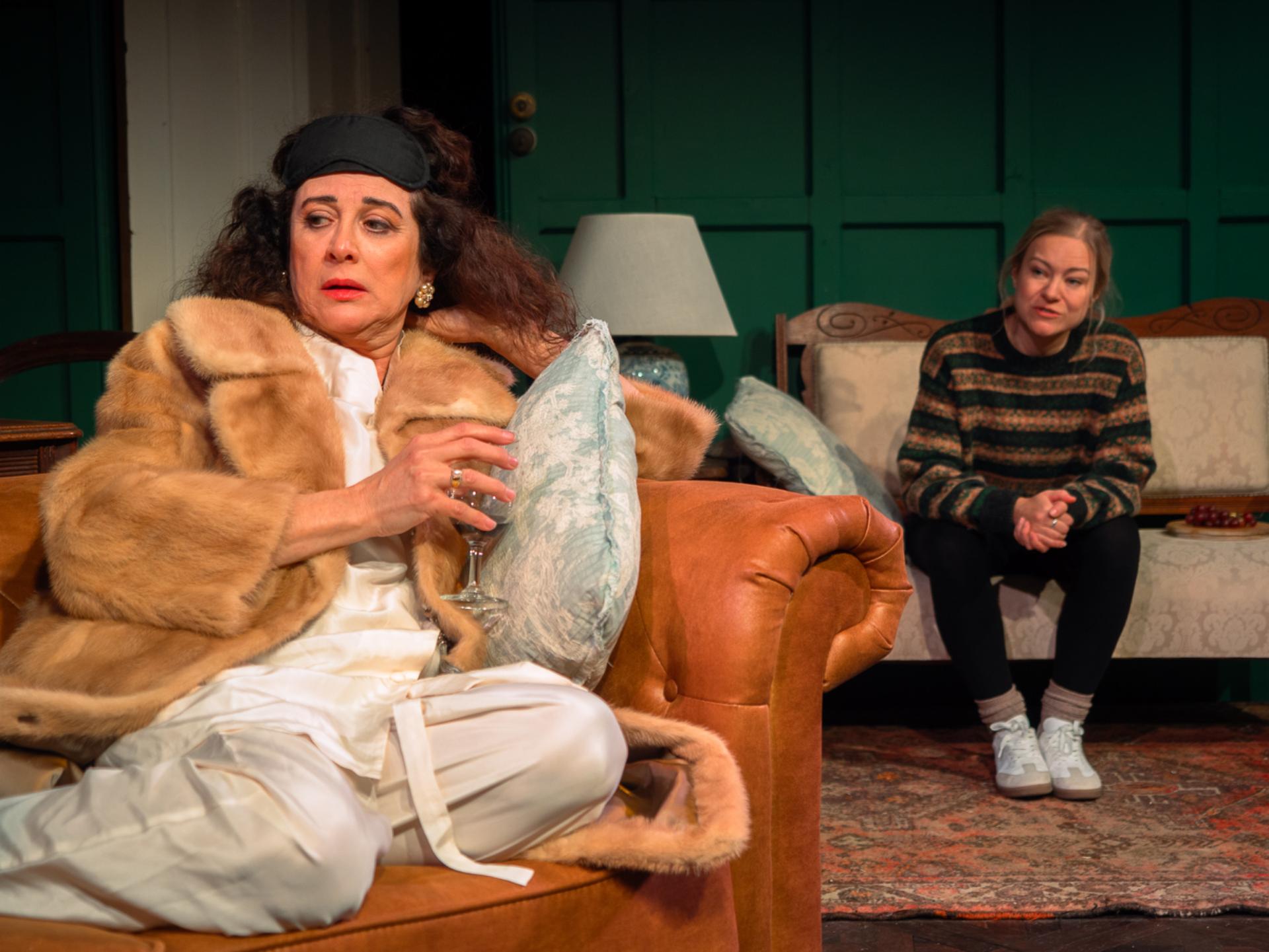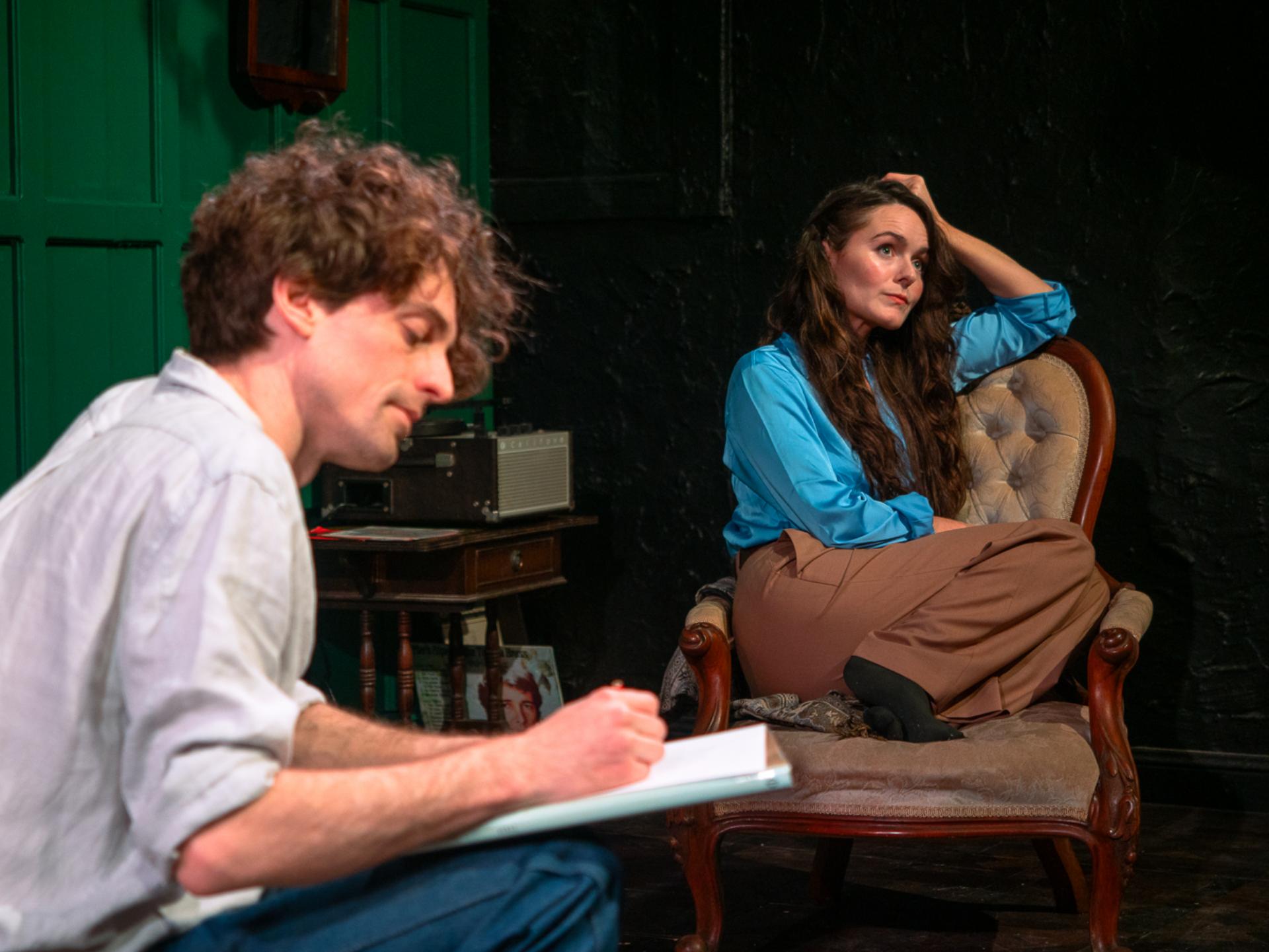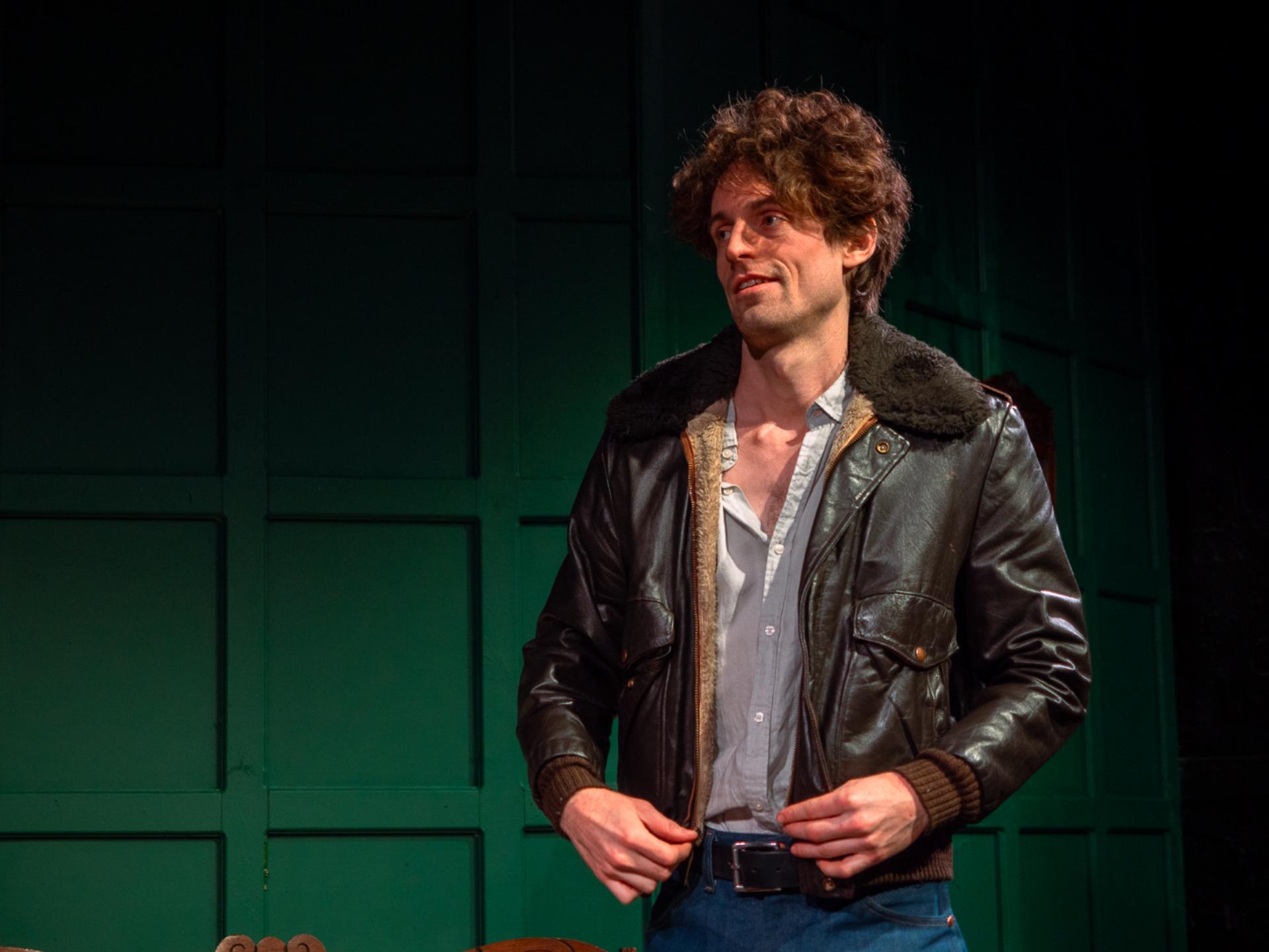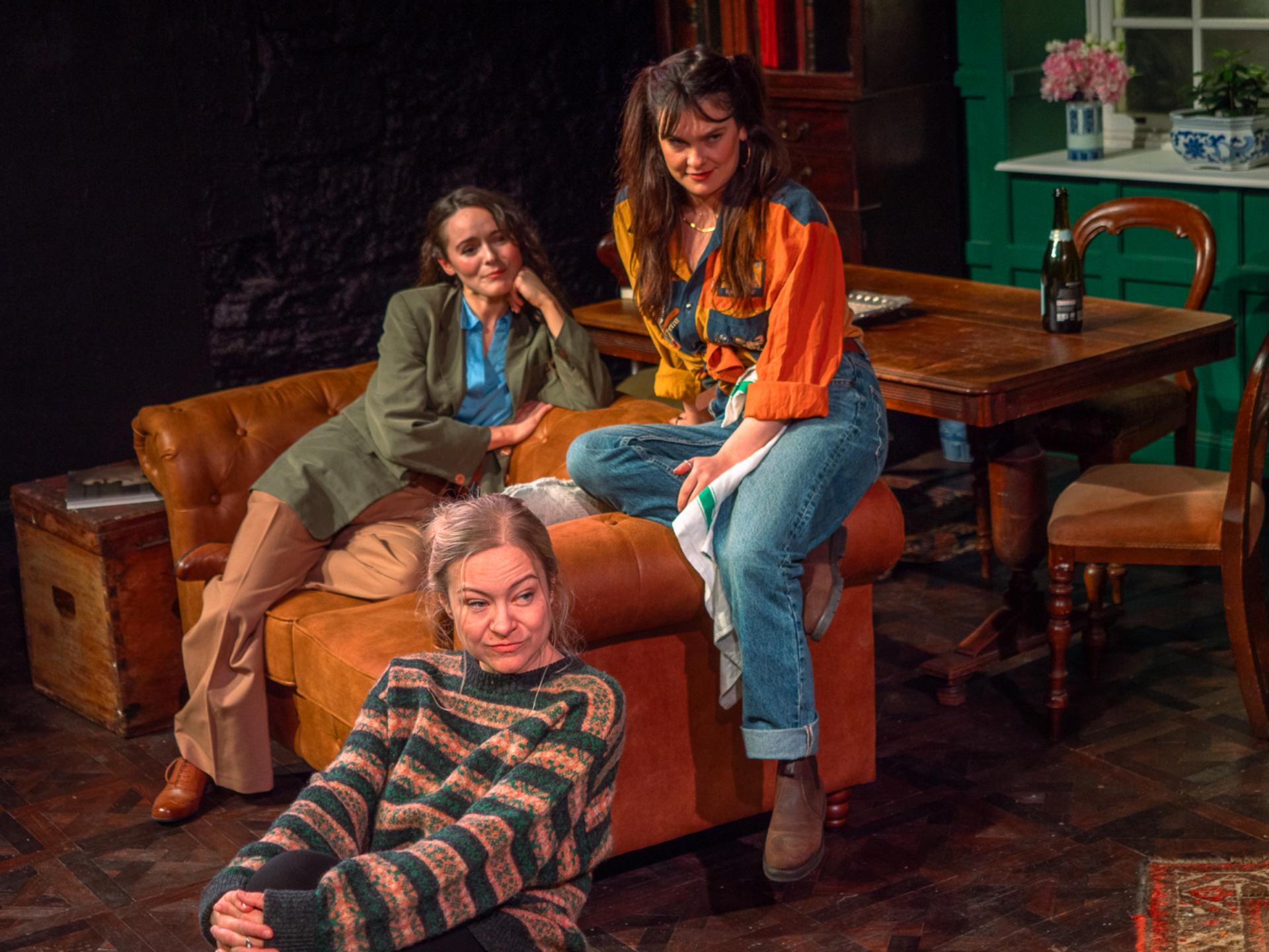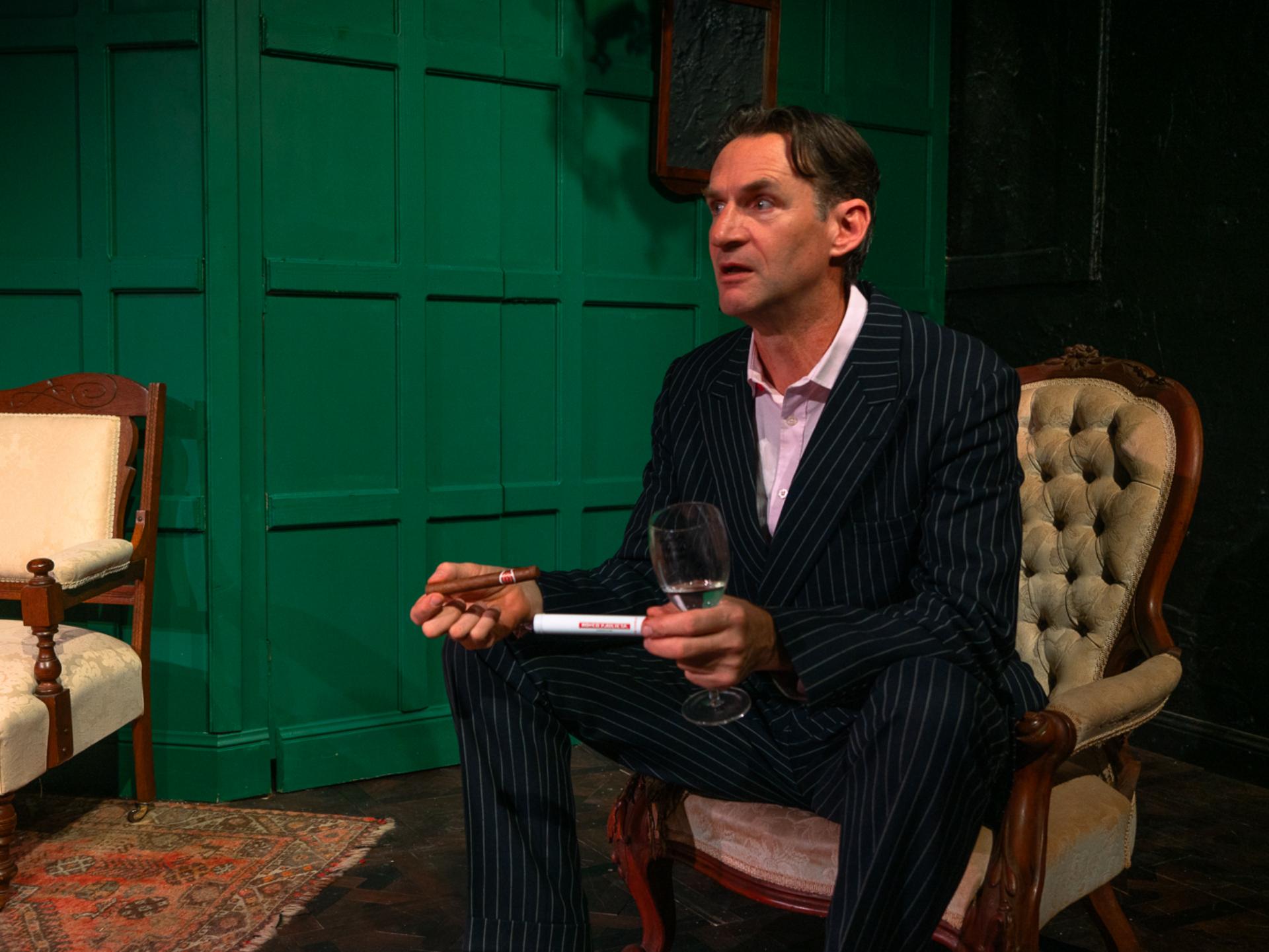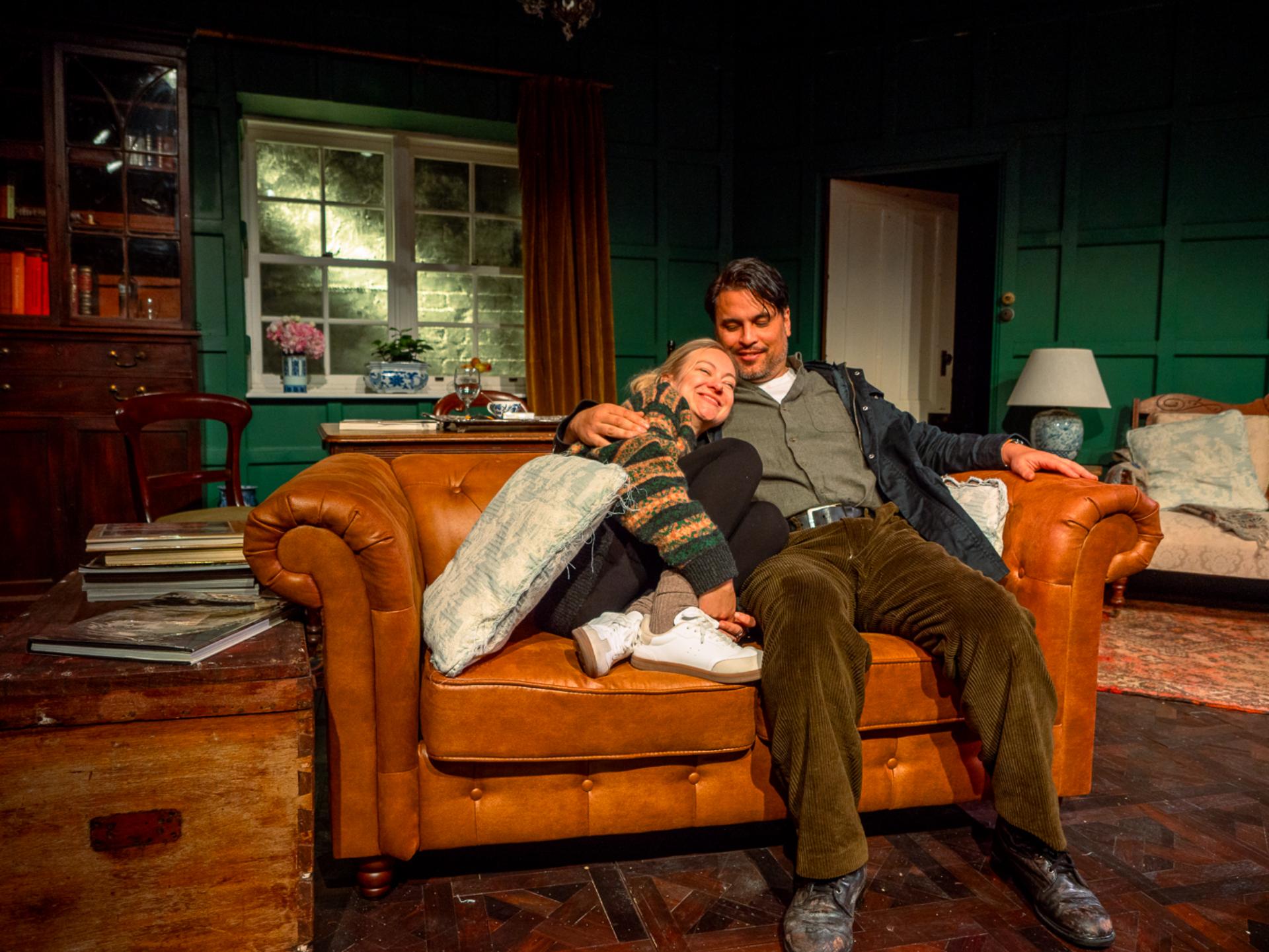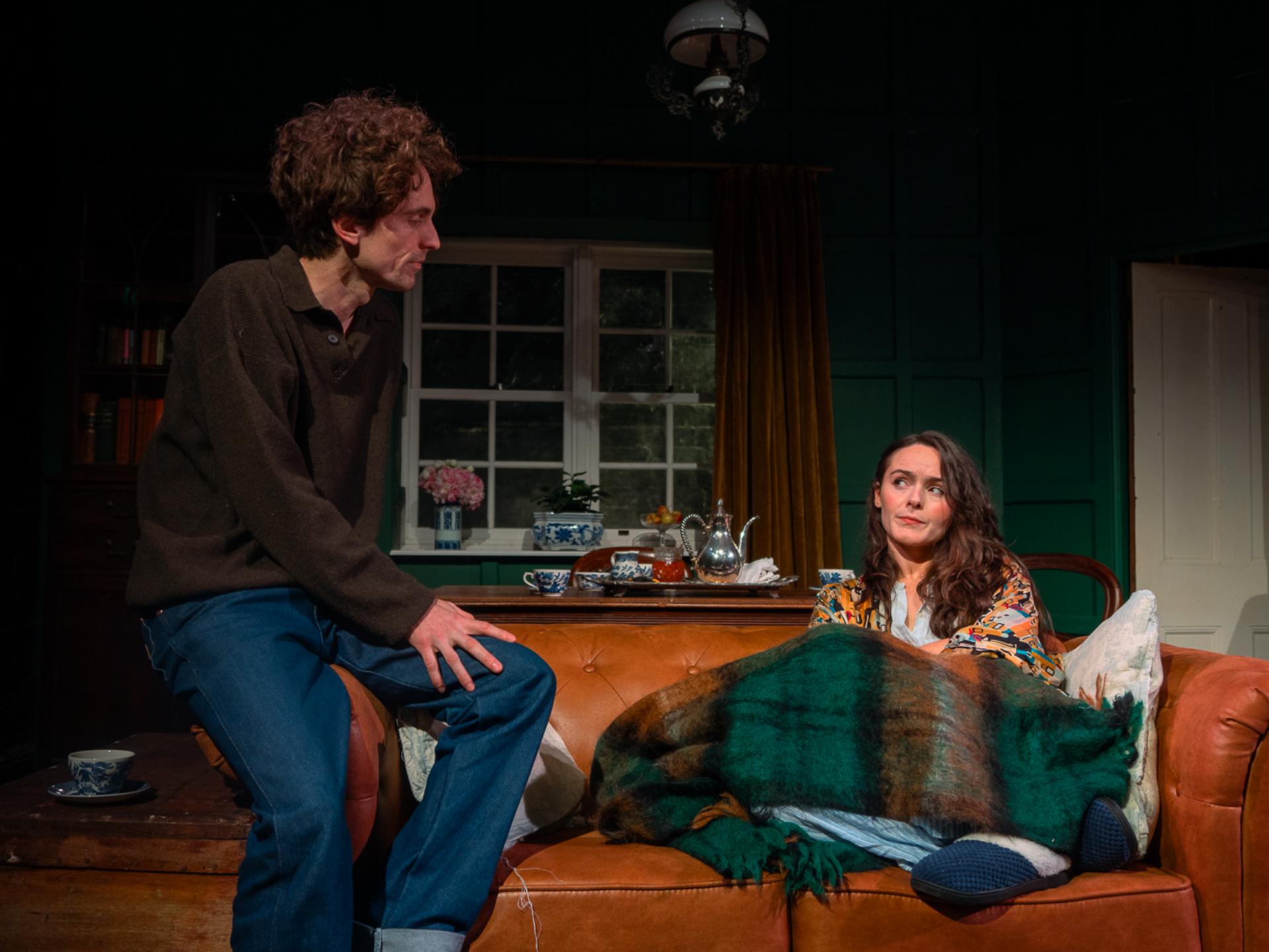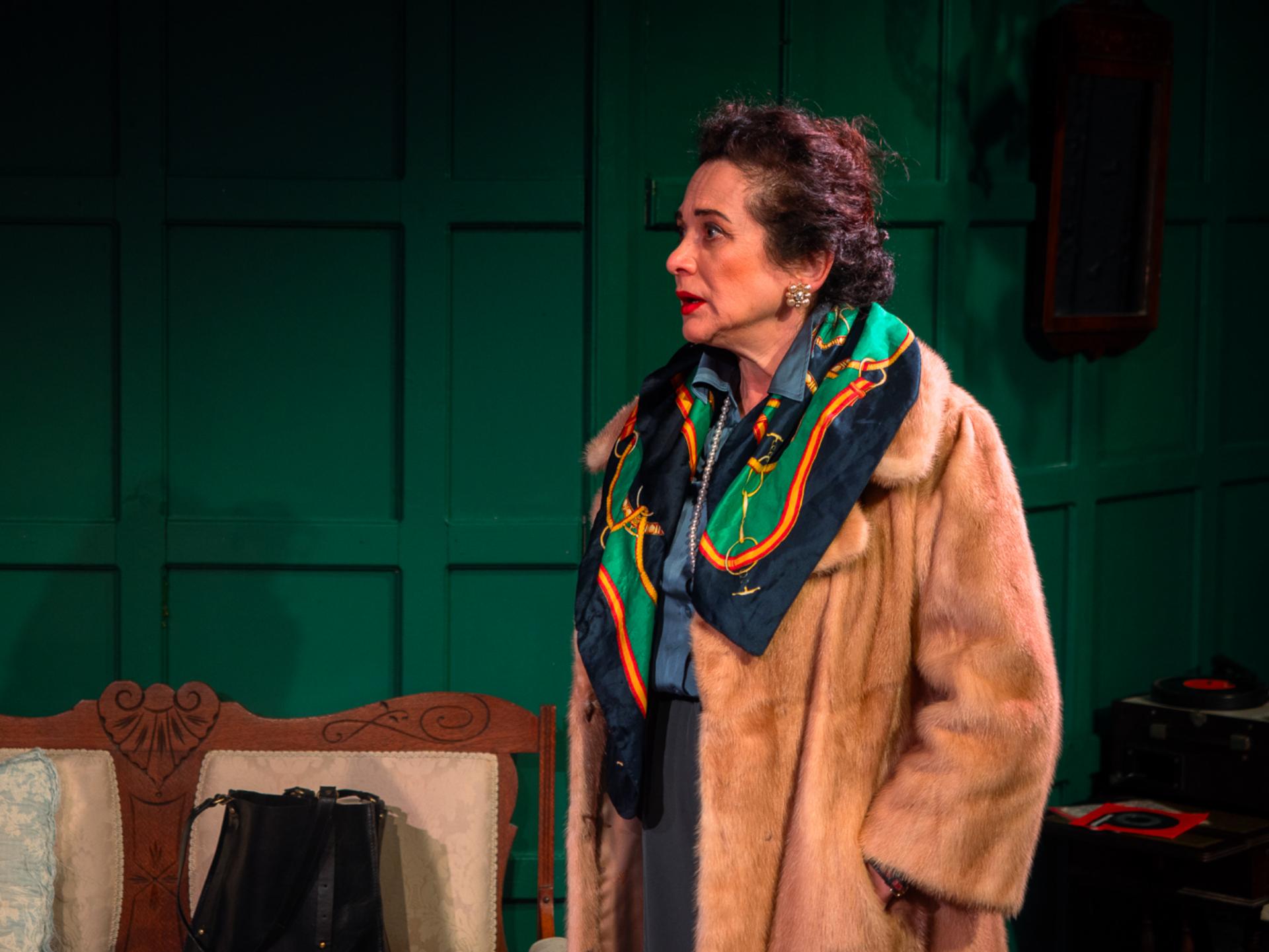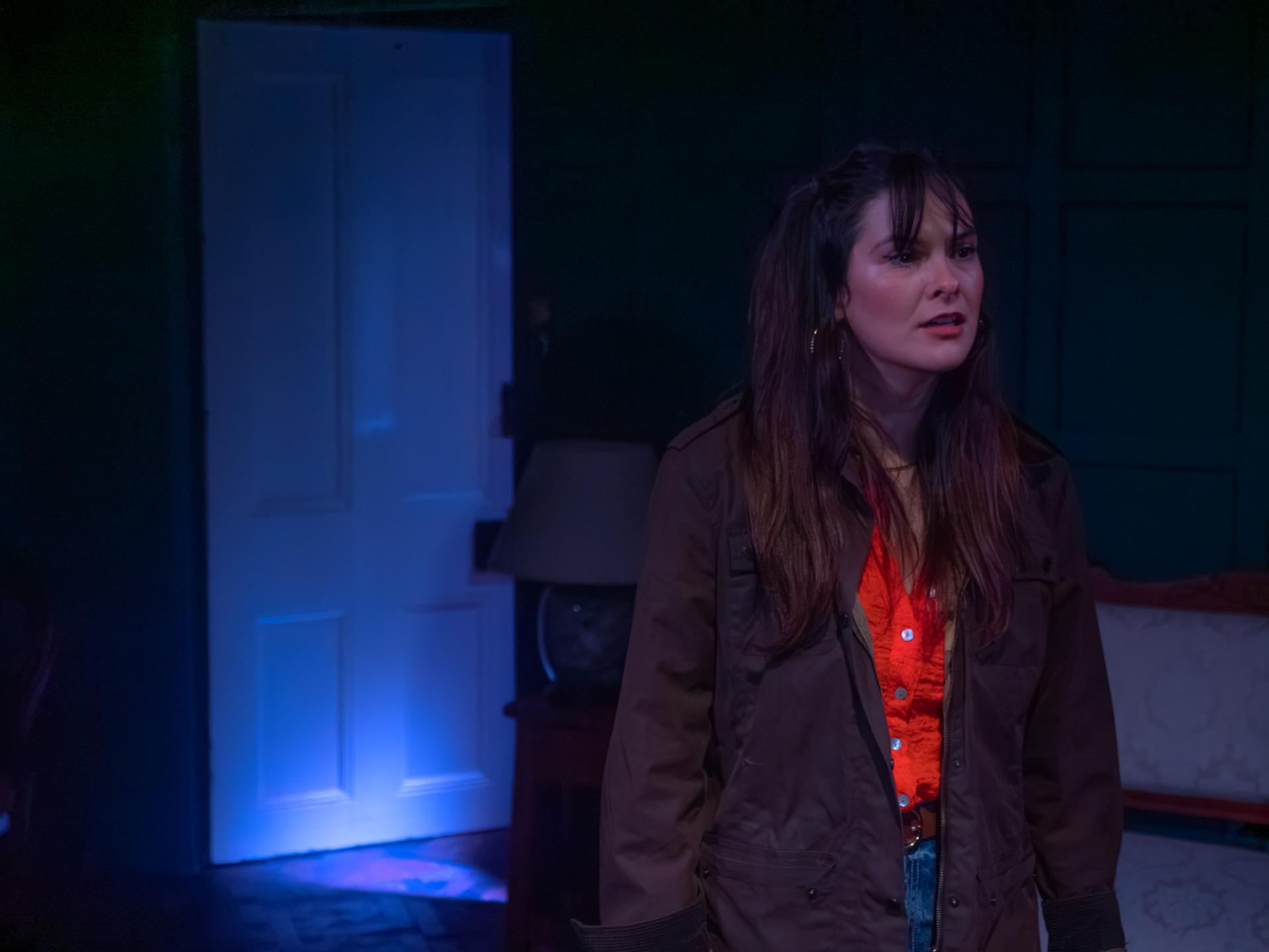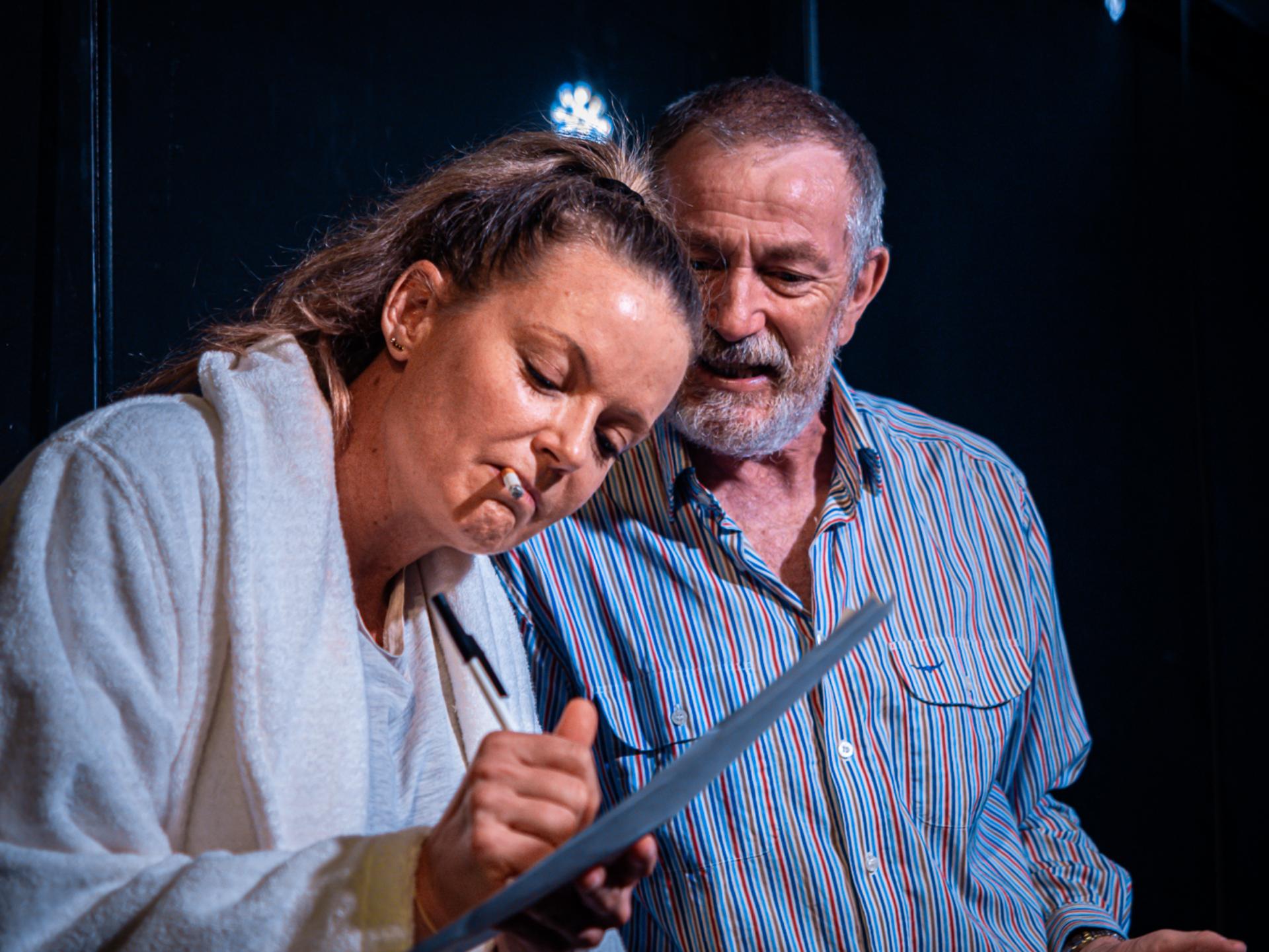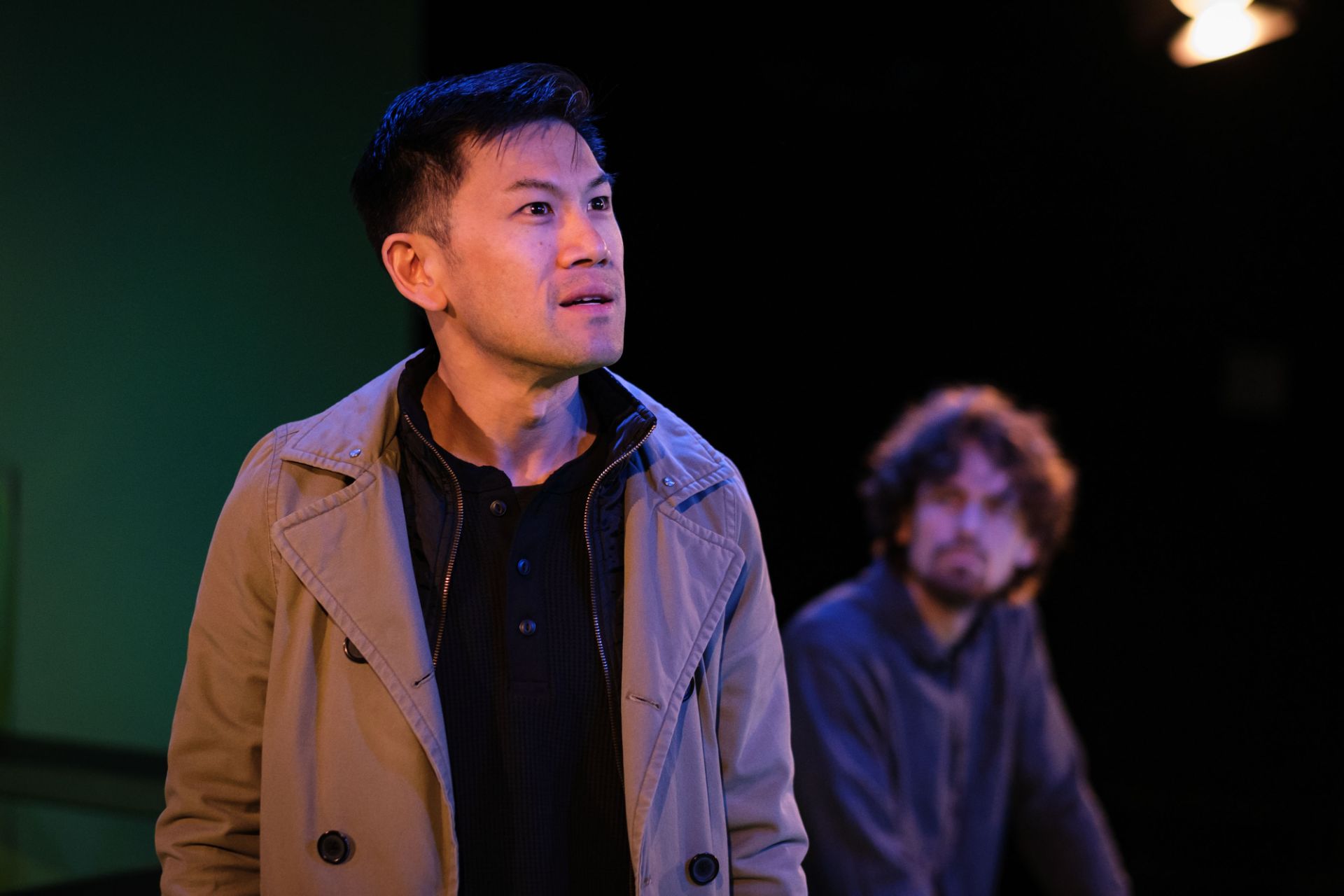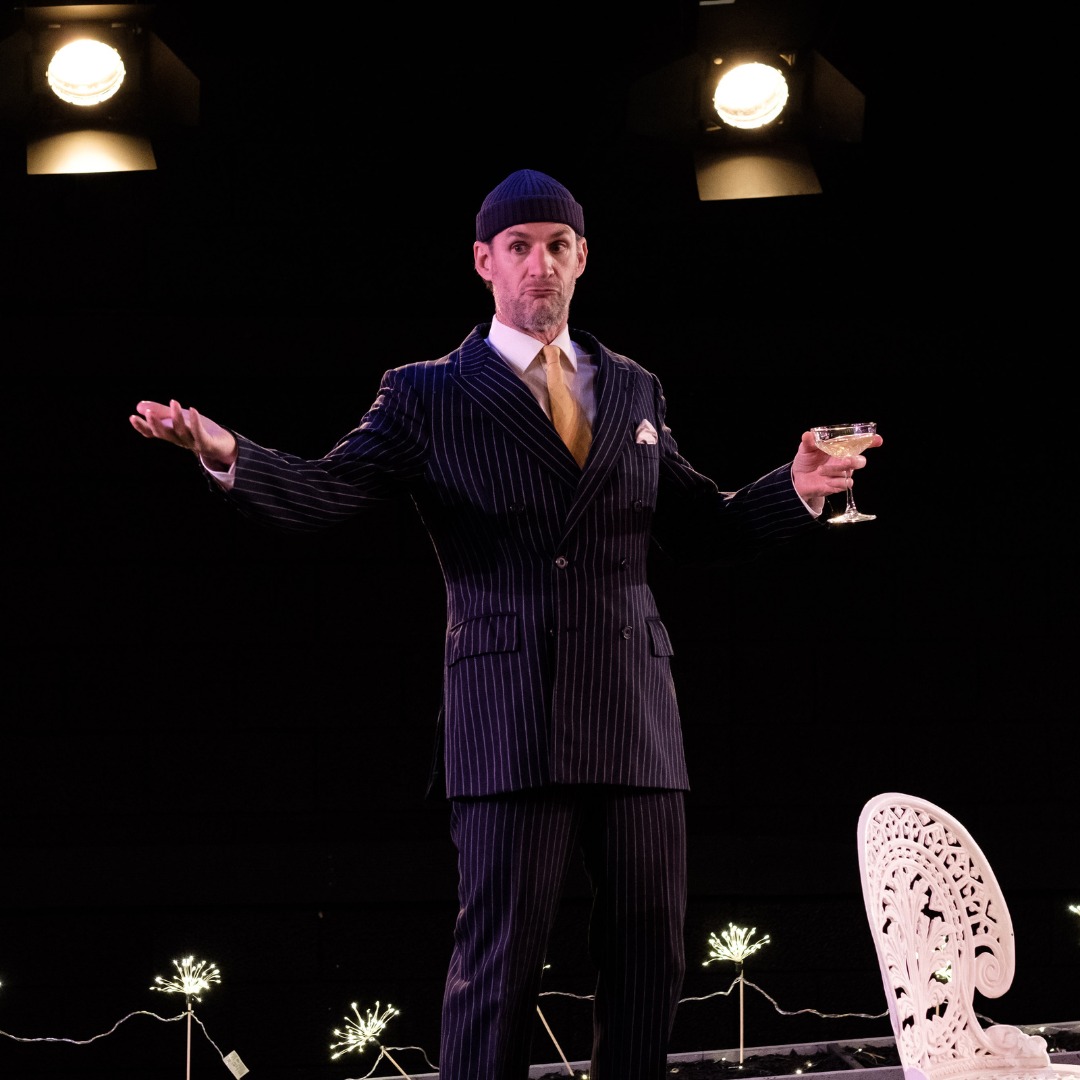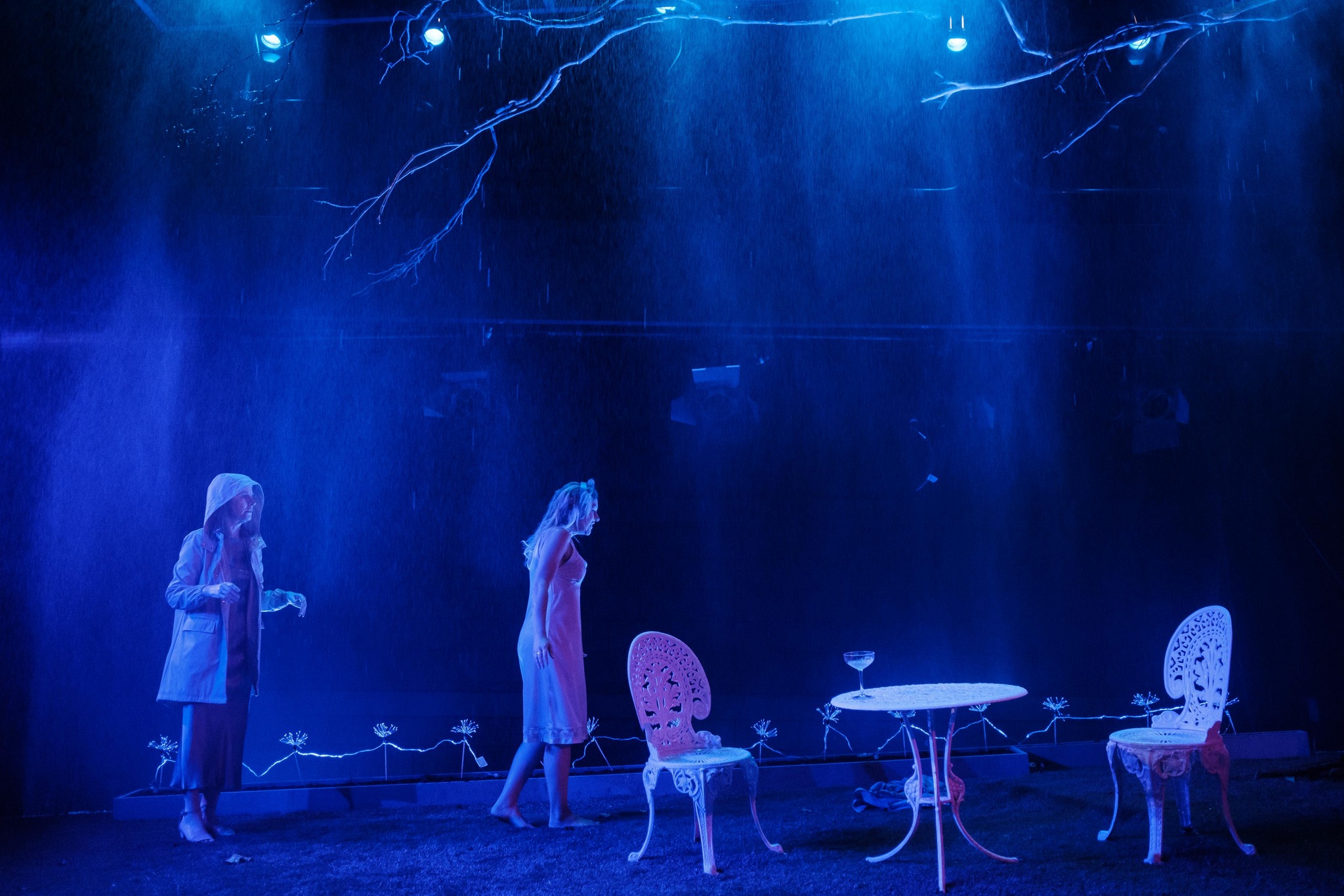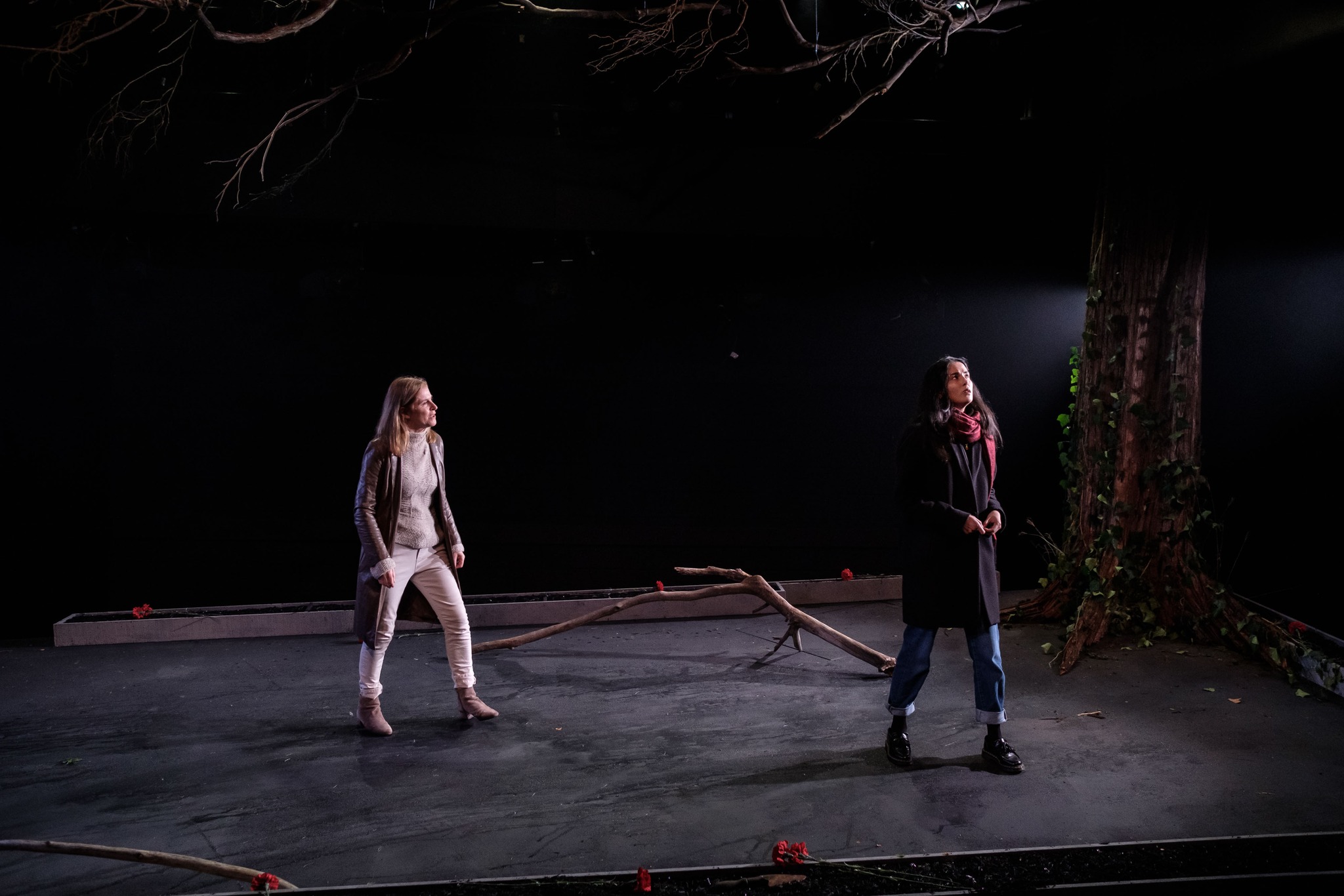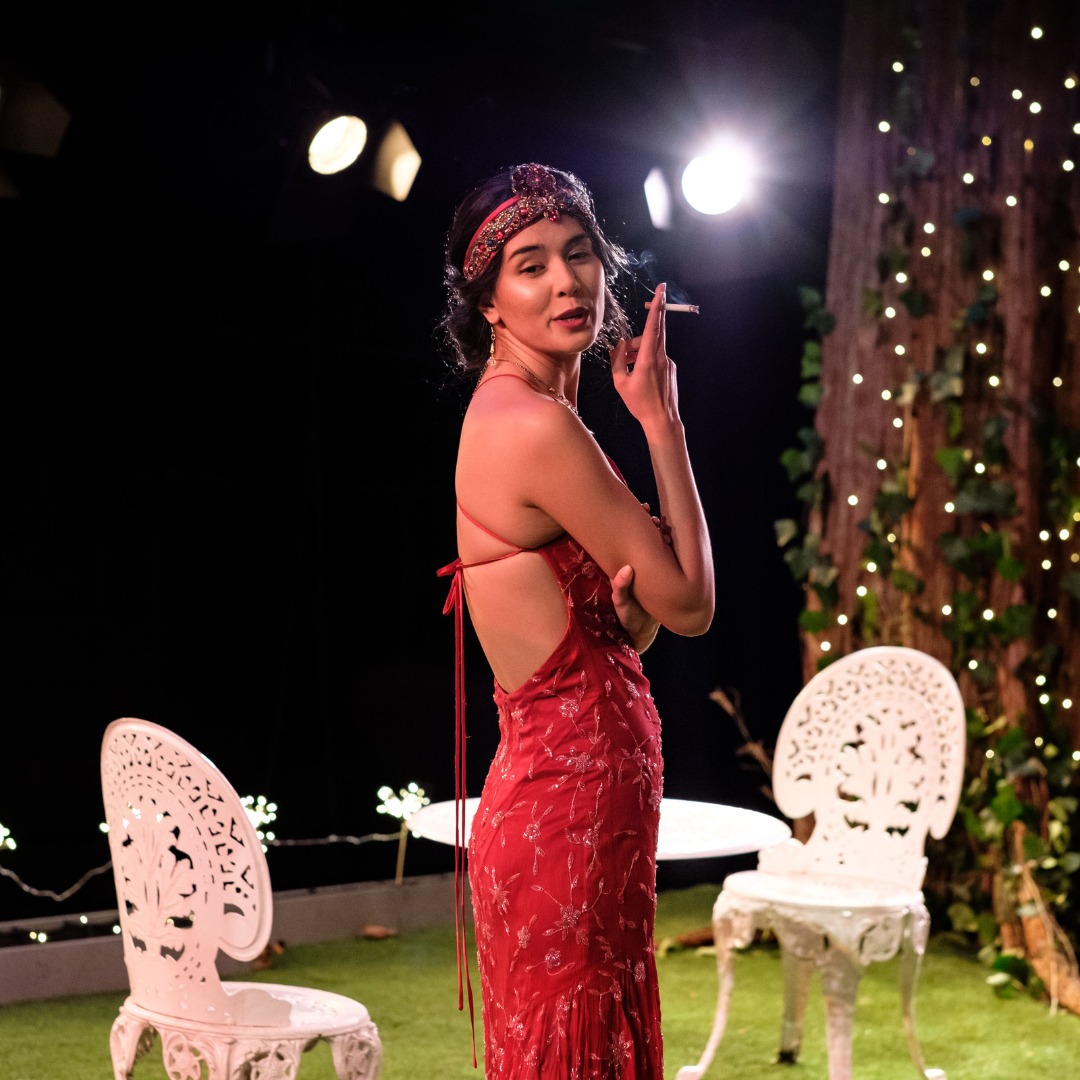
Review: Hedda Gabler (KXT on Broadway)

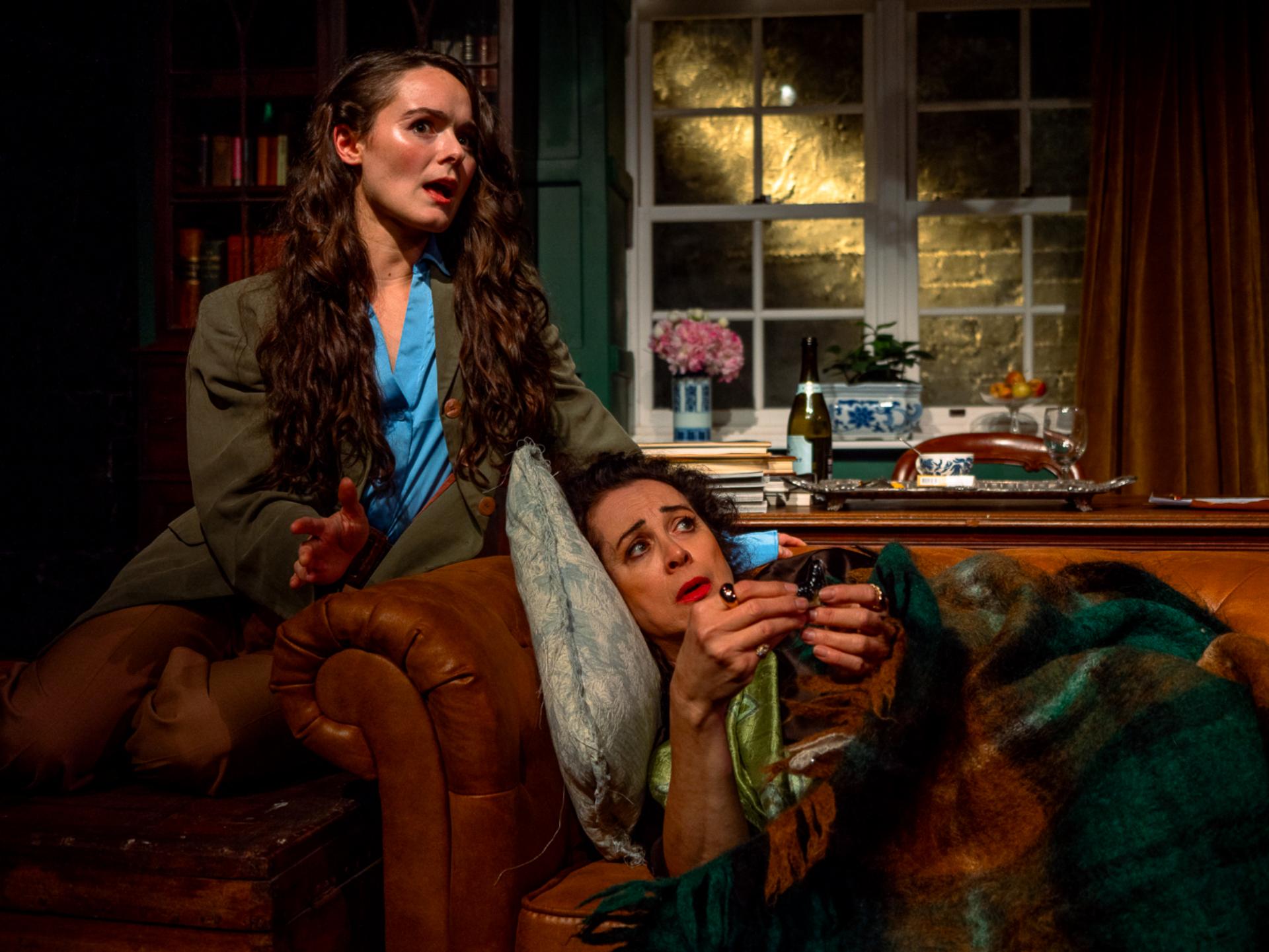
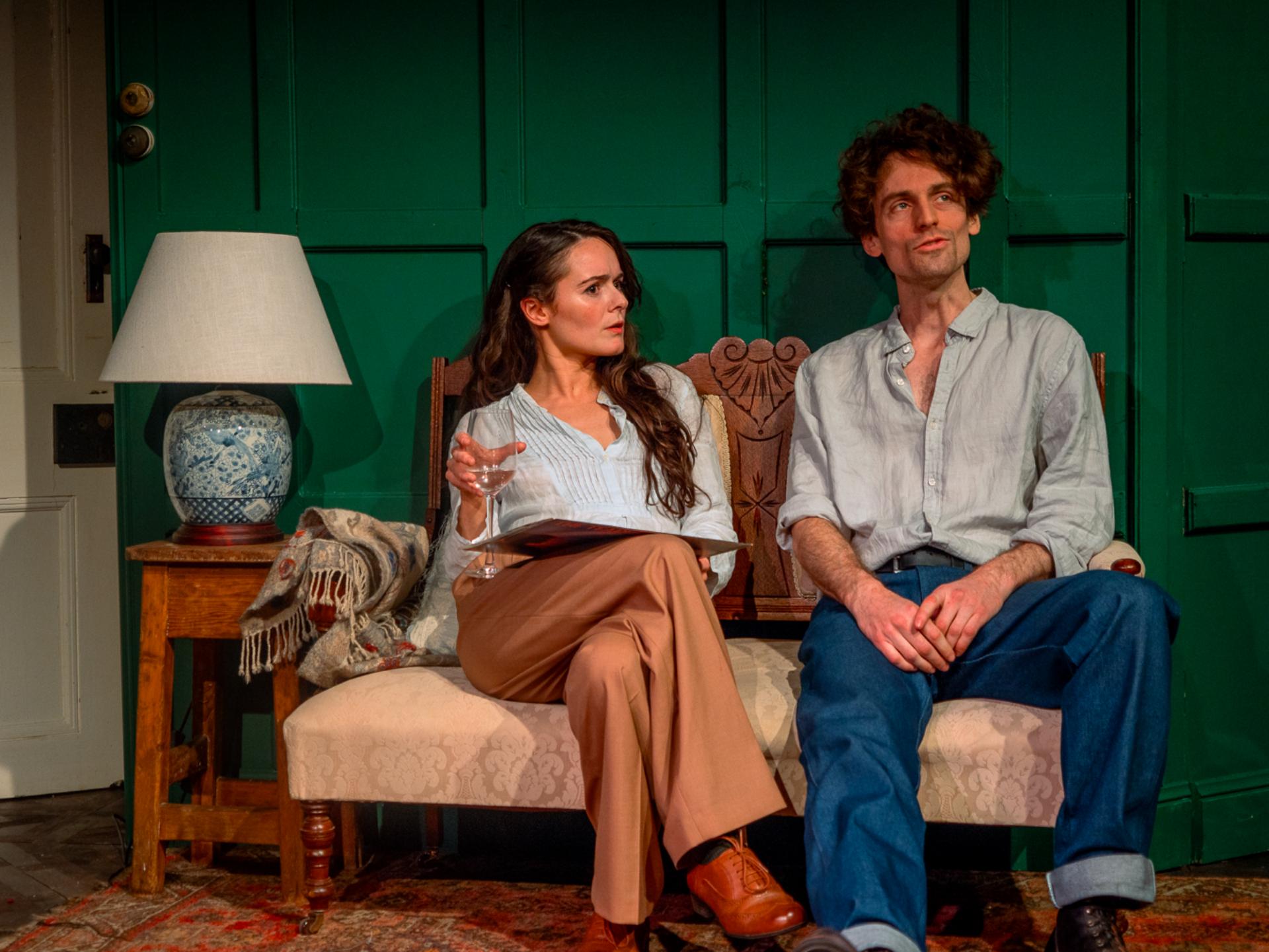
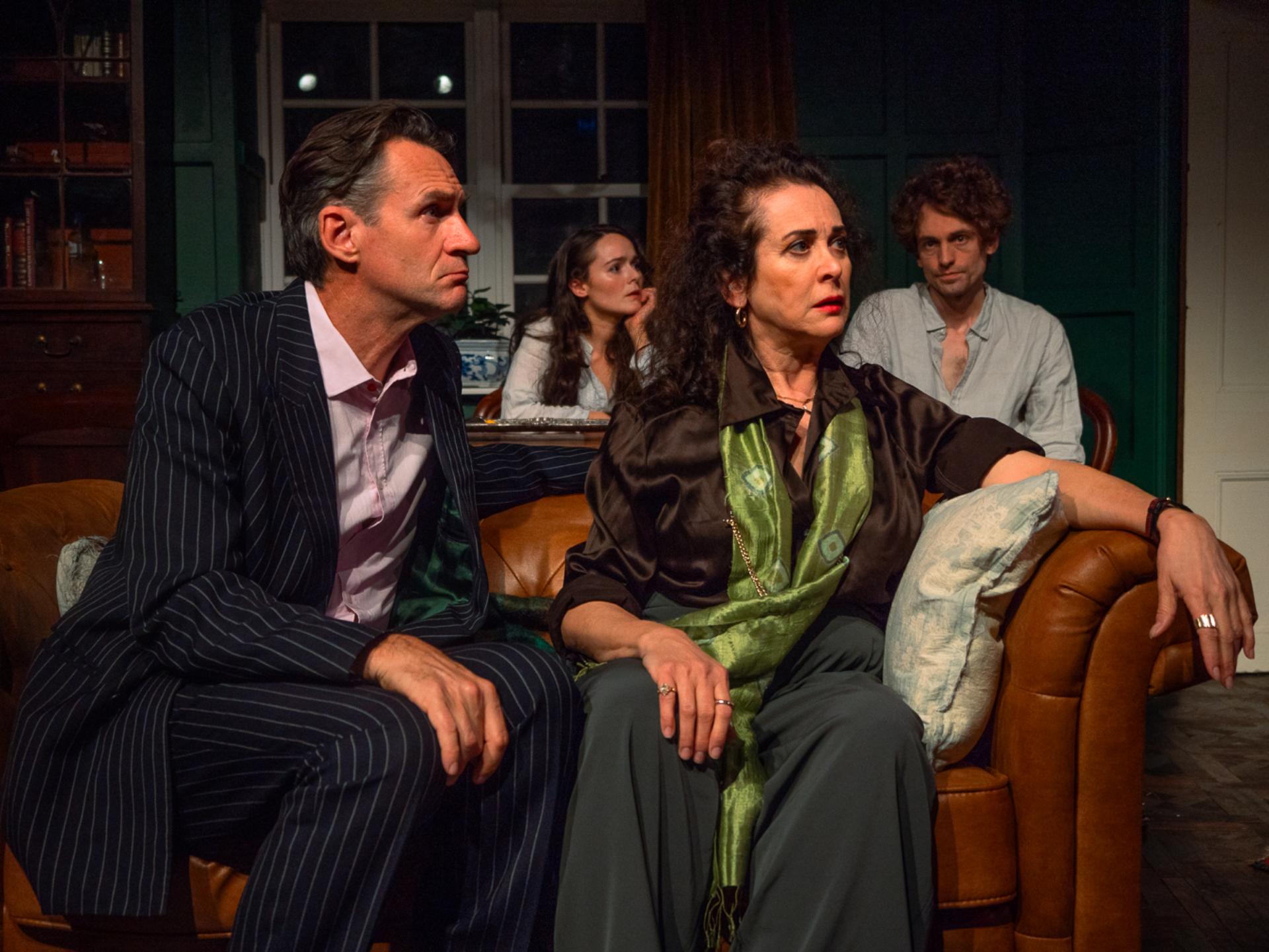
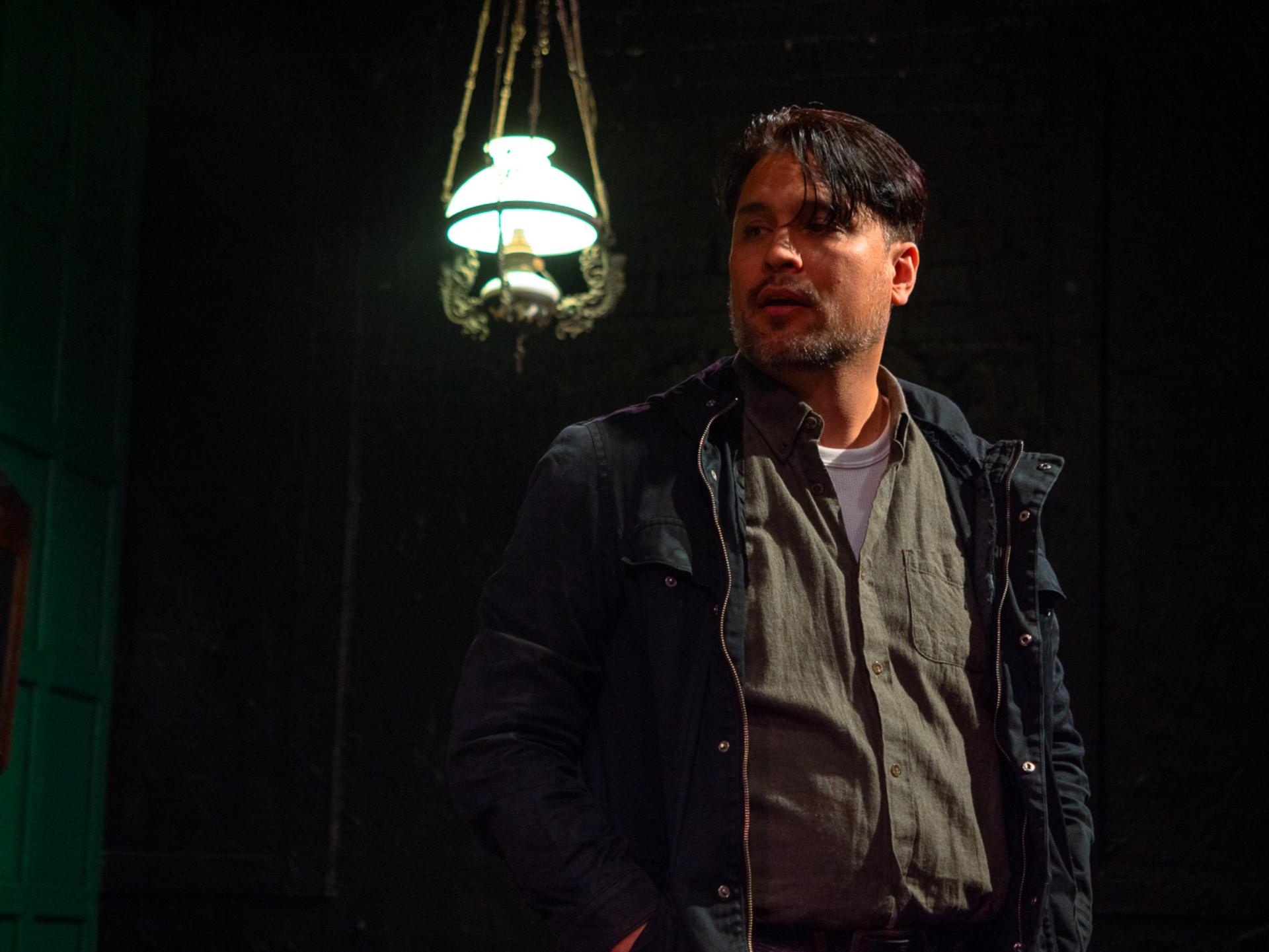
Venue: KXT on Broadway (Ultimo NSW), Oct 18 – Nov 2, 2024
Playwright: Anthony Skuse (after Henrik Ibsen)
Director:
Anthony Skuse
Cast: Jane Angharad, Jack Angwin, Suzann James, Christie Mae, Ella Prince, James Smithers, Christopher Tomkinson
Images by Braiden Toko

Theatre review
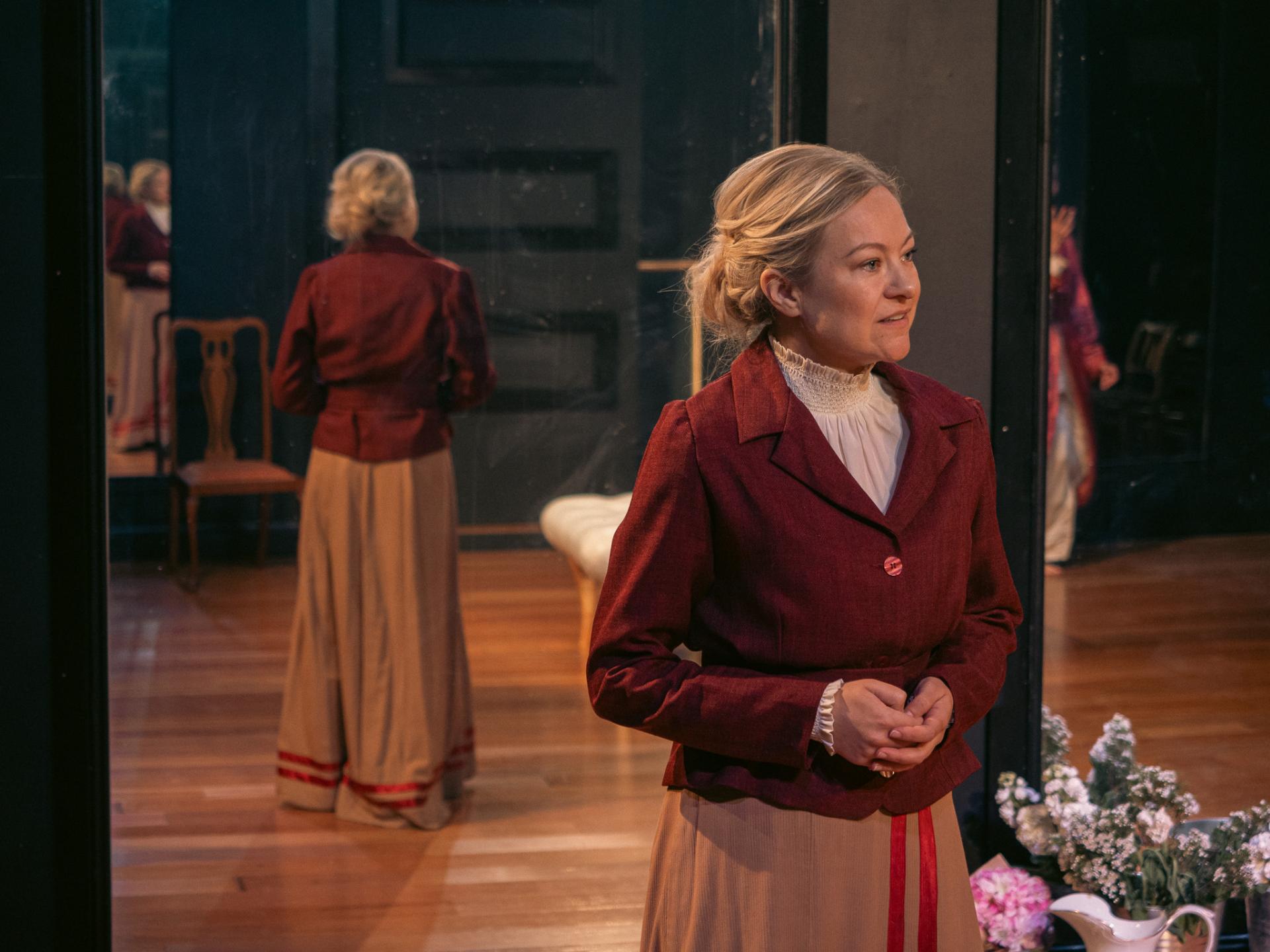
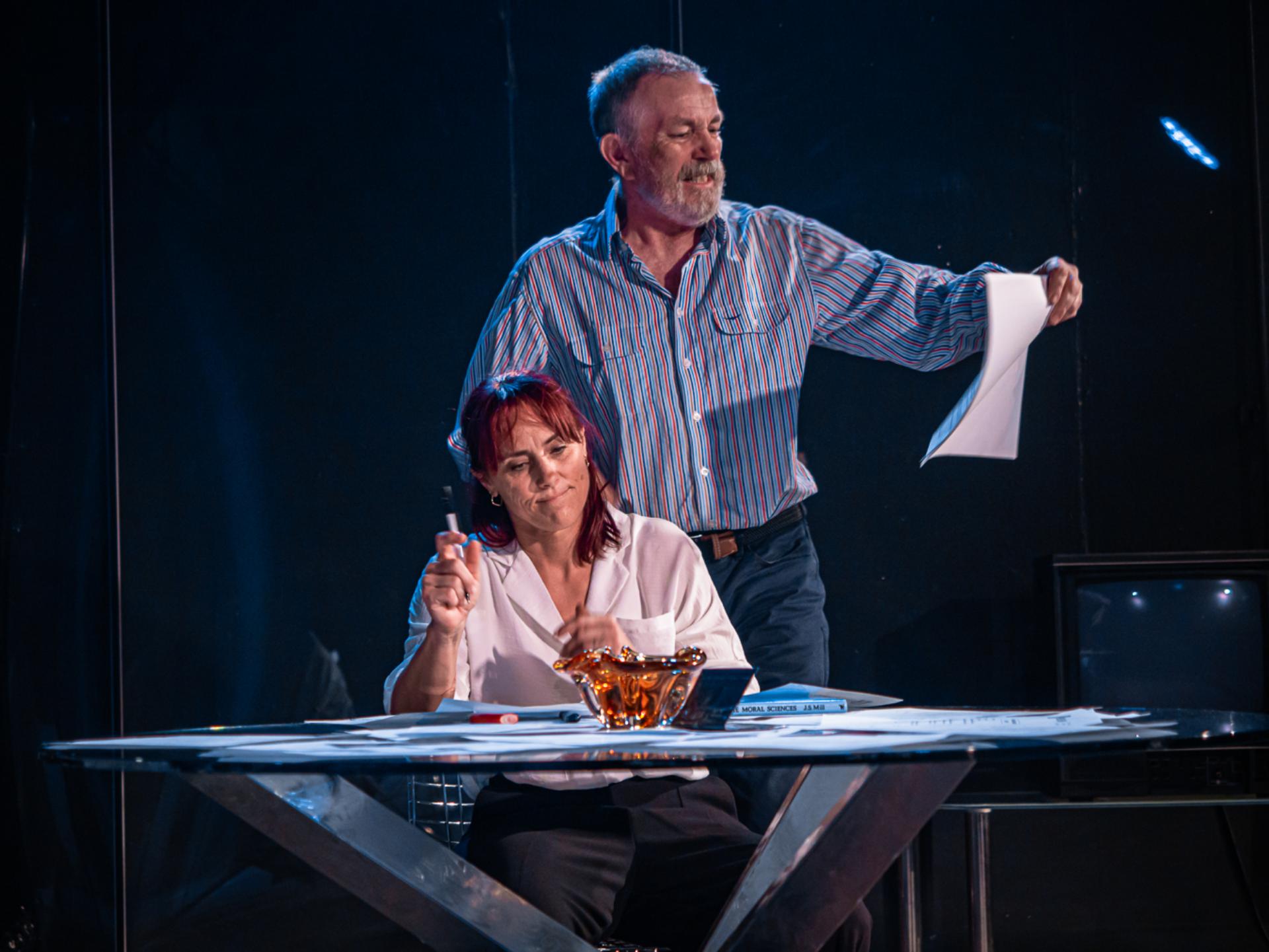
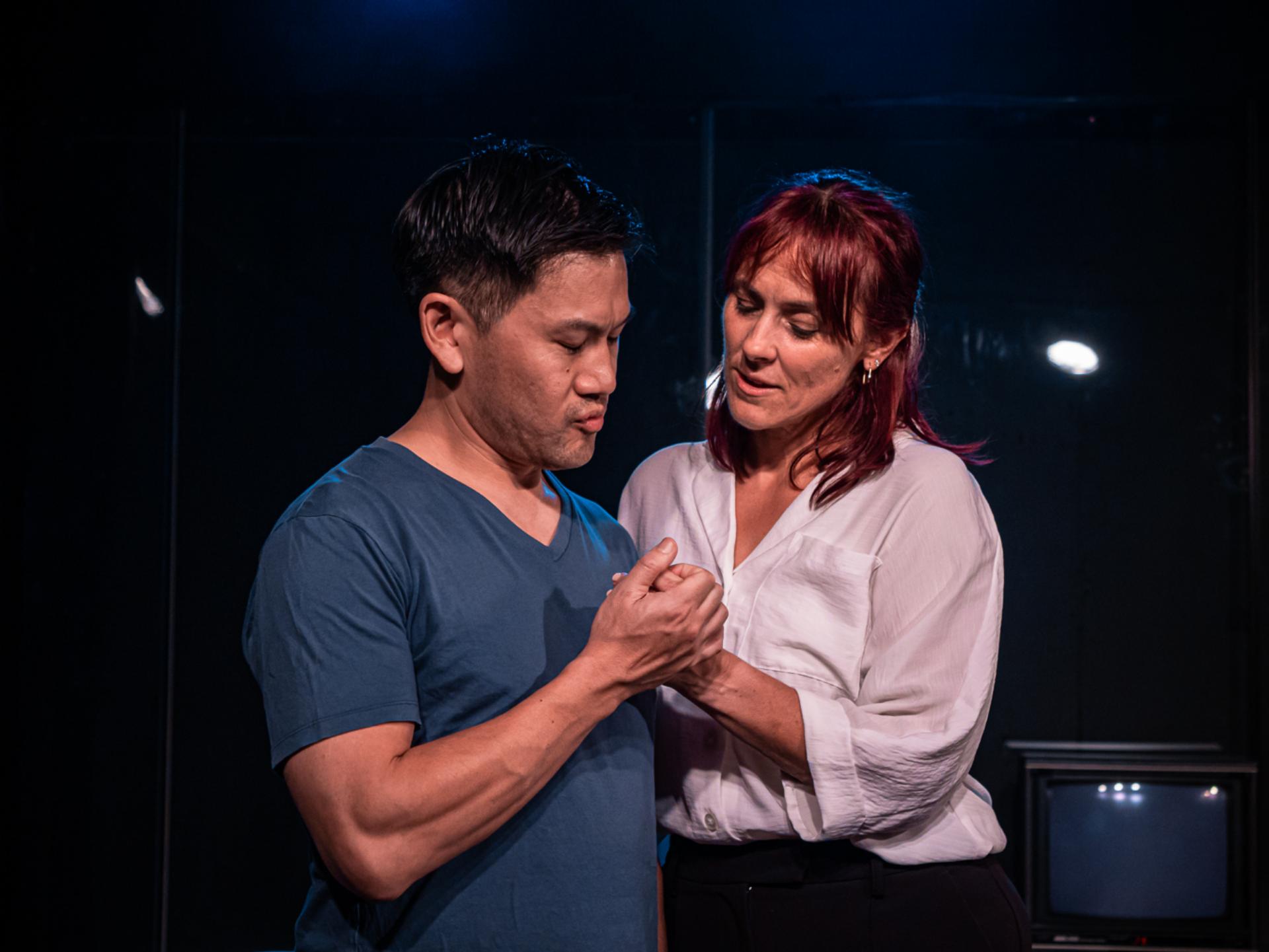
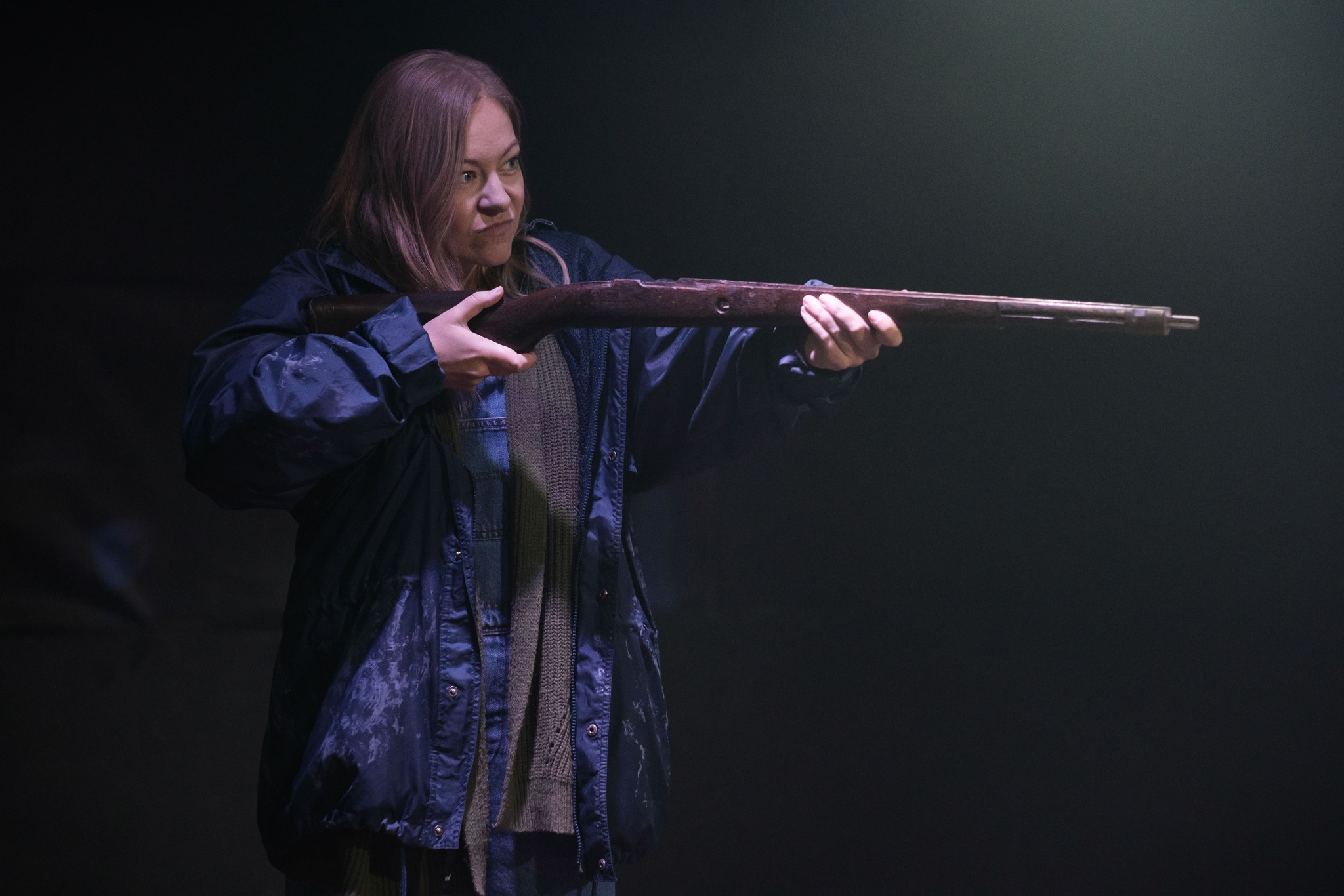
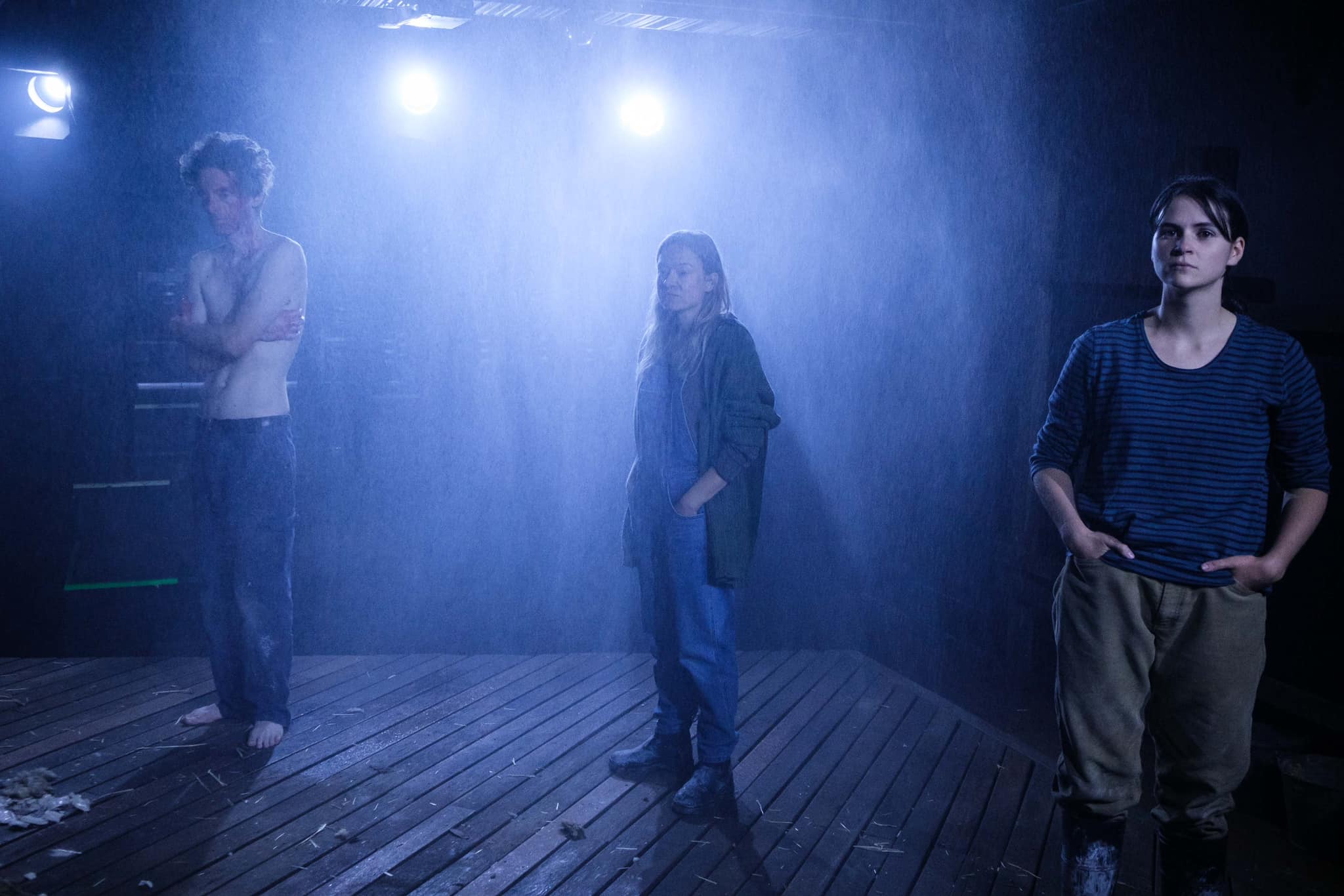
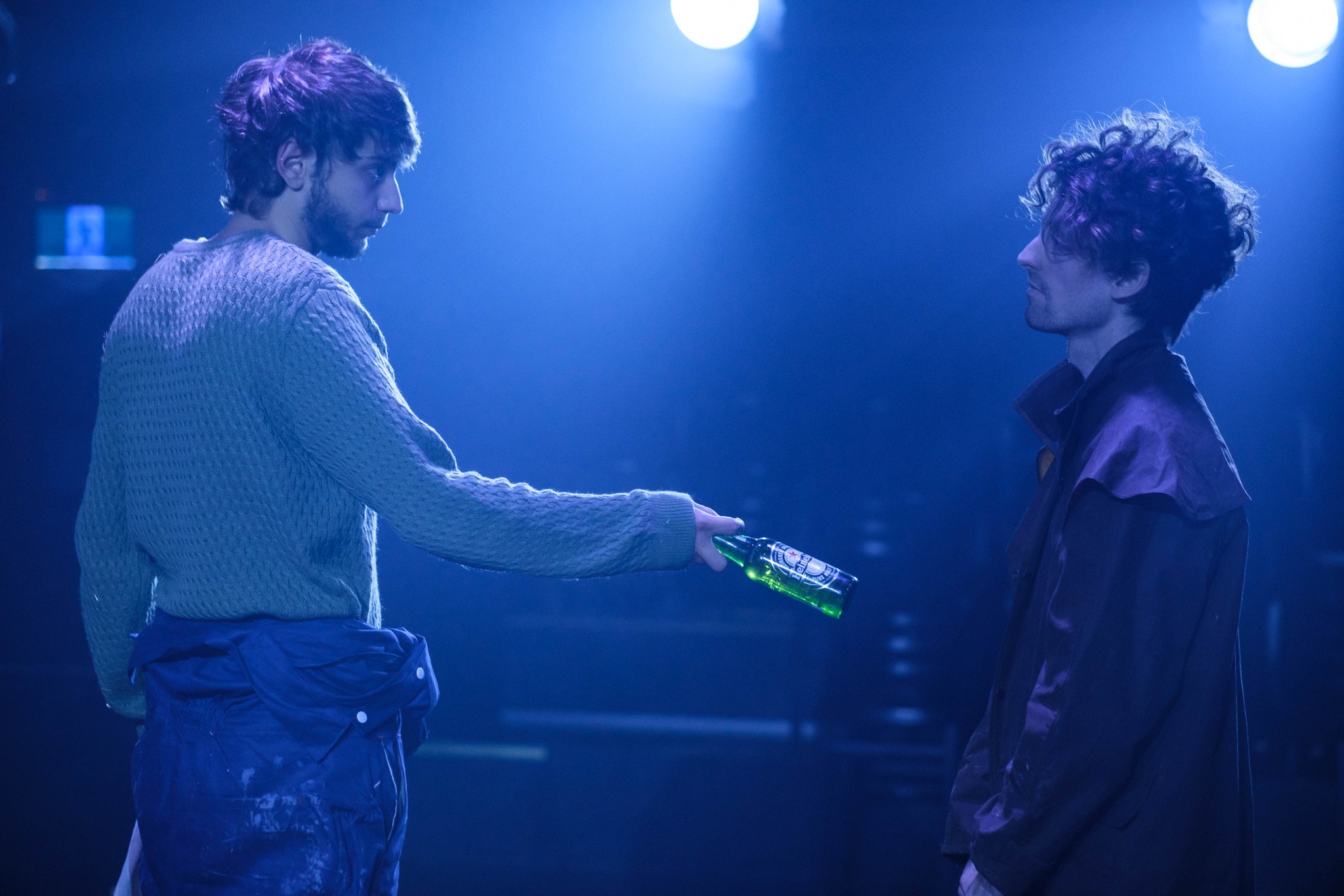
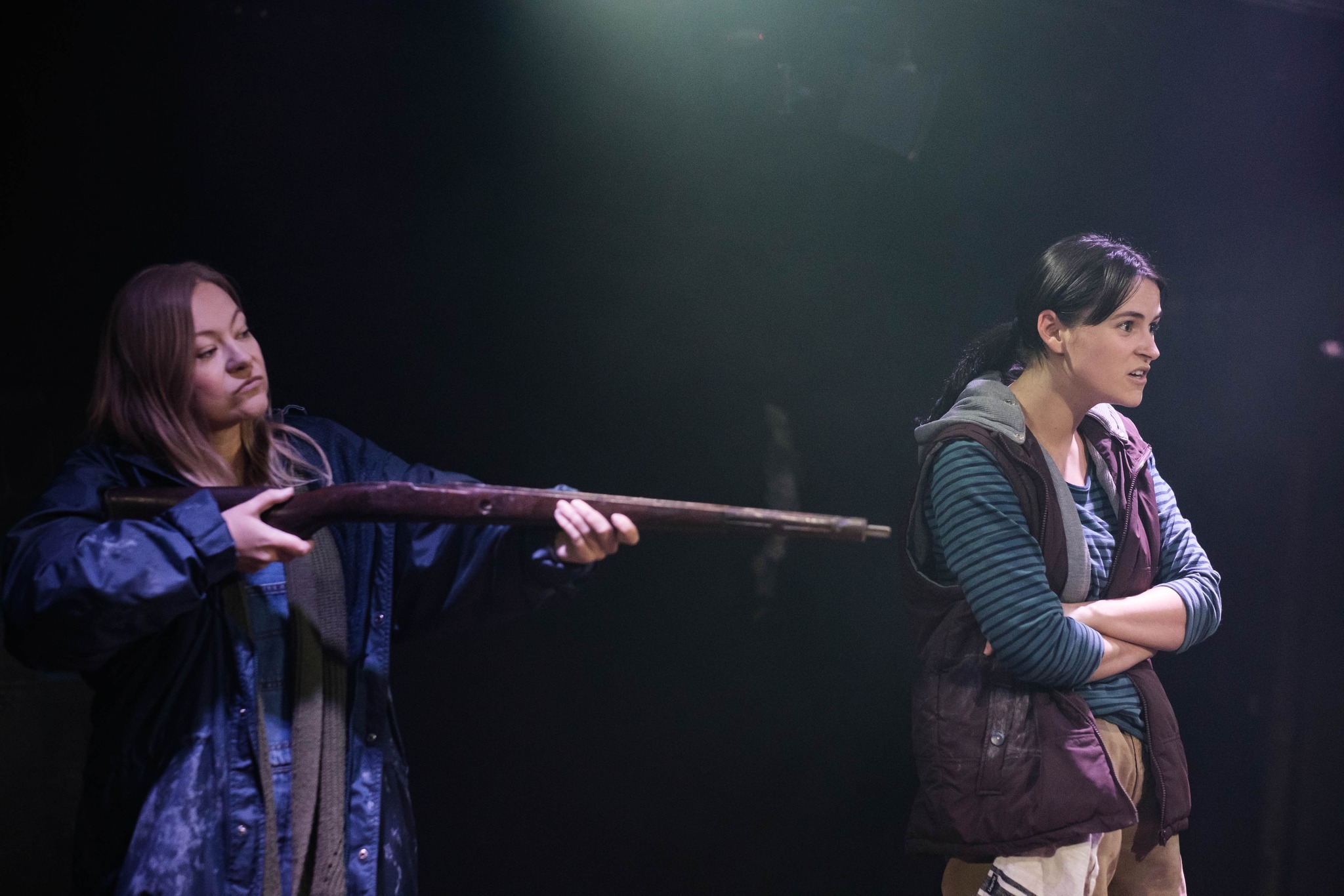
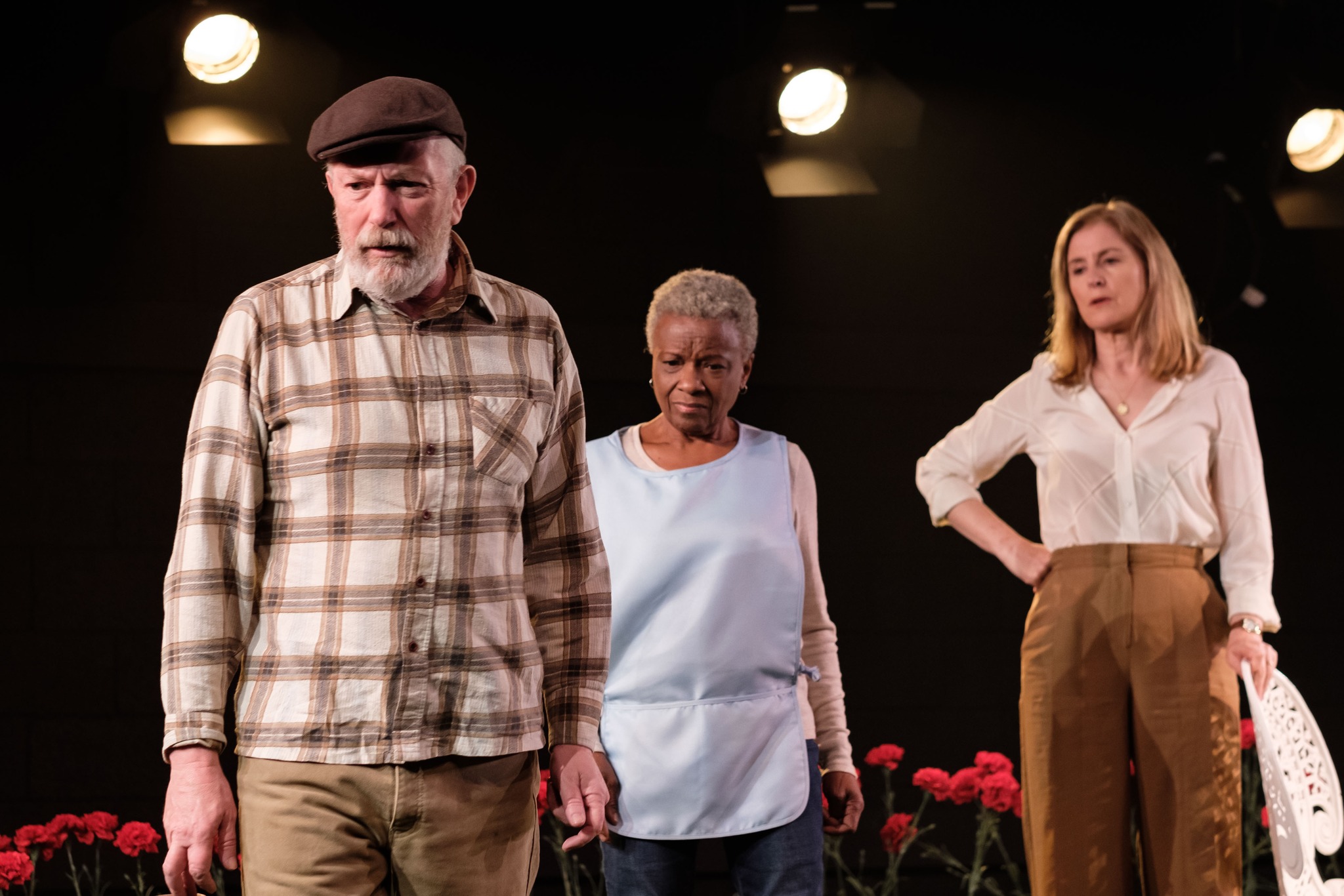
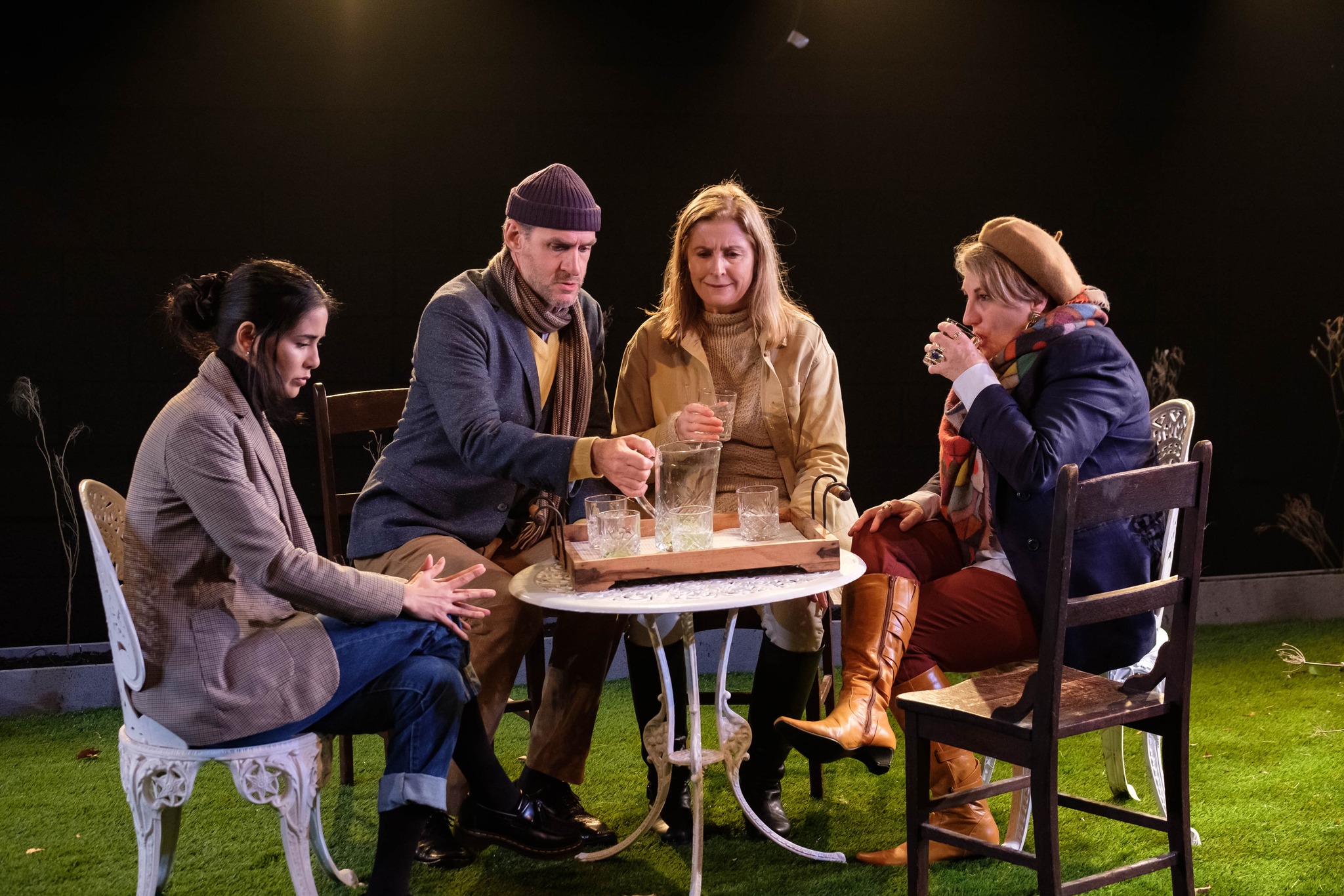
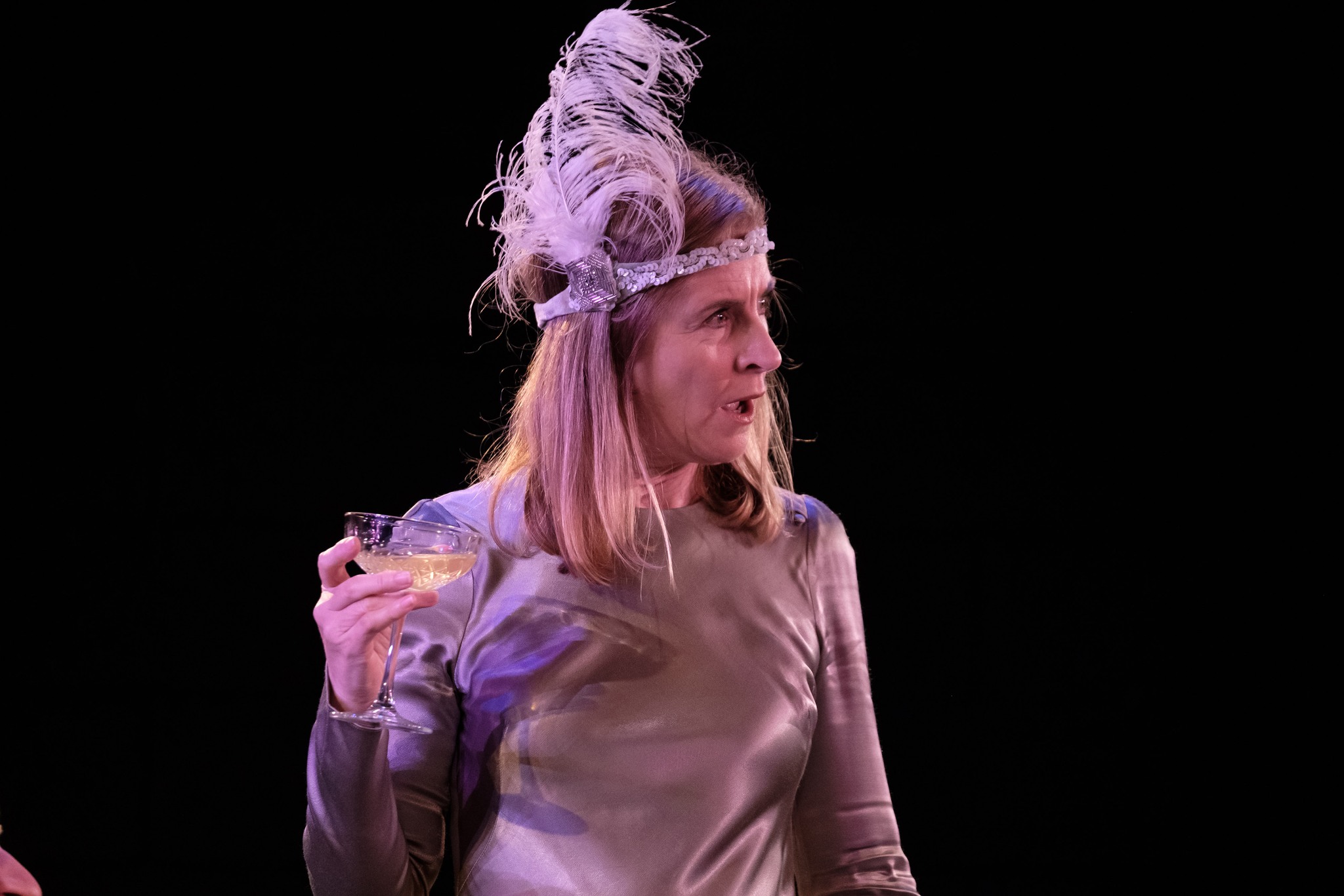
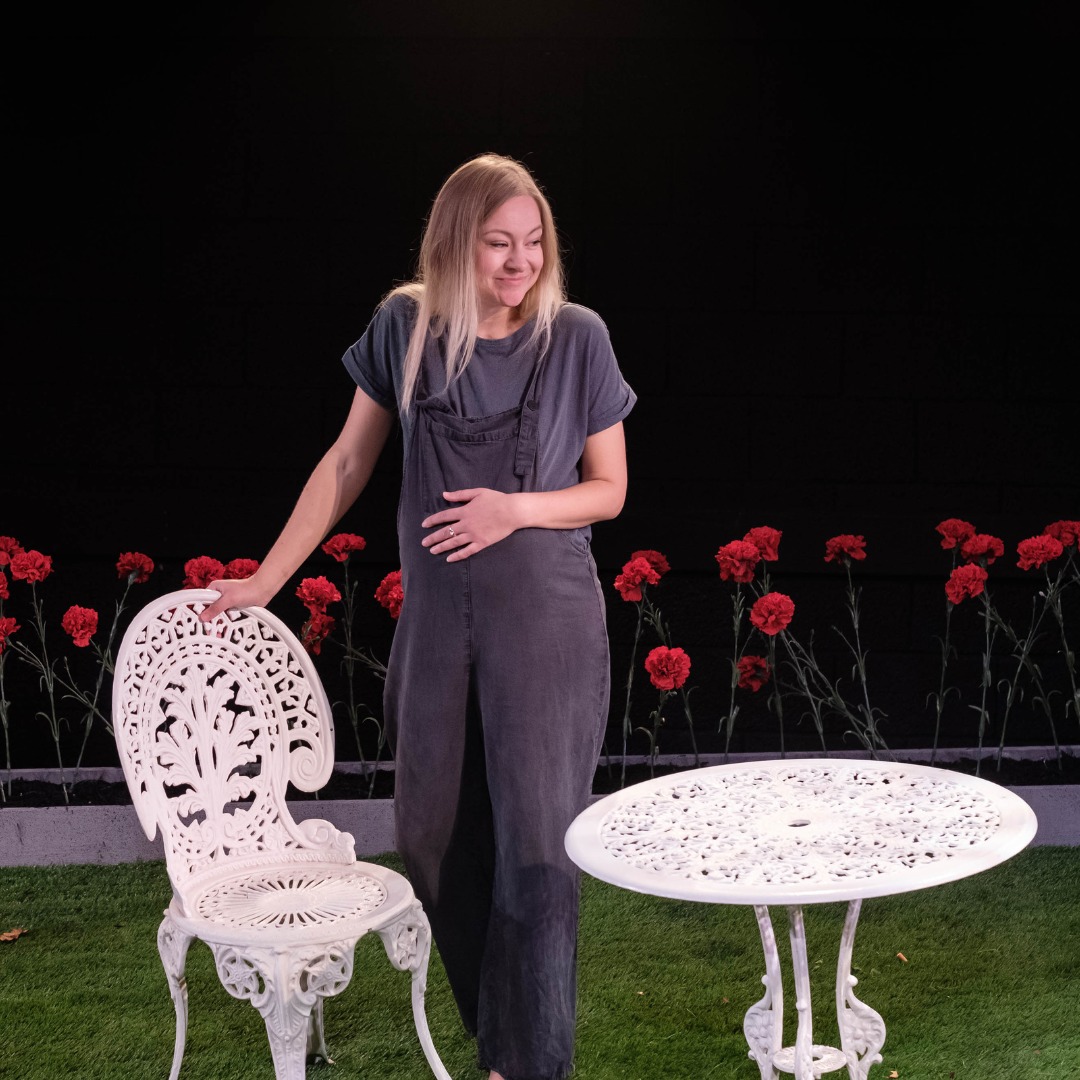
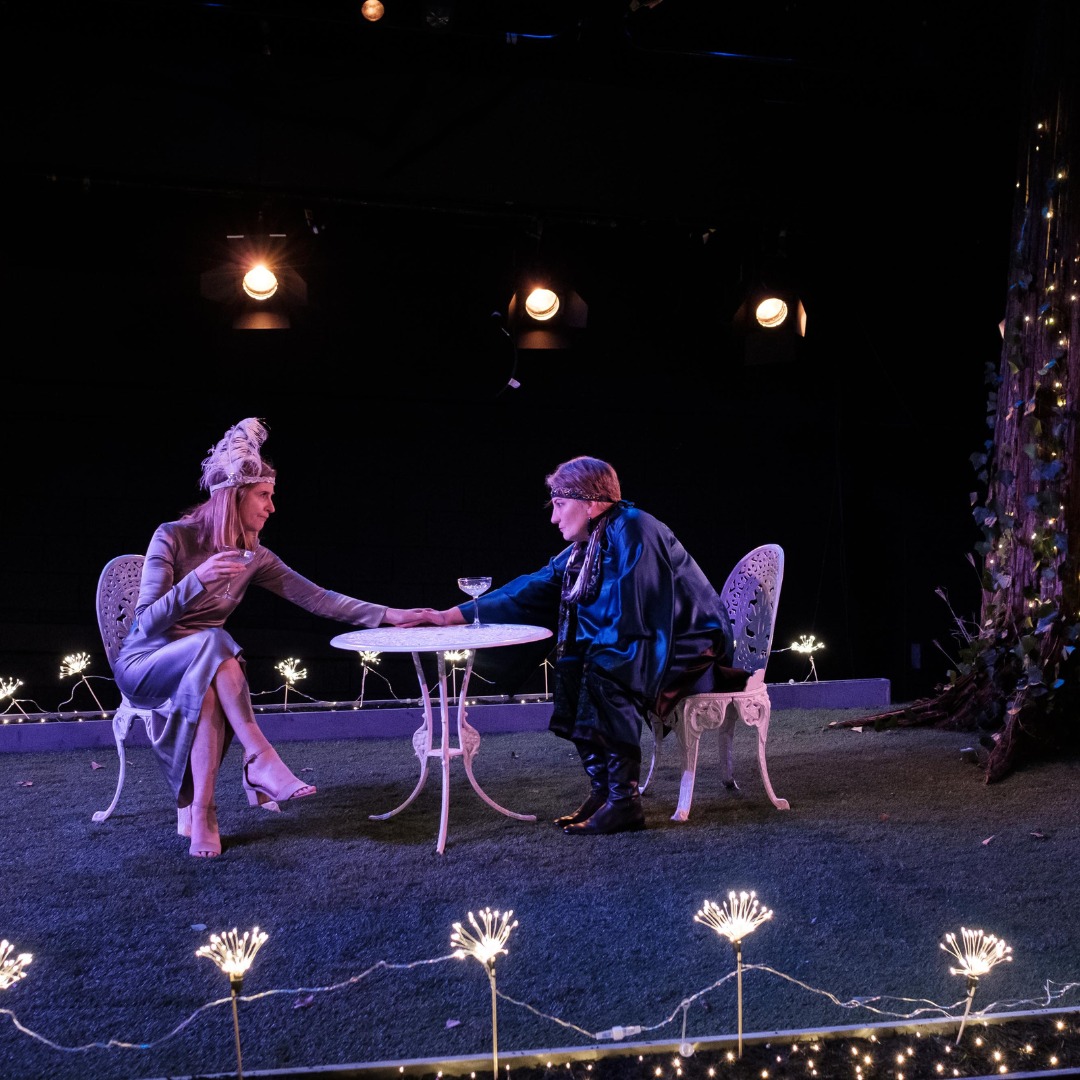
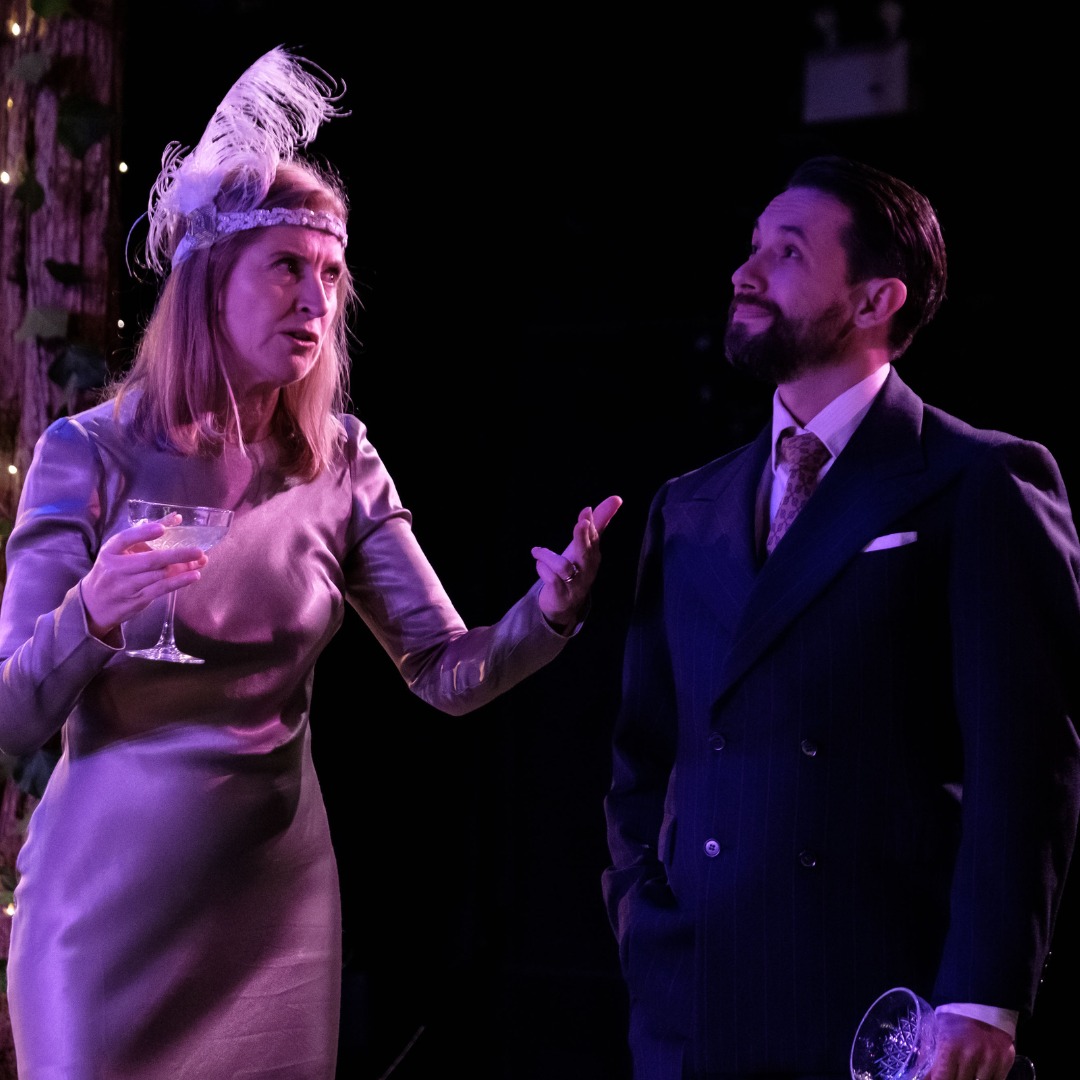
Hedda did not have many options in life, being a woman in the 19th century. She went with the most sensible route and chose the best candidate for a successful married life, but found only bitter resentment. Henrik Ibsen’s Hedda Gabler exposes what it is often like, for women who obey the rules in patriarchal systems that offer little more than illusory promises.

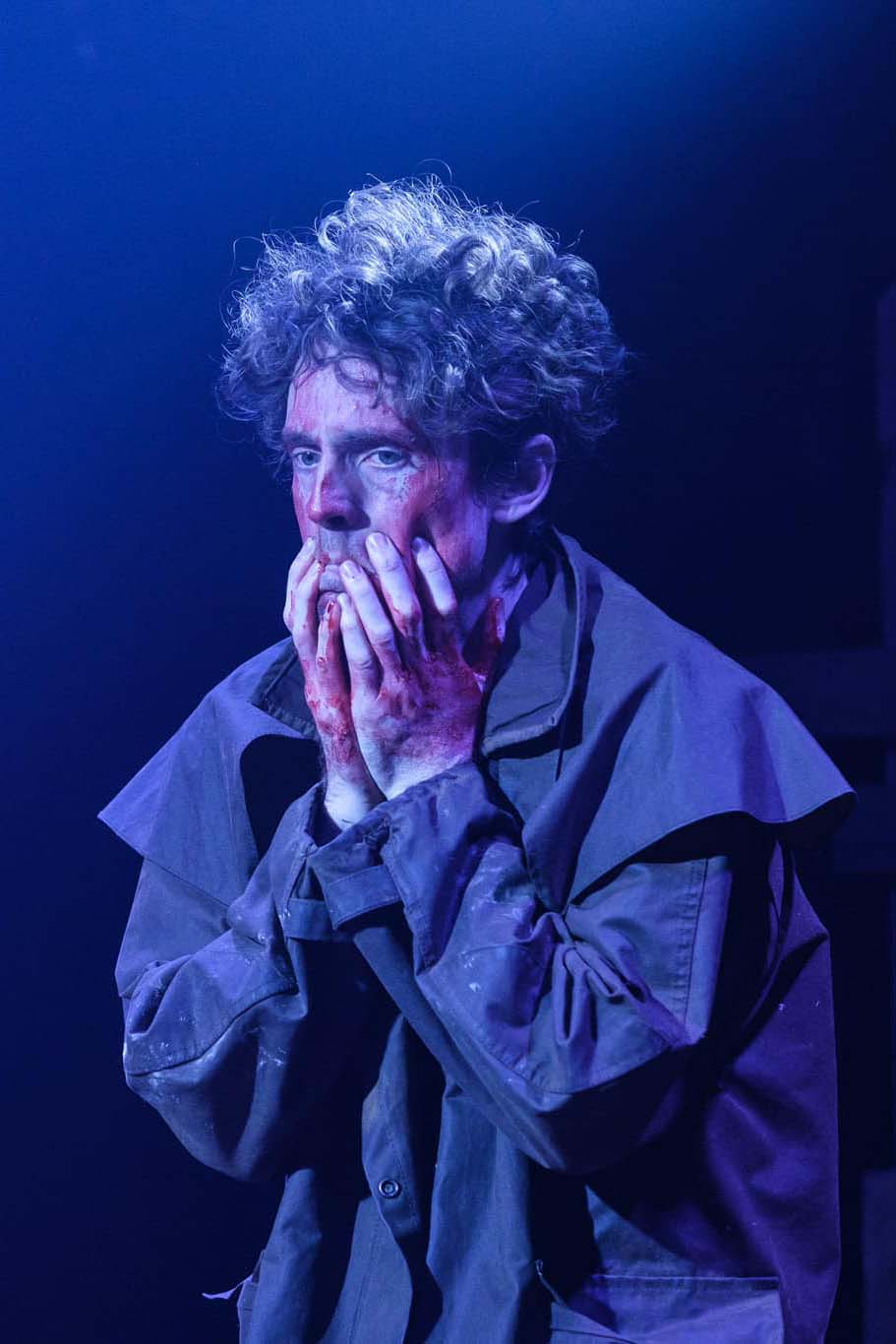
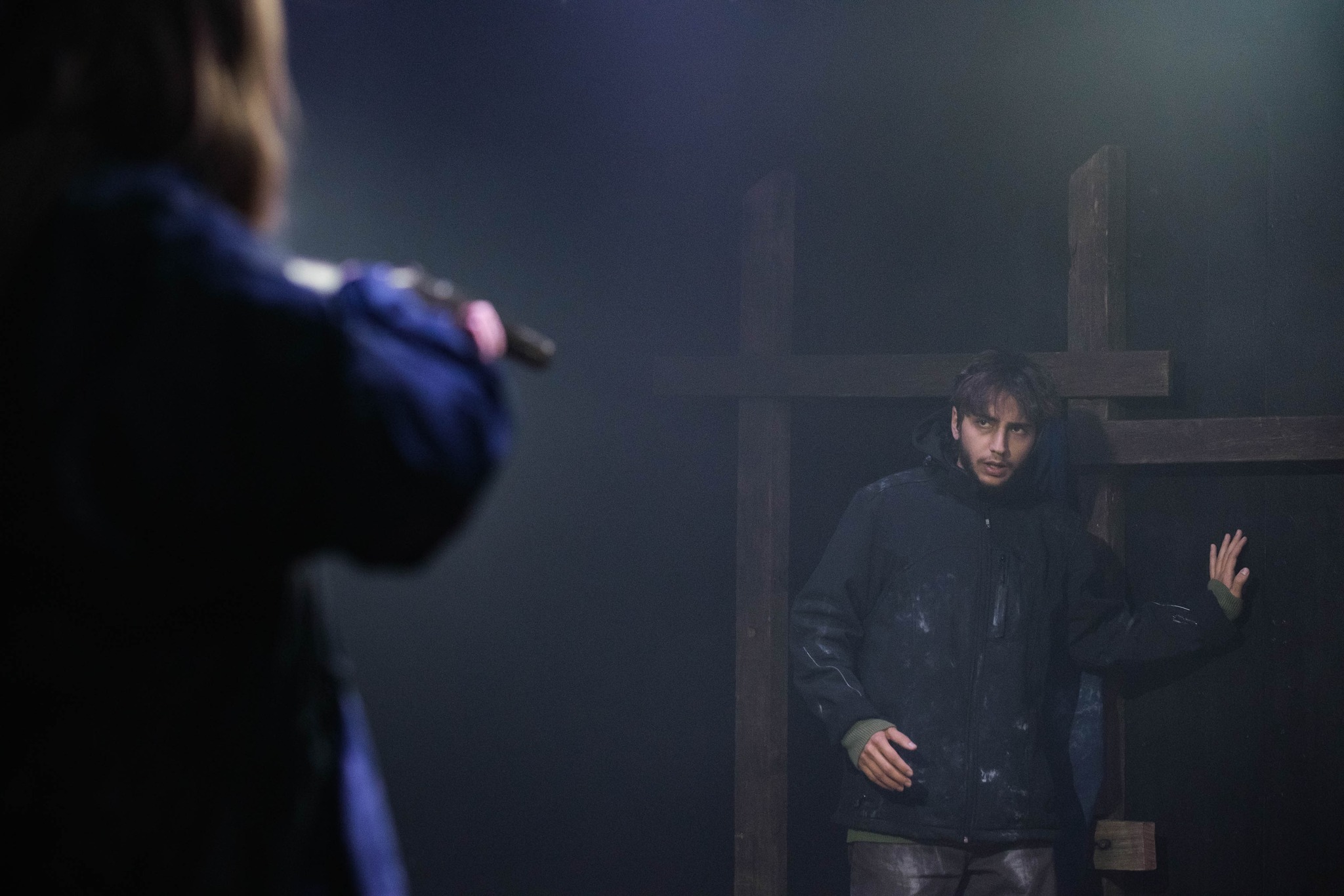
This short and sharp adaptation by Anthony Skuse goes straight to the point of Hedda’s discontent. Indeed, there is no real need to explain her exasperation, in a world we know that is determined to prevent women from attaining true fulfilment. Skuse’s succinct dialogue delivers a condensed experience of Hedda Gabler, one that retains entirely the moral of the story. There is an inevitable reduction in tension leading up to the dramatic climax, but there is a newfound velocity to this iteration of the 1891 story that proves invigorating.

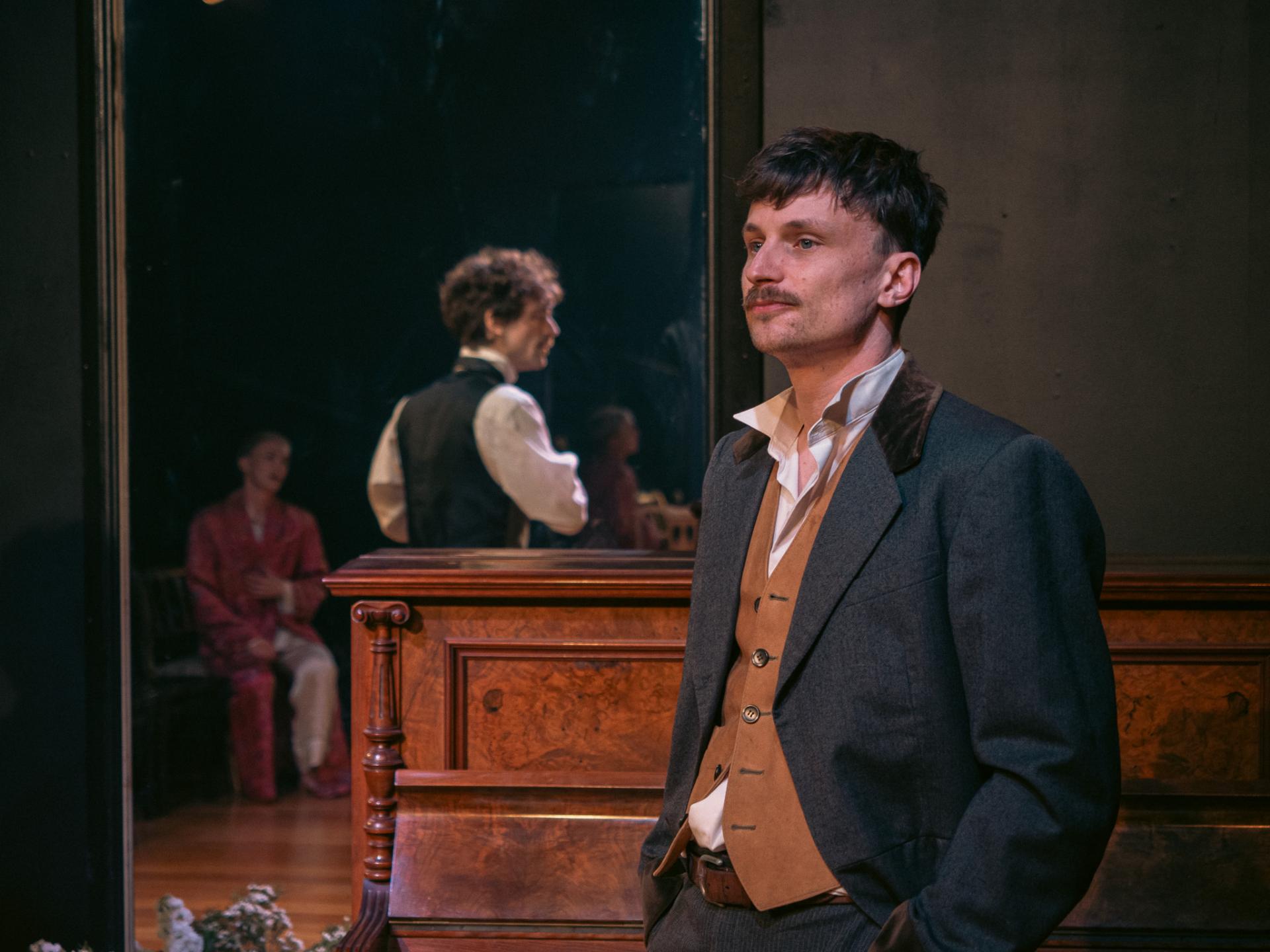
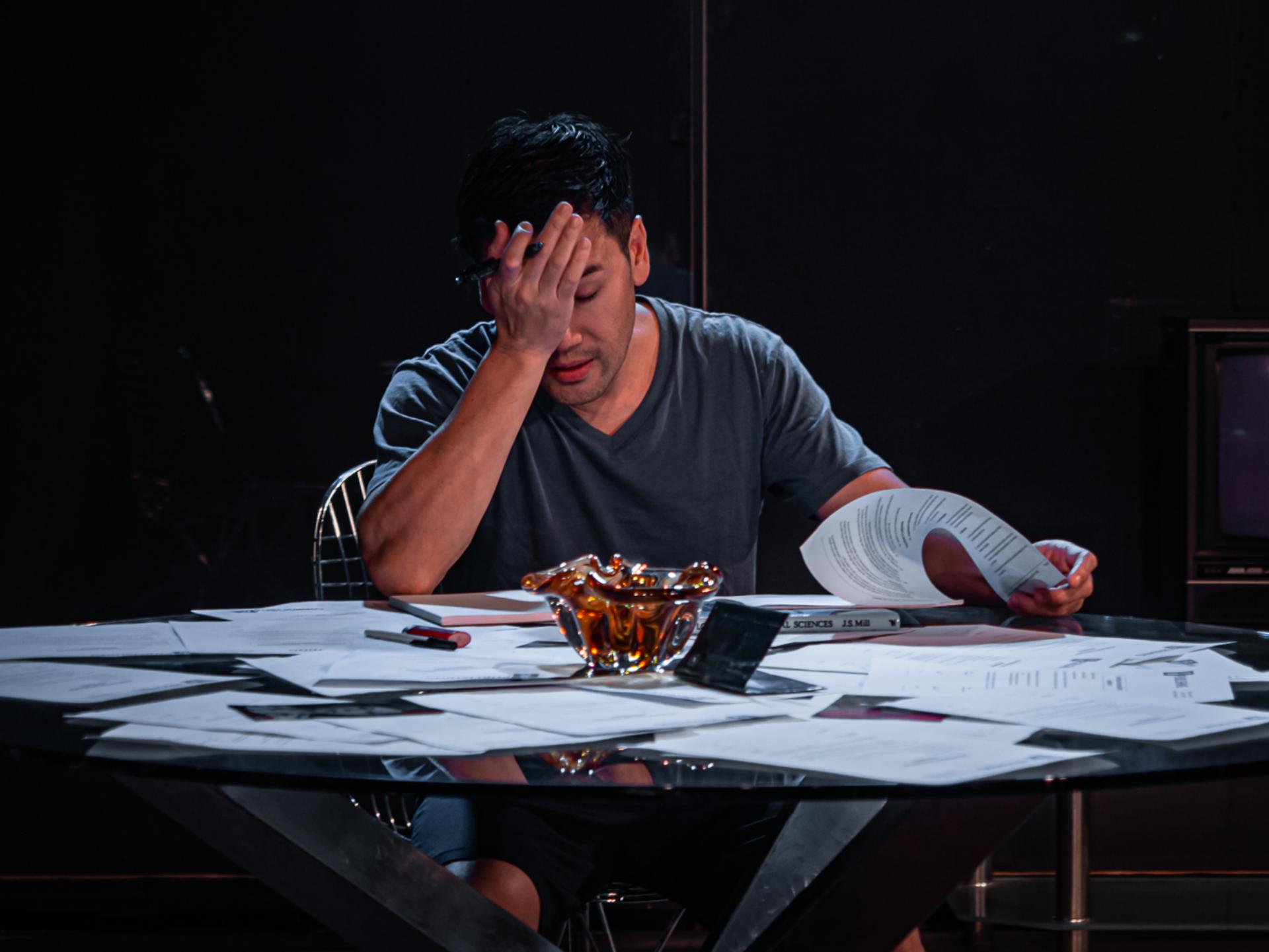
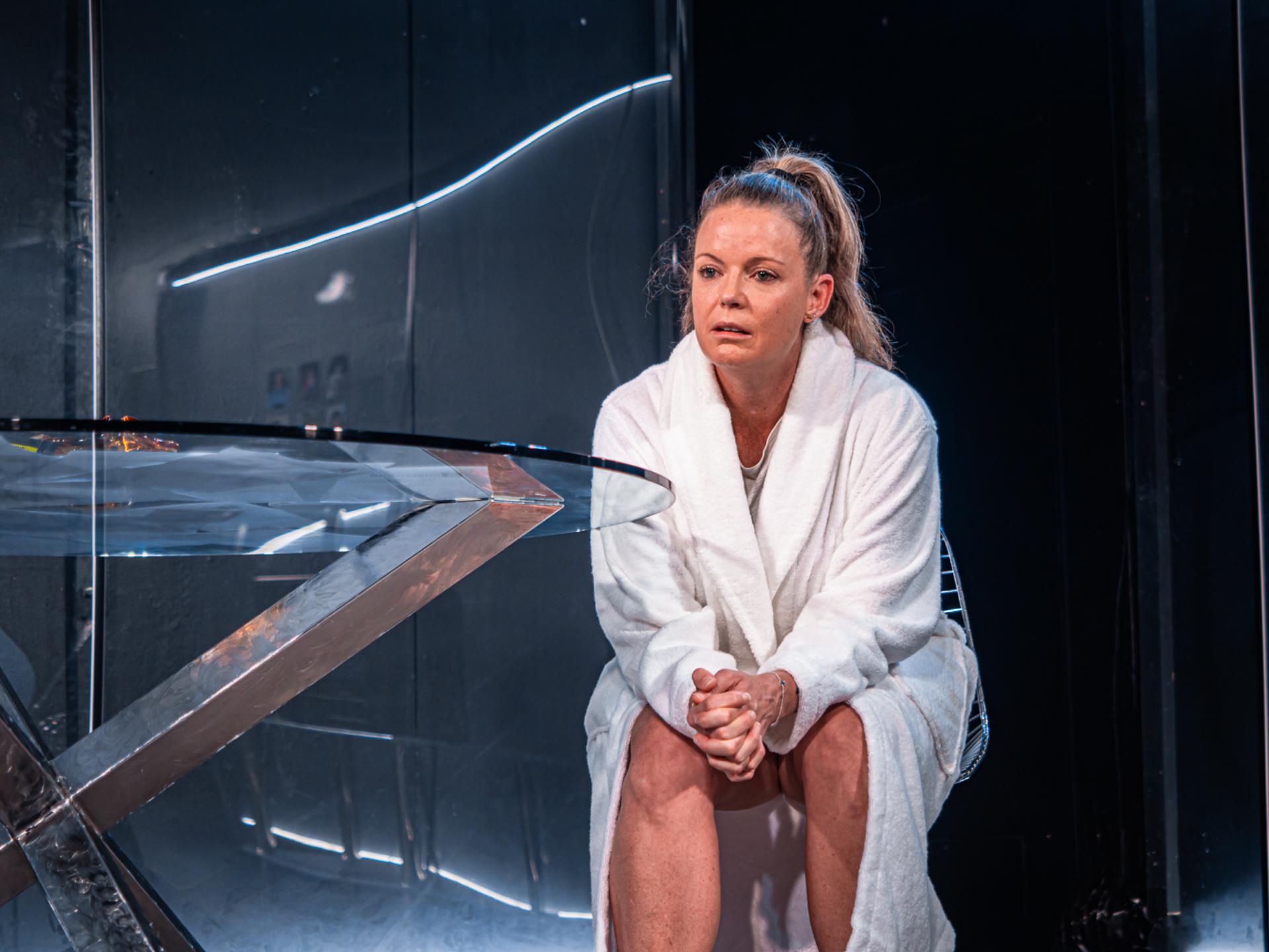
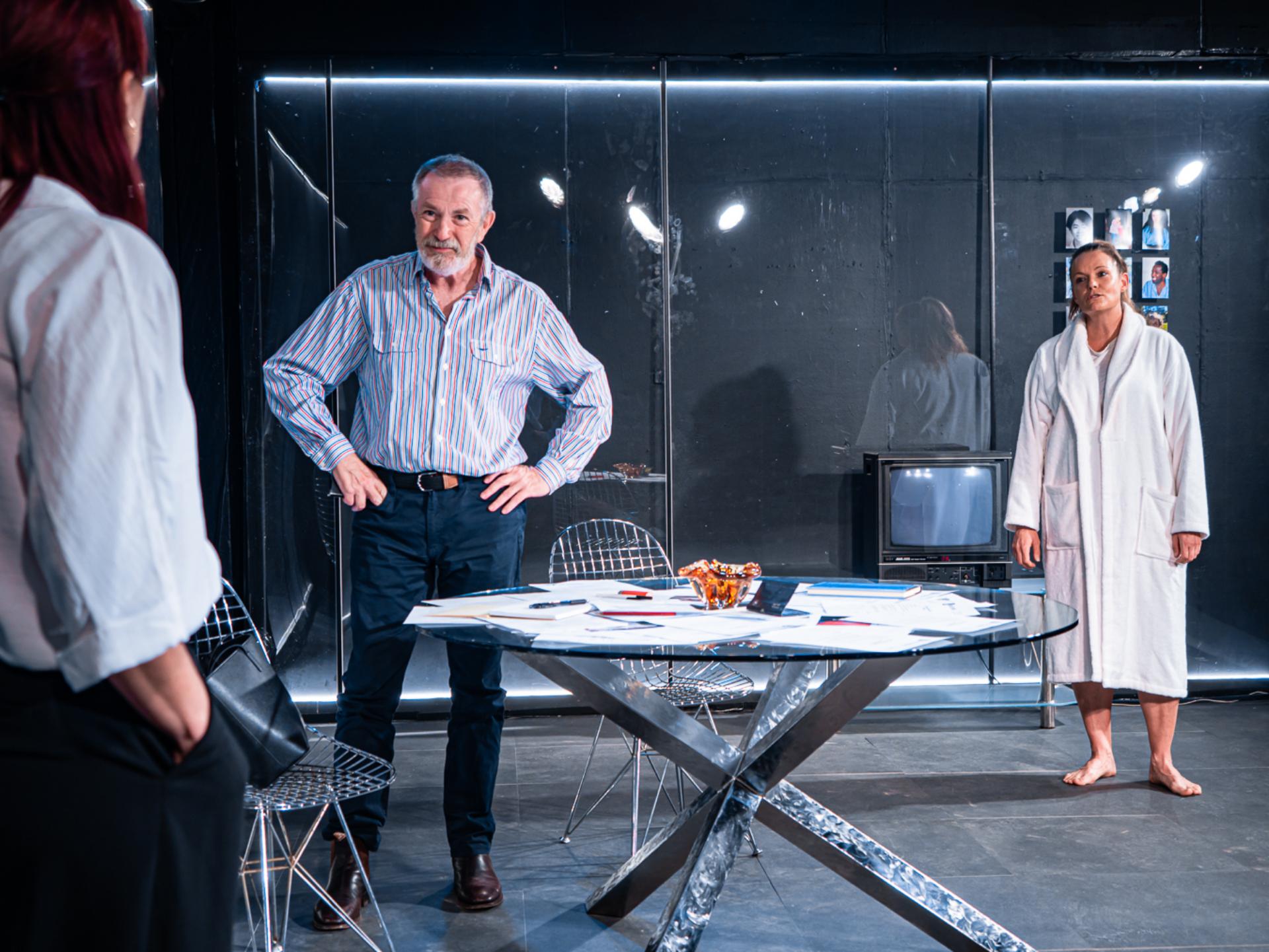
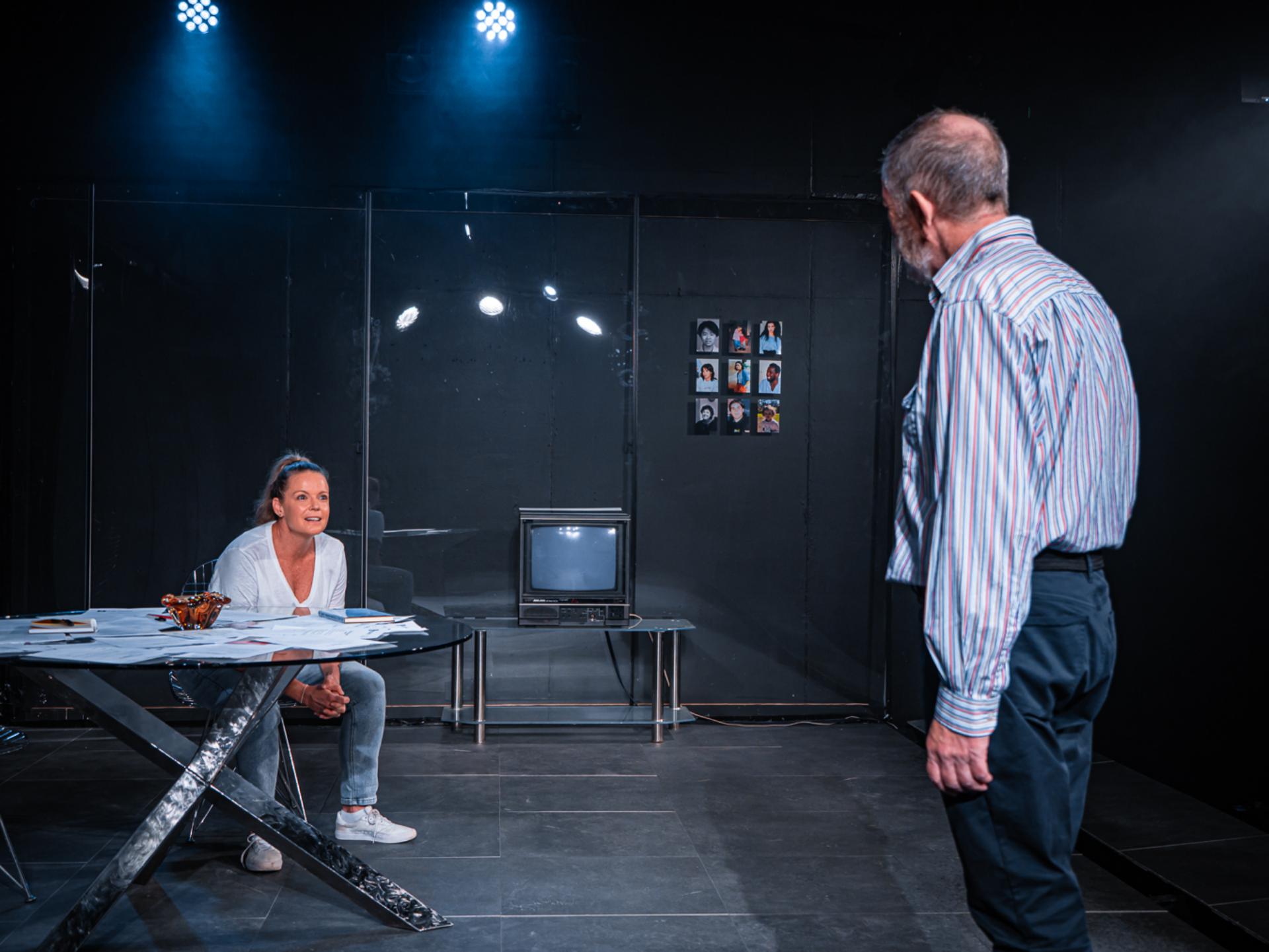
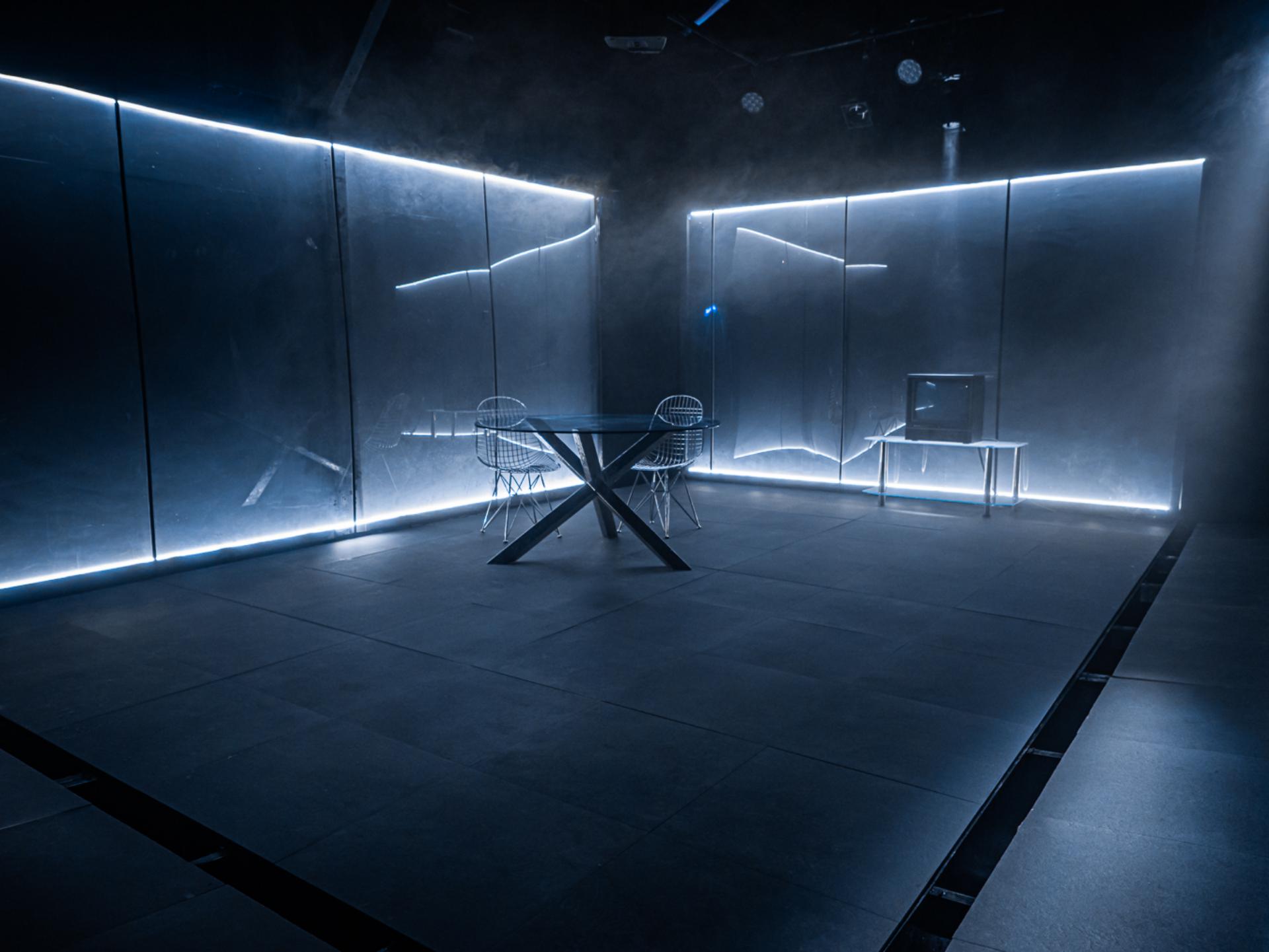
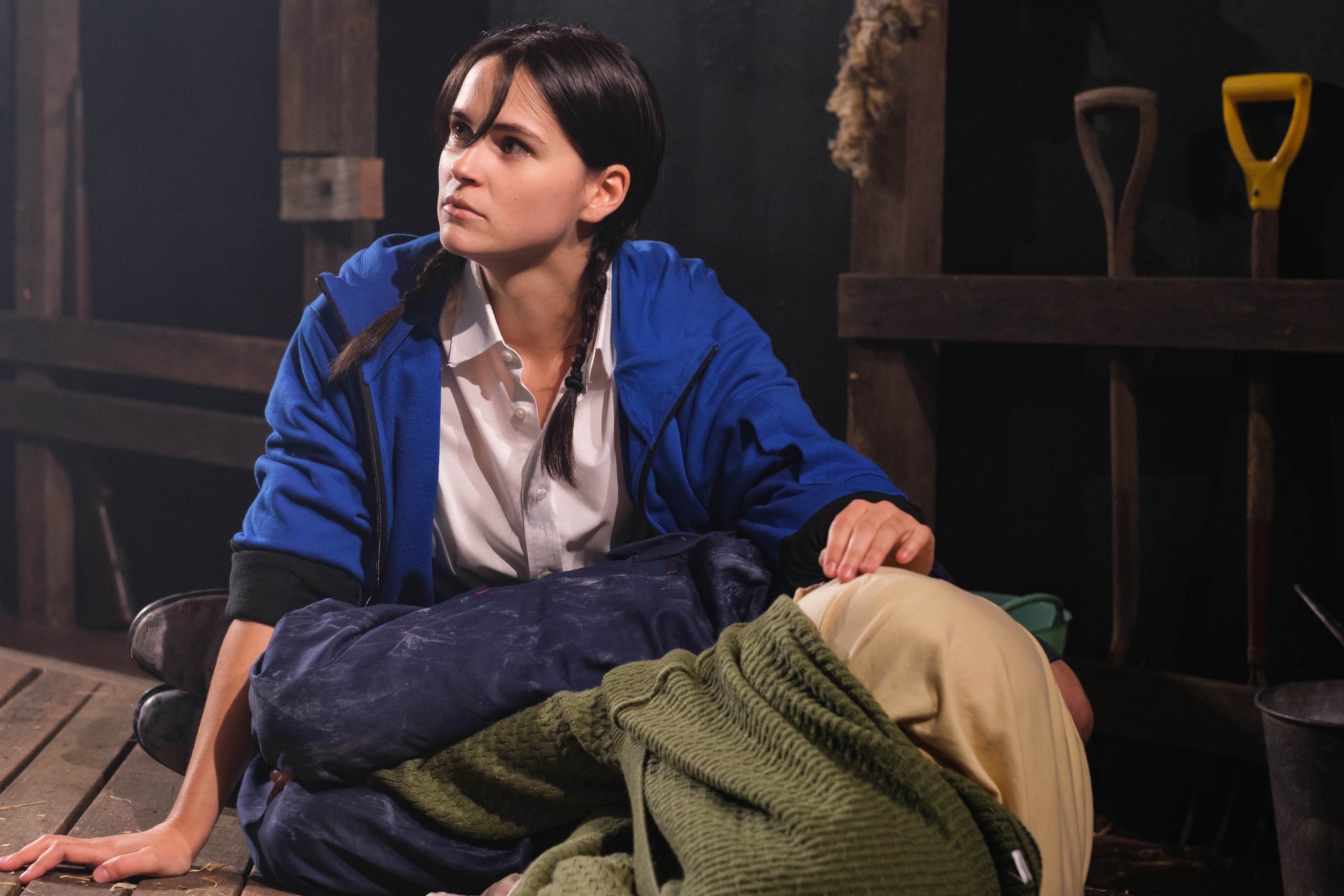
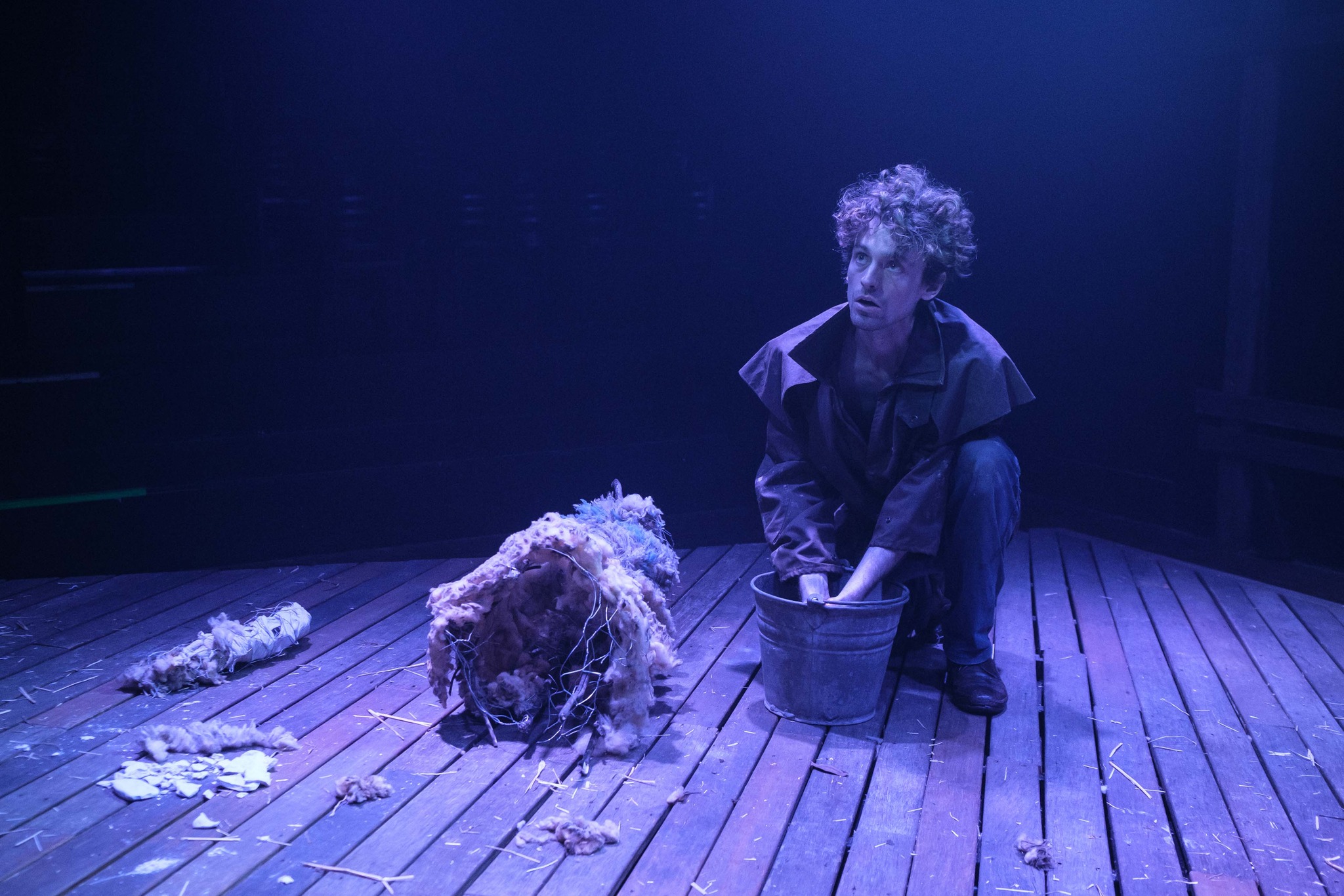
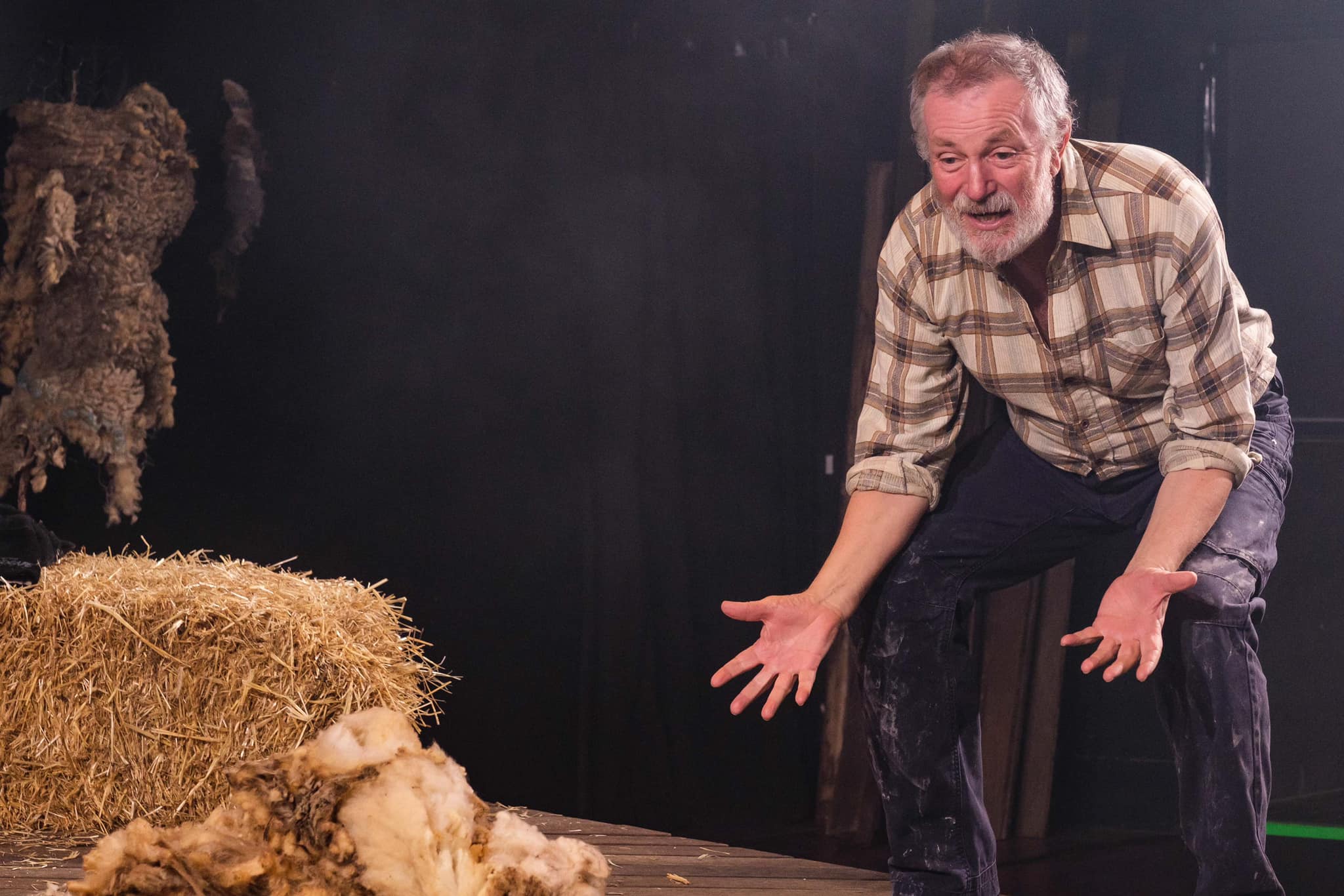
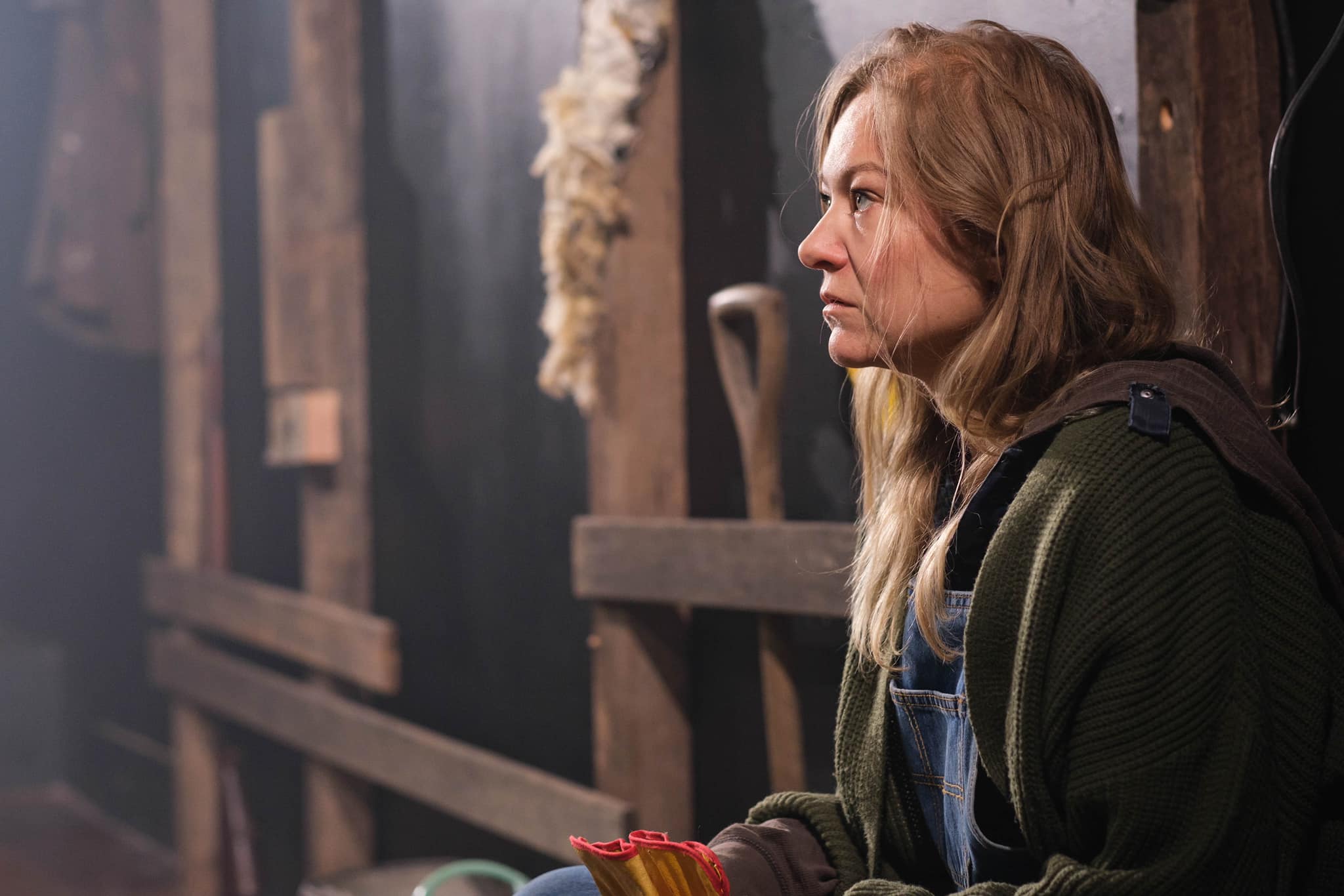
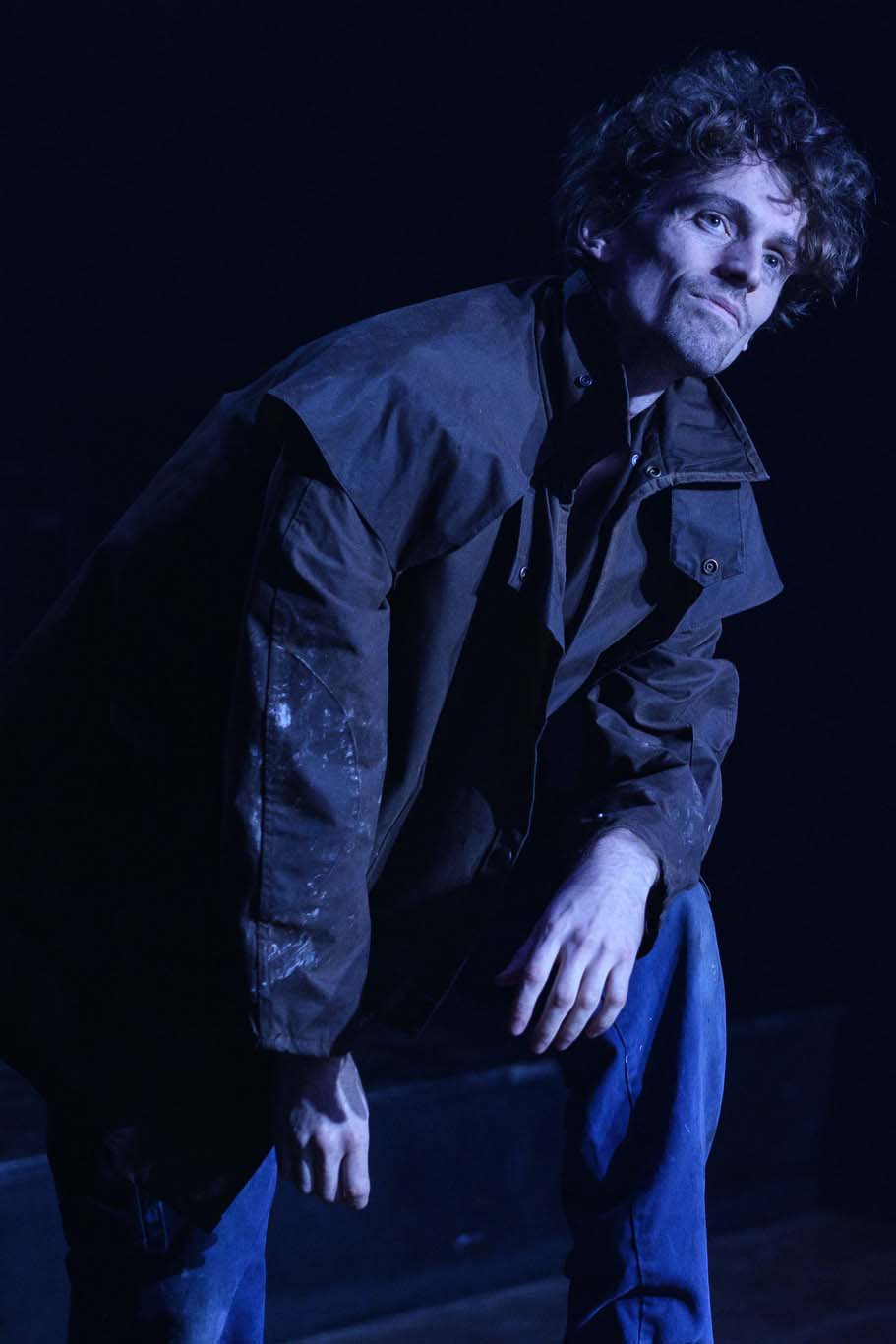
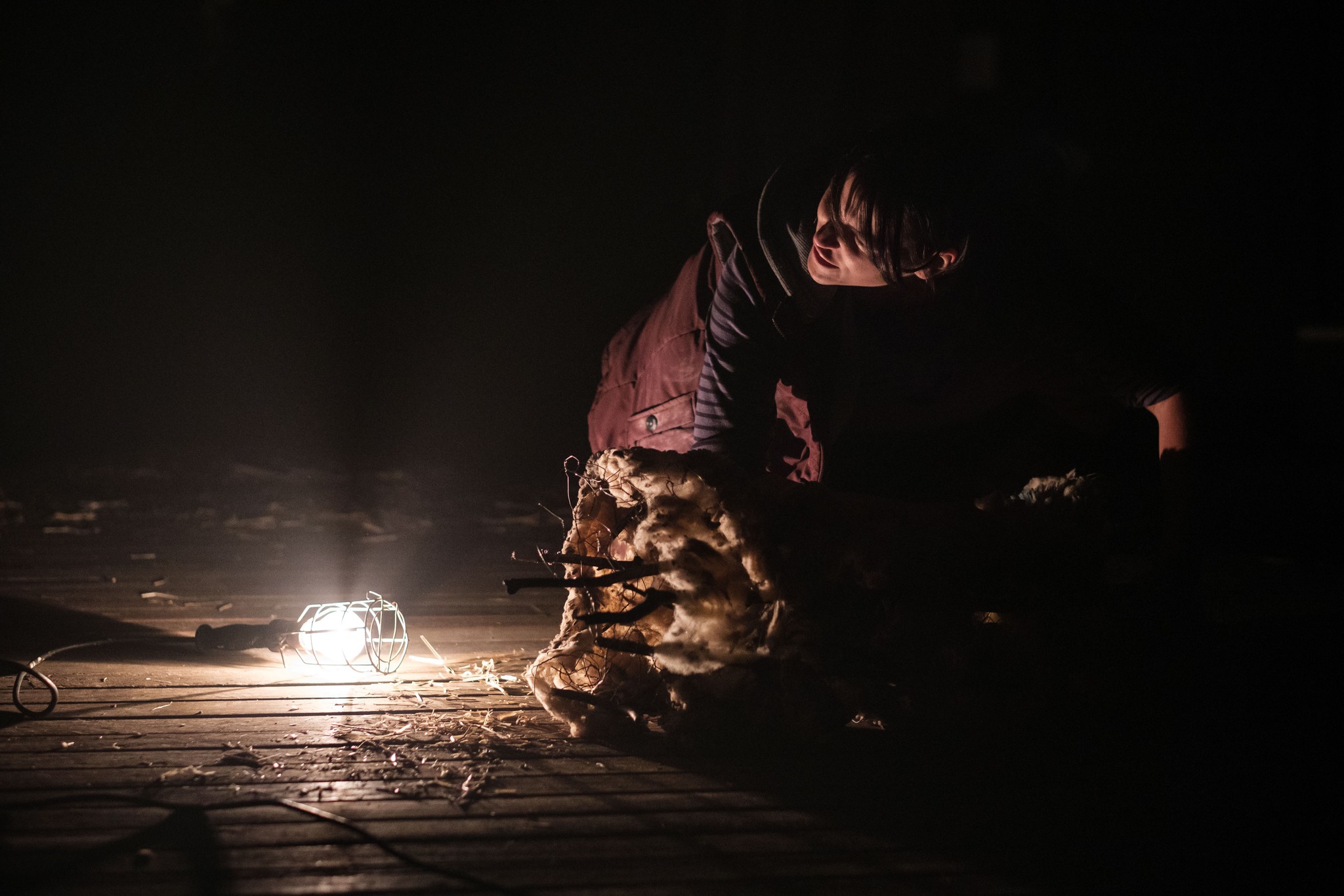
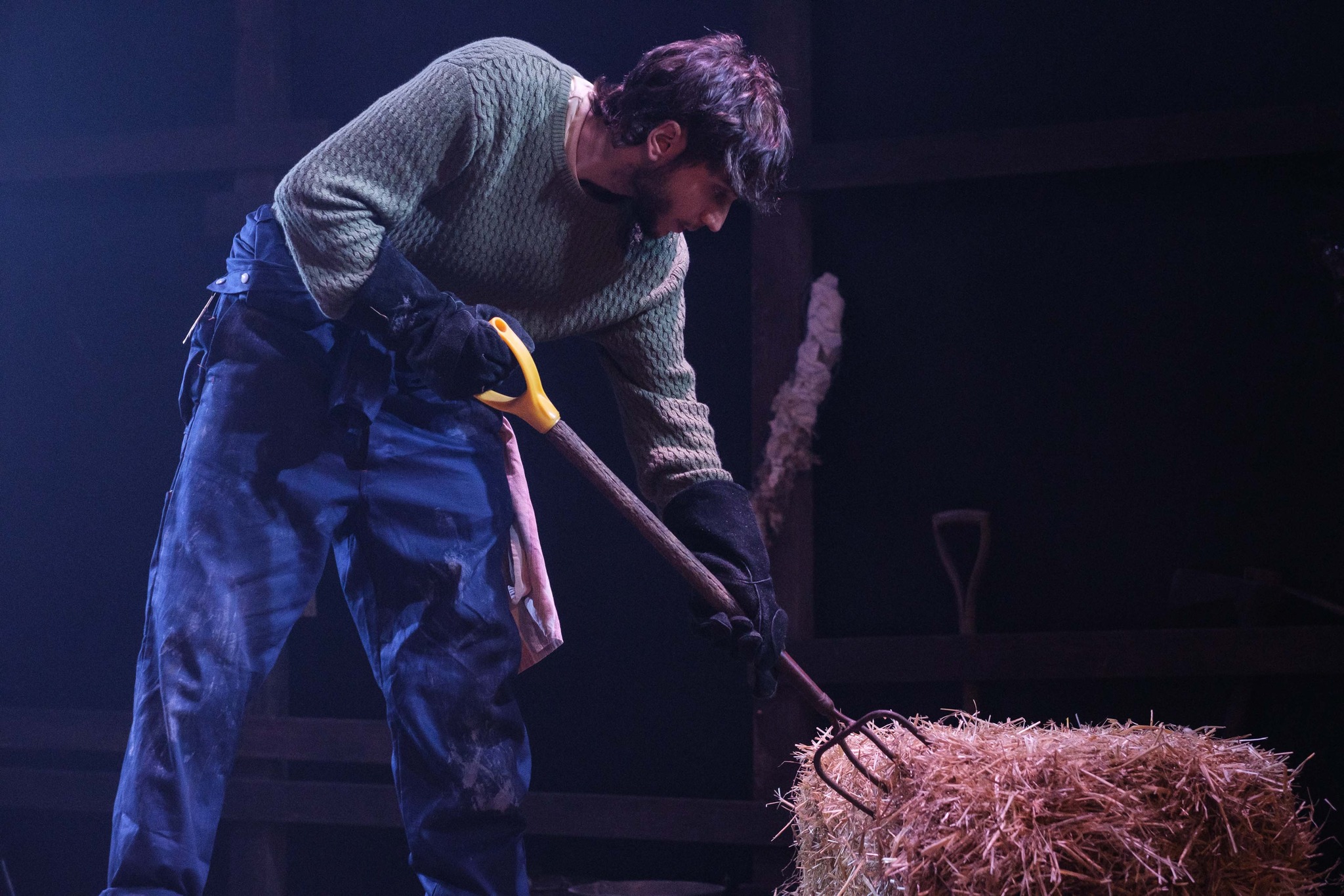
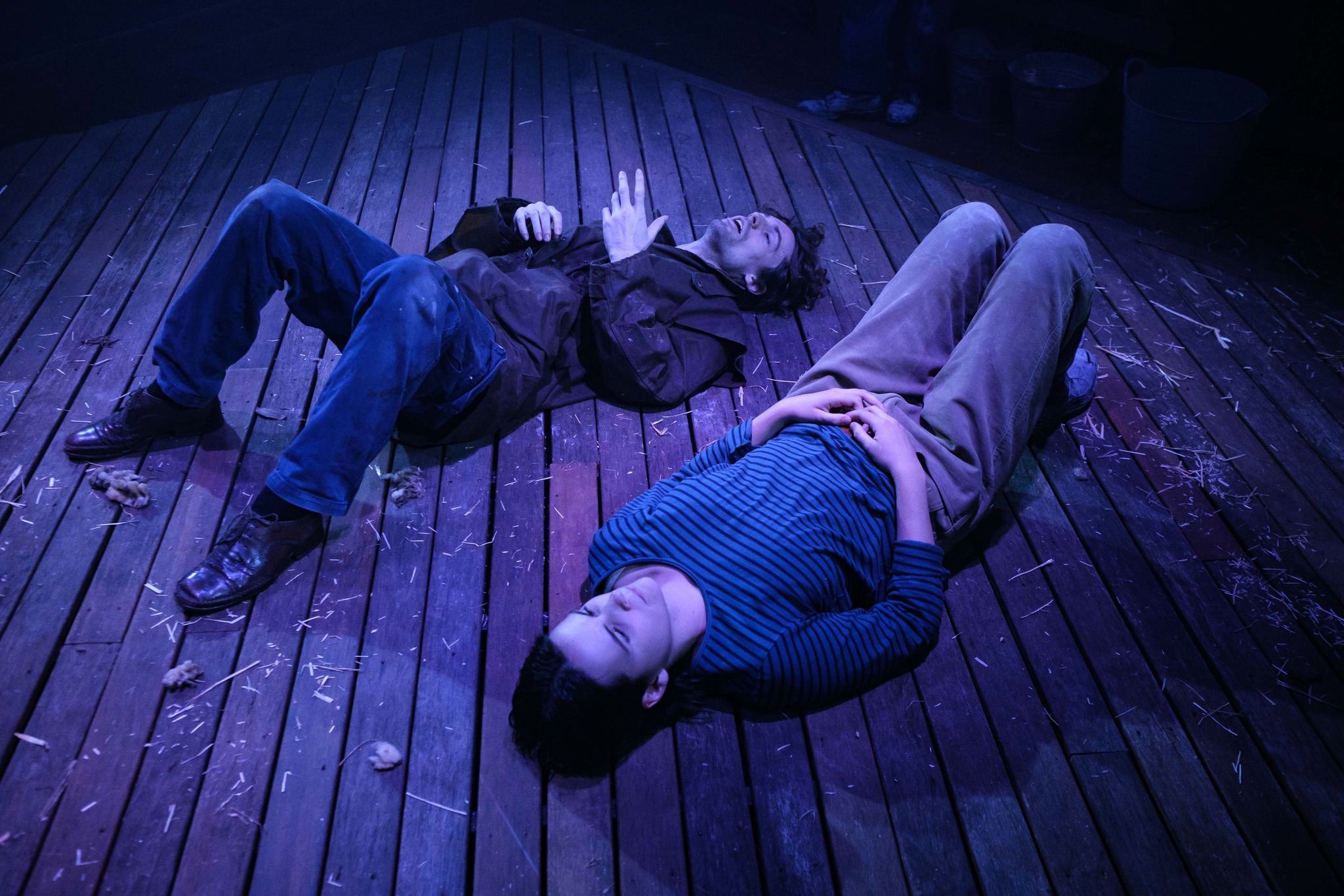
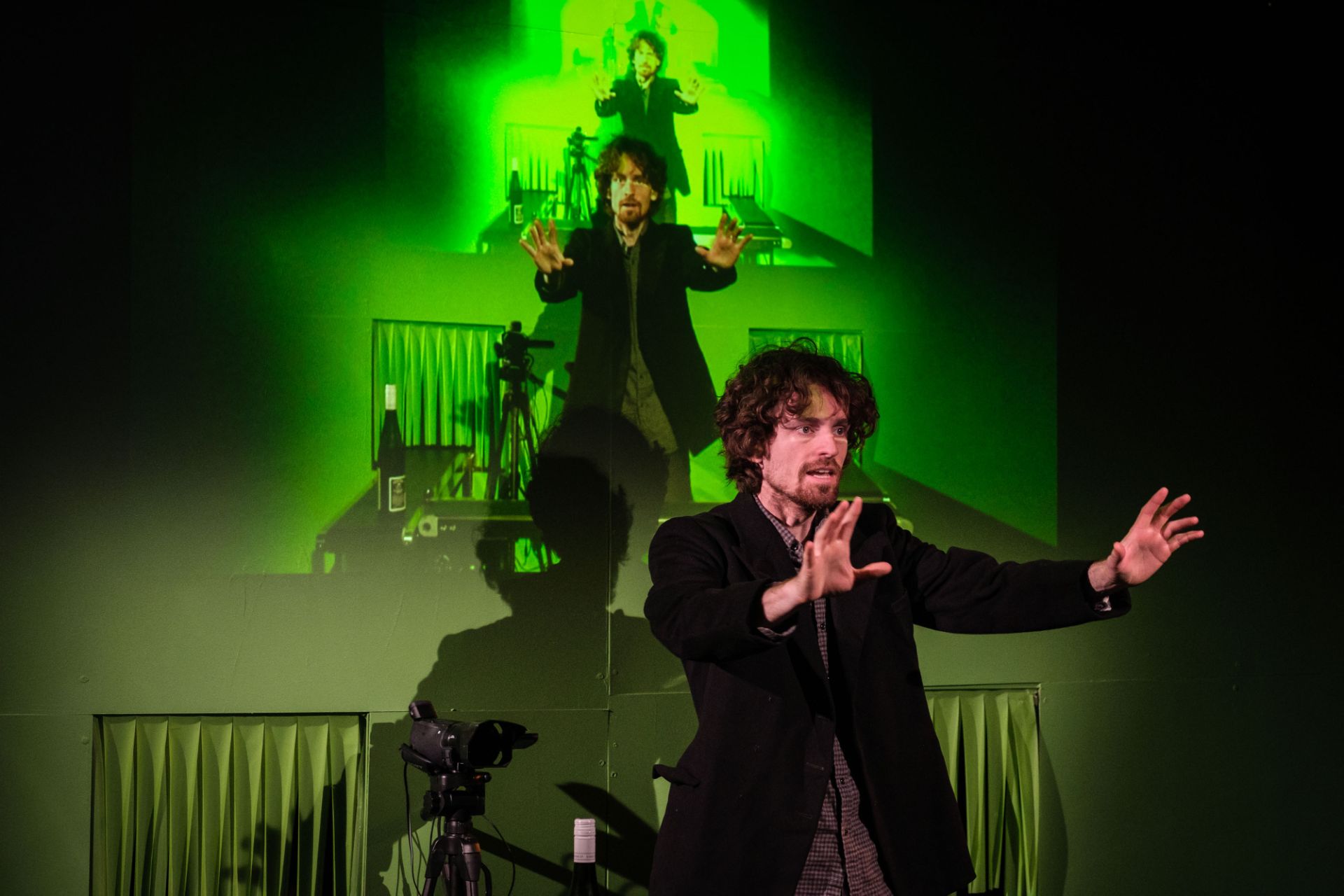
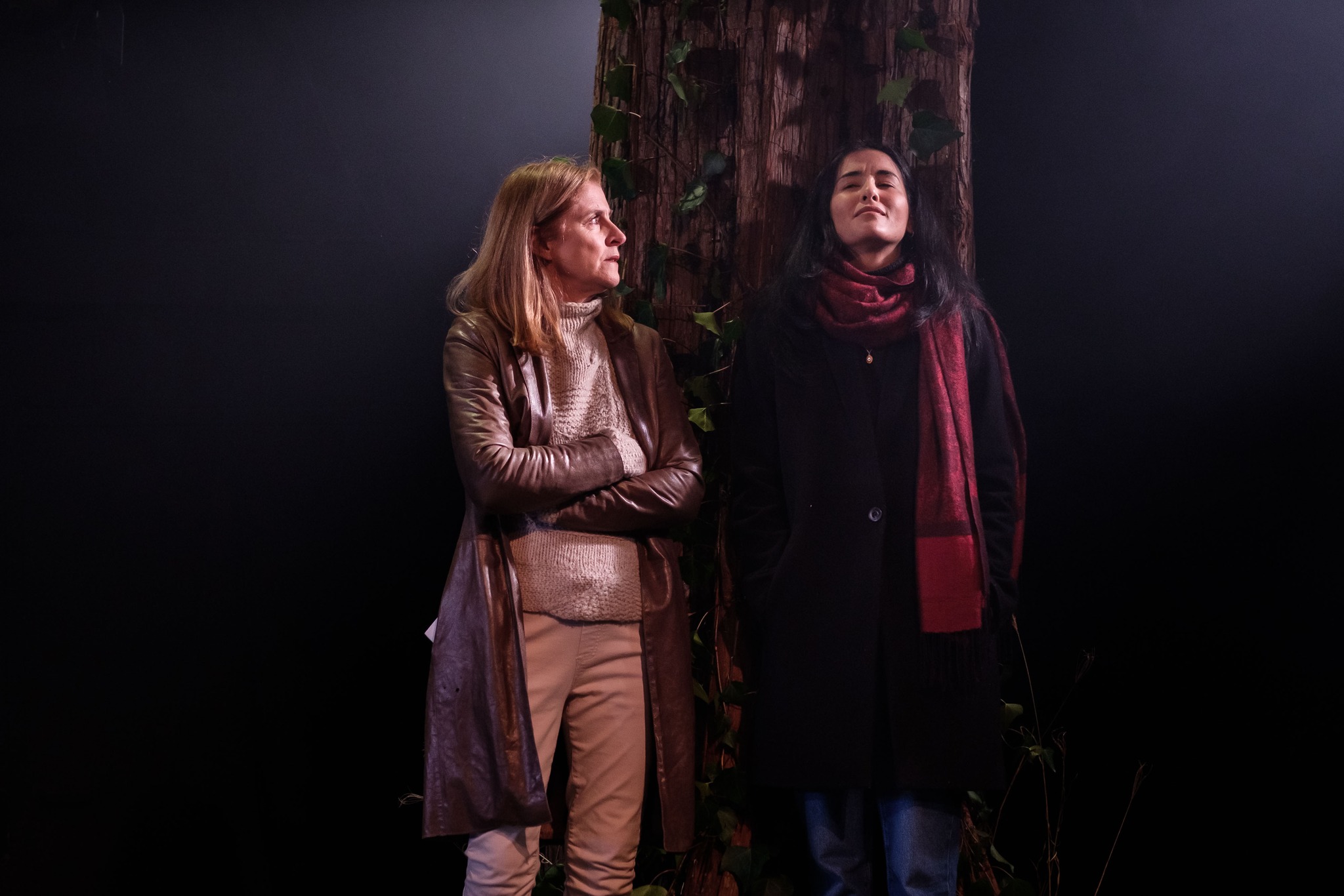
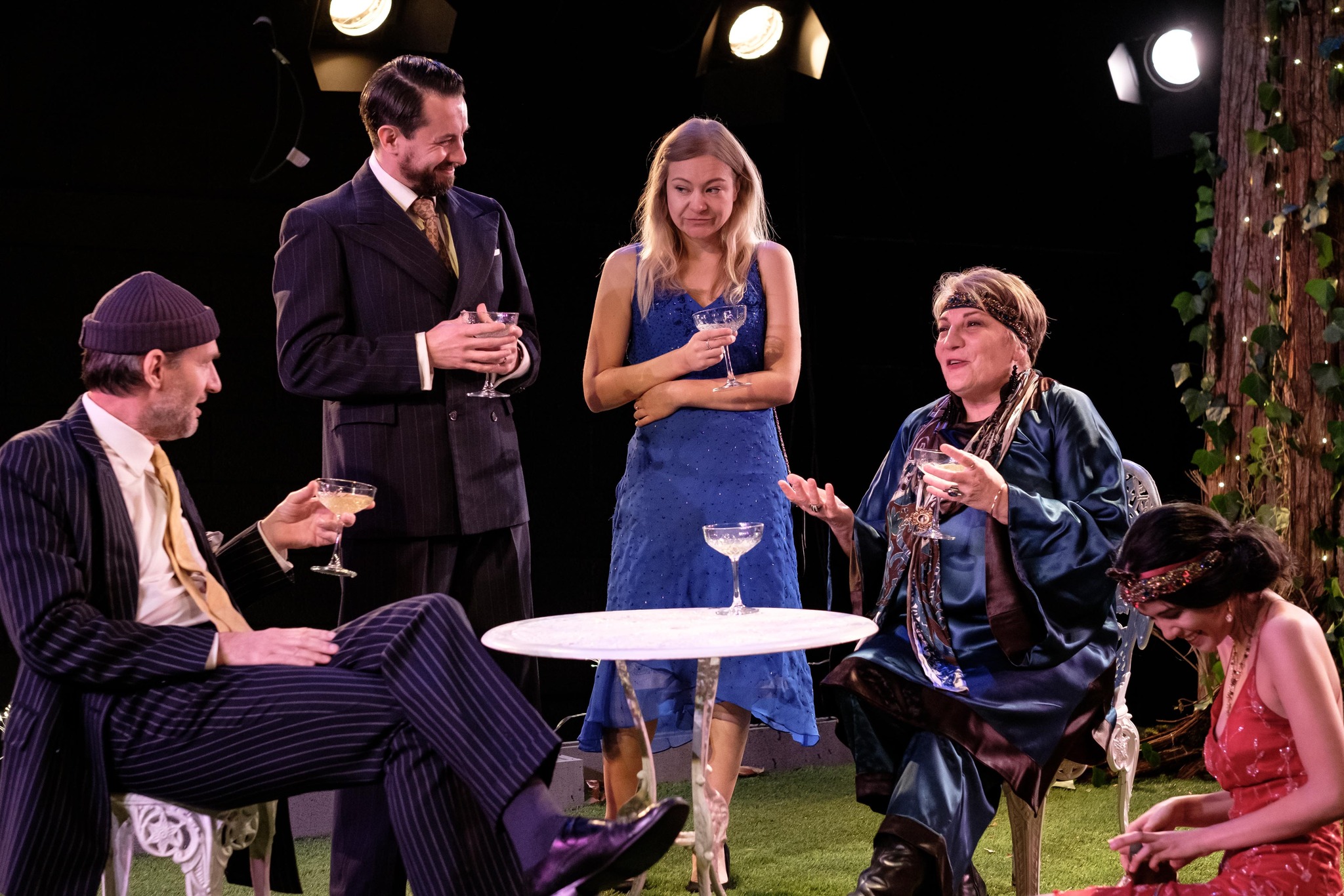
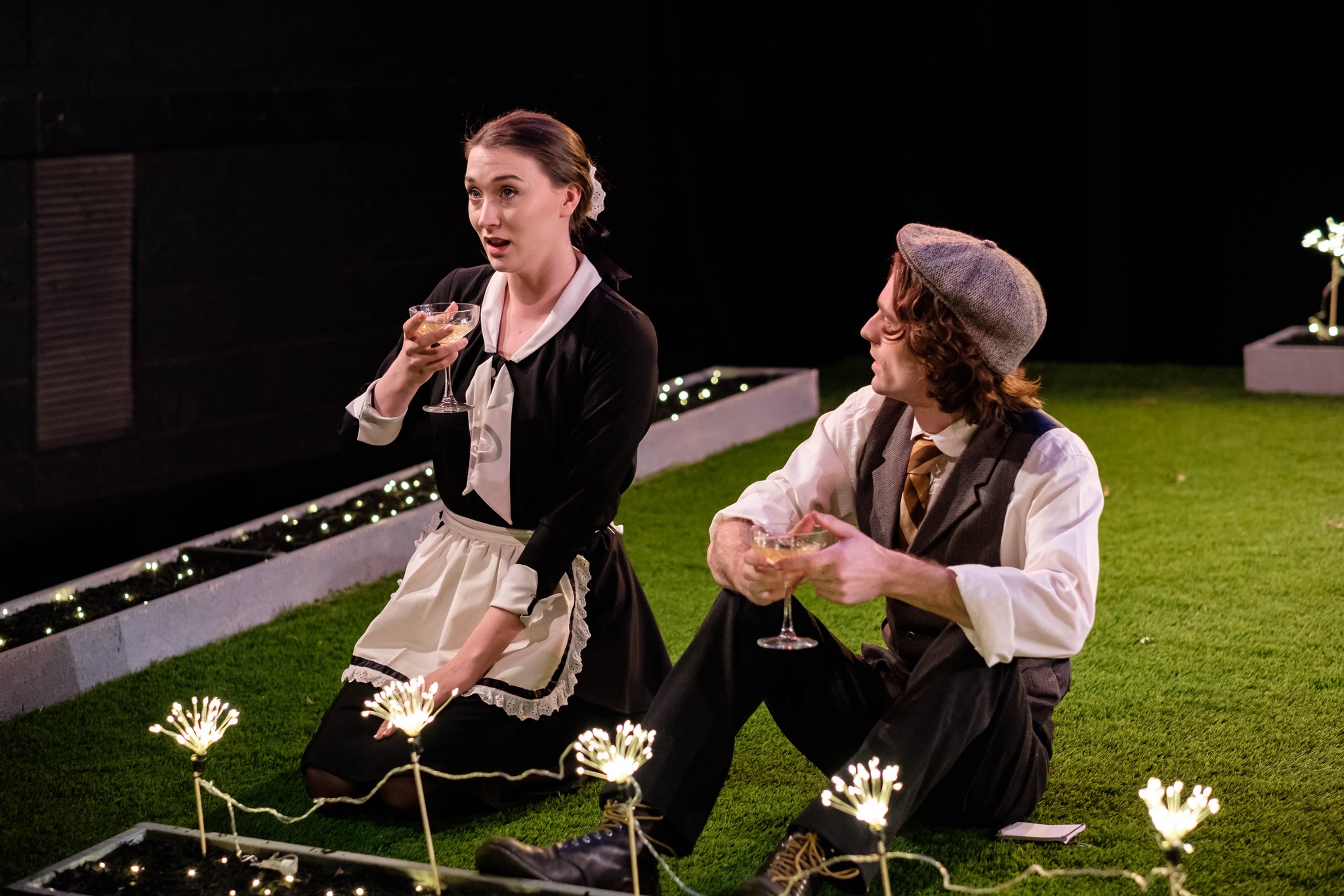
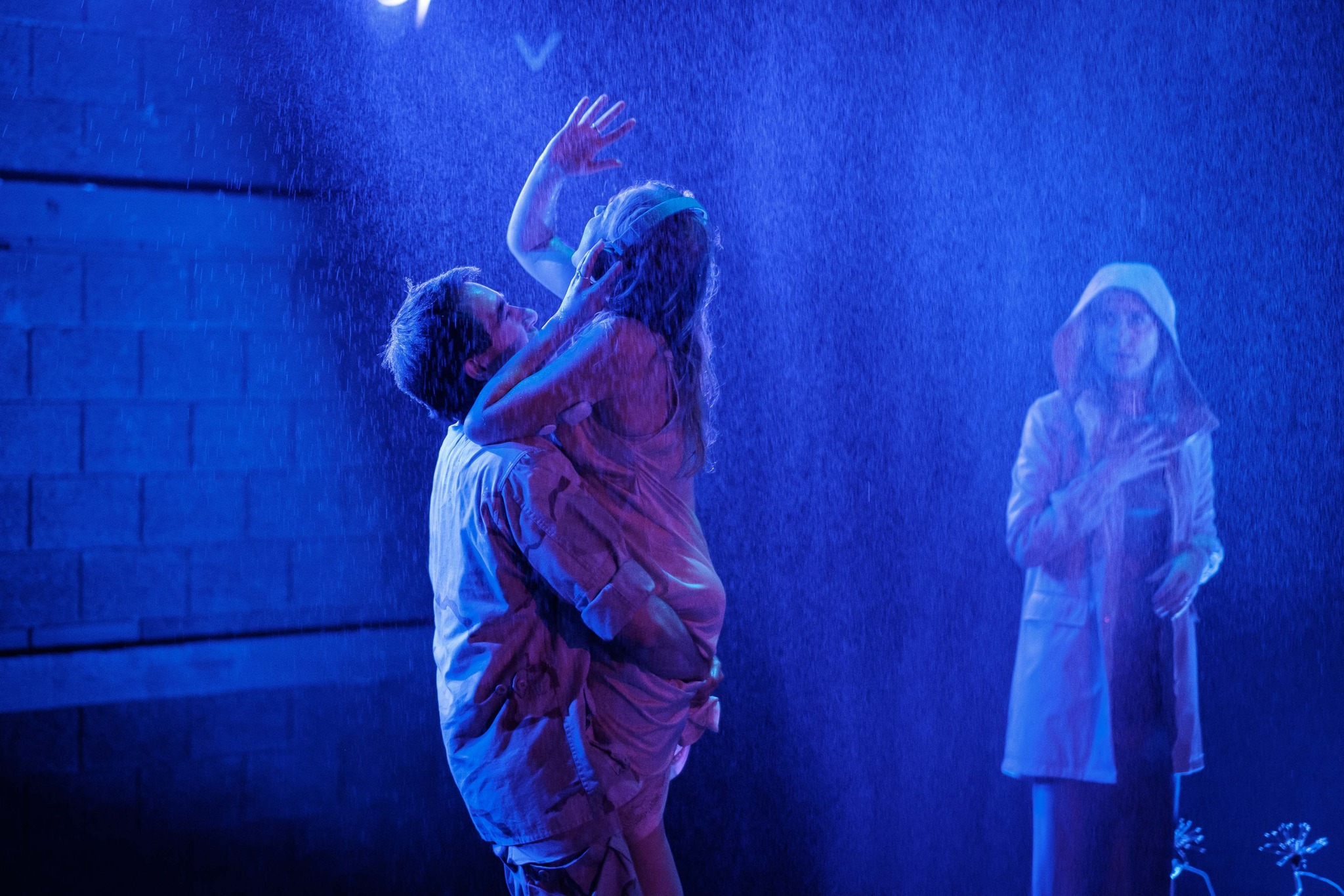
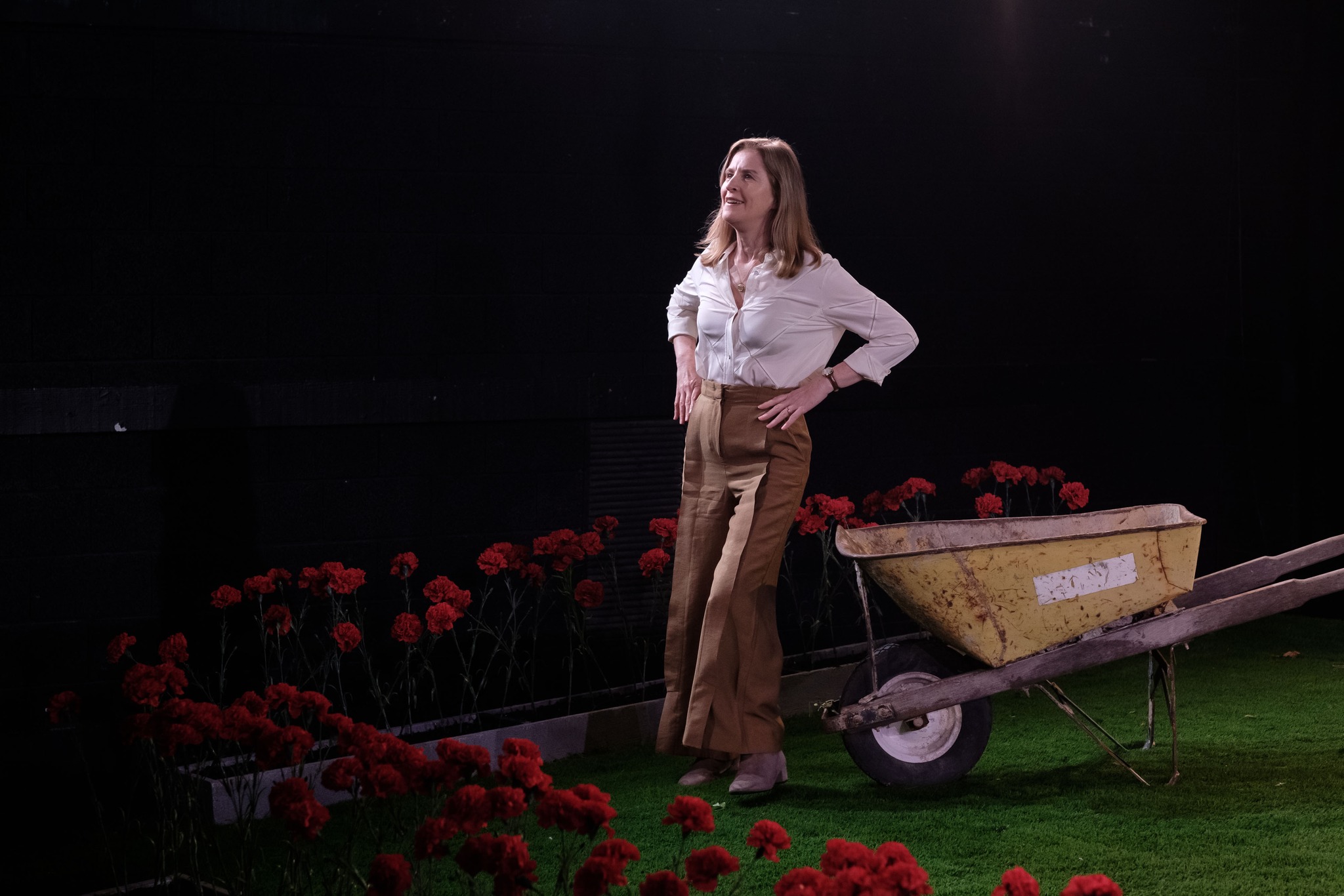
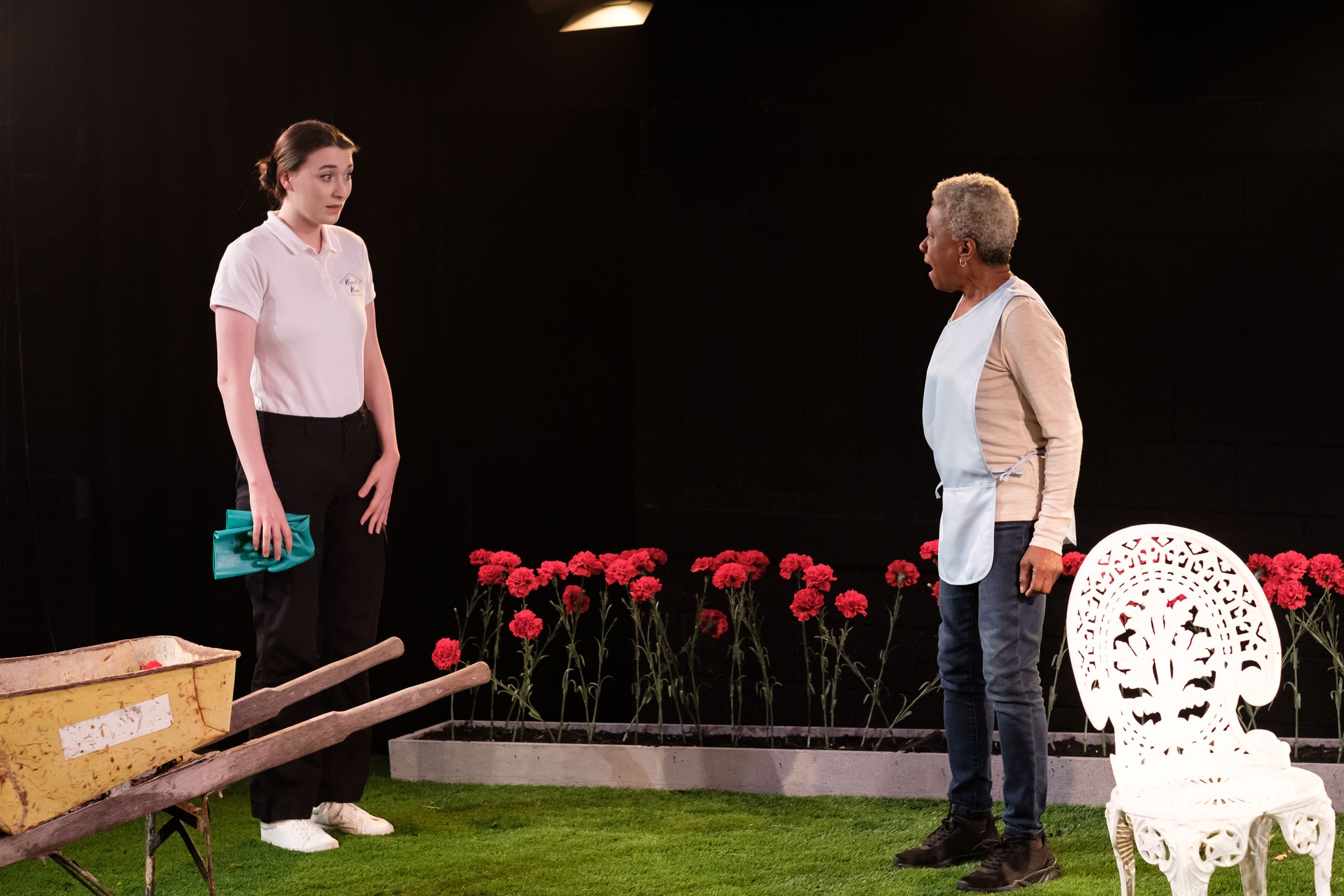
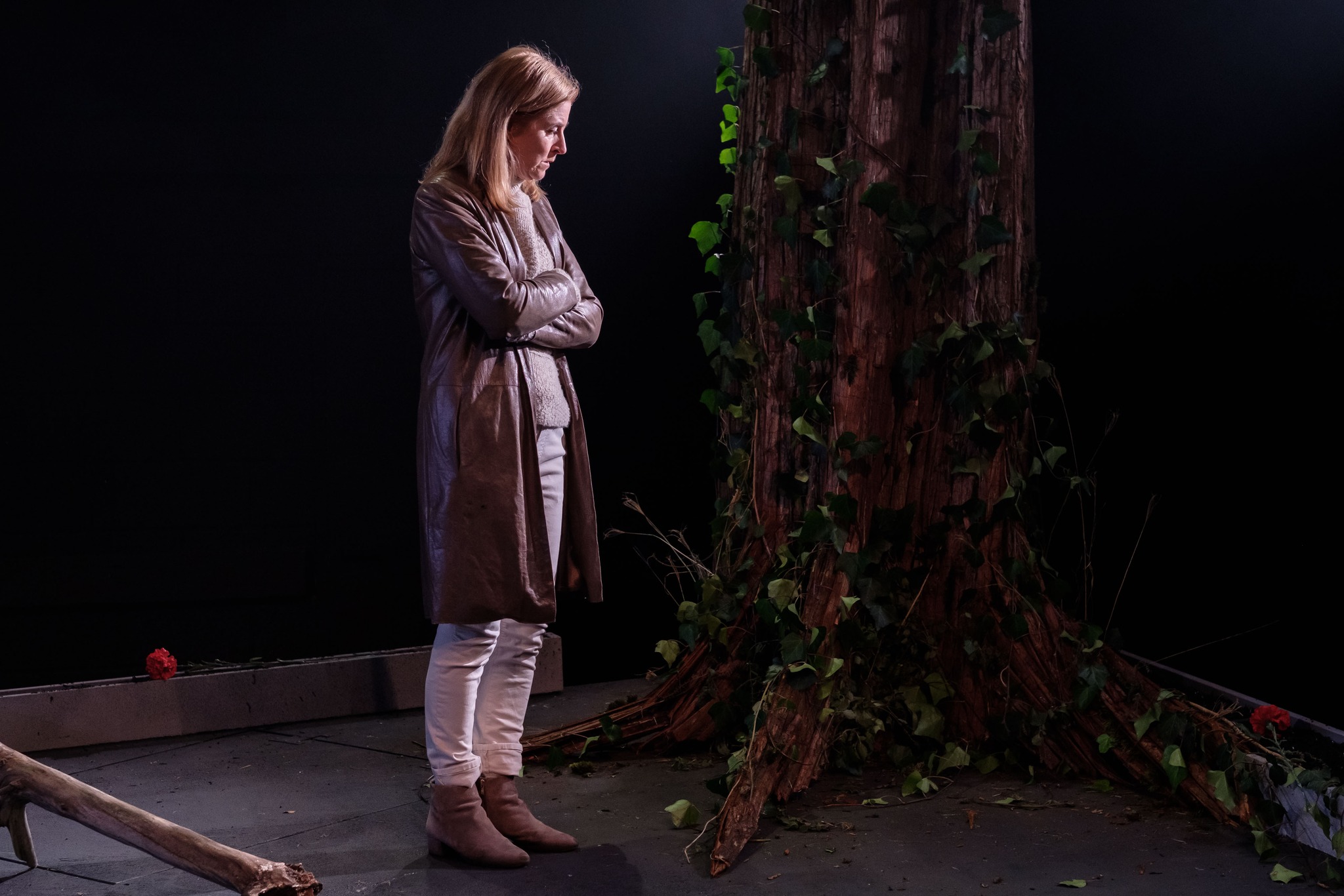
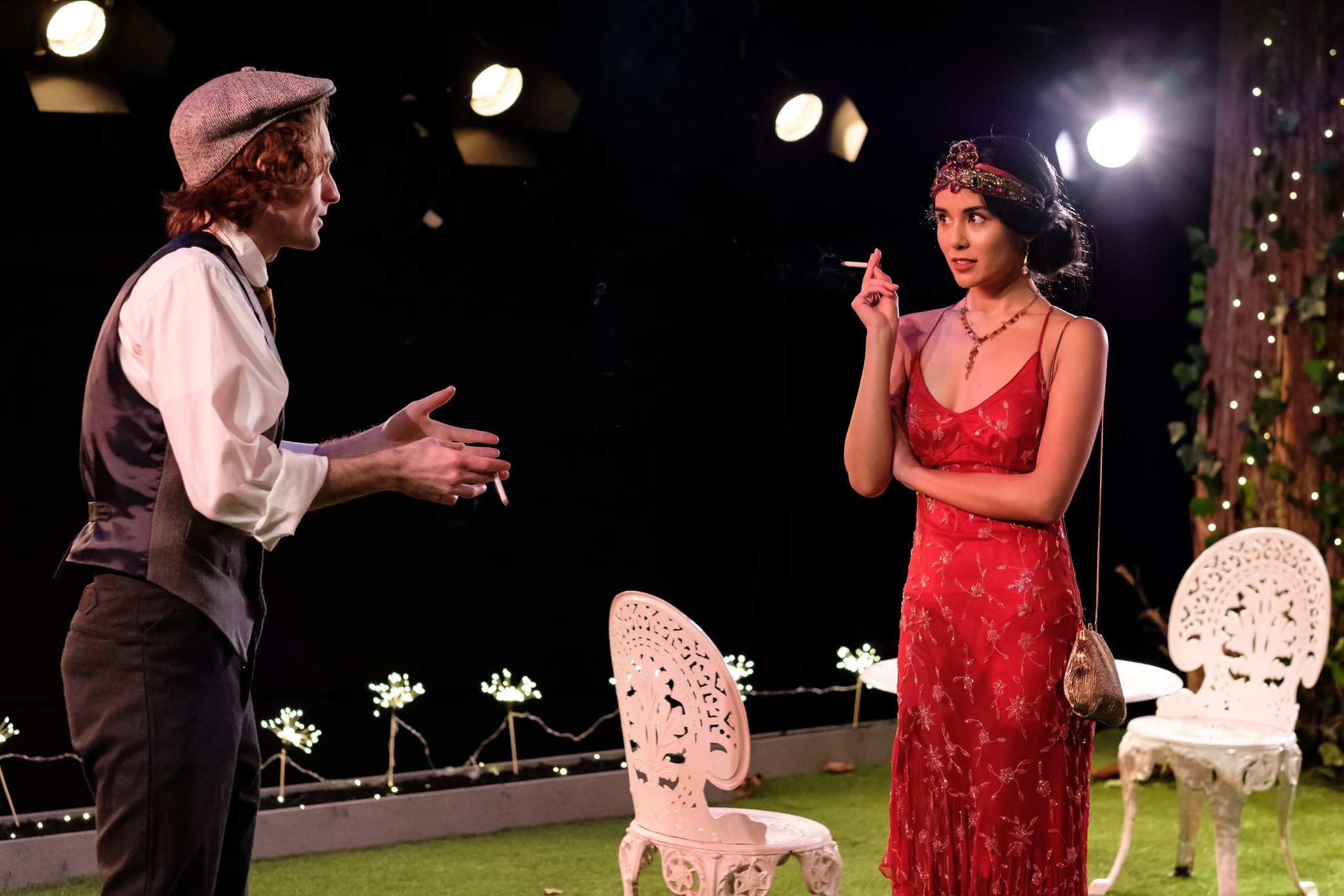
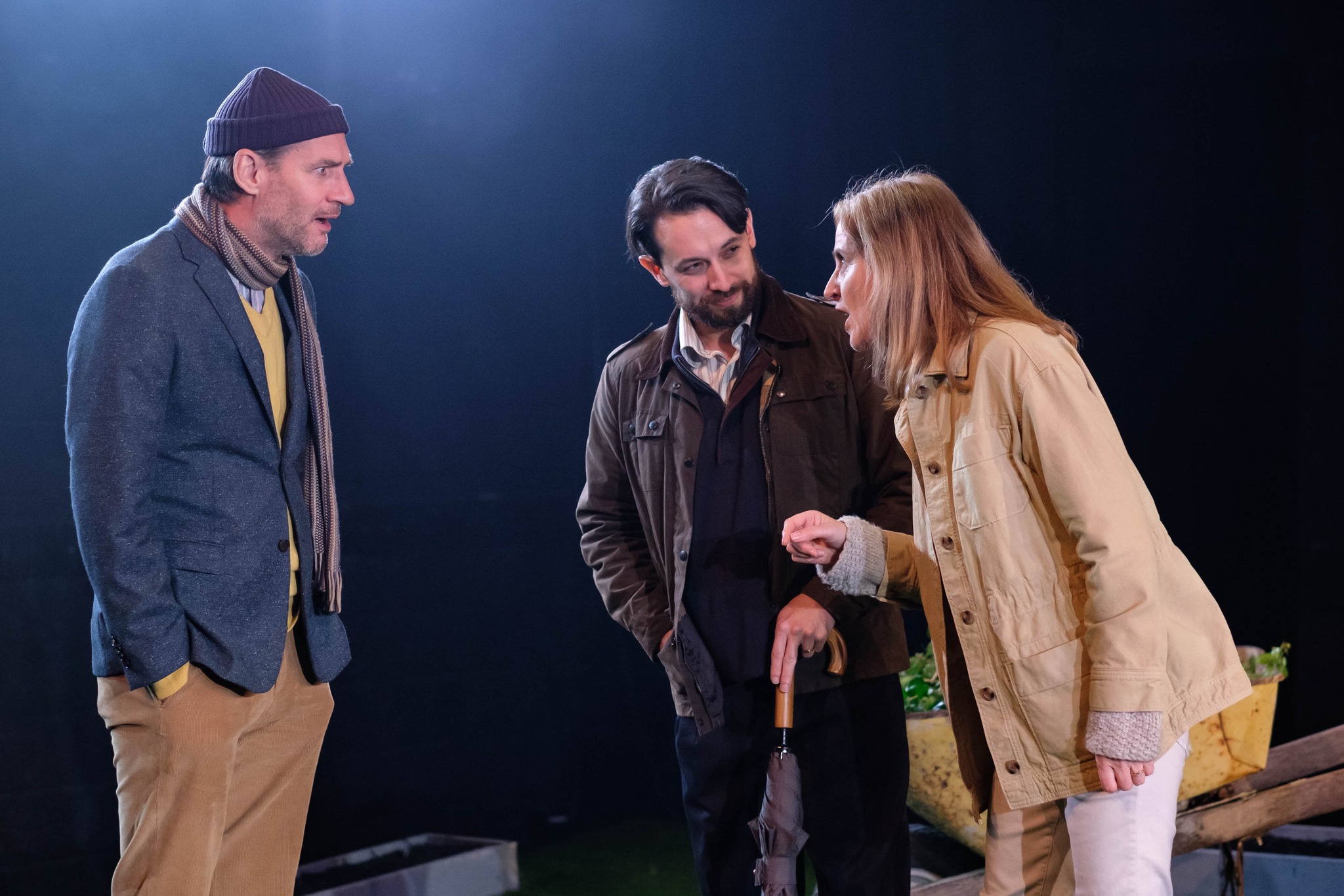
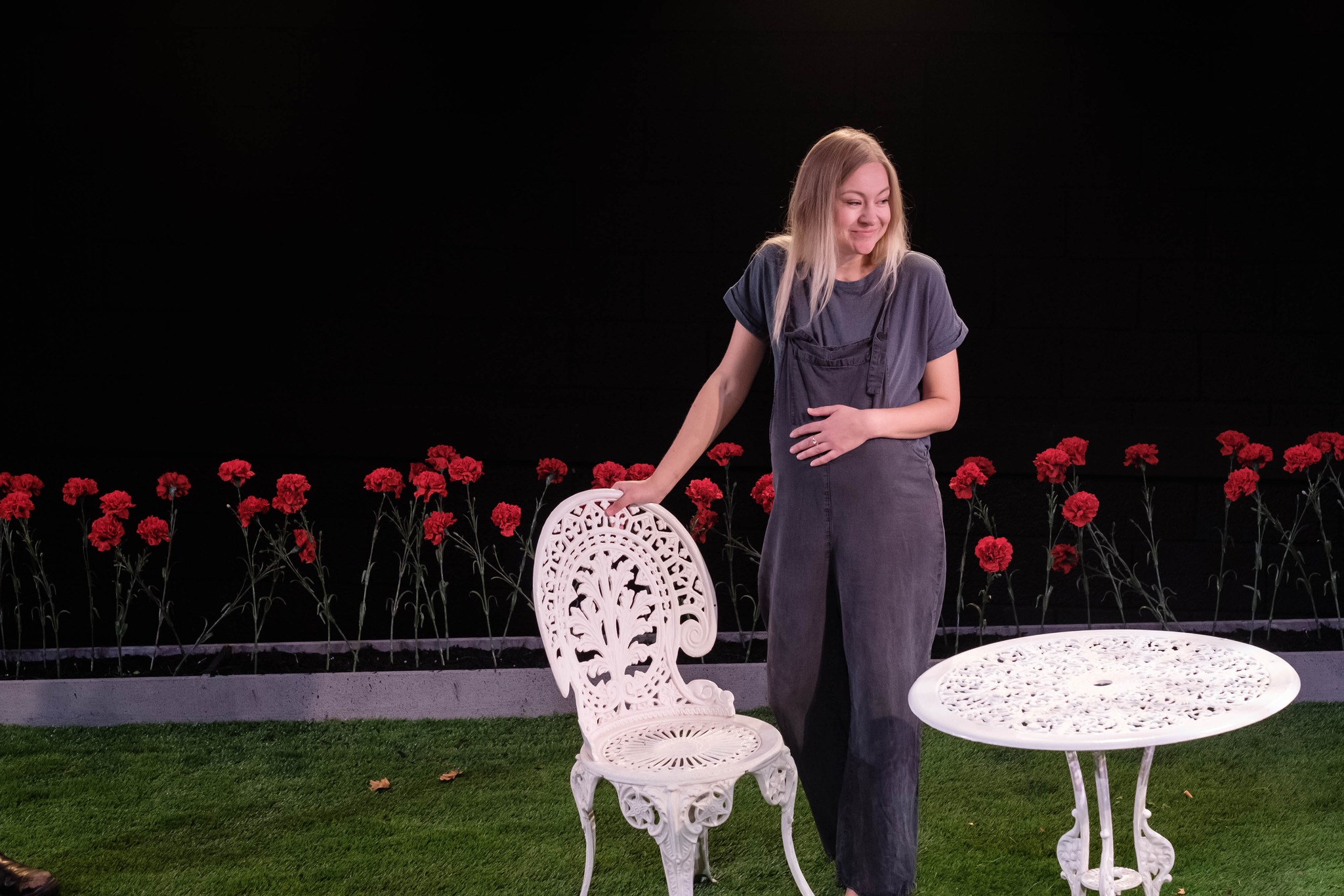
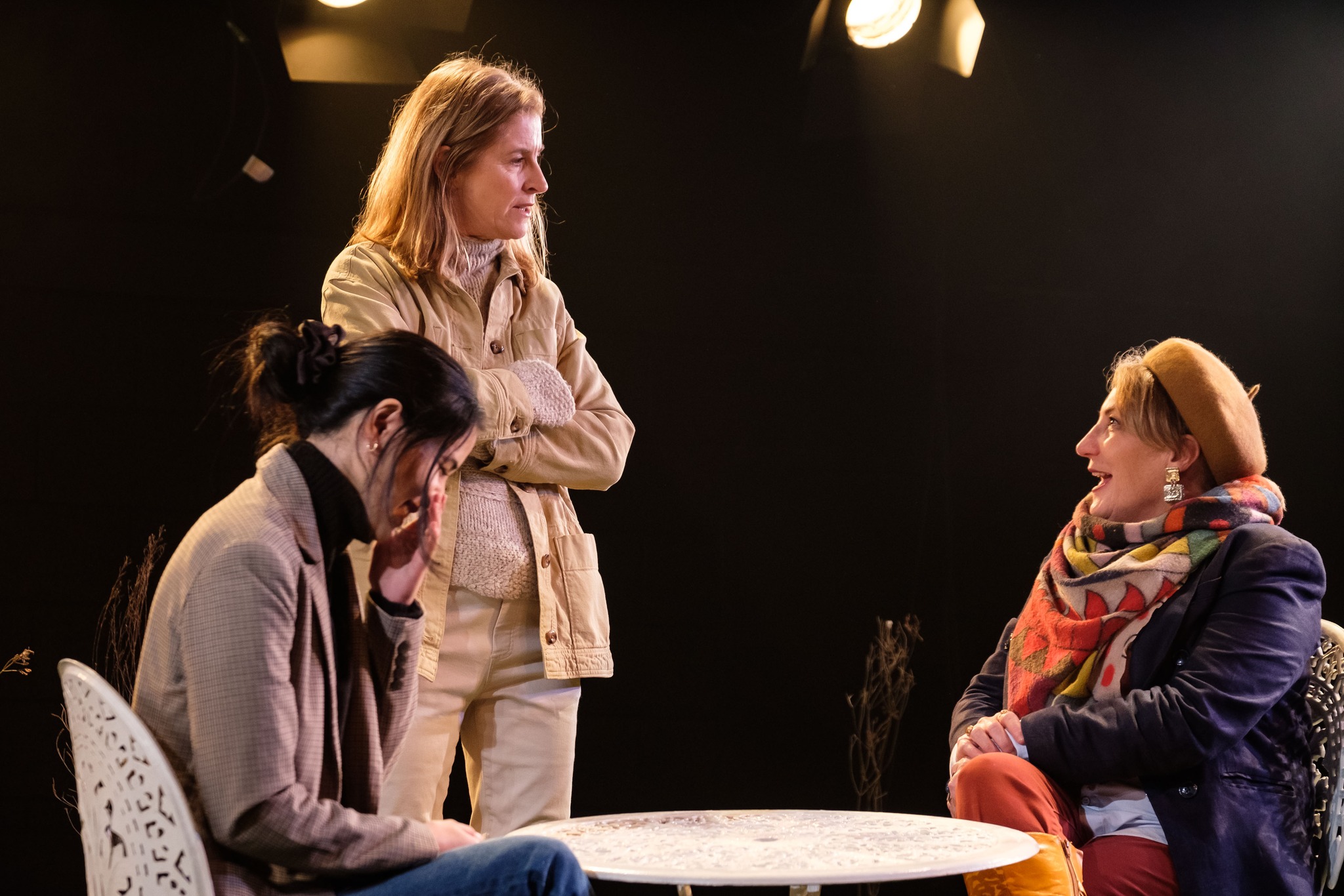
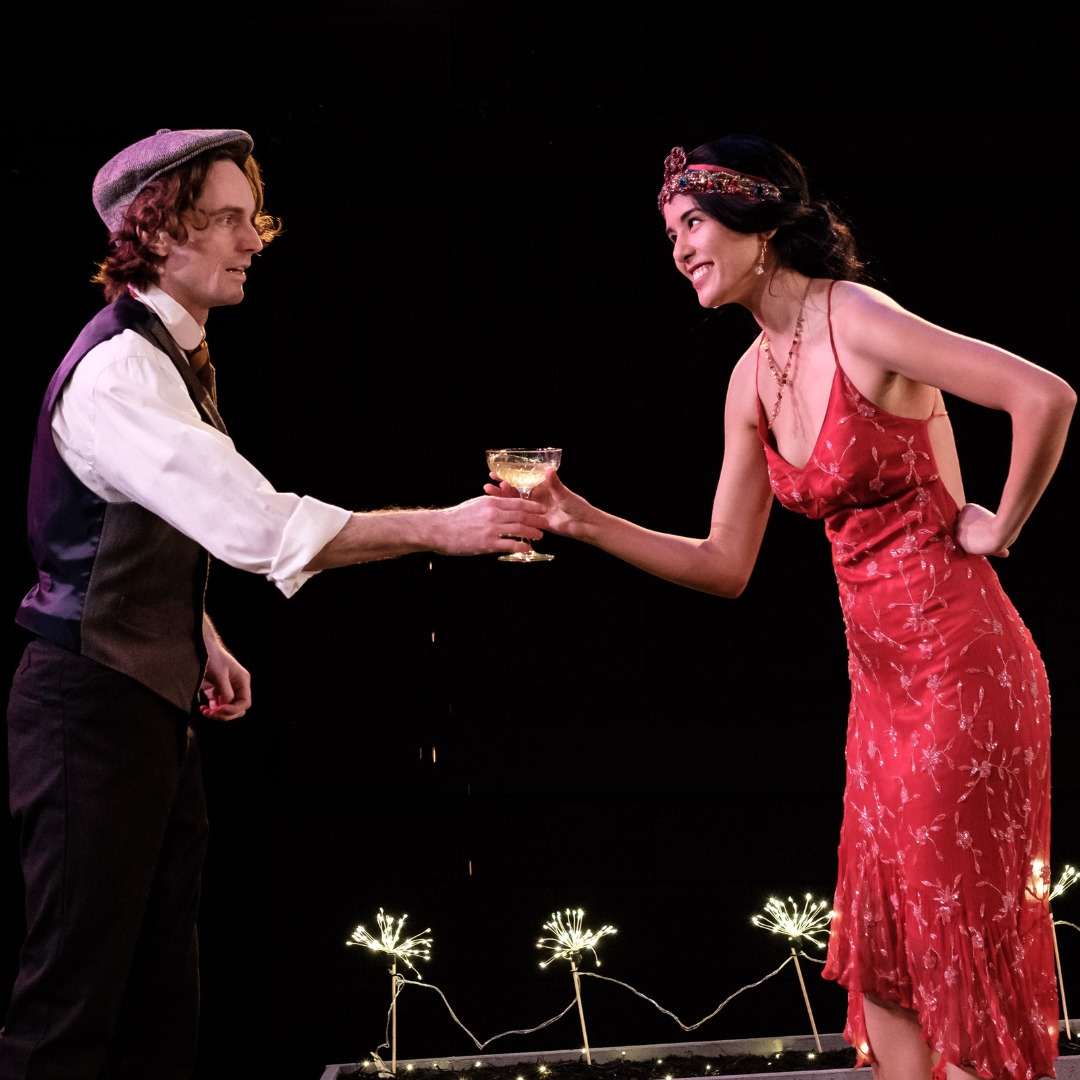
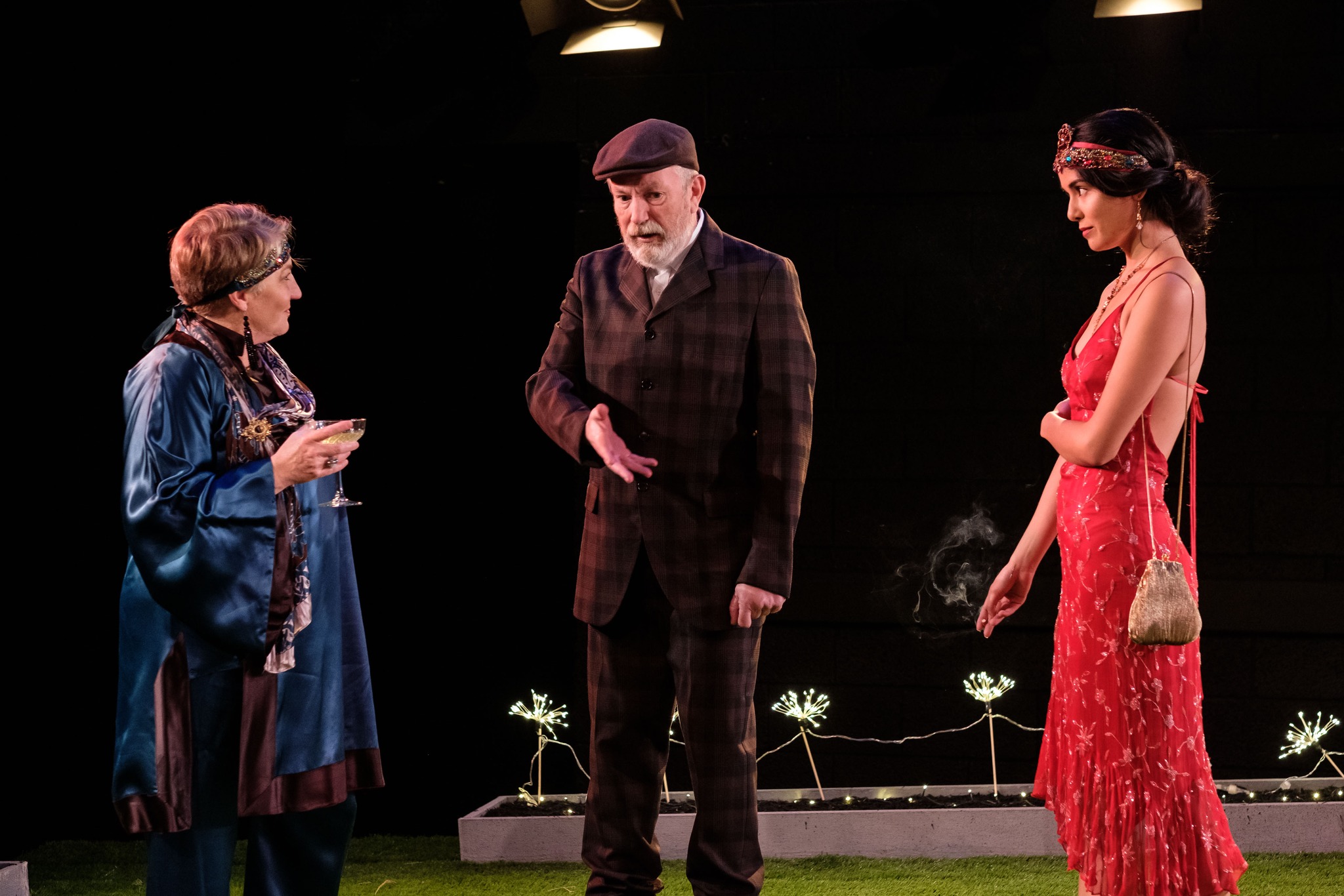
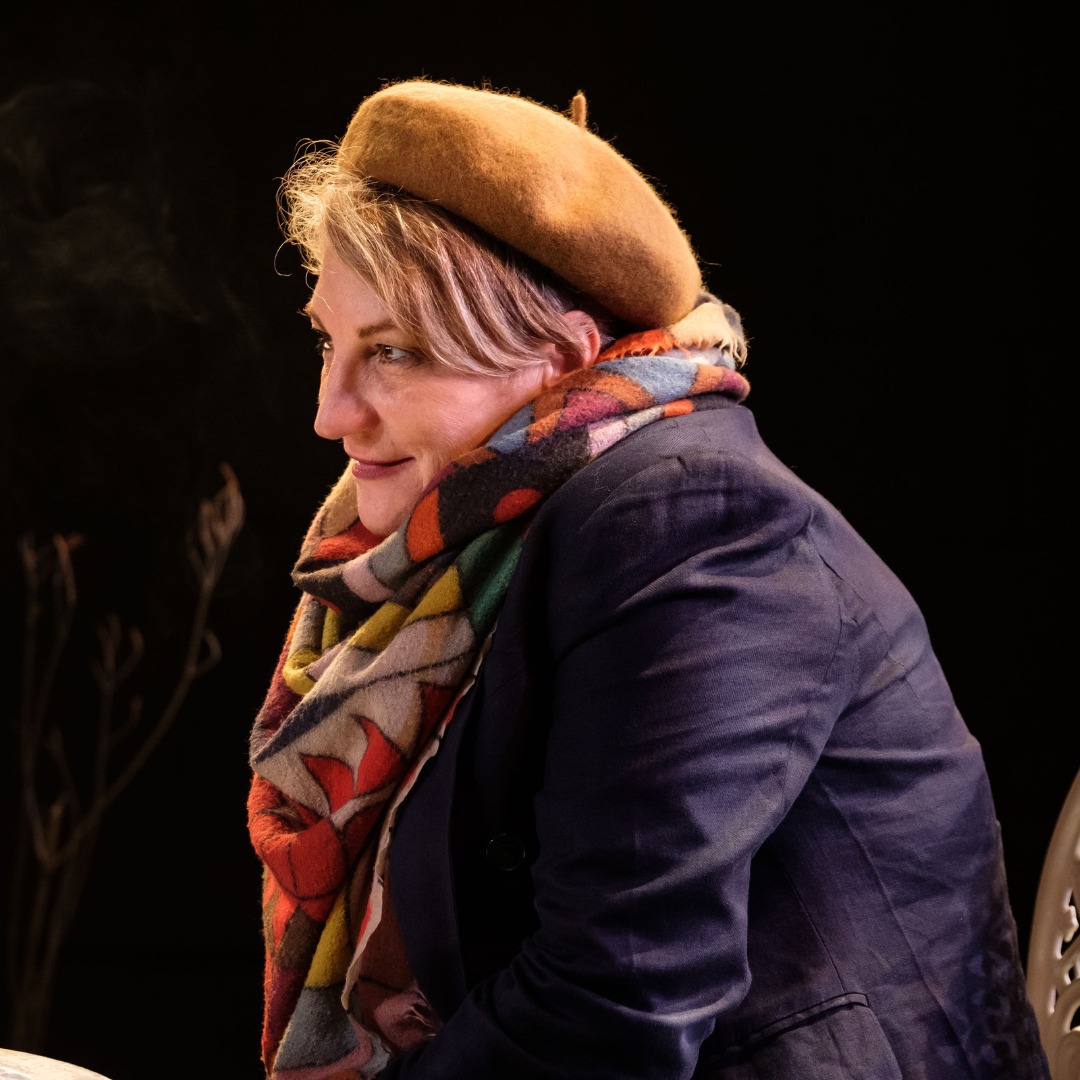
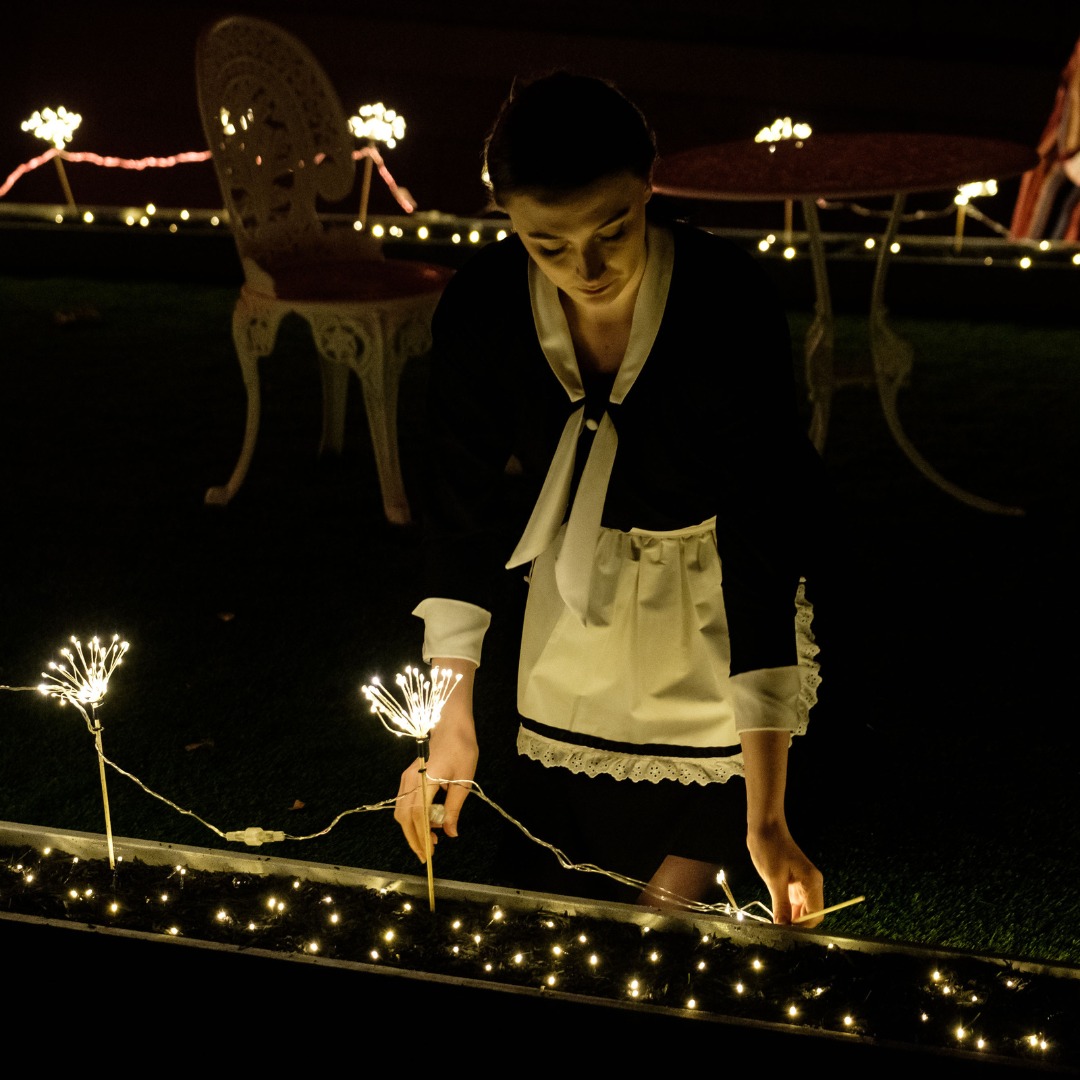
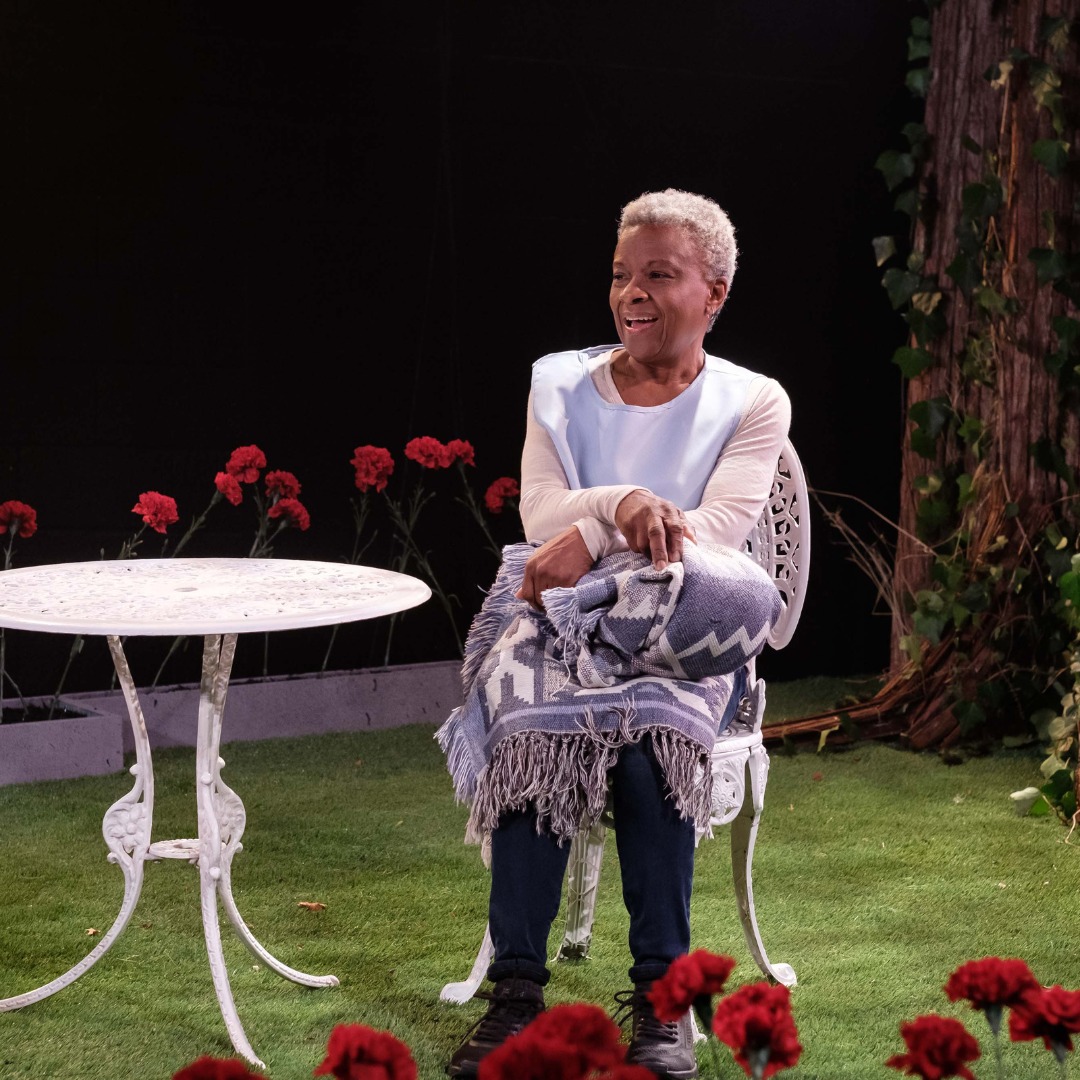
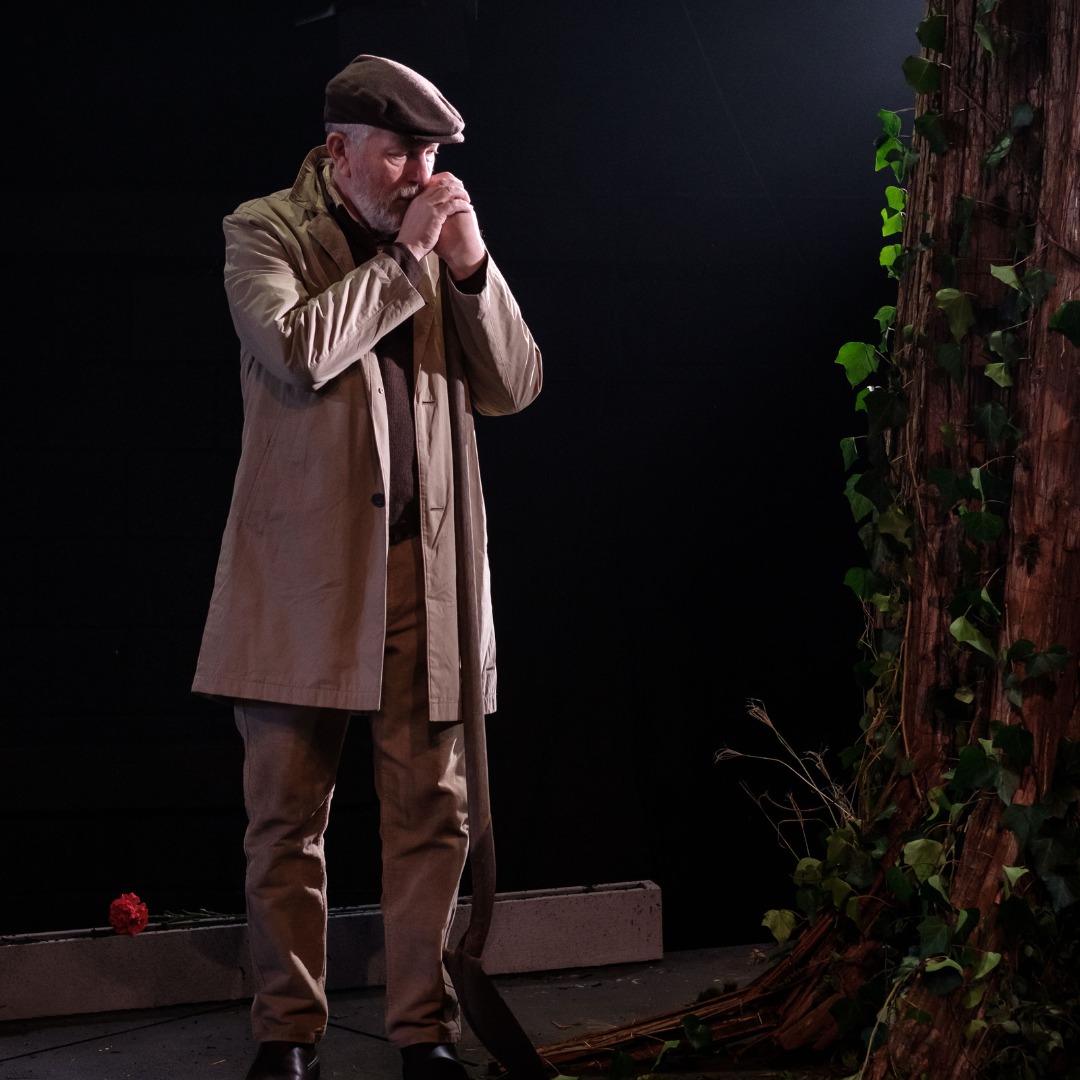
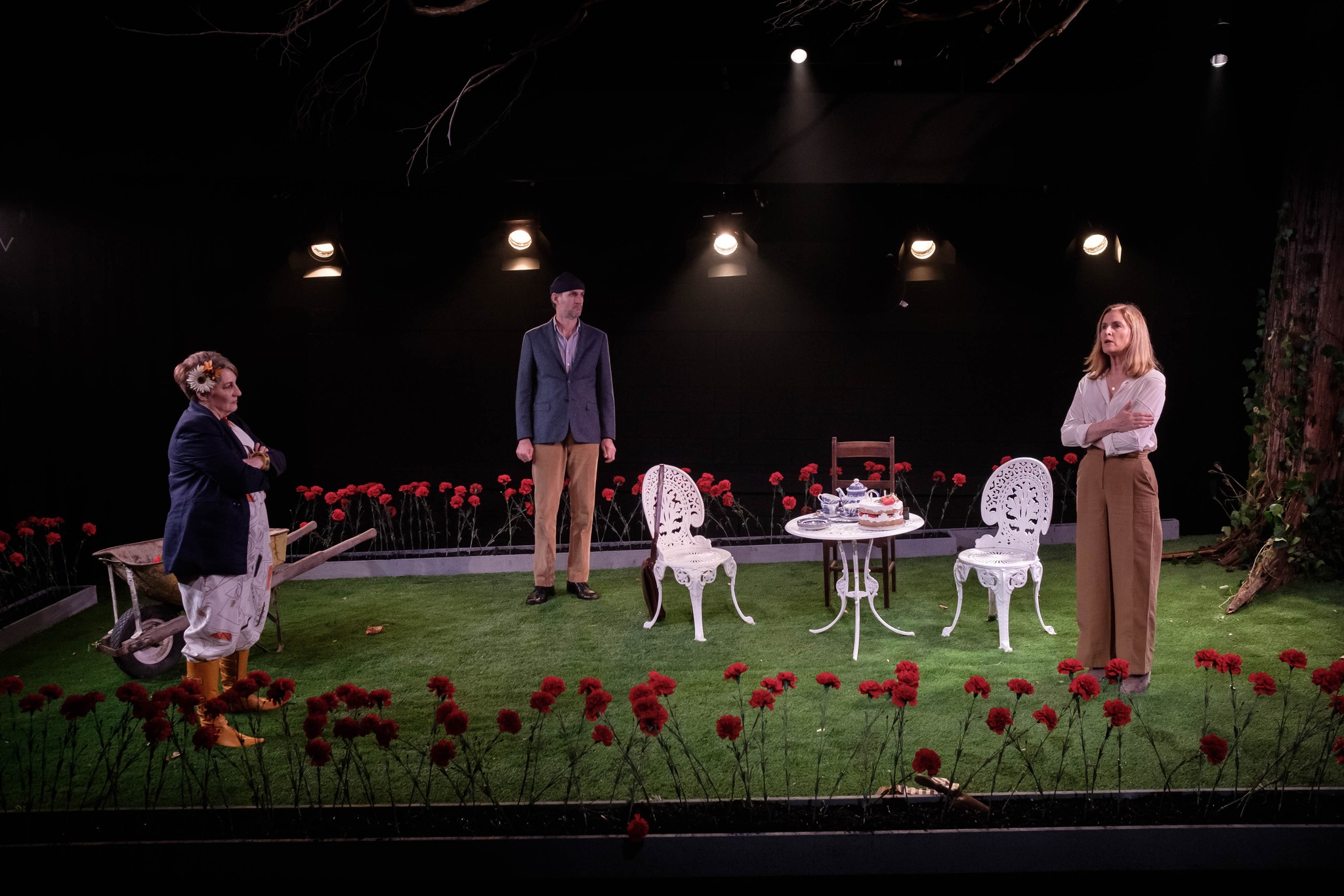
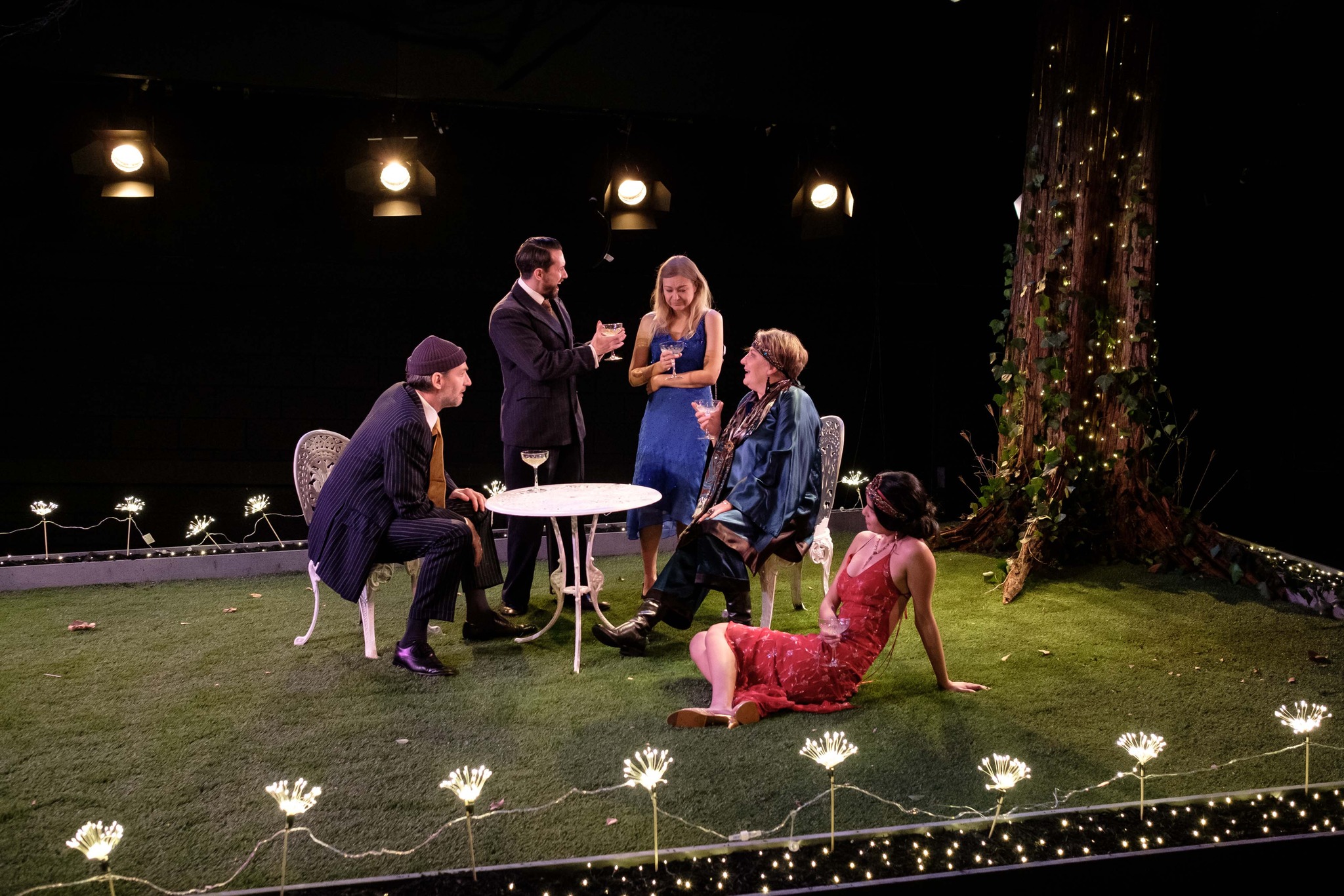
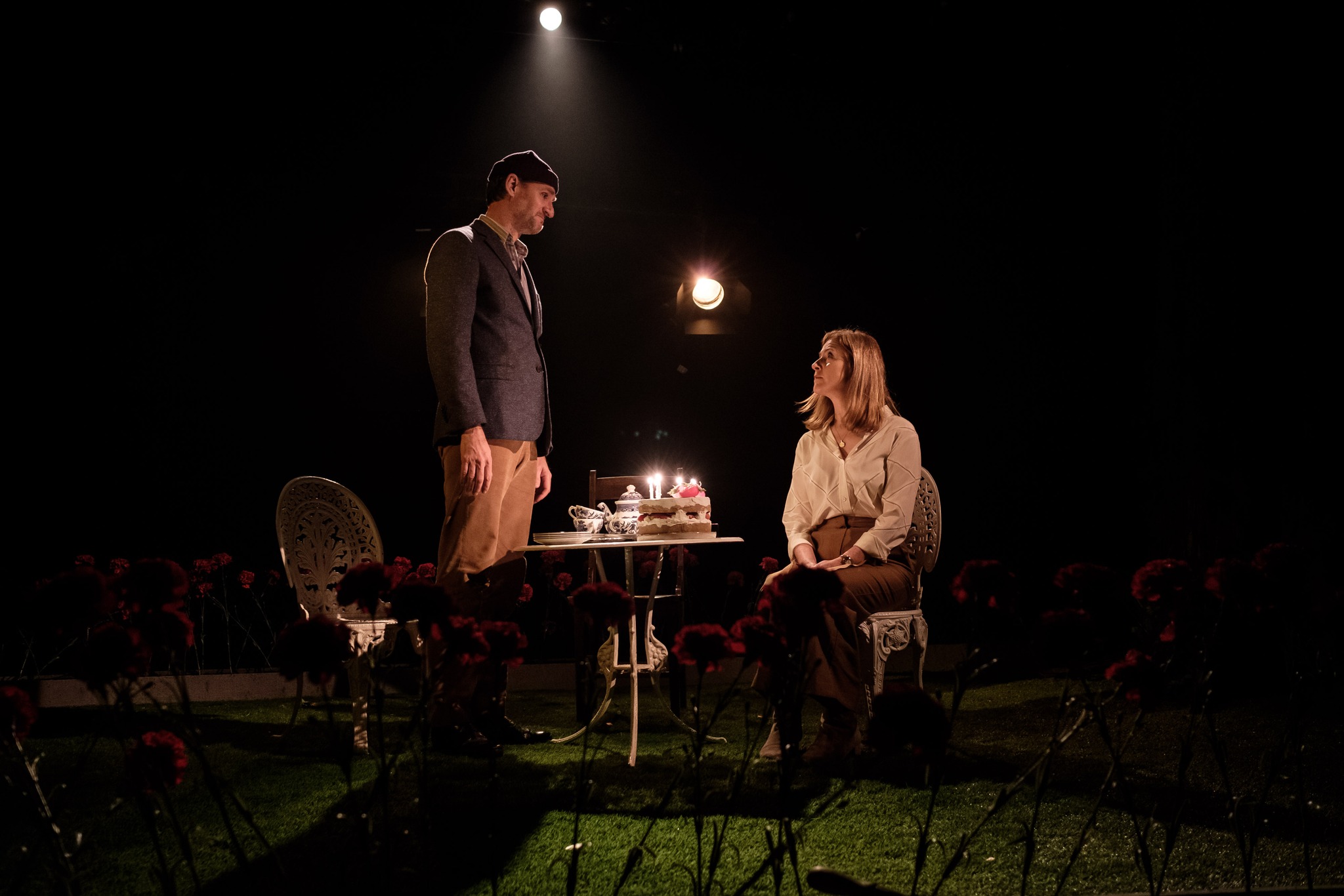
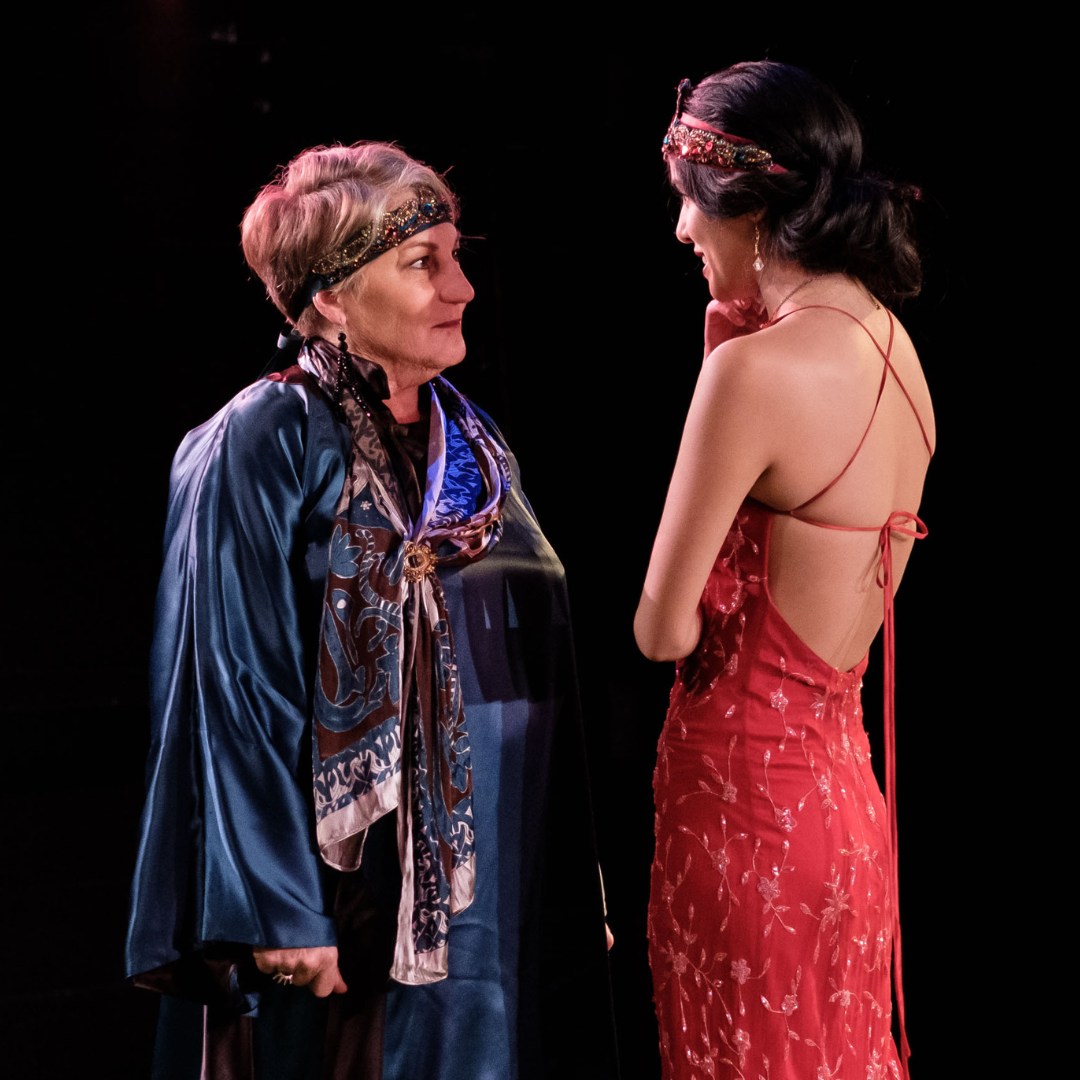
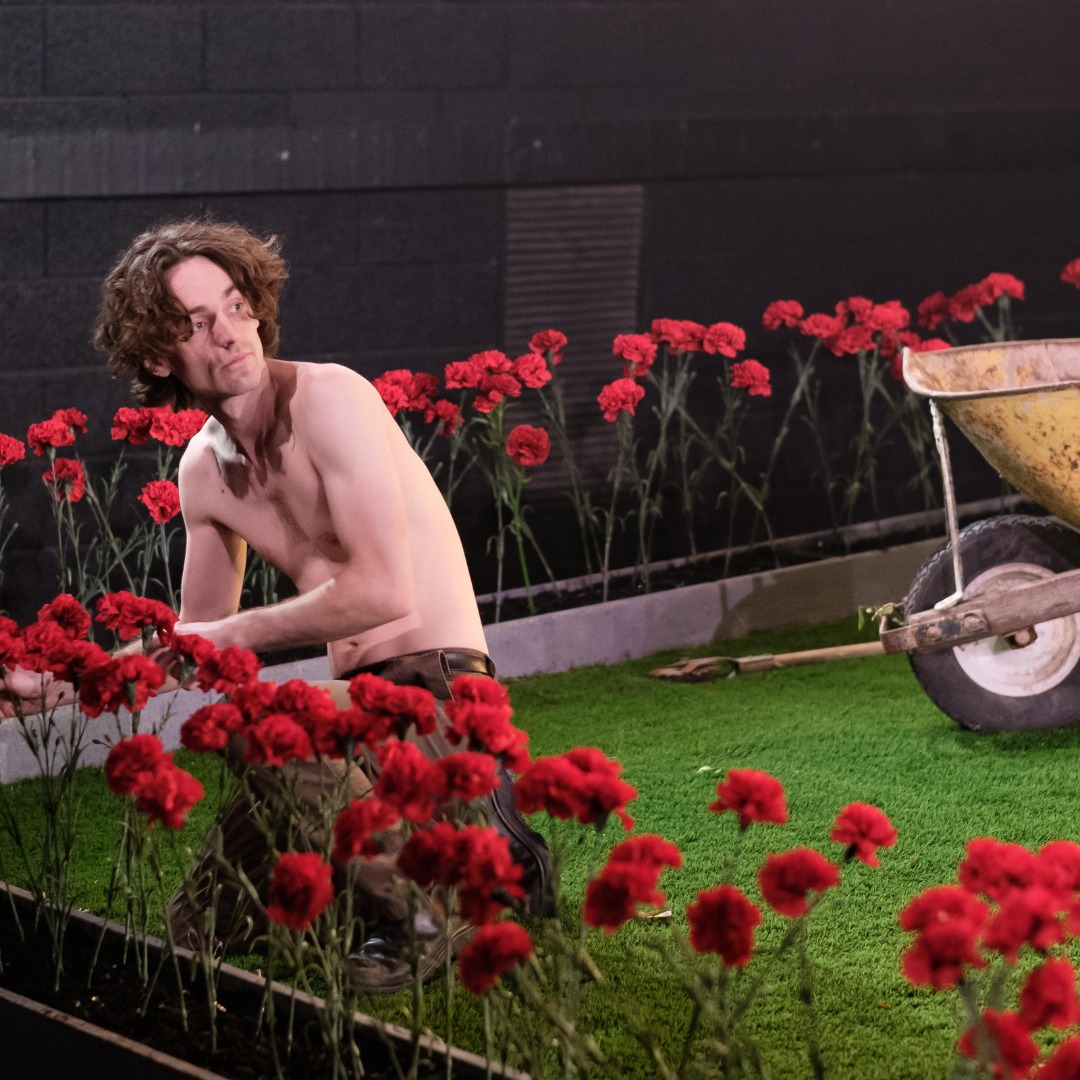
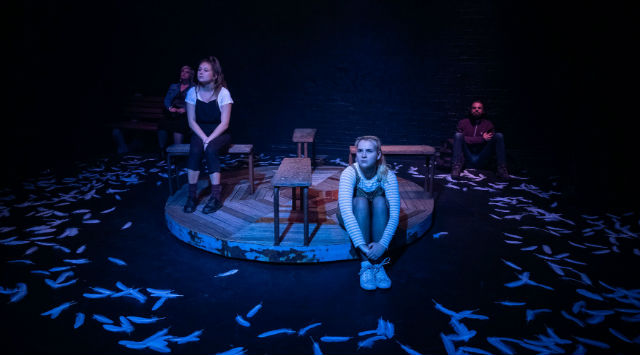
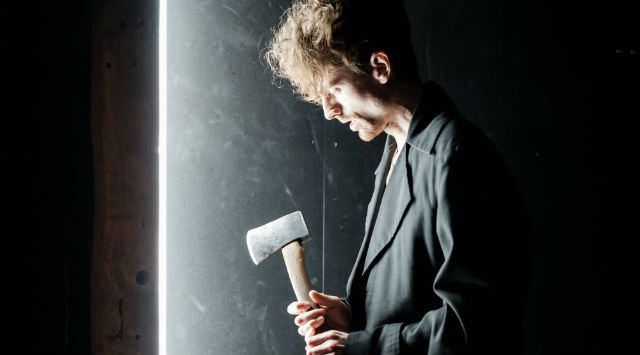
Set design by James Smithers delivers clean lines for a simplified representation of Hedda’s home. Max Shaw’s costumes help depict with accuracy, the social status and relevant epoch being explored. Travis Kecek’s lights are uncomplicated, but effective in guiding us through shifts in temperament. Live music by Christie Mae on the piano, render scene transitions with fluidity and reflectiveness.

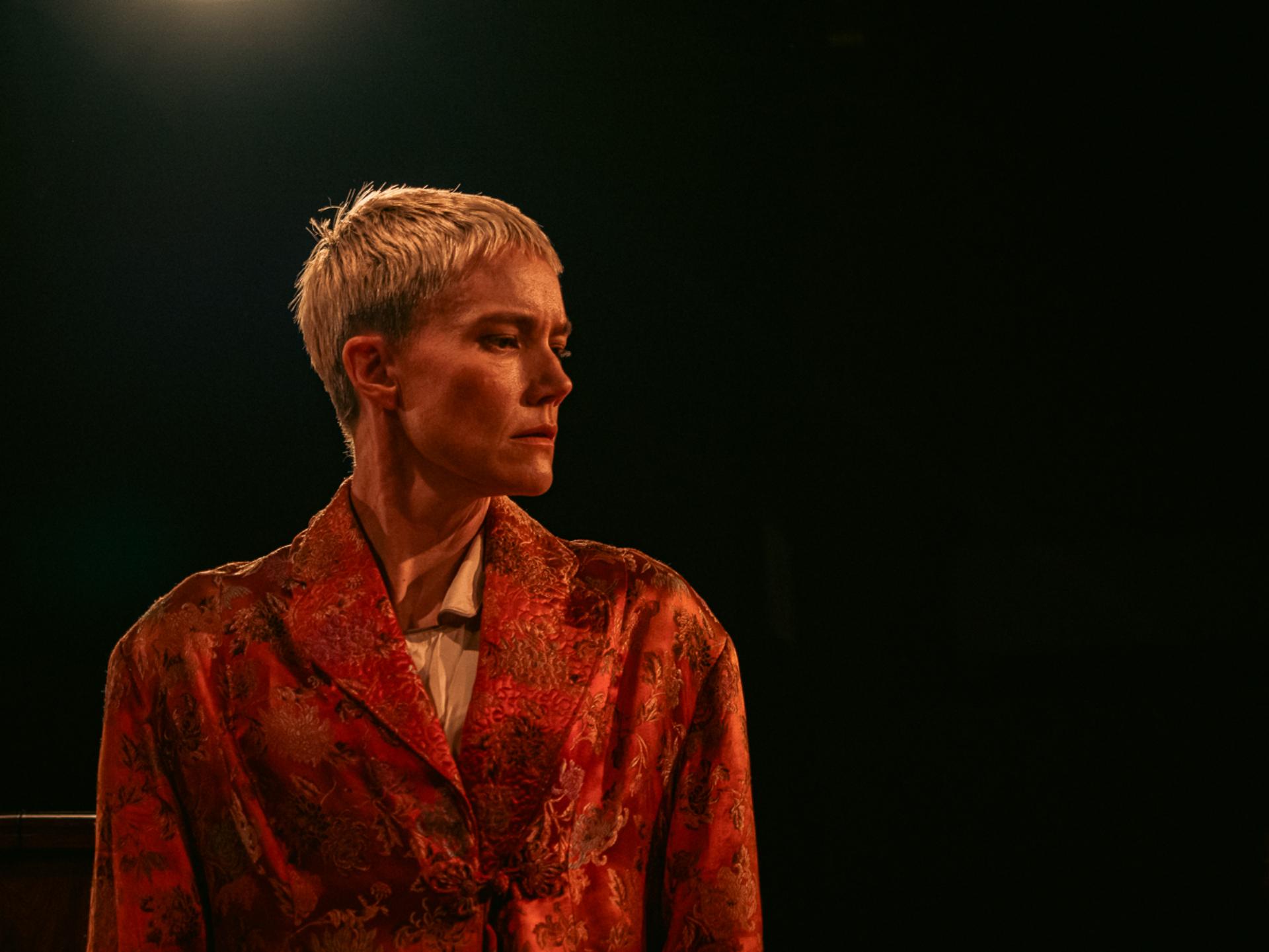
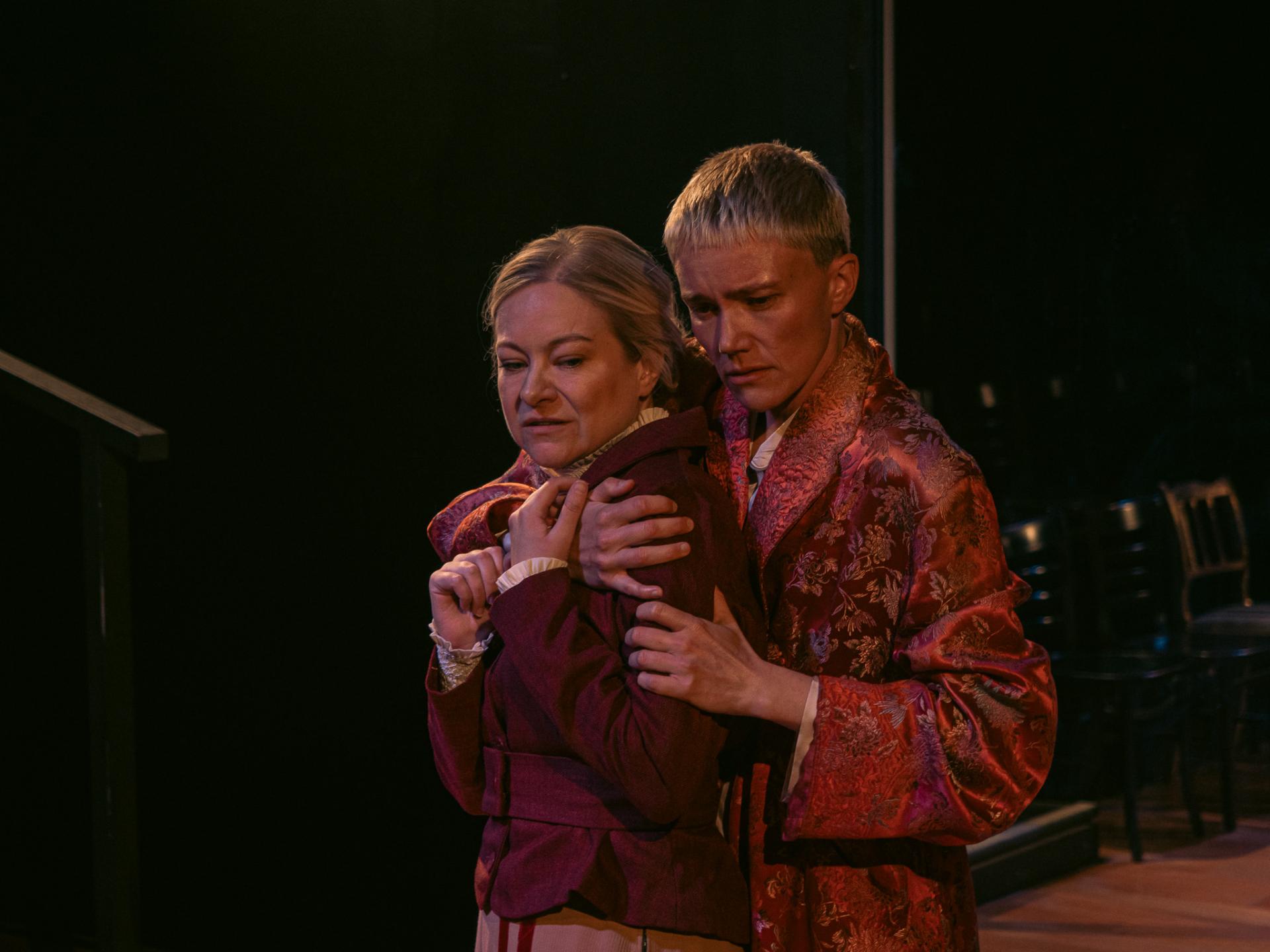
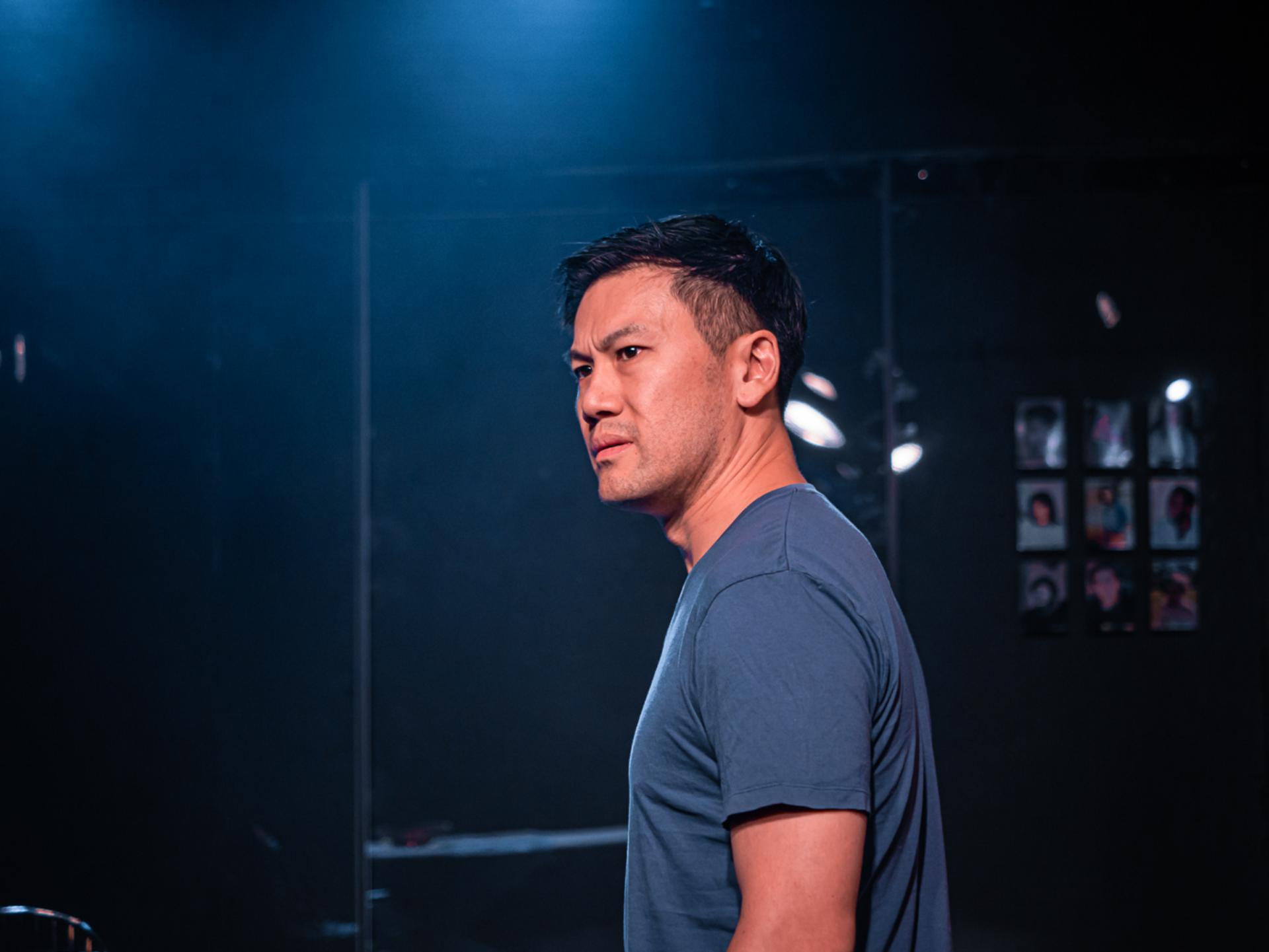
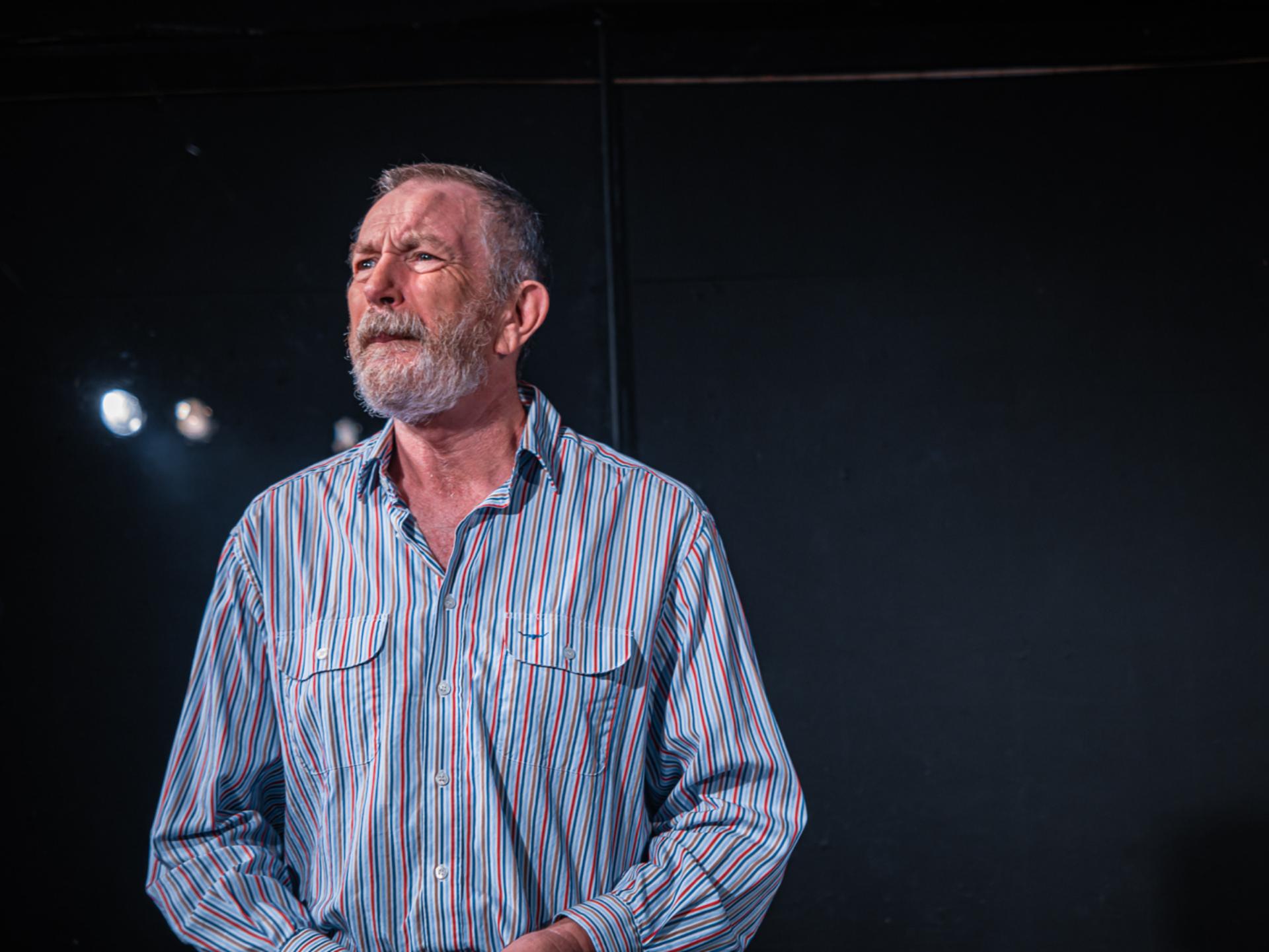
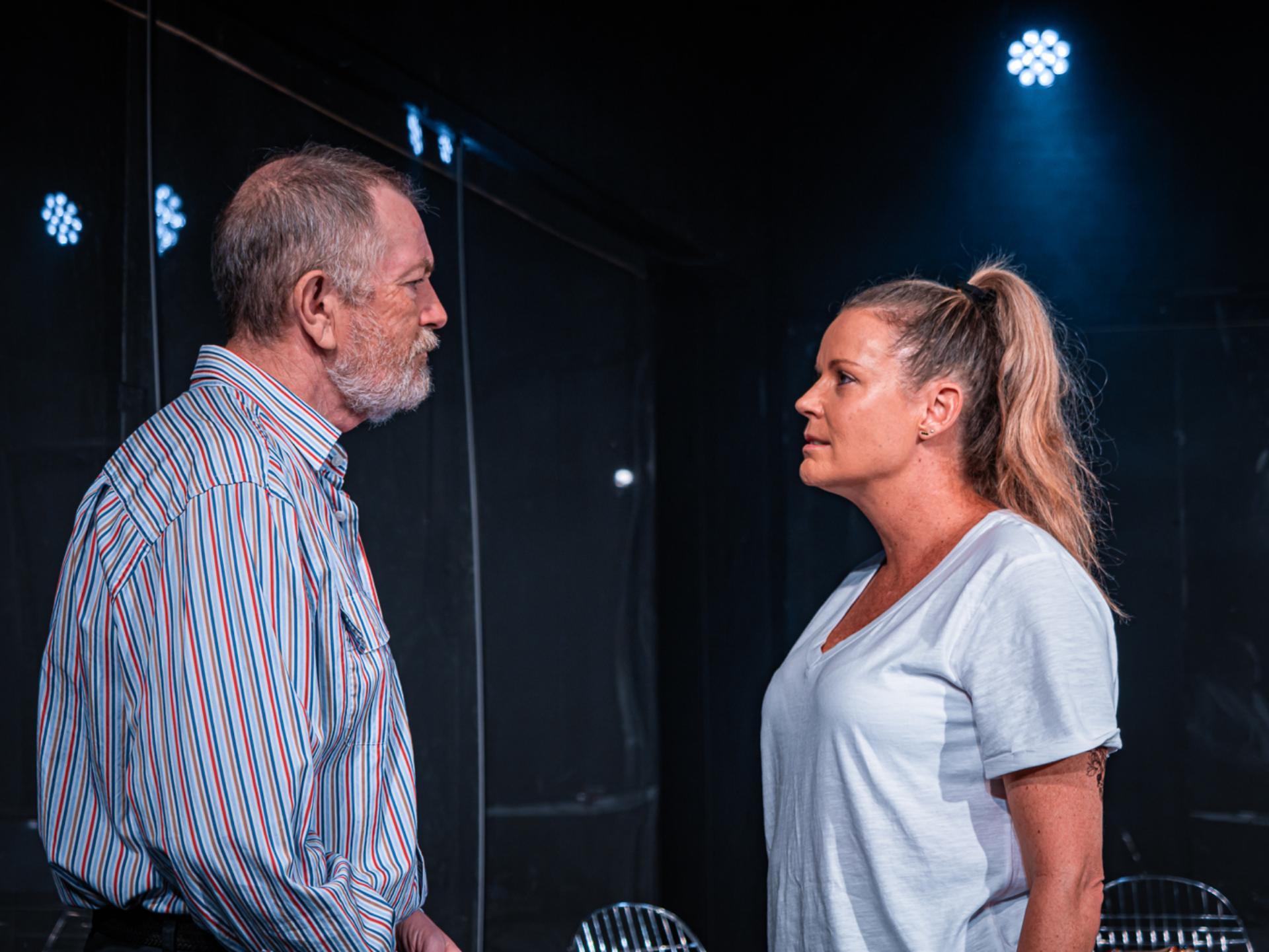
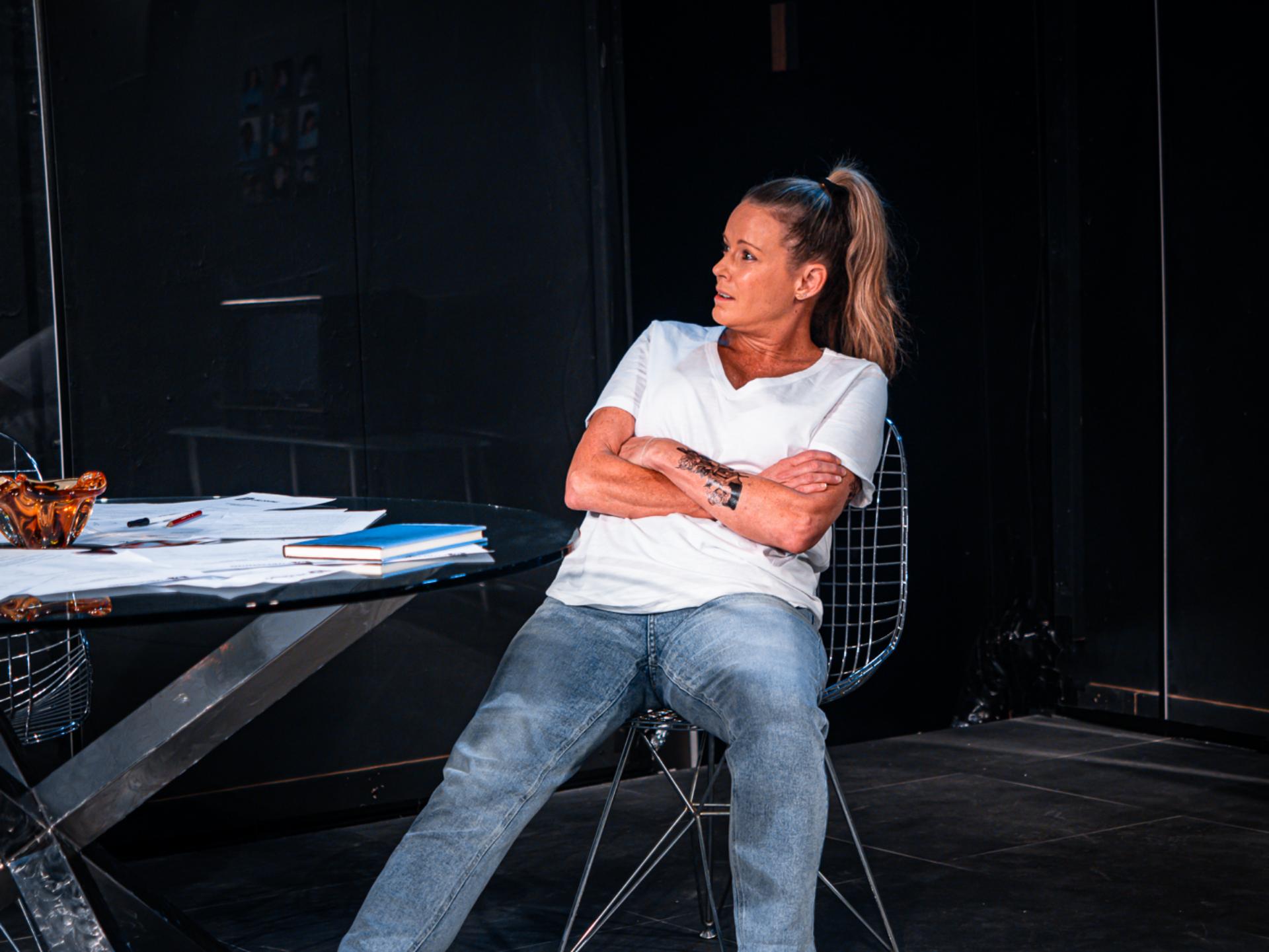
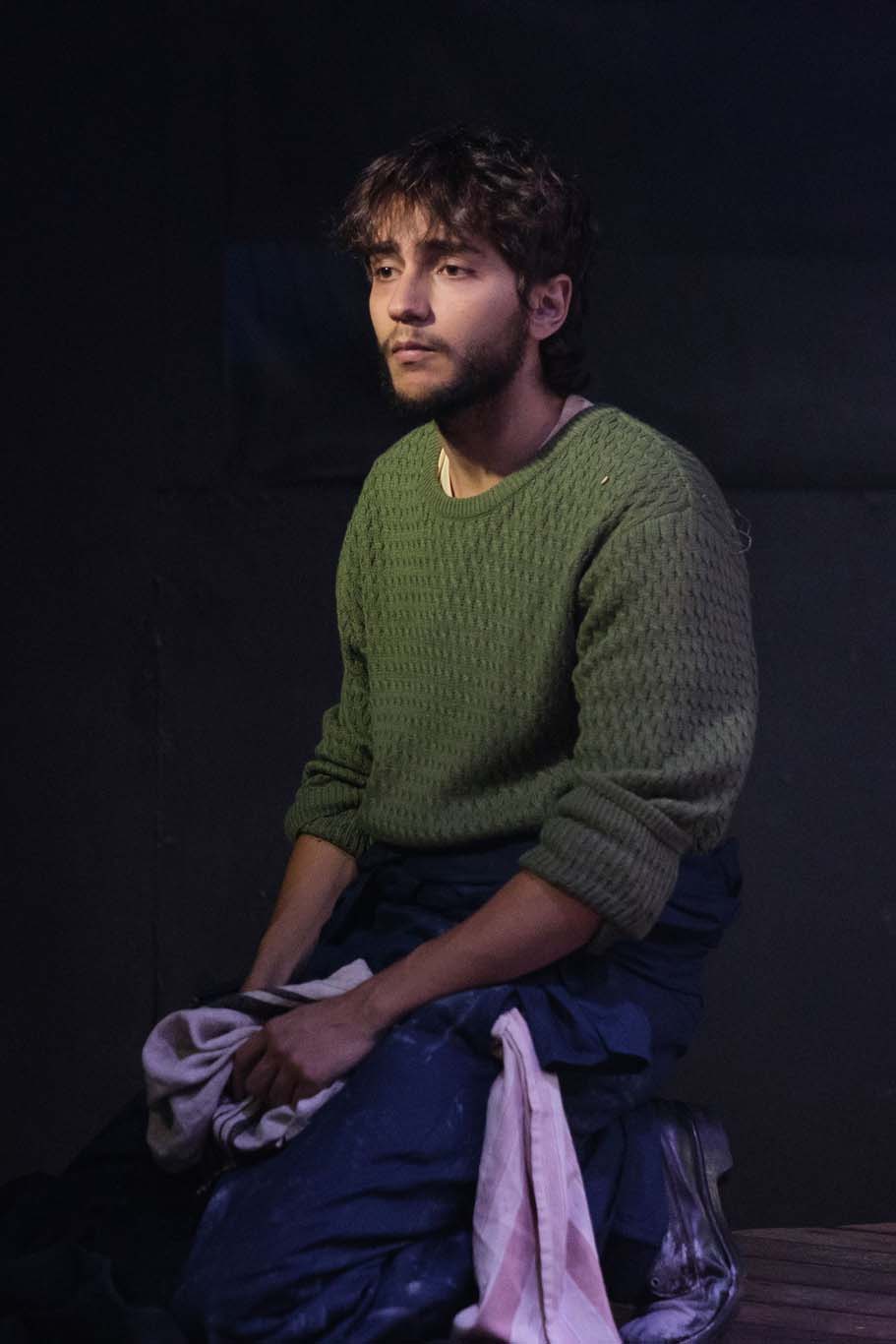
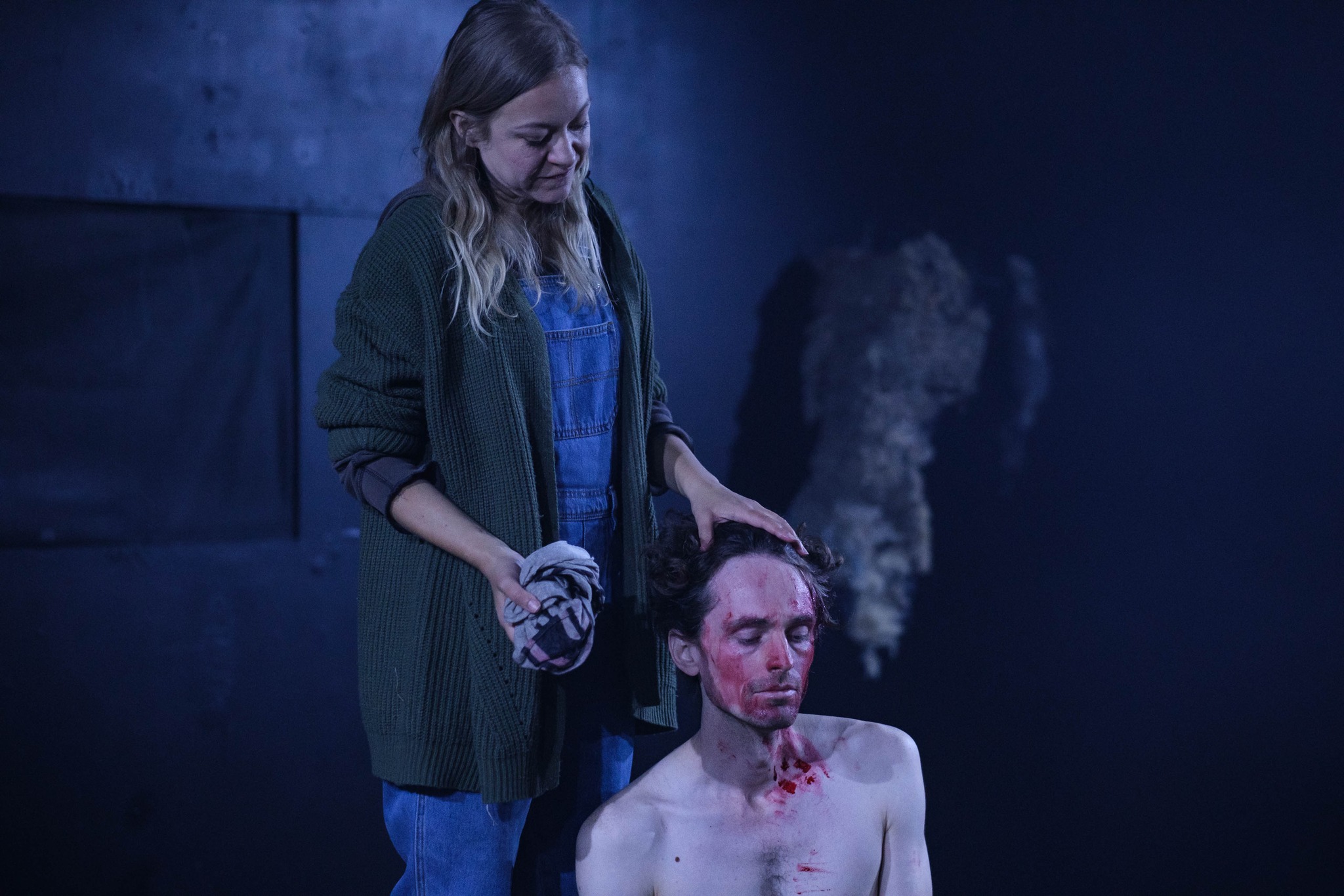
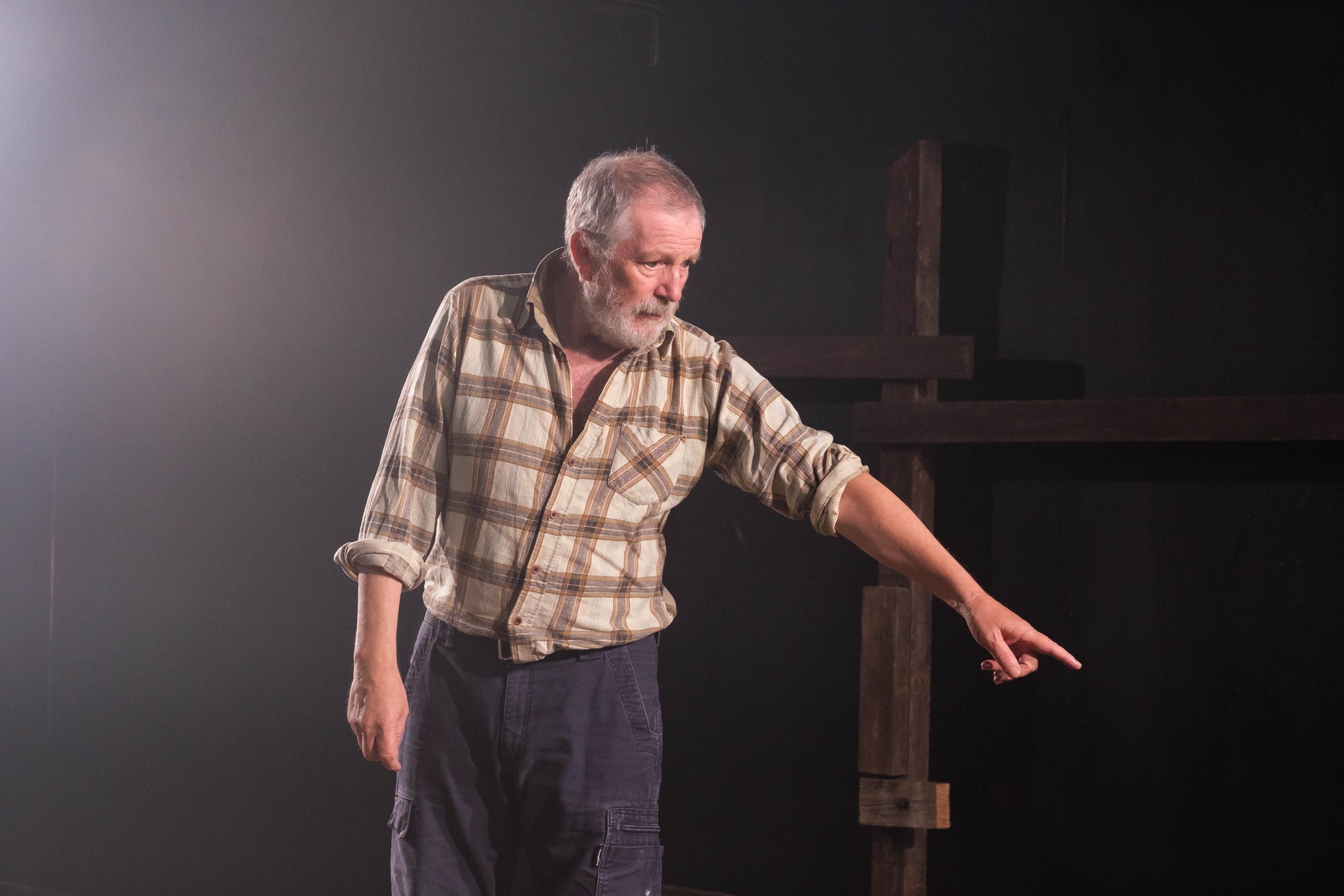
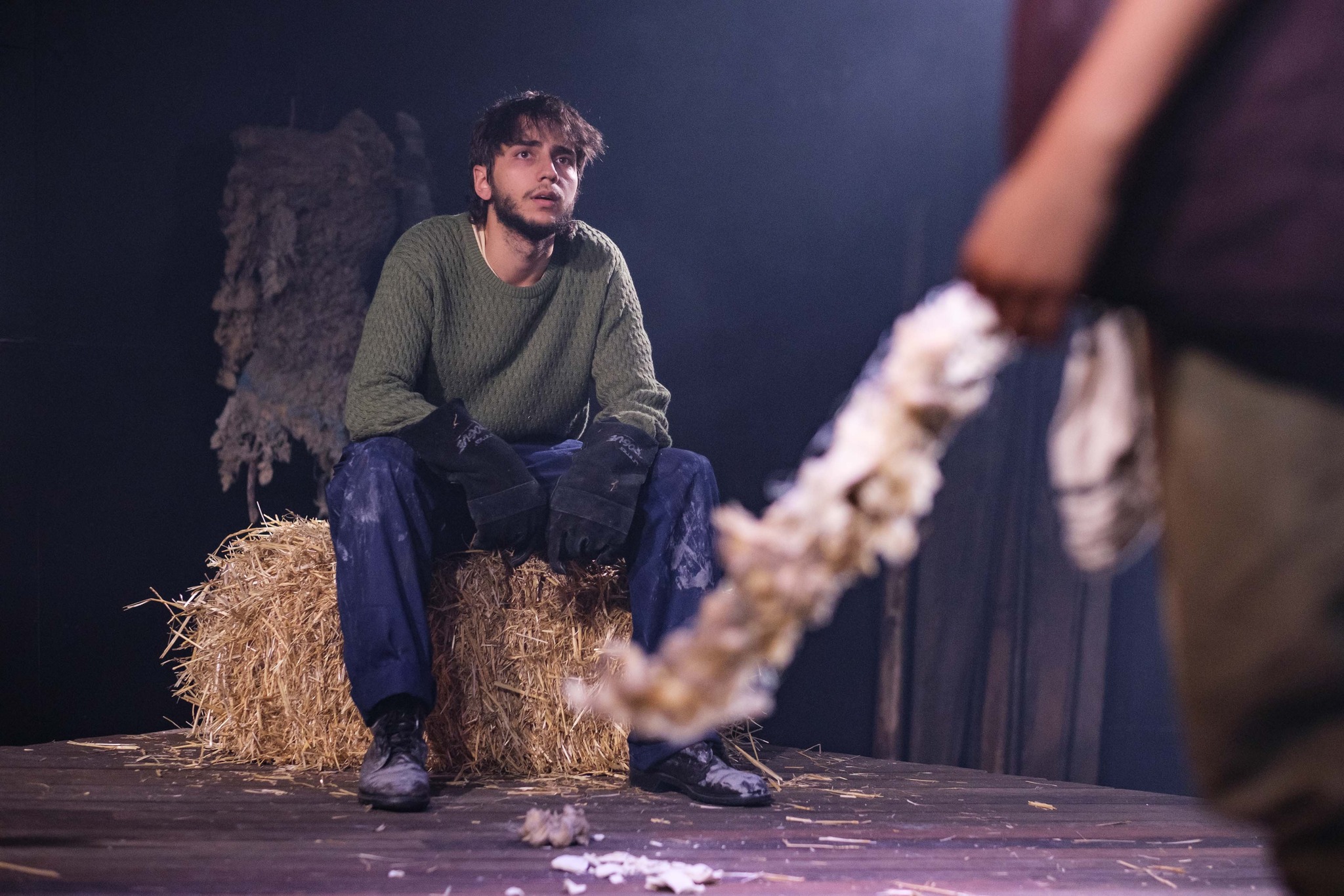
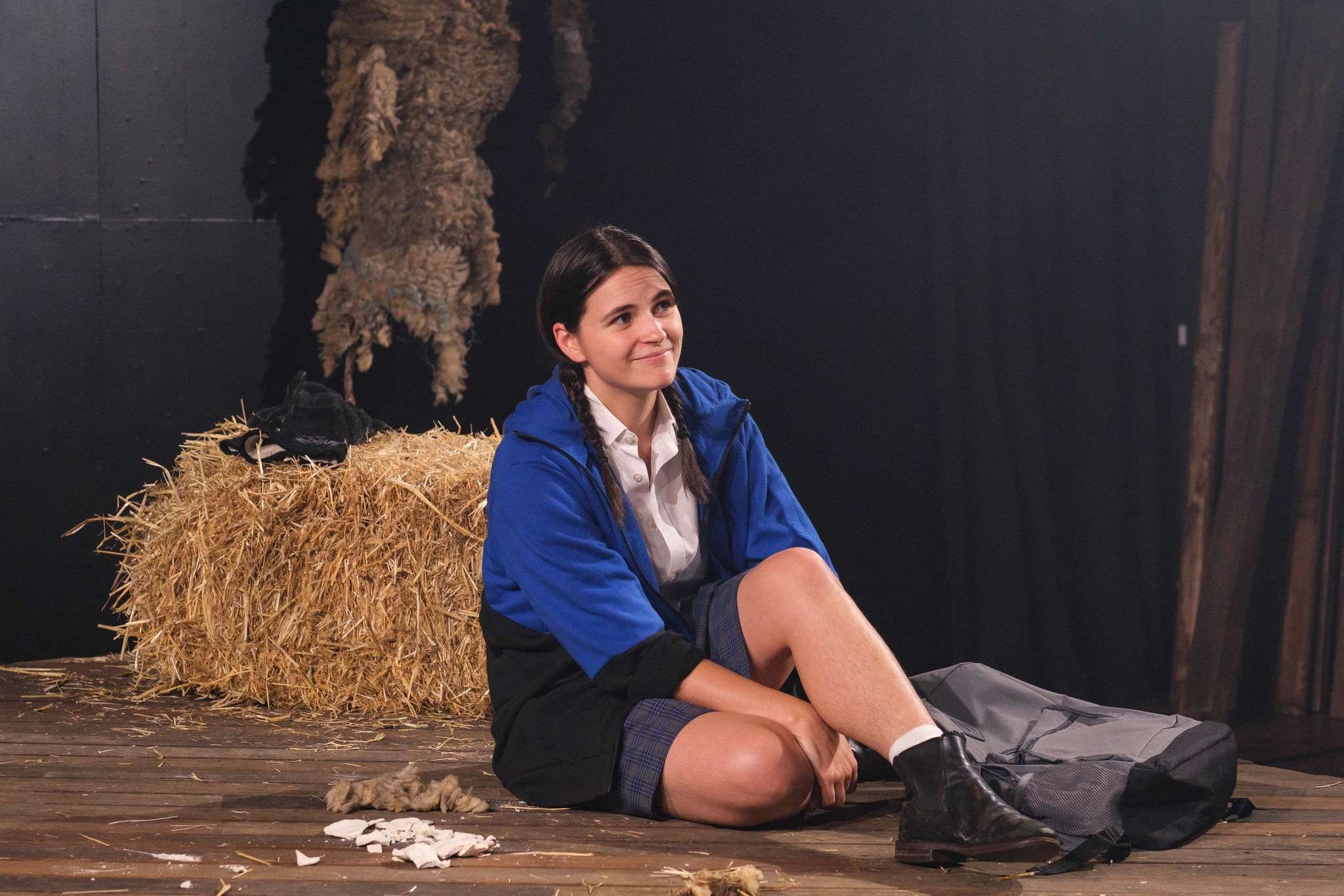
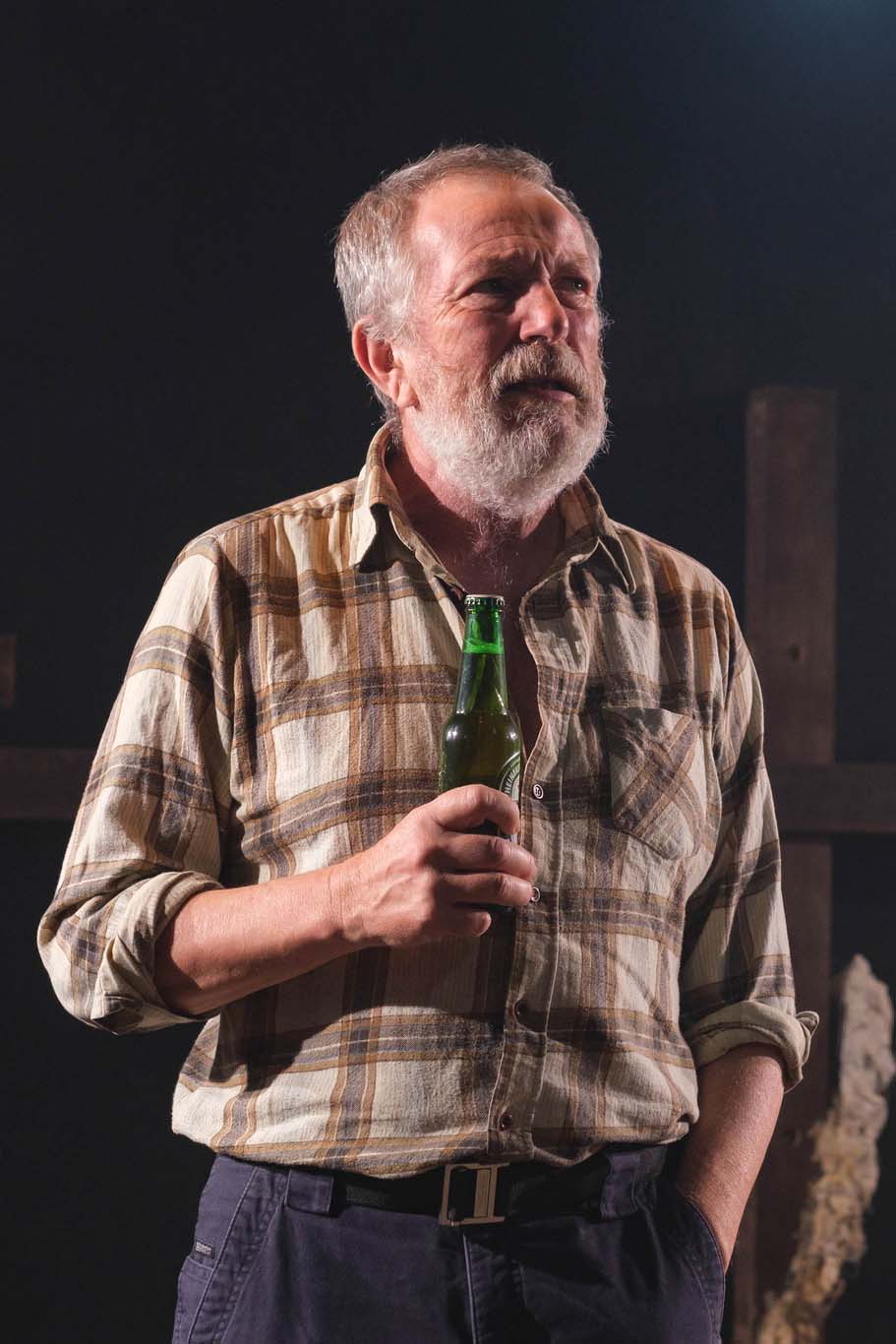
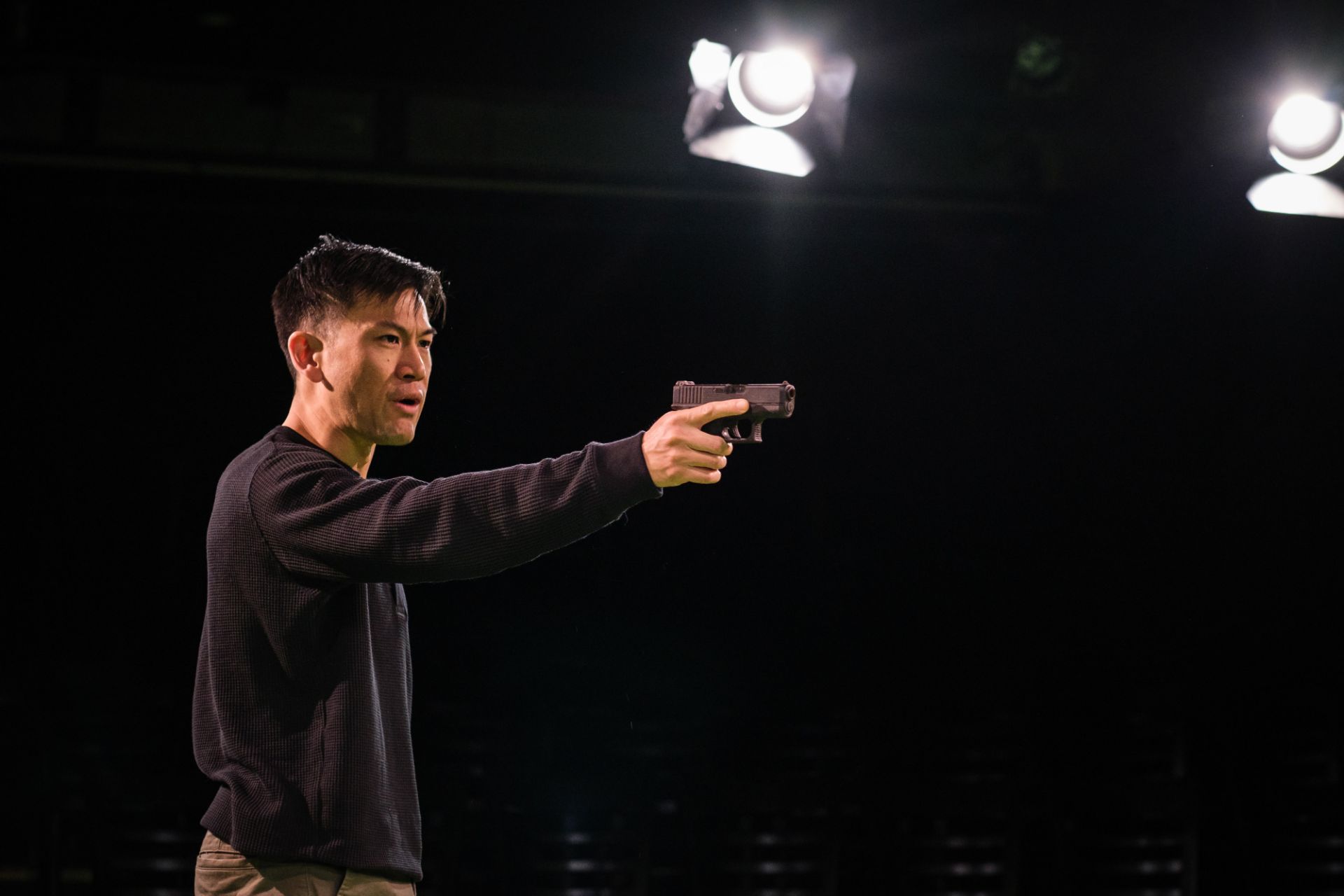
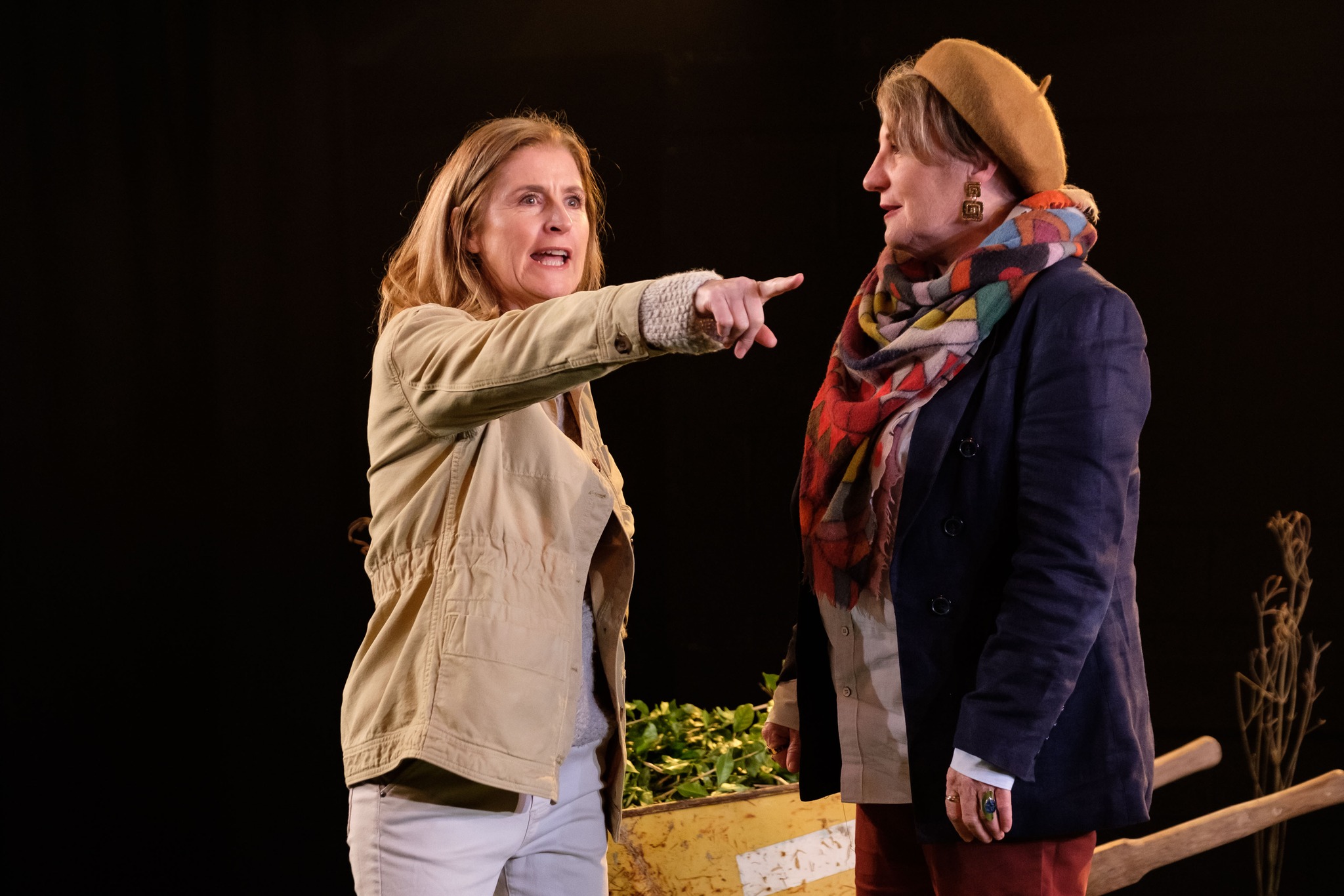
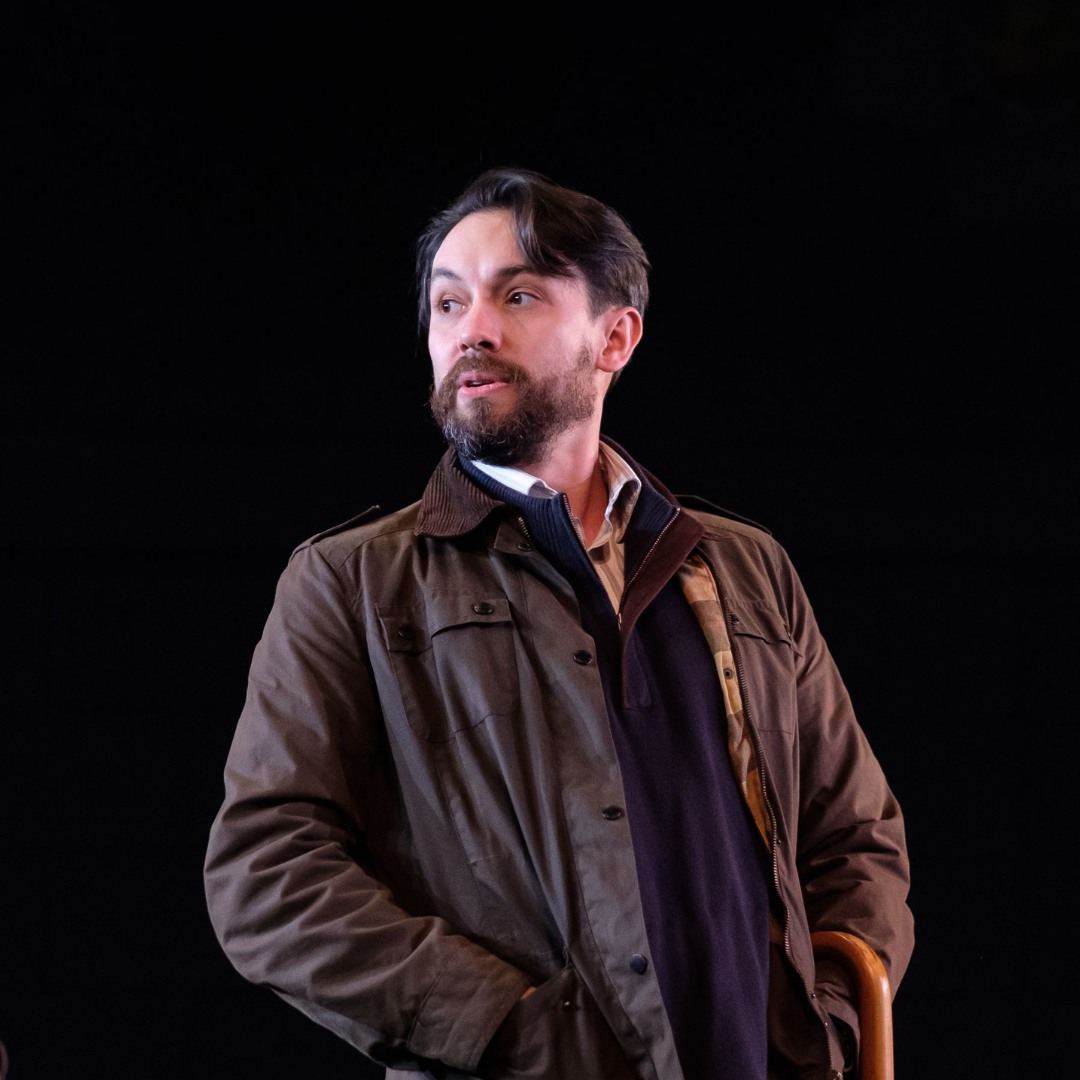
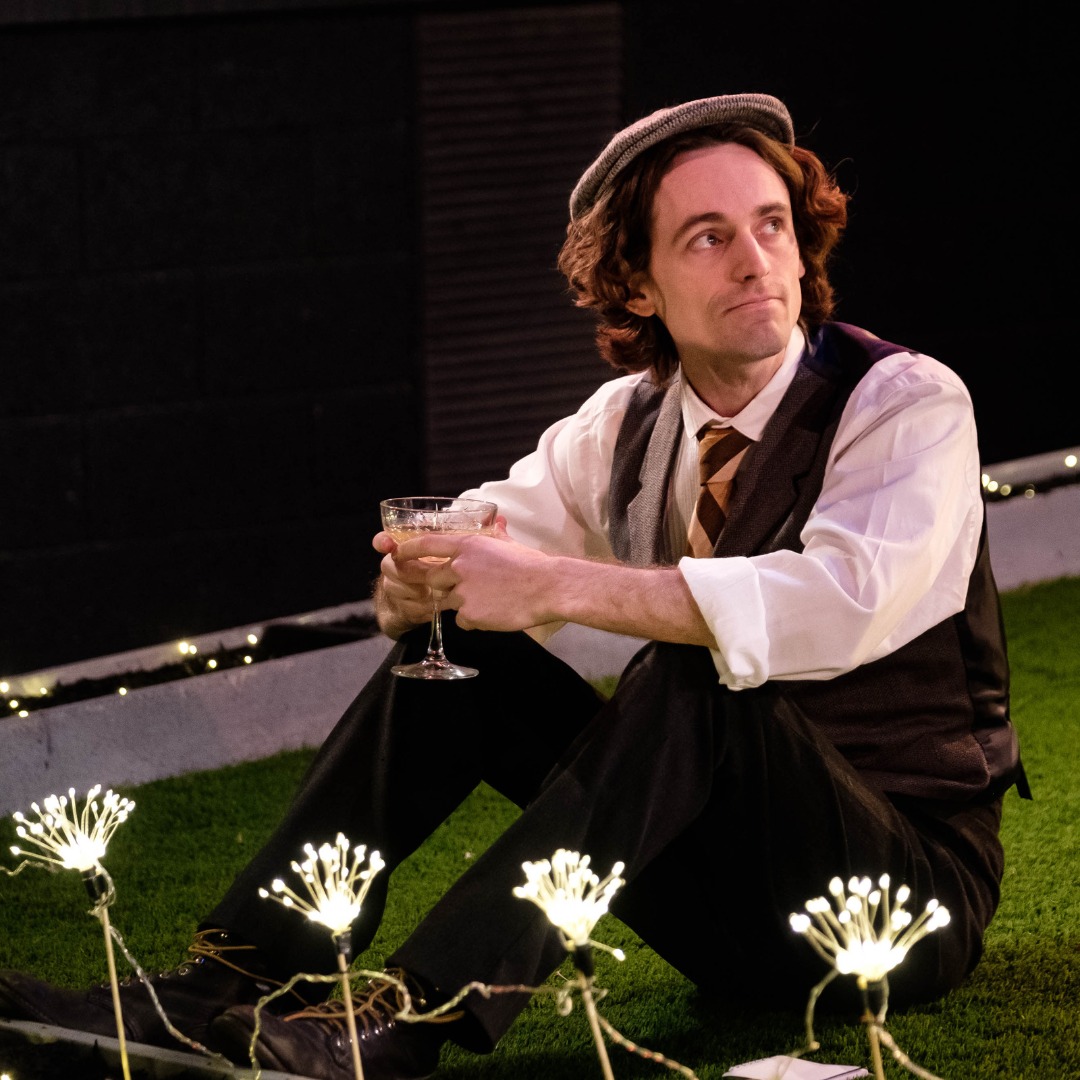
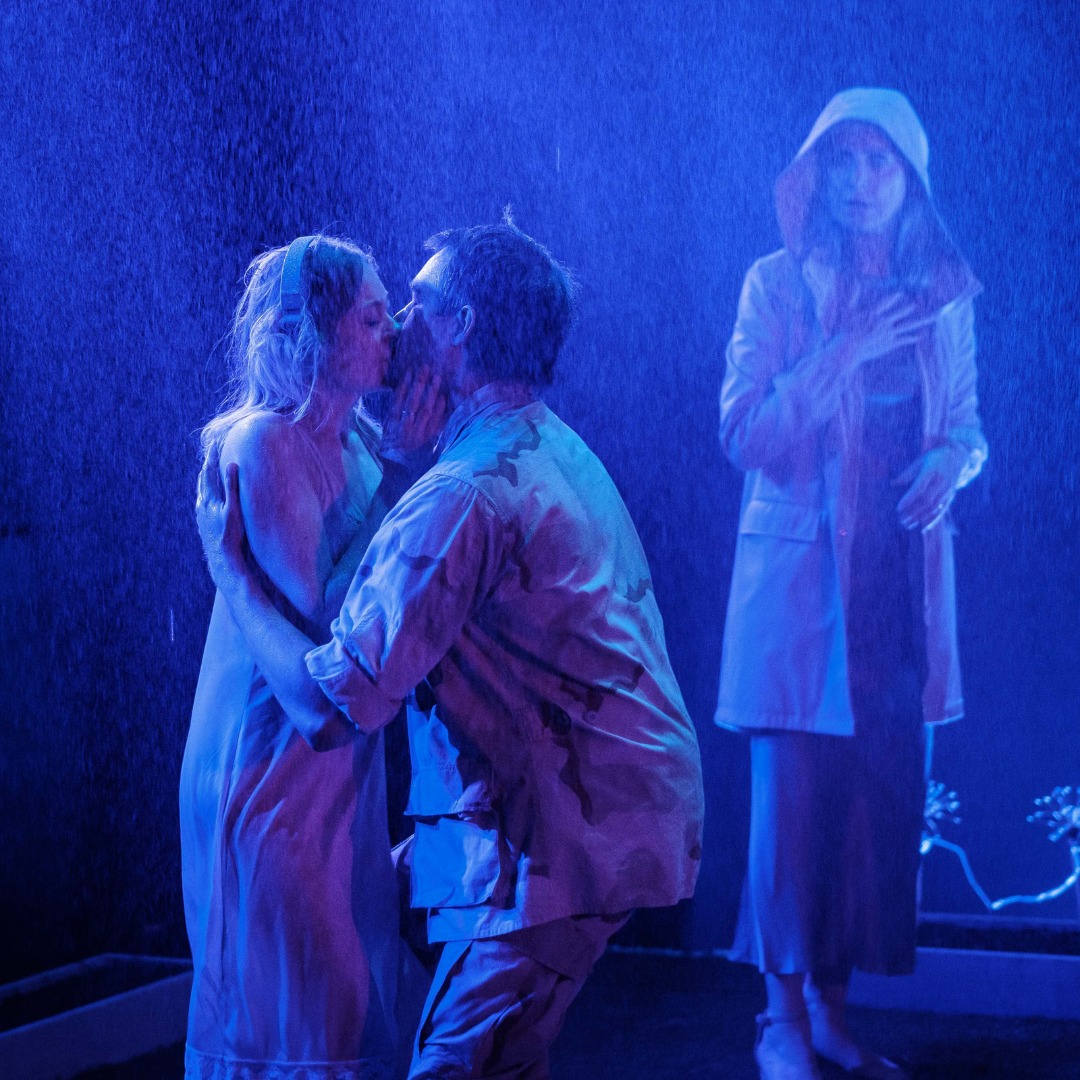
Actor Ella Prince takes on the lead role with blistering intensity if slightly lacking in subtlety, for moments when allusions are more than sufficient in drawing us into Hedda’s troubled mind. Jack Angwin and Christopher Tomkinson bring wonderful richness to their portrayals of auxiliary men in Hedda’s life, both performers offering marvellous intrigue and a palpable sense of danger to the narrative.

No single person in Hedda’s orbit can be held liable for her demise. We understand that it is the grander scheme of things, that drives her to destruction. No one is individually responsible, yet we are all culpable, in upholding systems that fail the majority. Hedda’s material withdrawal from adversity can be considered futile, especially in karmic terms; a person’s body may leave this realm, but their presence is never really dissolved. Whether we believe that one returns in cycles, or we simply look at prevailing structures that are relentless in regulating lives over generations, it is clear that retreating from the struggle is ineffectual. It is in the commitment to finding solutions, that we can hope to approach something like exaltation.

www.kingsxtheatre.com | www.secrethouse.com.au

Review: The Cherry Orchard (Old Fitz Theatre)

Venue: Old Fitzroy Theatre (Woolloomooloo NSW), Aug 8 – 24, 2024
Playwright: Gary Owen
Director: Anthony Skuse
Cast: Jane Angharad, Talia Benatar, Deborah Galanos, Charles Mayer, Amelia Parsonson, James Smithers, Dorje Swallow
Images by Braiden Toko

Theatre review
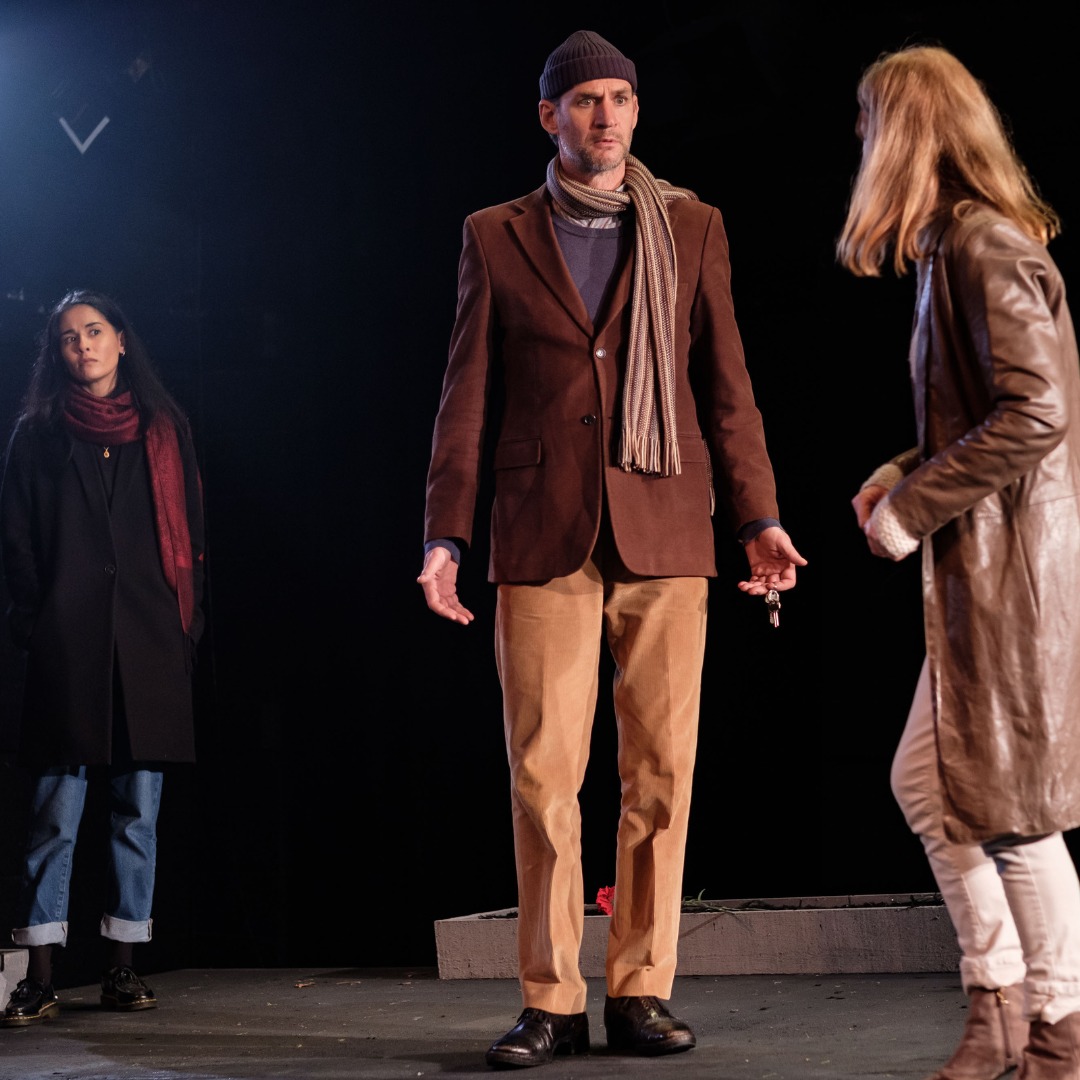
It is 1982 and Rainey has returned to the Welsh countryside, to face the financial difficulties associated with her family estate. Much like Chekhov’s original, Gary Owen’s The Cherry Orchard is interested in the matter of class, in a play depicting the deterioration of an old upper echelon. Essentially a humorous work, the tragedy at its centre is however portrayed by director Anthony Skuse, with considerable empathy. There is no nostalgic longing for a bygone glory, but we are encouraged to regard characters in the story with humanity, and their foibles with some level of compassion.

Actor Deborah Galanos is certainly committed to putting all of Rainey’s deficiencies on display, highly convincing with both the narcissistic alcoholism and the mournful brokenness that define the role. The incisive Charles Mayer brings delicious comedy to the part of Gabriel, middle-aged but laughably naïve from a sheltered life. Lewis is played by Dorje Swallow who represents the new bourgeoisie with an appealing earthiness, able to deliver a complexity that prevents us from reading the personality with undue exaltation.

The overall aesthetics of the production could make a stronger statement, although what it does present is satisfactory. Set design by James Smithers conveys an appropriate sense of fading glamour. Lights by Topaz Marlay-Cole and sounds by Johnny Yang are overly restrained, but occasional dramatic gestures prove to be judiciously rendered.

It is now well over a century since Chekhov had dreamed up the ruin of Ranyevskaya’s property, and today we find ourselves back to anticipating the felling of cherry trees. Wealth discrepancy is again a significant social issue, with housing problems becoming an exacerbating concern. What should be an element of wellbeing and indeed survival, is concurrently being hoarded by the rich, who can only think of home ownership in monetary terms. People simply need places to live, but we are failing at fulfilling that very basic requirement, unable to allocate resources in fair and just ways, choosing instead to help people with more than they need, to keep endlessly accruing.

www.oldfitztheatre.com.au | www.secrethouse.com.au

Review: The Ghost Writer (Flight Path Theatre)

Venue: Flight Path Theatre (Marrickville NSW), Mar 6 – 16, 2024
Playwright: Ross Mueller
Director: Jane Angharad
Cast: Emma Dalton, Mel Day, Mark Langham, Shan-Ree Tan
Images by Braiden Toko

Theatre review
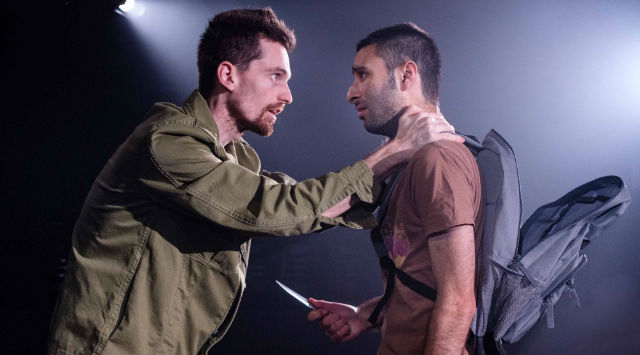
A child has been murdered, and her mother, who happens to be illiterate, is selling the story. Complications arise not only because Claudia the ghost writer turns out to be the publisher’s daughter, she is also sleeping with a prosecutor embroiled in the case. There is no shortage of conflict and tension in Ross Mueller’s The Ghost Writer, in fact there are possibly a few too many convolutions in the 2008 play. Directed by Jane Angharad, the production never really finds a focus, and it becomes a struggle trying to elicit meaningful emotional investment, for what should be a gravely stirring experience.

The cast of four is however commendable for their unequivocal commitment; Emma Dalton, Mel Day, Mark Langham and Shan-Ree Tan demonstrate admirable dedication to the craft of performance, in roles that are full of depth and complexity. Set design by James Smithers is sharp and elegant, memorable for introducing a sense of drama to the piece. Lights by Travis Kecek are appropriately stark, if slightly too cold and alienating, with a notable lack of sound and music in the production, that further exacerbates our disconnection from all that is happening on stage.

We should feel deeply concerned about little Megan who has died tragically in The Ghost Writer, as we should every atrocity being reported, from every corner of the planet. It is however, quite human to respond with apathy, when all we know is helplessness, in the face of so much that is indomitable and daunting. It is unreasonable to expect boundless sadness, that we should be able to feel adequately for every disaster. What is reasonable however, is that each person insists on right from wrong, and holds firm on resisting transgressions, even when emotions are utterly depleted.

www.flightpaththeatre.org | www.secrethouse.com.au | www.cryingchairtheatre.com.au

Review: Gundog (Kings Cross Theatre)

Venue: Kings Cross Theatre (Kings Cross NSW), Mar 3 – 18, 2023
Playwright: Simon Longman
Director:
Anthony Skuse
Cast: Jane Angharad, Saro Lepejian, Mark Langham, James Smithers, LJ Wilson
Images by Clare Hawley

Theatre review
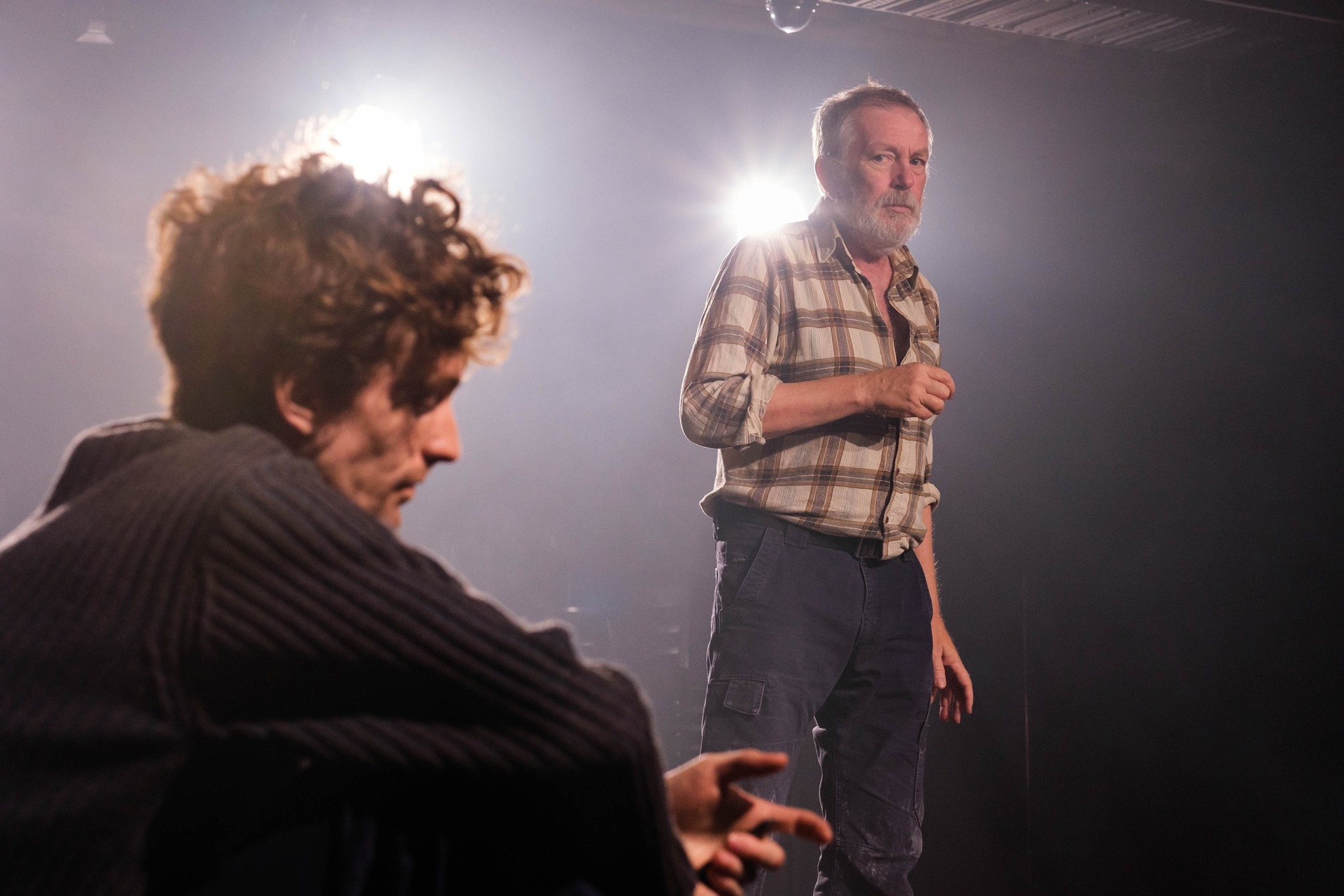
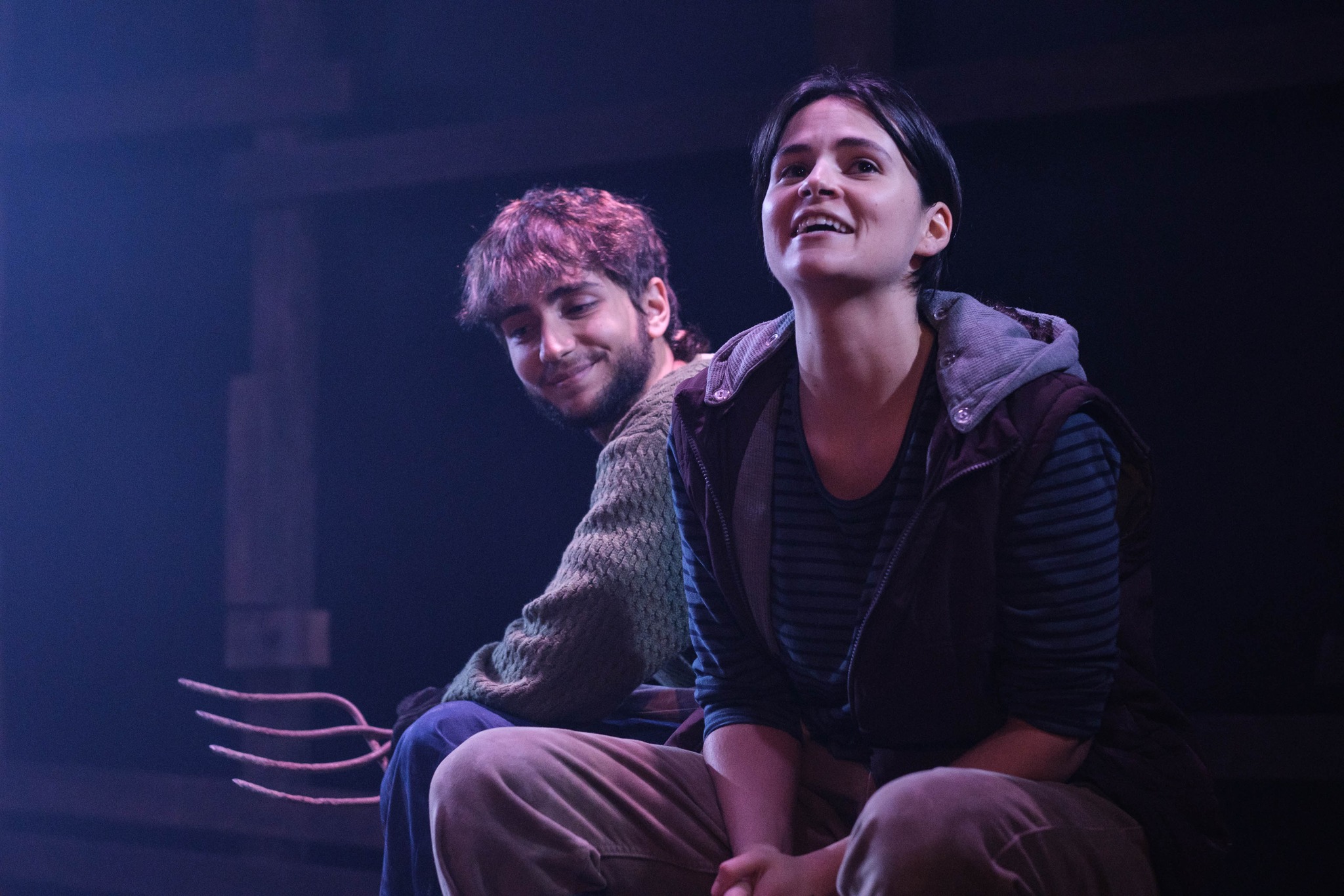
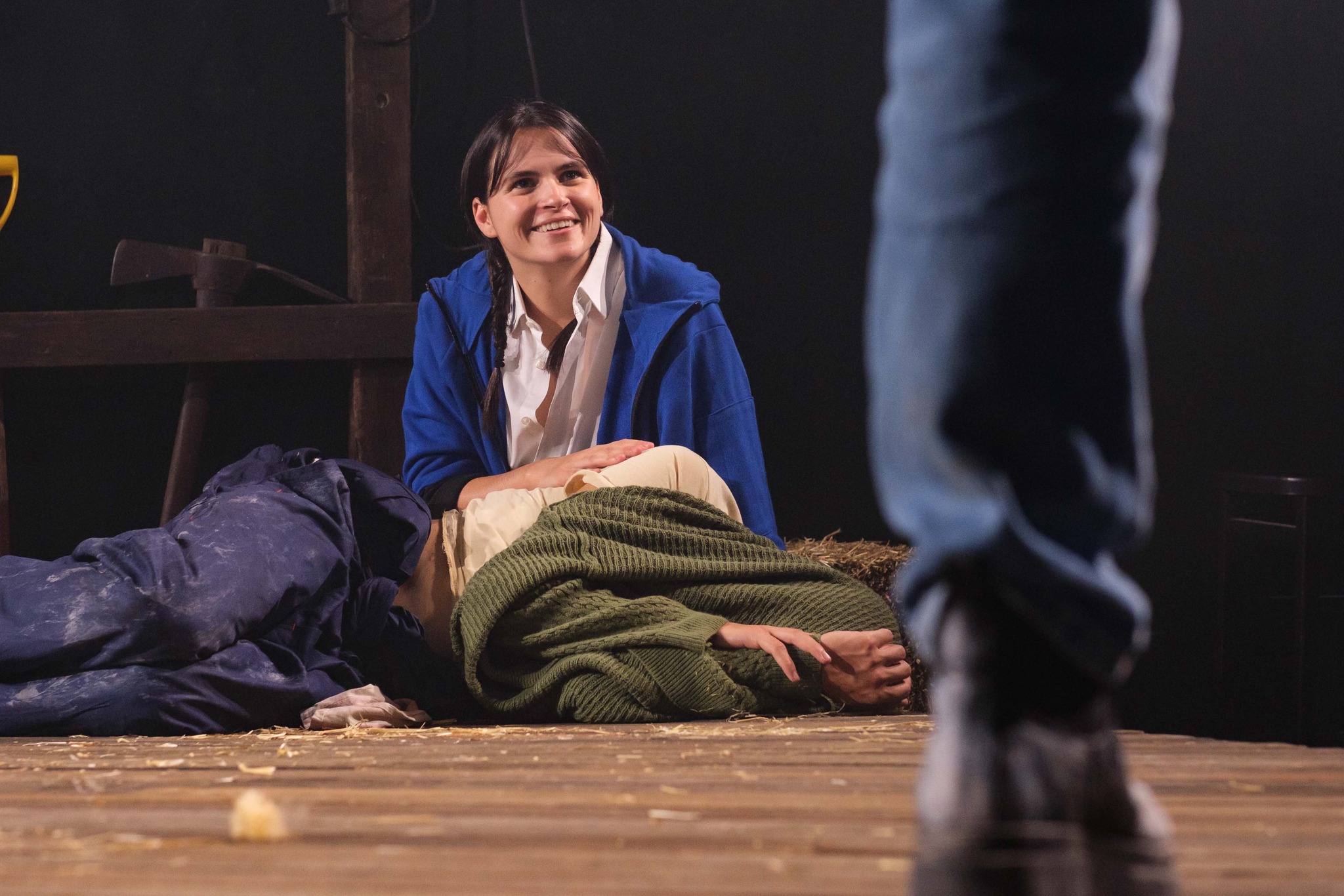
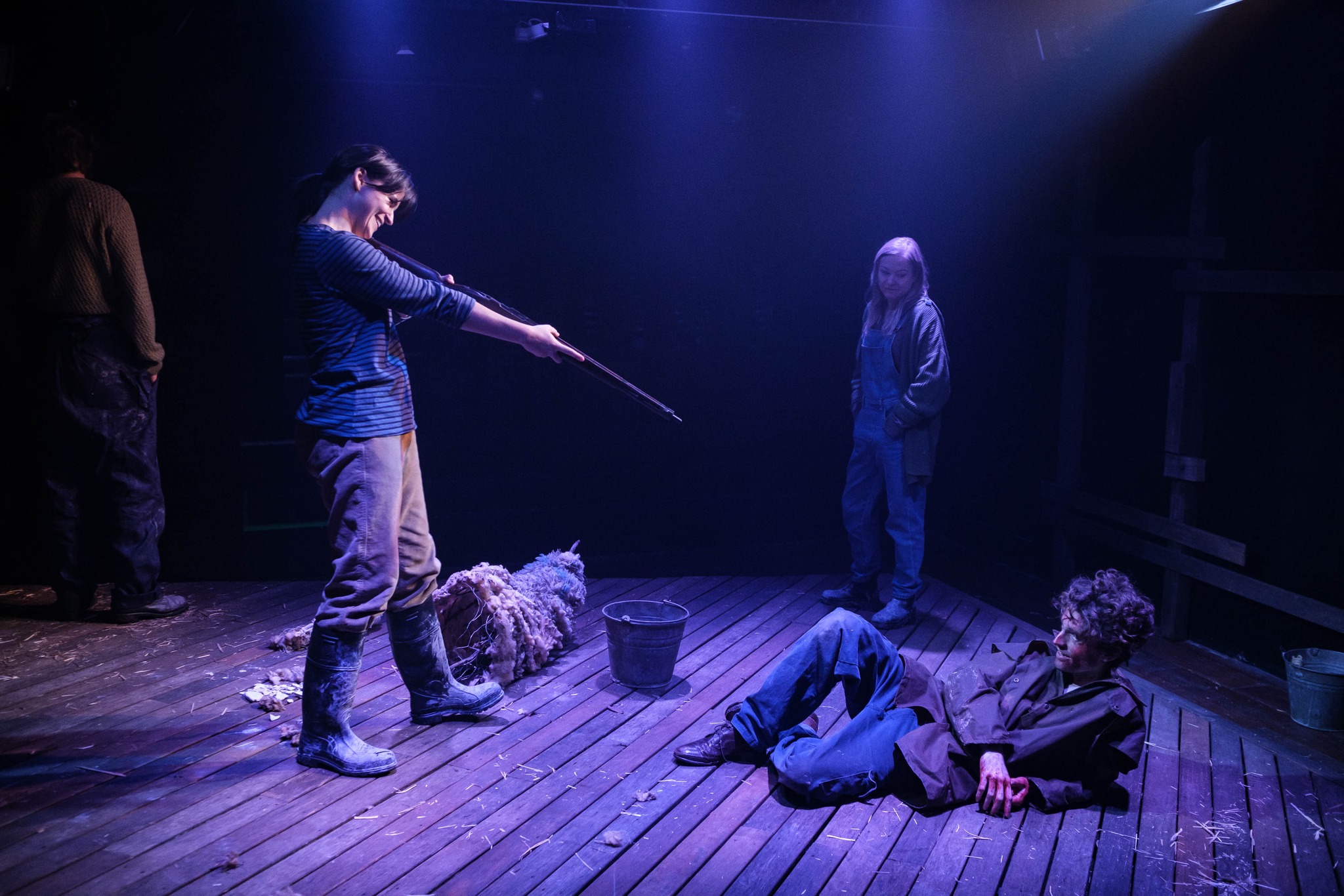
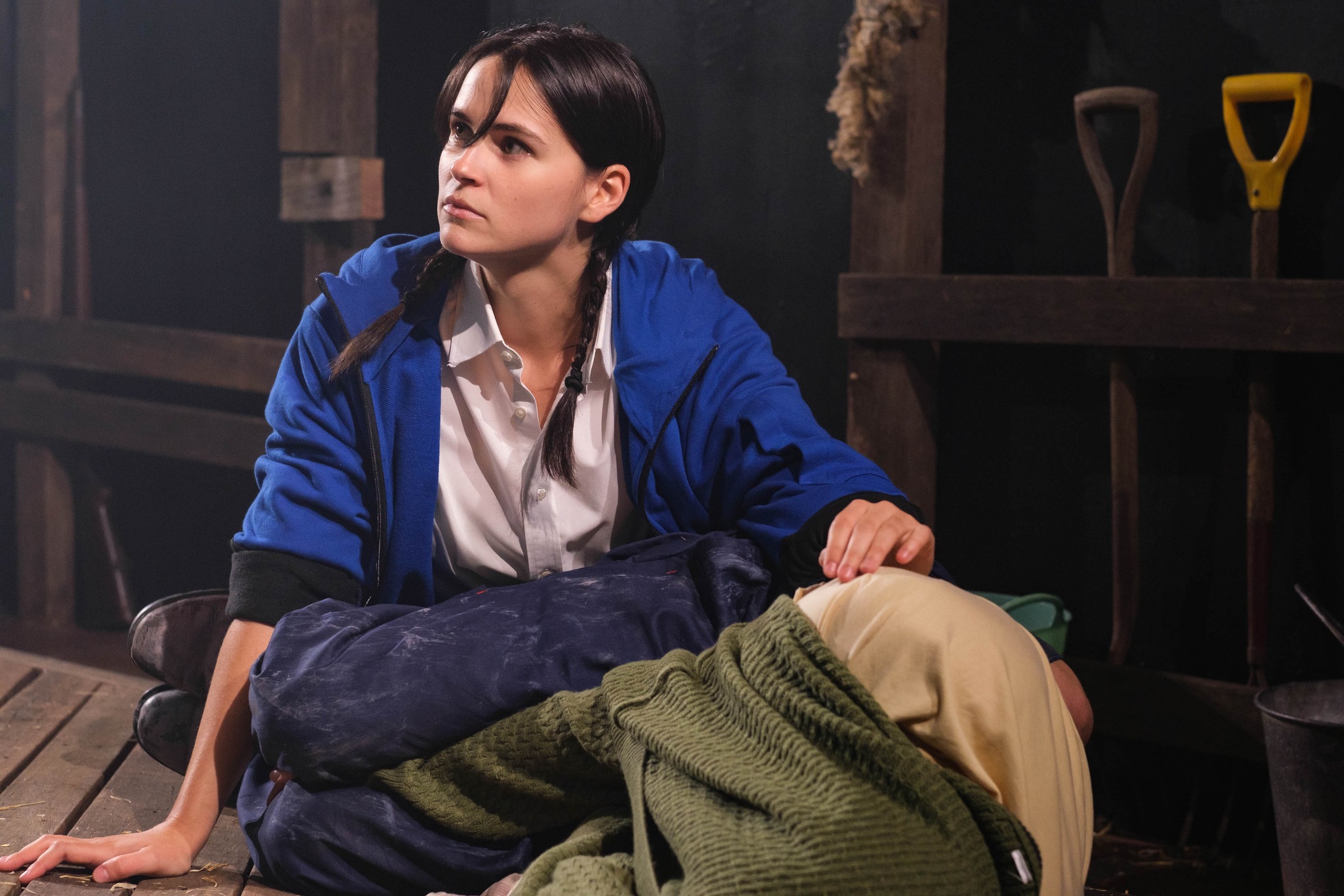
When immigrant worker Guy stumbles upon a remote farm, he discovers its state of disrepair to be much more than skin deep. English playwright Simon Longman’s Gundog looks at the tribulations of a rural family, and the disquiet that seems so fundamental to being human, no matter how idyllic the surroundings. There is no shortage of drama in Gundog, although the tensions that arise, seem to emerge from nowhere. We find ourselves in a locale where inhabitants cannot help, but go through immense existential angst, even when nothing much seems to happen.

Director Anthony Skuse manufactures an air of austere placidity for the piece, leaving us no doubt about the palpating misery at the centre of these characters’ lives. A persistent humourlessness can make for challenging viewing, especially in the first half where the storytelling feels especially dour. Lights by Travis Kecek and sound by Kieran Camejo are accordingly severe, but with an unmistakeable sophistication that is ultimately an asset for the show. Set by James Smithers features a raked platform adding visual interest, while Aloma Barnes’ costumes demonstrate an attention to detail, that helps keep our attention firmly within this world of agrarian dread.

As actor, the aforementioned Smithers is a source of scarce but gratifying emotional intensity, with the psychological tumult that he so competently portrays, as the immensely distraught Ben. Saro Lepejian brings understated authenticity to Guy, and delivers beautiful poignancy at a crucial concluding moment. Jane Angharad and LJ Wilson play Anna and Becky, sisters struggling to make sense of a crumbling reality, and Mark Langham is grandfather Mick, the withering patriarch offering a reminder of the family’s painful links to land and heritage.

It is true, that we can escape our homes to where the grass is greener, but whatever causes agony is easily transposed at each new destination, as peace is always primarily a condition of a person’s inner welfare. Also true, is that a change of scenery is often useful for triggering changes in the mind. The outside and the inside are intrinsically linked, and sometimes abandonment is the best gift to oneself, when in search of something better.

www.secrethouse.com.au

Review: For The Grace Of You Go I (Kings Cross Theatre)

Venue: Kings Cross Theatre (Kings Cross NSW), Oct 5 – 15, 2022
Playwright: Alan Harris
Director:
Lucy Clements
Cast: Jane Angharad, James Smithers, Shan-Ree Tan
Images by

Theatre review
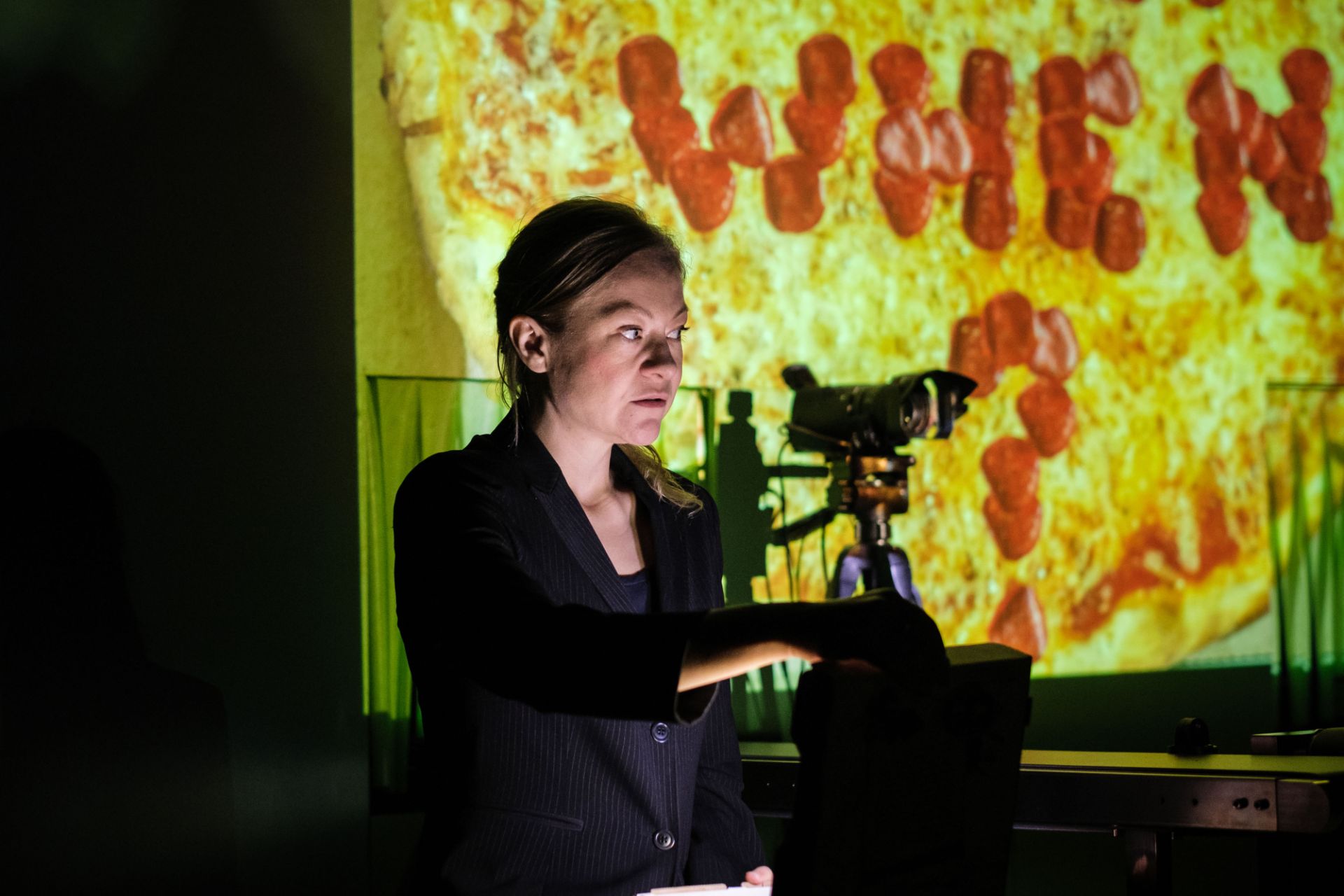
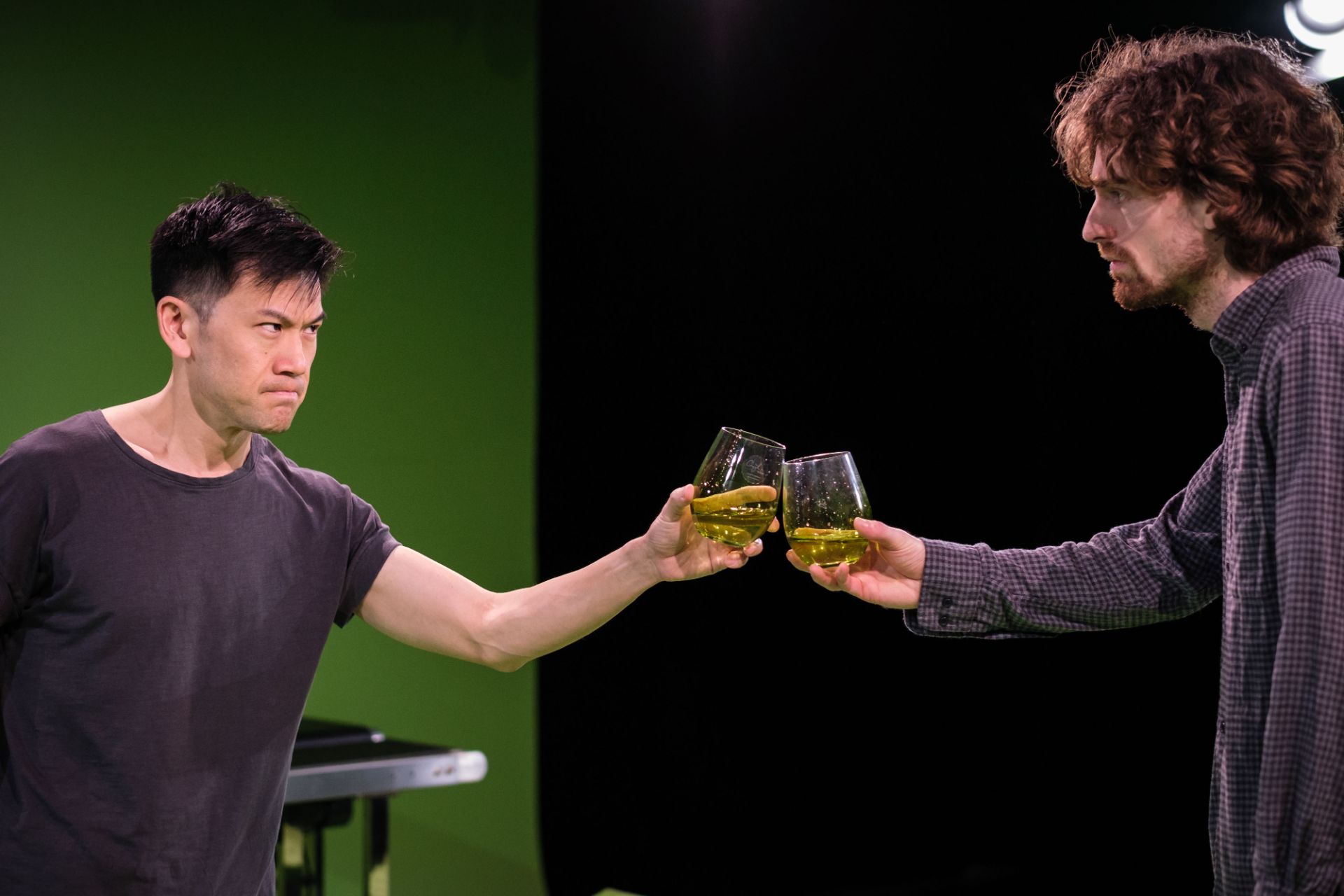
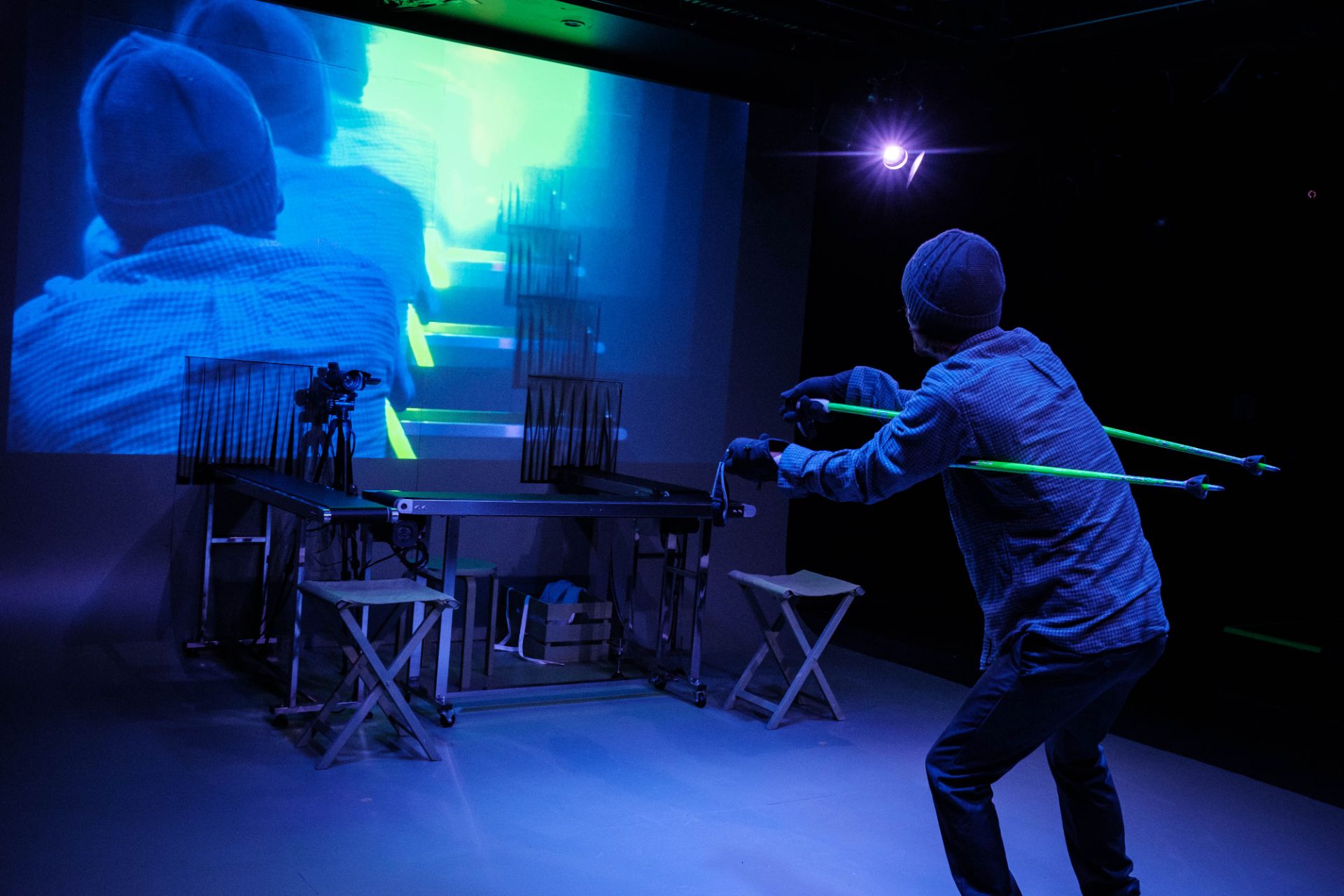
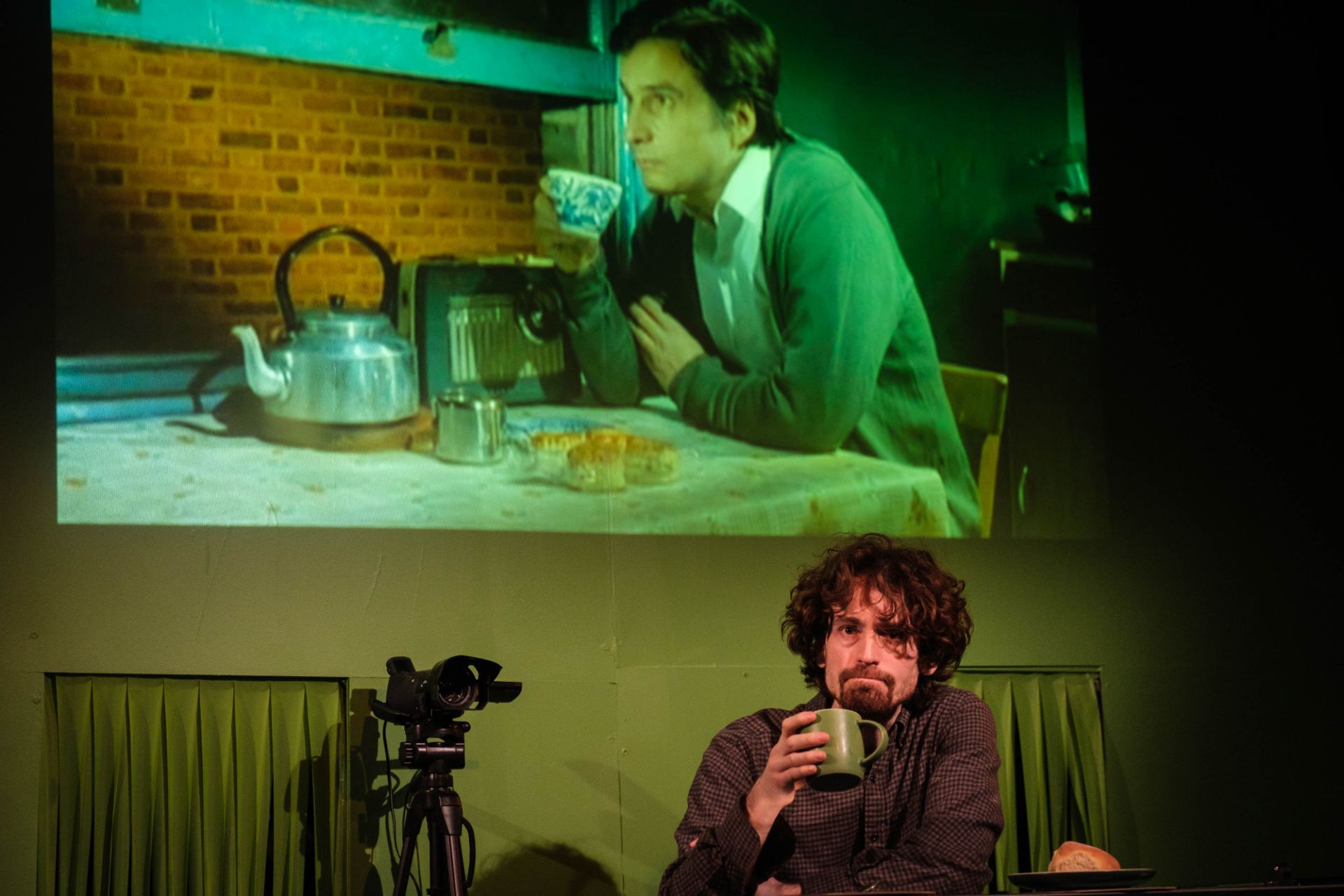
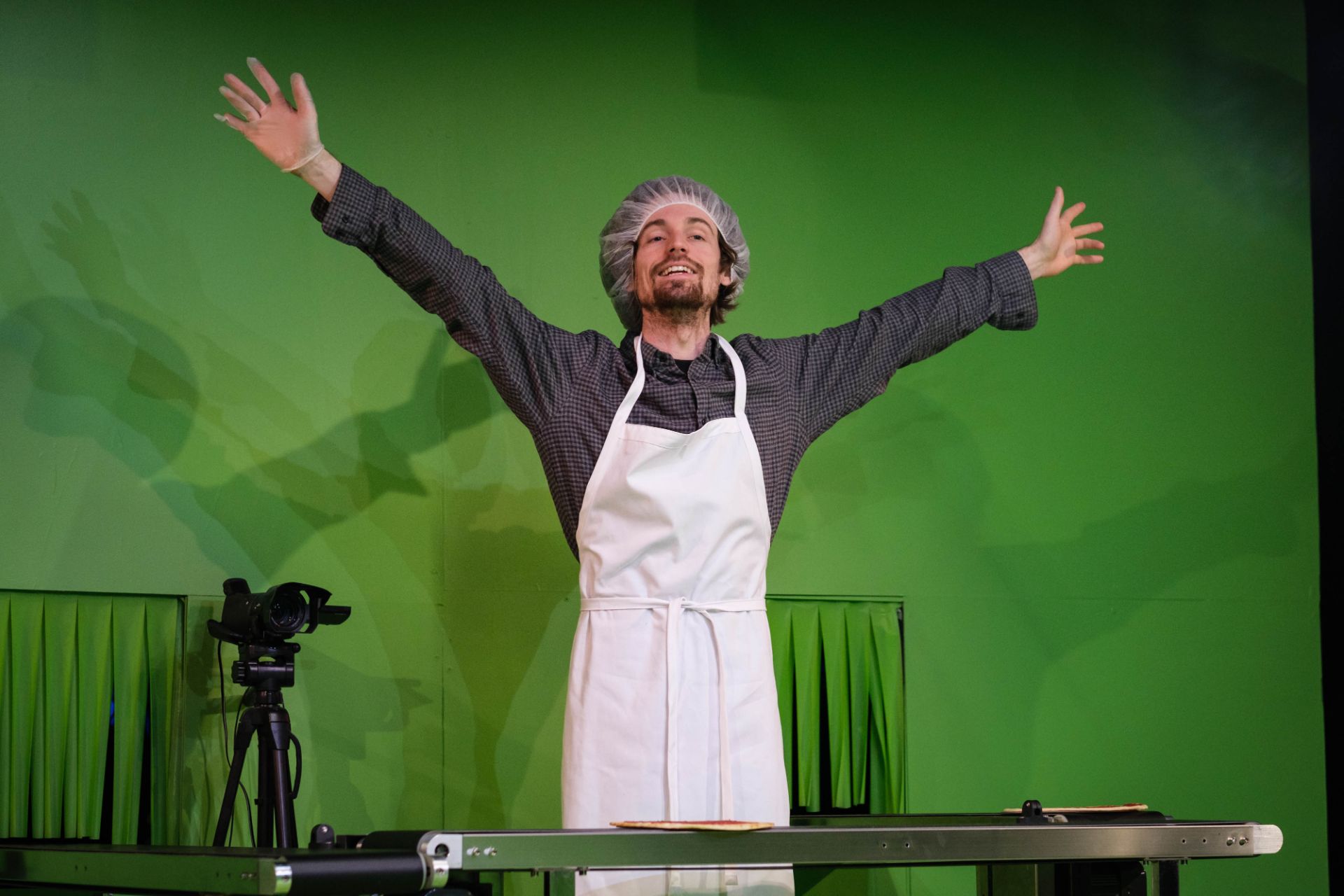
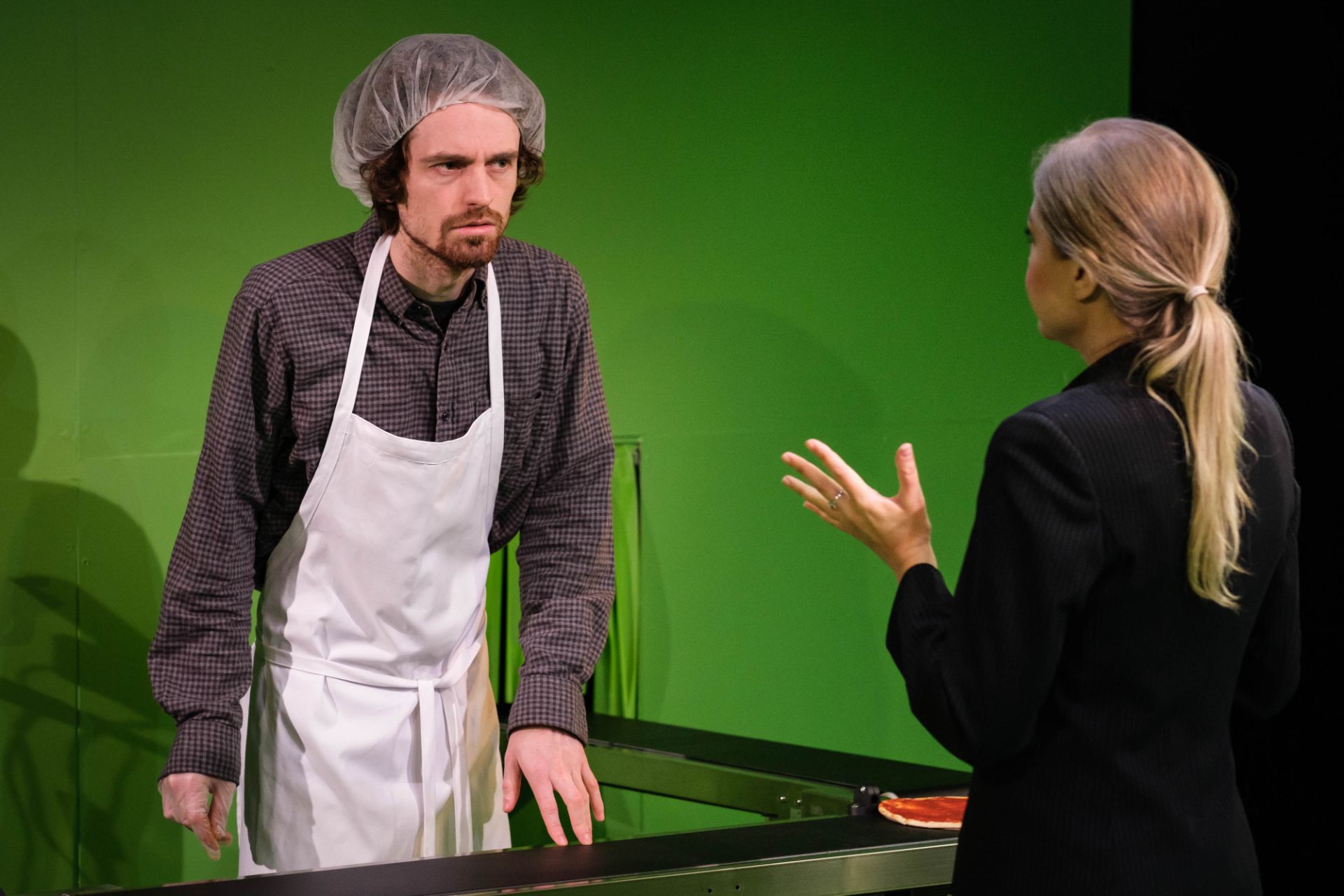
Jimmy is trying to hold down a job, whilst keeping his psychological disorder in check. The menial tasks at the pizza factory however, are not helping. Alan Harris’ For the Grace of You Go I sees its protagonist go through distortions of reality, that are initially innocuous, until watching a film by Aki Kaurismäki inspires Jimmy to hire a contract killer, to have himself murdered. Harris’ play is distinctly absurdist in style, with surrealist elements that seem appropriately congruent with depictions of mental illness.

The multiverse, as experienced by Jimmy, presents an opportunity for a show of playful flamboyance, but the production proves an overly subtle one, often leaving us more befuddled than amused, by the confusion of that contorted world. Directed by Lucy Clements, whose restrained approach shifts focus from the comedy, choosing instead to explore the more melancholic qualities of the narrative, resulting in a staging that feels unnecessarily staid.

Congruently, actor James Smithers is most persuasive, when playing Jimmy at his most vulnerable and introspective. Concluding scenes demonstrate Smithers’ flair for conveying a silent anguish, that helps humanise the character and his story. Jane Angharad is severe and dry, as the officious Irina, and Shan-Ree Tan as Mark brings much needed energy at each entrance, for a work that tends toward a misplaced circumspection.

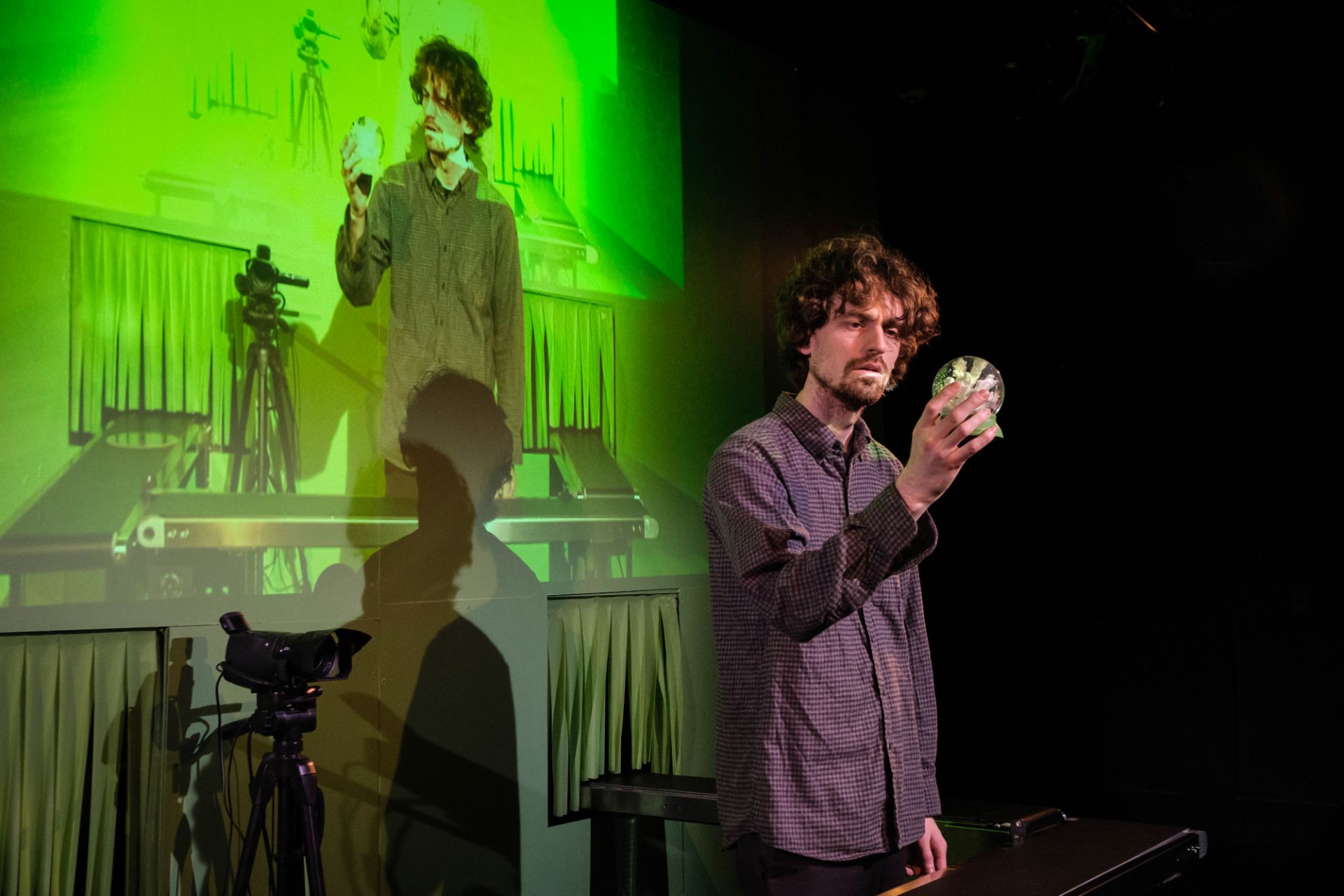
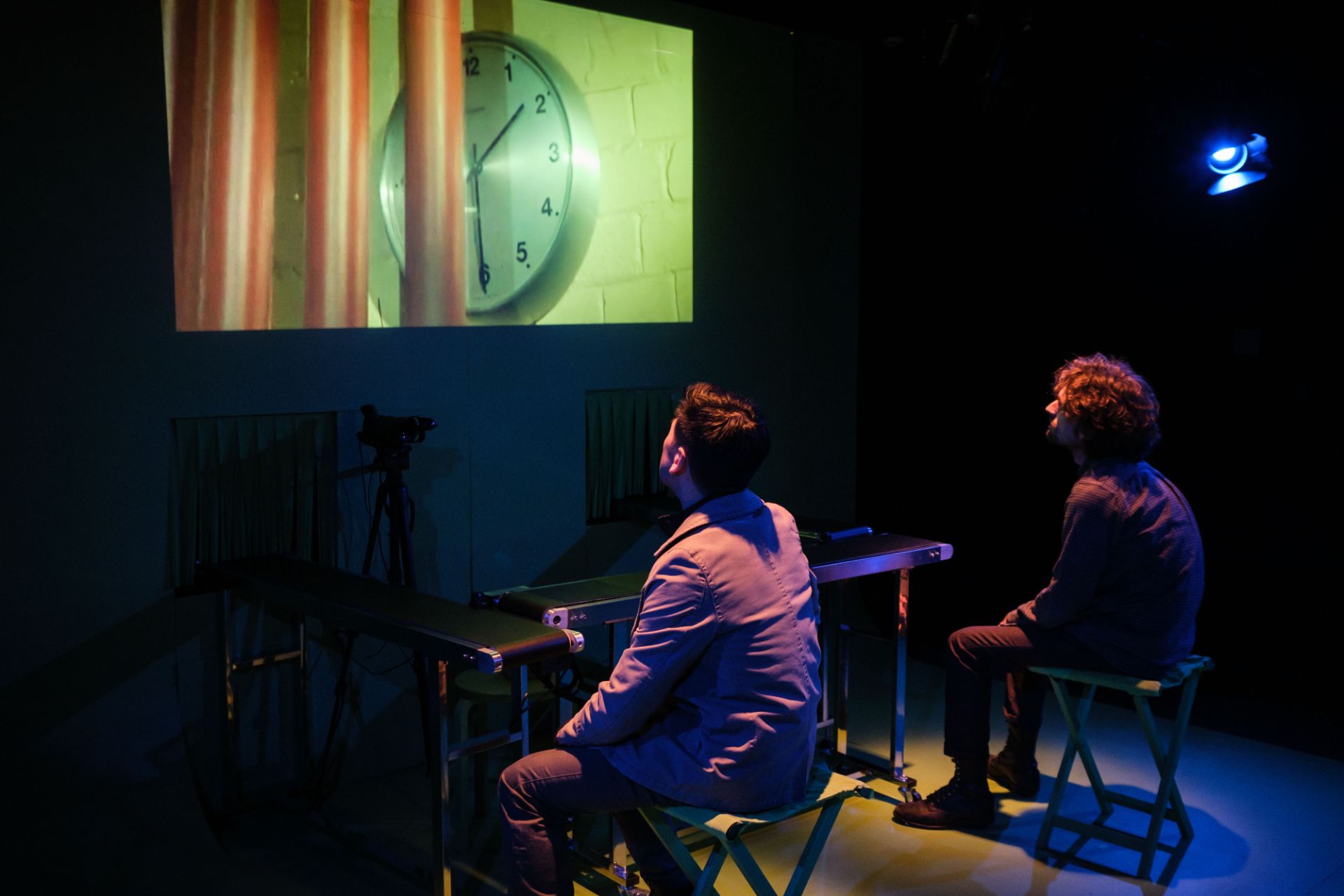
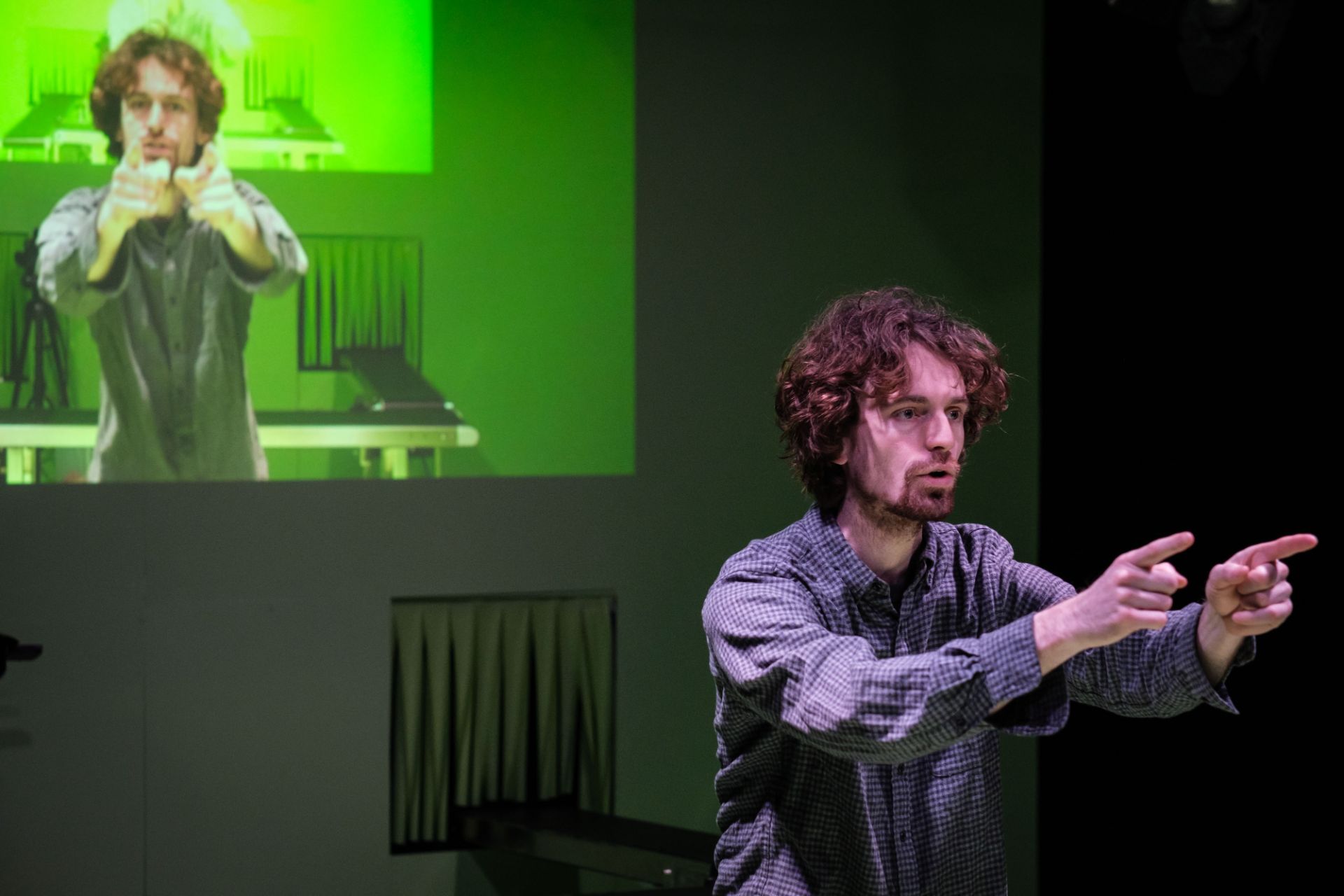
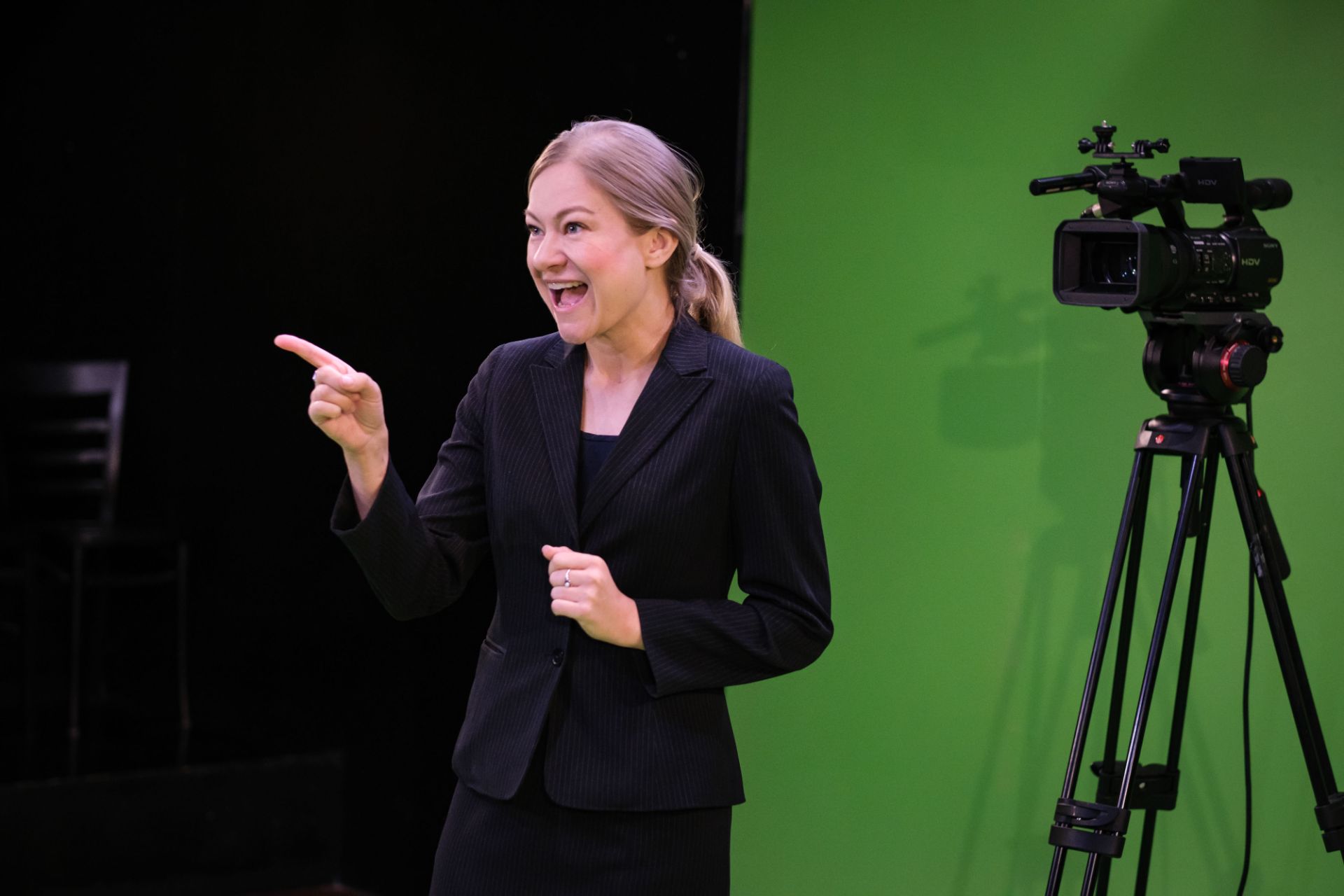
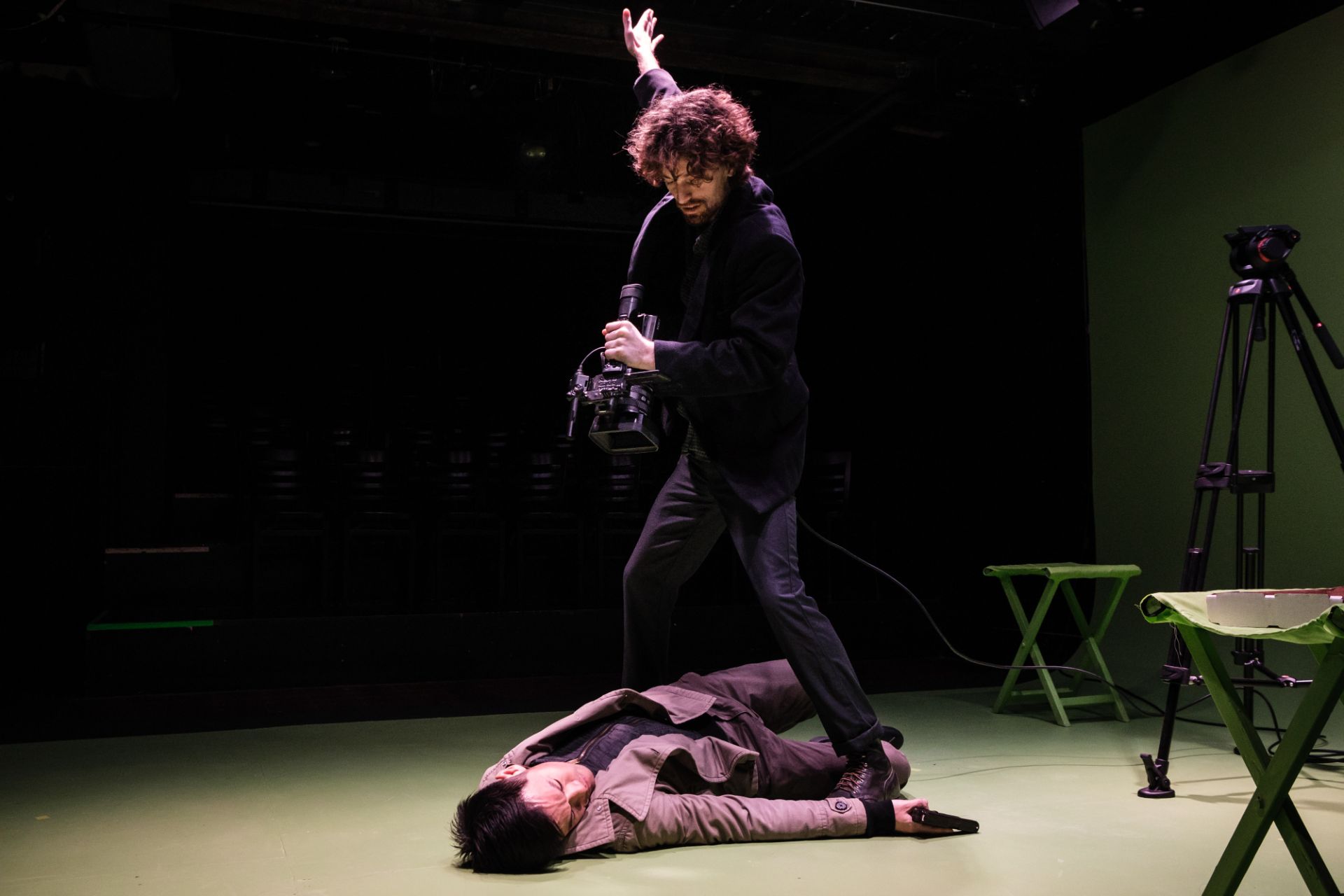
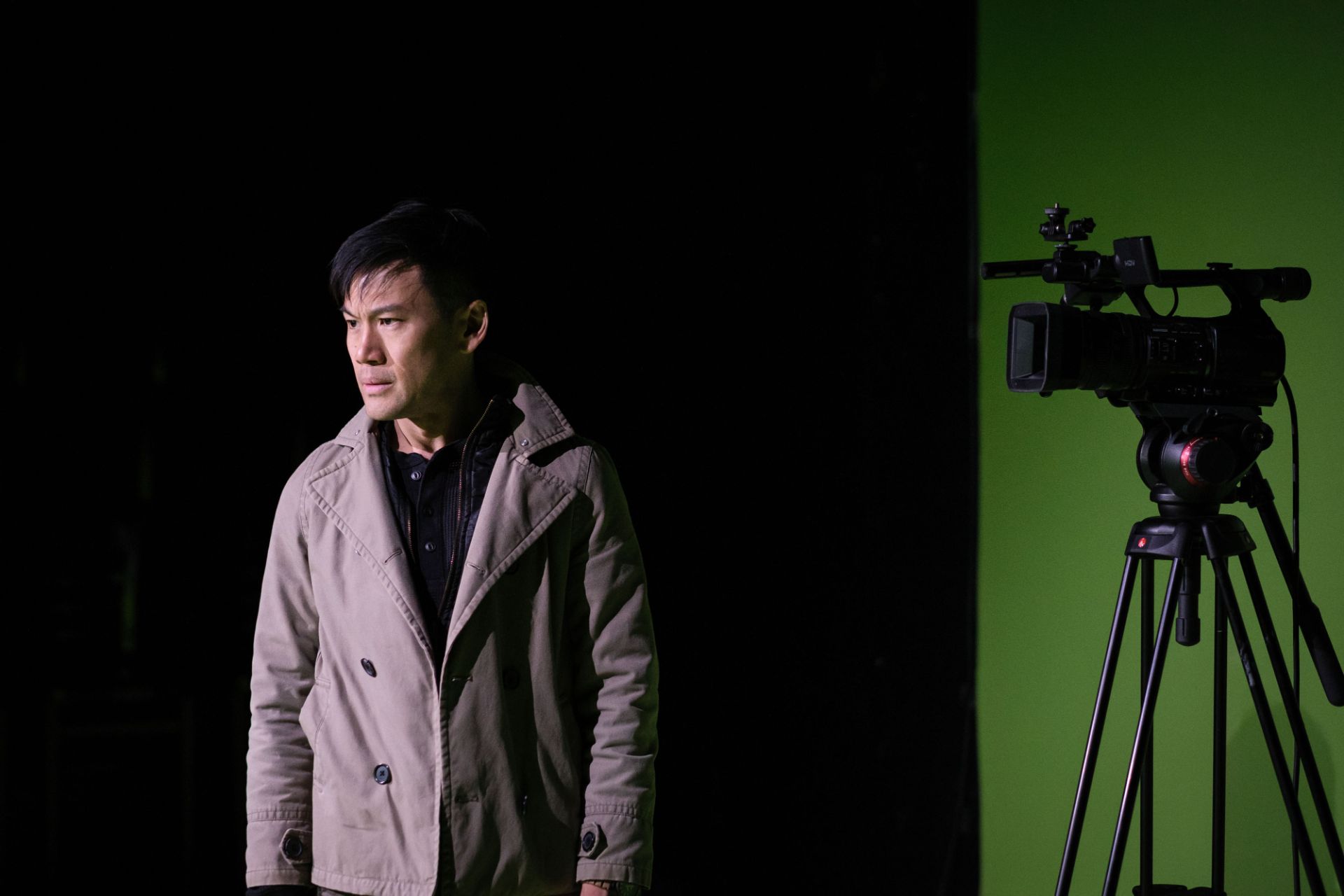
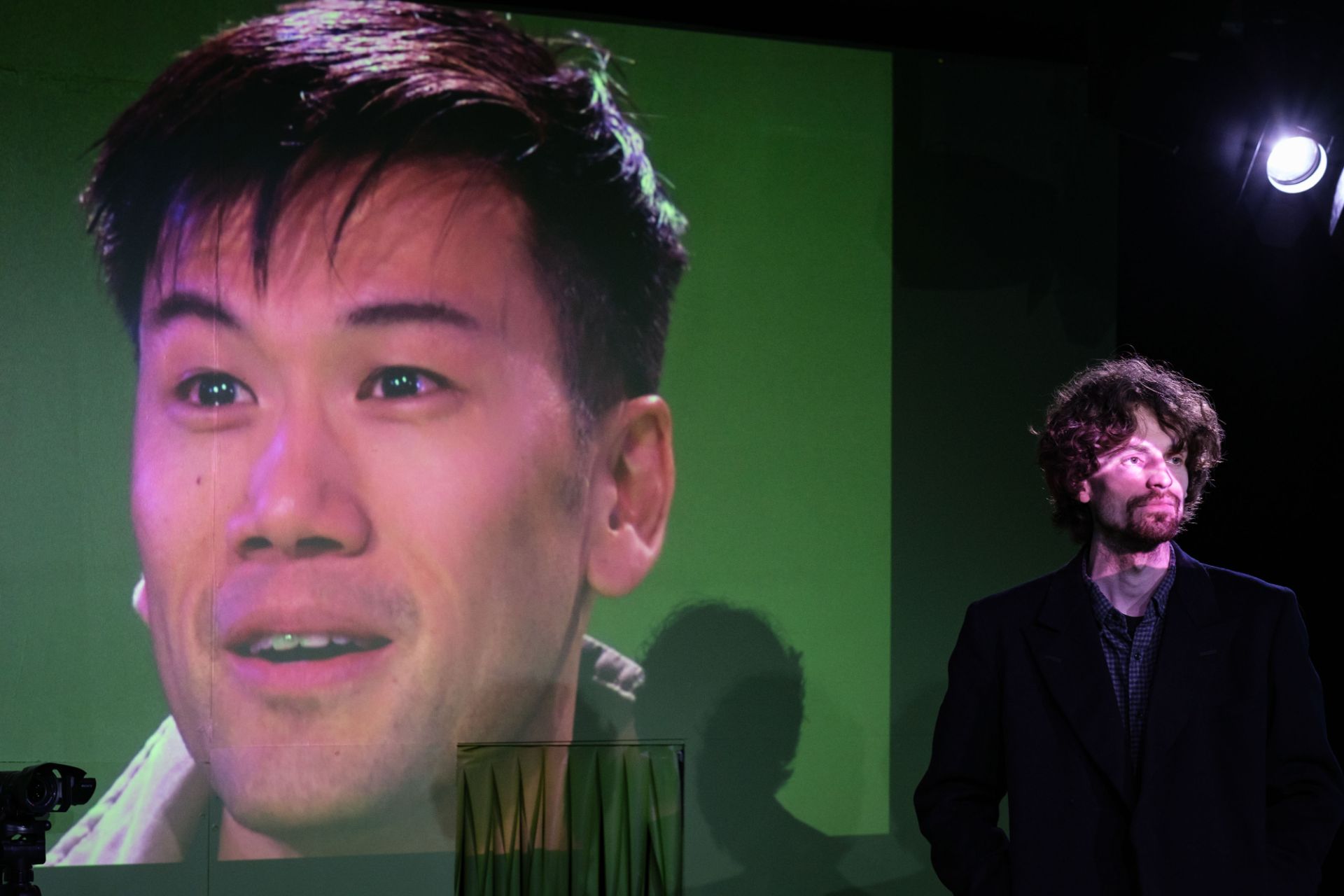
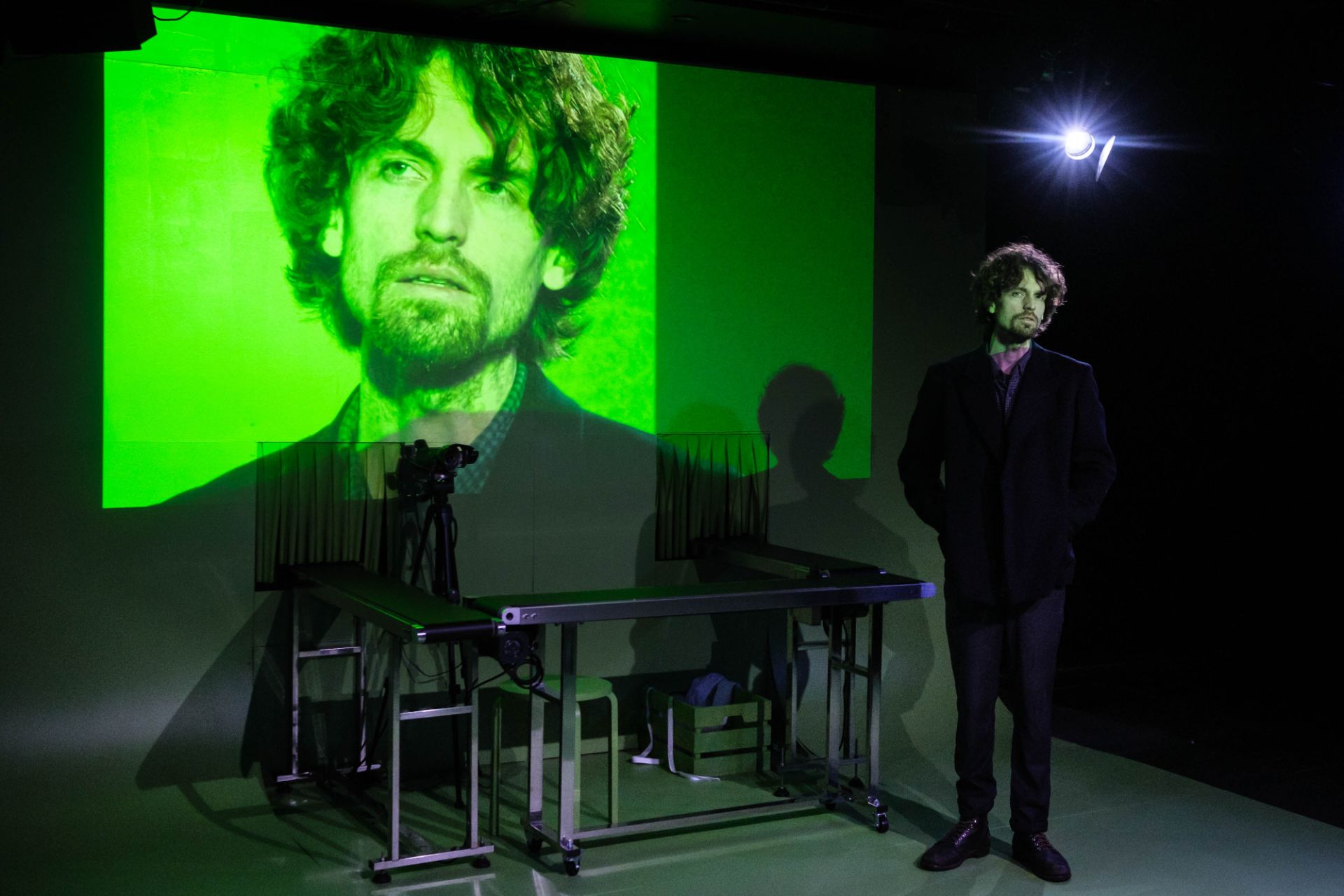
Set design by Monique Langford and Kate Ingram, feature entirely green surfaces that indicate the instability of Jimmy’s constantly morphing mind, by drawing parallels with the essential illusoriness of movie sets. Lights by Alice Stafford and music by Sam Cheng, are discreetly rendered to help facilitate the portrayal of a man in deterioration.

Illnesses are of course no joke, but art has the ability to make light of the dark, whilst retaining dignity for those involved. There is little to be gained, when polite society insists on sweeping the harder parts of life under the carpet. Through storytelling, we attain understanding and compassion. Thankfully not every lesson needs to be learned first-hand, but how we find expression and how we listen, are paramount.

www.newghoststheatre.com | www.secrethouse.com.au

Review: Albion (Seymour Centre)

Venue: Seymour Centre (Chippendale NSW), Jul 27 – Aug 20, 2022
Playwright: Mike Bartlett
Director: Lucy Clements
Cast: Jane Angharad, Joanna Briant, Claudette Clarke, Alec Ebert, Deborah Jones, Mark Langham, Rhiaan Marquez, Ash Matthew, Charles Mayer, James Smithers, Emma Wright
Images by Clare Hawley

Theatre review

After making a fortune from her retail business, Audrey decides to revive a stately home, located some distance away from her usual London residence. What initially looks to be a noble enterprise, soon reveals itself to be a project that is more problematic, than Audrey had ever imagined. Mike Bartlett’s Albion explores the meanings of conservative values in the twenty-first century. In a literal way, characters play out the repercussions of one rich woman’s desire to preserve a relic. Wishing to hold on to the past, can be thought of as part and parcel of being human, but in Albion it becomes evident that to resist change, is perhaps one of the most extravagant indulgences, that only the privileged can afford.

Bartlett’s writing is irrefutably magnetic, replete with confrontational ideas and delicious scorn. The staging on this occasion, as directed by Lucy Clements, gleams with emotional authenticity, although its humour feels needlessly subdued, and its politics ultimately shape up to be somewhat muted in effect. A reluctance to cast explicit and pointed judgement over Audrey, diminishes the dramatics that the story should be able to deliver.

Actor Joanna Briant is a very convincing leading lady, with a performance that looks and feels consistently genuine, but other elements of the production bear a certain uncompromising earnestness that detracts from her work. Briant makes excellent choices at creating a personality who only thinks of herself as sincere and well-meaning, but other forces can work harder to create a sense of opposition to Audrey’s behaviour.

Thankfully, Briant’s is not the only strong performance from the cast. Claudette Clarke’s spirited defiance as Cheryl the ageing house cleaner, is a joy to watch, with an edgy abrasiveness that thoroughly elevates the presentation. Also highly persuasive is Charles Mayer, who plays Audrey’s ride-or-die lover Paul with a lightness of touch, humorously portraying the complicity of bystanders who have every opportunity to intervene but who choose to ride passively with the tides.

Imagery from this staging too, has its moments of glory. The collaboration between production designer Monique Langford and lighting designer Kate Baldwin, is a fairly ambitious one, able to invoke a grand landscape on foreign lands, with only the power of suggestion. Music and sound by Sam Cheng provide a gravity befitting the stakes involved, reminding us of the wider impact of these personal narratives.

Romantic nostalgia, the kind that Audrey is so invested in, represents a longing that those, for whom the system works, is bound to have. Of course Audrey is able to look back with rose-tinted glasses, now that she has her millions. There are others who simply cannot look at those symbolic structures, without having to wish for improvements. We do not regard icons with the same reverence, or indeed irreverence, because they mean different things to different people. The way in which we live our lives, have hitherto relied upon power discrepancies and injustices. Of course Audrey and her ilk will want to retain old things, but unless they can afford to make up for all the sacrifices, that the lower classes are no longer willing to submit to, then they too will have to move on with the times.

www.seymourcentre.com

Review: Pomona (Kings Cross Theatre)

Venue: Kings Cross Theatre (Kings Cross NSW), Jan 24 – Feb 8, 2020
Playwright: Alistair McDowell
Director: Anthony Skuse
Cast: Jane Angharad, Kevin Batliwala, Amanda McGregor, Lauren Richardson, Monica Sayers, James Smithers, Dorje Swallow
Images by Clare Hawley

Theatre review
A concrete plot of barren land sitting in the middle of the city, can only raise suspicion. It is simply unbelievable that what appears to be prime real estate is left to languish, as though millions of dollars are left unclaimed, right in front of our eyes. In Alistair McDowell’s Pomona, we are taken underground. In the absence of visible buildings, our cynicism goes into overdrive, as we watch the worst of our capitalistic impulses emerge, through a series of horrific criminal scenarios. The play imagines the most nefarious commercial activities taking place in hidden bunkers, behind closed doors. If business dealings dare be depraved in broad daylight, what more the shady dealings that happen in secret.

Pomona‘s drama involves missing persons, snuff films and more. It is not an exploitative work by any means, but that very tendency of ours to exploit, is placed under scrutiny. Director Anthony Skuse prompts questions about nature and nurture, and the origins of corruption, as we observe characters carrying out unspeakable acts. People seem to be either good or bad, but there is no denying the conditions we all have to operate under, that are in most cases, beyond repair. Lighting design by Veronique Benett is suitably gloomy, for the irrevocably pessimistic world being explored. Music by Nate Edmondson, commanding and tenacious, keeps tensions unrelenting for this foreboding representation of our dangerous lives.

The production is an engaging one, with powerful concepts and a cleverly fractured plot, conspiring to hold our attention. Actors Amanda McGregor and James Smithers depict some very big and genuine emotions, both wonderfully mesmerising with the focus they bring to the stage. Also memorable is Lauren Richardson, who has the unenviable task of inhabiting and portraying the unceasing terror of a woman escaping violence. Moments of innocence by the charming Kevin Batilwala are a delightful reprieve, while Jane Angharad, Monica Sayers and Dorje Swallow play some seriously dubious types who make us confront our own sense of morality.

In a dog eat dog world, good guys finish last. In Pomona, we may want to get rid of the baddies, but there is nothing to stop their positions being usurped by more of the same. Evil runs so much of the world, because of the way things are structured. The way we revere money and power, has allowed bad things to happen again and again. We can no longer afford to imagine that simply placing good people in harmful institutions will fix our problems. We have to move emphasis away from undesirable individuals, to a better understanding of the systems that govern our lives, and begin destroying them, as a first step to improving things for all.

www.secrethouse.com.au

Review: Bird (Old Fitz Theatre)

Venue: Old Fitzroy Theatre (Woolloomooloo NSW), Oct 22 – Nov 2, 2019
Playwright: Katherine Chandler
Director: Jane Angharad
Cast: : Marvin Adler, Sarah Easterman, James Gordon, Bella Ridgway, Laura Wilson
Images by Clare Hawley

Theatre review
Ava is turning 16 and homeless. Her cruel mother rejects repeated efforts by Ava to mend bridges, letting the girl languish in crisis accommodation, and on the streets of her Welsh town. Katherine Chandler’s Bird is about survival, when a young person is abandoned. We look at the challenges that Ava has to negotiate having been left to her own devices, and the dangers she encounters as she does her best to stay alive.

It is a poignant story, featuring an honest portrayal of a loveless family not often seen in our storytelling. Its characters are realistic and thoroughly explored, so that we may sympathise with the depths of Ava’s despondency, and identify the hope that she never relinquishes. Directed by Jane Angharad, the production tends to be overly subtle in approach, but its emotional resonances are strong when necessary. The dynamics she renders between cast members is often moving, for an effective manifestation of the play’s generous measure of sentimentality.

Actor Laura Wilson’s authentic portrayal of innocence is crucial to how we regard Ava, along with a commendable focus and conviction that keeps us invested in the protagonist’s journey. The mother, Claire is played by Sarah Easterman, whose quiet brutality provides valuable fortification to how the plot unfolds. Mystery man Lee is given excellent depth by James Gordon, whose ambiguity creates exquisite dramatic tension for all his scenes. Marvin Adler and Bella Ridgway play Ava’s friends, both performers offering a balance of melancholy and purity, for depictions of youth that are vividly truthful.

To be unwanted by one’s parents is unimaginable for most, yet many continue to flourish in spite of this bitter deprivation. The odds against her are staggering, but Ava never gives up trying. With no choice but to be fearless, she is always able to muster the courage to march on, even if her days are aimless and sad. We have all experienced what it is like to be lost, but to brave the world when feeling unloved, is an immense tragedy, yet somehow, we are capable of it.

www.secrethouse.com.au | www.redlineproductions.com.au

5 Questions with Elouise Eftos and Deborah Faye Lee

Elouise Eftos

Deborah Faye Lee: Joseph K is arrested for an unspecified crime. If you were Joseph K, what would that crime be?
Elouise Eftos: Oh god there’s so many things I could be arrested for… playing music too loudly, being too loud in general, being too extra (not sure why that’s a crime though to be honest, if anything that should be rewarded). Probably my worst offence is laughing at my own jokes though… that’s pretty bad.

You’re a stand up comedian, in addition to being an actor. How has your knack for comedy helped when working on this show?
Honestly being a comedian actually makes you super critical of what is and isn’t funny and for me personally it’s made me look at every little bit of a joke or gag so intricately (maybe sometimes too much) that it’s been really helpful with a lot of elements within my performance. From the timing, the set ups, just even the inflection in my voice, and how that can change everything in a scene. I think being a stand up comedian in the acting world really helps you when you’ve got an audience watching, I’m excited and a little nervous to see what jokes or moments do land (and especially what doesn’t land at all). Doing stand up makes you realise that your favourite jokes might not work every night or a moment you didn’t think was funny at all might get an unexpected laugh. I think that makes you extremely resilient and quick on your feet, which is so important in the realm of acting. Live theatre is so exhilarating because anything can happen and I think stand up comedy is the same in that sense, if something goes wrong the best actors and comedians can make it seem like it was all planned and part of the show, which isn’t easy to do but definitely easier with time.

What’s your current obsession… please don’t say it’s dolls?!
Oh god, no doll obsession here I promise. I don’t know if this is that current because I’ve had this obsession for quite a while, but I am obsessed with Disco: the music, the dancing, the fashion. I can’t getenough! I would pay a lot of money to go back in time and attend Studio 54. Also if anyone is having a disco themed party anytime soon I’ve got a gold glomesh dress ready to wear so please invite me… please.

Who are some of the actor/comedians you look up to?
I have so many favourite actors & comedians that I could take up more than half of Suzy’s blog, so I’ll try and keep it short. One actor that is finally on my radar is Phoebe Waller-Bridge. I was very late to the party and just finished watching Fleabag and it is so fantastic. Would love to work with her one day or be her one day, she literally does it all, creating, writing and starring in her own projects and is so unapologetically funny. Also Natasha Leggero, Chelsea Peretti & Amy Schumer are three very unapologetic women who actually changed my view of stand up comedy completely and I think they all inspired me to write/finally get up and do my first 5 minute set.

What makes this production of Joseph K worth watching?
Apart from the fact that the script is so well written and such a great modern adaption of Franz Kafka’s The Trial, our cast is also such a talented and hilarious bunch of people that it would be a shame for anyone to miss us all play a myriad of wild and colourful characters (with multiple different UK accents). It’s a very funny show but with very dark moments that reflect our current issues (state control being my favourite), so you’ll laugh, cry and maybe get extremely freaked out, but I promise it’s worth it!

Deborah Faye Lee

Elouise Eftos: You play a very strong female role in the play, what similarities did you find you had with your character Wendy?
Deborah Faye Lee: Part of Wendy’s strength is that she is unafraid to stand up and speak out, not just for herself but for others in her community. We do share certain similarities in that sense. She is also unrelenting in her pursuit of what she wants, even if the odds are against her.

If you could play any of the other playful characters in the cast, who would you choose and why?
It’s a tough one but I think it’ll come down to Joseph K, Ian Huld or Rose. Joseph K, because it’ll be such an adventure having to juggle all the other characters for the entire show whilst going through the ups and downs in his journey, which are a lot… that would be such a challenge! Ian Huld and Rose have such iconic lines which always puts a smile on my face. That would be so much fun.

Do you have any pre show rituals I should know about before opening night?
I like to have clear headspace before I go on. So after getting my makeup done, I usually pack my dressing table and make sure it’s neat and clear. I tend to not listen to any music and also try not to look at my phone from about the half hour call.

Your character gets to travel to NYC for business, where would you like to be flown over to for work?
That’ll be such a luxury! It’s a hard one between Portugal and Spain. But I’d love to be flown to Barcelona in spring. You would get lots of daylight so that gives you more time to explore the rich culture, architecture and savour that glorious food. It’s every foodie’s dream!

Now I assume you’ve never been arrested but if you were, what would your crime be?
Ha! A group of schoolmates and I were previously rounded up by the police for trespassing. We snuck into a compound and were playing one of those haunted houses type of thing. People were concerned after hearing lots of screaming coming from where we were. There was a bit of chase from the police too, so that was quite an experience! But to answer your question, I’m known to have a weird fascination with potatoes so my crime would probably be something related to that. FYI apparently it’s an offence to be in possession of more than 50kg of potatoes in WA!

Elouise Eftos and Deborah Faye Lee can be seen in Joseph K, by Tom Basden.
Dates: 1 – 18 May, 2019
Venue: Limelight on Oxford
Review: Crime And Punishment (Secret House)

Venue: Limelight on Oxford (Darlinghurst NSW), Dec 12 – 22, 2018
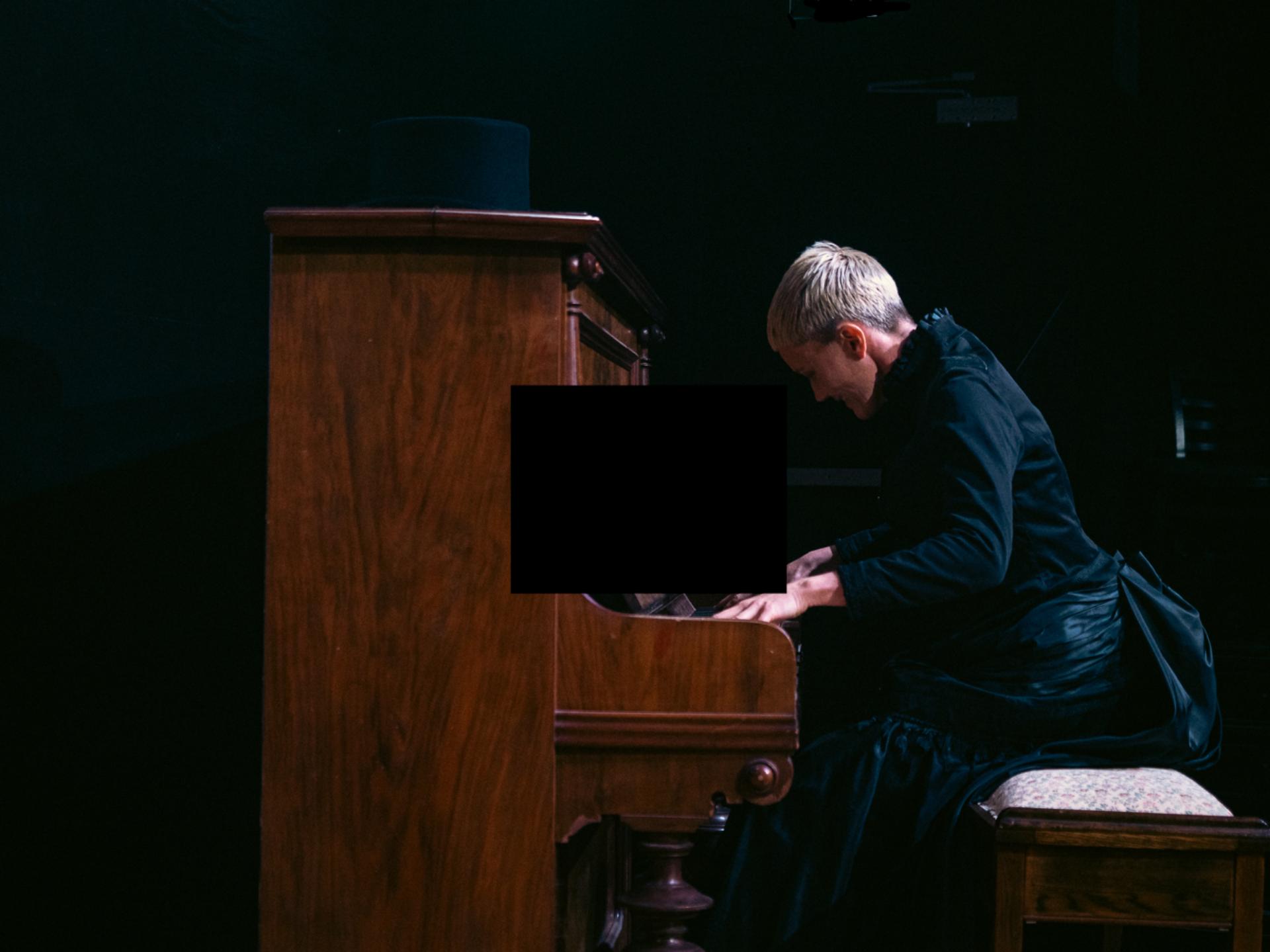
Playwright: Chris Hannan (from the novel by Fyodor Dostoyevsky)
Director: Anthony Skuse
Cast: Jane Angharad, Hannah Barlow, Tim Kemp, Philippe Klaus, Beth McMullen, Madeleine Miller, James Smithers, Shan-Ree Tan, Charles Upton, Natasha Vickery
Images by Clare Hawley

Theatre review
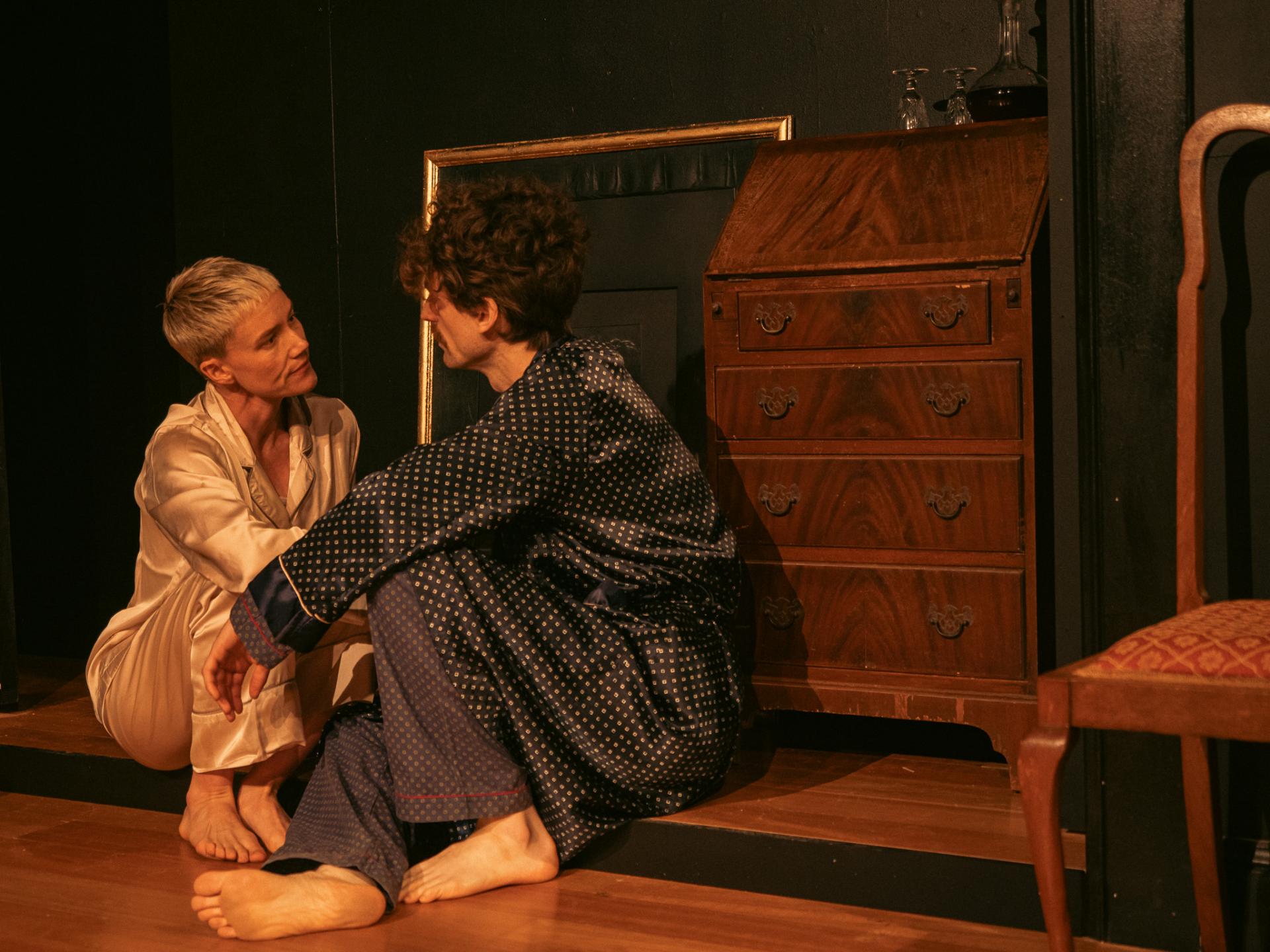
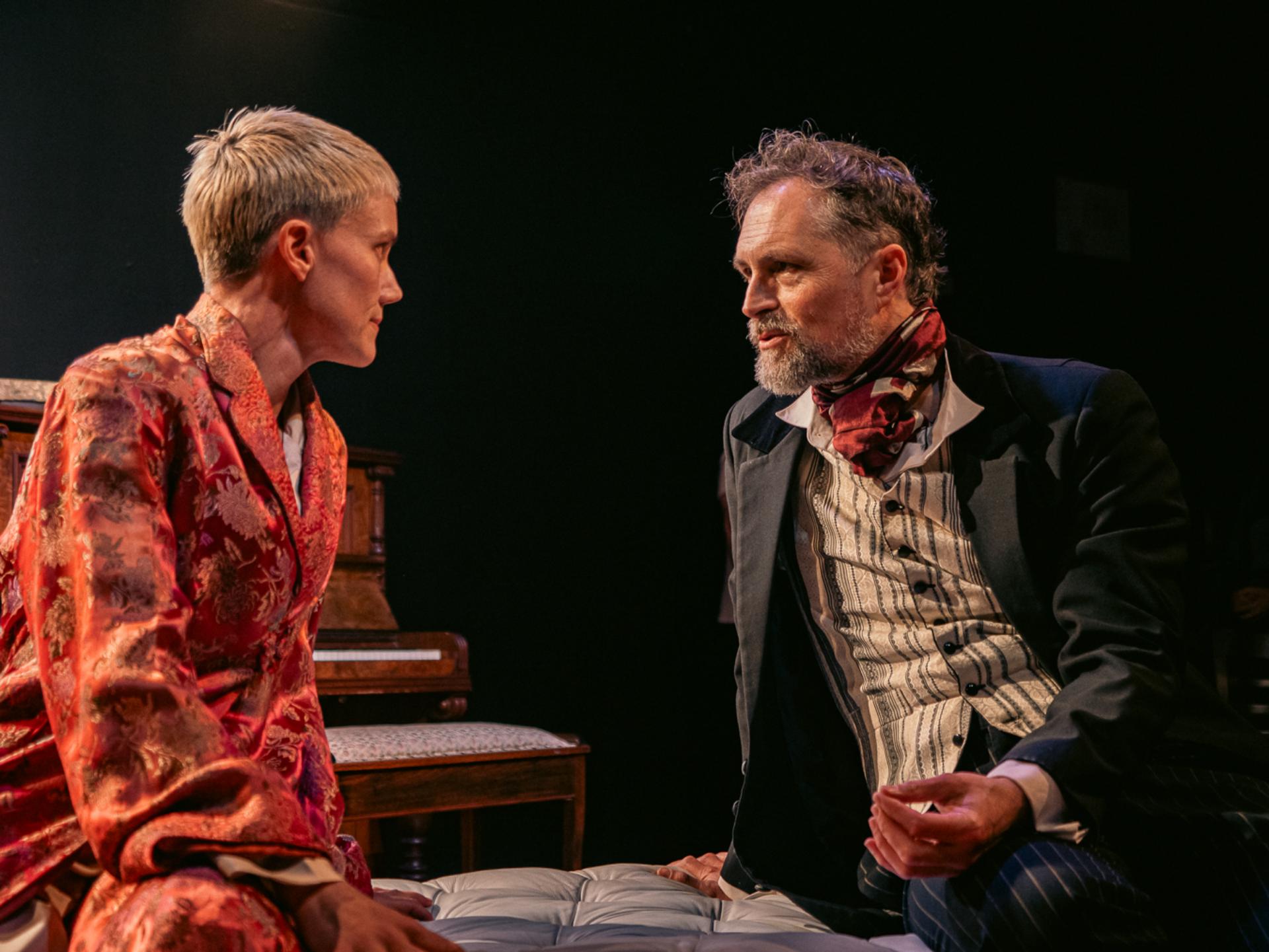
When deciding to proceed with his plan for murder and robbery, Raskolvikov thinks of his actions as merely an extension of attempts to participate, in an economy he considers to be entirely utilitarian. If one is to survive the world at all costs, and if cost is always a matter of subjectivity, then the concept of morality holds no currency, in a system determined to reward the self-interested. Chris Hannan explores the implications of what might be termed human conscience in his adaptation of Dostoyevsky’s Crime And Punishment. The protagonist wrestles with internal conflicts, emotional and intellectual, trying to escape punishment, from society and from himself.
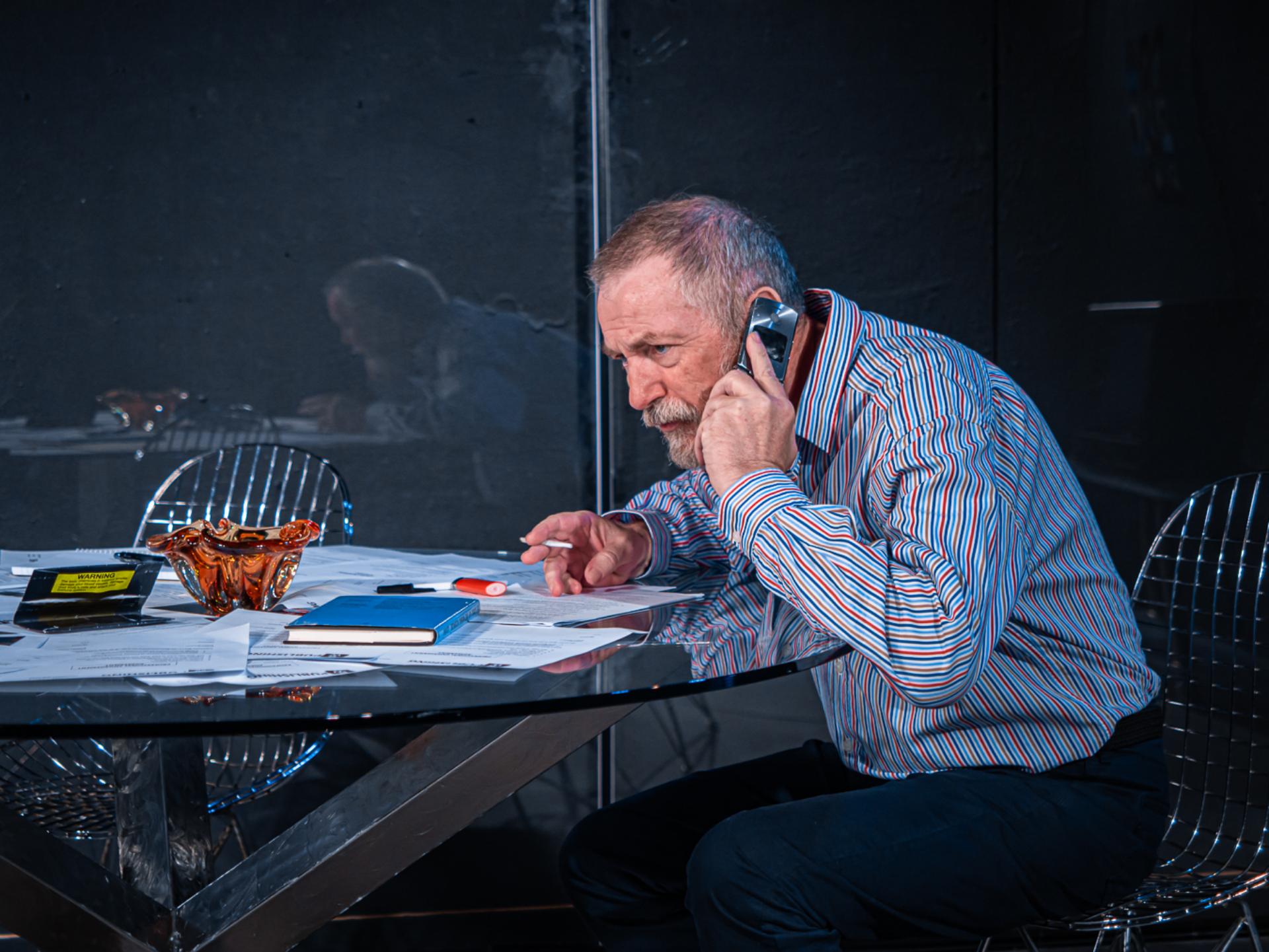
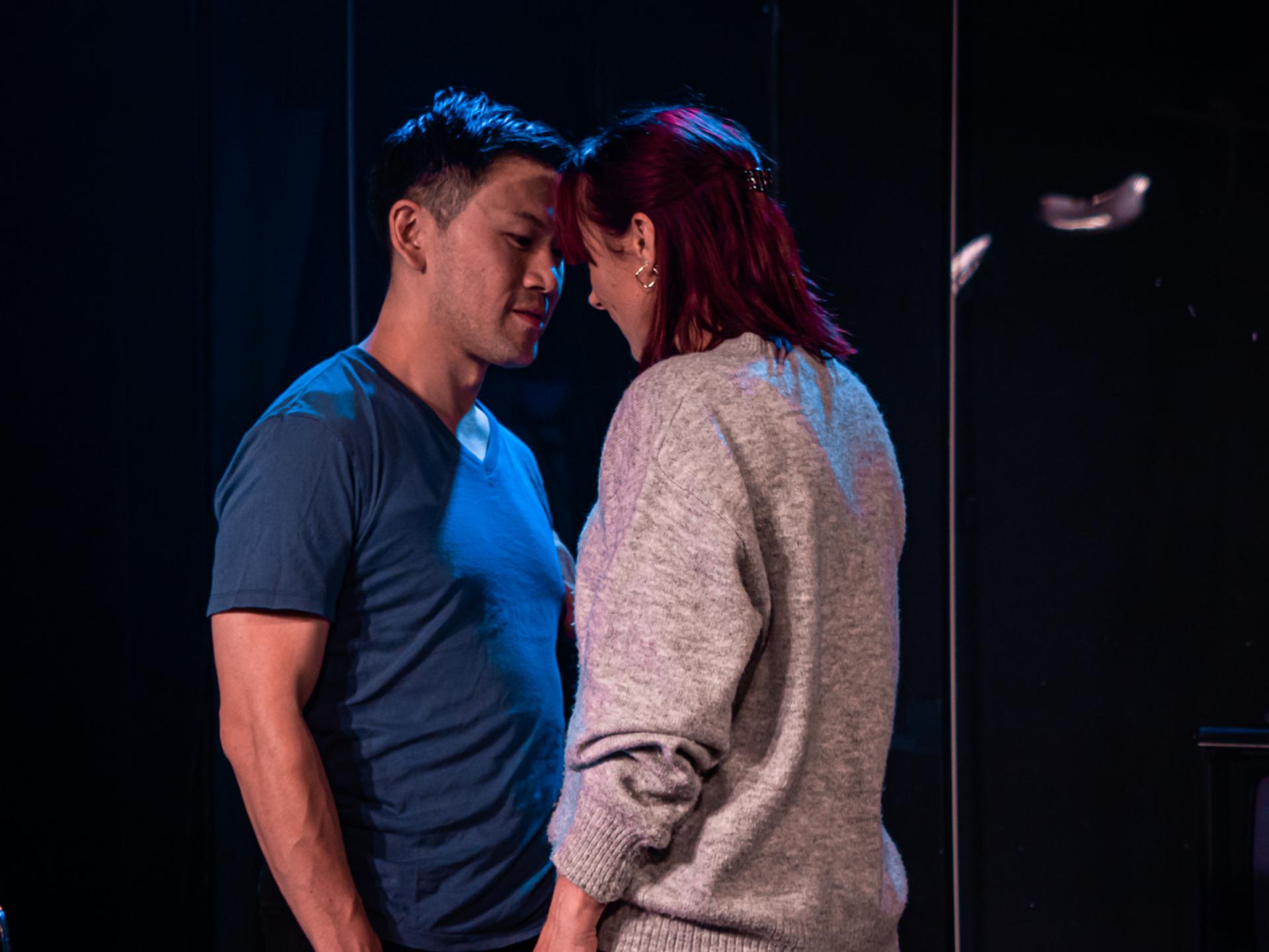
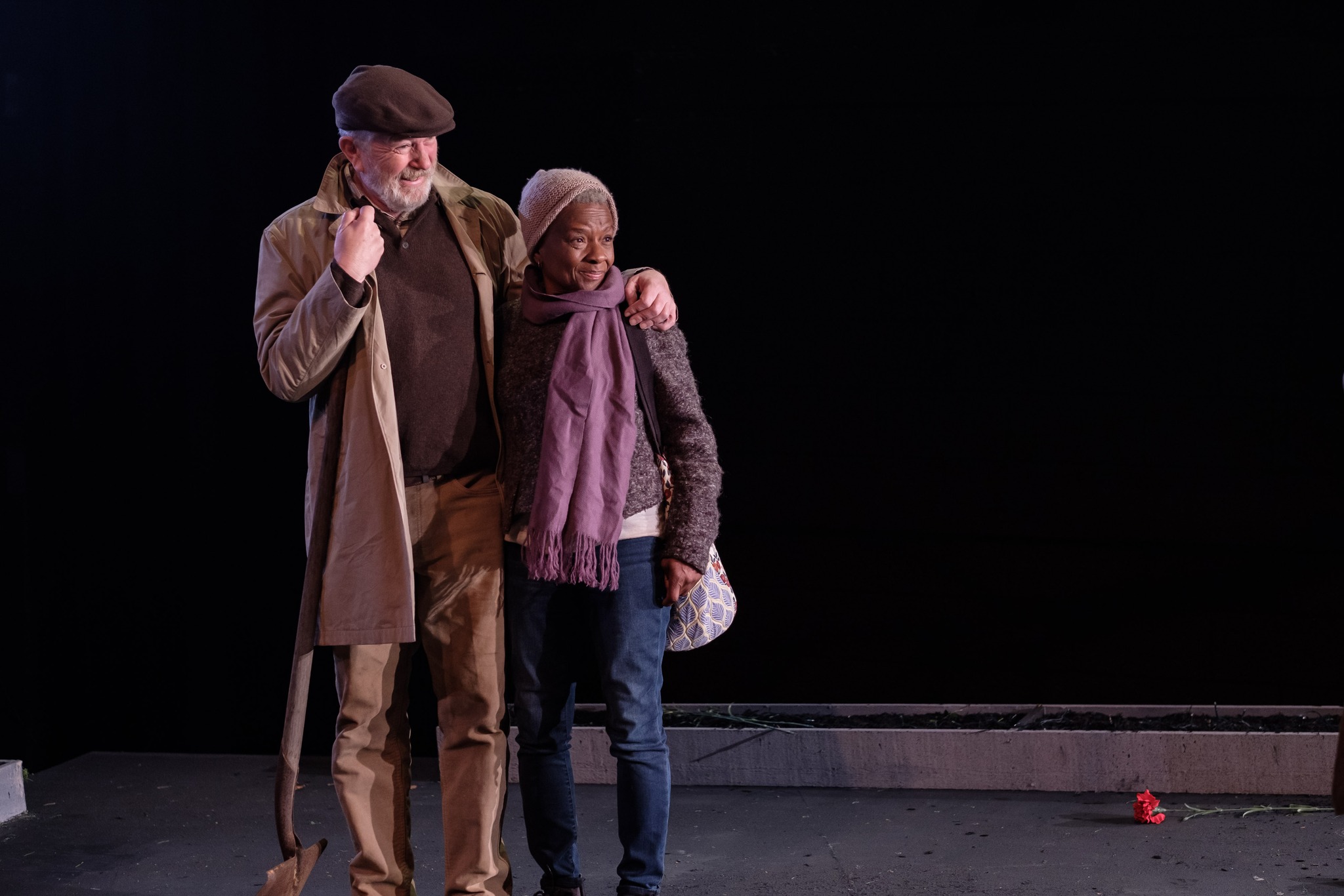
The bleakness of Raskolvikov’s destitute existence is depicted persuasively under Anthony Skuse’s direction, whose own production design accomplishes an elegant evocation of Russia at a time we associate with the end of the Industrial Revolution, and the rise of urbanisation as we know it. Skuse’s sound design too, is an affecting element, if slightly repetitive in its rendering. Lights by Martin Kinnane bring visual interest, helpful in creating a sense of dynamism for the production. Actor James Smithers is convincing in the leading role, able to prevent us from feeling alienated, so that we stay engaged with the murderer’s narrative. Chemistry between performers can be improved for a more focused sense of storytelling, but individual characters are portrayed with good conviction.

The work posits the loss of religion as a possible equivalence to the loss of morality, thereby giving religion a great deal of credit where it may not be due. In the decades that have past since Dostoyevsky’s 1866 publication of Crime And Punishment, atheism has become a movement undeniable in its ubiquity, and secular societies have demonstrated that our capacity for upholding that which is truly righteous, has surpassed dogmatic and draconian structures that had come before.

There is no doubt that many lives have been improved by religion, but it is important that we recognise the evils that it routinely inspires and sanctions. At the end of 2018, Australian politics is abuzz with the prospect of introducing additional protections for religious practices, thereby safeguarding bigoted portions of those beliefs, and in effect, placing human rights beneath archaic doctrines. Raskolvikov killed people, not because of a loss of faith; the fact remains that the murders had taken place, in spite of all the religion being imposed upon him.

www.secrethouse.com.au