Venue: Carriageworks (Eveleigh NSW), Jul 10 – 27, 2024
Playwright: Ellen van Neerven
Director: Andrea James
Cast: Sandy Greenwood, Dani Sib
Images by Brett Boardman
Theatre review
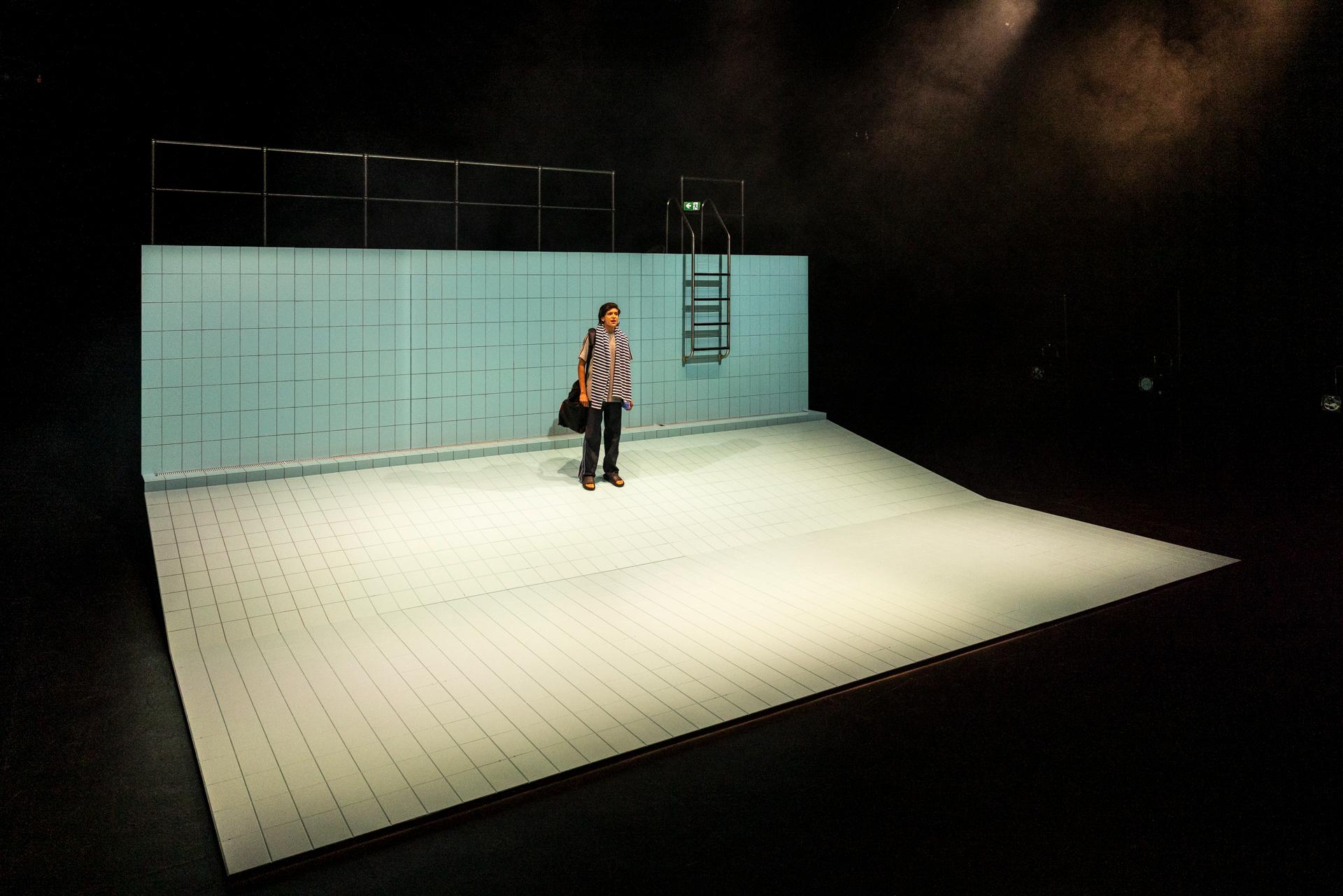
At the play’s commencement, a character named E enters a public pool changing room tentatively. Without much explanation, we understand that their ambiguous gender expression is a factor in that apprehension. Soon, it is revealed that their Indigeneity is another reason for E’s unease, when negotiating institutions of colonisation. Ellen van Neerven’s Swim describes how a person’s favourite place can turn into a locus for which their most painful memories can coalesce, and how a great love can become the thing that hurts you the most.
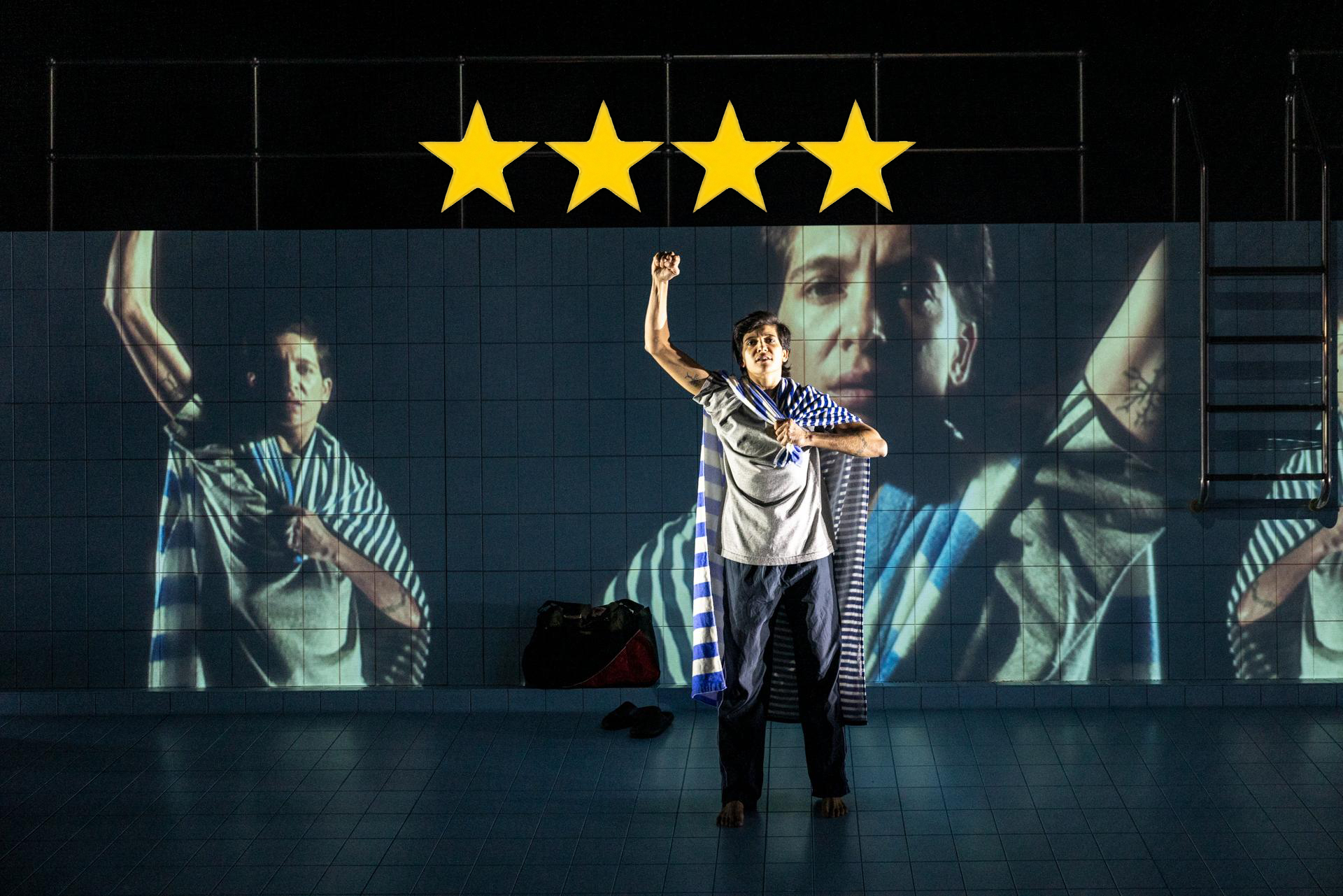
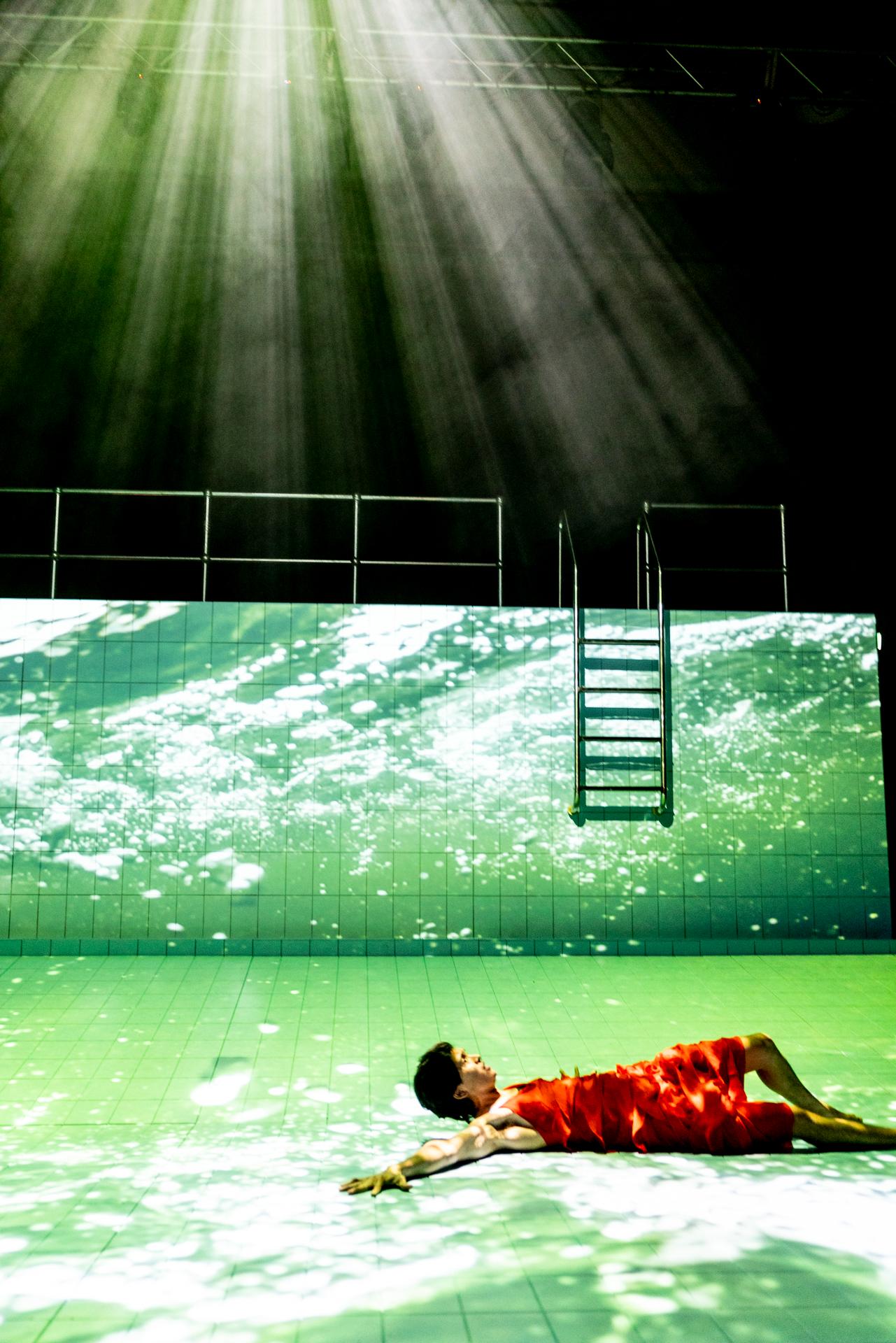
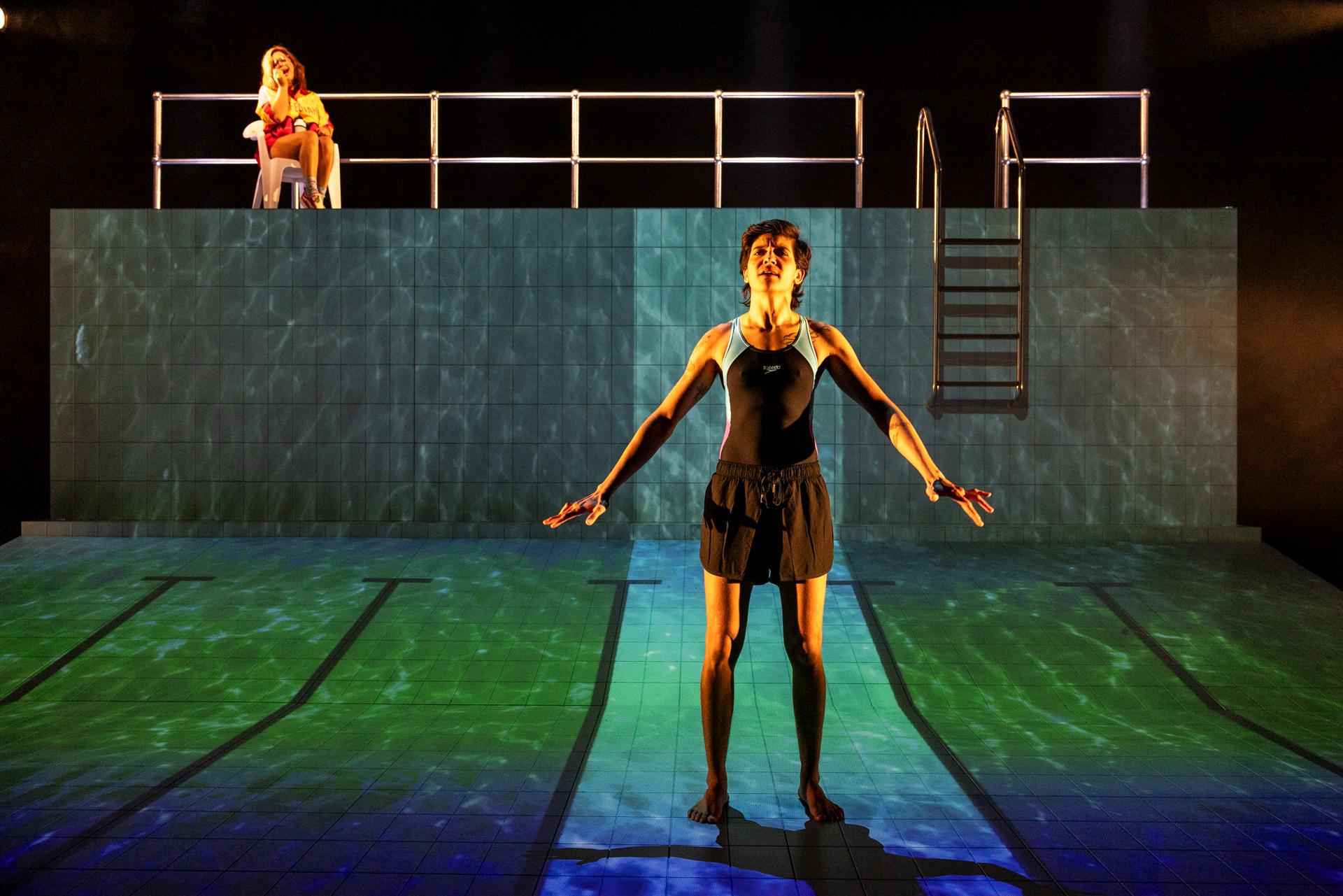
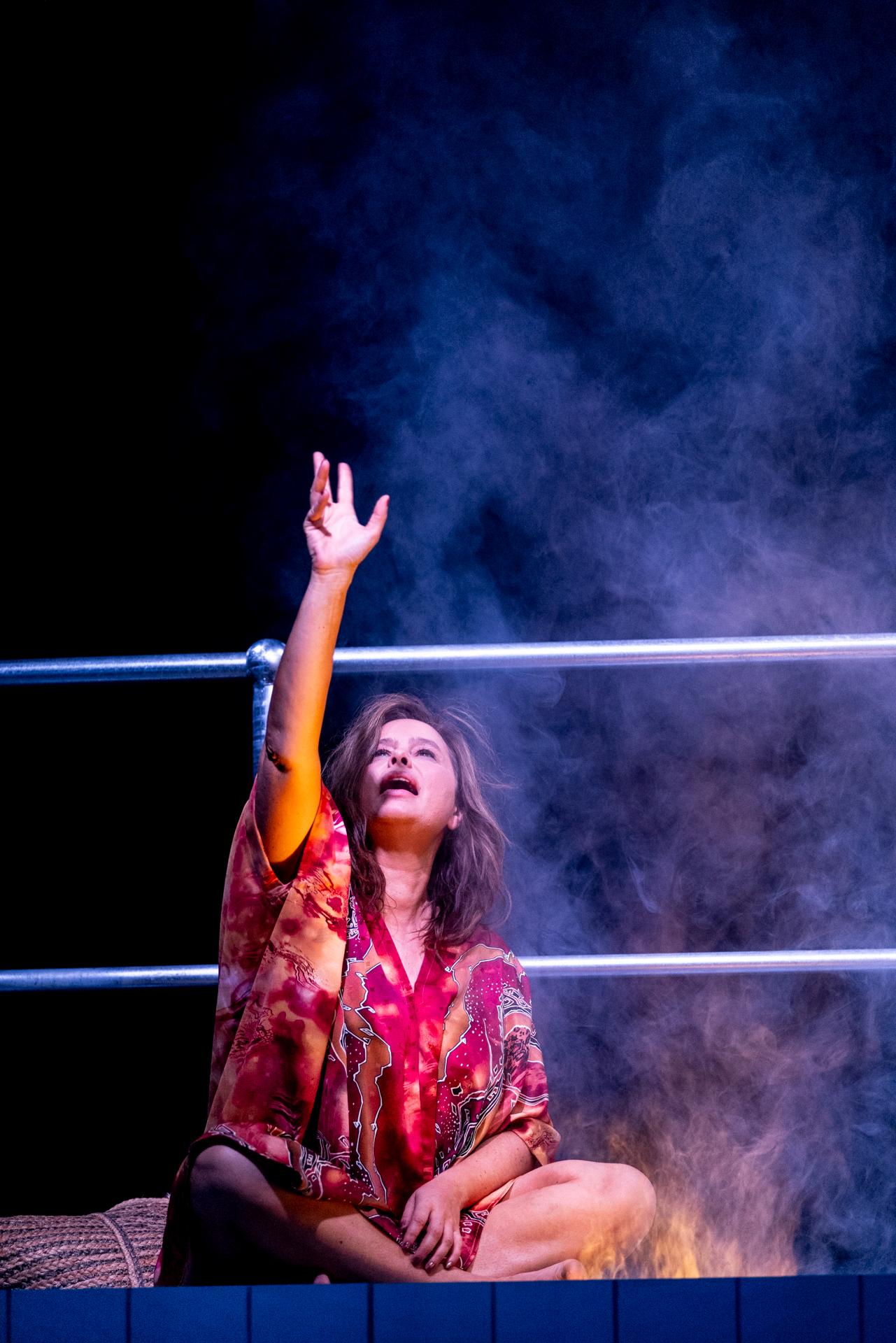
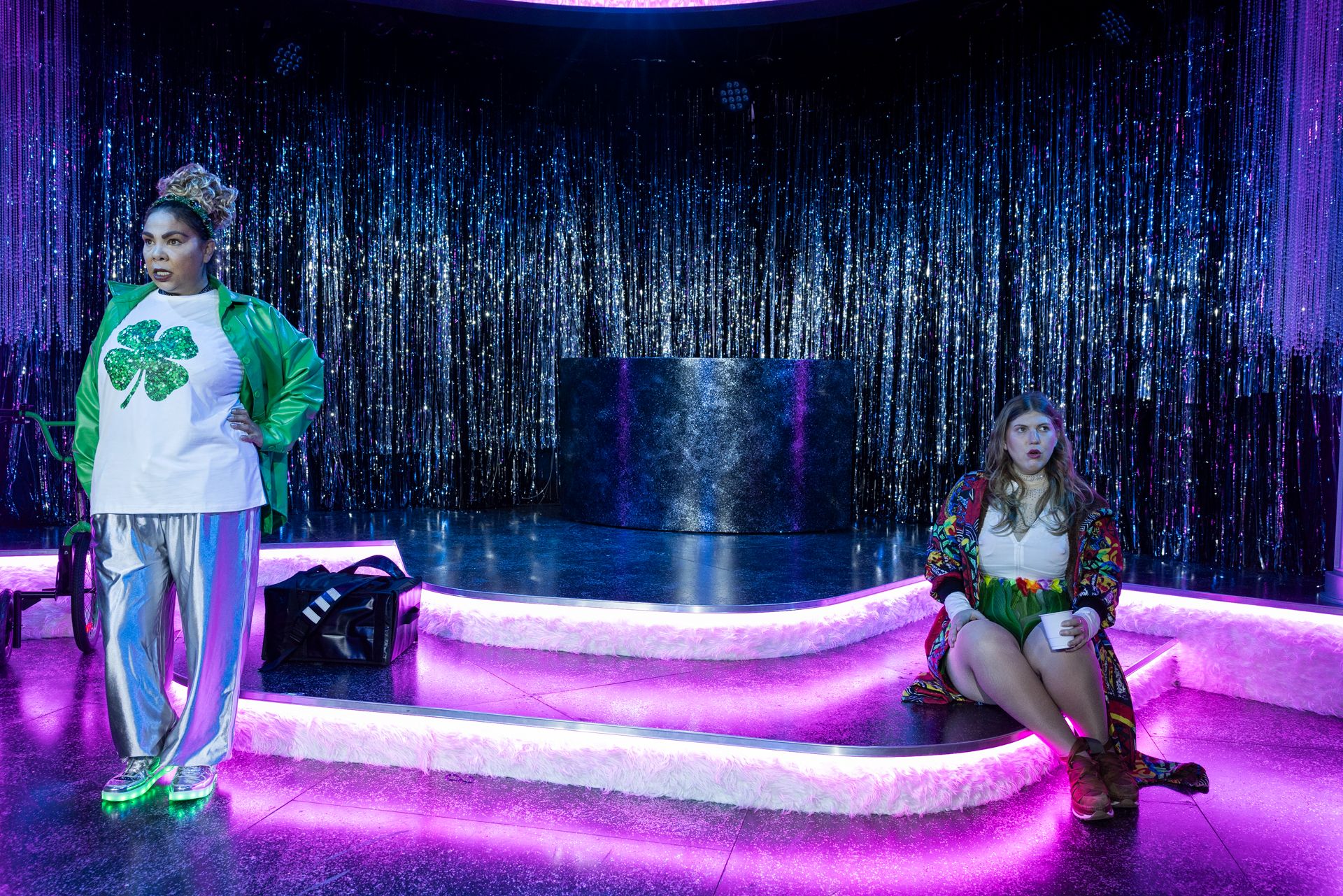
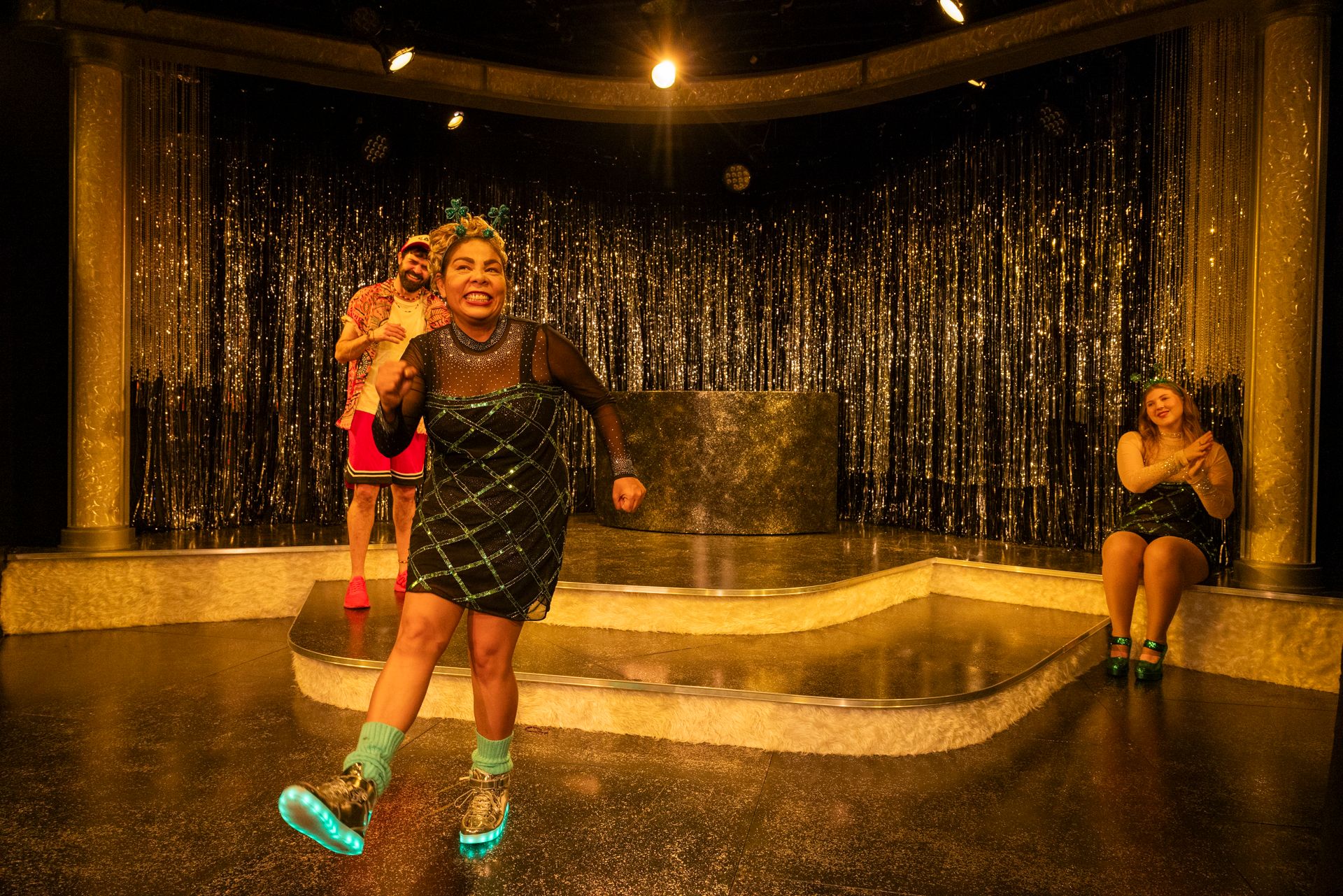
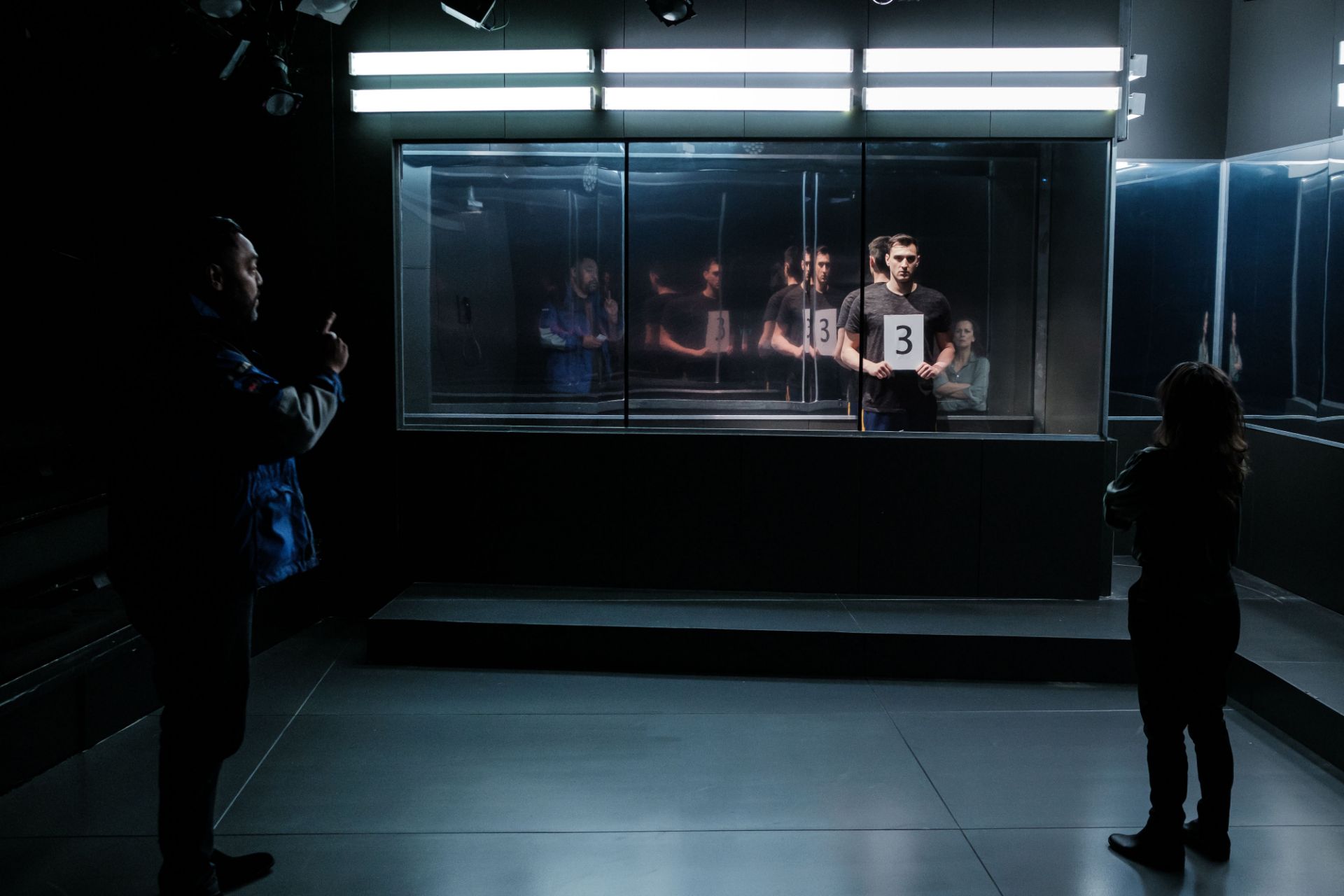
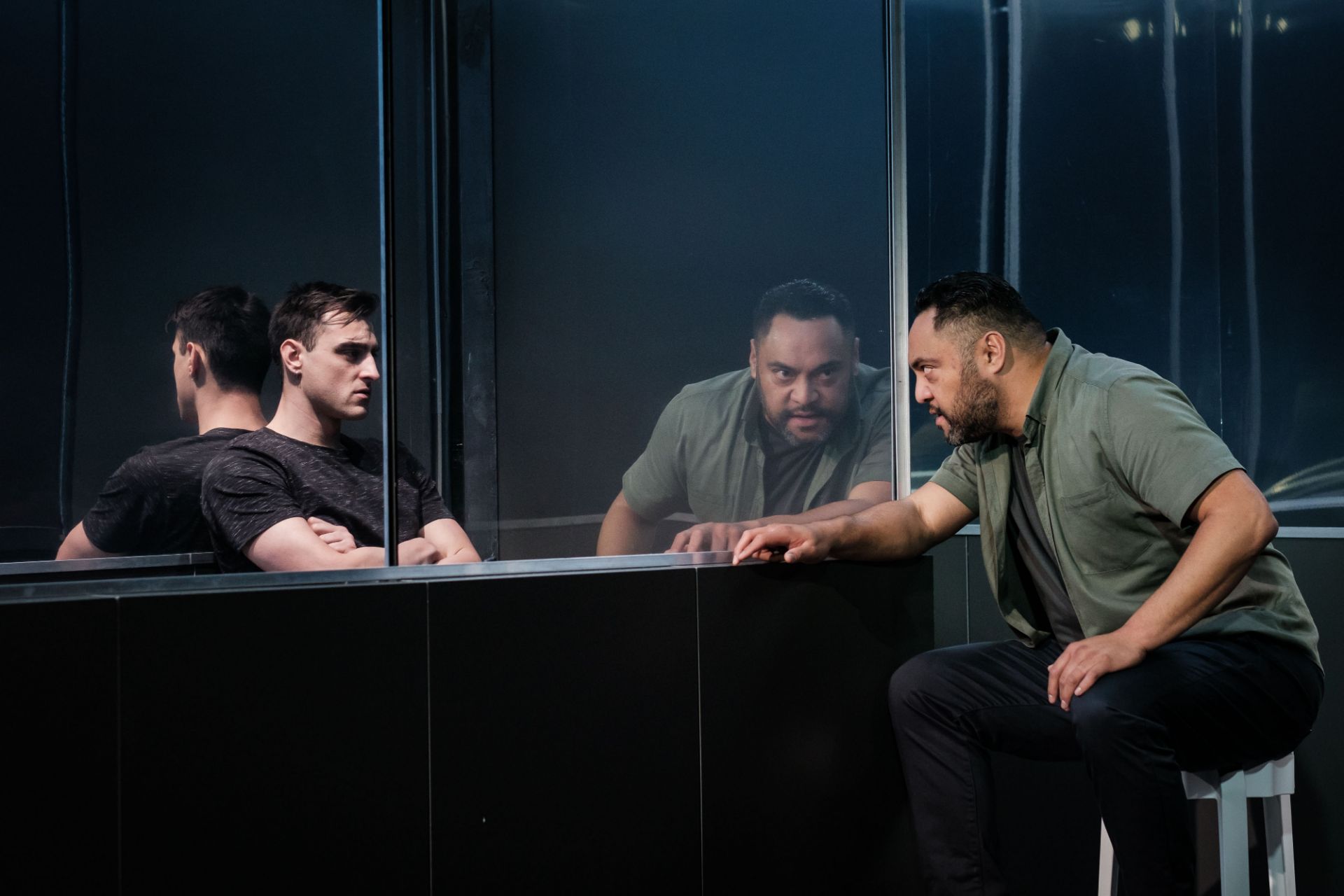
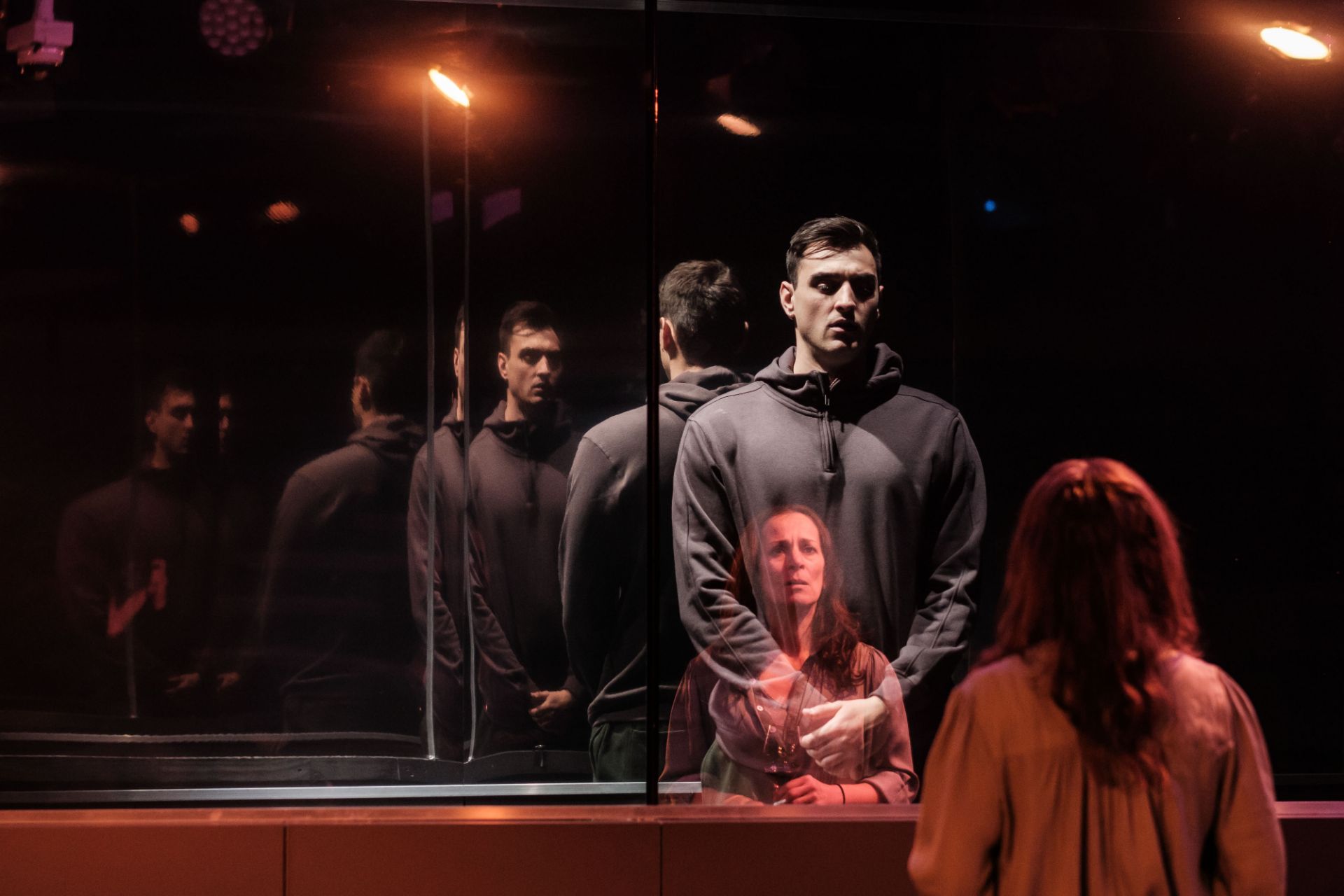
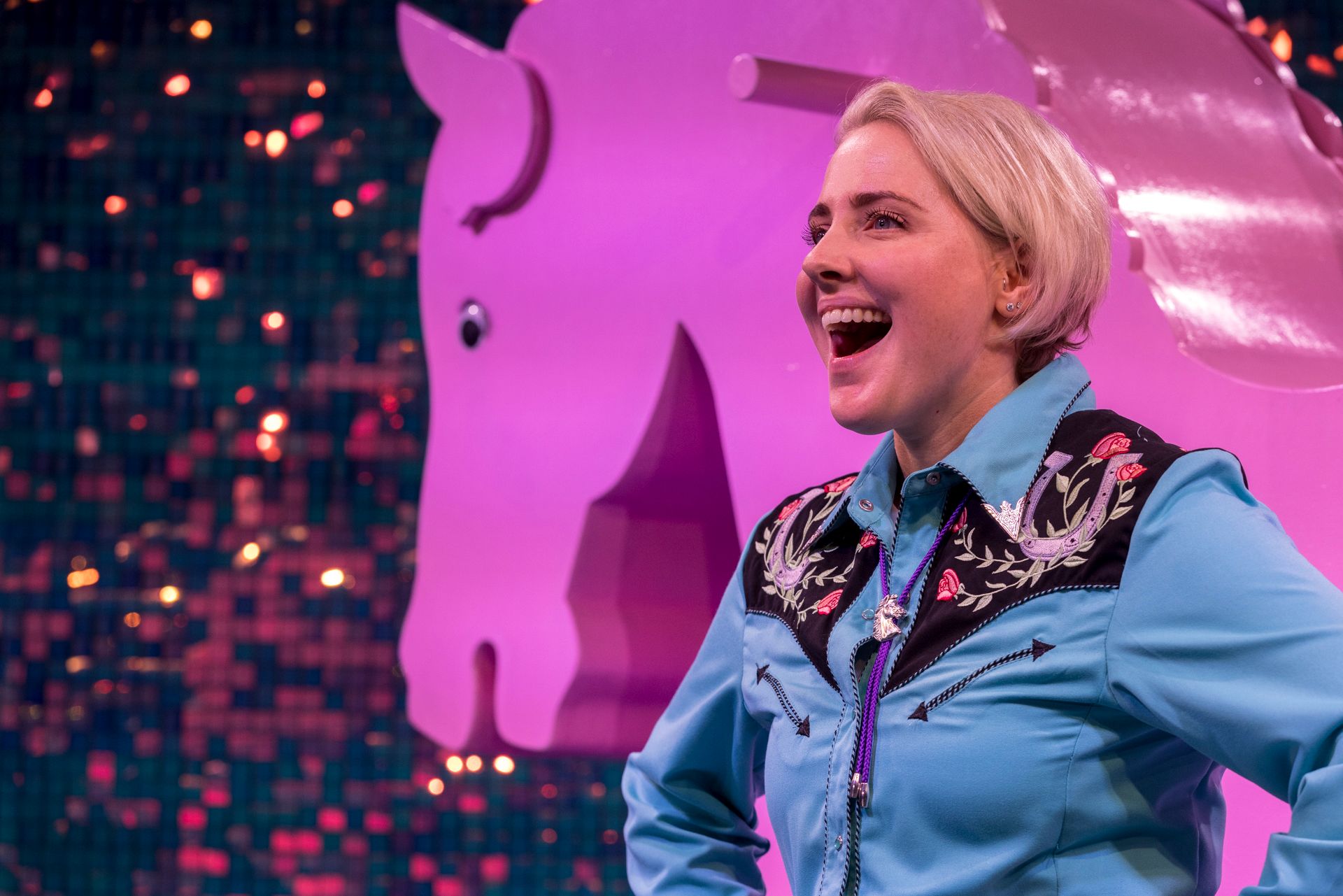
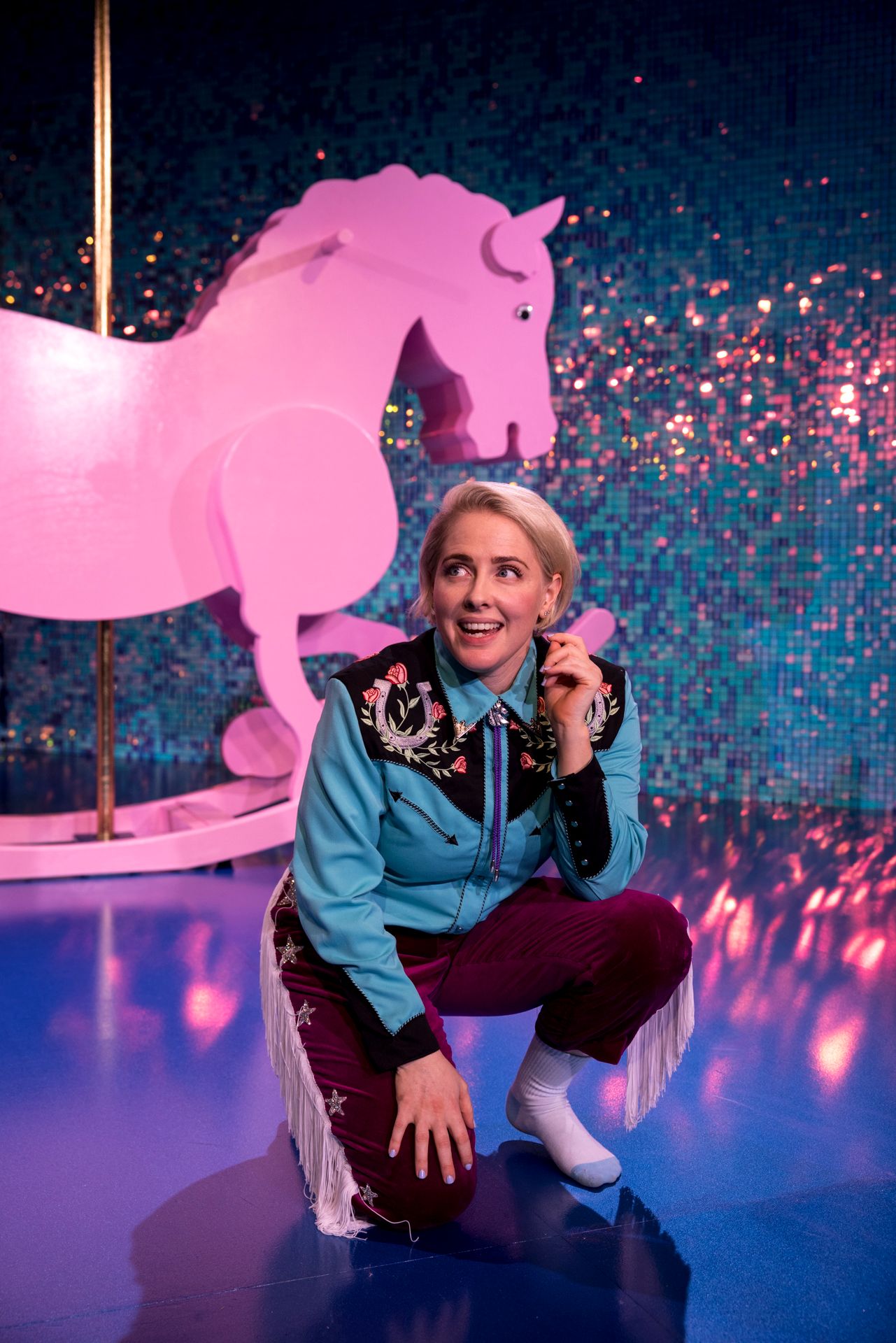
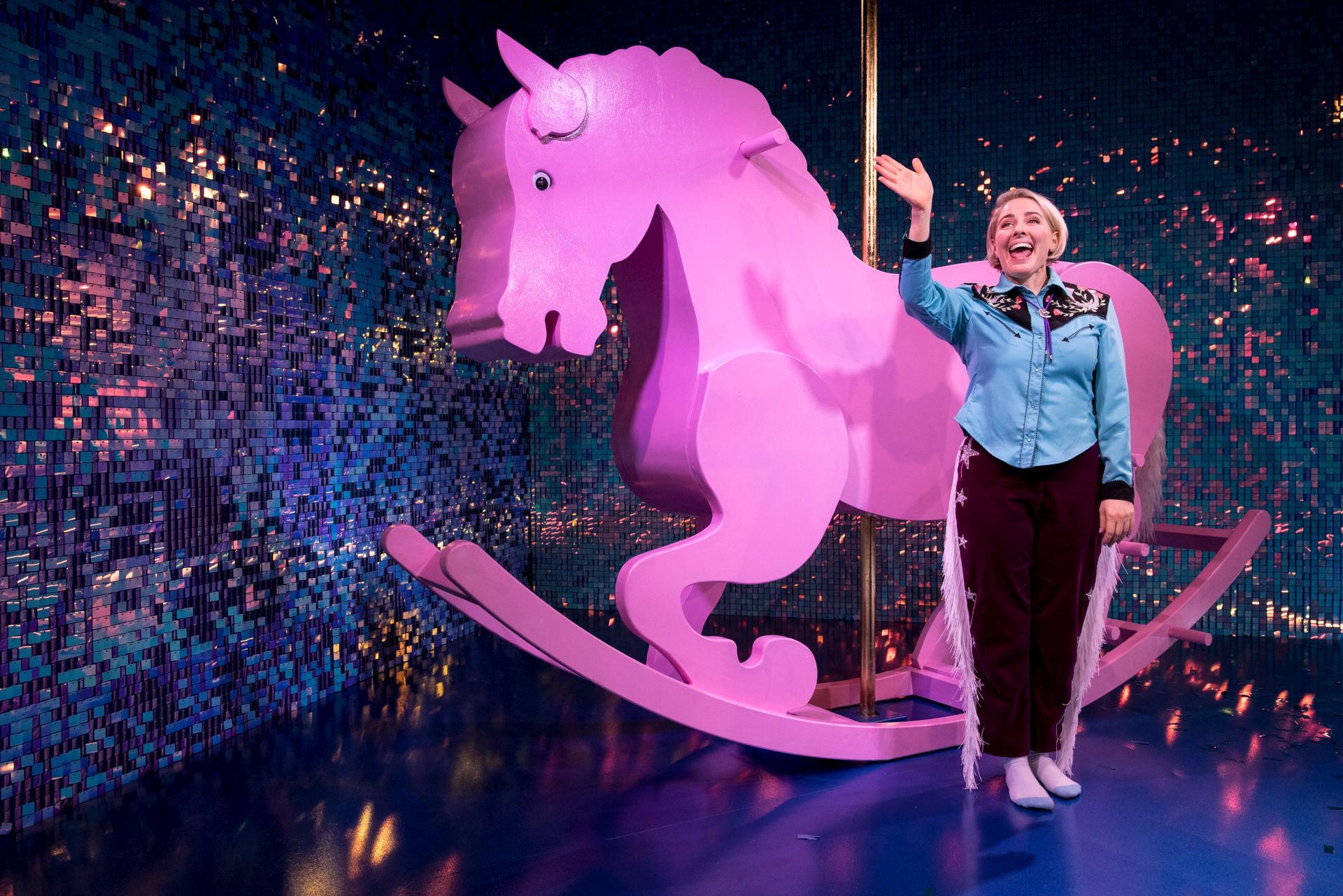
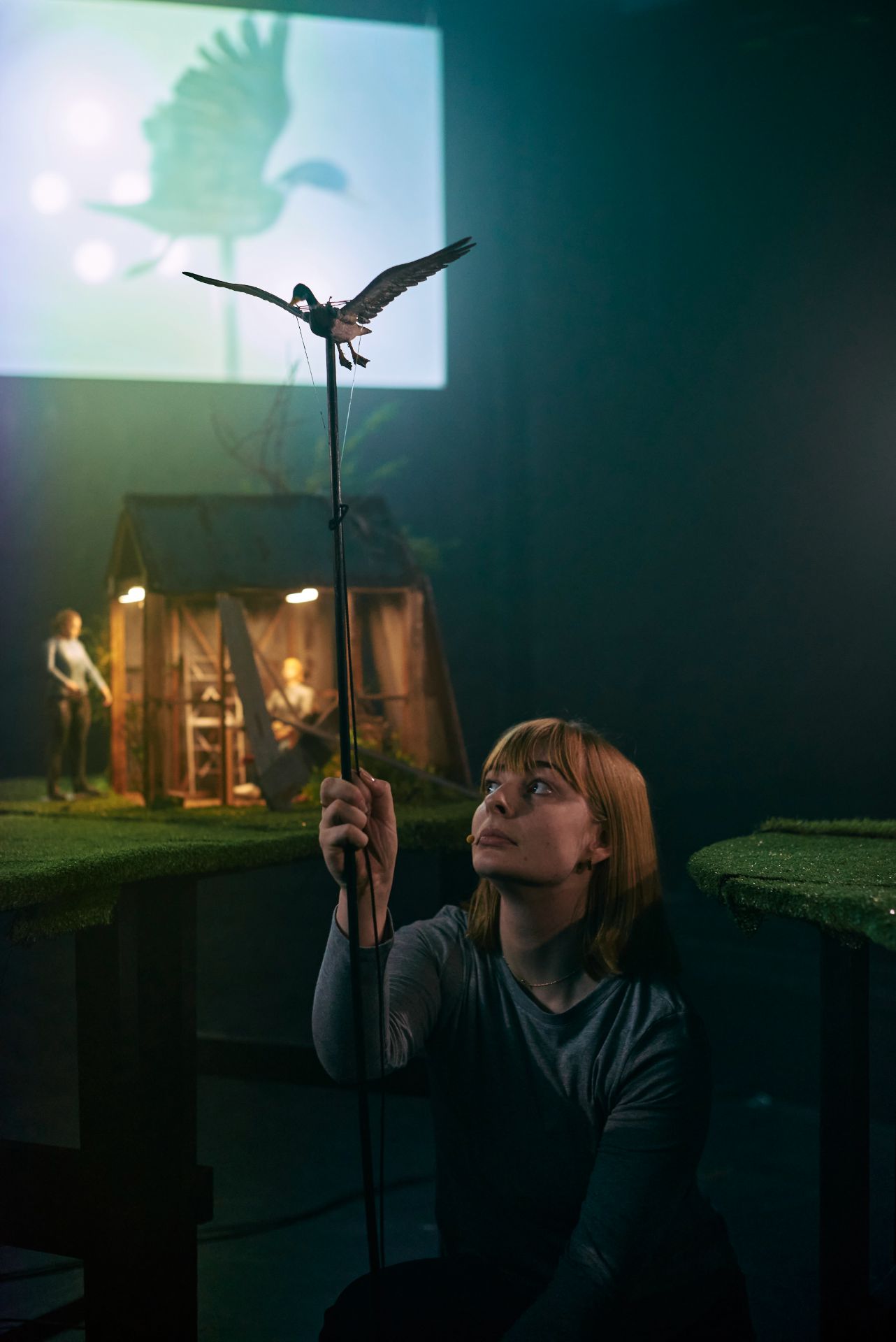
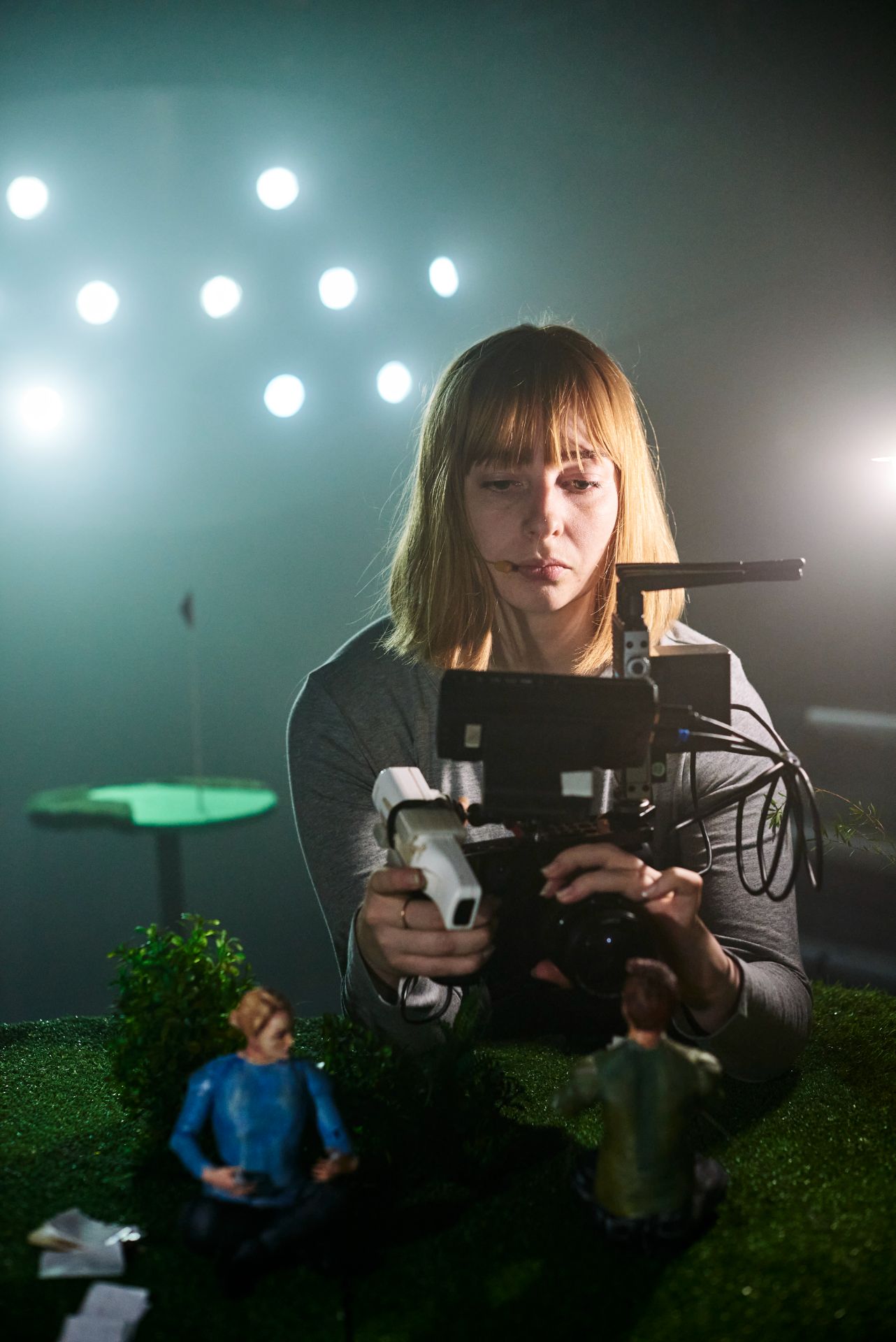
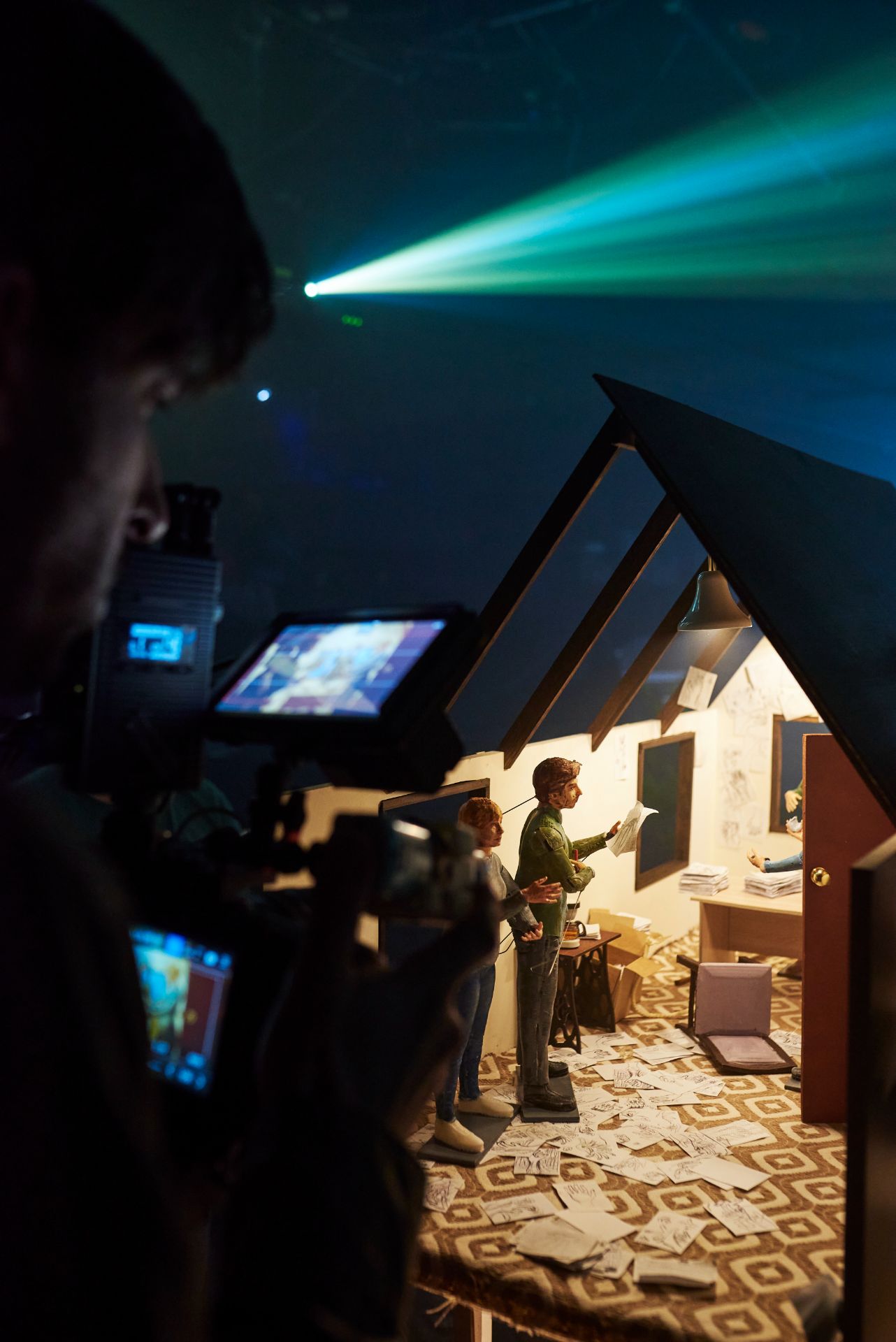
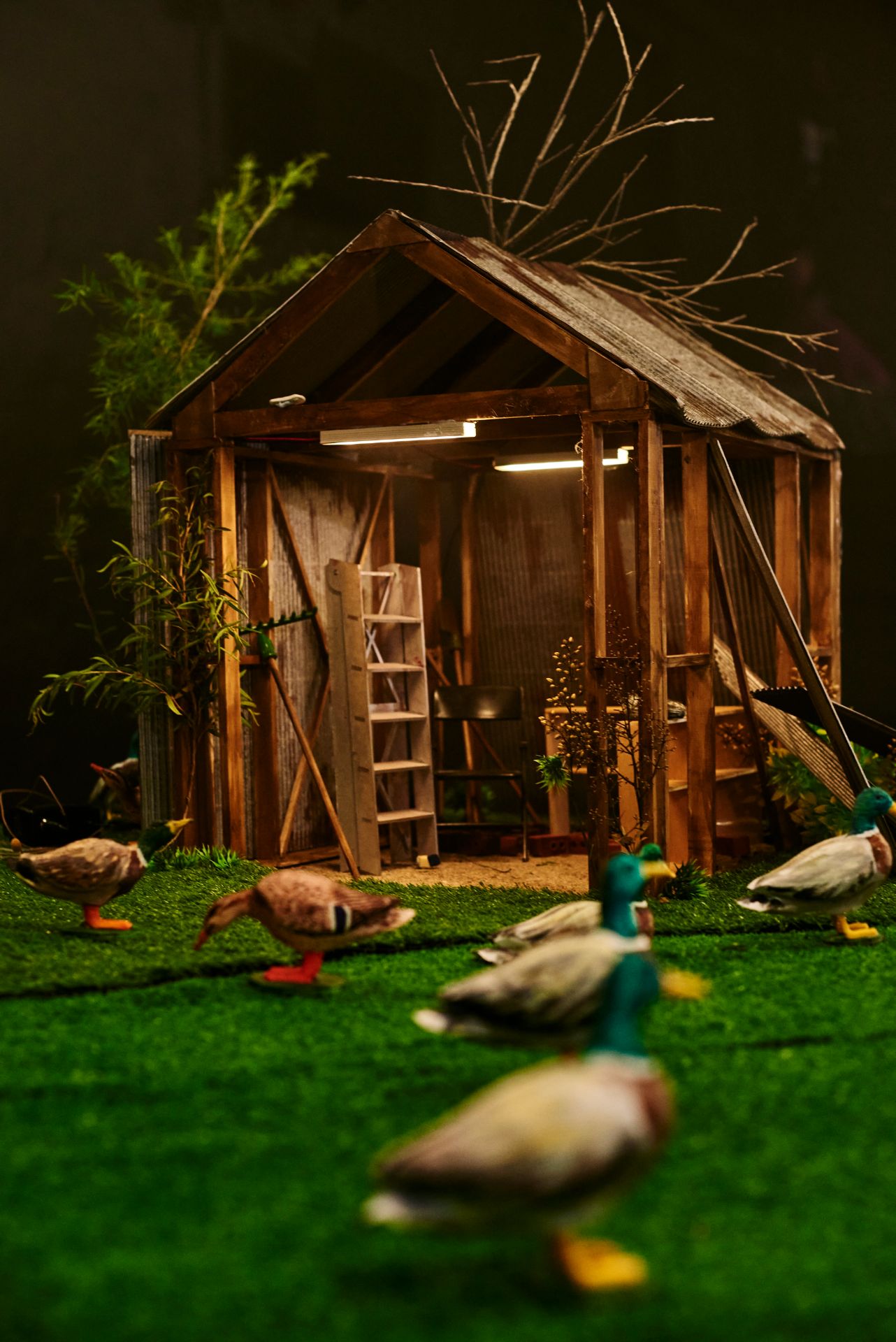
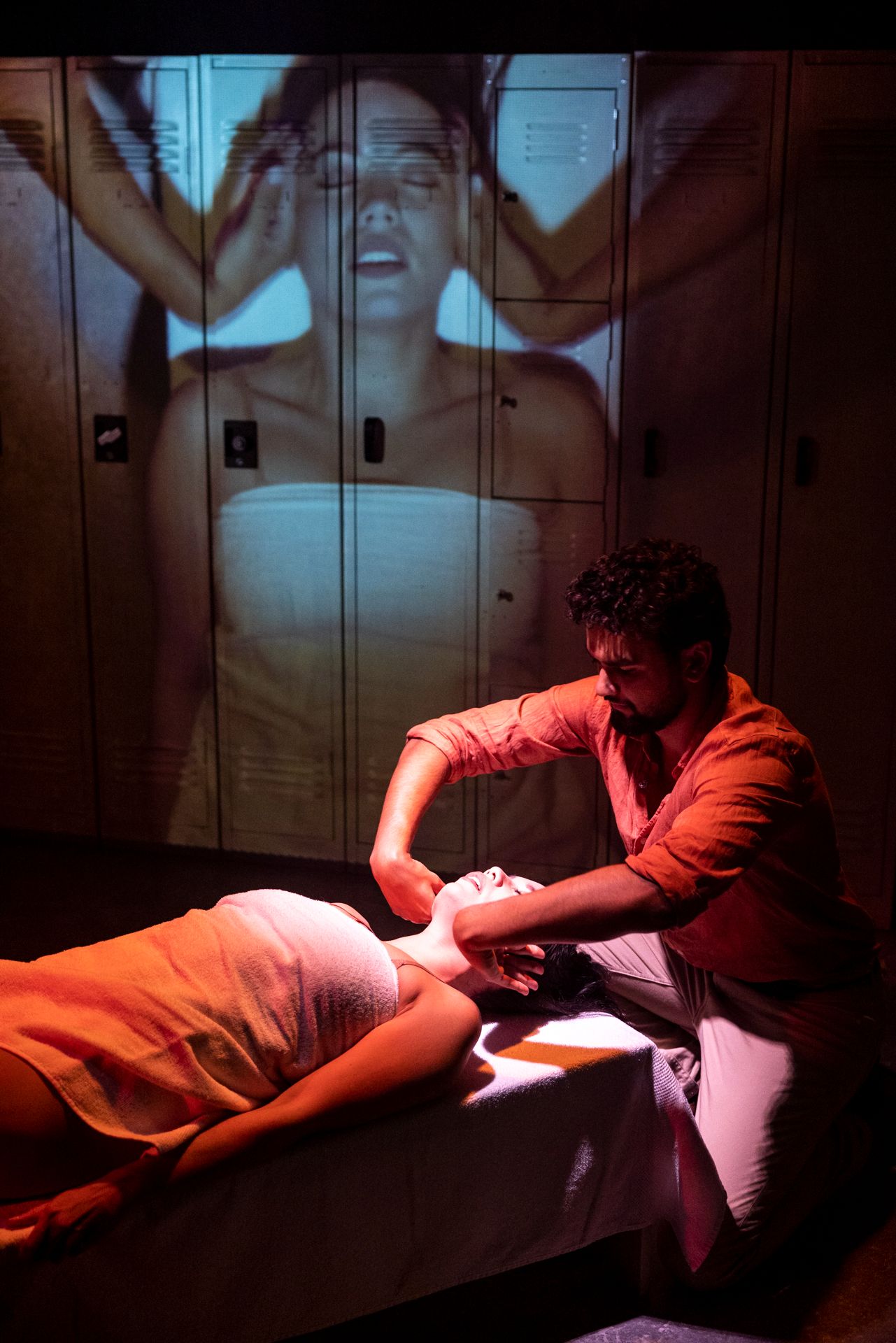
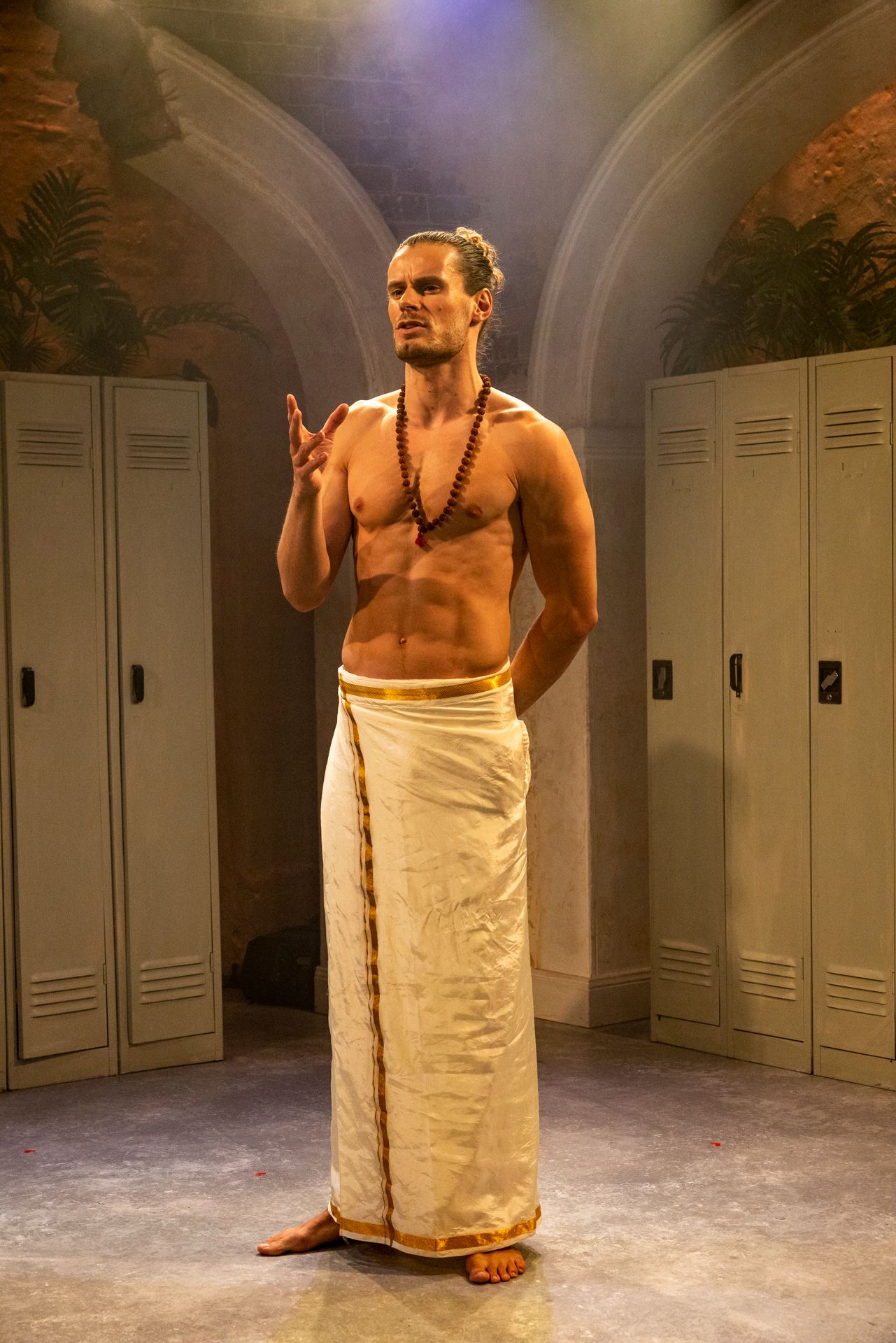
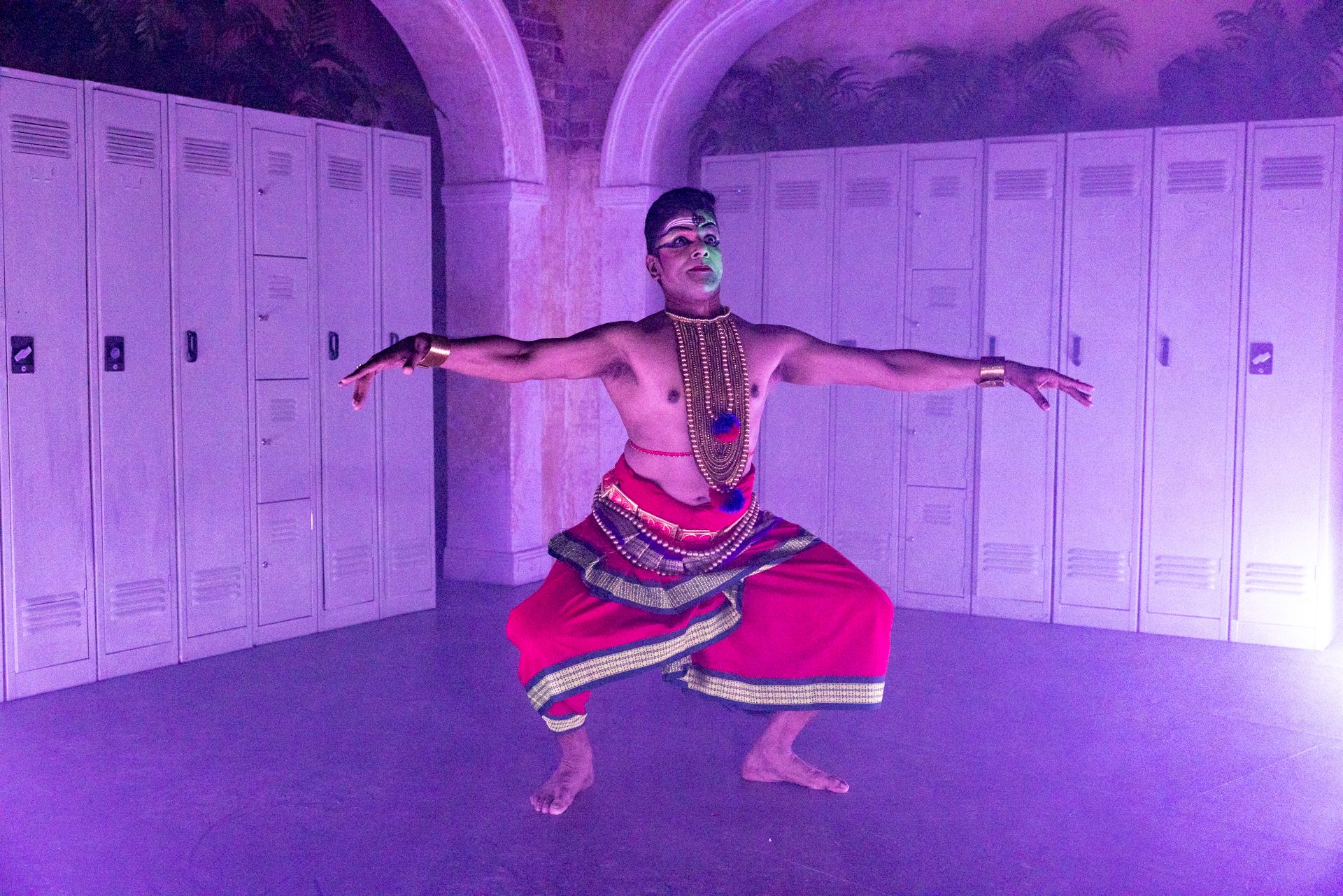
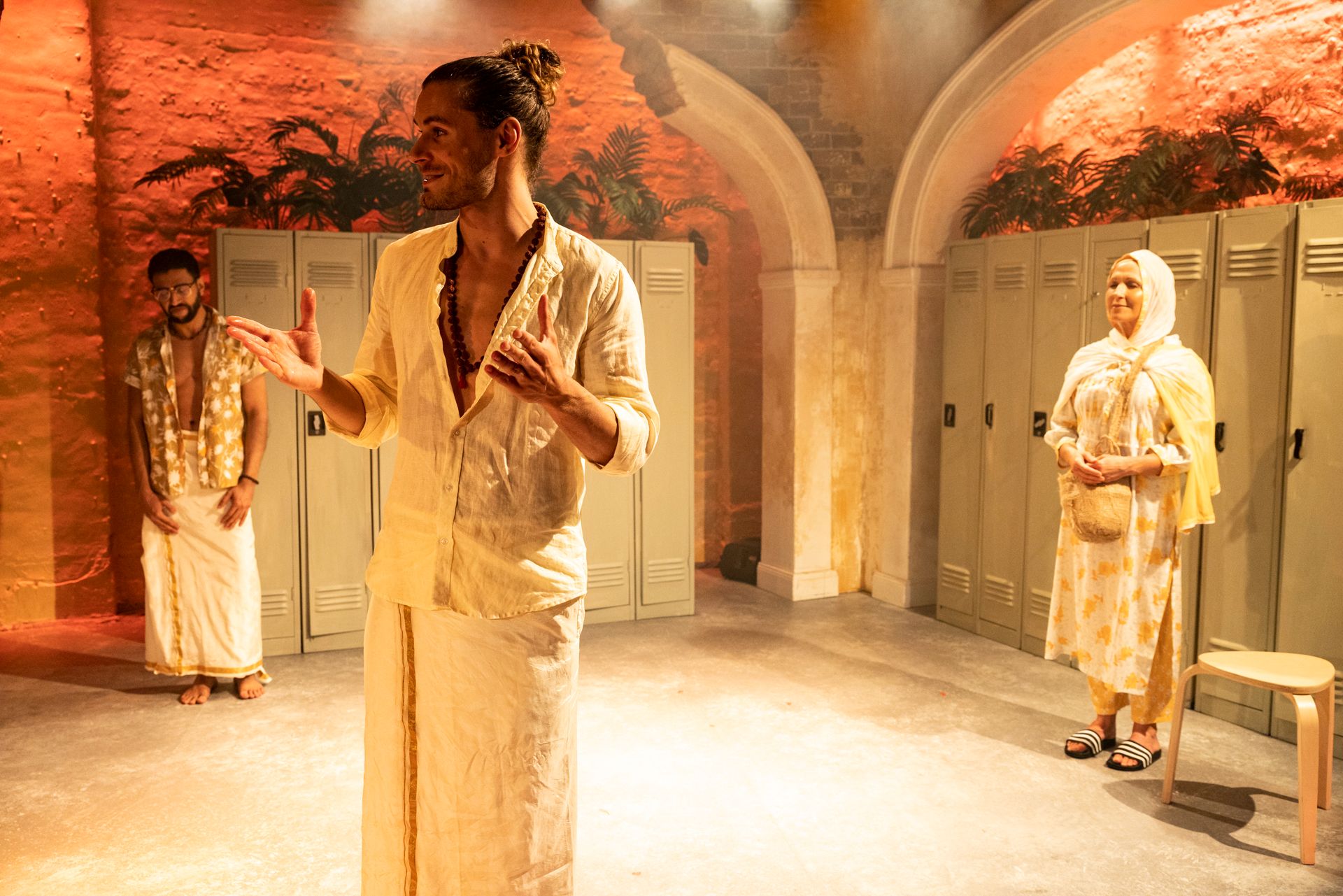
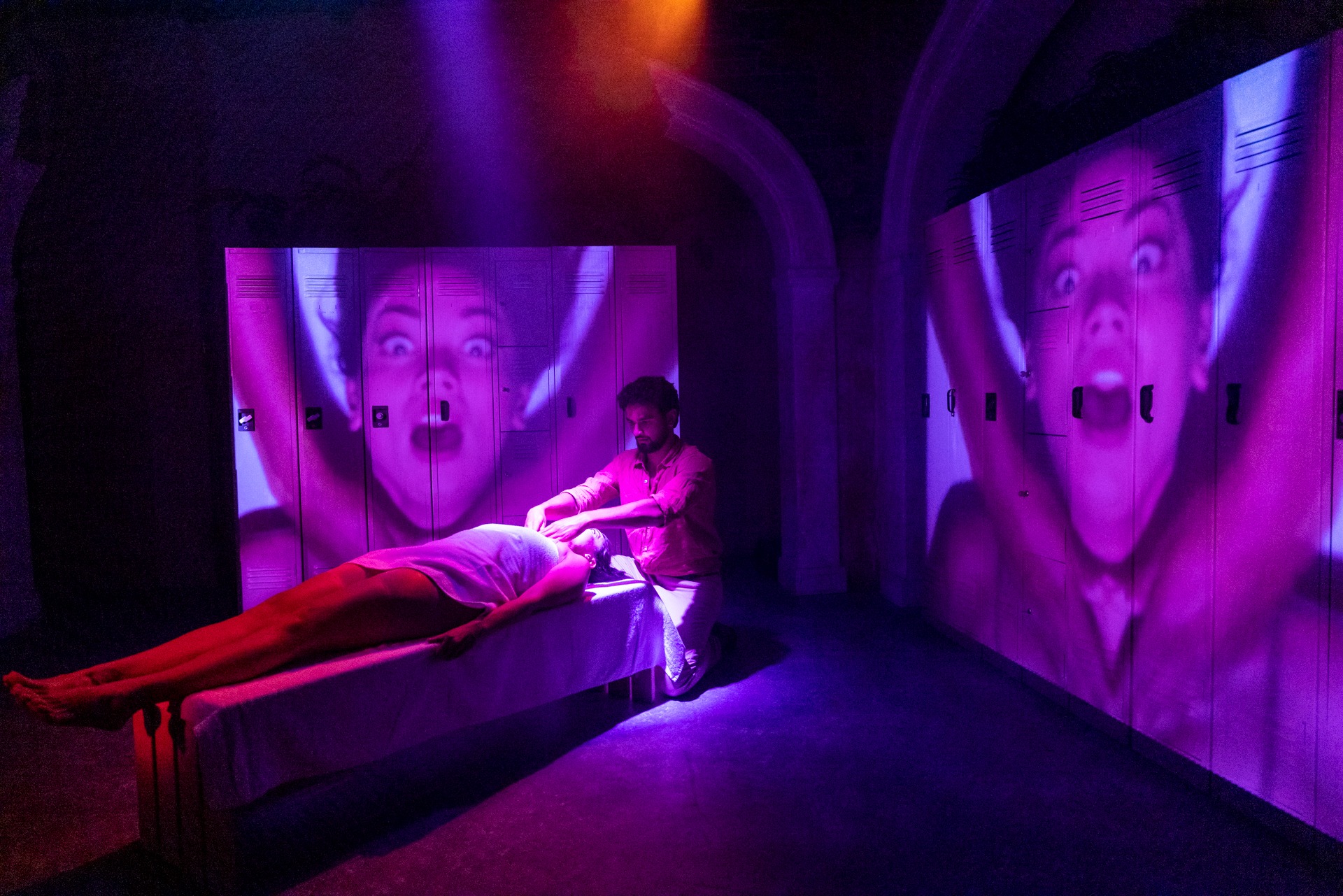
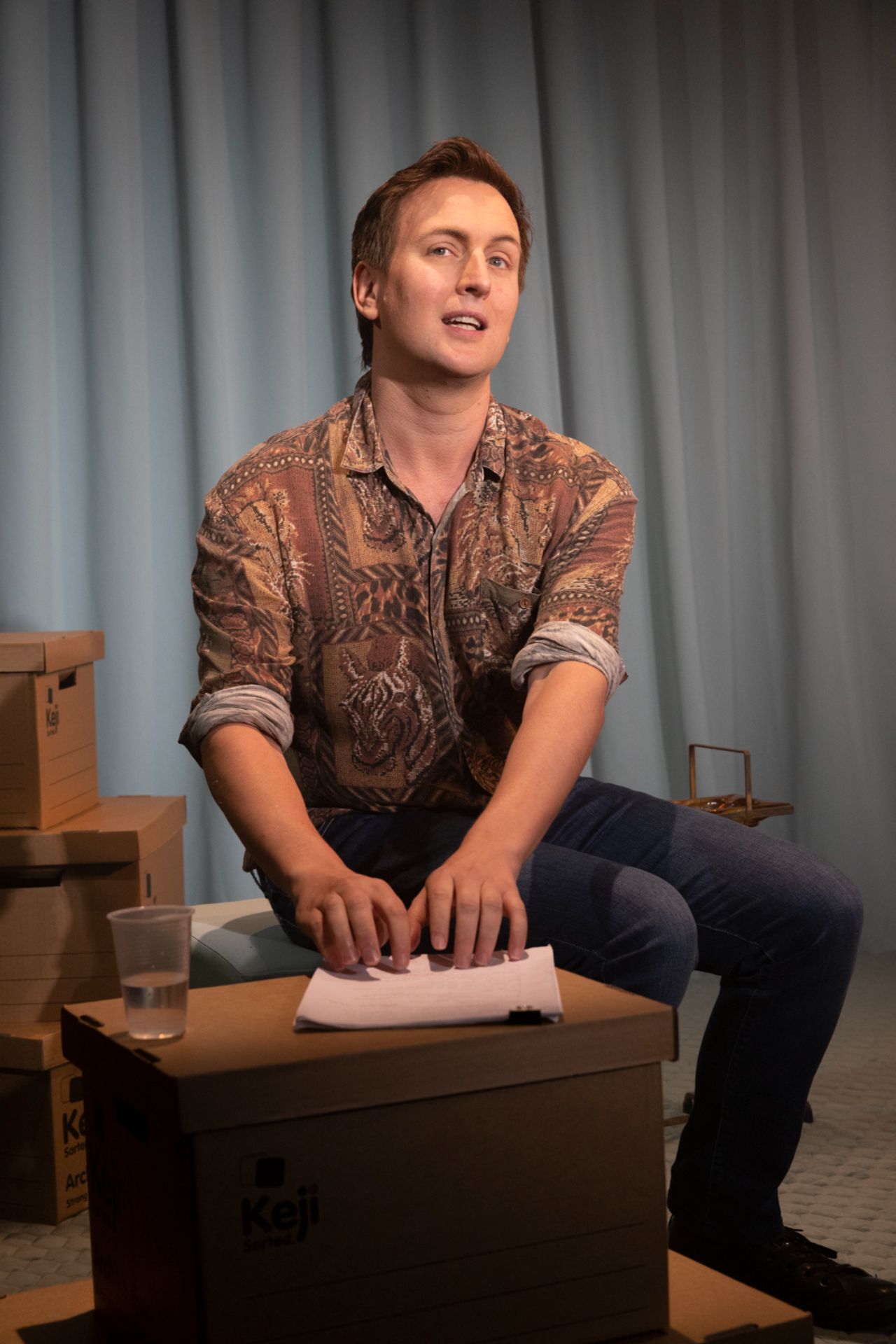
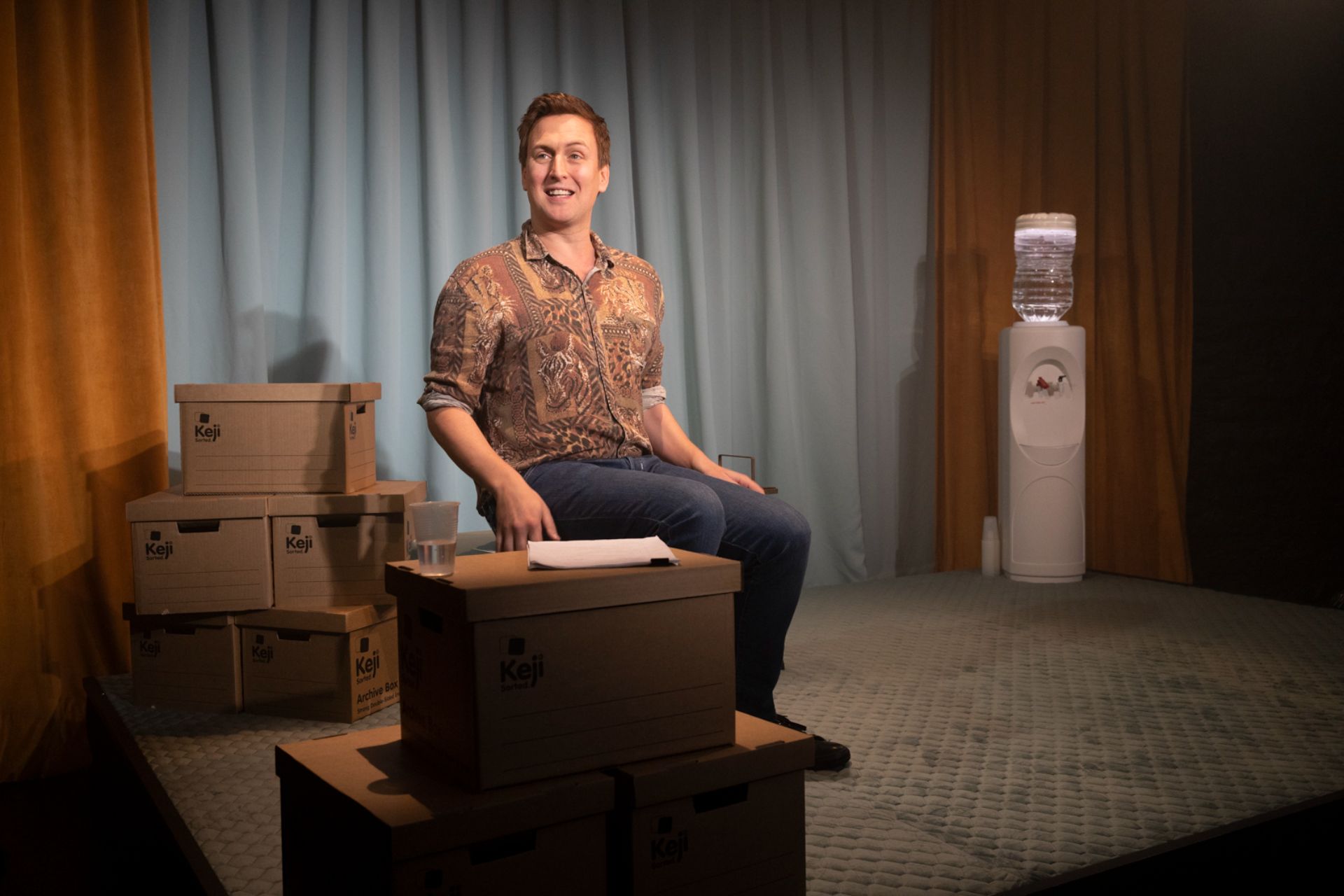
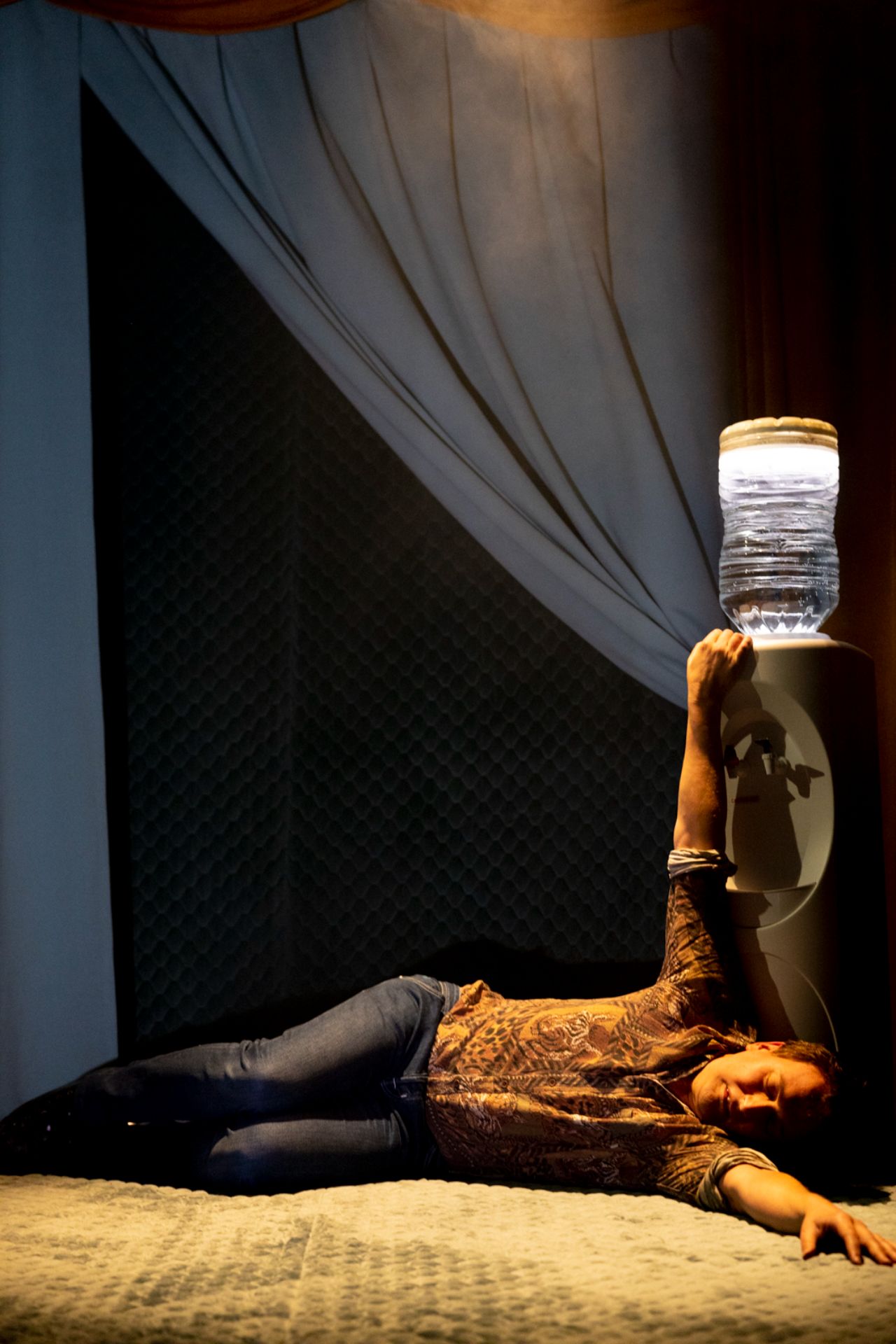
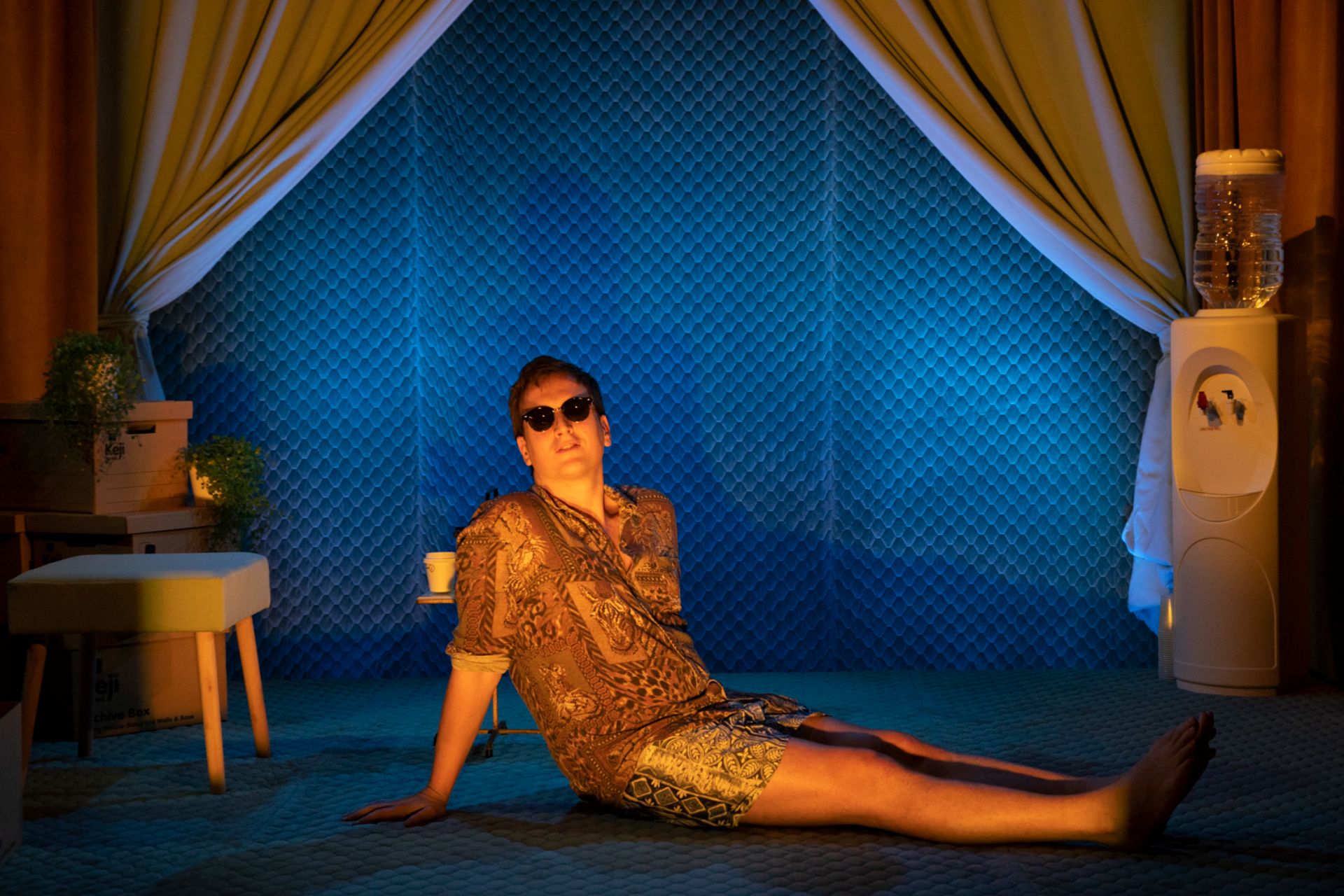
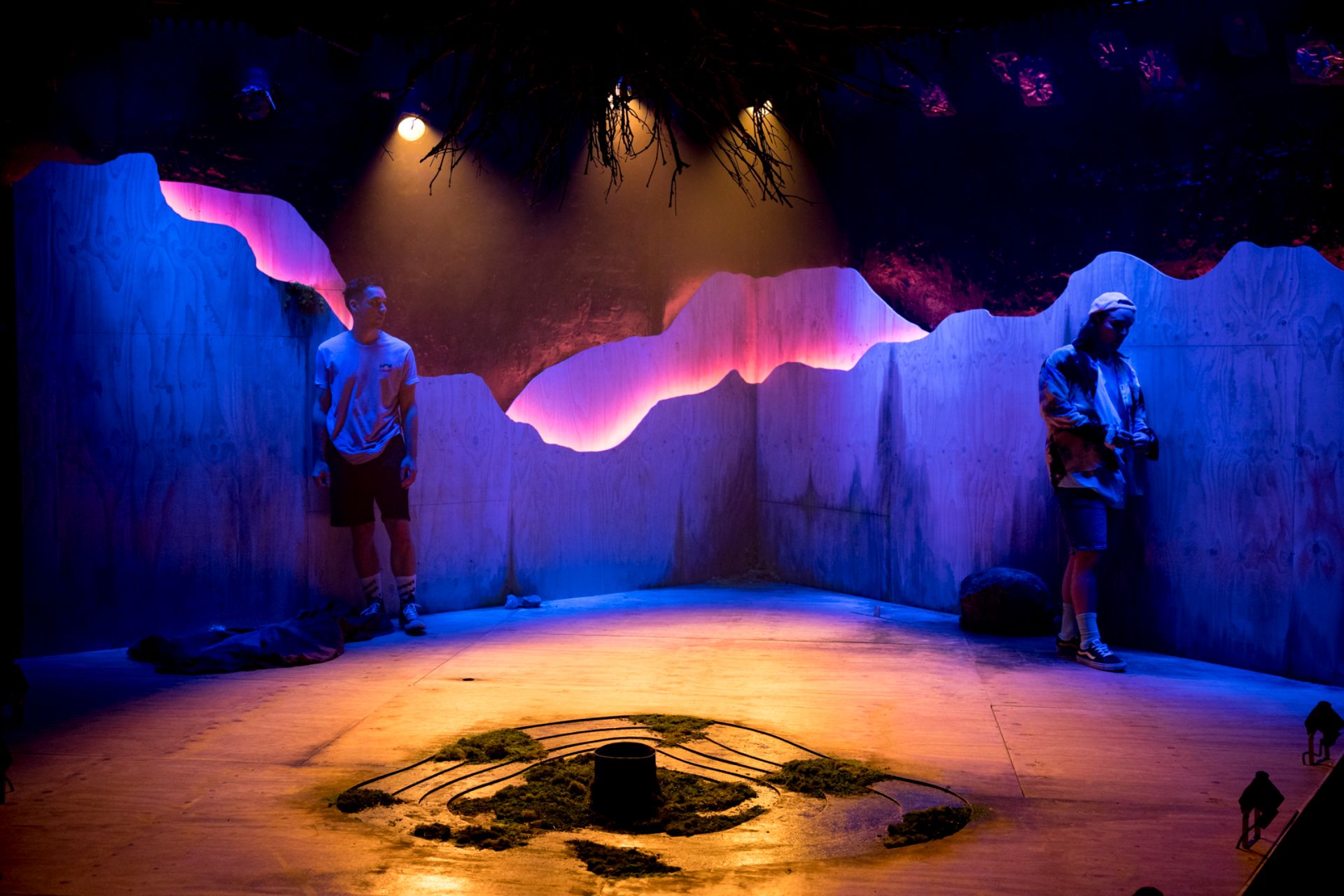
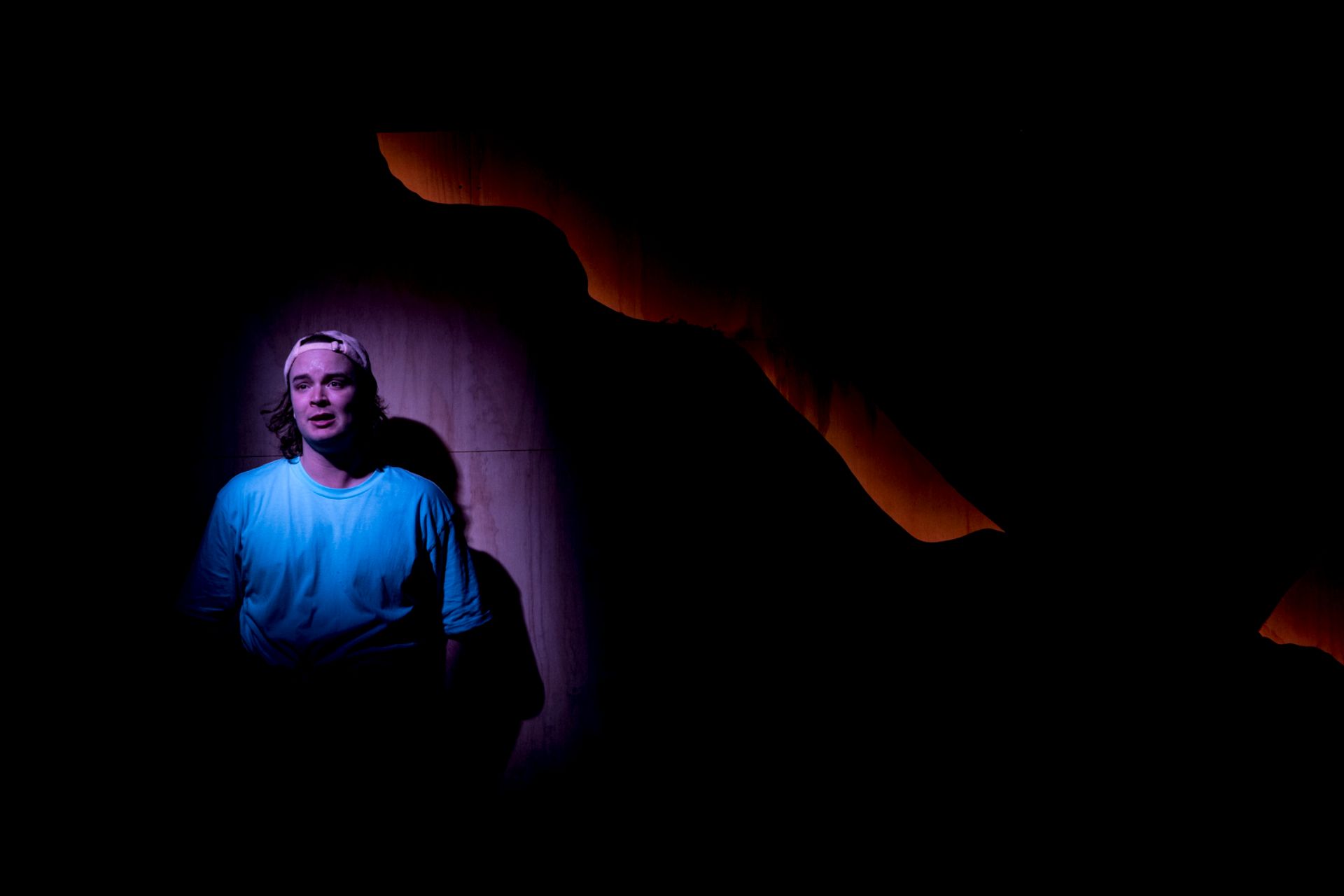
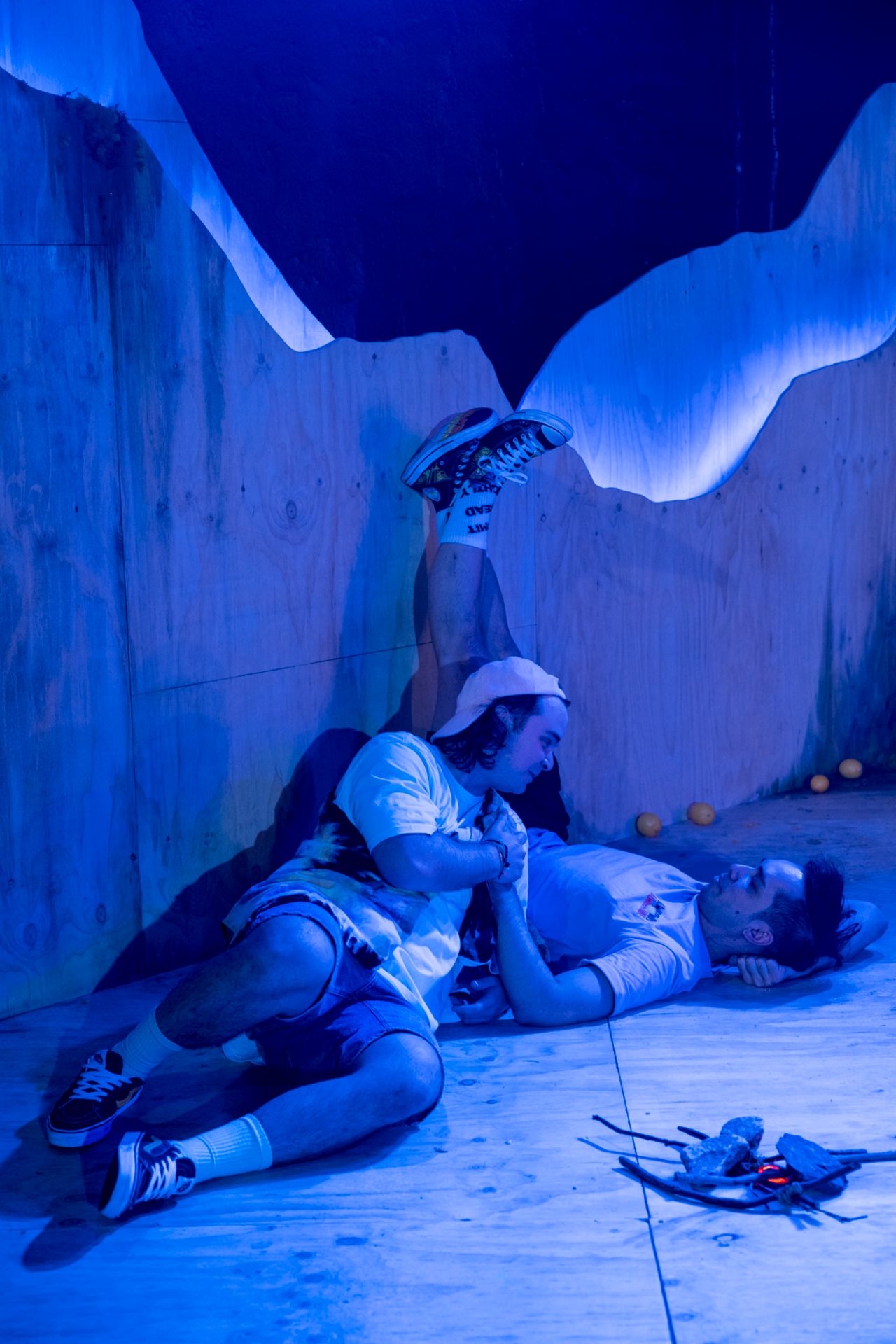
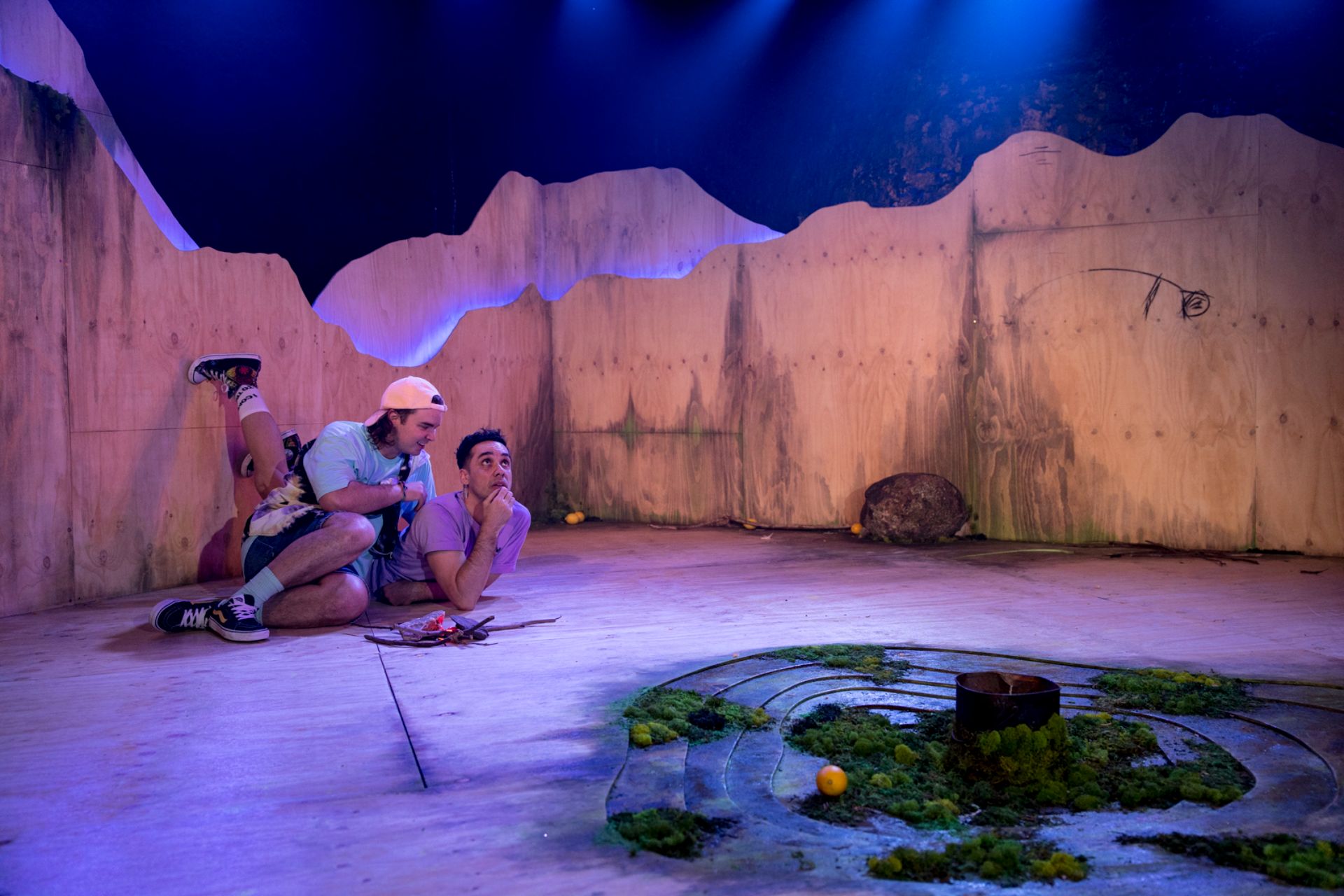
The poetic writing is imbued bittersweet melancholy by Andrea James’ inventive direction. Swim is a work about the challenges faced by someone marginalised in different ways, and even though it ventures inevitably into spaces of trauma, the show is often spirited in its representations of defiance, survival and resilience. A versatile set design by Romanie Harper greets us with a visual grandeur that almost conveys a certain reverence that our protagonist holds for the swimming pool. Projected onto tiled surfaces is a sublime video design by Samuel James, who uses arrayed imagery of water to evoke sensations of spiritual transcendence. Operating in tandem are exquisite lights by Karen Norris, accurate with the gamut of emotions it conjures, and making every second of the presentation look unequivocally beautiful. Music and sounds by Brendon Boney are remarkably moving, helping us to connect with the depths and complexities of what E is feeling in every scene.
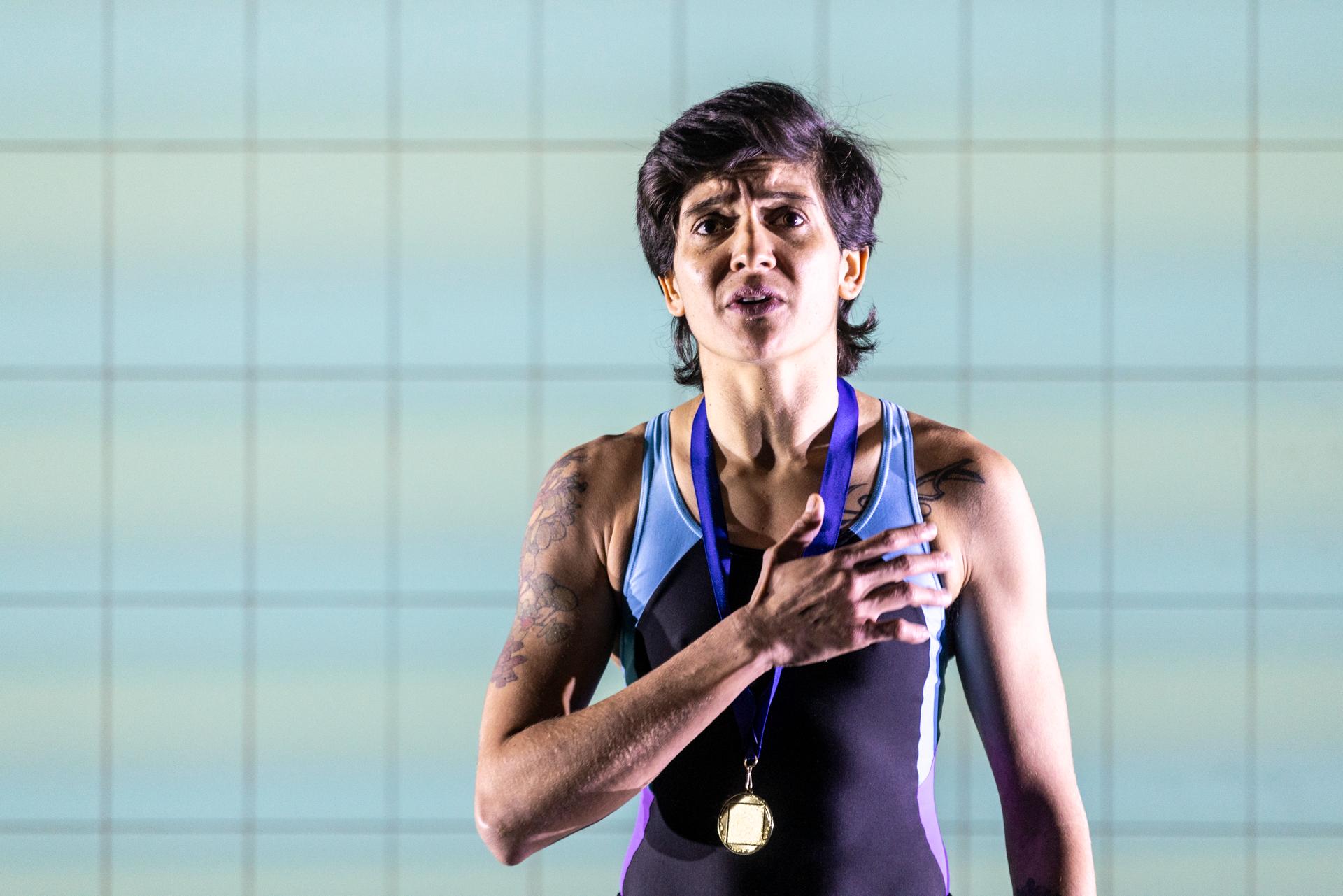
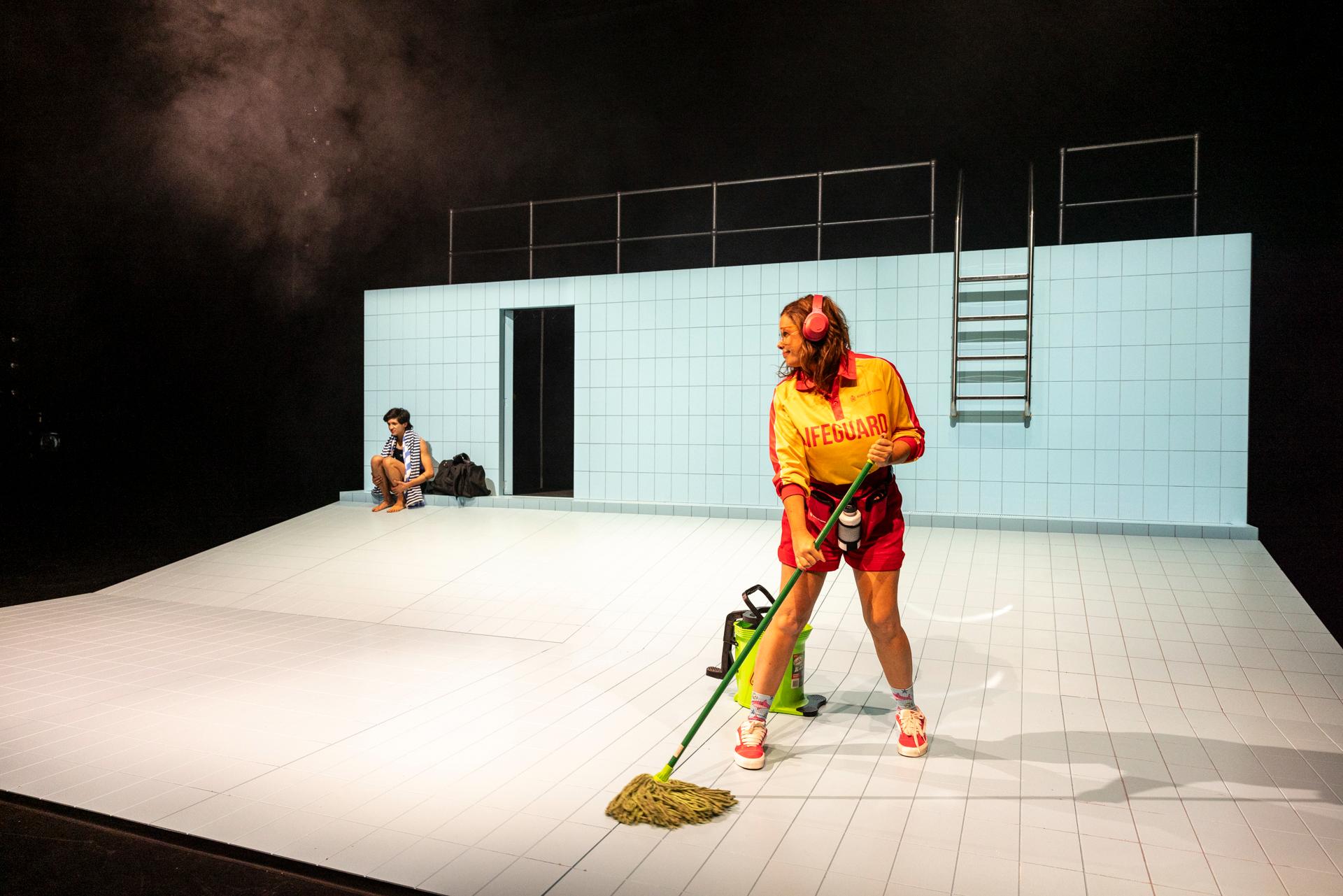
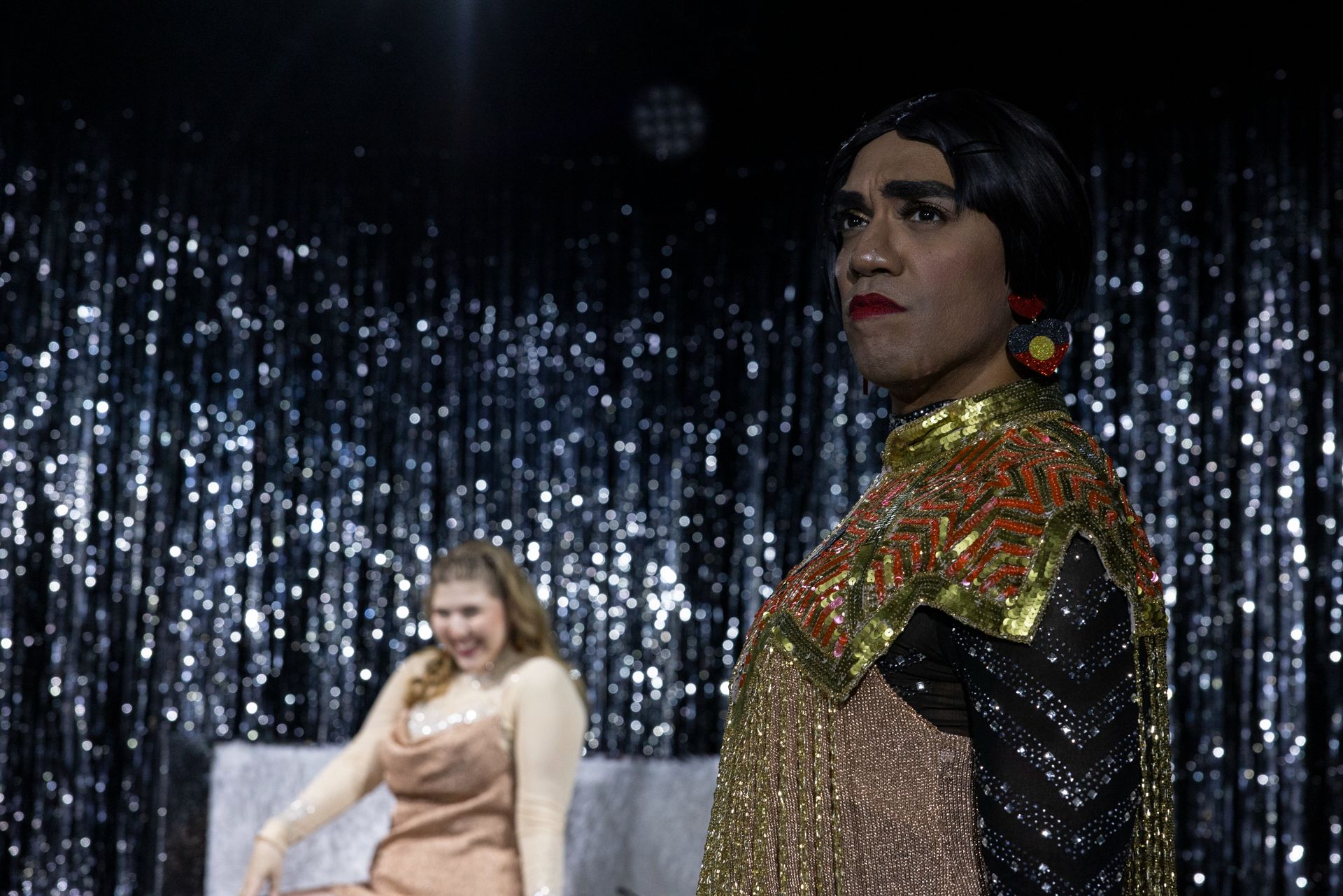
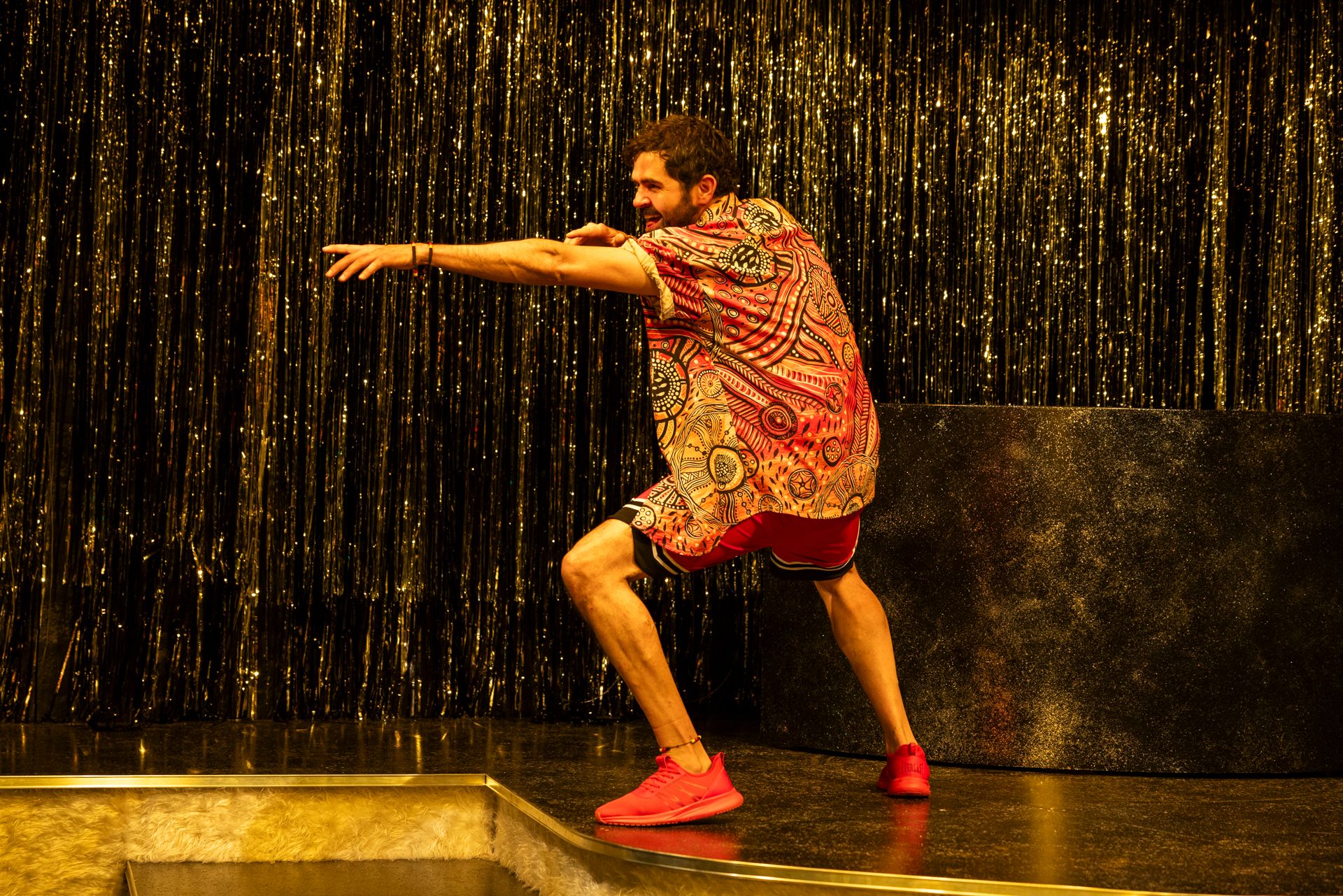
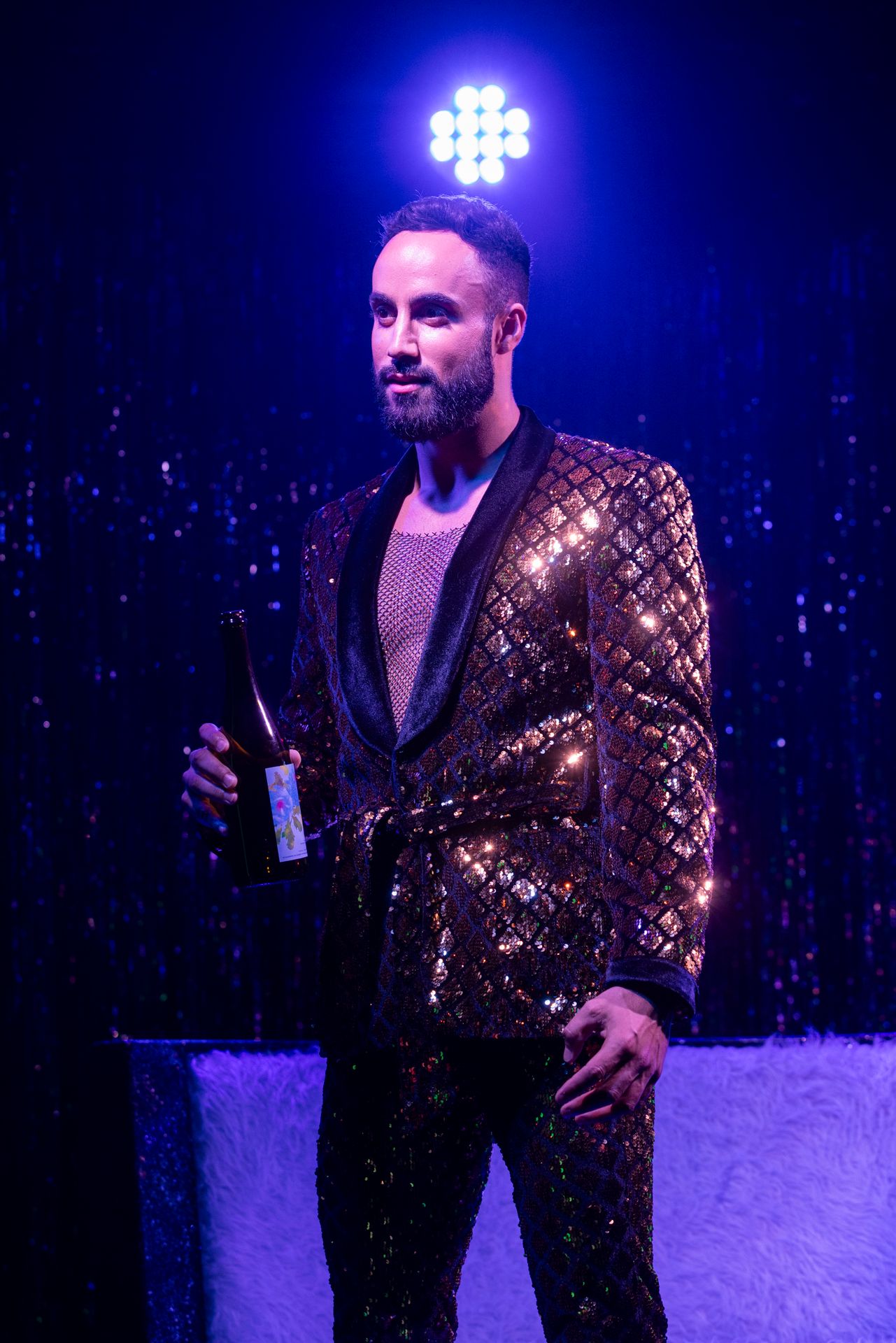
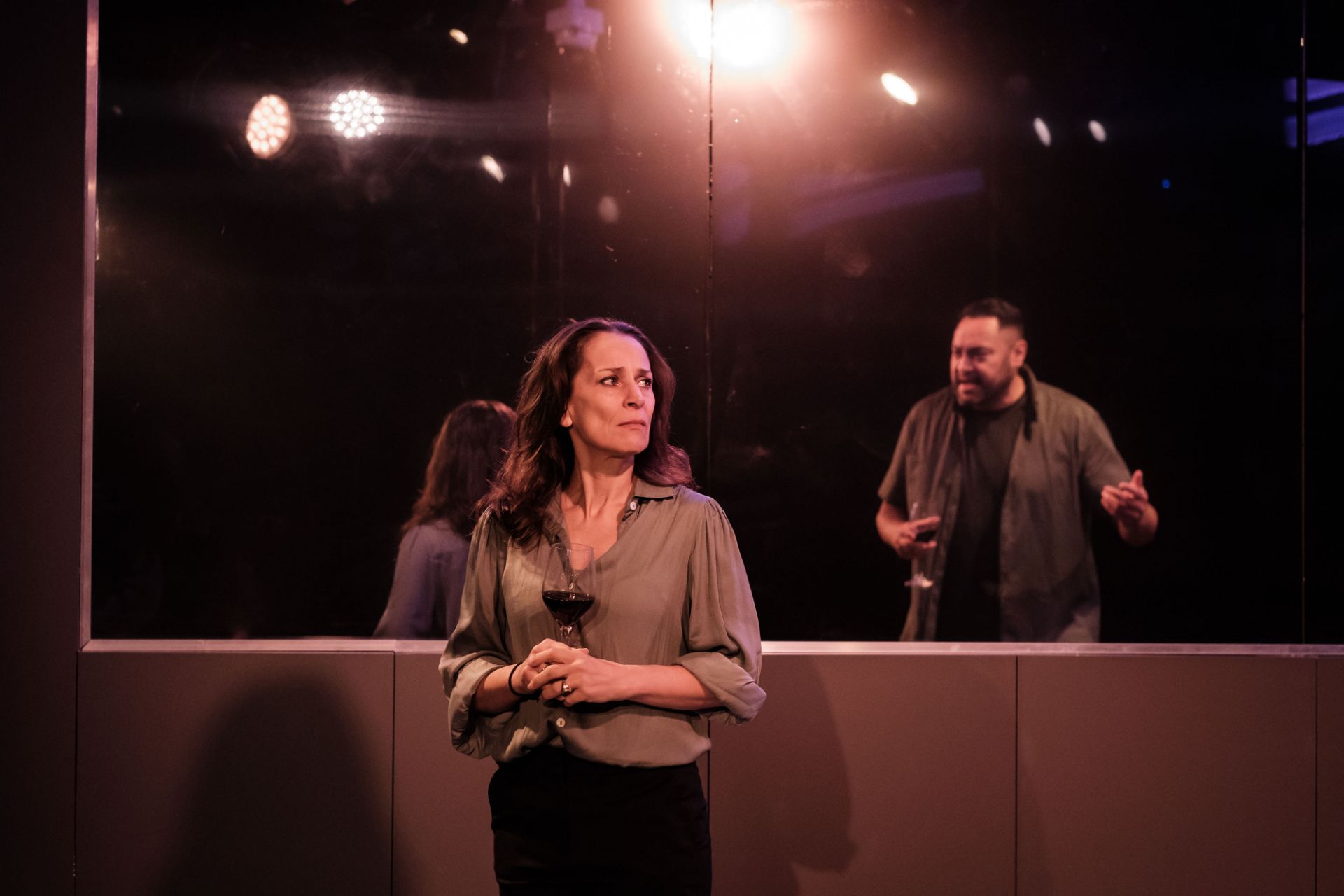
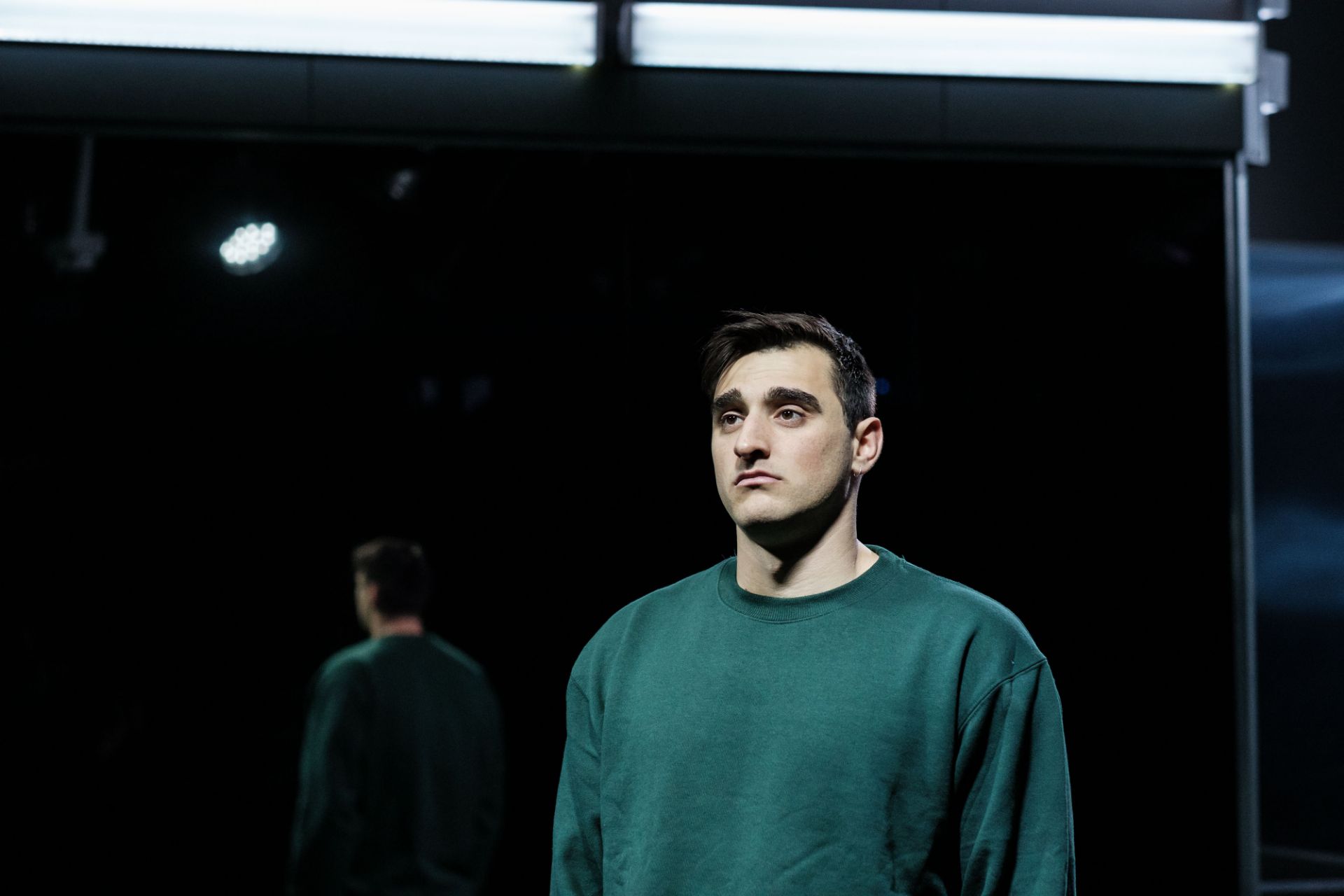
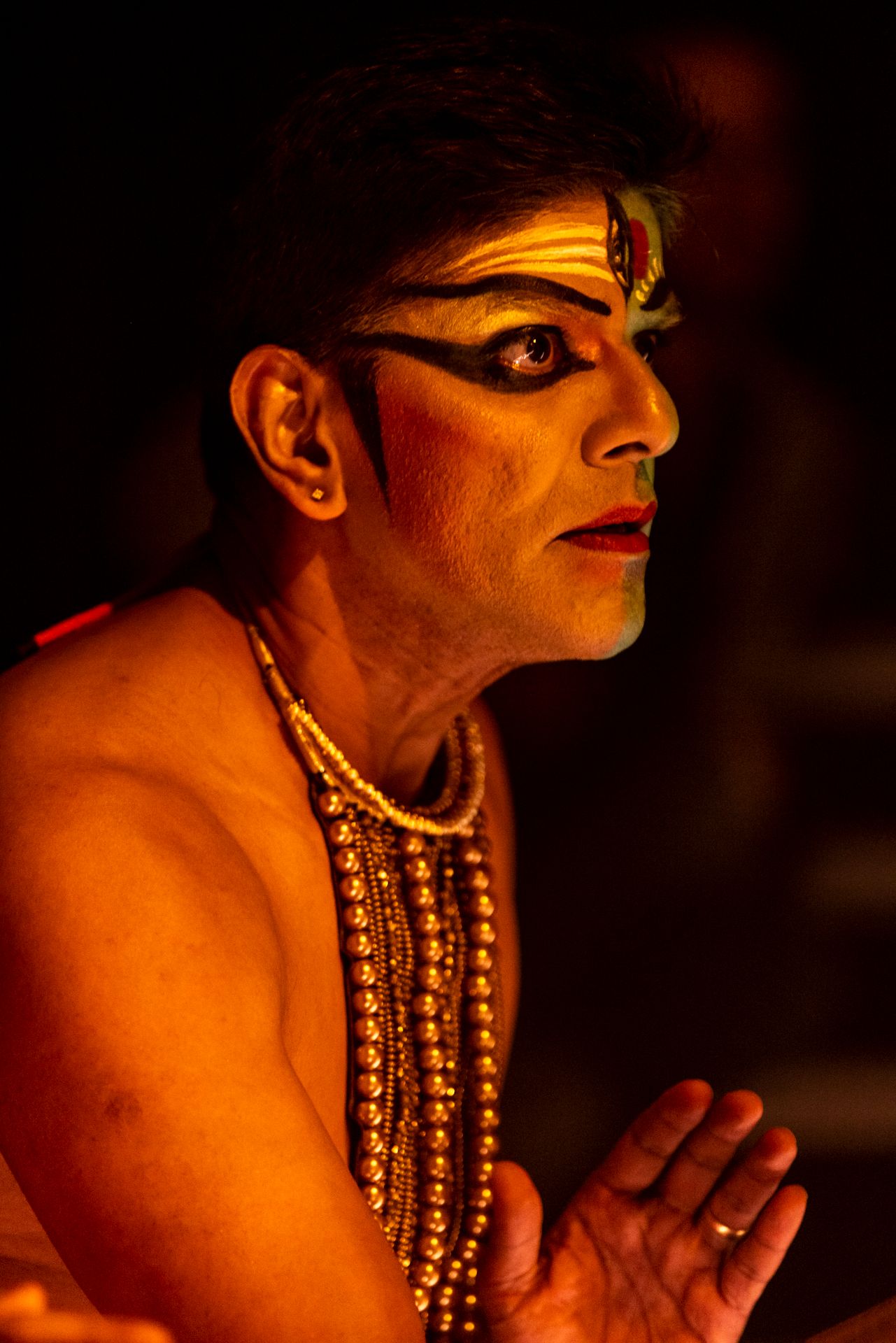
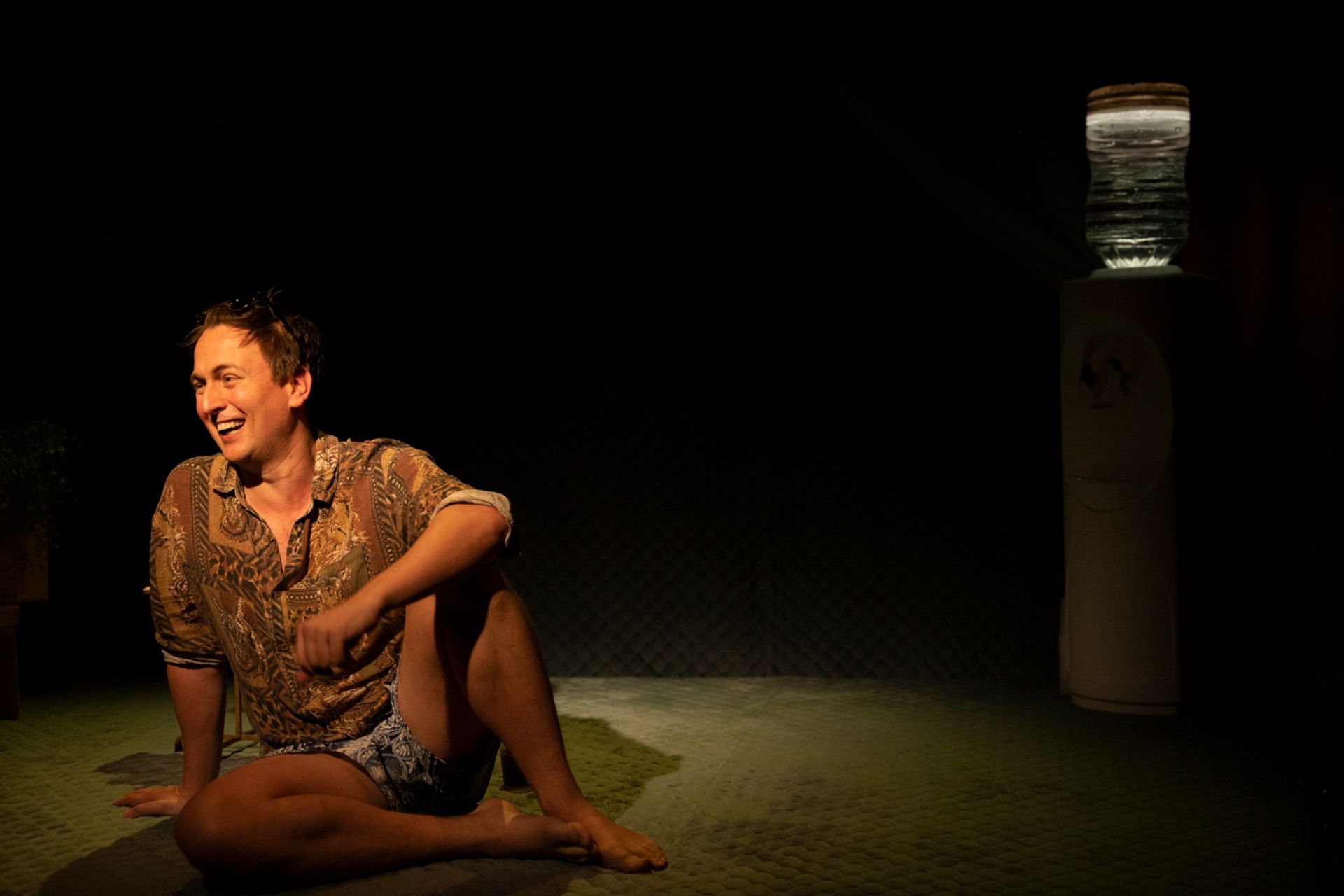
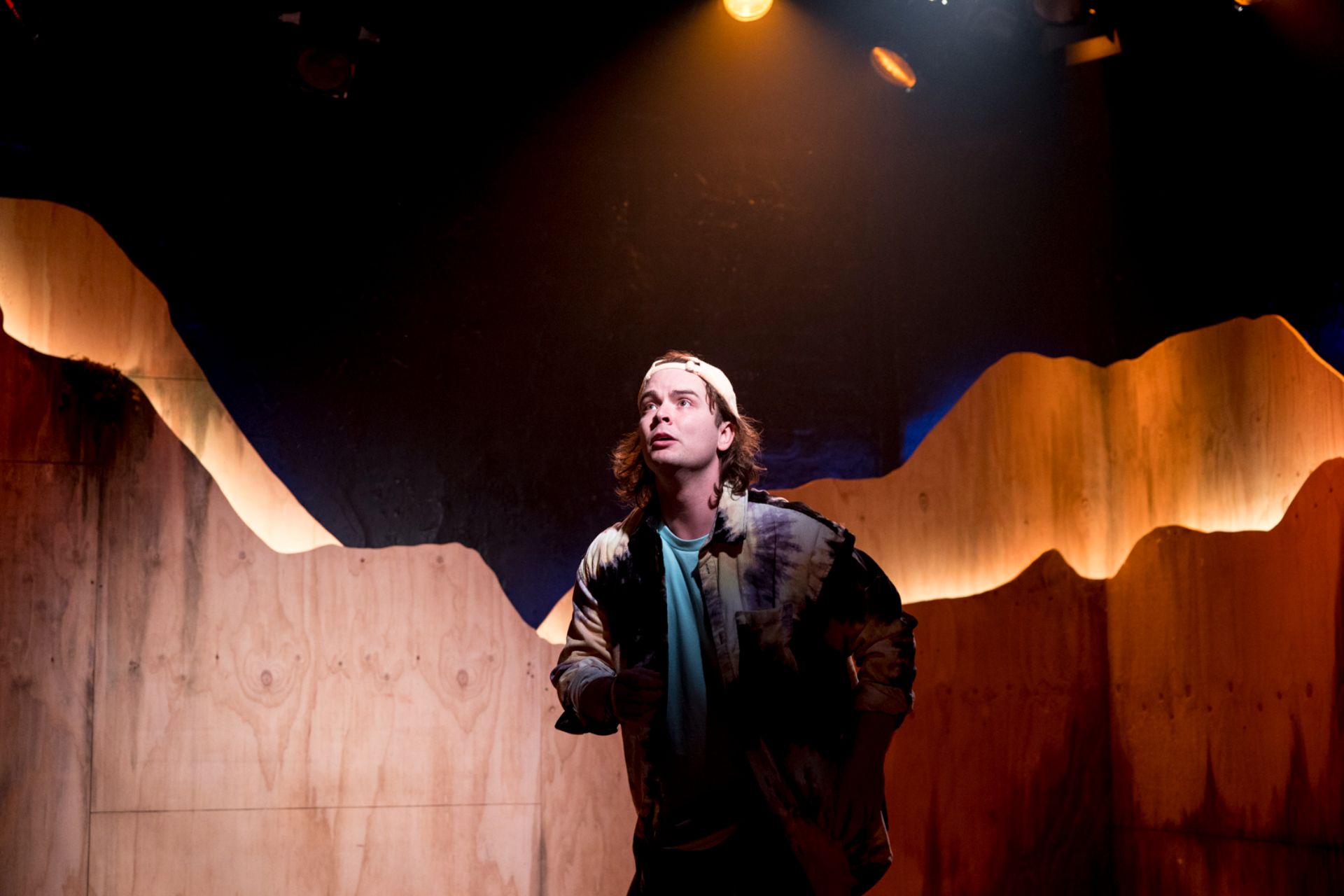
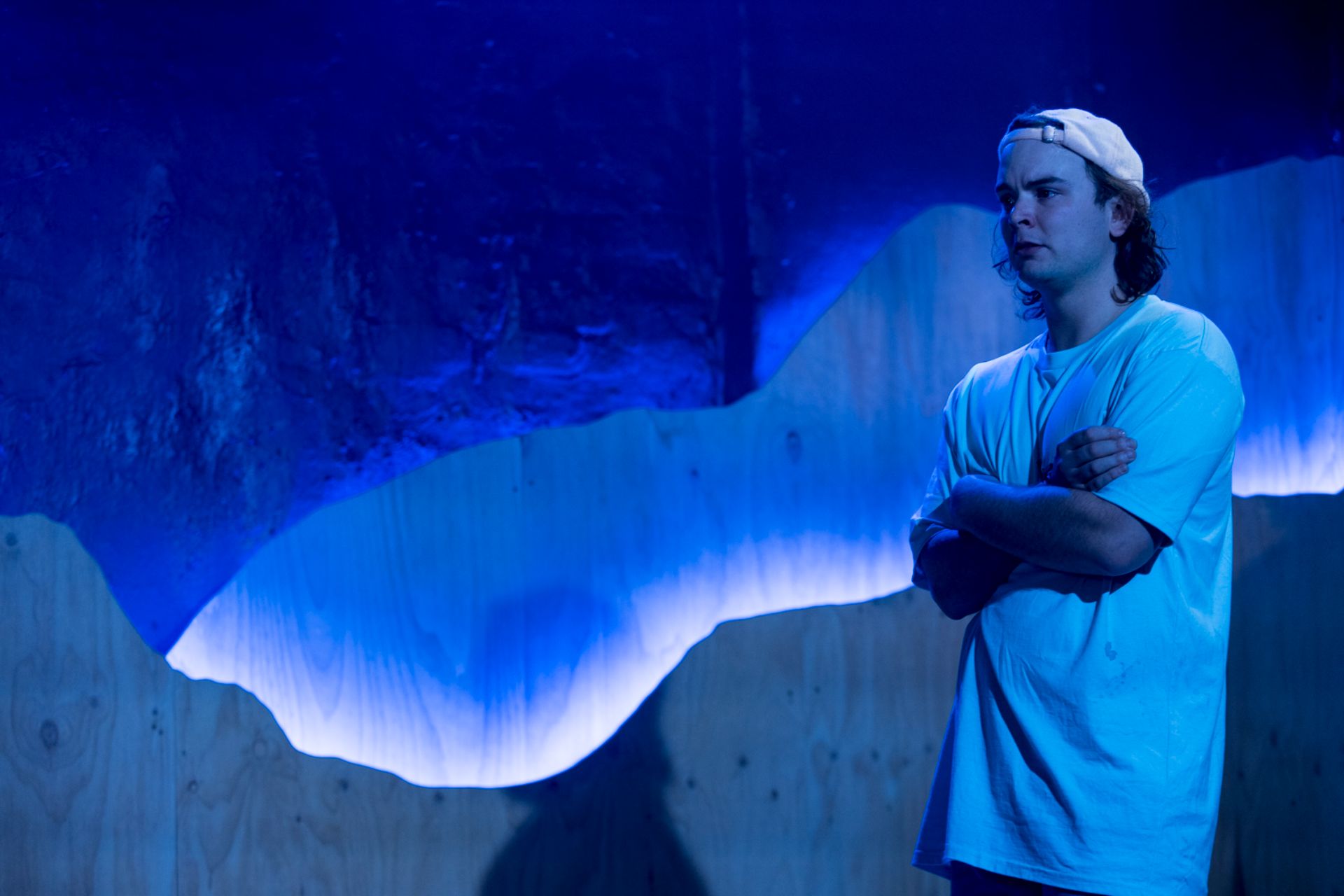
Actor Dani Sib brings incredible focus to the lead role, delivering unassailable authenticity whilst having us absolutely captivated, as they explore a multitude of tangential reflections, about a life that refuses to be encapsulated in a convenient narrative. Sandy Greenwood’s exceptional charisma comes to good use, as they embody several supporting parts to excellent effect, giving us a reassuring warmth that makes this experience feel accessible and real. Also noteworthy are costumes by the aforementioned Harper, convincing in their rendering of personality types, and wonderfully theatrical at pivotal moments.
Few things can claim to be new, in our artistic expressions and more generally in the ways we conduct social discourse. The emergence of non-binary identities however, is a contemporary phenomenon that elicits new ways of thinking, and indeed new ways of understanding aspects of our nature. It is a revolutionary movement that urges us to see a deeper truth about who we are, and what we are capable of. It is indicative of a future that can fundamentally erase notions of difference, so that we can regard each other with greater equity. Non-binary rejects stratifications, and it will instigate a dismantlement of instruments used for domination, beyond concepts of gender.
















































 Suzy Goes See