Review: Bonnie & Clyde (Hayes Theatre)

Venue: Hayes Theatre Co (Potts Point NSW), 17 Jun – 17 Jul, 2022
Book: Ivan Menchall
Lyrics: Don Black
Music: Frank Wildhorn
Director: Sam Hooper
Cast: Teagan Wouters, Blake Appelqvist, Carlo Boumouglbay, Jonathan Chan, Darcy Fisher, Lewis Francis, Deborah Galanos, Milo Hartill, Kieran McGrath, Lucy Miller, William Motunuu, Sarah Murr, Caity Plummer, Sam Richardson, Luisa Scrofani, Jim Williams
Images by Grant Leslie

Theatre review

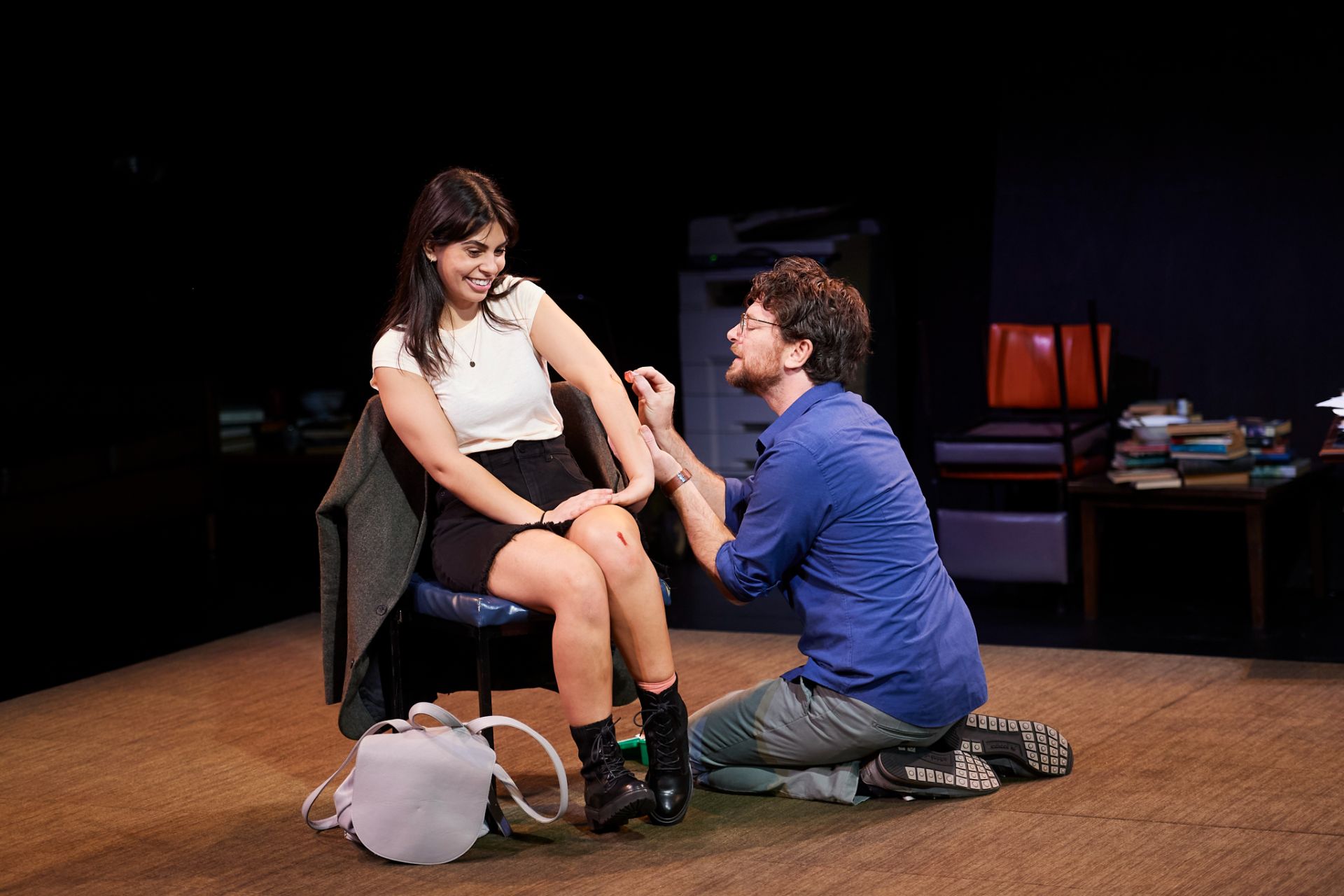
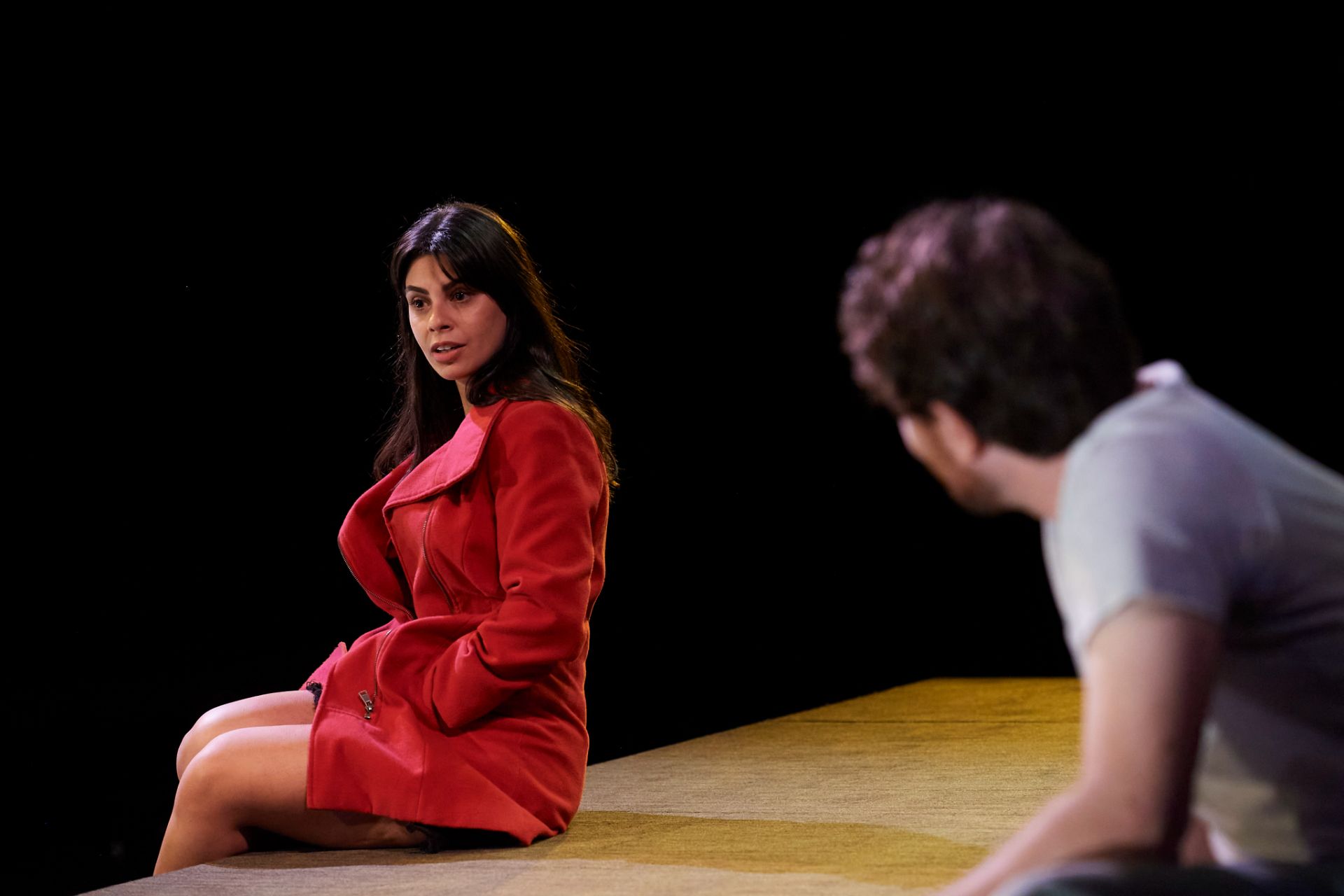
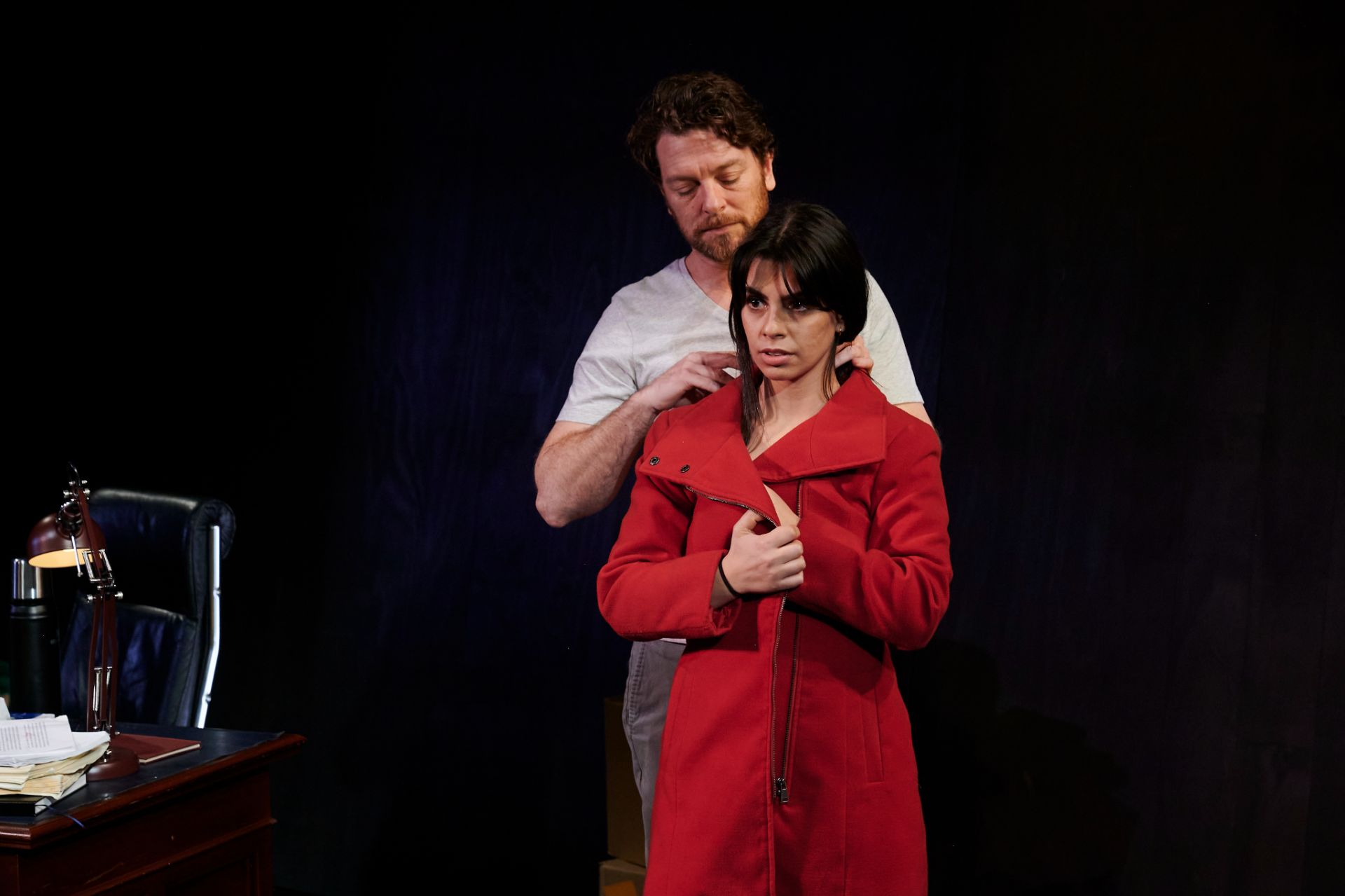
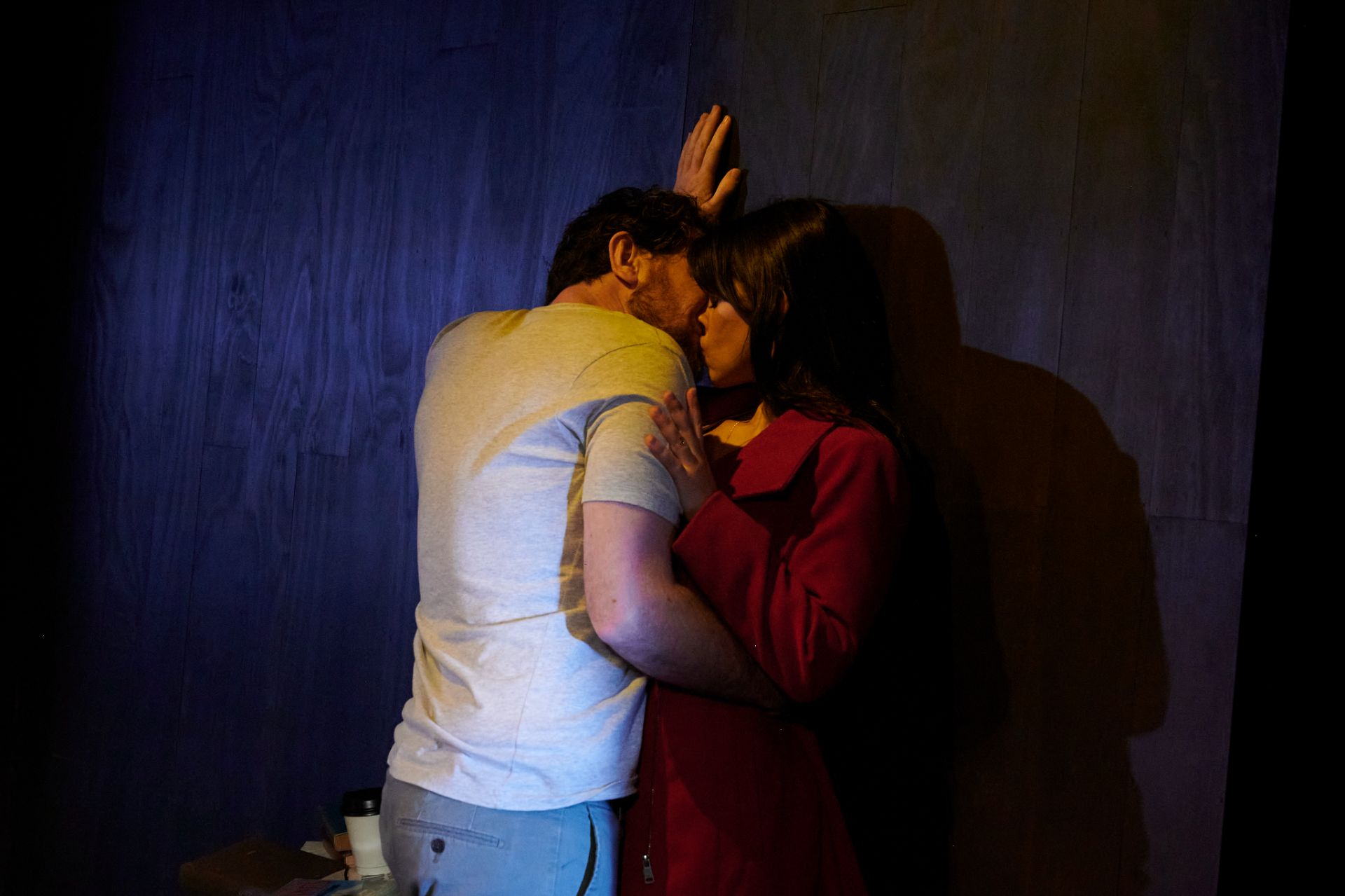
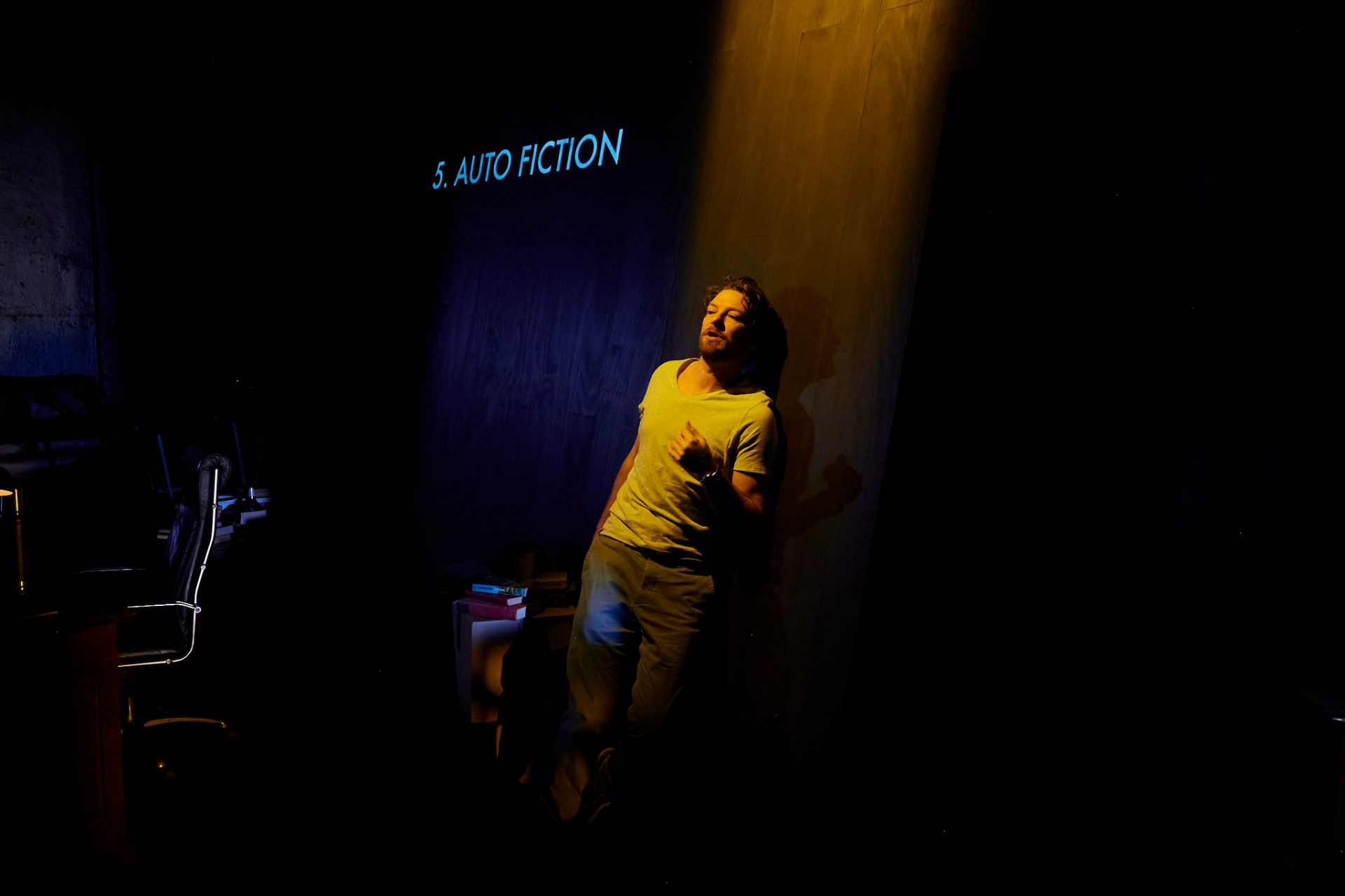
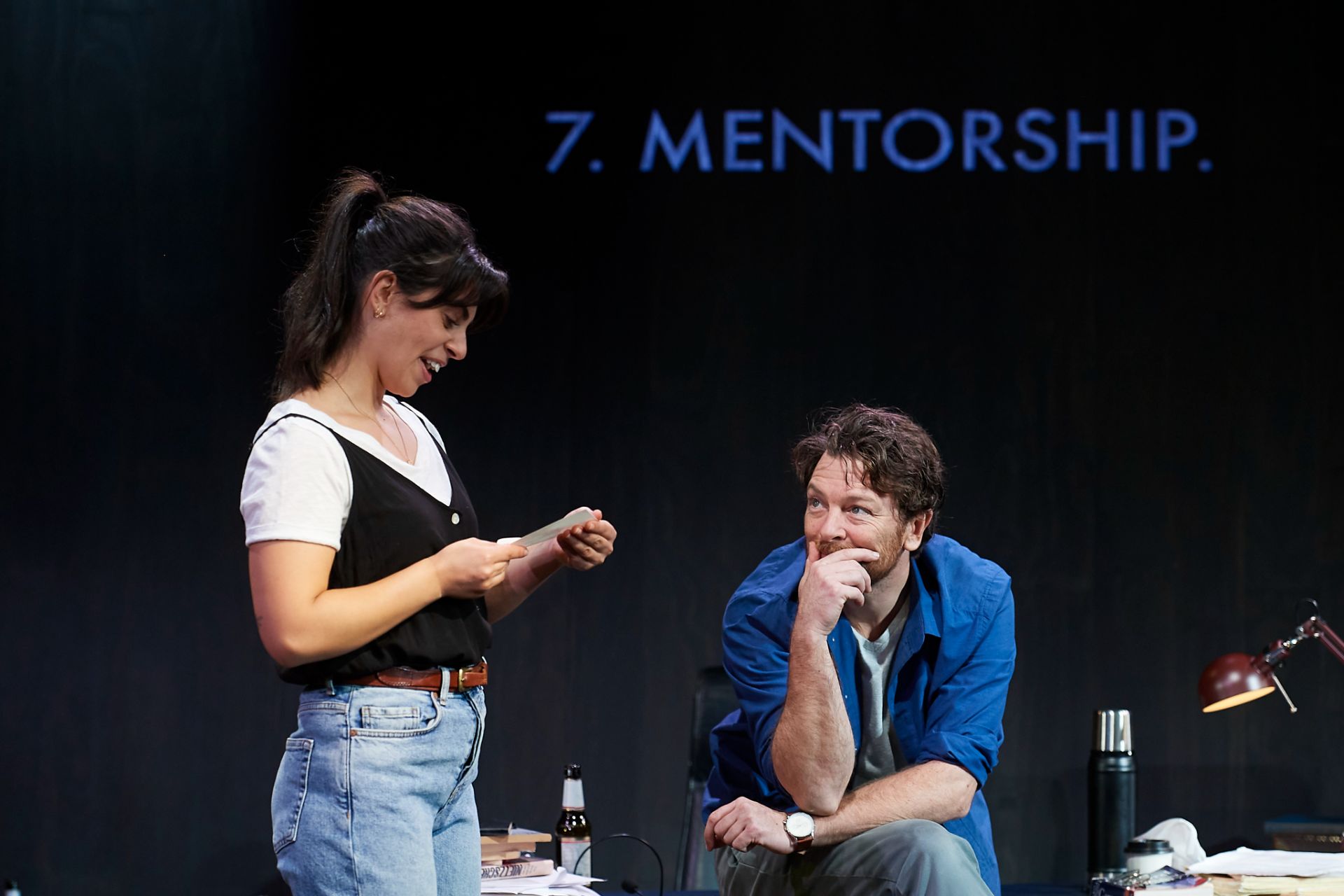
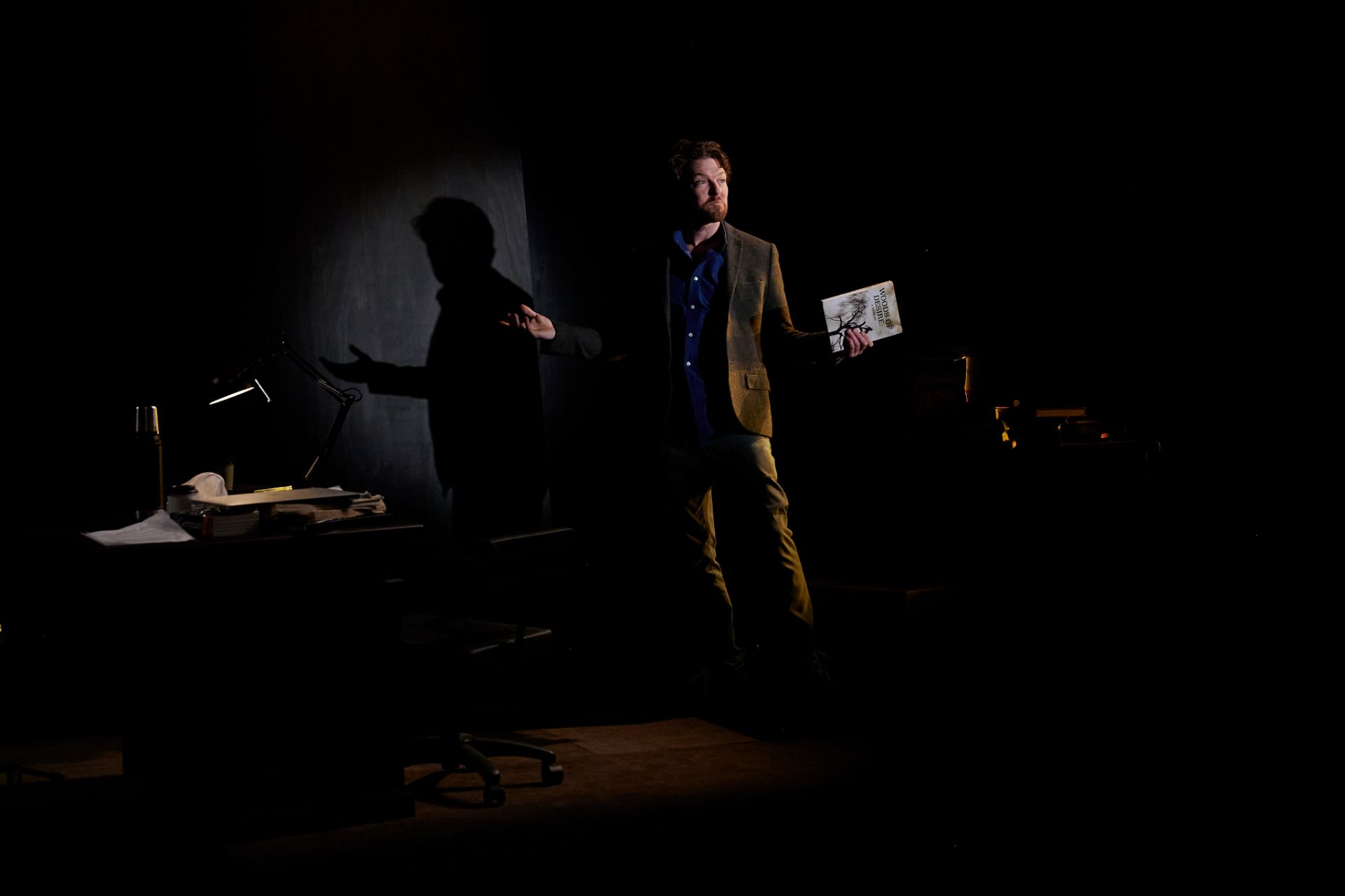
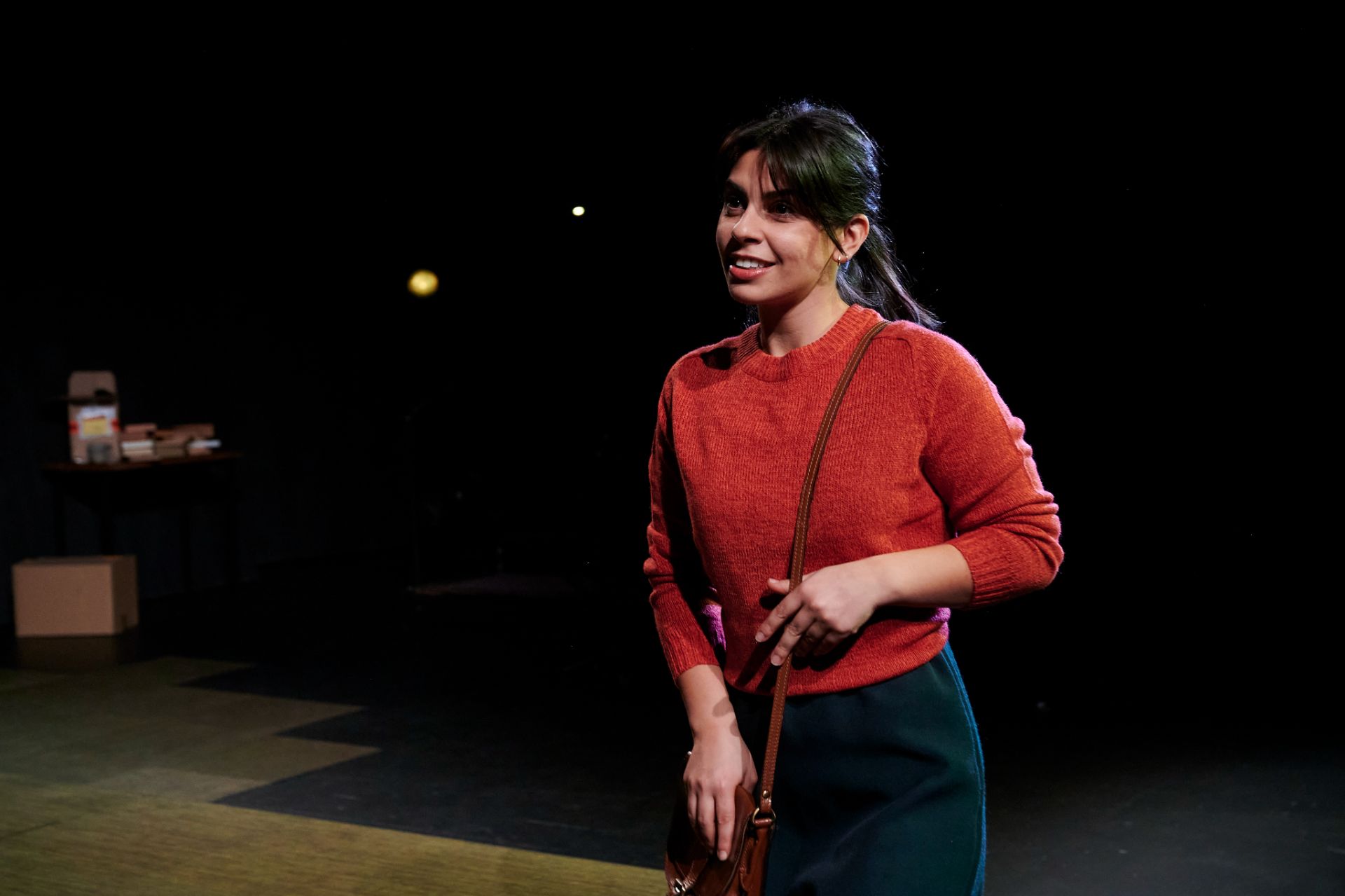
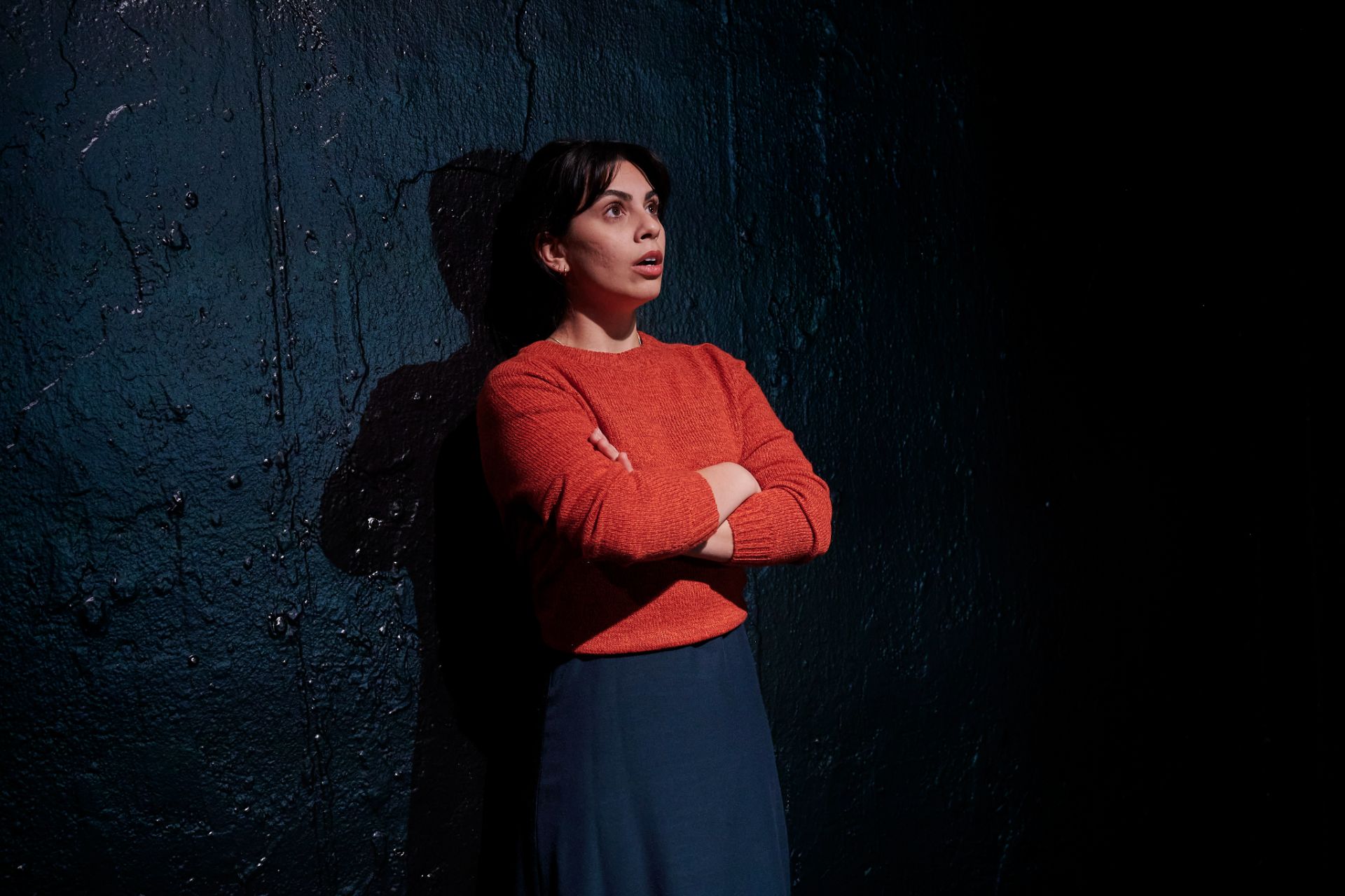
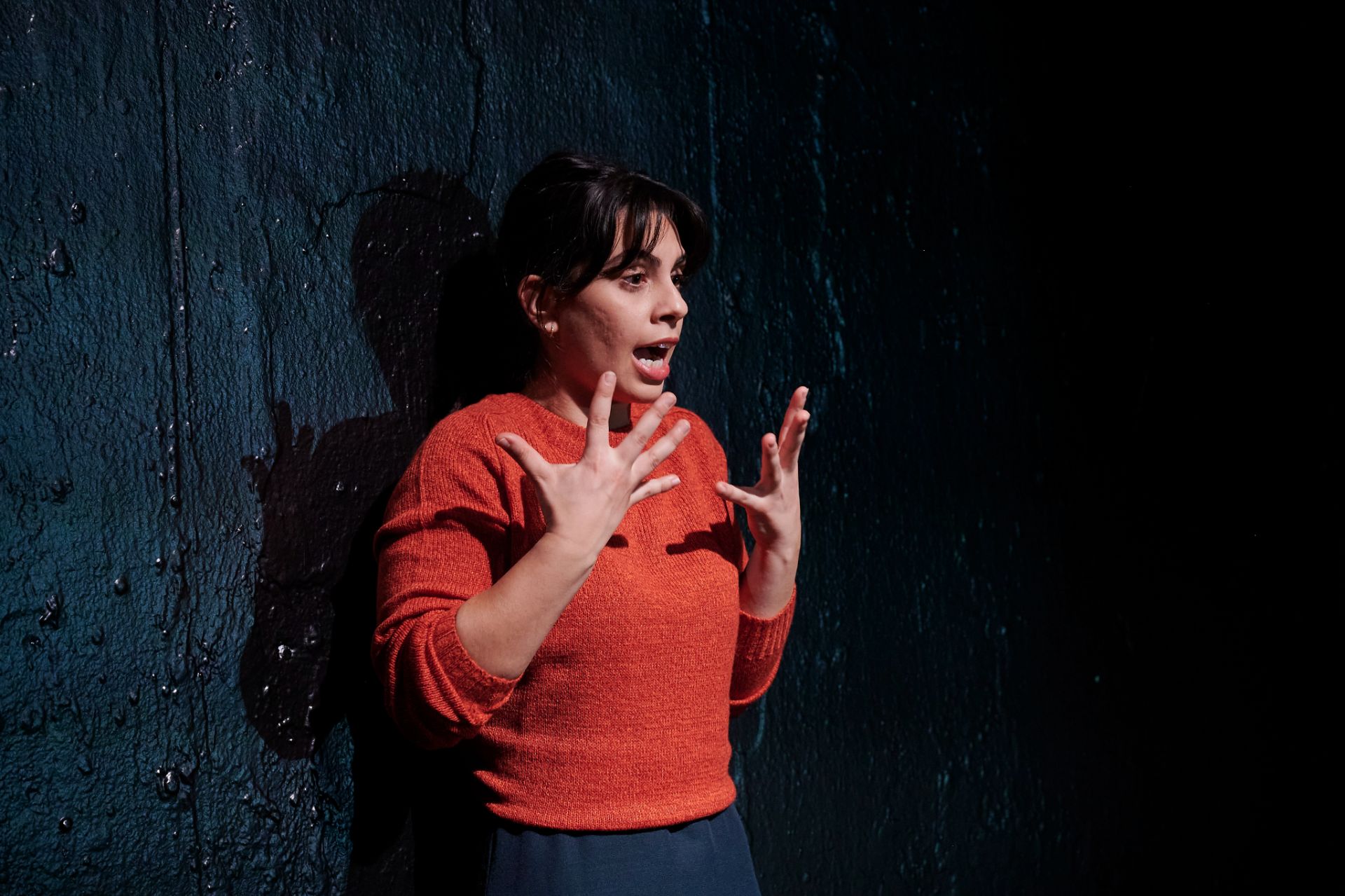
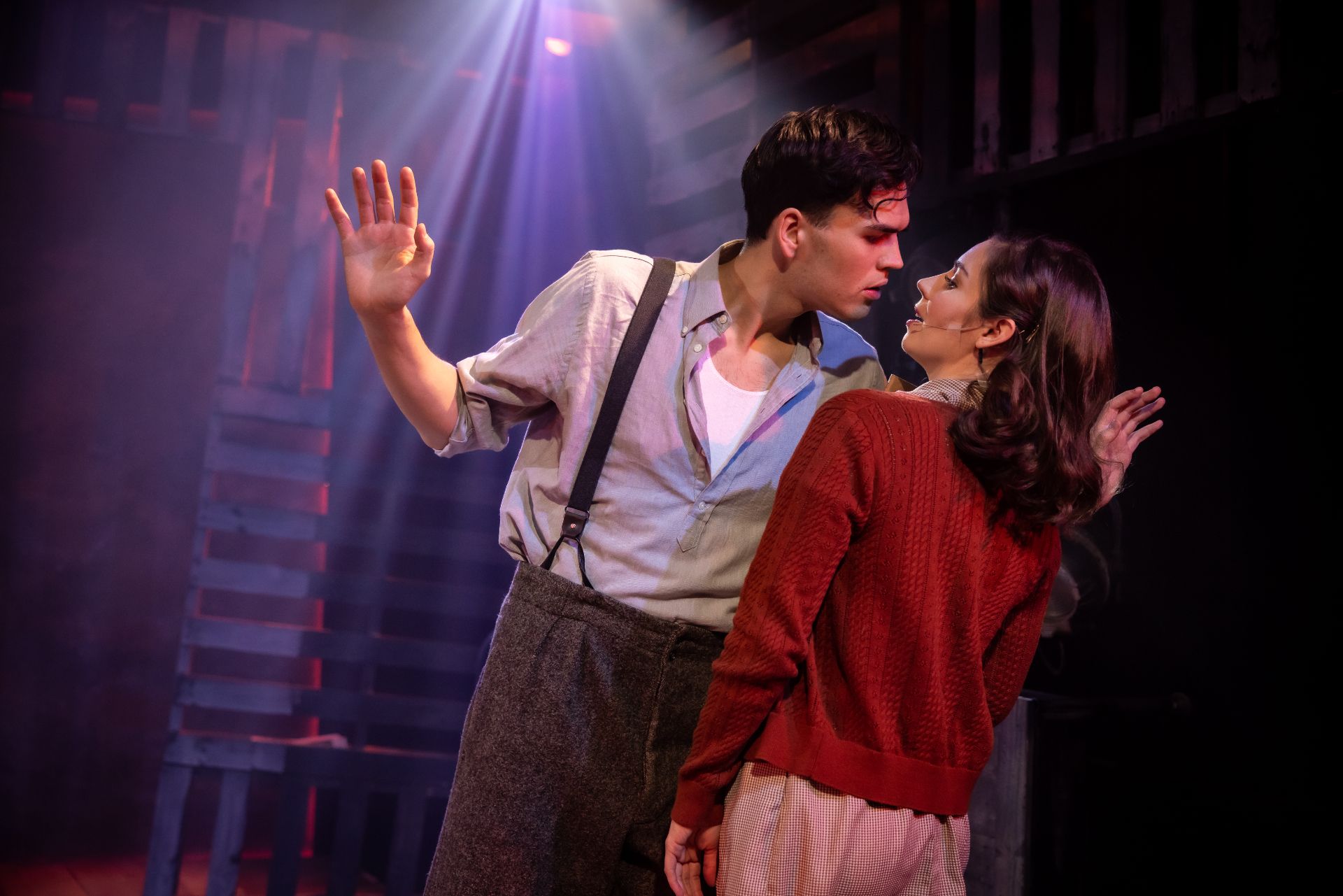
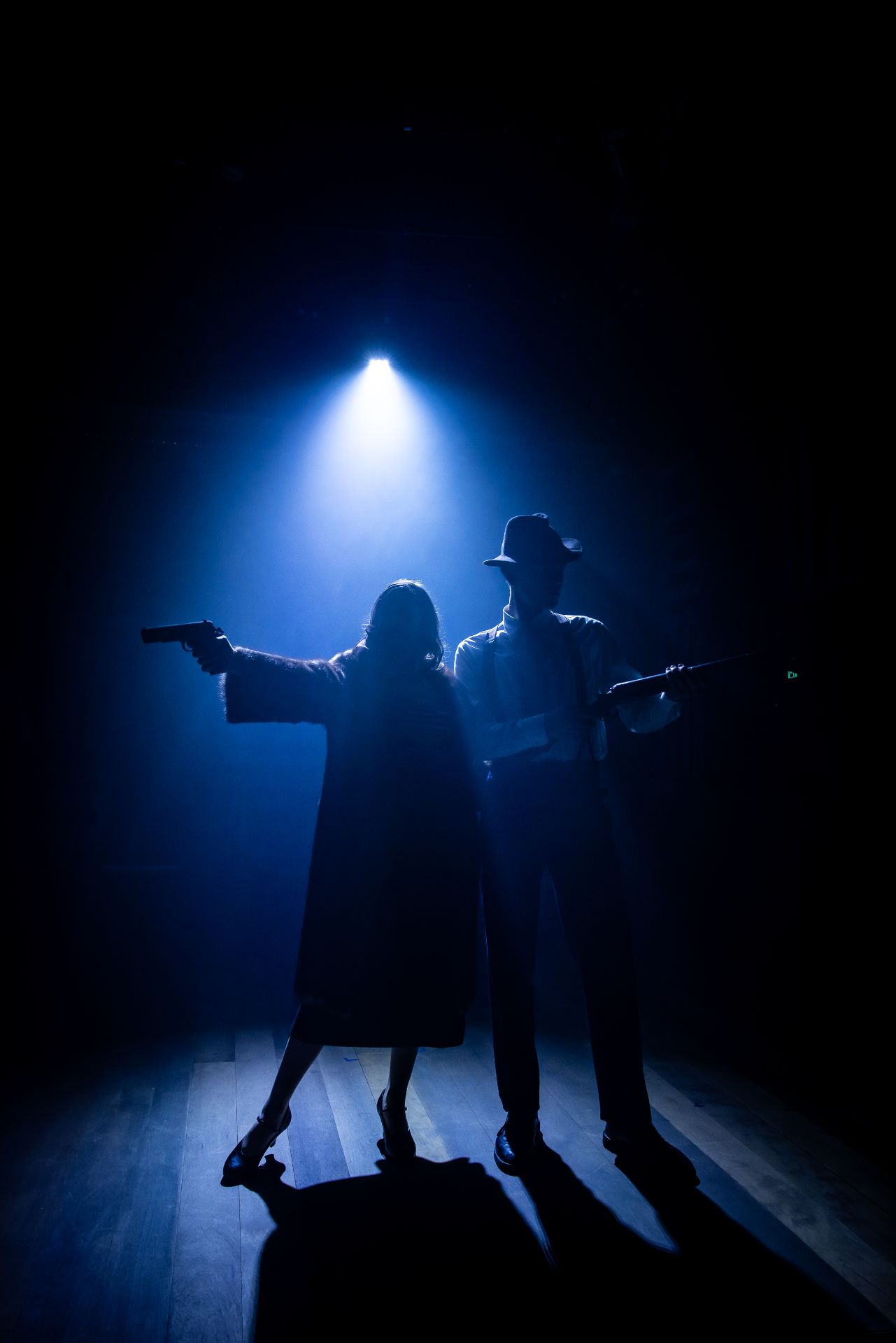
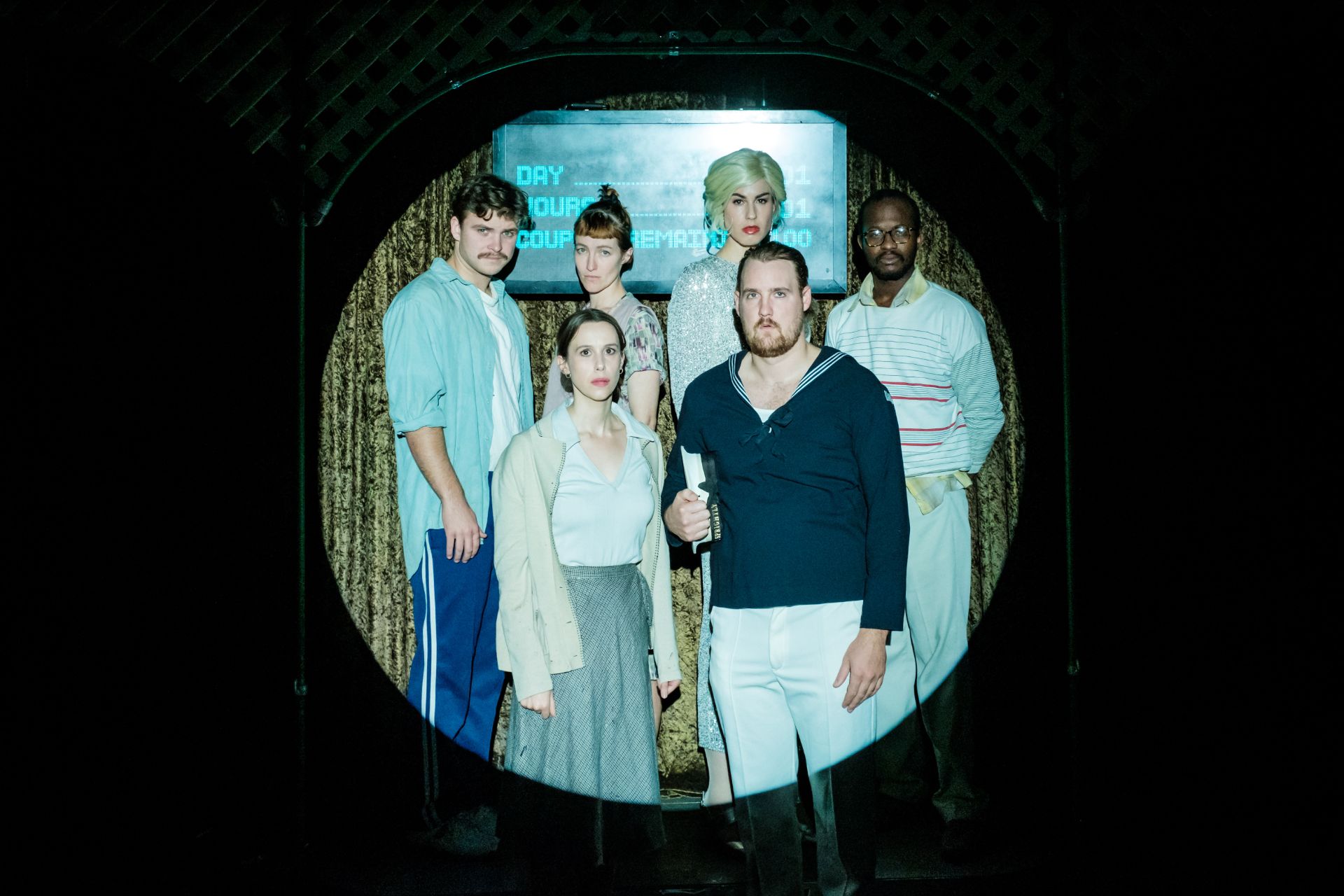
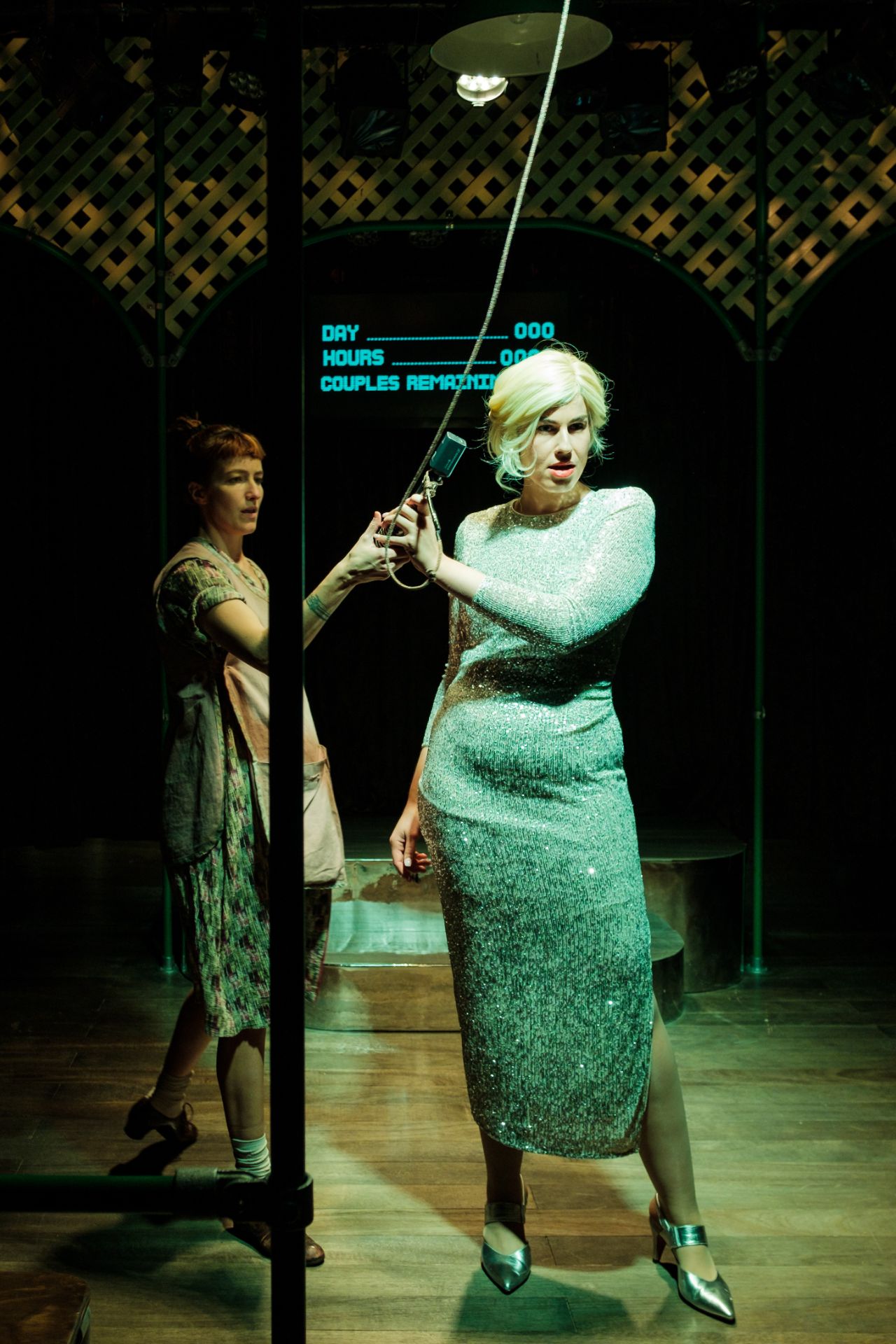
Bonnie Parker and Clyde Barrow lived a century ago in the United States of America, where they had become notorious robbers who killed a total of thirteen people through their exploits. Their names continue to hold cultural meaning today, thanks mainly to the 1967 Hollywood film Bonnie and Clyde, remembered for glamourising that historical entanglement, of crime and romance. This musical version first appeared in 2009, and ran for just 69 performances on Broadway in 2011.

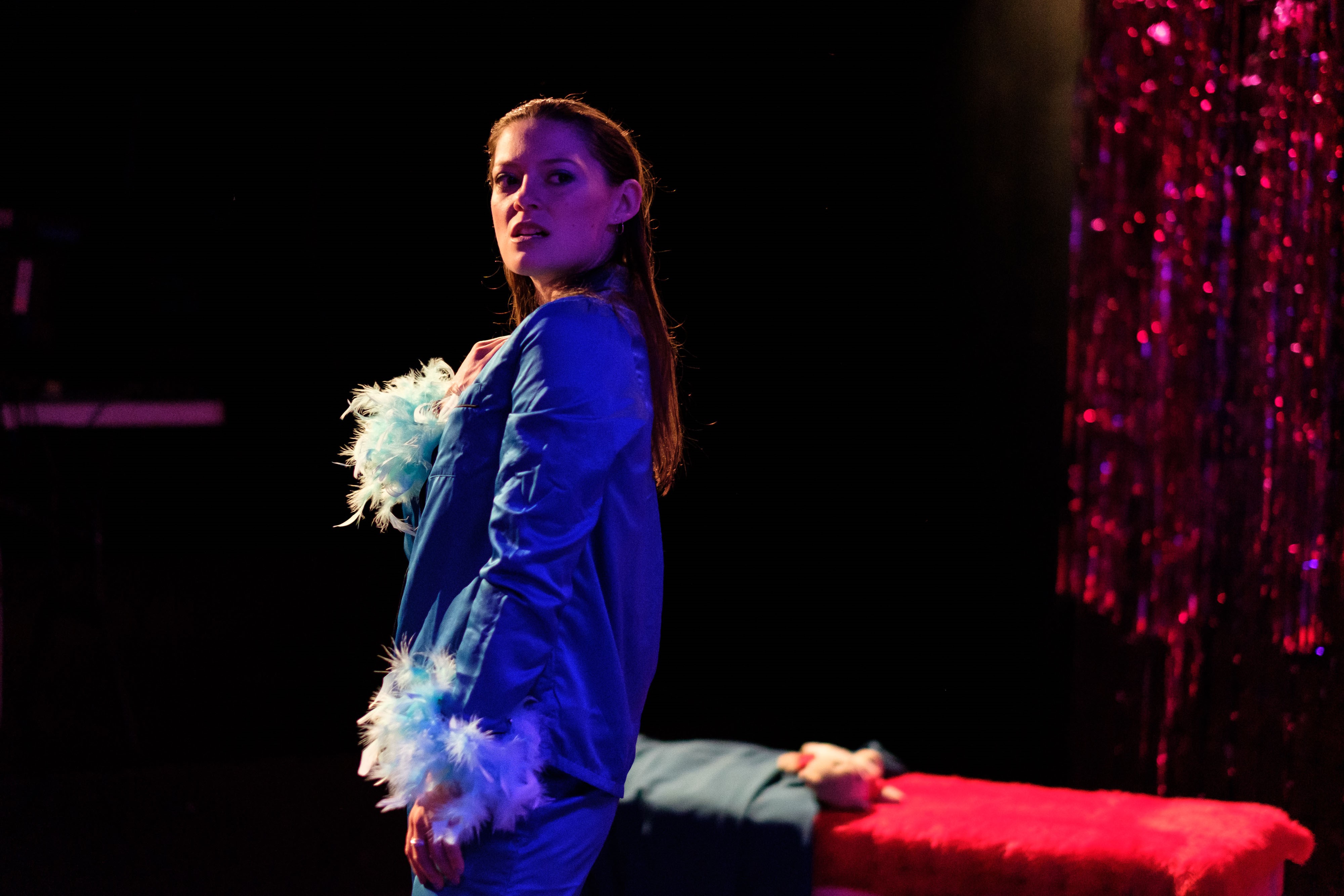
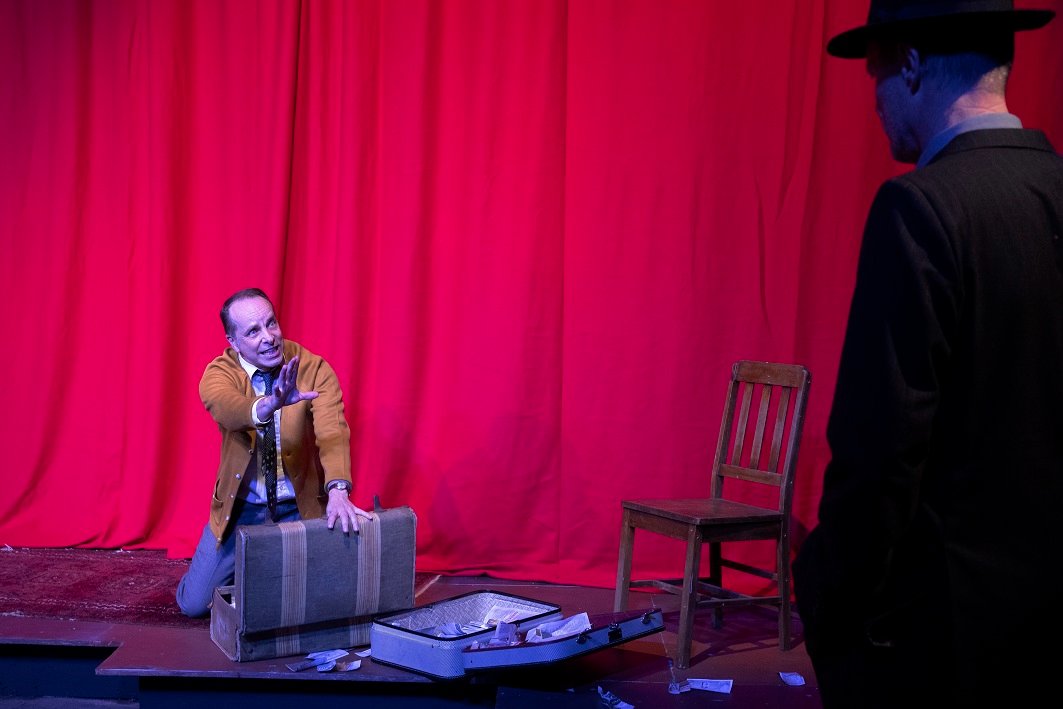
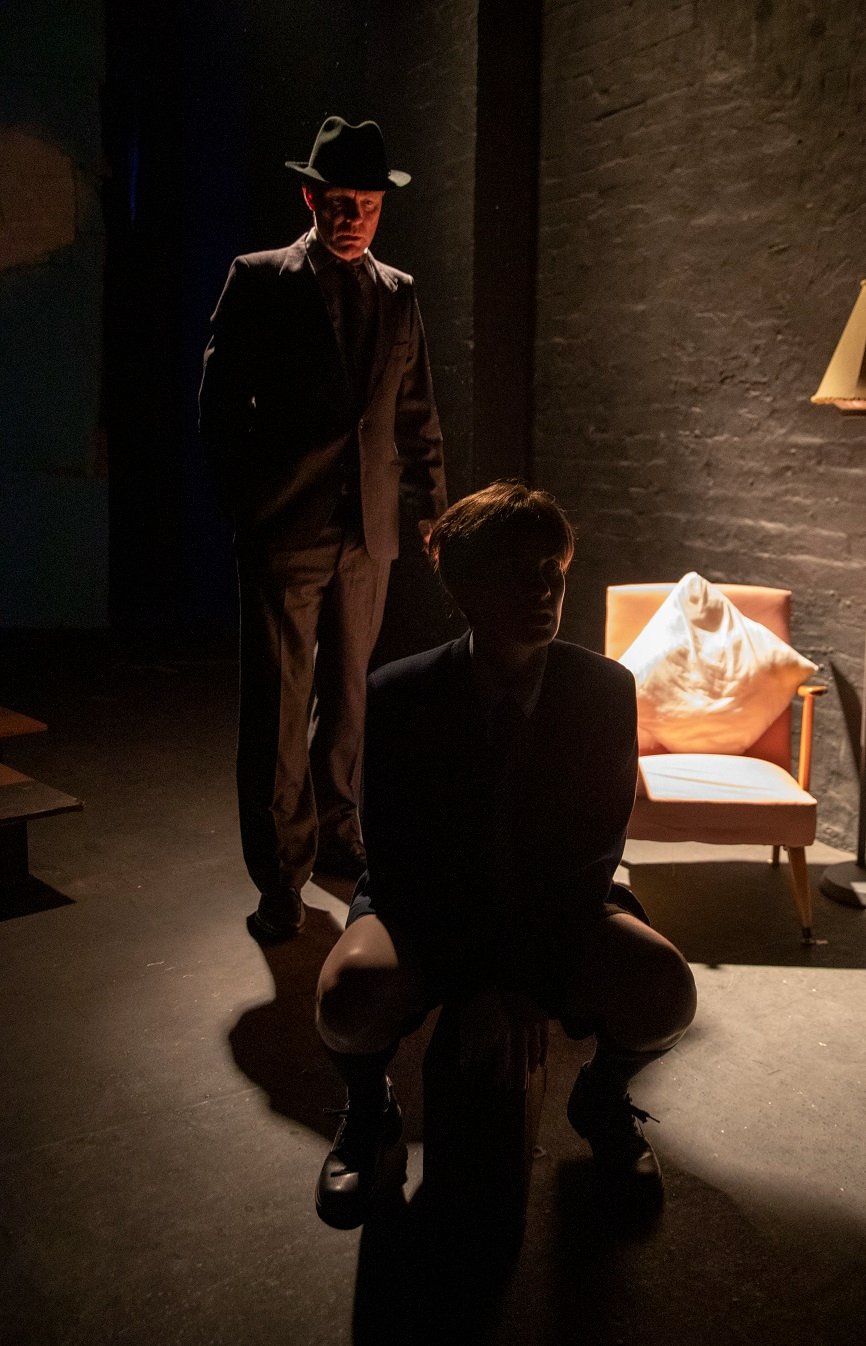
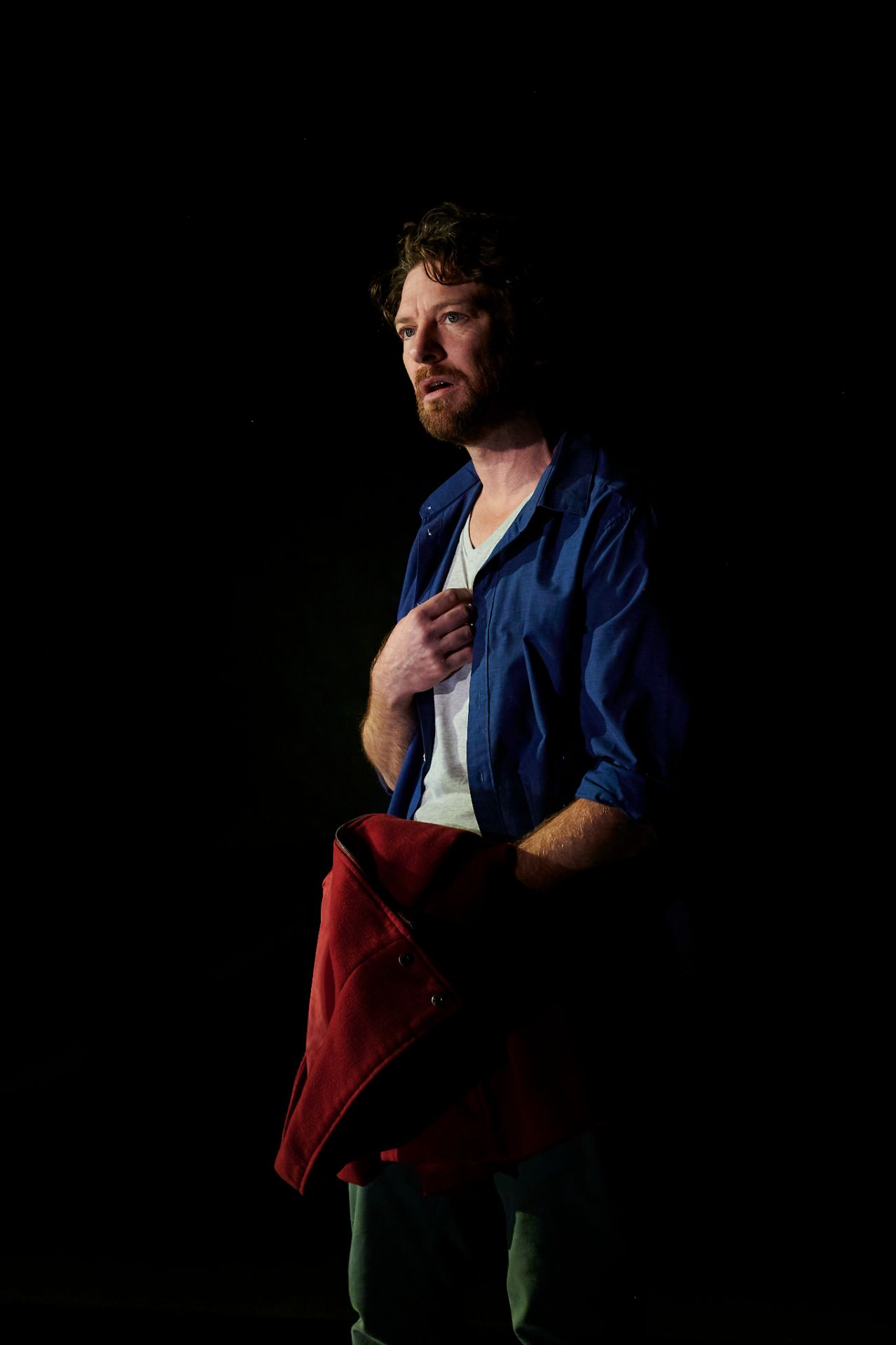
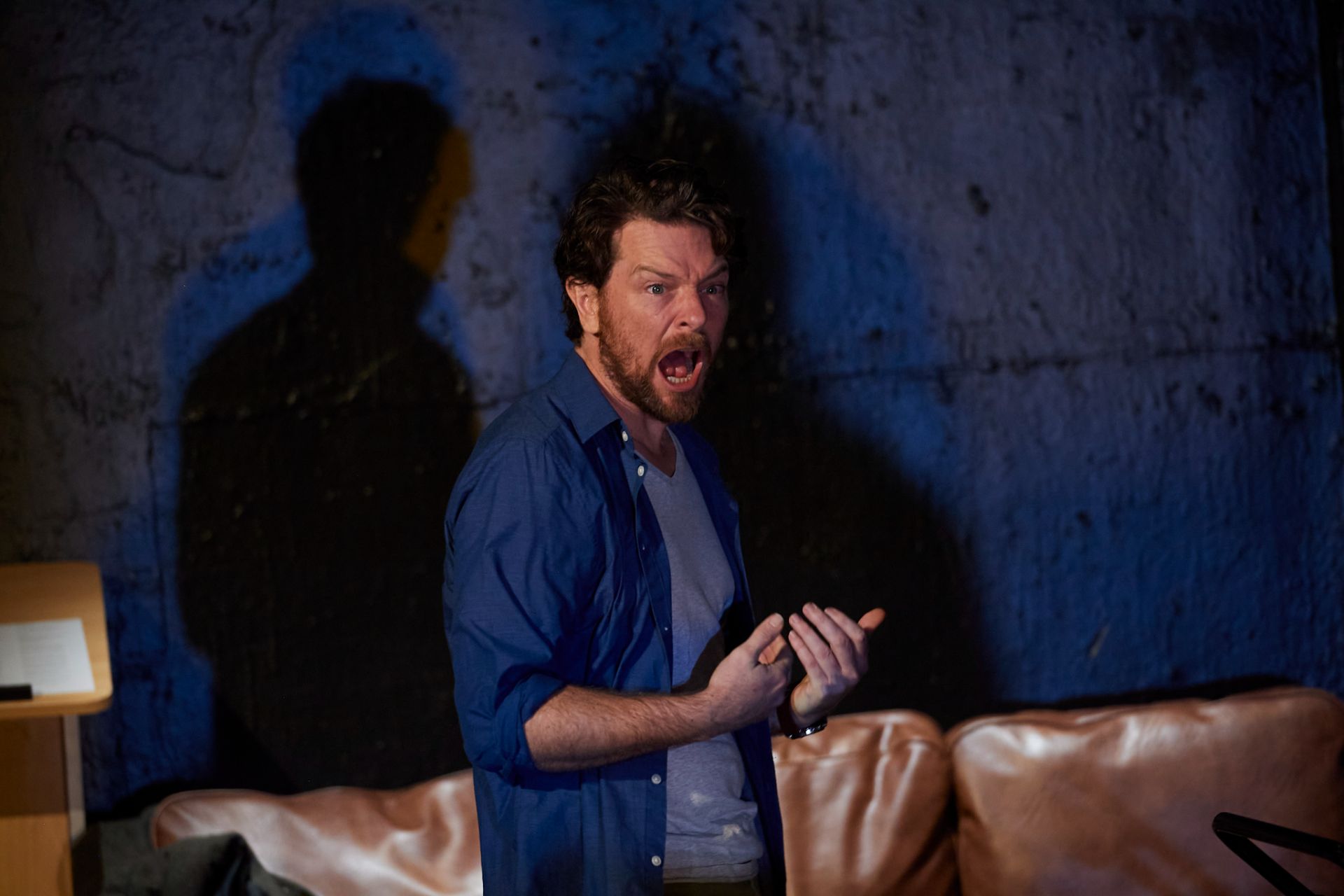
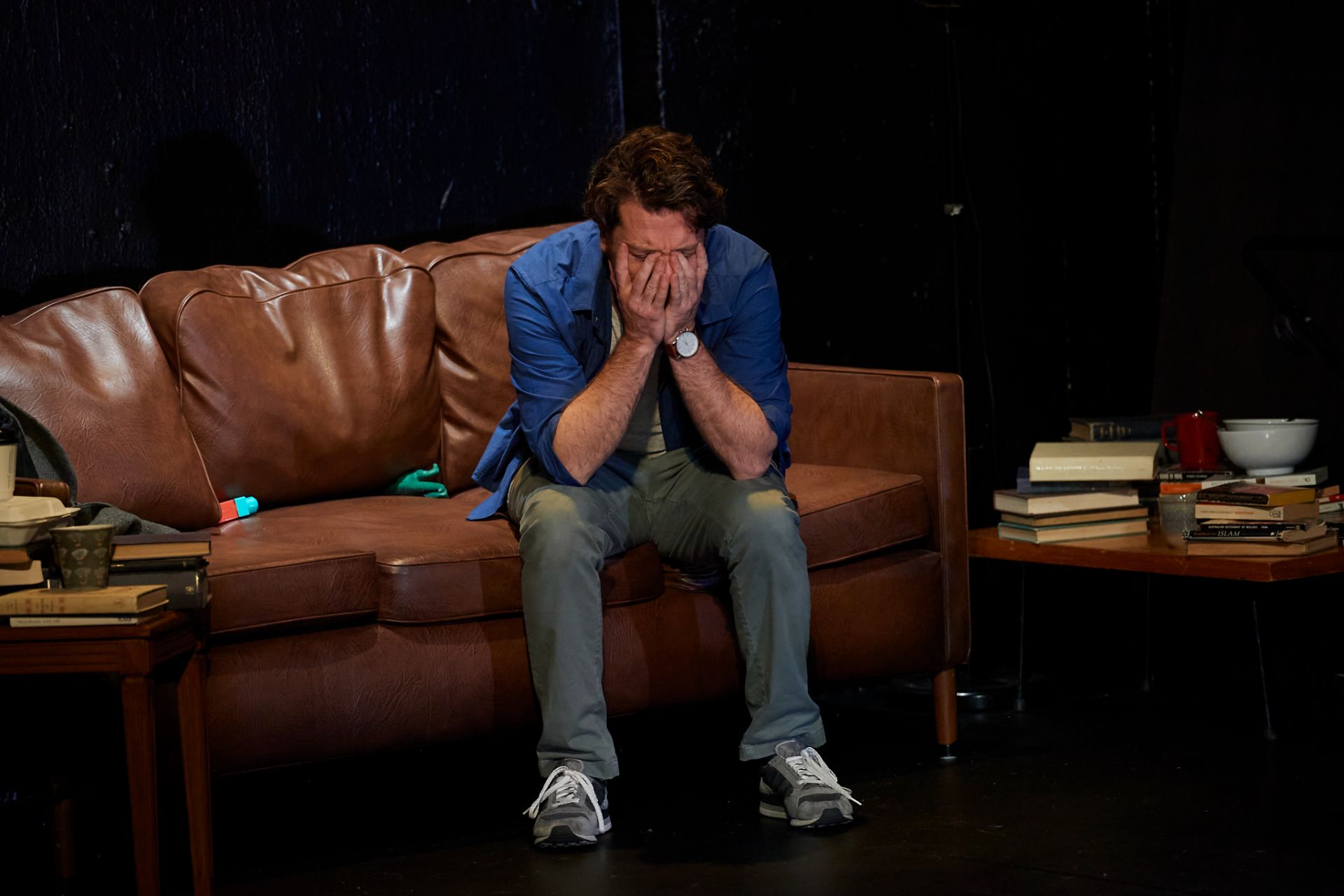
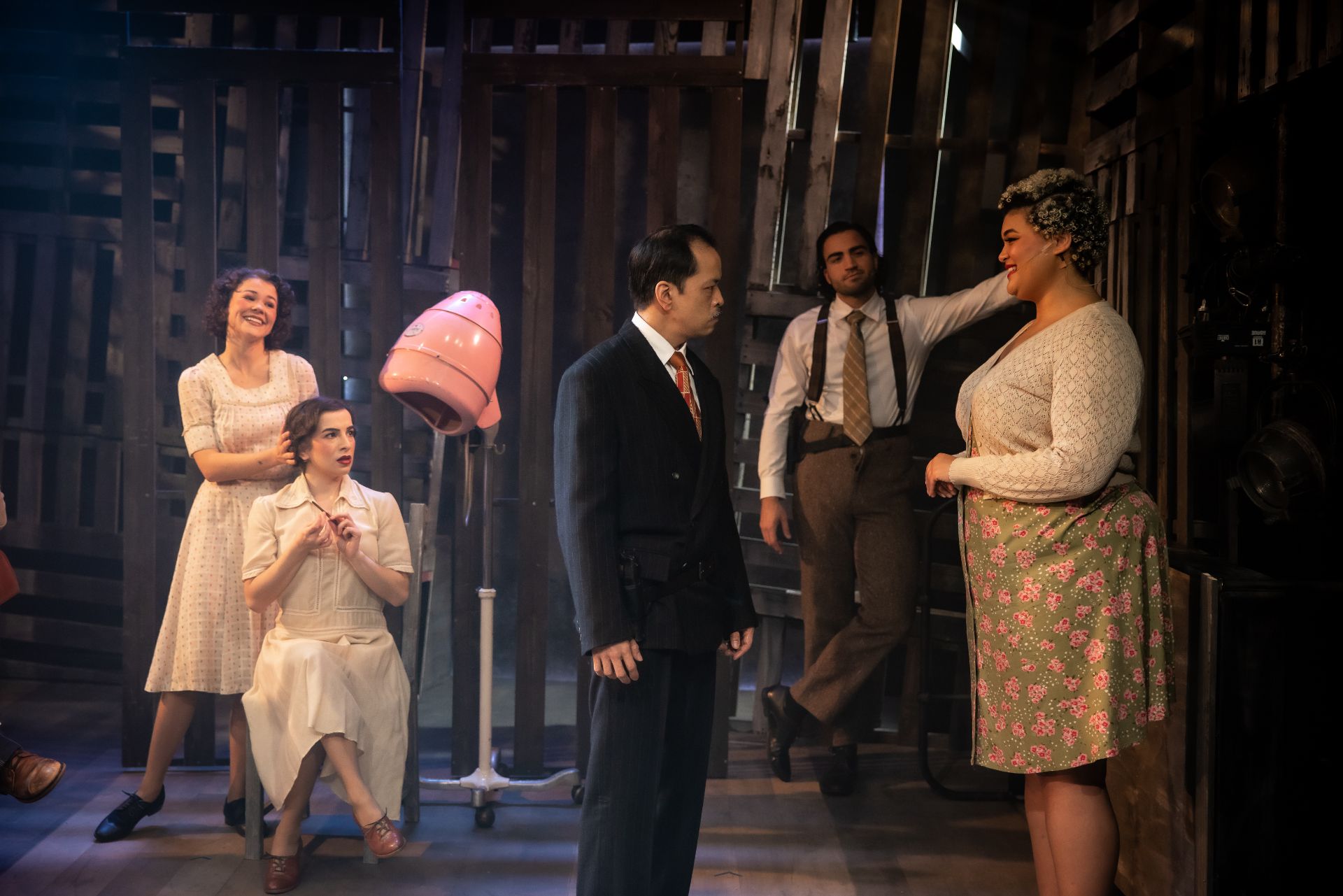
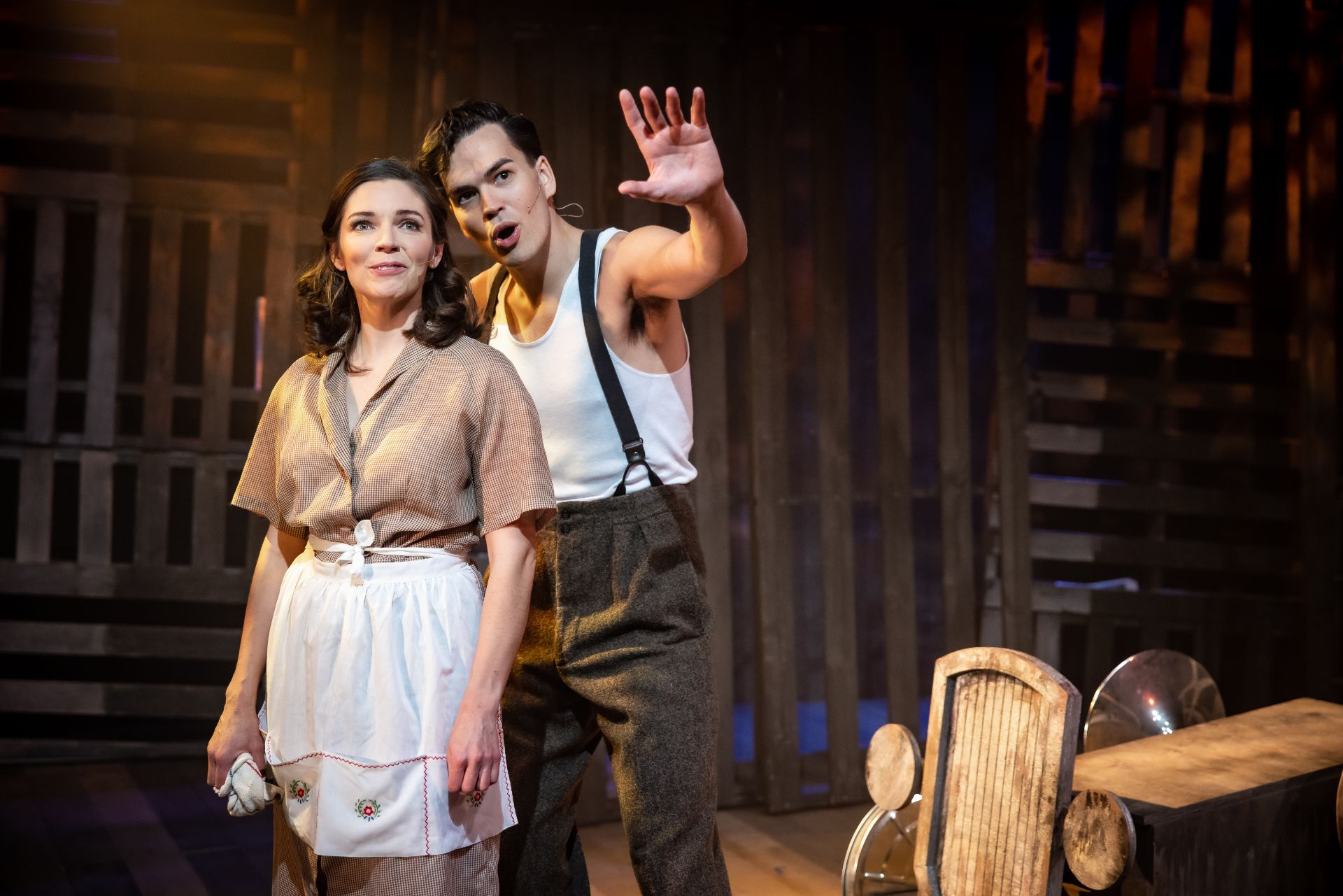
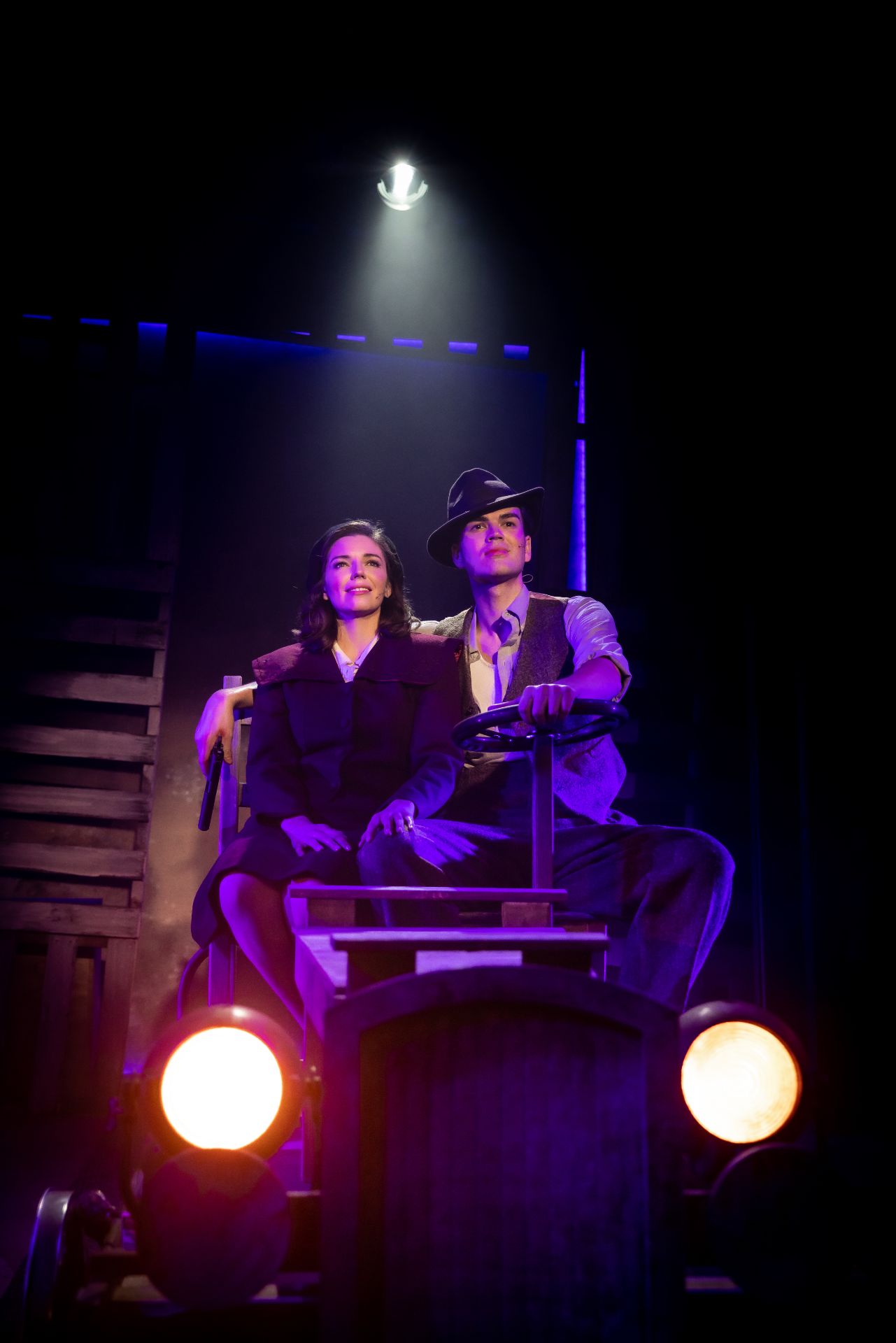
On stage, the scandalous couple’s story seems to lose all its lustre. Their personalities become too nice, and their lawlessness is portrayed too innocently. The book by Ivan Menchall feels uninspired, demonstrating that little about the legendary narrative remains captivating. Directed by Sam Hooper, who brings along an unmistakeable earnestness to this revival, but struggles to make the show deliver enough thrills and spills, even with the presence of firearms throughout the piece.

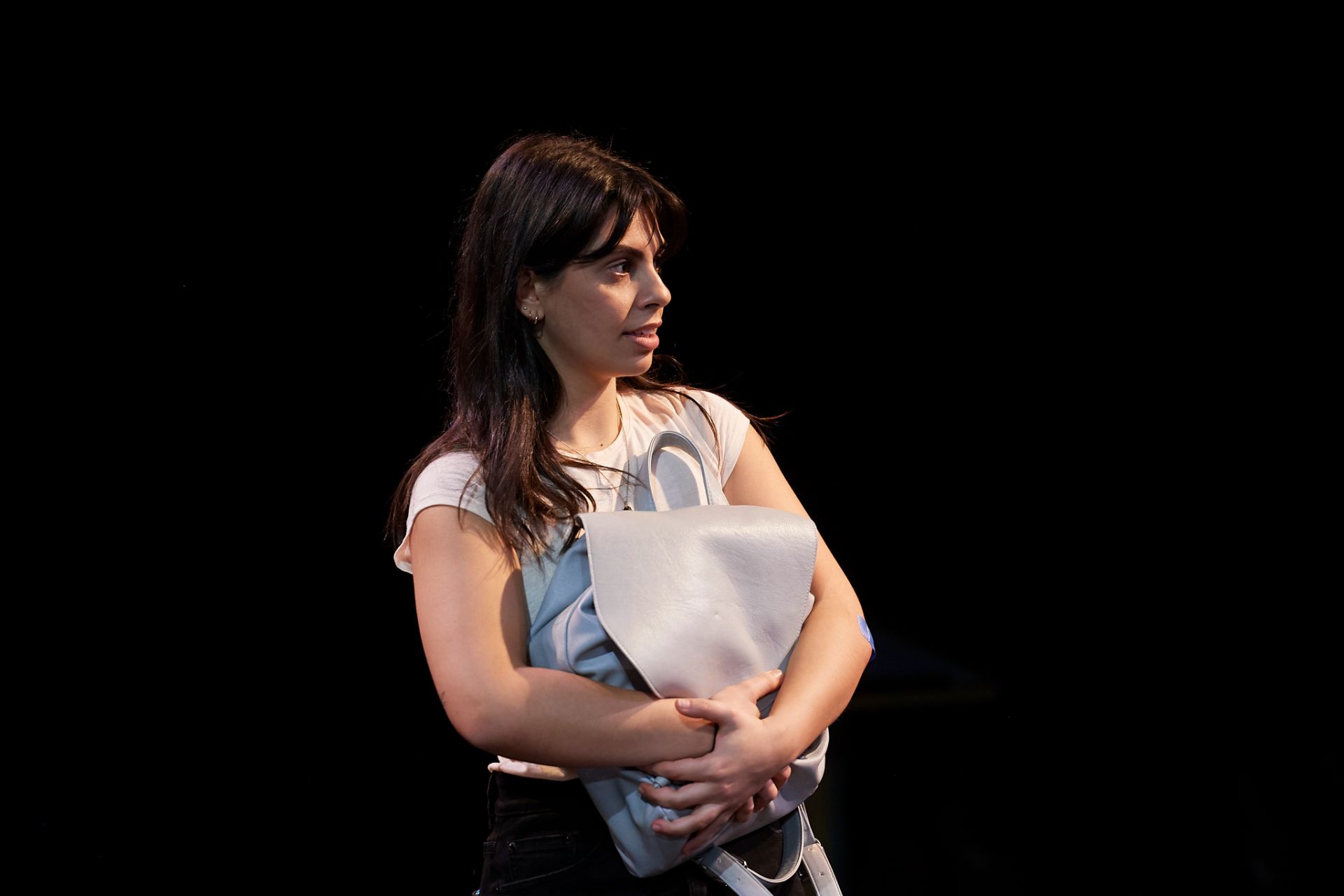
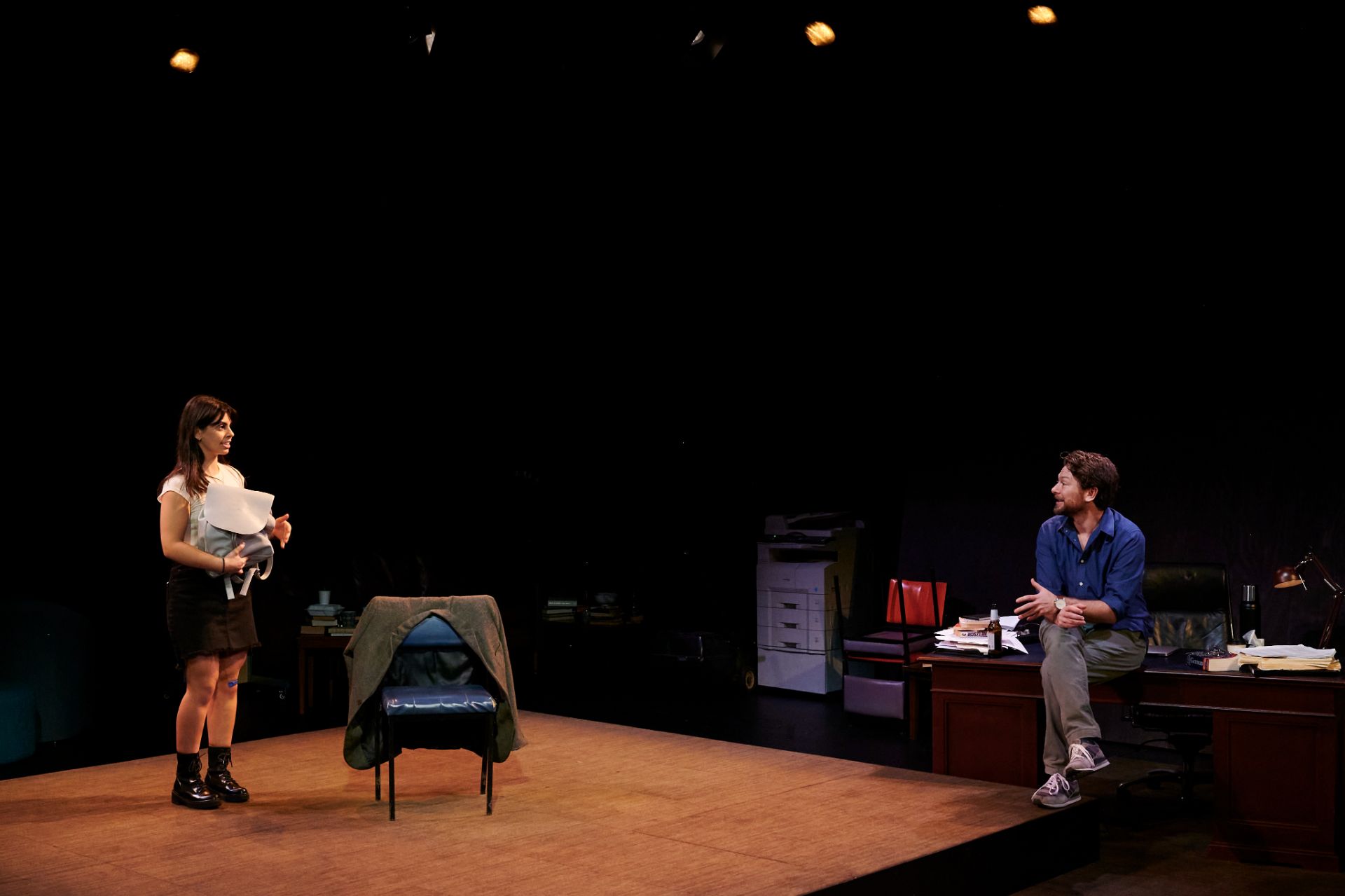
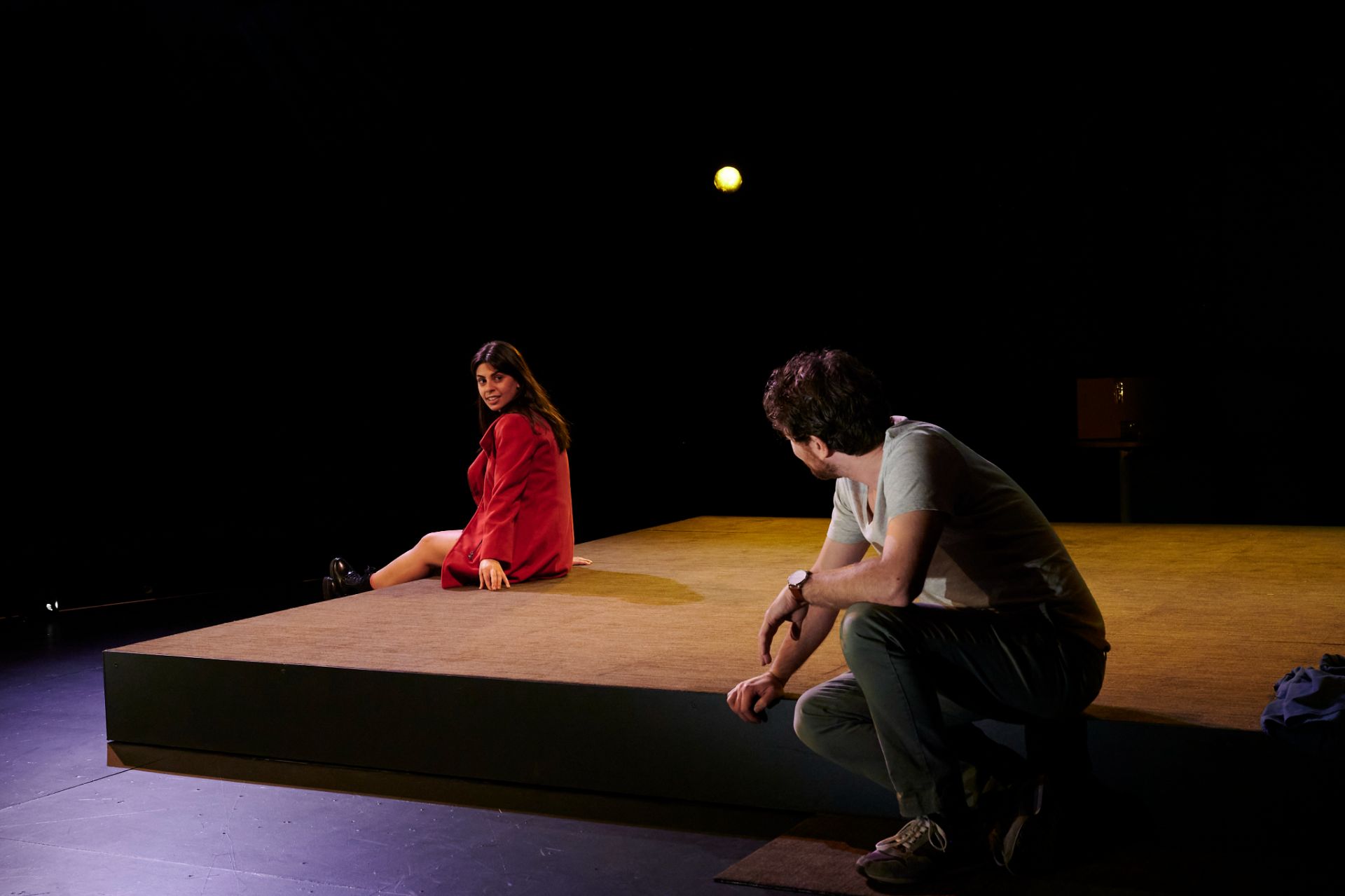
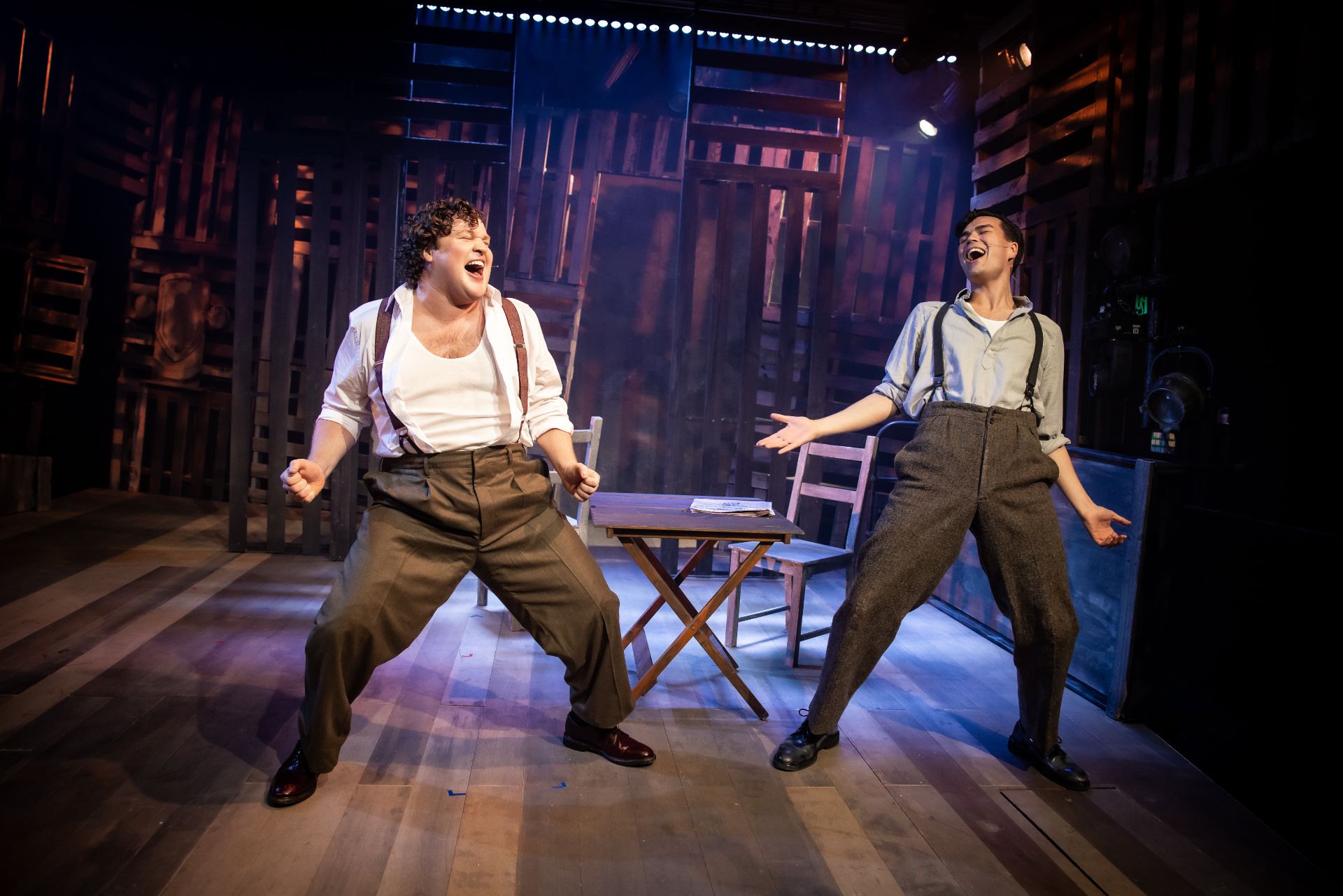
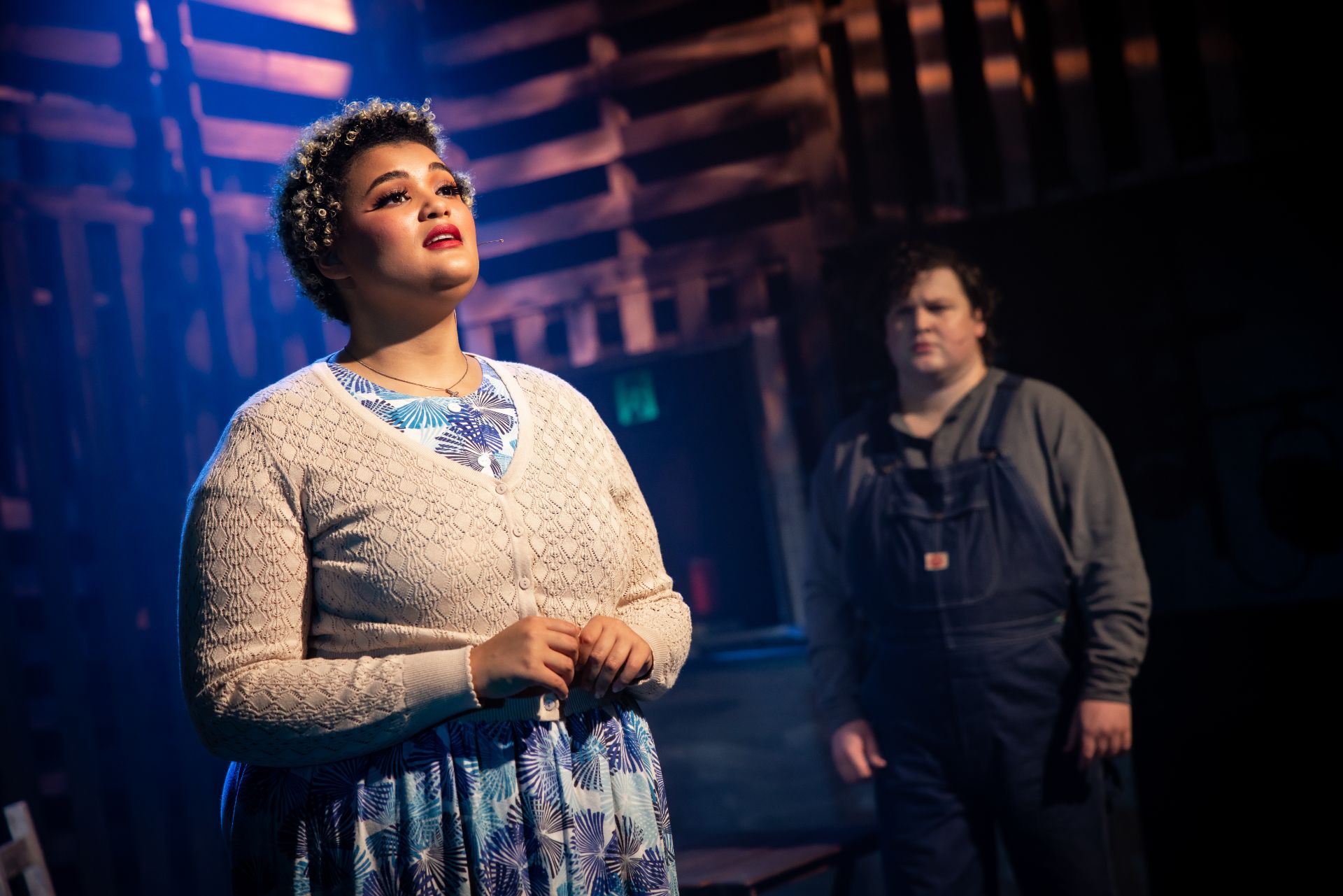
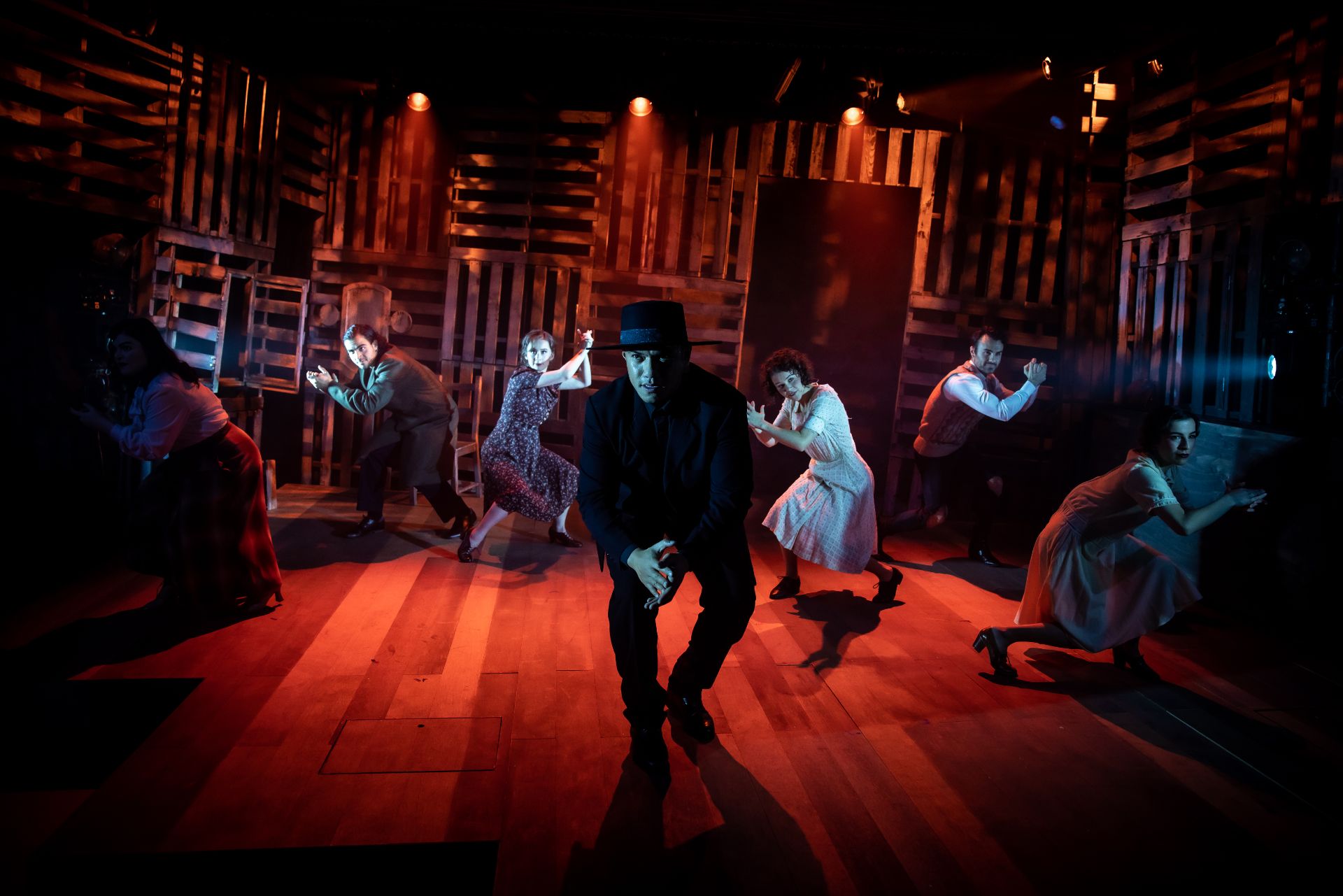
The general look of the production is accomplished with a minimalist approach, that can feel somewhat unimaginative, and sparse. The songs in Bonnie and Clyde however, are enjoyable. Music direction by Zara Stanton keeps things classic and tight, with neat but lively instrumentations that help to sustain our attention. Vocals by lead performers Teagan Wouters and Blake Appelqvist are powerful ; both offering technical brilliance that successfully elevate these lesser known tunes. Characters in the show, however, never feel convincing, and the audience is never really able to invest meaningfully into any relationship or narrative.

It may seem that we have finally lost interest in old criminals like Bonnie Parker and Clyde Barrow, but the truth is that we have simply shifted our admiration for the outlaw, to a different kind. In 2022, it is the billionaire maverick that has captured our attention. He does not have to wield guns or get his boots dirty. He simply fires off irresponsible tweets, and watch legions of fanboys fawn over his reckless behaviour. He uses his wealth and influence, to manipulate markets, bringing untold volatility to our economies. All because of his insatiable need, to look important and to feel virile.
www.hayestheatre.com.au

Review: Horses (25A Belvoir)

Venue: Belvoir St Theatre (Surry Hills NSW), Jun 16 – 25, 2022
Playwright: Ian Sinclair
Director: Tait de Lorenzo
Cast: Justin Amankwah, Tom Dawson, Caitlin Doyle-Markwick, Nathaniel Langworthy, Charlotte Otton, Brontë Sparrow
Images by Robert Catto

Theatre review
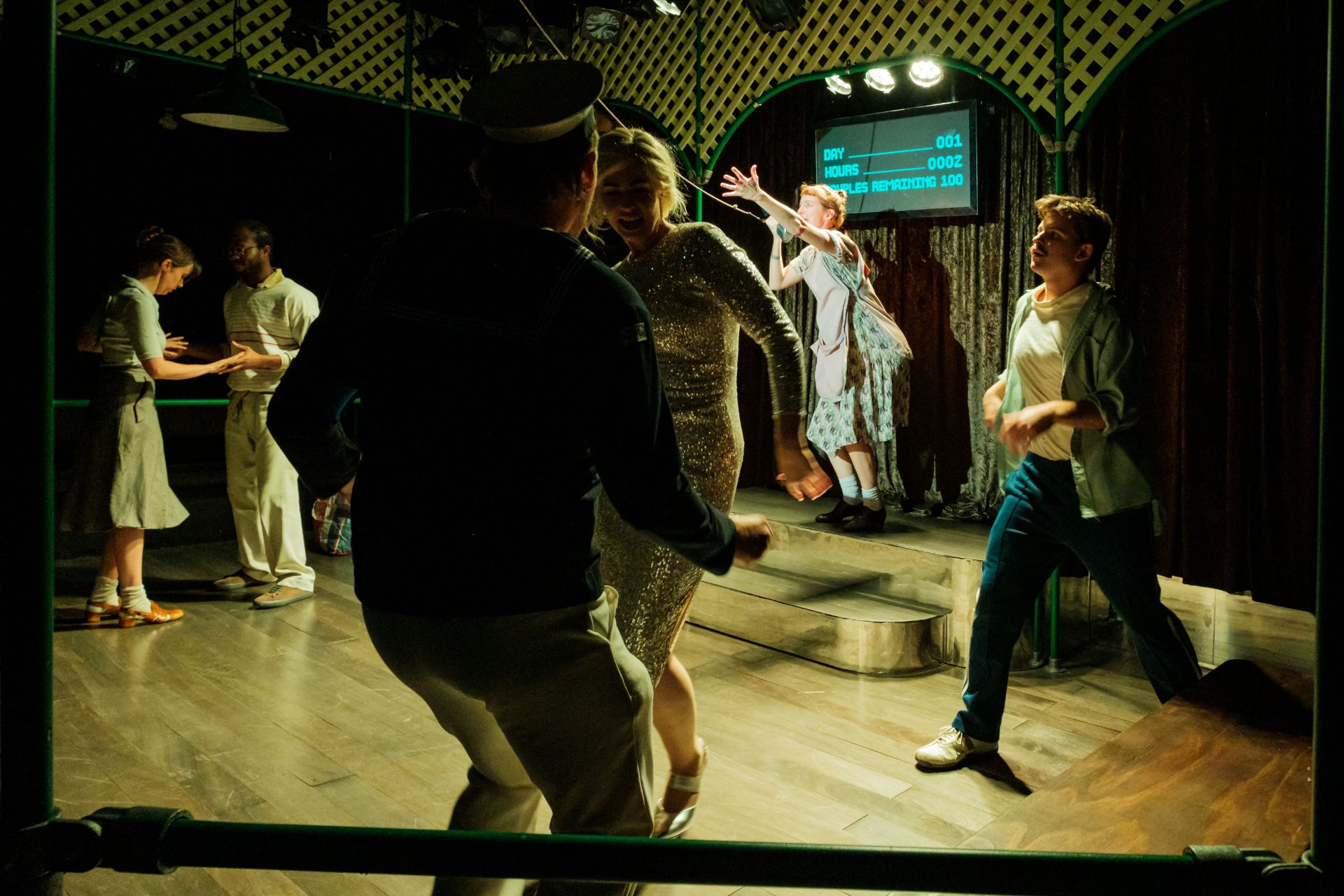
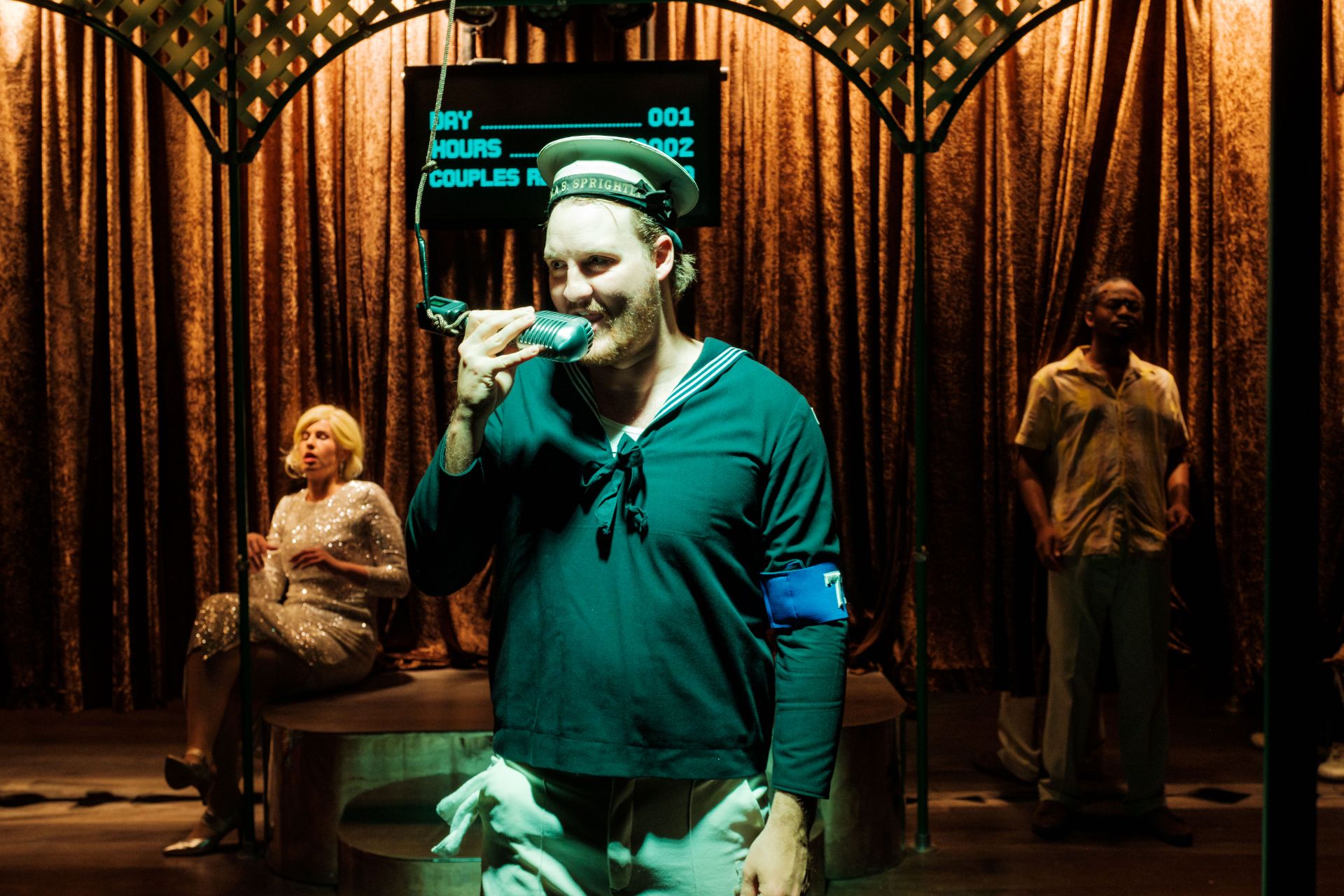
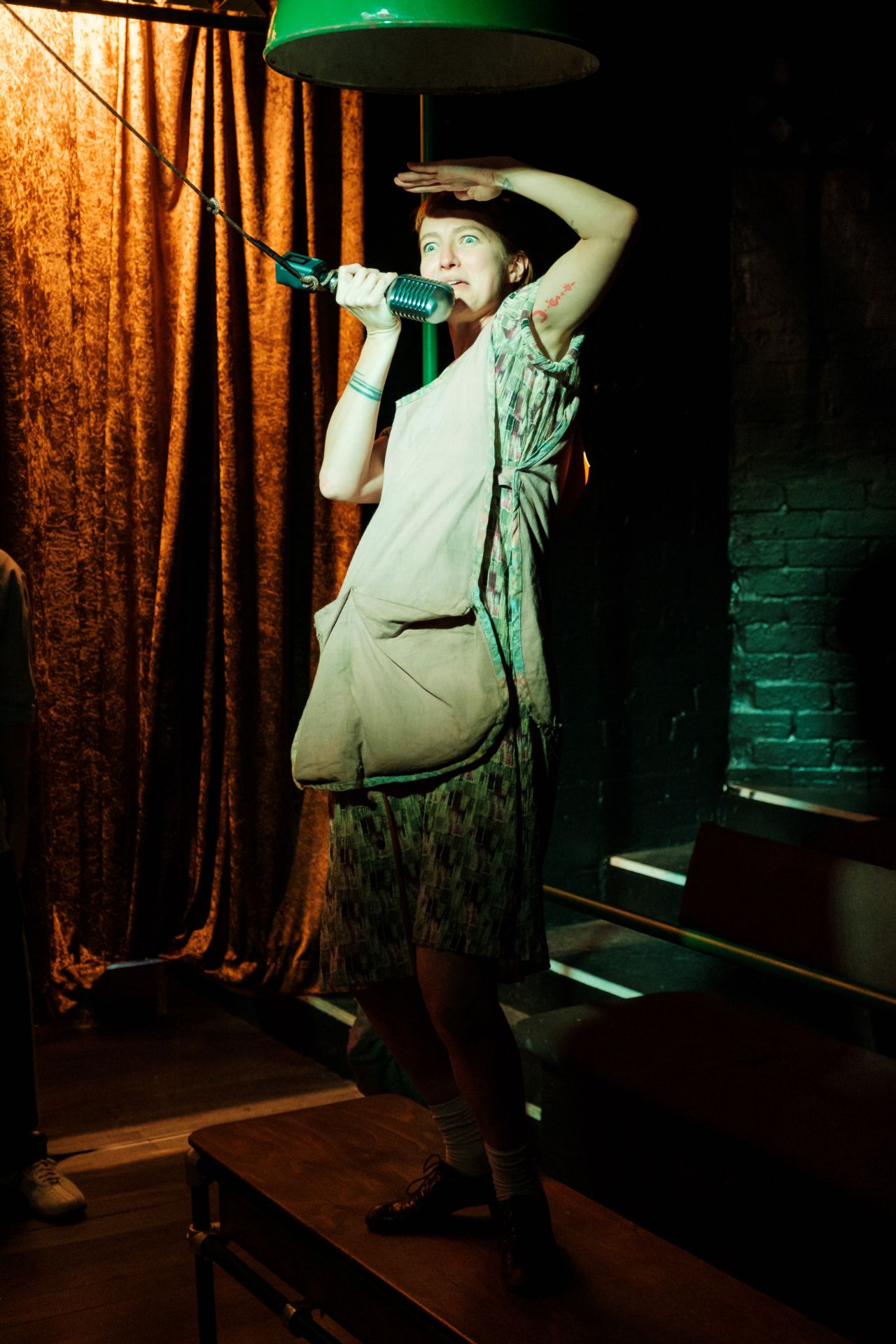
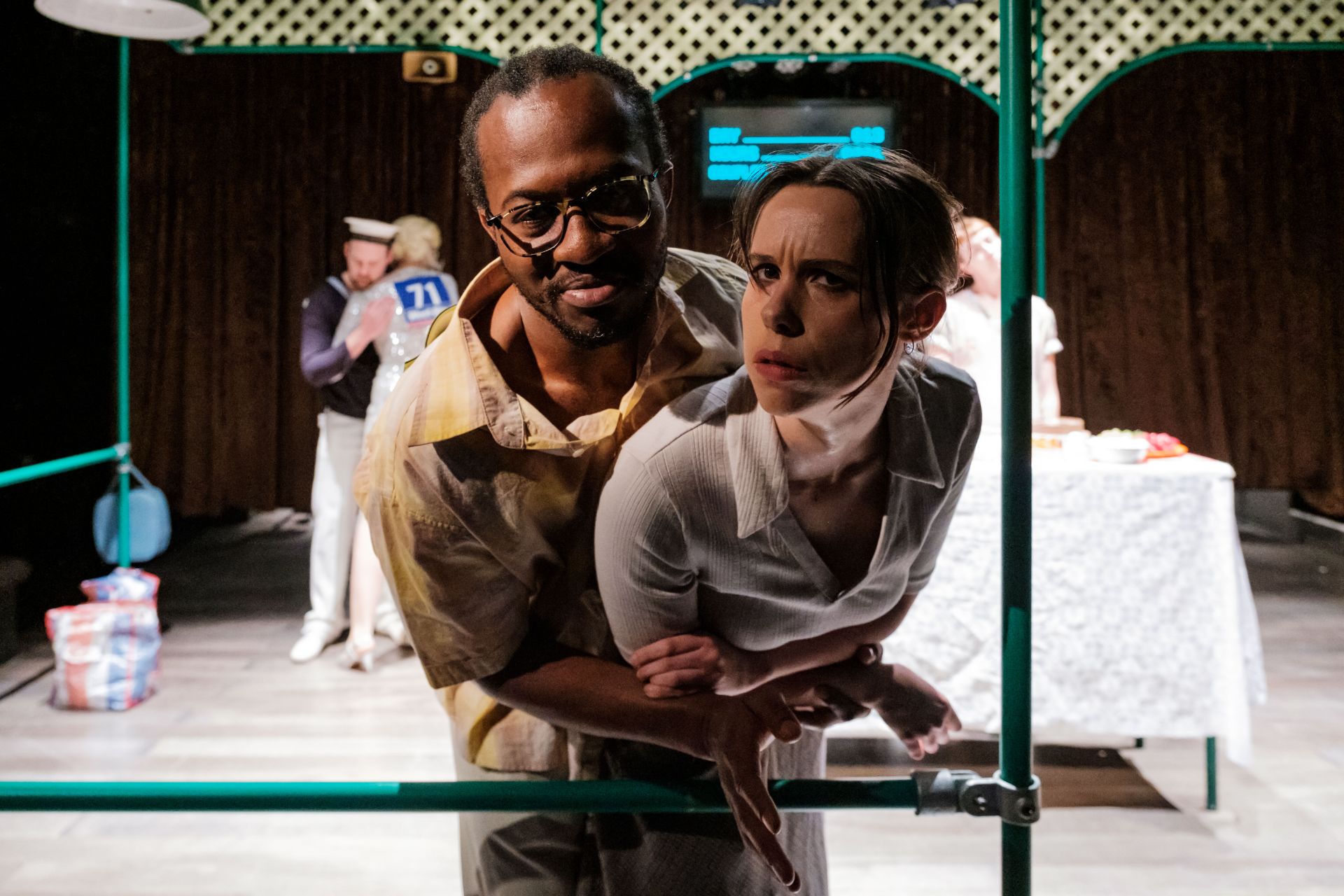
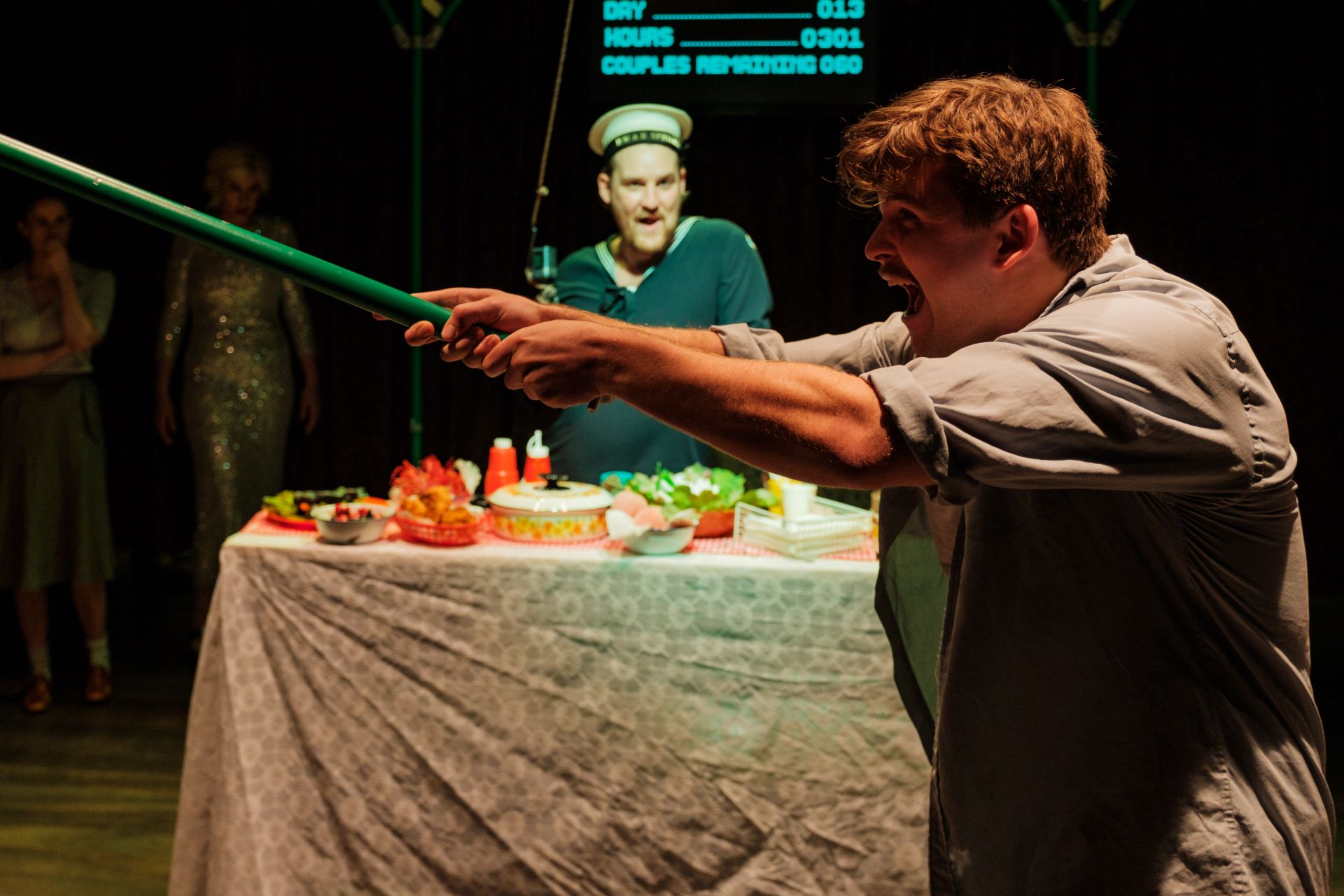
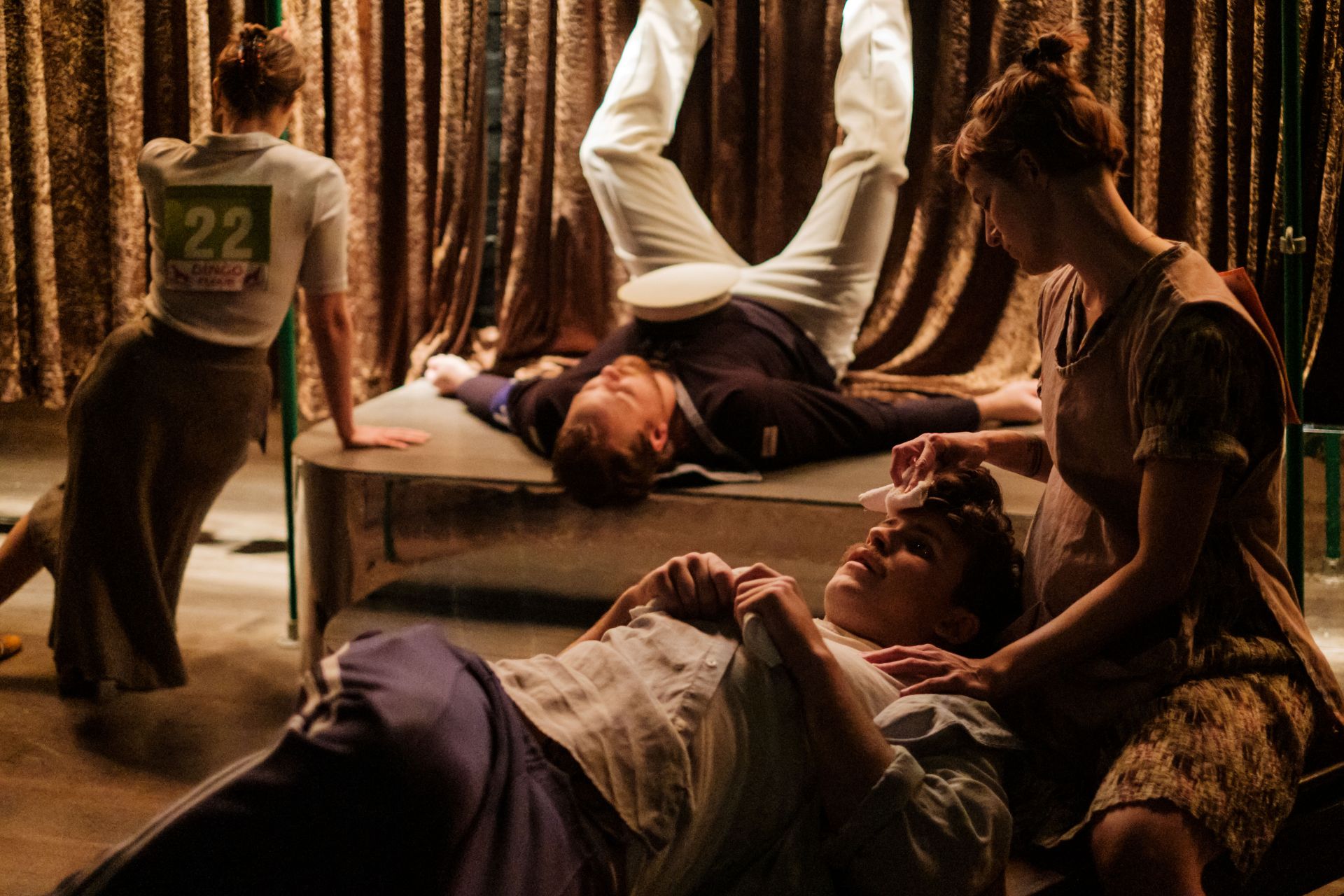
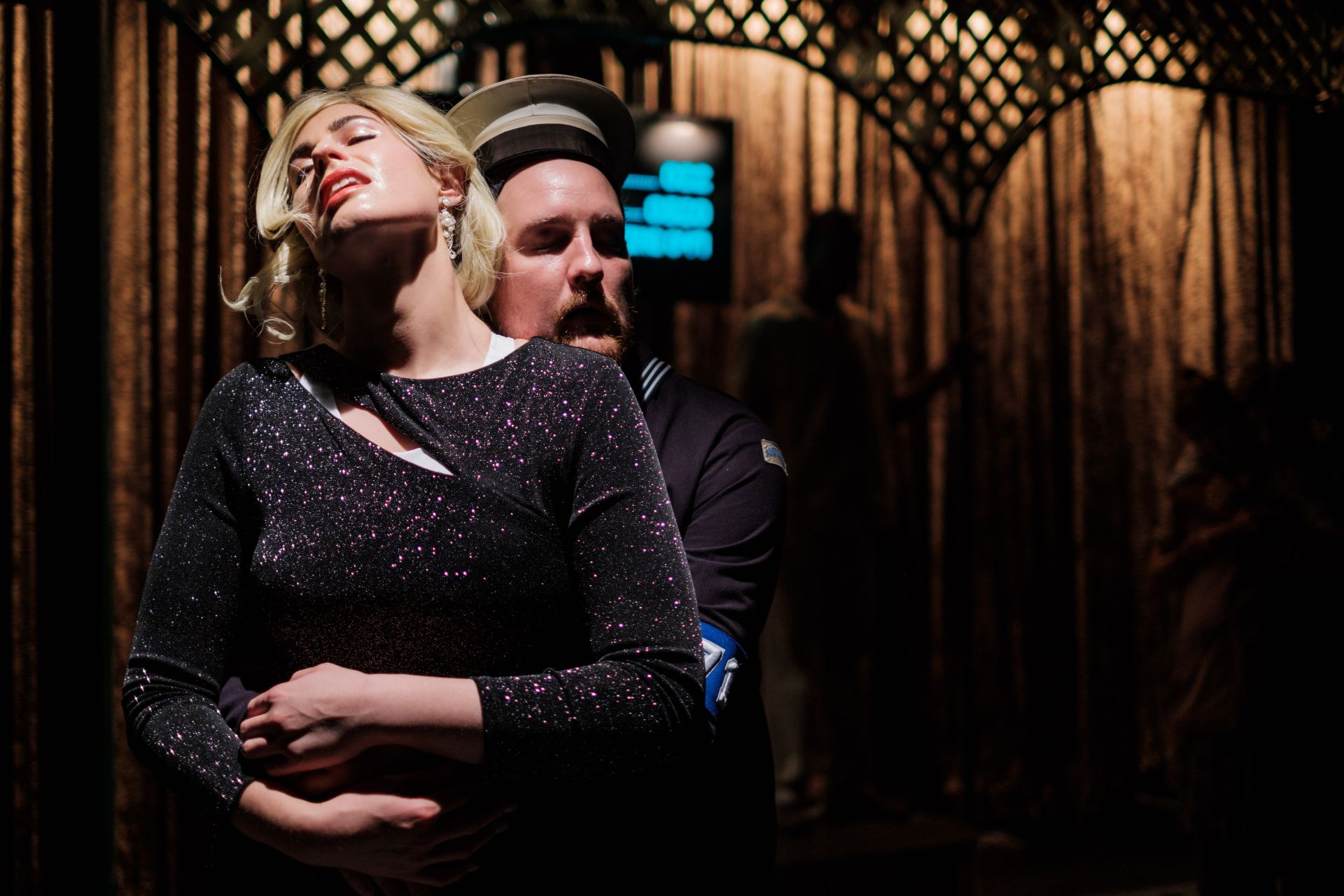
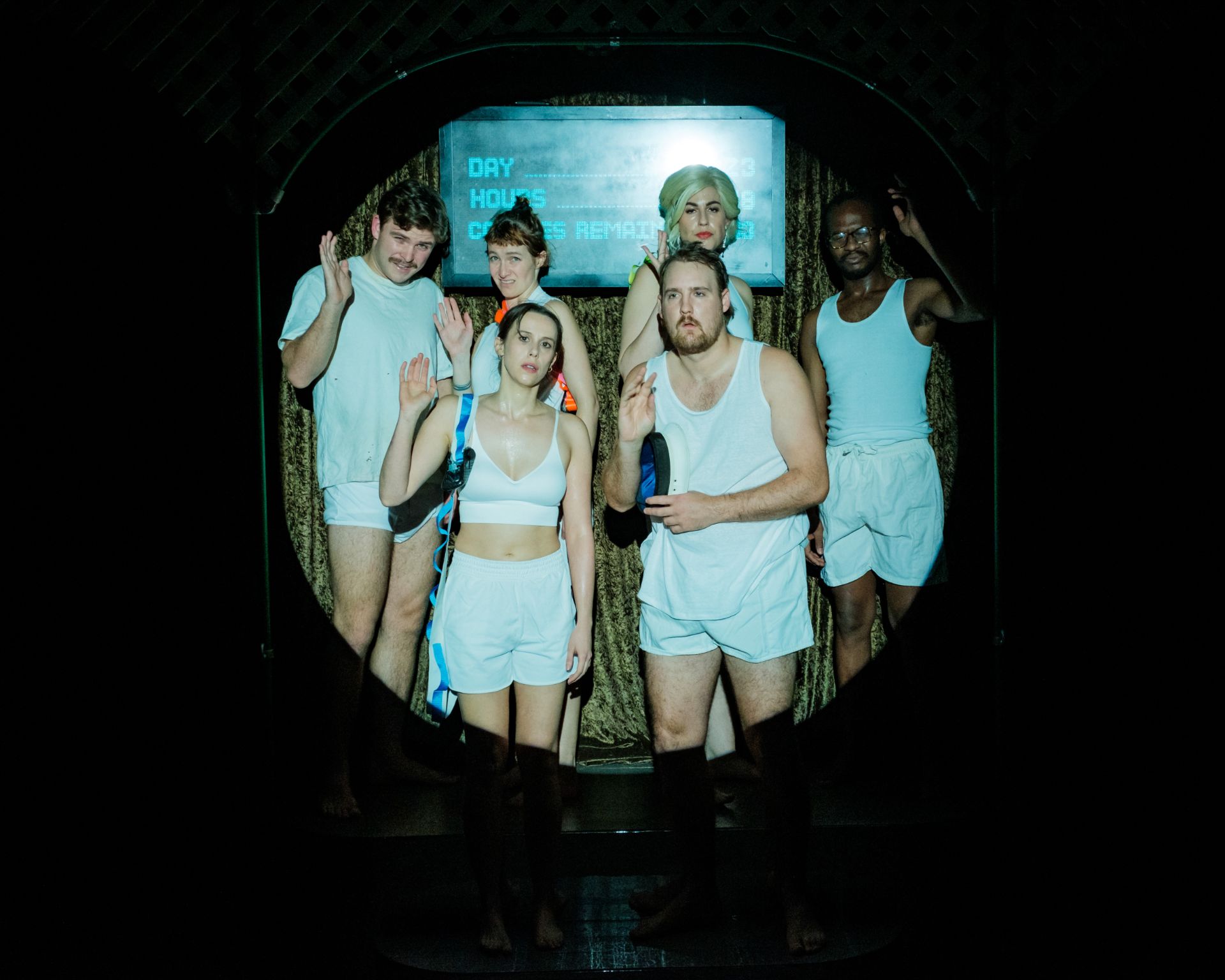
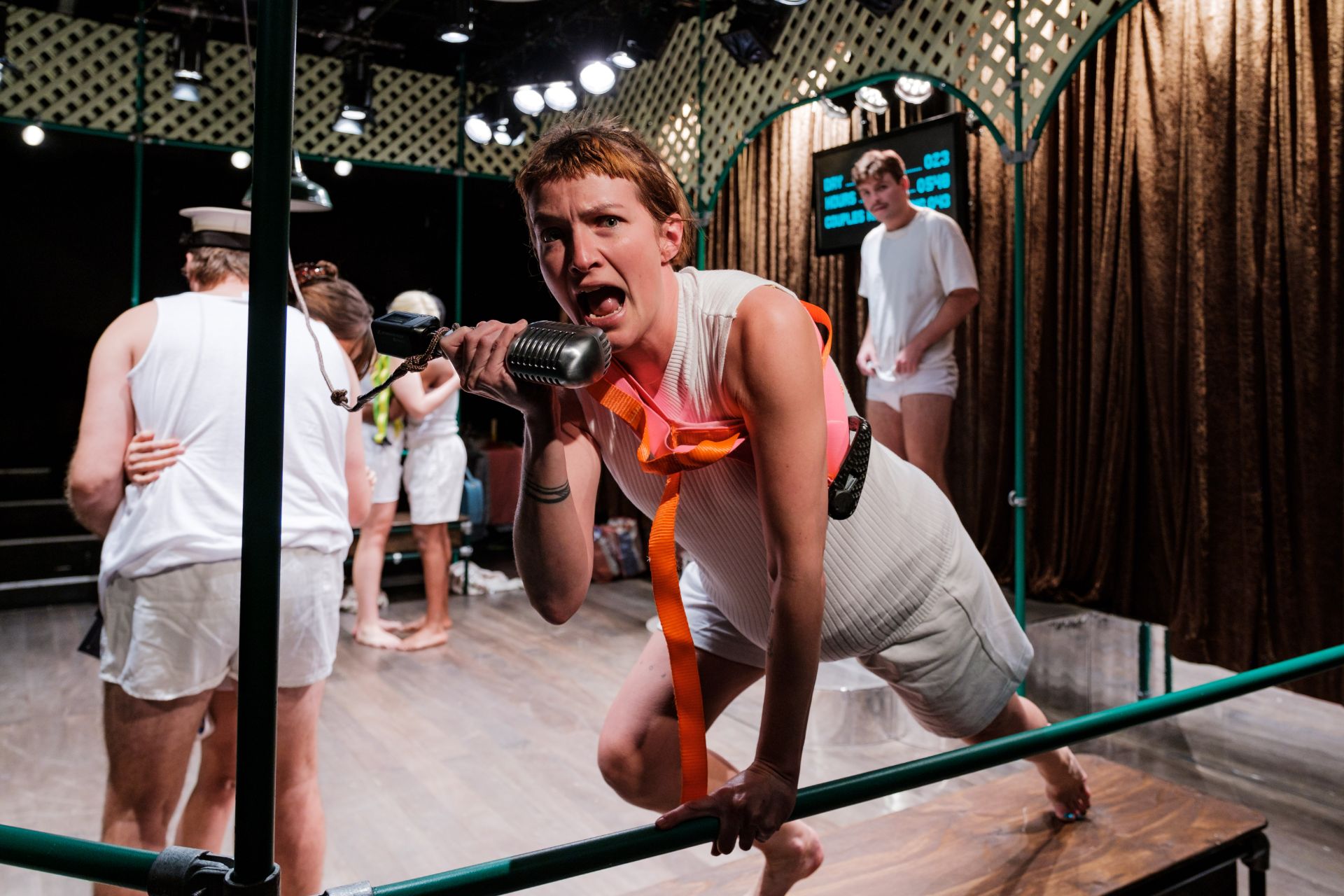
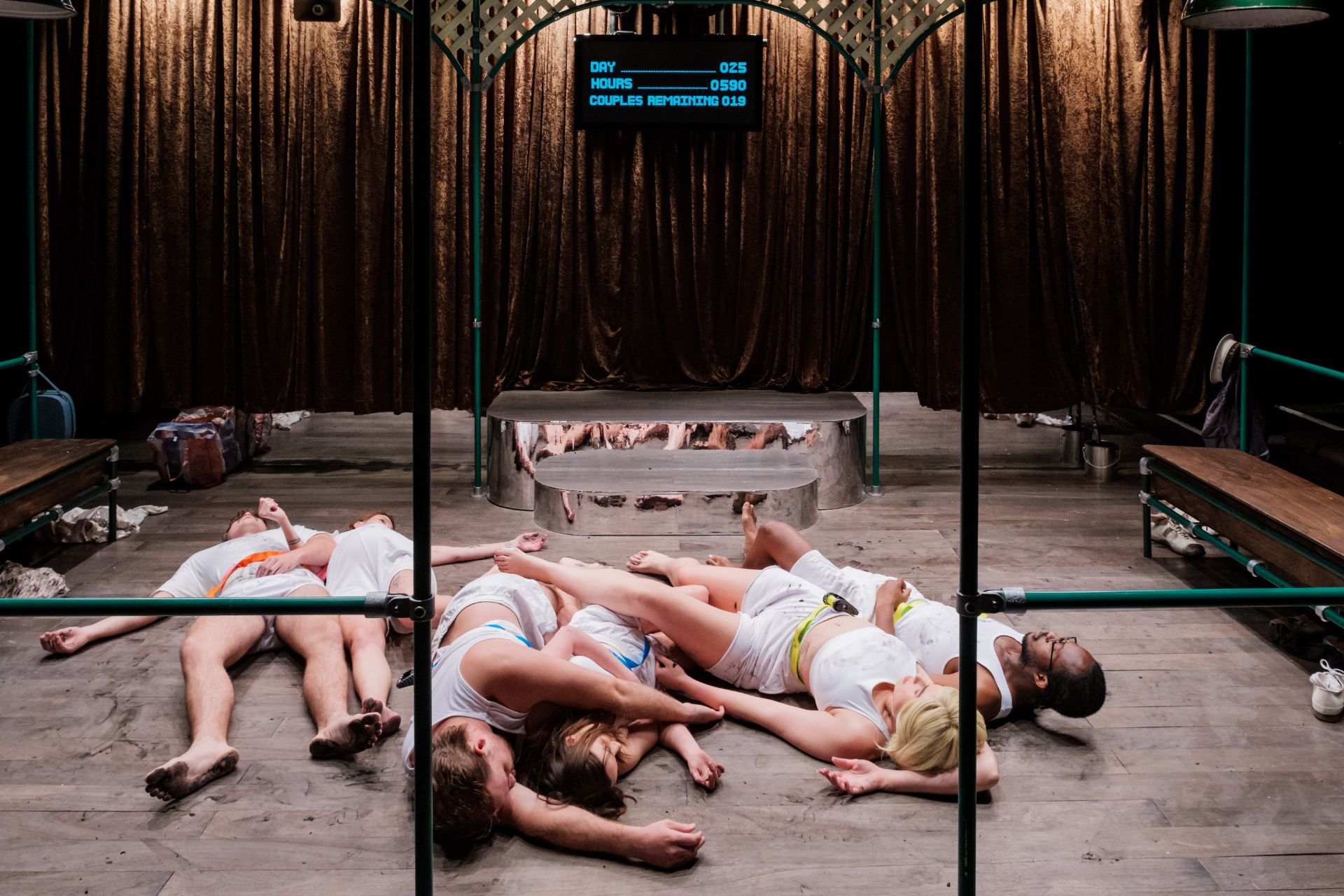
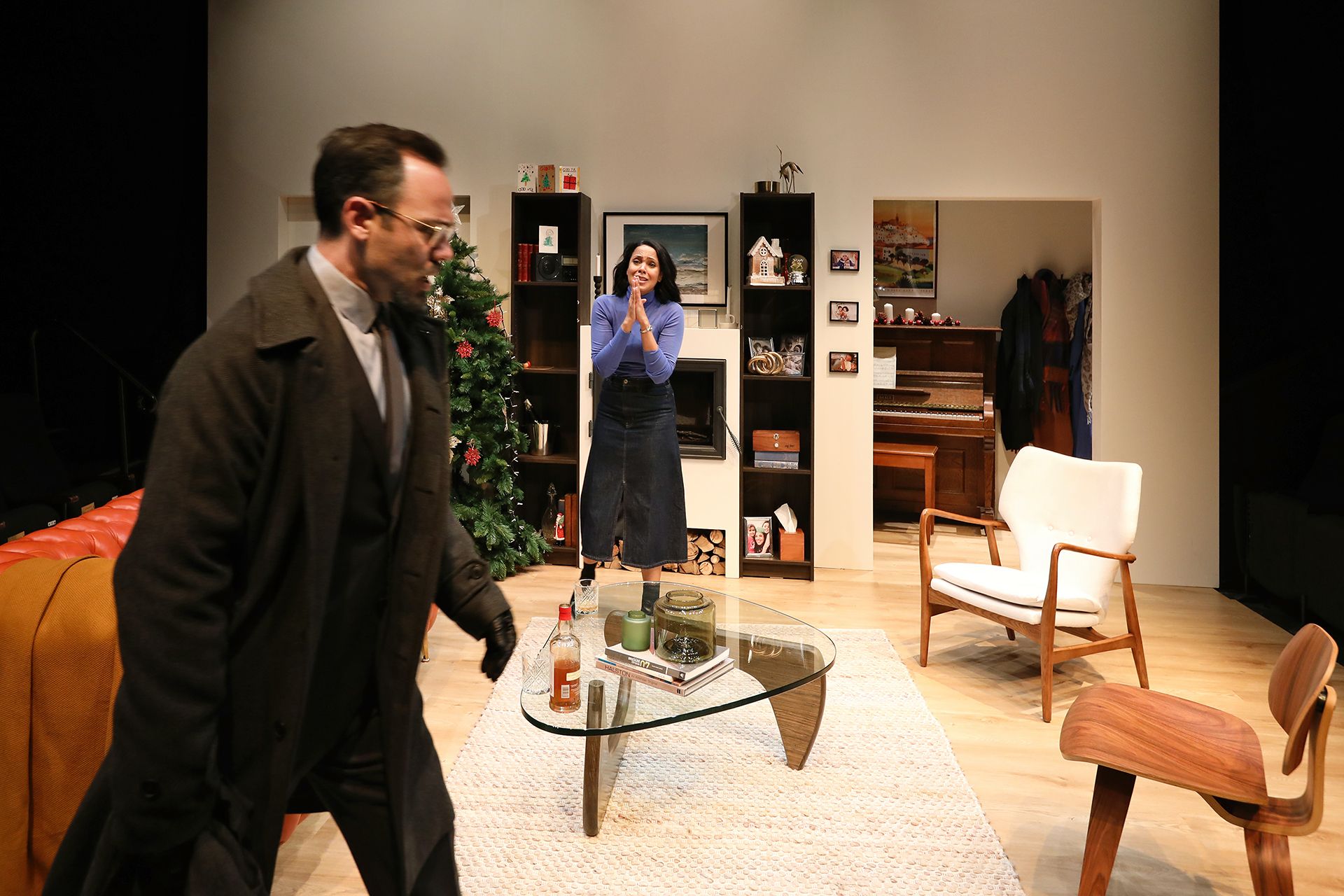
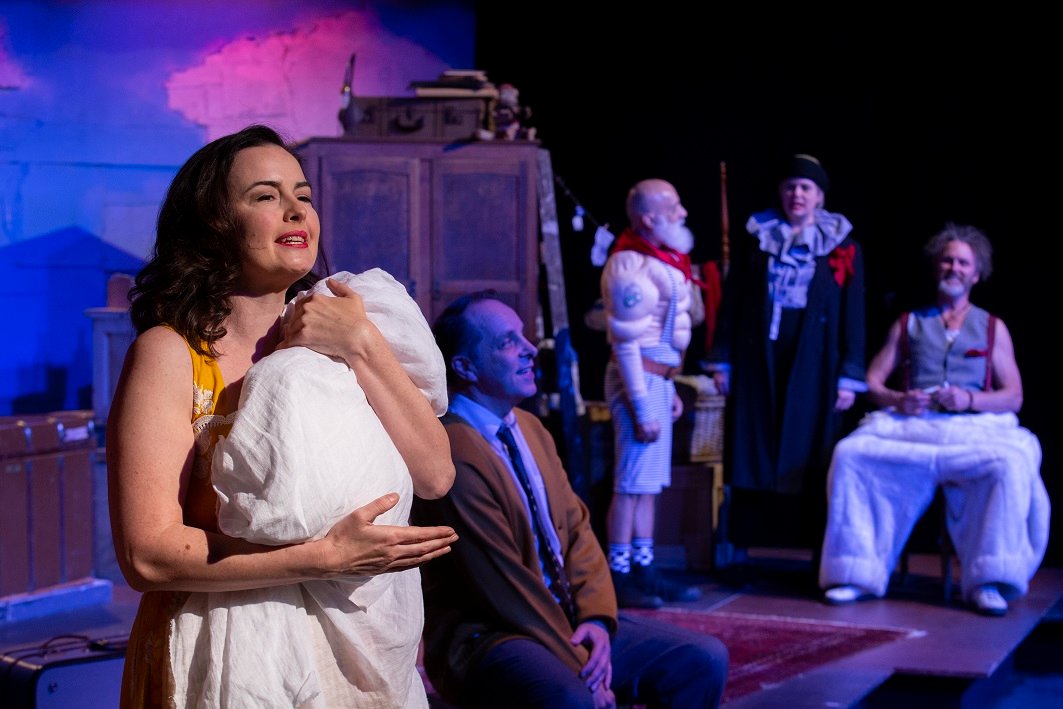
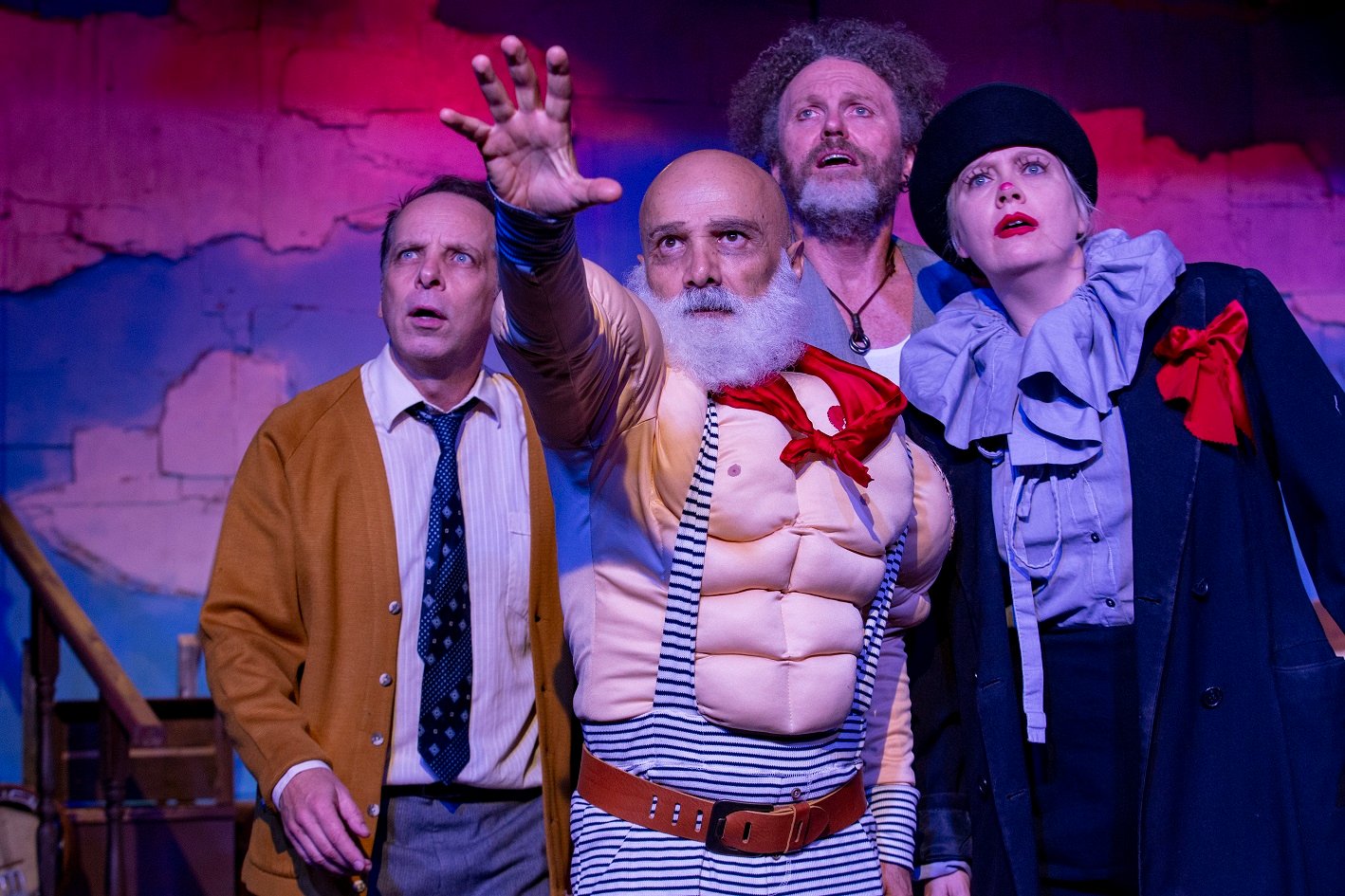
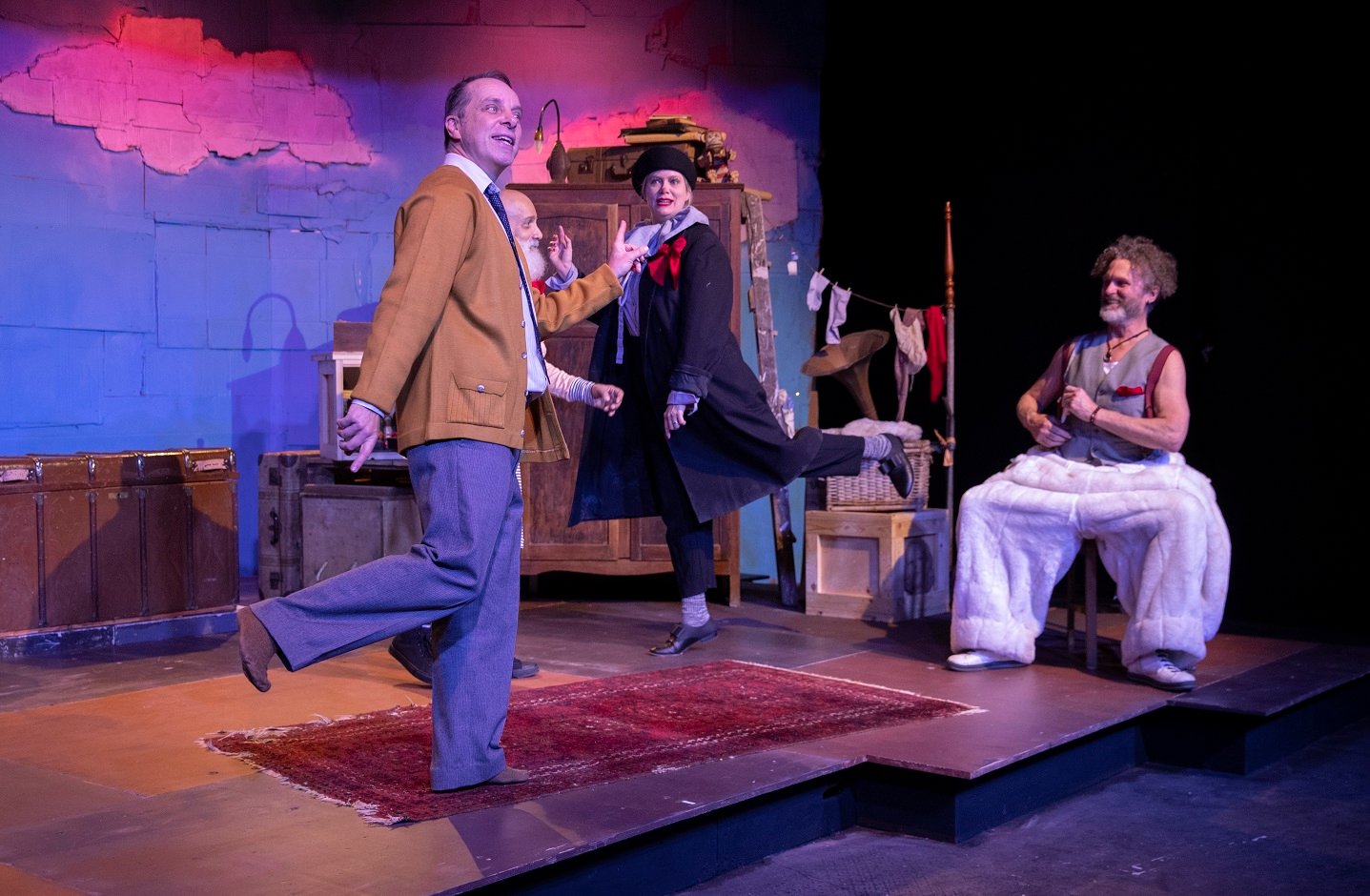
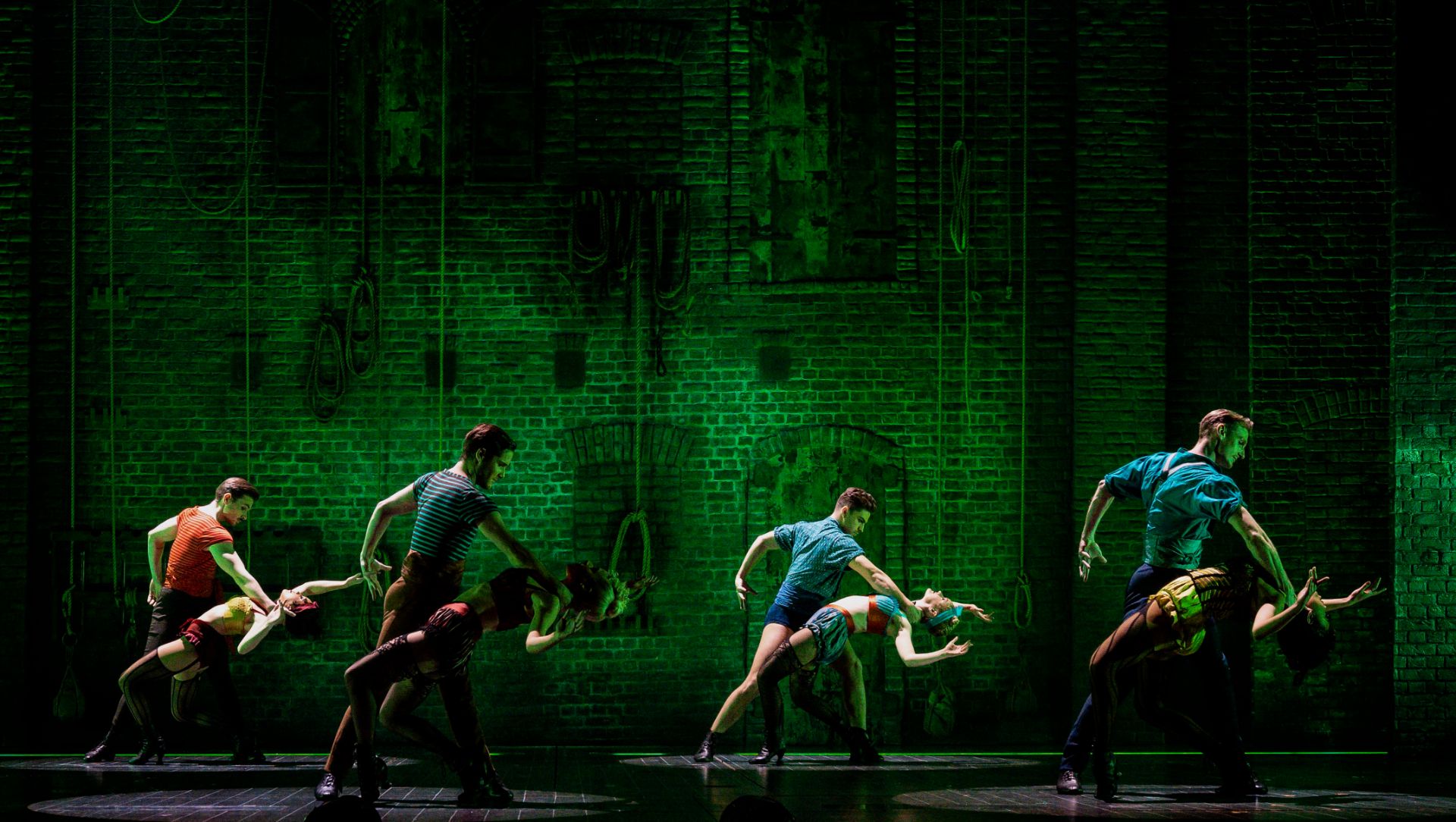
The story takes place barely a century ago, during the Great Depression. Several hundred people gather to participate in a dance marathon, in hopes of winning a cash prize of $1,500. They are only allowed ten-minute breaks every 2 hours, and we hear early on, that previous contests had gone on each time, for over a thousand hours. It is a perverse reality show, that is part Big Brother and part ancient Roman blood sport, capitalising on the human’s insatiable thirst for exploitative entertainment. Based on Horace McCoy’s 1935 novel and Sydney Pollack’s 1969 film They Shoot Horses, Don’t They?, this new adaptation by Ian Sinclair moves the action from California to Sydney, and is concisely retitled Horses.

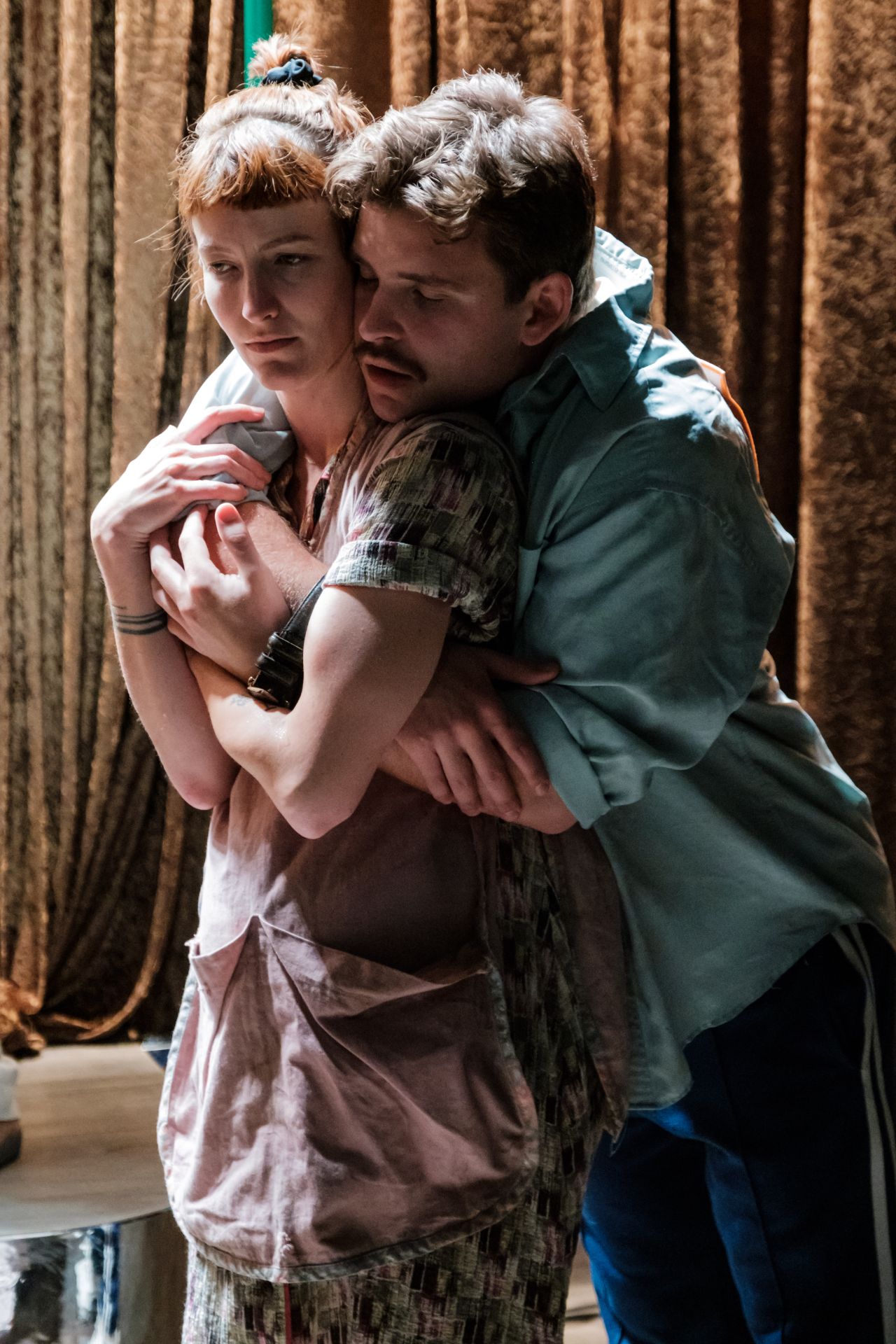
Although retaining the macabre qualities of the original, Sinclair’s vision is decidedly humorous, in this very modern transposition to the stage. Indeed, the bizarre conceit lends itself to a dark comedy, which director Tait de Lorenzo does not hesitate to use to her advantage. Instead of relying on the tragedy’s undeniably sad dimensions, de Lorenzo provokes us into thought, by making us laugh. The result is a surprisingly funny show, that also cares to be poignant enough for the important questions, about who we are and why we are, to emerge.

Production design by Cris Baldwin draws attention to the event as a spectacle for amusement, whilst ensuring that we never lose sight of the difficult times during which it had occurred. Benjamin Brockman’s lights convey the sorrowful heart of the story, even when offering bedazzling concoctions that fascinate our eyes. Similarly sophisticated, is sound design by Zac Saric offering an intricate and complex landscape, often telling us more than the dialogue does, about all that we need to know about Horses.

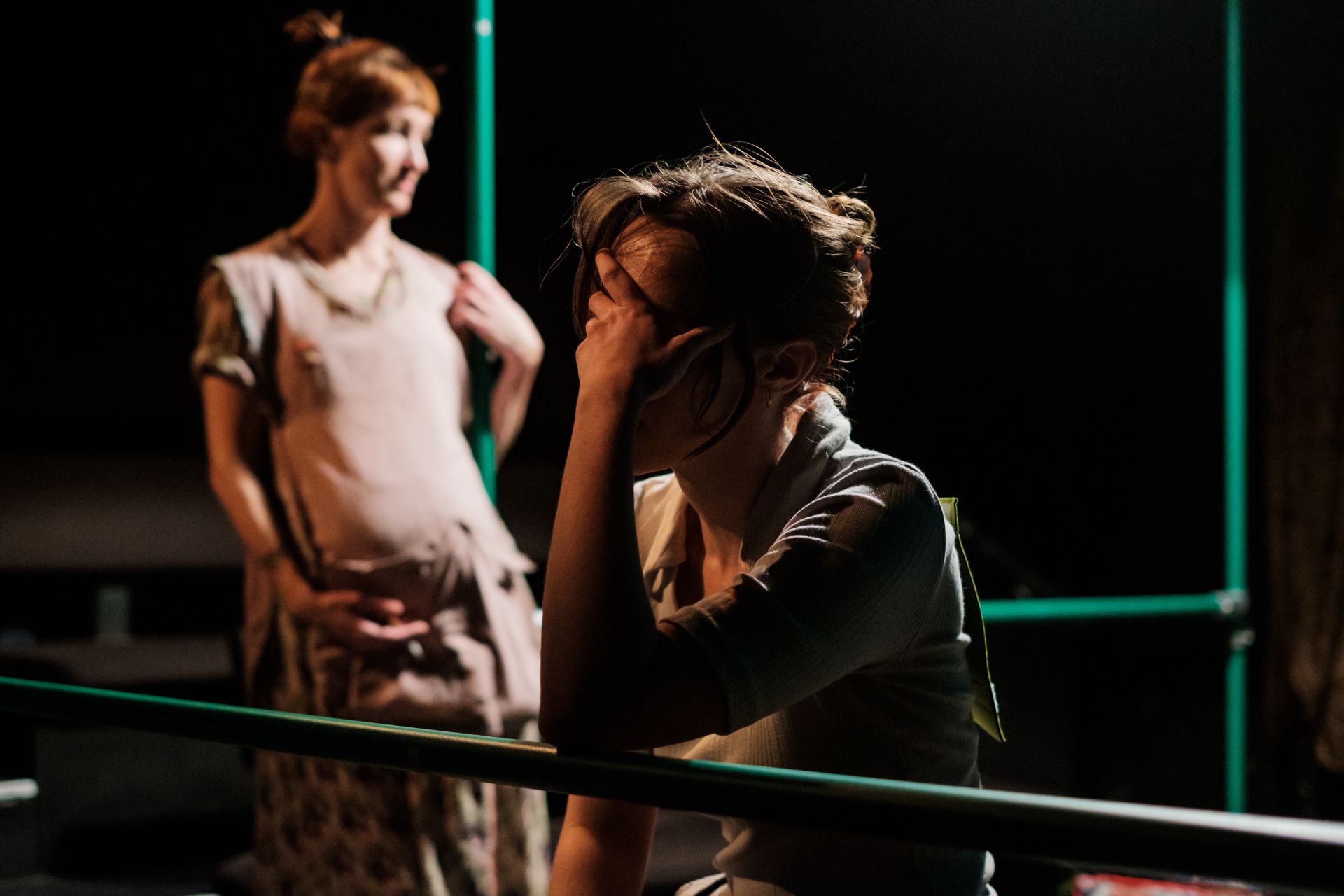
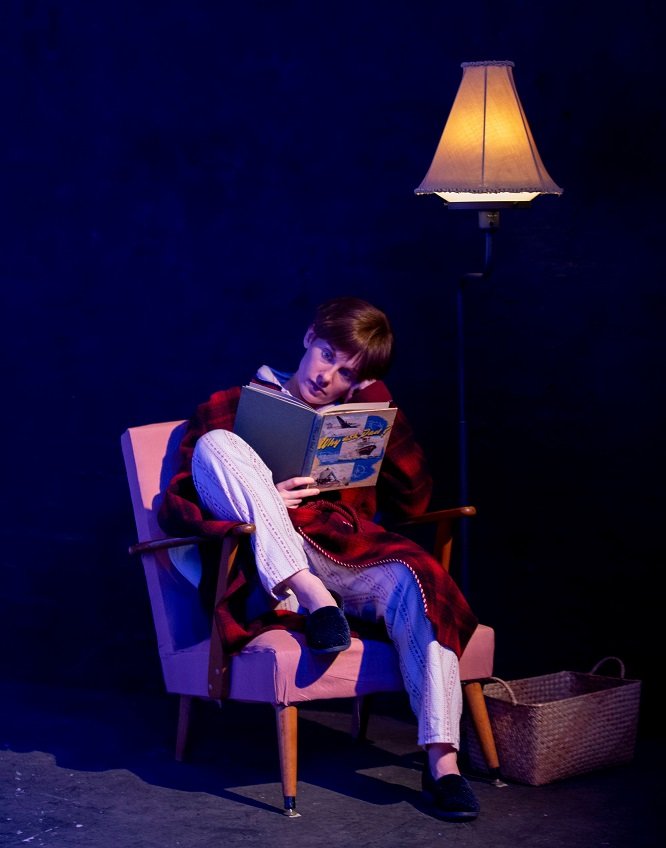
An excellent ensemble of six players, individually idiosyncratic, but wonderfully cohesive as a whole, take us on a revelatory and ultimately brutal vaudeville, about our worst selves. Nathaniel Langworthy and Charlotte Otton are effortlessly comical, with mischievous presences that insist on our mirthful responses. Tom Dawson and Caitlin Doyle-Markwick bring whimsy to the production, with a sense of experimental freedom, that helps us broaden our minds, as we form meanings from a theatre that speaks more in terms of symbols than it does in words. Justin Amankwah and Brontë Sparrow deliver the sentimental aspects of Horses, both captivating, and effective in engaging our empathy, for this hideous moment of self-reflection.

Watching Horses today, we need to be conscious of the difference in circumstances, between now and then. Although poised for a period of recession, we must not interpret the story in too similar a way from when it had been written. It is crucial that the truth about extreme wealth disparities in the twenty-first century, should play a significant role in modern interpretations of the story.

Like the competing dancers in Horses, we often find ourselves fighting one another, thinking that that is the only way to get ahead. Convinced that there can only be one winner in so many of our circumstances, we have been trained to not only act ruthlessly, but to submit to humiliation and self-blame. We have grown accustom to the top ten percent owning virtually everything in the world that is commodifiable, and we let them manipulate our lives to serve their purpose, of worsening that unforgivable discrepancy.

There is no reason, especially today, for any of us to demean ourselves in the name of entertainment, in order to make a buck, yet that seems to be par for the course. In so much of today’s idea of amusement, from television to TikTok, people put themselves through all manner of debasement, so that they can become winners of little consequence. The ones who benefit most, do not have themselves shown. They might shoot the horses, but they show us no mercy. They simply send in the clowns and reap all the rewards.

www.belvoir.com.au

Review: A Doll’s House (Ensemble Theatre)

Venue: Ensemble Theatre (Kirribilli NSW), Jun 10 – Jul 16, 2022
Playwright: Henrik Ibsen (adapted by Joanna Murray-Smith)
Director: Mark Kilmurry
Cast: Chantelle Jamieson, James Lugton, Lizzie Schebesta, David Soncin, Tim Walter
Images by Prudence Upton

Theatre review
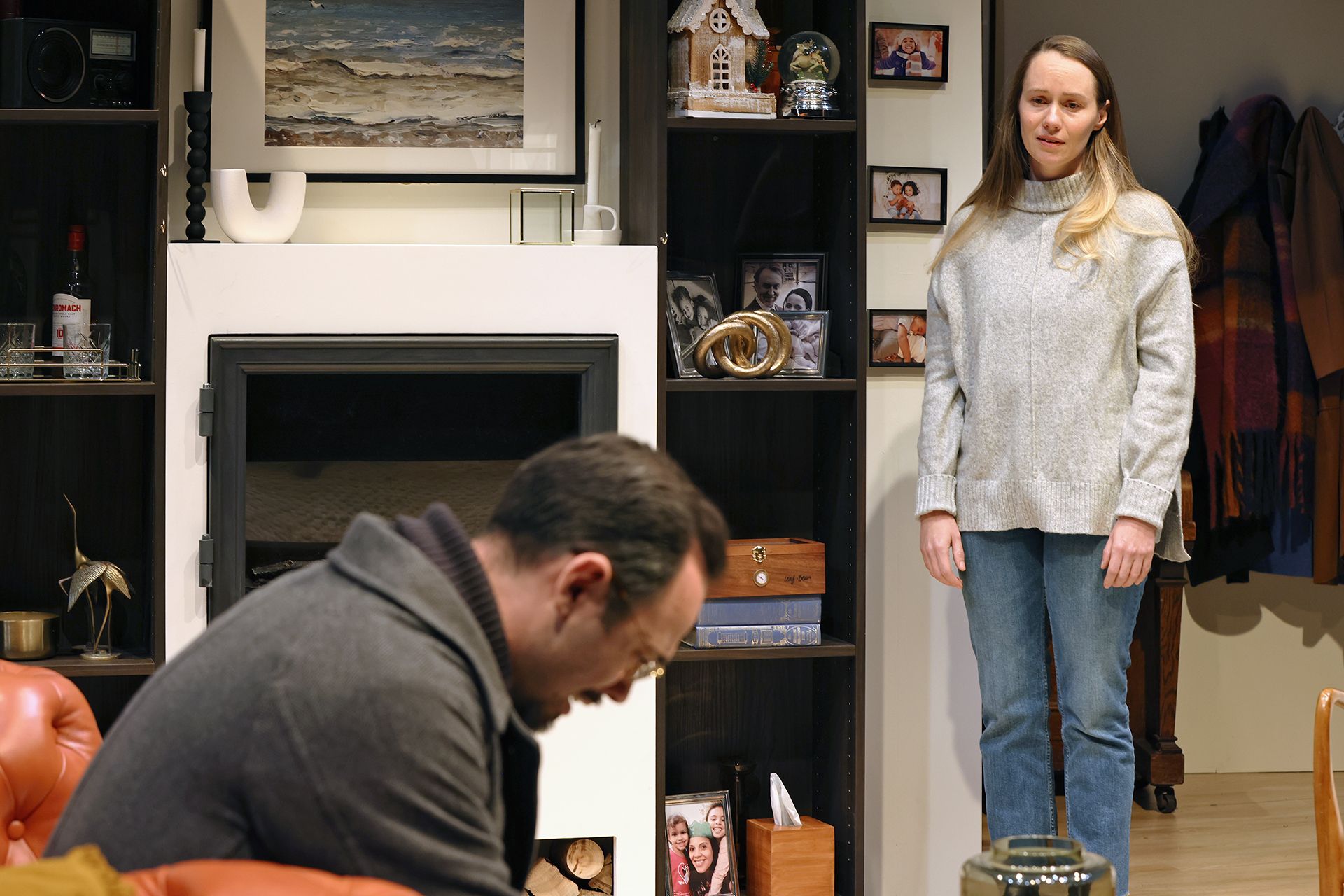
Nora has committed a victimless crime, in efforts to rescue her family from financial ruin. With her husband Torvald installed as the unequivocal head of household, Nora can only operate furtively, even though her actions are anything but selfish. The themes in Henrik Ibsen’s 1879 play A Doll’s House demonstrates that things may improve with time, but meaningful change occurs at a painfully slow pace. This new modern day adaptation by Joanna Murray-Smith is a concise revisiting of the classic, updated for audiences with reduced attention spans, but retains all the essences of the original. It is alarming, how little the story needs to change, to bring Nora convincingly back from a century-and-a-half ago.

Mark Kilmurry’s direction bears the formalness of a period piece, even though letters have been replaced by emails, and ostracism is now partly evidenced as a fall from grace on social media. Design aspects are minimally, and slightly unimaginatively, rendered, but there is a passionate urgency, especially at the conclusion, that makes this version of A Doll’s House a memorable experience. Kilmurry’s sincere commitment to making heard, the play’s central point of gender equality, keeps it resonating long after curtain call.

Lead actor Chantelle Jamieson’s commanding presence is responsible for the vivacious energy of the entire production. She brings a valuable acuity that Nora lacks, so that we may gain important insights, including ones that her character is yet to understand. Jamieson begins her performance with an abundance of manic intensity, appropriate for a woman with secrets to hide, but it is after the truth comes out, when a stillness takes over, that we truly see the depths of this actor’s abilities.

Torvald is played by a generous James Lugton, who is suitably patronising and patriarchal in his depictions of an antiquated being. He becomes increasingly despicable as the show progresses, culminating in a chilling moment in which he calls his dark-skinned wife “genetically doomed”, for a moment of dramatic danger that reminds us of the racial dimensions of this new retelling of an old tale. Lizzie Schebesta, David Soncin and Tim Walter are the remaining cast members, all impressive with the level of professional dedication they bring to their roles, delivering a great sense of believability to Nora’s little world.

In the space of ten minutes, we watch Nora grow exponentially, as everything around her falls apart. It is true that life will give us many pivotal moments, but these are really only opportunities that could ultimately mean nothing, unless one finds the courage to make them consequential.

www.ensemble.com.au

Review: Cleansed (Old Fitz Theatre)

Venue: Old Fitzroy Theatre (Woolloomooloo NSW), Jun 9 – 25, 2022
Playwright: Sarah Kane
Director: Dino Dimitriades
Cast: Danny Ball, Stephen Madsen, Tommy Misa, Jack Richardson, Charles Purcell, Fetu Taku, Mây Trần
Images by Robert Catto

Theatre review

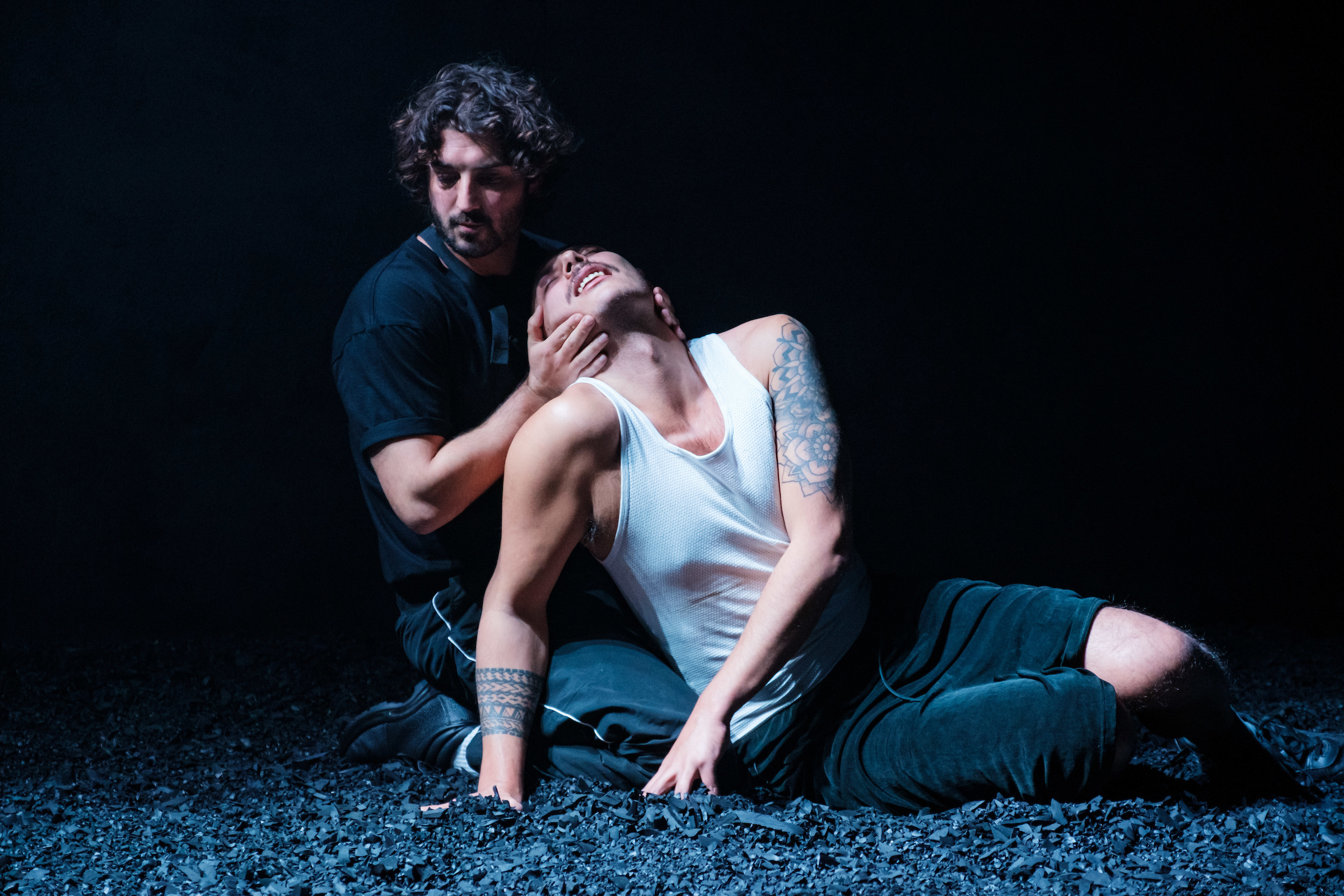
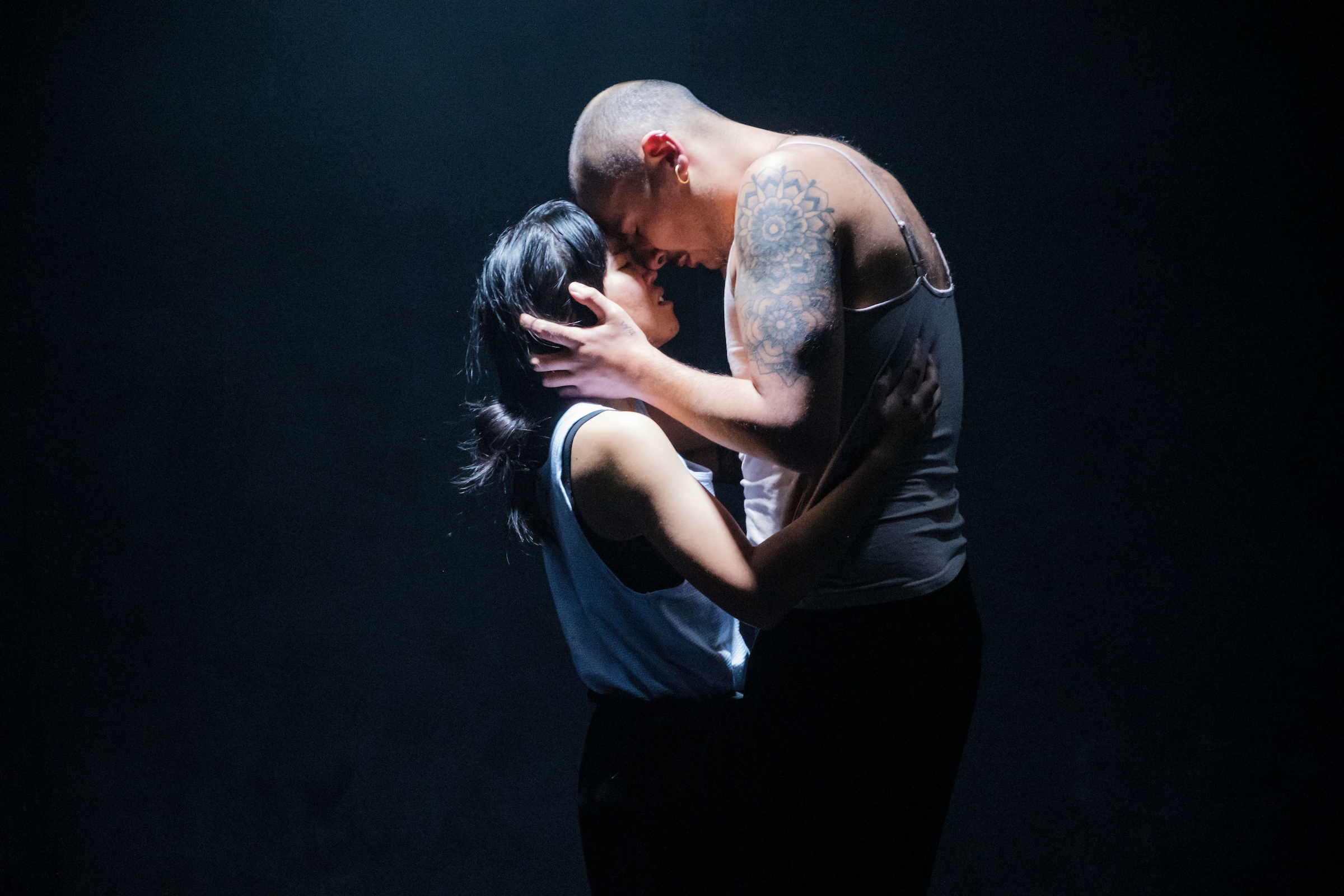
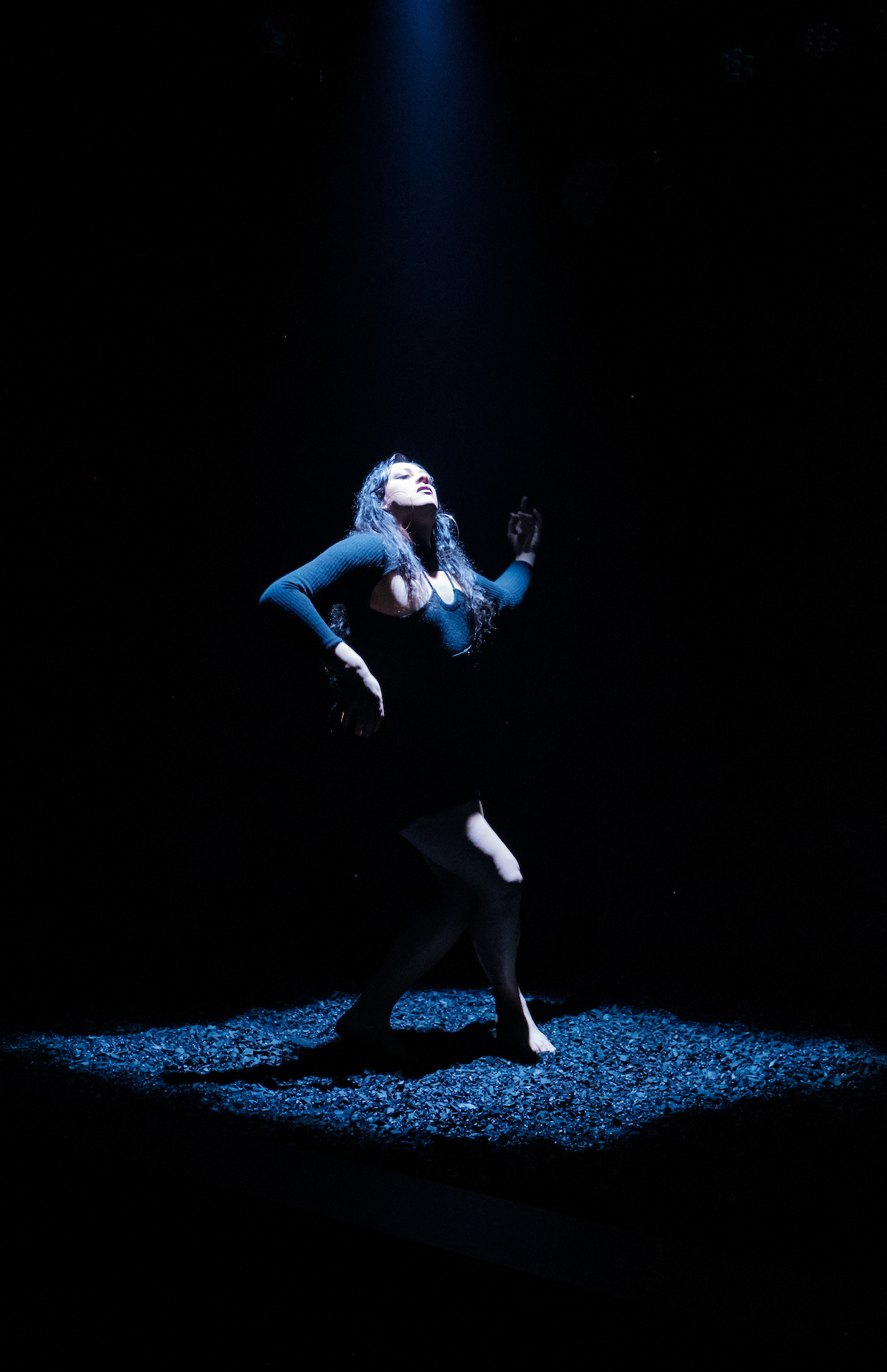
It is uncertain where the action takes place, but in Sarah Kane’s Cleansed, we see a man named Tinker torturing several individuals, in a manner that implies somewhere utterly and devastatingly fascistic. Tinker is presented as all powerful, able to commit the most heinous of acts without being reprehended, or perhaps his horrific atrocities are indeed sanctioned, by an authority that remains unidentified. Tinker’s victims display no violent and criminal tendencies, only forms of sexual and gender expression that deviate from what some of us might call, the heteronormative.

It is a ghastly thing to witness, this incessant agony being inflicted on characters, in a theatrical presentation obsessed with pain. In truth, moments between the brutality, are filled with depictions of a loving nature, but the suffering is never distant enough, for anything sweet or nice, to sufficiently emerge. We know with hindsight, that Cleansed offers a window into the psyche of a tormented soul. Originally created less than a year before playwright Kane’s suicide, it gives us access to a darkness rarely seen, in any of our communal settings.

Direction by Dino Dimitriadis explores that space of terror, without mitigation. The intensity with which Kane’s writing is transposed on this occasion, is uncompromising, and quite shocking in its effect. The concept of body horror, figures prominently in the staging, to communicate with veracity, not only the level of anguish experienced by those devoid of hope, but also to depict the psychological consequences of homophobia and transphobia, in some of our everyday existences.

Dimitriadis appropriately manufactures for us, a sense of escalating dread and revulsion, refusing to give in to any need for reprieve. There is no room for politeness, when matters are truly urgent. The audience is left to its own devices, to access mental fortitude wherever it can, in order to get to the end of Cleansed, should they choose to stay. Exiting prematurely, in this case, is also an understandable and valid cause of action.

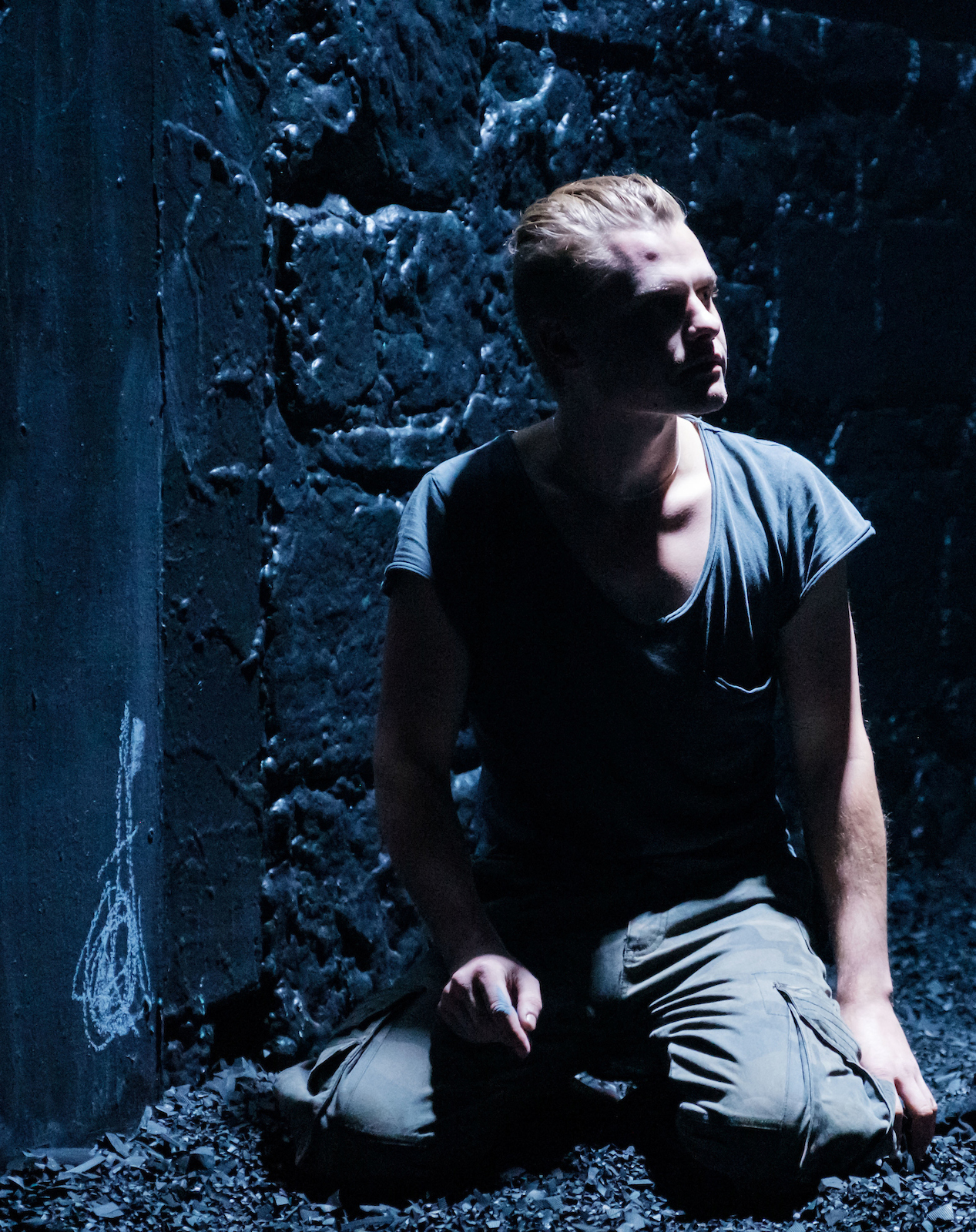
Sound design by Benjamin Pierpoint is relied upon to strike fear into our hearts, and its efficacy cannot be understated. If your worst nightmare can be represented in an audio recording, Pierpoint has accomplished it here. Jeremy Allen’s set design is black, hard and stony, to convey the cruelty that our species is capable of inflicting on one another. Lights by Benjamin Brockman and Morgan Moroney are similarly icy, offering only the most explicit perspective of the inhumanity being exposed. Costumes by Connor Milton are aesthetically understated, but the way injury and decapitation is represented, is cleverly achieved, and suitably gruesome.

Actor Danny Ball is marvellous as Tinker, deadpan but terrifying, full of ambiguity in his portrayal of pure evil. The quietness of Ball’s performance disallows us to undermine the severity of his character’s barbaric deeds; it is the absence of dramatics in Tinker’s cruelty that makes us see it exactly for what it is. Mây Trần as Grace, delivers some of the most affecting emotional authenticity one could hope to see in the flesh. To be able to muster such a visceral and accurate presence for a character at the very depths of despair, is evidence of an artist of the highest calibre at work. The unforgettable Stephen Madsen shakes us to the core, with spine-chilling screams and a ravaged physicality that tragically deteriorates over time. It is a splendid cast of seven incendiary types, determined to say something devastating, in an extremely powerful way.

Cleansed may not be about a universal experience, but the harrowing nature of its story is contingent on our ability to all feel the same pain. Tinker knows how to inflict pain, because he too knows what it is to suffer. There is a dissonance that always exist perhaps, in our ability to do unto others what we wish not to have done to ourselves. It may seem that a constant in being human, involves a need to perceive difference. To be able to think of some as more deserving than others, allows for power to manifest. To be able to think of some as inferior, allows for abuse to take place. Tinker is no different from the rest; understanding how he gets to exercise such power, is the key to dismantling so many of our ills.

www.redlineproductions.com.au

Review: Daddy Developed A Pill (Snatched Theatre Collective)

Venue: Kings Cross Theatre (Kings Cross NSW), Jun 8 – 18, 2022
Playwright: Cassie Hamilton
Director:
LJ Wilson
Cast:  Sarah Greenwood, Clay Crighton, Jack Francis West
Images by Snatched Theatre Collective

Theatre review
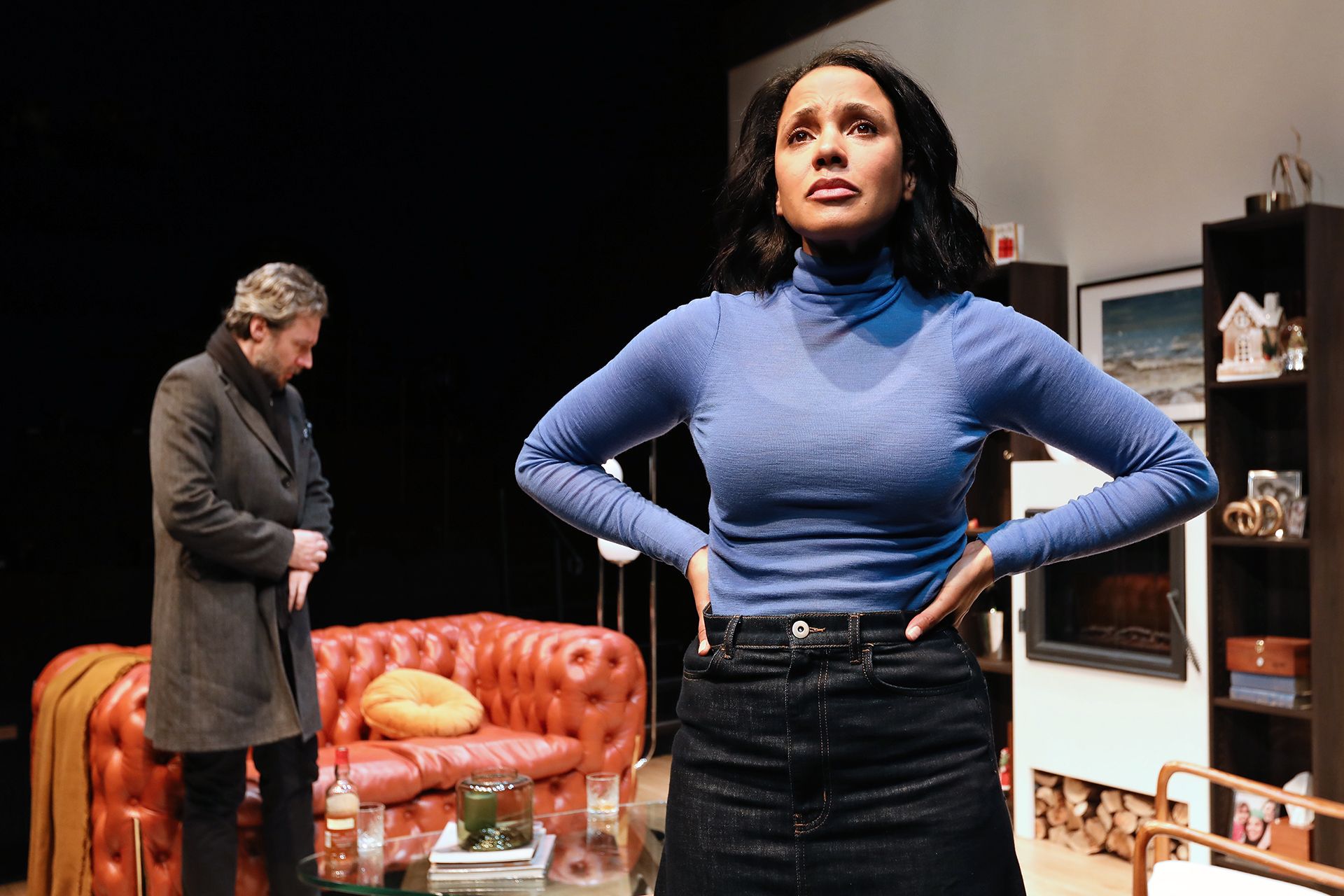
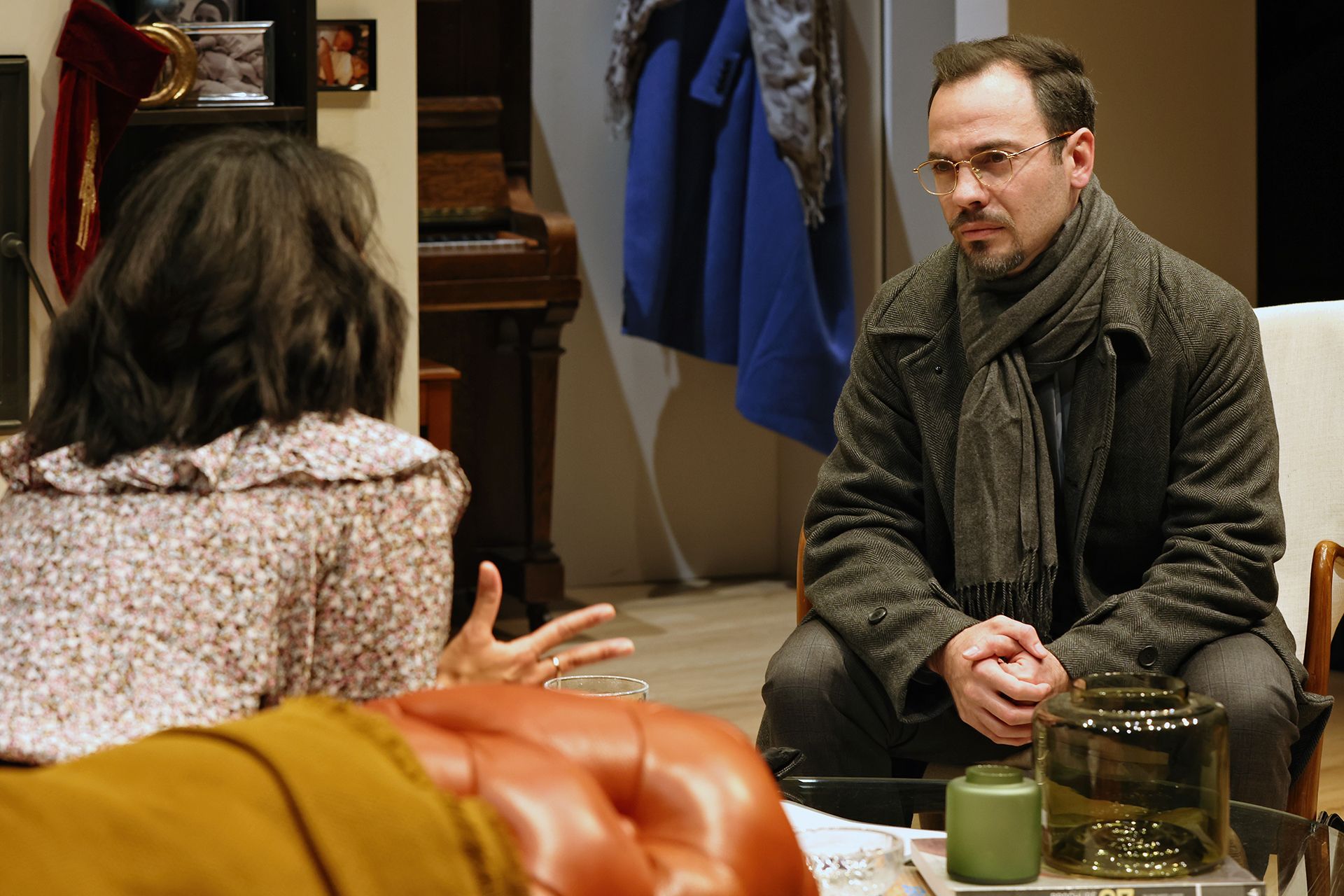
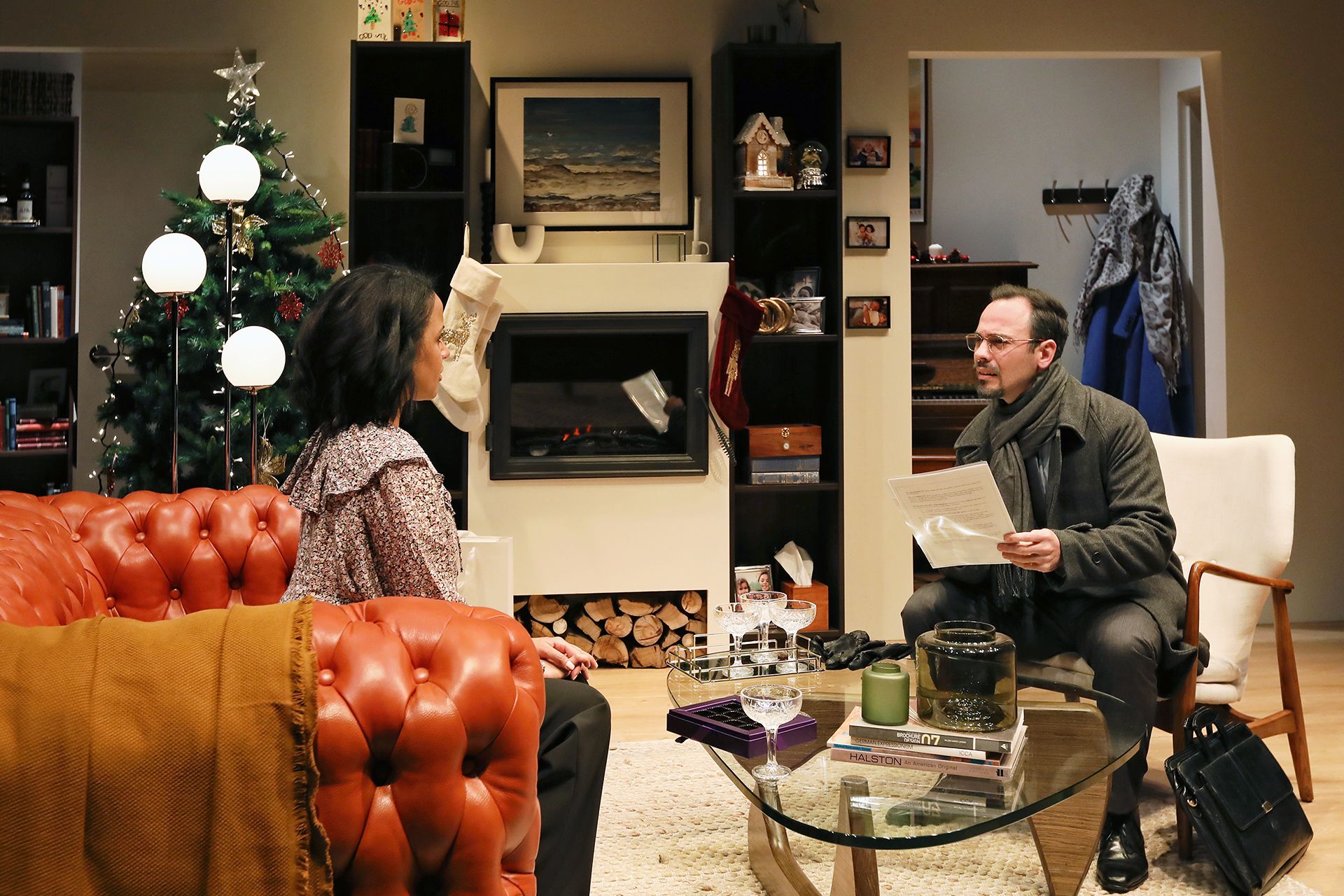
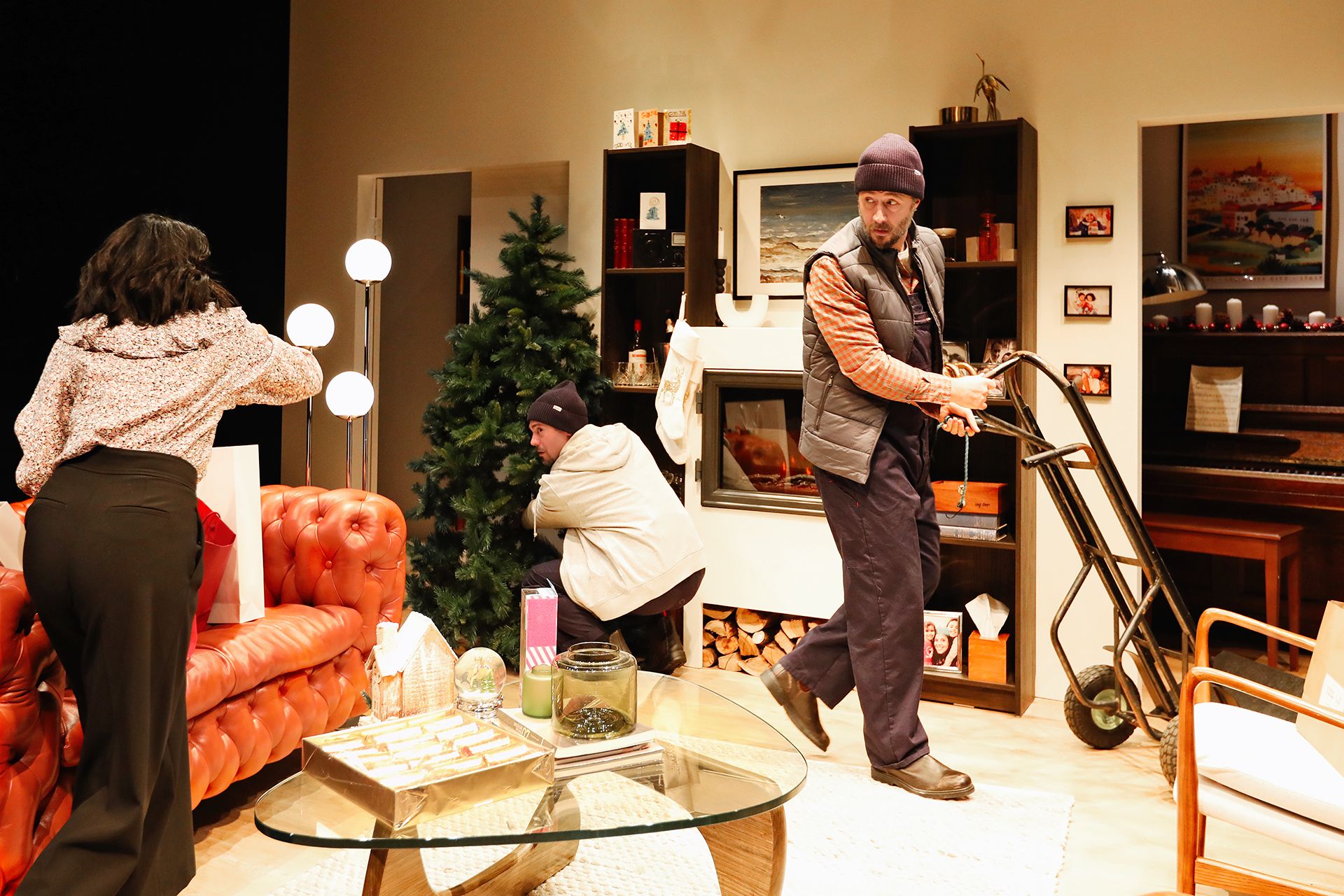
In Cassie Hamilton’s Daddy Developed a Pill, Cynthia’s father strikes it rich, after inventing a drug that becomes hugely popular. The sudden change in lifestyle means that Cynthia no longer gets to see her father regularly. Feeling neglected, she grows into adulthood desperately trying to win his approval, and forms the belief that by creating a pill of her own, she would be speaking her father’s language, and thus able to regain his attention.

It might be a relatively simple narrative, but the plot of Hamilton’s play is complicated. 16 characters weave in and out, in an intentionally chaotic melange of short sequences, with rapid fire dialogue of which the audience is likely to only retain a small portion. The chronology of action seems erratic, but we are not the only ones confused. Cynthia is at the centre of all the hullaballoo, and she too is bewildered. Indeed, her existence is one of alienation and uncertainty. She stands outside, as though in a state of dissociation, whilst lovers, family and work associates, are fussing over her, caught up in dramas about Cynthia, while all she wants is her father.

Direction by LJ Wilson is relentlessly raucous. The entire show takes on the tone of a riotous comedy, but it is never truly funny. Even though the laughs are sporadic, much of the presentation proves captivating. The sheer energy of the staging sustains our interest, if only out of curiosity, for this rare occurrence of outrageously exuberant absurdism.

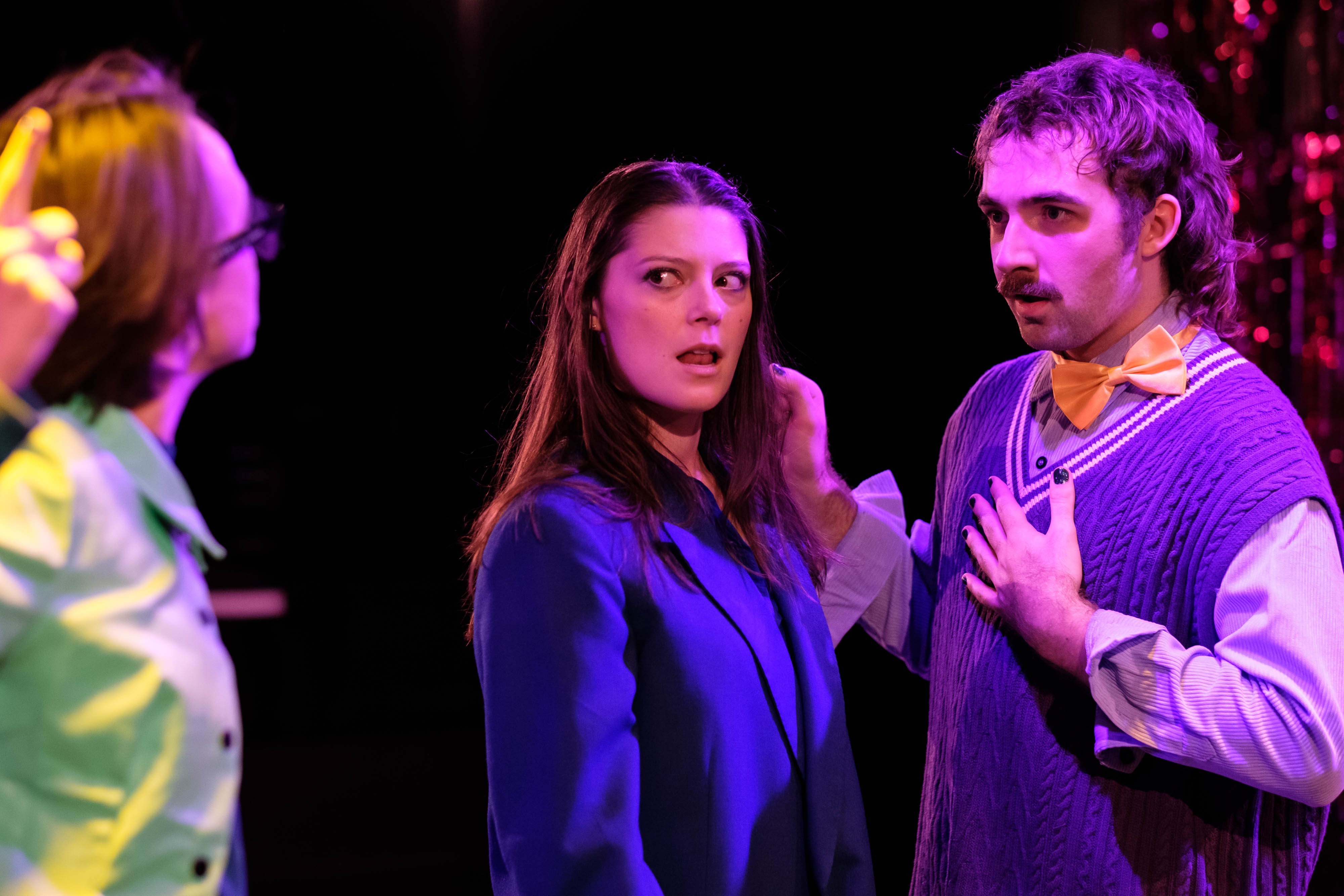
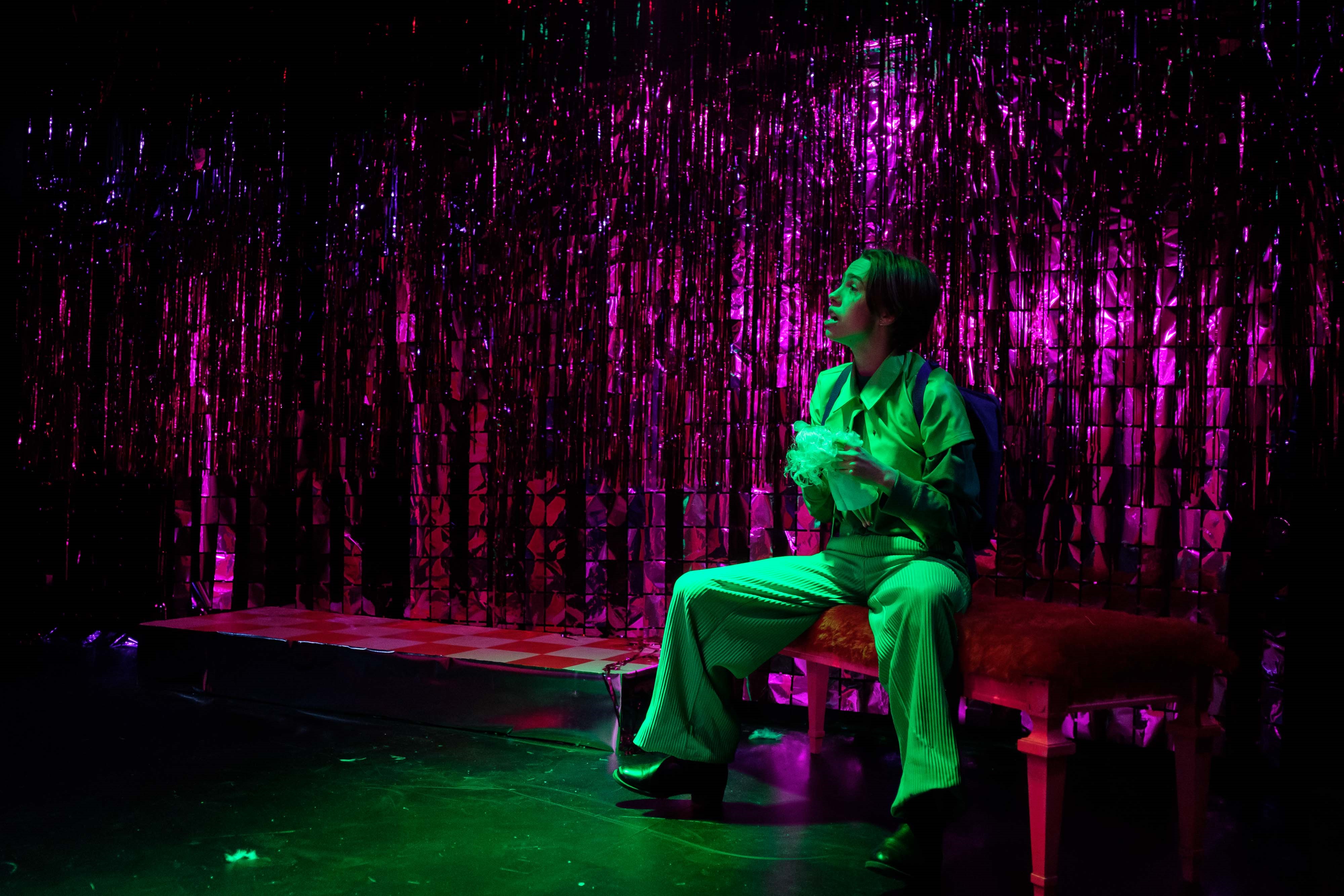
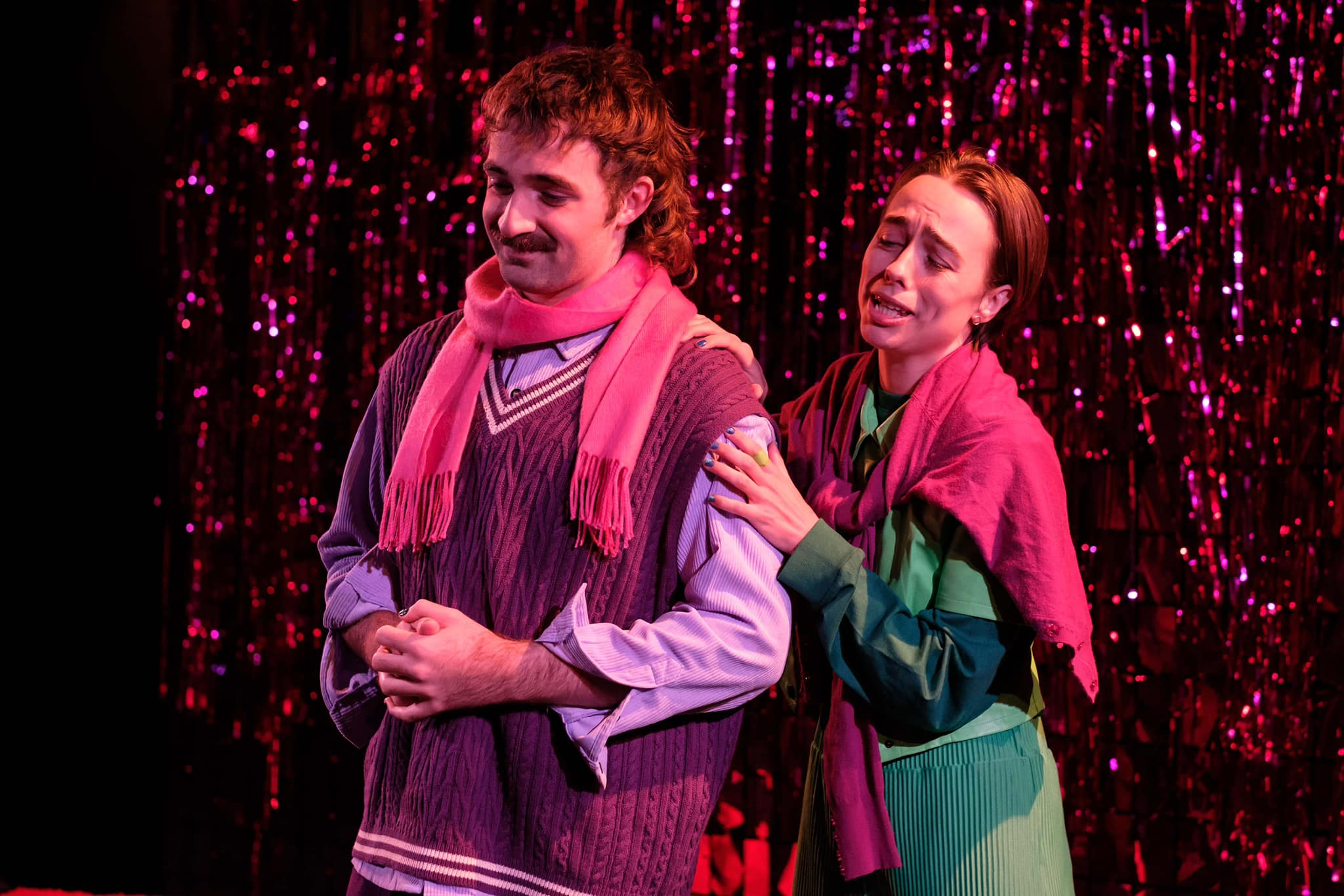
Rowan Yeomans’ sound and music are consistently lively, with a penchant for manufacturing an atmosphere of euphoria, to accompany the madcap performance style. Production design by Kate Beere is all glitz and camp, to invoke the vaudeville tradition. Jesse Grieg’s lights are flamboyant and colourful, adding great visual dynamism to proceedings.
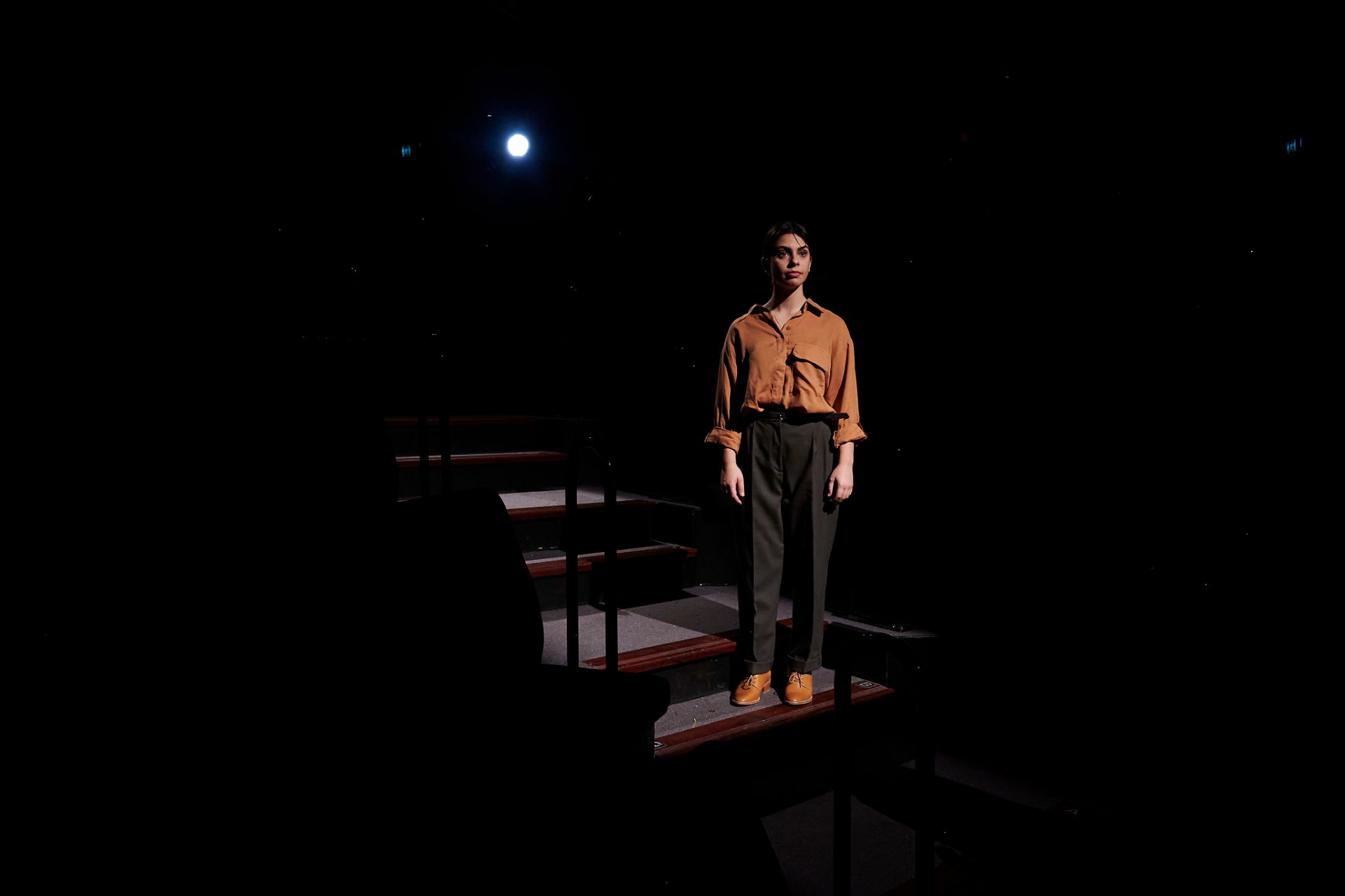
Actor Sarah Greenwood as Cynthia is to be commended for conveying emotional authenticity, throughout the 95 minutes of ceaseless pandemonium. Clay Crighton and Jack Francis West are wonderfully animated with their extensive repertoire of roles, both impressive with the vigour they bring to the stage, and with the irrepressible mischievousness that accompany all the surreal hijinks they deliver. This team of three is remarkably well-rehearsed; the fluency with which they execute this intricate and convoluted work, is quite a sight to behold.

Cynthia struggles to find herself, because she feels unloved. Her father’s absence creates a hole that she seems unable to fill, yet life goes on. In Daddy Developed a Pill, it is the daughter who is left broken, and for those of us who recognise ourselves in that state of ruin, it is that honest depiction of a lack of closure, that resonates. Too much of our storytelling wants to offer catharsis, with sweet endings to sad tales. What seems more truthful on this occasion, is to see that we often experience no closure, only a hope that resilience accrues with each blow, and we simply keep going.

www.facebook.com/snatchedcollective

Review: Gods And Little Fishes (New Theatre)

Venue: New Theatre (Newtown NSW), May 31 – Jun 25, 2022
Playwrights: Richard Sydenham, Jamie Oxenbould
Director: Richard Sydenham
Cast: Katie Fitchett, Sarah-Jane Kelly, Andy McDonell, Arky Michael, Jamie Oxenbould, Eloise Snape, Richard Sydenham
Images by Bob Seary

Theatre review
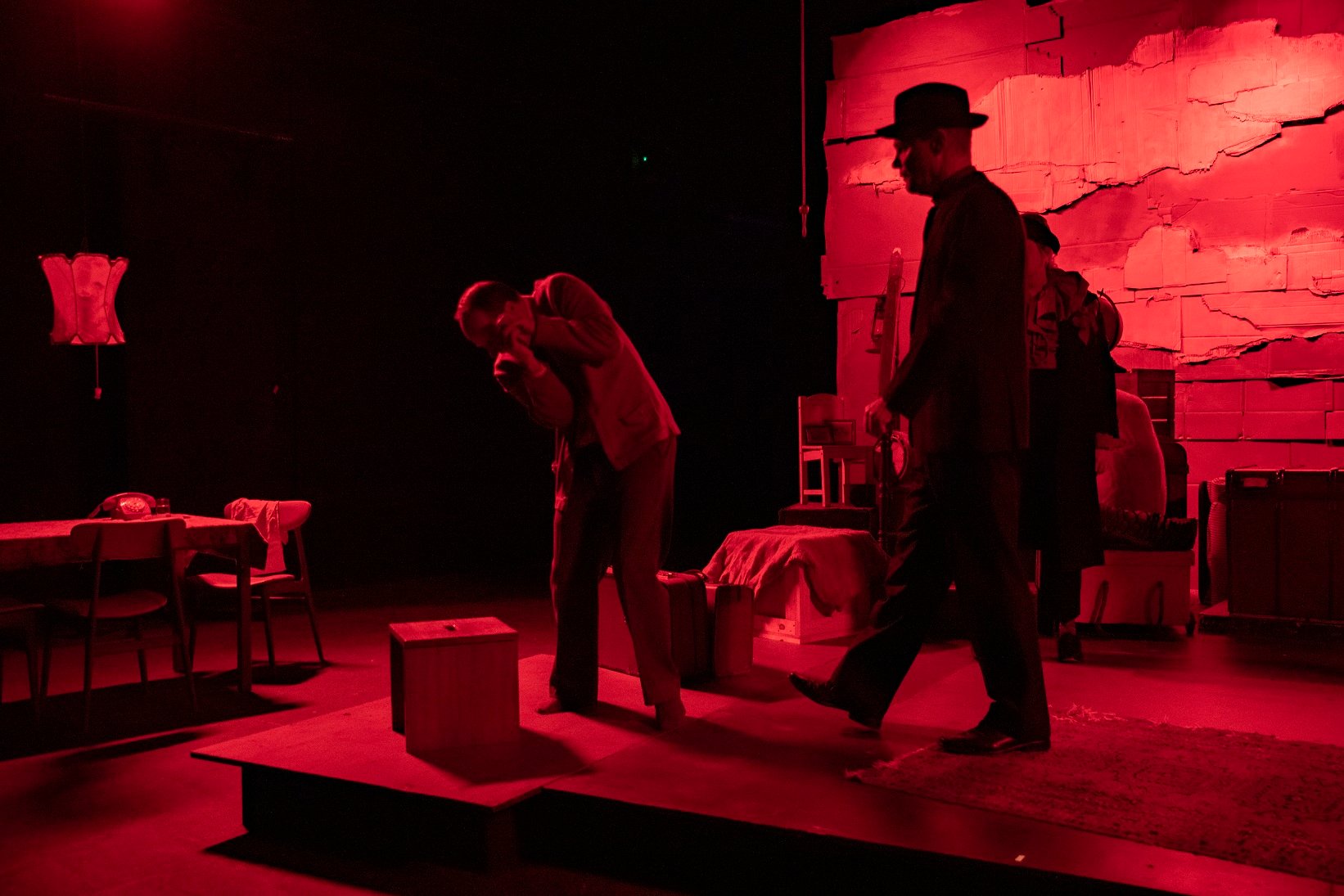
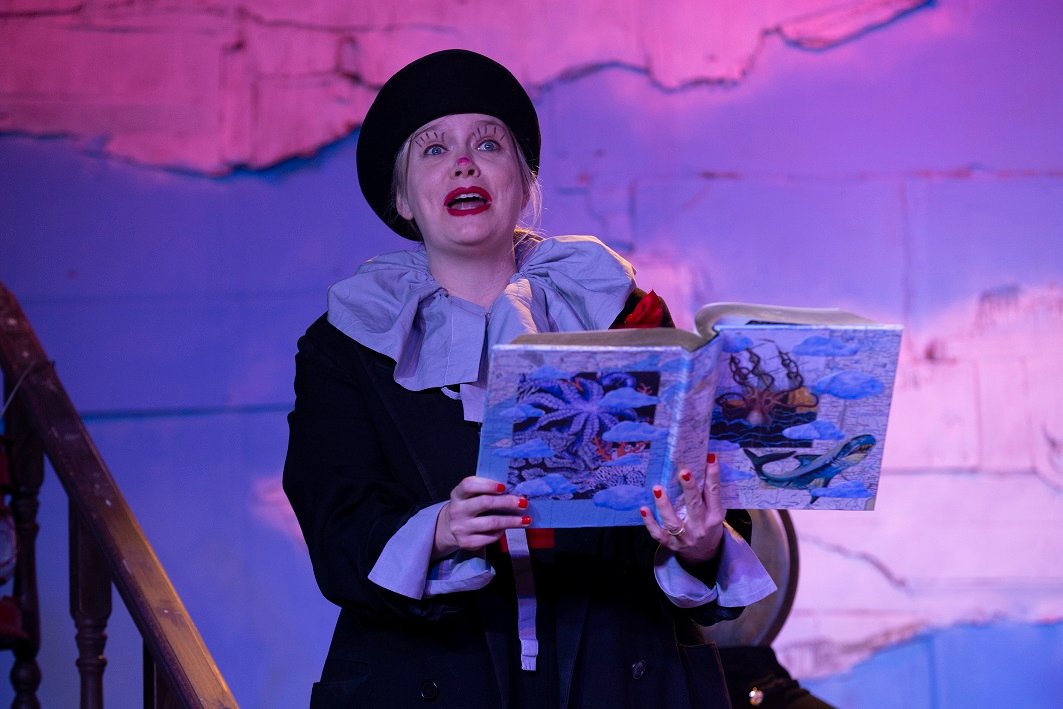
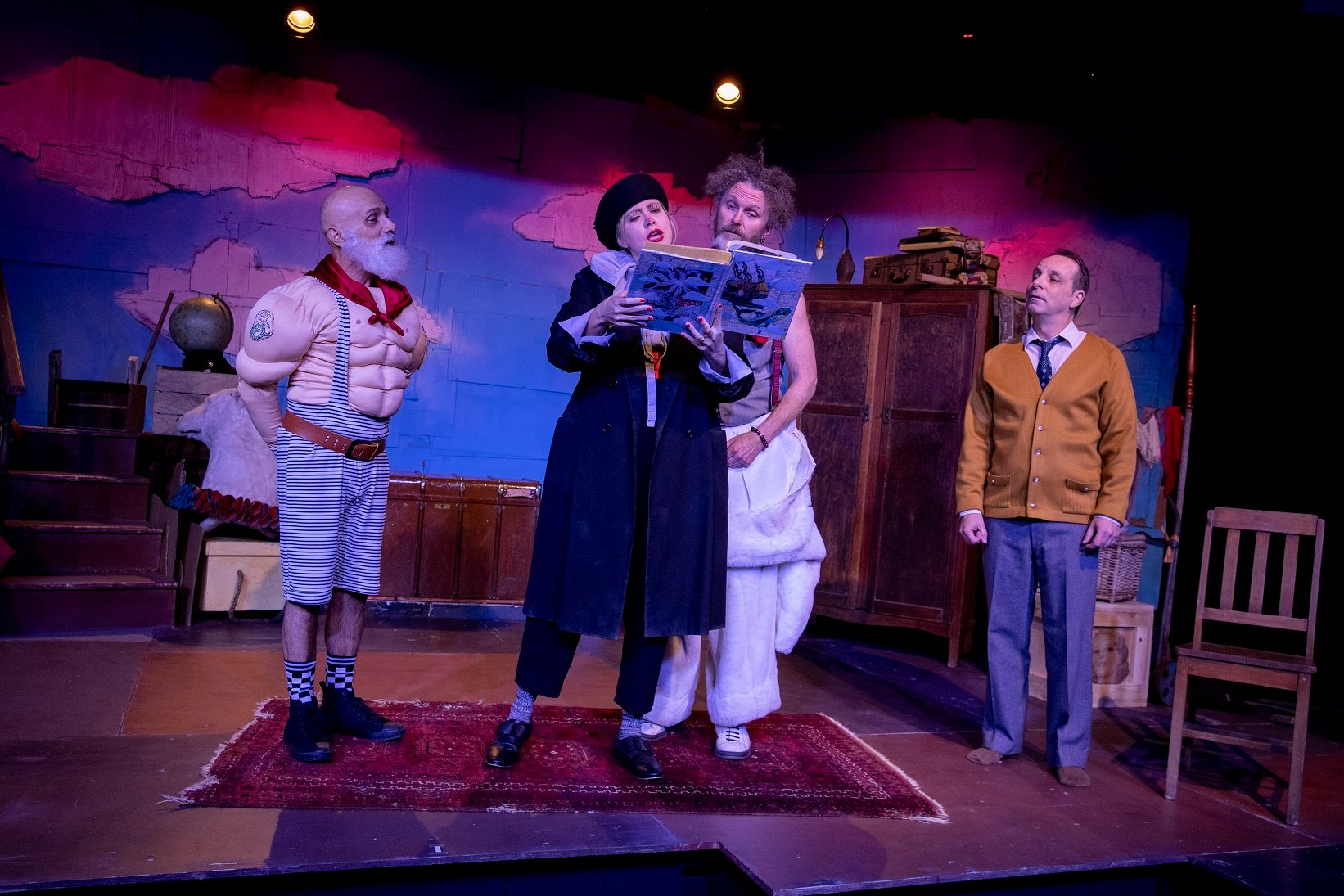
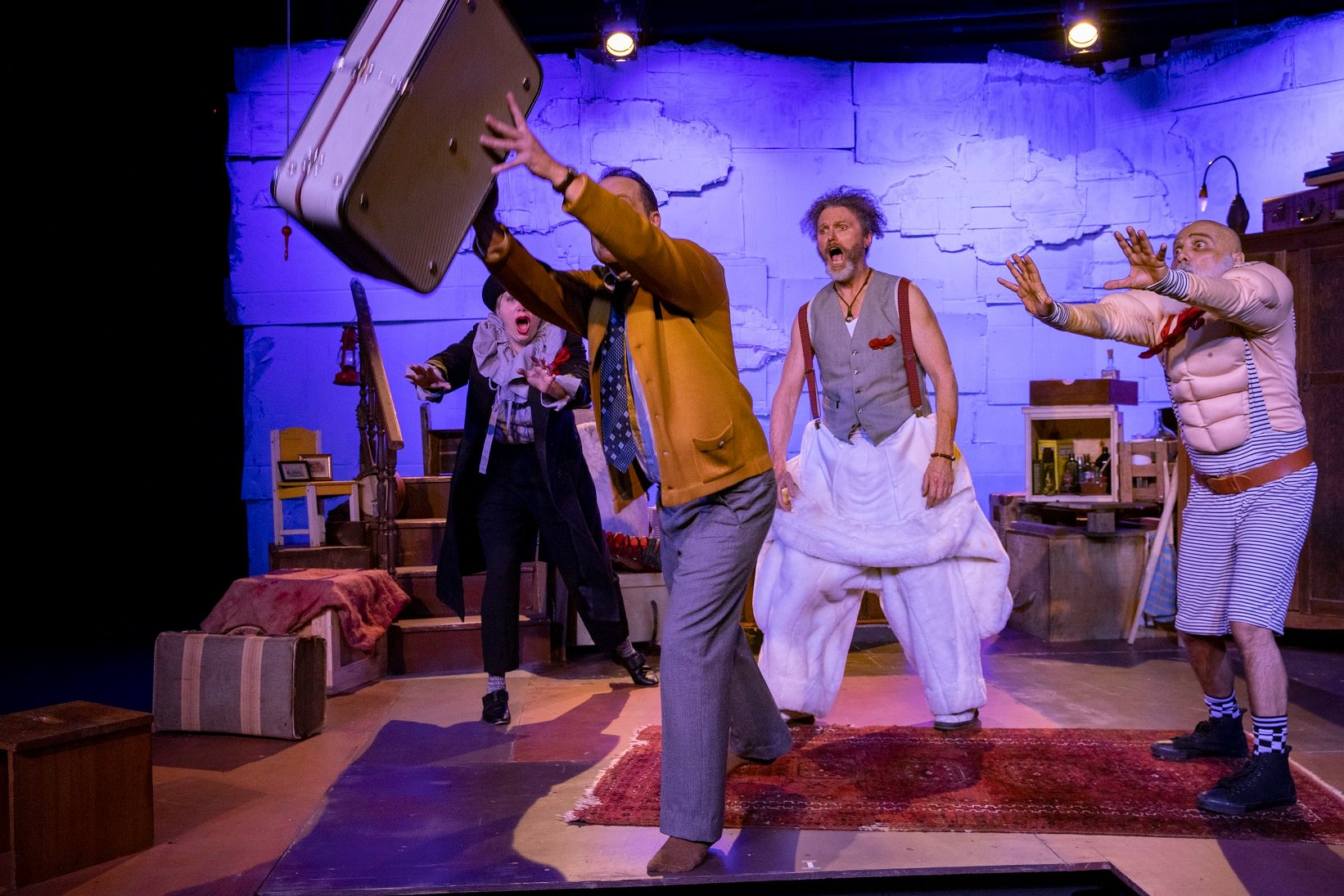
Frank has been rescued, and is now spending his days on a raft in the middle of the ocean, with three strange men. In Gods and Little Fishes by Richard Sydenham and Jamie Oxenbould, we watch Frank in a state of discombobulation, struggling to deal with a mysterious traumatic event. The raft is presented as an allegory for the stage, with the three rescuers offering distinct representations of strength, of humour and of camouflage; qualities that help Frank navigate his moment of incapacity.

The writing is philosophical, with a sense of mischievousness that proves delightful. Sydenham’s direction of the piece is finely balanced, positioned in a whimsical place between the comedic and the melancholic. The moral of the story could be communicated more sonorously, but there is no denying the unwavering commitment to its central beliefs about the cathartic powers of art.

The show’s playful spirit is conveyed visually through the work of set designer Hannah Tayler and costume designer Katie Fitchett, who bring a jovial vibrancy to the imagery we encounter. Grant Fraser’s lights add a dimension of mood variation, while sound by Lloyd Allison-Young, although sparse, helps to modulate our sensibilities, so that we tune in to the specificities of what the play wishes to impart.

Oxenbould’s restrained performance as Frank offers a minimalist rendering of character, that pulls us in to gain an effective understanding of his anguish, without having the theatrical experience be one about indulgent melodrama. Andy McDonell, Arky Michael and Eloise Snape are the three rescuers, each actor wonderfully affable, and together as a team, they are impressively well-rehearsed, and proficient at keeping us curious and attentive. Sarah-Jane Kelly plays Frank’s son Jeffrey, able to introduce an air of innocence and sentimentality to proceedings, without ever turning nauseating.
We have become experts at quantifying and monetising so many things, including services of a medical nature. Enterprising people have concocted innumerable contrivances that form what is known as the health and wellness industry, yet the creation of art, although an ancient pursuit, is yet to find its place in a world that is now almost entirely commercialised.

We refuse to acknowledge that art is critical to our survival as individuals and as a species, therefore keeping it a low priority in how we allocate resources as communities. People live their lives oblivious to how they benefit from the work of artists, even begrudging them for daring to do what they love. The truth is that humans cannot exist without storytelling, and we cannot experience transcendence without inventiveness. It is at our own peril, should we continue to make heroes out of idiots, and billionaires out of despots.

www.newtheatre.org.au

Review: Sexual Misconduct Of The Middle Classes (Belvoir St Theatre / Melbourne Theatre Company)

Venue: Belvoir St Theatre (Surry Hills NSW), Jun 2 – Jul 10, 2022
Playwright: Hannah Moscovitch
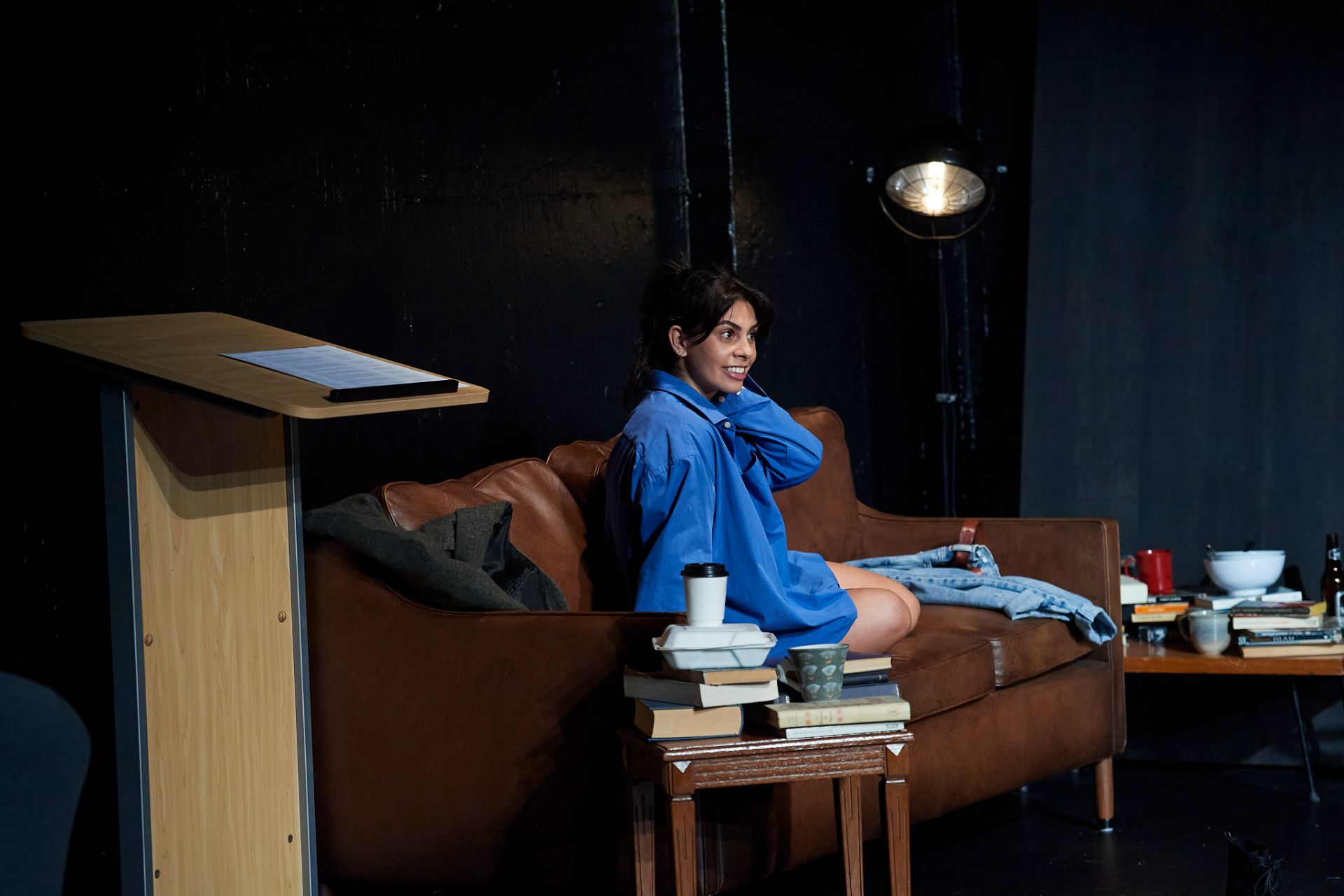
Directors: Petra Kalive
Cast: Dan Spielman, Izabella Yena
Images by Jaimi Joy

Theatre review
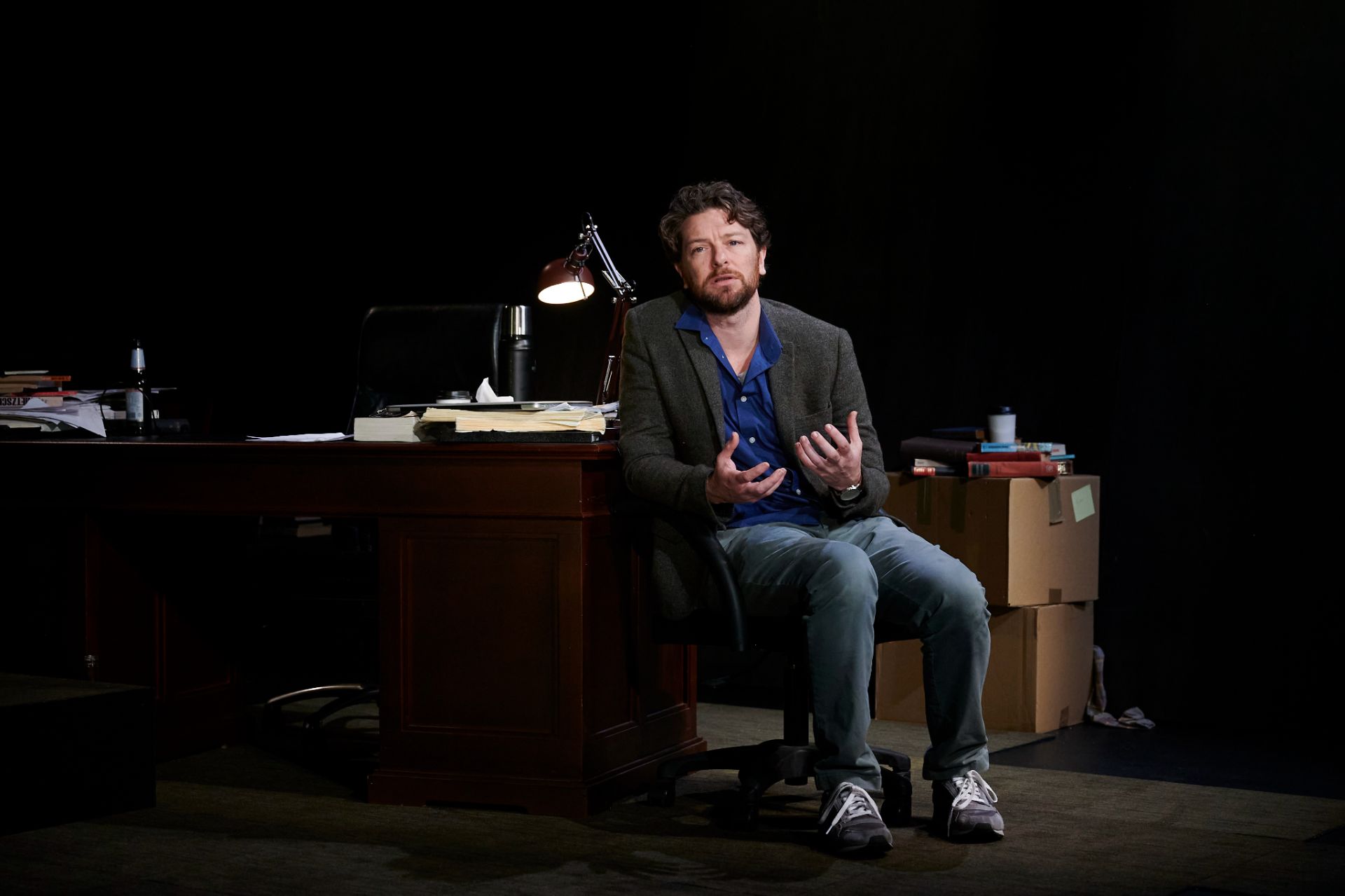
Jon is a successful writer who refers to himself in the third person. He is also a university lecturer, who has an affair with a student half his age, in Hannah Moscovitch’s Sexual Misconduct of the Middle Classes. Written in 2020, there was only ever one way this story about sex and power could go. The play may be painfully predictable, but the truth is that we are fortunate to live at a time, when boundaries concerning such matters are clearly demarcated. No trigger warnings are issued, because on this occasion they are never necessary.

There is little about Moscovitch’s work that is dangerous. We have had these discussions many times, and our decisions are firmly drawn, so we feel the play trudging along completely predictably, toward that very foregone conclusion. One would struggle to identify anything further that Moscovitch is able to add, to our now immovable and non-negotiable attitudes with regard sex at our workplaces and public institutions. The subject matter could have provided fertile ground for subversive or provocative humour, but as its title suggests, it is all terribly middle class in attitude.

Petra Kalive’s direction of the piece is arguably too earnest, perhaps too careful, in fear of being misunderstood. Its efforts to reassure us that there is never any intended affront, results in a work of theatre that is overly polite and safe. The tone of the staging is commendable for taking into account more delicate sensibilities that are likely to be present in the audience, but the consequence is a show that does not advance discourse, and one that poses no challenge to our intellect.

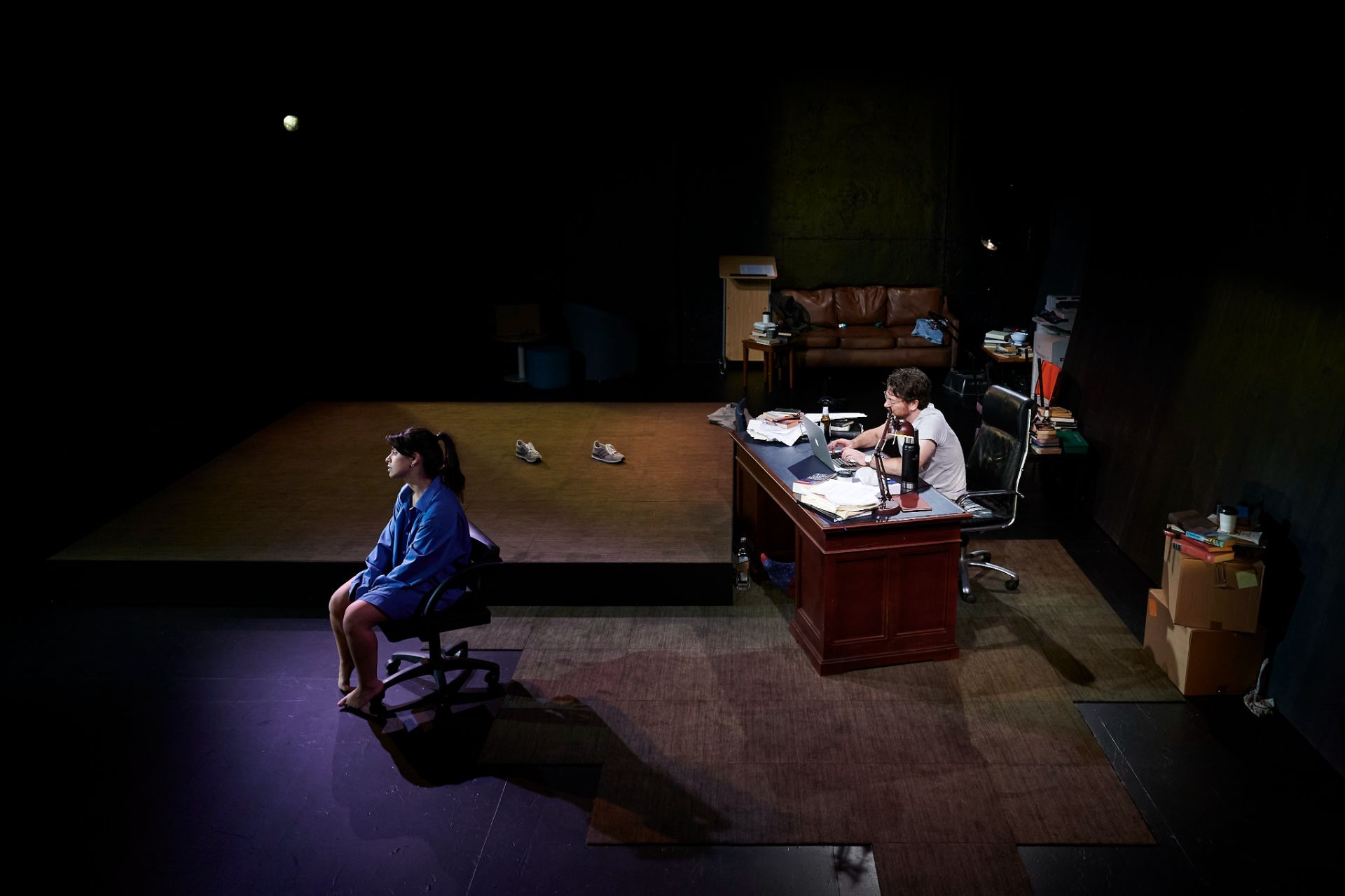
Unsurprisingly perhaps, design aspects are all elegantly rendered. Marg Howell’s set and costumes focus our sense of awareness, on just the right strata of people we are looking at. Rachel Burke’s lights offer accurate calibration for every subtle shift in atmosphere. Sound design by Darius Kedros is sensitive and unobtrusive, generously wishing for us to hear little more than the play’s dialogue.

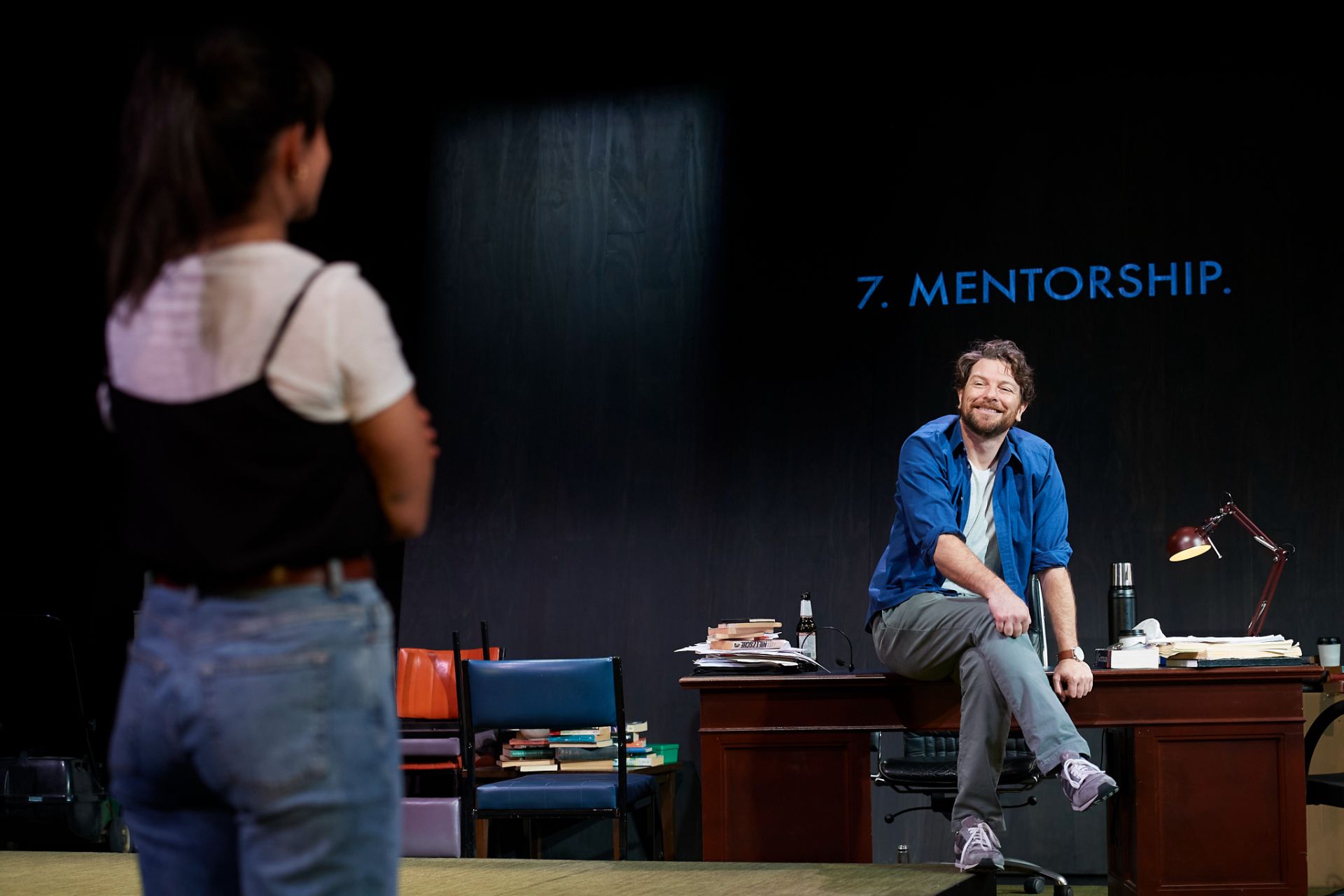
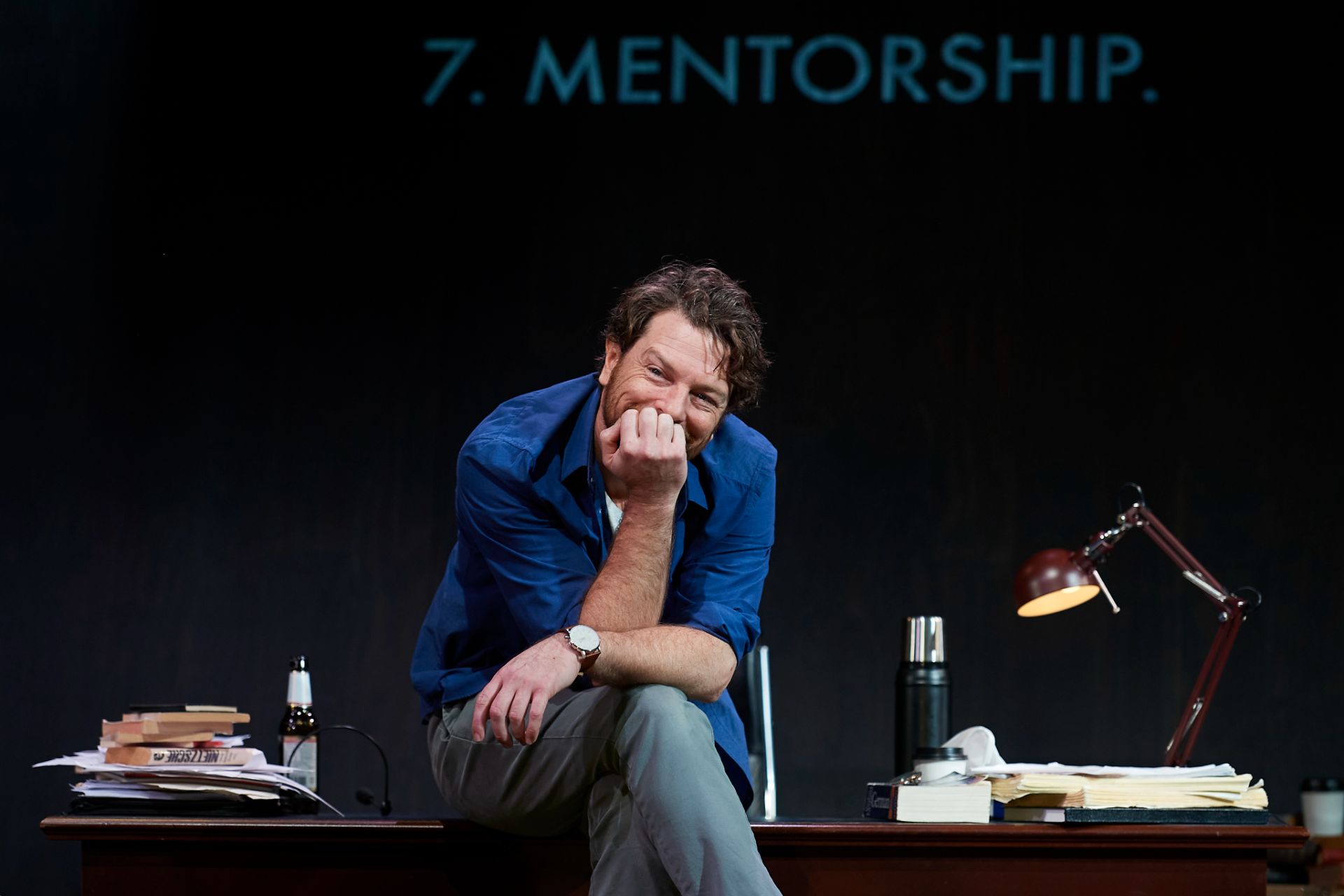
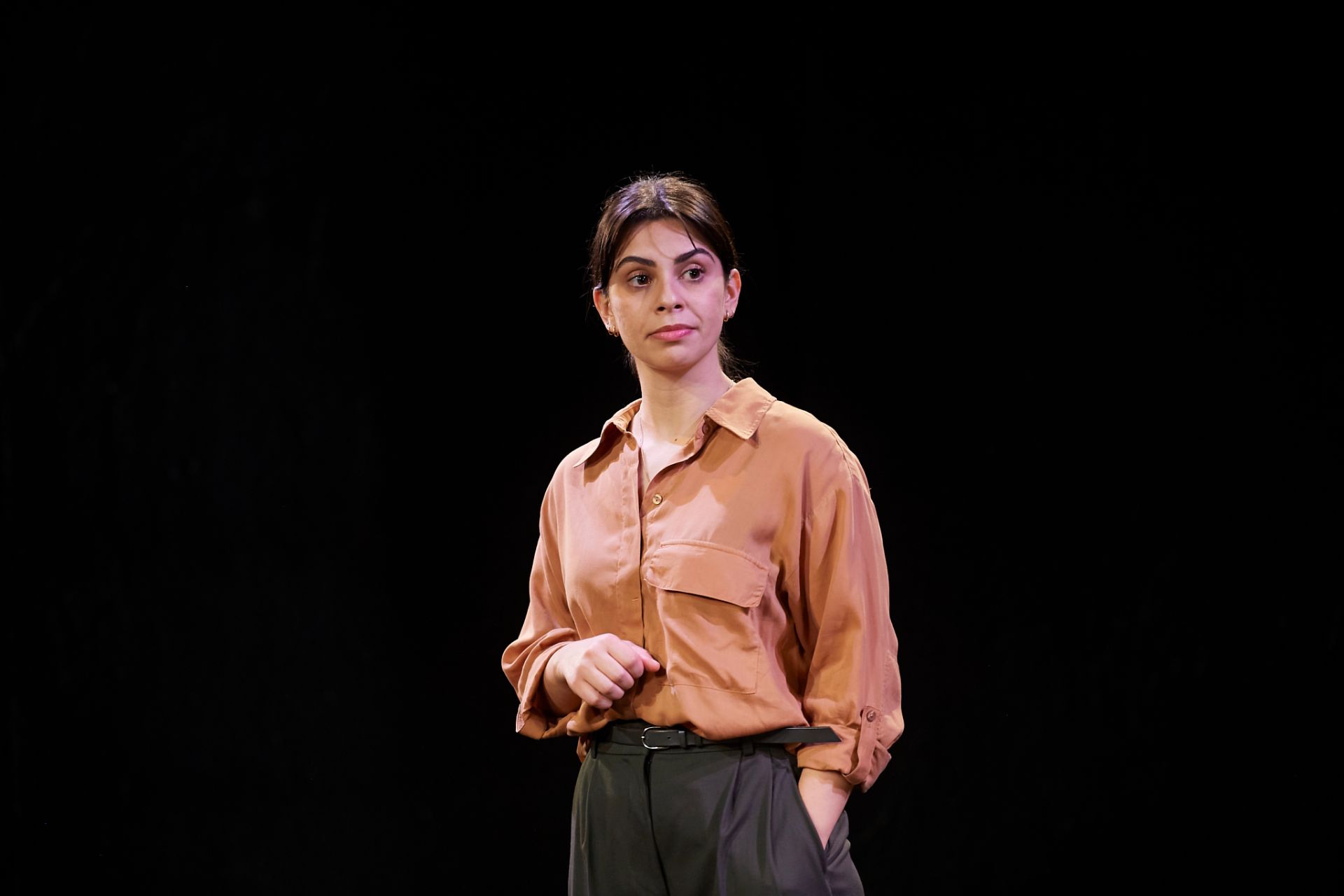
Actor Dan Spielman does marvellously to hold our attention, whilst playing an irredeemably repugnant character. His conviction only makes us more disgusted, which is of course an appropriate response, although there is no denying the tedium of encountering such a one-dimensioned villain. Izabella Yena as Annie, does her best work between the lines, able to convey the complicated amalgamation of emotions, as a young woman who learns over time, that her consent was not consent at all.

One of the main problems with the middle classes, is their unwavering trust of authority. For most of Sexual Misconduct, the audience seems to be positioned so that our concern resides with the choices that Jon makes; it seems to want us to urge him to do better, at every stage of the narrative. The middle classes have such a love of power, as reflected in all their aspirations to attain power, they deny that transparently sinister quality of power that makes it so seductive.

The point of it, is to evade accountability. The point of power, is so you can do whatever you want, especially behind closed doors. To expect people in positions of power to do better is naive, and frankly, in this day and age, stupid. For the audience to wish that Jon discovers his conscience, is to bury our heads in the sand. It is not the individuals in broken systems (or indeed systems designed to fail our democracies), who need to do better. It is the fact that people are granted such power, in that young women like Annie are taught to regard men like Jon with such reverence, that is the problem.

www.mtc.com.auwww.belvoir.com.au

Review: Moulin Rouge (Capitol Theatre)

Venue: Capitol Theatre (Sydney NSW), from  May 28, 2022
Book: John Logan (based on the Baz Luhrmann film)
Director: Alex Timbers
Cast: Alinta Chidzey, Des Flanagan, Simon Burke, Tim Omaji, Andrew Cook, Ryan Gonzalez, Samantha Dodemaide, Olivia Vasquez, Ruwa Ngwenya, Christopher J Scalzo
Images by Michelle Grace Hunder

Theatre review
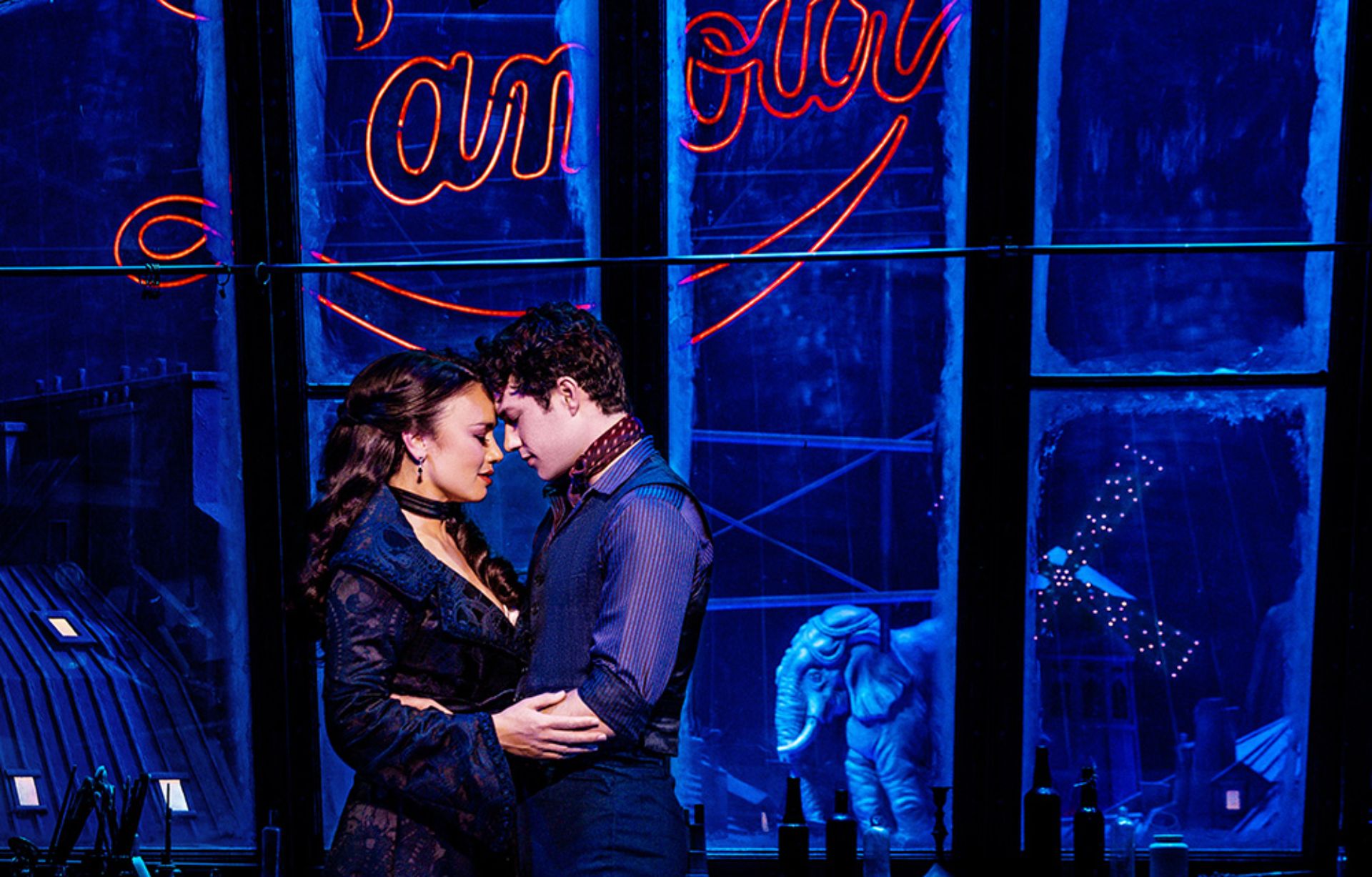
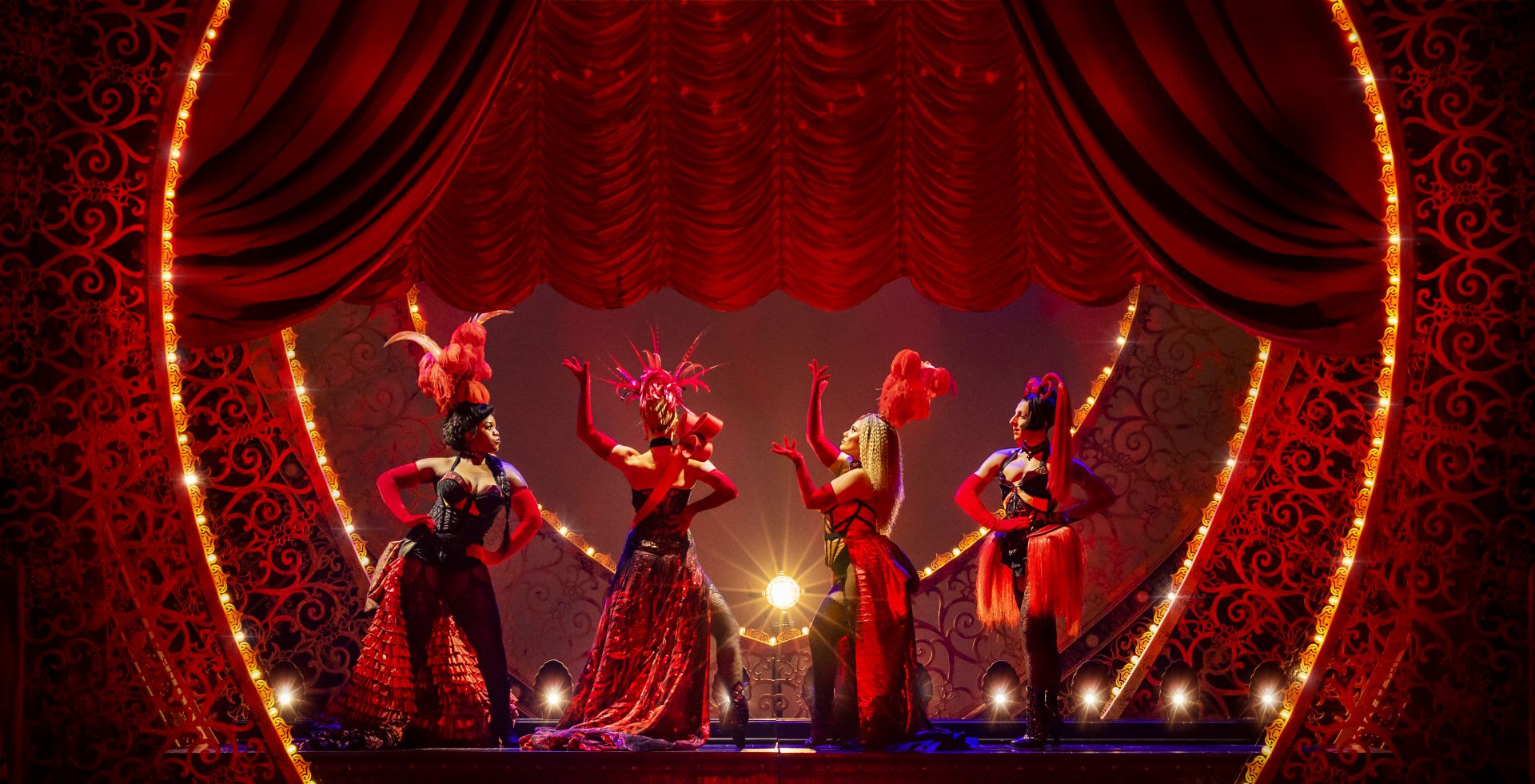
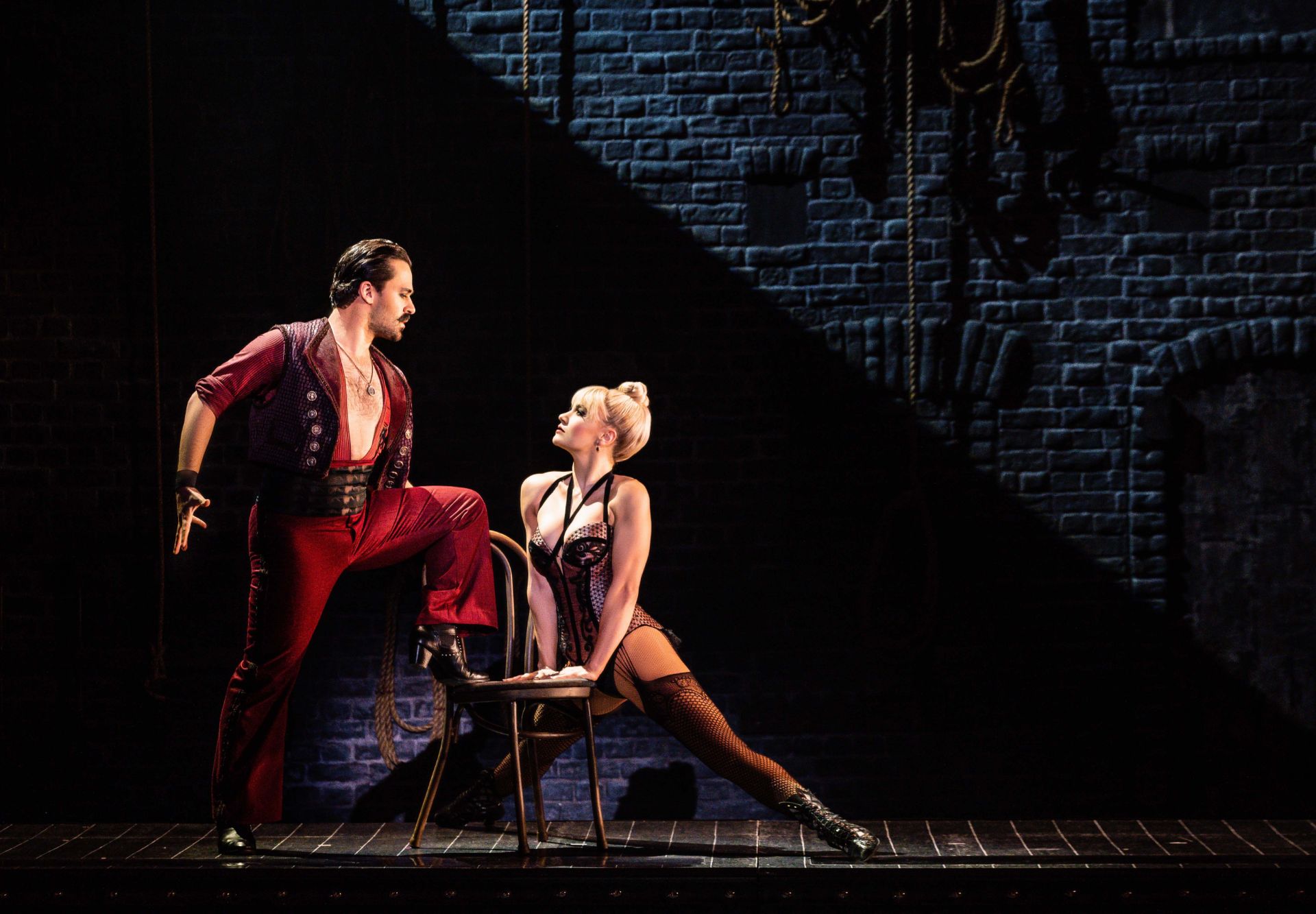
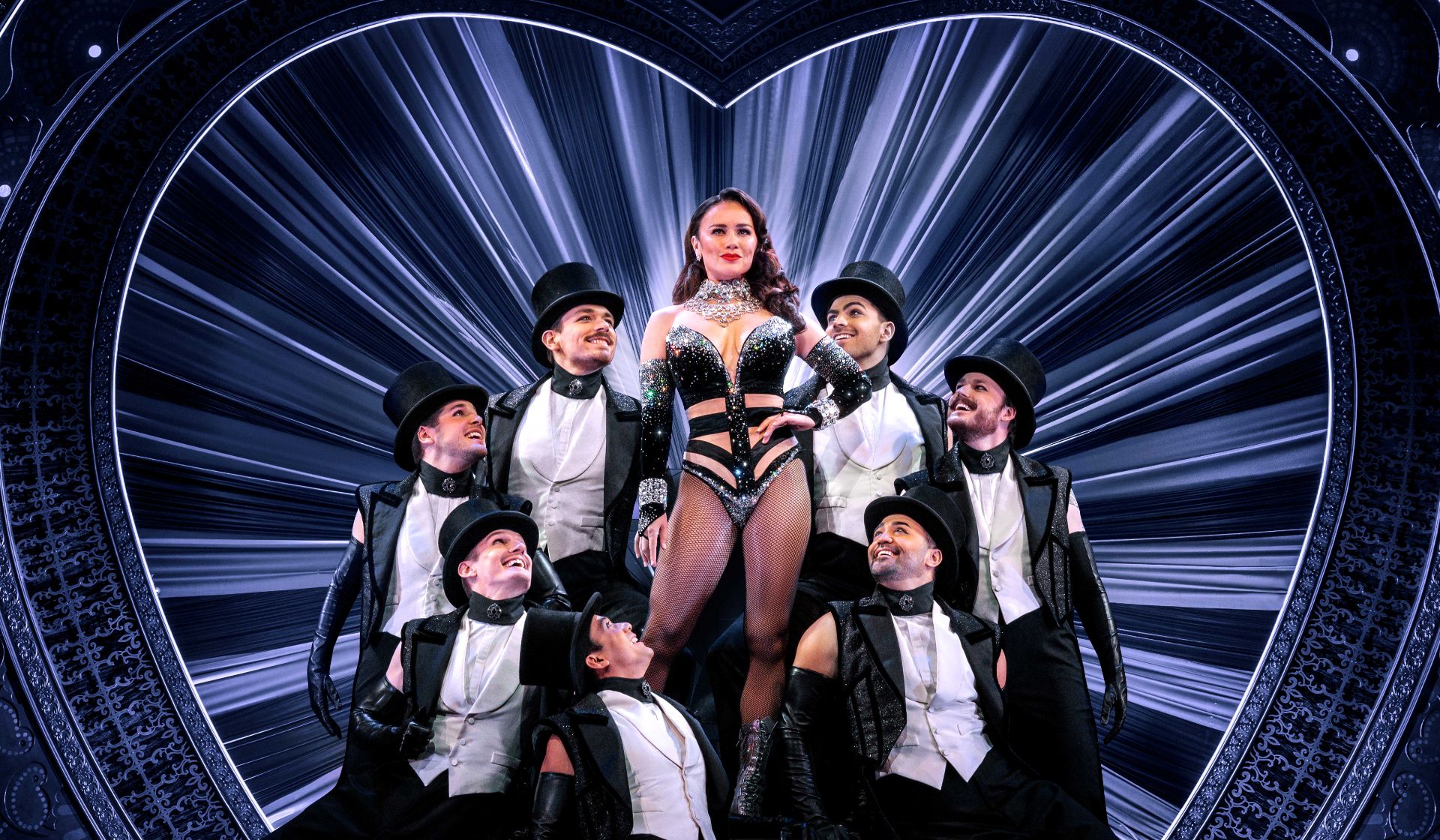
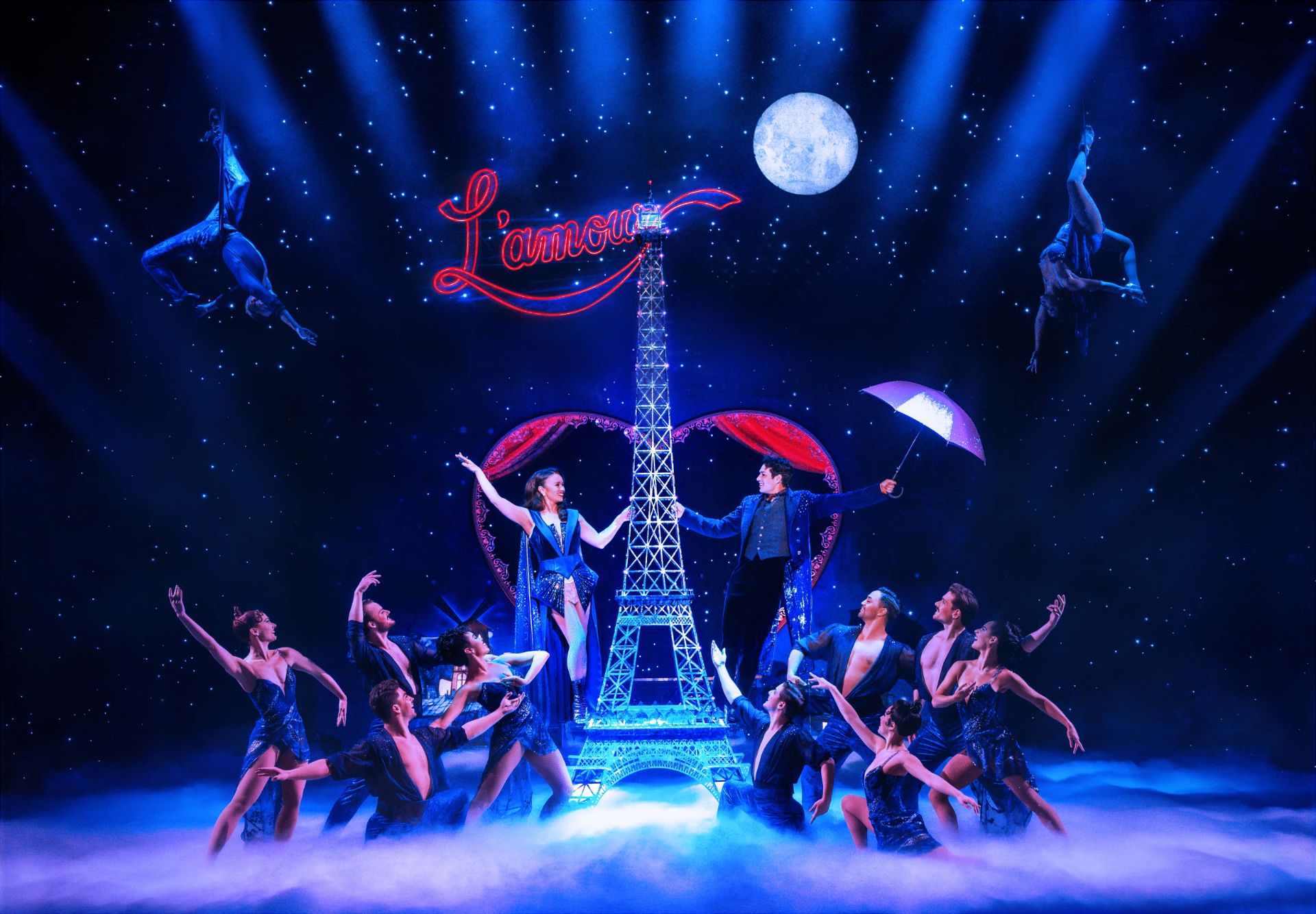
Satine is the only one who can rescue her beloved cabaret nightclub from financial devastation, but the arrival of a new love interest Christian, is causing all manner of unforeseen complications. The 2001 Baz Luhrmann hit movie Moulin Rouge was a riot of schmaltz and kitsch, memorable for its incongruous use of late century pop songs, for a story set in 1900. Two decades on, it seems that Luhrmann’s penchant for elevating what is generally considered to be low brow, is still a stroke of genius.

This live adaptation amps up the use of overfamiliar music from the pop charts, to create a show best described as a jukebox musical on steroids. Whether just a single line, or extended variations of monster tunes, this new Moulin Rouge speaks to us almost entirely through the pop canon. John Logan’s book plots the story cleverly, allowing plentiful action to occur on stage, in between short sections of dialogue to prop, but there is no question, that we are here for the spectacle.

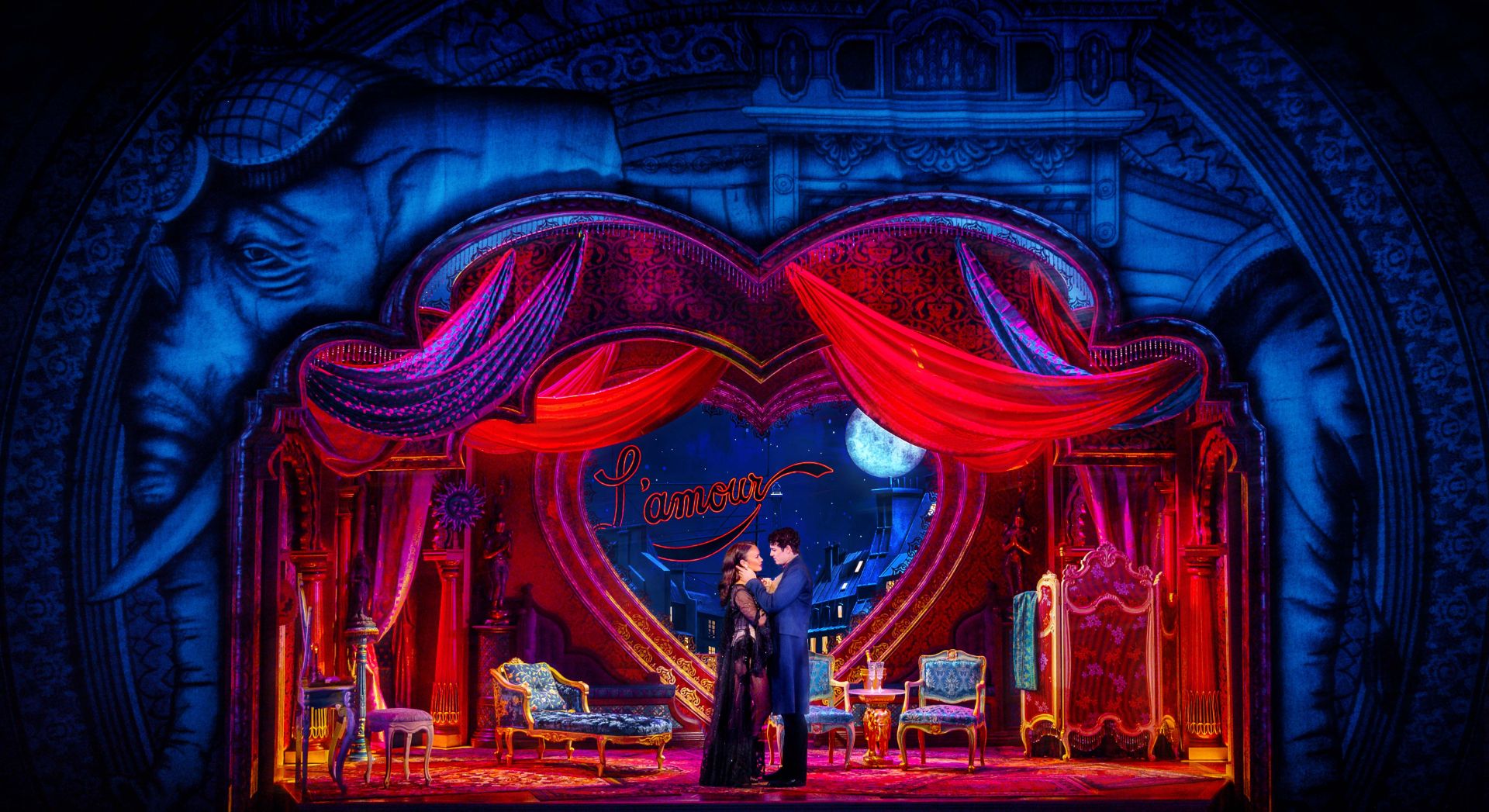
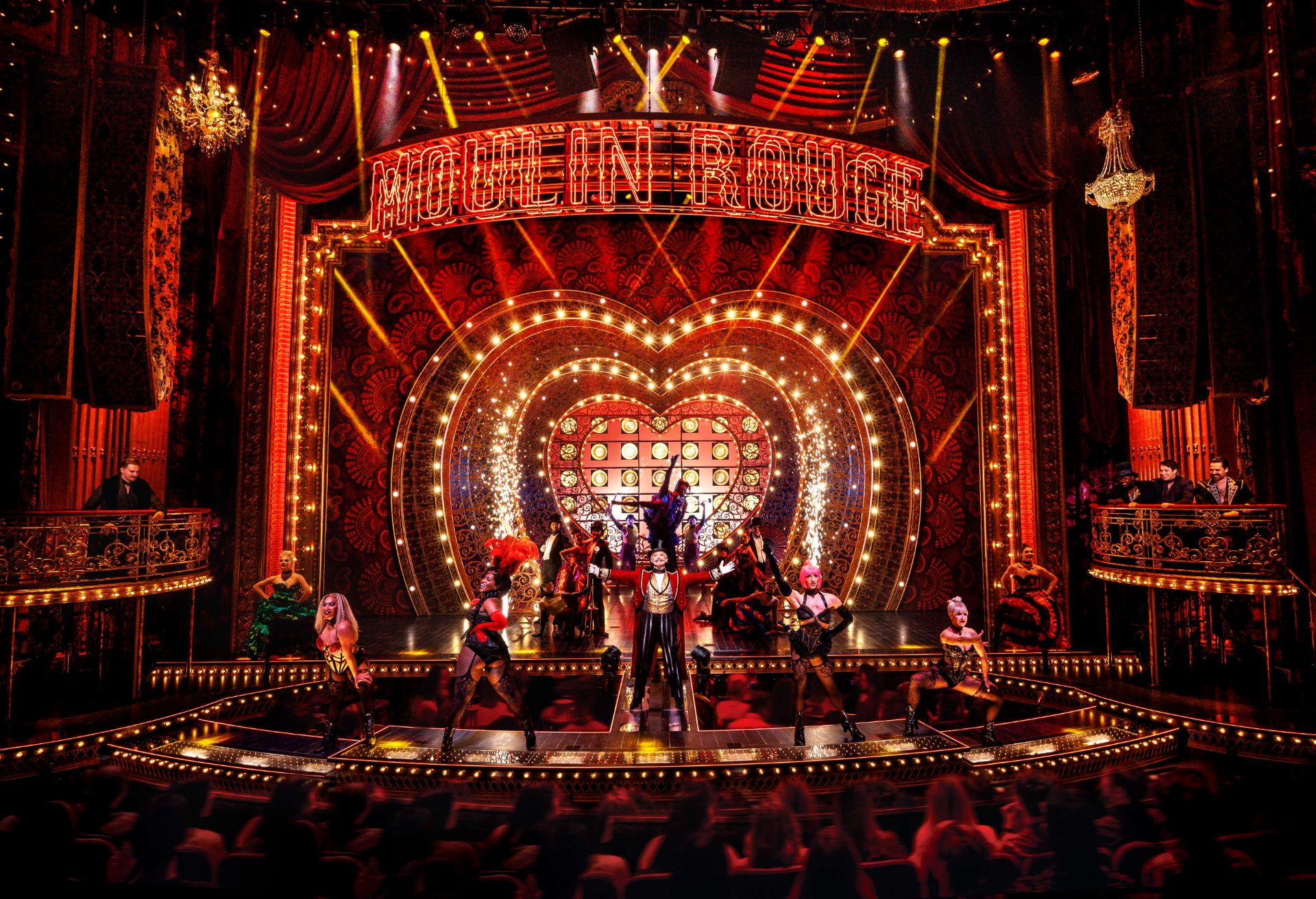
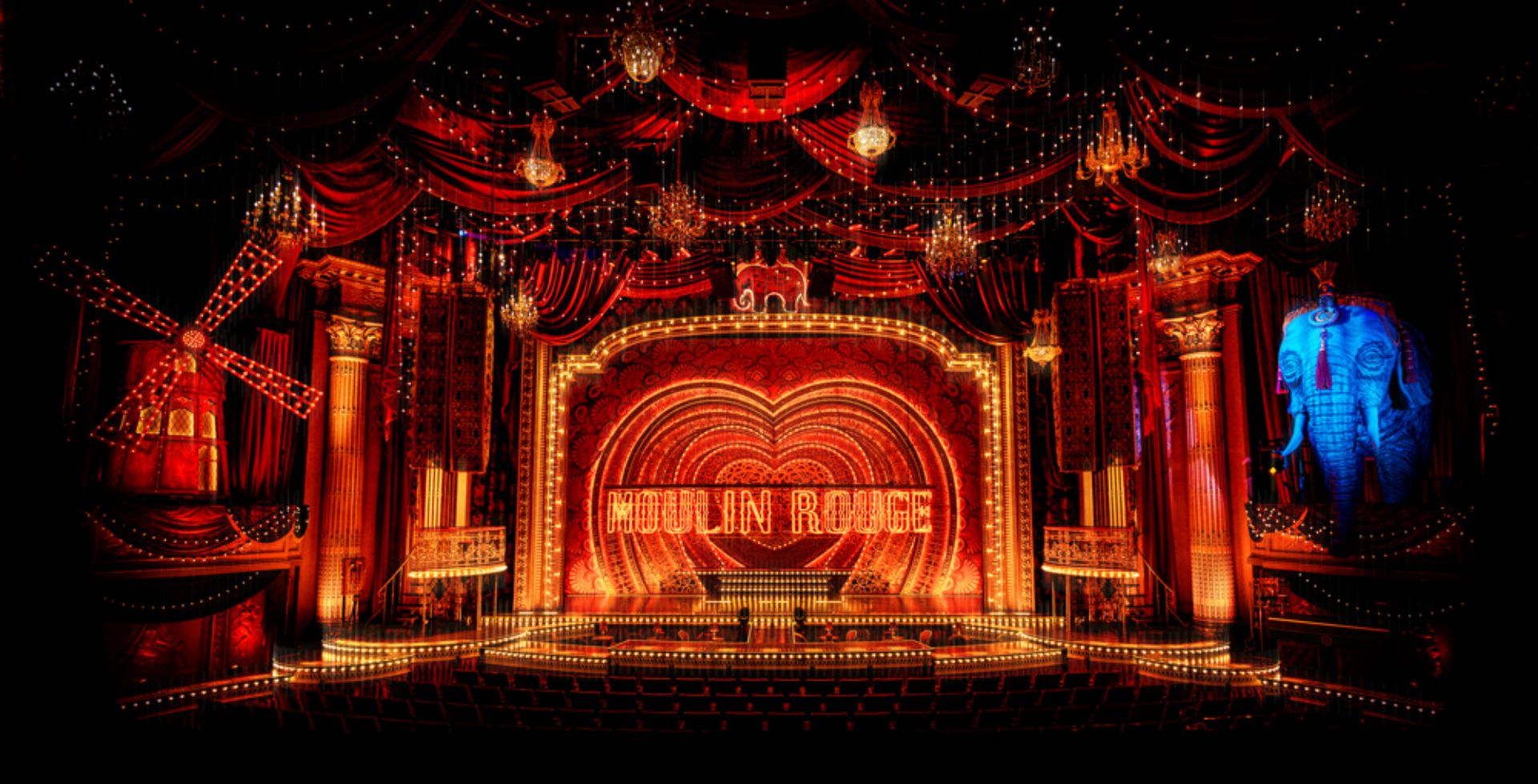
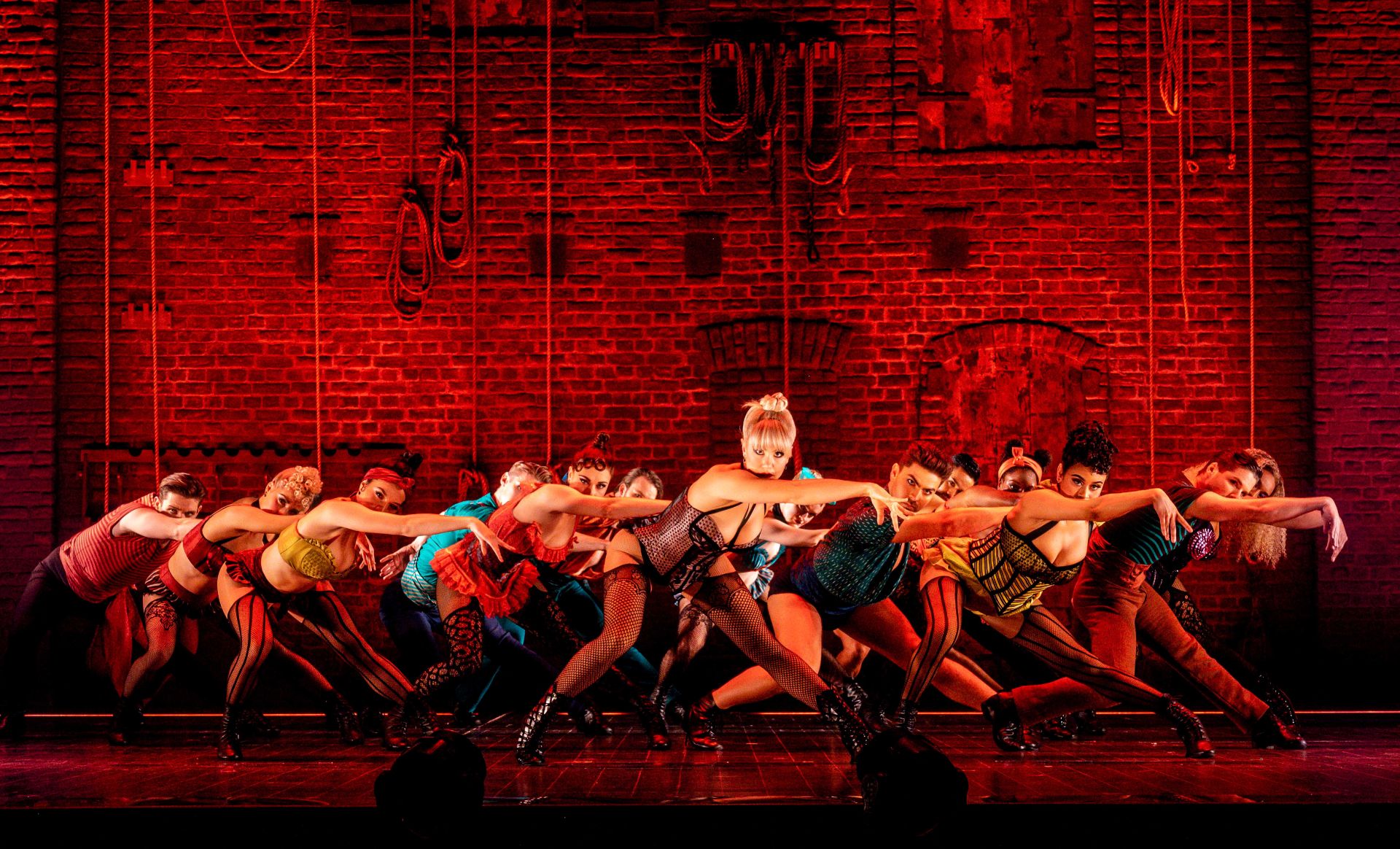
Directed by Alex Timbers, Moulin Rouge is a rousing cacophonous affair, intricately manufactured so that our senses are completely absorbed, into a ceaselessly fascinating parade of extravagant scenes. The show is an unequivocal triumph for all its visual design aspects, and along with exuberant and powerful music arrangements, this is theatre that hypnotises and satisfies, in the most uplifting ways imaginable.

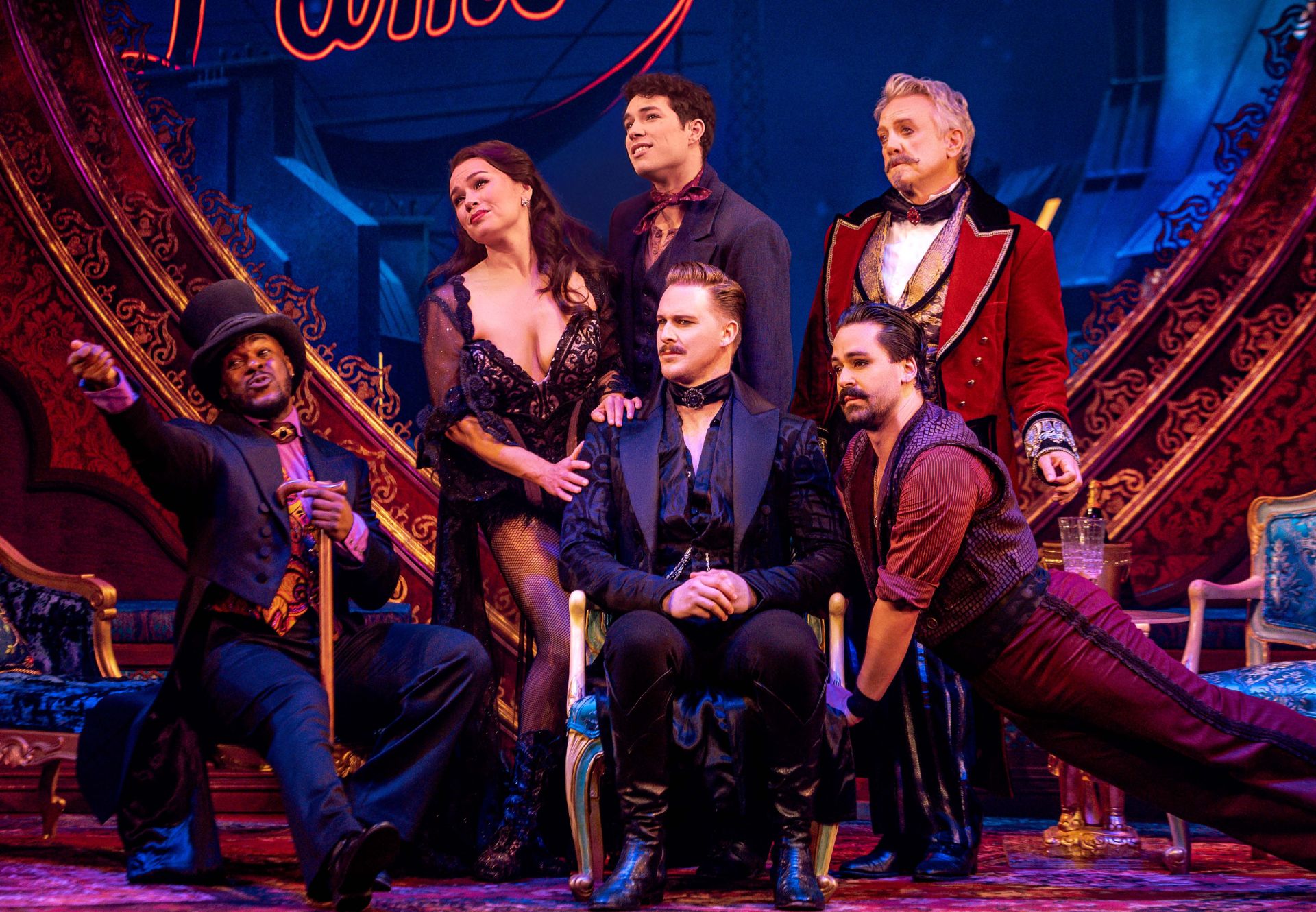
A remarkable cast brings infectious and palpable life to the stage; the ensemble in Moulin Rouge is alluring, spirited and disciplined, and we find ourselves connecting to the unnamed characters that they portray, as much as we do the prominent ones. Alinta Chidzey’s physical faculties as the tragically beautiful Satine are absolutely perfect, but her vocals can at times lack the lustre required to move us. Des Flanagan’s unbridled earnestness as Christian keeps our hearts open to the innocent love story, but it is Andrew Cook’s sizzling charm as rival The Duke, that sets pulses racing.

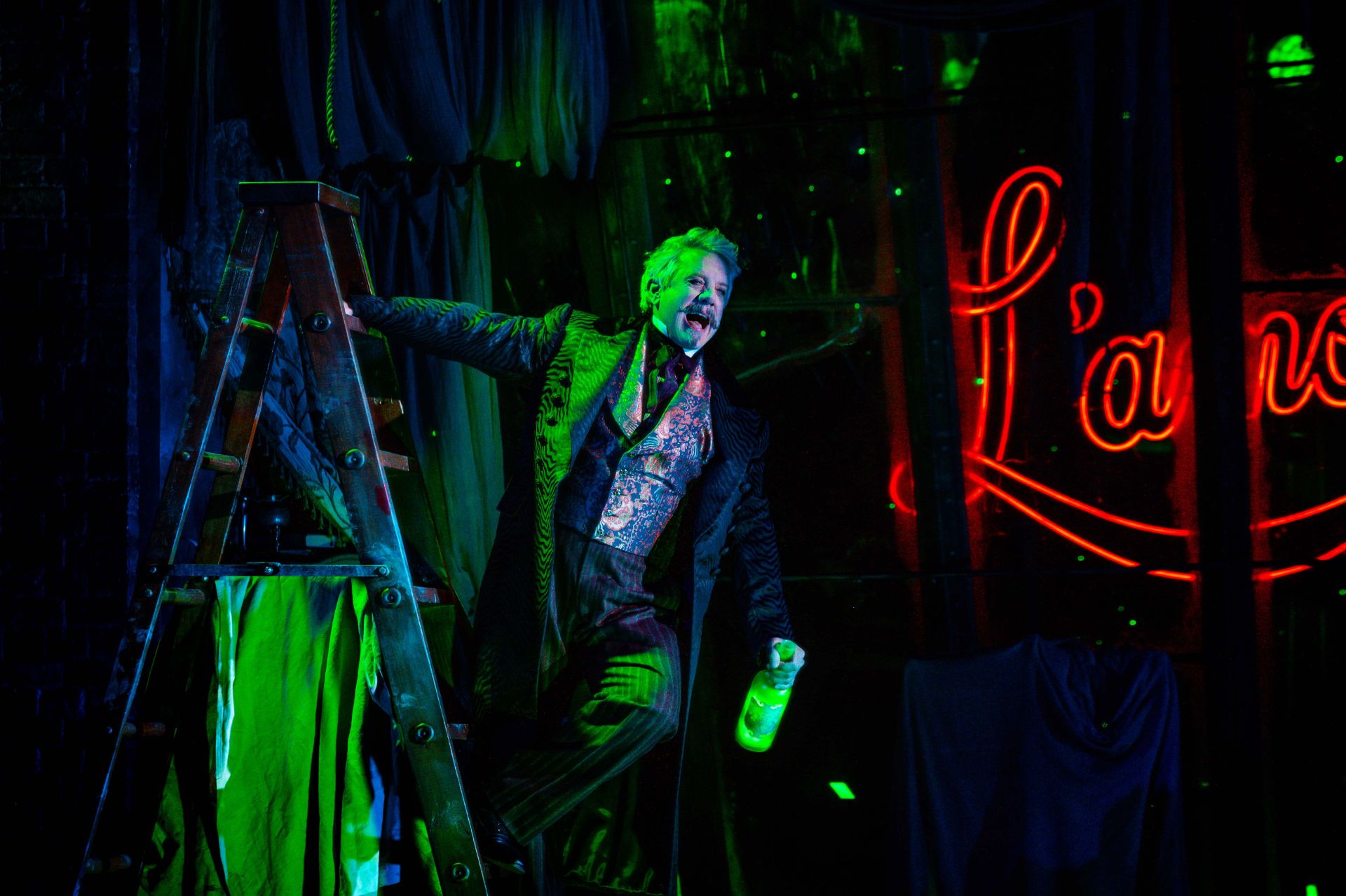
Playing the club owner in strife Harold Zidler, is Simon Burke who quite simply outshines everyone, with incomparable charisma and brilliant humour. Burke’s exceptional confidence and irrepressible effervescence are the key ingredients that make everything in Moulin Rouge feel so alive and poignant. Also deeply impressive are Tim Omaji and Ryan Gonzalez, who as Toulouse-Lautrec and Santiago, deliver a valuable sense of emotional authenticity, for a tale that is essentially about the plight of struggling artists of the bohemian underground. Omaji’s quiet rendition of “Nature Boy” and Gonzalez’s blistering version of “Bad Romance” are frankly unforgettable and in their divergent ways, transcendent.

Art should not always be about what one thinks. There is a tendency in our evaluation of artistic expression, to prioritise that which can be articulated in words. So much of art however, is to give shape and form to the human experience, in ways that are beyond words. A reductive way to characterise the immense success of Moulin Rouge, is to say that it is wonderful, for how much it is able to make a person feel. The truth is that, great art can never be sufficiently translated, you simply have had to be there.

www.moulinrougemusical.com

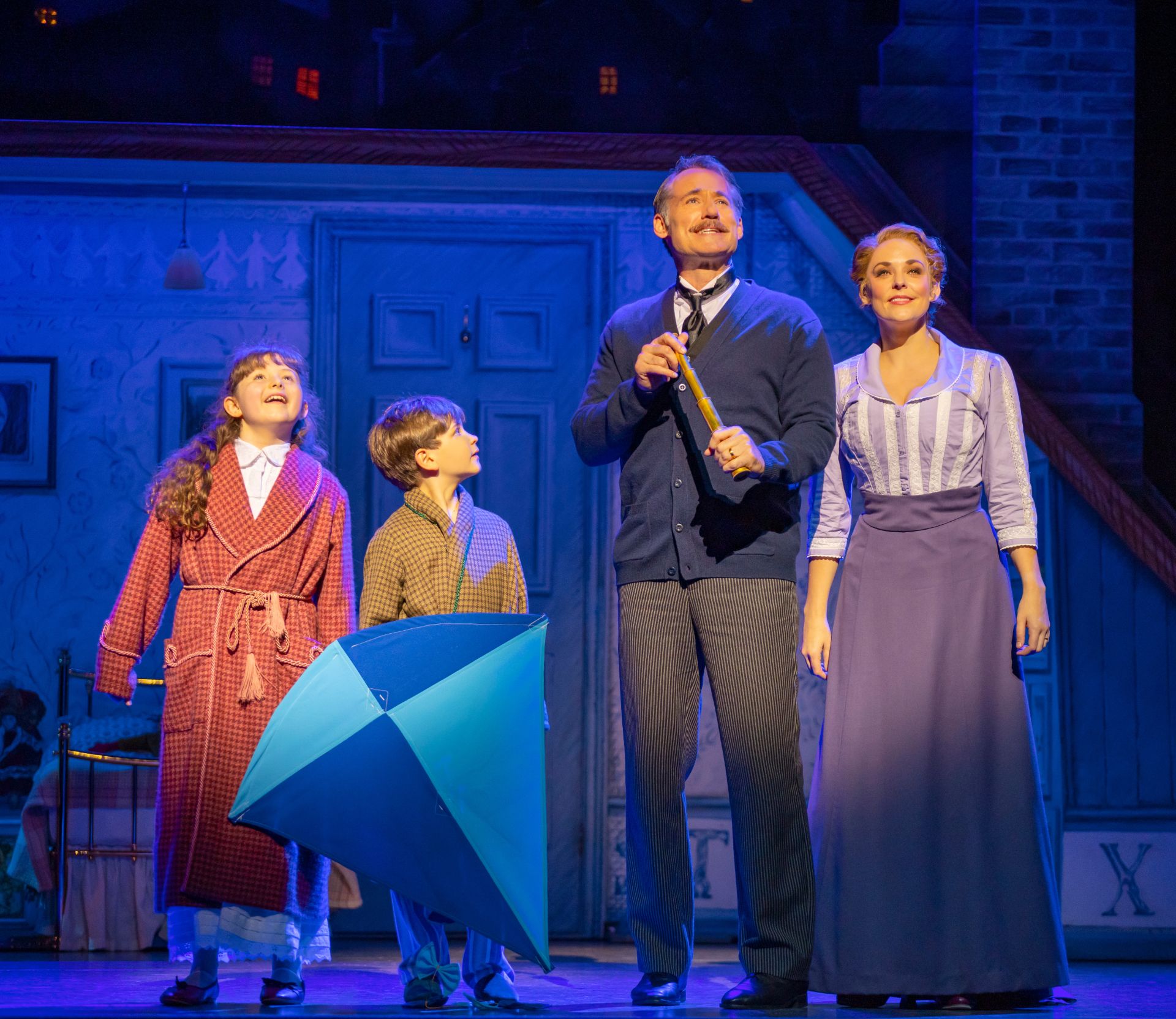
Review: Mary Poppins (Sydney Lyric Theatre)

Venue: Sydney Lyric Theatre (Sydney NSW), May 15 – Sep 4, 2022
Book: Julian Fellowes (based on stories by P.L. Travers and the Disney film)
Original Music and Lyrics: Richard M. Sherman, Robert B. Sherman
New Songs and Additional Music: George Stiles
New Songs and Additional Lyrics: Anthony Drewe
Director: Richard Eyre
Cast: Stefanie Jones, Jack Chambers, Tom Wren, Lucy Maunder, Mia Honeysett, Finn Walsham, Nancye Hayes, Hannah Waterman, Robert Grubb, Chelsea Plumley, Gareth Isaac
Images by Daniel Boud

Theatre review
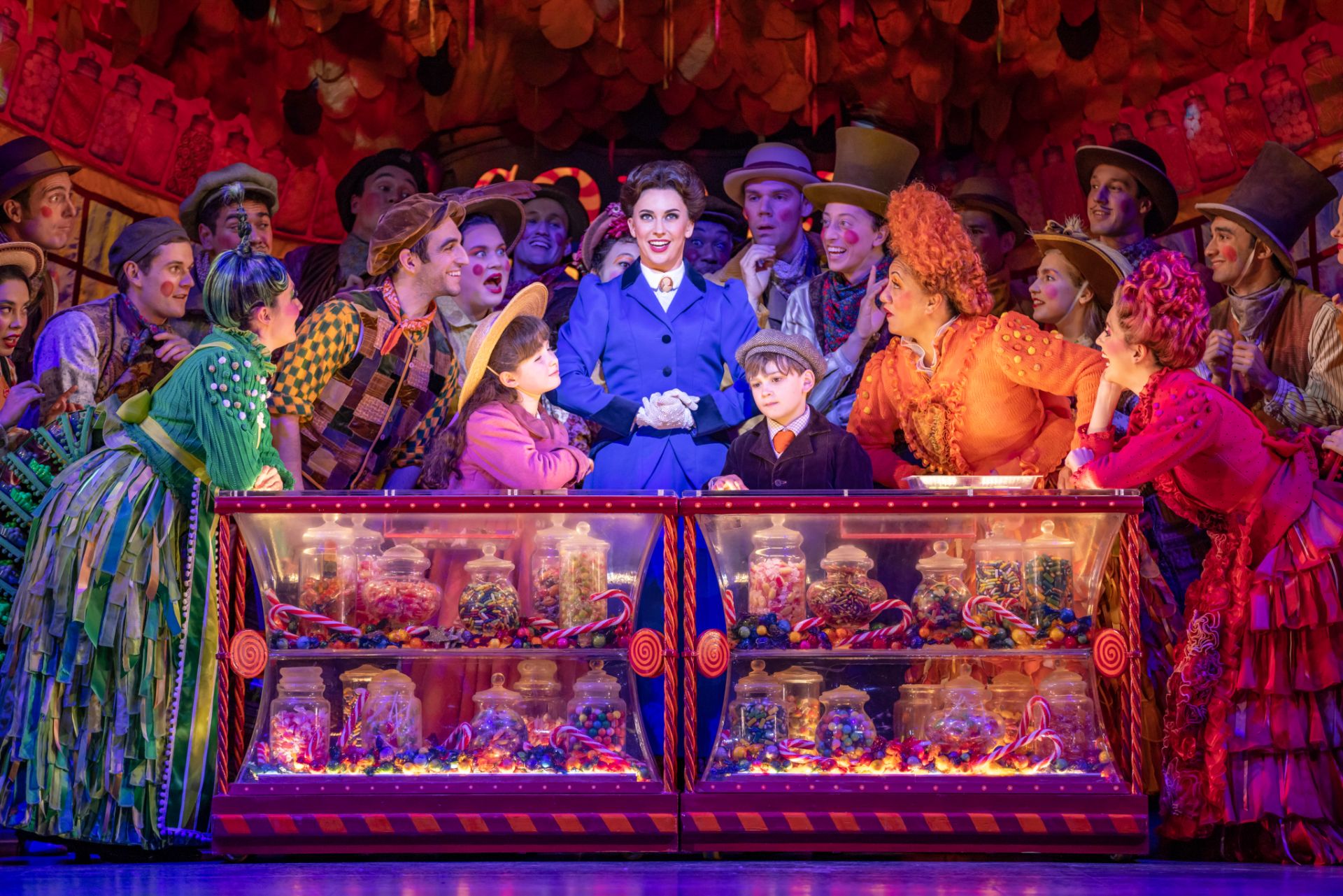
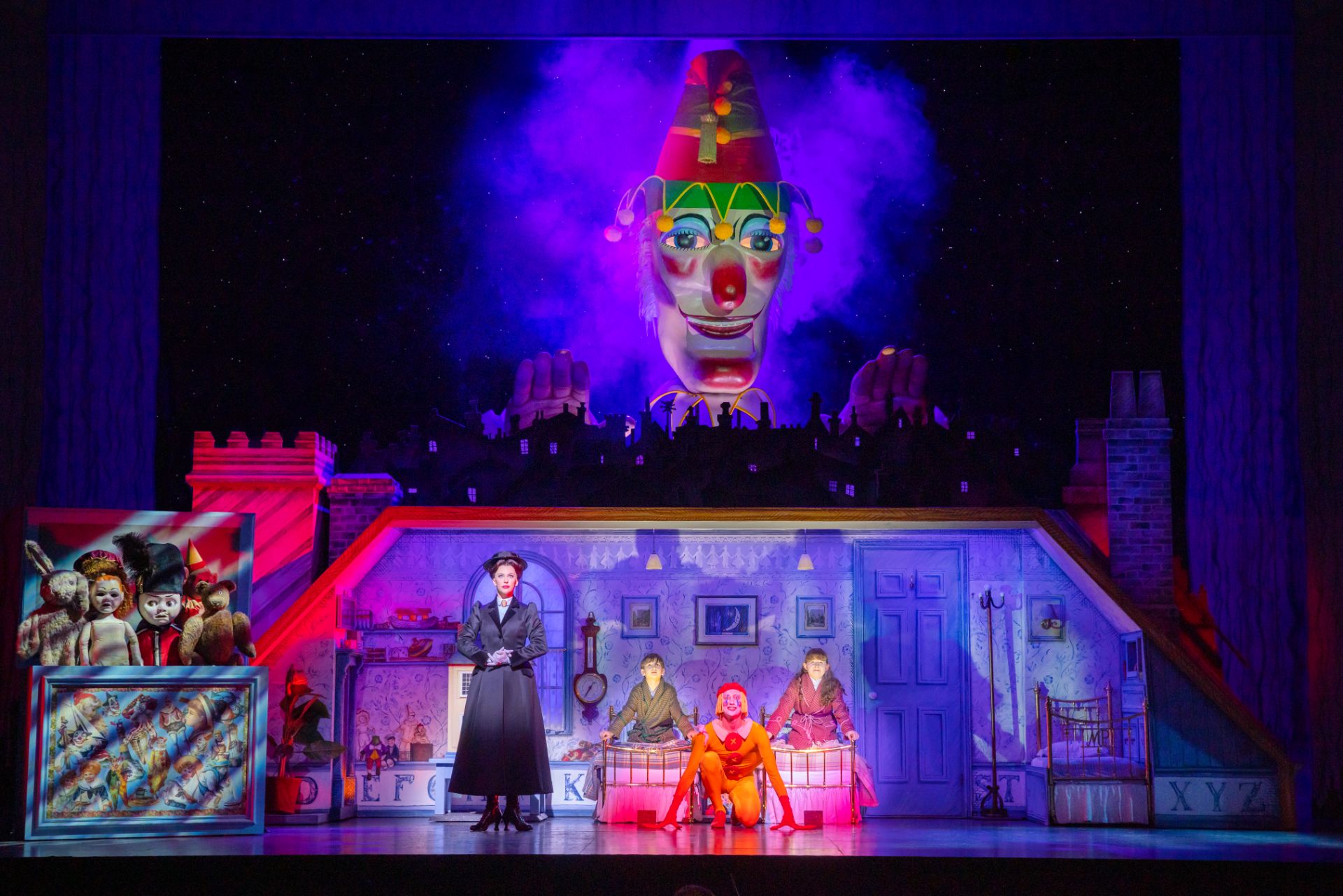
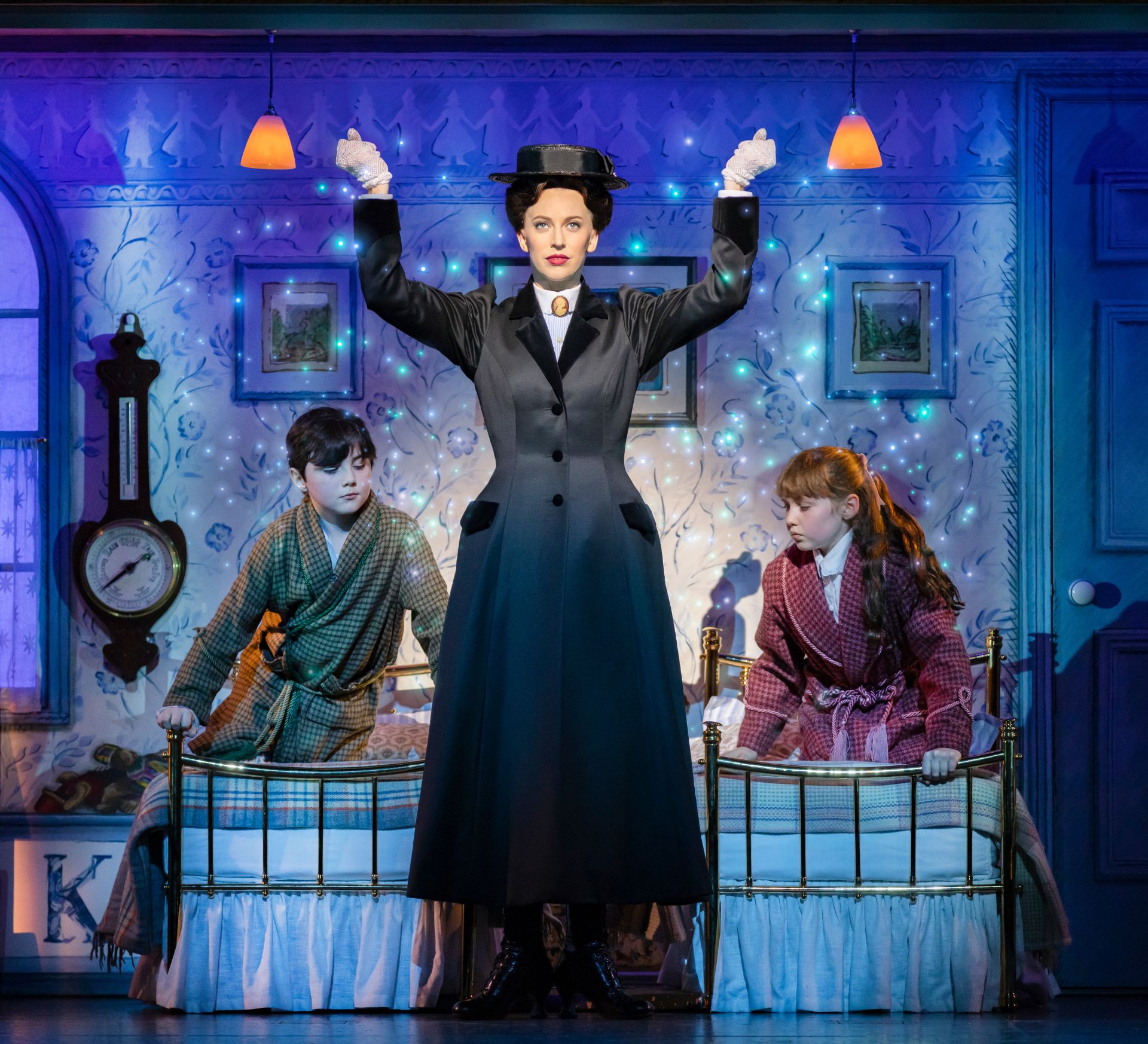
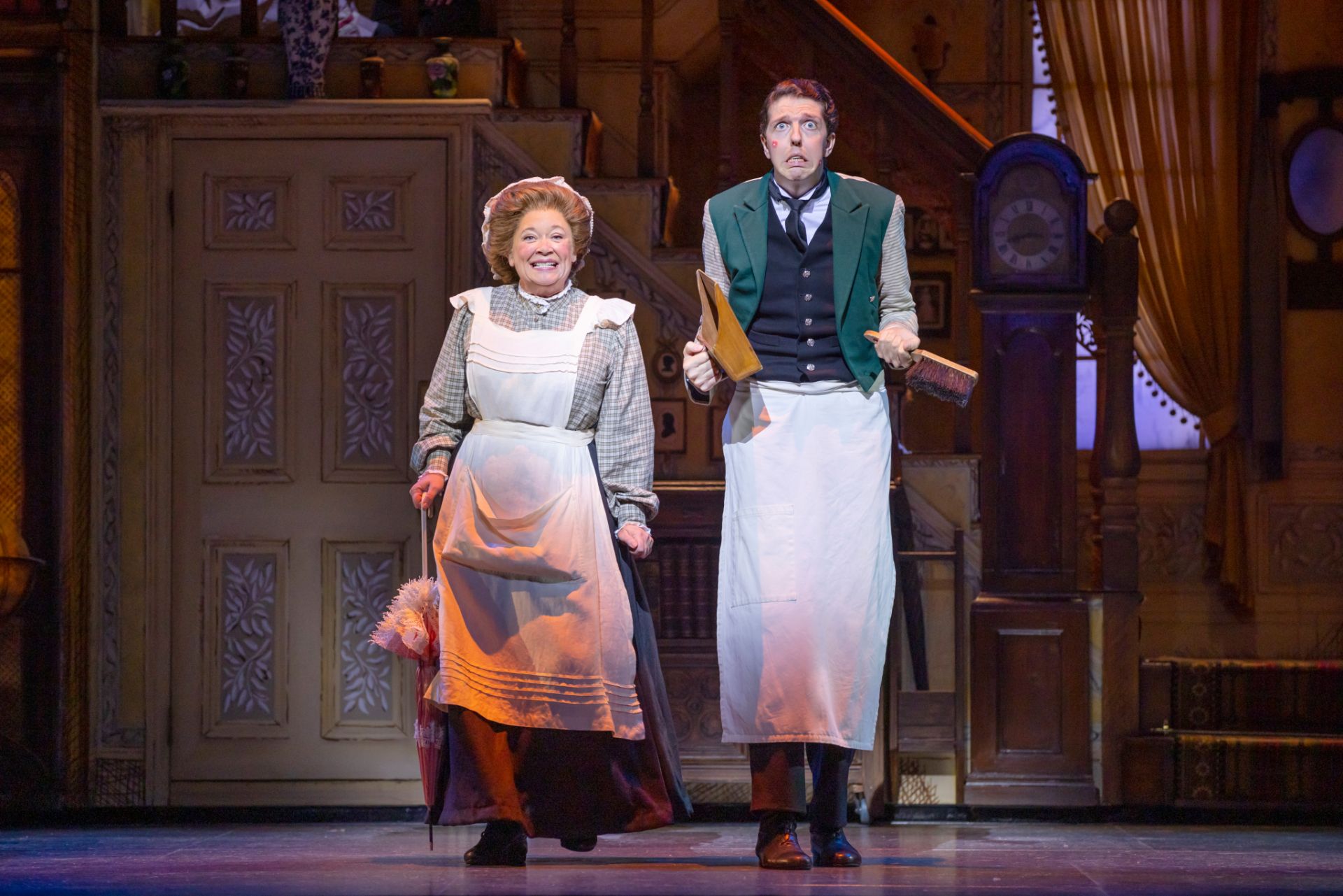
Time and again, obscene amounts of money are thrown at turning legendary films into live musicals, but rarely do they meet the public’s expectations. Mary Poppins however is an unequivocal success story, not only able to live up to the loving memory that many have retained of the original, it uses its magical themes to advance the theatrical arts, especially in terms of special visual effects.

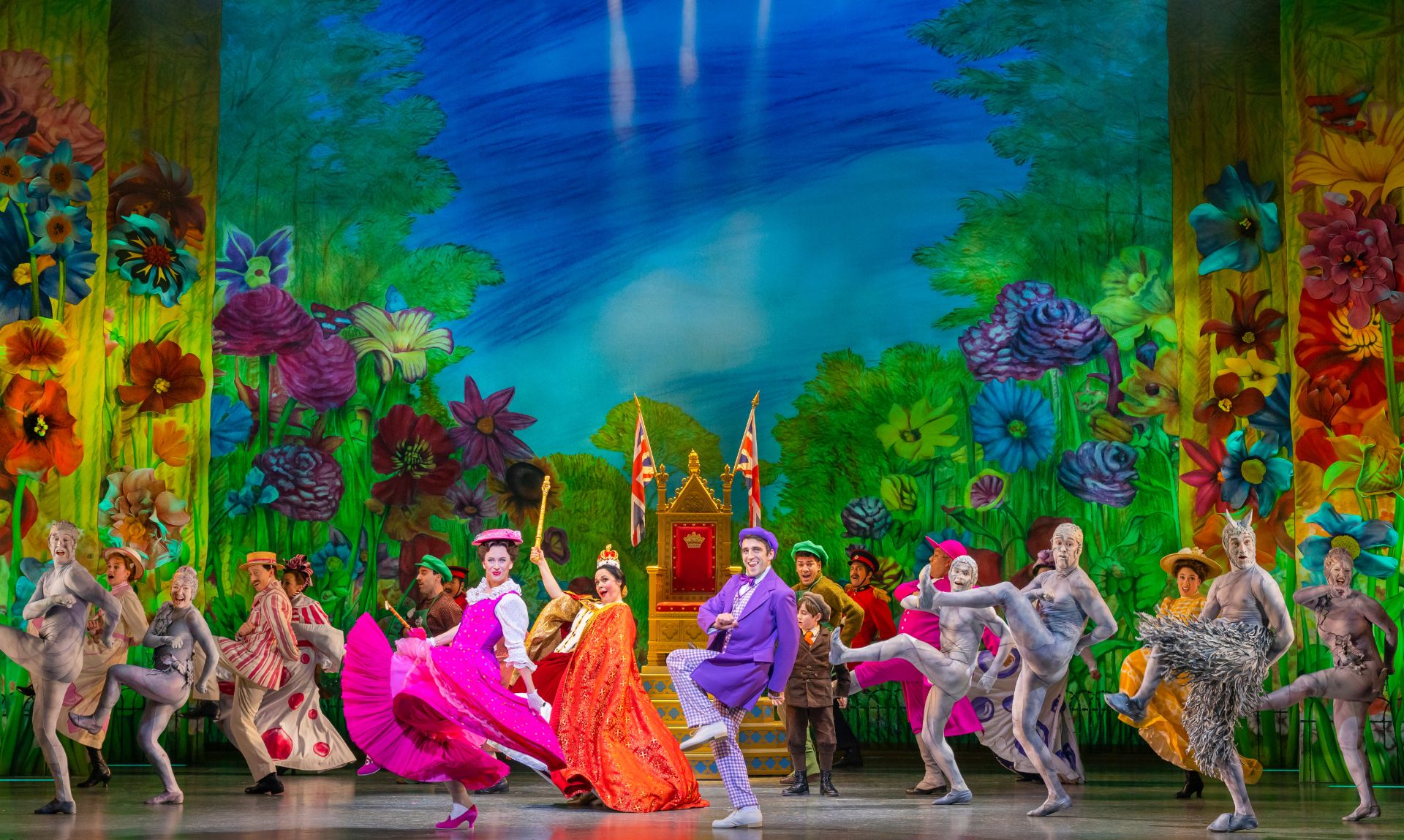
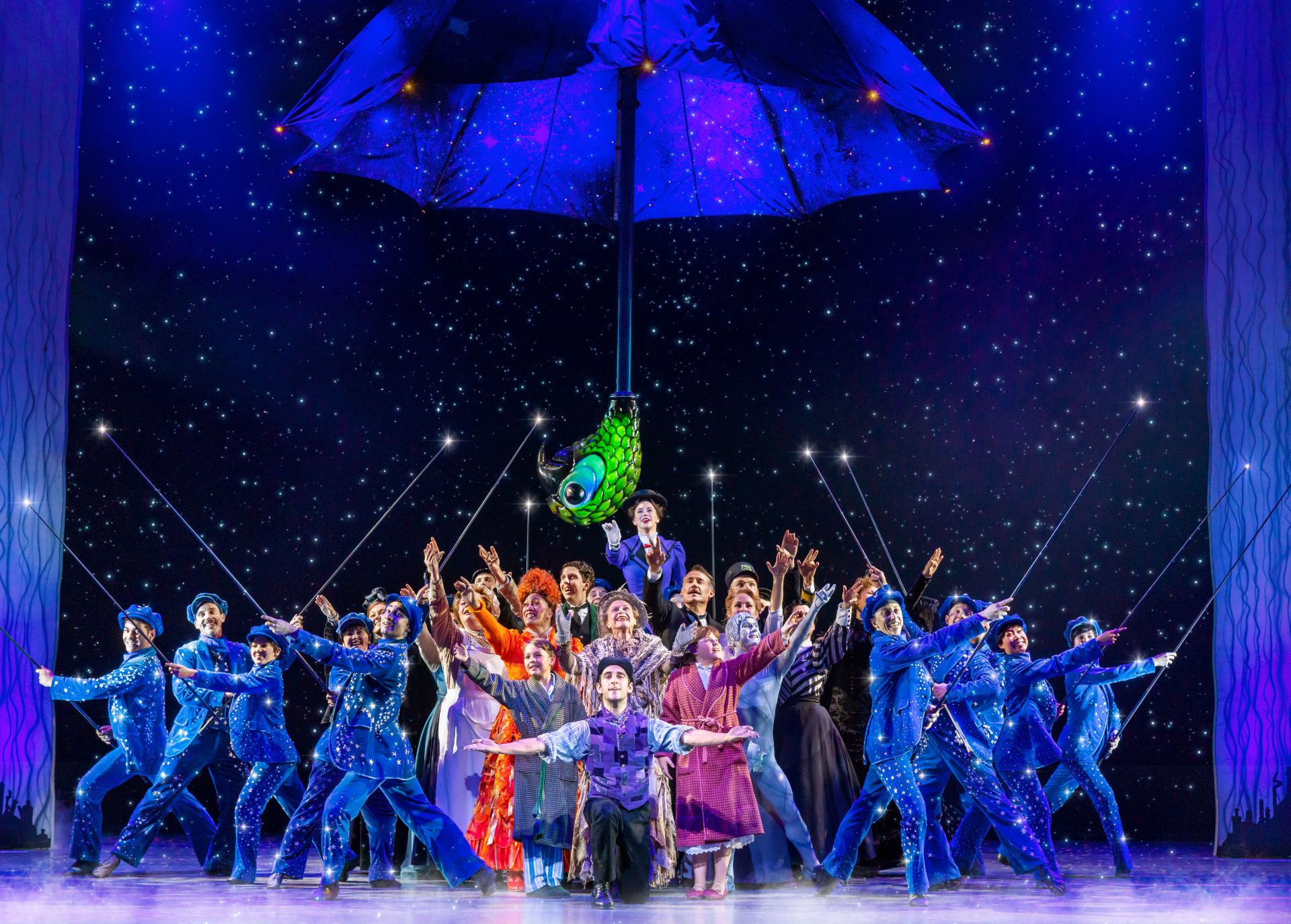
We watch the fantastical world in Disney’s 1964 film come to vibrant life, right before our eyes, complete with gravity defying performers and hallucinatory scenery. All the trickery is wonderfully amusing of course, but the show never lets these gimmicks get in the way of storytelling, which thankfully remains central to the extravagant production.

It is a tremendously lavish presentation, one that urges us to see that no expense is spared, yet it is the ingenuity and inventiveness behind these incredible vistas that truly impress. Also satisfying is the music, some of which are from the 58 year-old film, and some created for the 2004 Broadway premiere. Even at varying degrees of familiarity, every song is engrossing, able to hold us captive and entertained for nearly three hours of spectacular pleasure.

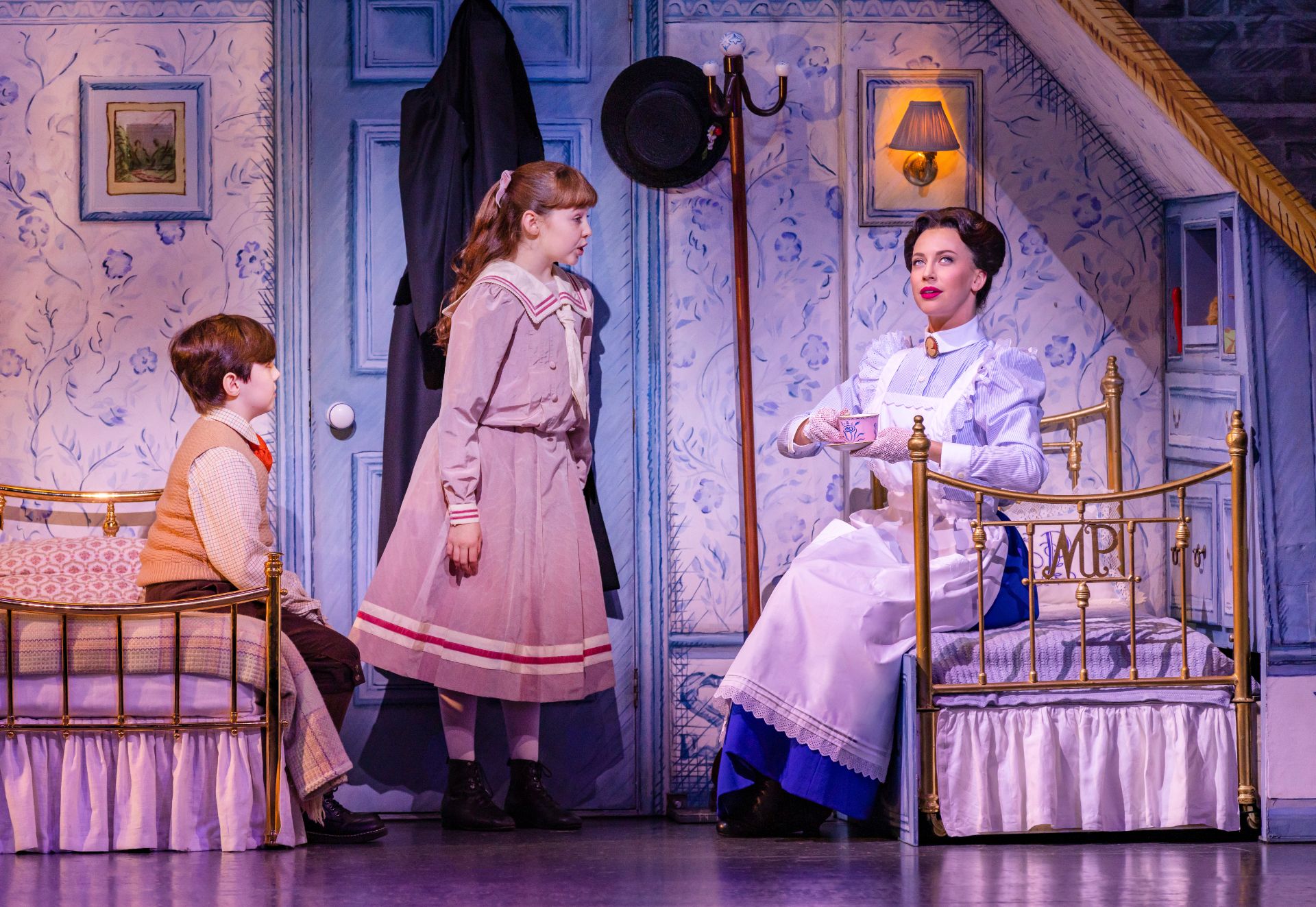
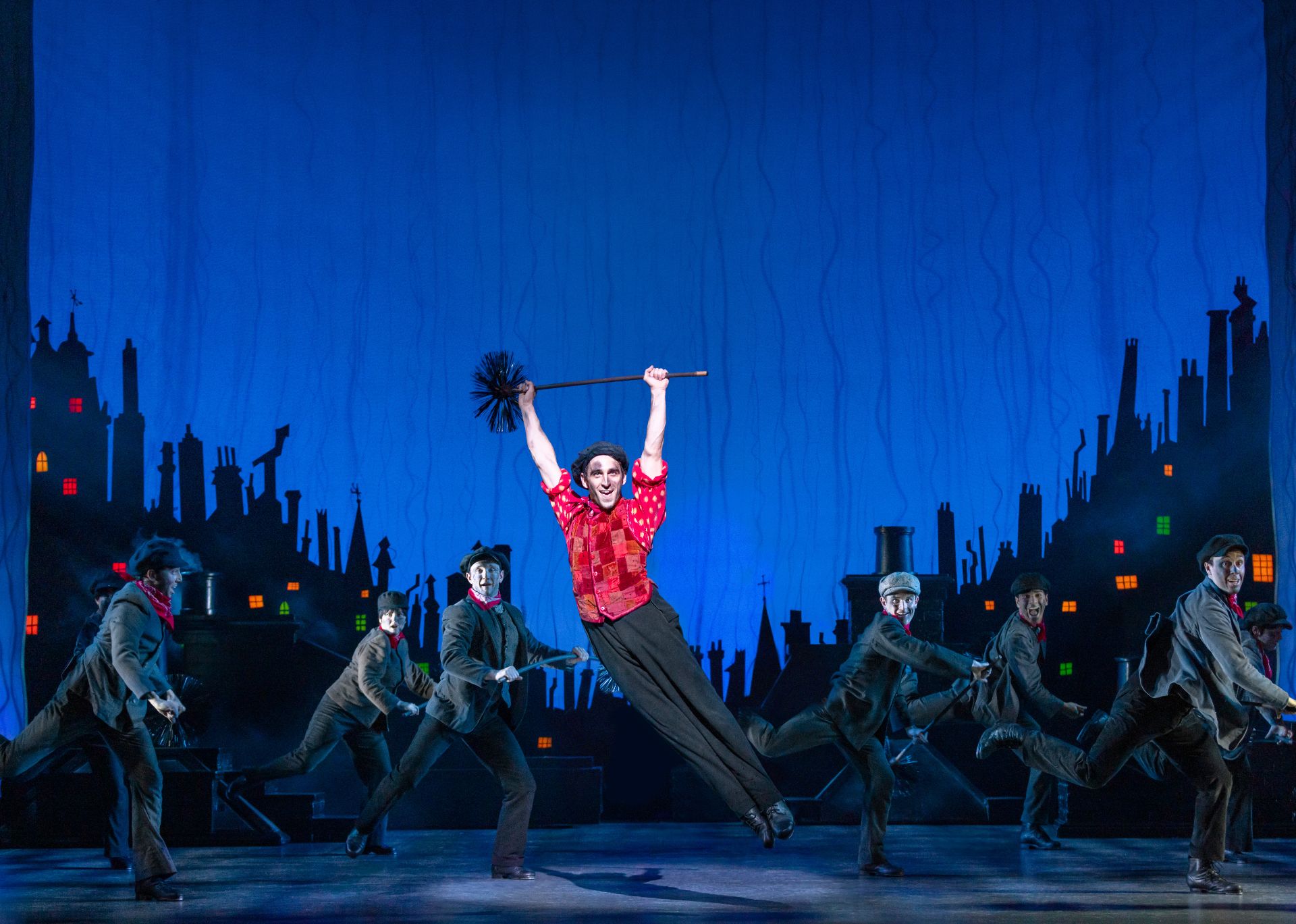
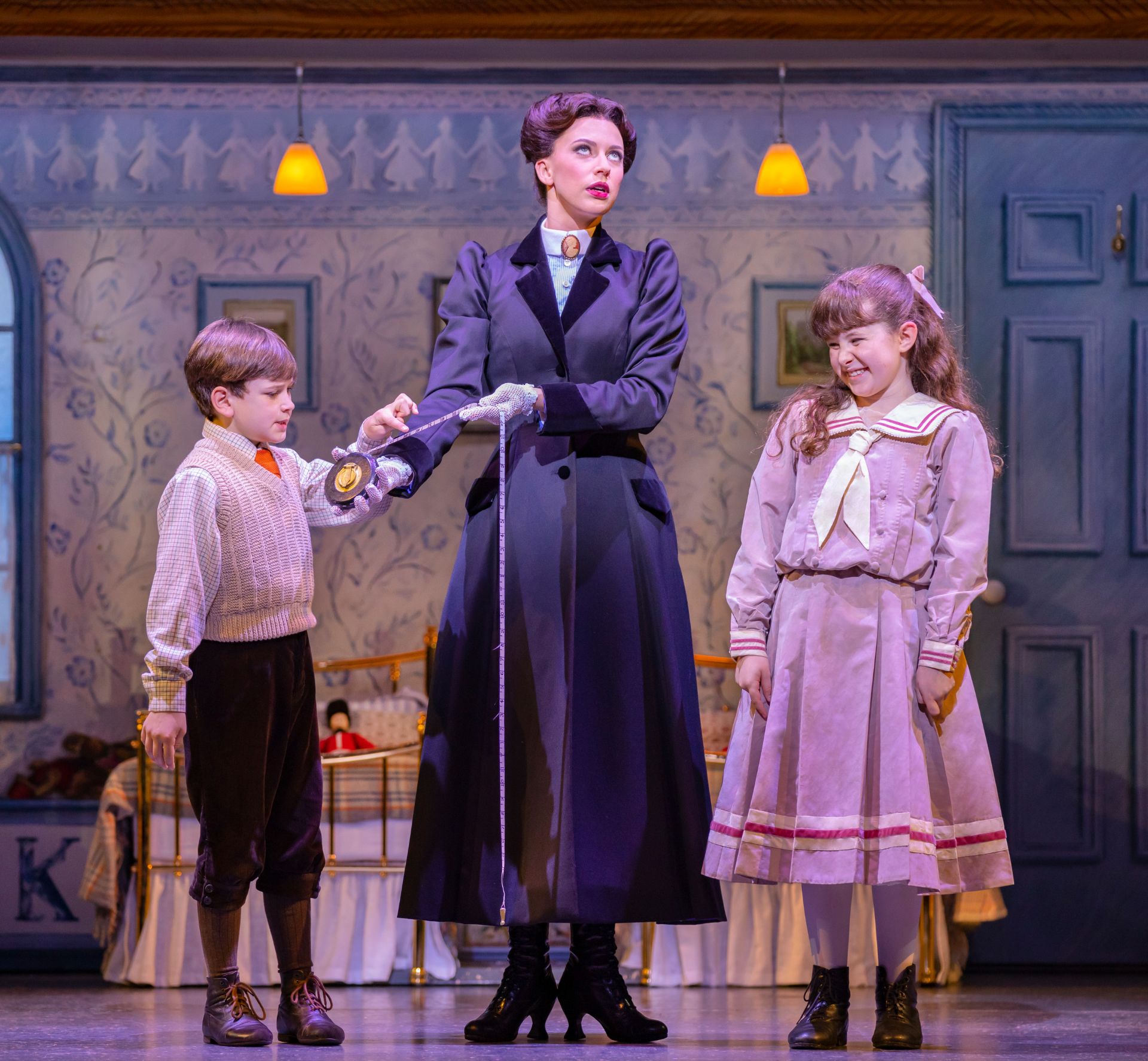
Performer Stefanie Jones is radiant in the eponymous role, completely at ease with the highly technical requirements of this challenging part. Her discipline and precision put us at ease, as we lose ourselves in all the bedazzling and rambunctious action. Playing Bert the chimney sweep, is the enchanting Jack Chambers, whose agility and exuberance steal the show. Completely unperturbed even when tap dancing upside down and metres above, Chambers’ infectious joy on stage reels us in, and has us luxuriating in every blissful moment he offers.

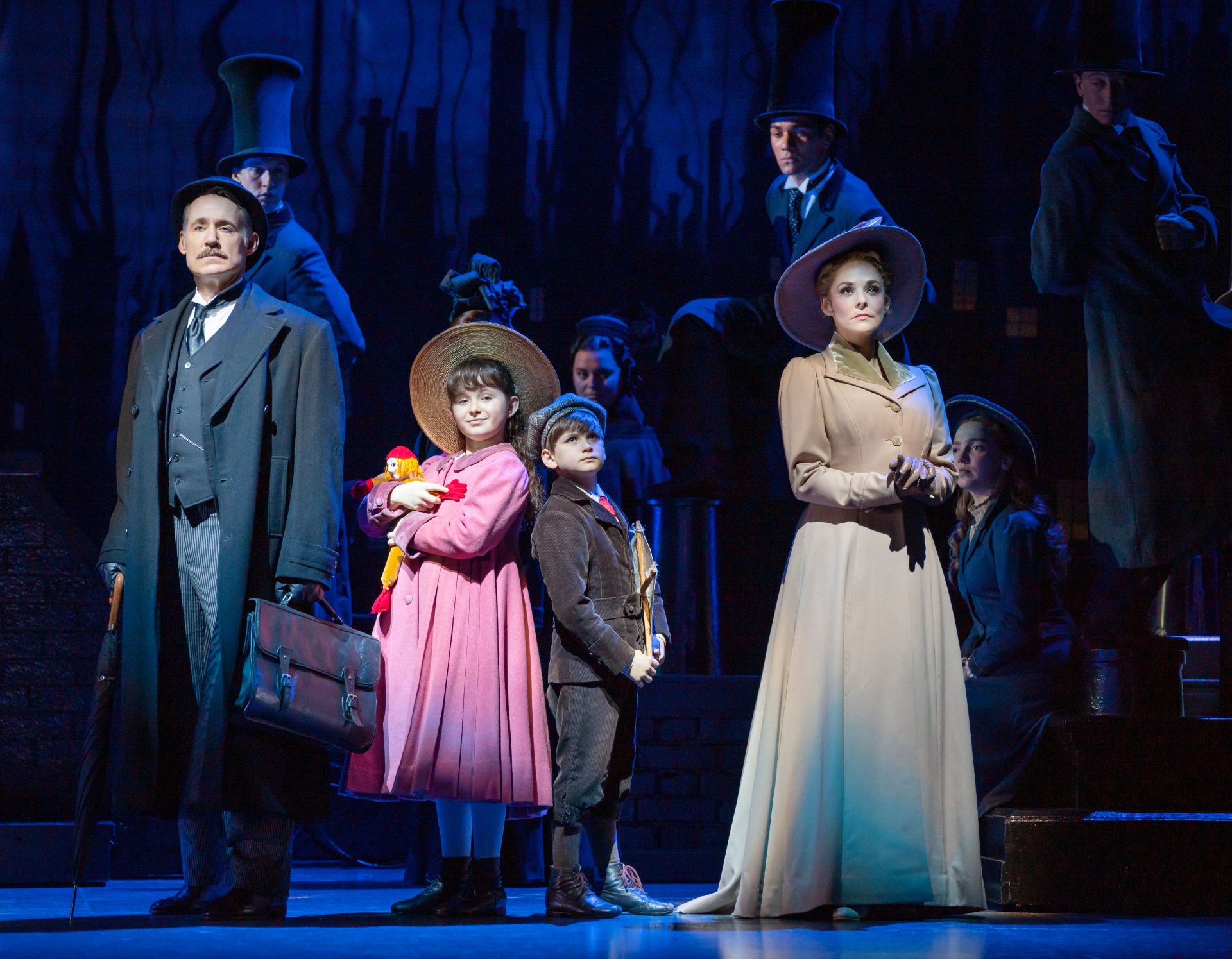
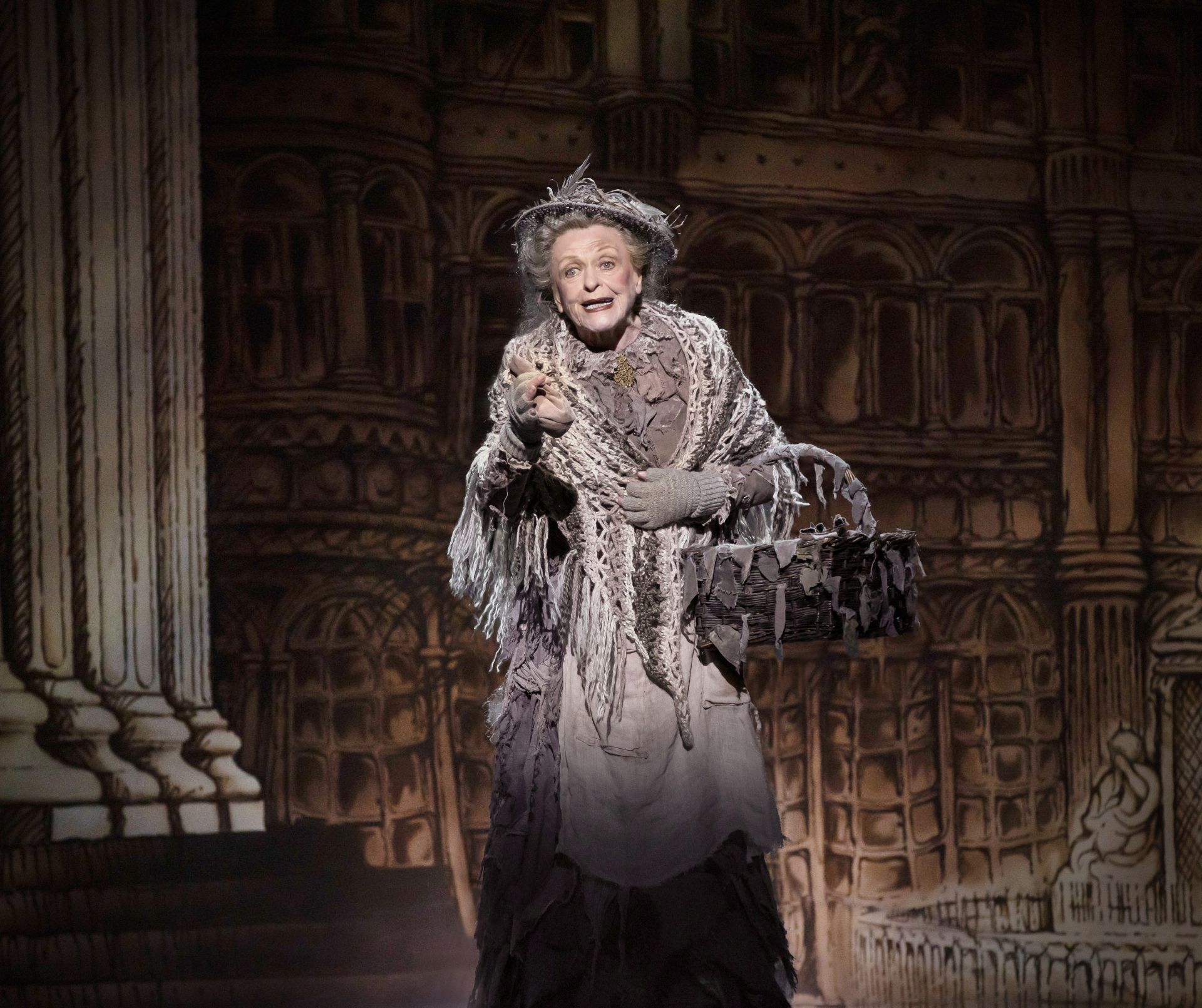
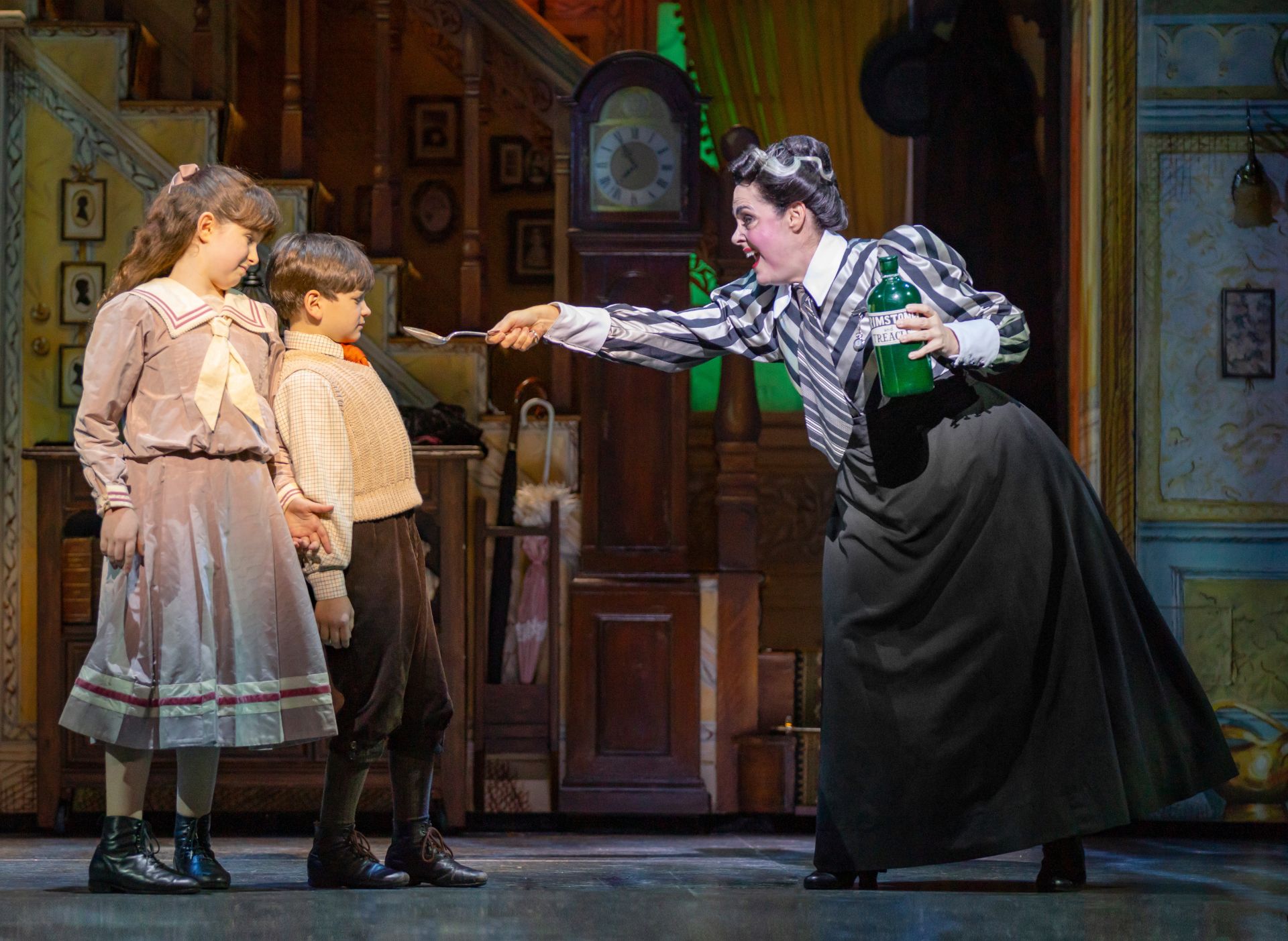
Bringing heart and soul to the production are Tom Wren and Lucy Maunder, as Mr and Mrs Banks. Both performers prove adept at portraying more tender aspects of the story, and it is that poignancy they deliver, that earns our emotional investment. The Banks children are played by Mia Honeysett and Finn Walsham, who demonstrate a remarkable commitment and professionalism that belie their ages. Their work is consistently compelling, and both prove to be highly accomplished in each of their demanding roles.

The nanny Mary Poppins comes into the lives of the Banks family, and then swiftly departs. So much of what we experience on this plane, is transitory, In Mary Poppins the musical, we see merriment and sadness, along with success and hardship. We have to take the good with the bad, for without the contrast of one against the other, what we treasure most will not be able to reveal its true lustre. Knowing that life will never be forever smooth-sailing, keeps us humble, and knowing that troubles come to an end, is a reassurance that forever bears repeating.

www.marypoppinsmusical.com.au

Review: Benched (Darlinghurst Theatre Company)

Venue: Eternity Playhouse (Darlinghurst NSW), May 25 – 29, 2022
Playwright: Jamila Main
Director: Amy Sole
Cast: Jamila Main
Images by Darlinghurst Theatre Company

Theatre review
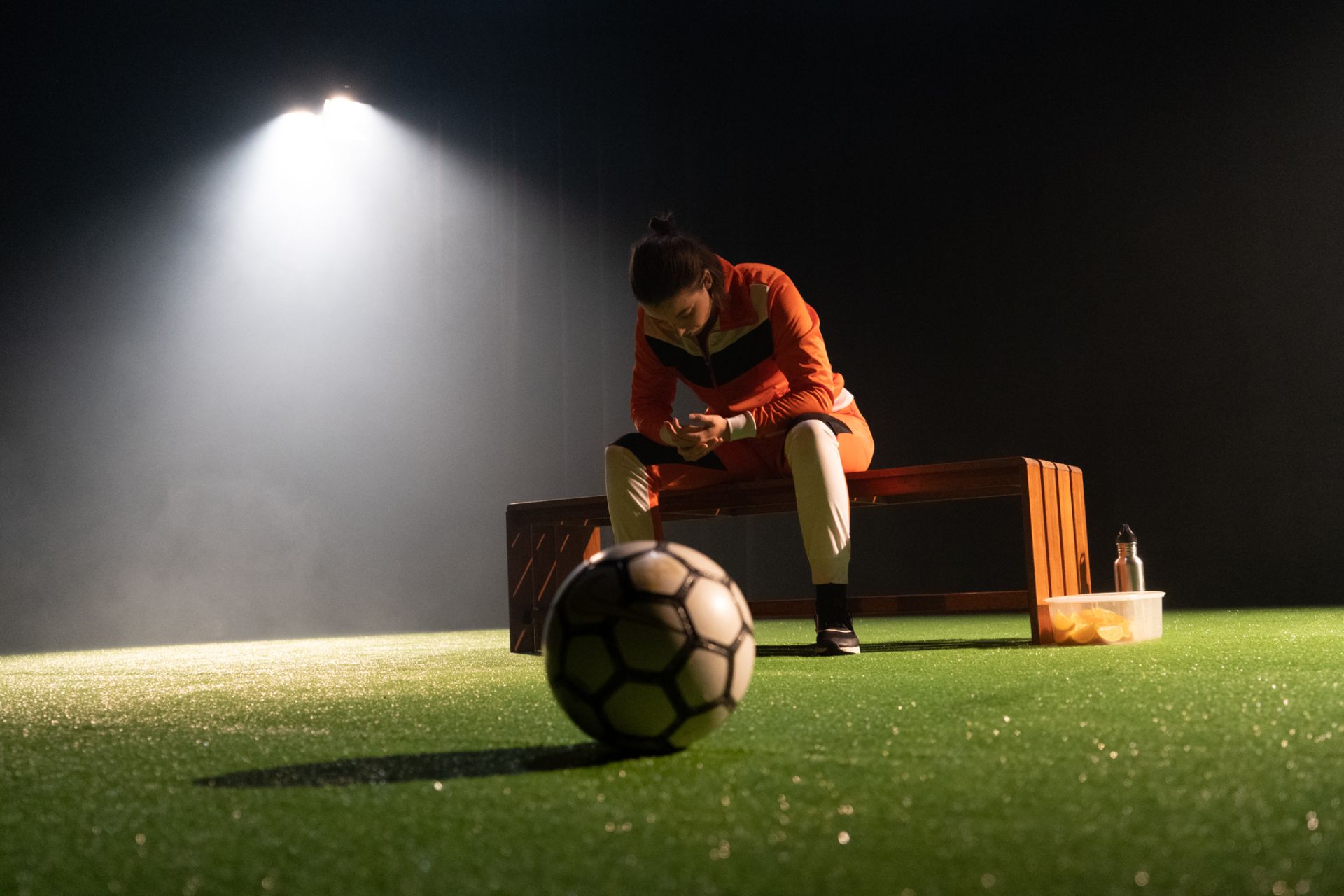
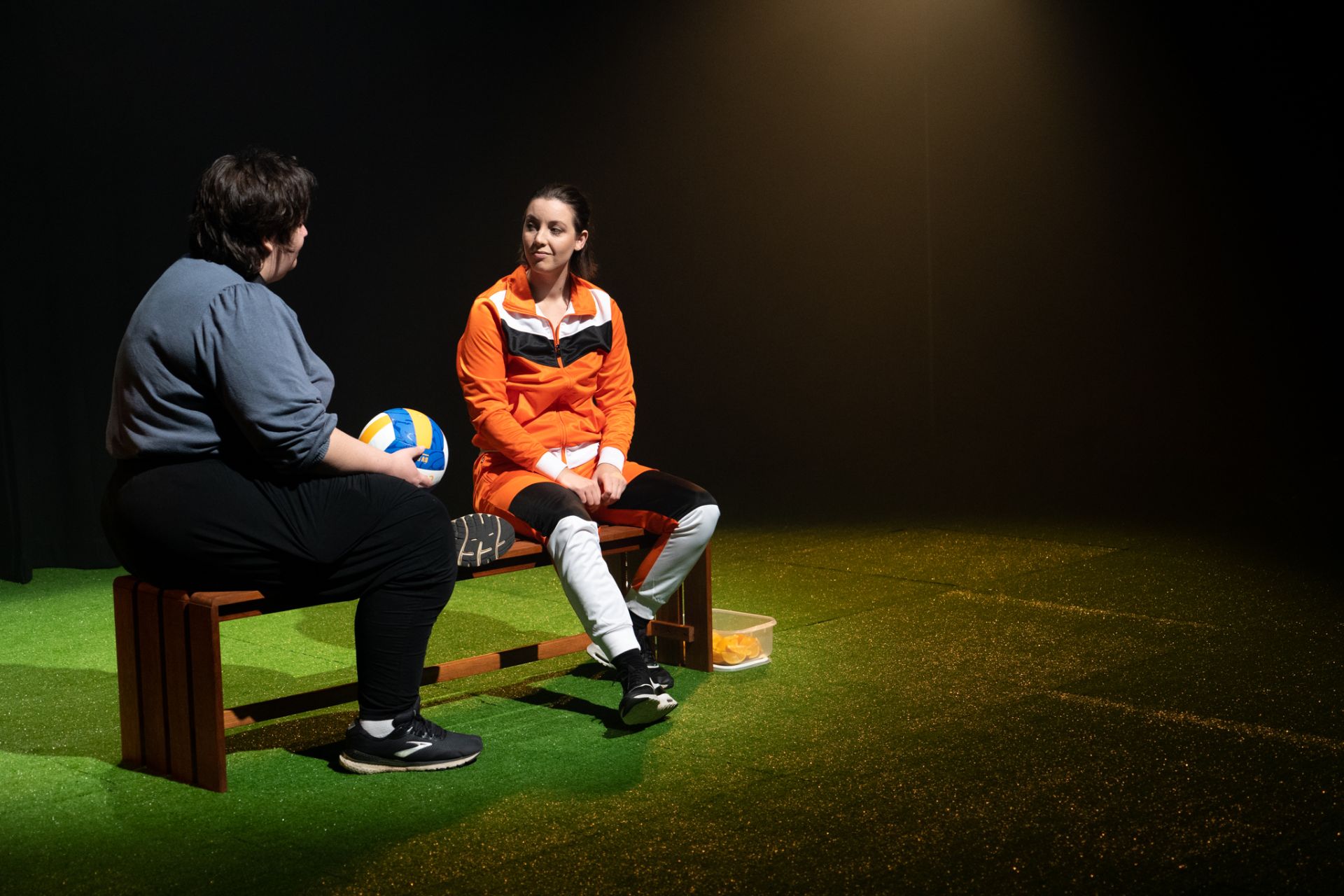
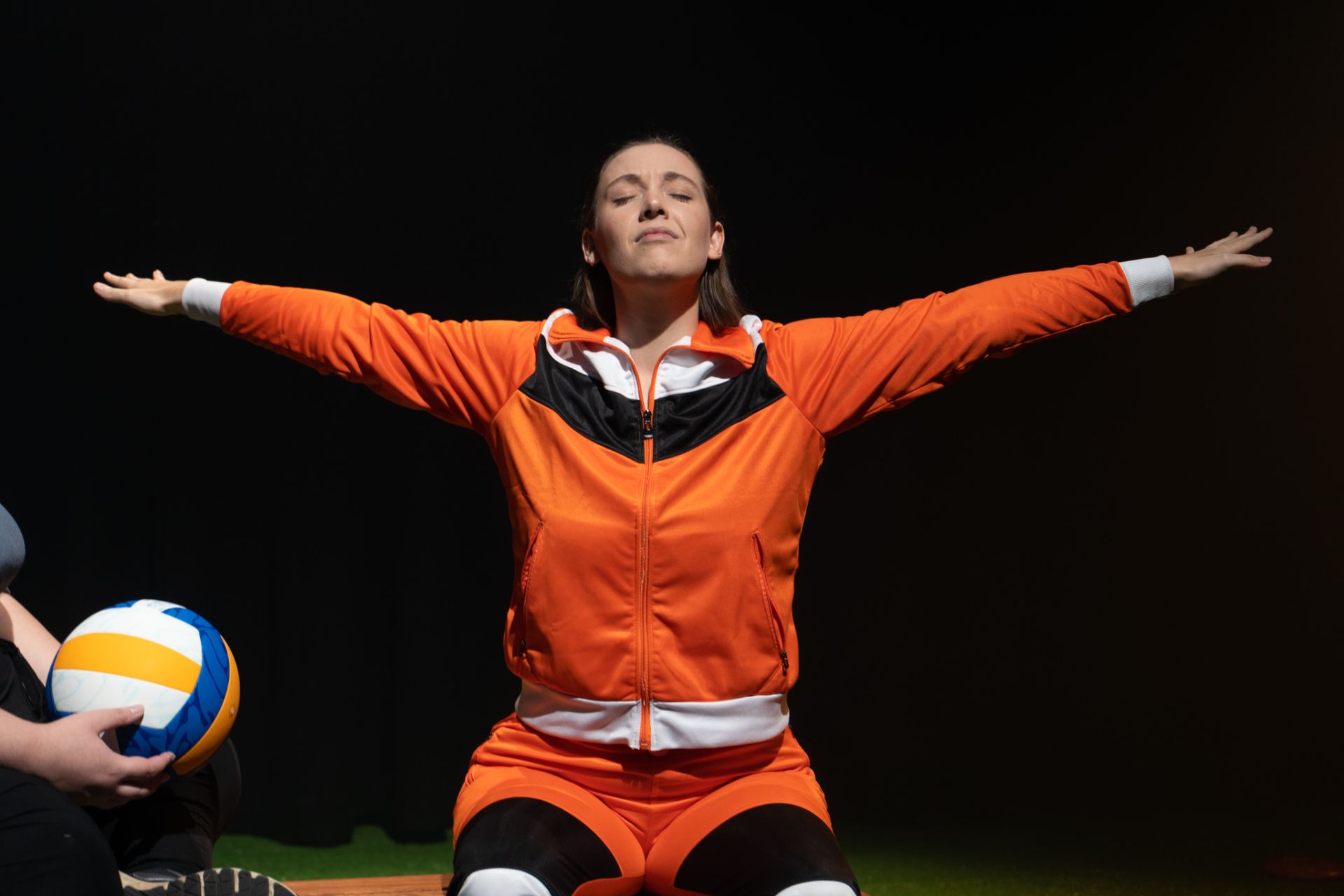
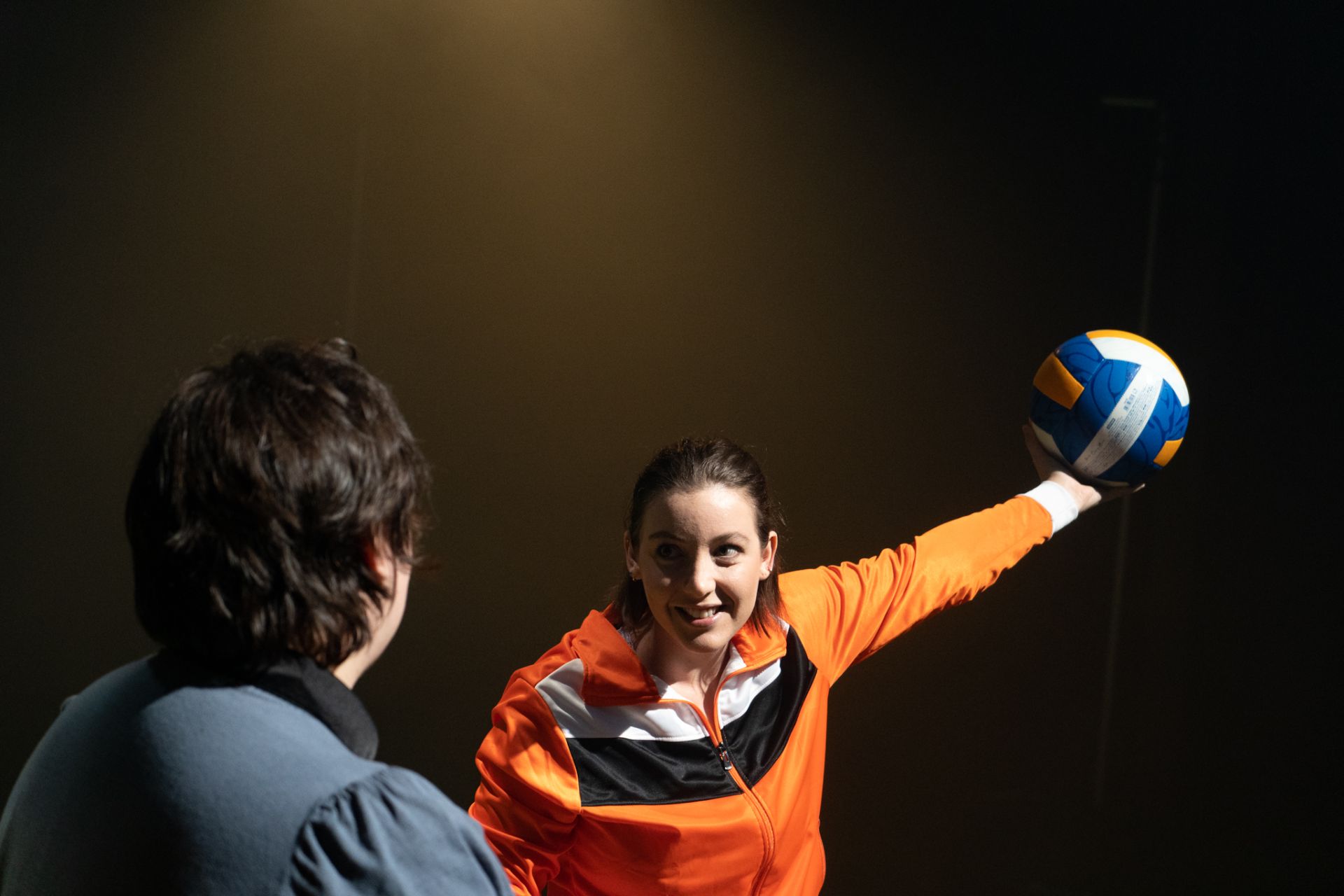
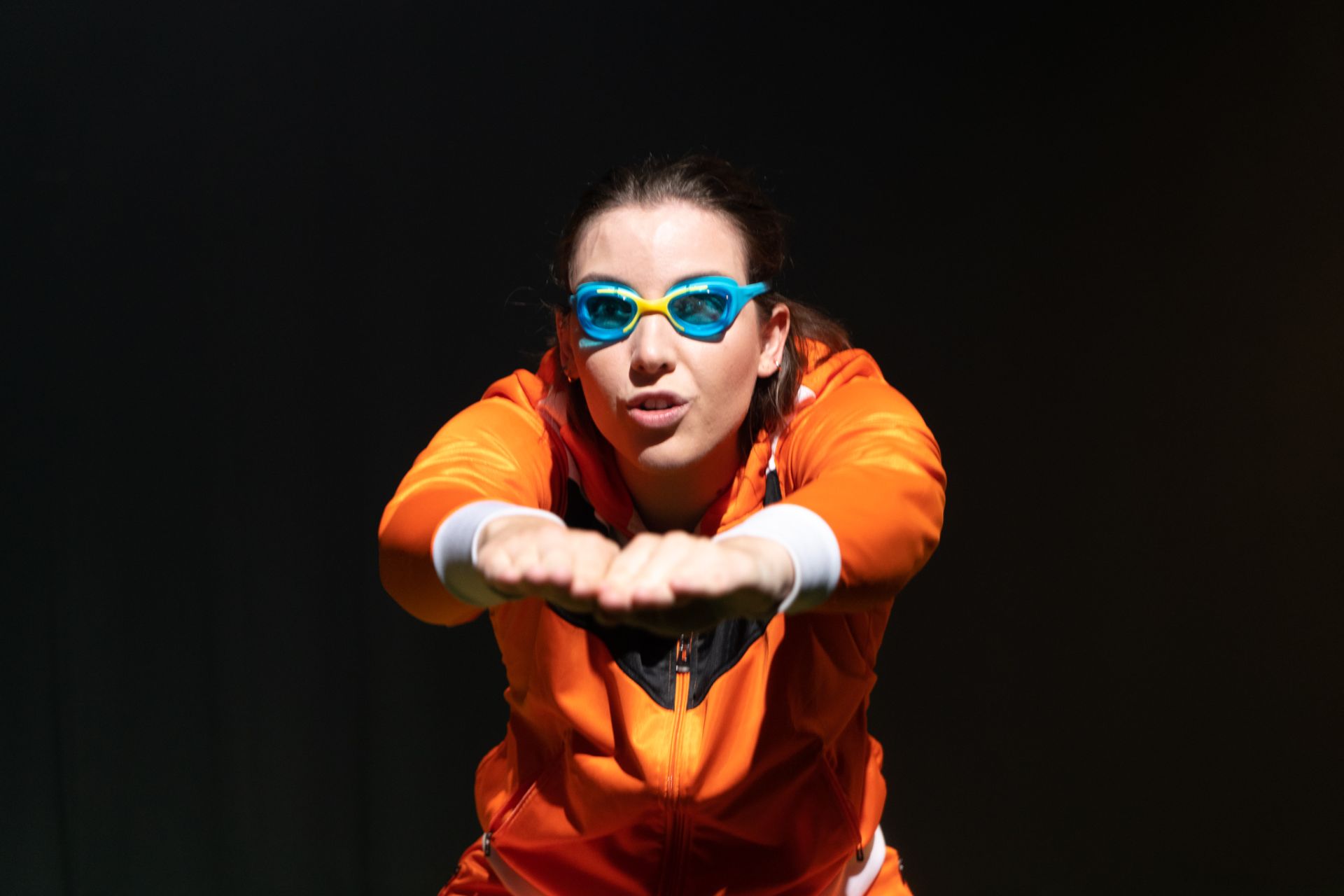
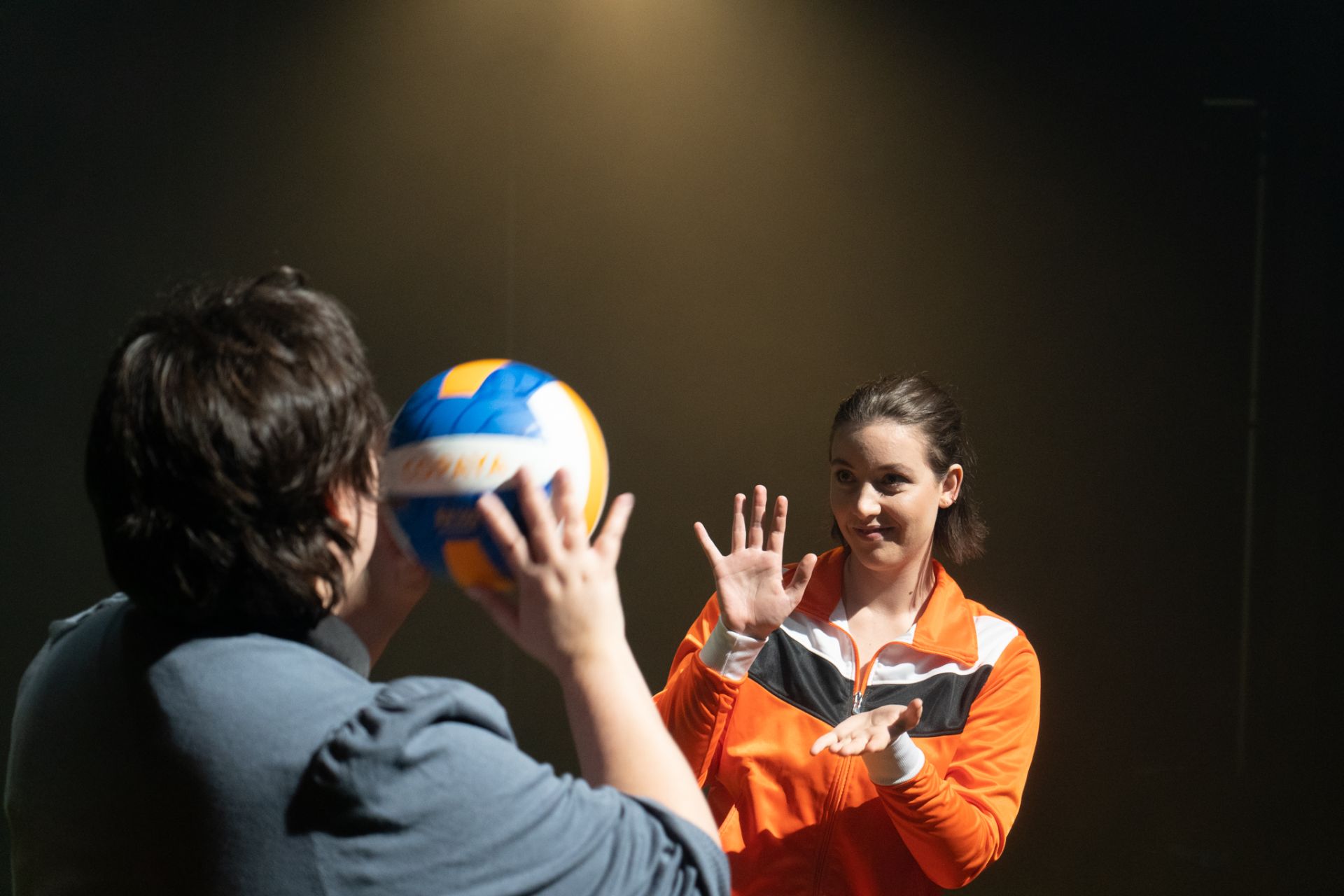
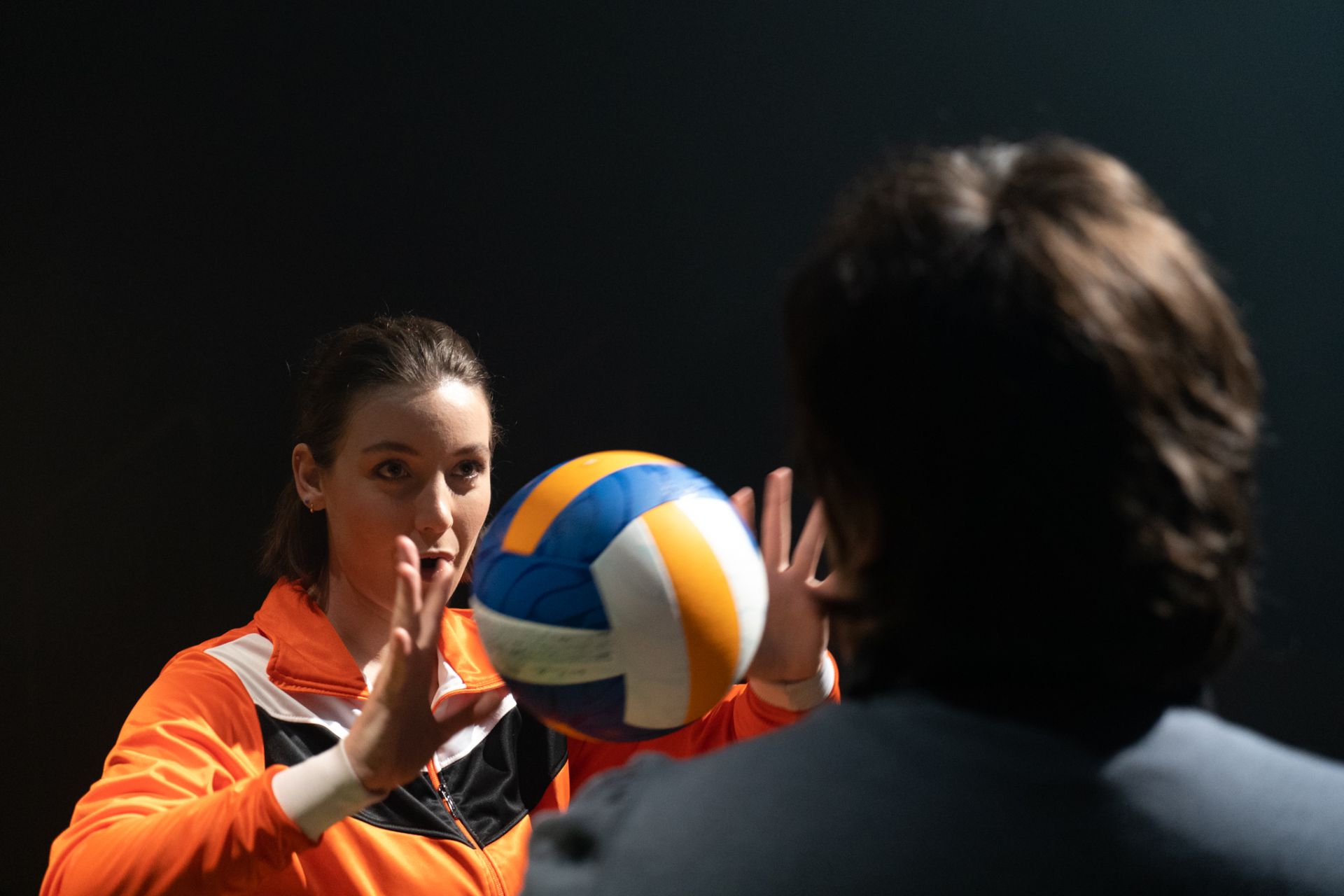
Jamila sits on a bench, and with each guest that joins them, they tell an autobiographical story, depending on which prop the guest chooses. It could be a sneaker, a frisbee, a pair of googles, a volleyball or a football. In Benched, the stories are about sport, or more precisely, they are about physical activity, as it relates to the artist, who had in recent years, become disabled.

Each yarn lasts approximately 15 minutes, and is presented directly to the guest who steps on stage. For those who sit within the auditorium, we have the pleasure of witnessing Jamila performing to six different guests, telling and partially re-telling these stories, about loss and despair, inspiration and awakenings.

Benched is revelatory and powerful, but also painful. It is about a young life that has to change course drastically and unexpectantly, involving an abundance of disillusionment that befalls its subject, not only prematurely, but at a level of intensity rarely surpassed. Jamila Main’s theatrical creation places front and centre, the struggles of one person whose challenges are yet to be a matter of recollection; they are going through it in real time on stage, even though their reflective attitude is admirably generous.

As much as Main’s show is about their personal experiences, the passion they demonstrate about Benched being a mouthpiece for wider disabled communities, is unmistakeable. Indeed, to raise awareness around the lack of opportunities and representation for those who live with disabilities, is a worthy cause, and in this show, we see how much of the world can benefit, from understanding things through those perspectives.

As a writer Main’s degree of honesty is almost self-sacrificial, and certainly immediately resonant. As a performer, they are thoroughly likeable, with an uncanny ability to read and manoeuvre the crowd, which is an important quality for this most intimate of theatre styles. Directed by Amy Sole, the show is extremely sensitive, but also gently humorous, with a spirit of inclusiveness that feels unparalleled and sadly, exceptional. Benched is ultimately a small work, but everything that it does, reveals all the possibilities that we have been ignoring, not only in art, but also in living.

www.darlinghursttheatre.com