Review: Never Closer (25A Belvoir)

Venue: Belvoir St Theatre (Surry Hills NSW), Oct 4 – 16, 2022
Playwright: Grace Chapple
Director: Hannah Goodwin
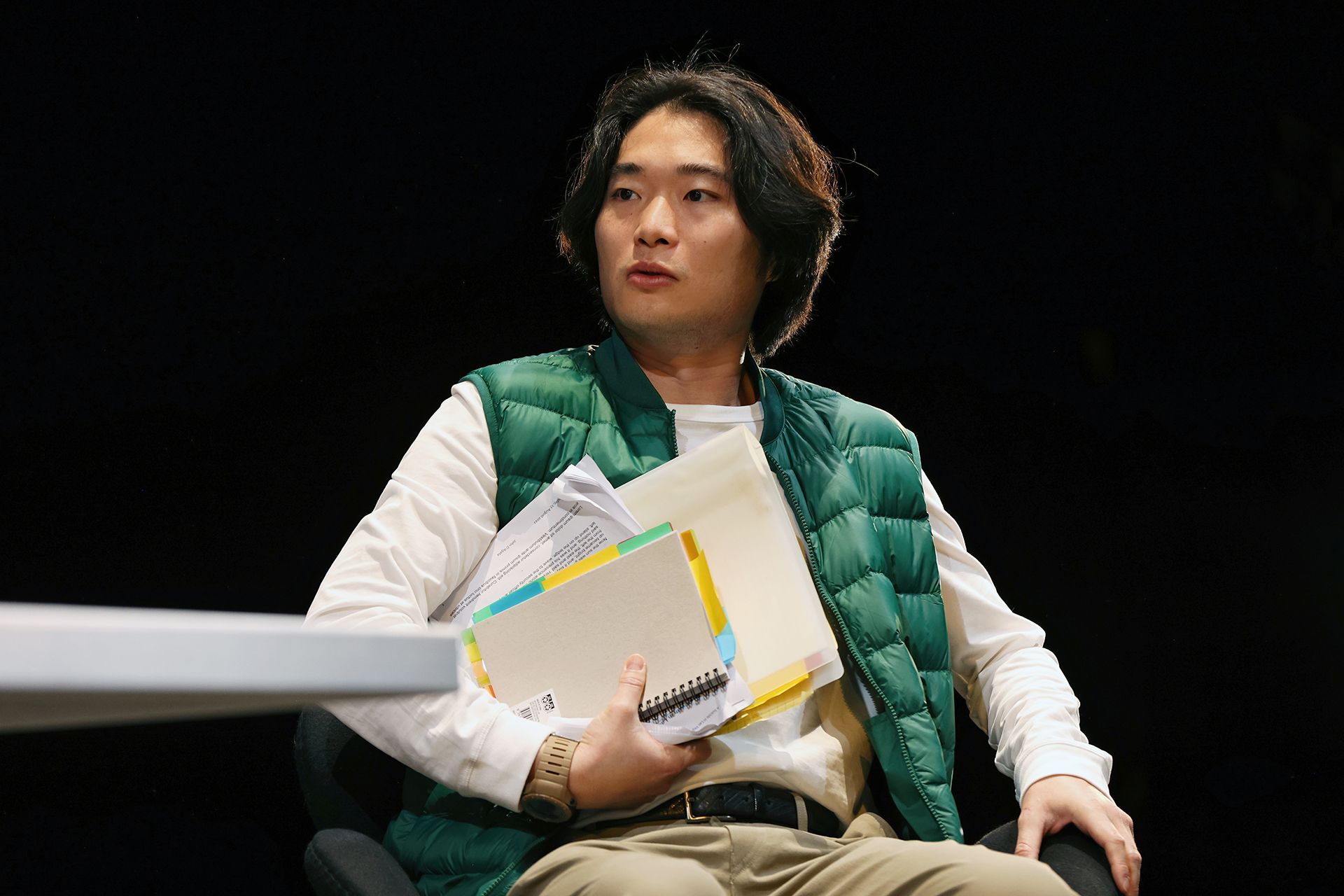
Cast: Emma Diaz, Raj Labade, Mabel Li, Philip Lynch, Ariadne Sgouros, Adam Sollis
Images by Phil Erbacher

Theatre review ⭐️⭐️⭐️⭐️ 
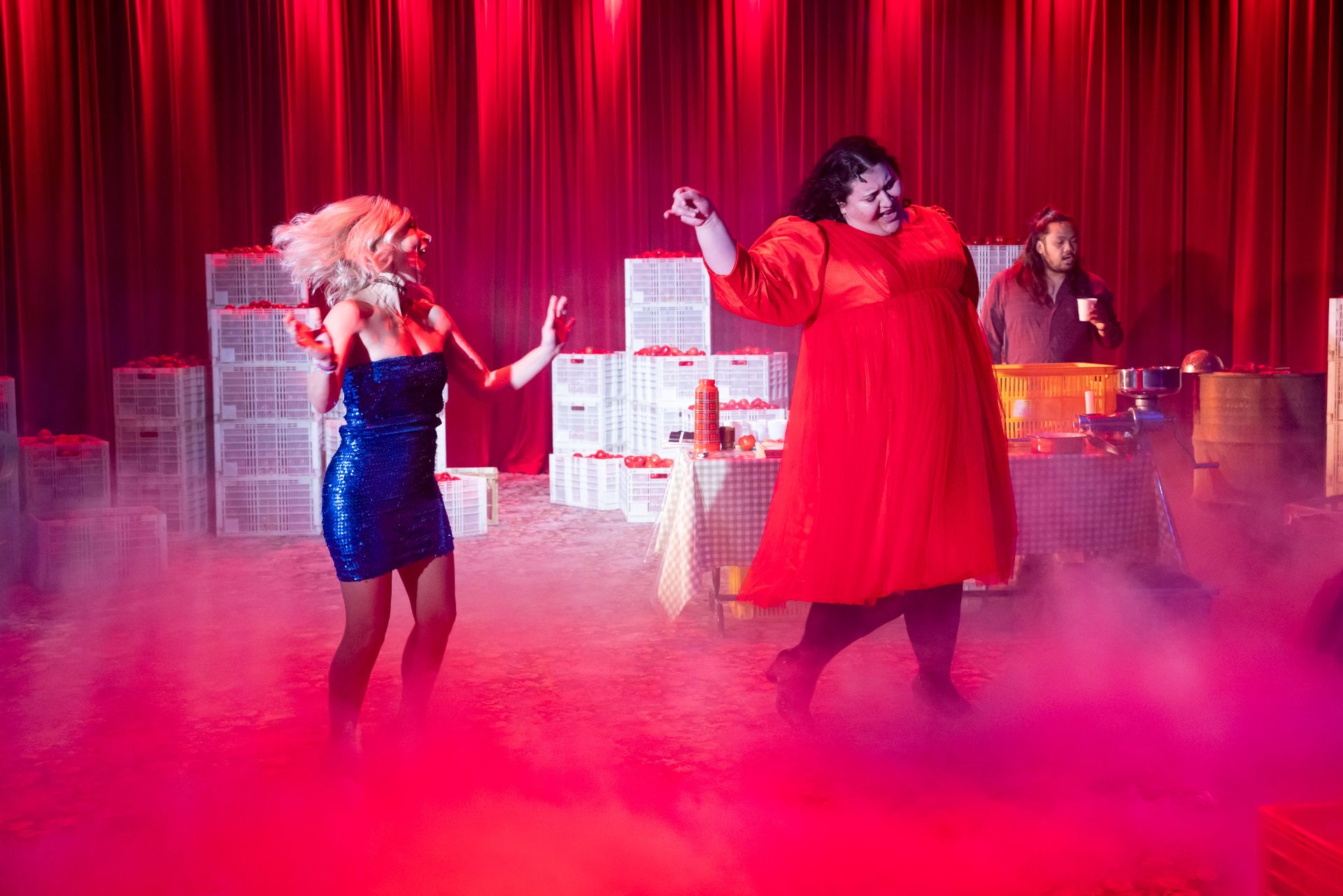
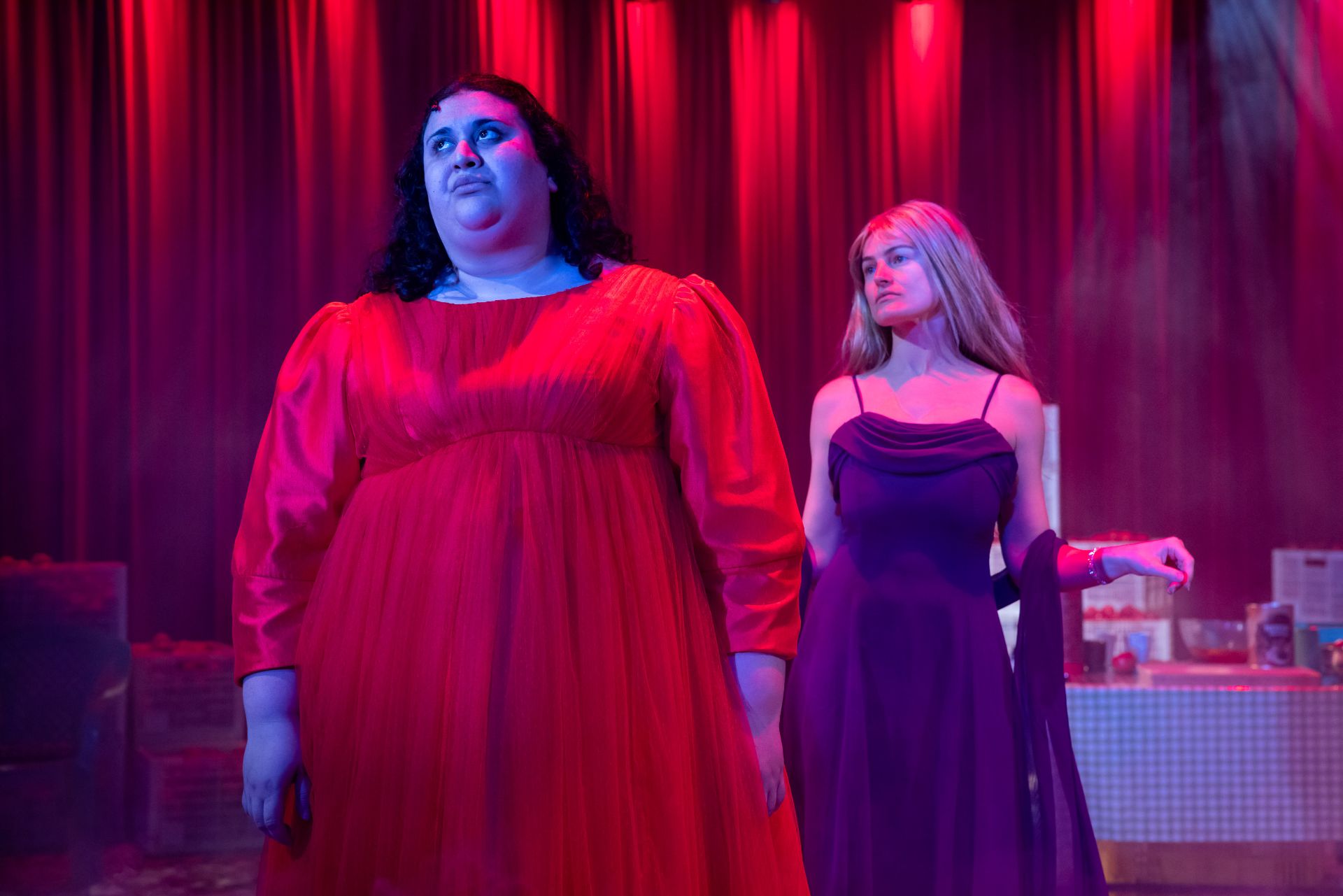
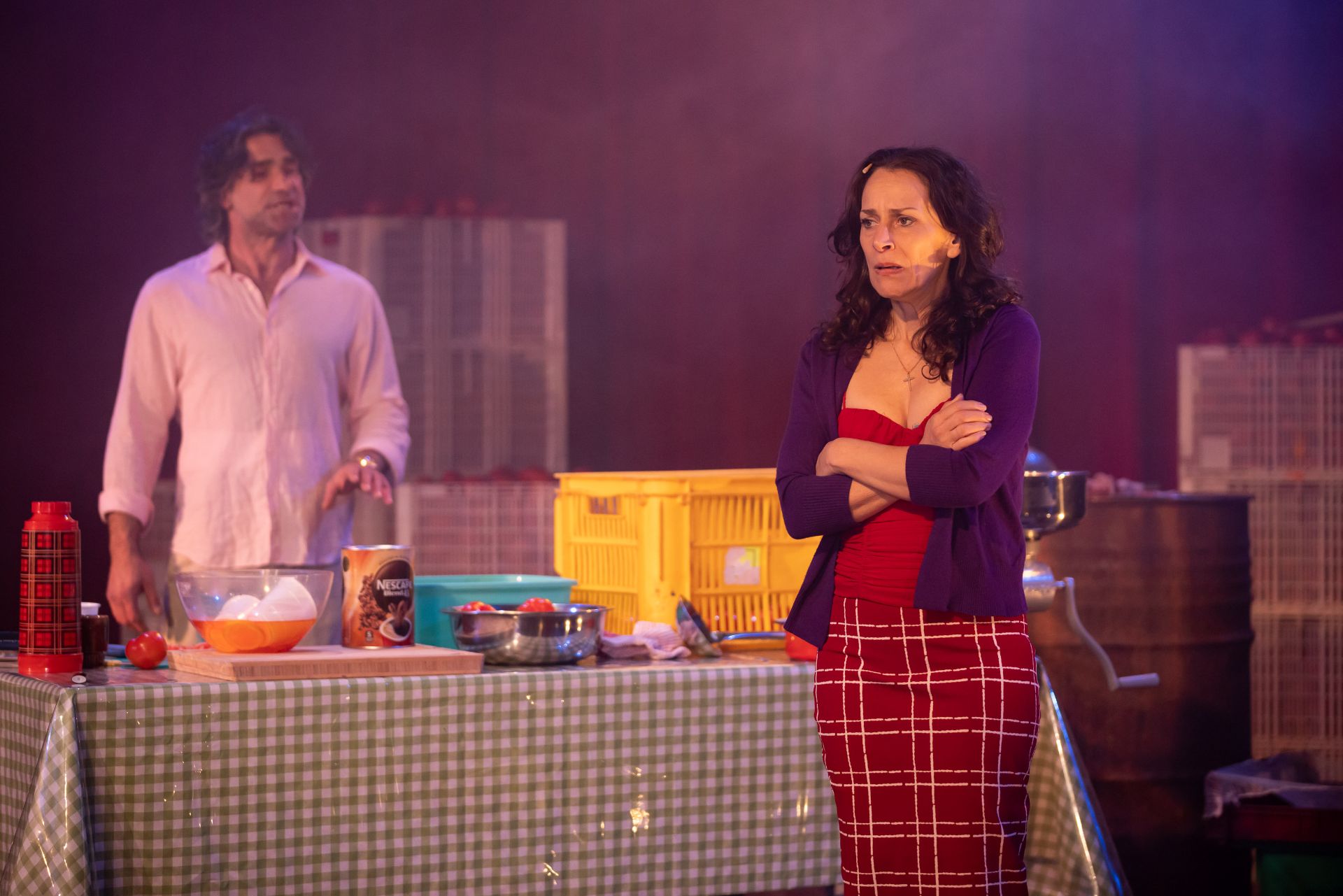
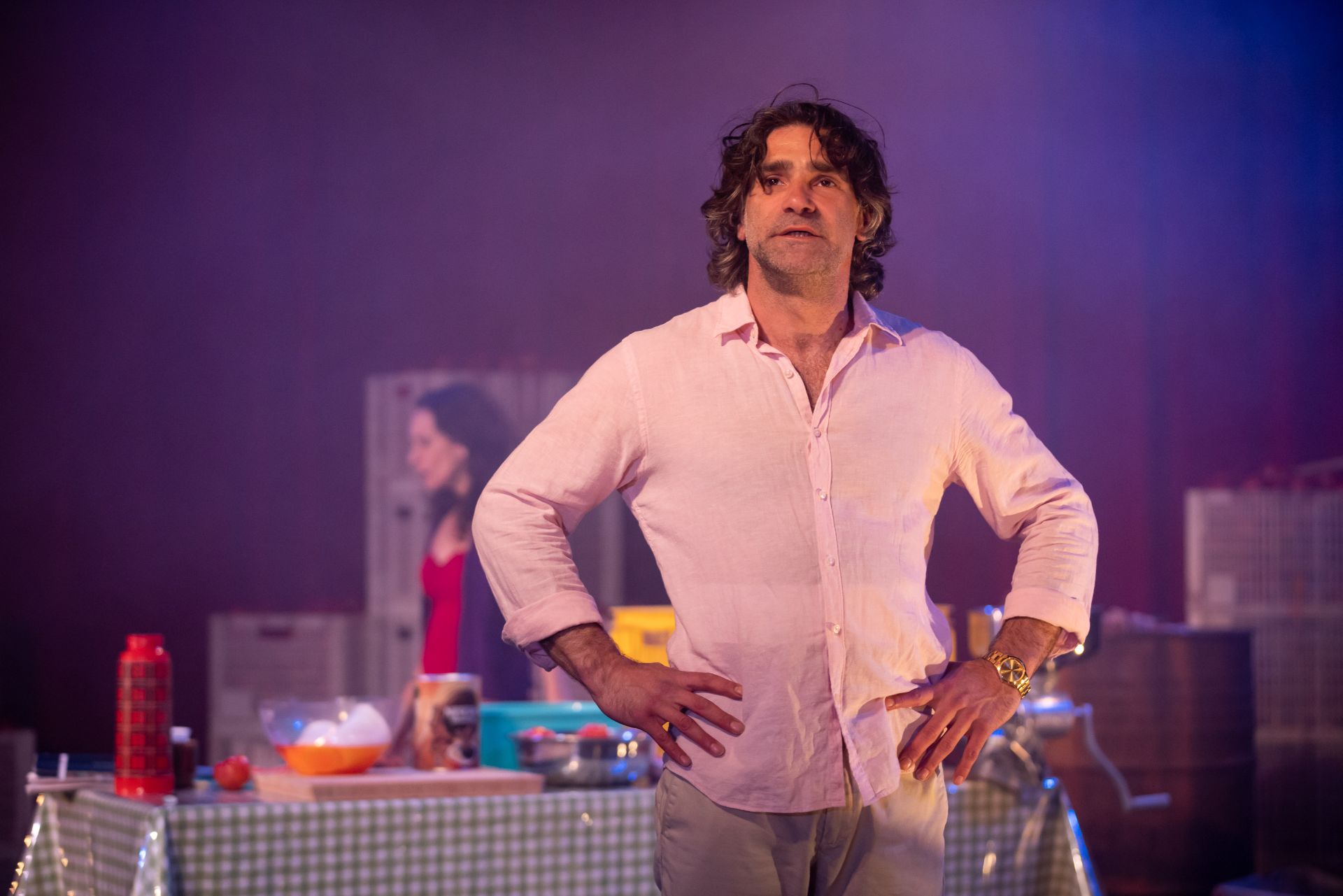
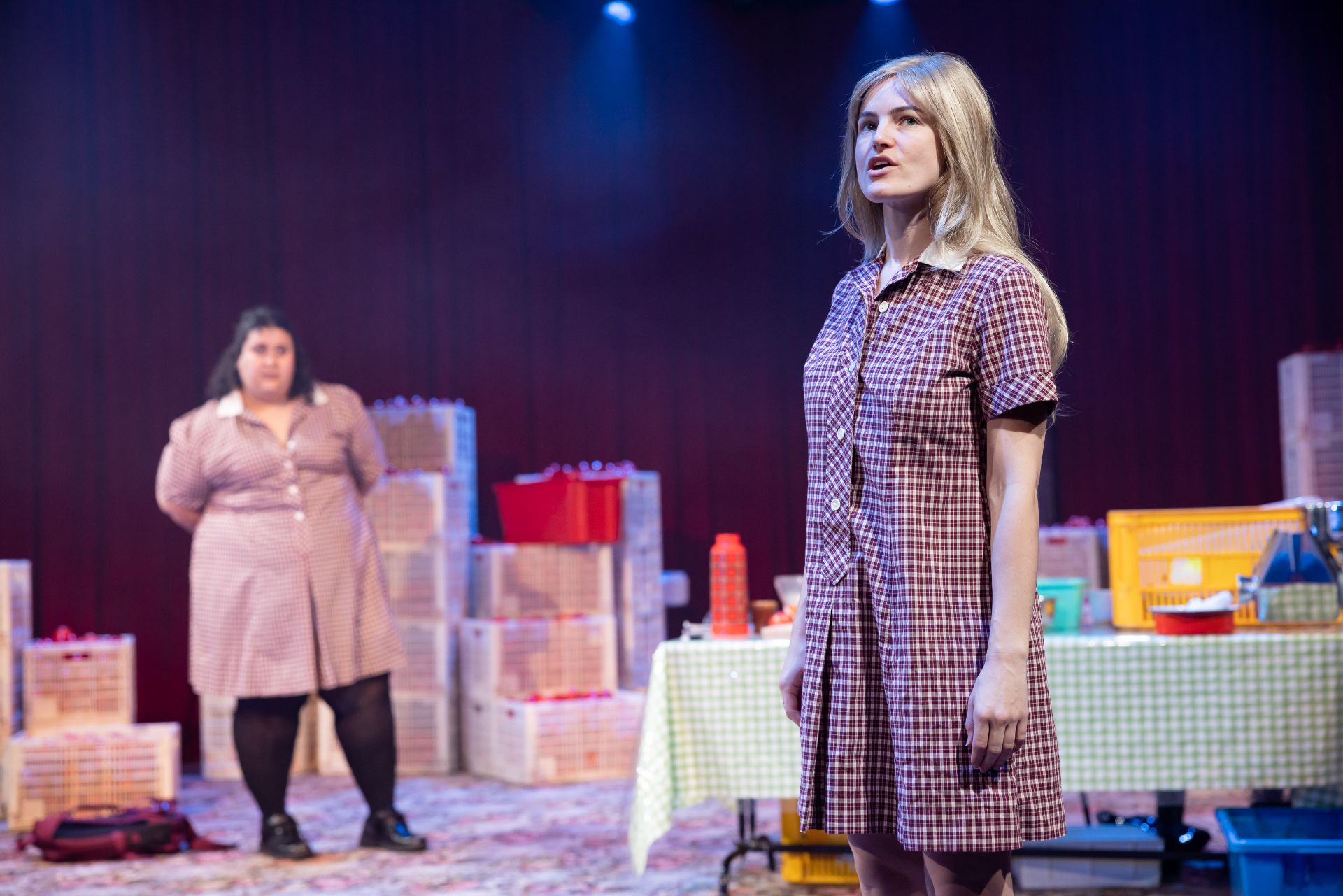
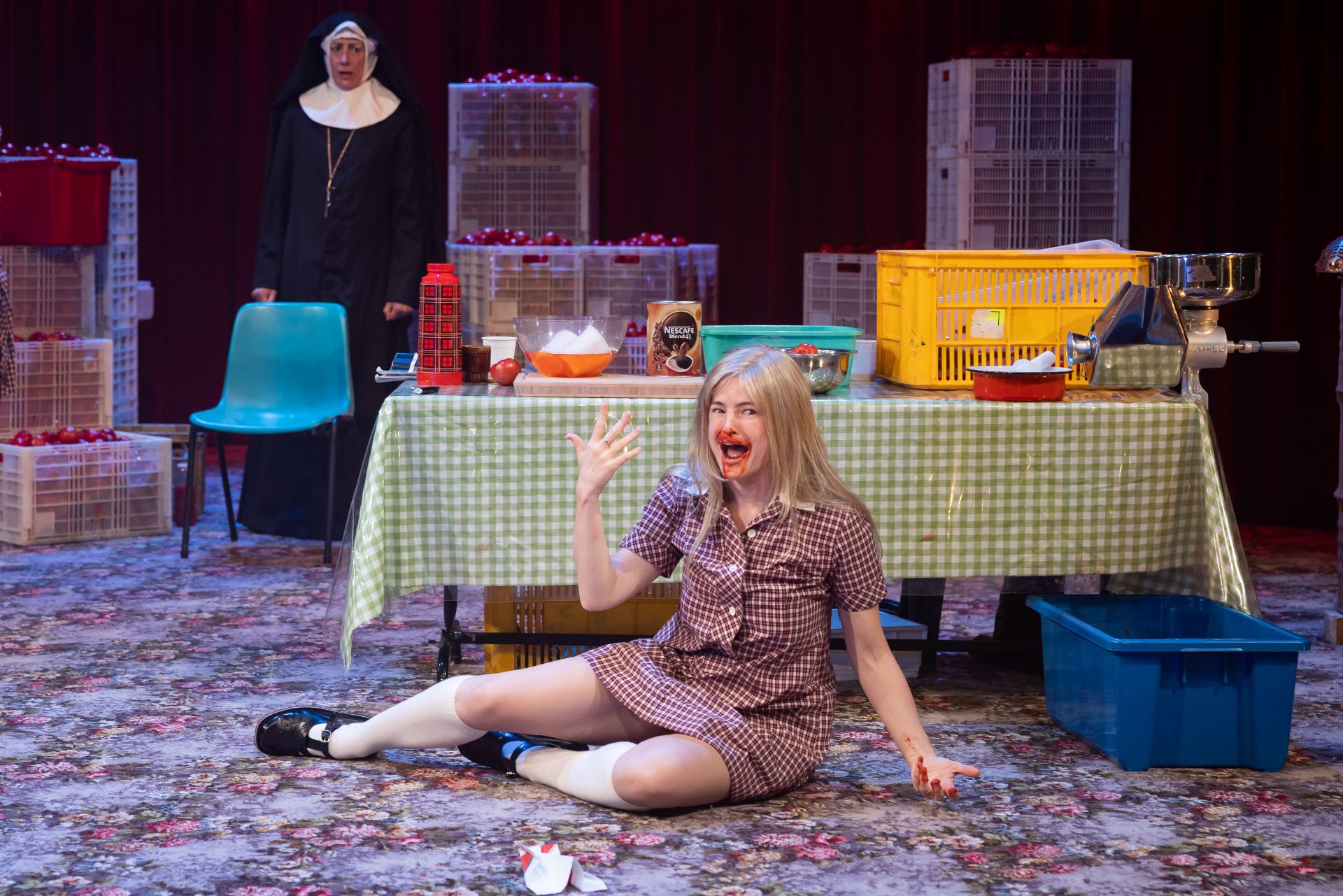
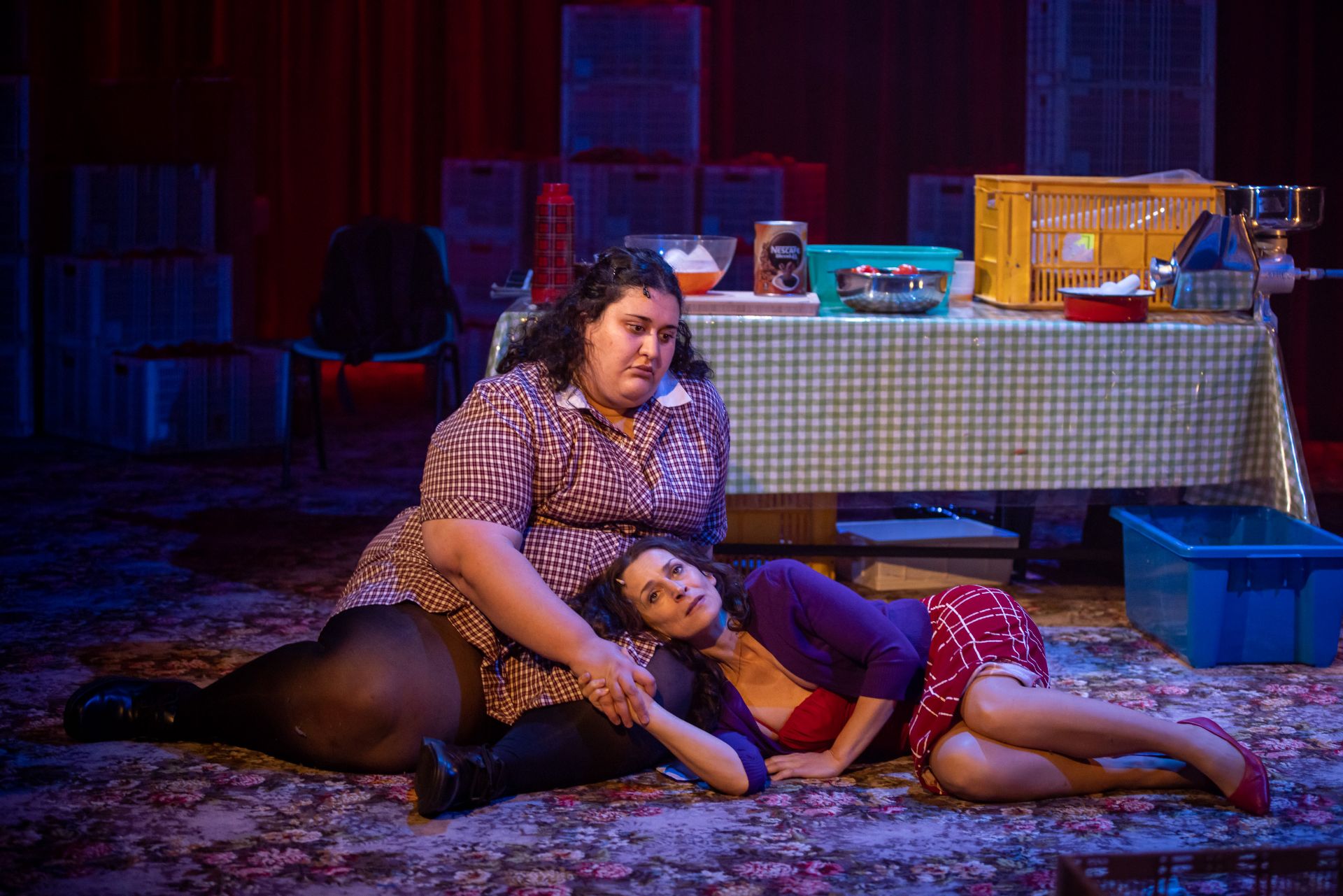
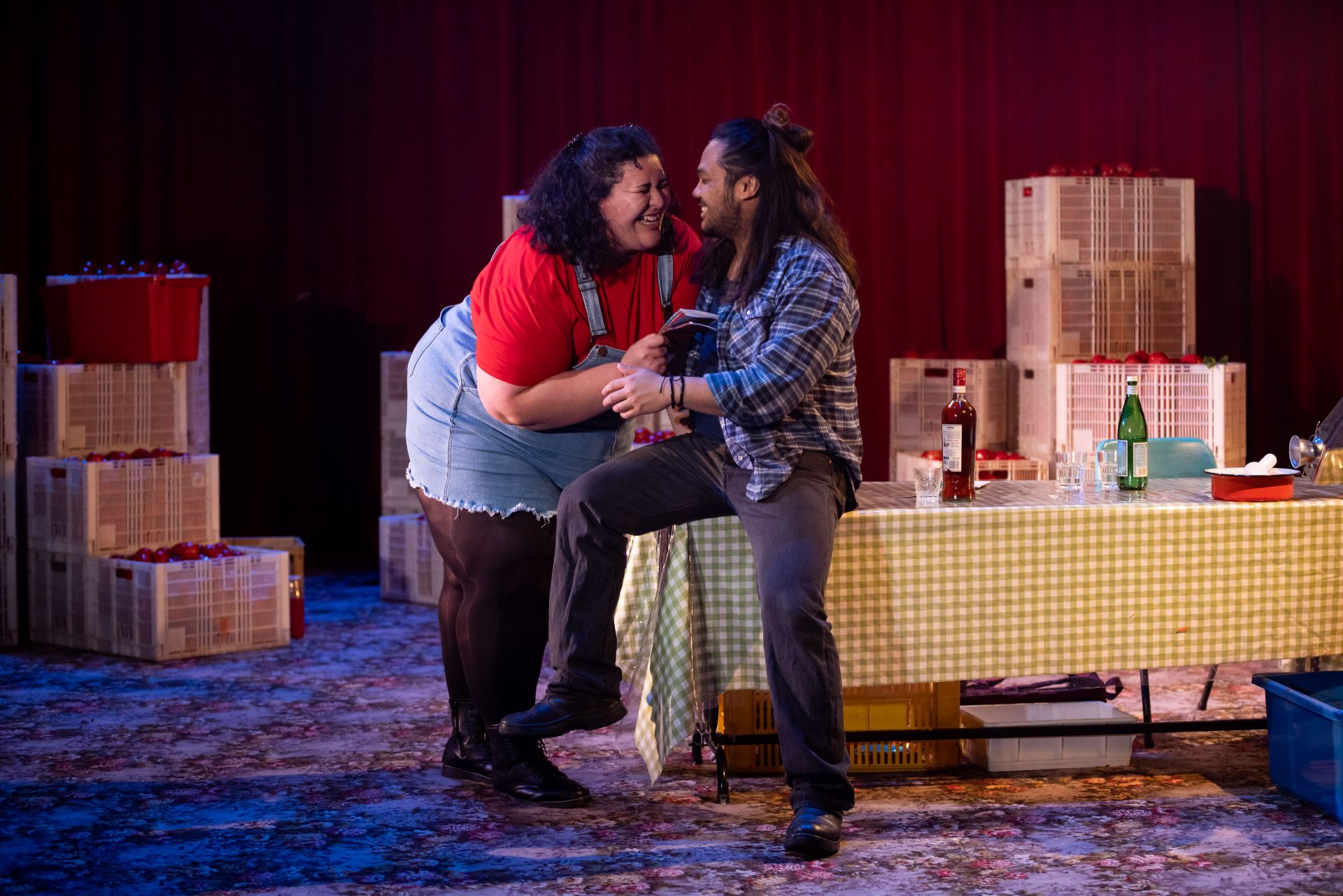
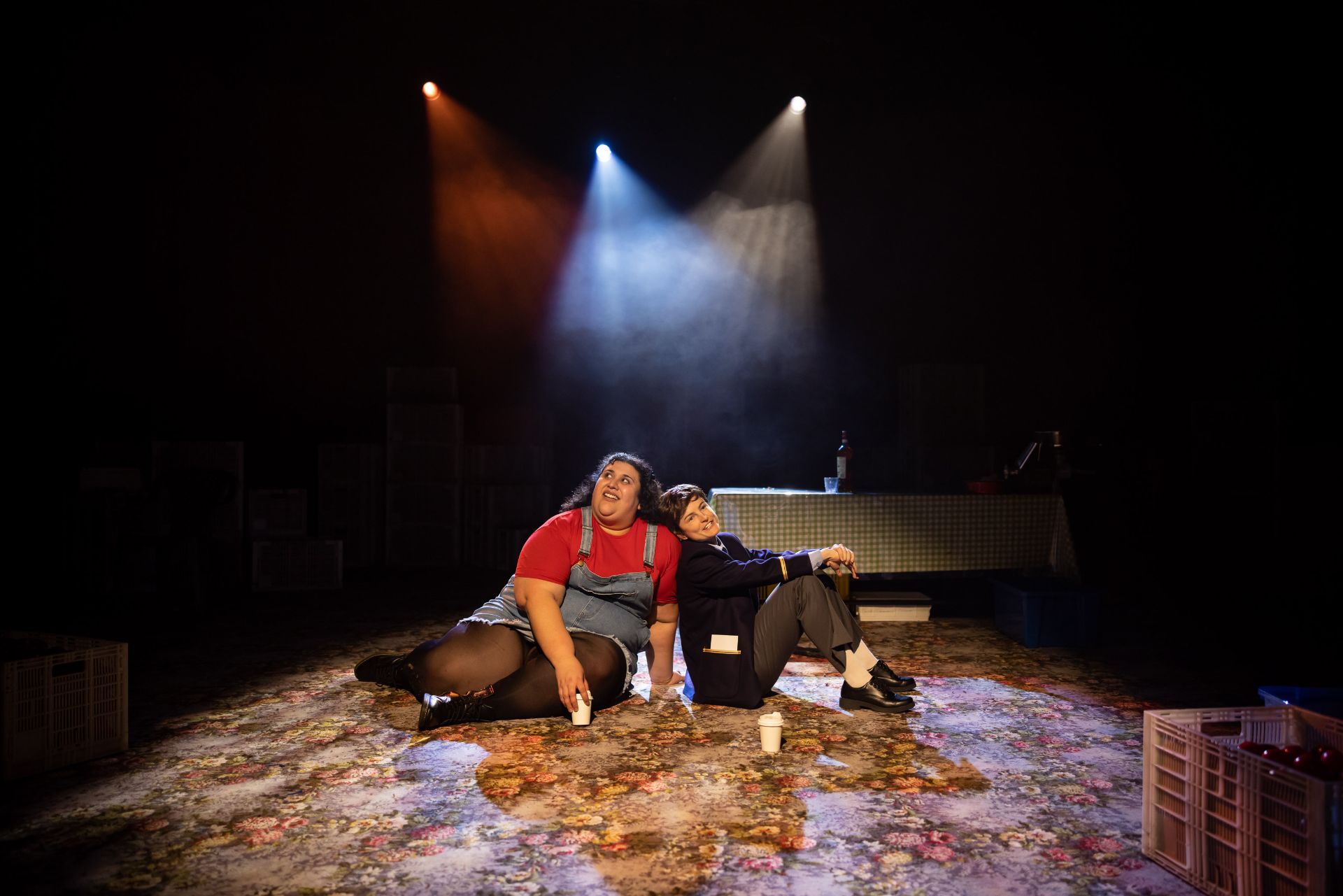
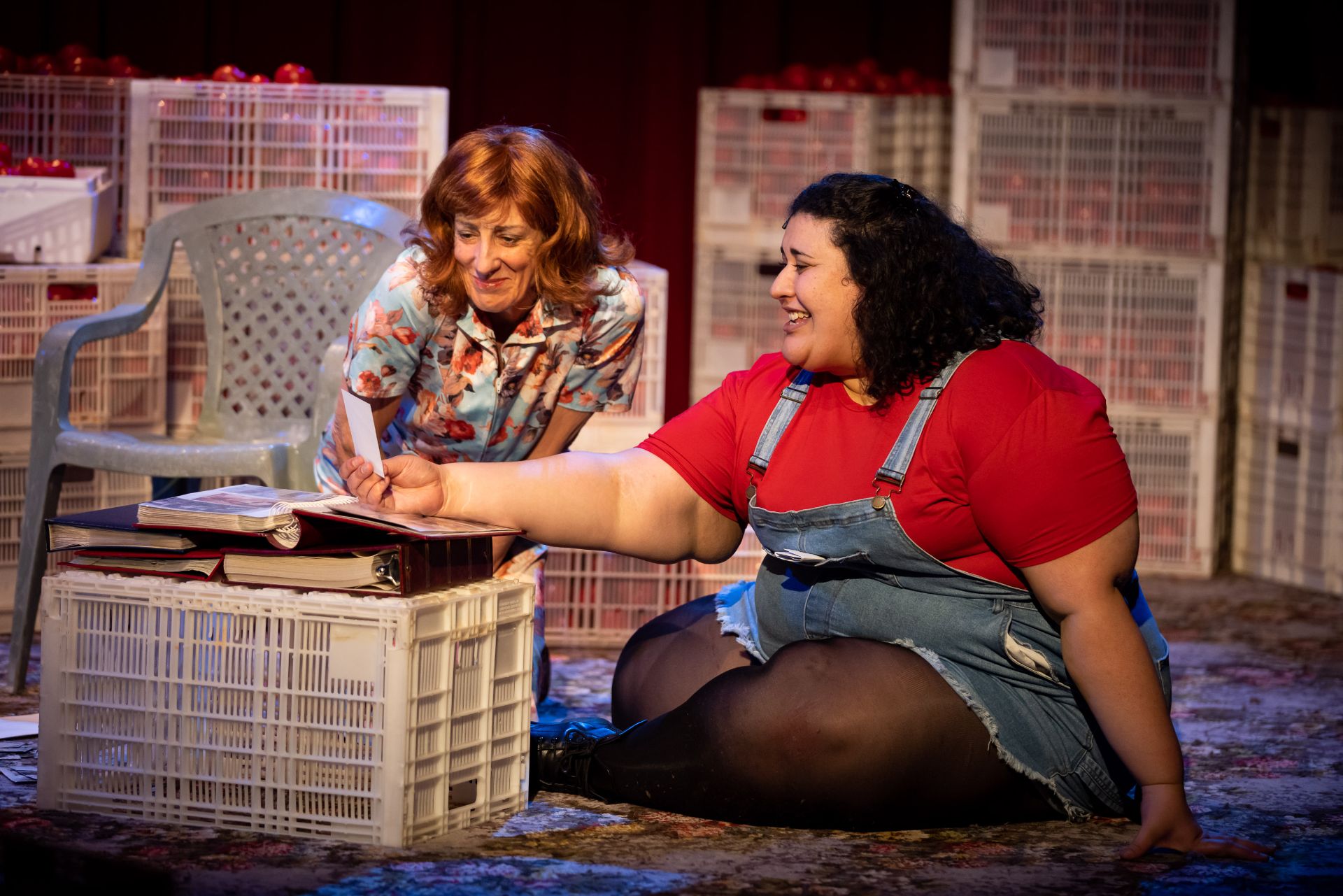
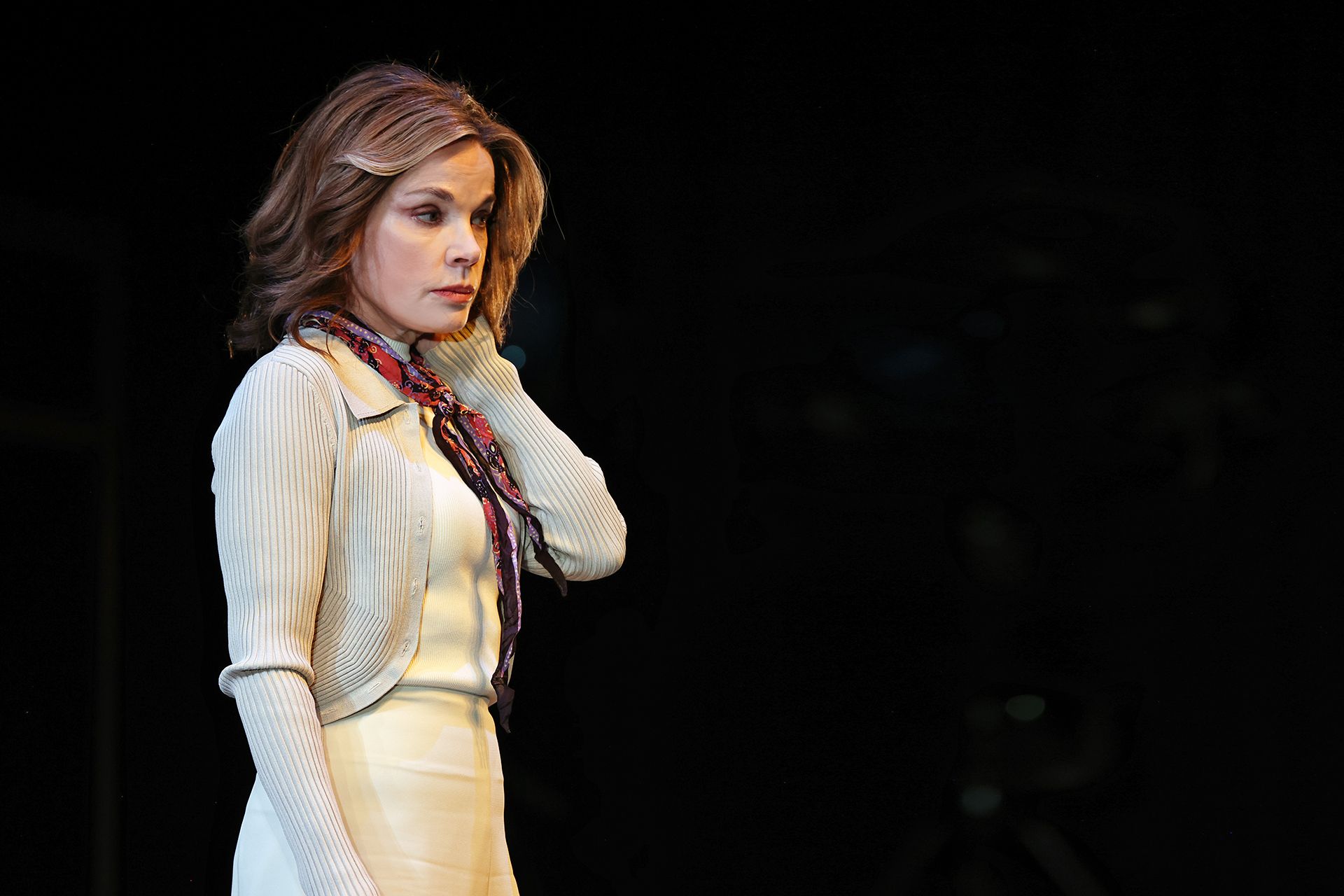
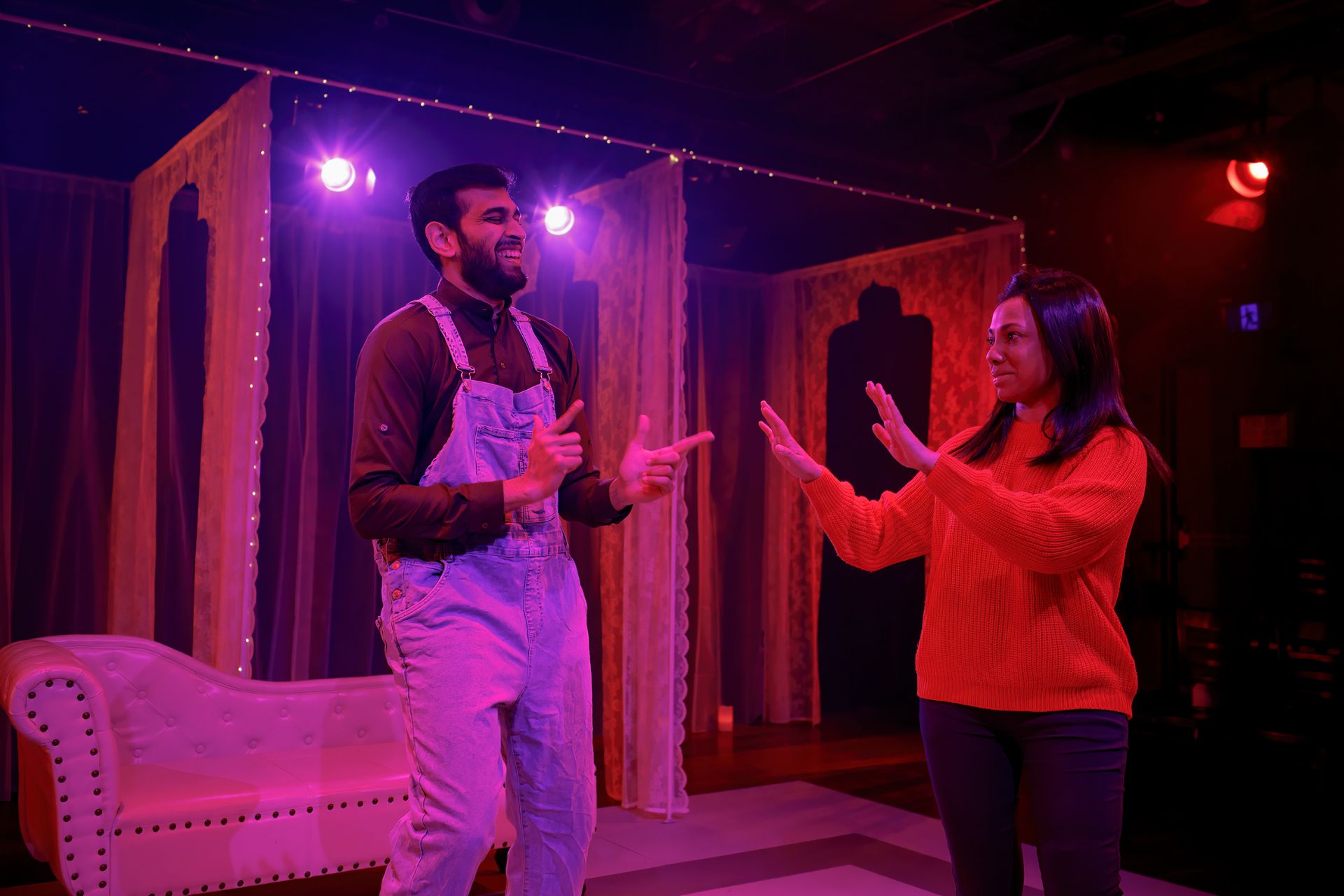
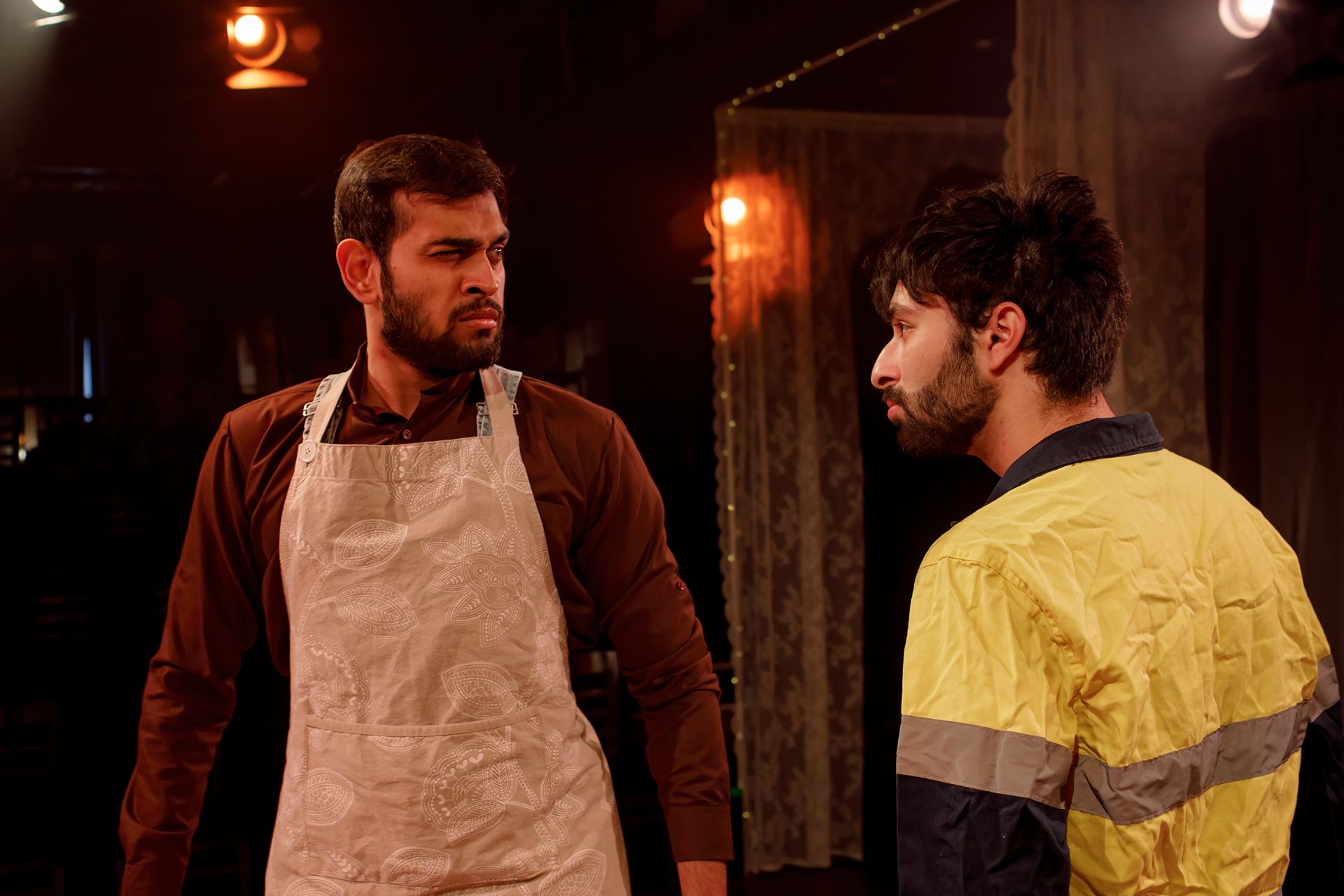
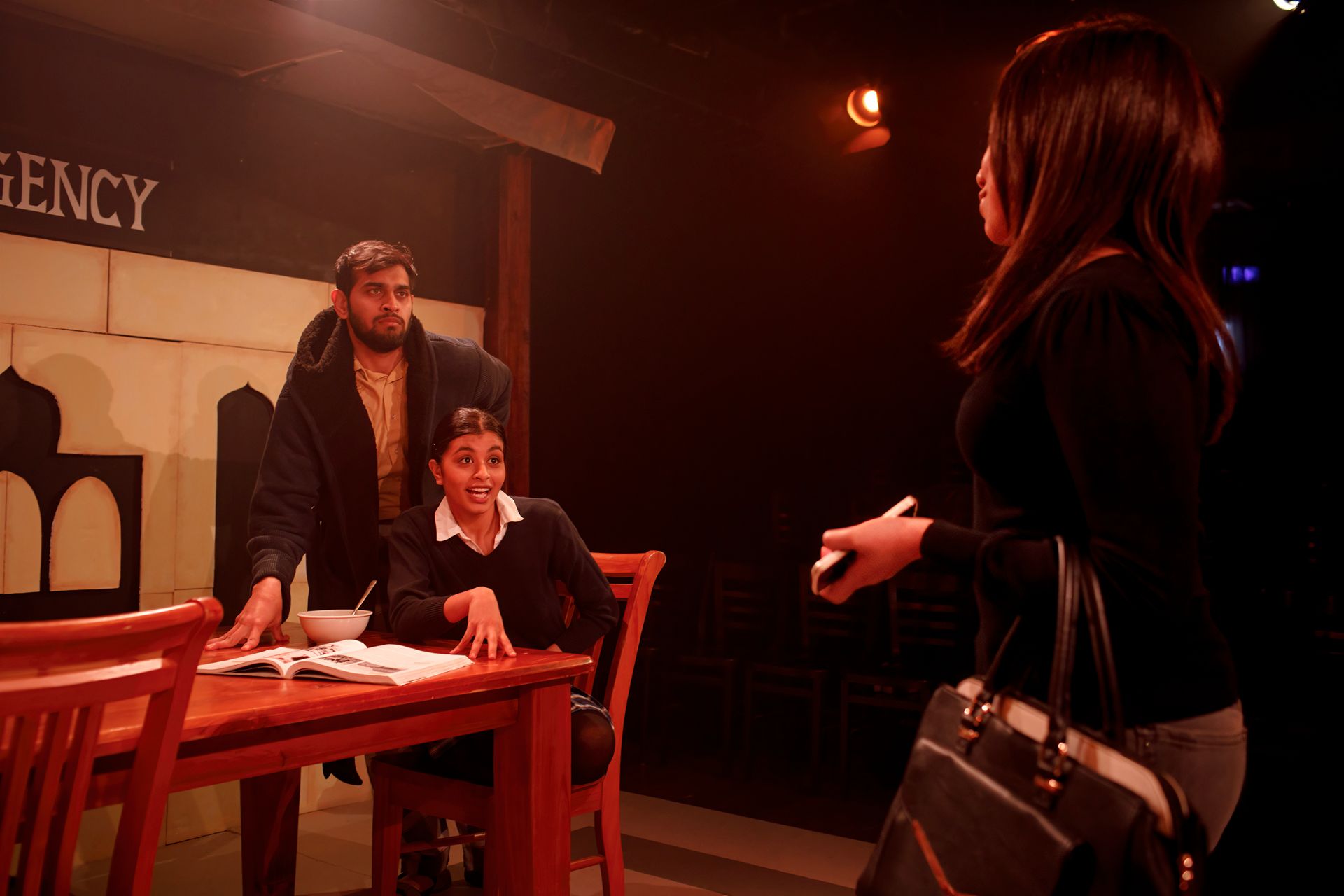
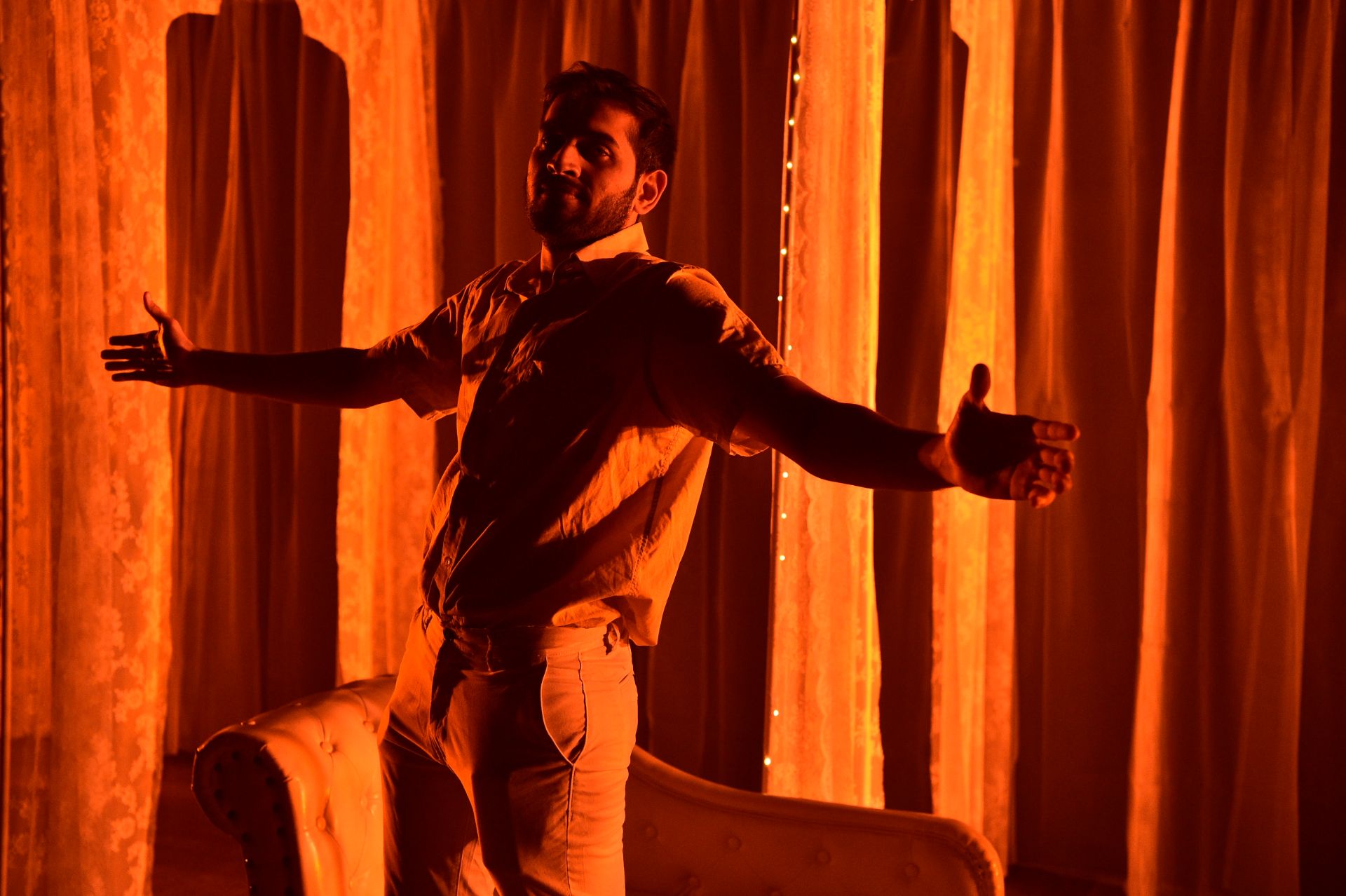
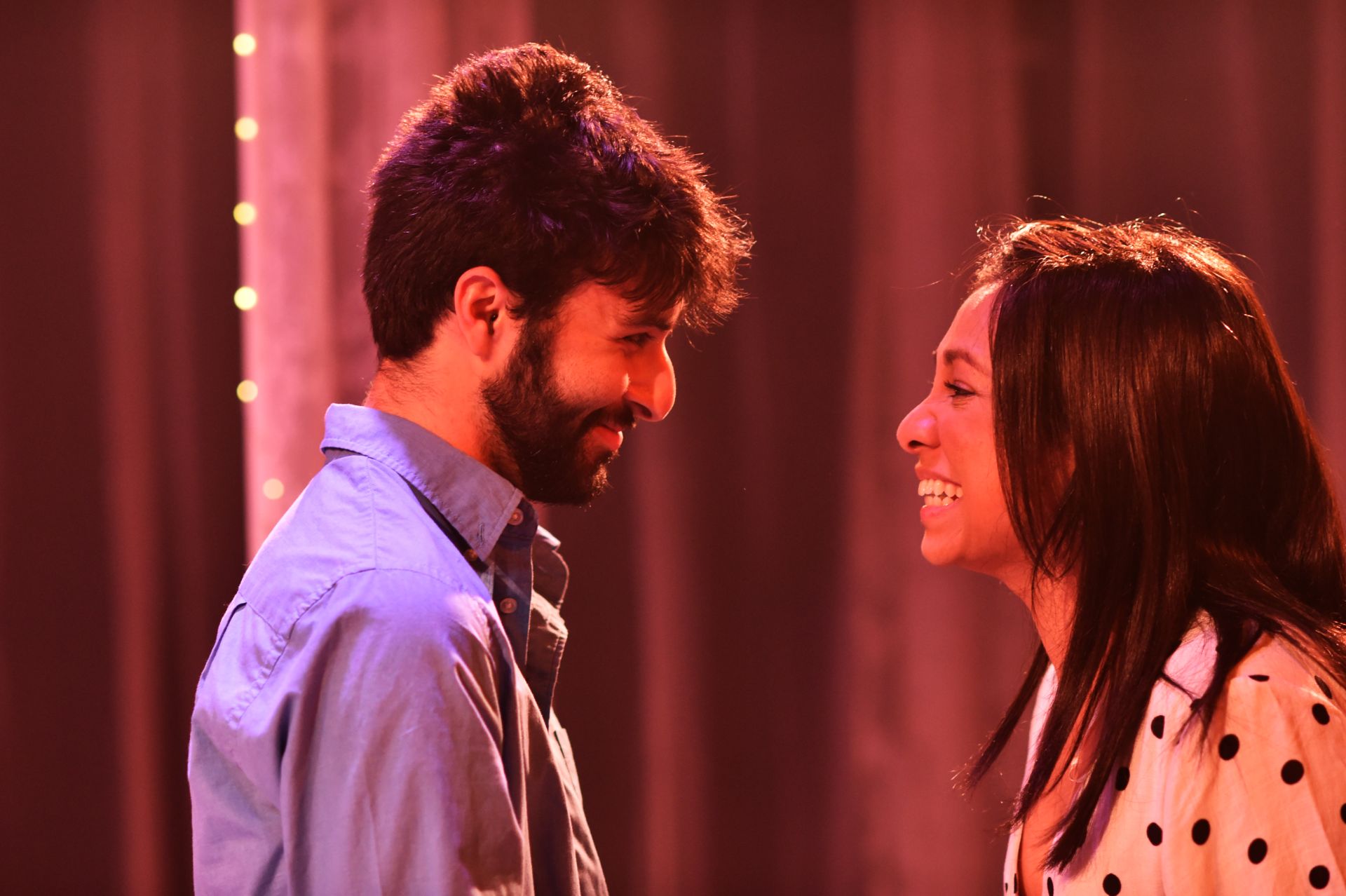
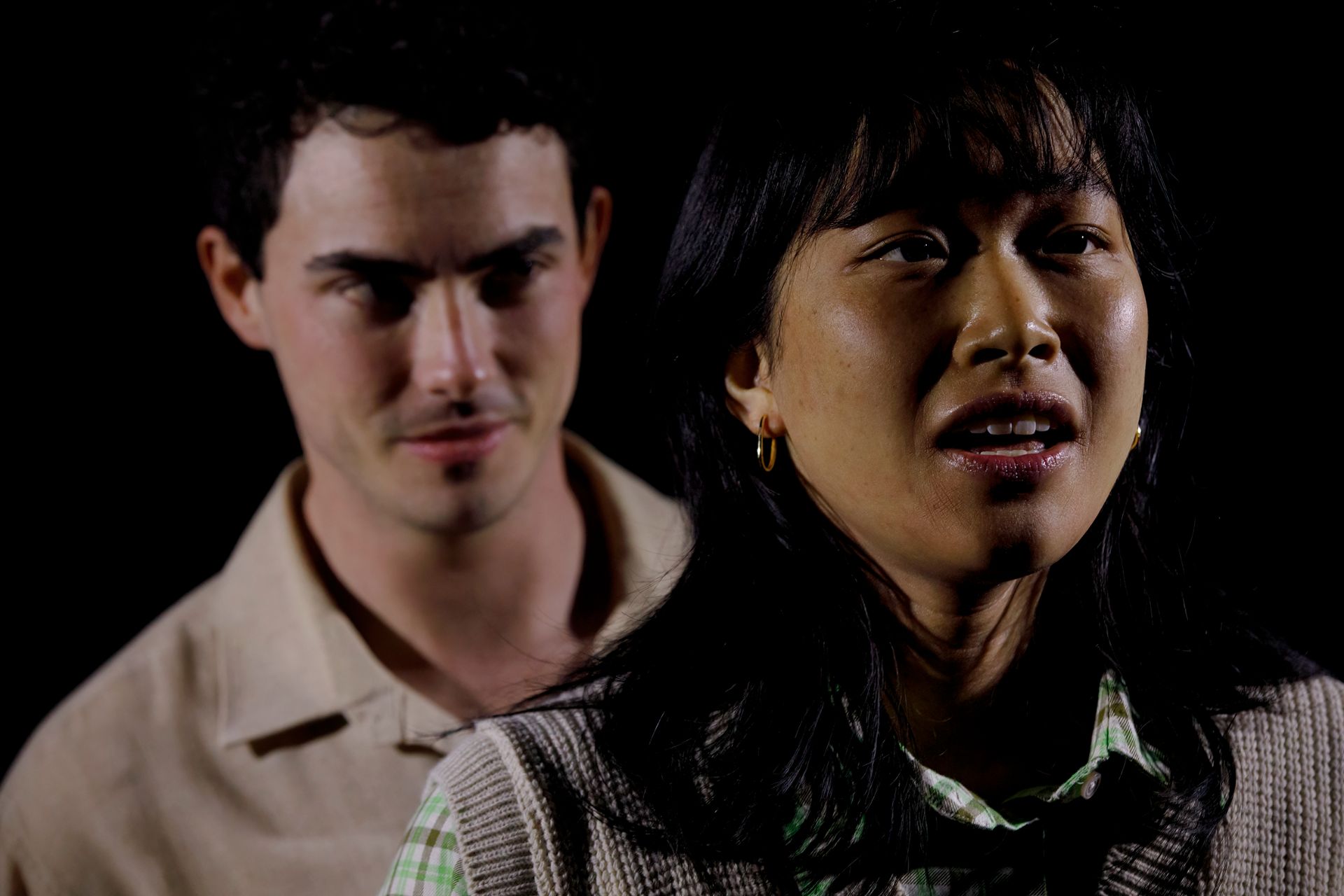
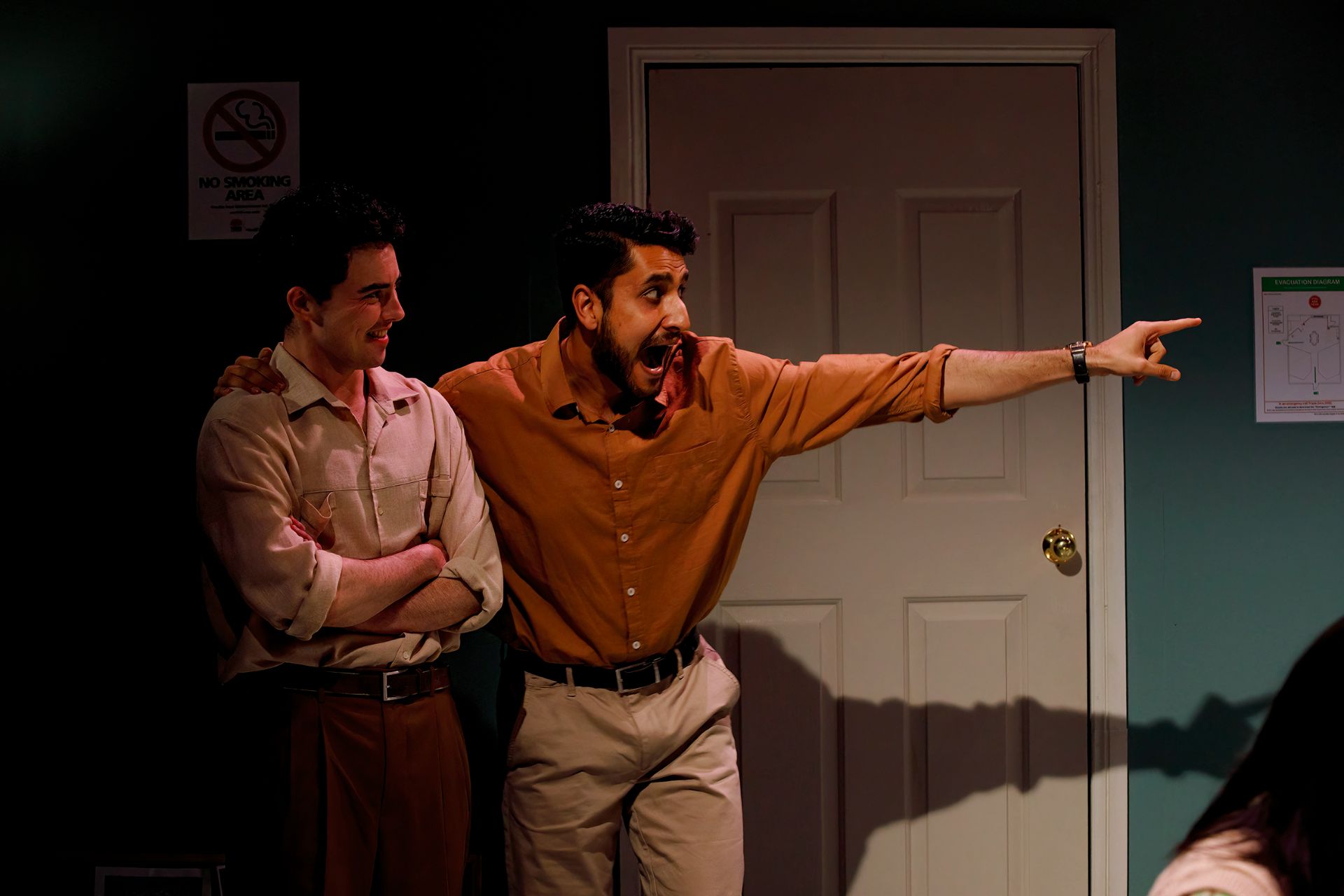
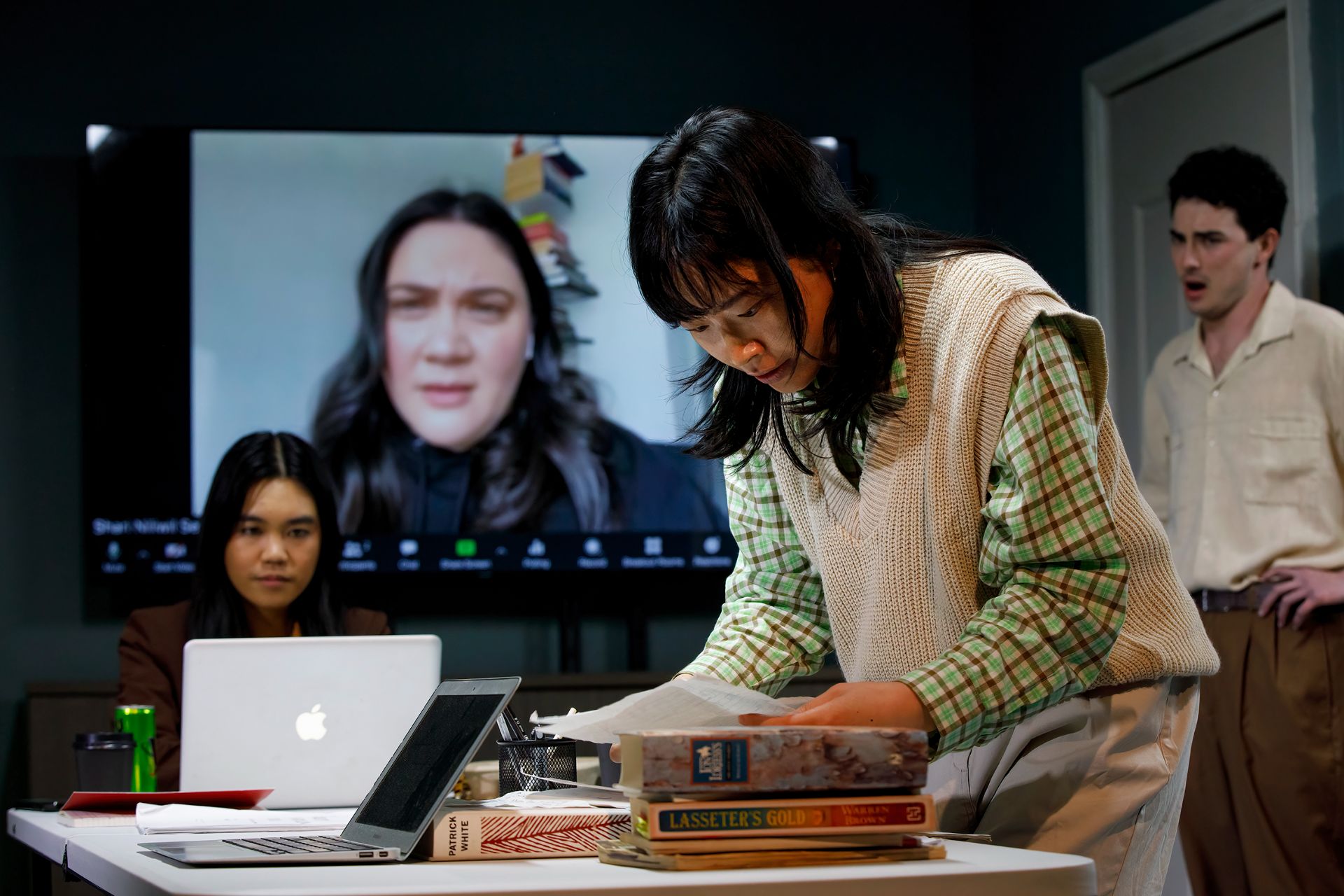
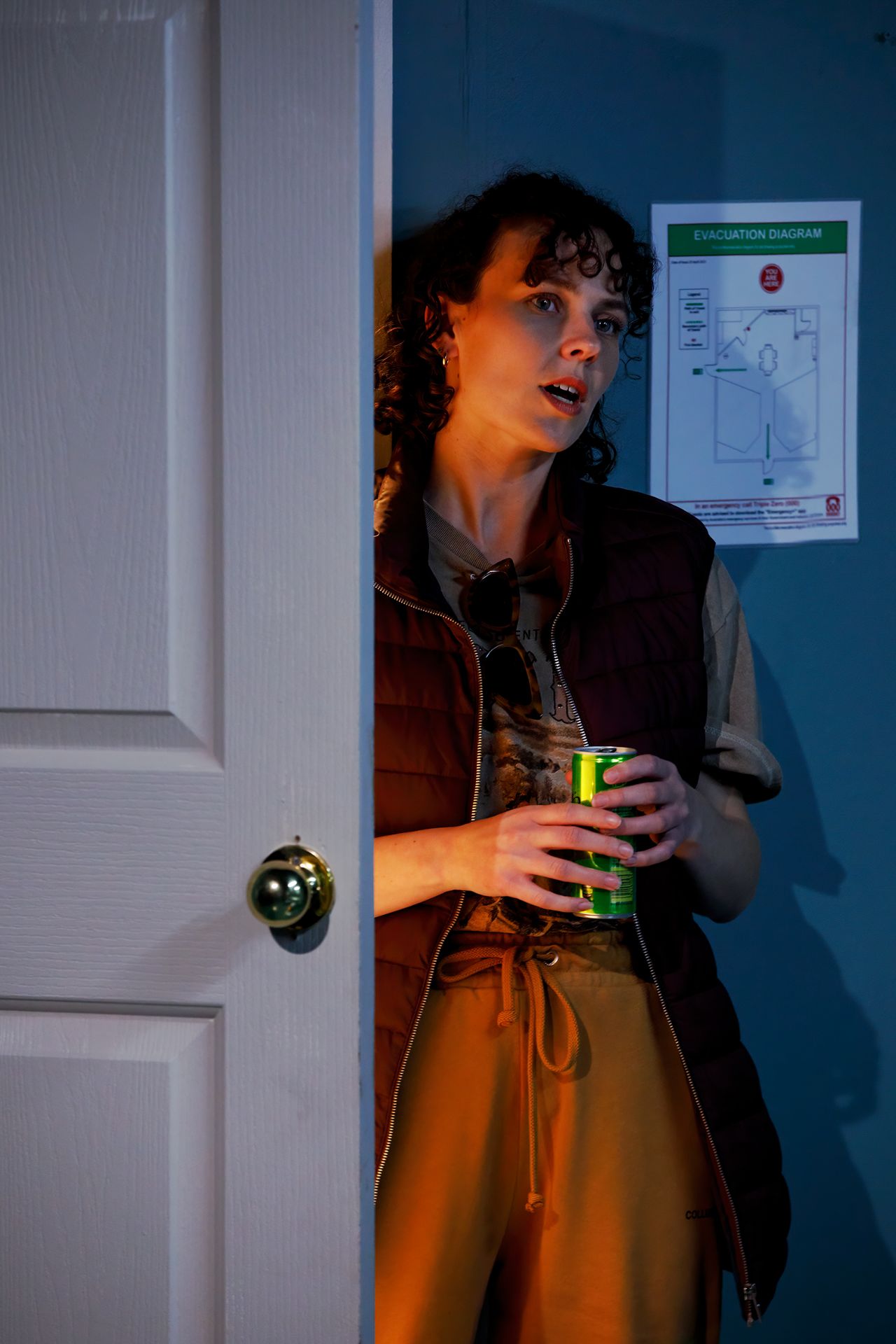
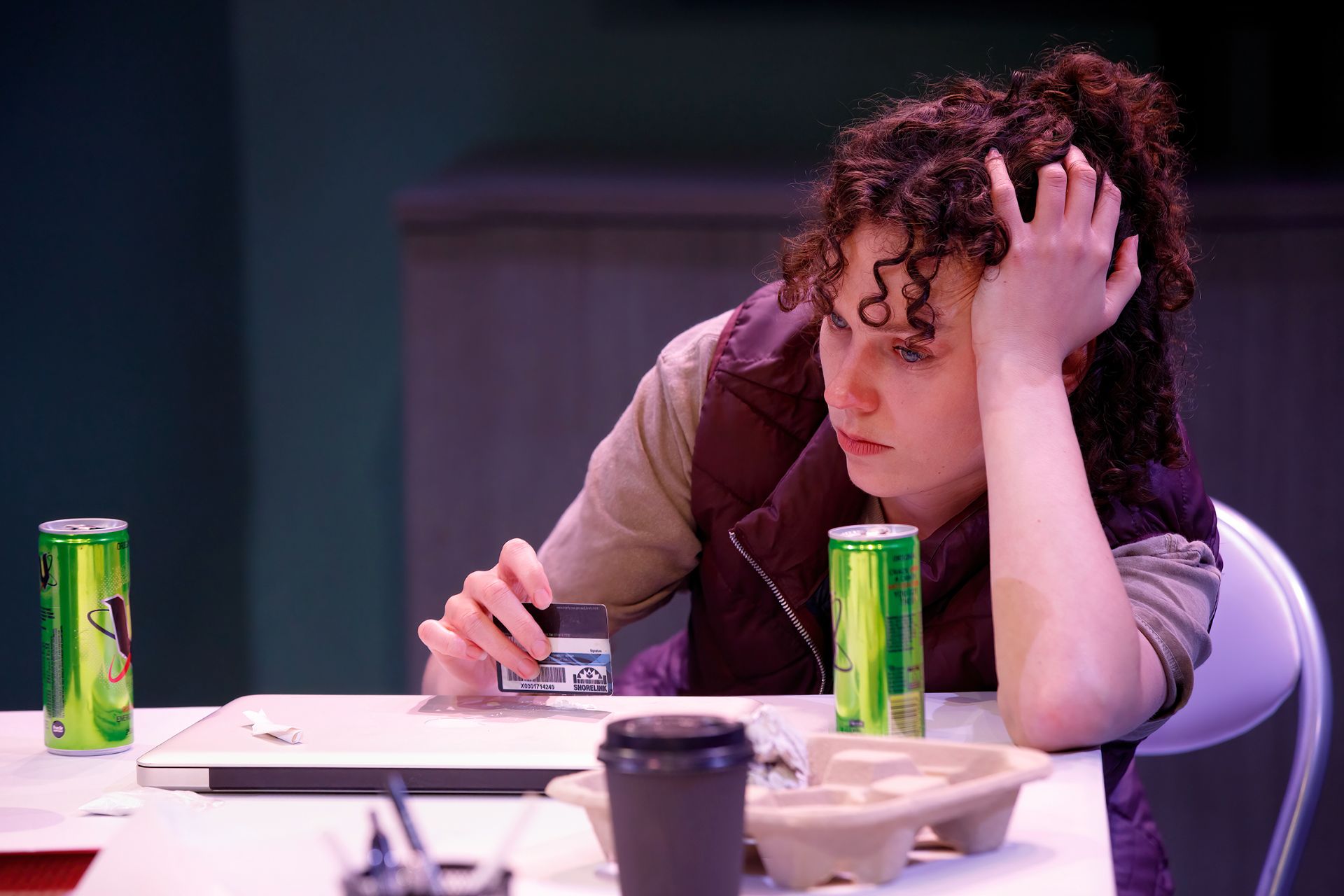
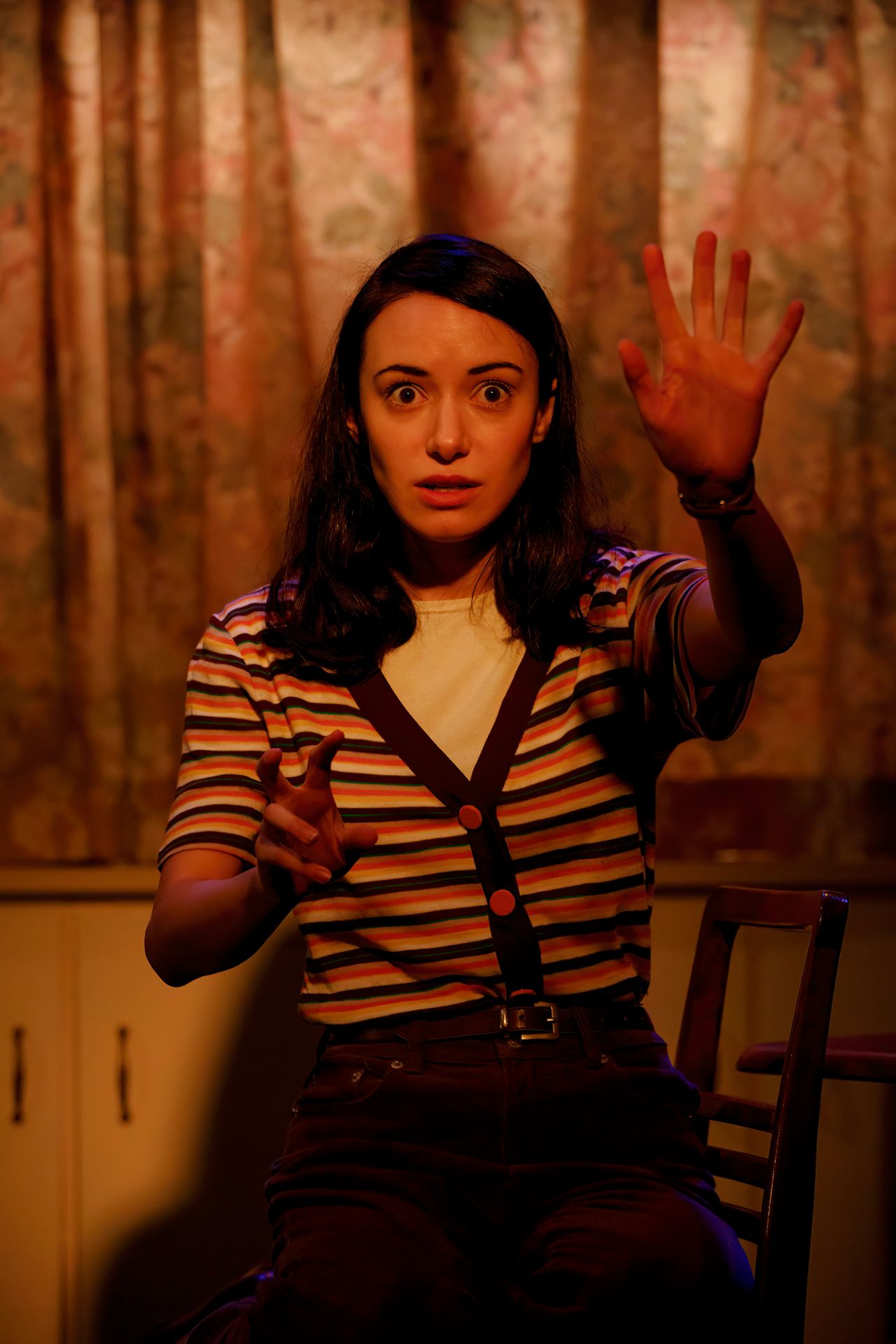
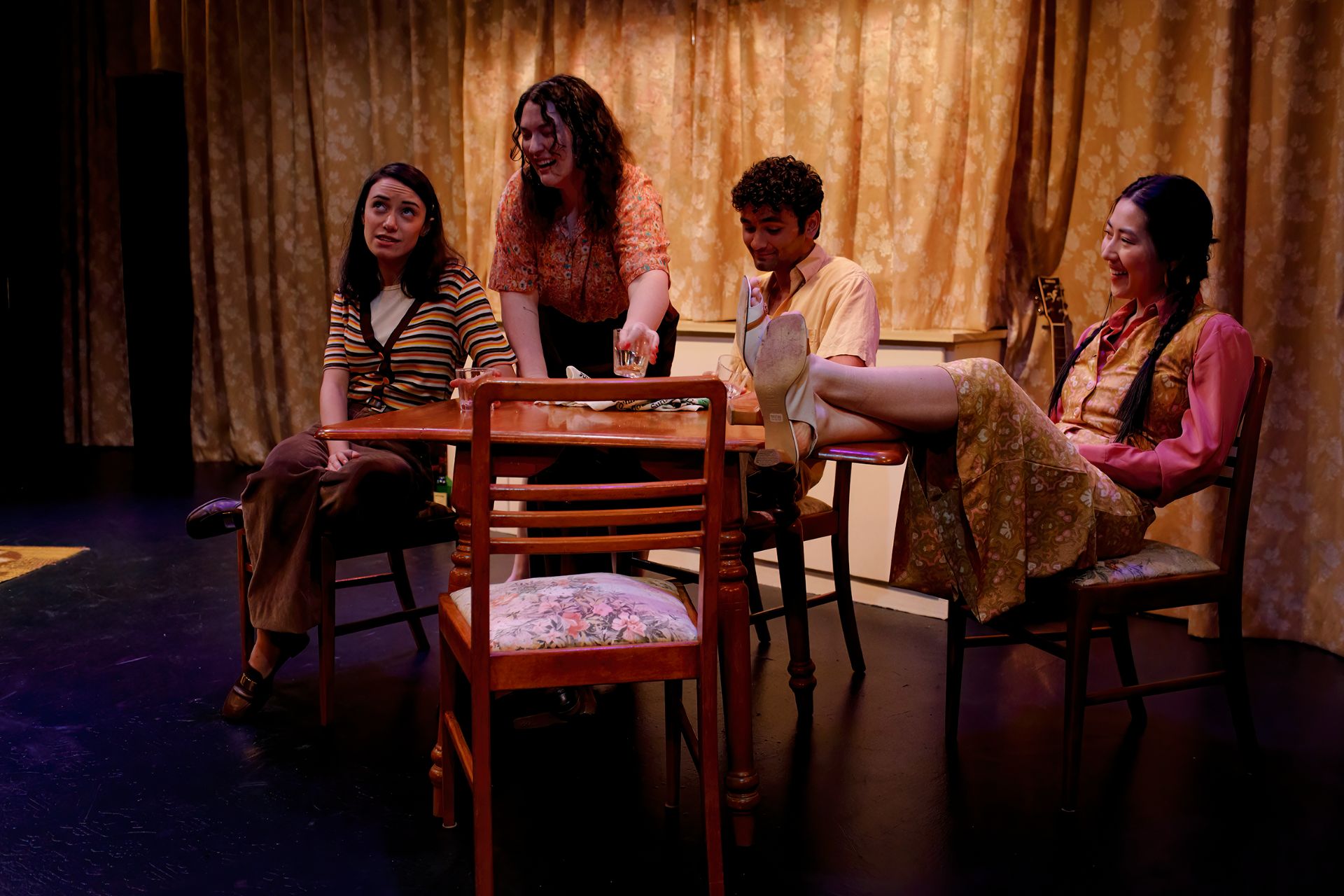
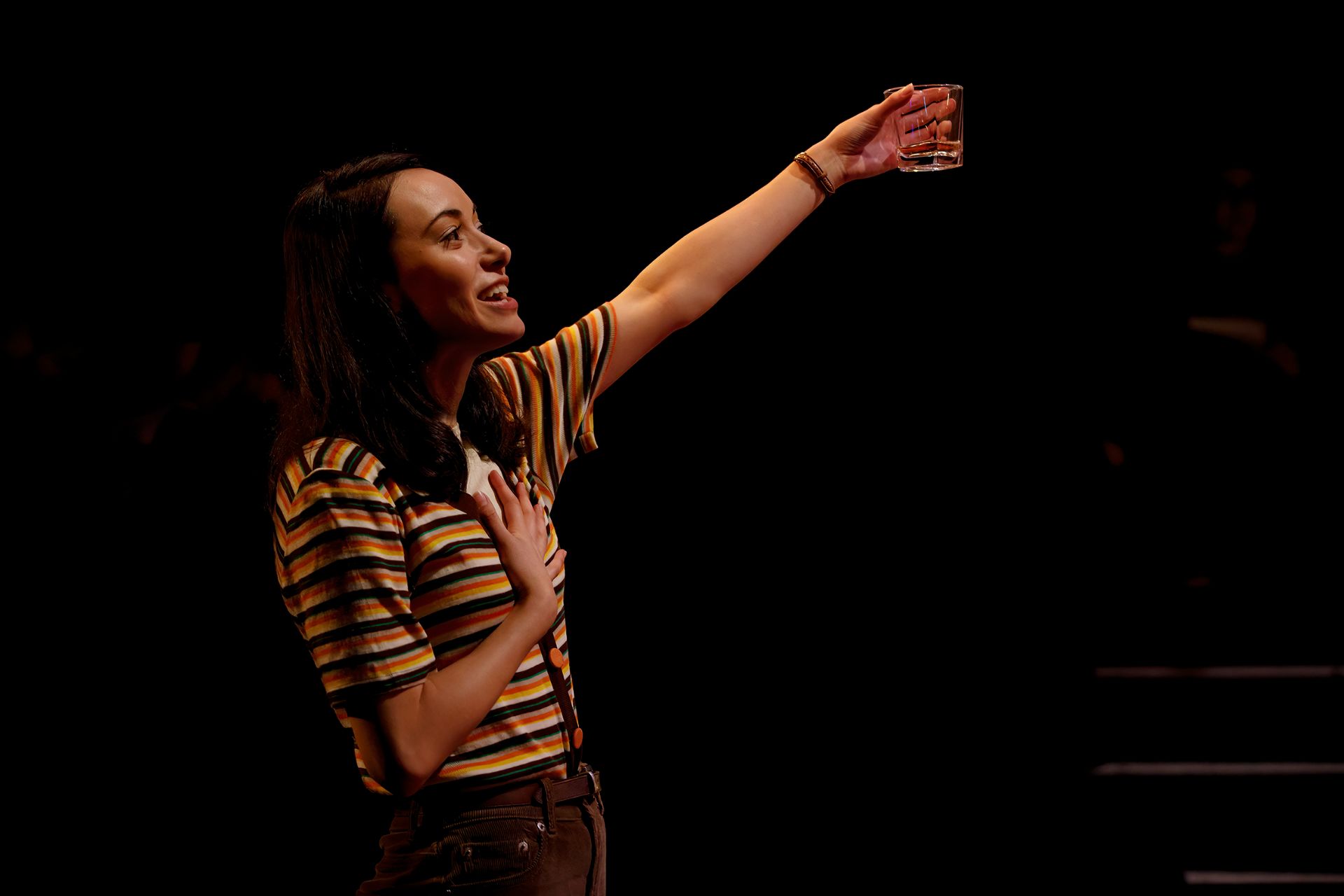
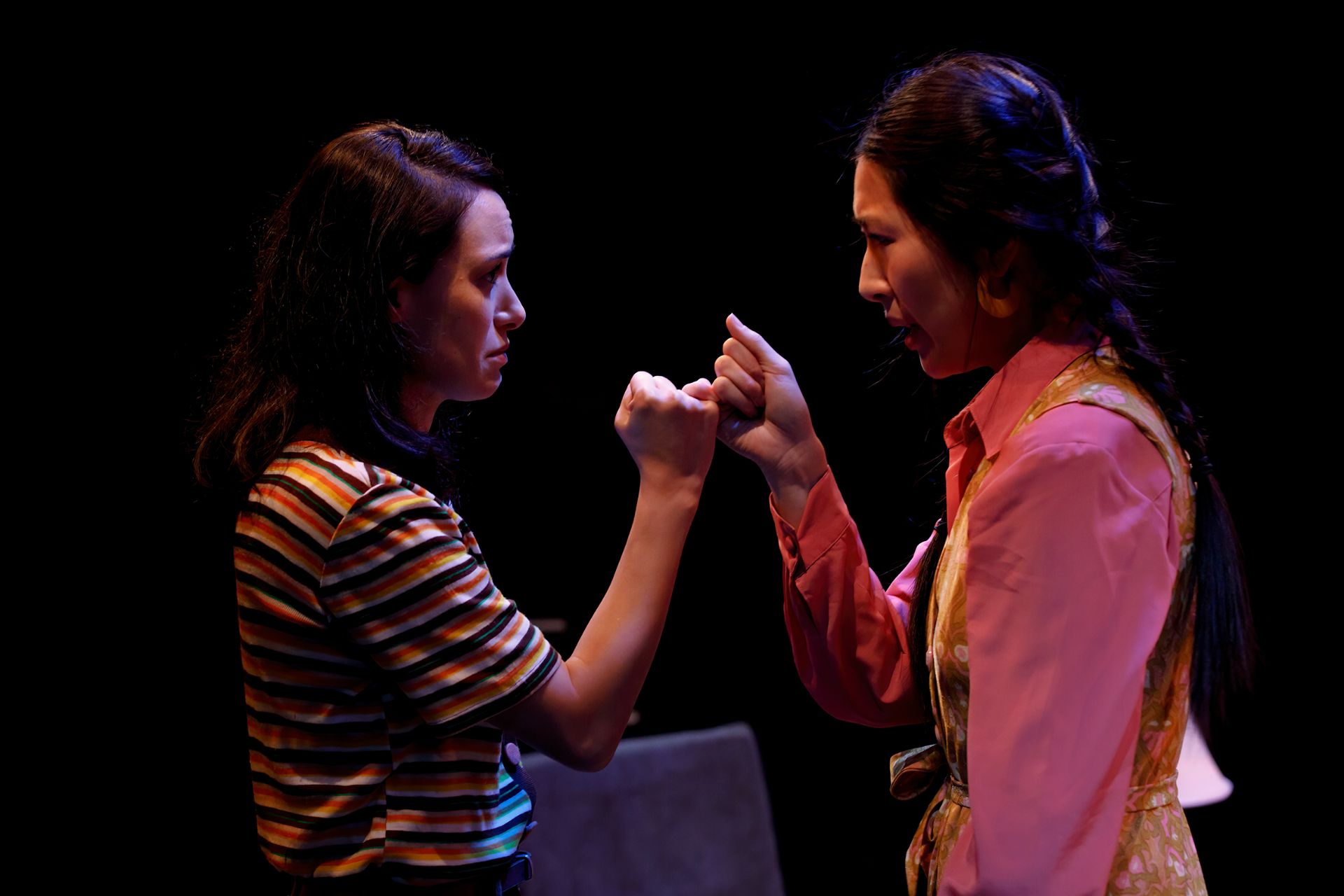
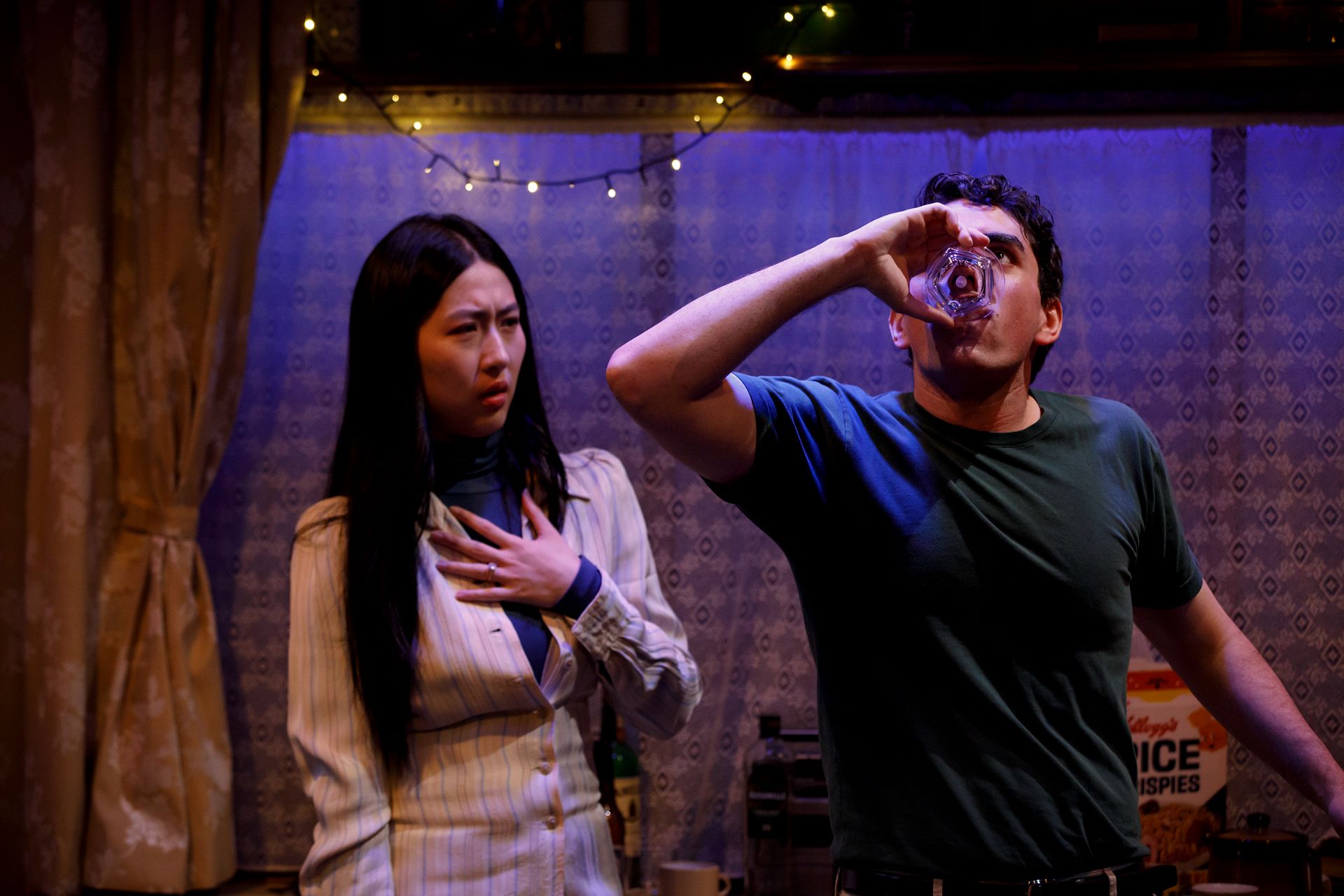
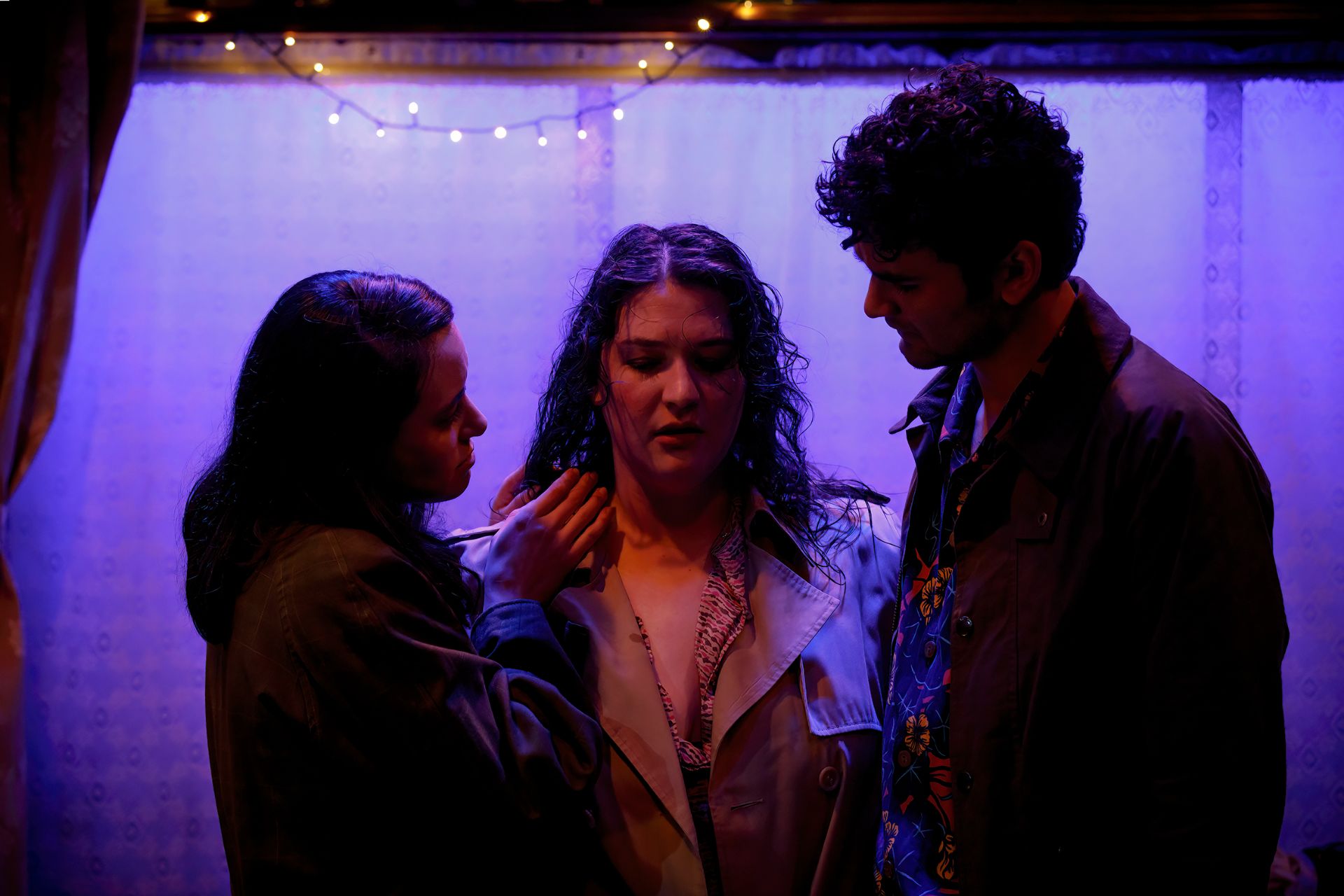
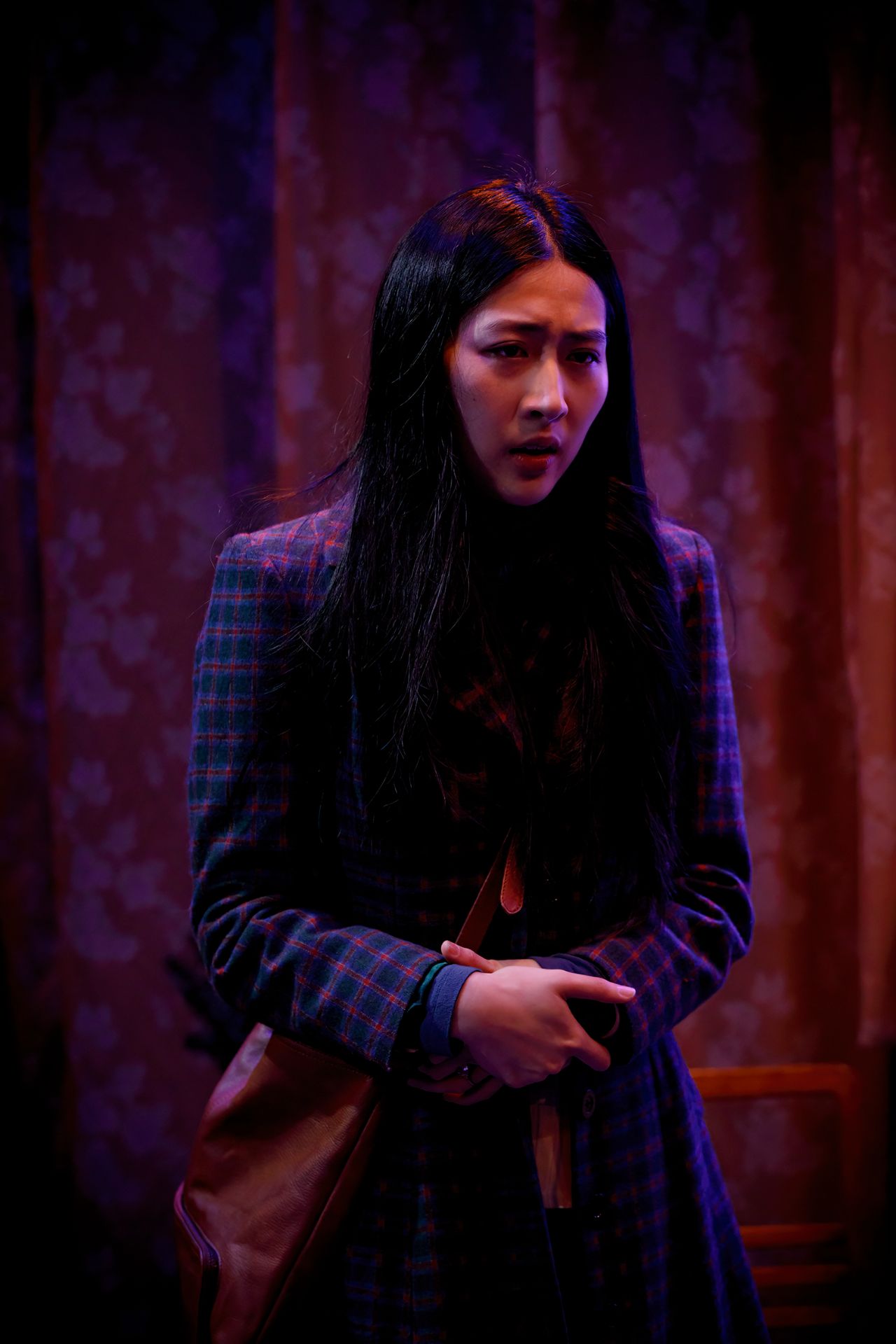
Niamh returns to her hometown in Northern Ireland for Christmas, and finds that all her old friends from school are still there. It is 1987, and there are certainly compelling reasons to go search for greener pastures, but in Grace Chapple’s Never Closer, we explore the nature of human attachments, and what it is that makes us persist, or indeed relinquish. Chapple’s writing bears a generosity that lends a sense of sophistication, to a tale about the difficult decisions that people make. It is intricately considered, with an admirable sensitivity as she navigates some hard subjects, but made palatable by an effortless humour, that keeps the journey amusing.

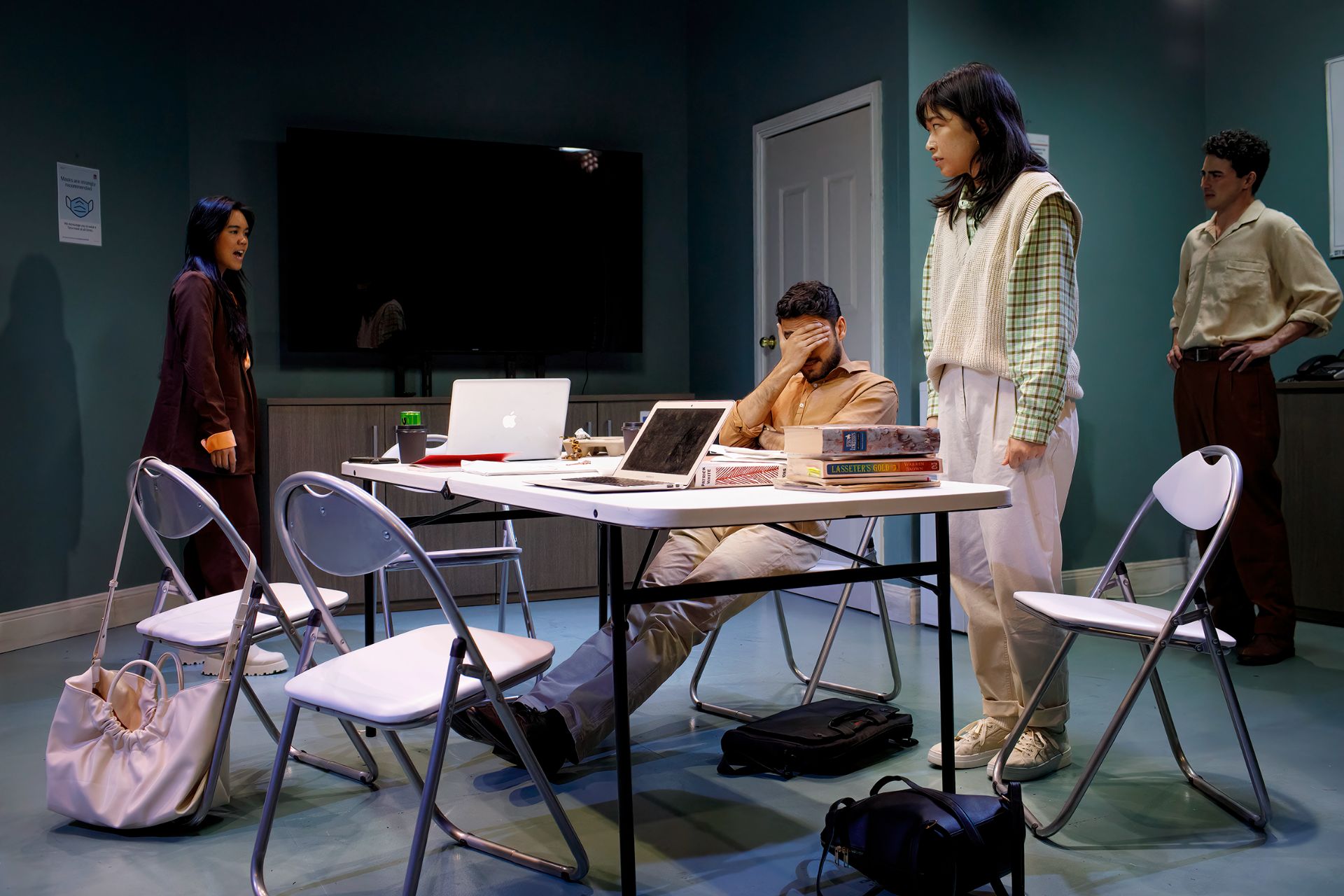
Direction by Hannah Goodwin leans into the comedy of the piece, relishing in each of its funny details, whilst painstakingly creating for the audience, a realism that makes everything feel authentic and convincing. There are six distinct personalities in Never Closer, all of whom are made believable and endearing by Goodwin’s uncompromising approach, of making each moment count.

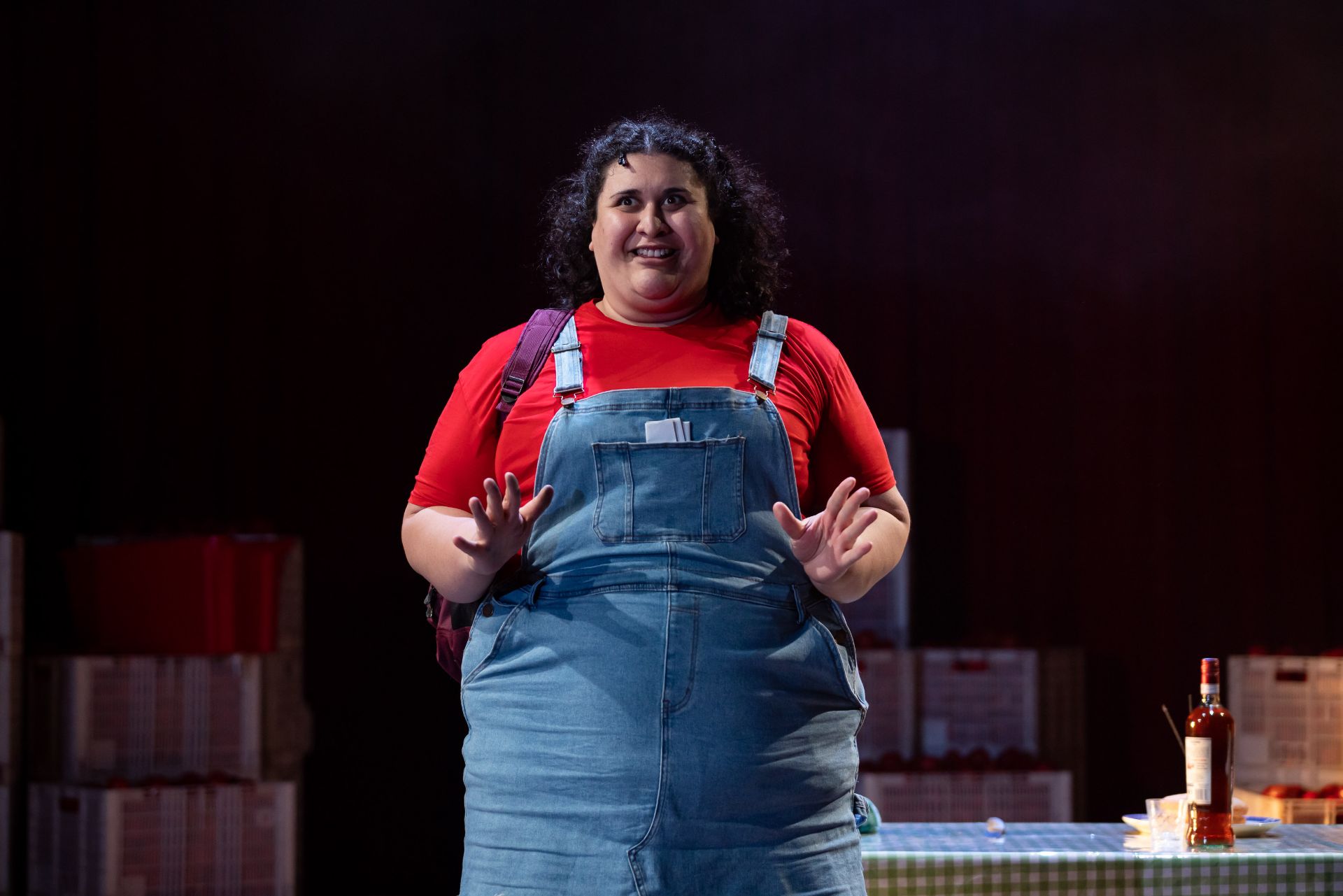
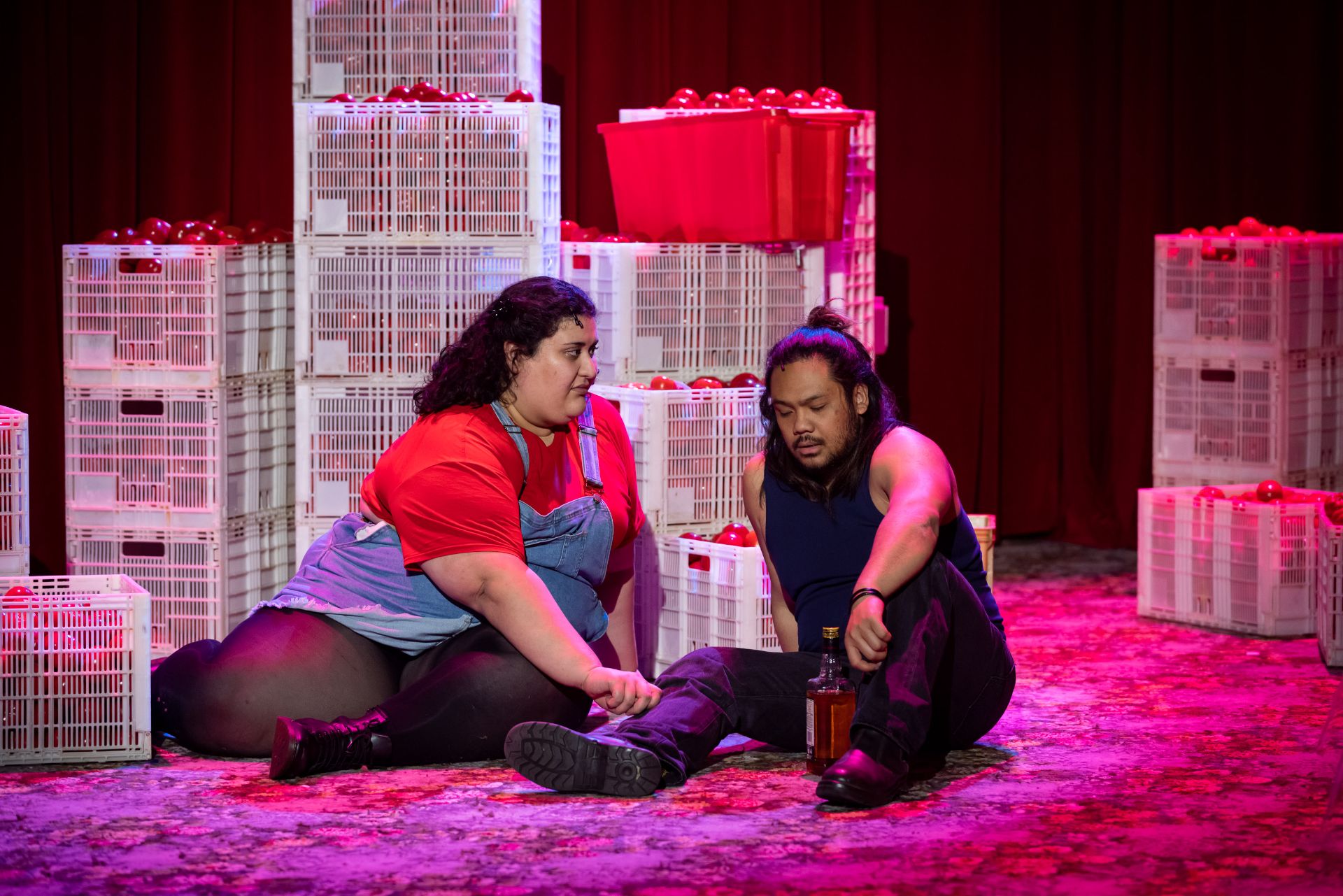
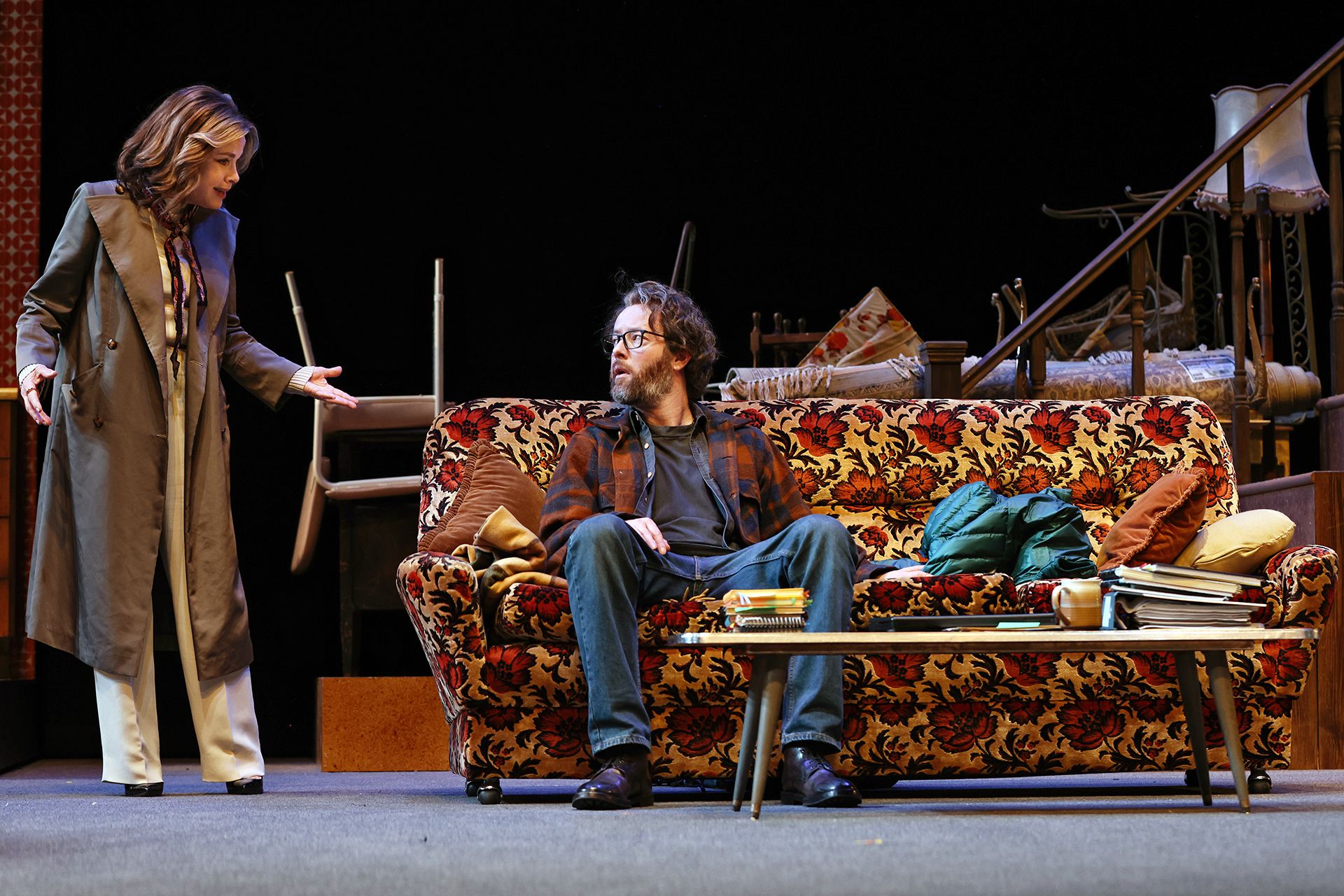
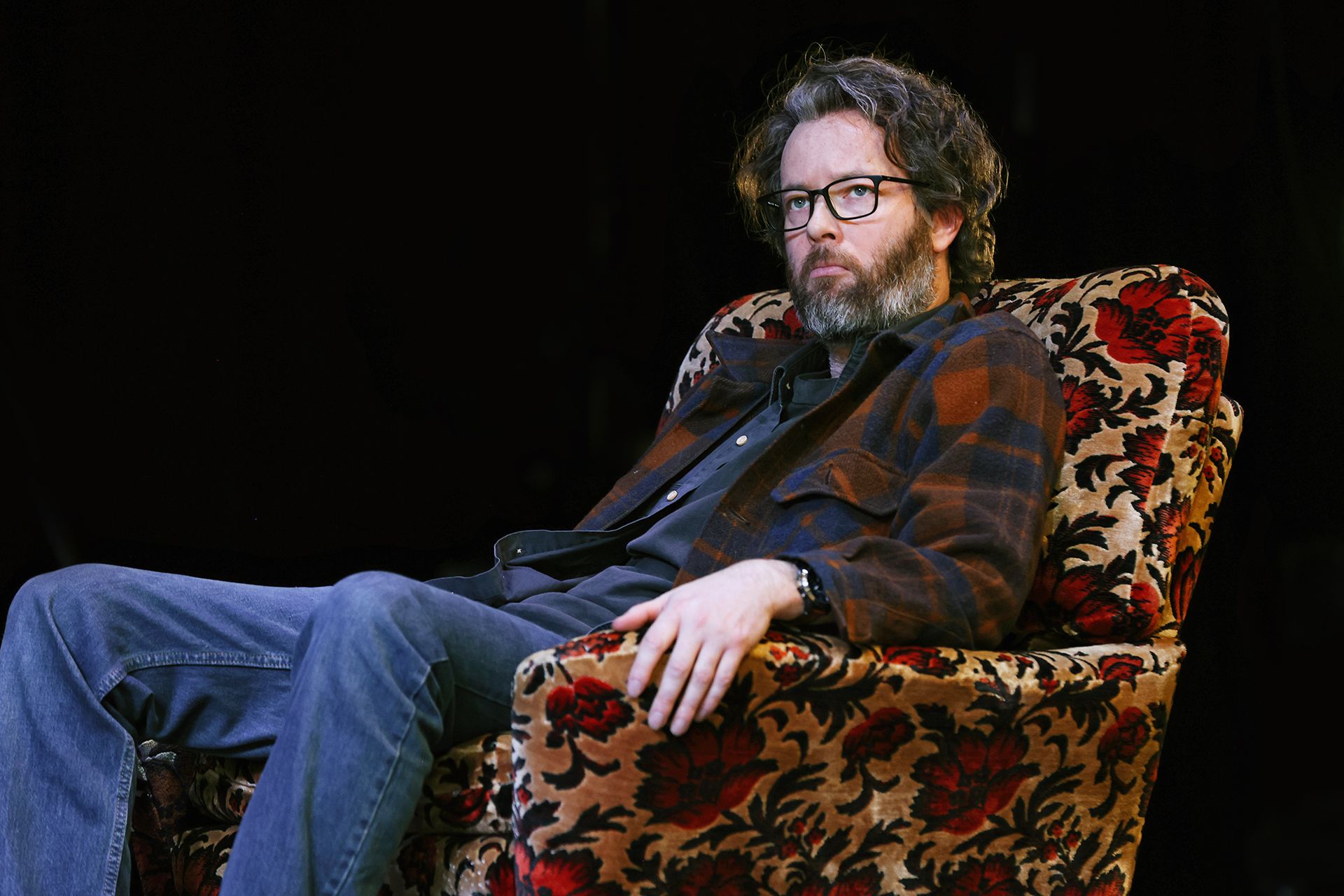
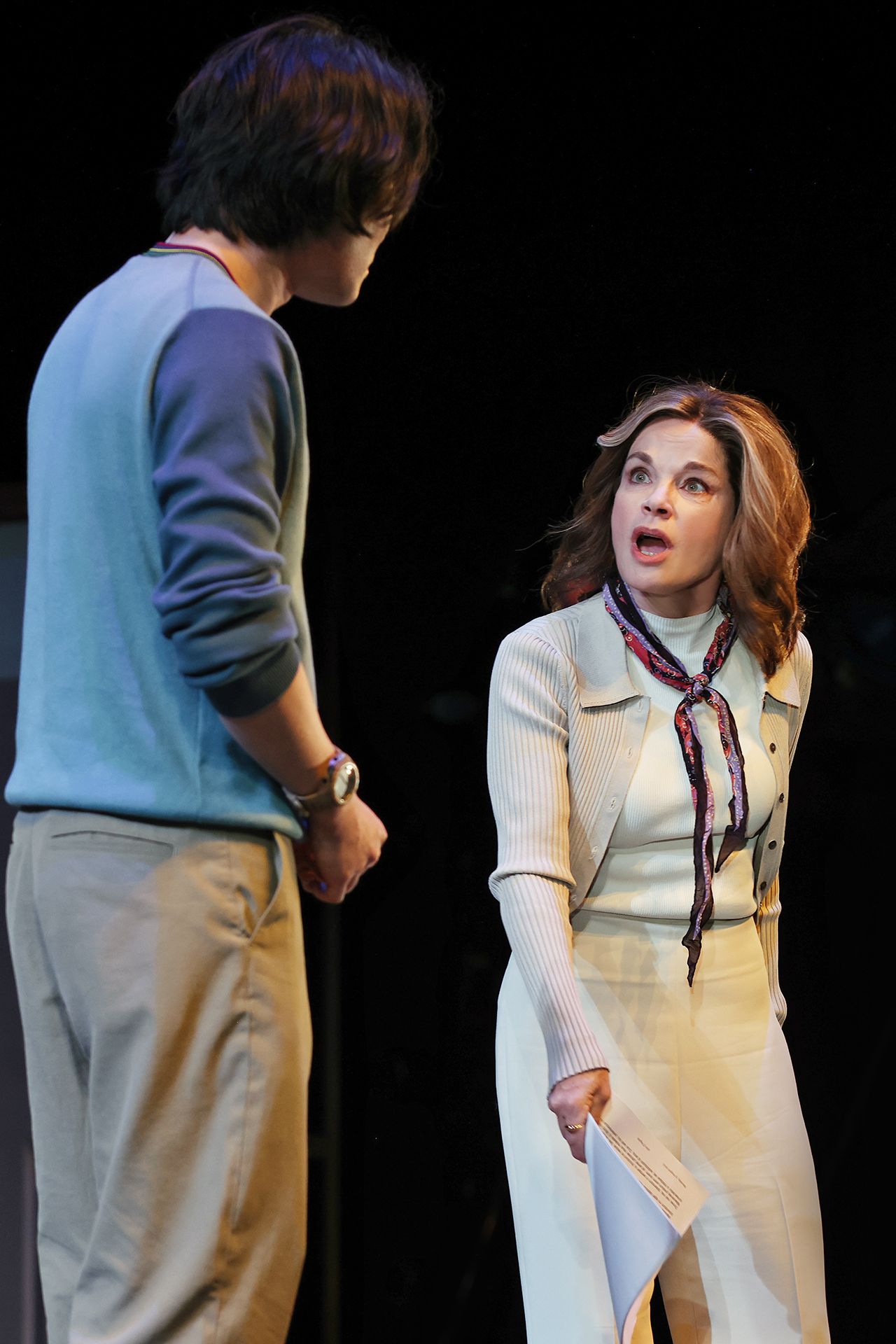
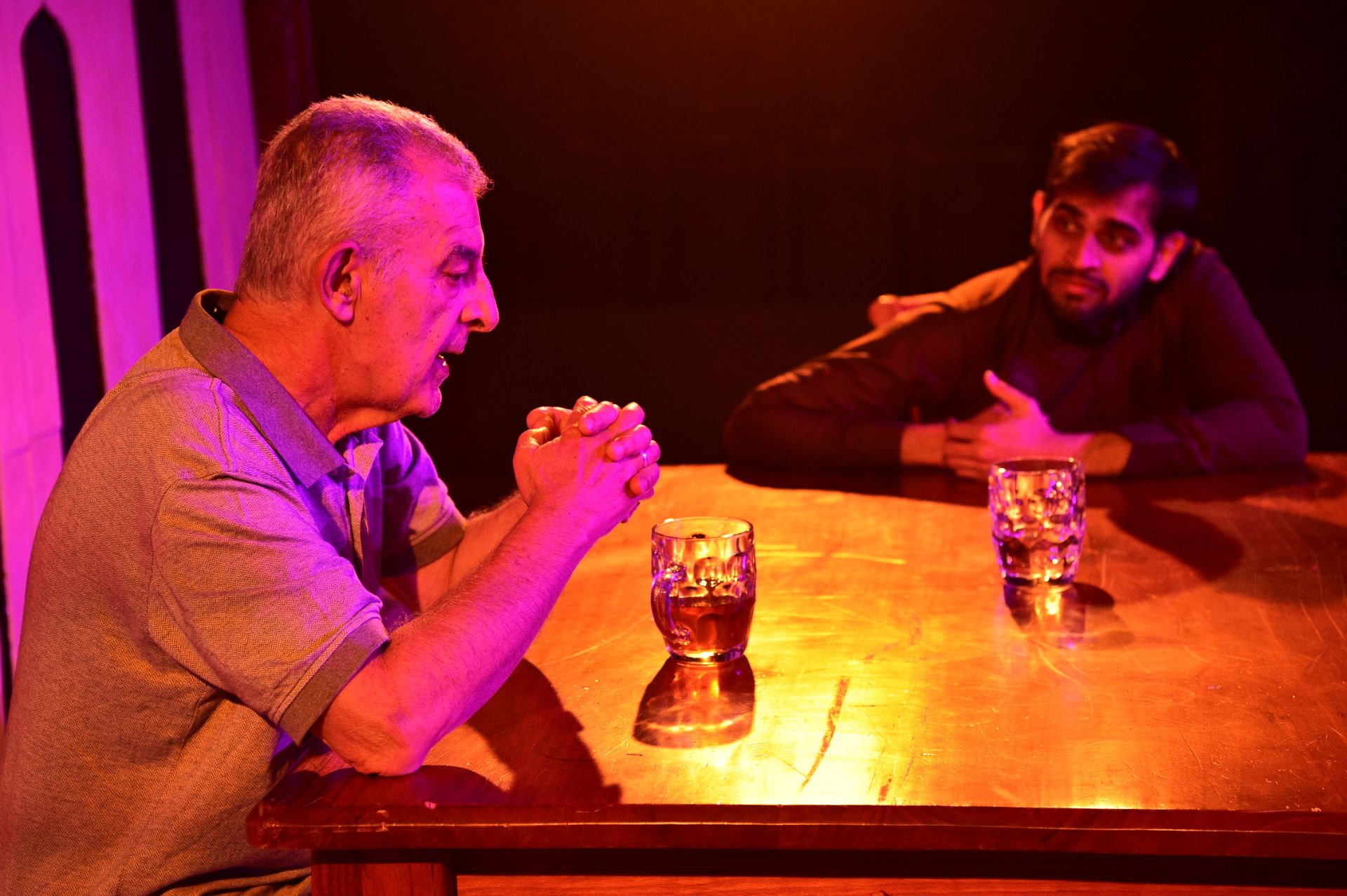
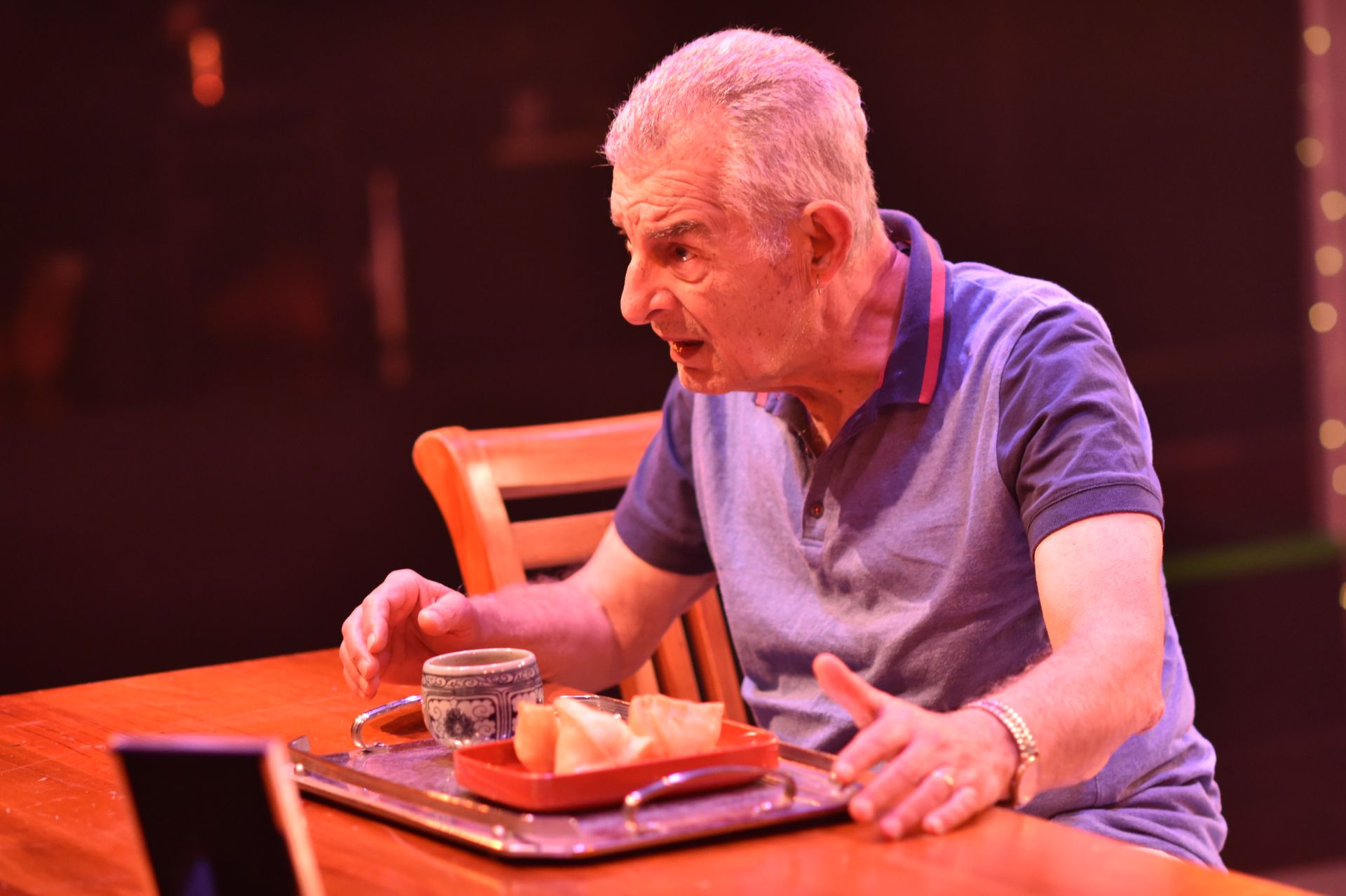
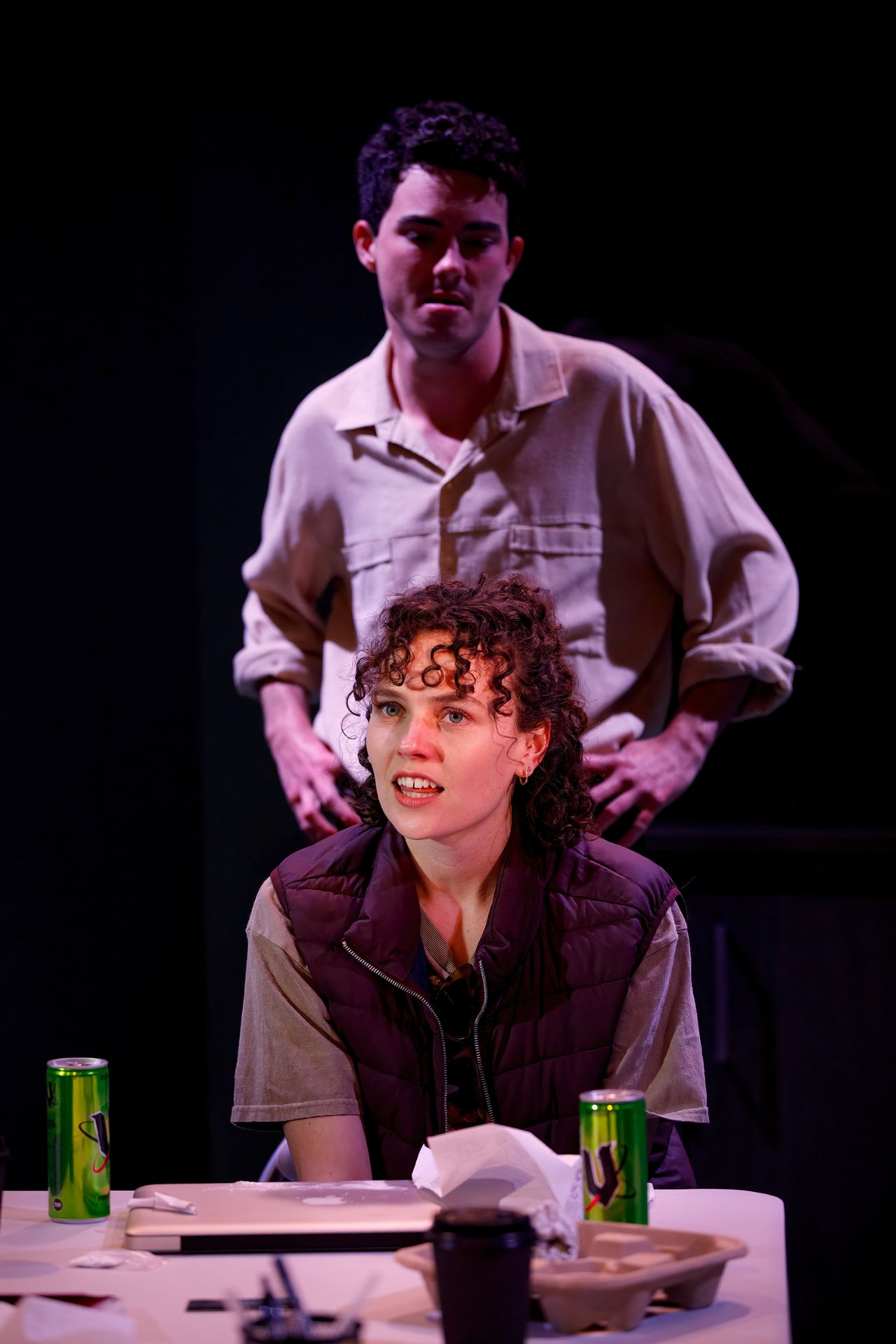
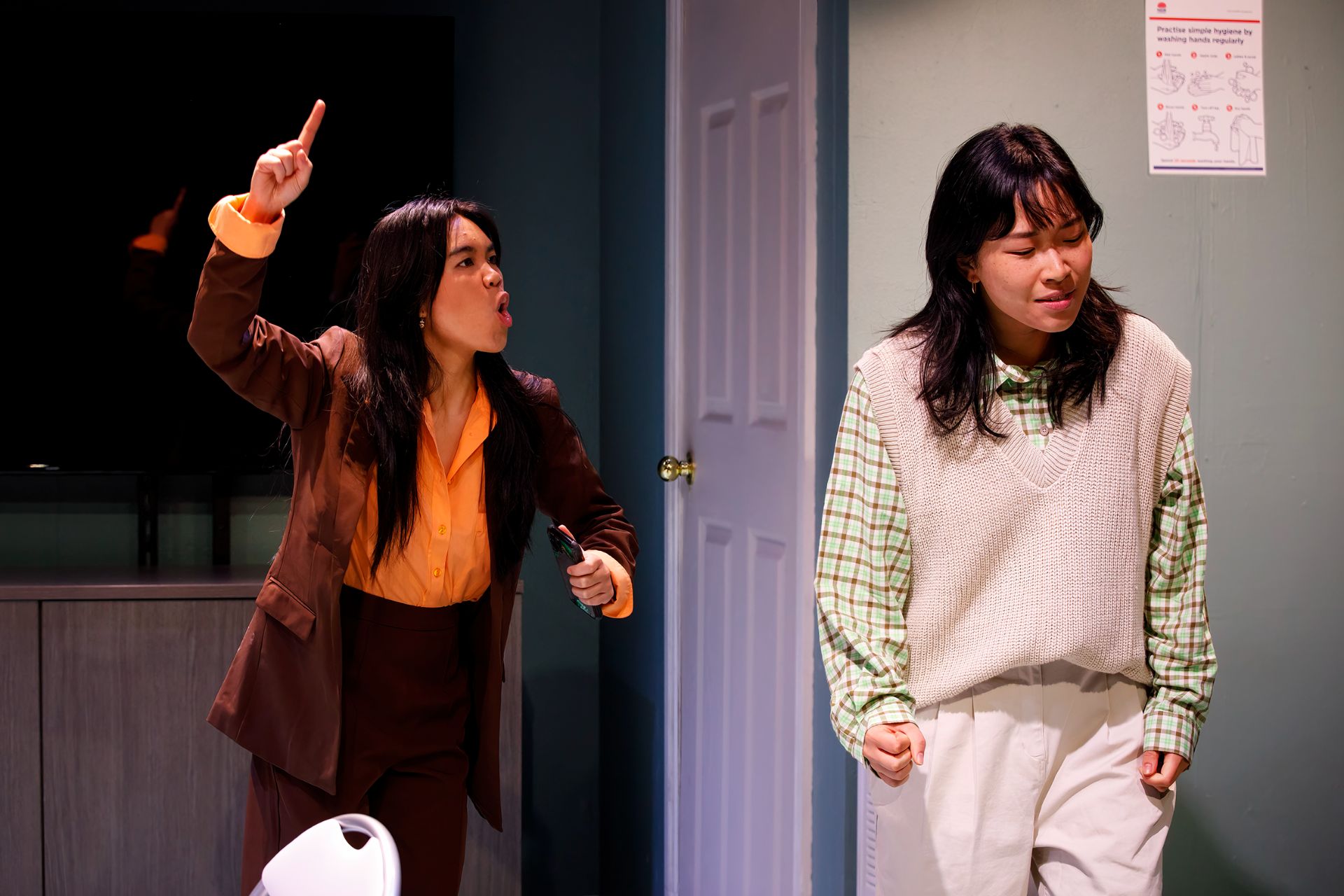
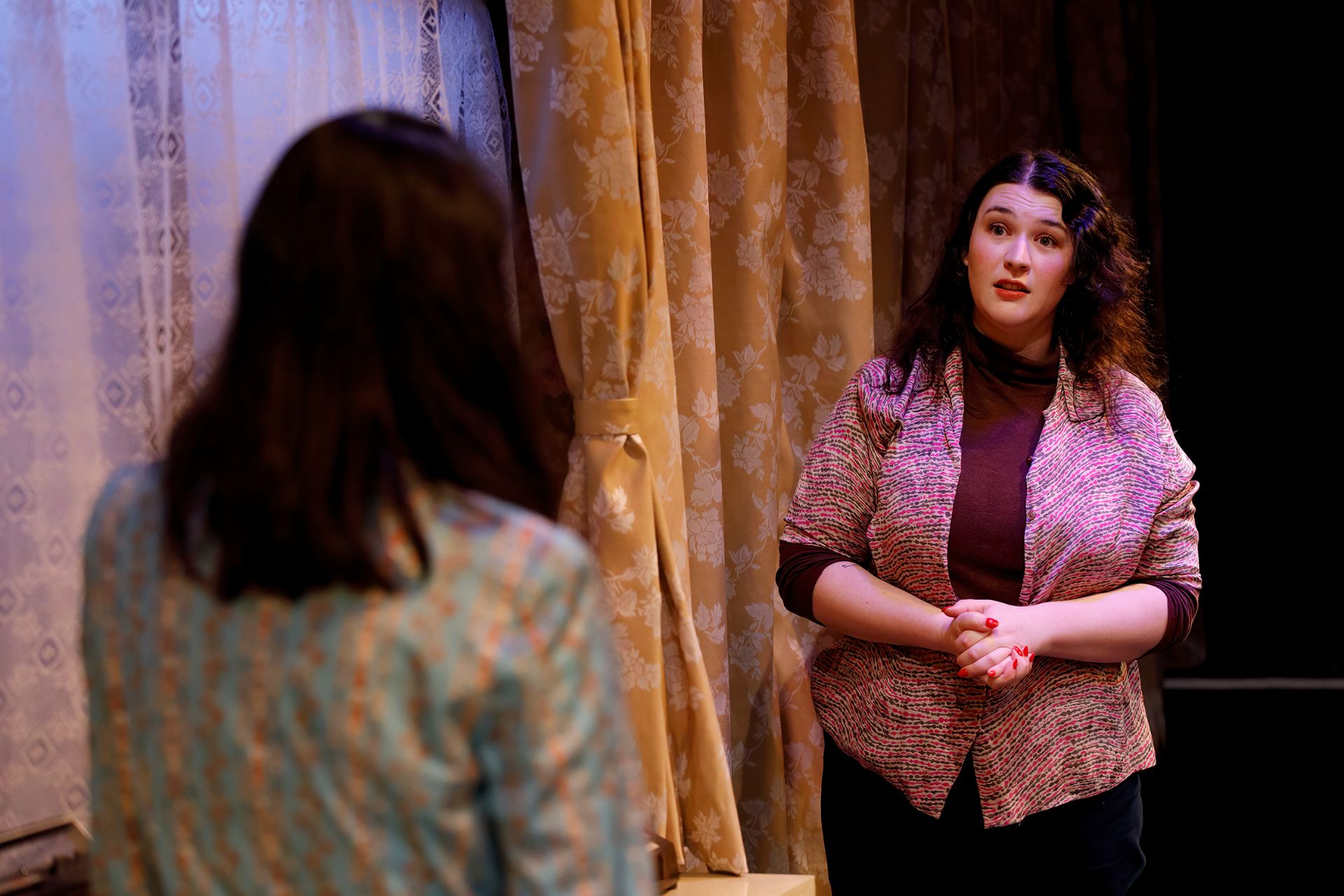
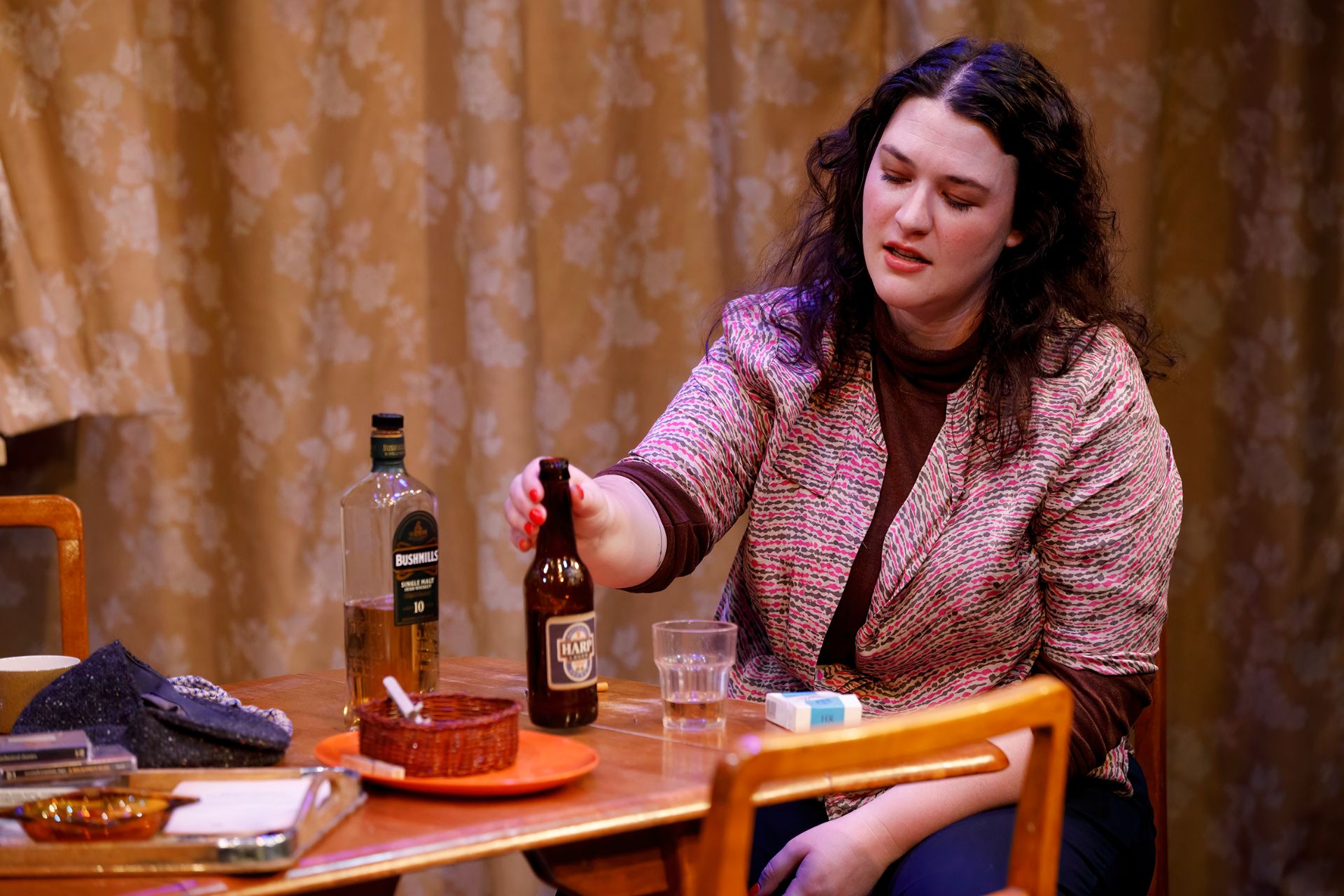
It is a splendid ensemble cast that tells the story, with an incredible chemistry that makes all that they offer up, feel meaningful and true. Mabel Li demonstrates great versatility as Niamh, seamless in the way she blends the comical with the earnest, in a show that really succeeds in being tender and hilarious both at once. Adam Sollis is charged with the responsibility of instigating some very bombastic drama, as Connor, which he accomplishes with a natural ease. Emma Diaz as Deirdre and Raj Labade as Jimmy, deliver nuances throughout, that seem subtle yet are palpably moving. Philip Lynch as Harry and Ariadne Sgouros as Mary, are bold with their desire to make us laugh, and they never miss a beat.

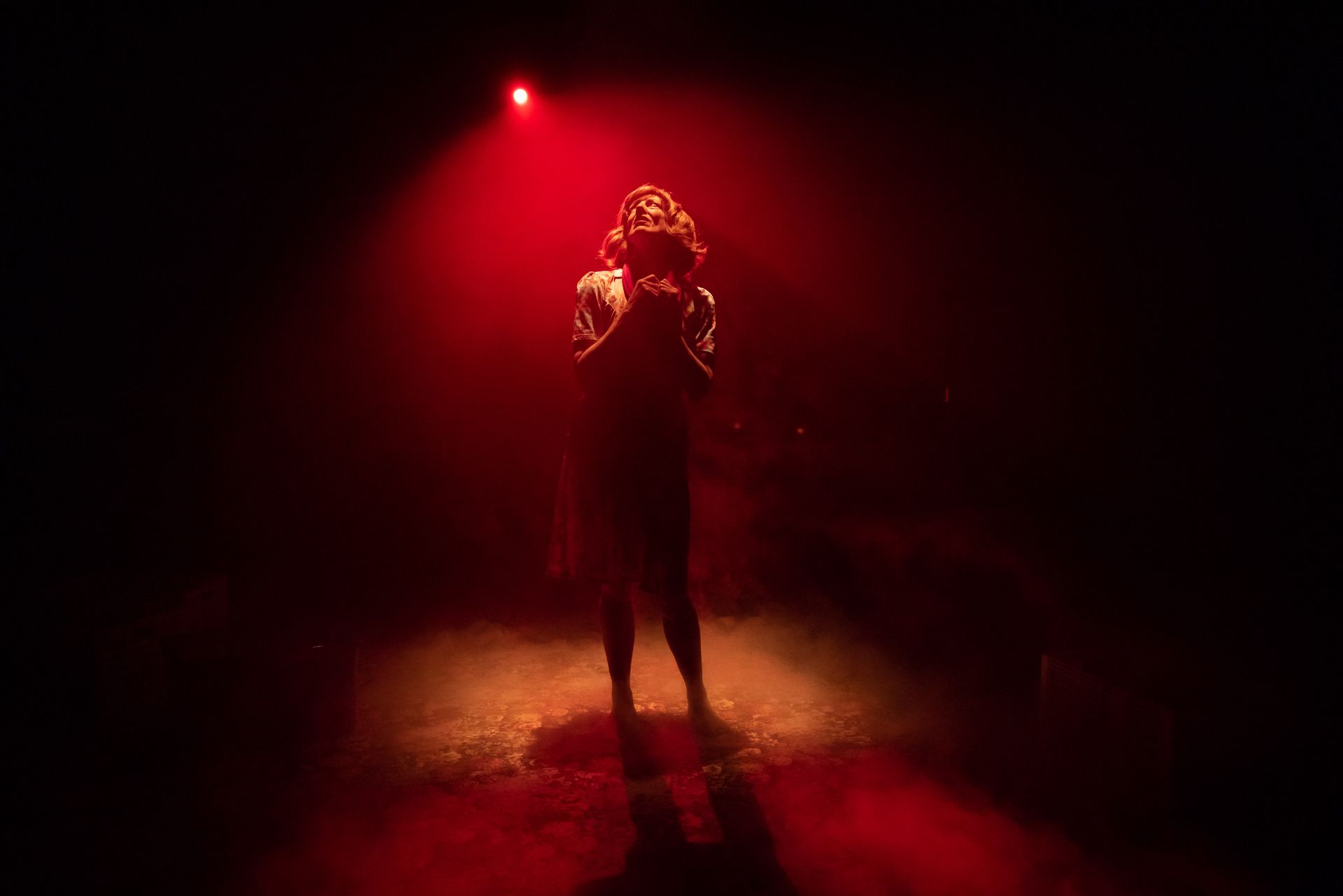
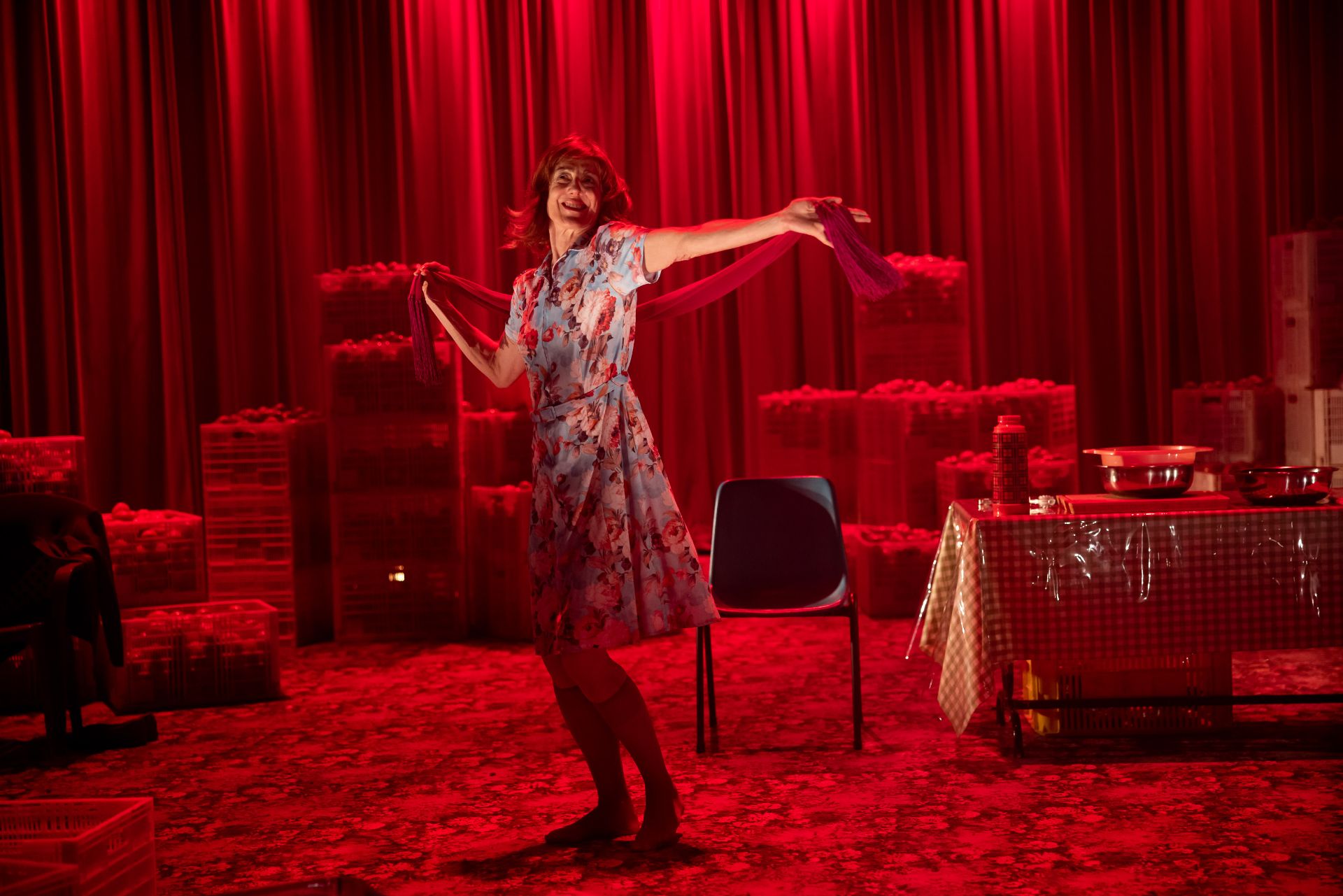
Stage design by Grace Deacon takes us decades back in time, impressive particularly with the many smaller household items that look completely to be from a bygone era. Costumes by Keerthi Subramanyam offer a constant reminder that the story is of a time past, even if the characters feel so present and intimate. Phoebe Pilcher’s lights and Alyx Dennison’s sounds, work quietly to manufacture a familiar domestic environment, but are certainly powerful when required to cause a ruckus.

As the saying goes, “the world is your oyster” and for the young, that is especially true. To see Niamh’s friends unwilling (or perhaps unable) to leave home, feels a sad waste of opportunity, but it should probably only be for each individual, to lay judgement on how one’s time on earth is spent. Many have stayed put, and accomplished much. Others have travelled far and wide, and seen all there is. In Never Closer we are shown that not all our destinies are reliant on personal decisions. Often where we go, is animated by circumstance, but only becoming apparent with the passage of time.
www.belvoir.com.au

Review: Looking For Alibrandi (Belvoir St Theatre)

Venue: Belvoir St Theatre (Surry Hills NSW), Oct 1 – Nov 6, 2022
Playwright: Vidya Rajan (based on the book by Melina Marchetta)
Director: Stephen Nicolazzo
Cast: John Marc Desengano, Ashley Lyons, Chanella Macri, Lucia Mastrantone, Hannah Monson, Jennifer Vuletic
Images by Daniel Boud

Theatre review
It is the 1990s, and Josie is about to graduate from high school. We find out that the bright, young woman is determined to become a lawyer, which seems an aspiration not out of the ordinary, for many a modern Australian. Looking closer however, we see that she comes from a legacy of shattered dreams, with her mother and her grandmother, both feeling let down by life’s promises. A lot of Melina Marchett’s 1992 novel Looking for Alibrandi, is concerned with the immigrant experience, bringing particular focus to the post-war Italian diaspora. In this stage adaptation by Vidya Rajan, we see the emotional toll taken by three generations of Alibrandi women, and along with Josie, wonder if she will be the one who breaks the cycle of unfulfilled potential.

Thirty years on, Looking for Alibrandi can feel slightly old-fashioned in its rendering of marginalisation, as a daily reality for those who are considered lesser Australians. Its perspective places emphasis on the minutia of its characters, without sufficiently tackling the systemic factors that influence outcomes, or to put it more bluntly, it neglects to reveal the social structures that aid and abet prevailing inequities that privilege a certain class. The Alibrandi women have a tendency to blame only themselves for their woes, but we understand that things are never completely of their own doing.

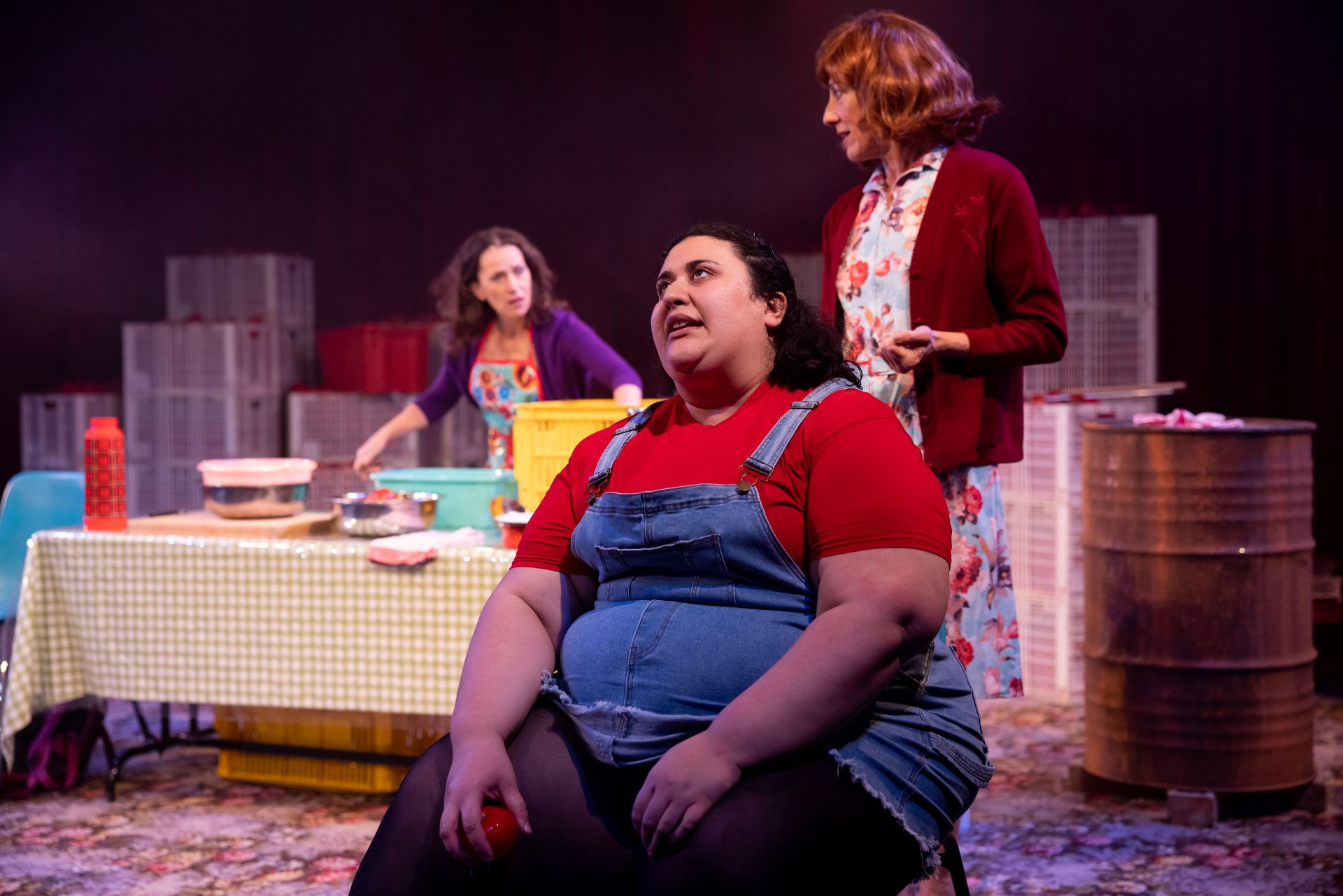
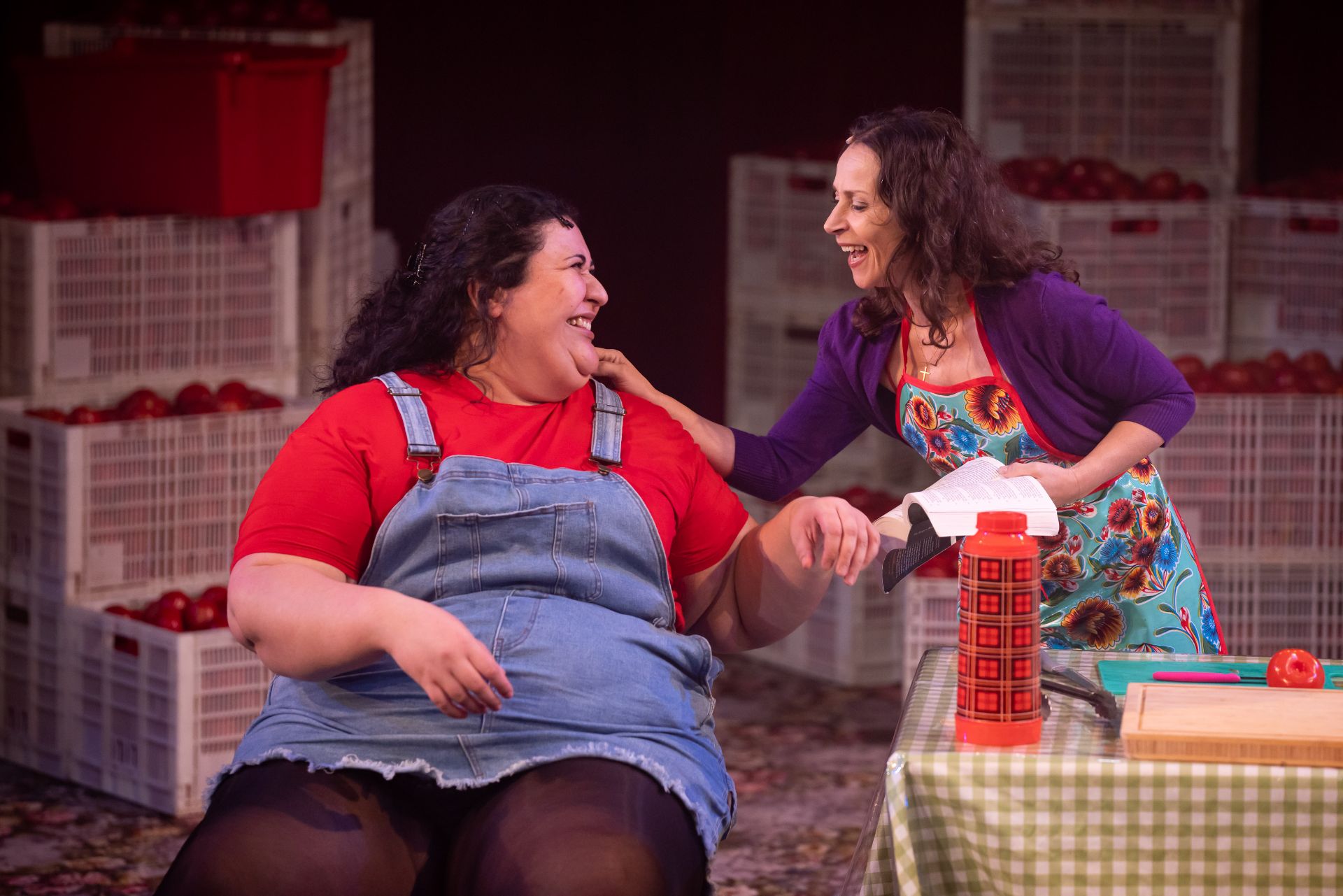
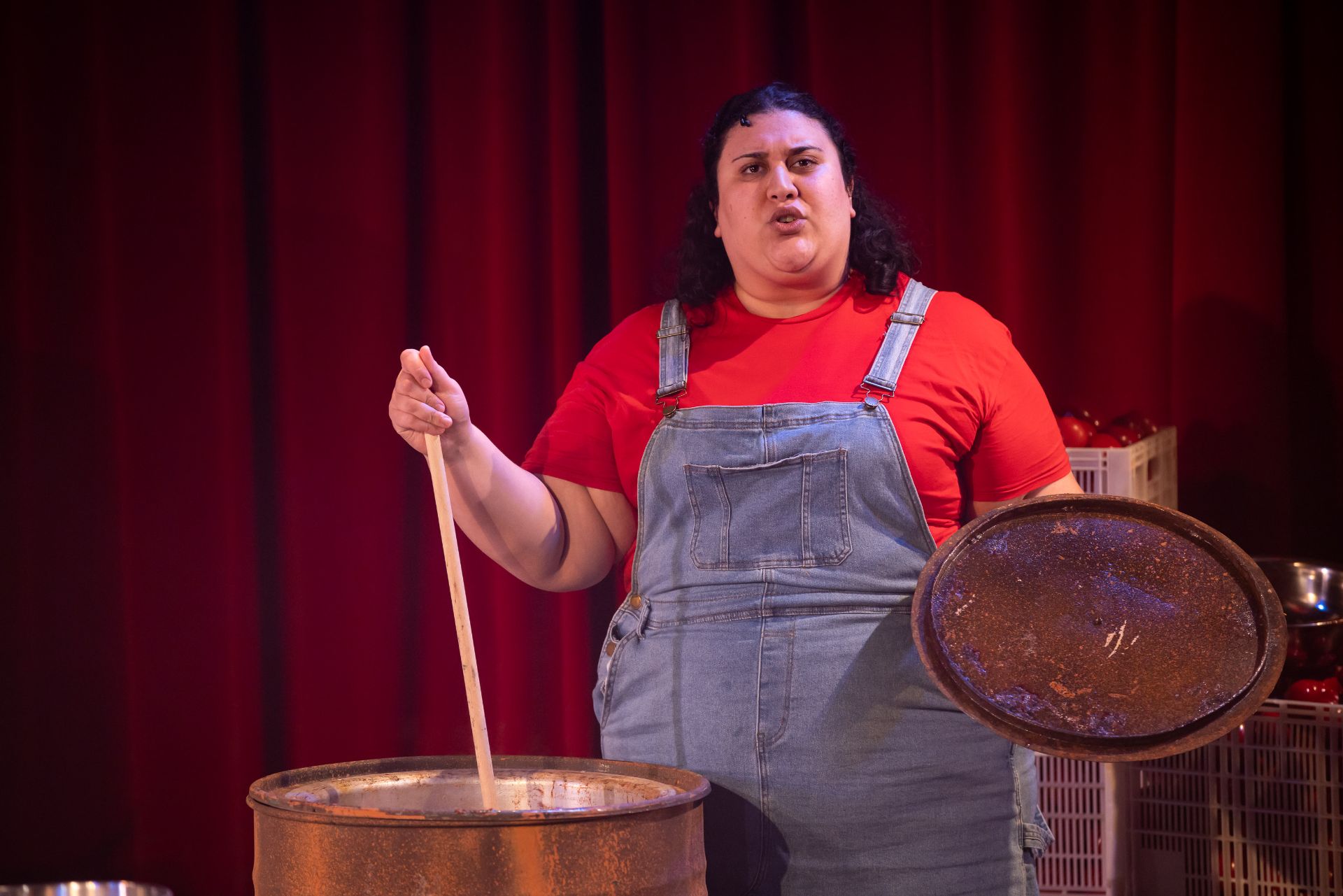
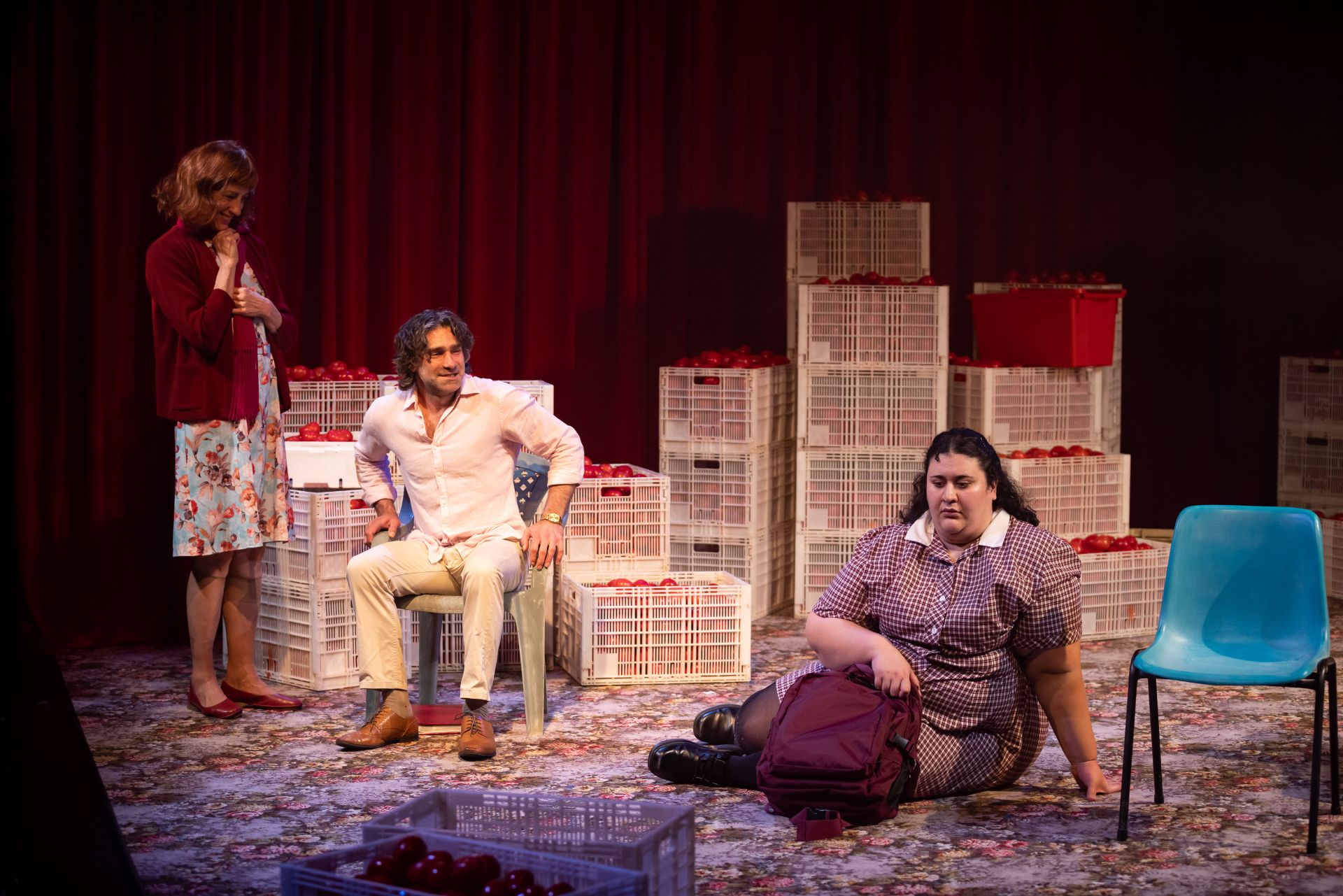
Nonetheless, the writing is wonderfully humorous, and as a a work of entertainment, Looking for Alibrandi is certainly satisfying. Directed by Stephen Nicolazzo, the production is suffused with heart and soul, using a theme of tradition, to create a theatrical experience memorable for its atmosphere. The fragrance of Italian food stewing in an oversized pot for the entire duration, firmly establishes a sense that a subculture is occupying space, resolute in speaking on its own terms.

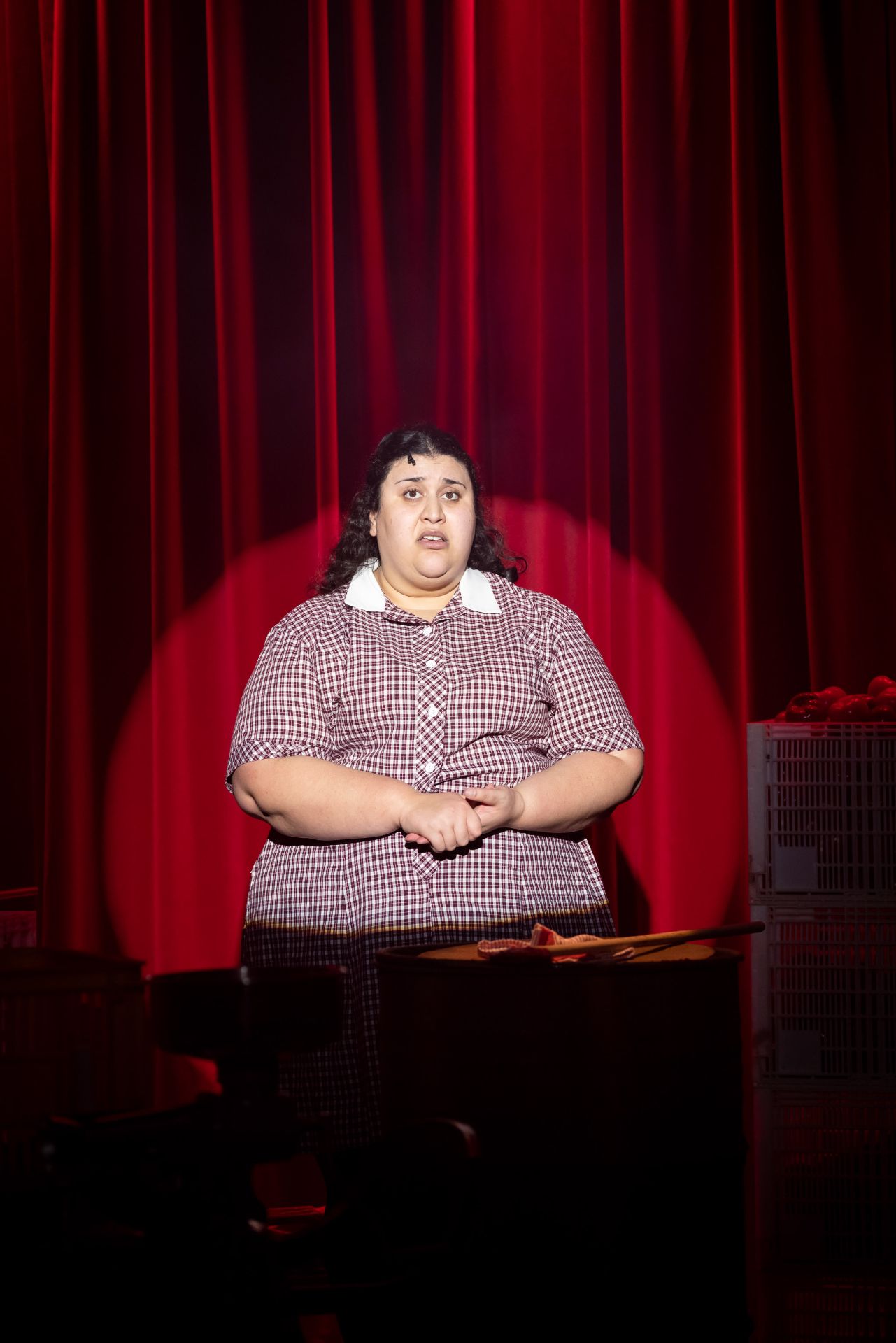
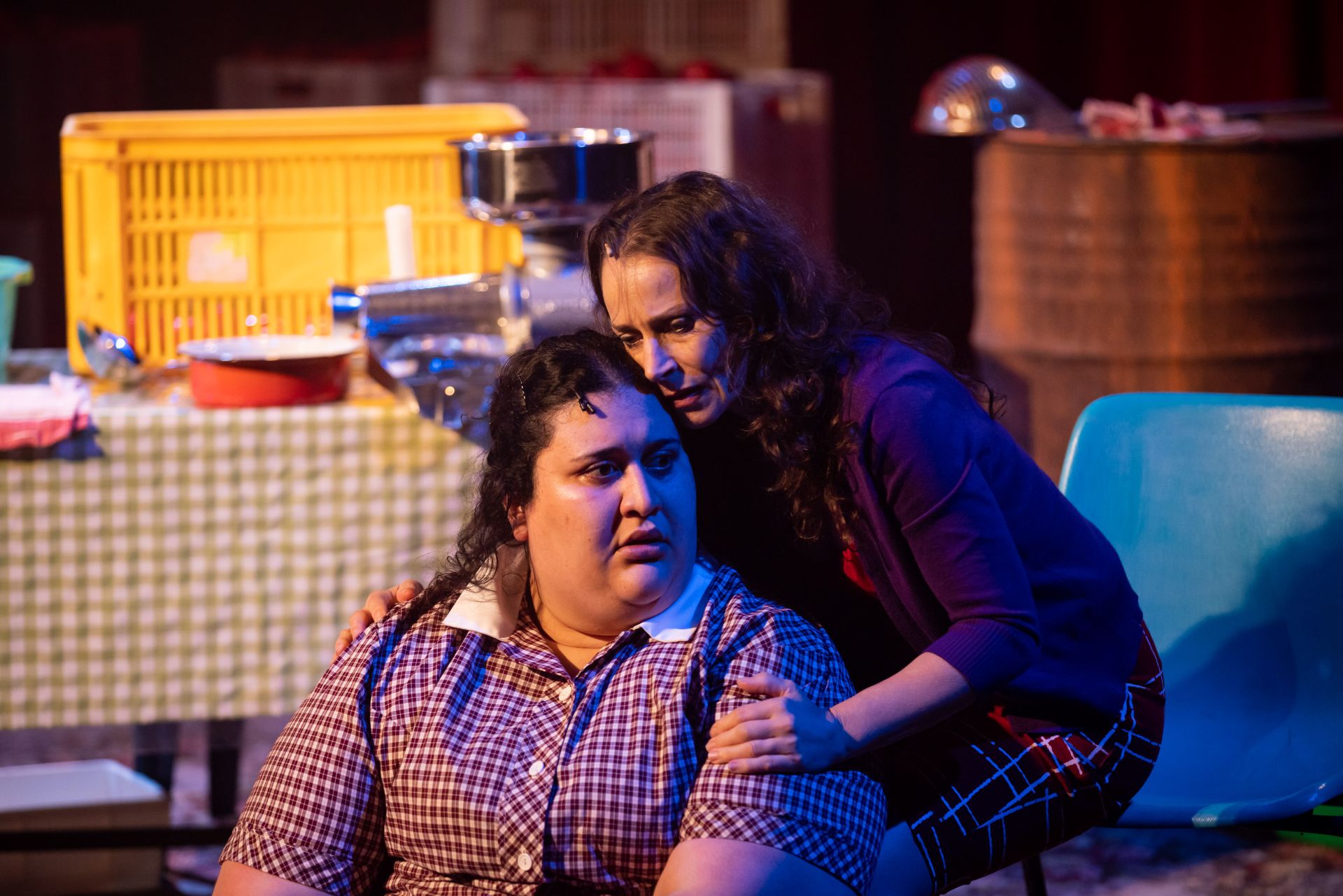
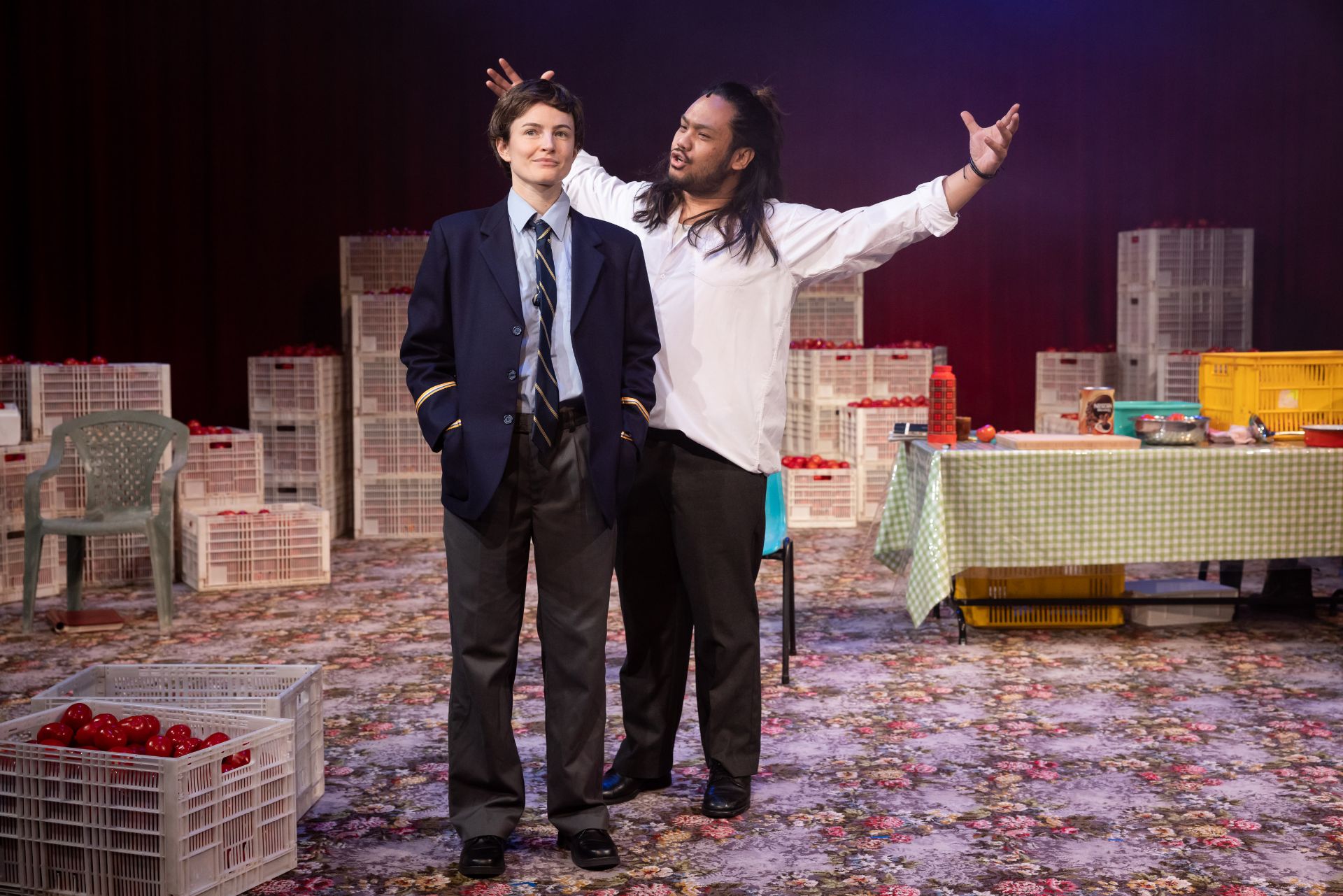
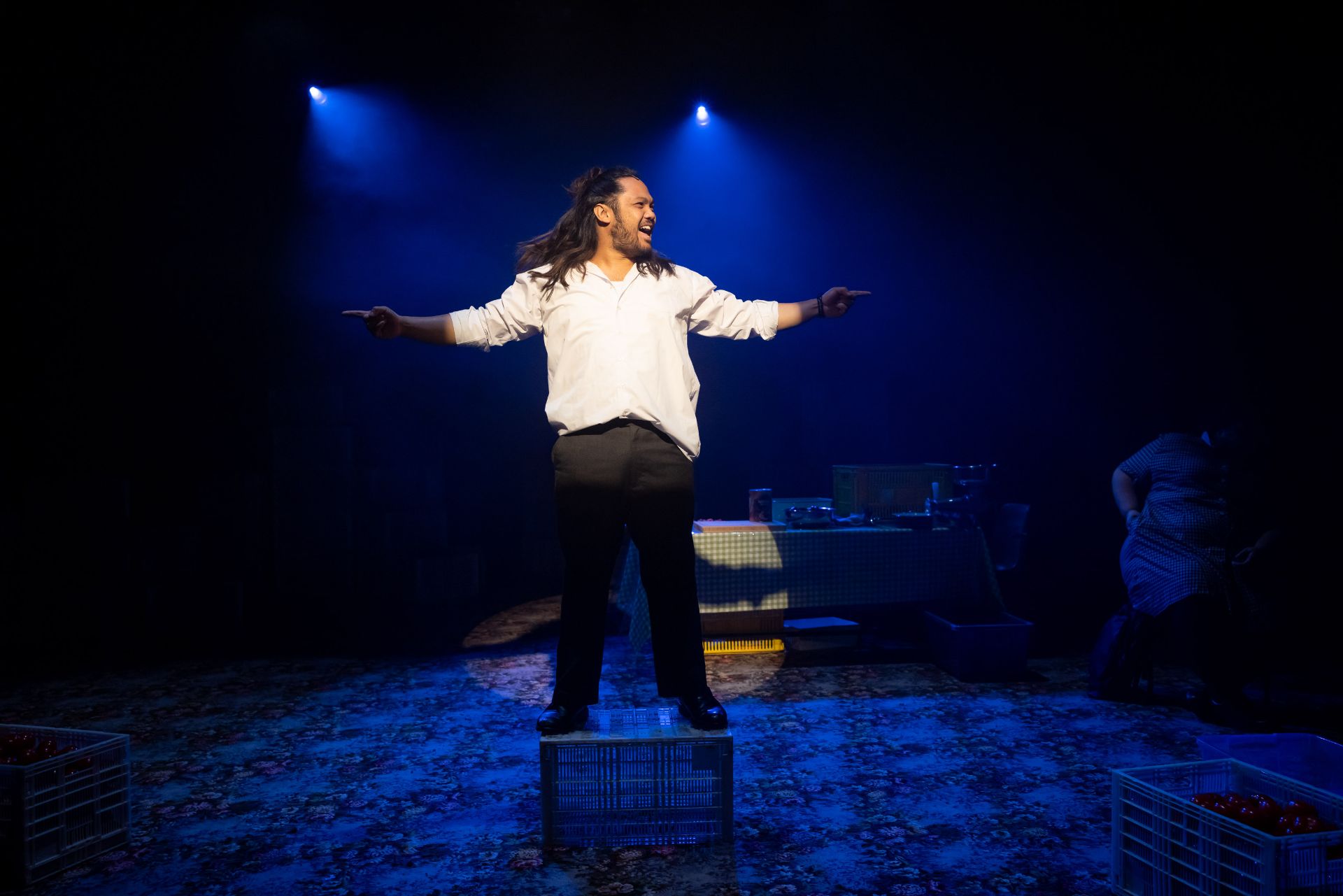
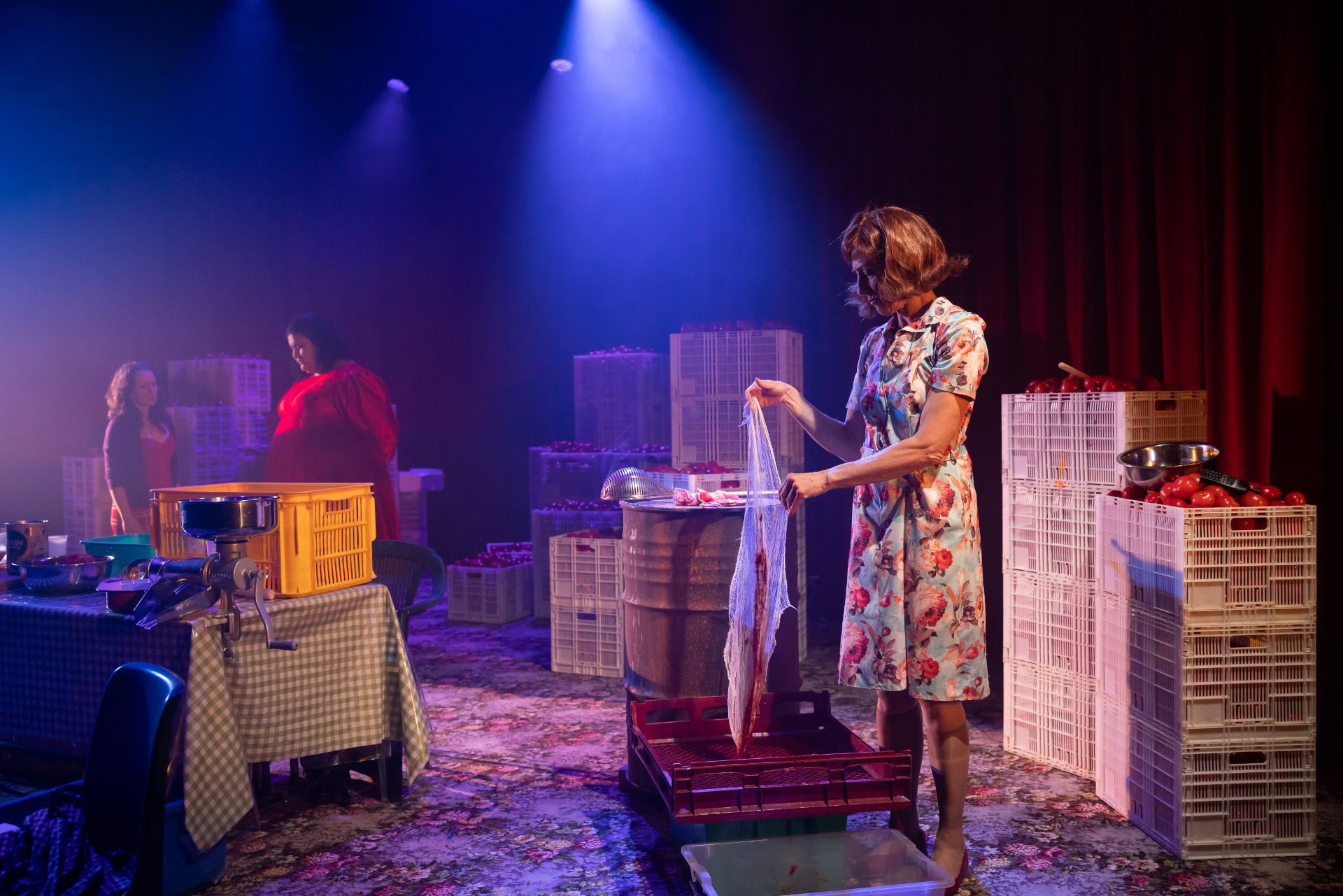
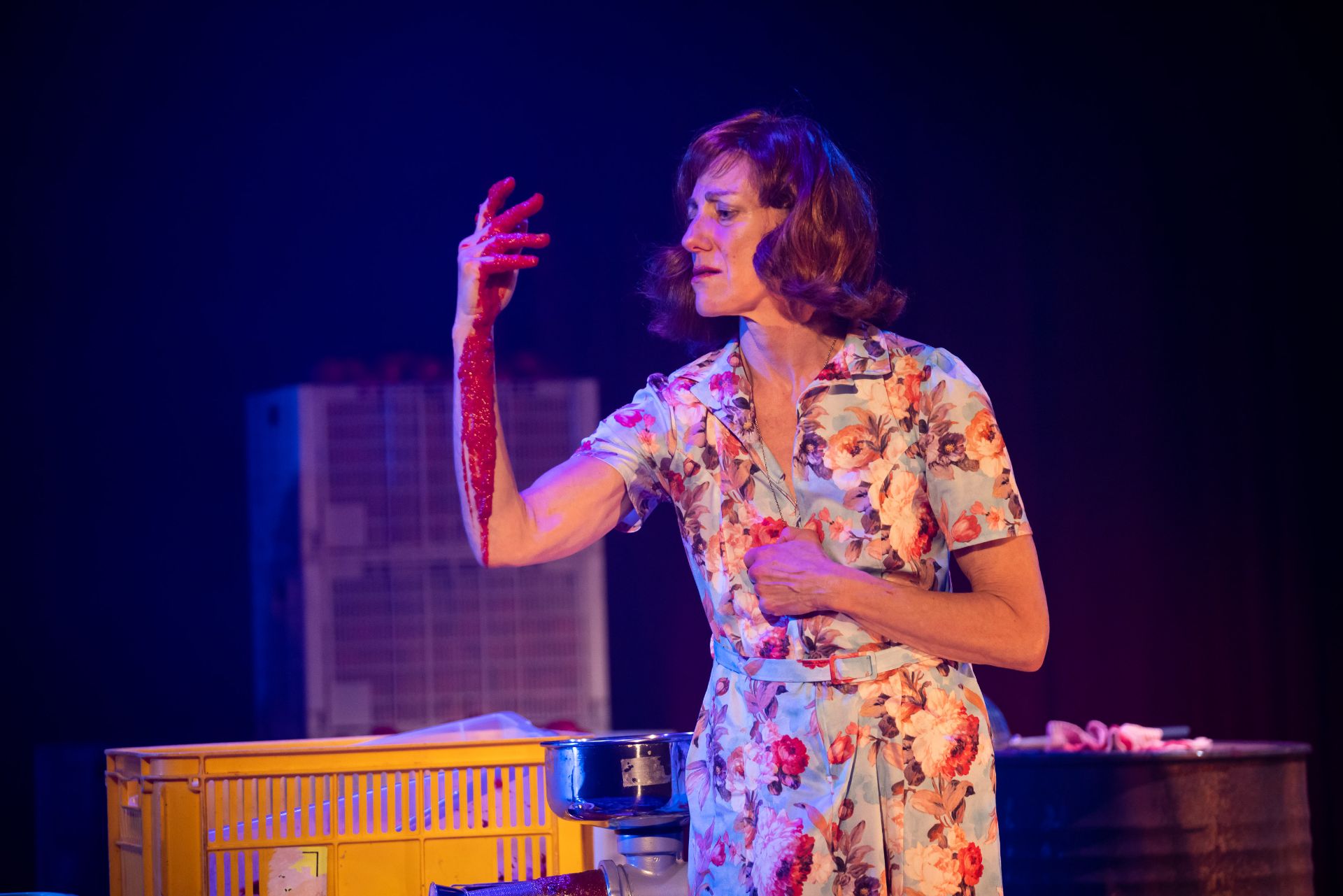
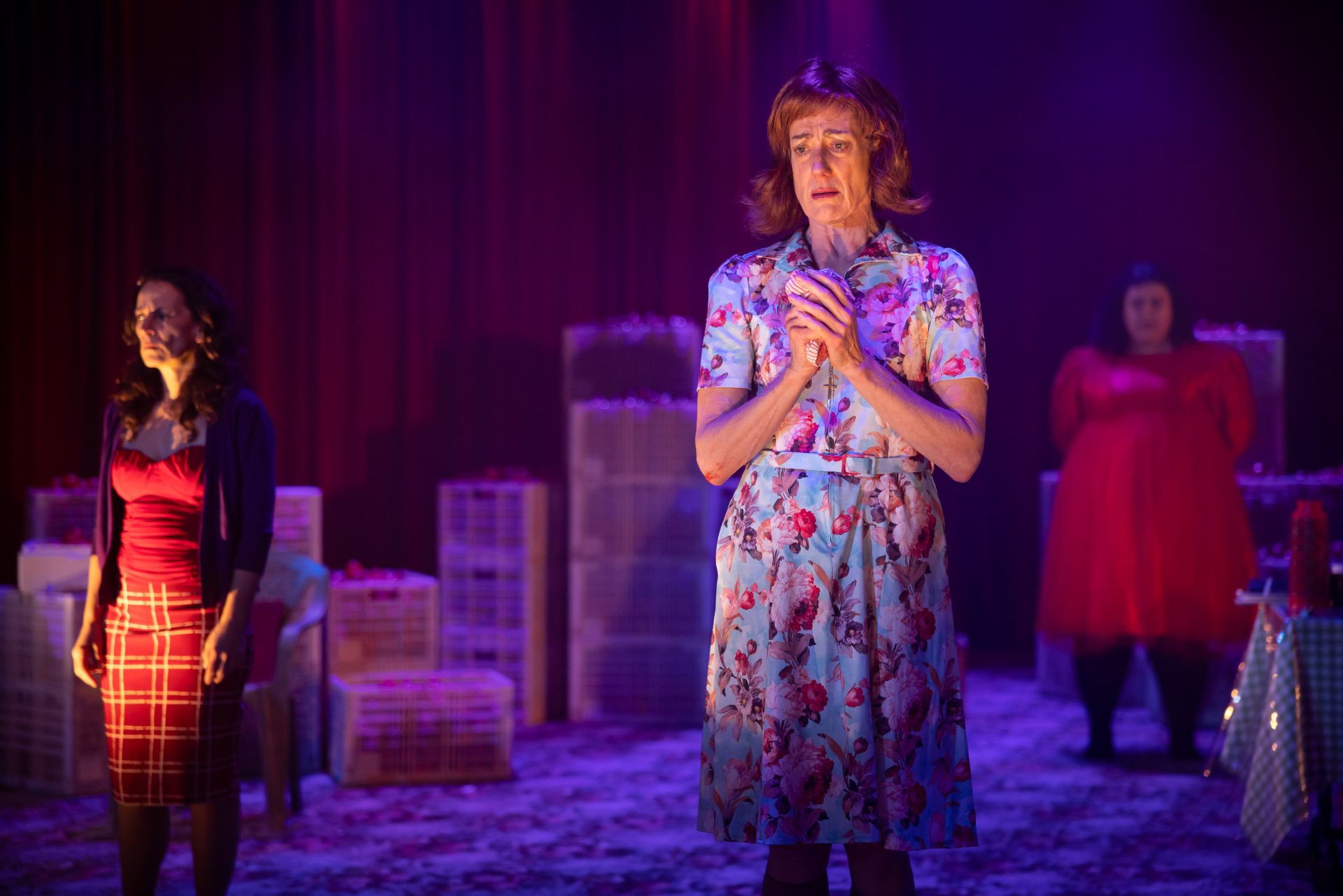
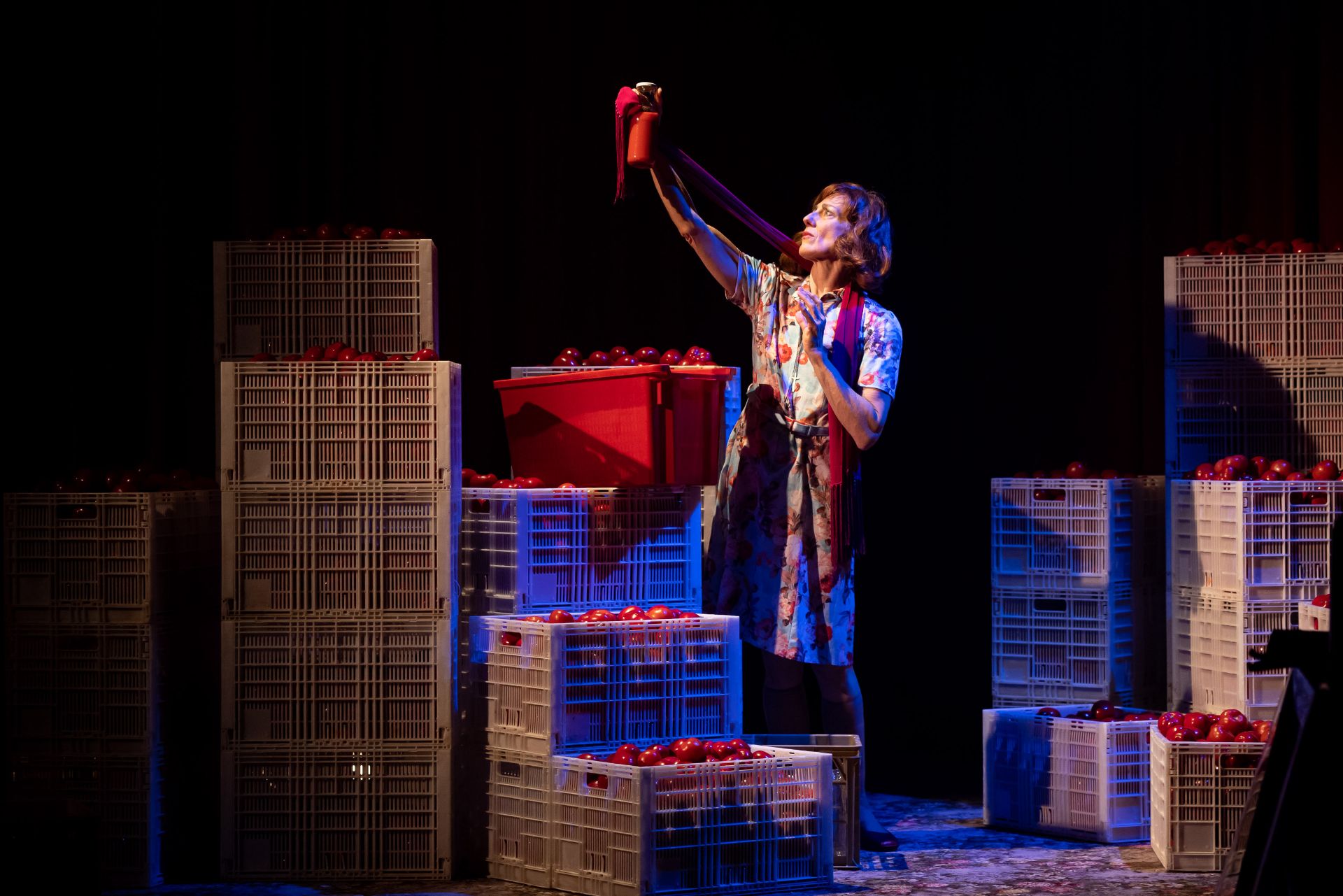
Almost half the stage, designed by Kate Davis, is taken up by crates filled with bulbous red tomatoes, against velvety crimson drapes indicating something classic, and desirous of an old-way extravagance. Sumptuous lights by Katie Sfetkidis are brash when necessary, to make effective the many witty punchlines, but also persuasively sentimental, for sections when we delve into the more rapturous aspects of the Alibrandi story. Daniel Nixon’s sound design incorporates curious background noise throughout the piece, occasionally distracting but an interesting commentary perhaps, on our obsession with silence in colonised forms of theatre audienceship.

In the role of Josie is Chanella Macri, who proves herself an accomplished comedian, flawless with her delivery of the many delightful jokes, that make Looking for Alibrandi a thoroughly amusing time. Paired with her ability to embody a consistent sense of truth, not only for her character but also for the deeper meanings inherent in the narrative, the compelling Macri impresses by telling the story with great integrity.
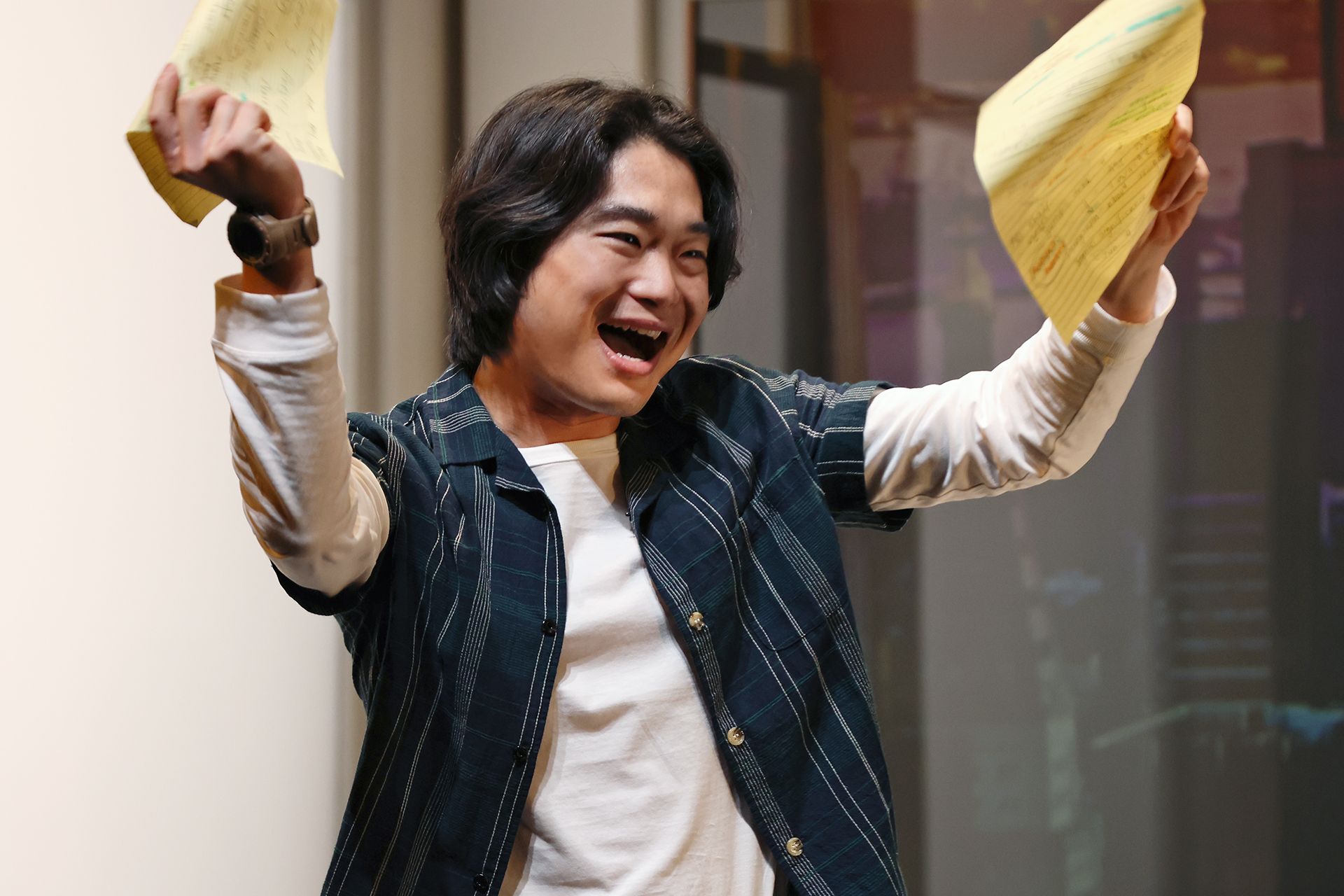
Lucia Mastrantone plays Josie’s mother Christina and schoolmate Sera, with a marvellous flamboyance layered over an intimate affiliation, that the actor clearly feels for the material. Jennifer Vuletic is a strong presence as Nonna and as archetypal nun Sister Bernadette, effortless in conveying authority for both matriarchs. Supporting cast members John Marc Desengano, Ashley Lyons and Hannah Monson are all endearing, and convincing with their contributions, in a show remarkable with its taut proficiencies and irresistible charm.

Josie’s talent and self-belief are the best ingredients for a success story, but they are still only just half the story. No matter how dedicated and hardworking, Josie still has forces working against her, in a world that remains racist and sexist, and Josie’s seeming obliviousness to those factors can only serve to make things even worse. Significant time has past since the original publication of Marchett’s book, making Josie close to 50 years of age today. We can only wonder if she has attained all her wishes, if the grit she demonstrates has taken her far, and if our society has allowed all that promise to flourish.

www.belvoir.com.au

Review: Mother May We (Griffin Theatre Company)

Venue: SBW Stables Theatre (Darlinghurst NSW), Sep 27 – Oct 8, 2022
Playwright: Mel Ree
Cast: Mel Ree
Images by DefinitelyDefne Photography

Theatre review
Mel Ree performs her own writing in Mother May We, a meditation on identity, heritage, aspiration and liberation. A vulnerable collection of thoughts, scant with autobiographical details, placing emphasis instead on the translation of deep personal feelings, into words. It is the essence of Ree’s being that emerges, from these poetic scenes, retaining for the subject a certain mystique, but leaving us a strong impression about the riveting personality we encounter.

With magnetism seeping from every pore, Ree makes an hour in her presence feel a fleeting moment. She charms and delights, with masterful control over her physicality, along with the silkiest of voices, Ree effortlessly but powerfully keeps us under her spell for the entire duration. Her presentation oscillates between humour, poignancy and eccentricity, serving up testimony from the perspective of a queer woman-of-colour on these colonised lands.

Whether flippant or sombre, the tone of Mother May We constantly morphs, but what it reveals is always and only the truth. In allowing that truth to occupy space so absolutely, Ree stands for something radical. There is a transformation that she synthesises, that we are made to be a part of, when we open ourselves to the autonomy of her storytelling. The audience is forever changed, as a result of encountering a soul, so insistent and so defiant, in the assertion of something that can only be described as the artist’s sense of authenticity.

The poetry is enhanced by an intricate sound design by Steven Khoury, who twists and turns our sensibilities, so that we connect with the various dimensions of quirkiness, that Ree brings forth so gregariously. Lights by Frankie Clarke and video by Nema Adel, mesmerise and titillate, much like the star of the show, full of surprises, and always with an underlying but distinct air of glamour.

It is perhaps the job of feminism, to wrestle with uncertainty and that which is undecided, because convenient answers have proven to only serve hegemonies that we know to rile against. In Mother May We things seem to be in flux, seeking for destinations that we discover ultimately to be further transitory points. It is our idiosyncrasies, that we should learn to honour. To cultivate a capacity for individuality in our humanity, and to resist that which demands uniformity and conformity. Feminism holds us at every inevitable occasion of chaos, when we are able to get to the truth, and it teaches us to be apprehensive, when things fall too neatly into tidy little boxes.

www.griffintheatre.com.au

Review: The Lifespan Of A Fact (Sydney Theatre Company)

Venue: Roslyn Packer Theatre (Sydney NSW), Sep 20 – Oct 22, 2022
Playwrights: Gordon Farrell, Jeremy Kareken, David Murrell (based on the book by John D’Agata and Jim Fingal)
Director: Paige Rattray
Cast: Gareth Davies, Sigrid Thornton, Charles Wu
Images by Prudence Upton

Theatre review
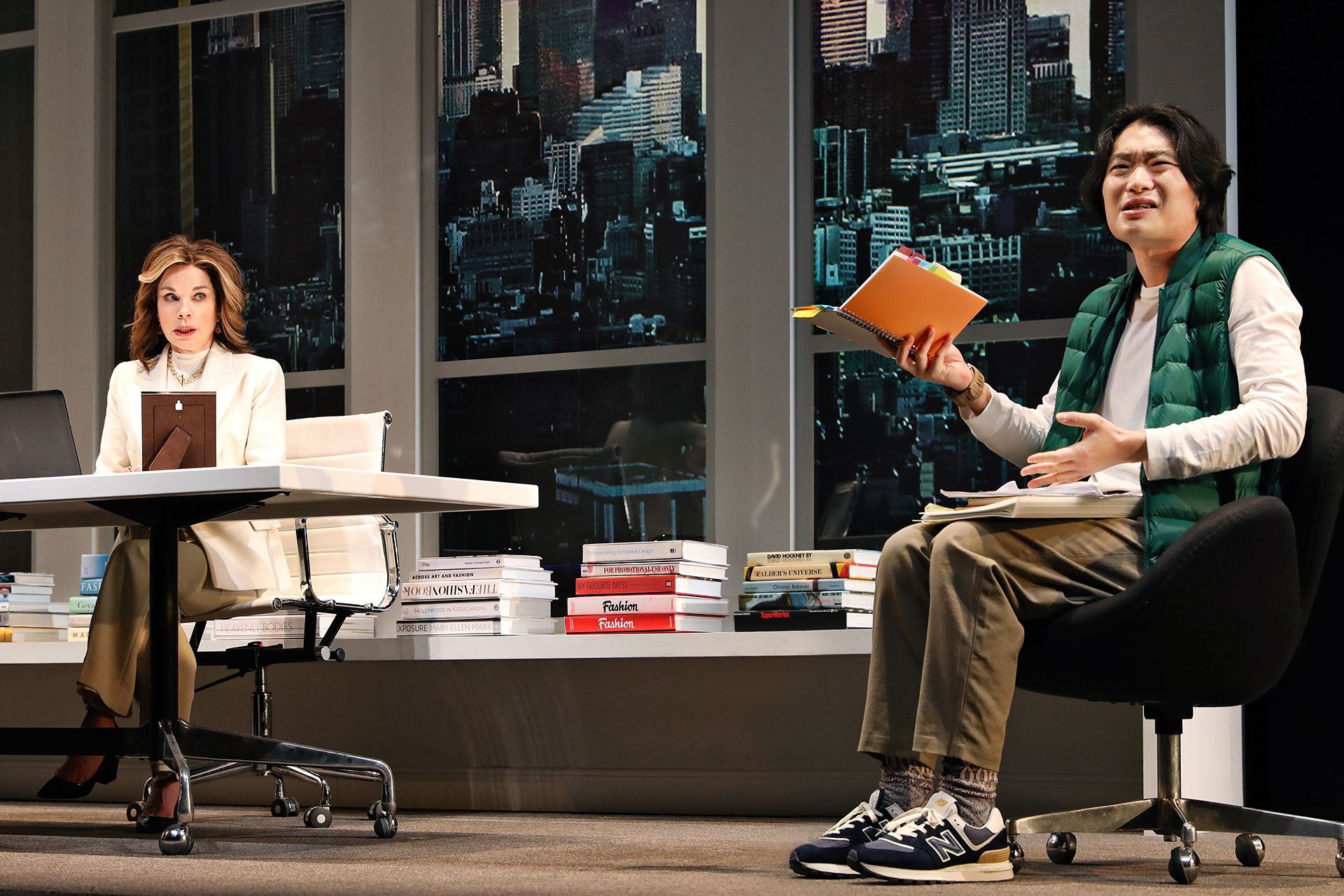
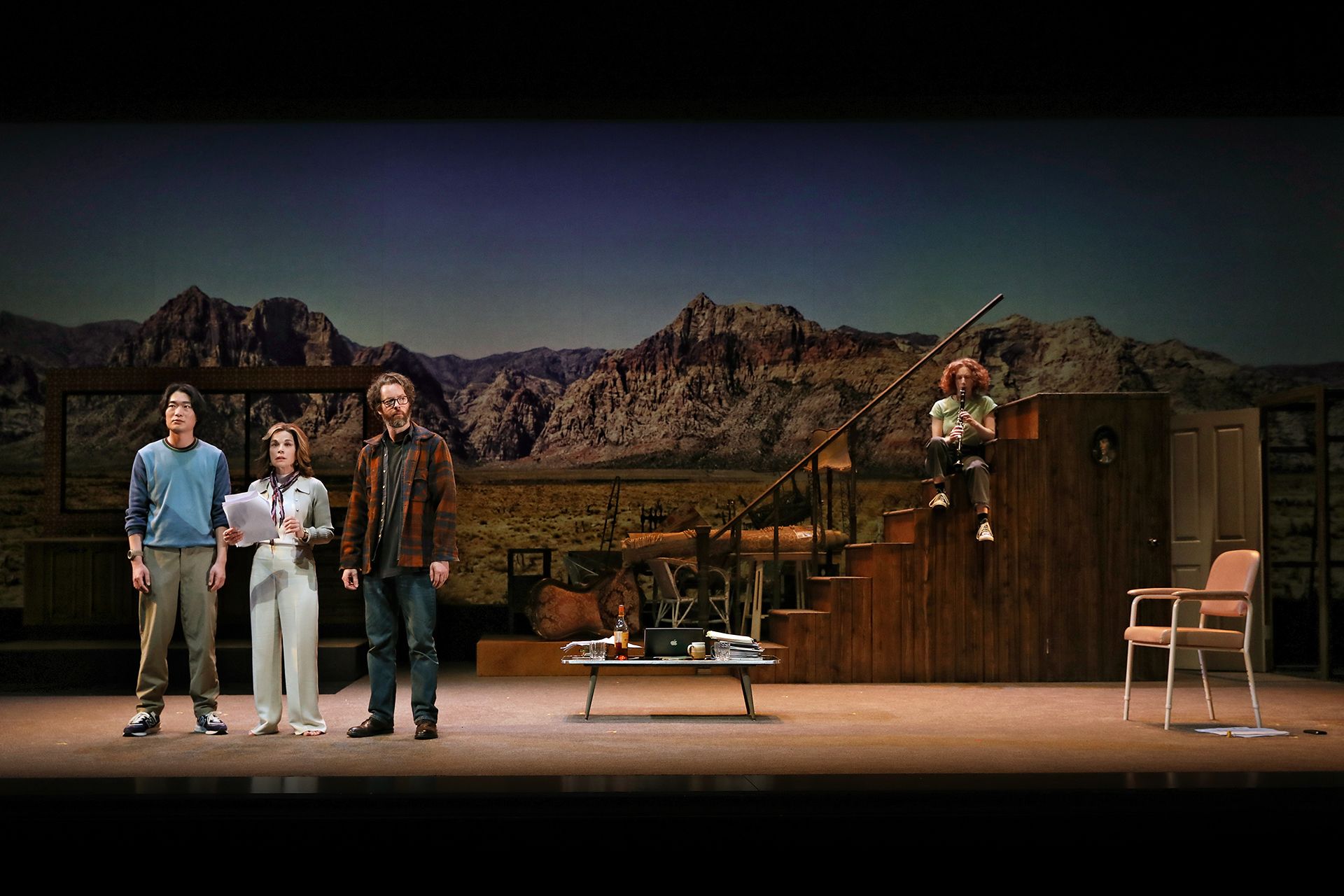
John D’Agata writes essays, in which he seeks truth and beauty. When Jim Fingal enters the frame as a fact-checker, we discover that subjective truths do not always align with cold, hard facts. Based on the collaborative book The Lifespan of a Fact by D’Agata and Fingal, this theatrical version by Gordon Farrell, Jeremy Kareken and David Murrell, explores a concept of the artistic licence, as understood by D’Agata. In the examination of how he accesses the truth, the play encourages us to consider the very nature of truth, and what it means, when in contradiction with objective reality.

It is an intellectually stimulating work, but also entertaining, in its rendering of D’Agata and Fingal as idiosyncratic personalities, and in the excellent humour with which their incessant conflict is presented. Direction by Paige Rattray ensures that the comedy of The Lifespan of a Fact is thoroughly exteriorised, for a show that amuses at all times.

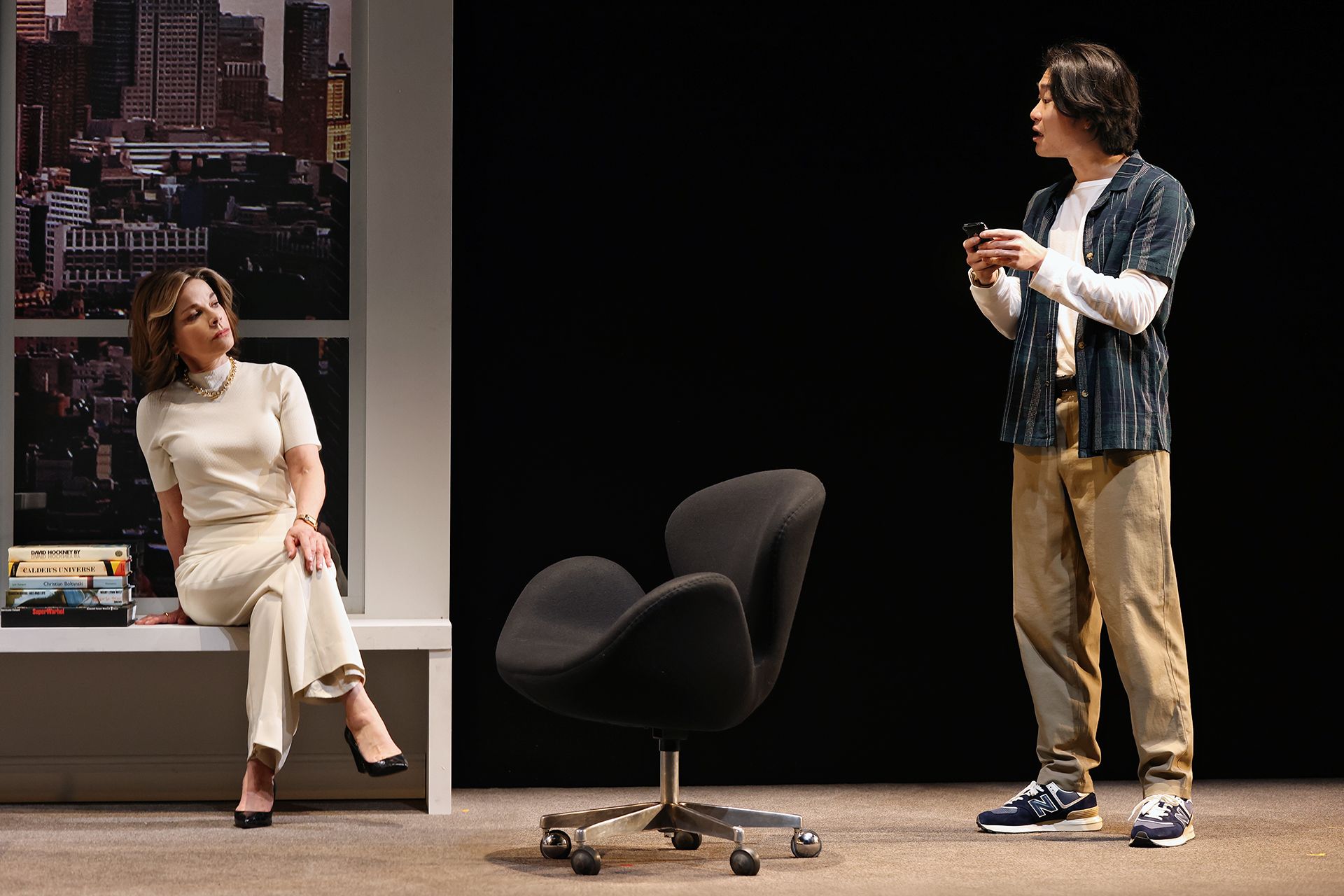
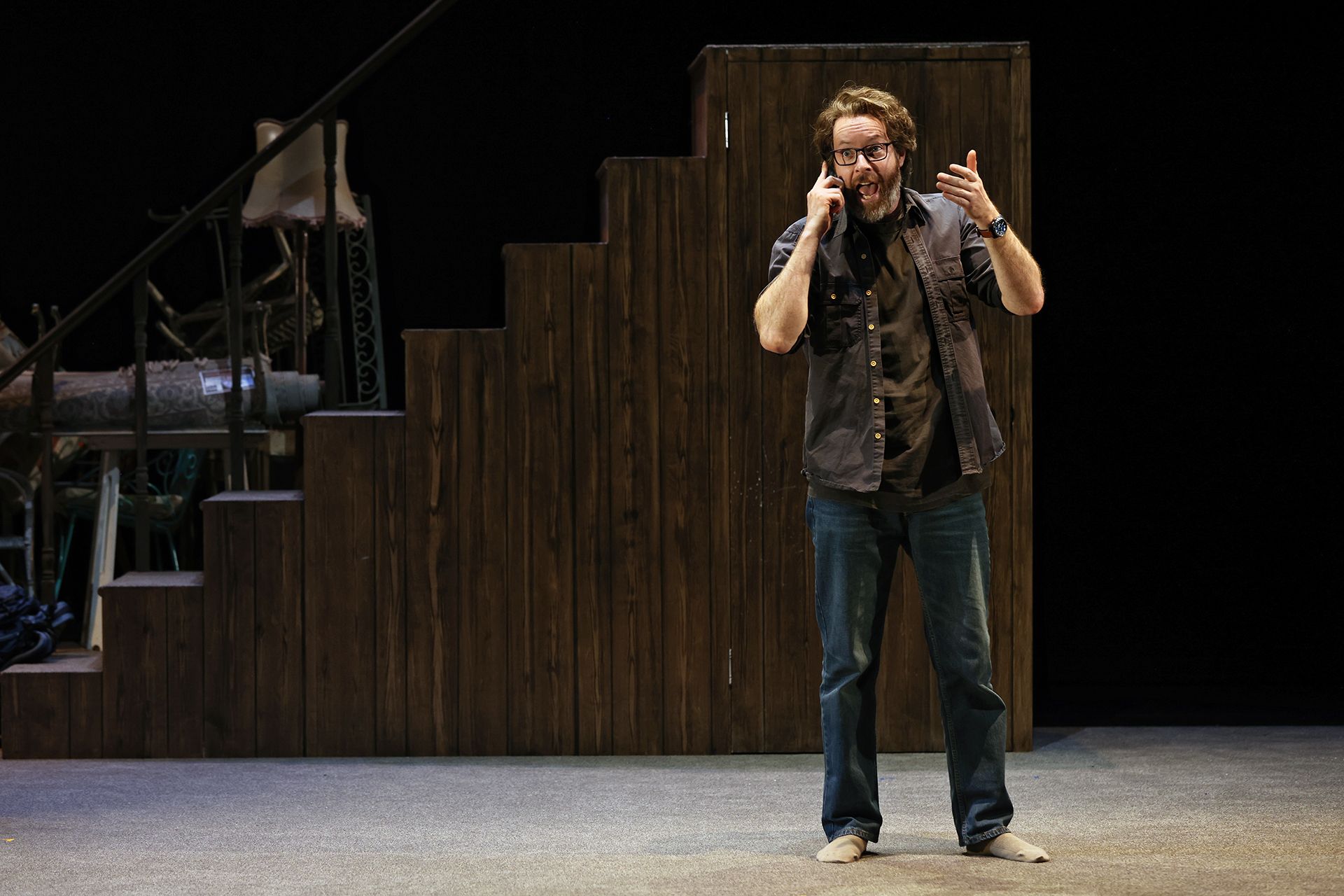
Actor Charles Wu plays the detail-oriented Fingal, with captivating verve, and astonishing precision. His rhythm and timing are beautifully measured, so that we are kept riveted, to both the funny and the serious simultaneously, of his character’s austere perspective. Gareth Davies performs the role of D’Agata with an irony so subtle and persuasive, that makes convincing, even his most extravagant declarations. Davies and Wu bring great energy to the stage, and along with their effortless charisma, this story of rivalry, between personalities and ideas, is made truly delectable.

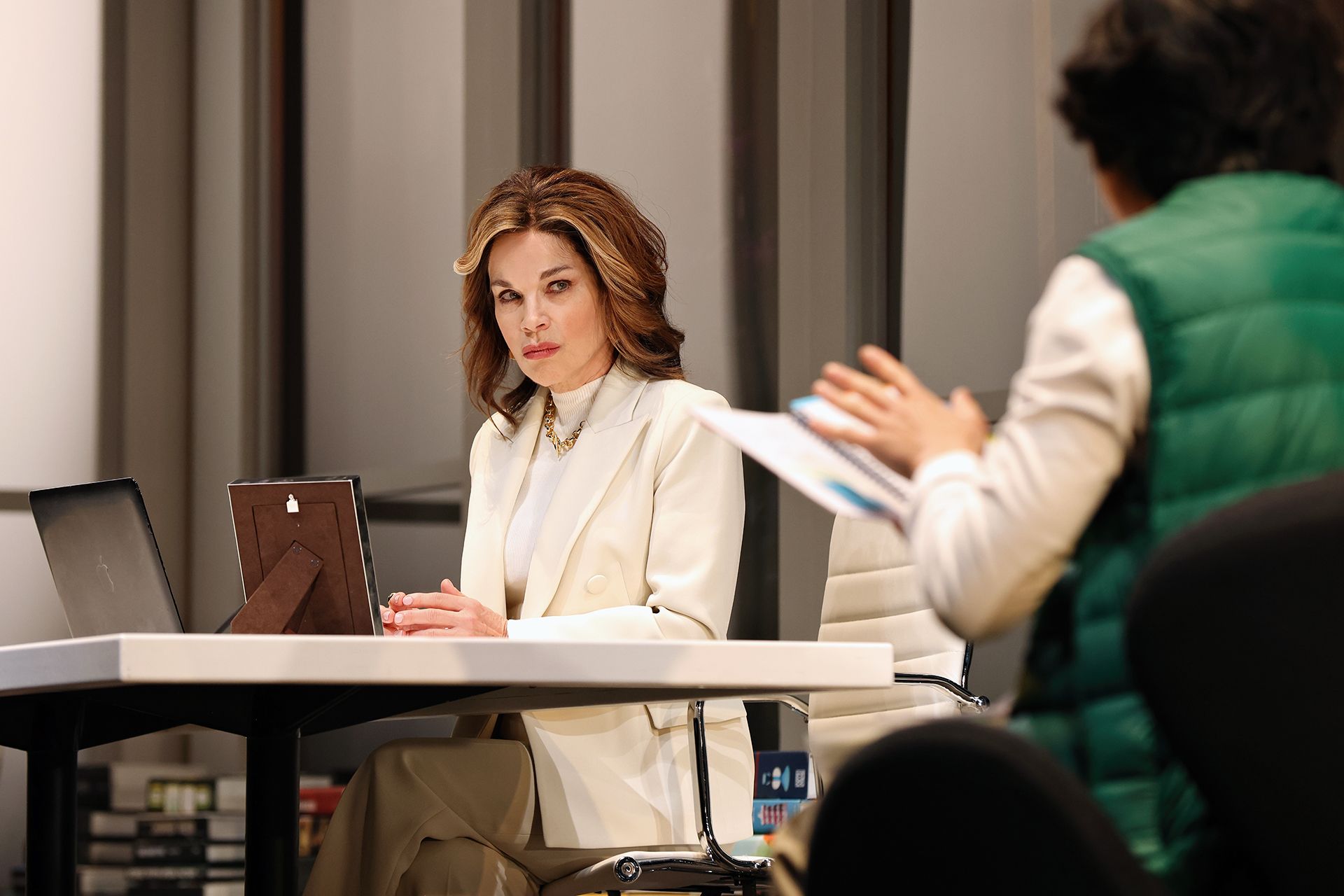
Similarly ebullient, is Sigrid Thornton as magazine editor Emily Penrose, most effective when adding fuel to fire, in the war between ideologies. Clarinettist Maria Alfonsine lends her vaporous presence, to the discussion of real versus true, introducing live and recorded music in ways that make a strong argument for the importance of beauty, and of aesthetic pursuits in general.

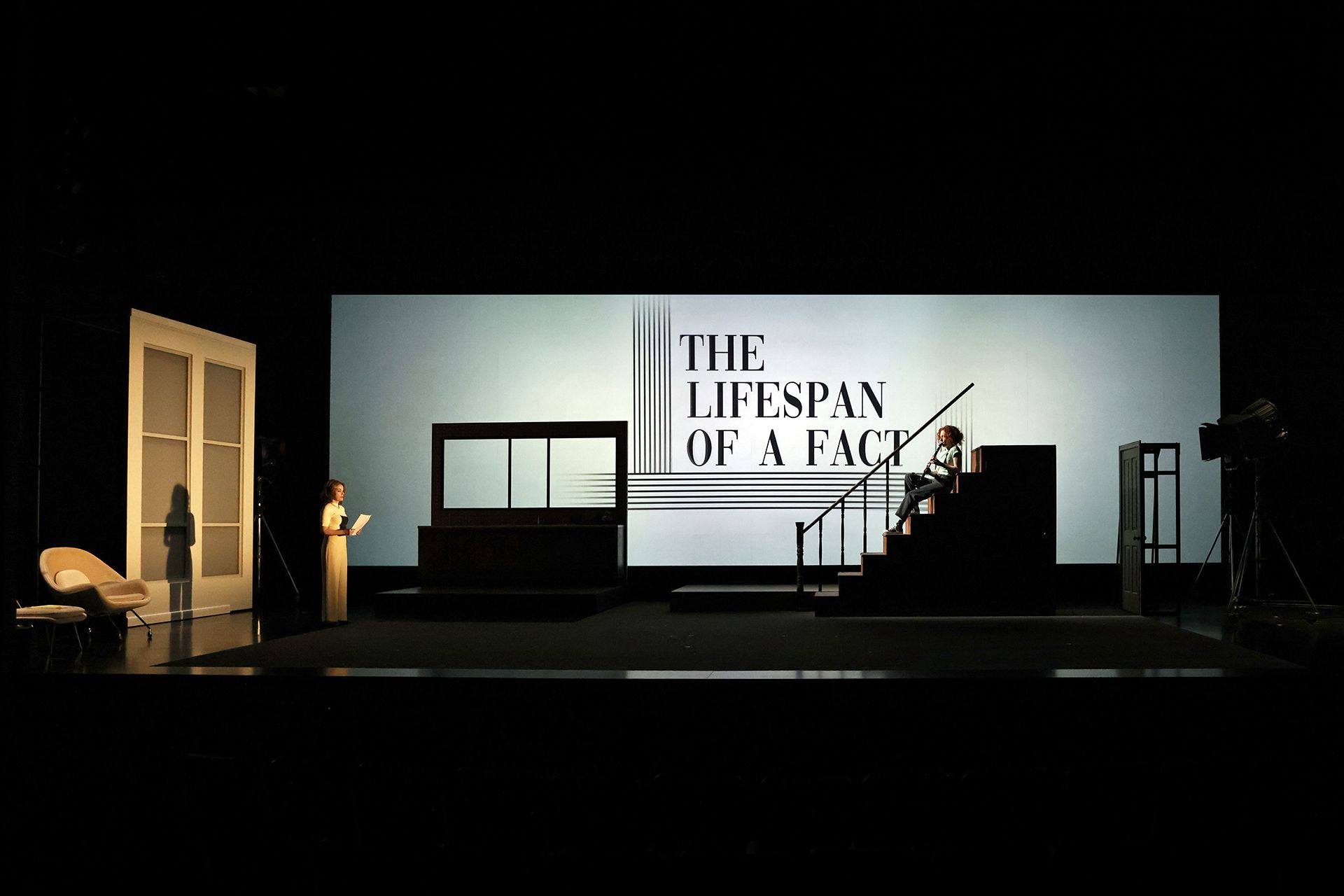
Set design by Marg Horwell is remarkably appealing, in her modernist approach to the evocation of place. It straddles fantastical and authentic, yet leaving no doubt about where we are, even though we are in fact oceans away from New York and Las Vegas. Lights by Paul Jackson are designed with a pleasing simplicity, rarely drawing attention to itself, but always reliable at enhancing the storytelling.

These are precarious times. Over the last few years, we have seen people holding firm to destructive beliefs, in the face of evidence that proves the contrary. False medicines have been sold all through the pandemic, along with fraudulent information about vaccinations. Patriotic feelings were manipulated, to make the British turn against their neighbours, at the detriment of their own economy, and a similar style of nationalism was used in America, for a moment of insurrection that will continue to reverberate for years to come.
It appears truth always exists most resonantly as a subjective experience; what we can feel is often valued more highly than what we can actually see or hear. Even at his most earnest, D’Agata’s ego is apparent. If it is characteristic of humanity to be self-important, then it should come as no surprise, when the universe chooses to have us eliminated.

www.sydneytheatre.com.au

Review: The Marriage Agency (Kings Cross Theatre)

Venue: Kings Cross Theatre (Kings Cross NSW), Sep 16 – Oct 1, 2022
Playwright: Saman Shad
Director:
Kenneth Moraleda
Cast: Kevin Batliwala, Caroline L. George, Atharv Kolhatkar, Lex Marinos, Ashi Singh
Images by Phil Erbacher

Theatre review

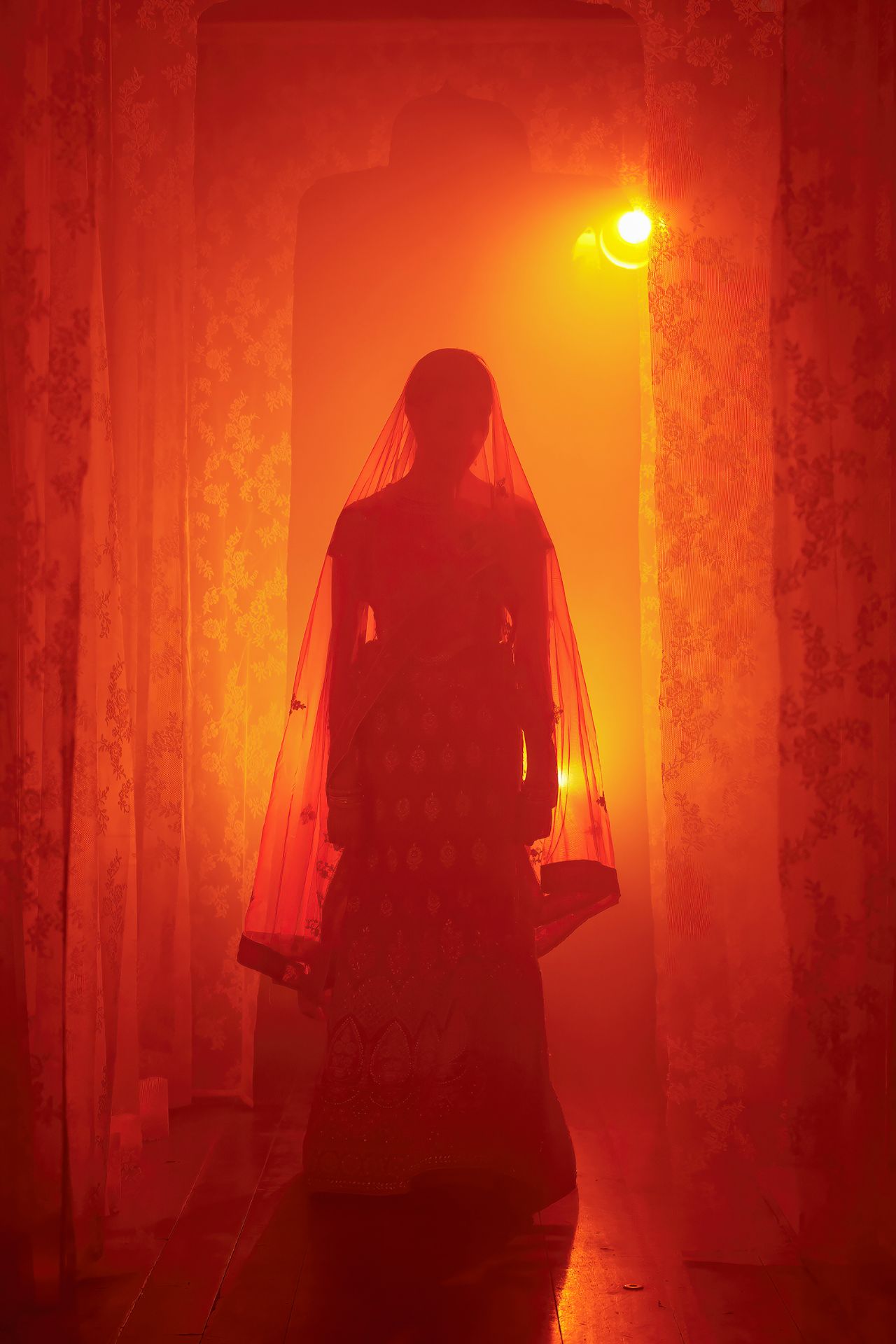
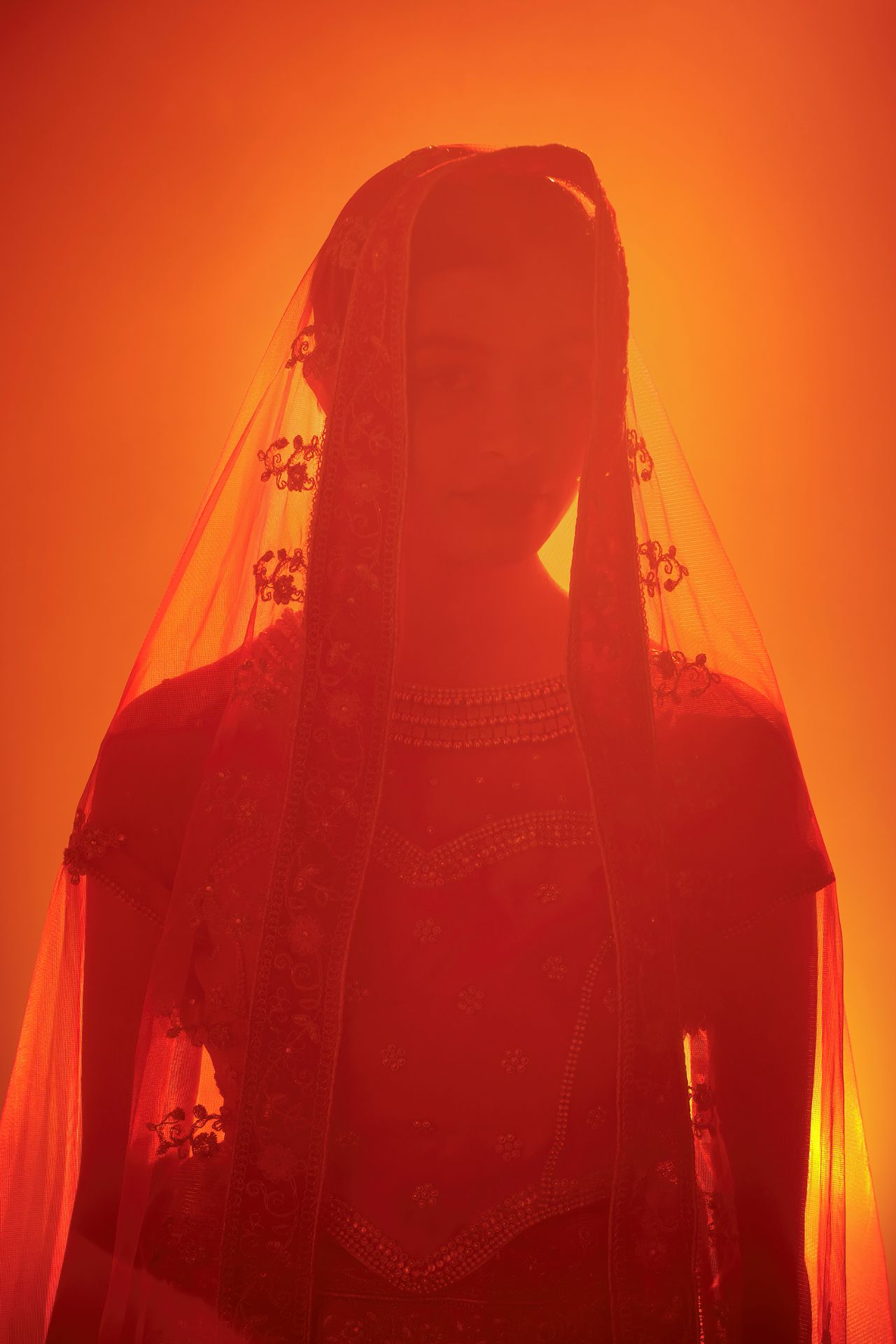
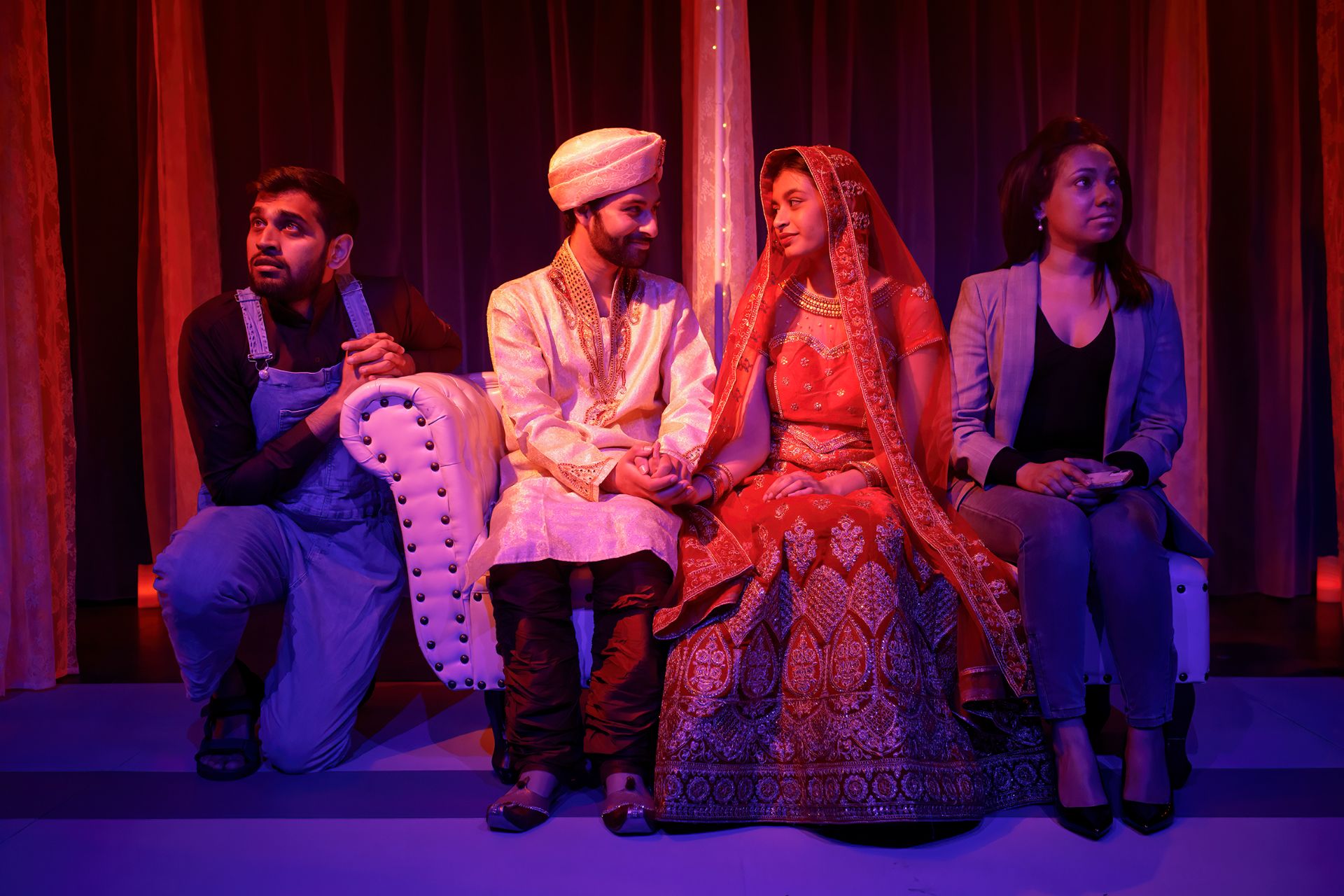
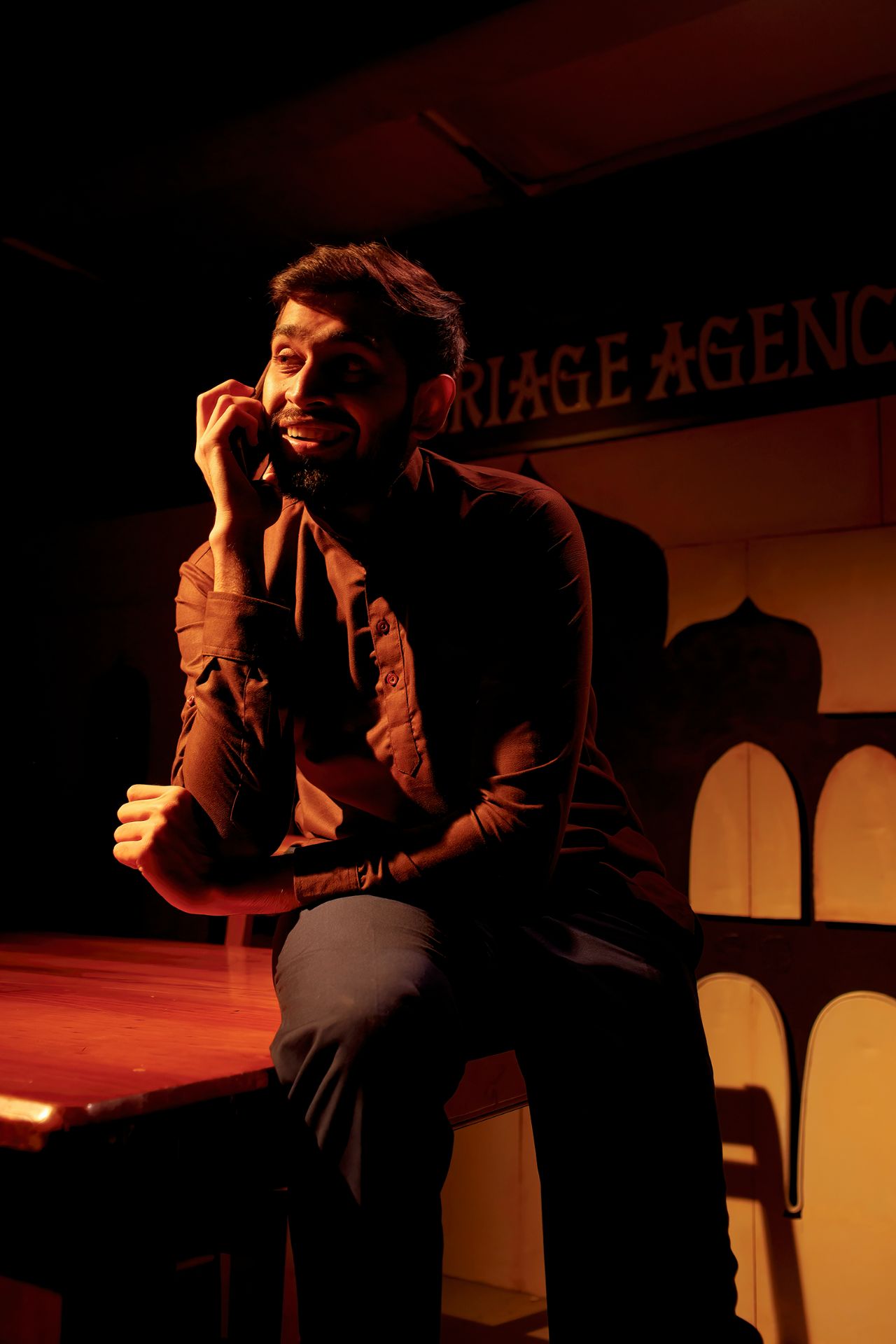
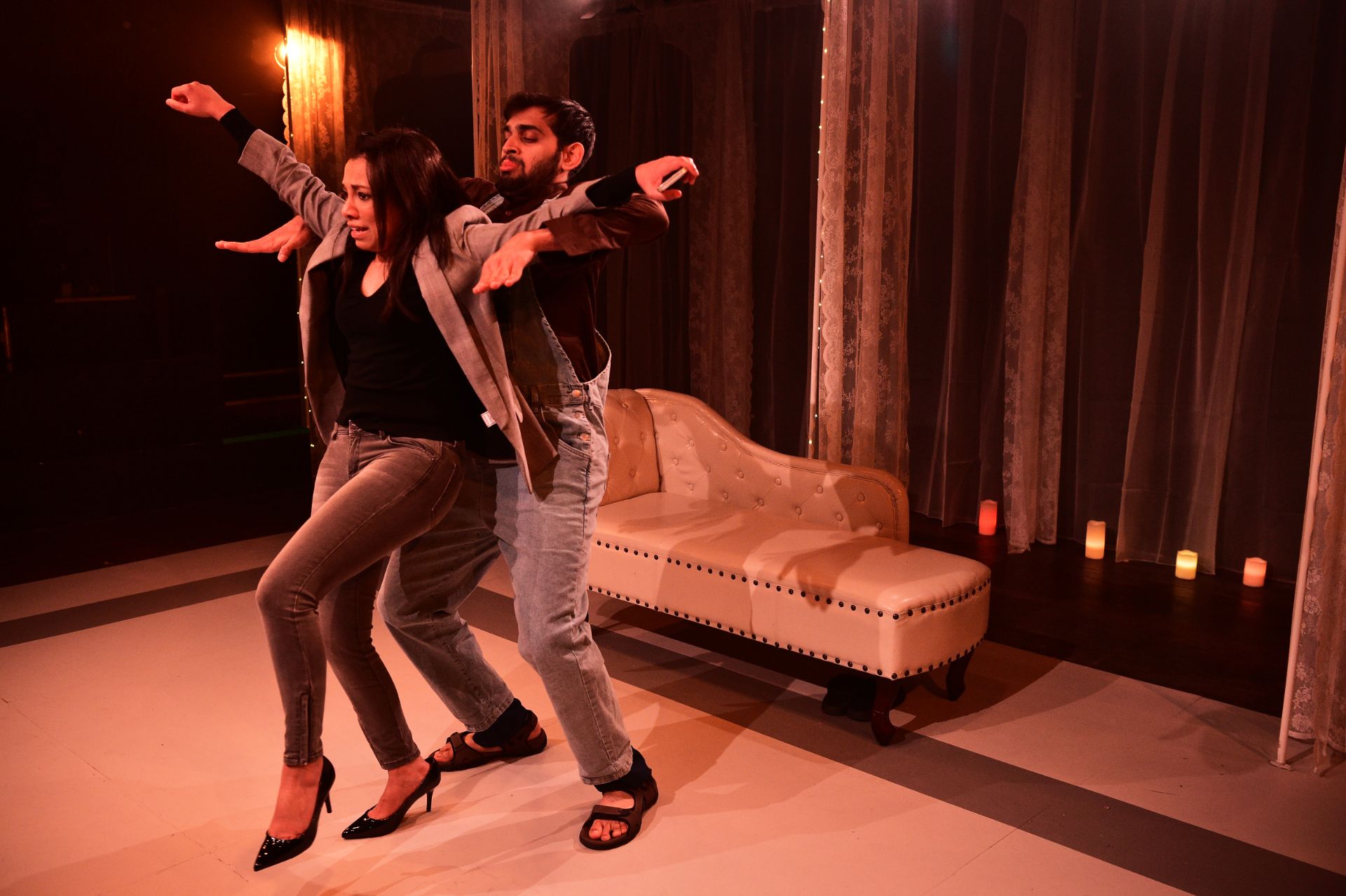
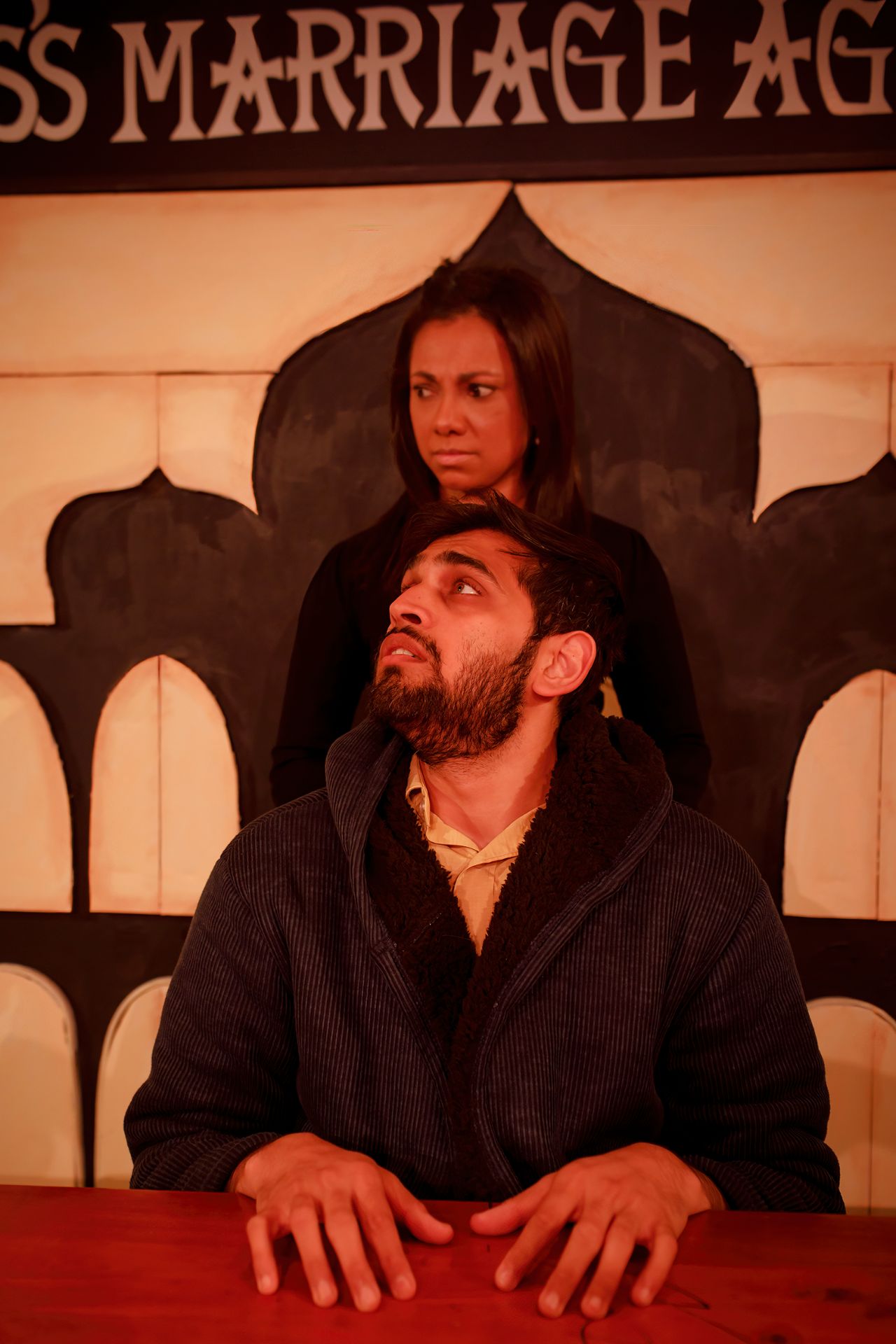
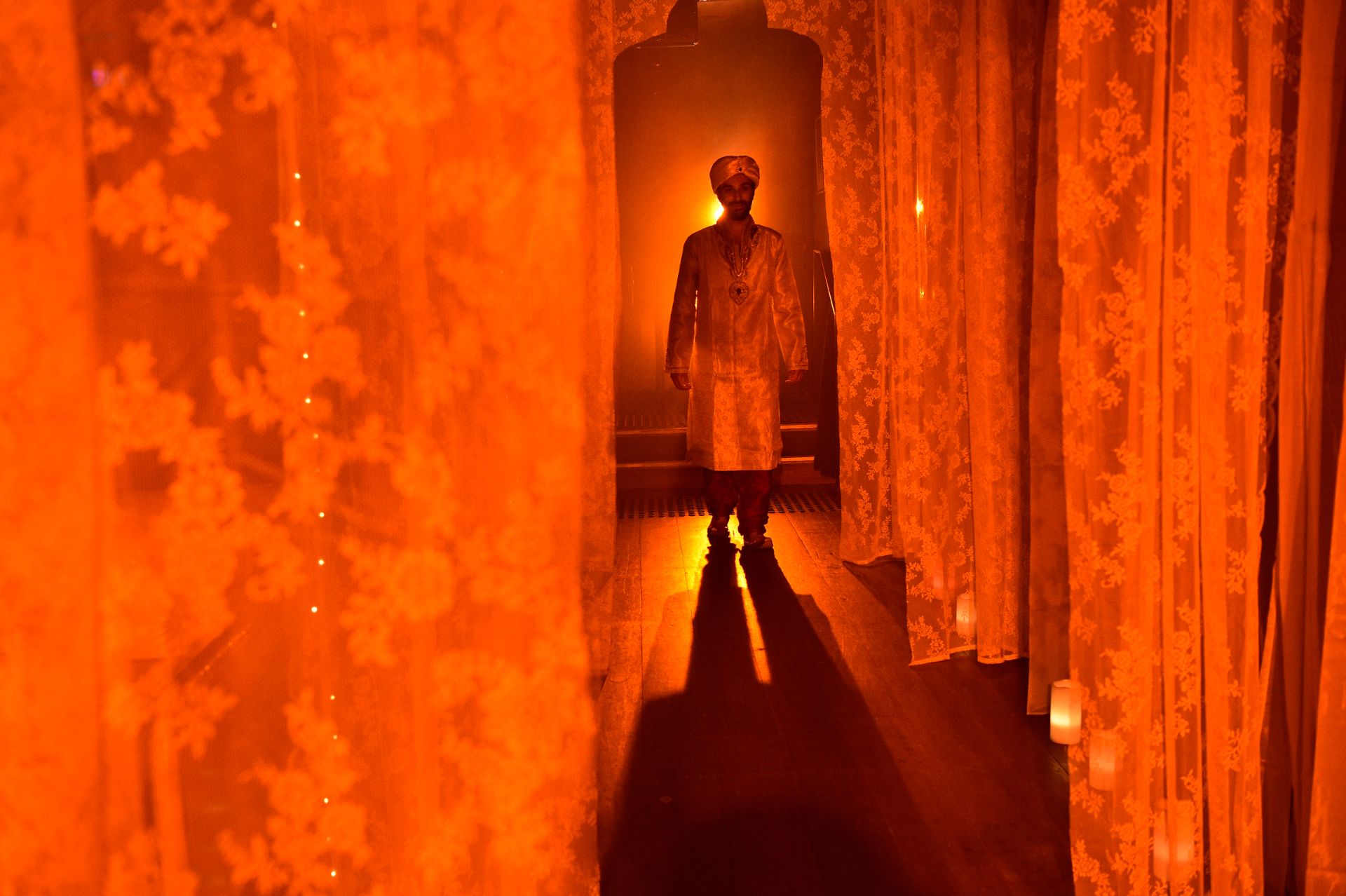
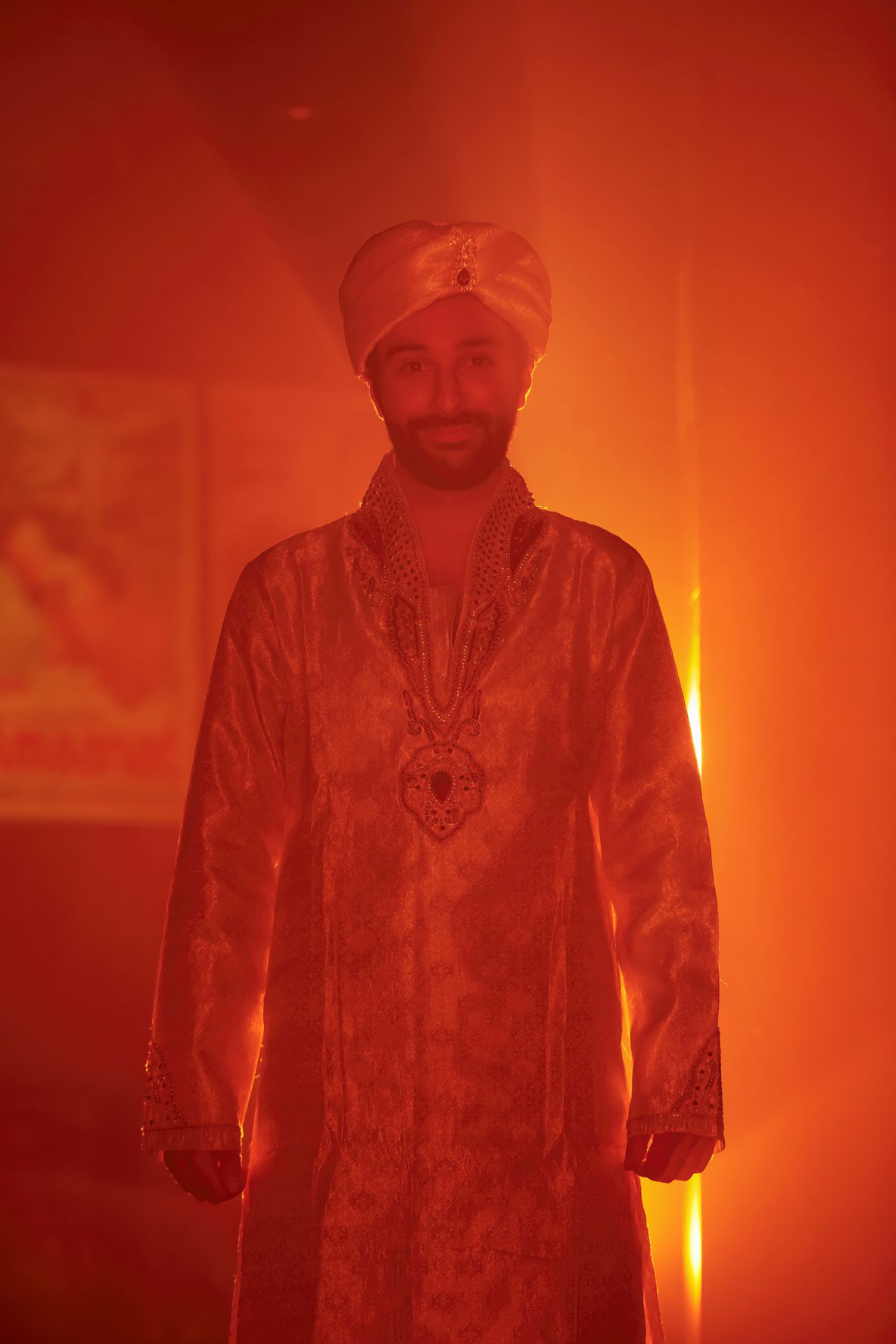
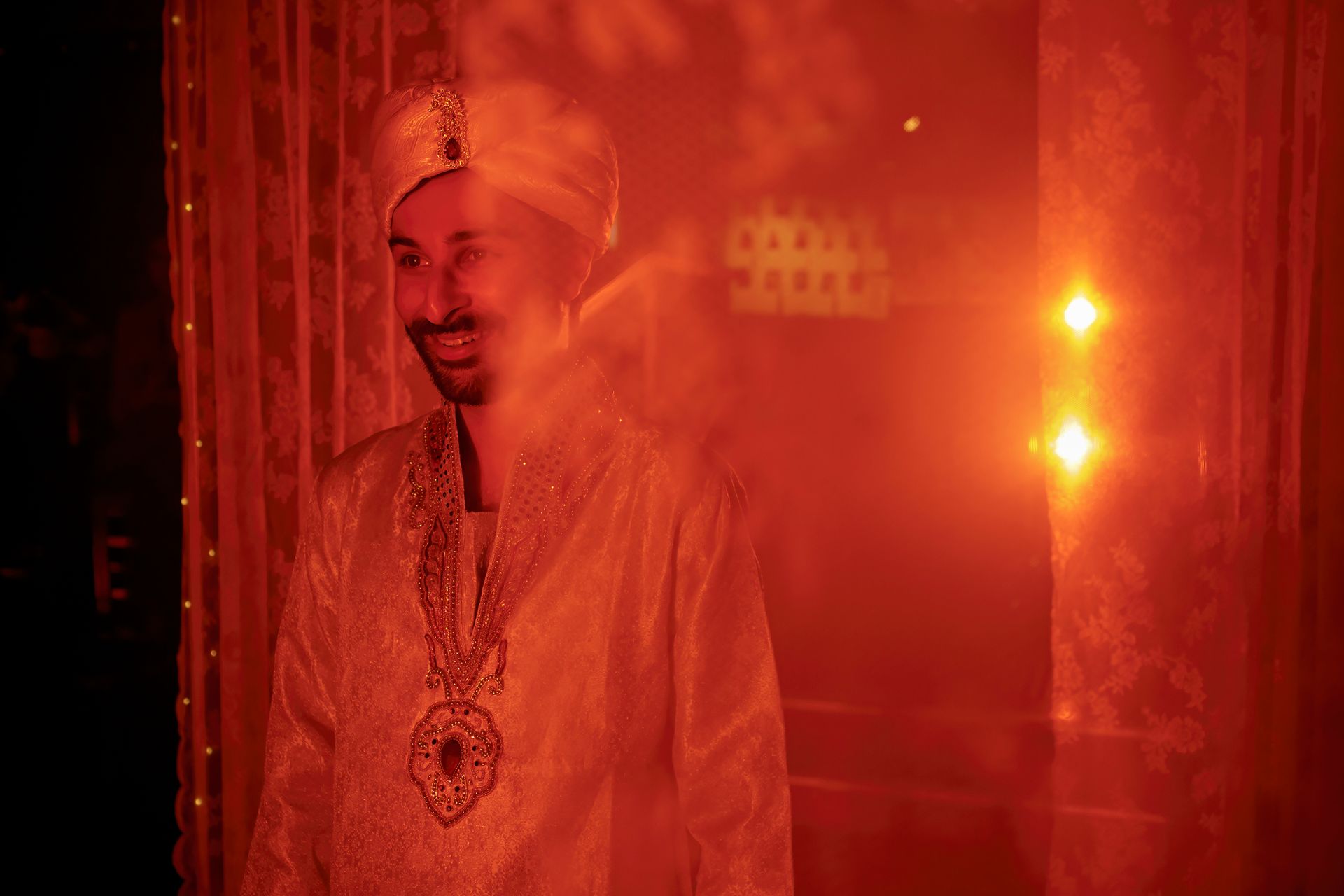
Somewhere in Australia, Nasir is opening a marriage agency, because he has successfully matched dozens of Indian and Pakistani couples, and thinks it is time he turns professional. A hopeless romantic, Nasir is also buoyed by the success of his own marriage with Tasnim, making him feel an expert in the field. Saman Shad’s The Marriage Agency is a delightful comedy about love, for the young-at-heart. Nasir and Tasnim may be parents to a quick-witted rapidly growing teenager, but their relationship is still very much a focus.

Shad’s play takes a gentle, if slightly predictable, look at marriage during its maturing years. Characters in The Marriage Agency are refreshingly idiosyncratic, with consistently humorous dialogue that has us captivated. Directed by Kenneth Moraleda, the show feels energised, bearing an effervescence that proves uplifting from start to end.

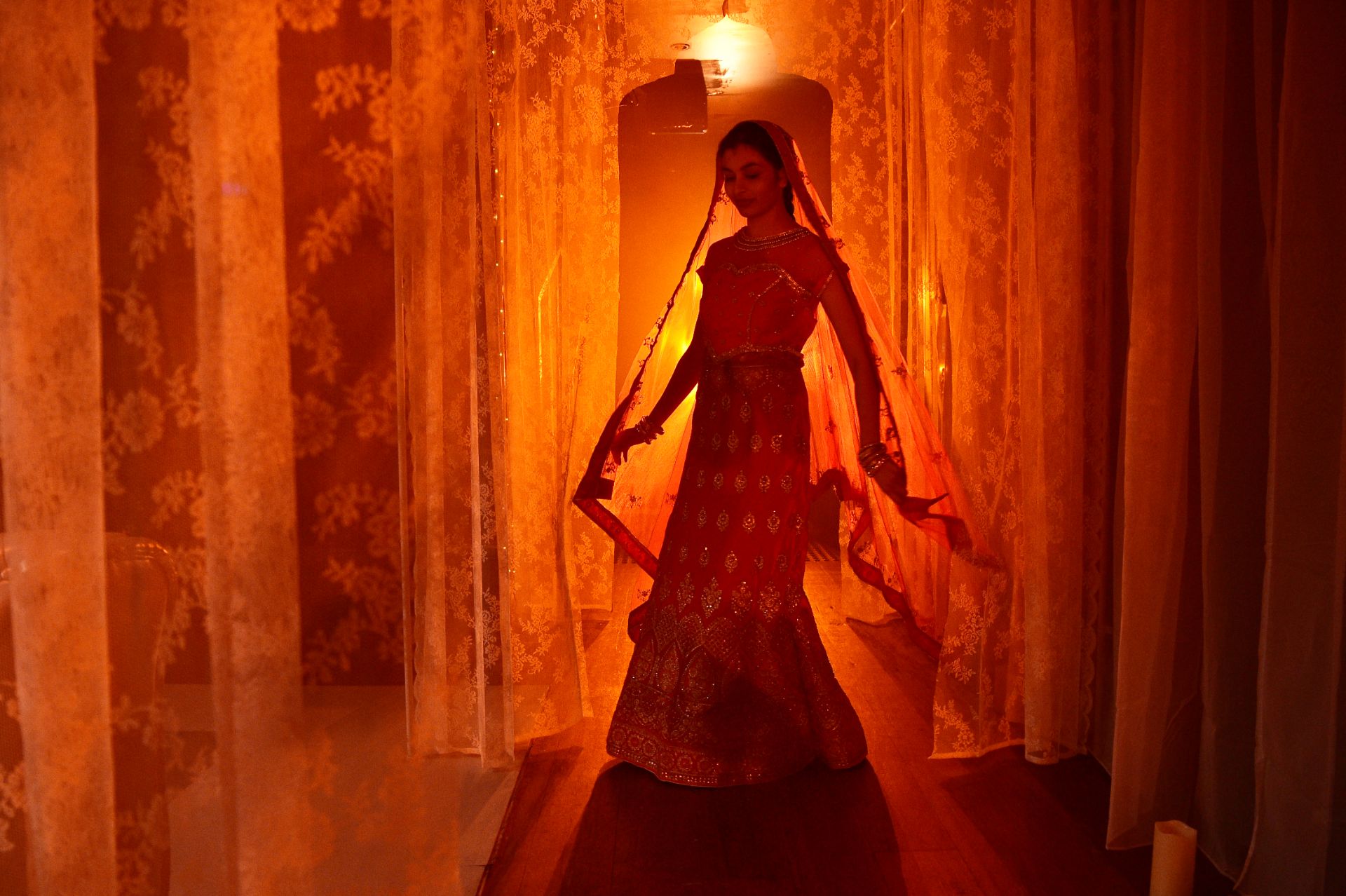
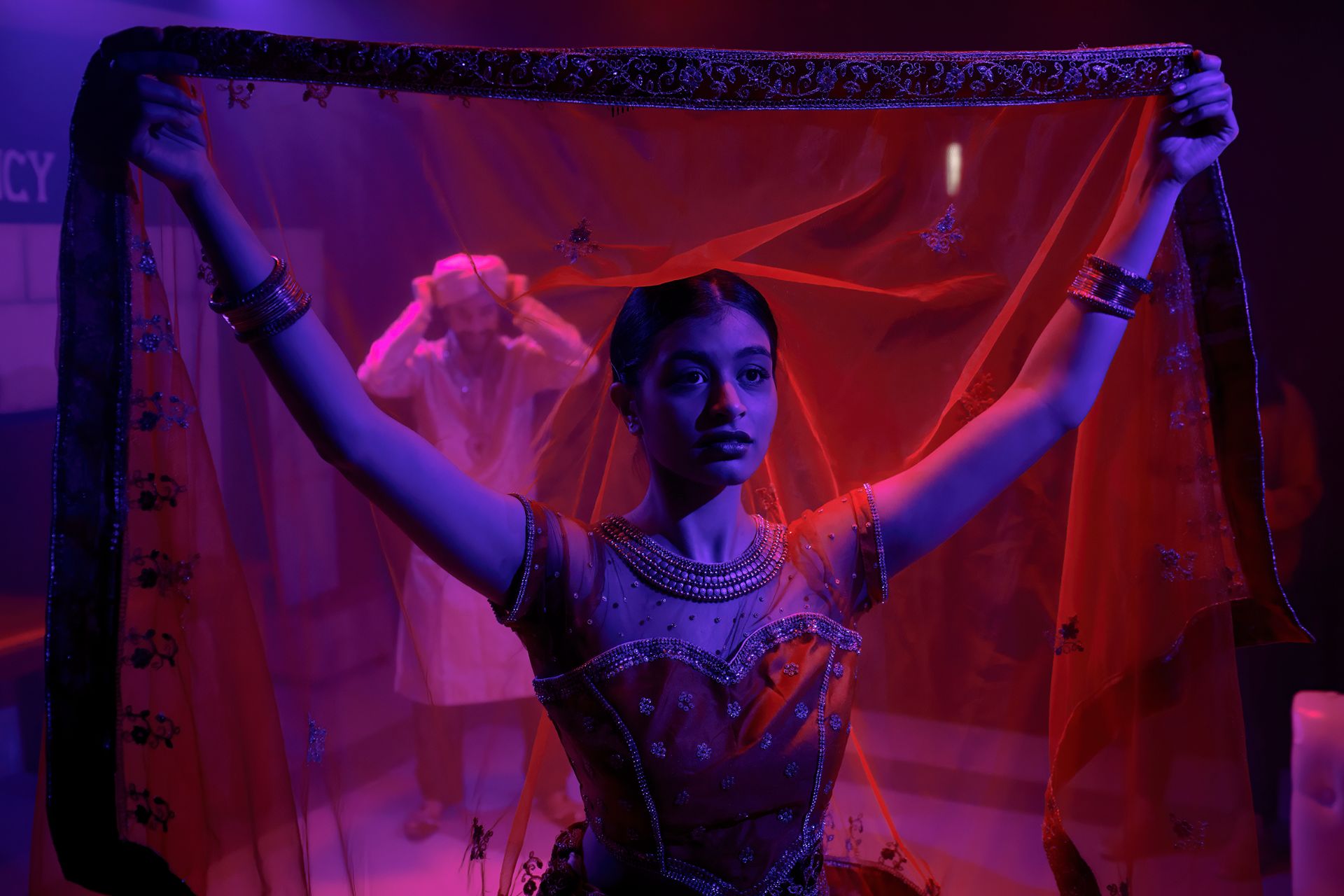
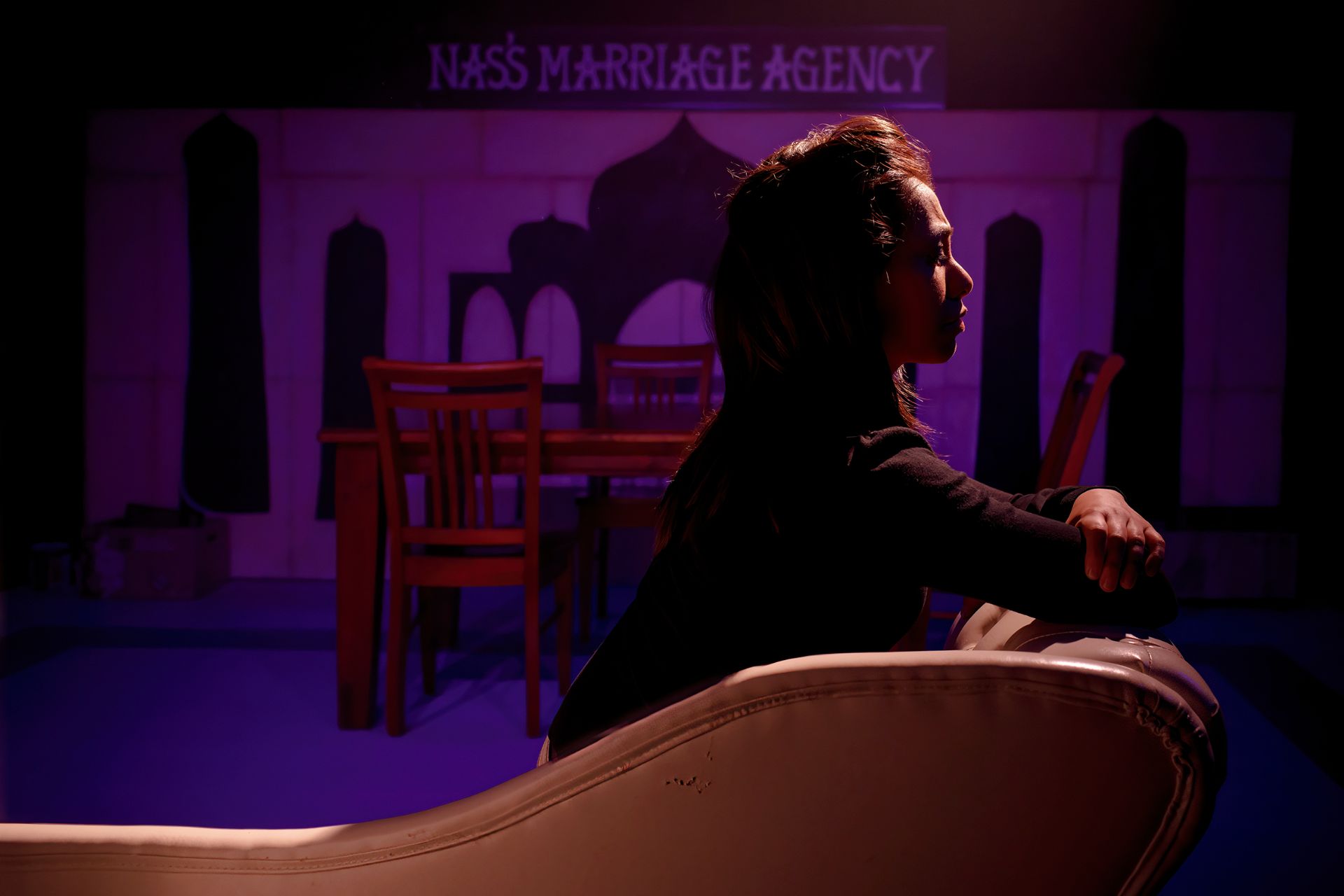
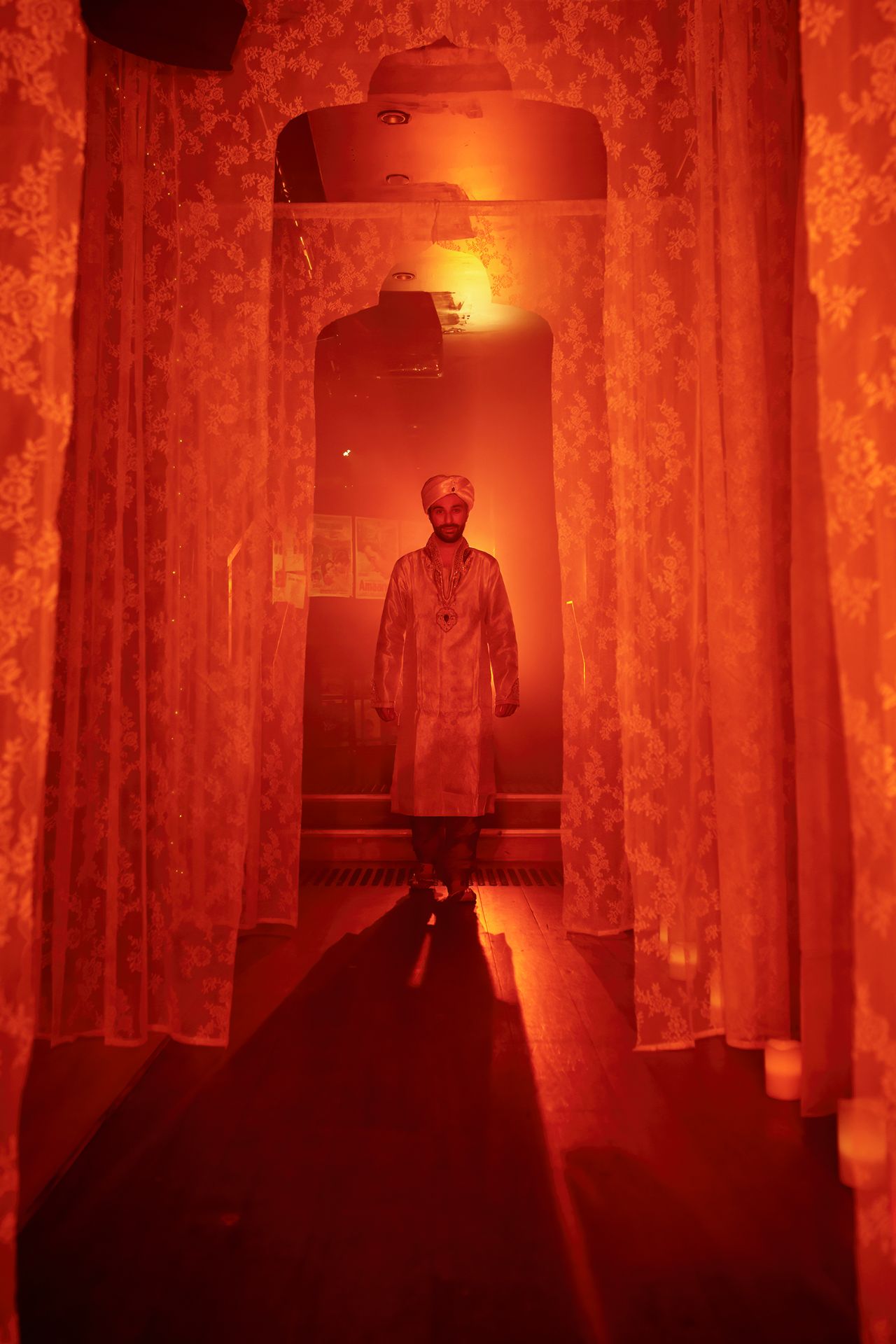
Stage design by Rita Naidu cleverly incorporates a traditionally styled wedding walkway, that adds dimensionality to our sense of time and space. Lights by Saint Clair are thoroughly and ambitiously considered, to provide visual richness, to a simple story. Samantha Cheng’s spirited music gives the production a rhythmic foundation, on which performers and audience can connect, in emotional and atmospheric terms.
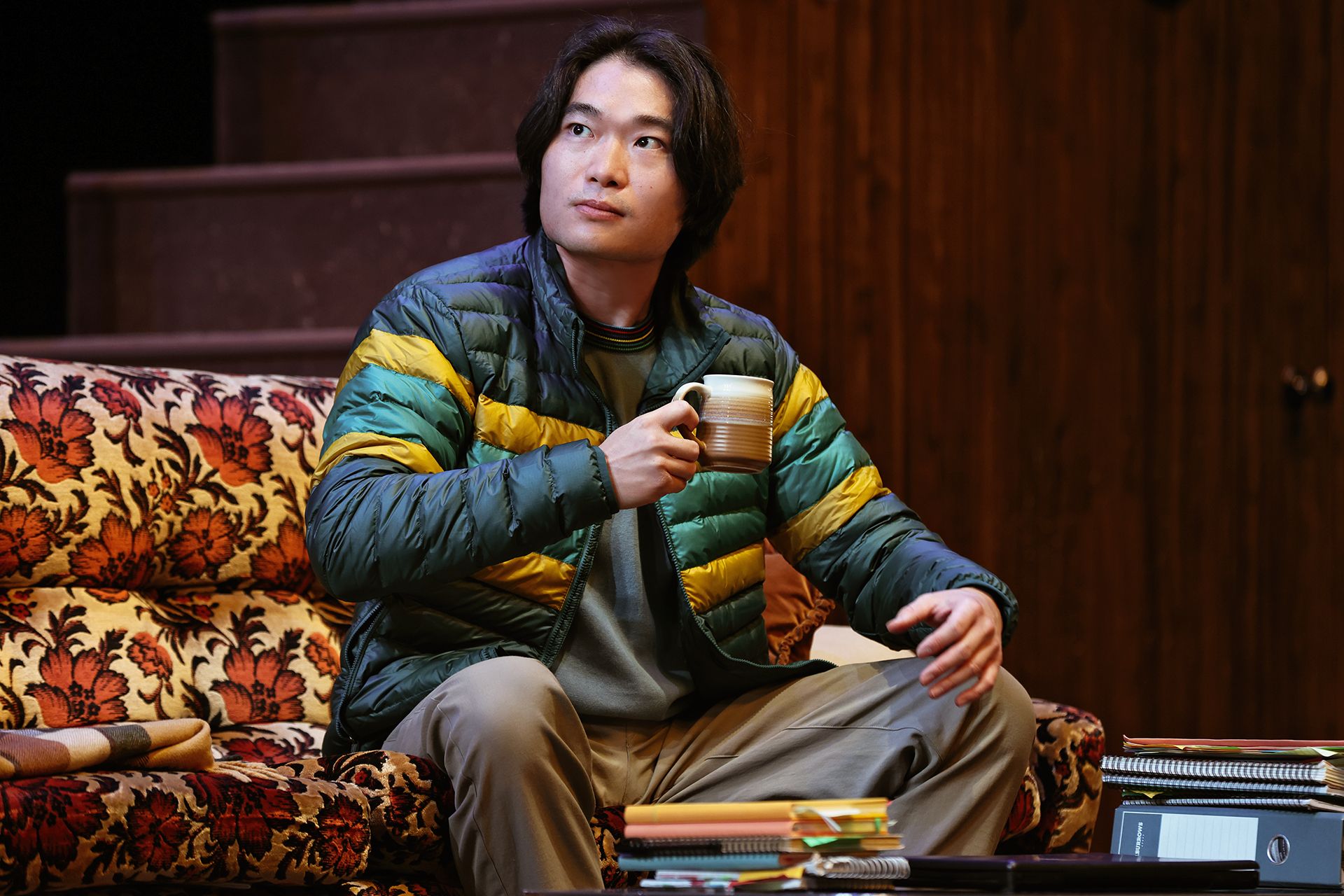
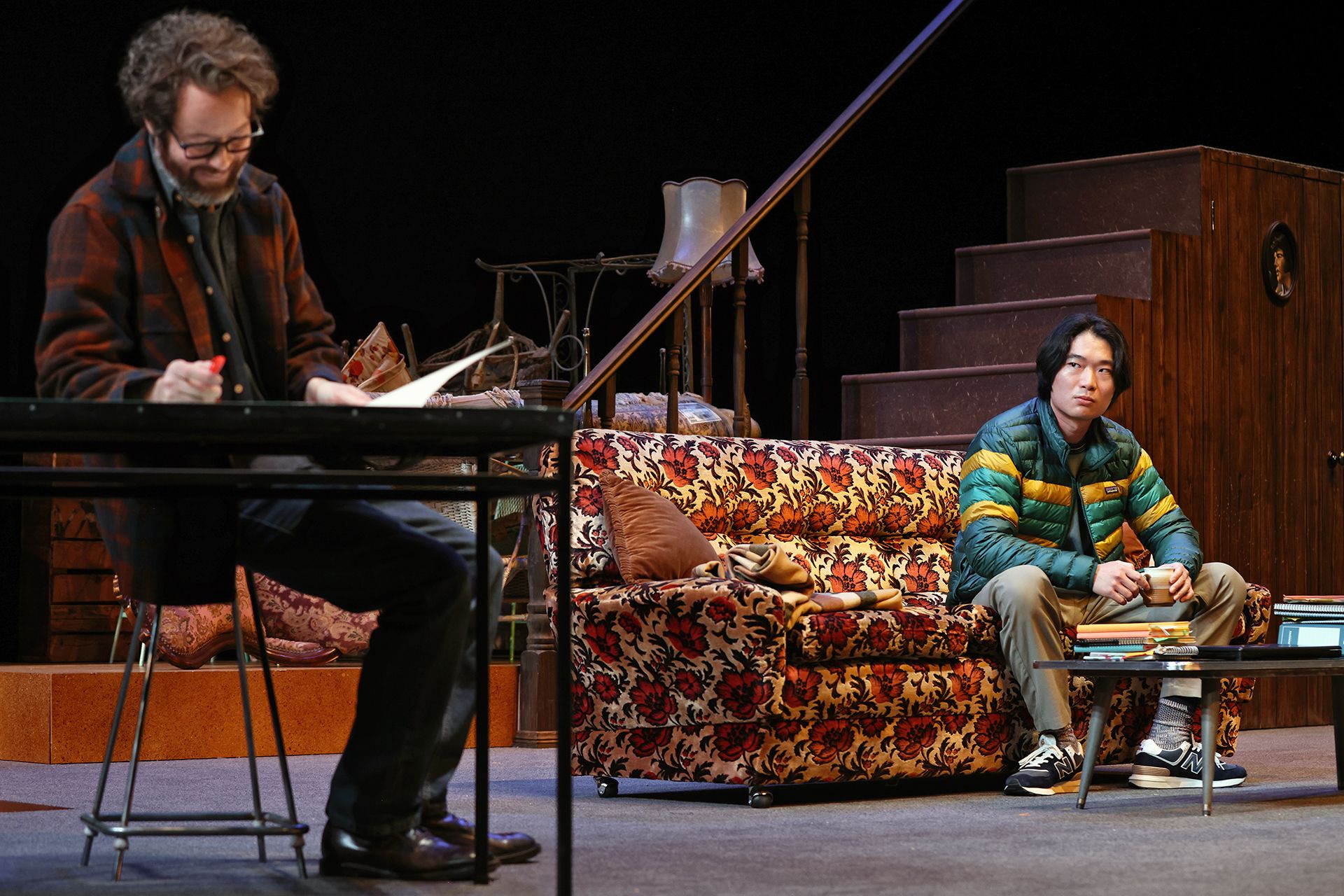
Actor Atharv Kolhatkar is wonderfully endearing as the somewhat naïve Nasir, able to make convincing a personality who is evidently quixotic by nature. Caroline L. George offers excellent balance as Tasnim, the much more rational spouse, effective at anchoring the story in a place of realism, that represents a familiar point of access for viewers. Lex Marinos’ understated approach as Bill, brings not only nuance but also elegance. Ashi Singh is a compelling presence, as daughter Salima. Kevin Batliwala is very charismatic, and very funny, in a number of disparate roles, leaving a remarkable impression with his natural flair for comedic timing.
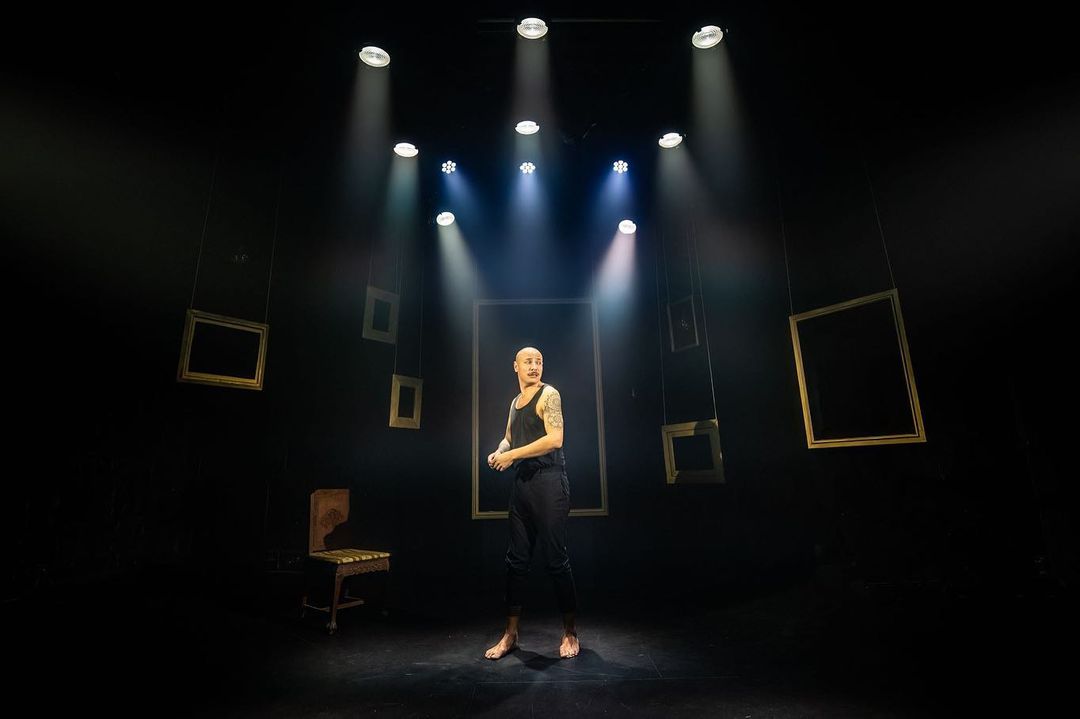
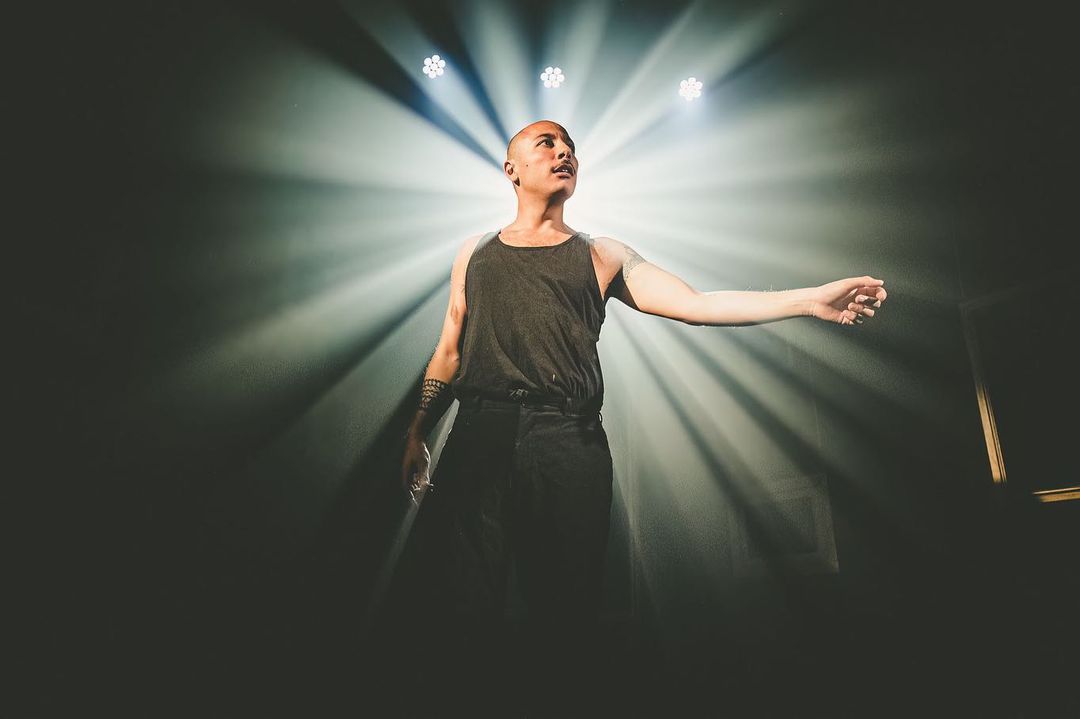
Marriage is not for everyone, but for some, it can be all-consuming. Watching people like Nasir, who invest so much into romance, can be bewildering, but it is no doubt fascinating to see how fulfilling it appears to be. It is a reminder that to be human, involves a universal wrestling with a feeling of lack, that somehow we are created with an emptiness that requires something external, to provide a sensation of wholeness or completion. There is some truth to the idea, that we are born alone, and we die alone, but the fact remains, that for life to be meaningful, one needs to find ways to connect. The universe is embracing of us in infinite ways, and it is how we respond to those possibilities (and what we decide to call love) that matters.

www.kwento.com.au

Review: The Great Australian Play (Old Fitz Theatre)

Venue: Old Fitzroy Theatre (Woolloomooloo NSW), Sep 15 – Oct 8, 2022
Writer: Kim Ho
Director: Saro Lusty-Cavallari
Cast: Lucinda Howes, Kurt Pimblett, Rachel Seeto, Idam Sondhi, Mây Trần
Images by Phil Erbacher

Theatre review

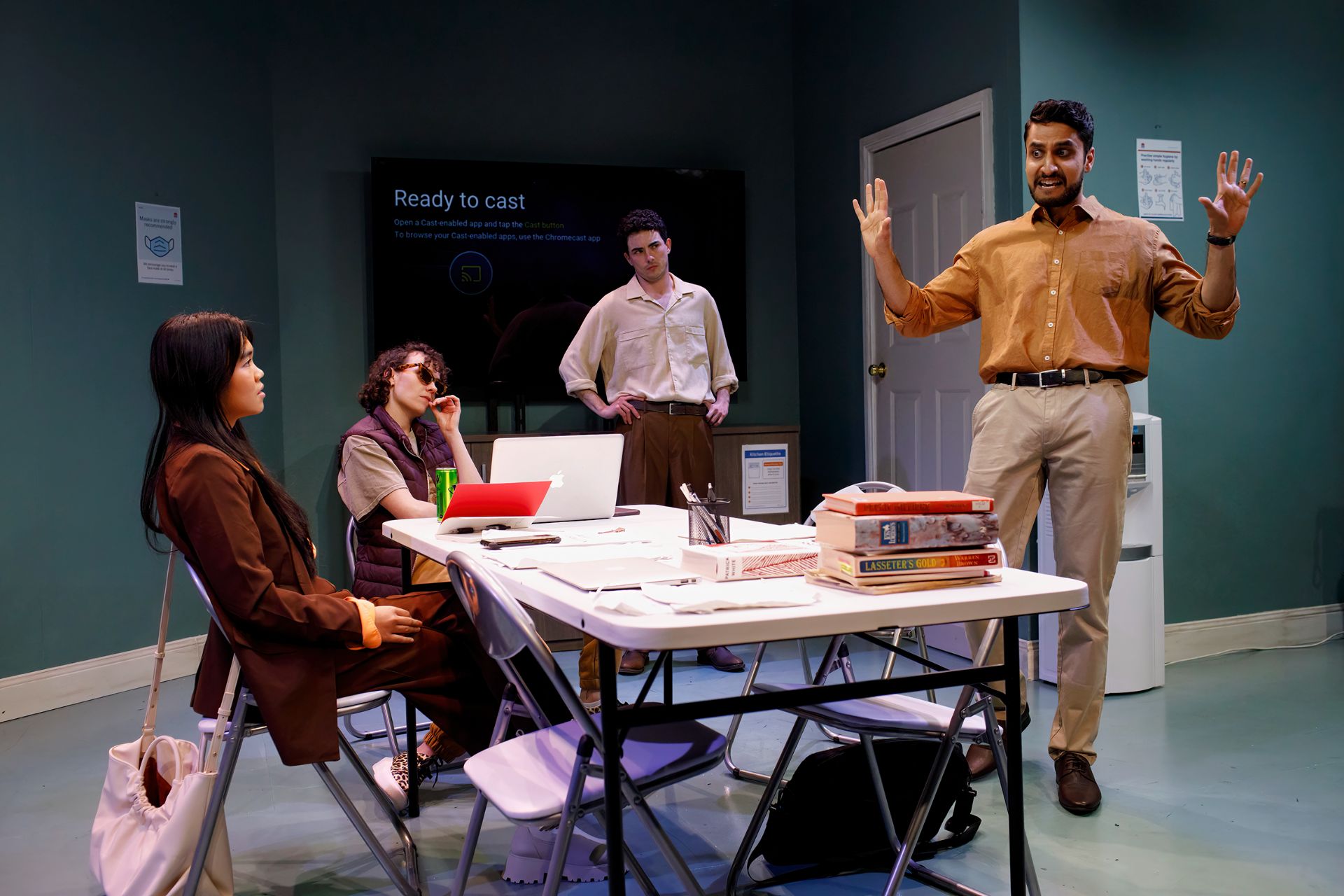
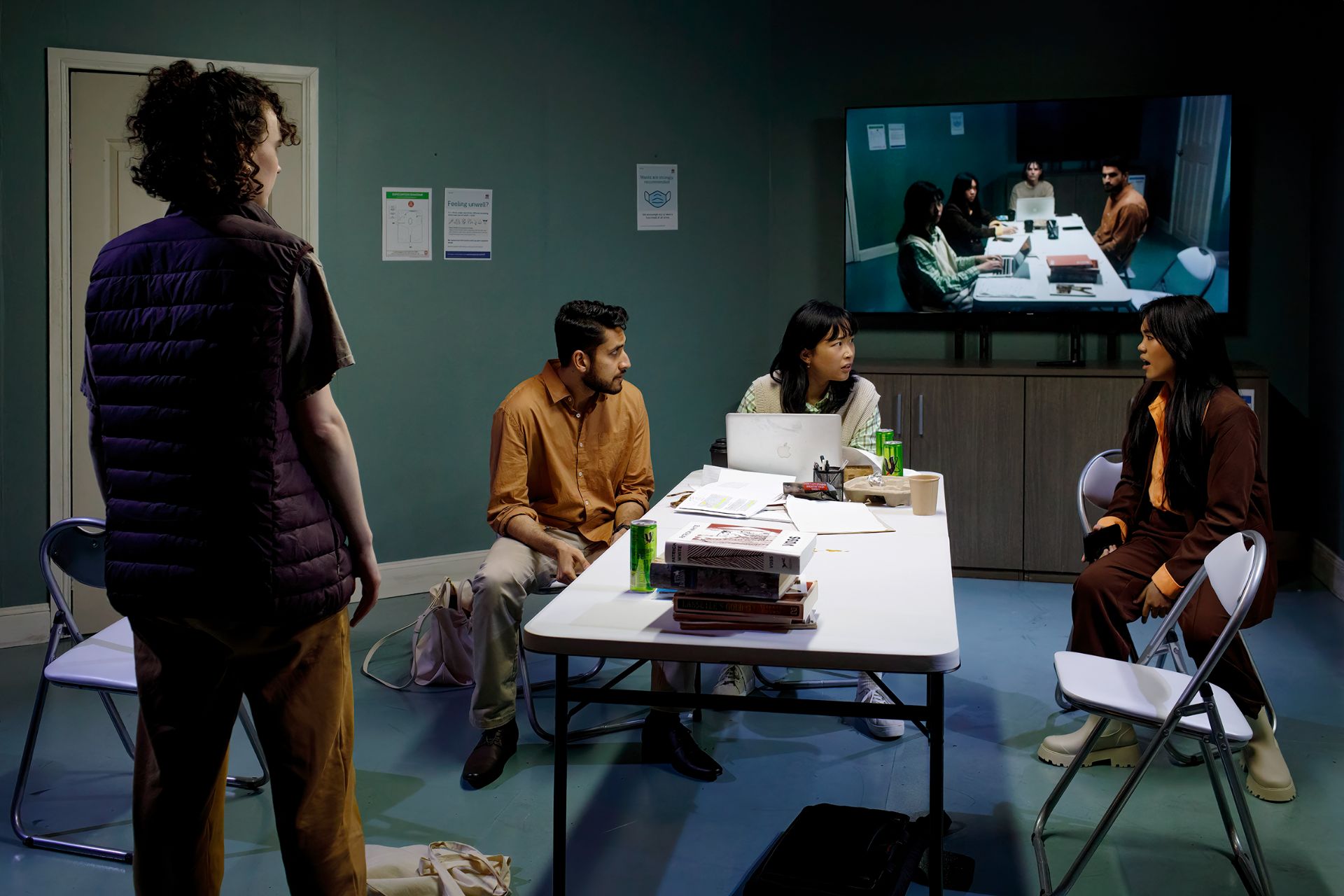
A group of young Australians are in a room, trying to write a television series, but obstacles abound preventing them from getting anywhere meaningful with their project. Kim Ho’s The Great Australian Play is a very contemporary look, at our culture and zeitgeist, a work that serves perhaps as documentation of how we are changing as a nation. The bad news, is that we consistently fail to find consensus, in so much of what we do; good news however, is that the weakening of a previous hegemony, means that authority is being disseminated.

Unable to agree on anything, the writers struggle to meet their deadline. The Great Australian Play is not a case of writer’s block, but a rendering of the commercial, social and artistic factors, that many of today’s creatives feel they are beholden to. Director Saro Lusty-Cavallari uses this conceit, to create a show about conflict and the elusiveness of resolution. It is a satire about the creative process, as it stands this point in time, as we try to make sense of the mechanics of power on this colonised land, and try to effect benevolent changes to it.

The Great Australian Play has a tendency to feel overly complicated, especially when it ventures into surreal and symbolic territory. Its concepts are strong, but execution never quite reaches its aesthetic ideals. Set and costumes by Kate Beere, are able to convey the mundanity of the writers’ room experience, but lacks the versatility and idiosyncrasy required, to aid in the play’s many amorphous and quirky tendencies. Kate Baldwin’s lights respond better to that need for a more theatrical approach, although they can feel at times to be abruptly calibrated. More successful is Lusty-Cavallari’s own sound design, that proves adept at helping the audience navigate between complex spatial configurations, physical and otherwise.

Demonstrating great commitment to the cause, is a cast of six compelling actors. Lucinda Howes, Kurt Pimblett, Rachel Seeto, Idam Sondhi and Mây Trần, form a well-rehearsed group, persuasive with all they intend to say.

What we can learn from the old guard, is not only that it is time for them to relinquish power to more appropriate people, but also that the way in which their systems have been organised, is in desperate need of transformation. There is not much point, in replacing one head with another, if the entire apparatus refuses to budge. Characters in The Great Australian Play are seen to be falling apart, because they are still operating under old structures. It is accurate to portray them as failures, for none of us is quite sure, as to where our destination should be, if indeed, one could exist.

www.redlineproductions.com.au | www.montaguebasement.com

Review: Chalkface (Sydney Theatre Company)

Venue: Sydney Opera House (Sydney NSW), Sep 15 – Oct 29, 2022
Playwright: Angela Betzien
Director: Jessica Arthur
Cast: Ezra Juanta, Catherine McClements, Michelle Ny, Nathan O’Keefe, Susan Prior, Stephanie Somerville
Images by Prudence Upton

Theatre review
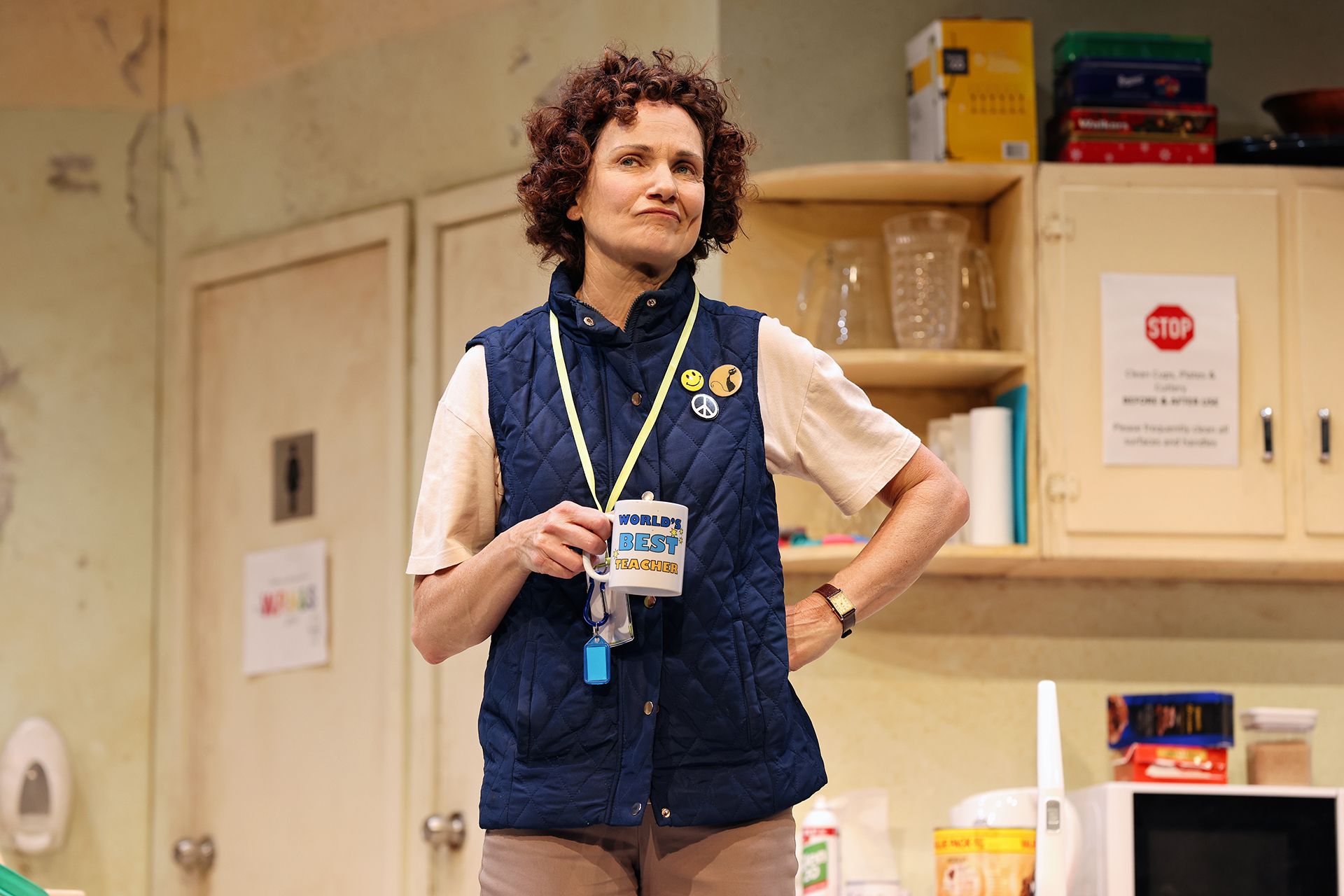
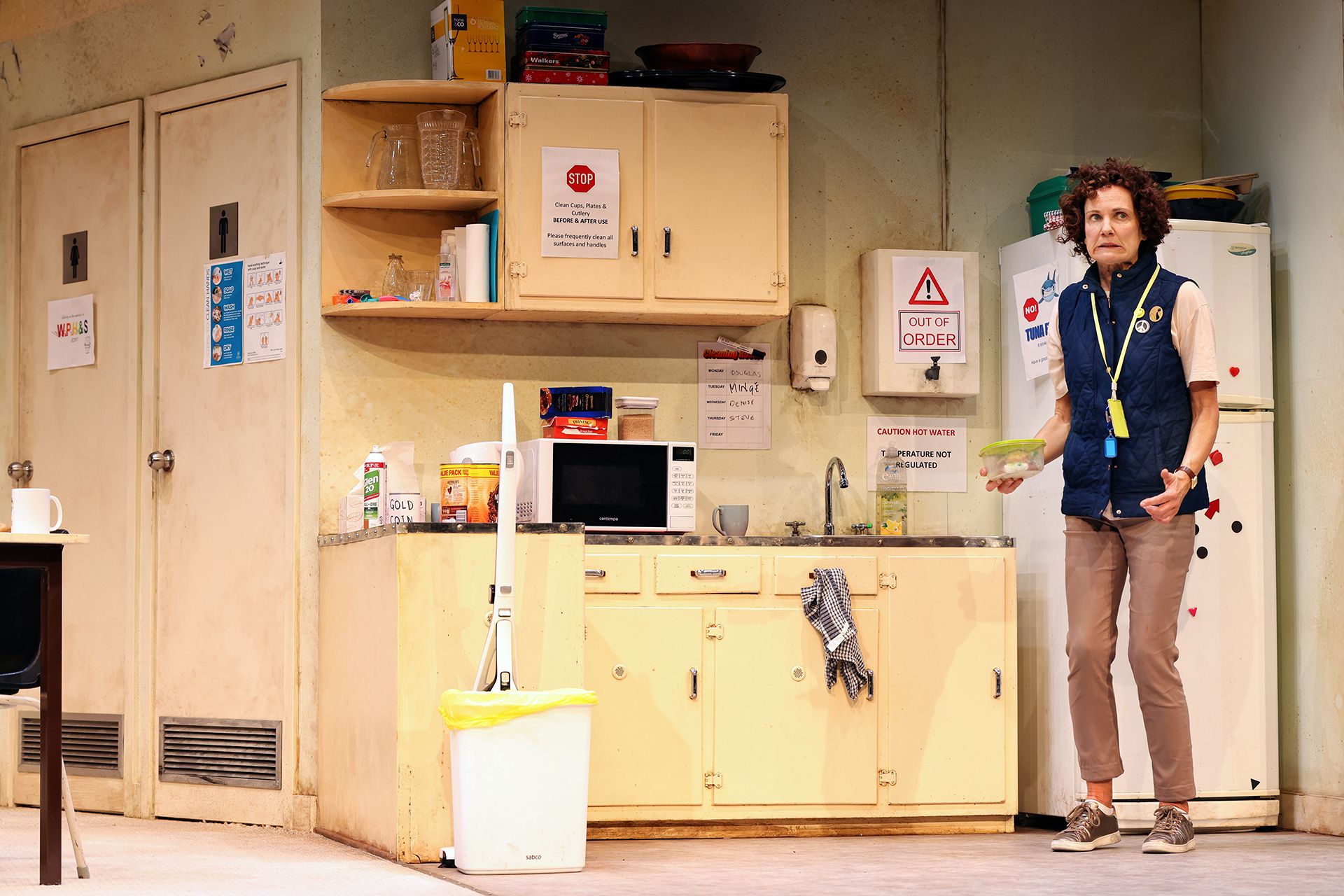
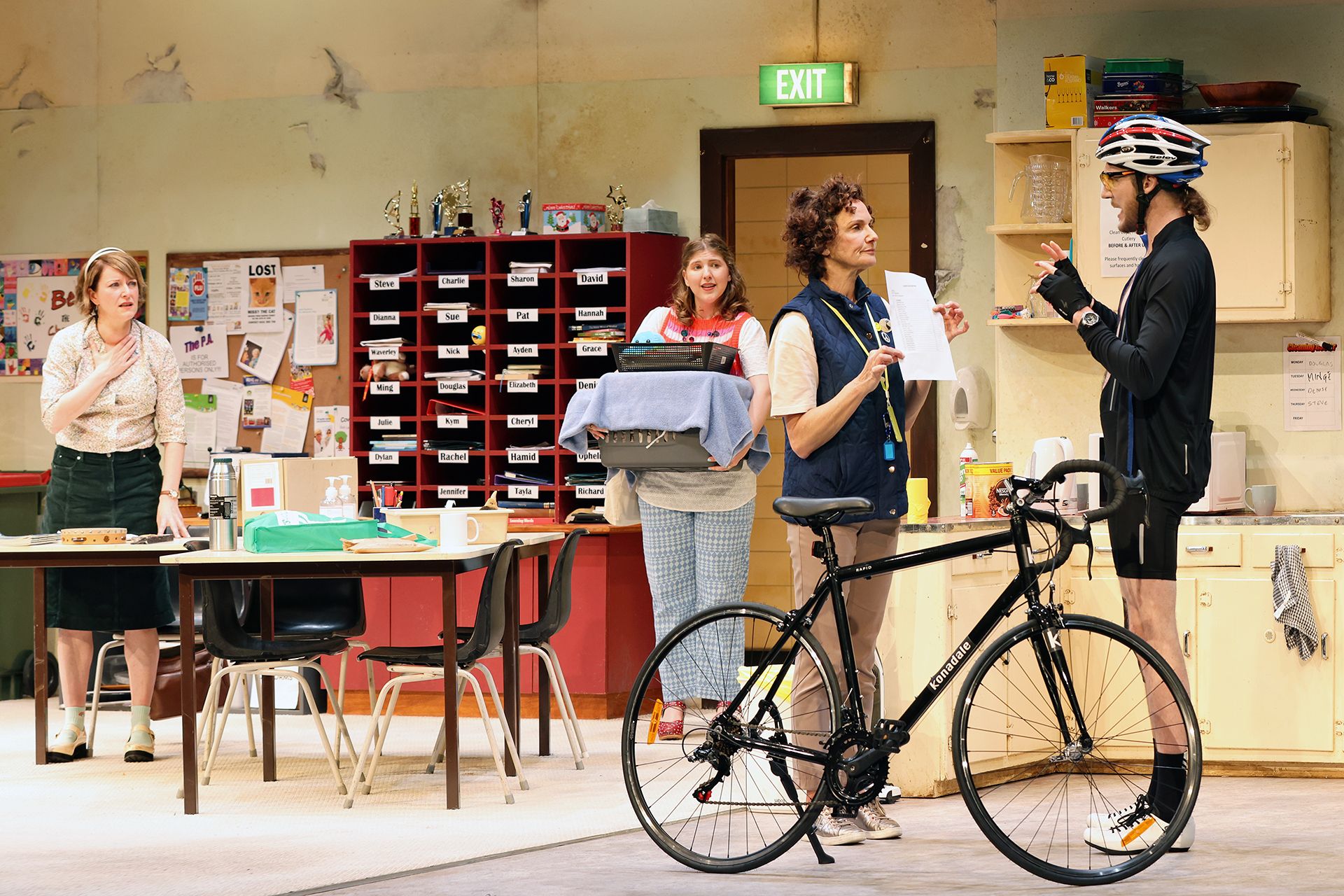
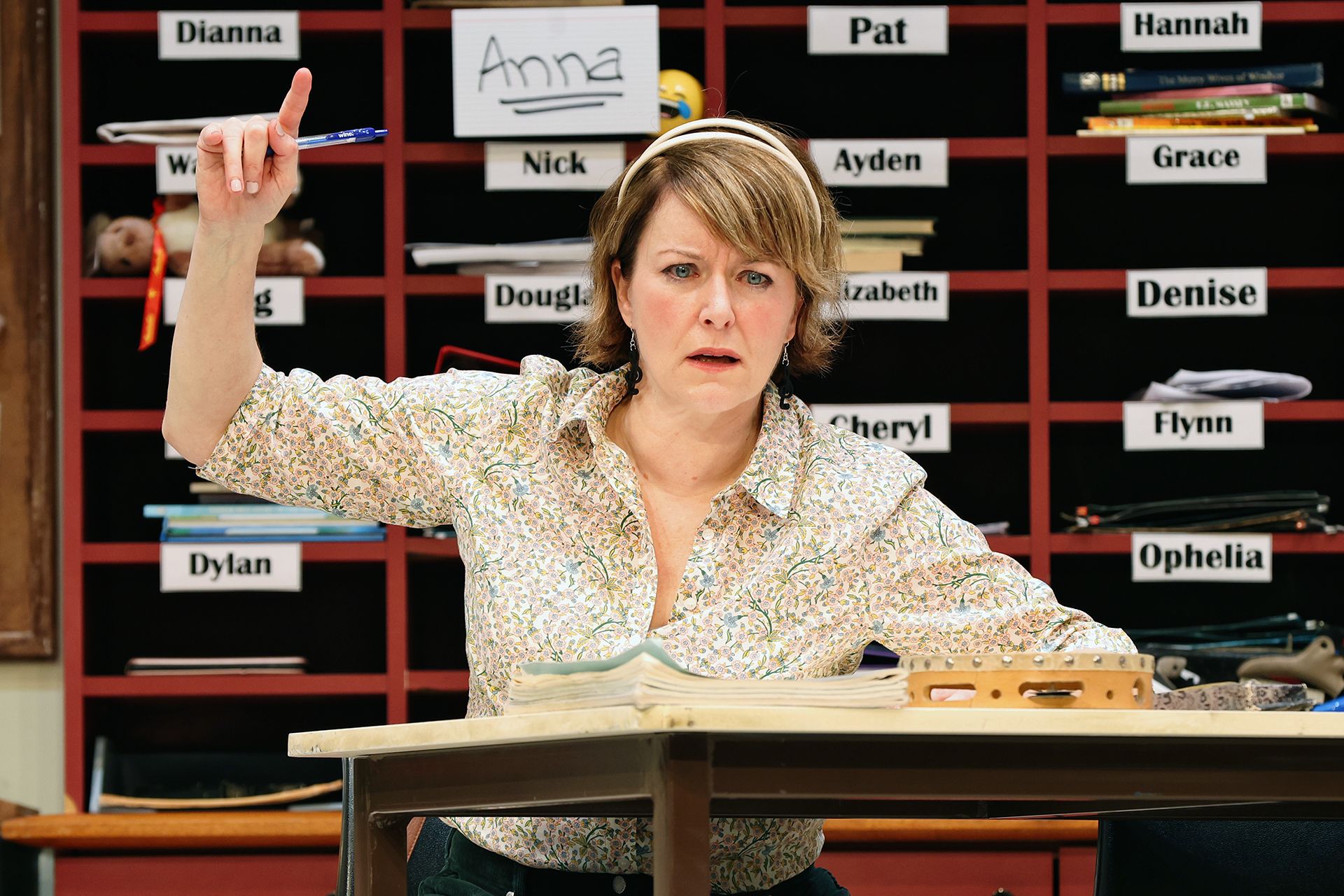
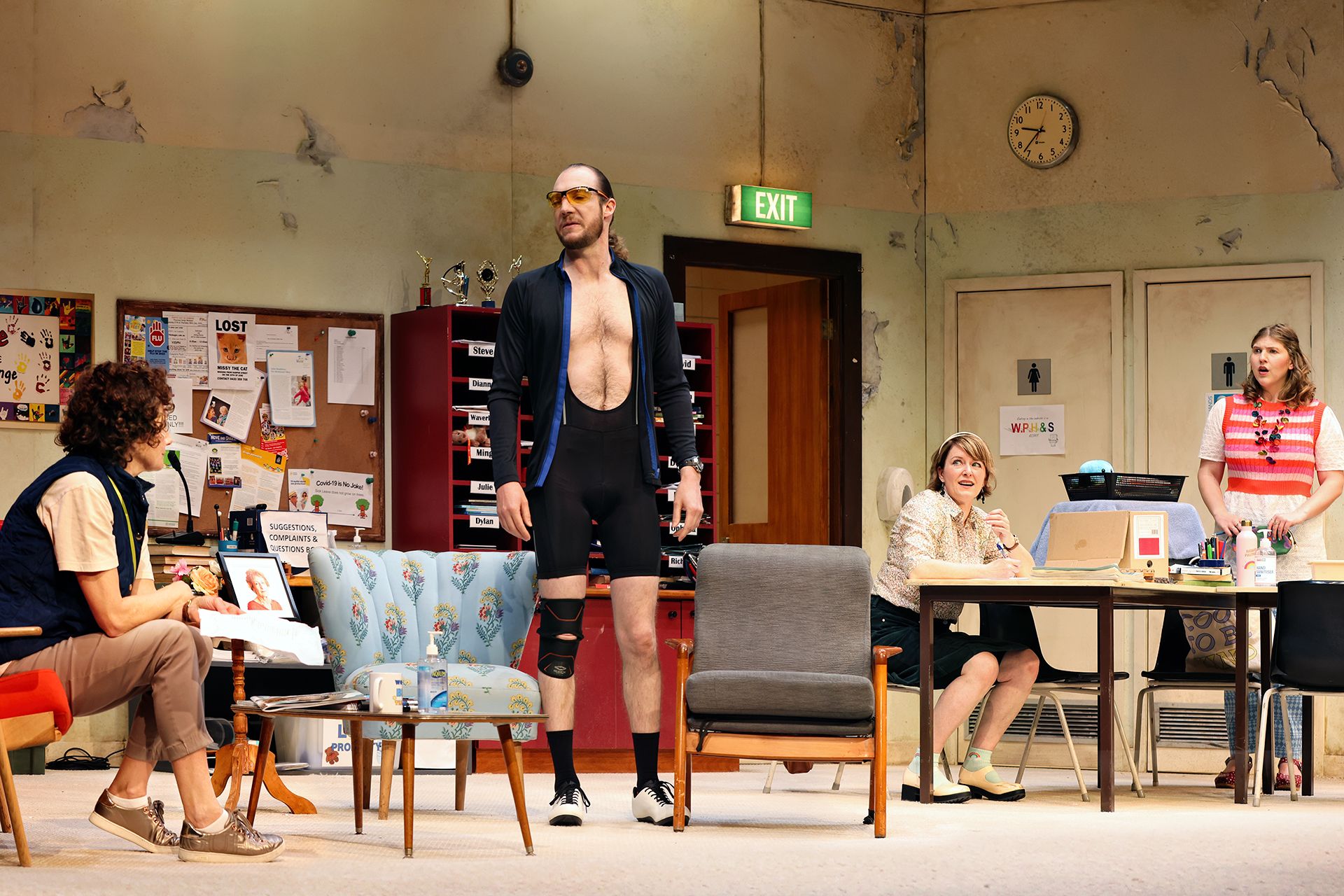
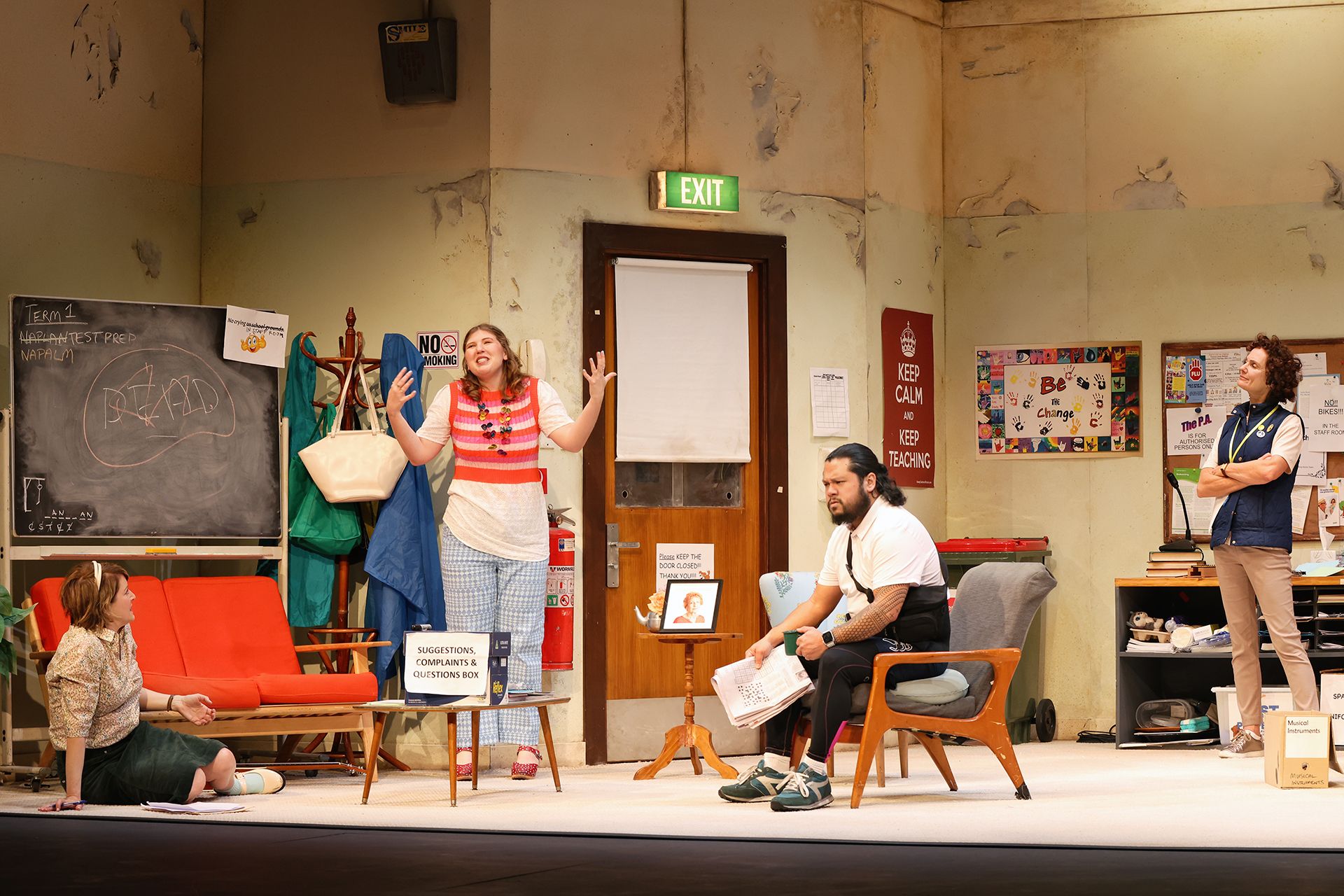
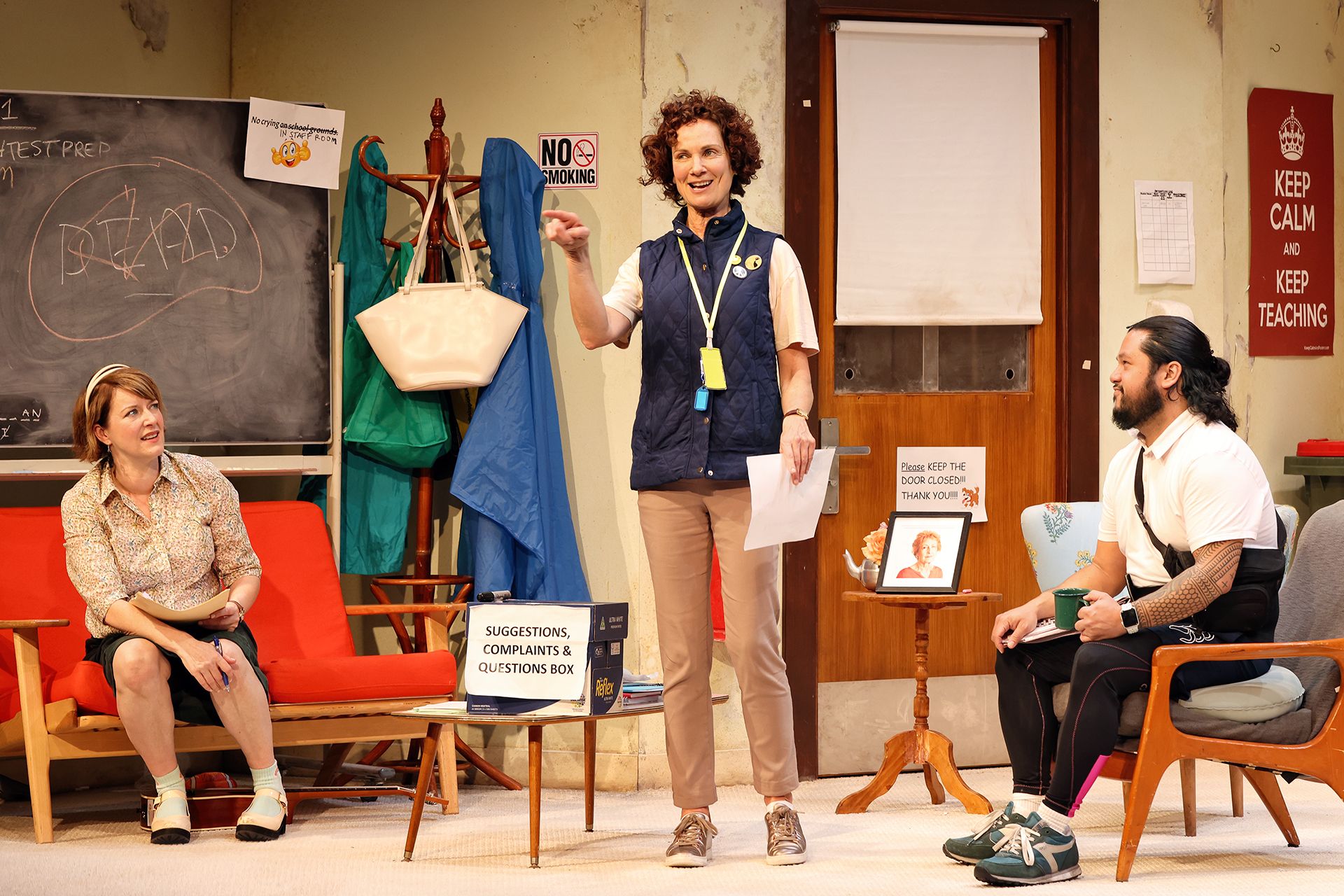
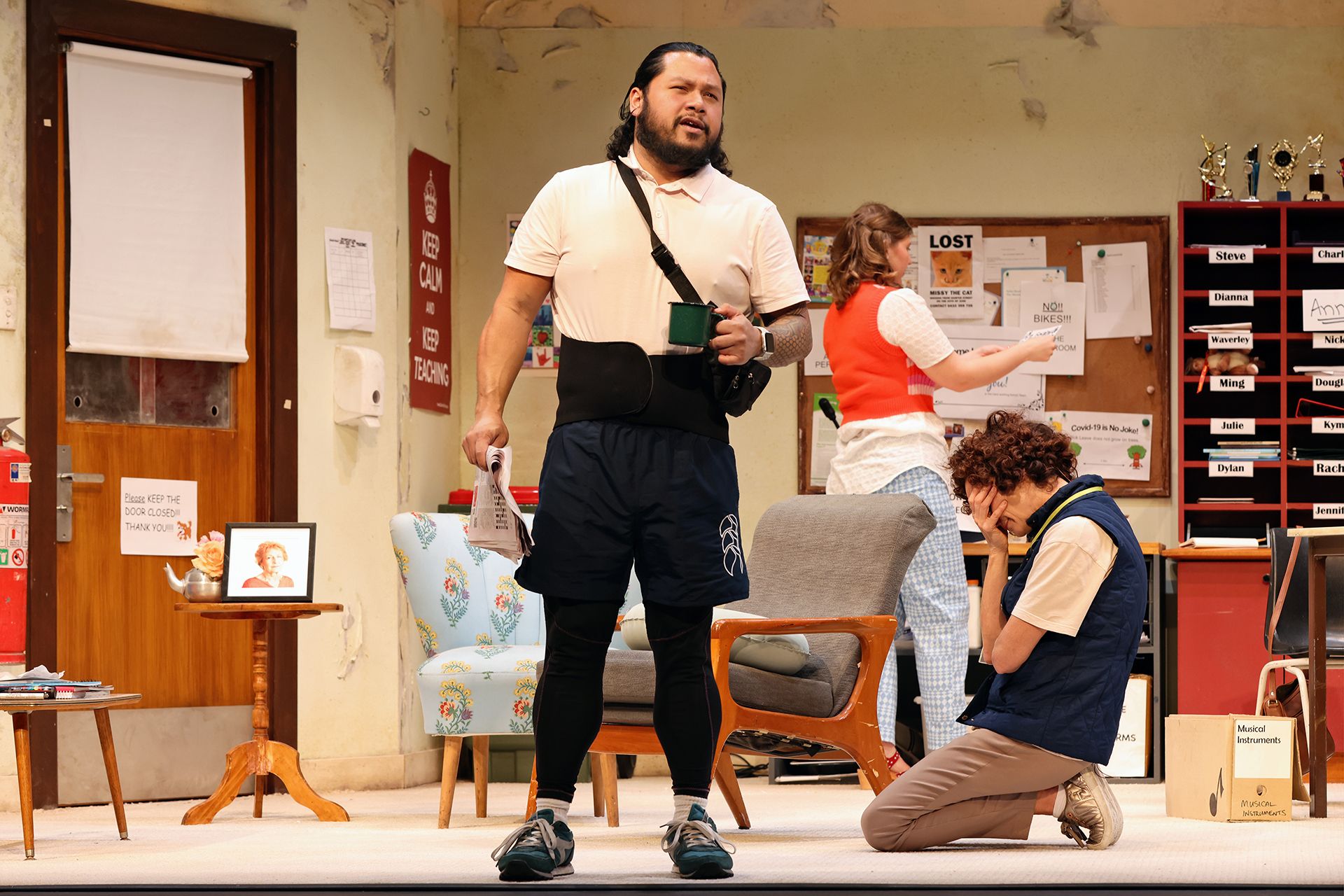
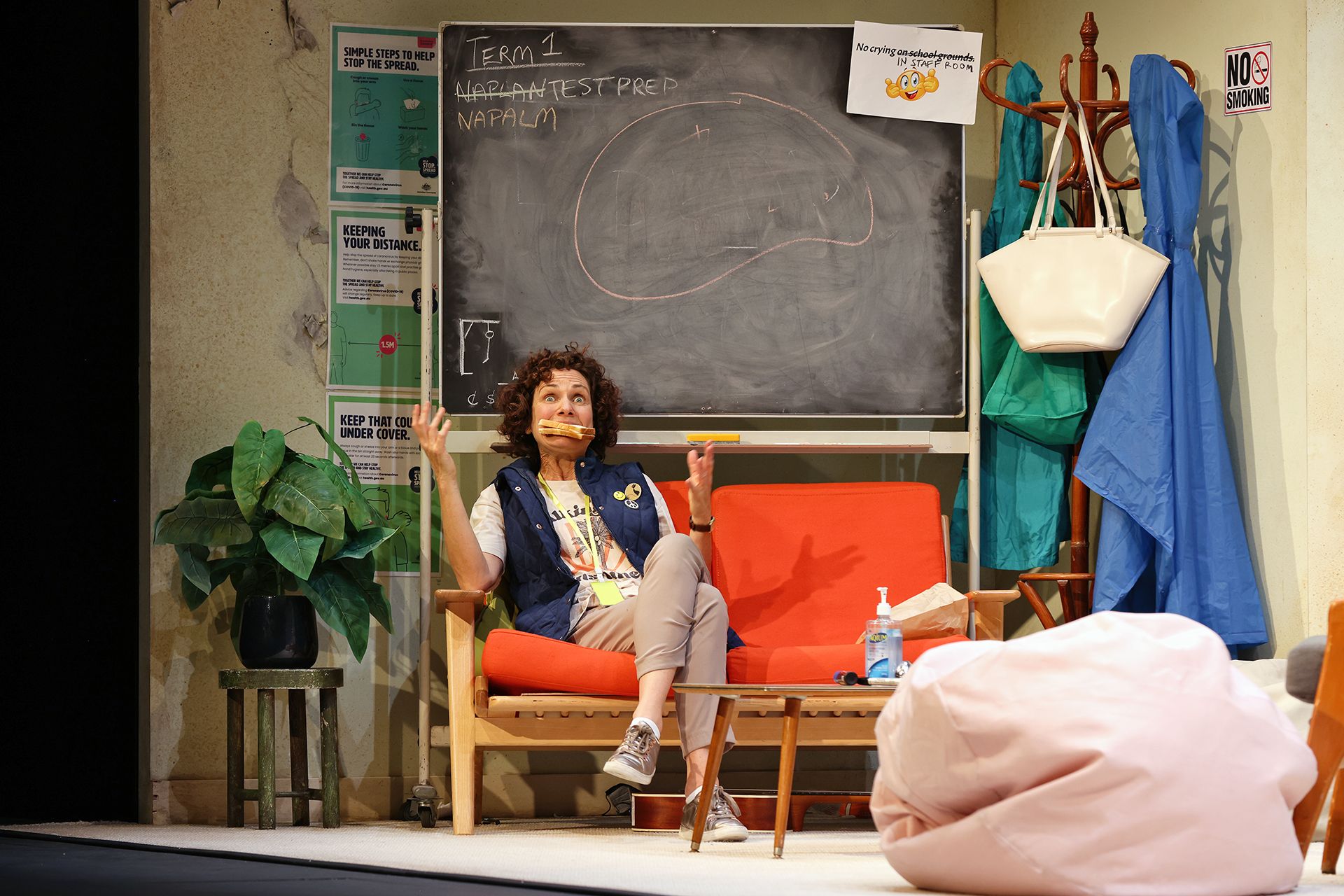
Pat has been teaching for far too long, at West Vale Primary, a government school severely deprived of resources. Everything seems to be falling apart, not least of all its teaching staff. Pat’s palpable cynicism stands in stark contrast, against newcomer Anna, who turns up first day of term, bright-eyed and bushy-tailed, to join the decidedly jaded team. In Angela Betzien’s Chalkface, we look at the public education system, and the people who do all the heavy lifting to keep it running.

Betzien’s keen observations are presented with cutting humour, for a work that delivers many laughs, based on our own refusal to do better for so many teachers and children. It is satisfying satire that inspires debates on our values, especially as they relate to resource allocation, thereby interrogating our priorities as a nation. Direction by Jessica Arthur leans on the writing’s acerbic qualities, for a production that appeals with its gentle irreverence. The comedy manifests in a style of theatricality that is unquestionably bold and mischievous, but the show is ultimately, and unsurprisingly, highly respectful of the teaching profession.

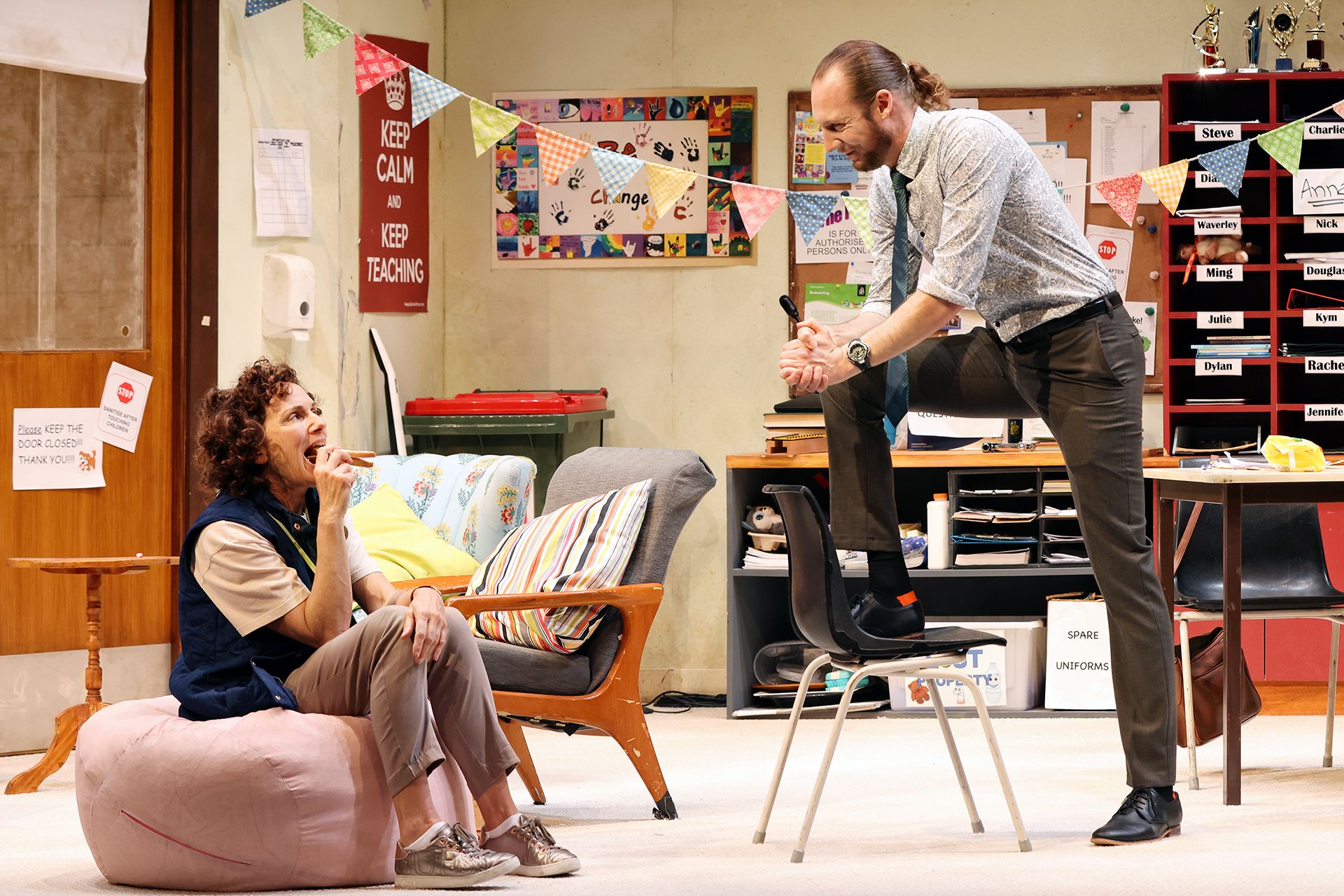
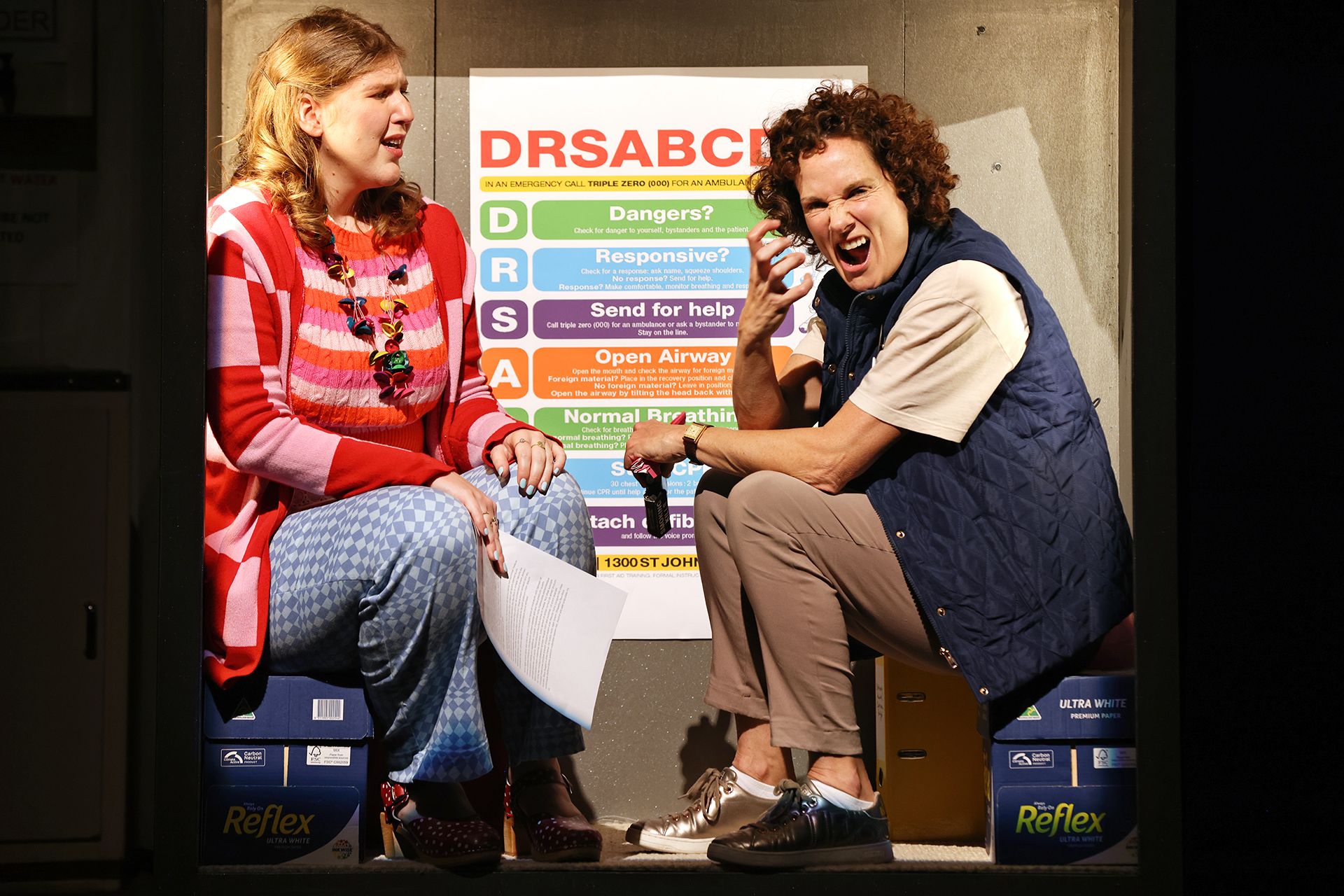
Chalkface features six characters, all of whom are made endearing by Arthur’s thoughtful approach to the depiction of humanity, in the midst of a lot of amusing hullabaloo. Actor Catherine McClements is wonderfully entertaining as the astringent Pat, turning middle-aged grumpiness into something altogether more playful and charming. Her portrayal of the burnt out civil servant drives home a salient point, about our failure to take care of those, who do some of our most important and hard work. Stephanie Somerville does an admirable job, of preventing the idealistic young woman from ever becoming nauseating, with an understated sassiness and confidence, that makes Anna a persuasive presence.

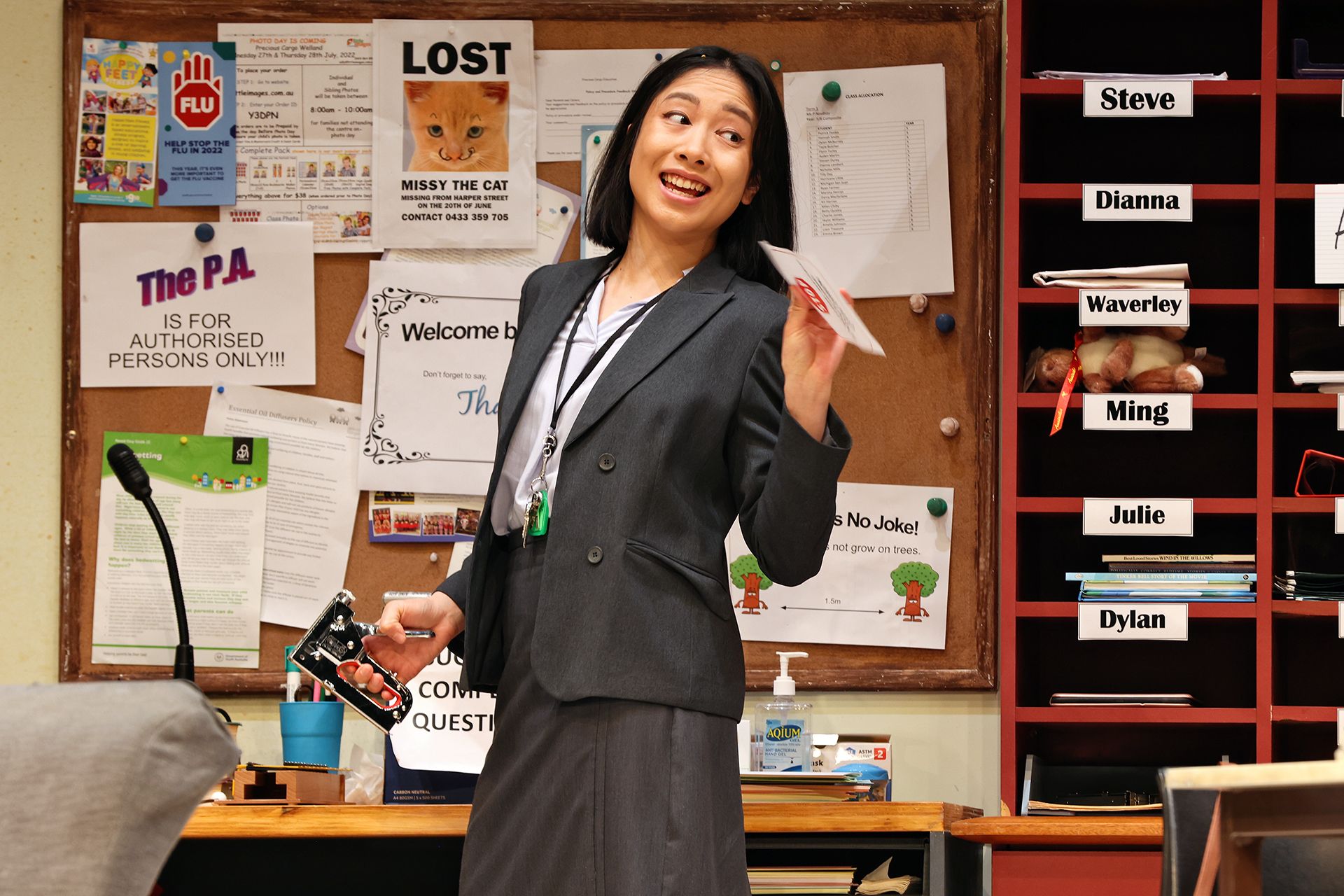
Ezra Juanta and Susan Prior deliver a couple of madcap performances, as Steve and Denise respectively, both with exaggerated eccentricities that enrichen and enliven the storytelling. Similarly outlandish are Michelle Ny and Nathan O’Keefe, who play the slightly villainous members of administrative staff Cheryl and Douglas, bringing unyielding flamboyancy to a relentlessly exuberant presentation.

Ailsa Paterson’s set and costume designs offer appropriately comedic renderings of that scrappy world, with an unmistakable sense of disintegration, for the staff room and for the people who occupy it. Lights by Mark Shelton, and music by Jessica Dunn are utilised most vivaciously between scene changes, taking the opportunity to further uplift our spirits.

It goes without saying, that we should always strive to do better for our children. It is incredible however, to witness the extent to which some are willing to sacrifice, in the belief of doing what is right for future generations. There is nothing at all controversial, in saying that our teachers are the bedrock of society, but to suggest that those who contribute the most within our education system, should receive commensurate remuneration, seems to be eternally contentious.

www.sydneytheatre.com.au | www.statetheatrecompany.com.au

Review: Overflow (Darlinghurst Theatre Company)

Venue: Eternity Playhouse (Darlinghurst NSW), Sep 9 – 25, 2022
Playwright: Travis Alabanza
Director: Dino Dimitriadis
Cast: Janet Anderson
Images by Robert Catto

Theatre review
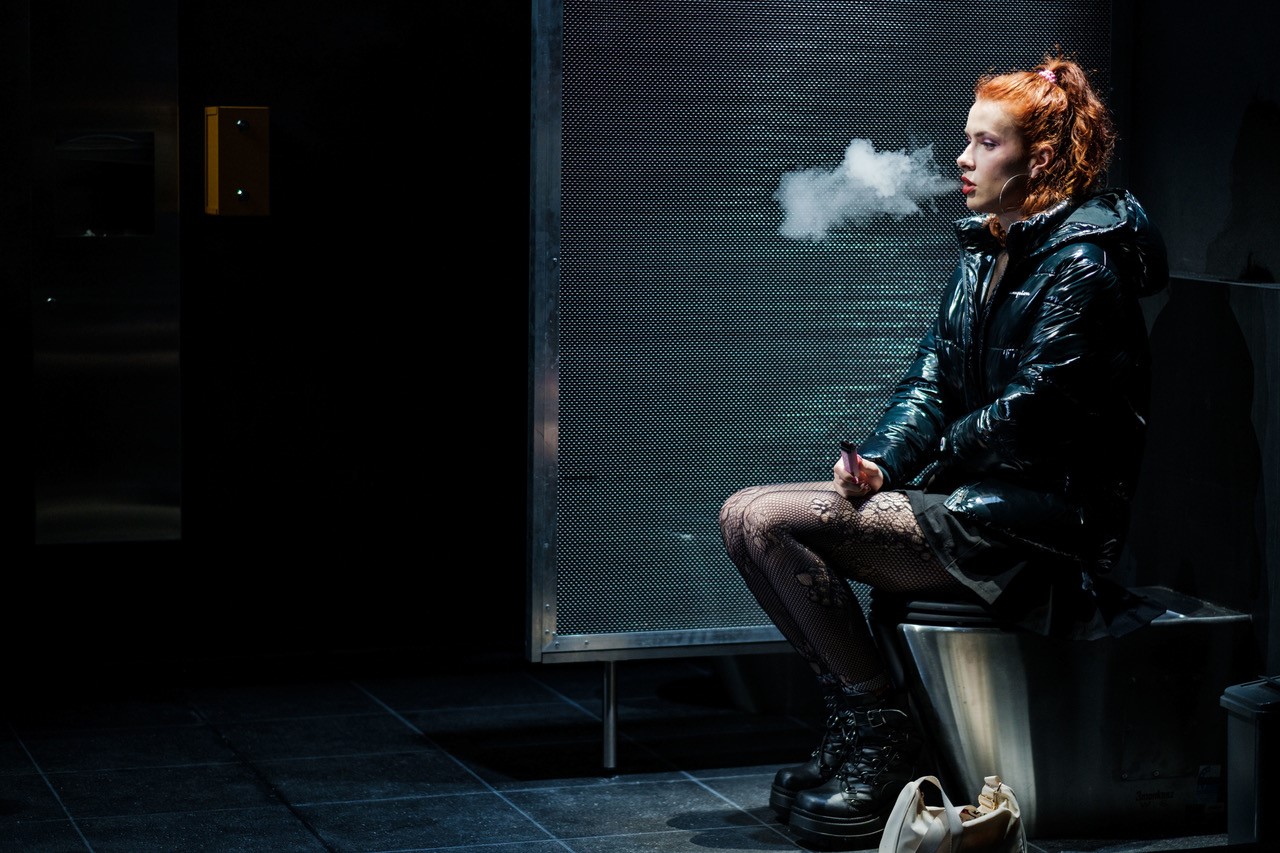
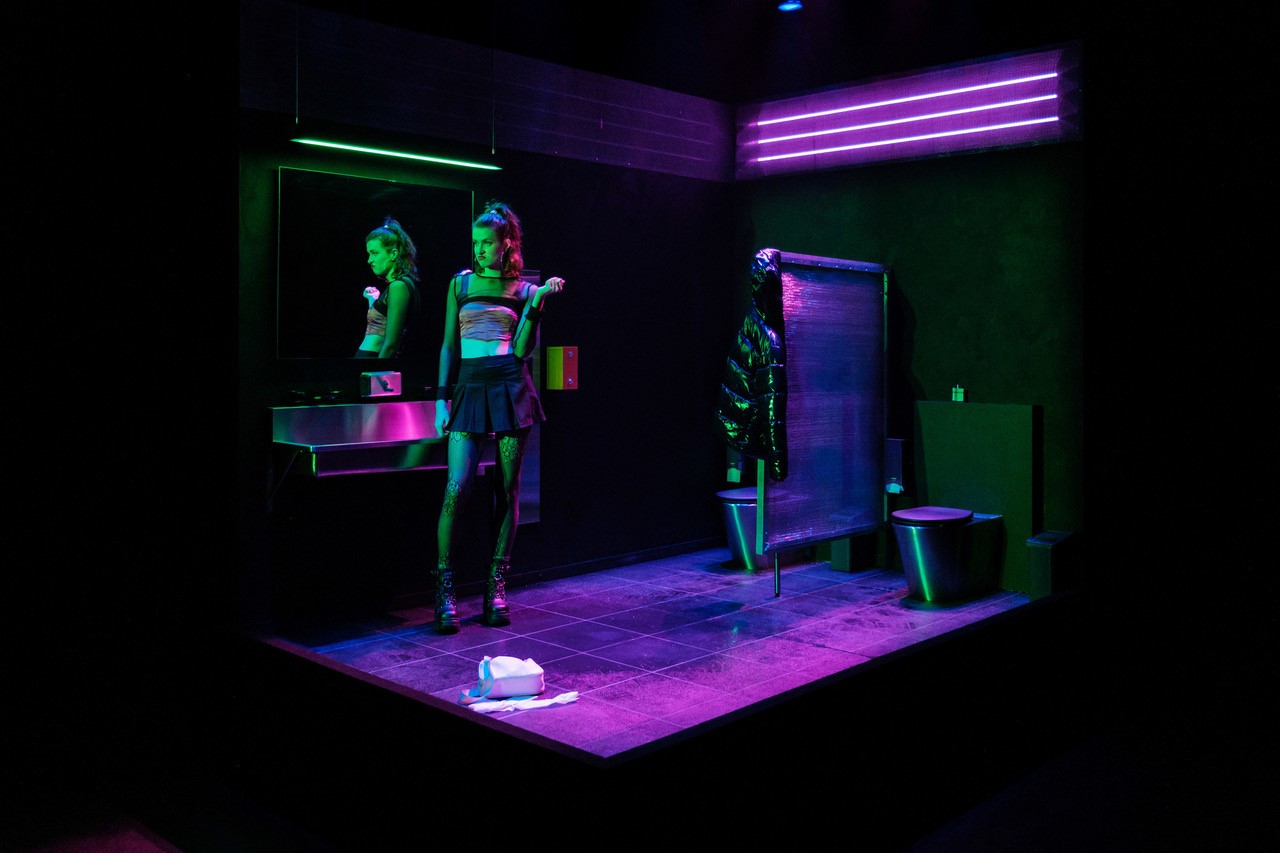
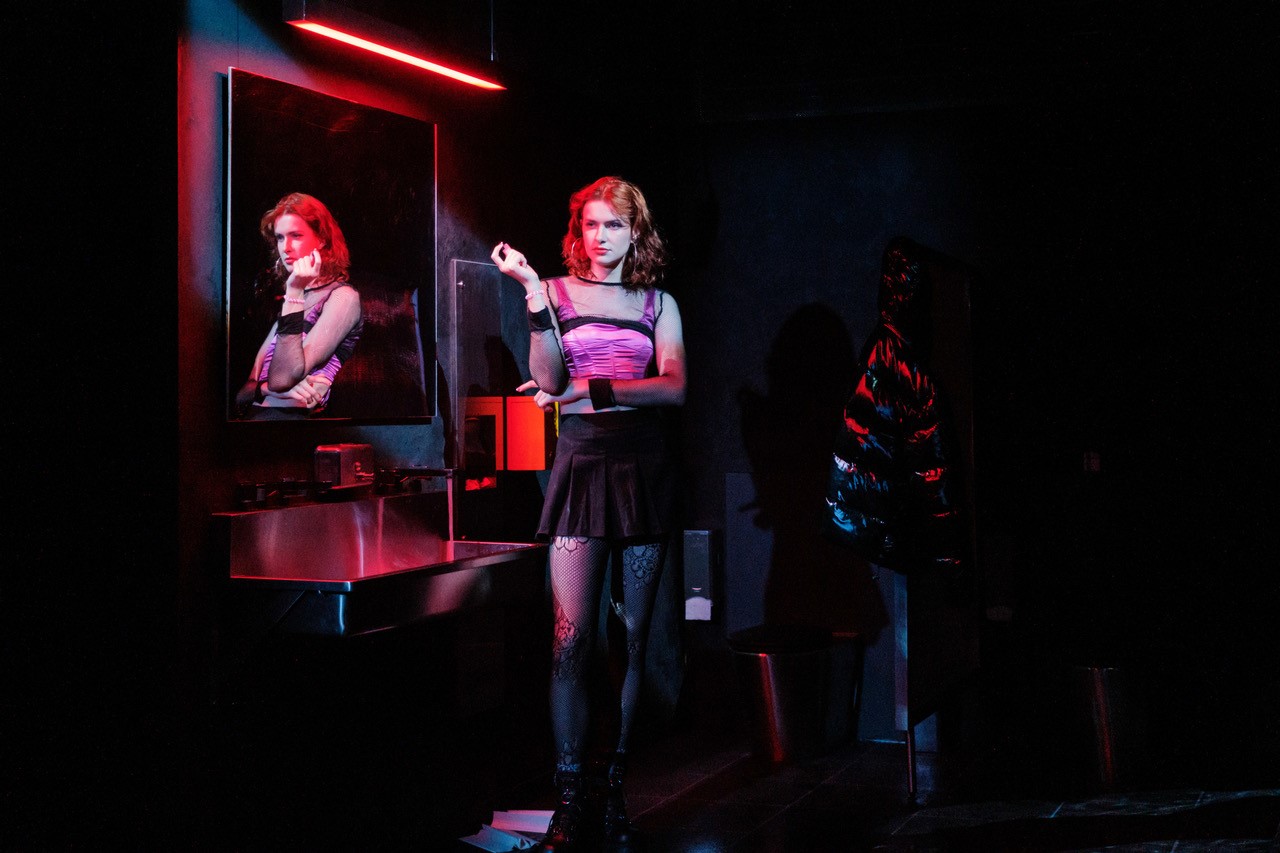
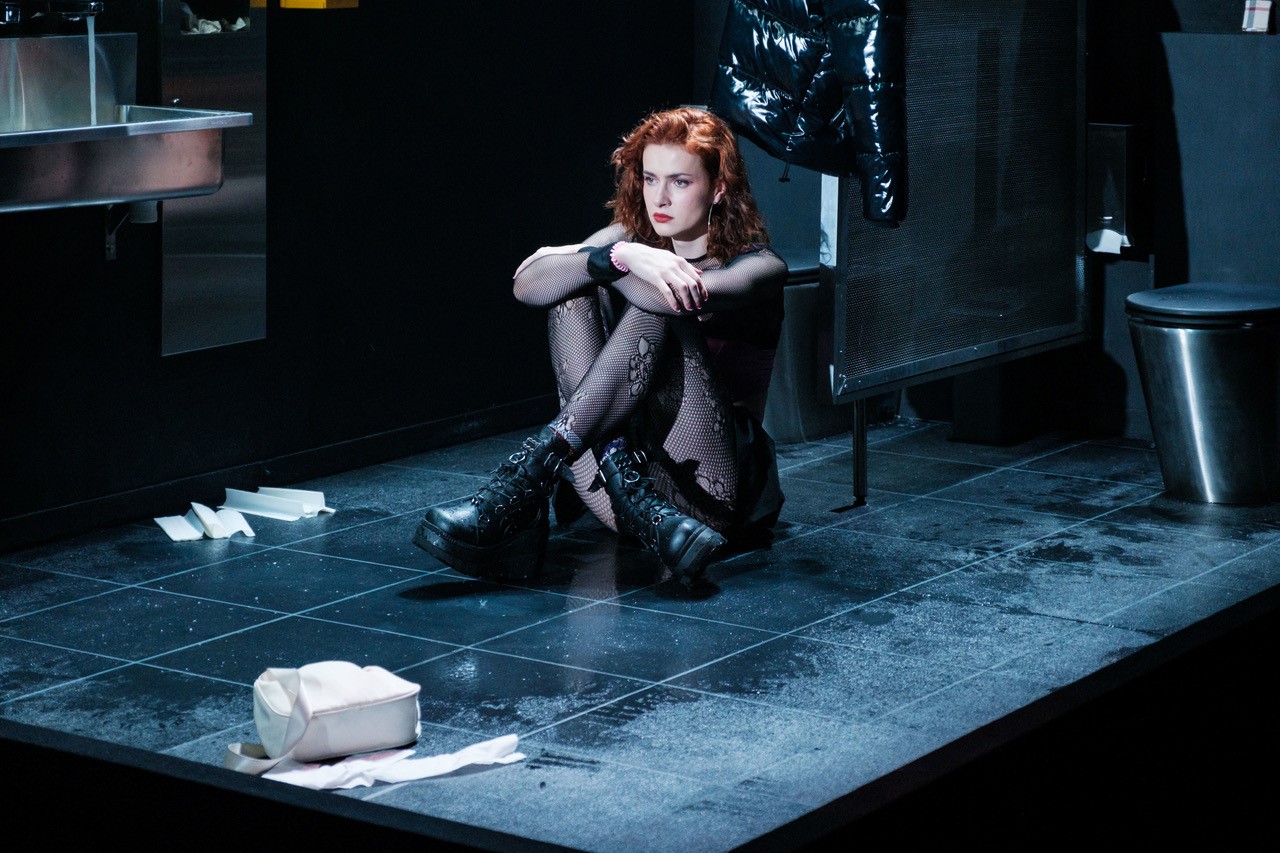
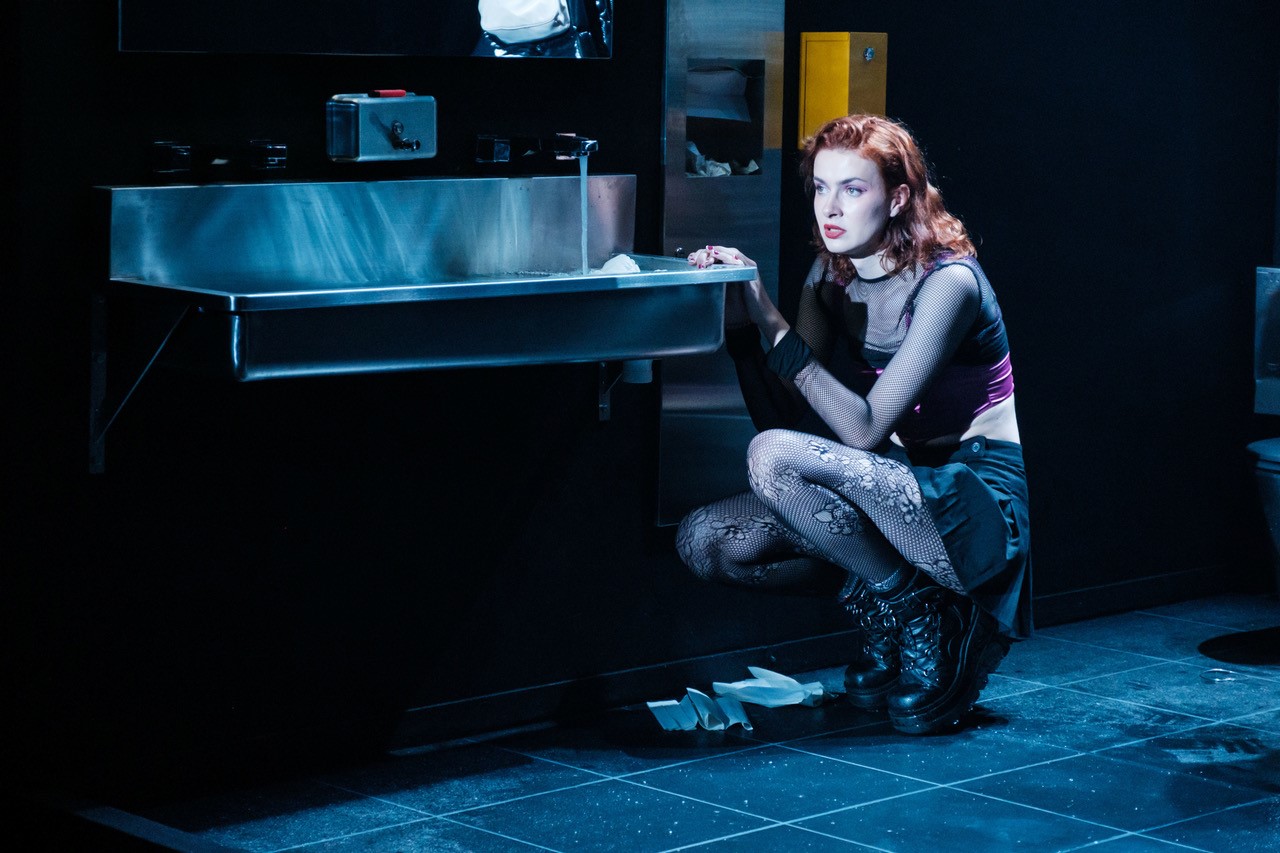
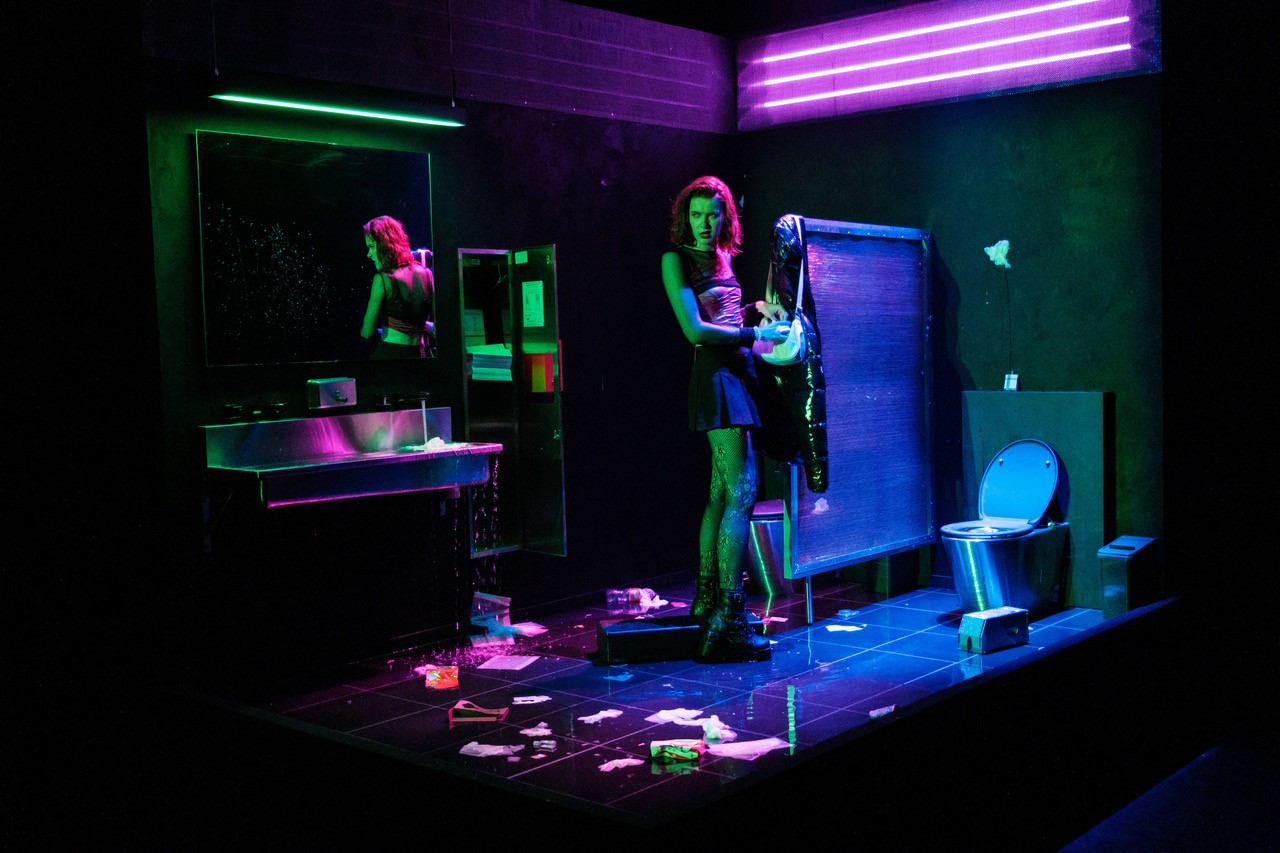
For an hour in a nightclub toilet, Rosie shares her thoughts, reflections and memories. It is perhaps not surprising that she has so much on her mind, being a young trans woman, who has had to navigate everything in life with extraordinary dexterity. It is perhaps not surprising also, that we find Rosie stuck in a public loo, hiding from the constant presence of threatening forces on the outside, as trans people remain some of the world’s most persecuted.

Travis Alabanza’s Overflow is a passionate one-person show, very much of our times. Trans people have always existed, but with the confluence of activism and technology, we find ourselves with a new voice, discovering access that had hitherto been unavailable. Alabanza’s verbosity represents floodgates being finally open, and in Overflow, they talk exhaustively about injustice and struggle, as well as emancipation and inspiration. It is the perspective of a new generation of transness, one filled with jubilation and with anguish.

Alabanza’s keen observations and irrefutable candour, are the ingredients to Overflow‘s immense power and intensity. There is a haphazardness to the work, as an inevitable result of the conceit, involving a person in the midst of trauma trying to find coherence, but under the directorship of Dino Dimitriadis, those fragmentations turn poetic, for a theatrical experience that is perhaps unexpectedly beautiful, in its expressions of frustration, fear and fury.

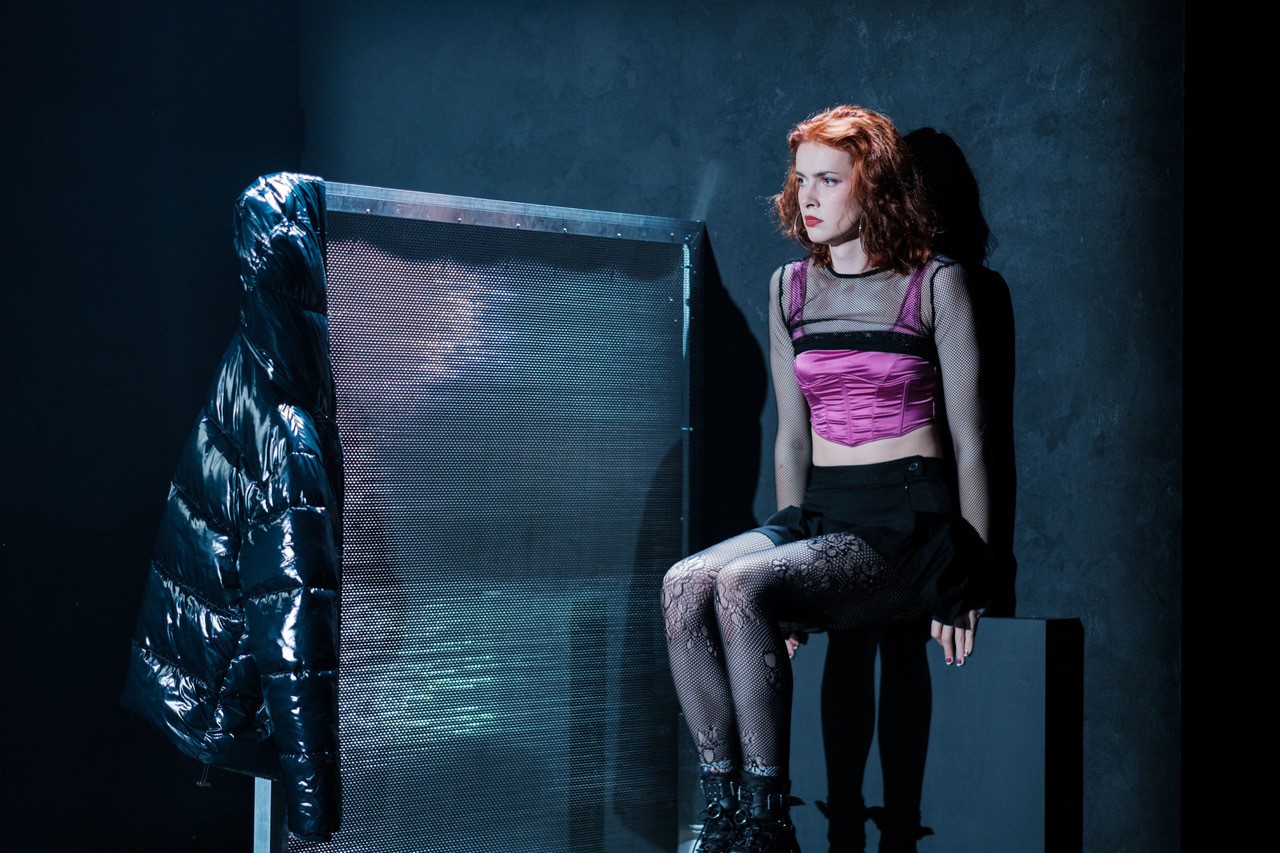
Janet Anderson plays Rosie with exceptional commitment, and irrepressible sass. It is an exhilarating performance, highly convincing with her depiction of challenges faced by trans communities everywhere. Delivering poignancy at select key moments, Anderson’s vulnerability is perhaps slightly too sparingly mobilised, although the intention of portraying Rosie as self-possessed and spirited, is certainly sagacious.

Flawlessly designed, this production of Overflow is an unequivocal treat for the eyes and ears. Set design by Dimitriades uses the claustrophobic scenario to create a tight enclosure, so that our attention is always kept sharply in focus. Costuming by Jamaica Moana conveys the precise era of where we are right now, along with Rosie’s brassy youthfulness. Lights by Benjamin Brockman are an astonishing pleasure, invoking the exuberance of club life, along with its dangerous and foreboding sides, to connect with our complex and contradictory instinctual responses. Sound and music are precisely and imaginatively rendered by Danni A. Espositol, who works intricately with Alabanza’s text, to amplify our emotional reactions for every detail of the play, in an exploration of humanity at its fundamental levels.

With new freedoms, come new forms of retaliation. In some ways, trans and gender non-conforming people have in recent years, found more room to be, but it seems our adversaries are concurrently triggered, and emboldened. Where we had previously felt the palpability of potential threat, that lurking sense of menace has turned into substantiated violence, most notably in places like North America, where more than one trans person is being murdered every day, keeping in mind that we are only an estimated 1.5% of the general population.

It is a legitimate worry that our numbers are too small, to be able to change enough hearts and minds, for the revolution to be completed. The creativity and fortitude we possess however, allow us to reach not one person at a time, but the masses, on the stage and on infinite internet screens. We are the wisest and the most captivating, and in Overflow it is clear that our message of defiance is not to be denied.

www.darlinghursttheatre.com

Review: They Took Me To A Queer Bar (Old Fitz Theatre)

Venue: Old Fitzroy Theatre (Woolloomooloo NSW), Sep 6 – 10, 2022
Writer/Performer: Tommy Misa
Performance Guide: Emma Maye Gibson
Images by Joseph Mayers

Theatre review

Like many queer people, Tommy Misa comes from a history of ostracism. That common experience of marginalisation however, leads us to forming communities, some of which manifest in bonds stronger than those found in biological families. Misa’s one-person show is about that human need to belong, and that search for a sanctuary, in order that one may feel a sense of validation and acceptance.

They Took Me to a Queer Bar is a partially autobiographical work, involving a nightclub named Auntie Lavender’s and a drag queen elder Caramello Koala. Misa demonstrates great reverence for both, whilst trying to grapple with the realities of being a queer person-of-colour, connected to Samoa and to Gadigal. Existing in and between both places, yet experiencing a lifetime of rejection, Misa seems only to be able to locate a wholeness and perhaps become self-actualised, after discovering the people of Auntie Lavender’s.

It is a soulful work, with authenticity emerging from the simplicity with which Misa tells their story. There is wonderful humour informed by the irony, that figures centrally in Misa’s attitudes about life in general, the kind that queer and other marginalised people will surely recognise and identify with. Their expressions can be poetic, but are also mundane, and at times vulgar. At just an hour, Misa’s presentation is a sampler of who they are, and an offering of what our values might be, as queer people who have to rely on each other.

Misa’s performance of the work, is heavily dependent on their charisma, which proves limitless. Their captivating presence, is given excellent shape and nuance, by performance guide Emma Maye Gibson, who ensures that every subtle resonance is unmissed. Much is conveyed between the lines, in a work that exemplifies the power of intimate live theatre.

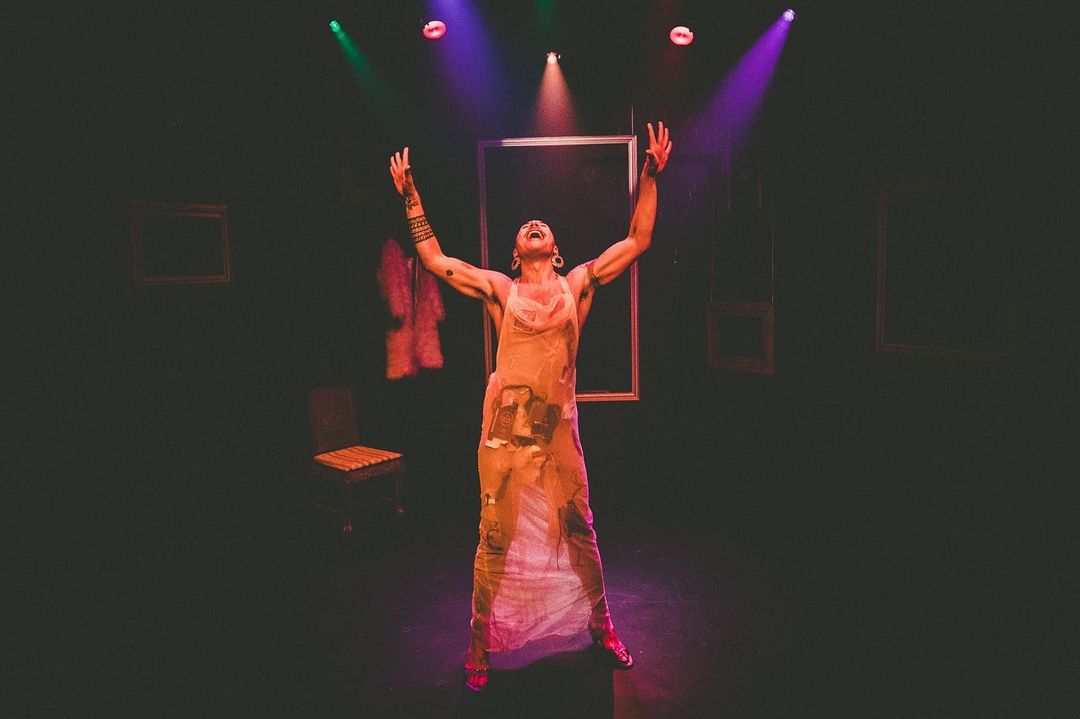
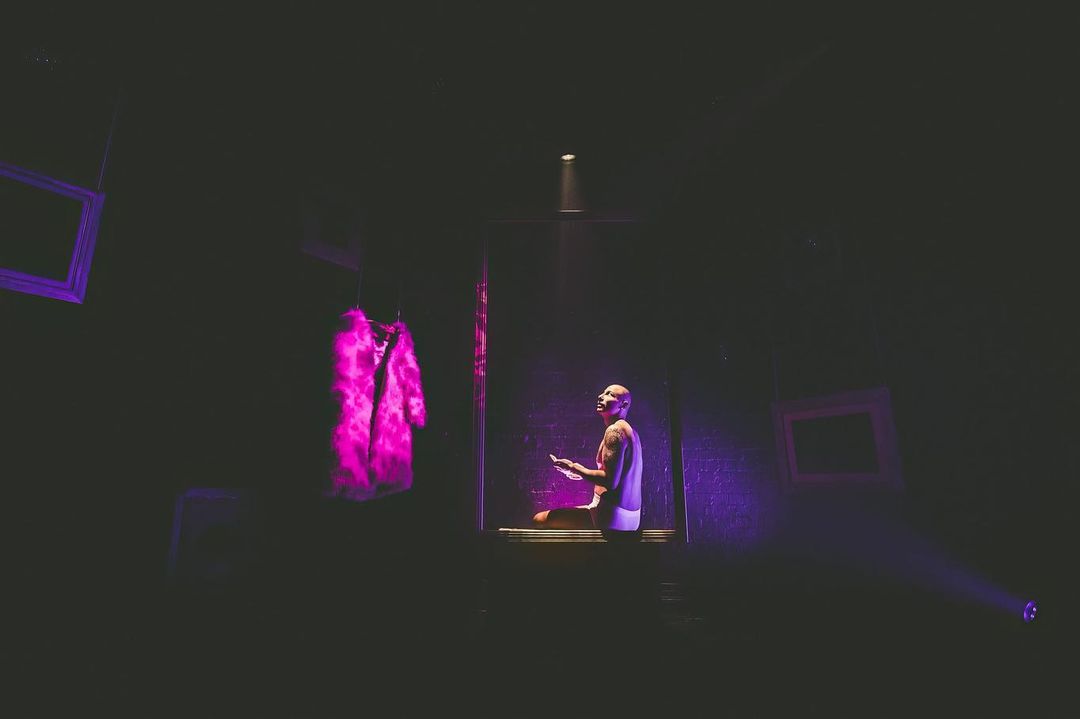
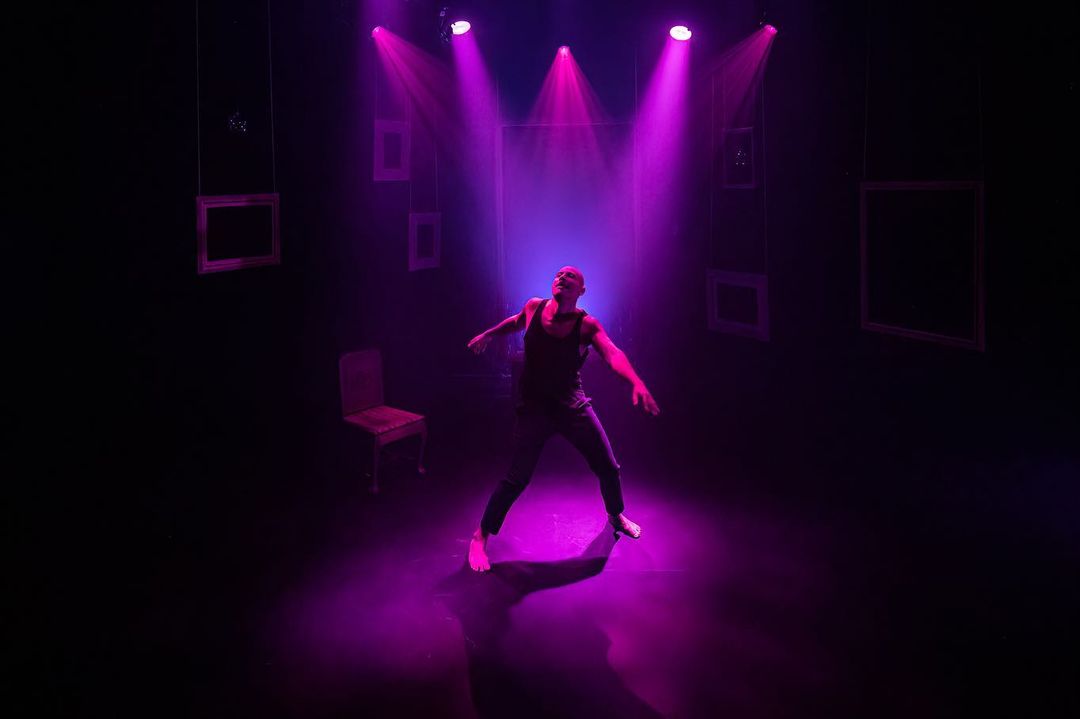
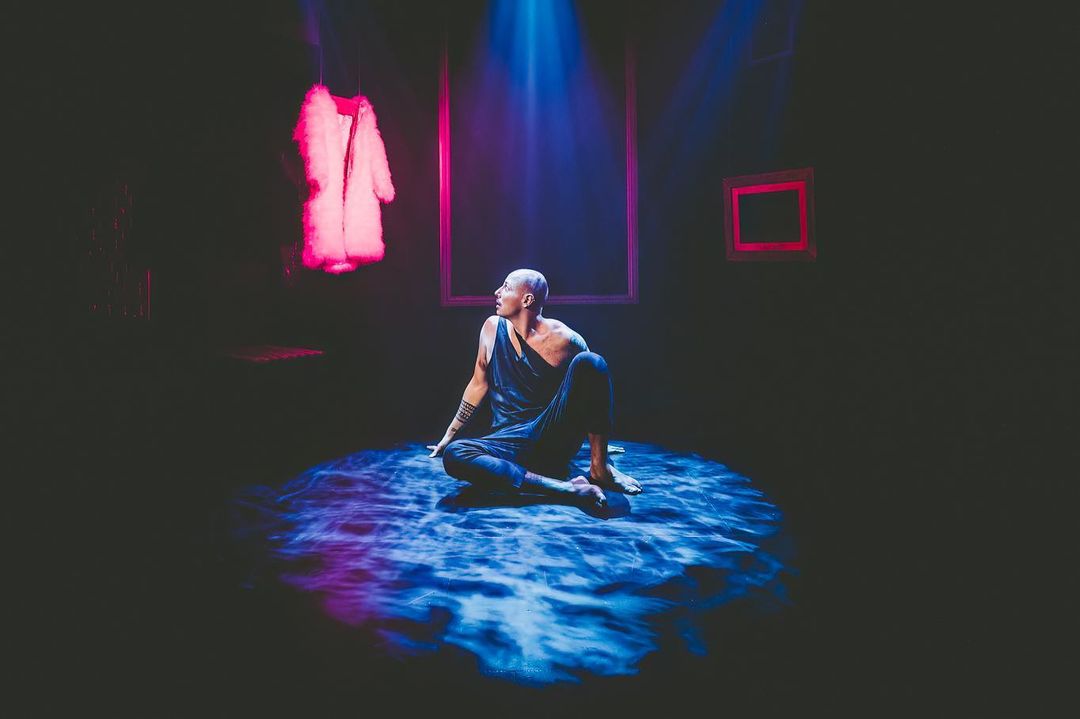
Set design by Misa and Lyndsay Noyes is effective in helping our attention concentrate on the only physicality that matters in this show, which is the performer’s body. Also meaningful, is a garment that appears late in the piece, created by Nicol & Ford, exuding decadence and making a statement about our history as outsiders. Exquisite lights by Frankie Clarke are almost psychedelic in style, tuning the viewers’ mind to a dreamlike frequency, whilst using colour and movement to suggest the characteristic flamboyance of those incapable of being straight. Sound and music by Jonny Seymour glistens, moves and unifies, adding a dimension of sumptuous transcendence to the communal event.

People who have been excluded and made to feel unworthy, will either regurgitate that same venom (onto others and themselves), or they will become capable of being the most loving of all. It is perhaps miraculous, that those who have been so thoroughly broken, can be the ones who do the most for the world. Similarly, it is astonishing to realise that the greatest pride, resides where the most abominable shame used to be. They Took Me to a Queer Bar shows just how unfair things are, but for those who have come out the other end triumphant, there is no better place to be.

www.redlineproductions.com.au

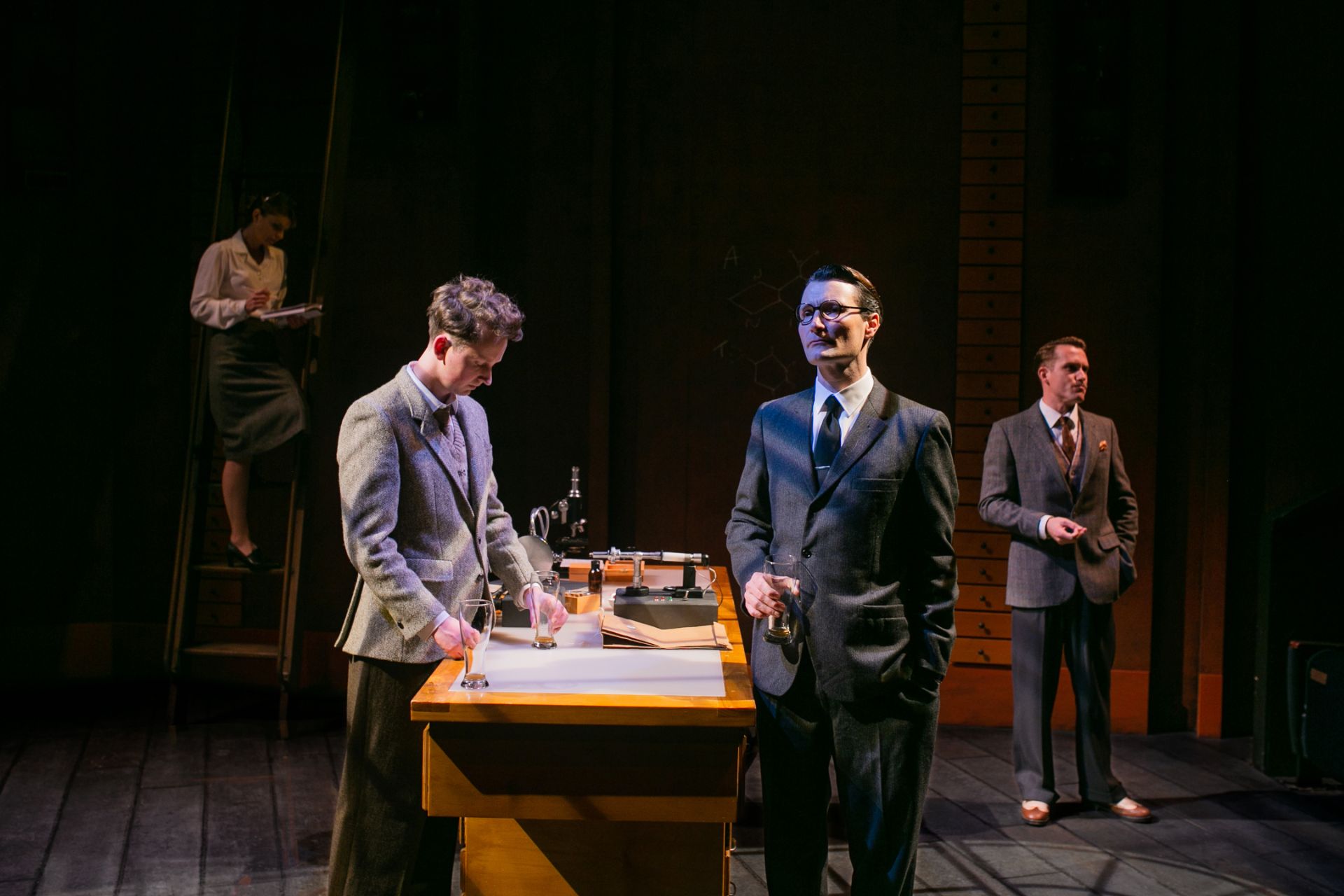
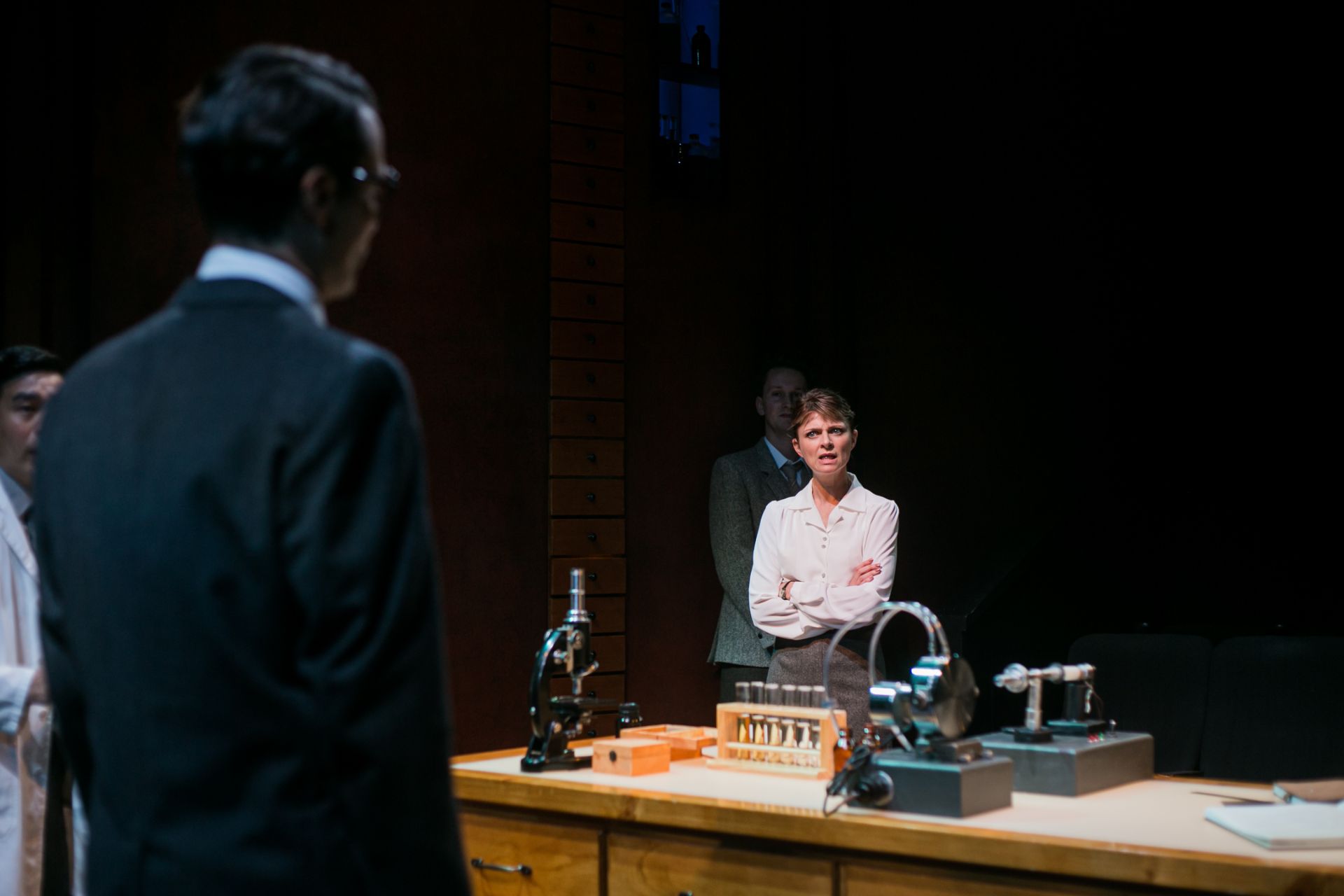
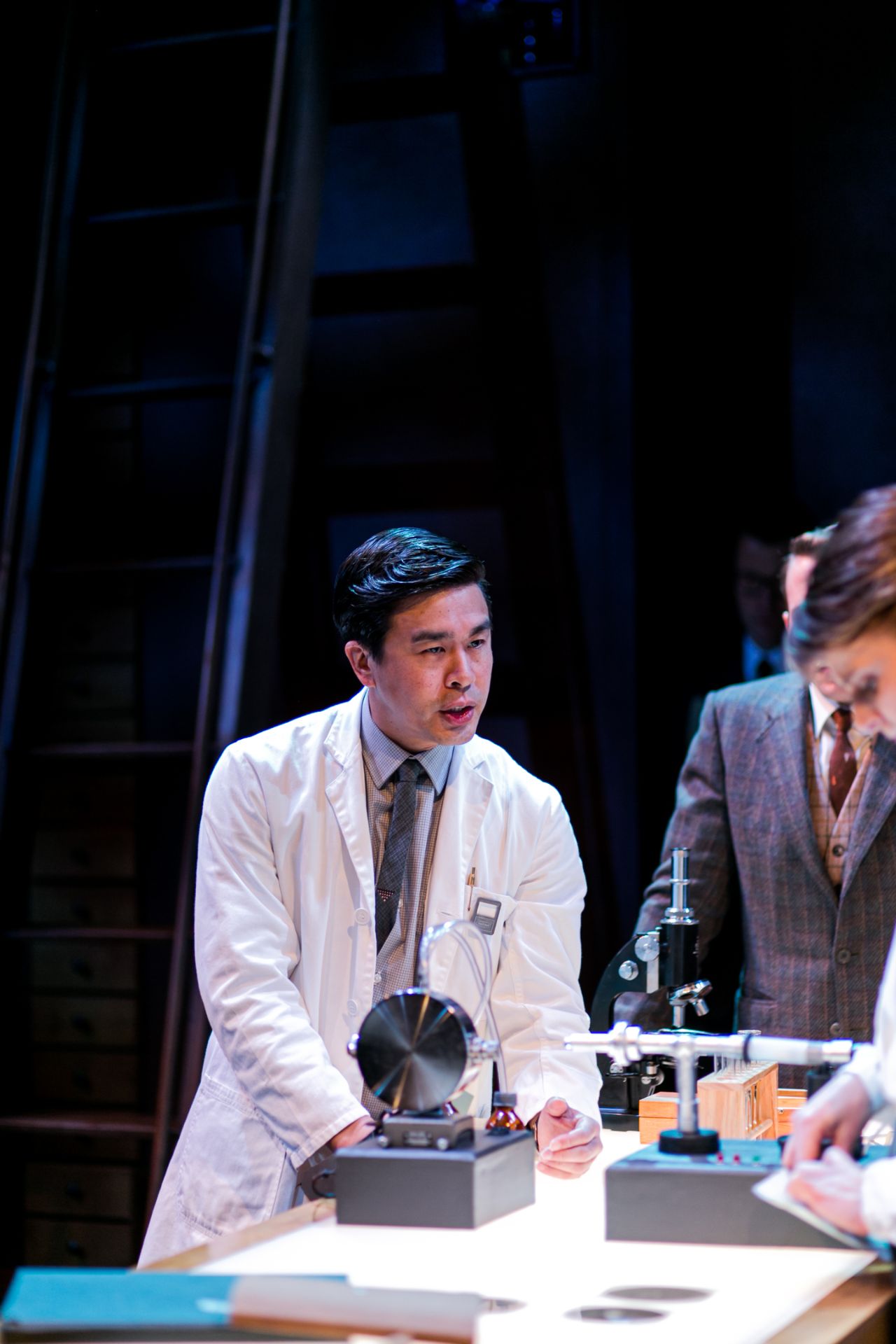
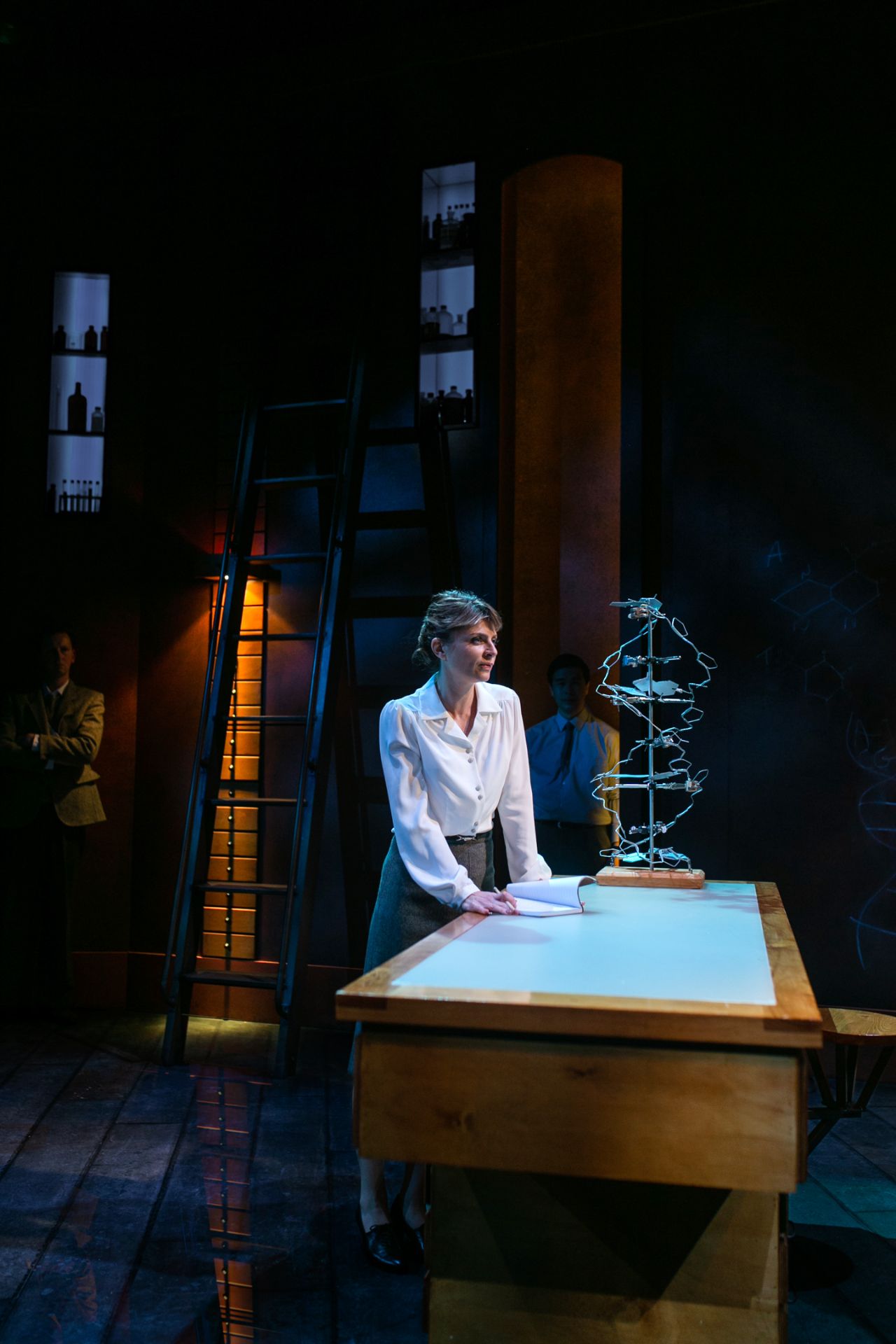
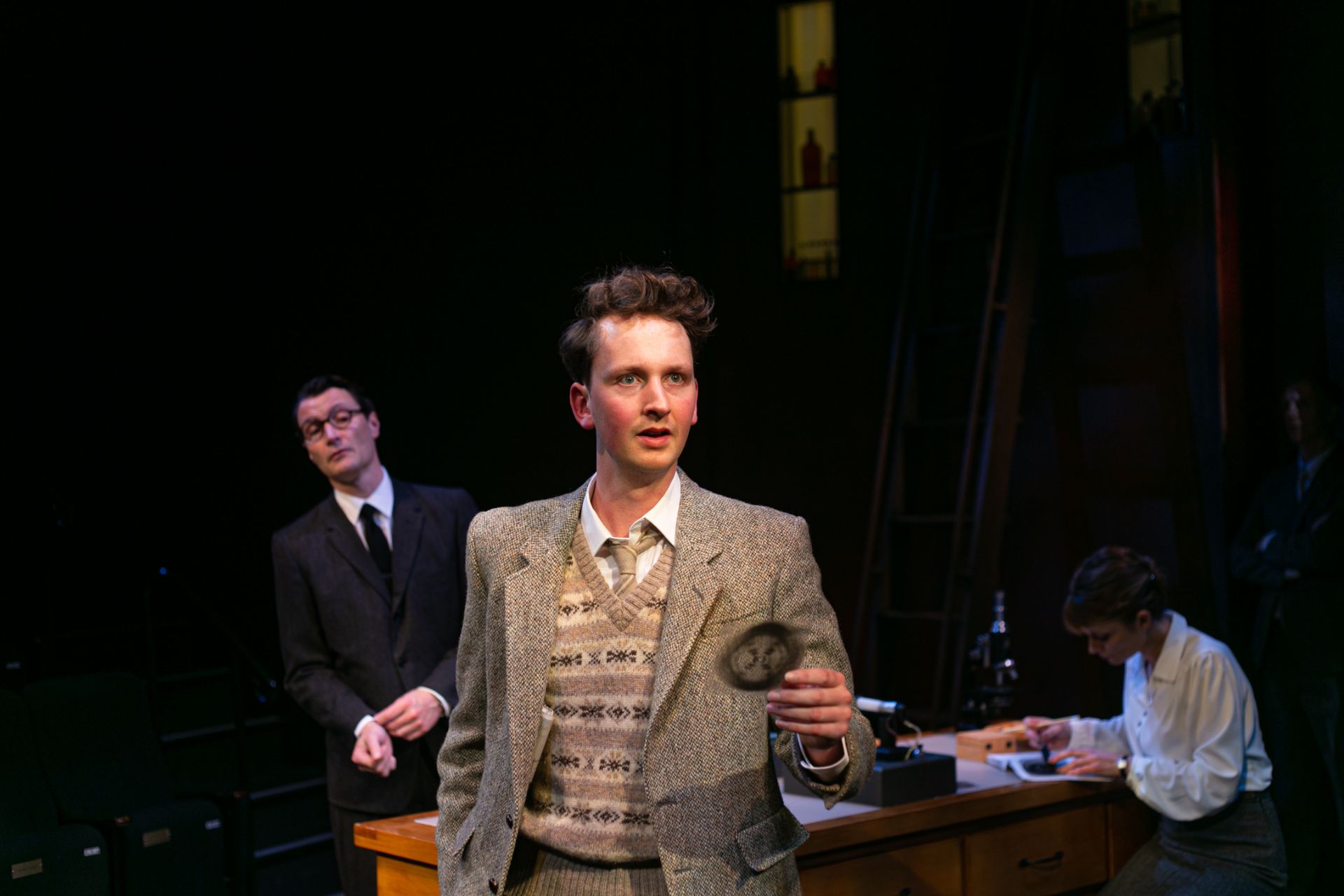
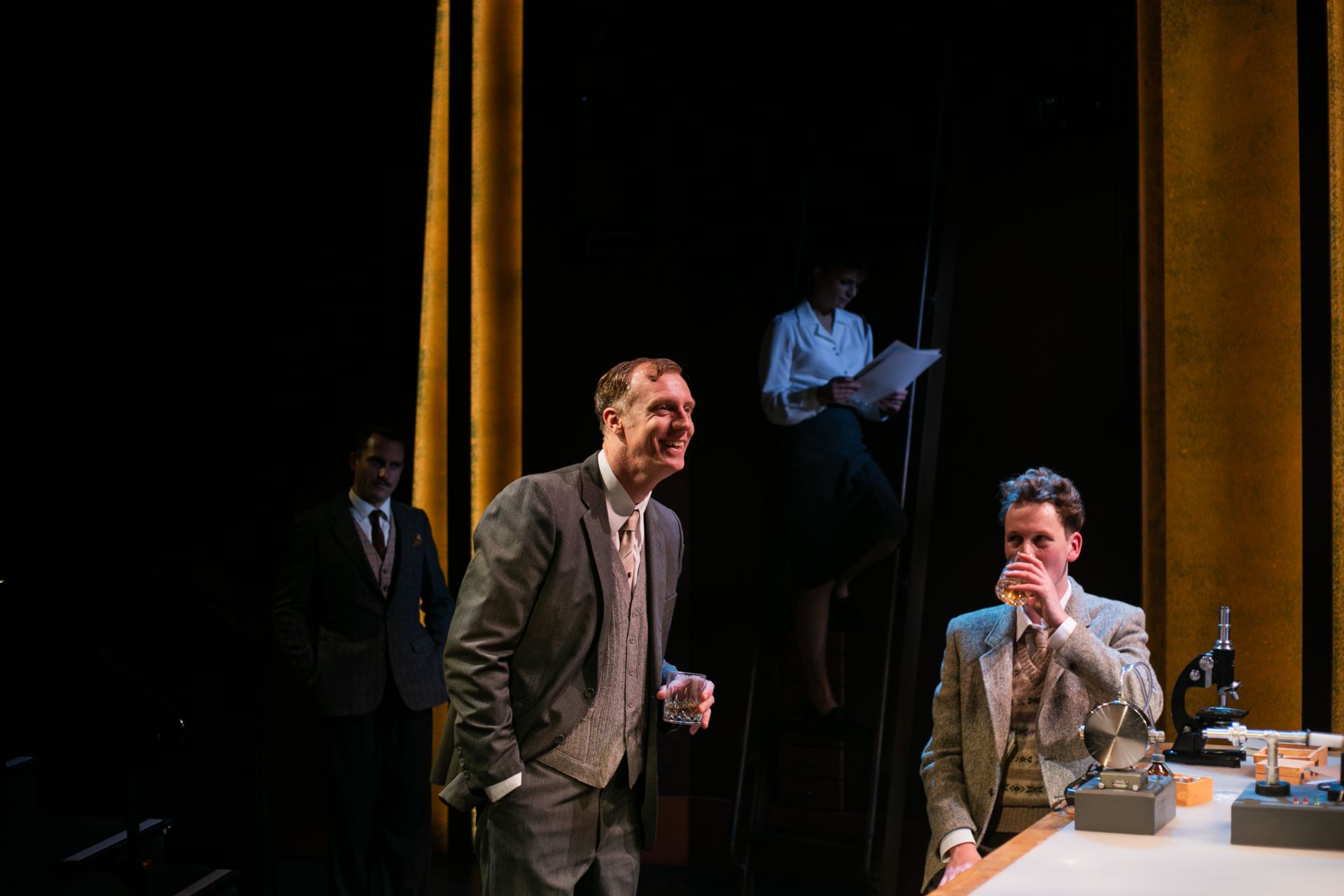
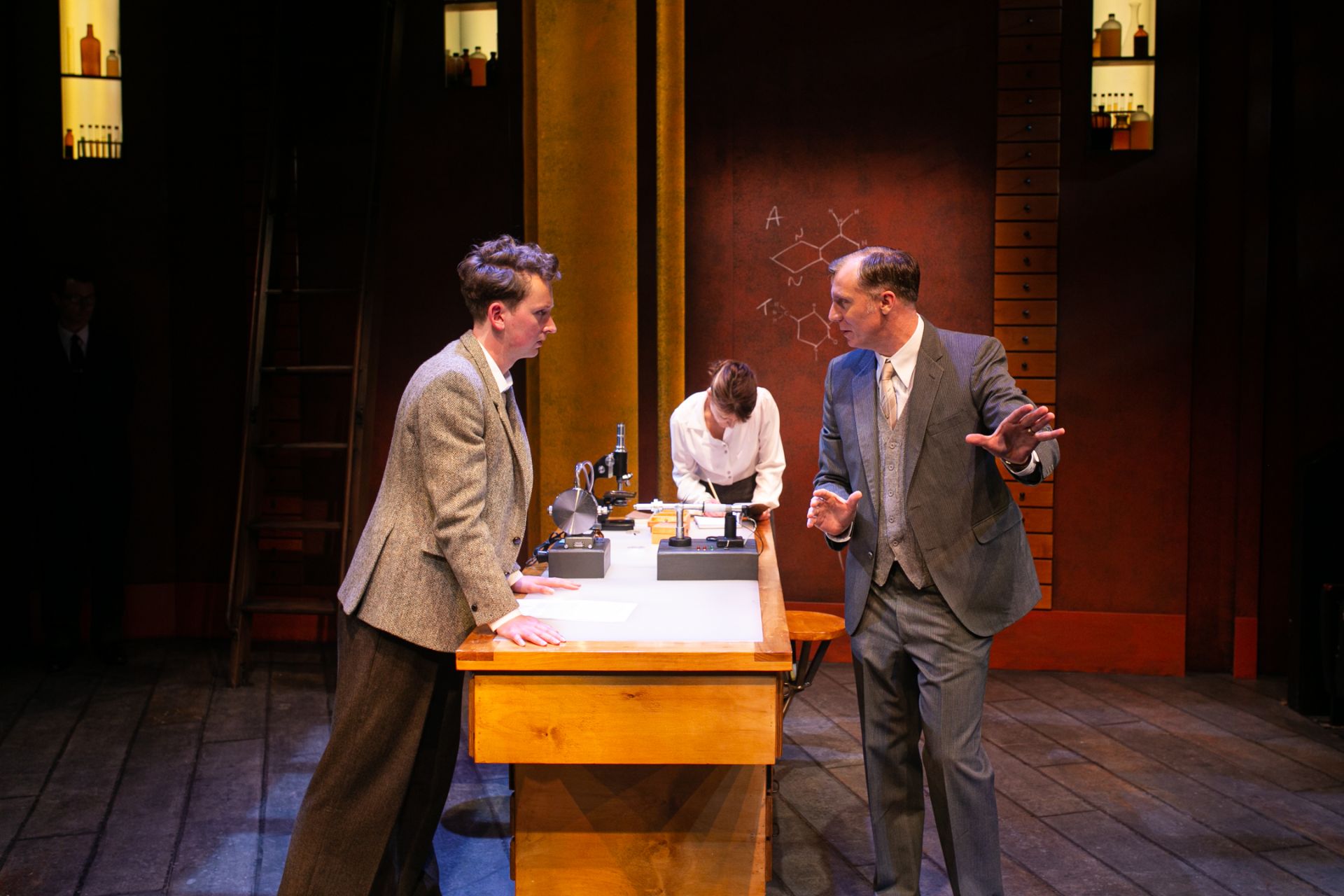
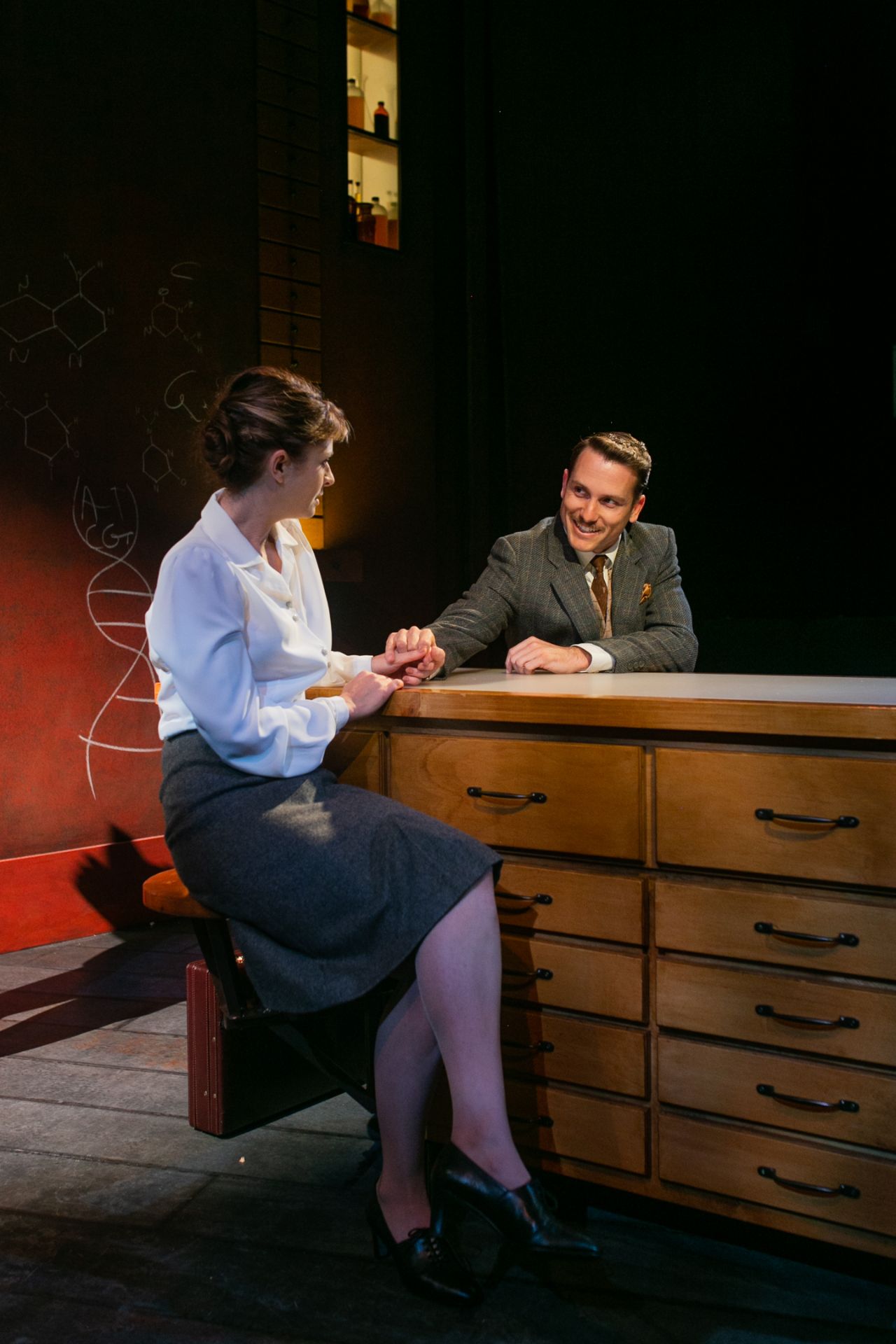
Review: Photograph 51 (Ensemble Theatre)

Venue: Ensemble Theatre (Kirribilli NSW), Sep 2 – Oct 8, 2022
Playwright: Anna Ziegler
Director: Anna Ledwich
Cast: Toby Blome, Garth Holcombe, Robert Jago, Amber McMahon, Jake Speer, Gareth Yuen
Images by Teniola Komolafe

Theatre review
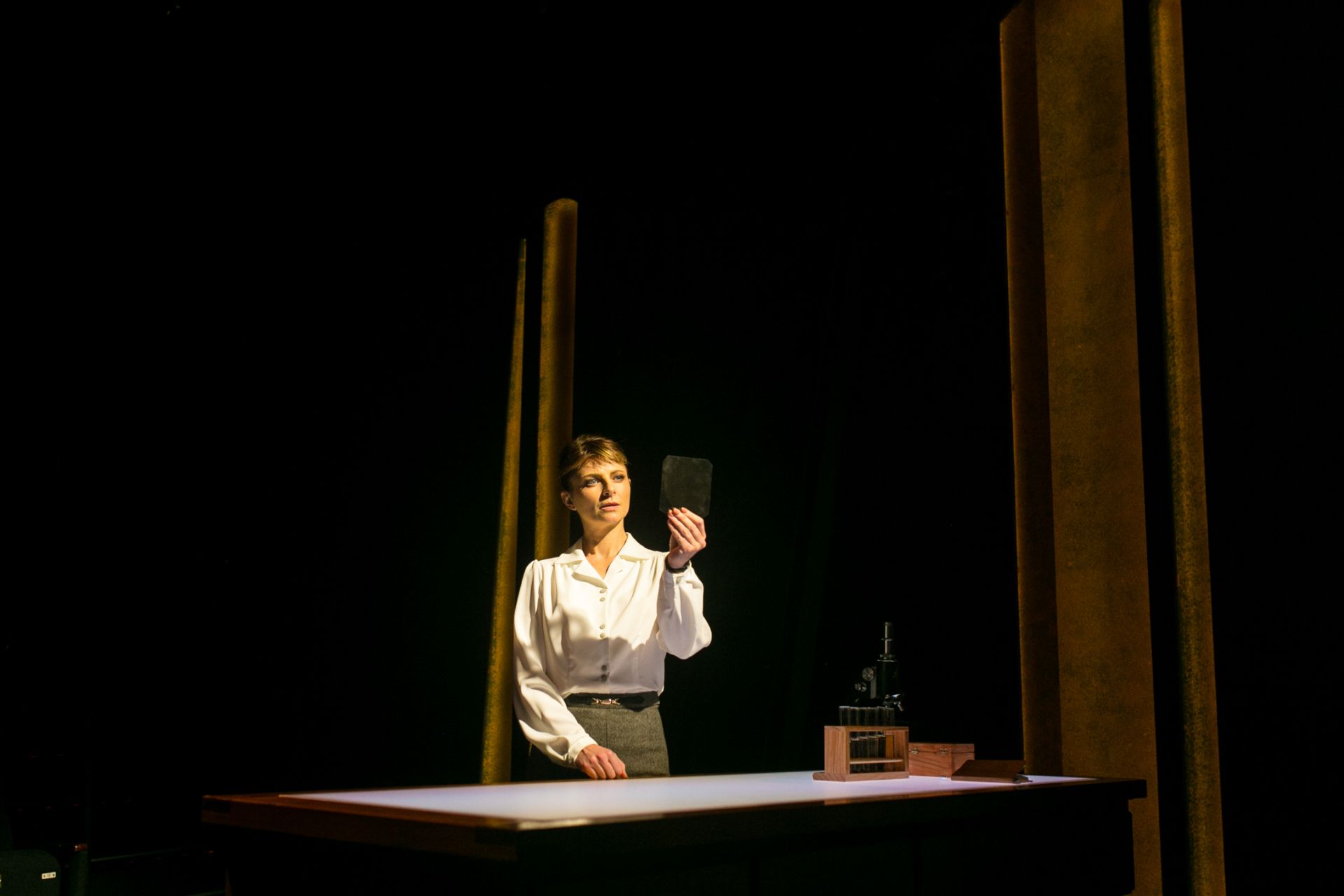
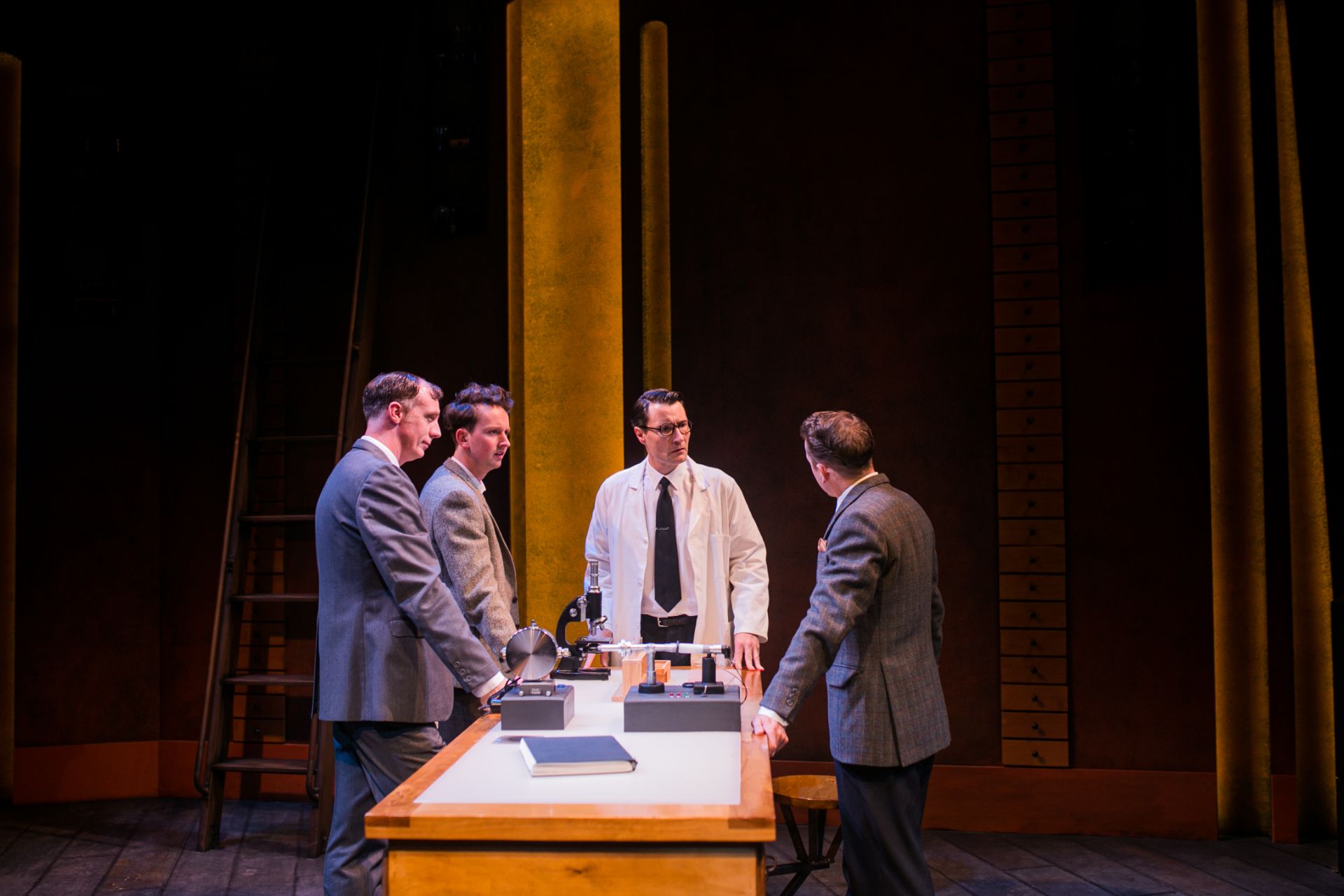
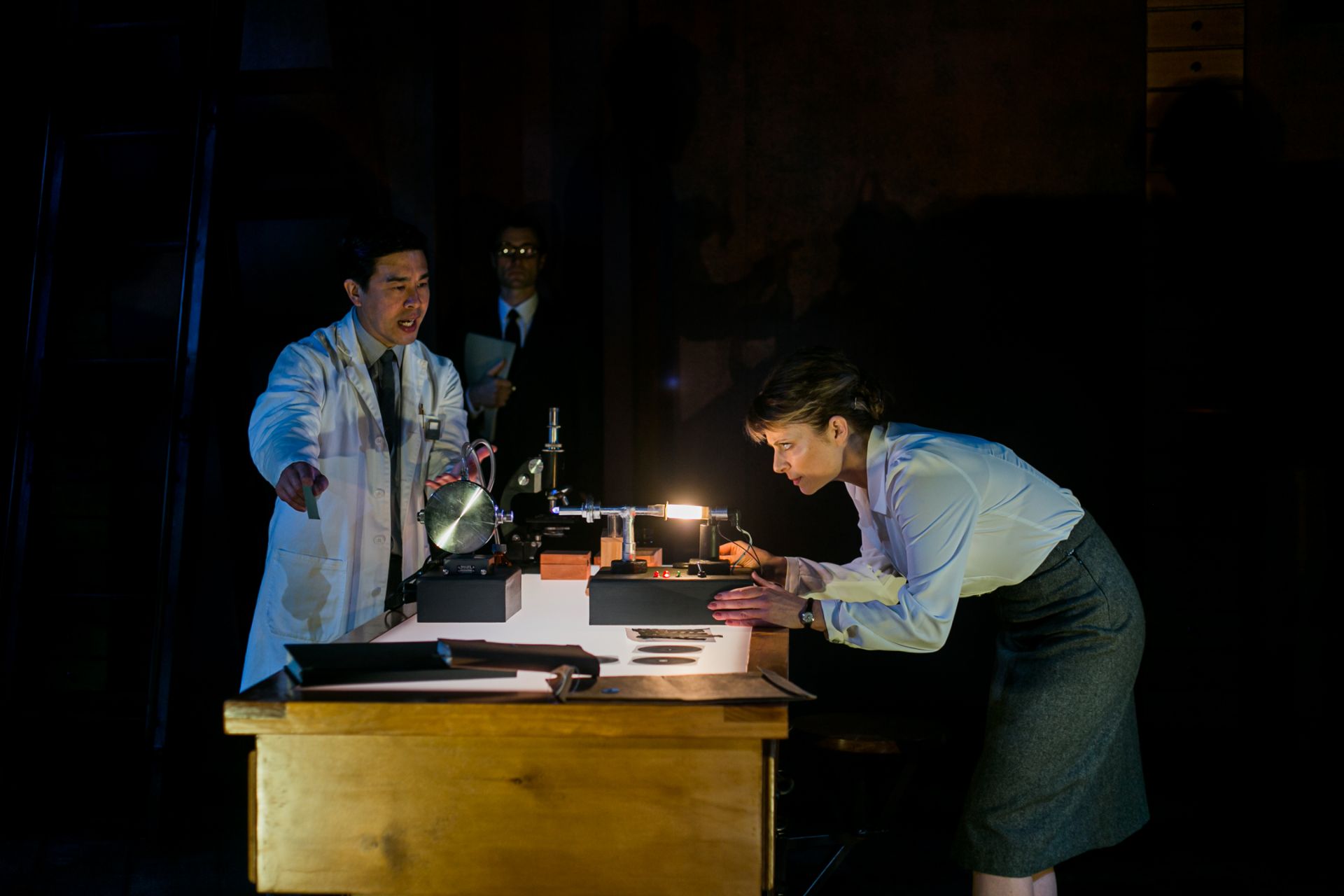
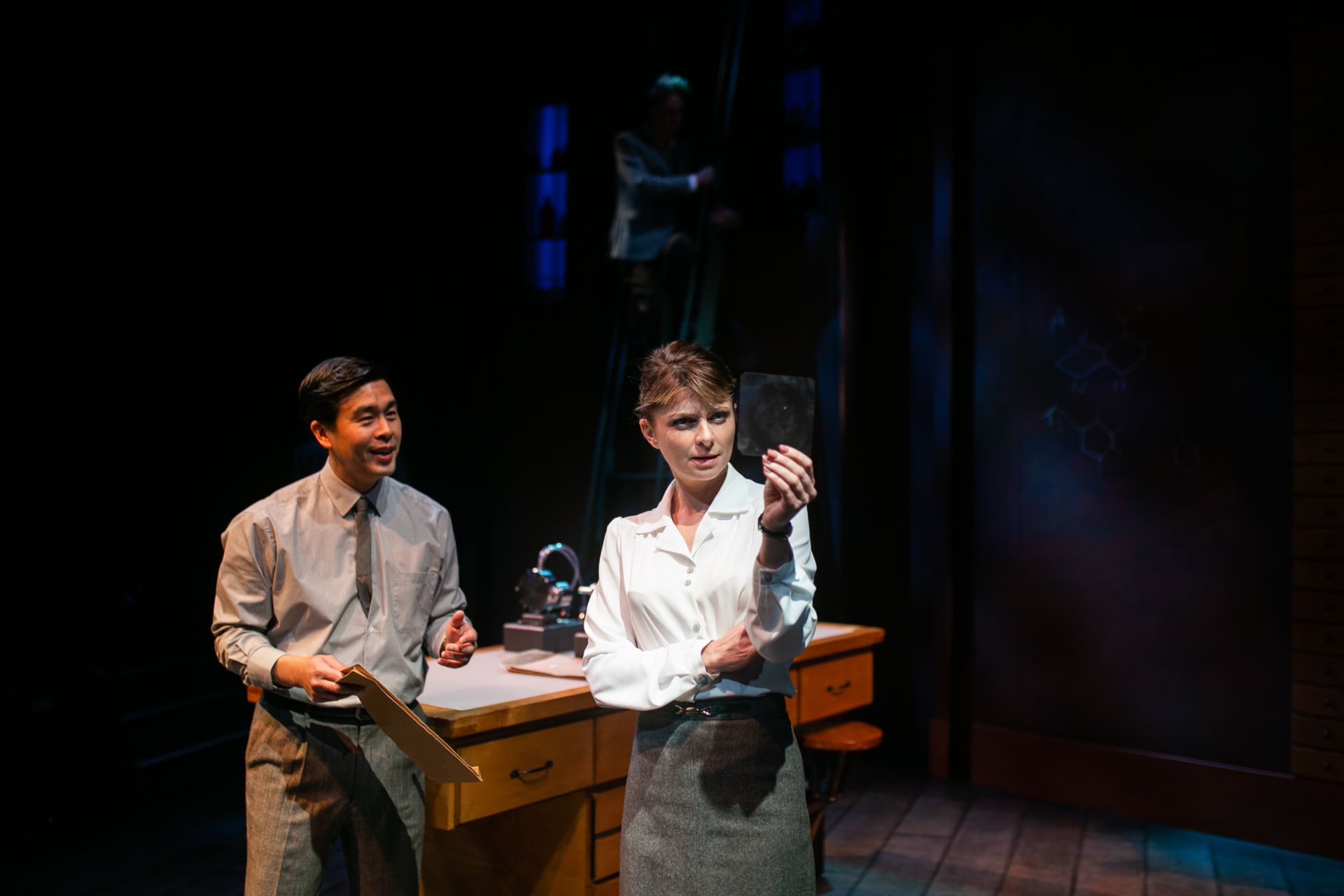
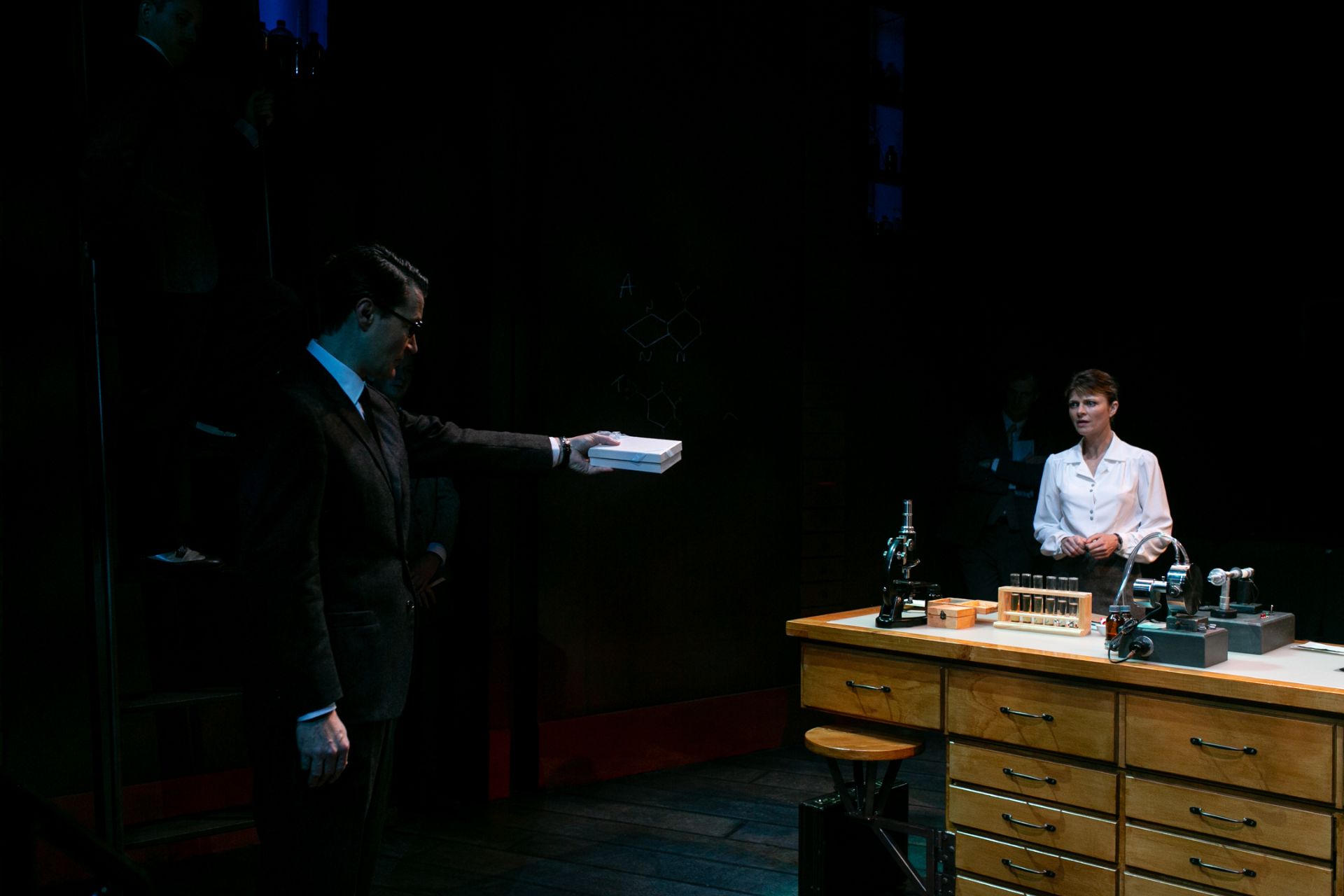
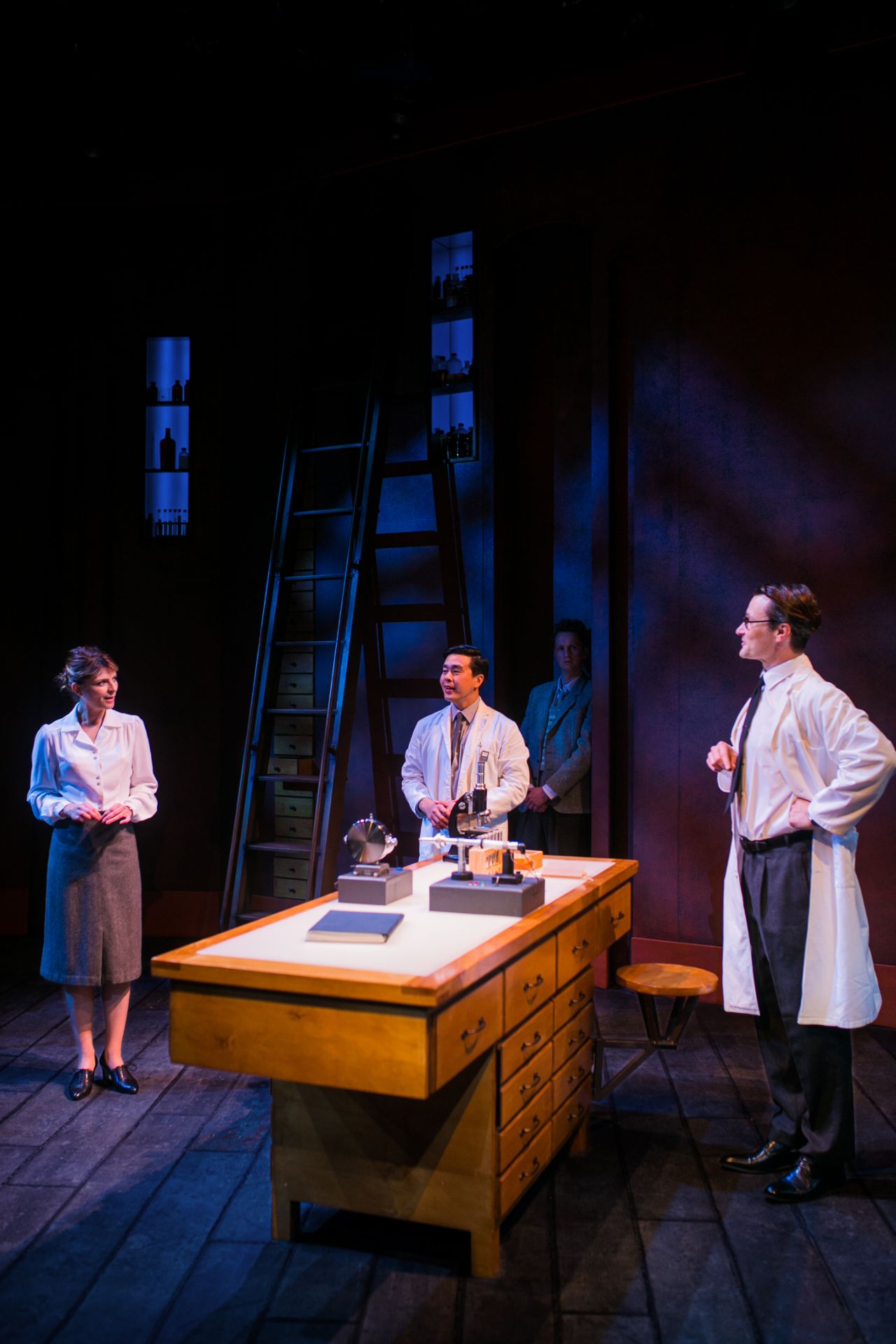
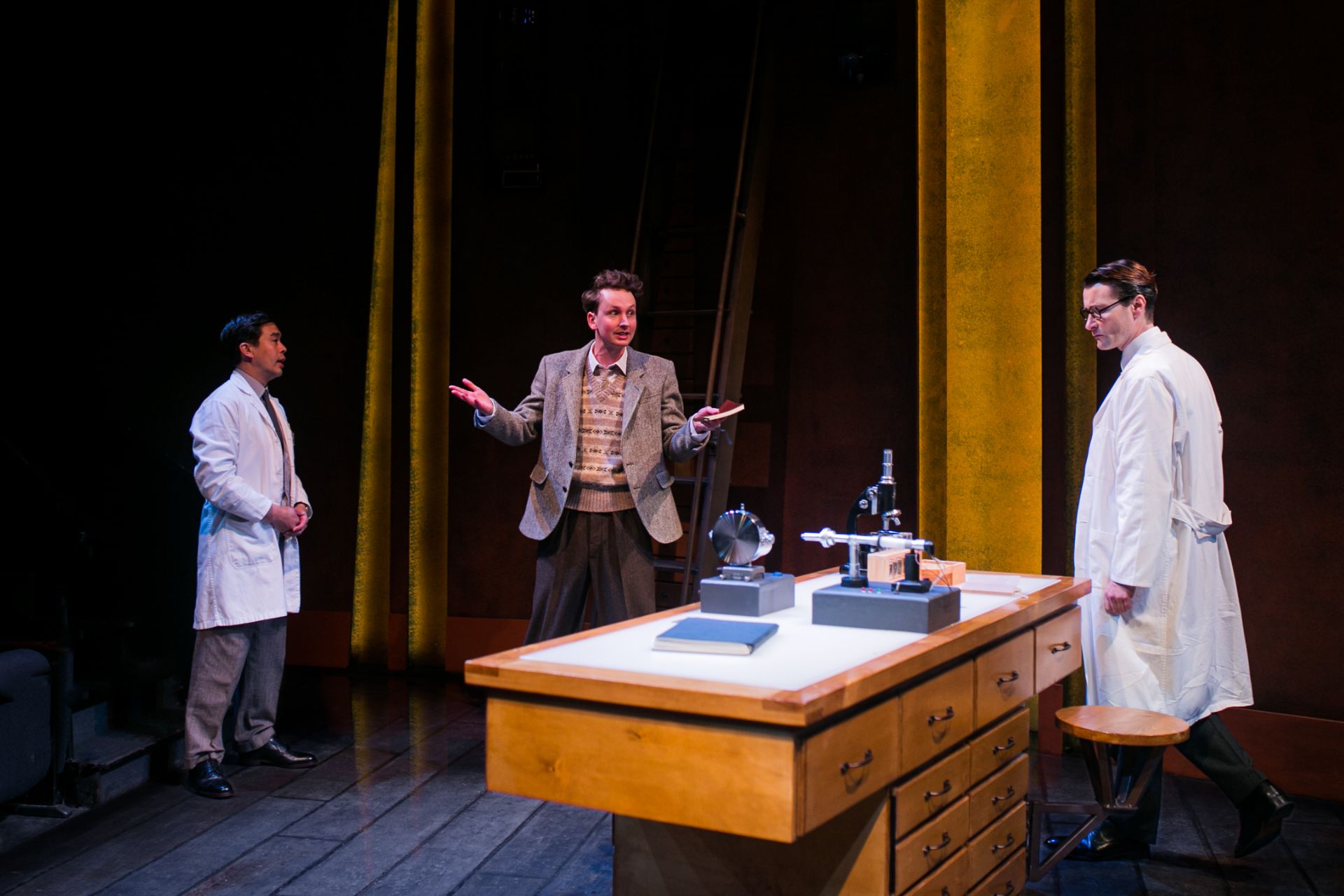
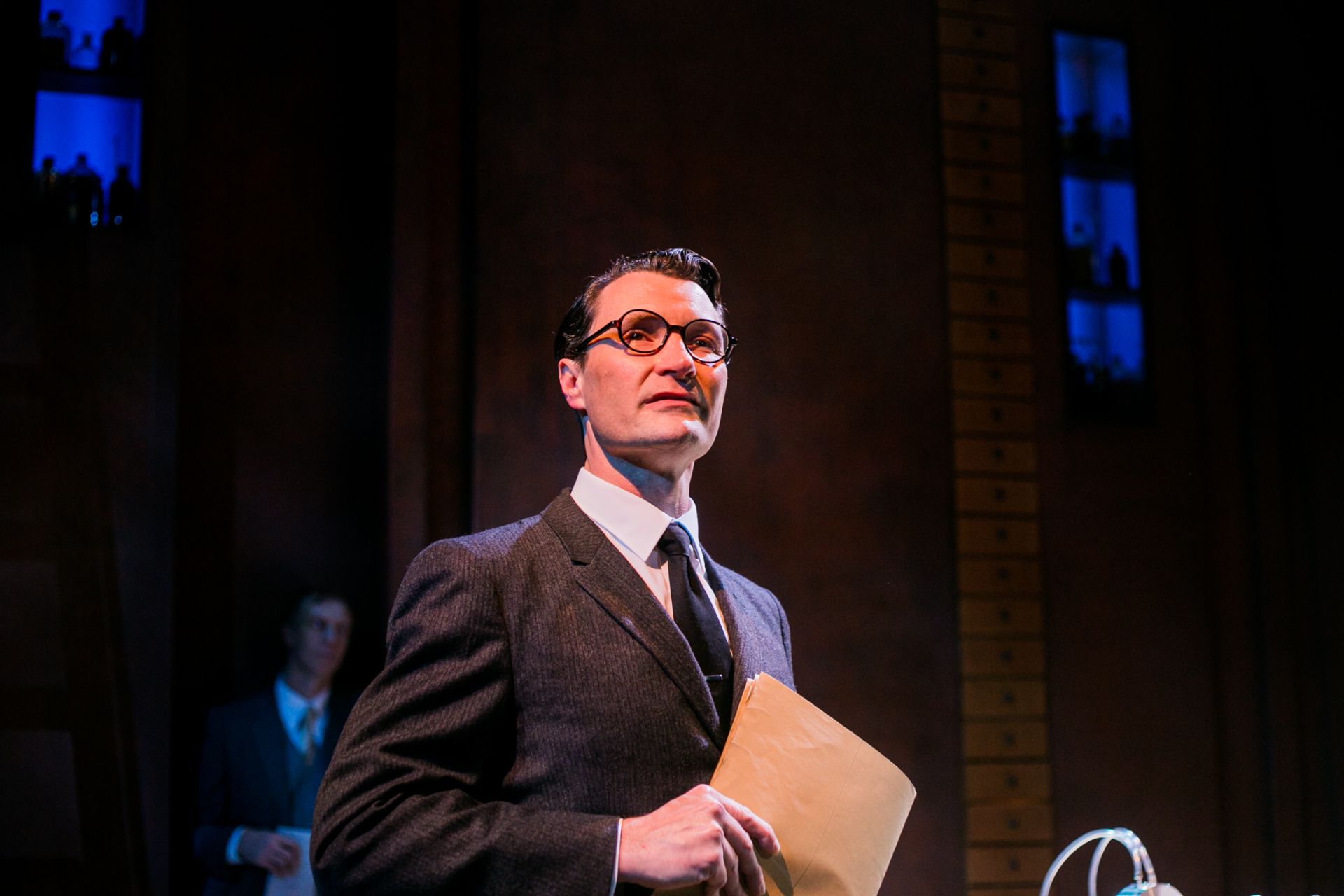
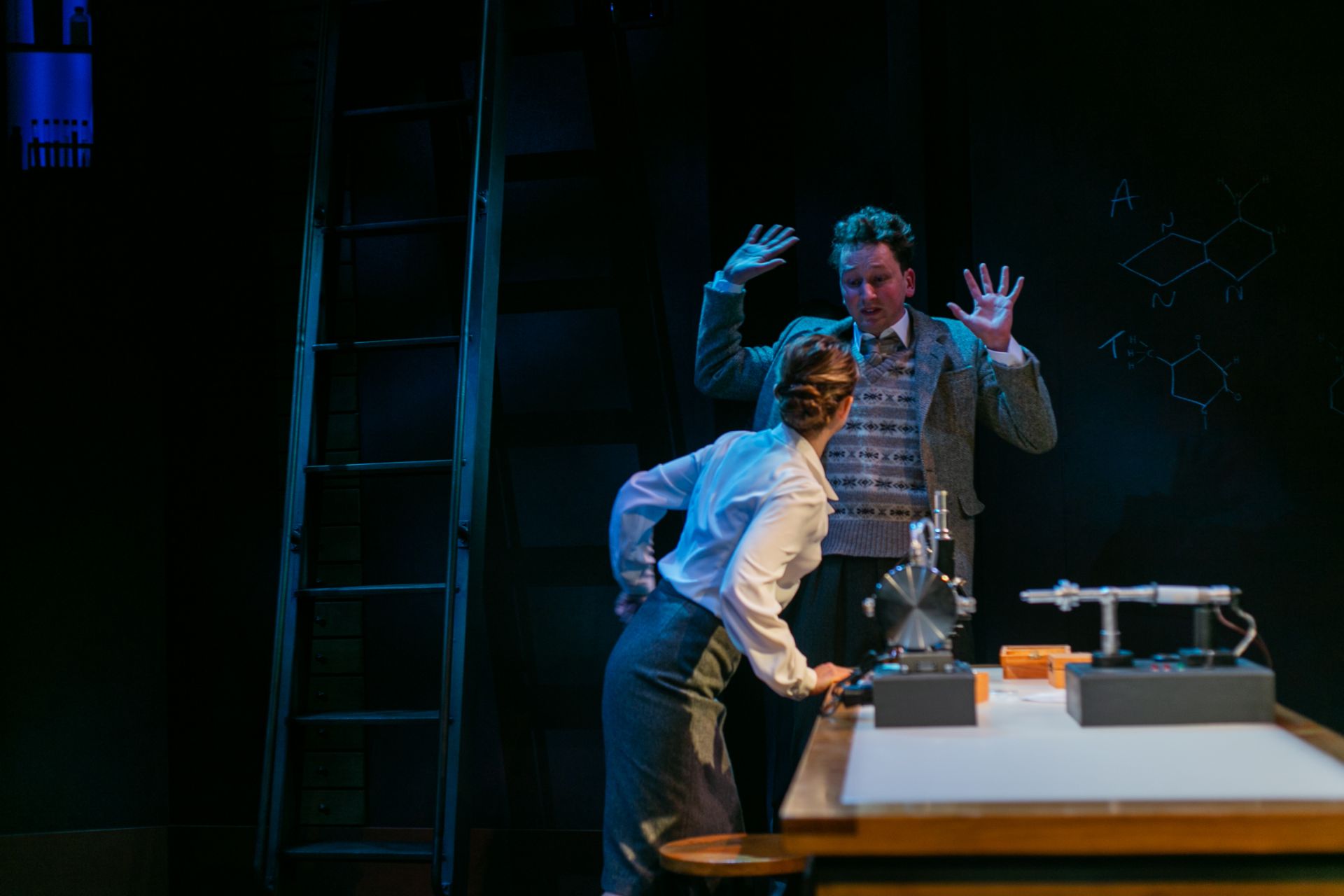
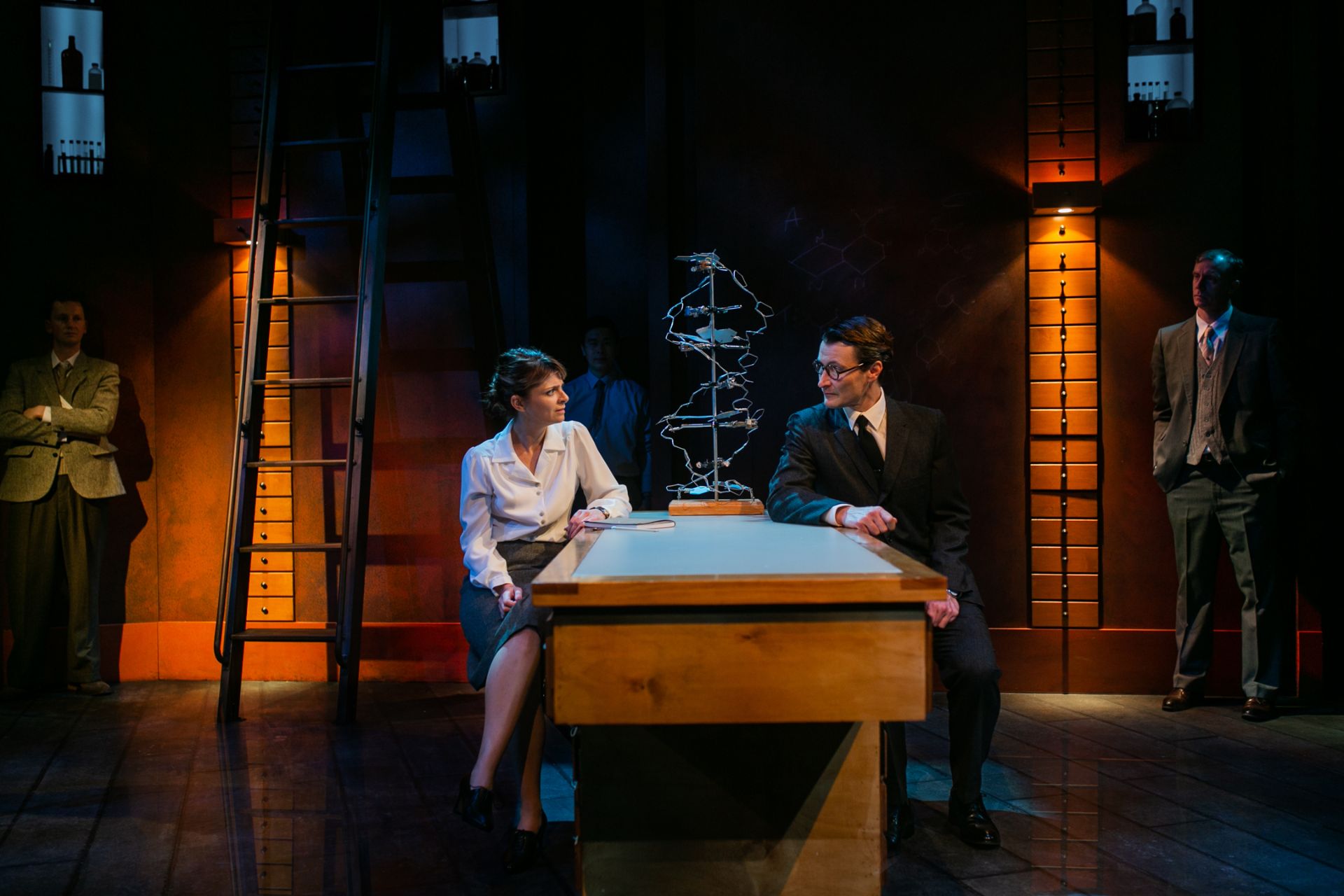
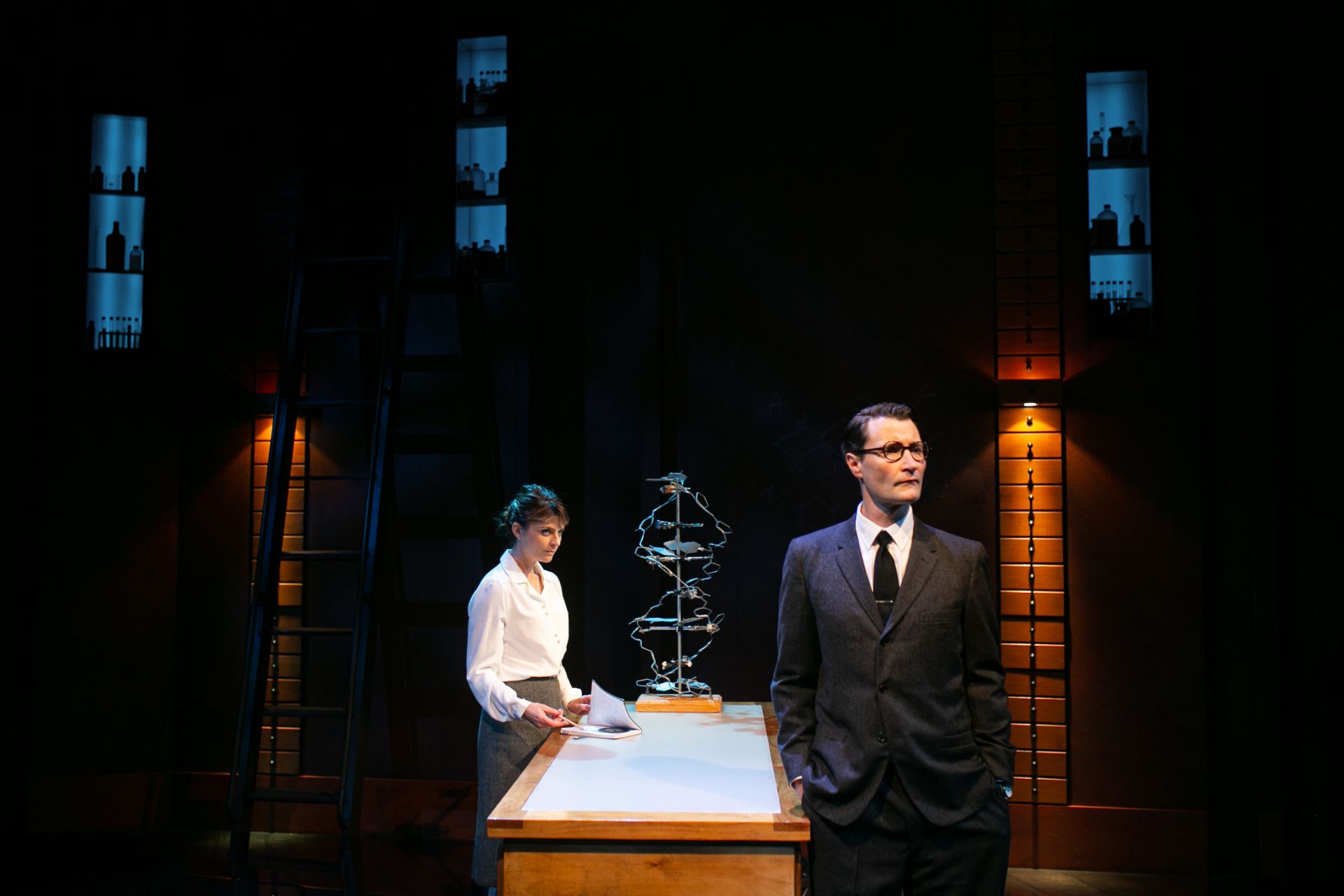
When Dr Rosalind Franklin began working at King’s College London in 1951, full of promise and on the precipice of hugely consequential discoveries, not only was she one of the scarce few women scientists at the institution, she was the only Jew. Anna Ziegler’s Photograph 51 discusses the discrimination Dr Franklin suffered in a man’s world, as it tells the story of the chemist and X-ray crystallographer’s ground-breaking inventions, and how her male colleagues had taken credit for her achievements.

Ziegler’s is a piece of writing with integrity, containing a substantial amount of scientific information that, unfortunately proves difficult to turn entertaining for general audiences. Director Anna Ledwich ensures that all the comedy incorporated into the text, is painstakingly fleshed out, but they never really feel intrinsic to the tale. The core of the exercise, of seeking justice and empathy for Dr Franklin, remains sombre and distant; it is clear what the play intends, but it struggles to connect.

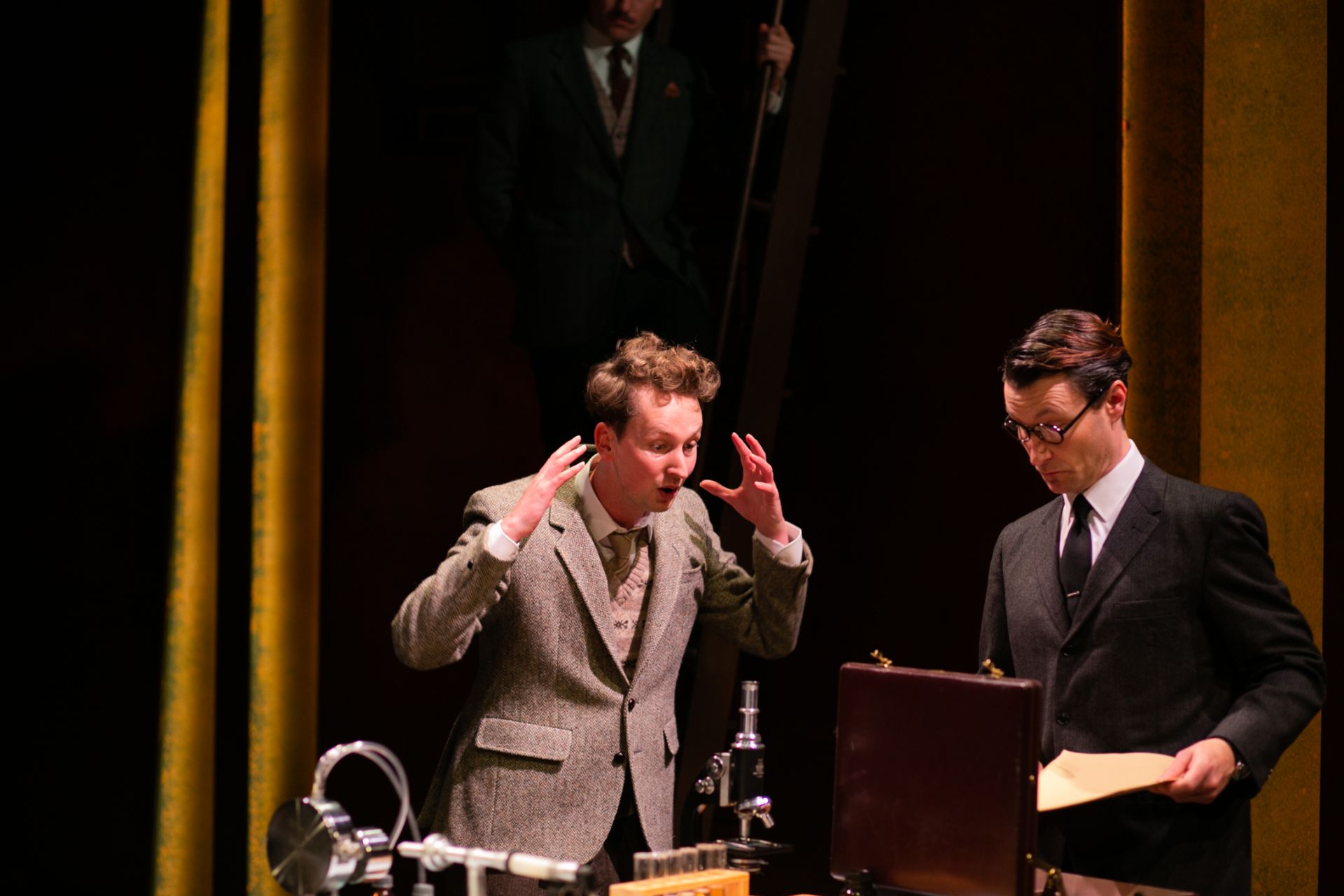
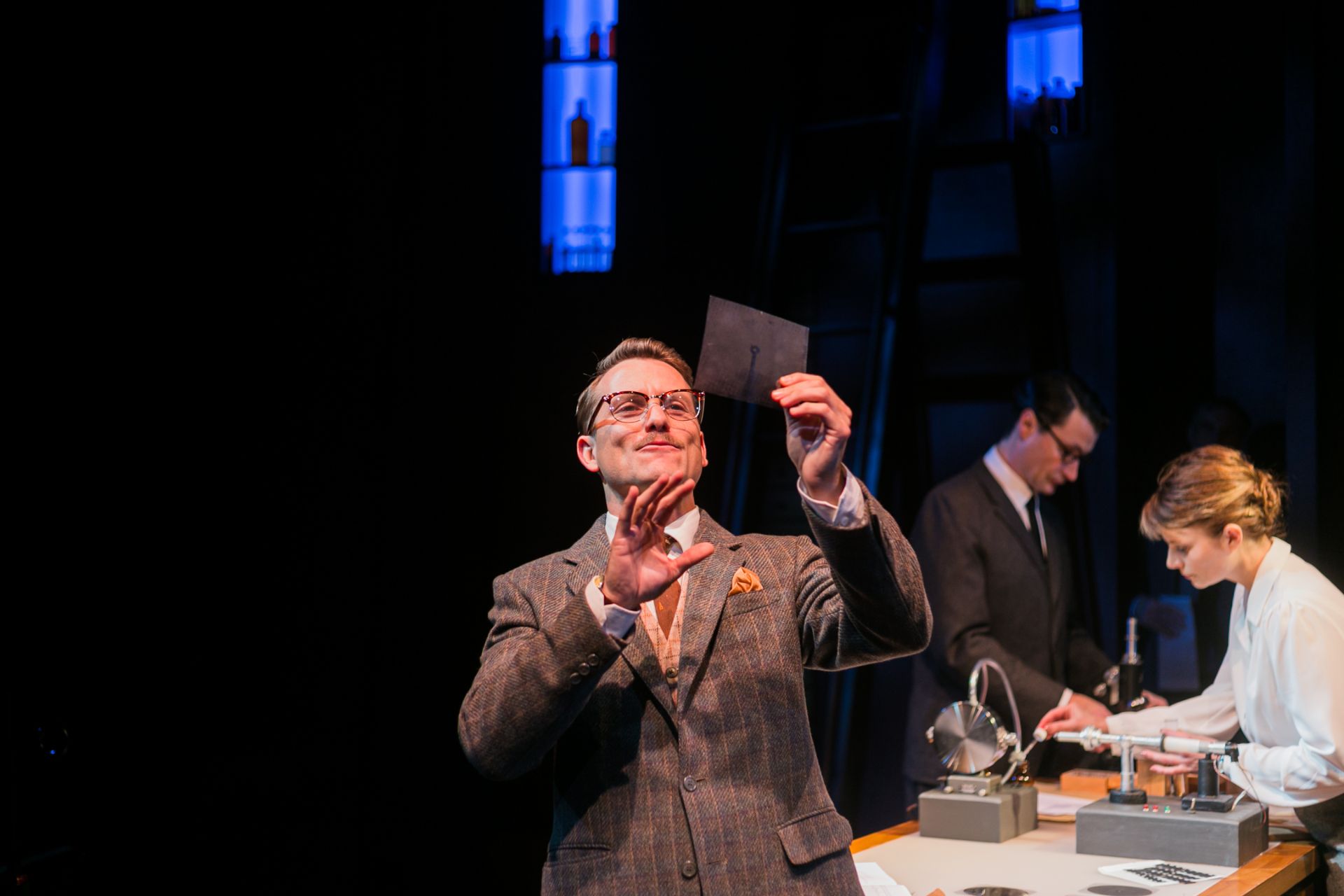
Actor Amber McMahon brings natural charisma to a personality expressly described as charmless, but Dr Franklin’s characteristic coldness only further alienates. Garth Holcombe has greater scope for theatricality, in the role of reluctant associate Dr Wilkins, and succeeds in delivering sporadic moments of genuine amusement. Four additional players (Toby Blome, Robert Jago, Jake Speer and Gareth Yuen) appropriately focus on bringing levity to the piece, but for all the blitheness they wish to introduce to Photograph 51, it insists on a certain aloofness.

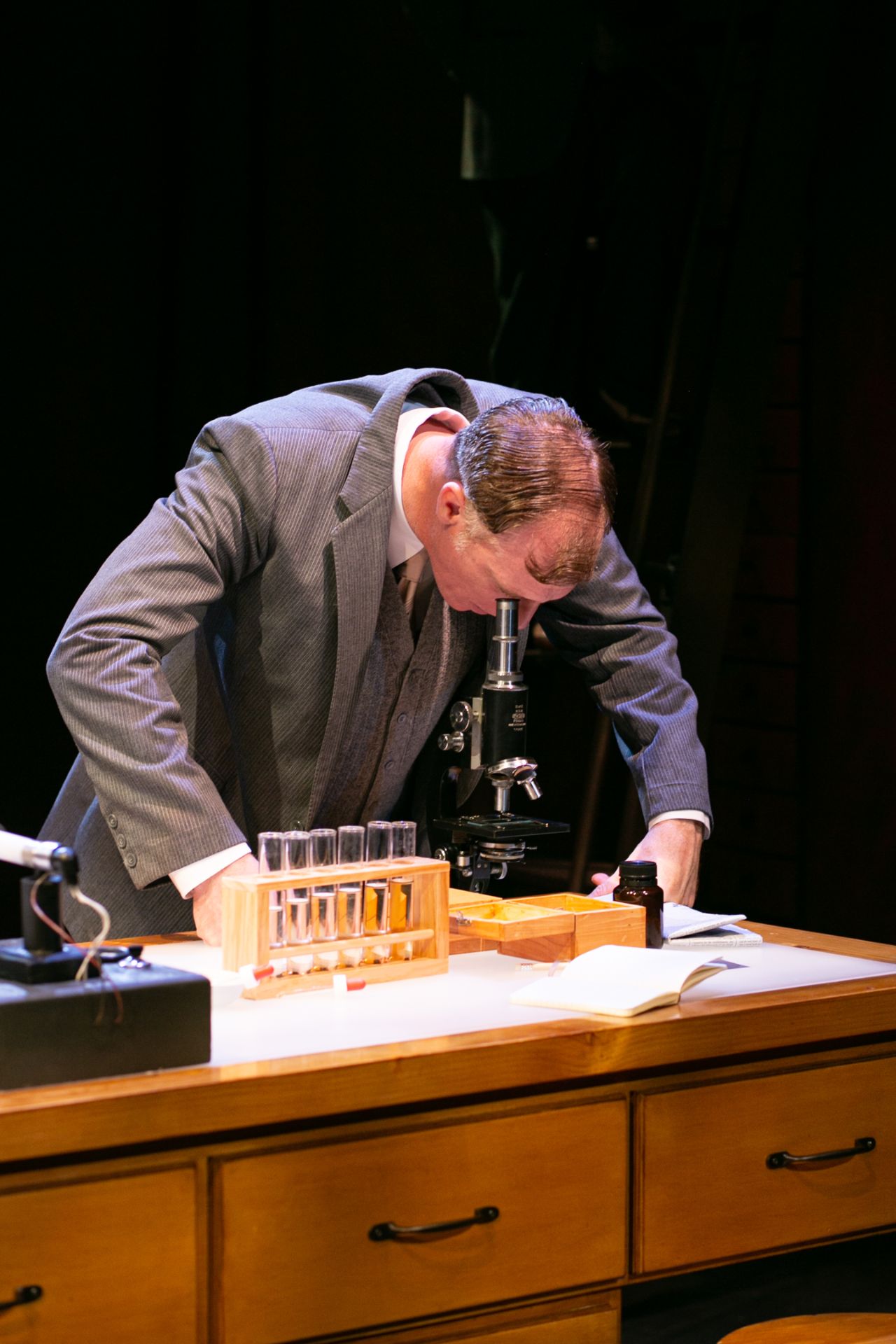
A highlight of the presentation comes in the form of lighting design, by Trudy Dalgleish who conveys  variations to spatial and emotional dimensions, in subtle but satisfying ways. Her sumptuous illumination of Emma Vine’s imaginative and cleverly rendered set design, offers beautiful interpretations of clinical laboratories, sparing us the sterility usually dominant in those rooms. Similarly, Jessica Dunn’s music and sounds attempt to bring a tenderness and a sense of humanity, to a tale that is essentially concerned with the molecular structure of DNA.

It is arguable that little has changed since 1951 in terms of men habitually claiming recognition for women’s work, but it is undeniable that there are mechanisms today that were unavailable to Dr Franklin, that could help women bring disruption to the boys’ club. We have learned to organise, and have access to technologies, that can assist in levelling out the playing field. We have men who now acknowledge gender disparities, and are trying to interrogate the system from within. If only Dr Franklin’s mode of radical thinking in the realm of science, was applied to social justice at a earlier time, it is likely she would have seen a greater glory.

www.ensemble.com.au