Review: The Italians (25A Belvoir)

Venue: Belvoir St Theatre (Surry Hills NSW), Oct 23 – Nov 6, 2022
Playwright: Danny Ball
Director: Riley Spadaro
Cast: Danny Ball, Philip D’ambrosio, Nic English, Deborah Galanos, Amy Hack, Emma O’Sullivan, Brandon Scane, Tony Poli
Images by Katherine Griffiths

Theatre review
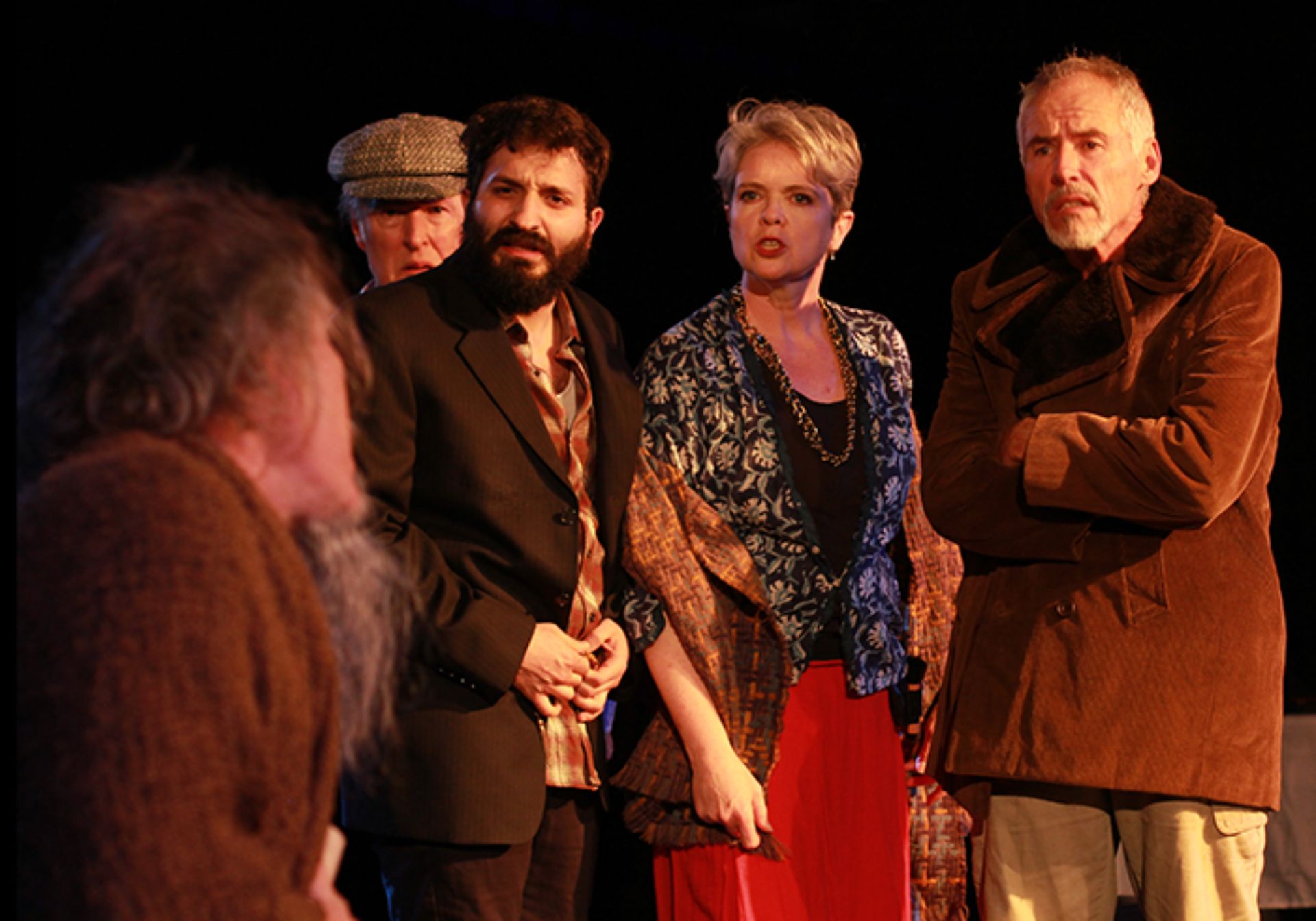
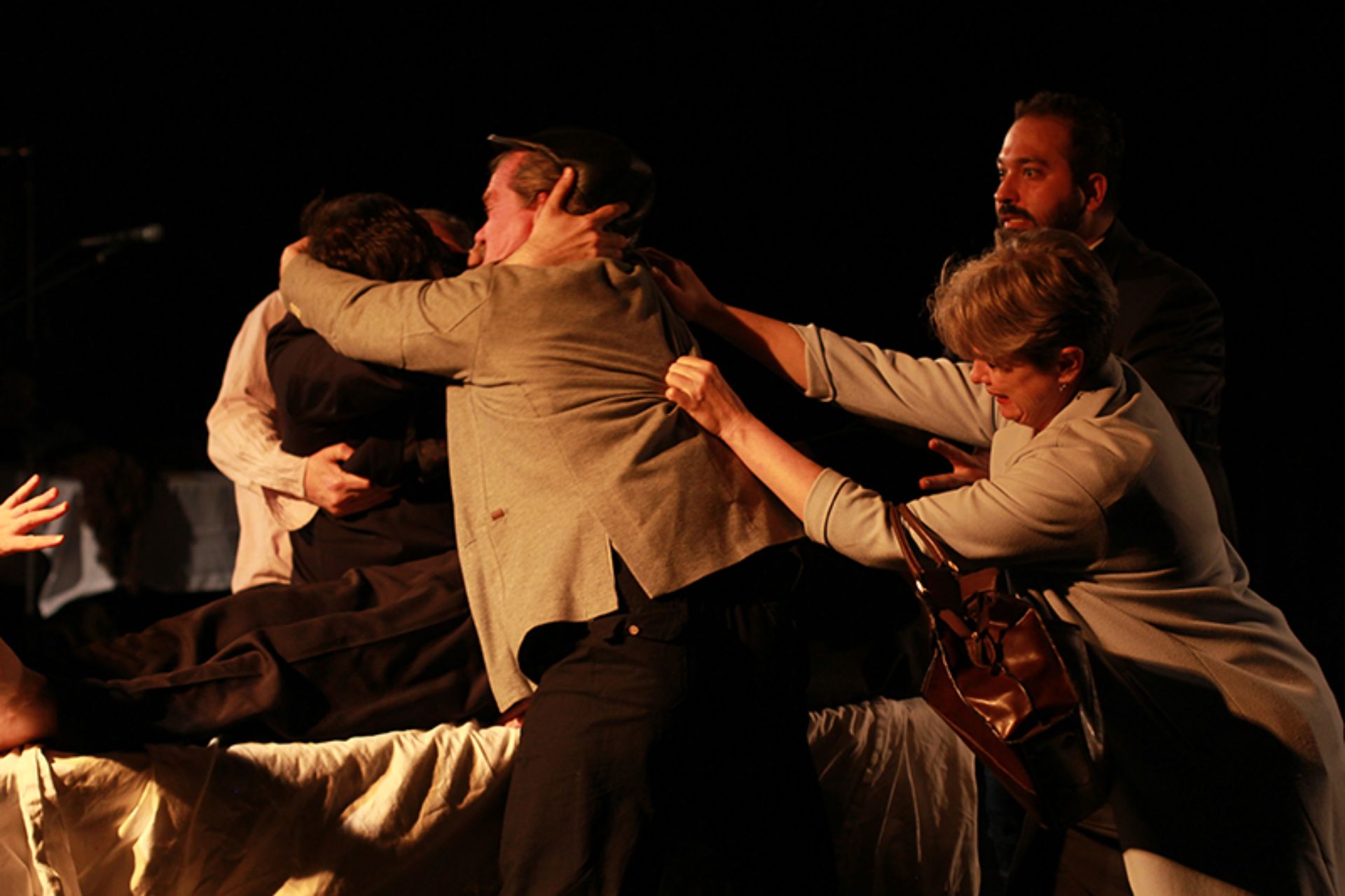
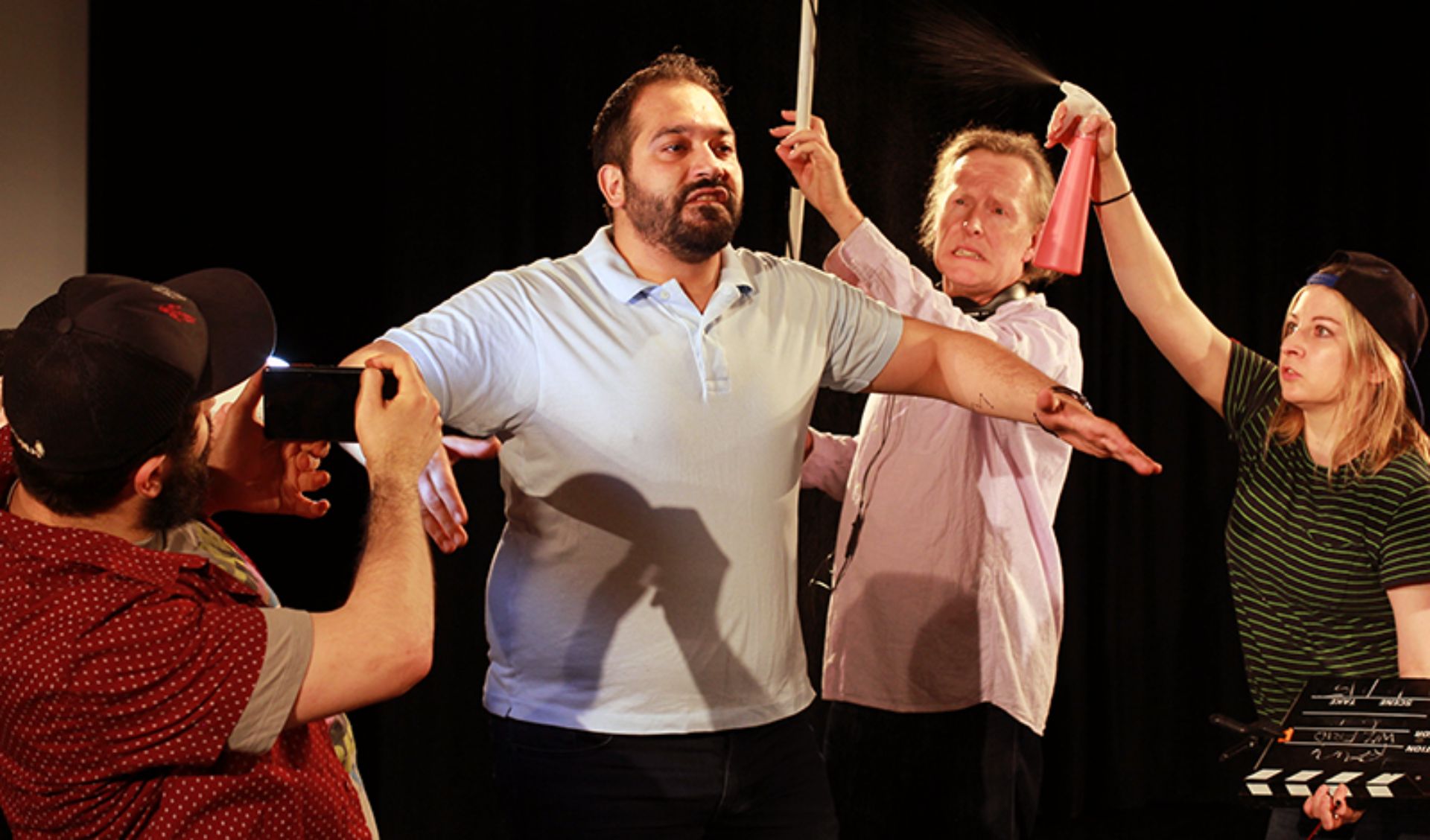
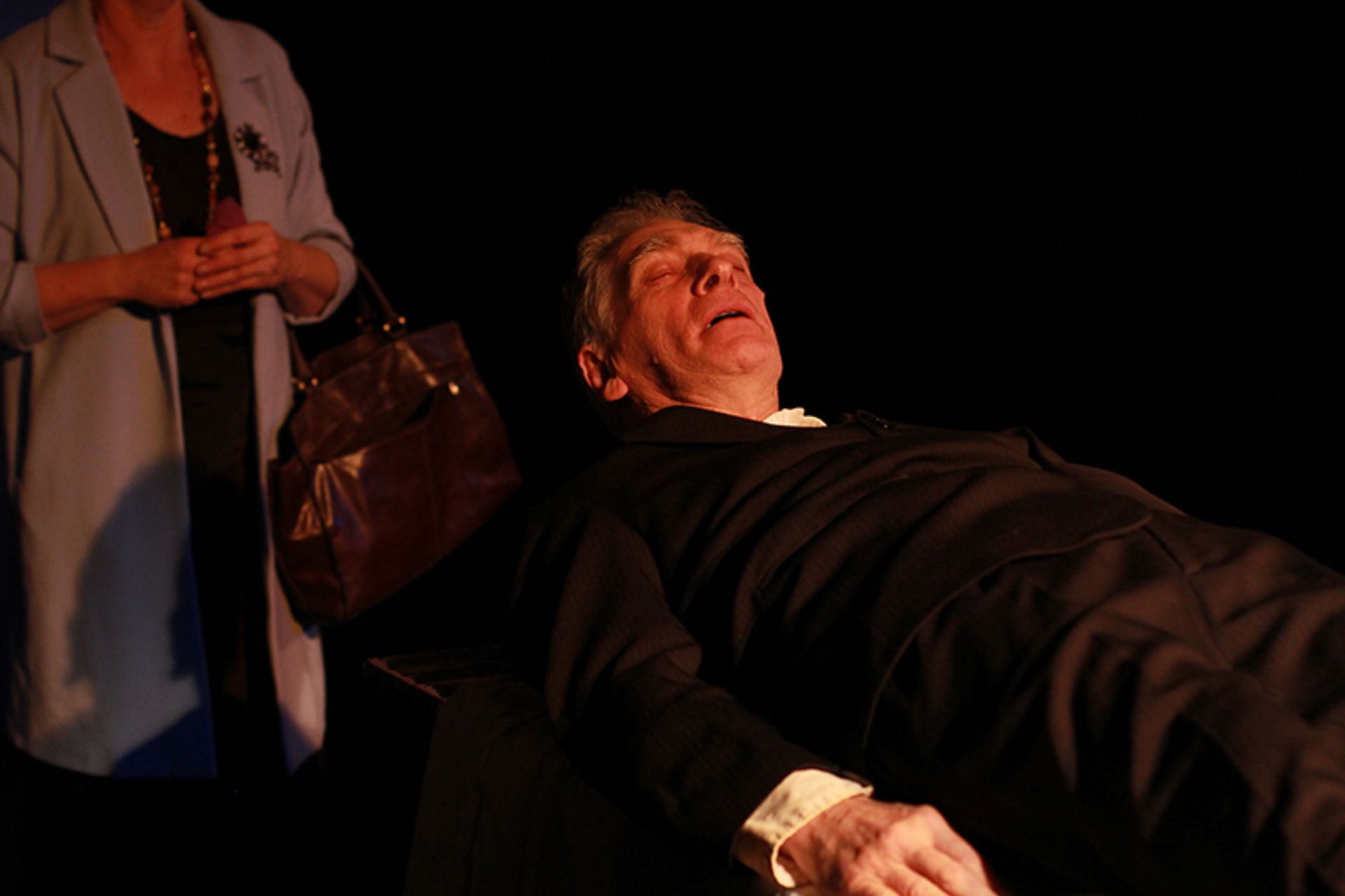
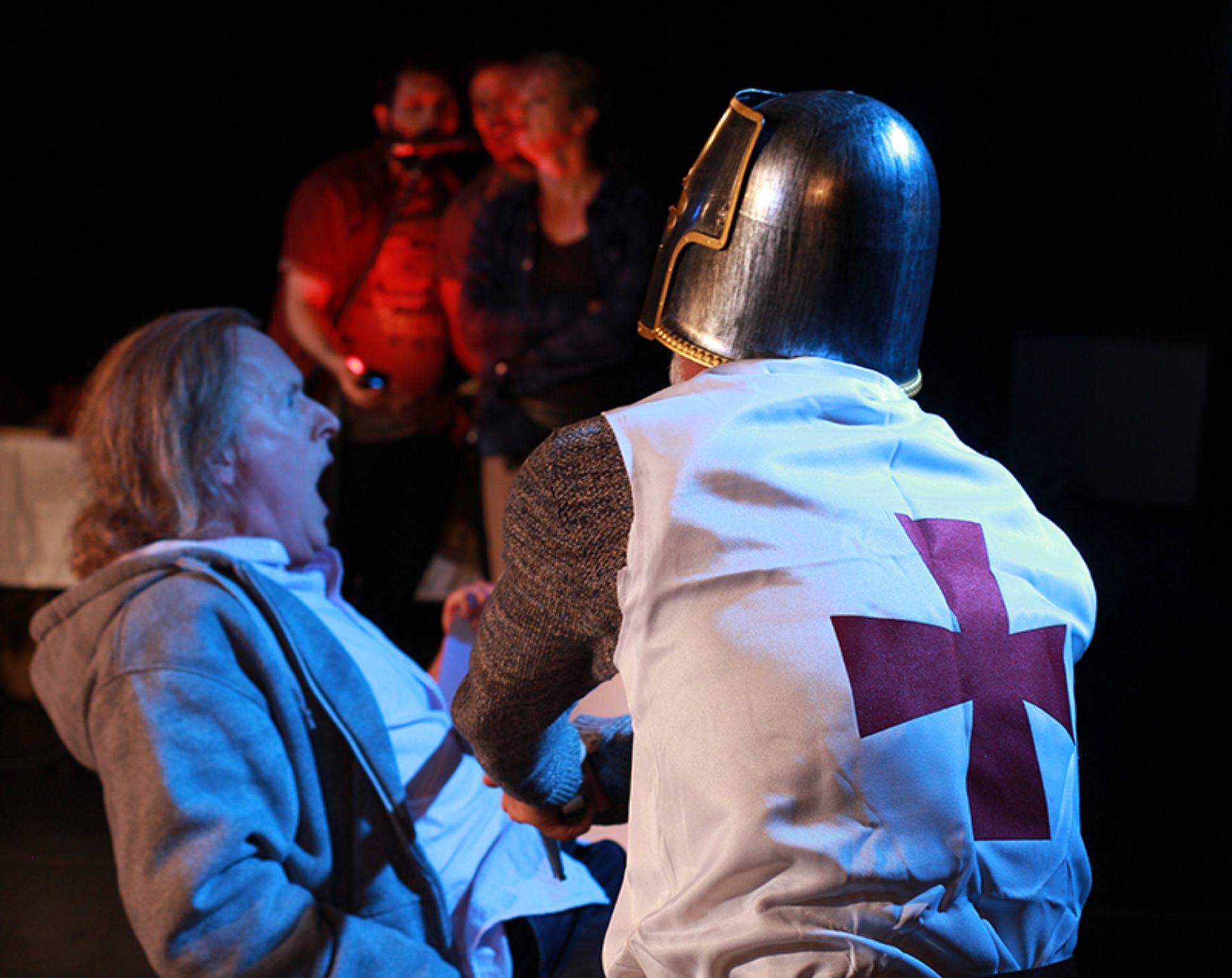
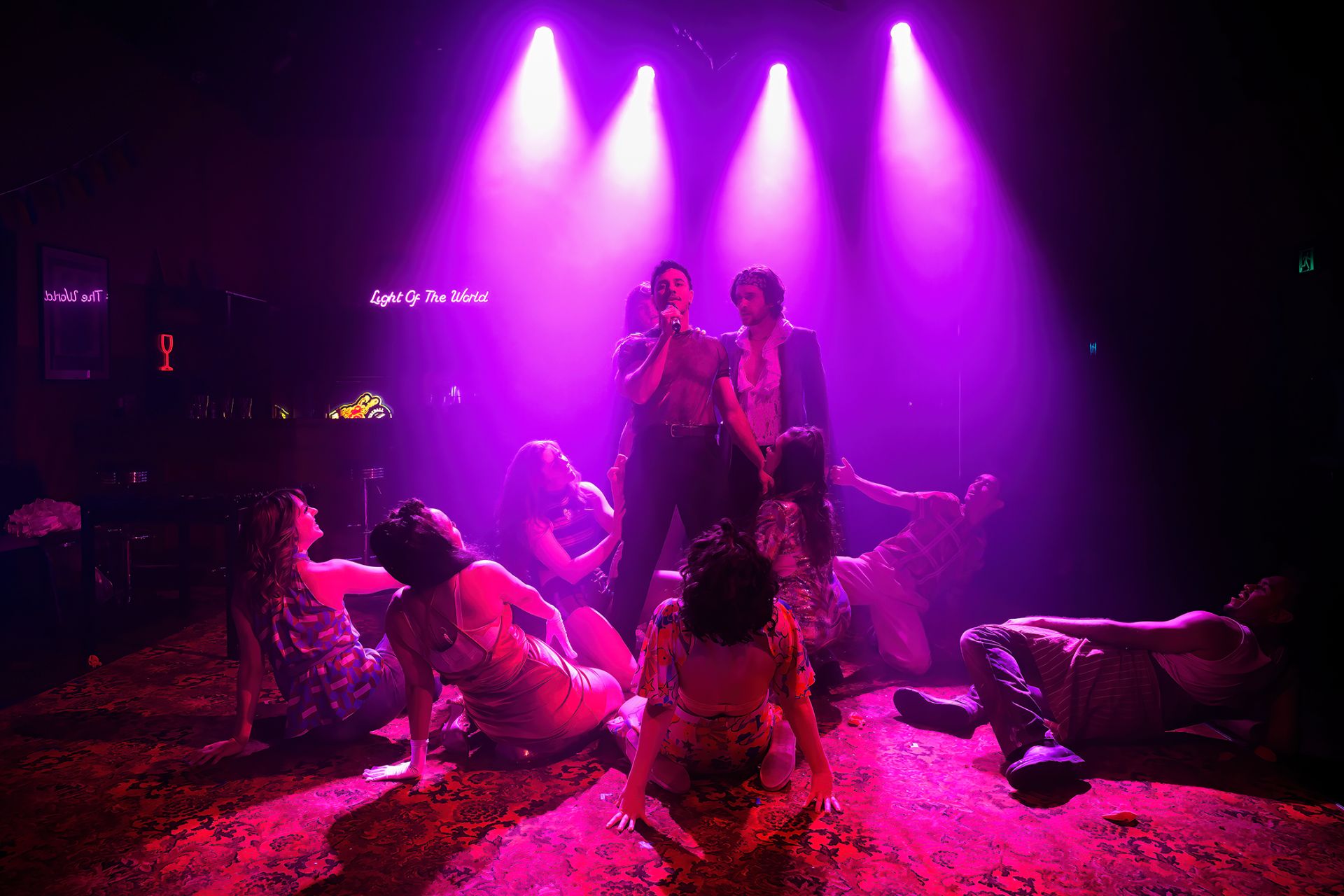
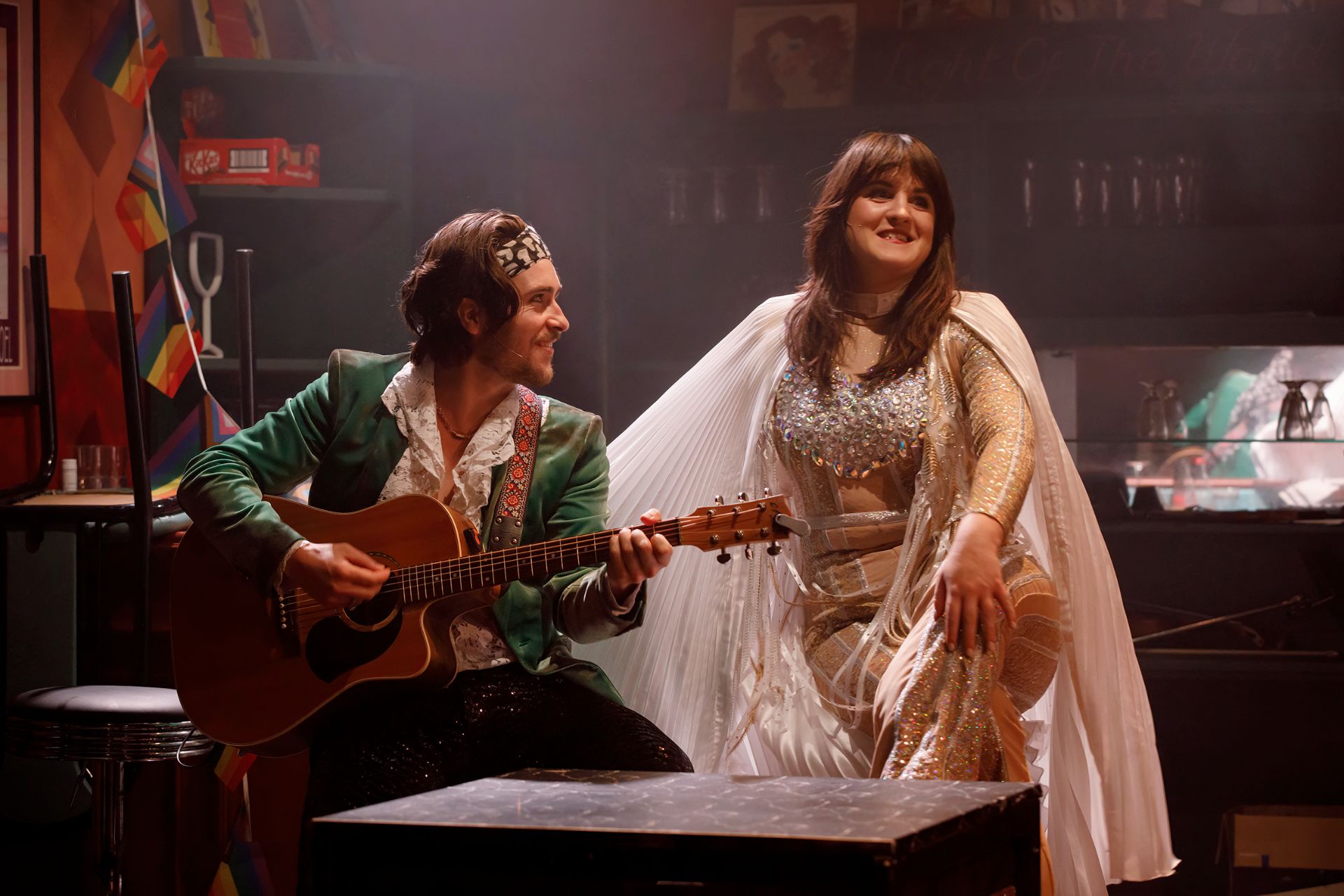
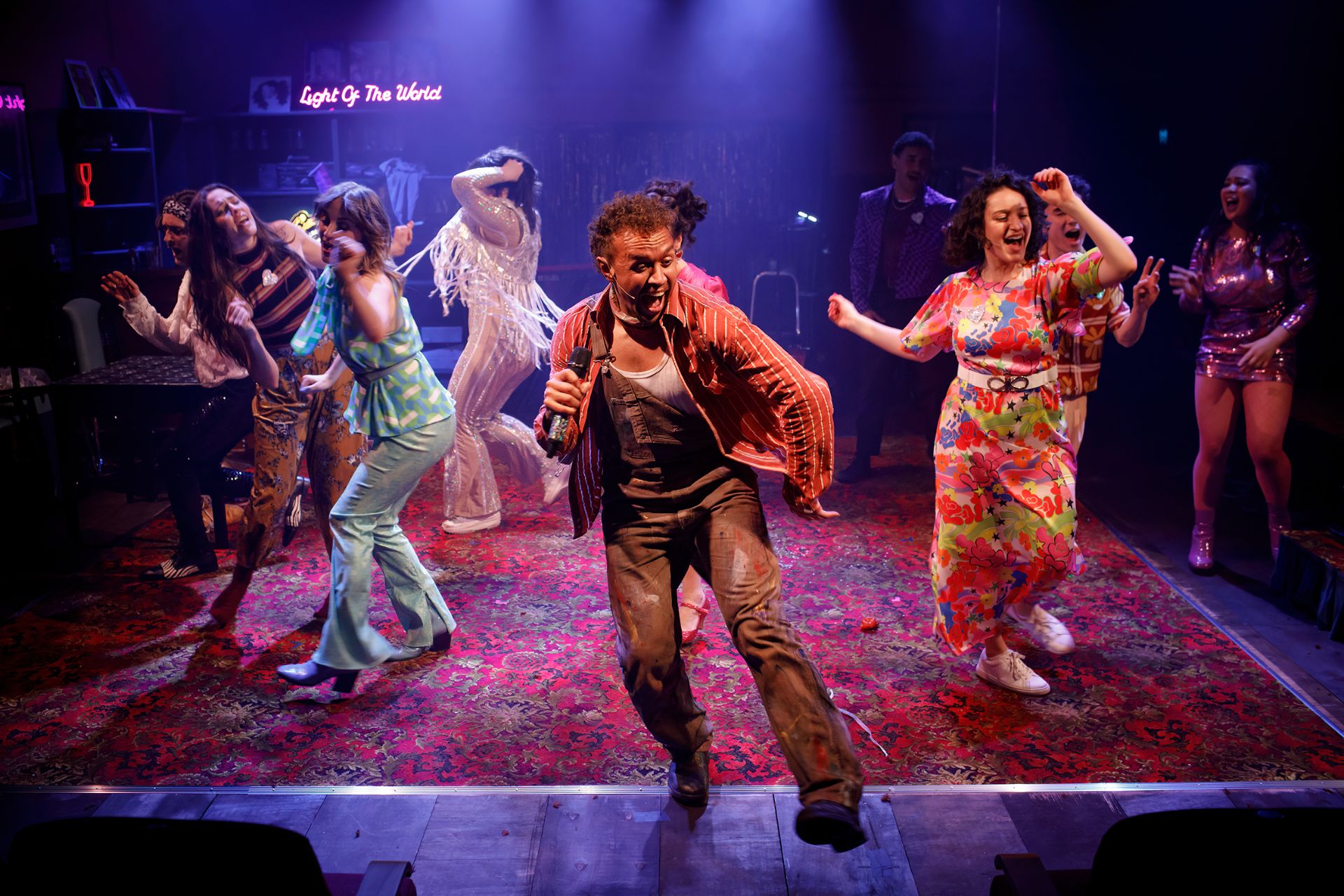
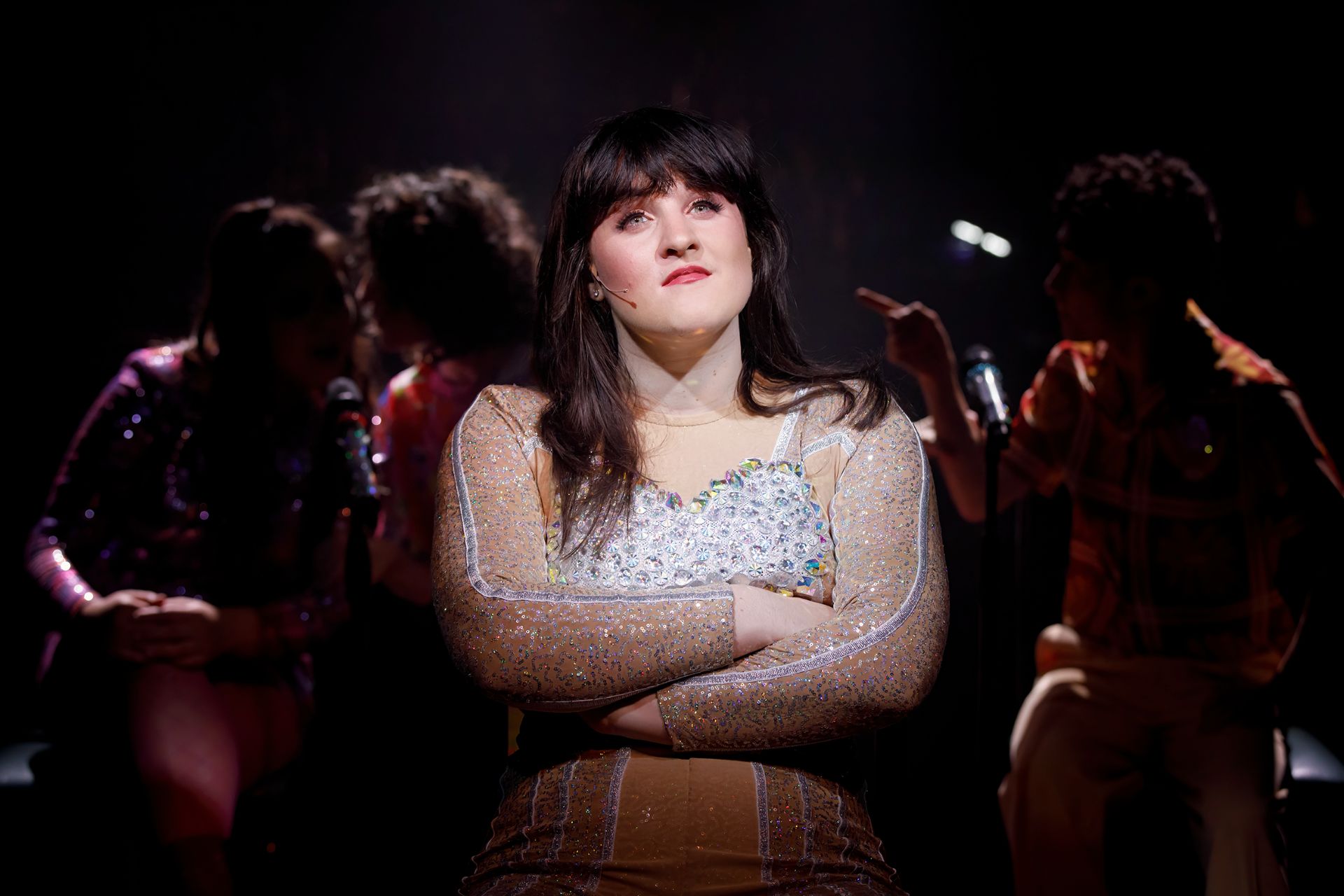
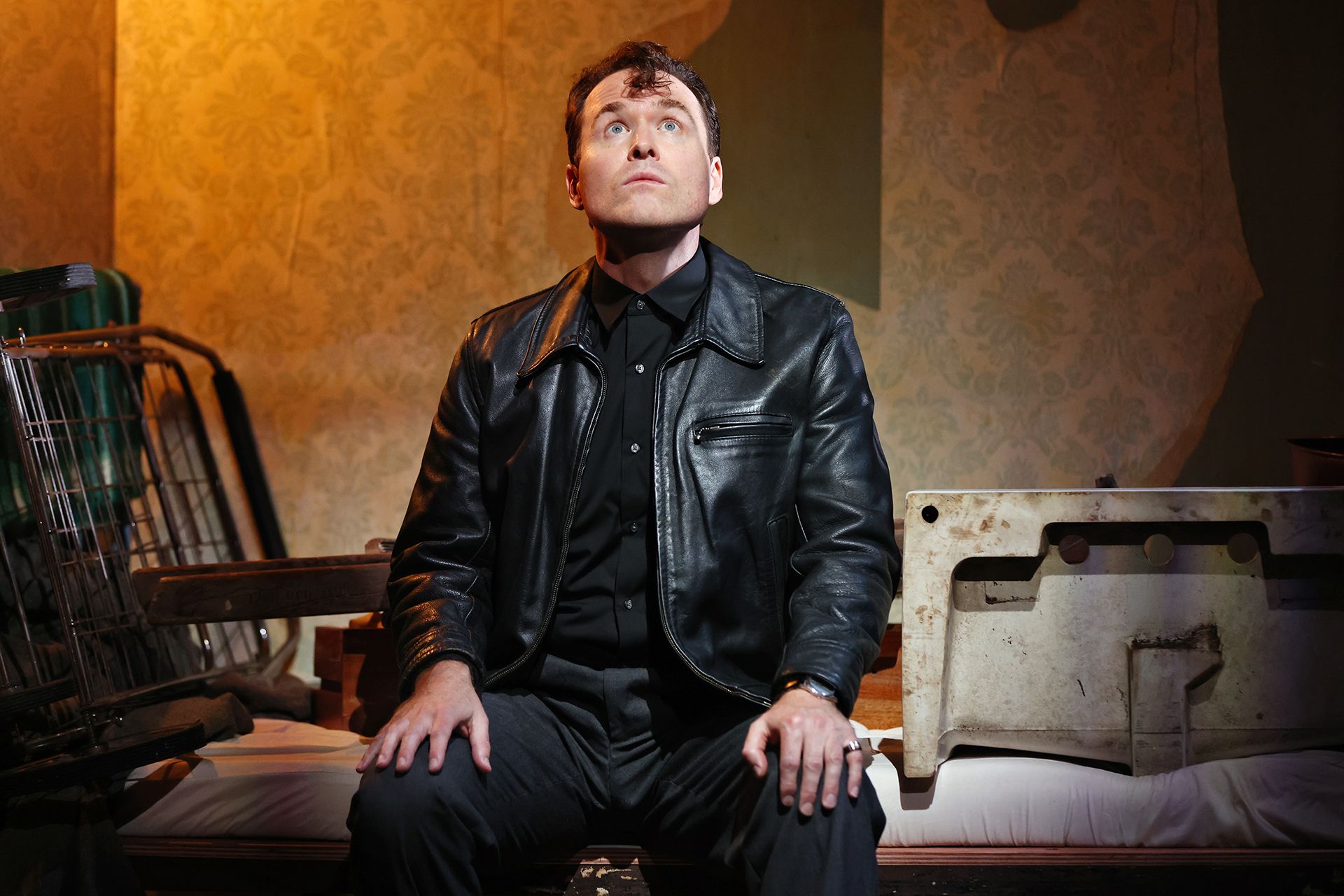
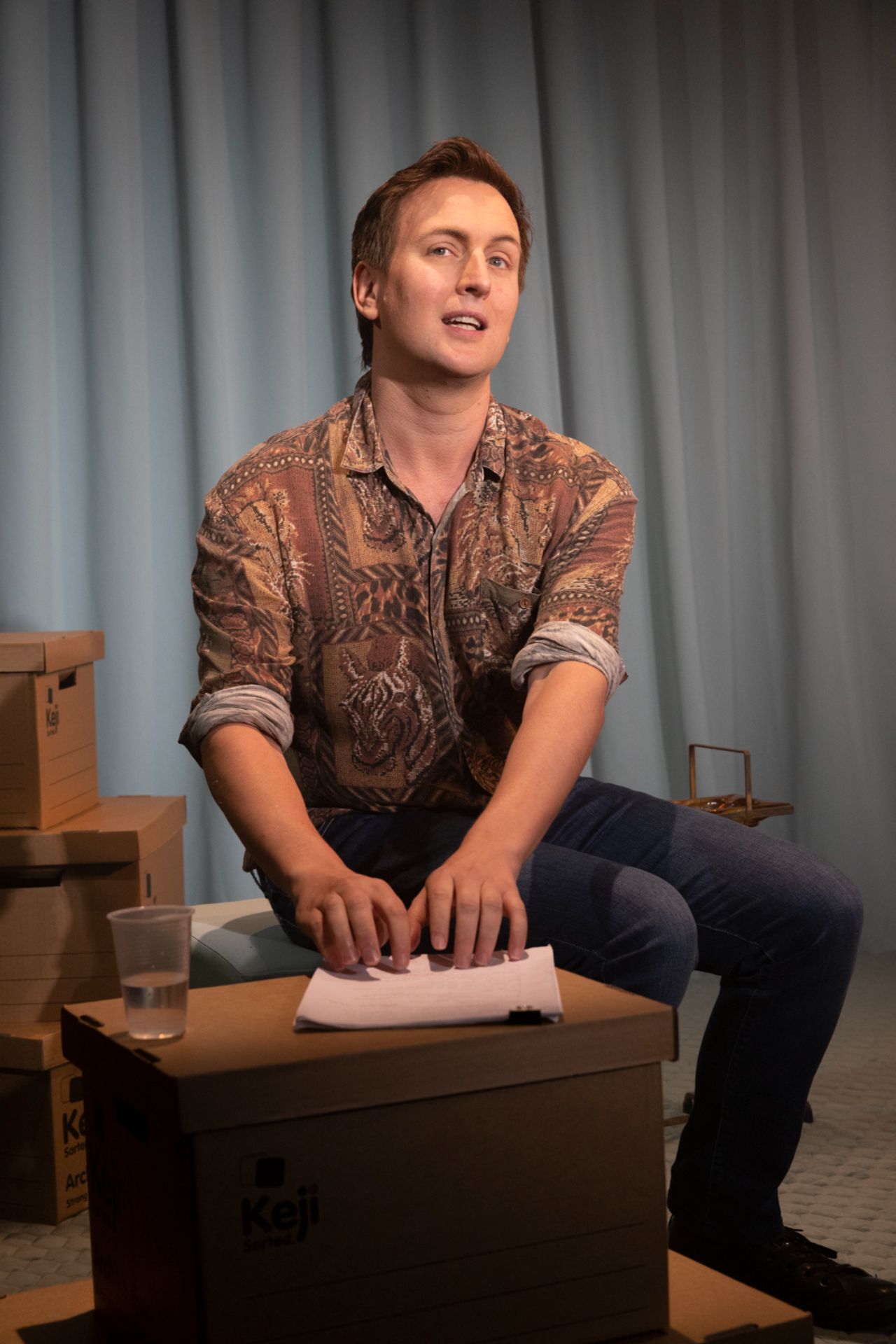
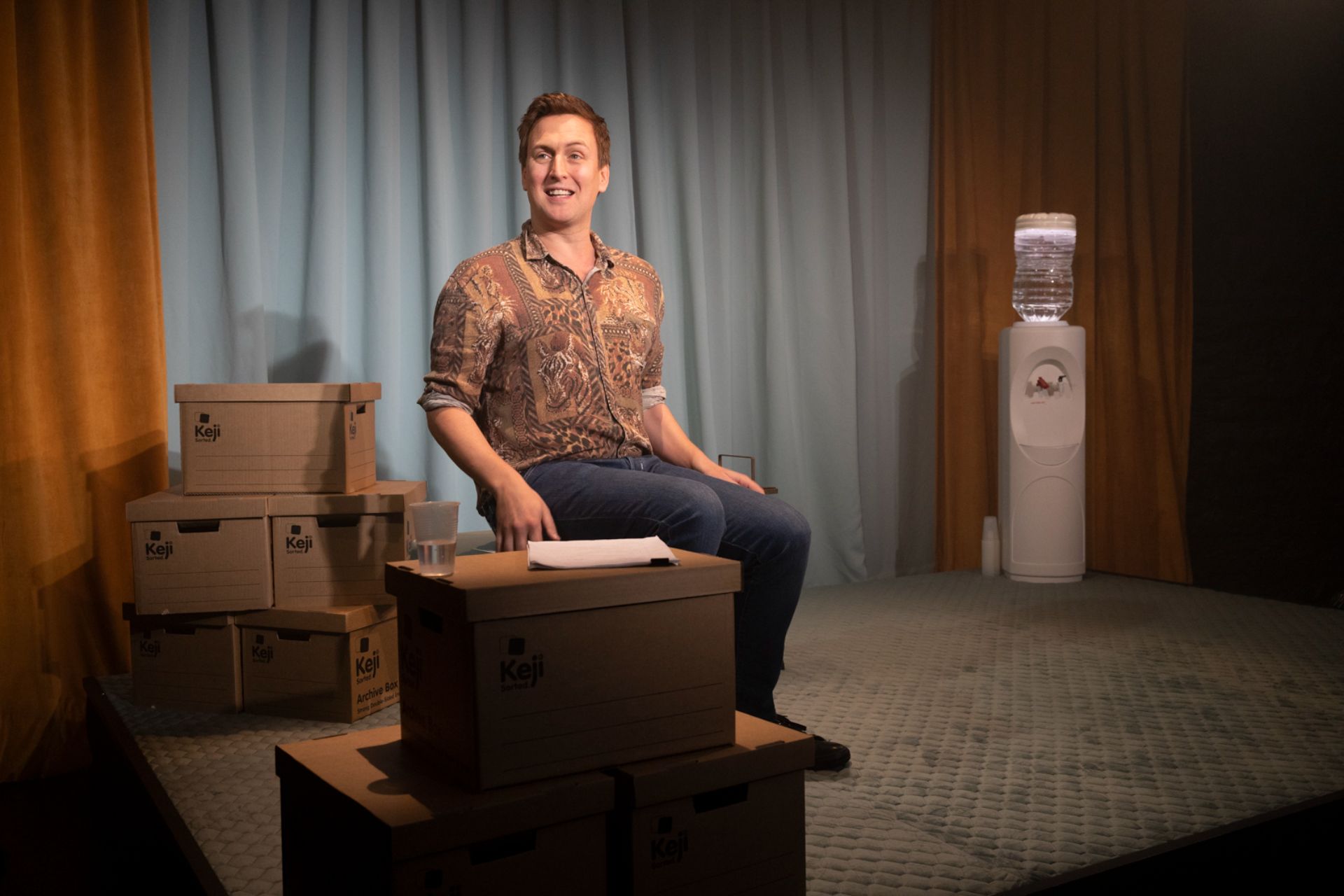
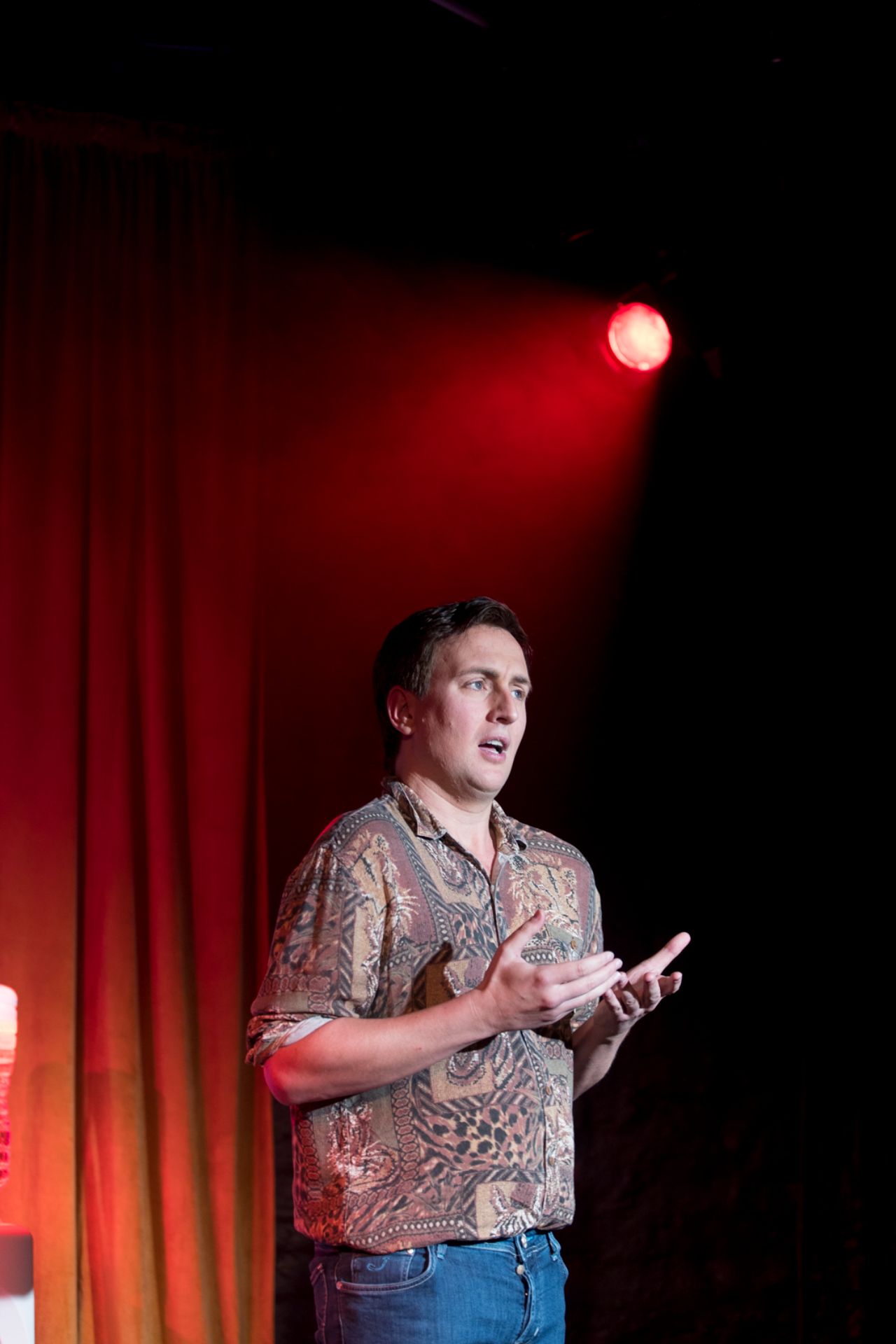
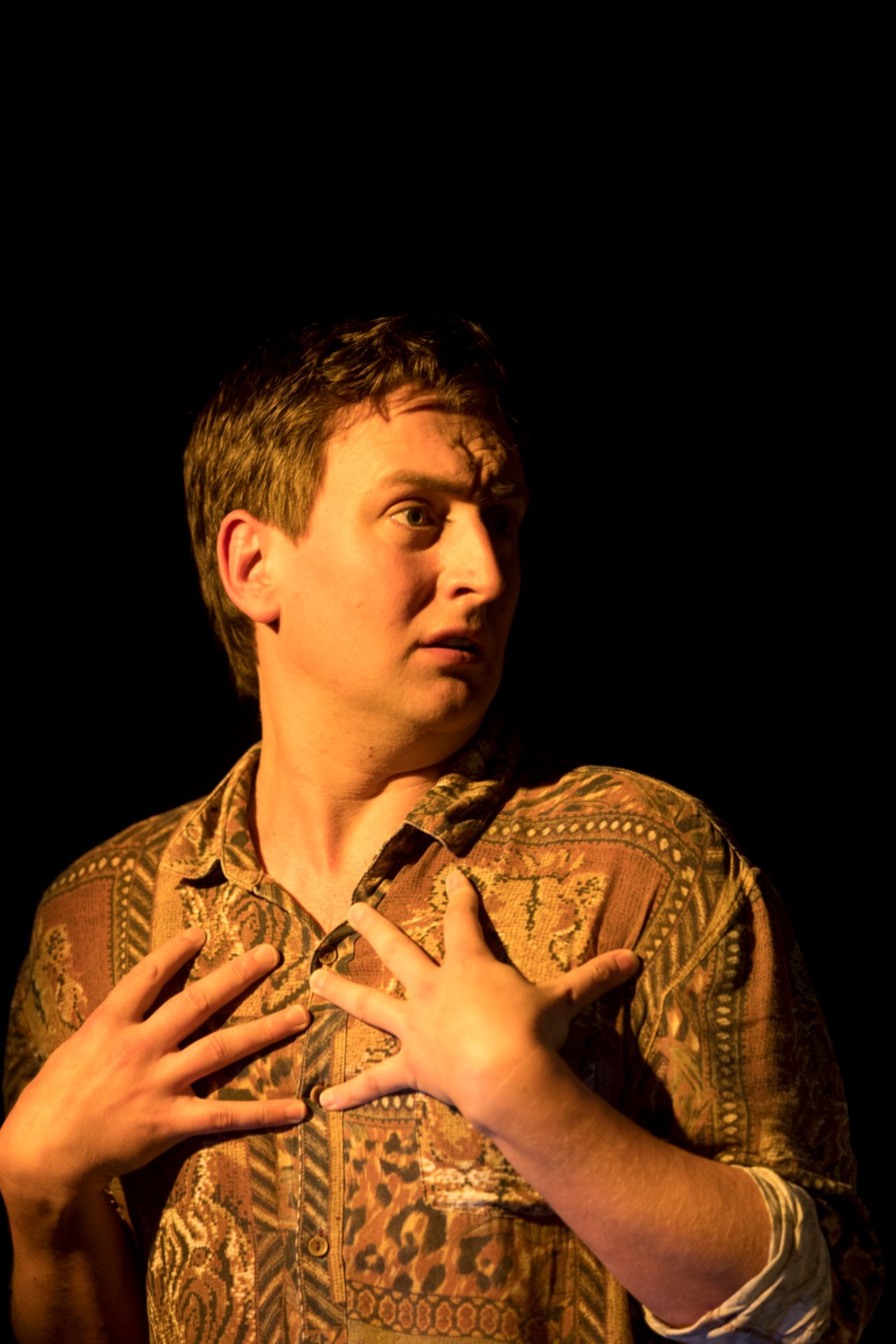
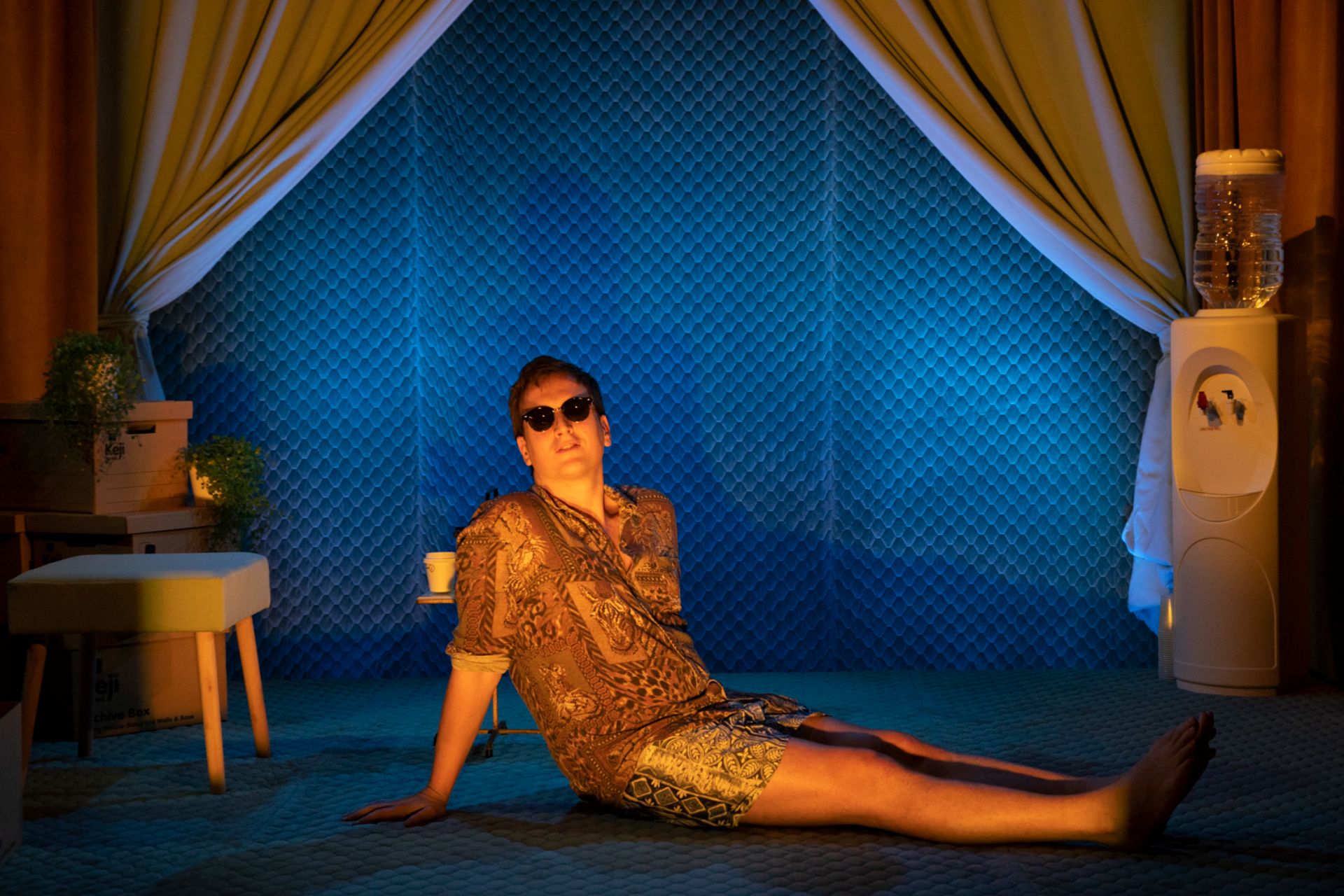
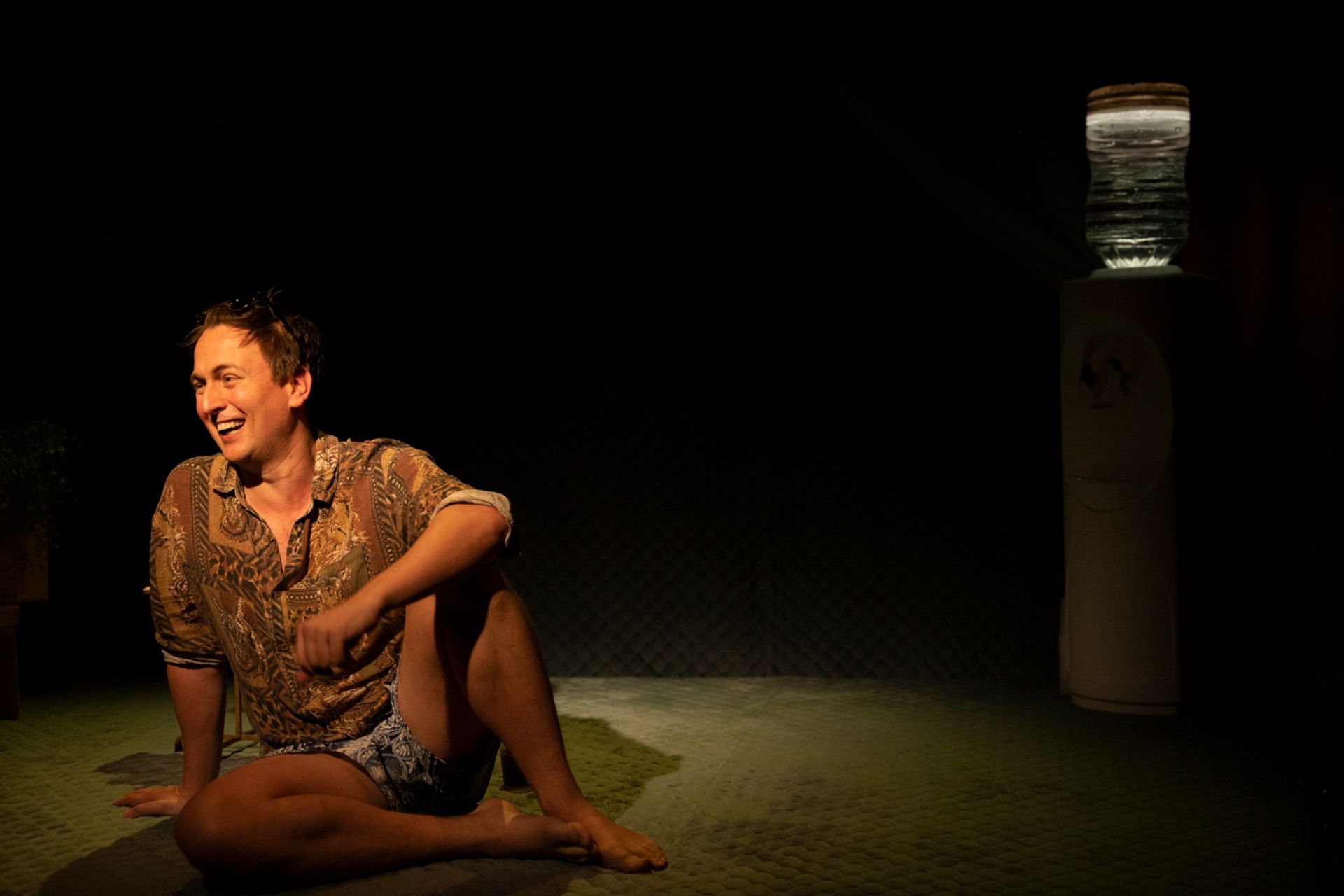
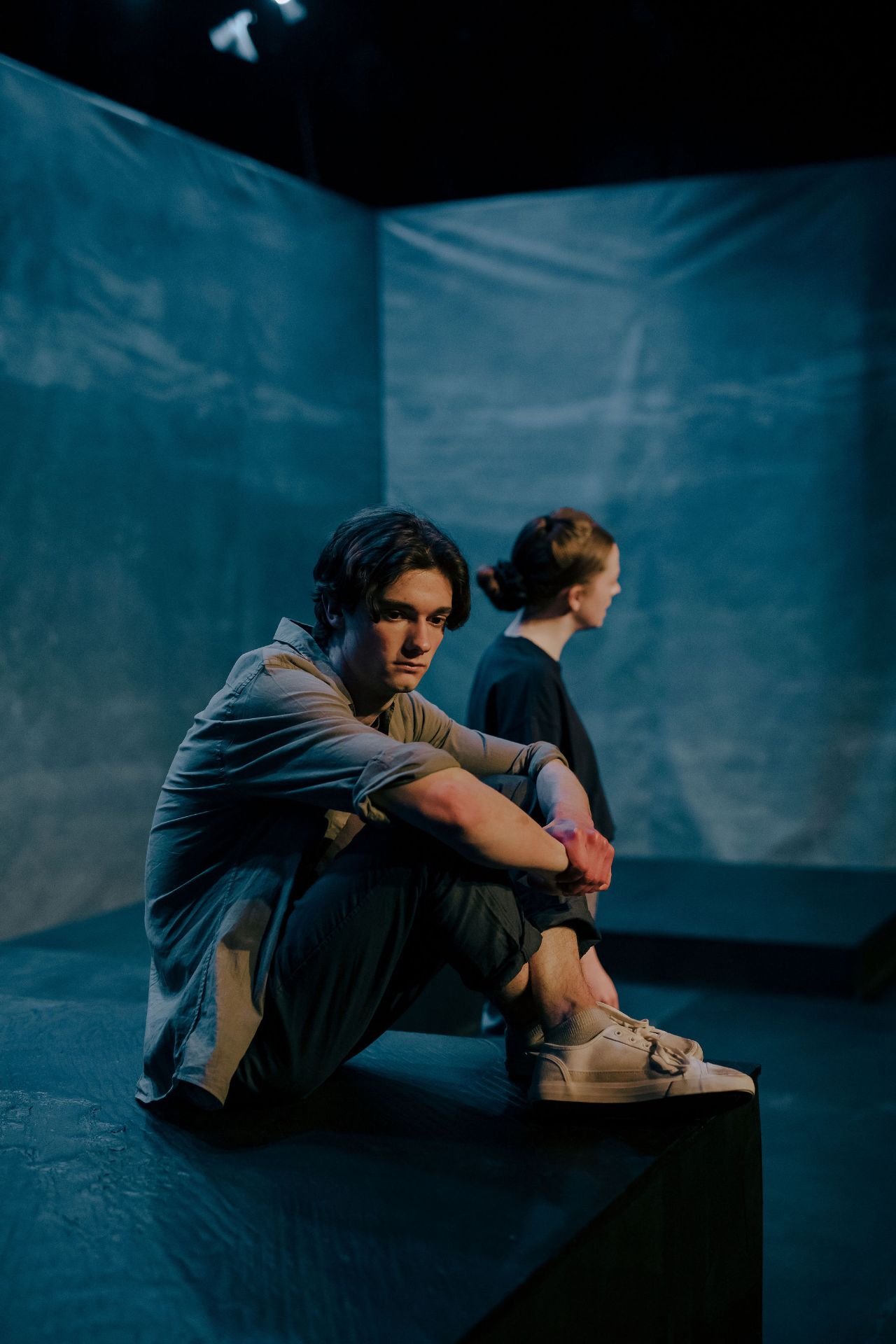
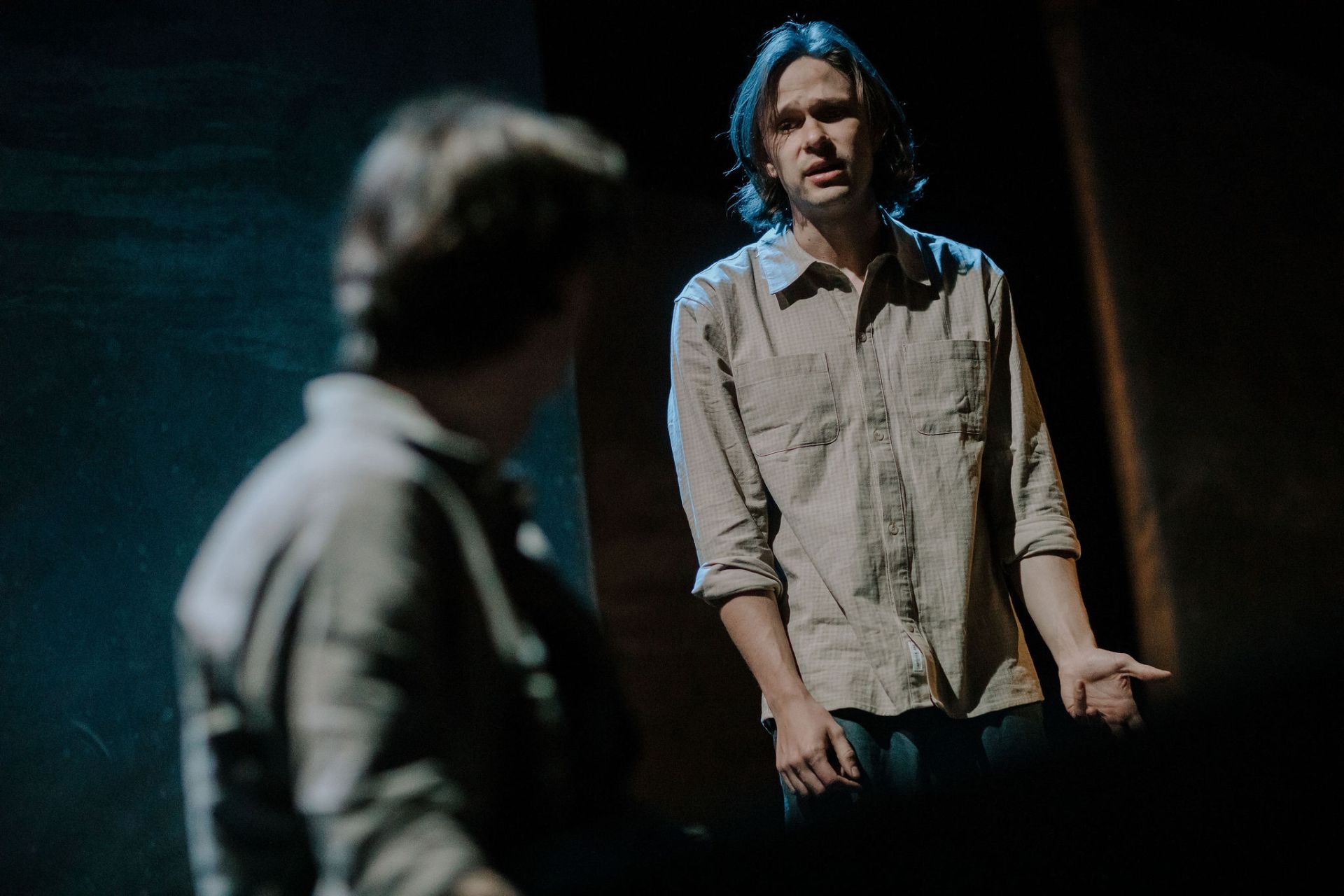
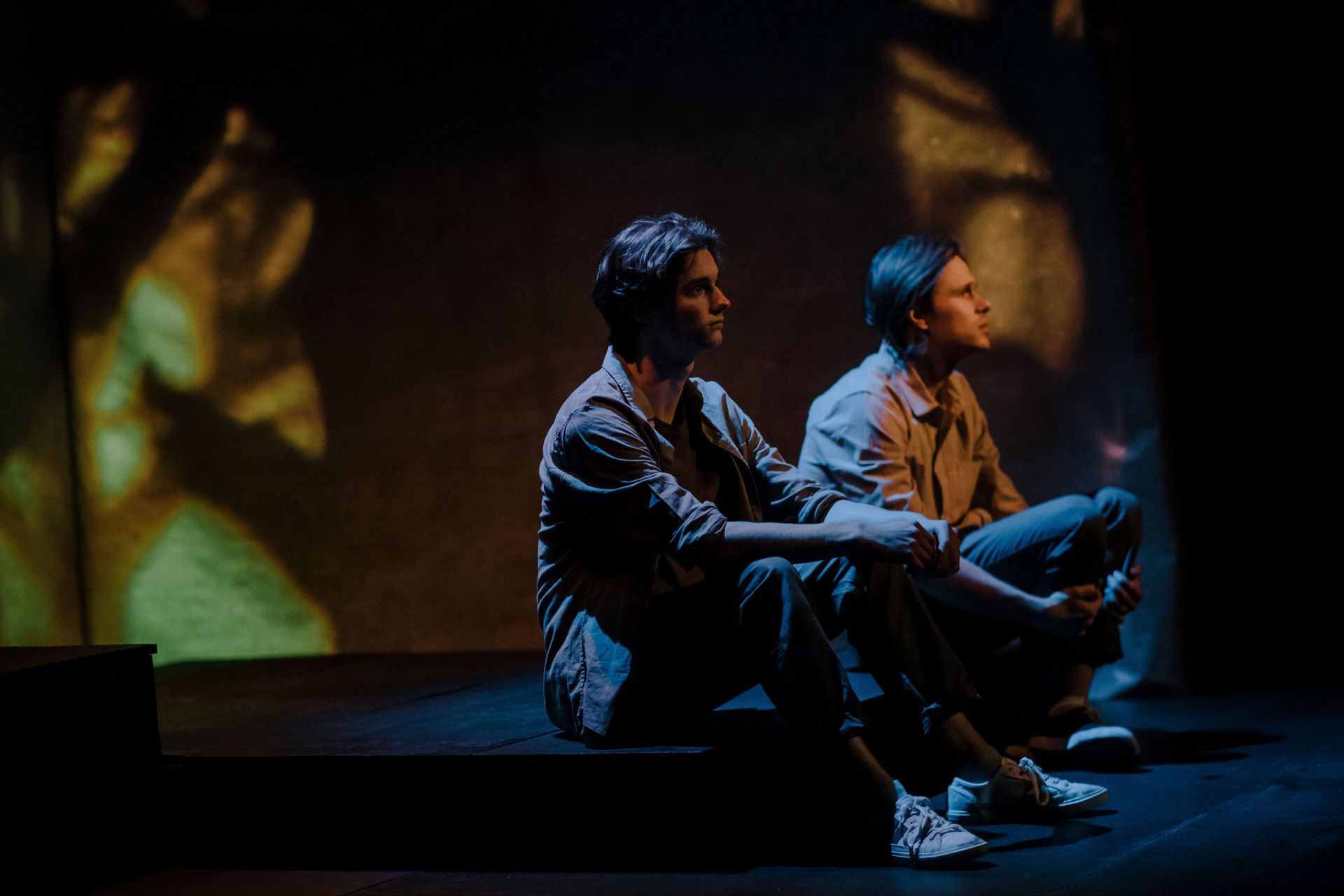
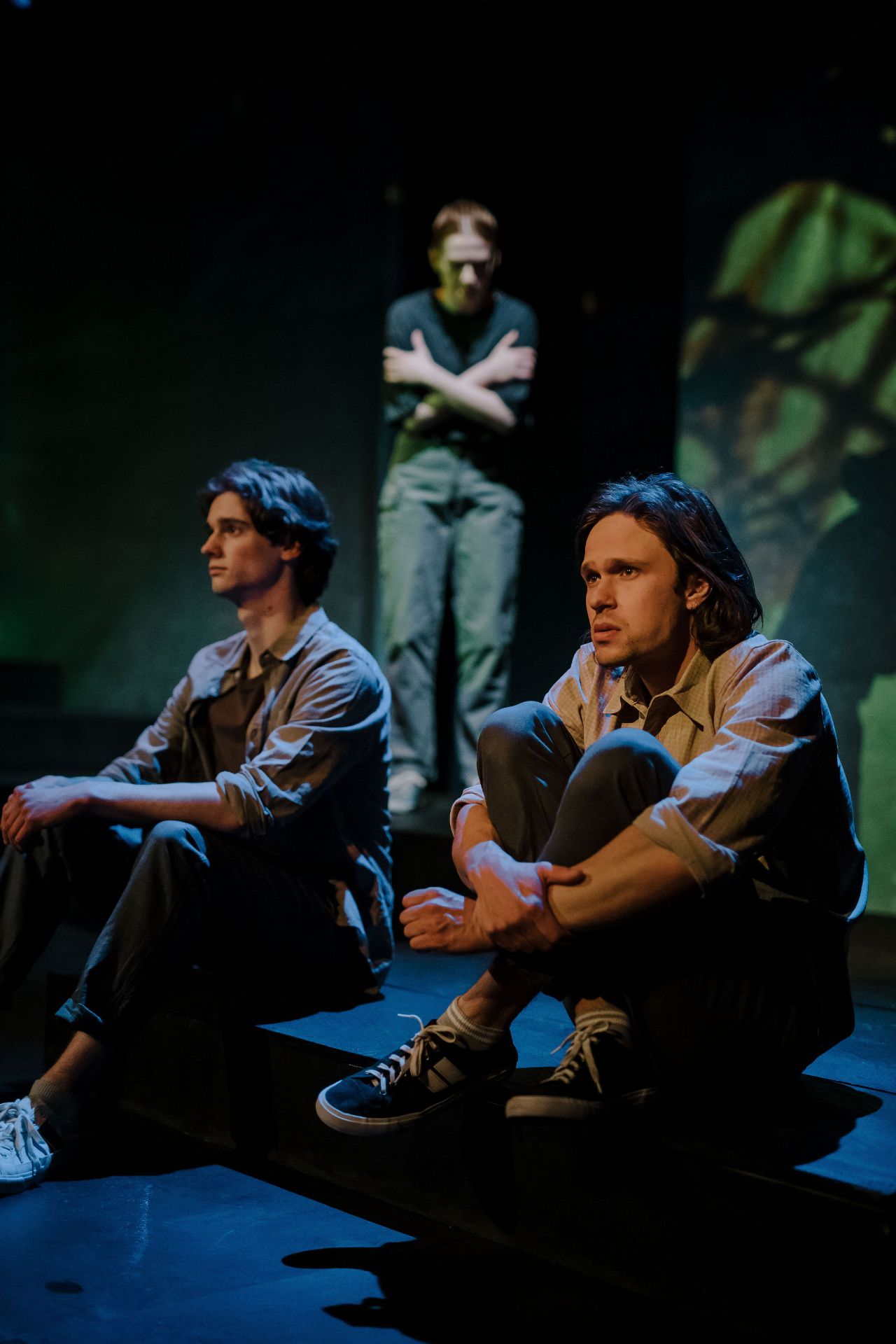
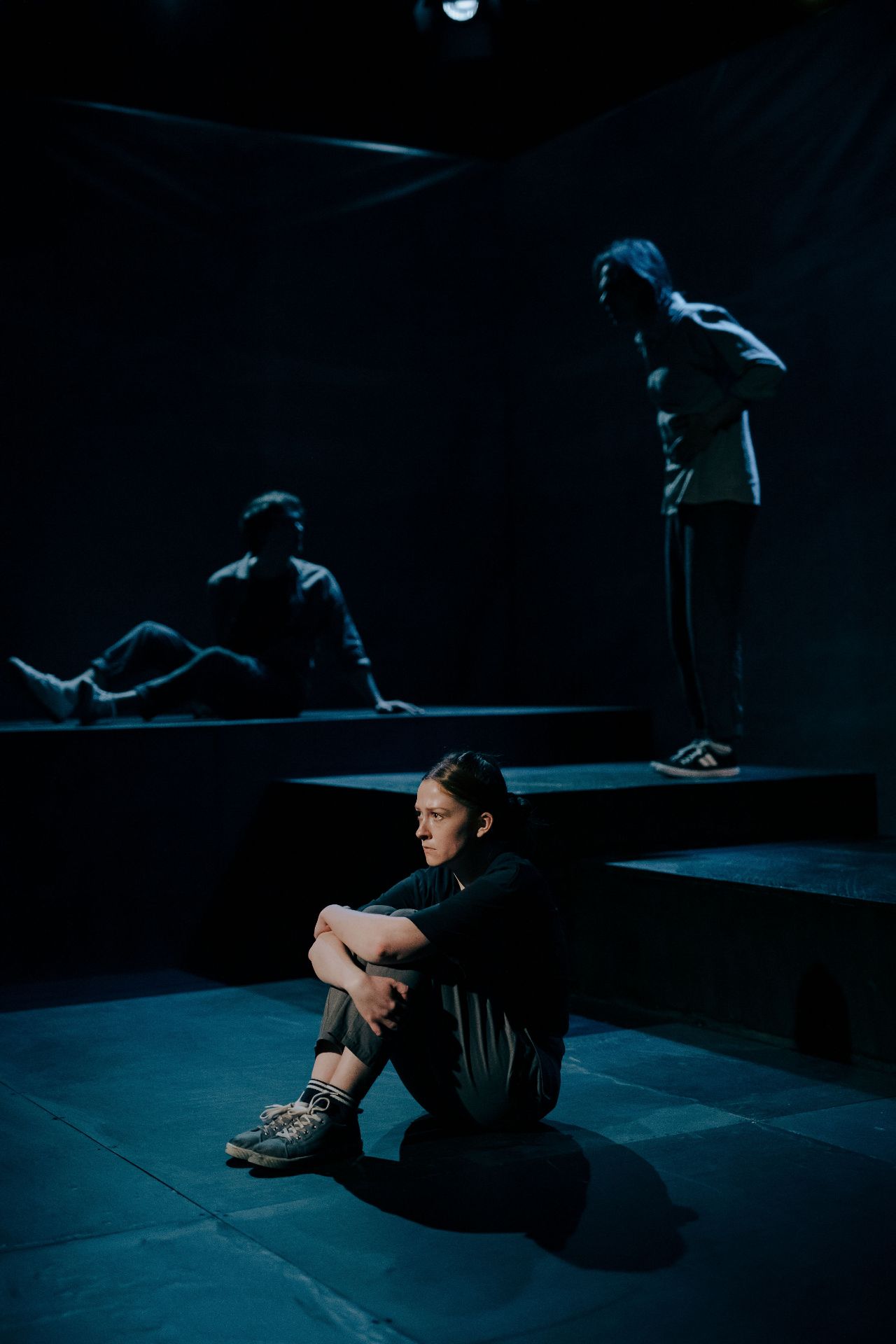
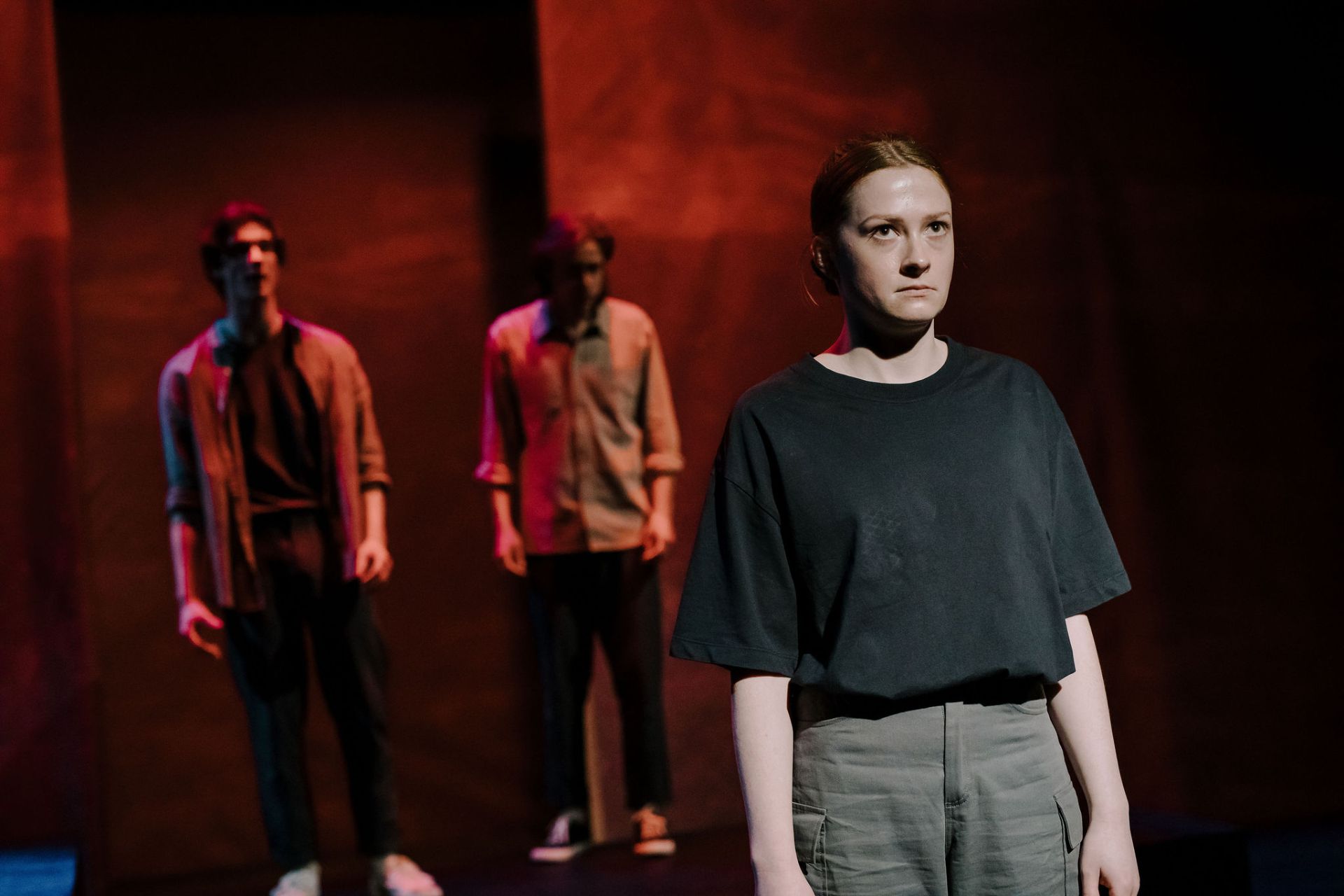
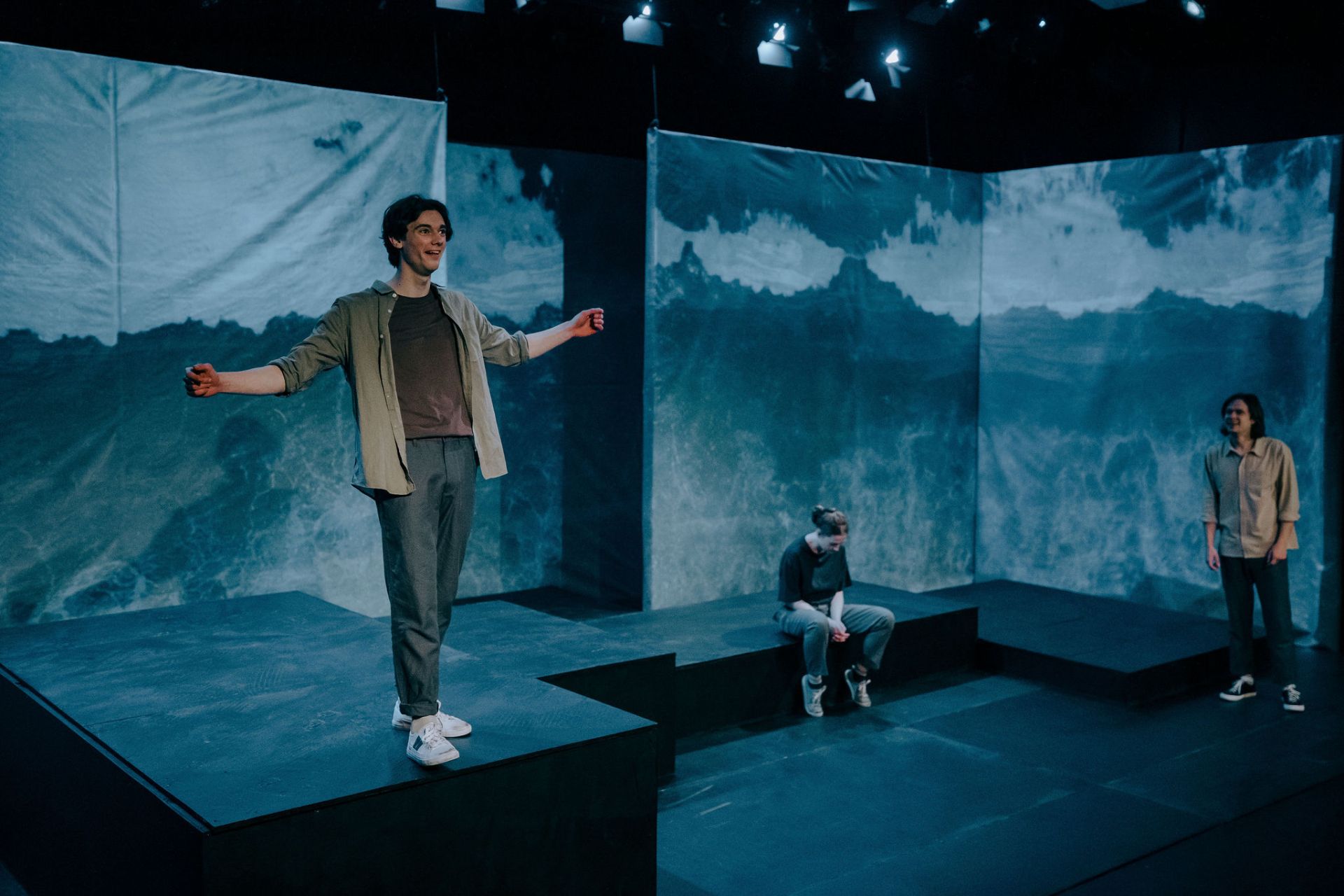
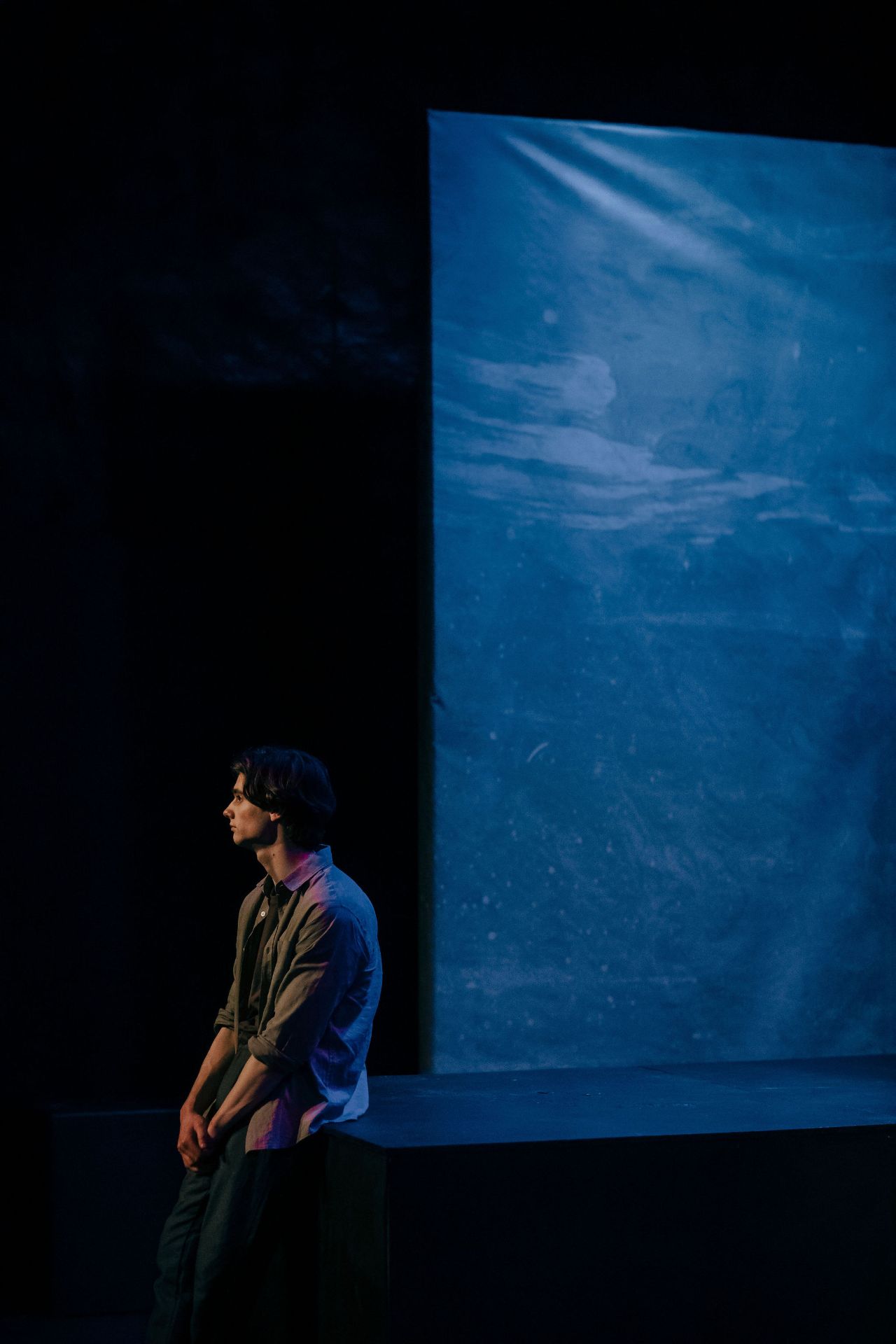
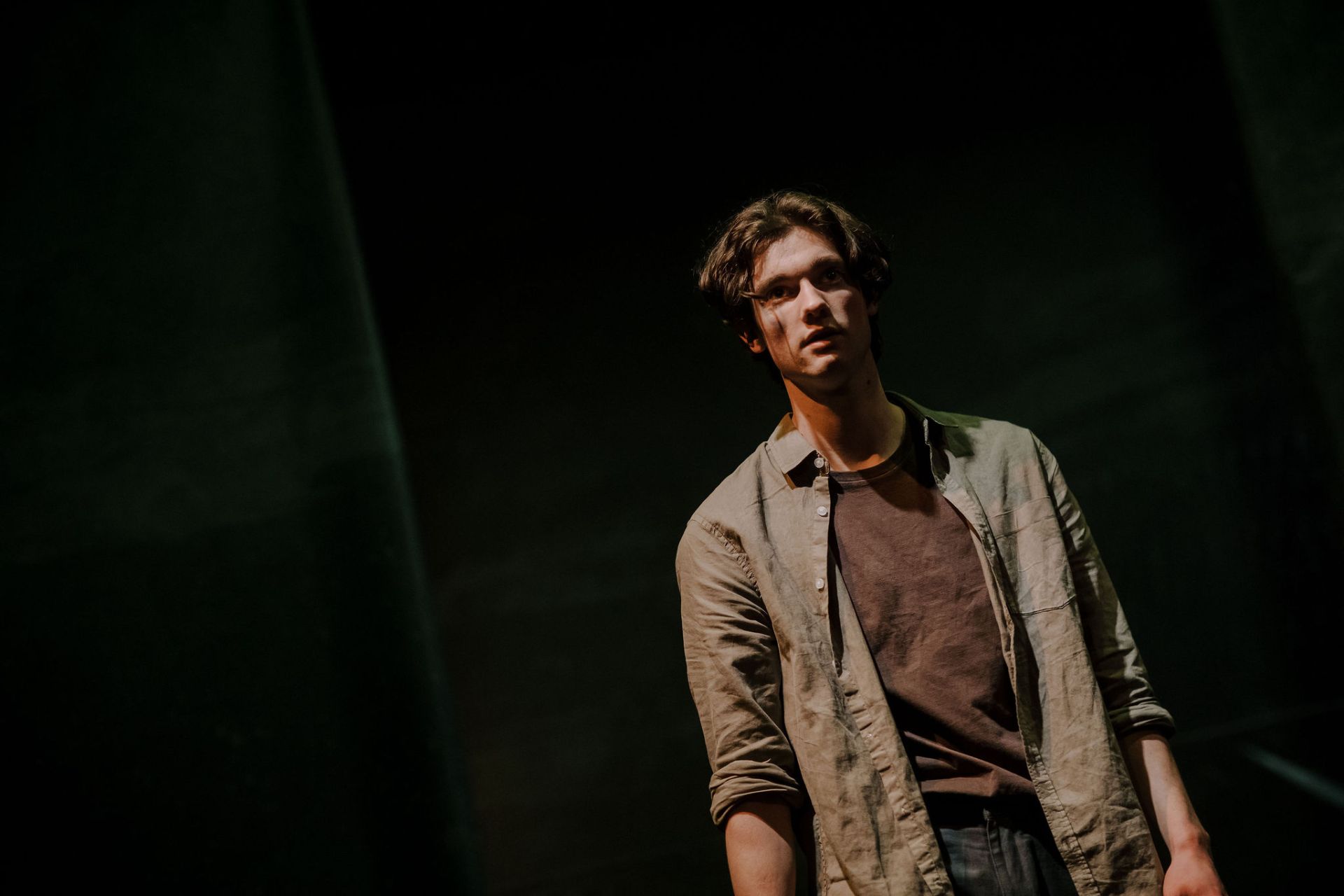
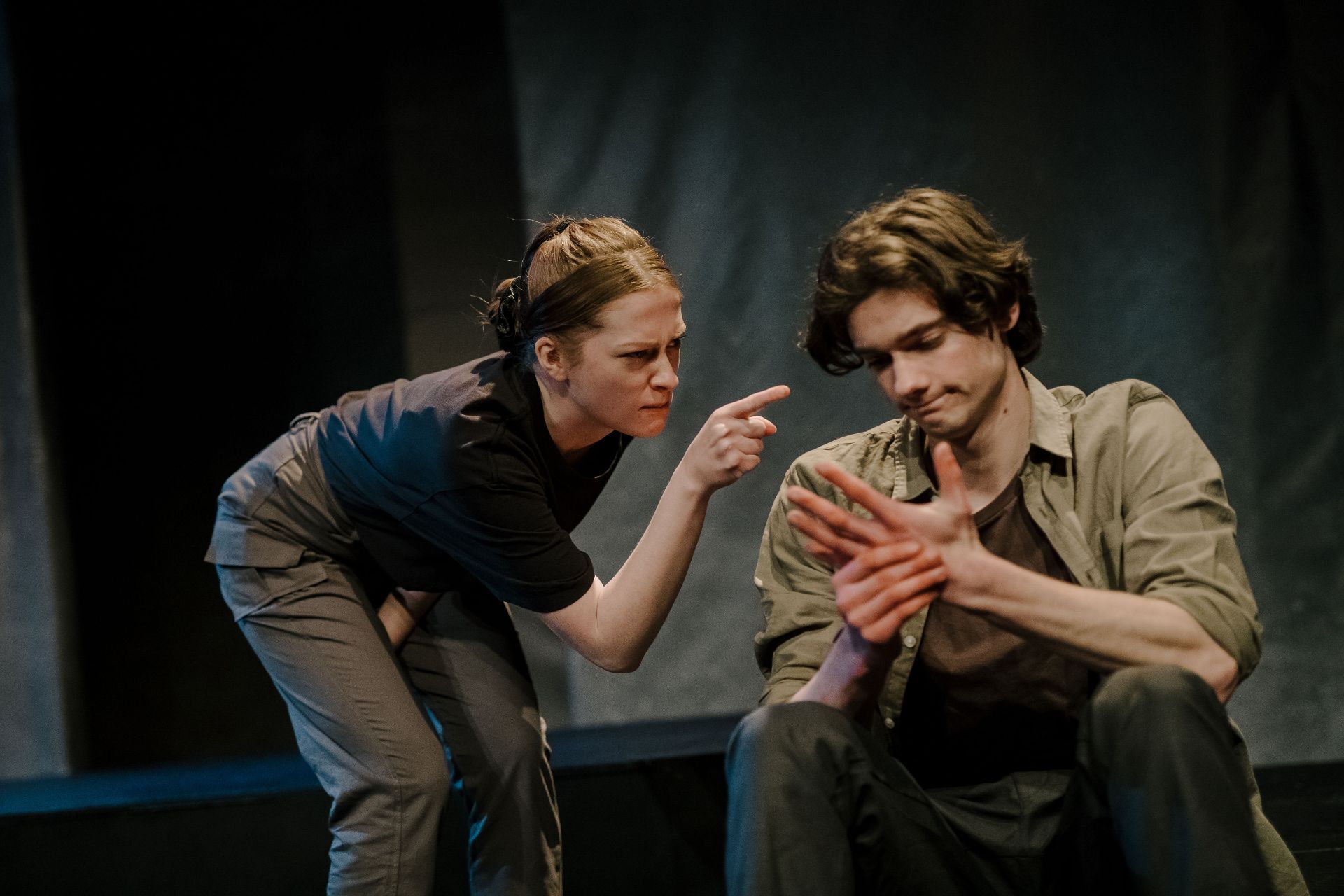
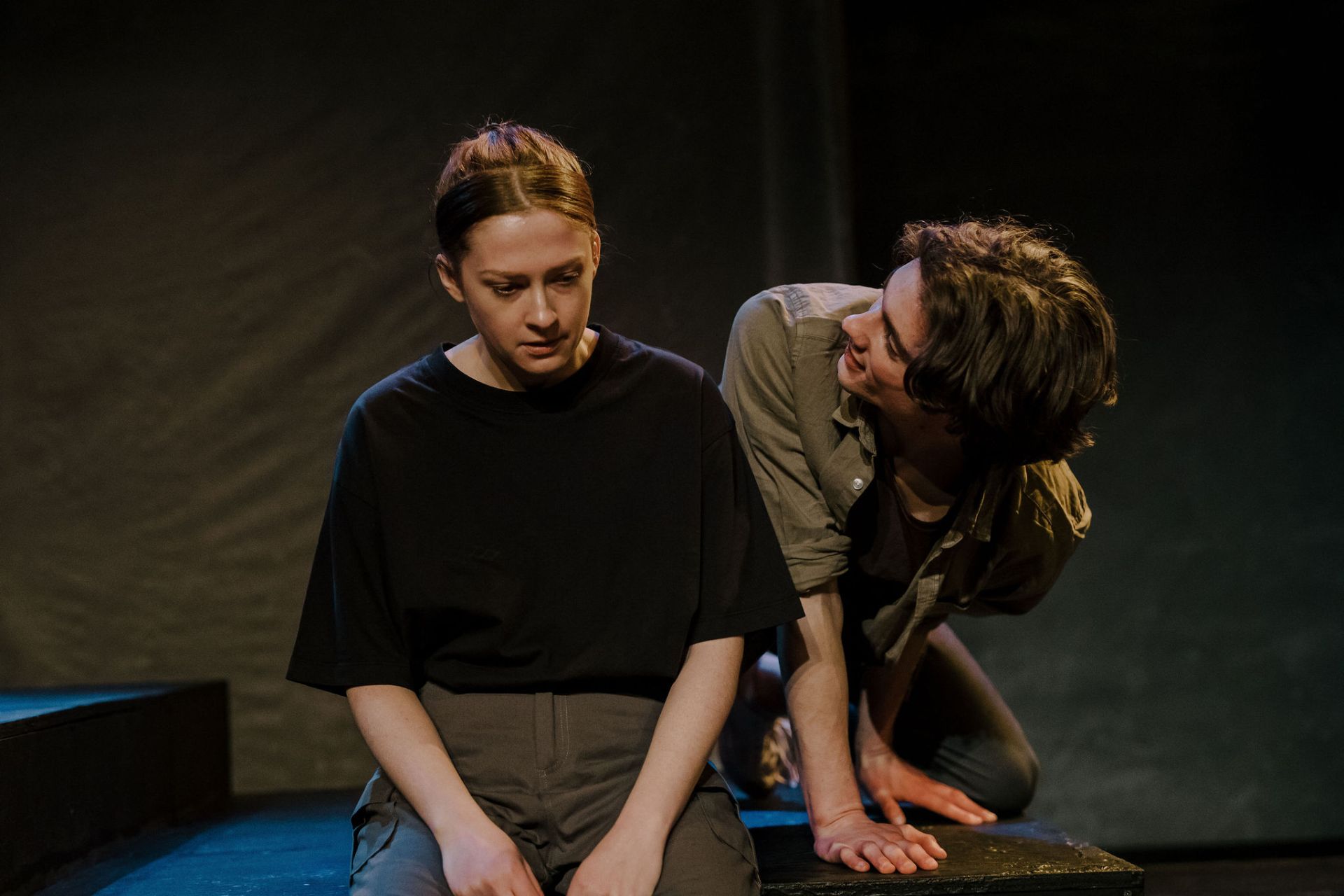
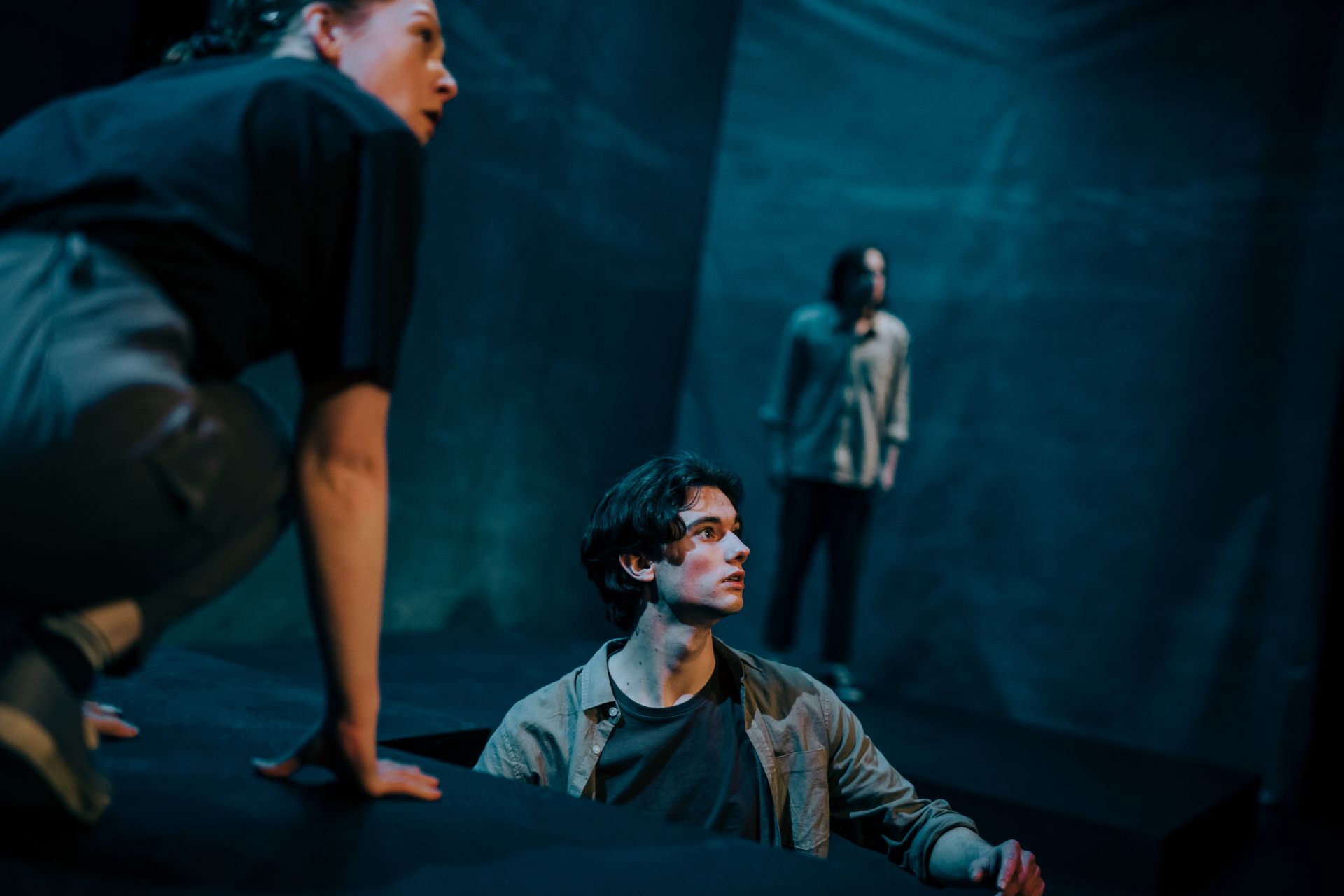
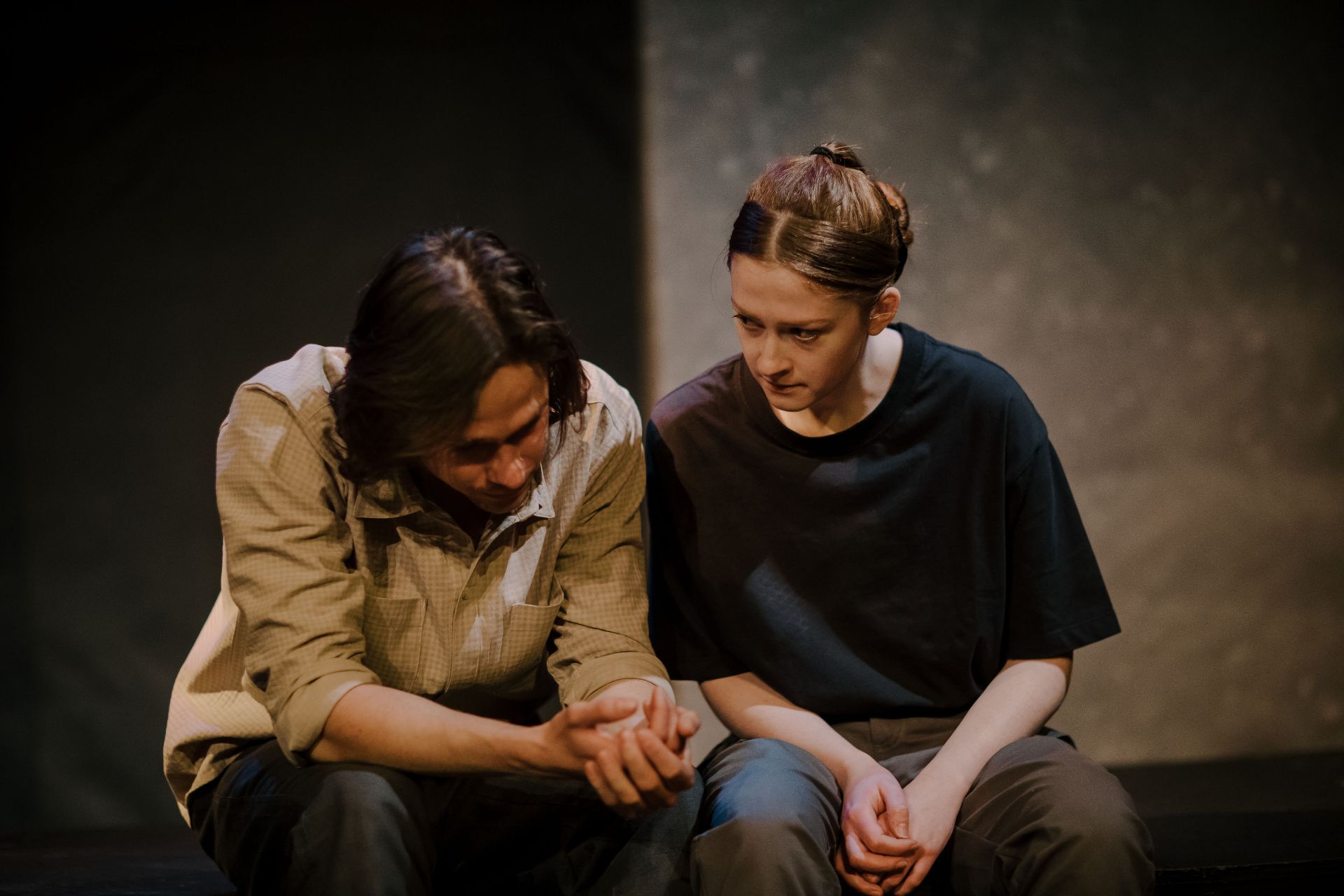
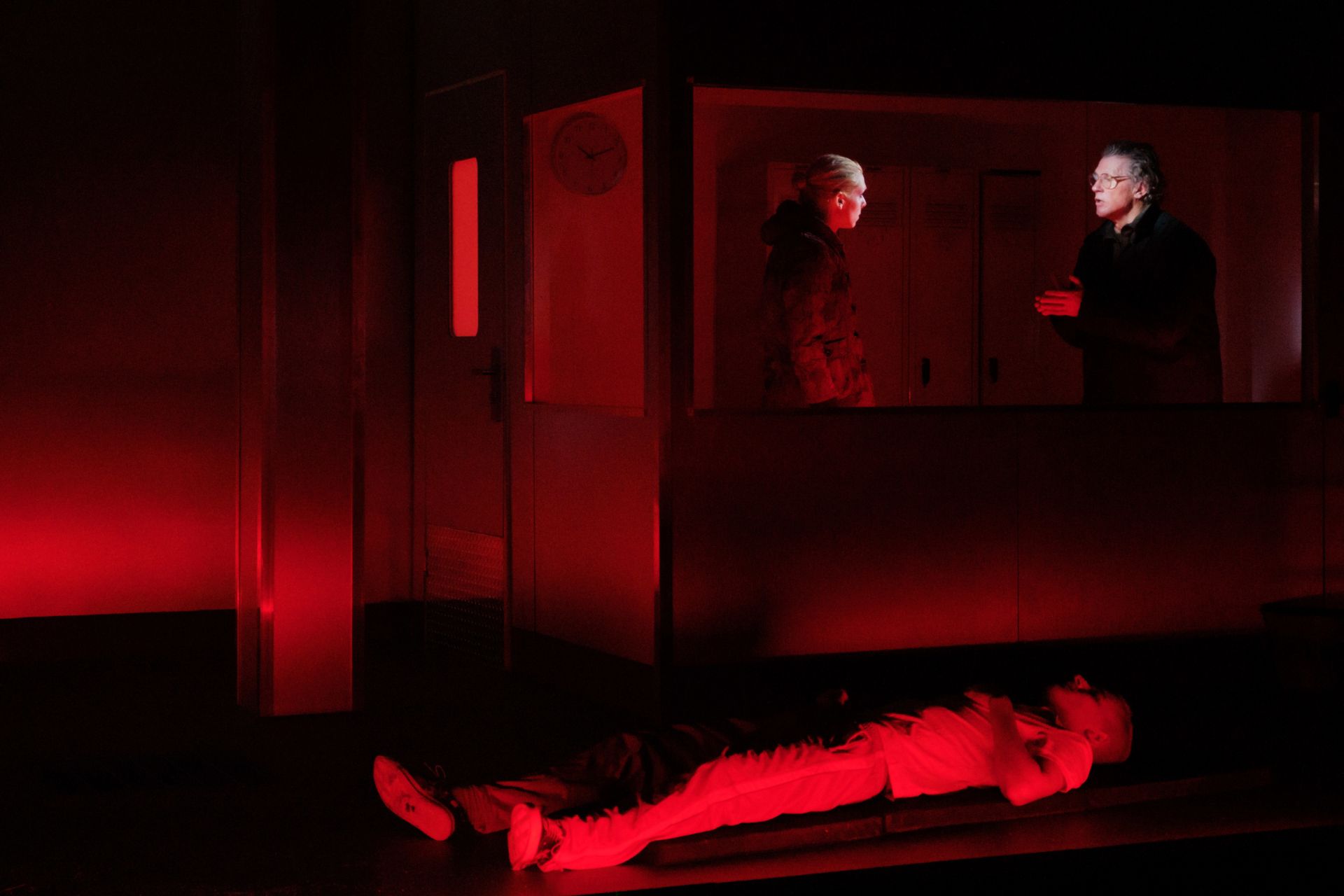
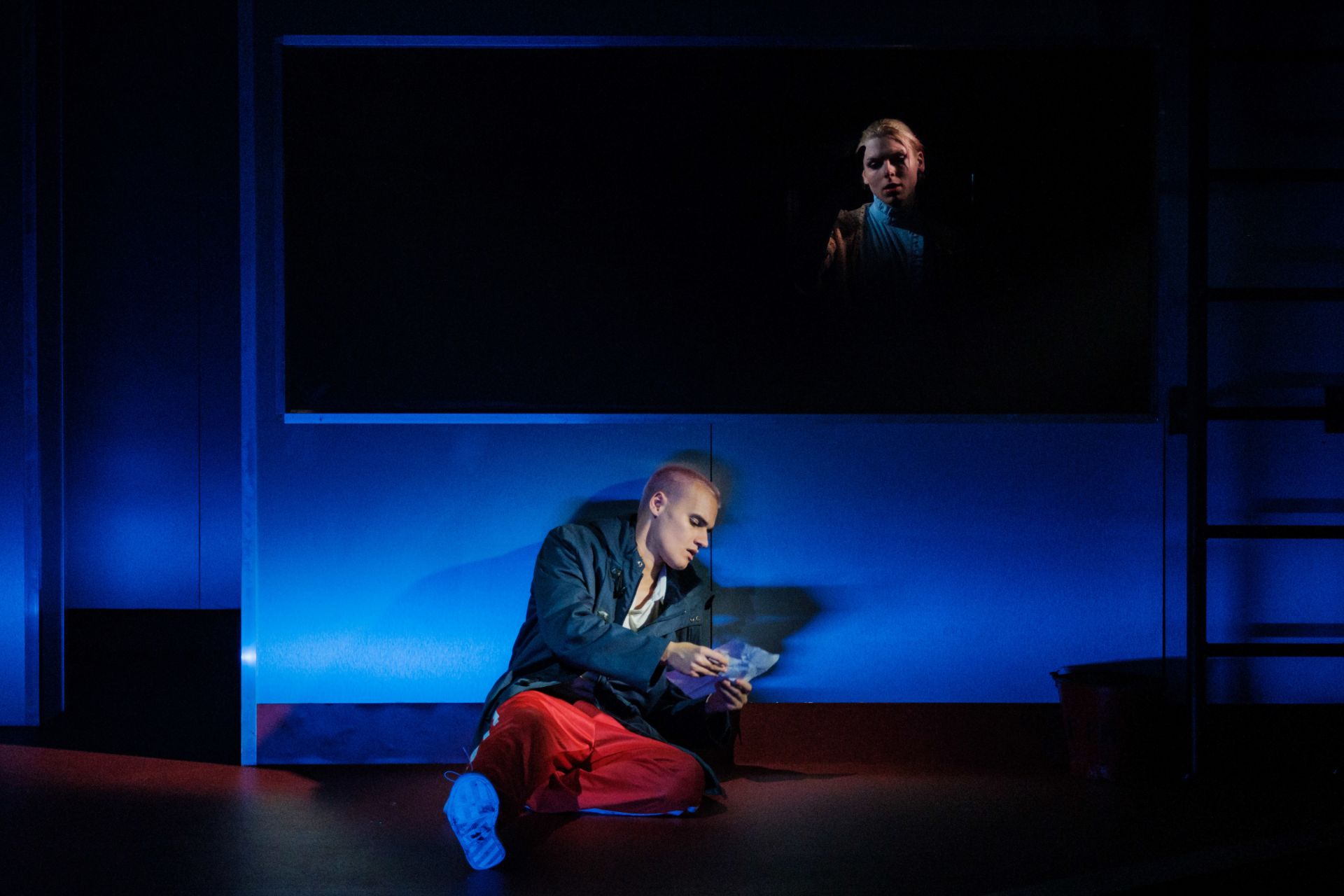
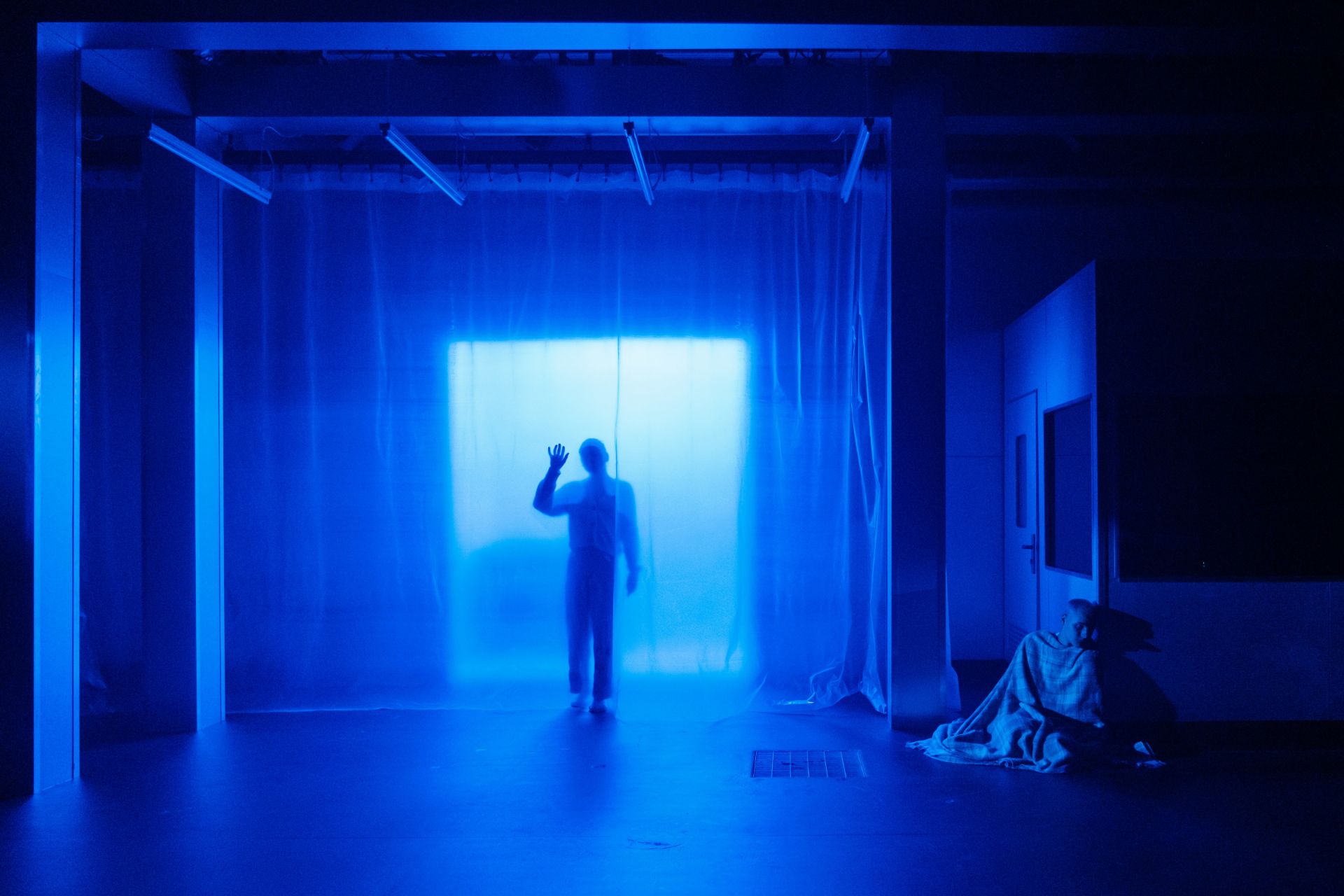
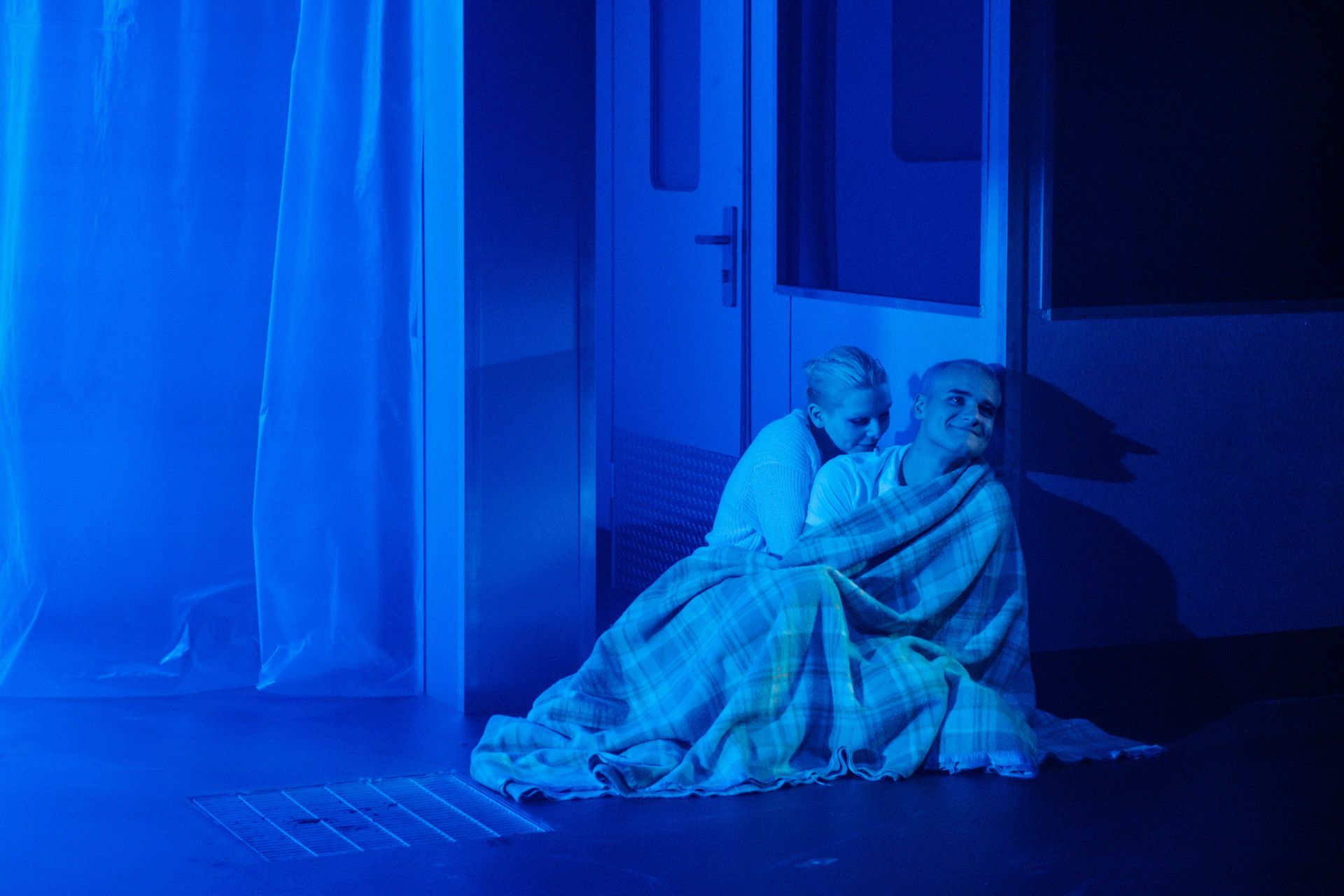
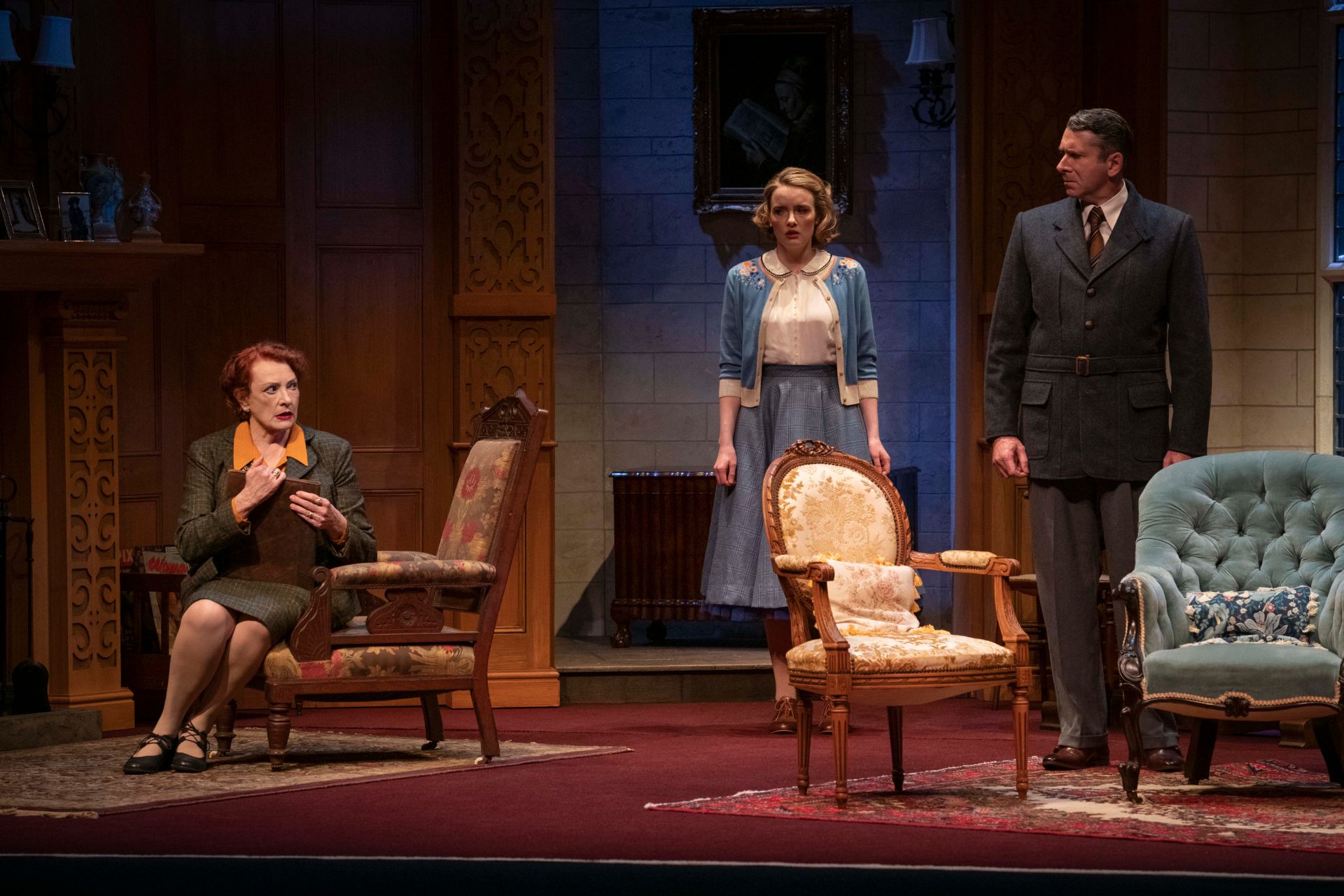
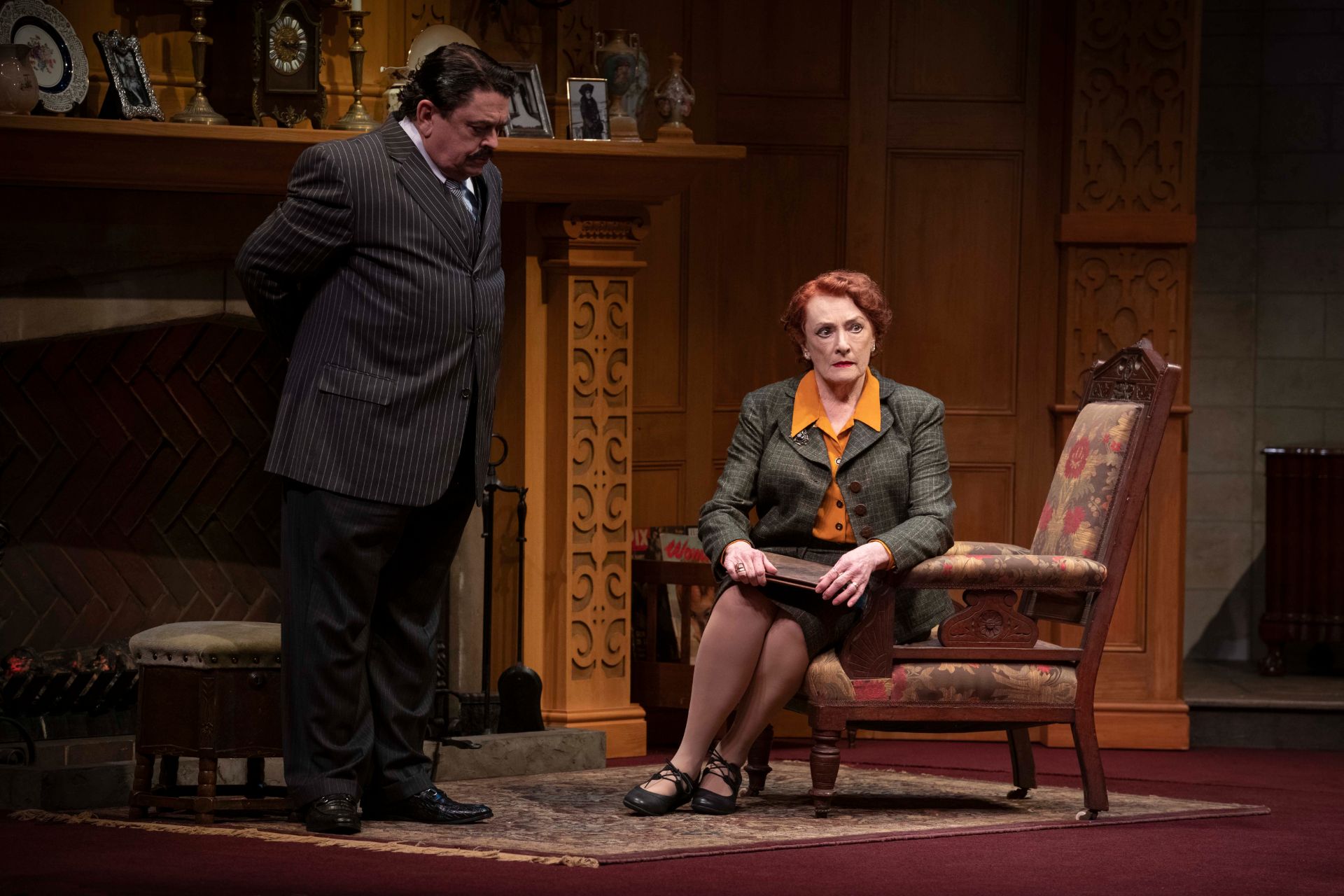
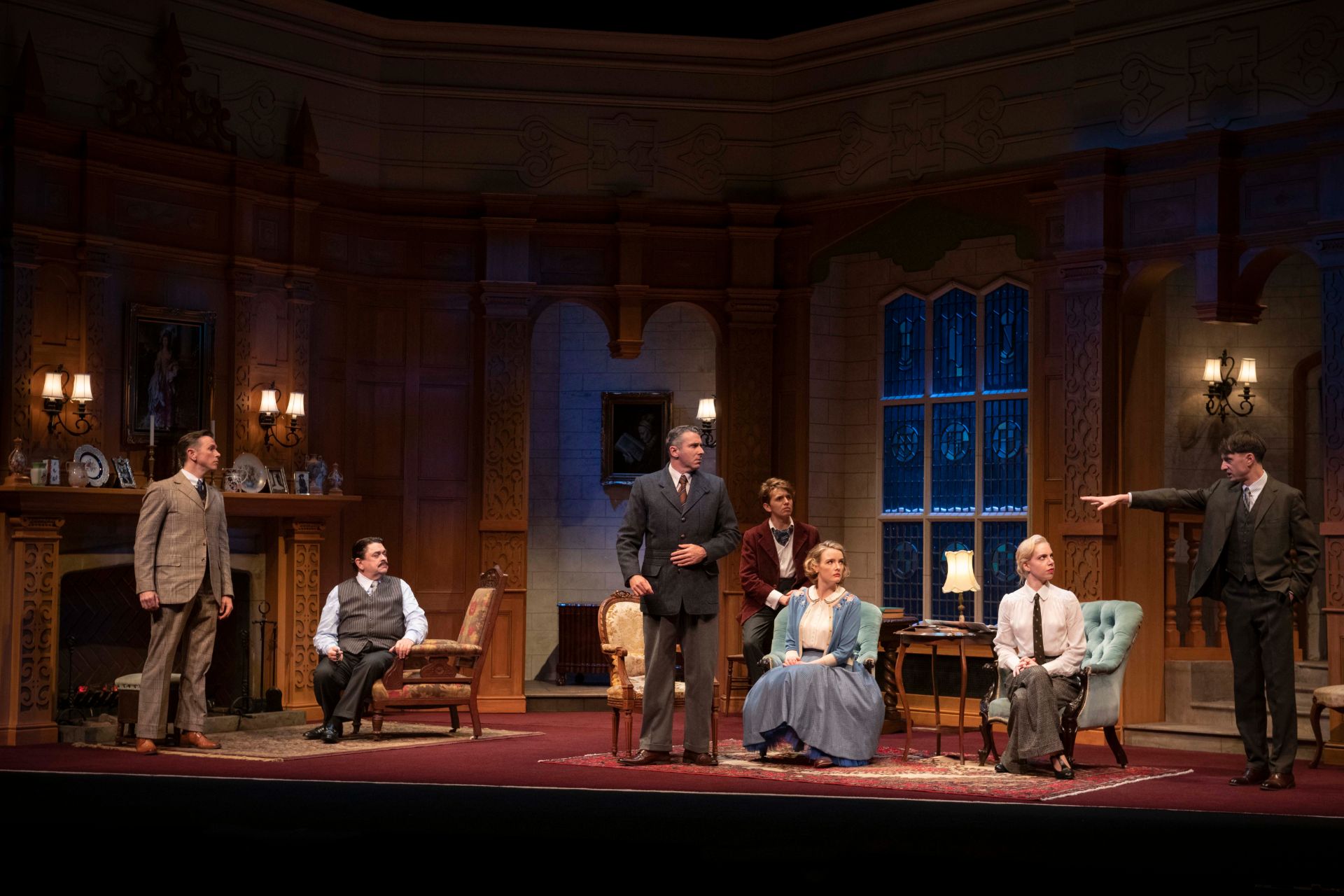
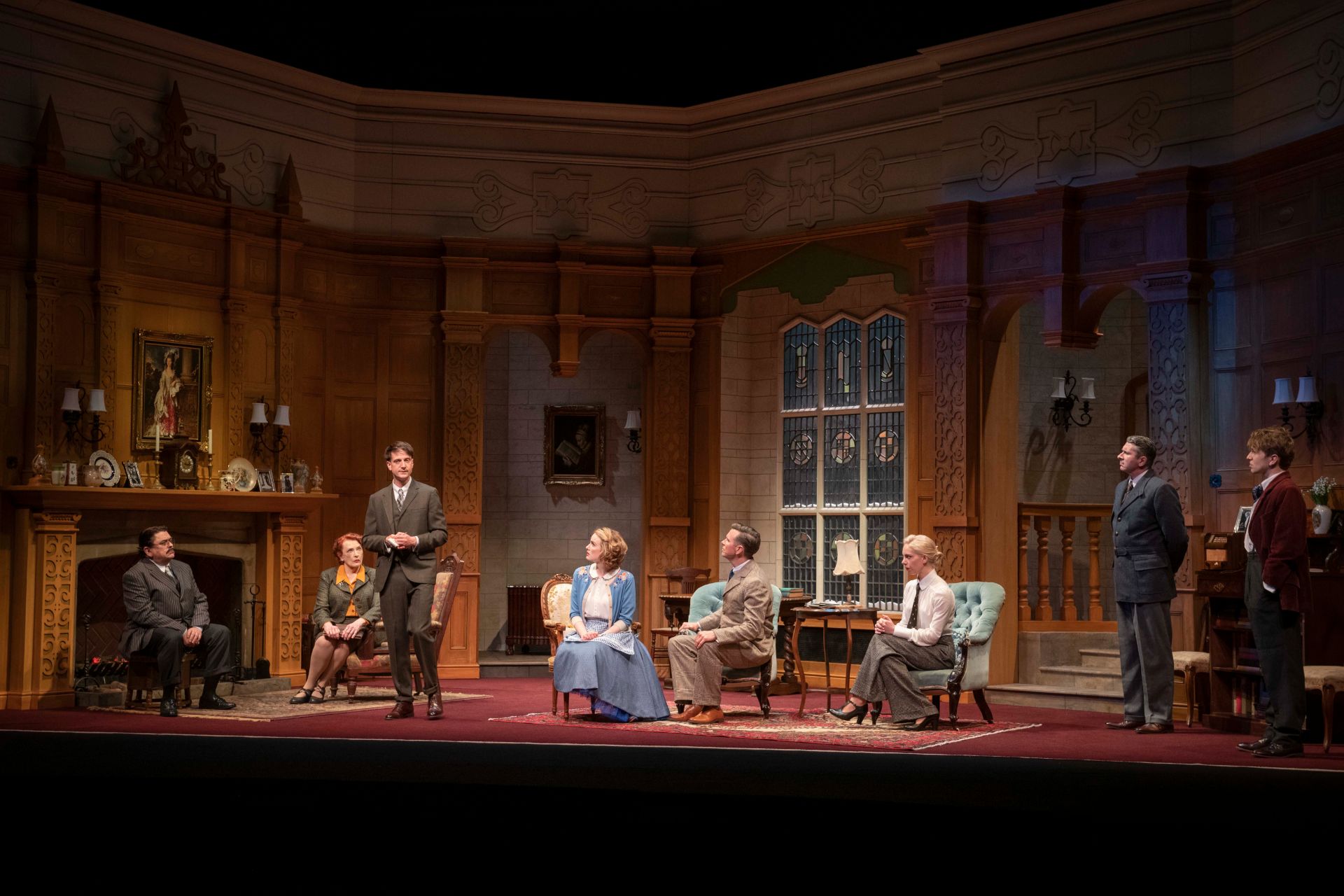
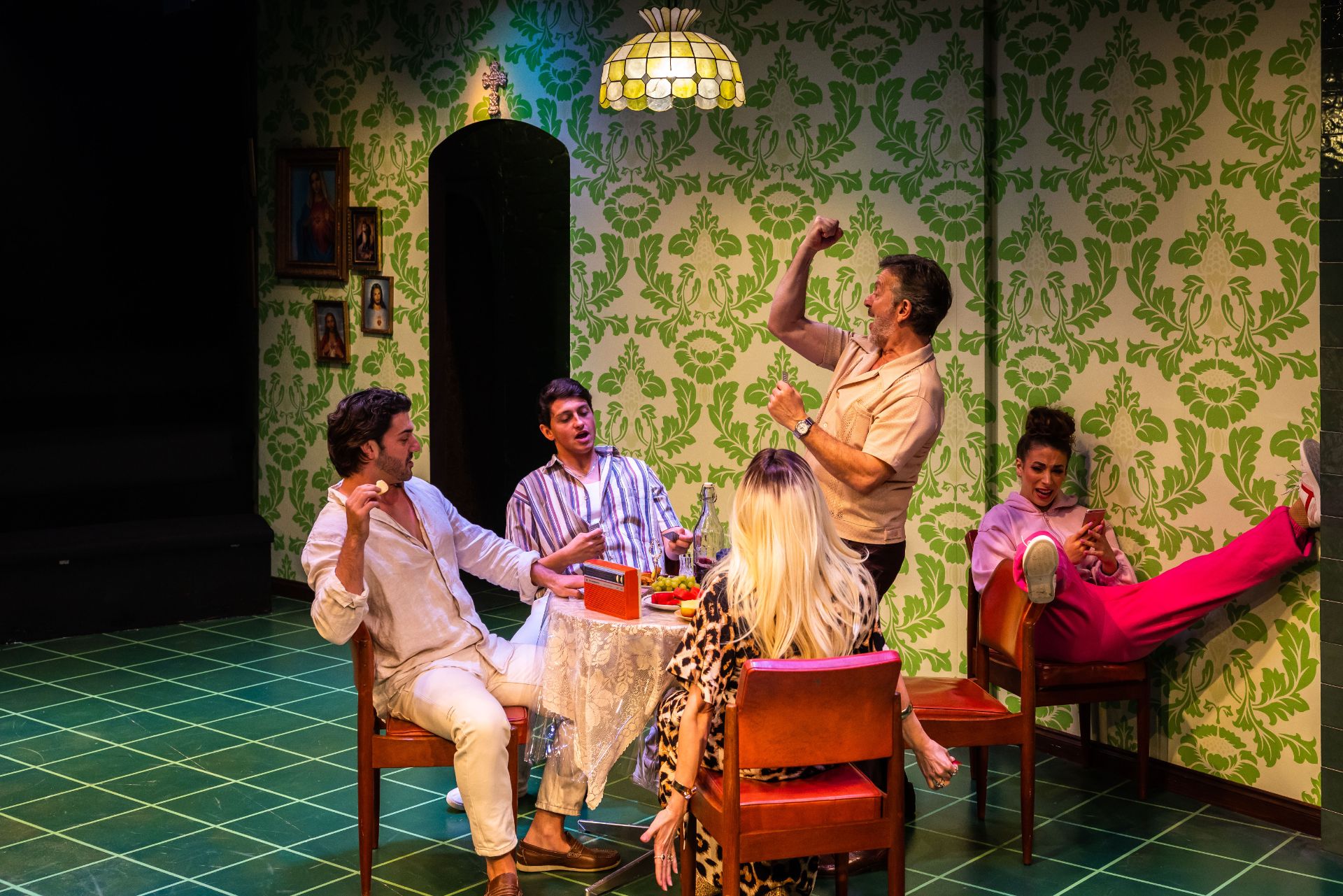
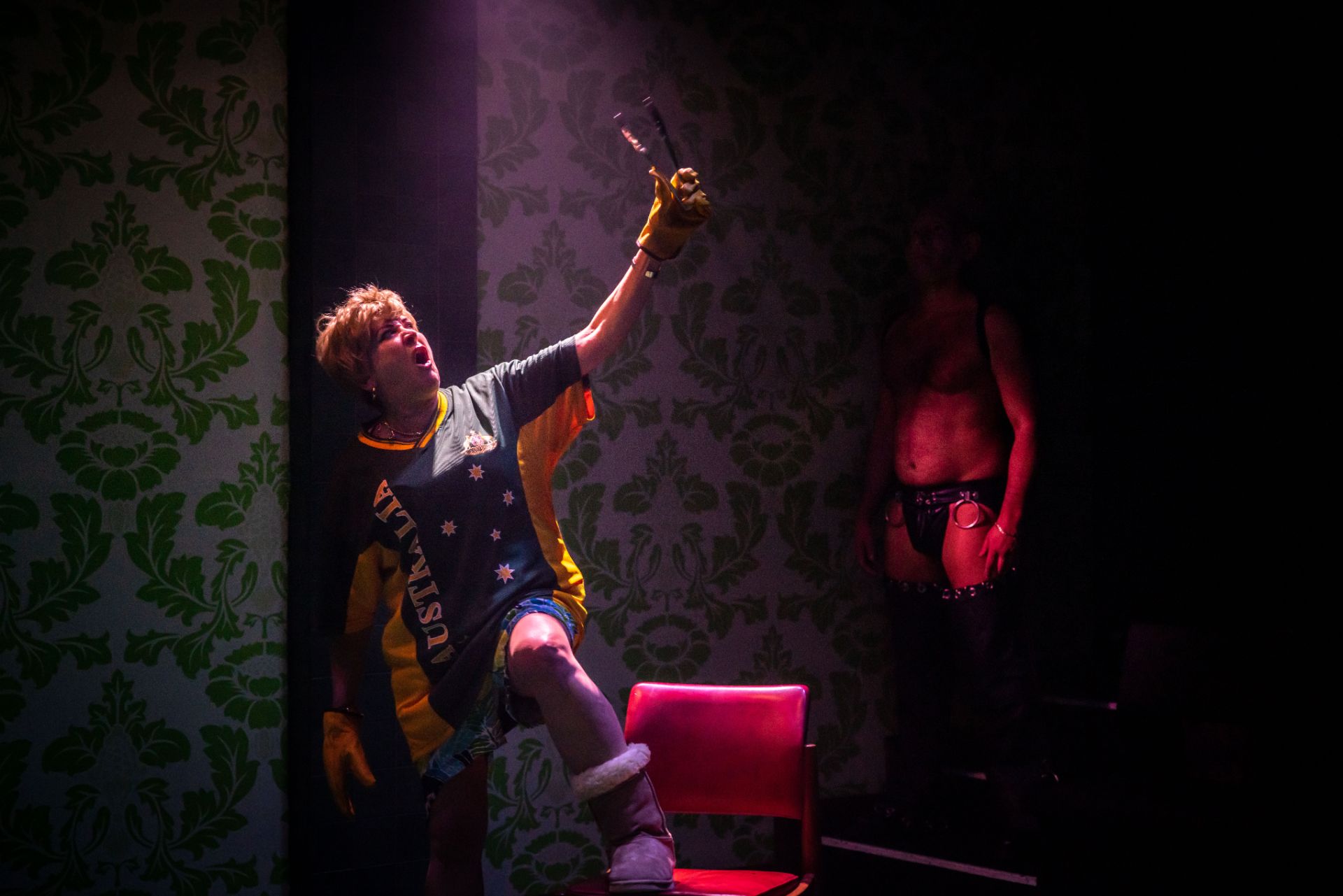
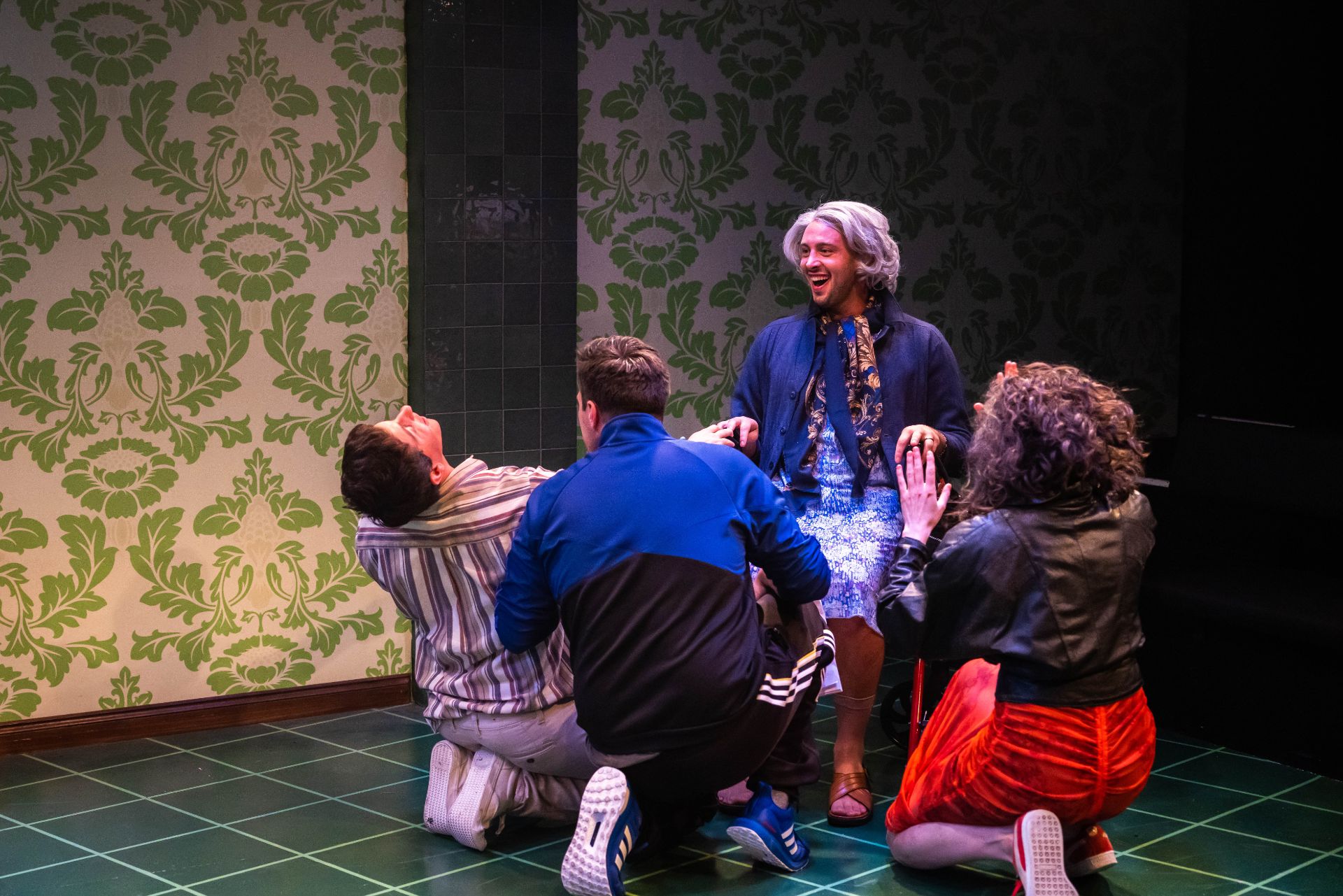
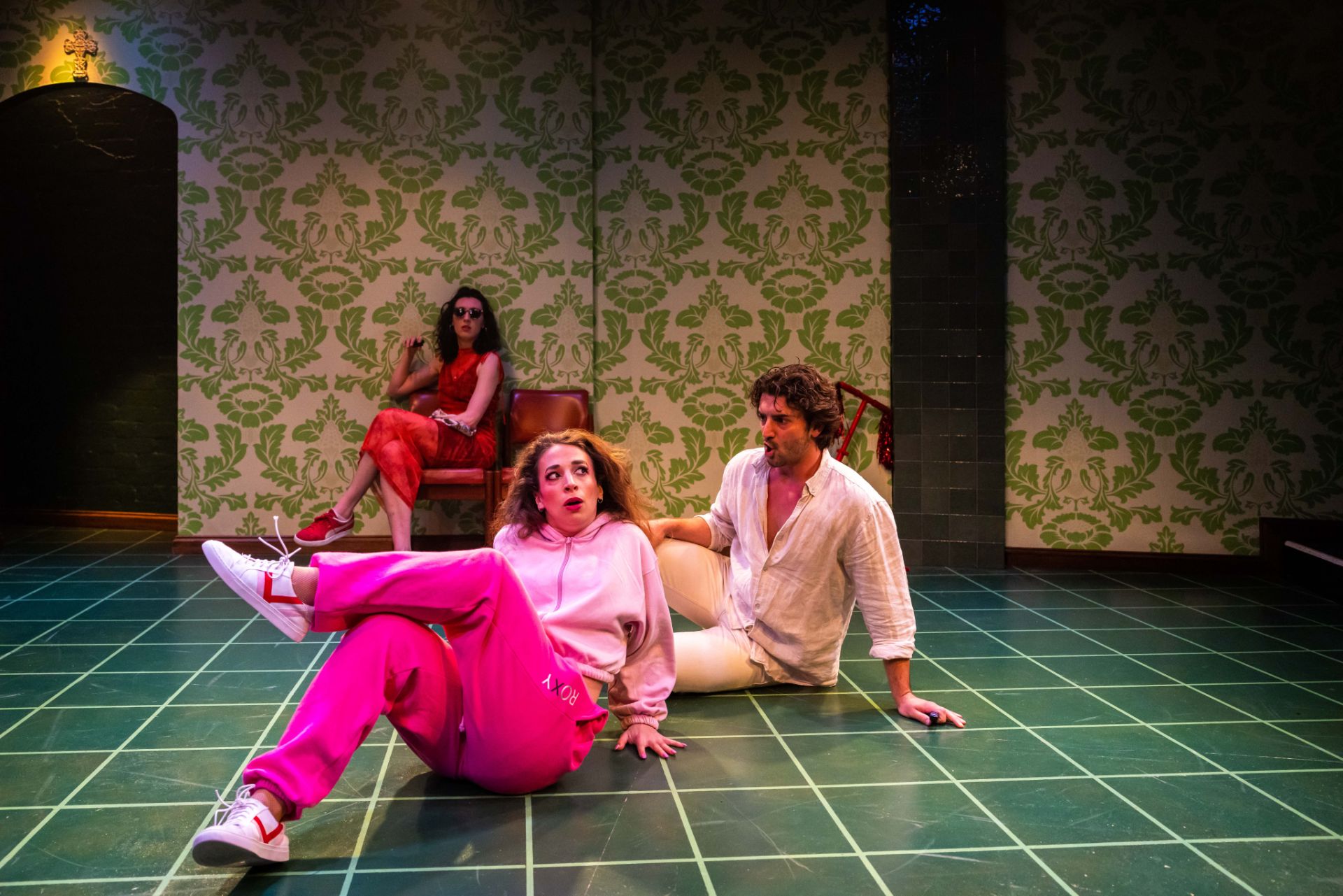
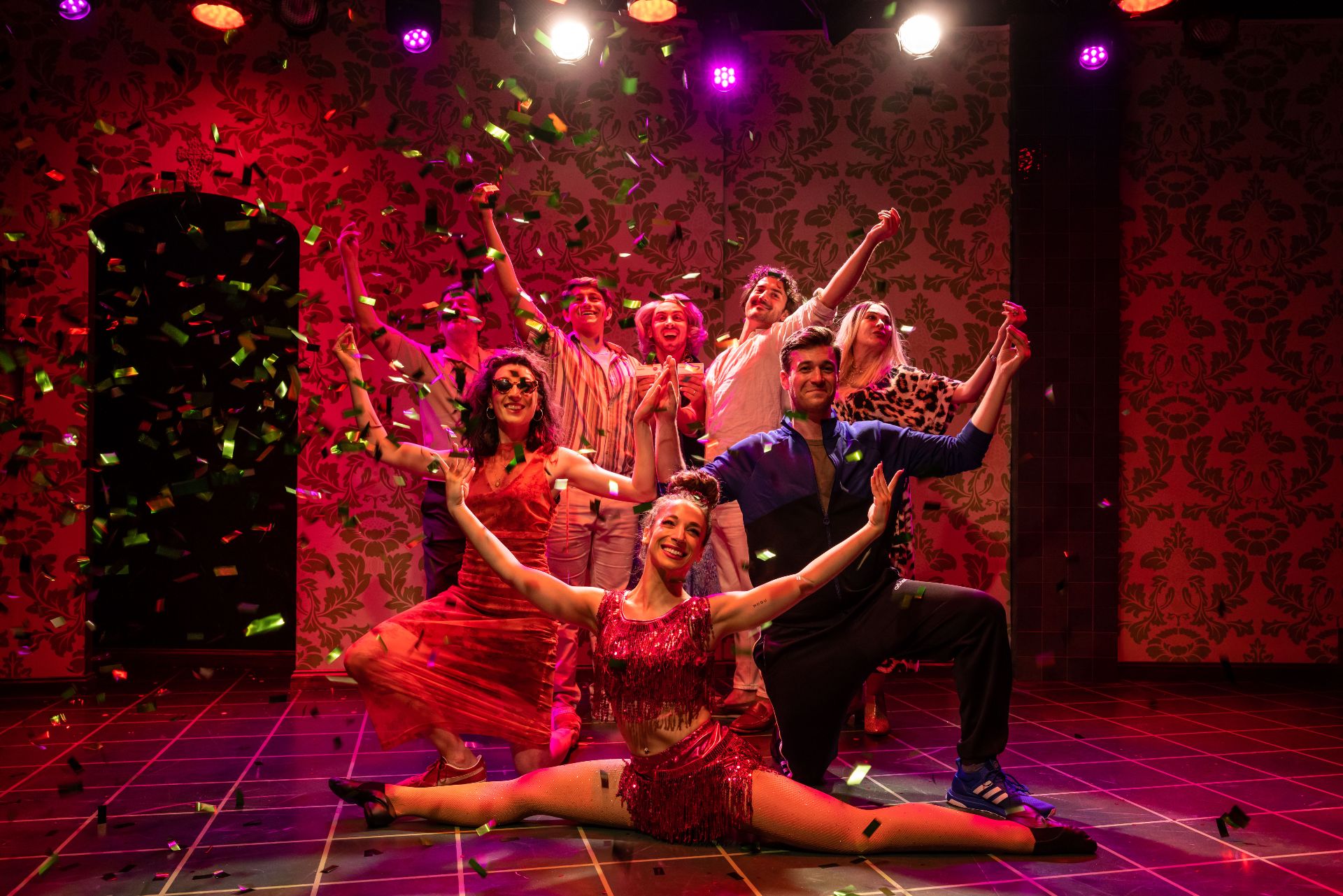
Joe and Sal are very much in love, and just as they approach bourgeois heaven with impending nuptials and a home in North Bondi, Joe’s estranged cousin Luca materialises out of the blue to wreak havoc. Danny Ball’s The Italians too is a disruptor of middle class style and taste. The play seeks to assert a comedic sensibility that feels characteristic of an Italian-Australian identity, one that is bold and brassy, slightly crass in tone, and with a hint of irreverence. It is deliberately chaotic and sometimes incongruent, but always joyous and relentlessly playful.

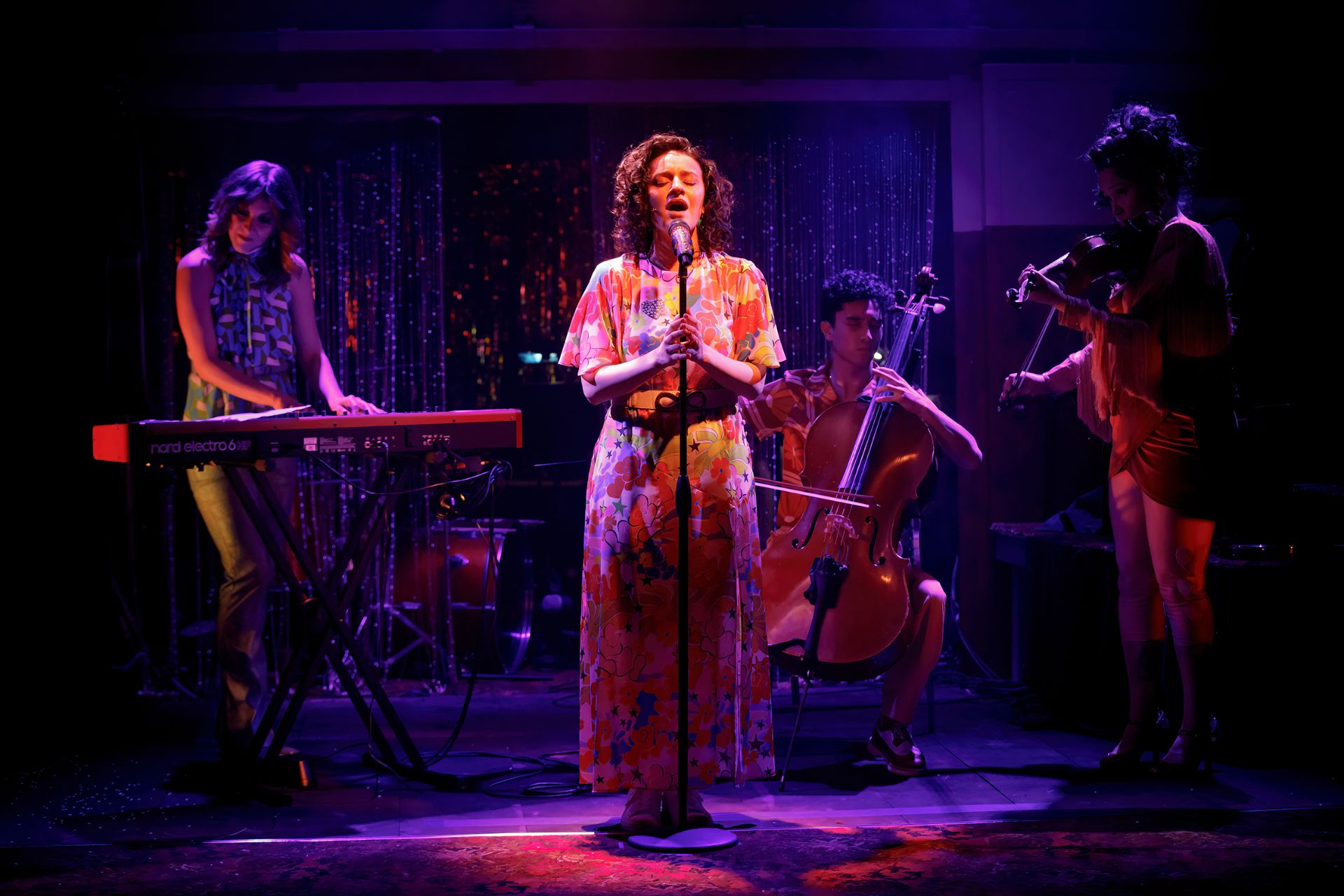
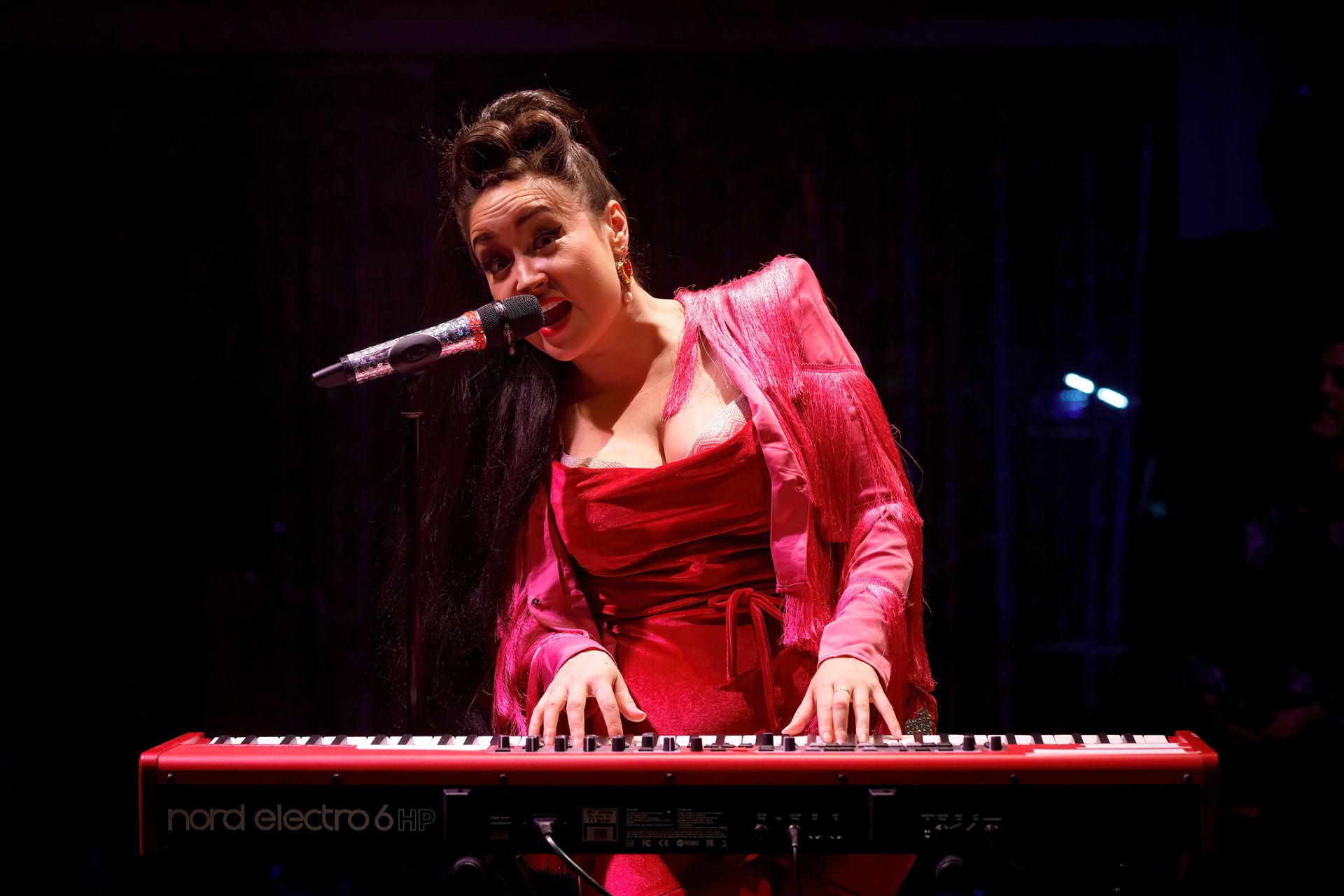
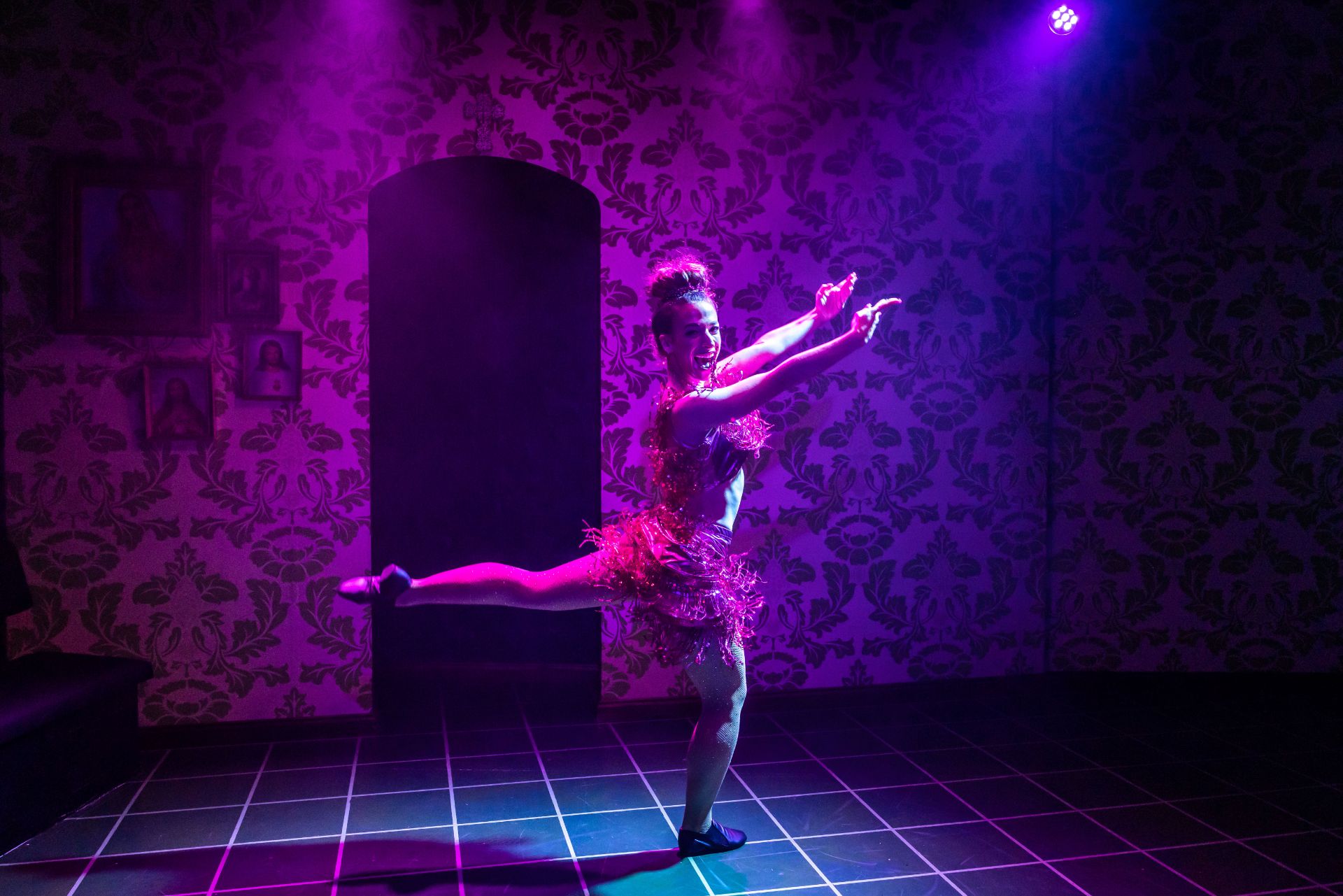
Riley Spadaro’s direction introduces a distinct campness to this show that centres around a gay couple, including song and dance numbers that exist solely to entertain. It is discernible that The Italians wishes to break constrictive moulds, and deconstruct conventions of theatre-making that may have become too staid. It contributes to discussions about the decolonisation of the art form, and what it means to create Australian theatre, in this moment of increased awareness, around the legitimacy of minority cultures.

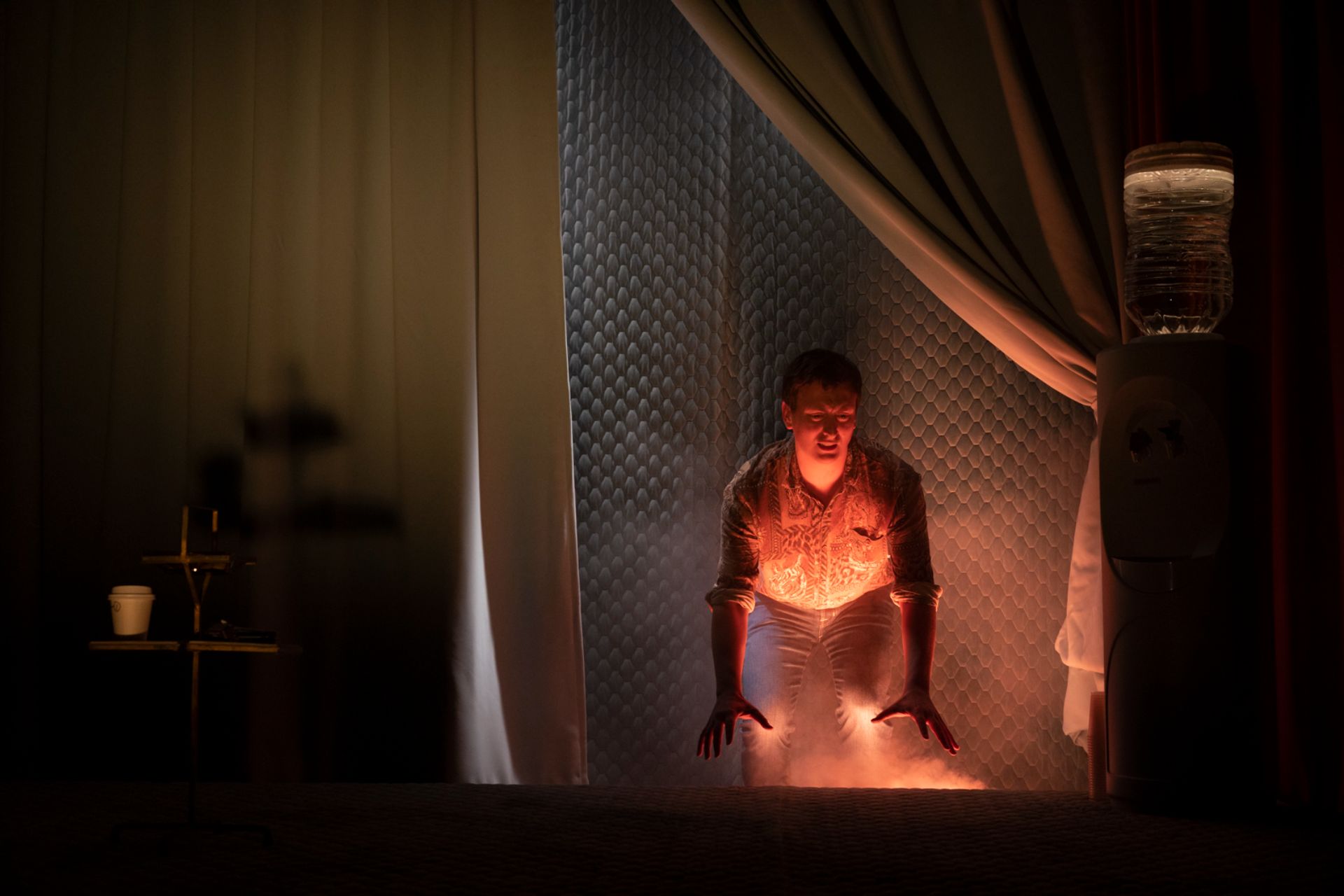
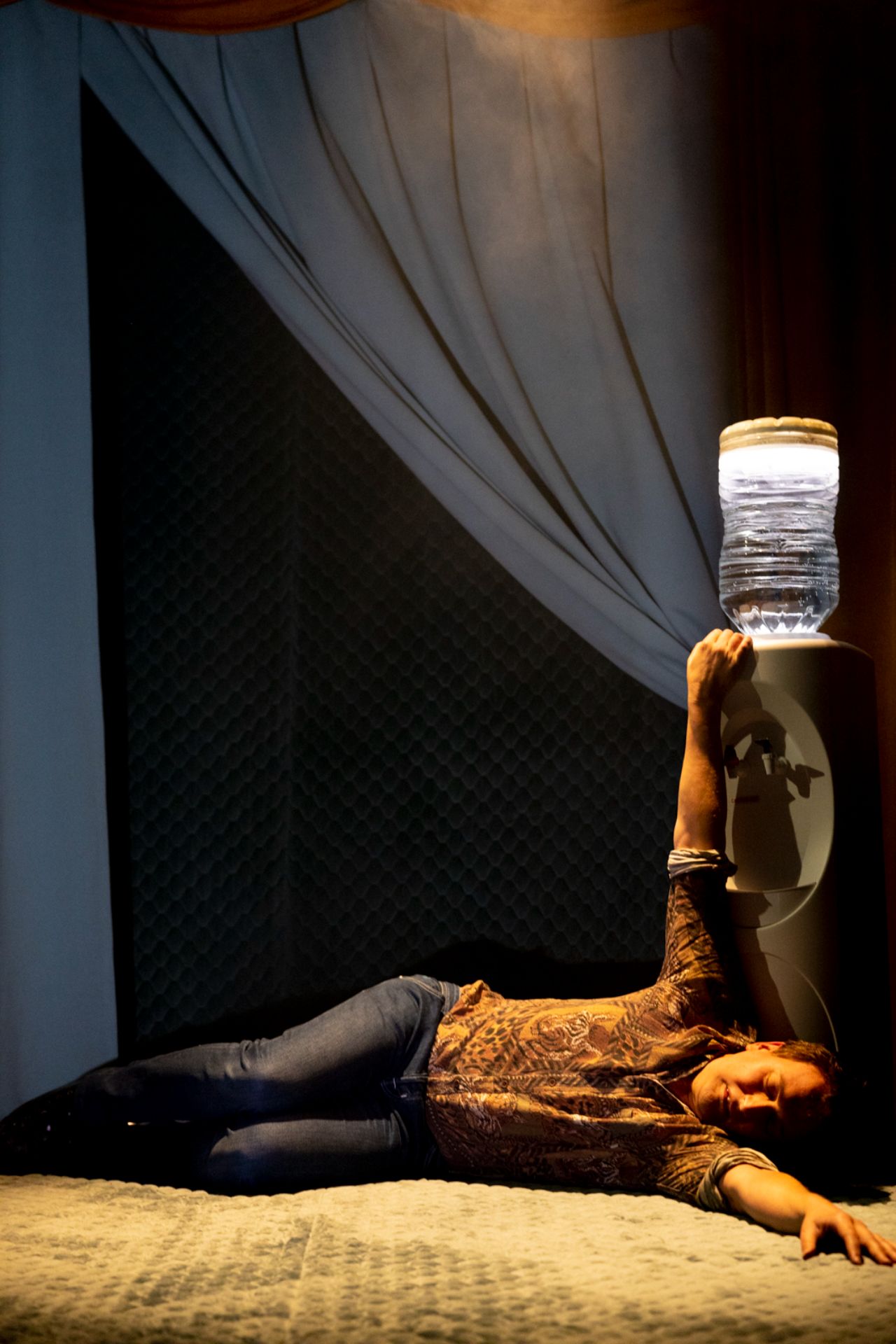
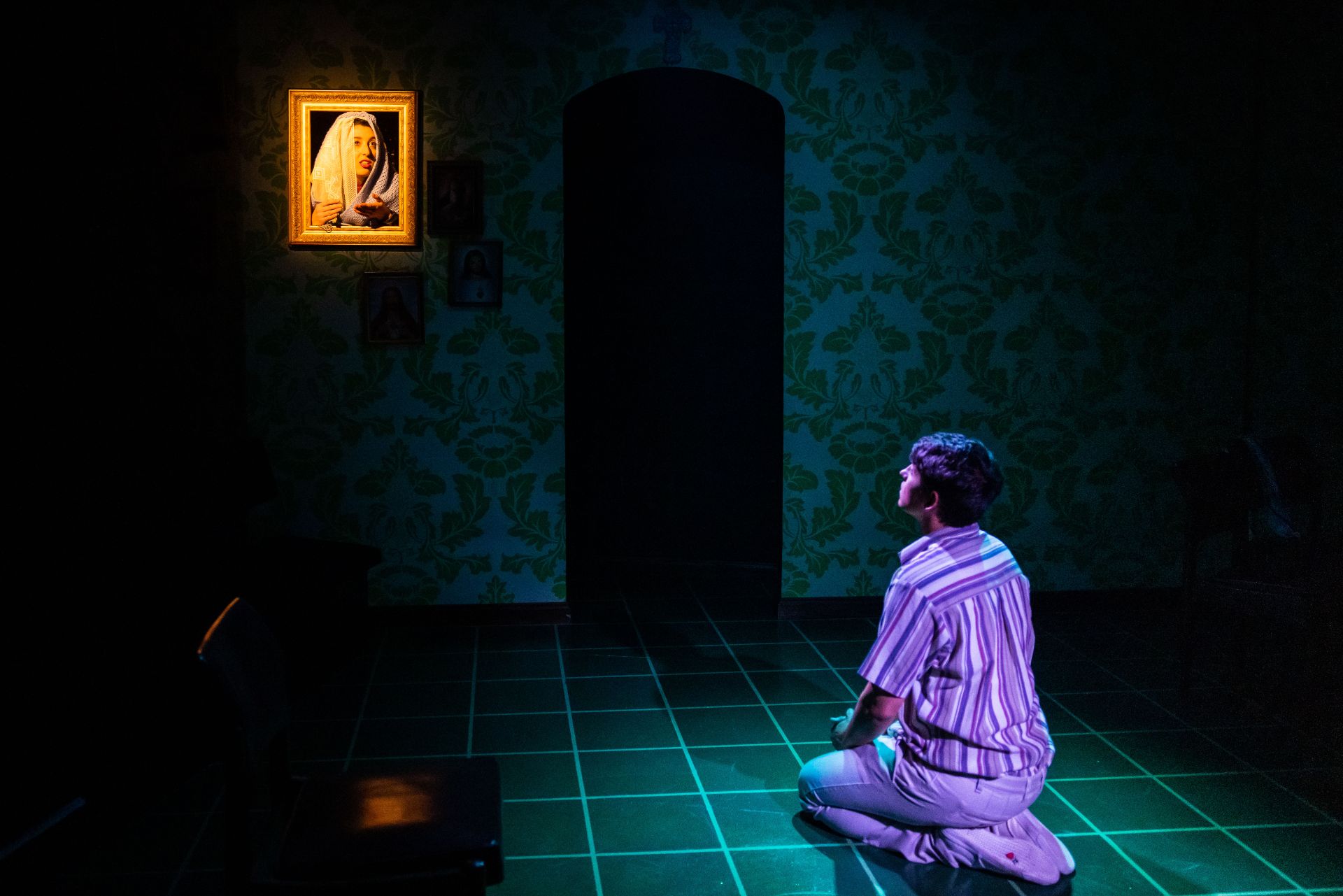
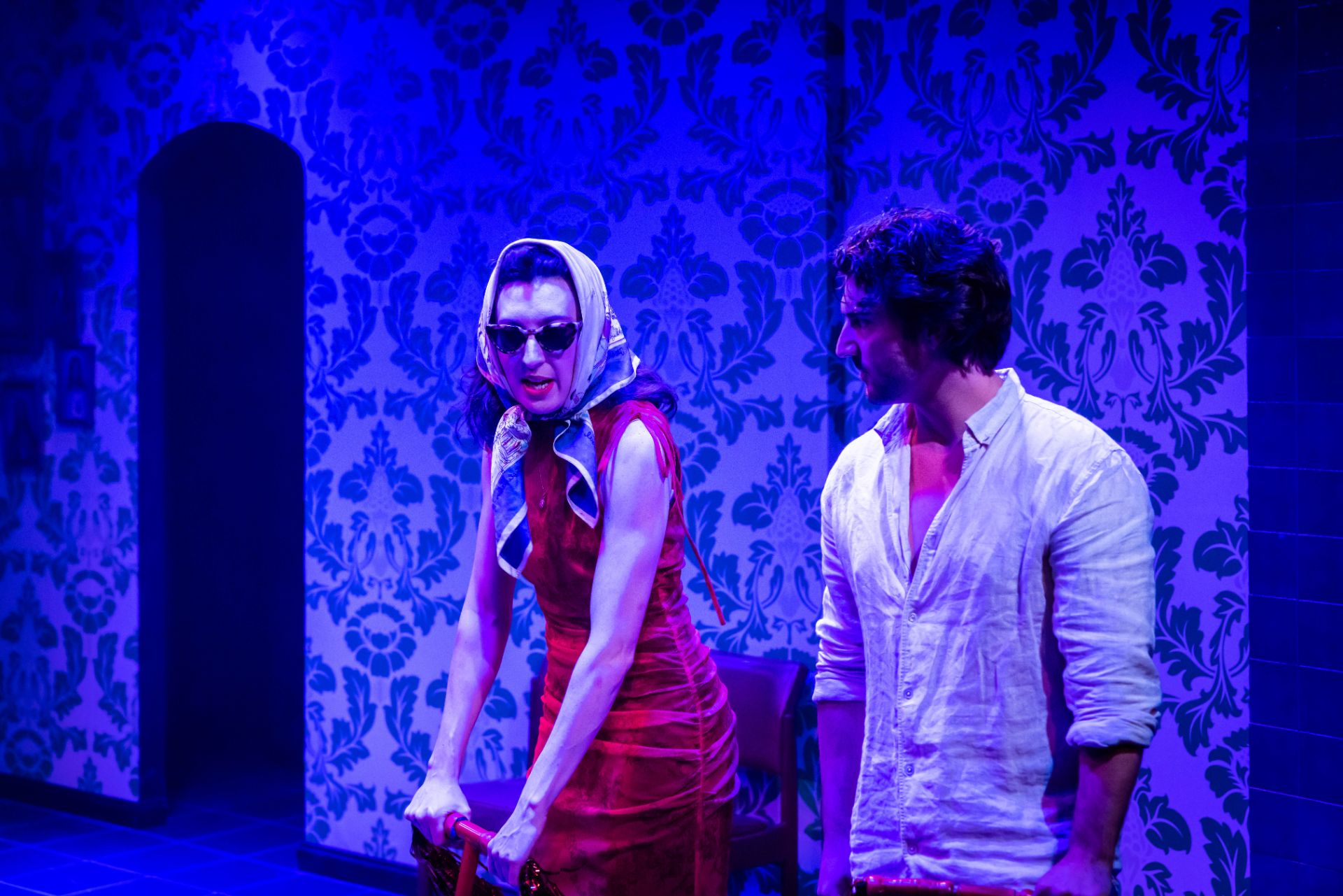
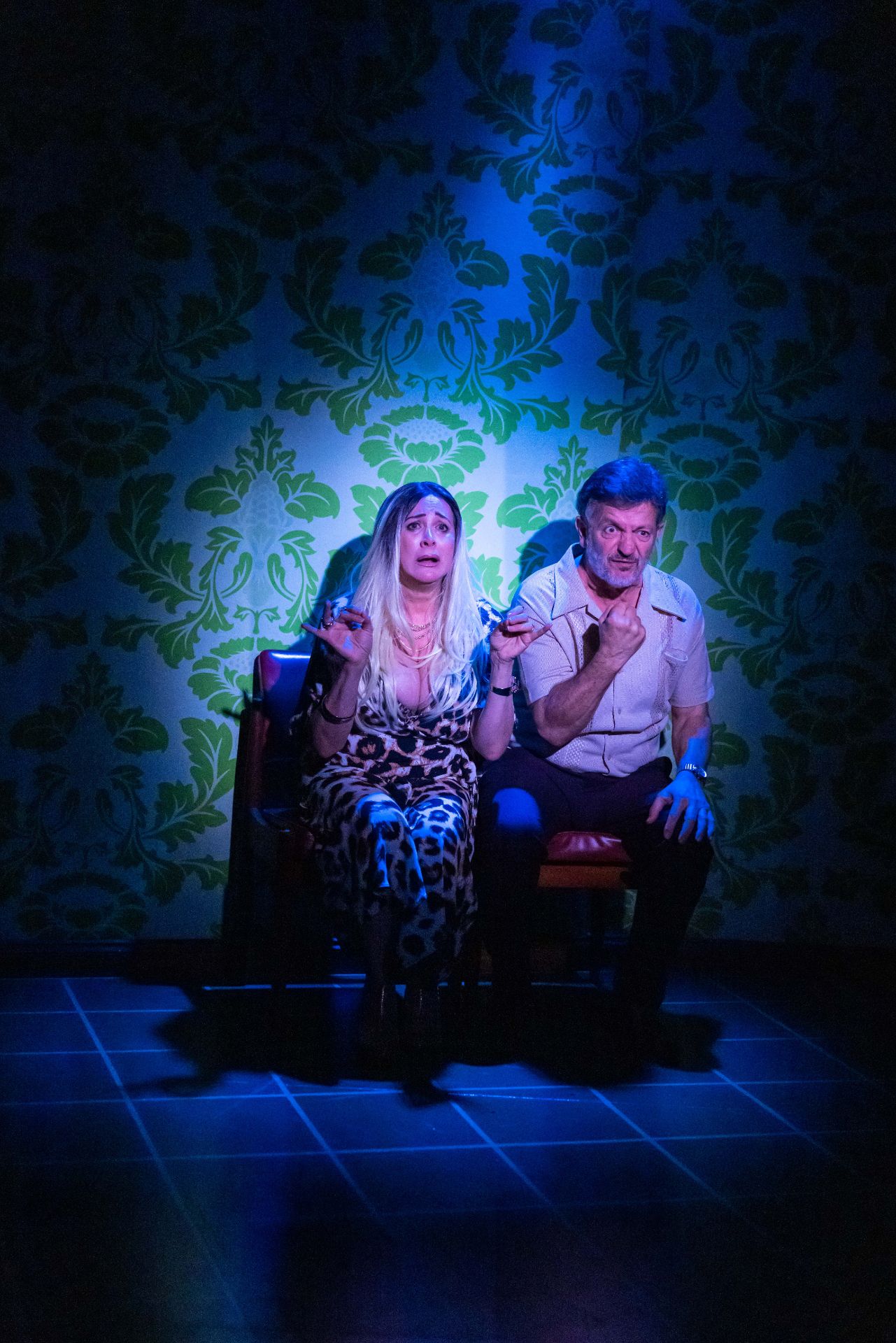
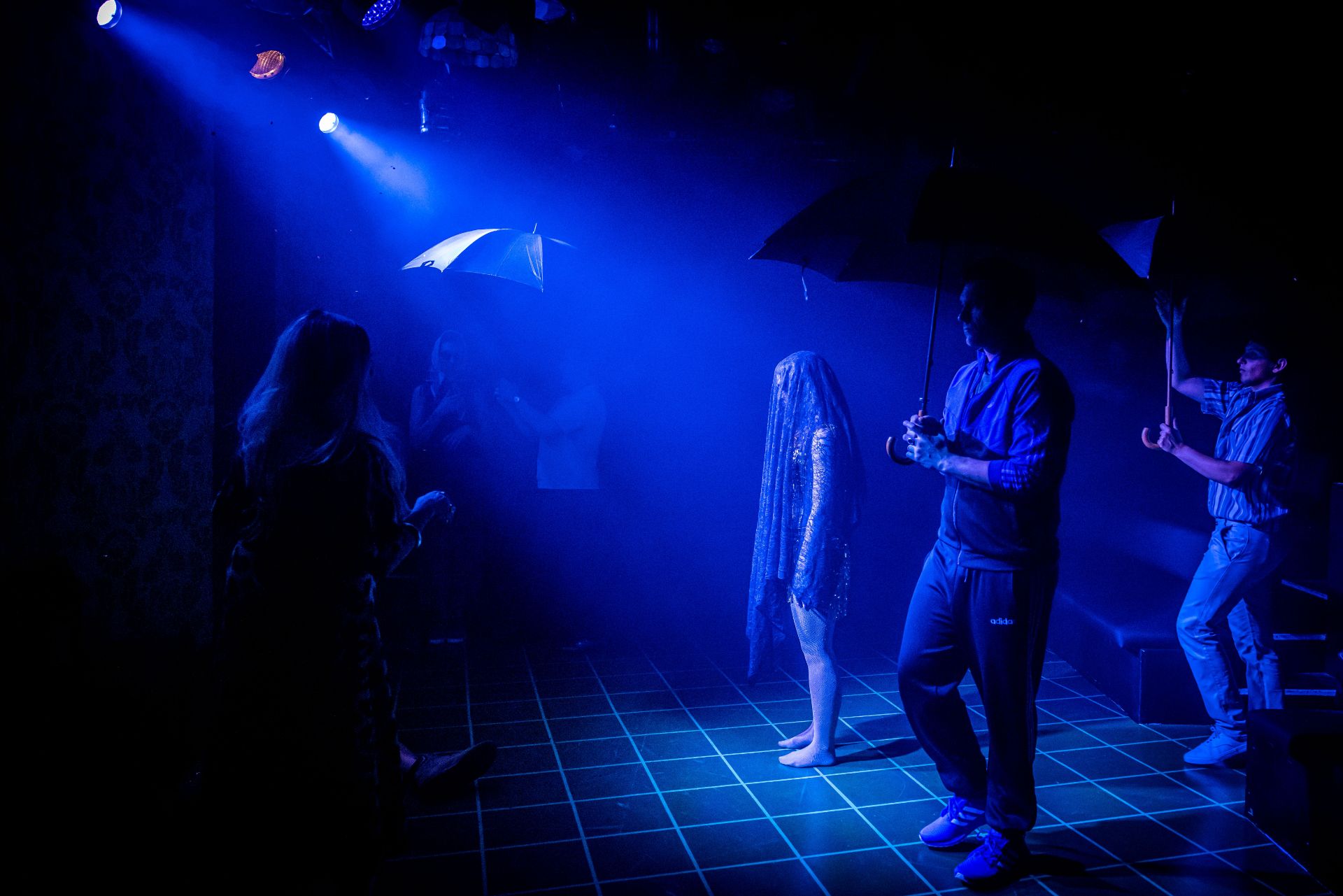
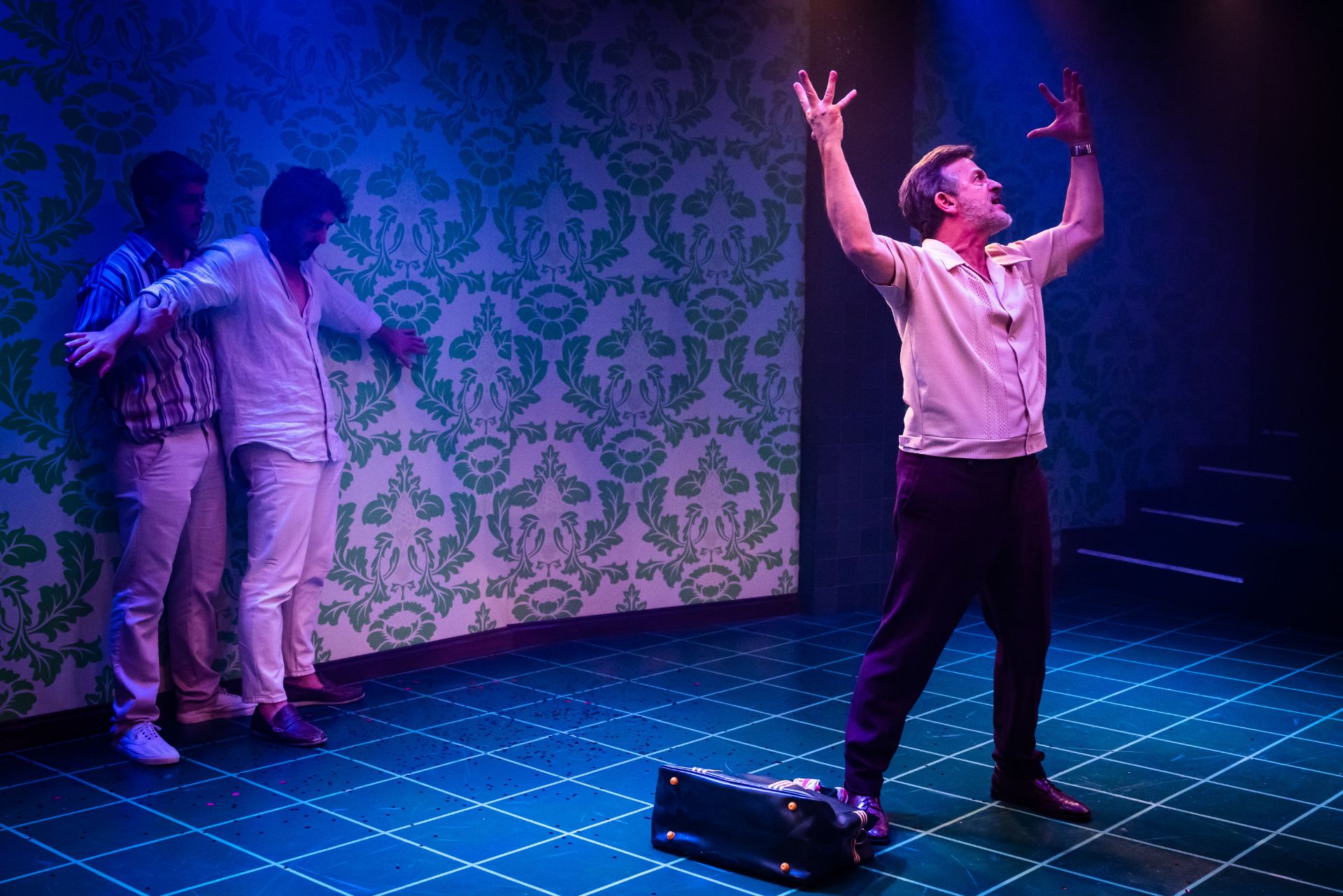
Set design by Grace Deacon features a vibrant wallpaper that establishes from the outset, an aesthetic that is almost garish, but knowingly so. Her costumes reflect an interest in archetypes, but are perhaps too predictable with the approach taken, for these larger than life characters. Phoebe Pilcher’s lights are delightful and dynamic, as they explore the possibilities of manufacturing, for a small space, something a little heightened and absurd. Also memorable are Luke Di Somma’s sound and music, especially when referencing soap opera traditions, for sequences that revel in the melodrama of people’s lives in The Italians.

Playwright Ball plays Sal, with a flamboyant streak, charming yet comedic, reminiscent of leading men in classic European film. Brandon Scane brings a greater sense of realism as Joe, that delivers a feeling of authenticity and universality, for a show that otherwise does become highly, and intentionally, slapstick. Philip D’ambrosio is a noteworthy supporting actor, especially for his turn as Pina, totally hilarious yet so convincing, as an elderly relative with a strange penchant for paracetamol. Performances can be somewhat uneven, in this unapologetically messy affair, but the spiritedness of this jubilant production is unquestionably enchanting.

Interrogating whiteness, is a way to release oneself from the oppressive grip of a culture obsessed with status and class. In The Italians, we observe an understanding of complexities around the proximity to whiteness, that certain Europeans experience. Joe and Sal are young white men, but being Italian and being gay, they know instinctively that the hierarchies that work surreptitiously on this land, are predicated on the unjust marginalisation of many who are deemed “less than”. They then have a choice, to lean on their whiteness, or to find ways to dismantle the injustices that are so thoroughly entrenched within all the systems that matter.


www.belvoir.com.au

Review: Lose To Win (Old Fitz Theatre)

Venue: Old Fitzroy Theatre (Woolloomooloo NSW), Oct 18 – 29, 2022
Writer: Mandela Mathia
Director: Jessica Arthur
Cast: Mandela Mathia
Images by Phil Erbacher

Theatre review
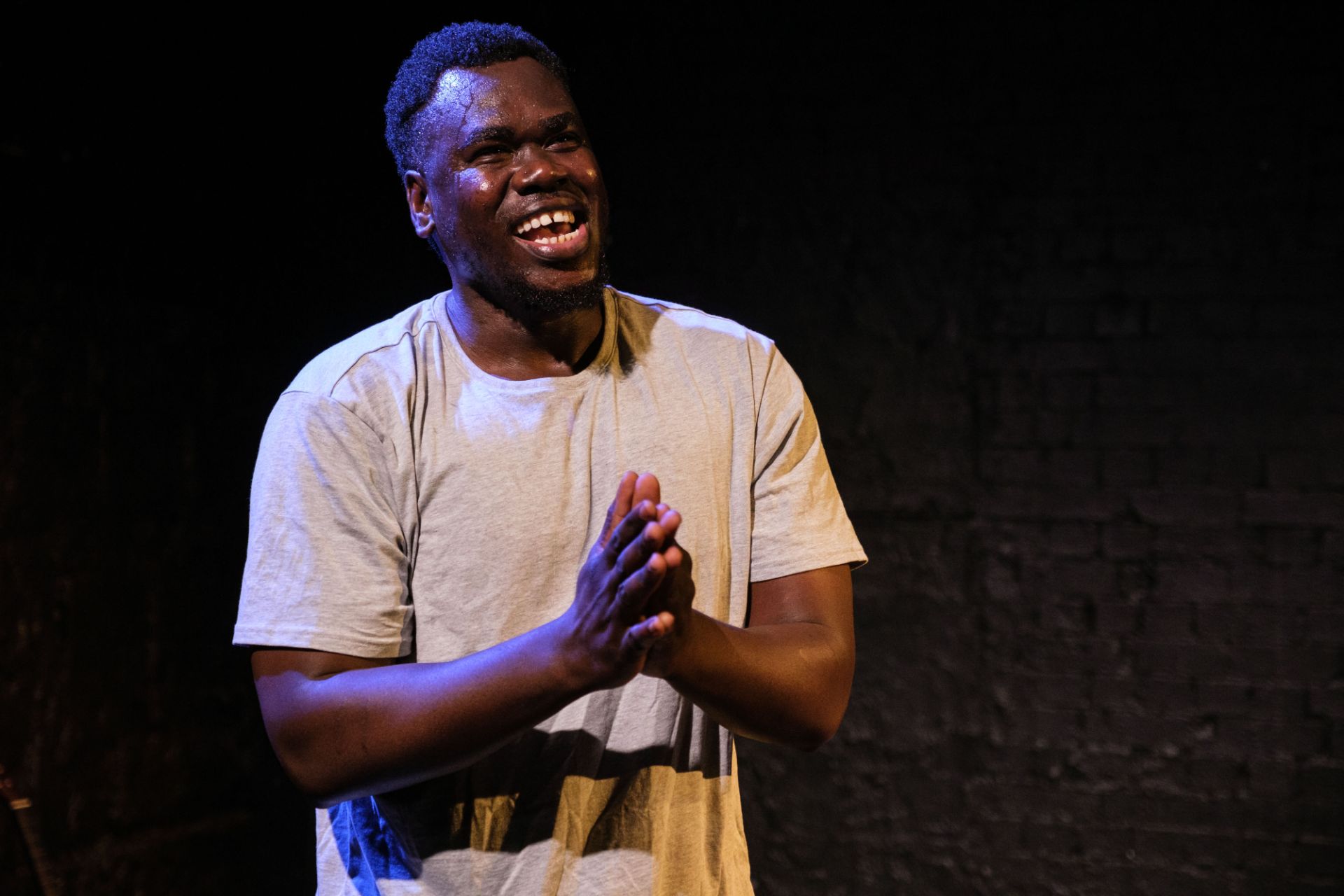
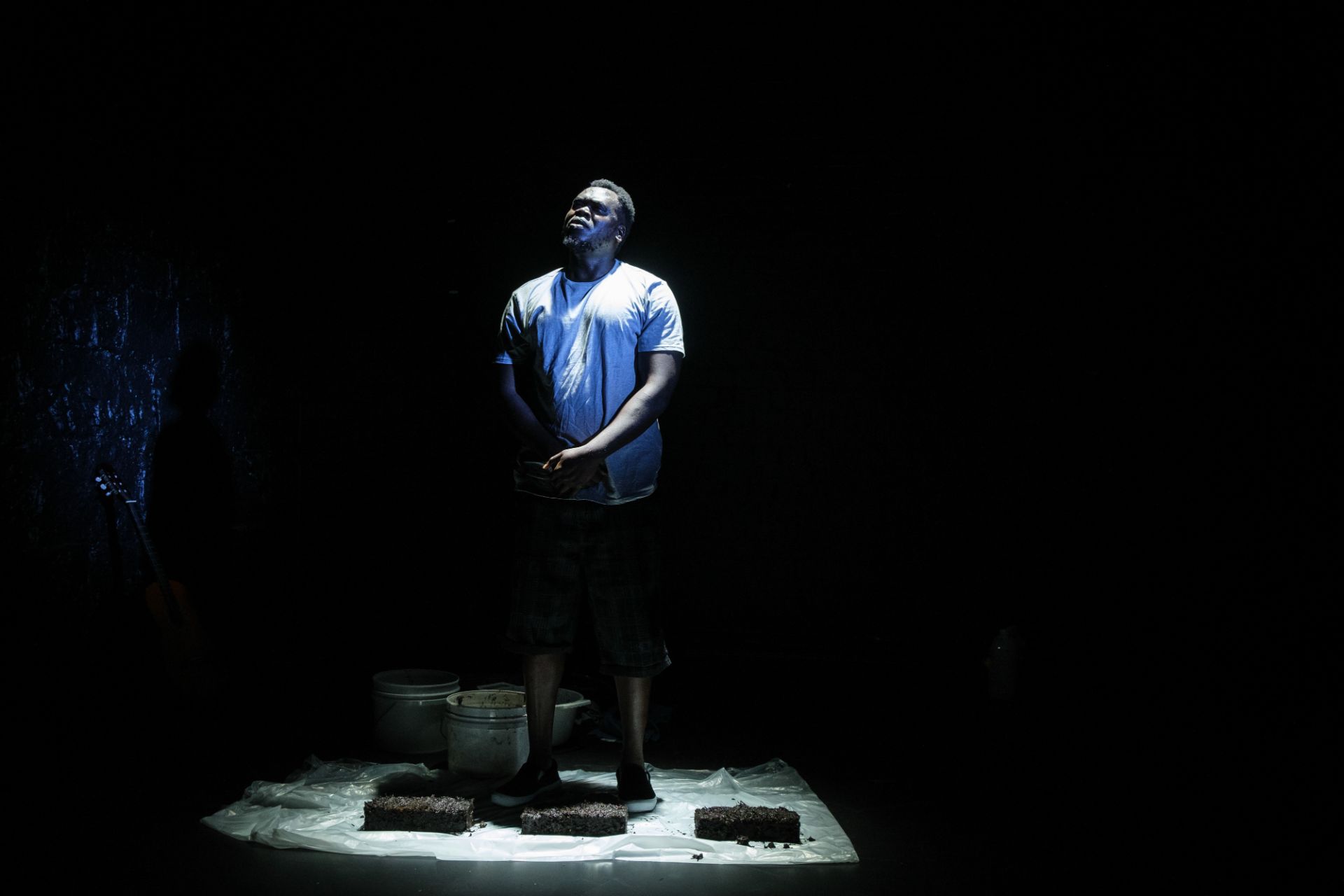
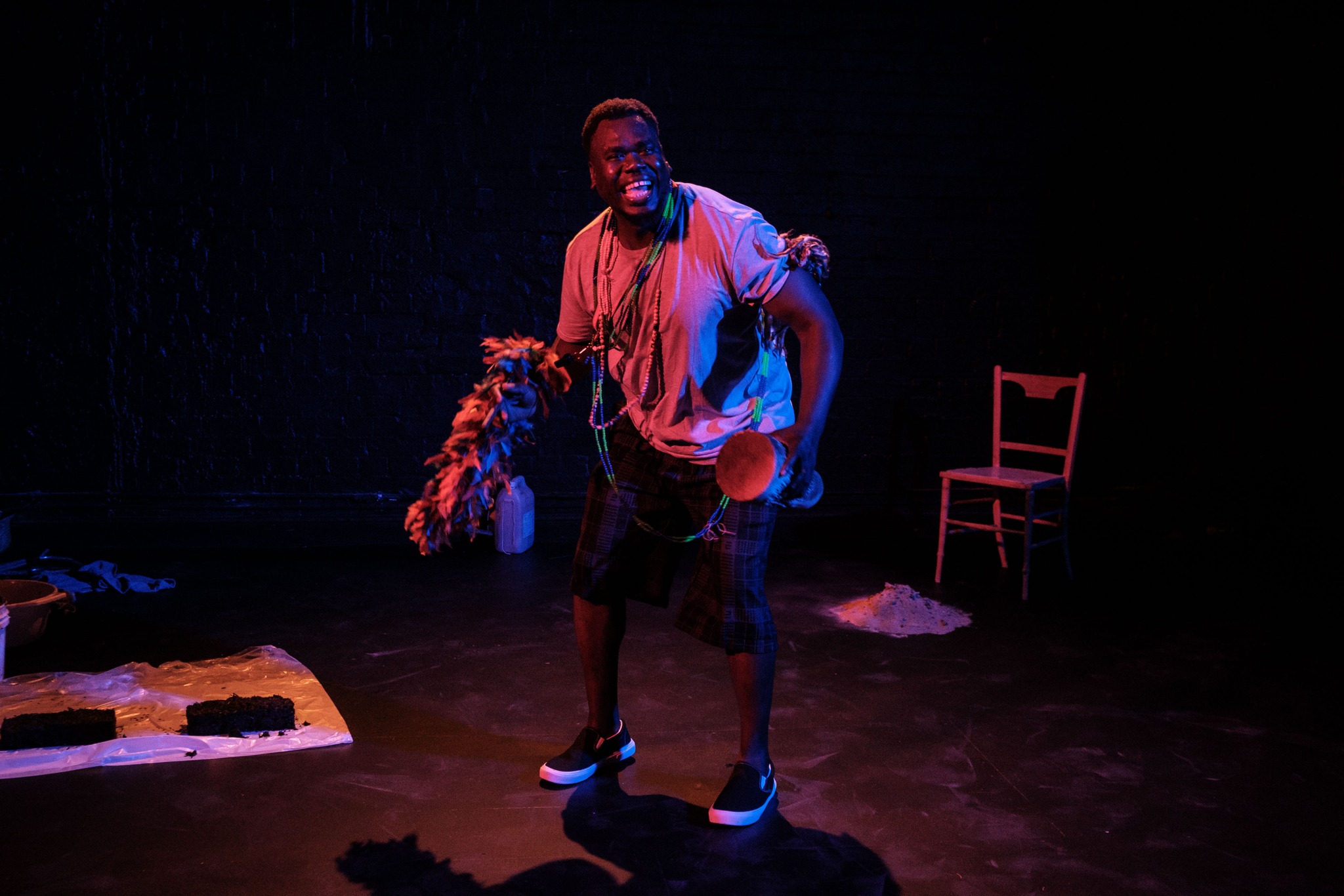
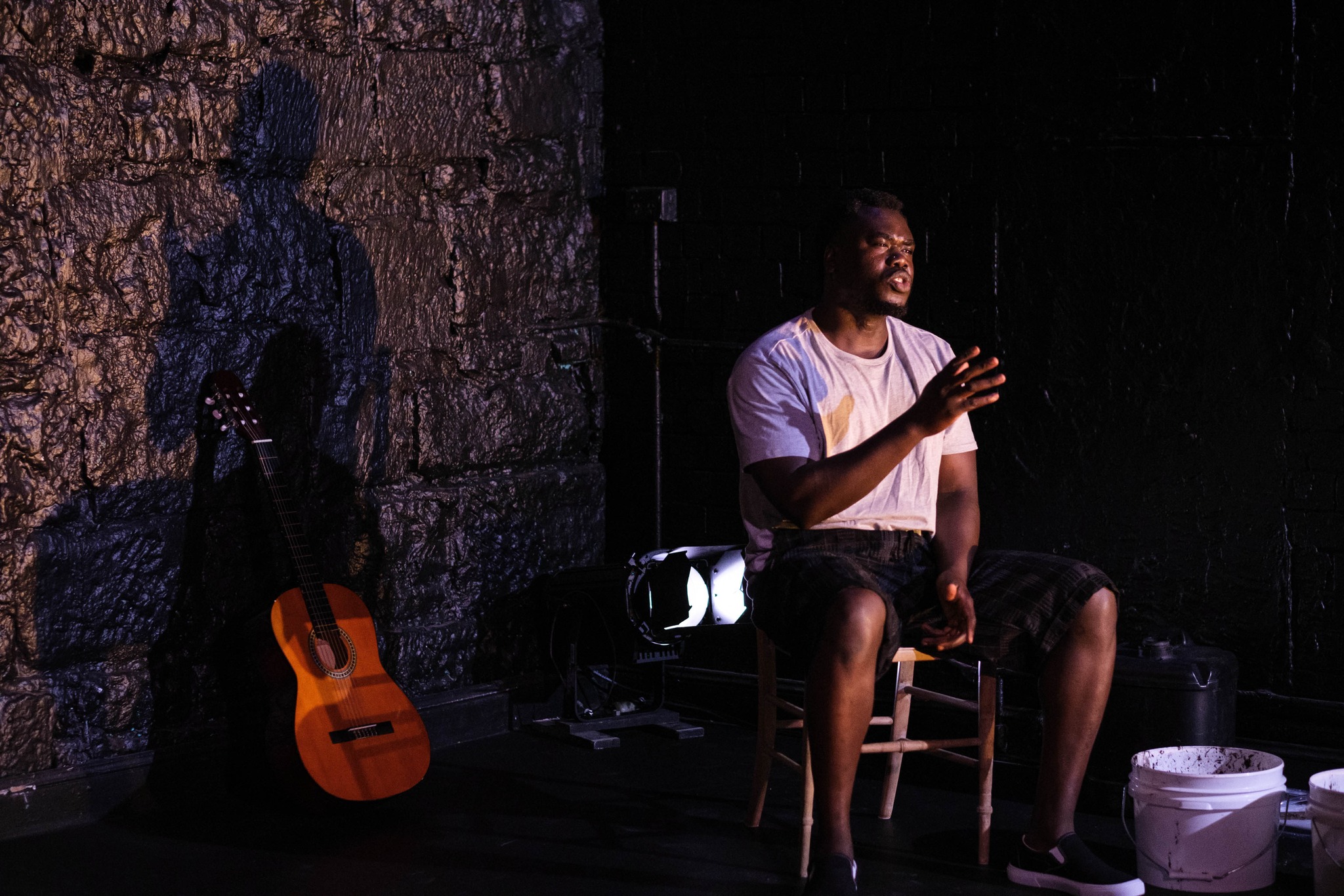
Lose to Win is an autobiographical one-man show, in the most classic sense. Mandela Mathia is on stage  alone, for just over an hour, performing a piece written by himself, to tell the story of his life hitherto. From his birth in South Sudan, and his hazardous days in Egypt as an adolescent orphan, to his early years as a refugee in Australia, Mathia provides first-hand accounts of an eventful journey, that sees him travel great distances for safe harbour.

It is a sensitively constructed work, slightly too polite in approach perhaps, but certainly rich with what it conveys. Lose to Win wishes to function as a bridge, to create understanding for immigrant communities, in an Australia that is often unkind to people who are not white. Mathia might come across inevitably as the model citizen typical of presentations like these, but under the direction of Jessica Arthur, there is plentiful humour and charm to encounter, in a production careful to sidestep traumatic tropes, in favour of something altogether more joyful and modern.

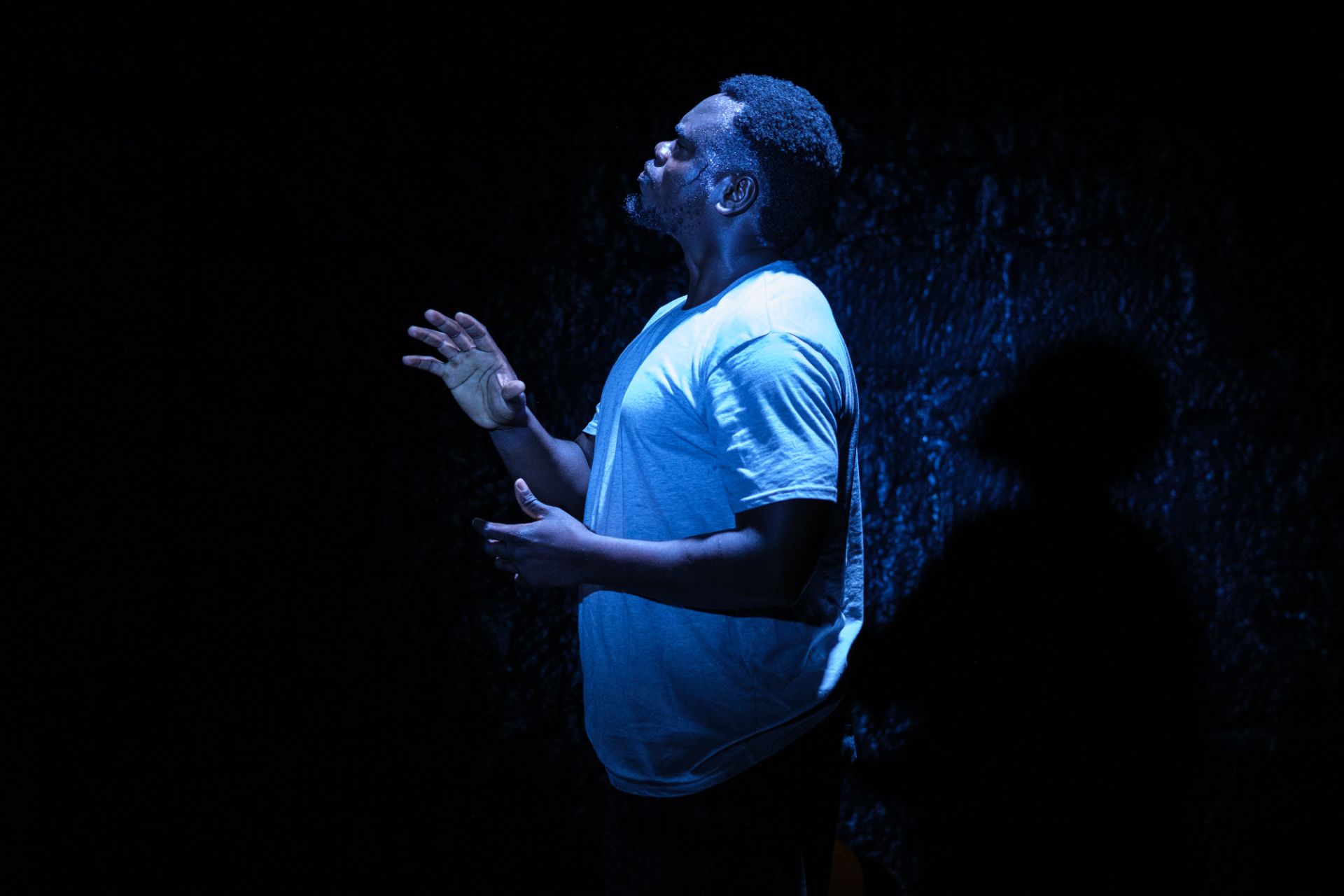
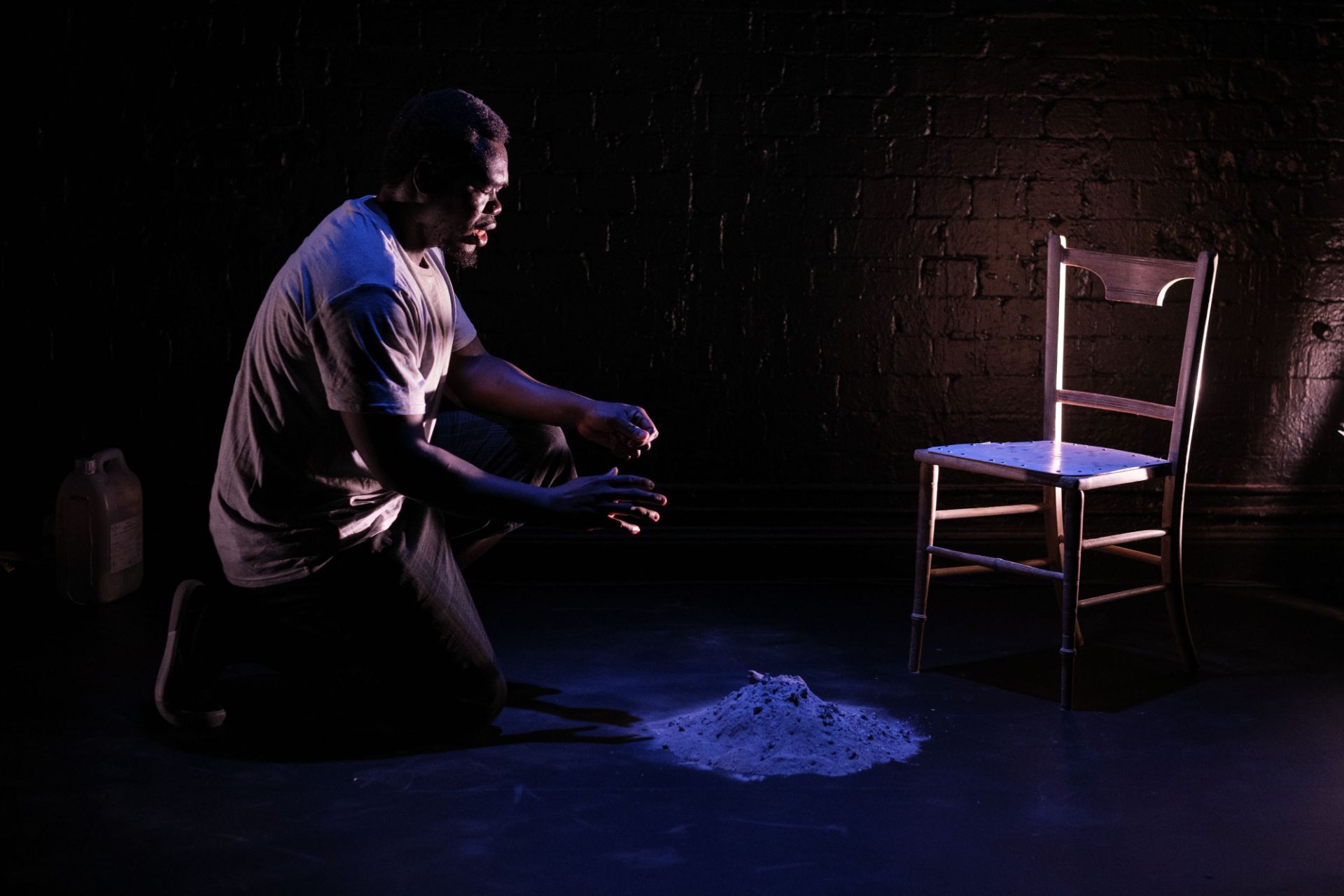
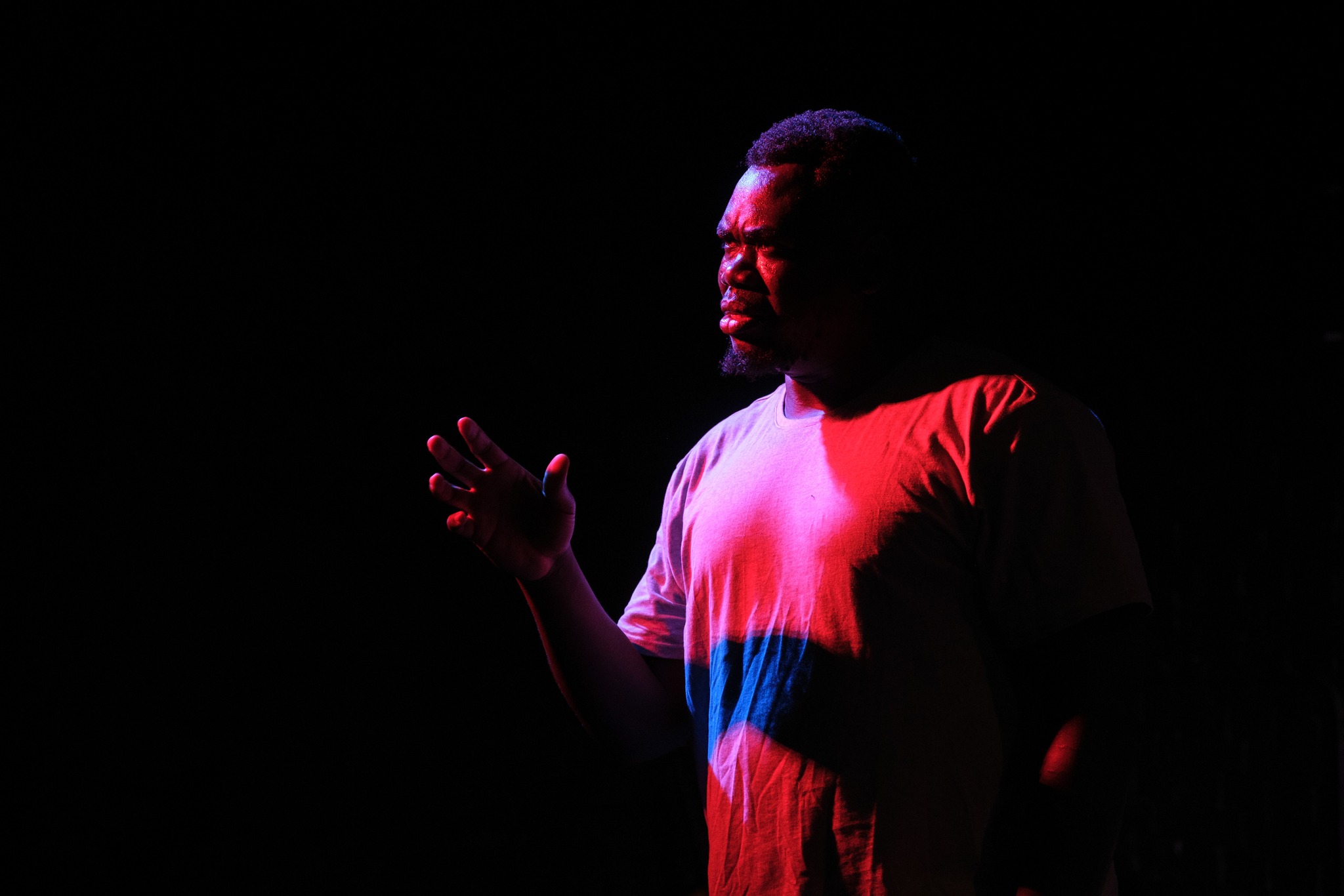
Helping to provide visual variety, is Kate Baldwin’s imaginative lighting design, surprising us with colours and angles that transform a simple stage, into cleverly configurated performance spaces. Sounds by Rose Mulcare are integral in helping us navigate the swiftly changing moods of the show, effortlessly sustaining our attention throughout.

Mathia’s unmistakeable sincerity is at the centre of Lose to Win, urging a connection where we have become used to fracture and alienation. Disunity benefits the rich and powerful. Fear has become a mechanism that can be exploited for private gains, that will only exacerbate the rifts between us. We need to come to a place, where our neighbours’ successes are not considered to be taking anything anyway from us. We are abundant, we only need to embrace generosity.

www.redlineproductions.com.au

Review: Tideline (Théâtre Excentrique / Chippen Street Theatre)

Venue: Chippen Street Theatre (Chippendale NSW), Oct 20 – 29, 2022
Playwright: Wajdi Mouawad (translation by Shelley Tepperman)
Director: Anna Jahjah
Cast: Lucas Connolly, Kirsty Jordan, Cassady Maddox, Neil Modra, Adeeb Razzouk, Antoine Razzouk, Gerry Sont, Anthony White
Images by Mansoor Noor

Theatre review
In Wajdi Mouawad’s Tideline, we watch Wilfred carry the corpse of his dead father, through their ancestral lands, trying to find an appropriate burial plot. It is an abstract odyssey that we embark on, as Wilfred meets other people who contribute stories about their own dead fathers, through which we learn about legacies and the reverberations of those legacies, on people and places.

Mouawad’s writing is witty, with a spiritedness that director Anna Jahjah translates effectively for the stage. Some sections of the presentation can feel overly ambiguous with what they try to express, but we reach a satisfying conclusion nonetheless, where a poignancy takes hold, almost unexpectantly.

Actor Adeeb Razzouk is an earnest Wilfred, but also able to deliver comedic aspects when opportunities present themselves. Neil Modra’s conviction as the dead father, ensures that the show communicates logically, and the emotional intensity with which he approaches later scenes, helps us connect with the moving ideas of Tideline.

There’s probably nothing that makes us think more about life, than the death of someone close. In Tideline, it may even seem that it is the departure of a parent with whom one experiences conflict, that can really drive home a point, about existence. People are flawed, and they have children. Reconciling the fact that one will be failed, possibly repeatedly, by their own parents, is a big lesson to learn, but one that is entirely liberating.

www.theatrexcentrique.com

Review: Godspell (Hayes Theatre)

Venue: Hayes Theatre Co (Potts Point NSW), 14 Oct – 6 Nov, 2022
Original Conception: John-Michael Tebelak
Music and New Lyrics: Stephen Schwartz
Director: Richard Carroll
Cast: Stefanie Caccamo, Jeremi Campese, Gillian Cosgriff, Victoria Falconer, Alfie Gledhill, Abe Mitchell, Chaya Ocampo, Billie Palin, Quinton Rich, Jane Watt. Swings: Mae Li Cowell, Gus Noakes
Images by Phil Erbacher

Theatre review

Jesus Christ and his disciples are in an Australian pub this time round, in Tebelak and Shwartz’s Godspell. Much has changed since the musical’s first outing half a century ago, but Christ’s teachings about love never age. His popularity as a venerated figure, however, has waned significantly, and there is no question that increasing numbers of audiences will feel alienated by the religiosity that continues to surround his personality.

Director Richard Carroll introduces vast amounts of colour and variety to his version of Godspell, but there is unlikely anything that could convert, those of us who are resolute in our distaste for Christianity or religions in general, which remains central to this 2022 production. Jesus seems a nice enough person, but all that deification is nonetheless, very hard to take.

The show’s visual appeal though, is undeniable, with Emma White’s stage design providing a familiar warmth, along with the provision of multiply apportioned spaces, that helps with the presentation’s constant transformations. Angela White’s costumes are a melange of epochs, with a whimsy that establishes its characters as joyful and endearing from the very start. Peter Rubie’s lights are imaginative and ambitious, offering a delectable palette of luminal combinations that really helps to keep things exciting.

The ensemble beams with dedication; there is an intensity to their focus and camaraderie, that demands our attention. Billie Palin sings the part of Christ well, but her dazzling vocals prove not to be a substitute, for the charisma we associate with sect leaders of that magnitude.

It should be encouraged that we learn about things that are important to our neighbours. Listening to other people’s religious beliefs is often a rewarding experience, that is until they become overwrought and depart too far from shared realities. We have argued for centuries about the intricacies of what Christ had preached, but the damage caused in his name, by so many of his followers, are simply irrefutable.

www.hayestheatre.com.au

Review: The Caretaker (Ensemble Theatre)

Venue: Ensemble Theatre (Kirribilli NSW), Oct 14 – Nov 19, 2022
Playwright: Harold Pinter
Director: Iain Sinclair
Cast: Darren Gilshenan, Anthony Gooley, Henry Nixon
Images by Prudence Upton

Theatre review
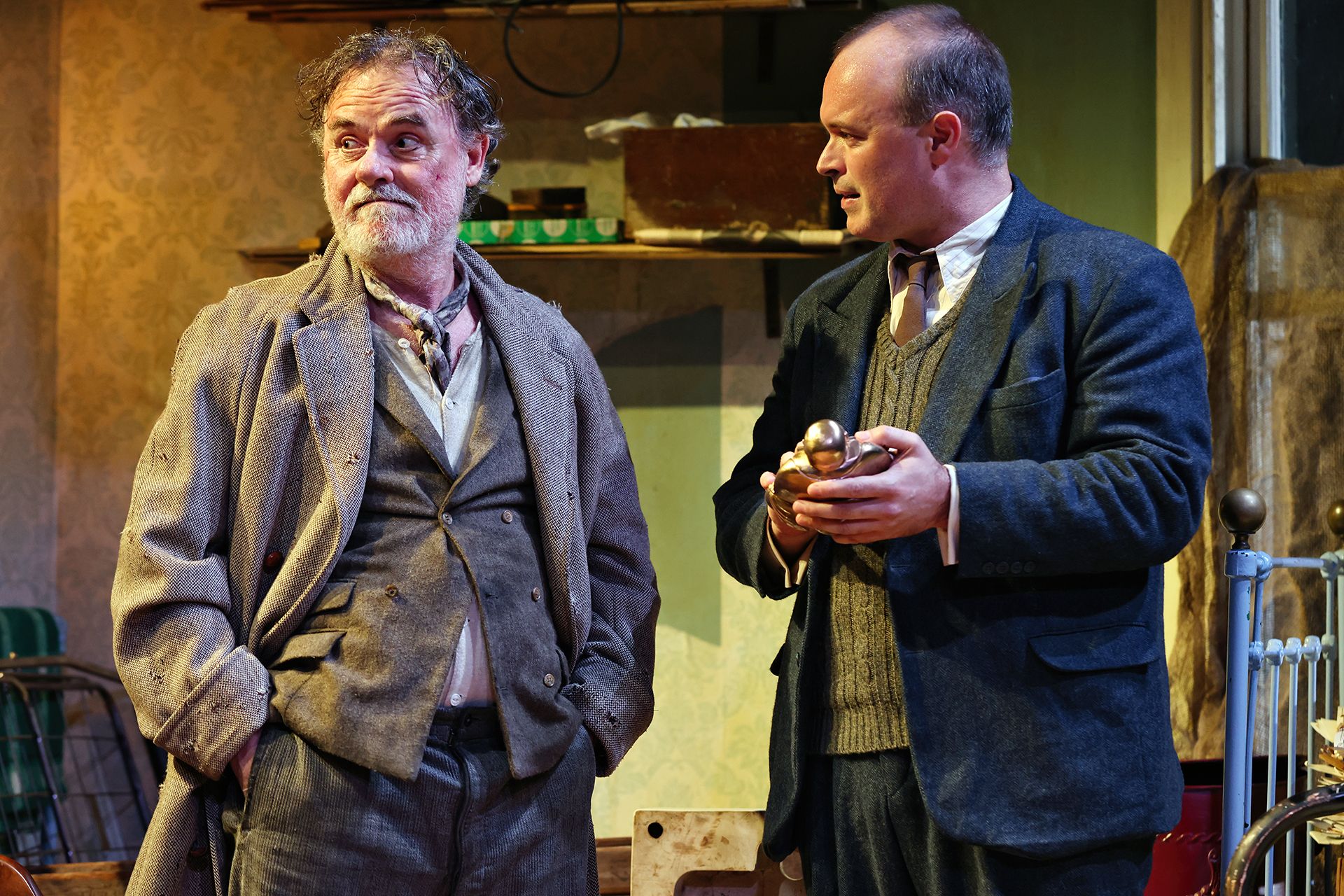
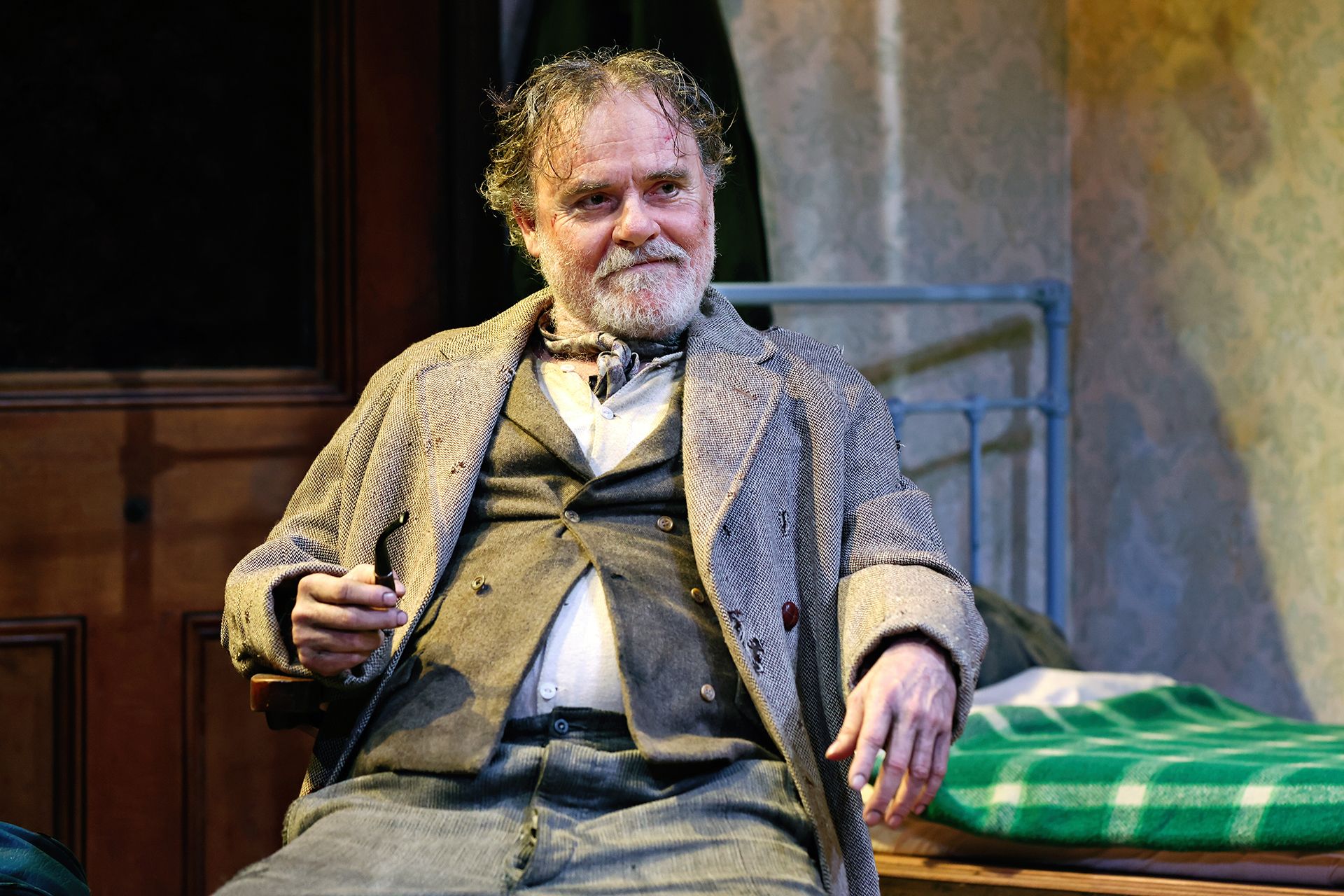
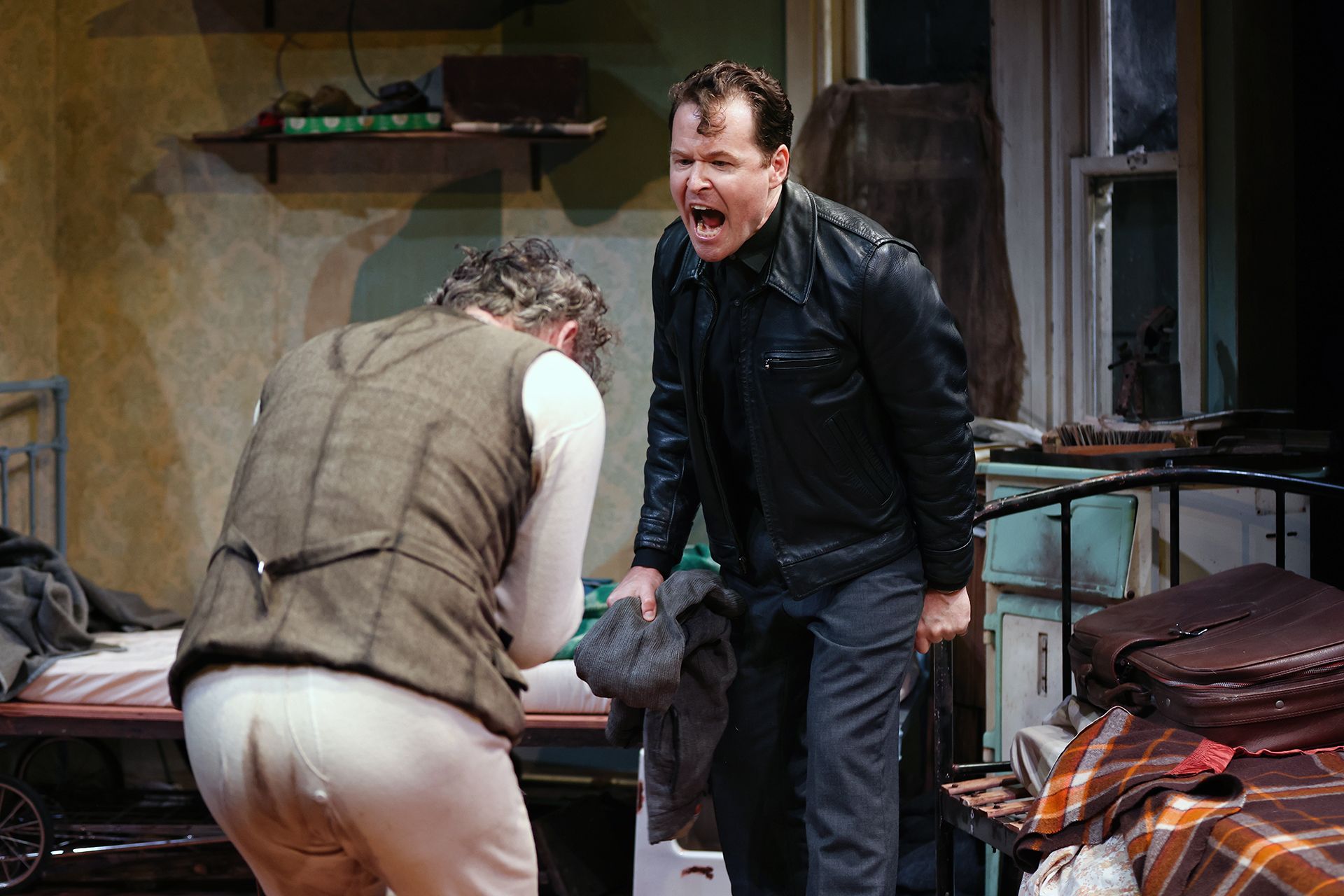
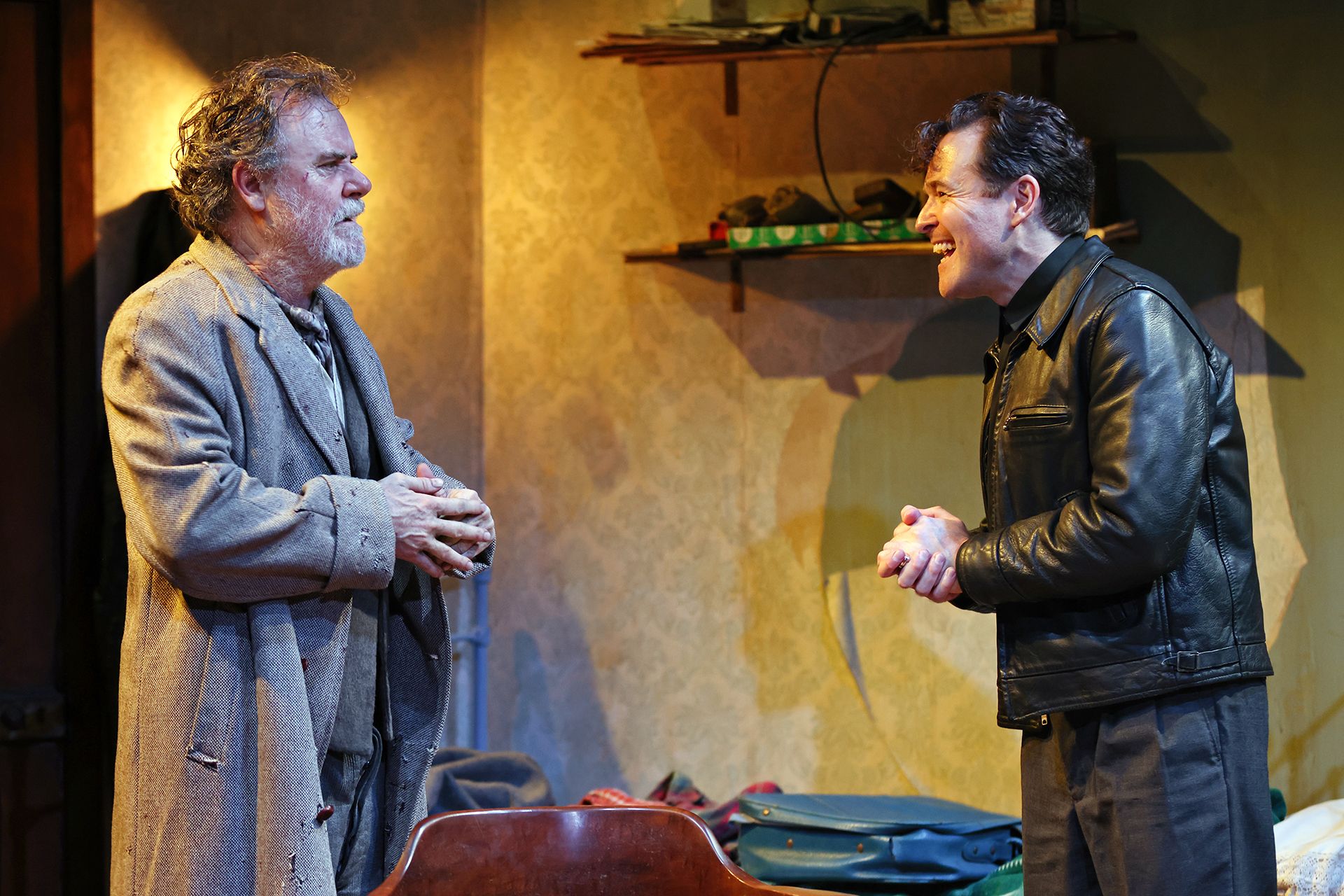
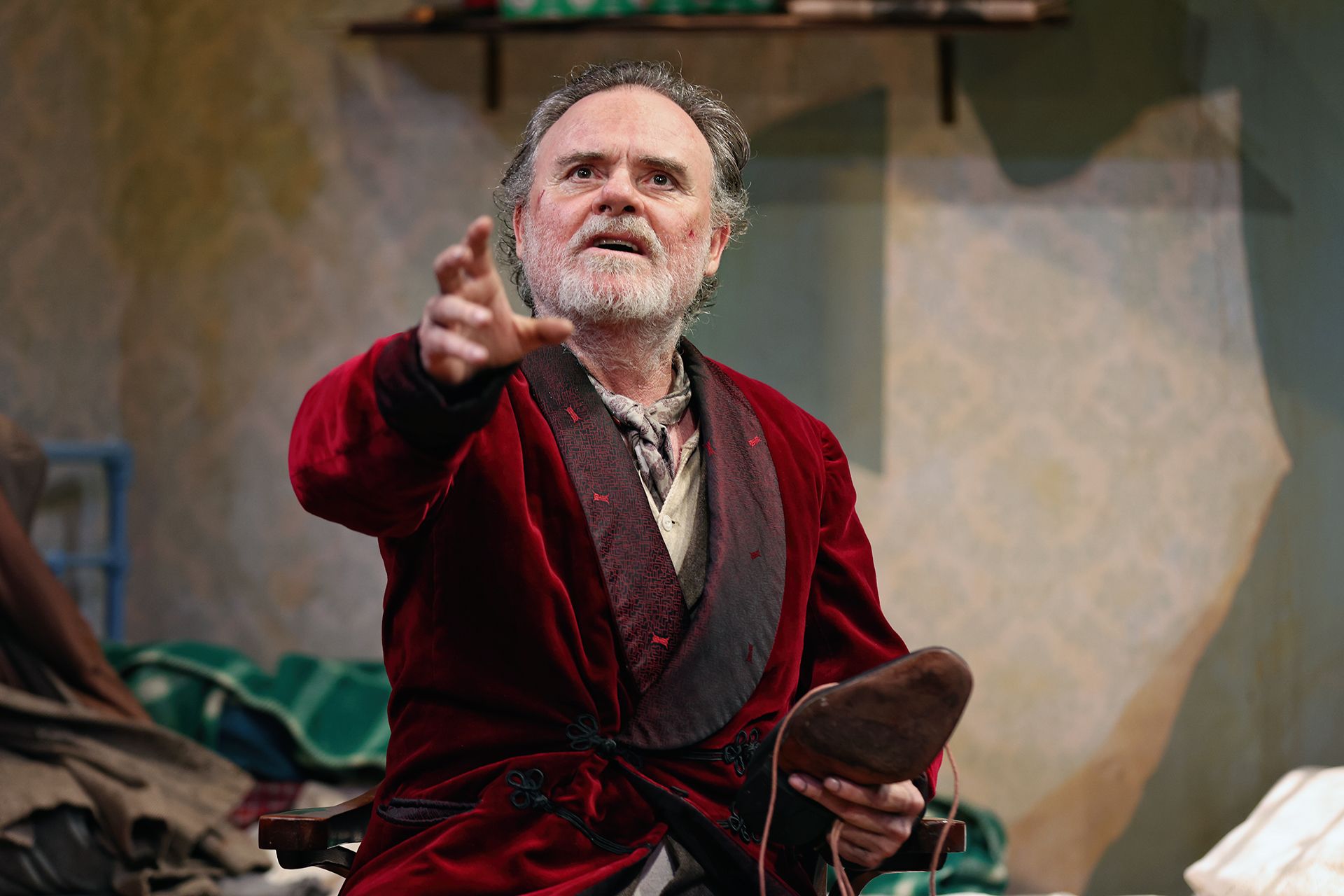
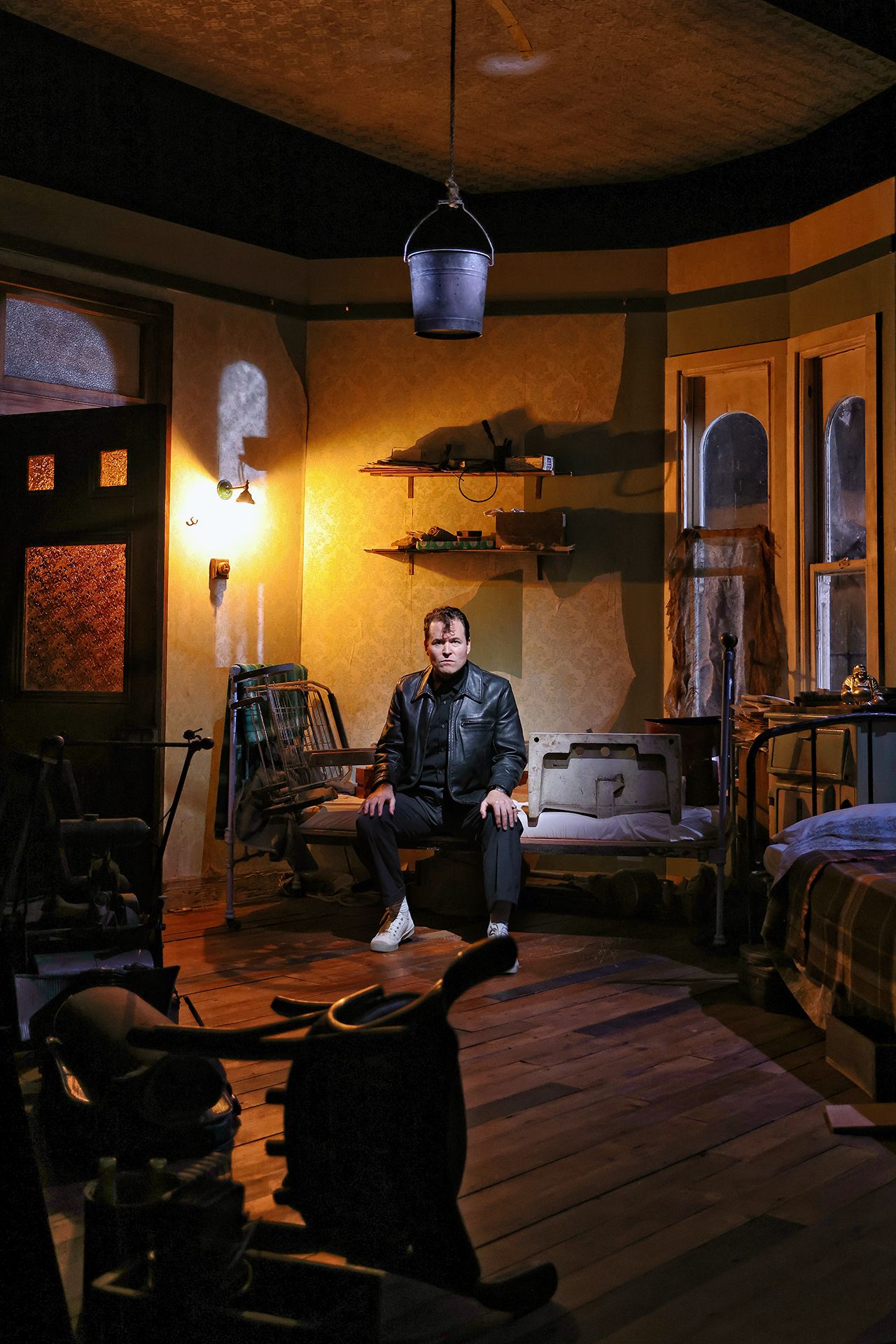
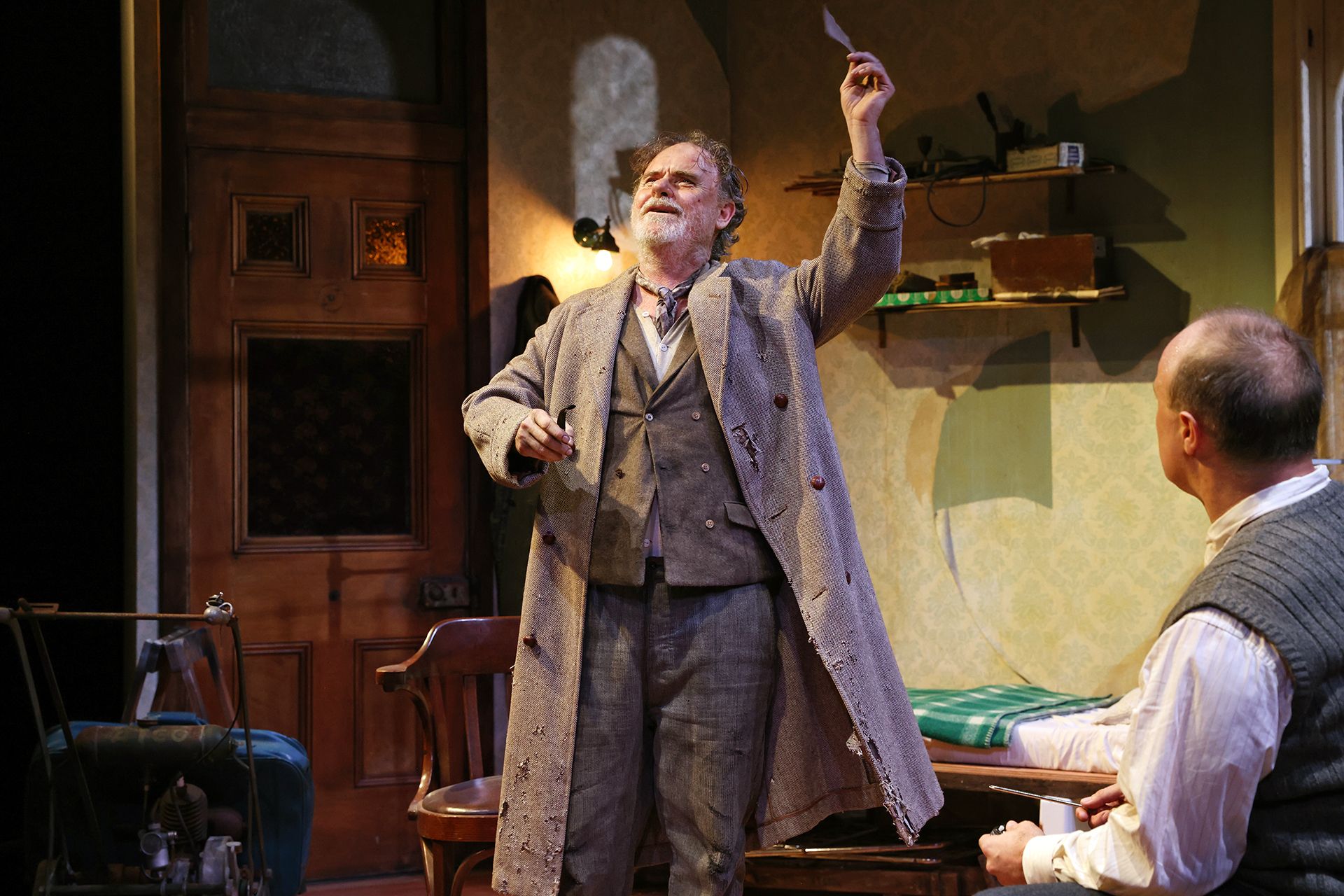
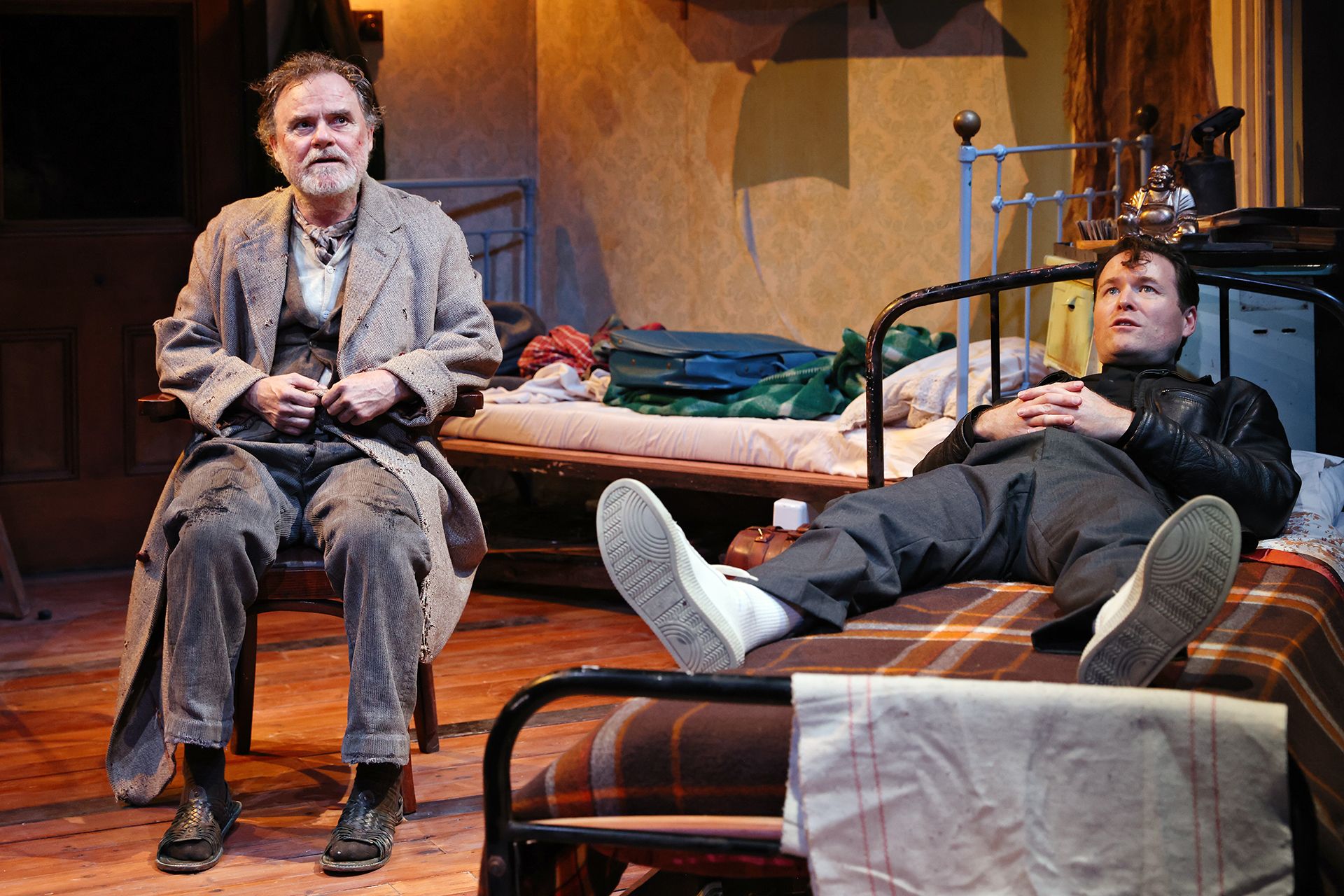
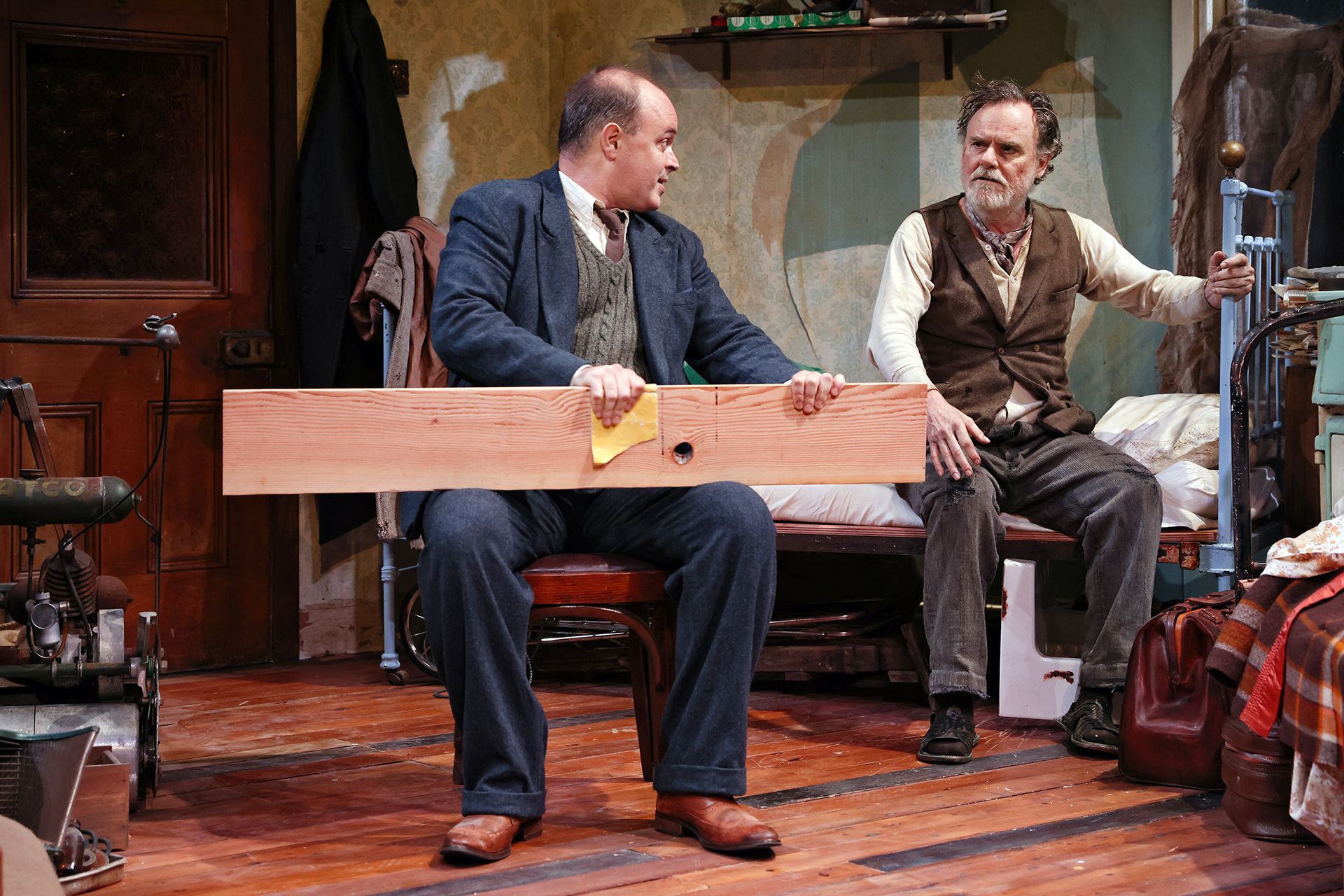
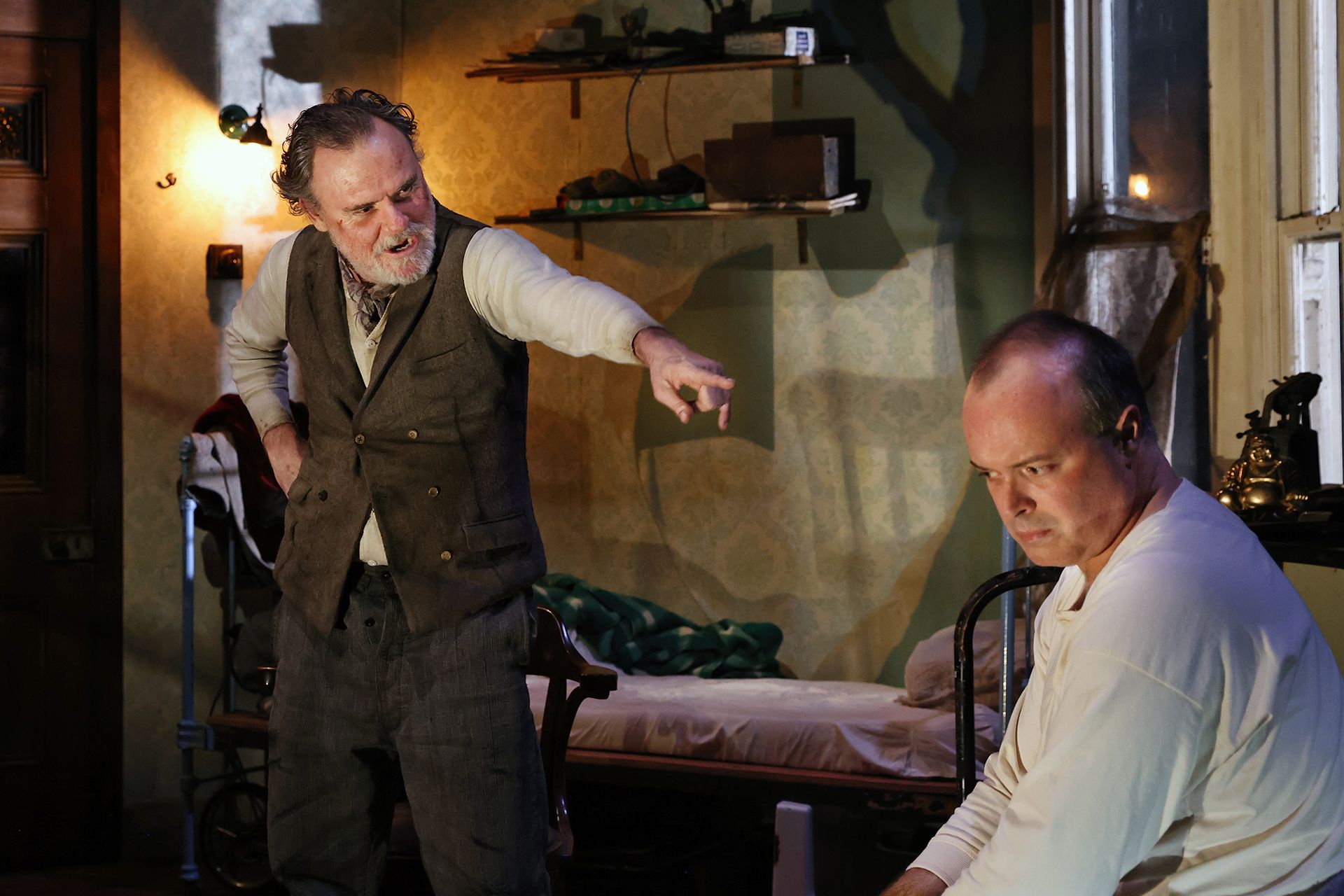
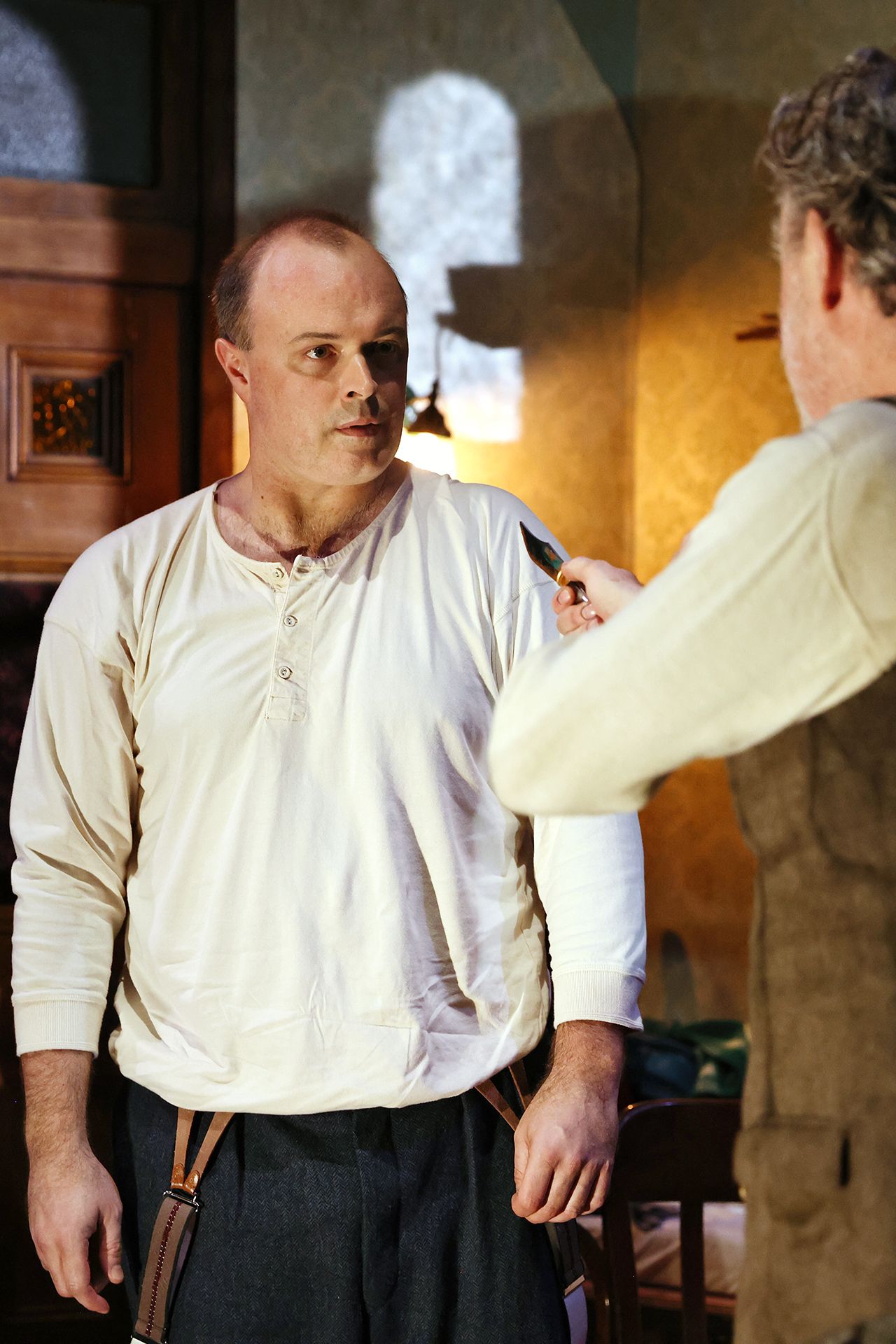
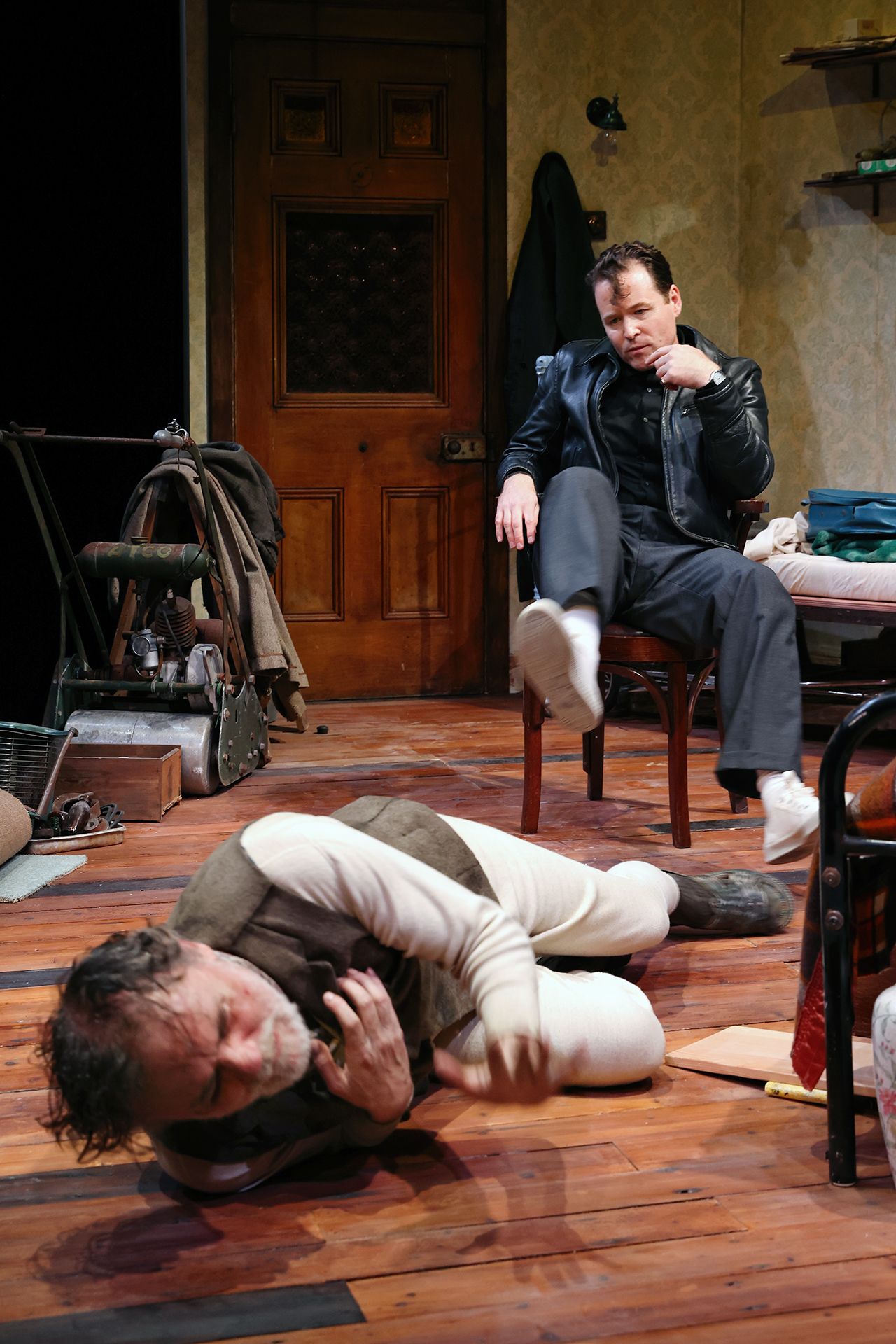
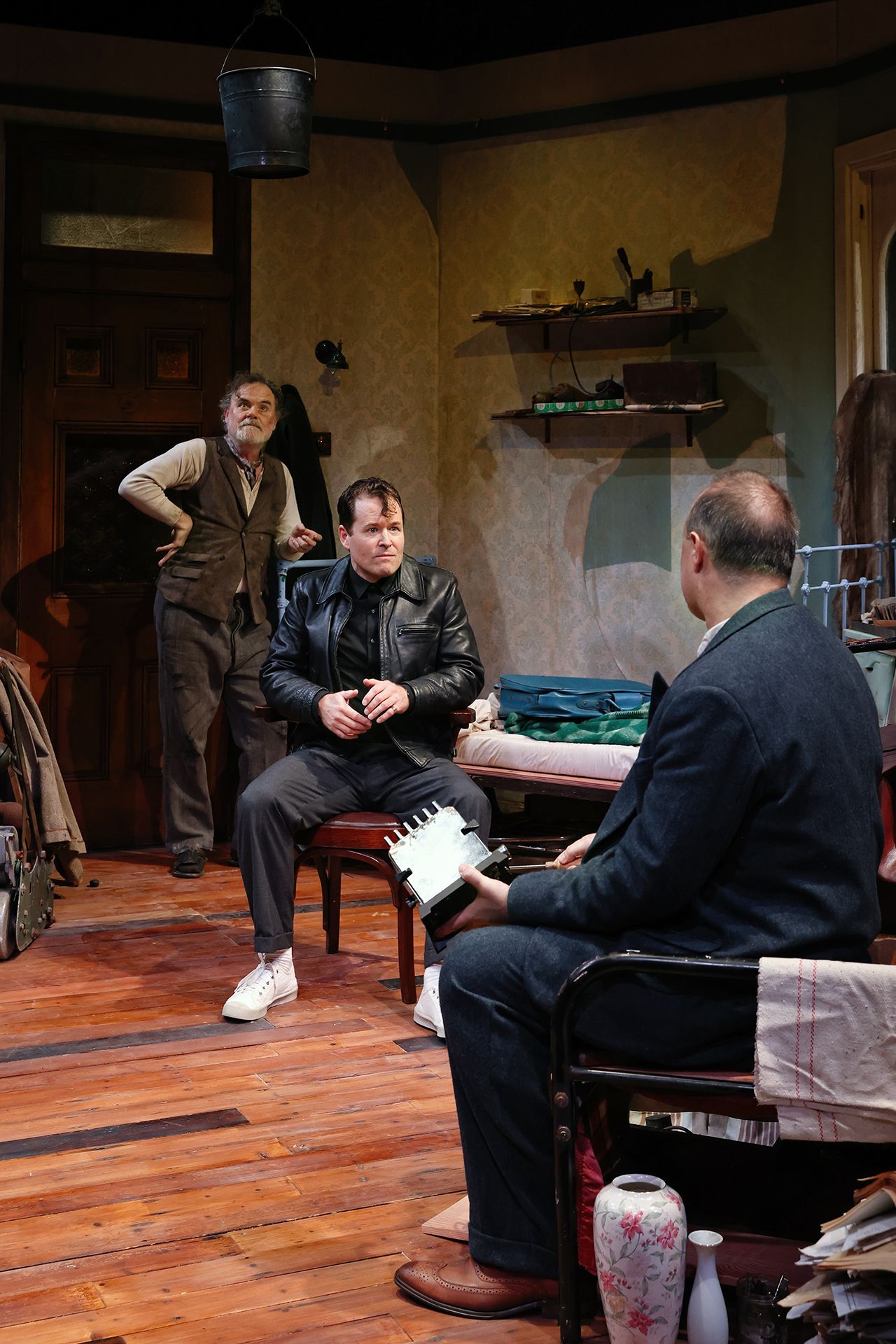
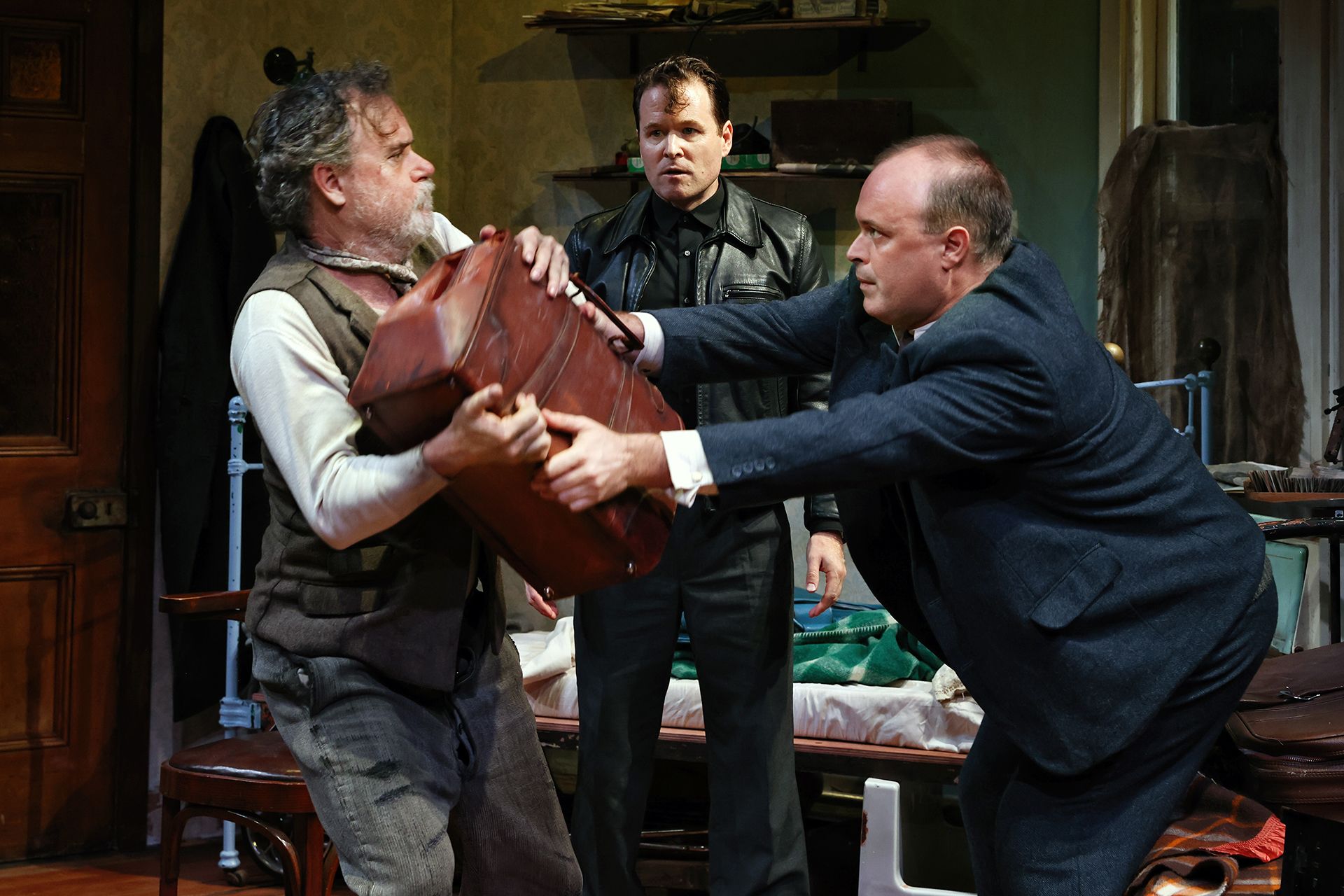
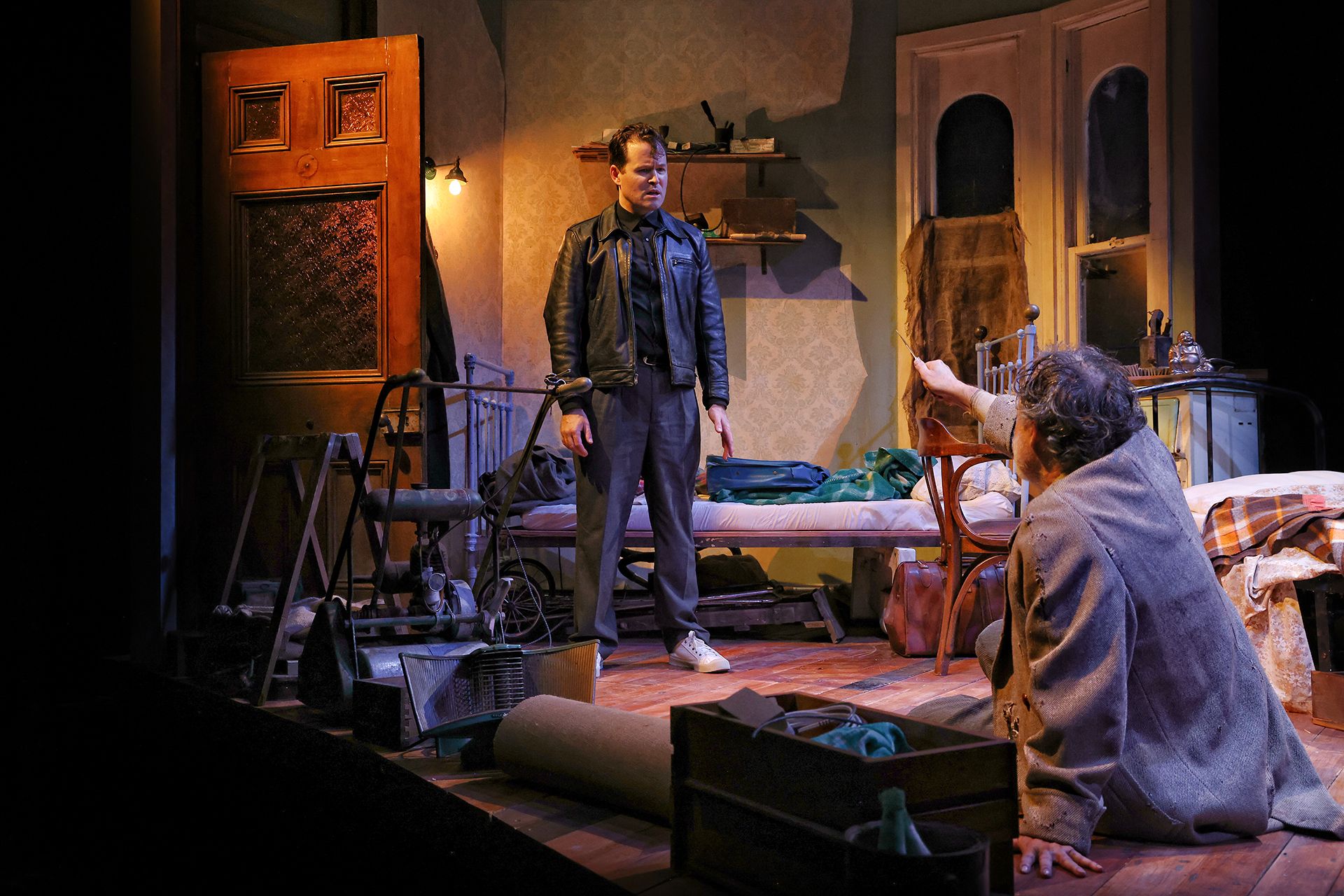
In Harold Pinter’s The Caretaker, an unhoused man Davies is given a place to live, but with stipulations attached. Brothers Aston and Mick are the homeowners, ambiguous or perhaps complicated with their intentions, in bringing Davies into their fold. First performed in 1960, Pinter’s play remains pertinent, especially for what it says about housing and property ownership, as they relate to issues of safety and of human connection. With home affordability ever worsening, the discord between have and have-nots is only escalating, and The Caretaker, proves sadly to still be terribly relevant.

The show however, is rarely a lugubrious experience. Under Iain Sinclair’s directorship, the meanings of Pinter’s writing are kept gently subsumed, as the exuberance of that characteristic mid-century English absurdist humour, is painstakingly amplified. The Caretaker in 2022 is not only more incisive than ever, it proves itself to be extraordinarily funny, even for out times.

Actor Darren Gilshenan is a wonderful presence as Davies, relentless in his need to offer amusement. No stone is left unturned, in Gilshenan’s pursuit of comedic impeccability, and we reciprocate with hearty laughter, for all two-and-a-half hours of his thoughtful buffoonery. Anthony Gooley’s immense restraint as Aston has tremendous, and surprising, pay-offs. The quiet strength he brings to the stage, adds a fascinating dimension, to an otherwise rowdy presentation. Henry Nixon is remarkably intense as Mick, highly satisfying with his bombastic approach to the material, but also able to demonstrate a great capacity for nuance and precision. These are three very impressive performances, blended perfectly to deliver something thoroughly entertaining.

Set and costume designs by Veronique Bennett, are proficiently rendered, to convey time, place and characters, with clarity and accuracy. Matt Cox’s lights and Daryl Wallis’ sounds add elegant touches, to a production that does not wish to reinvent the wheel.

We all know to treat people well, that we should afford dignity to one another in all our exchanges, yet generosity seems always to be a scarce commodity, in a world determined to relate everything to the bottom line. The men in The Caretaker are unable to find harmony; they want to take advantage of one another, and they want to bend others to their own will. This of the human experience however, is neither universal nor immutable. There are cultures and peoples who have done better, if only we had the wherewithal to take heed.

www.ensemble.com.au

Review: End Of (Griffin Theatre Company)

Venue: SBW Stables Theatre (Darlinghurst NSW), Oct 13 – Nov 5, 2022
Playwright: Ash Flanders
Director: Stephen Nicolazzo
Cast: Ash Flanders
Images by Brett Boardman

Theatre review
Ash Flanders is so incredibly theatrical, of course he has written a one-man play about his mother dying, even though Heather is somewhere in Melbourne, still quite alive. End Of begins with anecdotes about Flanders’ stint working as a transcriber for the police, then veers off talking about his adventures in procuring horse entrails to use as props for a show, and then his first moments on psychedelics that lead him to becoming sisters with a papier-mâché rooster. The pieces are tangential to say the least, but it is hard to care too much about coherence, when the point of the work is really only about Flanders’ immense comedic talent as a live performer.
Magnetic and utterly persuasive, Flanders proves himself an actor of audacious talent and skill, in this piece named after his sardonic mother’s favourite punchline, End Of. It attempts to take us somewhere profound in the final minutes, but it is Flanders’ relentless obsession with the frivolous and the flamboyant, that leaves an impression. Director Stephen Nicolazzo knows this, and has made sure to build a production around that invaluable sense of humour, for an experience that provides incessant laughter, and endless amusement. Everything is fair game, from the disappointing Hollywood remake of Total Recall, to deaths in Flanders’ family. Camp becomes a sort of zen outlook, occupying the centre of Flanders’ world; if everything is capable of being diminished, nothing really hurts.

Stage and costume design by Nathan Burmeister is simple, but knowing, able to give a wink-and-nudge, that indicates appropriate time and place as well as attitude, for this very 21st century representation of ironic gay sensibility. Rachel Burke’s lights are a pleasant surprise, as they turn increasingly opulent, after establishing something distressingly humble, when we first meet Flanders at a bureaucratic facility. Sound by Tom Backhaus offers valuable atmospheric embellishment to the reminiscences being shared, even if Flanders’ extraordinary dexterity with his commanding voice, feels to be more than sufficient.

End Of is a reminder that sometimes, the story is not the thing. The sheer pleasure of being in the presence of a performer at the top of their game, doing what they do best, is one of the gifts of theatre that can never be replaced. This bliss cannot be digitised.

www.griffintheatre.com.au

Review: Past The Shallows (ATYP)

Venue: The Rebel Theatre (Sydney NSW), Oct 12 – Nov 9, 2022
Playwright: Julian Larnach (based on the novel by Favel Parrett)
Director: Ben Winspear
Cast: Meg Clarke, Ryan Hodson, Griffin McLaughlin
Images by Jesse Hunniford

Theatre review

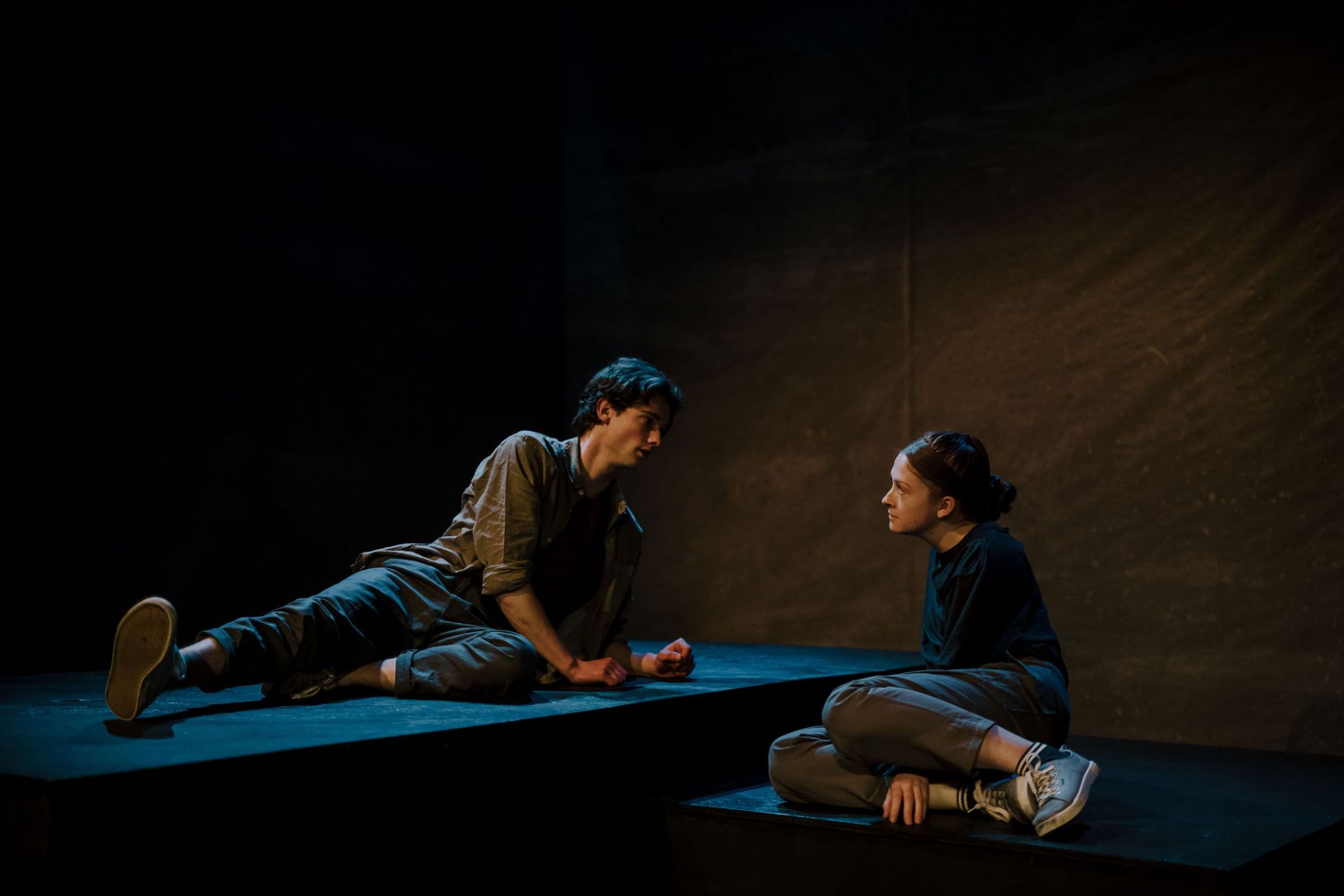
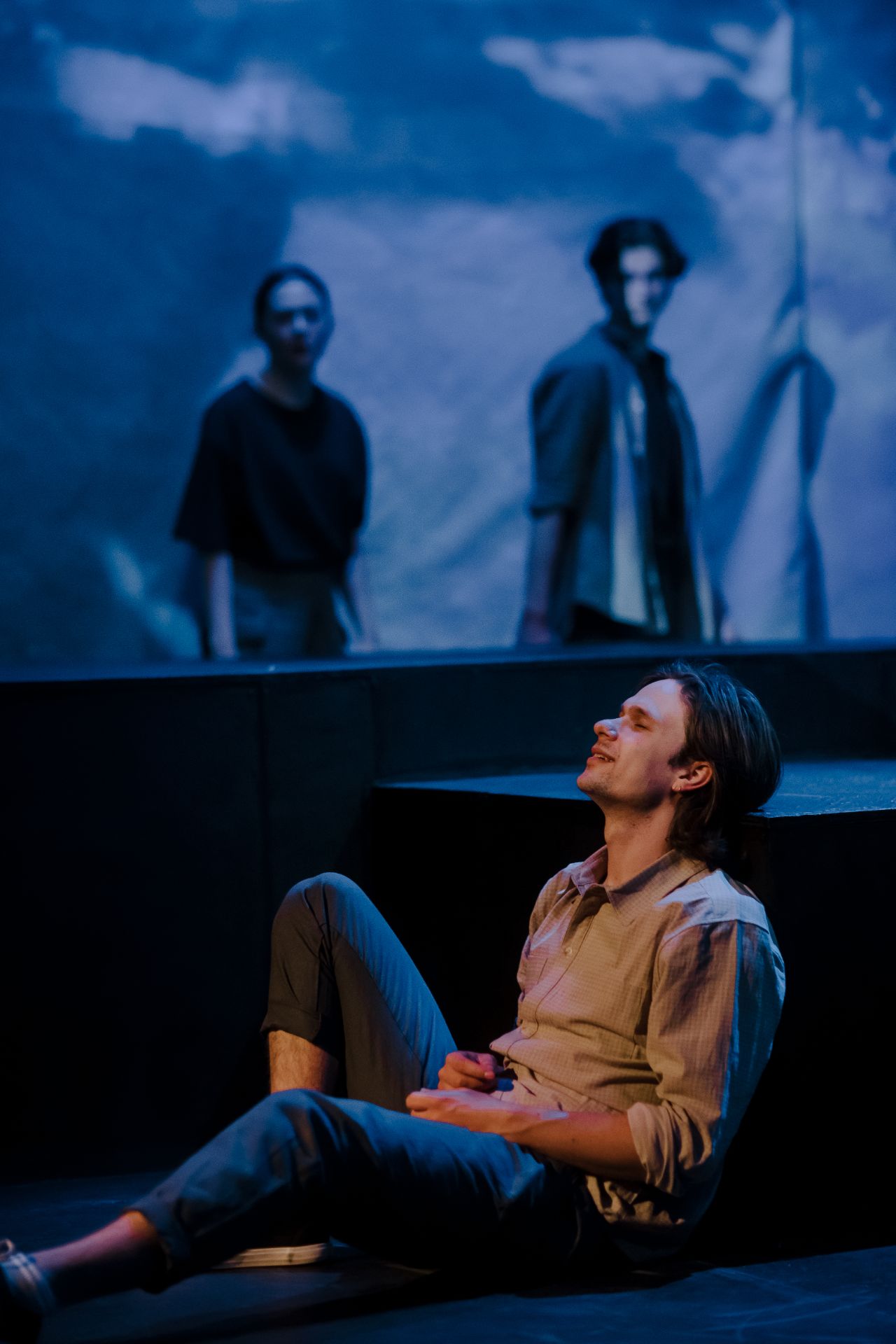
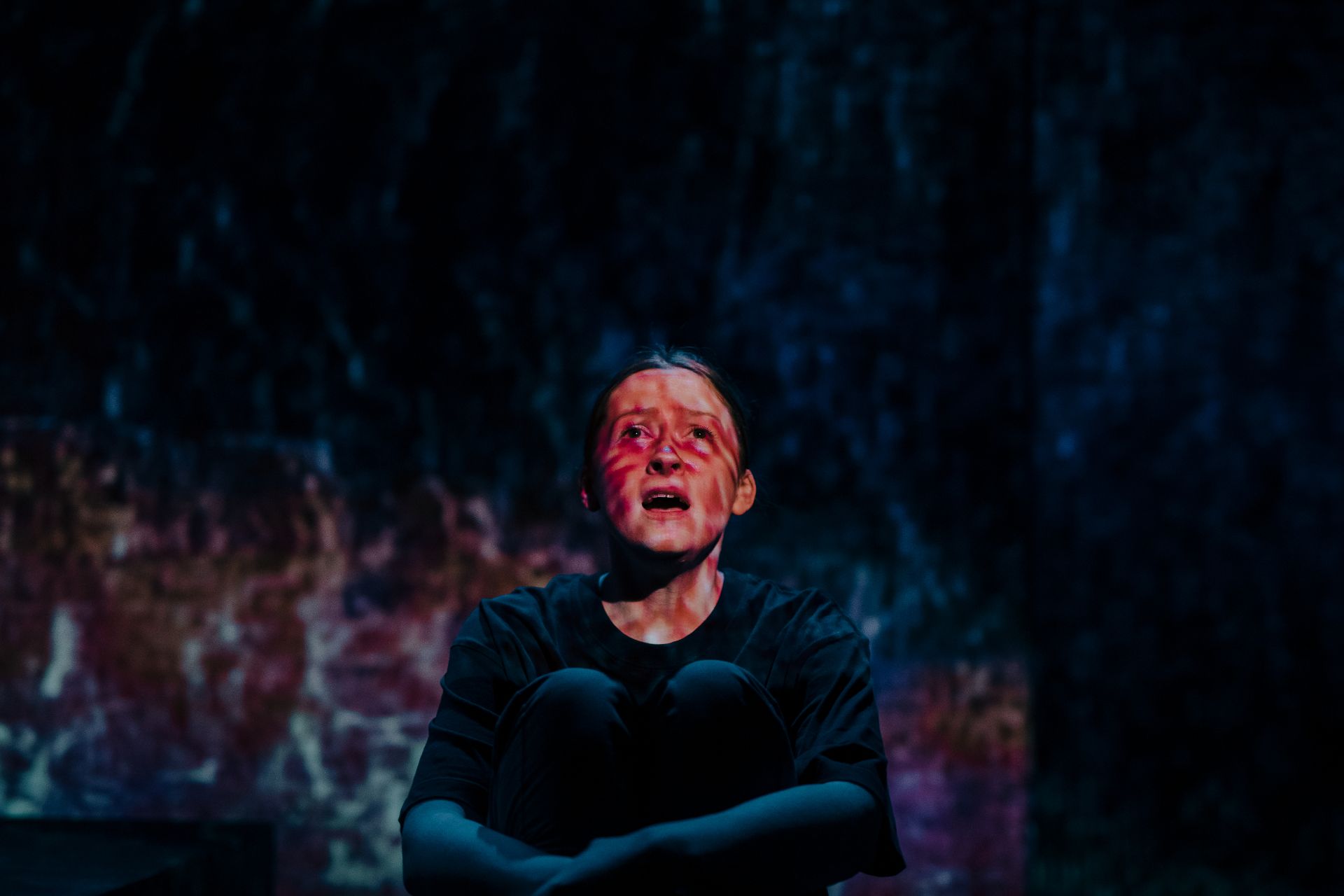
On the isolated south-east coast of Tasmania, three brothers struggle with life after their mother’s death. The wild seascape is part of their chaos, with an unstable father being the indisputable cause of their daily anxieties. Julian Larnach’s adaptation of the novel Past the Shallows by Favel Parrett, brings to the stage a story of family, of youth and of masculinity. A challenging mixture of narration and dialogue forms the basis of this theatrical iteration. Instead of being assigned particular roles, all the characters are taken on by three performers, who swap their parts seemingly randomly, all through the show.

Directed by Ben Winspear, Past the Shallows requires of its audience an inordinate amount of concentration, but the experience is ultimately a satisfying one. There is a vividness to atmosphere and tension, made even more pronounced by the sense of confusion, that we encounter from the staging’s unusual device of interchanging actors. It is a representation of volatility that fits well within the themes of the play, and although disquieting for the audience, the performers emanate a confidence that helps sooth our nerves.

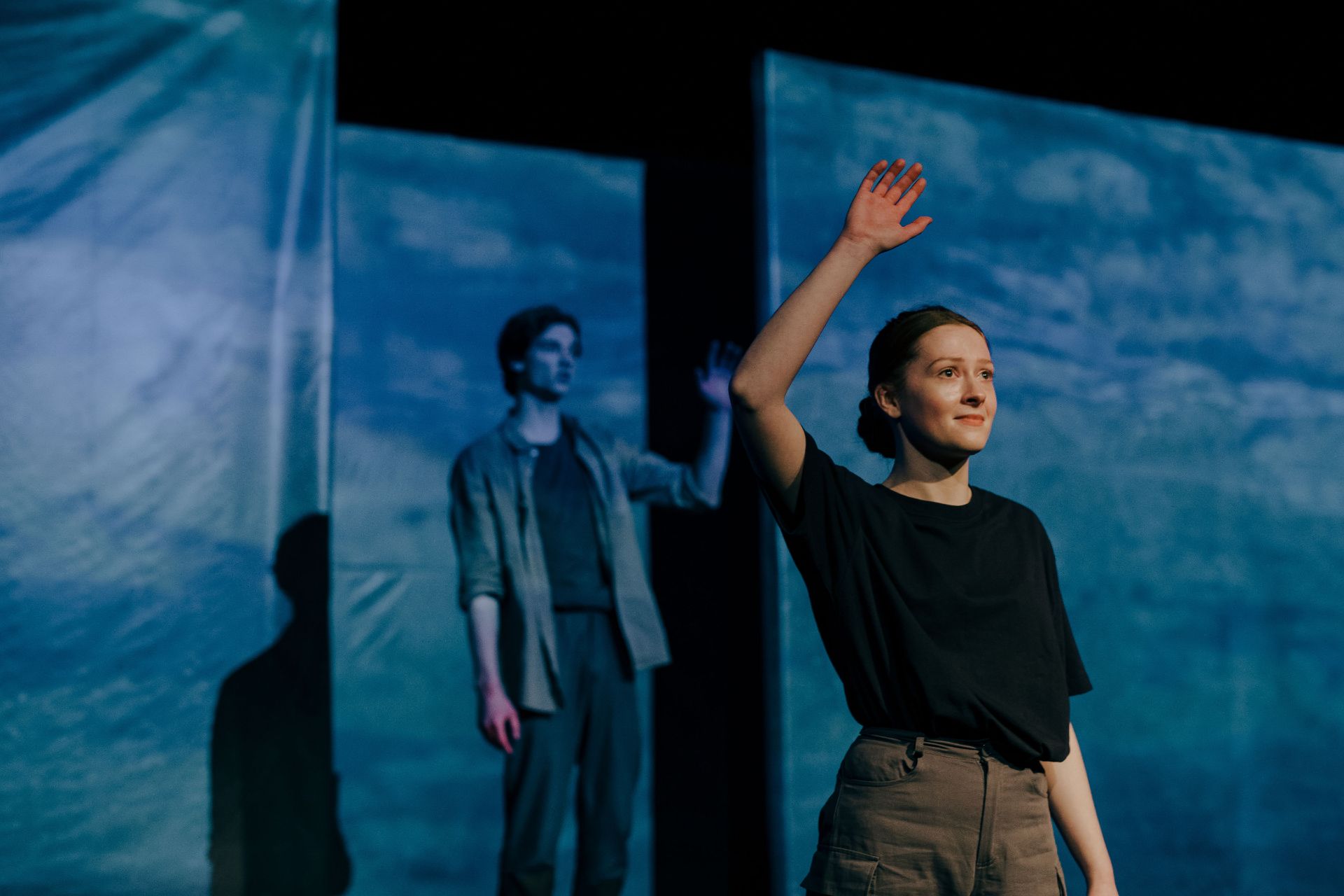
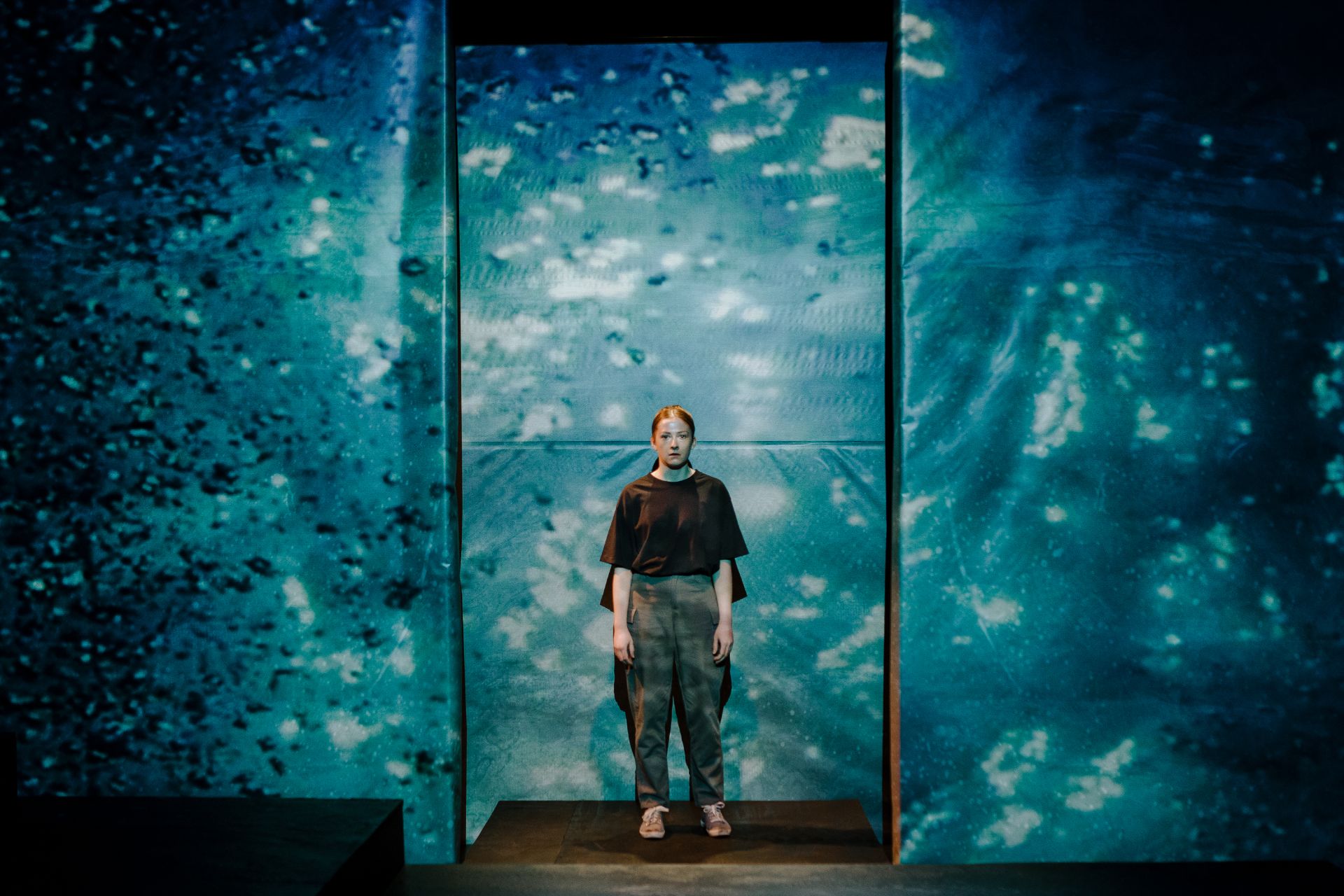
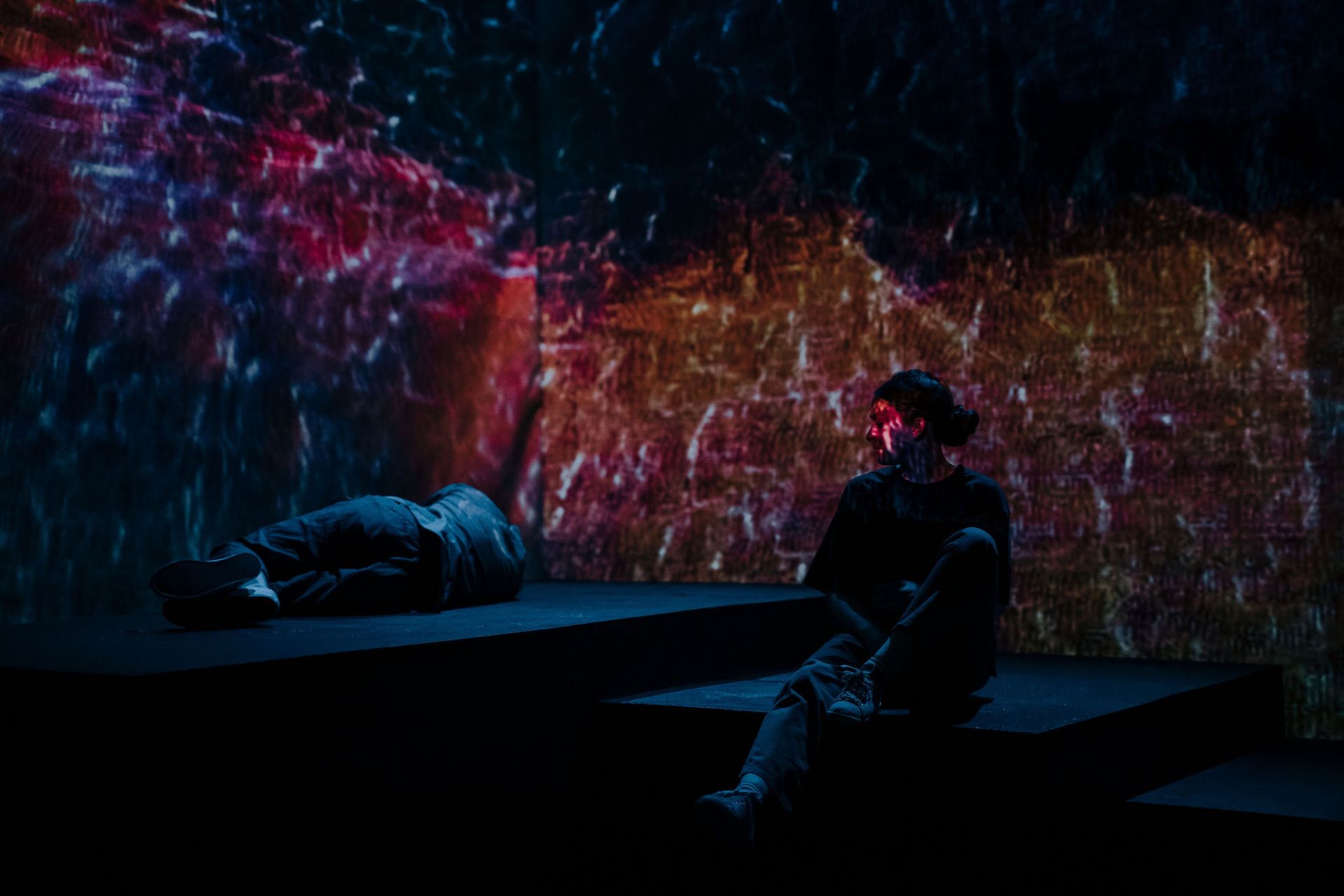
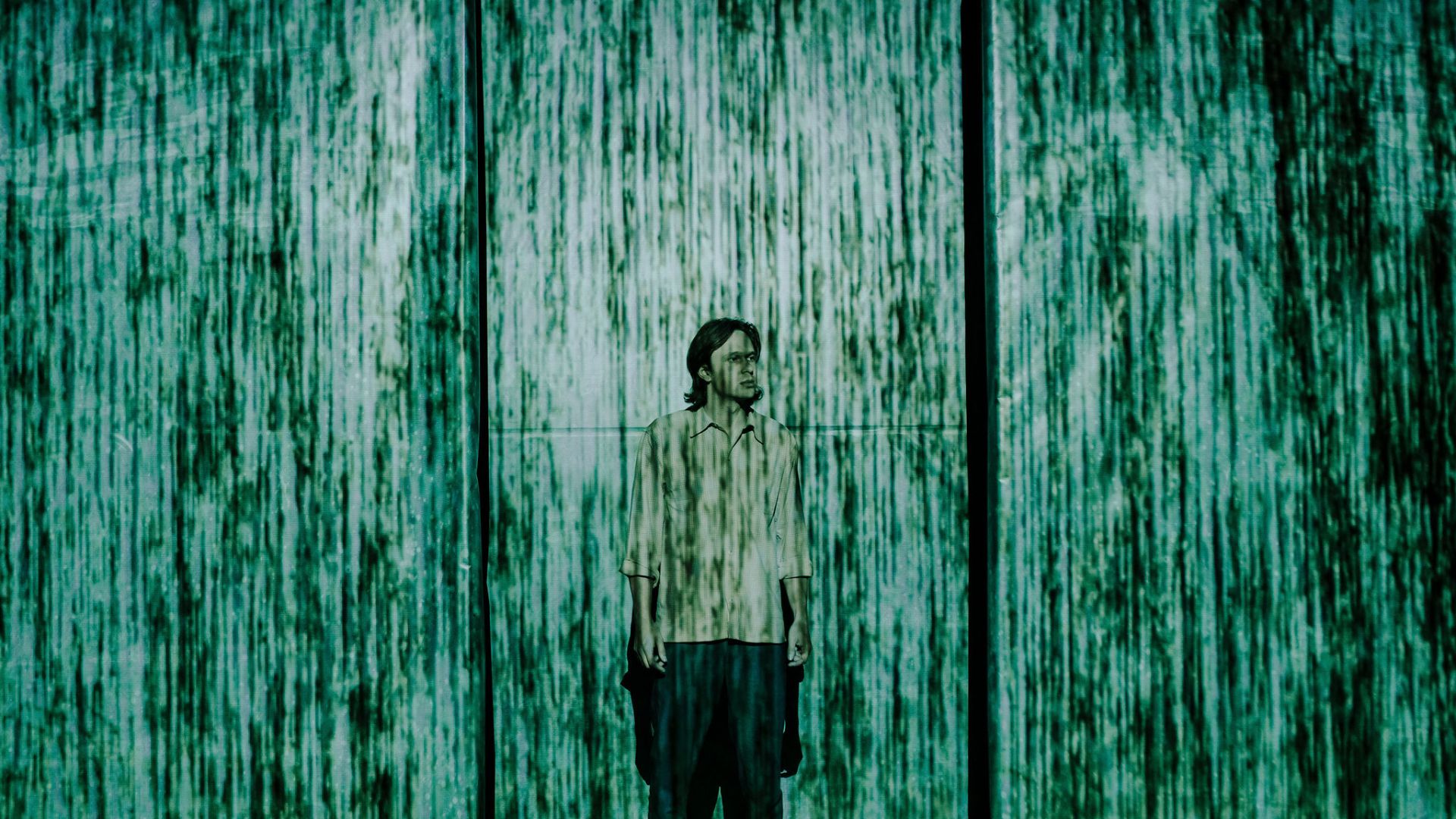
Video by Nema Adel is projected on the cyclorama, forming the literal and figurative backdrop to the brothers’ tumultuous story. Beautiful shot and edited, but not always bright enough or perhaps sharp enough in resolution, for greater impact. Lights by Jason James are sometimes in competition with said video, but is memorable for bringing drama when required, on a bare black stage. Keerthi Subramanyam’s set and costume designs are minimal, but they accurately convey the presentational style chosen for this gritty, no frills tale that deals in part with poverty. Sound by Glenn Richards is not always precisely rendered, but certainly delivers powerfully at key moments.

Actor Meg Clarke is astonishingly persuasive from start to end, extraordinarily present in whichever role she embodies. In Clarke we see an endless font of empathy and vulnerability, that wins us over comprehensively, in a show with many elements that threaten to alienate its audience. Ryan Hodson and Griffin McLaughlin may not equal in terms of depth for their portrayals, but both match with energy and dedication, in a work that impresses, with its very well-rehearsed degree of readiness.

In Past the Shallows, nature is beautiful, and terrifying. Similarly, and accordingly, humans are divine yet devastating, for we are nothing but a small adjunct modicum of this thing we understand to be nature. We imagine nature to have its purposes and its ways, yet we are given a certain element of will in how we wish to be, as humans within this scheme, of ecology and of destiny. It will forever be arguable if we do indeed have any bearing on the greater consequences, but the human conscience is real, and we always know deeply, that which is truly good and right.

www.atyp.com.au | www.archipelago-productions.com

Review: Let The Right One In (Darlinghurst Theatre Company)

Venue: Eternity Playhouse (Darlinghurst NSW), Oct 7 – Nov 20, 2022
Playwright: Jack Thorne (based on the novel by John Ajvide Lindqvist)
Director: Alexander Berlage
Cast: Stephen Anderton, Callan Colley, Will McDonald, Eddie Orton, Josh Price, Monica Sayers, Sebrina Thornton-Walker, Matthew Whittet
Images by Robert Catto

Theatre review
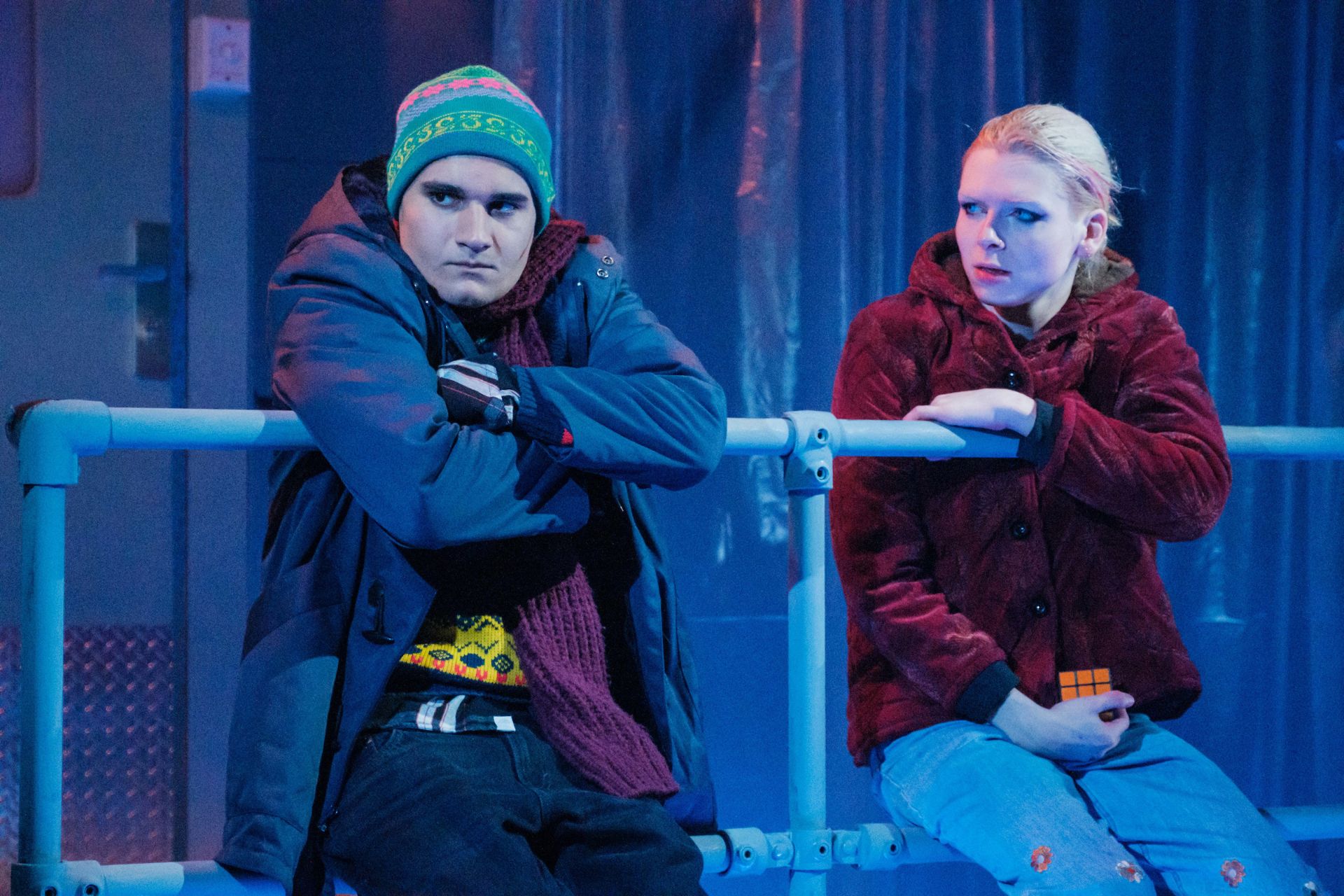
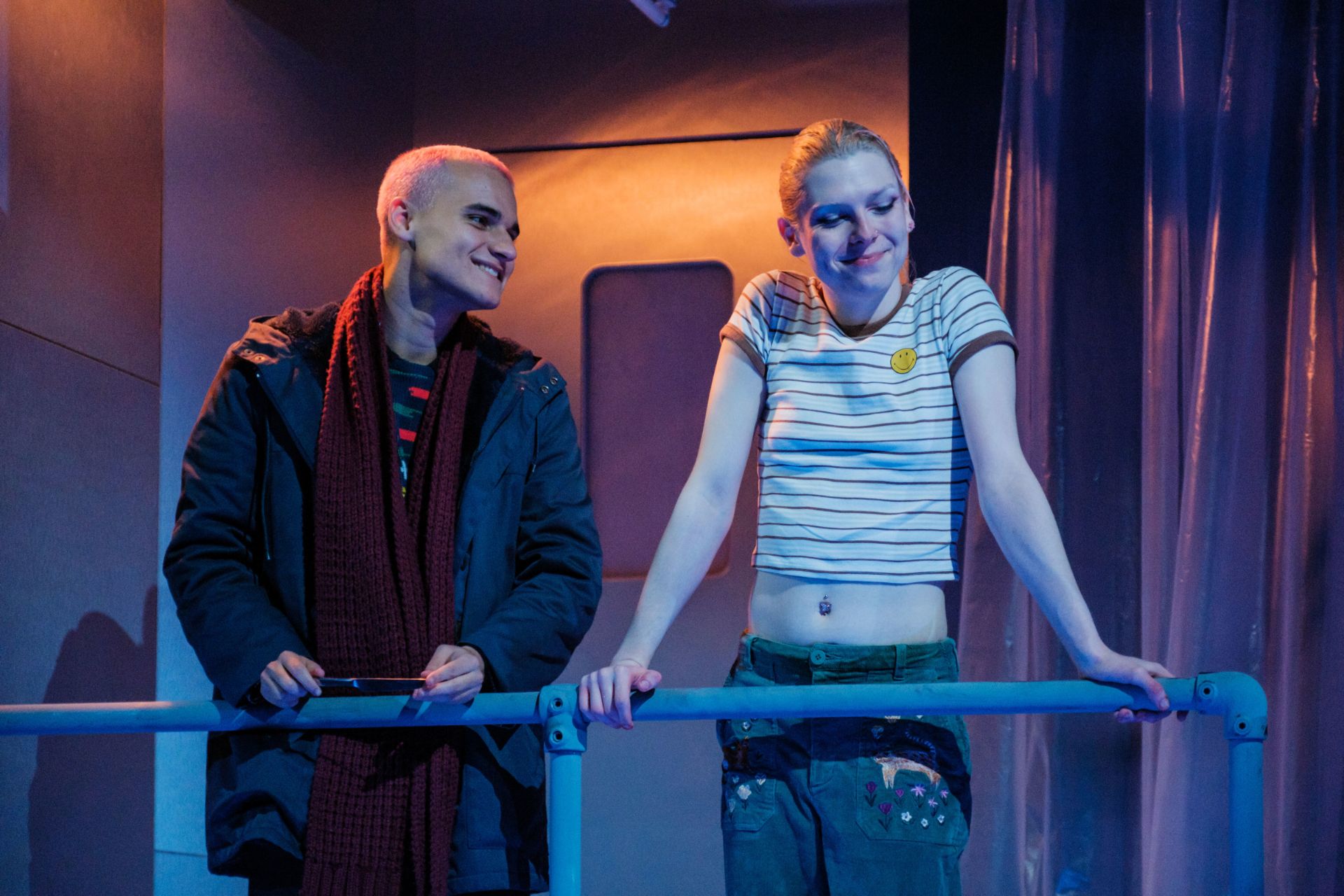
Things are going terribly for 12-year-old Oskar. His mother is a raging alcoholic, and the bullying at school is interminable. Meeting Eli late one night, may seem to indicate a change for the better, but falling in love with a vampire comes with major drawbacks. Jack Thorne’s adaptation of John Ajvide Lindqvist’s novel and film Let the Right One In, attempts to transpose an unorthodox story of young love to the stage, complete with all the hallmark features of a genre piece.
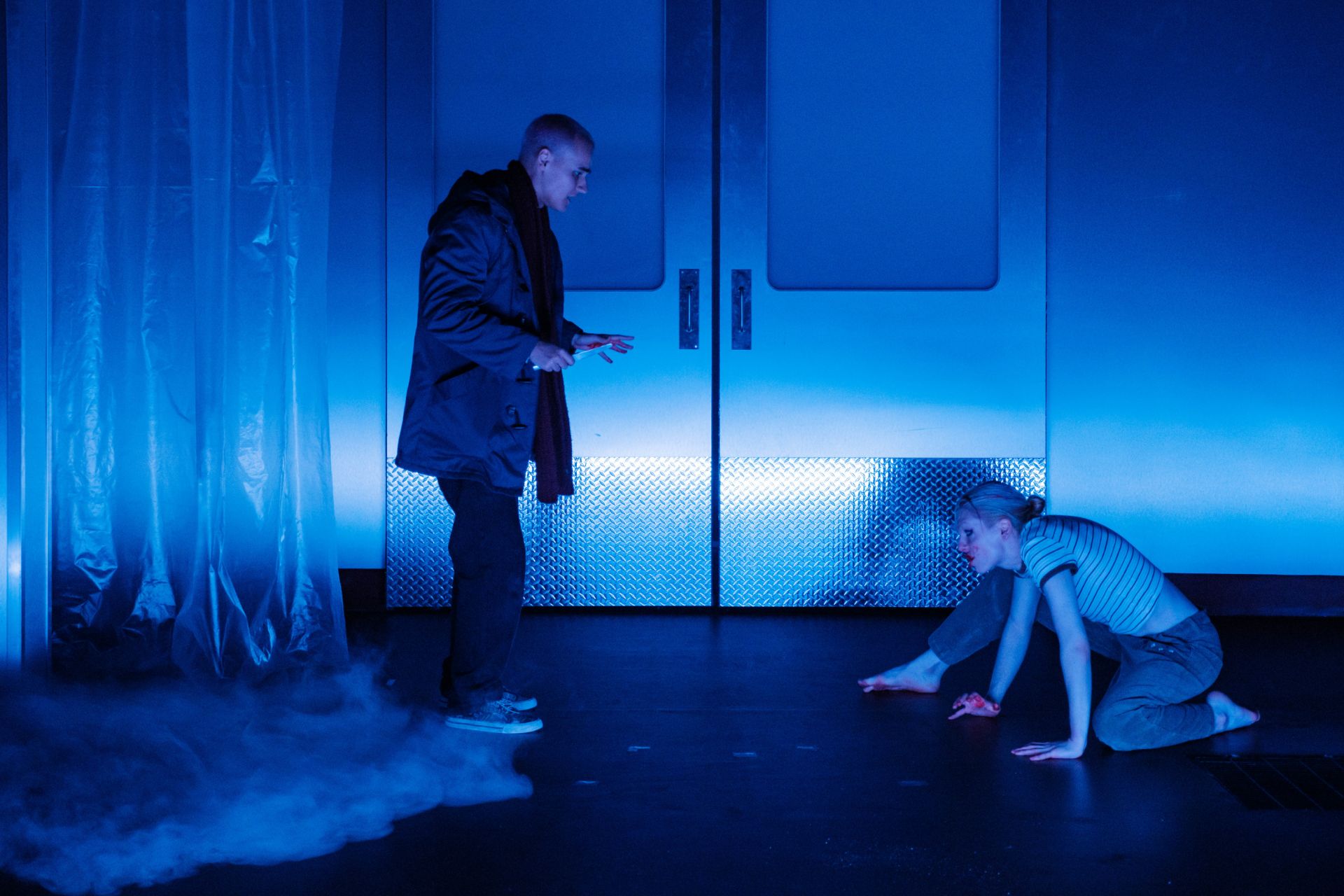
Under the directorship of Alexander Berlage, Let the Right One In becomes an unexpected concoction of romantic-comedy with horror elements. There are moments of gore to be sure, but a quirky sense of humour dominates the staging. It is a compelling experience, enjoyable especially for its unusual tackling of the supernatural, although the confluence of humour with revulsion, seems a tricky one to resolve.

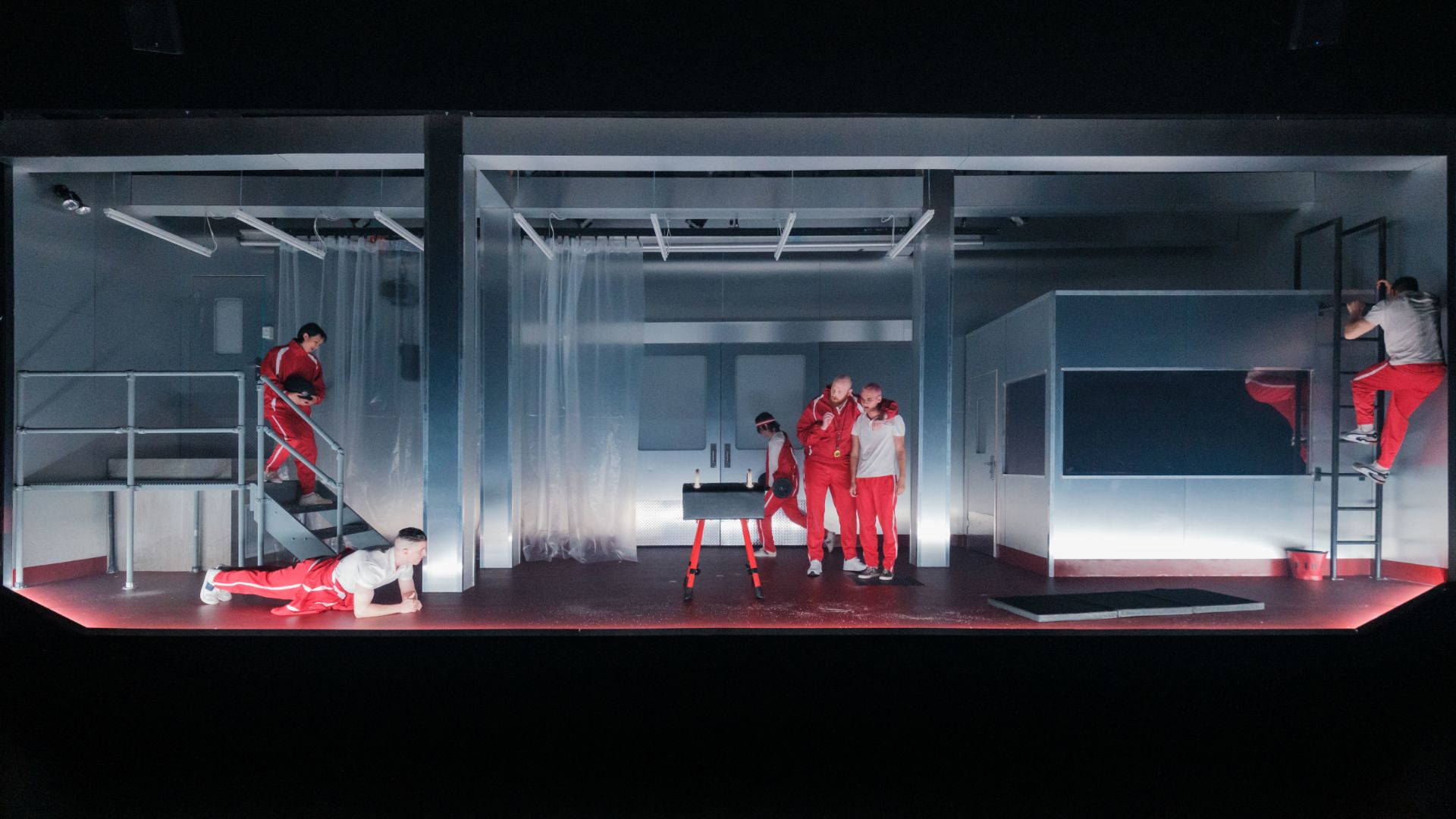
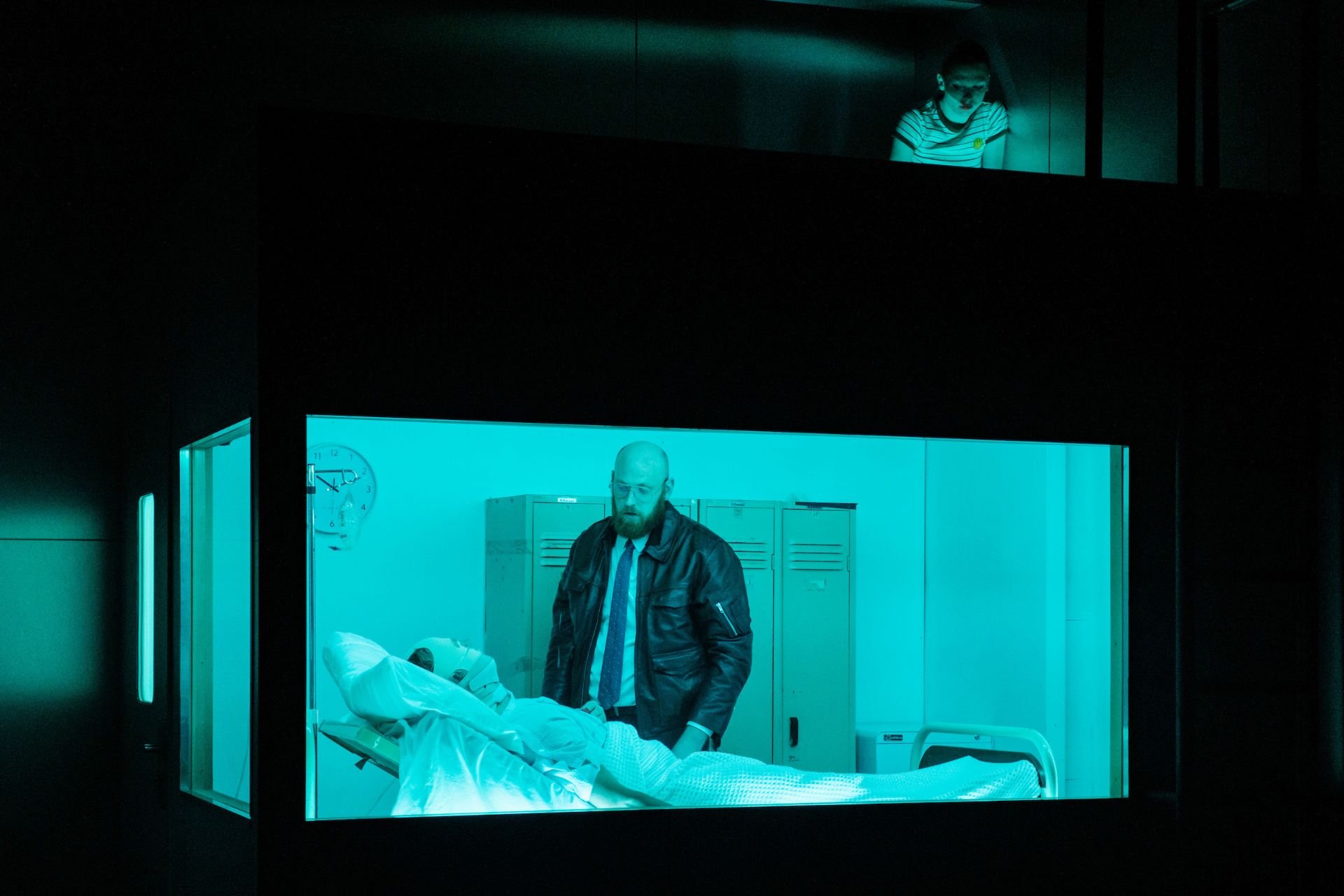
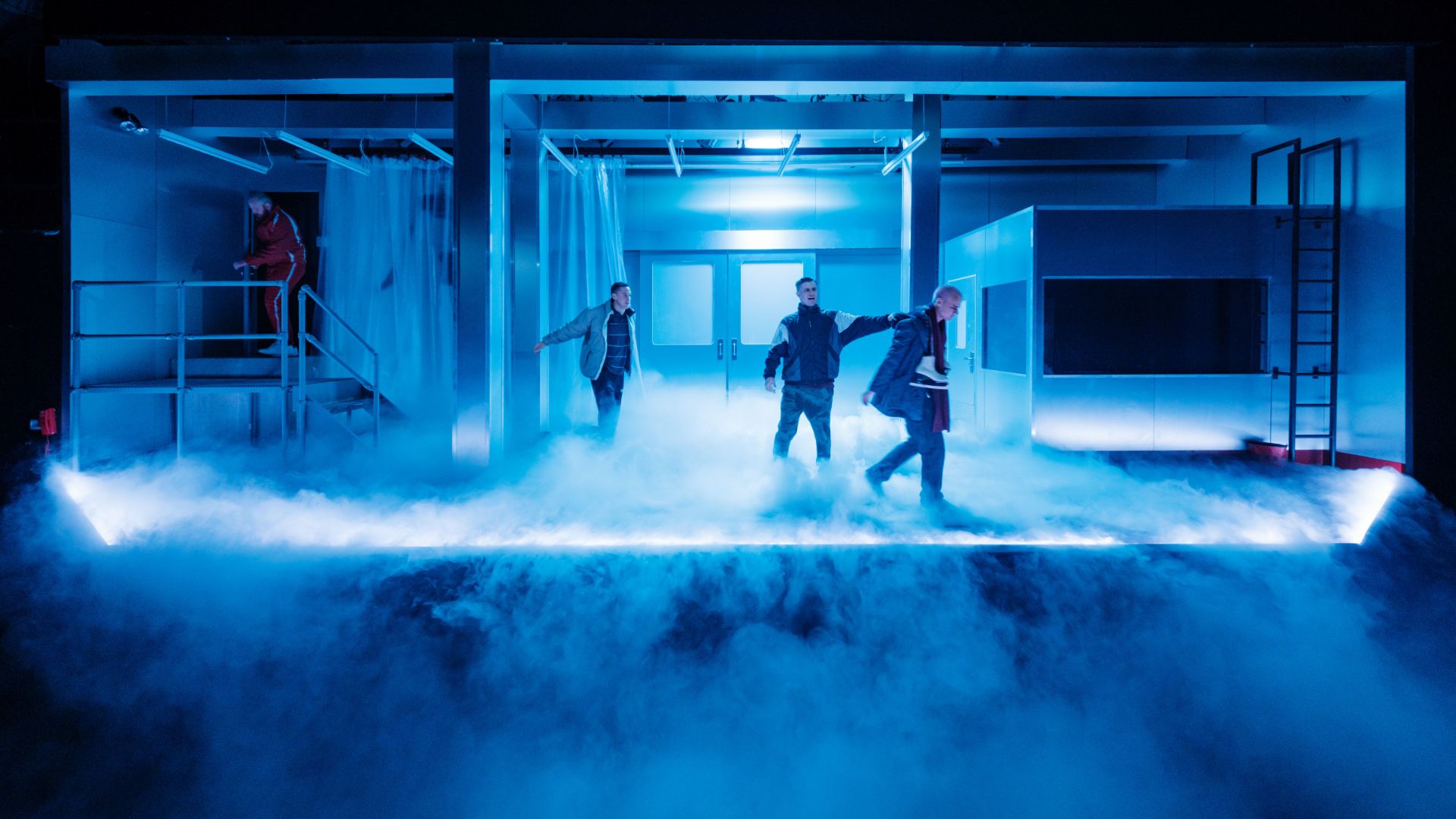
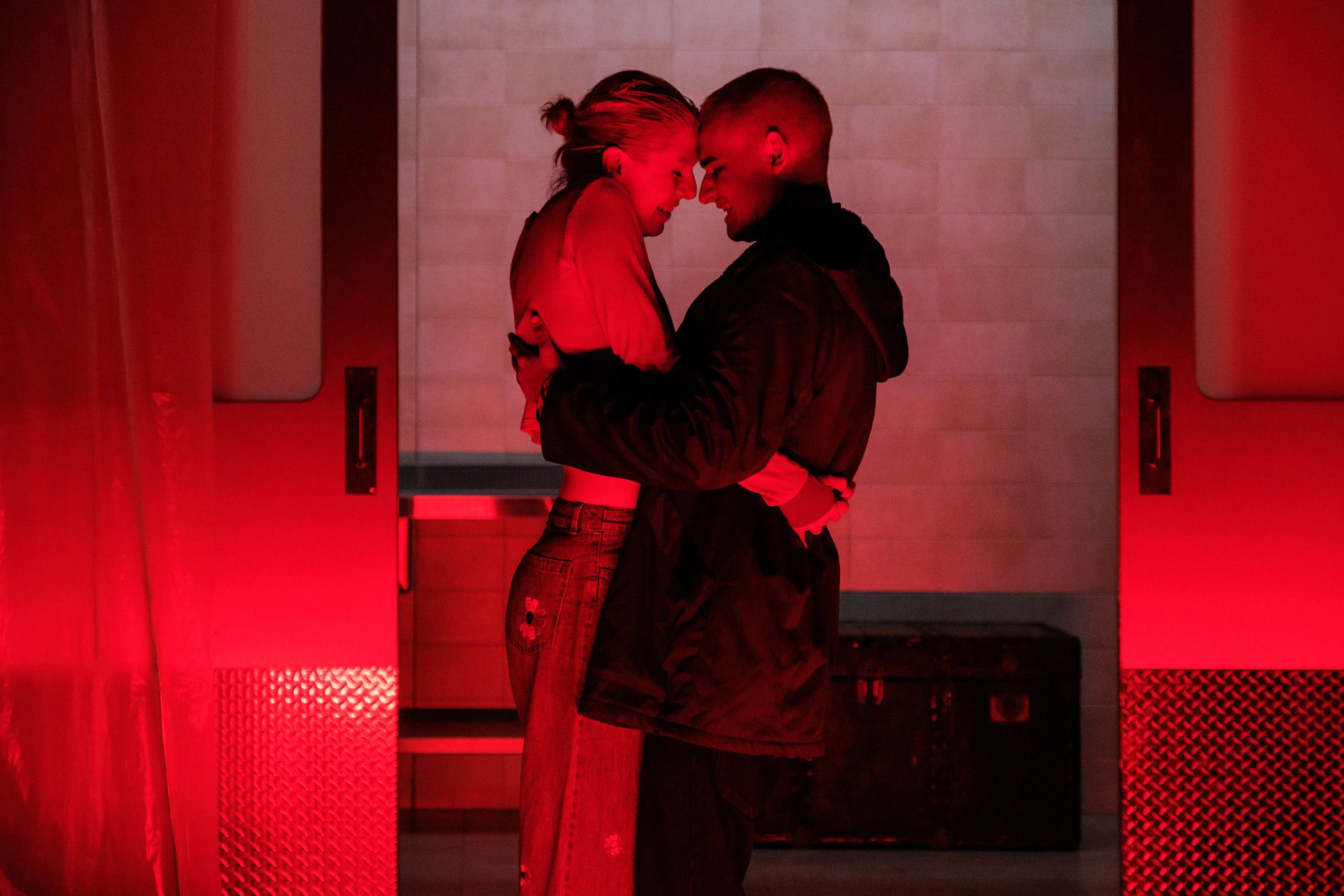
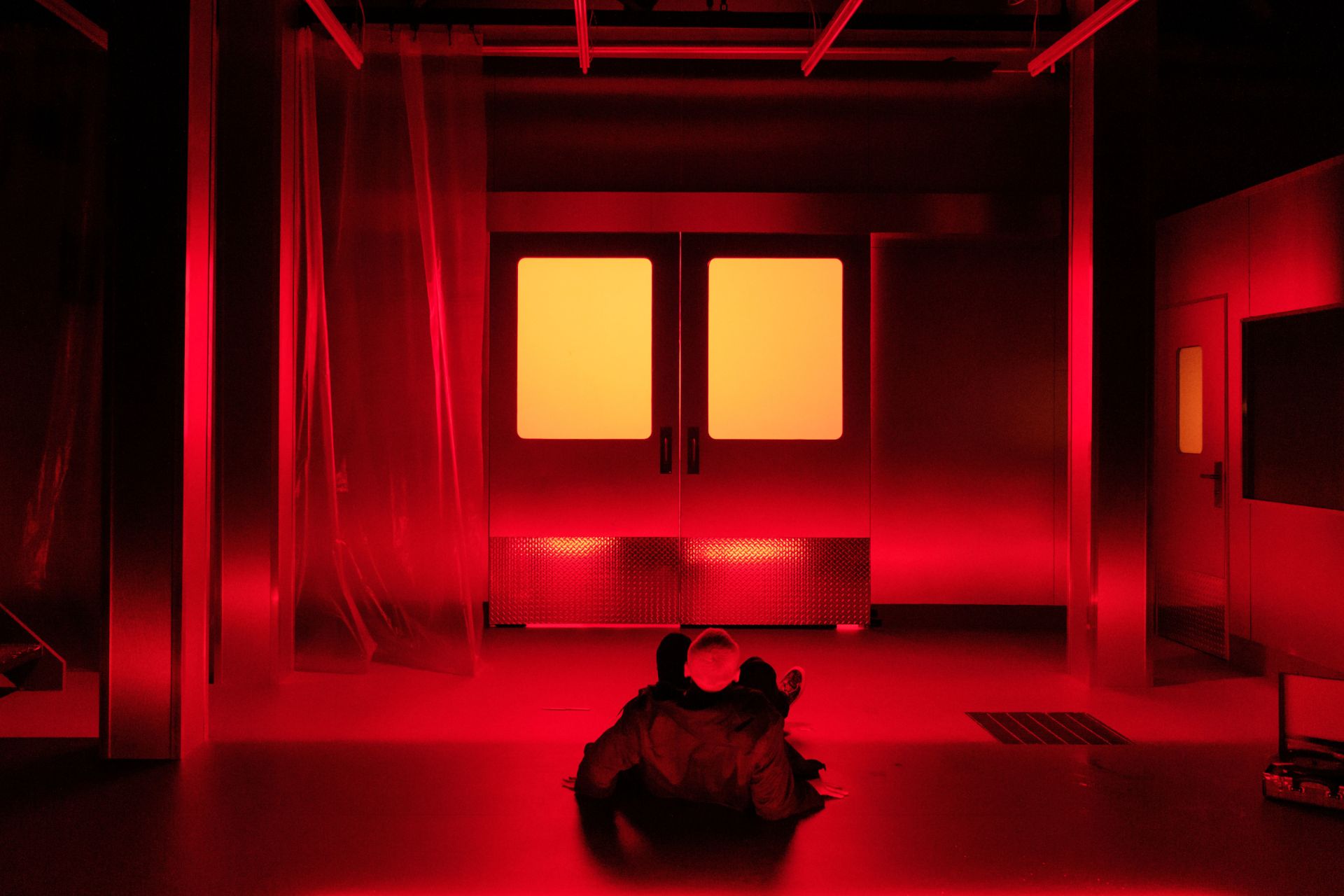
Trent Suidgeest’s sensual lighting design is highly attractive, but can sometimes seem at odds with the comedy being performed. There are competing tones being presented, each one detracting from the other. Daniel Herten’s sound and music too, work consistently to build tension for something resolutely scary, seemingly unaware of the show’s strong tendencies toward the funny. Isabel Hudson’s set design is appropriately cold and stark, depicting somewhere appearing a cross between hospitals and abattoirs, with shiny surfaces that keeps the chill in our spines. Hudson’s costumes are evocative of Sweden, from whence the tale originates, but the main characters never really look persuasively like children.

Actor Will McDonald is very endearing as Oskar, perfectly conveying the innocence of his character, whilst offering a rich interpretation, of someone going through something impossibly intense. The challenging task of portraying Eli, who is both a small child, and a phantasm over a century old, is taken on by Sebrina Thornton-Walker, who brings a satisfying sense of macabre physicality to the role. Supporting players, Stephen Anderton, Callan Colley, Eddie Orton, Josh Price and Monica Sayers, are spirited in their embrace of the show’s absurdist dimensions, each one leaving a strong impression with the idiosyncrasies they are able to find, for the various personalities that we meet.

It is a strange phenomenon, that people should pay good money to make themselves feel scared. It is perhaps an opportunity for us to release, that which has to be psychologically suppressed, in order that we may face daily life with an attitude of normalcy. The possibilities of afterlife are hard to discount, for the unknown has the ability to take on infinite configurations, and the terror of death makes our imagination of that aftermath go to the darkest. Hence it is easy to believe the worst, but only in chosen occasions can we indulge in those frightful meditations.

www.darlinghursttheatre.com

Review: The Mousetrap (Theatre Royal Sydney)

Venue: Theatre Royal Sydney (Sydney NSW), 8 – 30 Oct, 2023
Writer: Agatha Christie
Director: Robyn Nevin
Cast: Laurence Boxhall, Gerry Connolly, Tom Conroy, Charlotte Friels, Adam Murphy, Anna O’Byrne, Alex Rathgeber, Geraldine Turner
Images by Brian Geach

Theatre review
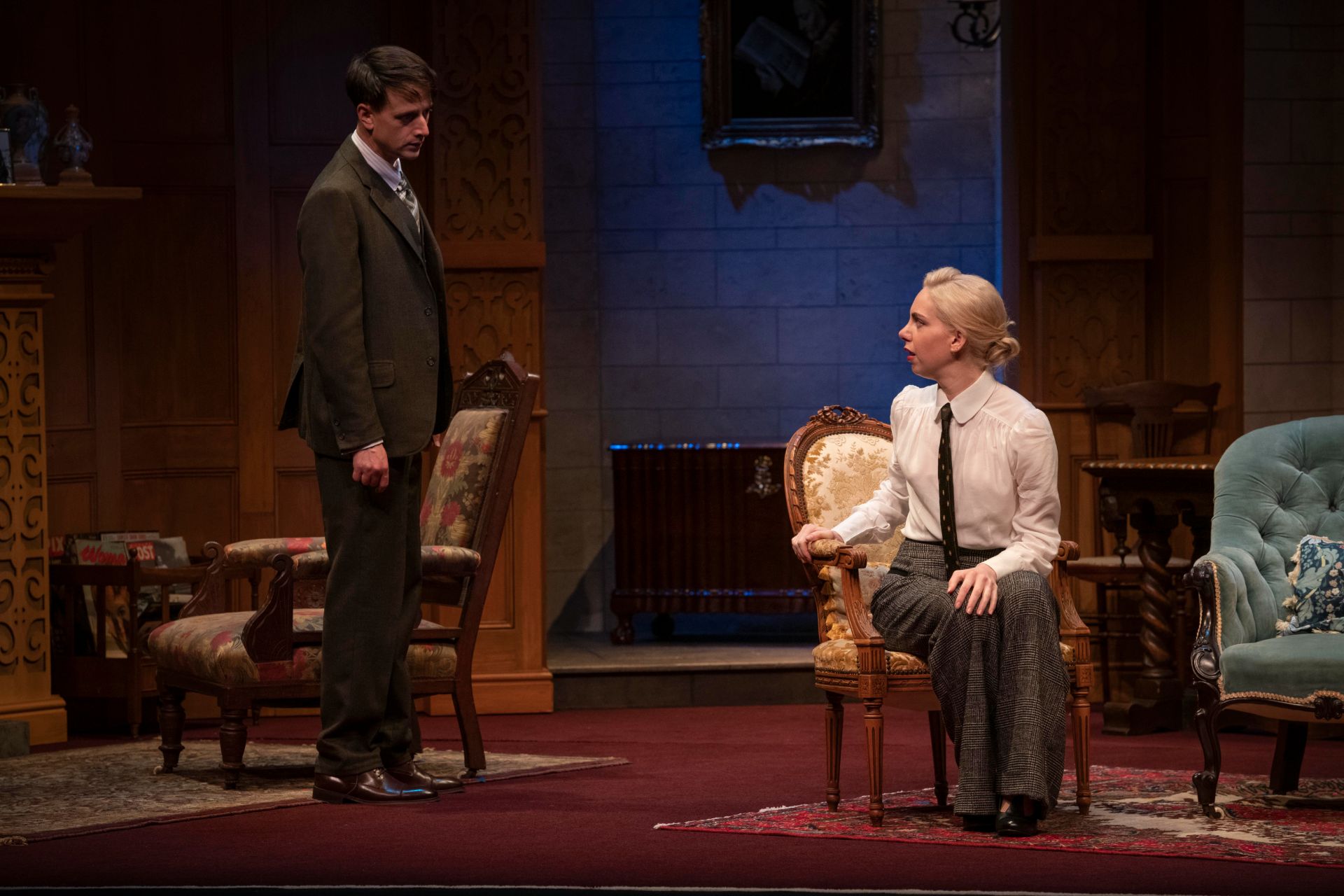
Since opening in 1952, Agatha Christie’s classic whodunnit The Mousetrap has been entertaining audiences in London, as the now famously known longest-running show of the West End. In a guesthouse named Monkswell Manor, a resident gets murdered, and we try to solve the mystery. Christie’s stories can be easily dismissed as generic or repetitive, “seen one, seen them all” but her immense popularity has never waned, proving there is a certain magic to her work.

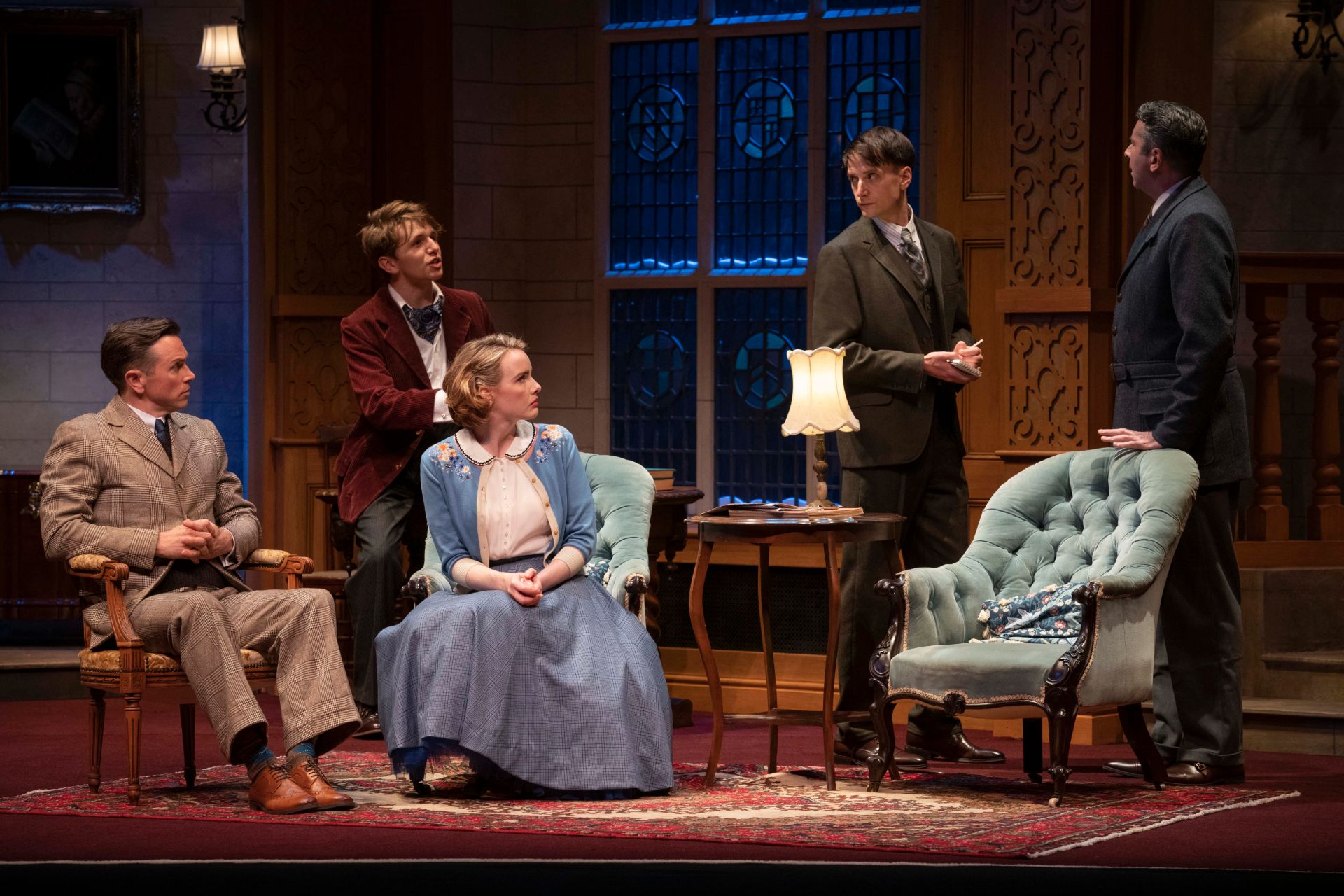
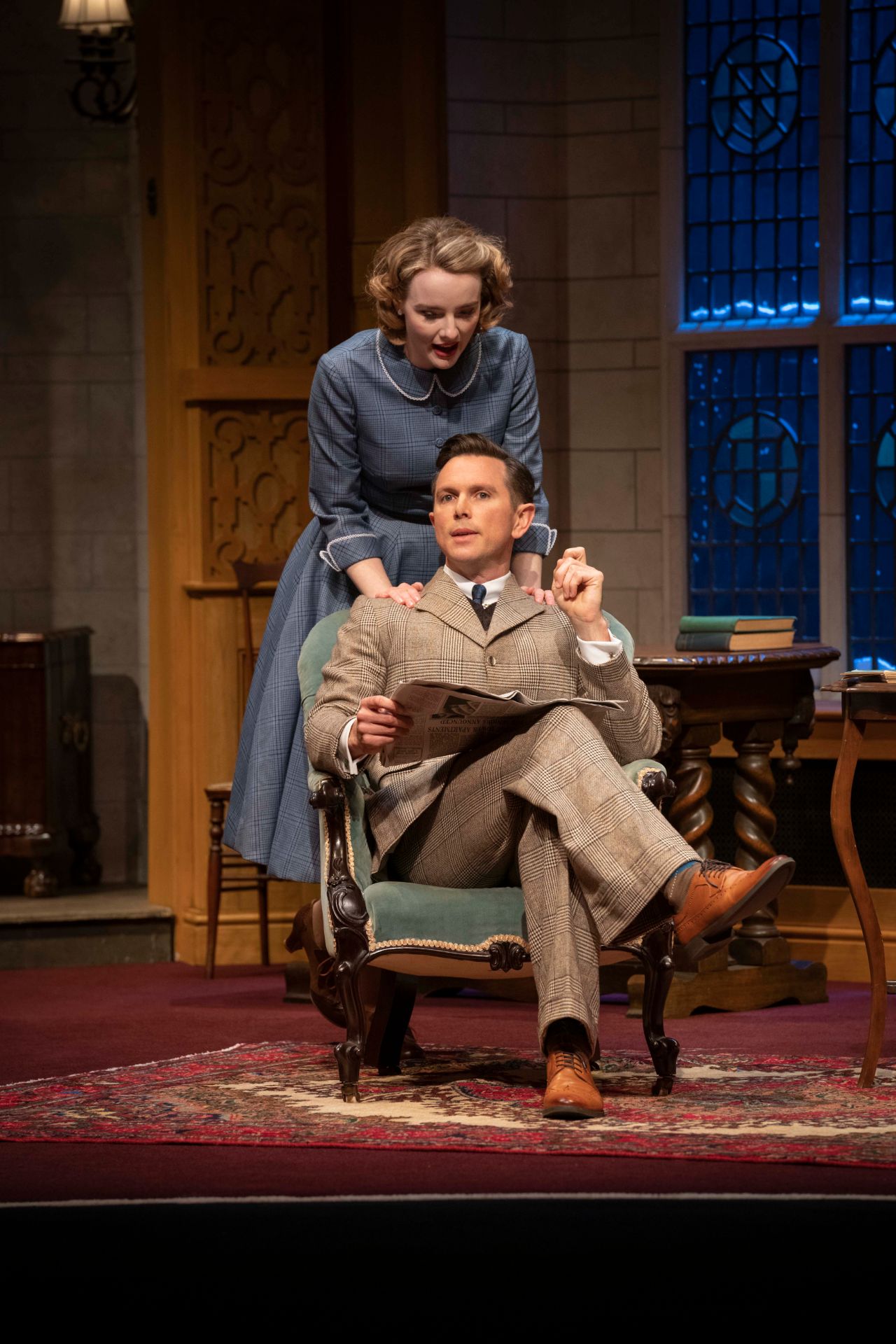
Directed by Robyn Nevin, this is a new but faithful rendering of the 70 year-old play, in the definitive style of an Agatha Christie show. Traditional and completely predictable, but nonetheless entertaining, The Mousetrap delivers everything adored by legions of Christie fans. There is mystery, gentle thrills , characteristic humour, and old world elegance (thanks to Isabelle Hudson’s production design and Trudy Dalgleish’s lights). One could hardly care if the concluding revelation, turns out to be no surprise at all.

It is a lively cast that takes the stage, with actors fully embracing the jaunty old English tone of performance. Anna O’Byrne is highly convincing as owner of the house Mollie Ralston, perfectly mimicking the voice and physicality of leading women from that bygone era. Laurence Boxhall leaves a remarkable impression as Christopher Wren; very funny and very charming, with one of the more inventive approaches for material that is arguably outdated. Also compelling is Tom Conroy as Detective Sergeant Trotter, who brings great precision and a much needed sense of variation to the role.

Where The Mousetrap is unable to provide a refreshing experience, it delivers a level of polish and professionalism, that shines a light, on the dedication and competency of our artists. The writer might be the star, but there is no denying all the unsung heroes who keep her name eternally in lights.

www.themousetrap.com.au

Review: For The Grace Of You Go I (Kings Cross Theatre)

Venue: Kings Cross Theatre (Kings Cross NSW), Oct 5 – 15, 2022
Playwright: Alan Harris
Director:
Lucy Clements
Cast: Jane Angharad, James Smithers, Shan-Ree Tan
Images by

Theatre review
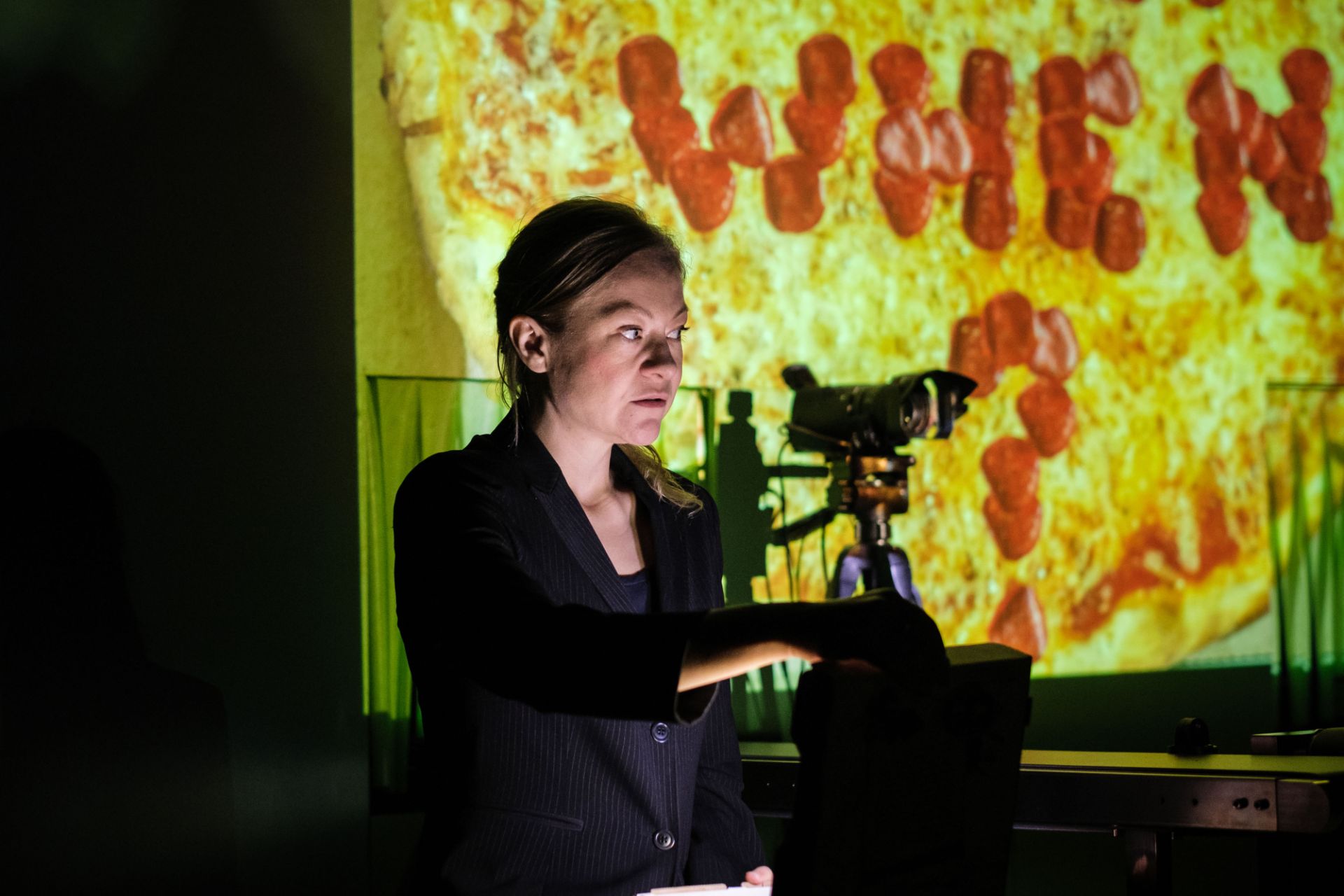
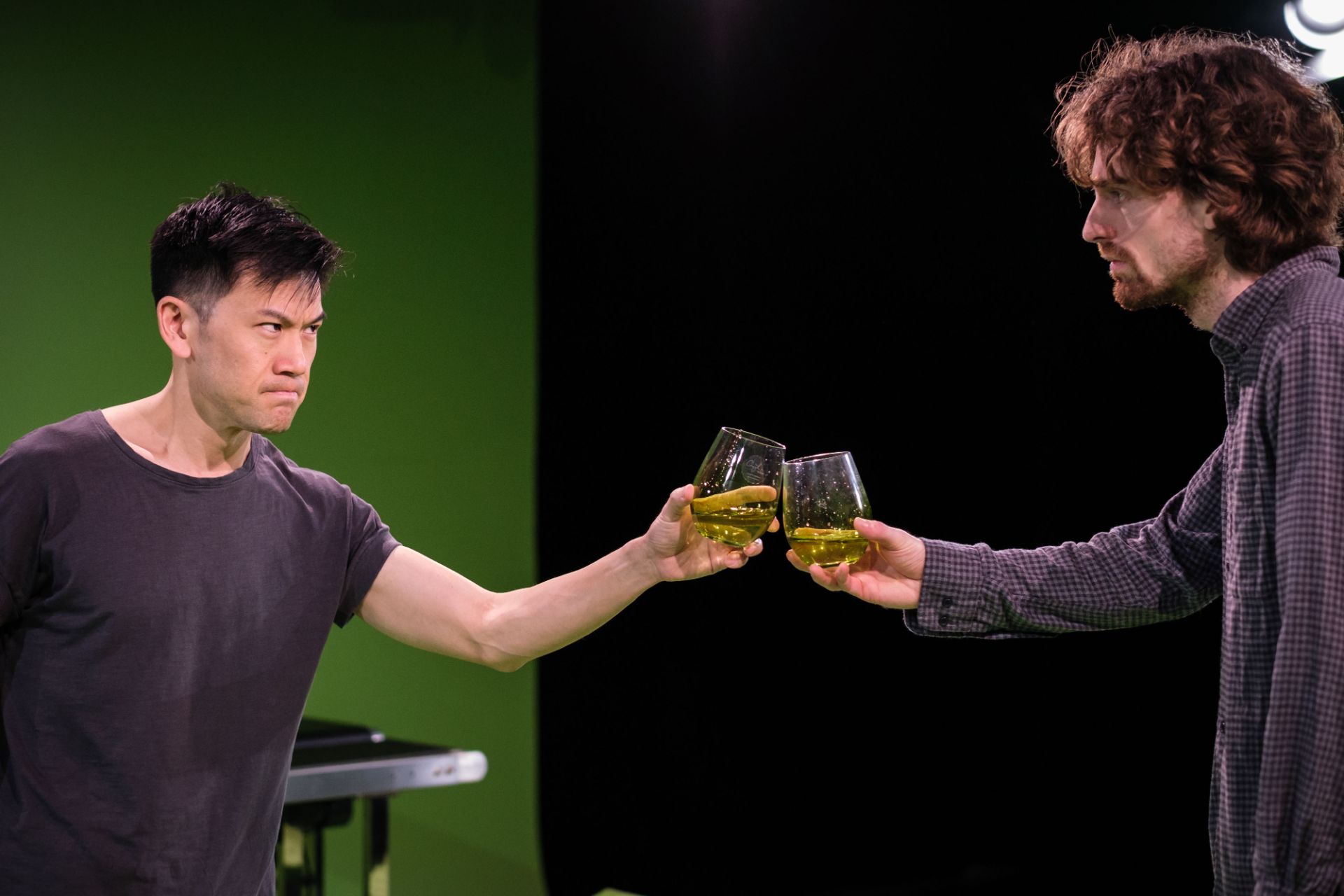
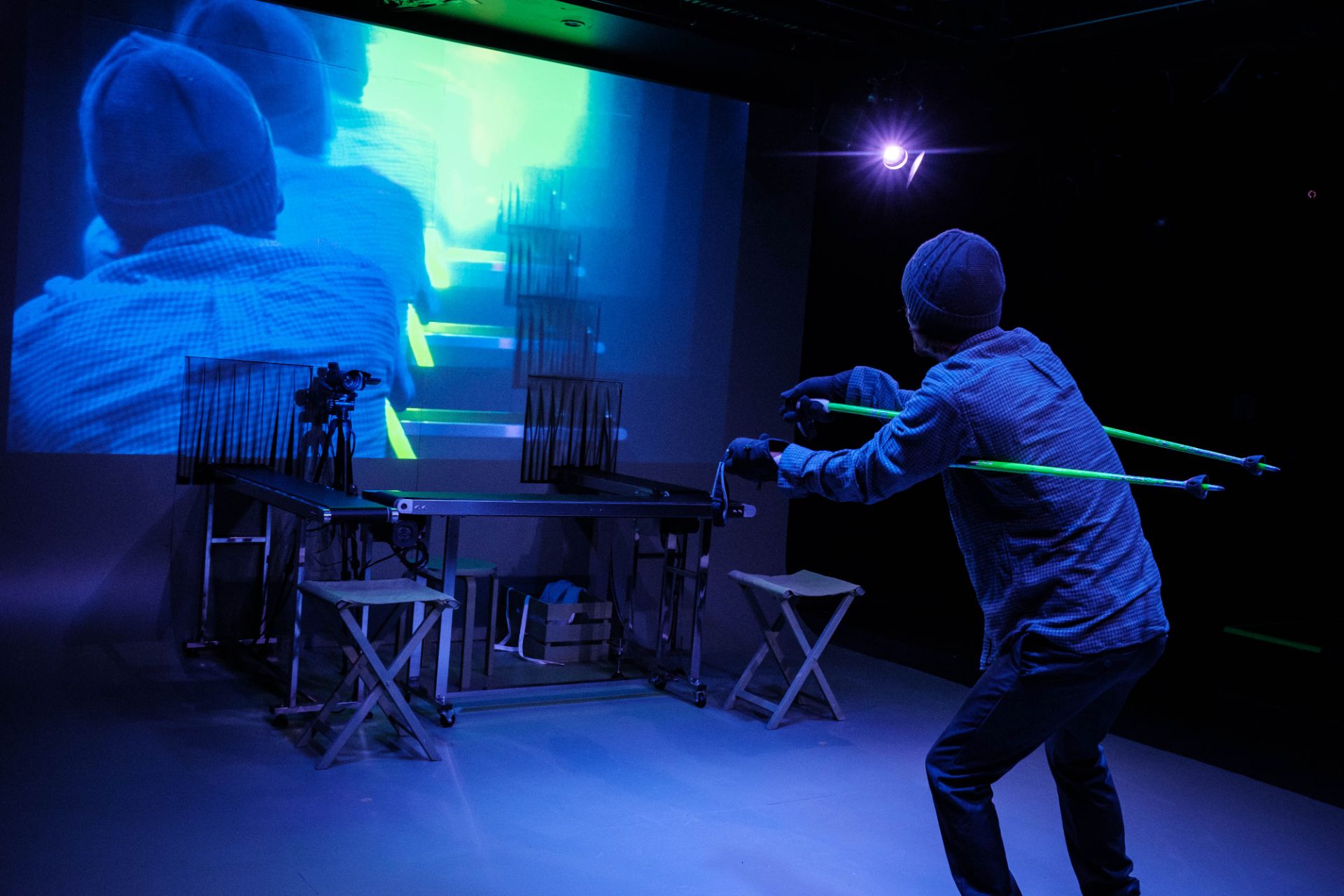
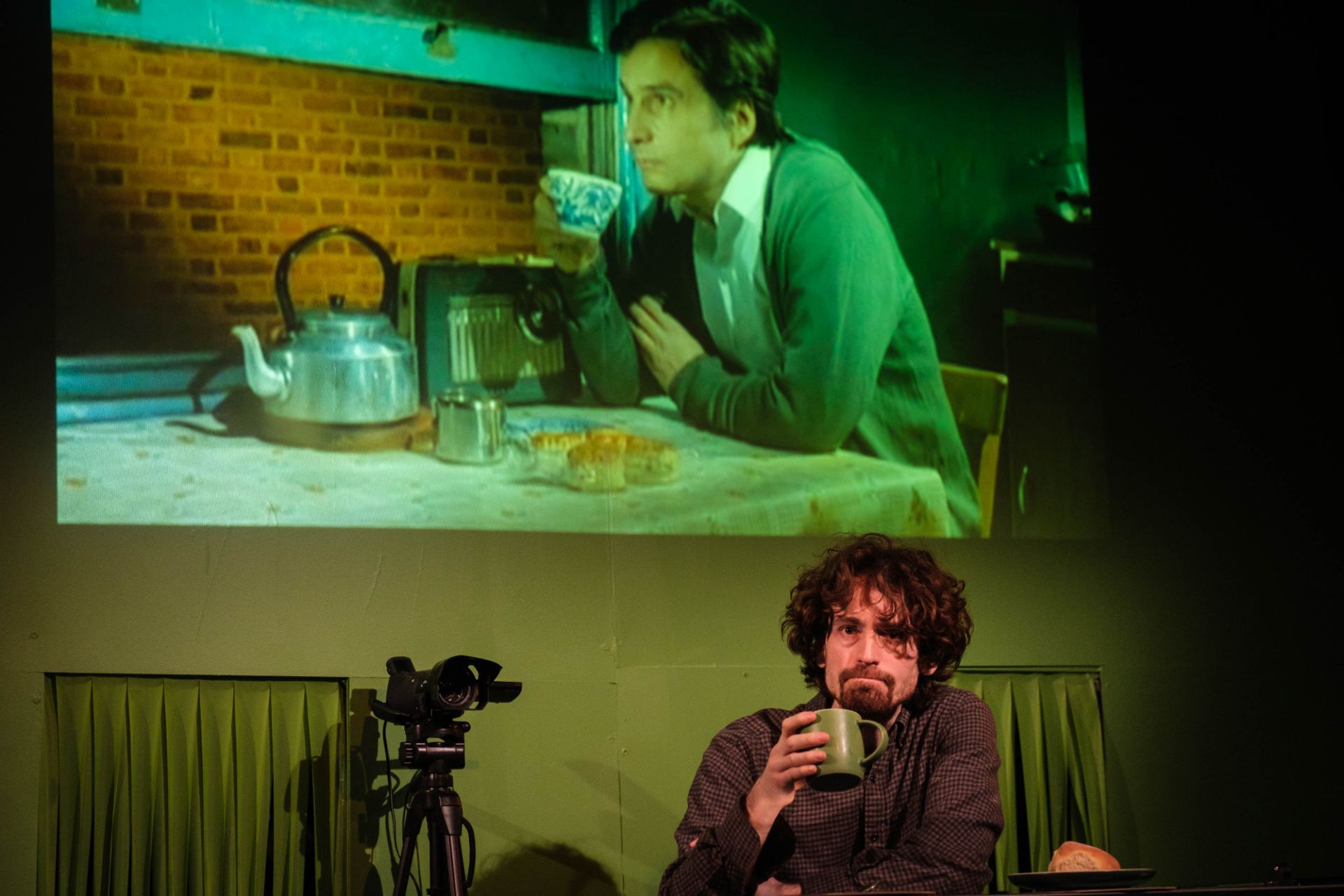
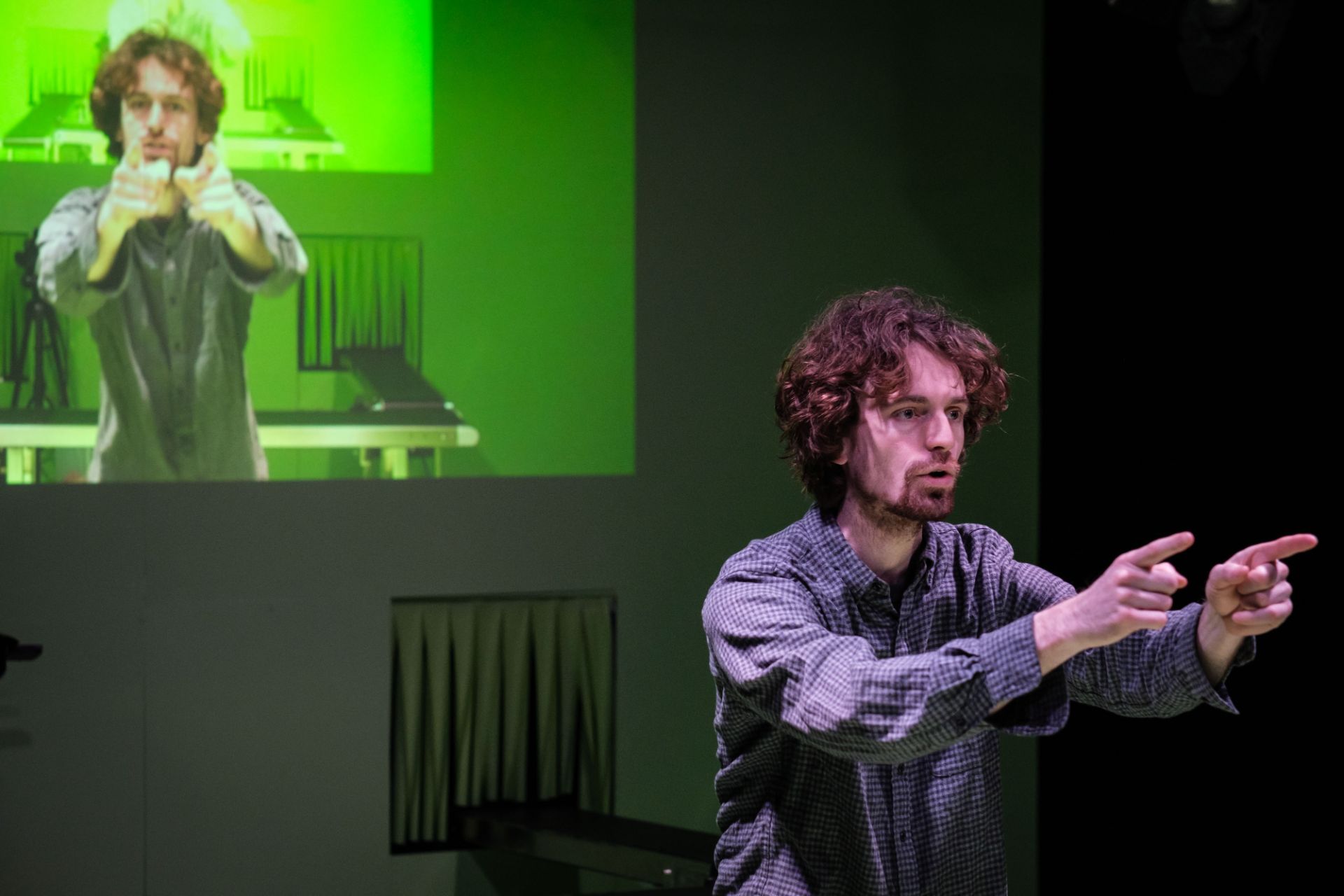
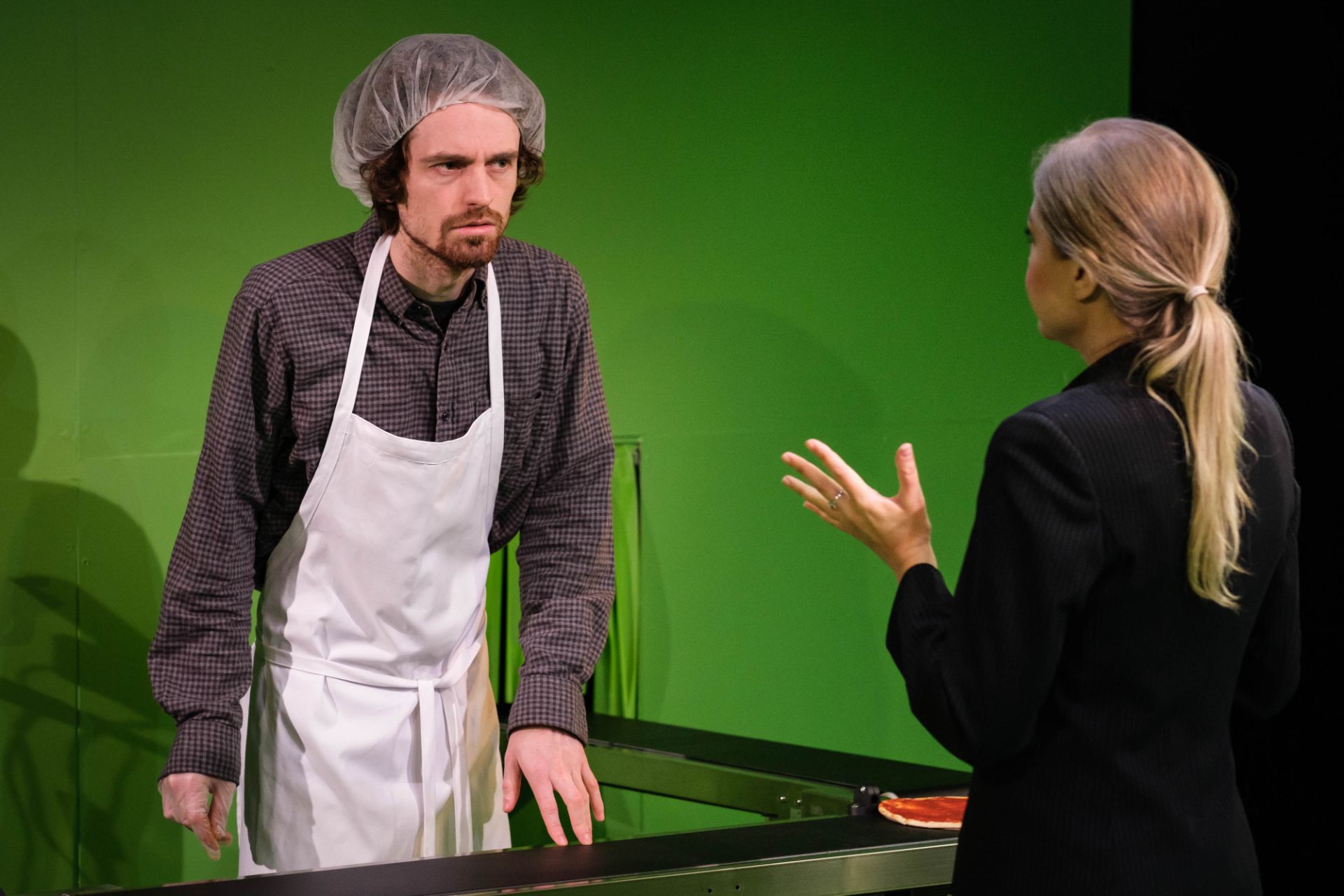
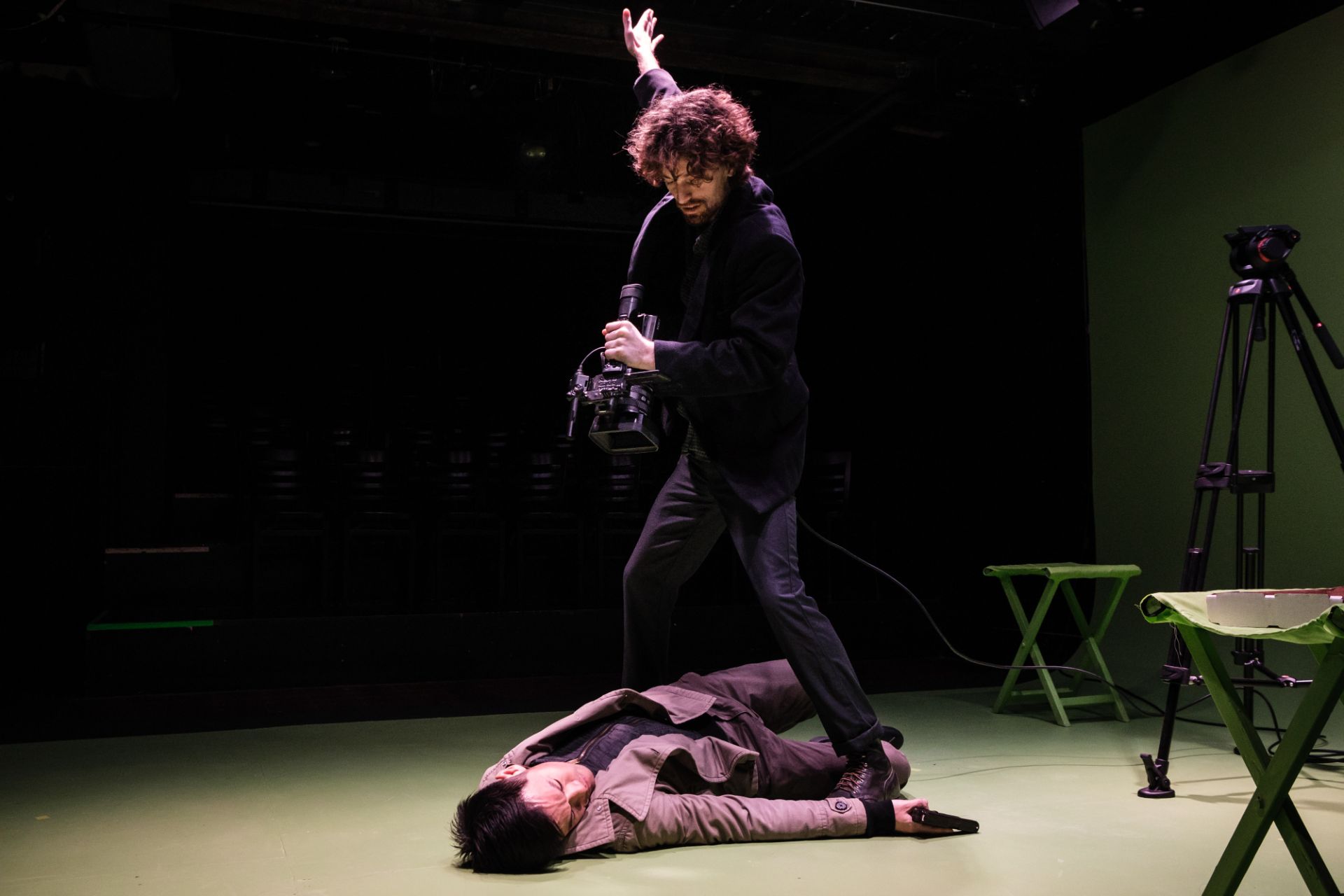
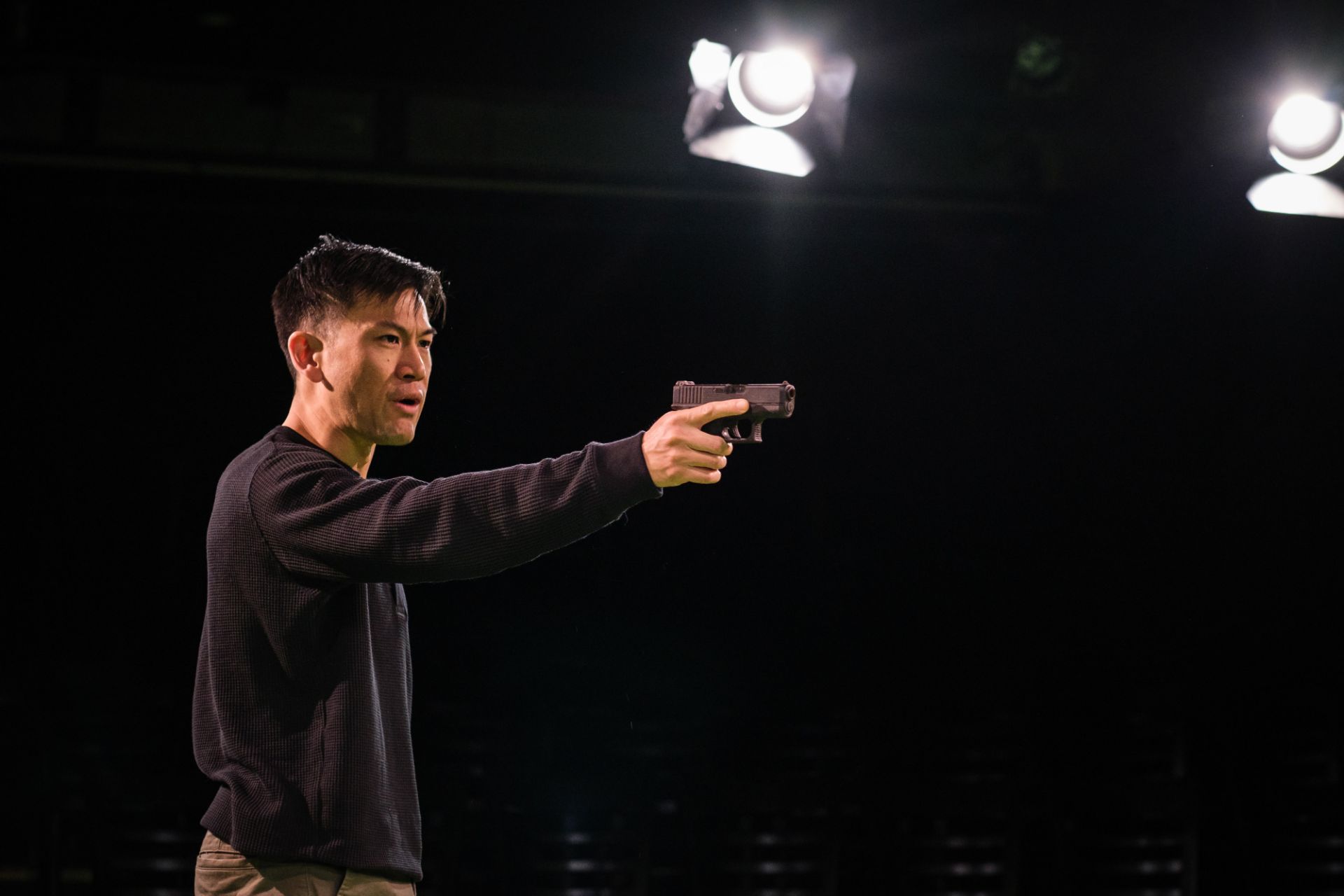
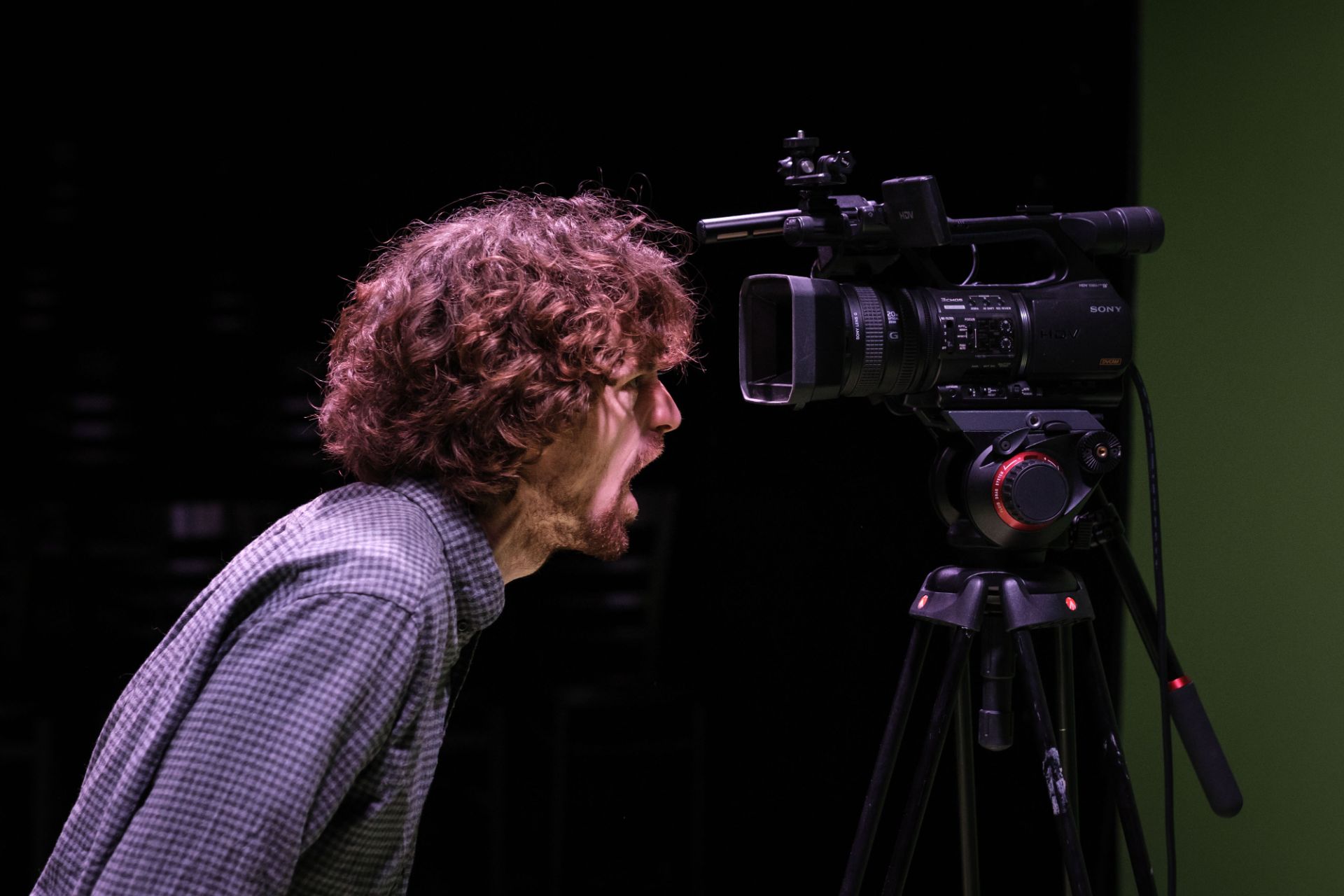
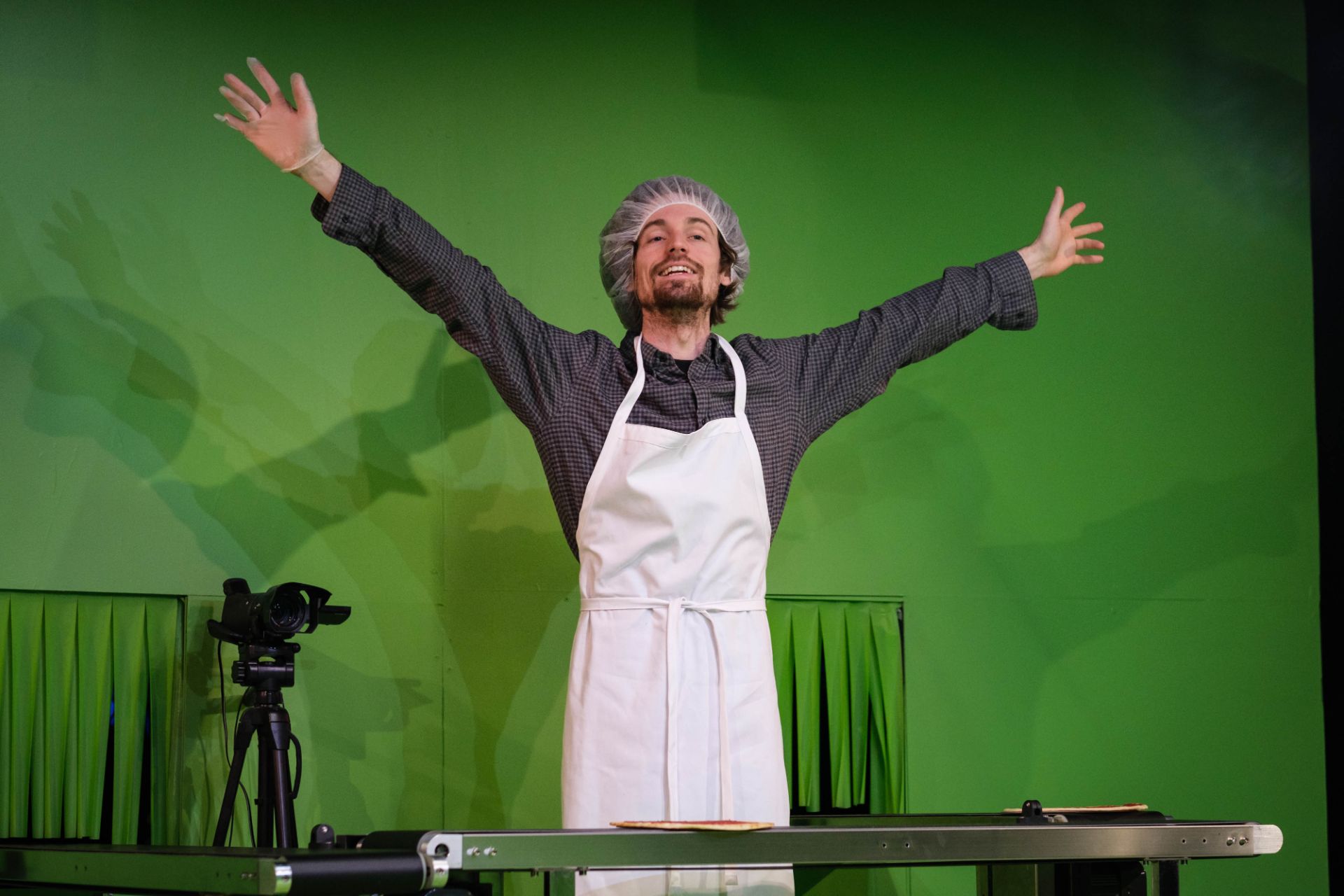
Jimmy is trying to hold down a job, whilst keeping his psychological disorder in check. The menial tasks at the pizza factory however, are not helping. Alan Harris’ For the Grace of You Go I sees its protagonist go through distortions of reality, that are initially innocuous, until watching a film by Aki Kaurismäki inspires Jimmy to hire a contract killer, to have himself murdered. Harris’ play is distinctly absurdist in style, with surrealist elements that seem appropriately congruent with depictions of mental illness.

The multiverse, as experienced by Jimmy, presents an opportunity for a show of playful flamboyance, but the production proves an overly subtle one, often leaving us more befuddled than amused, by the confusion of that contorted world. Directed by Lucy Clements, whose restrained approach shifts focus from the comedy, choosing instead to explore the more melancholic qualities of the narrative, resulting in a staging that feels unnecessarily staid.

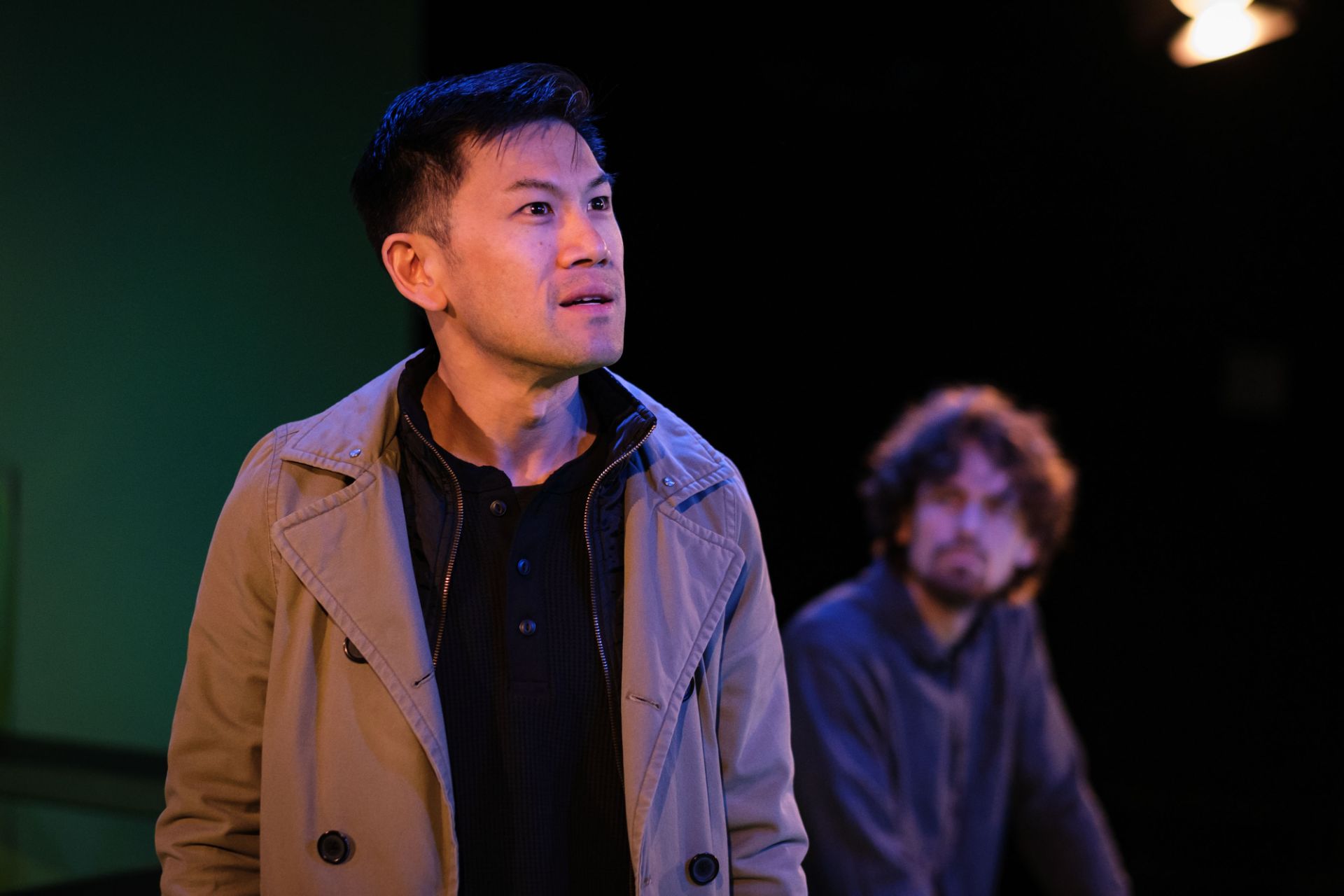
Congruently, actor James Smithers is most persuasive, when playing Jimmy at his most vulnerable and introspective. Concluding scenes demonstrate Smithers’ flair for conveying a silent anguish, that helps humanise the character and his story. Jane Angharad is severe and dry, as the officious Irina, and Shan-Ree Tan as Mark brings much needed energy at each entrance, for a work that tends toward a misplaced circumspection.

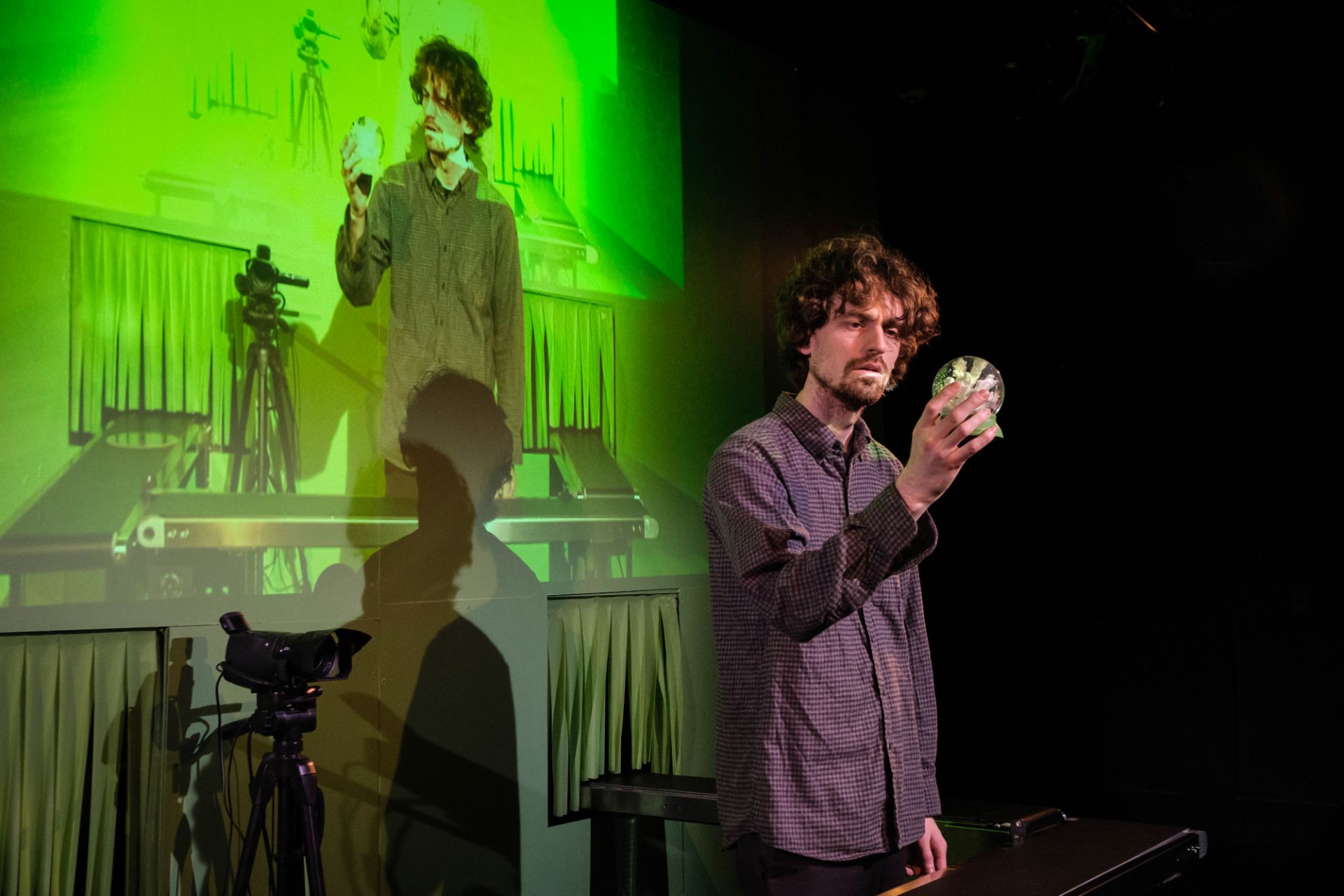
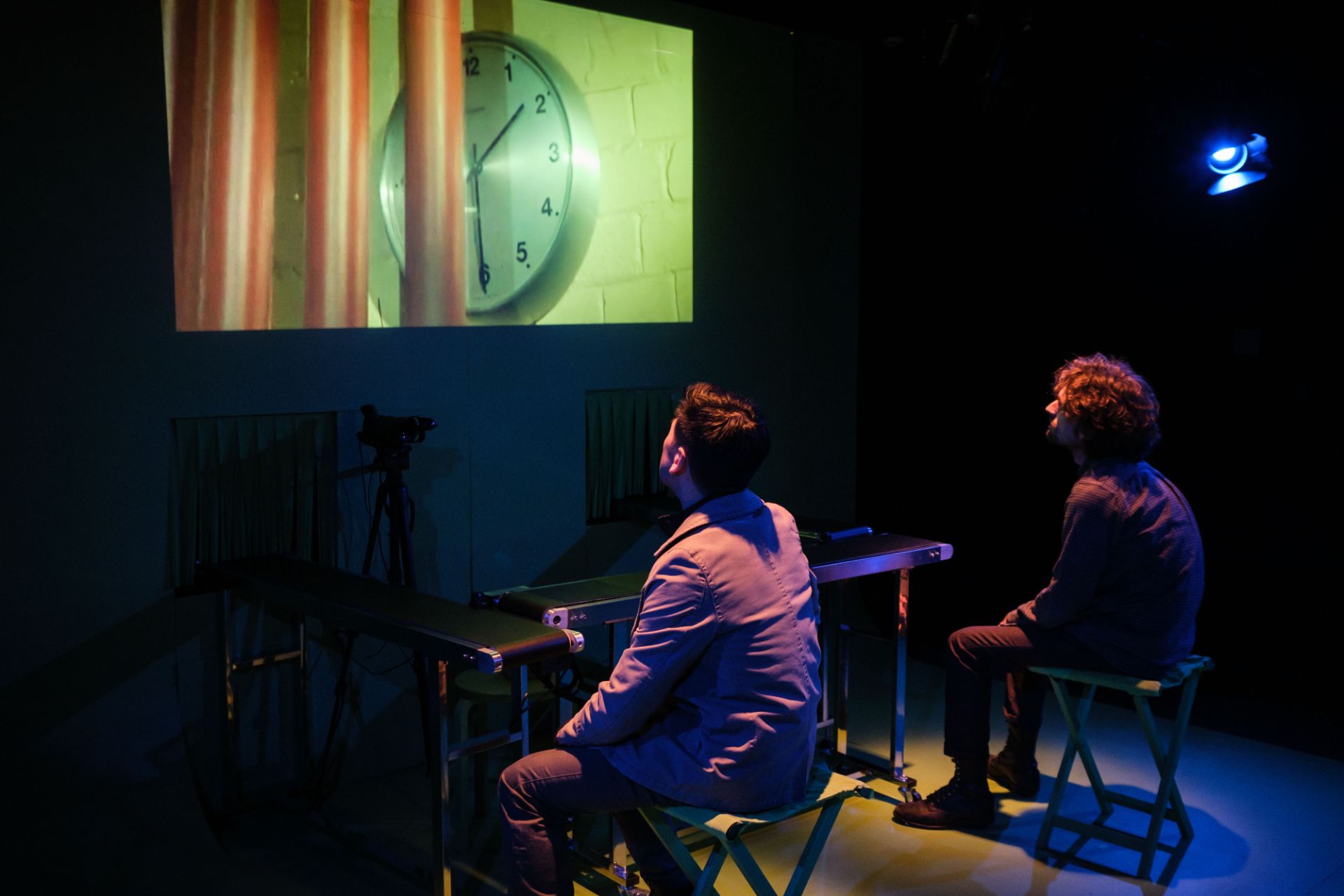
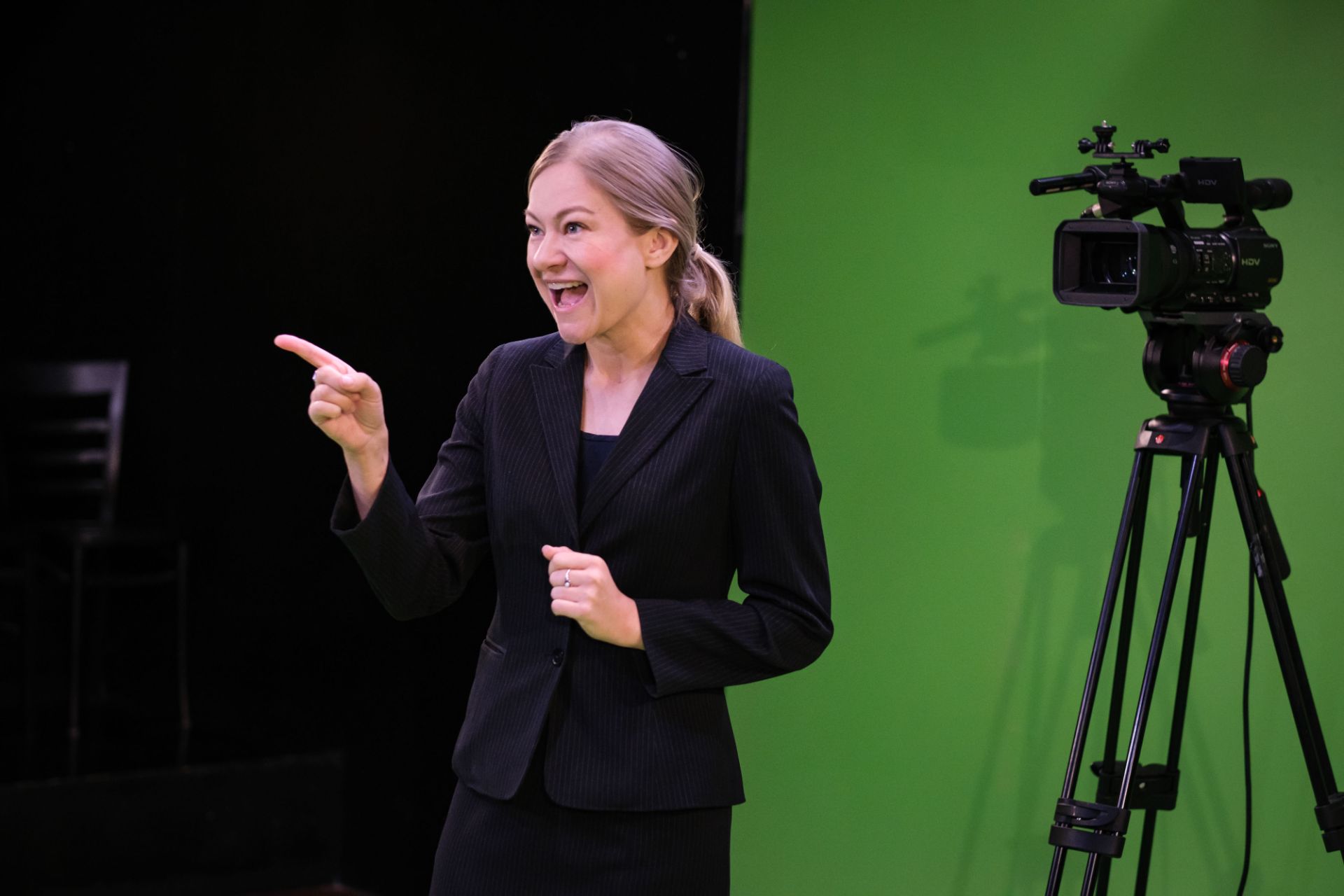
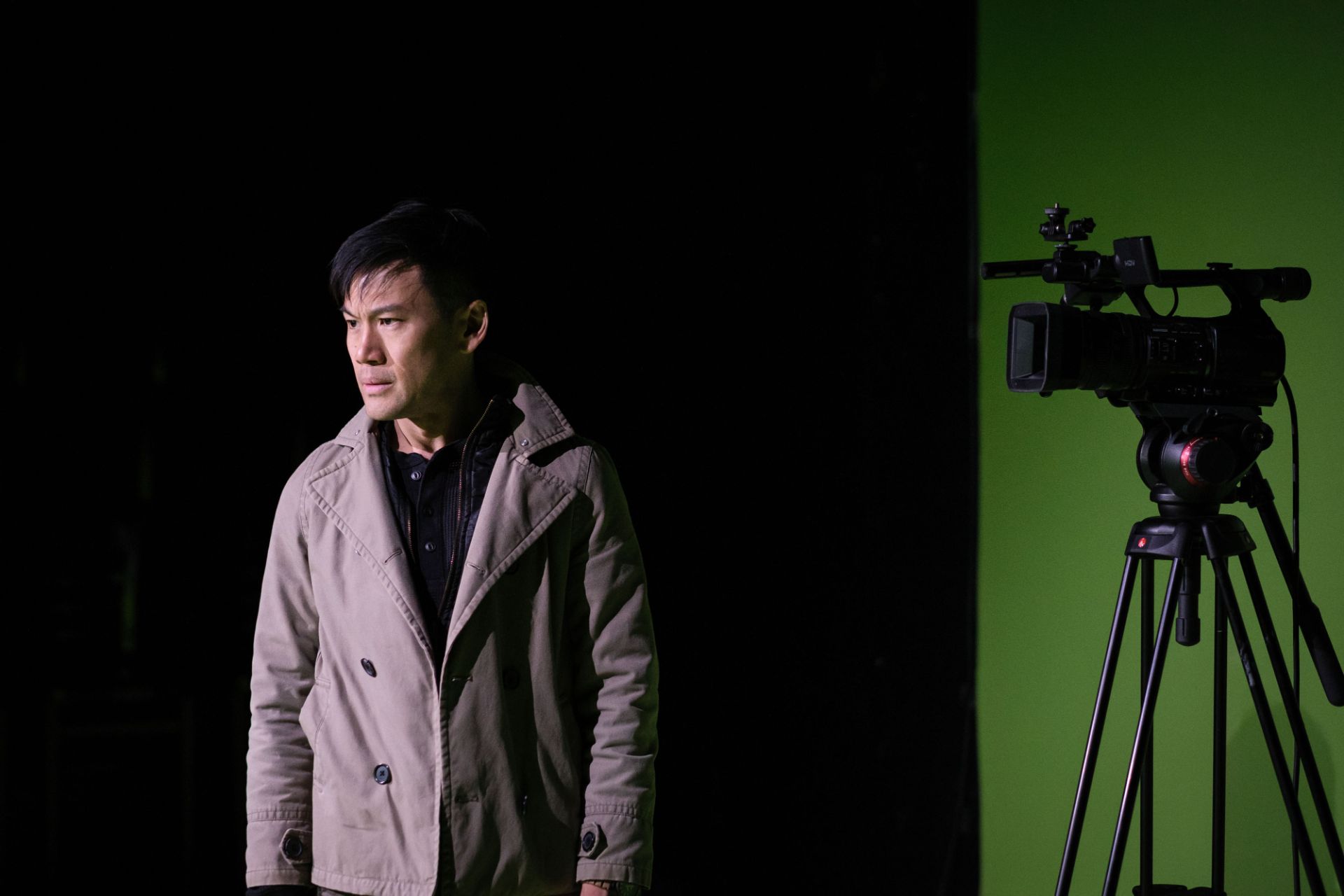
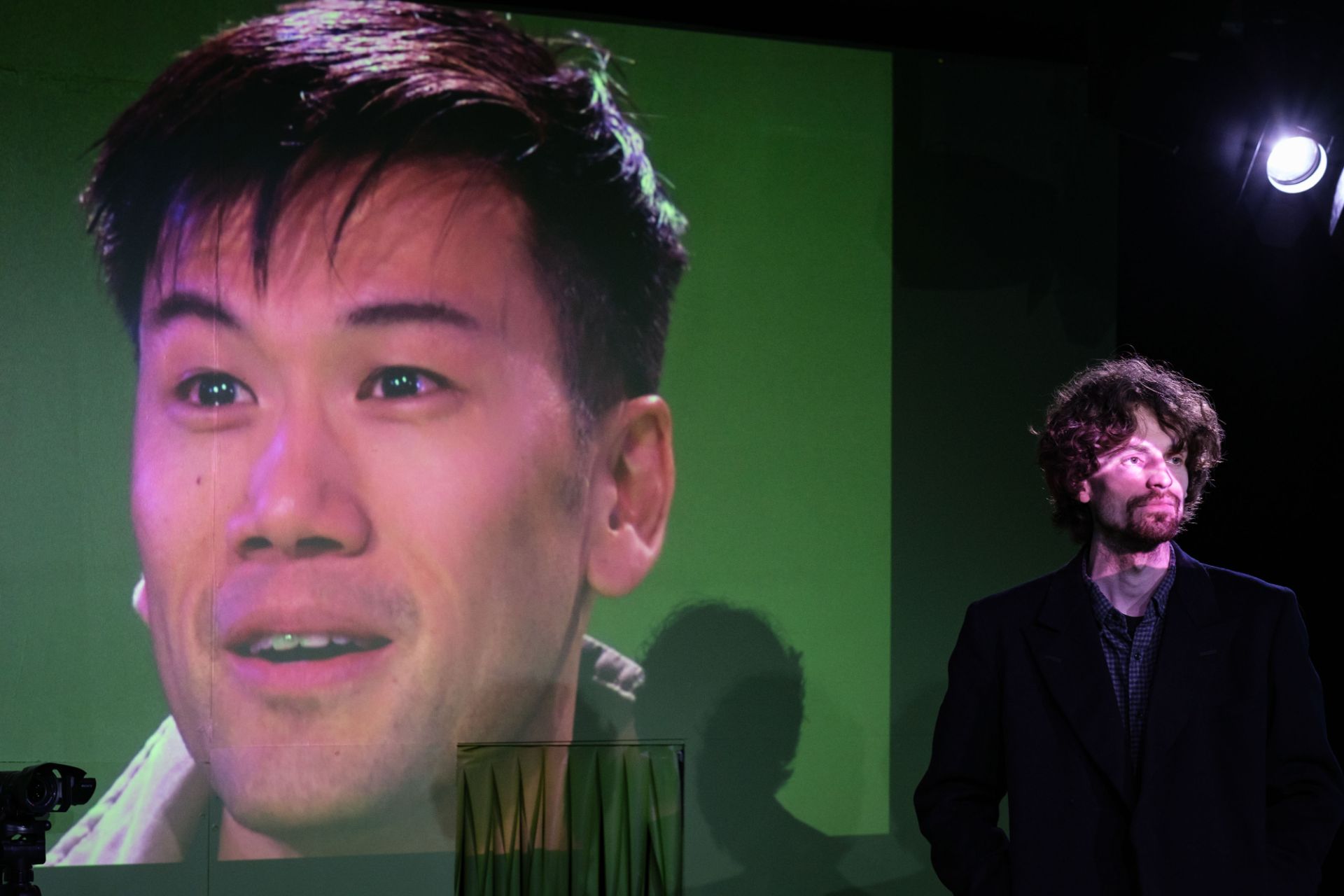
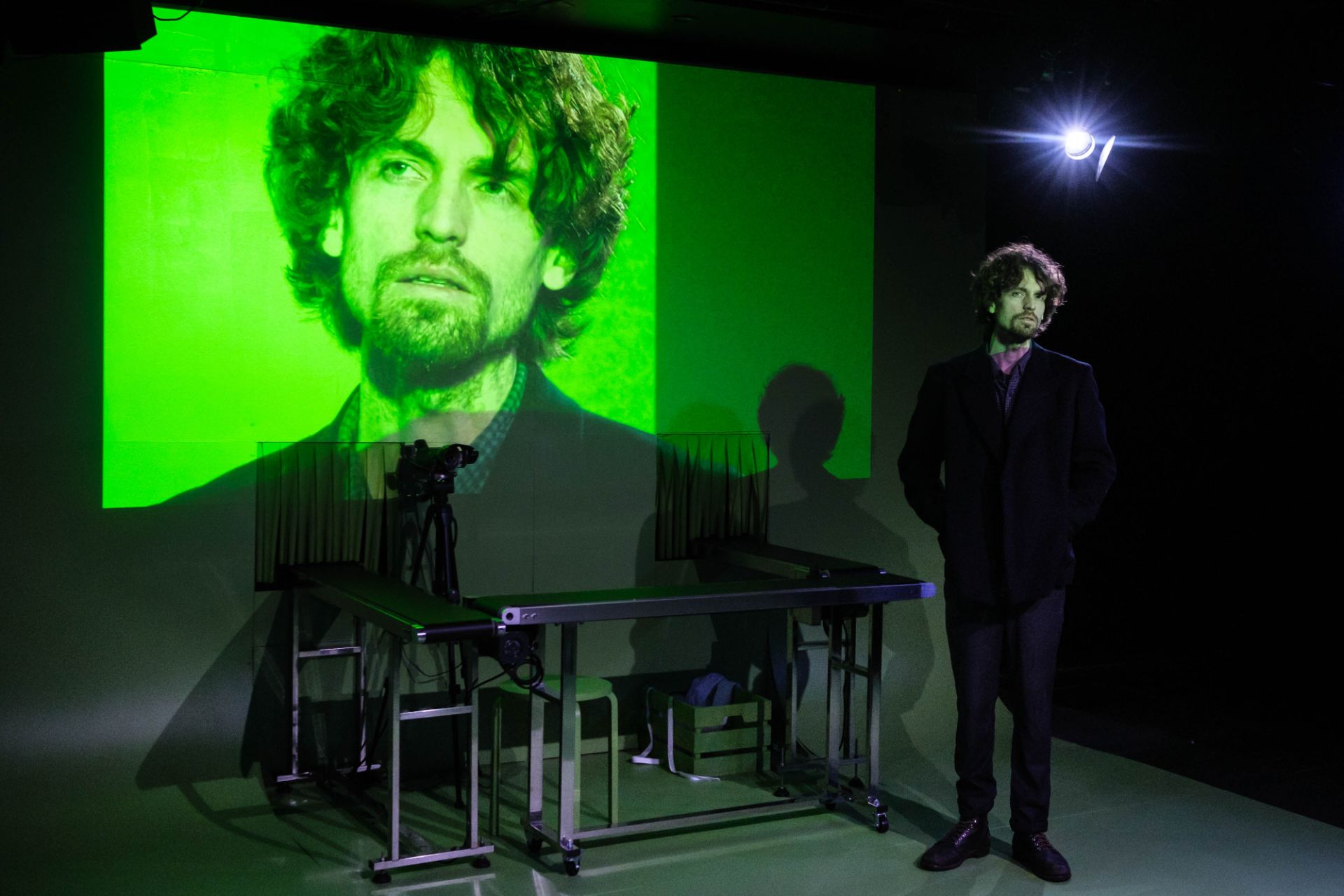
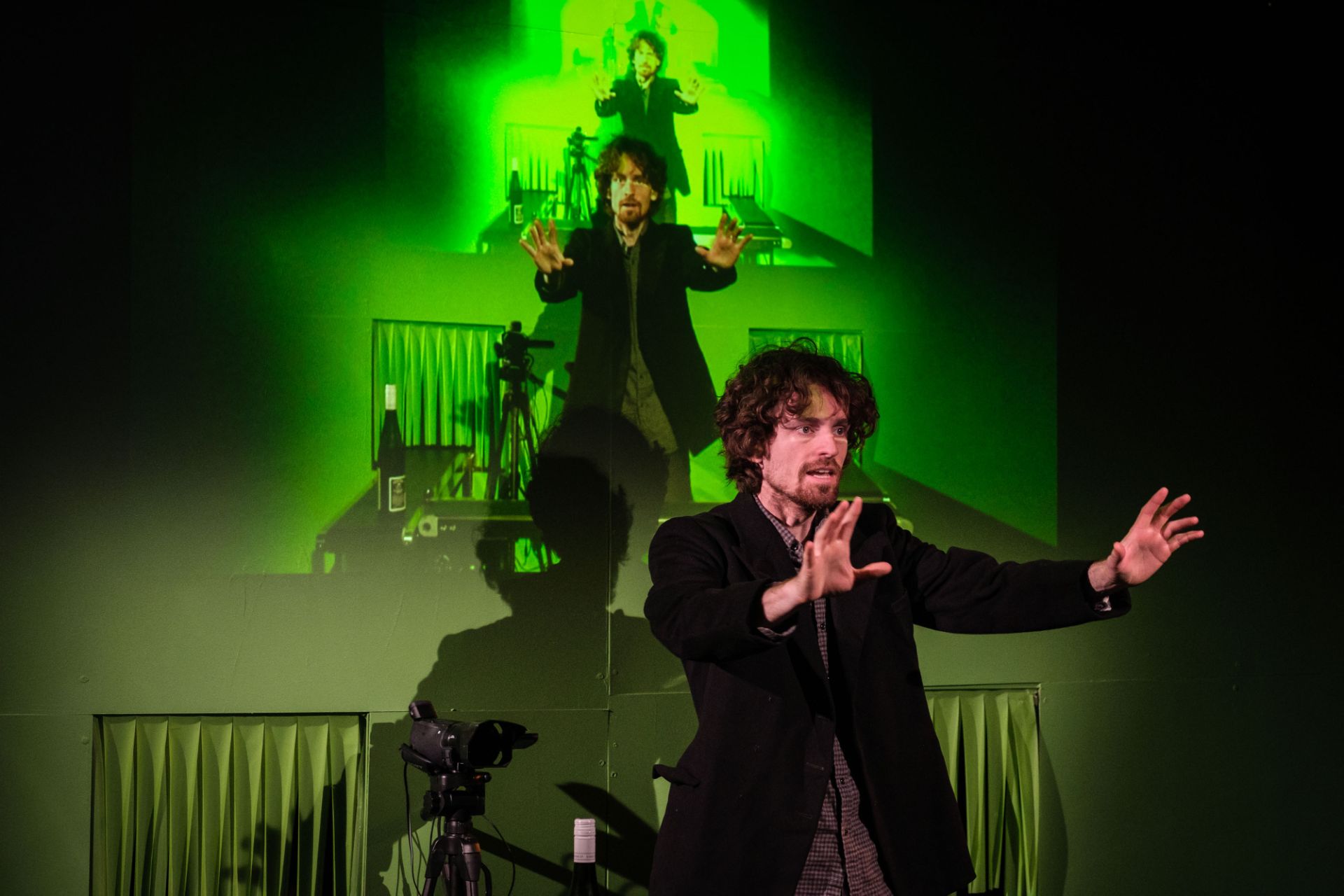
Set design by Monique Langford and Kate Ingram, feature entirely green surfaces that indicate the instability of Jimmy’s constantly morphing mind, by drawing parallels with the essential illusoriness of movie sets. Lights by Alice Stafford and music by Sam Cheng, are discreetly rendered to help facilitate the portrayal of a man in deterioration.

Illnesses are of course no joke, but art has the ability to make light of the dark, whilst retaining dignity for those involved. There is little to be gained, when polite society insists on sweeping the harder parts of life under the carpet. Through storytelling, we attain understanding and compassion. Thankfully not every lesson needs to be learned first-hand, but how we find expression and how we listen, are paramount.

www.newghoststheatre.com | www.secrethouse.com.au