Review: The Memory Of Water (Ensemble Theatre)

Venue: Ensemble Theatre (Kirribilli NSW), Oct 20 – Nov 25, 2023
Playwright: Shelagh Stephenson
Director: Rachel Chant
Cast: Michala Banas, Thomas Campbell, Nicole Da Silva, Jo Downing, Madeleine Jones, Johnny Nasser
Images by Prudence Upton

Theatre review
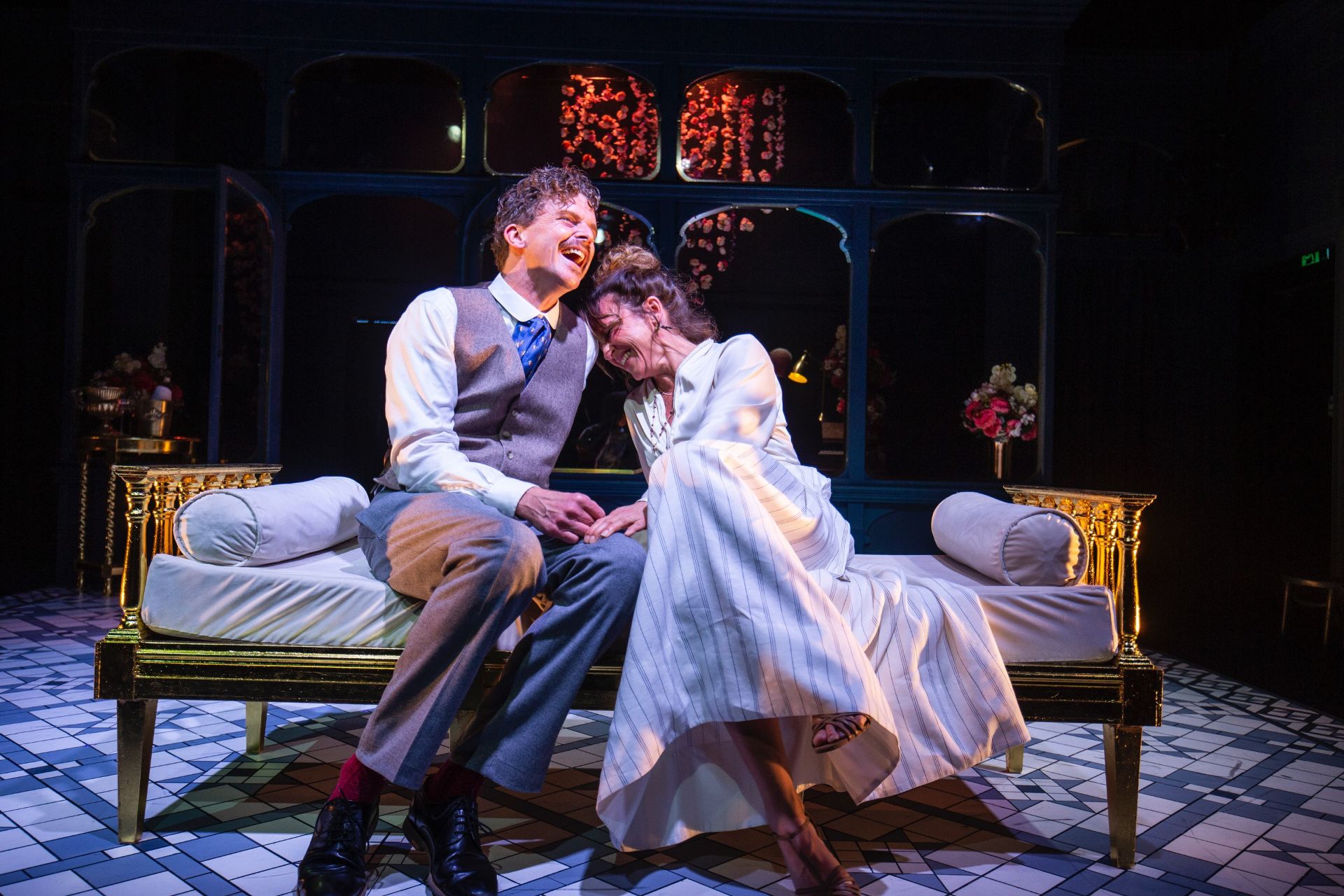
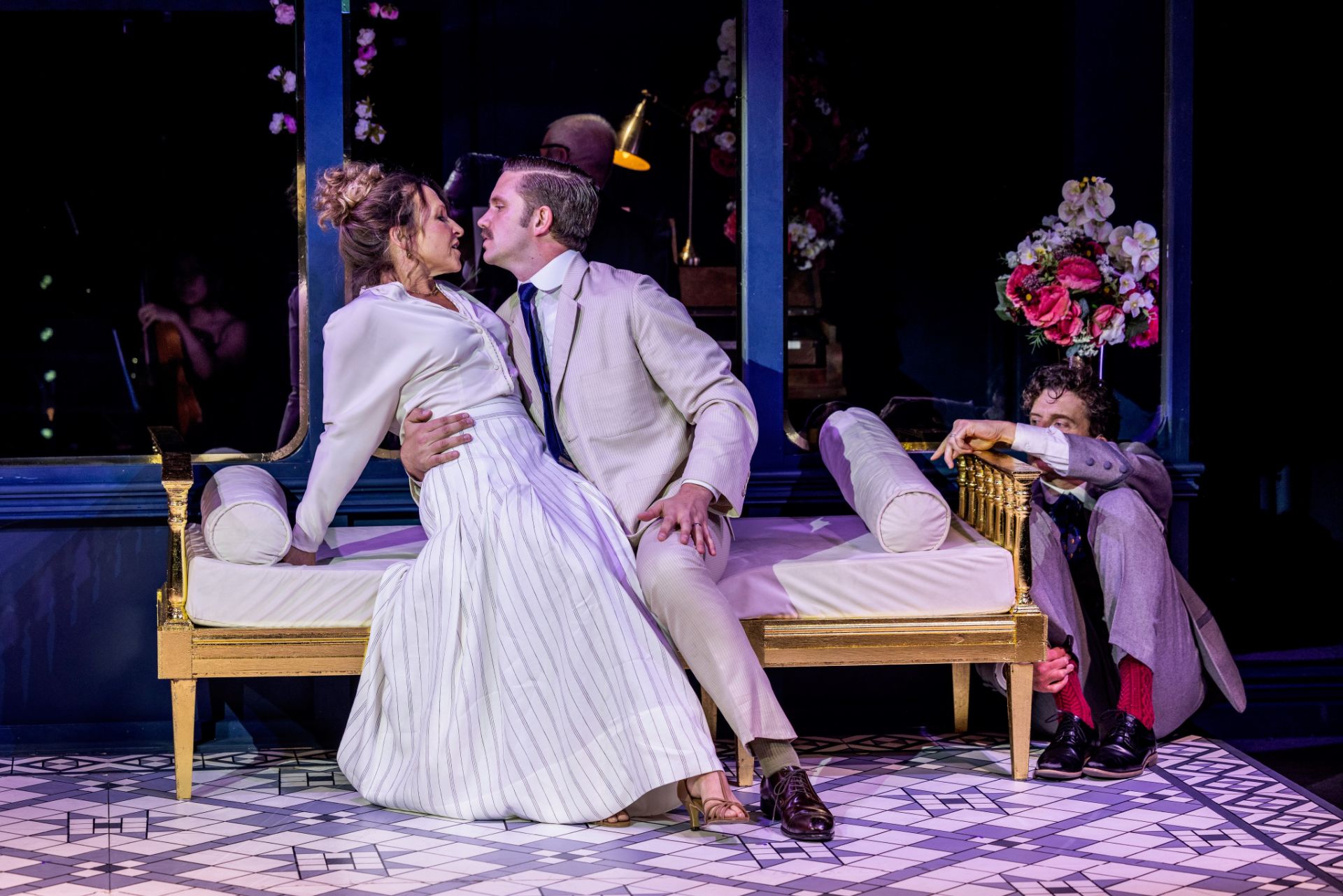
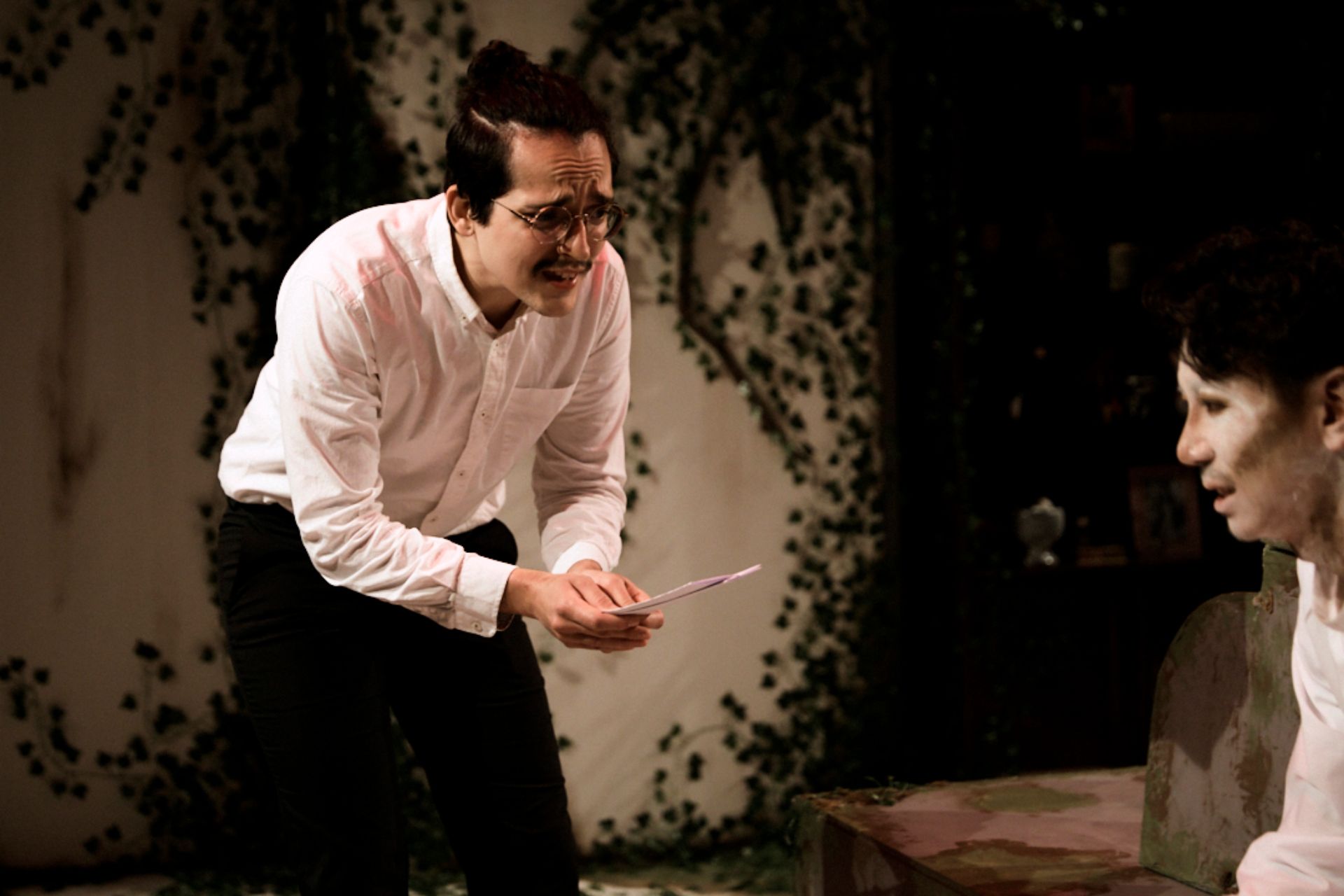
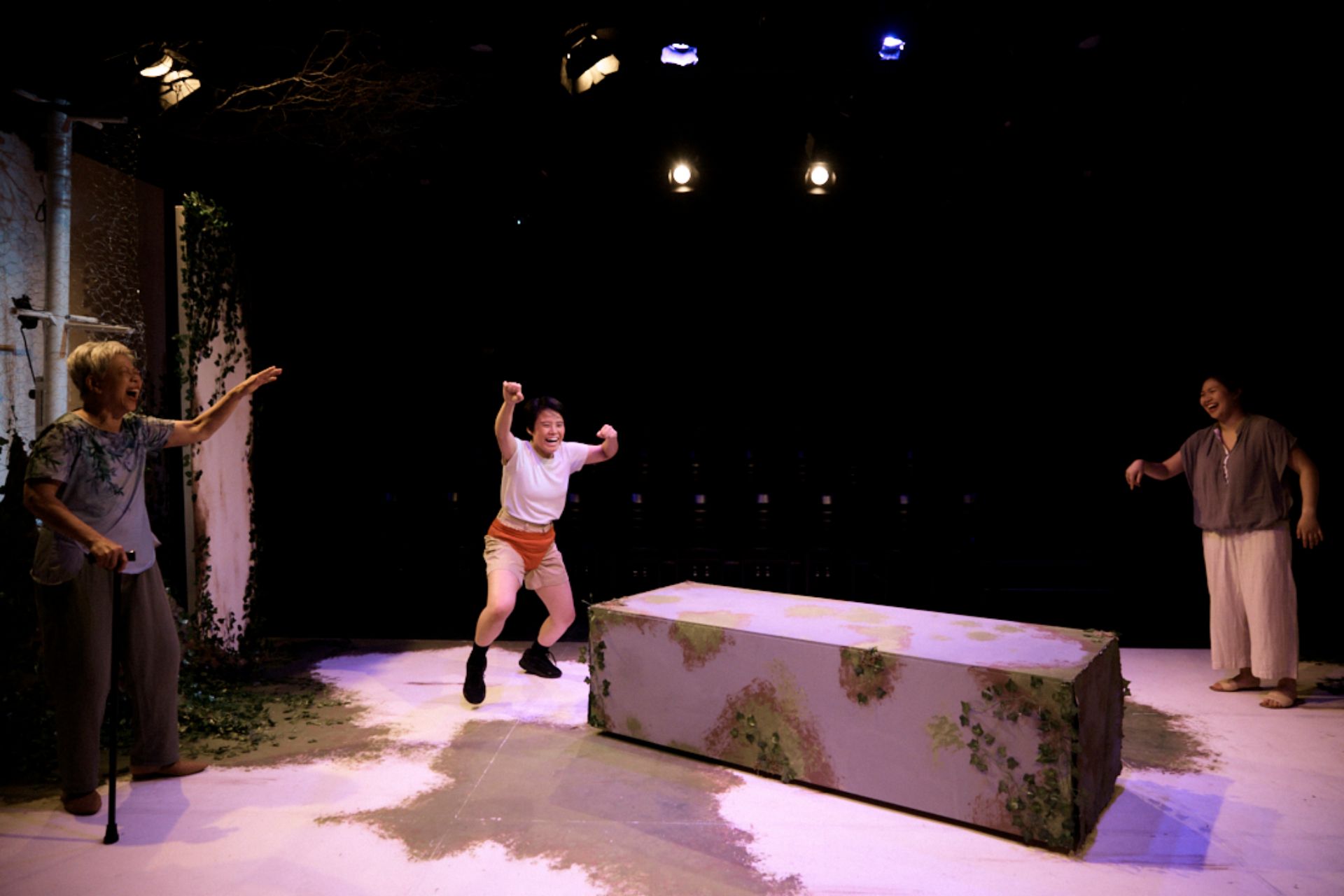
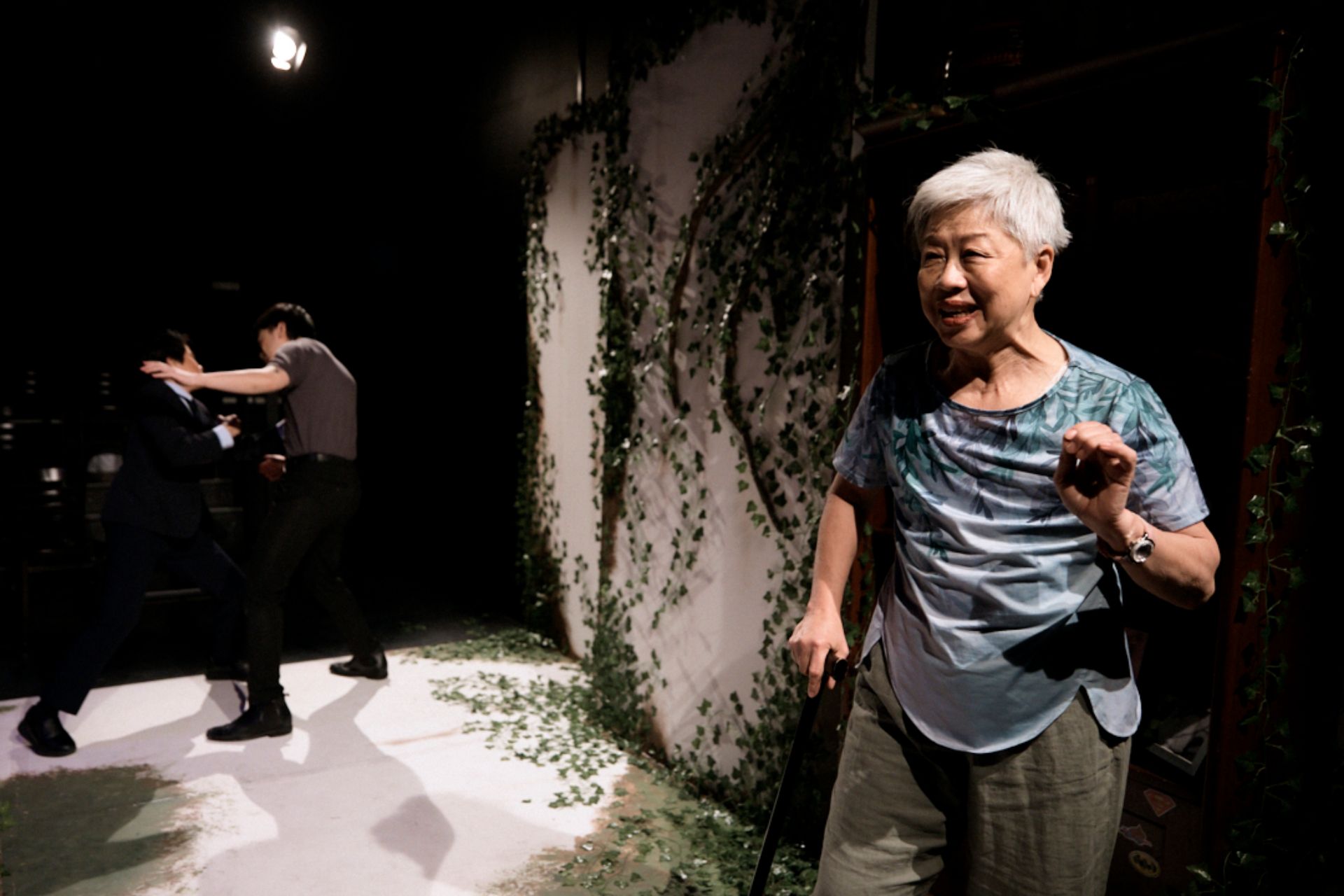
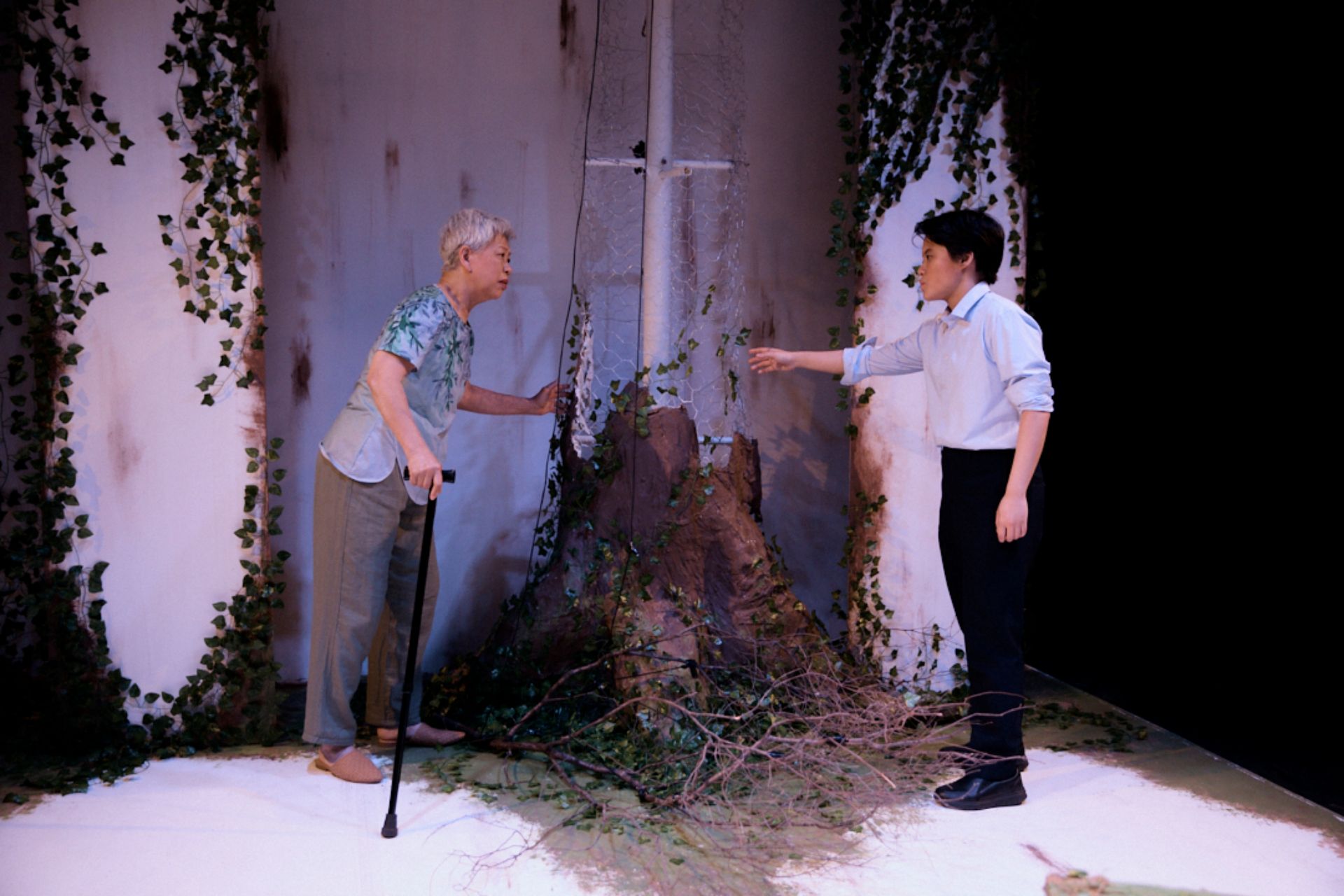
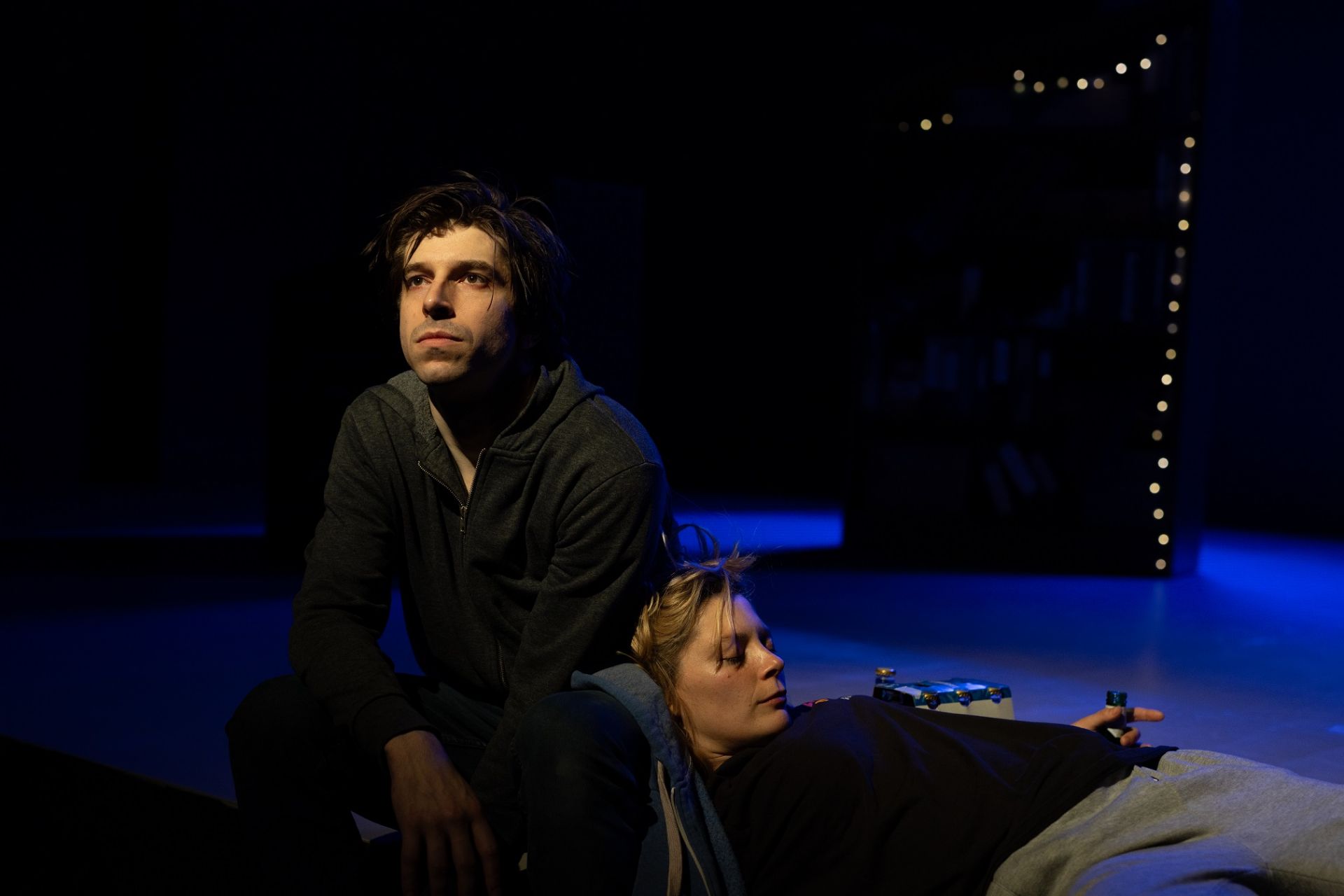
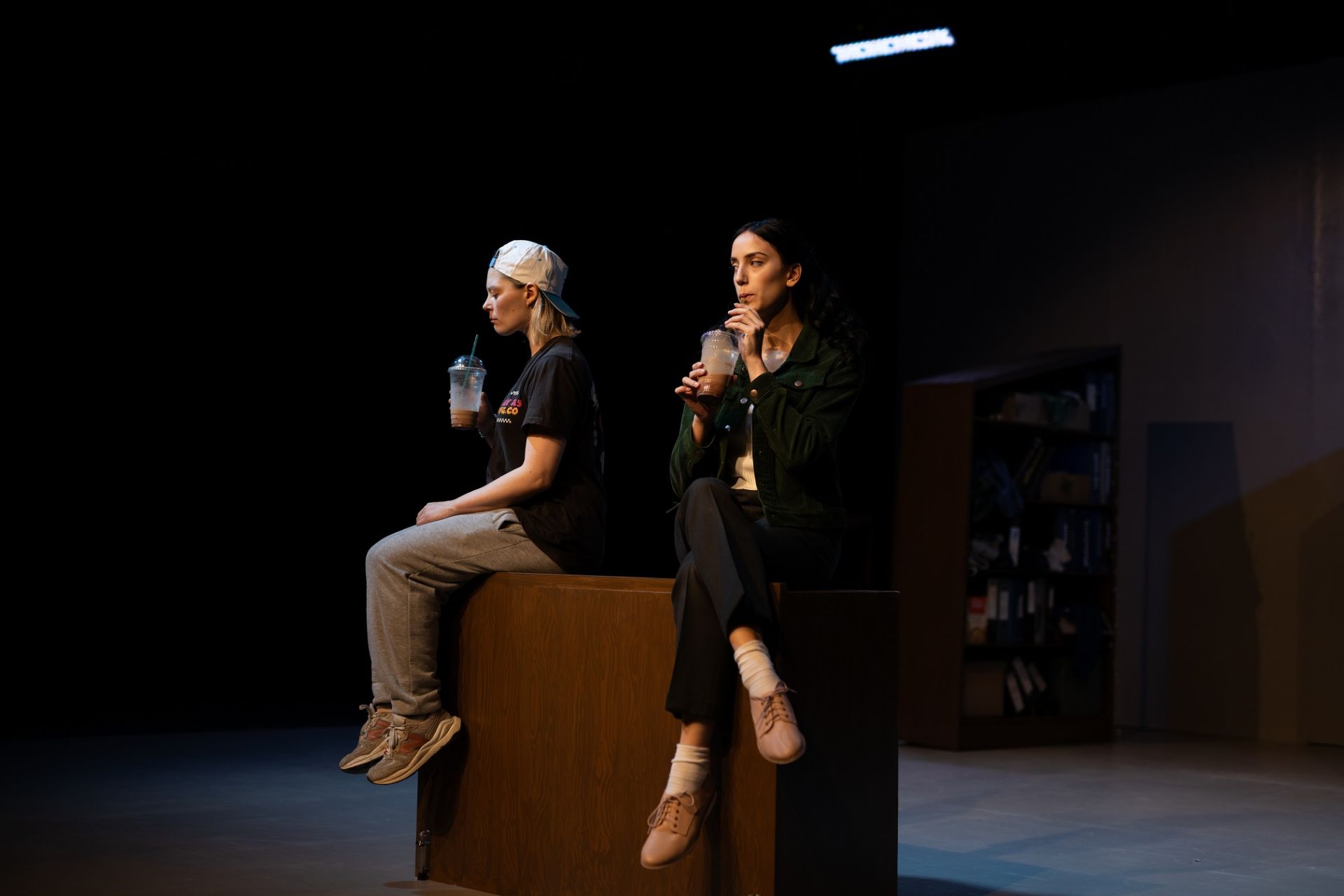
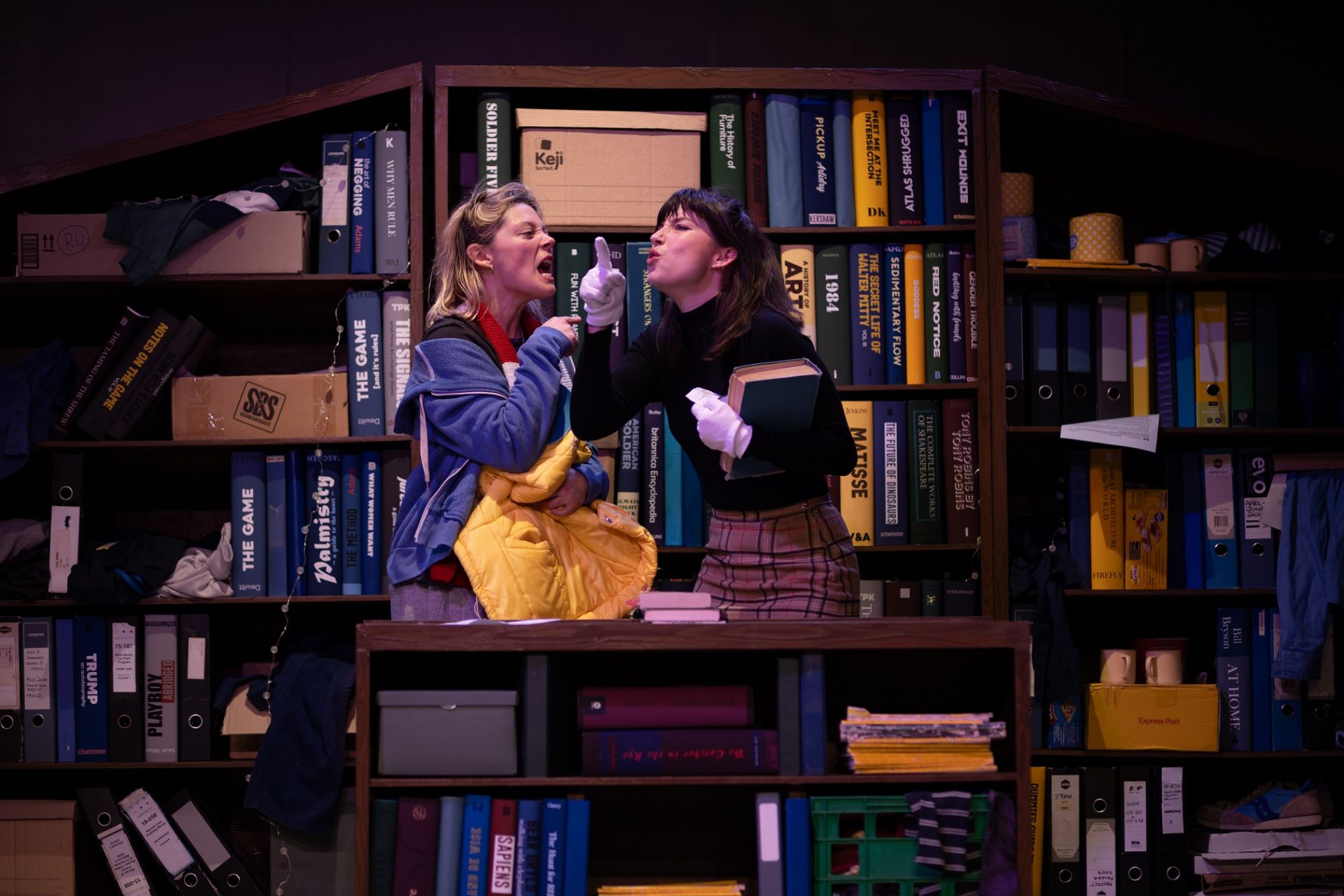
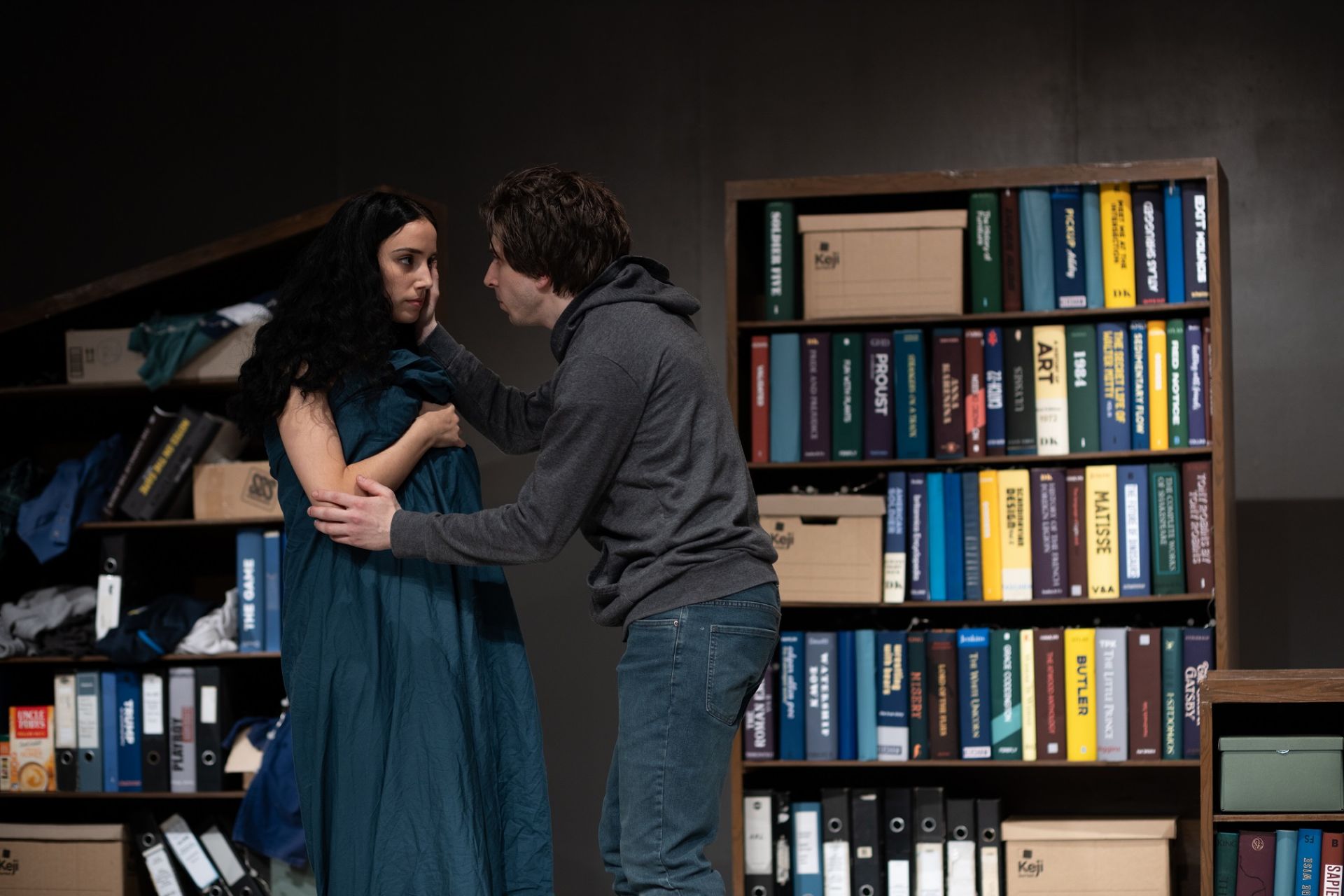
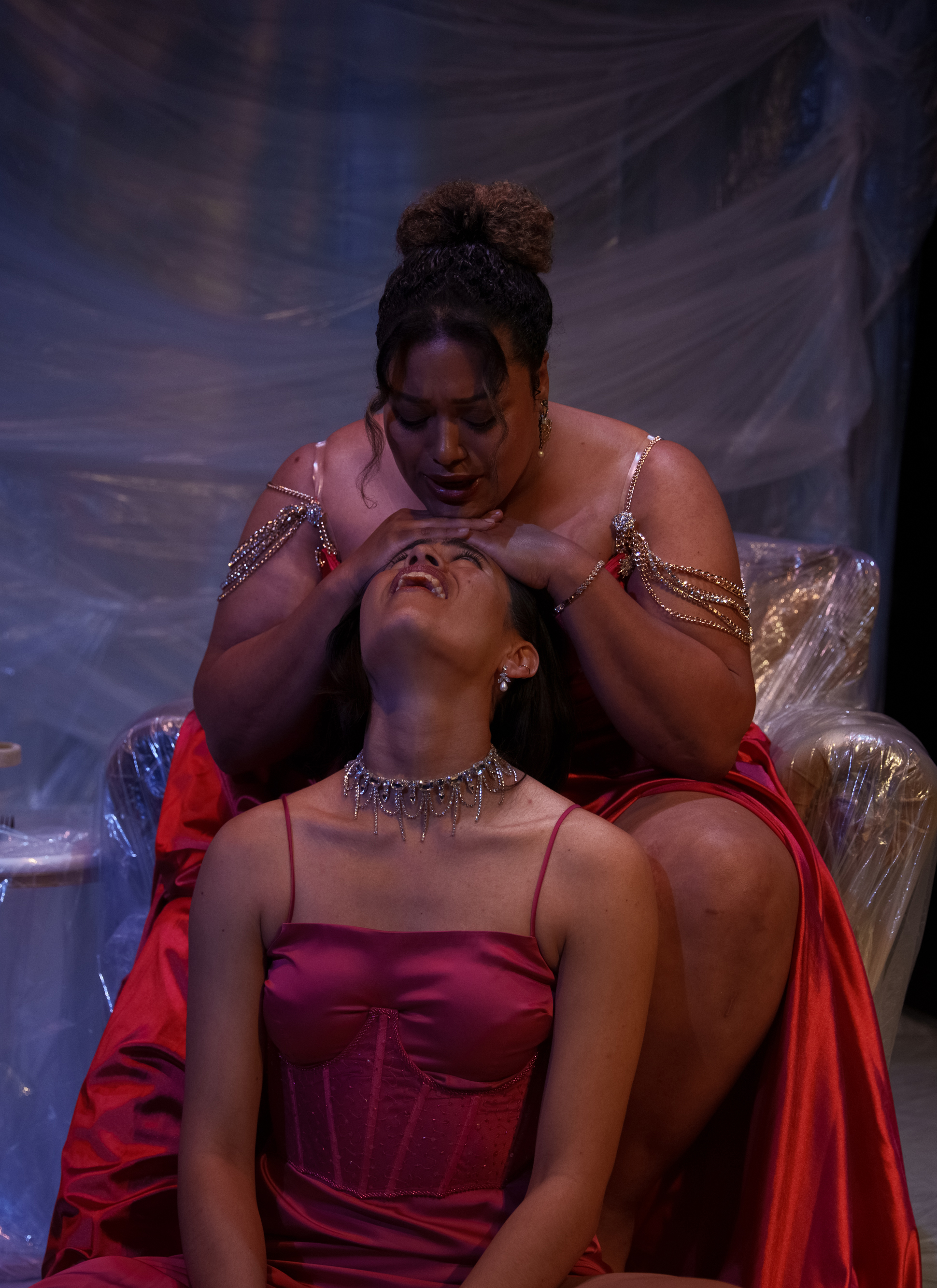
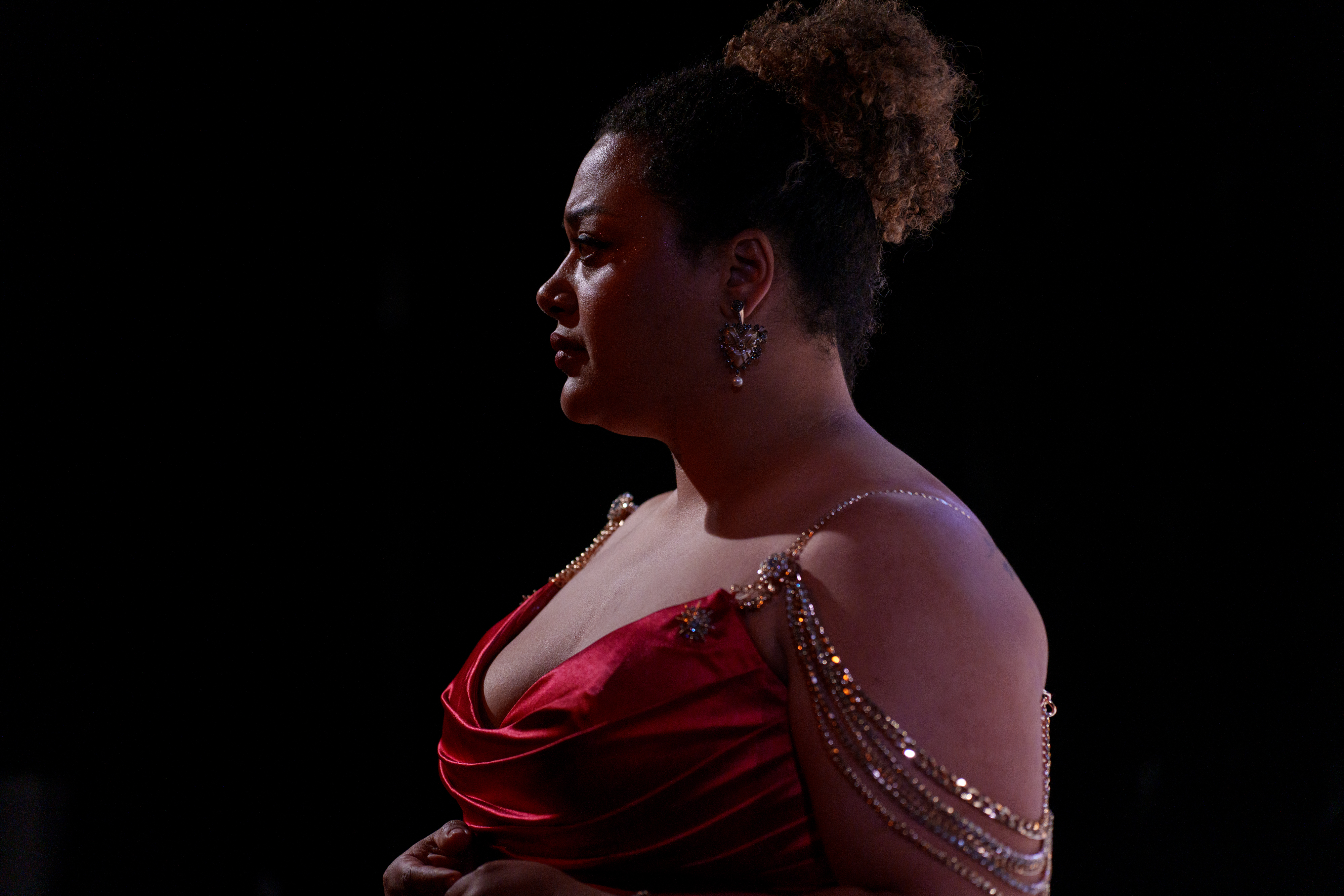
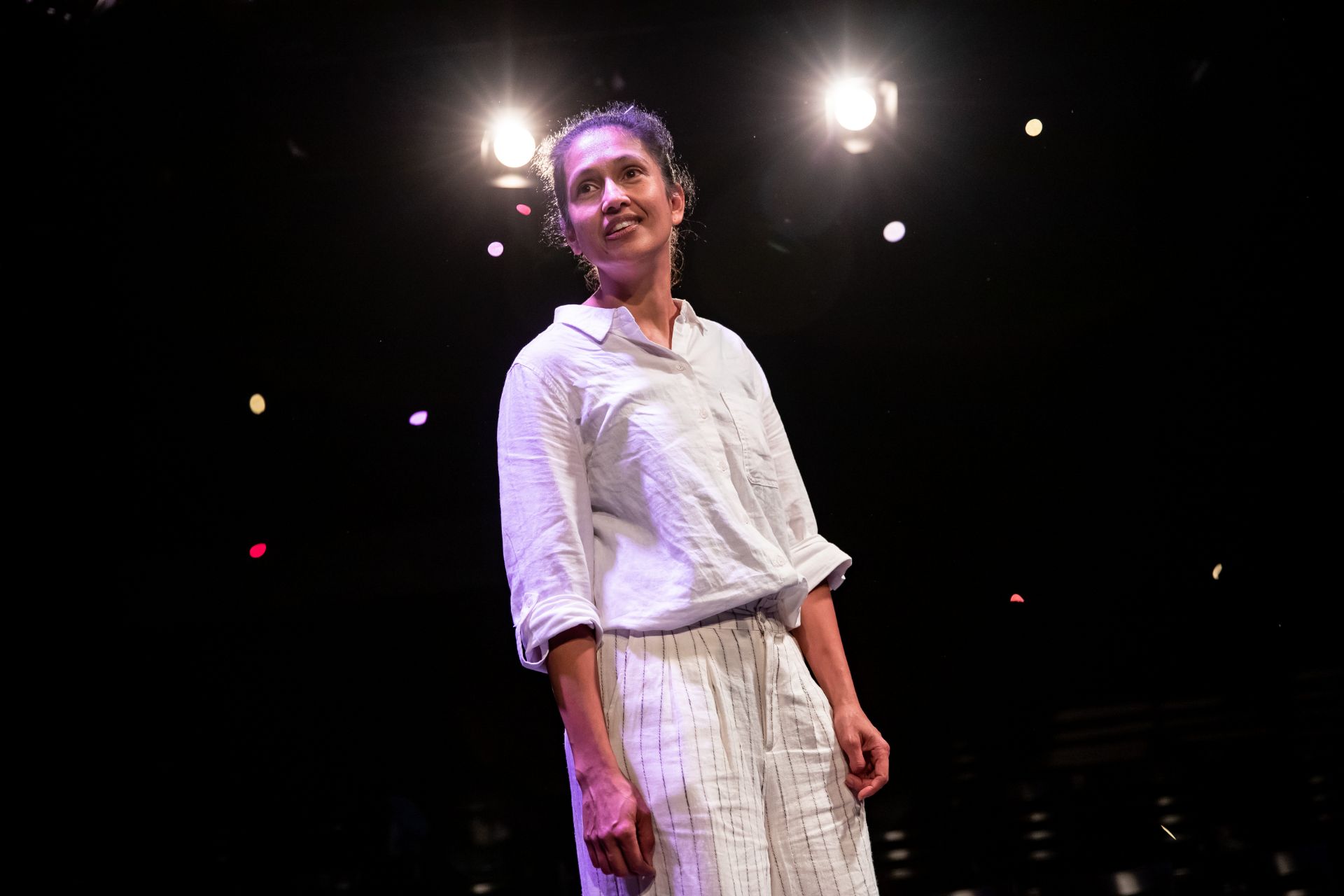
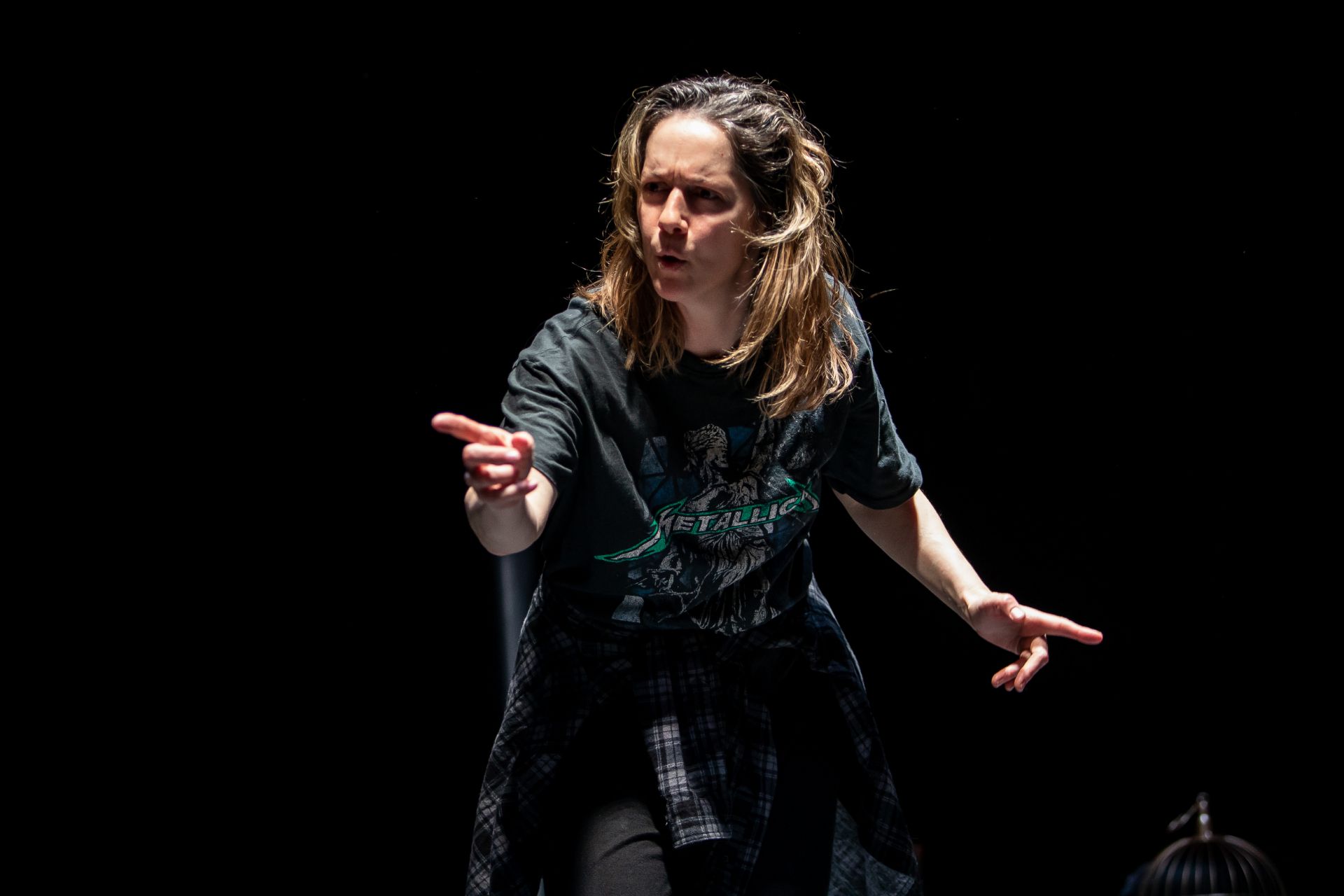
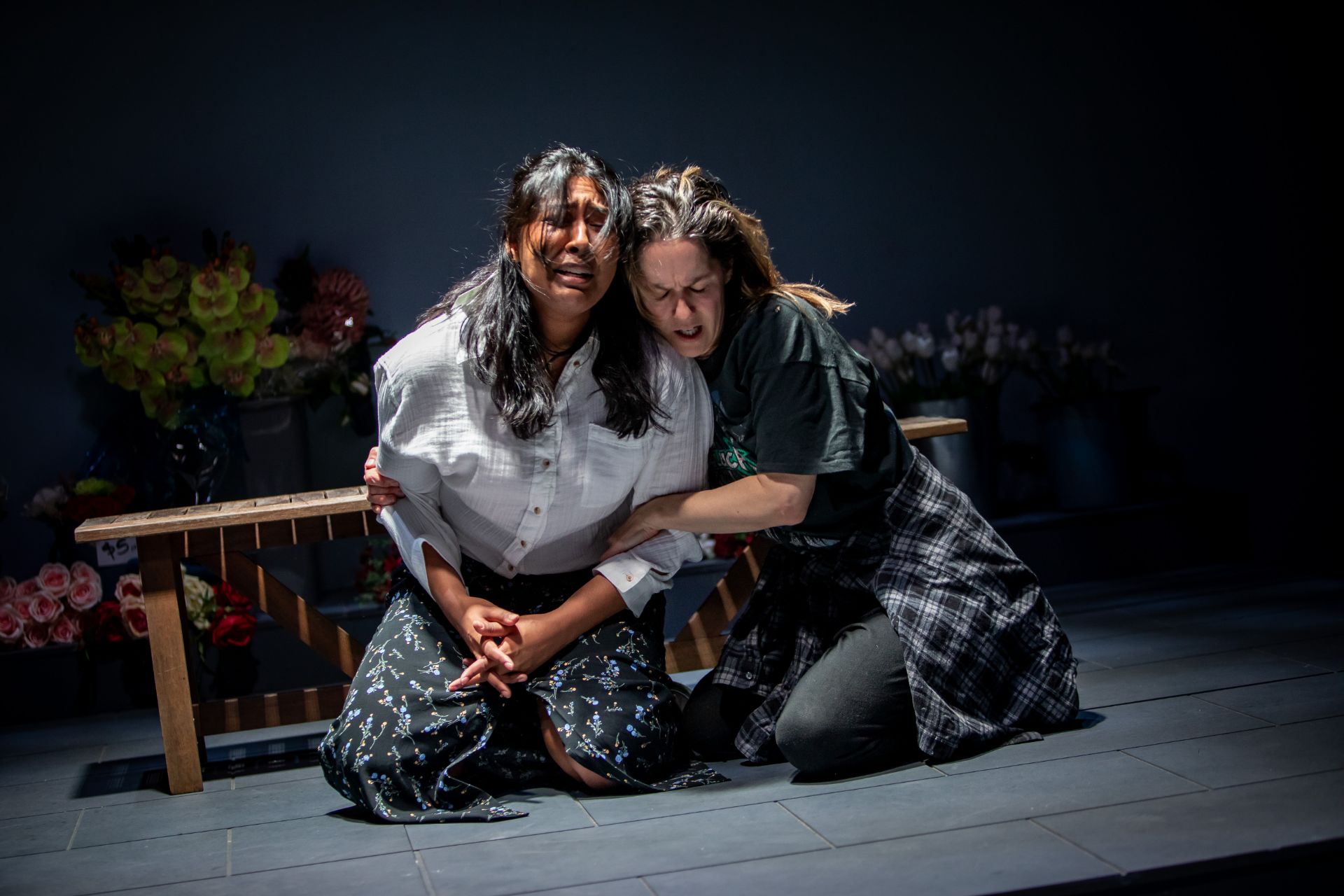
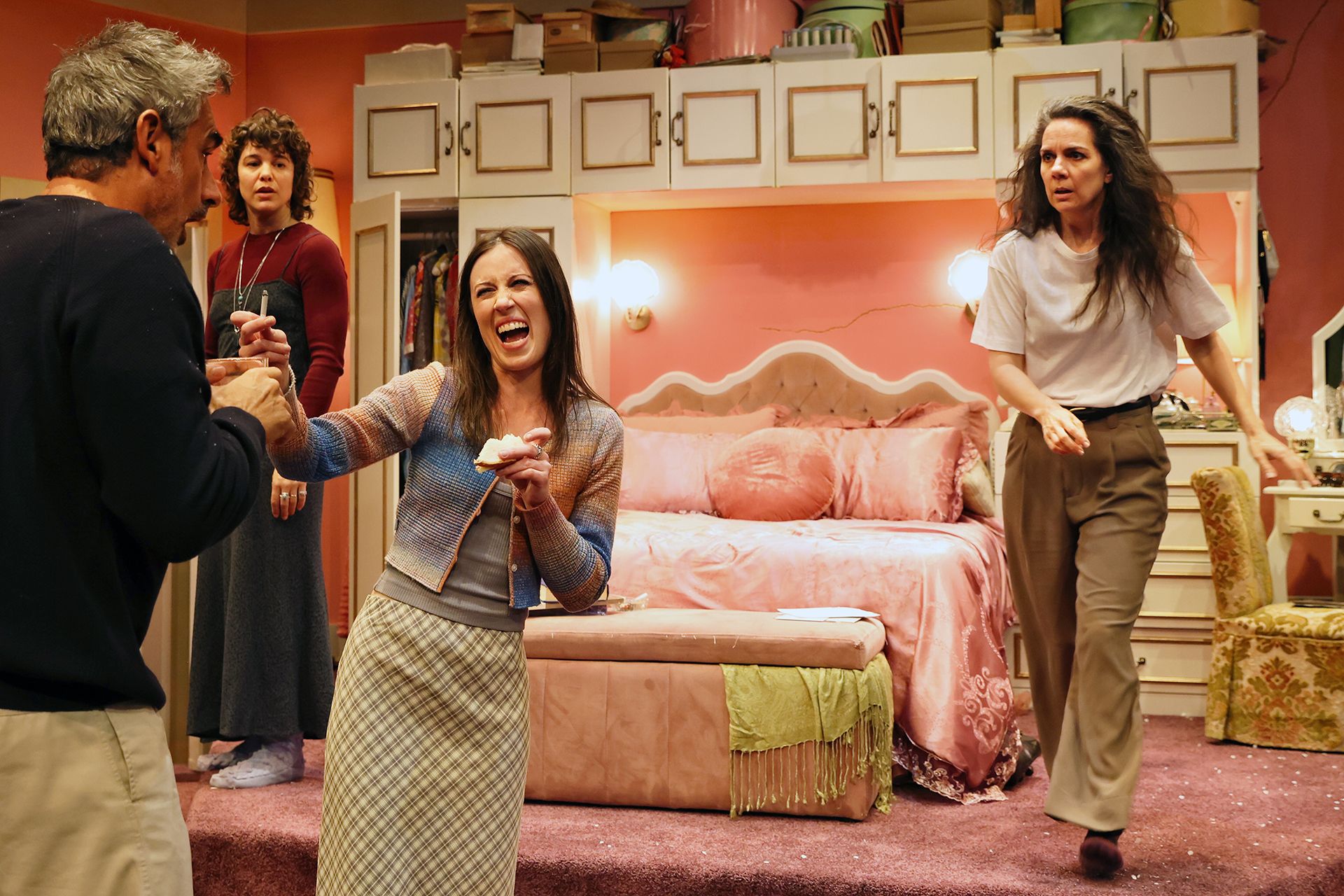
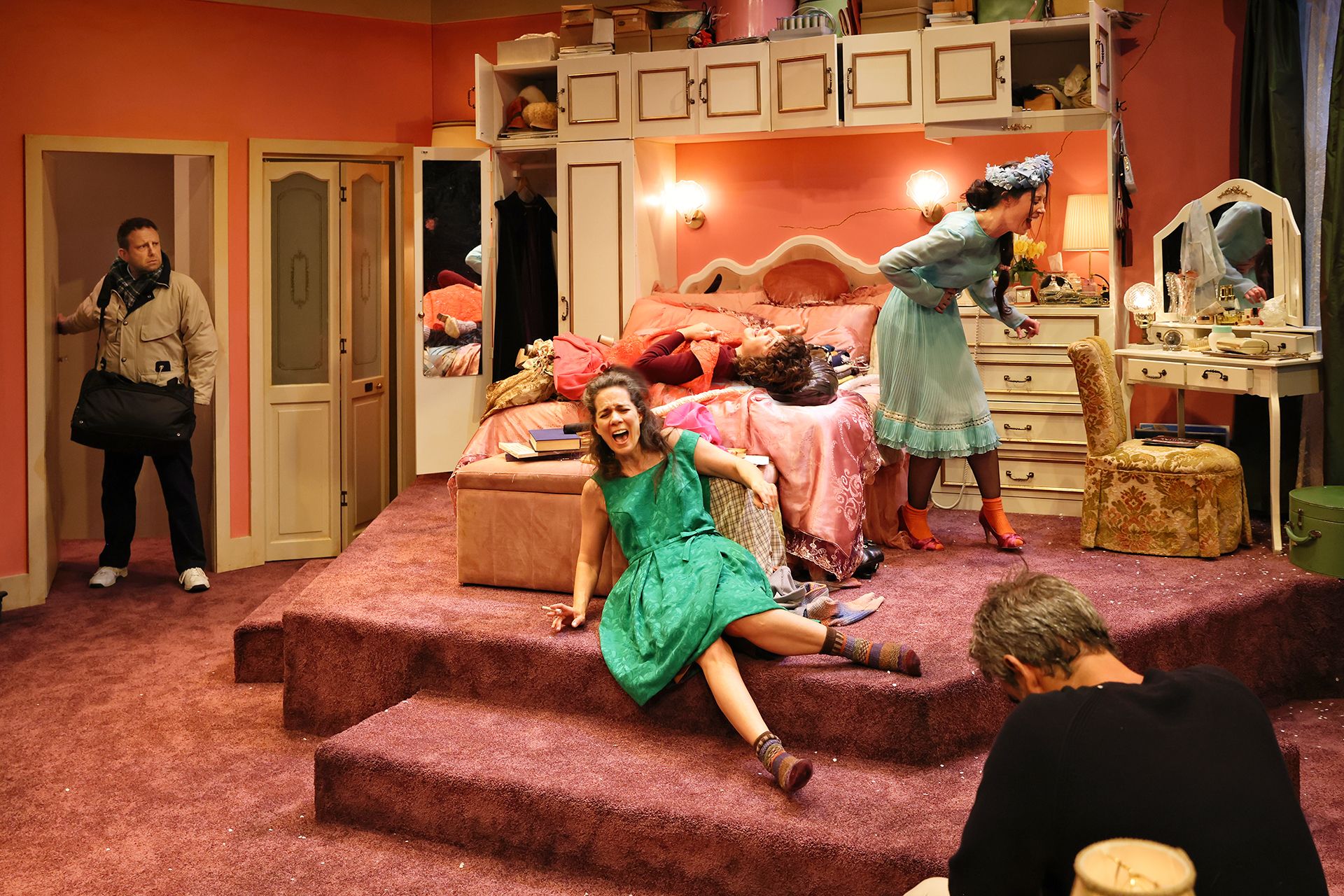
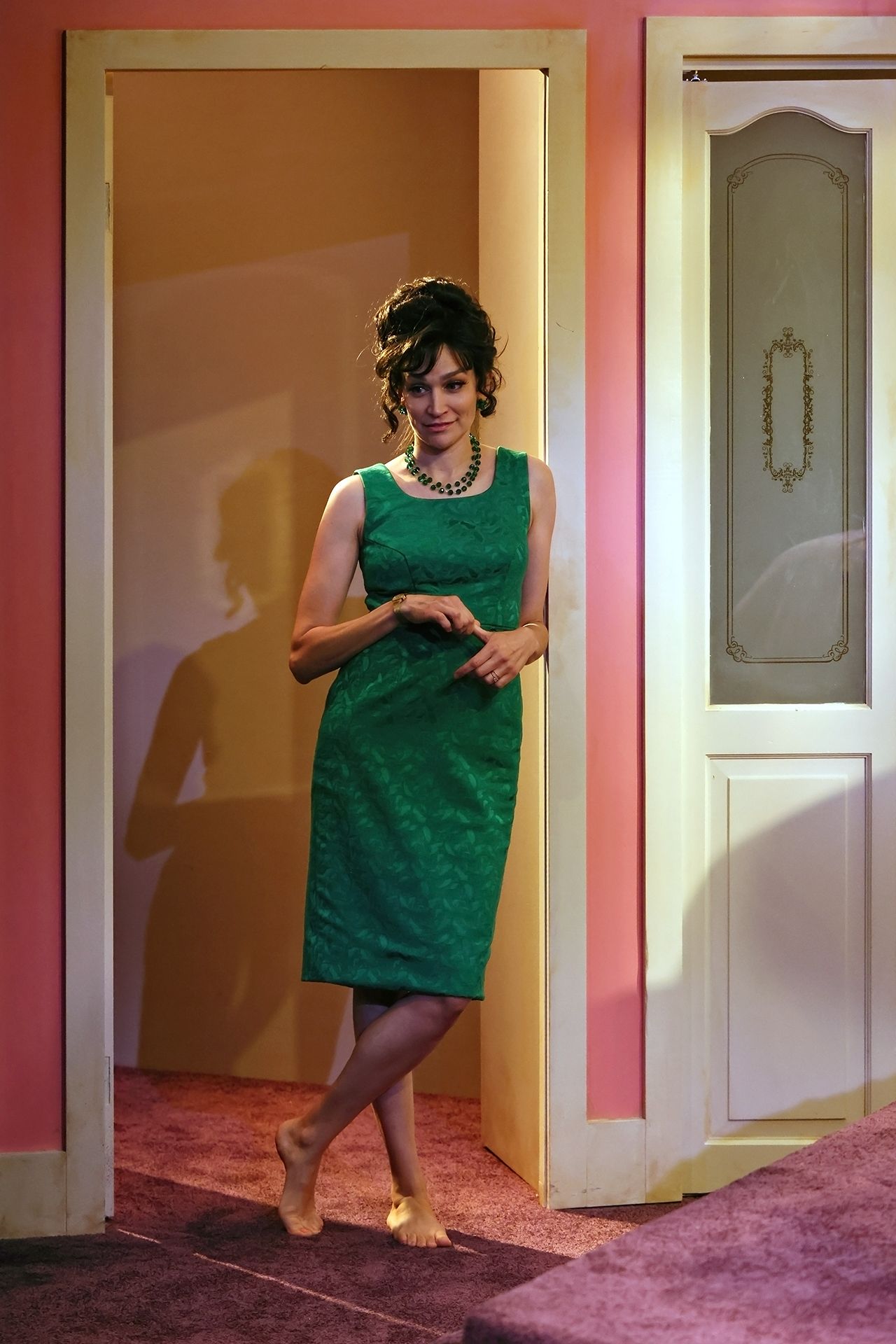
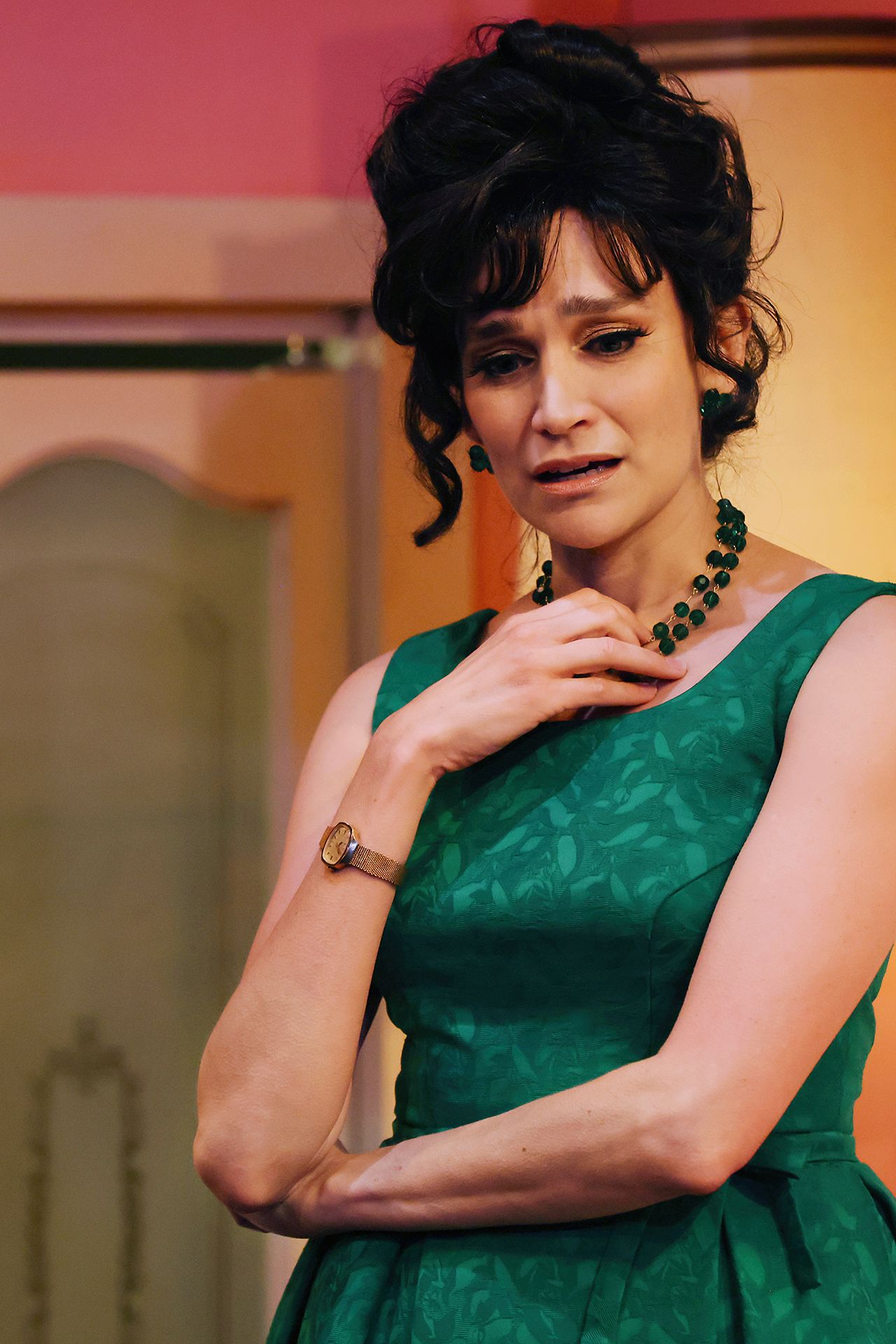
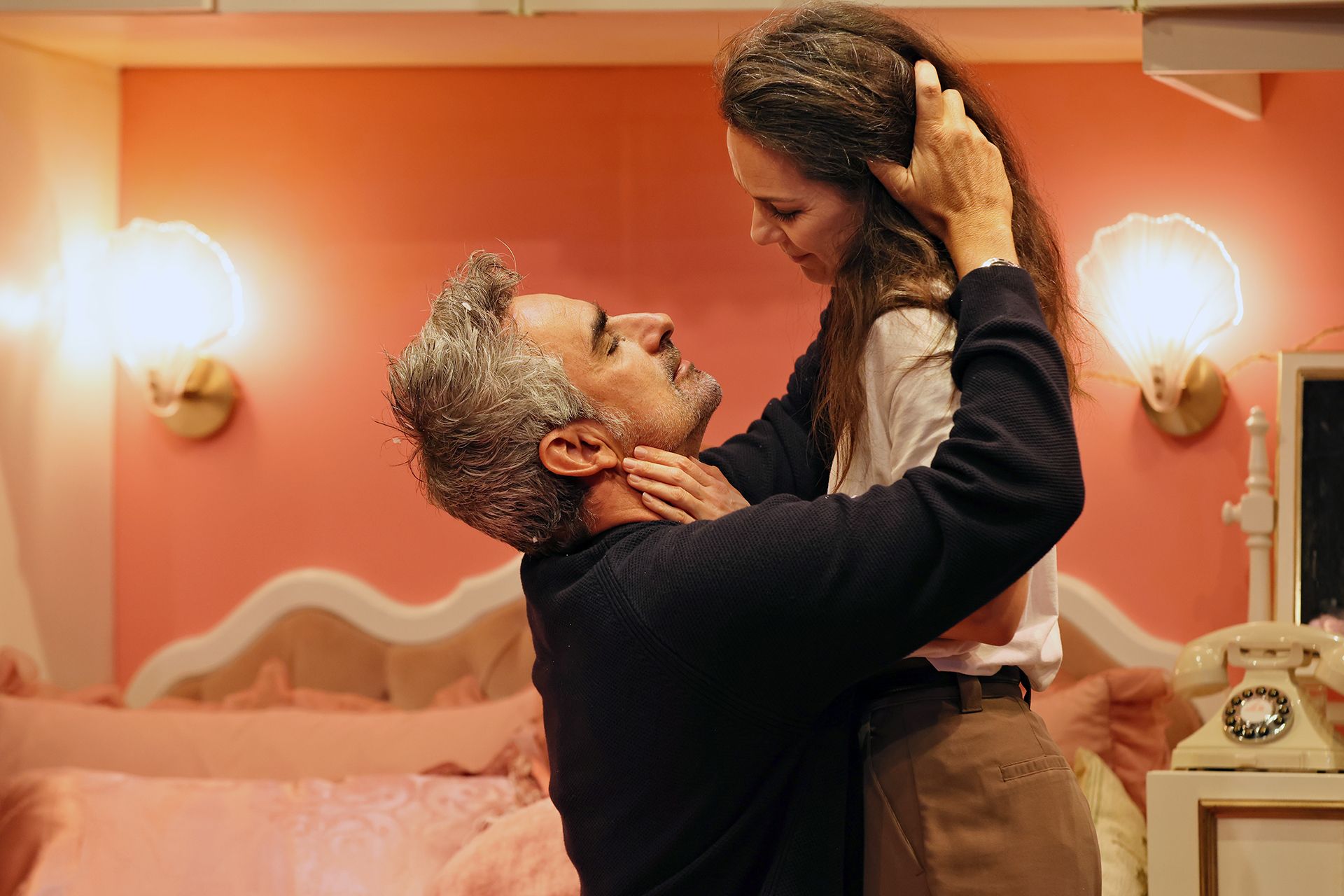
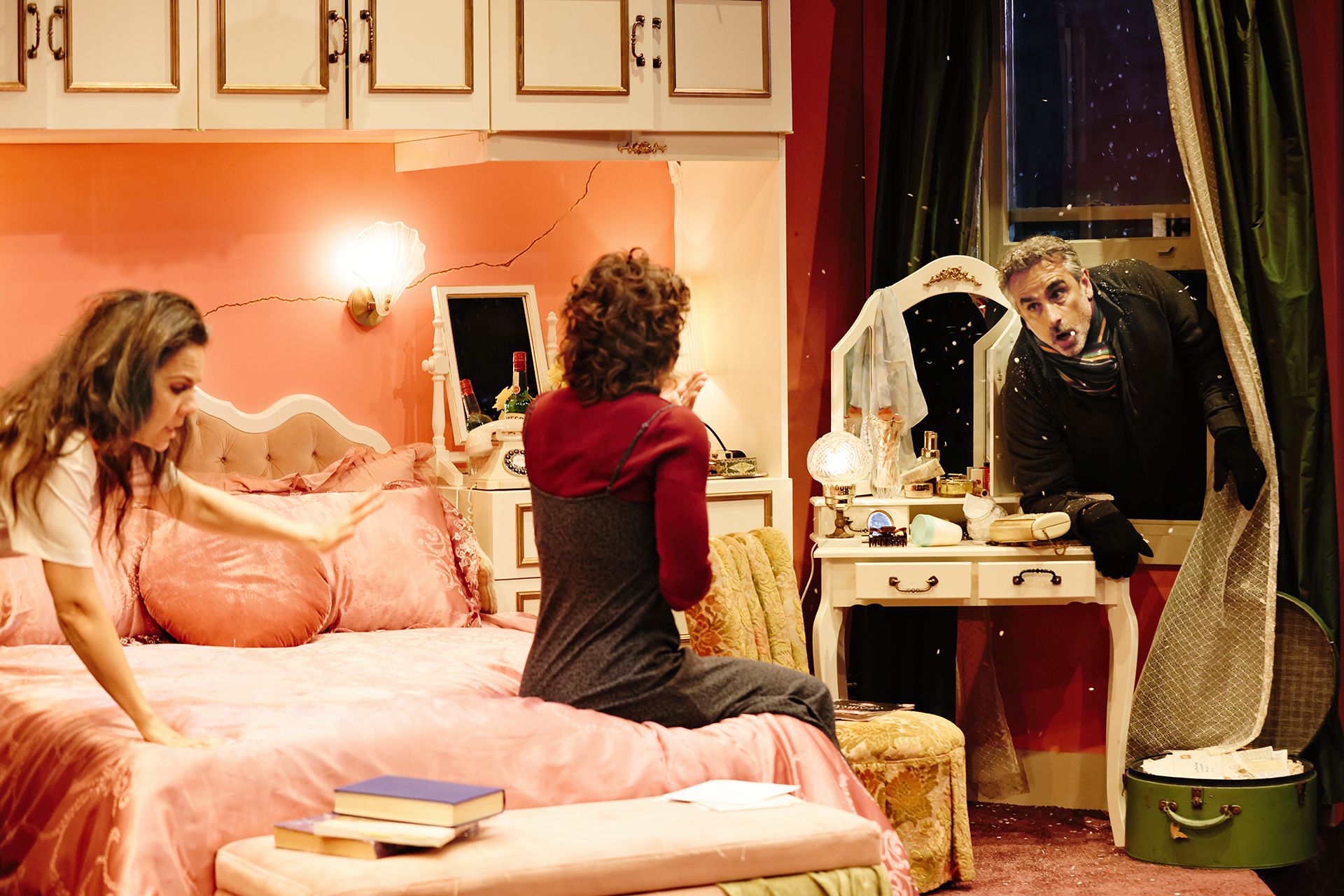
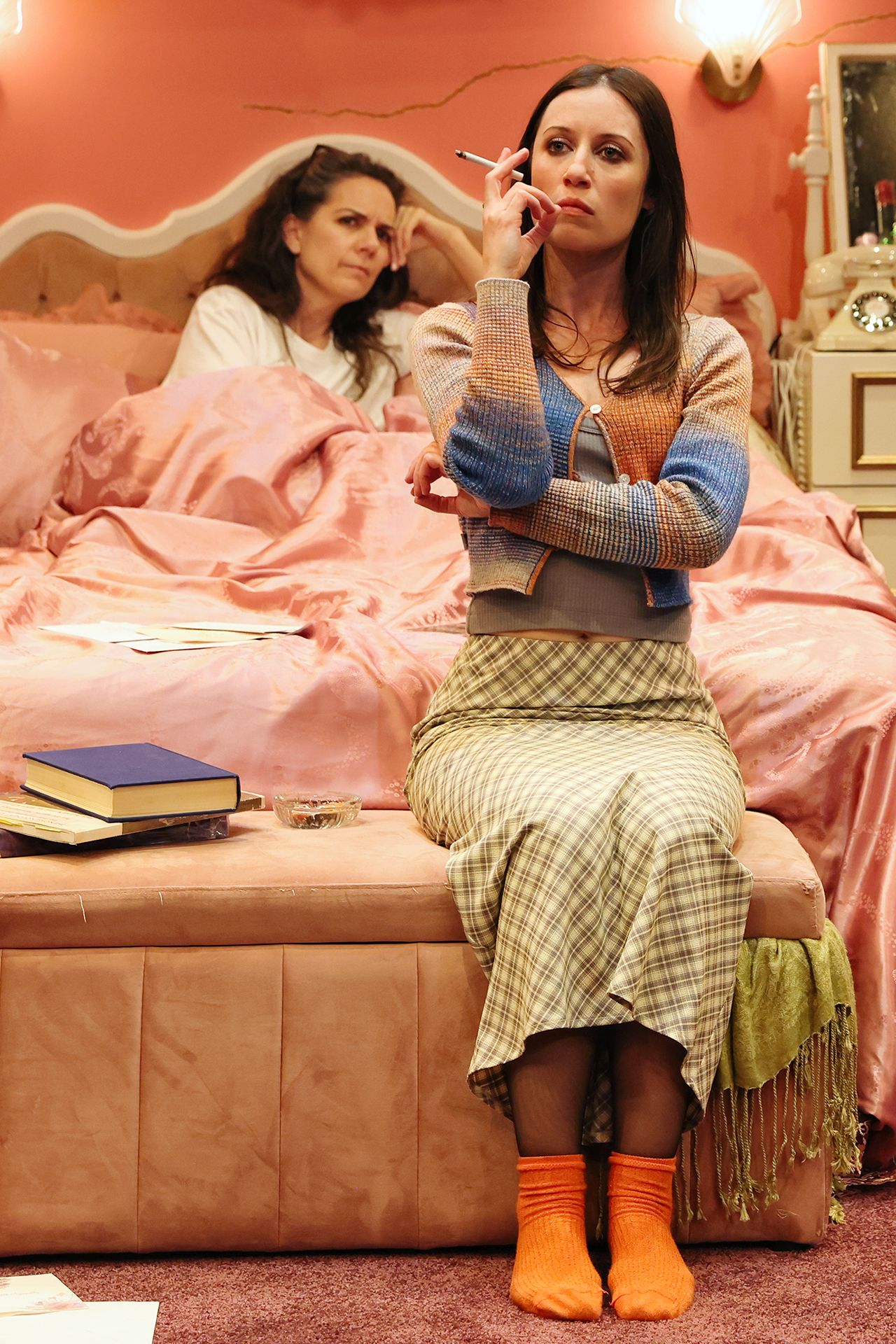
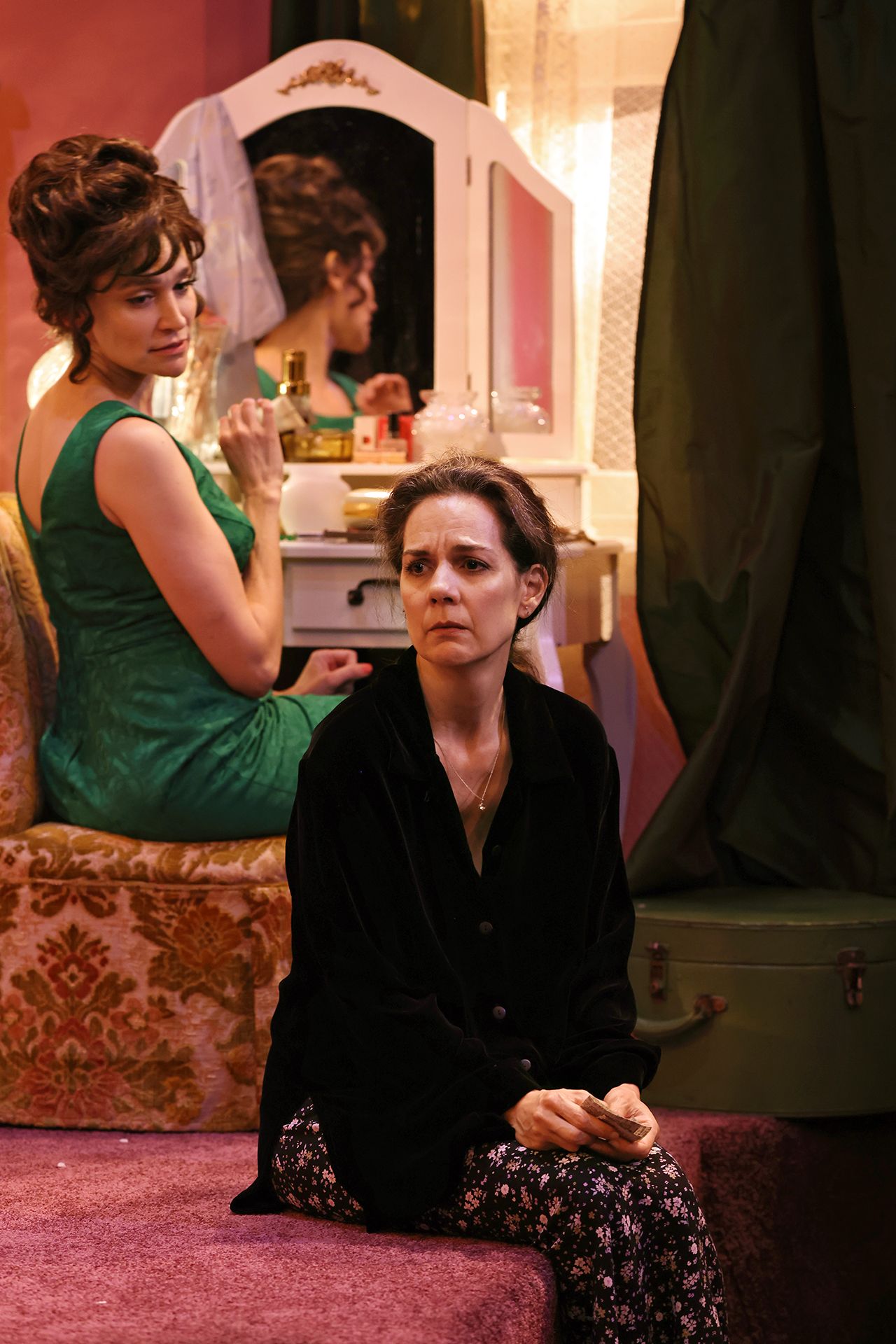
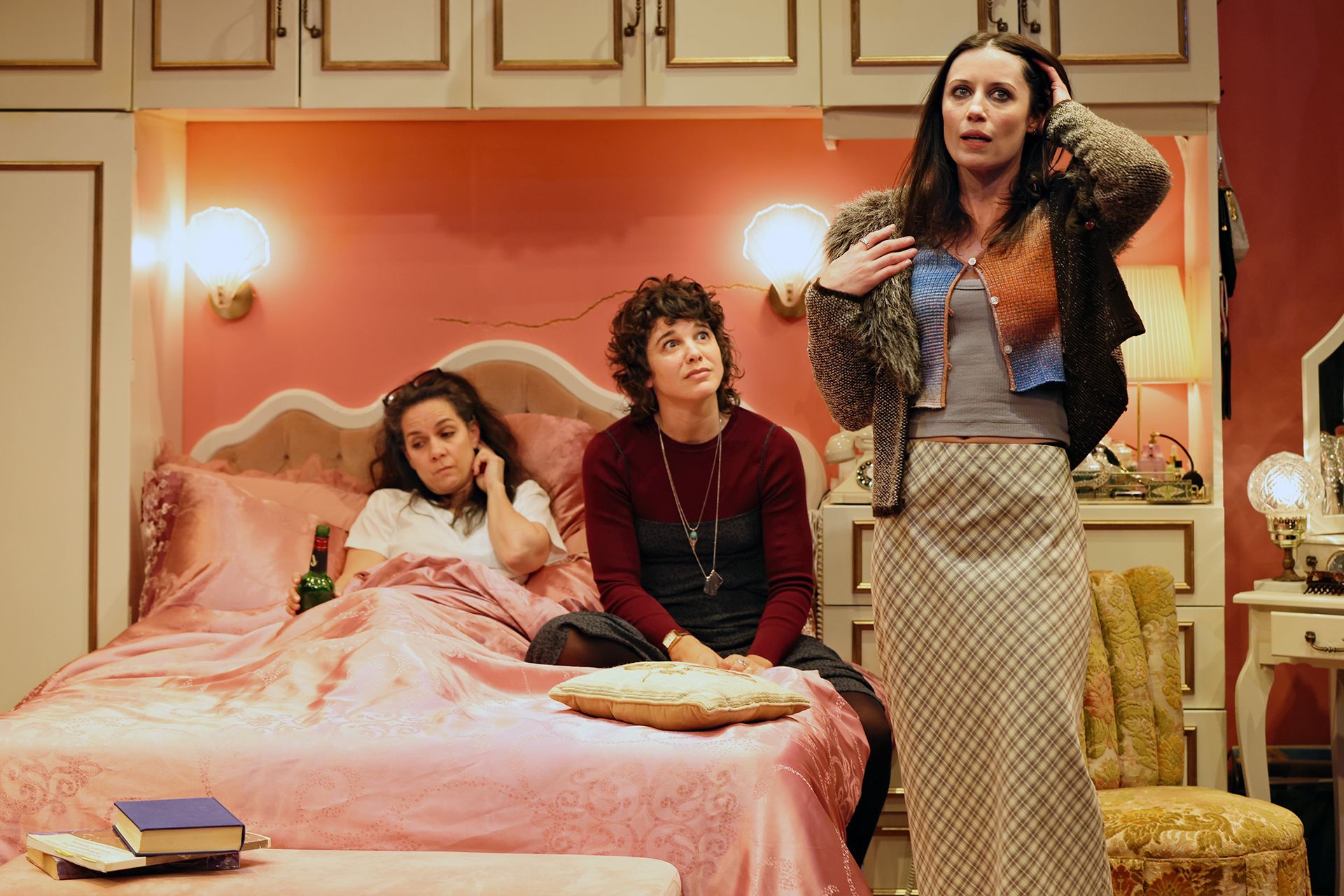
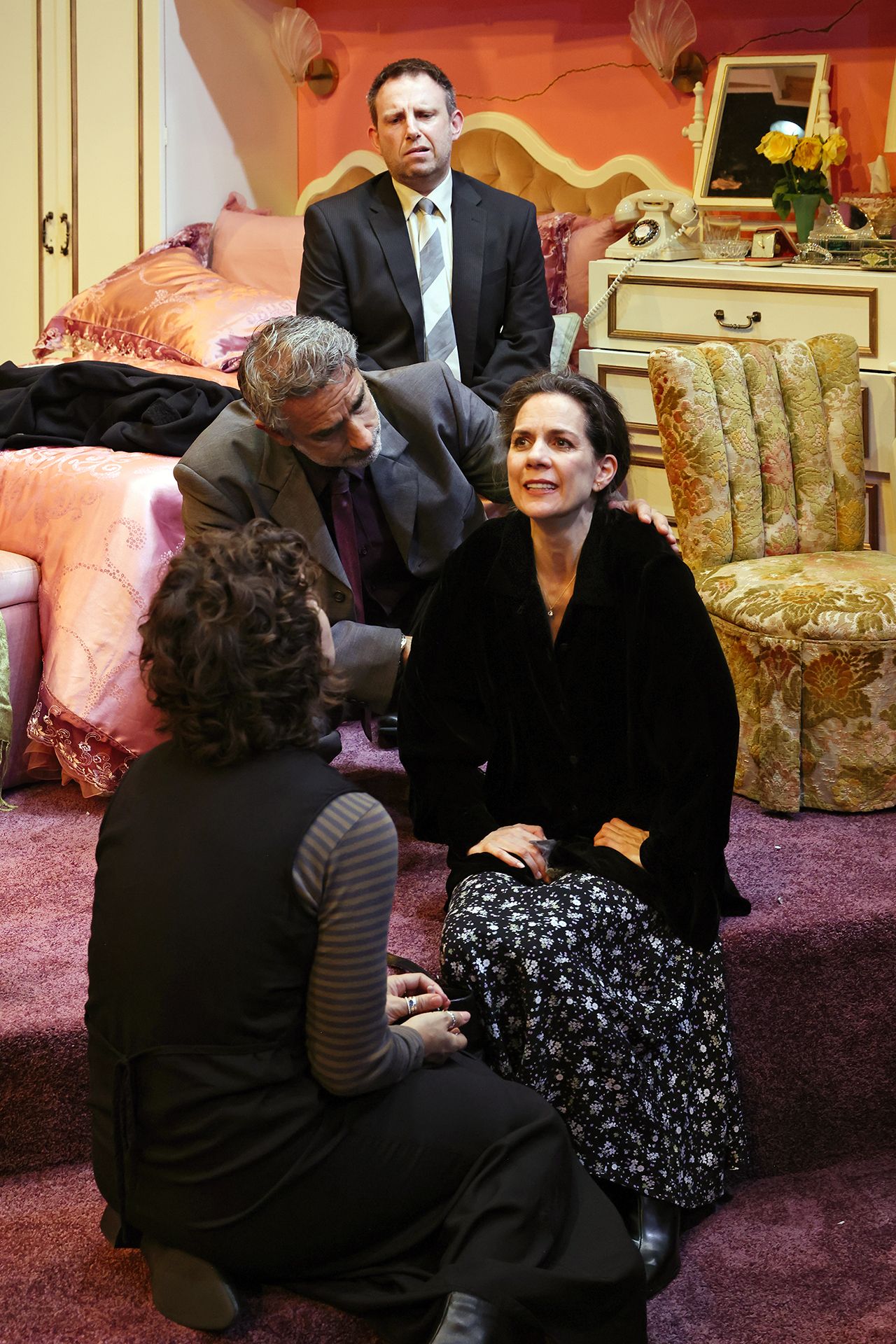
Violet has died, and we find her three daughters at their family home getting ready for the funeral. Their emotions are understandably in a state of disarray, and as they go through a process of unravelment, we discover the challenges and inadequacies each woman experiences as they navigate life in 1996 England. Shelagh Stephenson’s now 27-year-old comedy The Memory of Water, is an amusing work that showcases the various idiosyncrasies of Western feminine archetypes, at a time that can be regarded as having freshly emerged from the third wave of feminism.

With the passage of time, the play feels excessively concerned with the granular individuality of its characters. More contemporary tastes tend to favour sociality over particularity in our storytelling, and The Memory of Water struggles in the current climate to speak with sufficient relevancy and urgency, even though there is undeniable authenticity in all of its depictions.

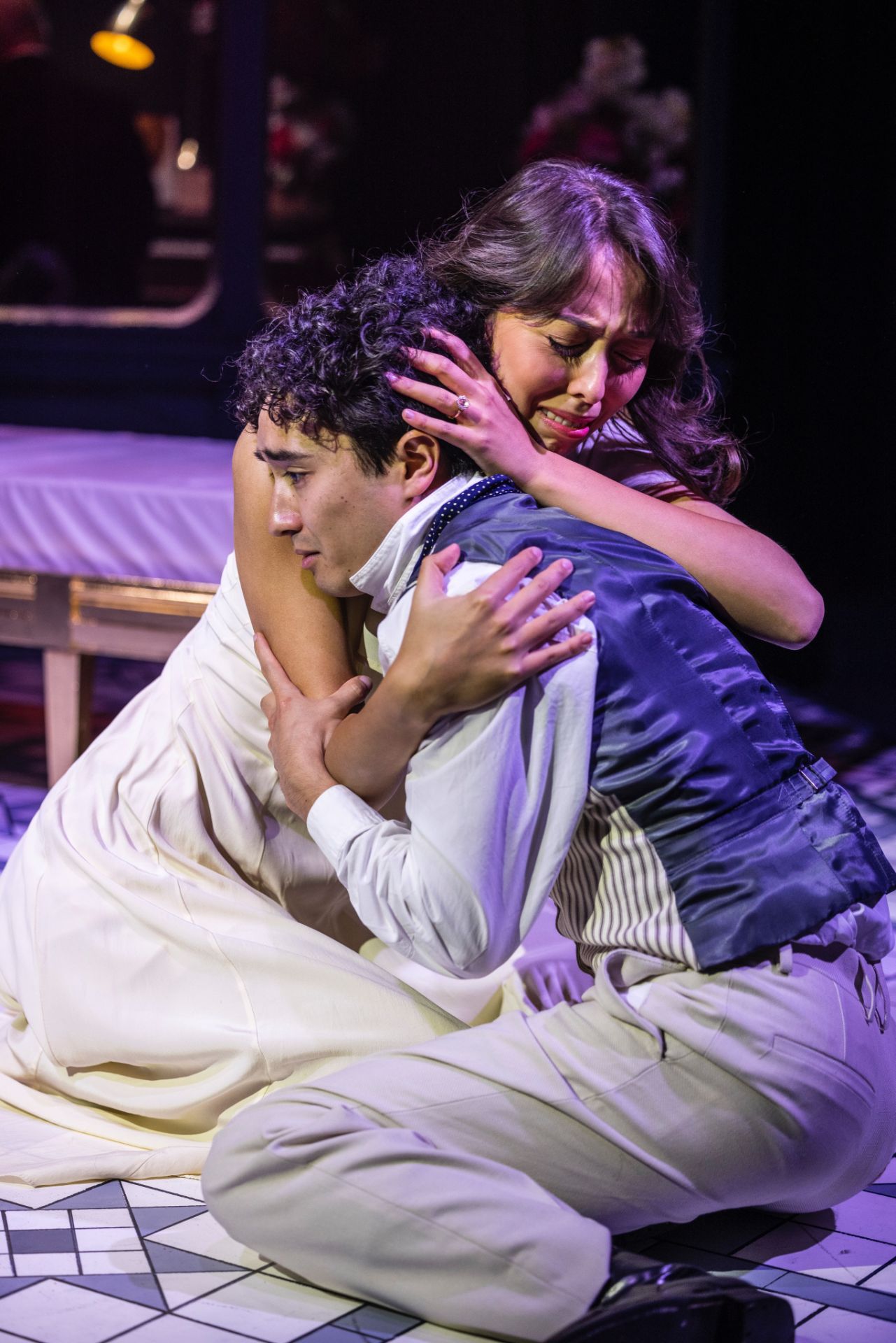
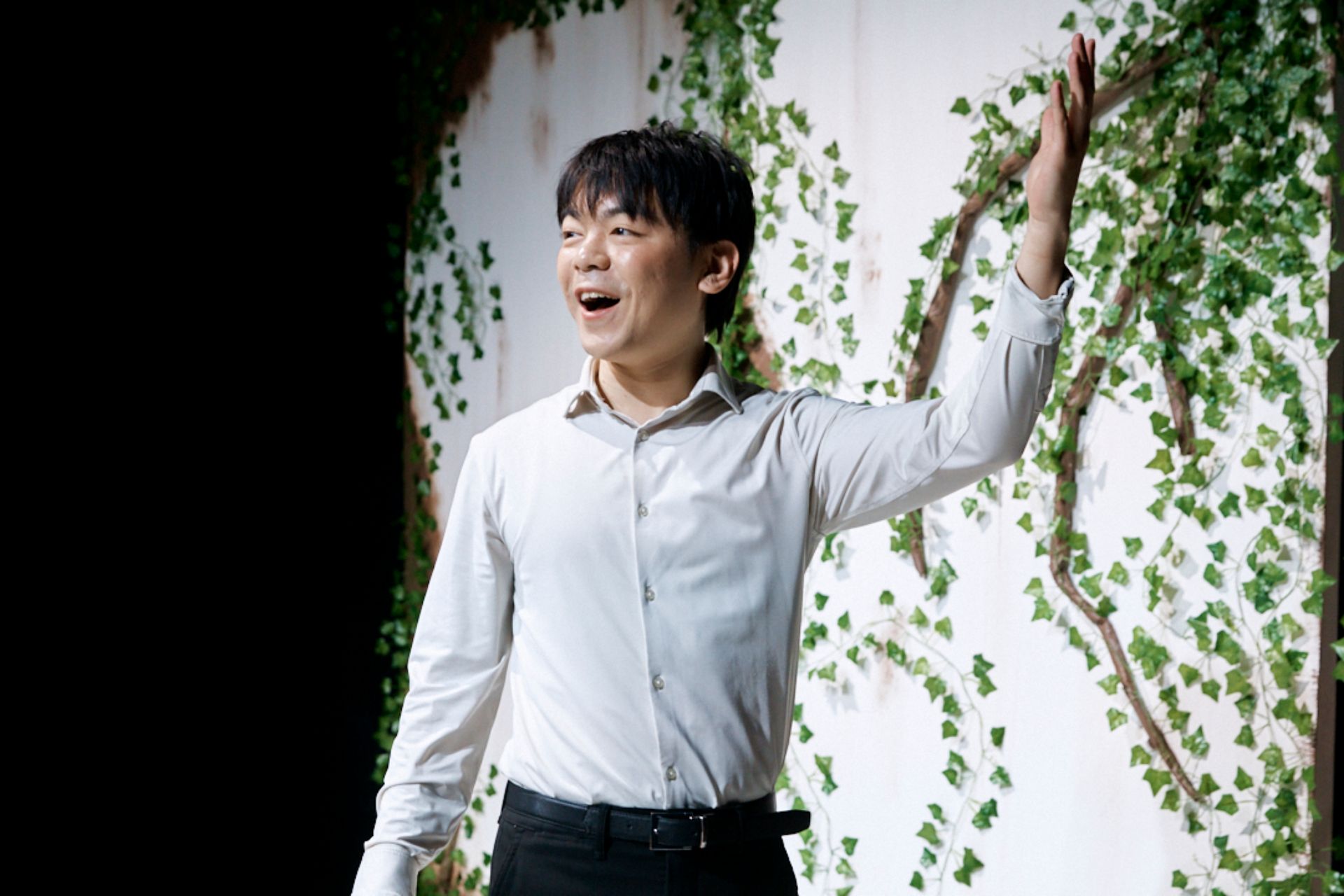
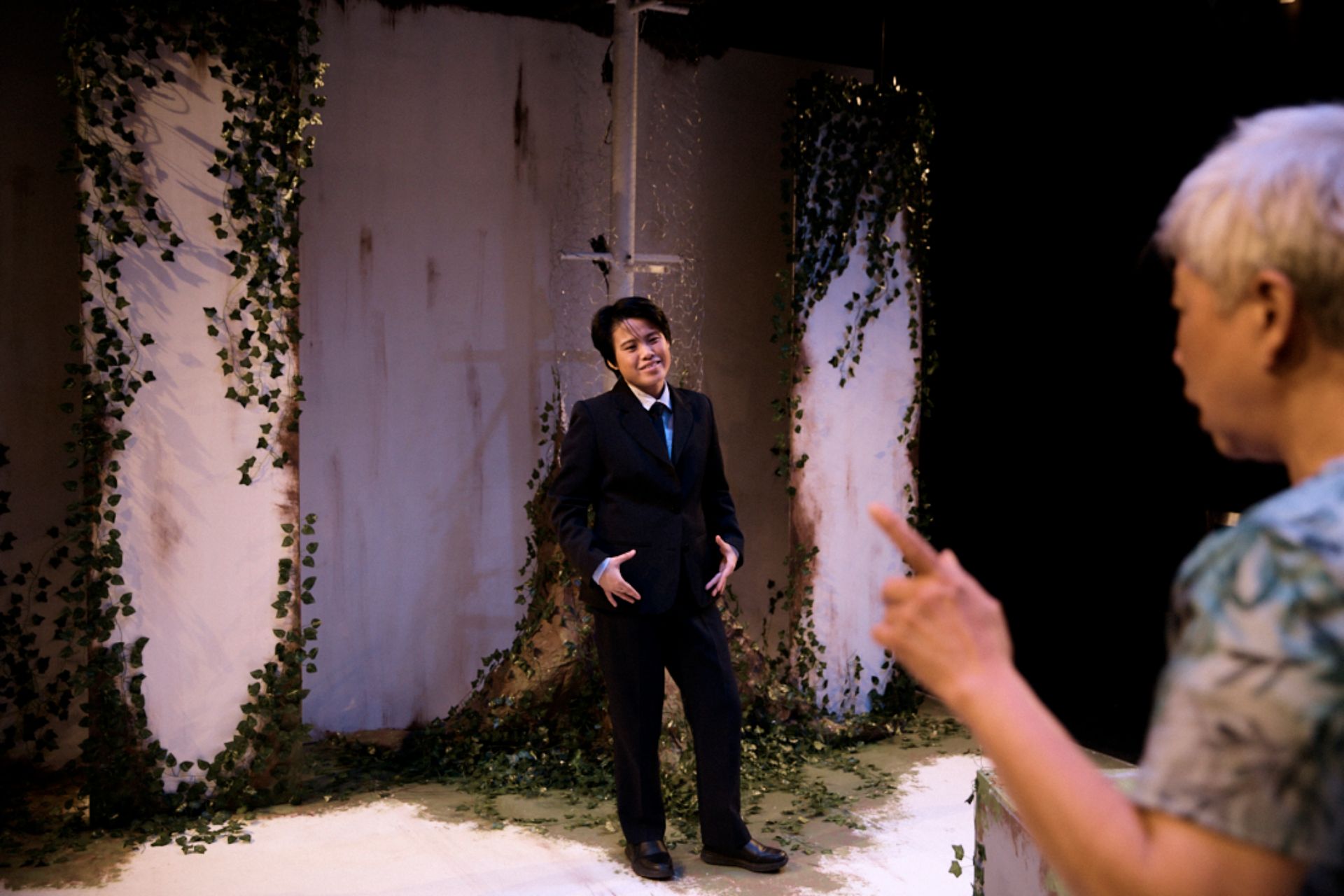
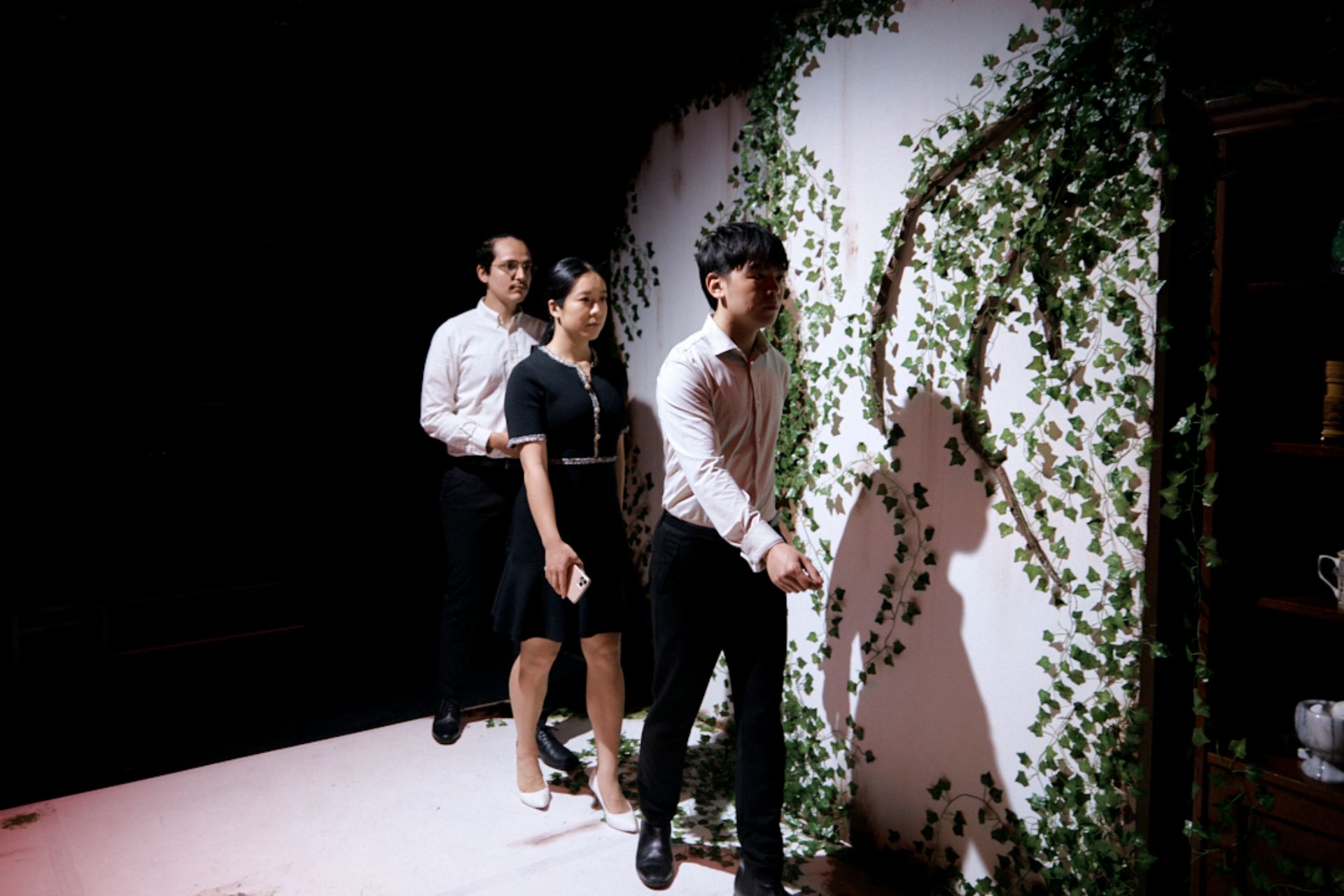
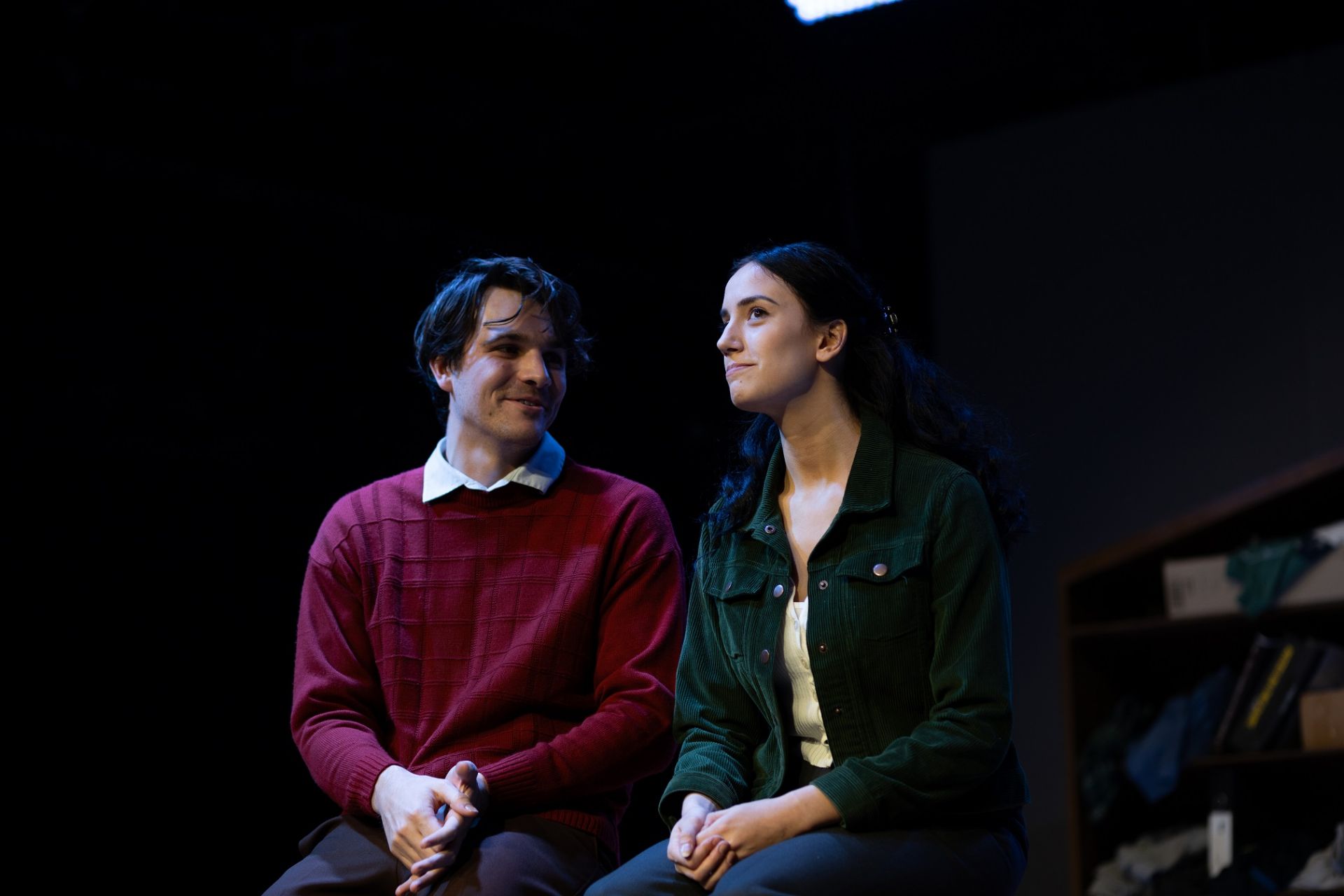
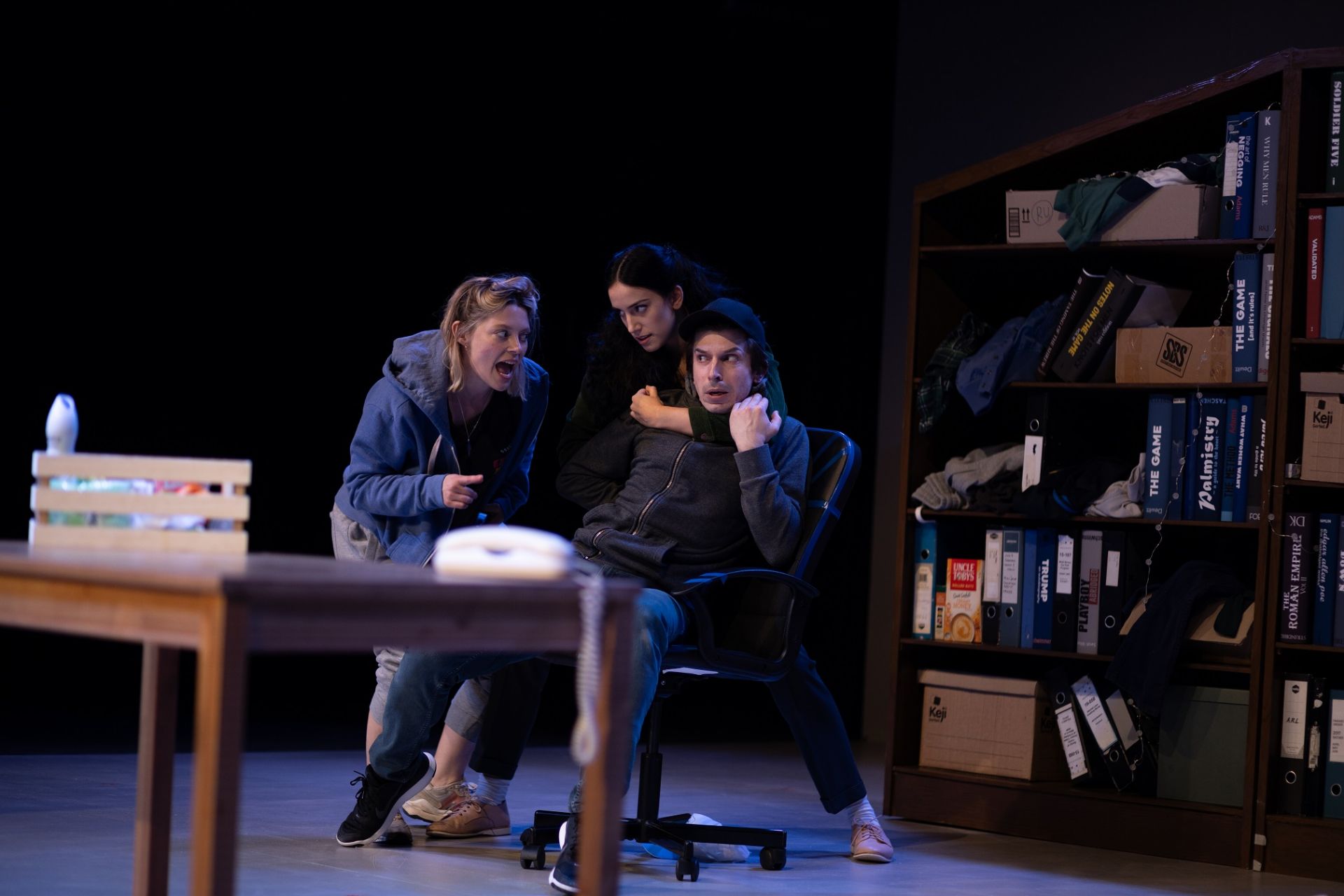
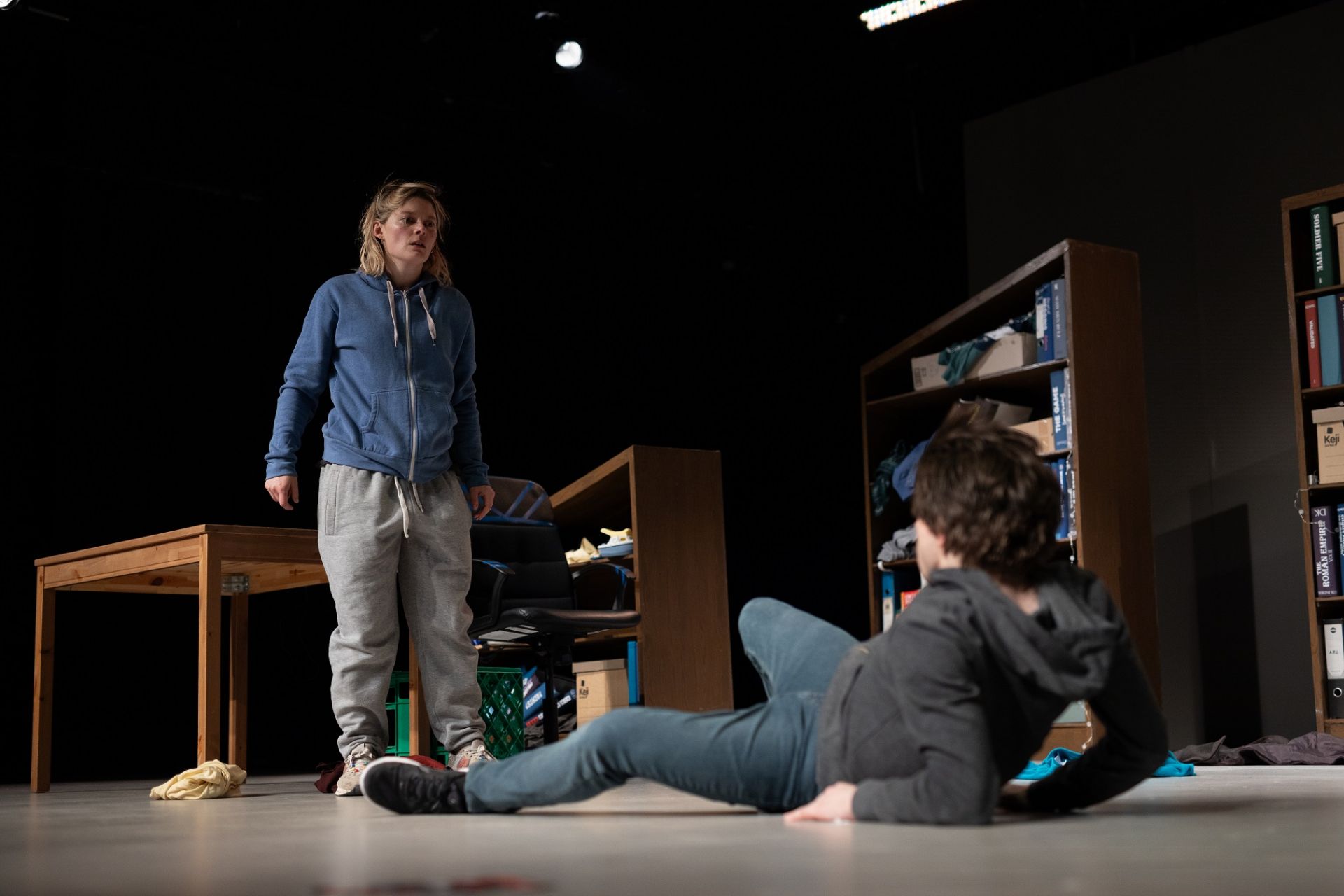
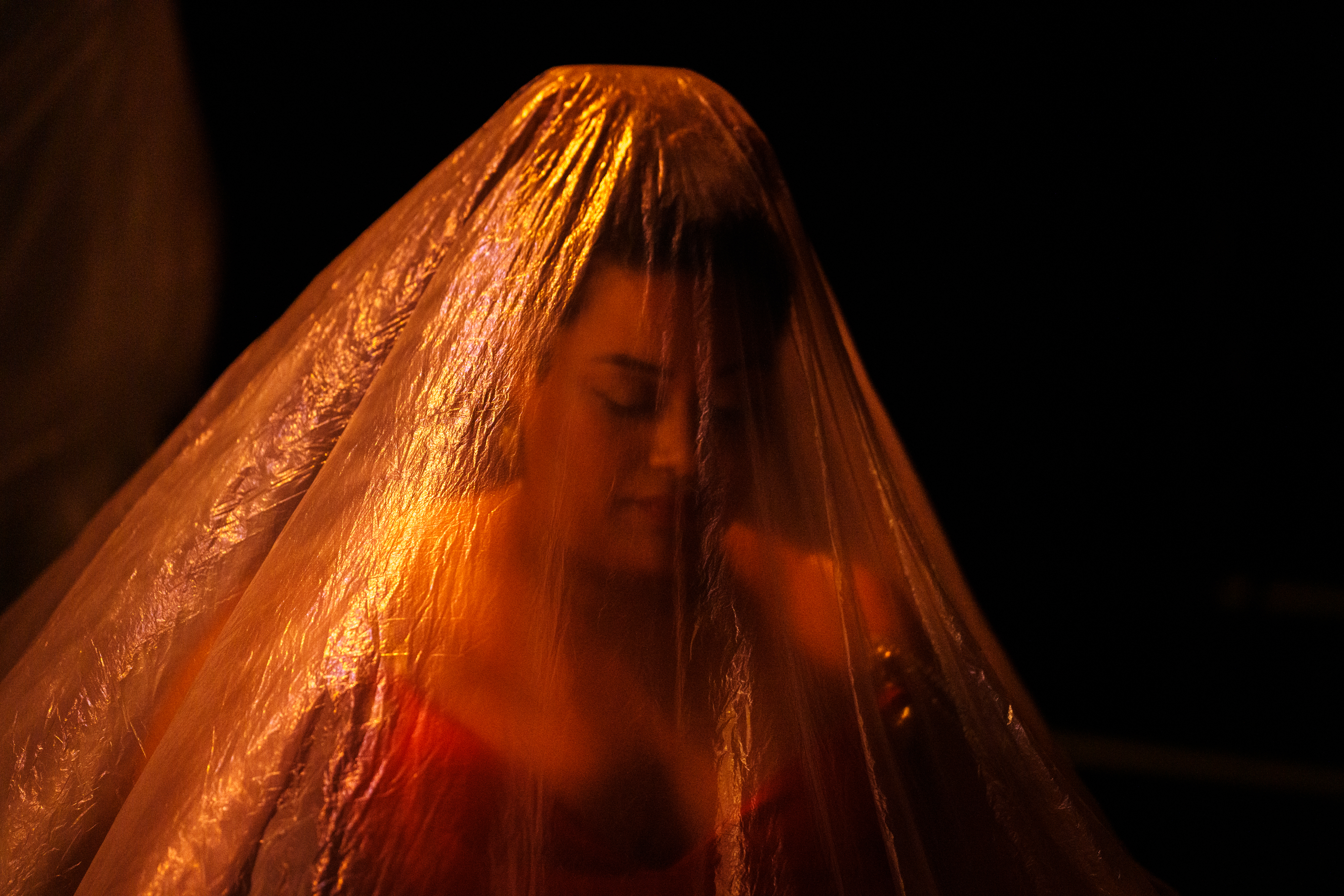
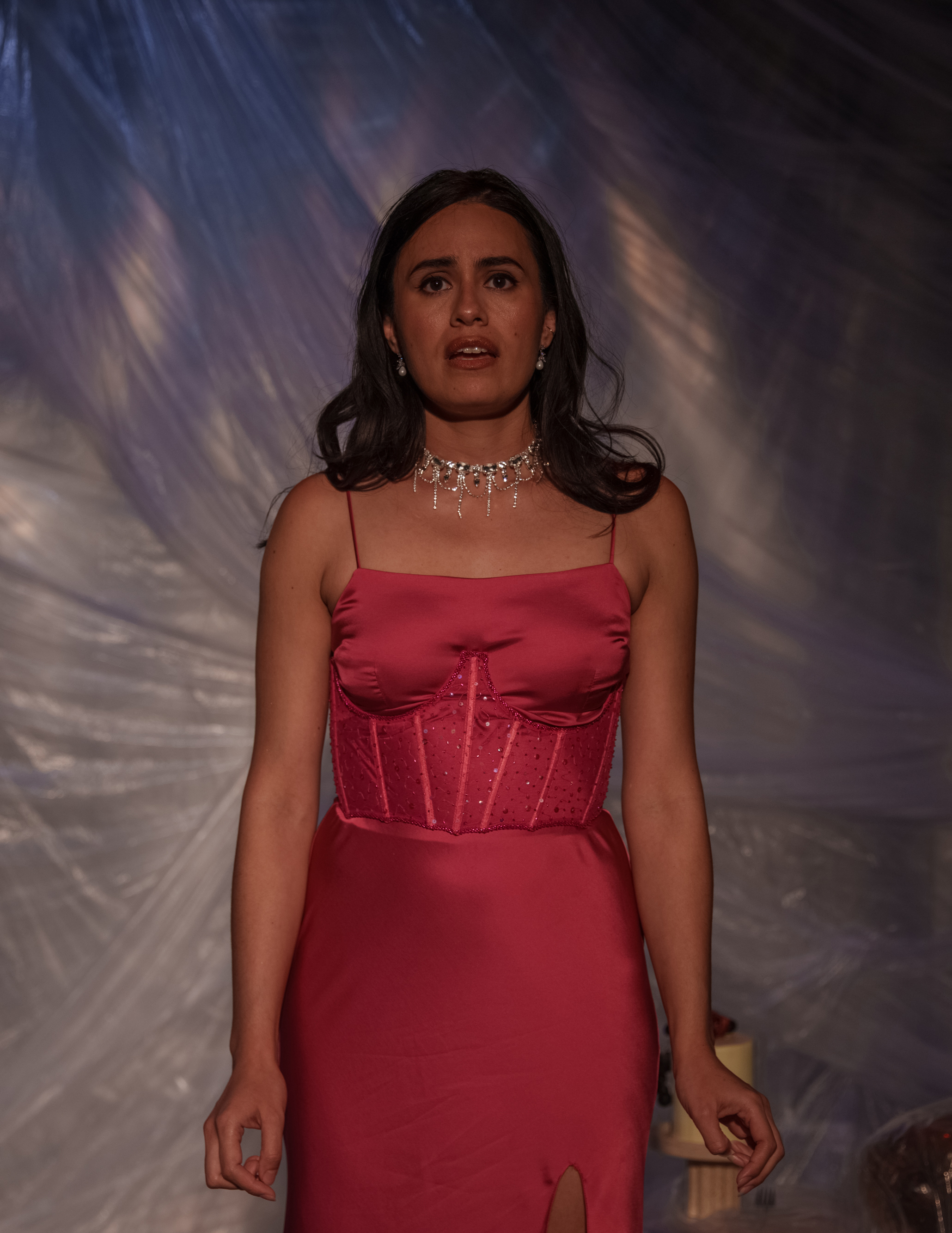
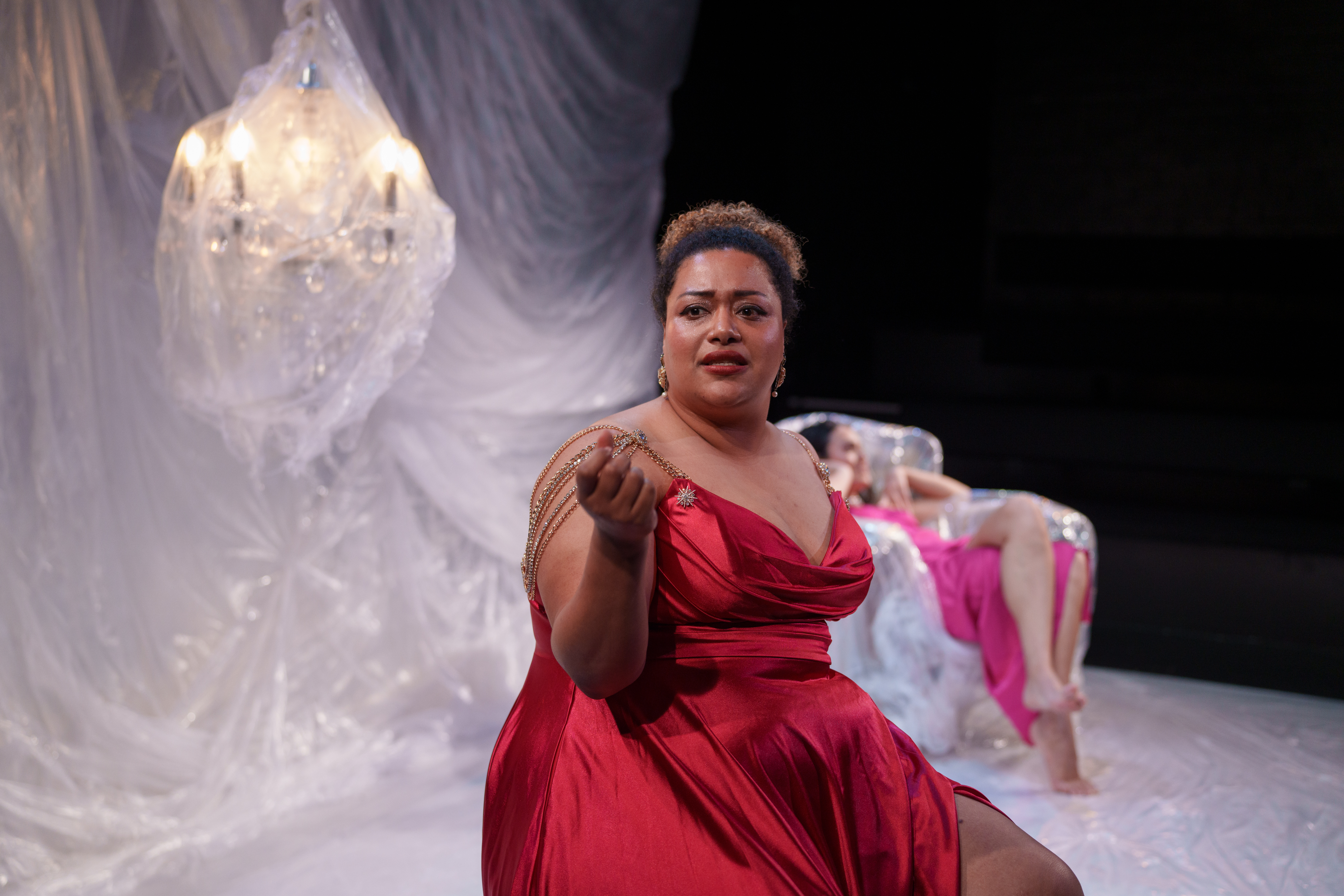
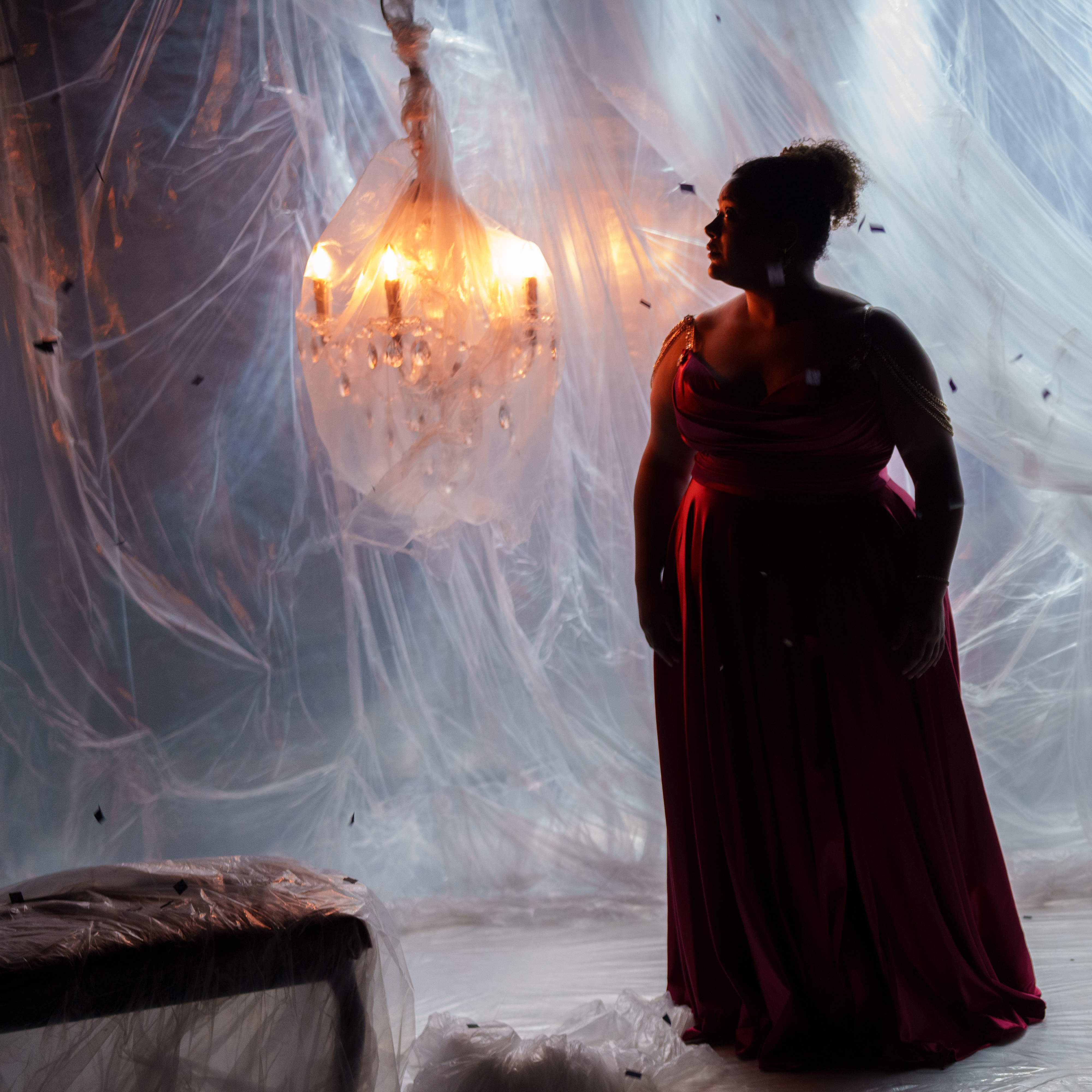
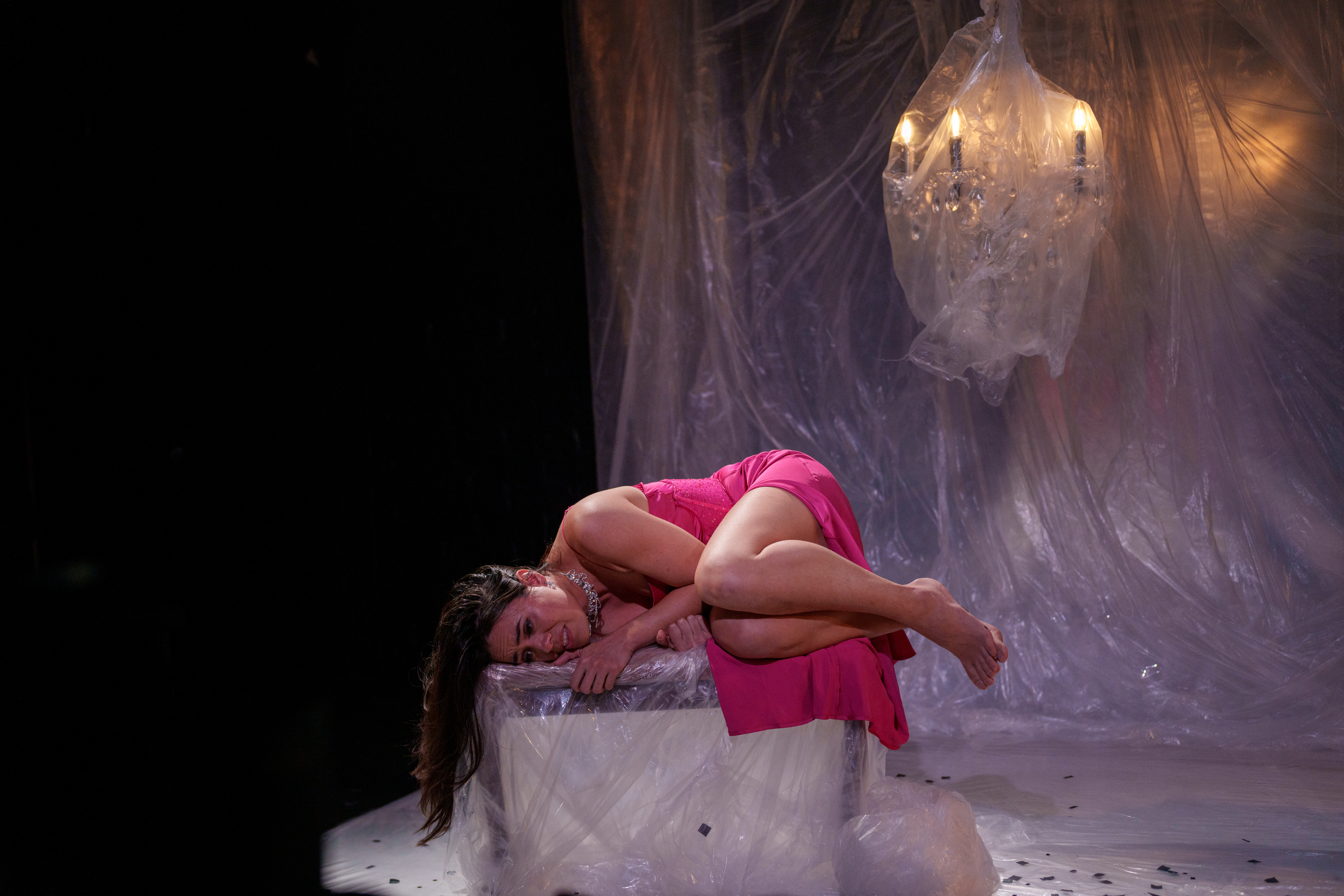
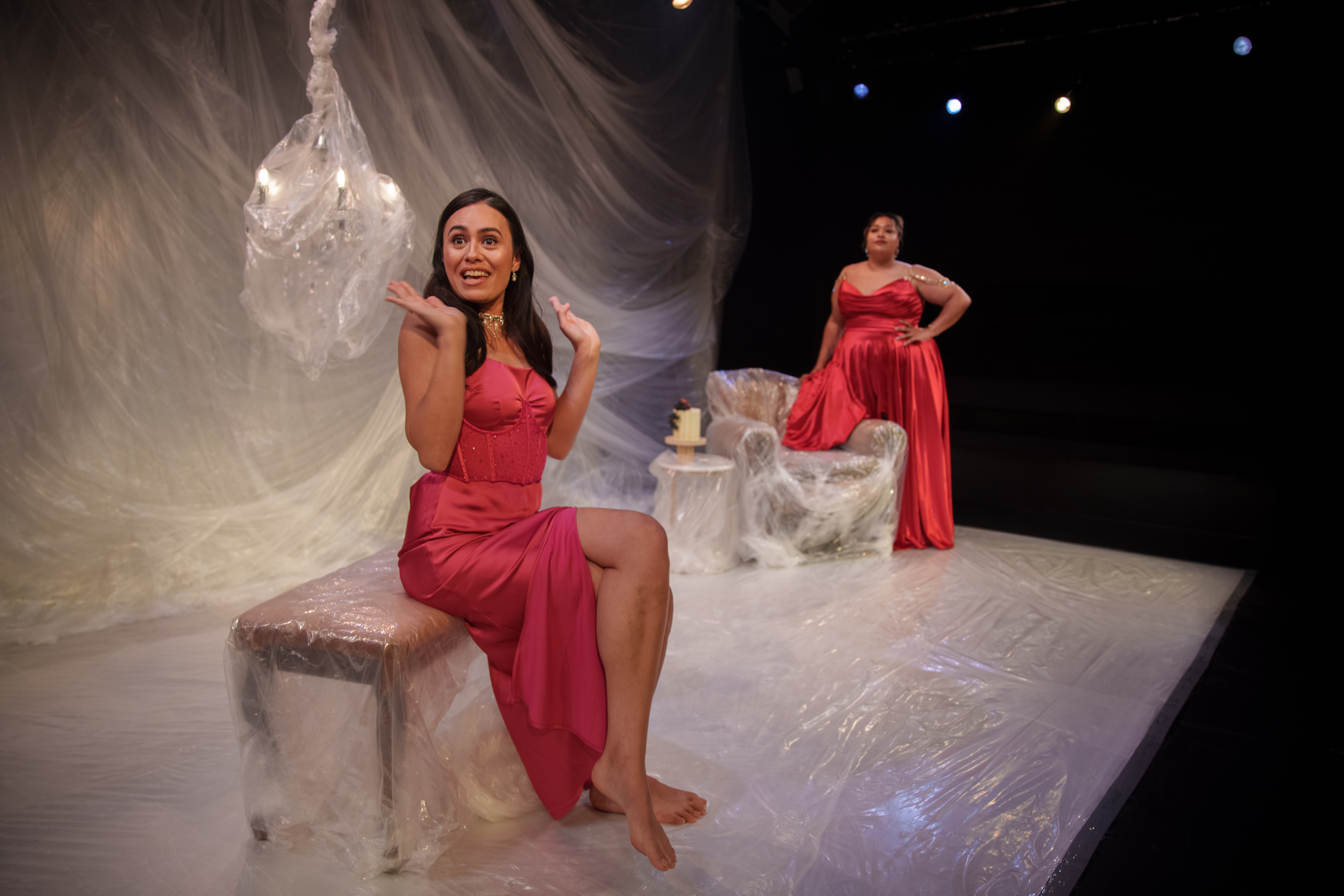
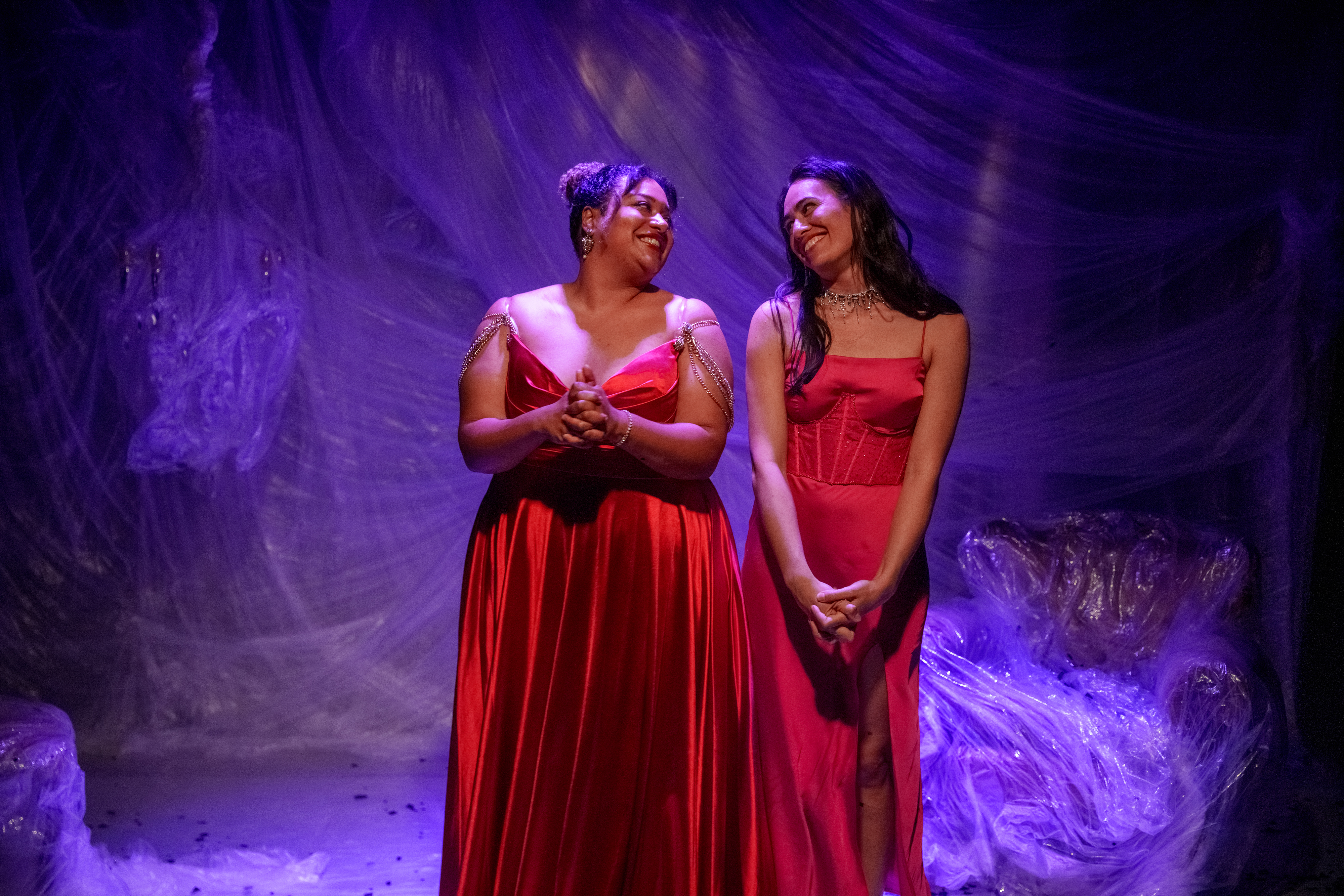
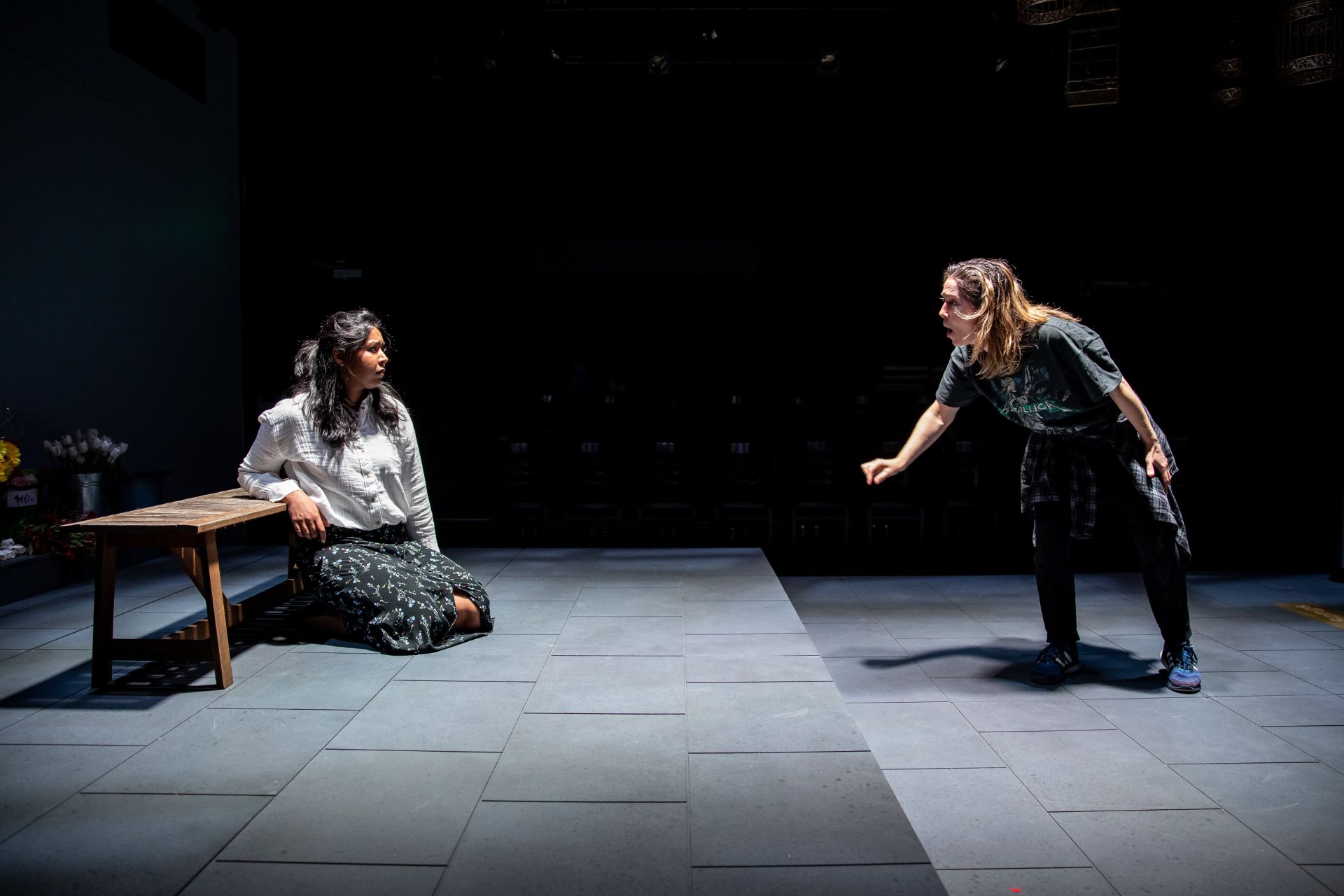
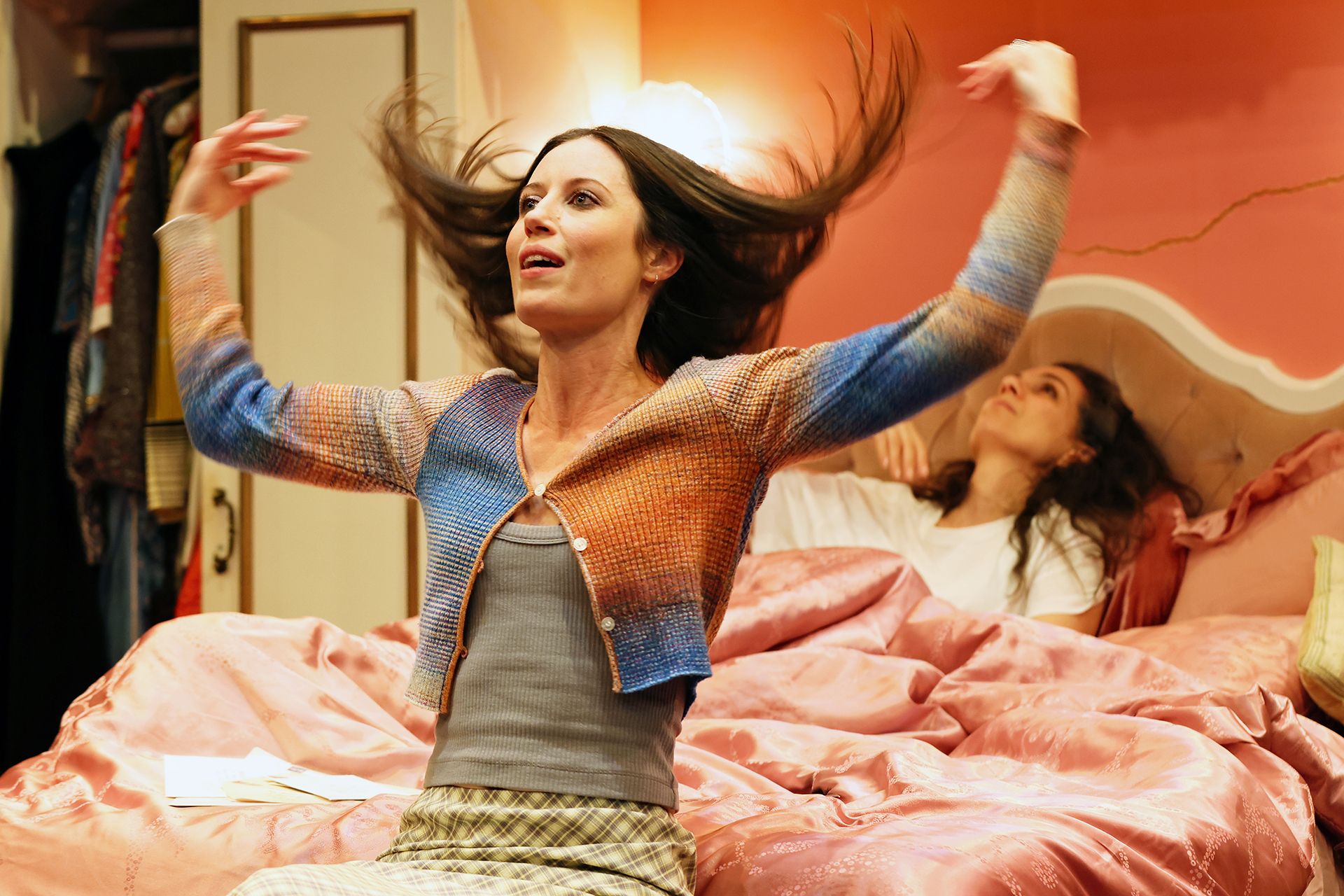
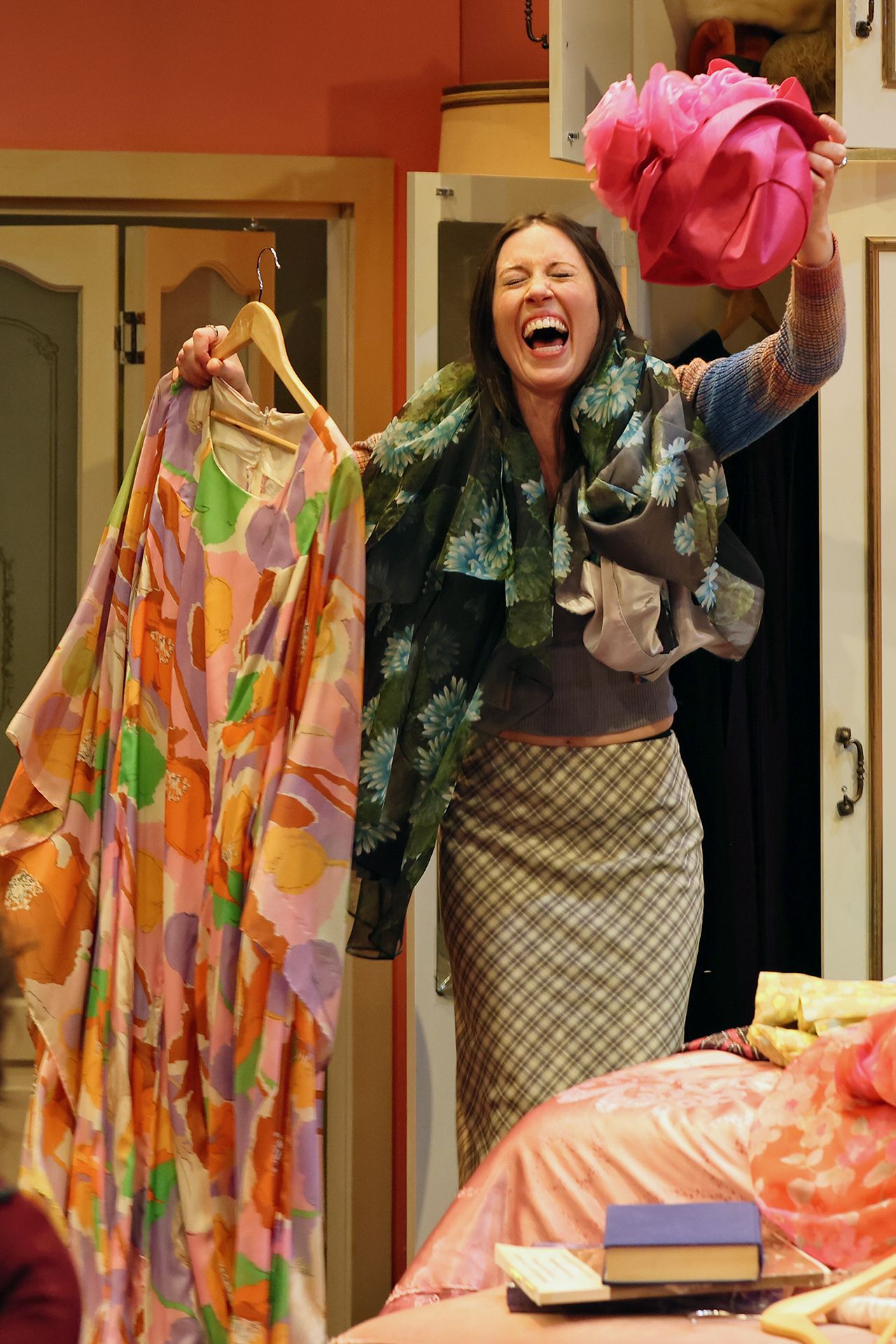
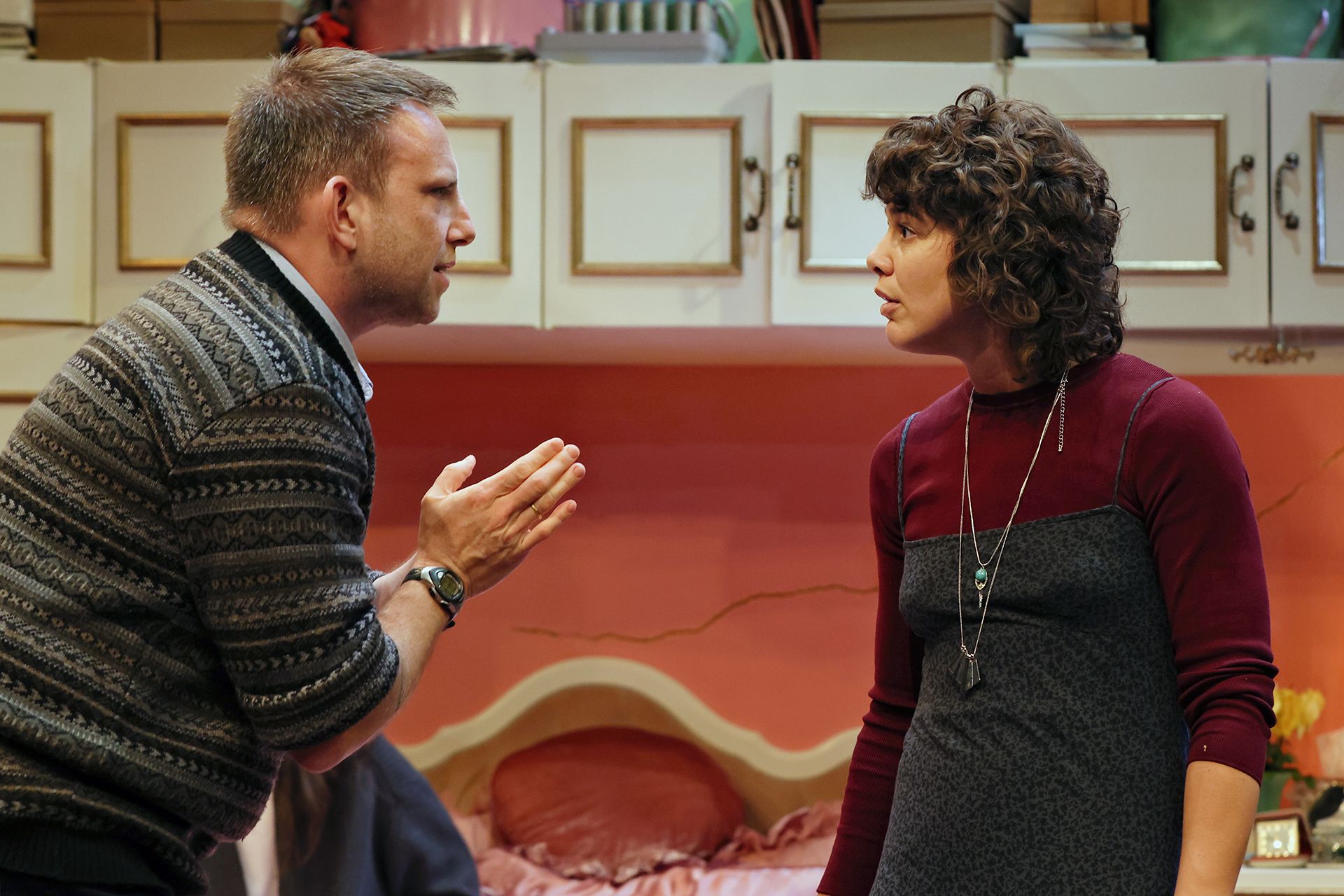
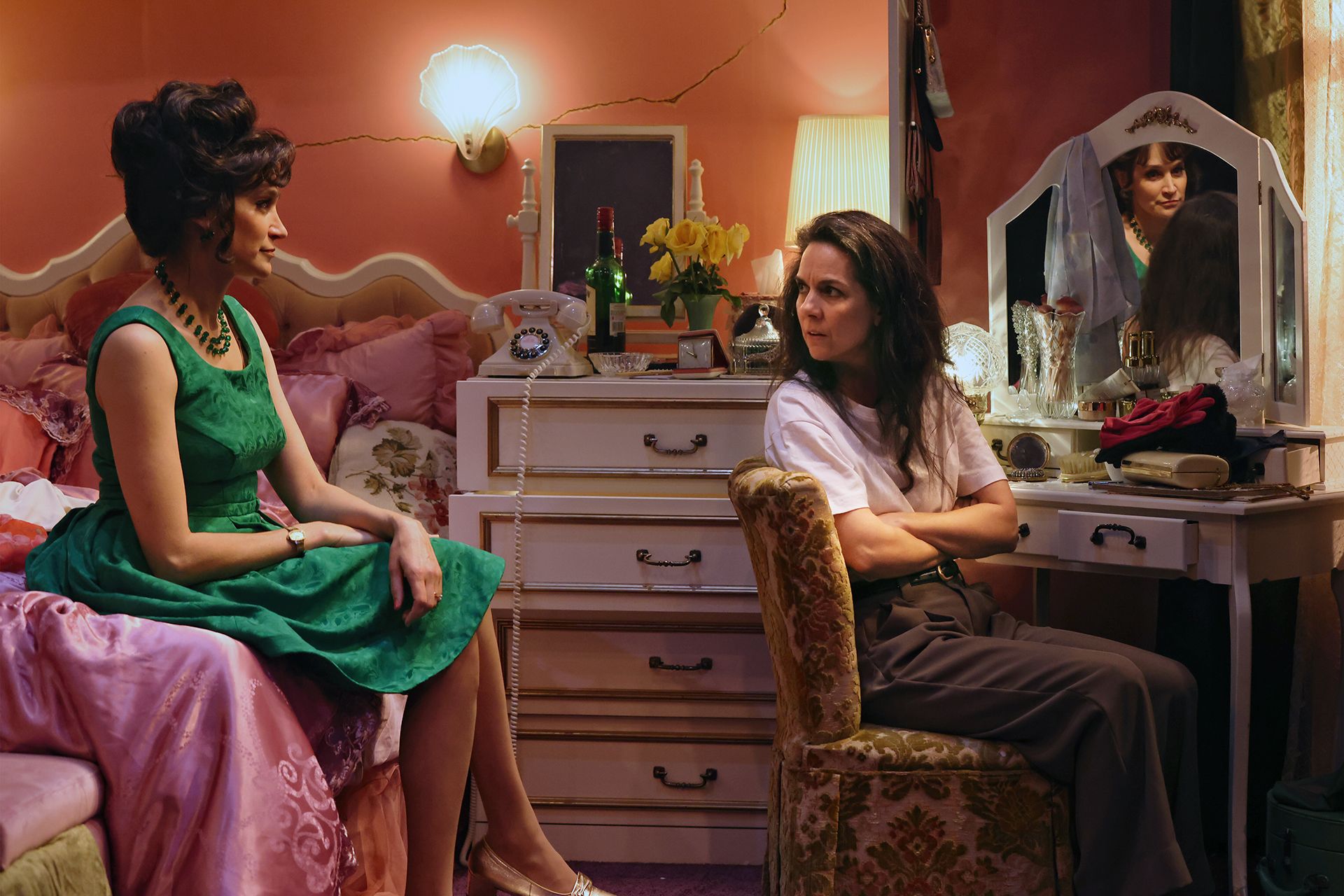
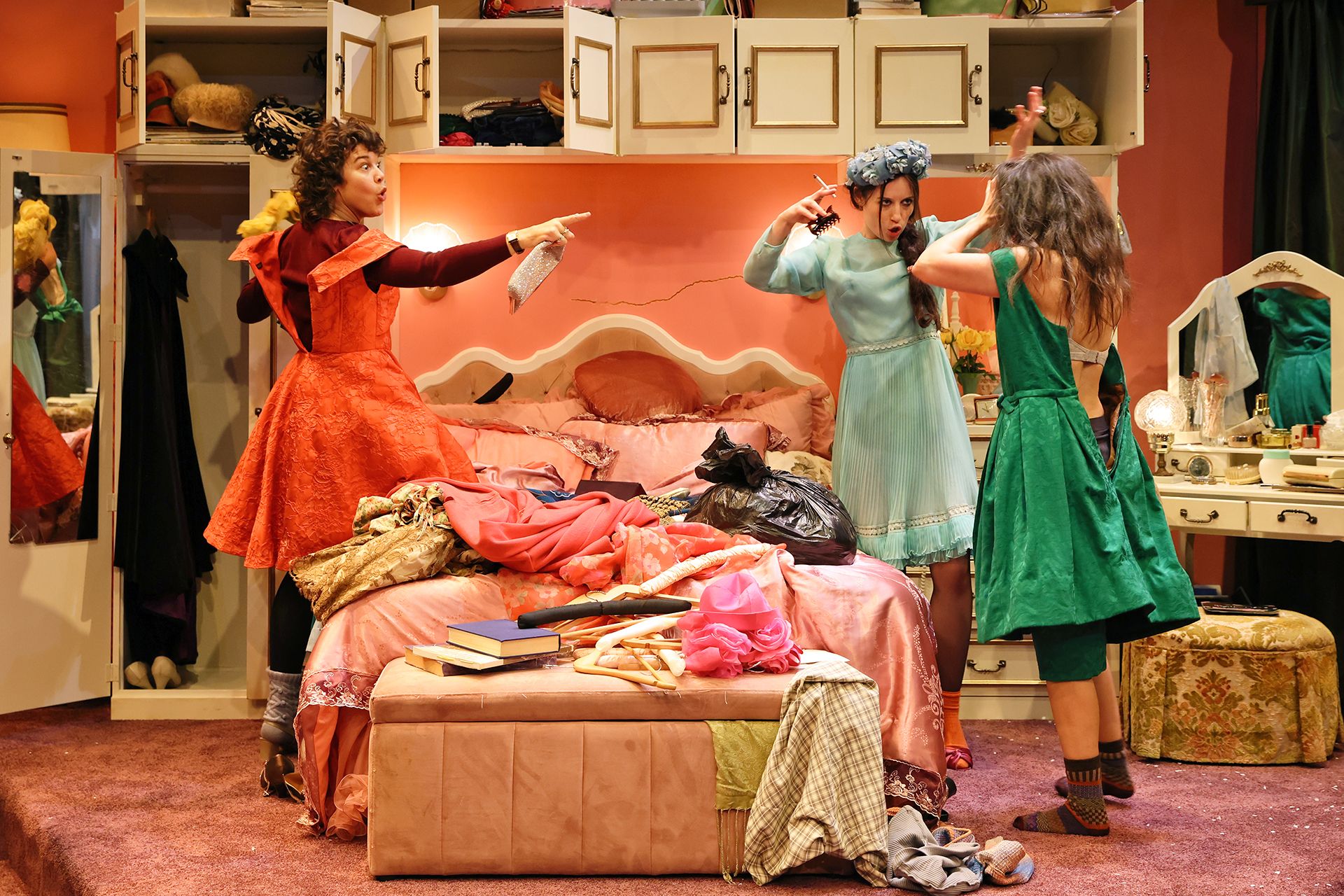
Direction by Rachel Chant honours that sense of truth, and delivers a production admirable for its integrity. With its excellent cast, the show proves consistently engrossing, even if we never really find moments of significant resonance. Michala Banas, Jo Downing and Madeleine Jones play the sisters, colourful and dynamic, full of surprises in their unpredictable portrayals of erratic personalities. Other performers include Thomas Campbell, Nicole Da Silva and Jonny Nasser, all highly persuasive in their respective roles, in a staging many will find entertaining.

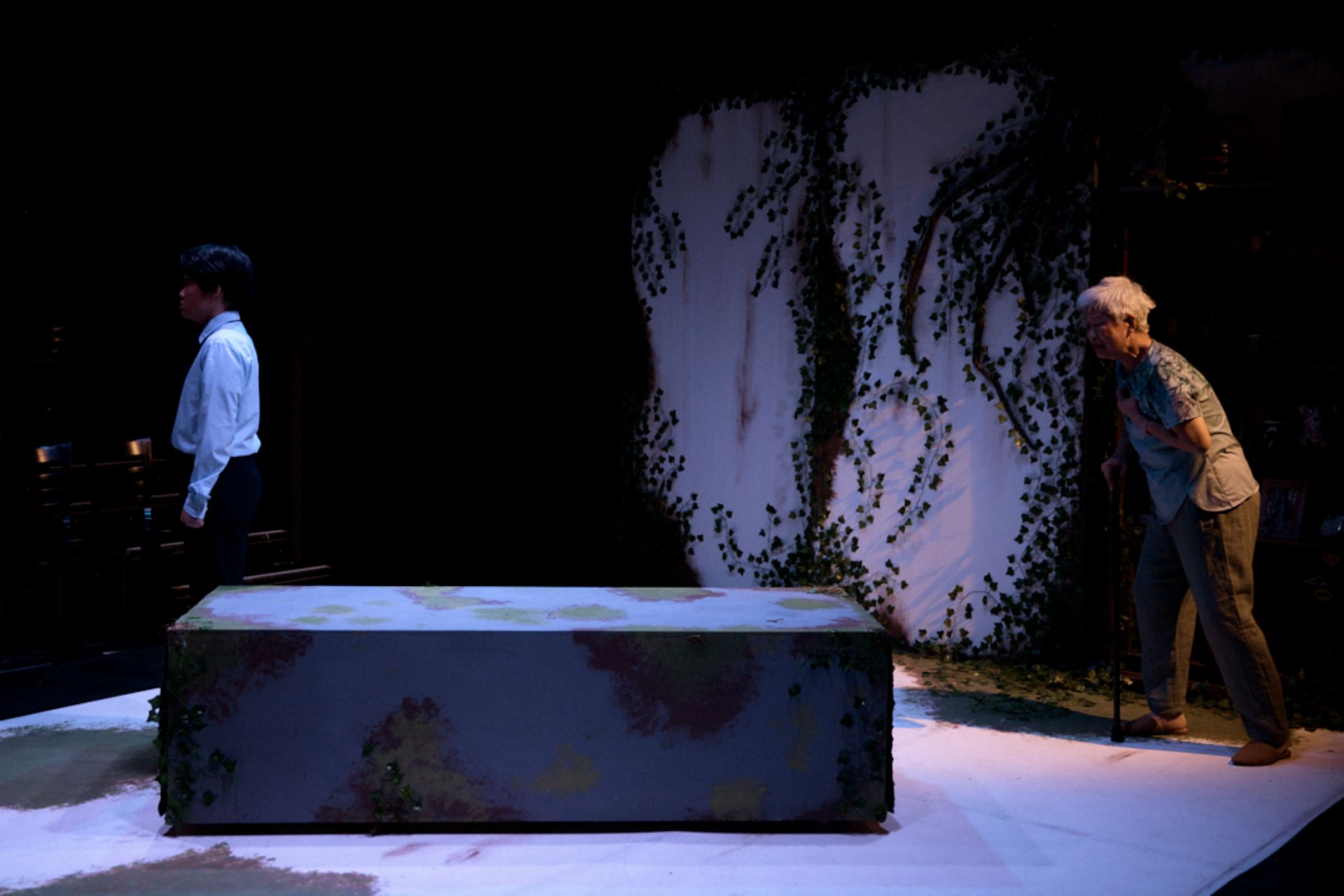
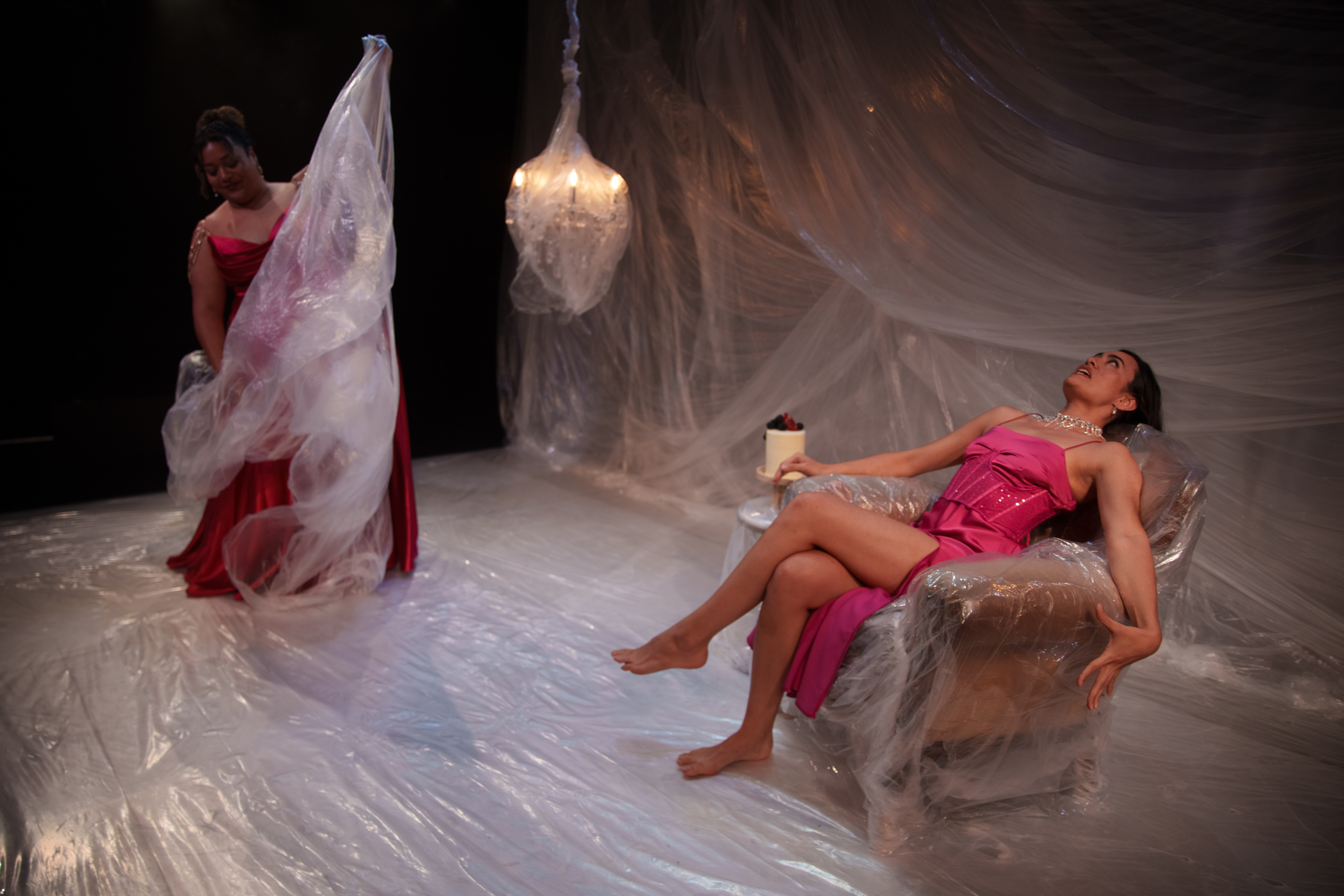
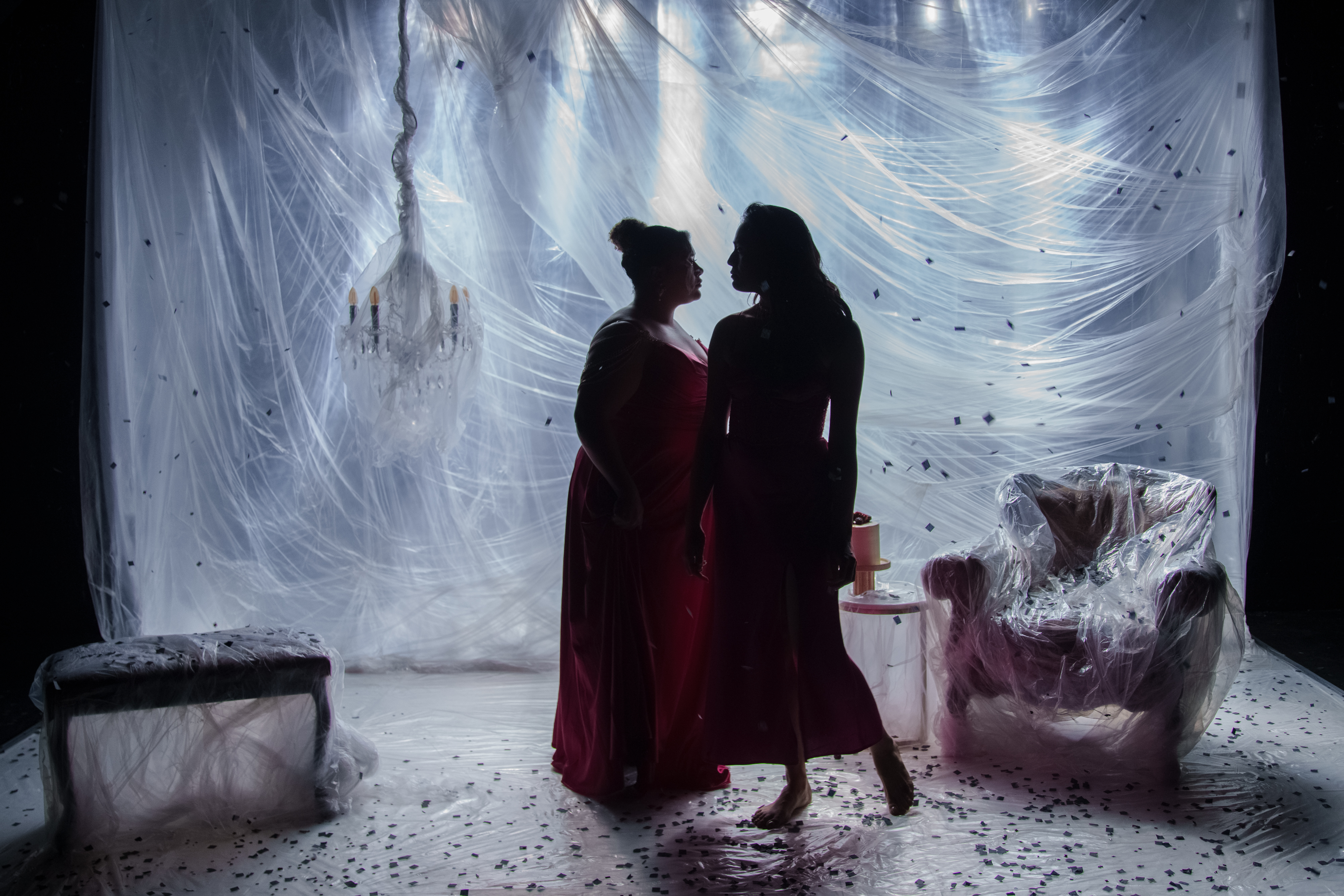
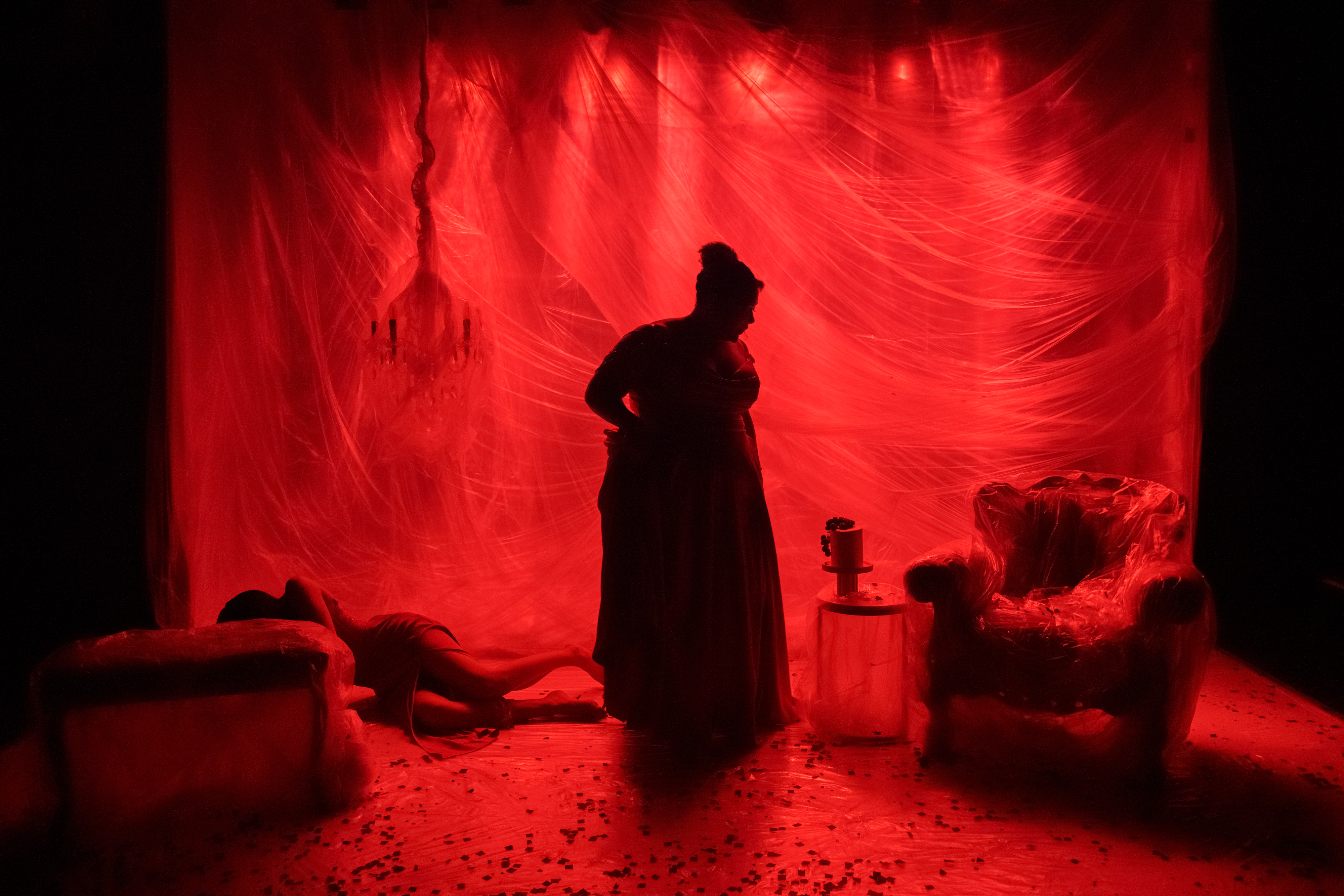
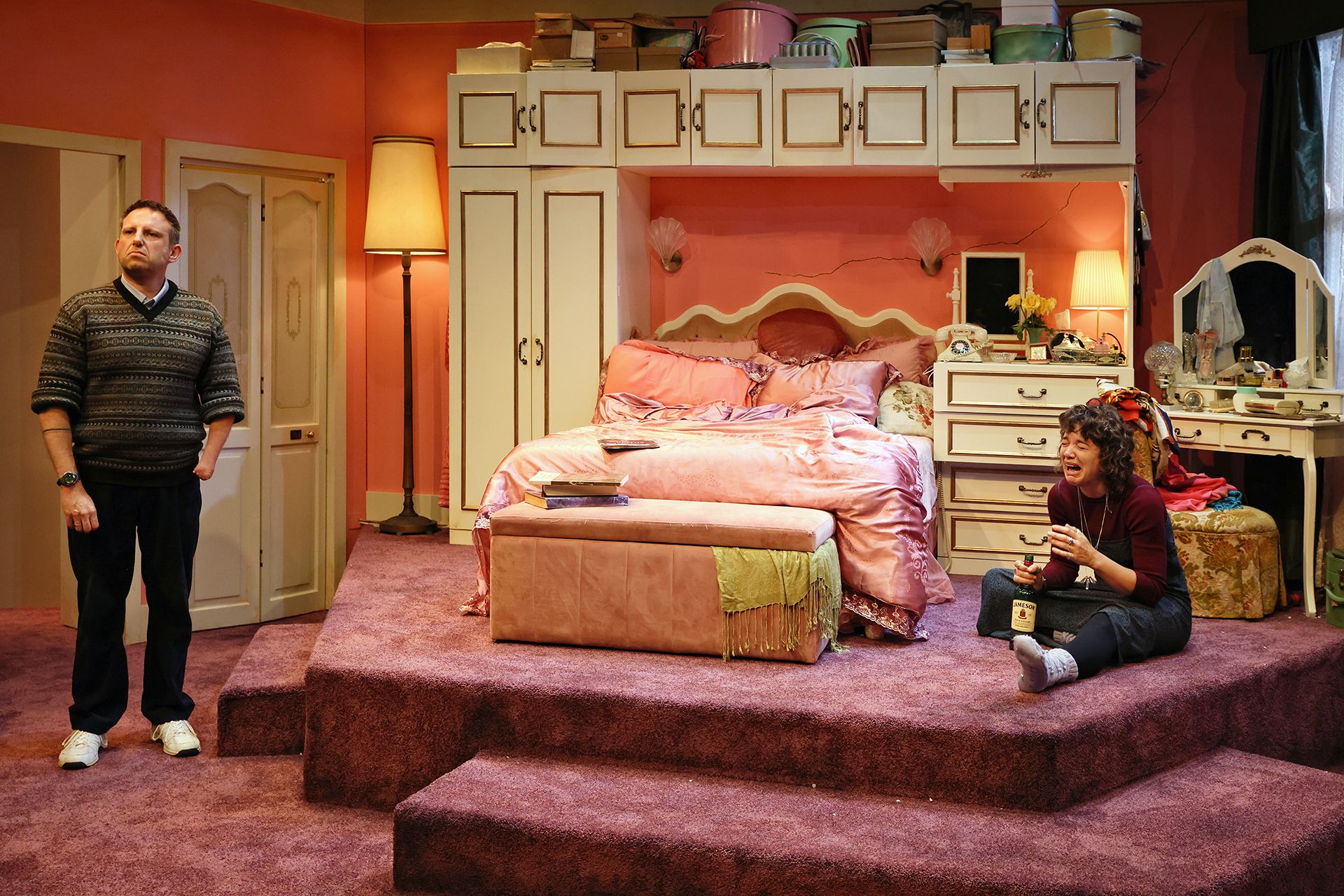
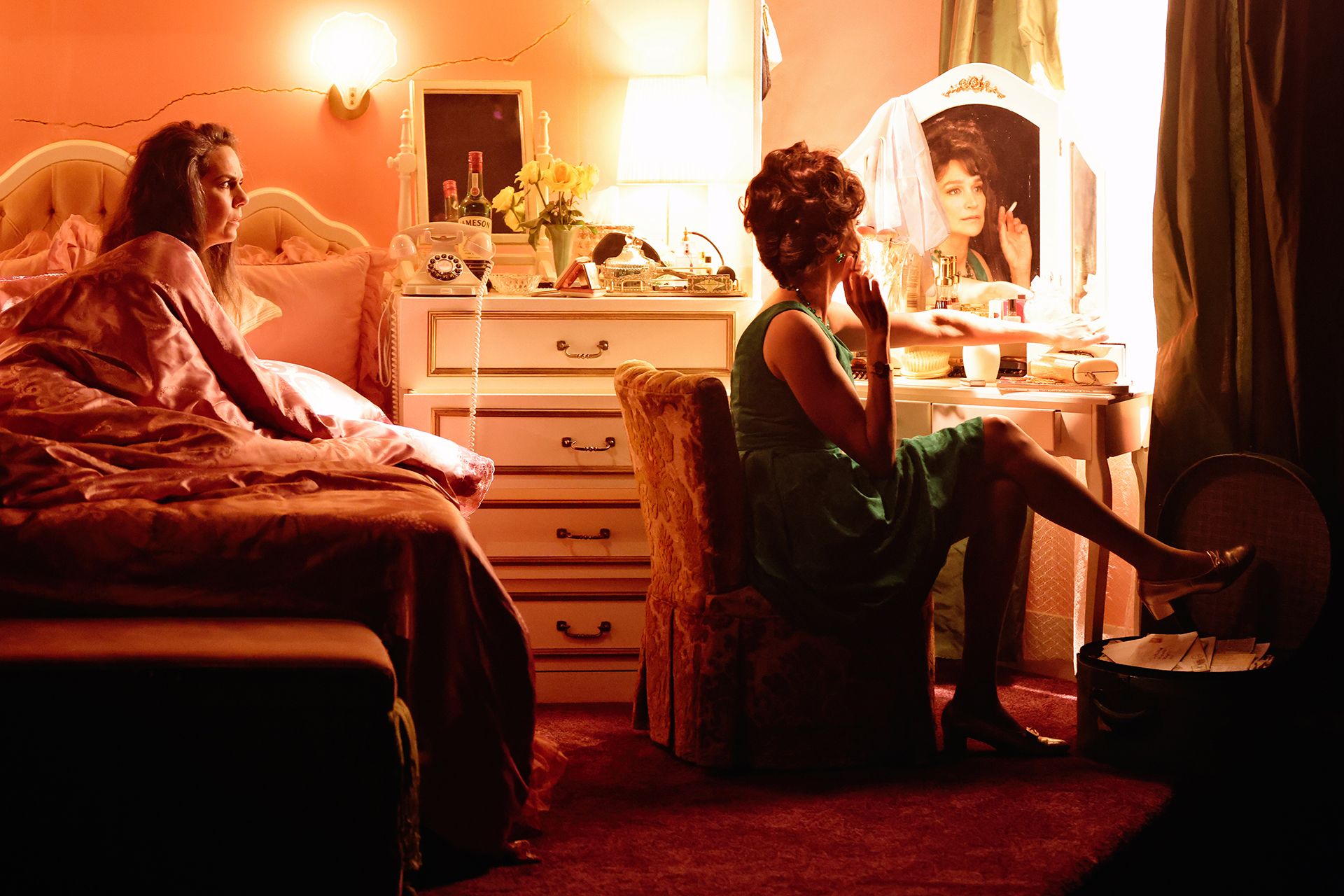
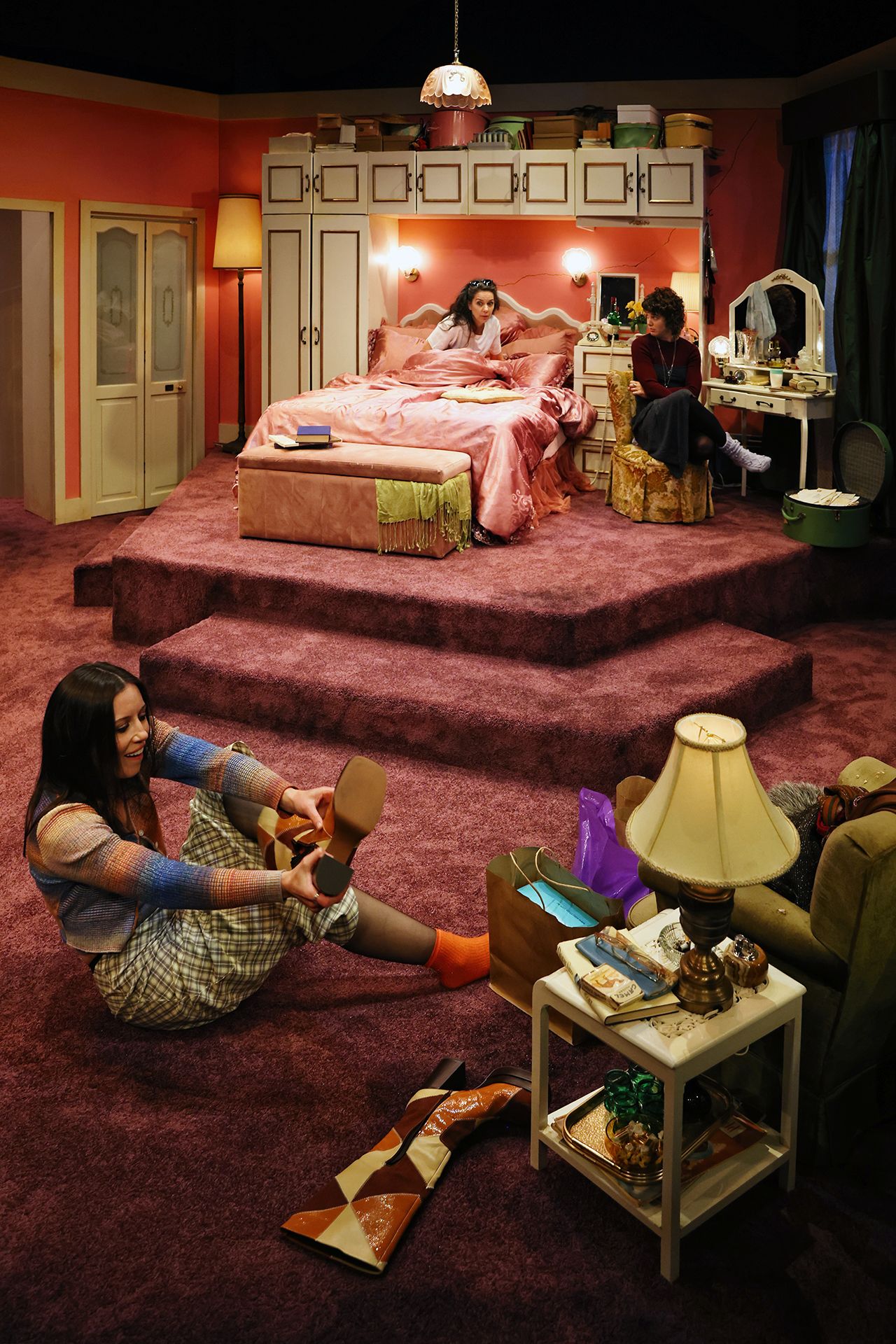
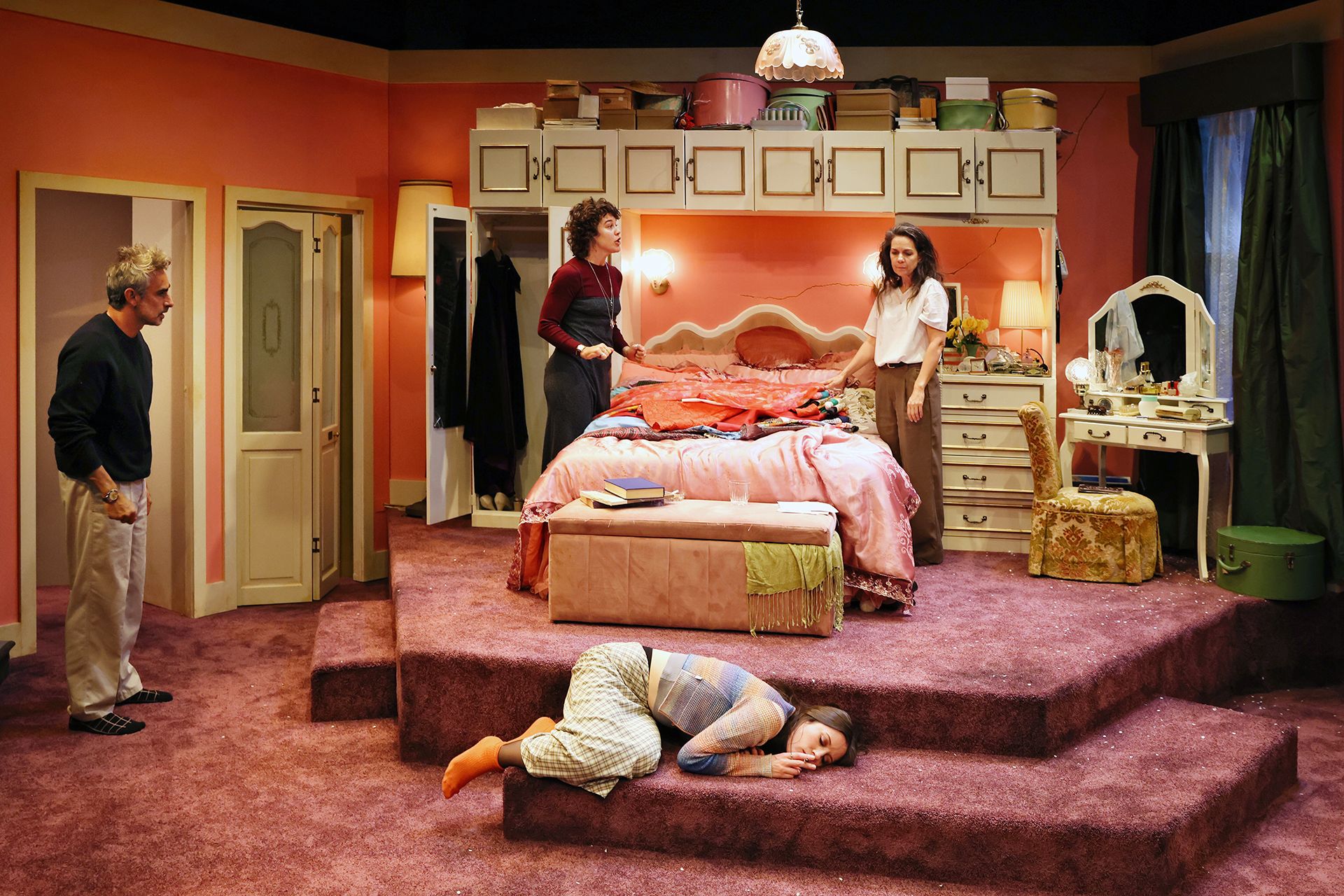
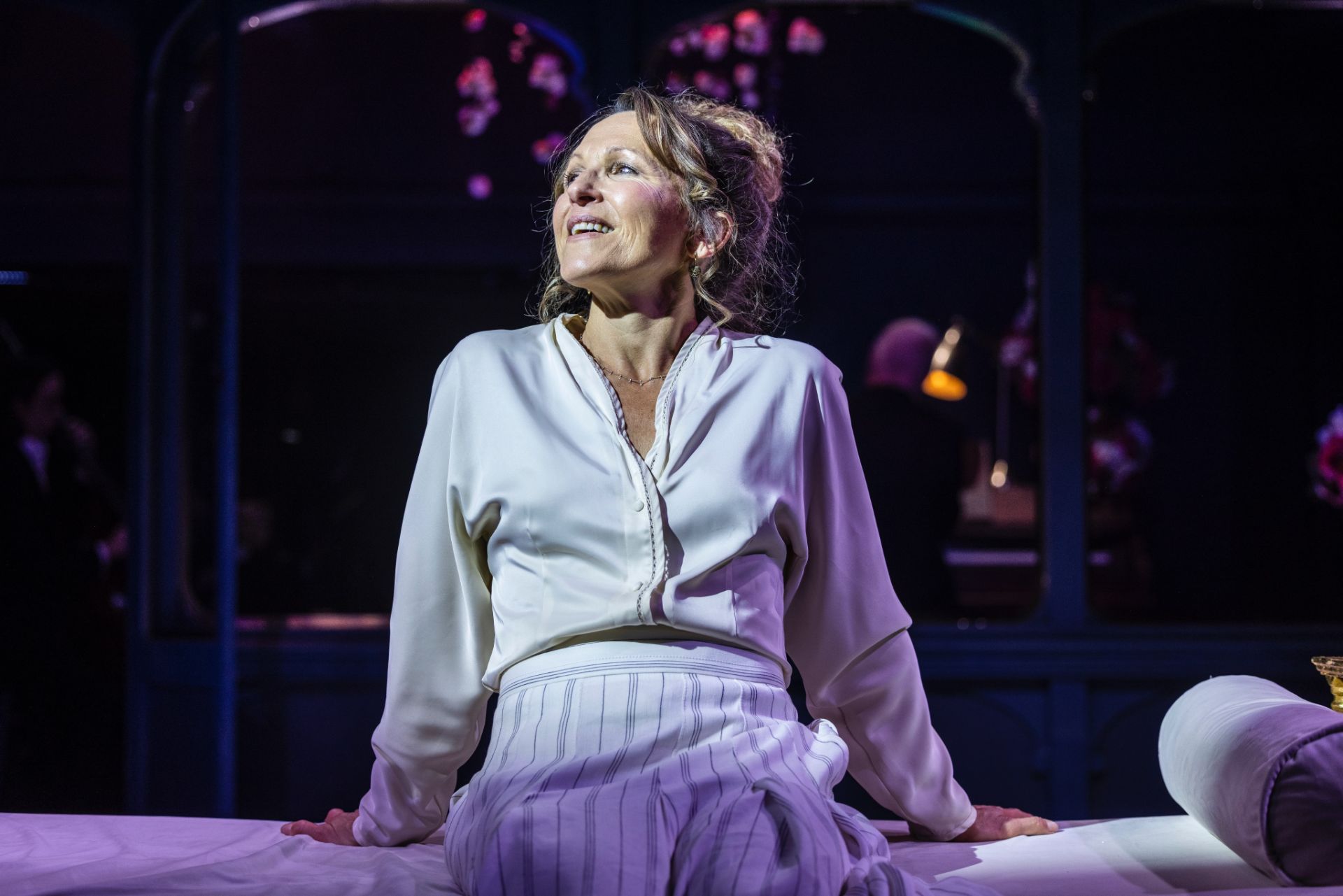
Set design by Veronique Benett features Violet’s flamboyant bedroom from the decadent seventies, impressive with its detail and finesse, and although dripping with irony, is simultaneously alluring with its sensual colour palette. Lights by Kelsey Lee and music by David Bergman are mostly subdued, in service of the intricate humour being manufactured, but are both noteworthy for their efficacy when given the opportunity to convey a greater sentimentality, especially during scenes later in the piece.

It is easy to begrudge parents their deficiencies; we never really come to terms with their human fallibilities. As women however, we can never deny that with each generation, our place in the world has improved, and looking back at what our mothers and grandmothers had had to endure, is always sobering. Violet’s daughters can certainly blame her for whatever they think is impairing their lives, but none will want to take her place, at a time when things were unequivocally worse.

www.ensemble.com.au

Review: Beyond The Break (25A Belvoir)

Venue: Belvoir St Theatre (Surry Hills NSW), Oct 18 – 29, 2023
Playwright: Challito Browne
Director: Bobbie-Jean Henning
Cast: Challito Browne
Images by 

Theatre review
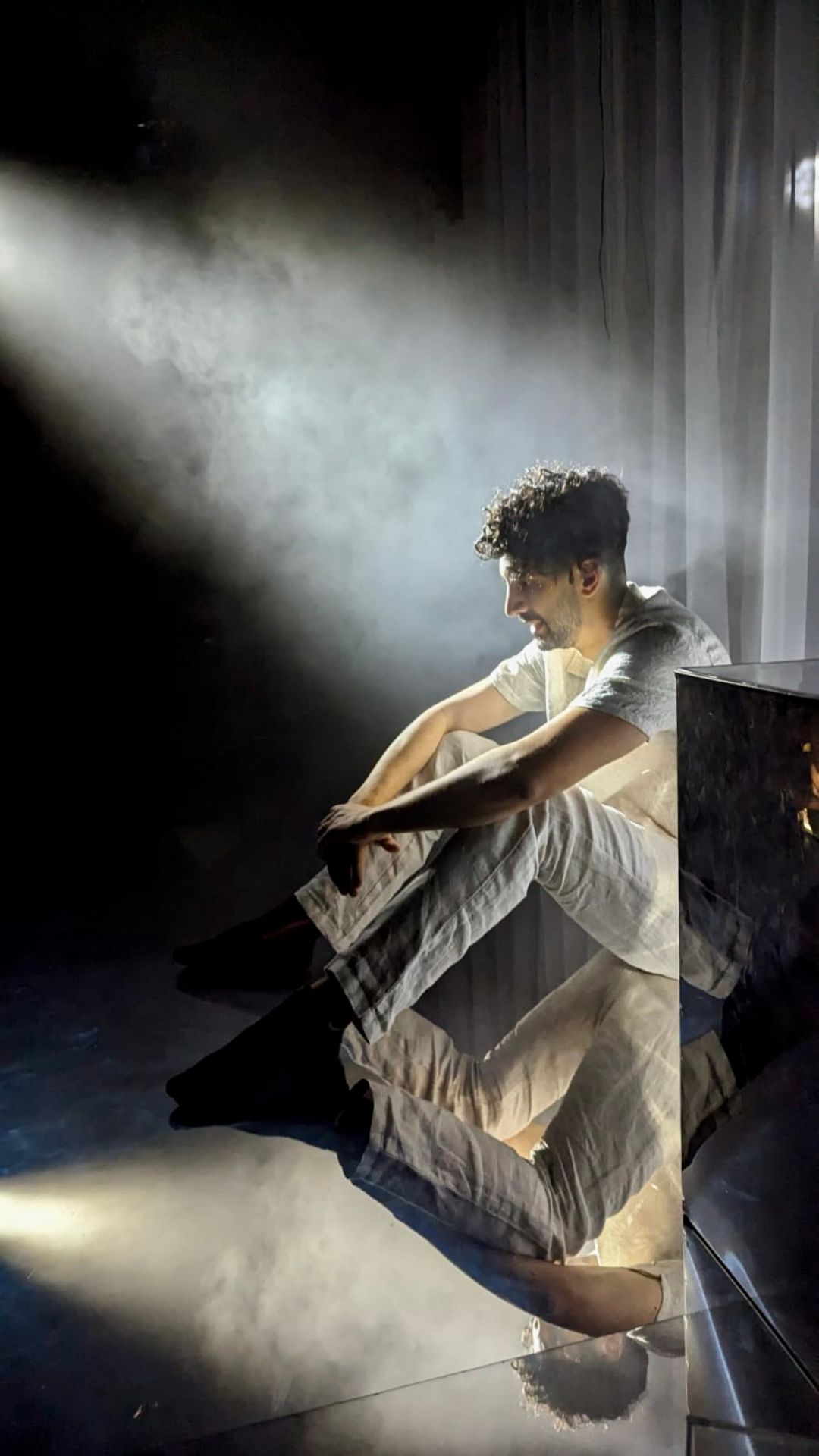
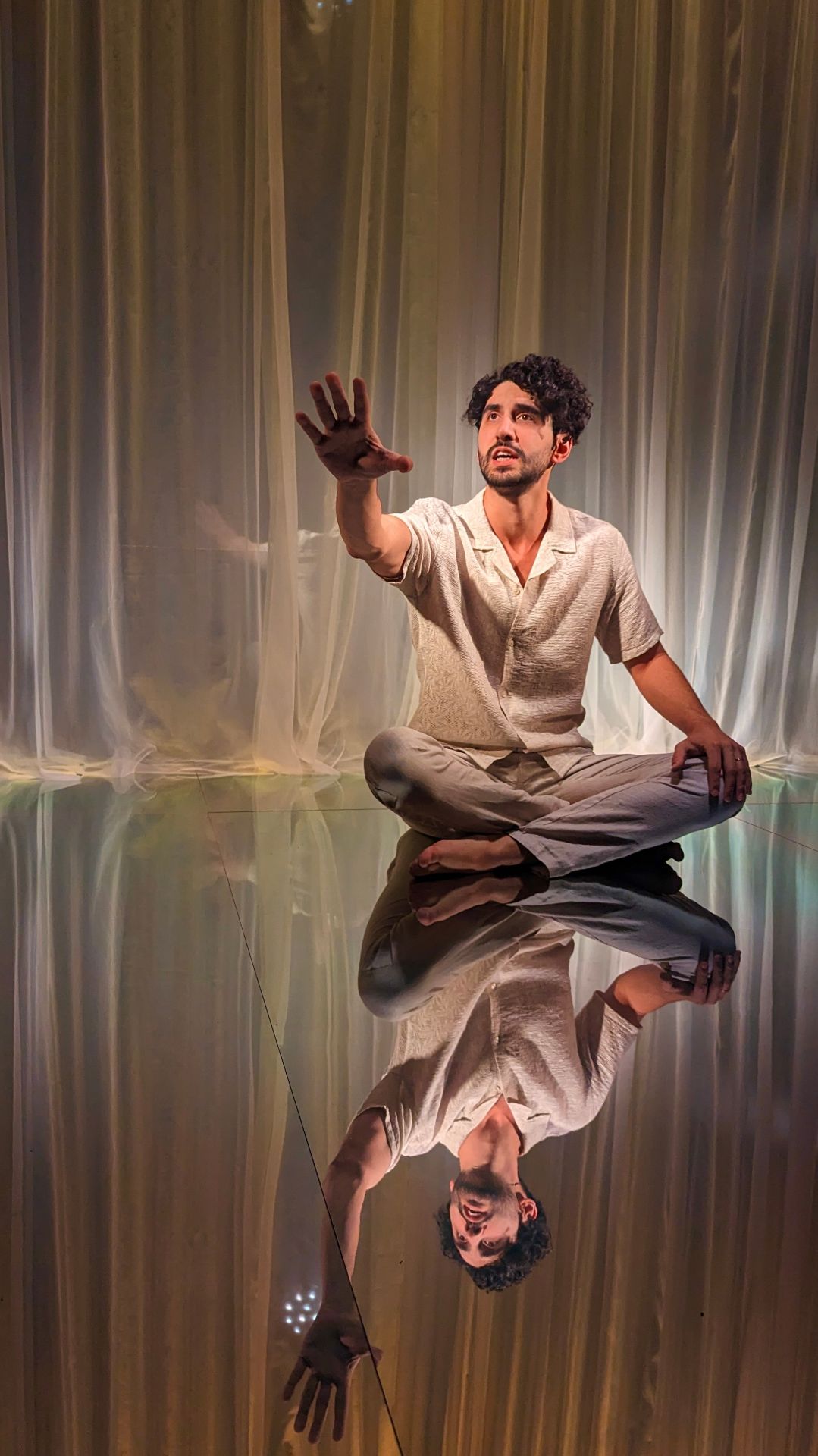
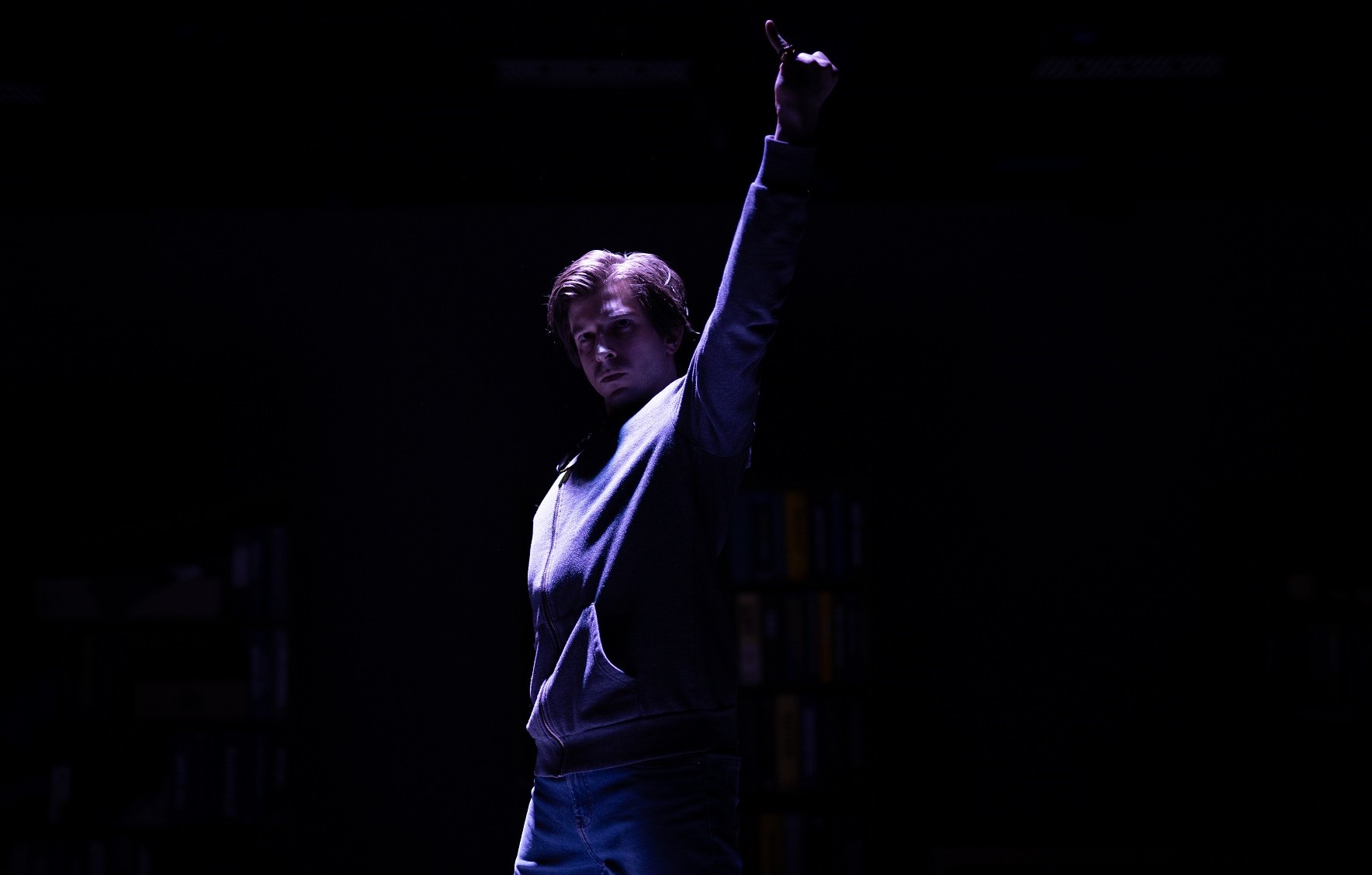
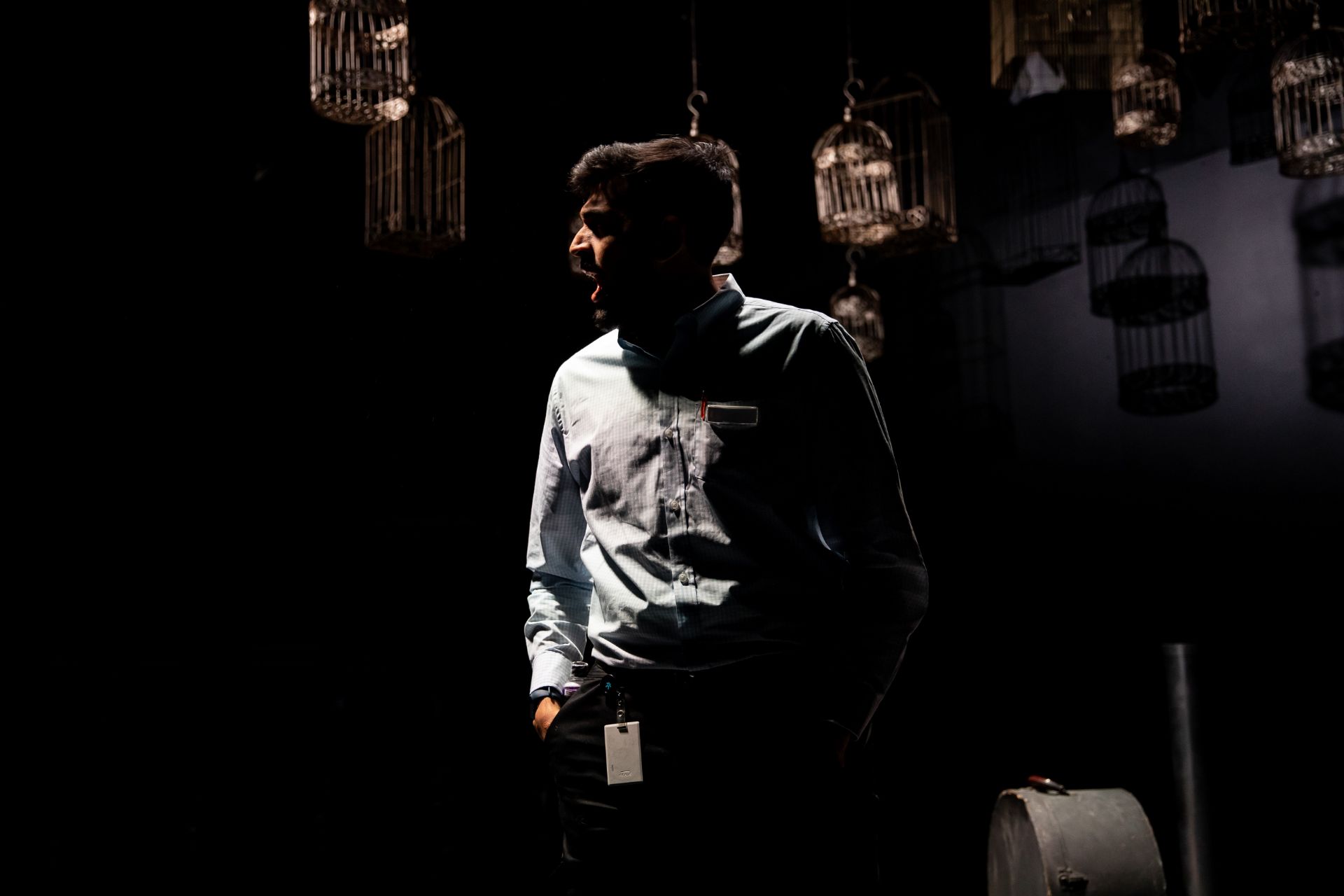
Identity has not come easy for Challito Browne. In Beyond the Break, we see him grapple with the complications of being mixed race, in an Australia that struggles to accept cultural difference, even if it has little claim to any real legitimacy, with its own dubious colonial origins. Not white enough for white folks, and too white for people of colour, the rejection he encounters comes from all sides. It is no wonder then, that Browne is thrust into a state of isolation, in the mind especially, where he finds company in unremitting introspection.

Beyond the Break is extraordinary in its thoughtfulness, with incredibly astute observations about humanity, expressed in ways that alternate unexpectedly between hilarity and heartache. Browne’s writing is disarmingly soulful, with a deep vulnerability that insists on our emotional investment, for a story that is ultimately about community, and the fundamental notion of belonging, that none can ever negate. It sheds light on the psyche for a look at how an individual like Browne makes sense of the world, and how he forms meaning in environments that persistently diminish and devalue his very existence. We are also given insightful depictions of ostracism, so that we may come to a greater understanding about the constructions of race and difference, and how white supremacy can manifest in devious ways, effectuated by all colours.

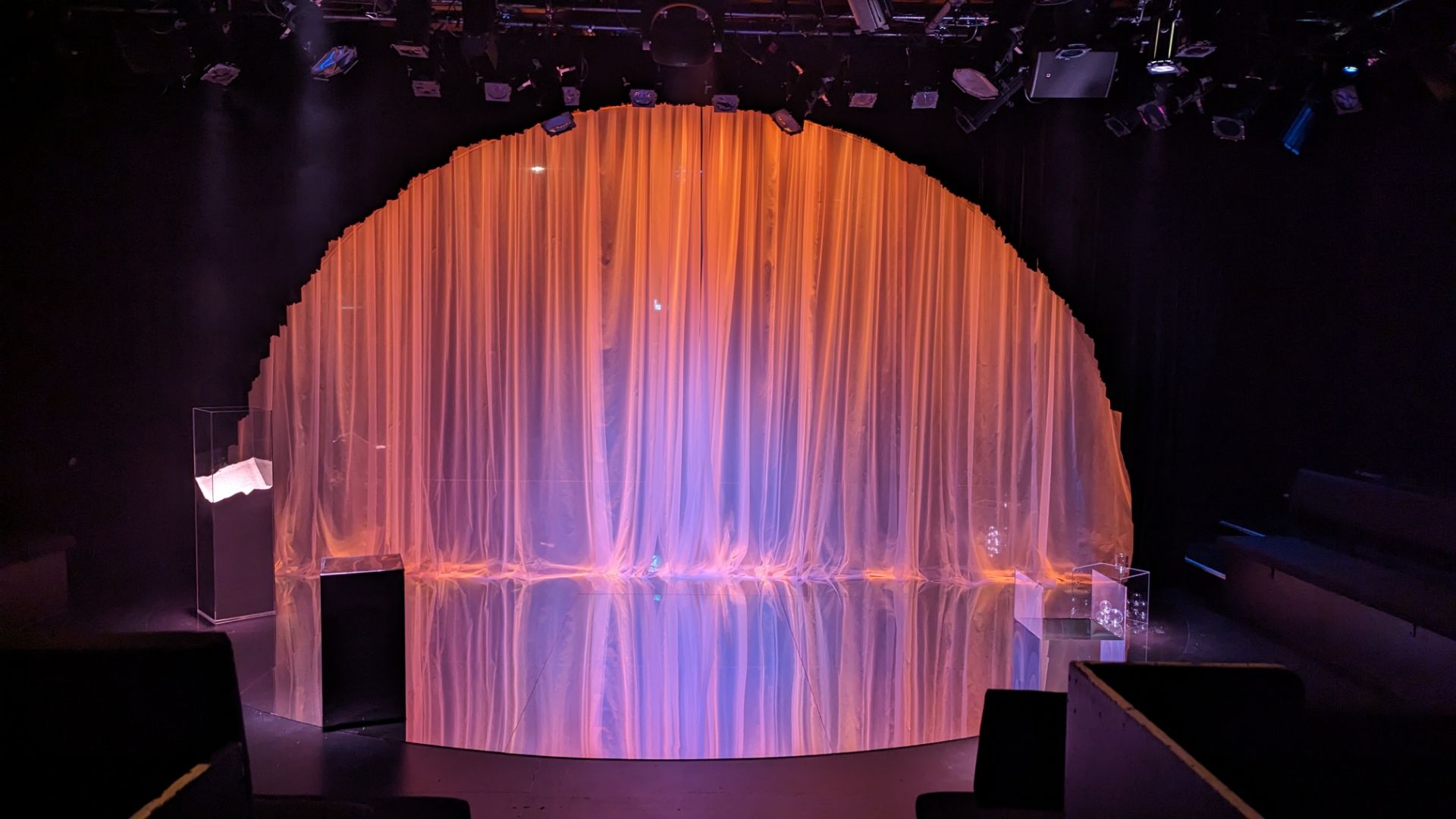
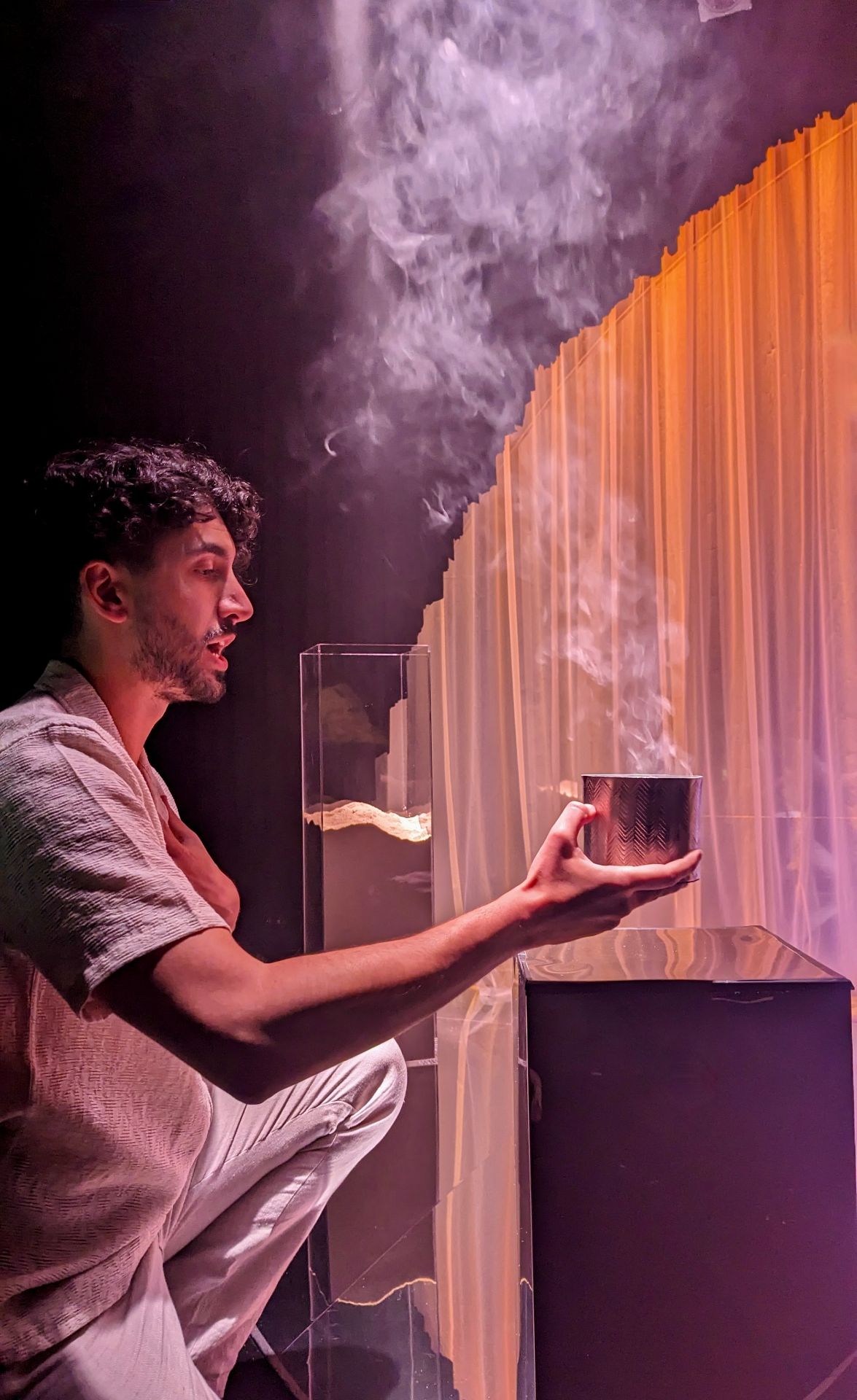
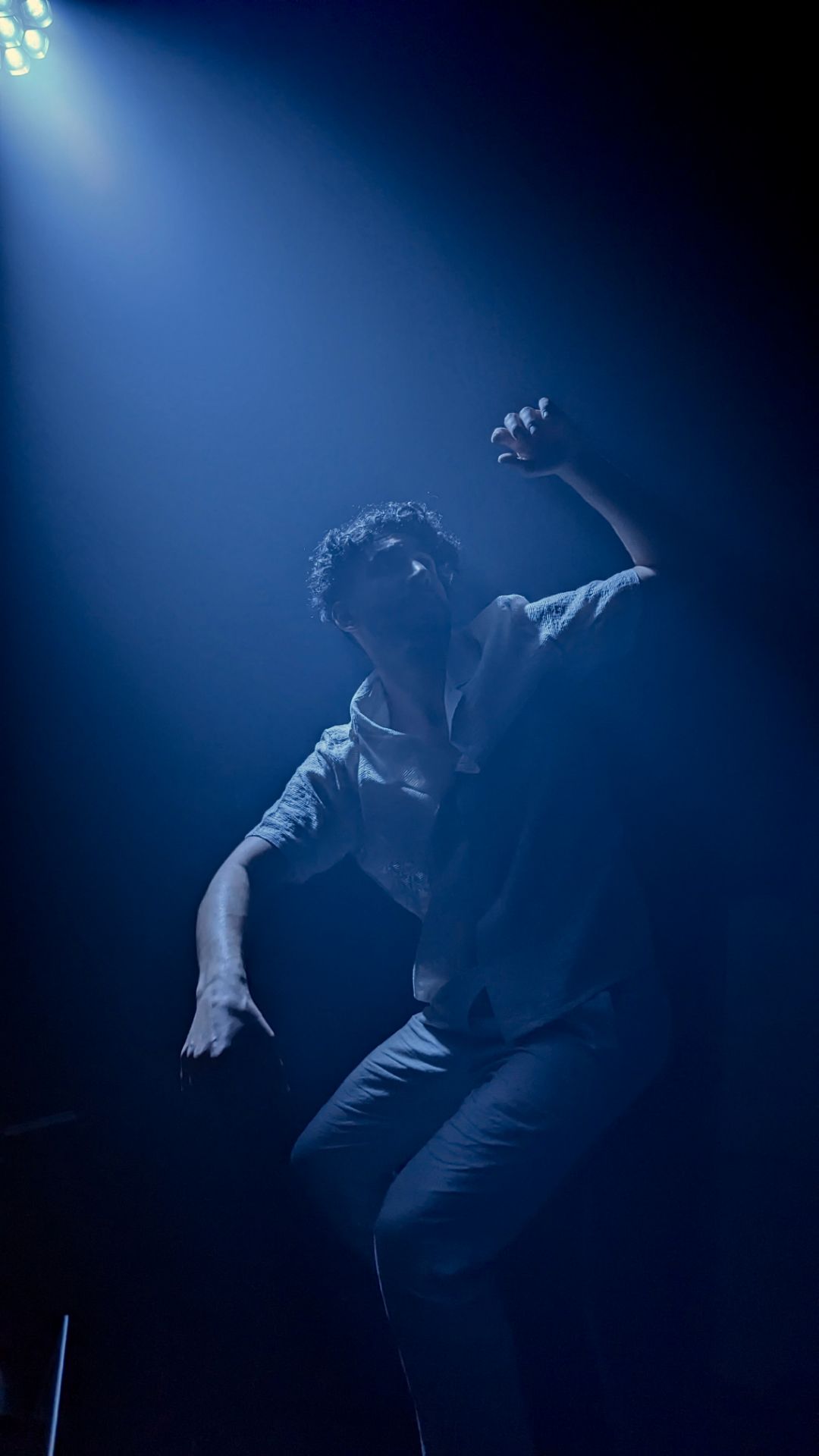
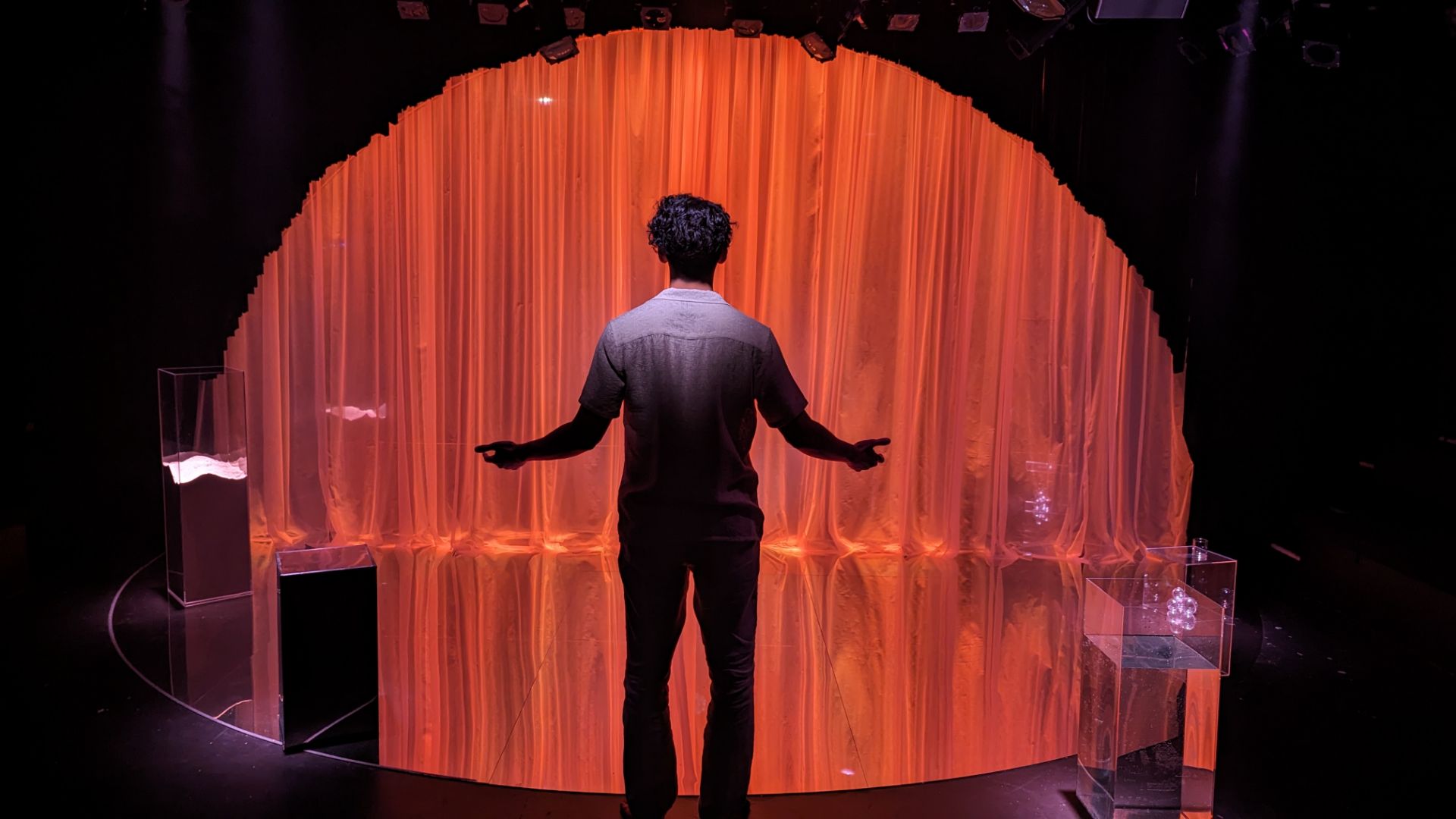
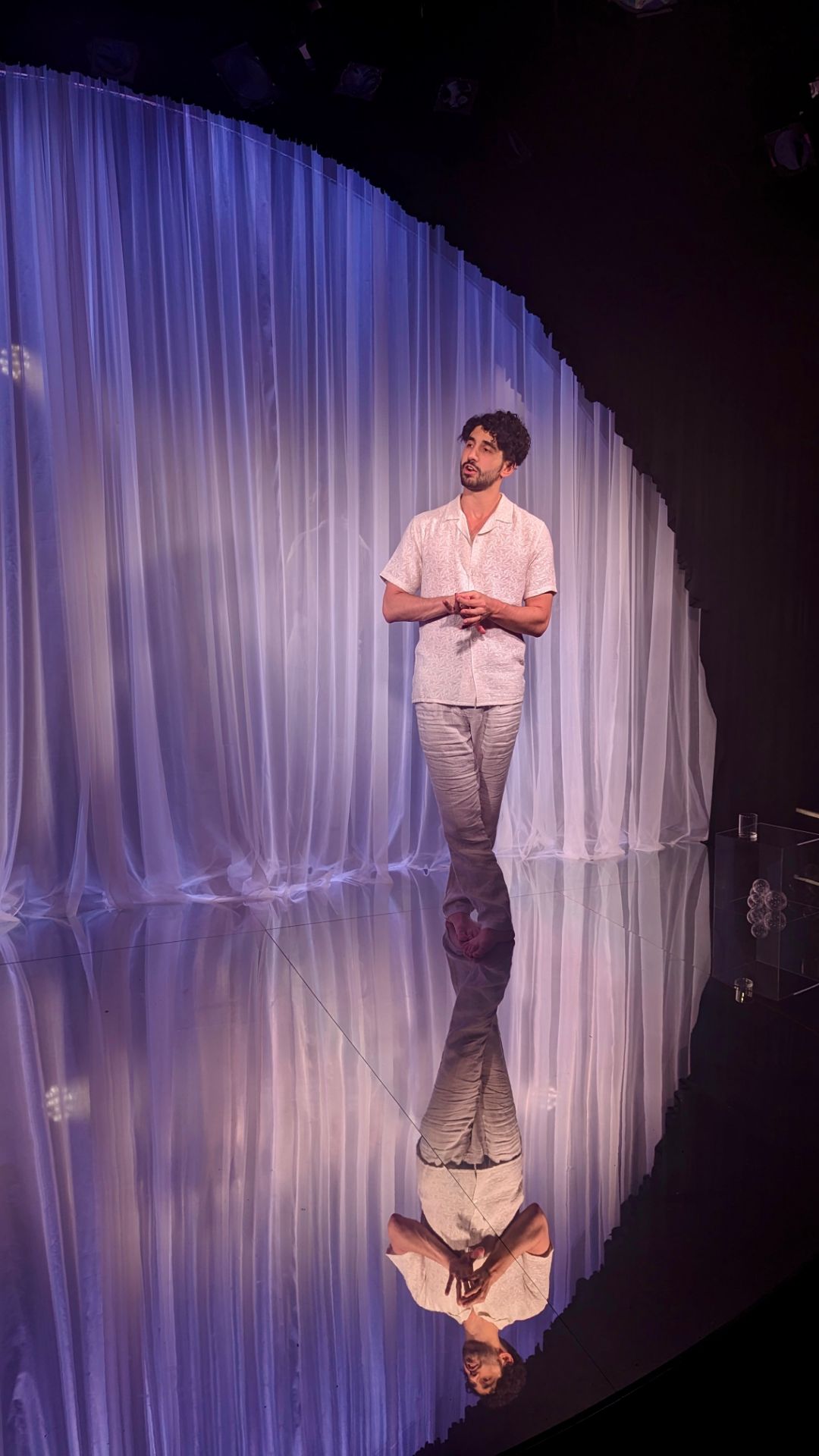
Directed by Bobbie-Jean Henning, the one-person show impresses with its richness, not only in cerebral terms, but also with the captivating entertainment that it provides. Henning ensures that we are amused, intrigued and challenged for the 70-minute duration, delivering theatre that keeps open our eyes, ears and hearts, to receive its important message. An immaculate set design by Brendan De La Hay conveys purity, to help us find beautiful transcendence in the experience. Frankie Clarke’s lights are  sensitive yet dynamic, persuasive with how it guides our sentimental responses through the production’s frequent tonal oscillations. Sounds by Johnny Yang are rendered with intricacy and rigour, bringing delicious drama to this surprisingly expansive discussion about one man’s ethnicity.

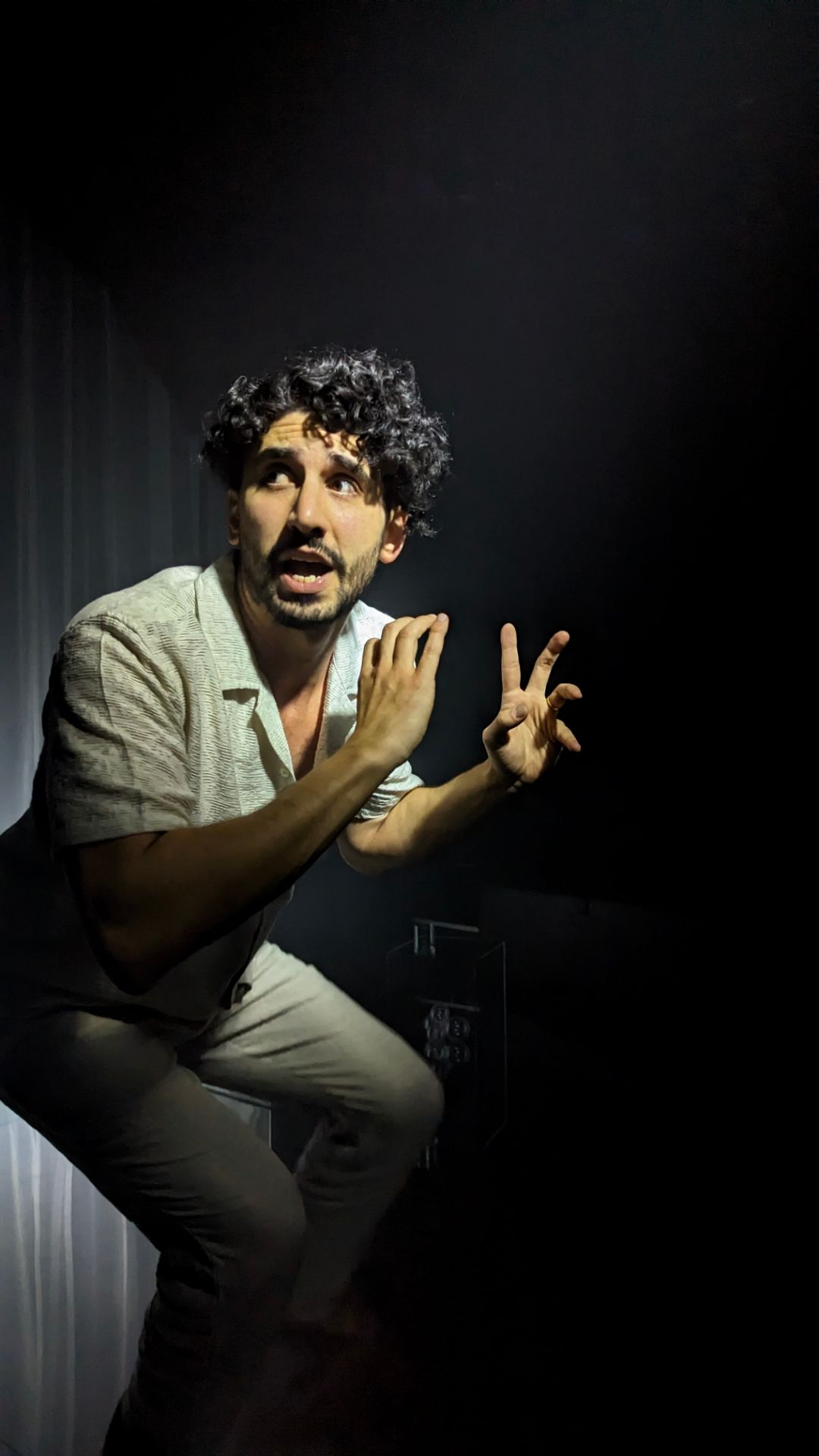
Browne is at least as strong a performer as he is a writer. His presence is resolute but warm, with a sense of generosity that makes even the more sardonic passages feel empathetic. The skill he displays is astonishing, with a level of agility and precision, along with an effortless confidence, that has us marveling at his artistic prowess, whilst keeping our minds firmly engaged in the ideas being presented.

When Browne says “I am Australian,” as he does repeatedly, the statement can feel like it means everything and nothing. Identity is illusory and impermanent, but the consequences are real, of how others regard the self, and indeed of how one regards themself. In negotiating the world, one can rarely have the privilege of being ephemeral or transient; we are required to be solid, to mean something, and to stand for something. We have responsibilities in kinship, friendship, and in citizenry. You have the freedom to be who you wish, but the duty to leave this a better place is incontrovertible.

www.instagram.com/like.water.entertainment | www.belvoir.com.au

Review: Bark Of Millions (Sydney Opera House)

Venue: Sydney Opera House (Sydney NSW), Oct 20, 2023
Concept: Taylor Mac, Matt Ray
Lyrics: Taylor Mac
Music: Matt Ray
Director: Taylor Mac
Cast: Ari Folman-Cohen, Bernice “Boom Boom” Brooks, Chris Giarmo, Dana Lyn, El Beh, Greg Glassman, Jack Fuller, Joel E. Mateo, Jules Skloot, Le Gateau Chocolat, Lisa “Paz” Parrott, Machine Dazzle, Mama Alto, Marika Hughes, Matt Ray, Sean Donovan, Steffanie Christi’an, Stephen Quinn, Taylor Mac, Thornetta Davis, Viva DeConcini, Wes Olivier
Images by Daniel Boud

Theatre review
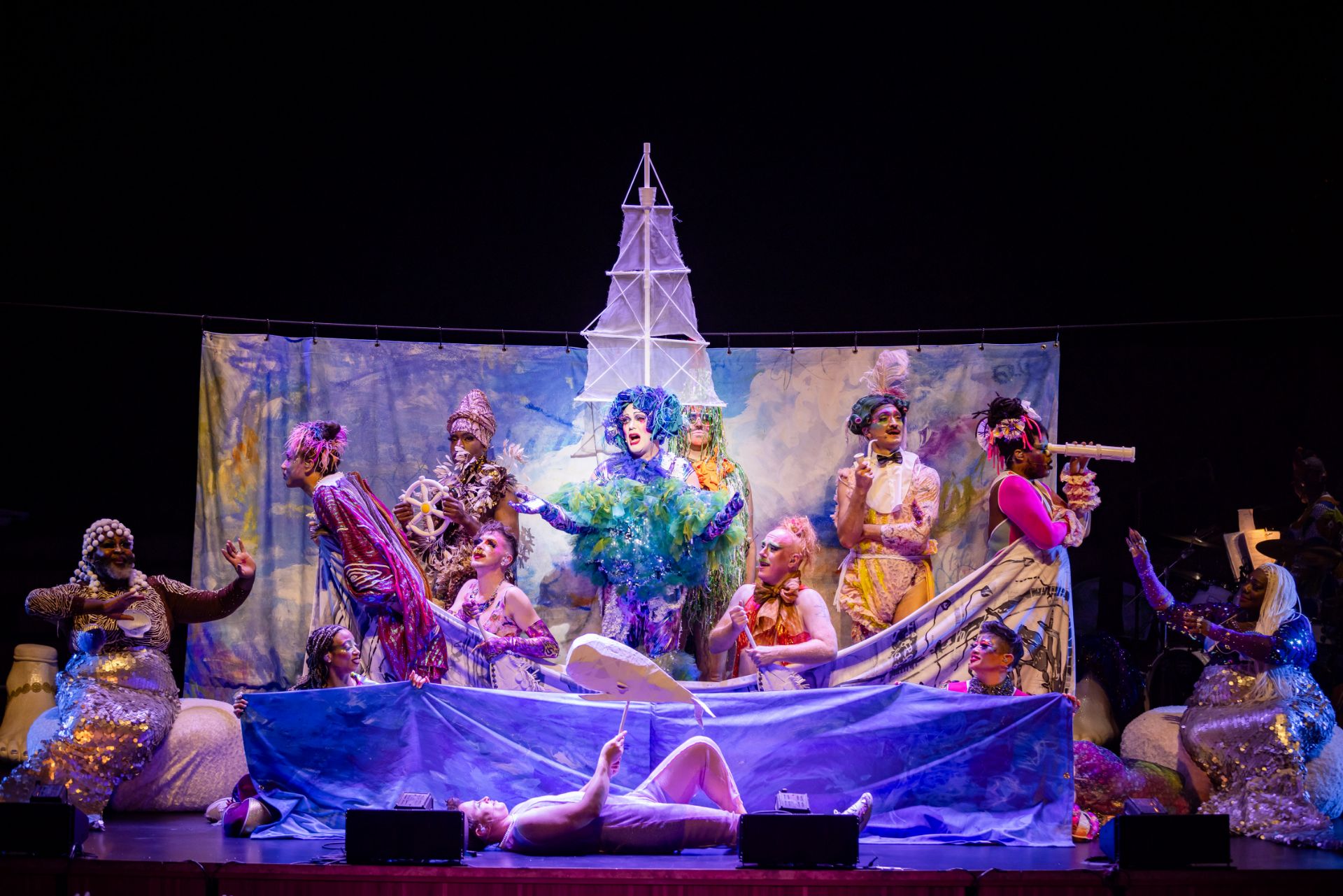
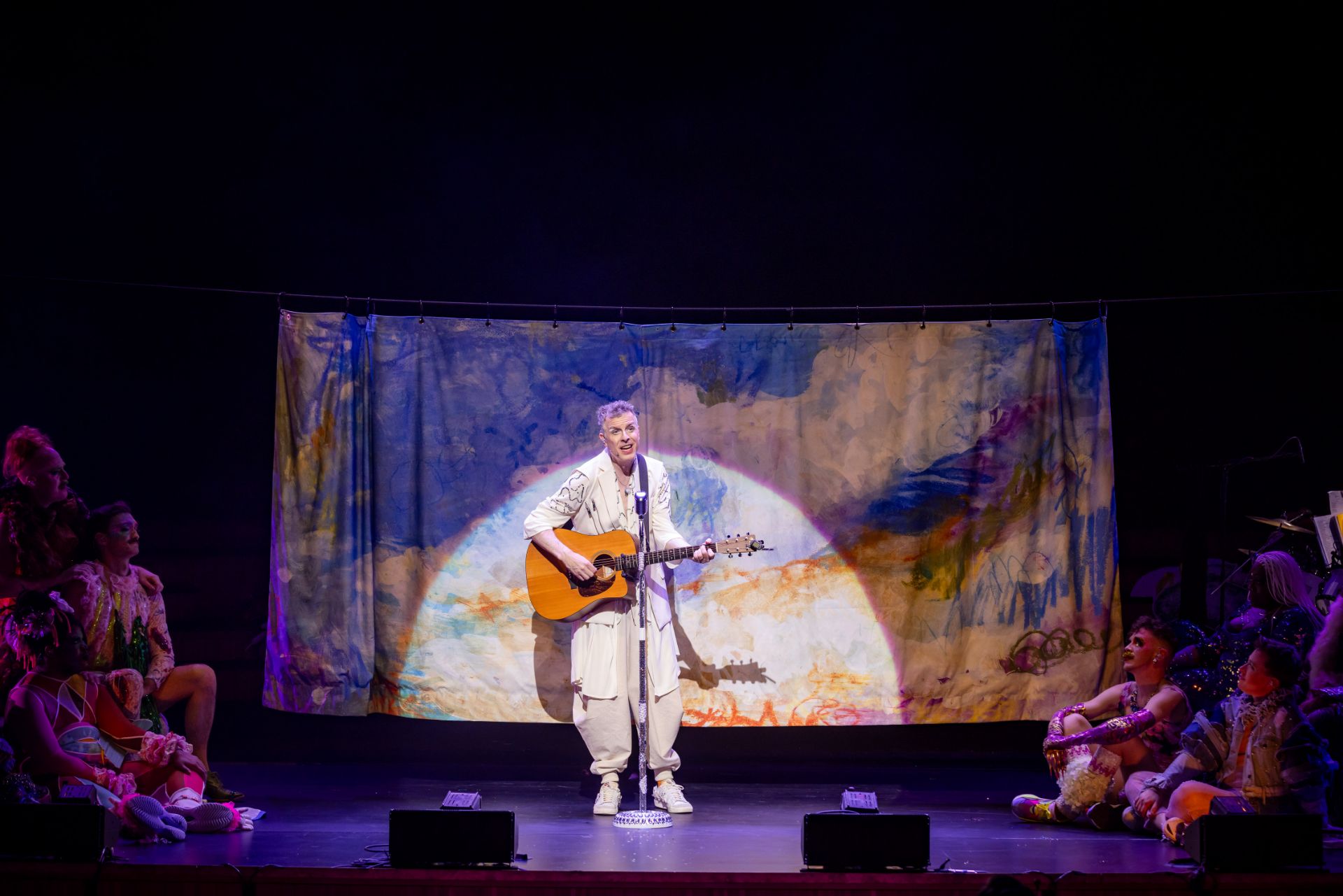
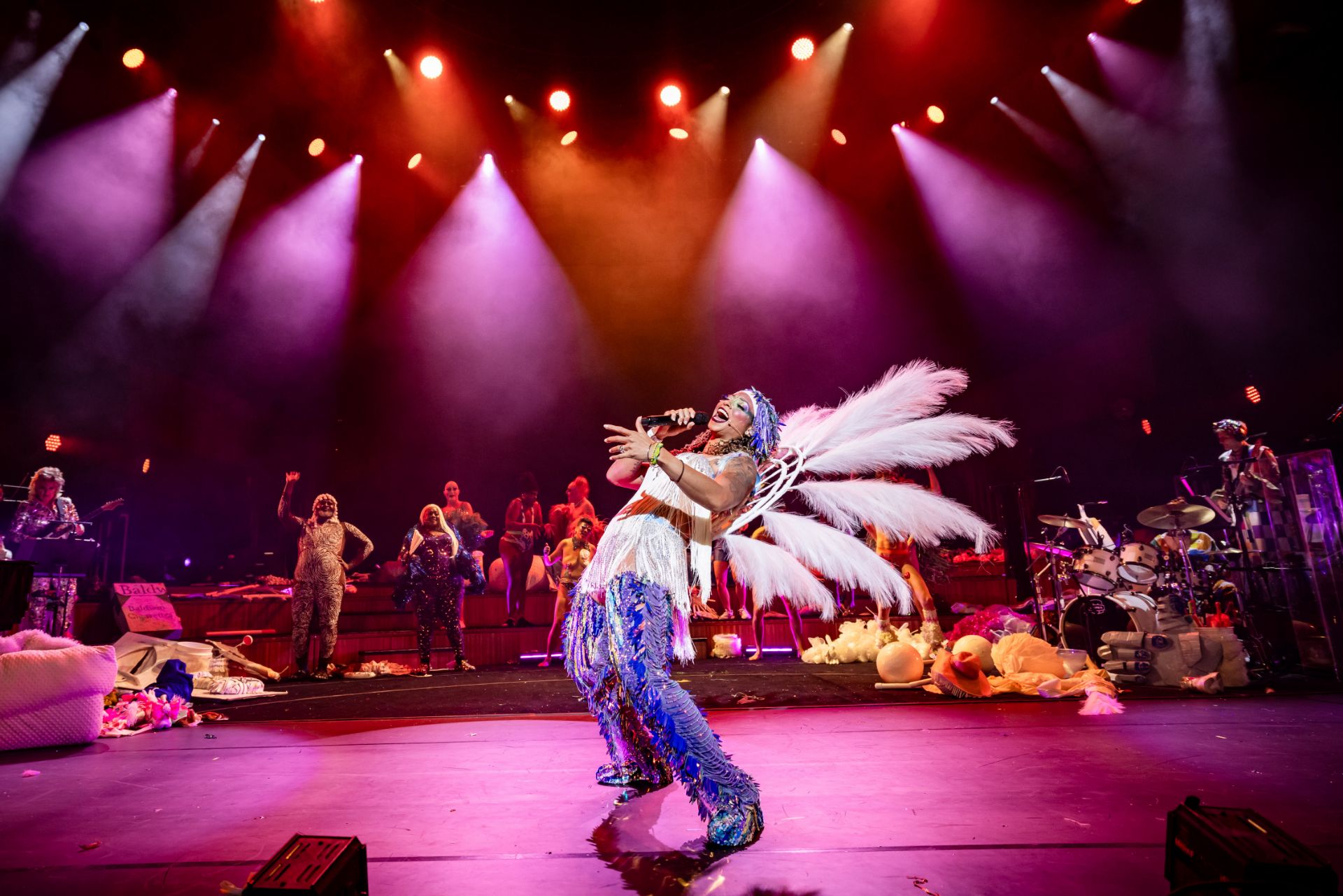
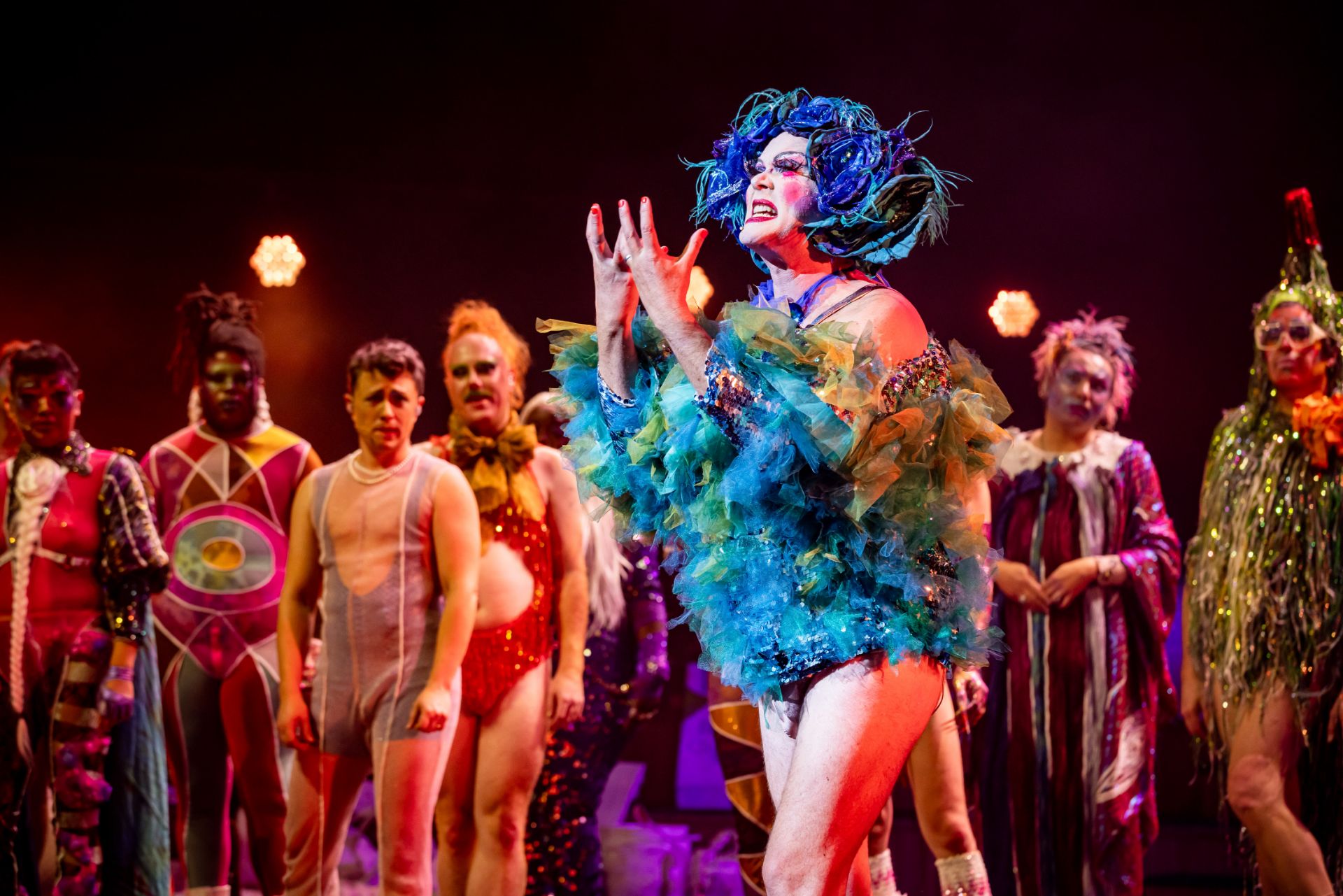
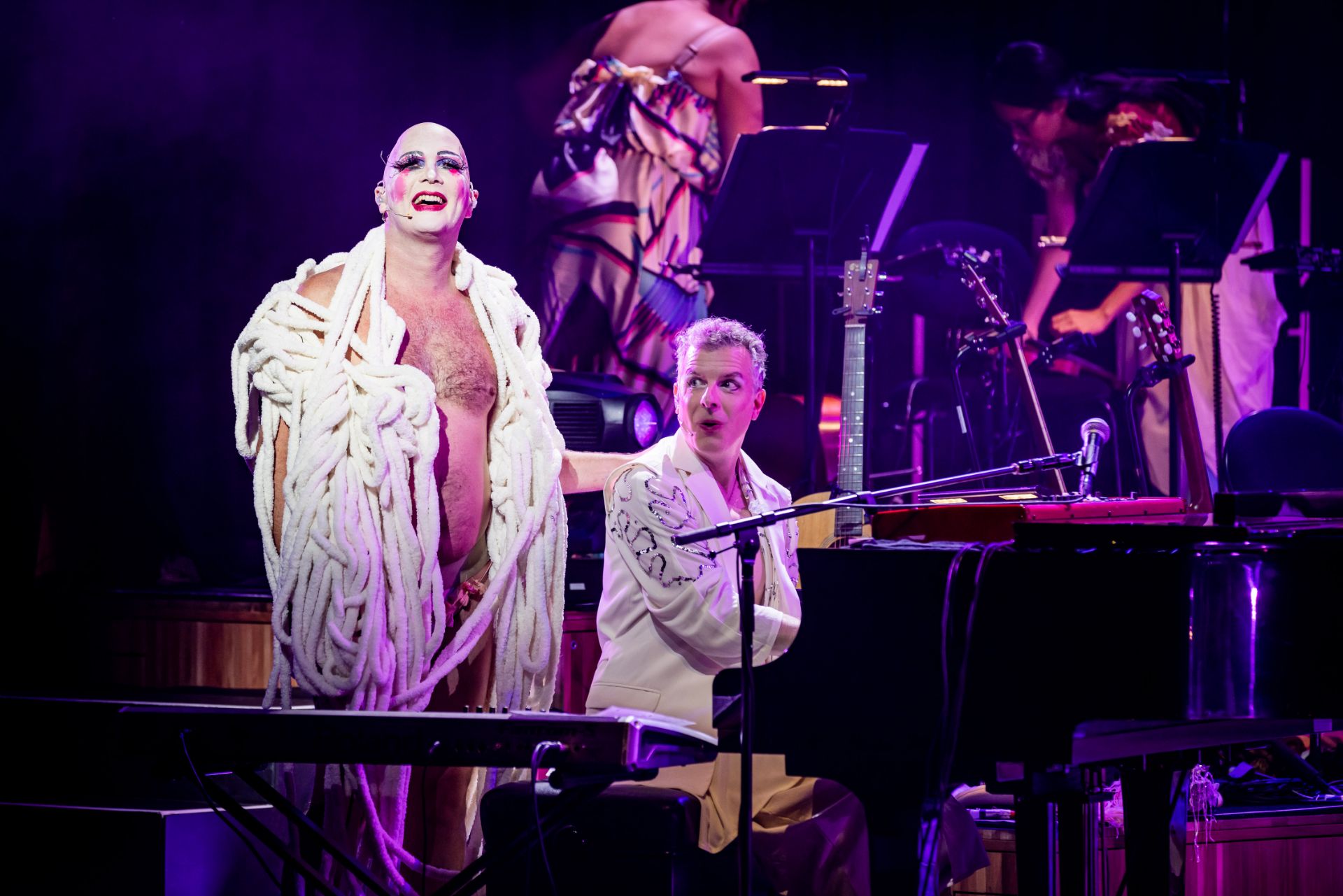
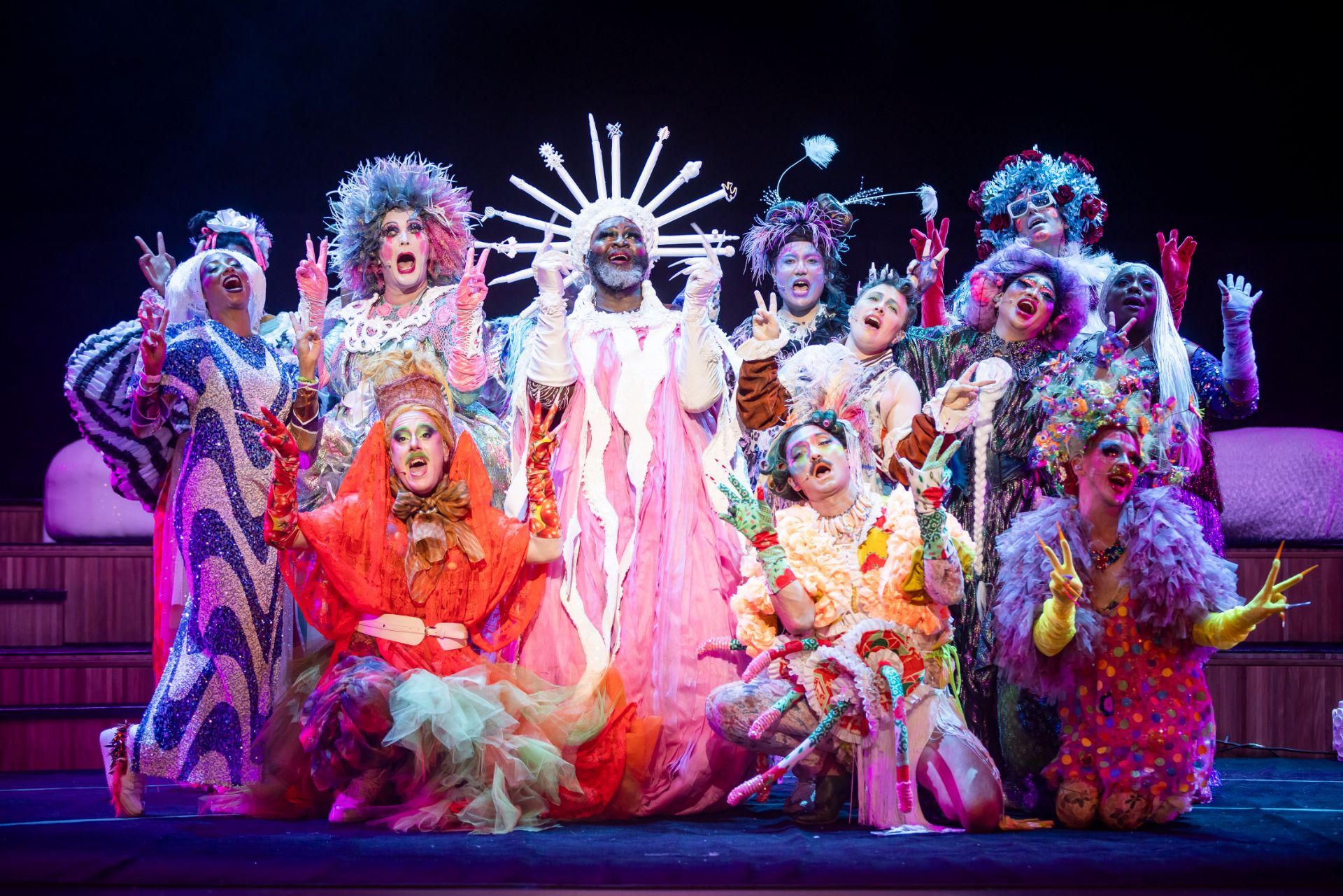
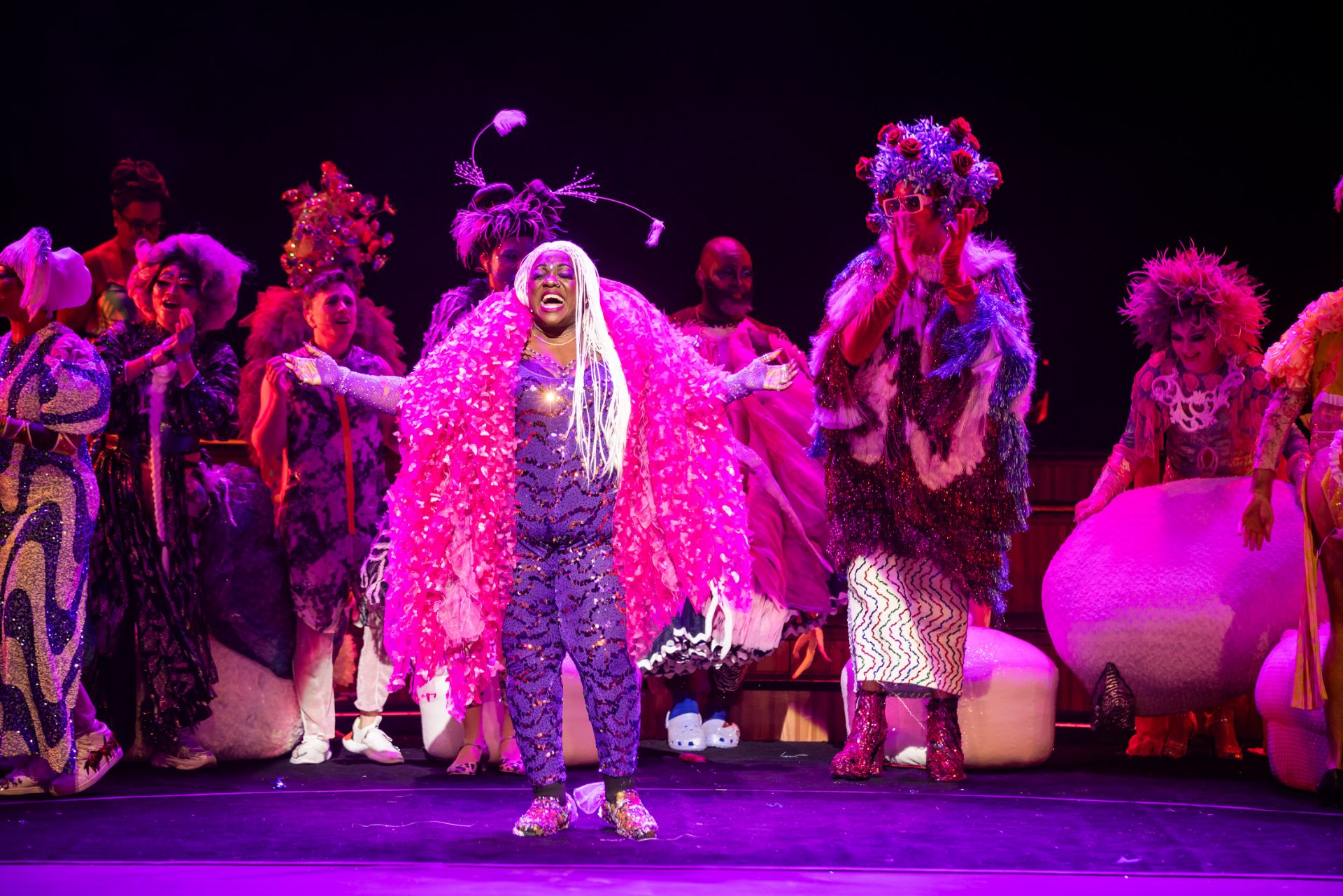
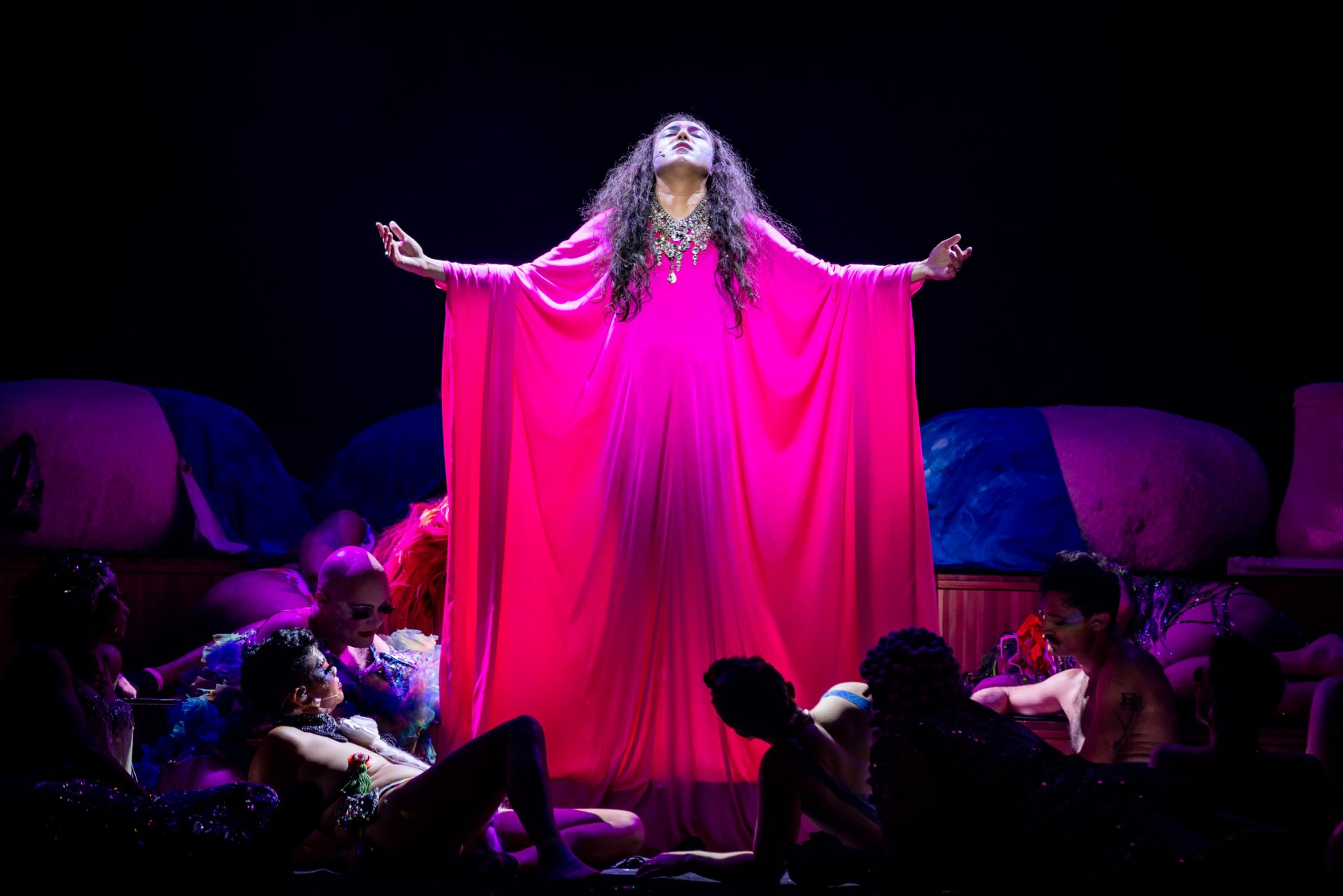
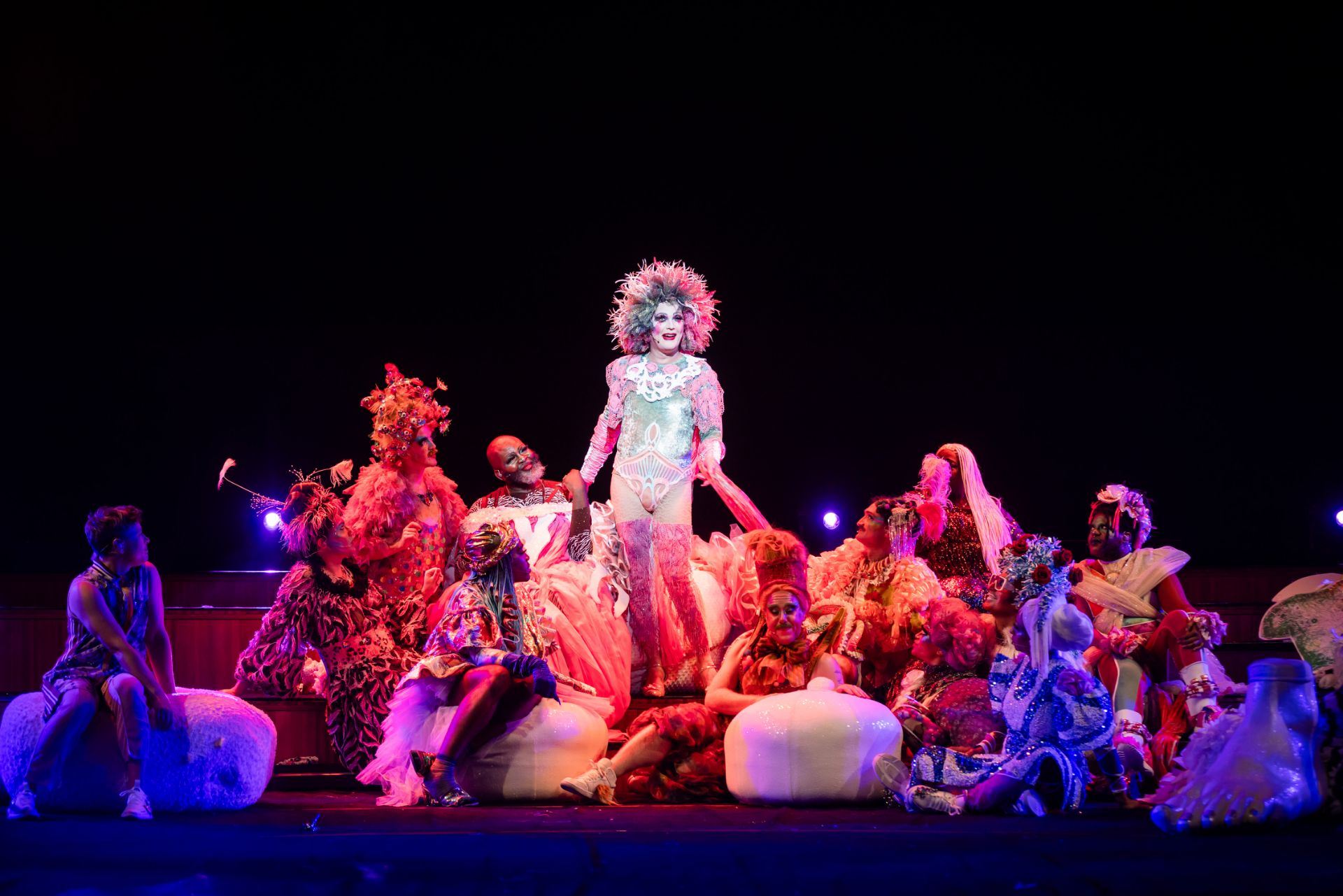
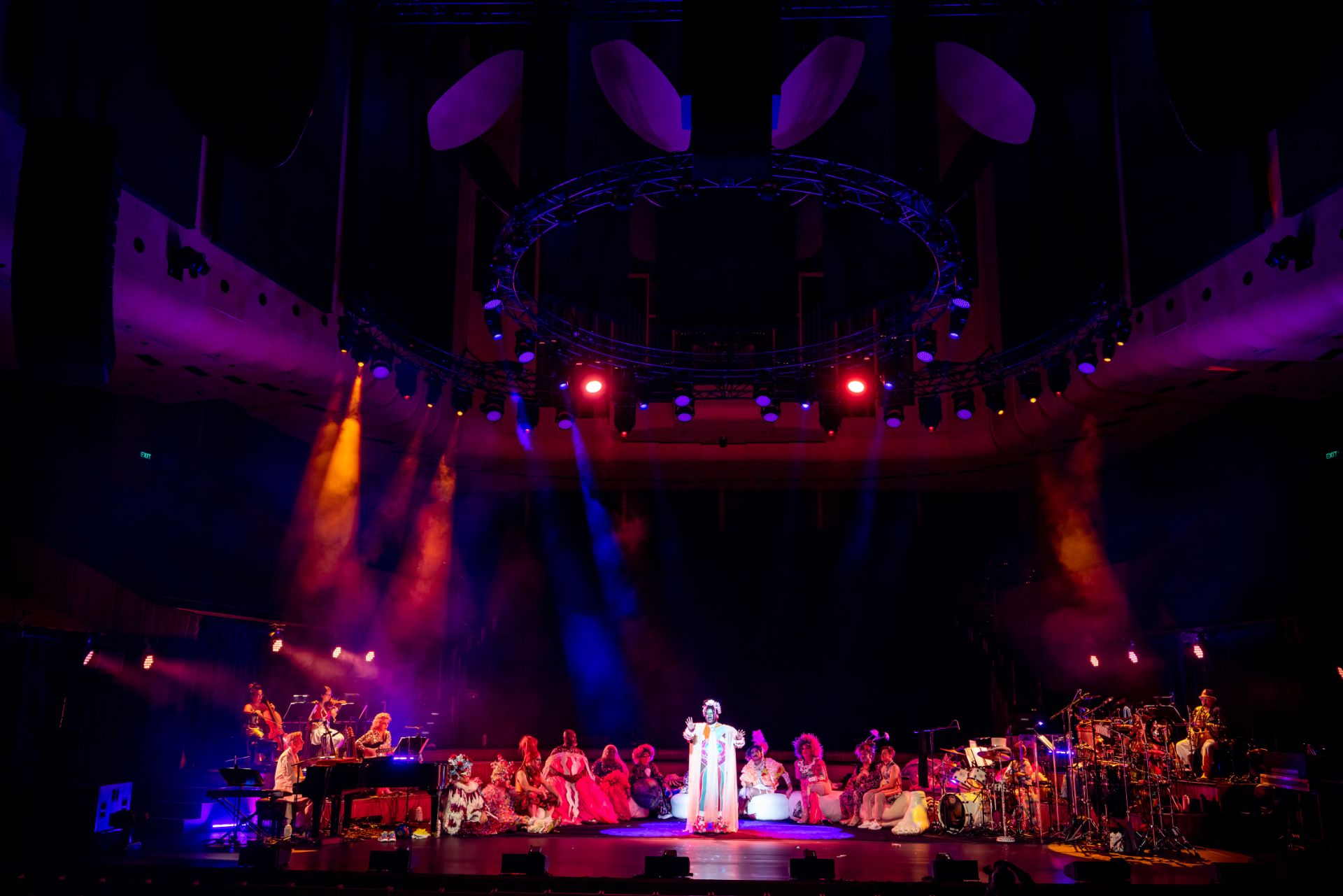
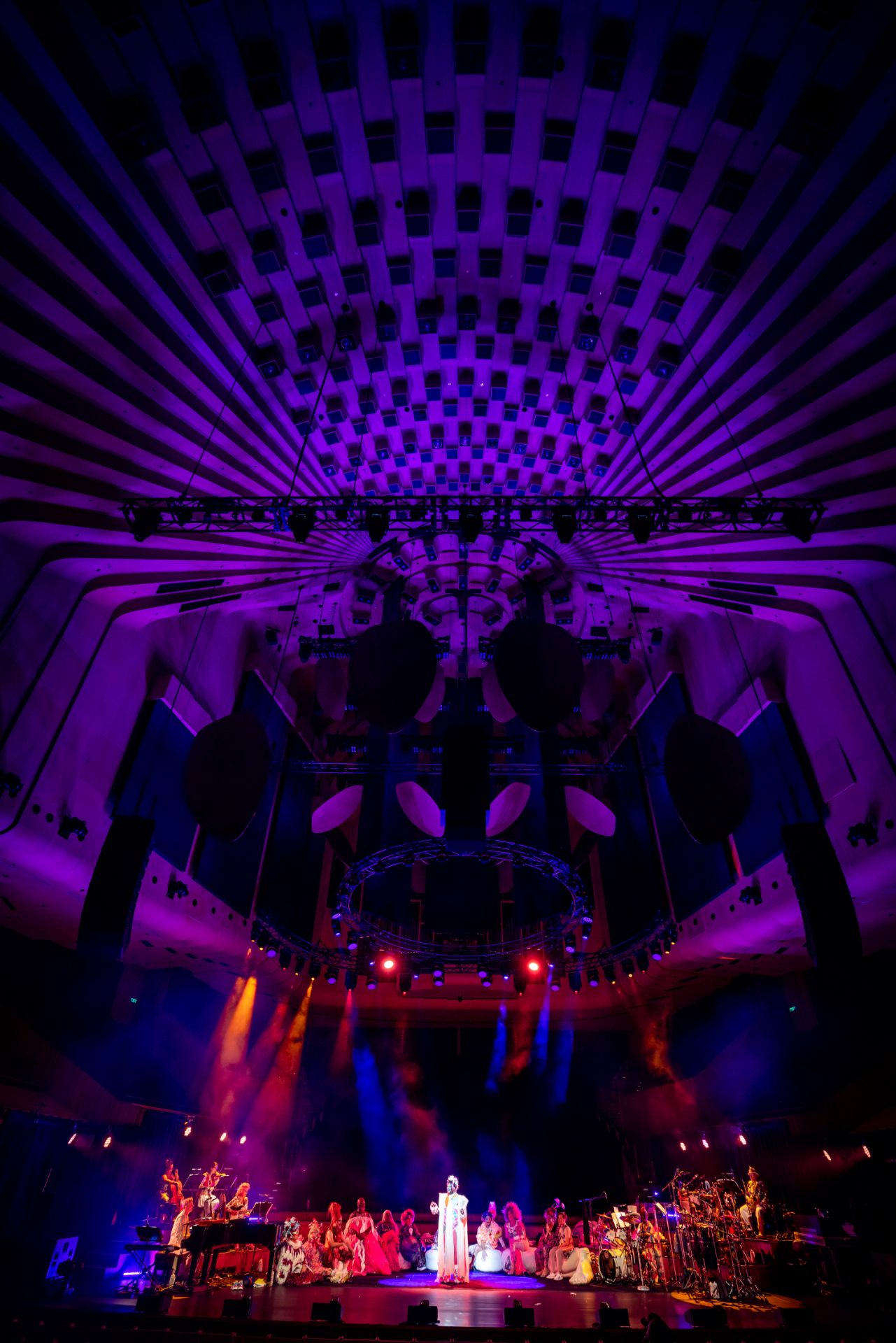
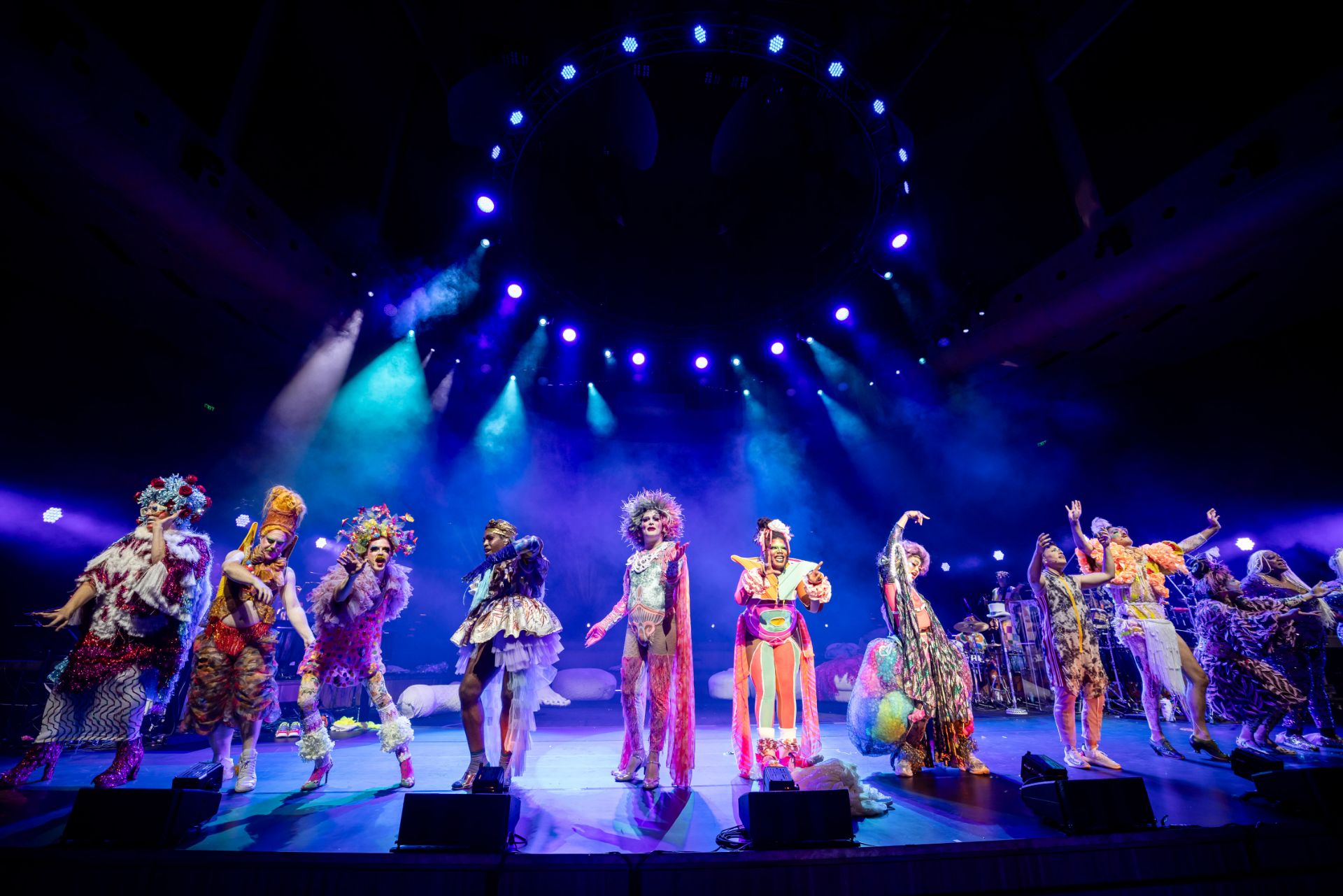
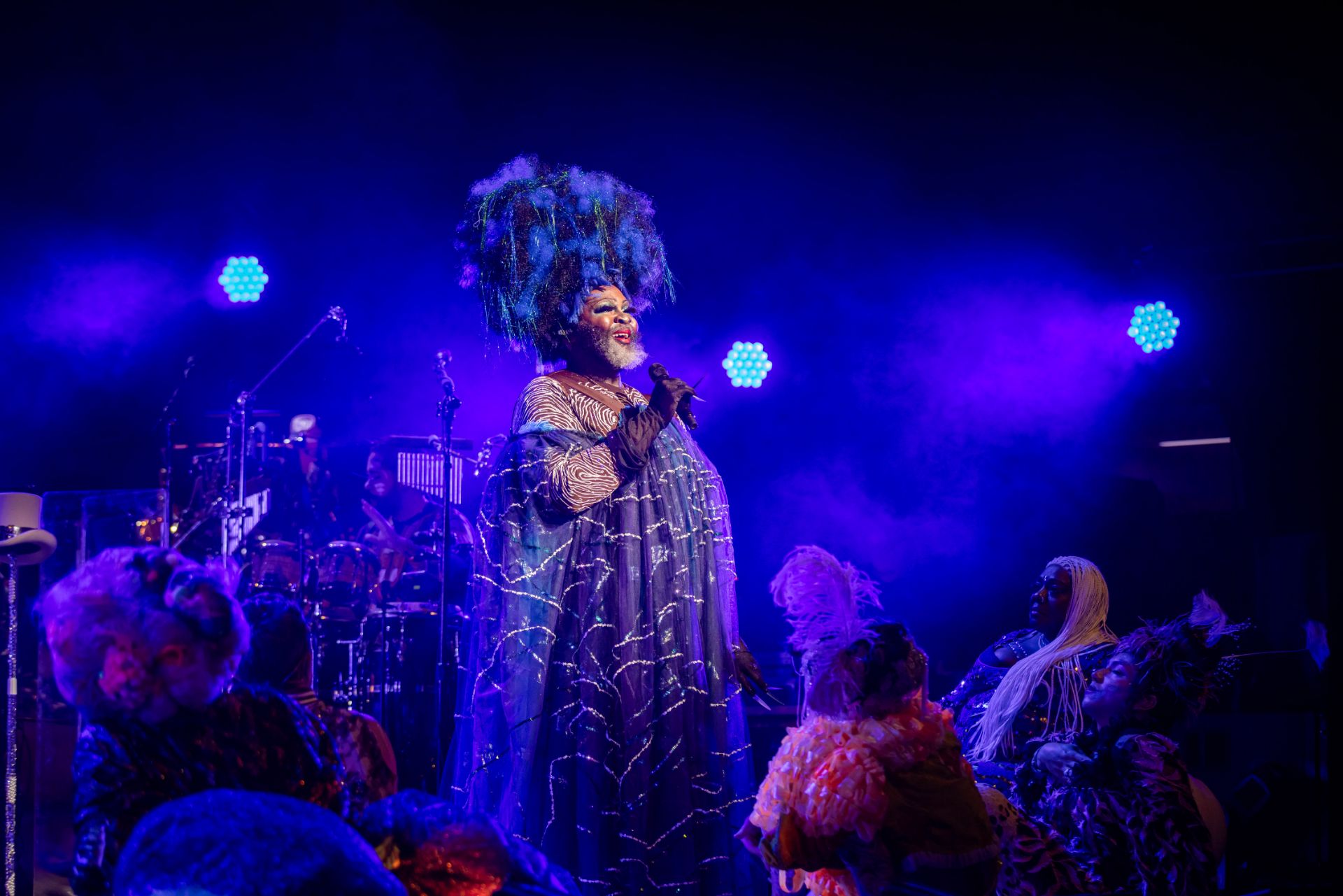
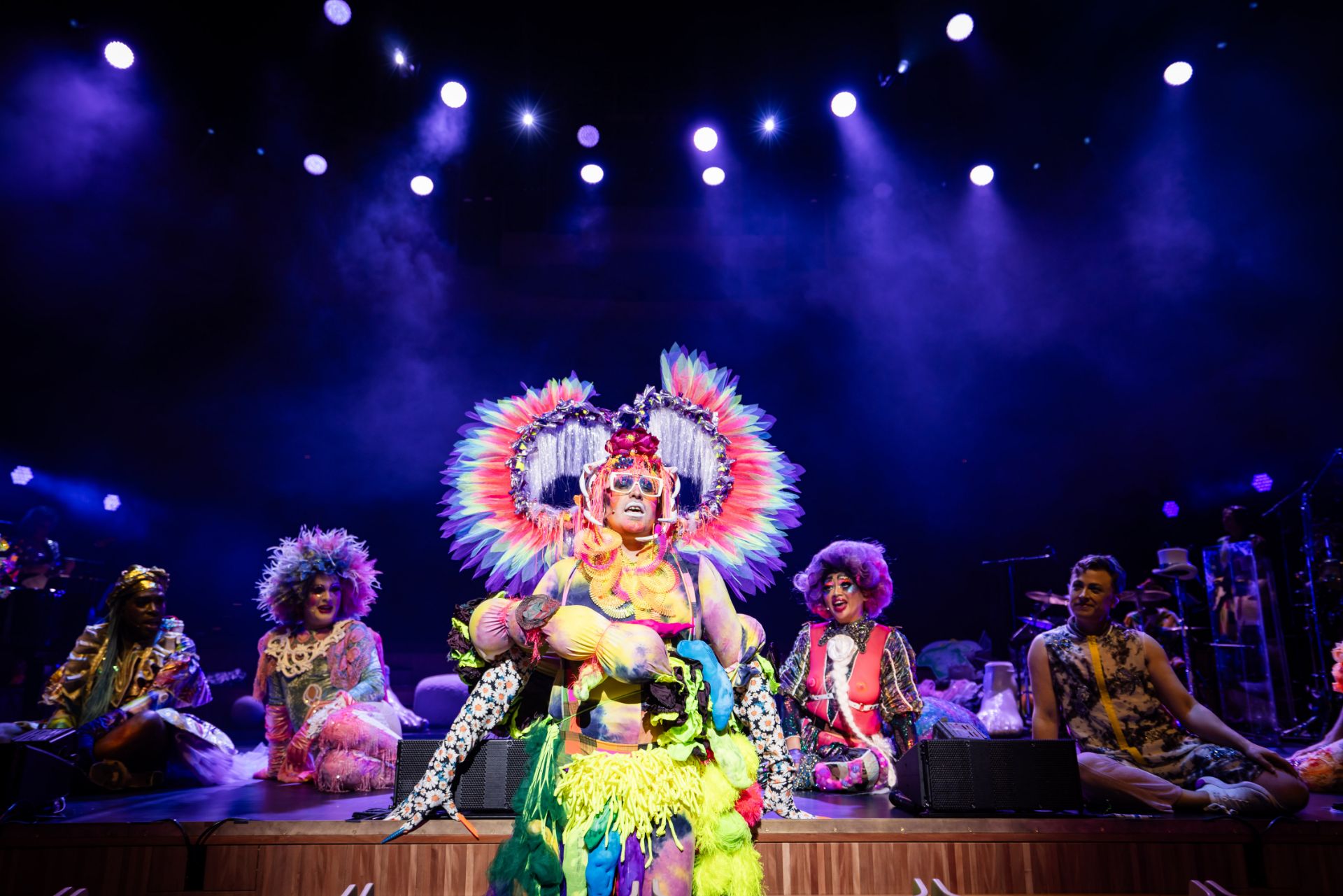
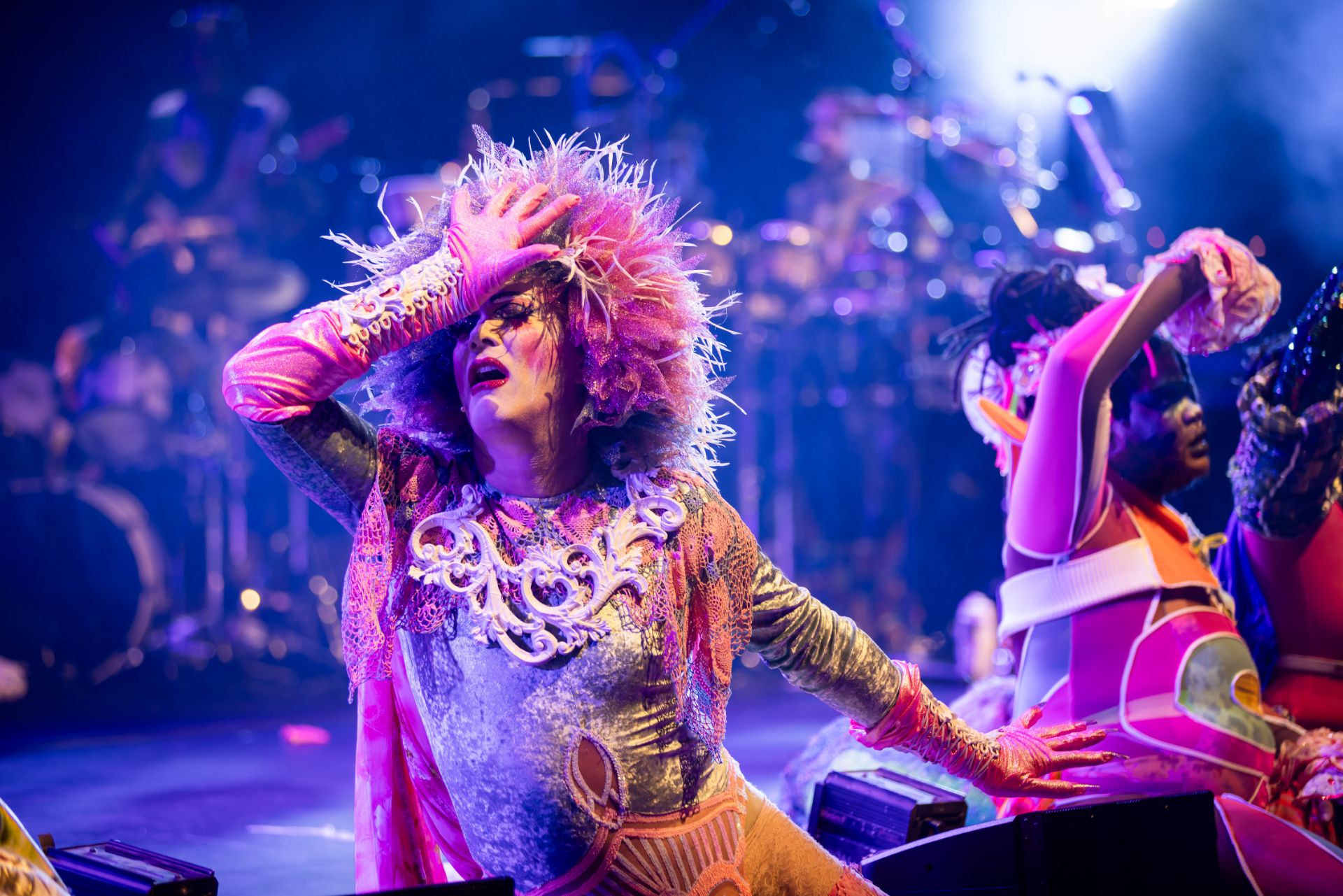
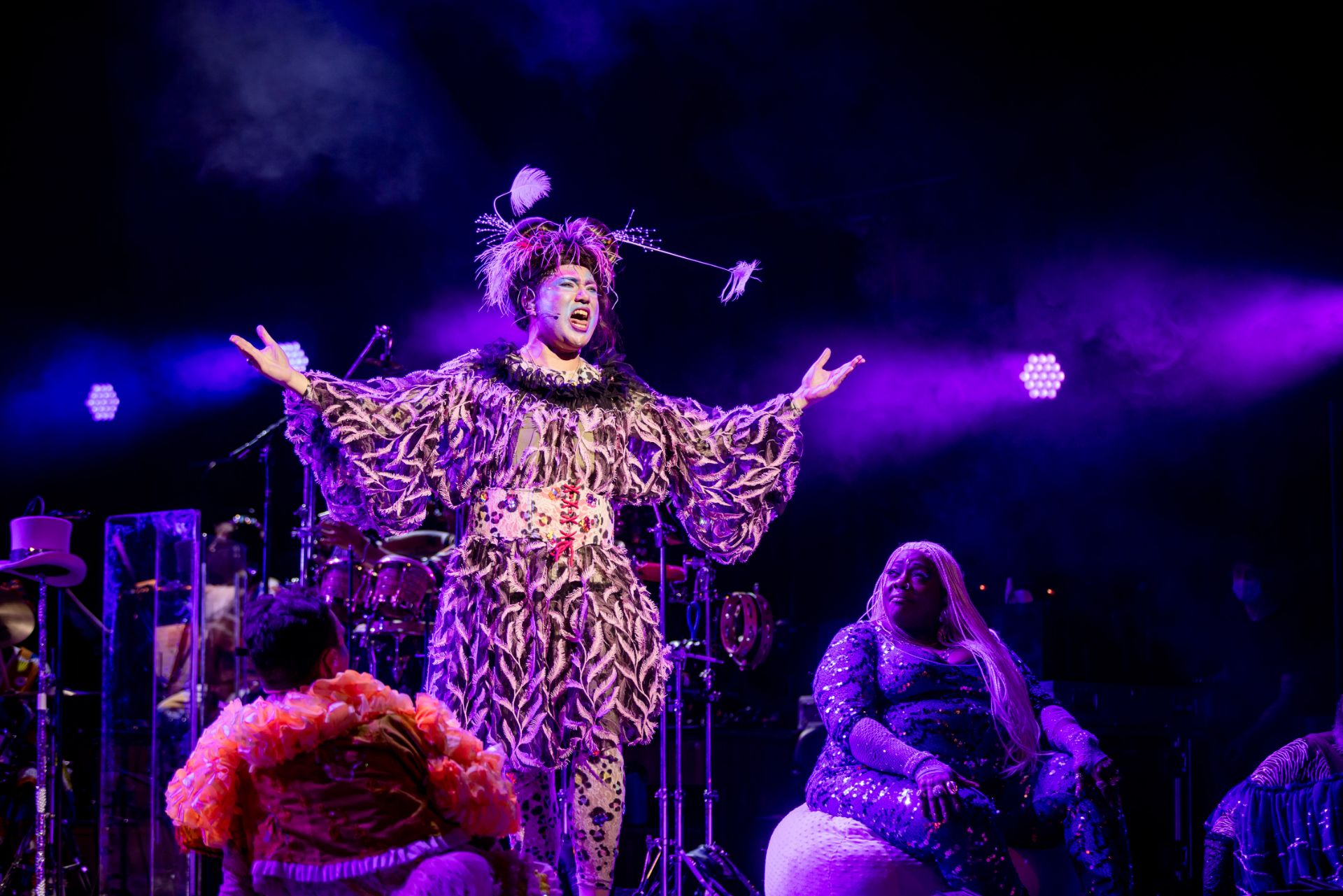
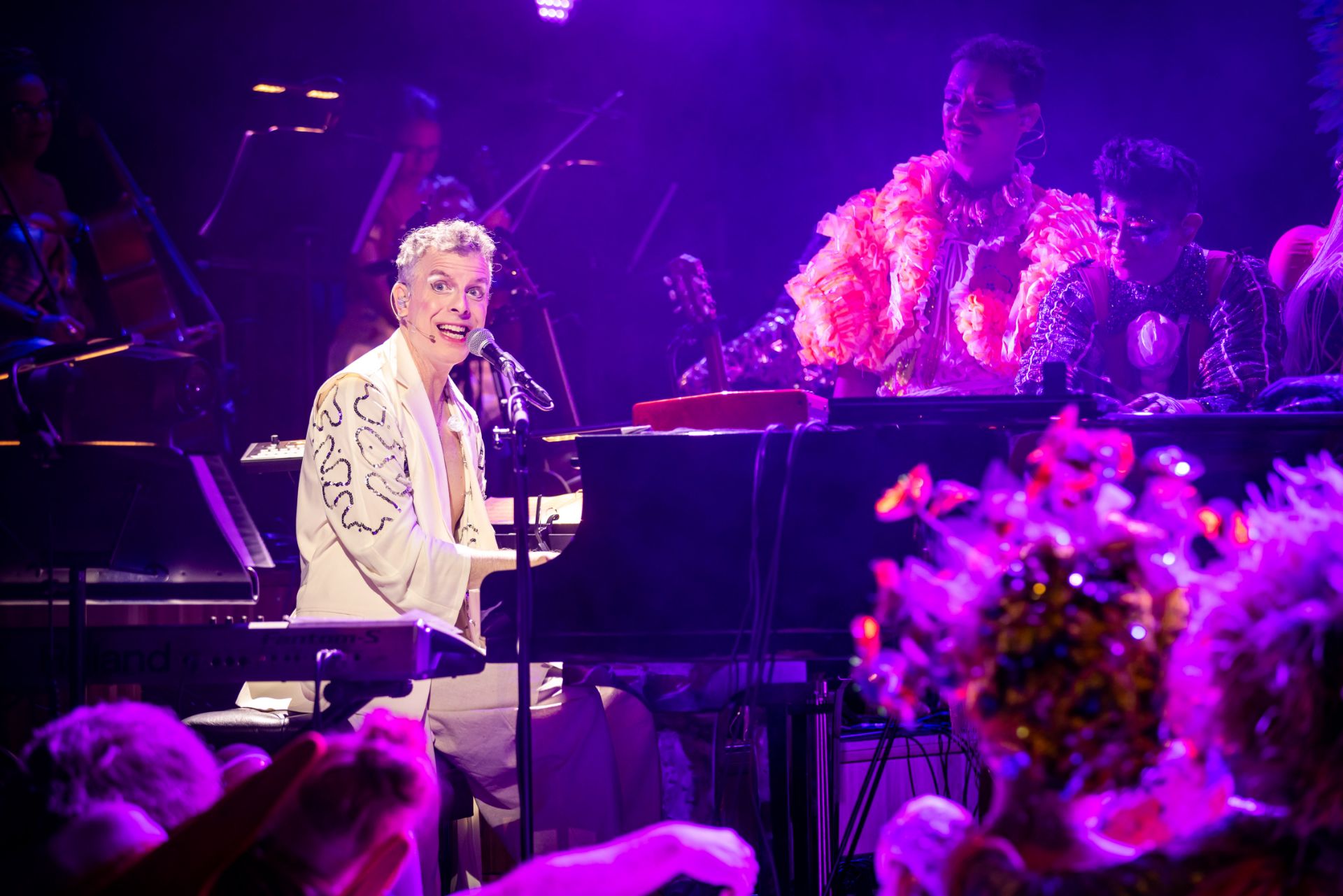
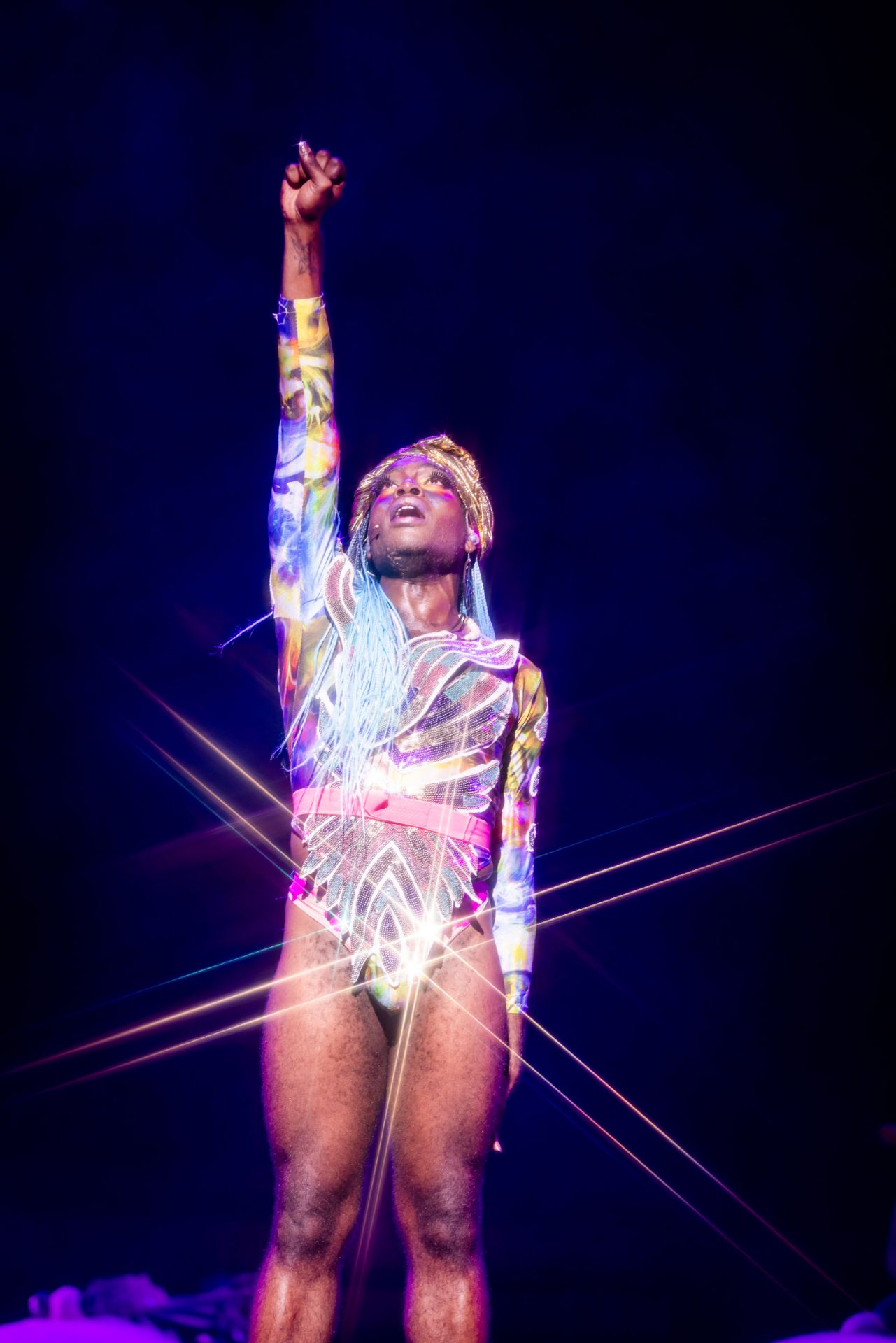
55 songs are performed over 4 hours, with 13 performers and 8 musicians on stage for virtually its entirety; Bark of Millions by Taylor Mac and Matt Ray is pure extravagance, an expression of queer joy, or exaltation even, if one connects with the spirituality that inevitably arises when an abundance of marginalised experiences converge. Performer Mama Alto explains from the outset, that the stories are inspired by antecedents of queer peoples, as though revealing an understanding that to completely decipher the lyrics would be beyond the abilities of most.

Central to the work is chaos, but a strange coherence derived from a strong, some might say strident guiding principle, keeps things in check. We never really know what we are observing, but we certainly feel at one with all the action. It is perhaps a zen-like philosophy that we encounter, one that uses art to get us closer to the truth, about life and about this universe. This is all real, but how we can construct the truth, is always open to manipulation. Mac and Ray want to transform our modes organisation, of sociality and of belief, so that the lessons of queerness can be applied for all, not least of which is that our human propensity for exclusion must be banished without hesitation, once and for all.
Or maybe to distil the vastness of Bark of Millions can only ever be a reductive exercise. It is the kind of theatre that can mean any array of things to any person. A persistent refusal to be quantifiable, or to be pinned down, is not about being evasive, but rather, it forces us to eradicate that very need for certainty. When we stop wanting to determine, to categorise, and to hinder the essential fluidity of the very nature of being, is possibly when we are most able to exist in a state of purity. There is certainly an immense sense of purity in this work, one that confounds yet is extremely comforting; we are confronted with a sensation much like confusion, only that it is never alienating. It is a lesson in radical acceptance, an introduction to a new discipline that seeks to overturn conventions, especially useful for those who have come to recognise that old disciplines only serve the immeasurable harms of capitalism, of the patriarchy and of white supremacy.
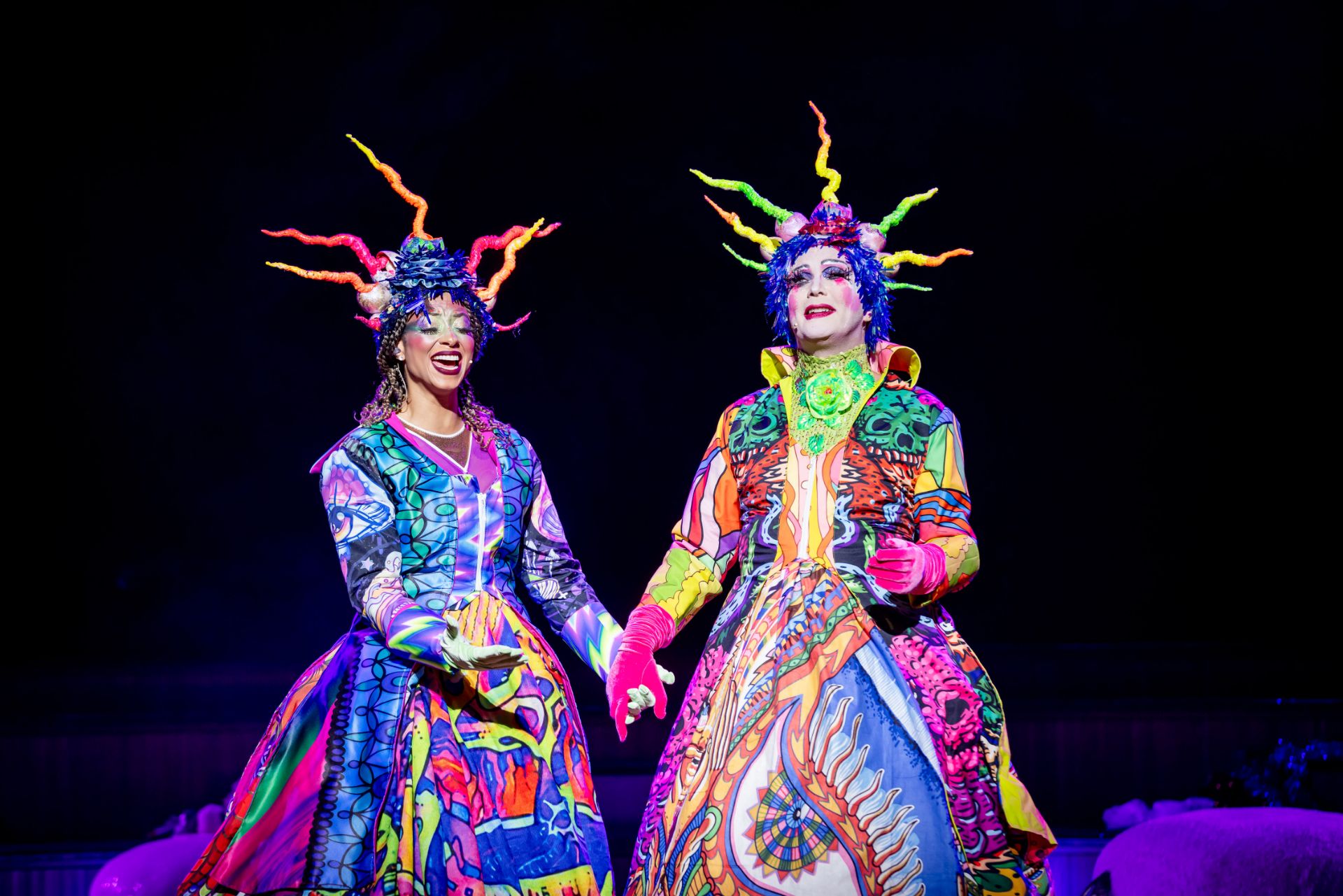
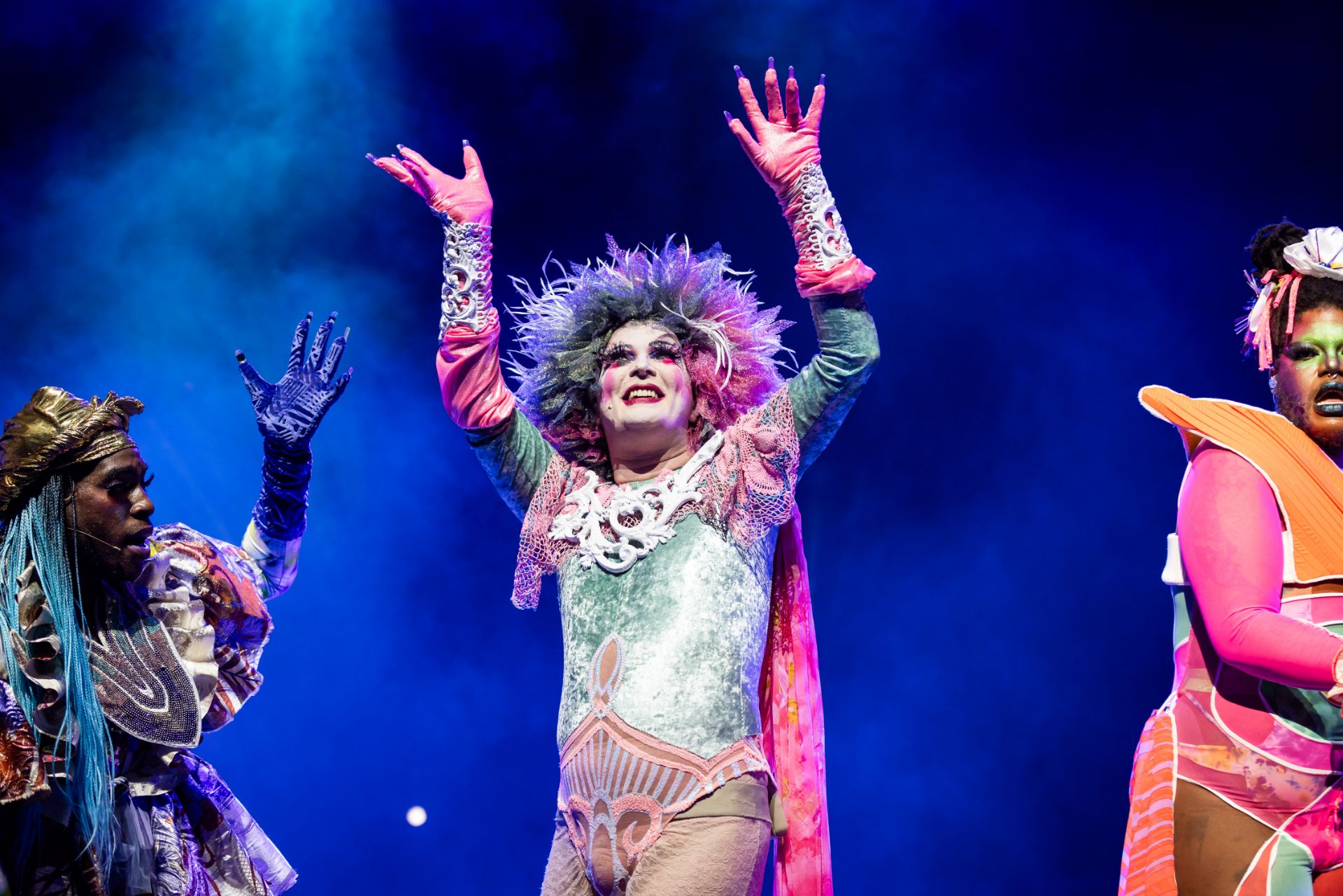
In the presence of a cast replete with astonishing talent, along with boundless and vociferous idiosyncrasies, we are urged to witness humanity at its most honest, with an approach best described as loving. They present an inexhaustible vulnerability, that convinces us to let down our guard and along with it, obsolete values obstructing us from something better and brighter. Ostentatious costumes by Machine Dazzle offer exceptional beauty, in humorous ways, as well as in titillating and thought-provoking ways, so that our eyes are continually mesmerised, luring us into this experiment of patient coaxing, somewhat akin to an irreligious exorcism. Lights by Toby Sewell too take us into esoteric realms, often hypnotic in effect, seemingly inducing a paralysis to have us receptive to all the mysterious goings on.

The songs draw influence from every conceivable genre. With intentions of being all-encompassing, reasons for the lengthy duration of Bark of Millions gradually becomes clear. While the lyrics can bewilder, the rhythms always keep us in a firm grip. In that security, we allow the show to throw us around, in a wild abandonment that feels very much like freedom. Emancipation is what the queers know to see in black and white, it is perversely the greatest gift we offer. Emerging from subjugation, oppression, prejudice, deprivation, humiliation and murder, this glorious release is divine, and is here if you want it.
www.sydneyoperahouse.com

Review: The Bridal Lament 哭嫁歌 (Performance Space/Carriageworks)

Venue: Carriageworks (Eveleigh NSW), Oct 19-22, 2023
Director: Tessa Leong
Lead Artist & Performer: Rainbow Chan 陳雋然
Images by Joseph Mayers

Theatre review
Arriving as a child from Hong Kong in 1996, a year before the handover to China, Rainbow Chan 陳雋然 grew up like many Australians, between cultures. Now that we are in a moment that feels as though assimilation to whiteness is decisively a thing of the past (at least for now), immigrants like Chan are scrambling to fully reclaim their roots, for a state of identification more meaningful than before. It is not an abandonment of Australianness, but an evolution in the narrative of our survival, when we attempt to foster a greater connection with that which had to be left behind.
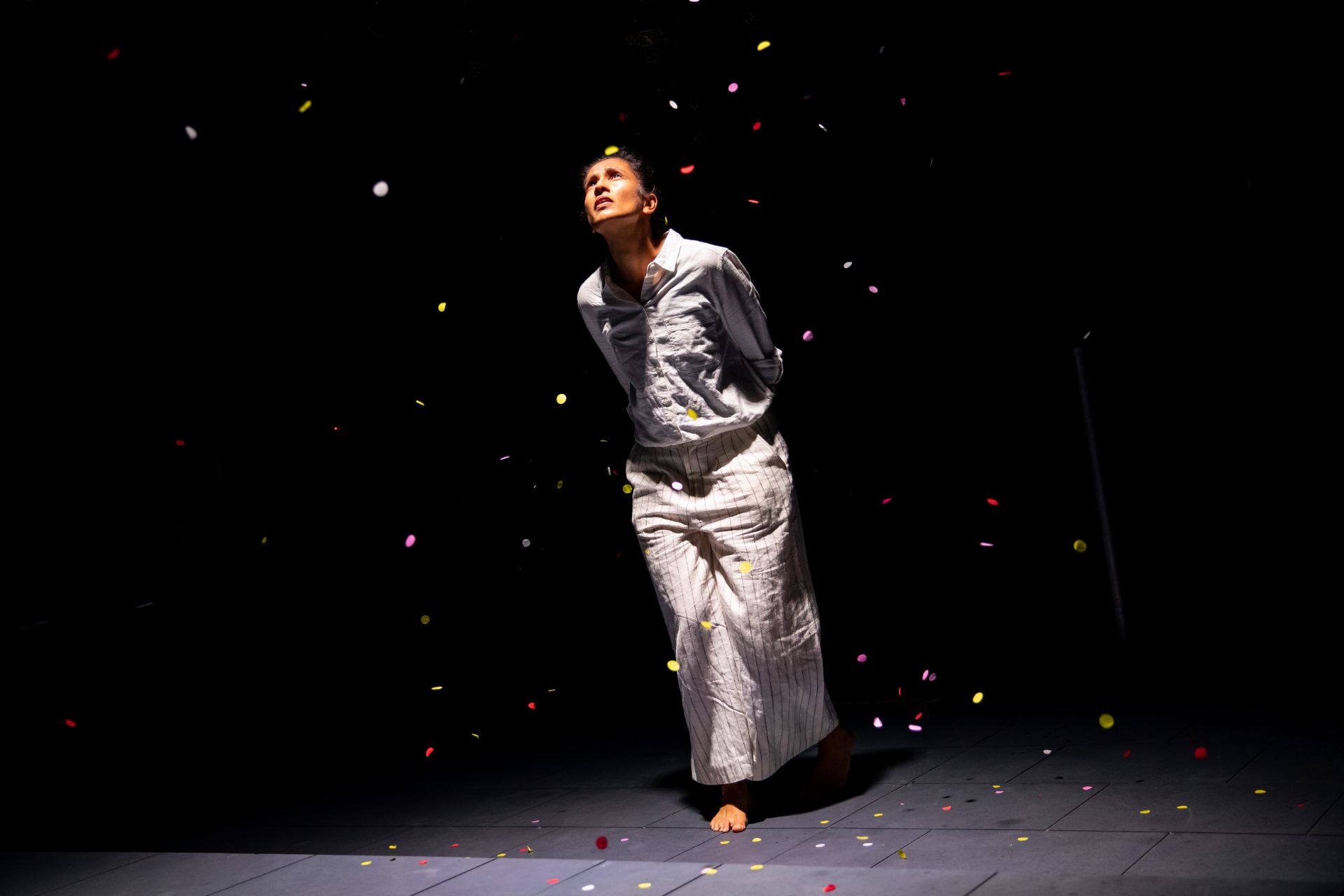
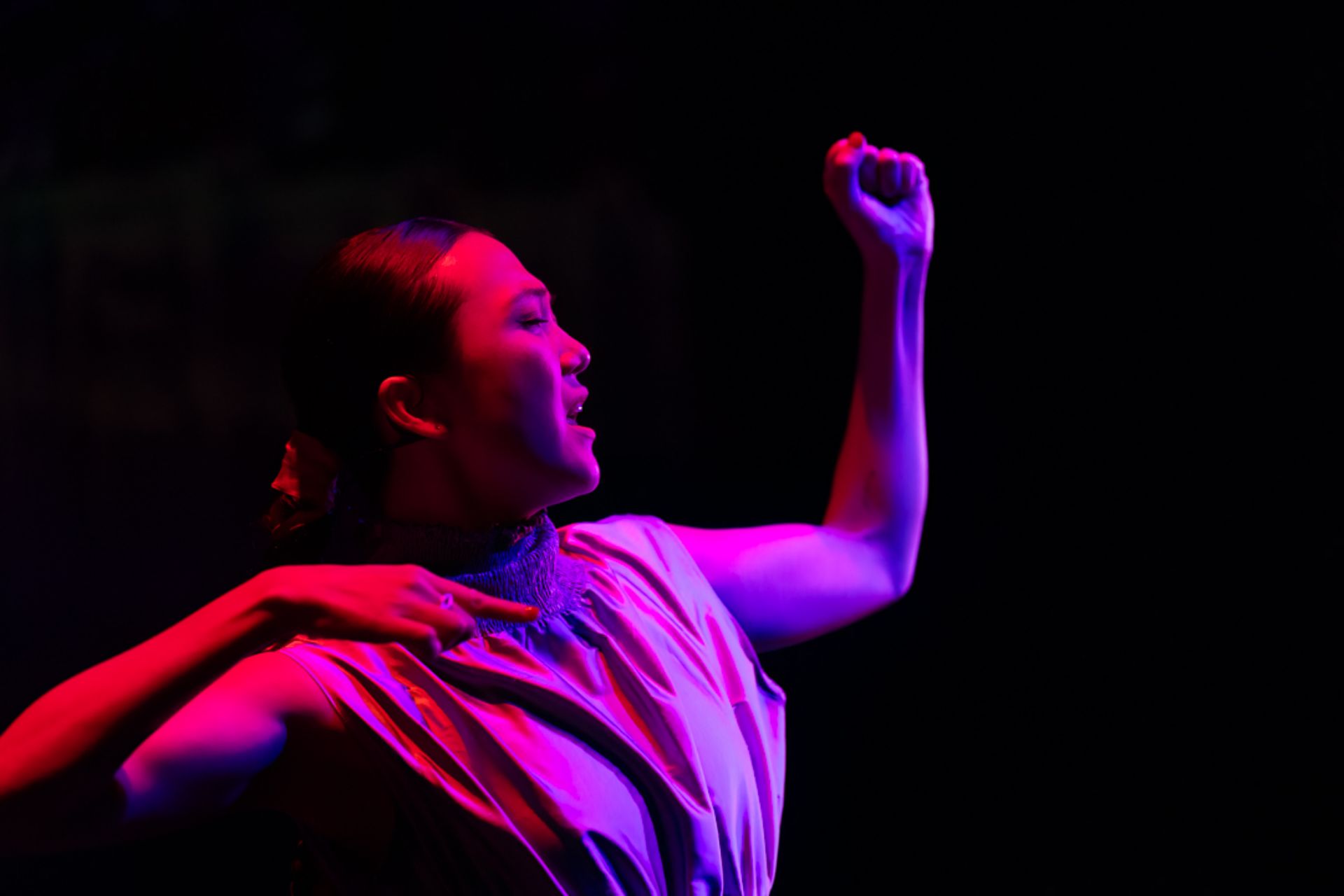
Through conversations and consultations with her mother Irene Cheung 張翠屏, which form the basis of The Bridal Lament 哭嫁歌, Chan reaches back to marital customs of her people to form an intricate study of traditions, many of which are obsolete, and in the process attains a new understanding of where she had come from. A key feature are the songs young women learn from their mothers in the Weitou dialect, that they sing for 3 days before crossing the threshold to become wives. Chan’s show is an archive of sorts, including some of those hitherto forgotten tunes, alongside her own compositions, for a theatrical presentation that offers a bridge that examines a particular collective history, preoccupied with a past yet feels so much to be about our future.

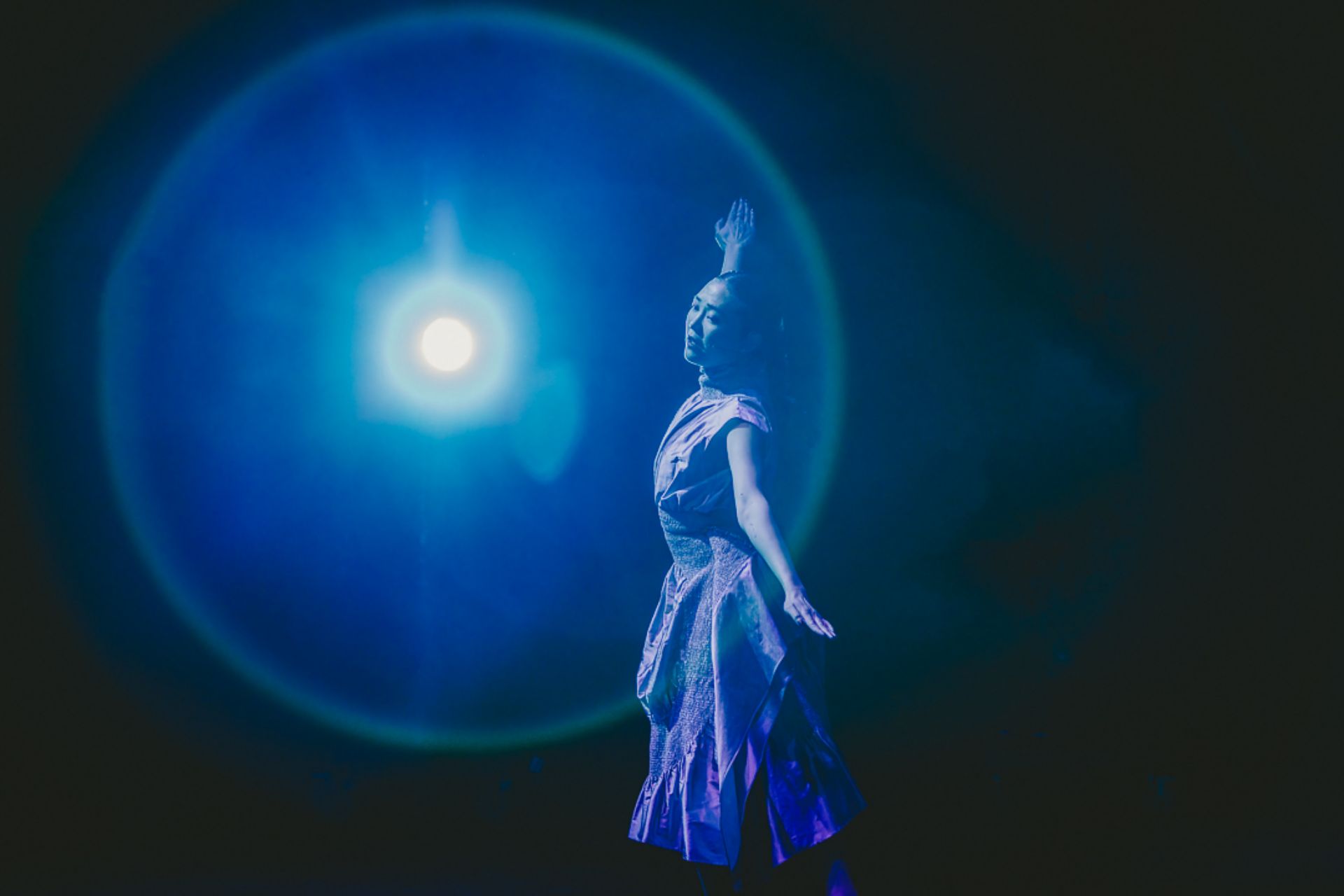
Chan’s music draws heavily from pop genres, but is unmistakeably poetic in nature. It stretches deeply in ways that ensure resonance, beyond cerebral concerns. Directed by Tessa Leong, The Bridal Lament 哭嫁歌 is tender yet intense, in its rendering of a contemporary Chinese-Australian perspective and attitude. As performer, Chan is captivating in this solo work, although portions of the staging can feel sparse, in need of more imaginative support of one woman and her immensely vast story.

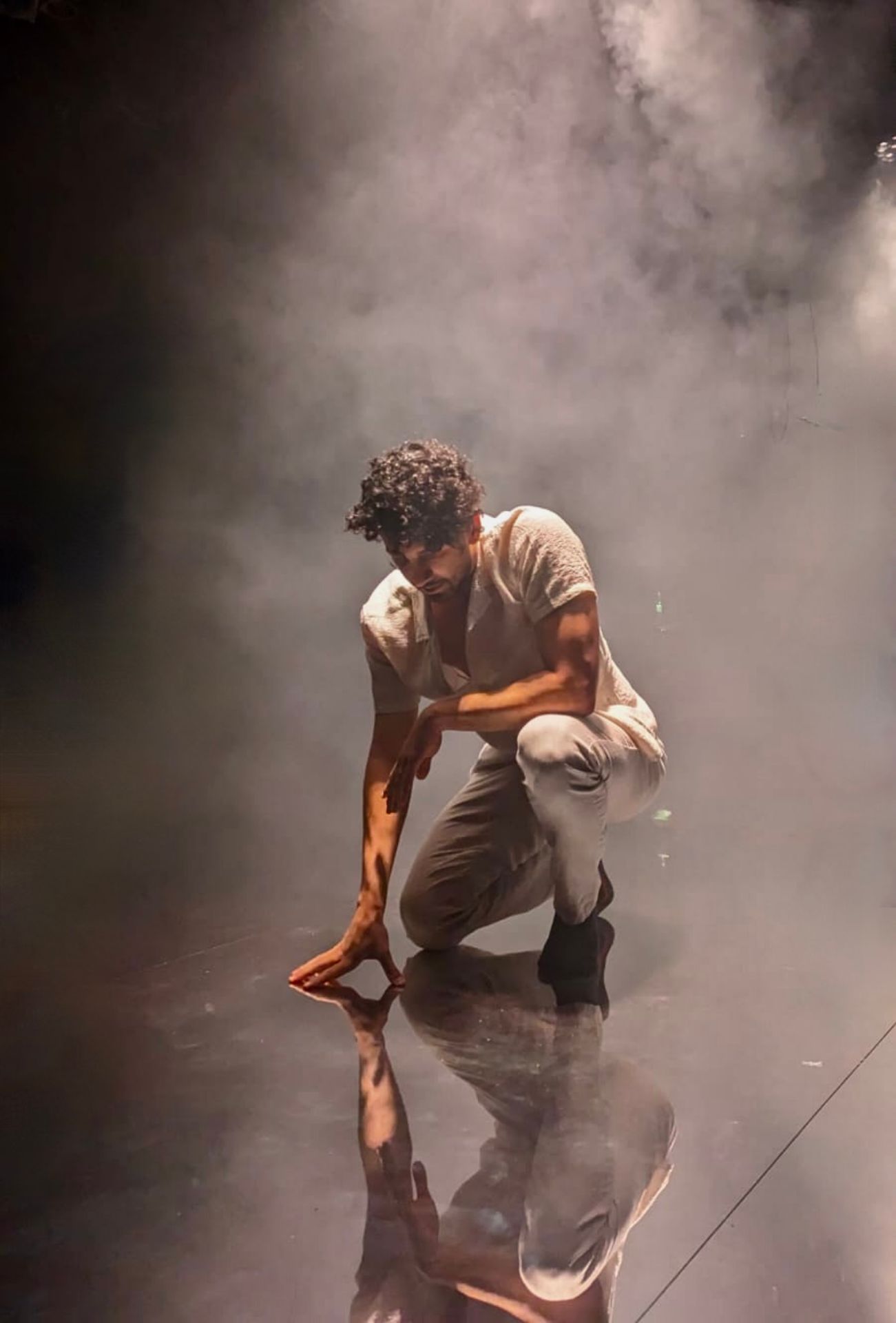
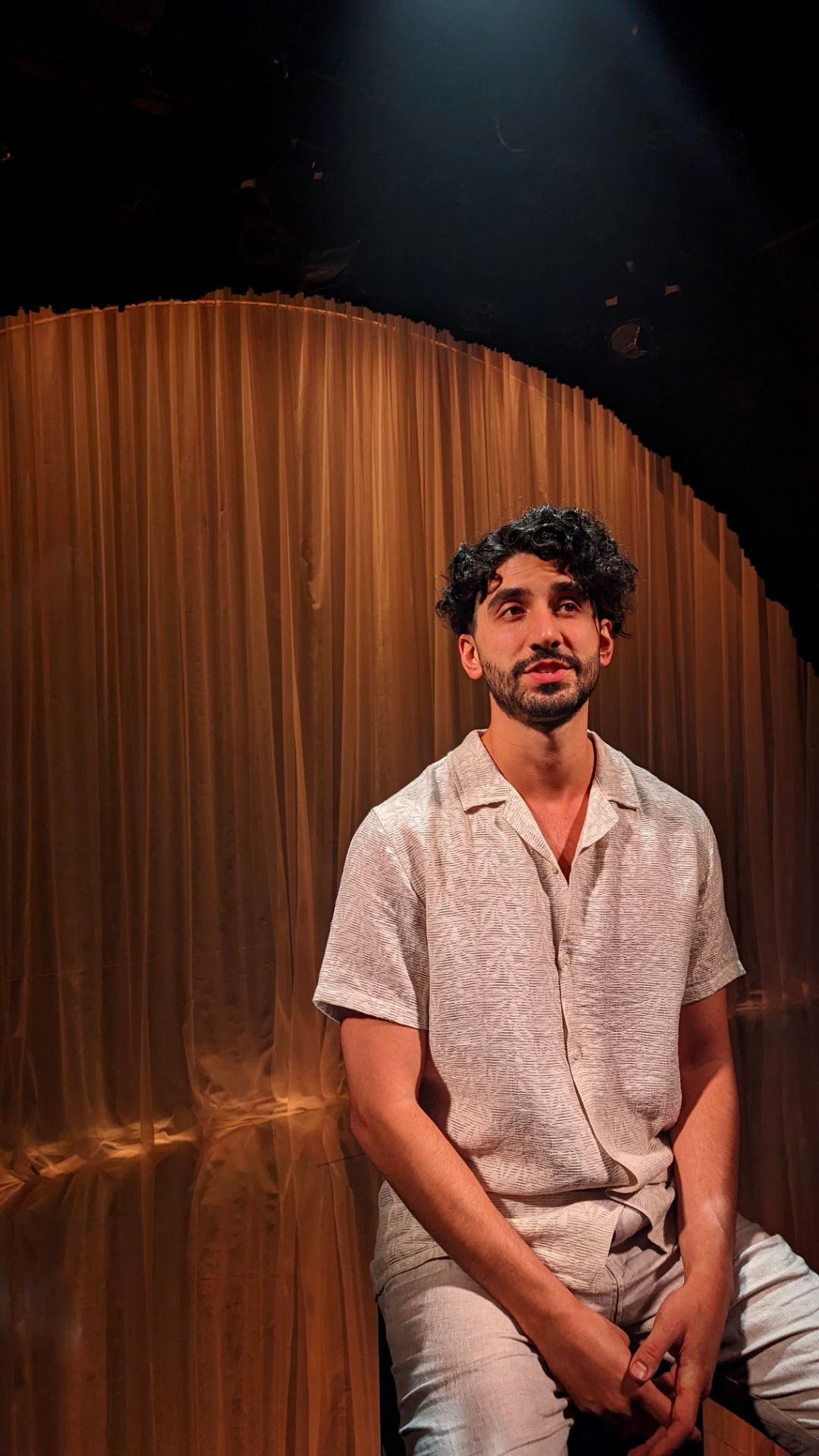
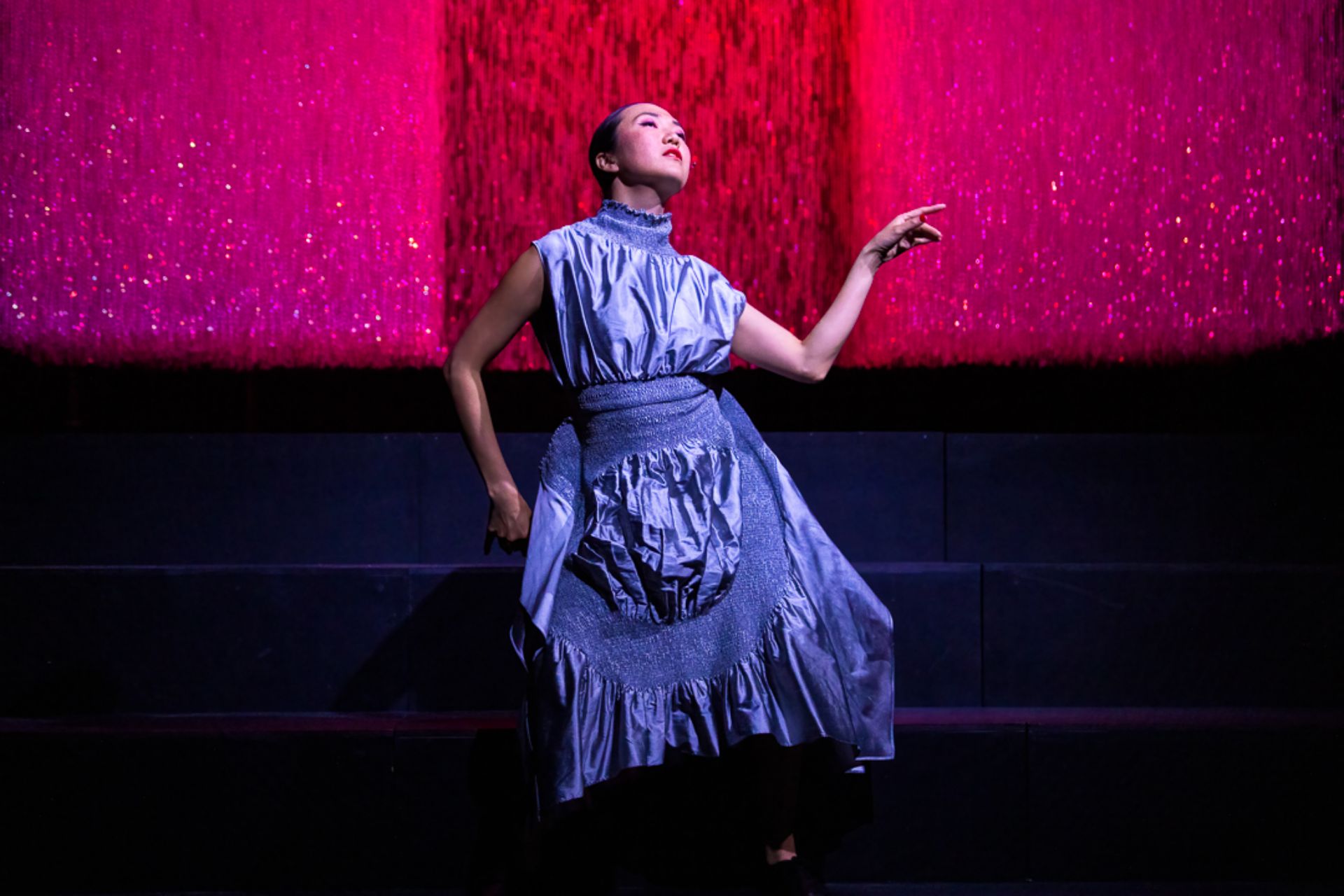
Set and costumes by Al Joel and Emily Borghi are sophisticated, especially memorable for a highly ostentatious beaded archway evoking concepts of travel and searching, and that also allows for some truly magical theatricality, when combined with extraordinarily dynamic lights as conceived by Govin Ruben. Video projections by Rel Pham are another crucial element, as vehicle to relay fascinating minutiae from Chan’s research, and to inspire emotional responses, for these meditations that can never be divorced from longing and heartache.

When we cut our apron strings, is ironically when we become ready to draw from our mothers’ wealth of knowledge and experience. Being a woman is hard in this world, and guidance from mothers (biological or otherwise) is unequivocally invaluable. It is imperative that we honour women who have grown and aged, to fight against a hegemony that wishes to diminish them and render them invisible. We must understand that forces responsible for so many of our world’s deficiencies are the same ones that tell us not to believe women. Mothers may not always make things easy, but they often do know best.

www.performancespace.com.auwww.carriageworks.com.au

Review: A Little Night Music (Hayes Theatre)

Venue: Hayes Theatre Co (Potts Point NSW), Oct 13 – Nov 18, 2023
Music and Lyrics: Stephen Sondheim
Book: Hugh Wheeler
Director: Dean Bryant
Cast: Blazey Best, Melanie Bird, Jeremi Campese, Erin Clare, Kiana Daniele, Leon Ford, Nancye Hayes AM, Dominic Lui, Pamelia Papacosta, Josh Robson, Lorelei Tait, Erica Wild
Images by John McCrae

Theatre review
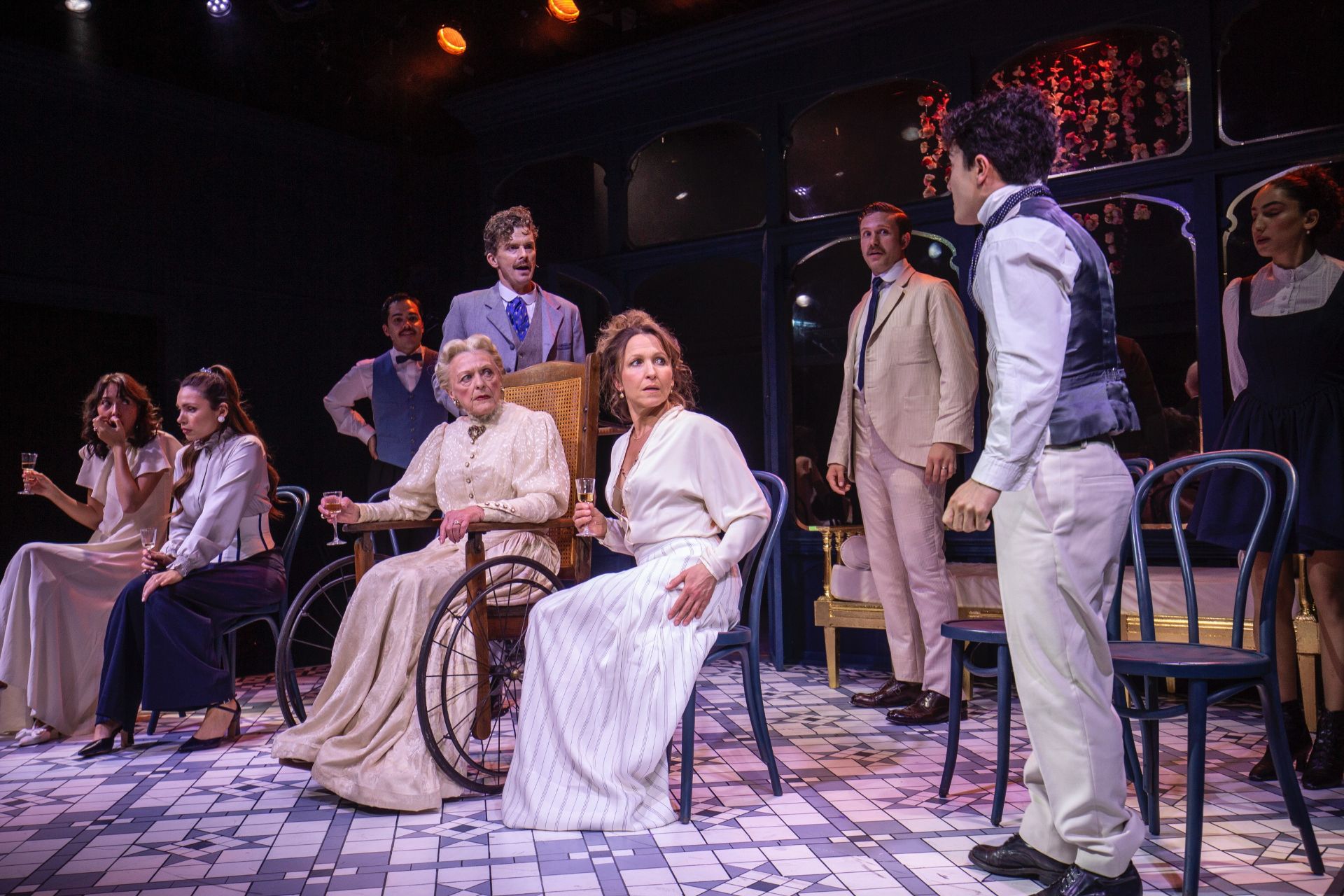
Desiree is a single mother with a busy career and a colourful sex life, but she still feels unfulfilled. In fact, all of the characters in Stephen Sondheim and Hugh Wheeler’s A Little Night Music are chasing that elusive “happy ever after”, and it is that very romantic obsession that provides the basis for comedy, in this 1973 musical. Based on Smiles of a Summer Night, a 1955 film by Ingmar Bergman, with a narrative set during the turn of the previous century, but with a sexual permissiveness that gives an enduring modernity to the storytelling.

As director of the piece, Dean Bryant refreshes A Little Night Music for the contemporary audience, by giving a sense of dignity, along with a semblance of autonomy, to the women we encounter. Although they adhere to the original depiction of being incomplete without a man, we perceive each of them as strong and self-assured, allowing us to more readily accept the manner in which their questionable desires are presented.

It is an elegant production, featuring music satisfyingly adapted for a chamber orchestra by Matthew Moisey. Set design by Jeremy Allen is attractive, and although visually expansive considering spatial limitations, it struggles at times to accommodate the show’s complex requirements in terms of simultaneous localities. Costumes by Angela Doherty are beautiful in their simplicity, as are lights by Veronique Bennett, graceful if slightly too restrained in their rendering.

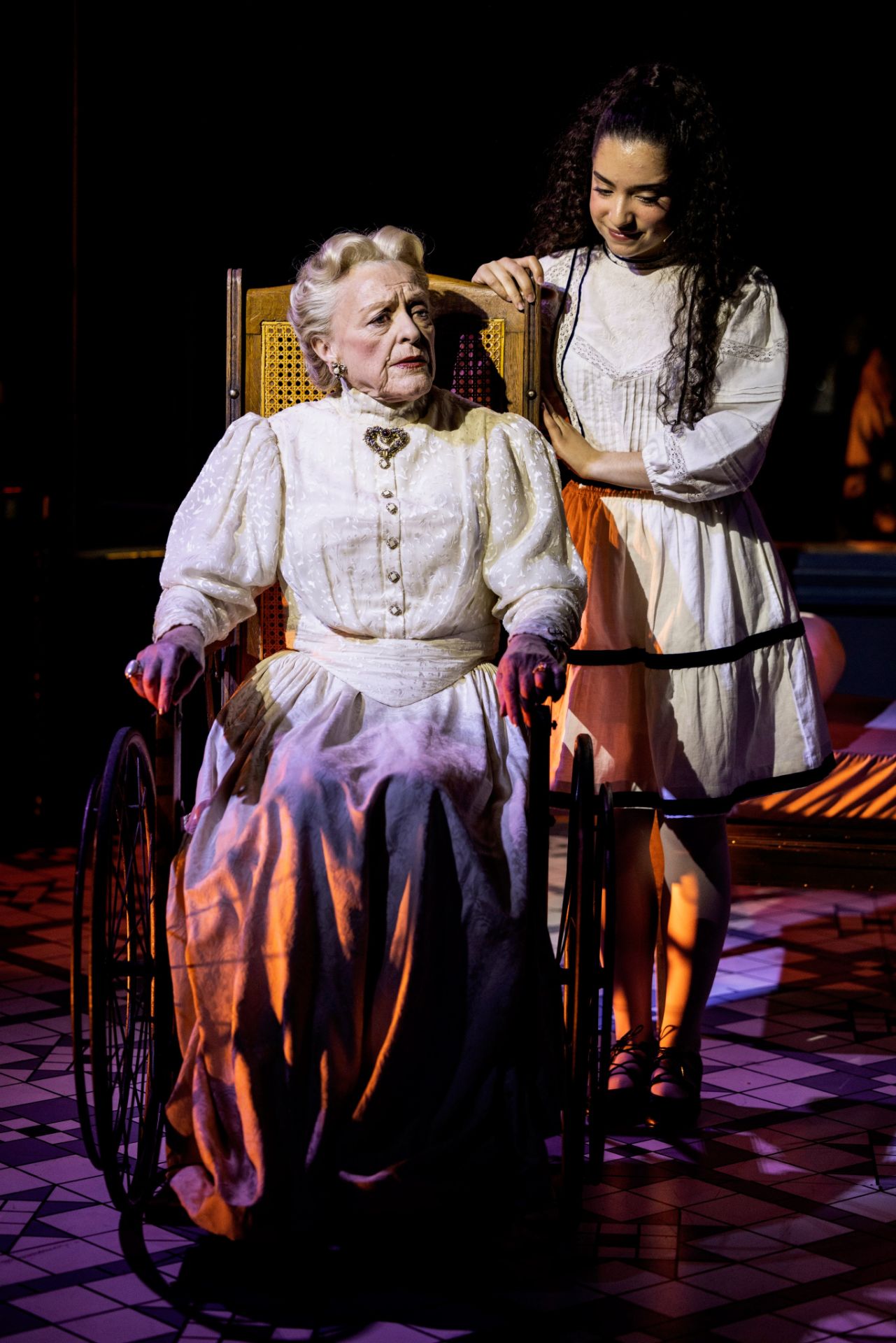
Performers Blazey Best and Leon Ford play Desiree and one of her suitors Fredrick, both bringing surprising believability to a work that never pretends to be anything other than absurd. Melanie Bird as Anne and Joshua Robson as Count Malcolm, impress with their classical voices, whilst delivering excellent humour for their extravagant roles. Jeremi Campese as Henrik is memorable in his solo number “Later”, singing along to his own powerful cello accompaniment, faithful to the sentiments of the part, but able to allow us to laugh along with his naivety.

The more seasoned would understand that the sweet conclusion of A Little Night Music is not the true ending for any of its personalities. Love is glorious, but romance is never the whole of any real existence. In our stories though, perfect resolutions, delusory as they may be, can furnish a sense of peace and completion, one that we inevitably crave after battling all the ravages of life. Art may not always deliver the whole truth, but often a reprieve from reality, can do wonders.

www.hayestheatre.com.au

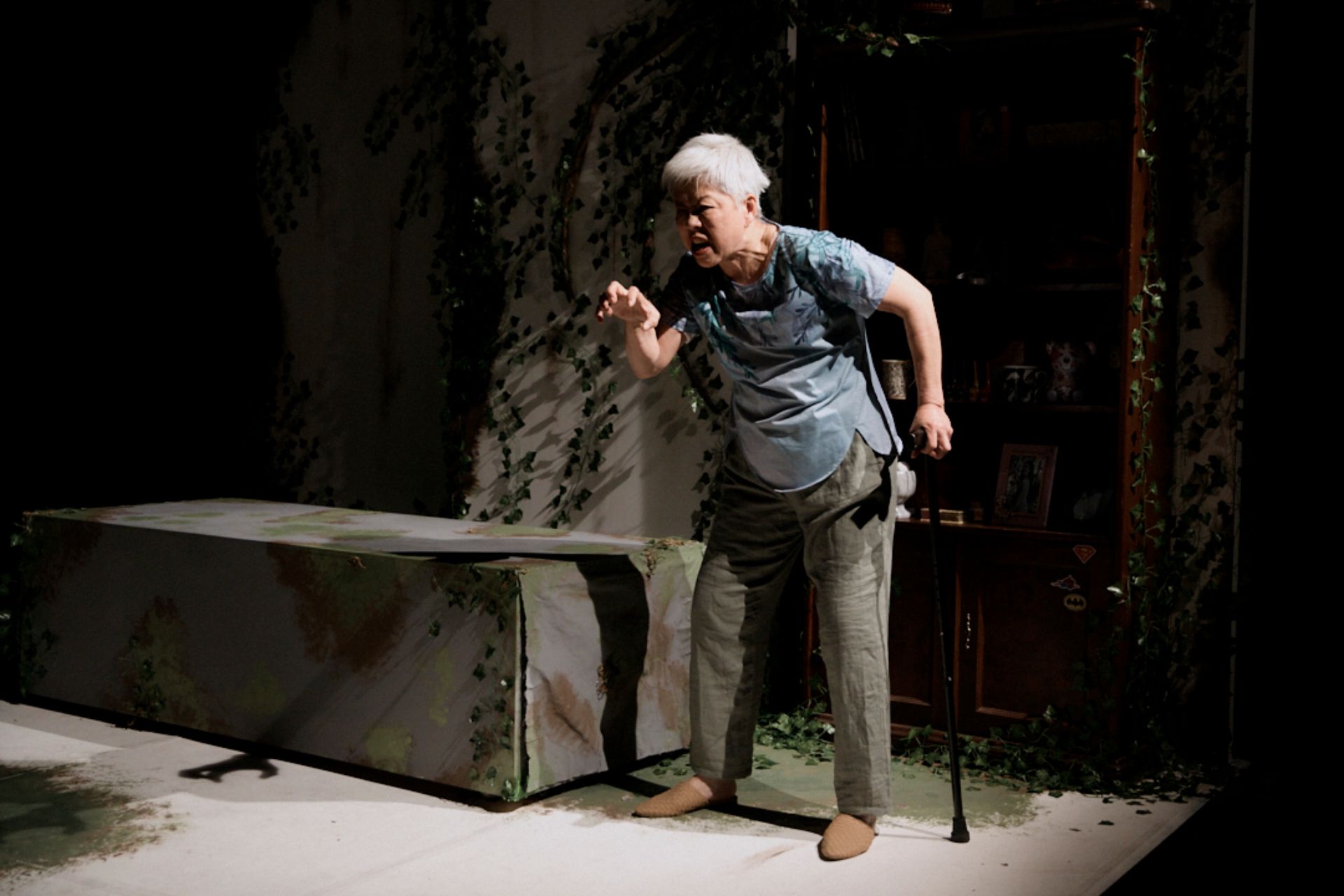
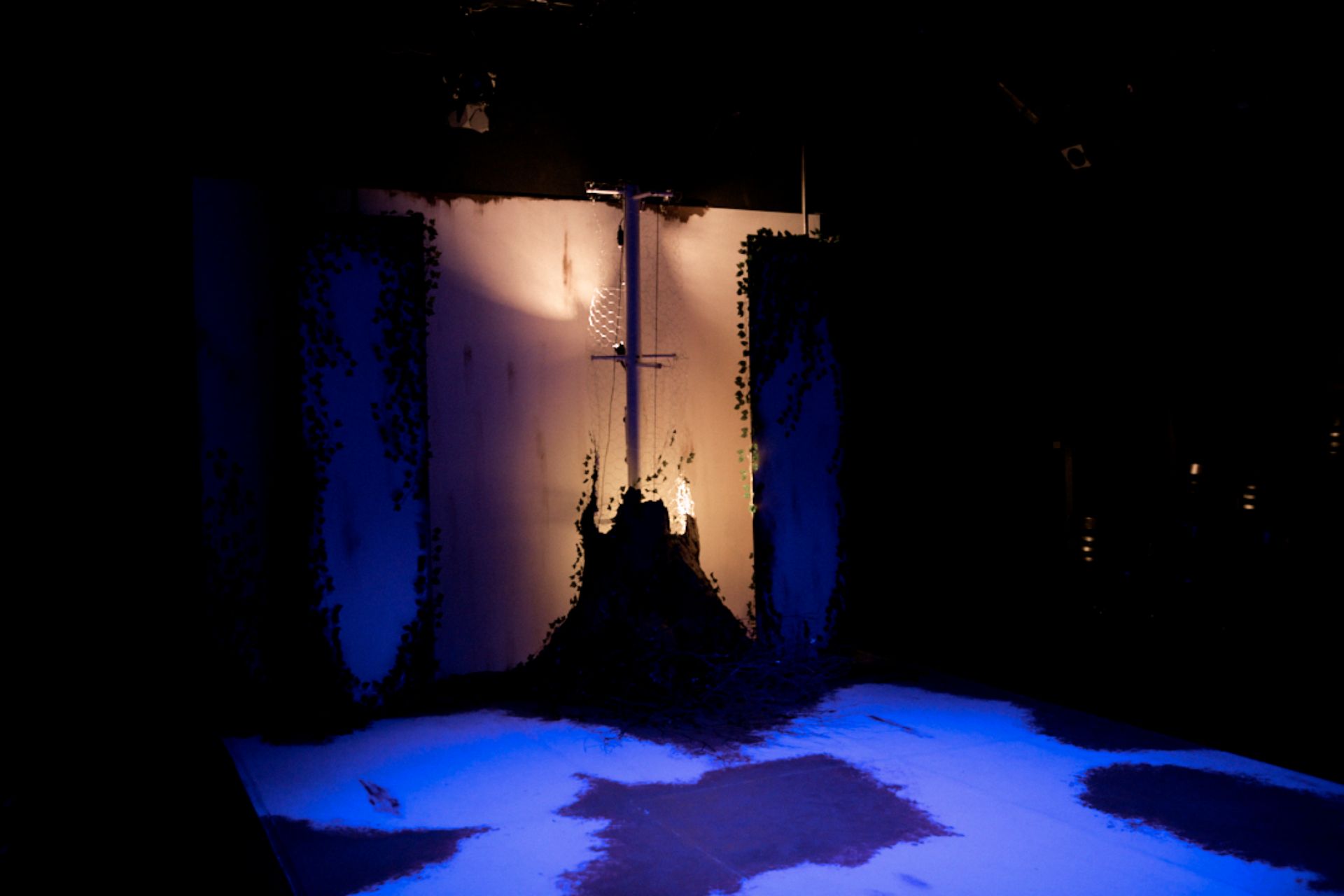
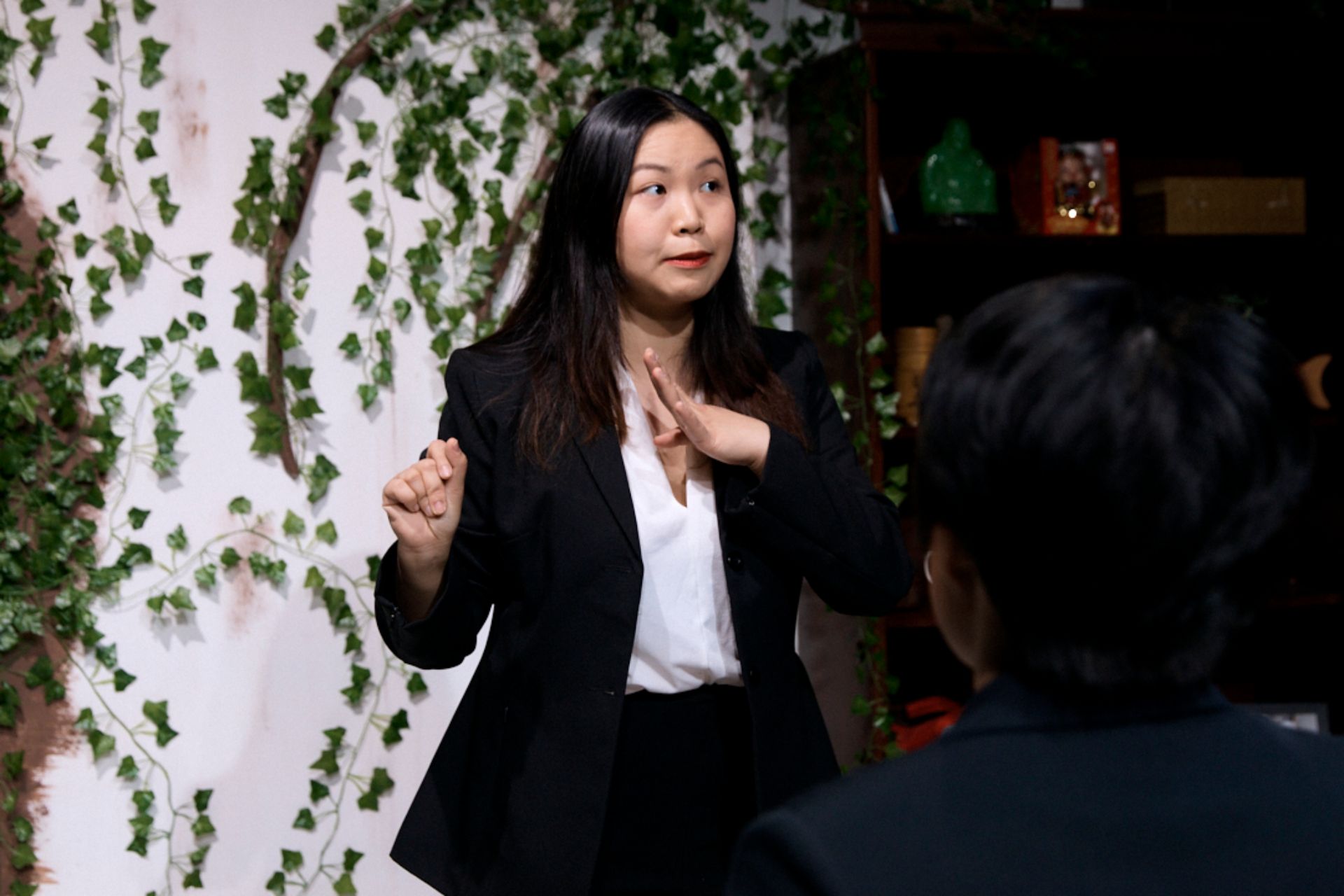
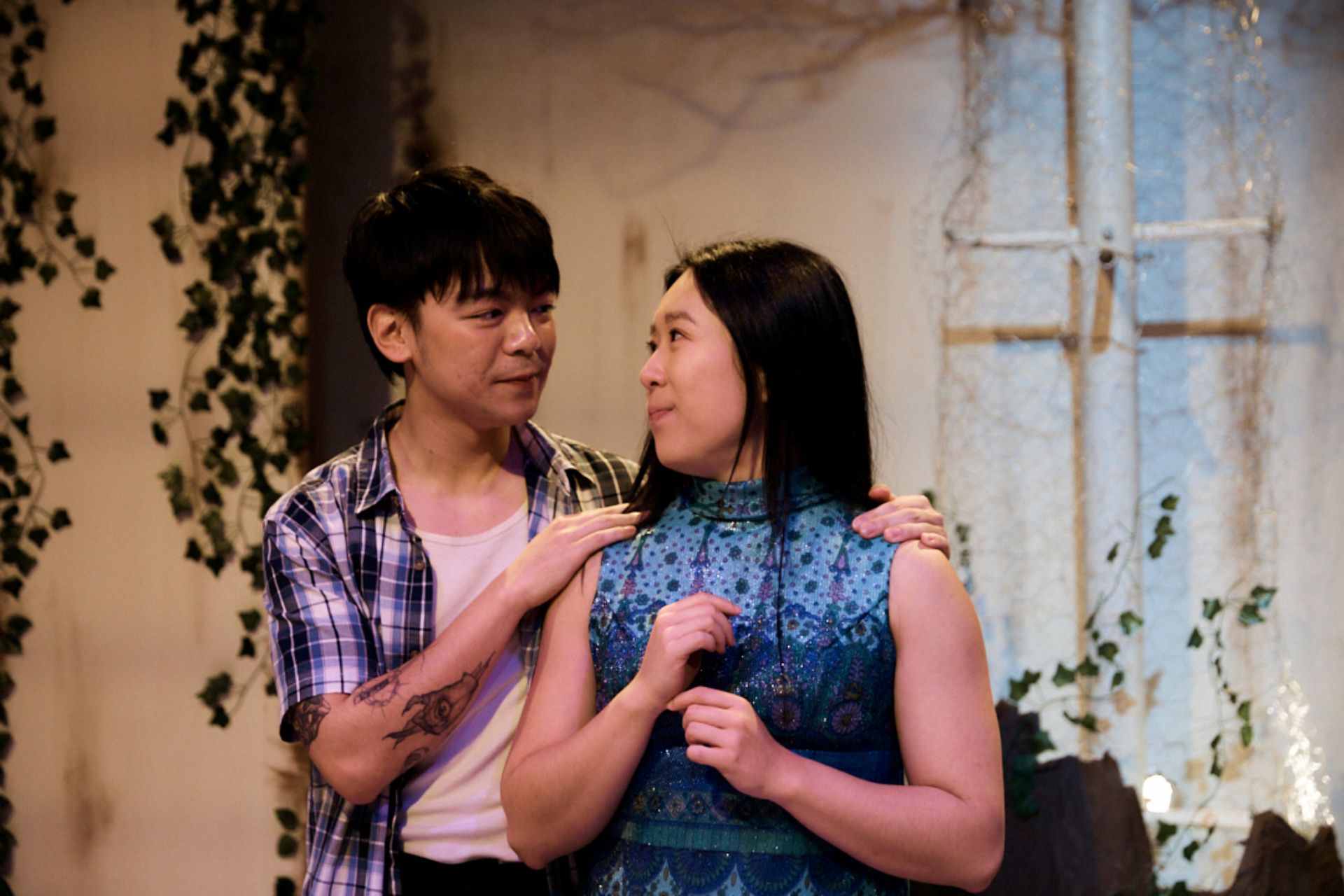
Review: Boom (KXT on Broadway)

Venue: KXT on Broadway (Ultimo NSW), Oct 6 – 21, 2023
Playwright: Jean Tay
Director:
Tiffany Wong
Cast: Melissa Gan, Tiang Lim, Josephine Lee, Natalie Low, Daniel MacKenzie, Gerwin Widjaja, Jordon Zhu
Images by Sherry Zheng

Theatre review

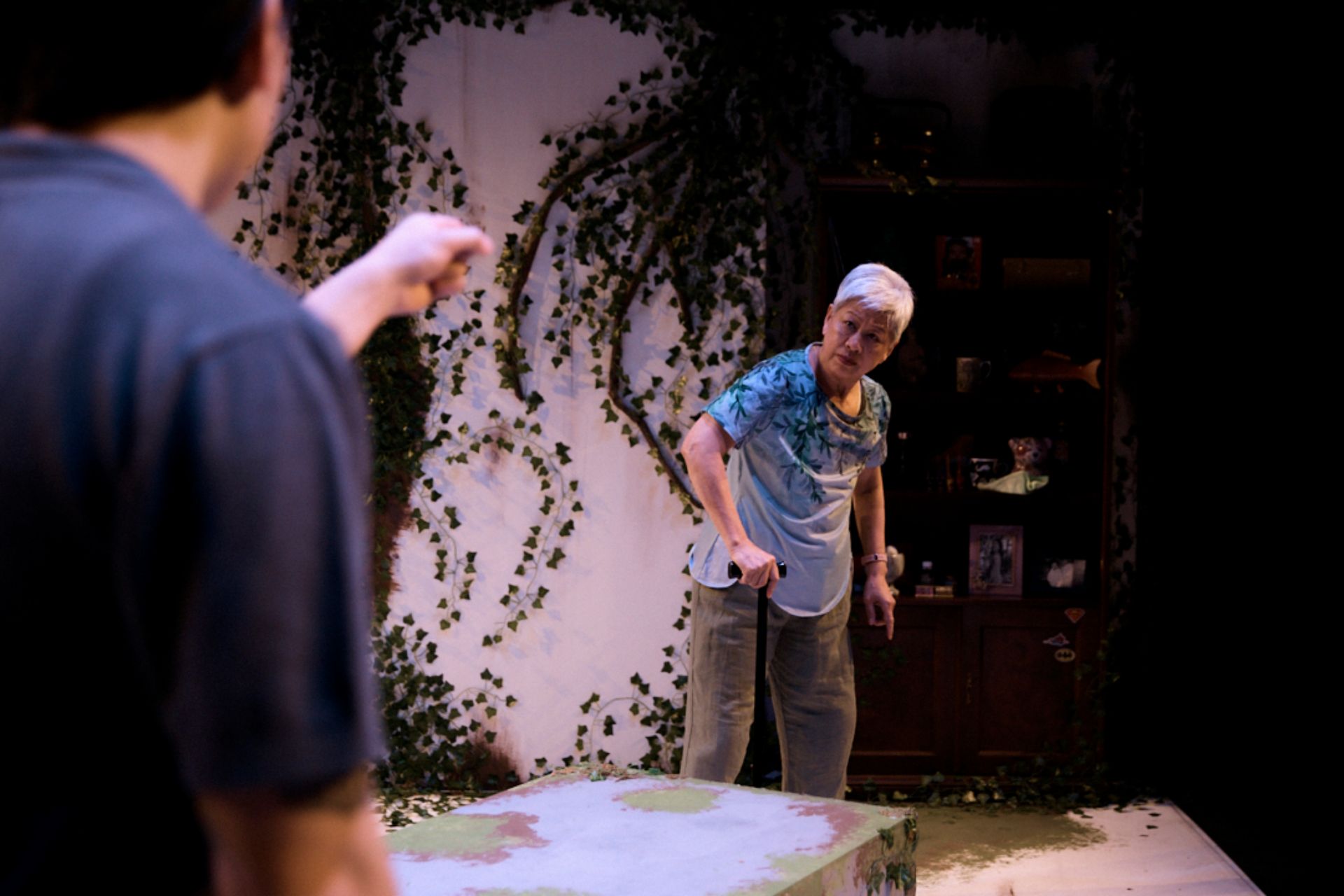
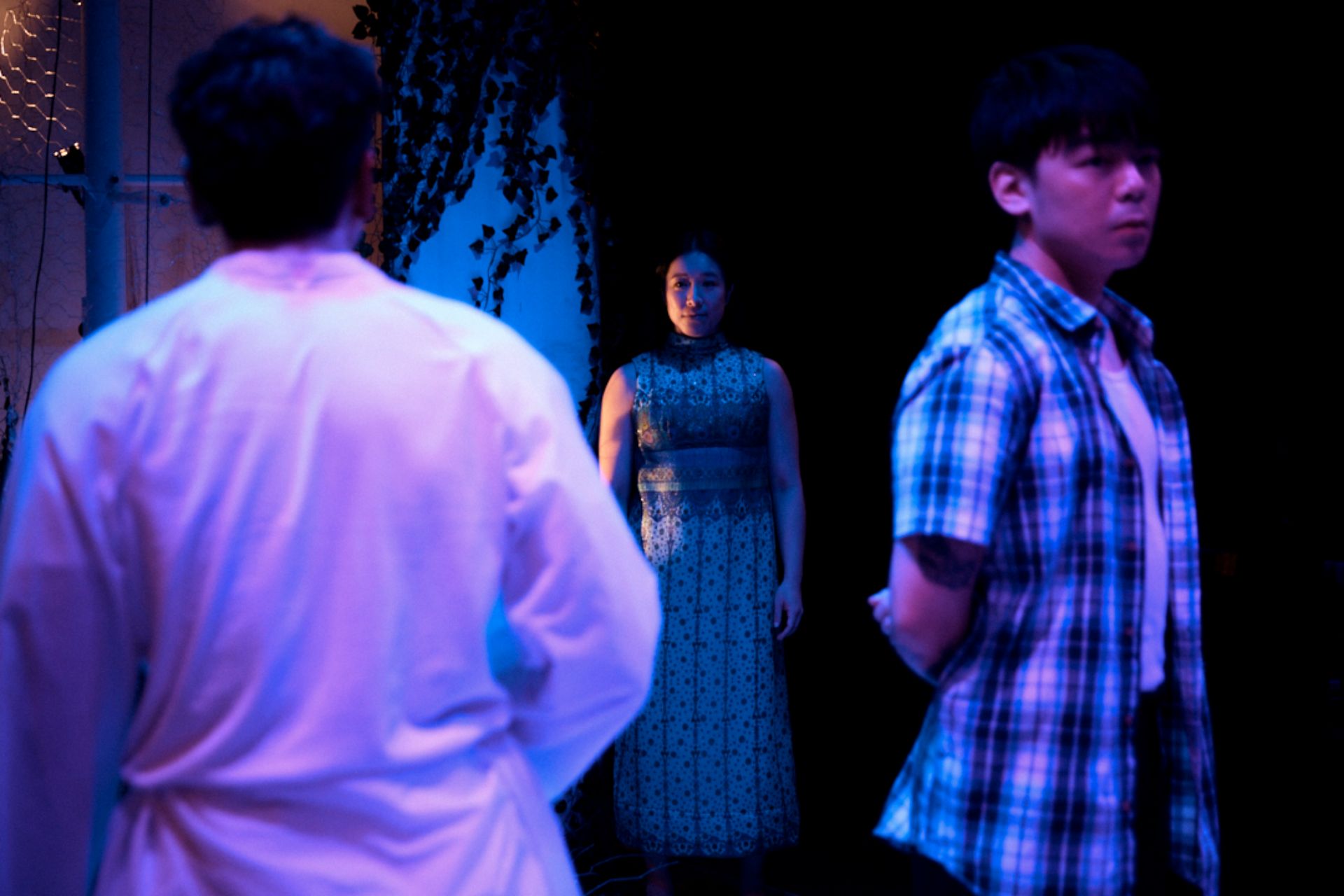
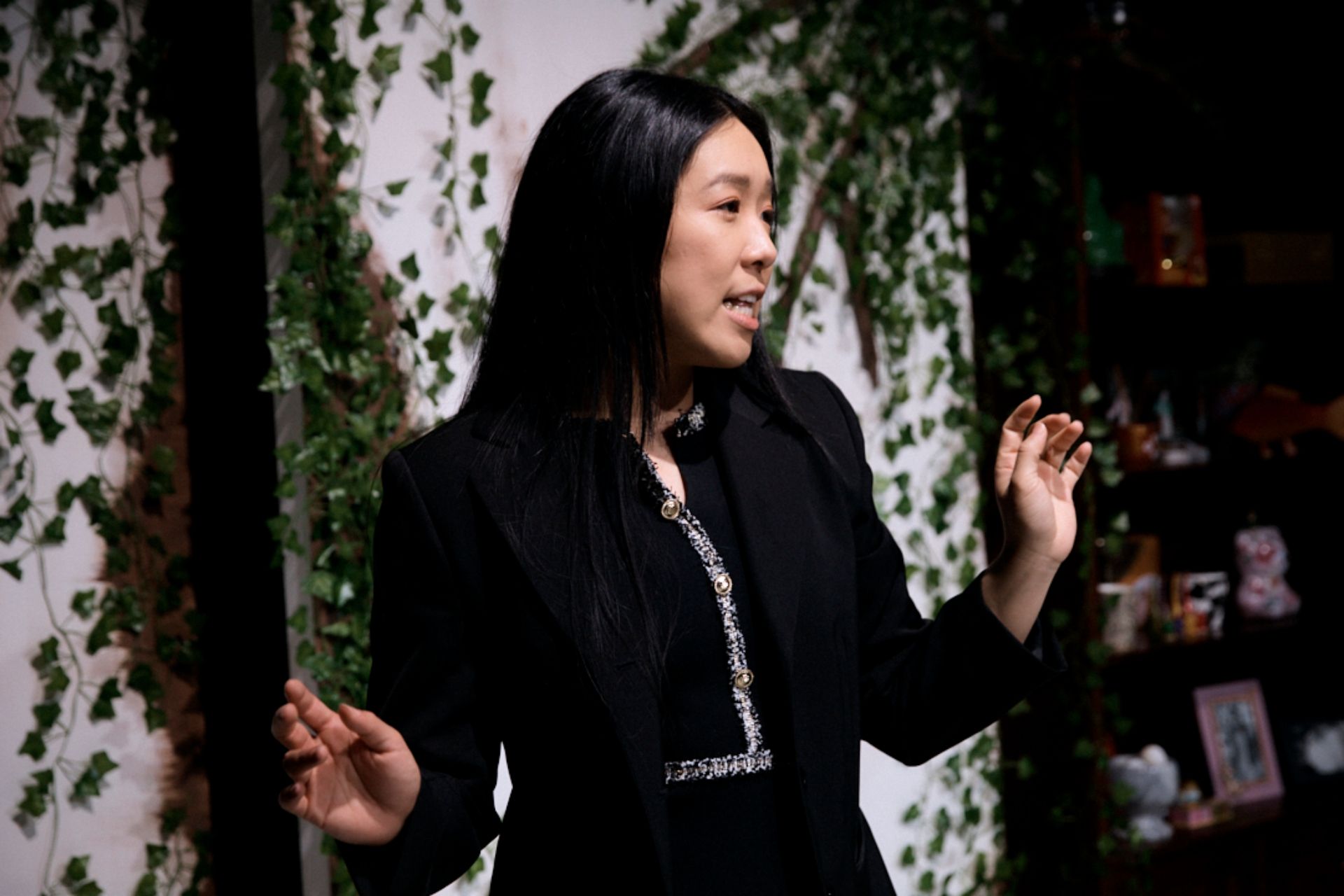
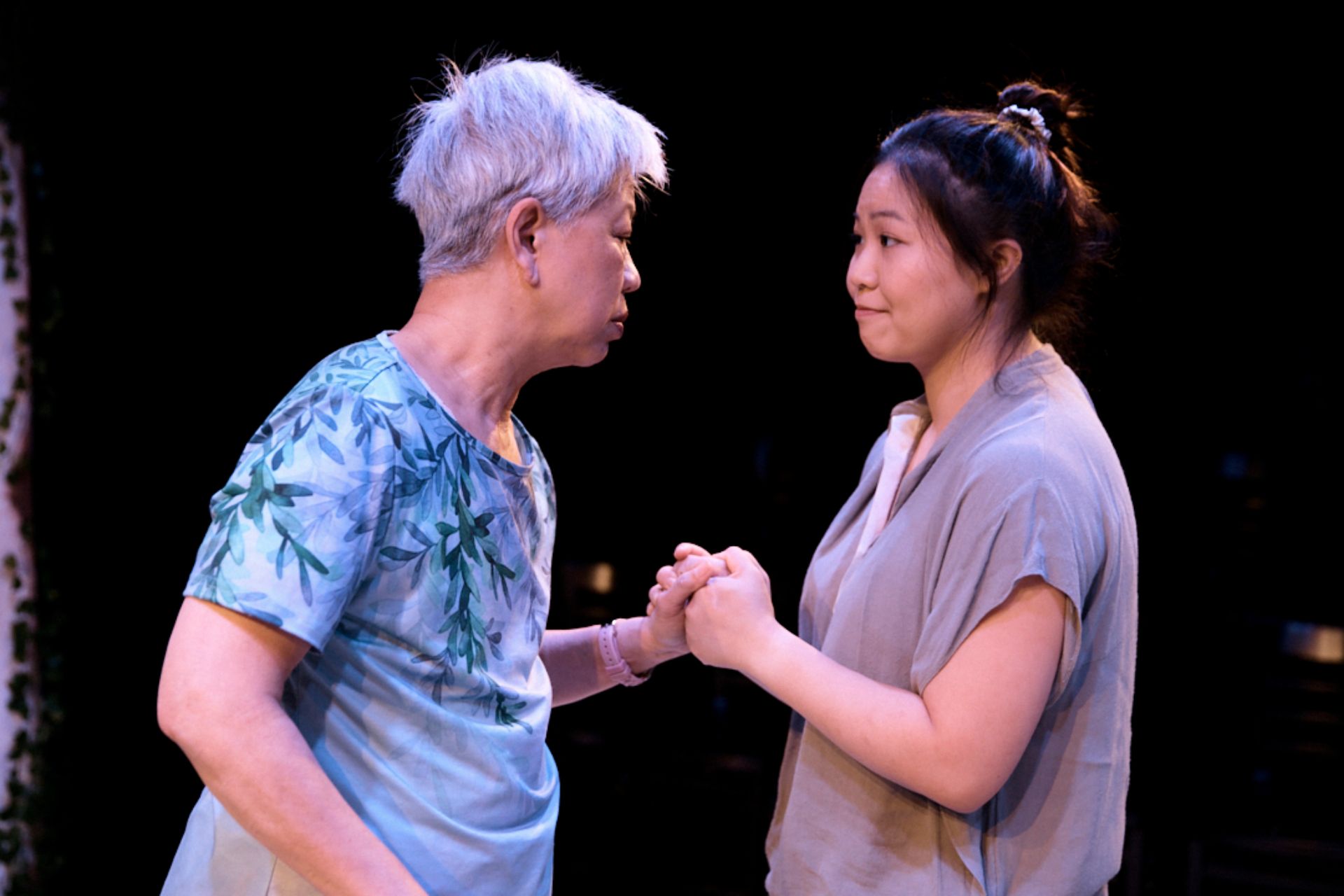
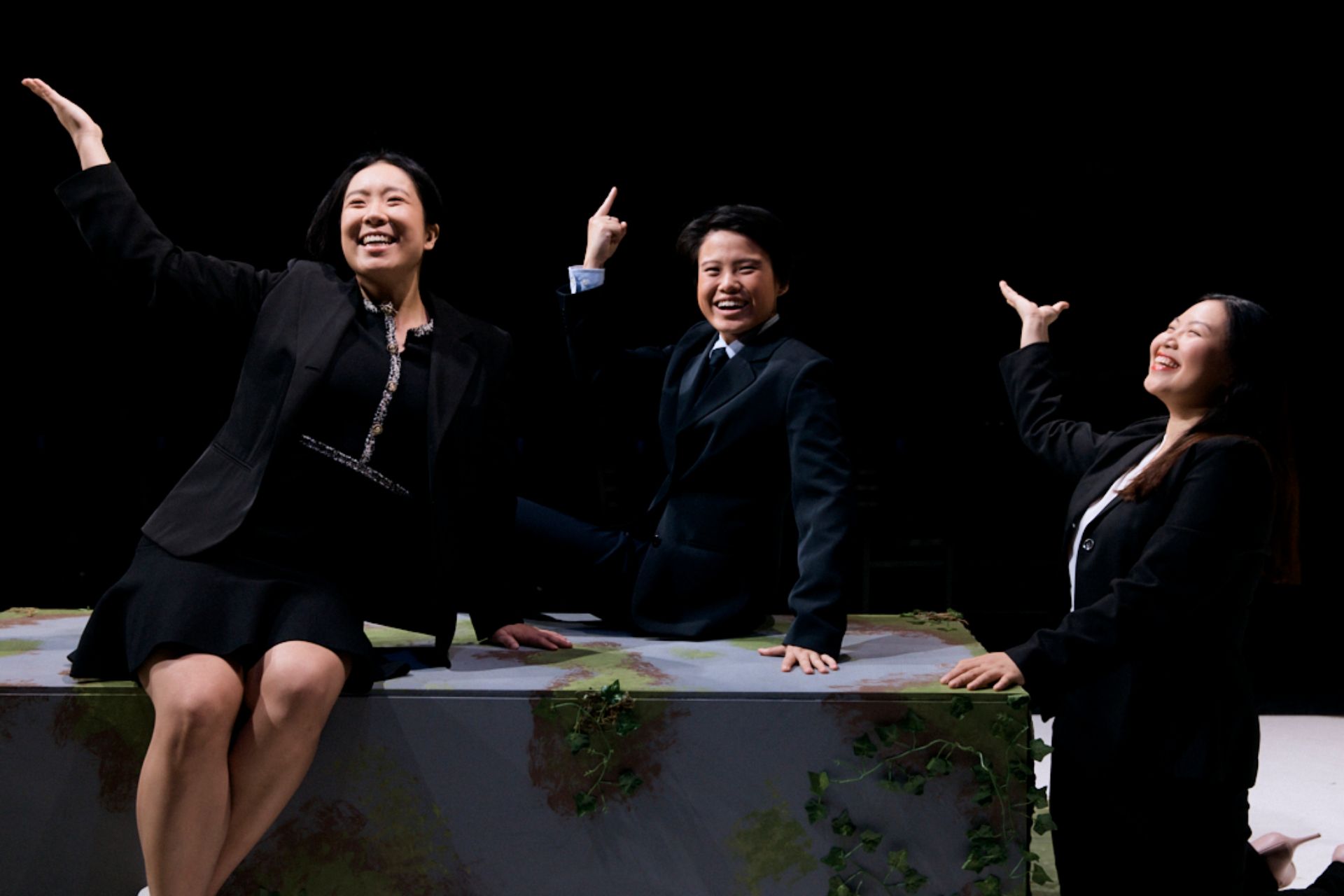
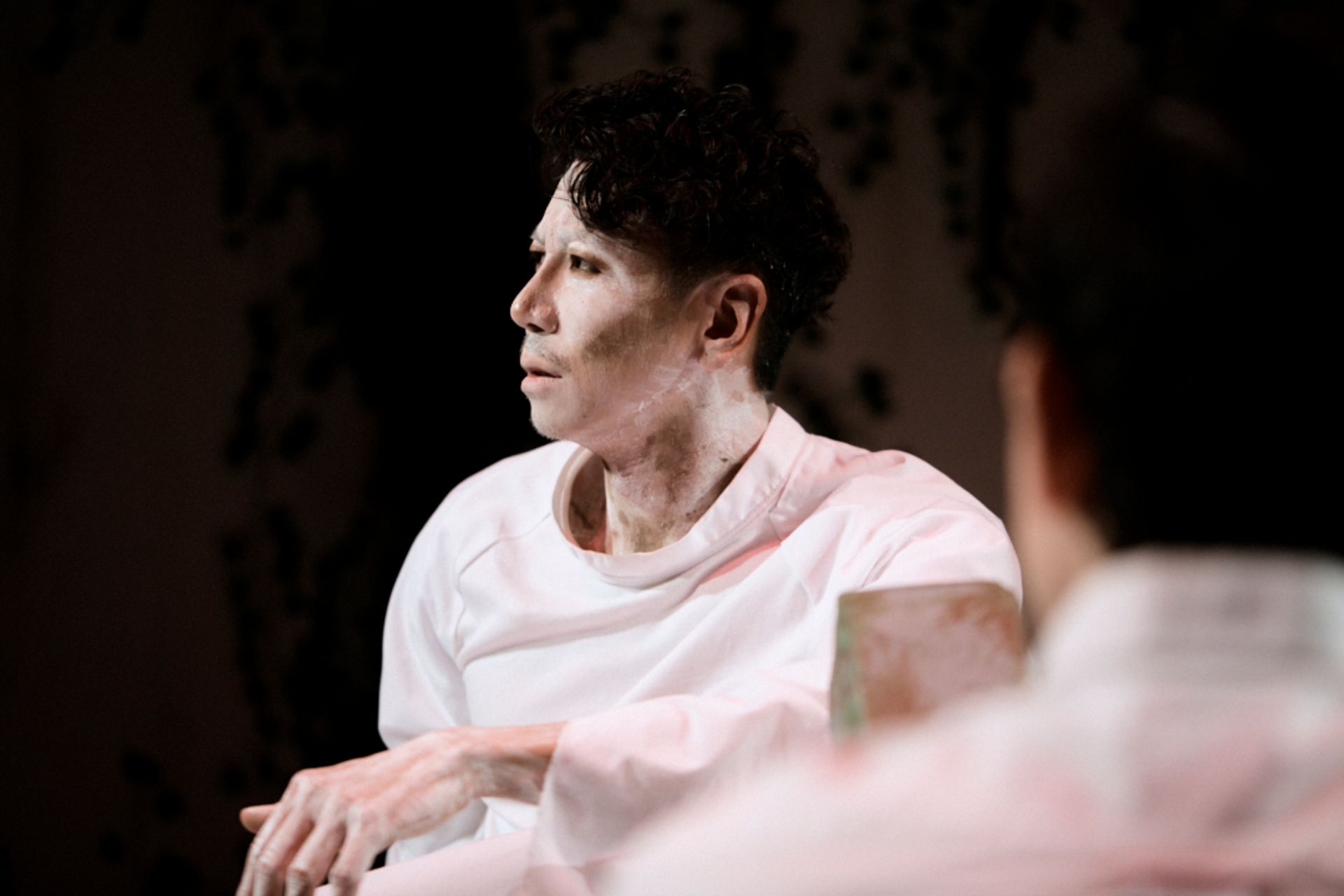
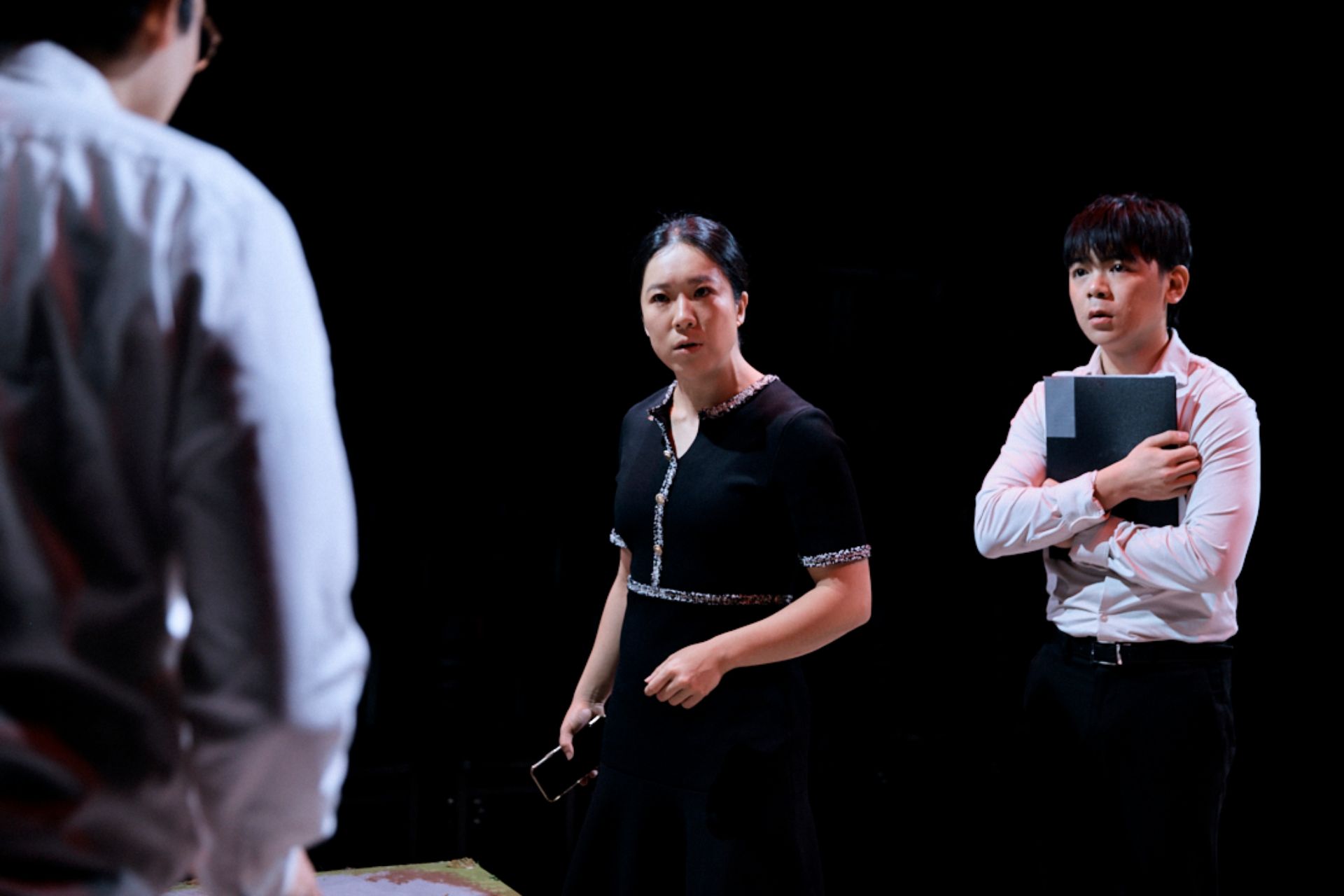
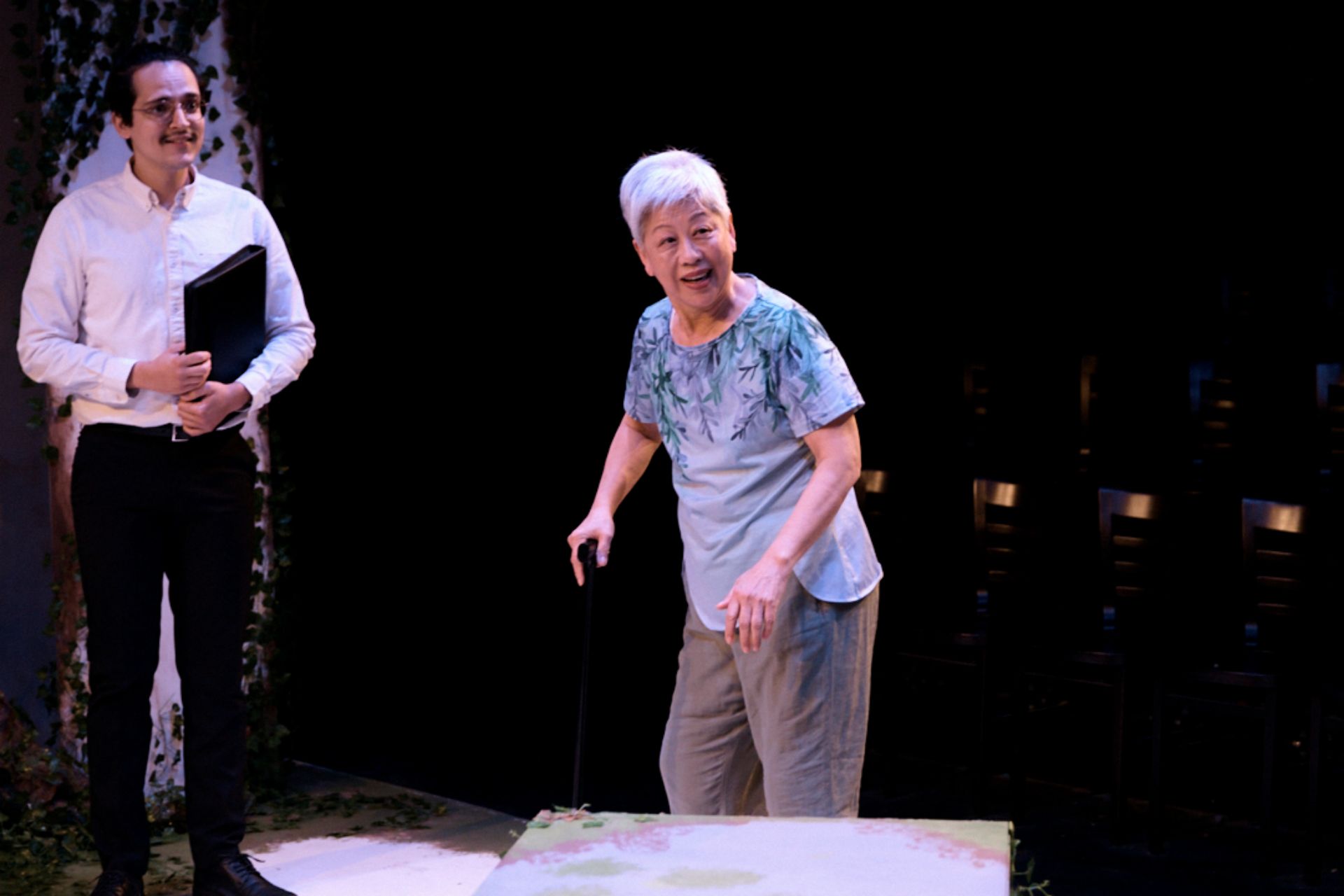
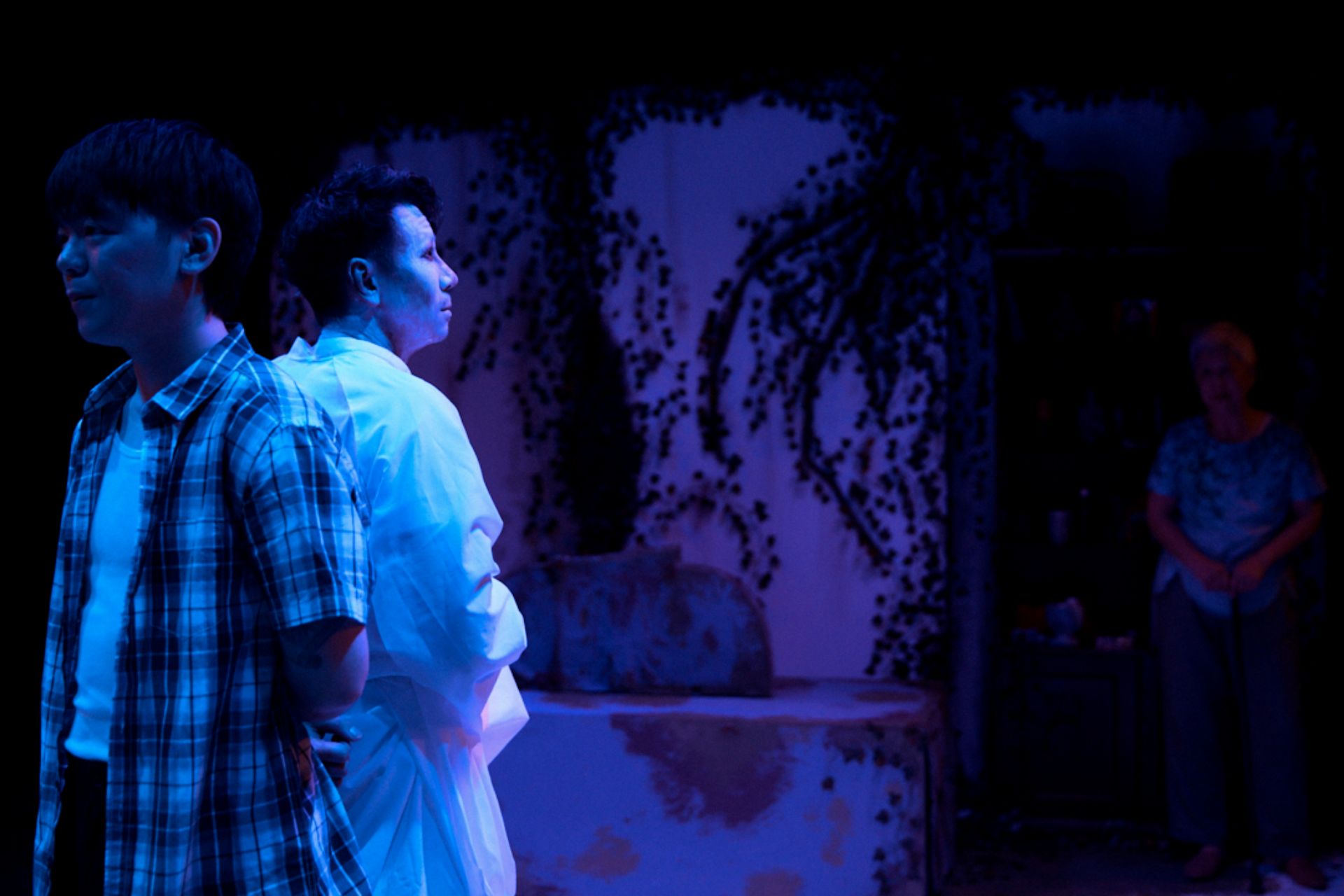
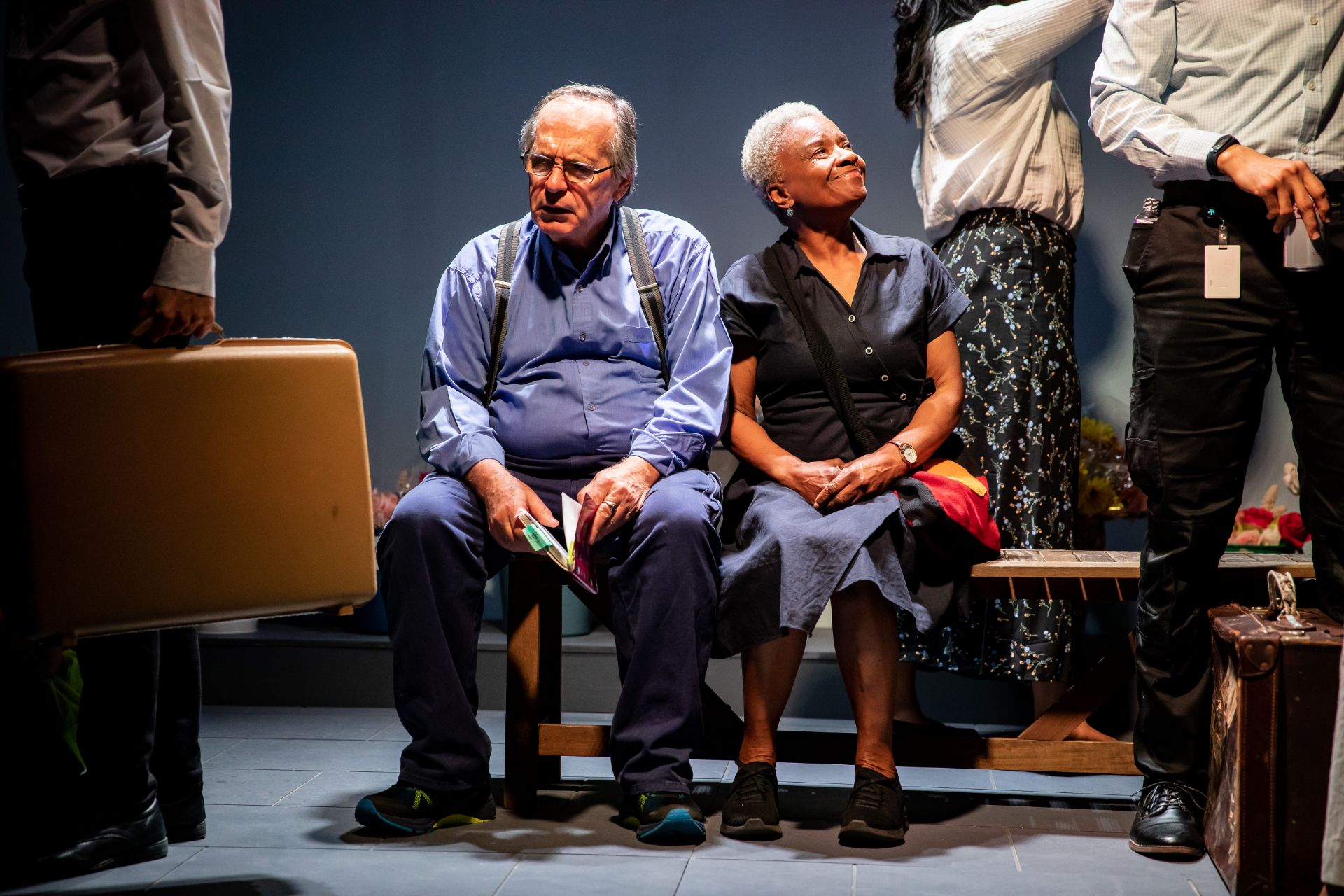
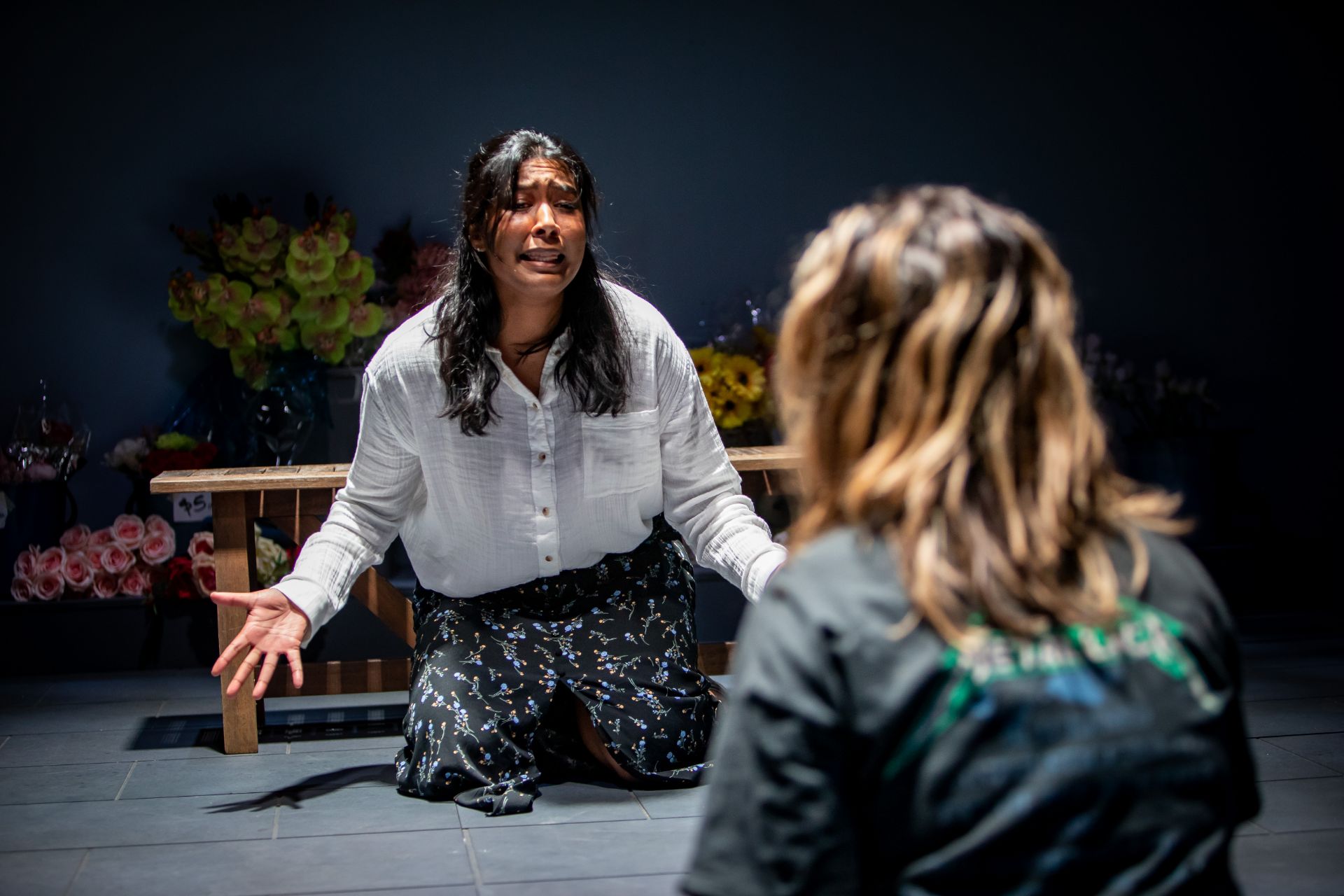
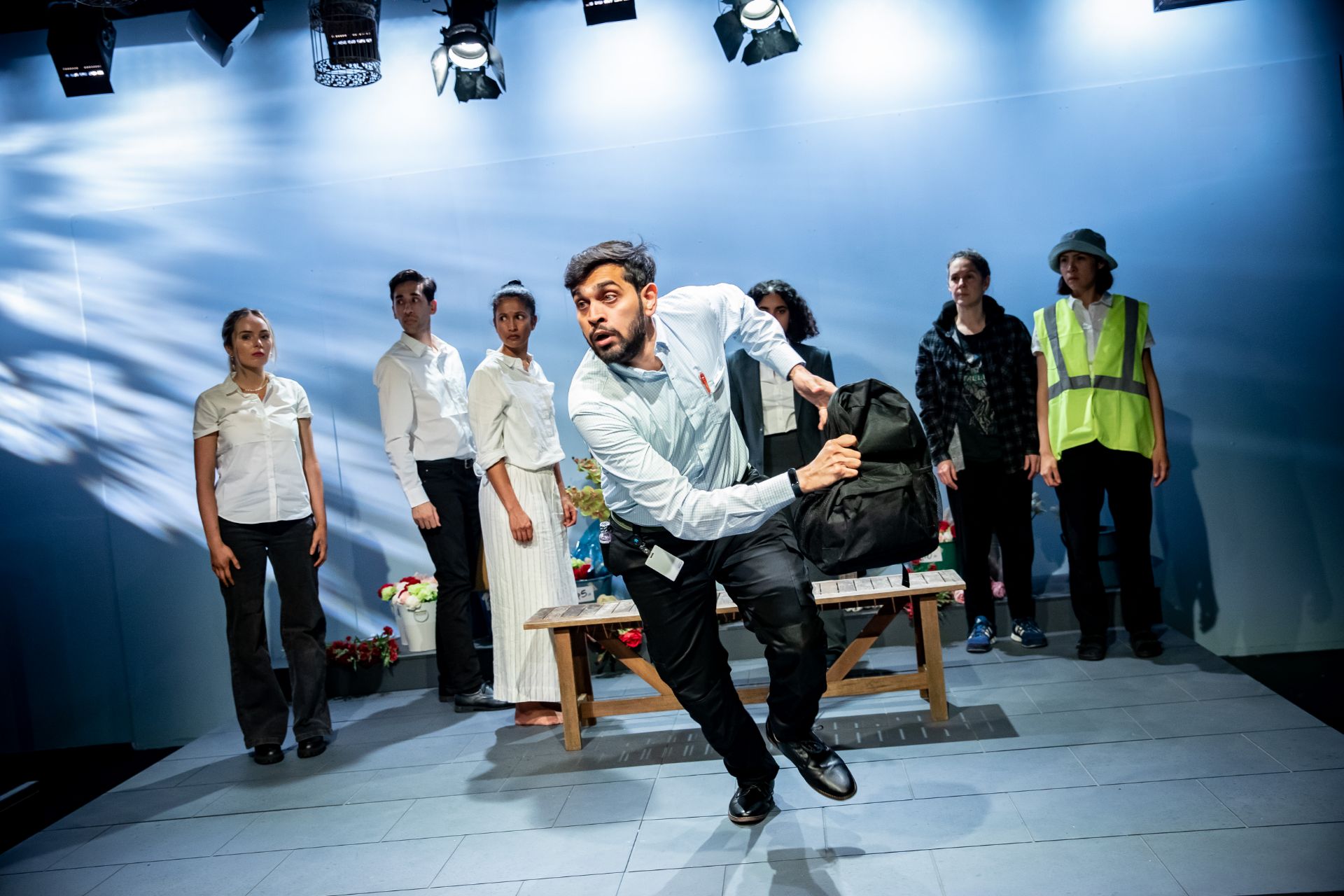
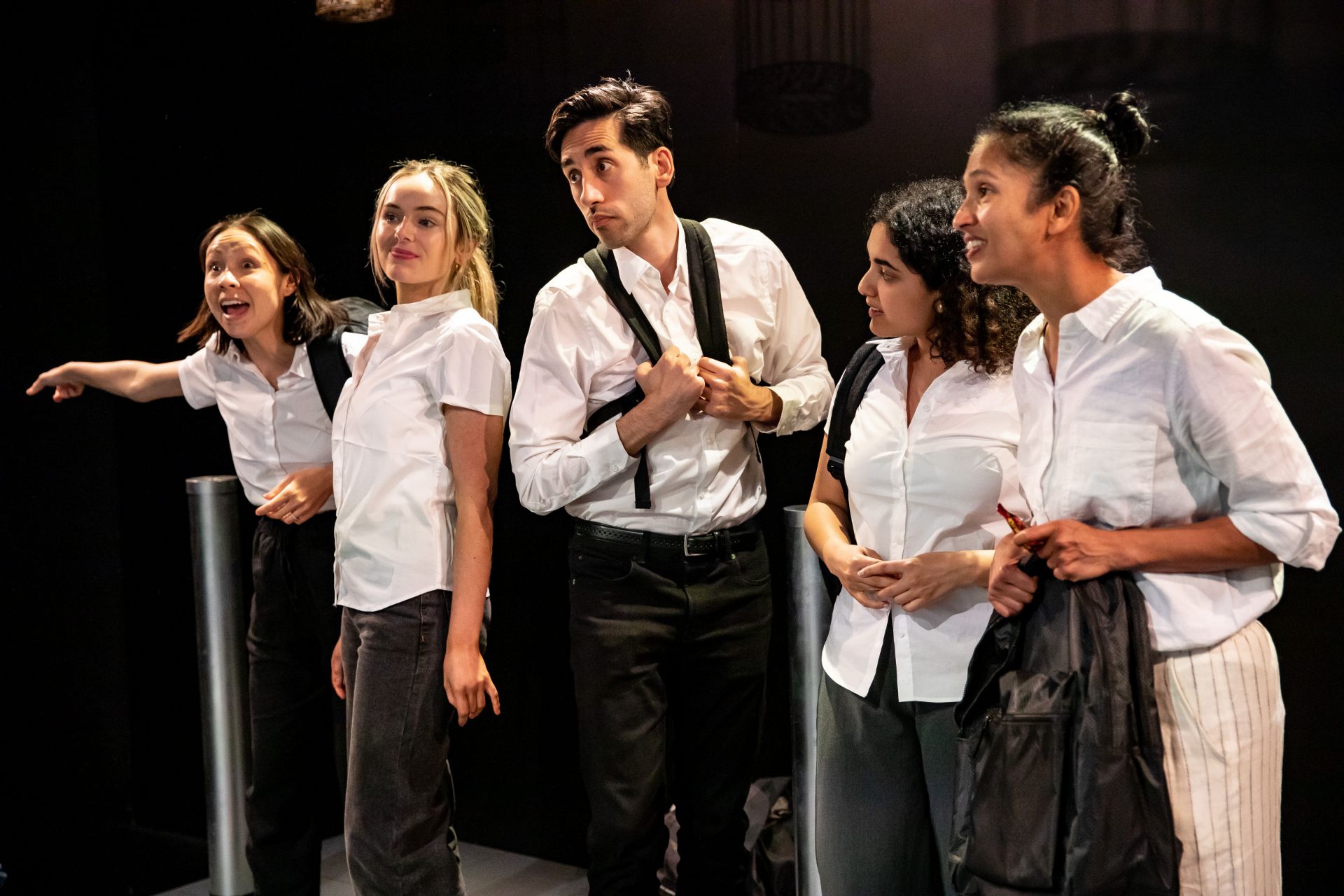
Tiong Boon is pushing his mother to sell their home, but his aspirations of moving up in life are met with resistance. Mdm Ong’s sentimental attachments to the old building are everything she treasures, if only the younger generations understand that it is not all about money. Meanwhile Jeremiah is having conversations with the ghost of Mr Chan, concerning the exhumation of his remains to make way for residential developments. All of this takes place in Singapore, where property investments are as much an obsession with the populace as they are in Australian cities. Jean Tay’s humorous yet lyrical 2009 play, Boom talks about land and place as entities beyond their commercial relevance, shifting focus from monetary to spiritual, in how we regard the notion of real estate. It is a discussion about home, heritage and custodianship, from an Eastern perspective, that complements beautifully, our own discussions about colonisation and First Nations rights on these terrains.

Staged with immense integrity by Tiffany Wong, whose direction of the piece unearths an authenticity that speaks not with exoticism, but with intimacy, even though its language and context are distinctly foreign. There is an exquisite pleasure in Boom‘s ability to fascinate with its culturally specific concepts, yet resonate on a level that feels universal. Set design by Aloma Barnes helps us interrogate the tensions between the natural and the built, in these meditations on our lived environments. Costumes by Rita Naidu offer quick ways to identify the personality types we encounter. Luna Ng’s lights take care to navigate sensitively between the many oscillating spaces, in geographic, temporal and emotional terms. Sam Cheng’s sounds and music imbue a richness to our sensorial experience of Boom, surreptitiously embellishing the atmosphere in ways to keep us attuned to the fluctuating dimensions of a wonderfully gripping work of theatre.

Actors Tiang Lim and Josephine Lee play the aforementioned mother and son respectively, with great passion and intensity, both conveying appropriate gravity for the stakes involved. Daniel MacKenzie as Jeremiah and Gerwin Widjaja as his apparitional friend, render an amusing relationship that tells the story with whimsy and surprising depth. Other players include Melissa Gan, Natalie Low and Jordon Zhu, all of whom demonstrate similar commitment and energy, for a compelling performance that is at once entertaining and poignant.

Mdm Ong tells everyone again and again, that she does not wish to leave her home, but her words go unheeded. We call it an economic imperative or simply pragmatism, and refuse to see people’s homes as anything more than their monetary value. We acquiesce to the notion that the highest bidder wins, and allow spaces to be taken over, even when the spaces carry meaning that far exceeds anything that can be quantified. Mdm Ong’s story reveals the emptiness of prevailing values, but money speaks loudest and we remain oblivious to an increasingly obscure matter of the human soul. 

www.kingsxtheatre.com | www.slantedtheatre.com

Review: The Church Of The Clitori (Sydney Fringe Festival)

Venue: Castlereagh Boutique Hotel (Sydney NSW), Sep 26 – 30, 2023
Creators: Malika Reese, Lillian Rodrigues-Pang
Cast: Malika Reese, Lillian Rodrigues-Pang

Theatre review
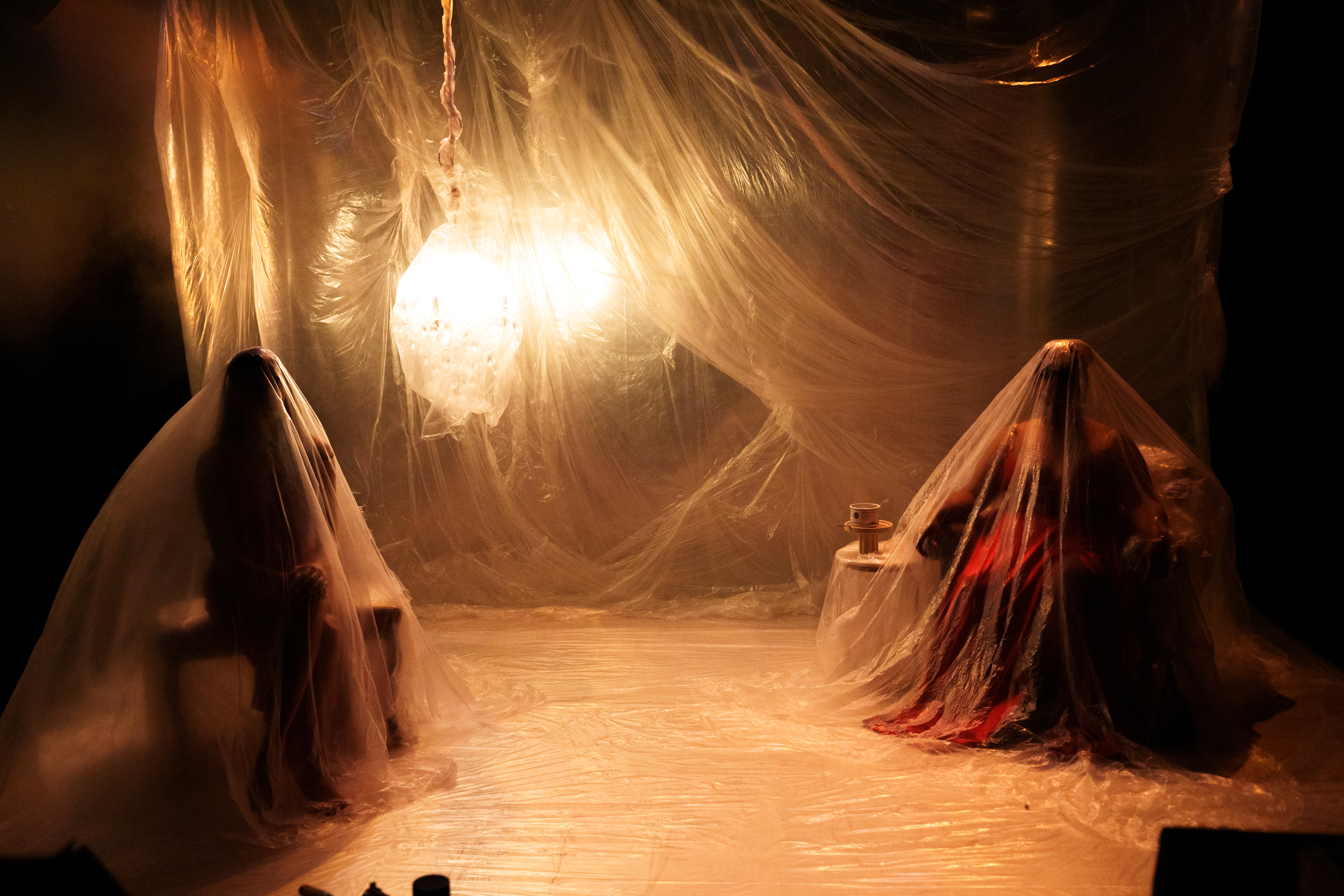
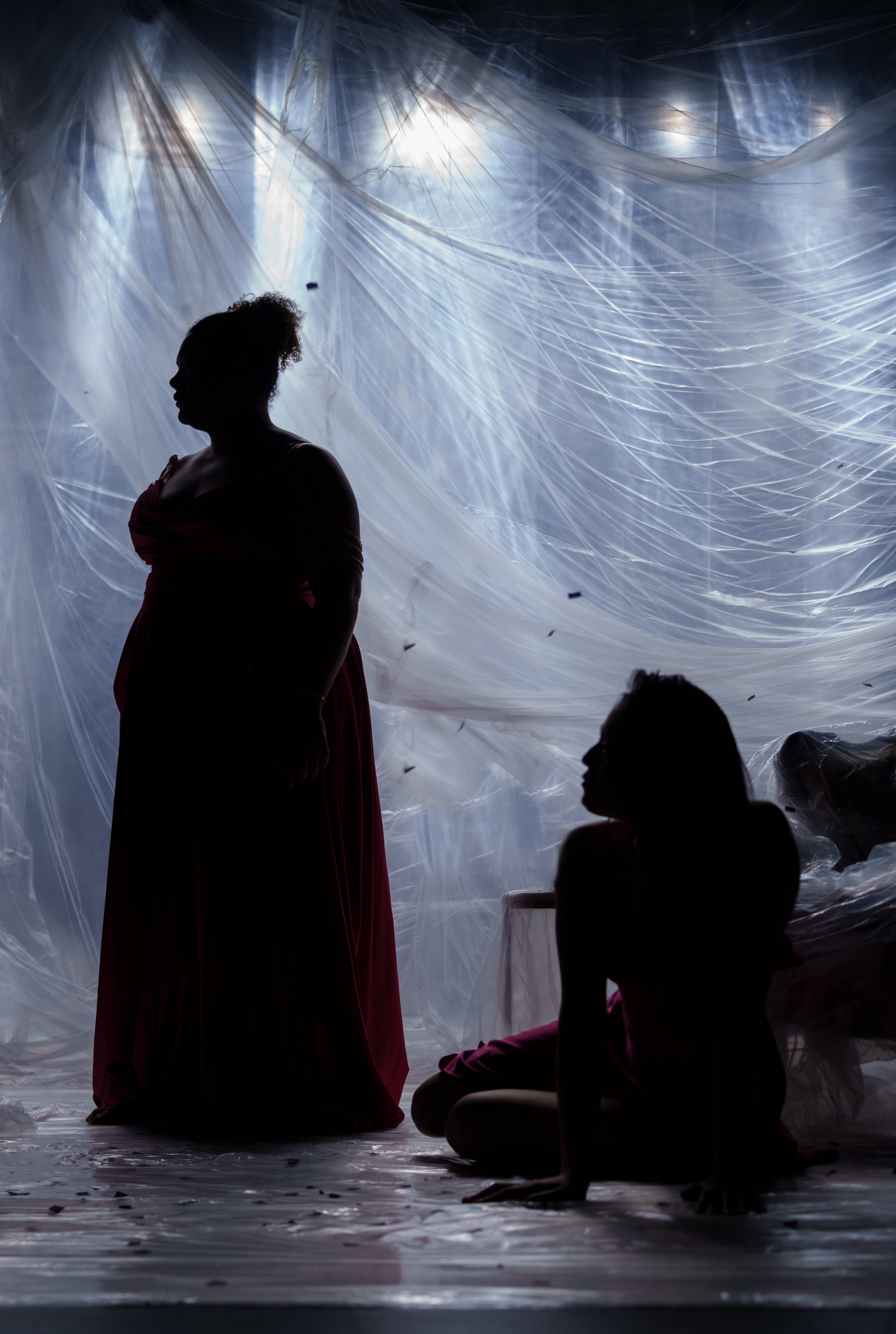
The Church of the Clitori by Malika Reese and Lillian Rodrigues-Pang, welcomes one and all to its place of worship, where the idea of the feminine reigns supreme, along with the gratification derived from the only human organ known for its singular purpose of providing pleasure. We are urged to revert to matriarchal forms of organising societies, where our values and beliefs relate more to the flesh and hence with a greater sense of sensual interpersonal connection, rather than cannibalistic modes of dealing with each other, such are our inclinations when men are in power.

The piece is careful to state from the outset that the clitoris to which it refers is about a mindset, an allegory for the Inner Goddess accessible by all persons, regardless of the physical manifestations their actual genitals may take. There is however an abundance of literal clitoral representations at the church, to ensure we make full use of the hour, to cleanse us of the persistent imposition of phalluses in our real normal lives.

Reese adopts the moniker of The Labias, while Rodrigues-Pang performs the part of the High Priestess, both humorous and warm in presence, as they assert their doctrine of enlightened womanhood, to a congregation that simply must relent to their insistence of cheery audience participation. Their presentation is amusing from beginning to end, sensitively considered but vivaciously delivered. It can feel rough around the edges, but the rawness it embodies is commensurate with its message of repudiation and subversion. The homespun aesthetic is almost essential, for a work that urges a retreat from capitalism, from colonialisation and white supremacy. It encourages suspicion about things that are too glossy and tidy.

Humans should perhaps stop aspiring to be like robots and other machines. We can be productive and efficient, but those should not be the core of our existence. For many years we have allowed an industrialisation and commercialisation of our worlds to extend incrementally into our souls, but at The Church of the Clitori we can reassess and rethink, and maybe make better decisions about, well, everything.

www.churchoftheclitori.org

Review: Banging Denmark (New Theatre)

Venue: New Theatre (Newtown NSW), Sep 20 – 30, 2023
Playwright: Van Badham
Director: Madeleine Withington
Cast: Matt Abotomey, Emelia Corlett, Sarah Greenwood, Kandice Joy, Gerry Mullaly
Images by Campbell Parsons

Theatre review
Ishtar has to take time out from her PhD in feminism, because she is completely broke, and misogynist podcaster Jake is offering huge amounts of money for her help in earning Danish librarian Anne’s affections. Van Badham’s 2019 play Banging Denmark has only increased in relevance, as incels and pickup artists continue to gain prominence in our consciousness, with their figureheads now becoming big-time celebrities, and with dominant cultural personalities legitimising their abhorrent values and beliefs.

Director Madeleine Withington finds in her production, the real heart of the matter, which relates to how we could solve a problem like bigotry. Before we reach that concluding epiphany however, Withington delivers a work determined to entertain, taking full advantage of the marvellous absurdity in Badham’s often outrageous comedy.

Leading lady Sarah Greenwood’s staggering intensity as Ishtar delivers for the show its electric propulsive charge. That energy renders for the role an extraordinary passion that is simultaneously theatrical, yet true to the strident archetype to which it refers. Matt Abotomey is similarly flamboyant in his humour, unabashed with the hyperbolic physicality he brings to Jake, in a show that is never short of verve.

Costumes by Ruby Jenkins offer accurate depictions of these comical characters, along with a set that offers sufficient versatility to help conjure the various scenic requirements of Banging Denmark. Lights by Luna Ng are colourful and dynamic, gallant in their efforts to introduce a sense of liveliness to the staging. Daniel Herten’s sound design too is stimulating, able to sustain interest with its quirky approach.

It seems a natural instinct to wish to alienate those we deem despicable, to disparage and humiliate those intent on languishing in their indignant dedication to prejudice. We know however, that cruelty does little to persuade anyone to reverse their course of action. There is a surprising kindness to Banging Denmark that can feel unsatisfying in our current climate of ravenous viciousness and inhumanity, but there is no denying the truth, that hate solves nothing, that social fracture is ultimately undesirable, except for the very few who profit from those divisions. There is a part of us that tends to relish in conflict and bloodletting, but the better parts of our humanity understand that delicious as they may feel, wars are never what we want.

www.newtheatre.org.au

Review: An Ox Stand On My Tongue (25A Belvoir)

Venue: Belvoir St Theatre (Surry Hills NSW), Sep 20 – Oct 8, 2023
Playwright: Jane Montgomery Griffiths
Director: Abbie-Lee Lewis
Cast: Jessica Bentley, Angela Nica Sullen
Images by Phil Erbacher

Theatre review
Helen and Clytemnestra do not have the best of reputations; both women are known for the trouble they had caused, to men of great esteem and importance. An Ox Stand on My Tongue by Jane Montgomery Griffiths reframes the sisters, so that their own perspectives of events can occupy centre stage, shifting from antagonist to protagonist, in what amounts to a feminist interpretation of ancient myths.

The intriguing two-hander is a modern, often obtuse play that makes a statement about the impossible demands placed on women, in a man’s world. We see Helen and Clytemnestra grappling with the notion that to survive, is often to be perceived as dishonourable, whether or not they abide by all the rules of the game. Those same rules apply to the opposite sex, but garner much better results, if one happens to be a man.

Direction by Abbie-Lee Lewis is uncomplicated, almost too simple in its approach, with a strong reliance on the charm of her leading ladies to sustain attention.  Actor Jessica Bentley’s presence is consistently authentic, giving Helen a sense of believability and naturalism that add to the contemporary tone being rendered. Angela Nica Sullen is more inventive with her portrayal of Clytemnestra, especially effective in heightened moments to give us the delicious drama associated with all things tragic and Greek.

The production is elevated by Kelsey Lee whose set and lights offer a captivating flamboyance appropriate to this exploration of beings royal and celestial. Costumes by Grace Deacon are commensurately glamorous, although not quite sufficiently finessed for the refinement it wishes to depict. Zac Saric’s sound and music are rigorously created, to underscore the show with intensity as well as intentionality.

It is only human to wish to be regarded with respect and dignity, but when one arrives at the understanding, that social acceptance often comes at an unfair price, one begins to consider relinquishing those needs to be admired. One simply stops caring, not about things that are truly important, but apropos the meaningless approval and expectations of people who matter little. There is no denying that we are social creatures, but our societies can be as malevolent as they are benevolent. Women are taught to care too much, so that we may remain subservient, always terrified of being thought badly of. Helen and Clytemnestra recall their mother training them to always try harder, but it occurs to us that their persistent misery only ever seem to be in service of those who never love them back.

www.belvoir.com.au

Review: Human Activity (KXT on Broadway)

Venue: KXT on Broadway (Ultimo NSW), Sep 15 – Oct 8, 2023
Playwright: Katie Pollock
Director:
Suzanne Millar
Cast: Karina Bracken, Claudette Clarke, Josephine Gazard, Atharv Kolhatkar, Phillip Lye, Mason Phoumirath, Trishala Sharma, Katherine Shearer, Madhullikaa Singh, Teresa Tate Britten
Images by David Hooley

Theatre review
Martin Place represents the most vibrant of our city life in Sydney, with the usual hustle and bustle of a central business district demonstrating the apparent health of our economy. In 2014 however, a terrorist attack at the very heart of that precinct cast a gloom upon the nation, making us see an abhorrent side to what constitutes community on these lands. Katie Pollock’s Human Activity is only partially about that regretful incident. Even though the play is set around the very time and place of the siege, not every anecdote in the work relates directly to that disastrous moment.

Several narratives run through Human Activity, with a plethora of characters occupying our attention. Director Suzanne Millar manufactures a sense of harmony for the divergent stories, creating a production that feels a unified whole, whilst allowing its fragments to speak independently. Within this collaboration between Pollock and Millar, is a palpable tenderness that demonstrates respect and love for those we live amongst, so that we may expand ideas pertaining to communal identities, and begin to dismantle divisive notions of us and them.

Production design by Soham Apte depicts a rigorous realism, with a set and costumes that enable us to delve into the familiar sights and scenes of our urbanscape. Benjamin Brockman’s lights introduce a dulcet poeticism to soften the edges of the metropolis, guiding us to the compassionate heart of Human Activity. Sounds and music by Jessica Pizzinga are rendered with sensitivity, moving us to the familiar streets of our geographical and spiritual nucleus.

Memorable performances include actors Trishala Sharma and Katherine Shearer who bring valuable dramatic intensity to two women whose lives intersect, finding common ground where it had seemed completely unlikely. Atharv Kolhatkar and Teresa Tate Britten too are dynamic, as workers on ground zero, disturbed but needing to gather the wherewithal to soldier on.

In cities, we walk past one another, unable to connect in an environment overwhelming with its sheer volume of activity. Yet we know that it is in these concrete jungles, that we are able to thrive and flourish. This is where so many of us can discover our best manifestations, away from parochial and conservative situations determined to hold us back. The city may not suit every sensibility, but it is the most inclusive of our societies, where every person may feel equally an outsider, yet able to locate opportunities, for the possibility of making dreams happen.

www.kingsxtheatre.com | www.instagram.com/nautankitheatre