Review: The Queen’s City Of The South (Qtopia)

Venue: Qtopia (Darlinghurst NSW), Oct 8 – 19, 2024
Playwright: Mark Salvestro
Director: Ryan Whitworth-Jones
Cast: Jack Calver, Kath Gordon, Mark Salvestro
Images by Bojan Bozic

Theatre review
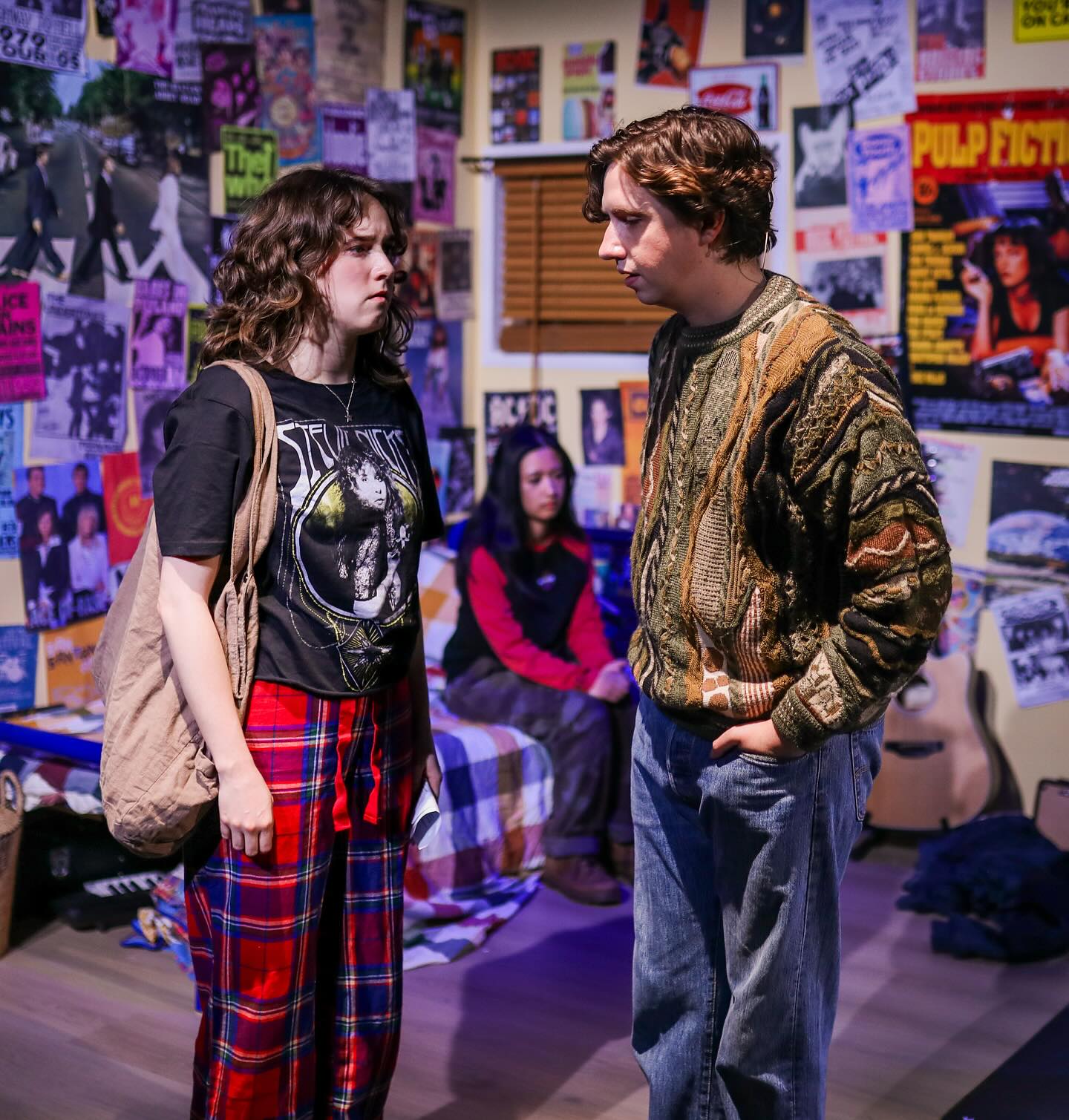
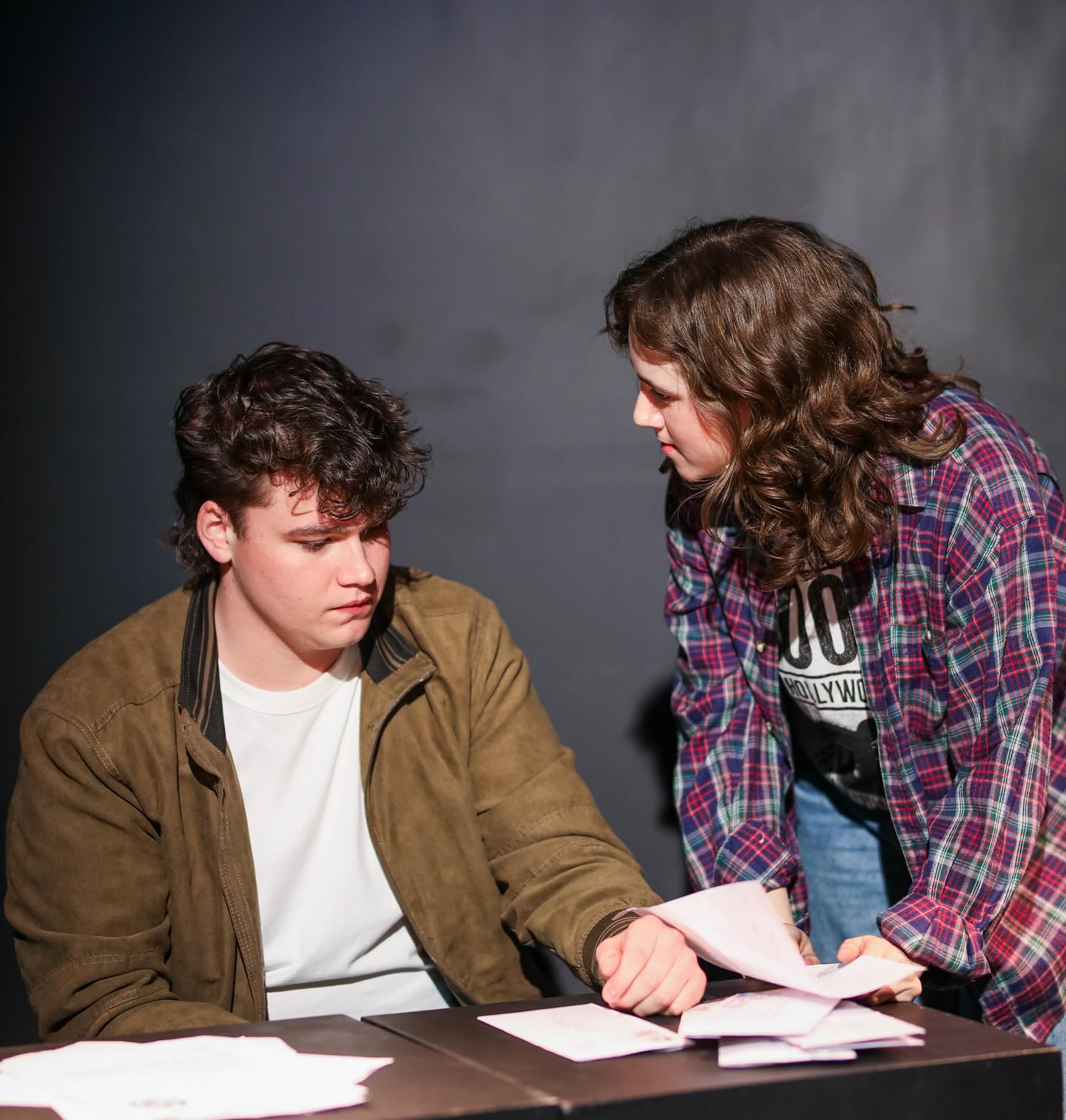
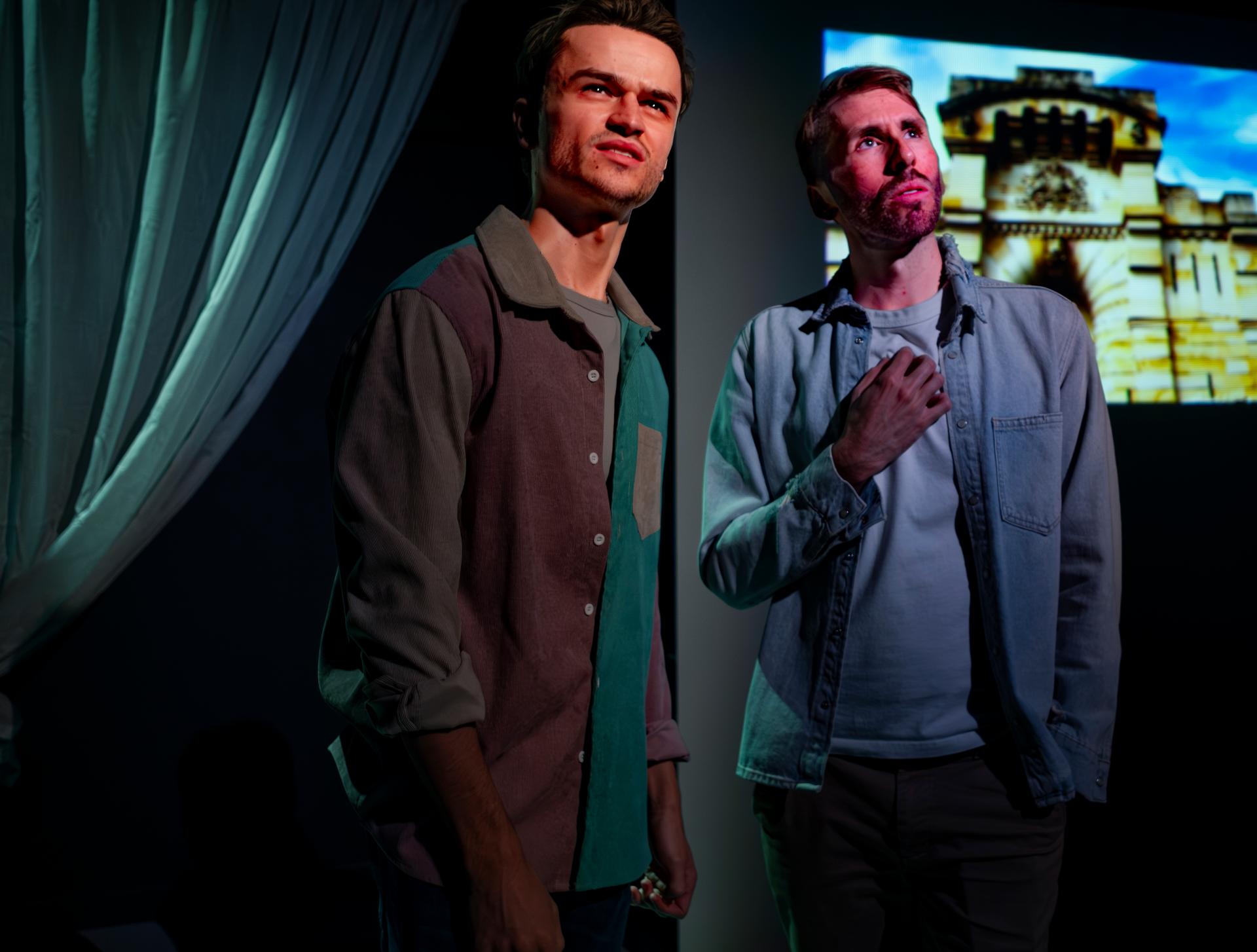
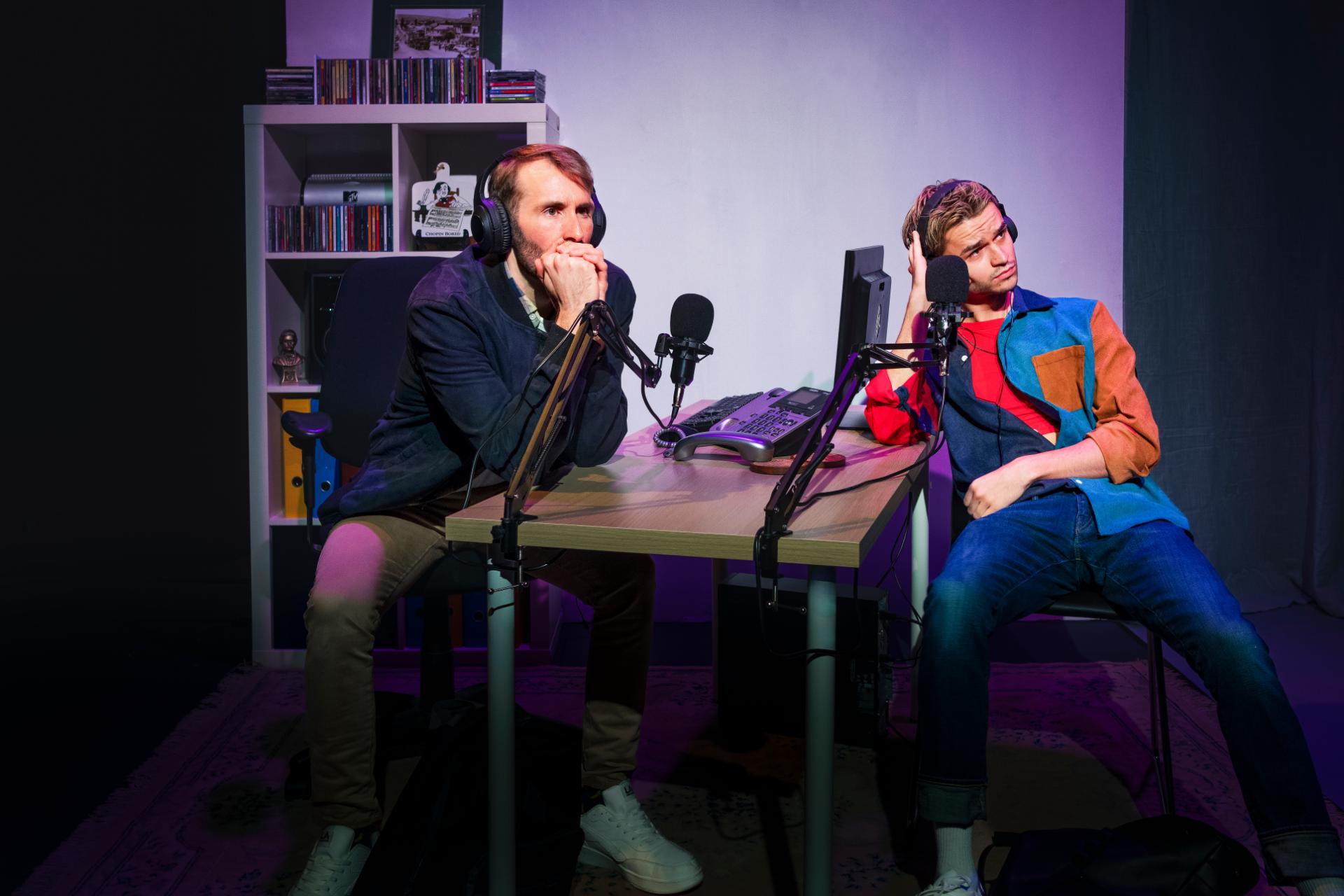
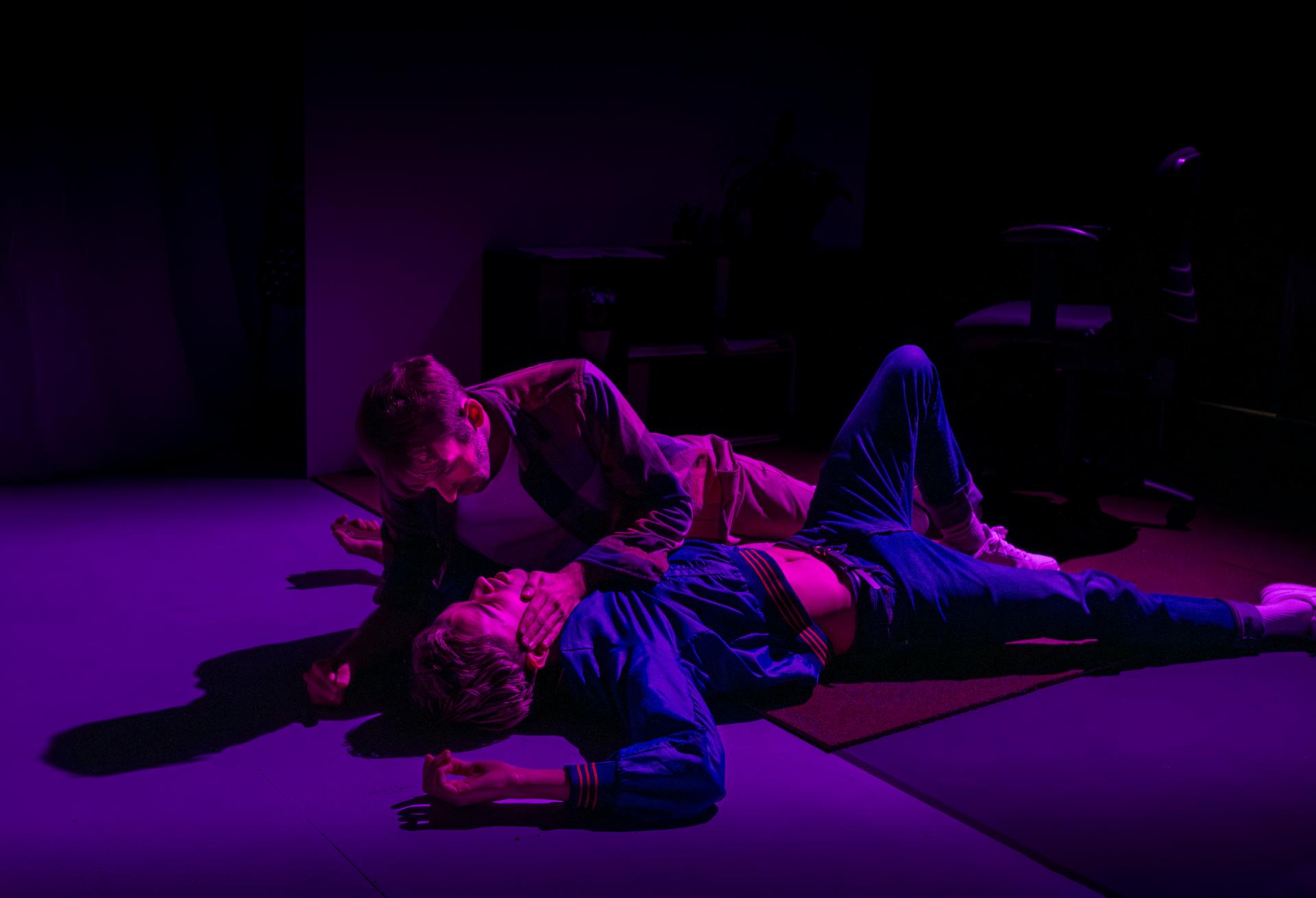
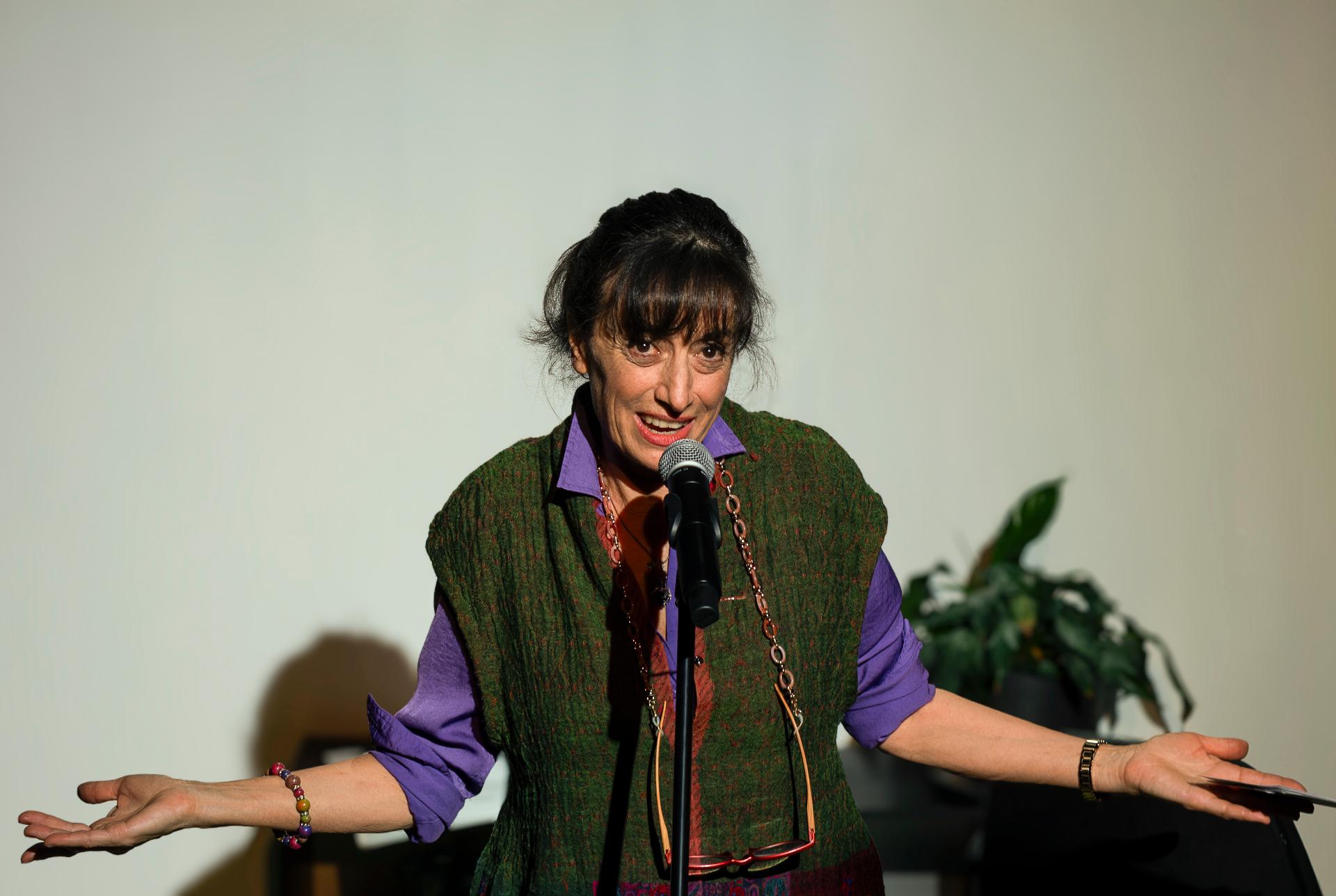
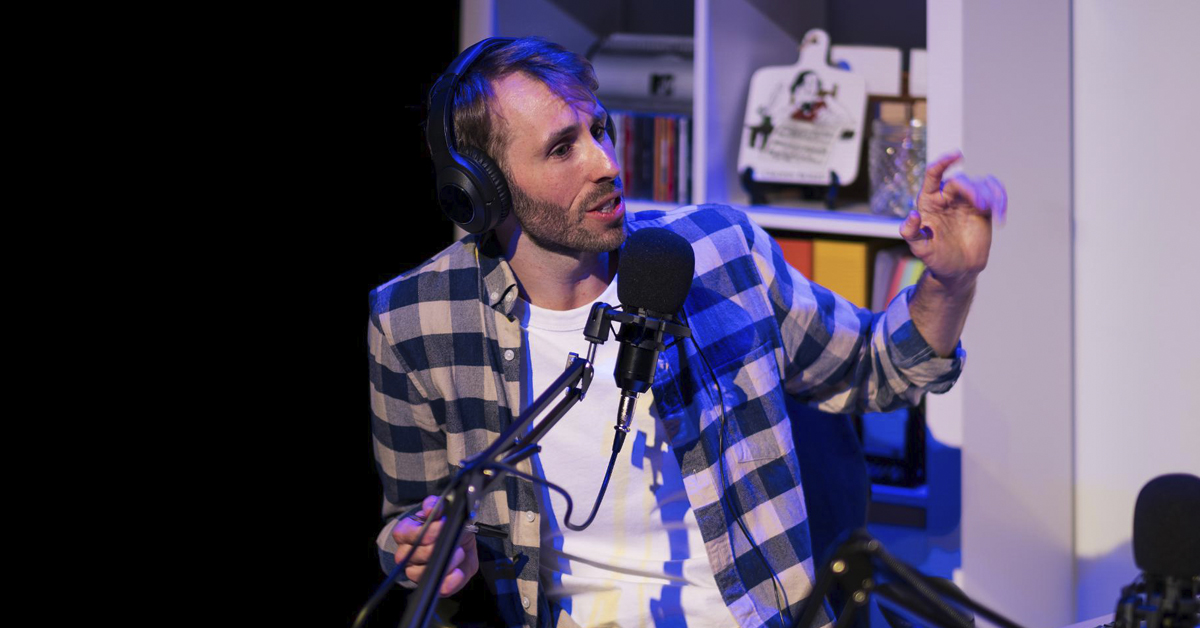
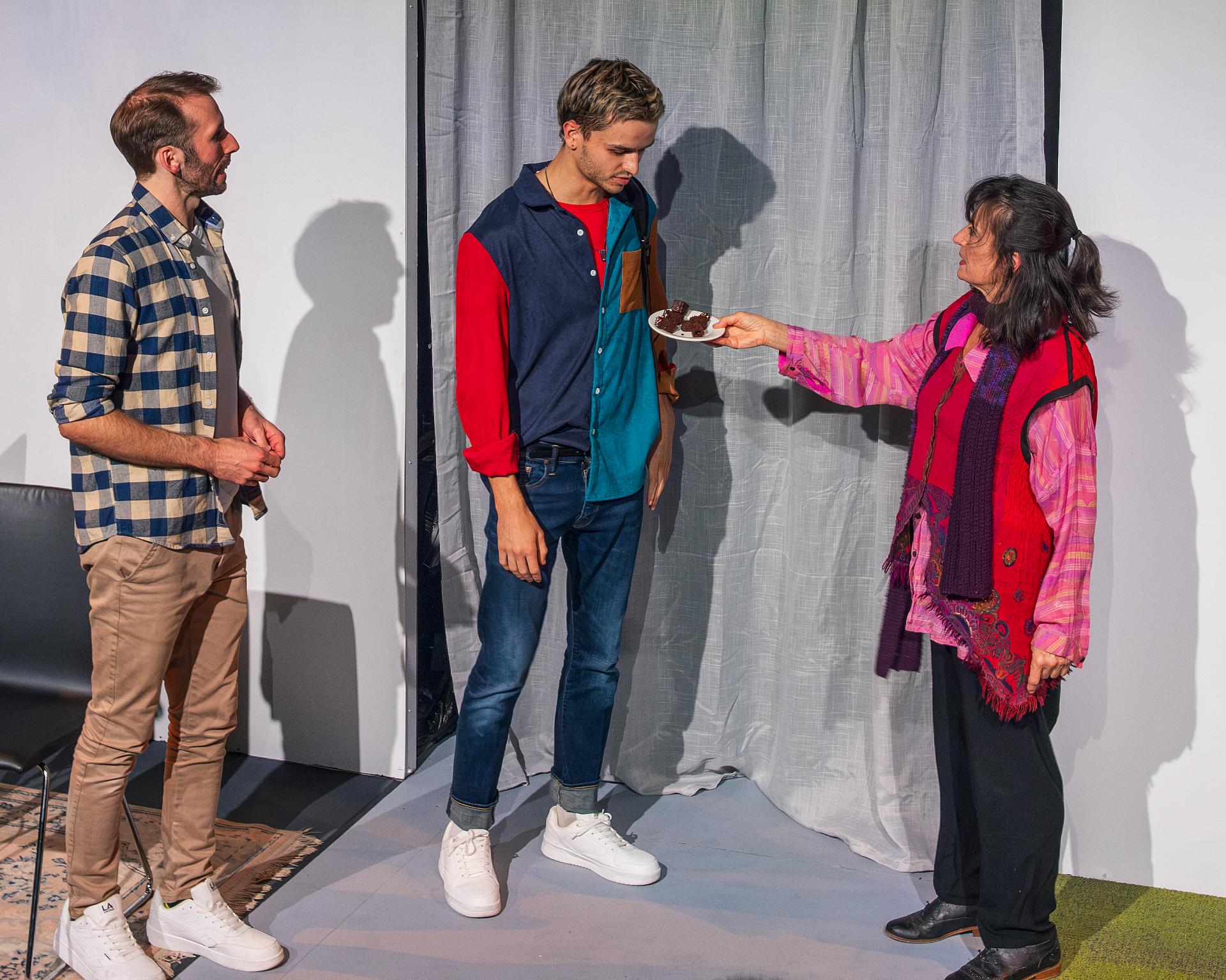
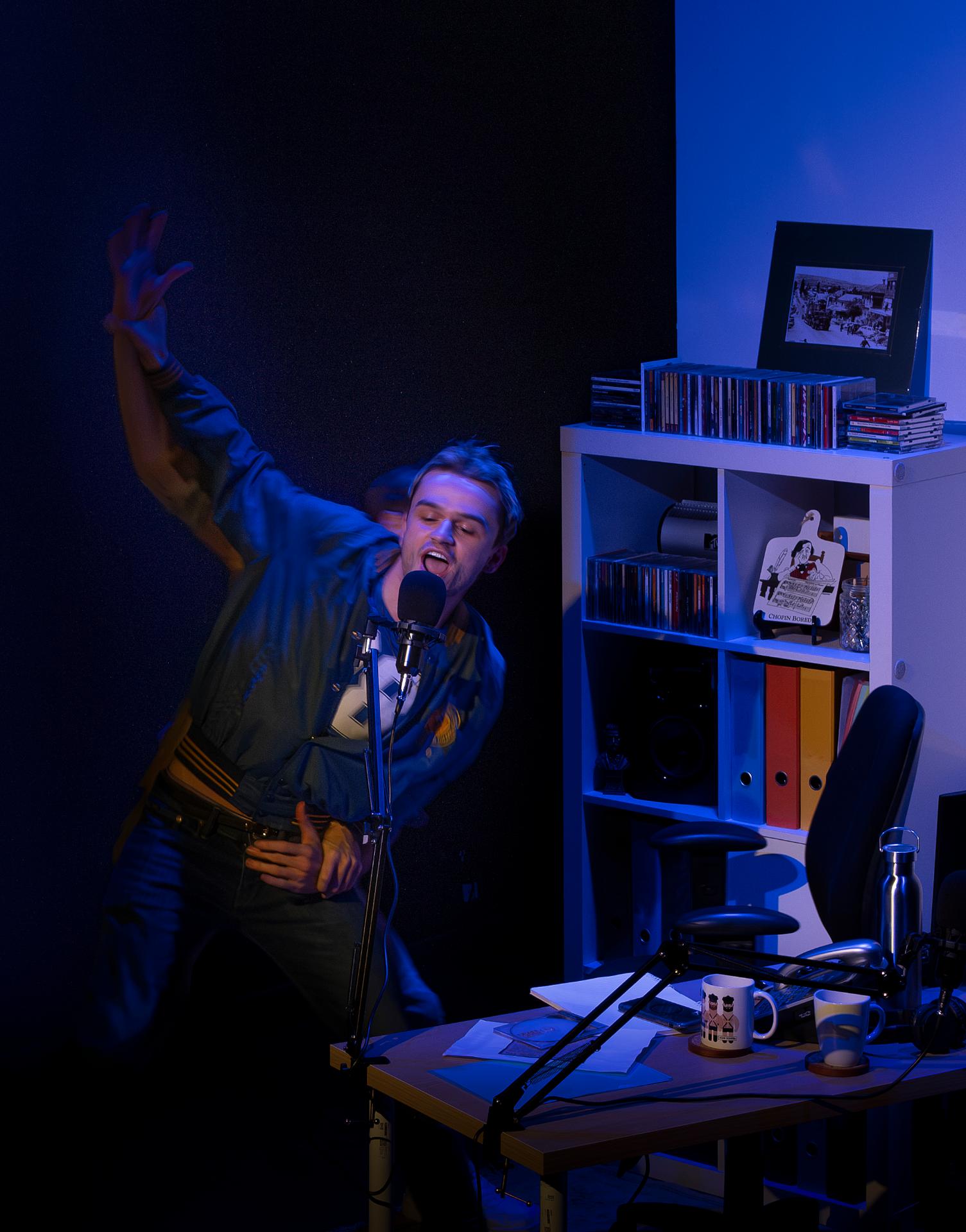
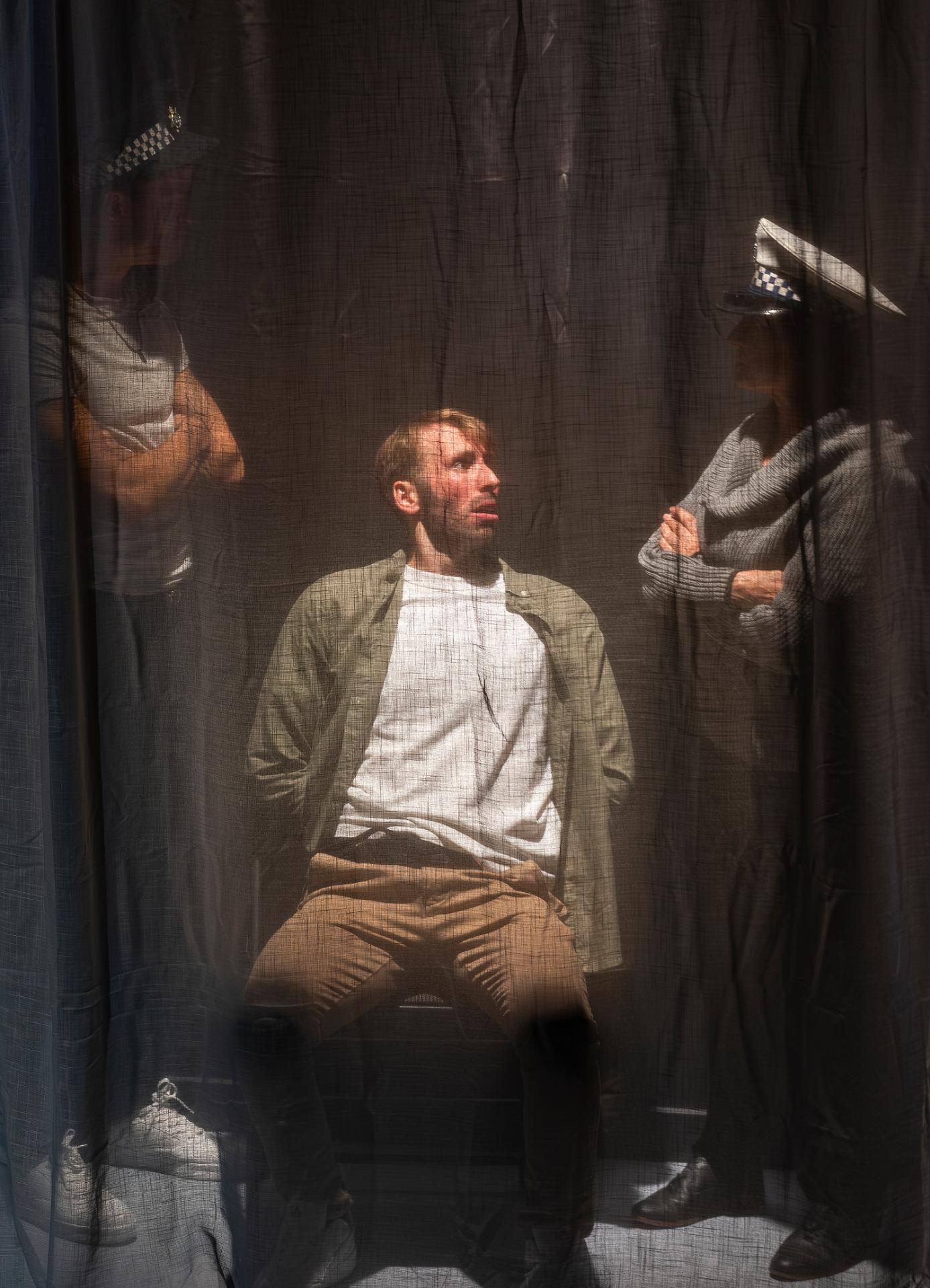
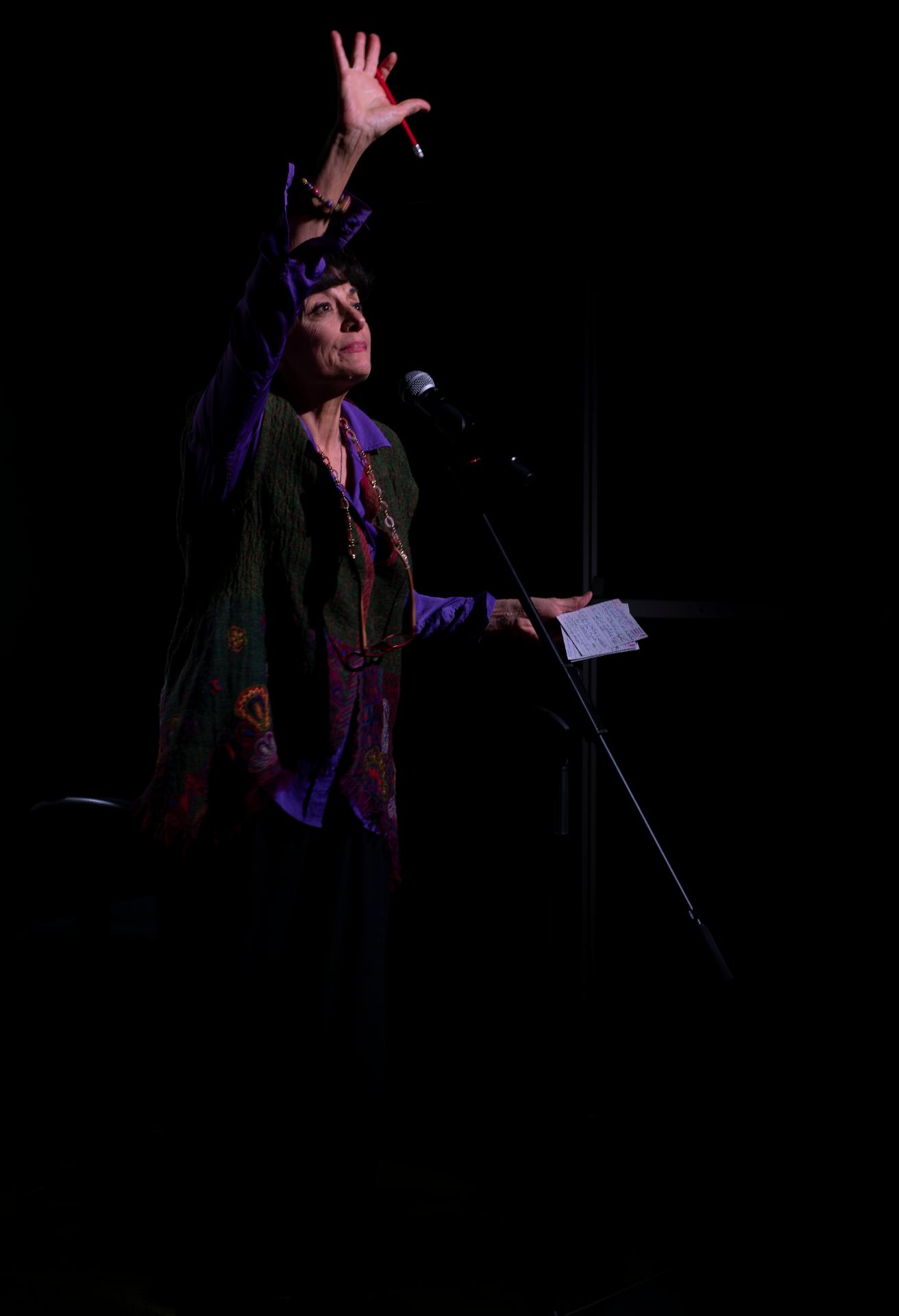
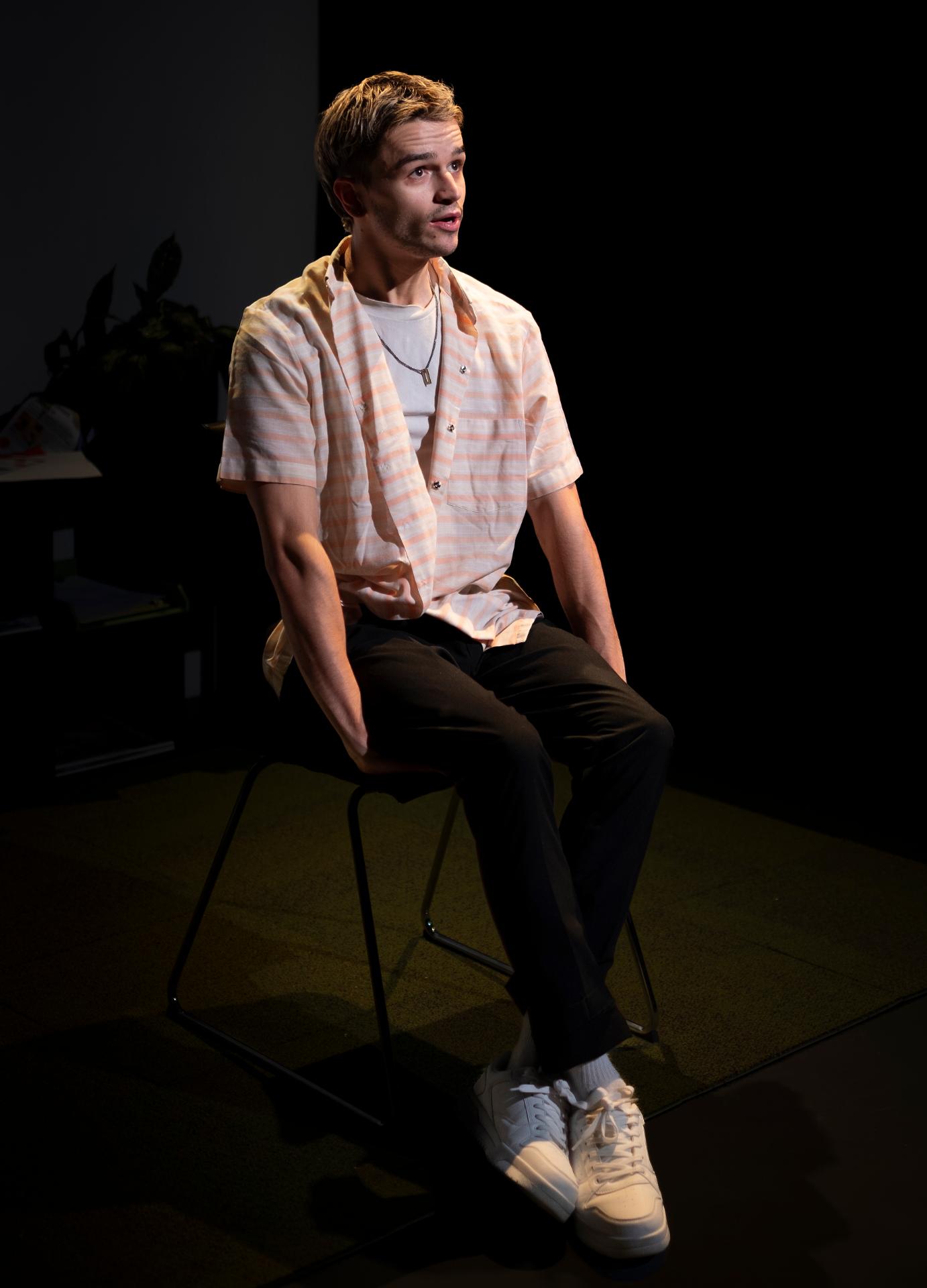
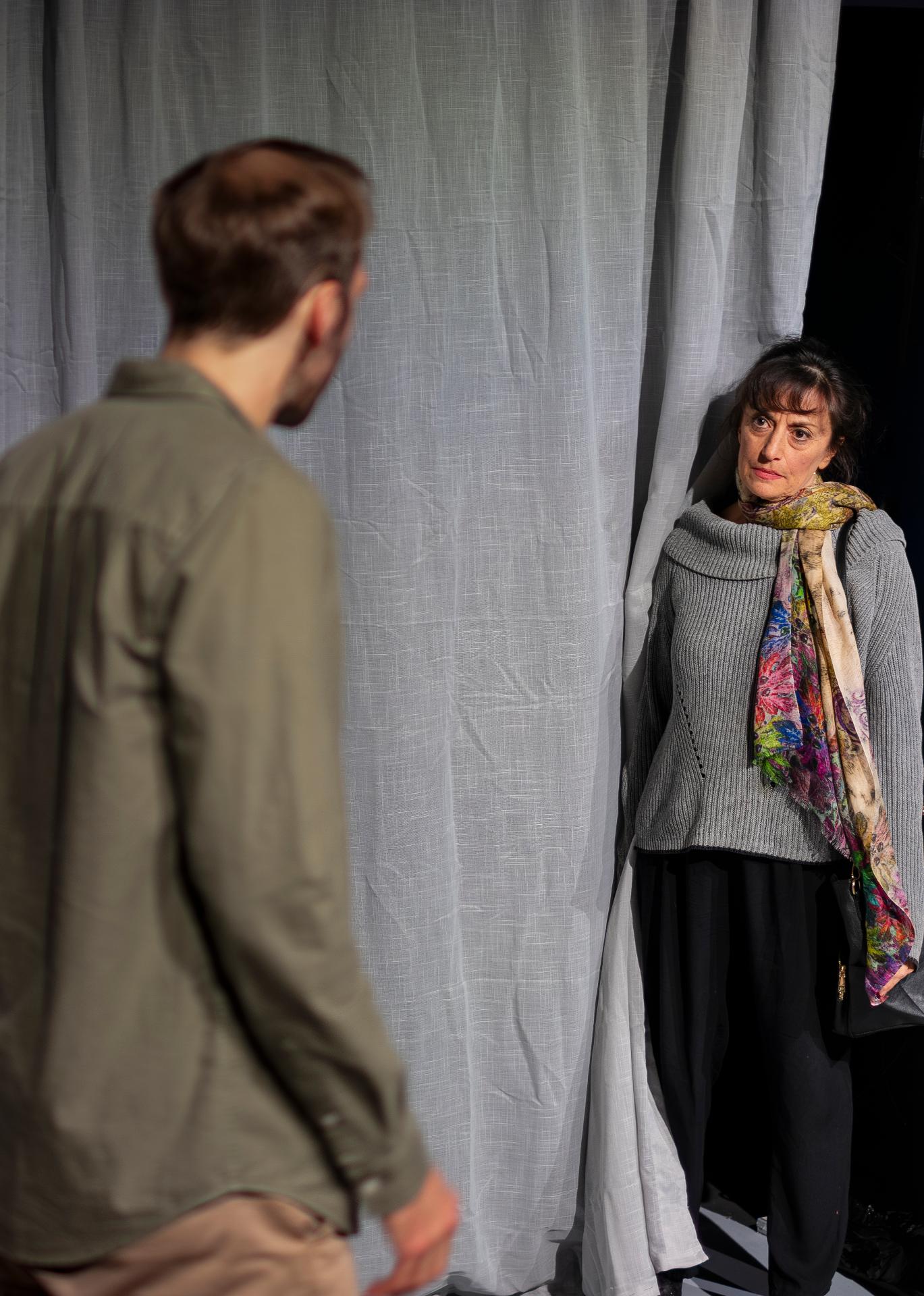
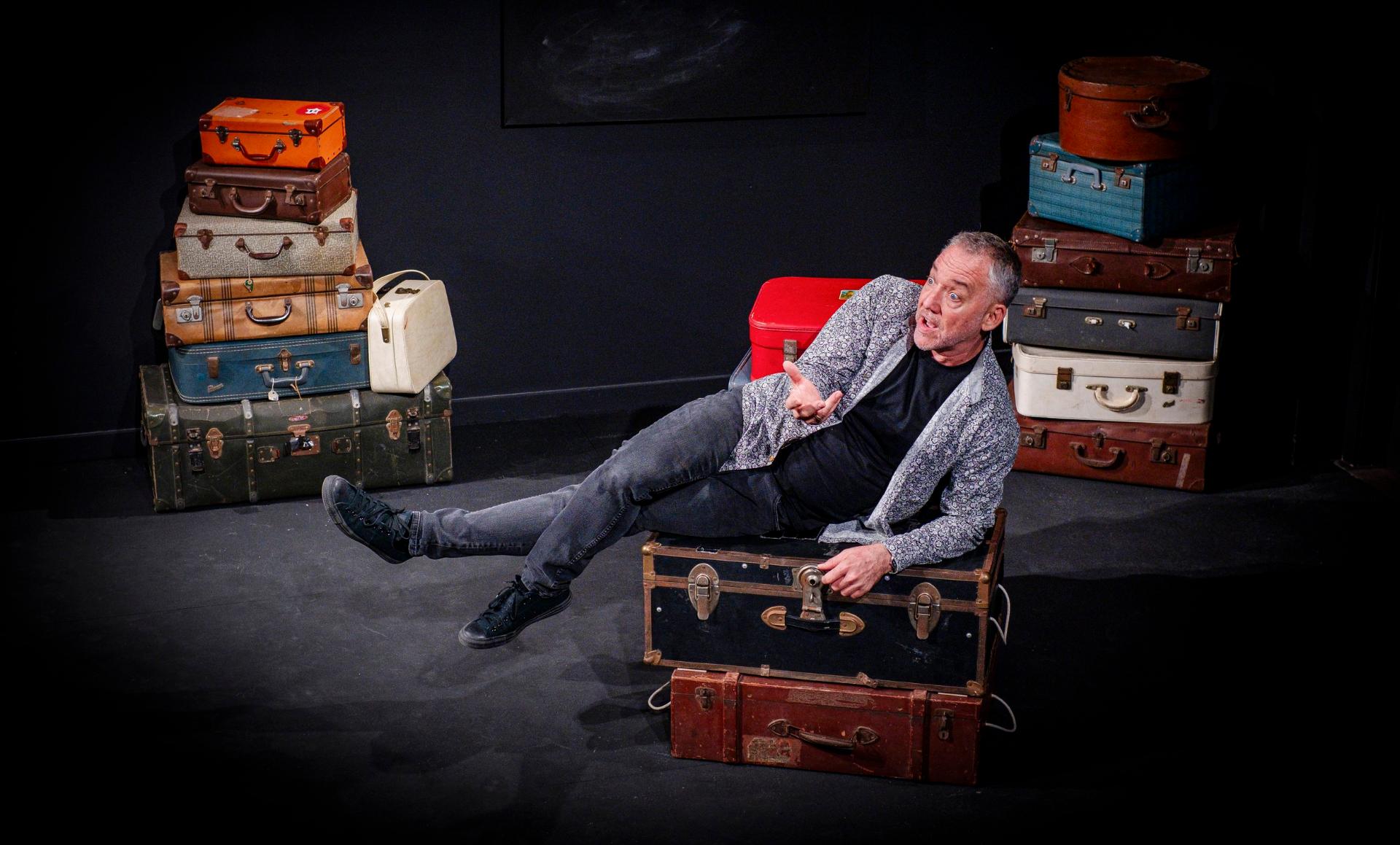
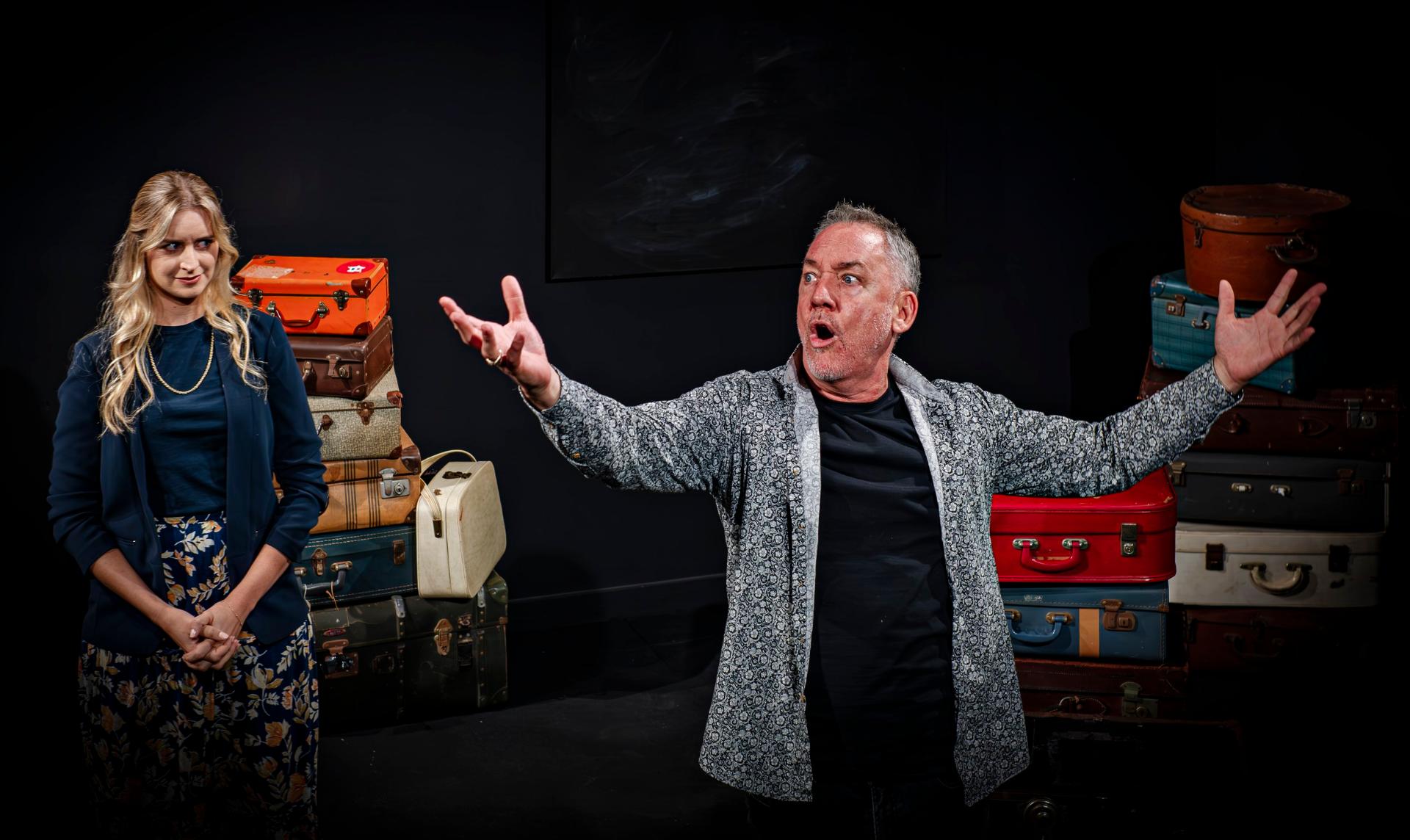
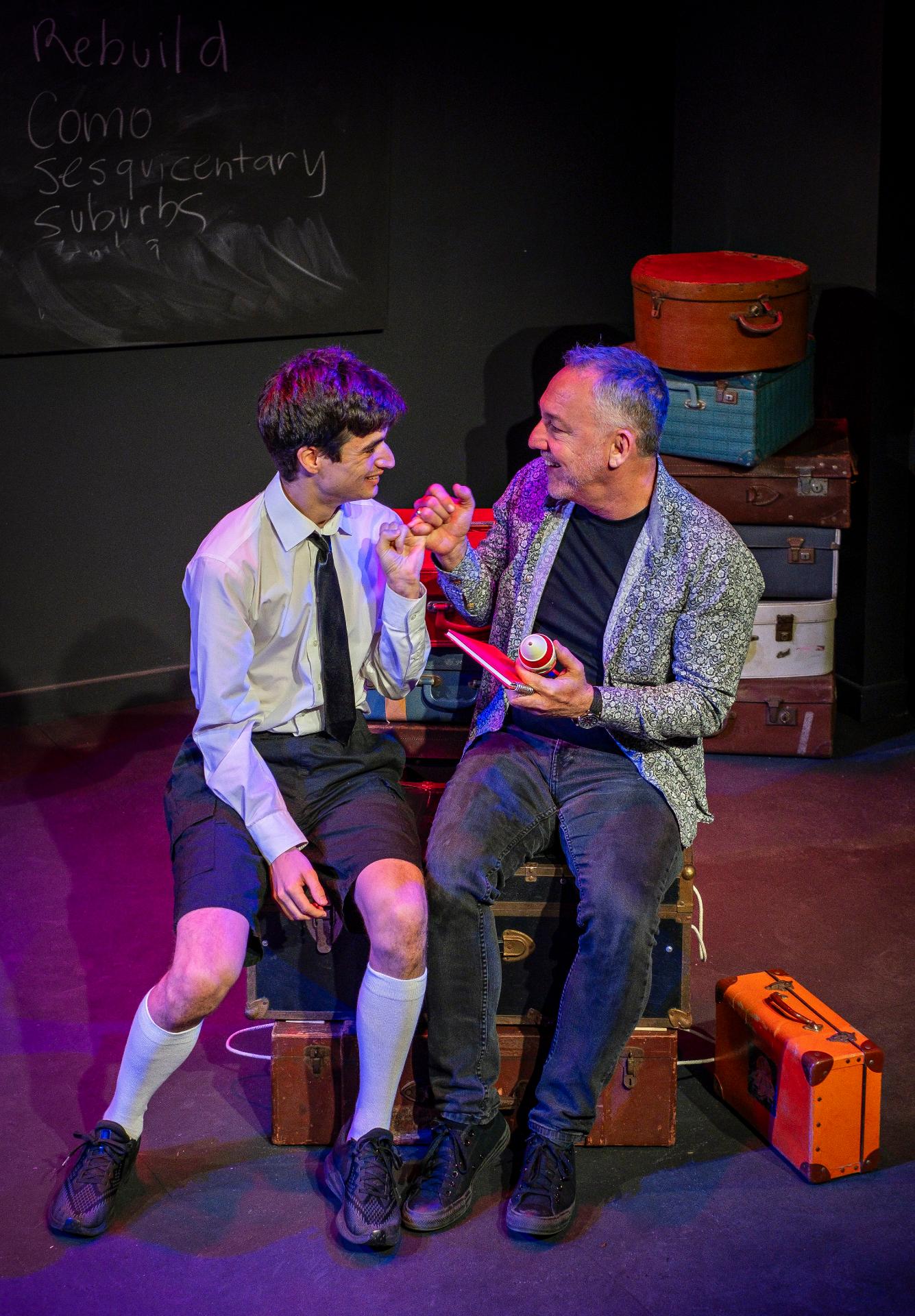
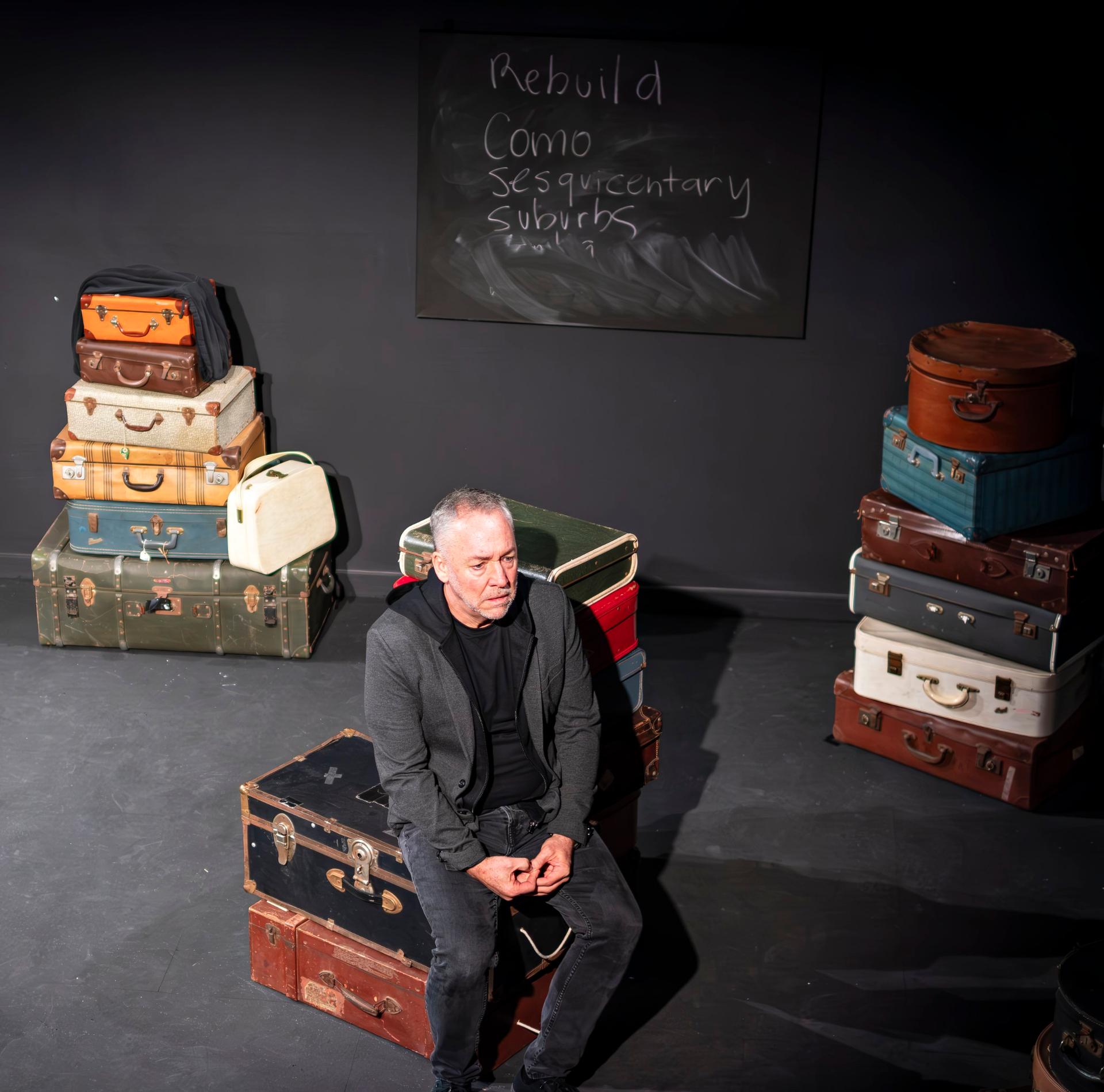
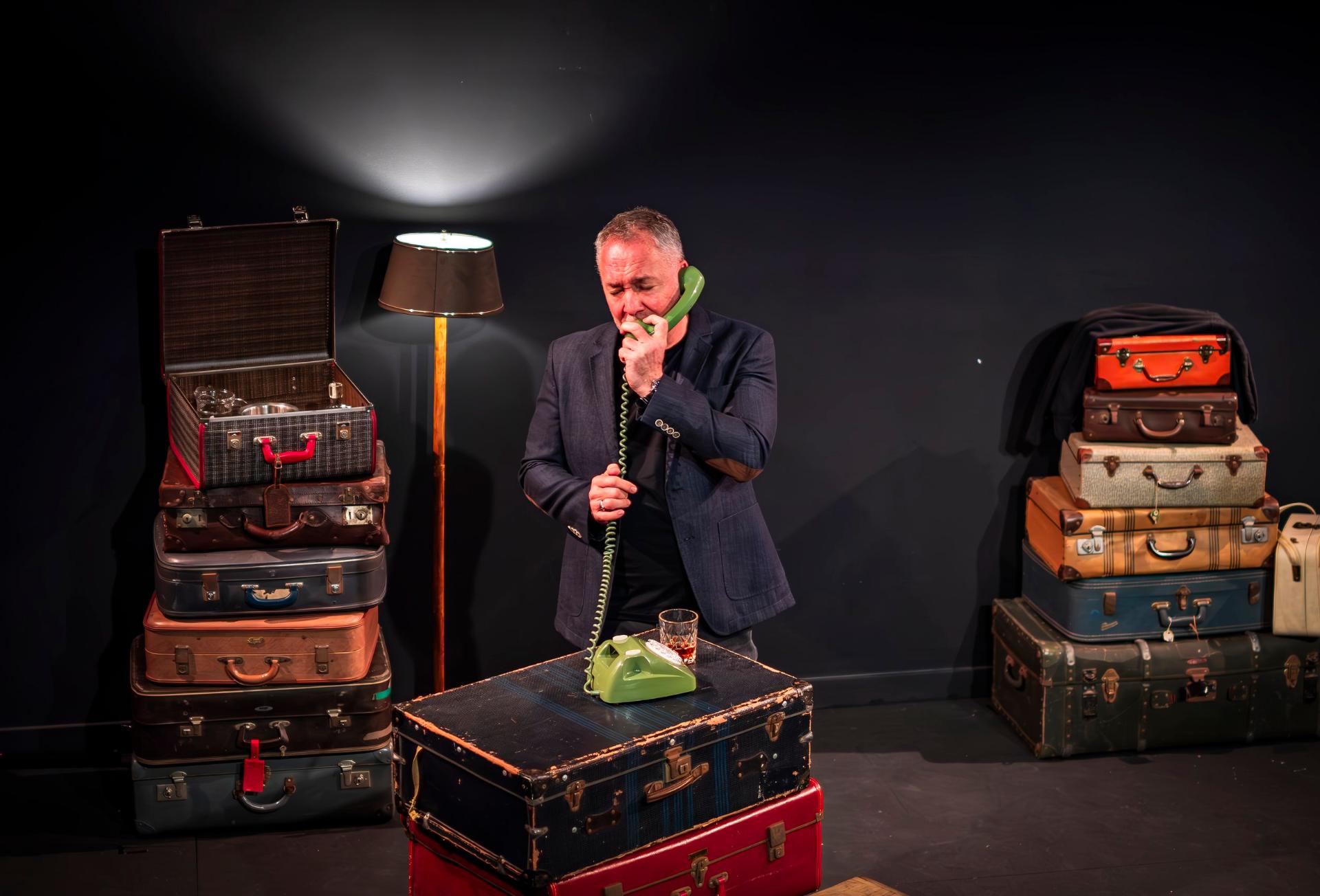
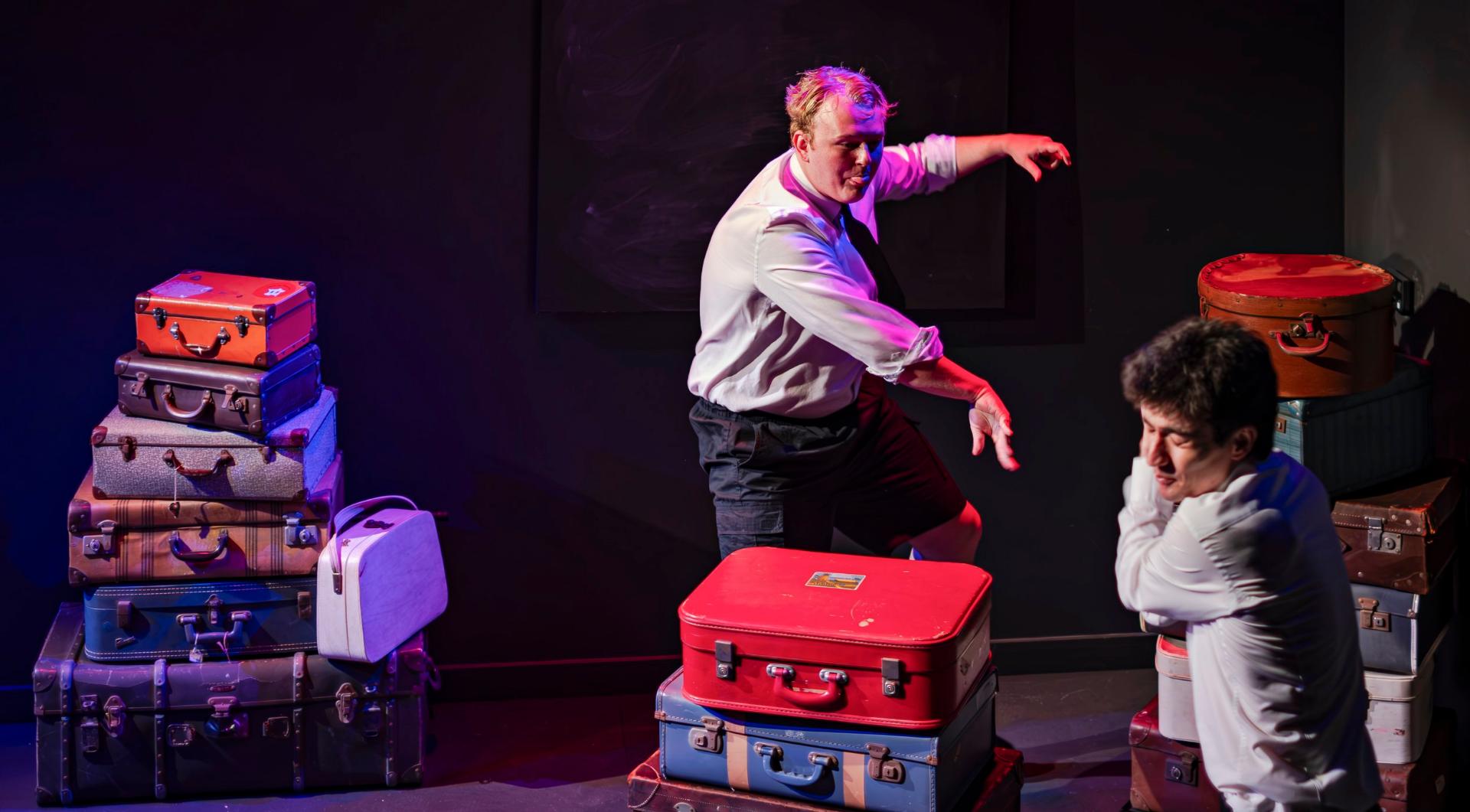
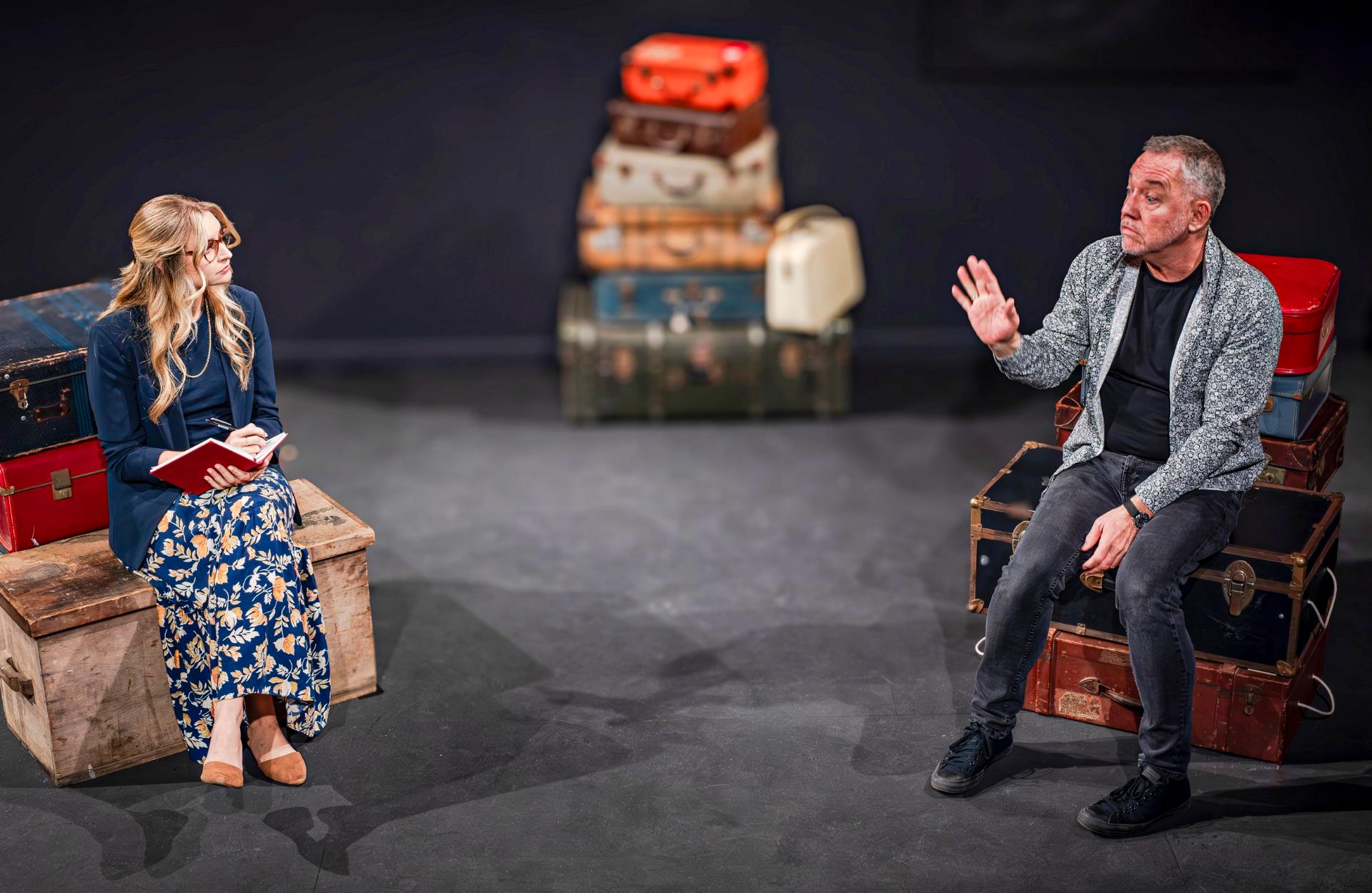
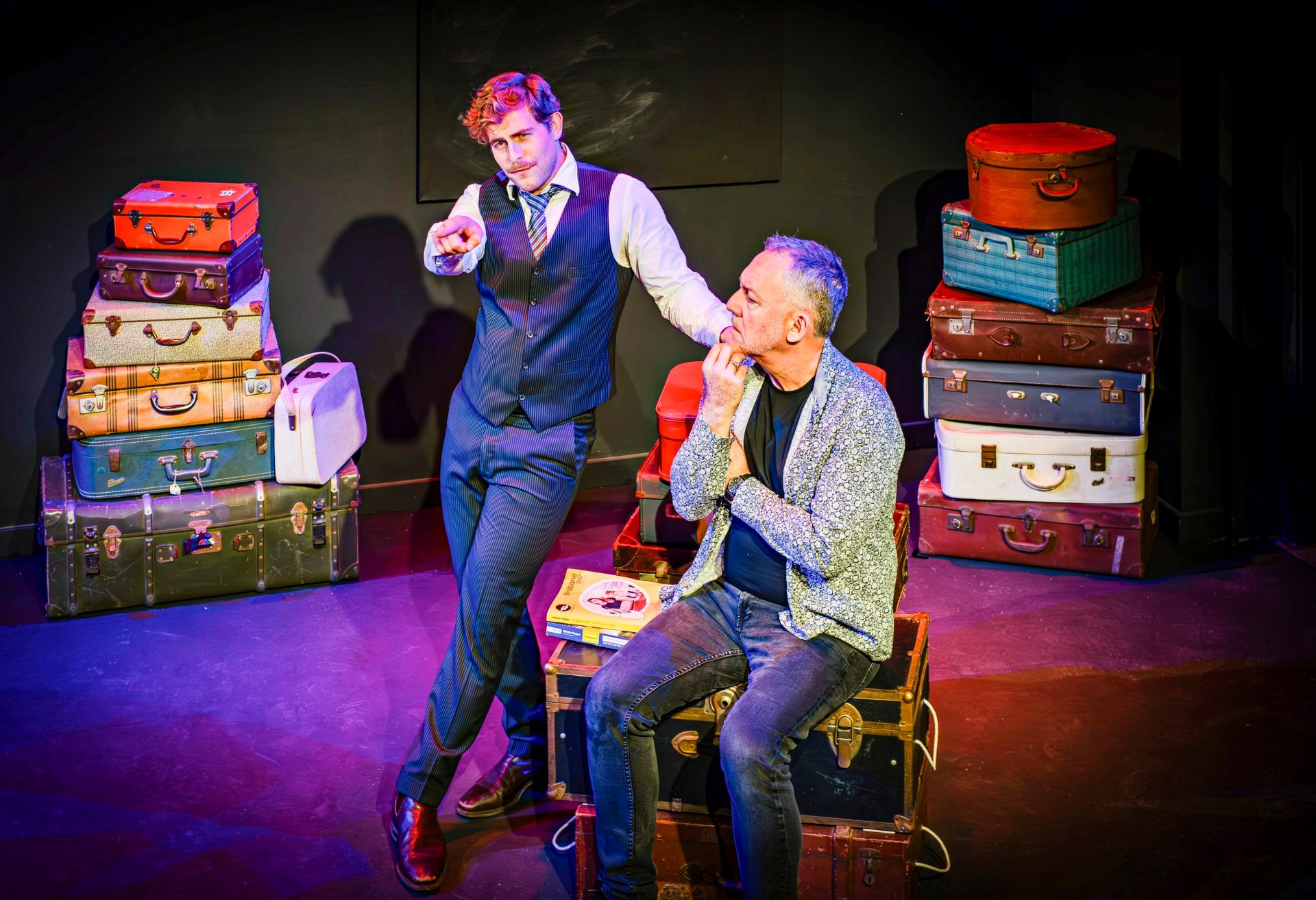
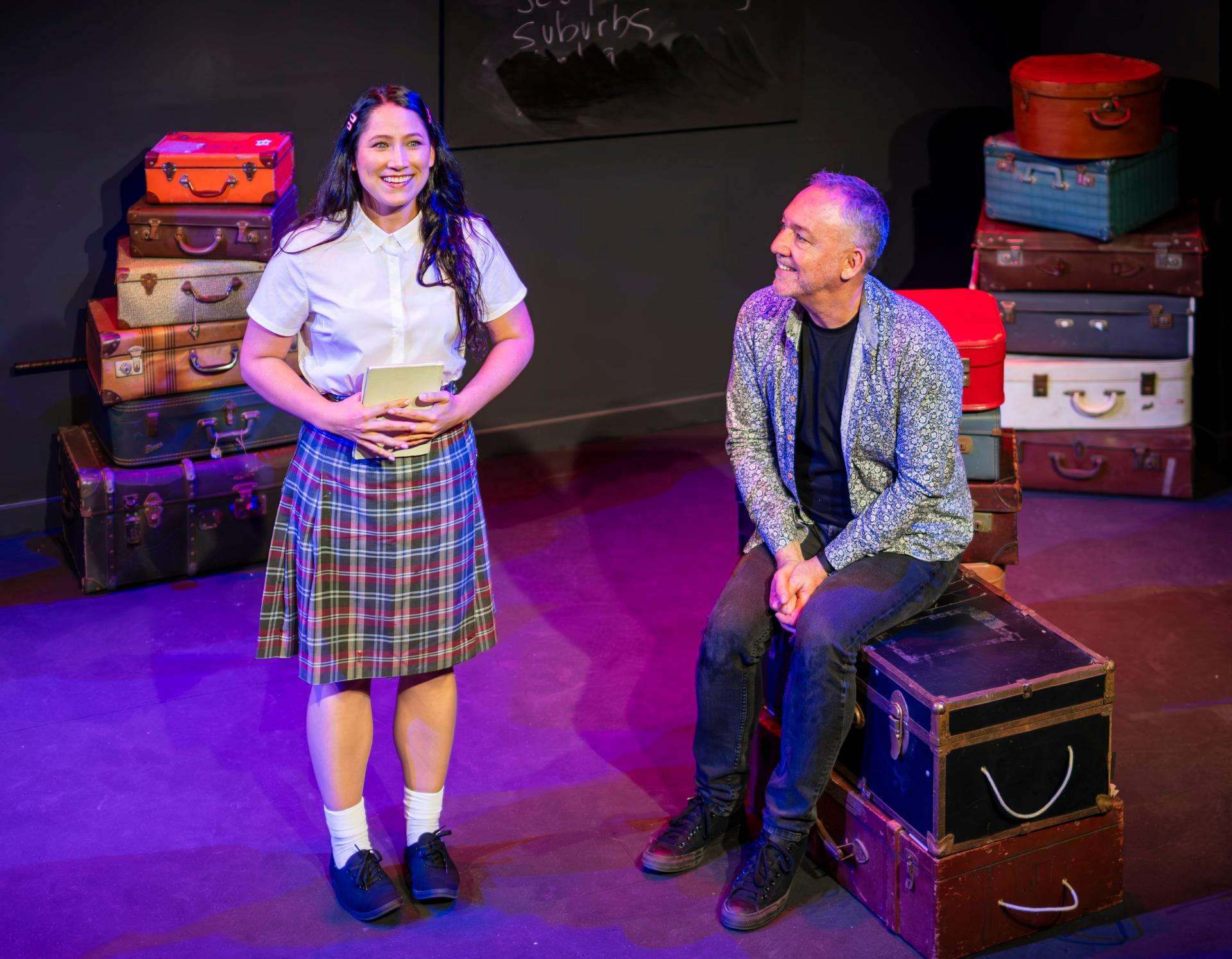
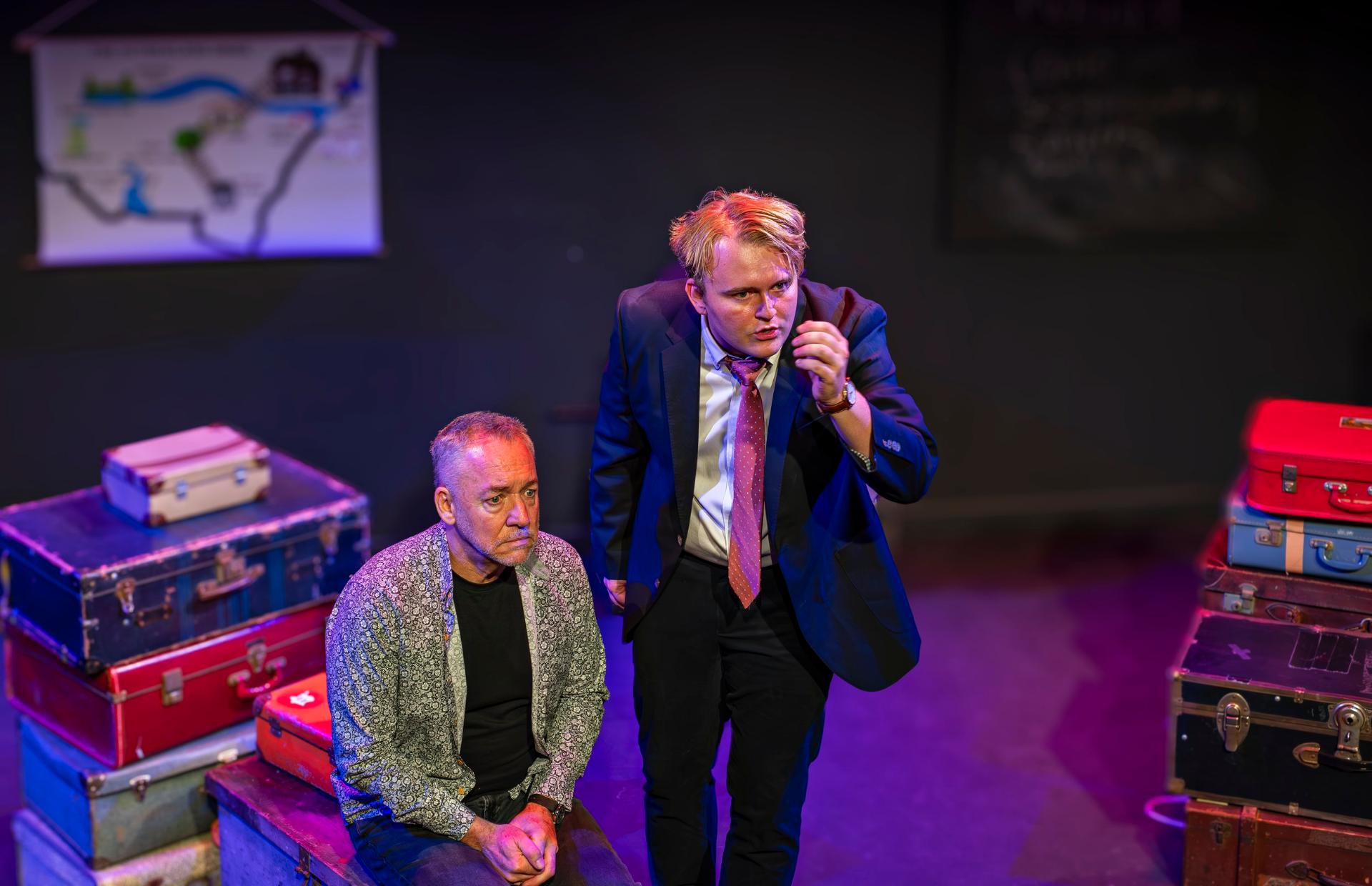
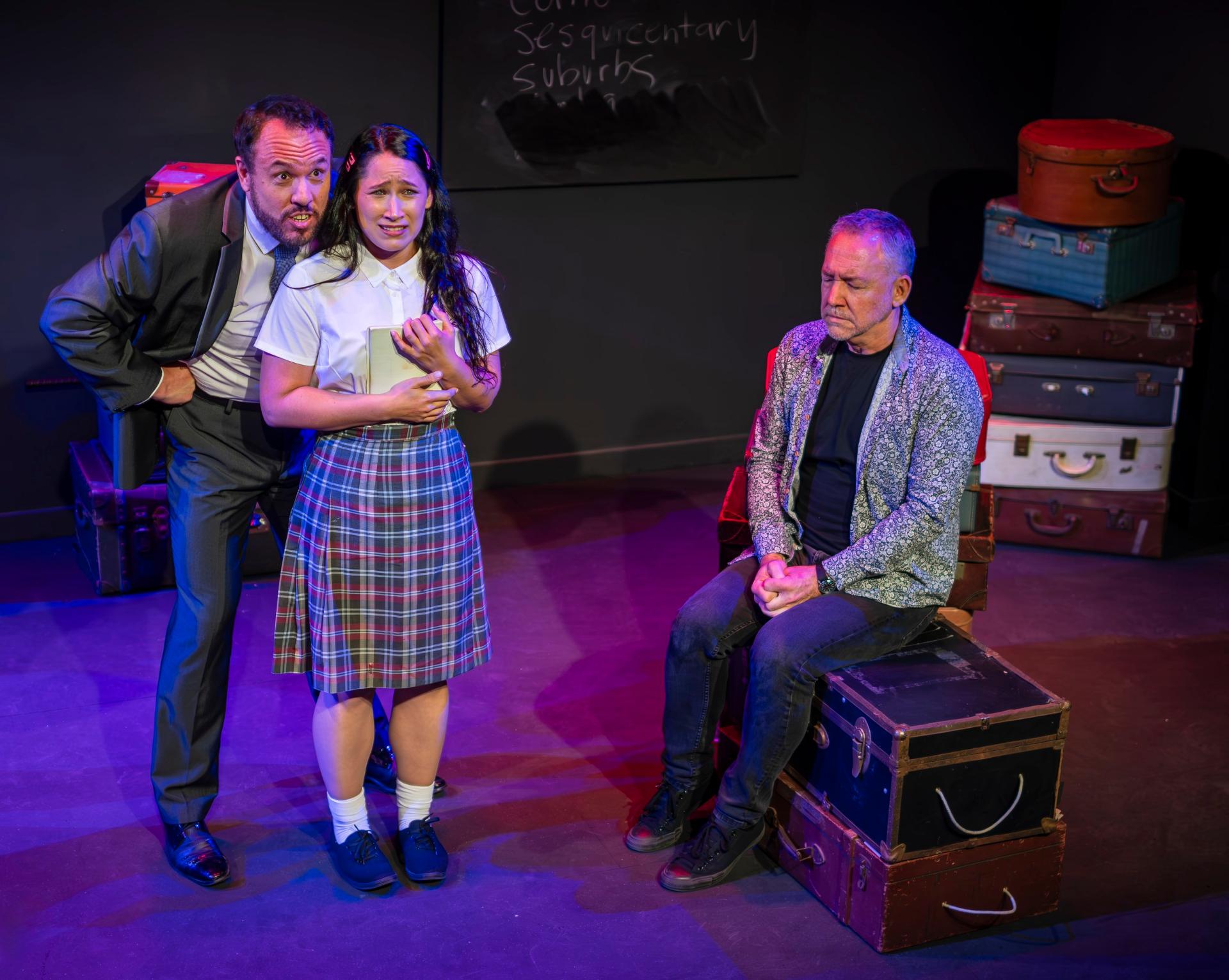
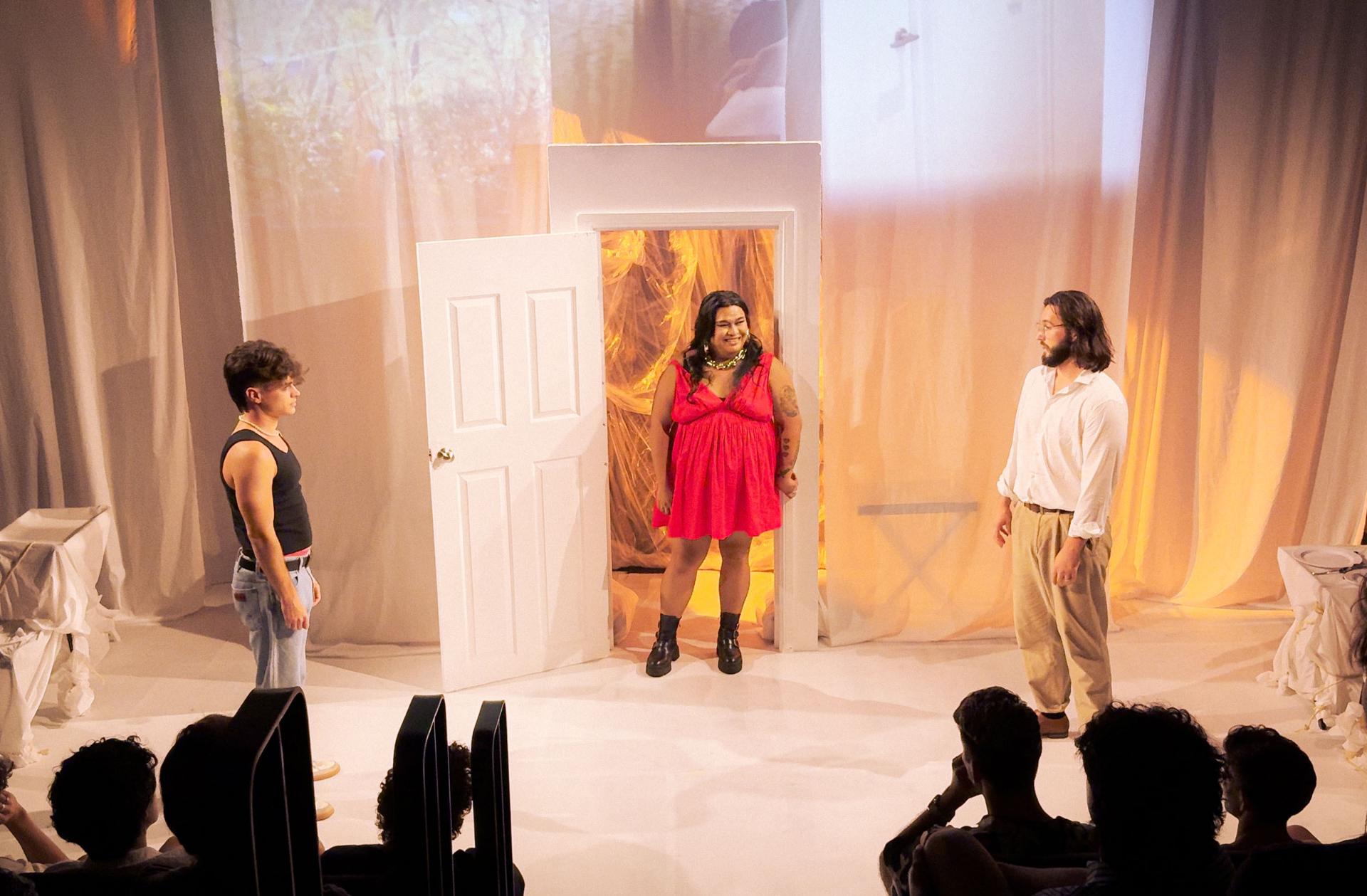
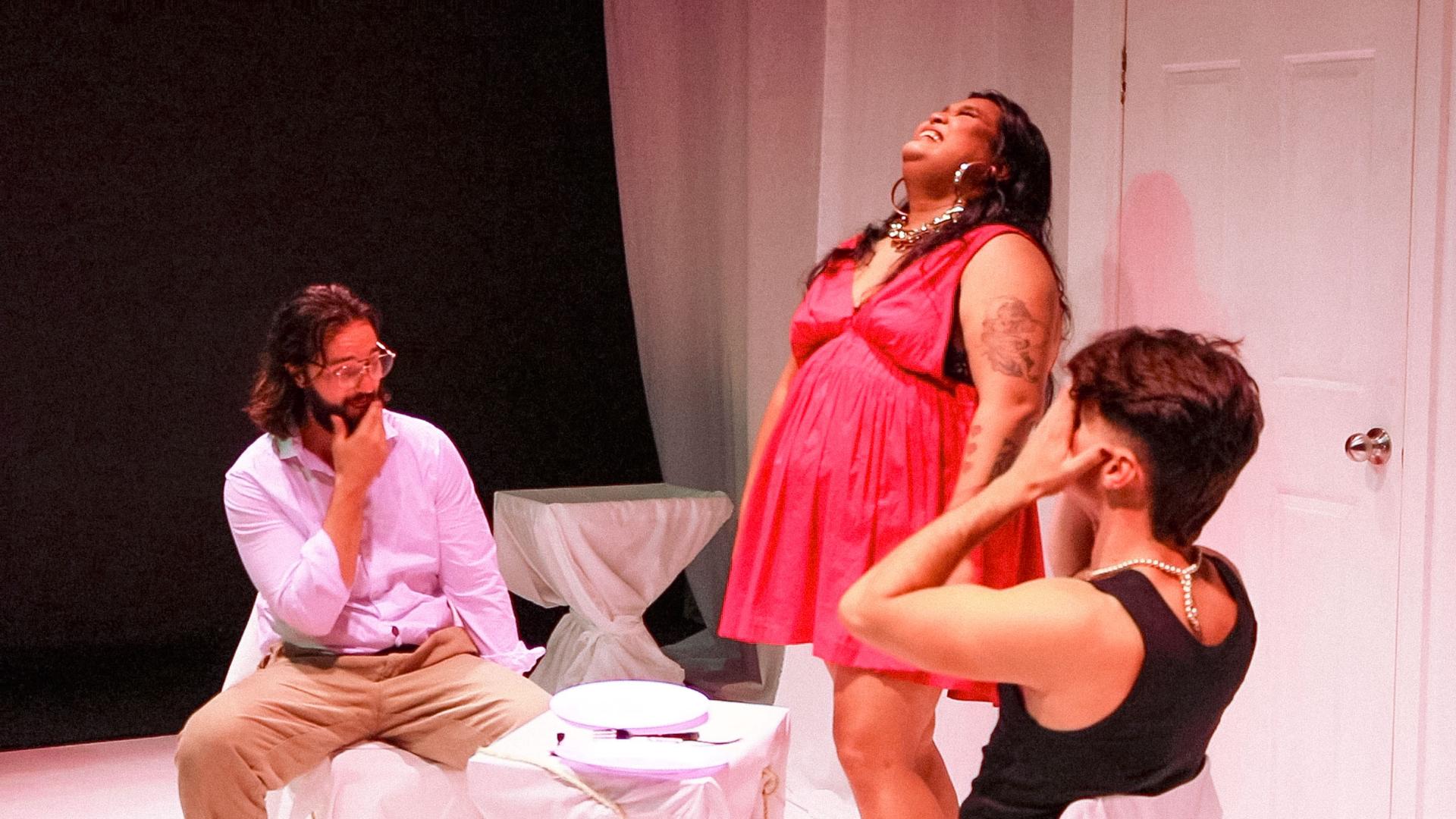
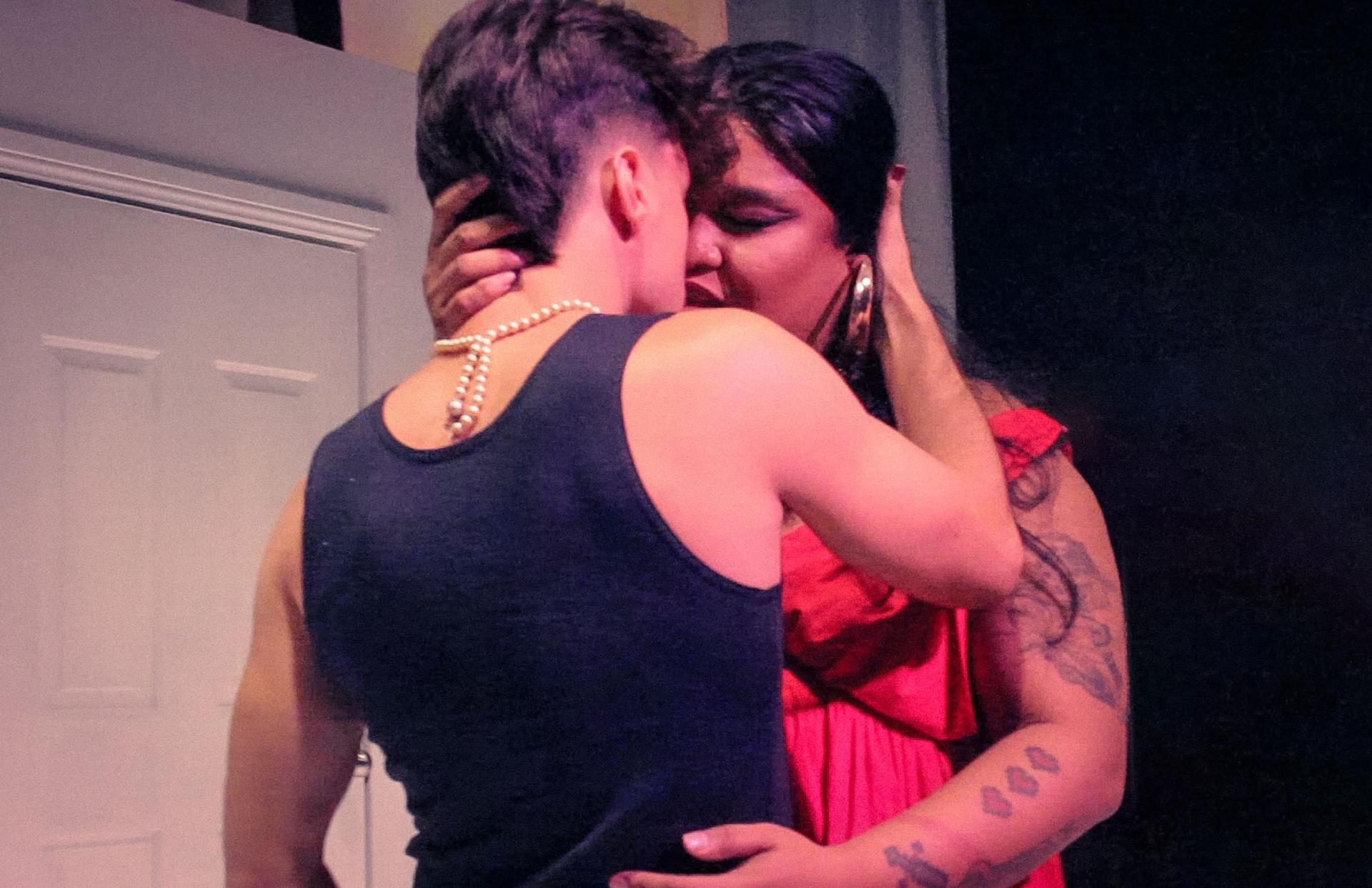
Set in Cooma, a town fondly known as the capital of the Snowy Mountains, The Queen’s City of the South by Mark Salvestro involves an unearthing of a dark chapter in that locale’s history. A homosexual prison had operated there in the 1950s, not only for the purposes of incarcerating and humiliating queer people, but also to attempt to “rehabilitate” them with cruel experiments. Community radio presented Ryan stumbles upon this hidden information, and is intent on learning everything about those persecutions, but finds himself obstructed by a culture of denial and ignorance.

Salvestro’s intriguing play is grounded in powerful ideas, and even though slightly too conventionally structured, what it does convey is resonant and meaningful. Presented in the form of a conventional comedy, its political explorations are softened for easier consumption, with witty repartee between characters keeping proceedings light and amusing.

As performer, Salvestro plays the leading part with excellent timing and admirable acuity. There is a valuable dynamism and passion that Salvestro brings to the stage, that keeps us invested in Ryan’s endeavour to reveal the truth. His ability to foster authentic chemistry with the supporting cast, namely Jack Calver and Kath Gordon, makes the plot and its characters feel effortlessly compelling.

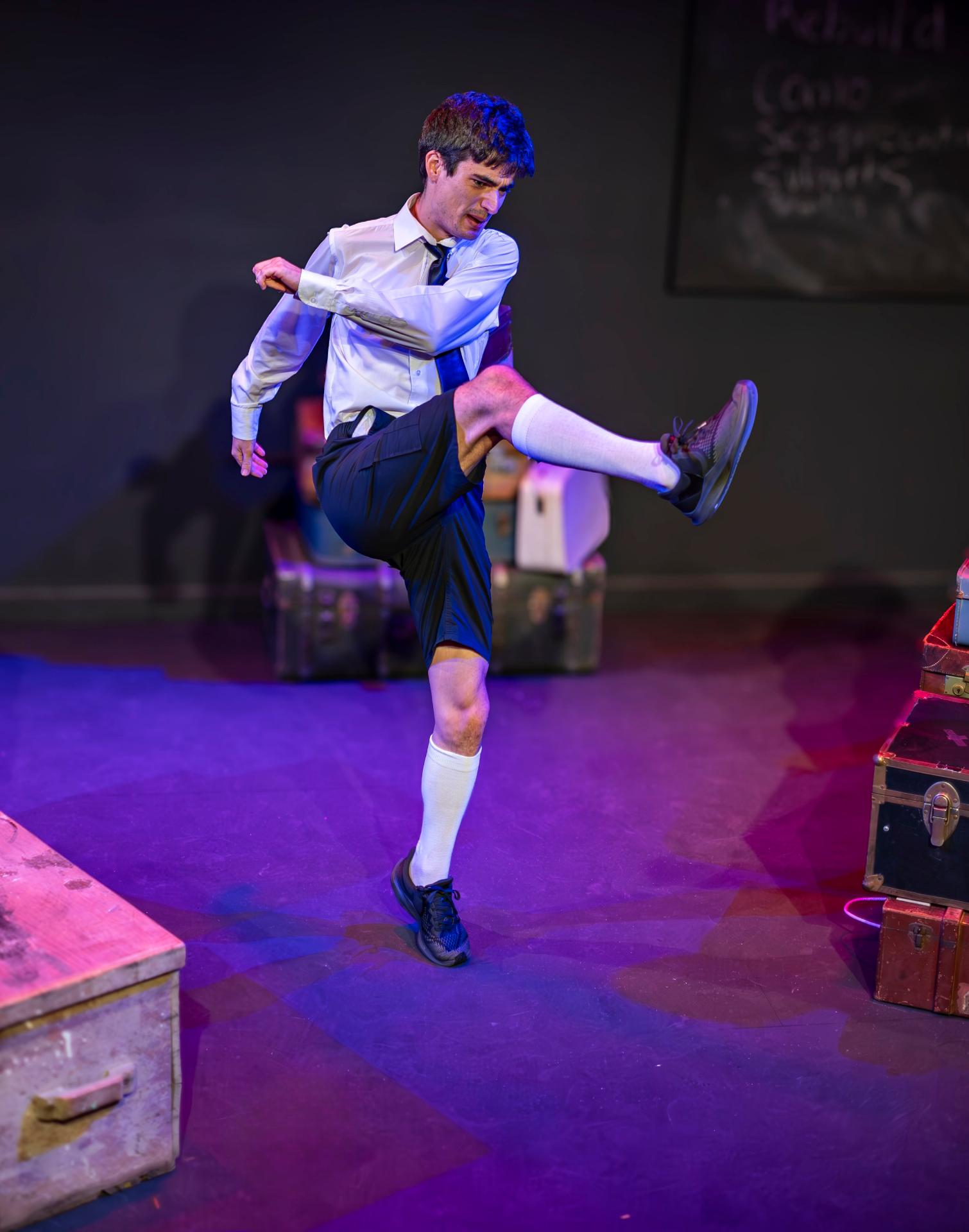
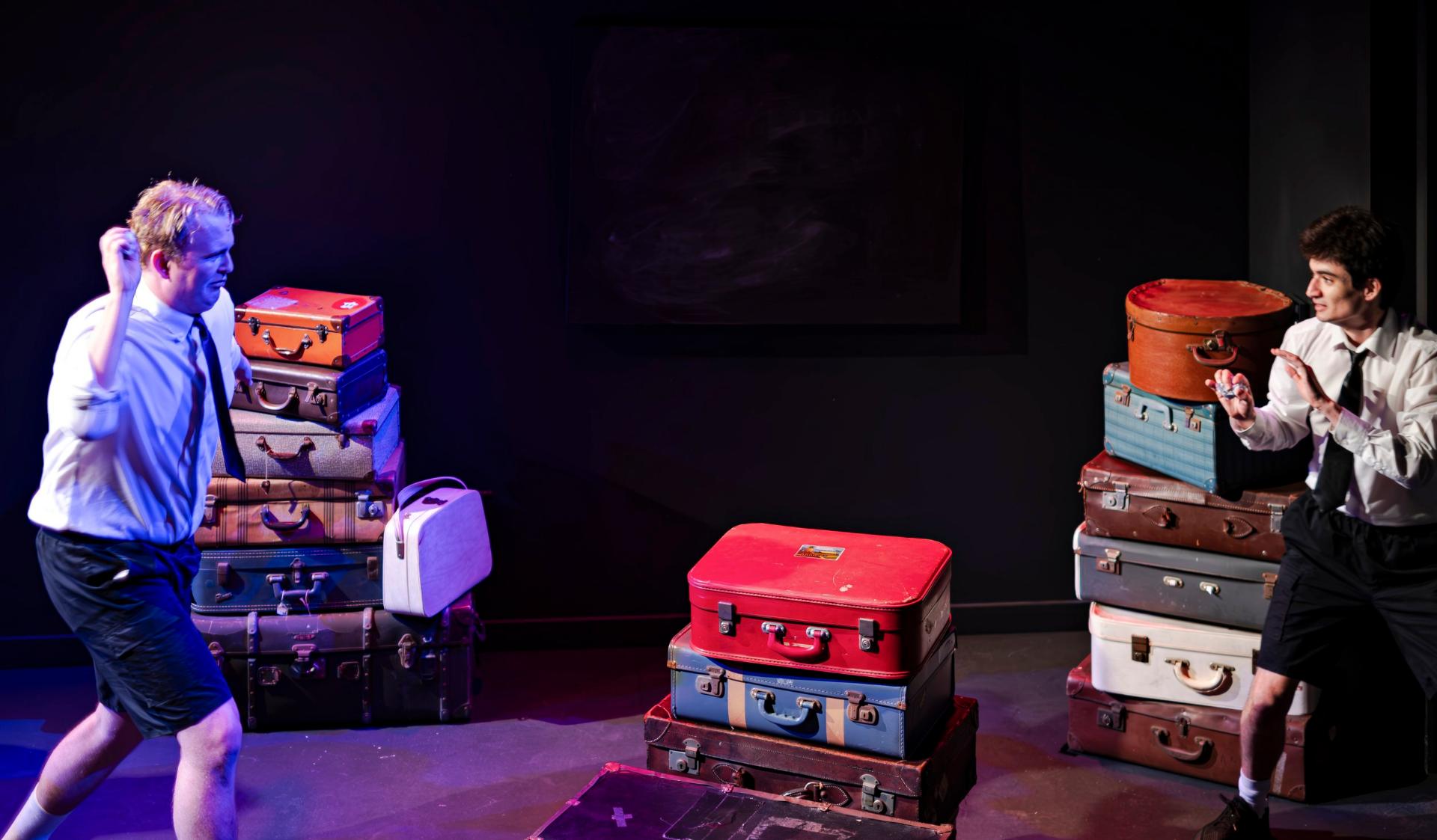
Directed by Ryan Whitworth-Jones, the show is fast-paced, and with an earnestness that proves persuasive. Set design by Elle Fitzgerald addresses the need for multiple settings succinctly, along with costumes that deliver a sense of accuracy for the personality types being depicted. Lights by Luna Ng are sensitive to the shifts in dramatic tone throughout the 2-hour journey, and sounds by Madeleine Picard are rigorous in enriching atmosphere, for an otherwise raw visual presentation.

Australia has a shameful past that some of us regard as necessary, in order that we may attain all that we have today. Others would consider that ugliness to be characteristic of an ongoing deplorable project of colonialisation. In any case, knowing the past is fundamental not only to how we can better move forward, but additionally for some of us, it serves as a poignant reminder that hate and oppression are always just a fragile membrane away, poised and ready to rear their ugly head when we lose our vigilance.

www.qtopiasydney.com.au | www.canberratheatrecentre.com.au

Review: Occasional Combustible Disaster (Qtopia)

Venue: Qtopia (Darlinghurst NSW), Jul 31 – Aug 10, 2024
Playwright: Daniel Cottier
Director: Benjamin Brockman
Cast: Nicholas Cradock, Nyx Calder, Hester van der Vyver, Richard Hilliar
Images by Phil Erbacher

Theatre review
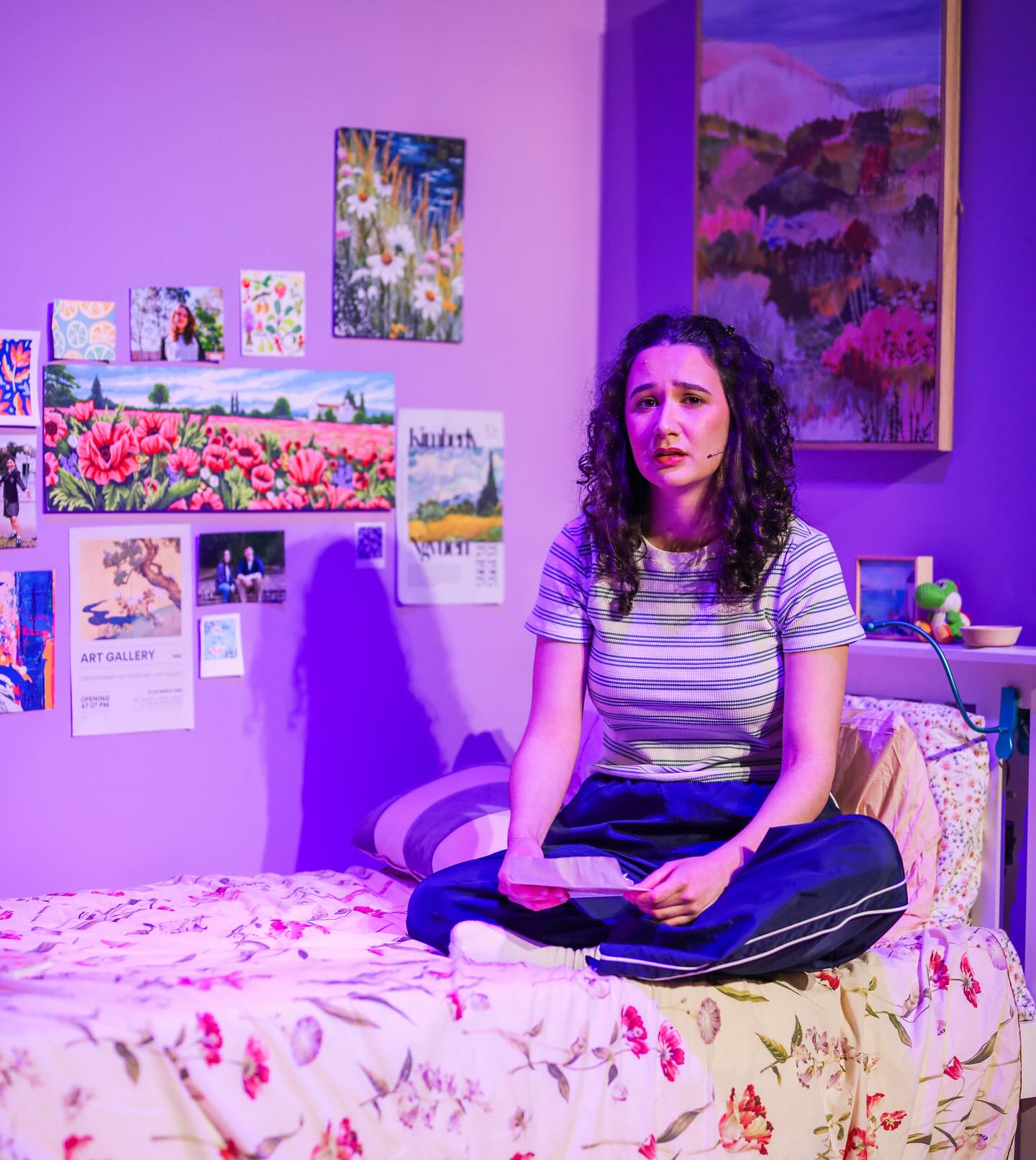
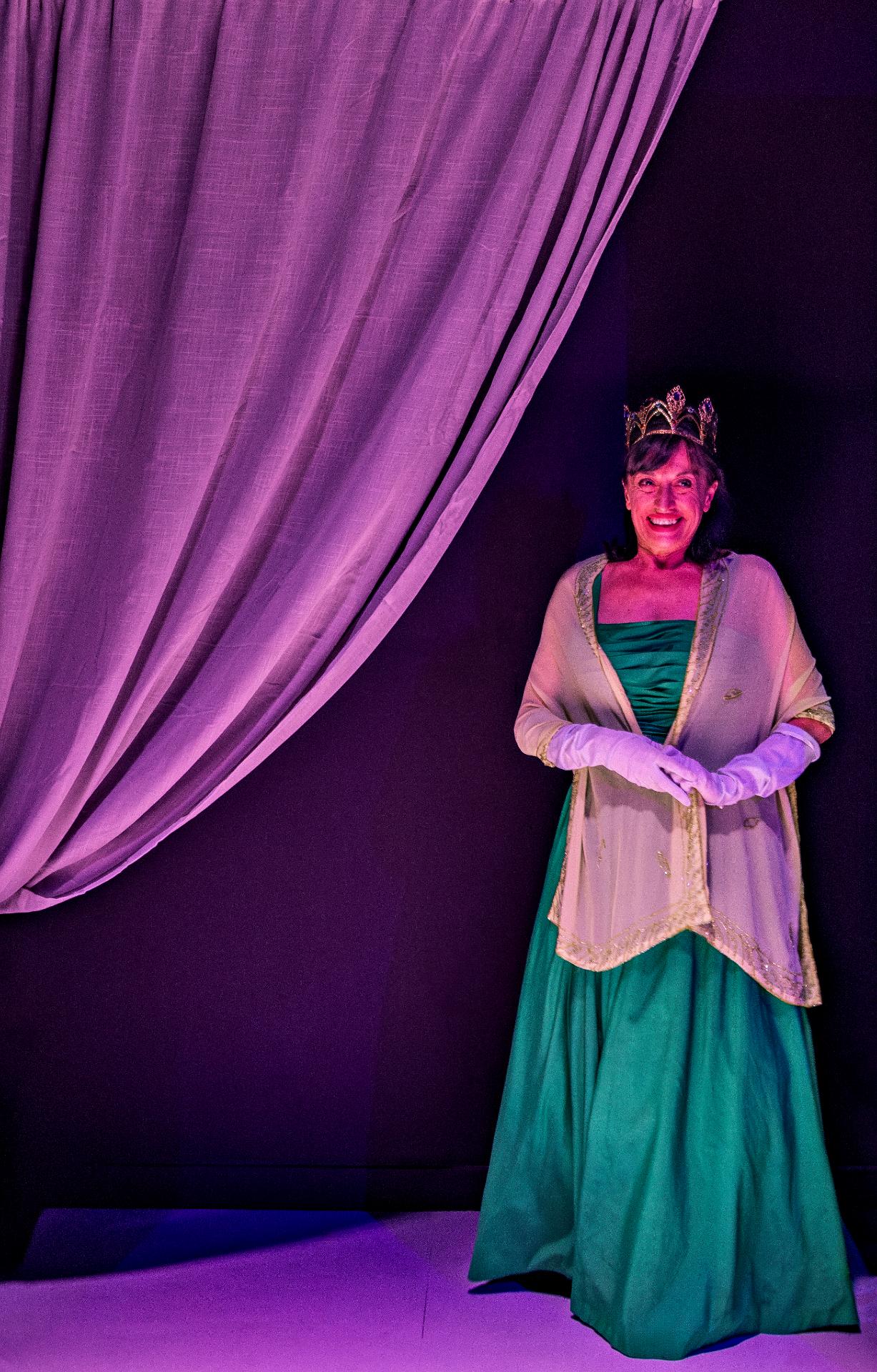
Freddy is ridden with anxiety. Aside from his HSC exams coming to a crescendo, and the fact of a bleak climate future, he is also certain about being responsible for starting a bush fire not too long ago. Occasional Combustible Disaster by Daniel Cottier, tells of a teenager with too much on his mind, in a world that often appears impossibly challenging.

The play offers valuable insights pertaining to what our young have to contend with, as they inherit a planet with seemingly irreparable damage. Although arranged in a plot structure that may not always communicate effectively, many of Cottier’s thoughts are resonant and valuable, expressed through a lead character who embodies beautifully the discontentment of our times.

Freddy is troubling but also endearing, played by a powerfully committed Nicholas Craddock, proficient at bringing a wonderful sense of drama, whilst keeping us intrigued for the show’s duration. Supporting members of cast are comparable in focus and energy, but family dynamics are never really convincing, in a story set entirely at home. Direction by Benjamin Brockman ensures a consistent intensity to the tone of storytelling, even in moments when its persuasiveness falters.

Set design by Paris Bell offers an accurate simulation of a regular suburban home, alongside costumes by Rita Naidu that are similarly ordinary by intent. Brockman’s lights are memorable for their ability to convey Freddy’s inner struggles in contrast with the mundanity of his physical environment. Sounds by Beau Esposito deliver considerable tension, to a narrative about our disquiet as modern humans.

There are many convincing arguments about how so much of what we have, is broken. Freddy finds out, that to grow up is to get acquainted with all the solutions that are available, that can make existence tolerable. He will be told that he needs to shift his beliefs, for a new state of mind that is essential to his survival, but it is up to him whether to retain any of the idealism that is necessary, if he wants to make things better, particularly for those who follow.

www.qtopiasydney.com.au | www.danielcottier.com.au

Review: The Past Is A Wild Party (Qtopia / Siren Theatre Company)

Venue: Qtopia (Darlinghurst NSW), Jul 10 – 27, 2024
Playwright: Noëlle Janaczewska
Director: Kate Gaul
Cast: Jules Billington
Images by Alex Vaughan

Theatre review
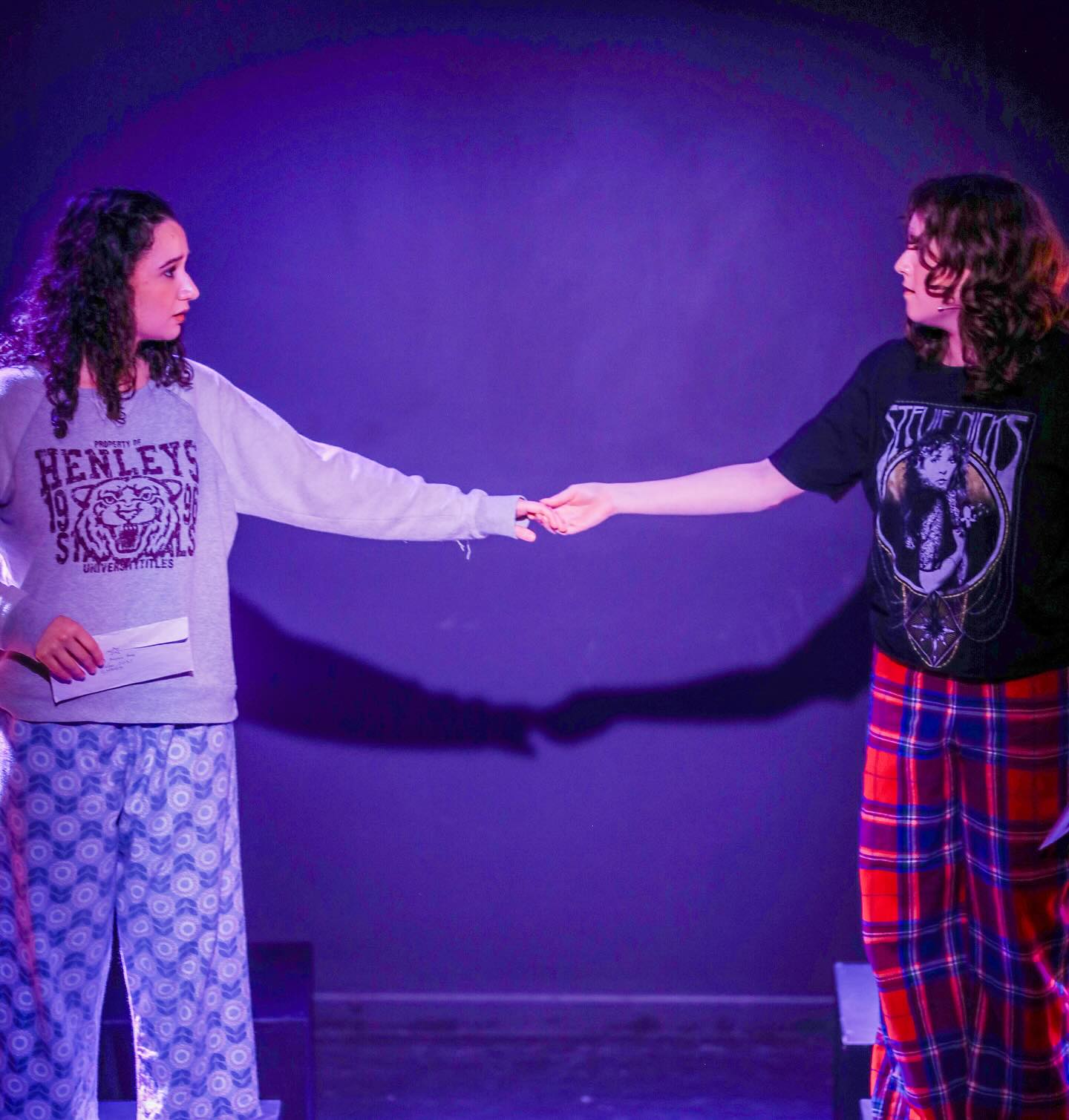
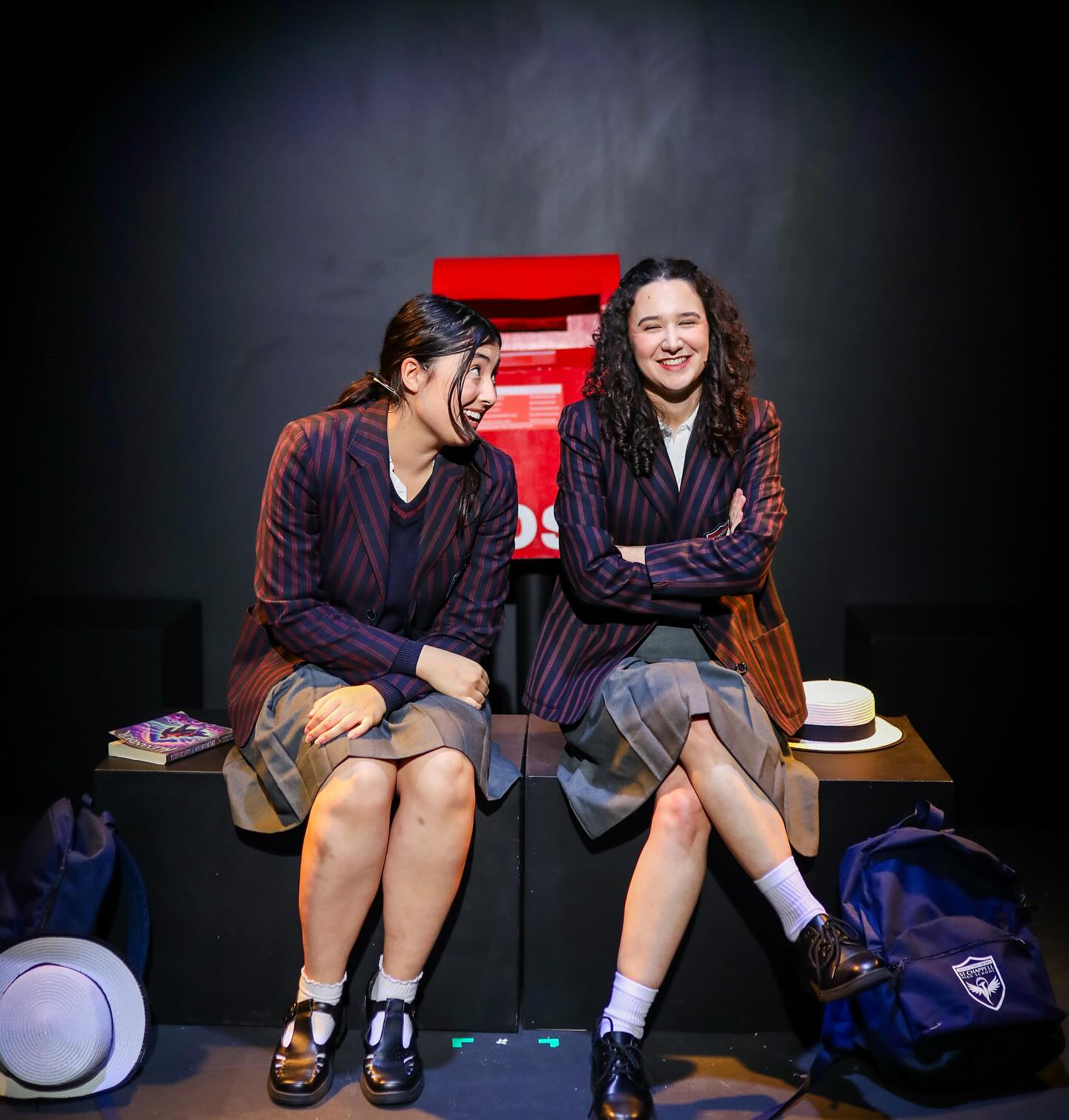
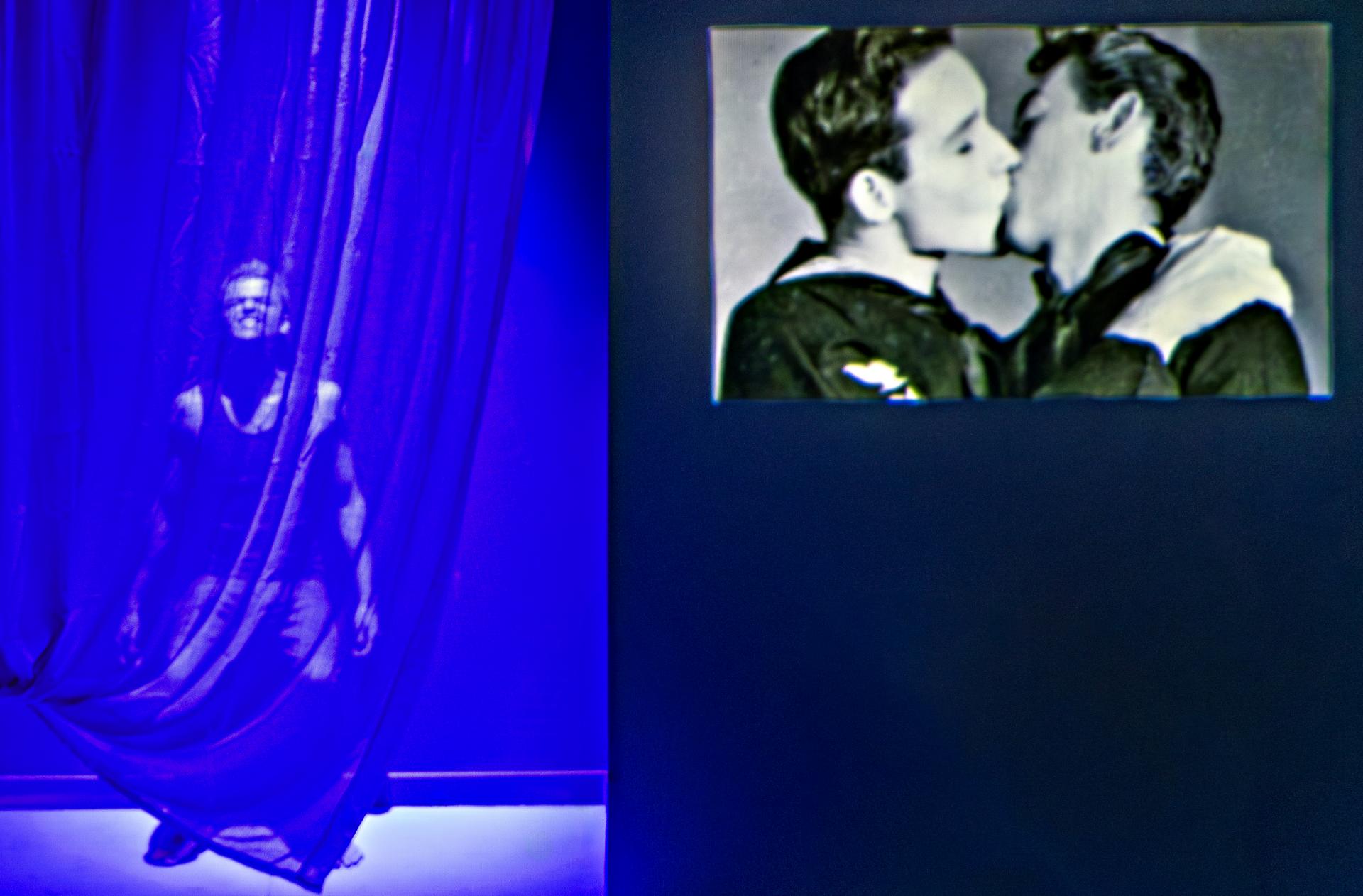
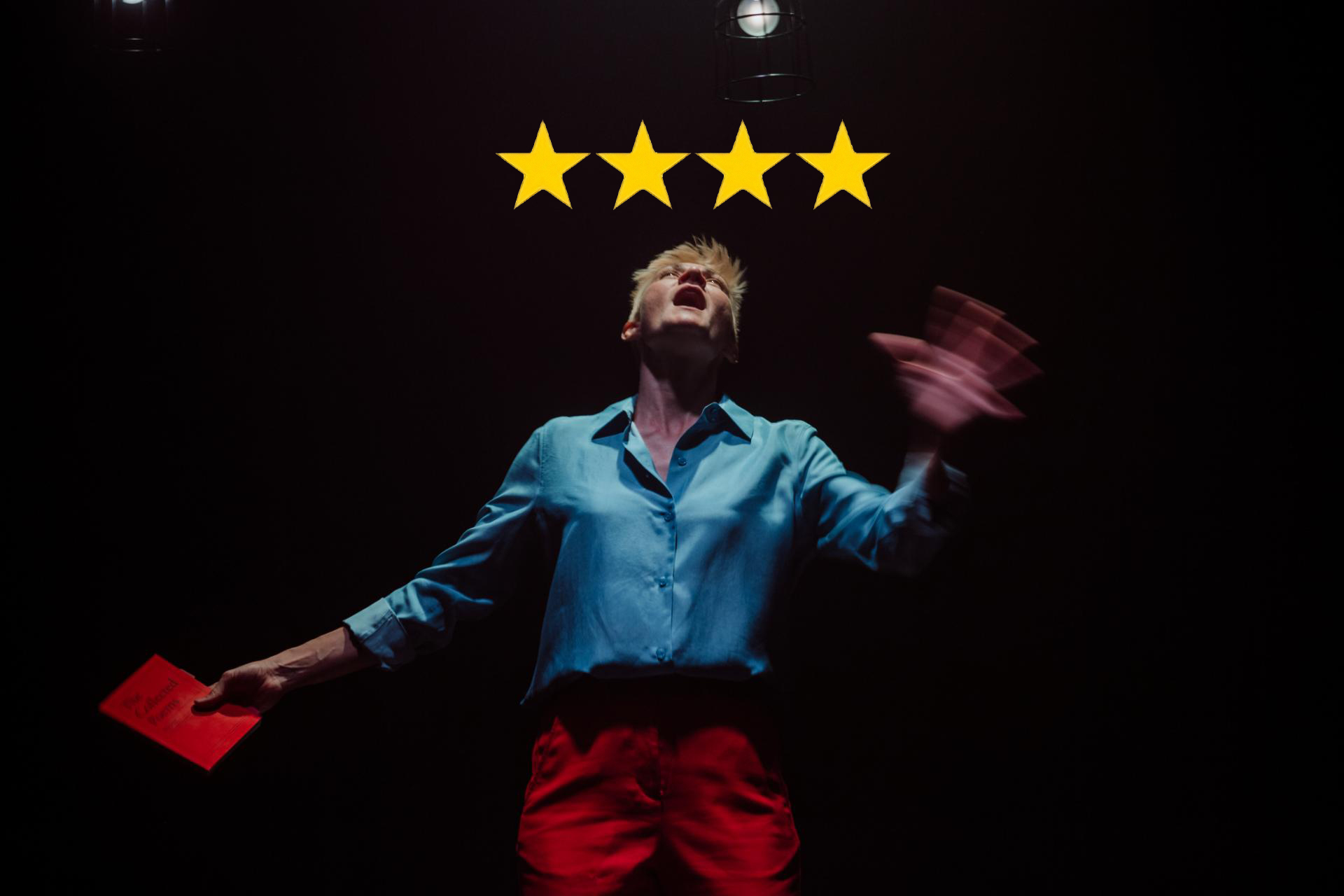
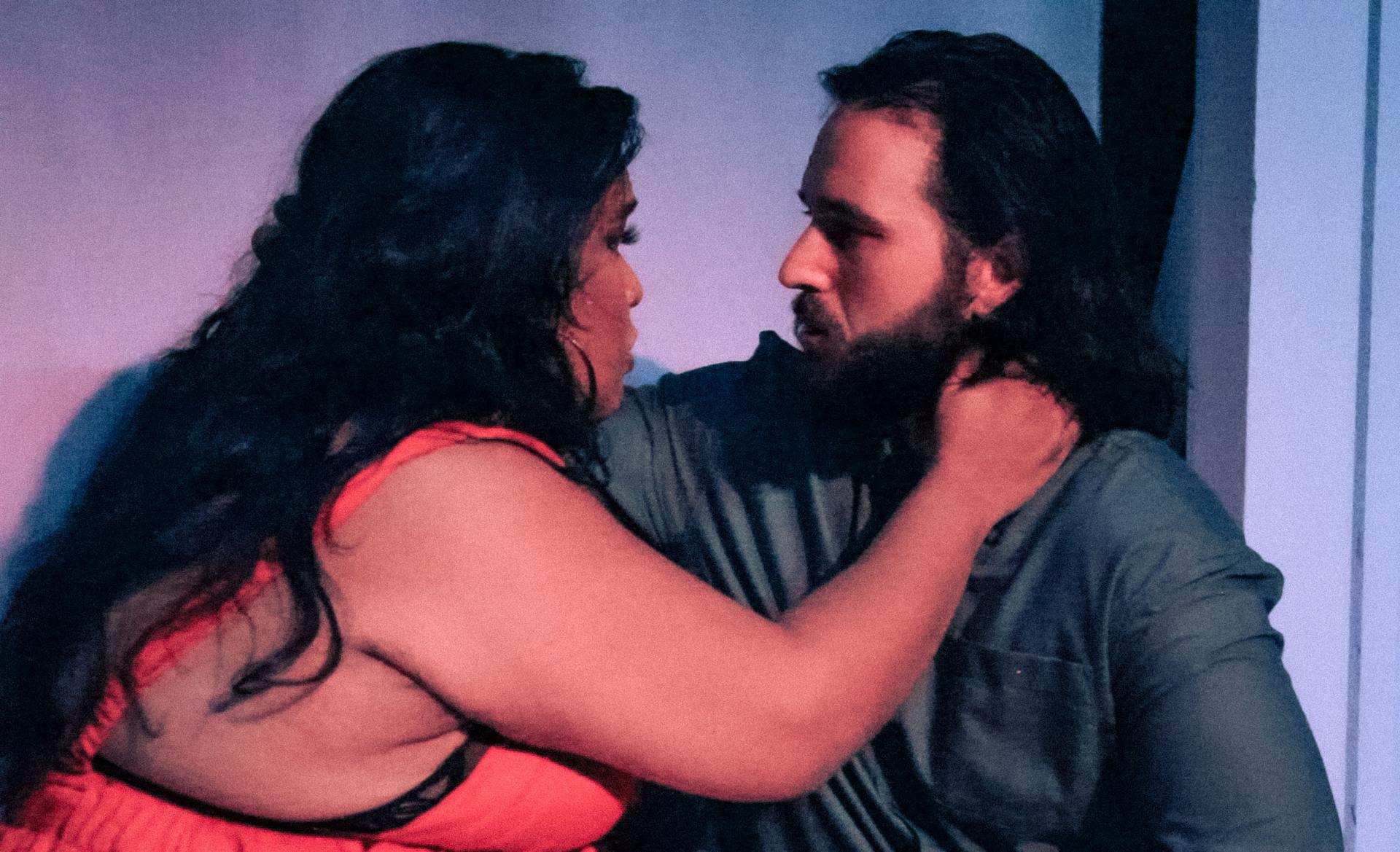
In The Past is a Wild Party, Noëlle Janaczewska looks back at her “chosen family history” by examining queer literature through the years, focusing on the often eclipsed experiences of women in the LGBTQ+ community. As she travels through libraries in Australia and in Europe, looking at works both legendary and obscure, Janaczewska reflects on her own life and loves, in what appears to be an exercise in healing, for the writer and for audiences of a similar persuasion.

It is an enchanting one-person show, directed with great passion by Kate Gaul, who brings wonderful elucidation to the meaningful complexions of the text. Performer Jules Billington is extraordinarily precise with each physical gesture and verbal inflection, making sure that we detect all the nuances of this soulful meditation on a collective phenomena that encompasses tribulation, trauma and triumph. There is a memorable and immense benevolence to Billington’s approach that thoroughly captivates, and that keeps us attentive with open hearts and minds.

An unexpectedly rich lighting design by Benjamin Brockman elevates the solo format, by introducing a compelling visuality to the production, with consistent vacillations to its emotional textures, but always beautiful in its depictions. Music by Madeleine Picard guides us on this sentimental journey, hypnotic with its melancholy, and perfectly attuned with the bittersweet musings of a person with wisdom to share.

It is within sapphic spaces that we can perceive especially clearly, an existence outside of the patriarchy. Power and its machinations may not entirely cease to exist in something like The Past is a Wild Party, but a certain disintegration of inequity can certainly be observed. No longer is there an obsession with domination over people, but a sense of togetherness in opposition to systematic oppression. We encounter something specific yet welcoming, with a capacity for the vastness of humanity, much like motherhood, that should come so natural, yet we know to be so rare.

www.qtopiasydney.com.au | www.sirentheatreco.com

Review: Shook (Qtopia / Lost Thought Arts)

Venue: Qtopia (Darlinghurst NSW), May 16 – Jun 5, 2024
Playwright: Samuel Bailey
Director: Emma Whitehead
Cast: Malek Domköc, Isaac Harley, Edyll Ismail, Louis Regan
Images by Becky Matthews

Theatre review
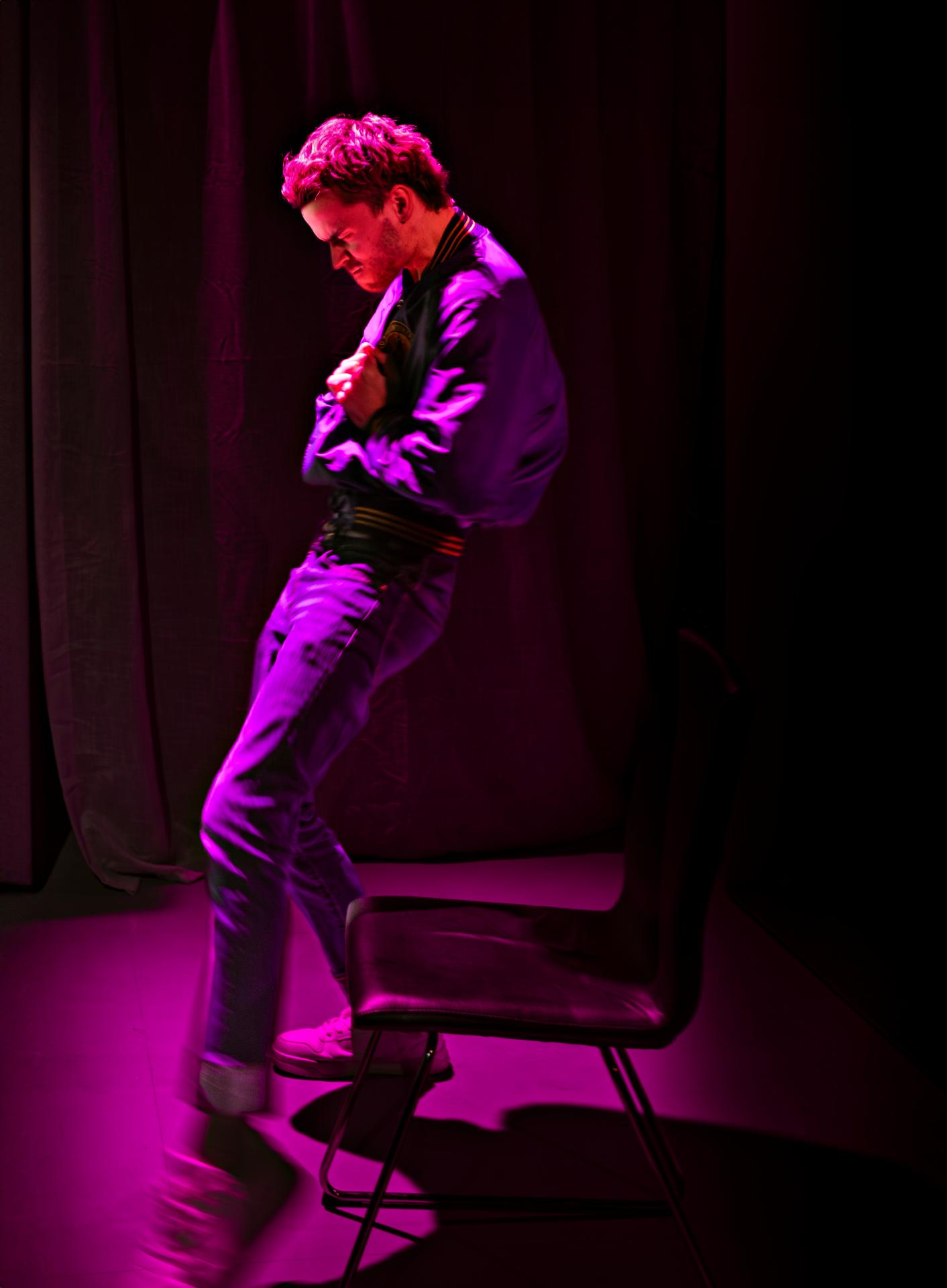
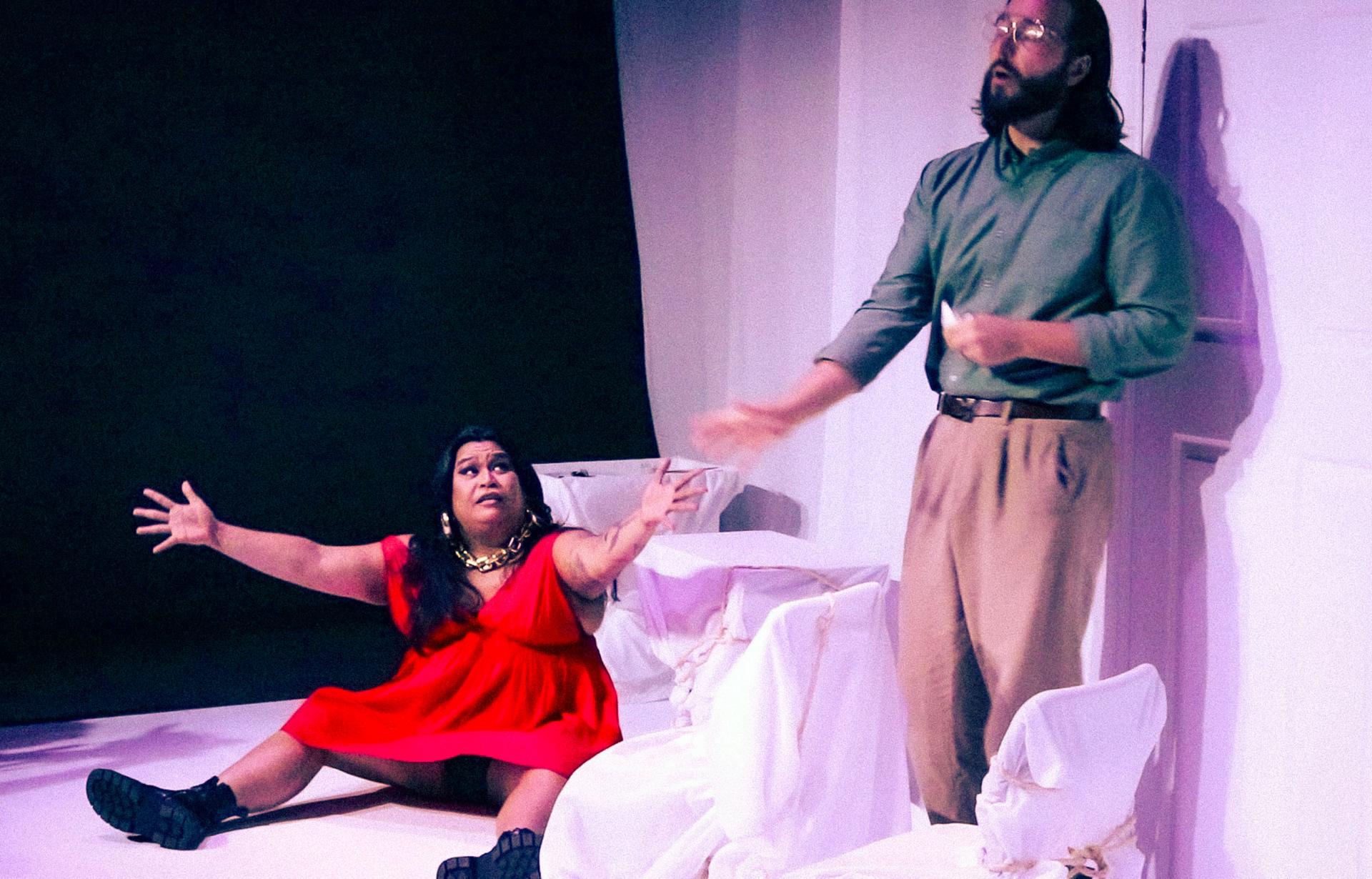
The action takes place at a young offenders’ institution, somewhere in England, where three incarcerated teenagers take a course in parenting skills. Samuel Bailey’s 2019 play Shook offers a cuttingly amusing look, at the state of masculinity in the contemporary age, along with the perennial problem of societies grappling with those we call juvenile delinquents. These are young men whose behaviour is almost entirely learned, yet we rarely reflect on the examples we set, putting effort instead, on rehabilitation in the aftermath.

The unmistakeable vigour in Bailey’s writing, is brought to robust life by Emma Whitehead’s direction, which instils for the production an admirable, and enjoyable, realism. Not only is the work consistently believable, we are placed excitingly, somewhere between apprehension and empathy, for the trio of multi-faceted characters. In the simultaneous experience of revulsion and identification, we perceive with a high degree of authenticity an entertaining show, characterized by its unabashed theatricality and quality.

Design aspects are simple but effective. Set and costumes by Lochie Odgers work harmoniously with the rawness of the site, to evoke a sense of accuracy for the storytelling. Lighting transformations by Prinyanka Martin, along with music by Oran Harkin are noticeable only between scenes, both elements perfectly calibrated to sustain our attention, and to position us firmly within the context of the correctional facility.

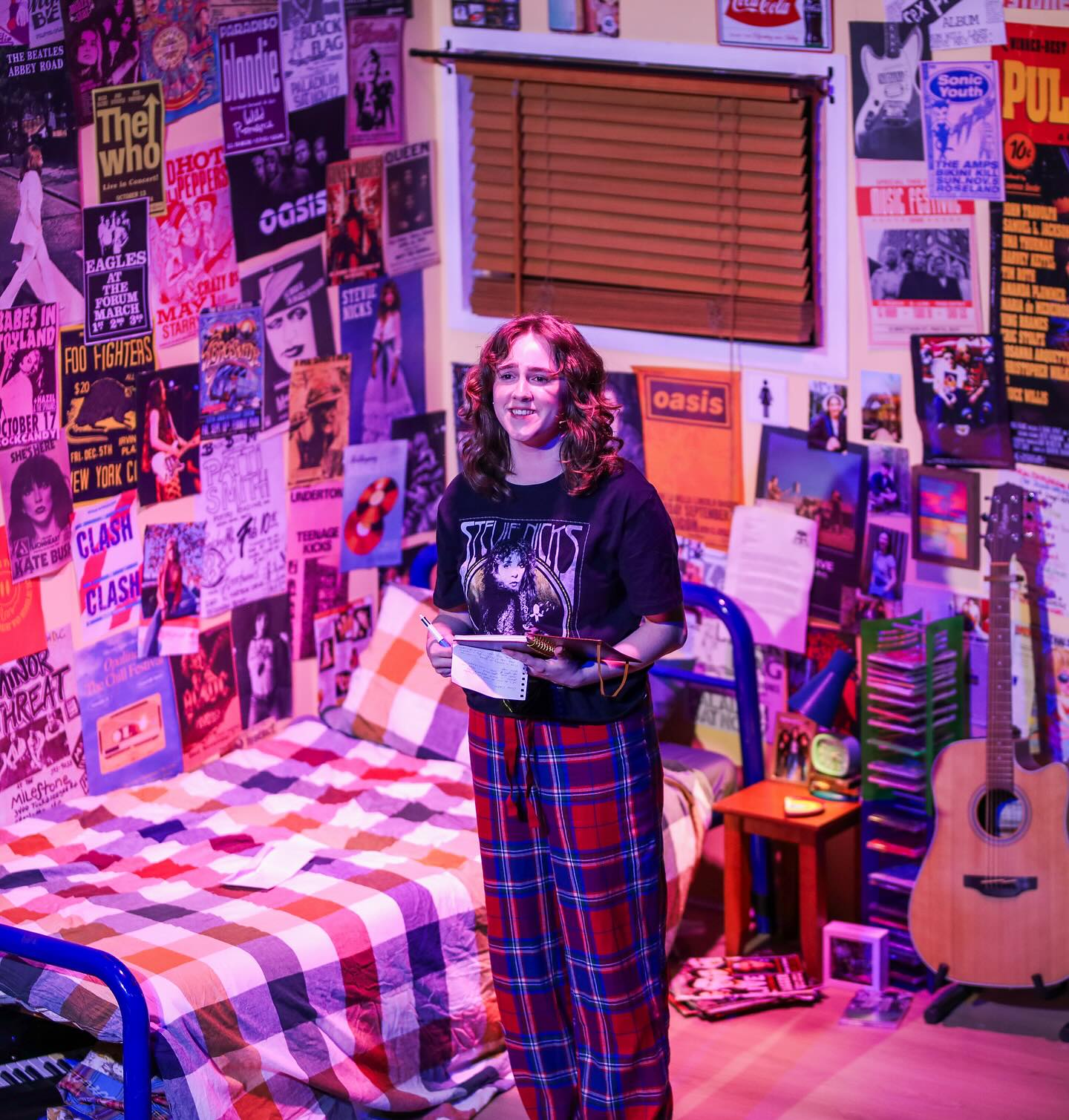
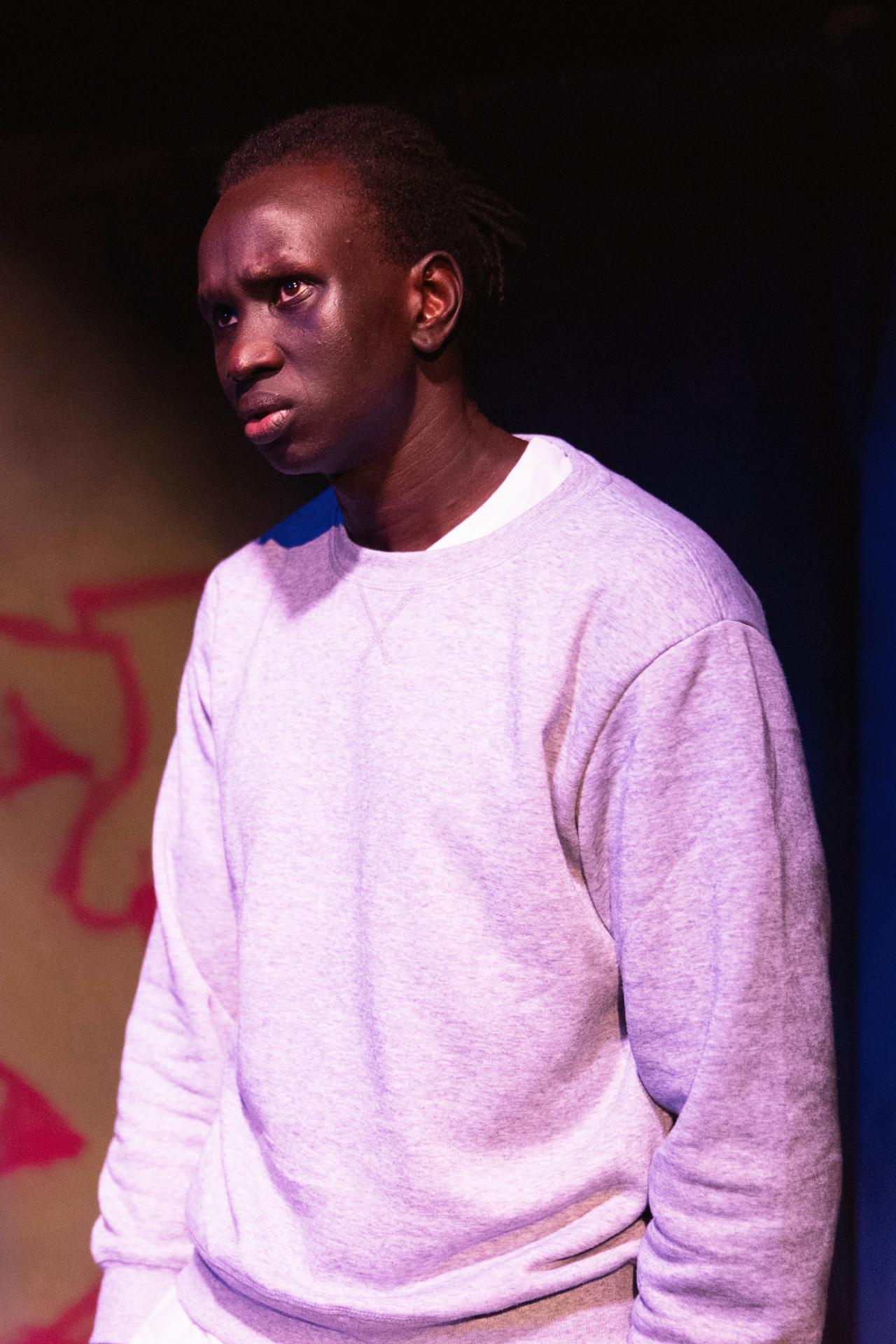
A strong ensemble presents Shook, evidently very well-rehearsed, and demonstrating ignitable chemistry. Actor Malek Domköc is wonderfully considered, in his naturalistic portrayal of Riyad. Louis Regan sets the tone with dangerous irascibility as Cain. Isaac Harley’s exemplary concentration as Jonjo, brings intensity. Social worker Grace is depicted by Edyll Ismail with commendable integrity.

Learning to care for one’s own child, while a man serves time in a penitentiary, is not only a bittersweet idea, but is also one that inspires meditations on despondency and hope. The severe deprivation of freedom for those who have done grave wrongs, seems to be both necessary and dangerous. We want certain transgressors to suffer extrication and punishment, but we also want them to become better people as a result. In dehumanising them, we risk further degeneracy, but the truth remains, that people do learn from fear. We hear of better ways that could be explored, if only we dared to change.

www.qtopiasydney.com.au | www.instagram.com/lost_thought_arts

Review: Toy Symphony (Qtopia / Ad Astra Theatre Company)

Venue: Qtopia (Darlinghurst NSW), Apr 18 – 27, 2024
Playwright: Michael Gow
Director: Michelle Carey
Cast: Adam Dakin, Chantal Elyse, Felix Jarvis, Wendi Lanham, John Michael Narres, Bernadette Pryde, Sam Webb, Gregory J Wilken
Images by Bojan Bozic

Theatre review
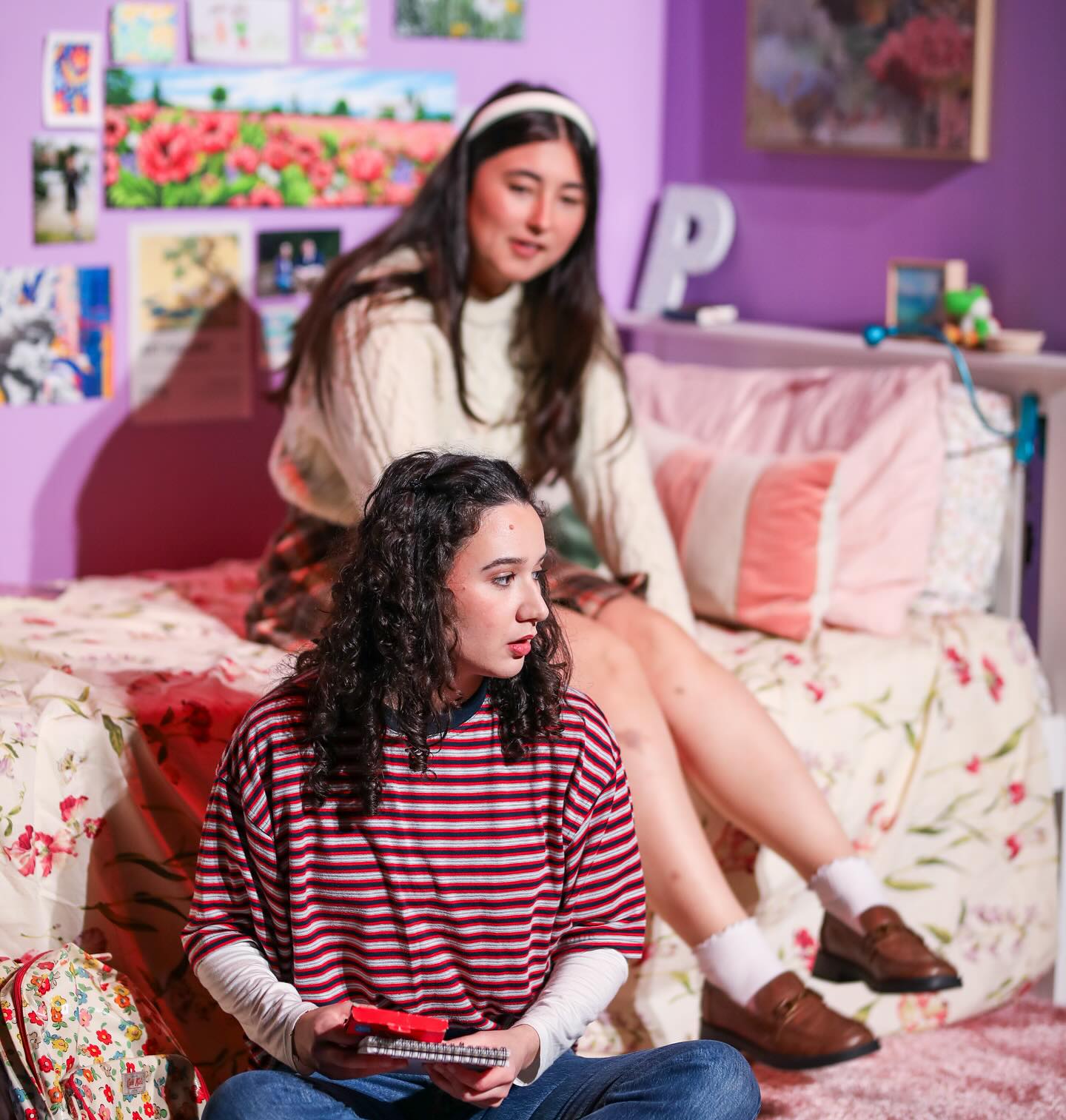
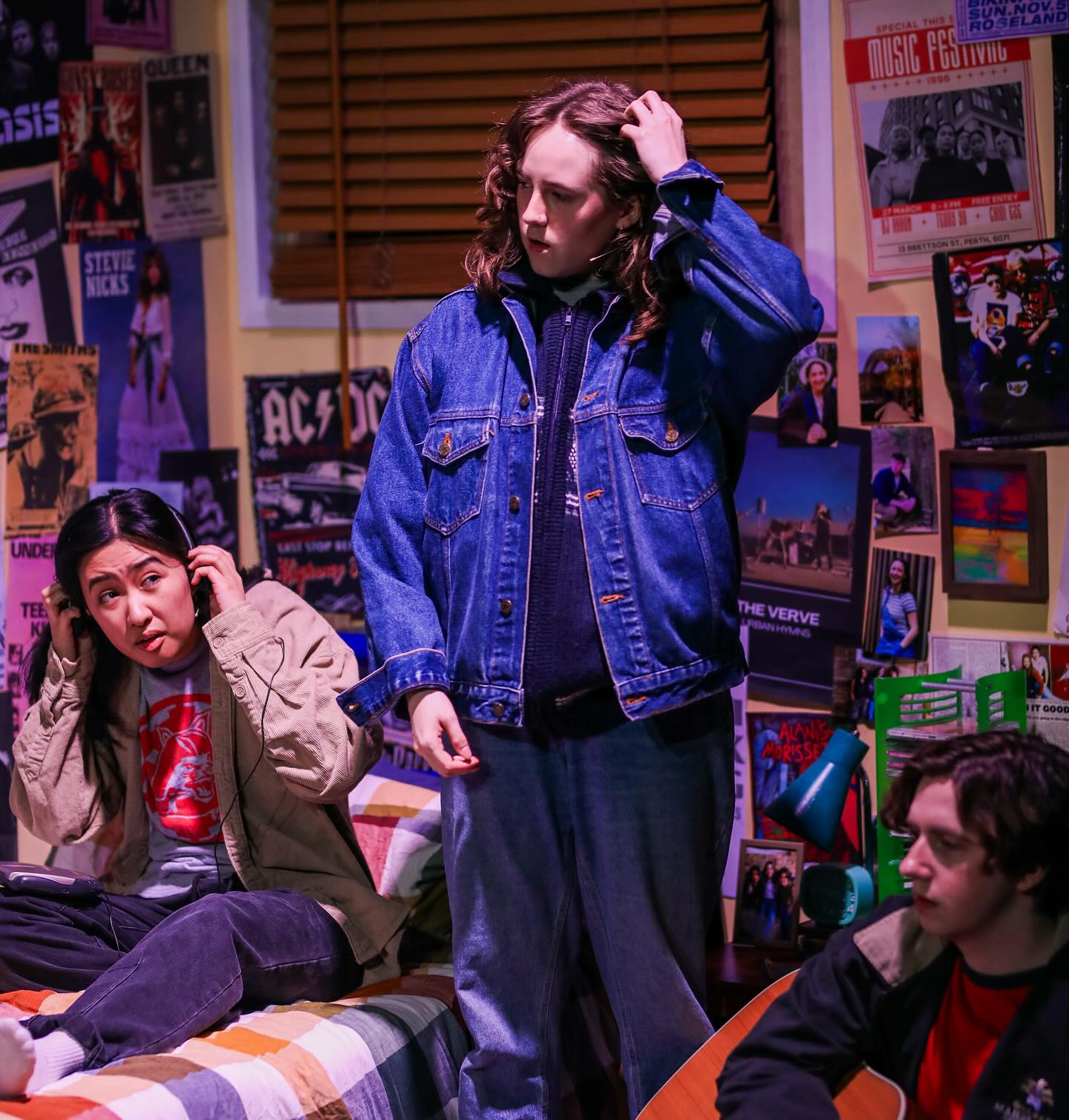
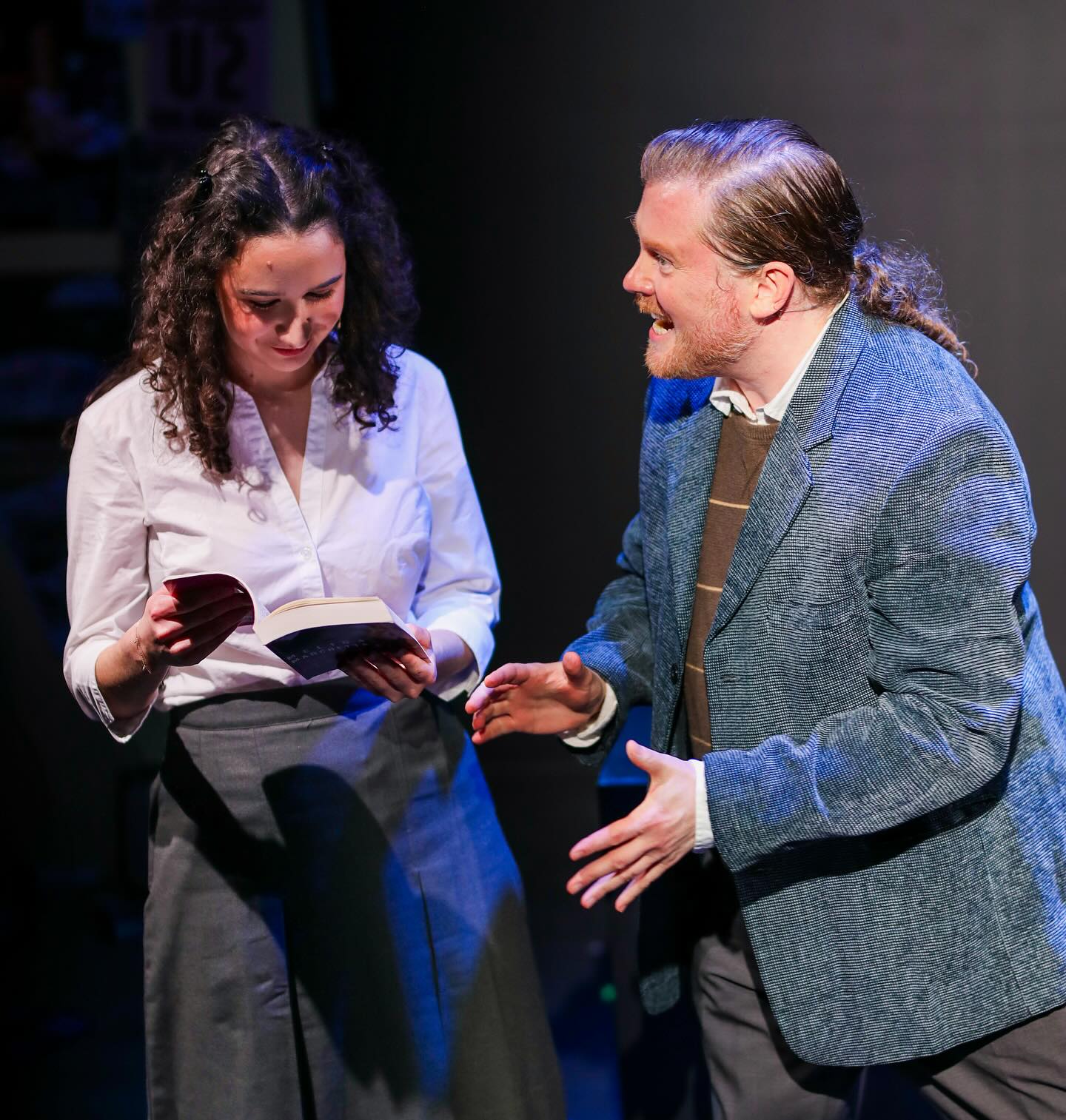
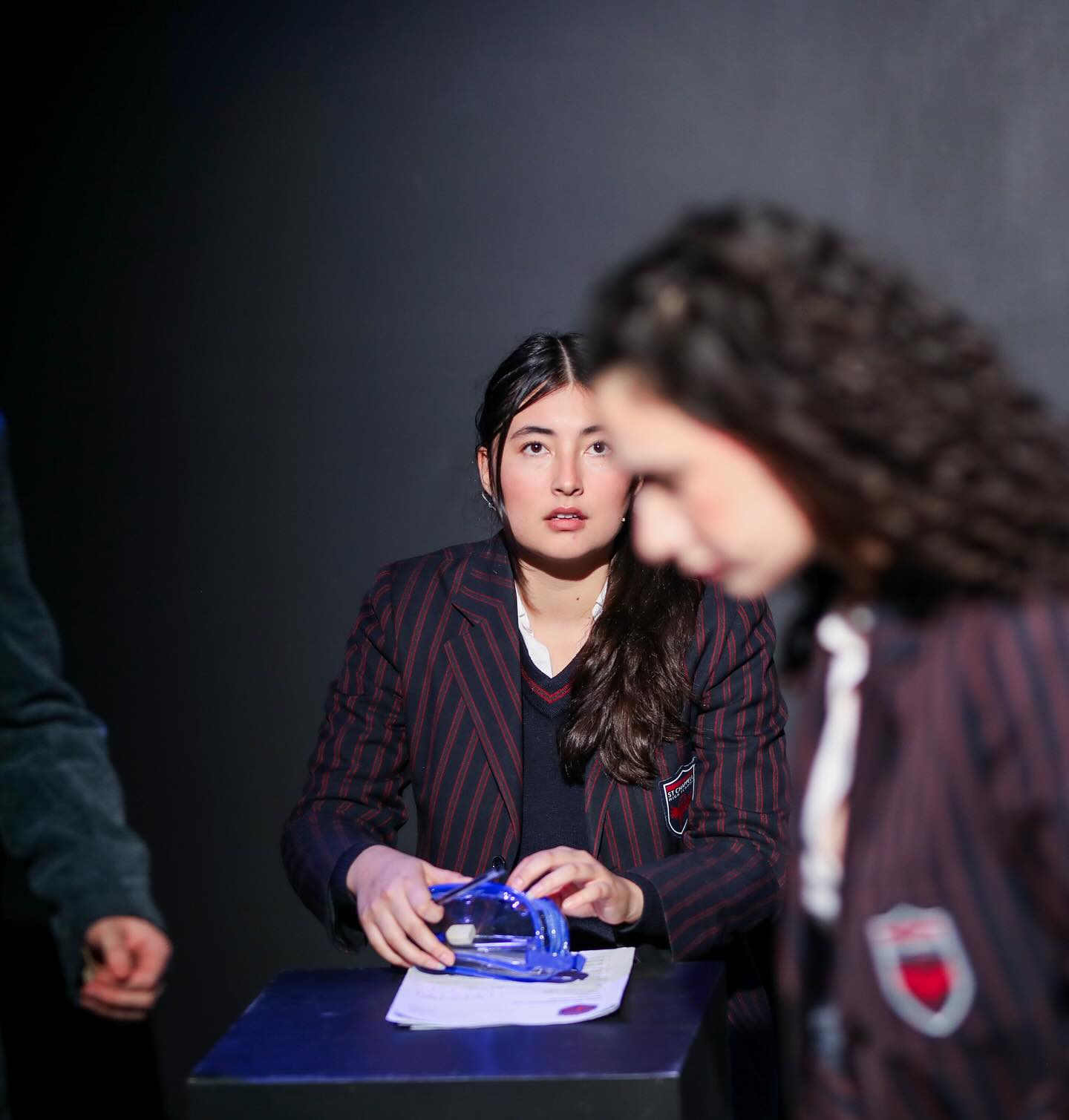
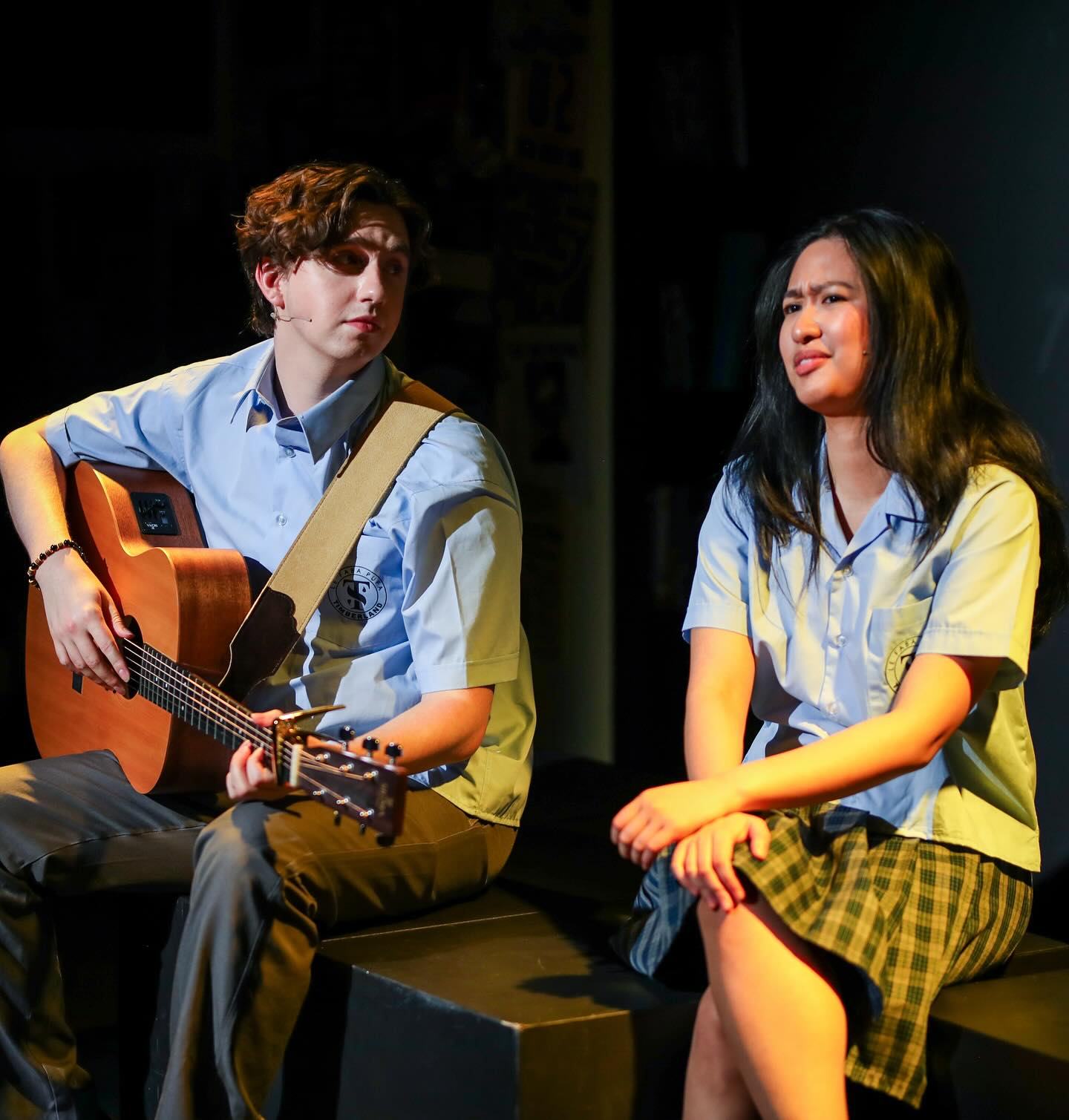
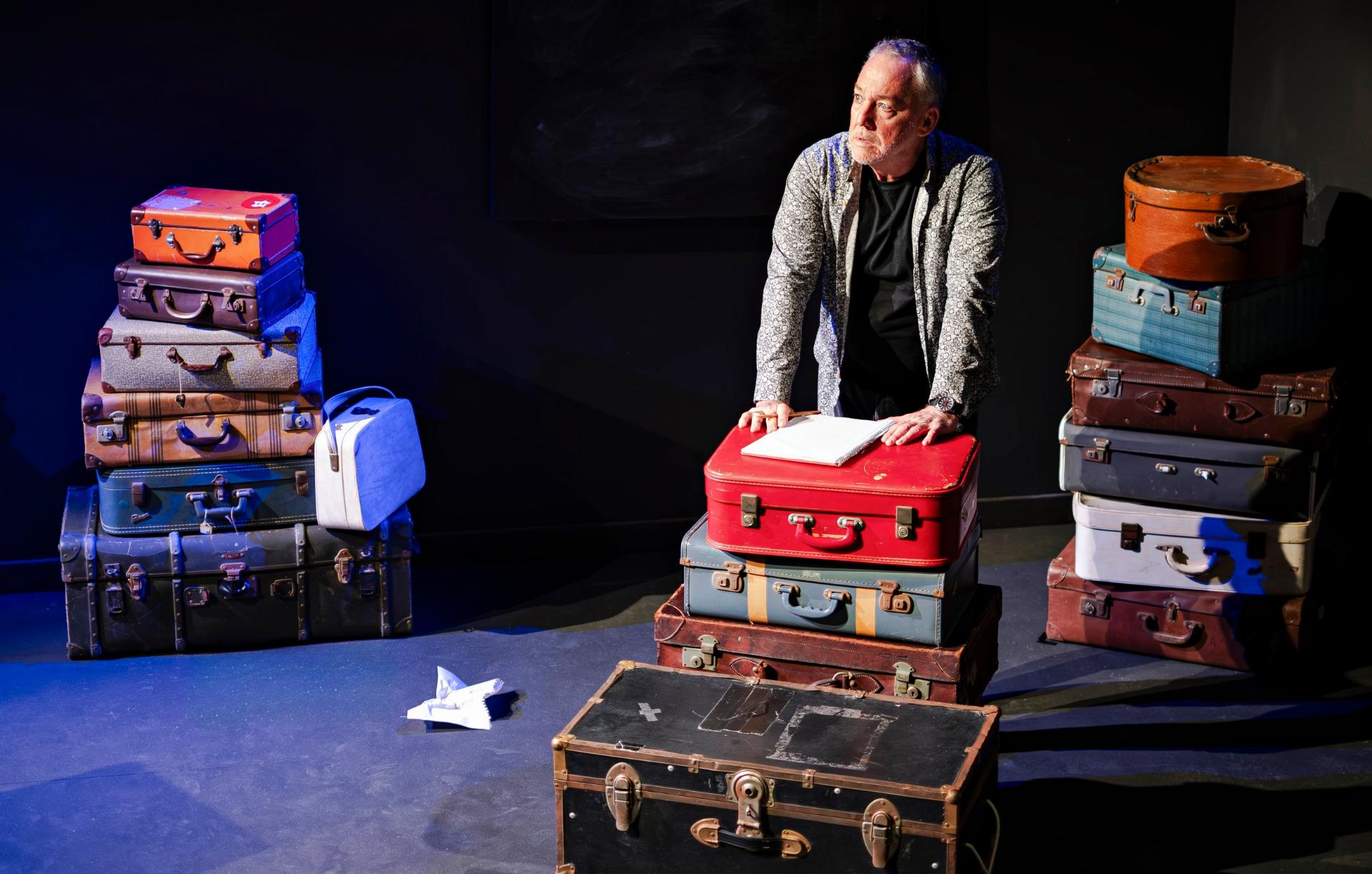
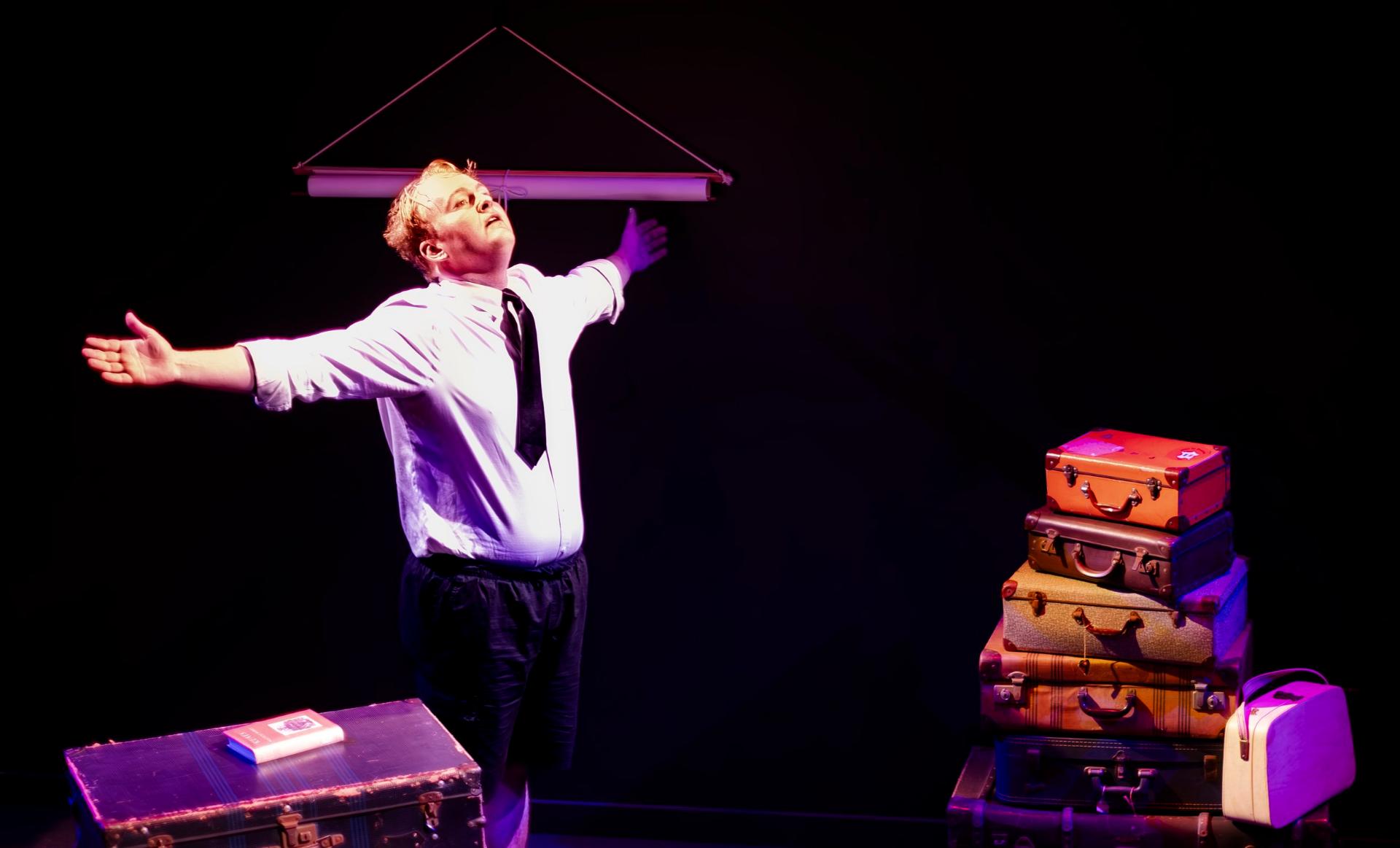
Roland has lost his ability to write, which is a disaster for someone who relies on it to make a living. His art is of course, also the foundation of his self-esteem and the only thing that gives him a sense of purpose, so in a moment of desperation, he can only turn to professional help in the form of a psychologist, to hopefully work things out. In Michael Gow’s 2007 play Toy Symphony, we watch the therapeutical process unearth the protagonist’ past; not only his formative youth, but also his regrettable behaviour in more recent times. Roland is taught that to gain an understanding of all that has hurt him, along with the hurt he had inflicted on others, is key to being set free.

Hence a writer’s life story unfolds, commencing in 1966 suburbia where parochial values began imposing themselves, until the dawn of the new century, when he finds himself bursting at the seams, as though unable to contain decades of toxicity, that seems to have an ability to accumulate and exacerbate. There is a lot of detail in the personal reflections of Toy Symphony, and while not all of it is universal in resonance, the process of self-examination and rehabilitation, certainly is.

Lively direction by Michelle Carey keeps us invested in the storytelling, and although we perceive a sense of poignancy, it manifests somewhat inconsistently. Gregory J Wilken is extremely focused as leading man, with an unwavering commitment that makes the experience feel worthwhile and authentic. The ensemble cast is strong, admirable for the integrity they bring to a wide range of characters. Less effective are design and aesthetic aspects, in a production that can look and sound creatively deficient, or perhaps insufficiently imaginative in its manipulations of a tight performance space.

In Toy Symphony, we observe an interesting parallel between homophobia and the fear of imagination. Roland’s story is concerned with the suppressive and stifling tendencies of traditional Australia, that part of our culture that insists on conformity and that punishes those who rock the boat. It is insidious, so we often overlook its severity. Roland however demonstrates the devastation that results, from trying to survive in a place that tells our children, that their nature is wrong. Roland inherited their fear, and has turned it against others, as well as harming himself with the same. The play’s conclusion is tentative, and we can only hope that healing is possible and real.

www.qtopiasydney.com.au | www.adastracreativity.com