Review: Annie (Capitol Theatre)

Venue: Capitol Theatre (Sydney NSW), Mar 25 – Jun 21, 2025
Book: Thomas Meehan
Music: Charles Strouse
Lyrics: Martin Charnin
Director: Karen Johnson Mortimer
Cast: Dakota Chanel, Mackenzie Dunn, Keanu Gonzalez, Amanda Lea Lavergne, Greg Page, Debora Krizak, Anthony Warlow
Images by Daniel Boud

Theatre review
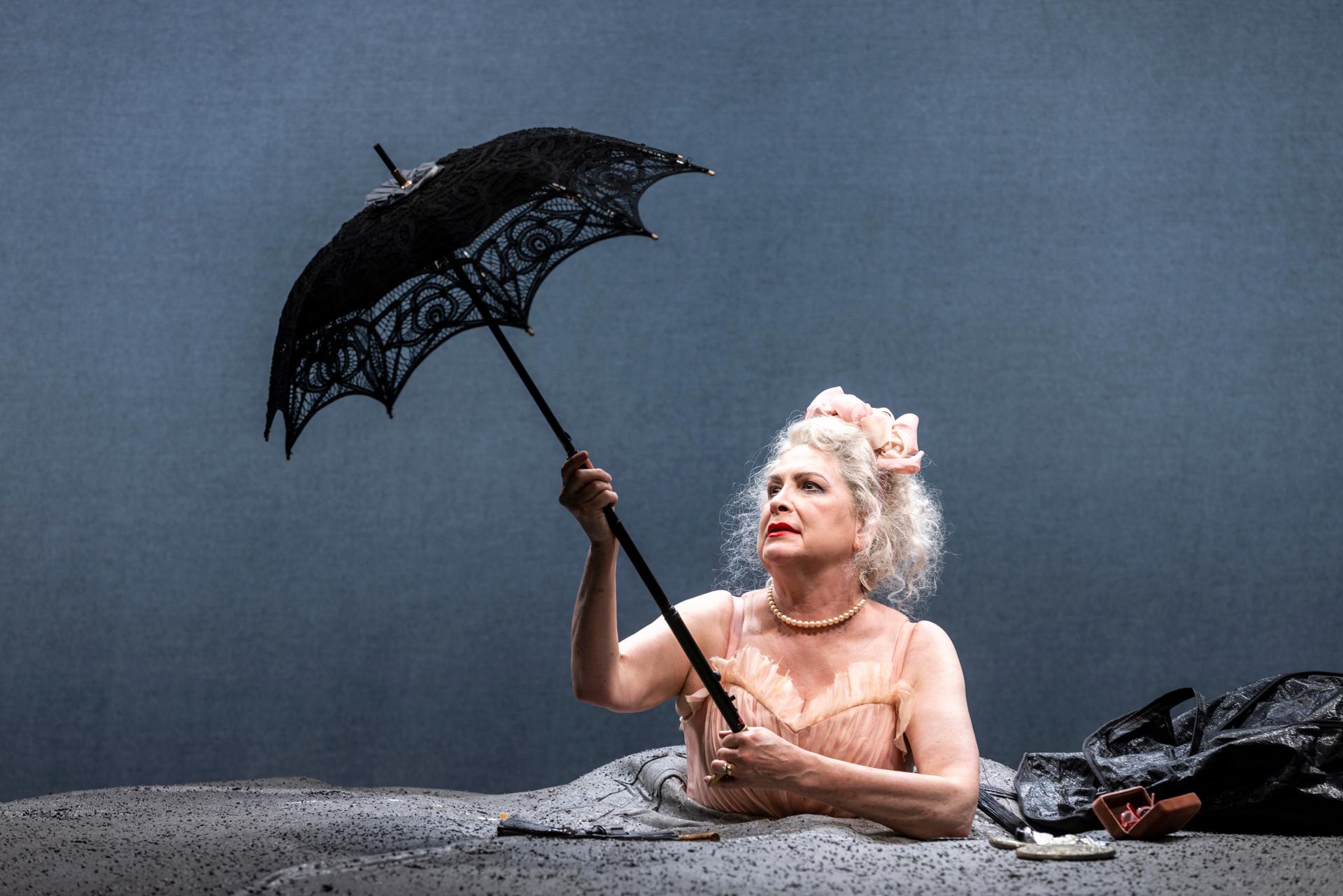
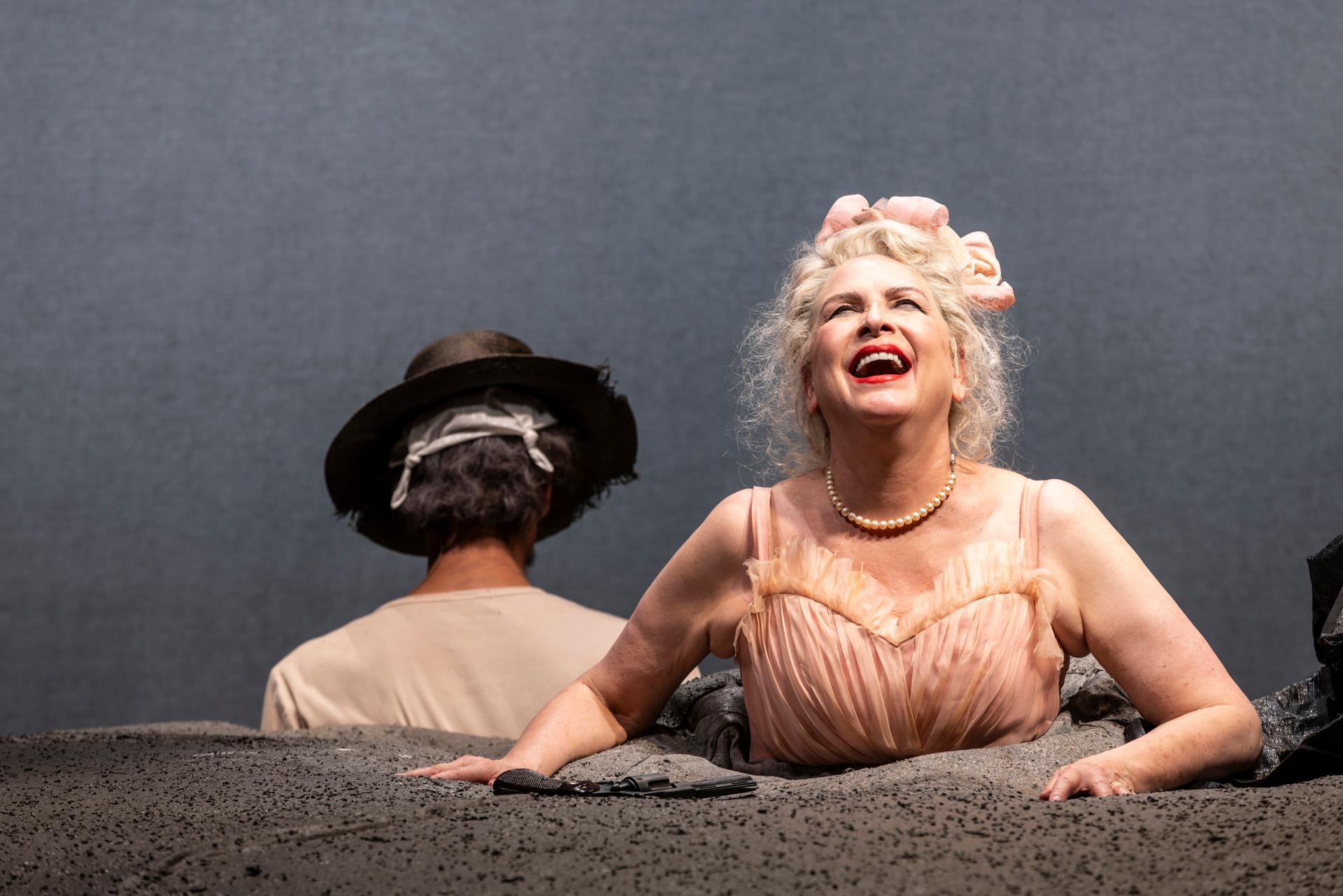
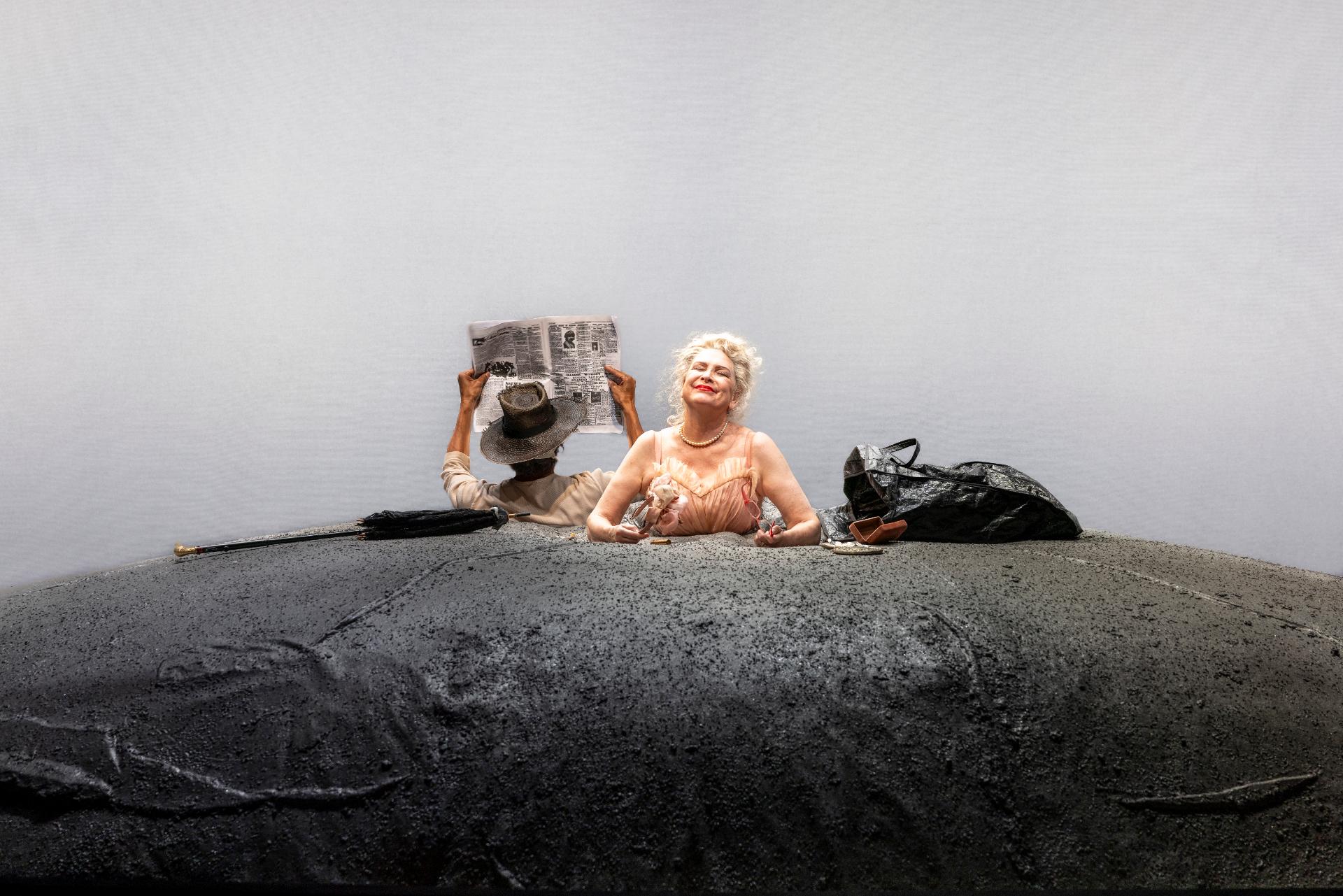
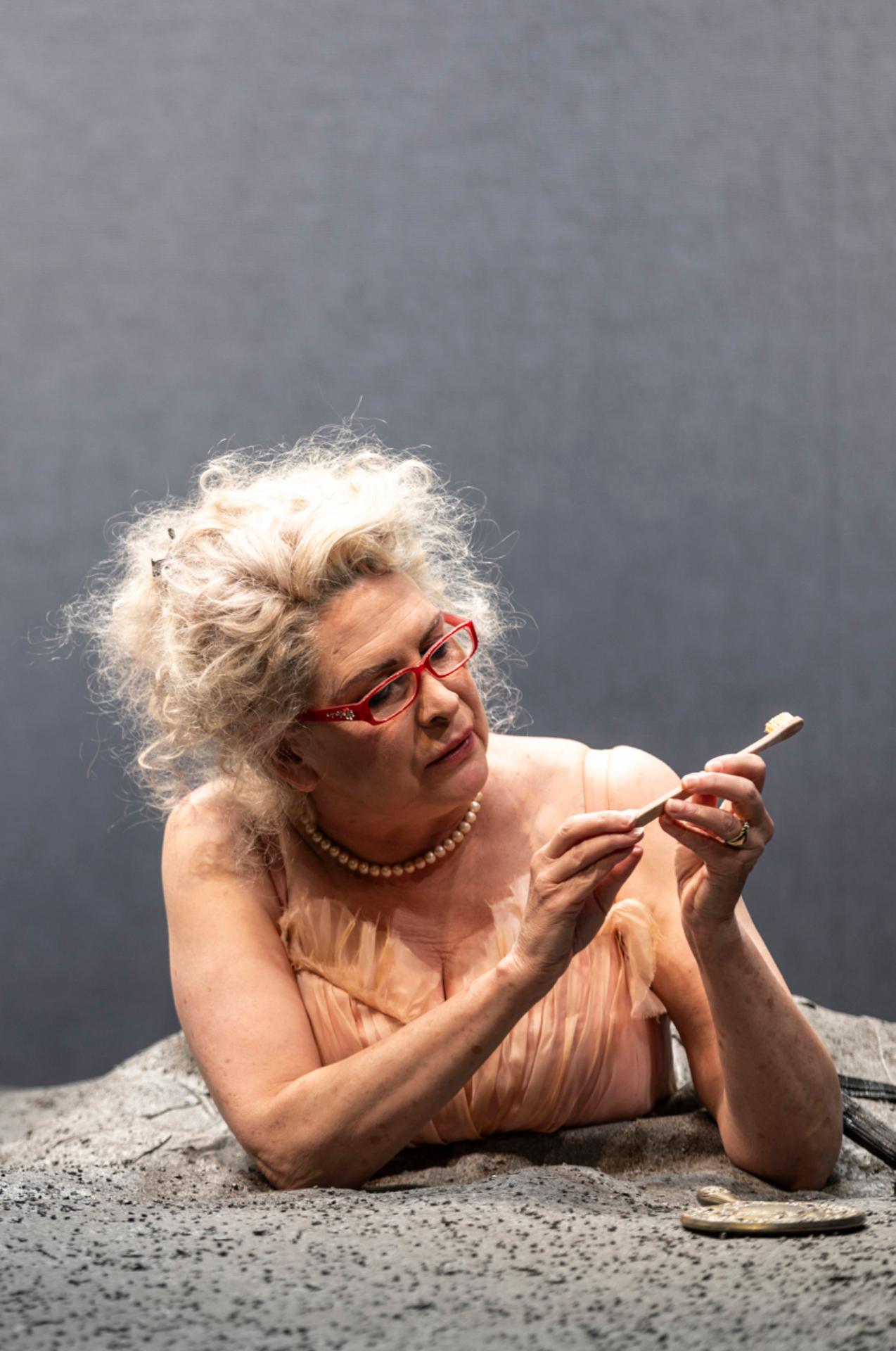
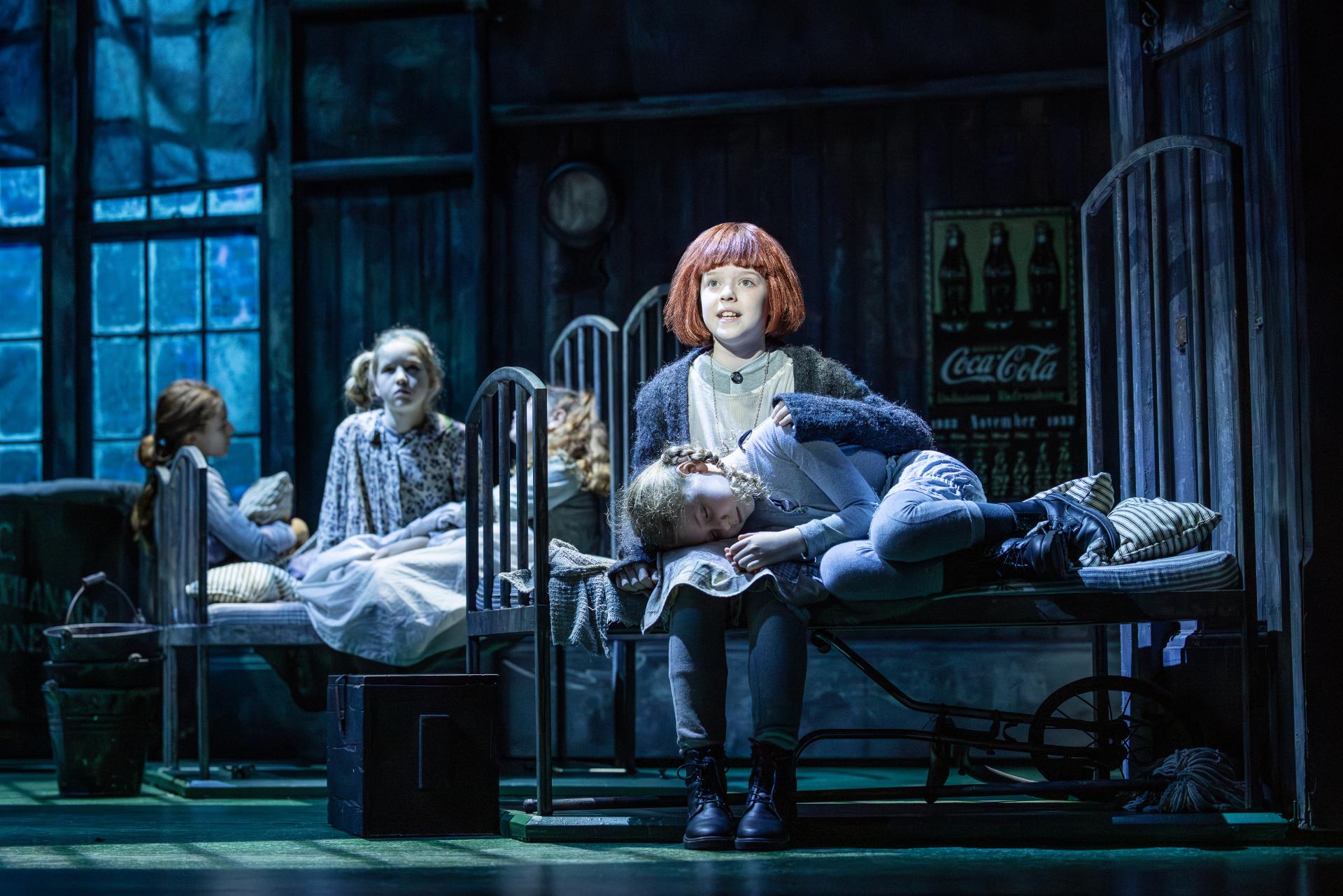
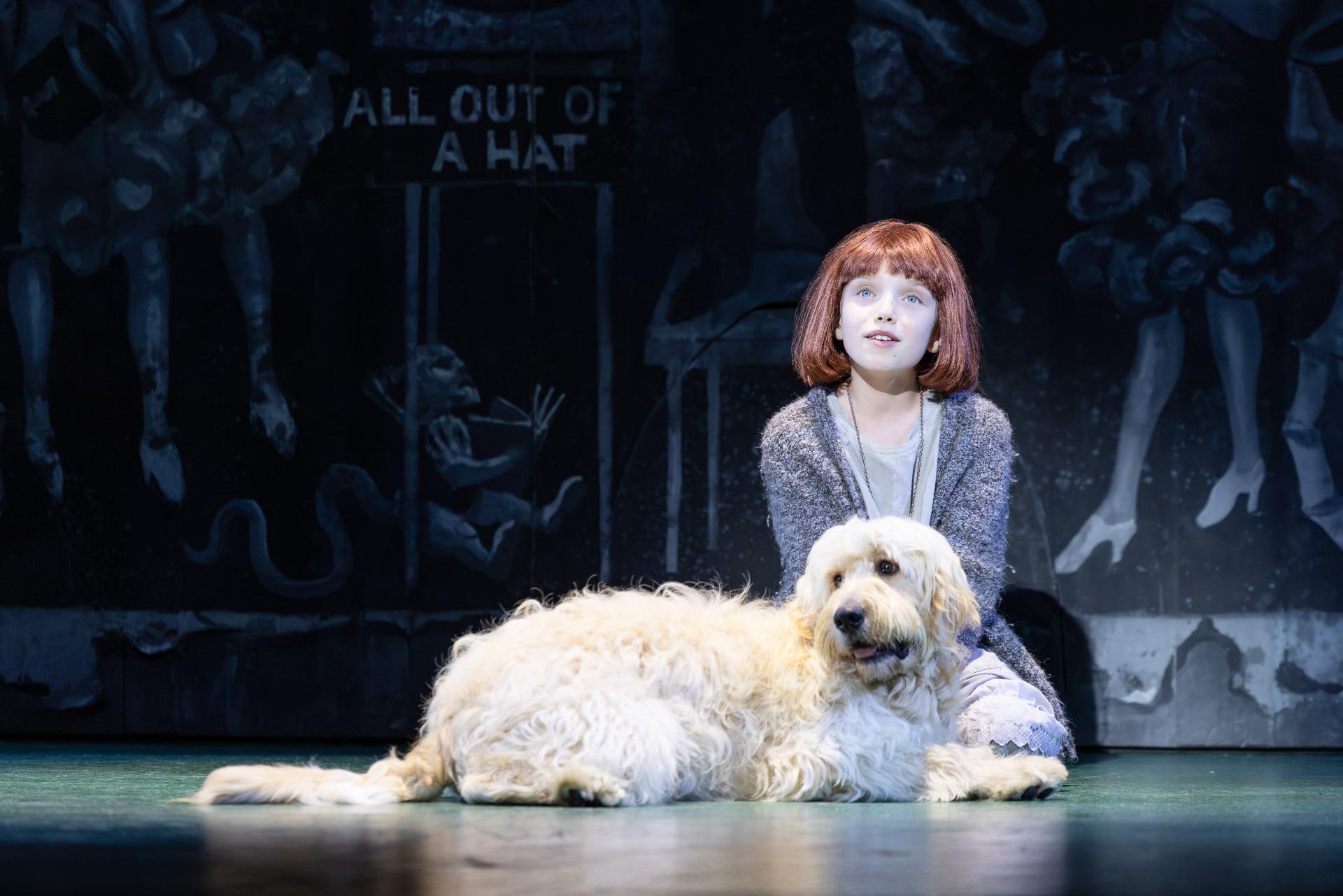
The unlikely story of an orphan meeting a billionaire, could probably never be written in today’s climate of sensitivity, around issues like child exploitation and abuse. Annie the musical is approaching 50 years old, and watching it now can indeed feel slightly uncomfortable. Much of it is delightful, especially as a showcase for young talent, but its core premise remains indubitably problematic and unsavoury.

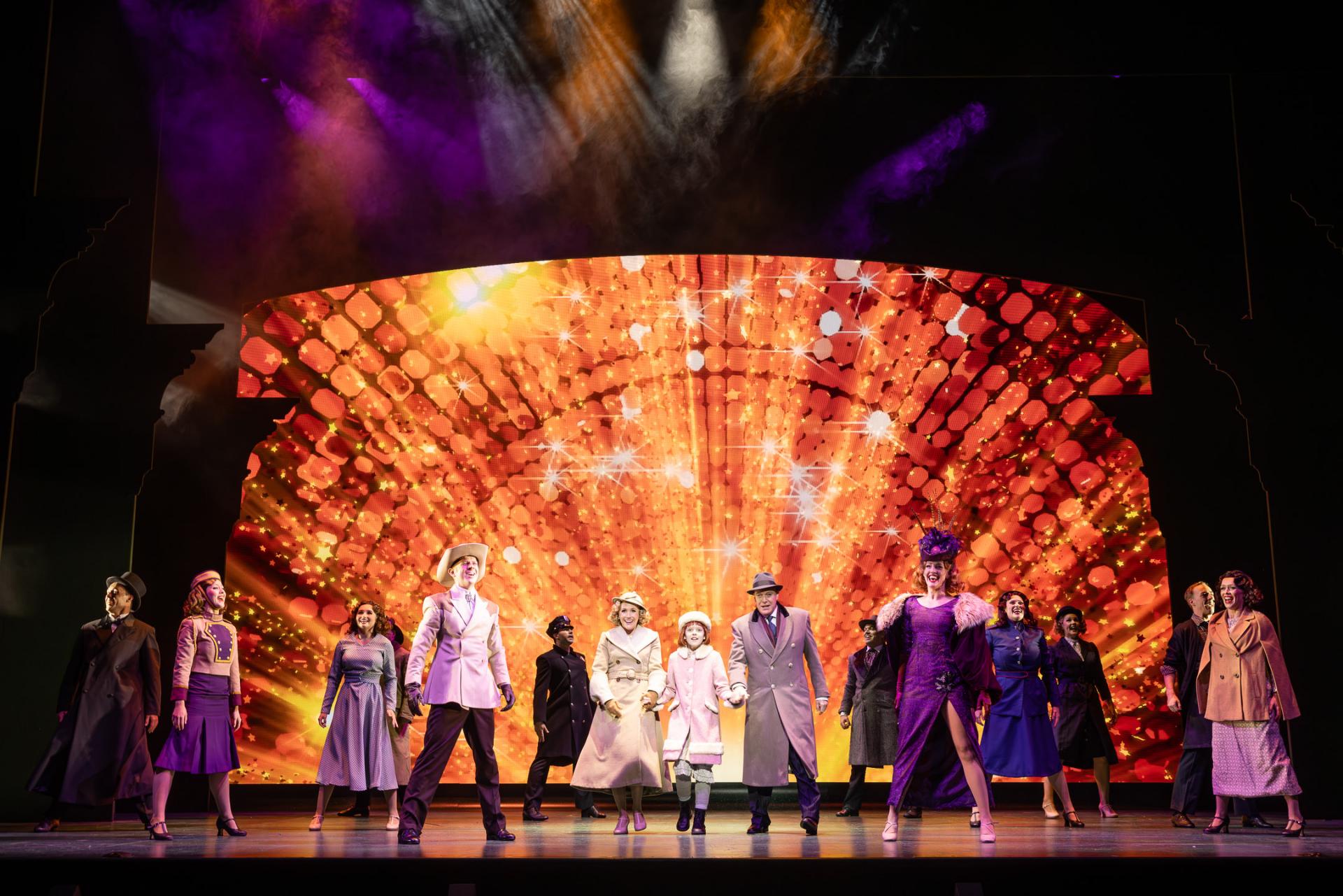
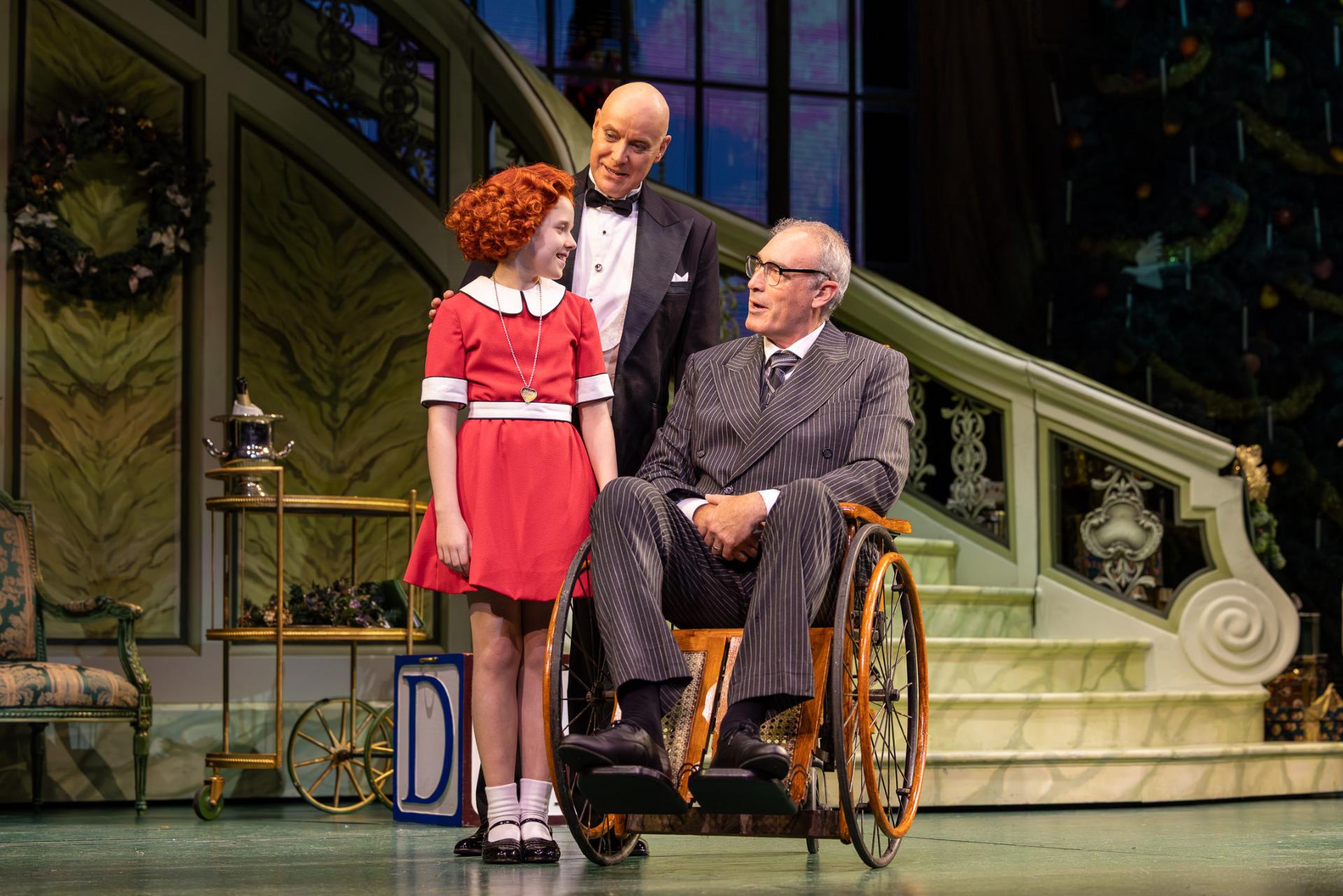
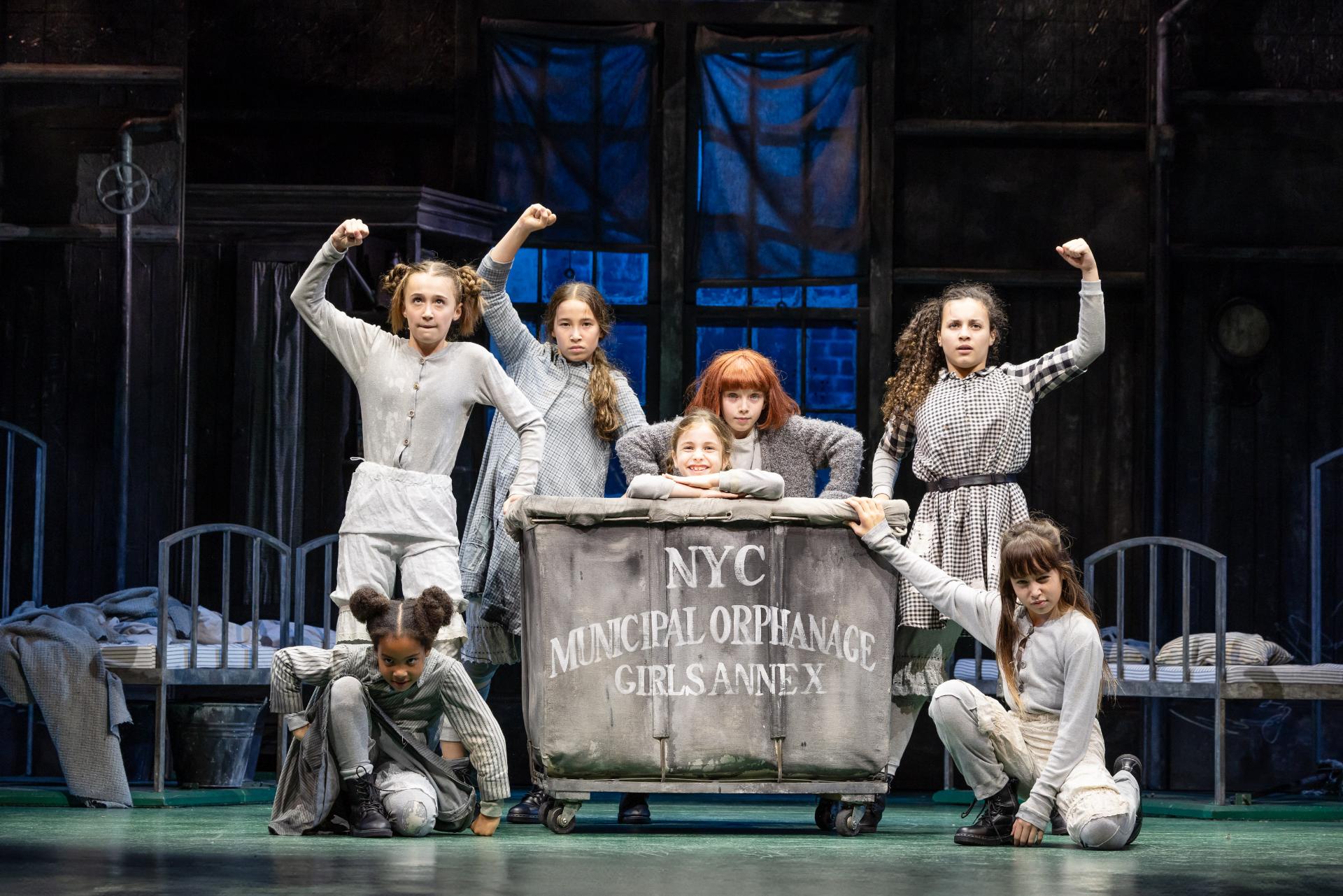
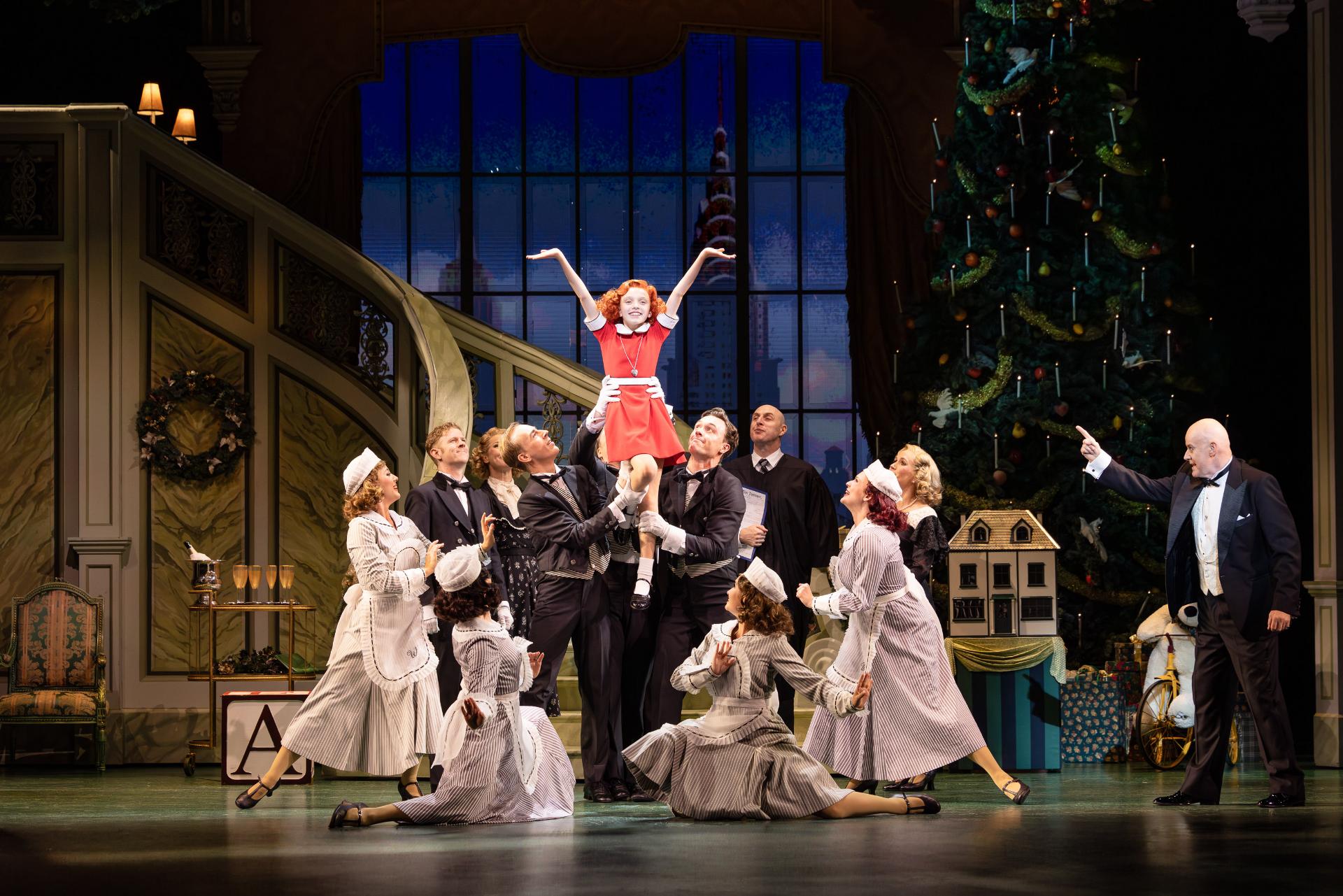
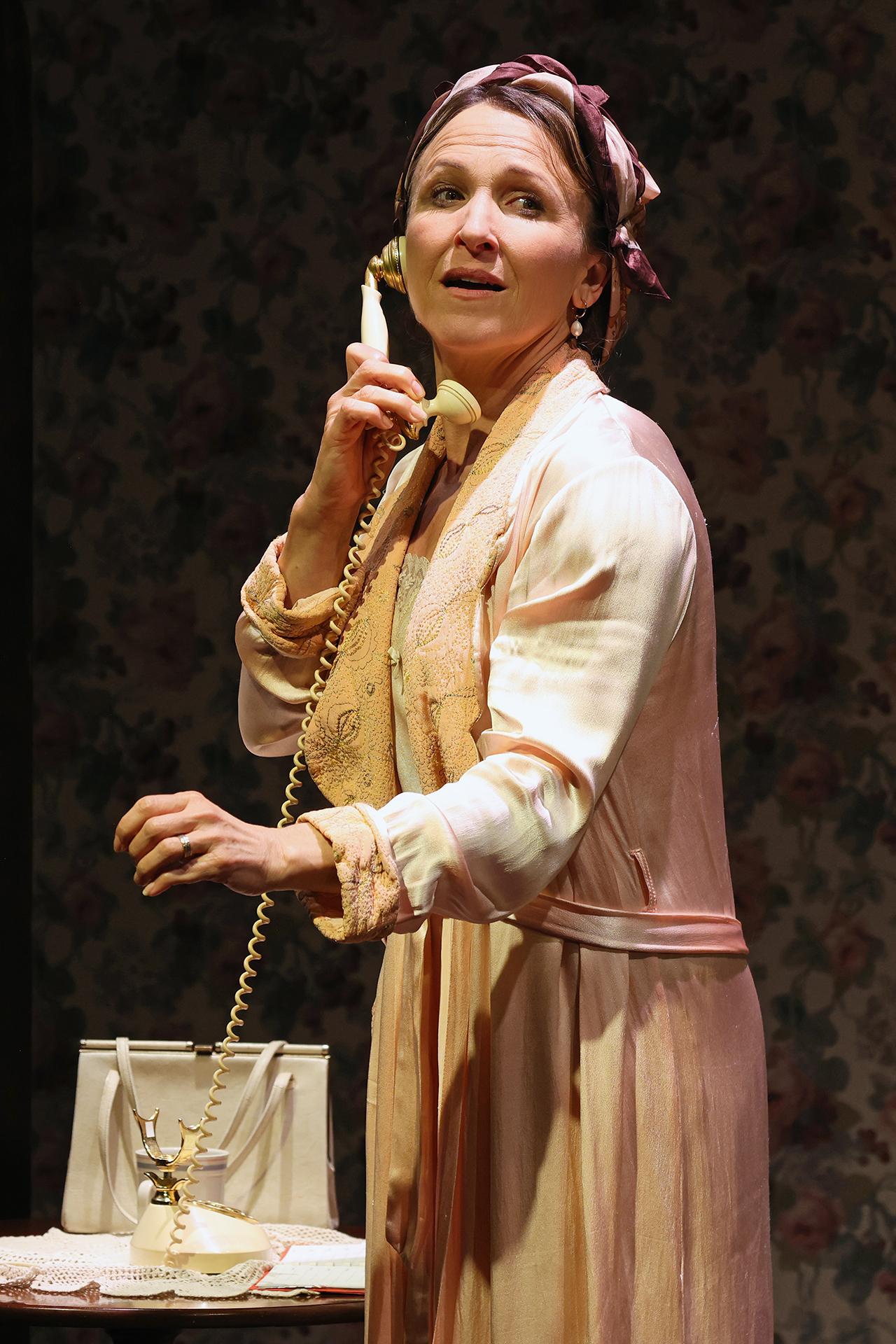
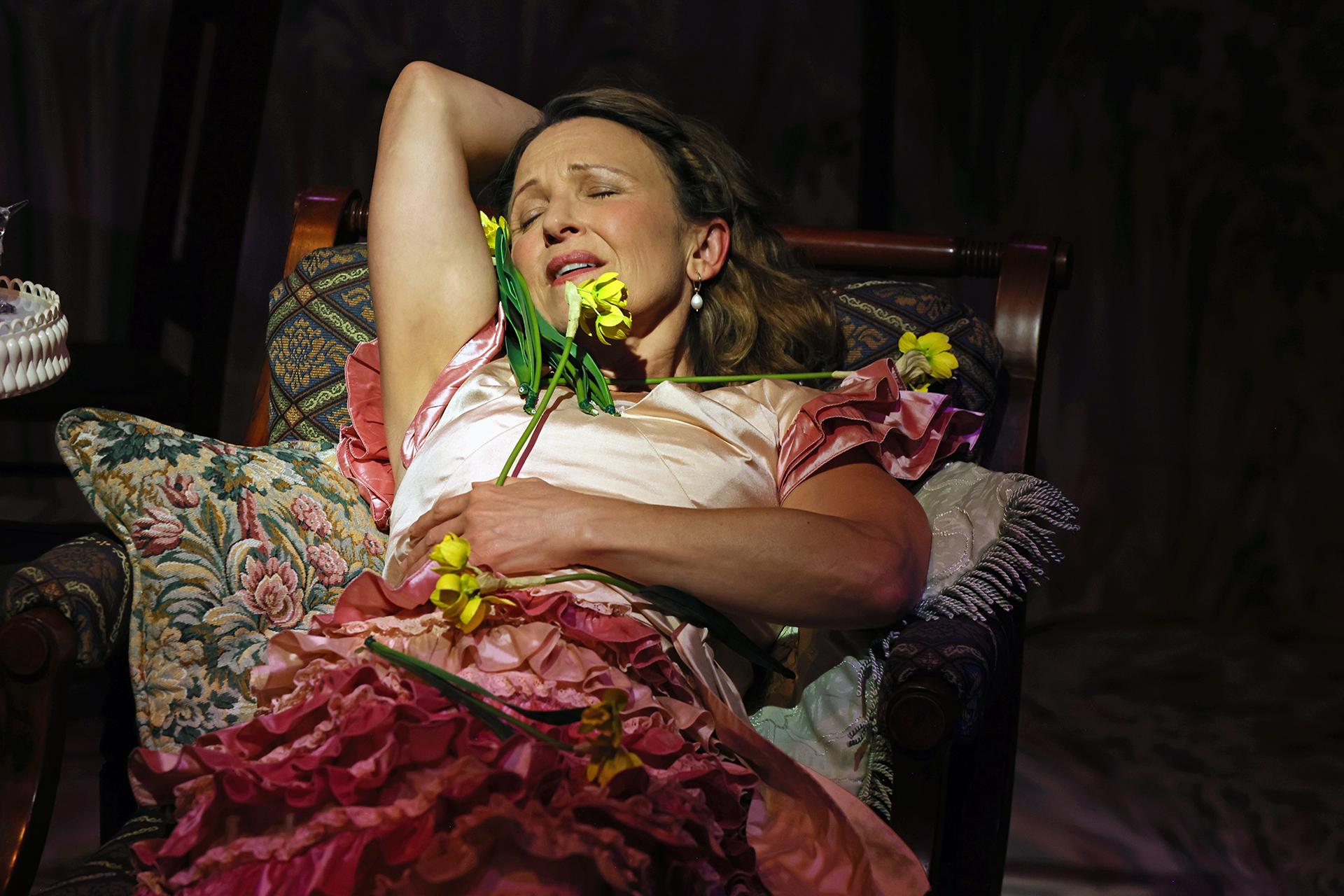
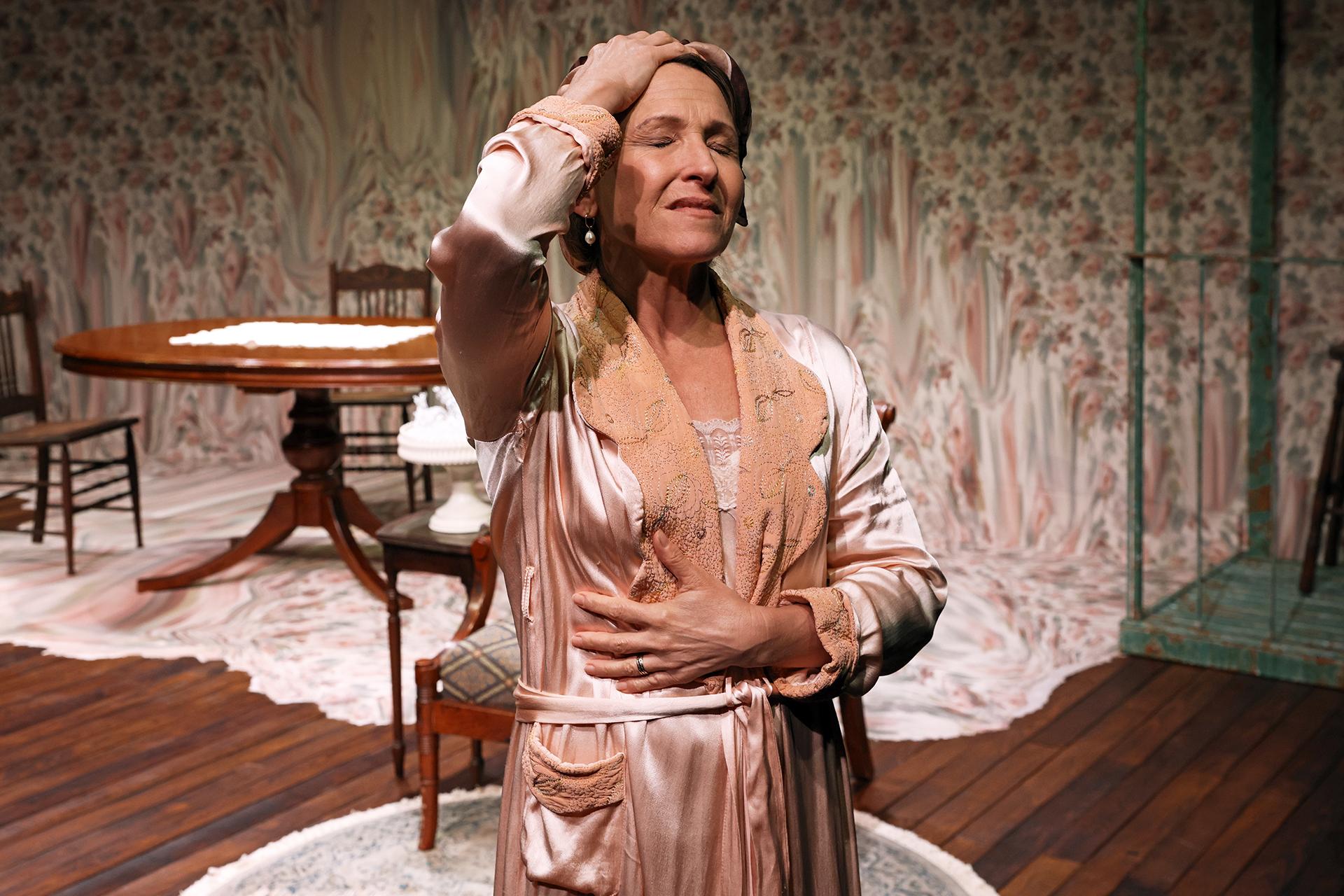
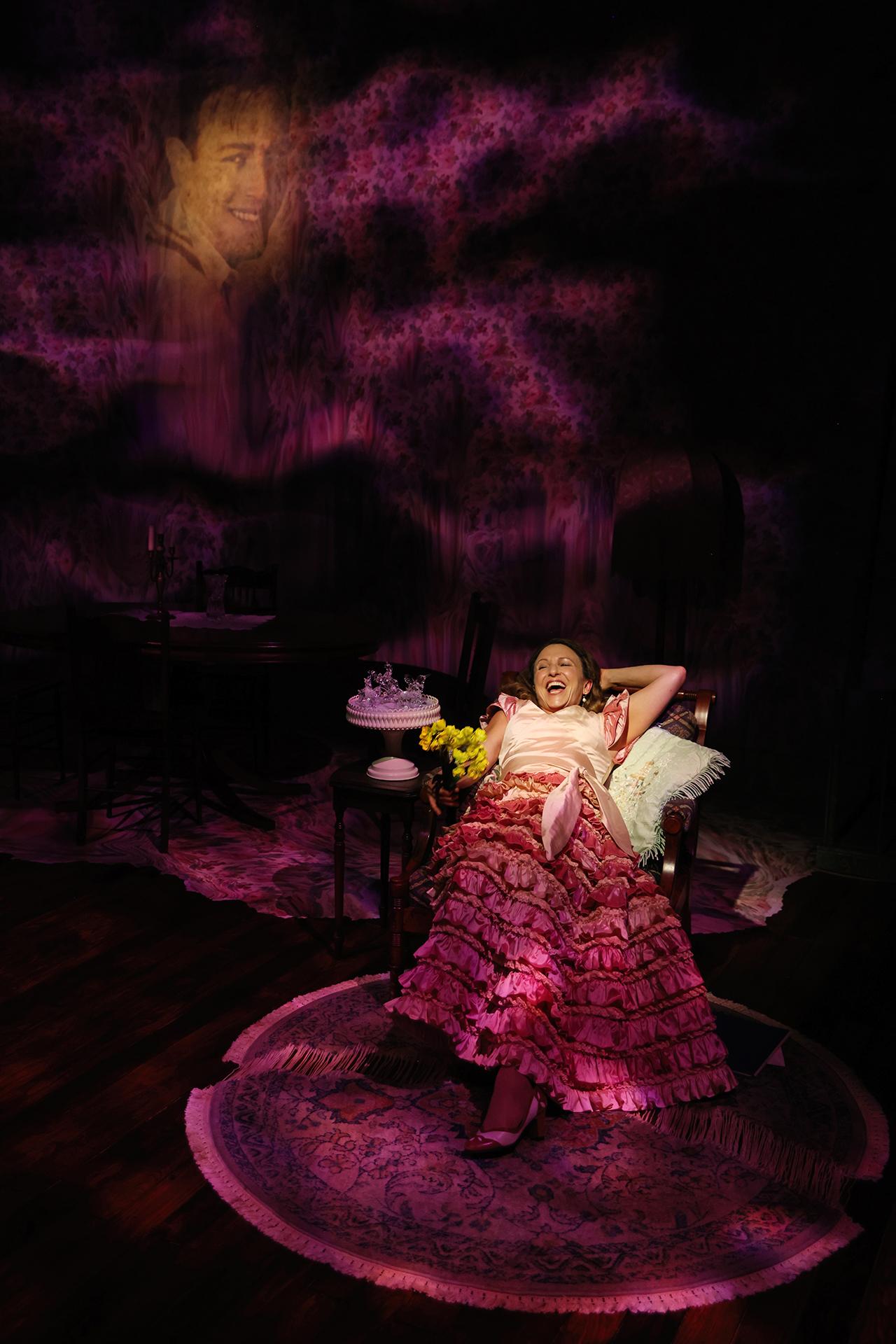
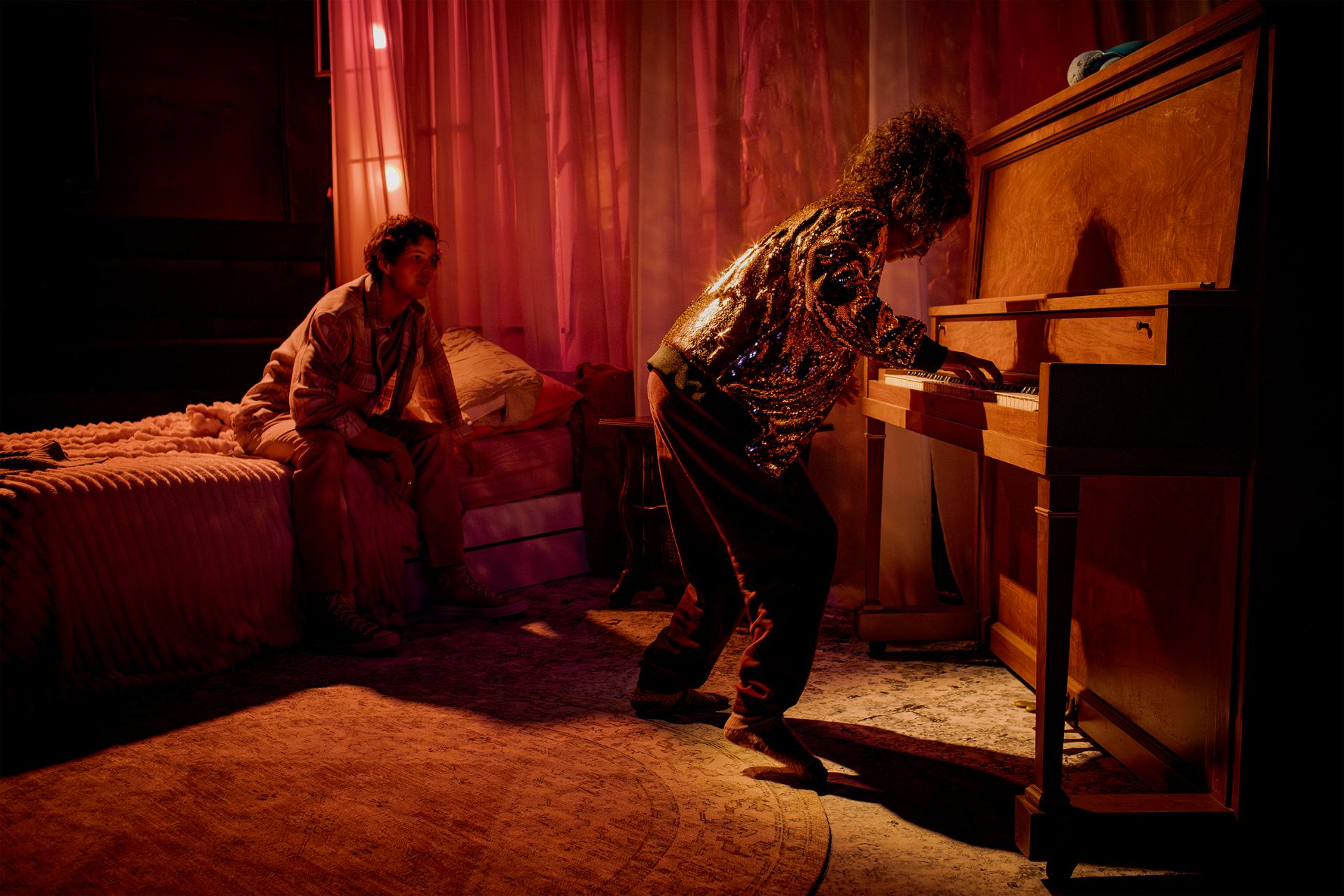
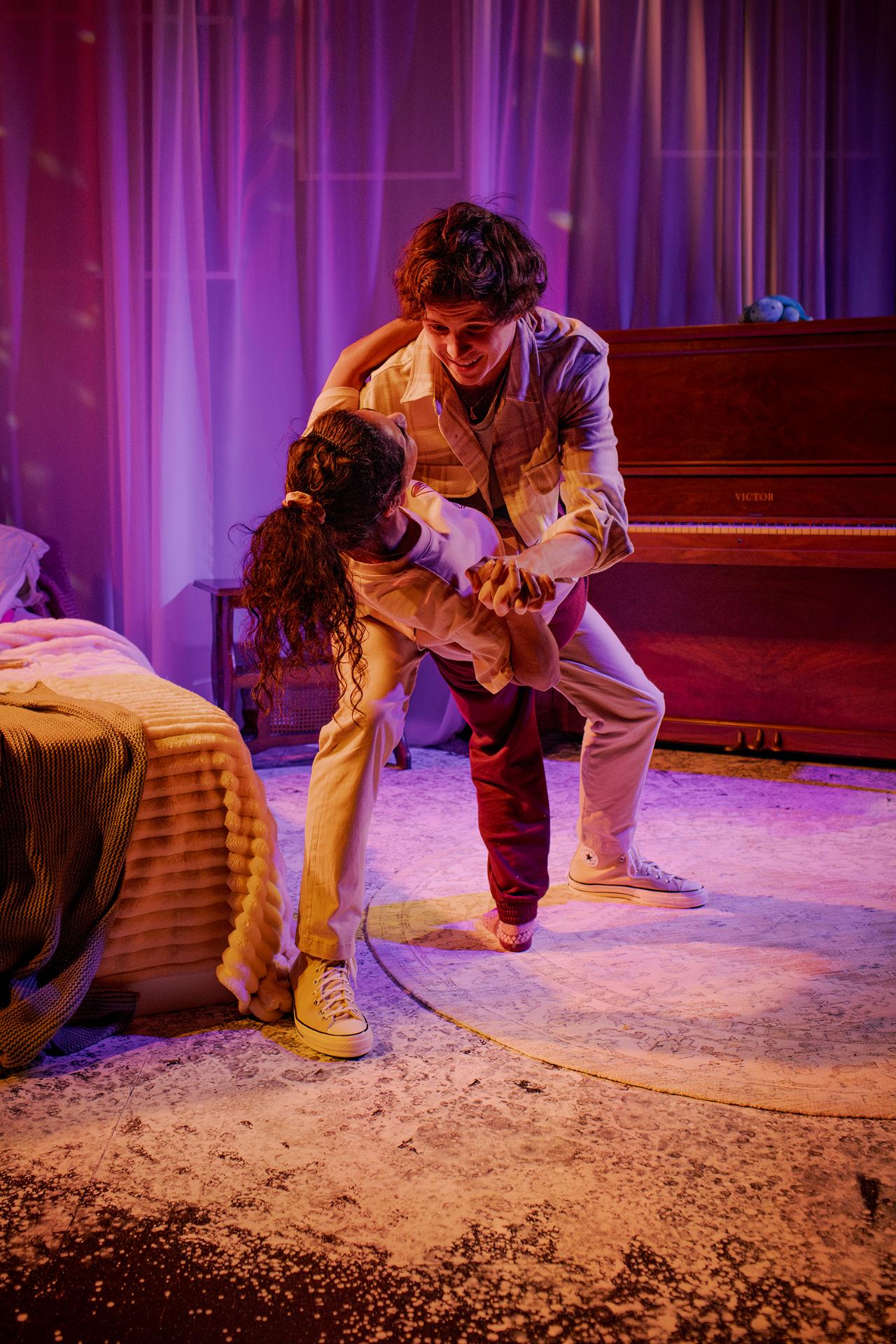
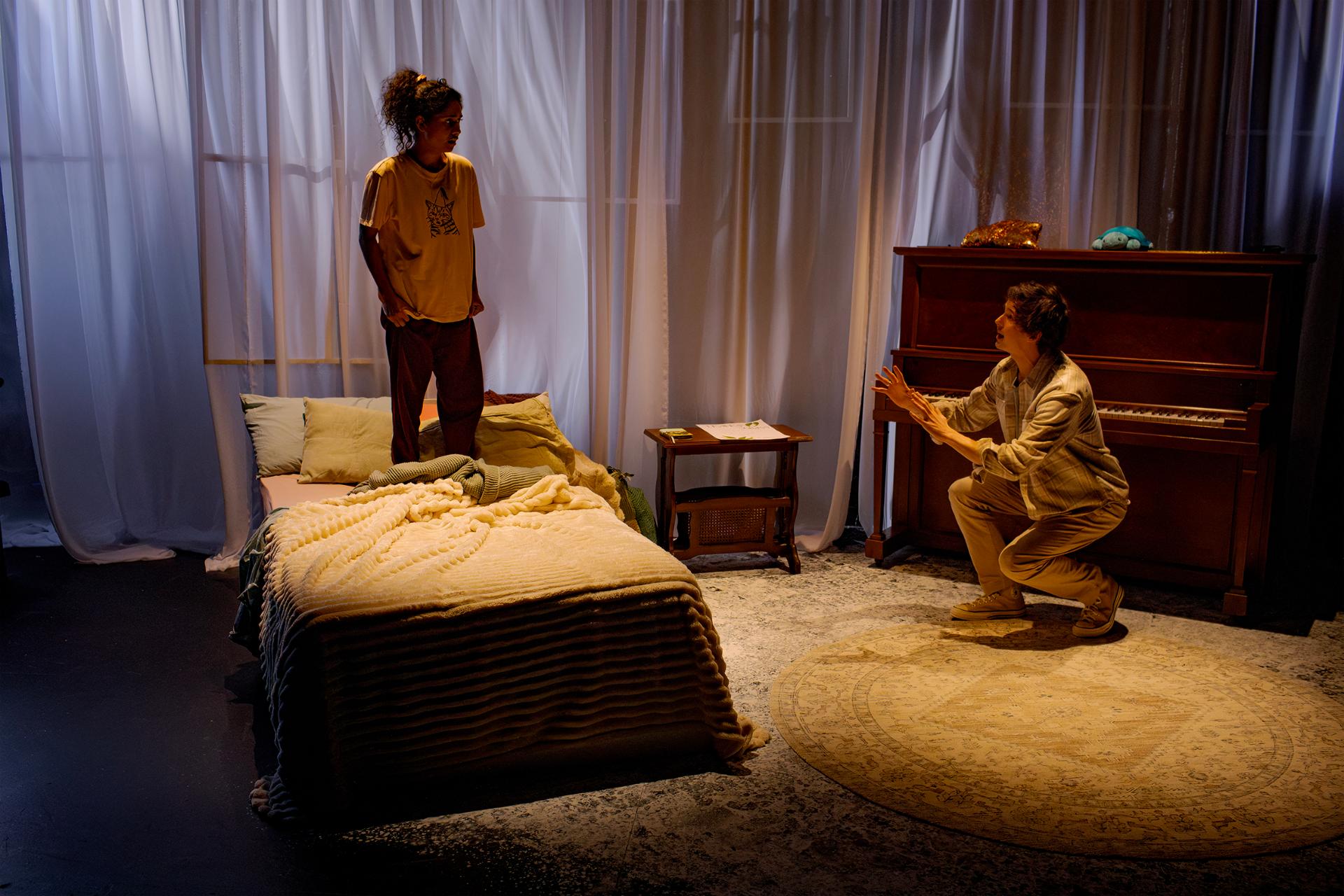
Direction by Karen Johnson Mortimer aims to deliver a great deal of nostalgia, to satisfy our hunger for more wholesome times. Brilliant choreography by Mitchell Woodcock brings the energy, in the most crisp and stylish ways. The classic set and costumes continue to look lavish, and with the addition of video projections by Craig Wilkinson, a greater sense of kineticism is introduced to establish a more updated aesthetic to the production.

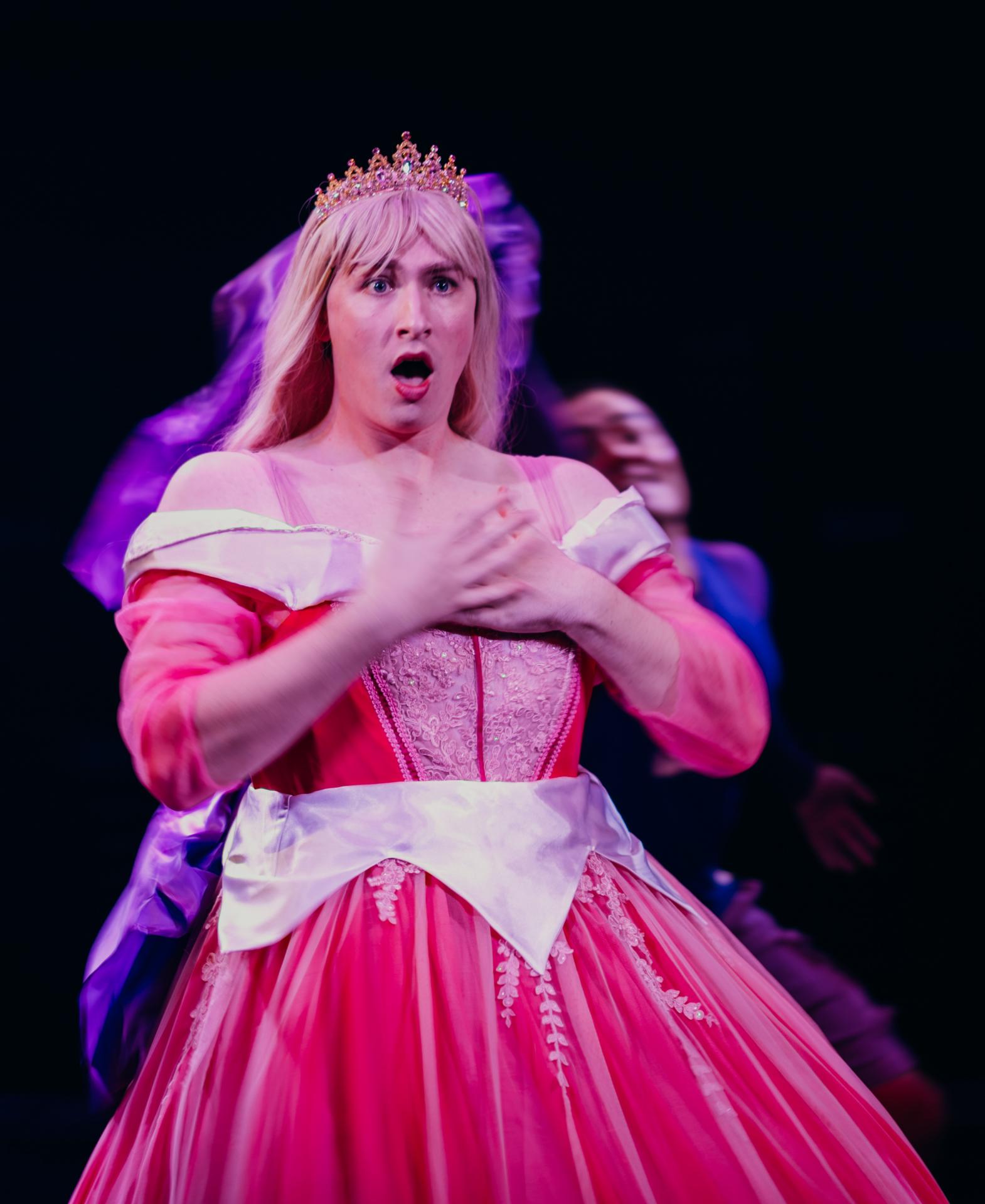
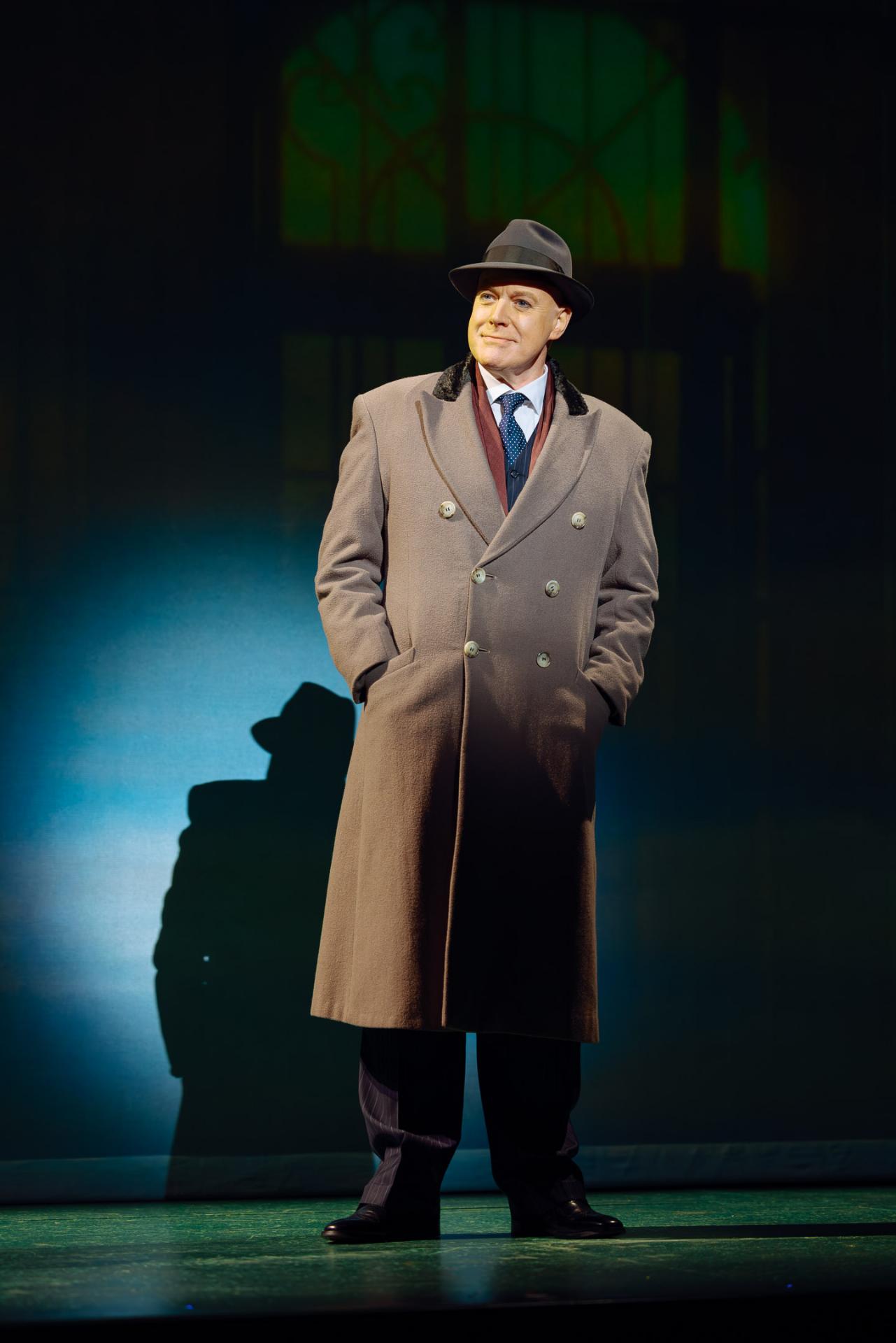
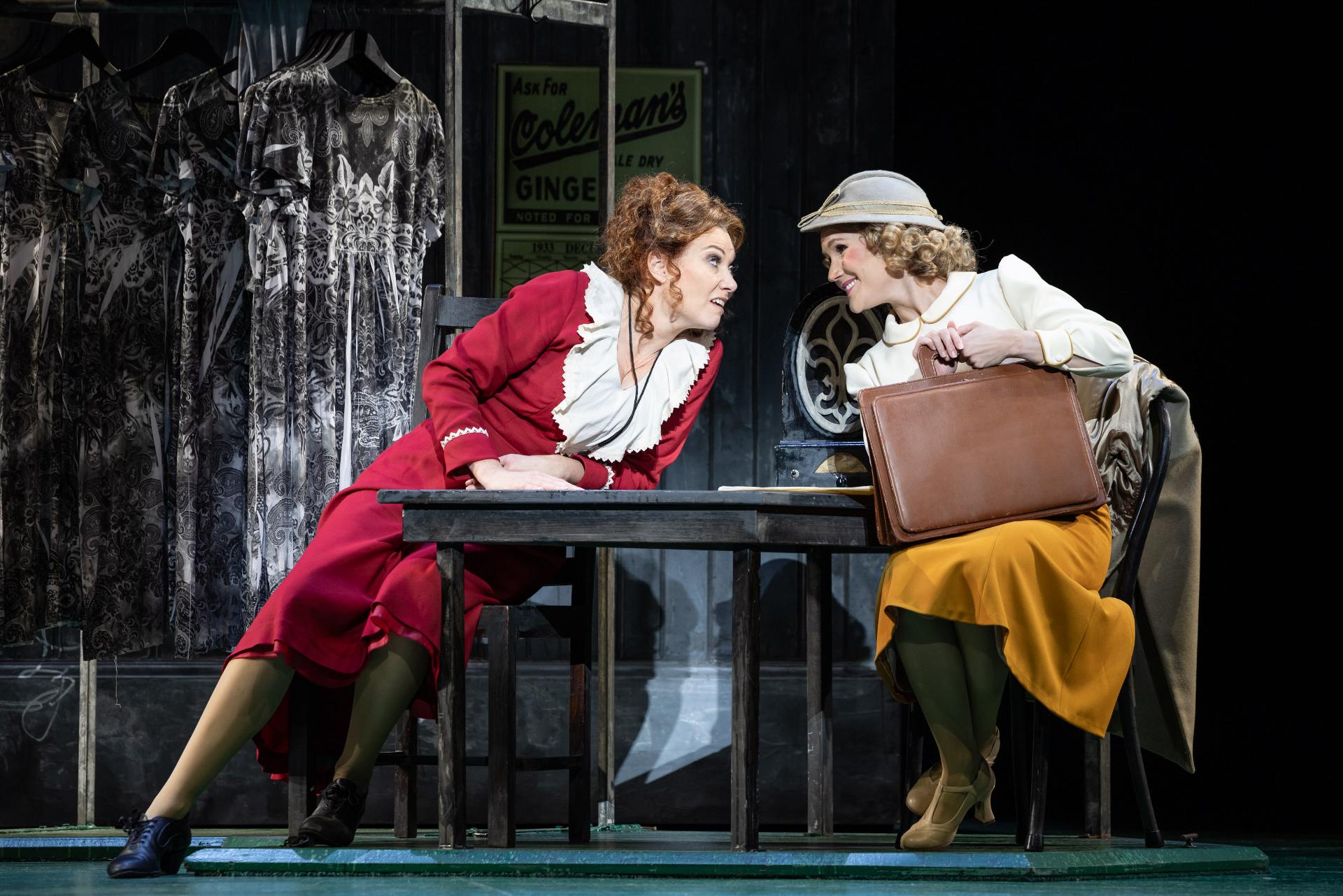
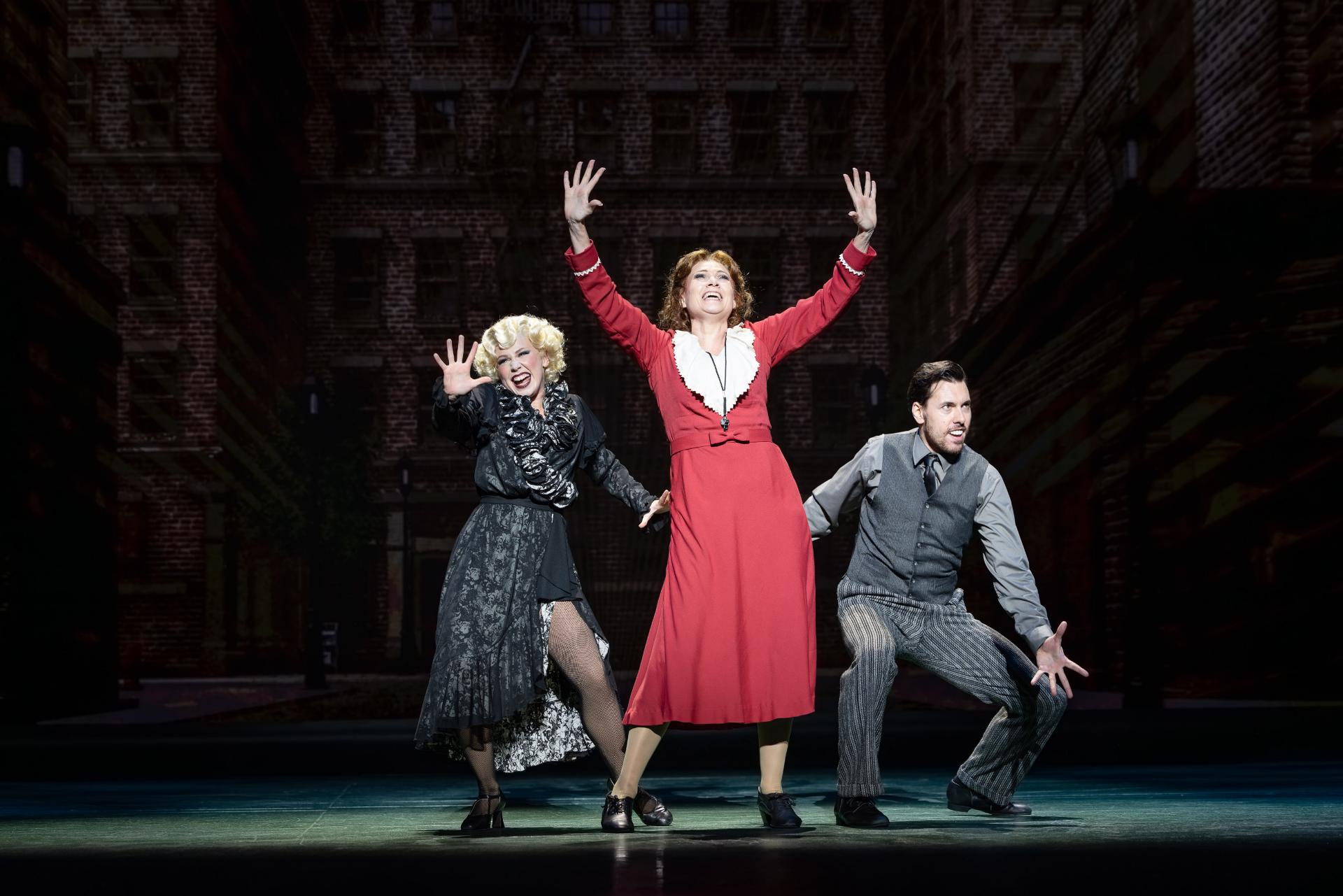
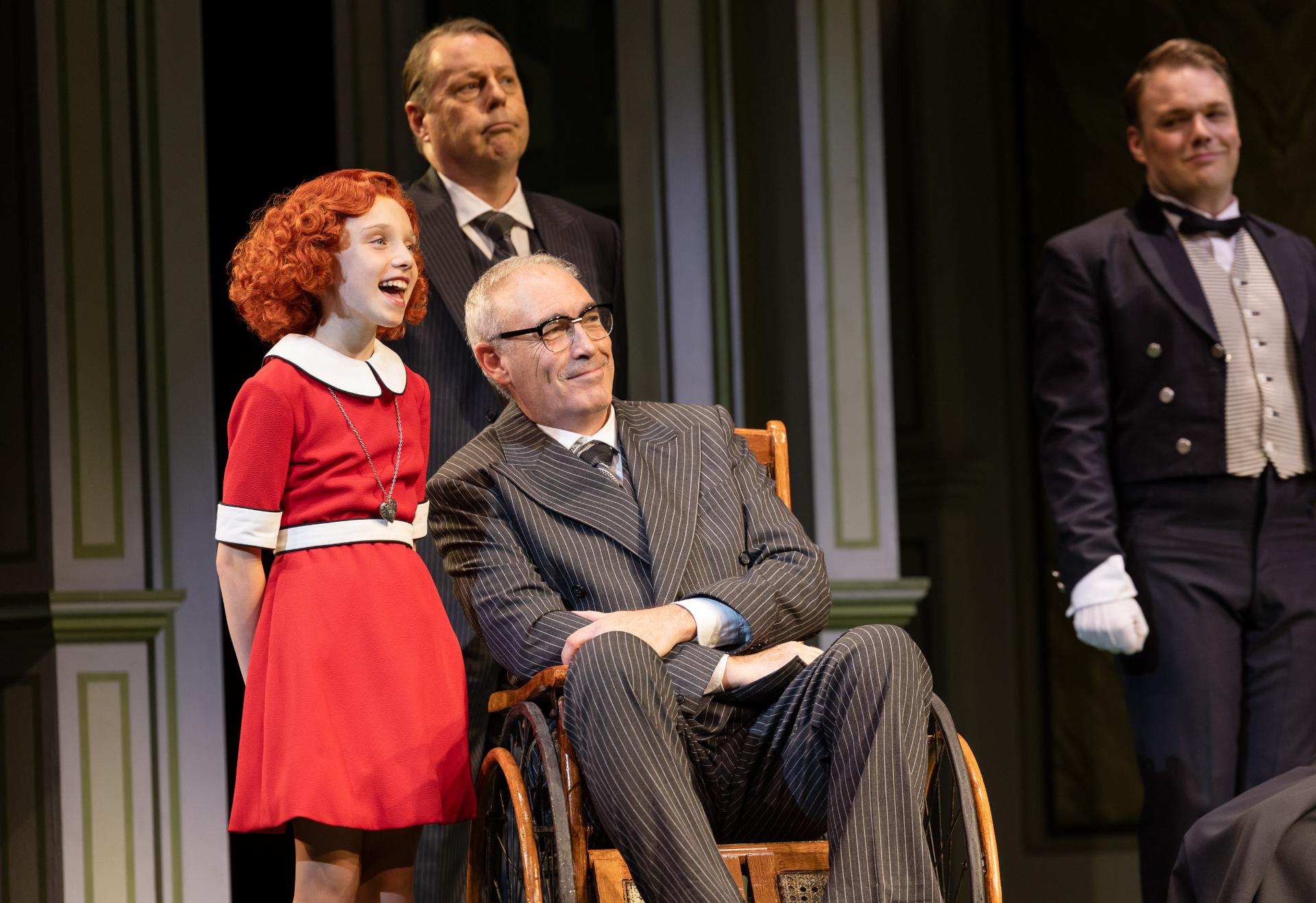
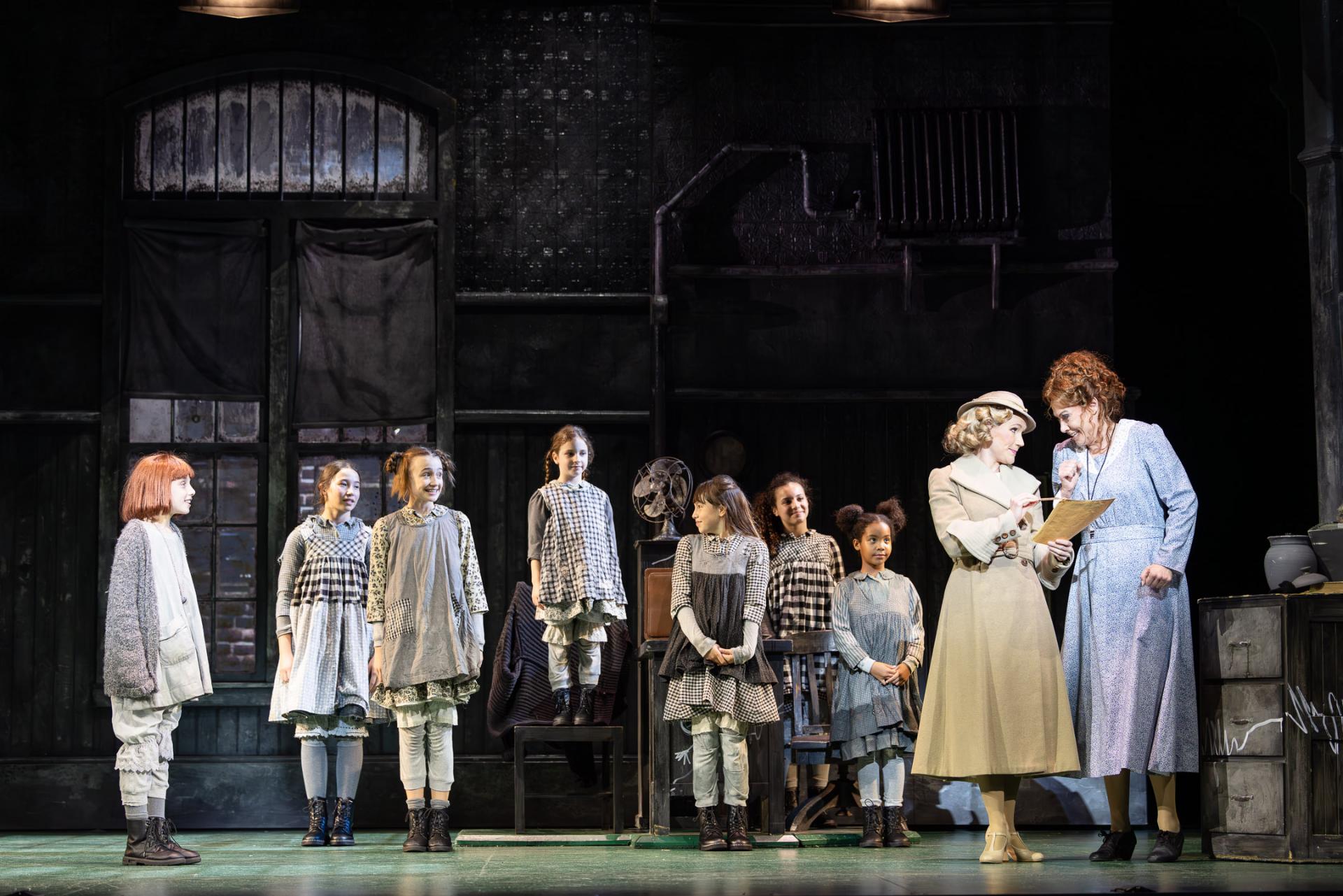
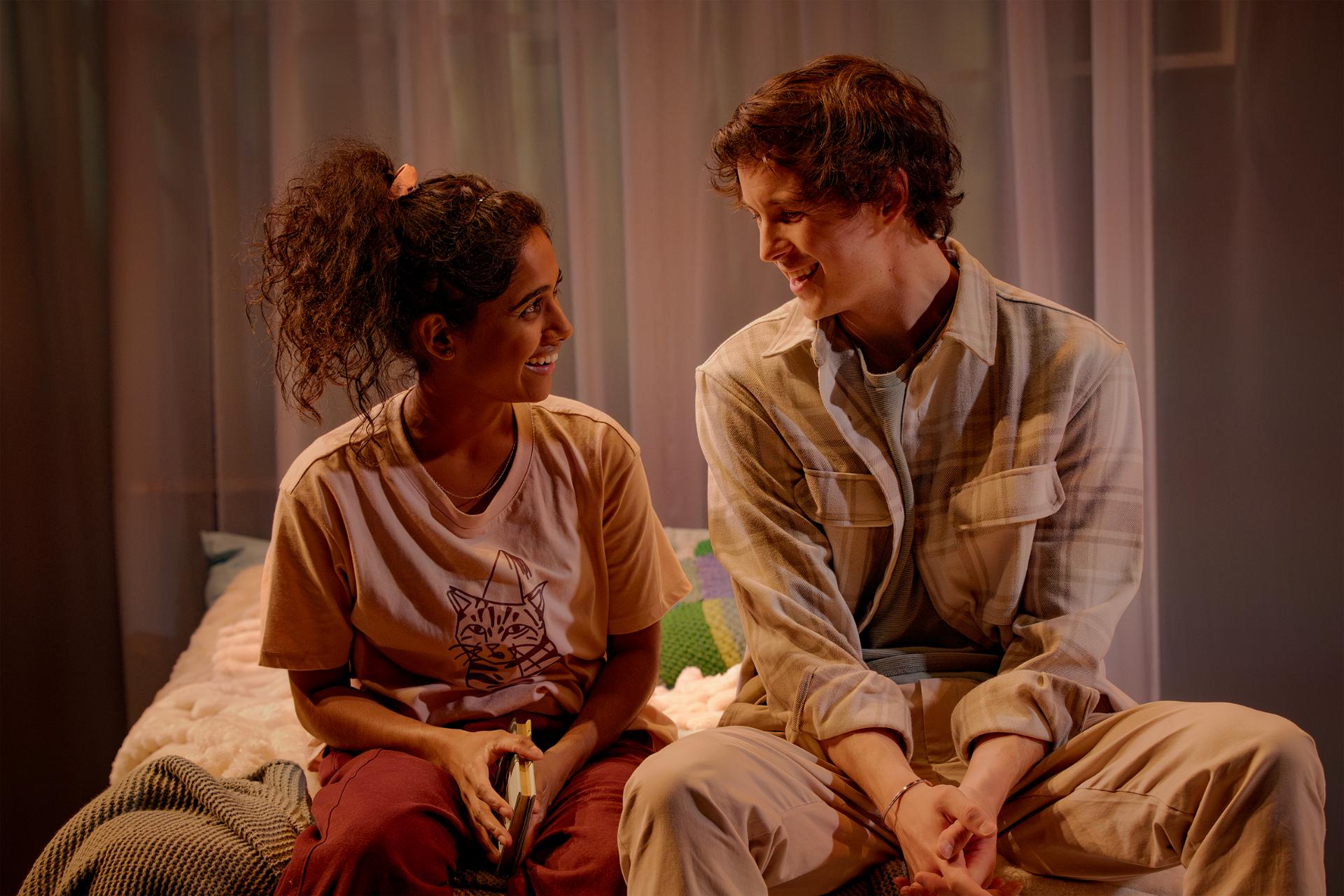
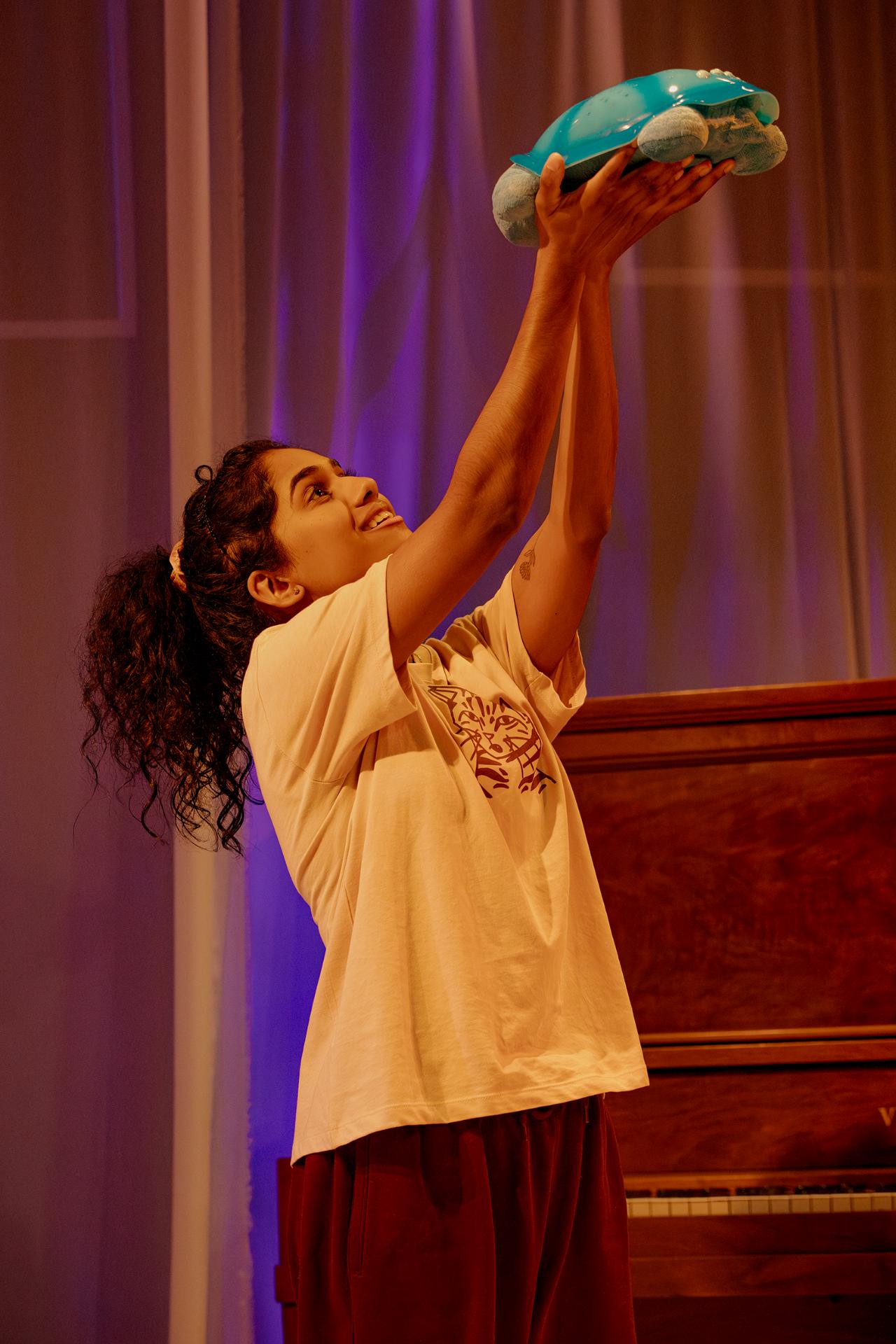
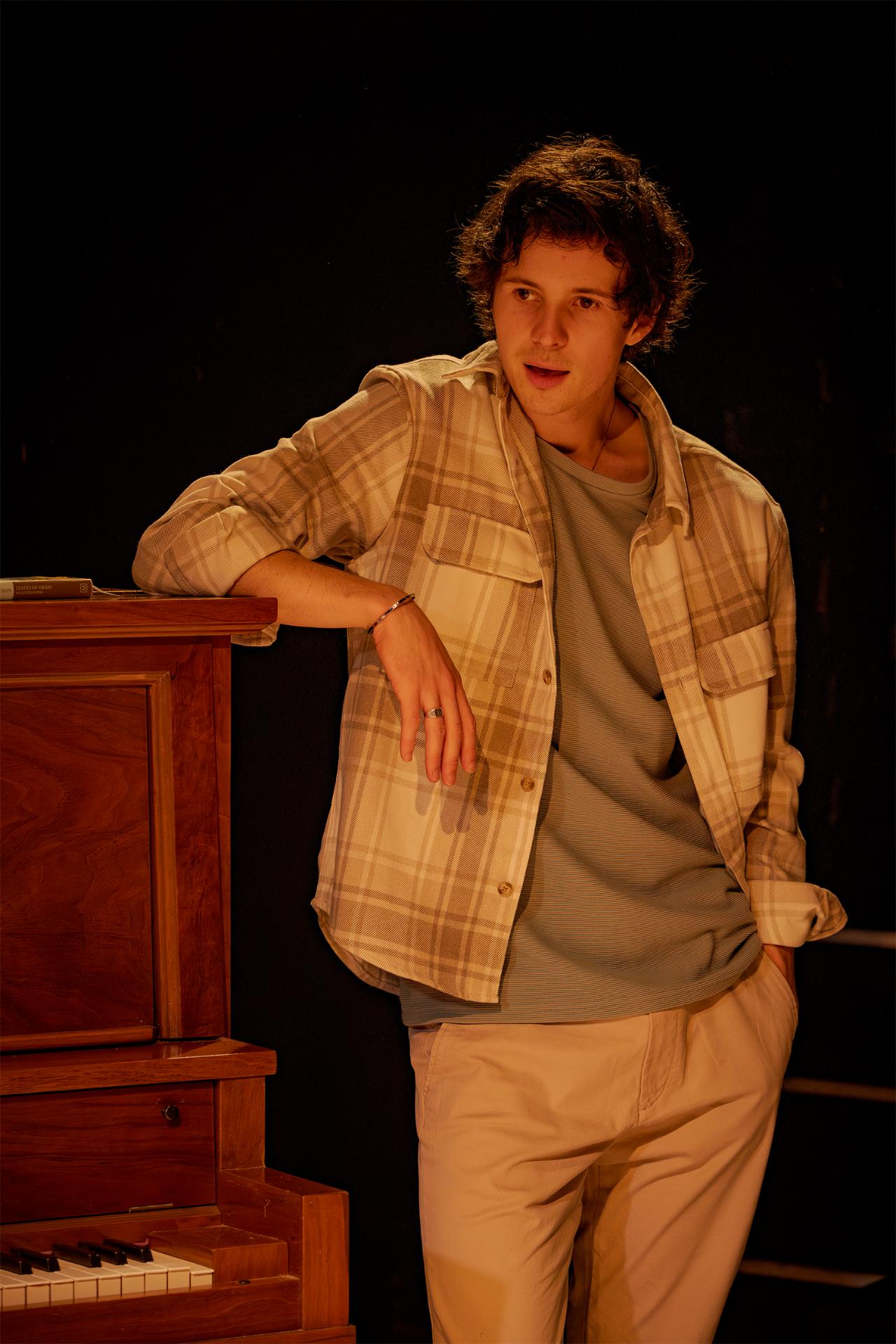
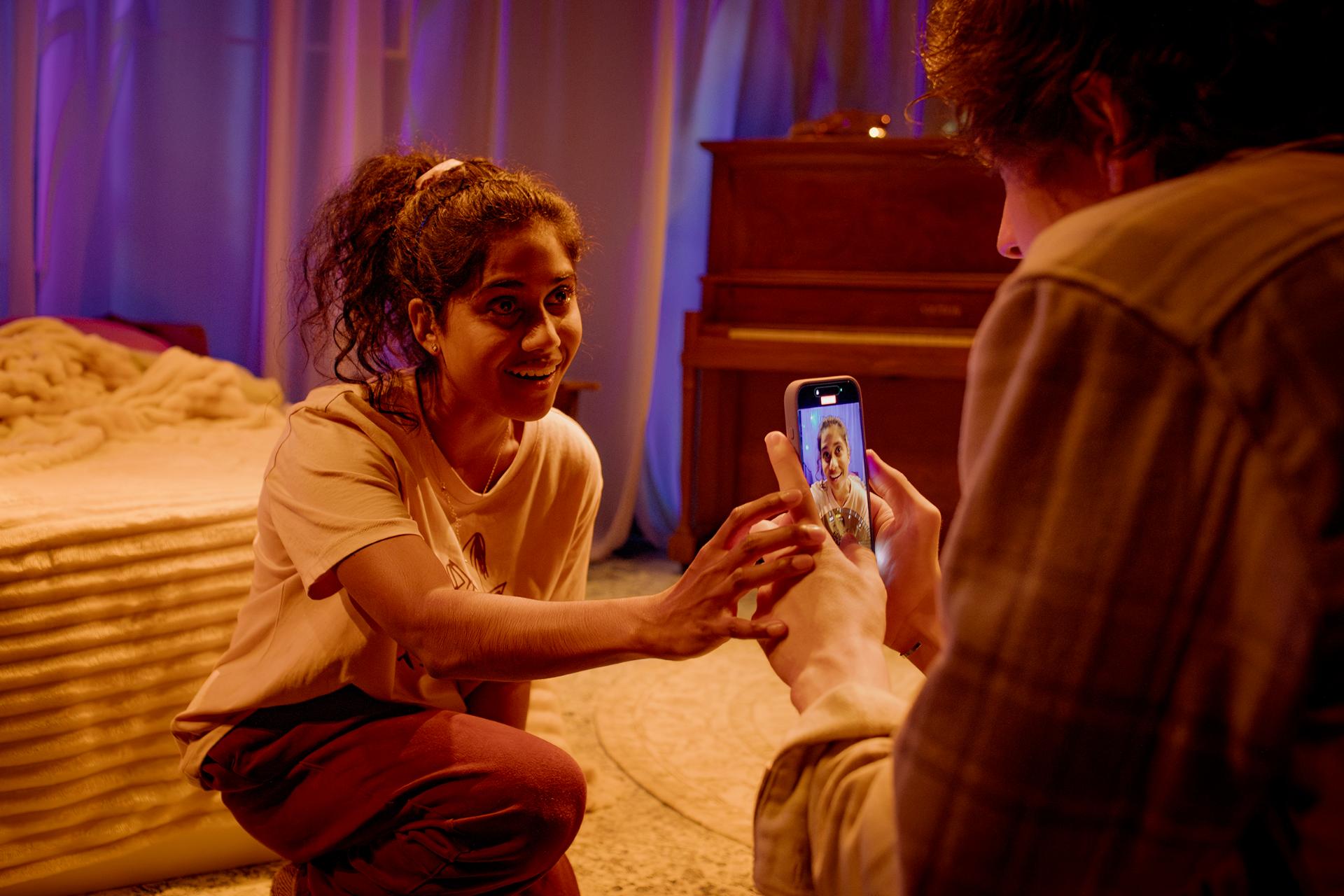
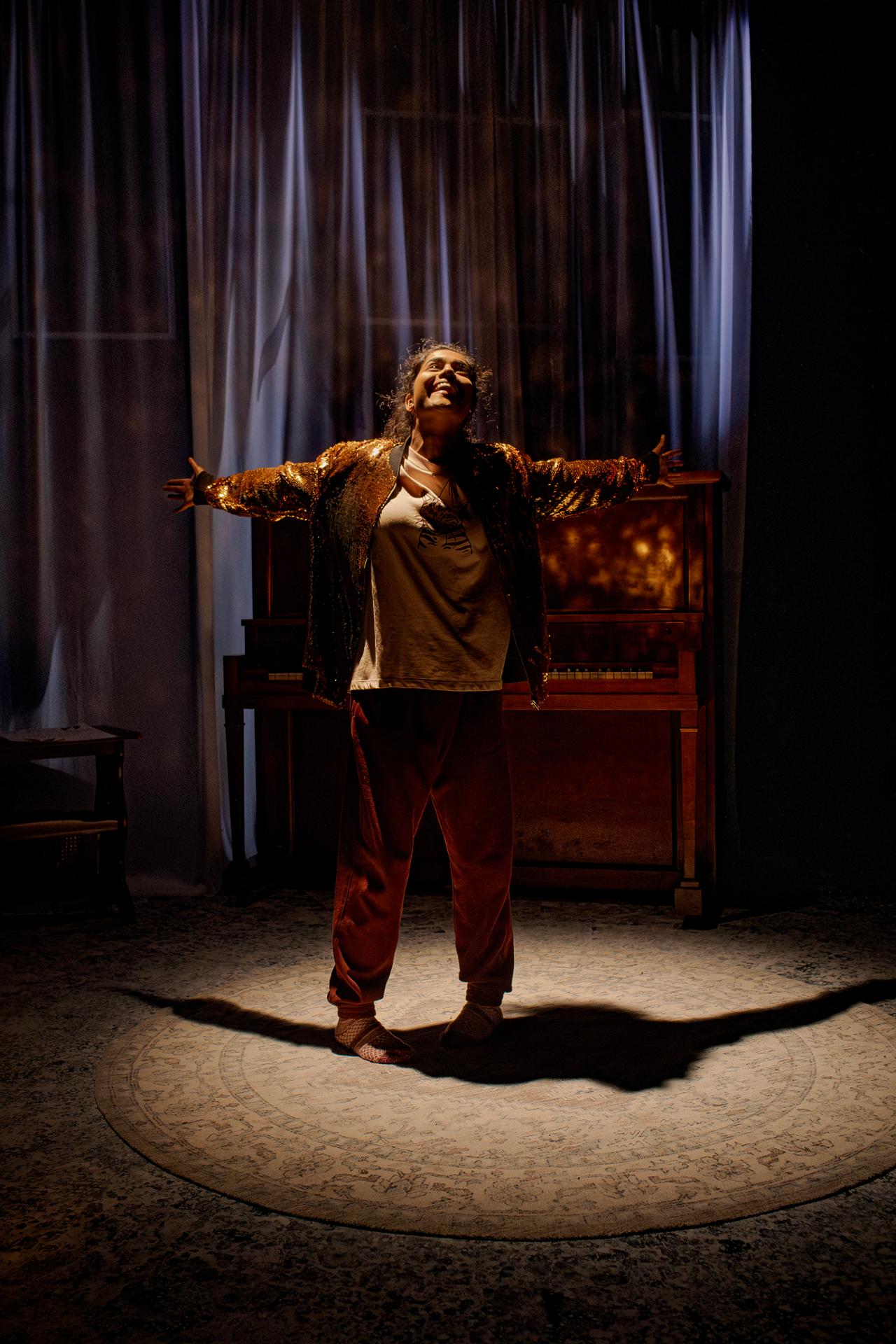
The highly demanding eponymous role is played by Dakota Chanel who demonstrates great discipline and precision, alongside showbiz stalwart Anthony Warlow who breezes through the part of Warbucks with confident ease. The relentlessly animated Debora Krizak transforms the despicable Miss Hannigan into a captivating figure, while Keanu Gonzalez who plays Hannigan’s brother Rooster absolutely astounds with his incredible skills in dance.

Very noteworthy, is the ensemble of girls who steal the show whenever given the opportunity. Chloe Delle-Vedove, Ellie Lang, Skylah McMah, Camille Nko’o, Zoe Reeves, Cailin Scully and Matilda Teiotu are together an unequivocal sensation as Annie’s intrepid friends.

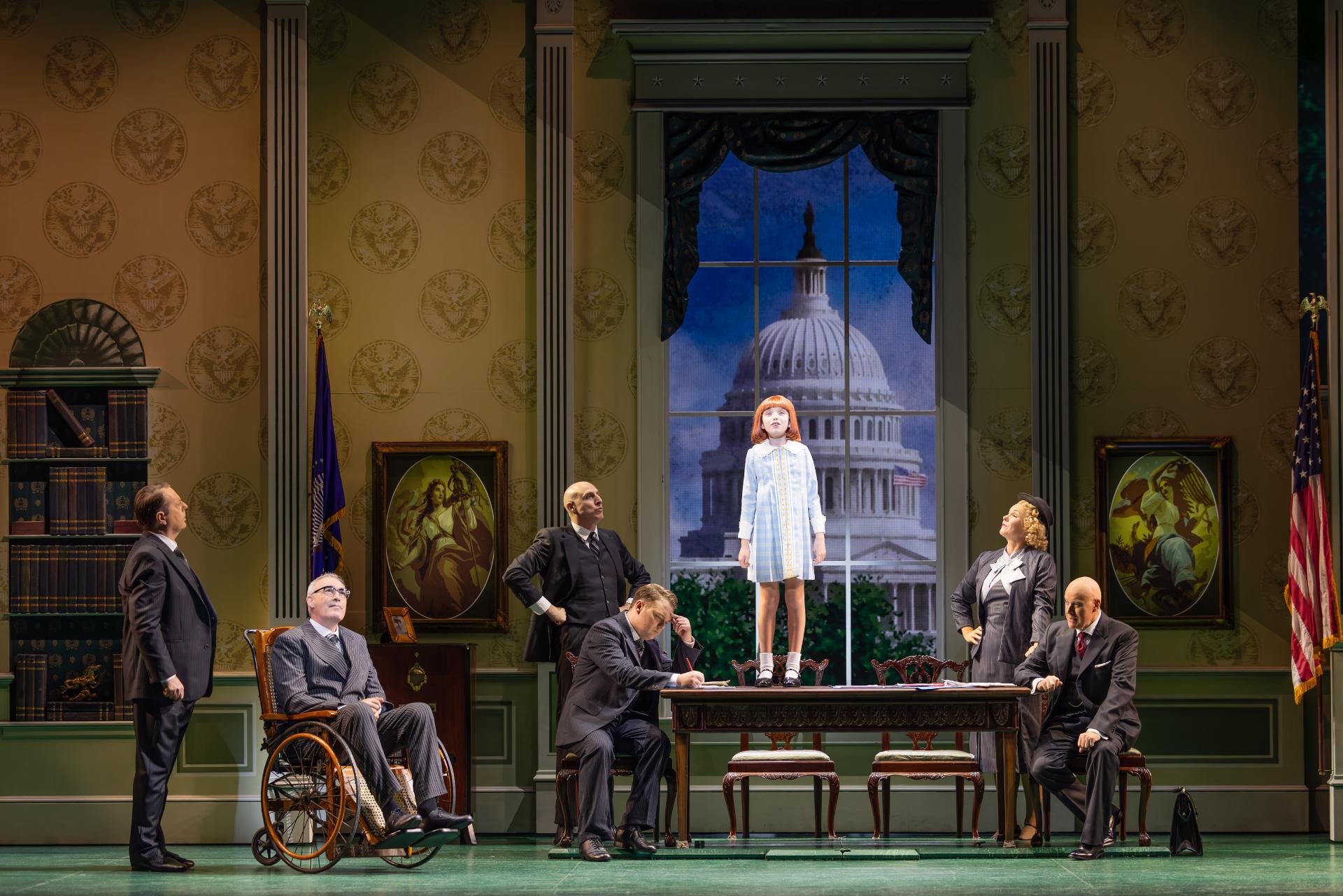
It was never really explained how Annie and Warbucks ended up in the Oval Office at one point in the show, but seeing an unelected billionaire hobnobbing with the American President, is more than a little sobering in 2025. Roosevelt was able to help Annie uncover the truth about her biological parents, but it may seem that only chaos and disaster is emanating from the current collusion of wealth and power at the White House.

www.anniemusical.com.au

Review: Bloom (Sydney Theatre Company)

Venue: Roslyn Packer Theatre (Sydney NSW), Mar 29 – May 11, 2025
Book and Lyrics: Tom Gleisner
Music: Katie Weston
Director: Dean Bryant
Cast: Evelyn Krape, Vidya Makan, Maria Mercedes, Eddie Muliaumaseali’i, John O’May, Christina O’Neill, Jackie Rees, Slone Sudiro, John Waters, Christie Whelan Browne
Images by Daniel Boud

Theatre review
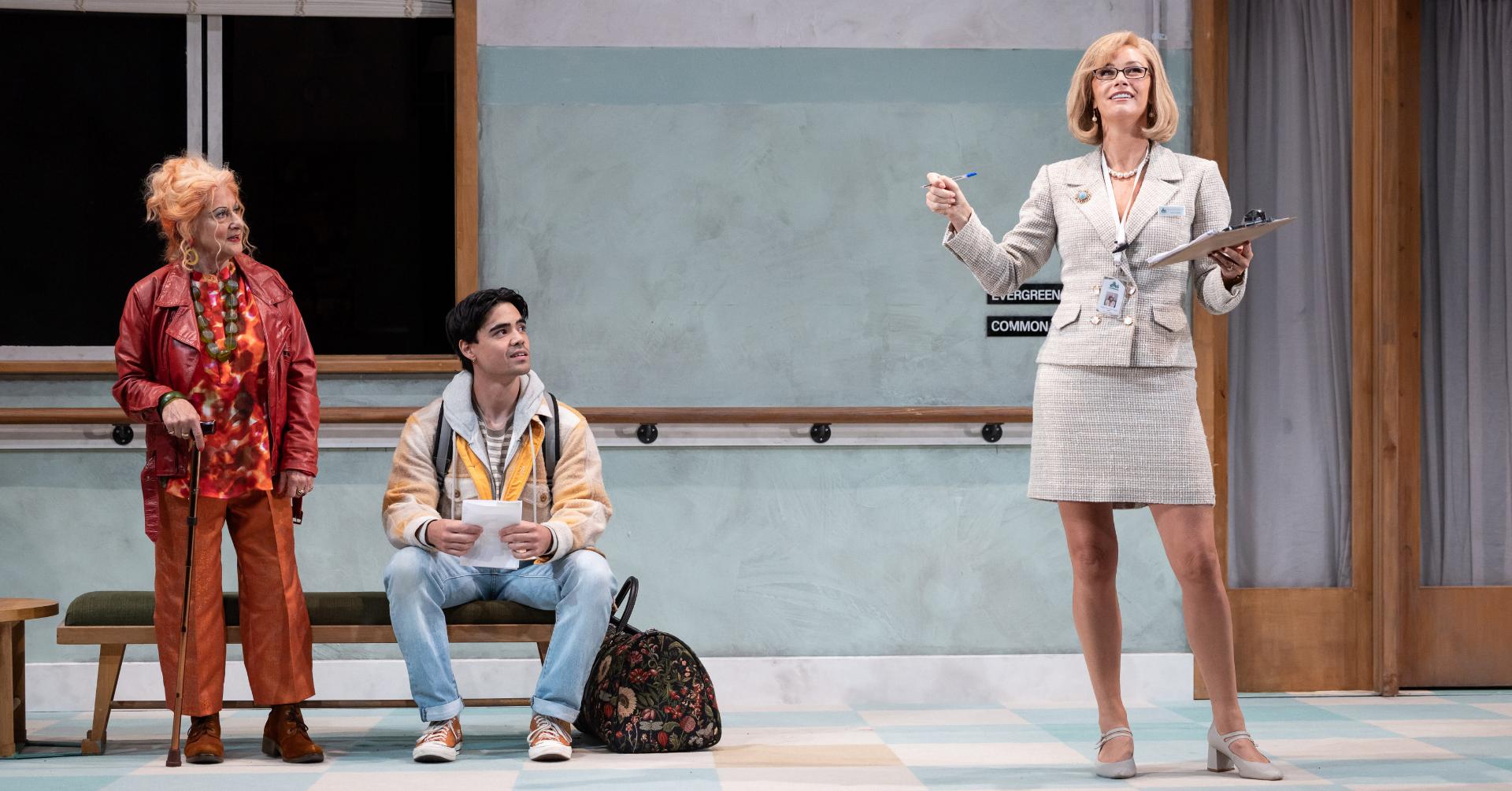
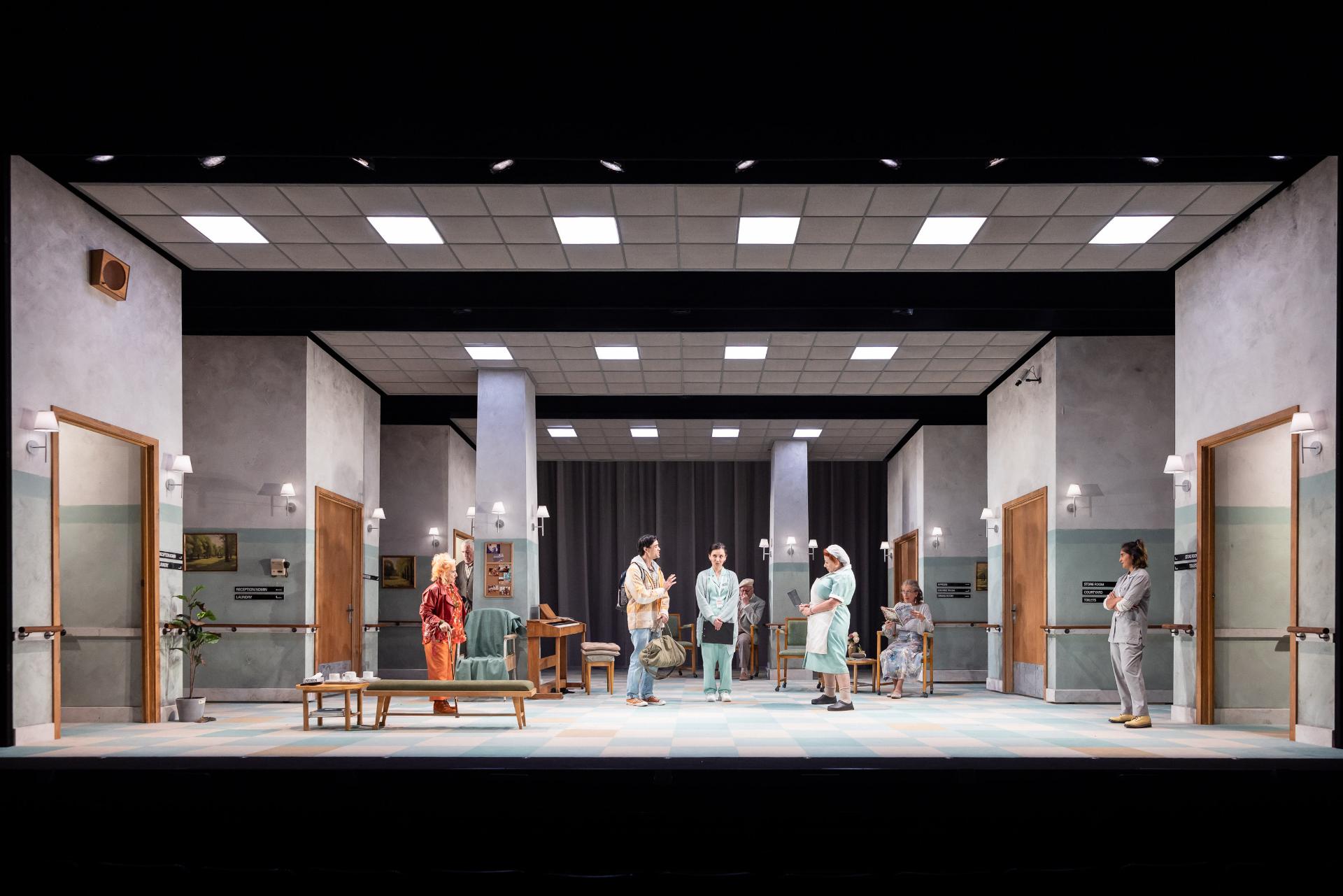
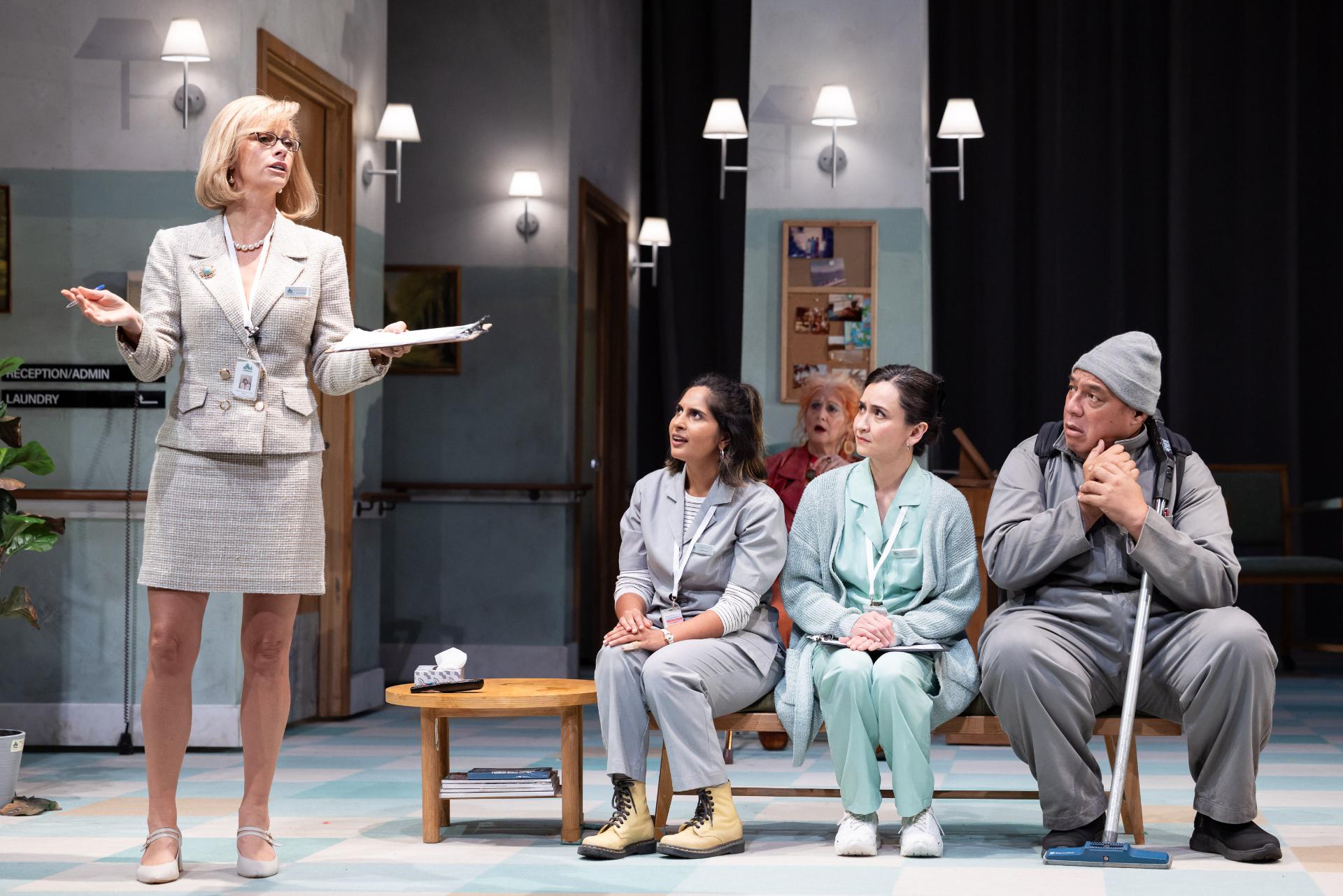
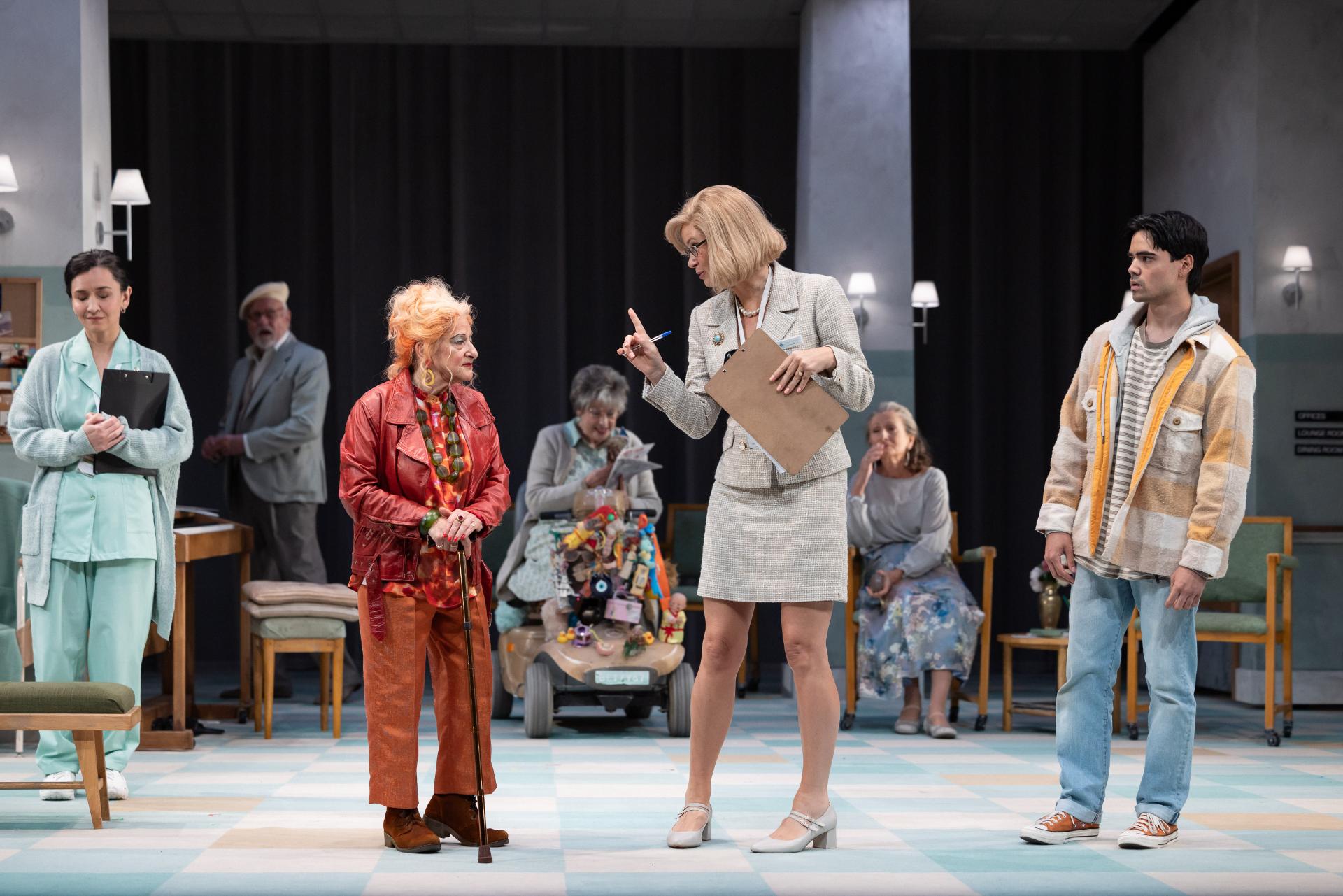
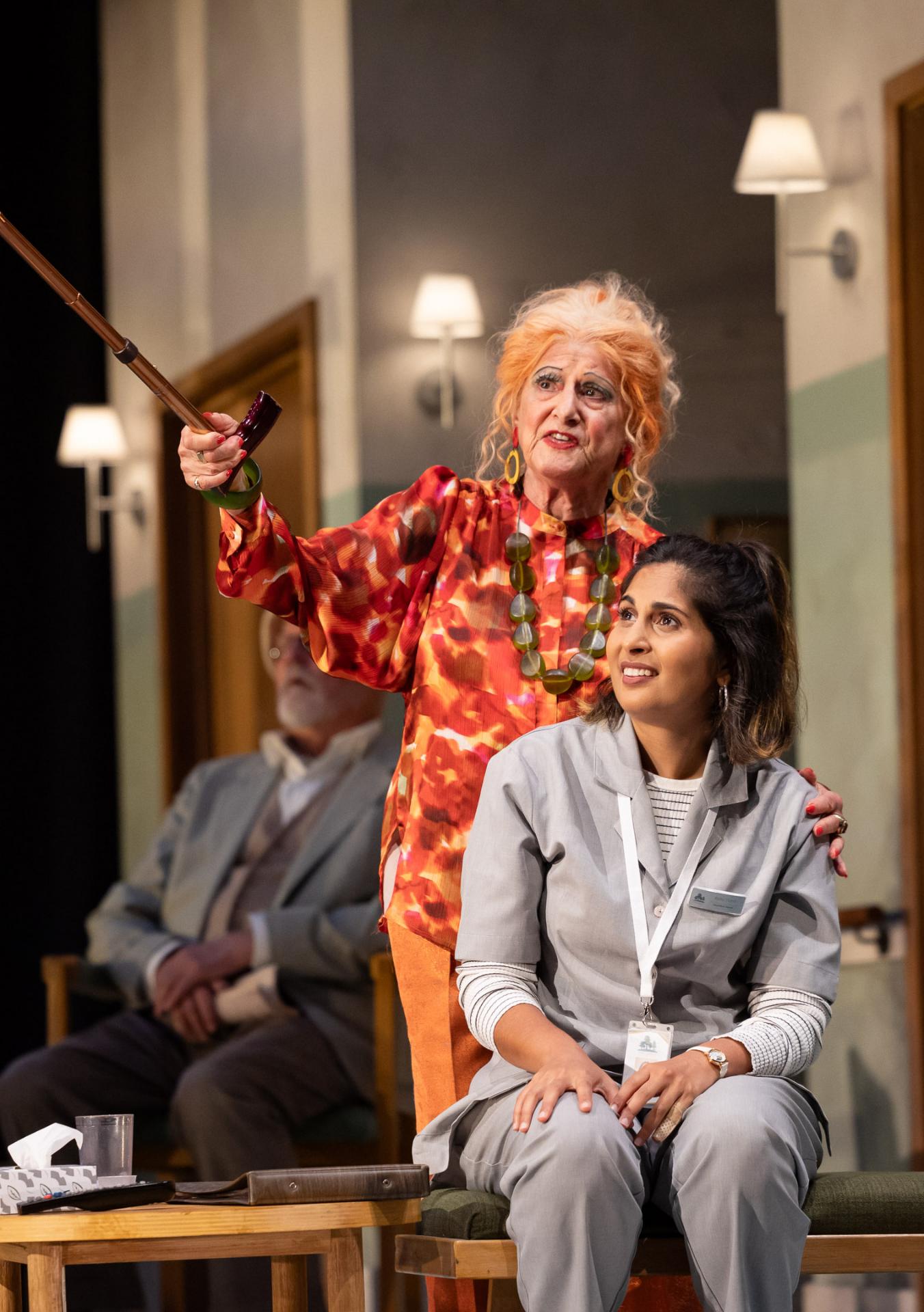
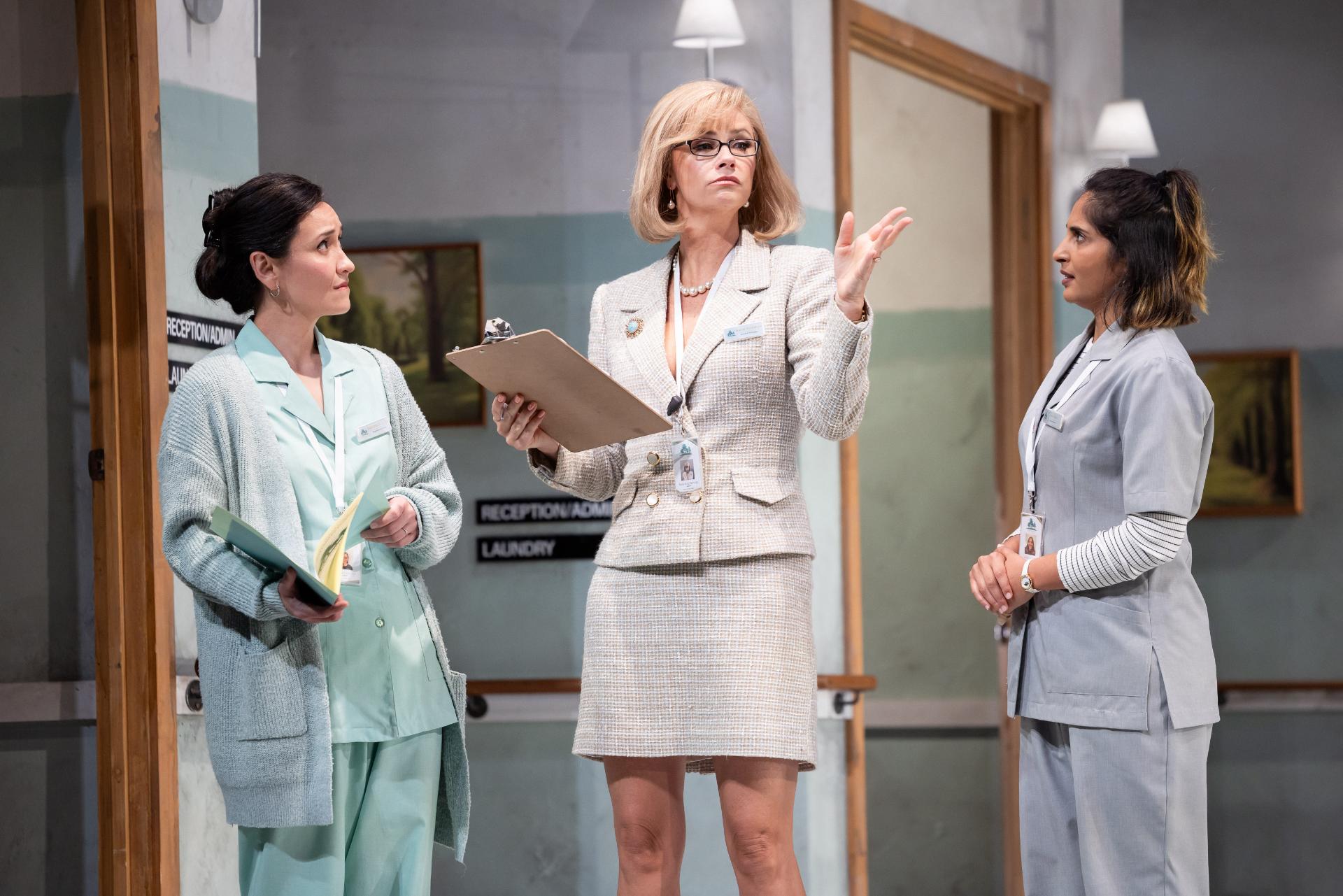
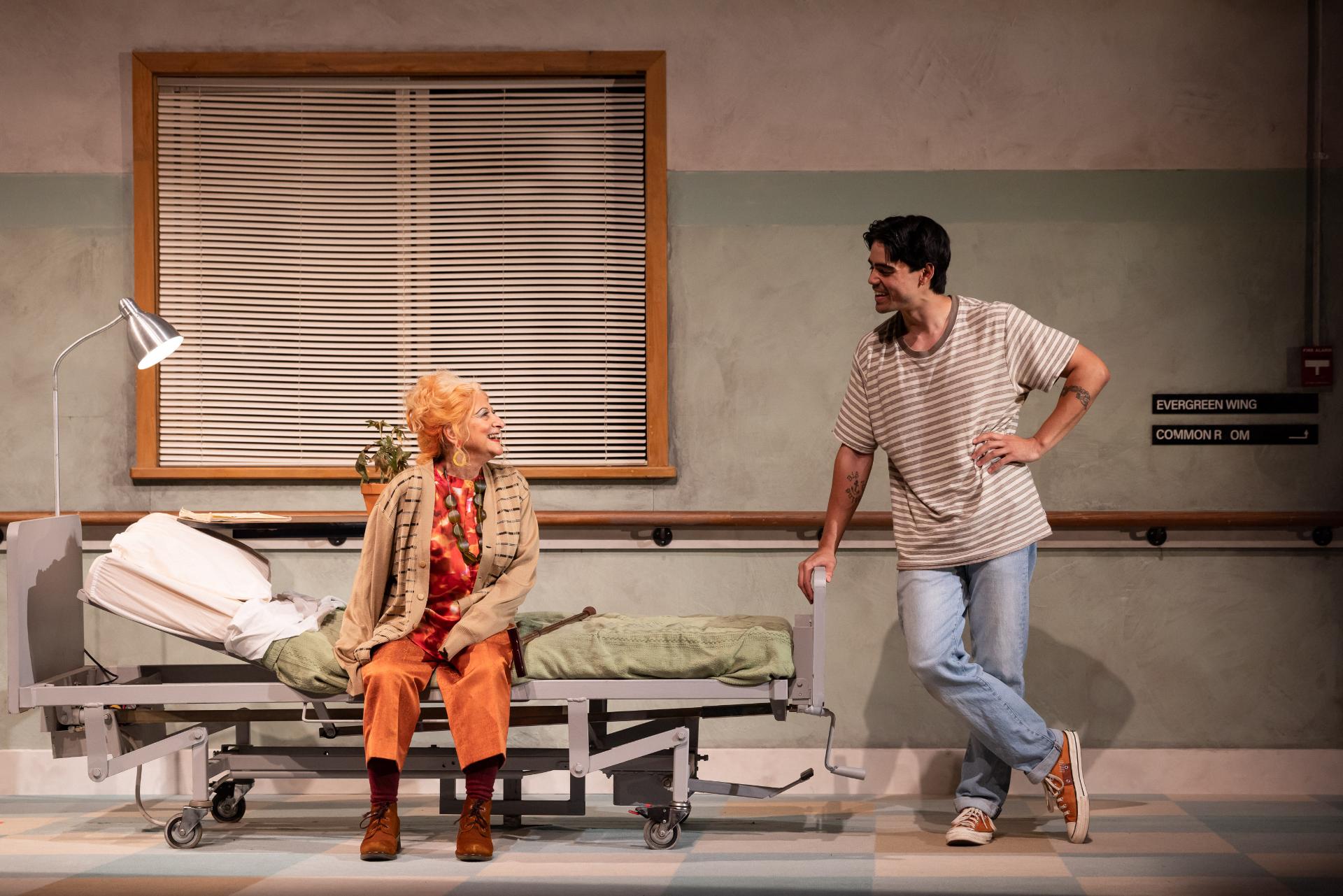
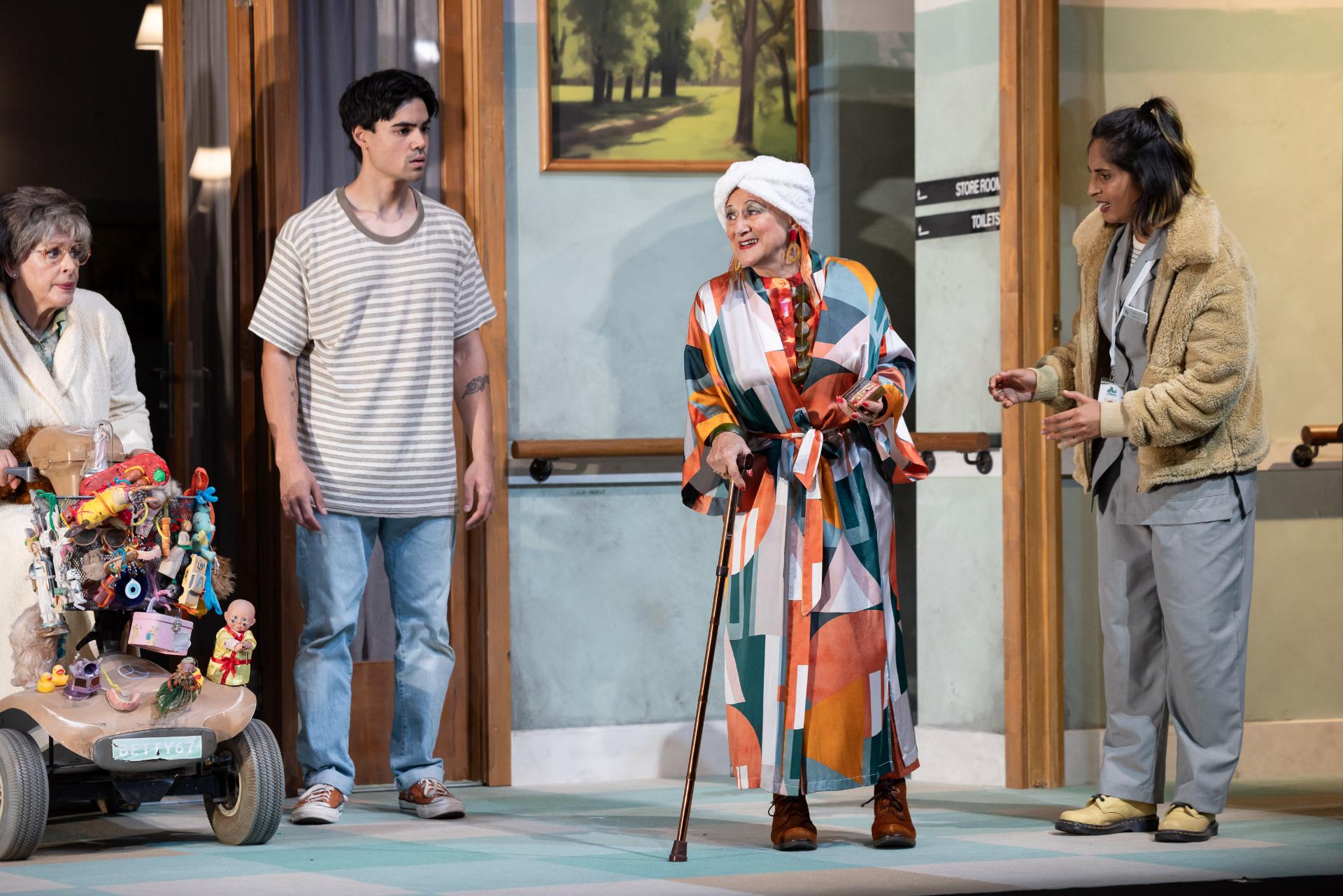
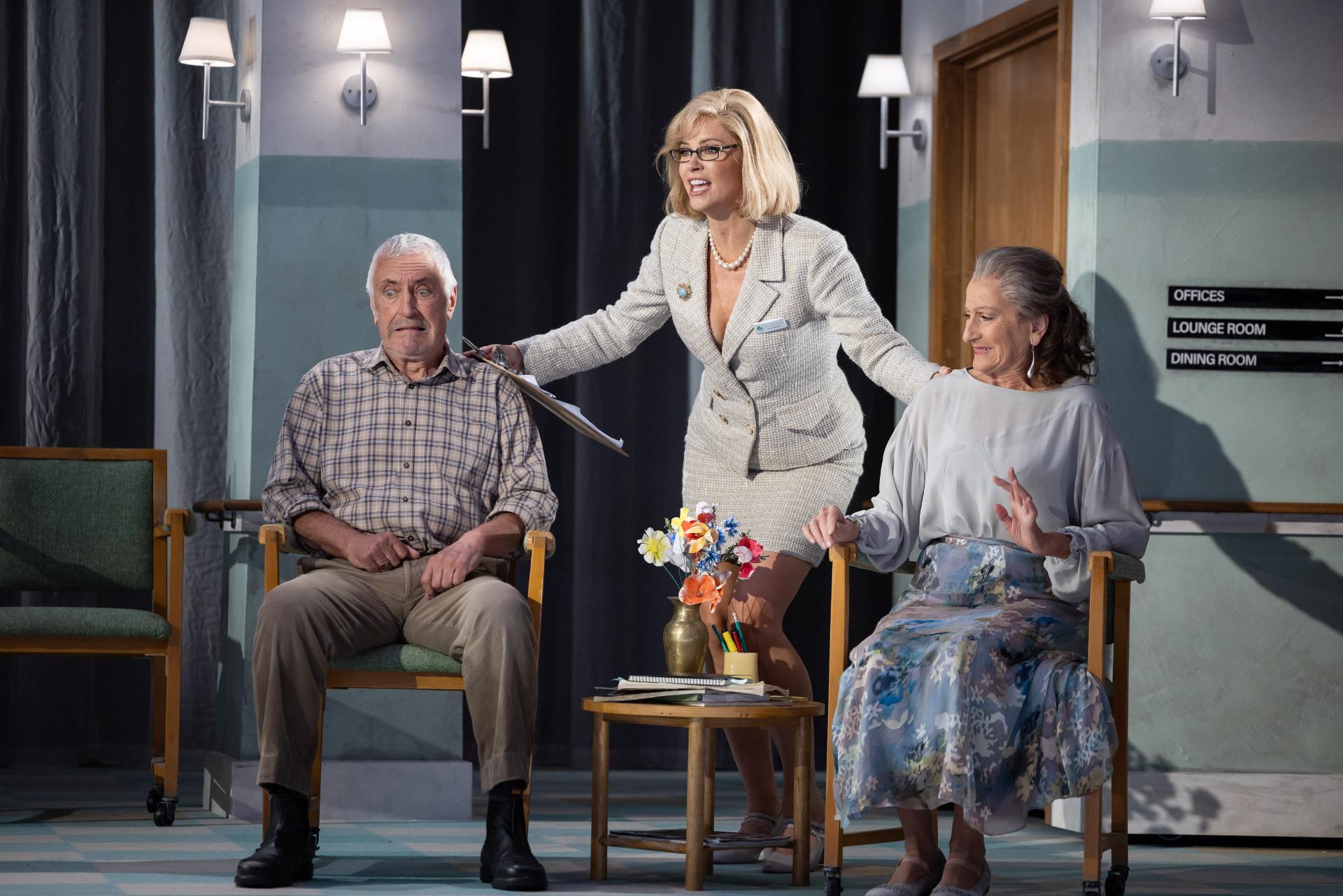
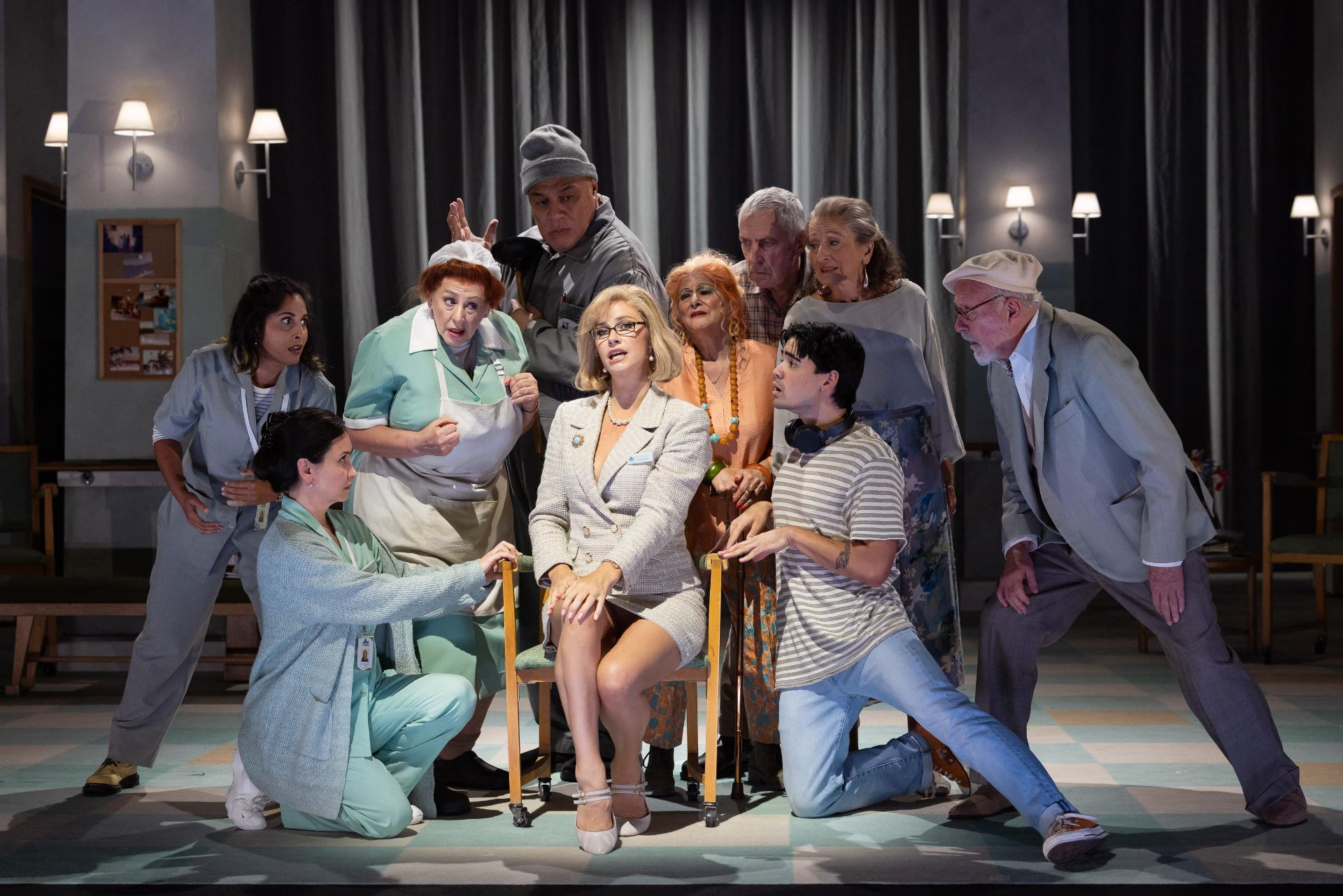
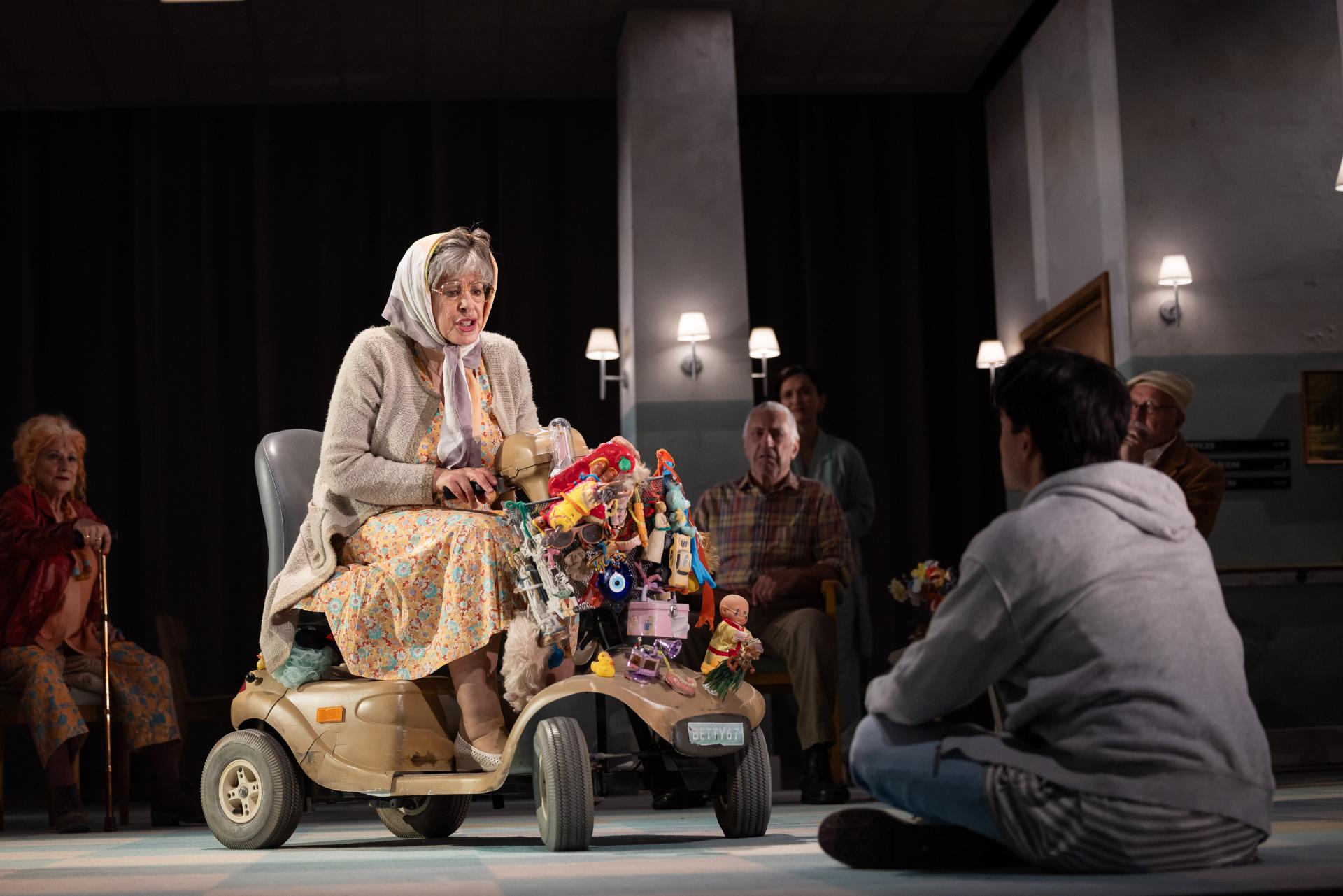
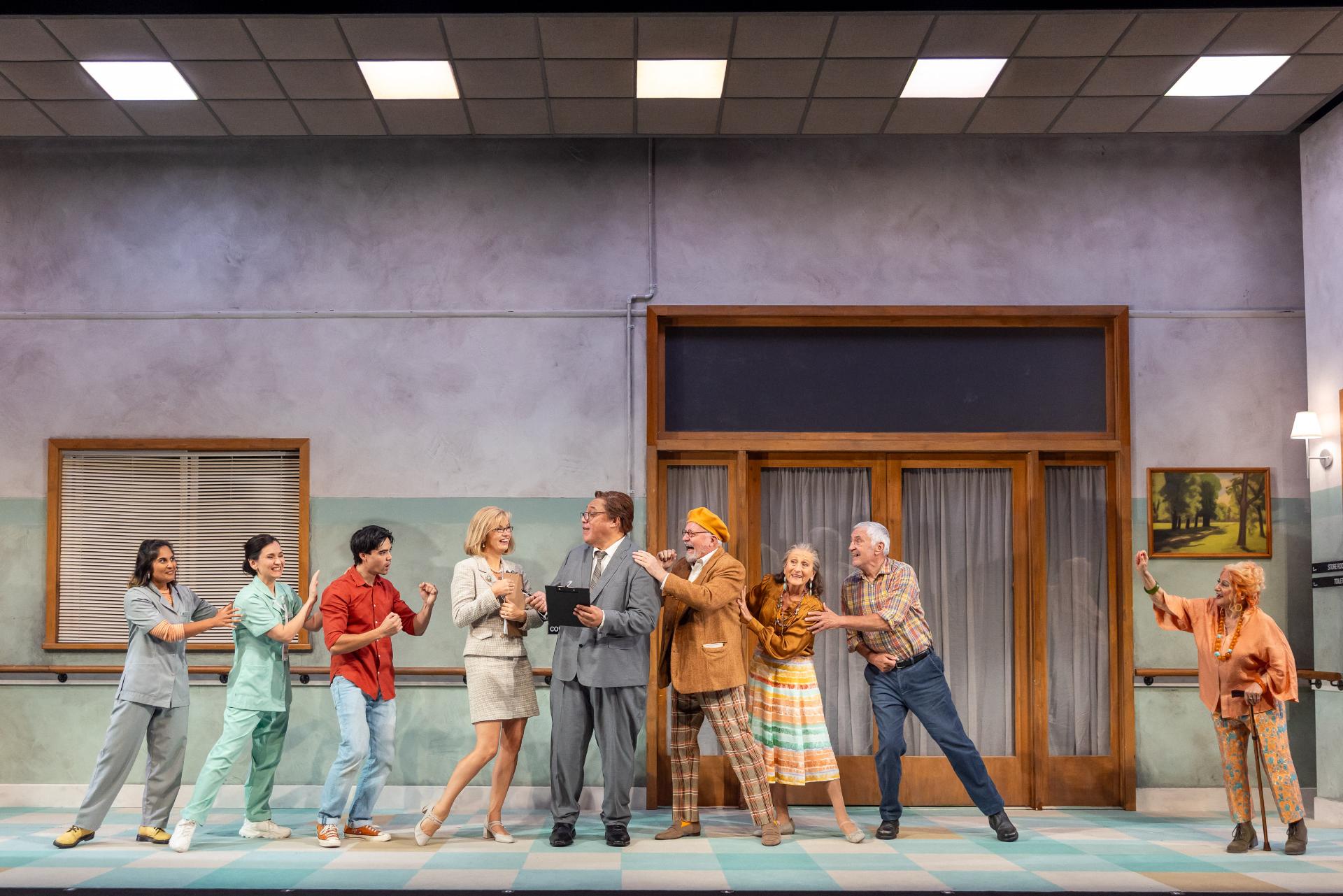
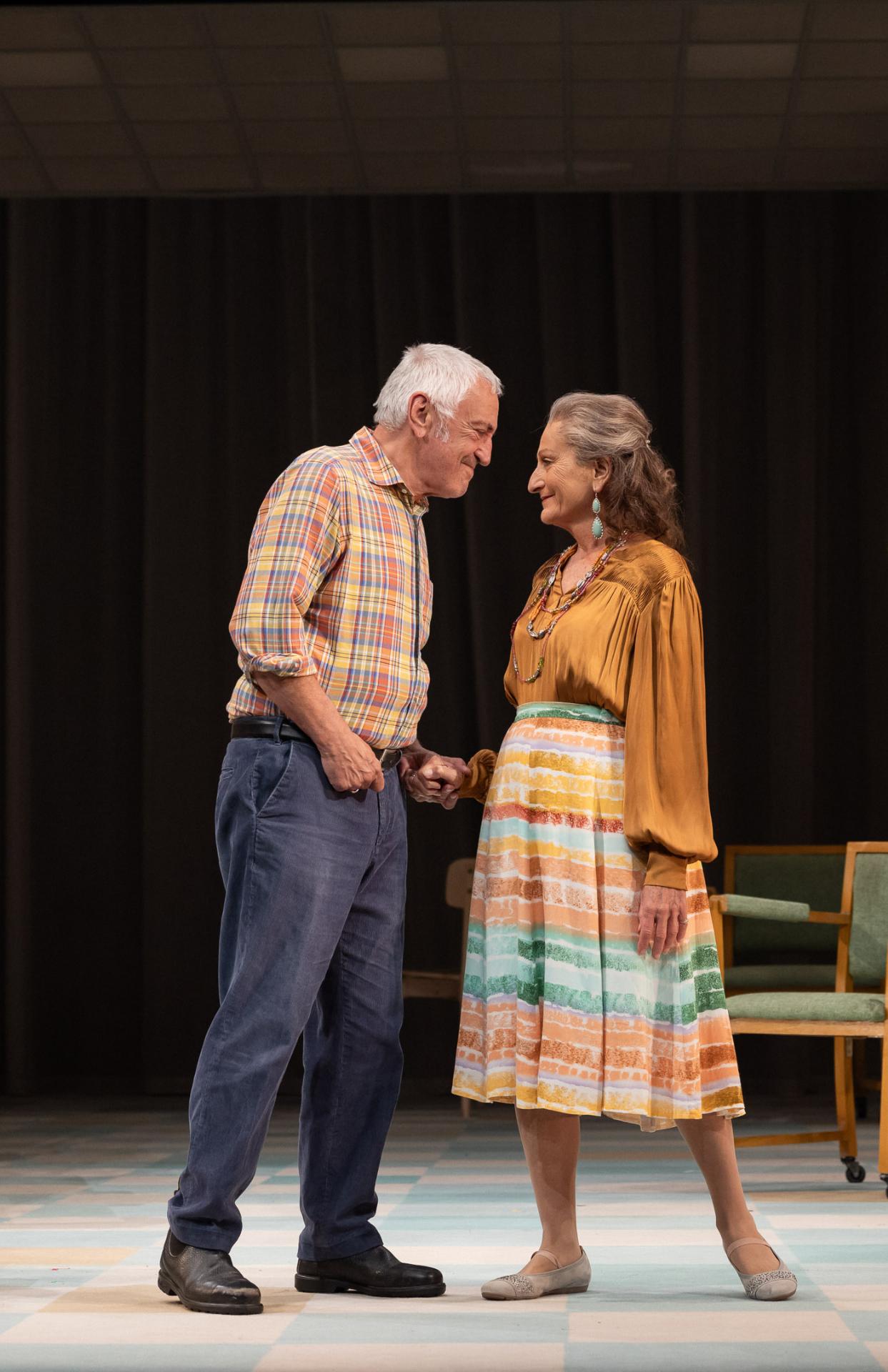
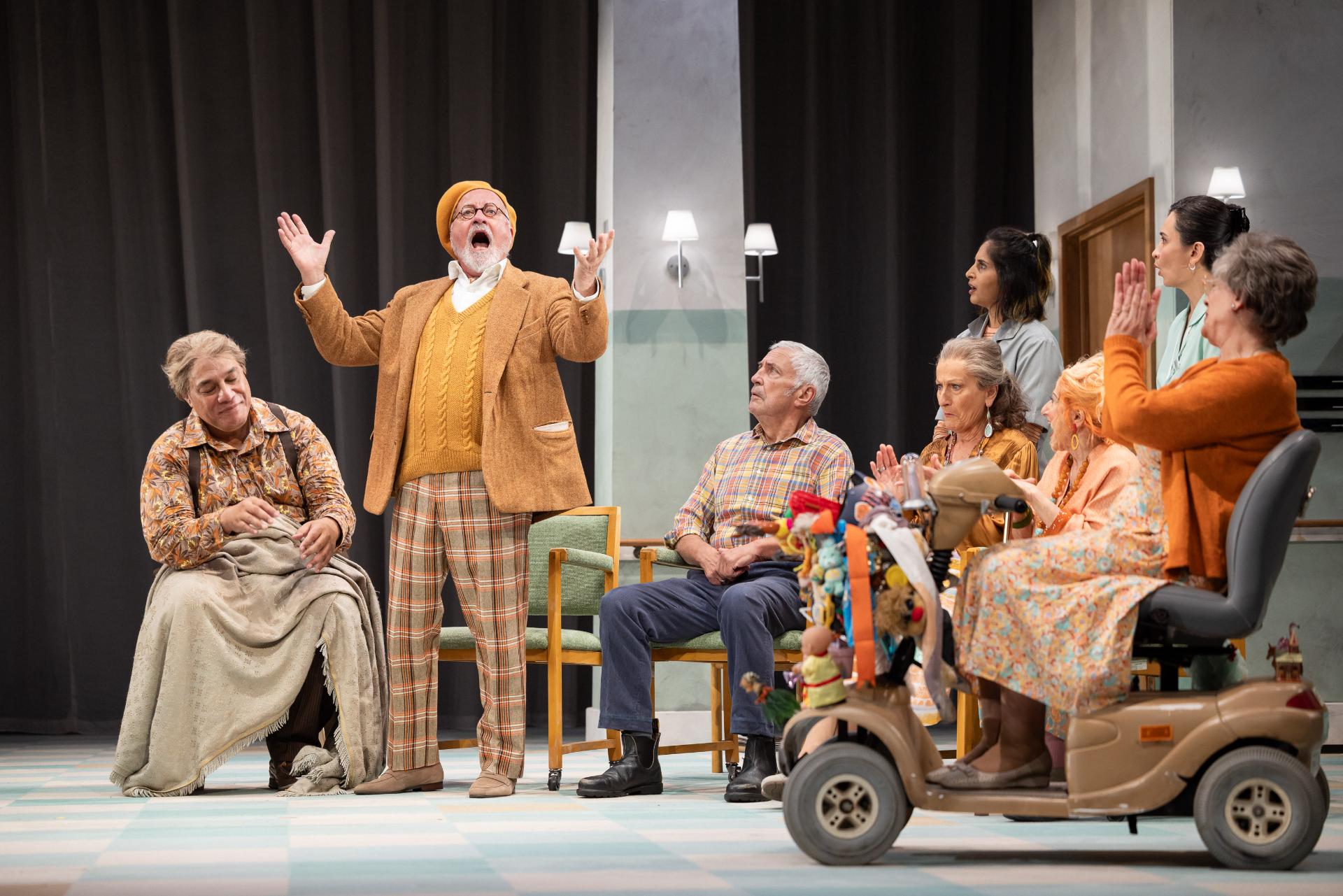
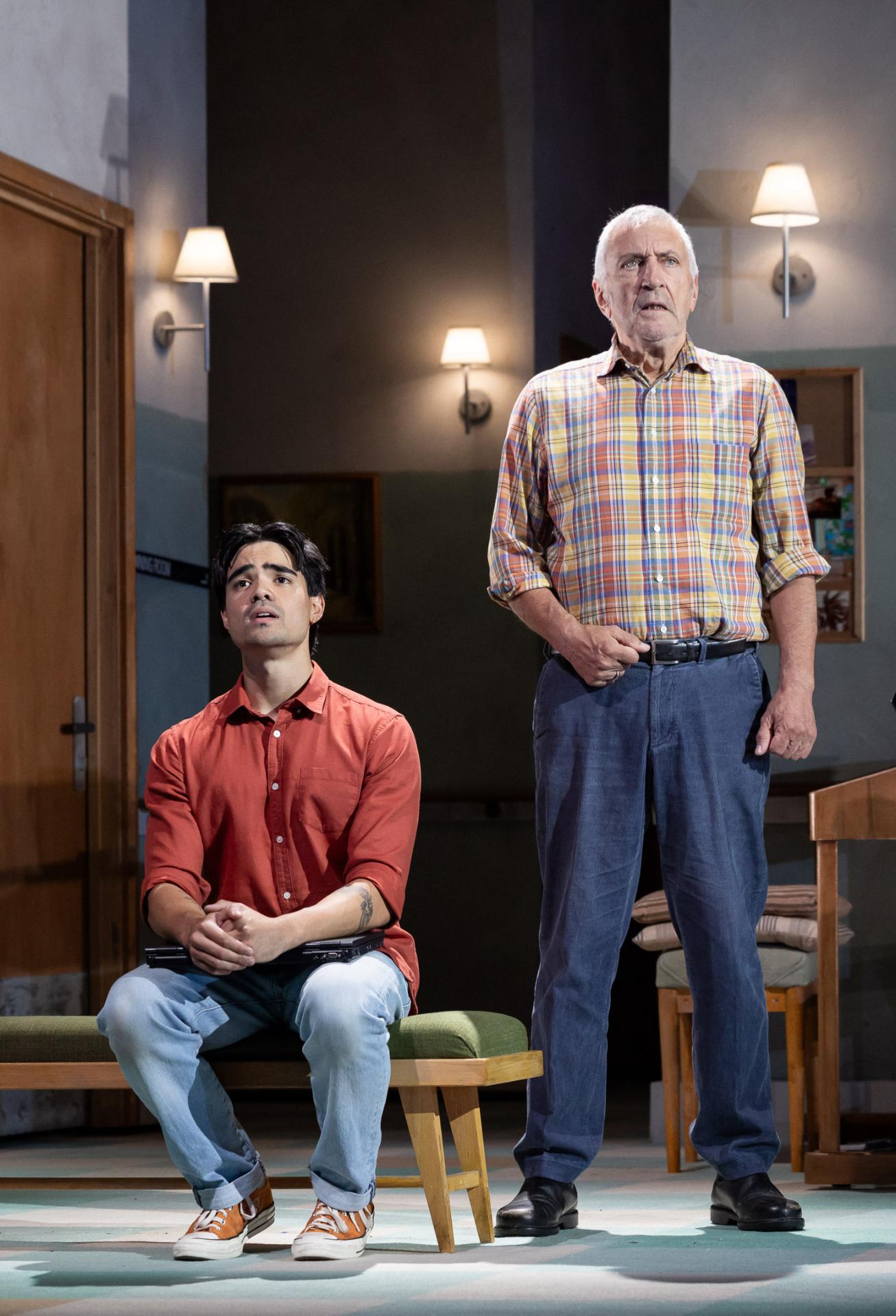
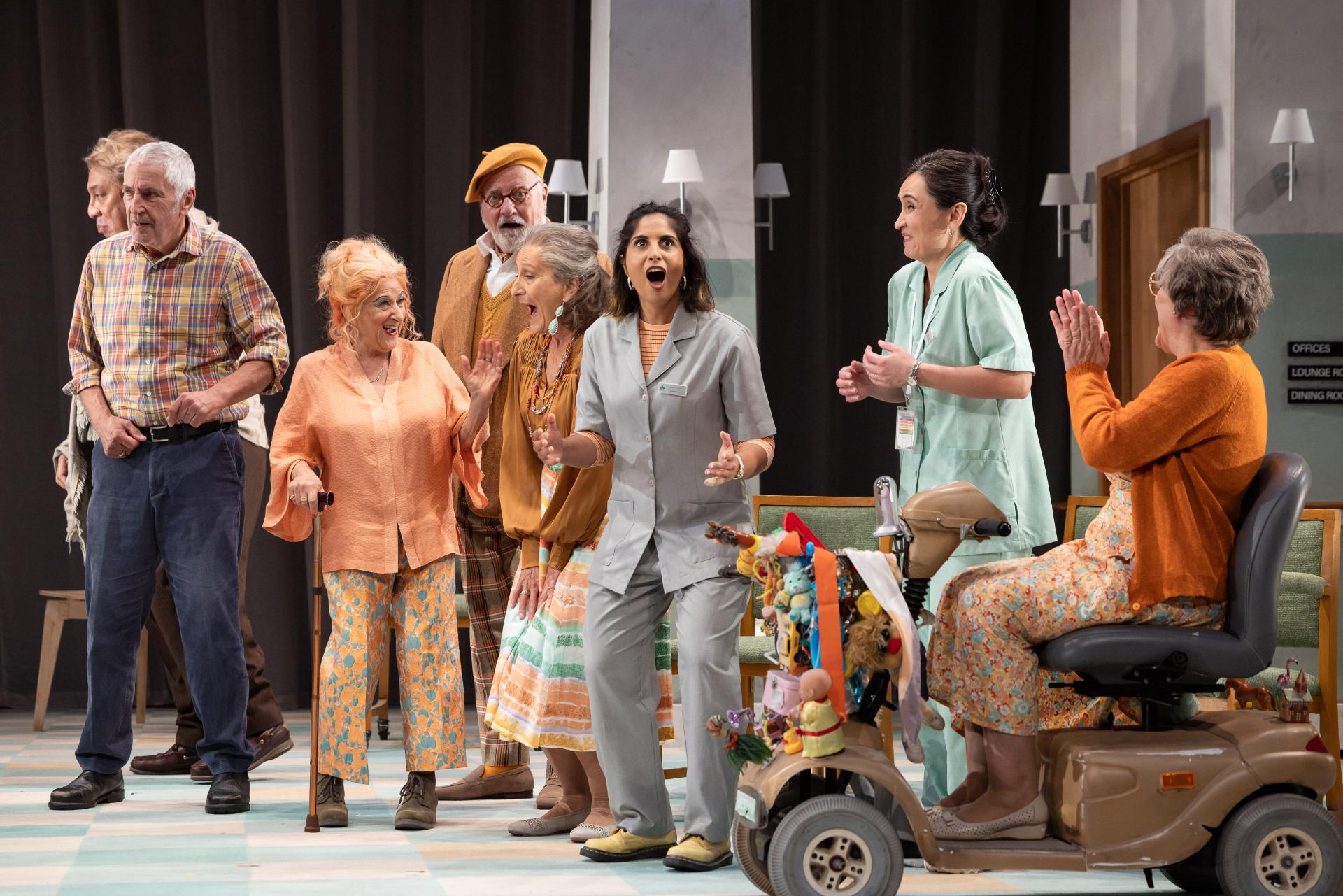
One would hope that retirement homes are the most idyllic places in which the elderly can enjoy their twilight years, but Pine Grove is no such institution. In Tom Gleisner’s musical comedy Bloom, senior residents are treated with no respect, by a management that thinks only of the bottom line. The characters we encounter in Gleisner’s writing are thoughtfully assembled, but his plot unfolds predictably at every juncture, and a clichéd sense of humour guides the tone for the entire presentation.

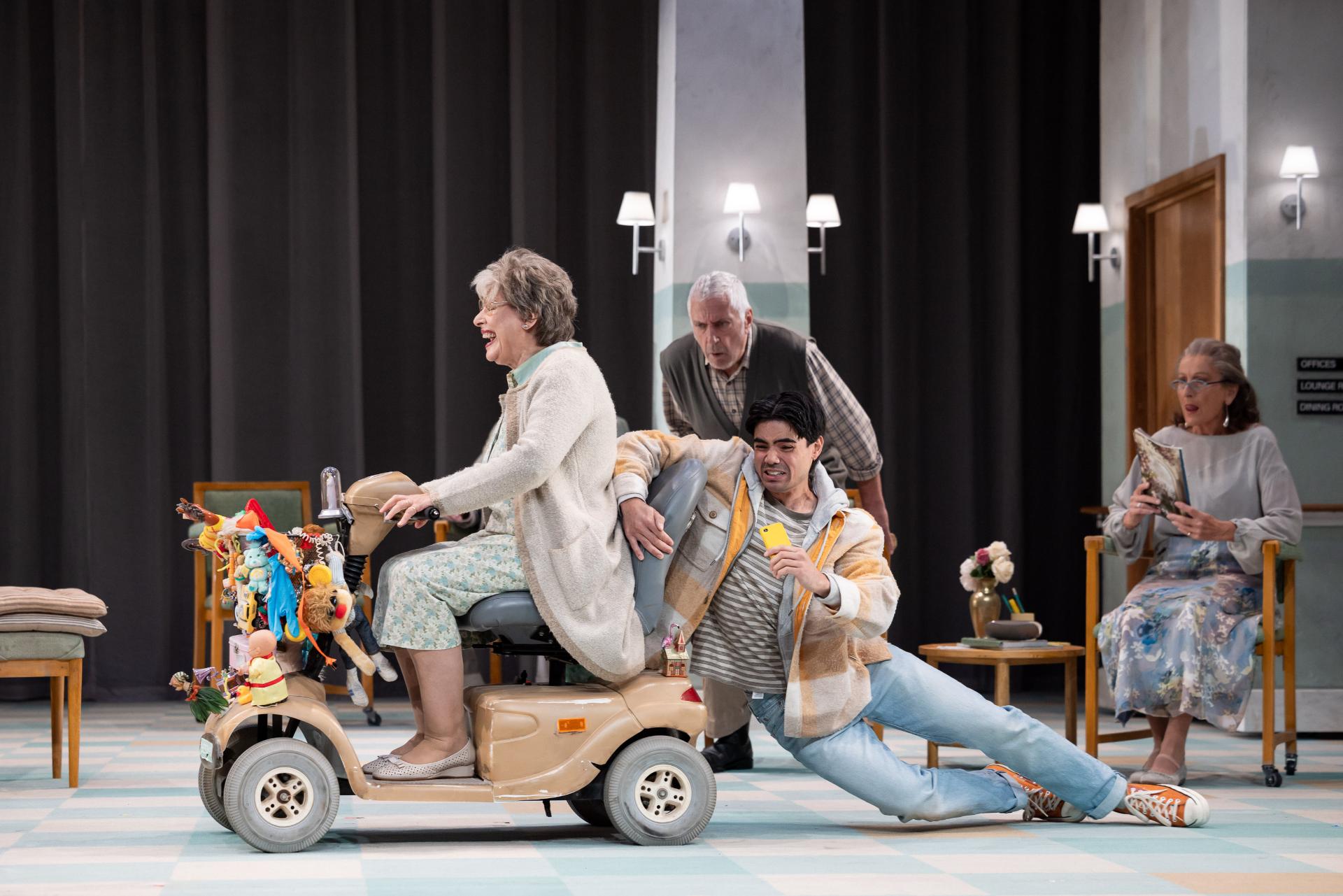
Direction by Dean Bryant demonstrates little need for inventiveness, focussing efforts instead on creating a show that speaks with poignancy and tenderness. Its efficacy as a heart-warming tale is however debatable, with some viewers likely to respond favourably to its sentimentality, while others may be left unmoved by its hackneyed approach. The music of Bloom, written by Katie Weston and directed by Lucy Bermingham, is somewhat pleasant but the thorough conventionality of its style might prove uninspiring for some.

Set design by Dann Barber, along with costumes by Charlotte Lane, are appropriately and intentionally drab for a story about the failures of aged care systems. Lights by Sam Scott too, fulfil with unquestionable proficiency, the practical requirements of the simple narrative.

The ensemble is commendable for the gleam it brings to Bloom, with their confident singing and spirited delivery of old-school comedy, ensuring a consistent sense of professionalism. Performer Christie Whelan Browne is especially noteworthy for her flamboyant approach, in the hilarious role of Mrs MacIntyre the dastardly owner of Pine Grove. As staff member Ruby, Vidya Makan’s big voice is a treat and a memorable feature, in a production that has a tendency to feel more than a little tired.

www.sydneytheatre.com.au | www.mtc.com.au

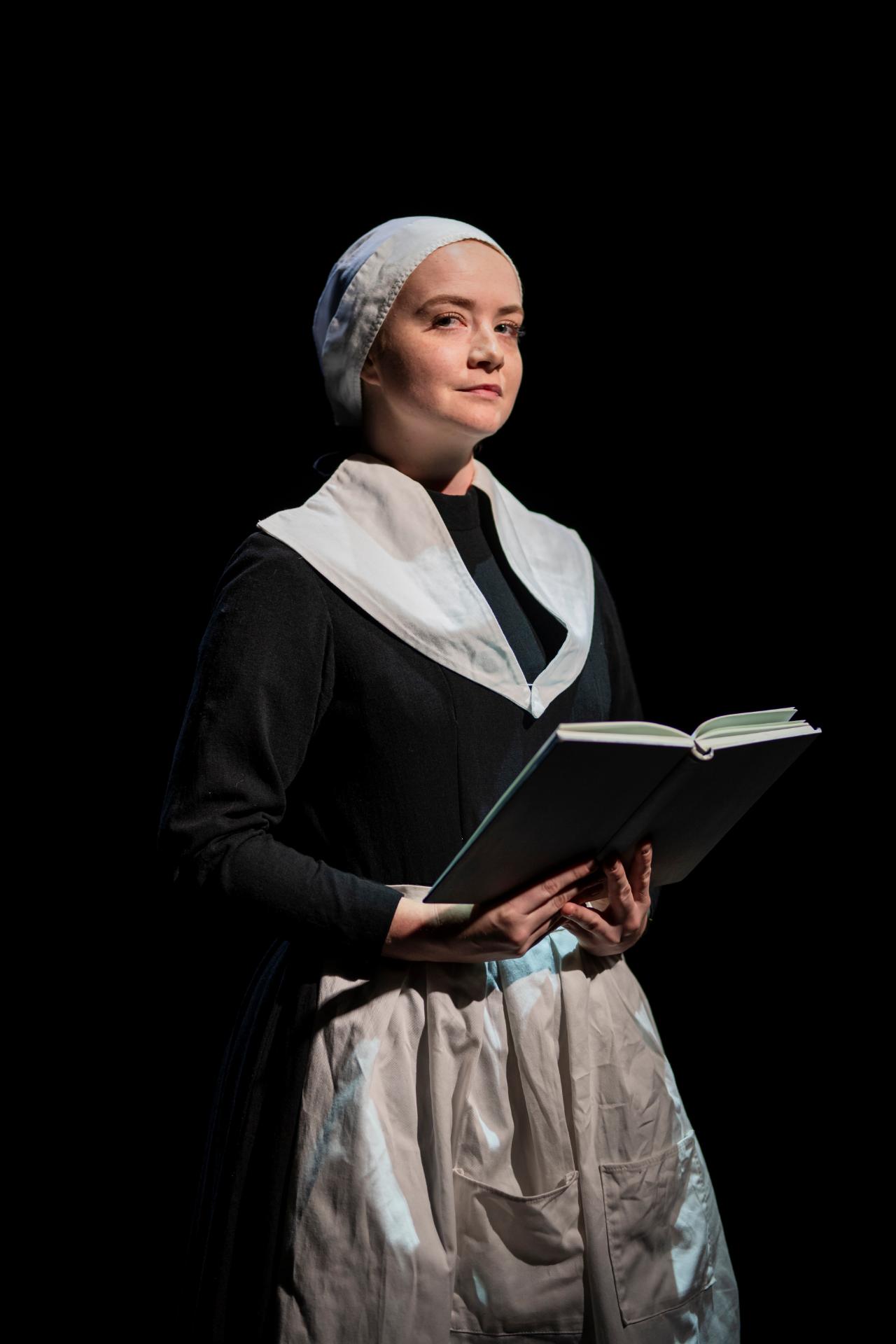
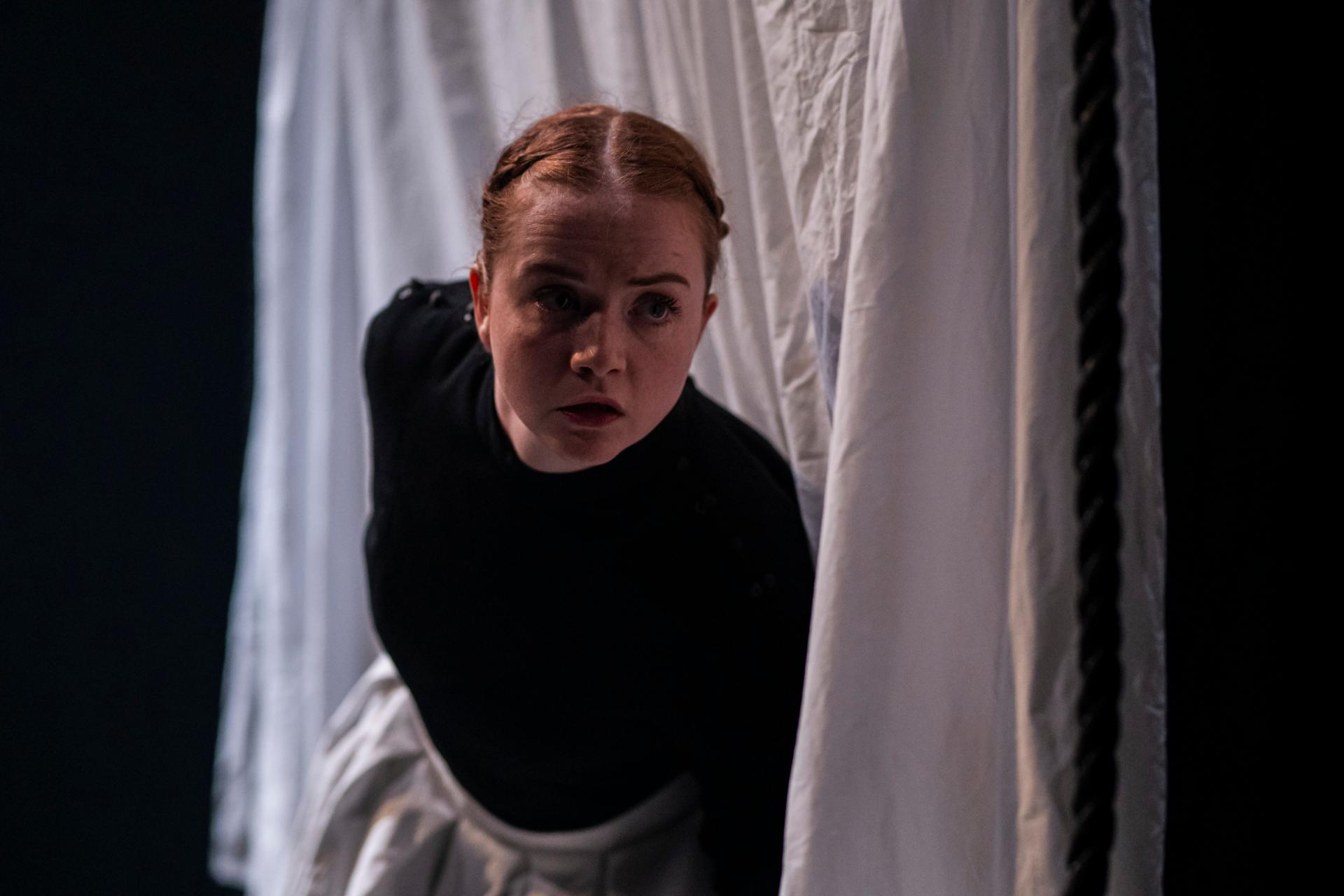
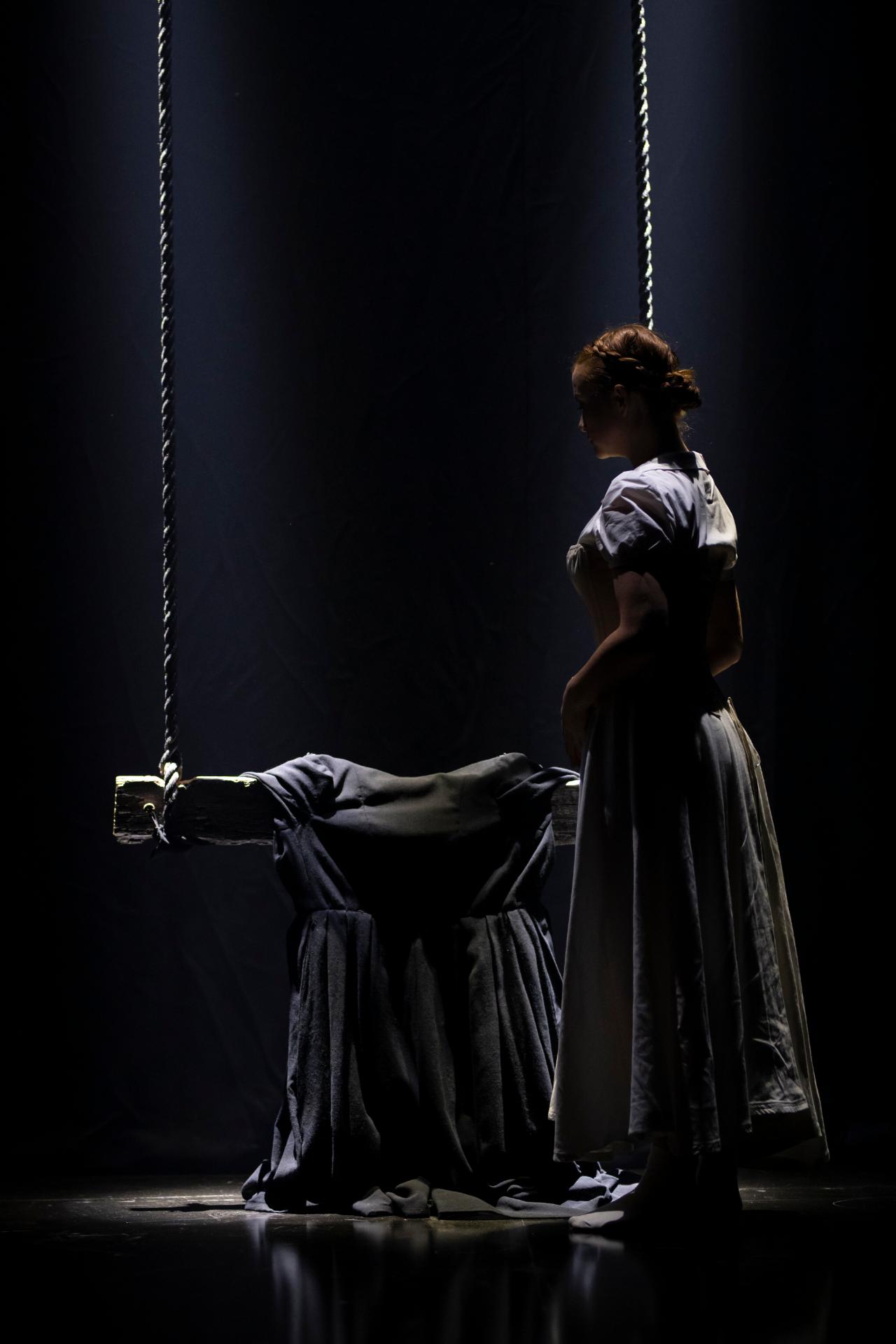
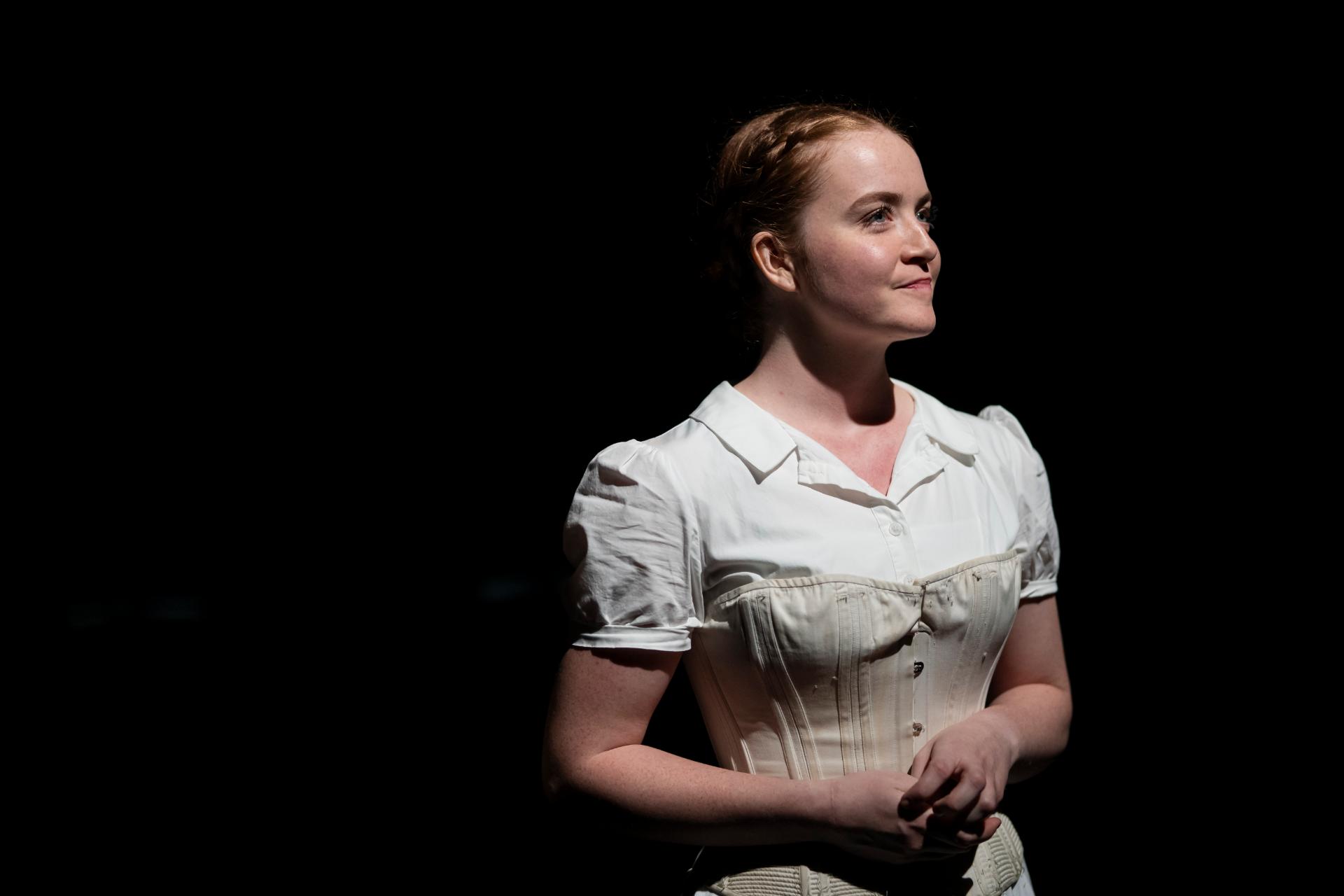
Review: The Glass Menagerie (Ensemble Theatre)

Venue: Ensemble Theatre (Kirribilli NSW), Mar 21 – Apr 26, 2025
Playwright: Tennessee Williams
Director: Liesel Badorrek
Cast: Danny Ball, Blazey Best, Bridie McKim, Tom Rodgers
Images by Prudence Upton

Theatre review
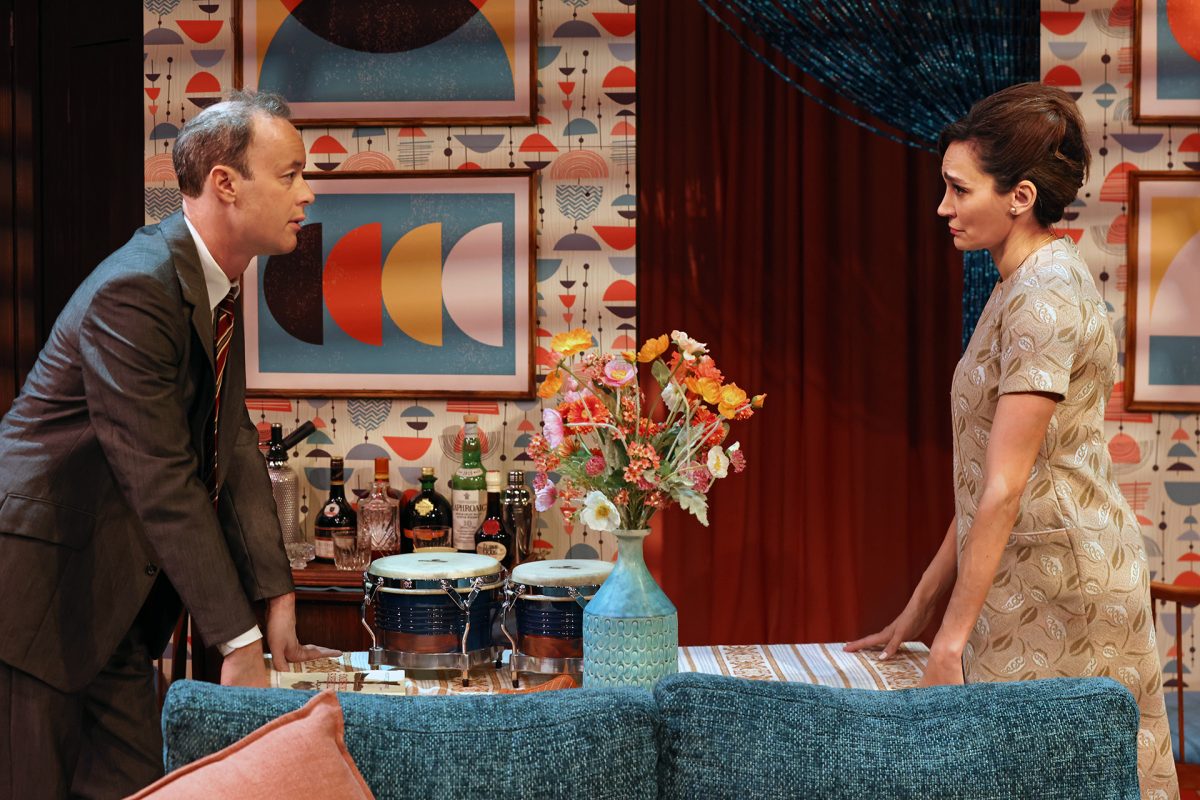
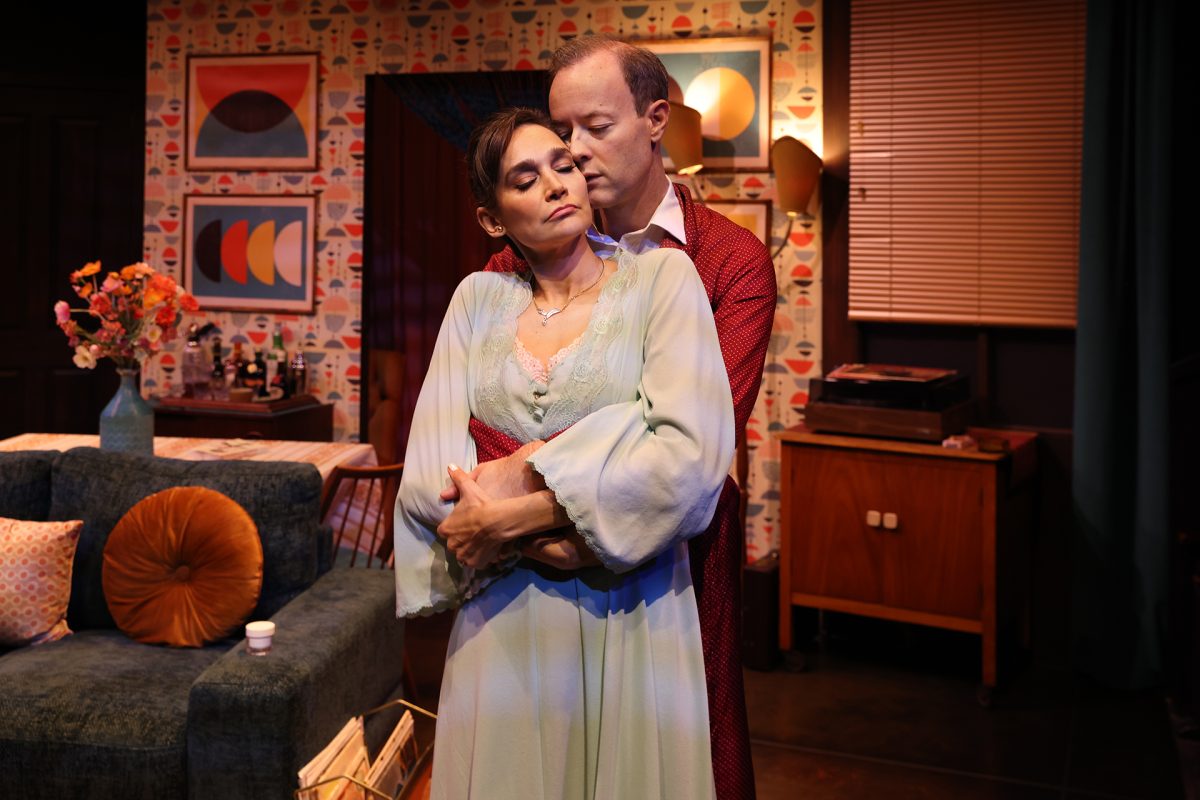
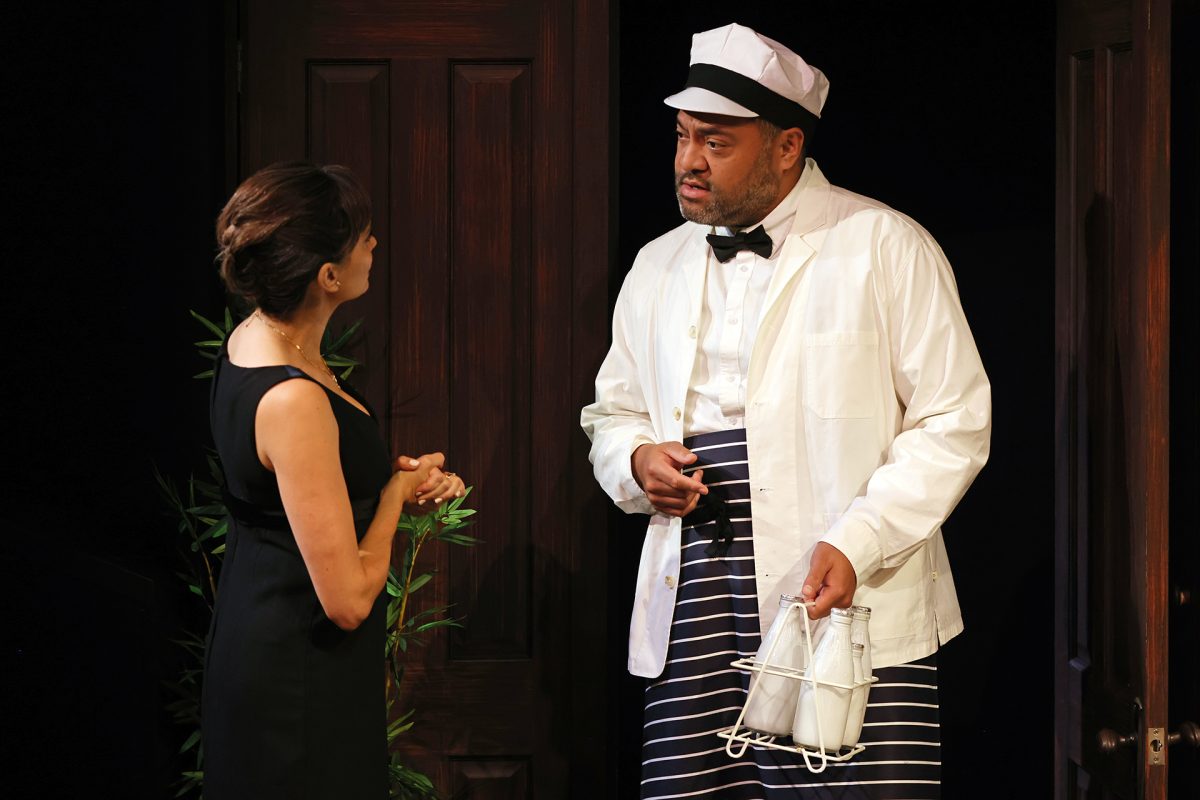
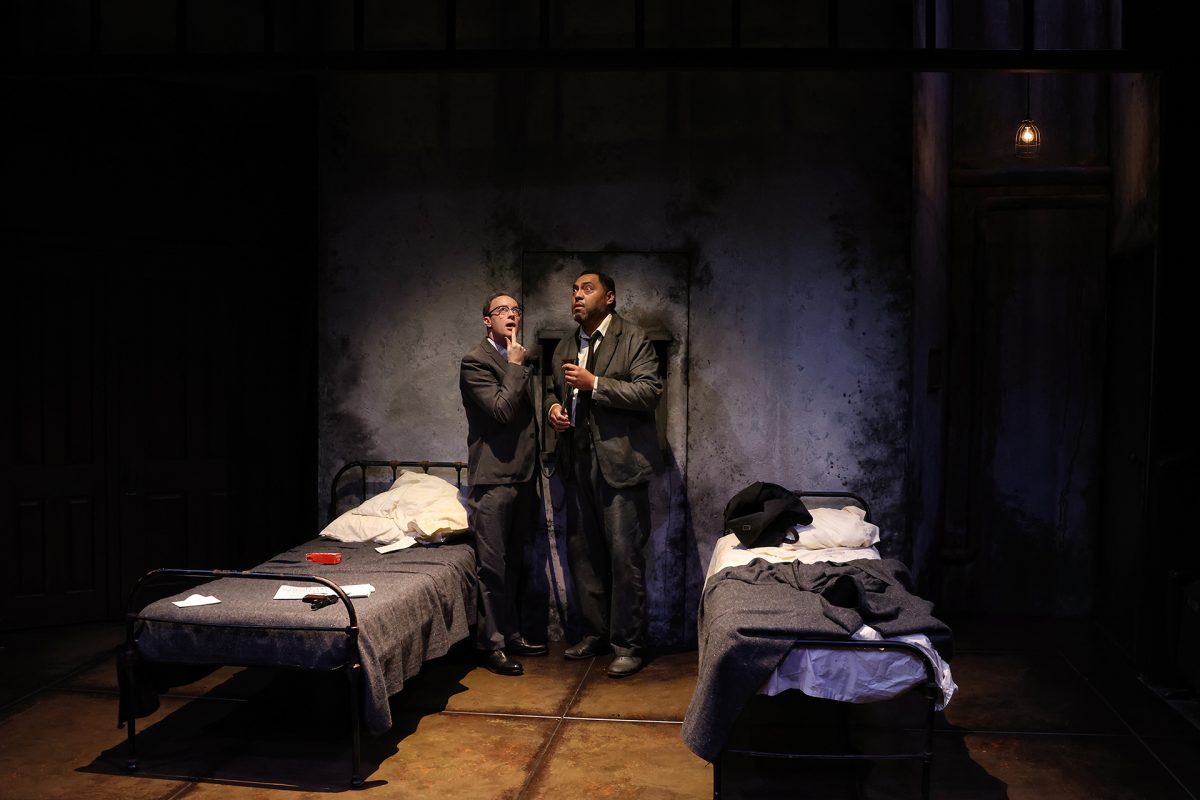
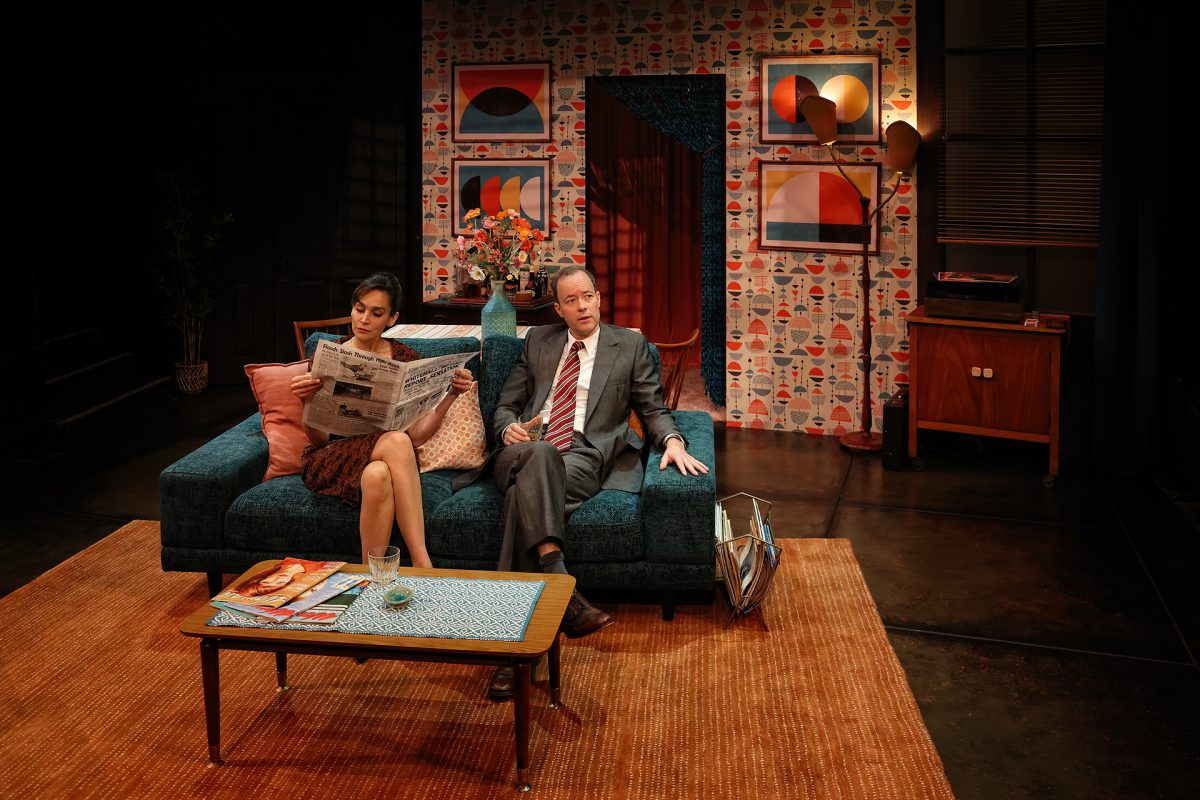
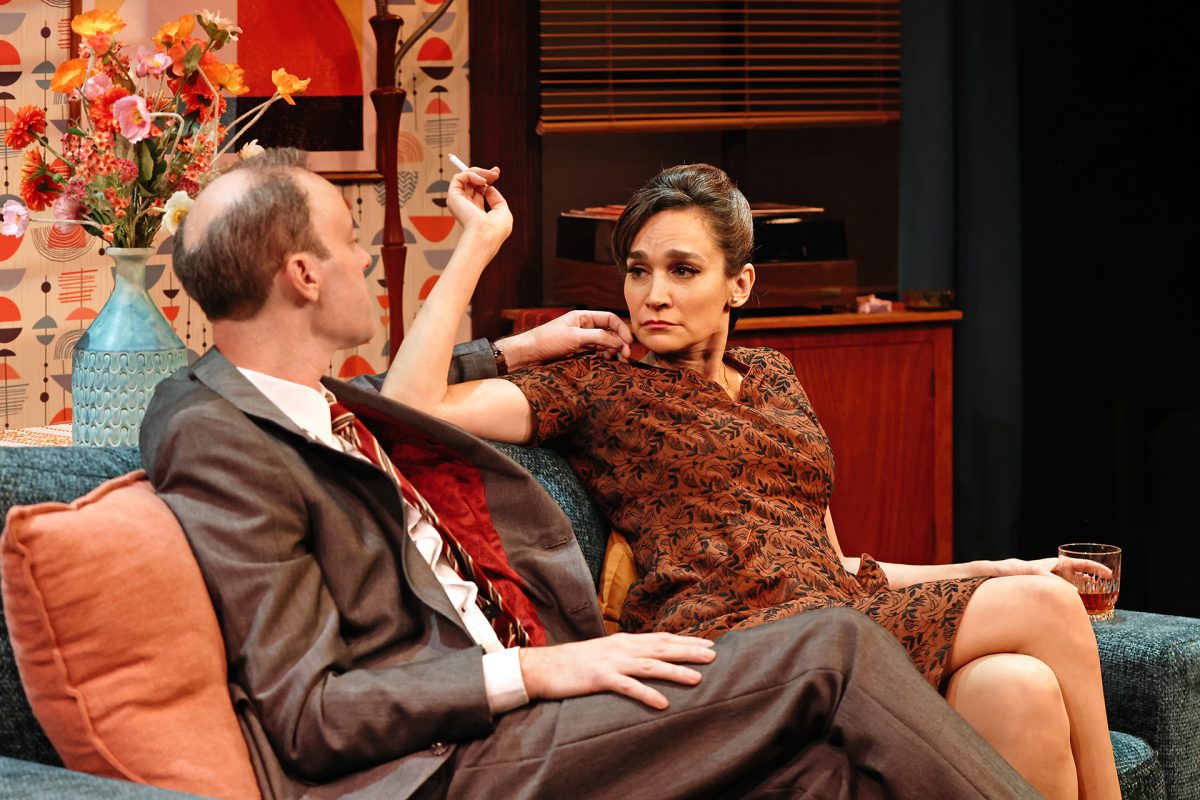
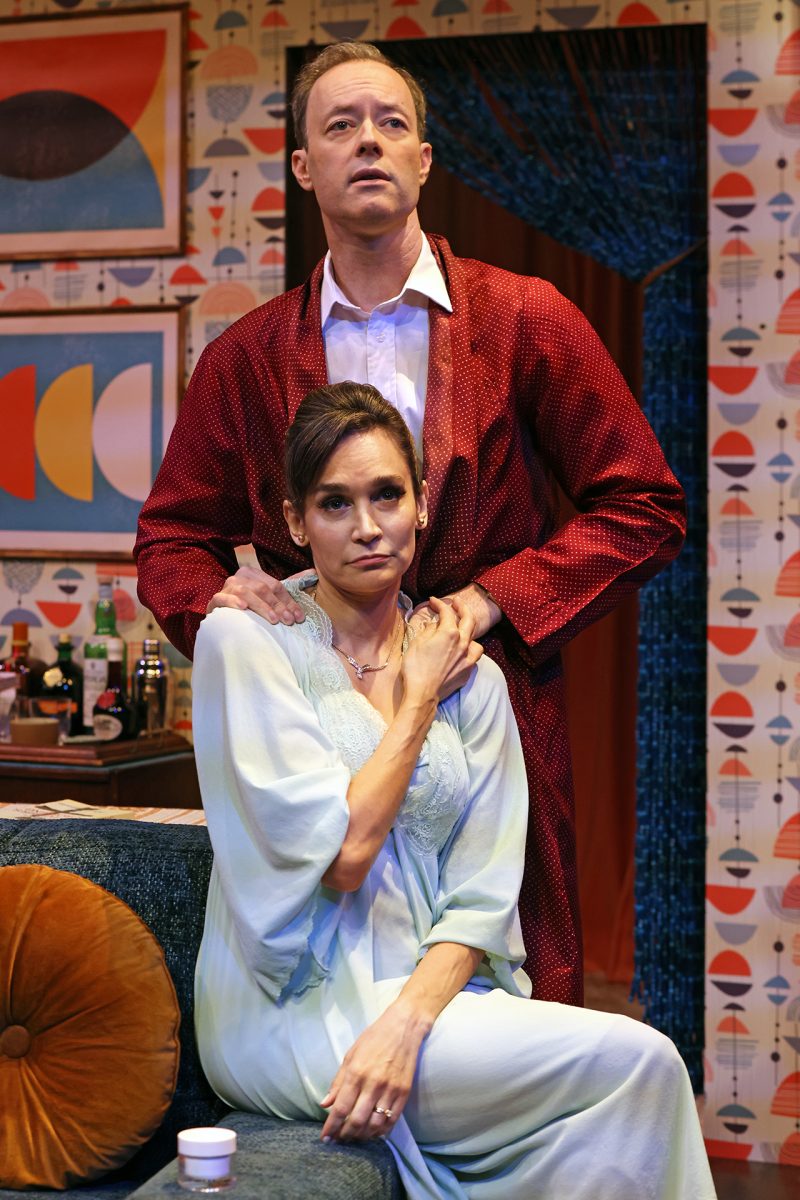
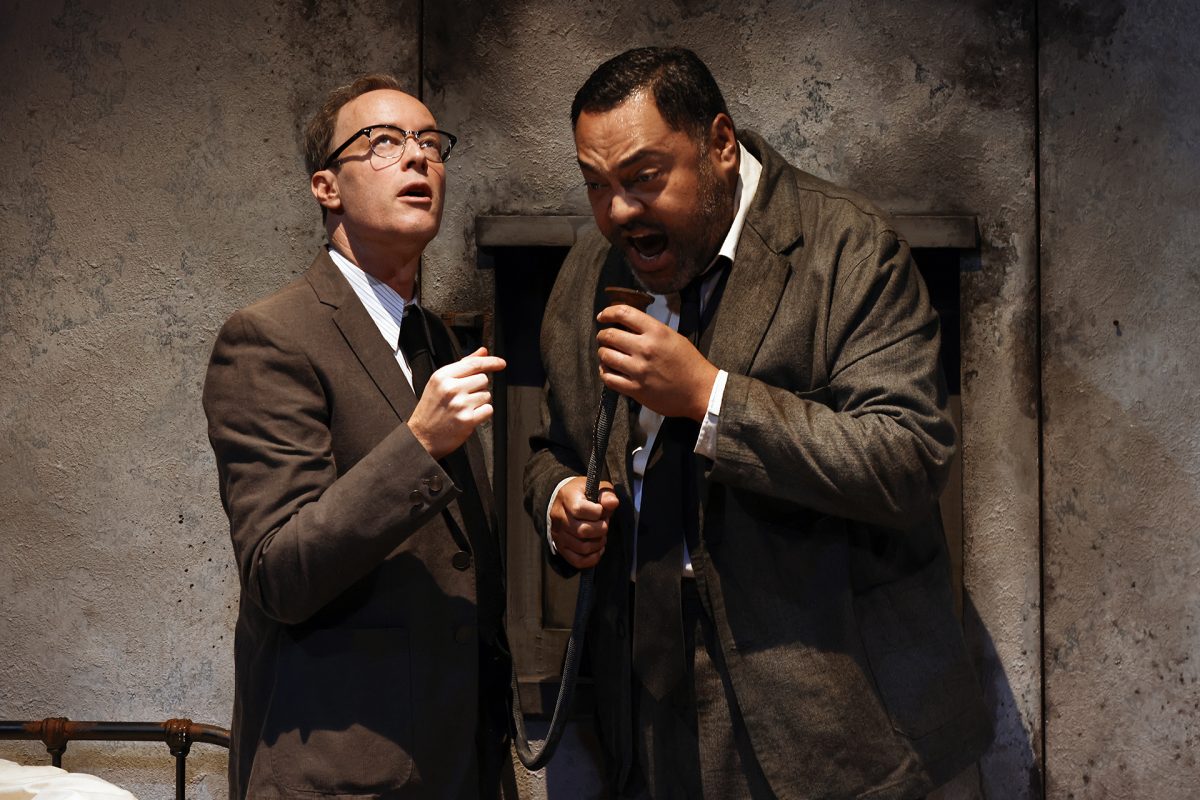
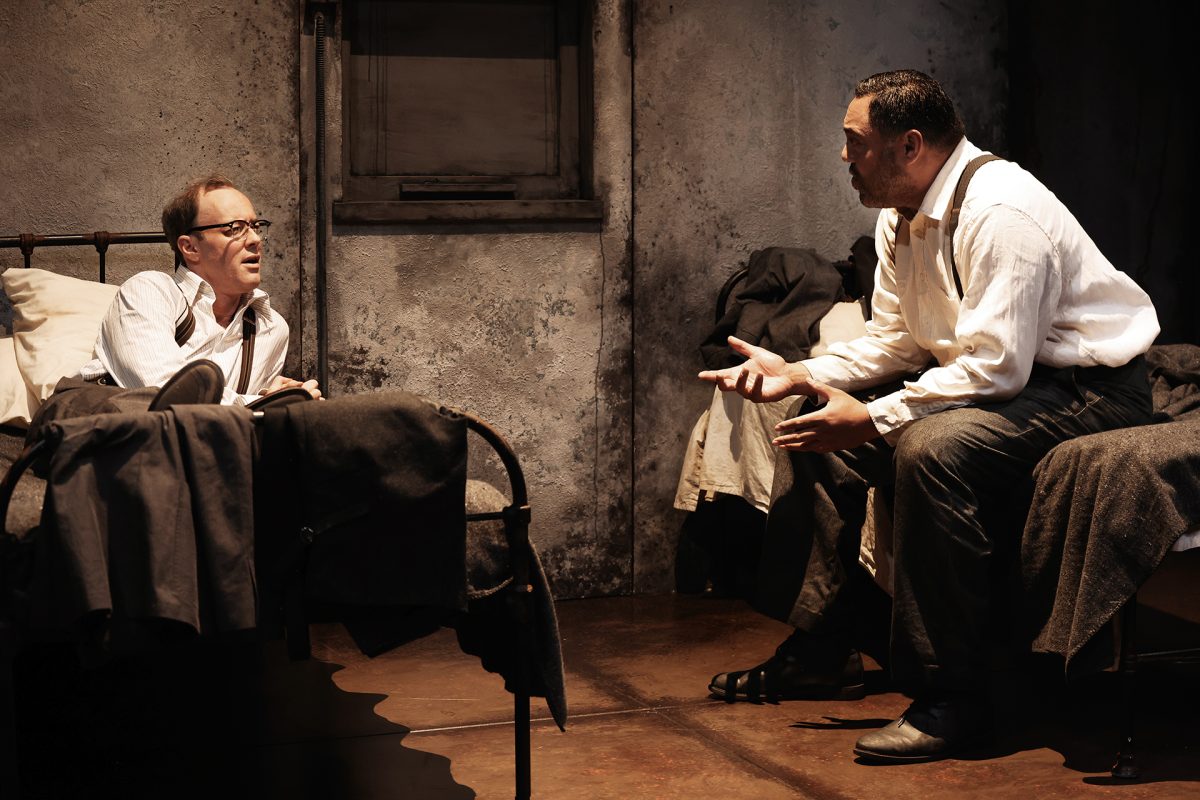
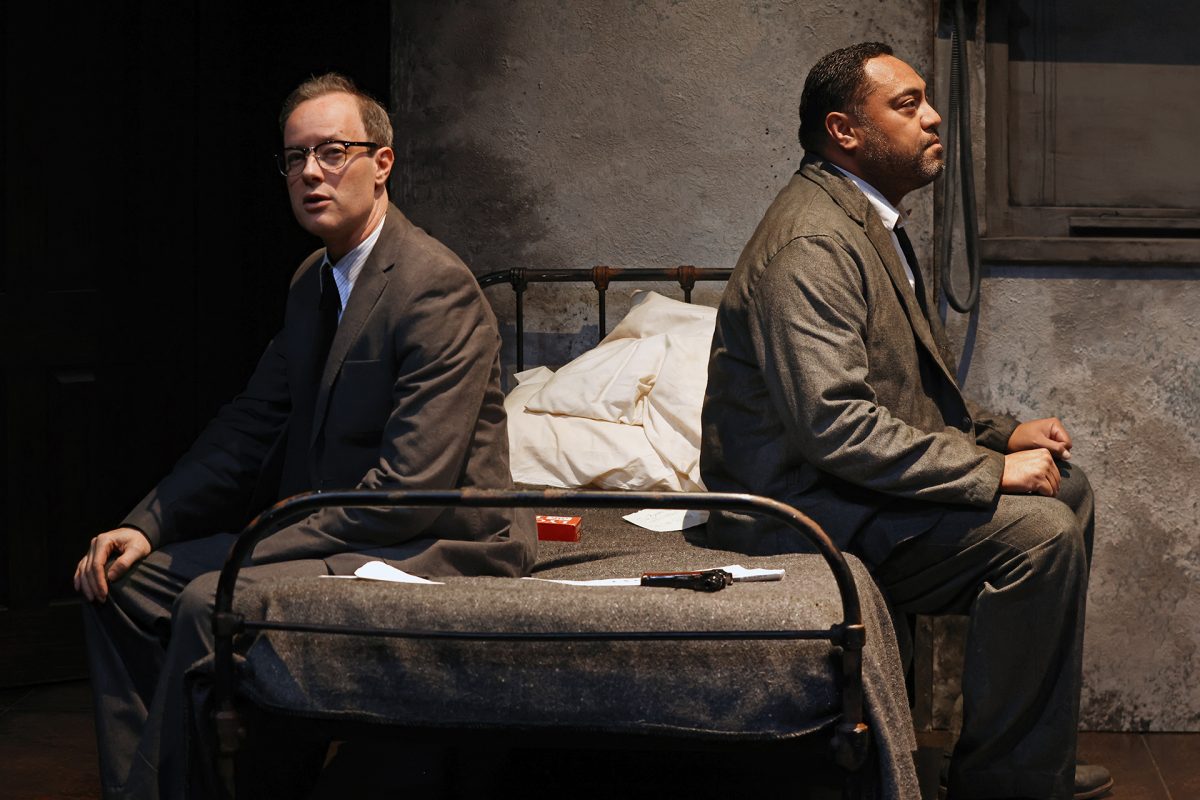
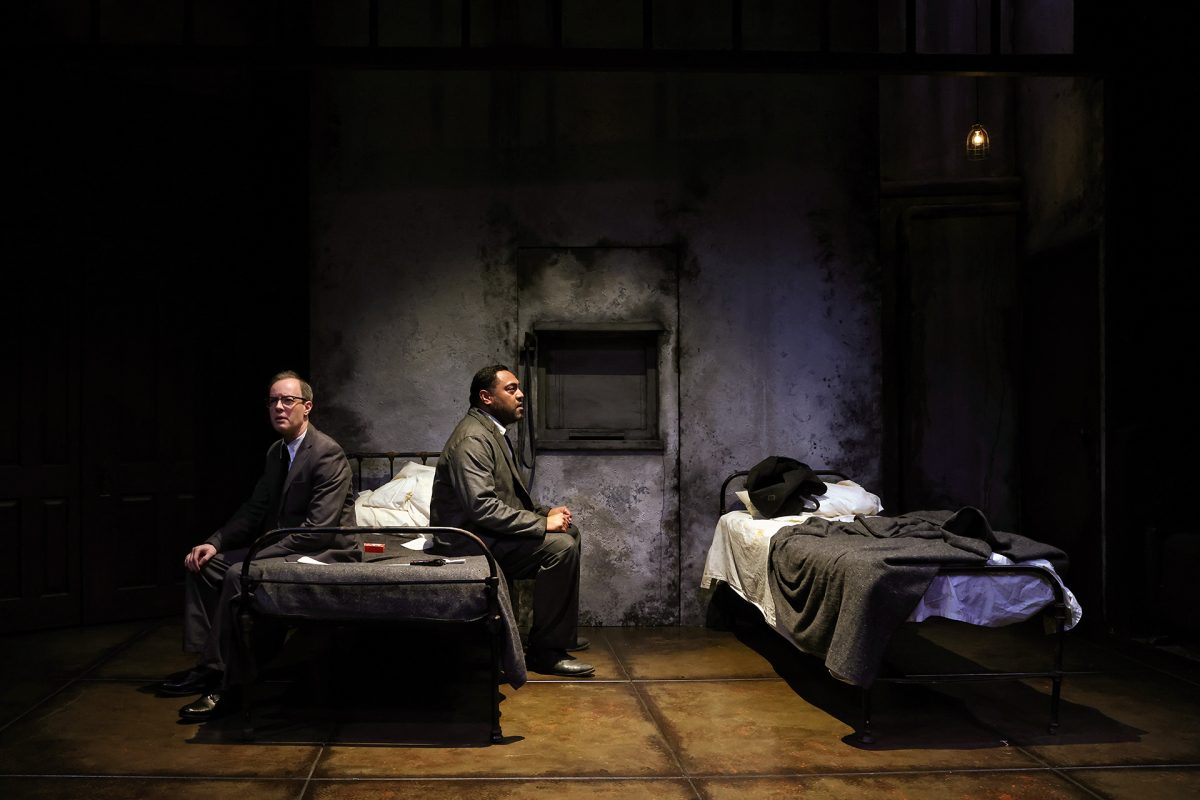
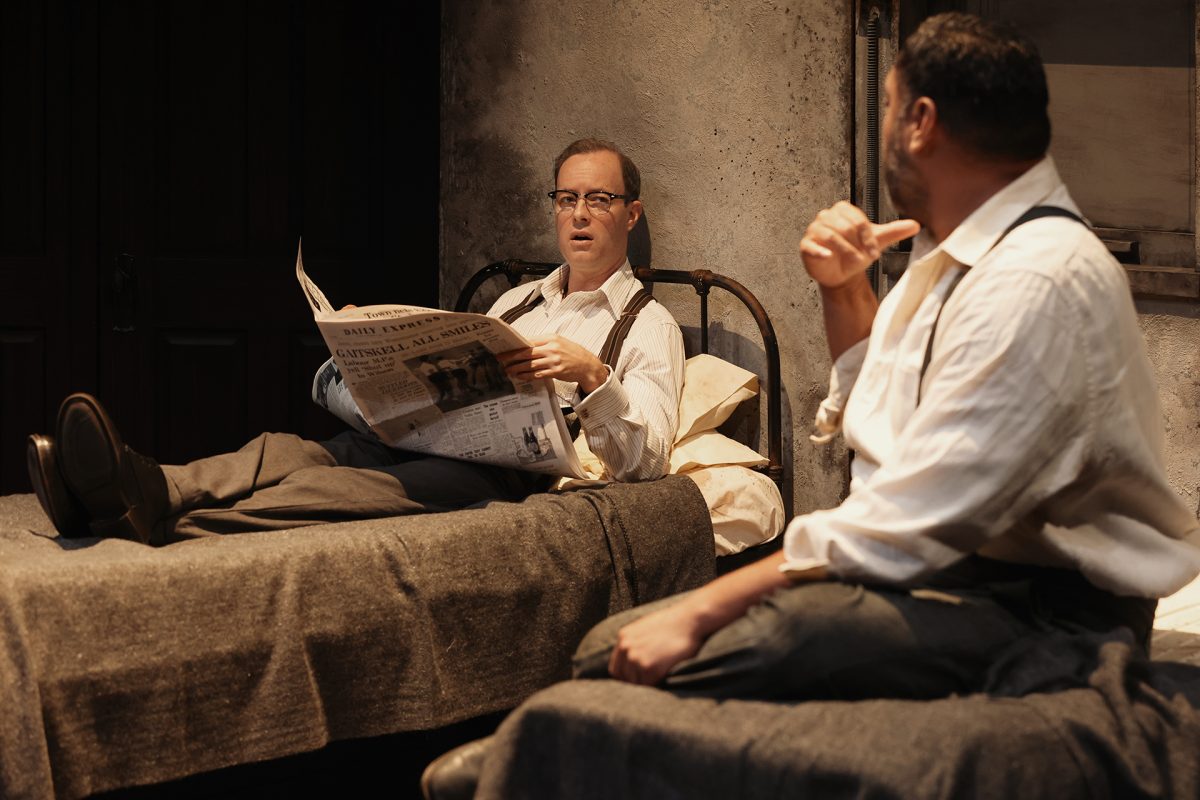
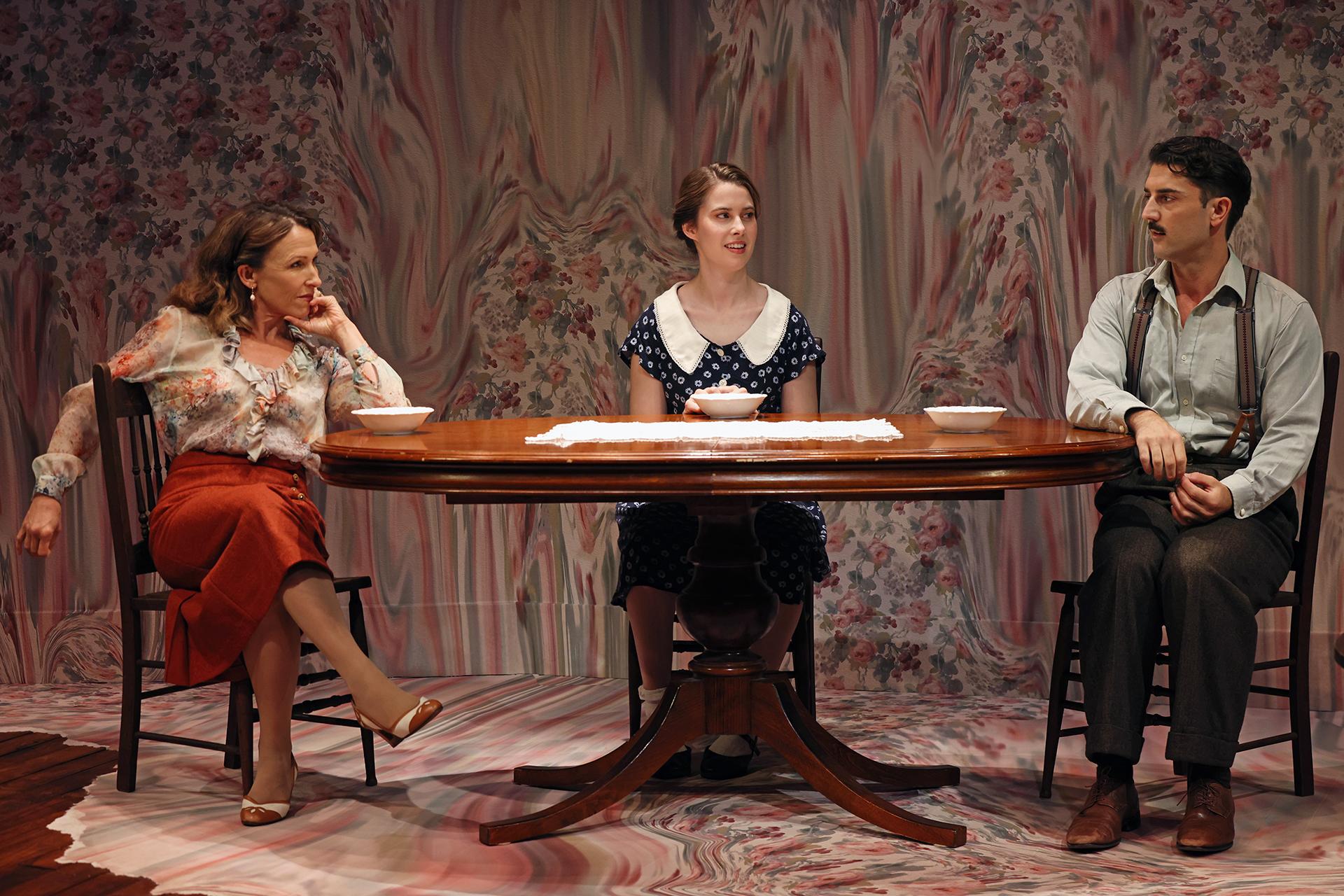
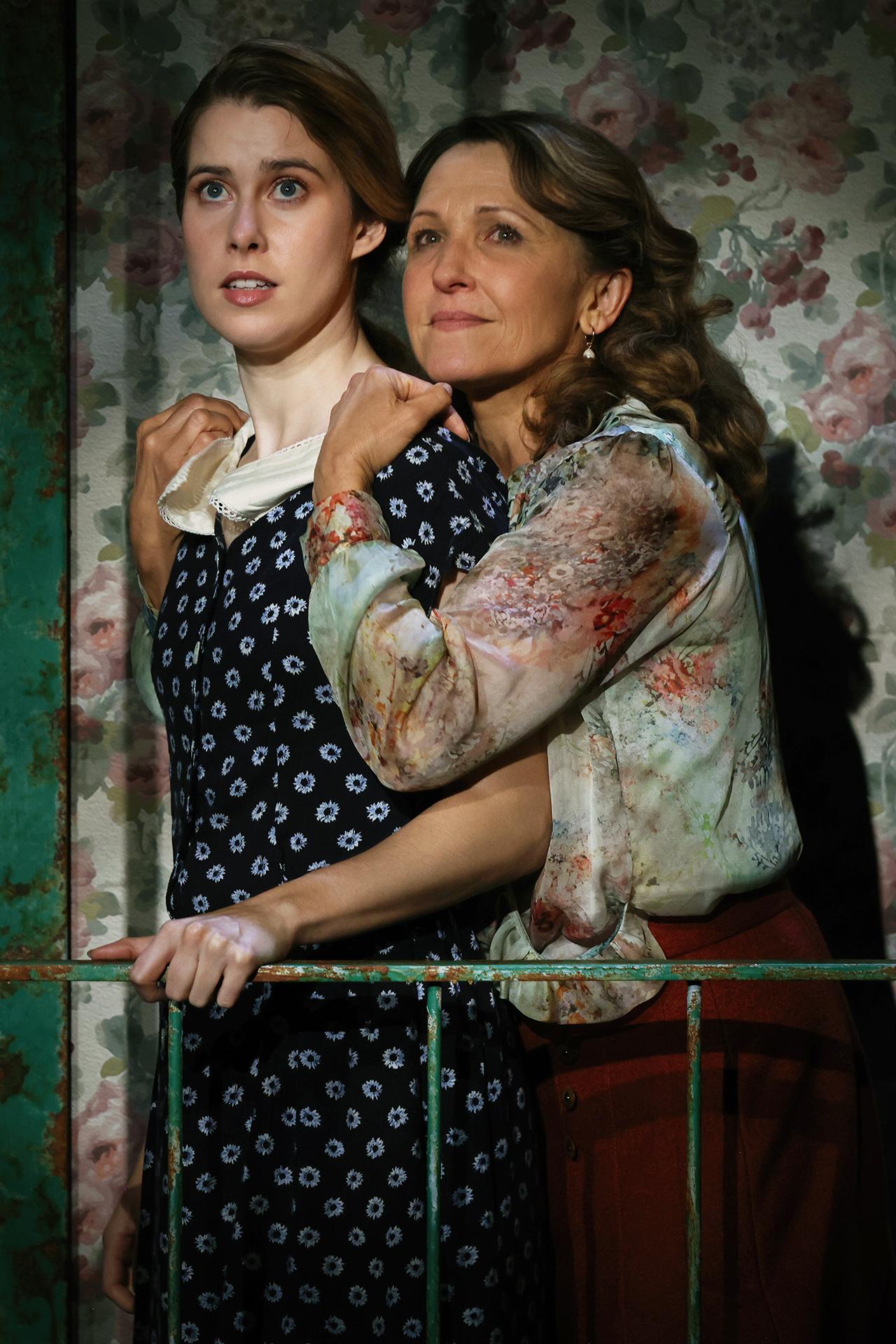
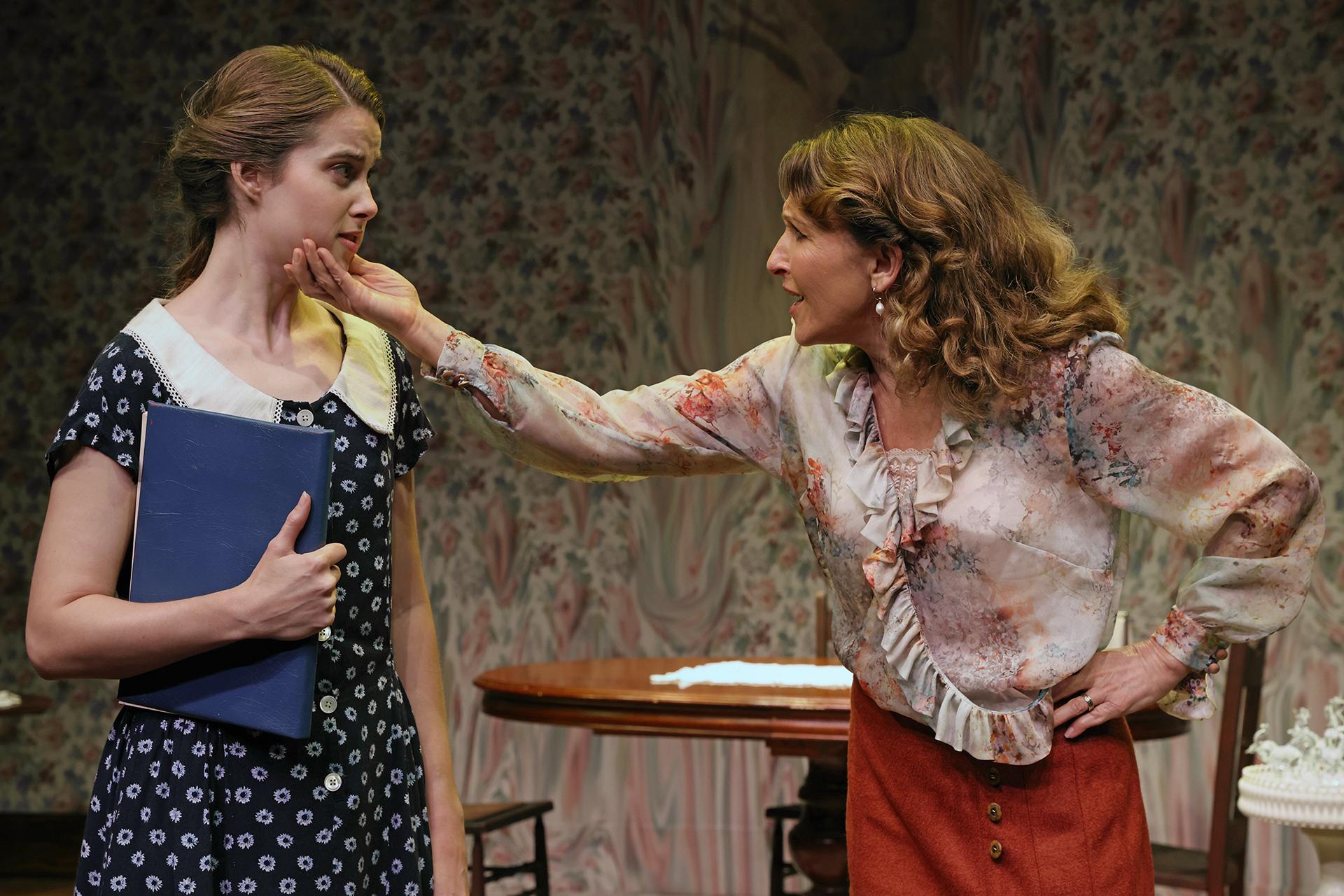
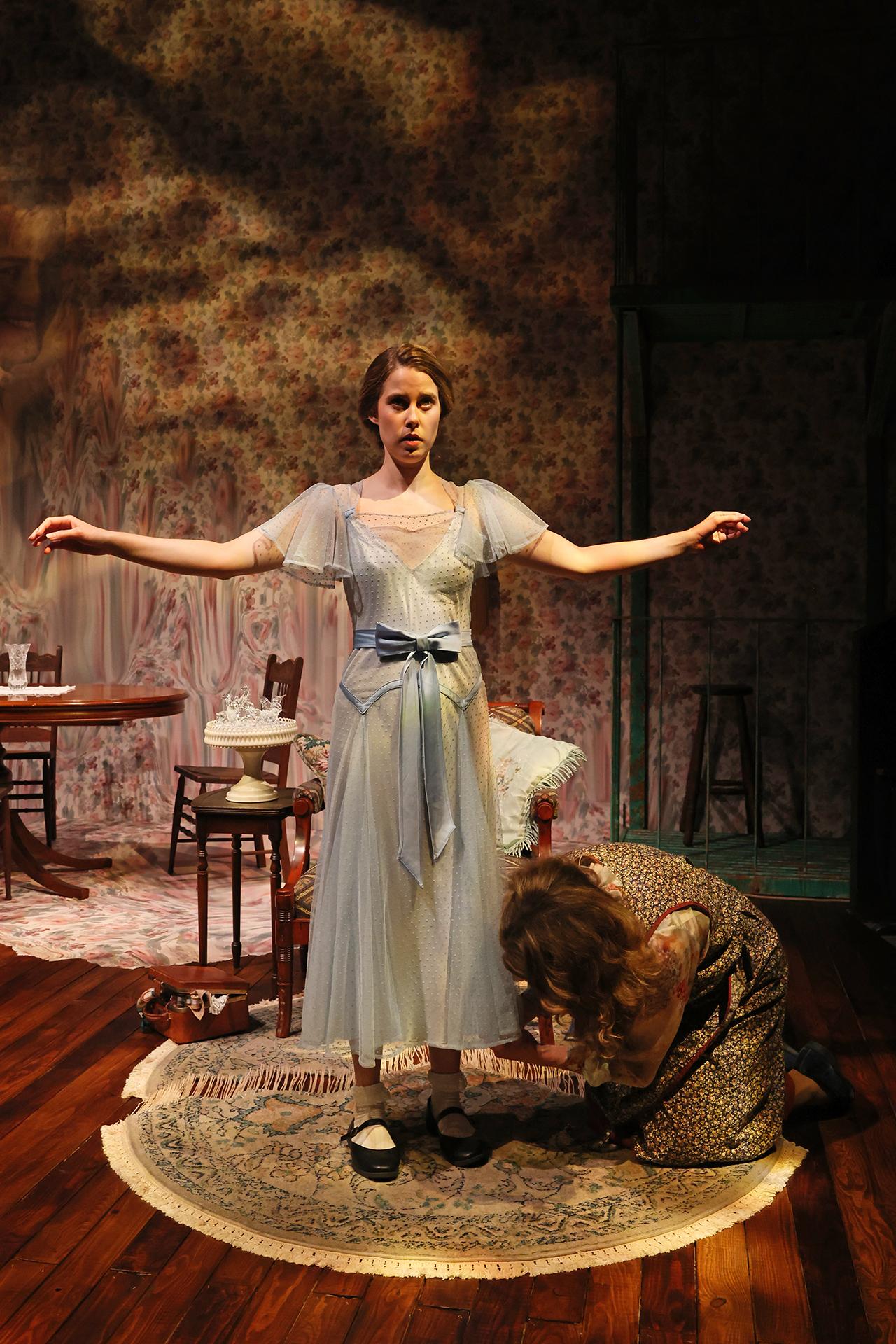
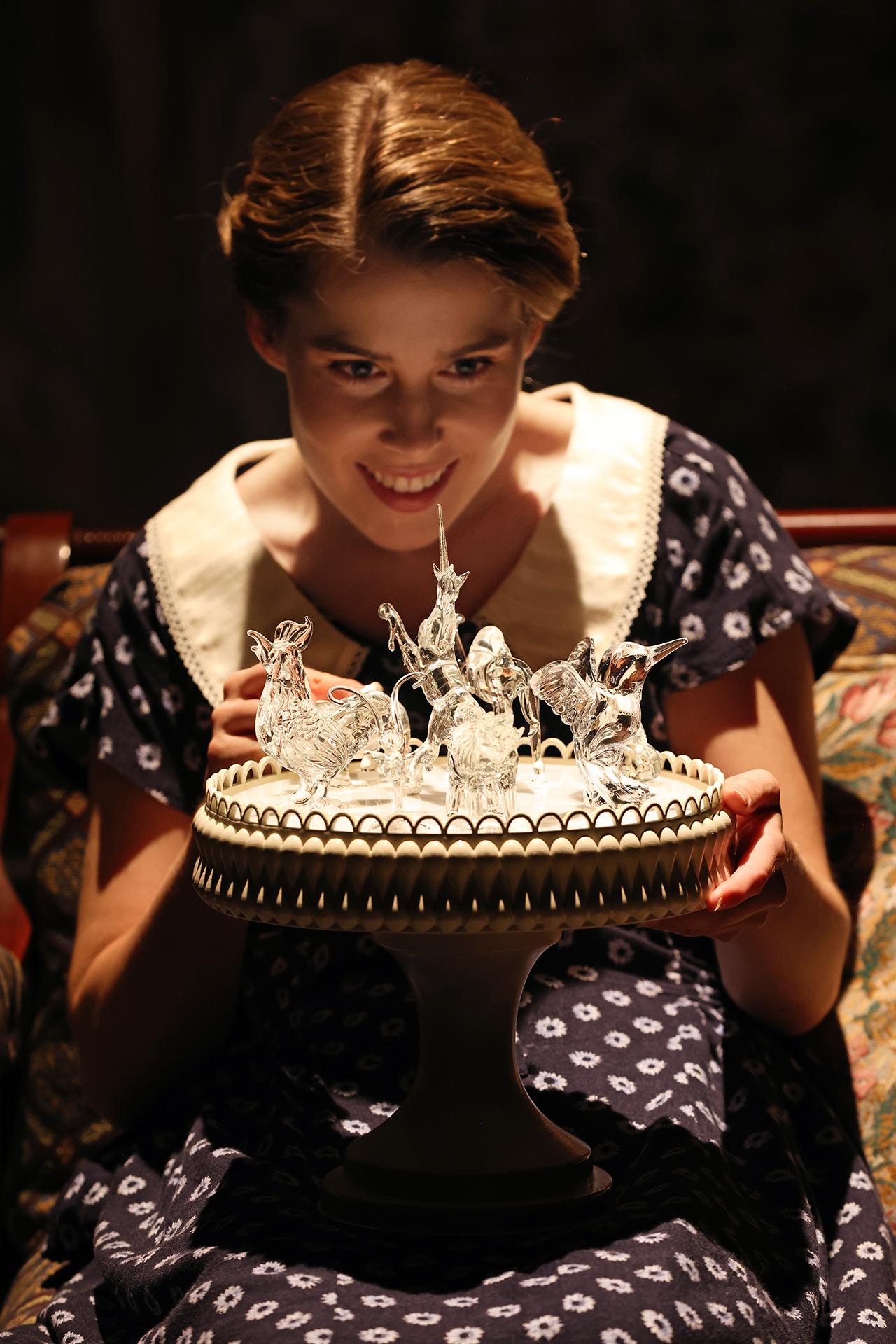
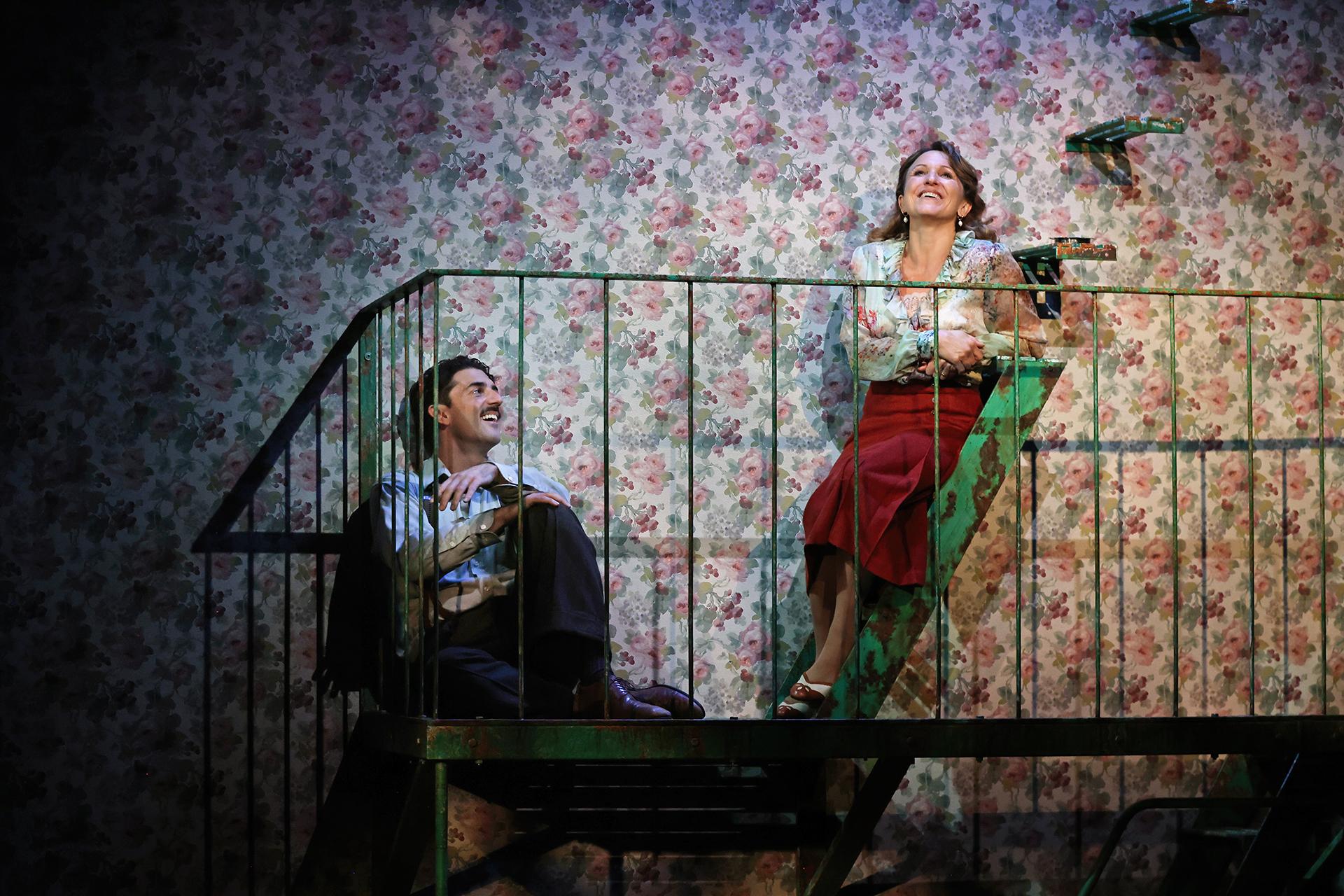
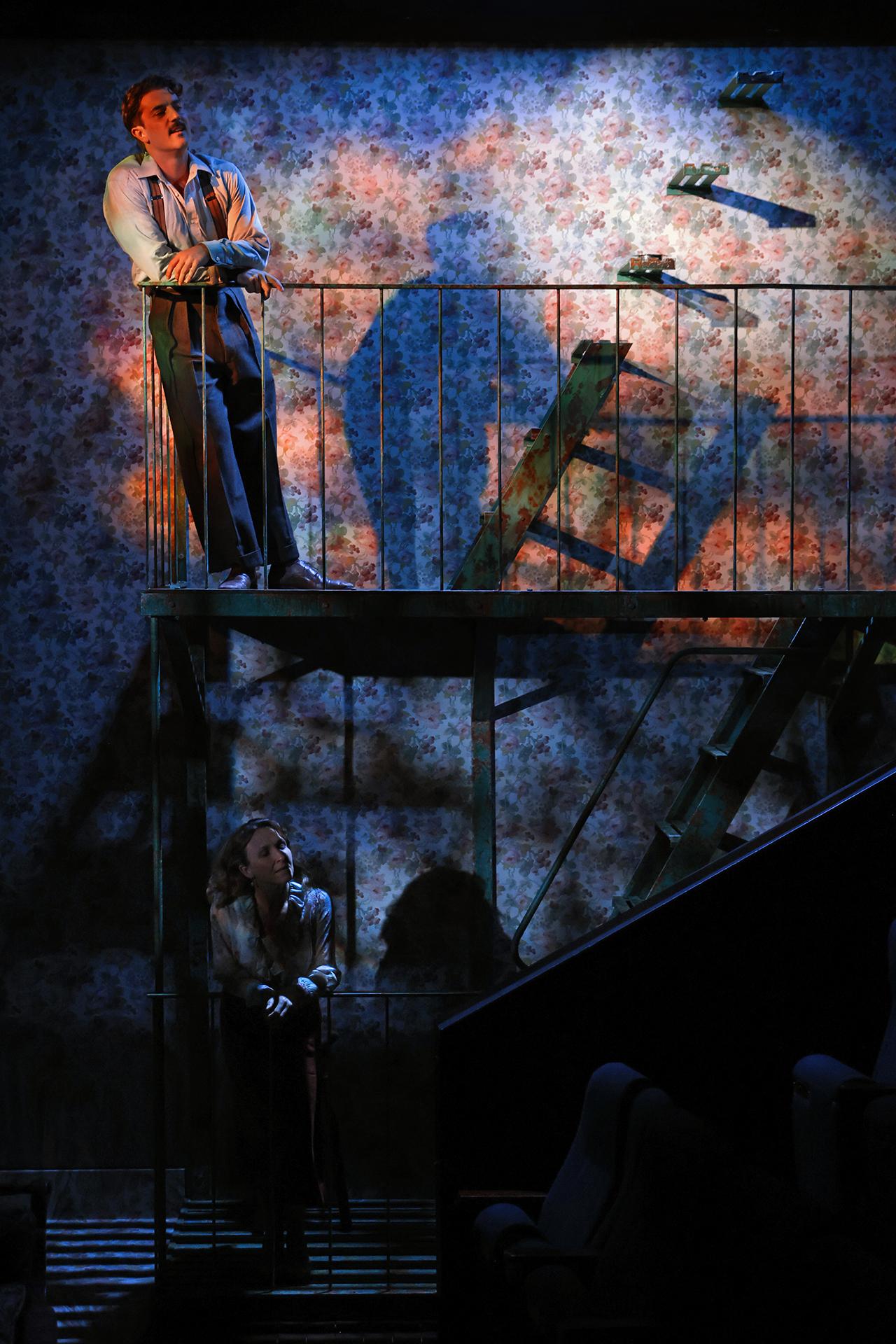
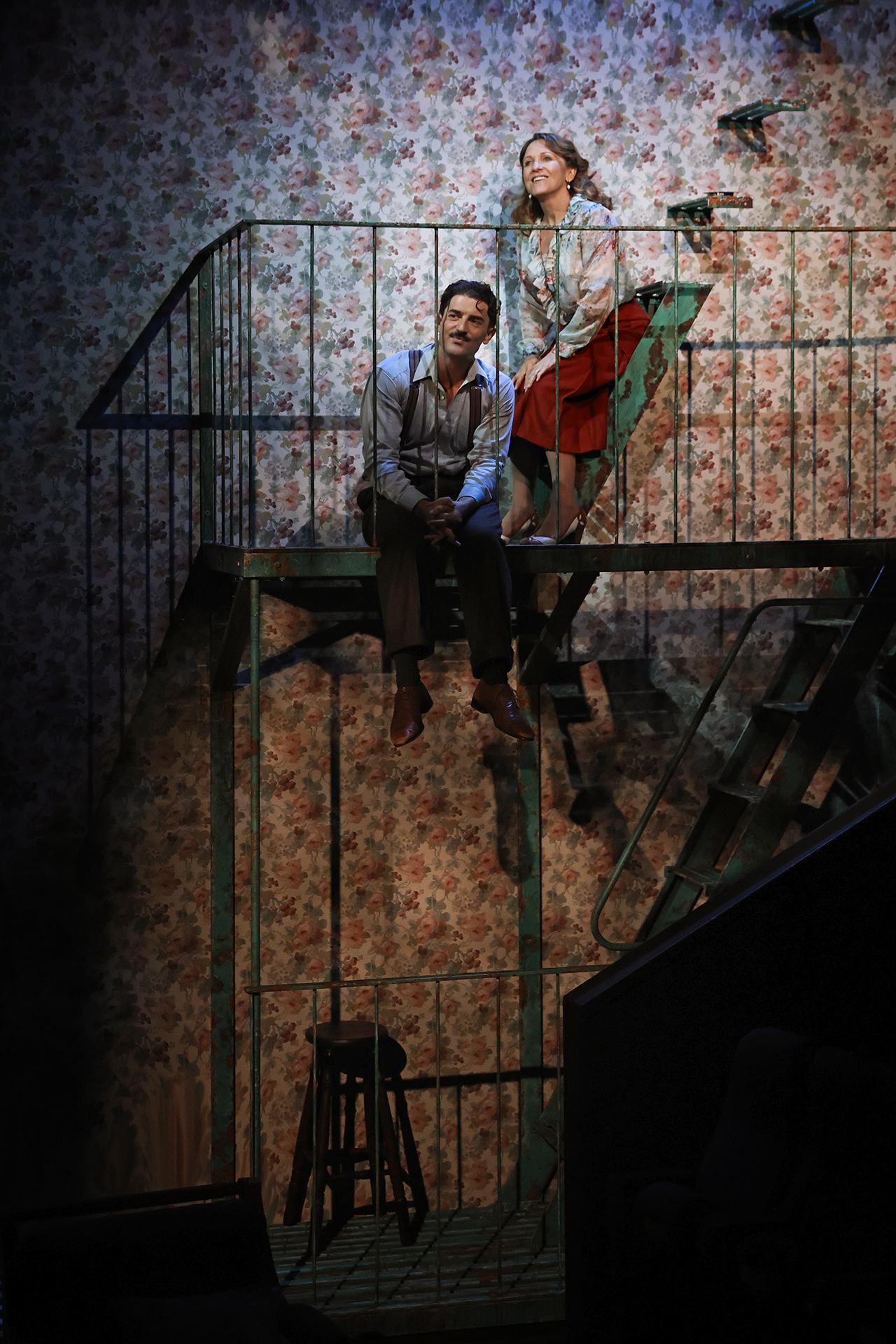
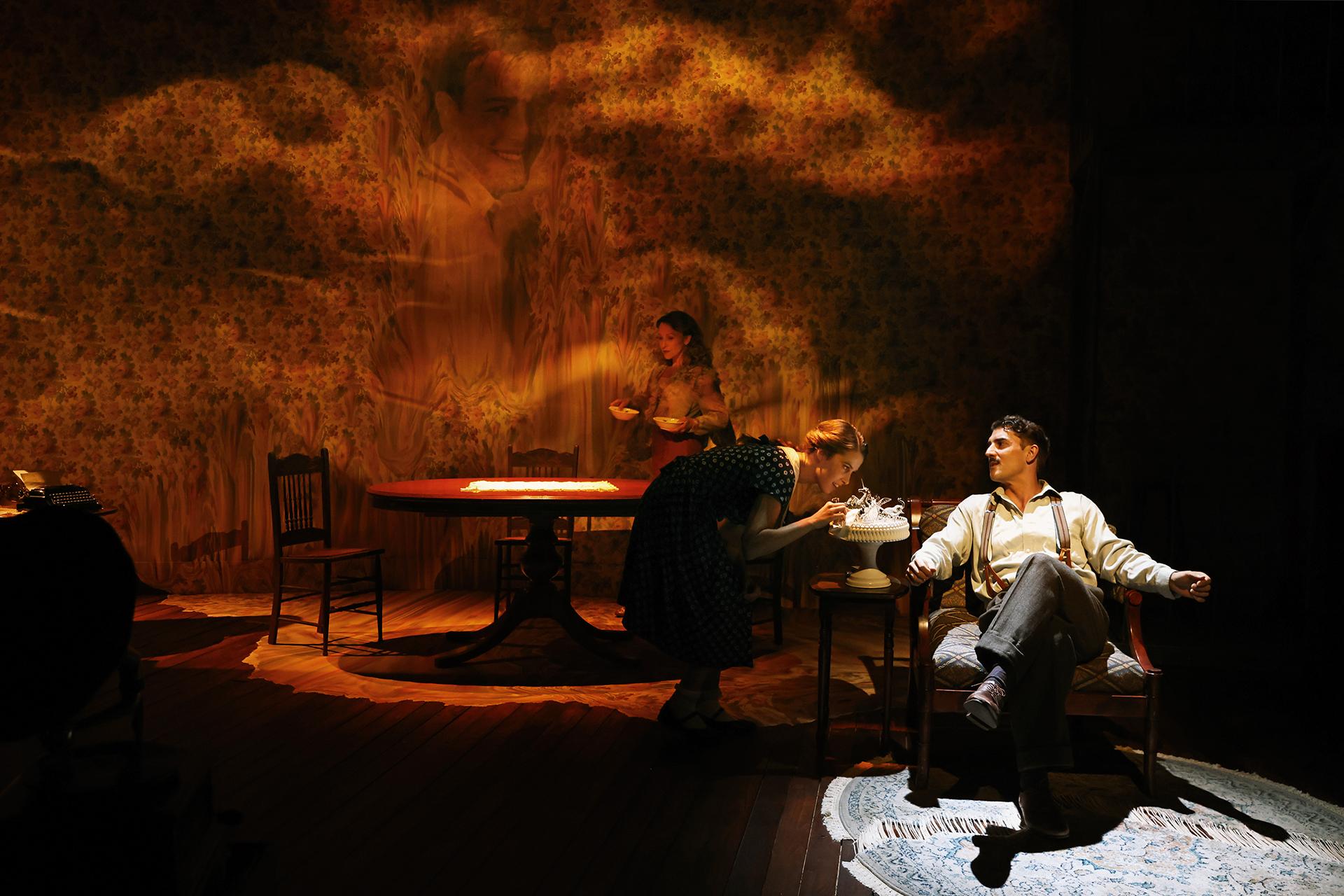
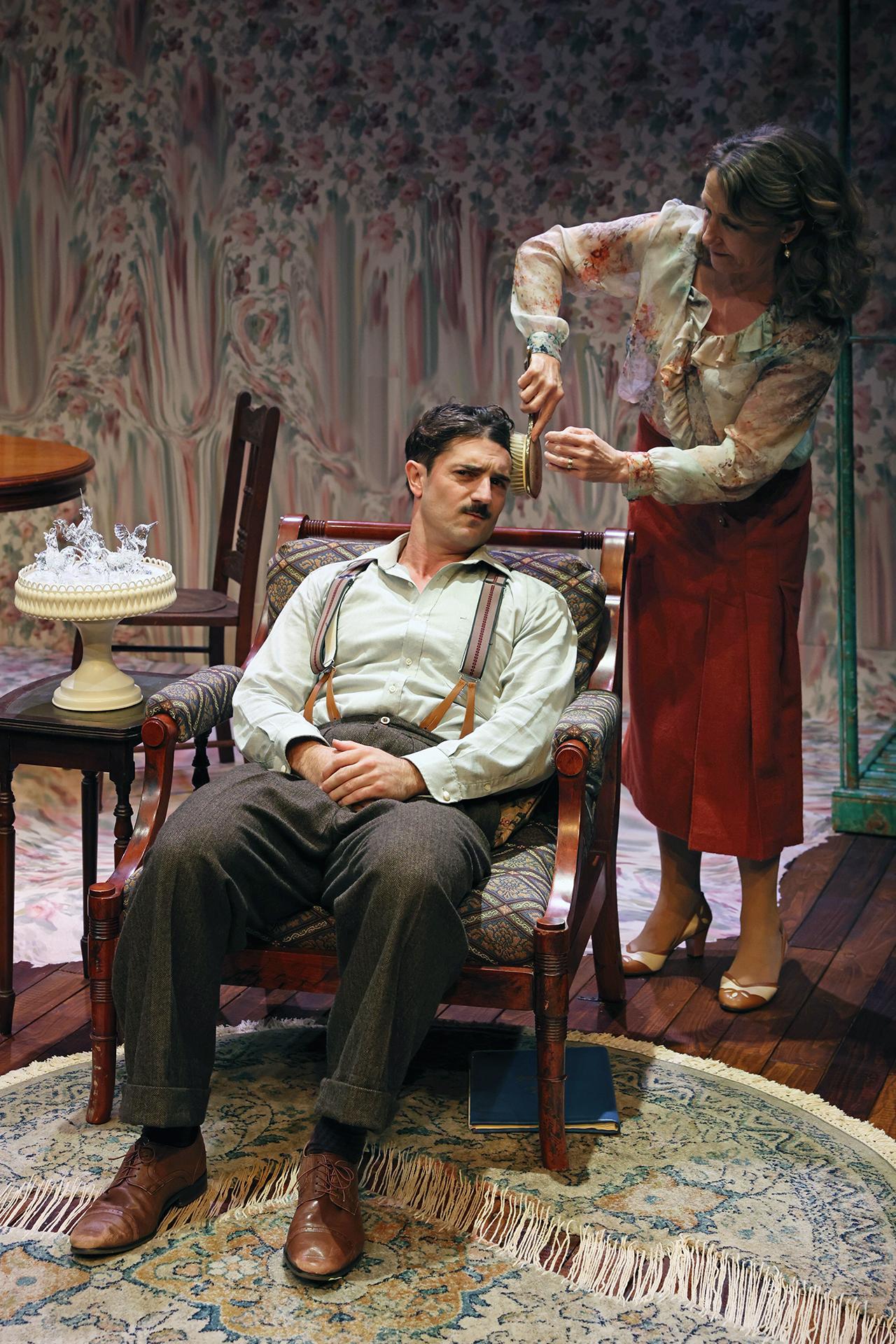
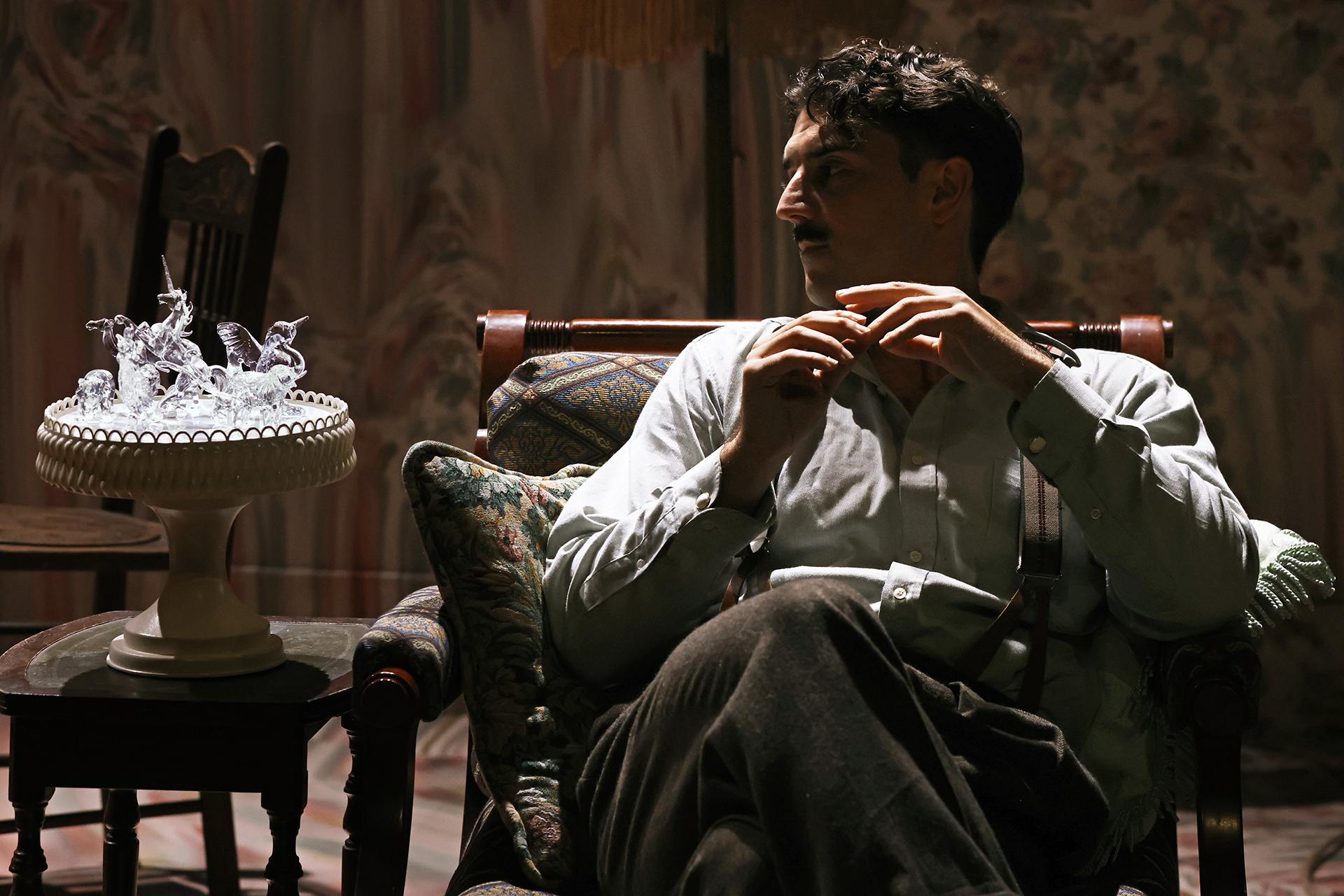
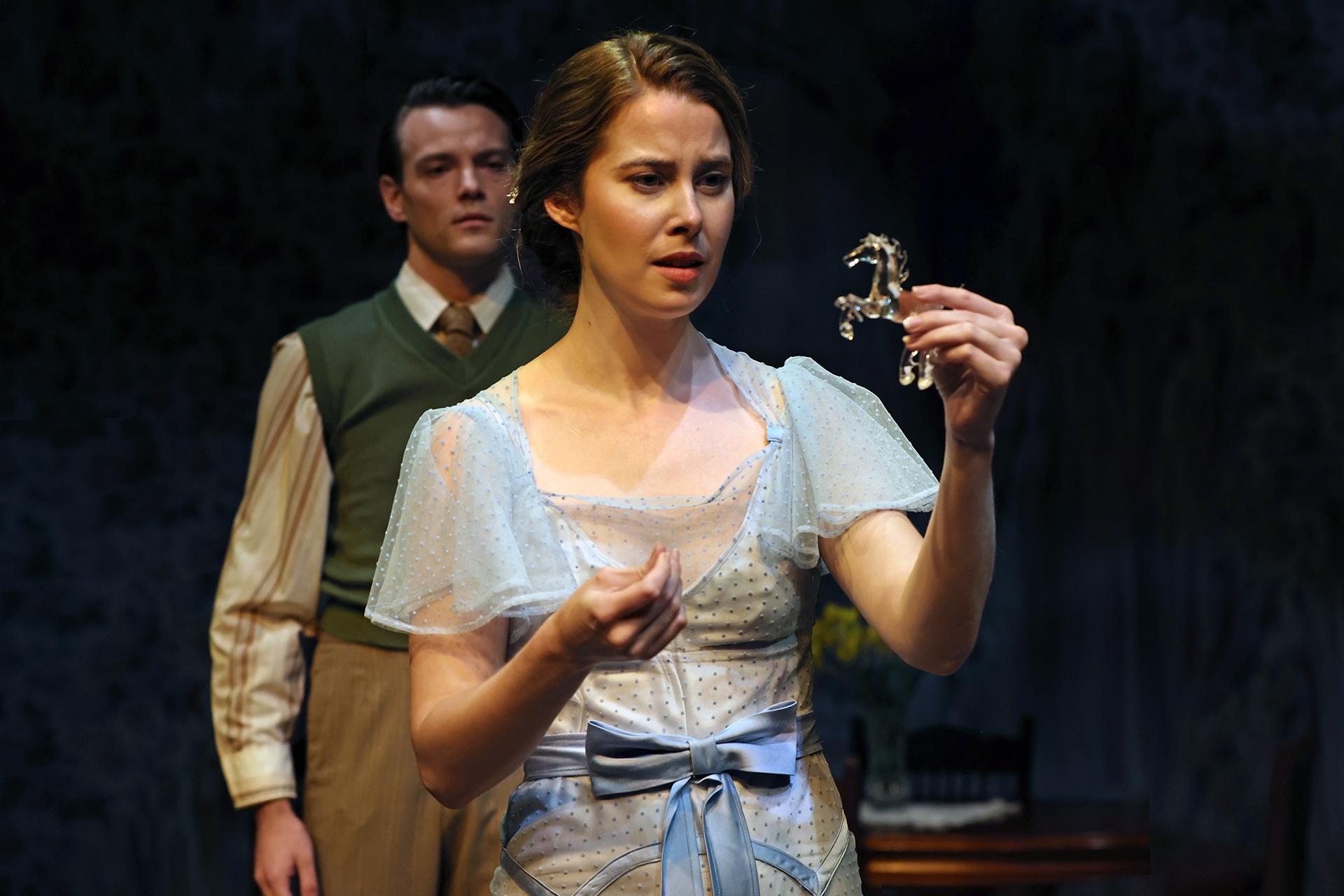
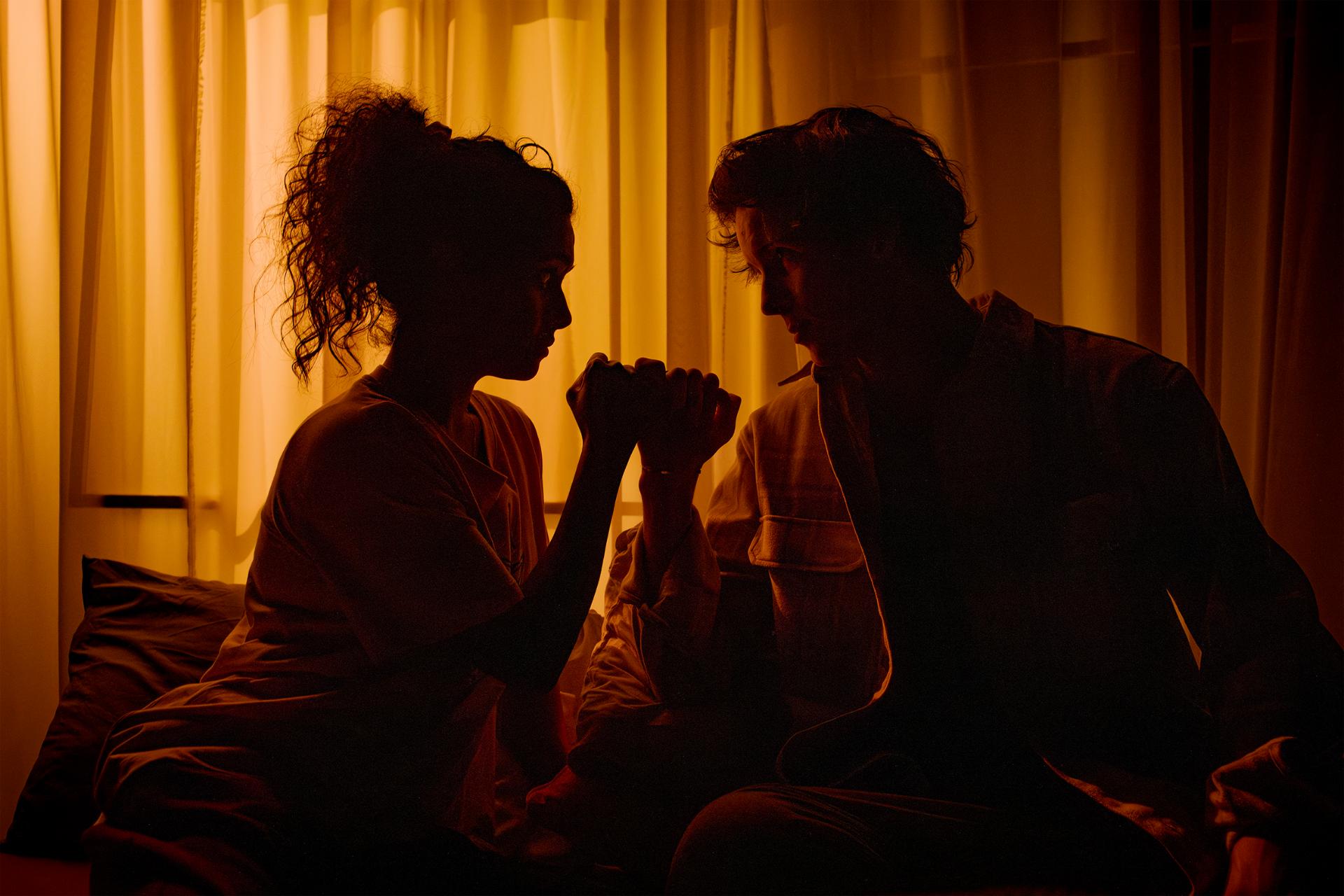
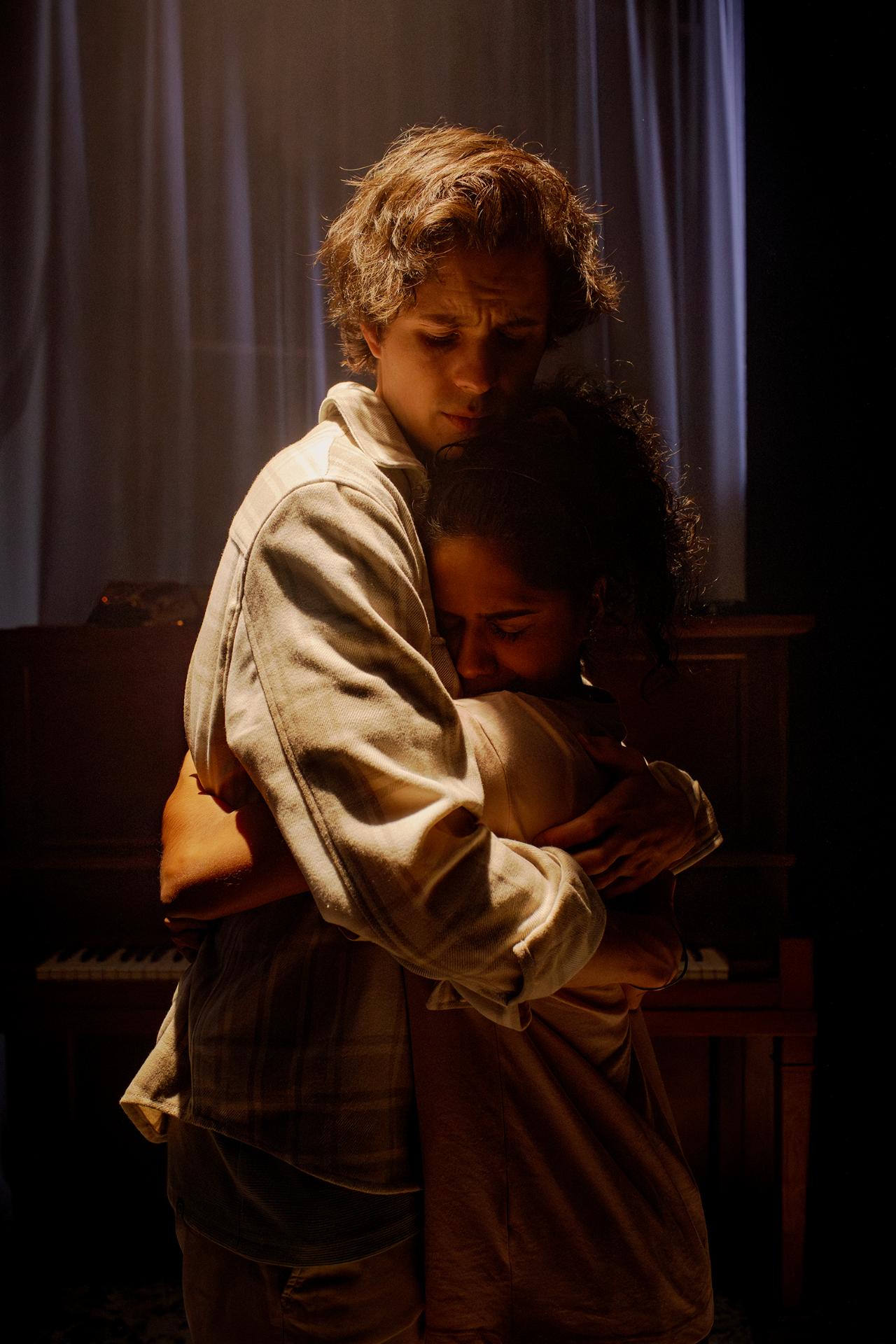
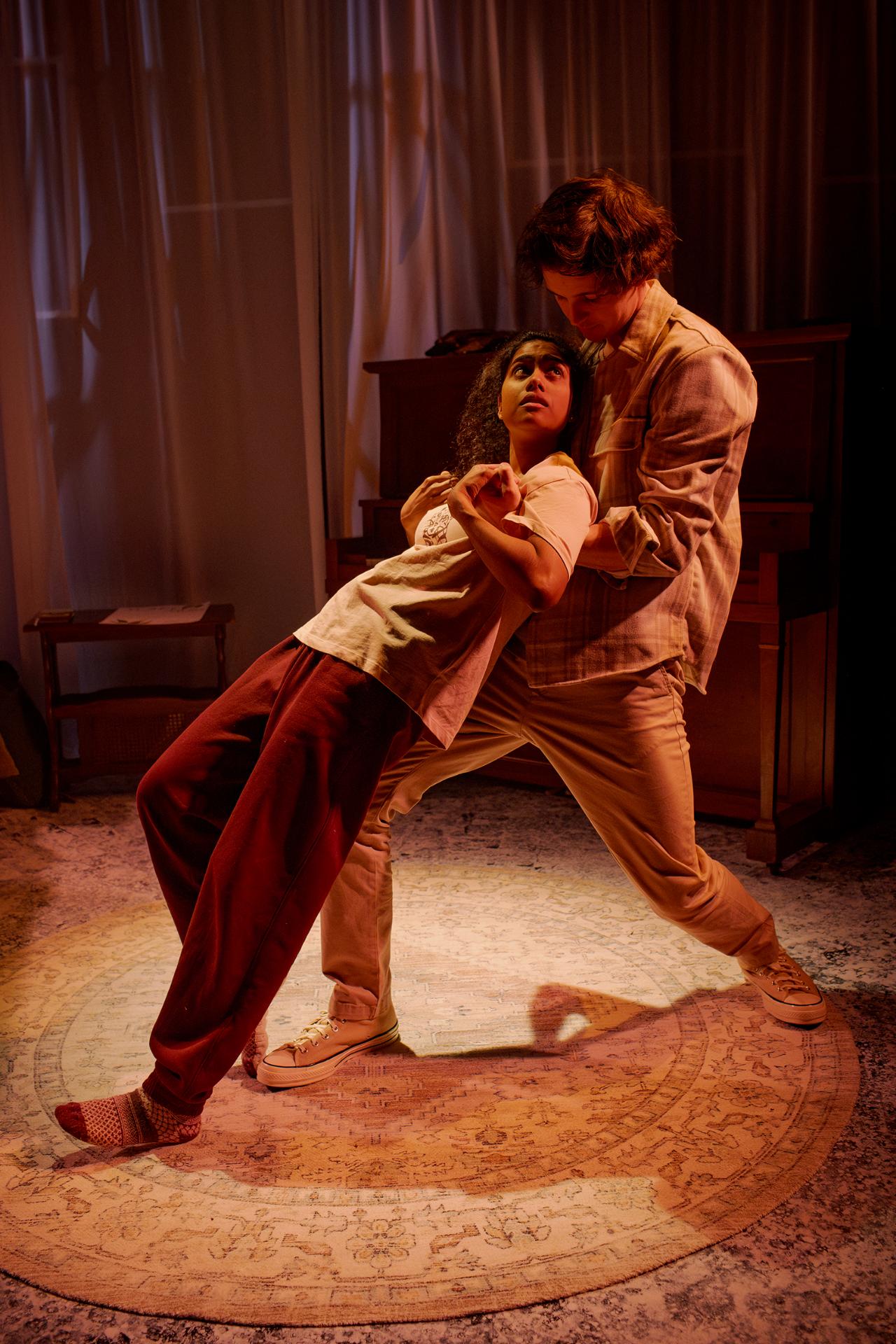
Tom’s mother Amanda is pushing him to find his sister Laura a beau, hoping that a gentleman caller would be their ticket to an improved existence. It is St. Louis in the Great Depression of the 1930s, and the Wingfields have little to live for. In Tennessee Williams’ The Glass Menagerie, characters are in a state of psychological paralysis, inert in their daily misery, unable to dream up better ways to be.

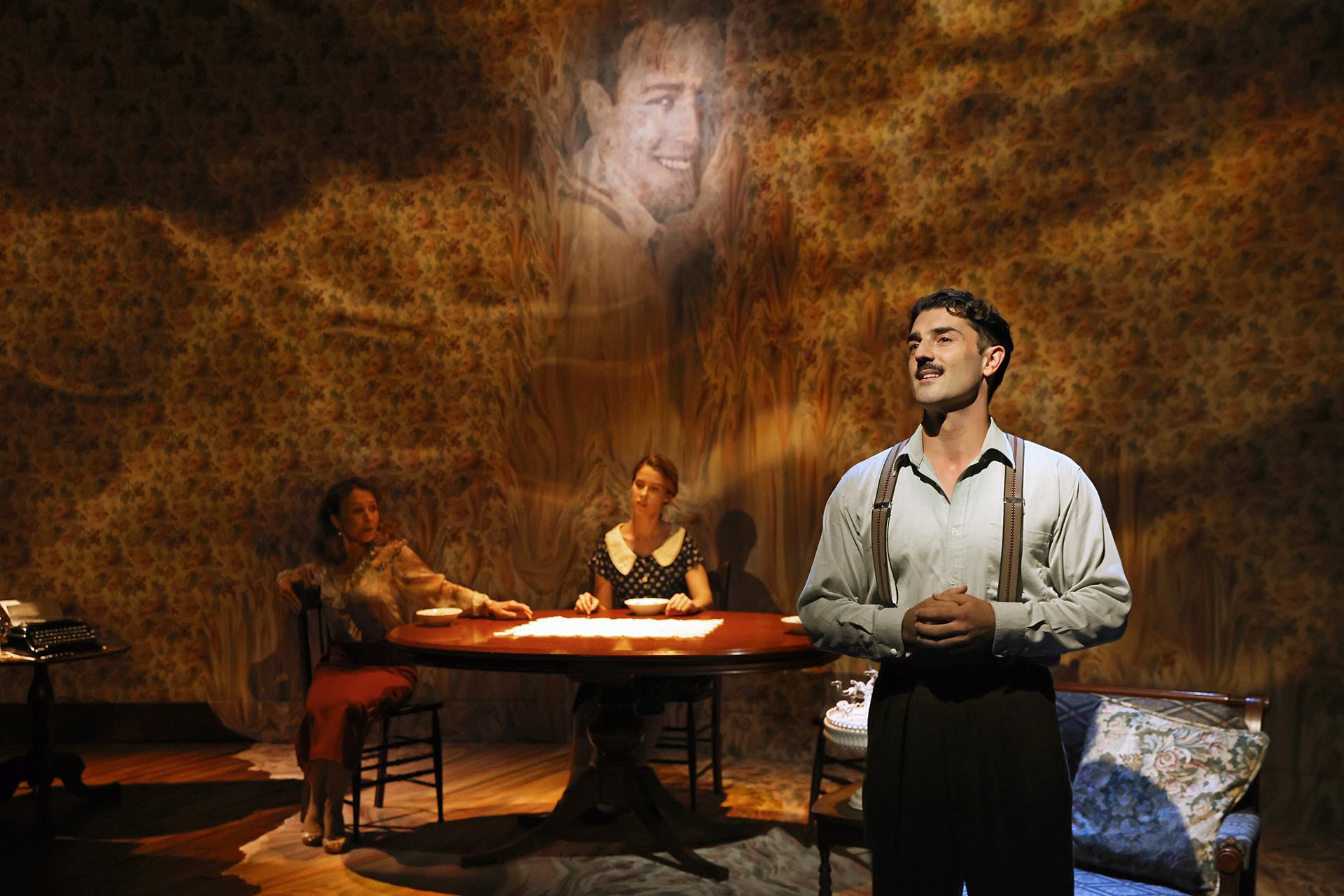
There is a fear at the centre of who they are, that director Liesel Badorrek expresses well in her version of the American classic, with an ensemble that delves deep into the psychologies of these troubled souls. Actor Blazey Best ensures that we empathise with Amanda’s frustrations, even as we witness her comical attempts at presenting a dignified front, to hide all of the Southern belle’s brokenness. The fragile Laura is given kooky charm by Bridie McKim, and with her knowing eyes, successfully thwarts any pitied readings of the role.

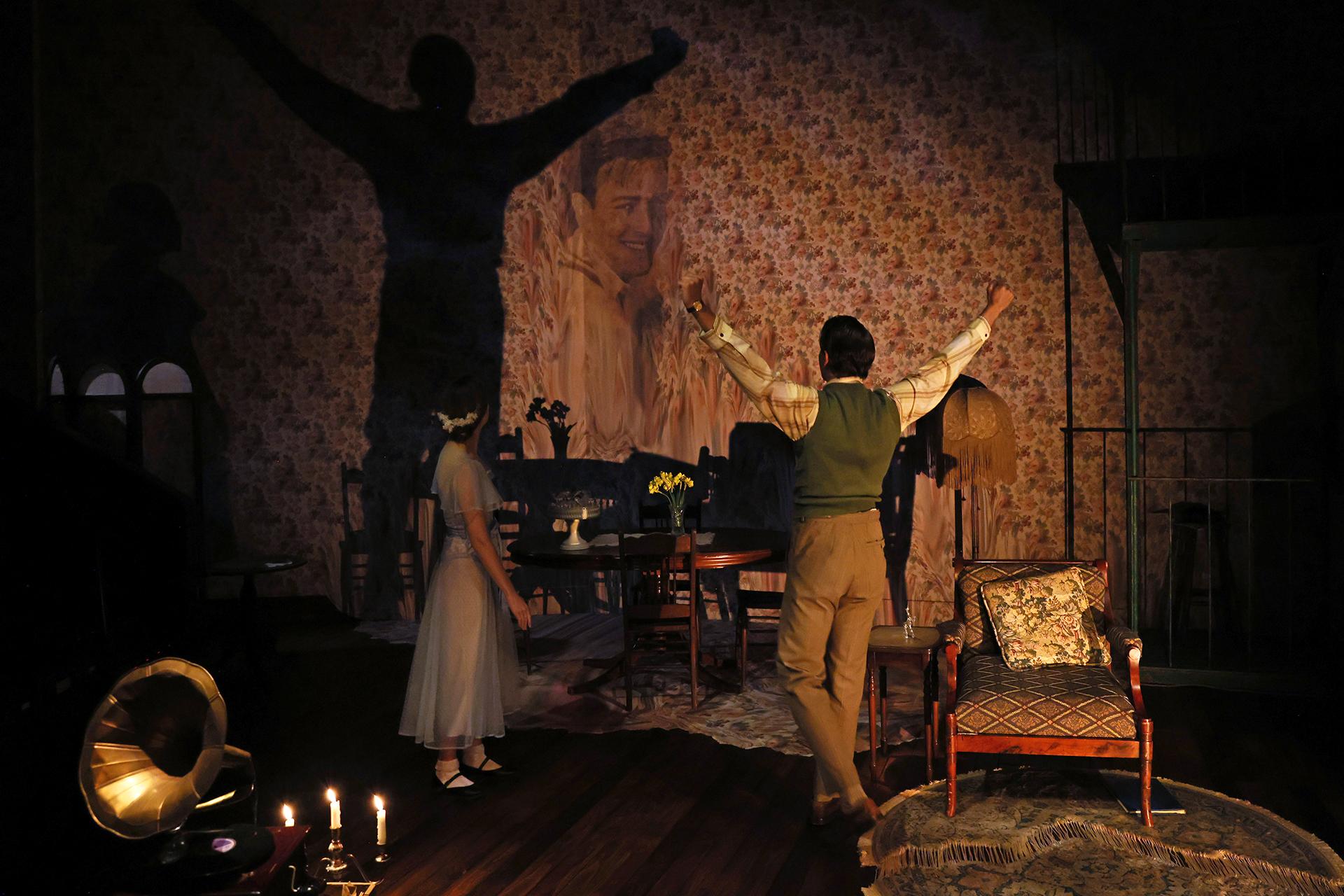
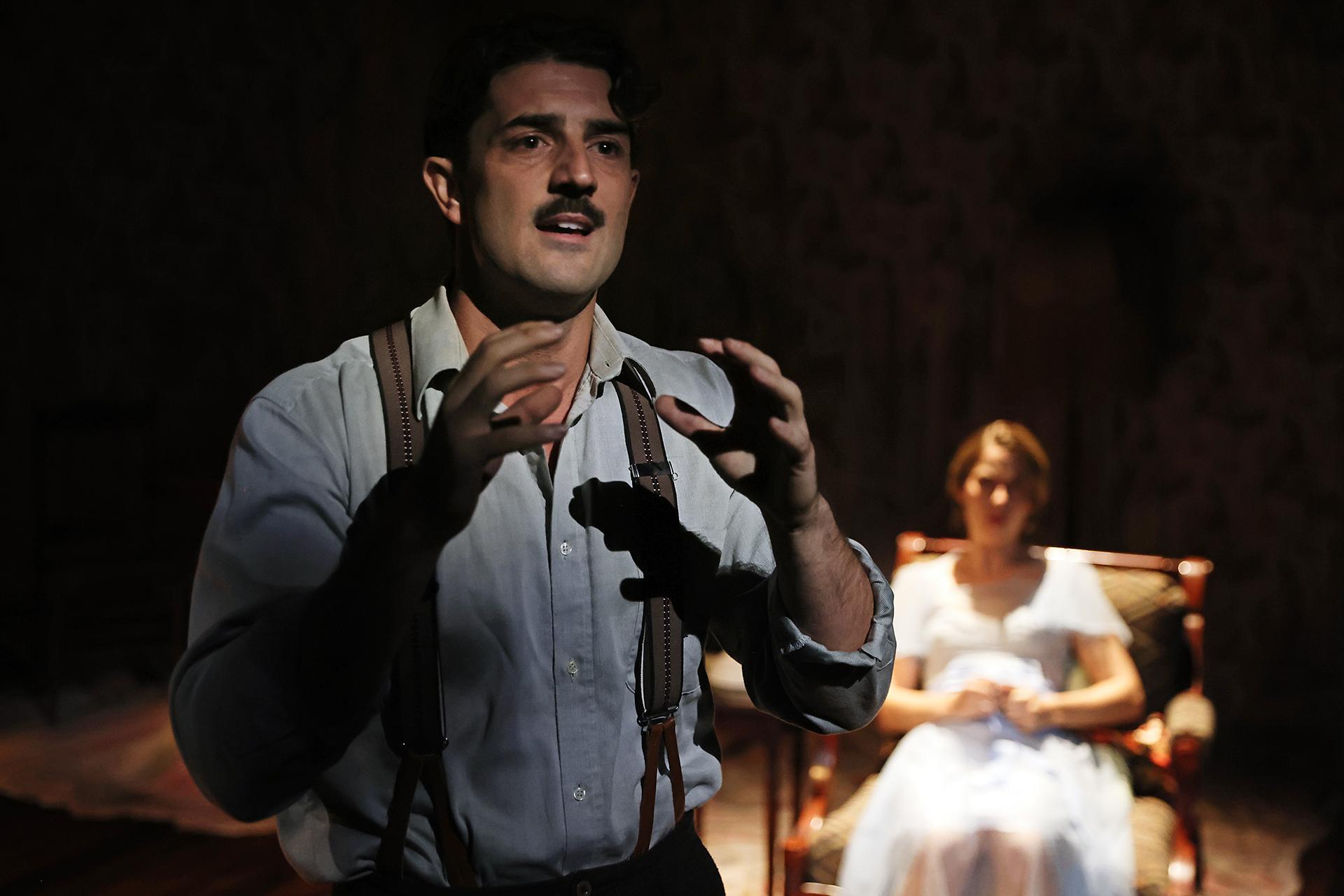
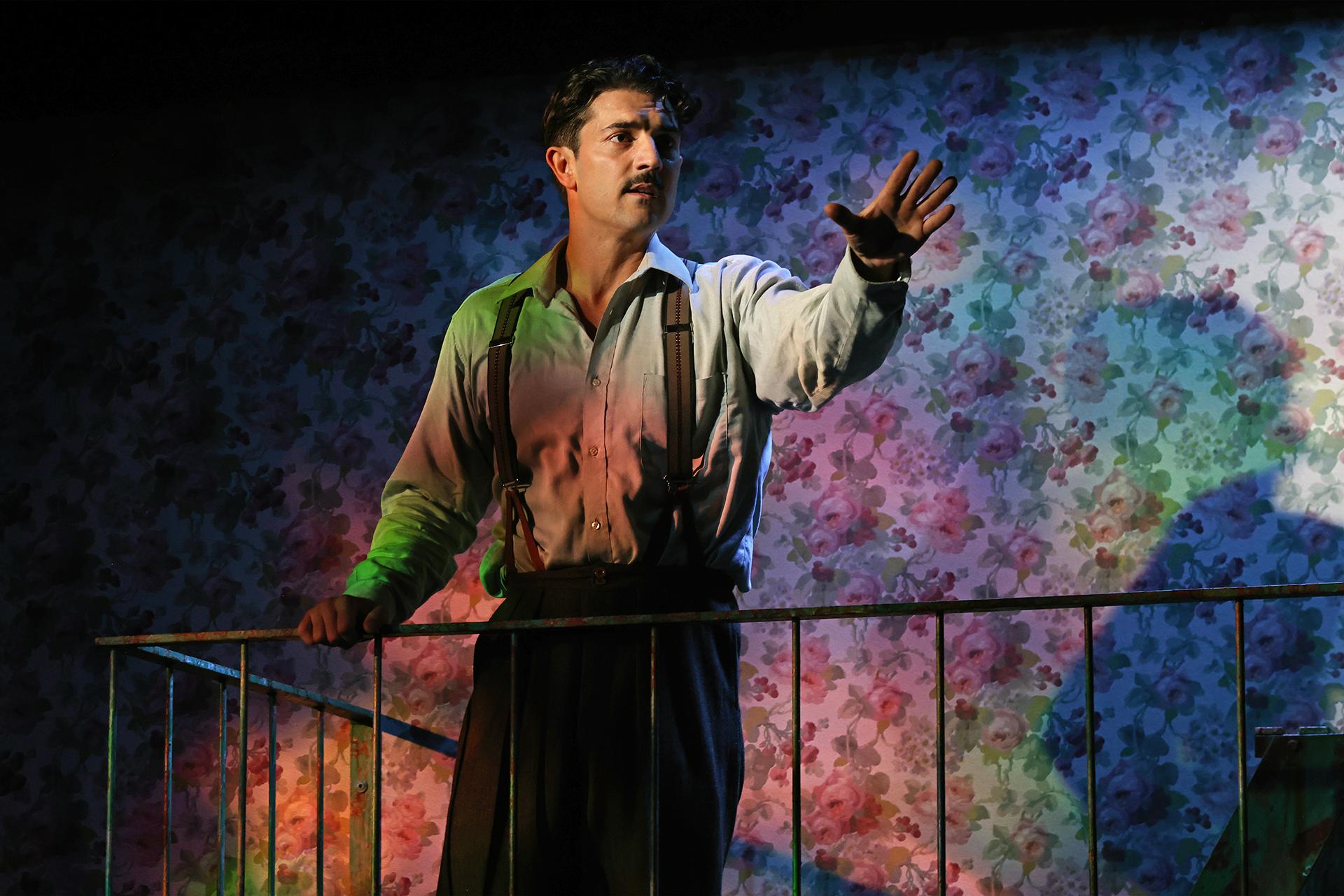
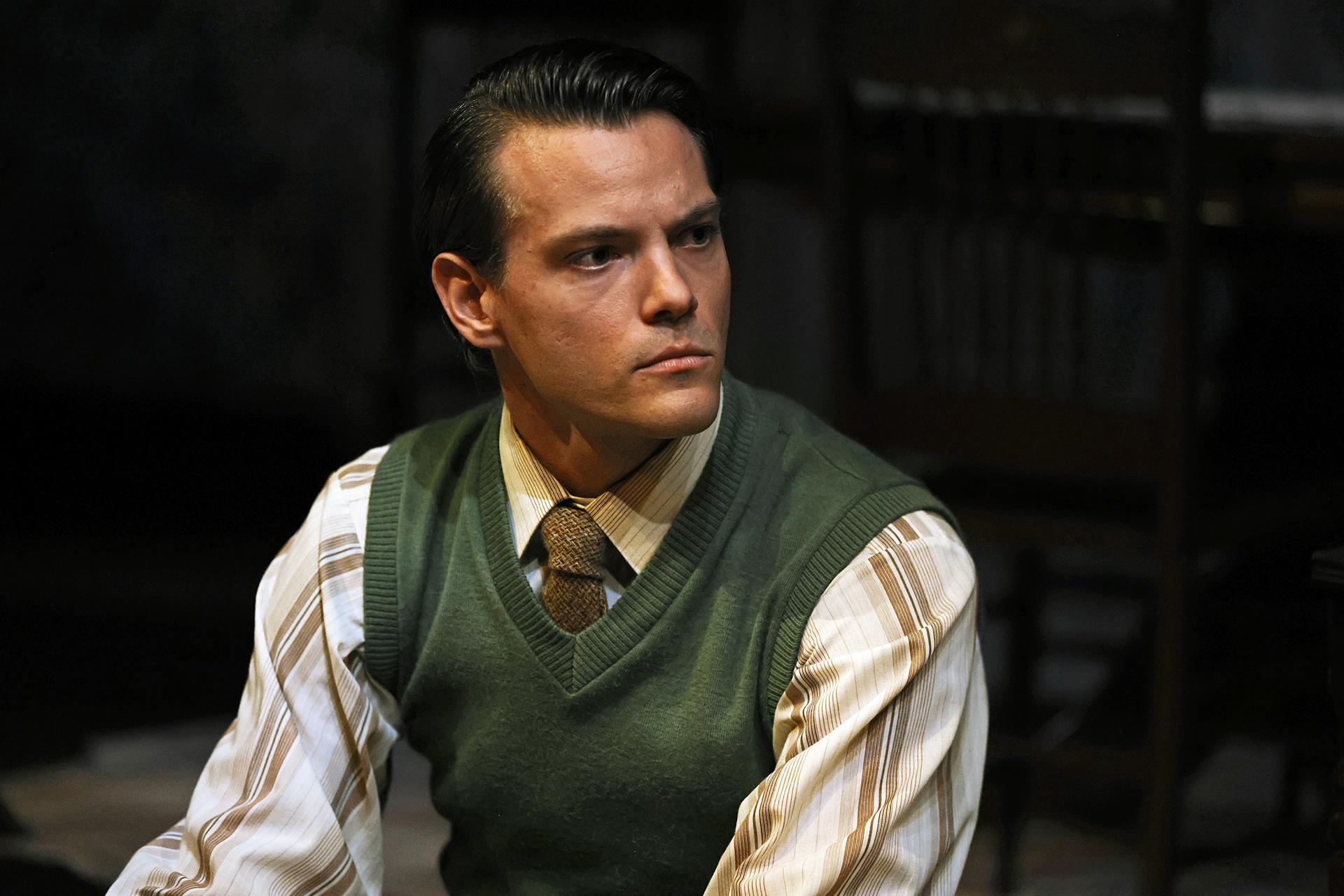
Tom Rodgers plays romantic prospect Jim with an endearing exuberance, almost making us forgive his dastardly deceptions. A memorable Danny Ball delivers a sumptuously rhapsodic interpretation of Tom Wingfield, in a beautiful representation of the higher possibilities that await an as yet oblivious and disgruntled young man.

Ball’s brand of lyricism is supported wonderfully by the resplendent music of Maria Alfonsine and Damian De Boos-Smith, who deliver for the show a satisfying dreamlike quality specific to the era being visited. Lights by Verity Hampson are perhaps too often of a naturalistic tone, as is set design by Grace Deacon that although features satisfying hints of stylistic elevation, has a tendency to be overly plain in approach. Costumes, also by Deacon, are judiciously assembled, for accurate depictions of epoch and personalities.

If we believe everything that people say about us, we will forever be stifled and dejected. Our sociality has a strong tendency to disempower. It propagates a disillusionment, so that we feel further subjugated and diminished. We then act in weakness, thus allowing the reckless to usurp more than their rightful share. To demand equity requires bravery, and a firm belief that we can co-exist with individual fulfilment, that there are ways to be wholly who we are, without encroaching on the rights of others.
www.ensemble.com.au

Review: Saints Of Damour (Qtopia)

Venue: Qtopia (Darlinghurst NSW), Mar 19 – Apr 5, 2025
Playwright: James Elazzi
Director: Anthony Skuse
Cast: Max Cattana, Nicole Chamoun, Deborah Galanos, Saro Lepejian, Antony Makhlouf
Images by Emma Elias

Theatre review
Pierre left Damour in Lebanon during the unrest of the 1970s. Making the trip alongside were his wife Layla and his mother Zienab, leaving behind secret male lover Samir. As they make new lives in Goondiwindi of rural Queensland, conditions improve quickly but Pierre’s longing for his true paramour never fades.

James Elazzi’s Saints of Damour is a tender tale of forbidden romance, incorporating a narrative of Middle Eastern migration and an interrogation of Australian identities. Its heightened drama is built on an irrefutable authenticity, with characters that are empathetic, genuine and multidimensional. A gentle humour peppers the work, to further draw us into an important exploration into legacies of queer immigrants. 

Direction by Anthony Skuse elicits highly accomplished performances from the entire cast. The complex psychologies involved are thoroughly deciphered, so that dynamics between every character are able to resonate with a sense of palpable intimacy and accuracy.

Production design by James Smithers includes a set that could benefit from some cosmetic refinement, but costumes are wonderfully assembled, to help us situate the personalities in the play’s transforming milieu. Sam Wylie’s lights are appropriately sentimental, as are sounds by Akesiu Poitaha that leave a remarkable impression with how they deliver poignancy for this melancholic presentation. 

Actor Antony Makhlouf brings intellectual rigour to his portrayal of Pierre, facilitating a deep understanding of the challenging circumstances faced by someone many should regard as a community forebear. Samir is played by Saro Lepejian whose natural presence injects a valuable soulful quality that makes the whole dilemma a believable and engaging one.
Deborah Galanos as Zienab brings wonderful timing, to both the comedy and pathos of the piece. Nicole Chamoun is exceptionally organic in her flawless depiction of Layla, amazing with the realism she renders. Other significant supporting parts are brought to life by an assiduous Max Catana, who proves convincing in wildly contrasting roles.
Many from faraway have arrived on these lands that although disputed, have been more welcoming than virtually everywhere else. We have had to leave homes that struggle to contain differences, and seek refuge here, in hopes that a greater capacity for human diversity means greater chances of survival. There is no question however, that the more we disrupt the sense of cultural hegemony, the more this place becomes unwilling to embrace the broadness of our spectrum as inhabitants. Our acceptance as newcomers is contingent on the smallness of our numbers, and the smallness of our characteristics. We are perceived as threats when we grow in demographic and in vigour. At a time when assimilation is no longer de rigeur, what it means to belong is undergoing redefinition.

www.qtopiasydney.com.au

Review: Ophelia Thinks Harder (KXT on Broadway)

Venue: KXT on Broadway (Ultimo NSW), Mar 14 – 29, 2025
Playwright: Jean Betts and W Shakespeare
Director:
Alex Kendall Robson
Cast: Zachary Aleksander, Julie Bettens, Eleni Cassimatis, Shaw Cameron, Richard Hilliar, Brea Macey, Pat Mandziy, Lucy Miller, Finley Penrose, Hannah Raven
Images by Phil Erbacher

Theatre review
Written in 1993, Jean Betts’ Ophelia Thinks Harder seems today almost desperate in its need to demonstrate, that Shakespeare’s women are no fools, even if Shakespeare had intended them to be portrayed as such. How we perceive of the Bard’s oeuvre has changed in recent years, thanks to efforts of those just like Betts, who have had enough of the gendered denigration inherent in his ubiquitous writing.

Even though strong and considered, Ophelia Thinks Harder does feel superseded in its attitude. Direction by Alex Kendall Robson offers little that could provide an update, to a style of feminist theatre that seems very much of the previous wave. Performer Brea Macey is convincing as a disturbed Ophelia, intense in her portrayal of a young woman awaking to the injustice that she is destined for. Shaw Cameron impresses as a comical but despicable Hamlet, as does Lucy Miller who brings a valuable irony to her measured depictions of the play’s maternal characters.

A visually pleasing set design by Hannah Yardley and Jimi Rawlings proves effective in addressing various scenic requirements. Costumes by Robson are inconsistently rendered, with some pieces more imaginatively assembled than others. Lighting by Sophie Parker can be more detailed in approach, but is nonetheless skilled in calibrating atmospheric transformations. Sounds by David Wilson too can be more rigorous in their enhancements, but are successful in implementing a sense of drama at key moments.

For some, all this debate about Shakespeare is tired to say the least, but his omnipresence in the West remains undeniable. We can see the extent to which his legacy is fundamental to the ways we regard the arts, and how pervasive his influence has been, in our assessments of merit in theatre. Feminism should want to make him irrelevant, to make all that he stands for no longer central to how we experience the world, but the patriarchy’s obstinance is one of its main features. A thorn in the side insists on wearing a person down, but it also functions as a reminder of the bigger harms it is always poised to reinstate.
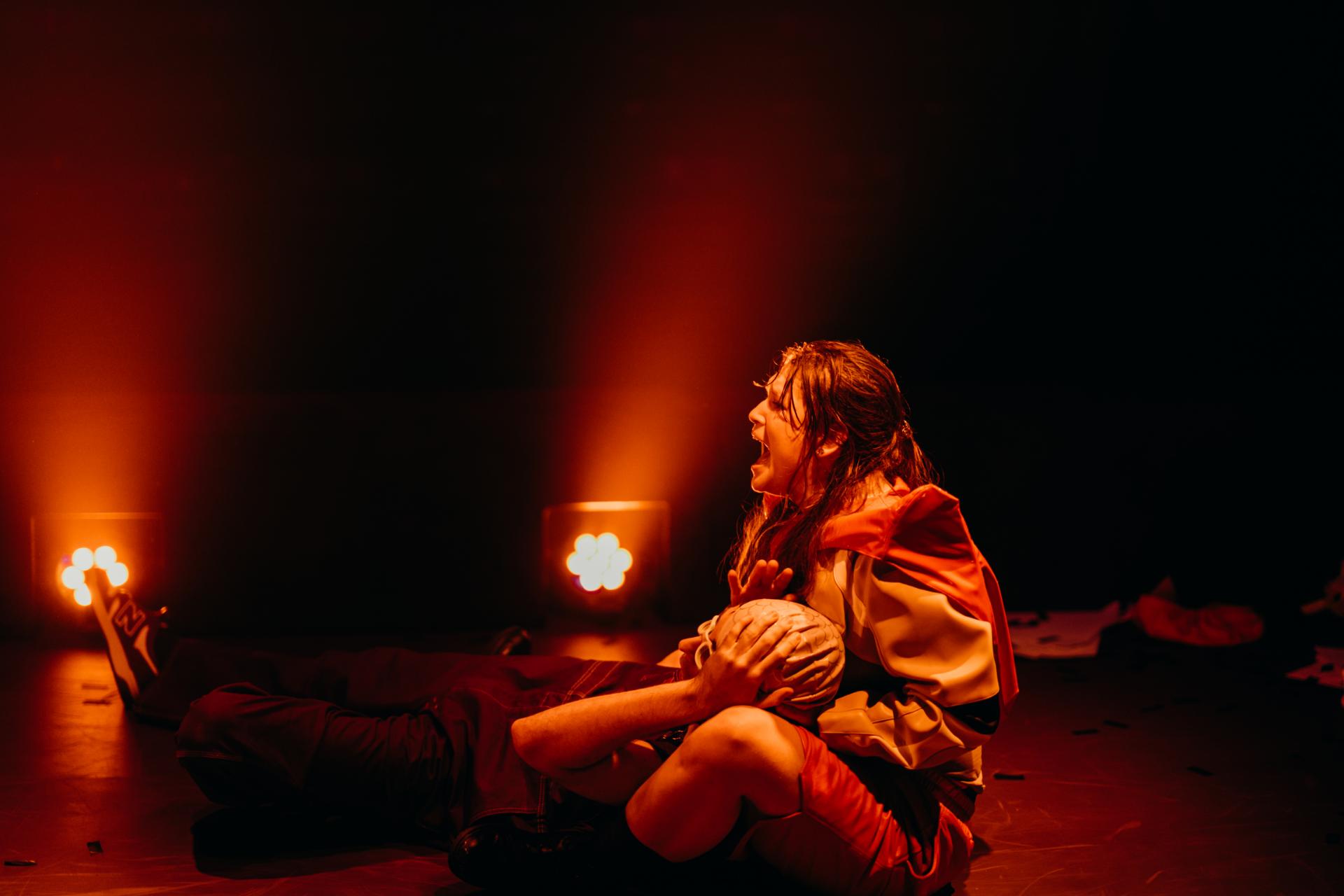
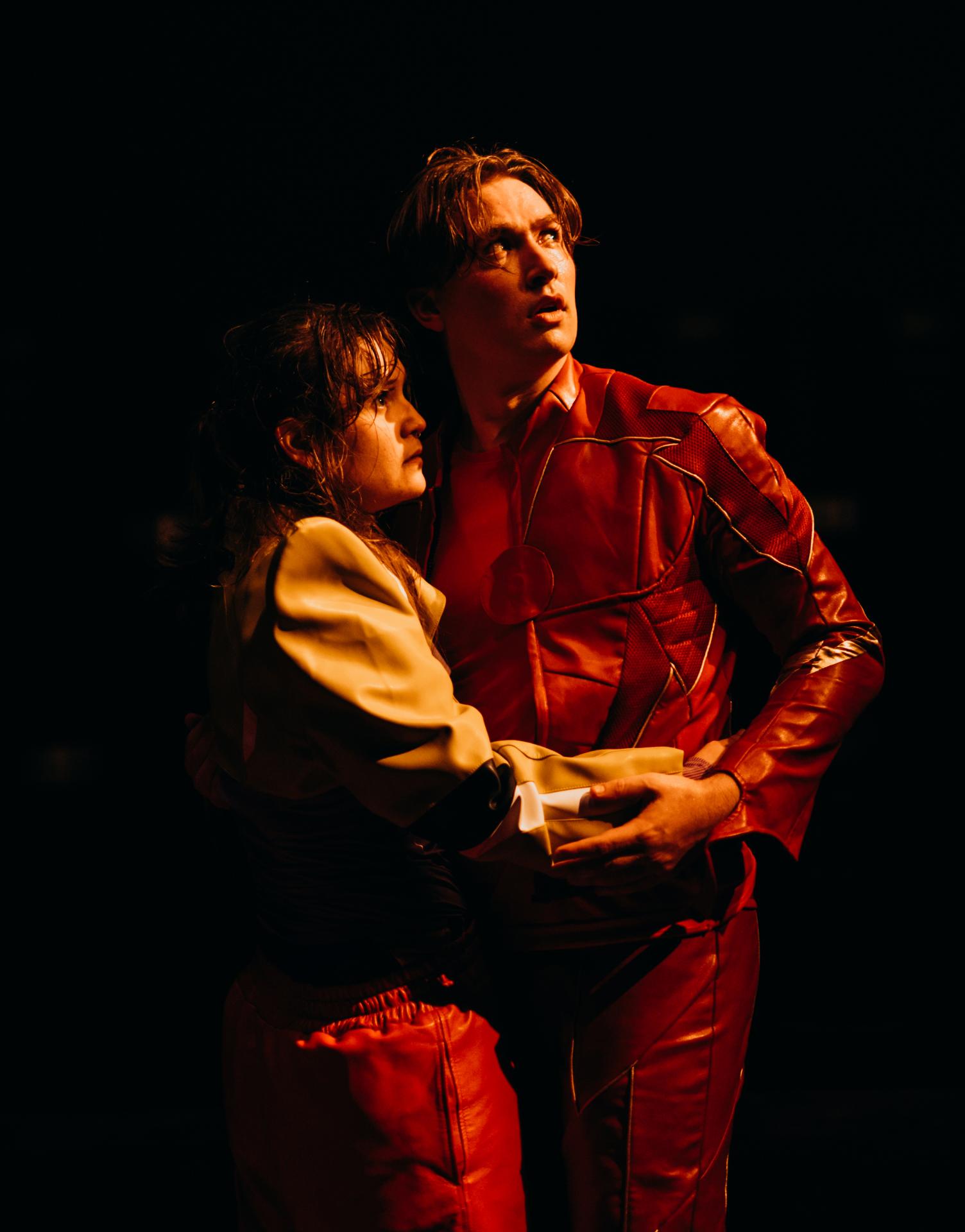
www.kingsxtheatre.com | www.fingerlesstheatre.com

Review: Furious Mattress (25A Belvoir)

Venue: Belvoir St Theatre (Surry Hills NSW), Mar 11 – 30, 2025
Playwright: Melissa Reeves
Director: Margaret Thanos
Cast: Julian Garner, Alex Malone, Matilda Ridgway, Shan-Ree Tan
Images by Robert Catto

Theatre review
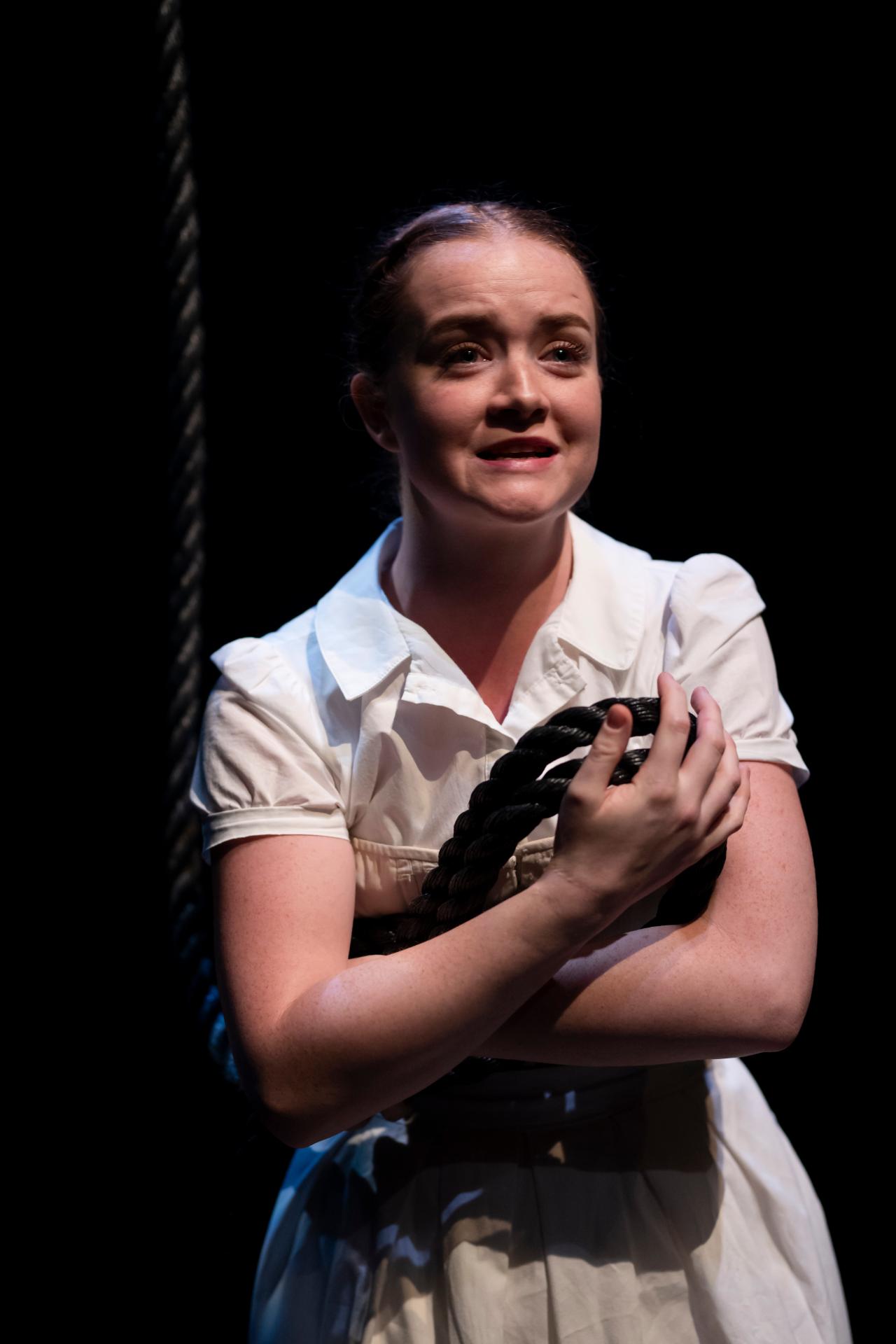
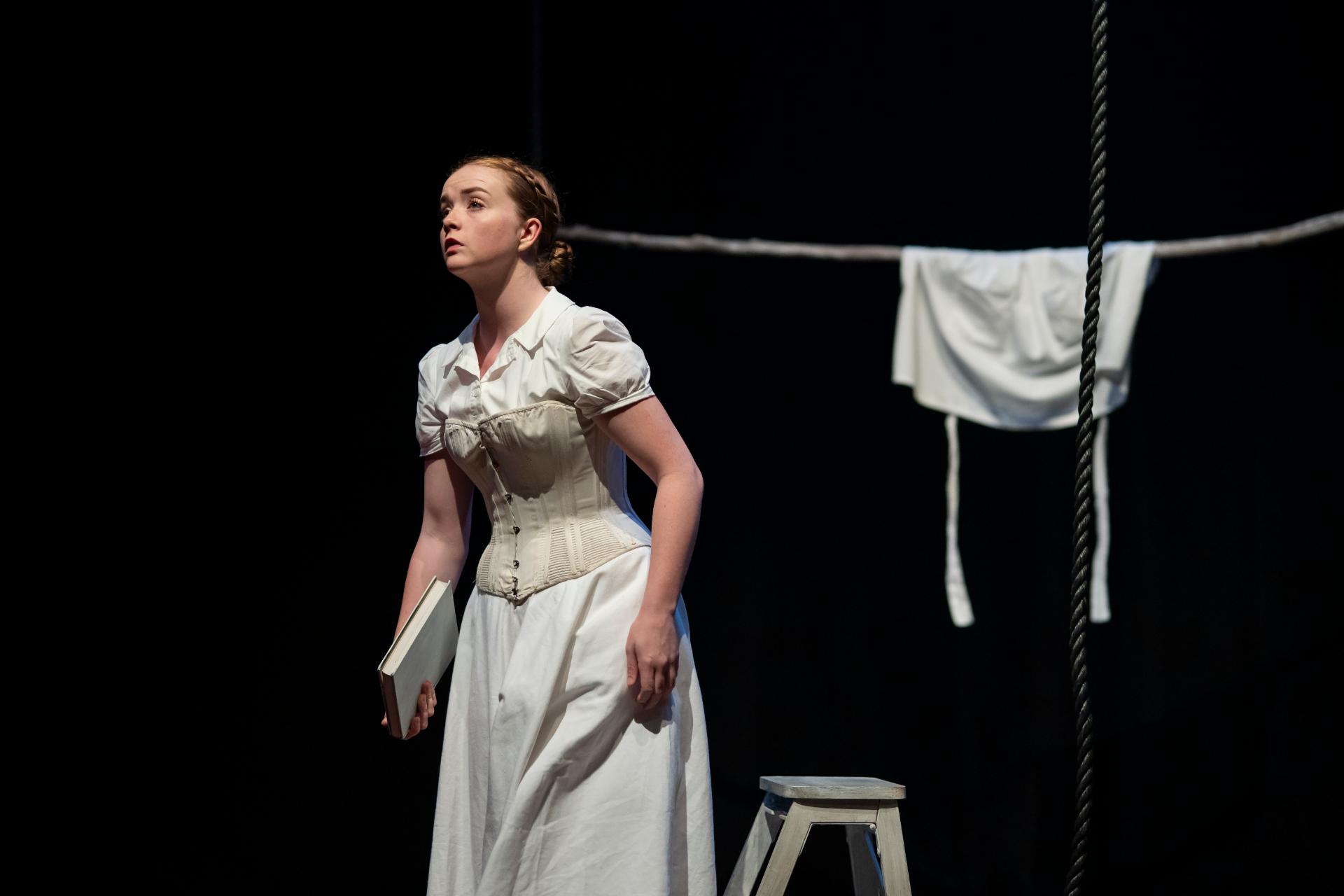
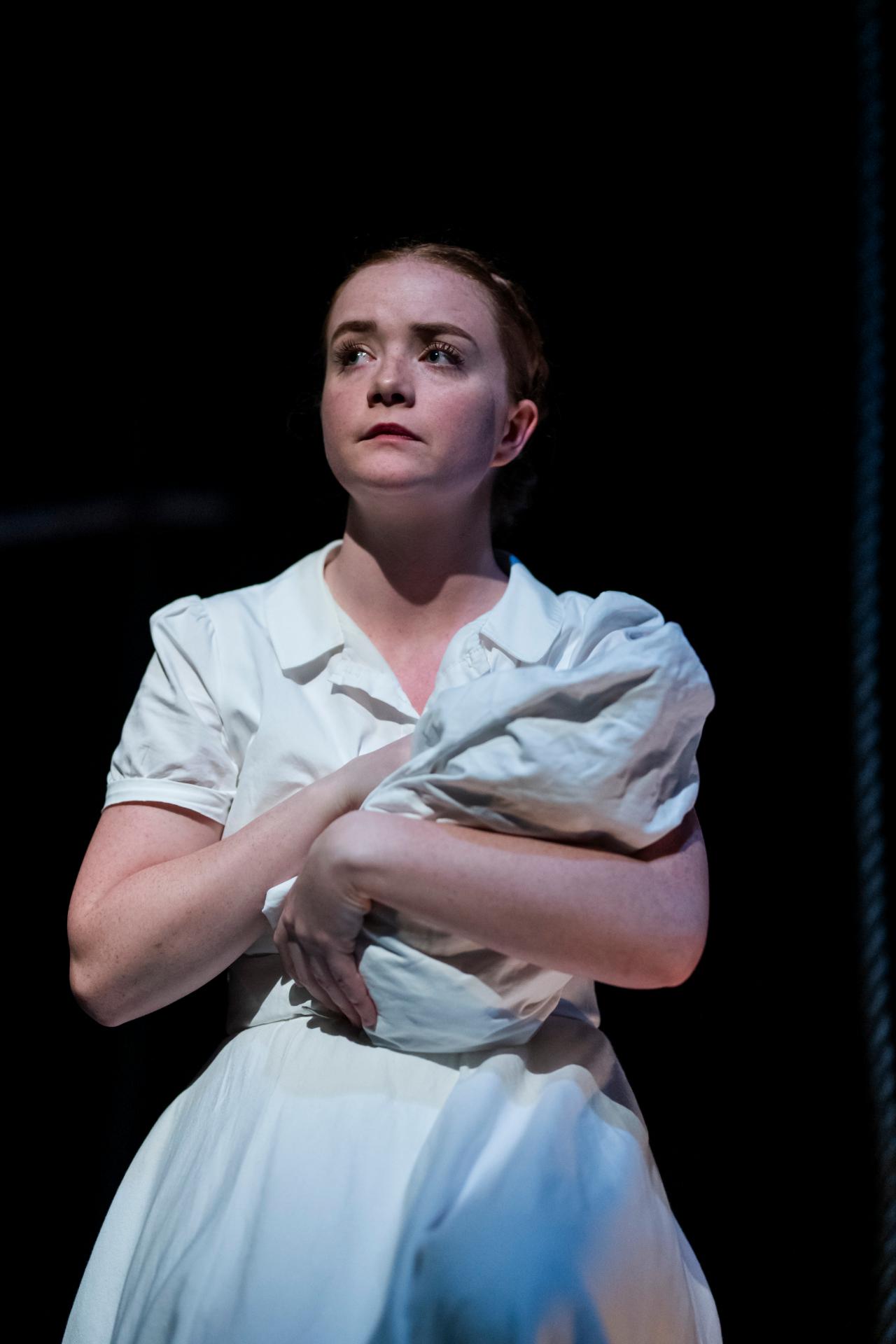
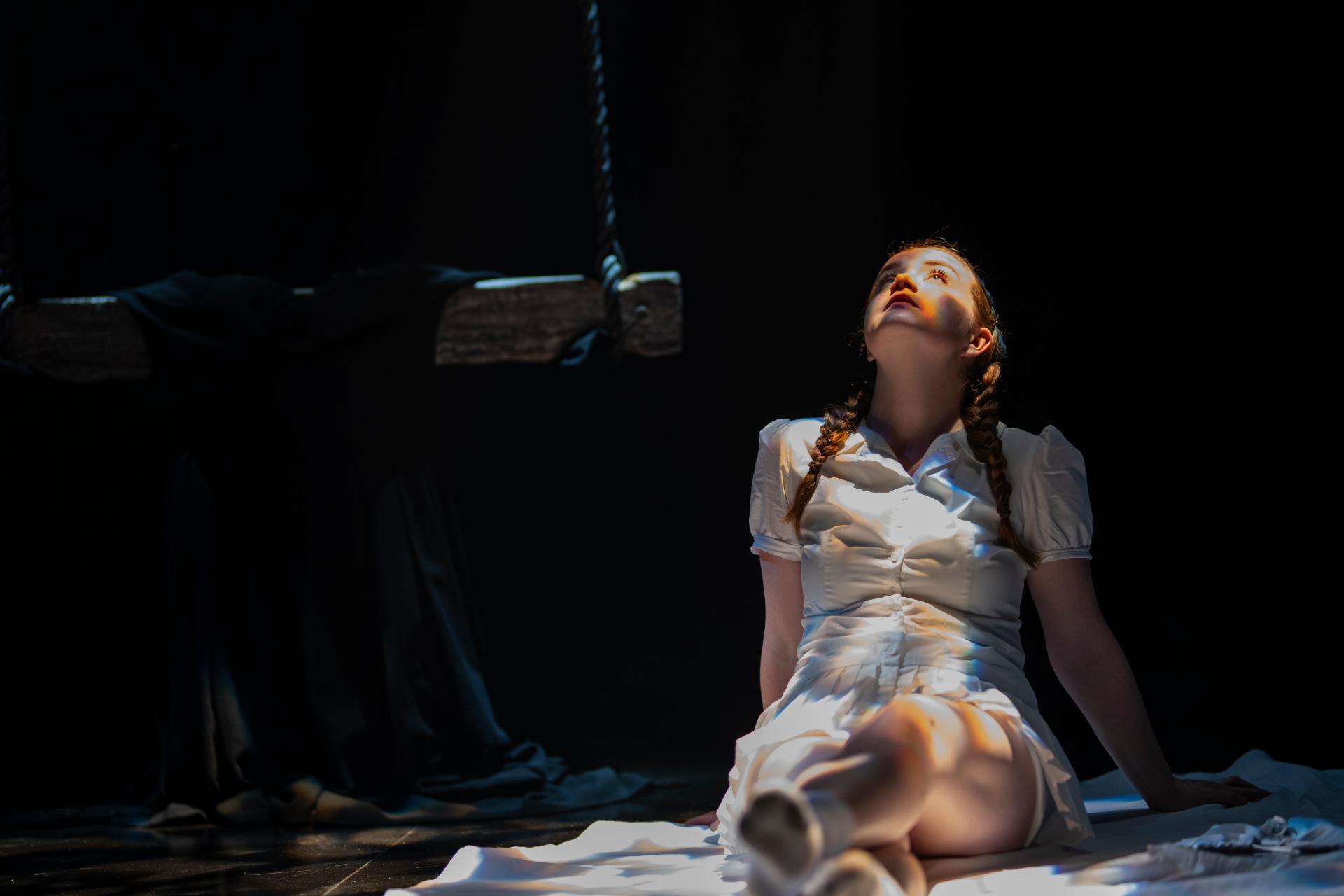
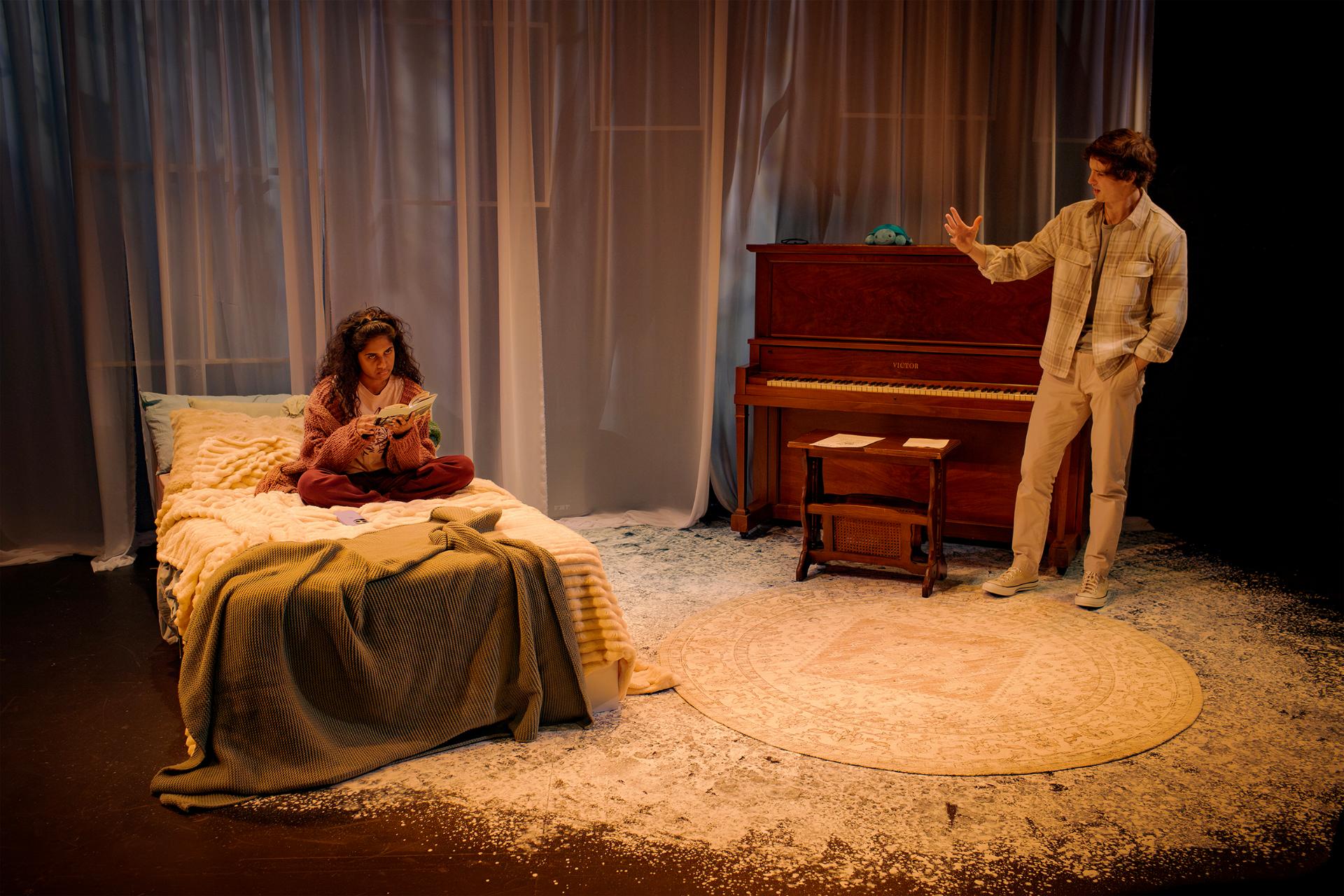
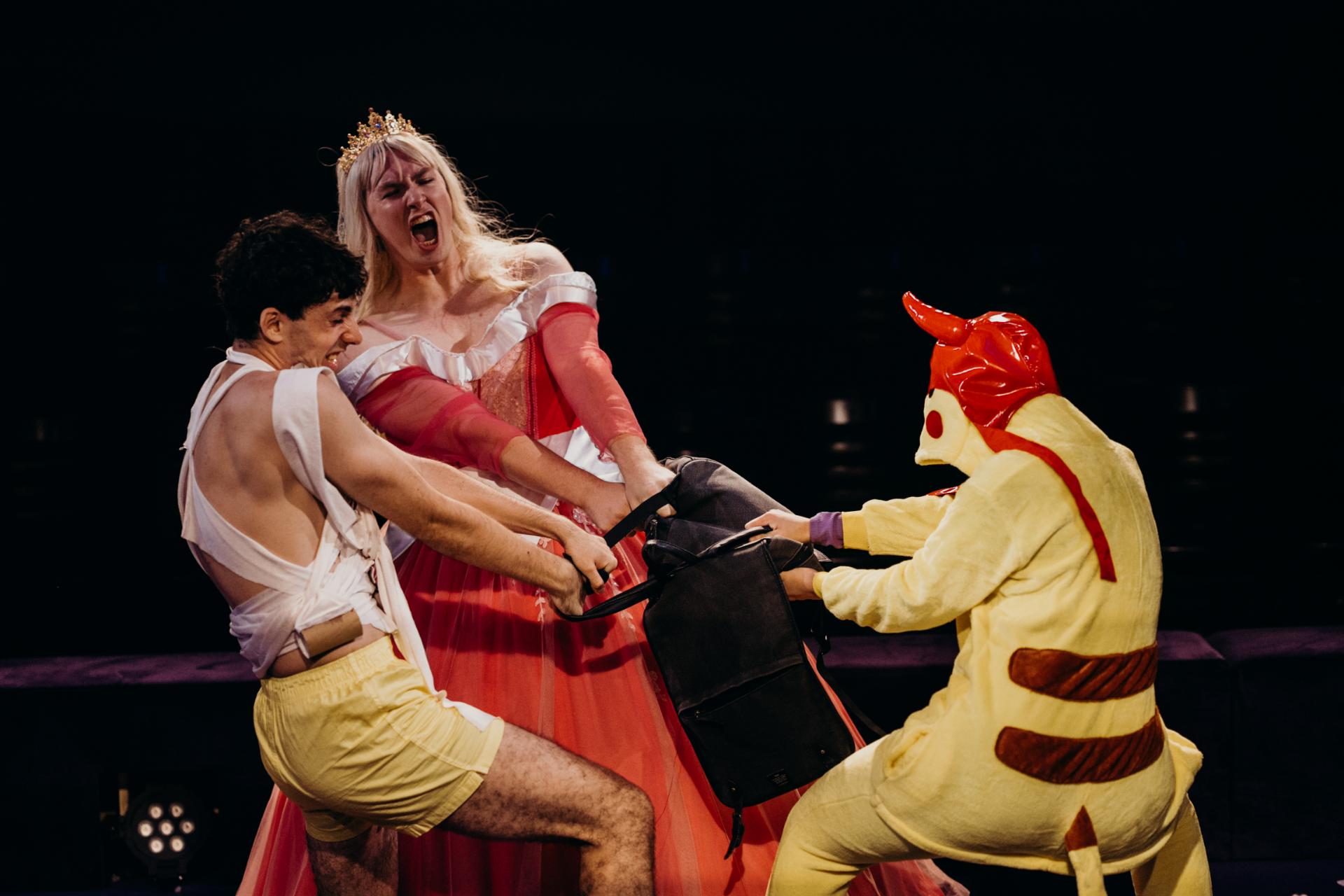
Else was not the first woman to be described as difficult, and not the first to be subject to an exorcism for that very reason. Based on a true story from 90s rural Victoria, Furious Mattress by Melissa Reeves is a dark comedy exploring parochialism, ignorance and intolerance. A scathing indictment of prevailing systems, most notably the Abrahamic religions which perpetuate all manner of social exclusionary, Reeves’ deeply subversive writing is as thrilling as it is mischievous.
The play is a wild ride, using poltergeist activity and demonic possession as basis for its renderings of theatrical magic. Direction by Margaret Thanos provides an exhilarating kineticism that represents female rage in the twisted form of absurd comedy. Although memorable for that surreal extravagance, its humour can also be wickedly deadpan in naturalist scenes. Either way, Furious Mattress makes us laugh from a condemnatory position, for a satirical chastisement on superstitions and traditions, that insist on the rejection of gender parity. Also noteworthy is the work by Harry Milas as magic consultant, giving literal and figurative elevation to the show.

Angelina Daniel’s set design is immediately evocative of country life, with the incorporation of padded surfaces further suggesting interiors of psychiatric institutions, while providing functionality for this highly dynamic presentation. Costumes by Ruby Jenkins guide us to a recent past, but it is a surprise macabre creation that truly excites. Lights by Ryan McDonald are a powerful element, especially satisfying in its delivery of optical illusions for this exploration of paranormal phenomenon. Sound design by Cameron Smith and music composition by Daniel Hertern dial up the drama, for an instance of storytelling that invites us to approach its serious themes with a delicious duality of solemnity and playfulness.

Actor Matilda Ridgway brings a wonderful defiance to Else, demanding that we see the world through her eyes. Ridgway’s cheeky presence keeps us endeared to the central character, even if it is interpreted as demonic within the text. An extremely funny Alex Malone plays Christian zealot Anna with a marvellous cynicism. Else’s husband Pierce is imbued admirable integrity along with the most subtle of incisive derision, by a captivating Julian Garner. Shan-Ree Tan as charlatan exorcist Max adds to the intensity, for a production that elicits a complex melange of emotions from its audience.

When something supernatural happens, and the church is the first authority called upon to solve its mystery, we can observe the extent to which that old institution controls our understanding of the world. When a woman seems to be losing her mind, and the only available discourse regarding her perceived brokenness relates to religion, we ignore the inherent systemic requisites of keeping women down. Some women will not adhere, and they are usually the ones who speak the truth.

www.belvoir.com.au | www.legittheatreco.com

Review: Don’t Save Me (KXT on Broadway)

Venue: KXT on Broadway (Ultimo NSW), Feb 26 – Mar 8, 2025
Playwright: Karina Young
Director:
Nelson Blake
Cast: Raechyl French, Ben Itaba, Holly Mazzola
Images by Phil Erbacher

Theatre review
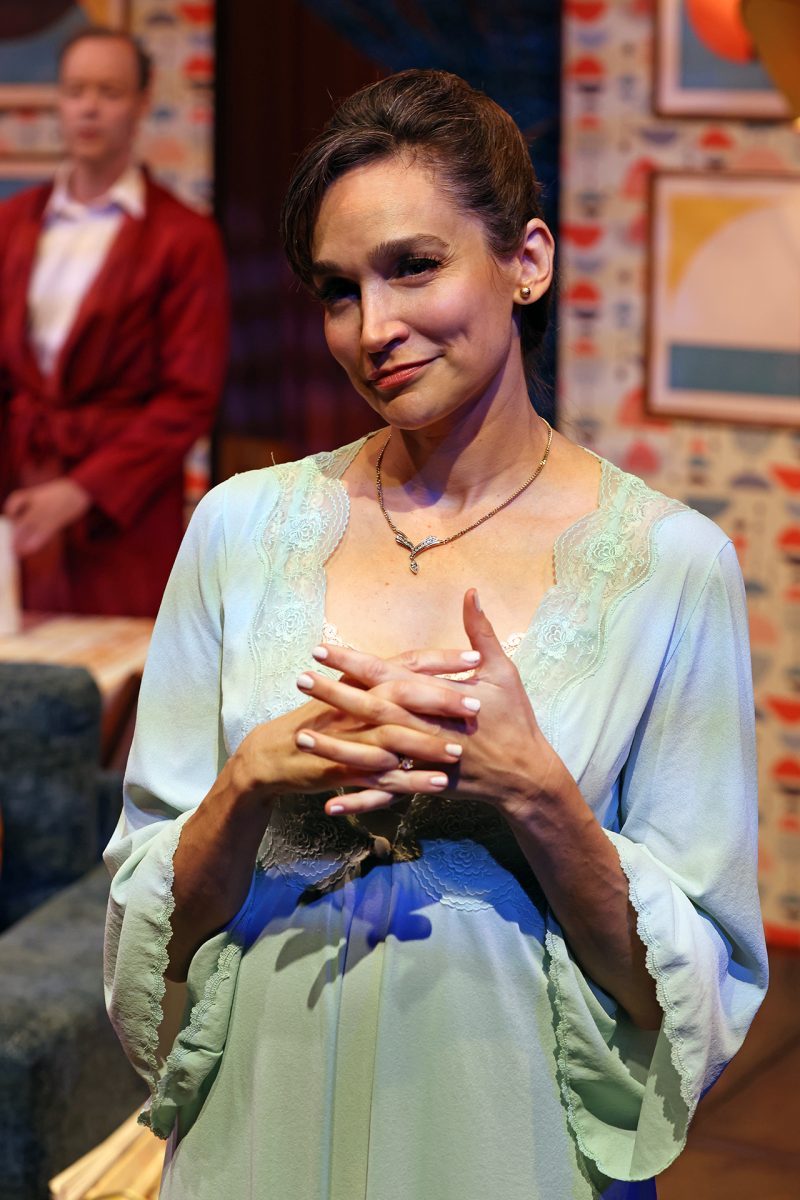
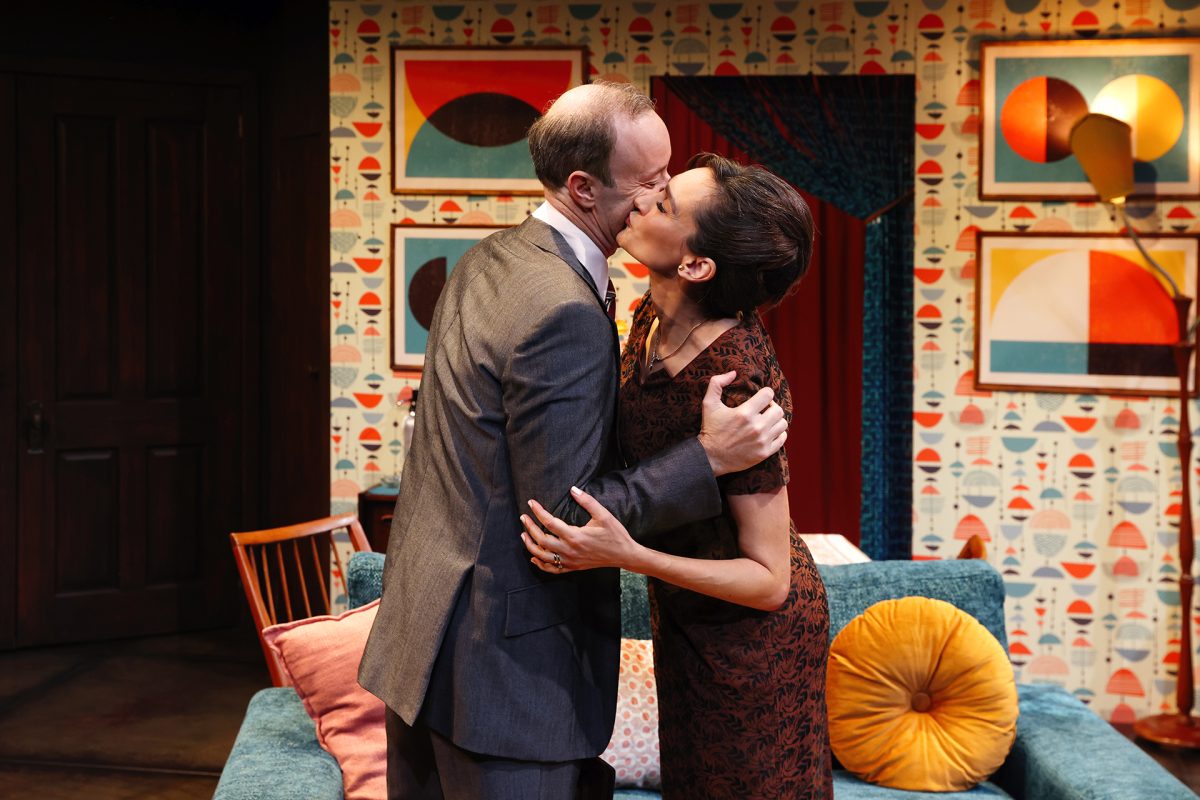
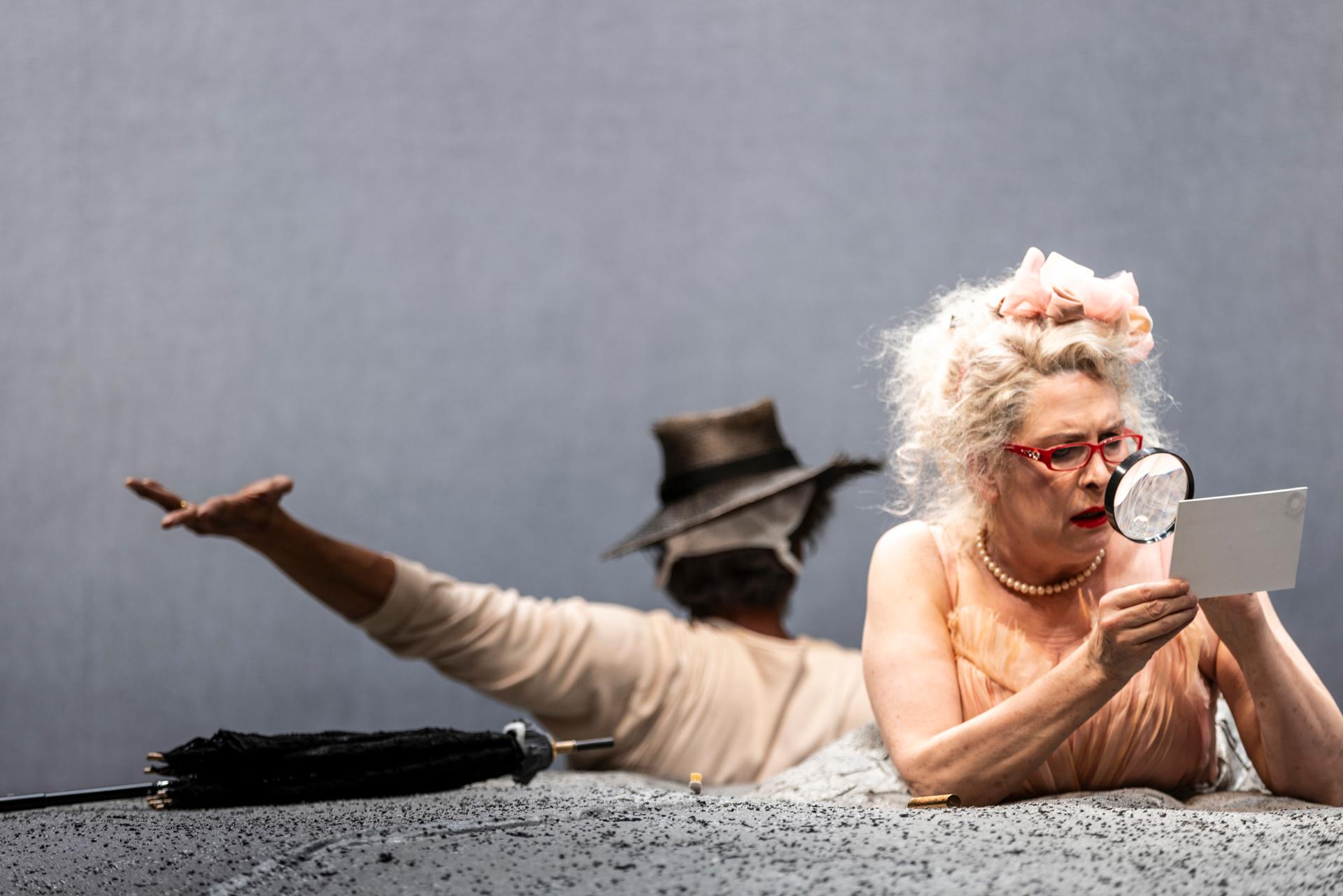
Jade is not only battling a terminal illness, she has to fight her husband Pat who plans to create a digital facsimile of her, using the latest in AI technology. As well as the subject of consent, Don’t Save Me by Karina Young explores the ethics around the replication or simulation of a person after death. Although timely, the play is insufficiently imaginative, with a persistent mundanity to its dialogue that makes a fascinating concept seem almost banal.

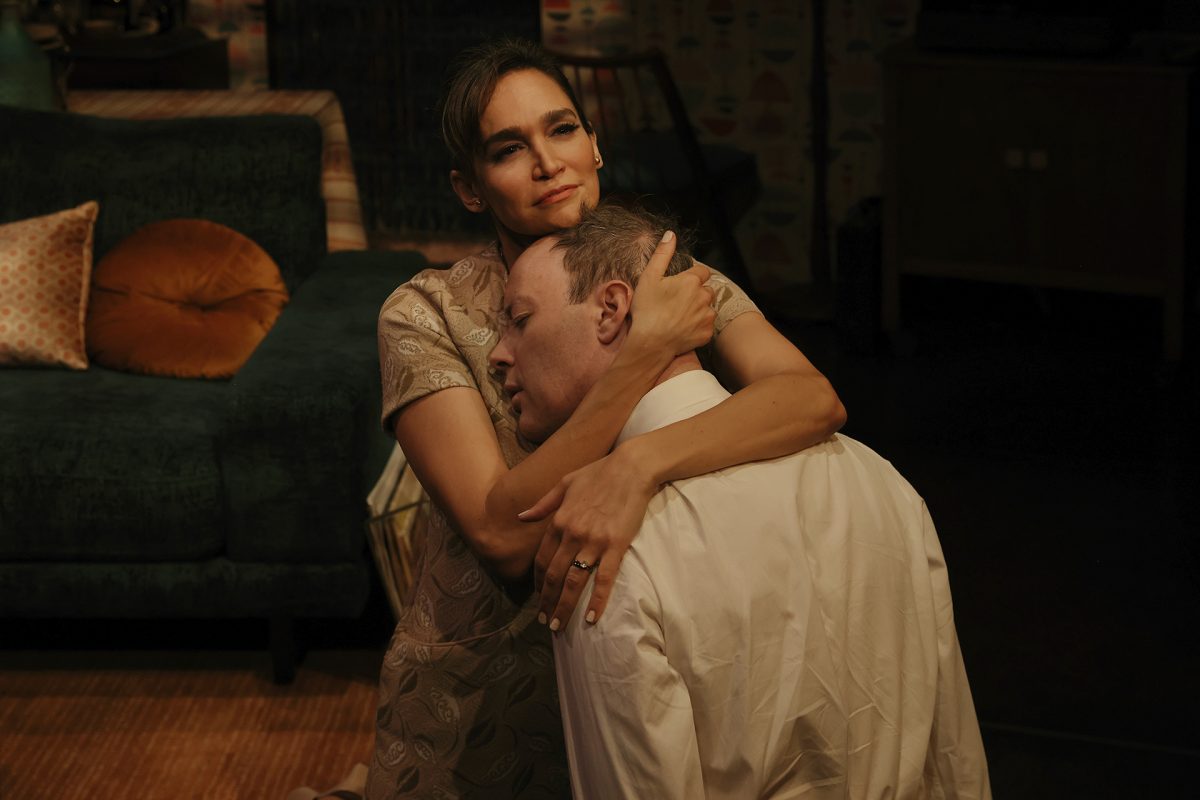
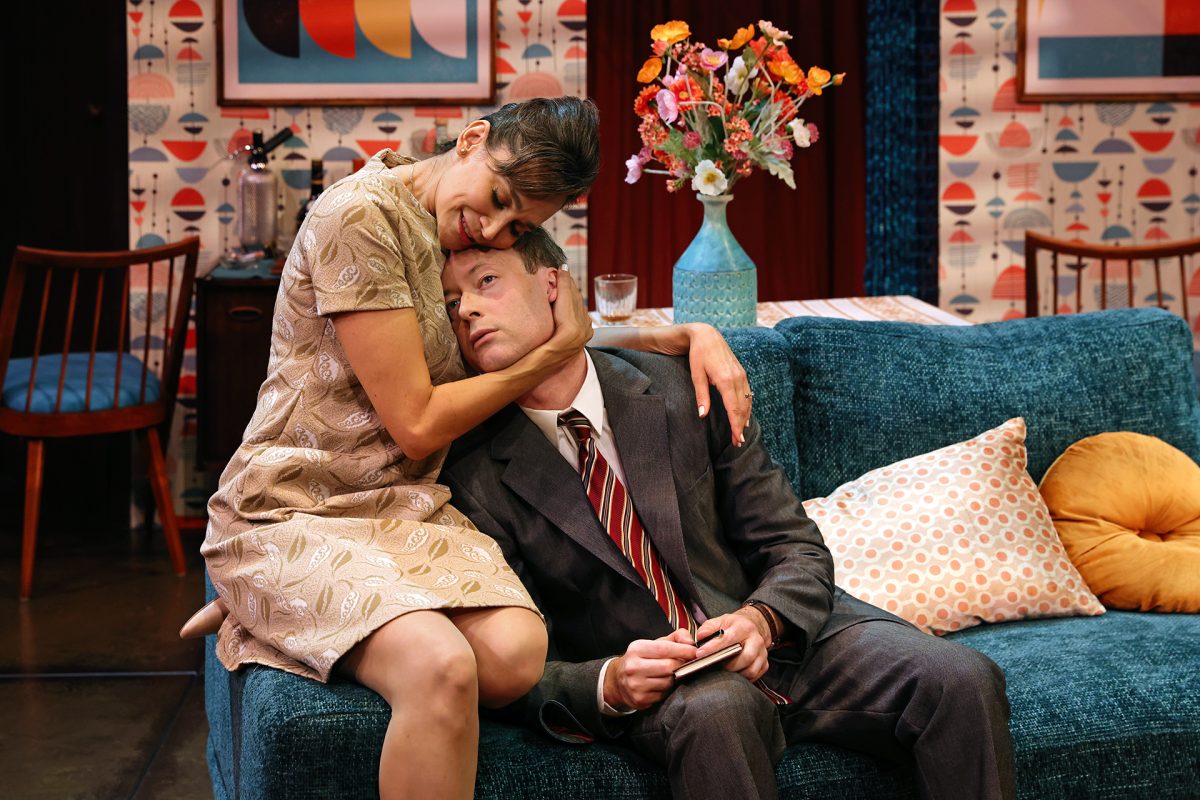
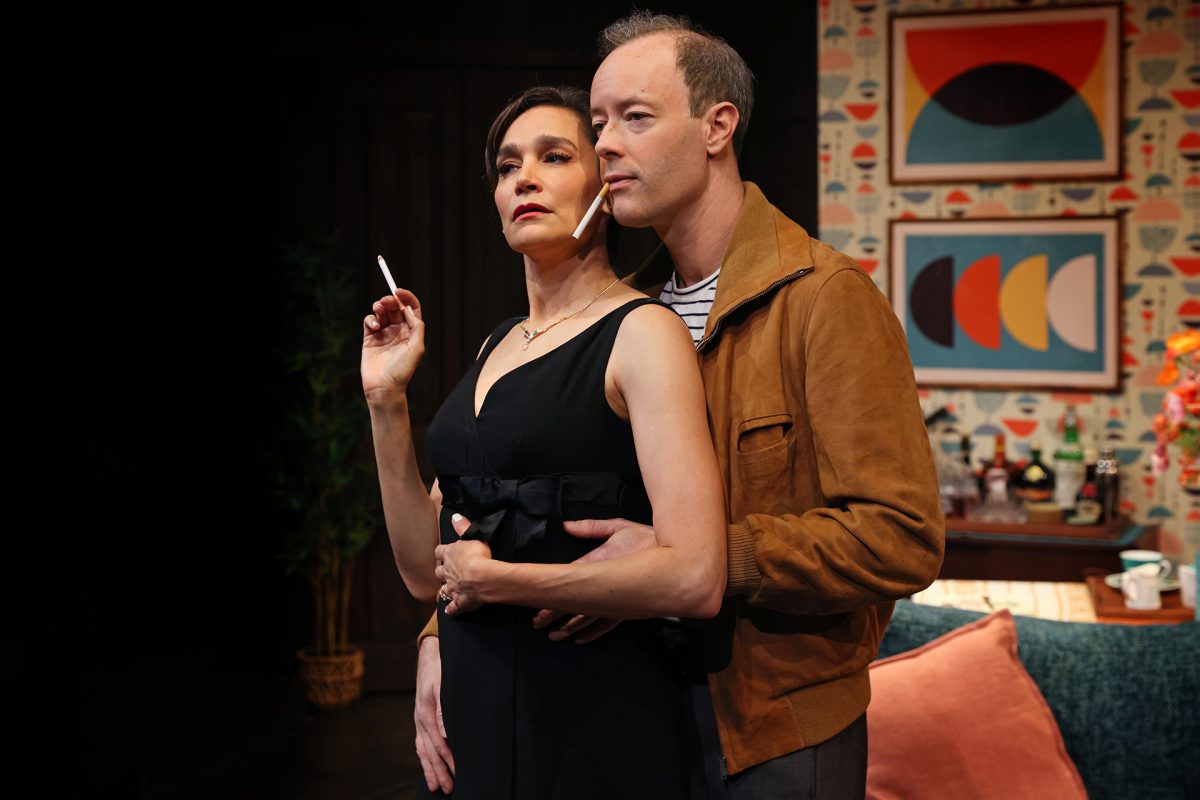
Direction by Nelson Blake places emphasis on locating the emotional truth of the piece, and little more, resulting in an experience that feels somewhat pedestrian. There is however a great sense of commitment on the stage, with cast members Raechyl French, Ben Itaba and Holly Mazzola, bringing diligence to their interpretations of characters.

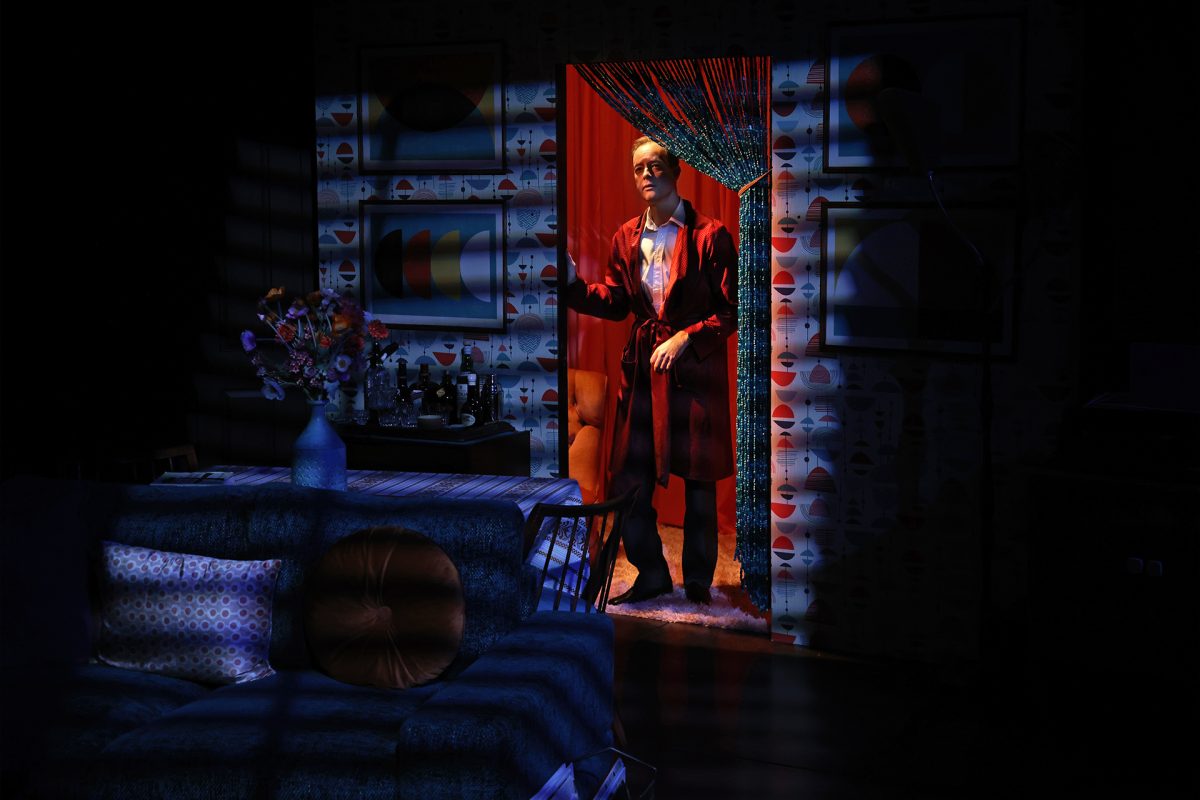
Production design by Andrea Knezevic offers efficient solutions that transform the space into a conventional living room. Lights by Topaz Marlay-Cole help render an elegance to the imagery being presented, and sounds by Felix Partos are introduced at key moments to enhance tension.

Don’t Save Me is not quite science fiction, as the circumstance it depicts has already arrived, yet we are still struggling to grapple with that new reality. Technology forges ahead whether we welcome or resist it. We have in the past been able to shape its development, but in this age of tech autocracy, there is little that our democratic will can do.

The billionaires who rule technology are completely impervious to any of our objections. We continue to think that how we spend our money is able to sway their operations, but it is evident that their wealth has become so immense that any reduction in profit we can effect, no longer means anything. Legal recourses have proven ineffectual, even as they are being taken over by a new era of oligarchy. It is only revolution that remains, but it is doubtful if we can awaken soon enough, from this soporific state of our tech-fuelled stupor.

www.kingsxtheatre.com | www.instagram.com/puncherschanceco/

Review: Your Silence Will Not Protect You (Qtopia)

Venue: Qtopia (Darlinghurst NSW), Feb 20 – 22, 2025
Playwright: Gavin Roach
Director: Lauren Hopley
Cast: Gavin Roach

Theatre review
In the one-person show Your Silence Will Not Protect You, Gavin Roach reveals details about their own mental health issues, alongside memorable instances of what could be described as bad decisions. It may not be that every one of those misadventures are a consequence of Roach’s illnesses, but as we witness the playwright and performer articulate their stories from a singular vantage point, it becomes inevitable that one should draw correlations between the two.

It can be an awkward experience, listening to Roach’s challenges. They appear eager to entertain and even amuse, but the gravity of the subject matter almost precludes us from responding in any way that might suggest that the information is being received for entertainment purposes. We feel as though the appropriate stance should be somewhat clinical in attitude, that either laughter or excessive empathy could be patronising, or even harmful.

Nonetheless, Roach’s delivery ensures that their psychological condition is being witnessed, that mental illness in general, is seen in Your Silence Will Not Protect You. Their proficiency on stage demonstrates that a person’s suffering is almost always disguised, and that judging a book by its cover is indeed meaningless. Much of illness is not visible. The people we encounter could be harbouring all manner of undetectable maladies, and our first instinct should always be one of kindness.

www.qtopiasydney.com.au | www.gavinroach.com

Review: Picnic At Hanging Rock (Sydney Theatre Company)

Venue: Sydney Opera House (Sydney NSW), Feb 17 – Apr 5, 2025
Playwright: Tom Wright (from the novel by Joan Lindsay)
Director: Ian Michael
Cast: Olivia De Jonge, Kirsty Marillier, Lorinda May Merrypor, Masego Pitso, Contessa Treffone 
Images by Daniel Boud

Theatre review
Joan Lindsay’s Picnic at Hanging Rock, is likely the most famous story ever told about this land exacting revenge on its inhabitants. Since the time colonisers deemed it fit to declare terra nullius and named her Australia, European settlers and their descendants, have always borne a pang of guilt in their conscience. They know something is not quite right about the ways they have claimed this their own, and much as they often try to deny the unjust displacement of Indigenous peoples, the truth always finds a way to strike back.

In Tom Wright’s magnificently theatrical stage adaptation of Lindsay’s novel, we are able to observe tangibly, the concurrent effects of both metaphysical and psychological consequences, of land being stolen. The monolith at the centre of Picnic at Hanging Rock serves as symbolic projection, for those unable to acknowledge the actual dilemma, and therefore enact a series of horrors onto their own bodies, as though emanating from that geological feature. Also valid however, is the interpretation that the monolith is in fact sentient, and is executing tactics of protection, in attempts to right those historical wrongs.

Ian Michael’s direction offers all the possibilities, enabling viewers to draw personalised conclusions that would resonate most intimately. Built into the production are a great variety of sensorial textures and psychic dimensions, resulting in a work ambitiously vast, not just in its sheer experiential capacity to leave us breathless and overwhelmed, but also in its scale of representations. Michael’s artistry ensures that everything is laid out to be seen, yet nothing is ever forced; we are presented all the details, and left to consume what we can. Picnic at Hanging Rock is as horrifying as you would allow, as funny as you want, and as political as you are ready to accept.

Dominant in the set design by Elizabeth Gadsby is a raised and tilted structure, that looks as though a proscenium arch has eerily shifted upward, subsequently pouring its contents onto the earth. Imposing like the rocks of Dja Dja Wurrung country, whilst demonstrating the vexing presence of Western structures that cannot hold. Lighting by Trent Suidgeest is an exciting element, extravagant in sensibility but consistently tasteful in execution, and memorable for being absolutely electrifying at the most dramatic instances. Exquisite sounds by James Brown are flawlessly orchestrated to usher us not only to the year 1900, but also through various membranes of reality, so that we encounter realms beyond the mundane, that seem to have always existed, but are rarely accorded due attention. Picnic at Hanging Rock is greatly concerned with what we cannot see, all of which is translated on this occasion, into everything that we can hear.

An astonishing ensemble of five extraordinary performers, namely Olivia De Jonge, Kirsty Marillier, Lorinda May Merrypor, Masego Pitso and Contessa Treffone, deliver a 90-minute show that is always urgent, and never predictable. They play naturalism one moment, then seamlessly transition to the most heightened of expressions the next, fully embodying both the sociological and the macabre aspects of their narrative. The women’s thrilling inventiveness is awe-inspiring, and the depth and gravity they reveal for this important instalment of our modern literary canon, is likely paradigmatic.

Something magical occurs when art precipitates transcendence. Call it healing, catharsis, or even exorcism, art can offer enlightenment in ways beyond the capacities of conventional language. This staging of Picnic at Hanging Rock leaves one feeling like they had been grabbed tight and shaken vigorously. An intense sensation is instilled, but what it communicates may not be immediately clear or explicitly understandable. Art will change people, and when it stokes the fire of human conscience, is when it serves its most noble purpose.

www.sydneytheatre.com.au

Review: Nucleus (Griffin Theatre Company)

Venue: Seymour Centre, Reginald Theatre (Chippendale NSW), Feb 14 – Mar 15, 2025
Playwright: Alana Valentine
Director: Andrea James
Cast: Paula Arundell, Peter Kowitz
Images by Brett Boardman

Theatre review
Cassie and Gabriel have known each other for decades, but because the former is an anti-nuclear activist, and the latter a pro-nuclear engineer, they are unable to conceive of their relationship as anything other than adversarial. Alana Valentine’s Nucleus is in some ways a boy-meets-girl story, and in other ways, an exploration into debates about nuclear energy. Scientific portions feel thoroughly researched, able to offer valuable insight, if slightly too densely assembled for this 90-minute production. Romantic aspects of Nucleus may not be entirely convincing, but they certainly keep us attentive to an important subject that relates to the very survival of our species.

Direction by Andrea James provides a sense of precision to the escalation of dramatic urgency, that ensures our investment in the piece. Production design by Isabel Hudson encourages us to regard the show’s ideas with an expansive attitude, whilst manufacturing a satisfying elegance to the staging. Lighting by Verity Hampson, along with video projections by Laura Turner, offer meaningful transformations of atmosphere, although a greater dynamism could improve the experience. Phil Downing’s music and sound are thoroughly considered, to help manufacture an aural richness to inspire sentimental responses.

For the role of Cassie, actor Paula Arundell is required to embody a wide range of temperaments and emotions, and the clarity she brings to all those distinctions of mental states is remarkable to observe. As Gabriel, Peter Kowitz is less detailed in his performance, often looking inadequately prepared and unconfident. Chemistry between the two is sorely lacking, which makes a lot of this two-hander hard to enjoy.

In the current age of distrust in media and of authorities in general, obtaining accurate information on something as crucial as energy resources, can feel an absolute quagmire. Competing interests, with competing truths, make for the gathering of facts so arduous that giving up trying, is almost always the result. In a world where we have grown accustom to having other people, who we never really trust, deal with each and every environmental crisis, it will come as no surprise that the ultimate consequence of populaces not paying attention, is of course going to be dire.

www.griffintheatre.com.au