

Review: So Young (Old Fitz Theatre)

Venue: Old Fitzroy Theatre (Woolloomooloo NSW), Nov 7 – 22, 2025
Playwright: Douglas Maxwell
Director: Sam O’Sullivan
Cast: Aisha Aidara, Ainslie McGlynn, Henry Nixon, Jeremy Waters
Images by Richard Farland

Theatre review
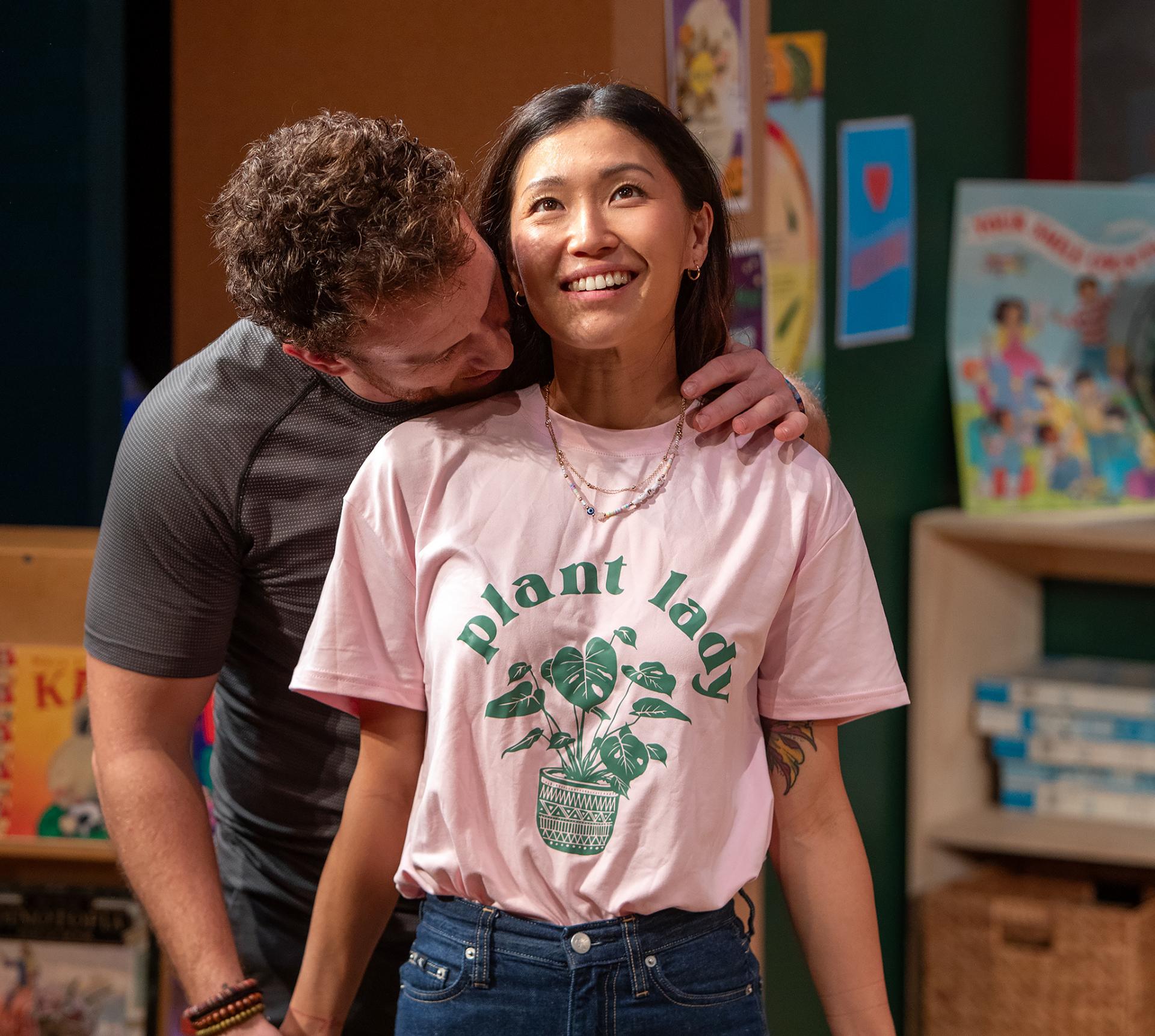
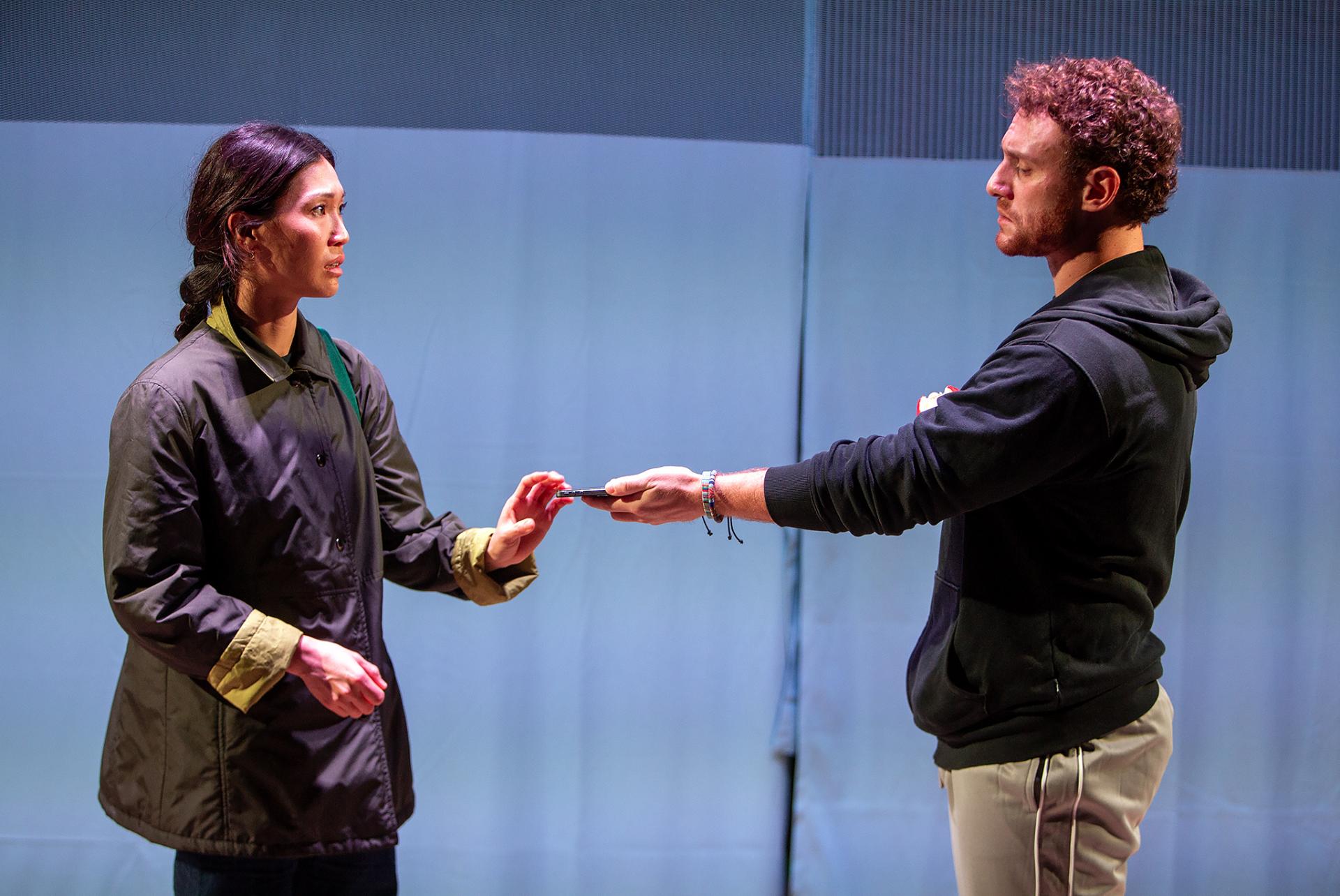
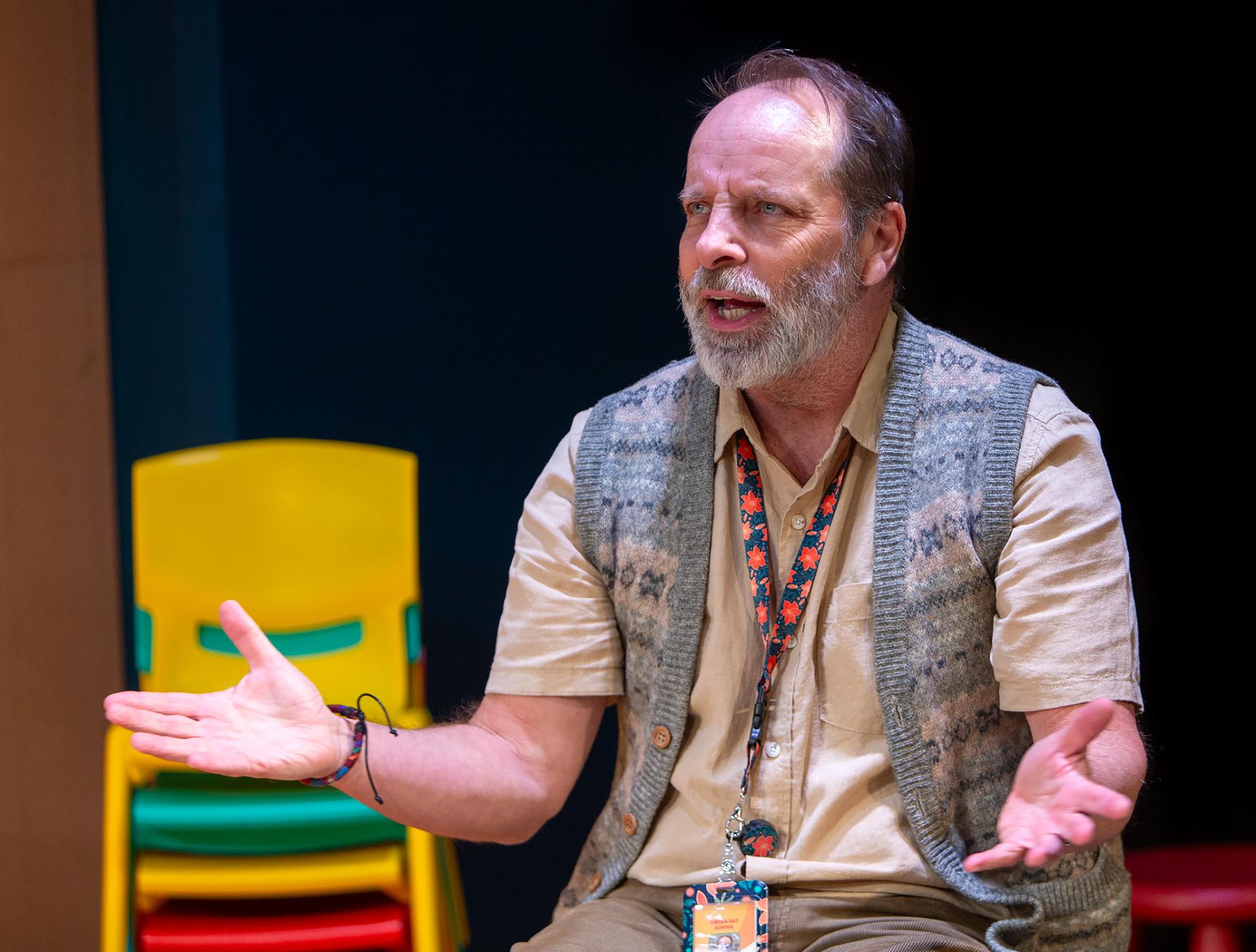
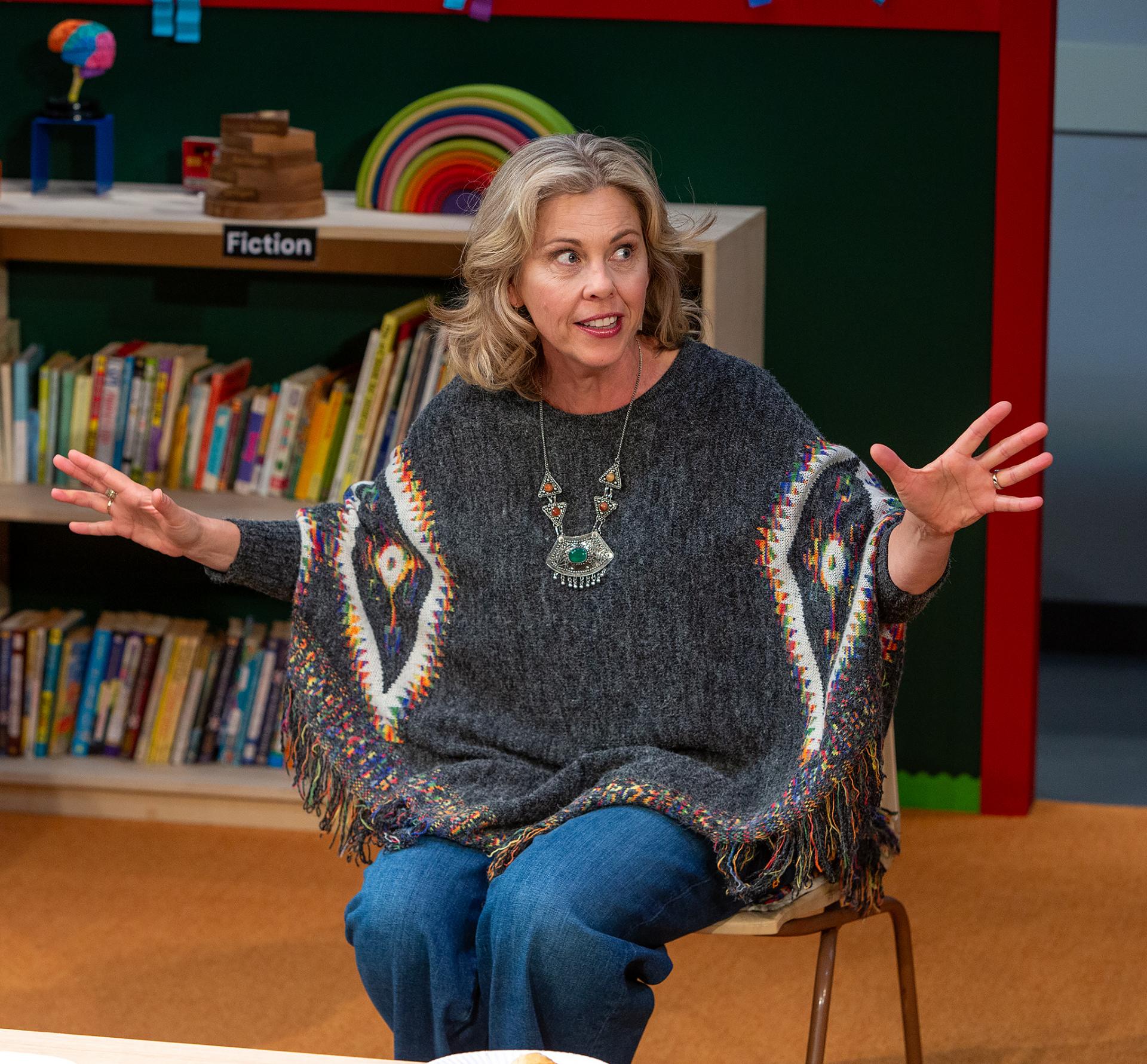
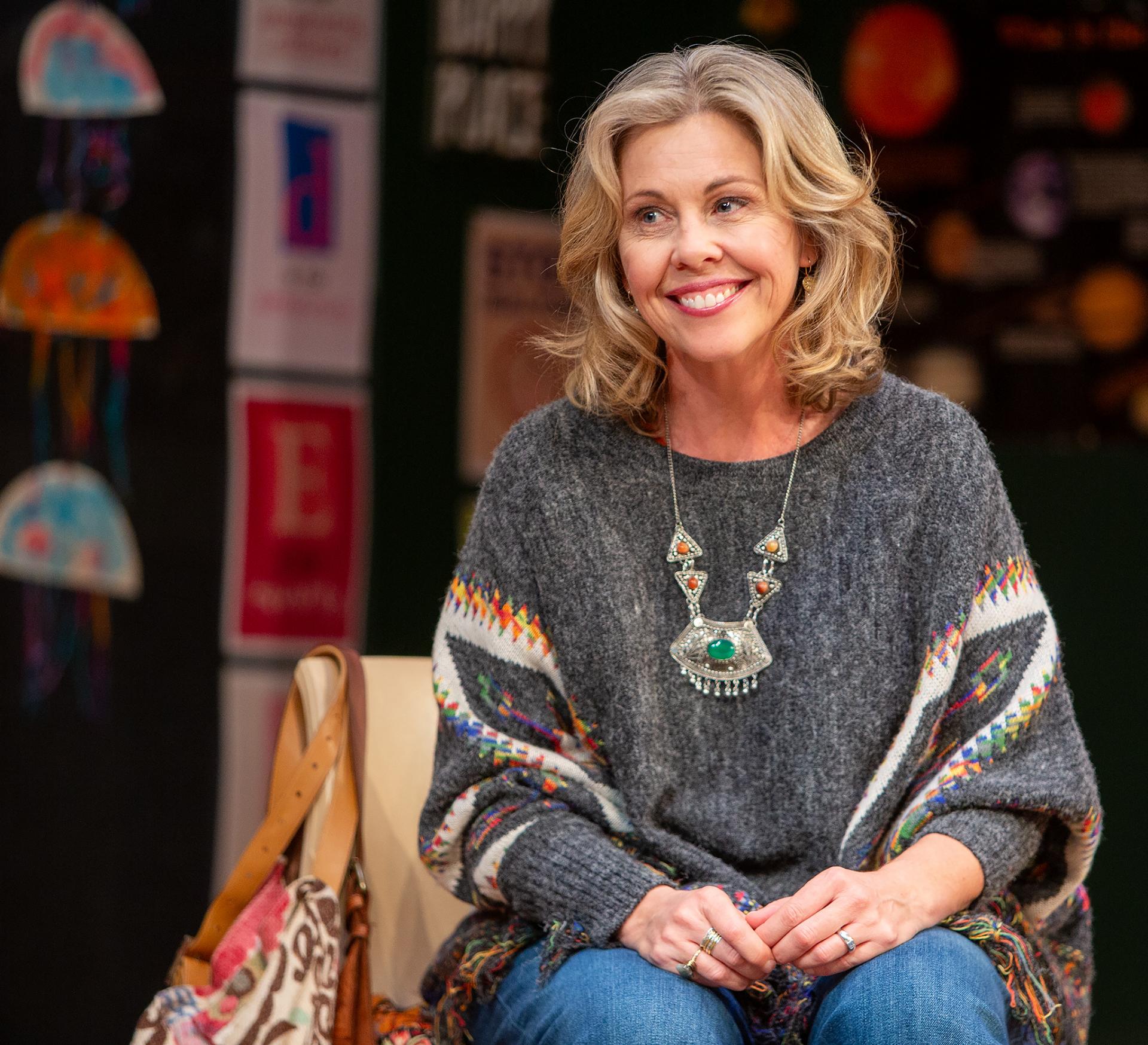
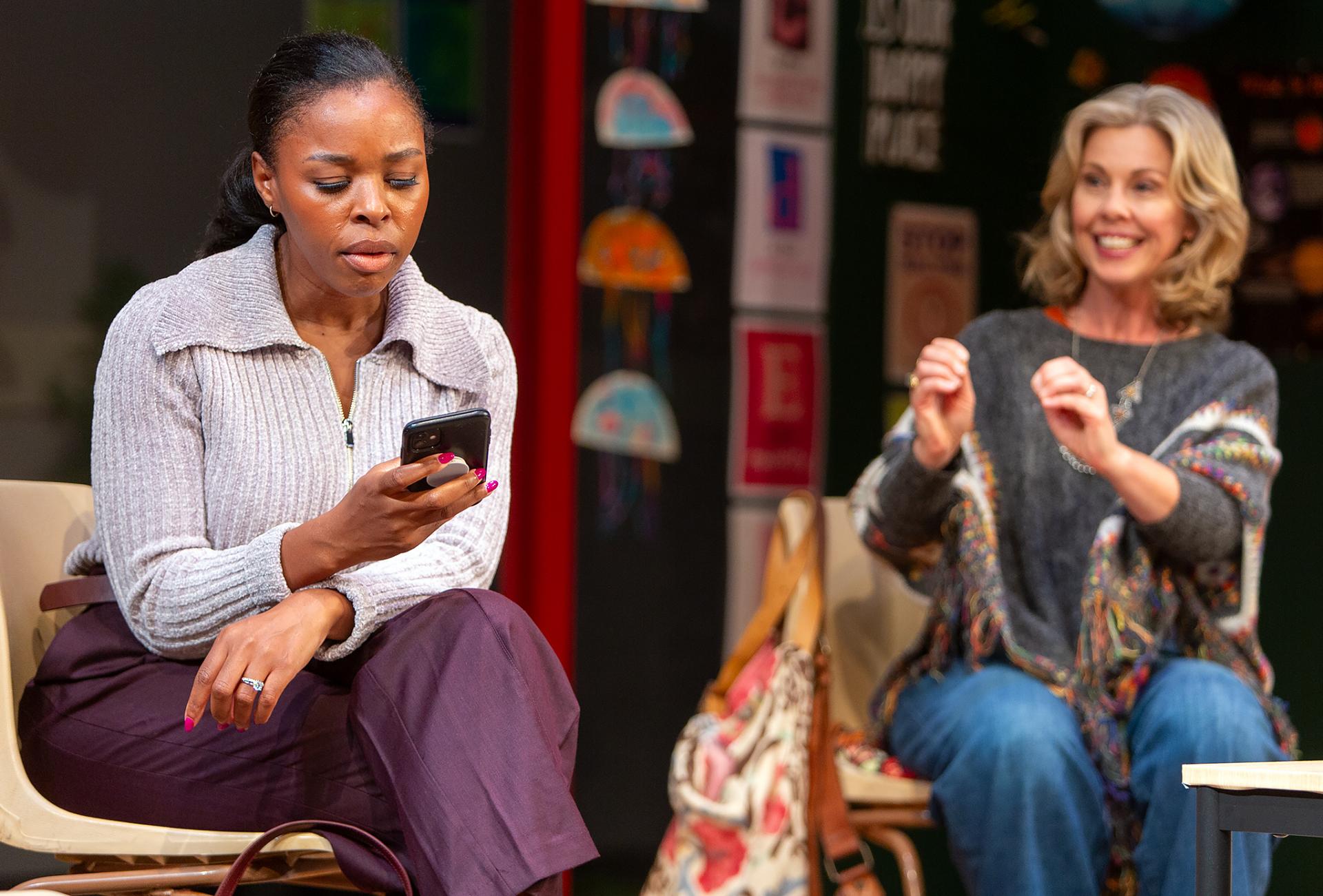
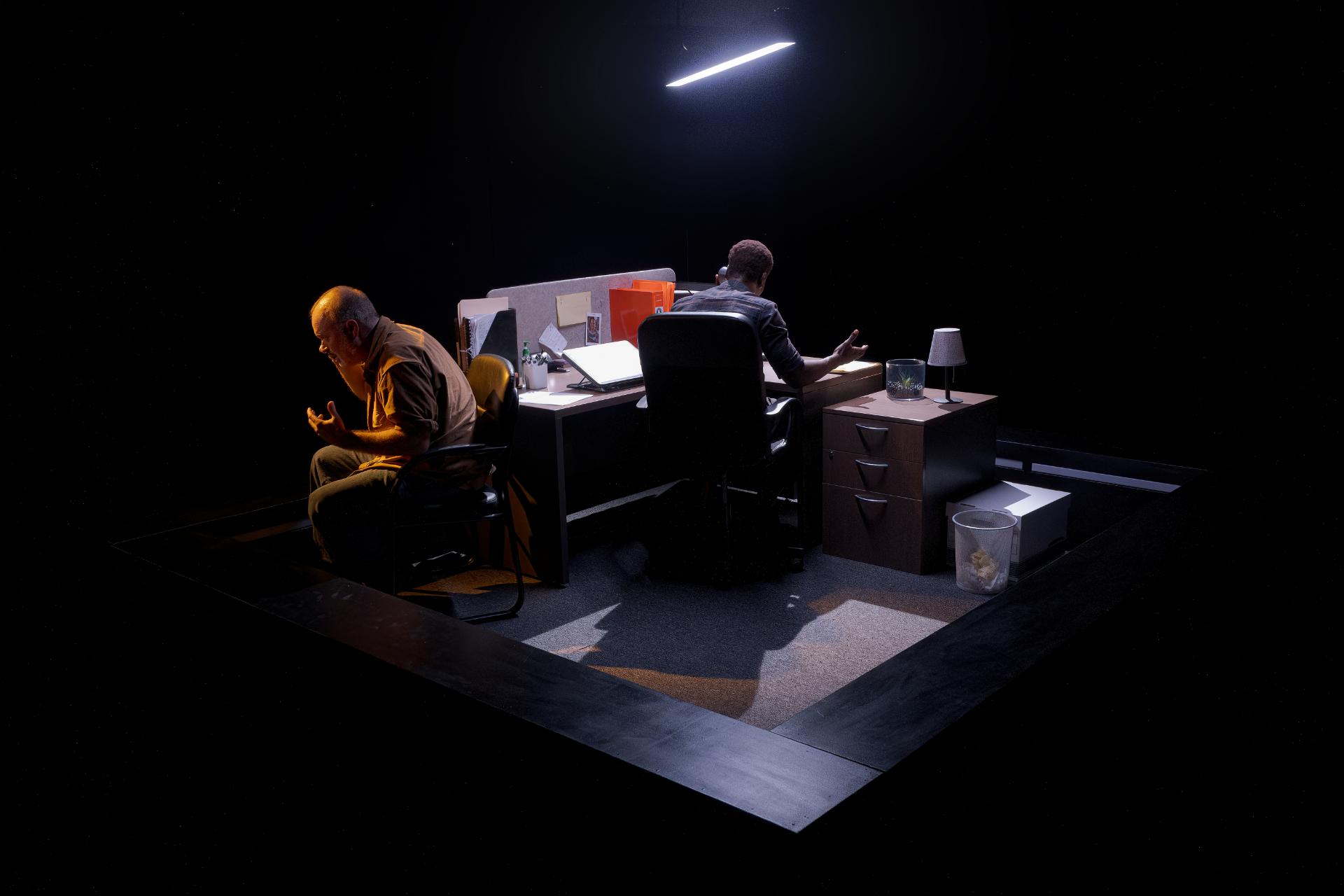
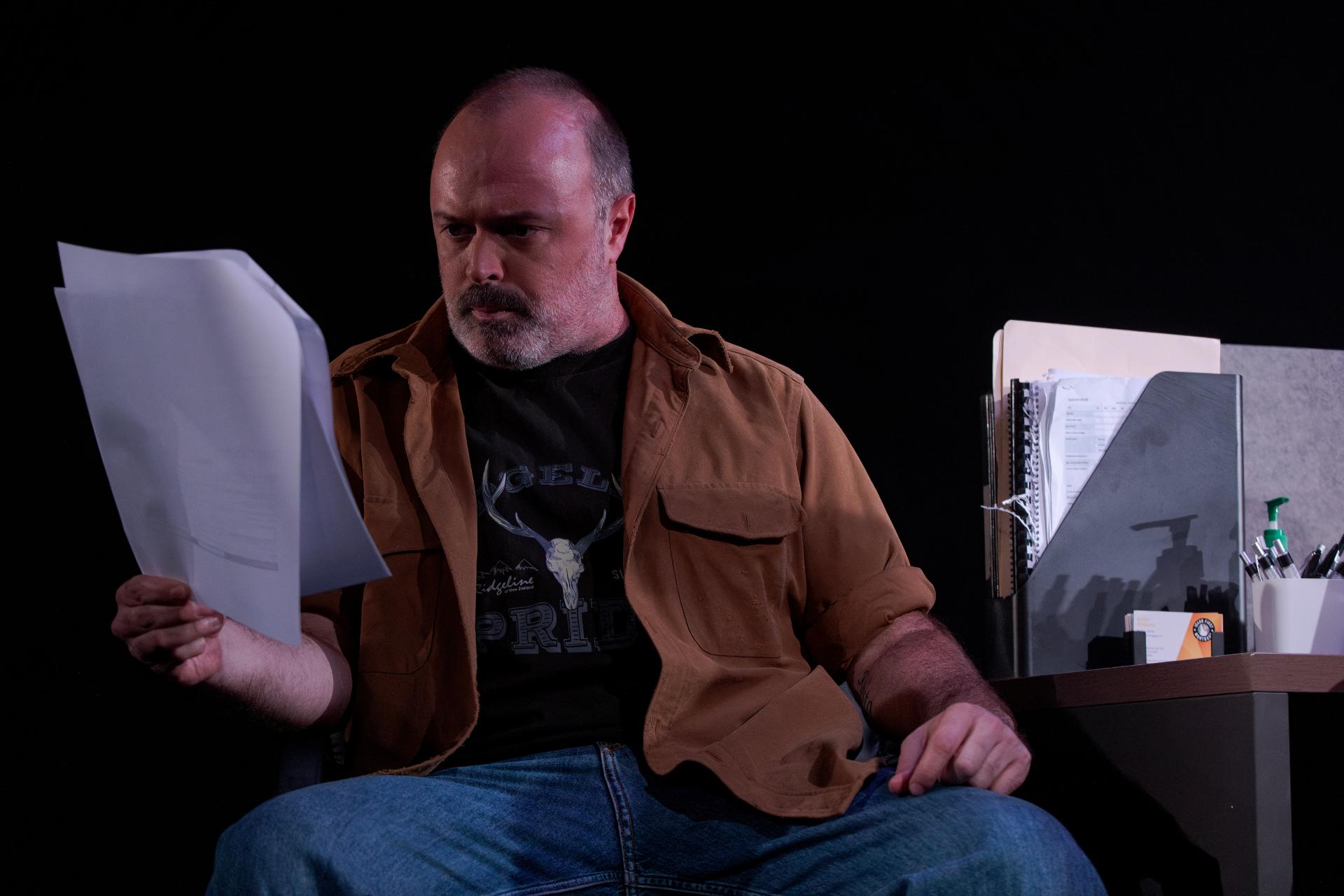
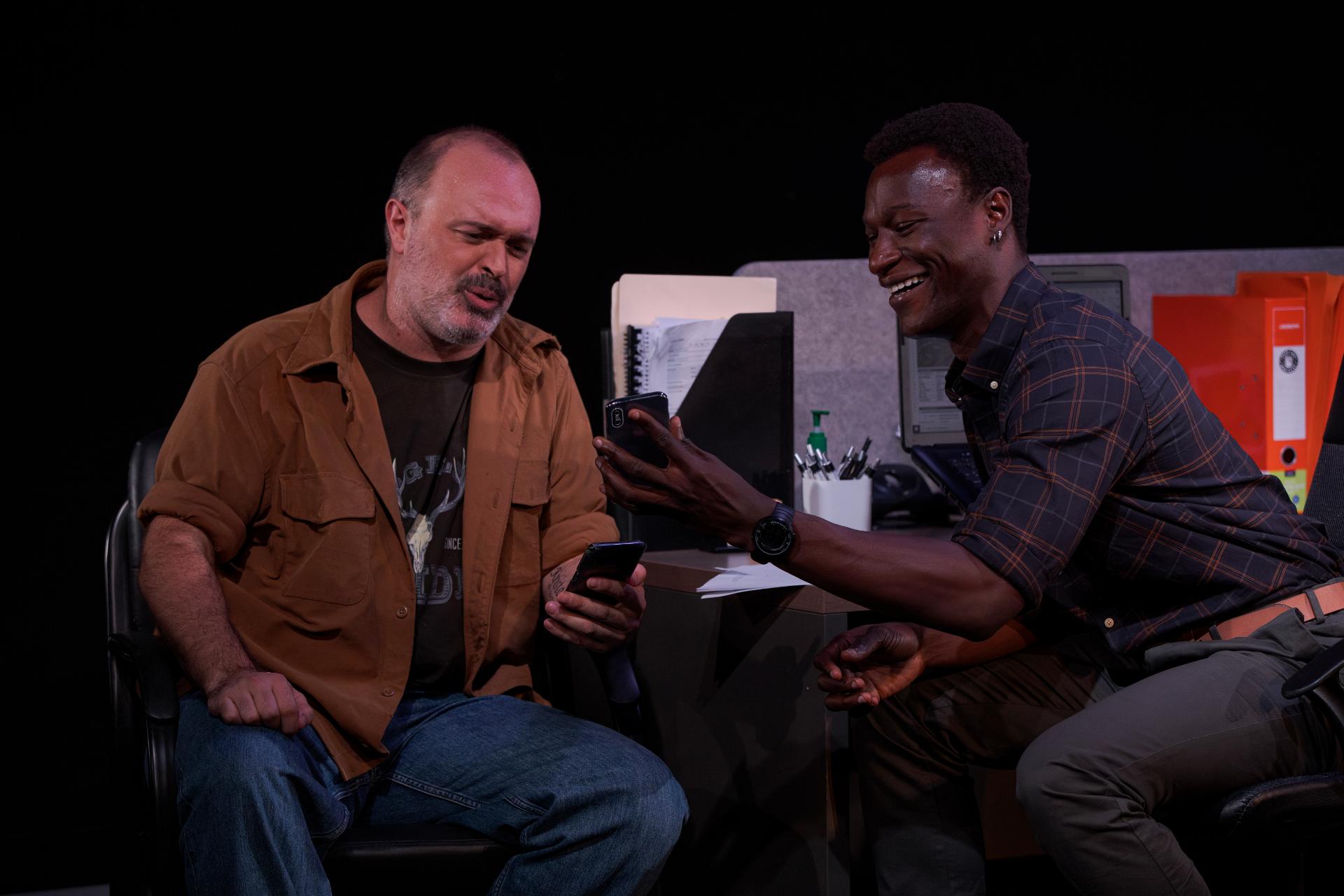
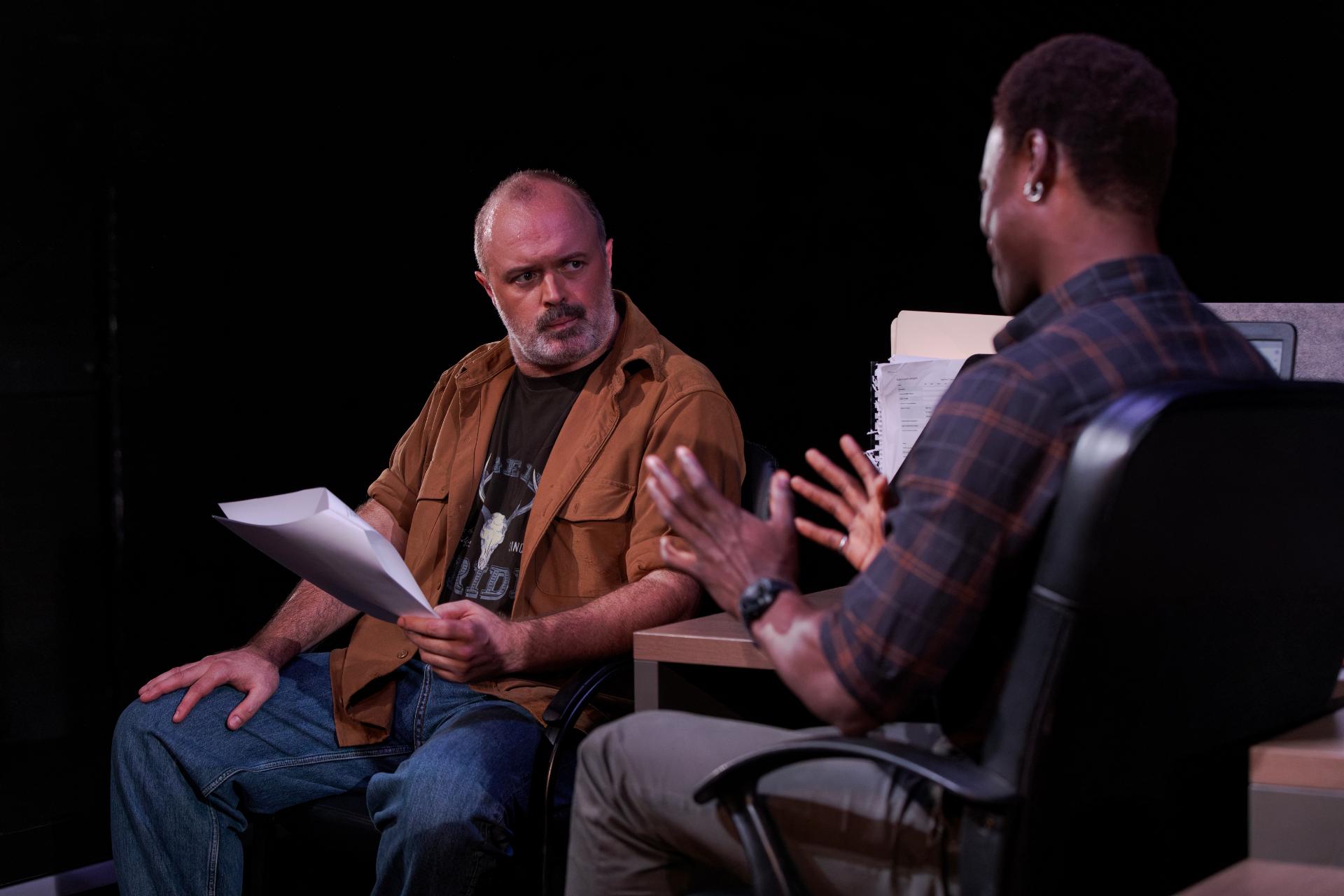
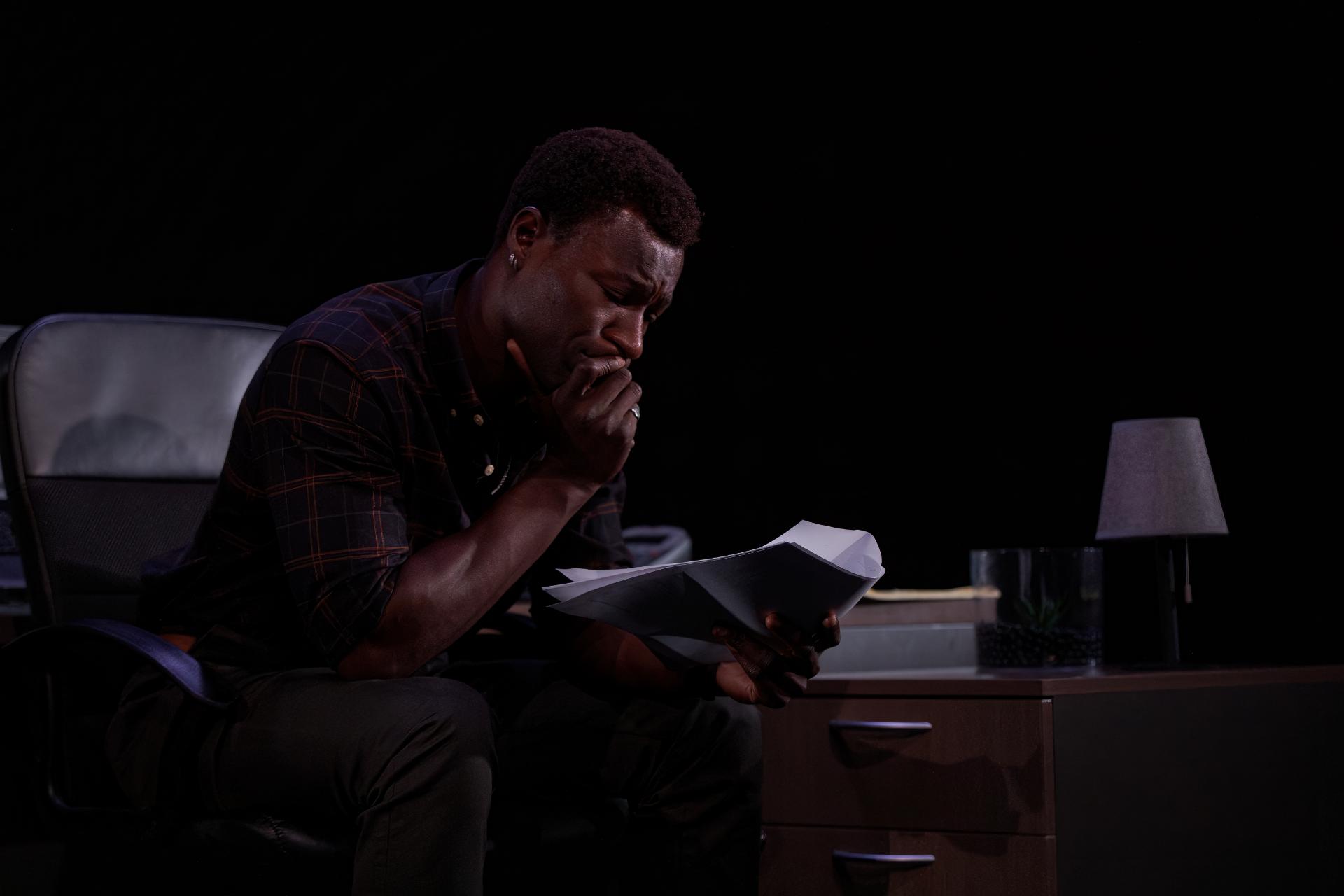
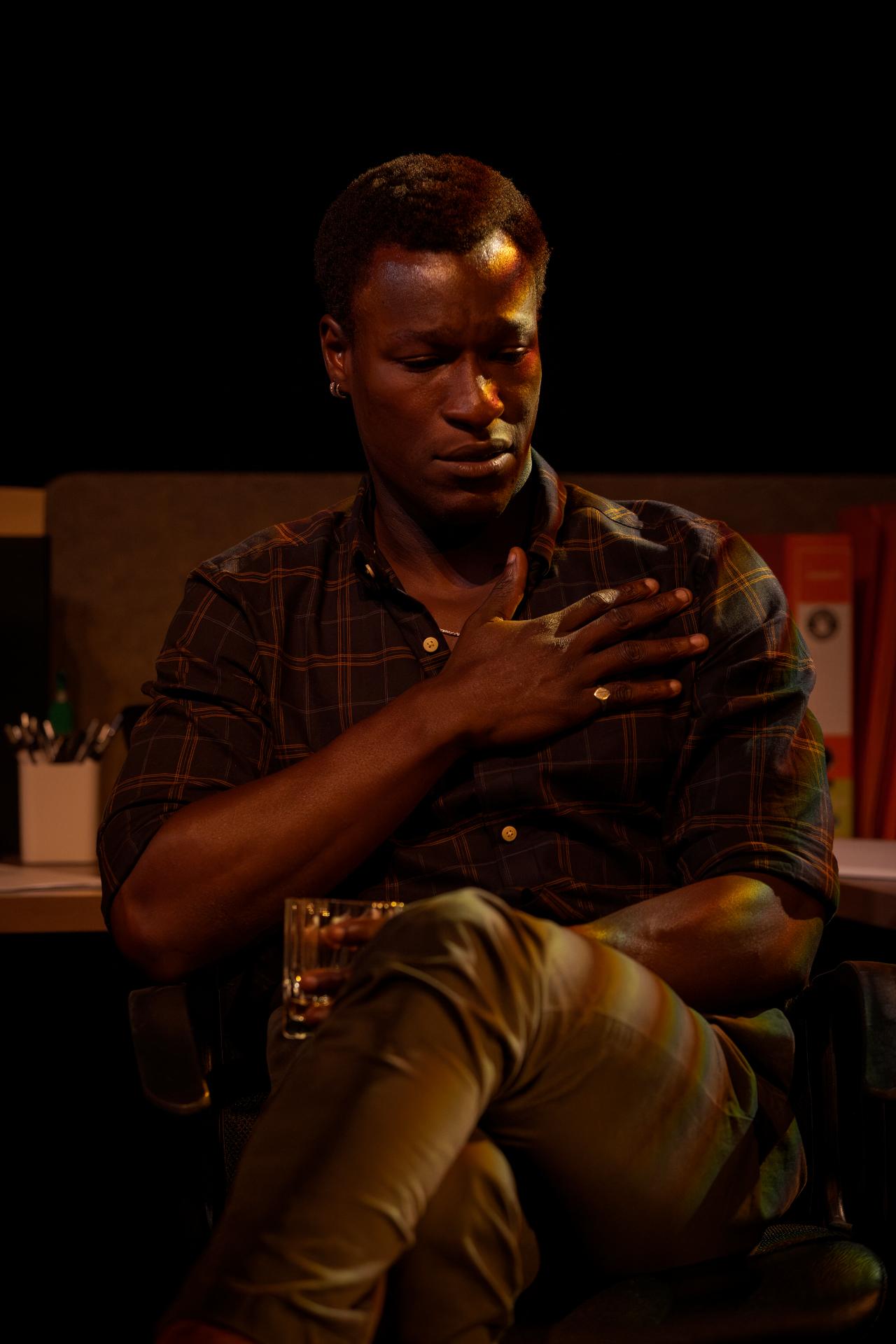
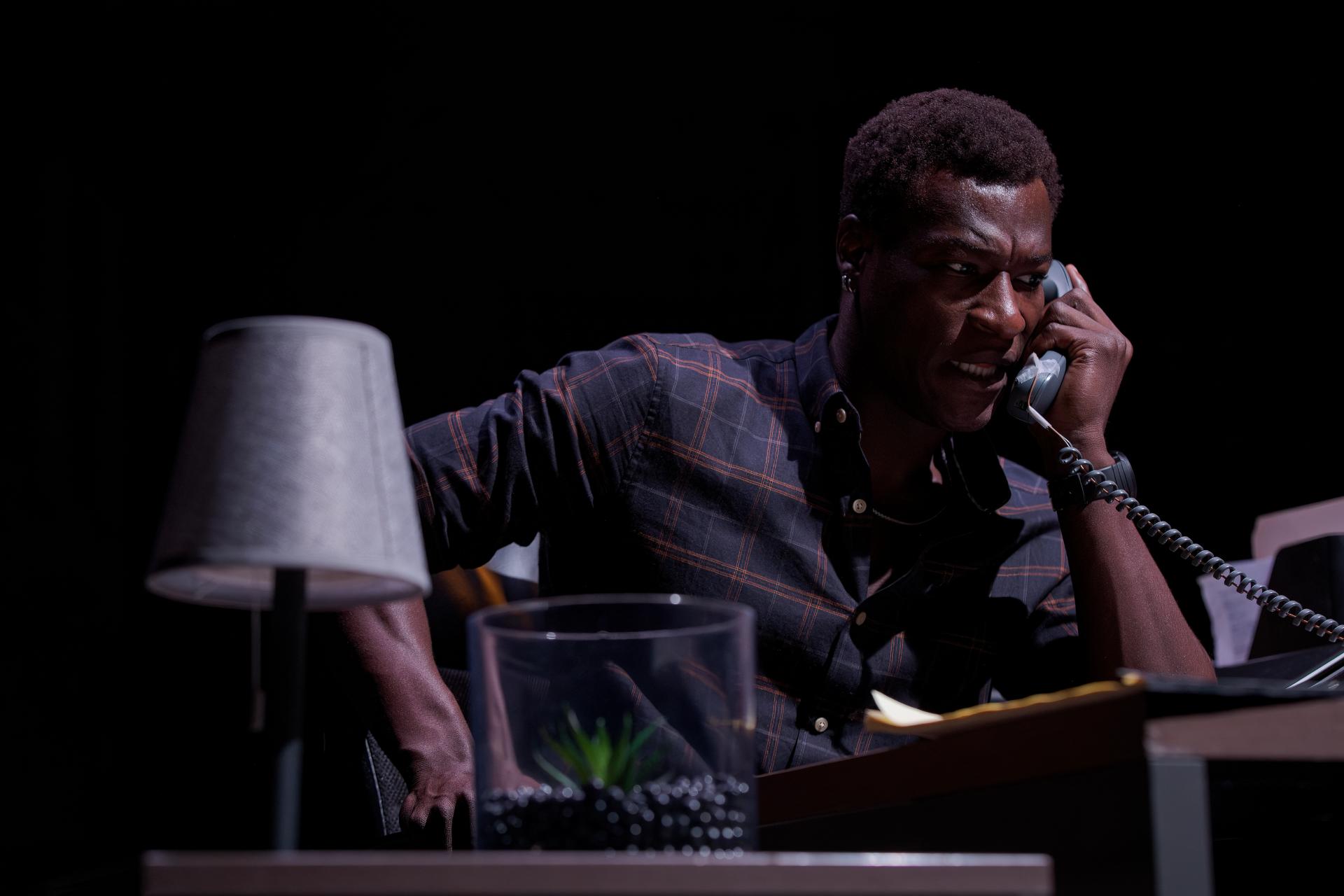
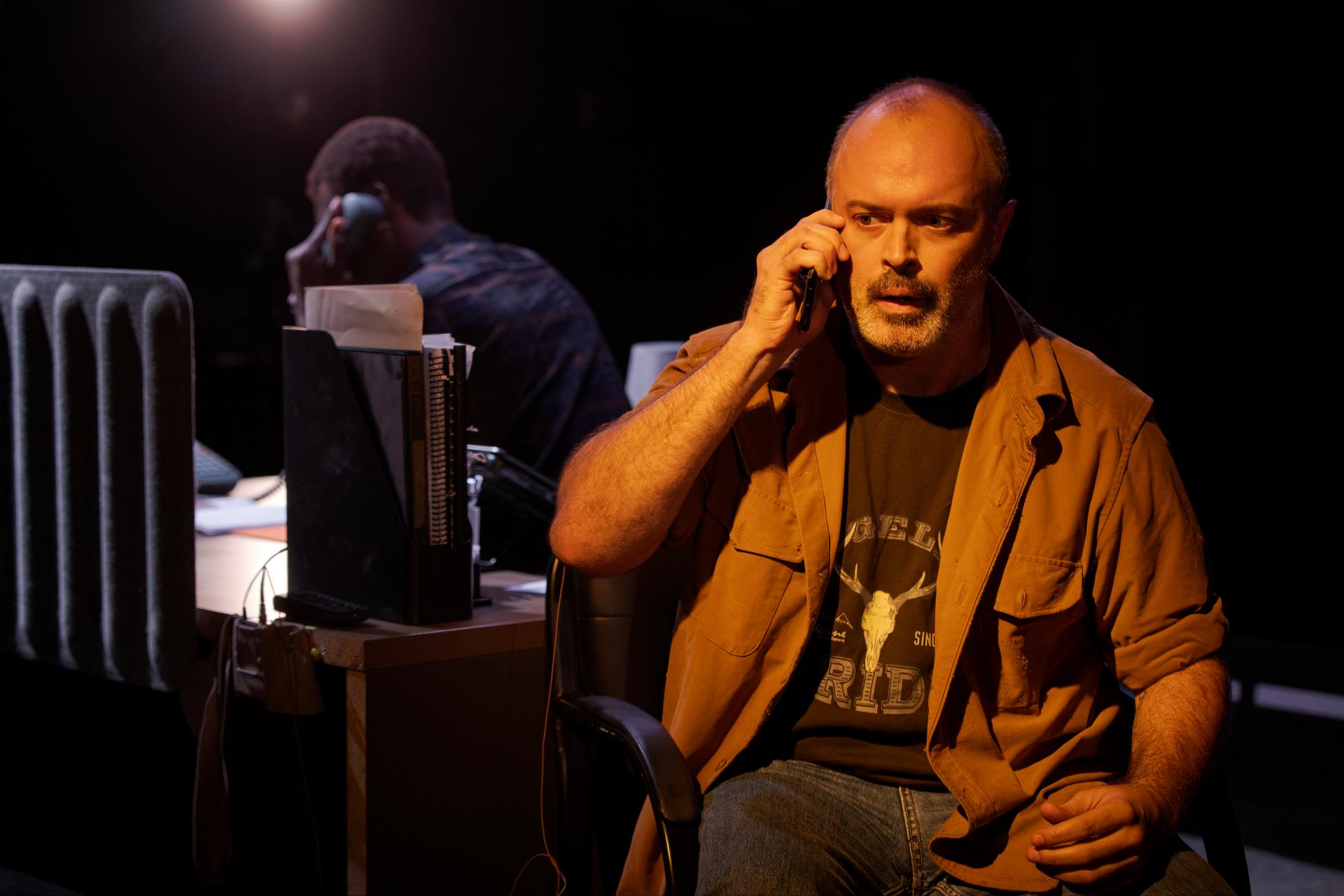
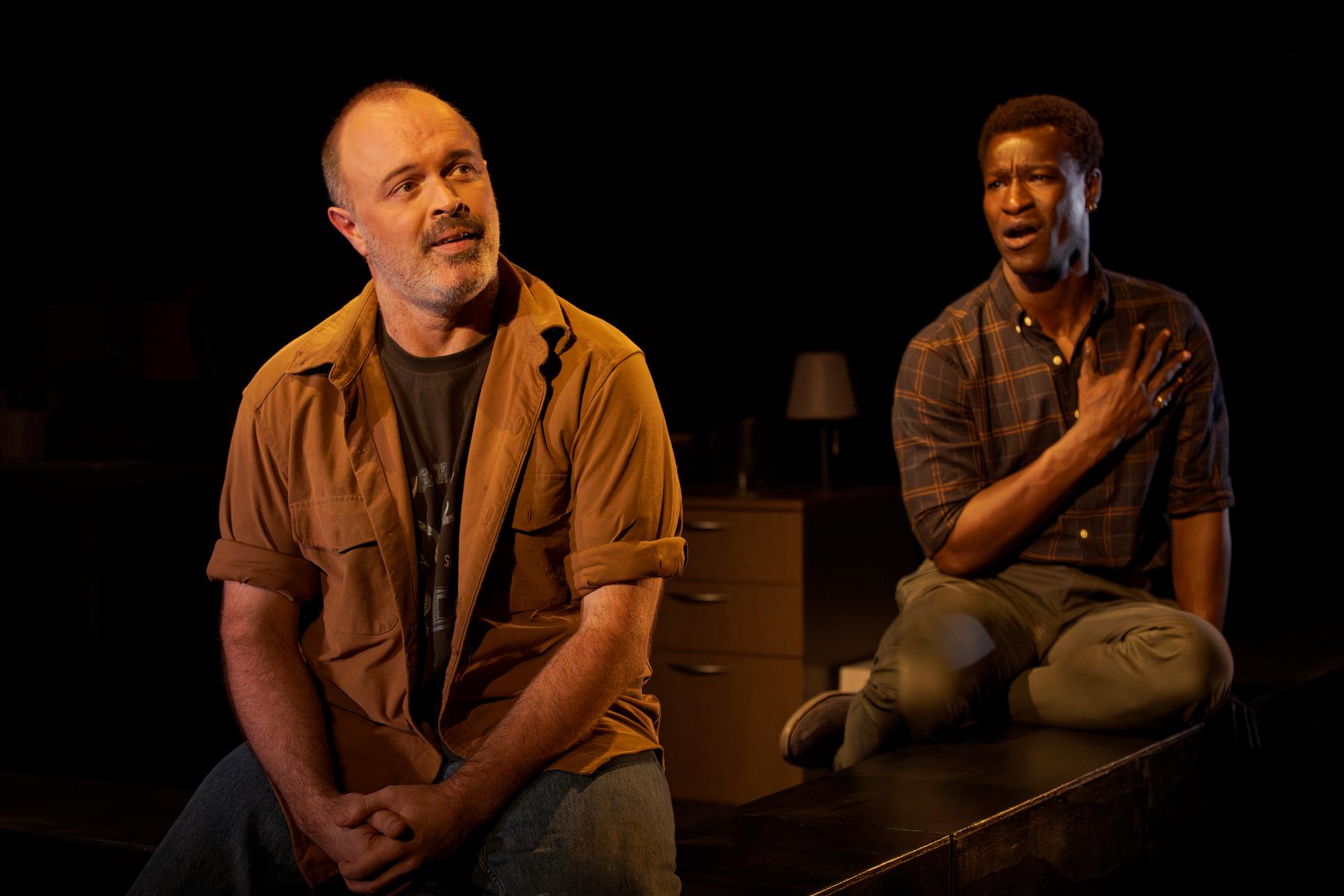
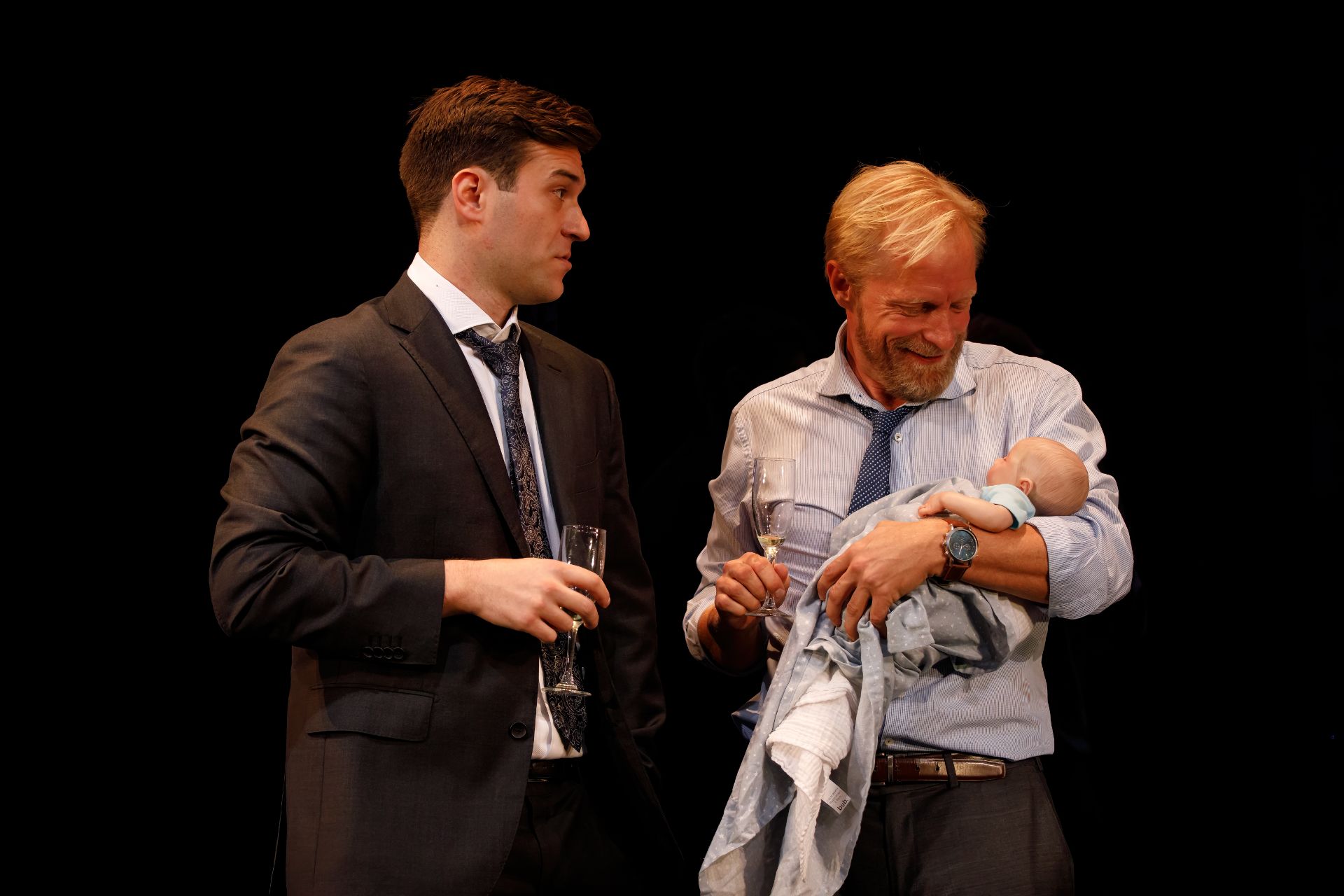
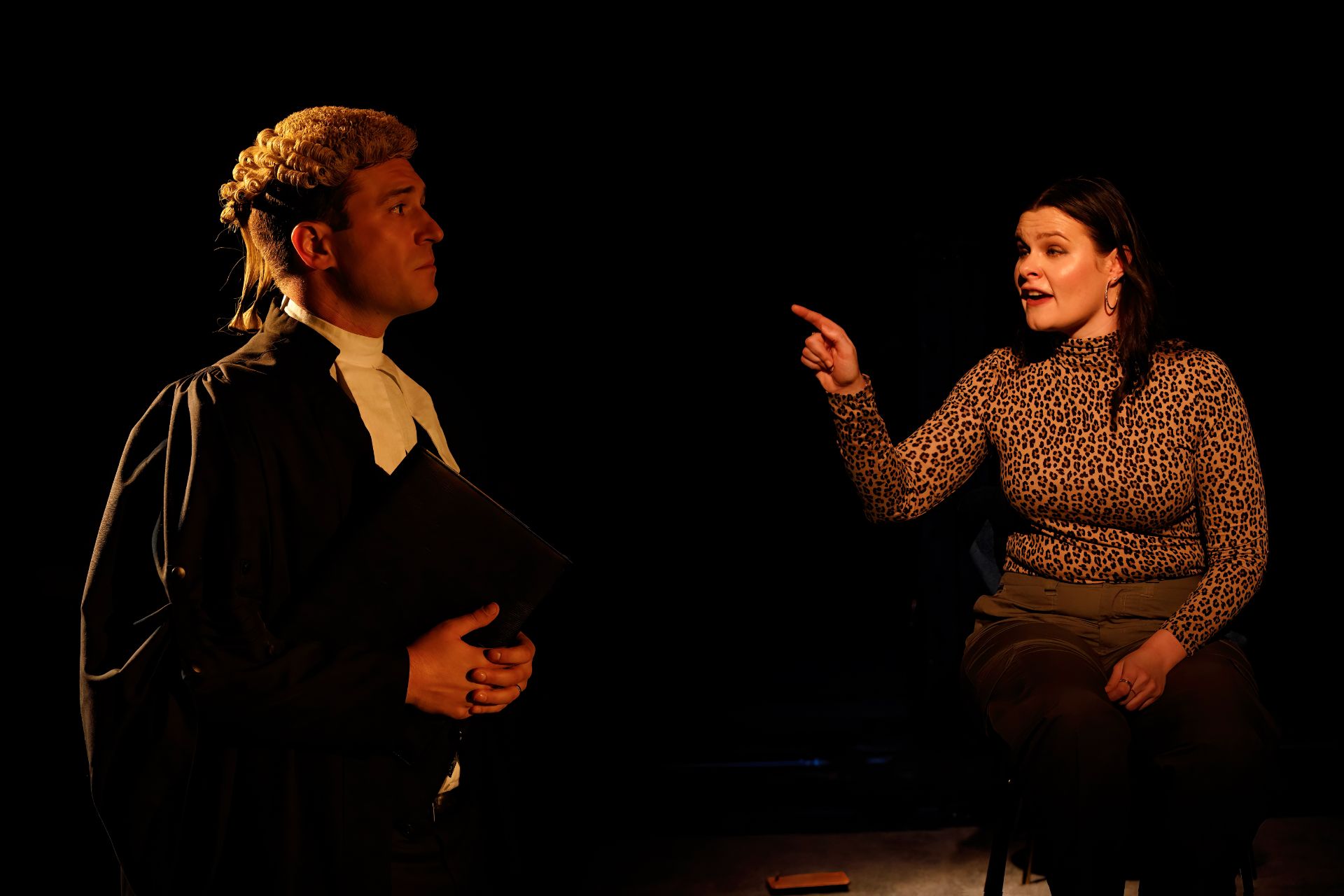
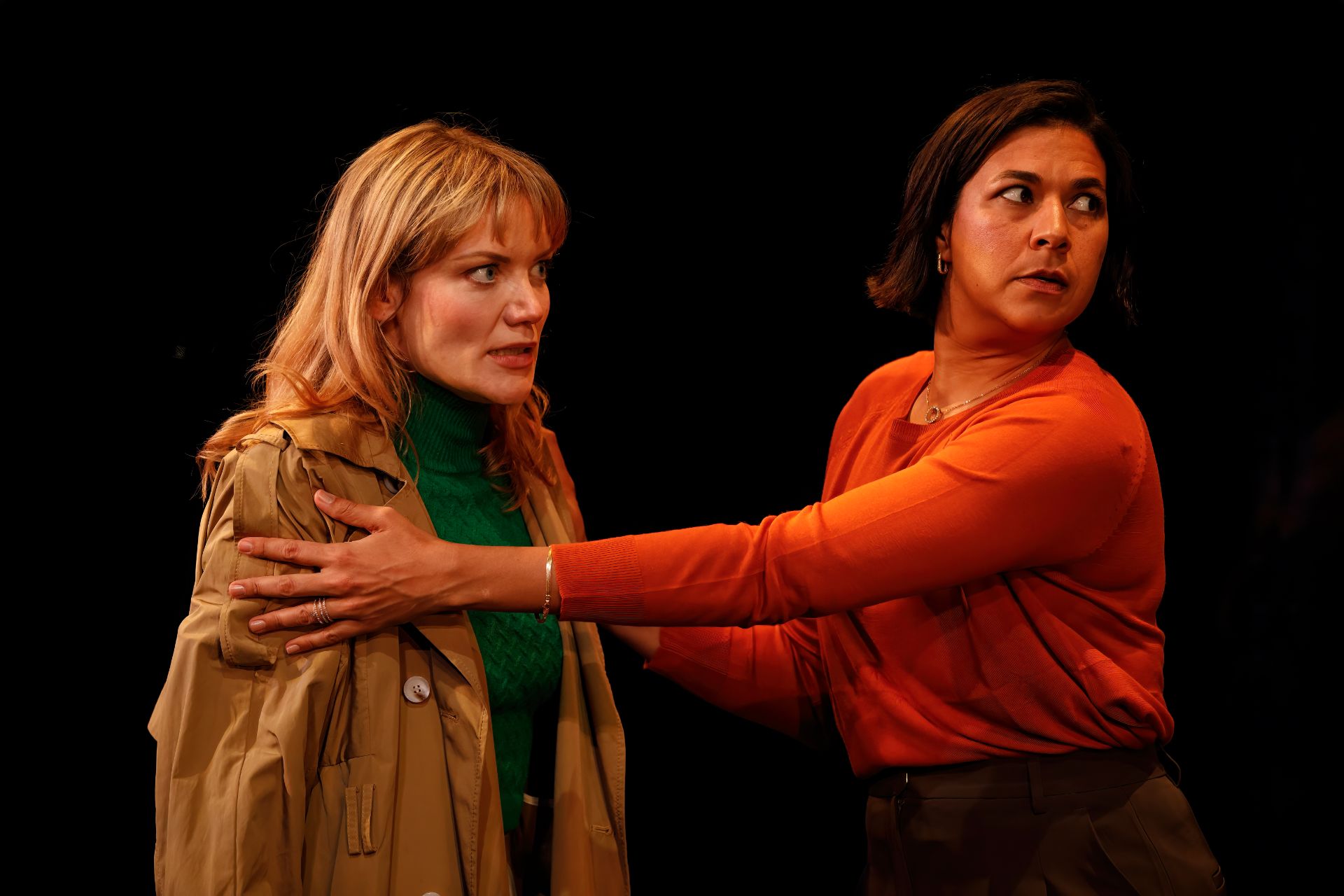
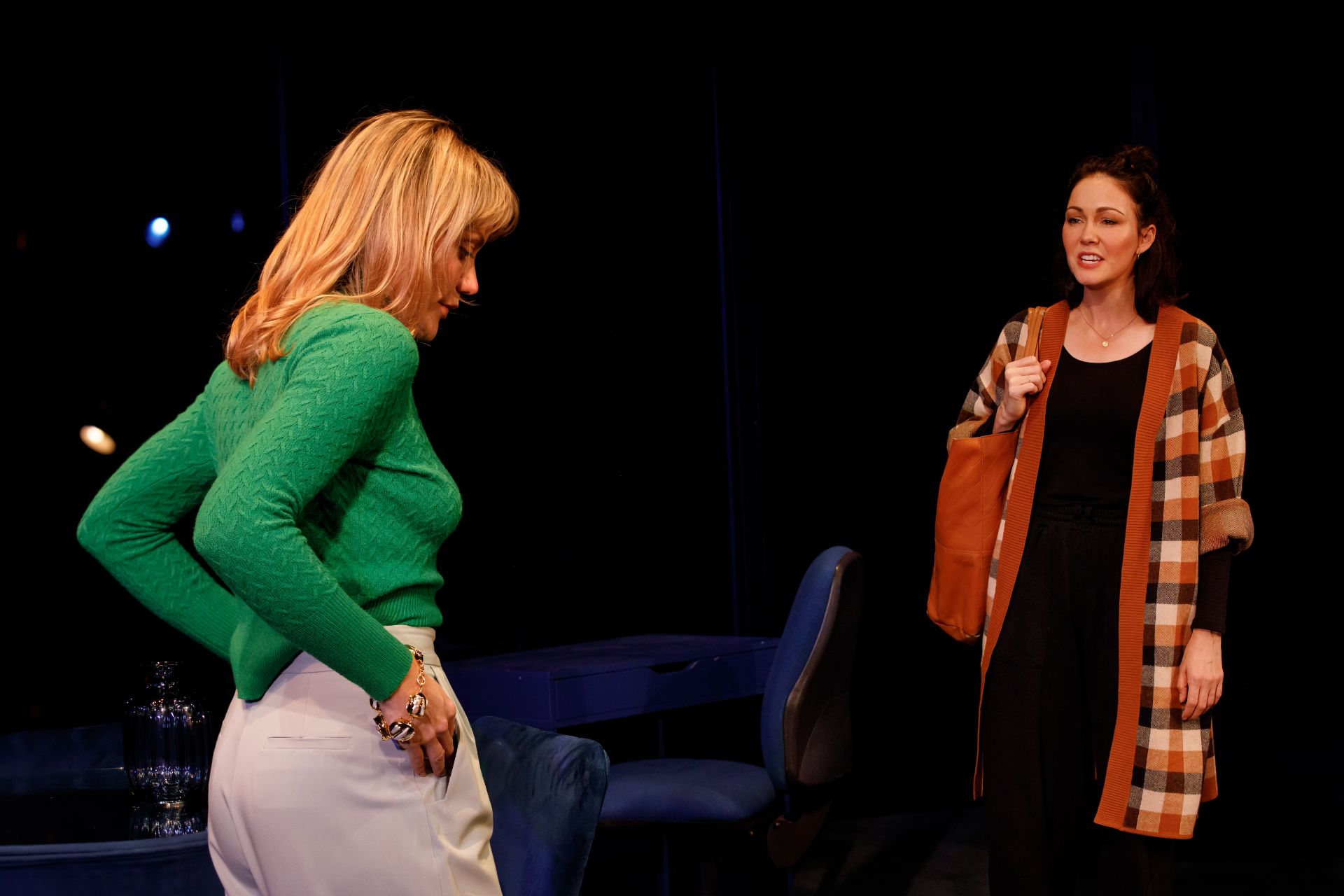
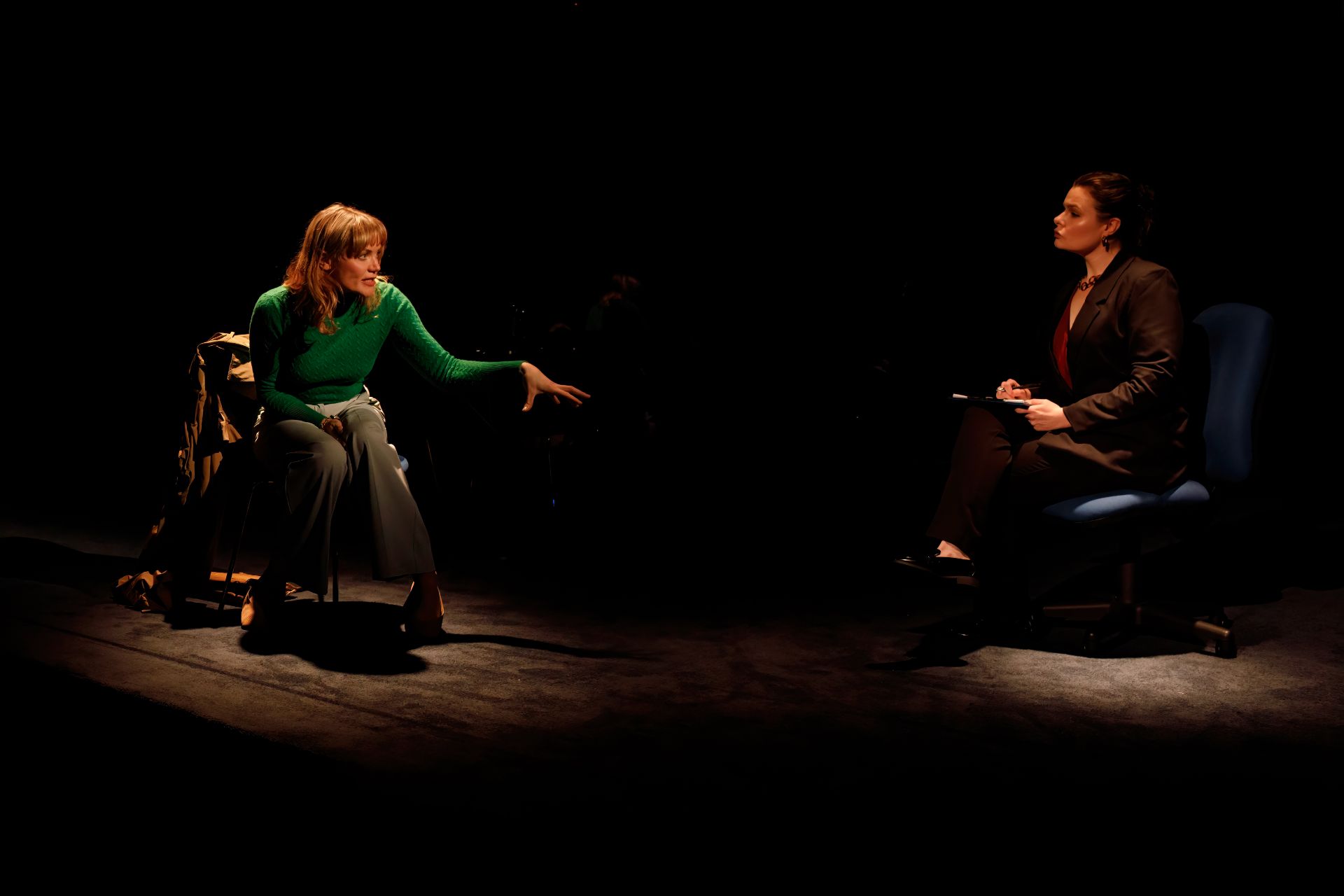
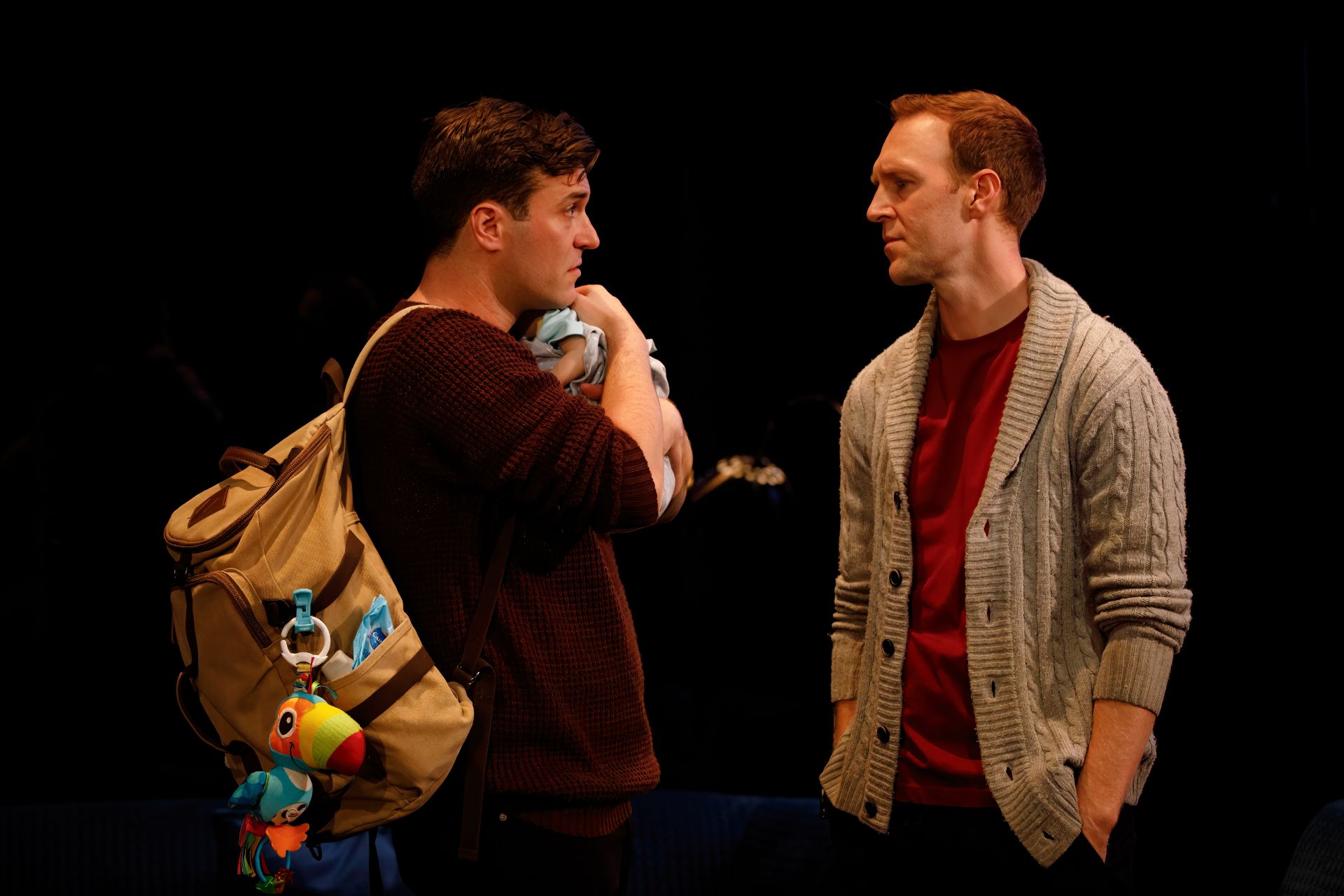
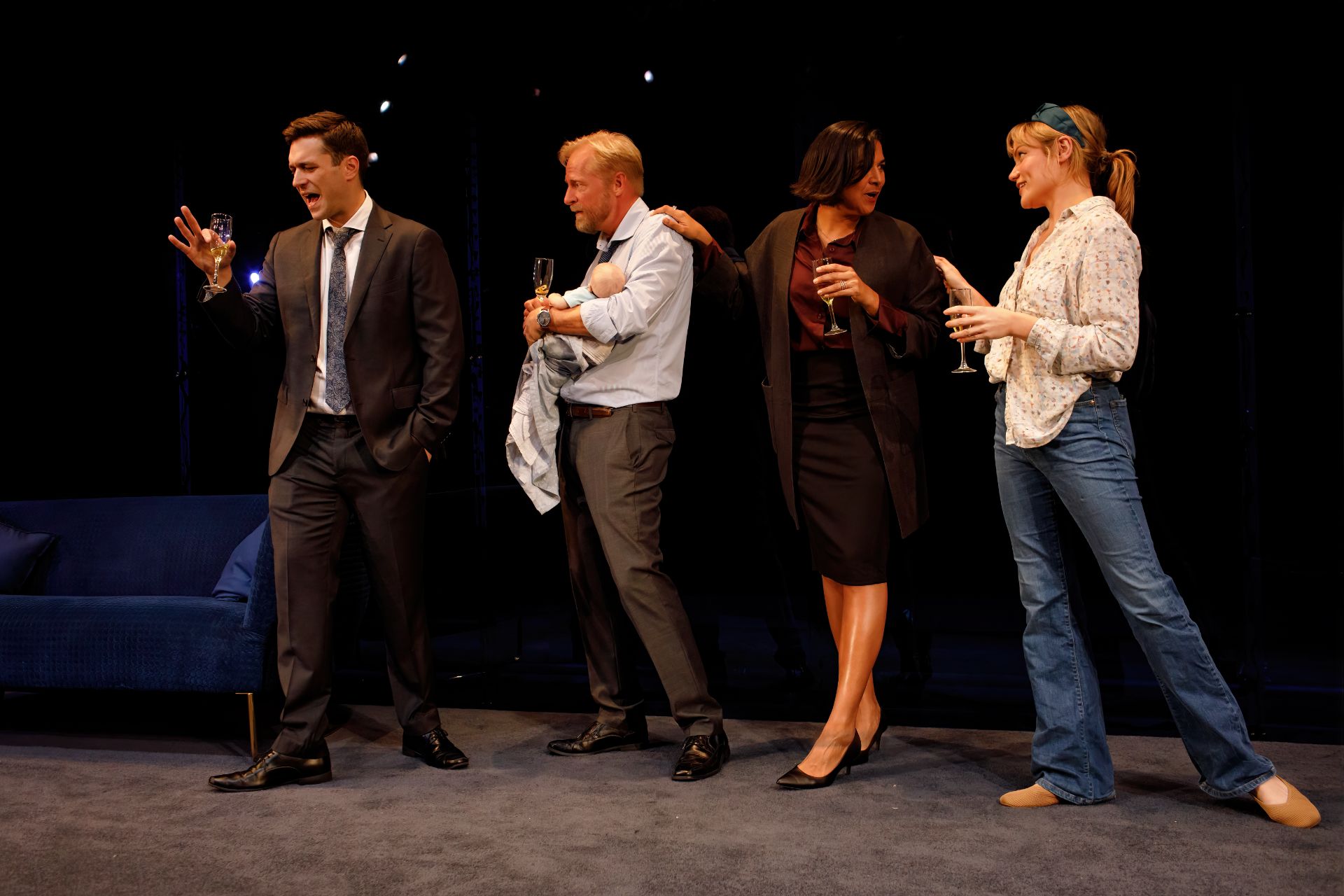
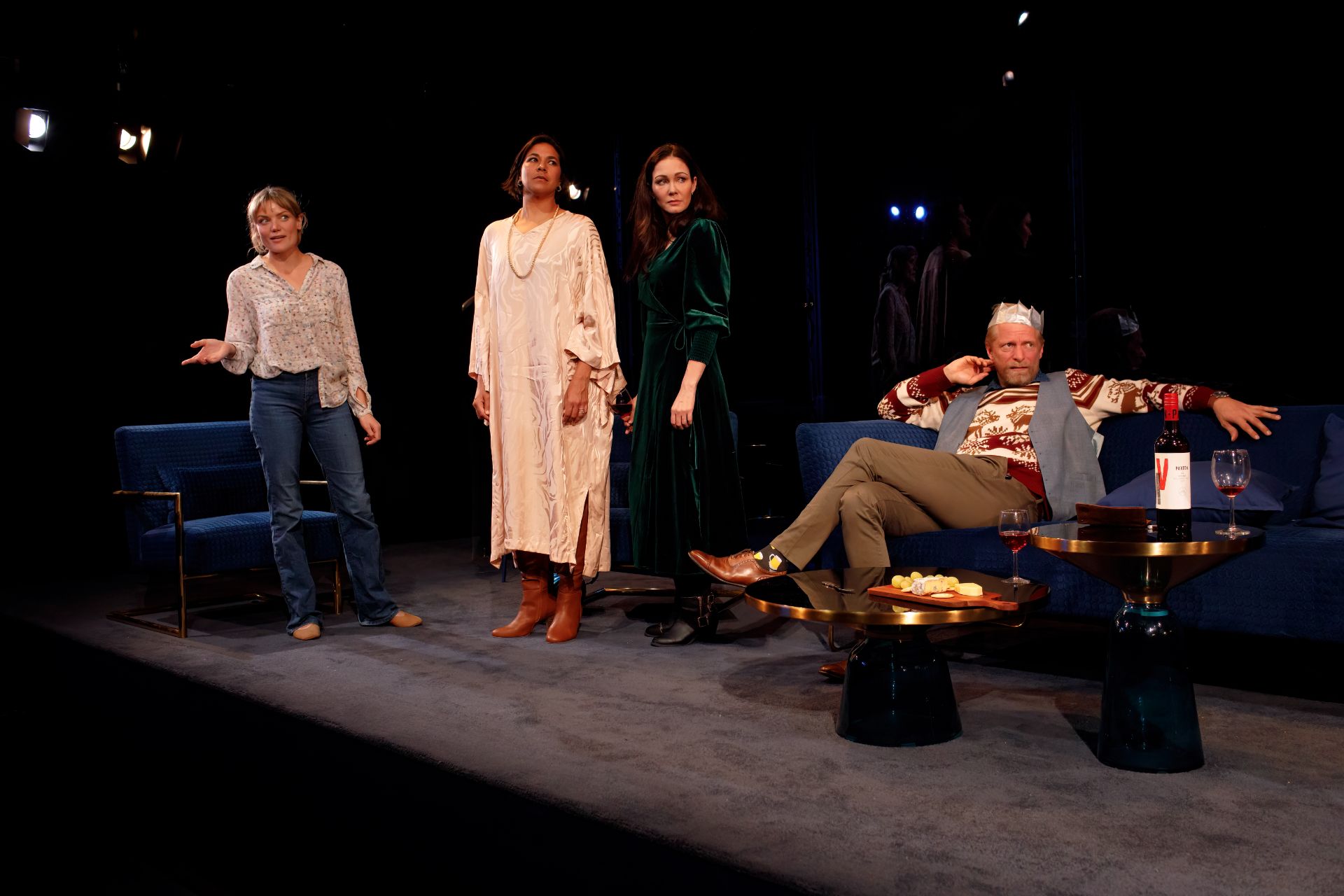
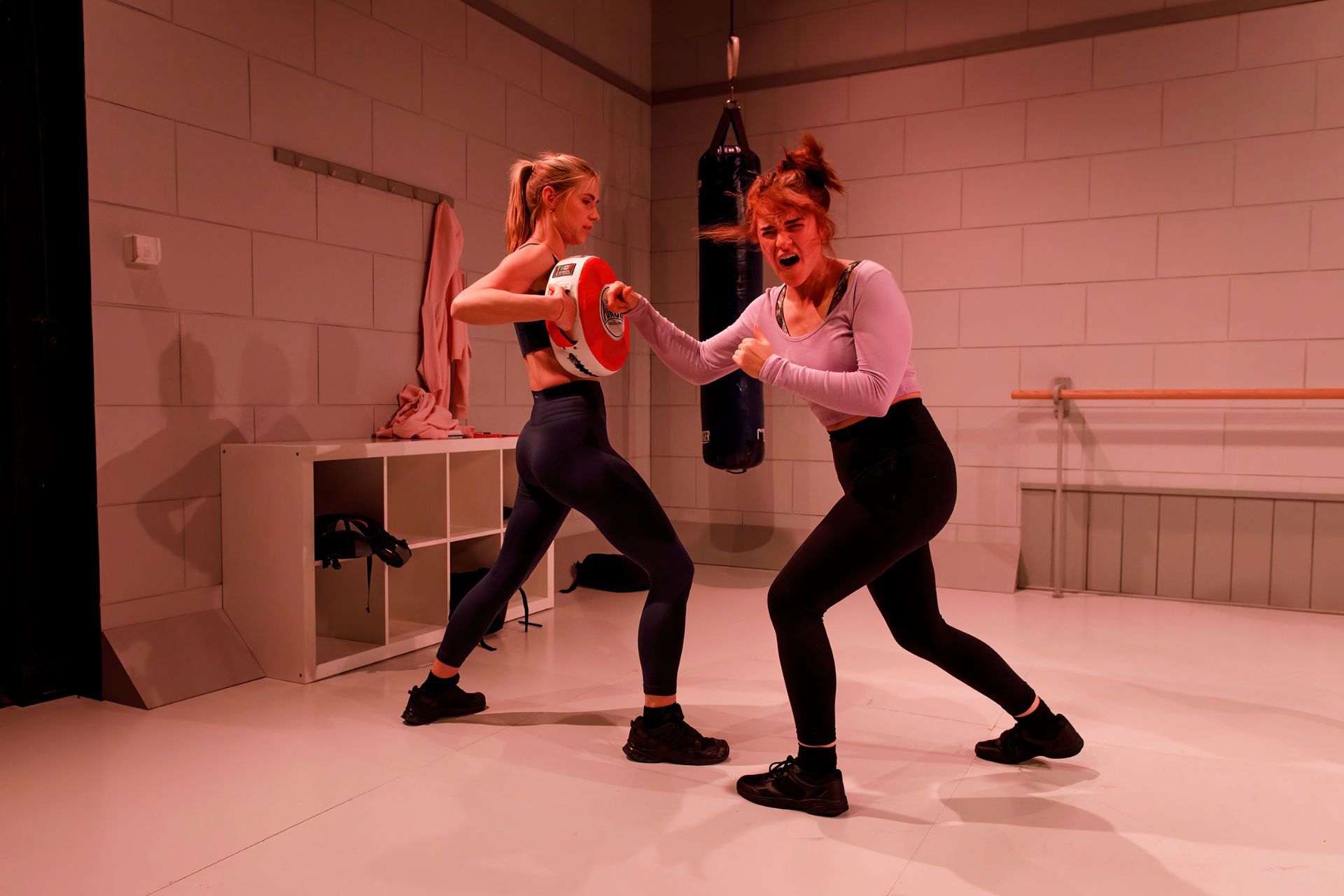
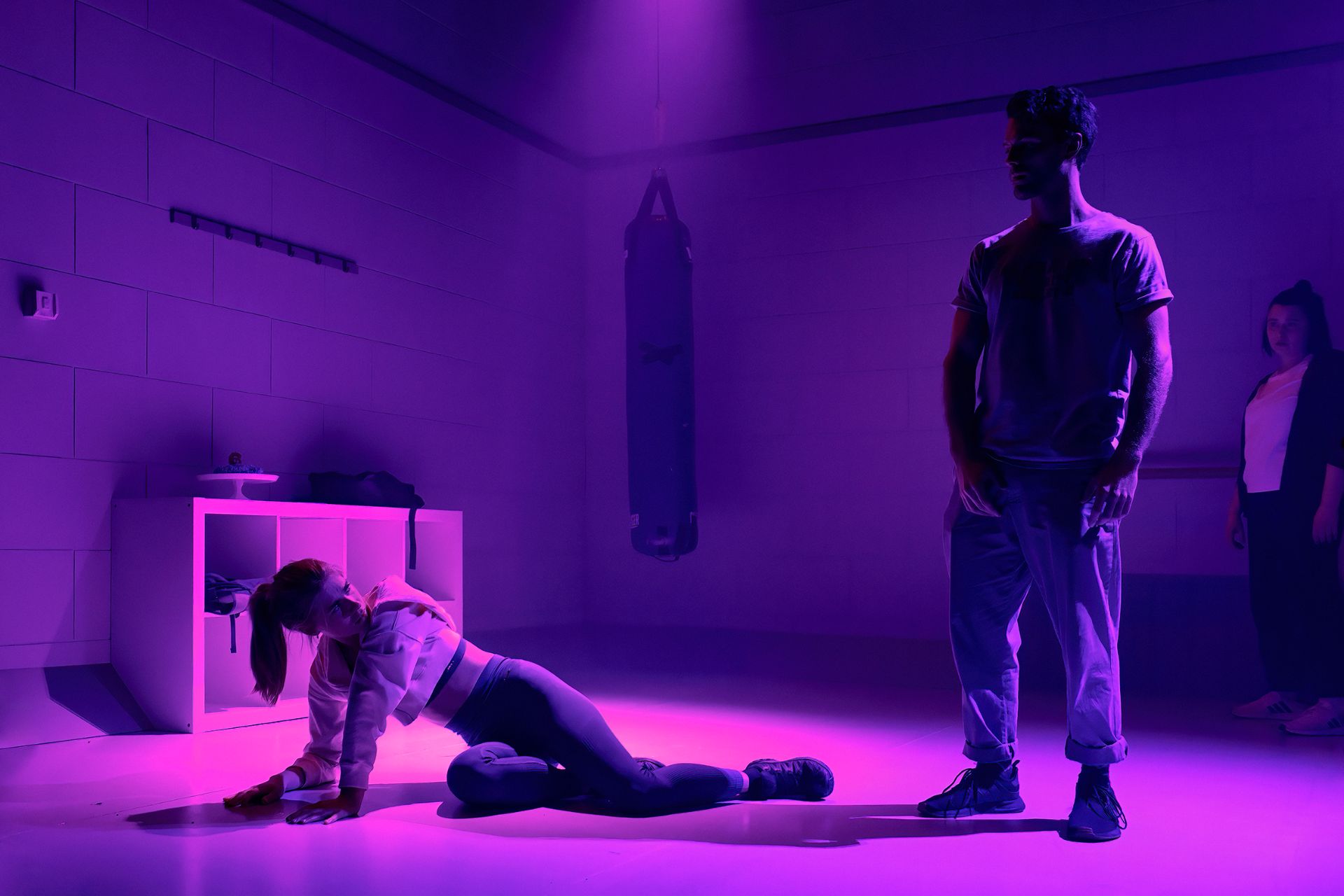
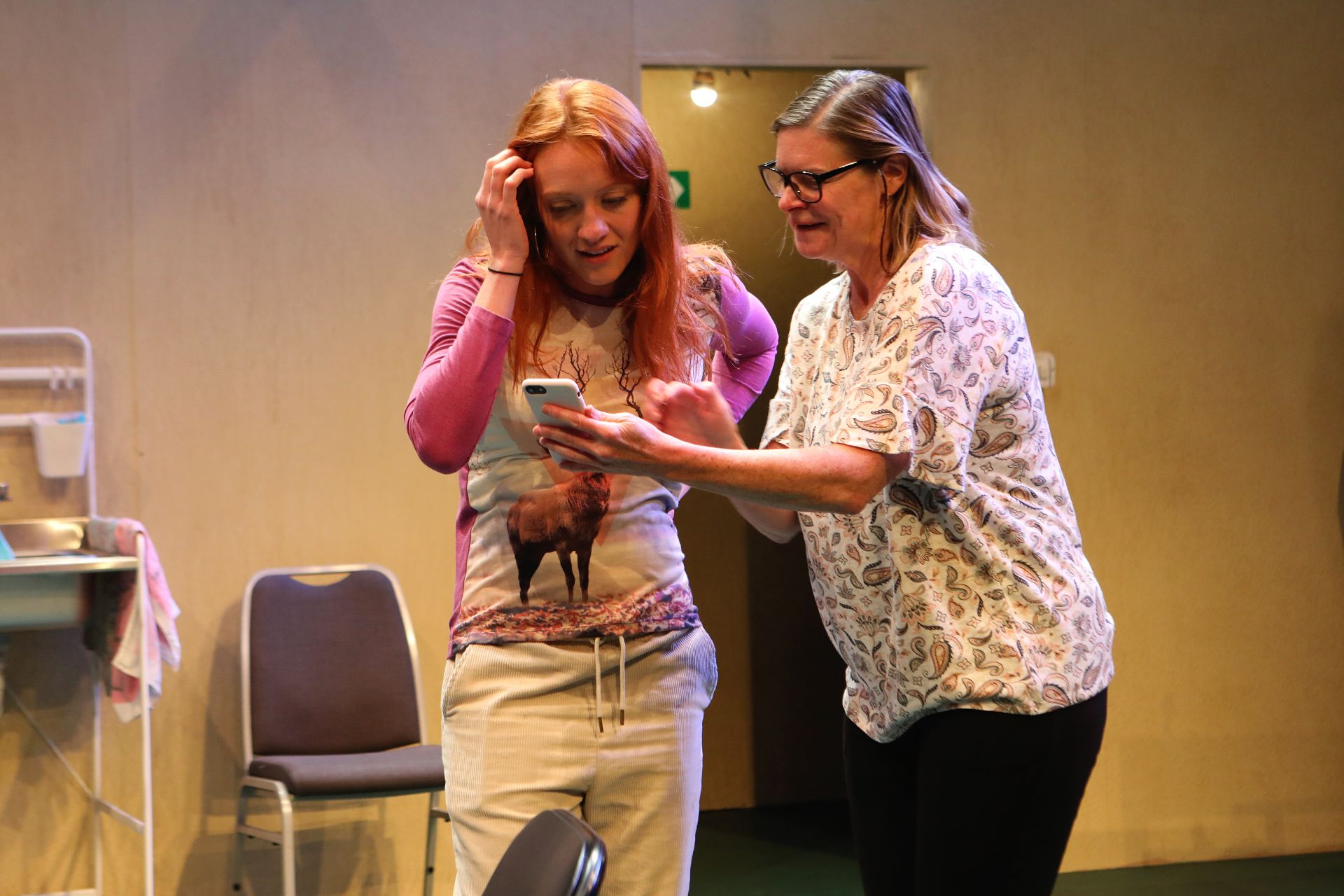
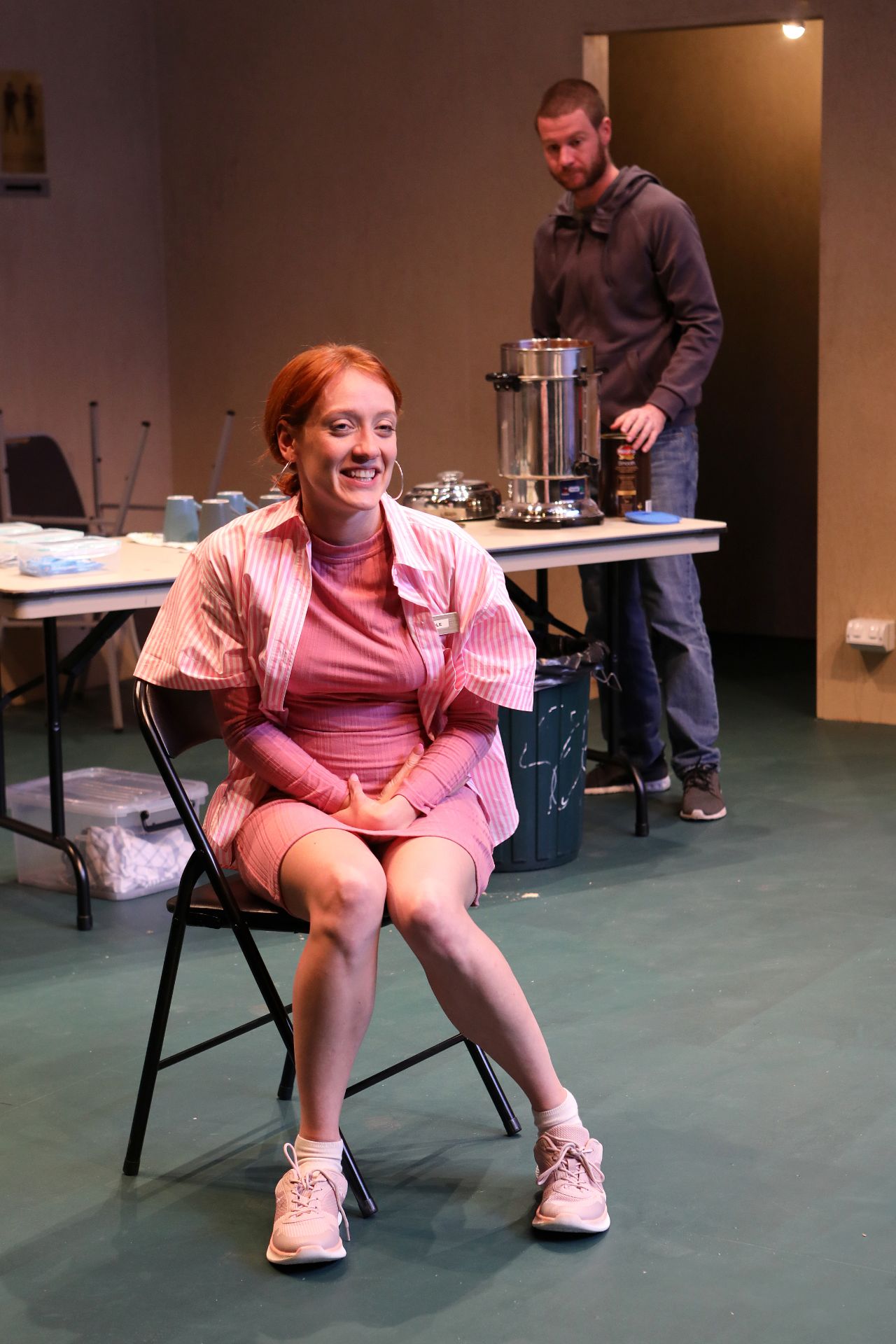
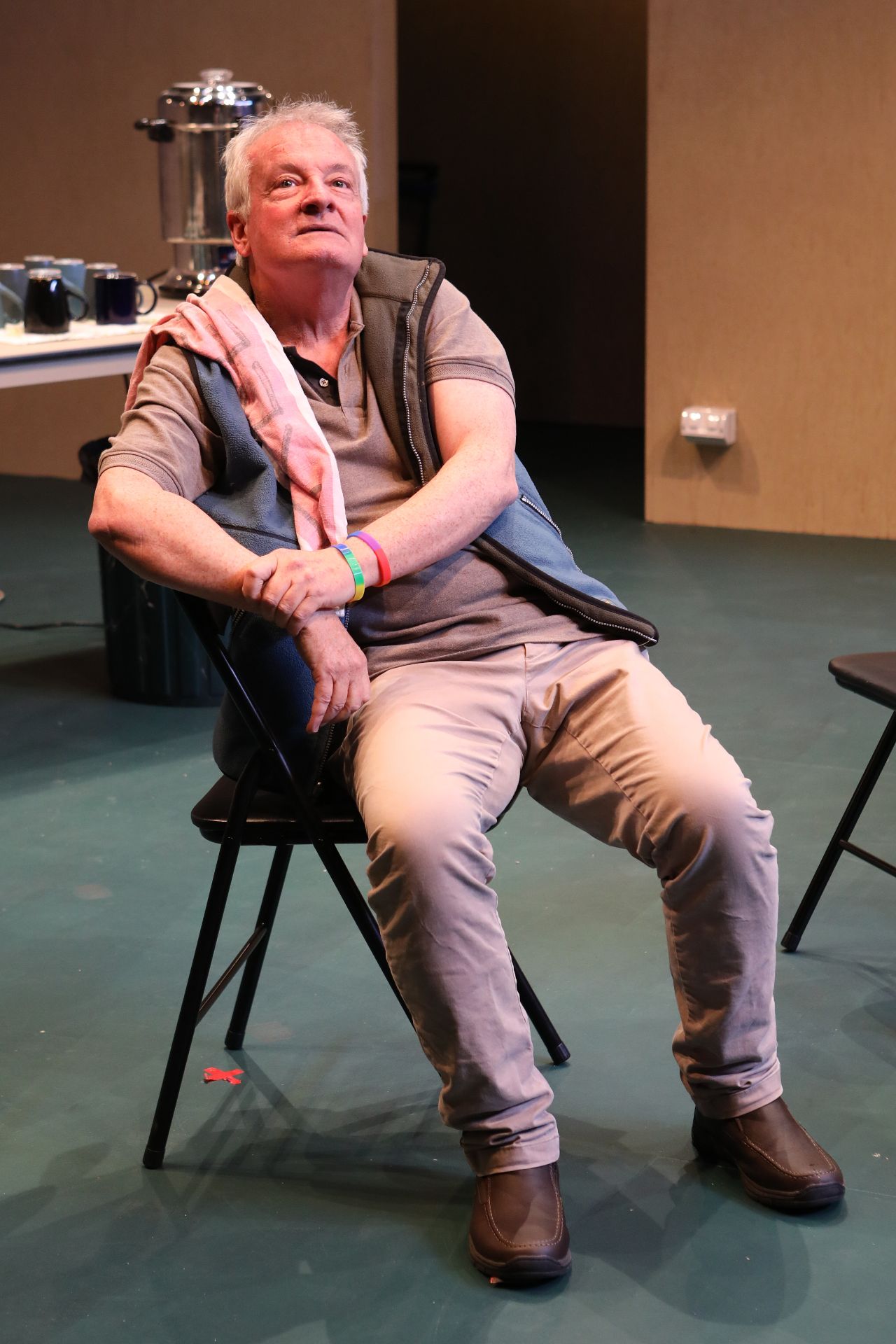
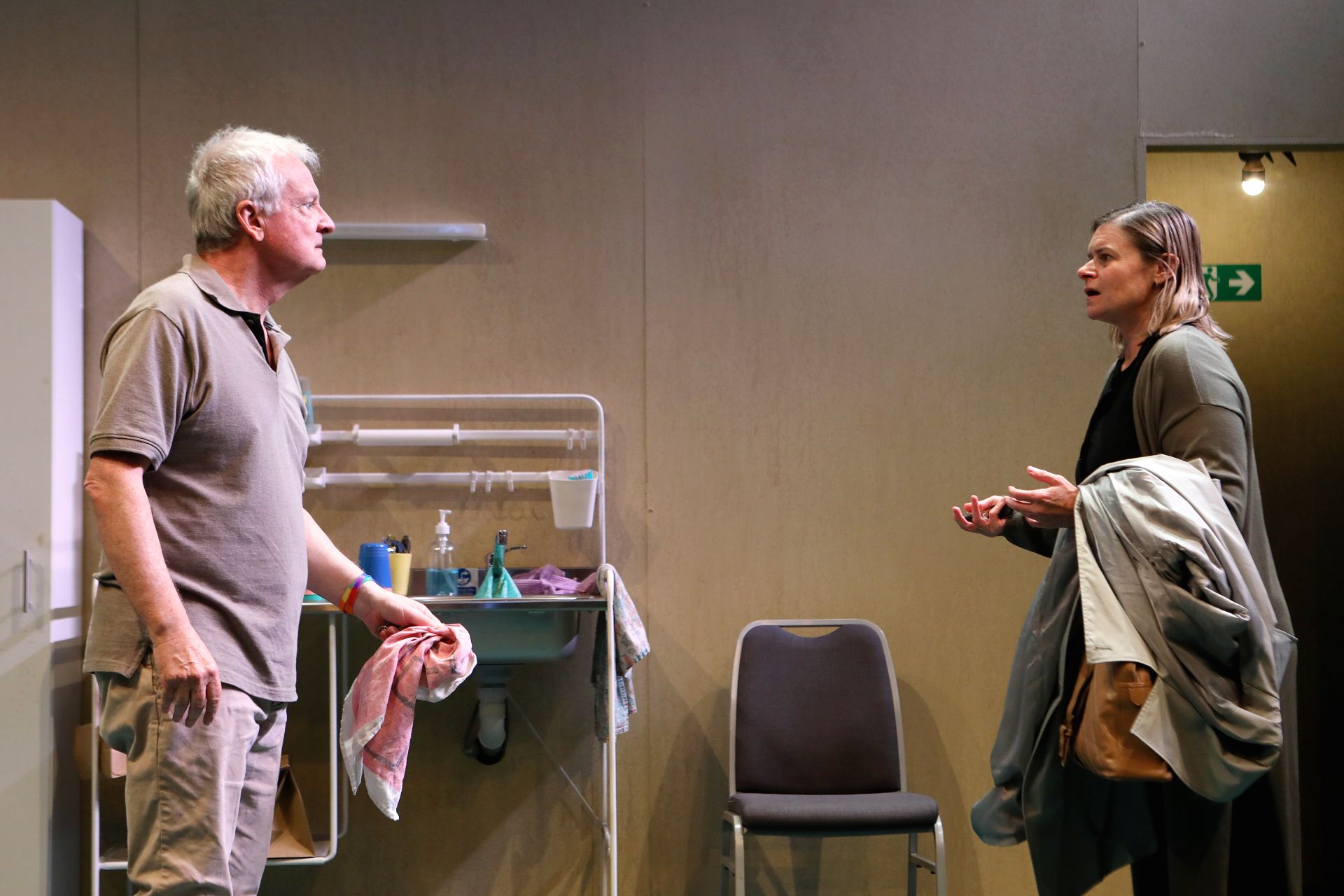
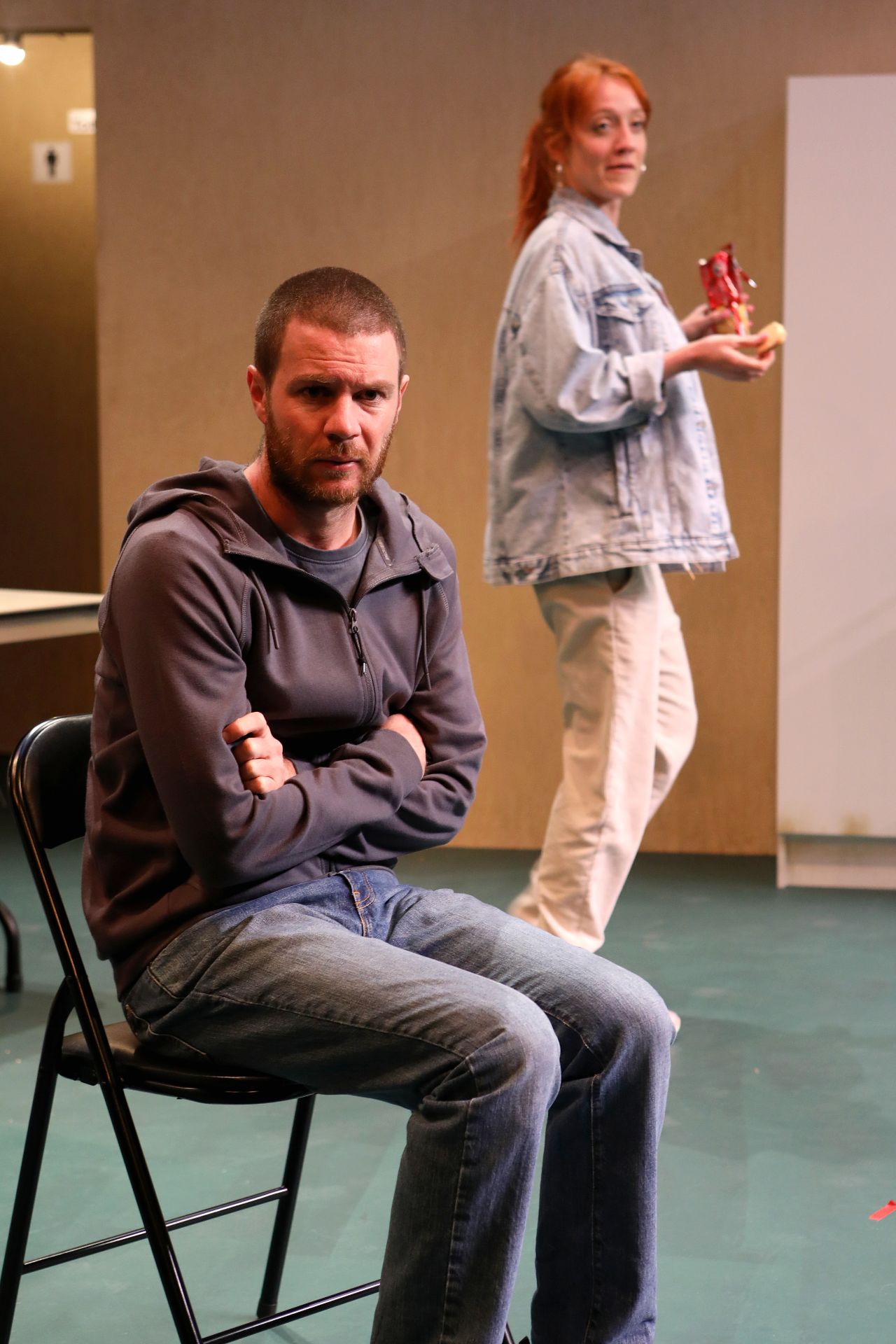
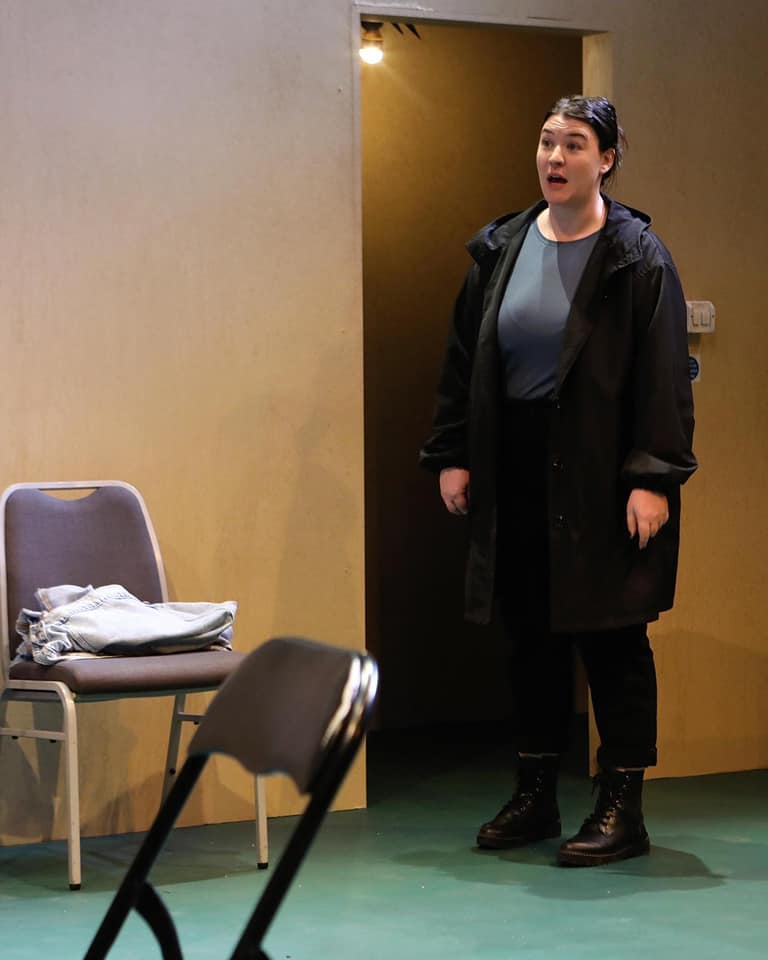
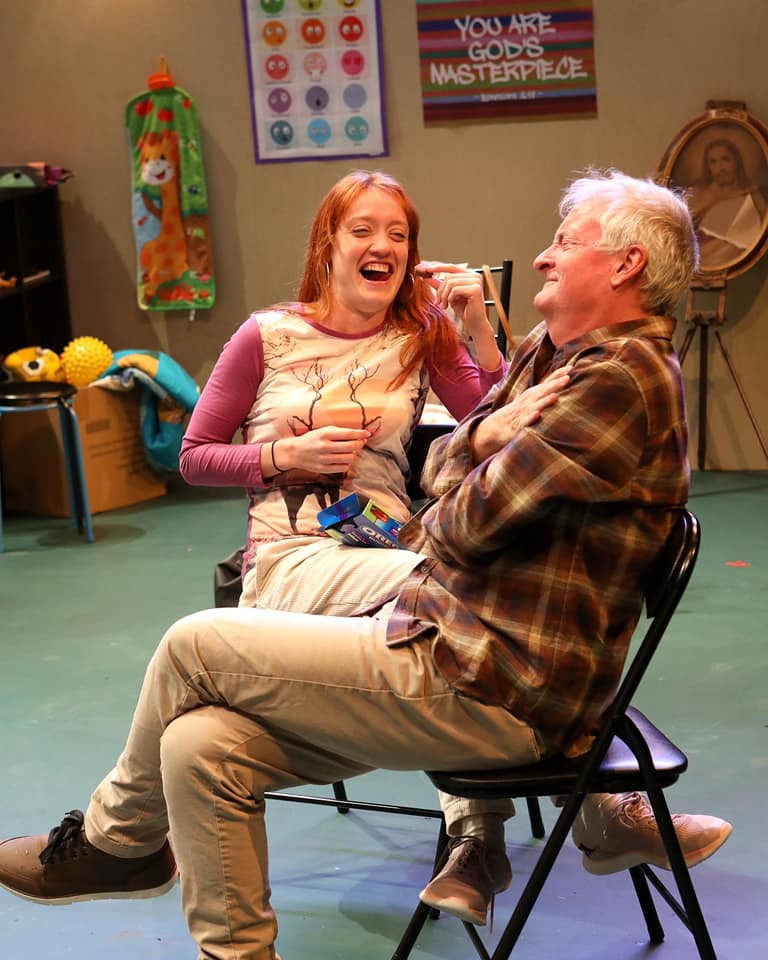
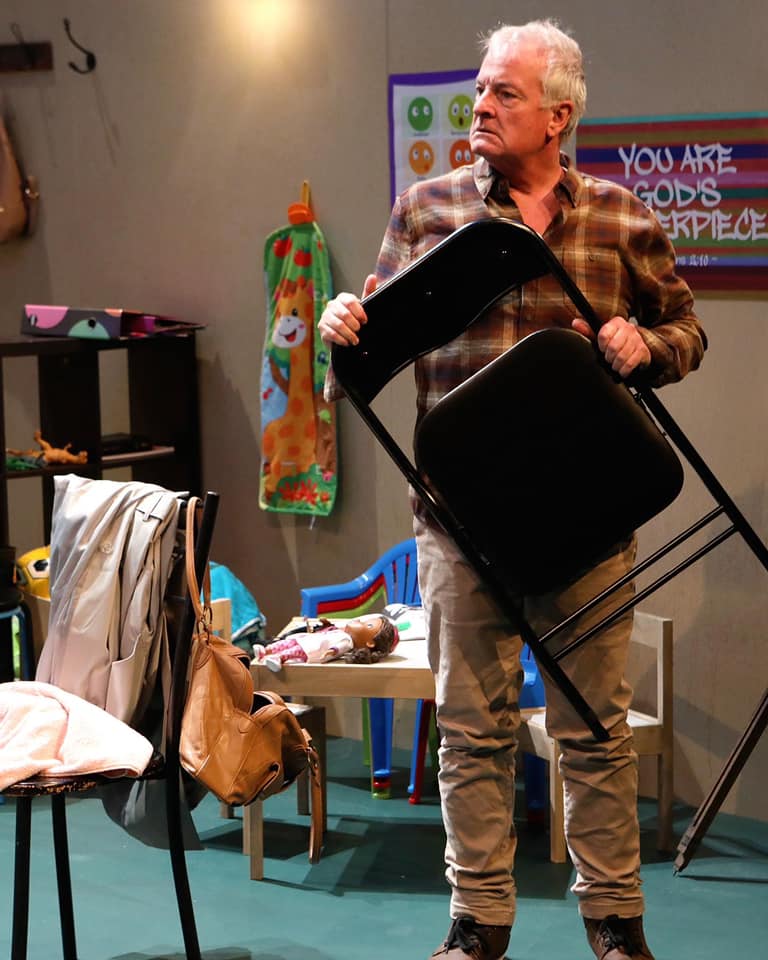
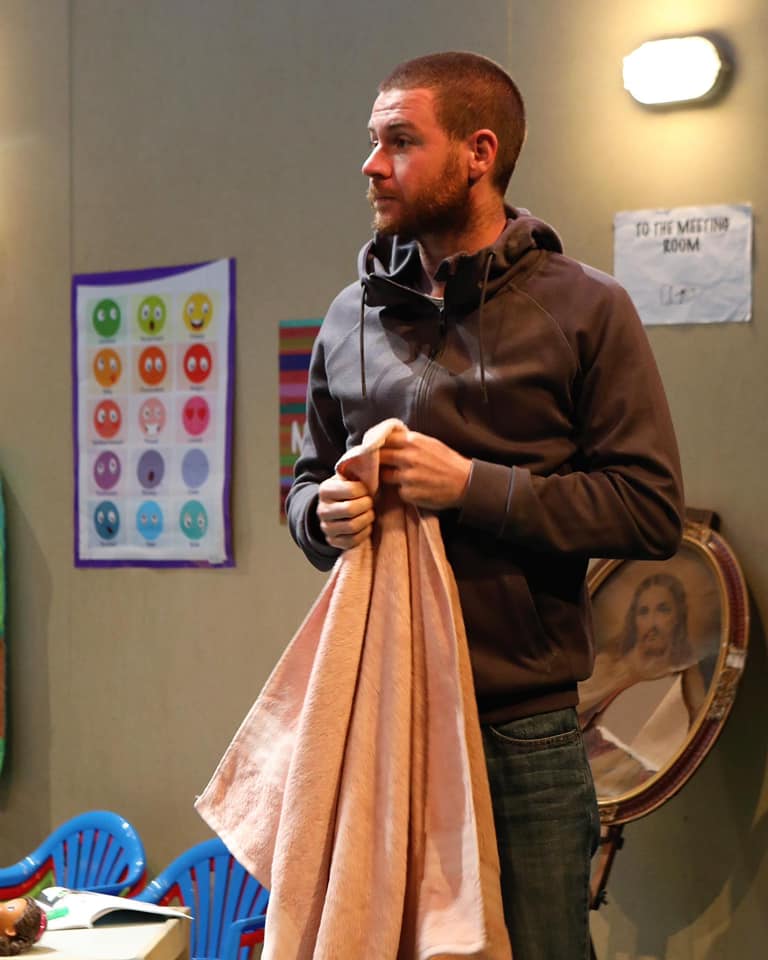
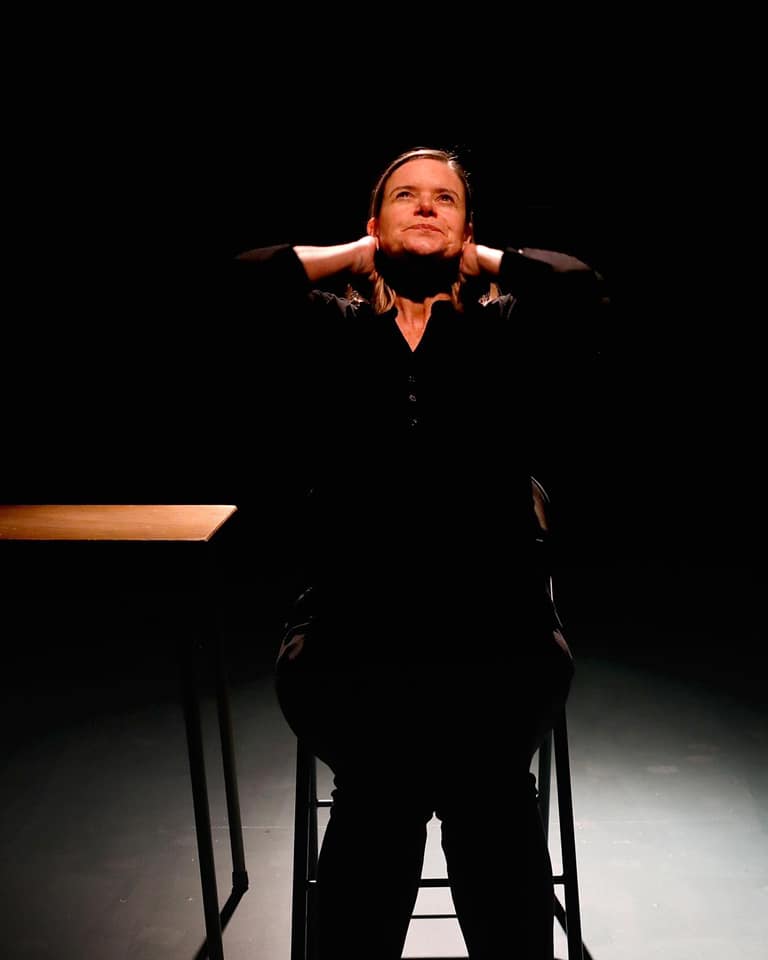
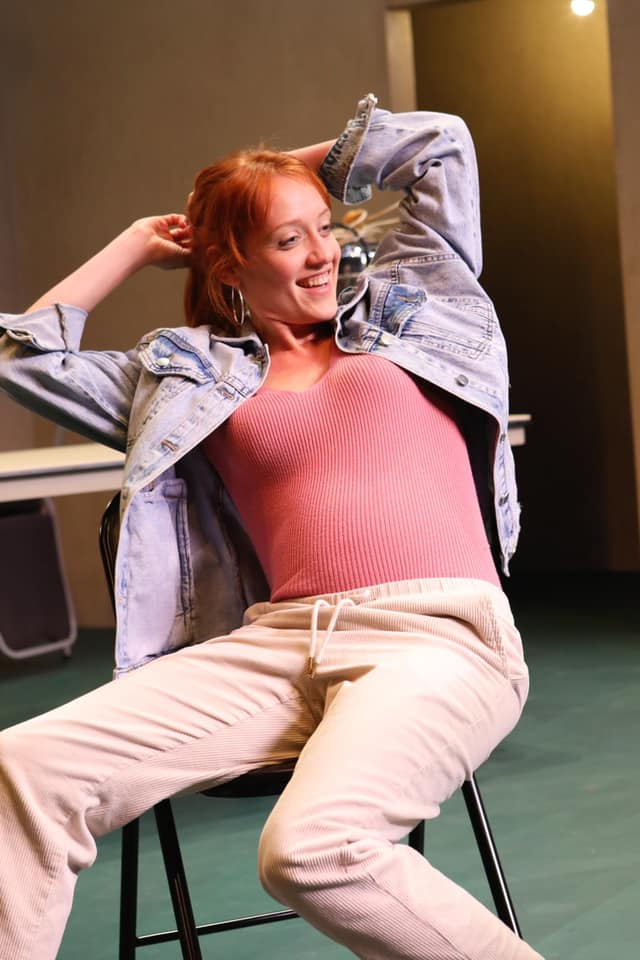
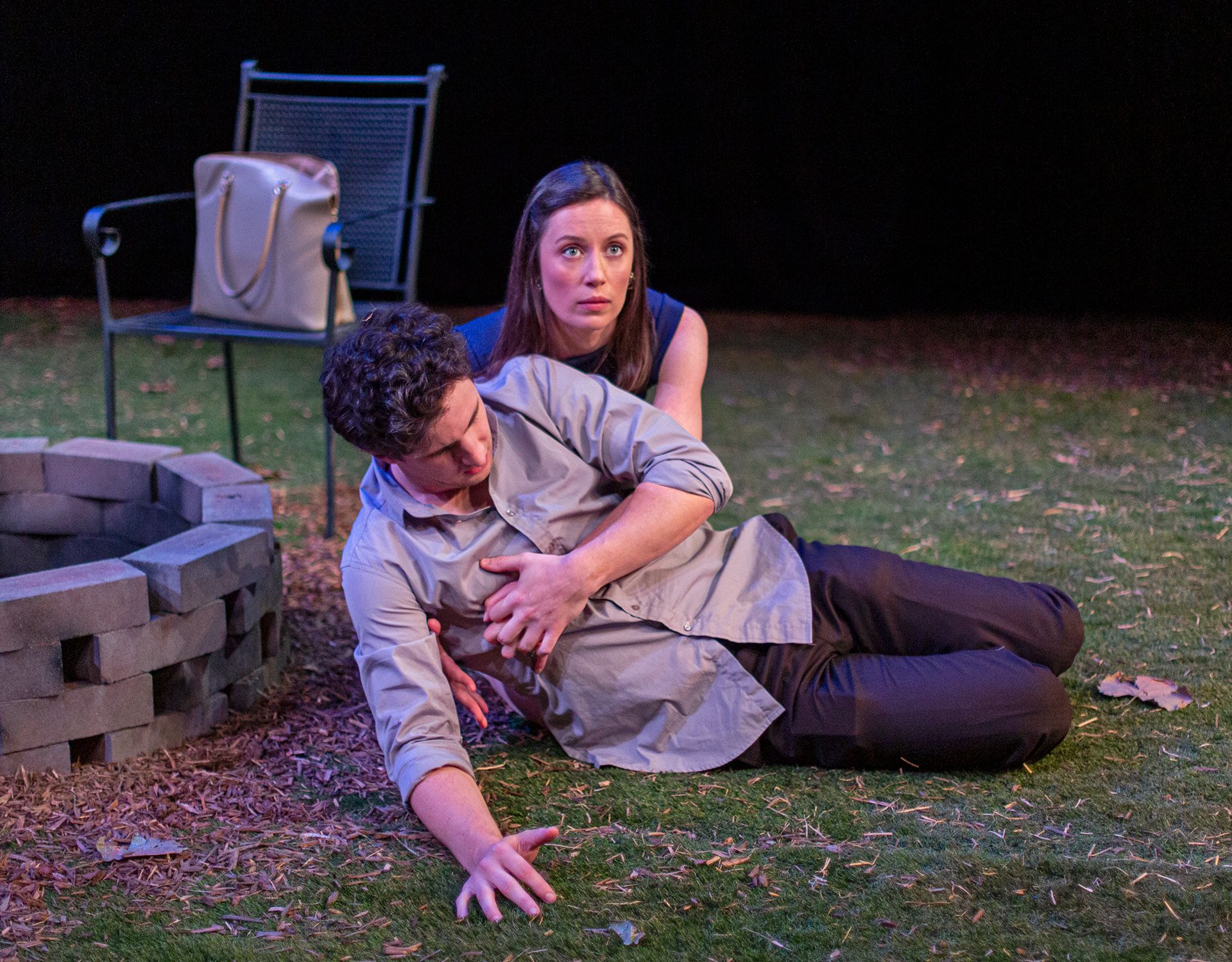
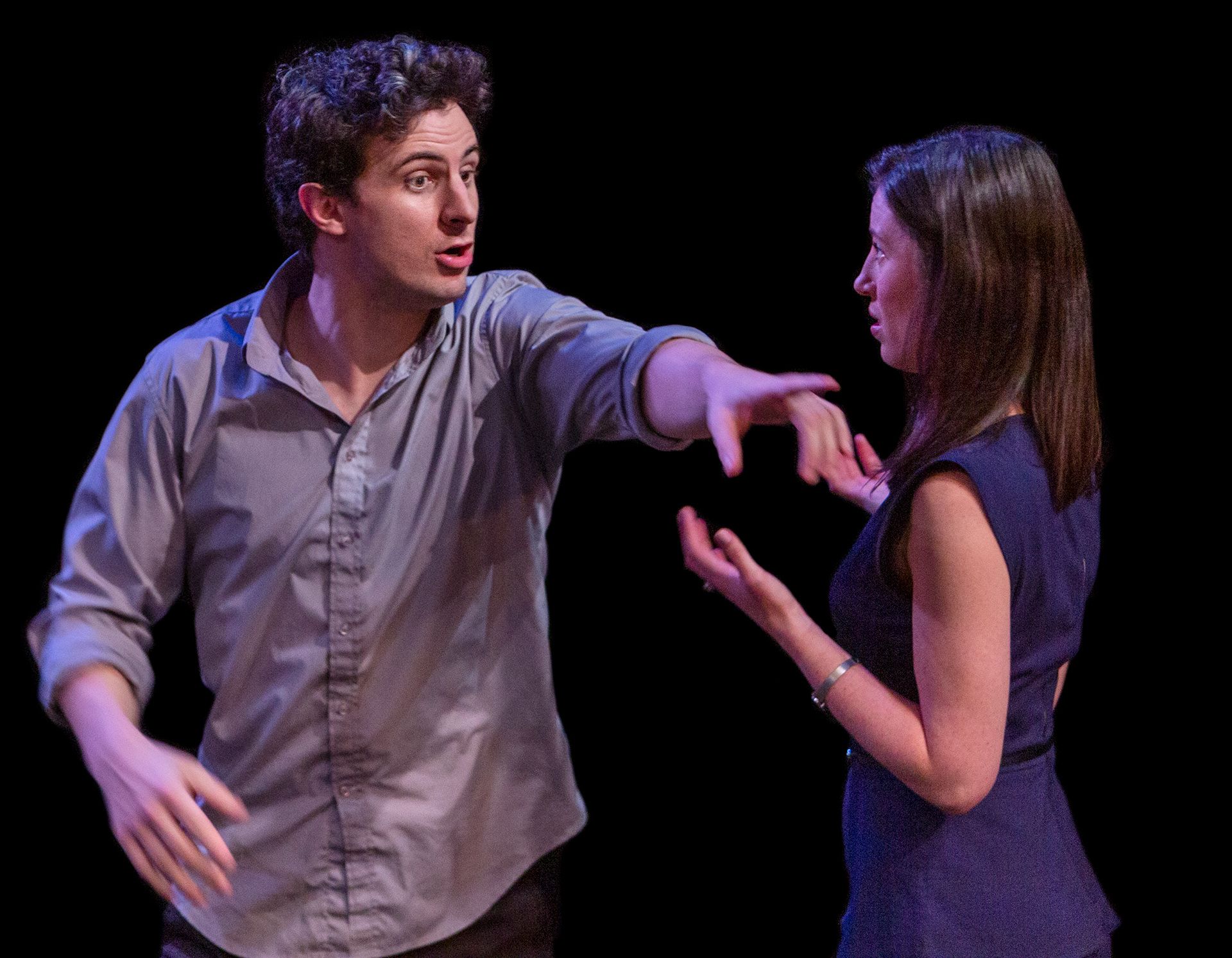
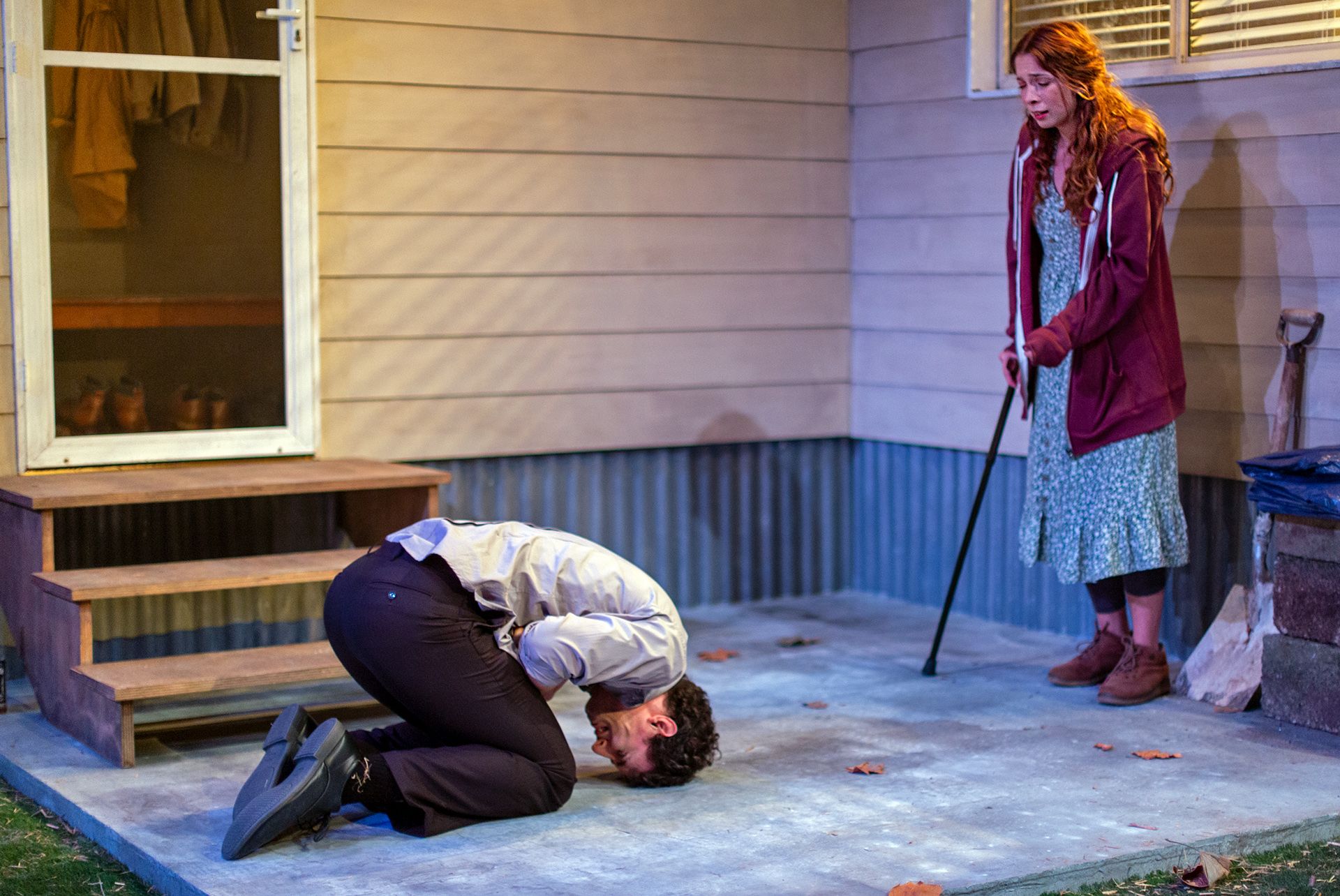
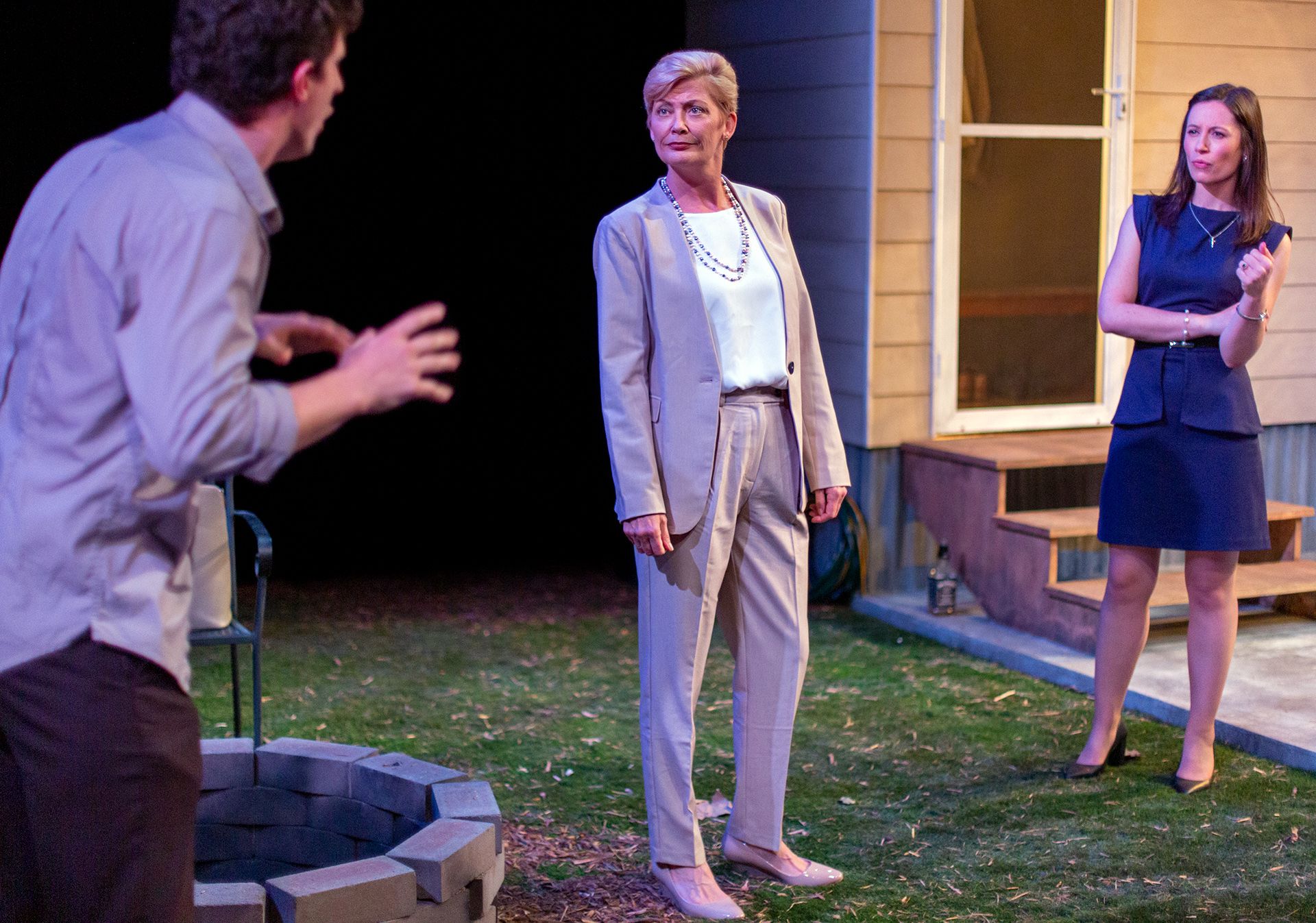
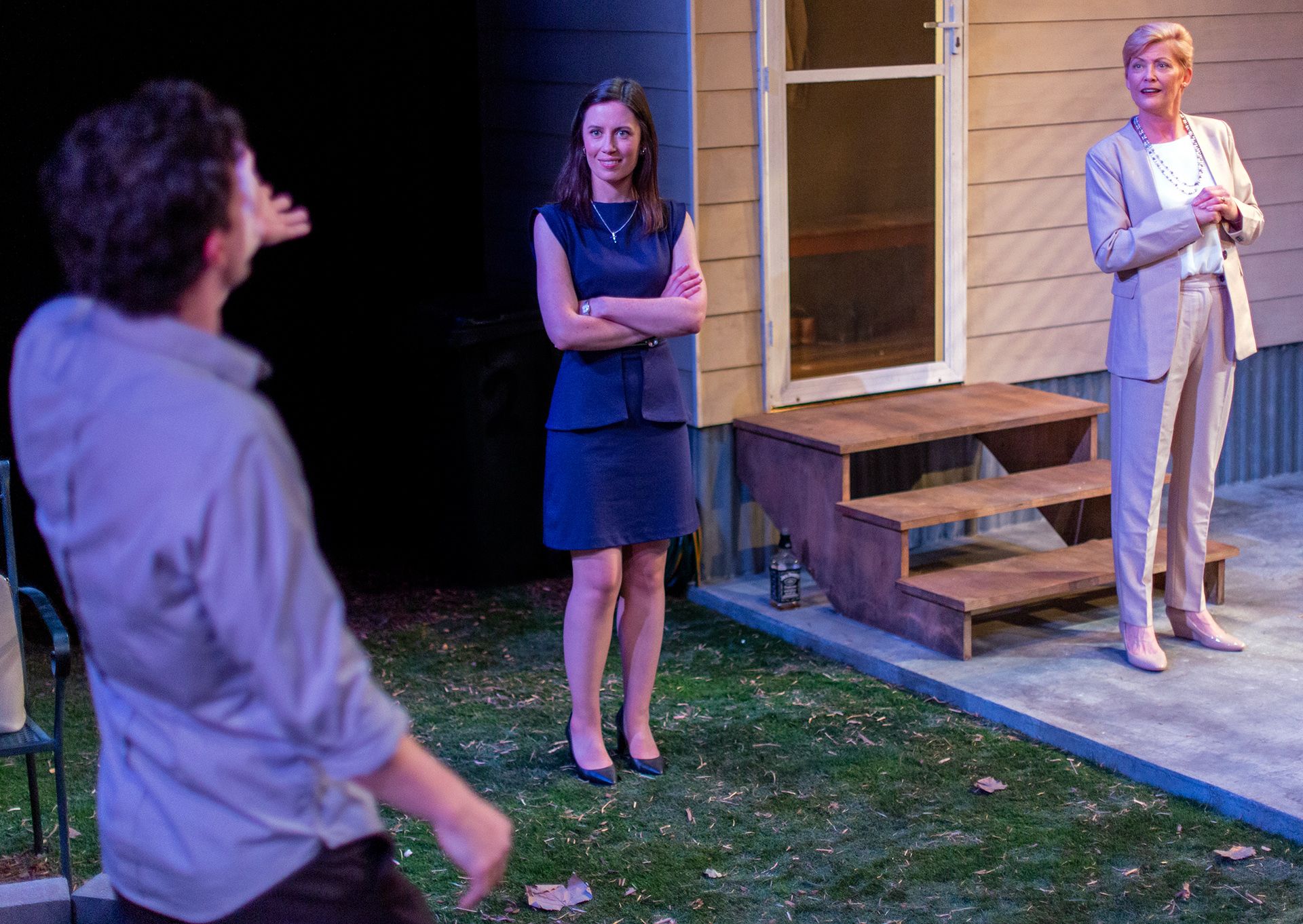
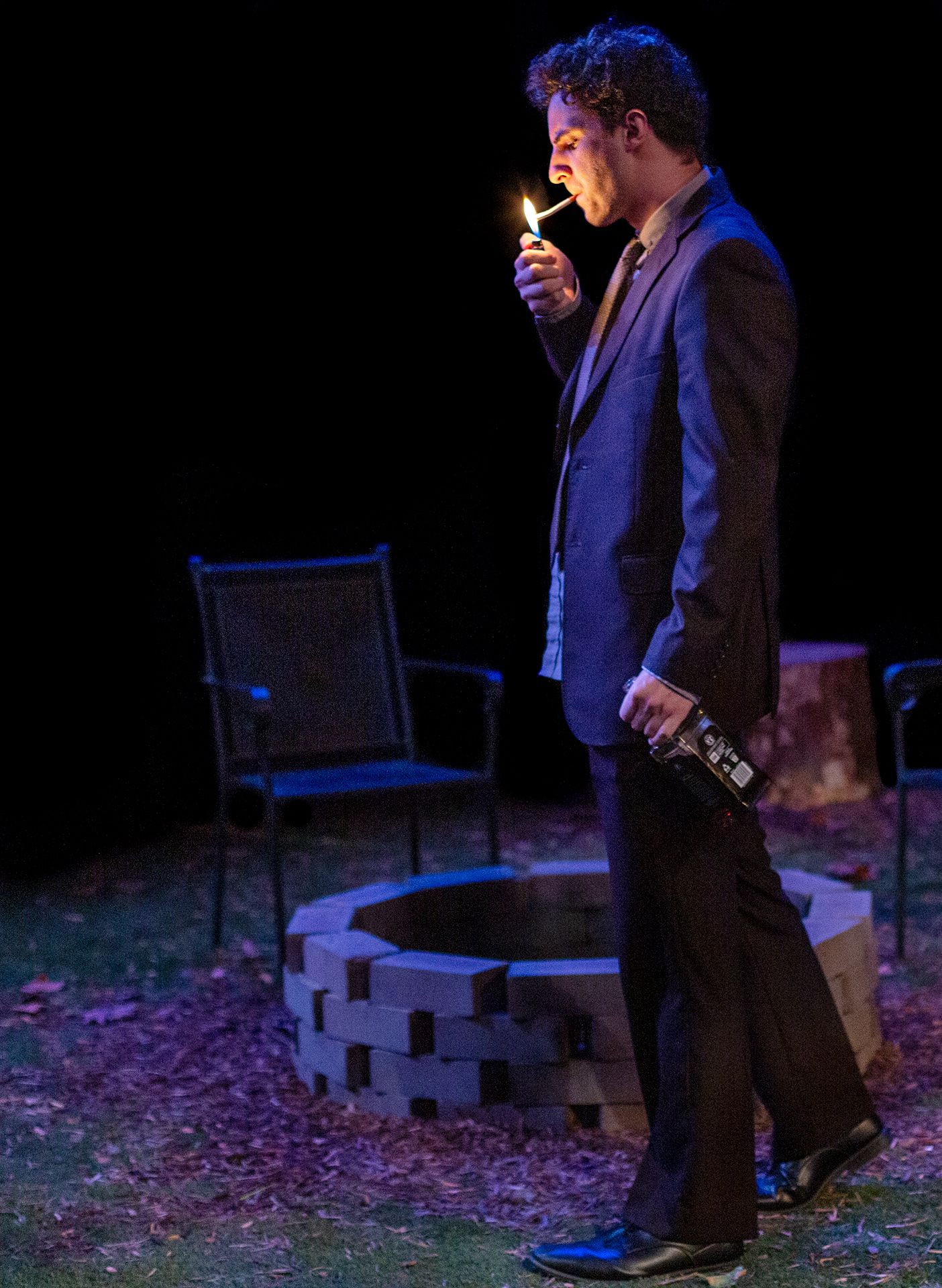
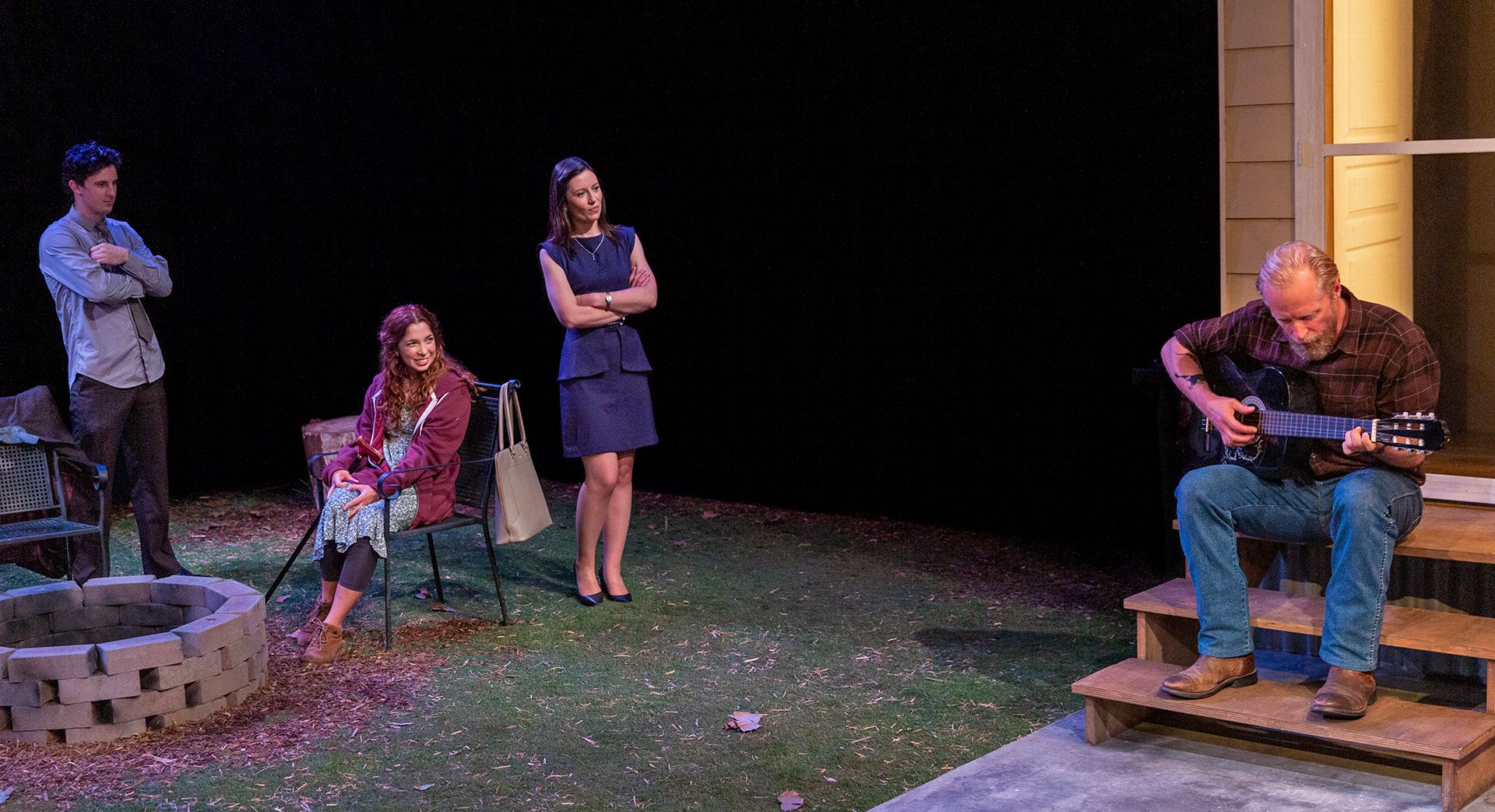
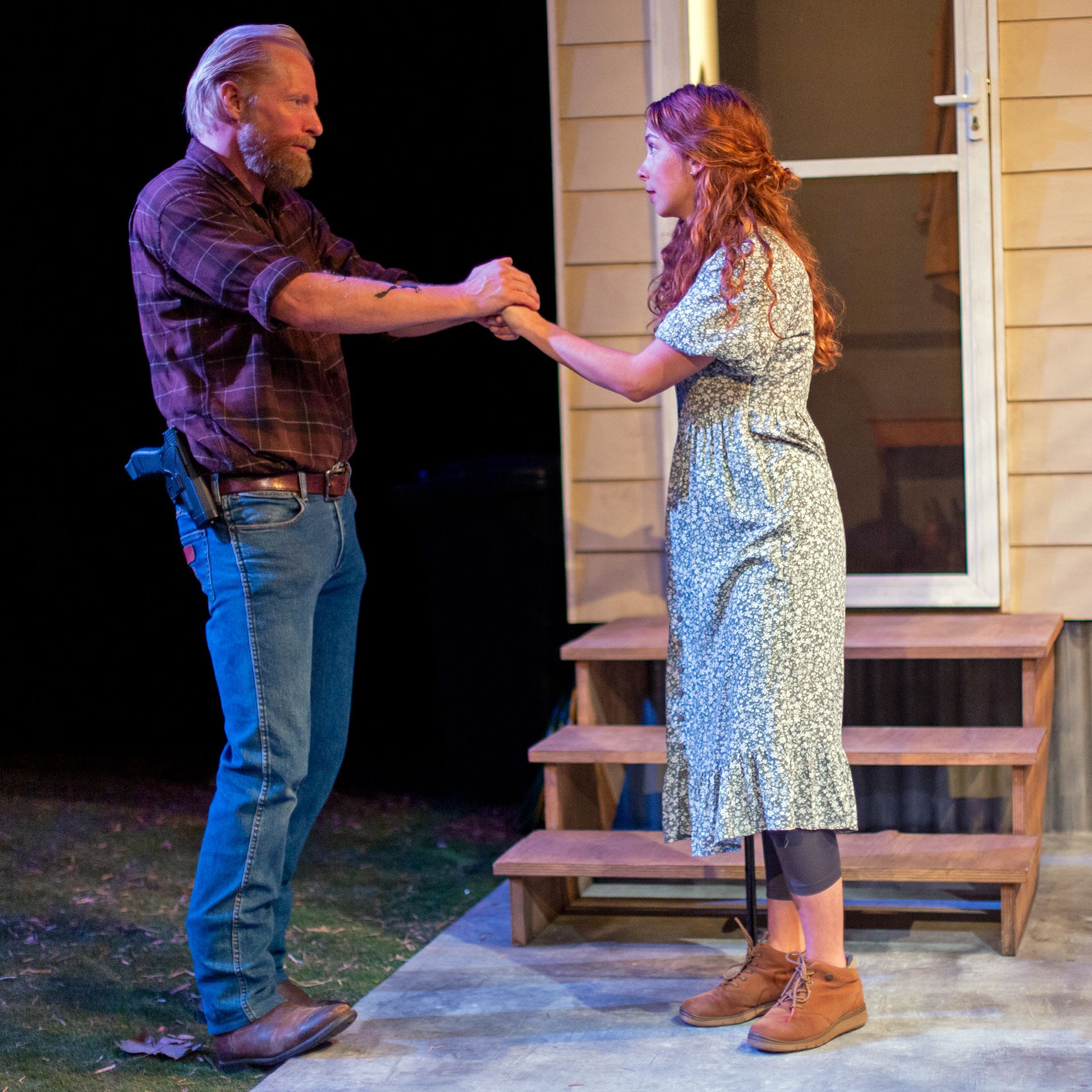
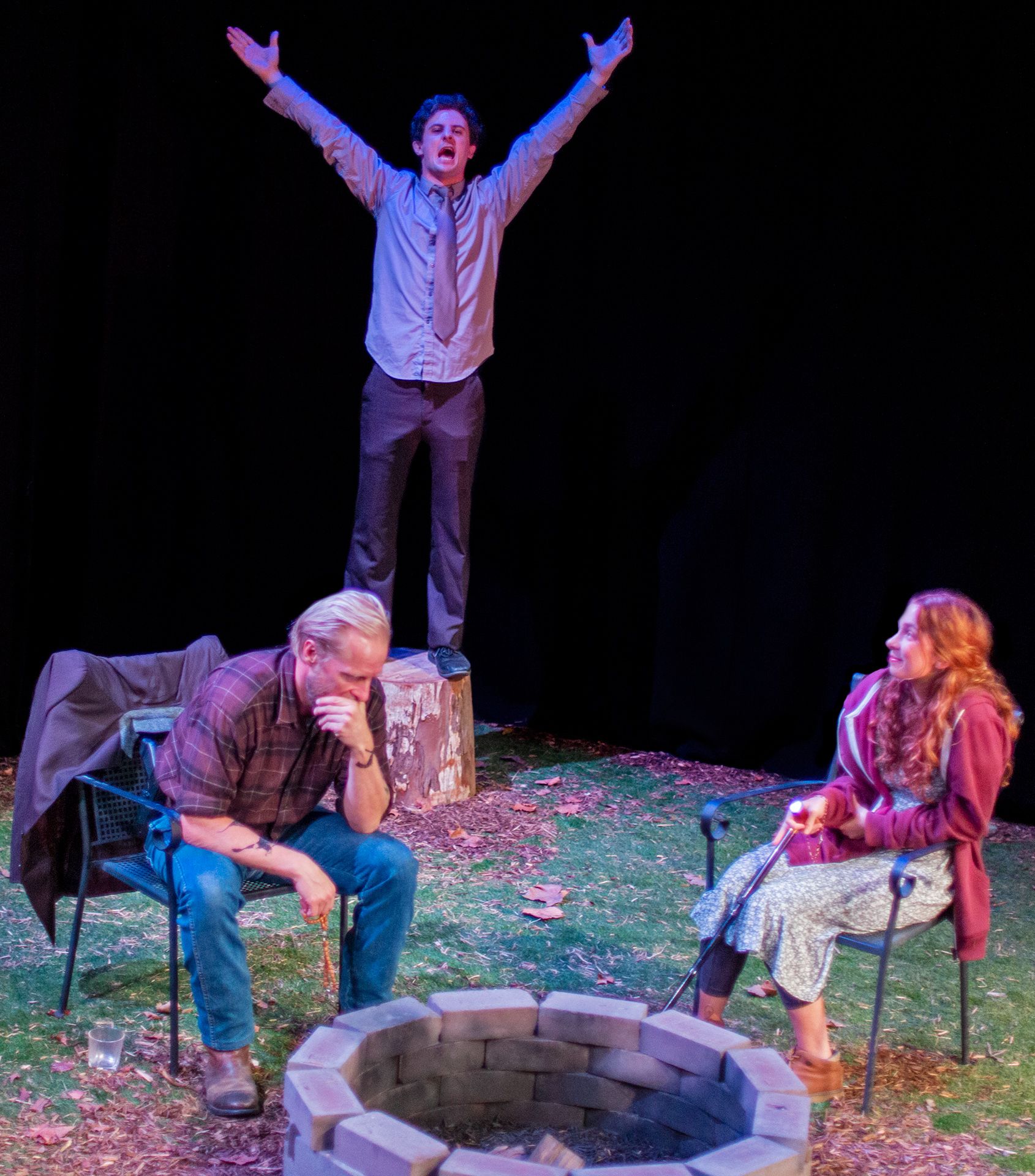
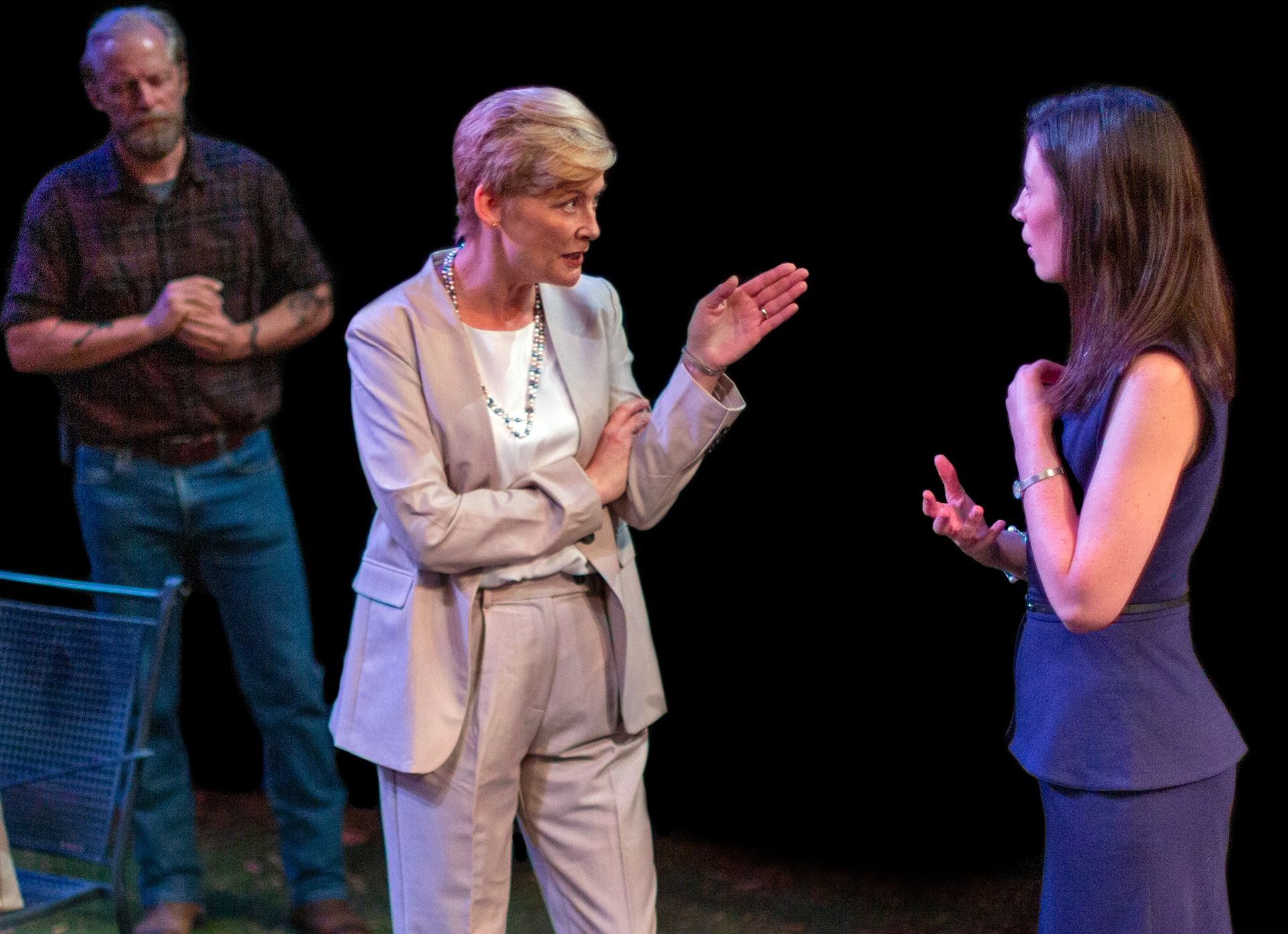
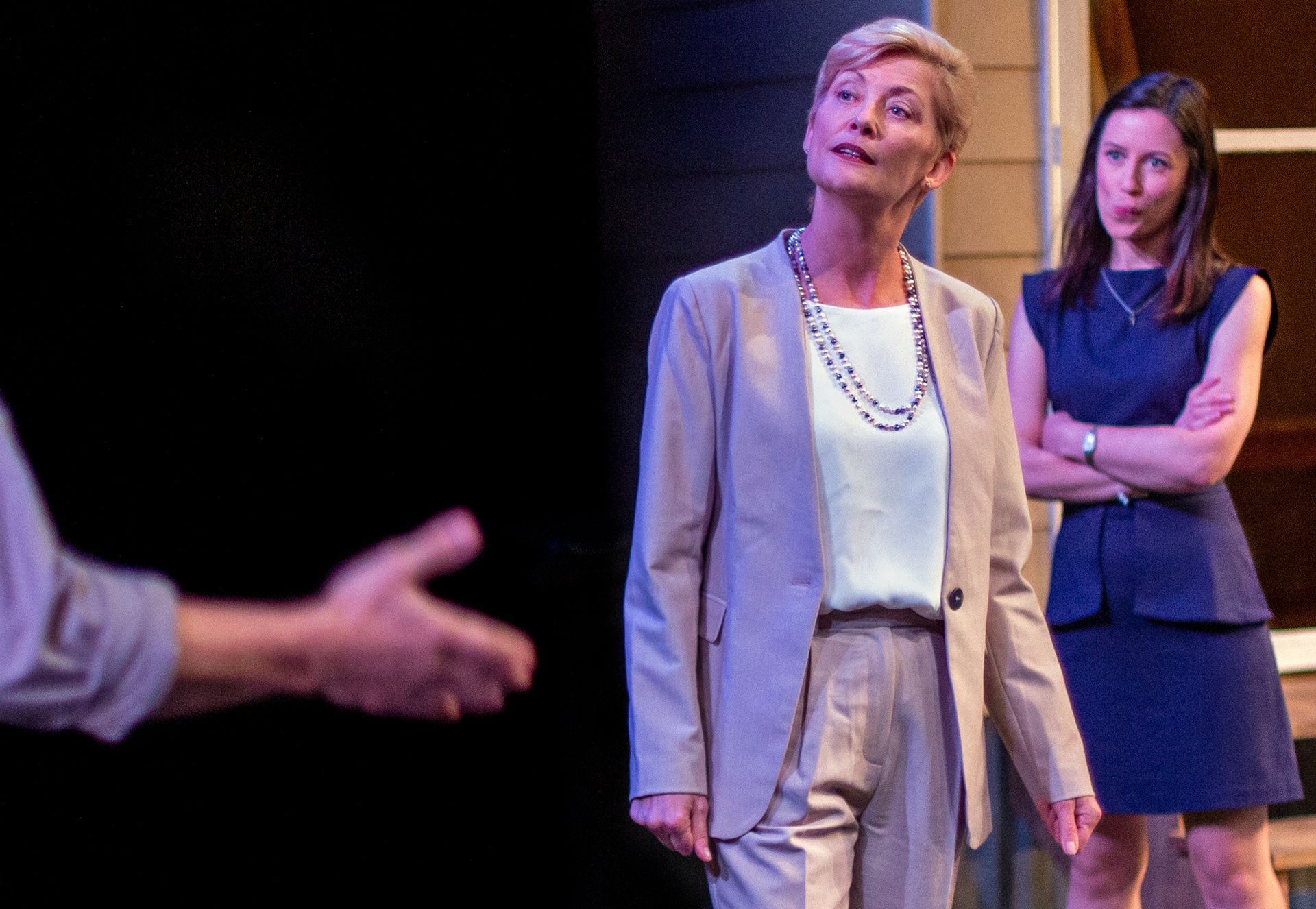
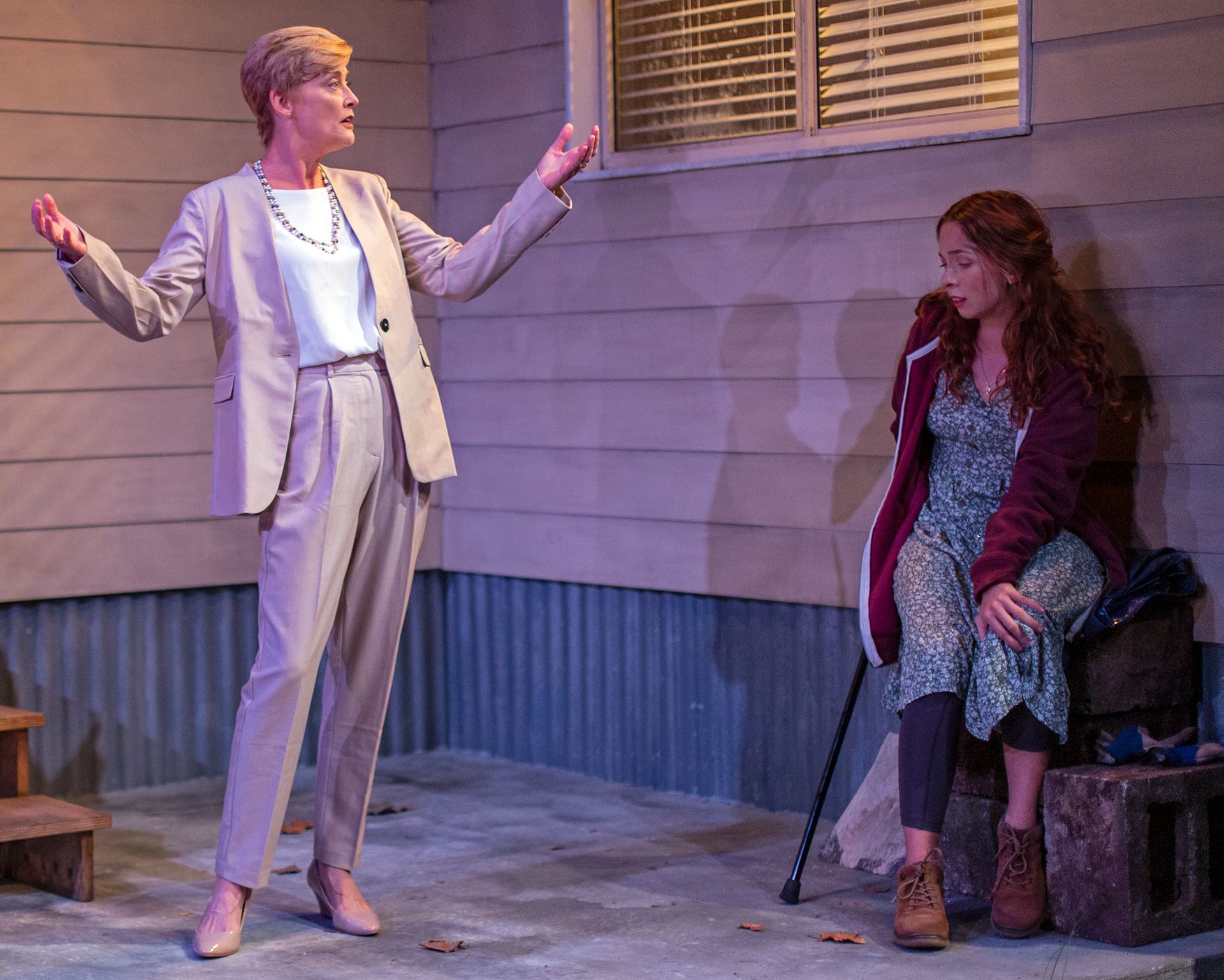
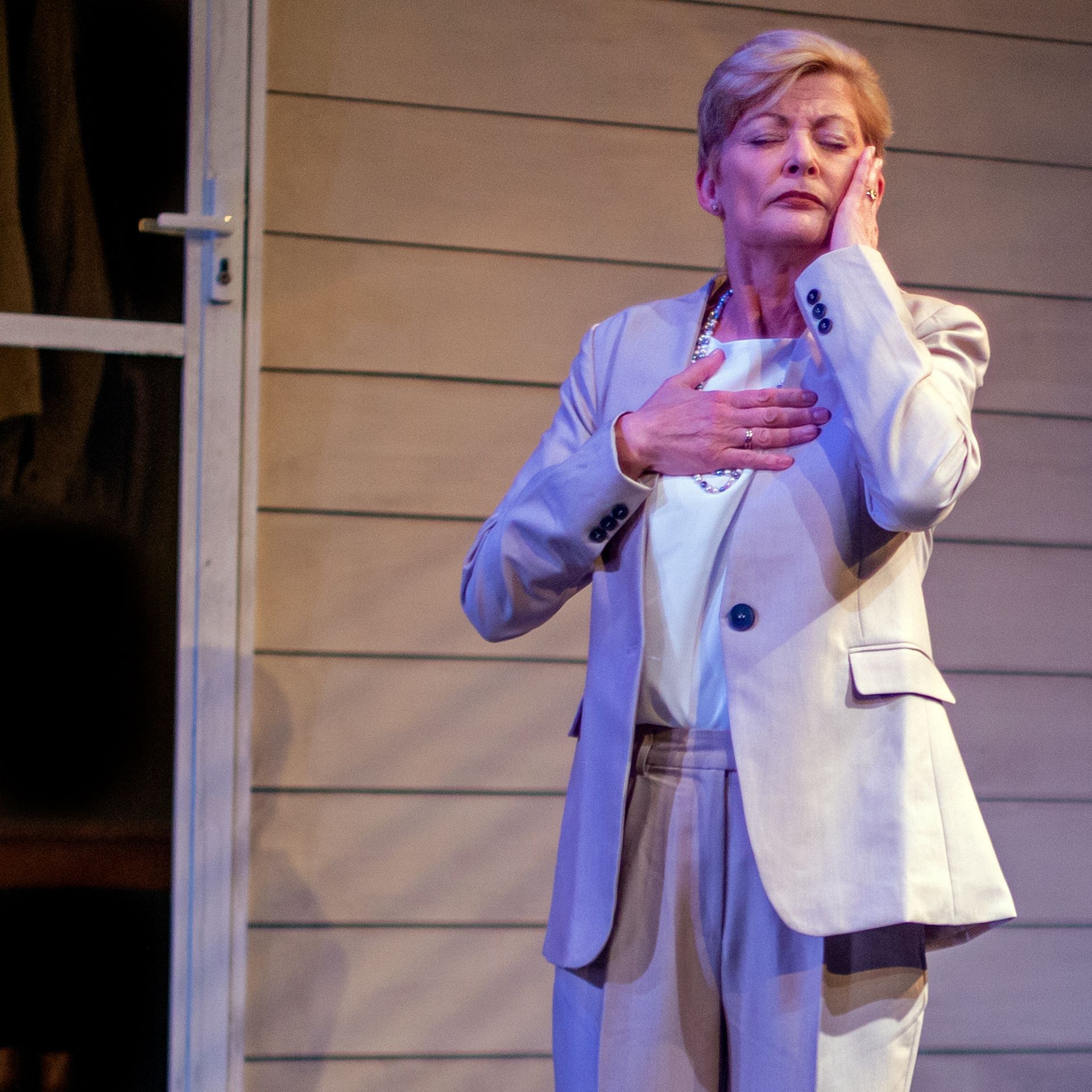
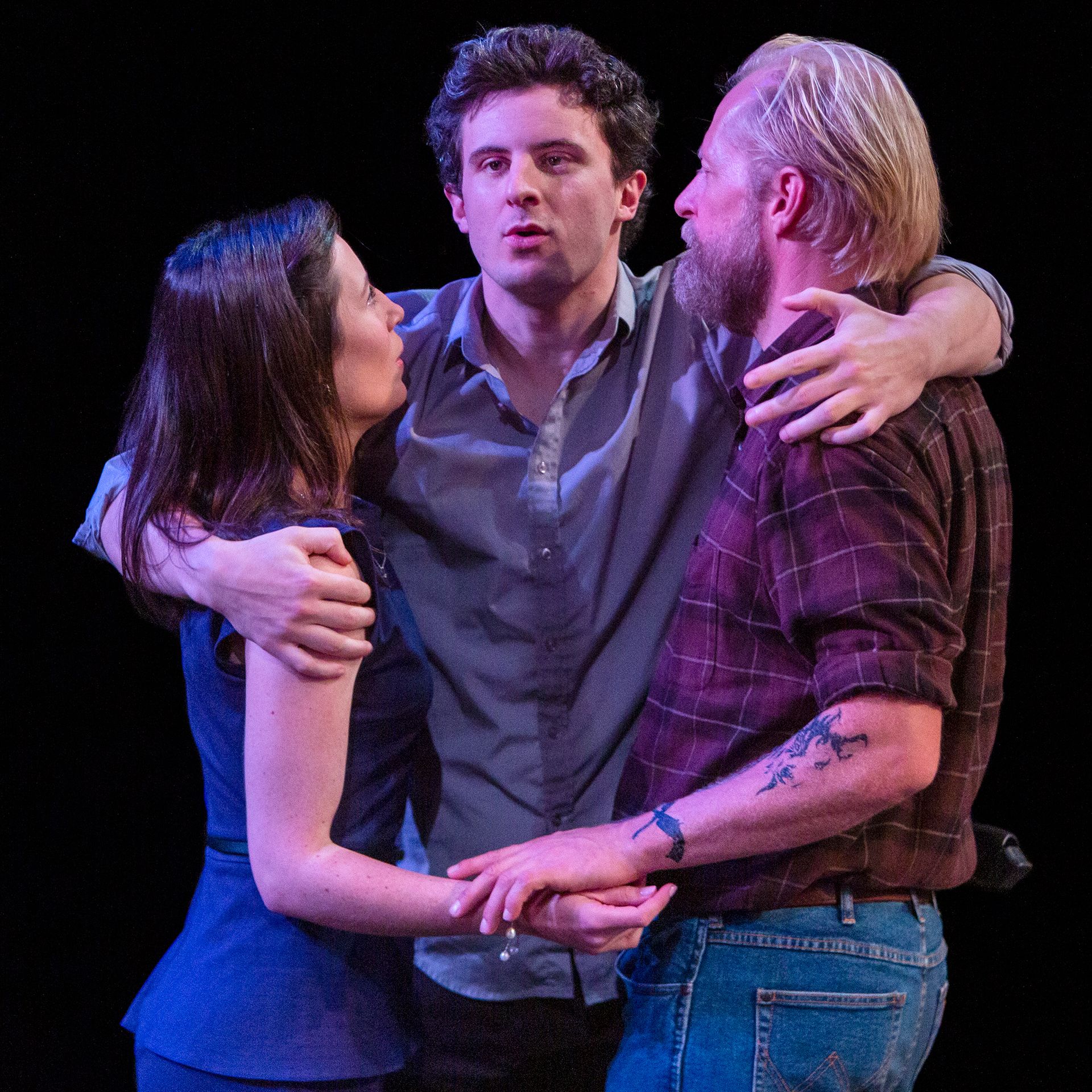
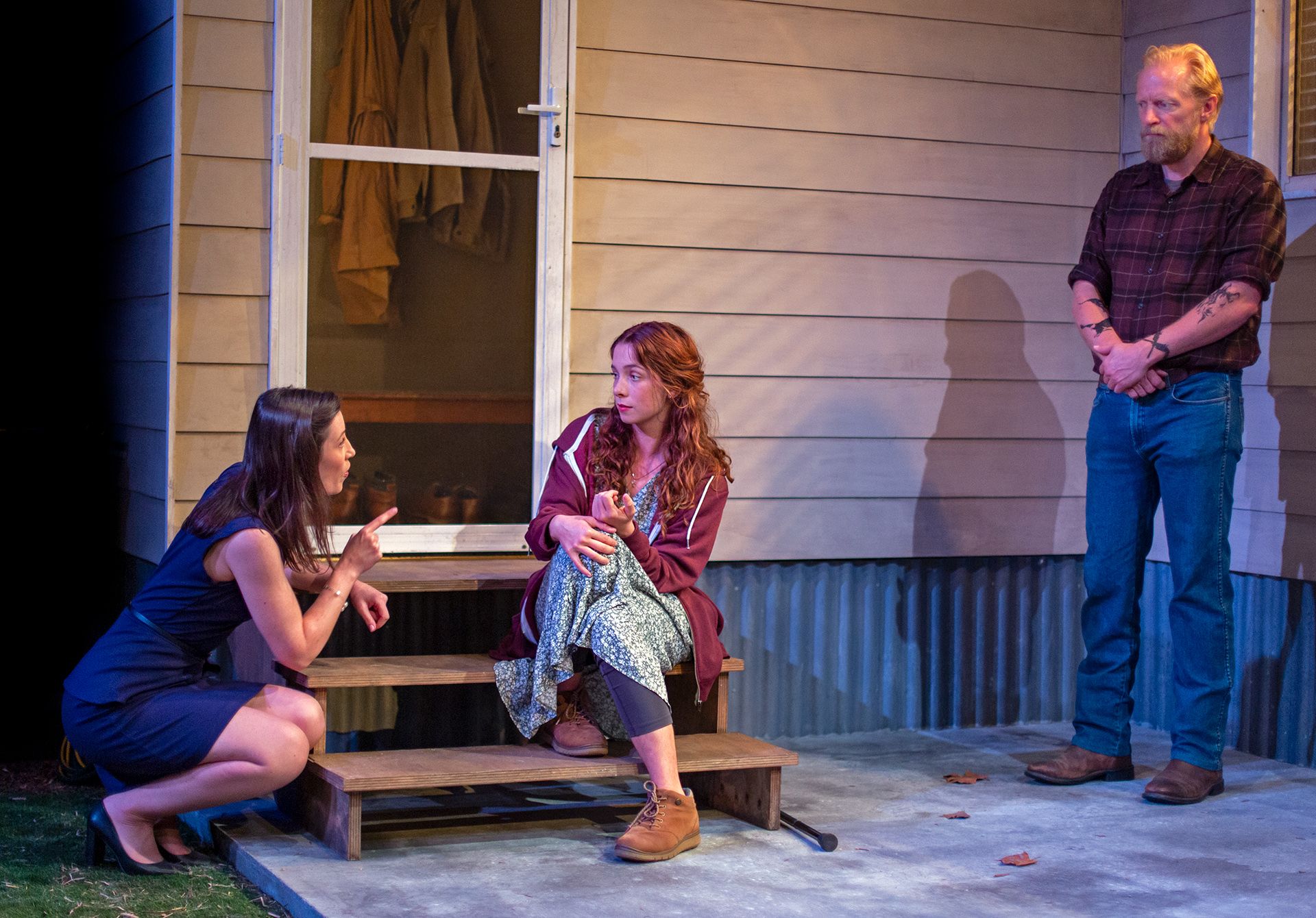
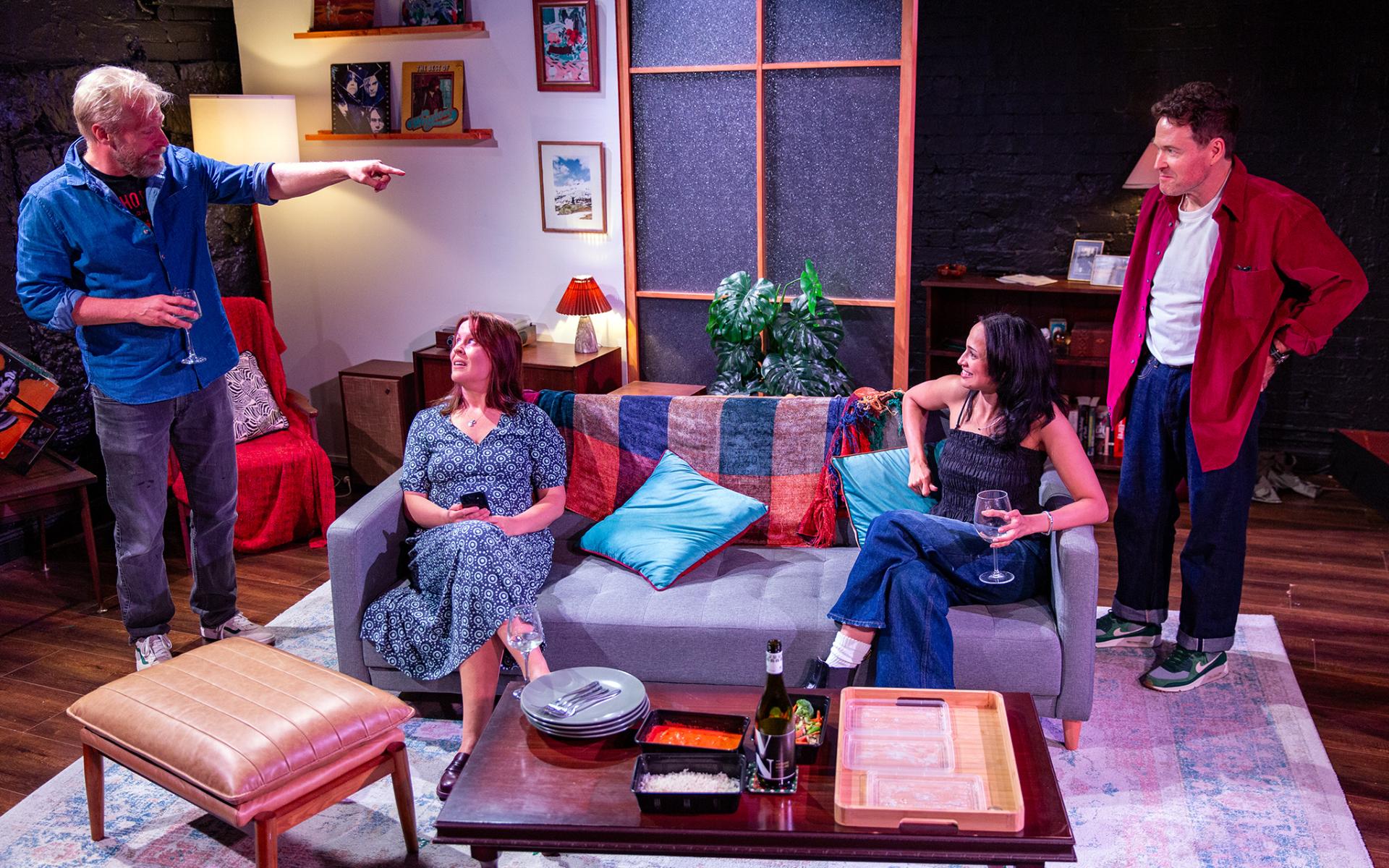
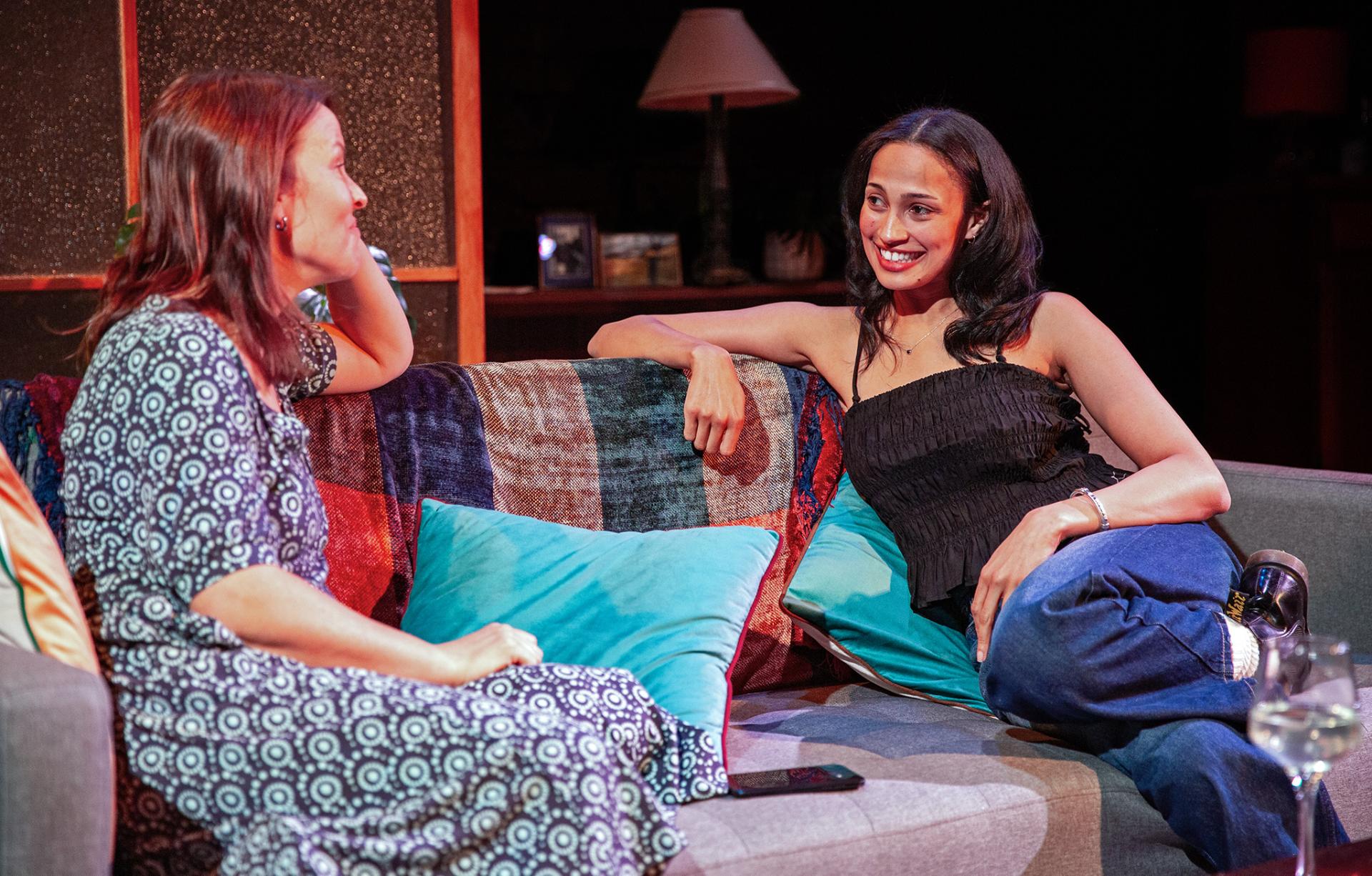
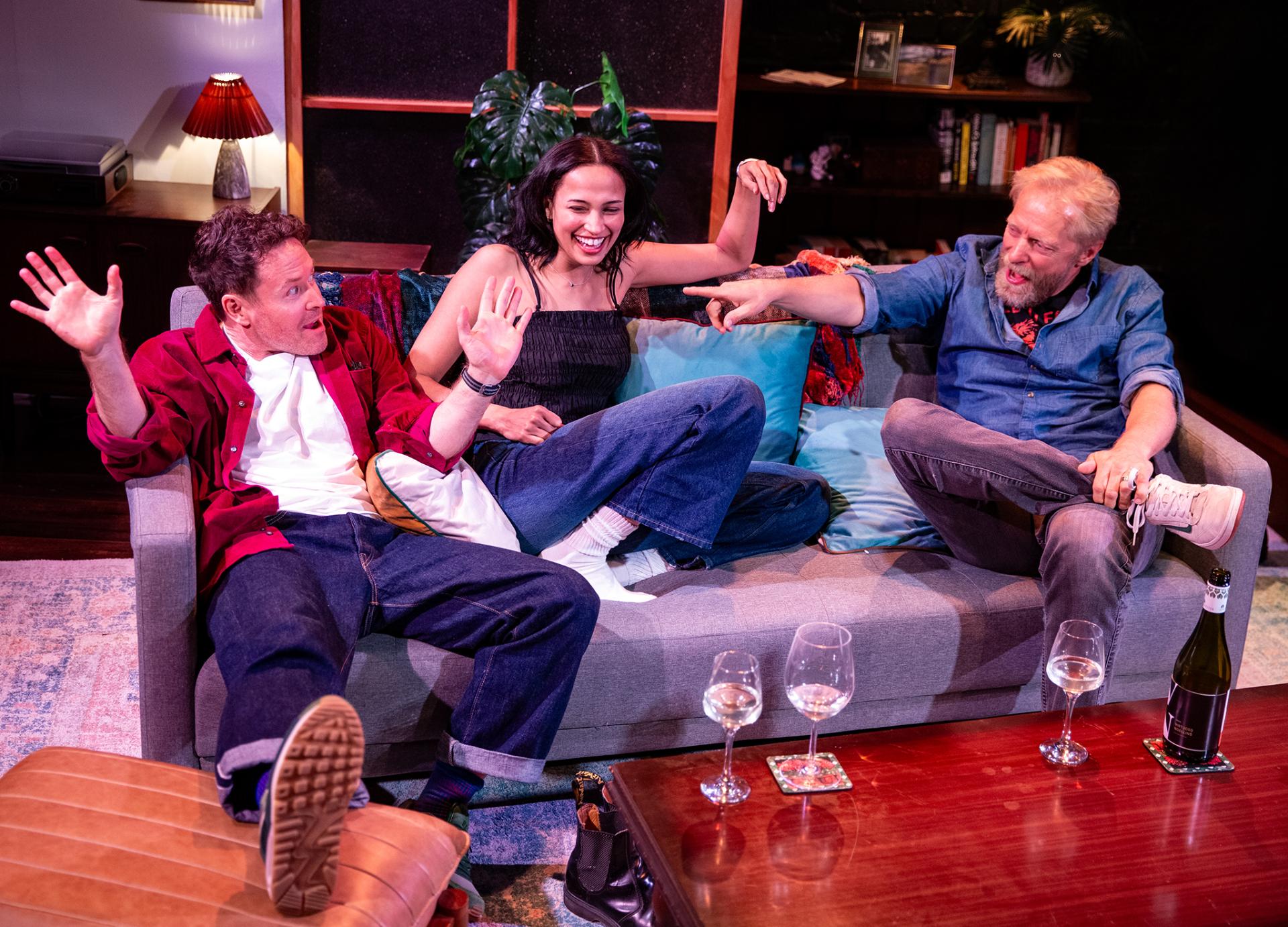
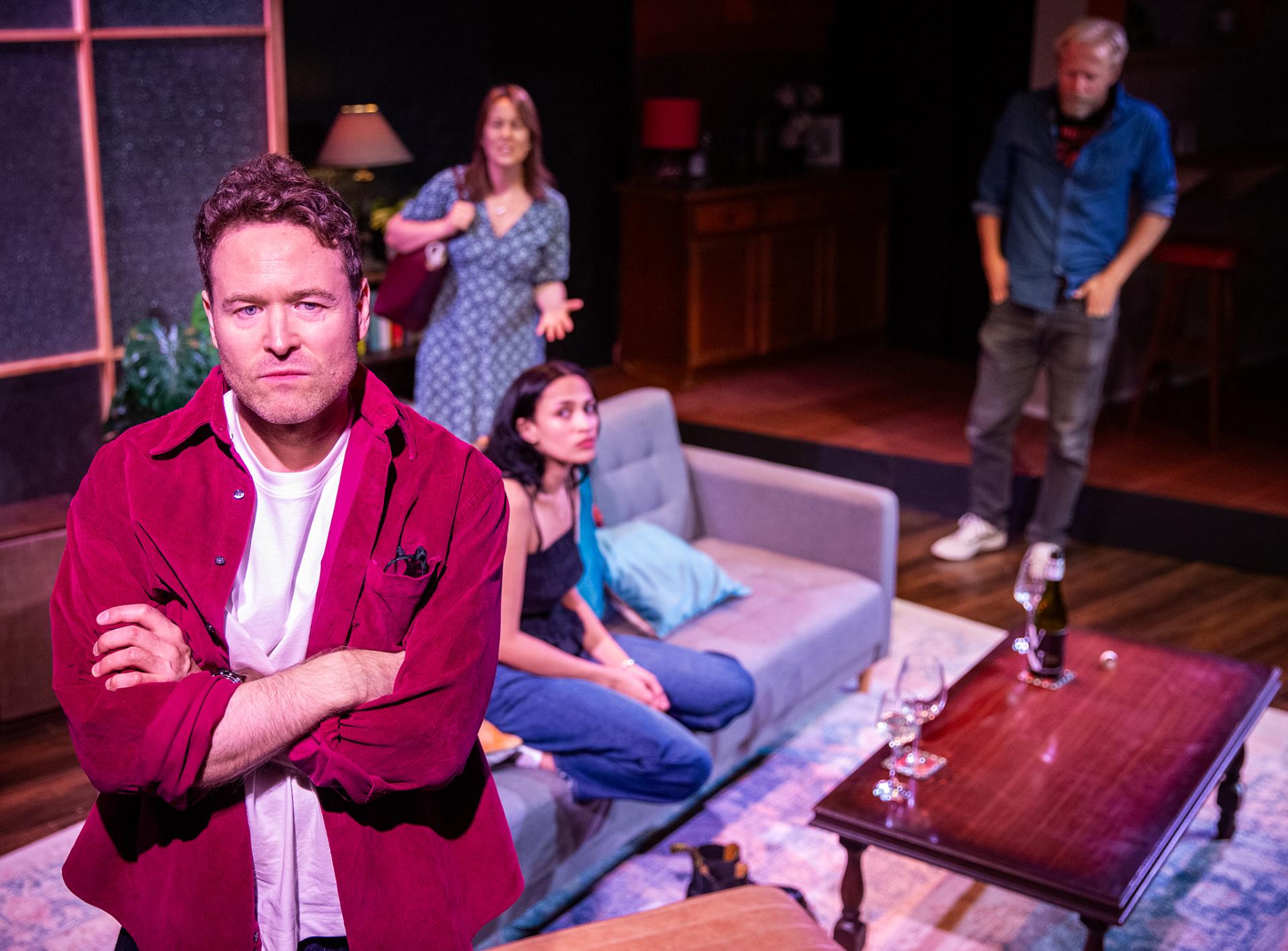
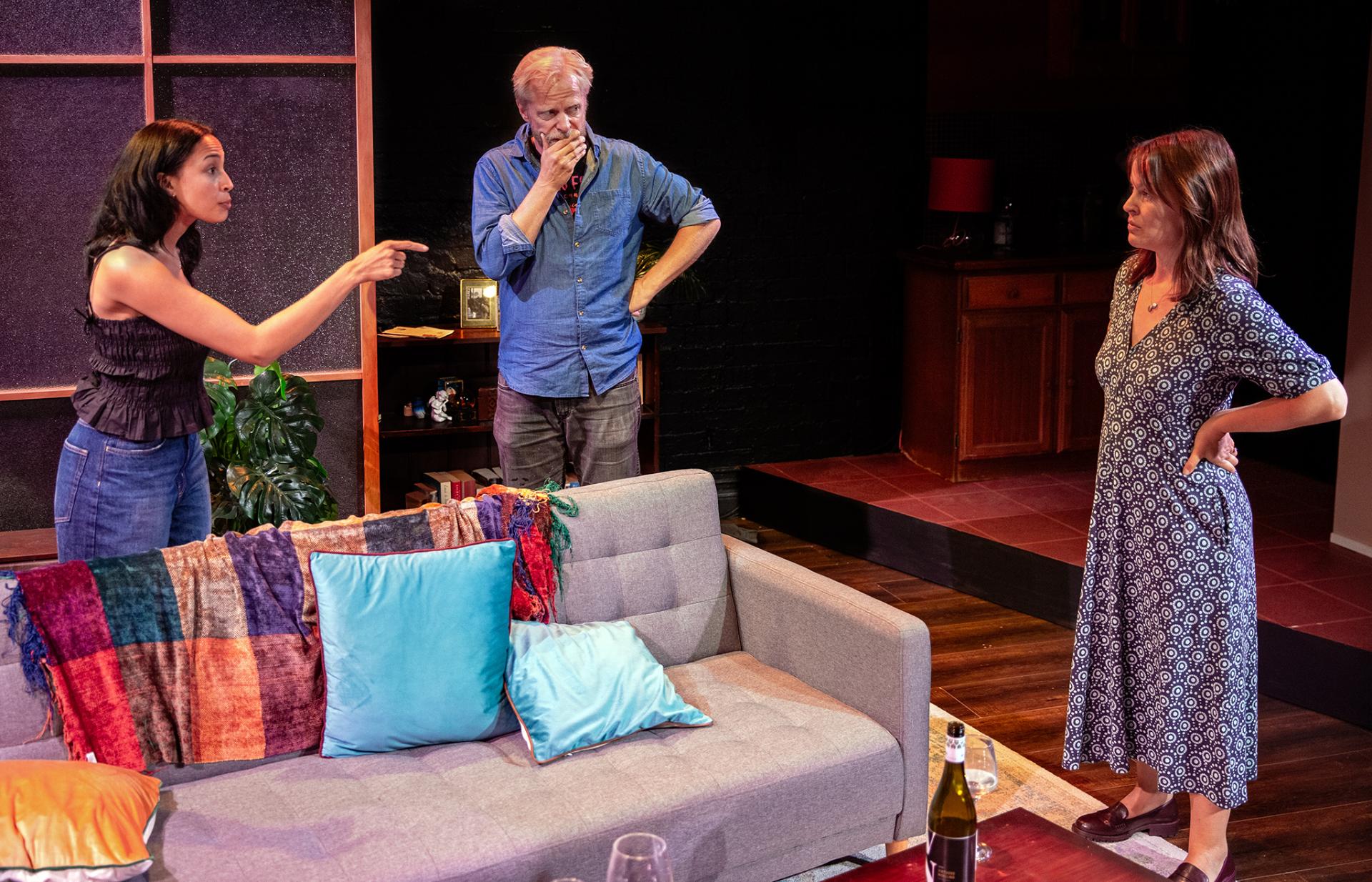
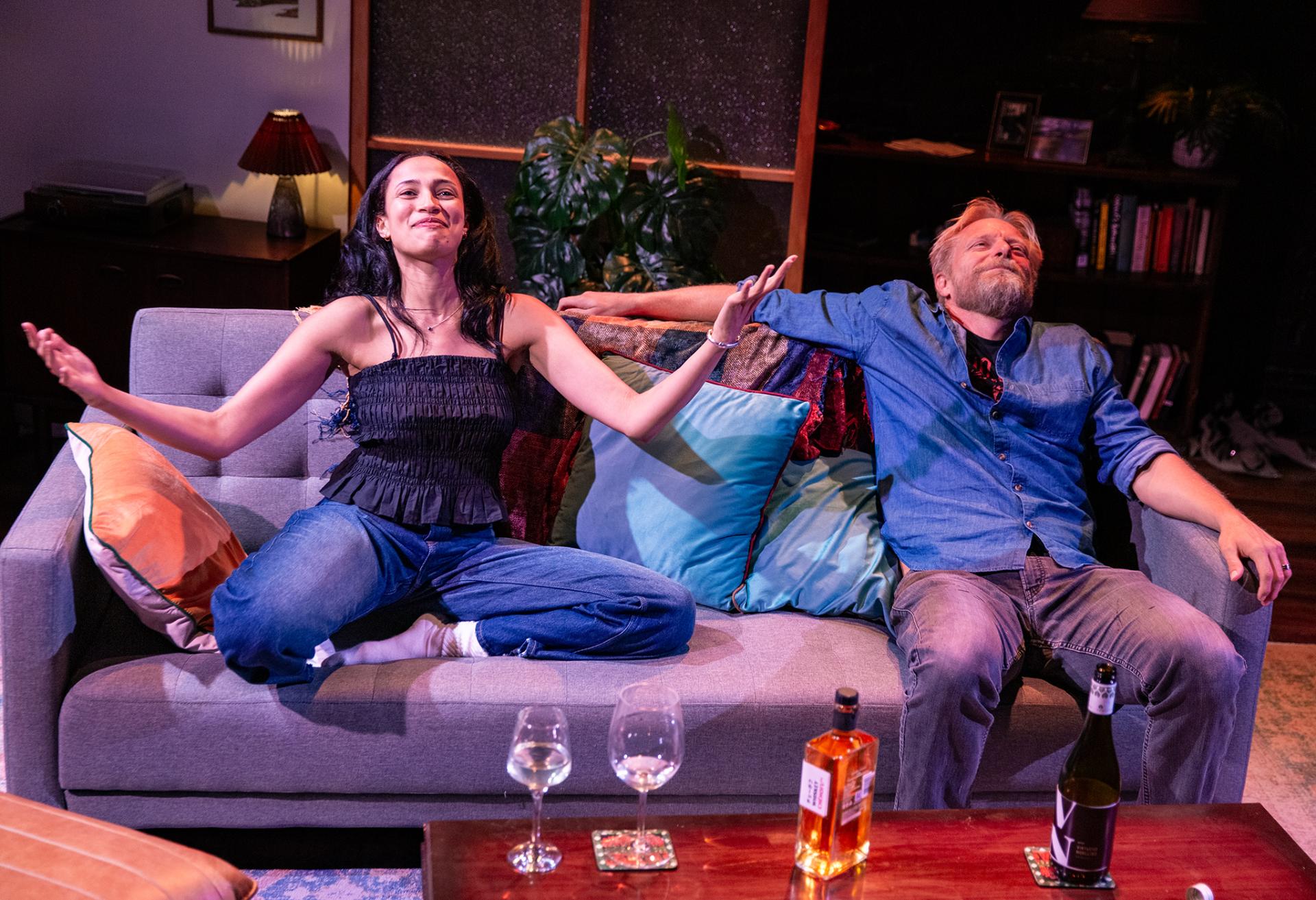
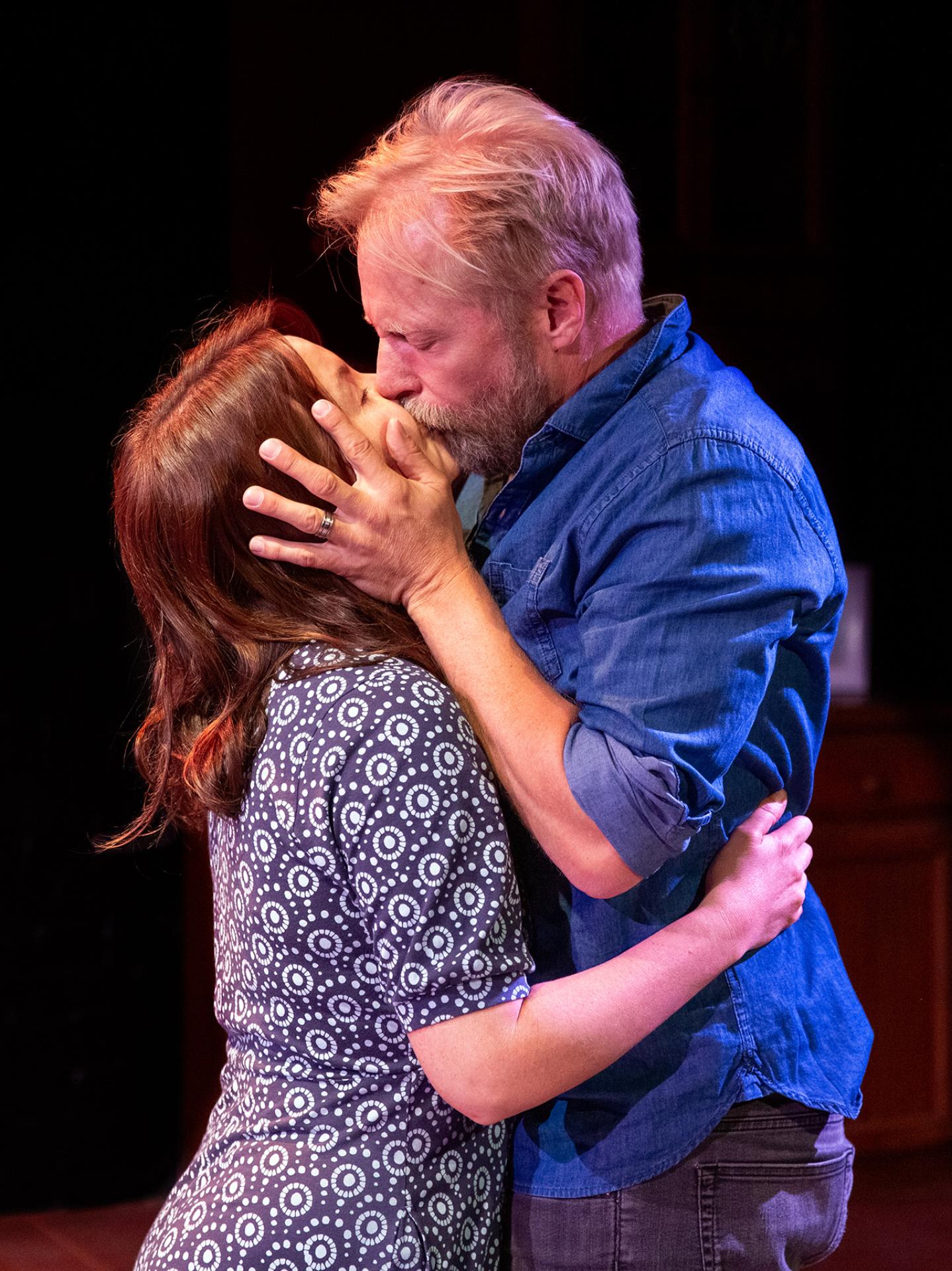
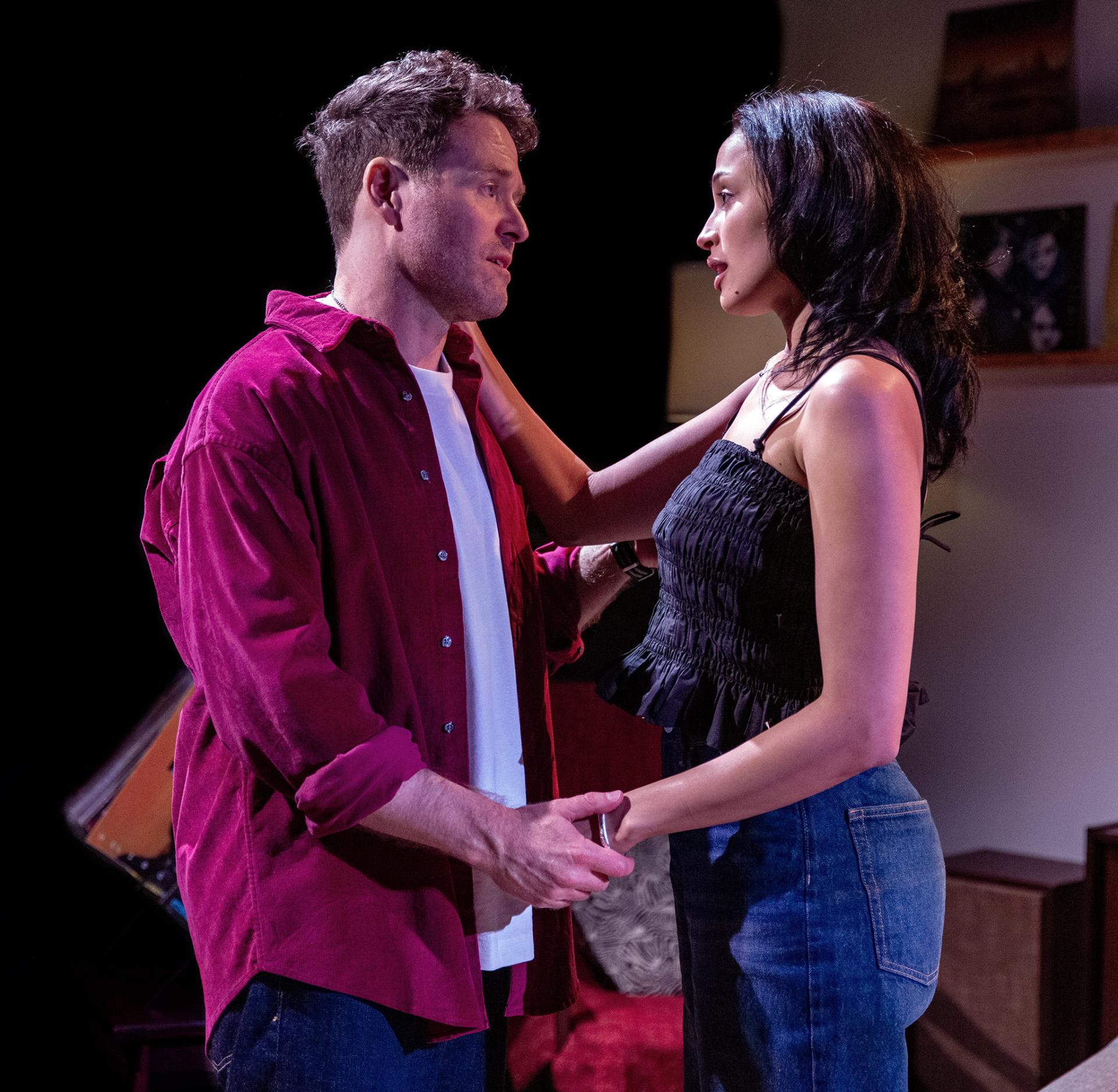
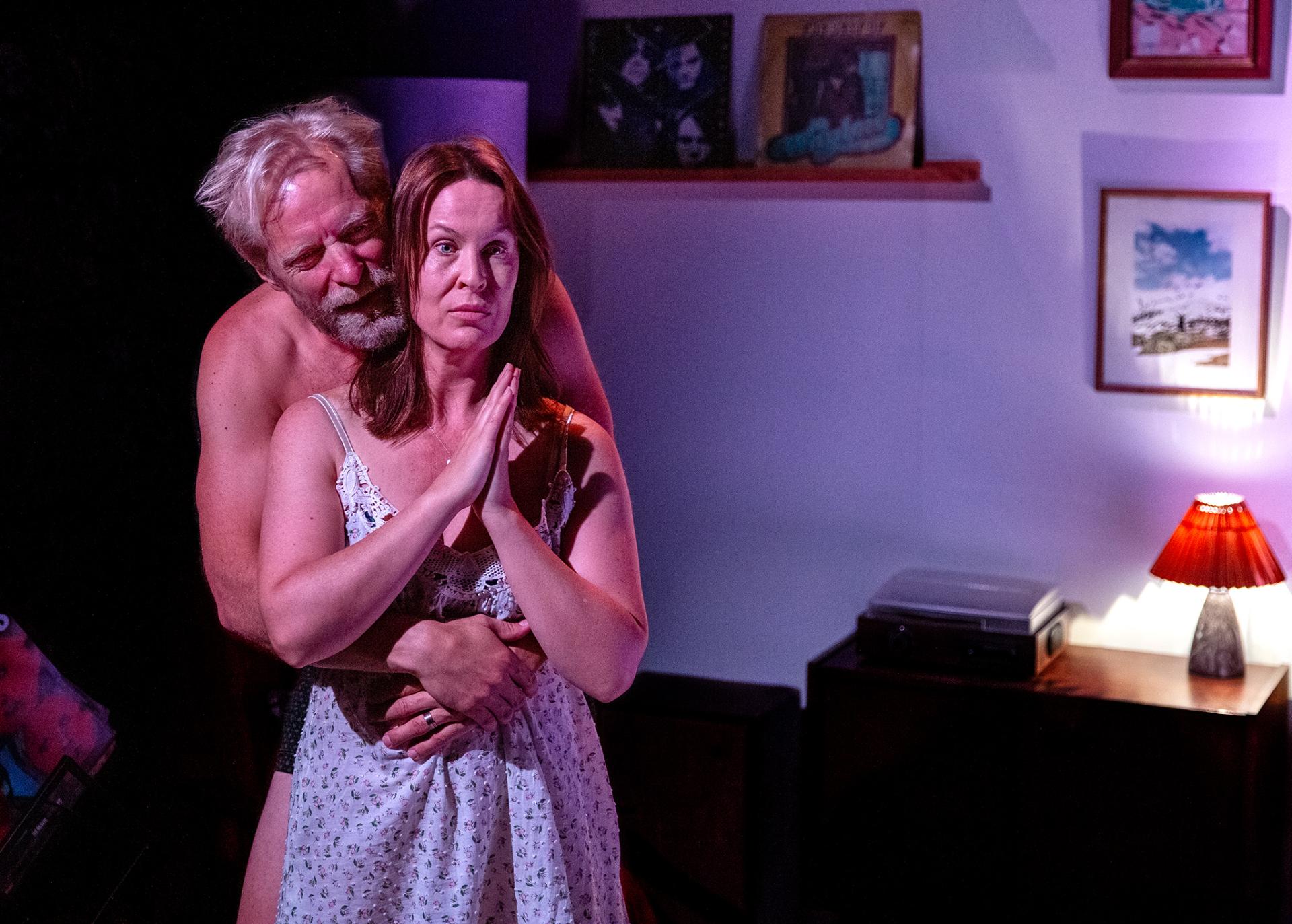
Just three months after Helen’s death, her husband Milo finds himself in love again—with Greta. When Helen’s best friend Liane learns the truth over dinner, her fury is as sharp as it is justified. In So Young, Douglas Maxwell turns his attention to grief, and to the bewildering variety of ways we try to survive it. His writing glimmers with wit and tenderness, and though he captures the ache of love and loss with real conviction, the story’s moral crescendo feels a shade too emphatic—leaving us moved, yet faintly smothered by its sincerity.

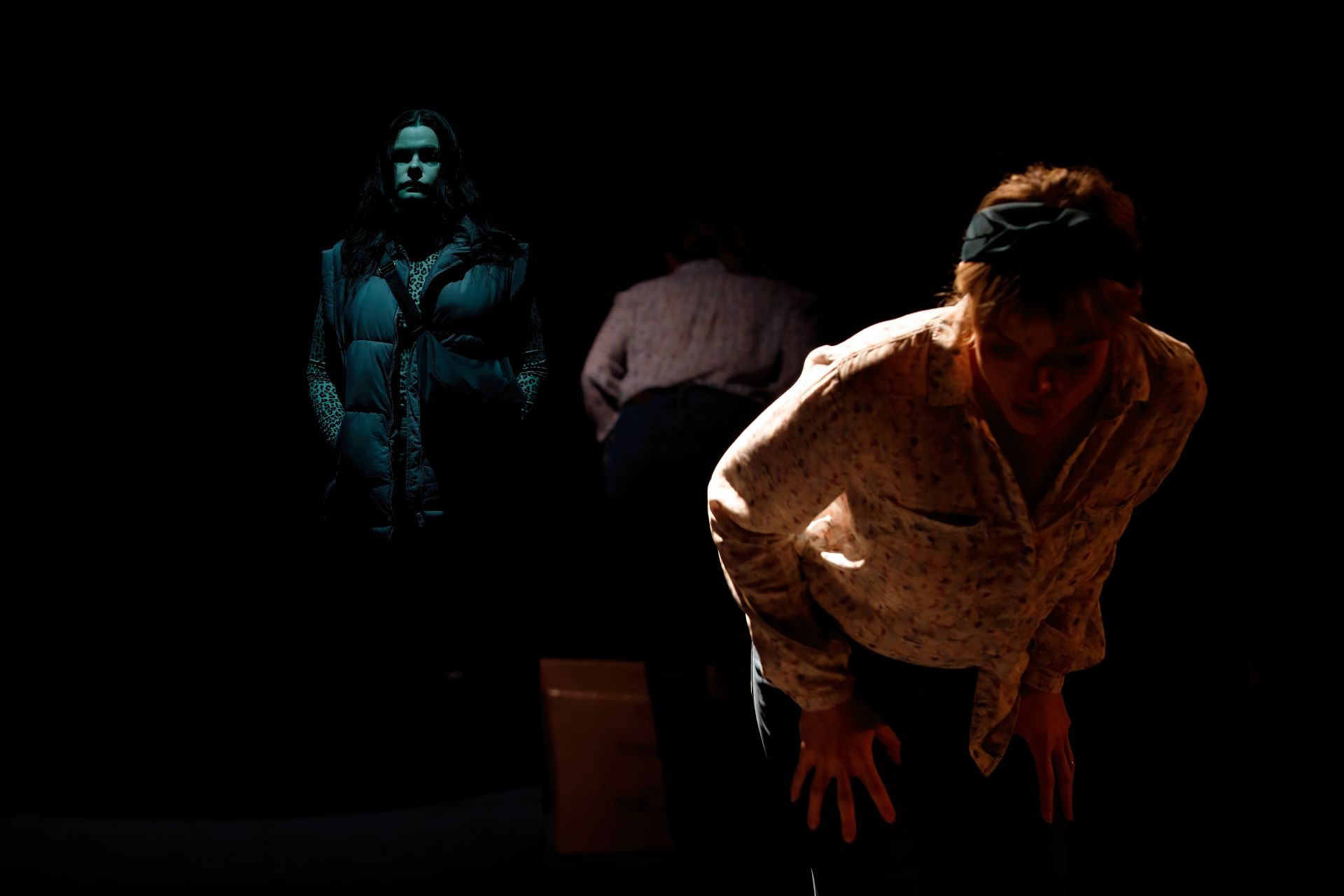
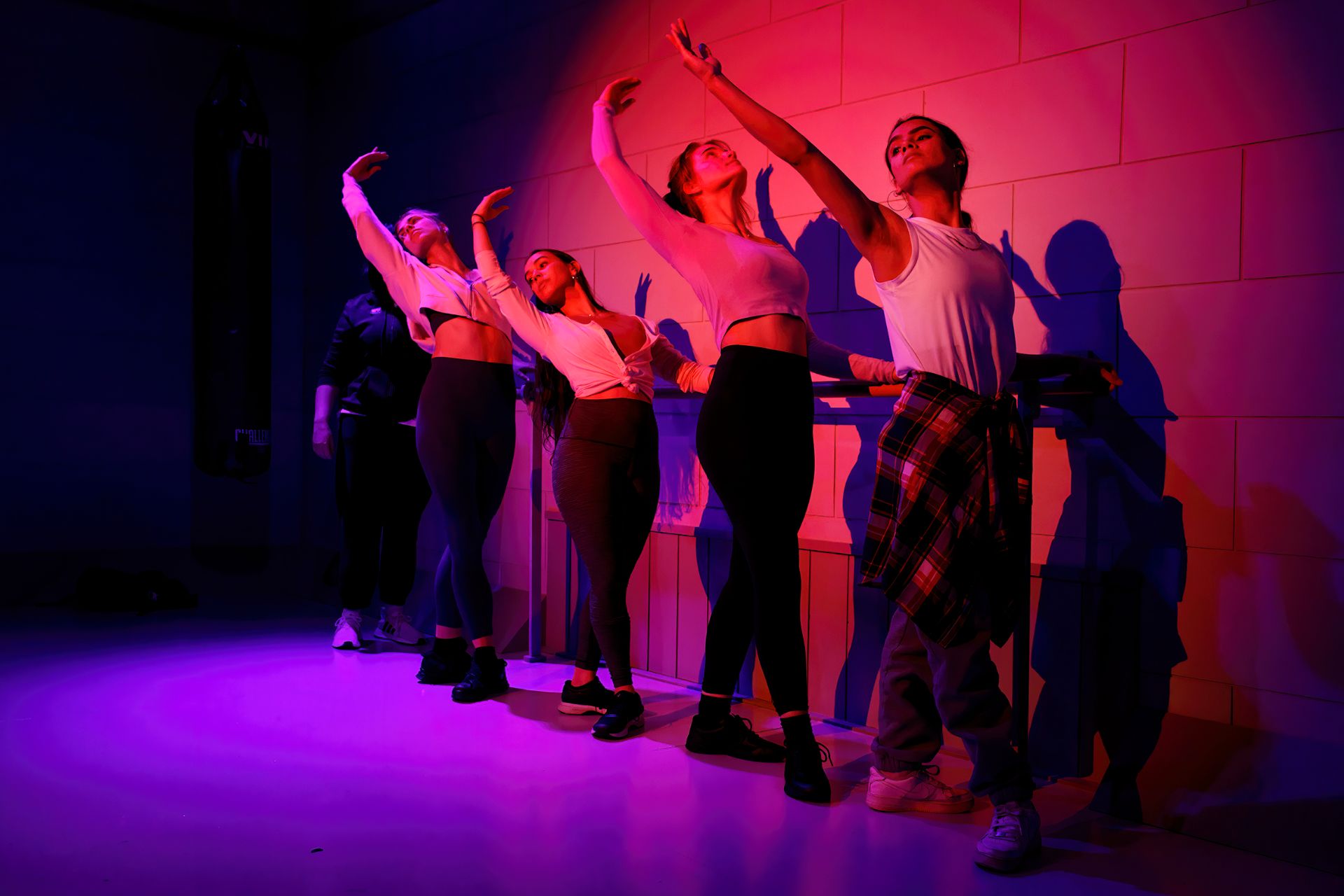
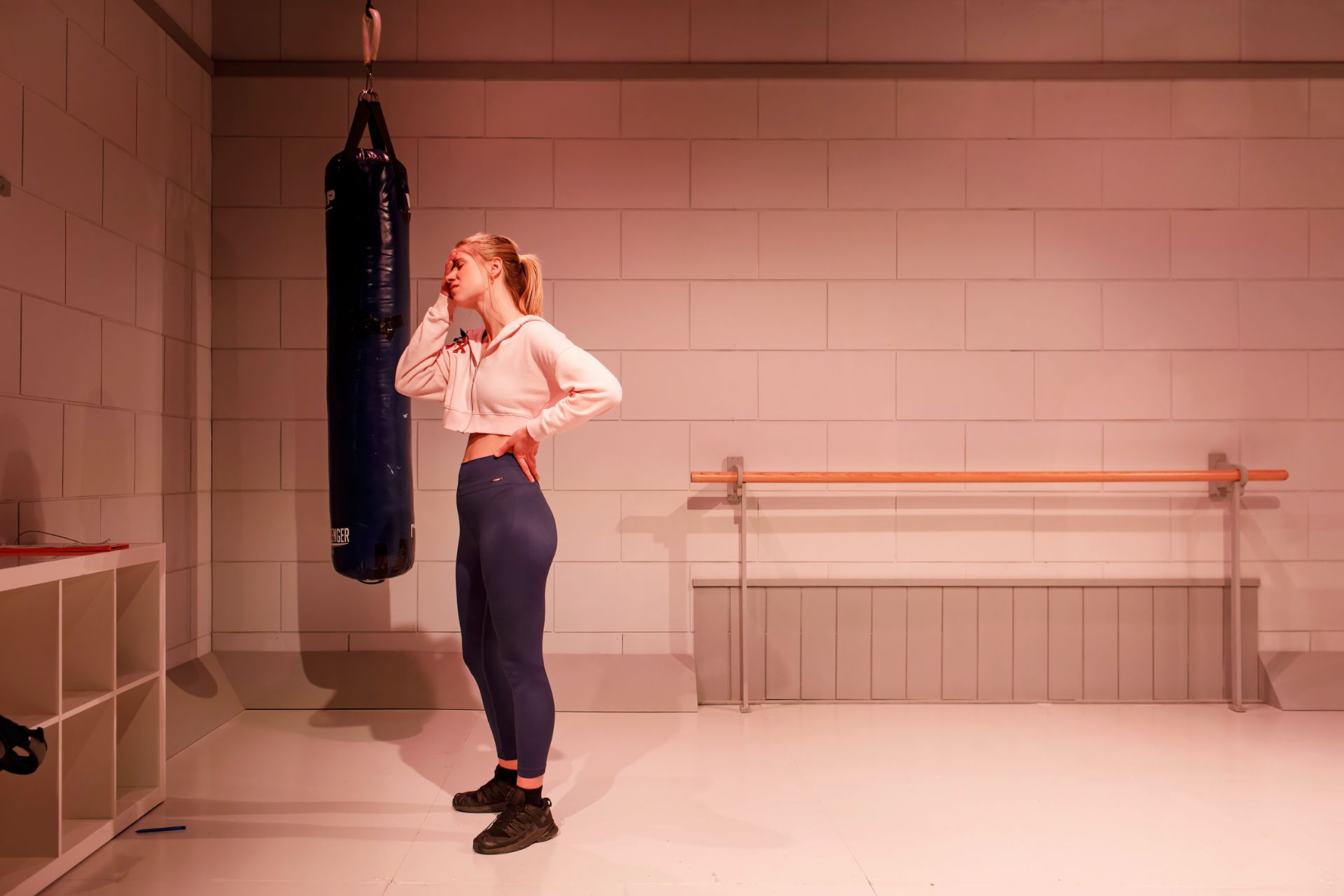
Sam O’Sullivan directs with a keen psychological instinct, guiding each confrontation with an honesty that keeps us firmly inside the characters’ heads. The production might benefit from sharper attention to its comedic undercurrents, but it never loses momentum, even as emotions flare and settle in quick succession. Kate Beere’s set design grounds the story in familiar domestic realism, while Aron Murray’s lighting is finely tuned to our shifting emotional responses. Johnny Yang’s understated sound work offers just enough texture to sustain our focus without distraction.

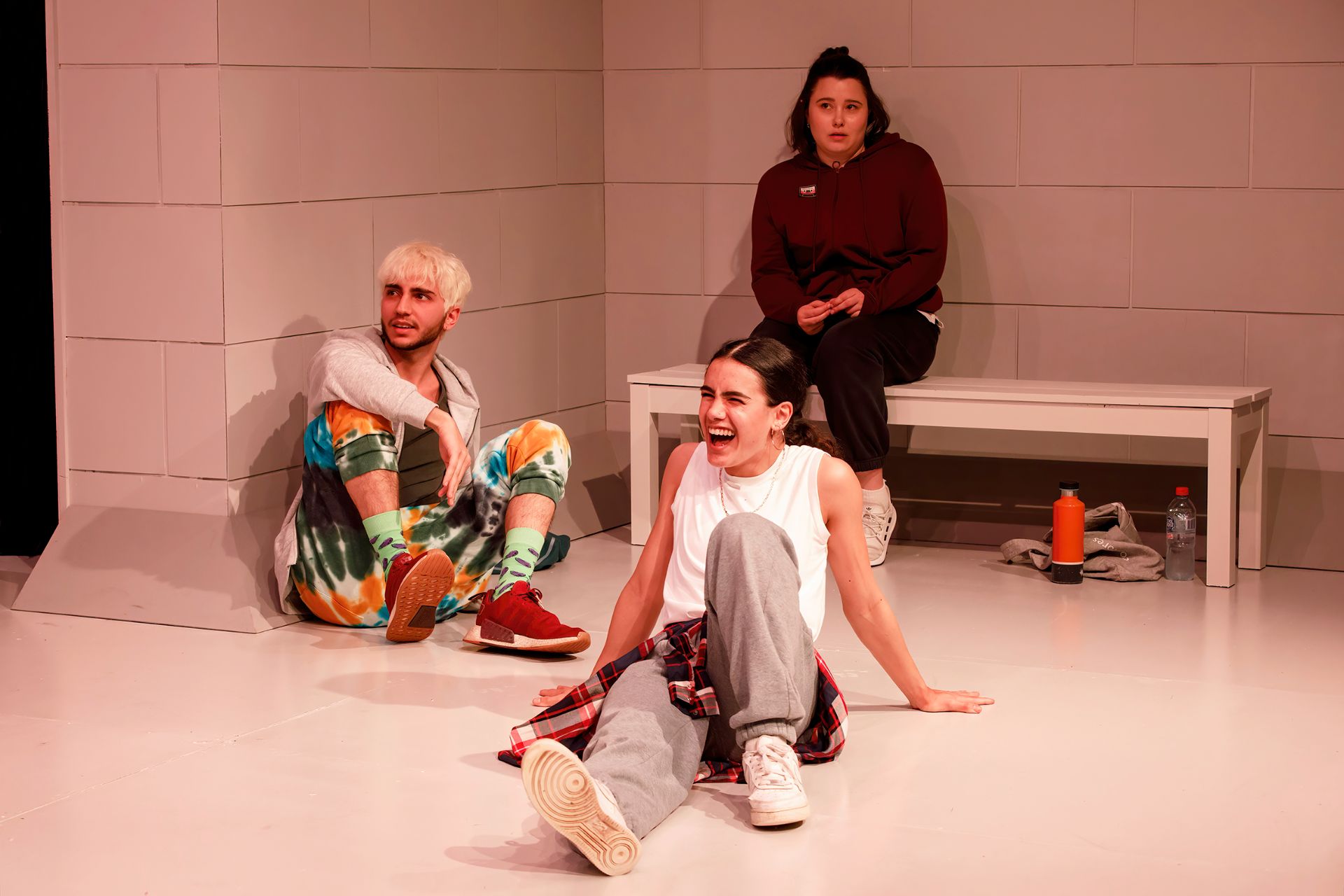
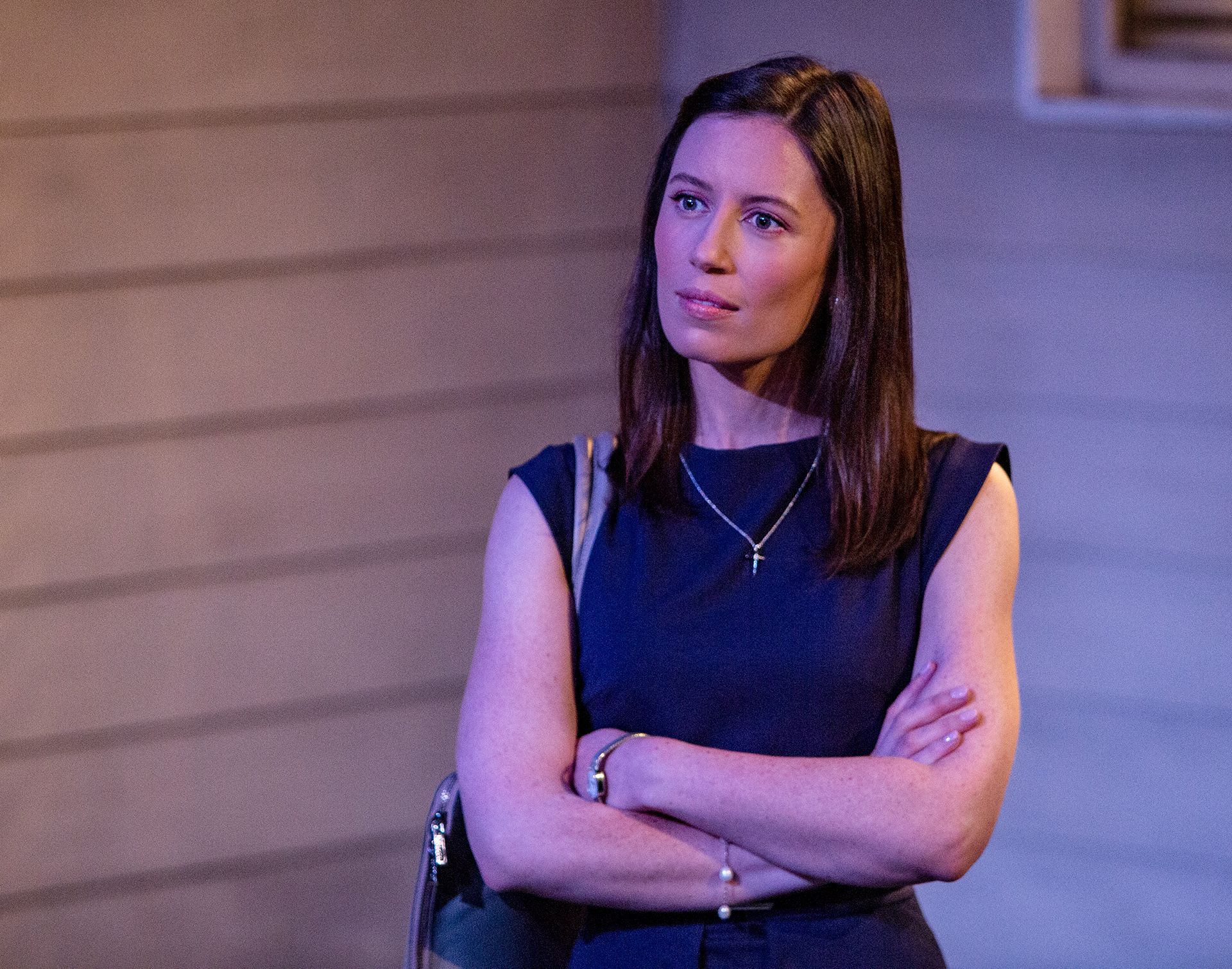
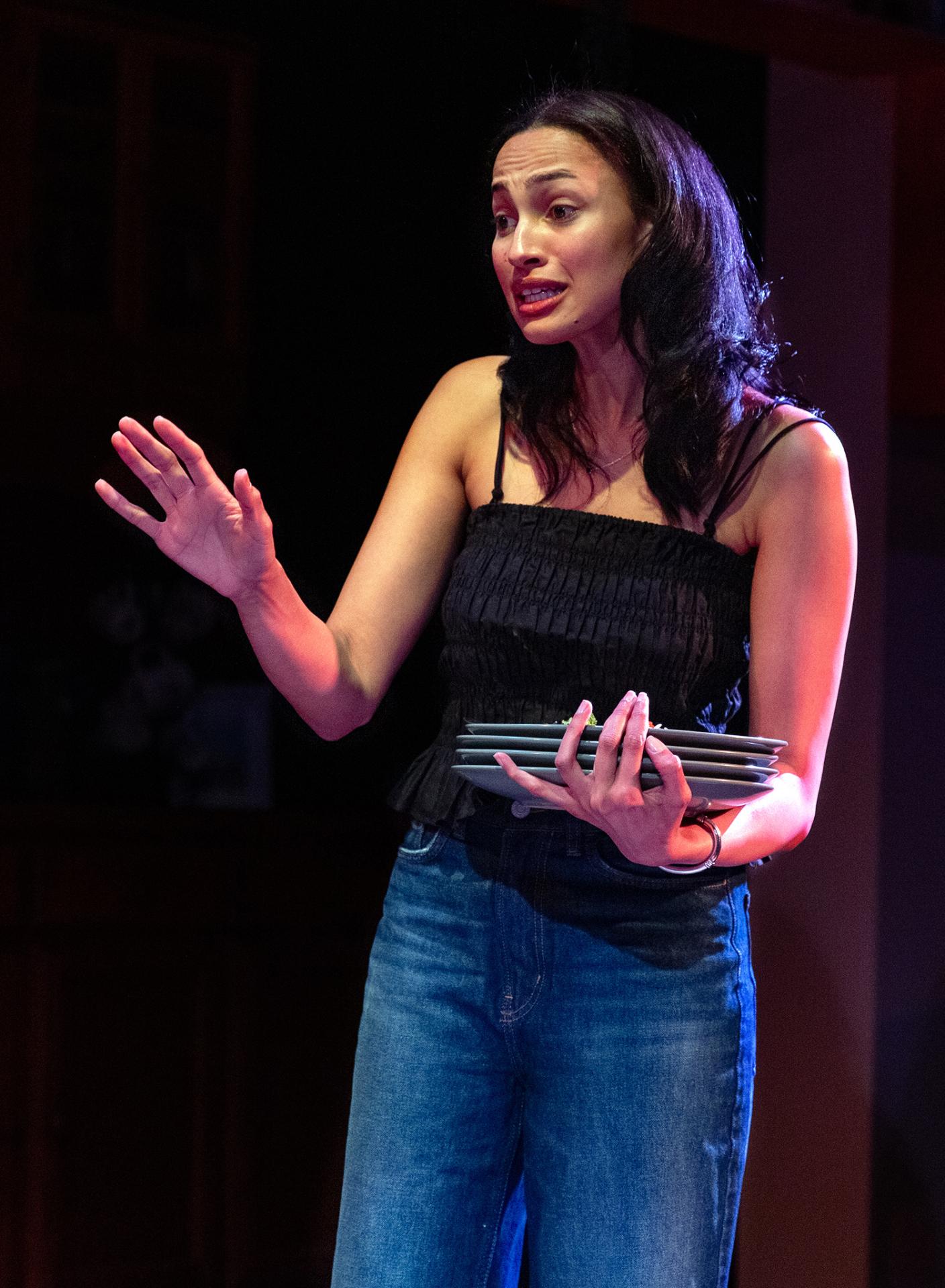
Aisha Aidara, Ainslie McGlynn, Henry Nixon, and Jeremy Waters are evenly matched in their performances, each as compelling as the next. Their portrayals are strikingly authentic, revealing with clarity and empathy the distinct emotional truths that collide within the play’s central argument. Through their efforts, we discover a touching immediacy, revealing how grief seeps into every connection, reshaping love and loyalty in its wake.

Time is the slow balm that touches every wound, even if it never truly restores what was lost. Sorrow and anguish are woven into the fabric of being alive, as constant as breath itself. The yearning to escape pain is ancient and human, yet in watching ourselves grieve, we learn what it means to endure. To see how we break is to see how we love—and how we might heal without hurting more. However impossible it feels, the truth endures: the living must matter more than the dead.
www.oldfitztheatre.com.au | www.outhousetheatre.org

Review: Eureka Day (Seymour Centre)

Venue: Seymour Centre (Chippendale NSW), May 29 – Jun 21, 2025
Playwright: Jonathan Spector
Director: Craig Baldwin
Cast: Deborah An, Christian Charisiou, Branden Christine, Jamie Oxenbould, Katrina Retallick
Images by Richard Farland

Theatre review
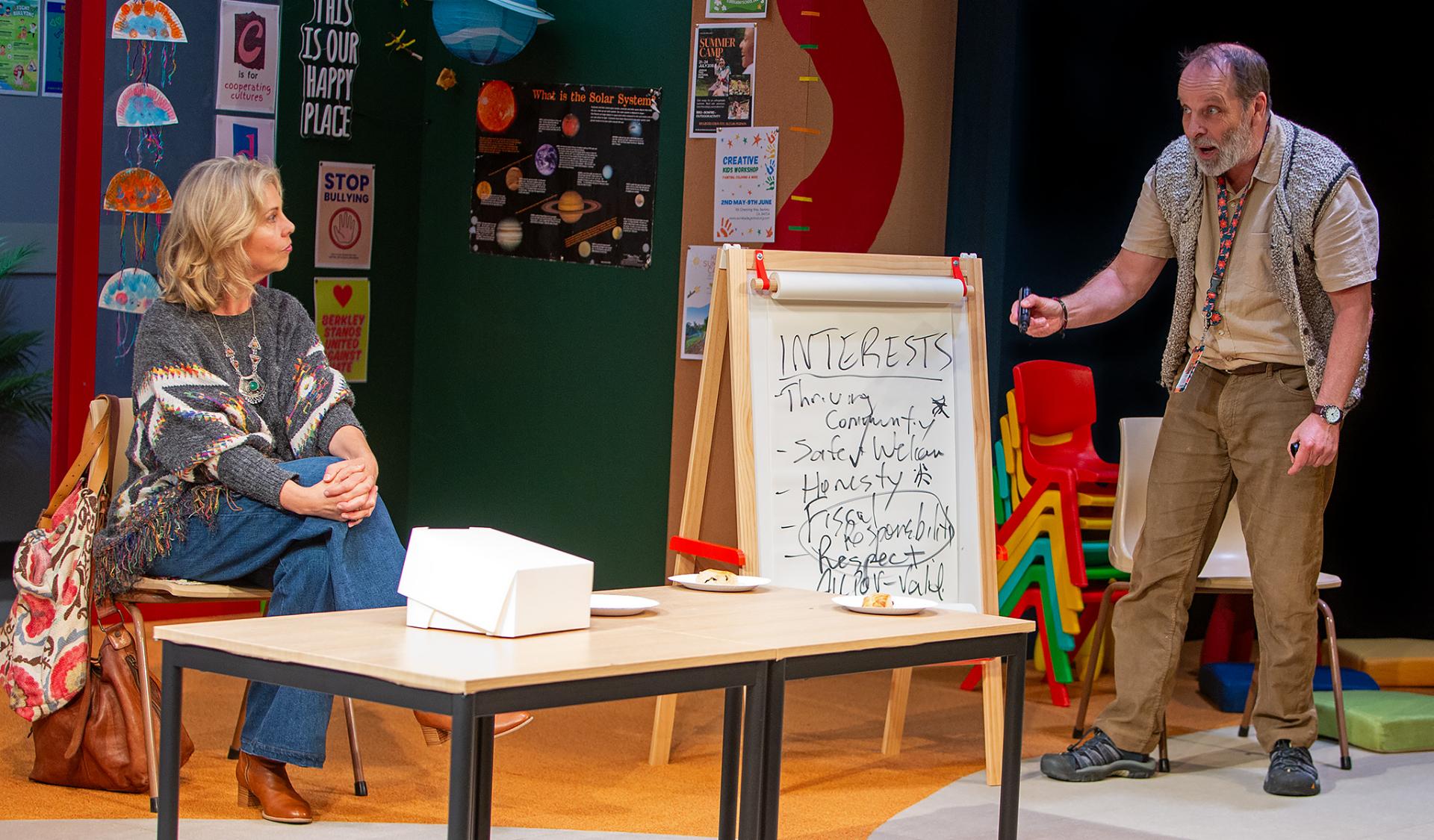
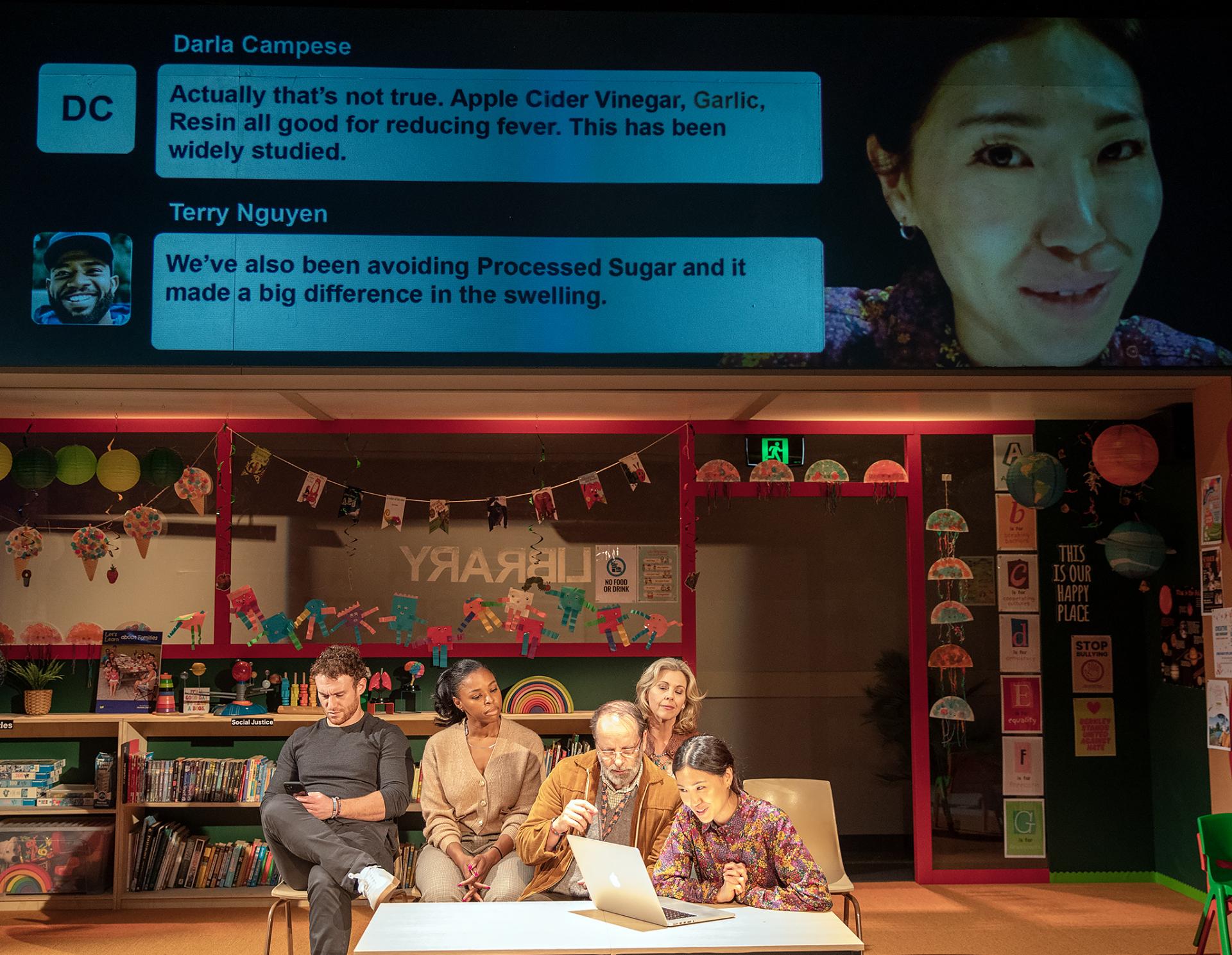
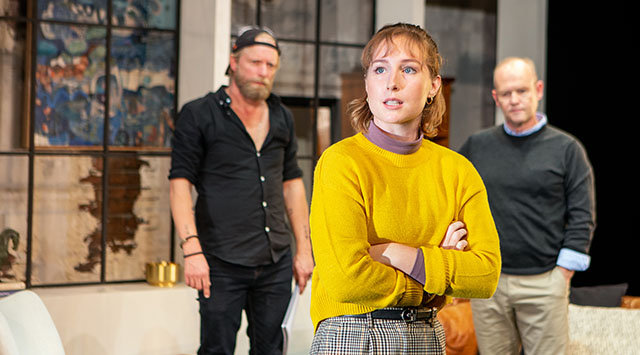
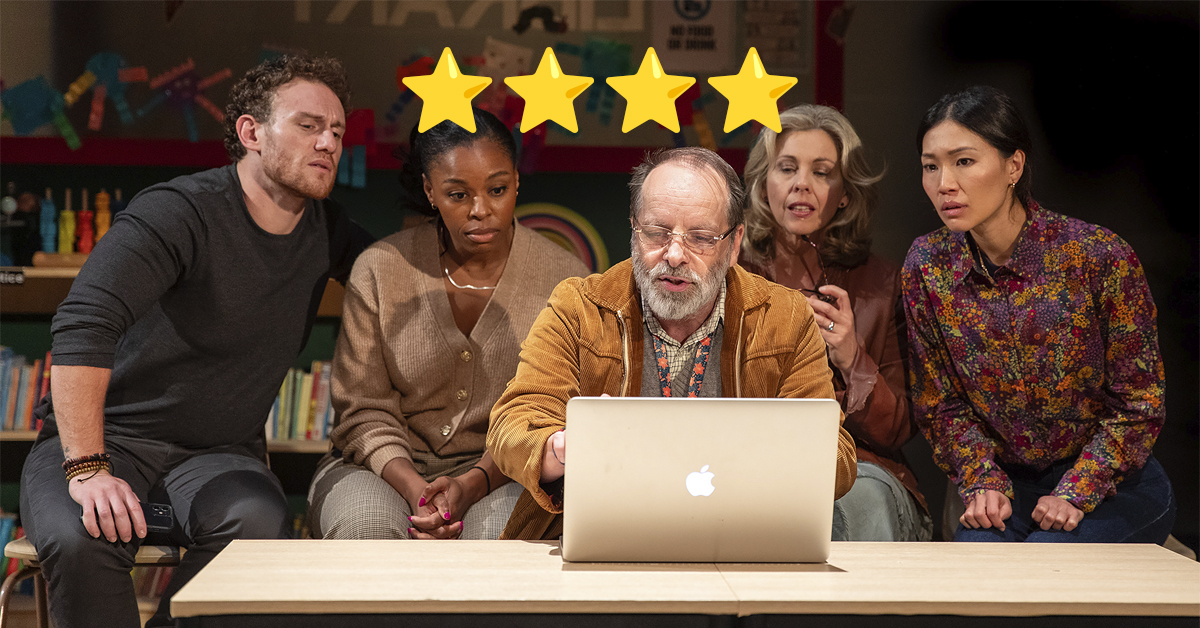
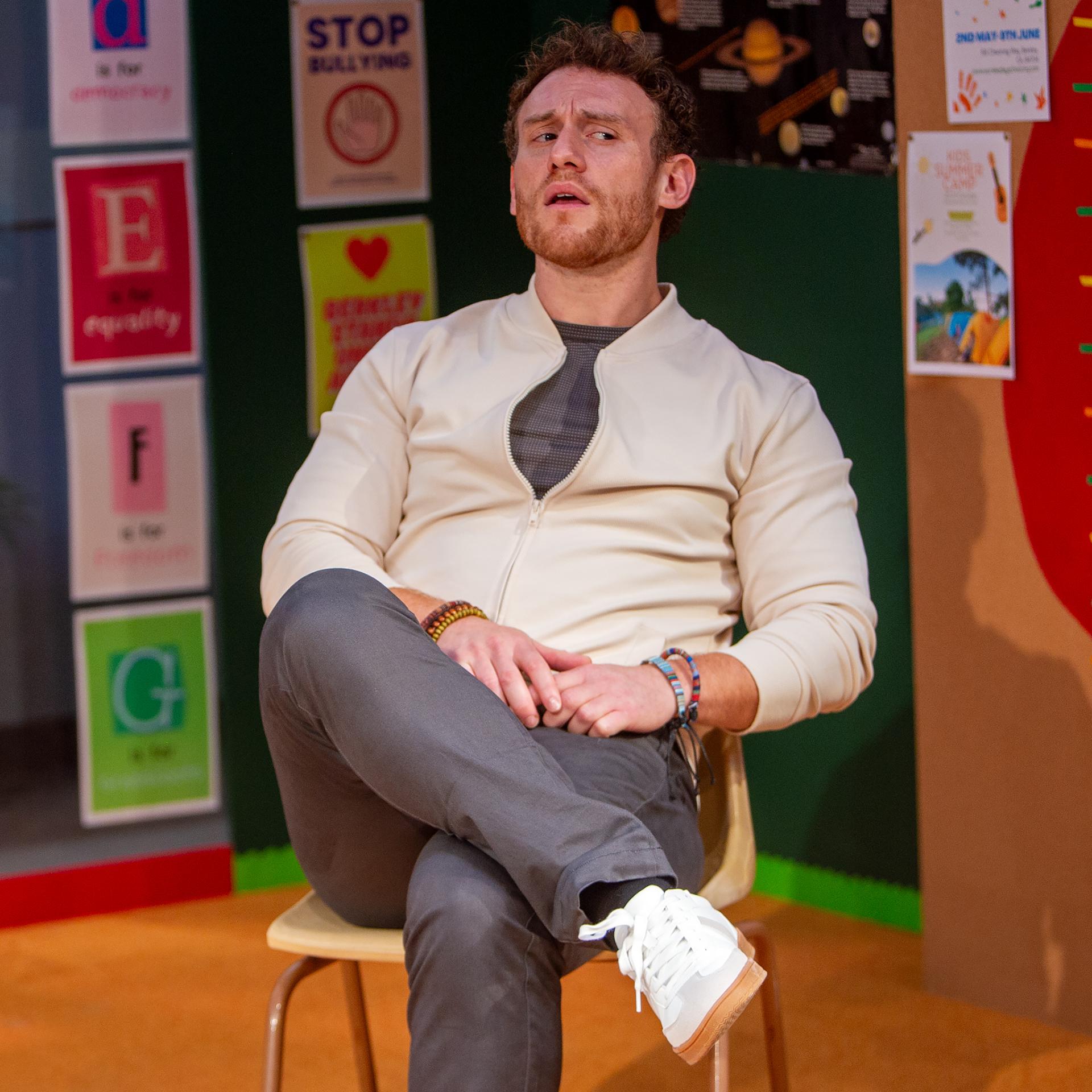
It is the 2018-19 school year, and a child comes to their Californian school with mumps, and sends everyone into a tailspin, when it is discovered that a substantial number of families have refused the MMR vaccine.

The comedy Eureka Day by Jonathan Spector emerged slightly before the pandemic, when it had become clear that conspiracy theories were more popular than ever, due to their unchecked proliferation on the internet. An unequivocally pertinent discussion for our times, Spector’s play encourages reflections on the phenomenon of parallel truths and fake news. It is thoughtful writing, and certainly worthwhile of attention, even if its generosity for those deceived and deluded, can often feel deeply frustrating.

Direction by Craig Baldwin makes use of that difficult conflict between ideological tribes, to create a stimulating work of theatre. Anger and exasperation might not be pleasurable emotions, but they are certainly powerful ones, that the production rouses for a communal experience that resonates with marvellous authenticity and familiarity.

An evenly dazzling cast of five delivers with urgent immediacy, a story that touches all in the modern age. Each actor is engaging, with palpable empathy and with sardonic humour, to earn our complete investment, if not for finding real solutions to the problem, then at least to simply commiserate about our sad state of affairs. Also noteworthy is production design by Kate Beere, offering simple yet colourful solutions that make believable, Eureka Day‘s explorations of a very upper middle class sanctuary.

A few short years since the original premiere of Eureka Day, we find ourselves in the preposterous position of fearing for the demise of science. Investigative, regulatory, and tertiary institutions in the USA are being systematically undermined, by a new kleptocracy determined to bankrupt any concept of the common good. Until very recently we have been able to “defer to science” in debates involving personal choice and public interest, but it seems that venerable authorities are being stripped of their credibility and efficacy, leaving us in an immensely troubling precarity.

www.seymourcentre.com | www.outhousetheatre.org

Review: A Case For The Existence Of God (Seymour Centre)

Venue: Seymour Centre (Chippendale NSW), Apr 11 – May 4, 2024
Playwright: Samuel D. Hunter
Director: Craig Baldwin
Cast: Anthony Gooley, Elijah Williams
Images by Phil Erbacher

Theatre review
The two men in A Case for the Existence of God live in different worlds, but when Ryan engages Keith as mortgage broker, they become unexpected friends, and discover that they “share a specific kind of sadness”. Samuel D. Hunter’s play is a sensitive work, about the bond between men, and the tenderness that is rarely acknowledged , but that is crucial to the health and wellbeing of any modern male person. It is also a portrait of single fatherhood in contemporary USA, where like in many Western societies, the evolution of masculinity seems to be at a moment of reckoning.

This deeply reflective piece of writing is imbued commendable integrity, in a staging by director Craig Baldwin, whose depictions of the two individuals, and their burgeoning friendship, beams with authenticity. The tone of the production can feel somewhat unvarying, but the storytelling is nonetheless consistently engaging. With the captivating duo of Anthony Gooley and Elijah Williams performing as Ryan and Keith respectively, we are immediately endeared to both characters, and never let up on our investment in their connections. We may not always see enough contrasts or oppositions in their dynamic, but their generous symbiosis ensures our engagement in the piece.

Set design by Veronique Bennet conveys evocatively the claustrophobic nature of smalltown life, and of traditional masculinity, but lacks the versatility required to transport us to the assorted locations of the play. Bennet’s lights though are marvellously detailed, able to render precisely the appropriate temperament for each scene. Costumes by Jeremy Waters are fittingly stoic, for a presentation that deals with the often overlooked aspects of being male. Sounds by the aforementioned Baldwin offer simple solutions to relay the passage of time, in a show that is distinct for its sense of stillness.

In A Case for the Existence of God, we watch Ryan and Keith find value in the present, by always referring to the past and the future. Family history is key to their identity, which can seem an obvious statement, but in our increasingly individualistic modes of living, concepts of heritage and of legacy are rarely central in how we think and act, and they need our renewed attention. In the pursuit of personal joy and freedoms, one can easily find themself eventually completely unmoored. It is true that all is transient, but to view everything as impermanent, can be unbearable for humans that thrive almost exclusively on meaning. It can be argued that altruism is the solution for our disquiet, and family is the most convenient location for its practice.

www.seymourcentre.com | www.outhousetheatre.org

Review: Consent (Seymour Centre)

Venue: Seymour Centre (Chippendale NSW), Jun 1 – 24, 2023
Playwright: Nina Raine
Director: Craig Baldwin
Cast: Jessica Bell, Nic English, Sam O’Sullivan, Jennifer Rani, Anna Samson, Anna Skellern, Jeremy Waters
Images by Phil Erbacher

Theatre review

Kitty never forgave her husband Ed’s indiscretions from five years ago, so their marriage remains strained even with the arrival of a new baby. Meanwhile, Ed serves as a barrister prosecuting against rape allegations, in which we see the victim being treated with little compassion or fairness. Nina Raine’s Consent explores bodily transgressions within differing realms, stretching the notion of consent to cover issues from sexual assault to infidelity.

The play’s attempts to draw parallels can feel somewhat tenuous, and uncomfortable in its tendencies to diminish the severity of rape, in favour of a more intensive discussion about adultery. There is a sadistic pleasure in watching a group of affluent lawyers go through emotional turmoil, but it can prove challenging to evoke genuine empathy, for entitled personalities who only have themselves to blame for their strife.

The production is directed by Craig Baldwin, who emphasizes emotional authenticity in portraying the numerous arguments that characterize this play about bickering posh couples. Baldwin demonstrates admirable integrity by resisting excessive humiliation of the characters, although this approach can sometimes miss opportunities for bigger laughs. The staging honours the text’s central ideas about betrayal, but the unsavoury personalities of Consent prevent us from fully engaging in a sufficiently meaningful way.

Design aspects are however accomplished effectively. Soham Apte’s sets and costumes are satisfyingly theatrical, yet bear a sense of accuracy in their depictions of a world inhabited by lawyers and their spouses. Lights by Ryan McDonald provide visual finesse, always aiming for polish without ever being obtrusive. Eliza Jean Scott’s segments of interstitial music are creatively rendered, offering us momentary reprieve from intense altercations, whilst manufacturing an air of refinement appropriate to the piece.

Anna Samson and Nic English play Kitty and Ed respectively, both highly believable in their execution of this domestic drama, with an intricacy in approach that encourages us to bring nuance to our interpretations of the story. Also bringing vim and vigour are Jessica Bell, Sam O’Sullivan, Jennifer Rani, Anna Skellern and Jeremy Waters, who conspire to bring energy to an experience that can very easily become overly cerebral.

It certainly feels awful to be cheated on, but it is audacious to say that it is in some ways similar, to having suffered sexual assault. We all understand human fallibility, yet we continue to hang on to old ways of thinking about monogamy and marriage. On one hand, we understand the nature of lust, including its inevitable superficiality, and on the other, we insist on defining the success of marital unions, on the ability of individuals to prevent themselves from committing these sins that ultimately mean little. Yes, rape and infidelity are forms of betrayal, but they are far from commensurate.

www.seymourcentre.com | www.outhousetheatre.org

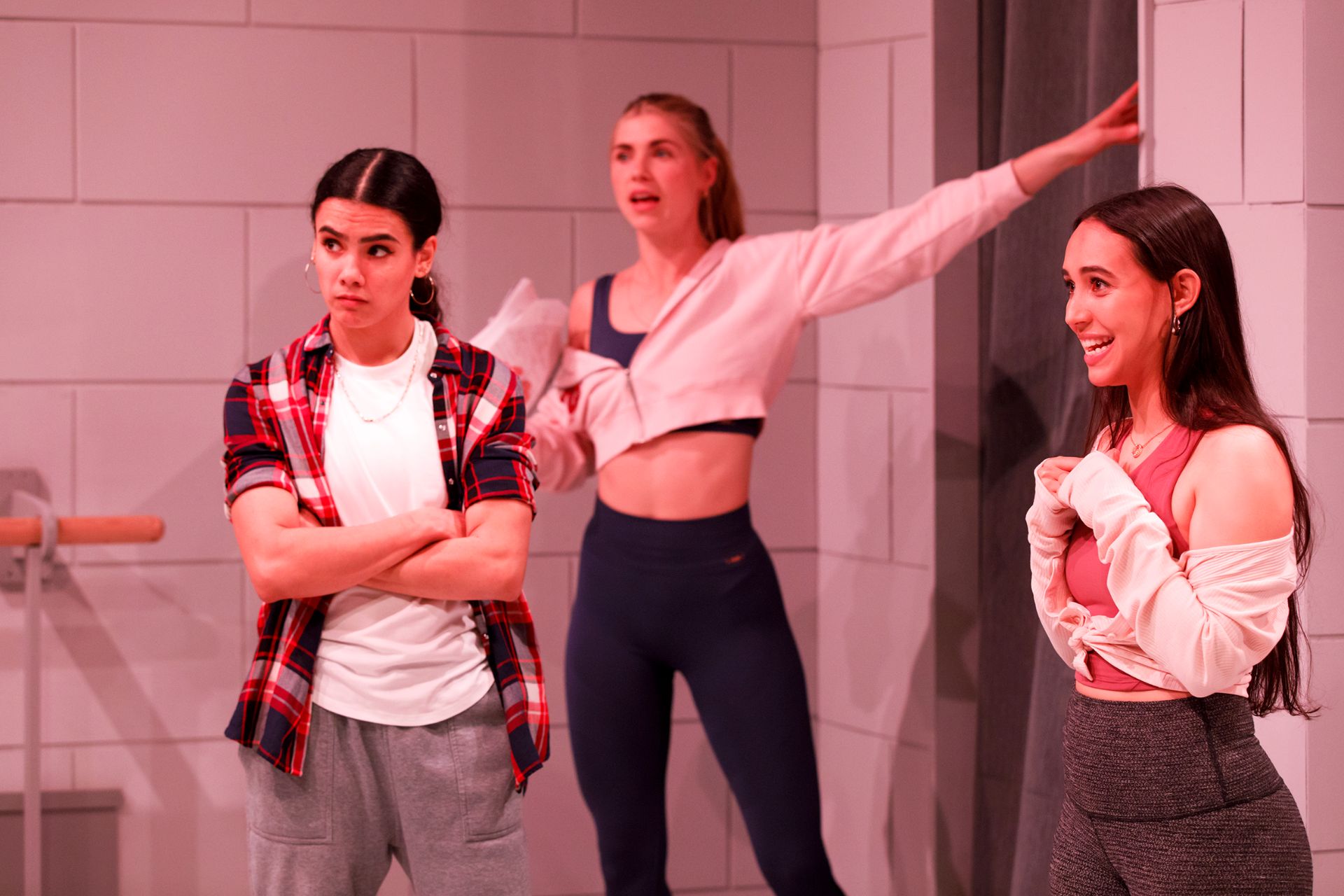
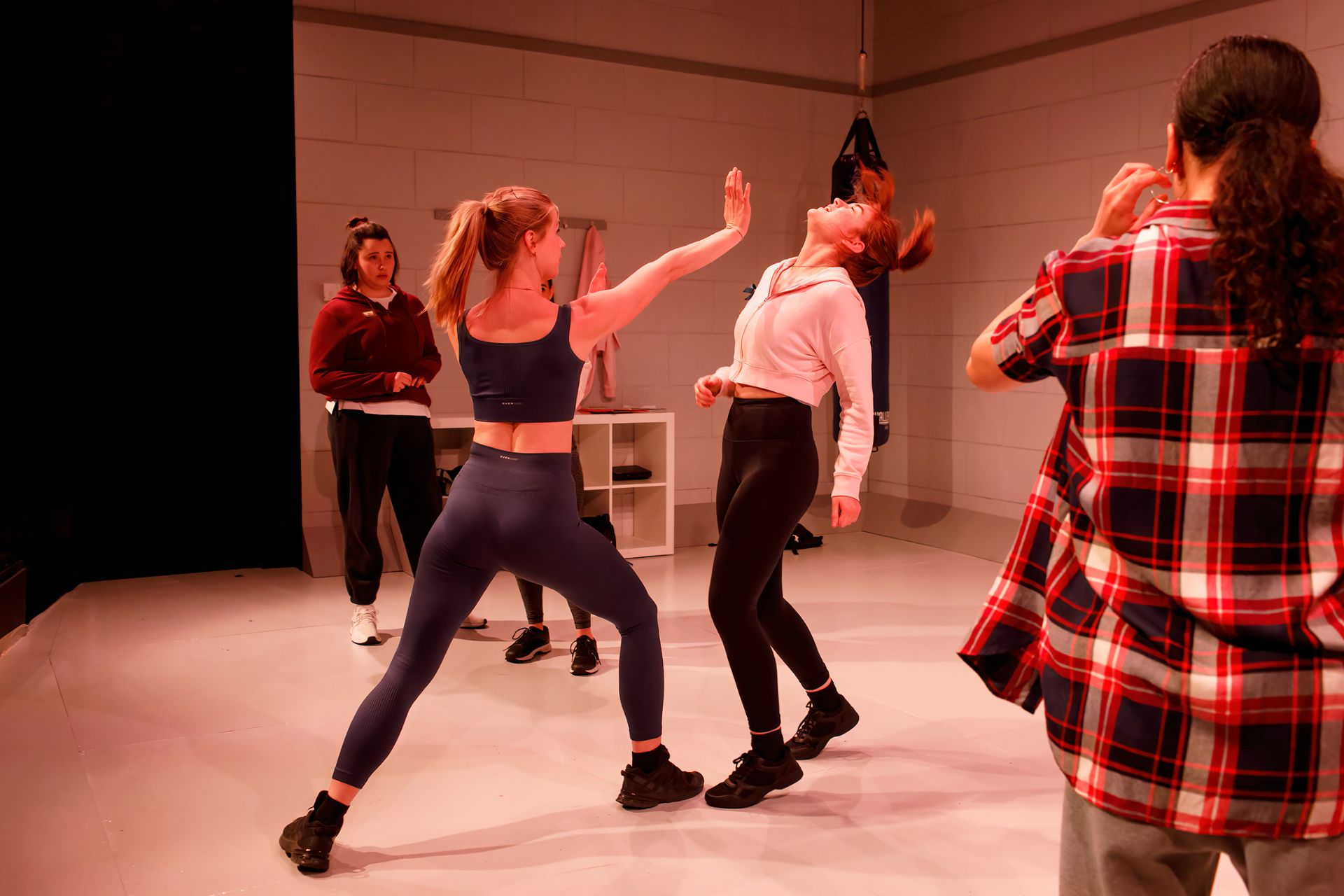
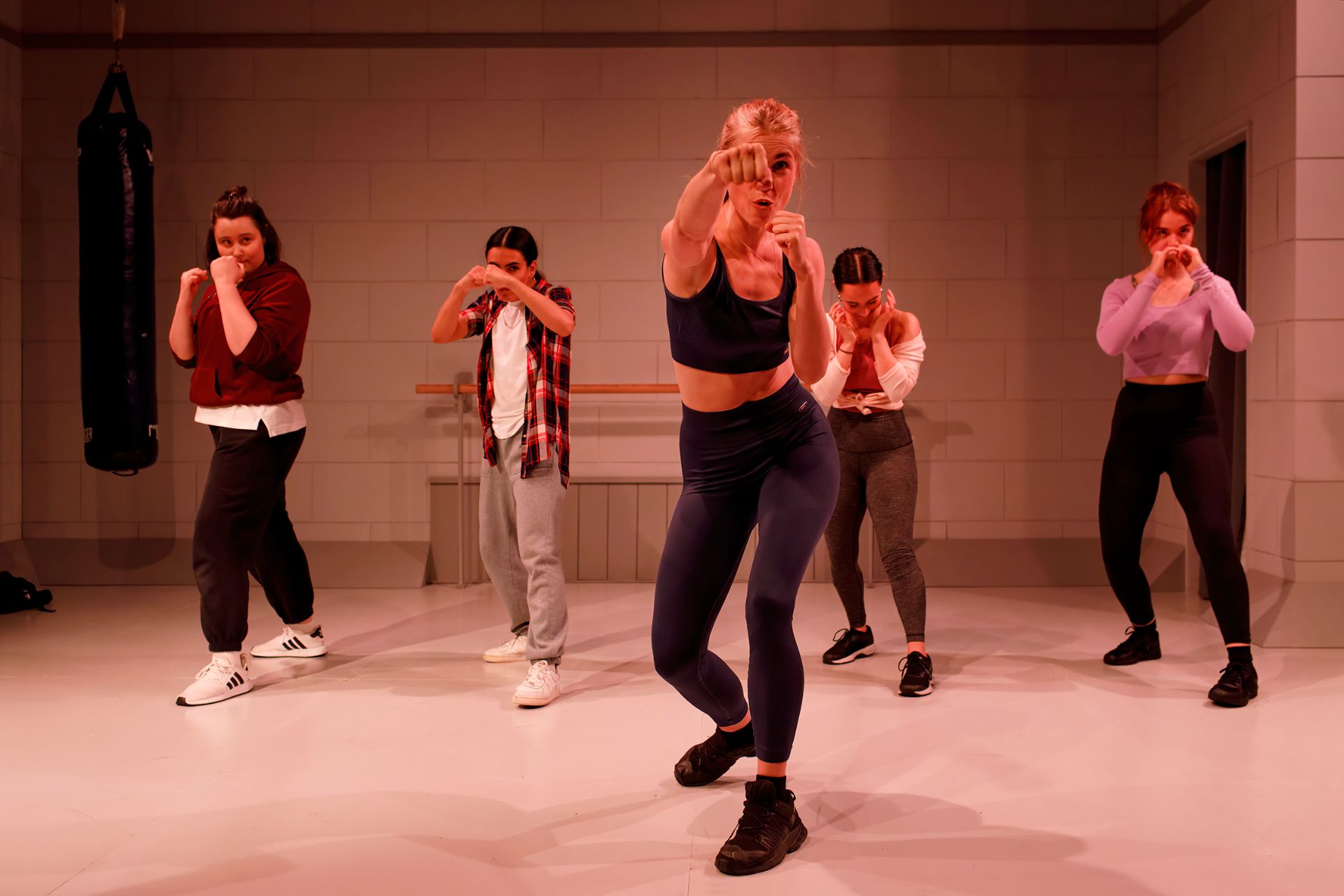
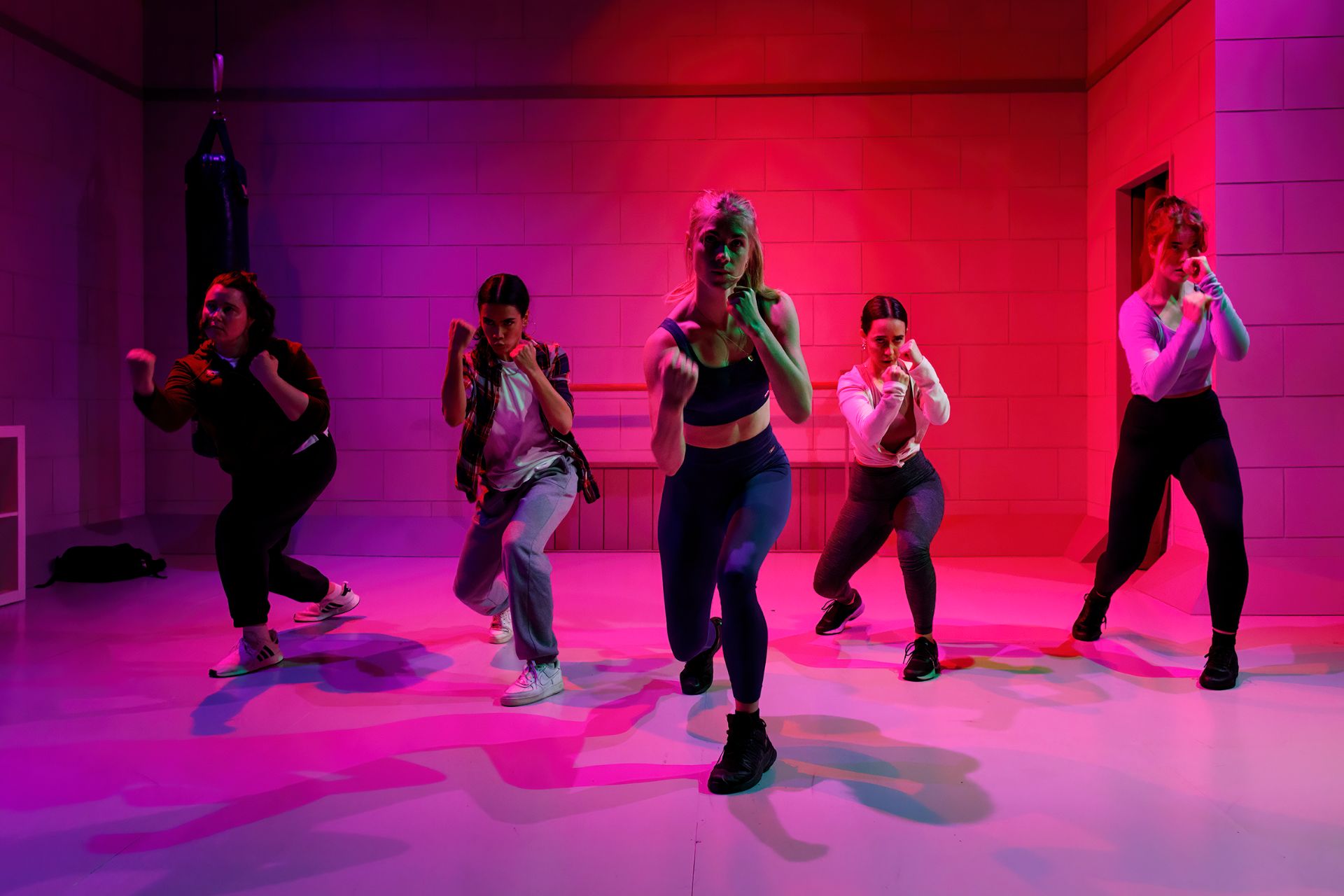
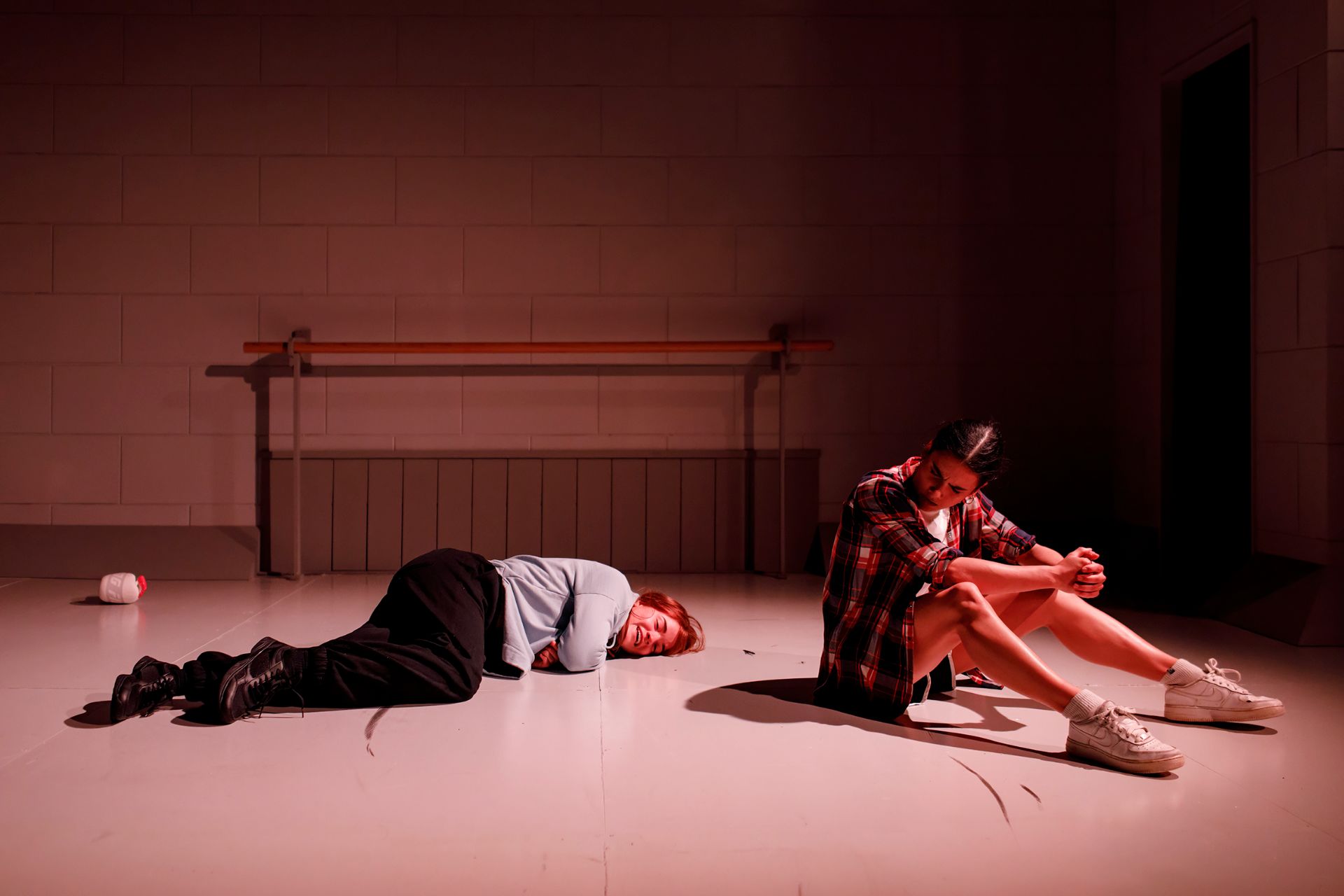
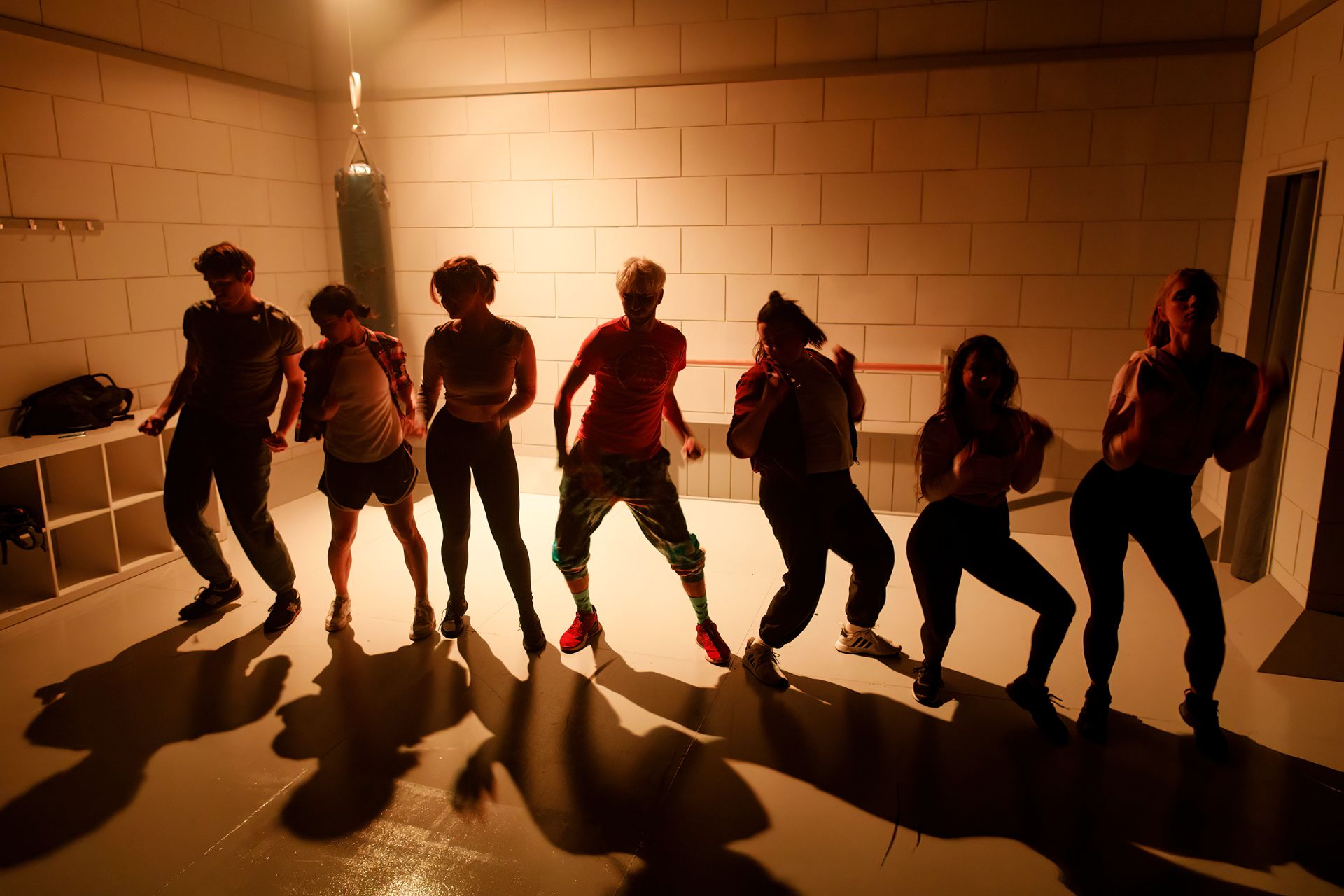
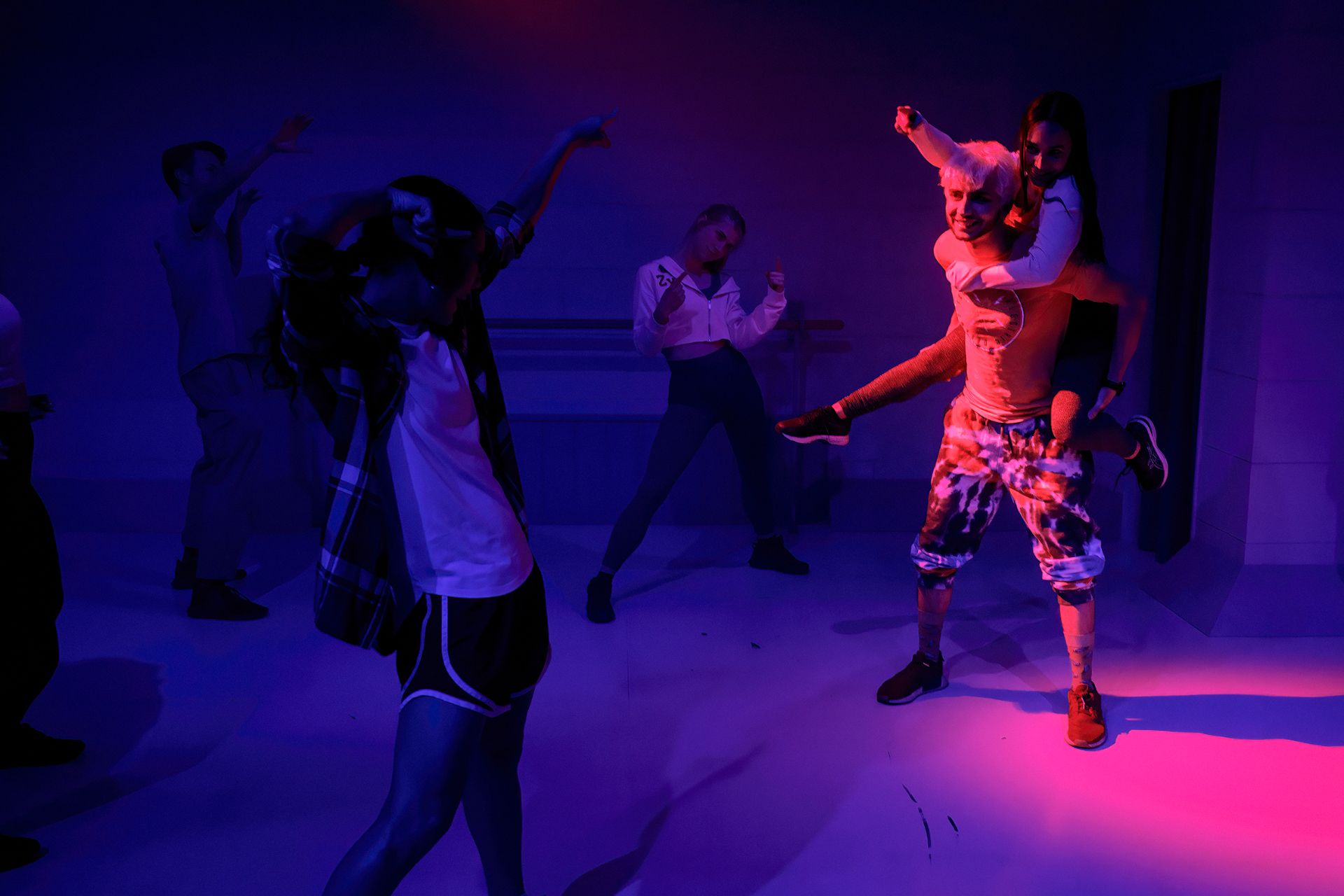
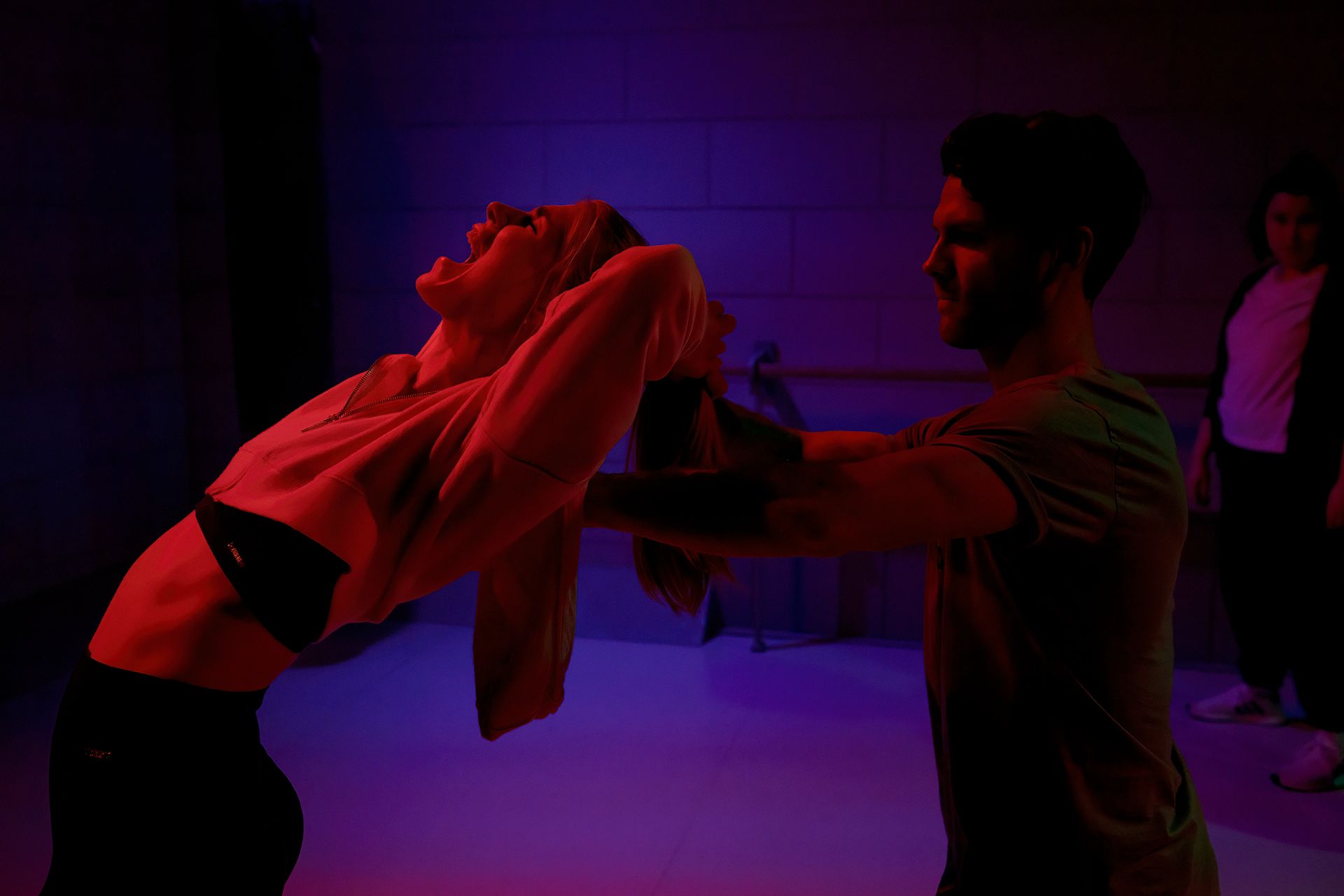
Review: How To Defend Yourself (Old Fitz Theatre)

Venue: Old Fitzroy Theatre (Woolloomooloo NSW), Aug 11 – Sep 3, 2022
Playwright: Liliana Padilla
Director: Claudia Barrie
Cast: Georgia Anderson, Madeline Marie Dona, Brittany Santariga, Jessica Spies, Jessica Paterson, Michael Cameron, Saro Lepejian
Images by Phil Erbacher

Theatre review

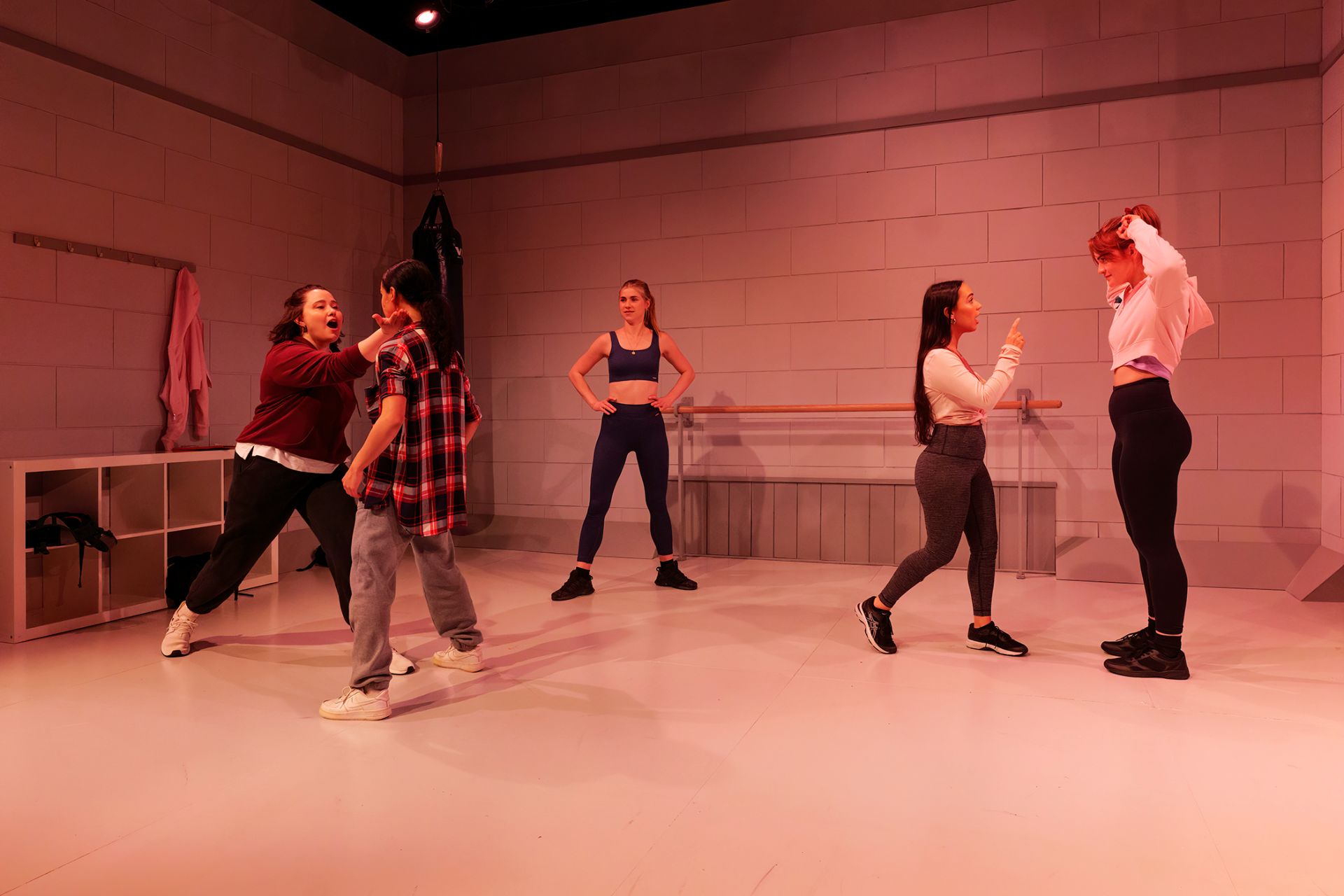
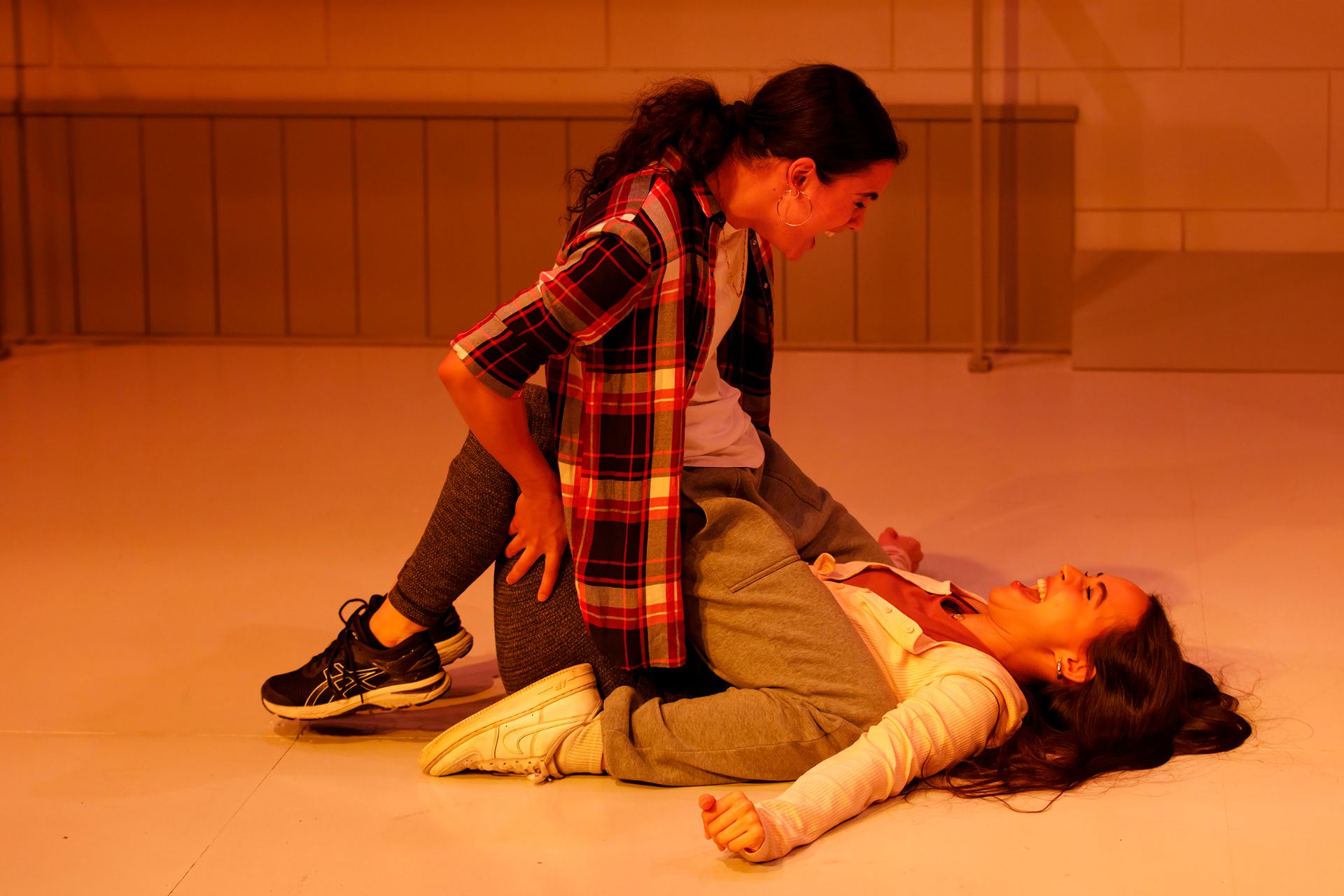
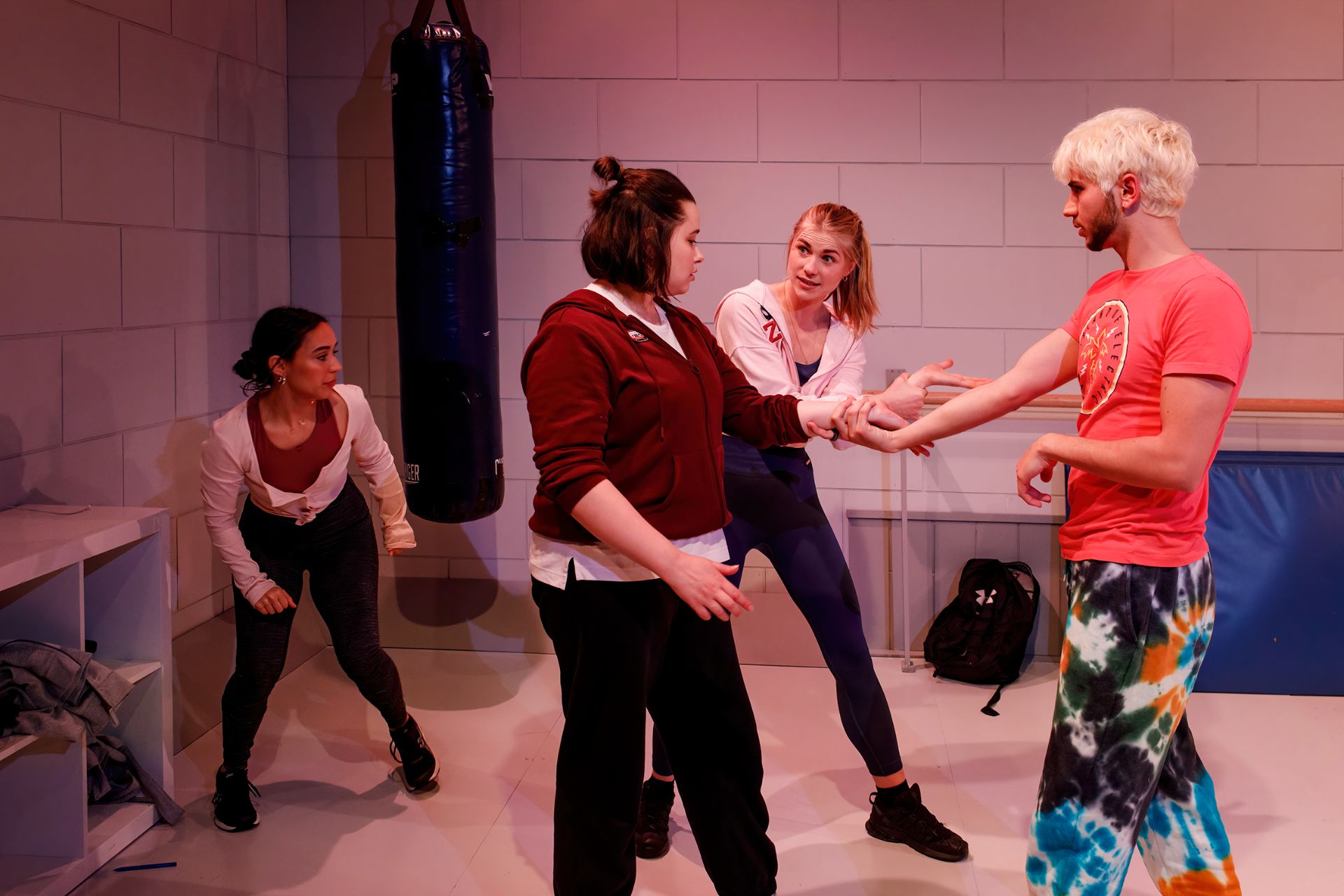
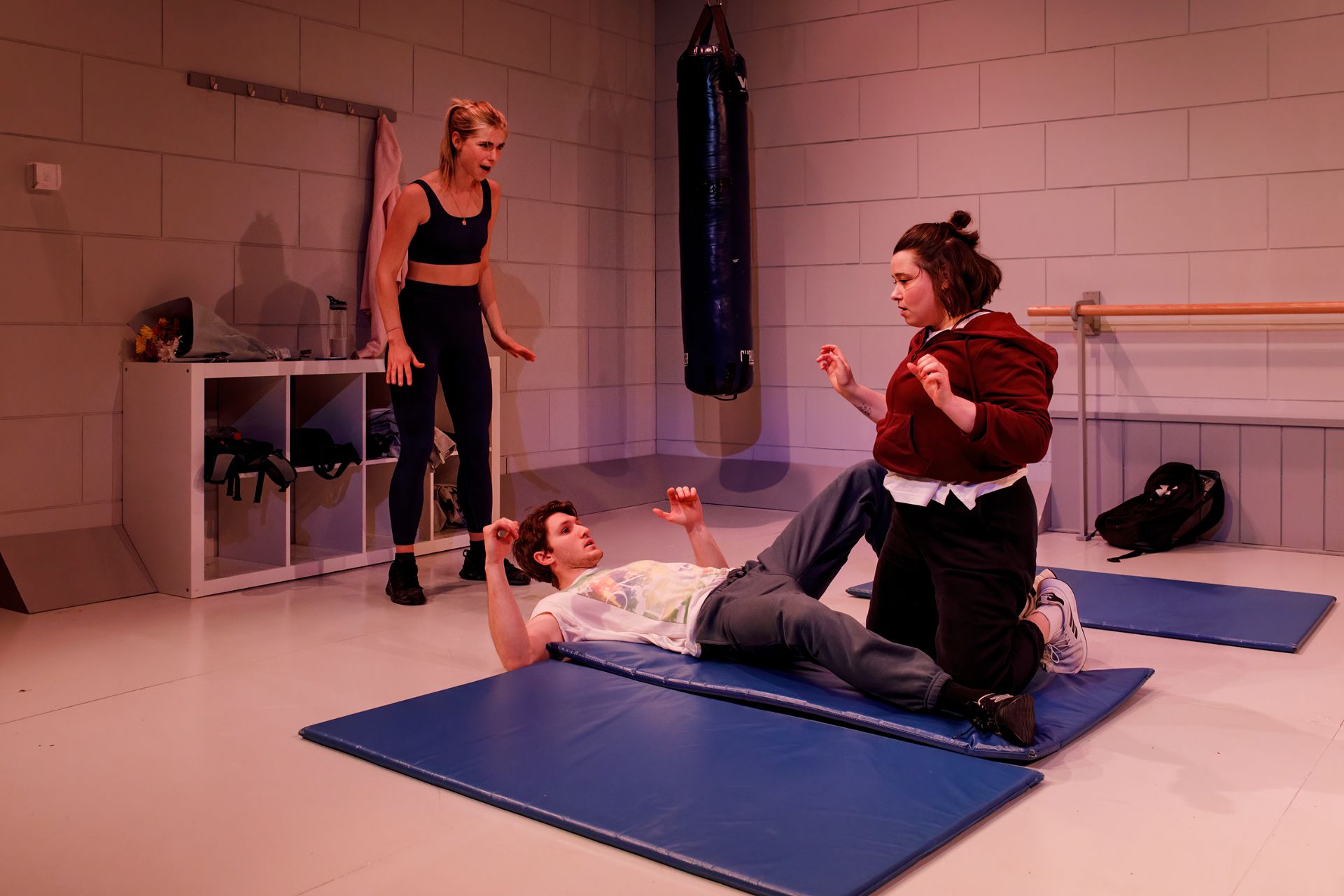
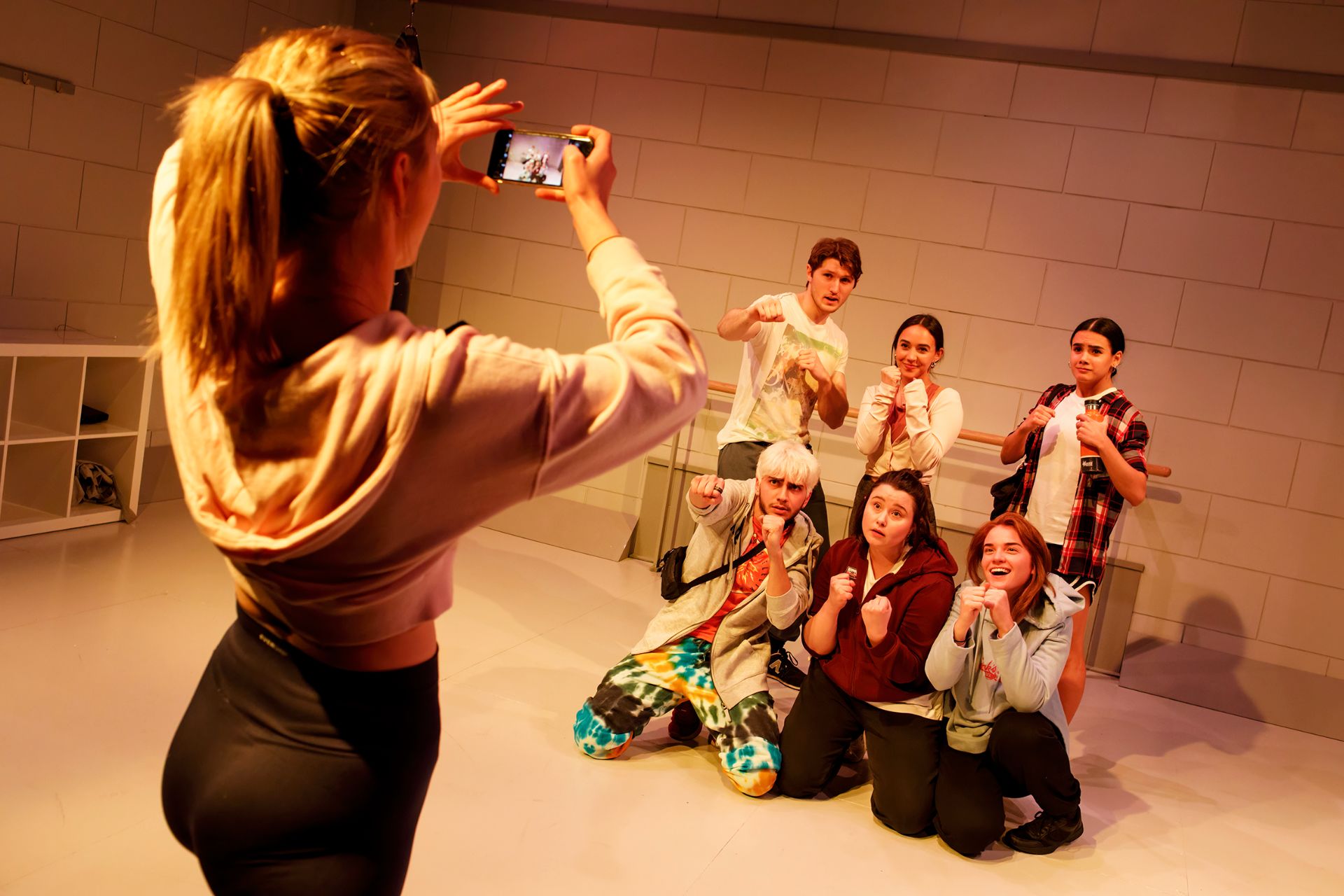
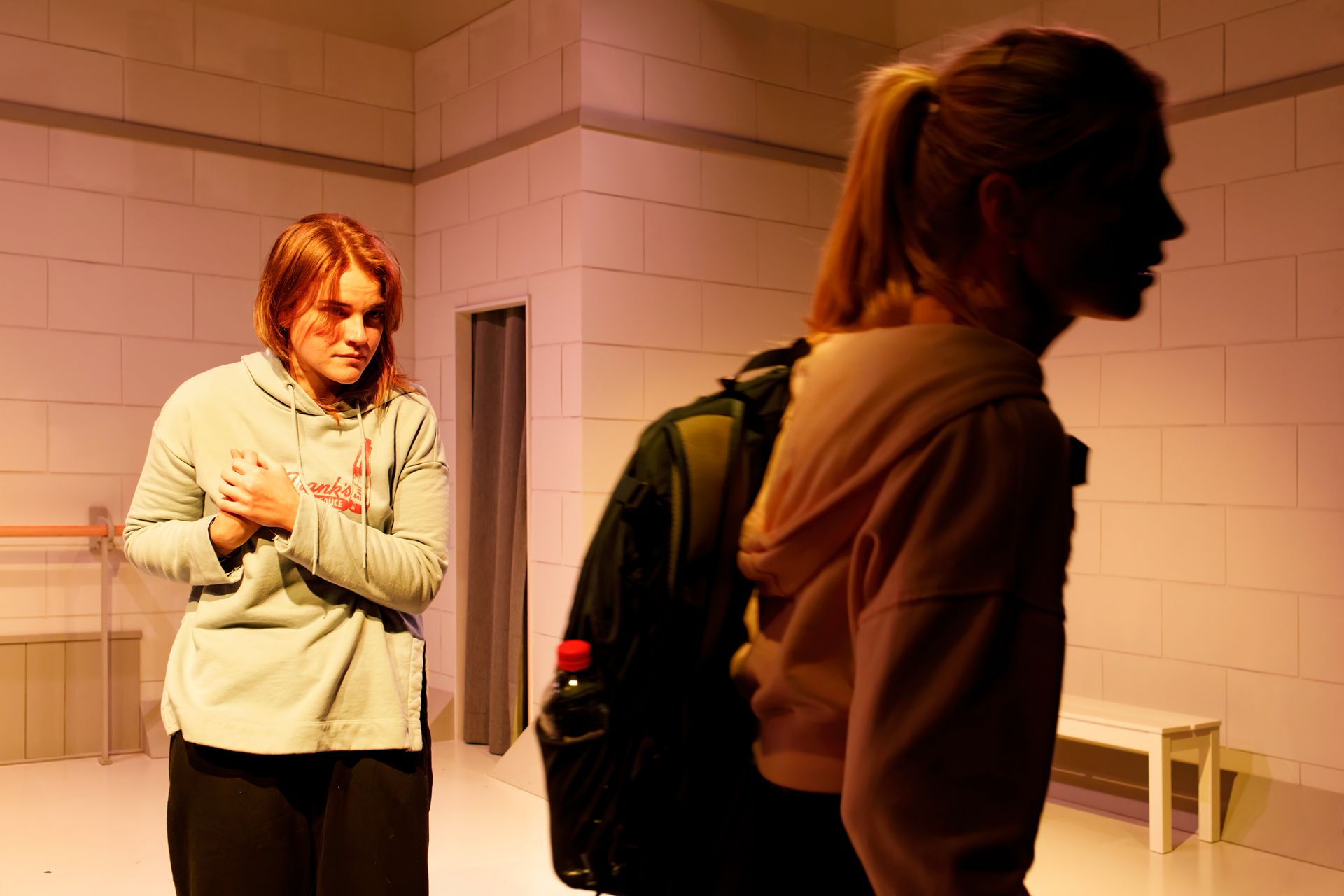
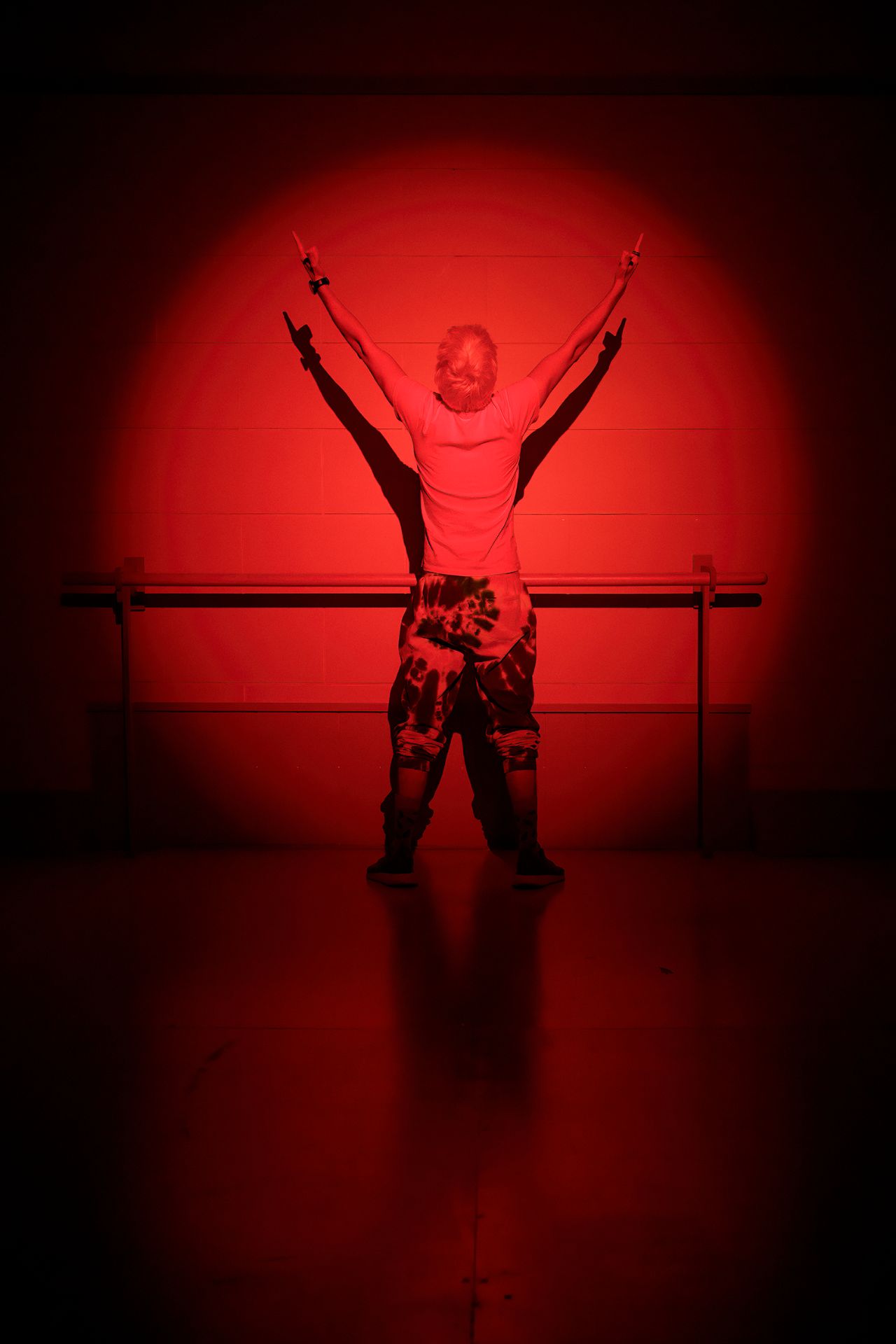
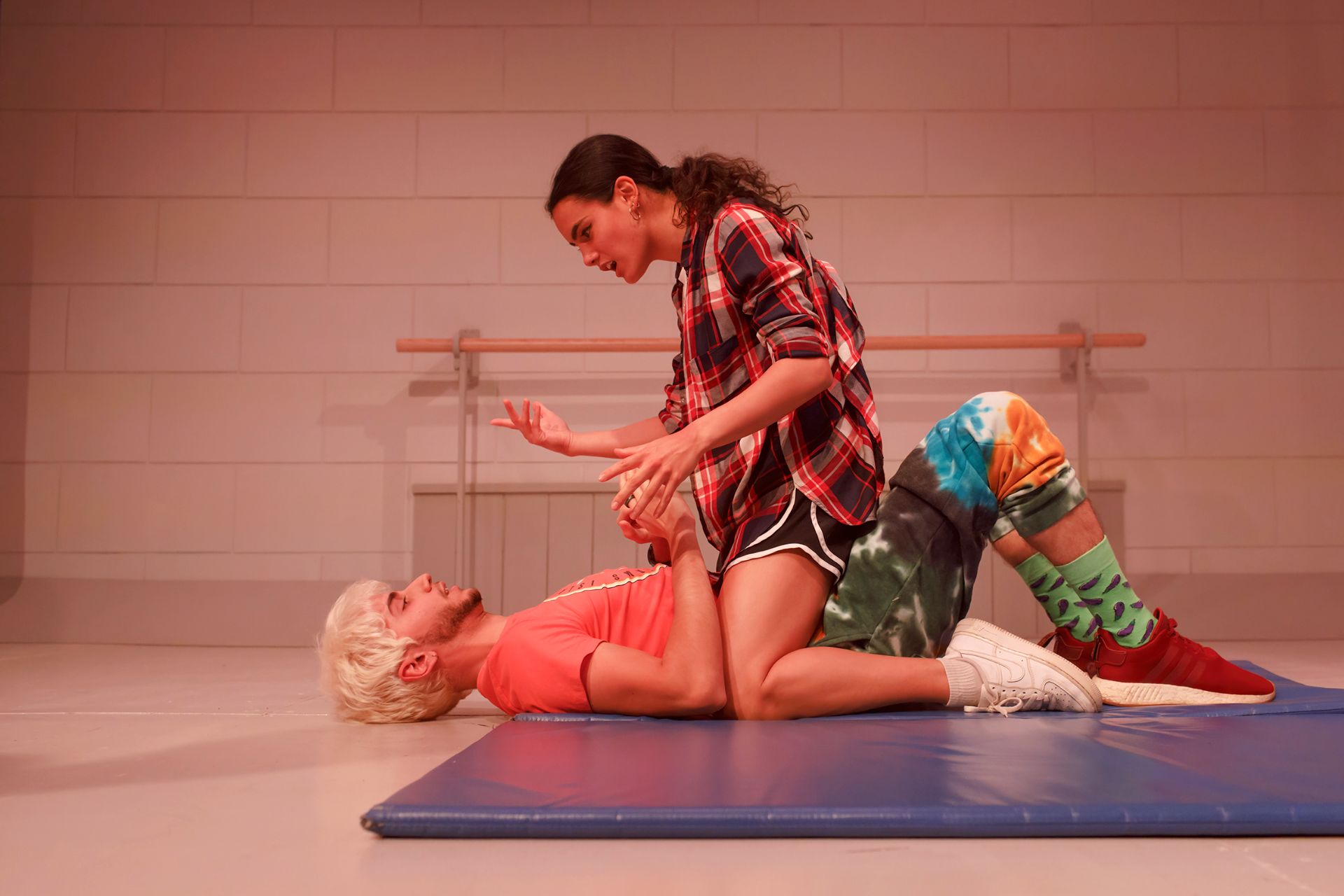
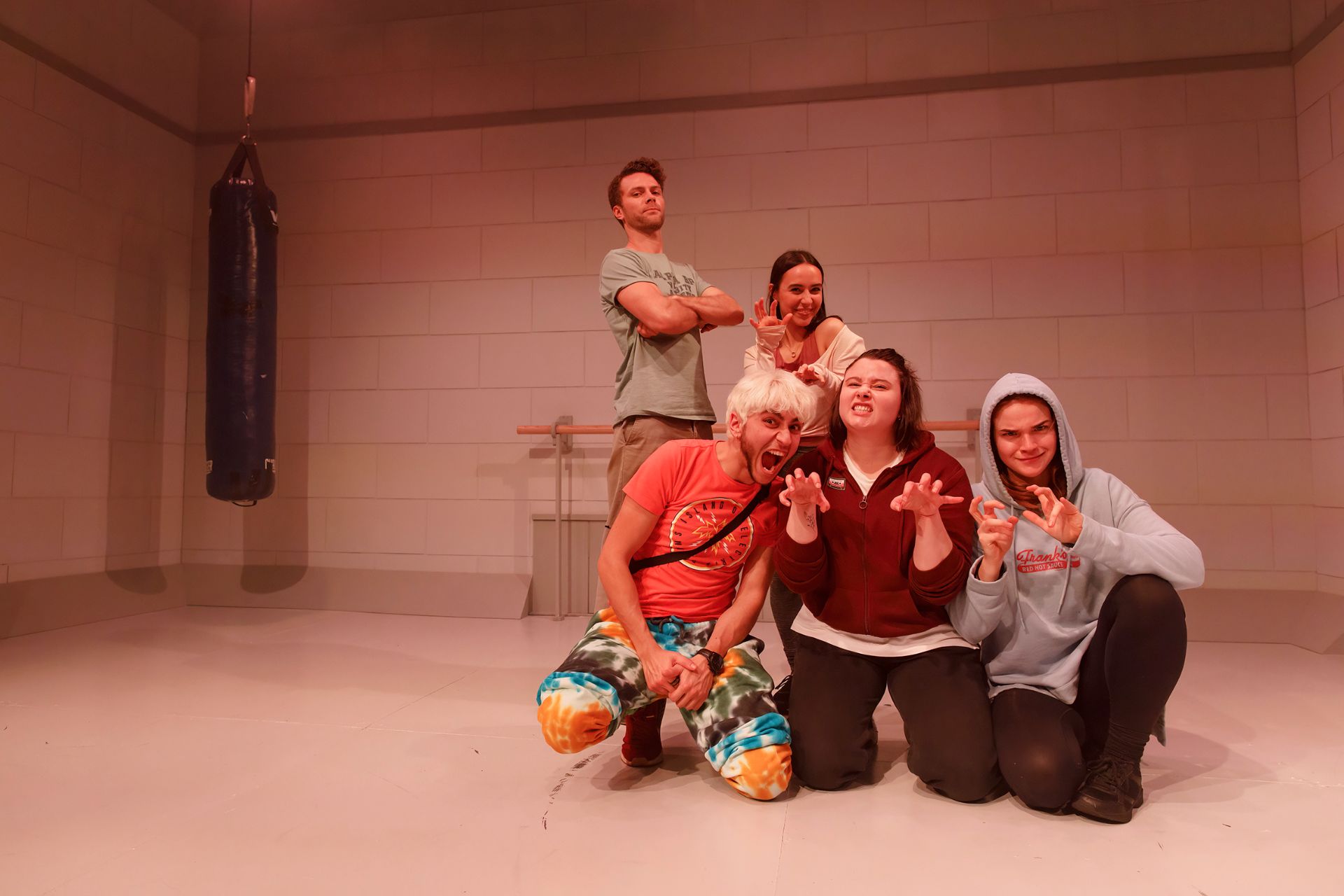
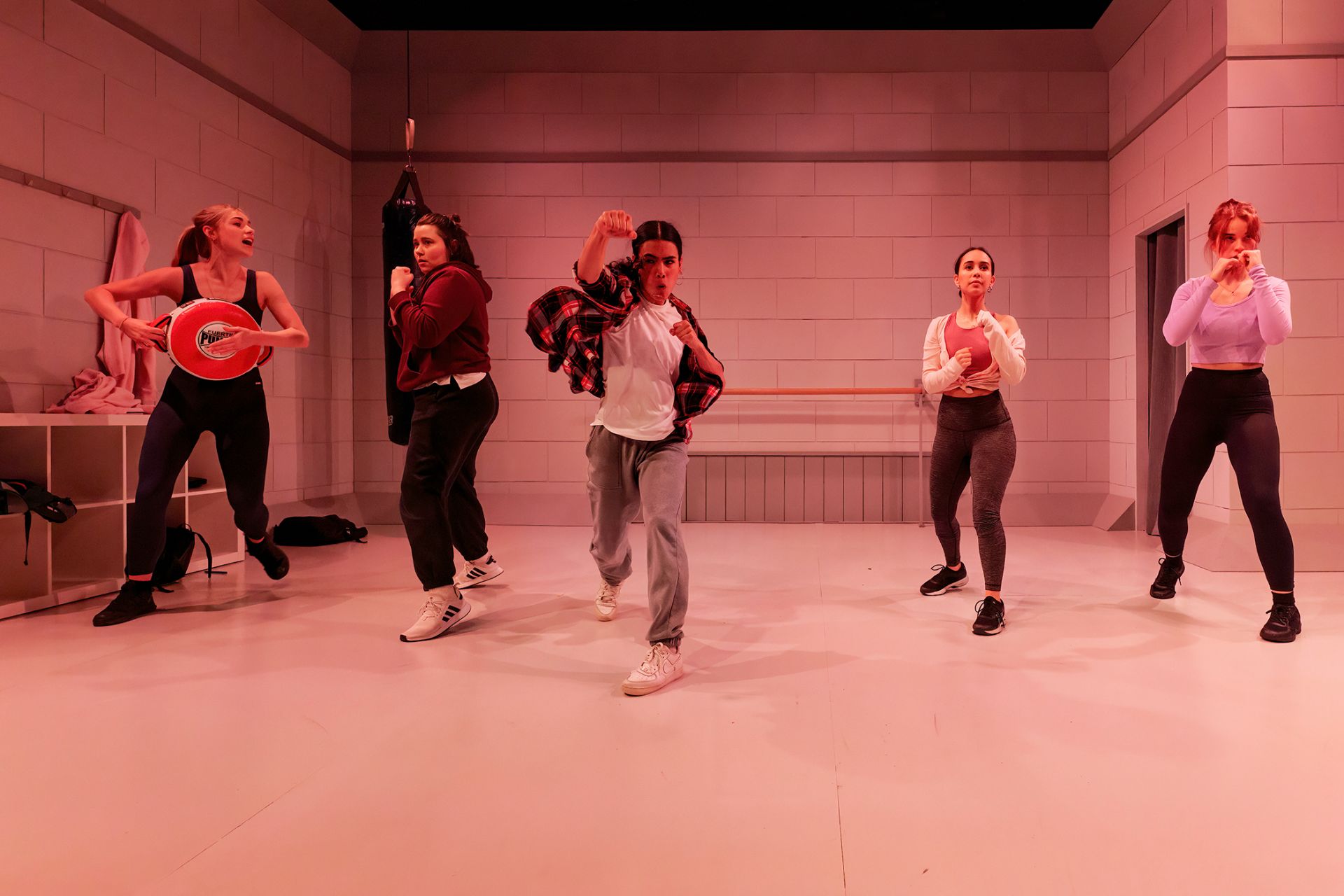
Two men raped a woman, at an American university campus one night. The student body convulses in response, trying to do its best to make sense of the violence, but finds itself unable to come to terms, with life after the abhorrent episode. In Liliana Padilla’s How to Defend Yourself, we see a group of young people congregating at a dojo, ostensibly taking classes for self-defence, but is in fact finding solace in one another, and hoping for emotional emancipation, following the devastating attack on an institution that had hitherto felt safe and secure.

Padilla’s 2019 play is appropriately cynical and pessimistic, written at a time when the meanings of gender (and its injustices) are rapidly collapsing. We watch characters in the show desperately finding ways to mend their individual lives, within a system that clearly needs an overhaul. Thankfully there is surprising humour to be found throughout the piece, although the production seems hesitant about its implementation. Directed by Claudia Barrie, How to Defend Yourself is certainly well-intentioned, but the way in which its discussions are conducted, often feels surface and perfunctory. A lack of vulnerability, prevents us from reaching deeper into the issues at hand.

Chemistry between cast members too, are insufficiently vigorous, for a story that relies on explosive revelations and overwhelming poignancy. There are strong performances to be found, from the likes of Brittany Santariga and Jessica Spies, who bring emotional intensity, and from Georgia Anderson and Saro Lepejian, with their captivating idiosyncrasies, but not all are able to connect meaningfully with one another. Perhaps it is that disjointed communication, that is at the core of our social problems. No matter how fervent we are, it is an inability to find consensus that hinders progress.

Set design by Soham Apte, along with Emily Brayshaw’s costumes, transport us to the world of American colleges, with accuracy and concision. Lights by Saint Clair have a tendency to be overly enthusiastic, but are effective in bringing visual variety to the imagery that we encounter. Sound design by Samantha Cheng on the other hand, is conservatively rendered but able to manufacture surges of energy when required.

Much of sexual violence springs from our conceptions of gender; what it means to be a man, a woman, and how the two are supposed to converge. We teach our young to take these notions as gospel, and then watch as they relate to everything from their assigned vantage points, as they place themselves in positions of power and subjugation accordingly. We expound to women that the world is kind, and that people nurture one another, while we drill into men that the world is for their taking, and that fortune favours the brave.

To undo that indoctrination, not just for individuals, but for entire societies, has proven a long and arduous road. We are however, in a moment of acceleration, as we awaken from false binaries, and begin to reshape our understanding of being, and of communities. As gender begins to disintegrate, we are forced to reckon with all that it touches, which in essence, is all and everything. We can no longer tolerate prejudice of any kind, which means that we must no longer allow barriers and disadvantage of any description to remain. How we accomplish this pipe dream however is, as Padilla indicates in How to Defend Yourself, quite the mystery.
www.redlineproductions.com.au

Review: Before The Meeting (White Box Theatre)

Venue: Seymour Centre (Chippendale NSW), May 21 – Jun 11, 2022
Playwright: Adam Bock
Director: Kim Hardwick
Cast: Alex Malone, Tim McGarry, Jane Phegan, Ariadne Sgouros, Tim Walker
Images by Danielle Lyonne

Theatre review
In a church basement somewhere in America, one of the world’s many Alcoholics Anonymous meetings is being held. Four individuals become friends through this process, offering support and guidance to one another, as each seeks to navigate this arduous thing called life. Adam Bock’s Before the Meeting offers a glimpse into the experience of sobriety, and by implication, the effect of alcohol consumption on some people. Bock’s writing is acutely observed, with palpably realistic characters. Alternating between funny and serious, the play is careful not to dwell too heavily in the bleak, but the insight that it ultimately delivers can feel somewhat surface.
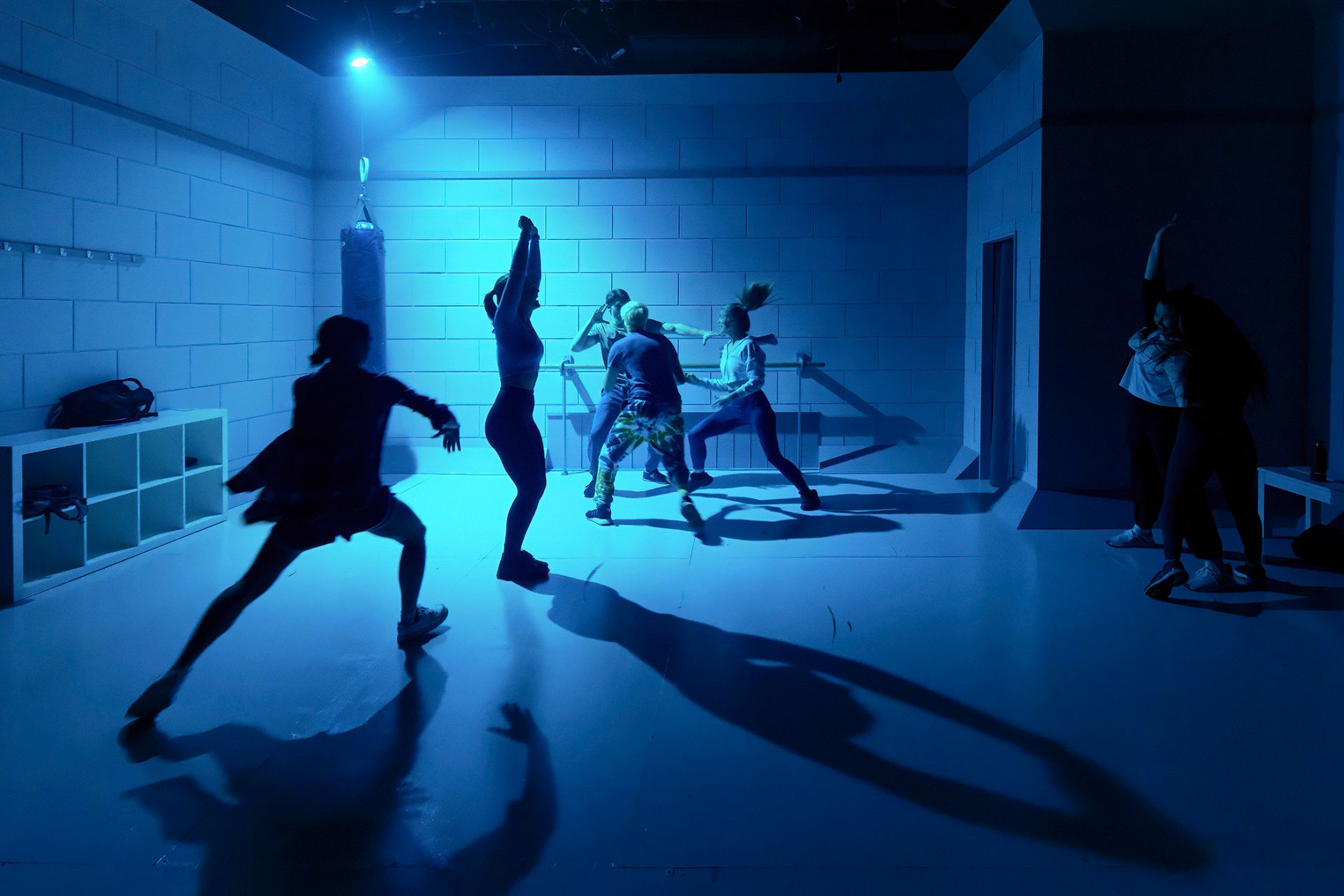
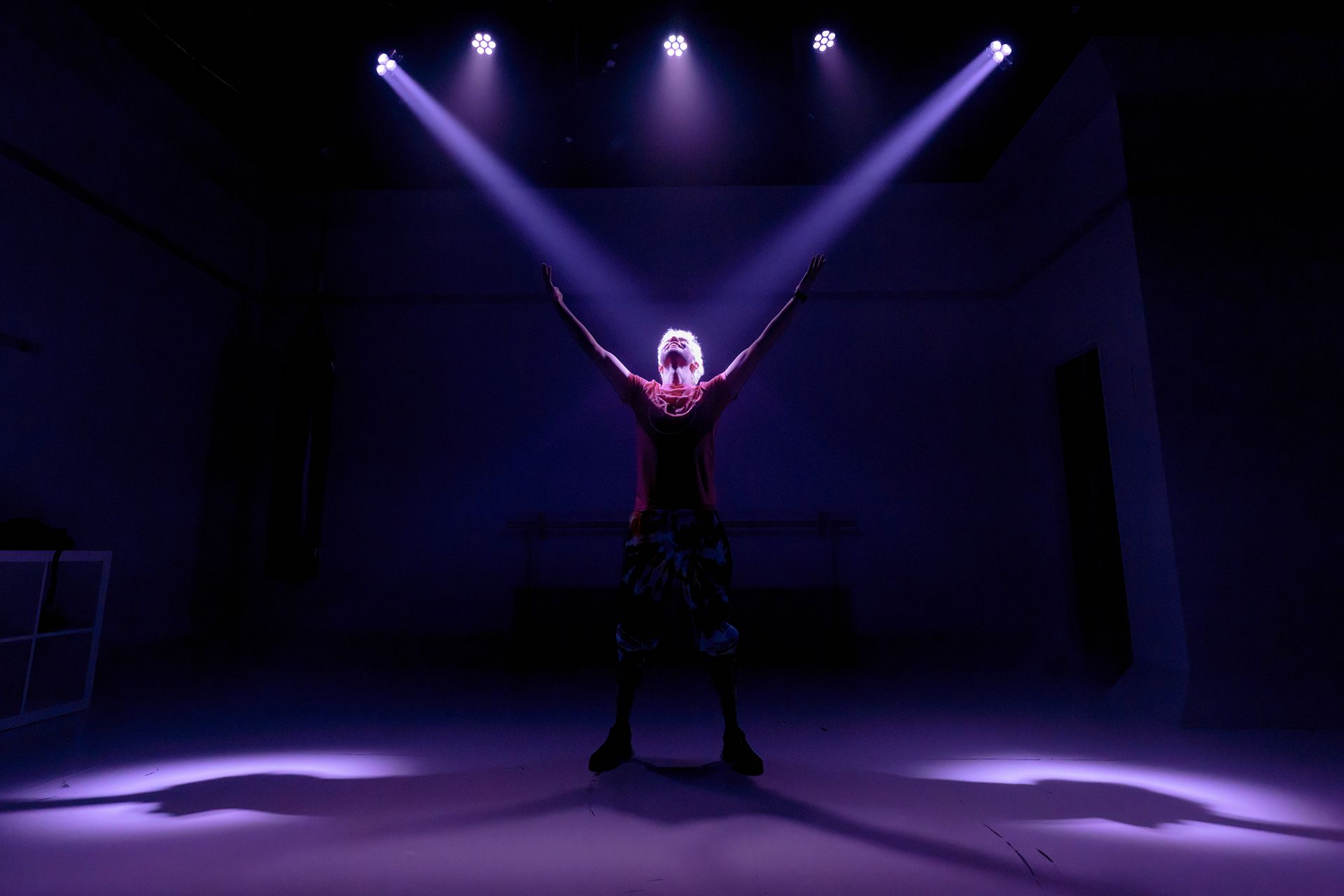
Kim Hardwick’s direction of the show is earnest, with a gentle and benevolent humanity that underscores all the action. The quietness in approach is reflected in Chrysoulla Markoulli’s music compositions and in Pru Montin’s sound design, both appropriately subtle in their calibrations of atmosphere. Lights by Jasmin Borsovszky provide a warmth to accompany these stories of the heart, and production design by Martin Kinnane manufactures a visual realism that we can easily relate to. 

A uniformly impressive cast steers us through 80 minutes of emotional authenticity. Jane Phegan is particularly memorable as Gail, proving herself a remarkably thorough artist, who ensures each word of dialogue is imbued with intent and nuance. Tim McGarry turns on the charm as Ron, taking every opportunity to lighten the mood, in a production that can often be overly sombre in tone. Alex Malone brings a beautiful volatility, that demonstrates the daily precarity of trying to survive the world as Nicole. Newcomer to the support group Tim, is played by Tim Walker whose convincing naturalism is quite a wonder to behold. Ariadne Sgouros’ dramatic intensity is a very welcome inclusion, when she appears later in the piece as Angela.

The world that humans have created is evidently intolerable. It therefore makes complete sense that, from time to time, we need chemicals and substances to be able to stomach it. Problems arise when these intoxicants overwhelm, and we find one big problem adding to another. So much of our attitude in dealing with the world’s troubles, is to turn introspective and try to make changes within. We are encouraged too often to think that the problem lies with the individual self, instead of interrogating the sets of circumstances that make things terrible for many. The powers that be, will always want us to look away, so that they may plunder and exploit as they wish. The first step to addressing obstacles, is to look at the world clearly.

www.whiteboxtheatre.com.au

Review: Heroes Of The Fourth Turning (Outhouse Theatre Co)

Venue: Seymour Centre (Chippendale NSW), Mar 31 – Apr 23, 2022
Playwright: Will Arbery
Director: Craig Baldwin
Cast: Micaela Ellis, Madeleine Jones, Eddie Orton, Kate Raison, Jeremy Waters
Images by Richard Farland

Theatre review
Four friends are gathered in a Wyoming backyard after a celebration, for their mentor Gina’s induction as president of their Catholic alma mater. Prompted by traumatic events of the 2017 Charlottesville white supremacist rally just two days prior, and with the assistance of alcohol, conversations quickly become passionate, and revealing, between these conservative Americans, at the height of the Trump era.

Will Arbery’s Heroes of the Fourth Turning is an exploration of the political discord that seems to have permeated so much of contemporary life. The unrelenting vilification of the other side, without ever getting to really know any of those adversaries in meaningfully personal ways, has created new societal structures that are increasingly fractured, and that feel dismally irreconcilable. In Arbery’s play, we are given the opportunity to look intimately at those who pride themselves as being conservative. The work is often challenging, especially when it skates close to drawing precarious equivalences between left and right, in efforts to make us find empathy for the enemy. The thorough frankness of Arbery’s writing though, encourages introspective reflections that would at least have us reconsider our own incapacity for generosity, when acceptance of conservative ideology remains appropriately an abhorrent idea.

Directed by Craig Baldwin, the dense and bombastic text of Heroes of the Fourth Turning is translated into unexpectedly entrancing drama, the tension of which is unabating and marvellously delicious. Brilliantly confronting, Baldwin’s staging does the hitherto unimaginable task, of making one find understanding for the other, whilst reaffirming one’s own oppositional convictions.

Production design by Soham Apte conveys authenticity for place and characters, with quiet but detailed renderings that serve well to tell the story. Lucia Haddad’s lights are similarly understated, effective in placing us in the right time and atmosphere, to connect with the play’s less than charming personalities. Baldwin’s own sound design offers elegant solutions to sustain our attention, and to keep it firmly focused on the show’s complex dialogue.

An exquisite ensemble of five actors, individually compelling, and powerful as a collective, conspire with great cohesiveness to take us through this tumultuous but highly satisfying examination, of tribes and factions. Madeleine Jones’ flawless recitation of some spectacularly wordy and convoluted alt-right diatribes, as the exasperating Teresa, proves to be maddeningly impressive. Kevin’s crisis of faith as a Catholic with compassion, is conveyed with dazzling fervour and excellent humour, by Eddie Orton. Micaela Ellis’ oscillations between soft and stern, for the role of Emily, provide much needed moments of relief for the audience.  The strong, silent Justin is played by Jeremy Waters with a beautiful restraint, leaving us plentiful room to cast judgement however we wish. Woman of the moment Gina, is given a splendid sense of grace by Kate Raison, who also does us a great favour of putting terrible Teresa in her place.

Humanising one’s foe is necessary, if only to keep our eye on the ball, and not be distracted by endless other conflicts that serve little to advance the cause. Heroes of the Fourth Turning does well to aide us in understanding how these American conservatives think and behave. It is true that the very mechanics of our humanity do not vary much; our need to fight for what is right, seems to be universal, and how our circumstances push us to grow vehement with our beliefs, also looks to run parallel. Any ideology, no matter why they come about, whose flourishment requires the subjugation of large categories of people however, simply cannot be allowed to thrive.

www.outhousetheatre.org

Review: Ulster American (Outhouse Theatre Co)

Venue: Seymour Centre (Chippendale NSW), May 13 – 29, 2021
Playwright: David Ireland
Director: Shane Anthony
Cast: Harriet Gordon-Anderson, Brian Meegan, Jeremy Waters
Images by Richard Farland

Theatre review
Ruth has come to London, from Northern Ireland, to begin rehearsals on her play. Unlike the show’s lead actor Jay, and its director Leigh, Ruth the playwright is not a star of the stage, and neither is she a man. This gendered imbalance of power is apparent right from the start, in fact even before Ruth appears, when the two men involve themselves with political conversations, in the absence of anyone who might understand first-hand, any experience of marginalisation. Ruth’s subsequent entrance proves an unbearable disruption, as we witness the savage implementation of patriarchal violence upon the young woman, at her every attempt to exert her rights, as a supposed equal creator in the artistic process.

All of this happens in David Ireland’s satirical Ulster American, a piercing interrogation of the uncomfortable relationship that the privileged have, with what seems to be a trendy phenomenon, of performative virtue signalling. Both Jay and Leigh believe themselves to be on the right side of history, always consciously using language that demonstrate their purported progressiveness, but it is their action that speak louder. In Ruth’s presence, the men cannot help but operate from positions of power and authority, fiercely protecting their status of dominance, and therefore the status quo.

Irreverent and genuinely funny, Ireland uses searing comedy to make palatable, ideas that are usually conveyed too dry and sanctimonious. It is perhaps an ironic choice to have a white man at its helm, but director Shane Anthony injects excellent nuance to ensure that we are always made aware of meanings and intentions. The production is fast-paced, enjoyably so, and Anthony validates that entertainment does not have to come at the price of a valuable message. Additionally, set design by Veronique Bennett and costumes by Claudia Kryszkiewicz, contribute a sleekness to the staging’s imagery, further convincing us of Ulster American‘s dissections of the contemporary bourgeoisie.

Actor Harriet Gordon-Anderson brings to the role of Ruth, a marvellous complexity that prevents her from devolving into a simple victim of circumstance. There is a confidence to her presence that offers fortitudinous juxtaposition against the two hysterical men railing against her. Oscar winner Jay is played by the highly engaging Jeremy Waters, who once again establishes himself as a storyteller of the highest calibre, in a brilliantly amusing and sarcastic take on the vacuous Hollywood monster archetype. Brian Meegan as English theatre director Leigh, is comically imposturous, and wonderfully authentic in its portrayal of a man who imagines himself a much better person than he actually is.

So much of art education, involves a certain inculcation of humility. Whether in the making of, or in the appreciation of it, one learns that the ego, is almost always a destructive force. In Ulster American, we watch egos get in the way, and observe how a person’s sense of aggrandized selfhood, prevents the creation of anything good. This manifests as a fight for space in David Ireland’s play, with the implication that those with privilege can only conceive of justice as a zero-sum game. When under threat, Jay and Leigh scramble to win back lost ground, always thinking in terms of deprivation, instead of dreaming up possibilities of more for everyone. Ruth has to fight tooth and nail, even resorting to unscrupulous means, but that is only because no real recourse is available to the oppressed.

Greed is not good, yet it remains central, in the pursuit of what so many of us perceive to mean success. Our lives need redefinition. Priorities and values need to be adjusted so that justice can prevail. It is debatable if a revolutionary overhaul is the answer, or if small steps and big words can count towards improvement, but to do nothing is without question, reprehensible.

www.outhousetheatre.org

Review: John (Outhouse Theatre)

Venue: Seymour Centre (Chippendale NSW), Sep 19 – Oct 12, 2019
Playwright: Annie Baker
Director: Craig Baldwin
Cast: James Bell, Maggie Blinco, Belinda Giblin, Shuang Hu
Images by Clare Hawley

Theatre review
Jenny and Elias are visiting Gettysburg, Pennsylvania whilst trying to mend a rough patch in their relationship. They stay at a bed and breakfast, run by an elderly lady named Mertis, who is very nice, but who is also more than a tad mysterious. Her eyes, like her house, are secretive and cavernous, and in Annie Baker’s John, we always feel as though things are not quite what they seem. We see the young couple attempt to make things work, both trying hard not to let go, inside Mertis’ tchotchke-filled house, where past and present converge, unable to disentangle from one another.

Baker’s intriguing play is filled with characteristics of scary stories; lights that turn on and off by themselves, a pianola that plays unprompted, portraits and dolls imbued with a presence that can only be described as supernatural. There are lots of creepy goings on, but in the absence of an obvious genre style pay off, our minds are made to regard Mertis’ world with an unusual complexity, that quite matter-of-factly ventures into the metaphysical.

Director Craig Baldwin manufactures this eerie atmosphere with considerable diligence and detail, supported magnificently by set designer Jeremy Allen and lighting designer Veronique Bennett, who deliver exquisite imagery that has our imagination running wild. The house is in some ways the star of the show, and the work that has gone into making it come alive, is absolutely terrific.

Incredibly nuanced performances by the cast of four take charge of our attention for the entire three-and-a-half hour duration, keeping us guessing at every juncture, making us see things that may or may not be there. Efforts to render a spooky vibe can sometimes feel awkwardly lethargic, especially in Act One, but we are always engaged, always filled with curiosity, even when feeling impatient.

Belinda Giblin is electric as landlady, hugely impressive with the intelligence and rigour that she brings to her portrayal of the enigmatic Mertis. Her close friend Genevieve is played by an exhilarating Maggie Blinco, whose kooky vivacity adds much needed energy to the show. The troubled young couple is depicted with great chemistry by James Bell and Shuang Hu, who are convincing whether loving or fighting, but there is a restraint to their approach that can at times feel at odds with the humour of the piece.

There is much that can be interpreted as strange in Mertis’ home, but there is also a peculiarity to how the visitors struggle with their lives that can easily get unnoticed. The older women share a sense of ease that escapes Jenny and Elias, who we observe to be constantly at odds with the world, always responding to it with resistance and frustration. Mertis accepts things as they are, and nothing seems to unnerve her. She exists in harmony with a cosmos that many think is chaotic. The young ones on the other hand, appear to play by the rule book. They look like normal people doing normal things, but they are in contradiction with a bigger scheme of things, as exemplified by the house they temporarily occupy. The house just is, and it is us who have to learn to adhere to it.

www.outhousetheatre.org

Review: Trevor (Outhouse Theatre Co)

Venue: Kings Cross Theatre (Kings Cross NSW), Jun 14 – Jul 6, 2019
Playwright: Nick Jones
Director: Shaun Rennie
Cast: Di Adams, Jemwel Danao, Garth Holcombe, David Lynch, Ainslie McGlynn, Jamie Oxenbould, Eloise Snape
Images by Clare Hawley

Theatre review
Sandra owns a pet chimpanzee, who in Nick Jones’ Trevor, fancies himself a professional performer, having appeared as a younger primate, on stage and screen. Work has dried up, and Trevor is increasingly restless about his career’s downward trajectory. This of course, is all in his own mind, with Sandra completely oblivious about the turmoil that is brewing inside of the animal. Trevor is given his own voice by the playwright, but he talks as though in a monologue, never expecting any of the humans to understand, thus setting up for the play an inter-species disconnect that figures heavily as its ultimate raison d’etre.

Actor Jamie Oxenbould is persuasive as the chimp, with animalistic energy emanating from all of his being, without excessive reliance on physical mimicry. We believe his ambitions and his frustrations as Trevor, and appreciate the dramatic escalations being presented, through every plot development. Similarly convincing is Di Adams as Sandra, whose own problems are revealed at a slower pace, although no less powerful. There is however, a significantly stronger emphasis on Trevor’s experience than there is on Sandra’s, and considering our predictable affinity with the human character, it is a strange choice that prevents us from a closer empathy with the story.

In allowing Sandra to be somewhat subsumed in the production, director Shaun Rennie risks a distance that could result in a degree of emotional detachment for the audience, but it is a show that is relentless lively, and we find ourselves consistently involved, if not always invested. In a similar vein, Garth Holcombe and Eloise Snape both play larger than life, and very flamboyant personalities, who amuse us at every appearance, but who do little in engaging us on more profound levels. Their costumes though, are notably striking, humorously assembled by Jonathan Hindmarsh, who also solves spatial challenges as set designer, with demarcations of the stage that are, by and large, surprisingly effective. Lights by Kelsey Lee and sound by Melanie Herbert too, are accomplished, for an overall theatrical impact that proves gratifying.

It is absurd that a creature like Trevor should ever be kept as a pet. Human environments are barely feasible for our own survival, yet we insist on removing animals from their natural habitats, to put up with what we know is completely impracticable for them. This is the extent of our arrogance and narcissism. We see nature as a resource to be plundered, and fail to consider the consequences of our incessant exploitation. Trevor is about nature fighting back, and a timely work that opens up discussions about extinction, of the human race.

www.outhousetheatre.org