Review: 9 To 5 (Capitol Theatre)

Venue: Capitol Theatre (Sydney NSW), Feb 16 – May 1, 2022
Book: Patricia Resnick
Music & Lyrics: Dolly Parton
Director: Jeff Calhoun
Cast: Erin Clare, Casey Donovan, Caroline O’Connor, Eddie Perfect, Marina Prior, Lily Baulderstone, Ana Maria Belo, Zoe Coppinger, Mia Dabkowski-Chandler, Ben Gillespie, Emma Hawthorne, James Haxby, Emma Johns, Jay Johns, Ethan Jones, Antonia Marr, Josh Mulheran, Tom New, Jake O’Brien, Matthew Prime, Jackson Reedman, Jordan Tomljenovic, Jessica Vellucci
Images by David Hooley

Theatre review
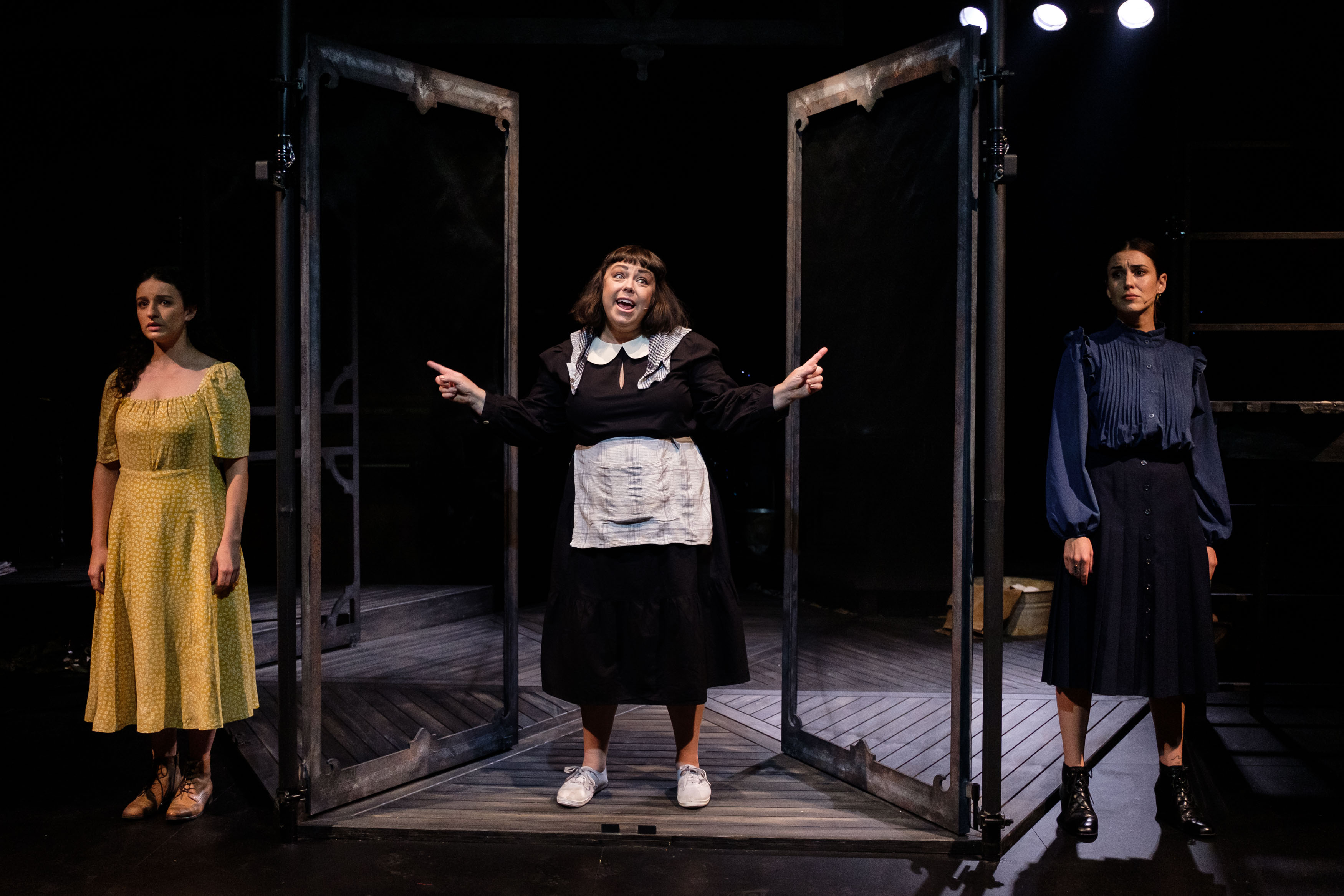
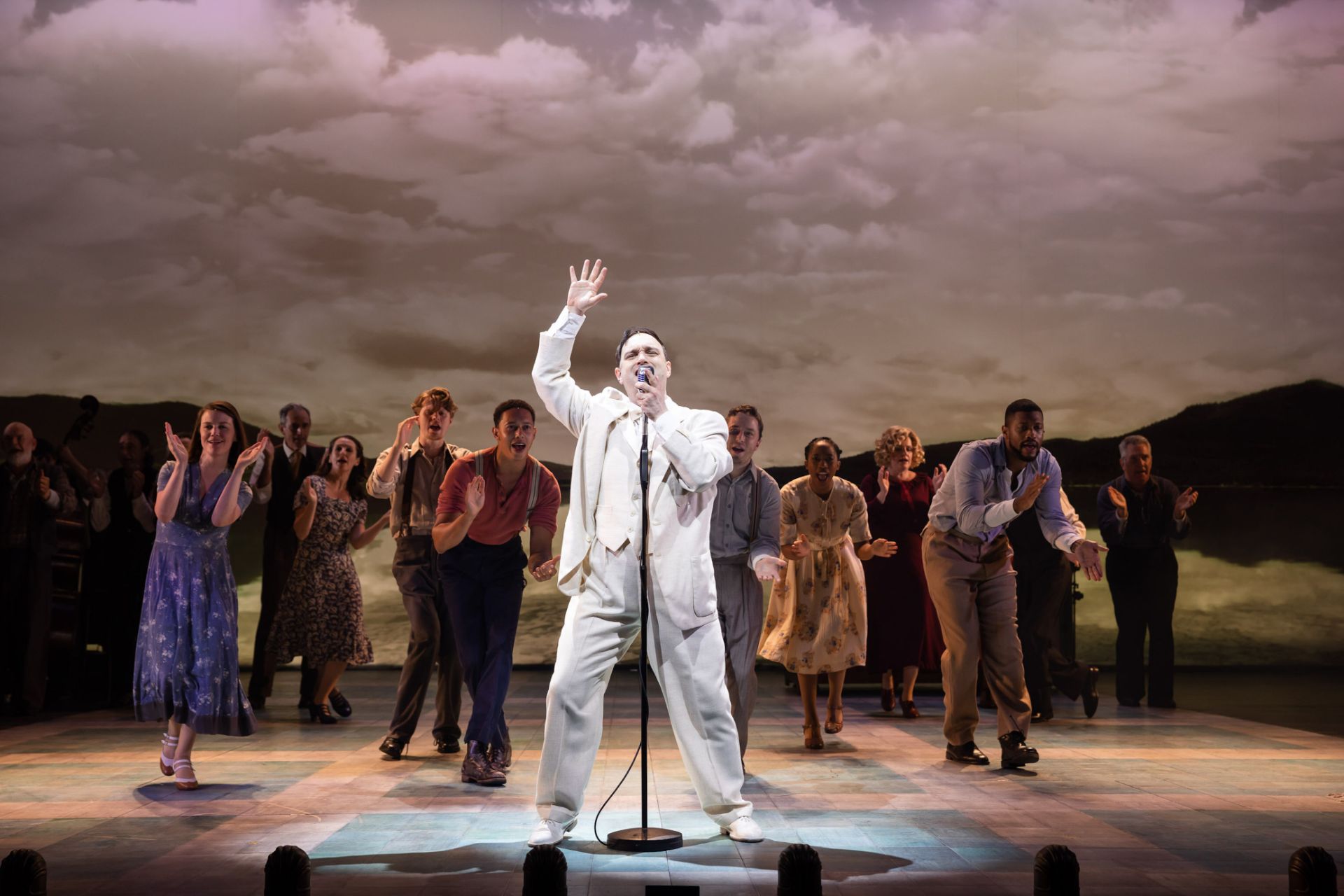
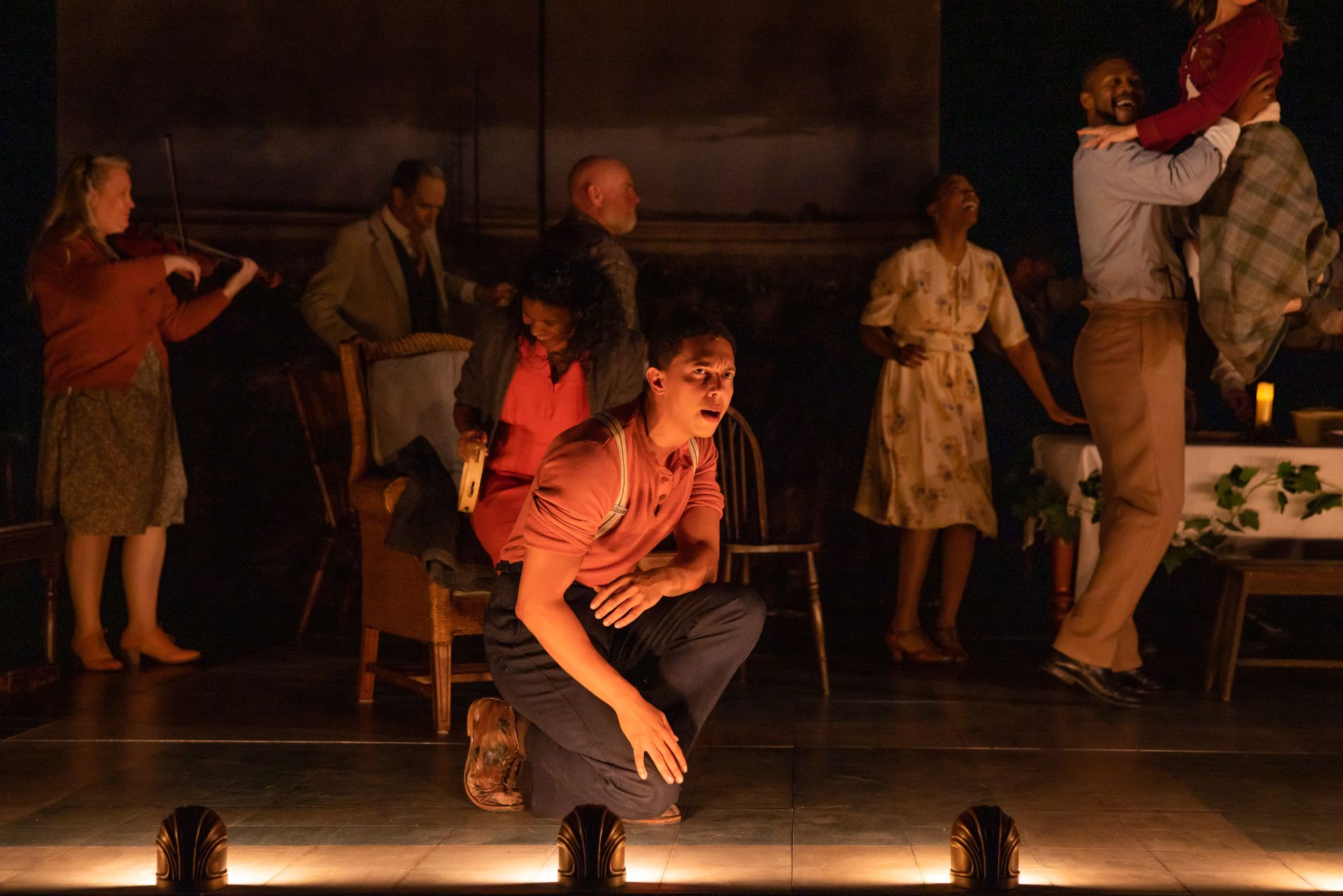
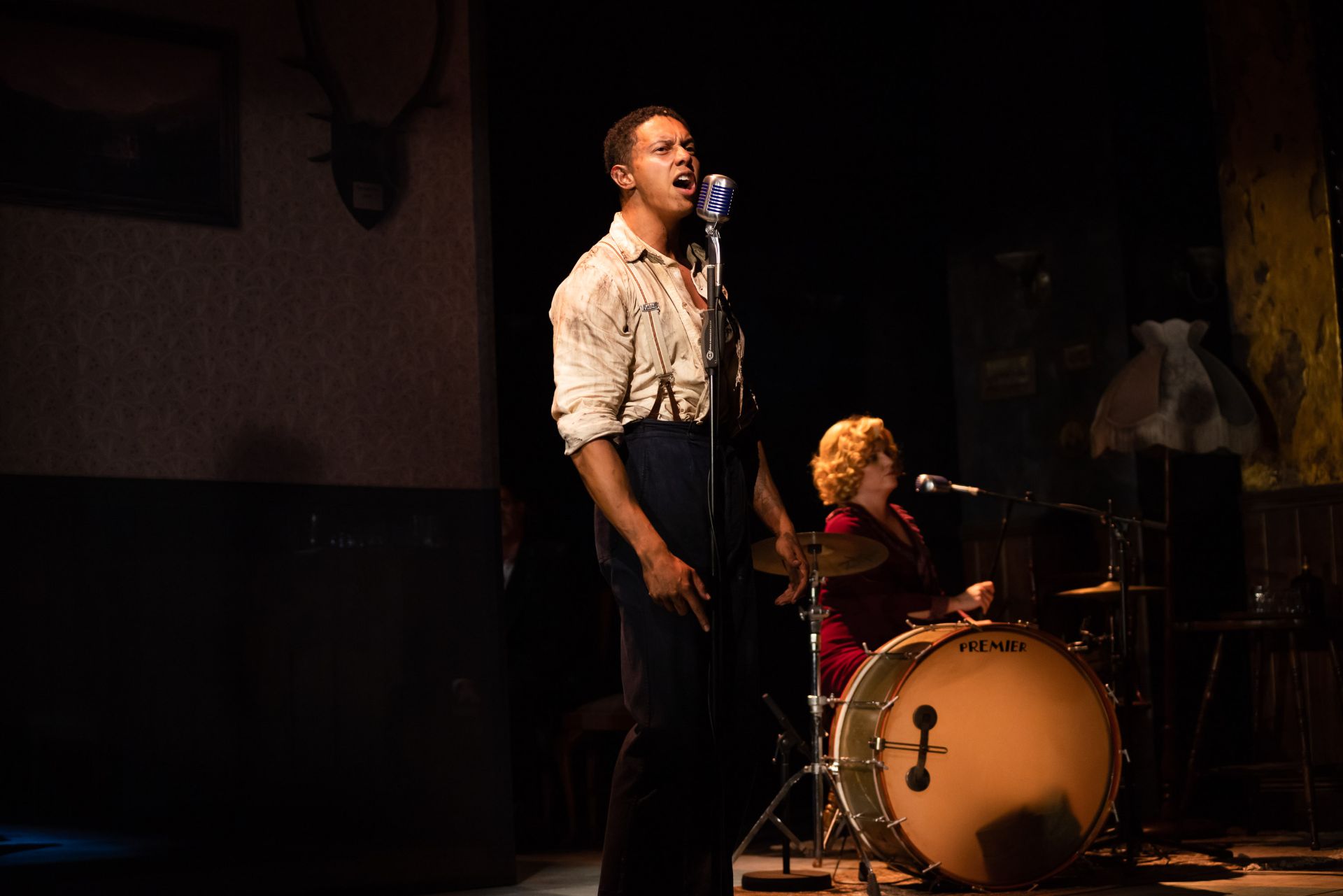
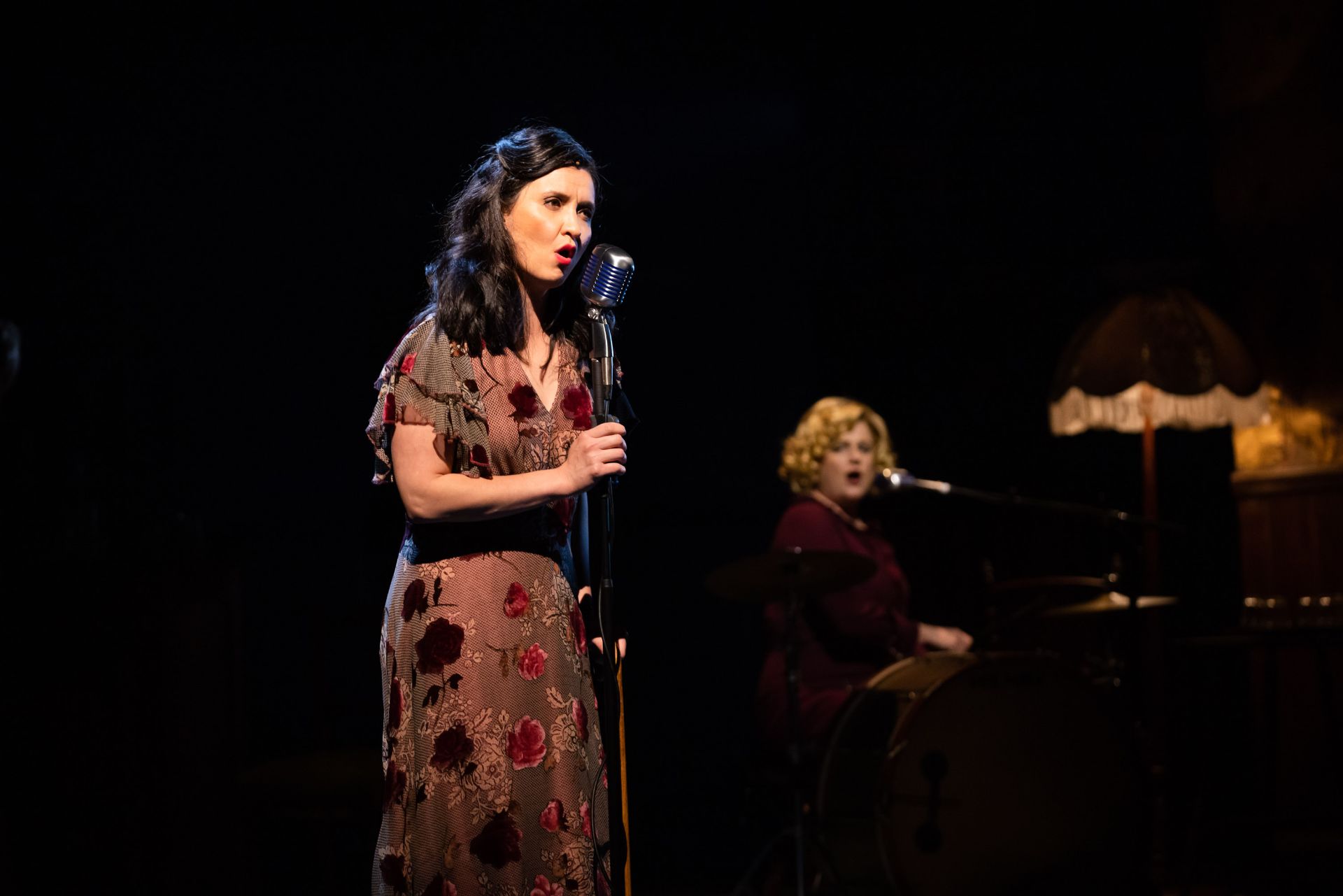
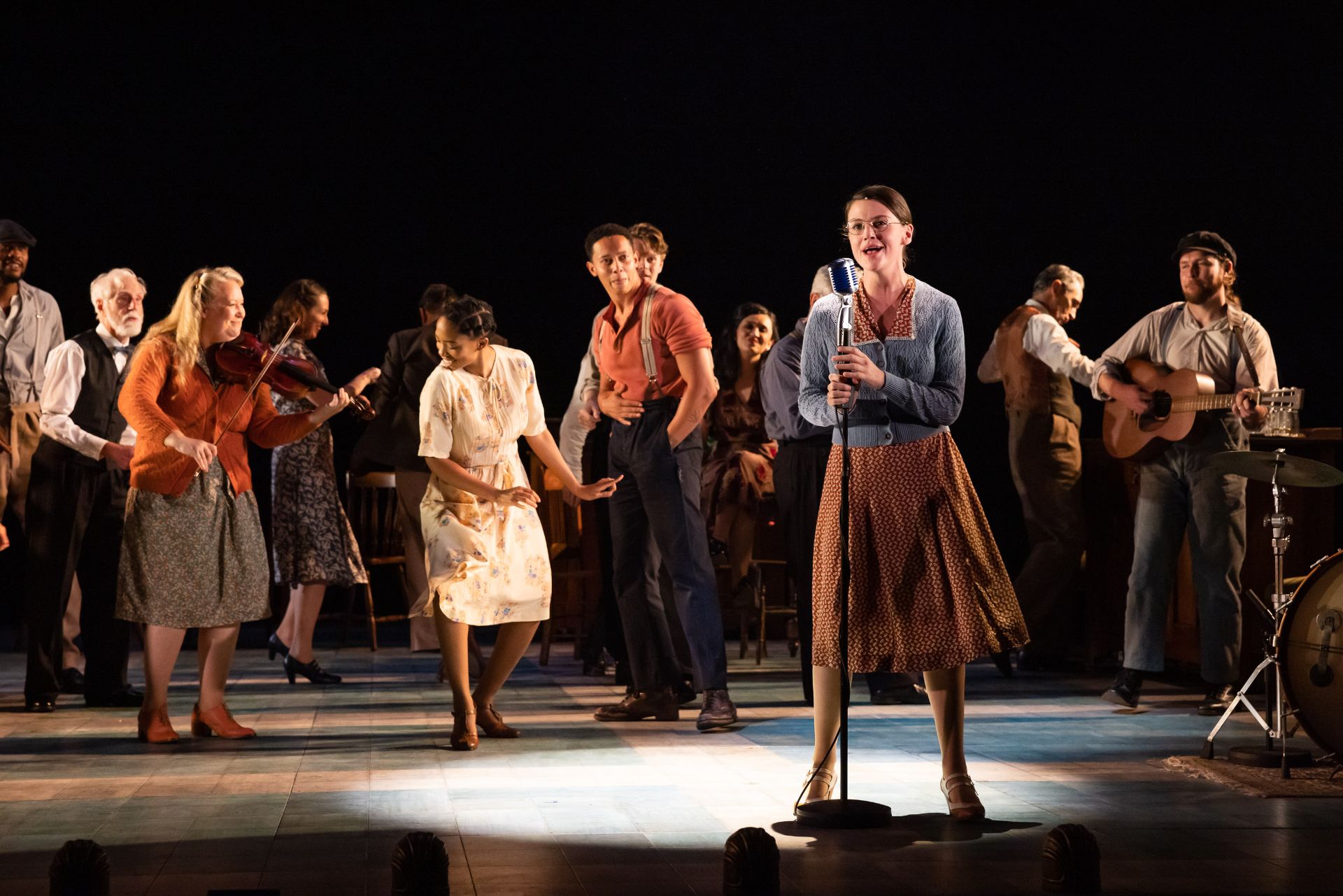
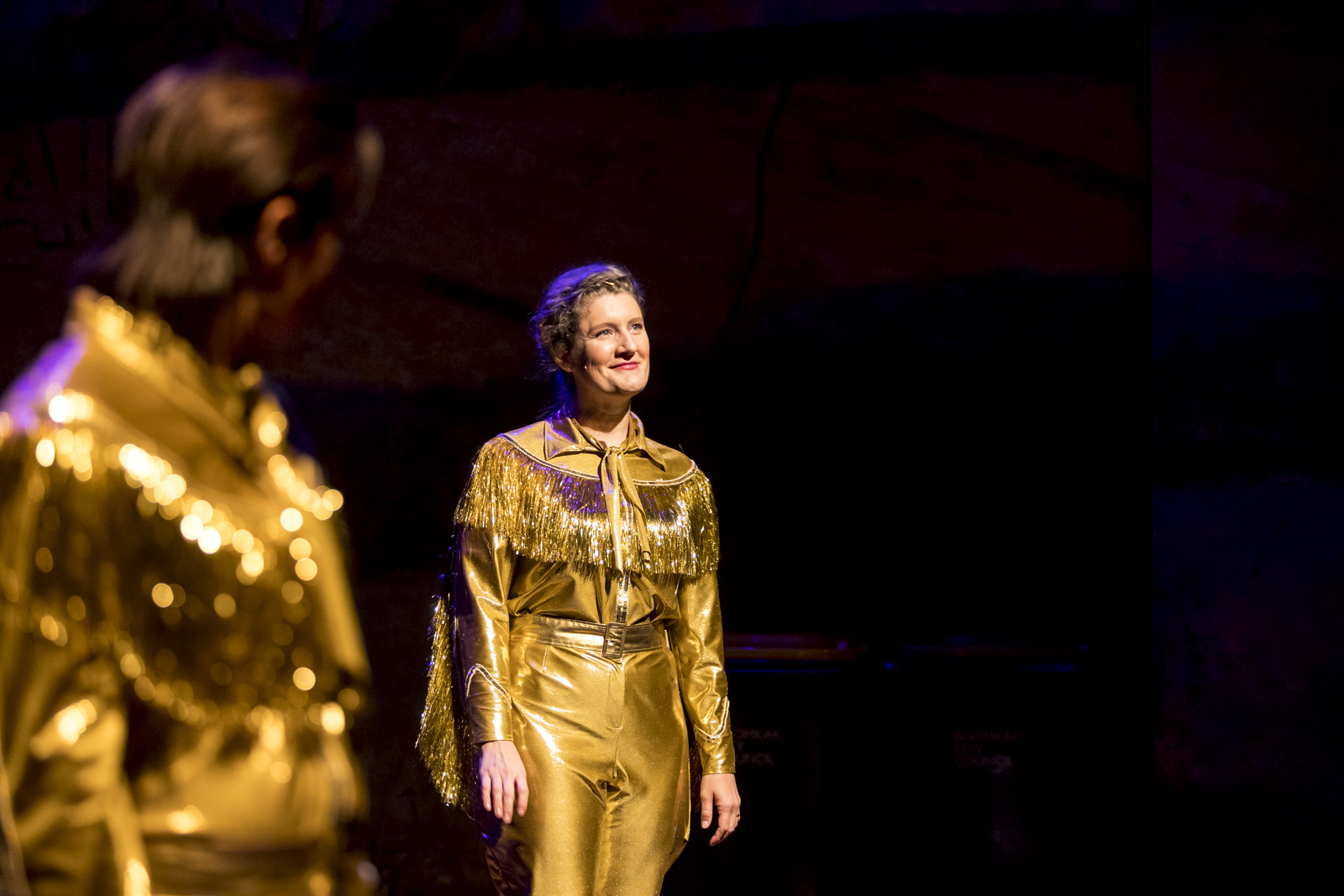
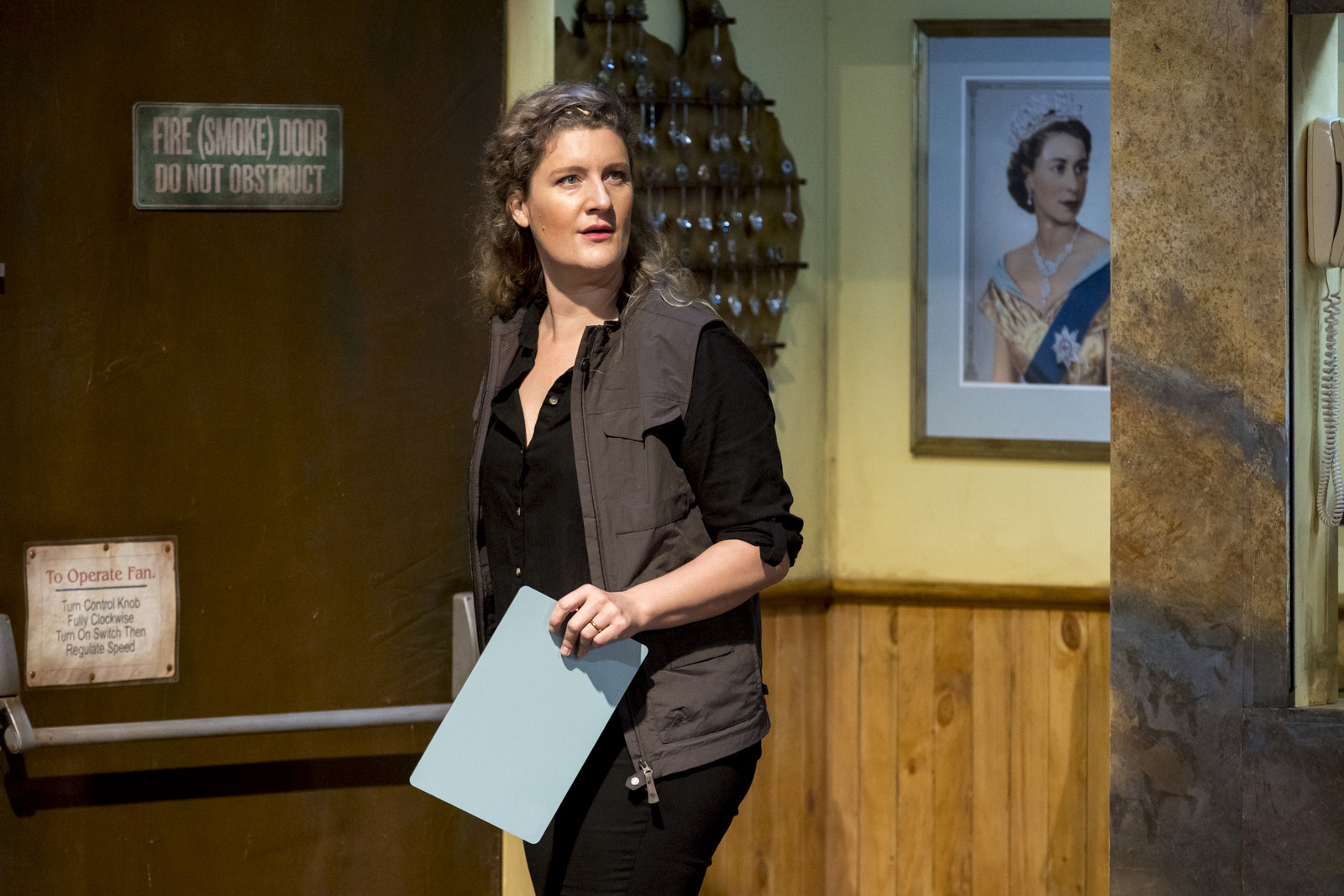
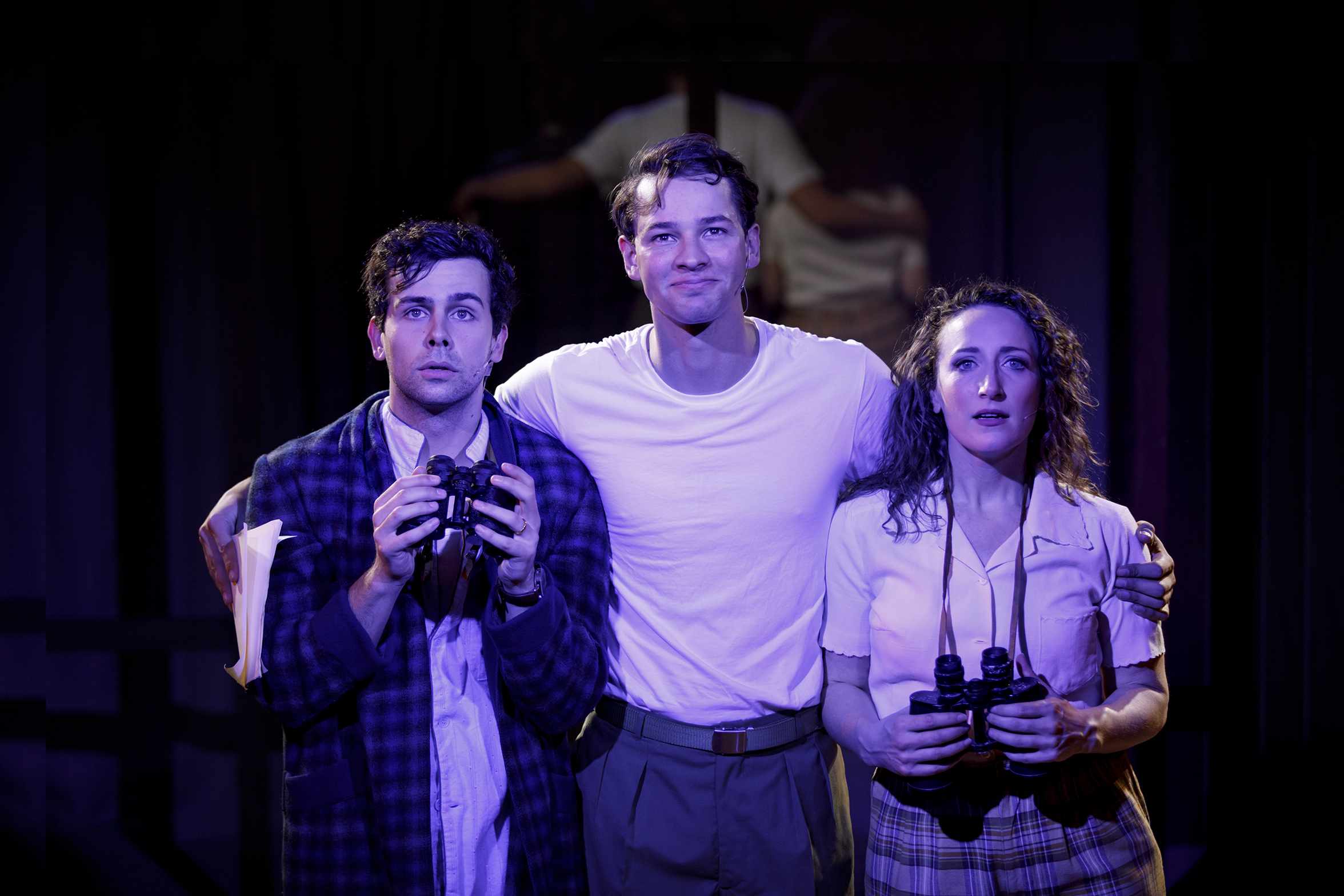
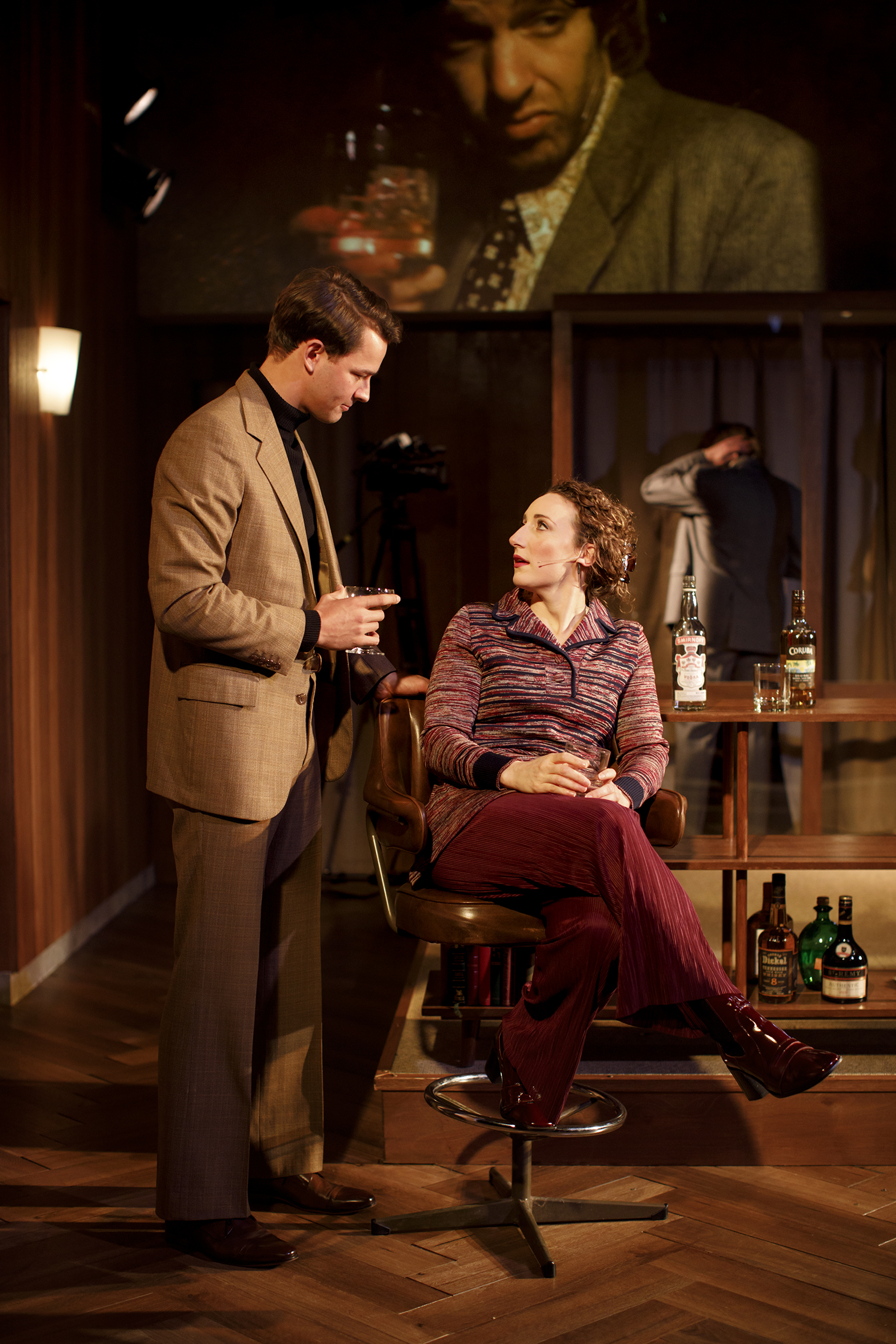
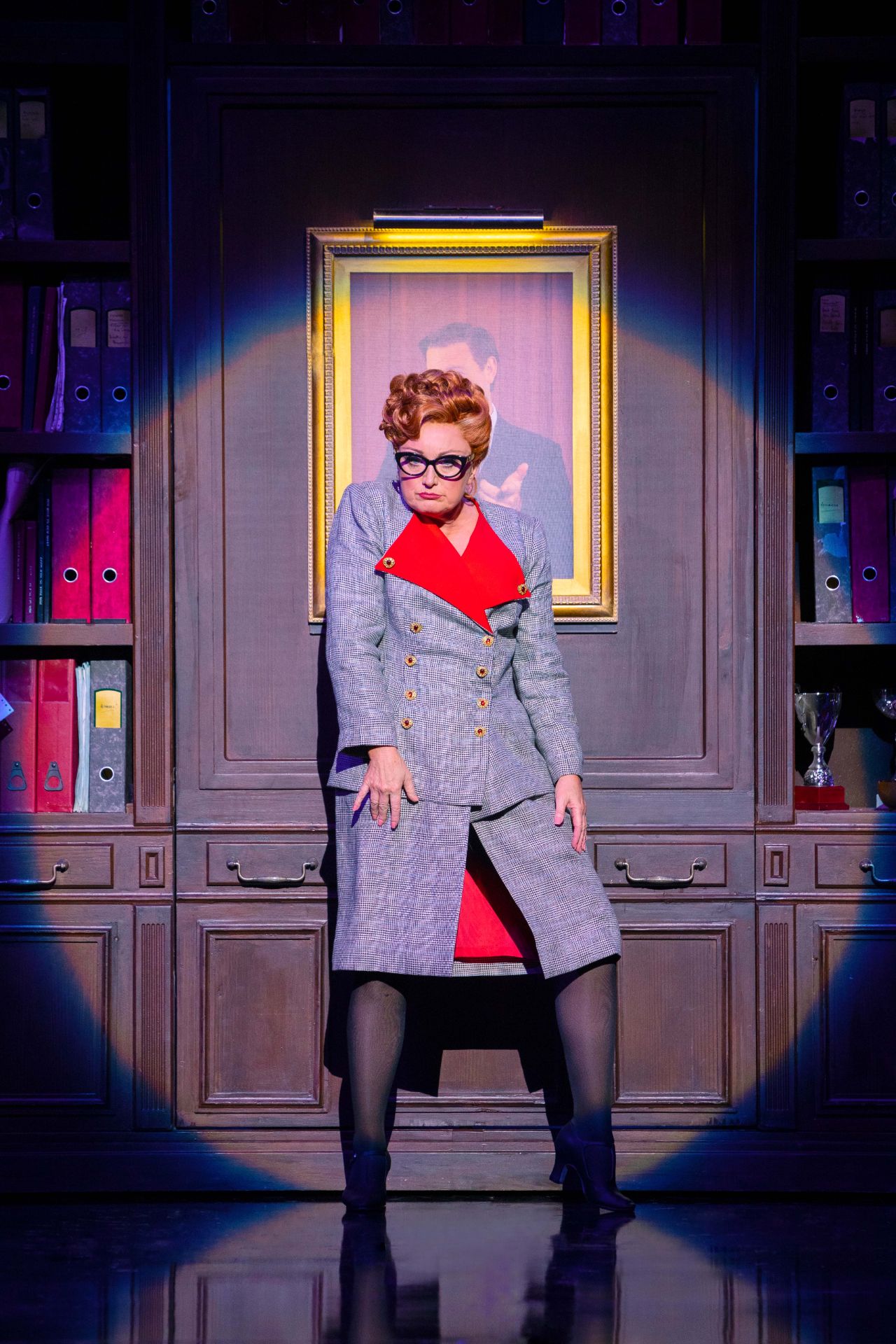
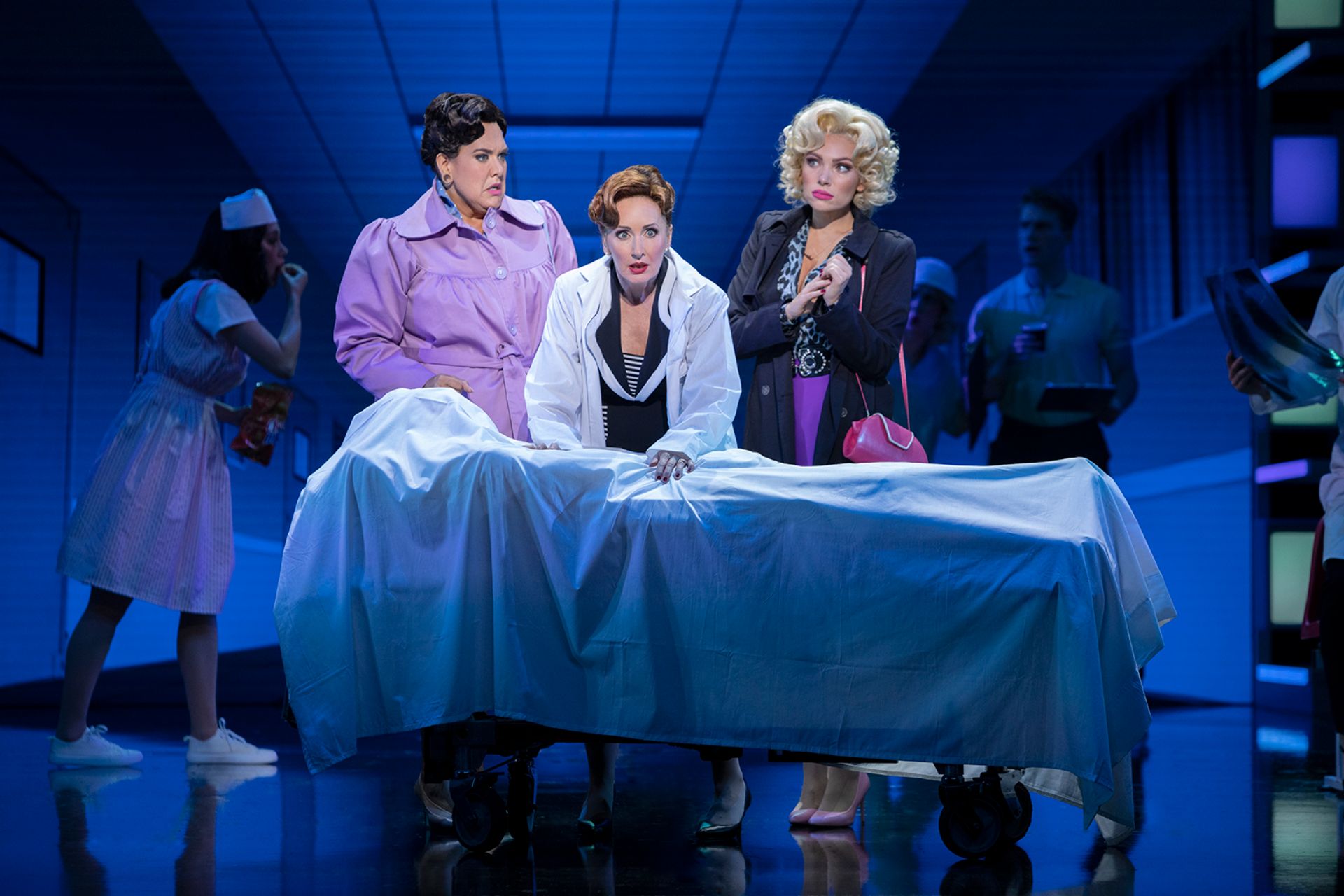
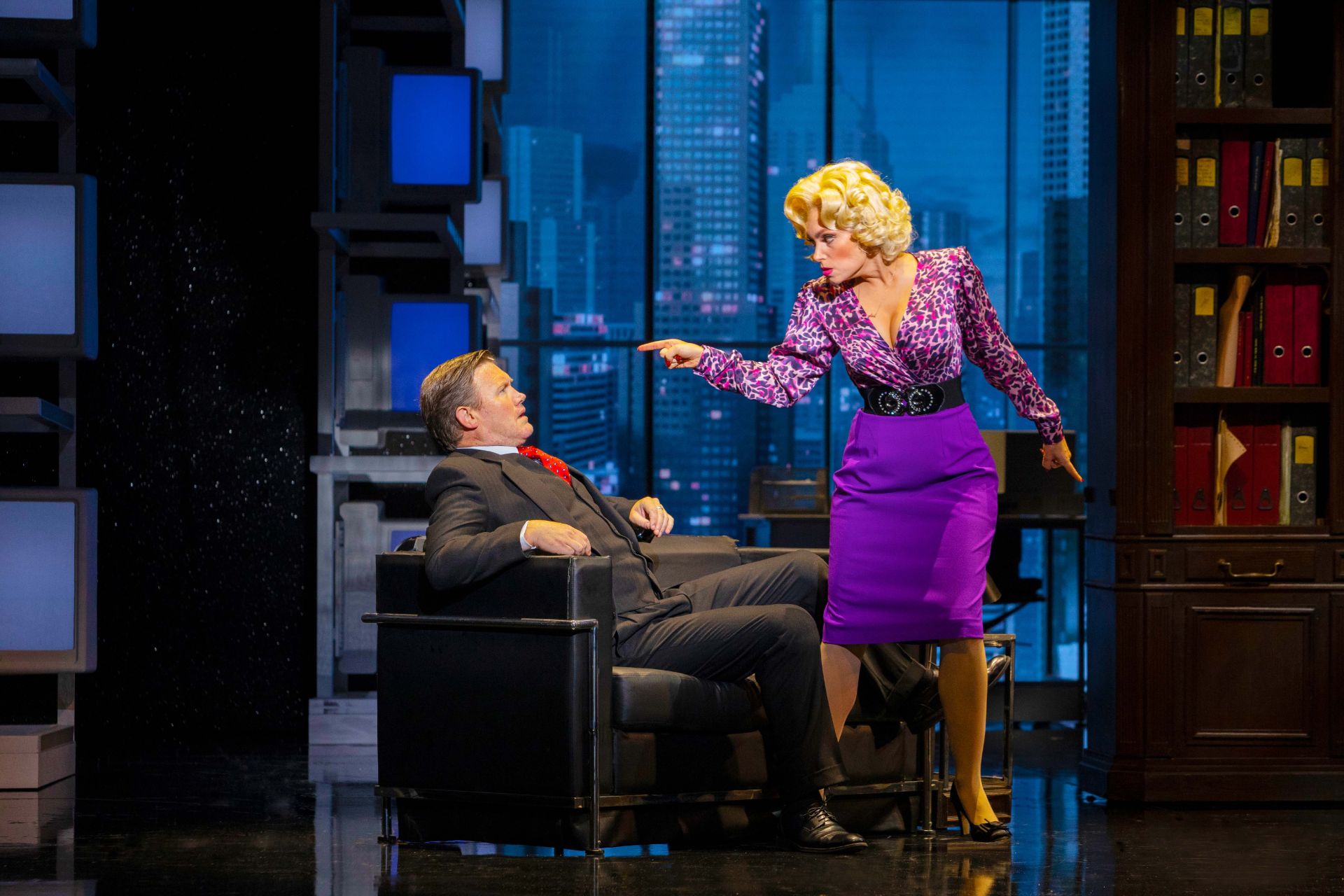
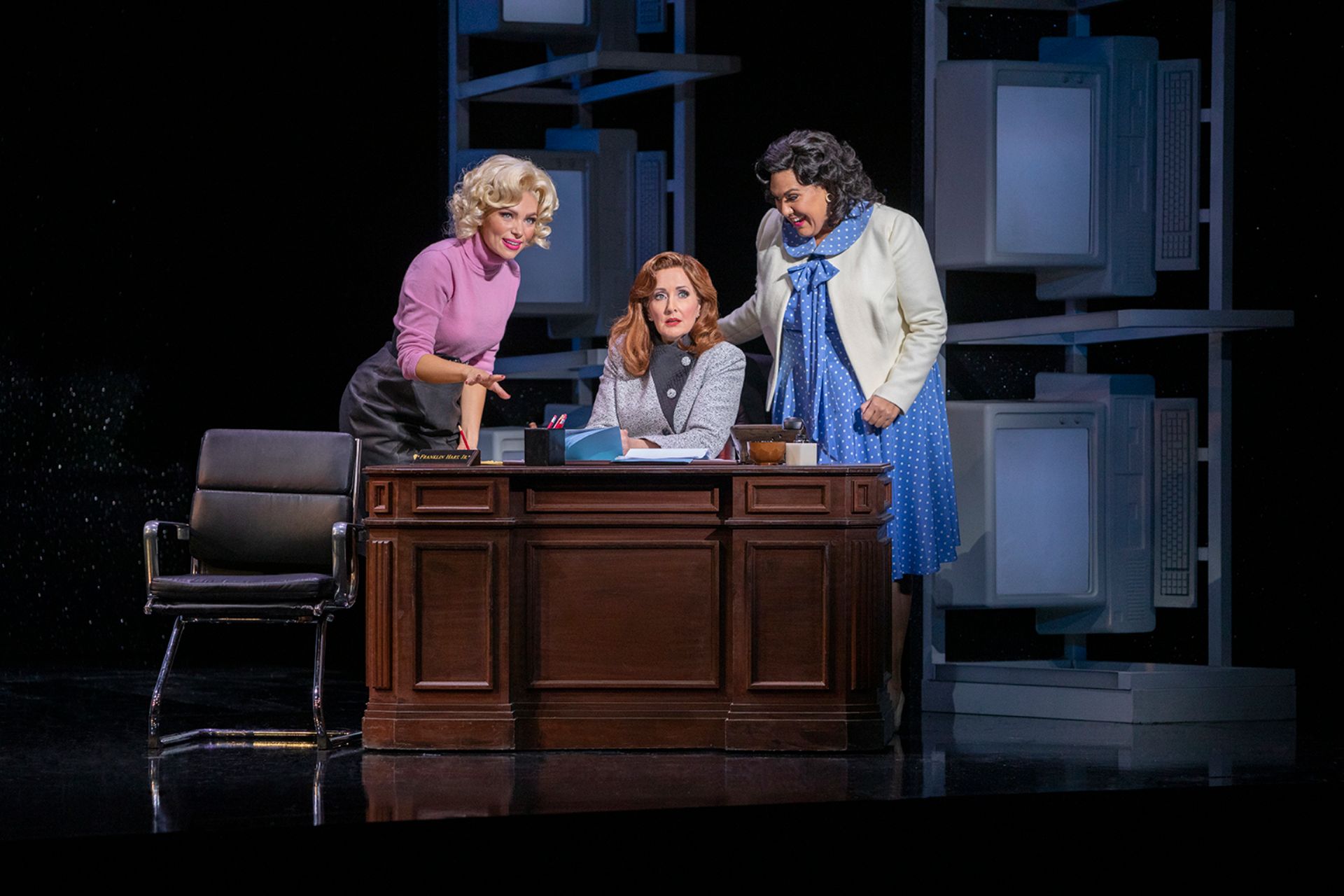
Doralee, Judy and Violet are three very different kinds of women, working in the same office. Their story takes place in 1980 when the glass ceiling was even more impenetrable and belligerent than it is now, and in 9 to 5 we see them having to resort to some extreme high jinks, in order to get somewhere with their professional lives. The musical by Dolly Parton is based on the now legendary 42-year-old film, with a book by Patricia Resnick that cares too much about being family-friendly, to be able to make the show genuinely funny. Its well-meaning depiction of gender politics seems unconsciously outmoded, but will undoubtedly still resonate for many, in a world where women continue to struggle to achieve the most basic, such as childcare and pay equality.

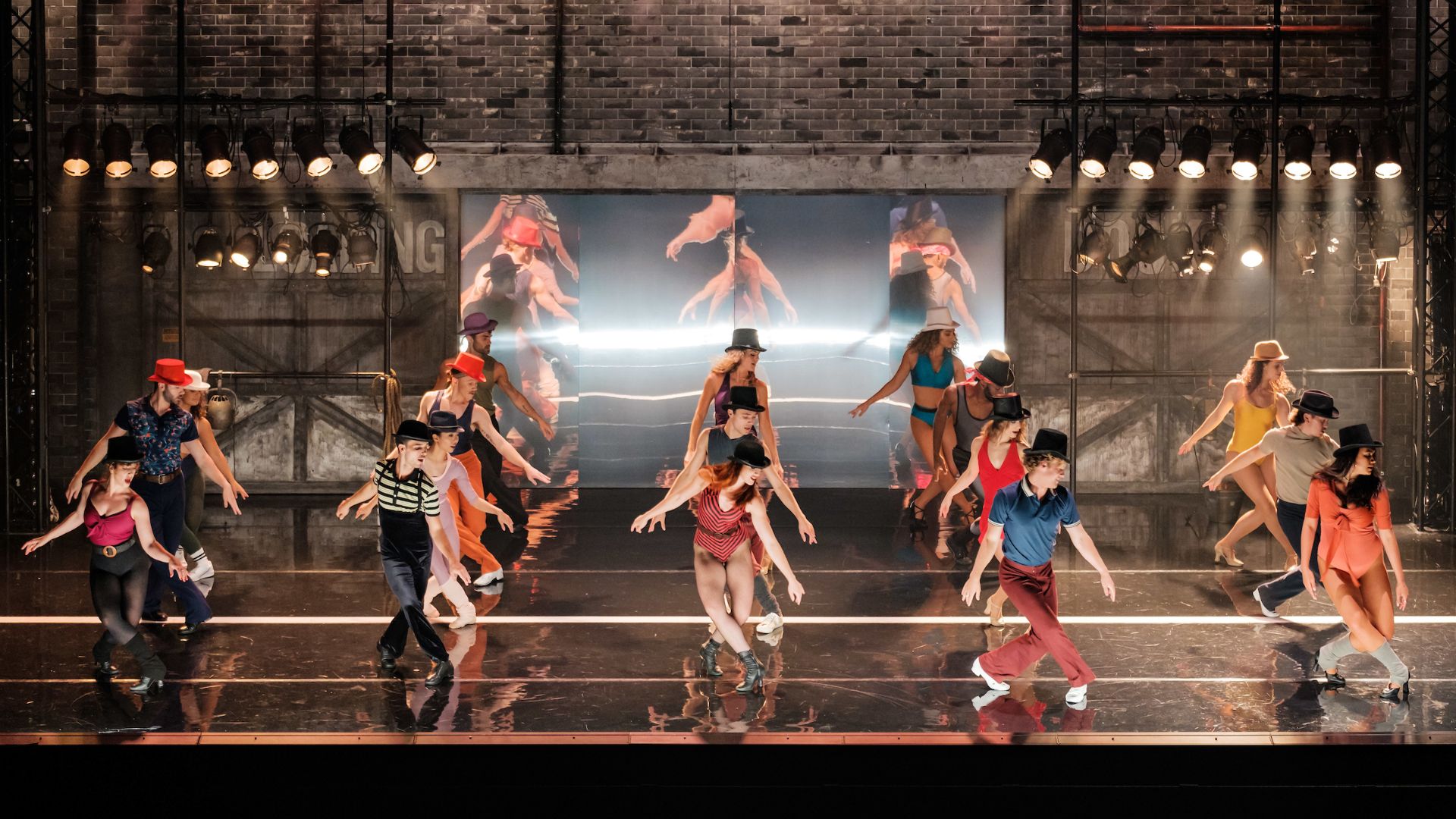
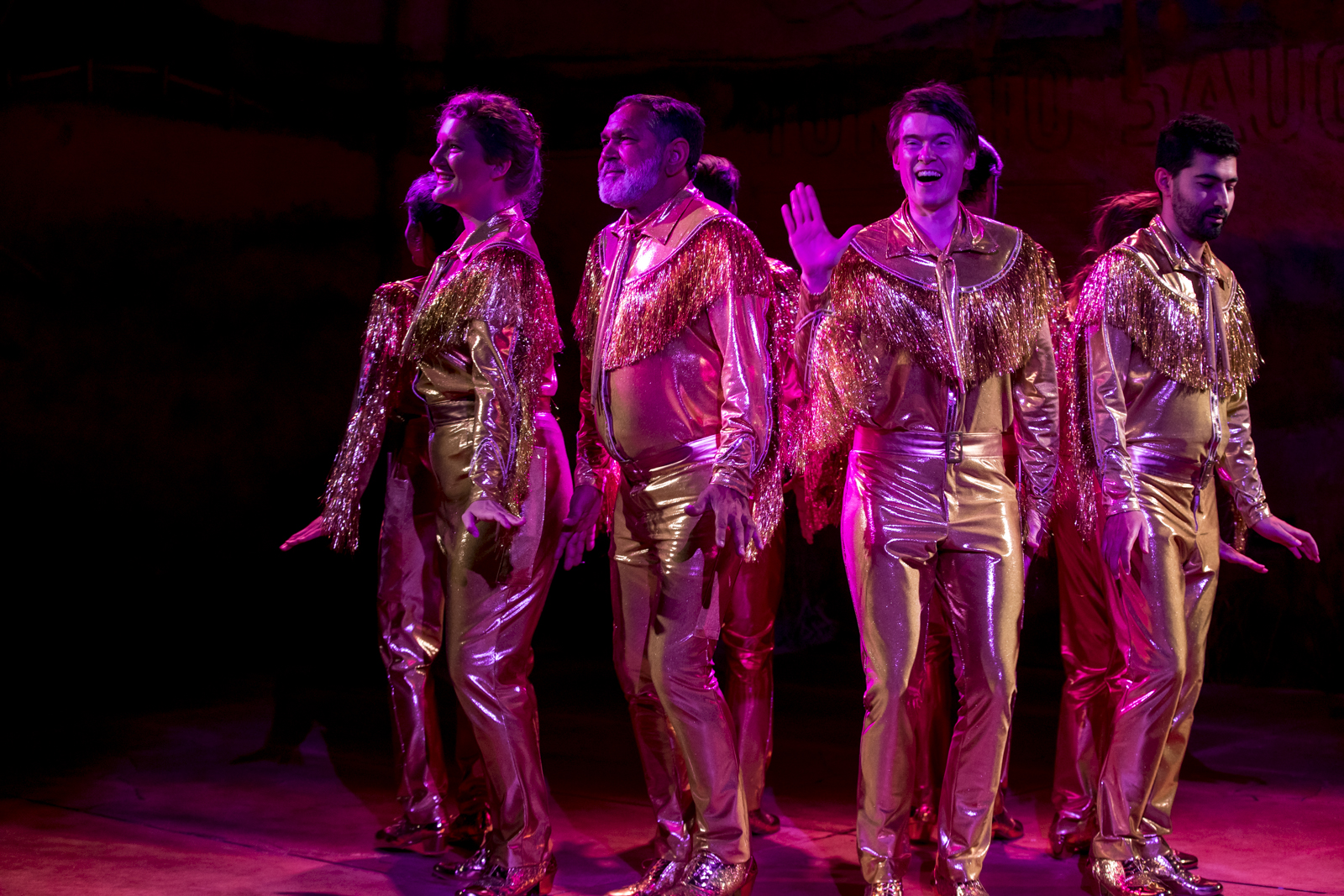
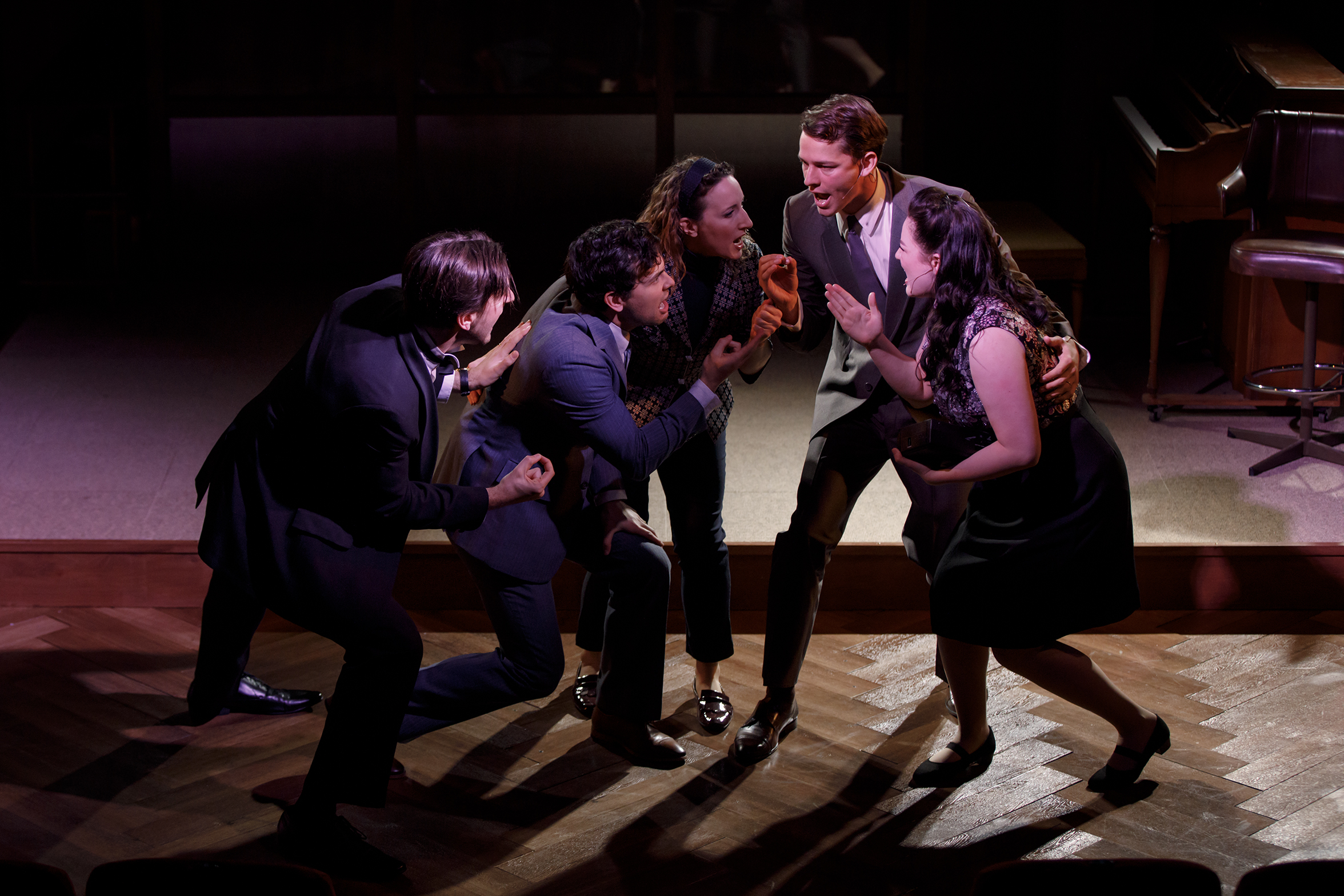
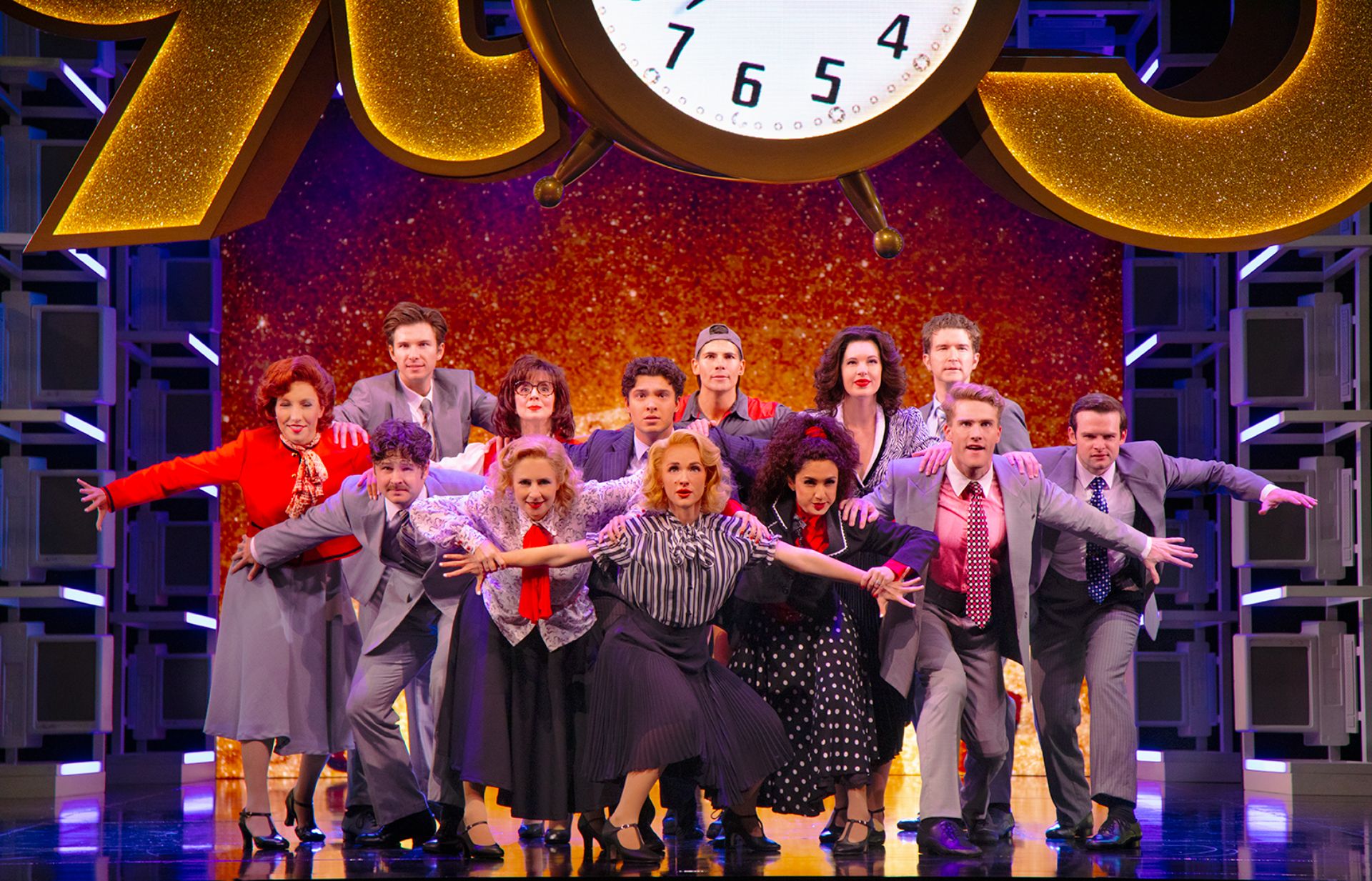
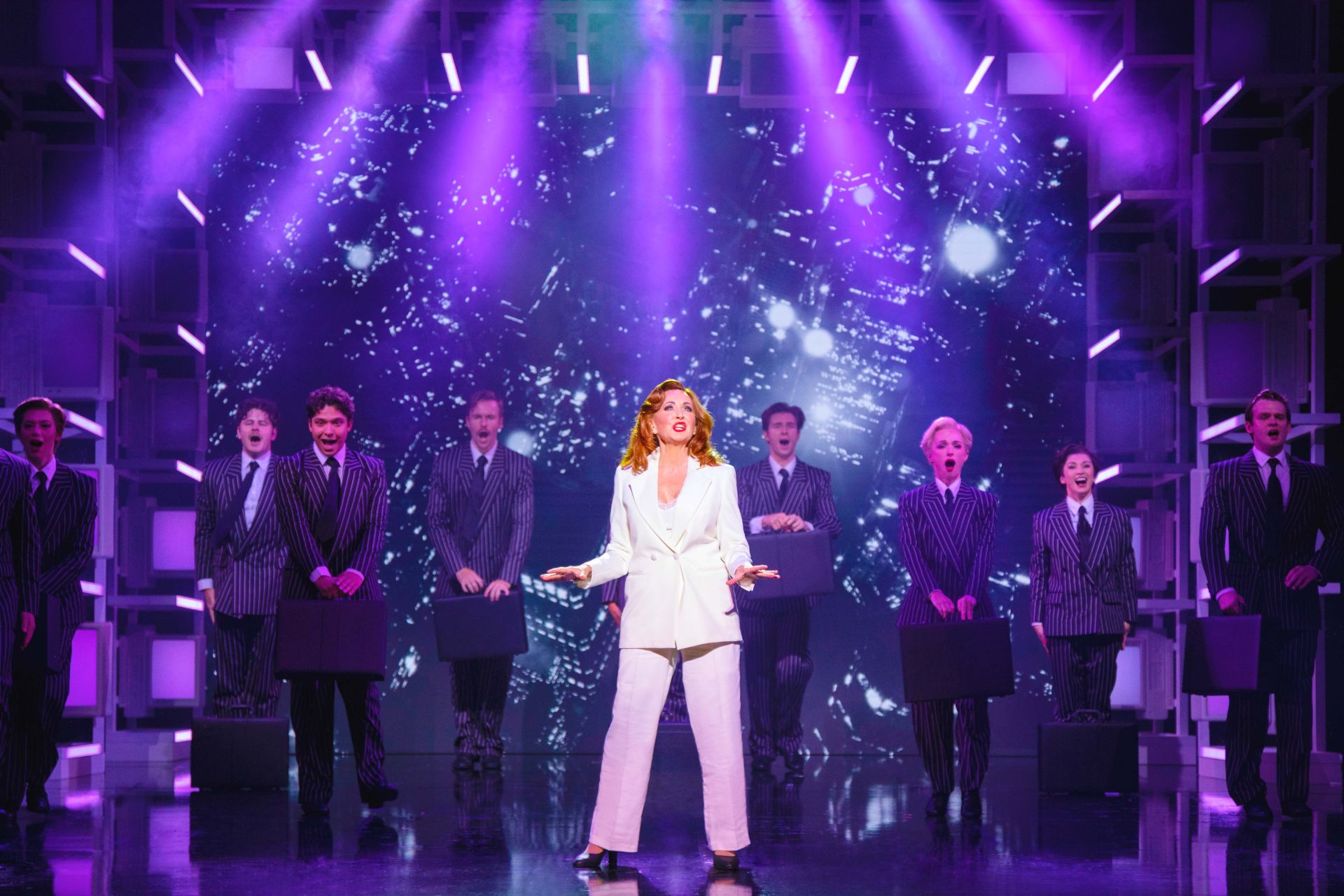
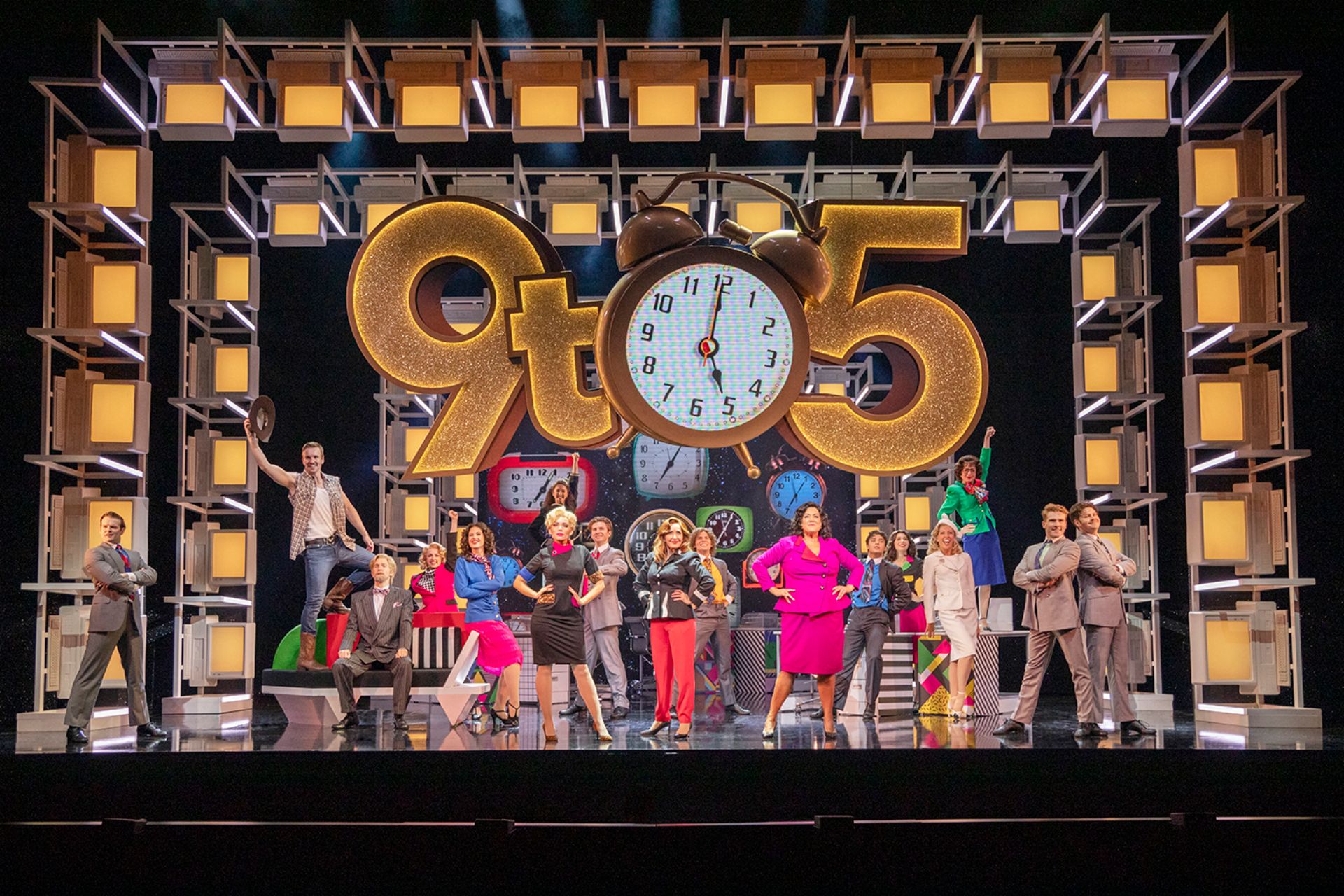
Direction of the work by Jeff Calhoun is of the most conventional kind. There are no surprises, and nothing is particularly inventive, only an attempt to present a wholesome style of commercial theatre that might appeal to the widest of audiences. The musical numbers are exuberant, with choreography that is faithful to the period, relentlessly incorporating innumerable jazz hands and pirouettes. It is inoffensive work, that makes for a frivolous night out, although ultimately uninspiring.

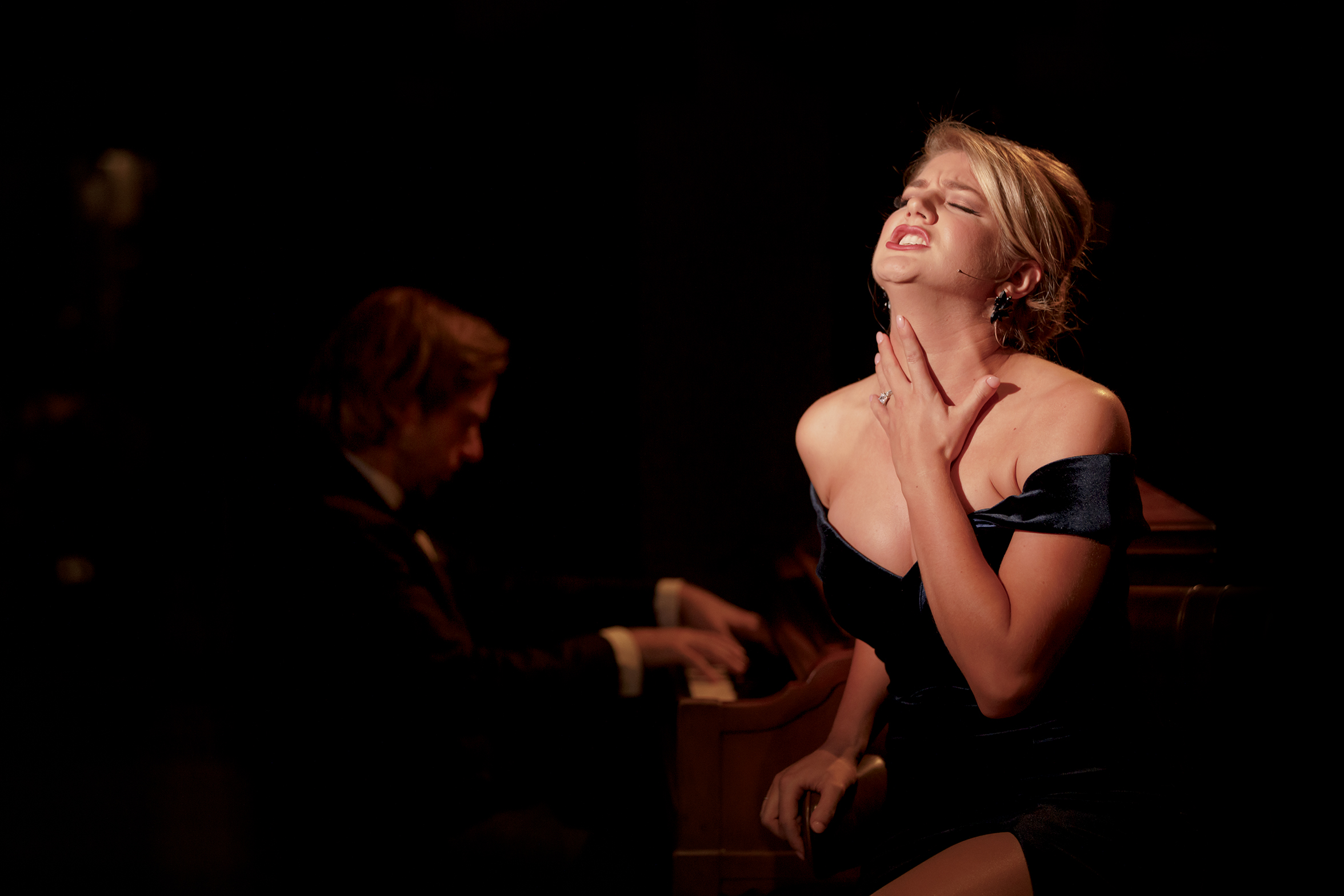
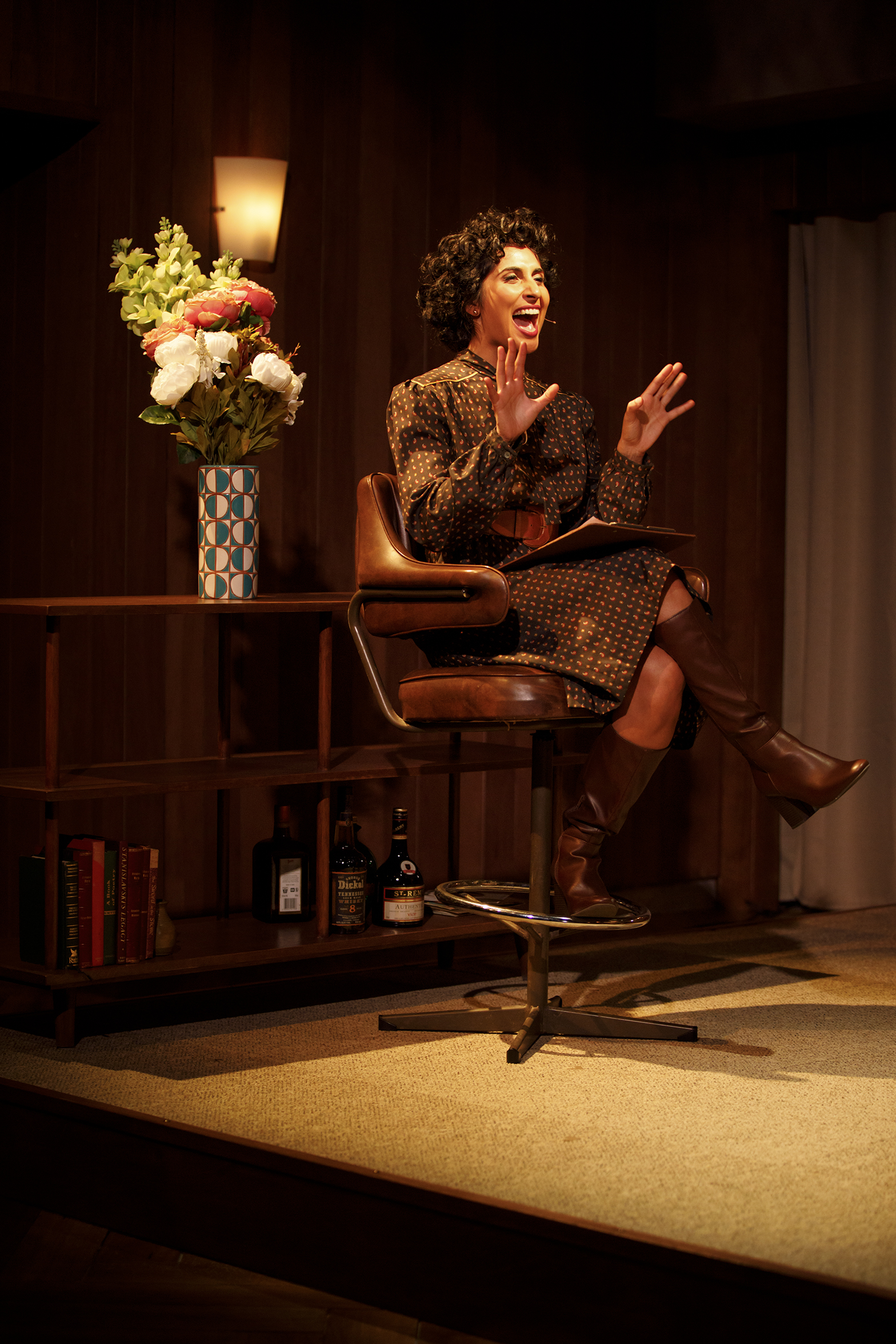
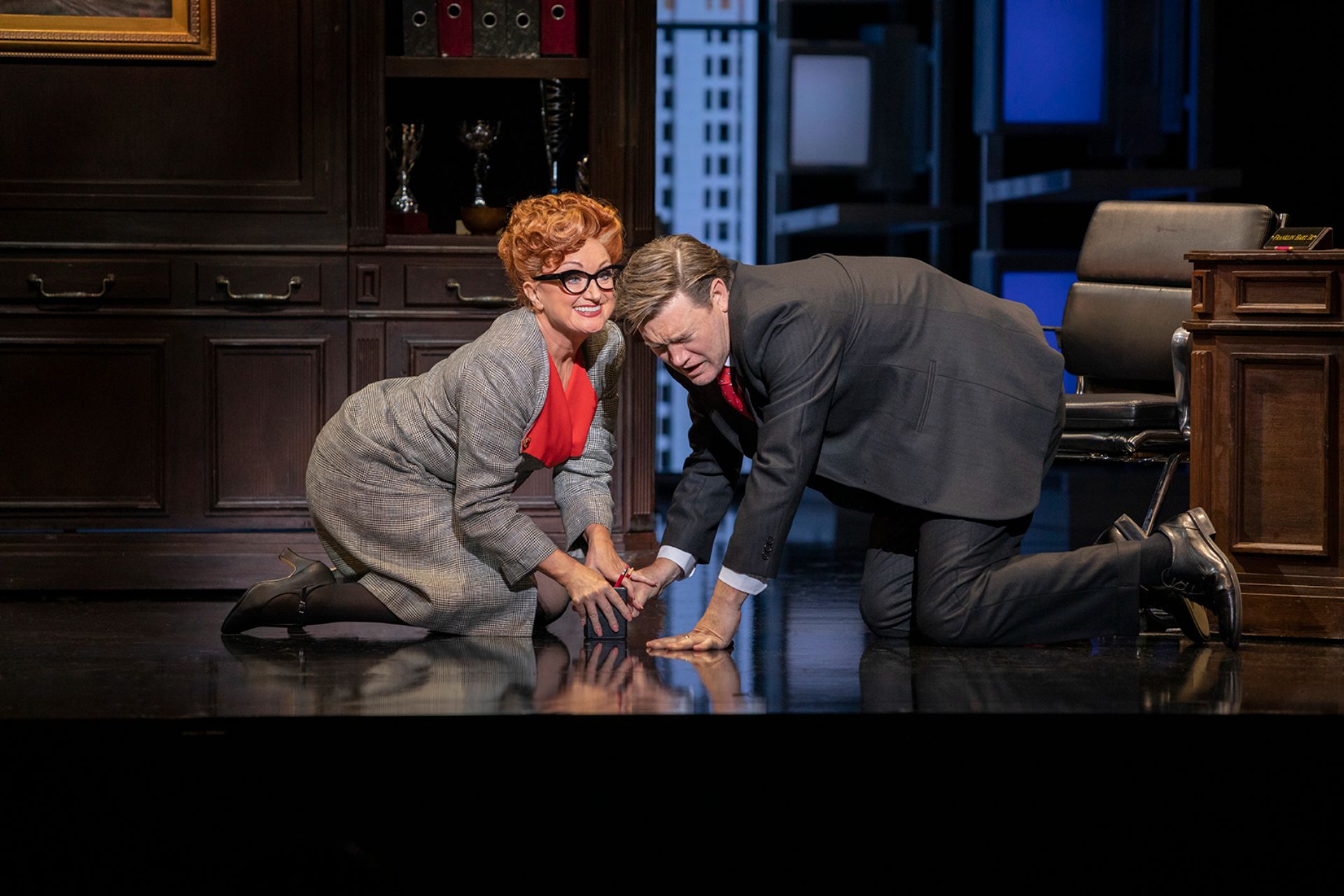
Erin Clare, Casey Donovan and Marina Prior are the leading ladies, all charming and accomplished, able to bring polish to the glamorous staging. Donovan’s performance of the showstopping “Get Out and Stay Out” is a highlight, with some real conviction finally emerging late in the piece. Also memorable is the campy “Heart to Hart” by Caroline O’Connor in the role of Roz, who together with Eddie Perfect as Franklin Hart the despicable CEO, deliver some of the more animated, albeit clumsy, comical dancing that proves equal parts funny and awkward.

The old school feminist tale of 9 to 5 is intent on replacing a man with a woman, at the top of the corporate ladder. Two waves of progress later, we now understand that it matters little, the gender of the person in control. It is the way power is distributed and structured, throughout all aspects of our lives, that is important. Theoretical insight however, does not take us very far. We remain beholden to organisations that insist on few at the top, with the masses kept down below. We continue to hope that having women breaking through to seize power, will lead to some form of regeneration, but the wait for meaningful change, seems never ending.
www.9to5themusical.com.au

Review: A Chorus Line (Darlinghurst Theatre Company)

Venue: Sydney Opera House (Sydney NSW), Feb 13 – Mar 11, 2022
Music: Marvin Hamlish
Lyrics: Edward Kleban
Book: Nicholas Dante, James Kirkwood
Director: Amy Campbell
Cast: Max Bimbi, Molly Bugeja, Angelique Cassimatis, Ross Chisari, Nadia Coote, Tim Dashwood, Lachlan Dearing, Mackenzie Dunn, Maikolo Fekitoa, Adam Jon Fiorentino, Natalie Foti, Ashley Goh, Mariah Gonzalez, Brady Kitchingham, Madeleine Mackenzie, Rechelle Mansour, Natasha Marconi, Rubin Matters, Ryan Ophel, Tony Oxybel, Ethan Ritchie, Suzanne Steele, Harry Targett, Angelina Thomson
Images by Robert Catto

Theatre review
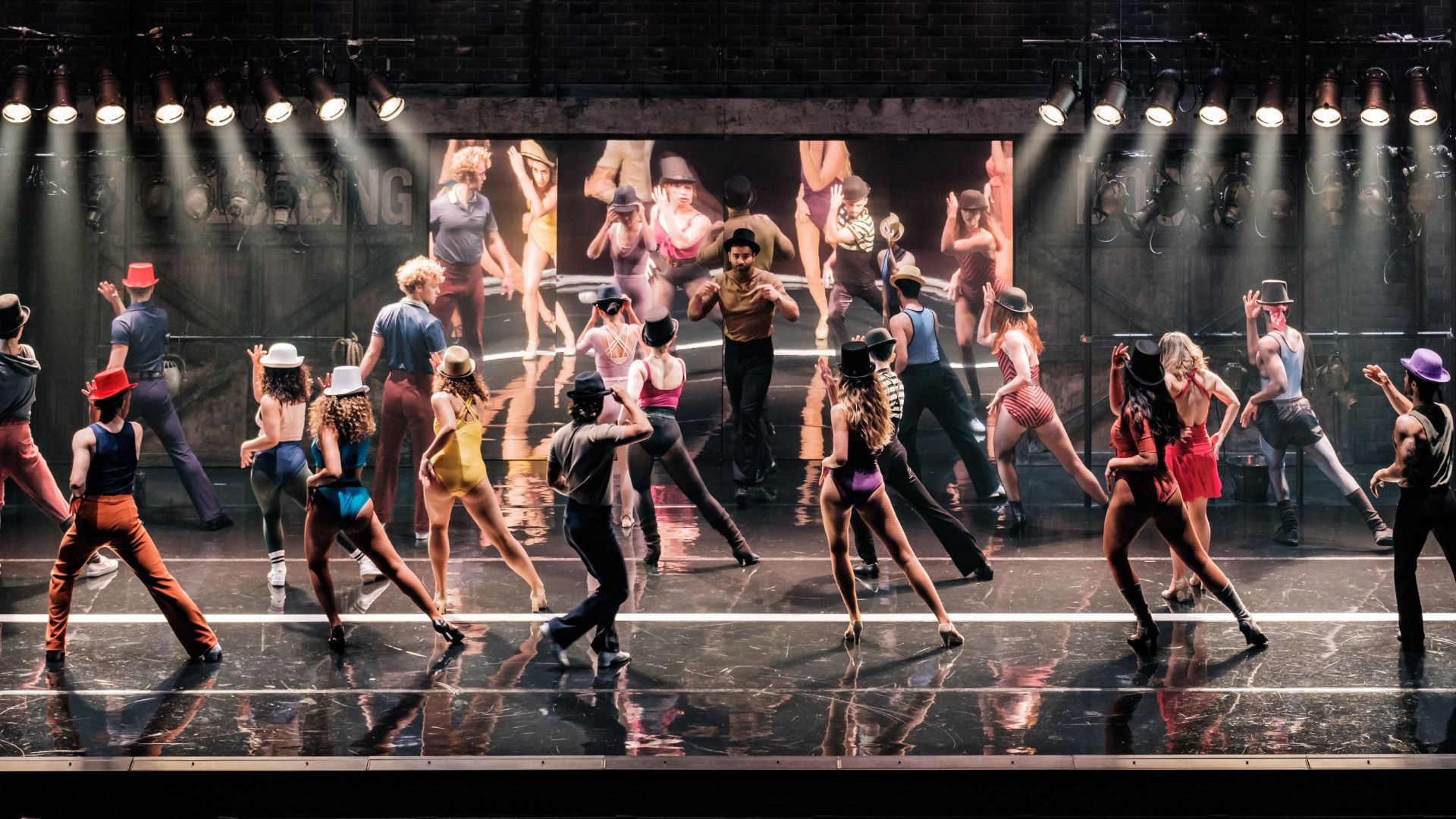
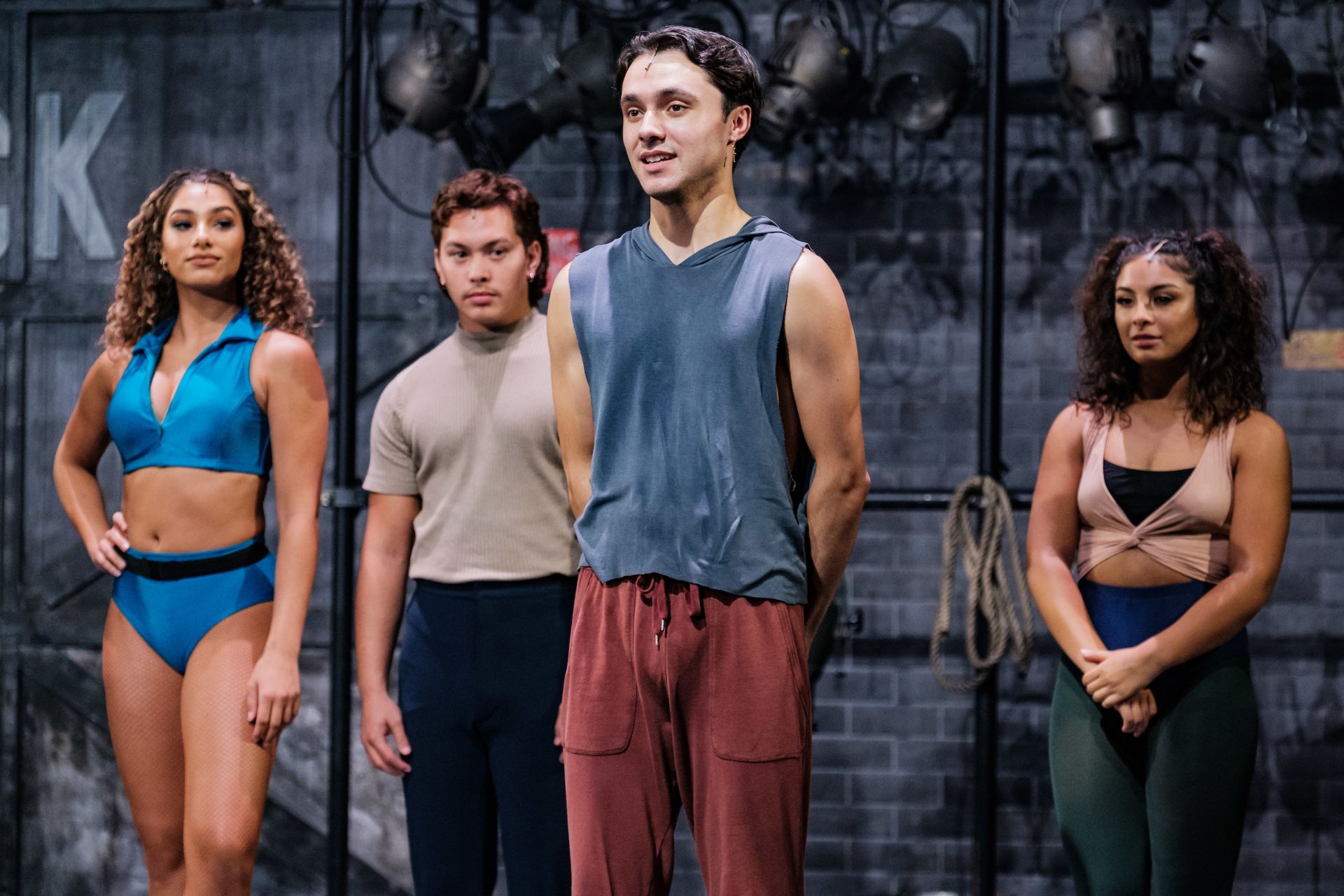
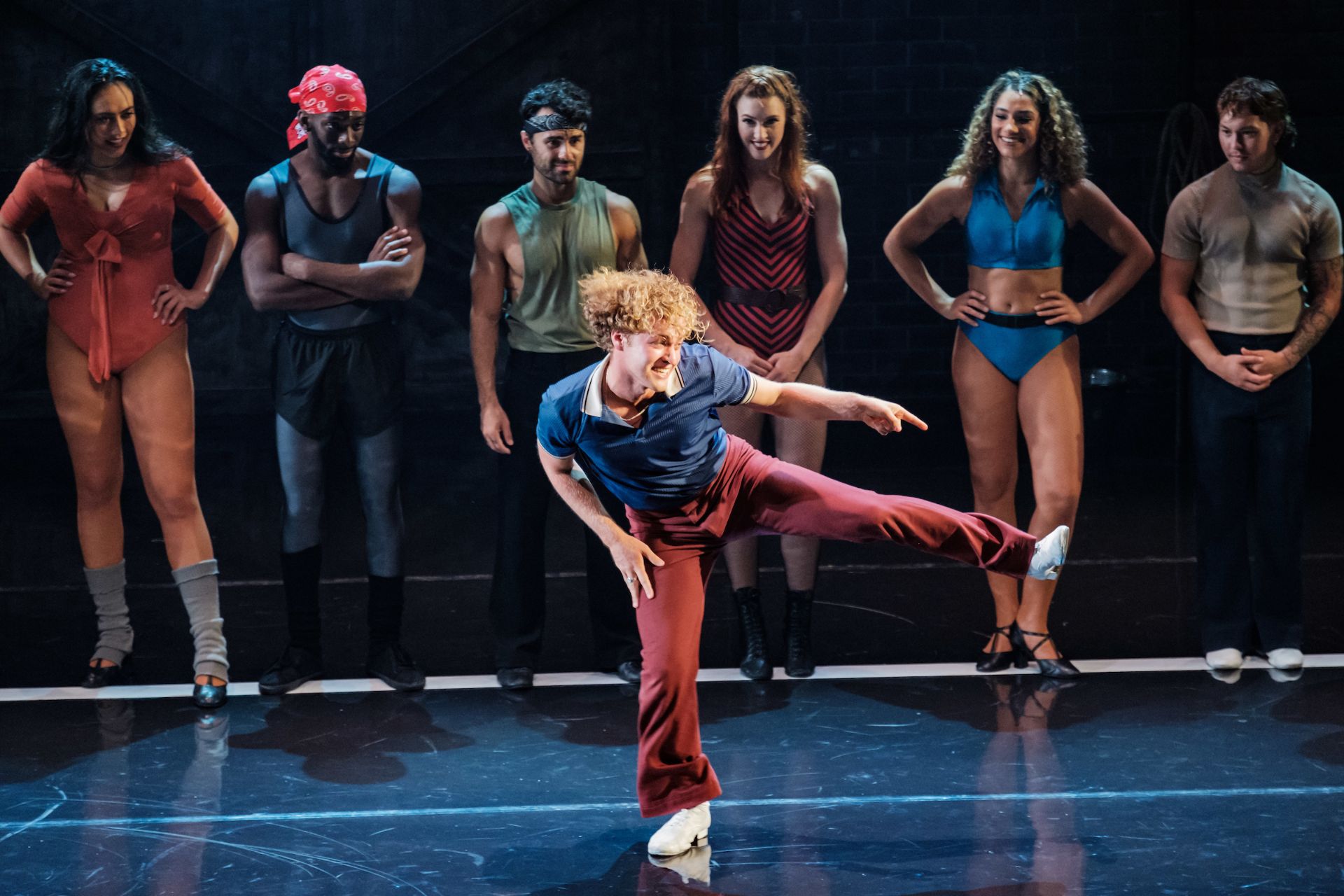
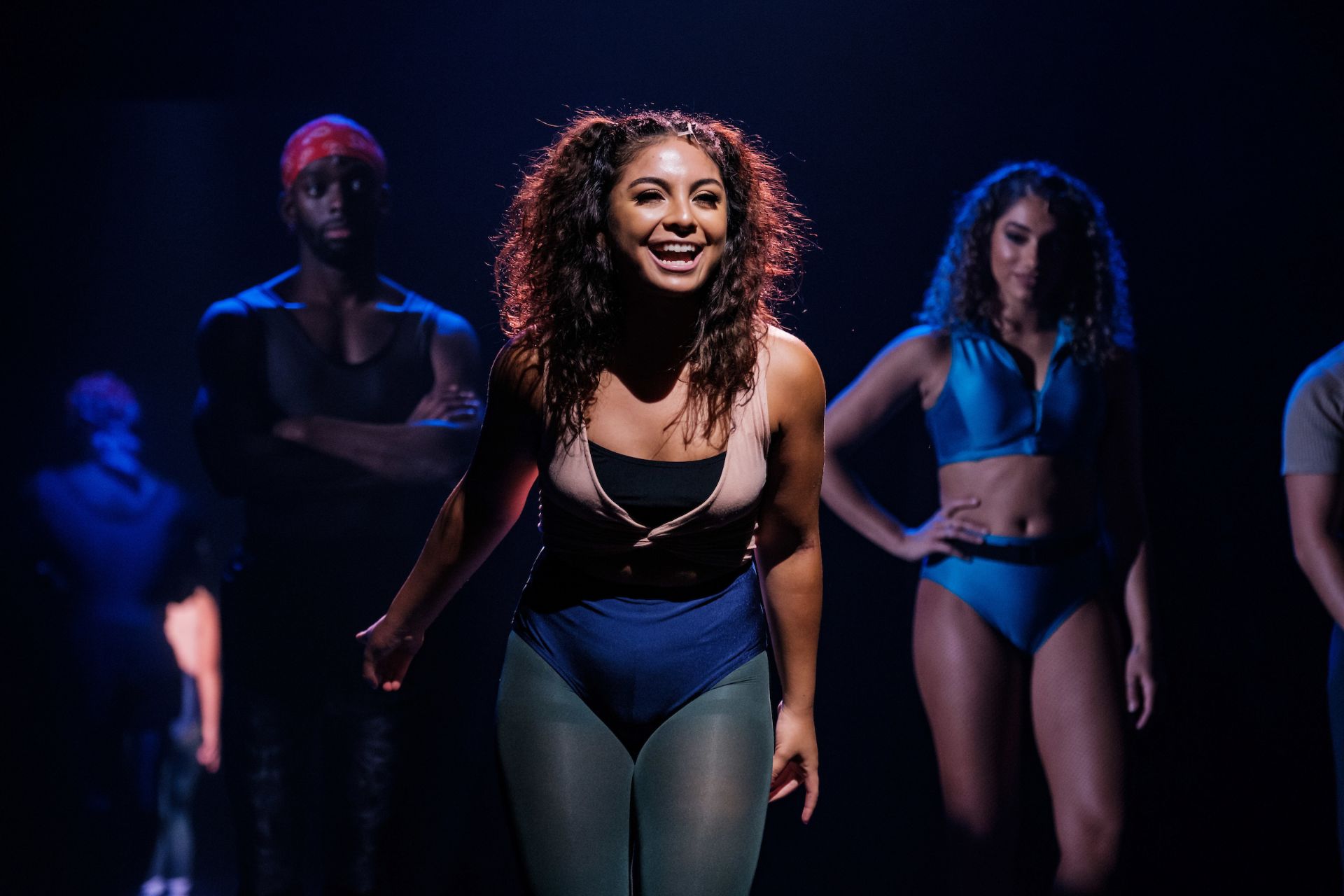
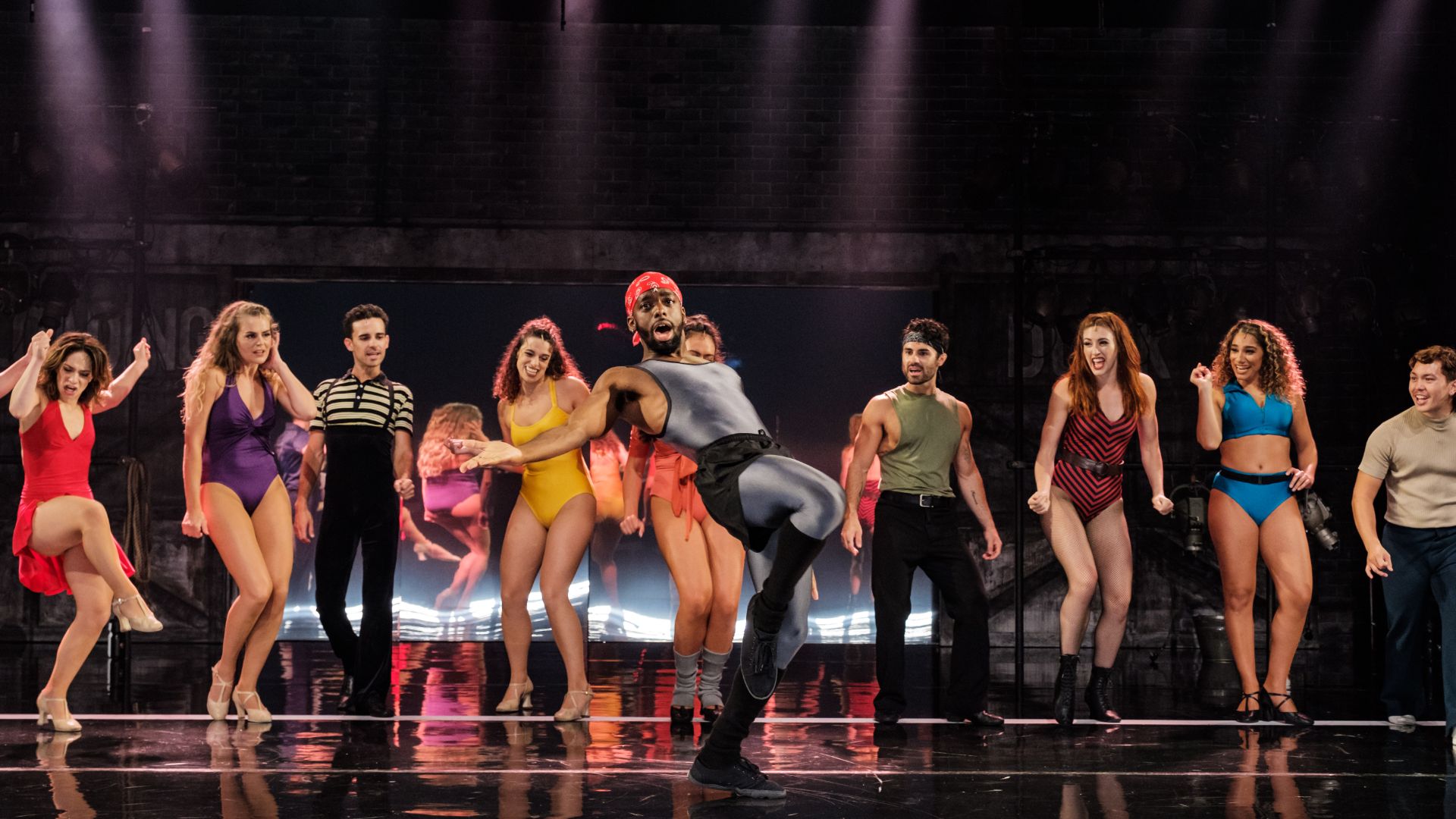
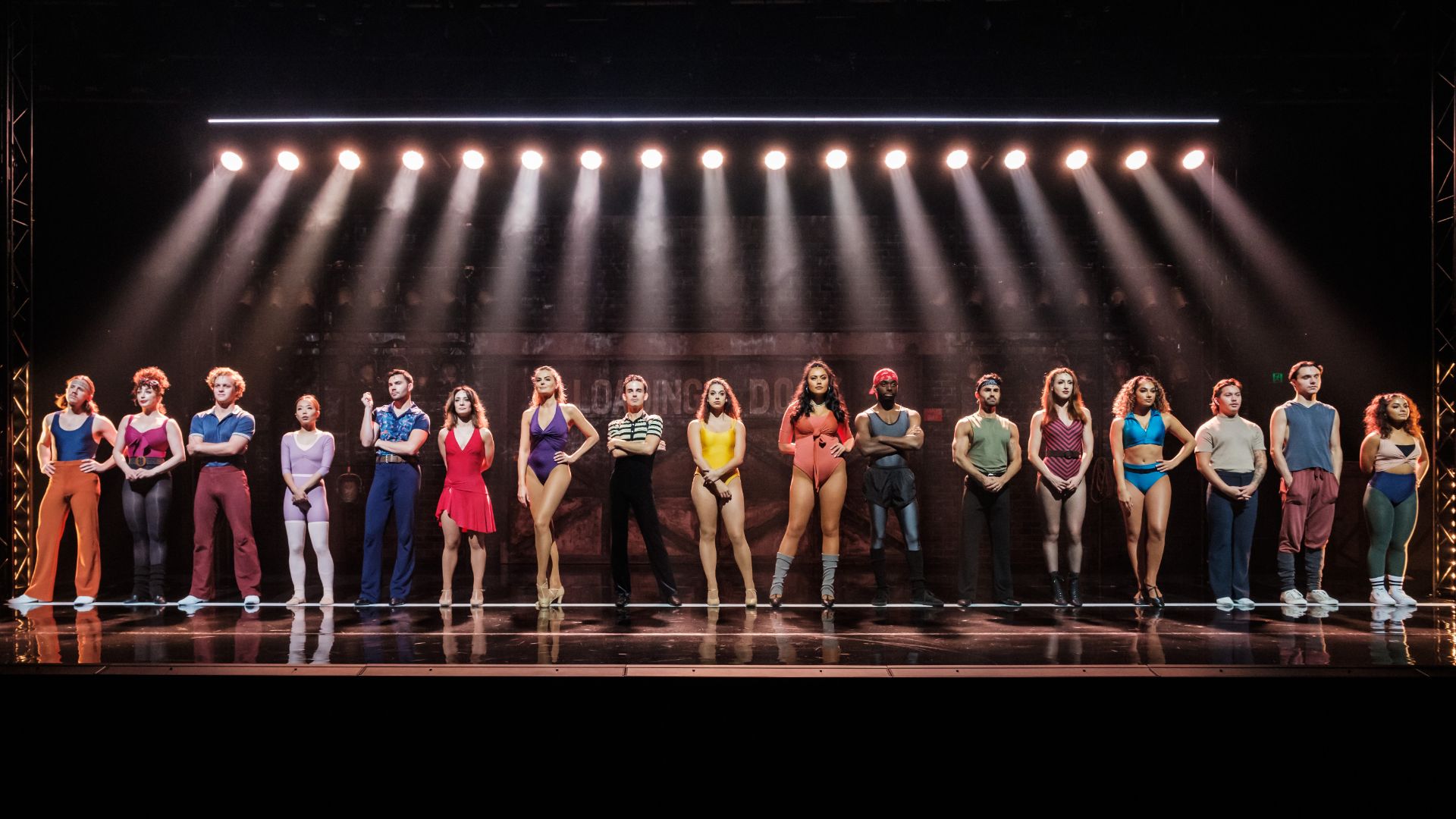
Originally conceived in 1975 by Michael Bennett, the legendary musical A Chorus Line involves an ensemble cast of nineteen, several unforgettable songs, and dance sequences that have become an indelible part of our collective cultural memory. It is the simple story about Broadway director Zach at a casting call, auditioning a throng of dancers, for eight places in his new show. A Chorus Line is a tribute to the innumerable artists who have dedicated their lives to a passion, that never yields commensurate rewards. The show is an opportunity for talents to show their wares, with each member of cast provided individual moments of glory, as well as working in groups for some of the most exciting and complicated choreography in the musical format.

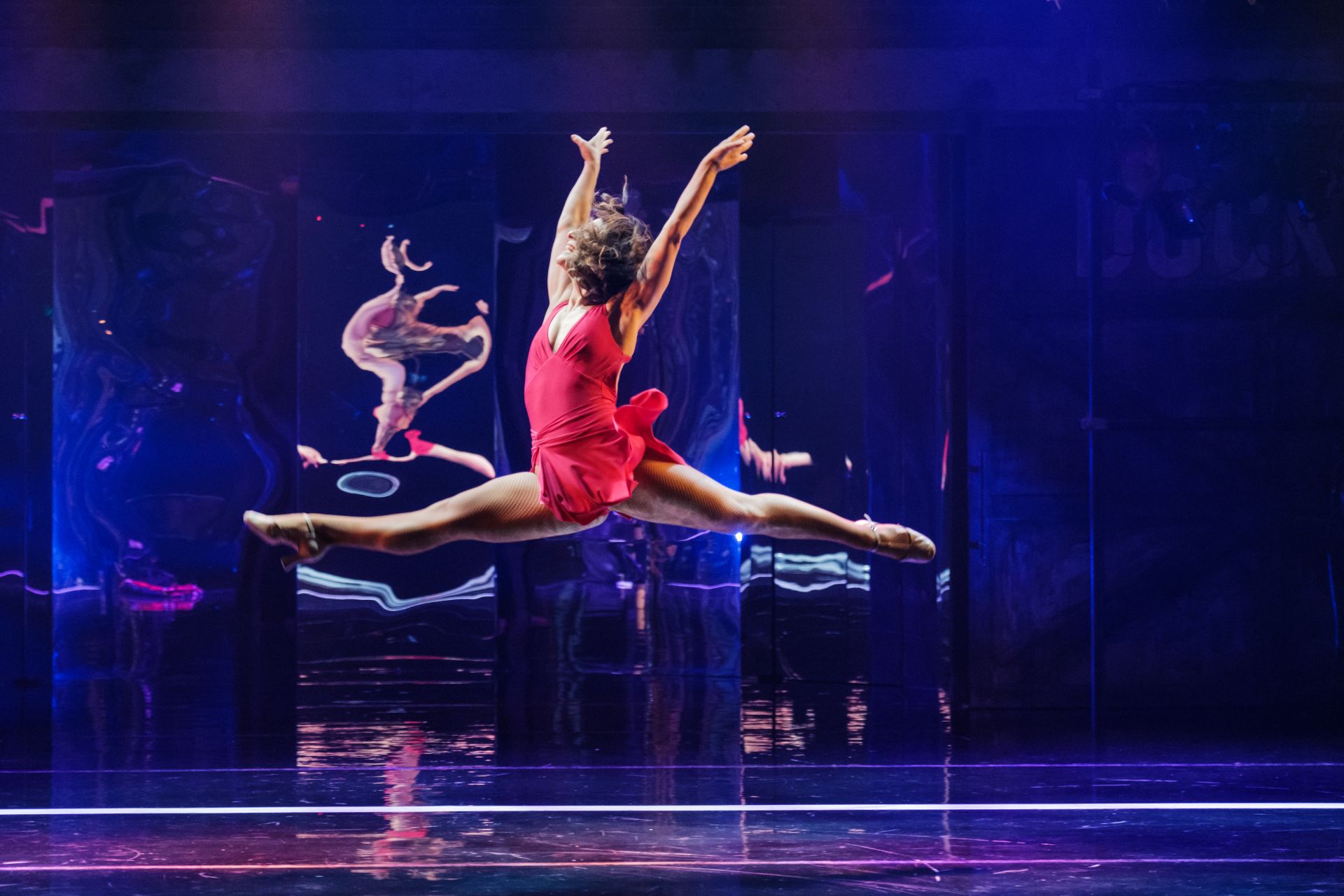
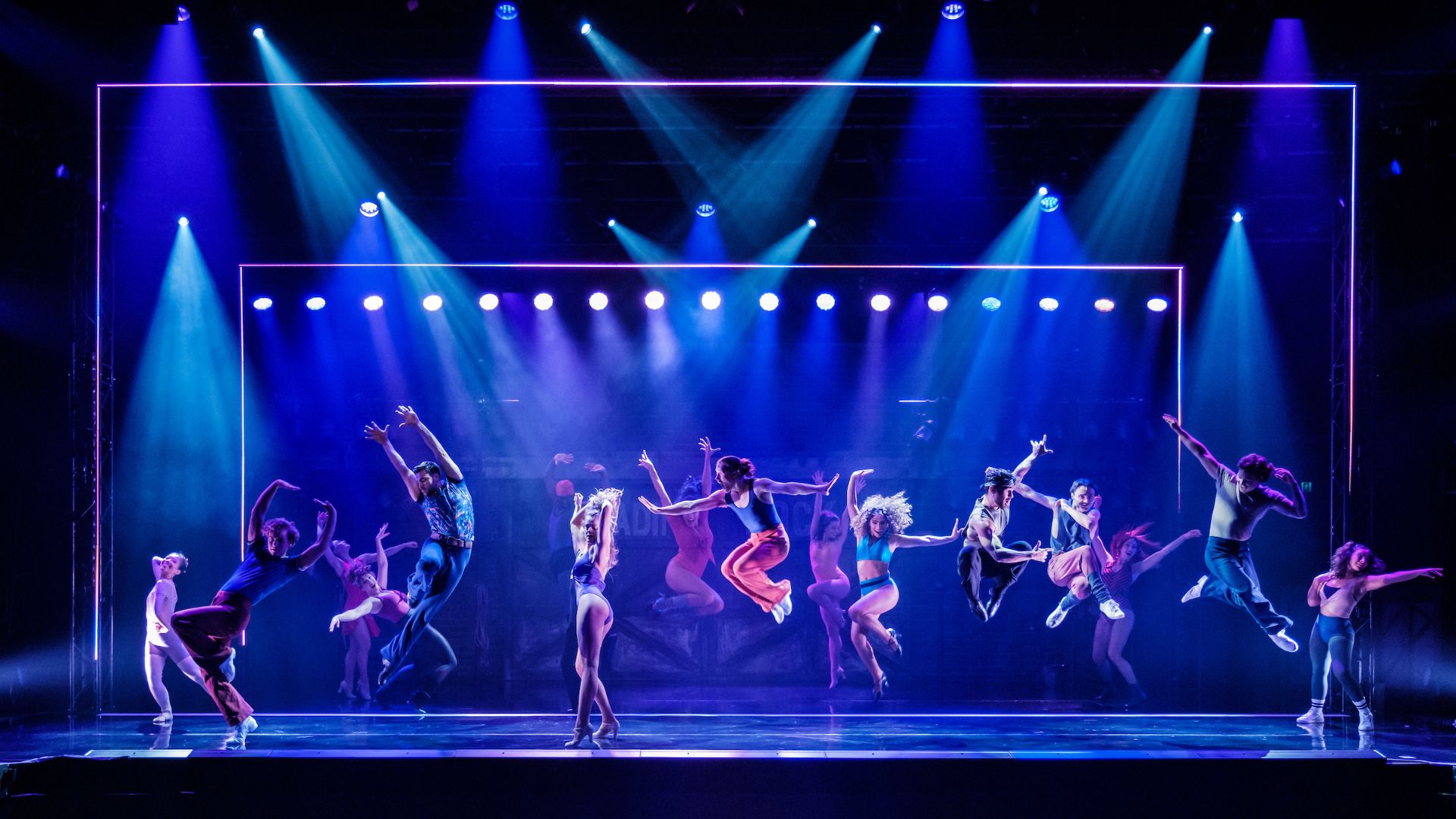
Director and choreographer Amy Campbell’s ambitious revival, is a breath-taking experience. Even though the lacklustre book remains tedious, it is always an unequivocal joy when the performers are in motion. Campbell’s love for the art of performance, and for those who do it, is palpable. Her show is faithful to the look and feel of 1970s New York, complete with slinky modern jazz flourishes that transport us back to a time of decadent glamour. Each second of dance is complex, detailed and powerful, a real sumptuous feast for the eyes.

Peter Rubie’s lights are at least as visually impressive. They enhance perfectly every scene that unfolds, sometimes quiet and subtle, sometimes flamboyantly bombastic, but always stylish and surprising. Whether accompanying bodies active or still, Rubie’s work is consistently imaginative, never settling for the obvious. The beauty he delivers is truly sublime. Christine Mutton’s costumes too, are noteworthy, in bringing both realism, and vibrant, balanced colour, to a staging that will be remembered for its unparalleled resplendence.
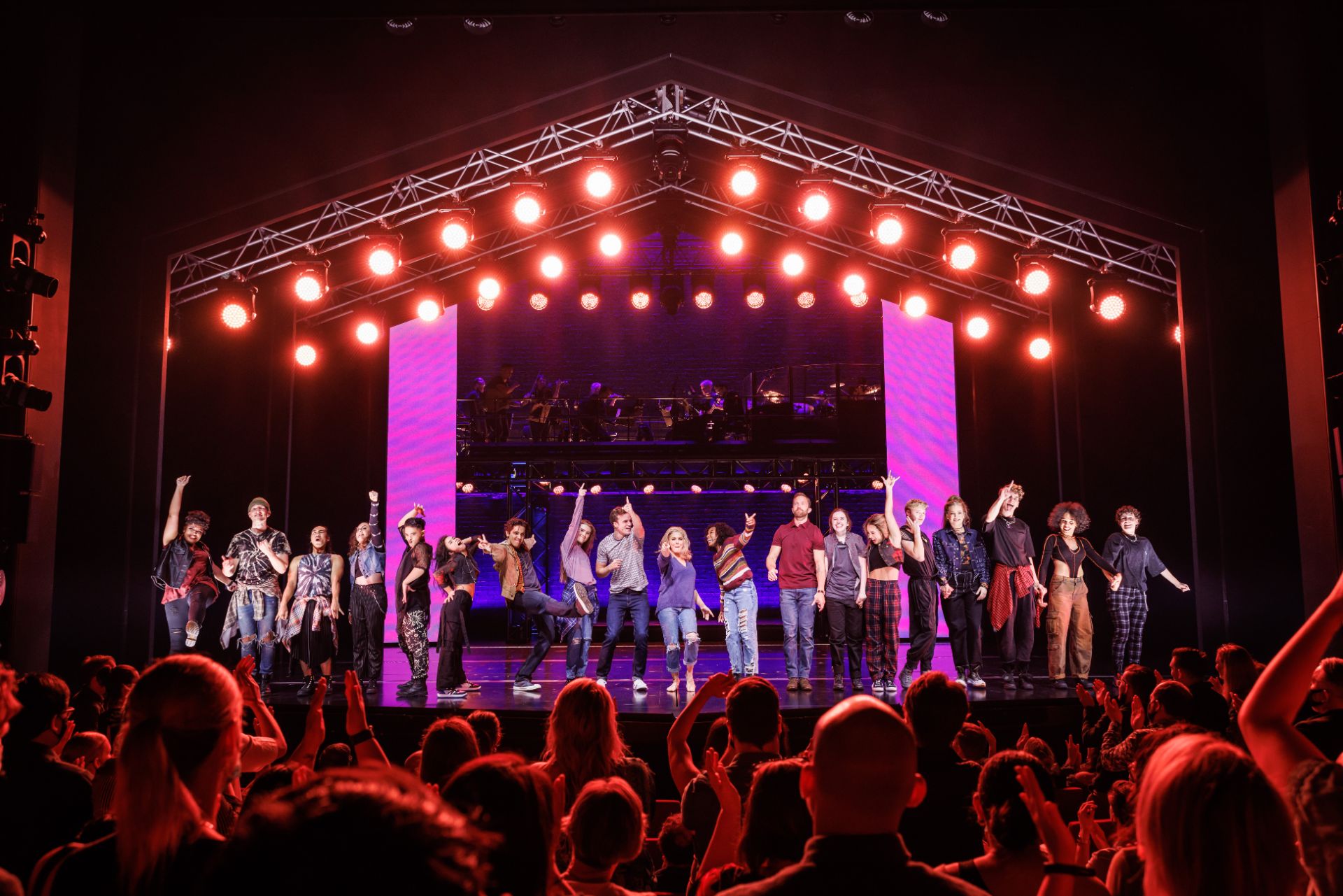
The pivotal role of Zach is played by Adam Jon Fiorentino, whose use of voice marvellously regulates atmosphere from start to finish. Angelique Cassimatis delivers the singularly most poignant anecdote, as Cassie, complete with jaw dropping intensity in her iconic number, “The Music and the Mirror”.  We fall for all of the cast, as they are foregrounded one at a time, but it is their work as a cohesive whole, that has us spellbound. Together, they are formidable.

Much has changed over these five decades, since the inception of A Chorus Line. For one, we are no longer tolerant of authority figures like Zach irresponsibly demanding their subordinates, to reveal secrets or to relive trauma, in the company of strangers. Women and men, in the arts especially, have started to reject the delineations between gender constructs, and in the process are learning to meld the false differences of us and them. The theatrical arts however, remain a pure vehicle for communities to congregate, to debate, and to share. Since time immemorial, we have formulated ways to listen to each other, to understand our neighbours, and to reach consensus, hard as it might be, because we always knew that on our own, we are doomed to fail. There are no queens and kings in A Chorus Line, only a united front that can weather anything, and keep the dreams alive.

www.darlinghursttheatre.com

Review: Lizzie (Hayes Theatre)

Venue: Hayes Theatre Co (Potts Point NSW), 13 Jan – 5 Feb, 2022
Book: Tim Maner
Music & Lyrics: Steven Cheslik-Demeyer, Tim Maner, Alan Stevens Hewitt
Director: Maeve Marsden
Cast: Stefanie Caccamo, Ali Calder, Marissa Saroca, Sarah Ward
Images by Clare Hawley

Theatre review
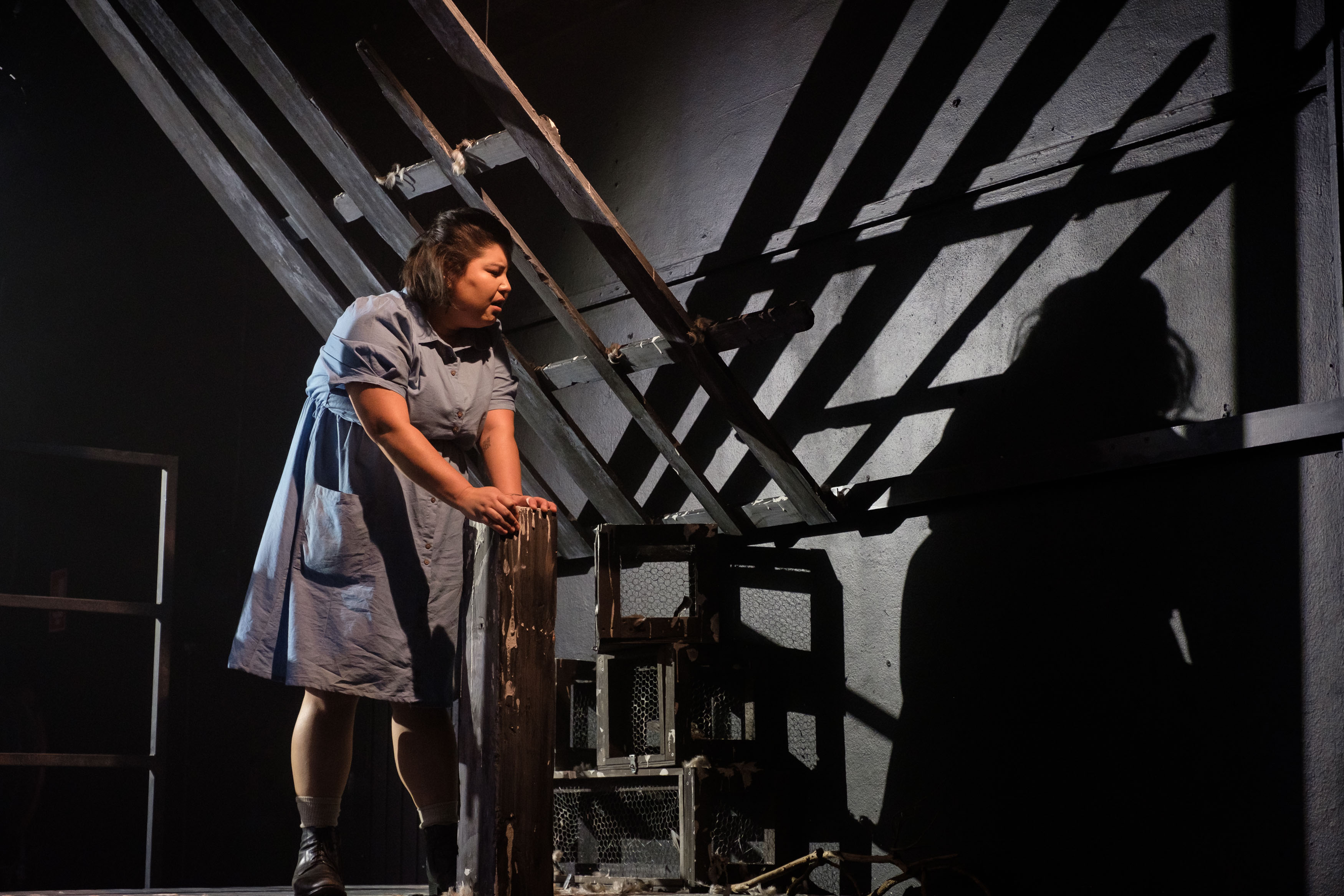
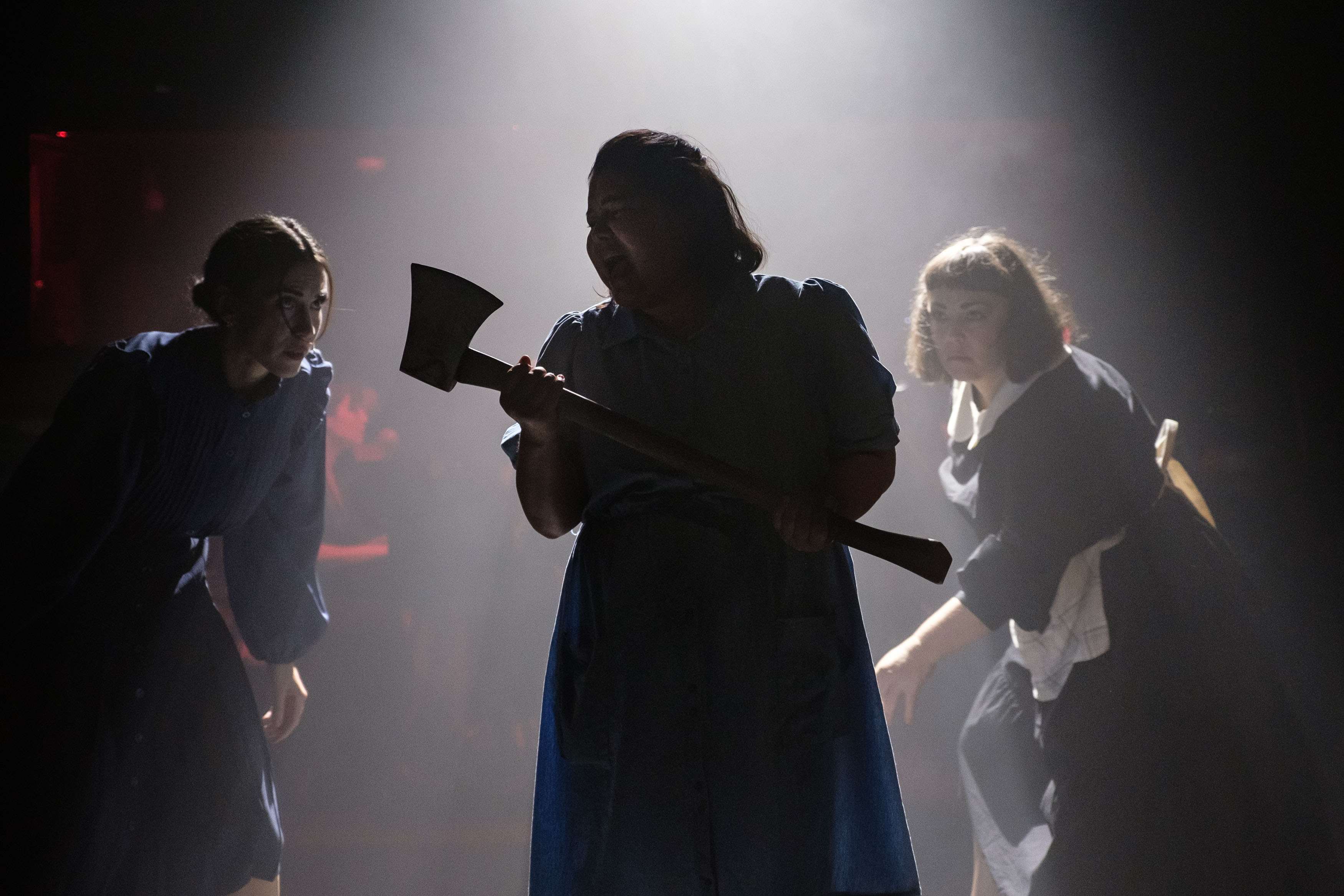
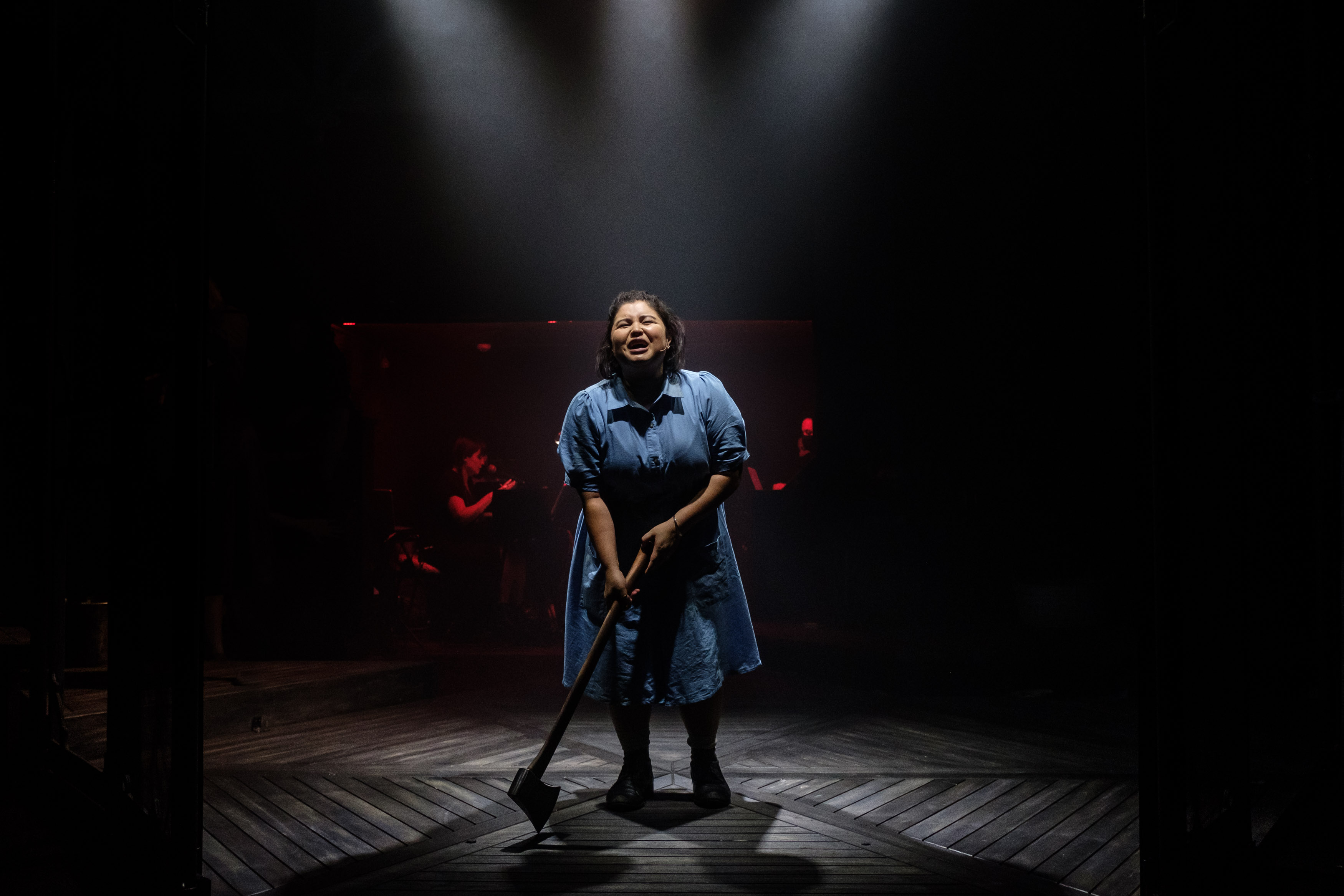
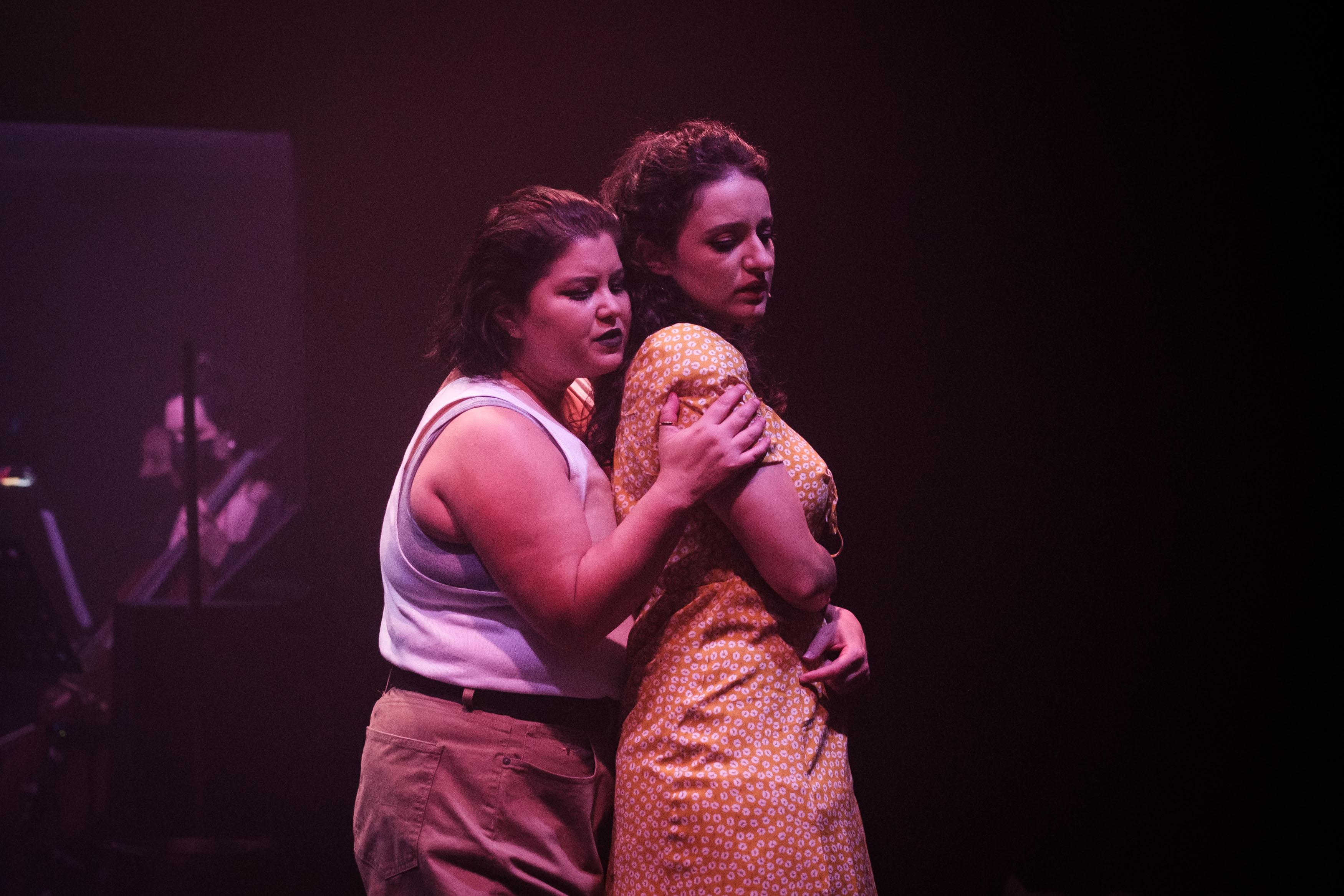
It was 1892 in Massachusetts, that Lizzie Borden was believed to have murdered her father and step-mother. There is little in the musical Lizzie, that talks about the morality of her actions, and although it does not necessarily make her a heroic figure, the central ferocity of her convictions, is quite an admirable thing to behold.

Based on an original concept by Steven Cheslik-Demeyer and Tim Maner, the show depicts a young woman living in puritanical times, but unable to contain her fury that arises from persistent ill-treatment. That very inexorable and fervid drive, if present today in our somewhat improved circumstances, would surely see Lizzie achieve a great deal more than notoriety and scandal.

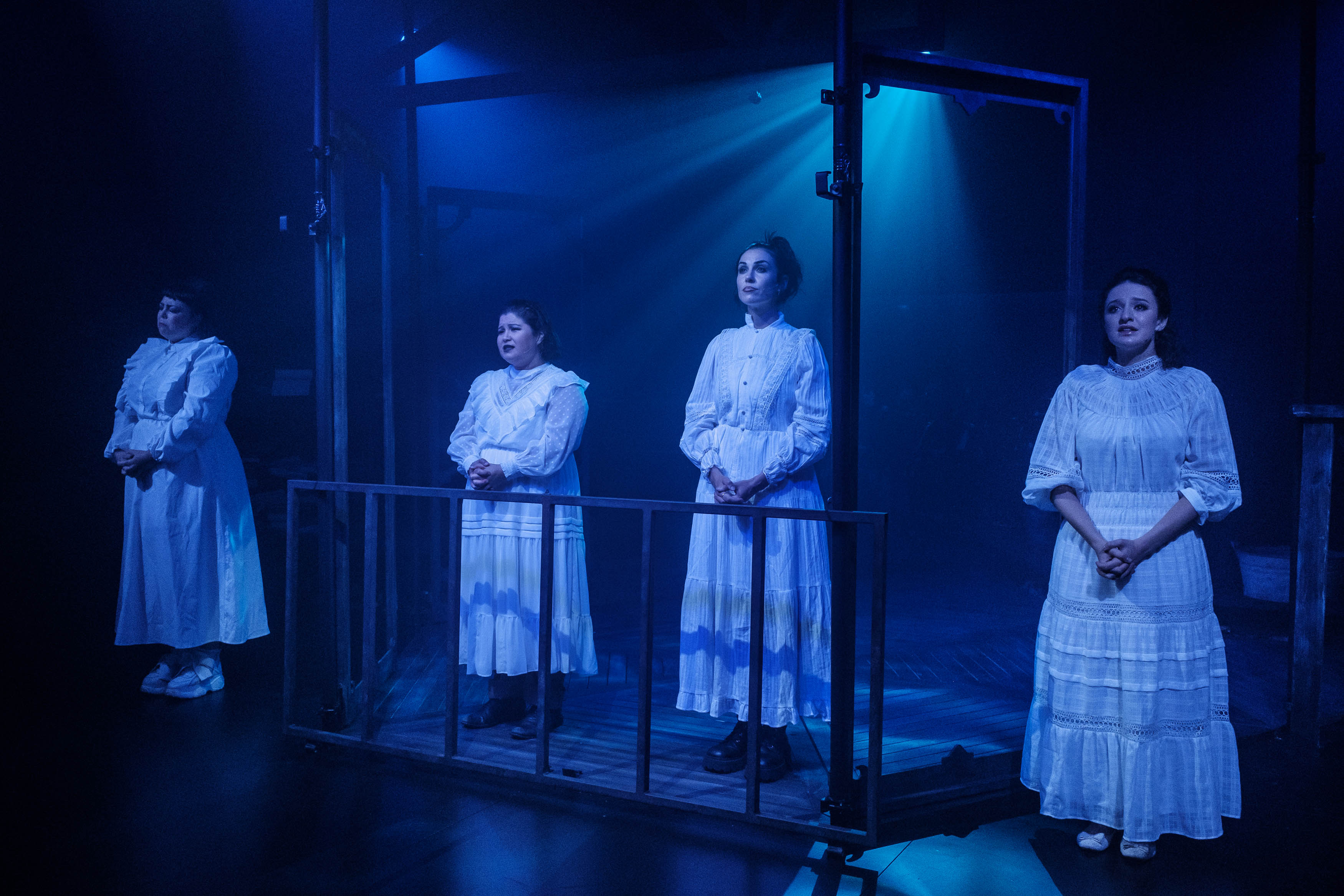
Directed by Maeve Marsden, who uses the hard rock energy of Lizzie‘s song list, to facilitate a passionate staging that appeals to our desire, for stories about feisty women in these modern times. Musical direction by Victoria Falconer is a highlight, informed by feminist philosophy and brimming with a joyful punk edge. Ghenoa Gela’s choreography is inventive and unpredictable, offering physical manifestations to characters that allow us to read them more clearly between the lines.

Melanie Liertz’s set and costume designs evoke a gothic quality that is perfectly suited to the narrative, although several vertical poles positioned downstage can sometimes obscure the view of action taking place further upstage. Verity Hampson’s lights are a dramatic element of the show, bringing great dynamism to all the imagery being presented.

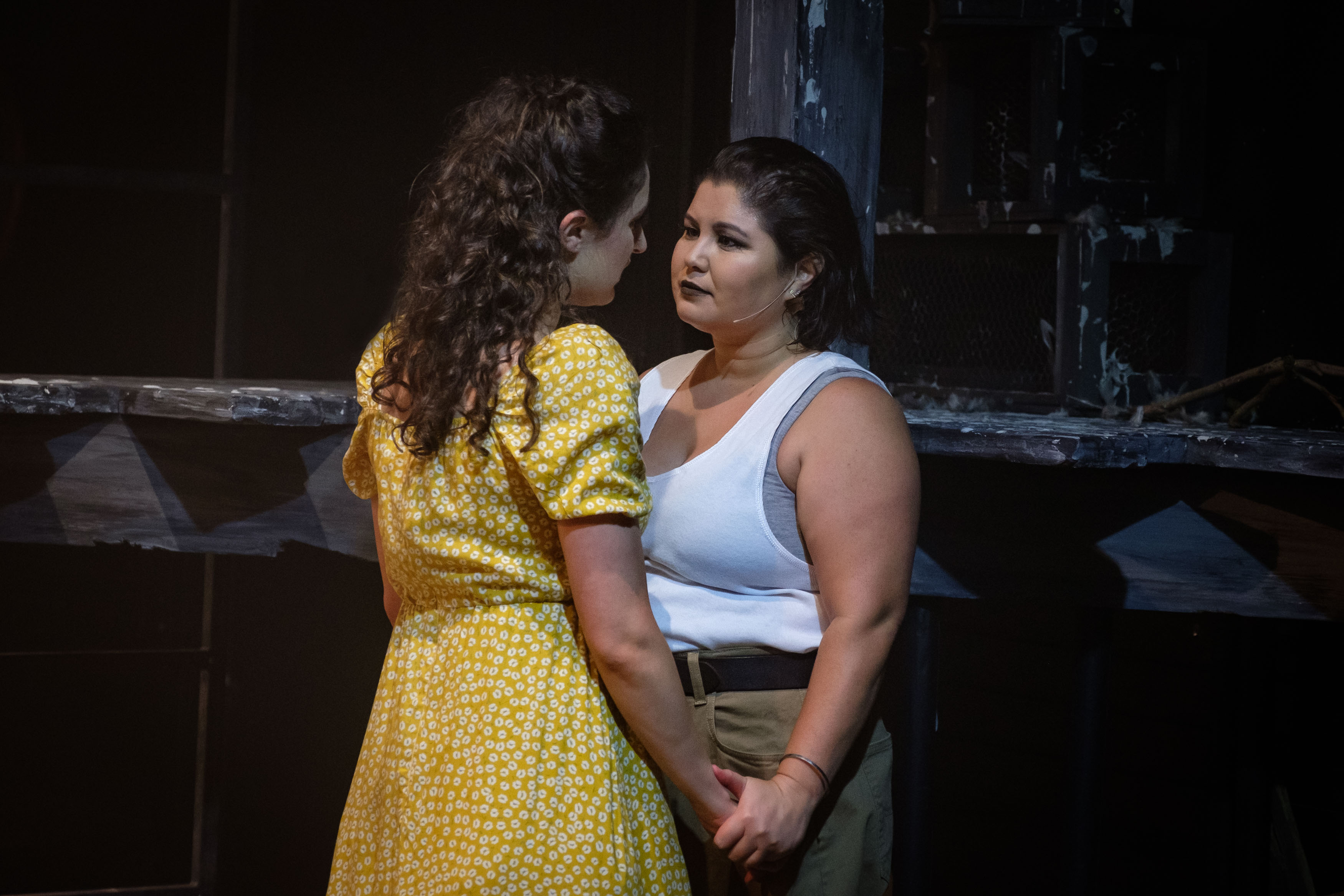
Performer Marissa Saroca as Lizzie, is spirited and wonderfully enthusiastic, although her vocals can be slightly hit-and-miss for the musical’s very rambunctious tunes. Ali Calder and Sarah Ward play the sister and the maid, respectively, and both are reliable in delivering big rock vocals, whilst making some genuinely hilarious comedic choices that endear themselves to the audience incontrovertibly. The part of Lizzie’s love interest Alice, is performed by Stefanie Caccamo who sings beautifully, albeit in a more conventional Broadway style, and who makes believable the speculative sapphic romance.

Considering the conditions women like Lizzie Borden had had to tolerate just to survive, it is a wonder that more murders were not committed. That we think of her as an exception only shows the depth of our habit for compliance, and our capacity to withstand abuse and humiliation. Most of us never reach breaking point, and that is without question, the way manifold forces work to exploit our tendency to bend and acquiesce. We do not always need to draw blood in order to rise up, but it is important that we learn to take cues from women like Lizzie, who have lost patience, long before we are completely drained of the ability to retaliate.

www.hayestheatre.com.au

Review: Girl From The North Country (Theatre Royal Sydney)

Venue: Theatre Royal Sydney (Sydney NSW), 6 Jan – 27 Feb, 2022
Book: Conor McPherson
Music & Lyrics: Bob Dylan
Director: Conor McPherson
Cast: Tony Black, Peter Carroll, Tony Cogin, Laurence Coy, Terence Crawford, Helen Dallimore, Blake Erickson, Callum Francis, Elizabeth Hay, Peter Kowitz, Lisa McCune, Samantha Morley, Zahra Newman, Christina O’Neill, Grant Piro, James Smith, Greg Stone, Chemon Theys, Liam Wigney
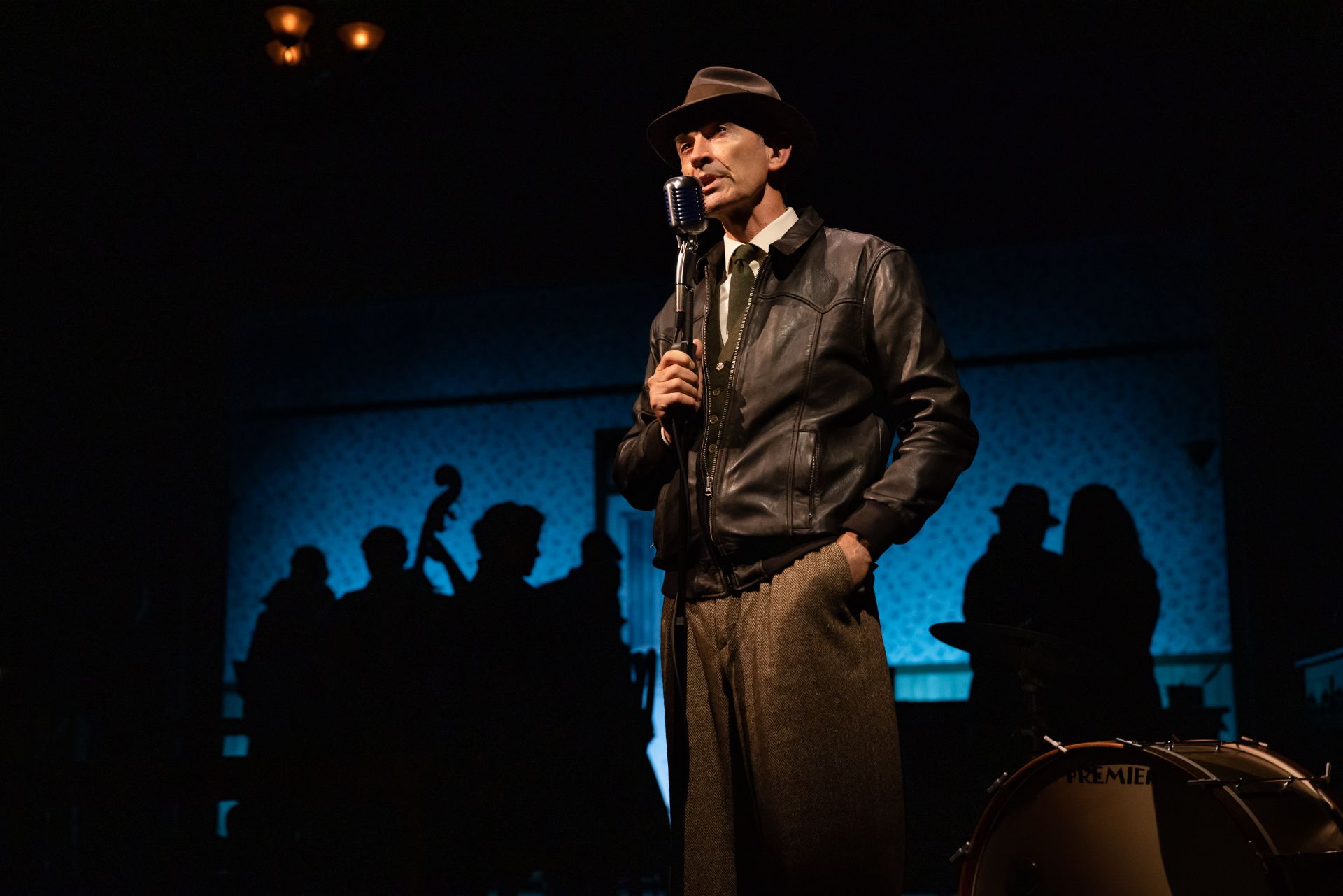
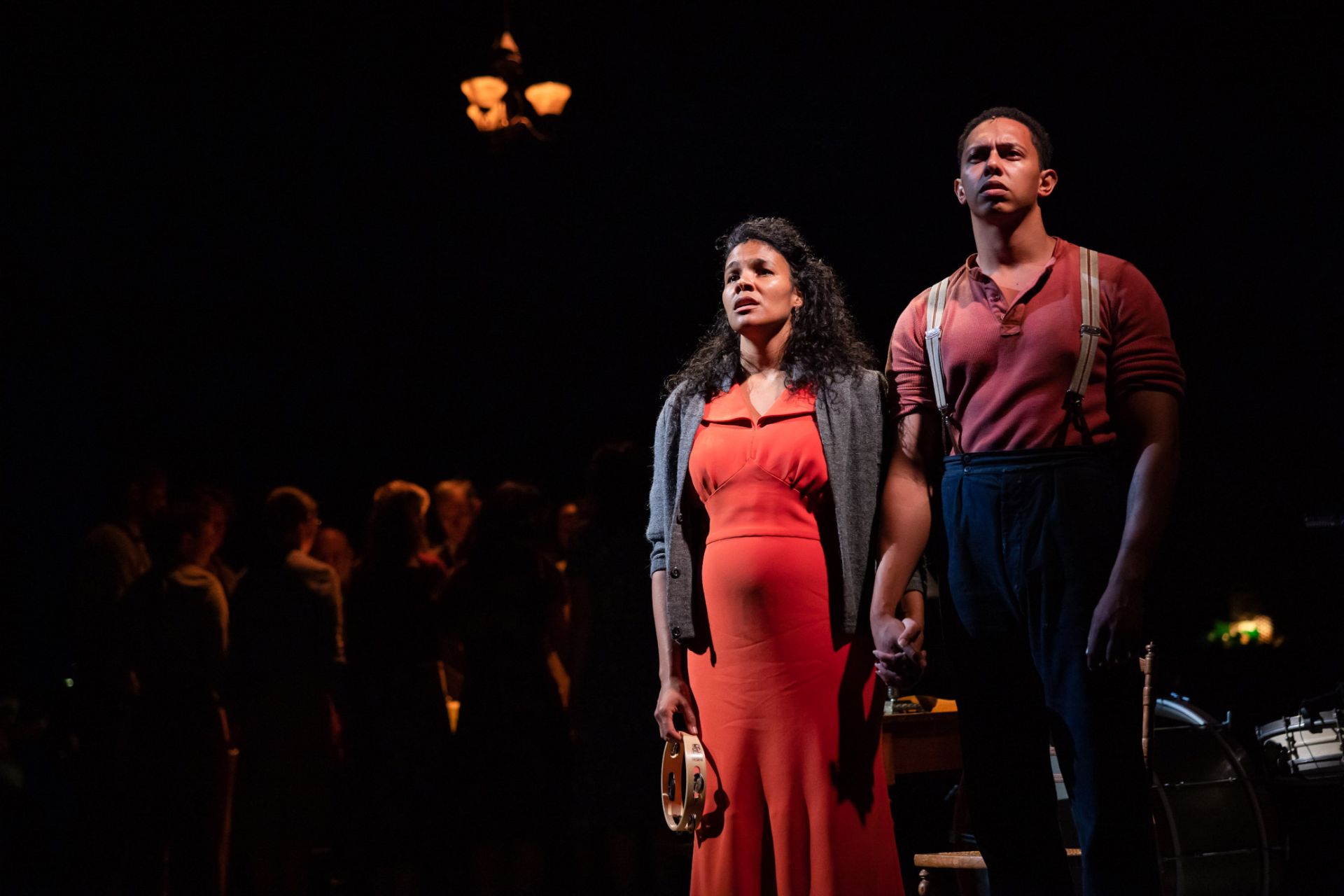
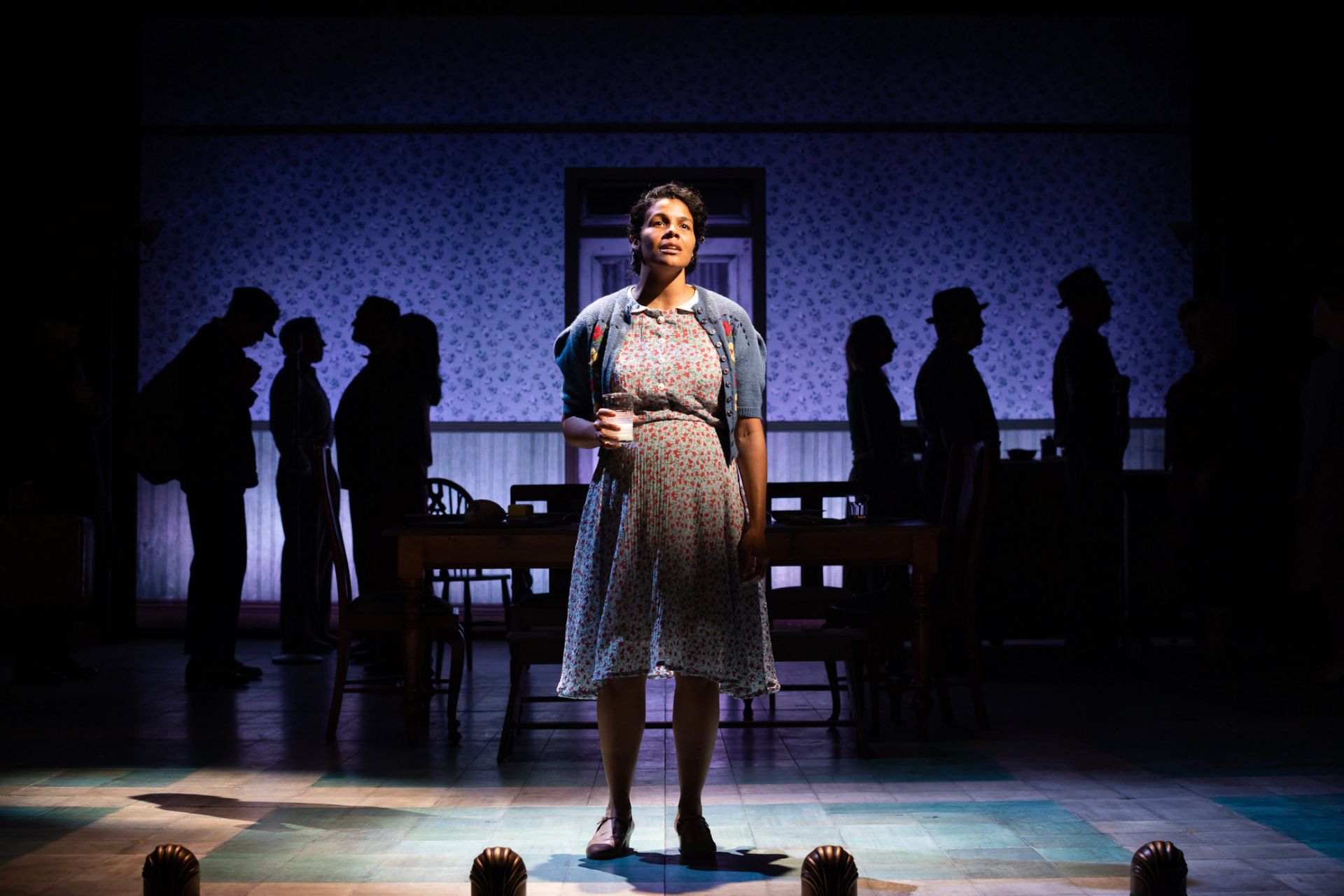
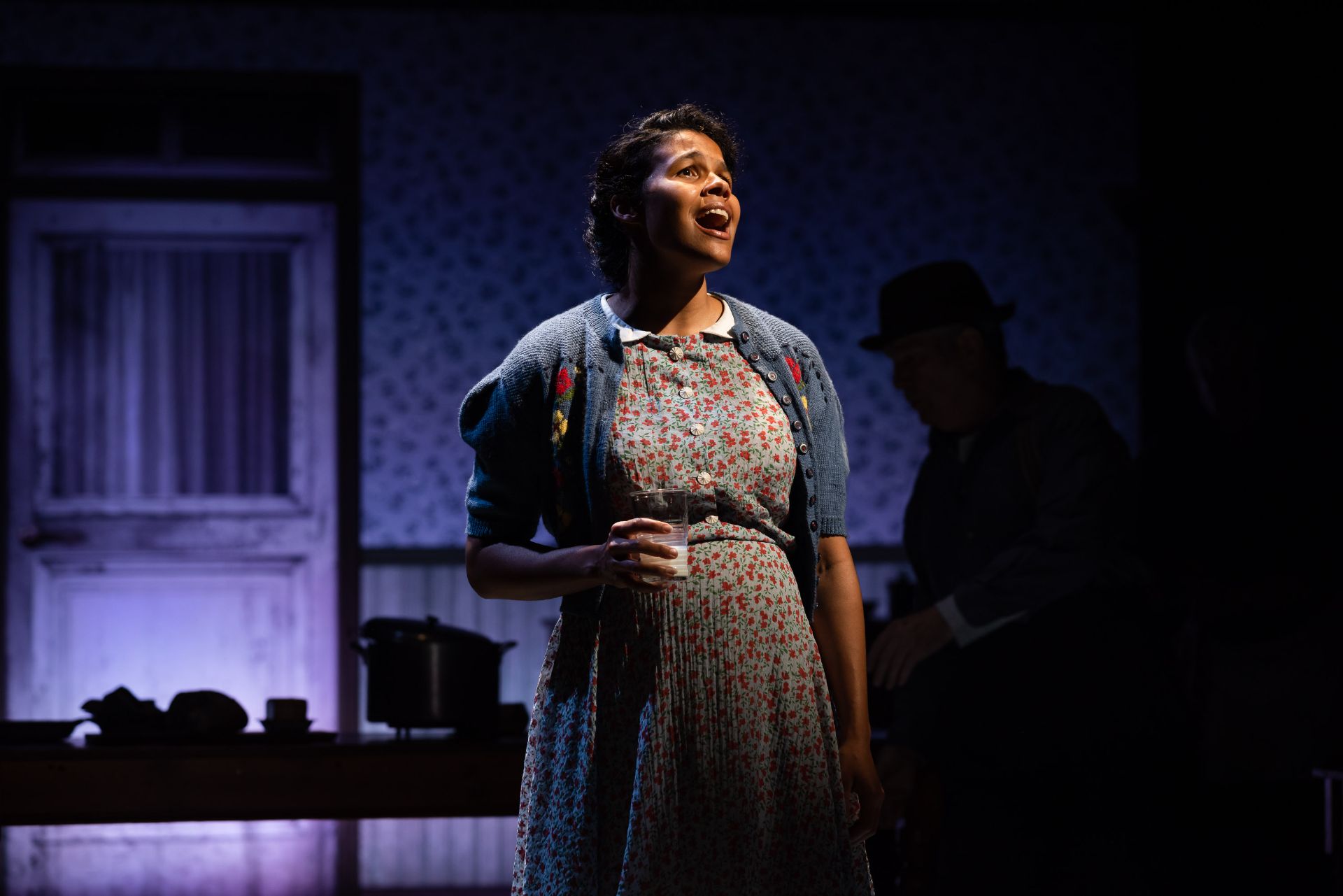
Images by Daniel Boud

Theatre review
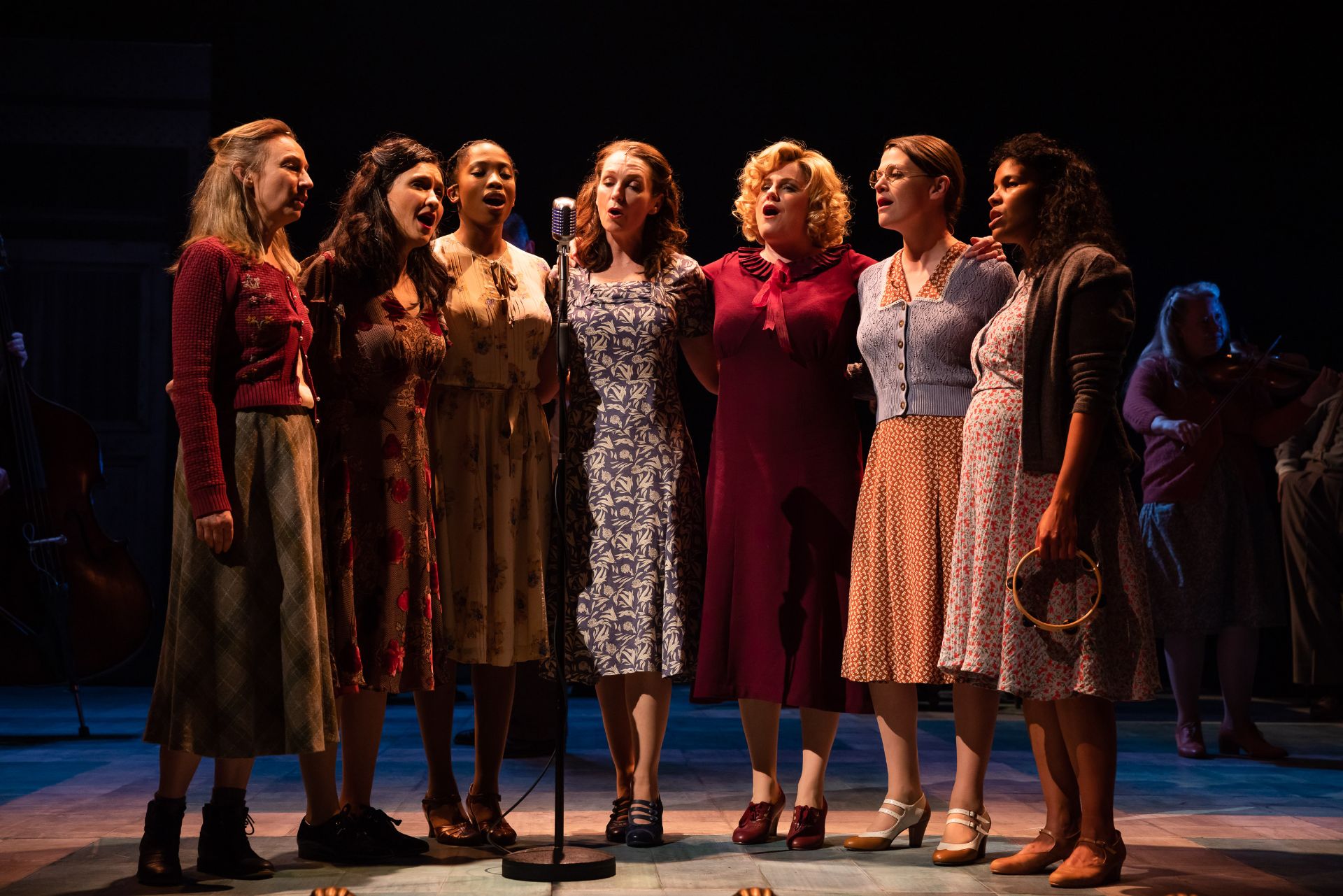
Characters of Girl from the North Country weave in and out of a Minnesota house, in 1934 when the Great Depression was in full force. Their stories are written by Conor McPherson, whose flair for sentimental nostalgia is put to good use, in this musical set to the songs of Bob Dylan. A kind of specific Americanness, found in its themes as well as in its style, might make the show feel somewhat distant to Australian sensibilities, but a transcendent beauty so present in all its creative considerations, almost bridges that cultural gap.

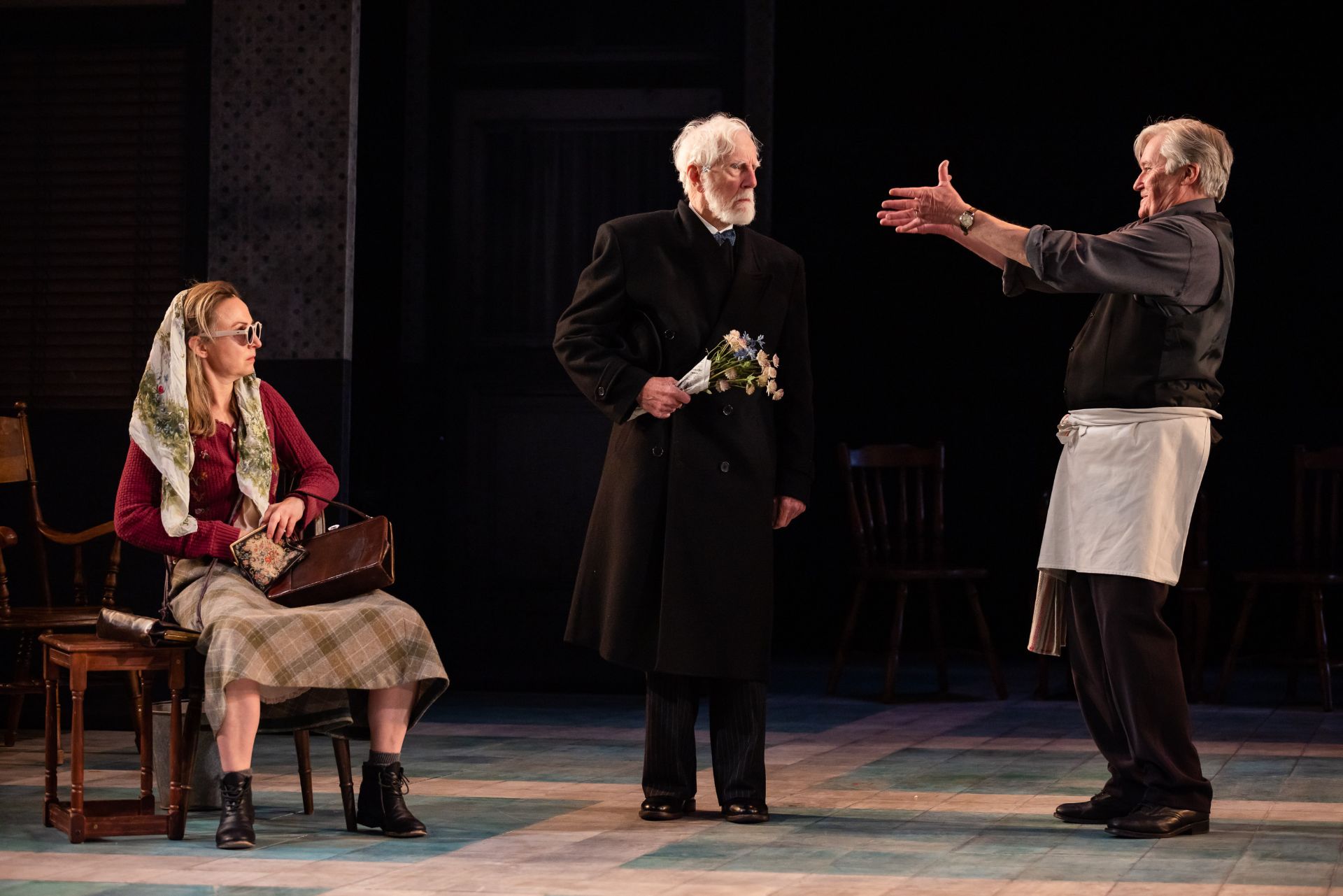
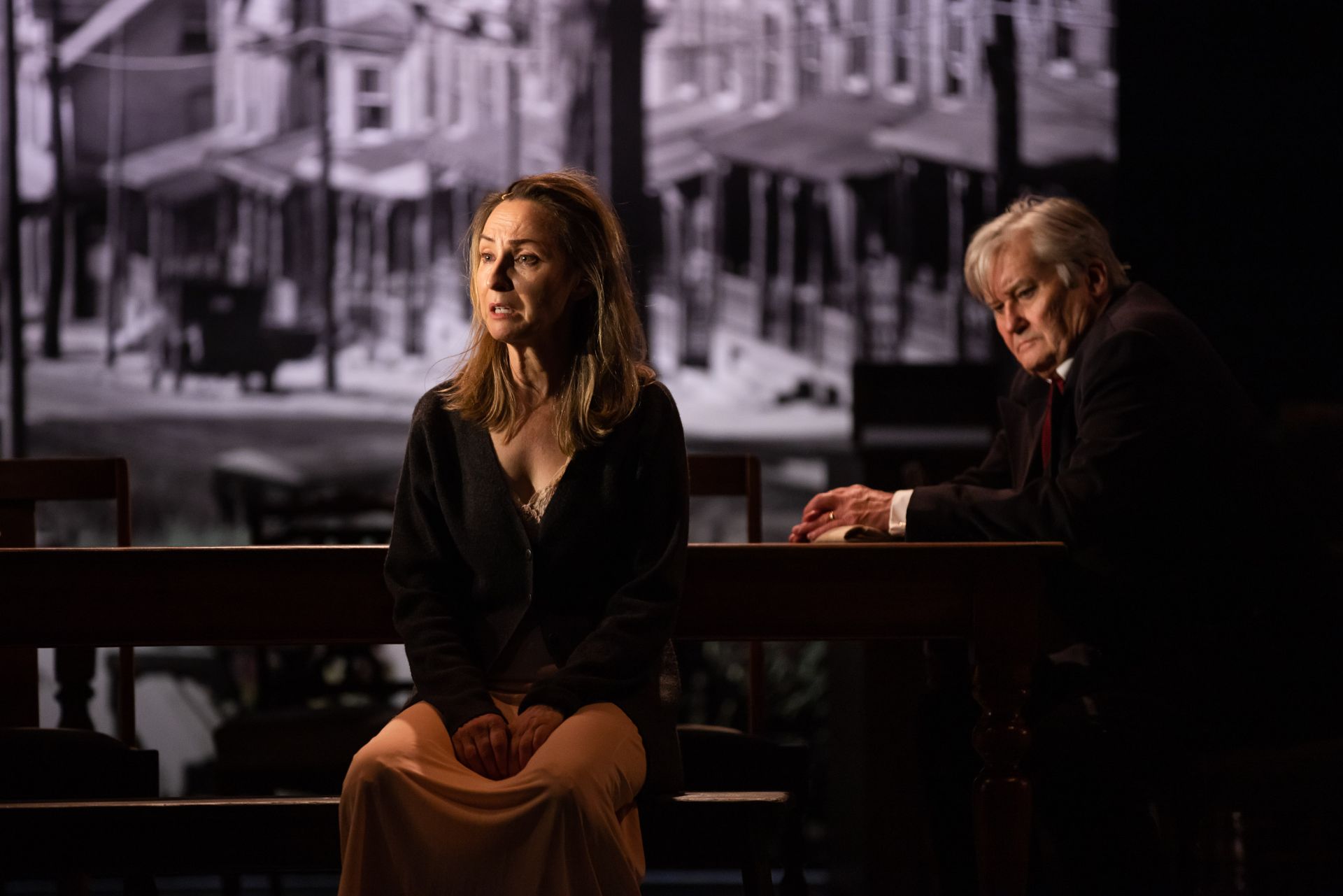
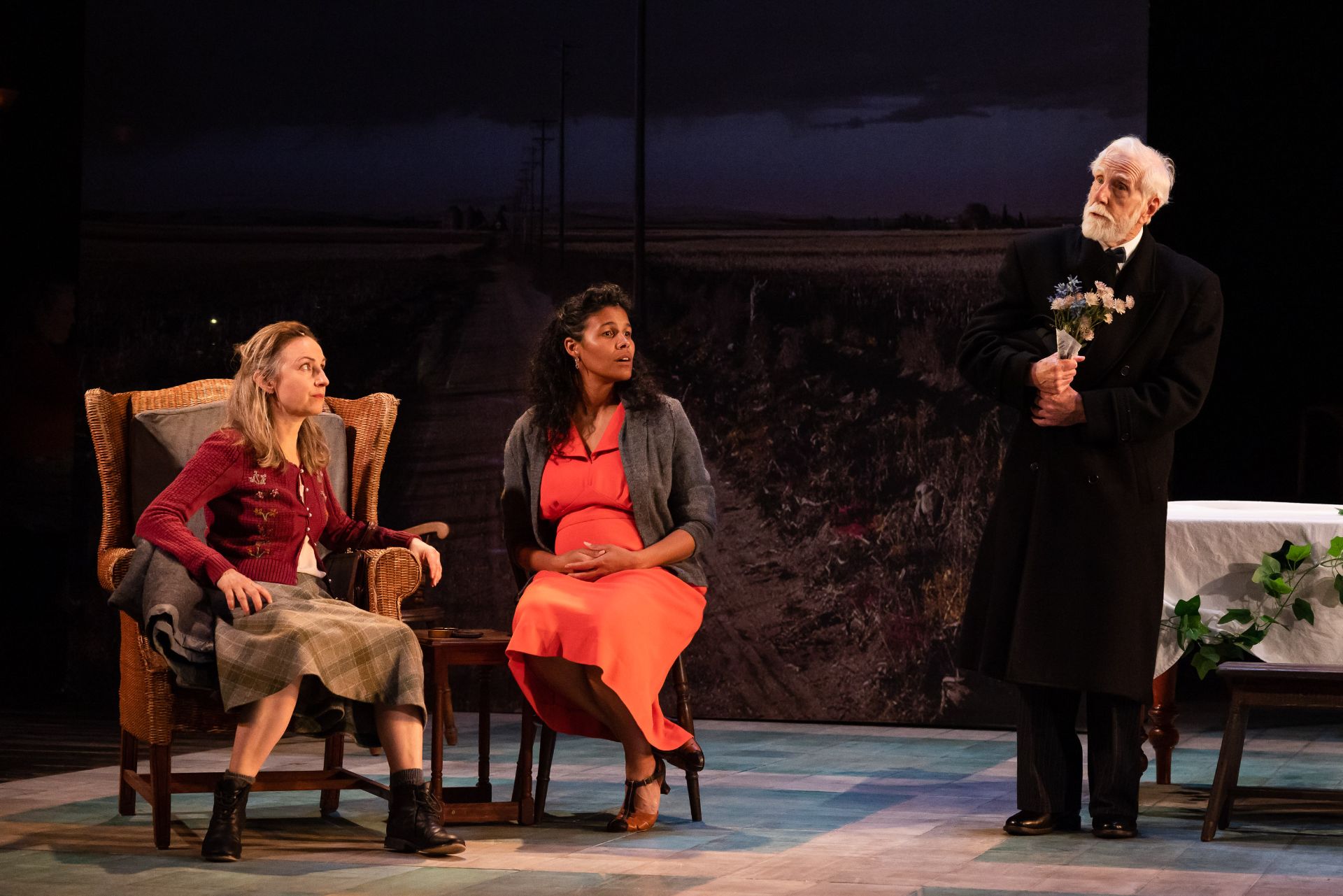
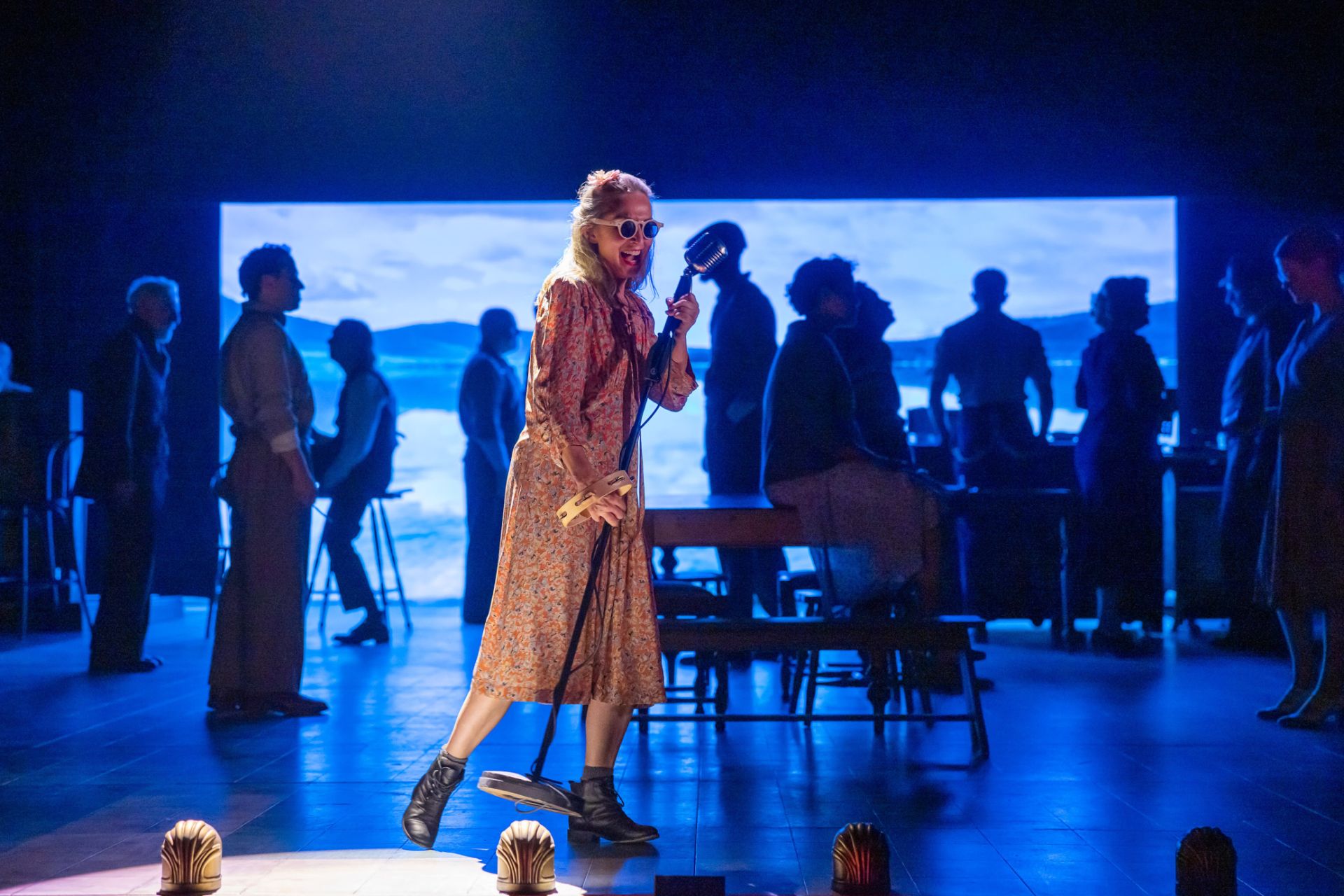
Although not always engaging, the work is certainly transportative. Directed by McPherson, Girl from the North Country takes us to another time and place, with a level of elegance rarely seen on our musical theatre stages. Mark Henderson’s lighting design, in collaboration with Rae Smith’s sets and costumes, offer up lush vistas that meld so wonderfully with musical director Andrew Ross’ reworking of Dylan’s songs. Lucy Hind’s sensitive choreography too is memorable, in a production that feels so confident yet remarkably understated.

The languid aesthetic is brought to manifestation by an endearing cast, including Peter Carroll, Lisa McCune and Zahra Newman, who deliver captivating personalities, in a show that is otherwise fairly resistant of our need to identify with its people and situations. Sublime singing from the likes of Callum Francis, Elizabeth Hay and Christina O’Neill pull us in, so that we can regard the heart and soul of these artistic renderings, at close proximation.

There are many moments of theatrical magic in Girl from the North Country, but there are also many instances where it leaves us unexpectedly cold. It includes an abundance of exquisite elements that amount to something best described as mellow. One would not be surprised to discover that the songs connect more than the stories do, in a work that stands most importantly, as a tribute to the legend that is Bob Dylan.

www.northcountry.com.au

Review: Jagged Little Pill (Theatre Royal Sydney)

Venue: Theatre Royal Sydney (Sydney NSW), 2 – 19 Dec, 2021
Book: Diablo Cody
Music: Glen Ballard, Alanis Morissette
Lyrics: Alanis Morissette
Director: Diane Paulus
Cast: Natalie Bassingthwaighte, Tim Draxl, Emily Nkomo, Liam Head, Maggie Mckenna, Grace Miell, Aydan, Josh Gates, Imani Williams, Caleb Jago-ward, Mon Vergara, Baylie Carson, Georgina Hopson, Noah Mullins, Trevor Santos, Isabella Roberts, Marie Ikonomou, Bella Choundary, Jerome Javier, Romy Vuksan
Images by Daniel Boud

Theatre review
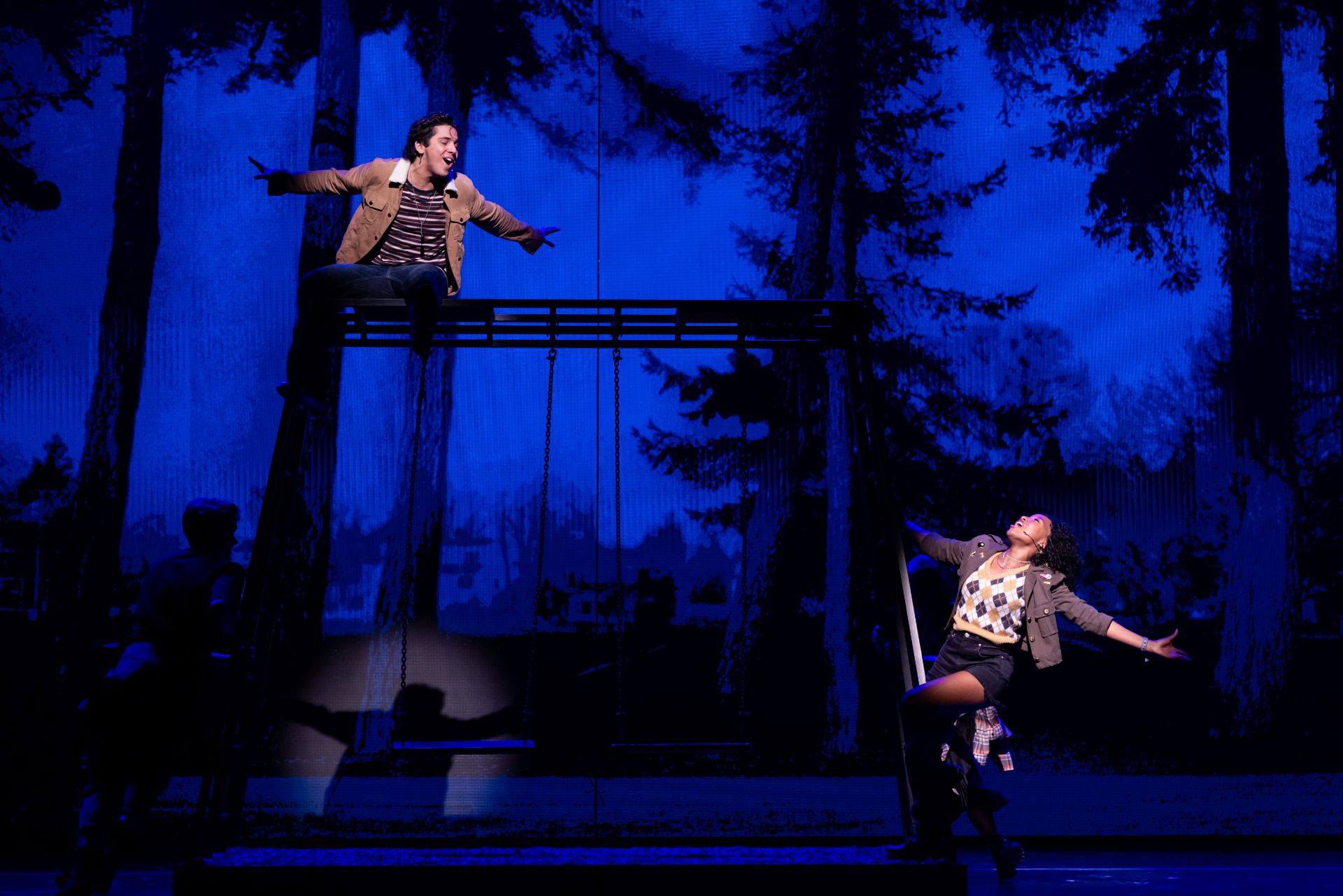
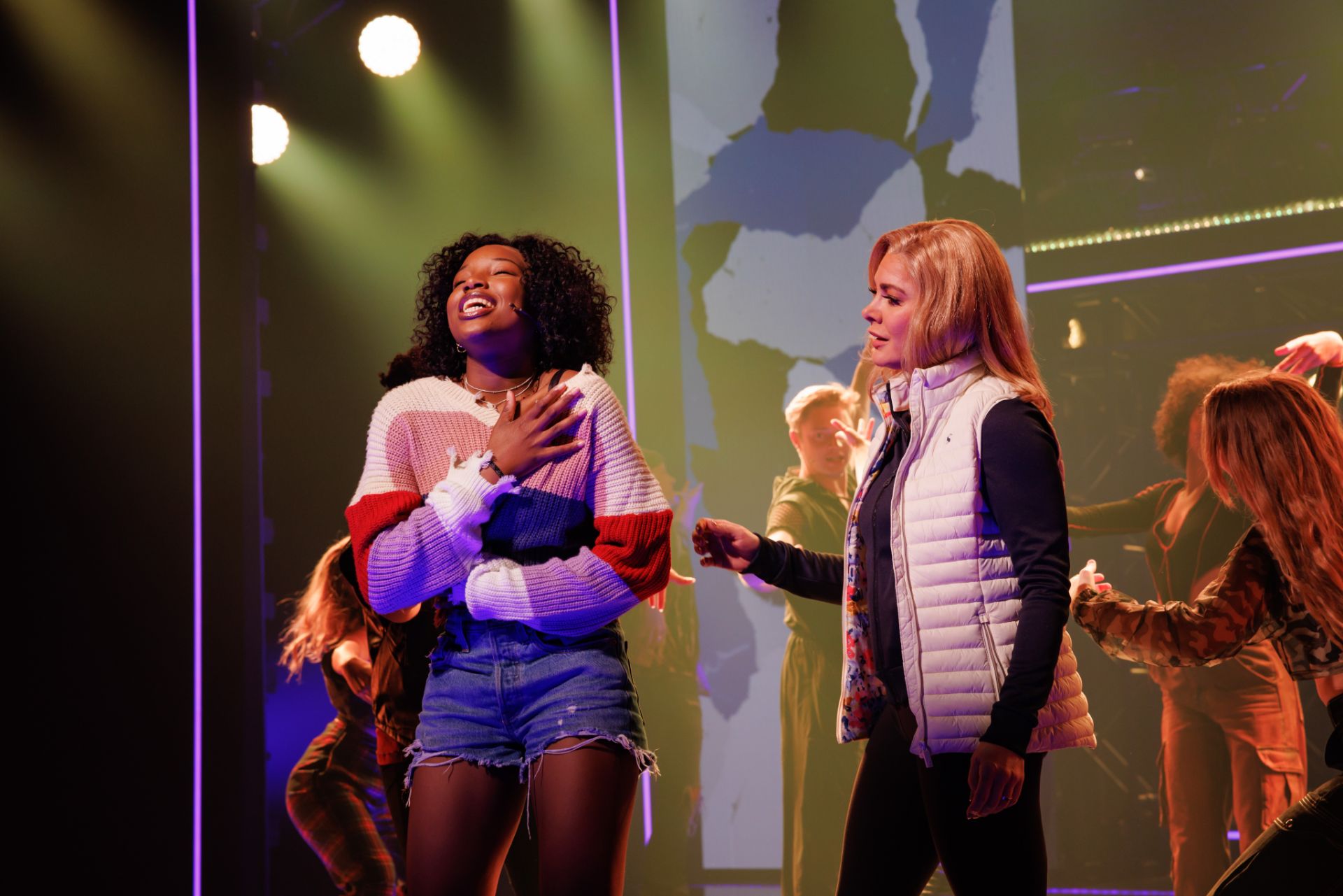
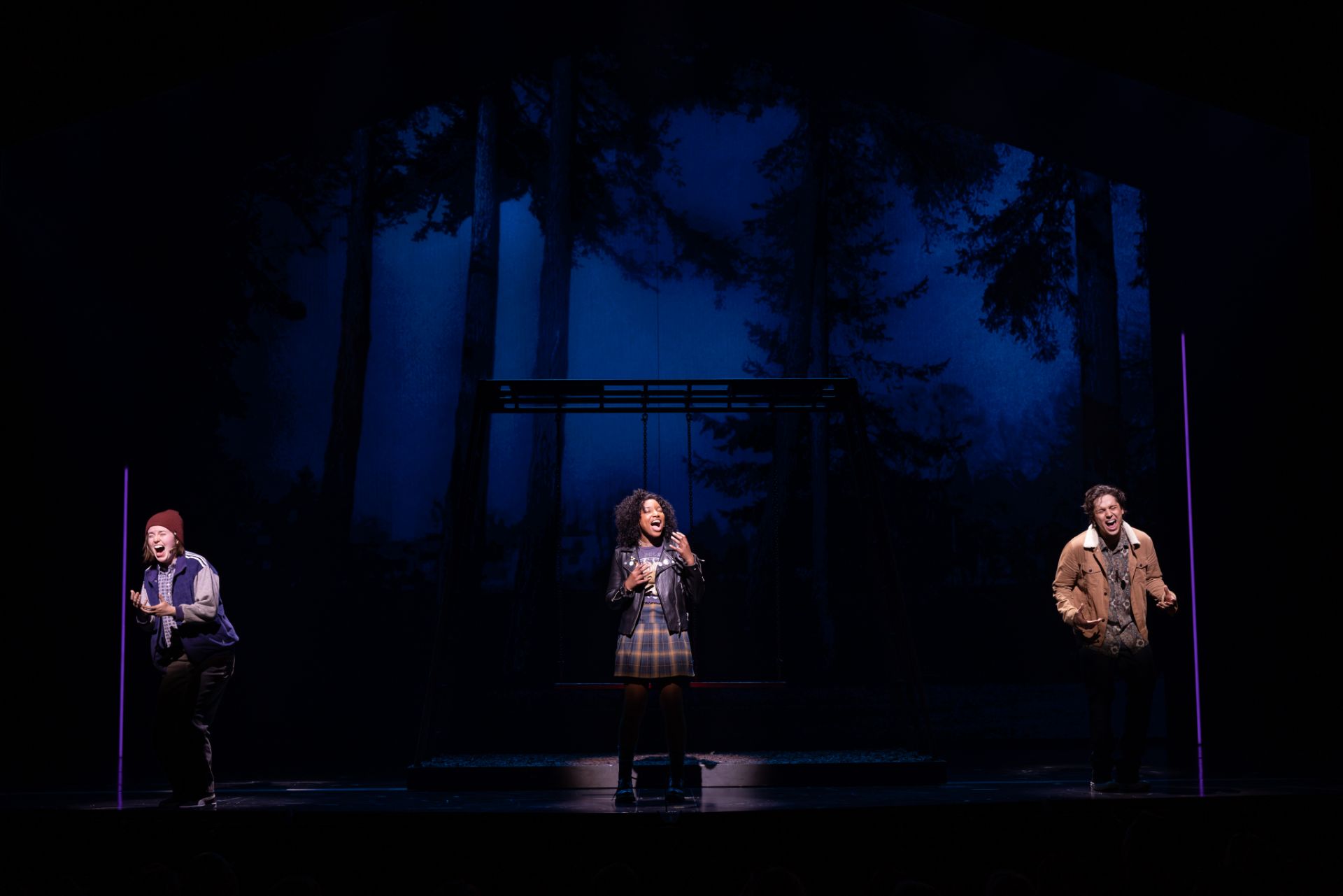
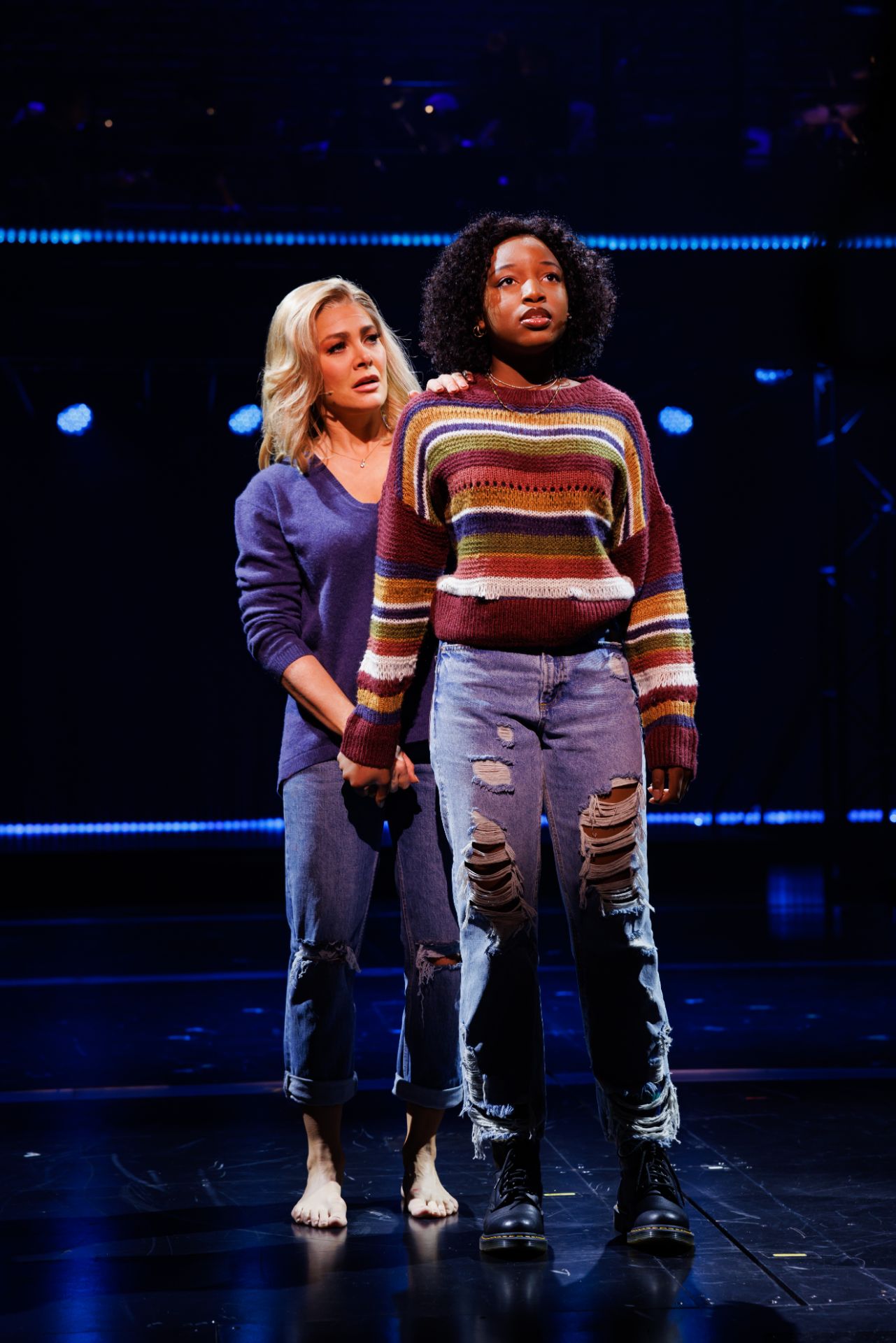
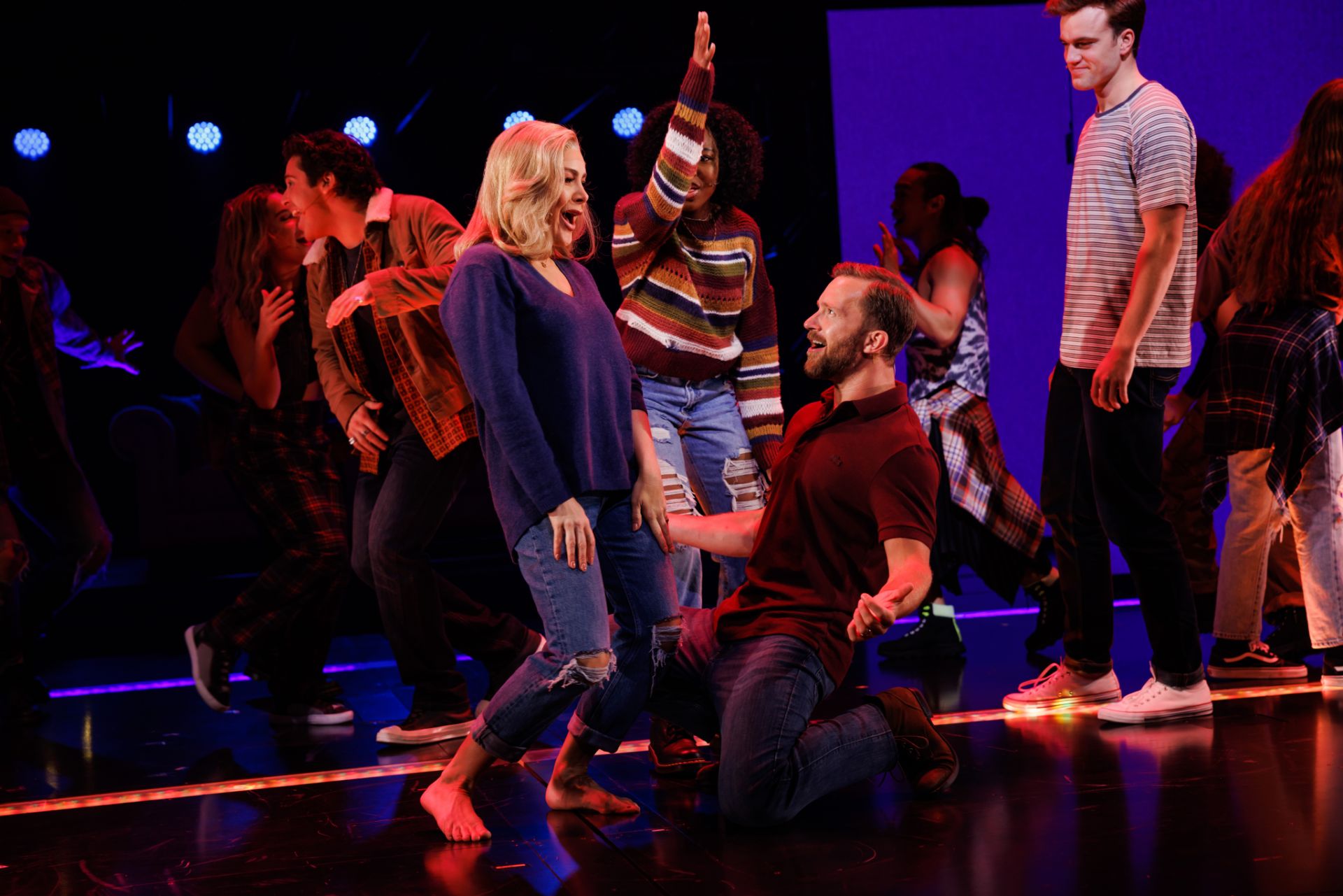
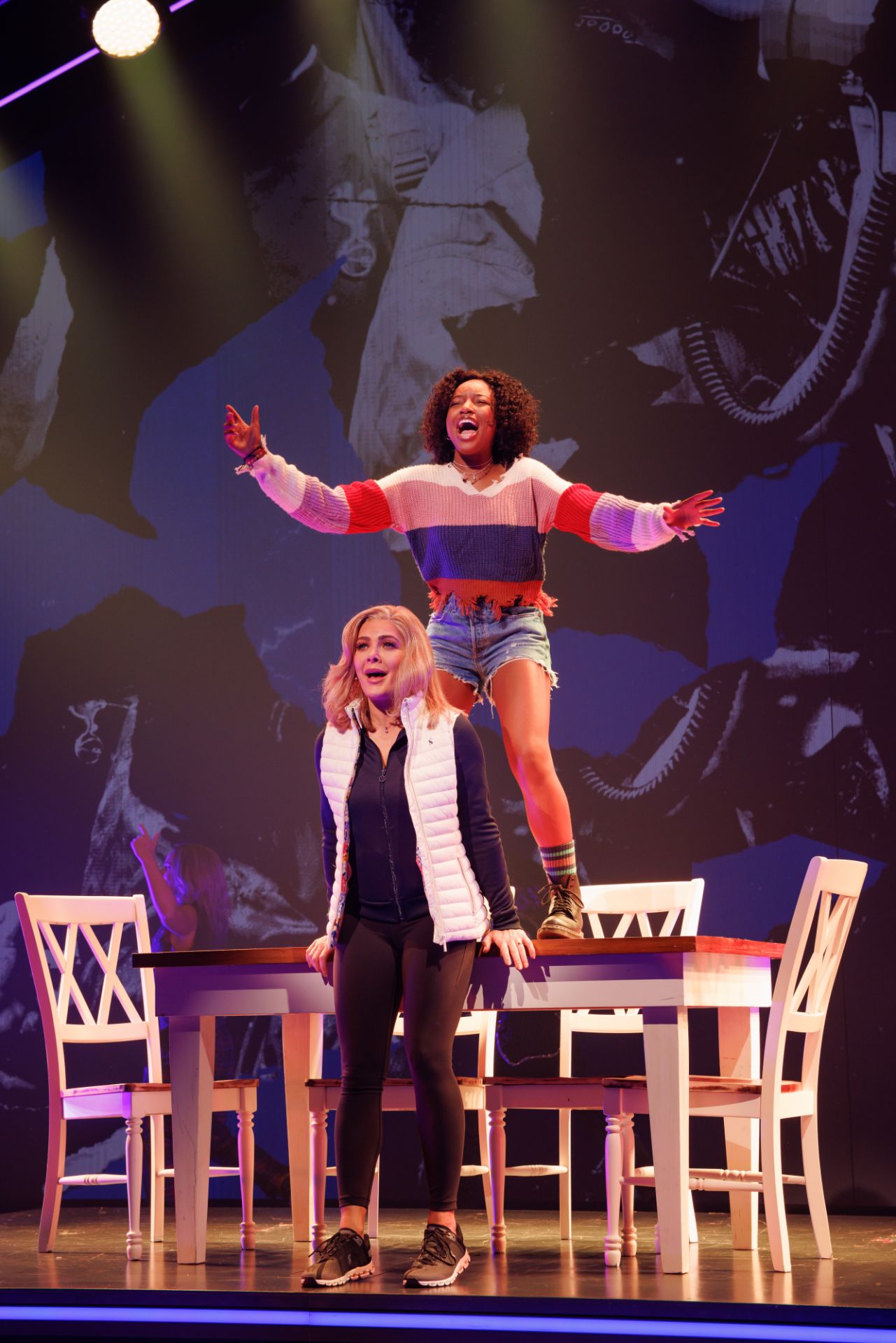
The story takes place in upper-middle class suburbia, where Mary Jane, a classic Connecticut housewife hiding a secret drug problem, invests extraordinary energy into making everything at home appear perfect, to all and sundry. A reckoning is forced into being however, when her teenage children’s upheavals precipitate an embrace of the ugly truth. Adopted daughter Frankie is Black and coming of age, and has lost all patience for her community’s pretentiousness, and son Nick is embroiled in a case of sexual assault, that leads us to discover the depths of Mary Jane’s personal struggles.

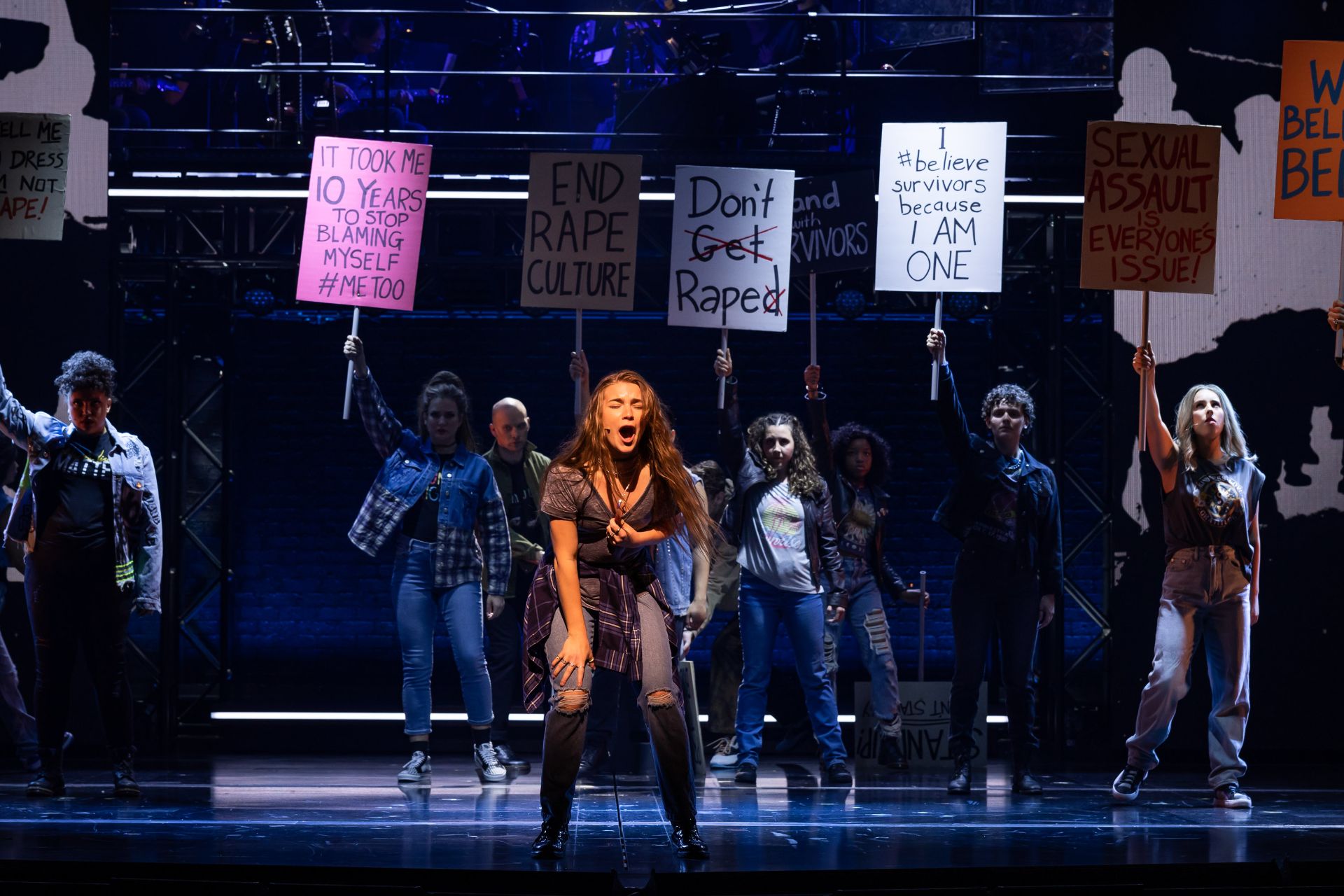
The book for Jagged Little Pill by Diablo Cody is carefully considered, and admirable in its commitment to incorporating social issues that are of immense concern today. It represents a strong attempt at pushing forward the musical theatre format, in order that entertainment could be combined, with something altogether more substantial in the way we tell stories, in this age of cultural reinvention. The dominant presence of political activists in the show, complete with slogans on placards, is not only a sign of the times, but a real manifestation of the spirit and intention, of this very 21st century musical.

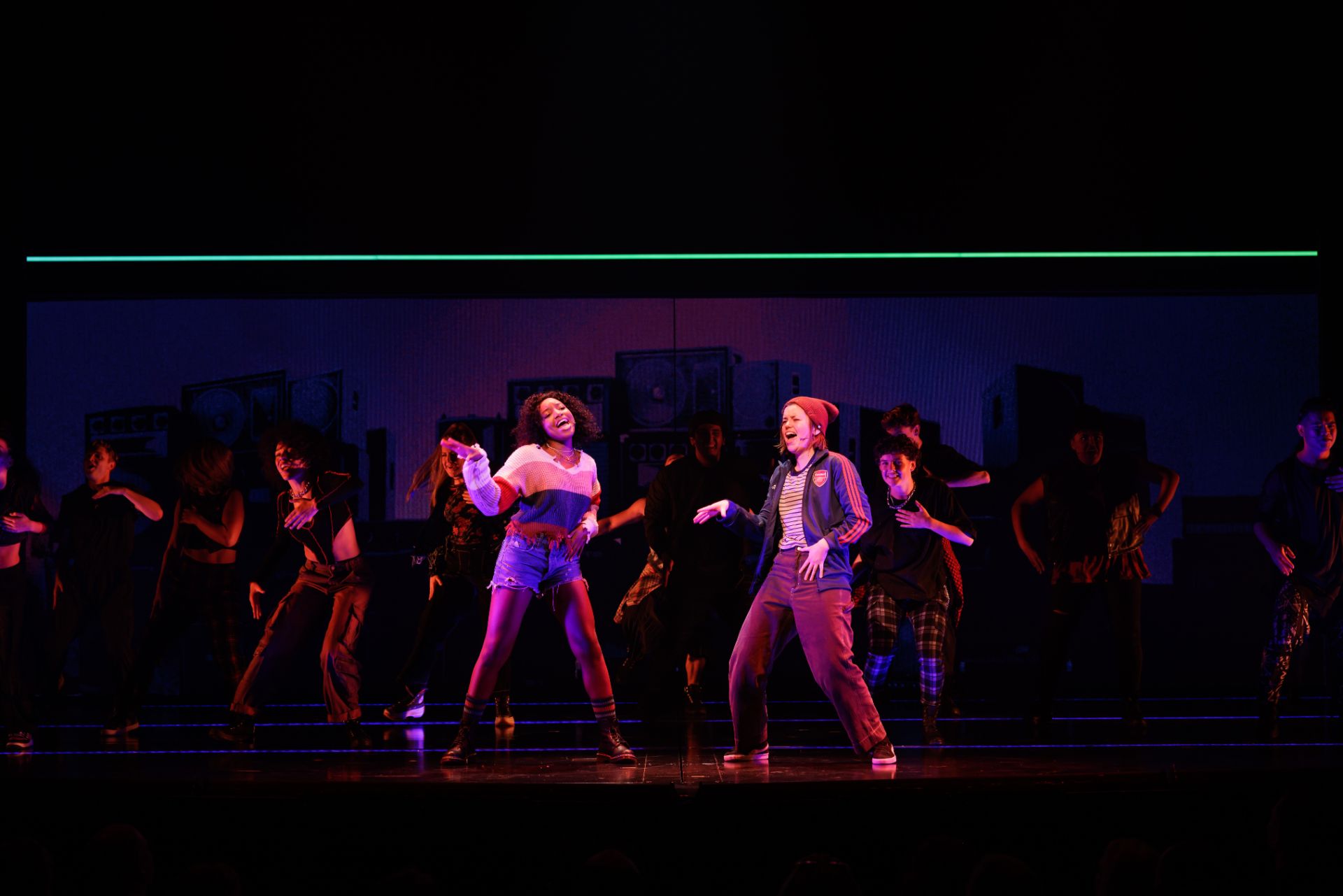
Featuring songs from the seminal 1995 Alanis Morissette rock album of the same name, the show however is not always completely engaging. The flow from dialogue to song is often less than seamless, and choreography of dance sequences feel awkwardly dated, even if we are conscious of the source material’s age. Fortunately, direction by Diane Paulus (implemented by Resident Director Leah Howard) is full of heart, and although not completely finessed, Jagged Little Pill succeeds in making its art say something deeply meaningful, and very probably, enduringly memorable.
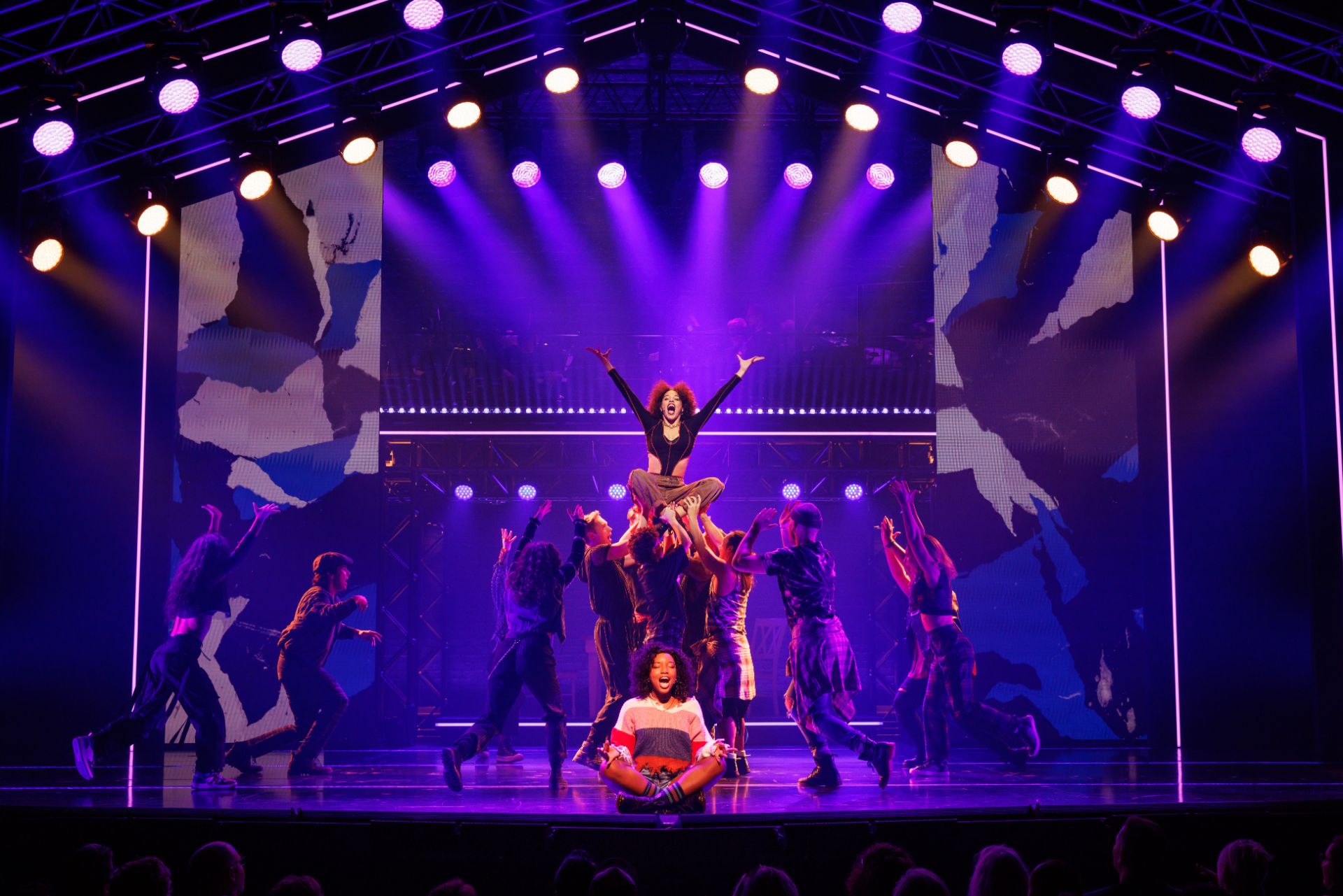
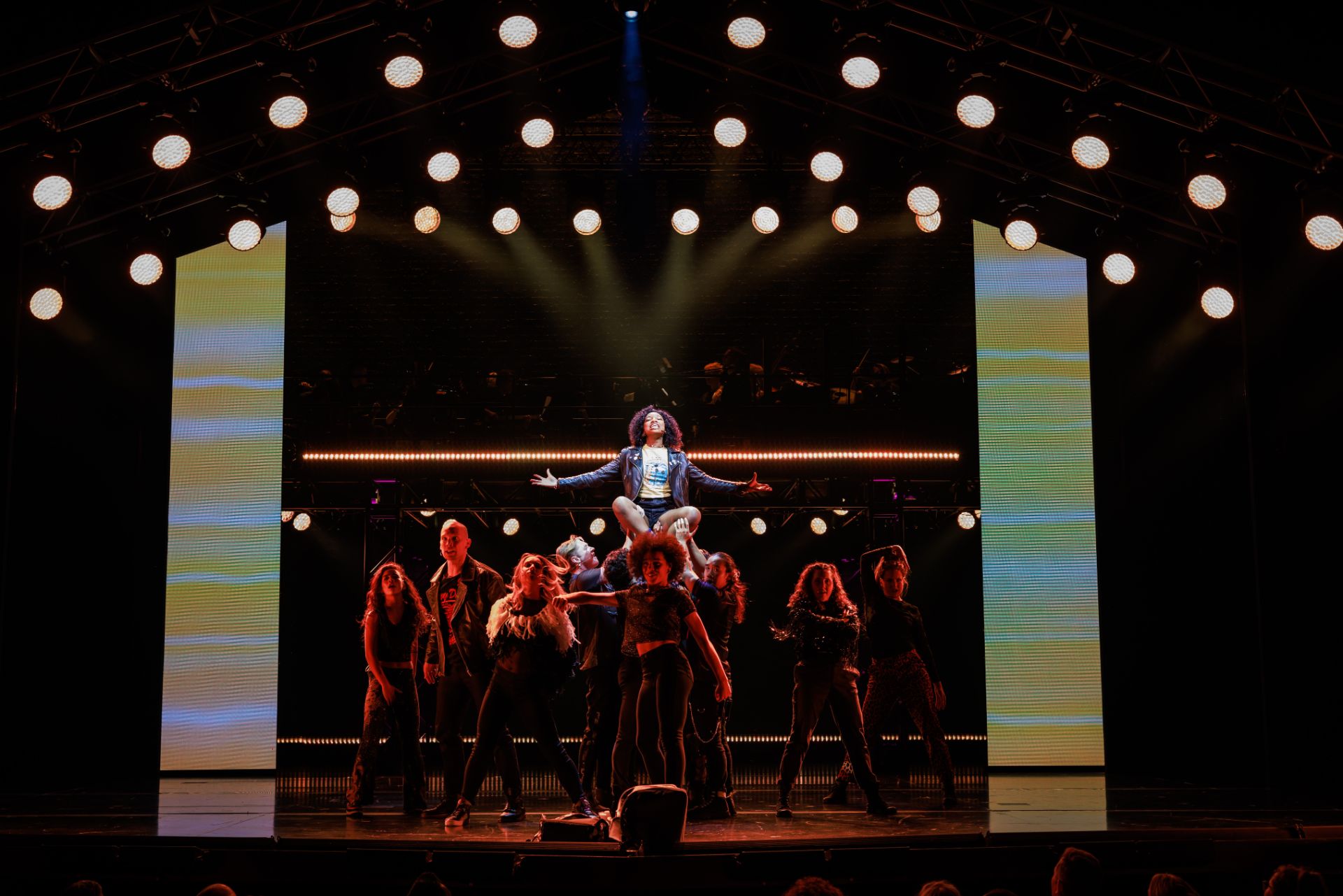
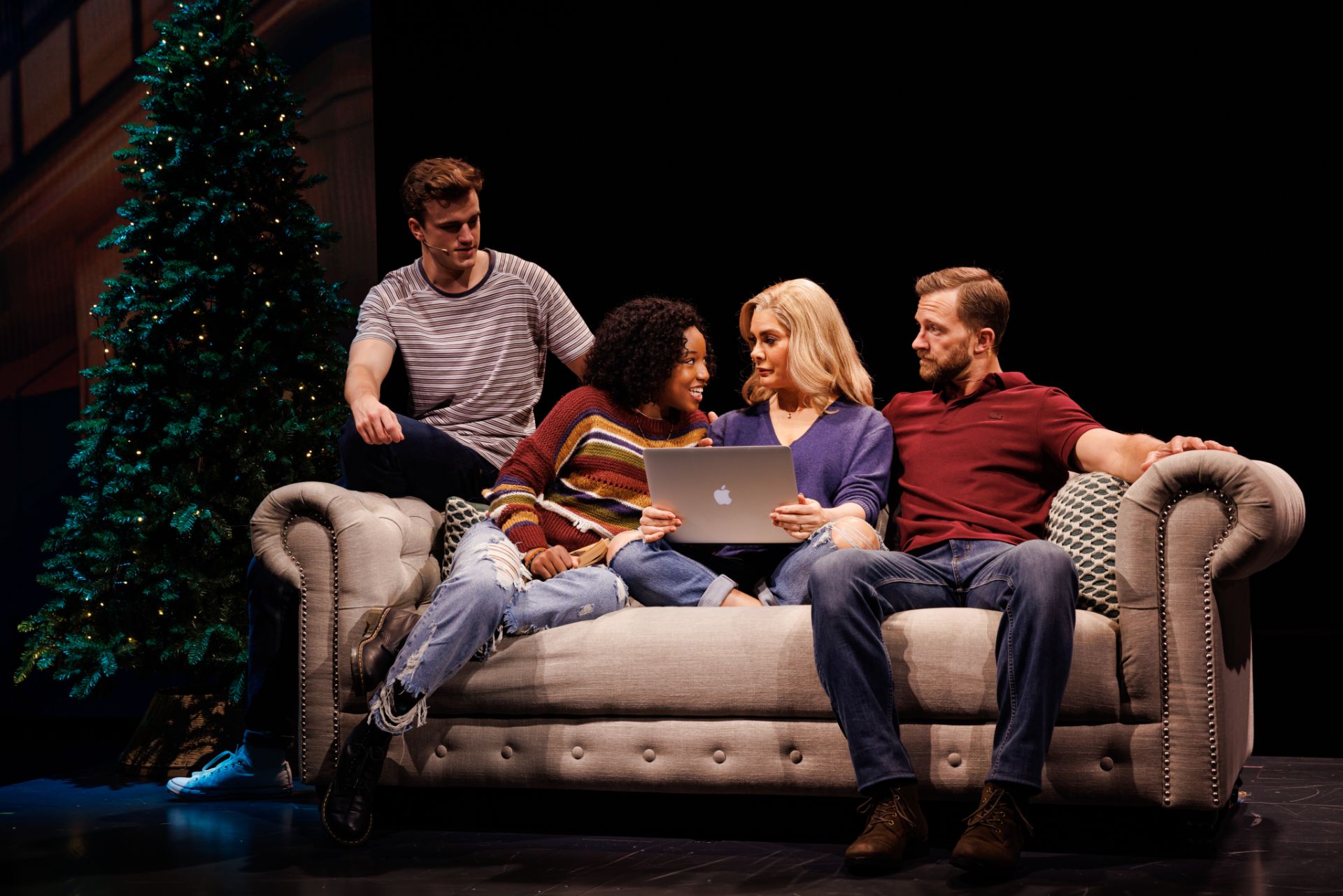
Performer Natalie Bassingthwaighte does an excellent job of presenting Mary Jane’s vulnerability, beautifully detailing all her character’s flaws, whilst keeping us firmly on her side. It is a charm offensive of the most convincing kind. Her family is portrayed by Tim Draxl, Liam Head and Emily Nkomo, who offer nuance to challenging relationships, that all can surely identify with. Singing for Morissette’s rock tunes however, are more powerfully delivered by Aydan, Maggie McKenna and Grace Miell, who play Frankie’s friends and lovers from school. Their ability to bridge the considerable gap between rock and Broadway styles of singing, are the crucial ingredient for some of Jagged Little Pill‘s more transcendent moments.

It all ends too neatly and too easily, of course. A big musical, it seems, can only ever accommodate “happily ever after”. The lasting imagery from the show involves young people demanding change, and it is that insistence on something better, that extends beyond the convenient conclusion, an ongoing discussion about our future. We think about the conventions that govern parameters in art, and how every production bears the responsibility of invention and improvement. We think about the way we talk to one another, and how we must learn to reach better resolutions, even if it means having to grapple with humility. Jagged Little Pill is about a youthful spirit, and all the potential we can unleash when the idealism of our young, is given a chance. The show is not quite a call to arms, but the awareness it raises about a need for revolution, is hard to deny.

www.jaggedmusical.com

Review: The Boomkak Panto (Belvoir St Theatre)

Venue: Belvoir St Theatre (Surry Hills NSW), Nov 20 – Dec 23, 2021
Playwright: Virginia Gay
Director: Richard Carroll, Virginia Gay
Cast: Deborah Galanos, Virginia Gay, Rob Johnson, Billy McPherson, Hamed Sadeghi, Mary Soudi, Zoe Terakes, Toby Truslove
Images by Brett Boardman

Theatre review
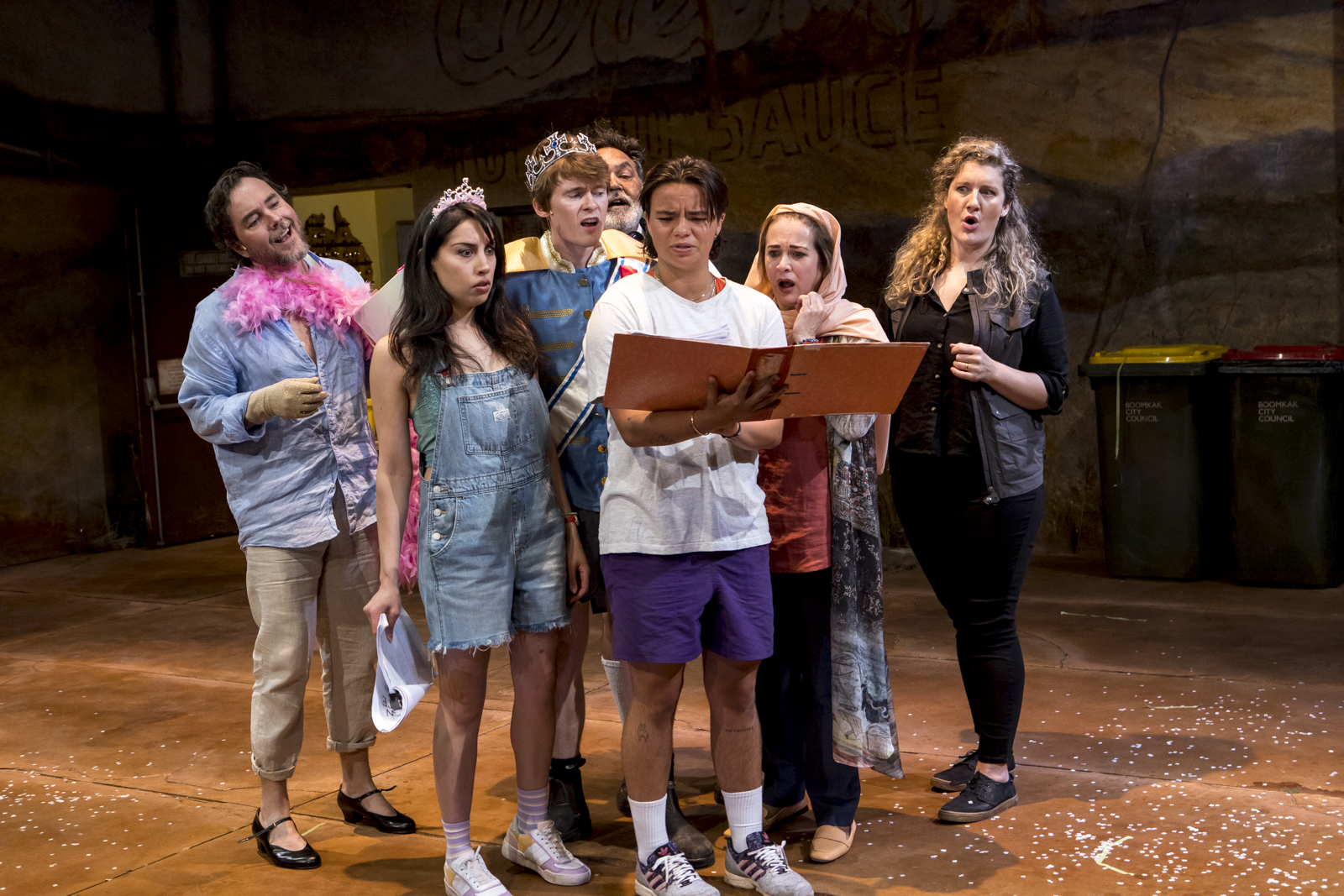
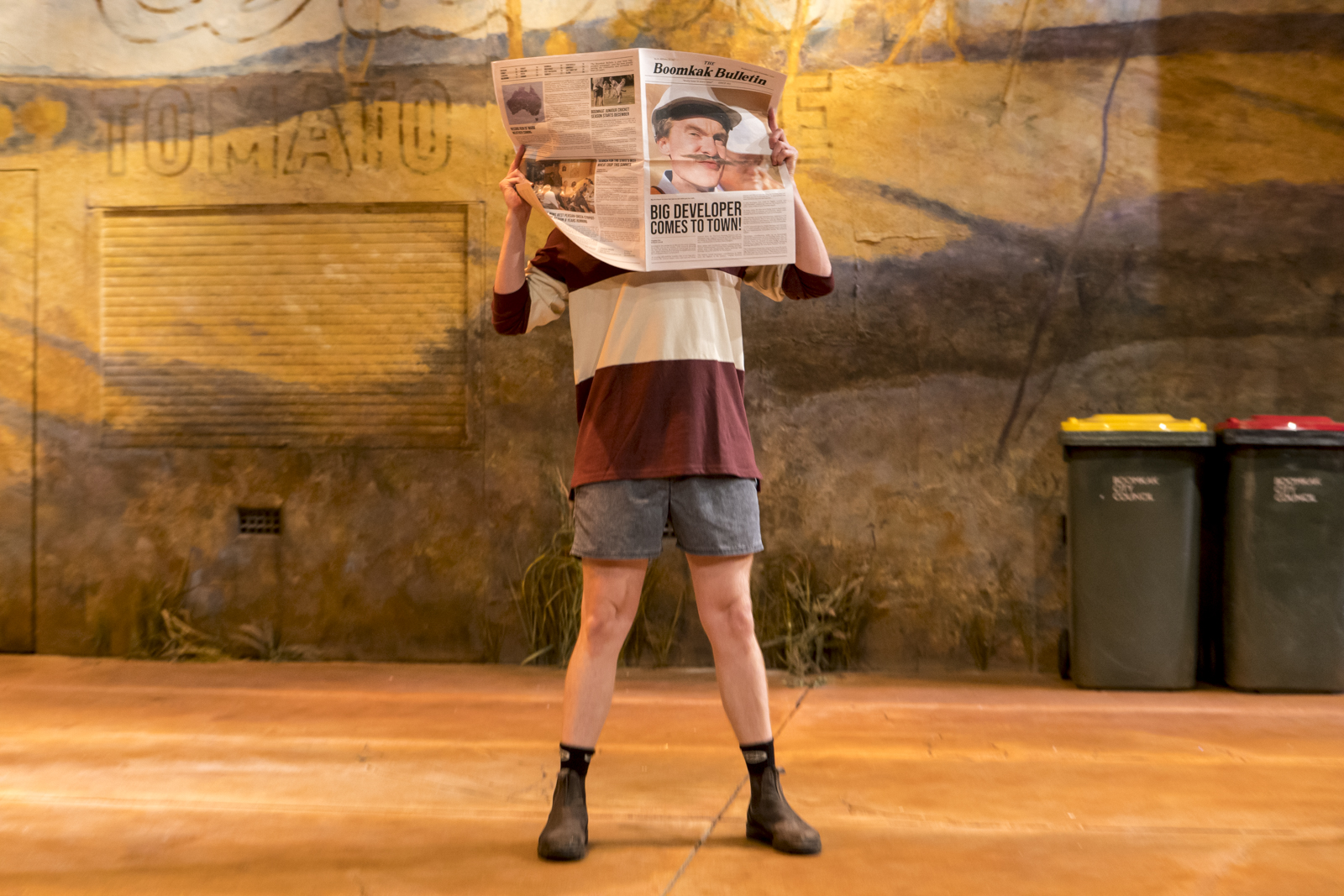
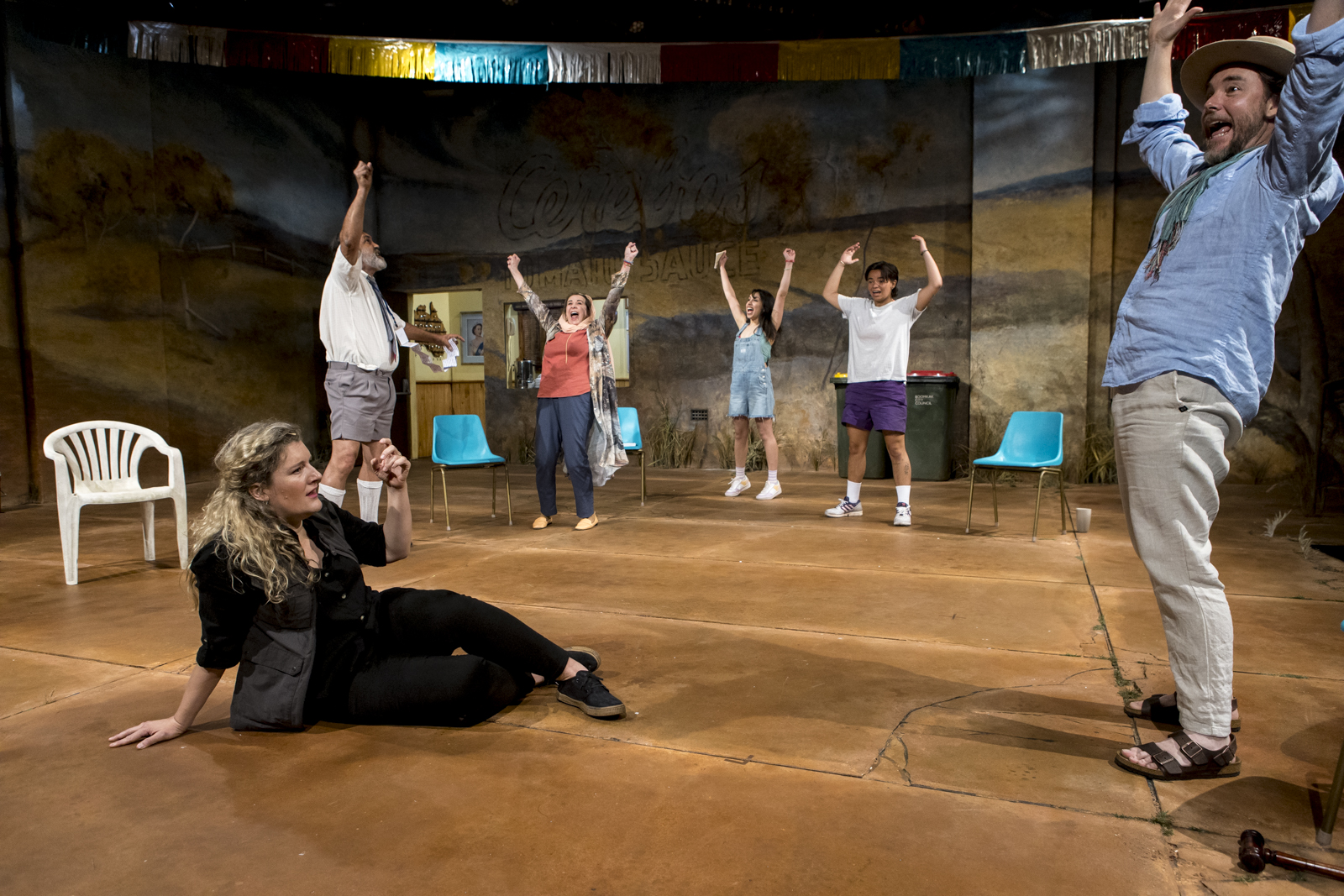
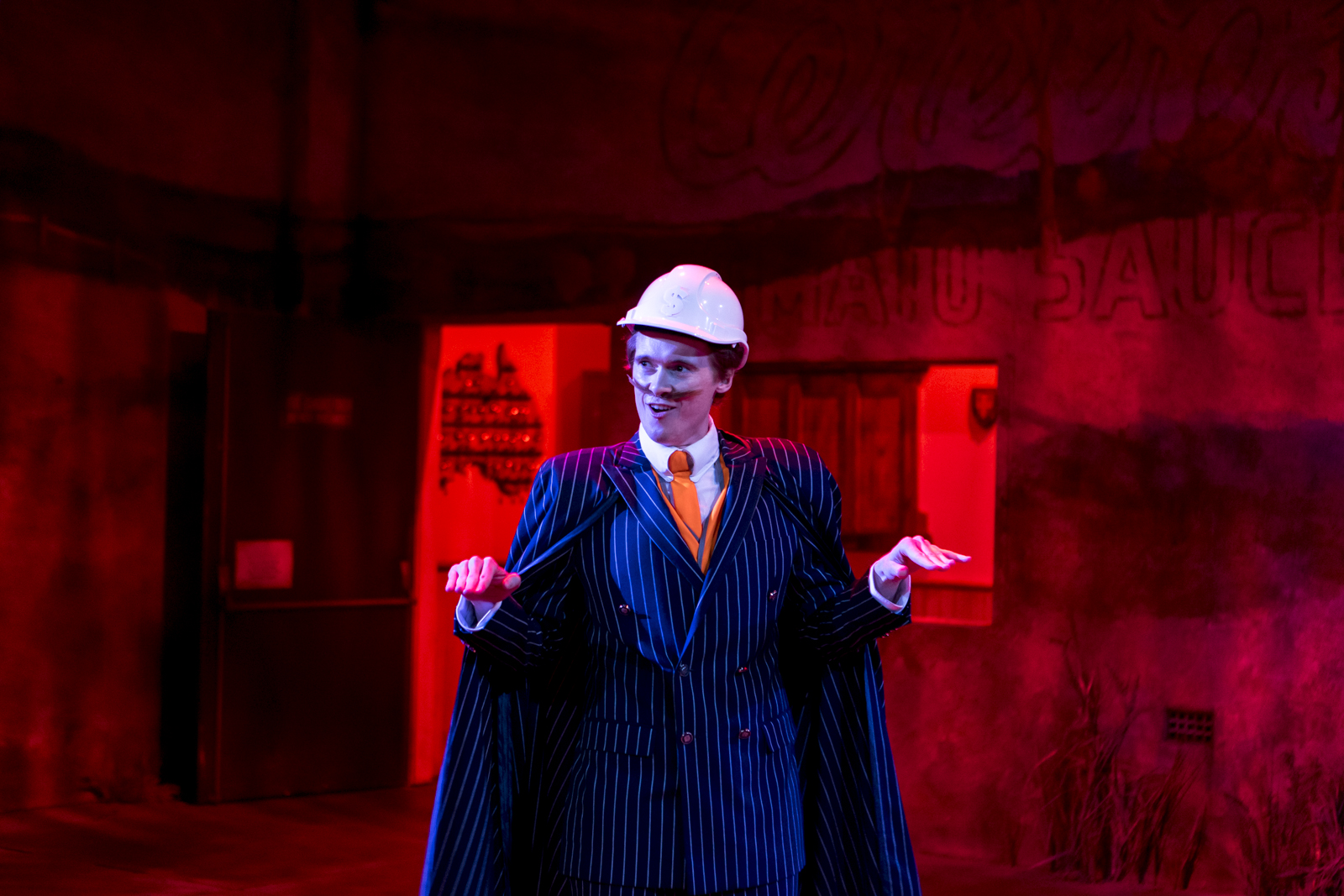
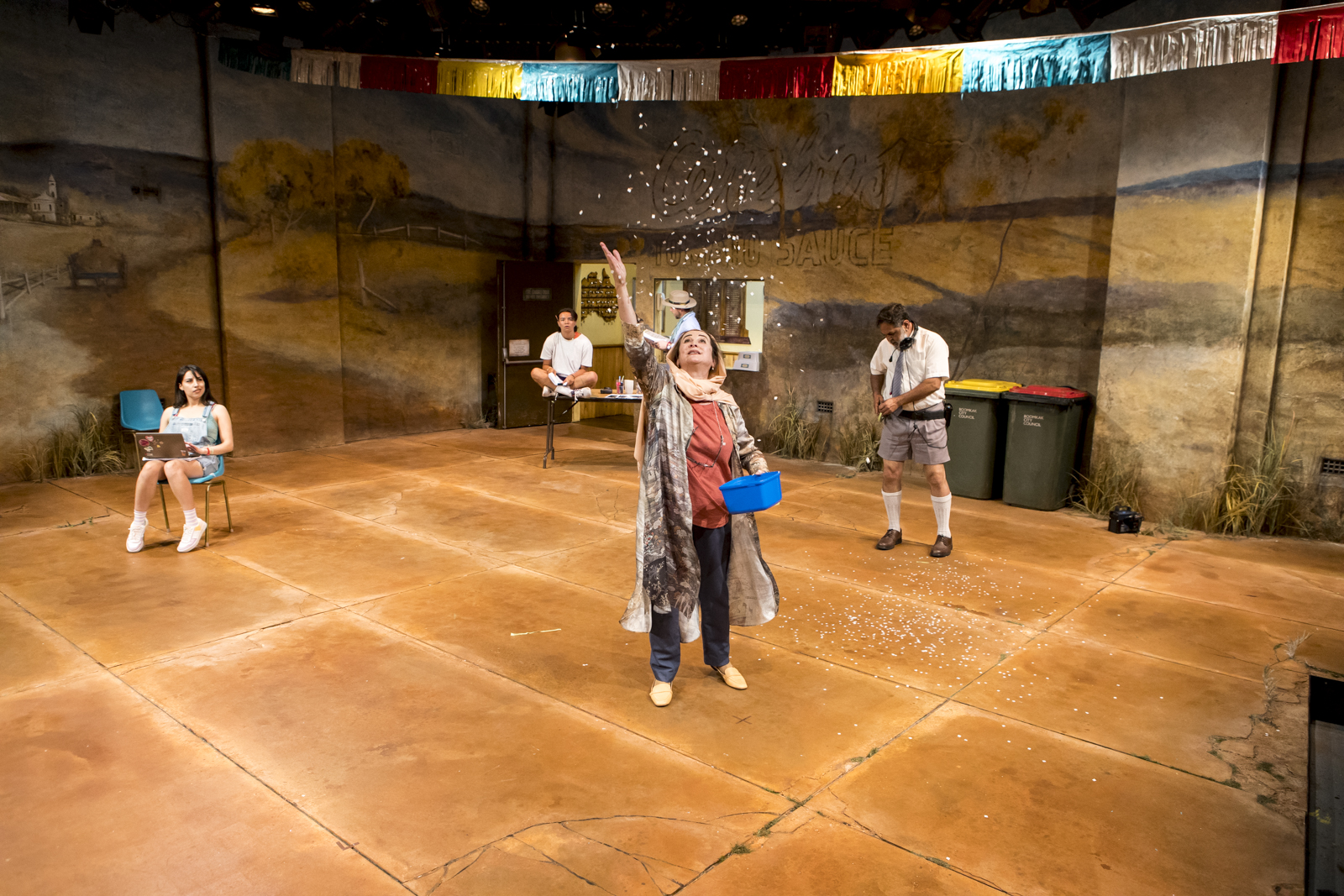
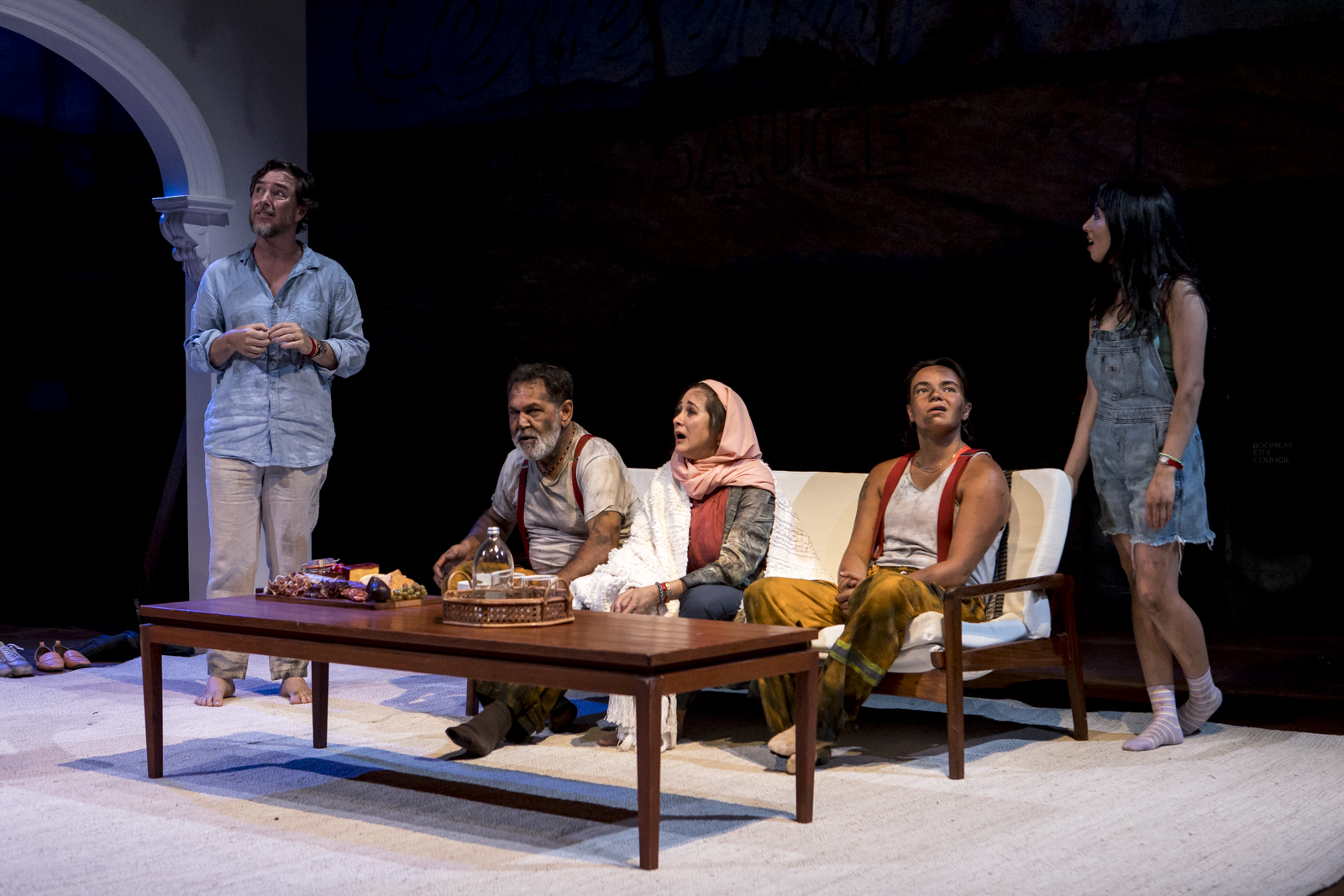
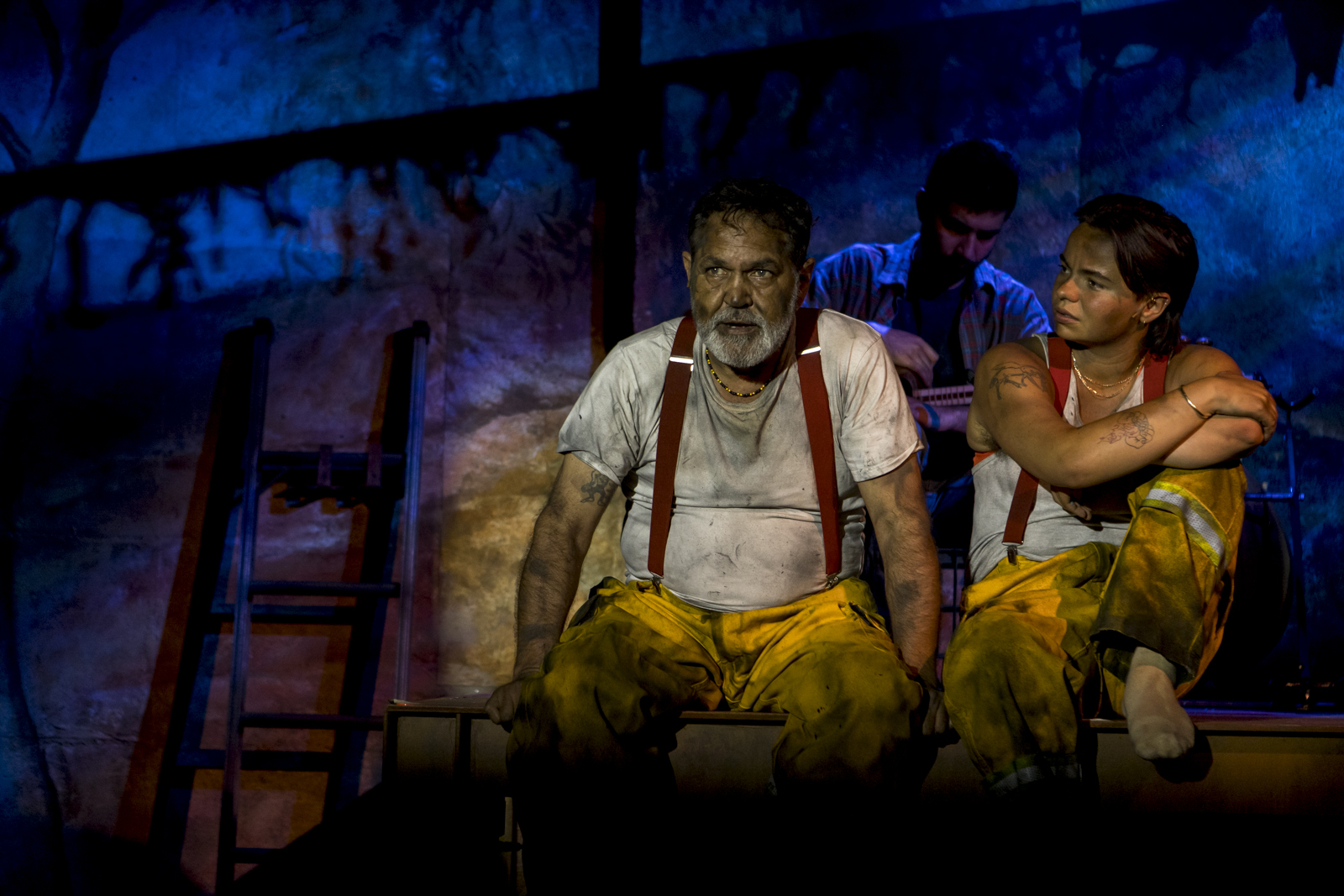
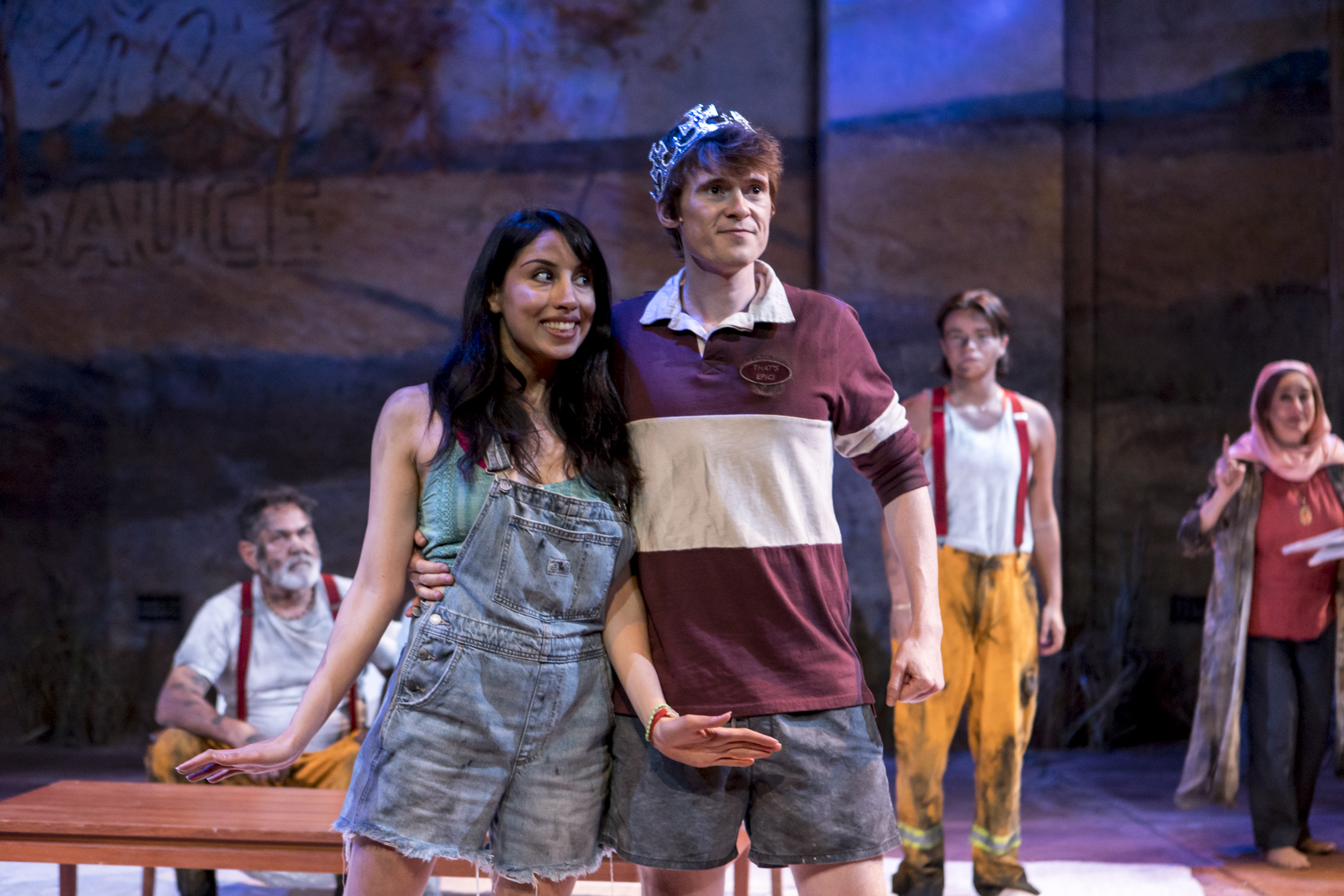
The show begins with a big city property developer descending upon the Australian country town of Boomkak, threatening to alter the way of life forever, in that archetypal sleepy village. Residents join forces, thinking that raising funds from staging a pantomime, would help them fight the evil mogul. Things make little sense in The Boomkak Panto, but the creators make no bones about finding inspiration from traditional children’s entertainment. Their presentation is loud and joyous, an appropriate awakening from 18 months of a pandemic induced slumber. It is celebratory in tone, and certainly feels quite frivolous to start, but Act 2 takes a more meaningful, if abrupt turn, to discussions about immigration and colonisation, along with gender and sexual politics.

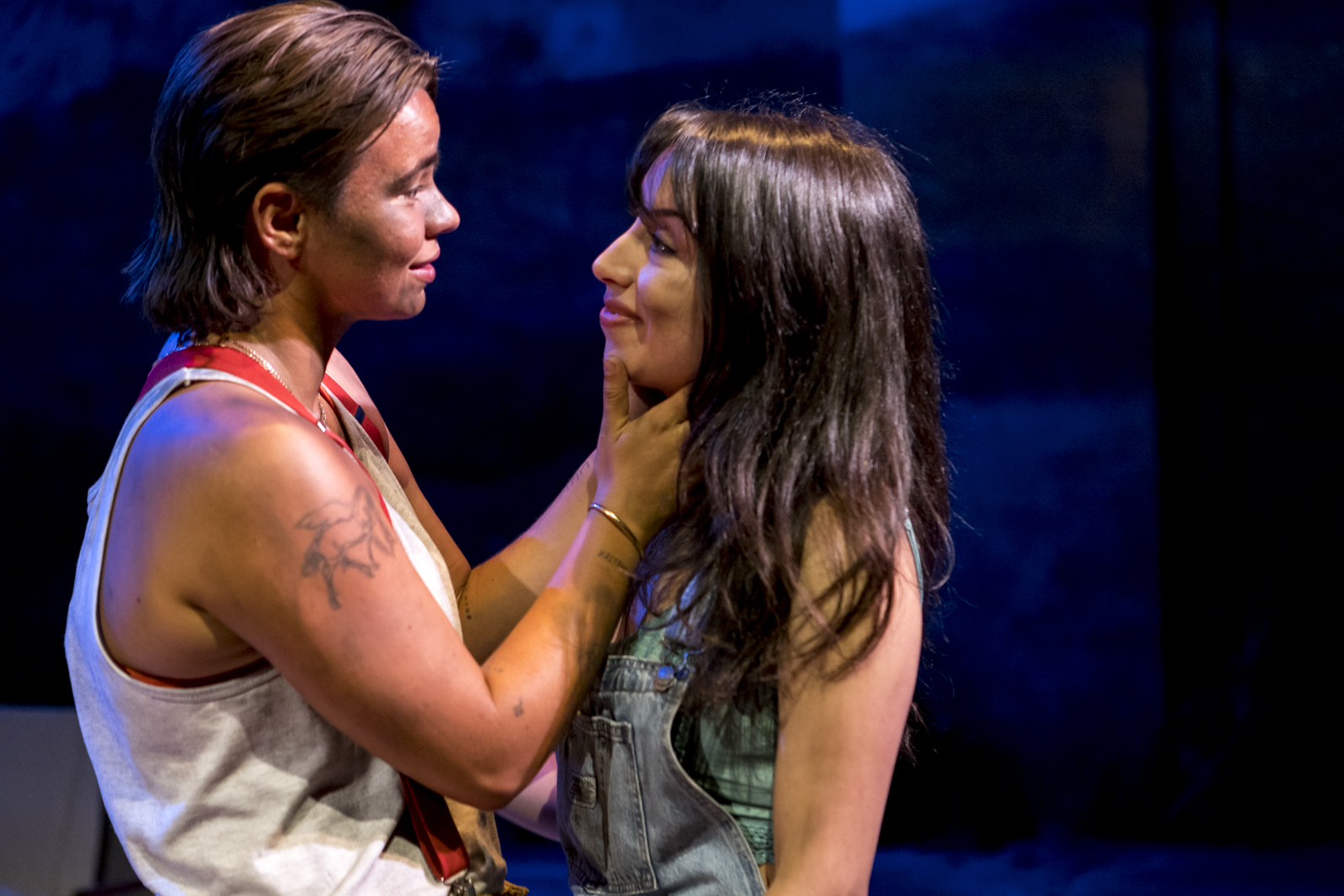
One of the characters, Zoe is in the process of coming out as non-binary, and their storyline becomes increasingly prominent, over the course. It is commendable that The Boomkak Panto chooses to deviate from its initial frothiness, to involve itself in important social discussions, but one wonders if a more cohesive approach could have been found, for an improved sense of harmony for the show’s various trajectories.

Writer Virginia Gay’s jokes are plentiful, ranging from corny to genuinely hilarious. A handful of songs by Eddie Perfect give the production a touch of class, although its use of classic pop tunes are no less effective. The clash between earnestness and irony in The Boomkak Panto can make for an awkward  theatrical experience, but is also necessary, in its explorations of white identity in this day and age. Whiteness is thankfully self-aware on this stage, but is also evidently unable to relinquish its persistent dominance. 

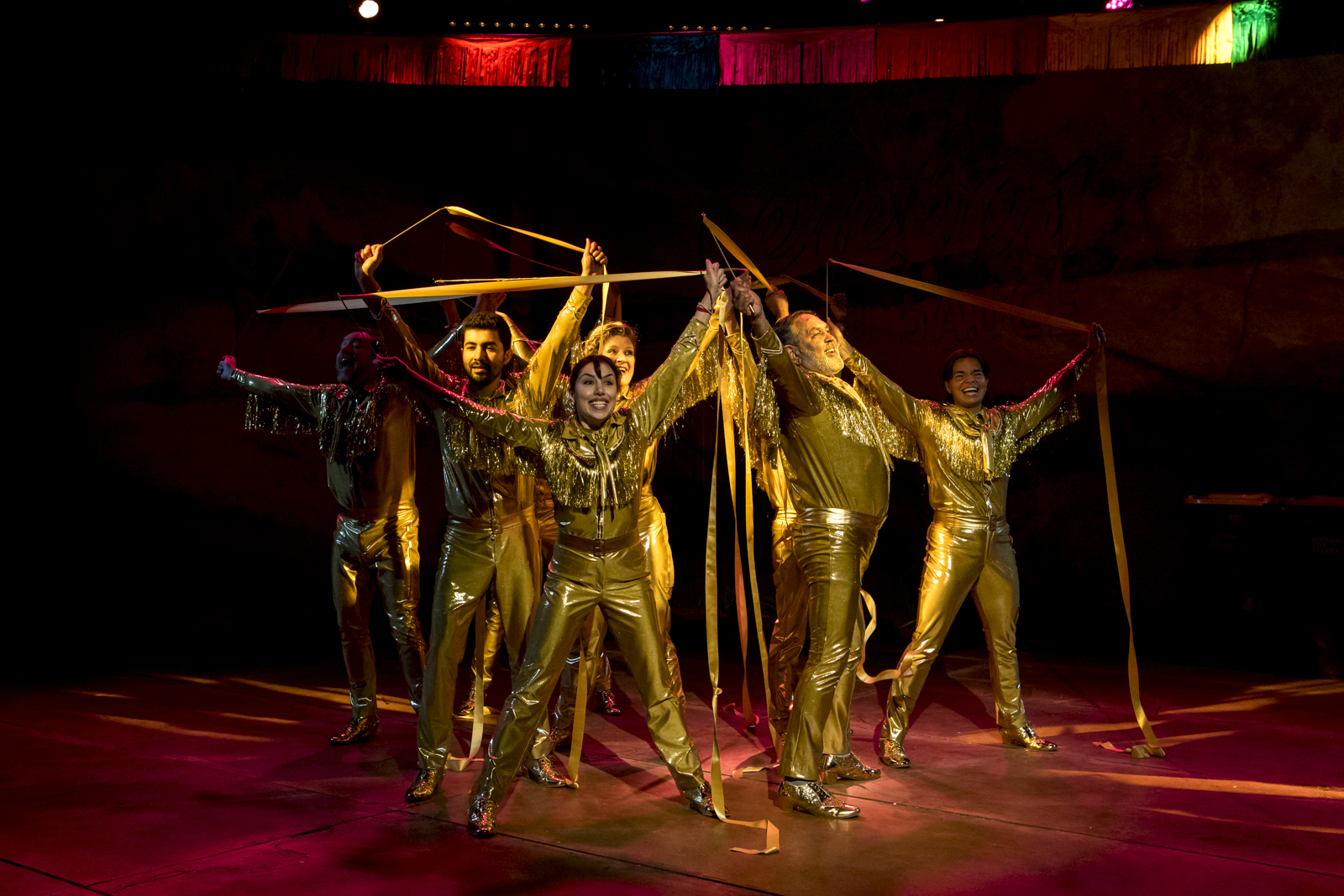
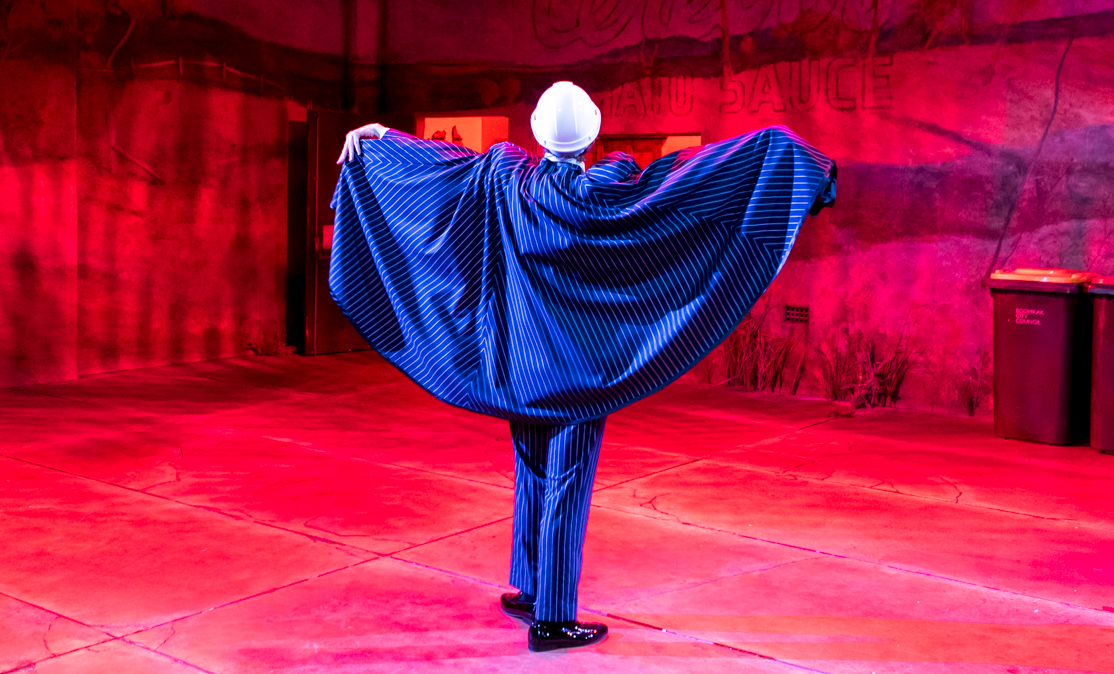
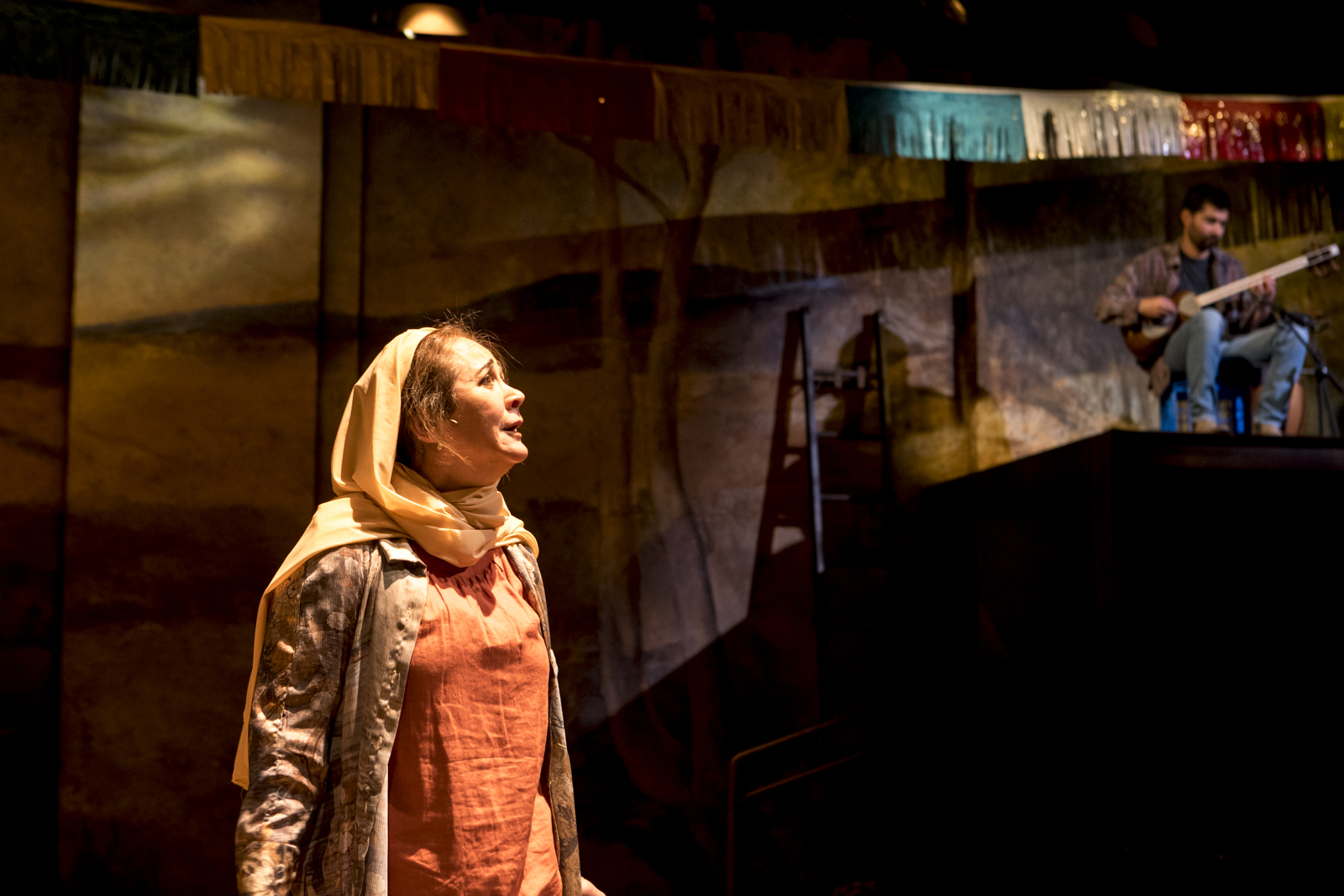
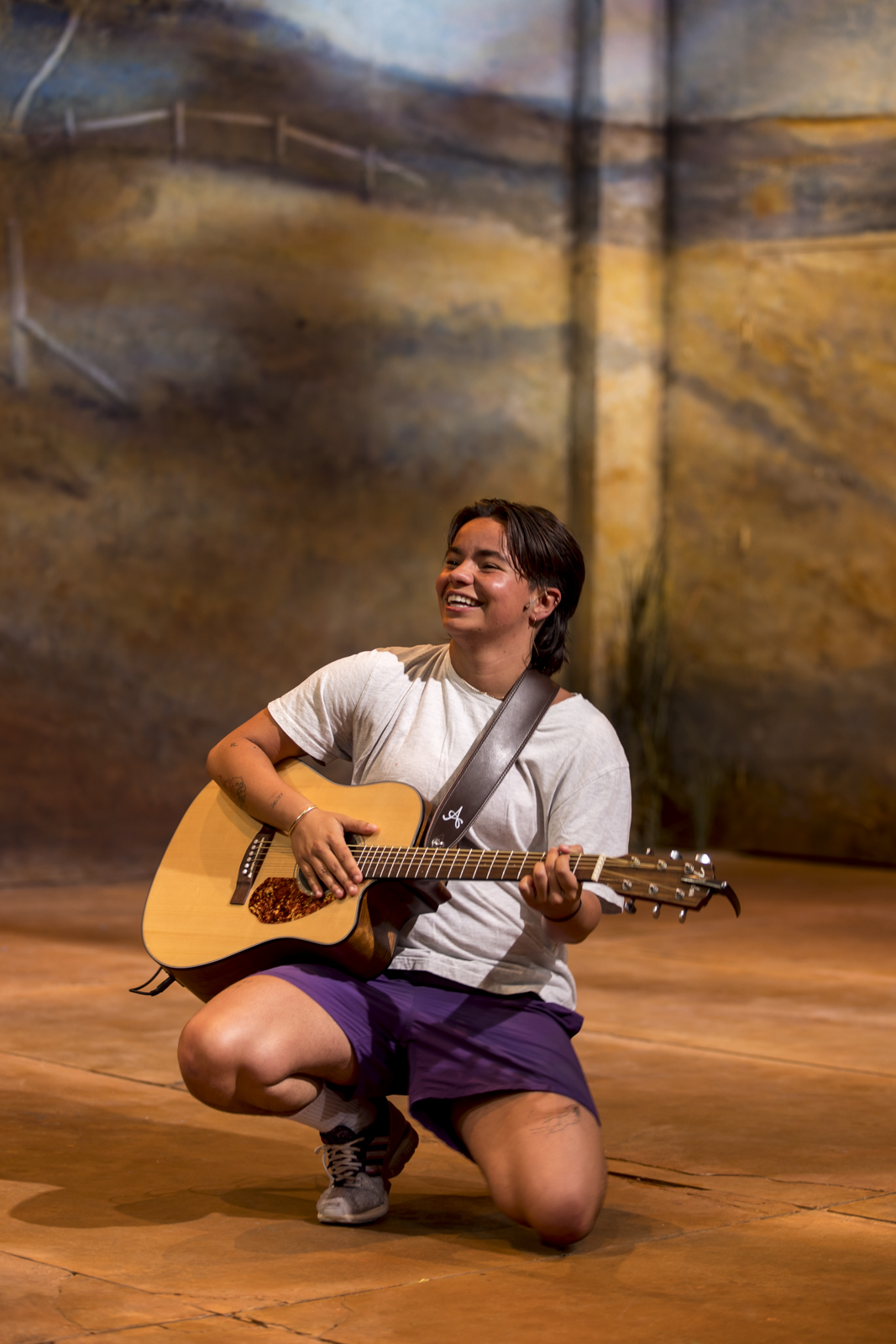
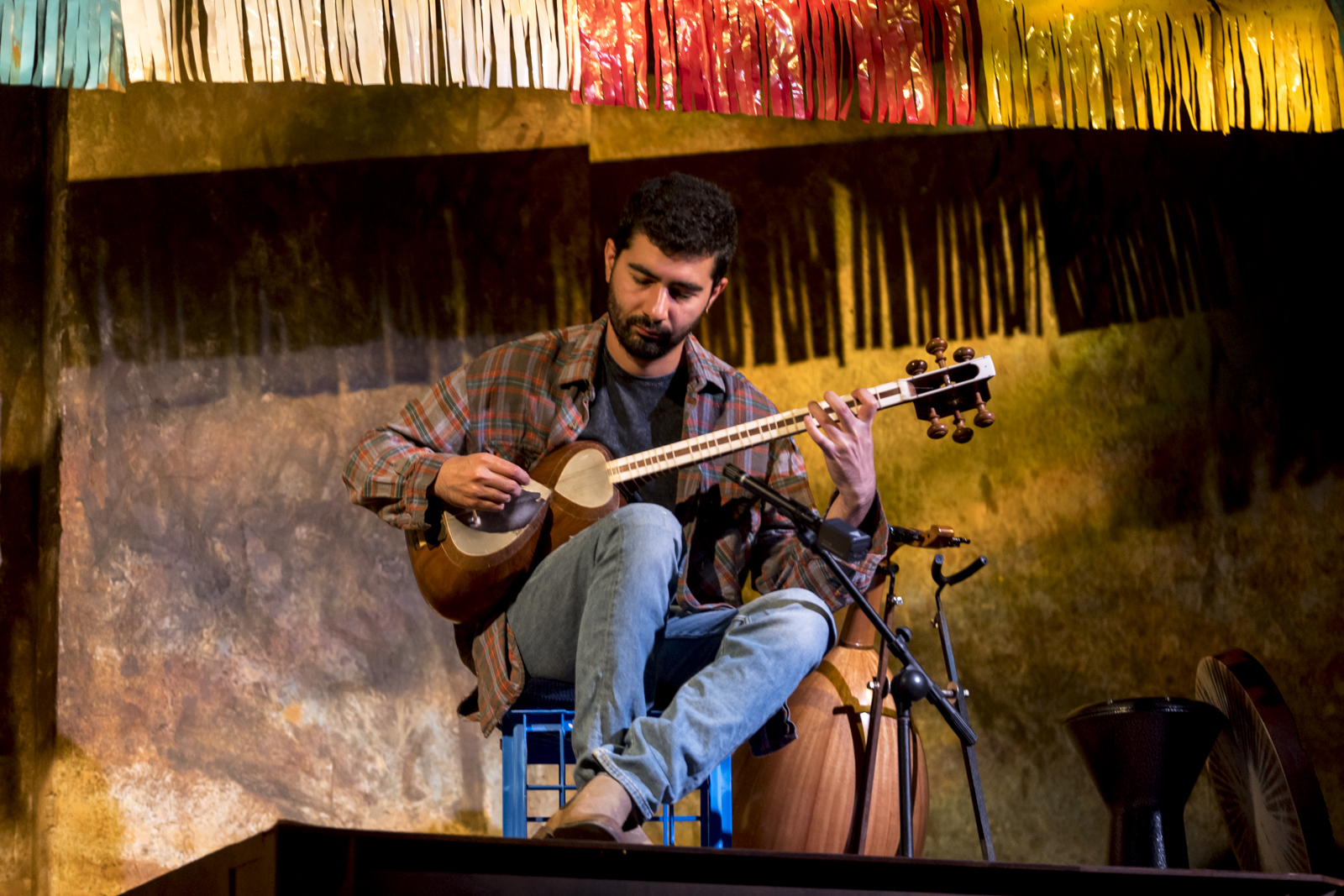
Directed by Richard Carroll and by Gay herself, the work offers great amusement, with energy levels sustained at an admirable height throughout the duration of 2.5 hours. Visually captivating, with sets and costumes by Michael Hankin, and lights by Jasmine Rizk giving us lots of bedazzling colour and movement. Zara Stanton’s musical direction, along with Kellie-Anne Kimber’s sound design, combine to deliver a rich auditory experience. Hamed Sadeghi’s live accompaniment on Persian instruments is a notable highlight, valuable in providing a “countercultural” dimension to what is deemed classic Australian music.

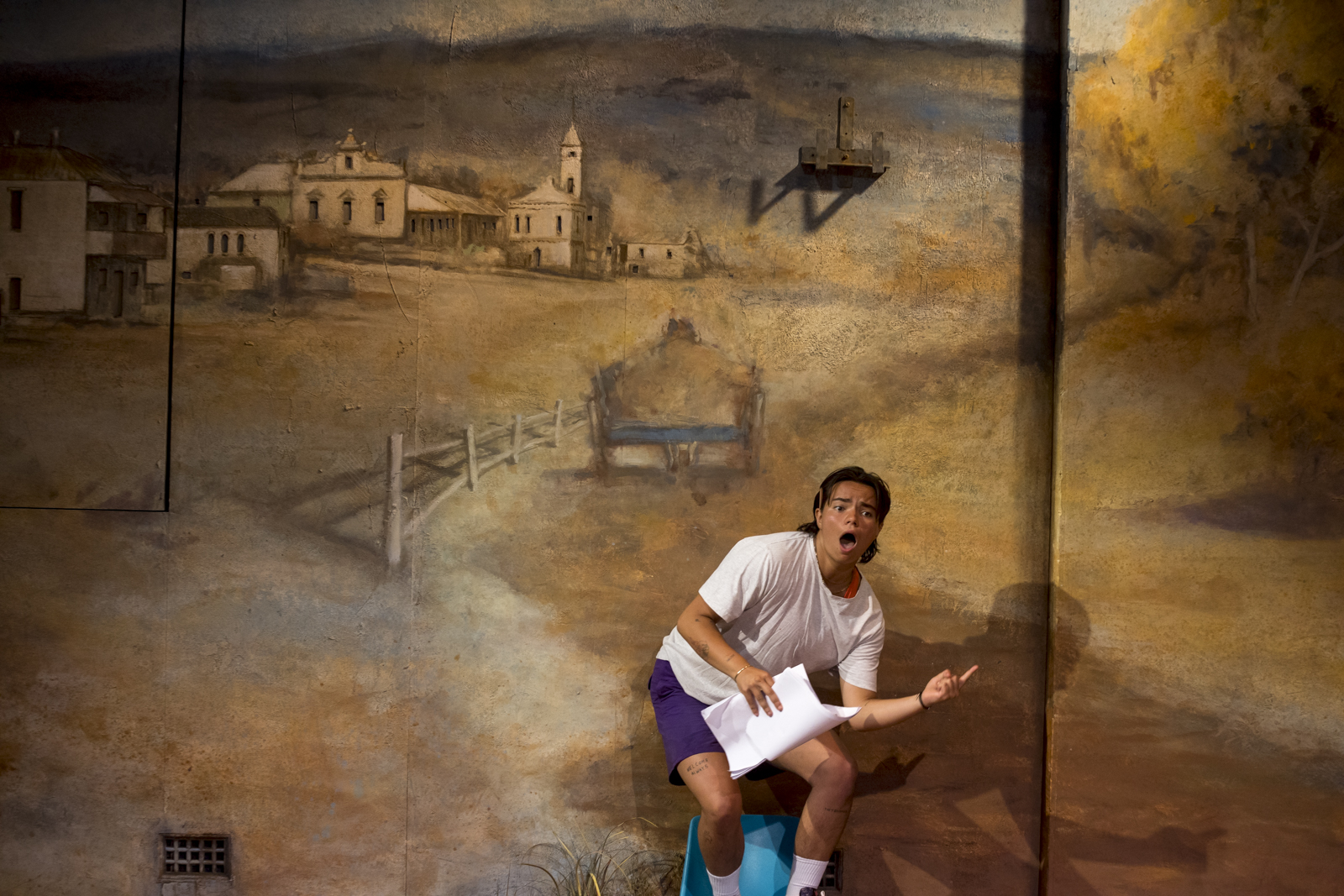
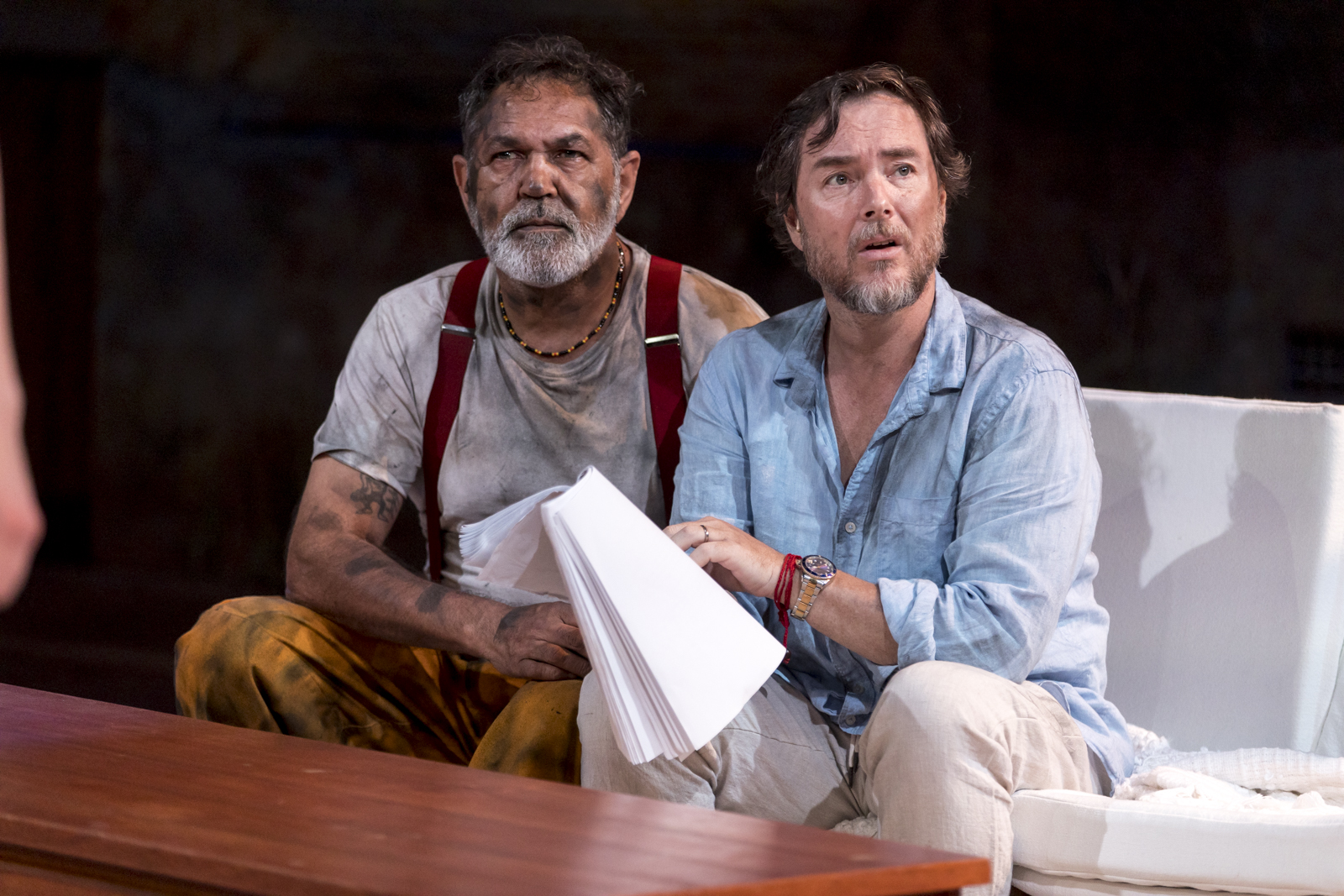
The aforementioned Zoe is played by Zoe Terakes, who brings impressive presence, and an enjoyable air of recalcitrance to their performance. Virginia Gay is very strong as Alison, especially in two big scenes where she occupies centre stage, memorable for her remarkable ebullience. Stealing the show is Rob Johnson who, as the central (property developer) villain and as local idiot Butch, uses toxic masculinity in its various guises to generate unremitting laughter. Johnson’s timing and sense of mischief, are an absolute joy.

In the pantomime world, everything is old and predictable. Young minds are shaped in traditional ways, to make sense of the world in accordance with the values of previous generations. In Boomkak, storytellers are trying to flip the script, not to cause havoc, but to make things right. We have made a habit out of marginalising one another, constantly finding ways to denigrate some, so that others might reap advantages. It is unclear if we can ever reach a point of true justice and fairness, but it is in that unrelenting pursuit , in that active search and insistence on doing better, that we can find ways to live with integrity. 

www.belvoir.com.au

Review: Merrily We Roll Along (Hayes Theatre)

Venue: Hayes Theatre Co (Potts Point NSW), 21 Oct – 27 Nov, 2021
Book: George Furth
Music & Lyrics: Stephen Sondheim
Director: Dean Bryant
Cast: Andrew Coshan, Georgina Hopson, Evan Lever, Vidya Makan, Elise McCann, Ainsley Melham, Tiarne Sue Yek, Aaron Tsindos
Images by Phil Erbacher

Theatre review
The story begins in 1976 and with each scene, we are moved back further in time, eventually to 1957. This 2021 Hayes Theatre staging of Stephen Sondheim’s 1981 musical “Merrily We Roll Along” is a nostalgic delight, as we look back to simpler times of the previous century, taking the opportunity to relish in a tale about the loss of innocence, that seems little more than quaint by what we are used to today.

Young people from that bygone era, like those of our current times, were deeply embroiled in socio-economic upheaval. However, it is evident from George Furth’s book (on which Sondheim’s musical was based), that critical events in 1960’s America, such as the civil rights movement and the war in Vietnam, were able to be conveniently swept aside, in favour of a brand of sentimental reminiscence intent on making life seem so insular, in its wilful naivete.

We are made to examine the friendship between three white artistic types, whose lot in life were dependant only on luck and on the ruggedness of the individual. Their narratives are exempt from being tainted by their proximity to power, and their complicity in social structures that are manifestly unjust. It is perhaps a relief that this form of storytelling, is no longer quite as widely condoned in today’s, shall we say, more politically conscious climate. Black lives always did matter, but how we think and talk about those associated issues seem, thankfully, to have irrevocably changed.

On the other hand, many do continue to enjoy the escapism of the theatrical arts. These increasingly trying times, have made us  feel an irresistible need to seek momentary refuge, in things that are less god damned serious, and in the world of musical theatre, there is perhaps nothing better than to resort to the great songs of Sondheim. They always bear a sense of repetitive familiarity, yet reliably refreshing; toe-tappers that will prove uplifting even at times of awesome pessimism, and because they were written so long ago, we can let ourselves off the hook, for indulging in something that is so completely devoid of wokeness.

Musical direction for the production is brilliantly harnessed by Andrew Worboys, who knows exactly how to make everything shine and sparkle, for a welcome return to communal entertainment after many months of sustained isolation. In the many instances when one becomes painfully aware of the unbearable flimsiness of the characters in “Merrily We Roll Along”, there is always Worboys’ omnipotent work to return to, for something to properly sink our teeth into.

Direction is provided by Dean Bryant, who adds stylish embellishment whenever possible, including clever incorporation of Dave Bergman’s video projections that widen our experience of time and space in the intimate auditorium. Set design by Jeremy Allen is wonderfully chic, as are Melanie Liertz’s costumes, and Veronique Bennett’s beautiful golden lights transport us somewhere decidedly cosier and softer, than the harsh realities of the outside world. It is noteworthy that Bryant’s ability to fabricate a sense of gravity for the staging is remarkable, considering the often banal quality of what is actually being explored.

Performer Ainsley Melham is sensational in the role of Charley Kringas, bringing incredible precision and unexpected complexity to a personality who can otherwise easily be thought of as prosaic. Elise McCann sings every note with clarity and gusto, and as Mary Flynn, McCann is memorably feisty, in a show that has problems allowing enough depth into any of its women characters. Playing Franklin Shepard is Andrew Coshan, who although demonstrates commitment, has a tendency to come across too ordinary and somewhat immaterial, for someone who is meant to occupy the very centre of the story. Supporting players are generally excellent, with Georgina Hopson and Vidya Makan particularly endearing with the effortless comedy they deliver at every turn.

It is true, that we cannot make a better future, without knowing the past. It is also true, that to live in the past, is detrimental to efforts for meaningful progress. The reverse chronology of “Merrily We Roll Along” shows us the history of old friends, so that we can see the value in redemption, along with the importance of embracing humility as a guiding principle in relationships. Sorry seems to be the hardest word, but as proven time and again, it sure pays dividends.

www.hayestheatre.com.au

Review: Come From Away (Capitol Theatre)

Venue: Capitol Theatre (Sydney NSW), Jun 3 – Aug 22, 2021
Book, Music & Lyrics: Irene Sankoff, David Hein
Director: Christopher Ashley
Cast: Zoe Gertz, Sharriese Hamilton, Douglas Hansell, Kolby Kindle, Phillip Lowe, Simon Maiden, Sarah Morrison, Emma Powell, Katrina Retallick, Kellie Rode, Ash Roussety, Gene Weygandt

Theatre review
At the moment the disaster of September 11, 2001 occurred, hundreds of aeroplanes were mid-air across the Americas, thrust into utter chaos. Thousands of passengers had to be diverted as a result of the terrorist attack, to safer harbours, including the island of Newfoundland, at the outer east of Canada. The musical Come From Away comprises a collection of anecdotes from the five days, during which international strangers were welcomed by country folk into their homes, at a historic time.

Written by David Hein and Irene Sankoff, the material is warm and witty, offering a way for us to look back at a traumatic event, without having to engage directly with its immense darkness. Instead, it is the overwhelming goodness of ordinary people that comes to the fore. Directed by Christopher Ashley, the show eschews the usual manipulative cheesiness of the musical format, trusting in our collective memory of that fateful day, to transport us to a space of deep emotion and great empathy.

The staging feels deceptively simple, but in the absence of predictably flamboyant manoeuvres, thoughtful details are introduced instead, notably by Kelly Devine’s choreography, for a theatrical experience that is surprisingly sensitive in its rendering, to achieve an authentic expression of the human need for connection. Howell Binkley’s lights too, are memorable for delicately shifting us from nuance to nuance, never overly dramatic, but always precise in how they convey mood and tone for each scene.

The ensemble cast is brilliantly cohesive. Each performer is given plentiful opportunity to shine as individuals, but it is their tightness as a group that makes their presentation feel bulletproof. All are required to play multiple characters, and for the audience to discover every personality to be a likeable one, is truly remarkable. Similarly, musicians in the productions are no less than awe inspiring. Their work is spirited and exhilarating, incredibly rousing in this story about humans at their best, at a time of crisis.
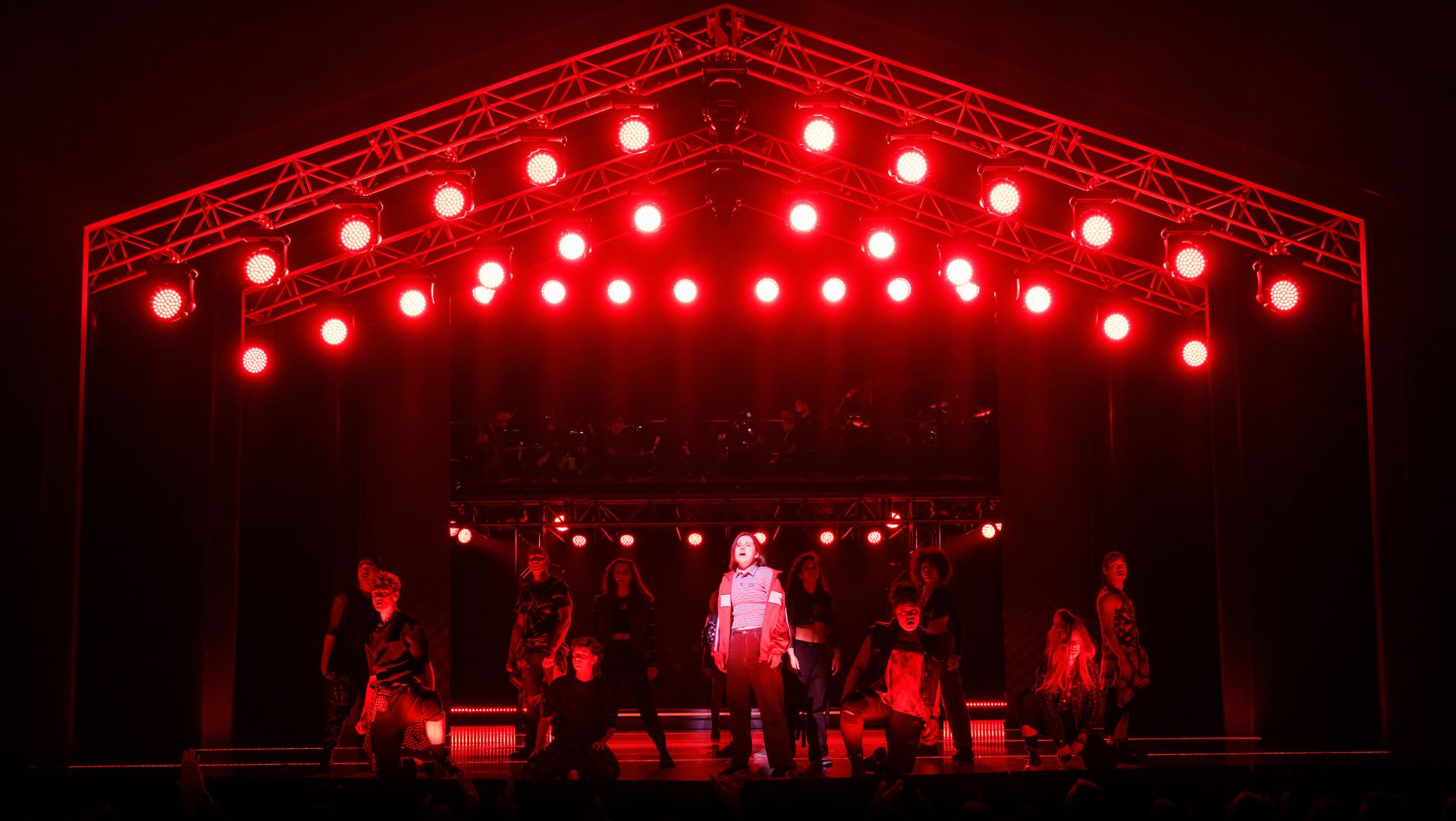
Come From Away emerges from a horrific incident, yet we find it to be full of light and hope. In some ways, there is a sense that twenty years ago, even in the midst of tragedy, we knew clearly the distinction between right and wrong, good and bad. With the passage of time however, it may seem that an erosion of innocence has accelerated, probably through the Trump years, where seeing the worst of people is no longer a shock, but almost a matter of course. Fortunately though, the good people of Newfoundland do not seem fictitious; they only seem very far away.

www.comefromaway.com.au

Review: Fun Home (Sydney Theatre Company / Melbourne Theatre Company)

Venue: Roslyn Packer Theatre (Sydney NSW), Apr 27 – May 29, 2021
Book and Lyrics: Lisa Kron (based on the graphic novel by Alison Bechdel)
Music: Jeanine Tesori
Director: Dean Bryant
Cast: Gilbert Bradman, Ryan Gonzalez, Emily Havea, Mia Honeysett, Lucy Maunder, Jensen Mazza, Maggie McKenna, Adam Murphy, Marina Prior
Images by Prudence Upton

Theatre review
In the American musical Fun Home, based on the autobiographical graphic novel by Alison Bechdel, we observe the cartoonist hard at work on her drafting table, looking back at memories of her difficult father. Bruce was a baby boomer, and like many queer people of that generation, never came to terms with being gay. Even as Alison began to come out as lesbian, his personal anguish never diminished, struggling even to offer support to his own daughter at a time when she had needed him most.

Clearly intended to be an emotional theatrical experience, the show’s reliance on an unlikeable character is risky, and even though the music is predictably and relentlessly sentimental, it is doubtful if audiences could ever feel the full impact of the hardship that this family had gone through. Alison goes to considerable lengths to find forgiveness and understanding for her father, but it is arguable if the musical provides sufficiently for us to respond with deep compassion, or even to care enough for these characters, to be able to invest adequately into their story.

The staging is a polished one, with Alicia Clements’ design facilitating efficaciously, the need for frequent oscillations of time and space. Matt Scott’s lights are beautiful, especially when depicting illusory moments during which we see characters suspended in the undefined abyss of Alison’s imagination. Director Dean Bryant introduces an excellent sense of pizzazz to the production, making sure that we are entertained to the fullest of the show’s potential. He ensures that the story is told with clarity, including the unsavoury revelations relating to Bruce’s life.

We see Alison at three periods of maturity, from childhood and her college years, to the grown woman she is today. Child star Mia Honeysett is fantastic as Small Alison, wonderfully nuanced and authentic, in her portrayal of a child navigating complicated family dynamics, as well as her own blossoming homosexuality. Medium Alison is performed by Maggie McKenna whose singing voice proves a divine pleasure, and Lucy Maunder is captivating as Big Alison, bringing a palpable tenderness that underpins the show. The striking Adam Murphy does his best to honestly depict Bruce, warts and all, but it is Marina Prior who leaves a strong impression playing his wife Helen. When she finally breaks her silence and delivers a faultless solo number, Prior’s technical prowess brings momentary elevation to the production, inviting us to luxuriate in the sheer genius of her singing.

It should come as no surprise that humans are sometimes much more troubling, than a 100-minute Broadway musical can accommodate. The formulaic nature of these creations, requires a form of storytelling that follows many rules, and we discover that truth can sometimes become its nemesis. Bruce’s sexual encounters with underaged boys, is not forgivable, especially in this space of commercial theatre. Fun Home requires us to regard Bruce’s past sins with generosity, the way his daughter has to, in order that our emotions may become engaged in accordance with the traditional peaks and valleys of a conventional musical. Bruce’s transgressions however, are much too severe, at least for the old-fashion song-and-dance format.

www.sydneytheatre.com.au

Review: Half Time (Hayes Theatre)

Venue: Hayes Theatre Co (Potts Point NSW), Apr 1 – May 2, 2021
Book: Chad Beguelin, Bob Martin
Lyrics: Nell Benjamin
Music: Matthew Sklar
Director: Helen Dallimore
Cast: Zoe Carides, Gabrielle Chan, Dolores Dunbar, Deni Gordon, Jaime Hadwen, Chaska Halliday, Nancye Hayes, Stefanie Jones, Donna Lee, Joy Miller, Coby Njoroge, Wendy-Lee Purdy, Eric Rasmussen, Monica Sayers, Tom Sharah
Images by David Hooley

Theatre review
The title of Half Time refers to the bit of song-and-dance that typically occurs in the middle of American sporting events. It is a tradition involving professional performers, who as we find out in the show, have an inordinately premature use-by date of 27 years old. As a marketing gimmick the New Jersey Cougars, a basketball team, assemble a group of seniors to present a surprising version of that mid-game entertainment. A noble idea on the surface, it is soon exposed to be an exercise based on the humiliation of our old.

Half Time the musical however, is a loving showcase of elders in the arts industry. The eight central roles are filled by our community’s most advanced, in an ensemble piece that tackles ageism head on. Director Helen Dallimore does an admirable job of keeping us emotionally invested, in stories that are perhaps much too cliché-laden and almost embarrassing in their predictability. Music by Matthew Sklar is sufficiently enjoyable, but it is the infectious earnestness harnessed by Dallimore that holds our attention.

Strong vocals by Dolores Dunbar-Joanne and Deni Gordon, provide their respective songs with a sentimentality that many will find deeply moving. Idiosyncratic personalities created by Zoe Carides, Gabrielle Chan and Nancye Hayes are memorable, and genuinely funny, in a production that endeavours to challenge our preconceived notions of the ageing process. Stefanie Jones gives a highly polished rendition of Tara, the old folks’ choreographer and coach, whilst Chaska Halliday and Coby Njoroge waste no opportunity to steal the show, whenever their breath-taking talents are positioned centre stage.

As the Chinese saying goes, “the older the ginger, the spicier it gets.” It is an incontrovertible truth that wisdom comes with age, yet the elderly (especially elderly women) are routinely shunned from so much of our lives. The tendency for the young to think of them as inconvenient, difficult and slow, and therefore exclude them from decisions on how things are run in the Western world, can only be of detrimental effect. To only value youthful qualities, is to risk repeating mistakes, as evidenced by so much that has been in written of history.

If we commit to honouring our elders the way so many Indigenous cultures do, we will have to shift our values, in a way that changes priorities in politics and economics. Resources will have to be regarded differently. We may even begin to see our relationship with nature, and ergo with the planet, in a radically different way. To place attention and care on the process of how each of us dies, instead of obsessing over an unattainable eternal youth, is likely the key, ironical as it may seem, to much better ways of life.

www.hayestheatre.com.au | www.nineteen98productions.com.au