Venue: Sydney Opera House (Sydney NSW), Oct 17 – Nov 10, 2024
Playwrights: Gary Abrahams, Elise Hearst, Galit Klas (based on a short story by Isaac Bashevis Singer)
Director: Gary Abrahams
Cast: Amy Hack, Nicholas Jaquinot, Genevieve Kingsford, Evelyn Krape
Images by Jeff Busby
Theatre review
Regarded female, the young adult in Isaac Bashevis Singer’s 1962 short story has to don disguise as male, in order to obtain a formal Jewish education. It was early 20th-century Poland in Yentl the Yeshiva Boy, when the rigidity of gender roles was even more pronounced than they are today. The dominance of religion had meant that many were not able to live their true selves, but adhere instead to strict prescriptions of teachings and texts, that were too often concerned with the constraint of people.
In this 2024 stage adaptation of Yentl, the central character’s zeal to abandon their old garments in exchange for those of the opposite gender, is clearly seen to be more than a matter of access. Not only are Yentl’s desires about enlightenment, they are in fact about an actualisation of identity. Yentl takes the big step of taking public, their previously secret dressing up in their father’s clothing. This appropriation of gender represents for Yentl an opportunity to penetrate an oppressive system, as well as to assume an identity closer to their natural essence.
In 2024, the proliferation of terminology like genderqueer, nonbinary and transness, along with a greater understand of their accompanying definitions and perspectives, means that we see Yentl in a new and clearer light. Of course, they had known themselves for decades, but it may be that we are only now catching up, and it is to the credit of playwrights Gary Abrahams, Elise Hearst and Galit Klas, and their rigorous work, that we can have this restored and truer knowledge of who Yentl was.
Directed by Abrahams, this mesmerising update delivers for its audience, delicious intellectual engagement, along with fabulous entertainment. It is as amusing as it is informative, with an admirable sophistication in both style and thought, that makes Yentl an exceptional work of theatre.
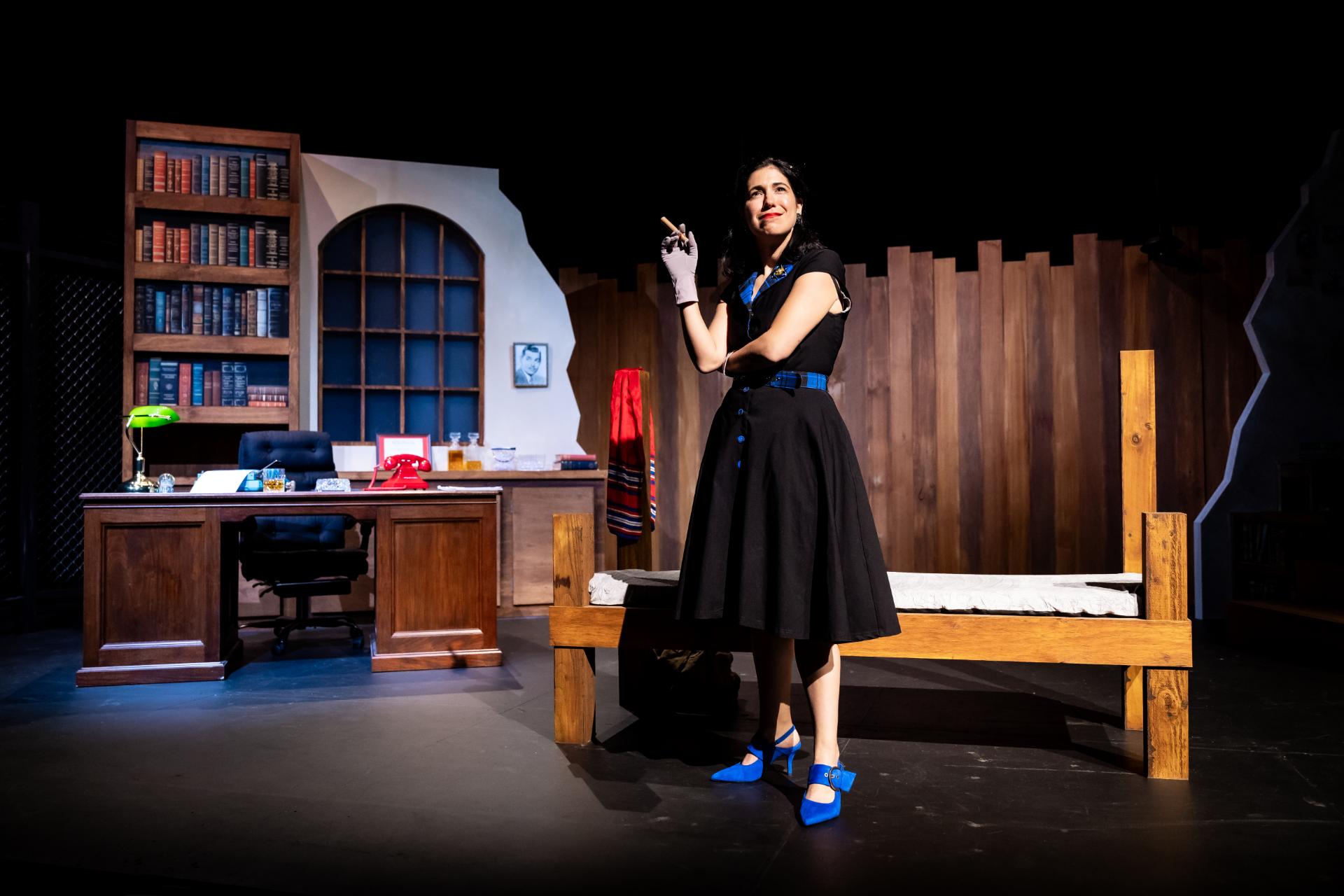
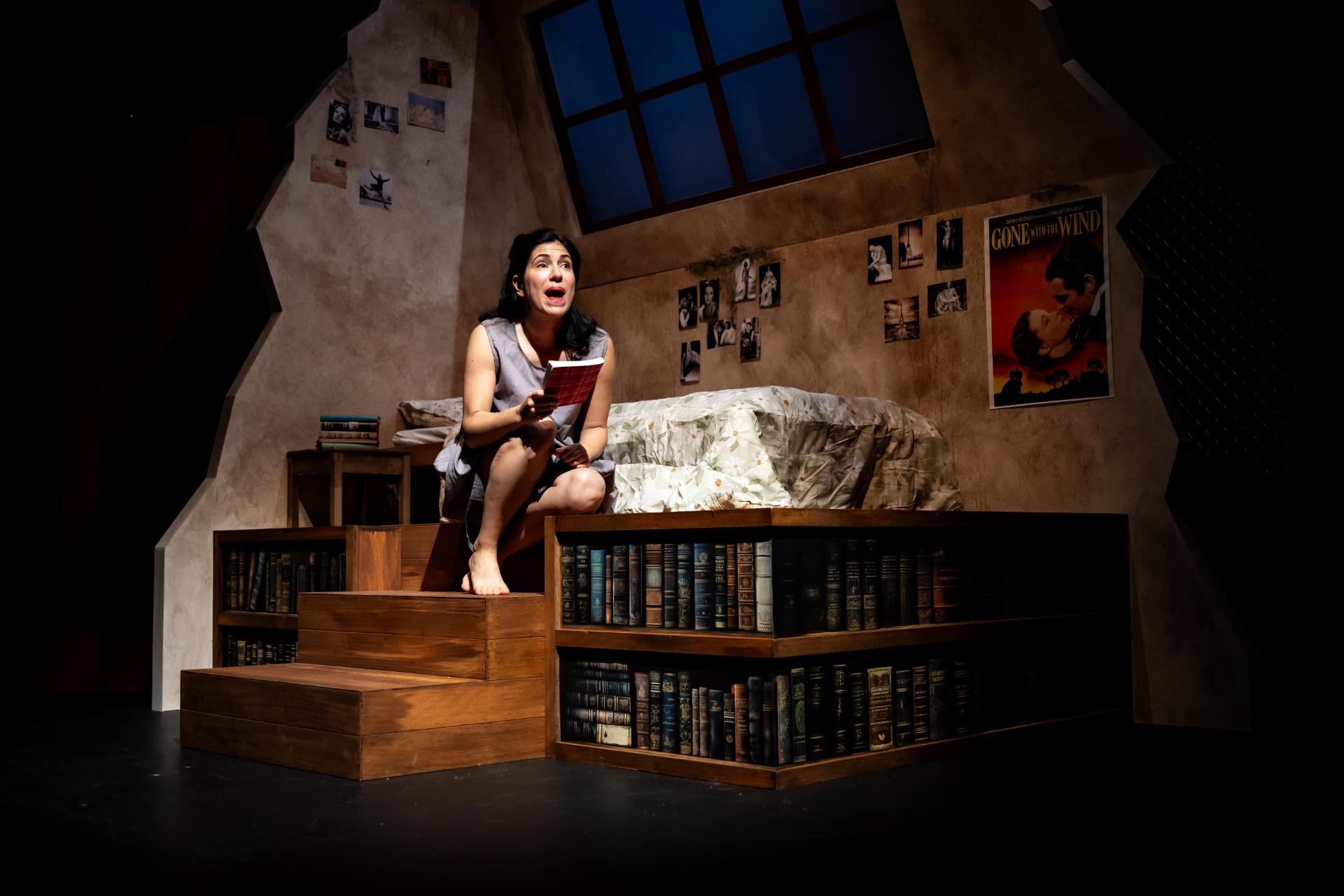
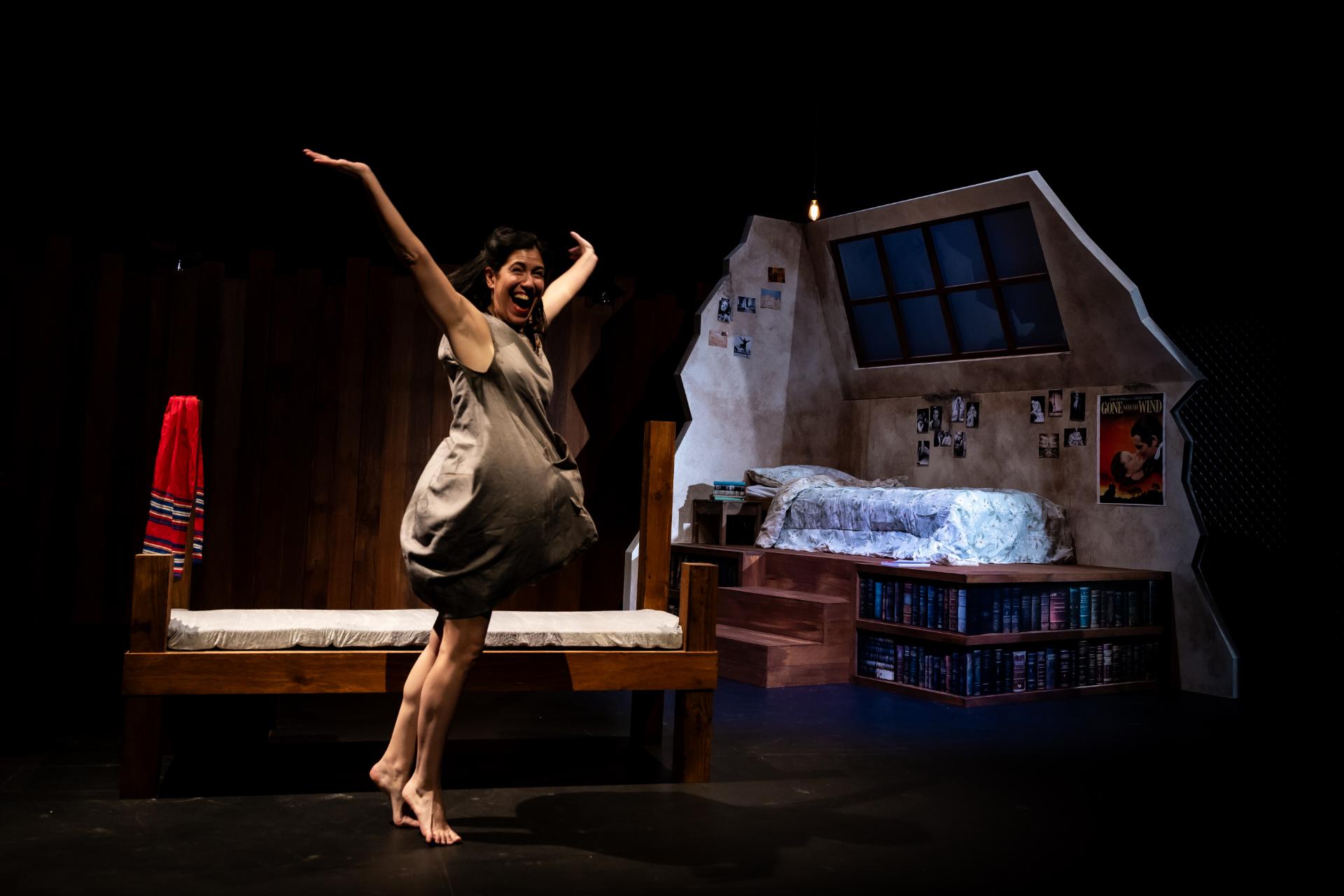
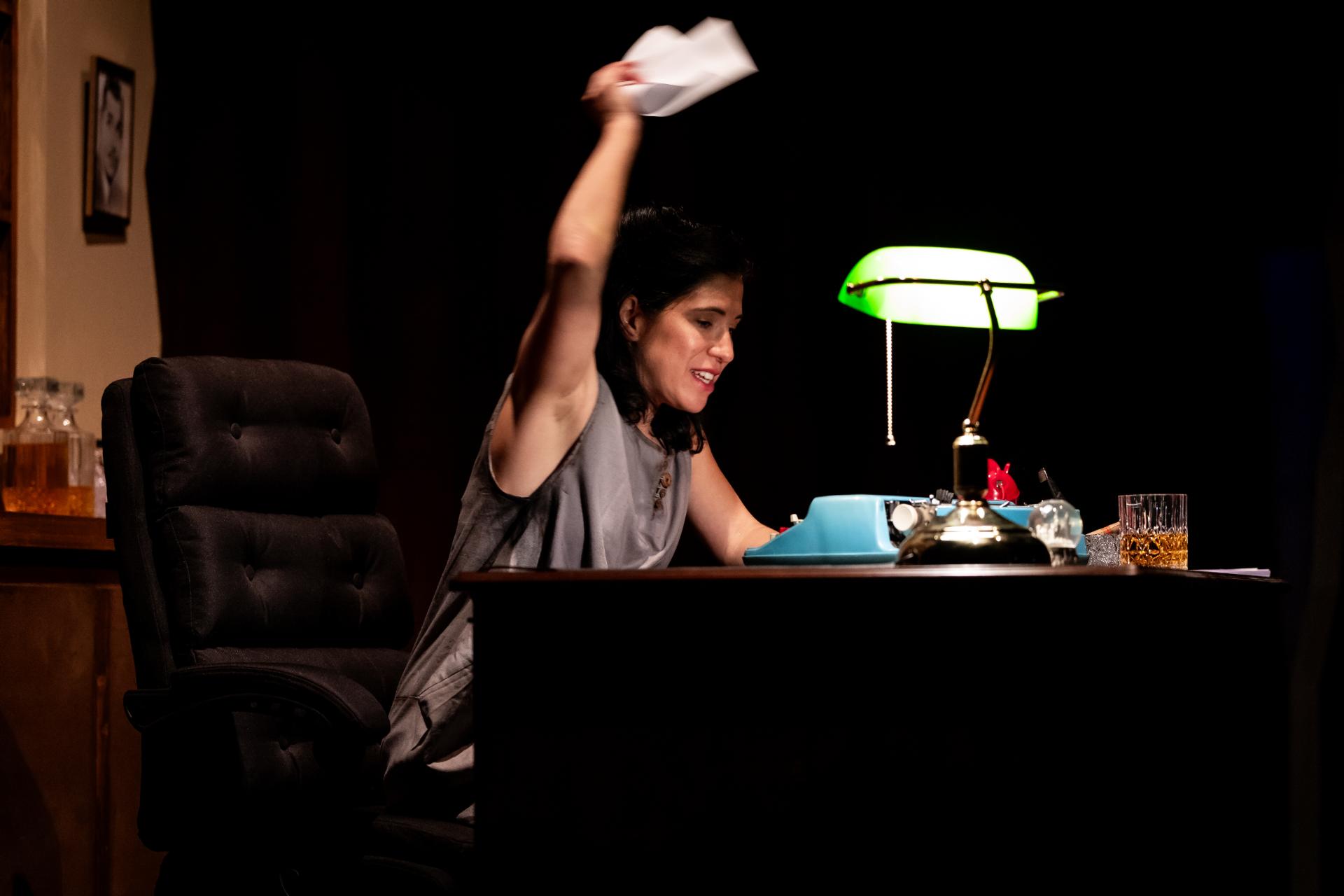
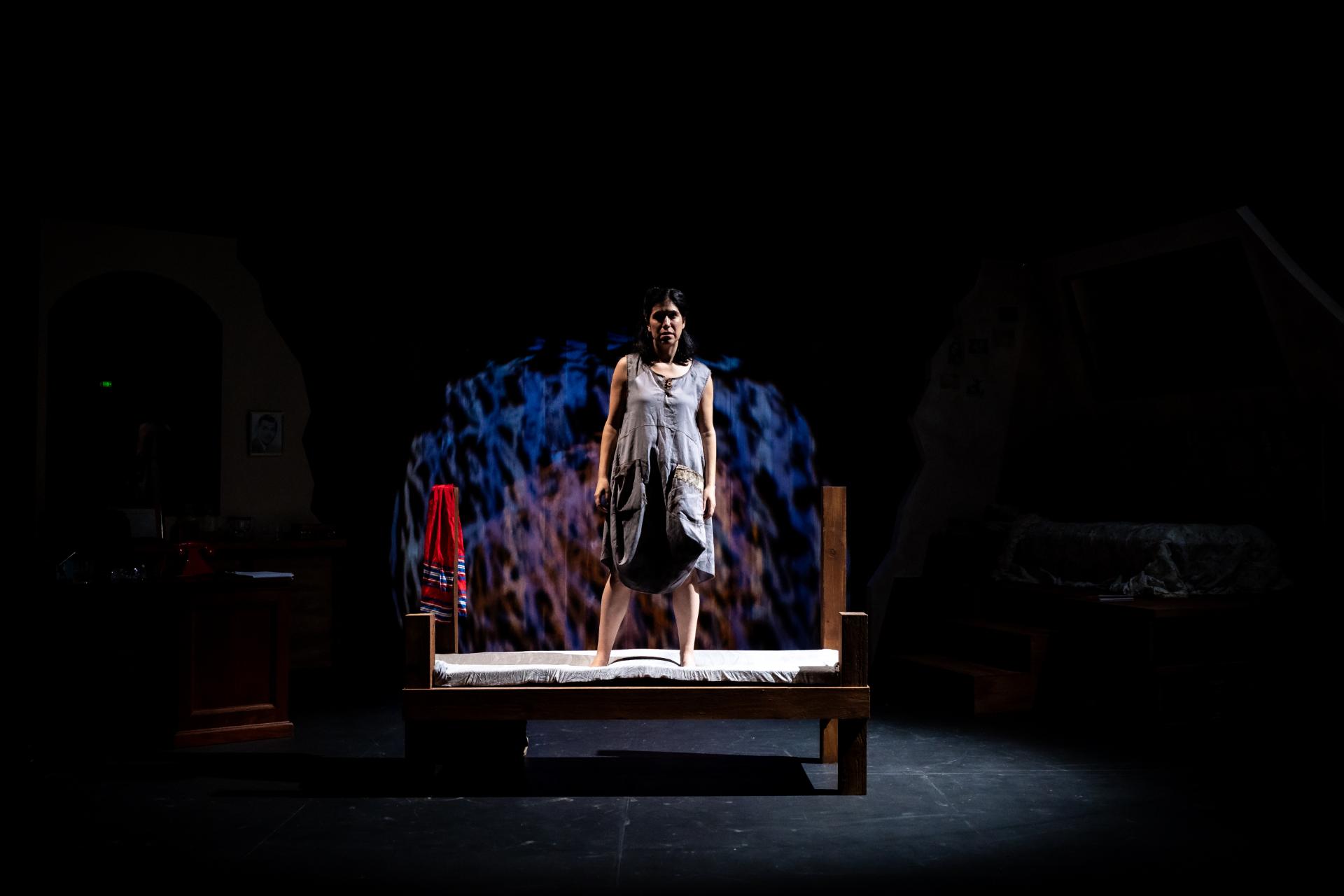
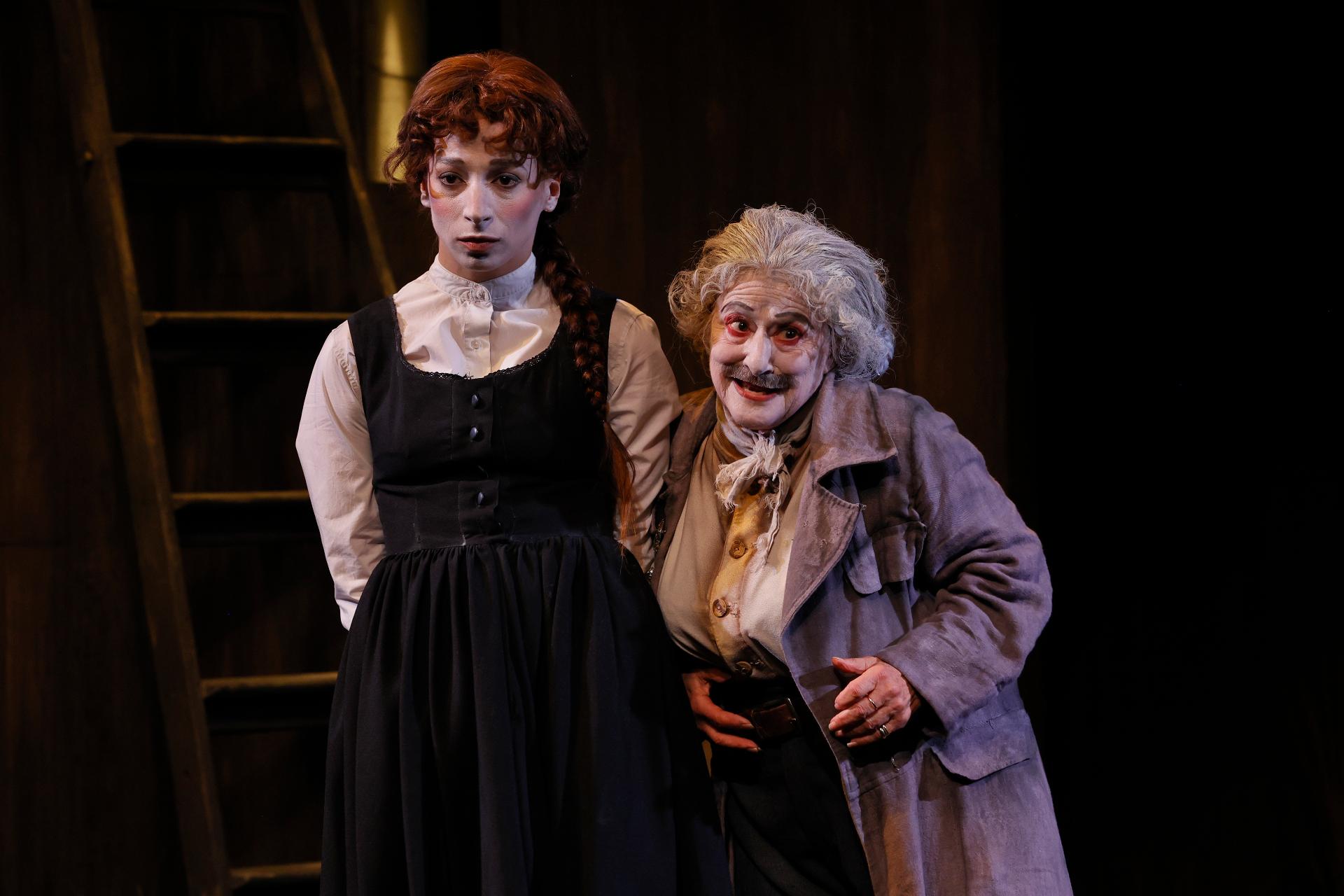
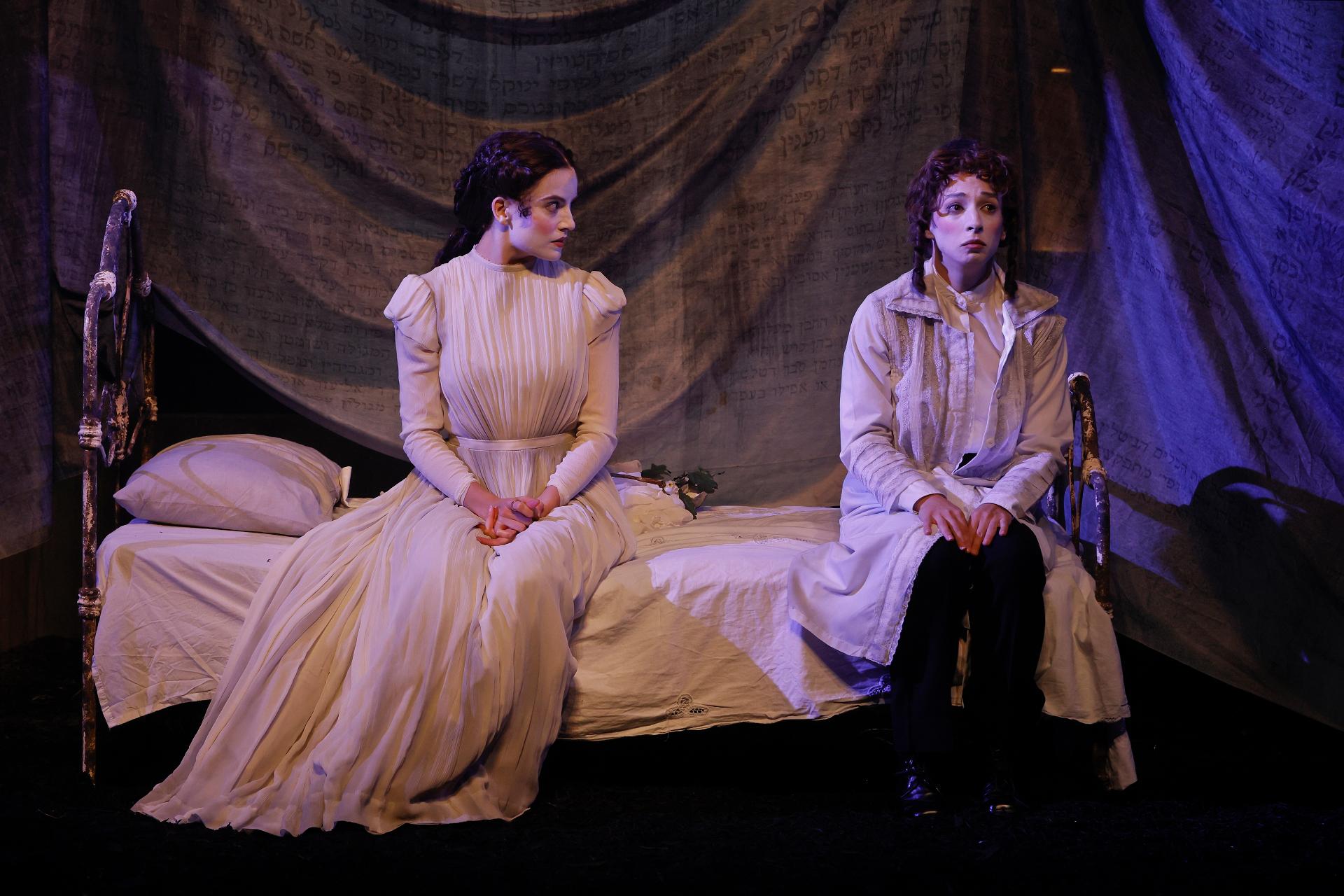
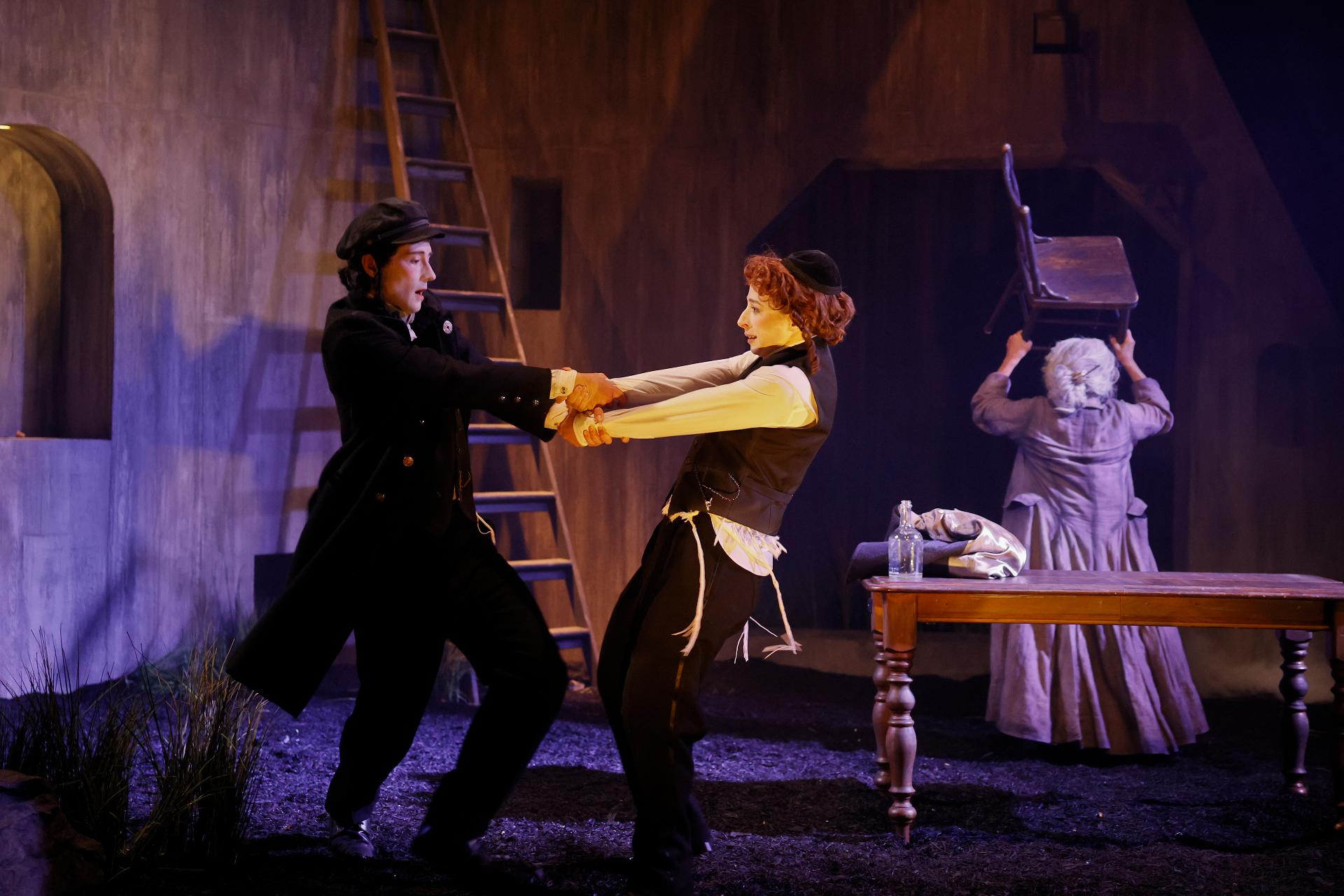
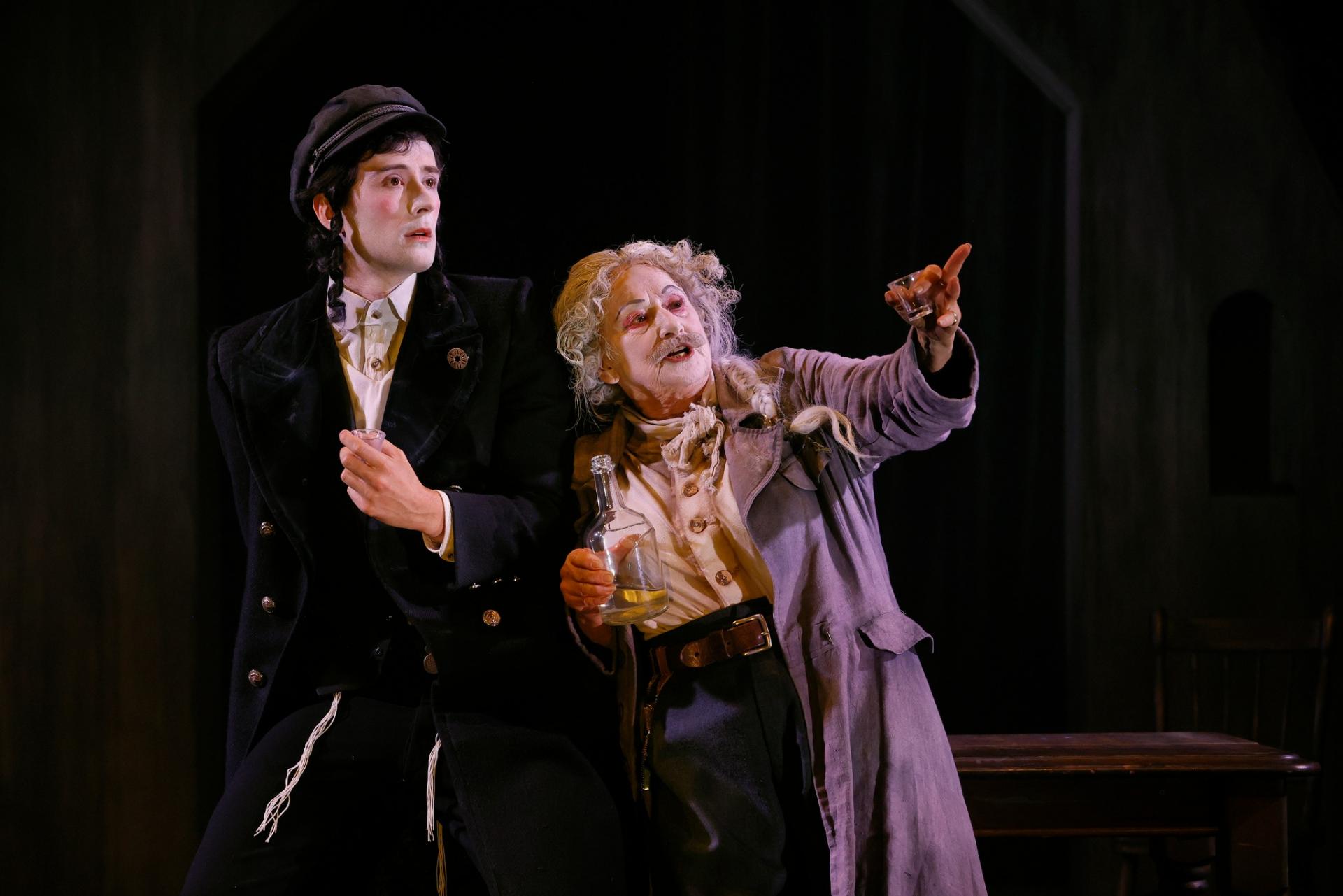
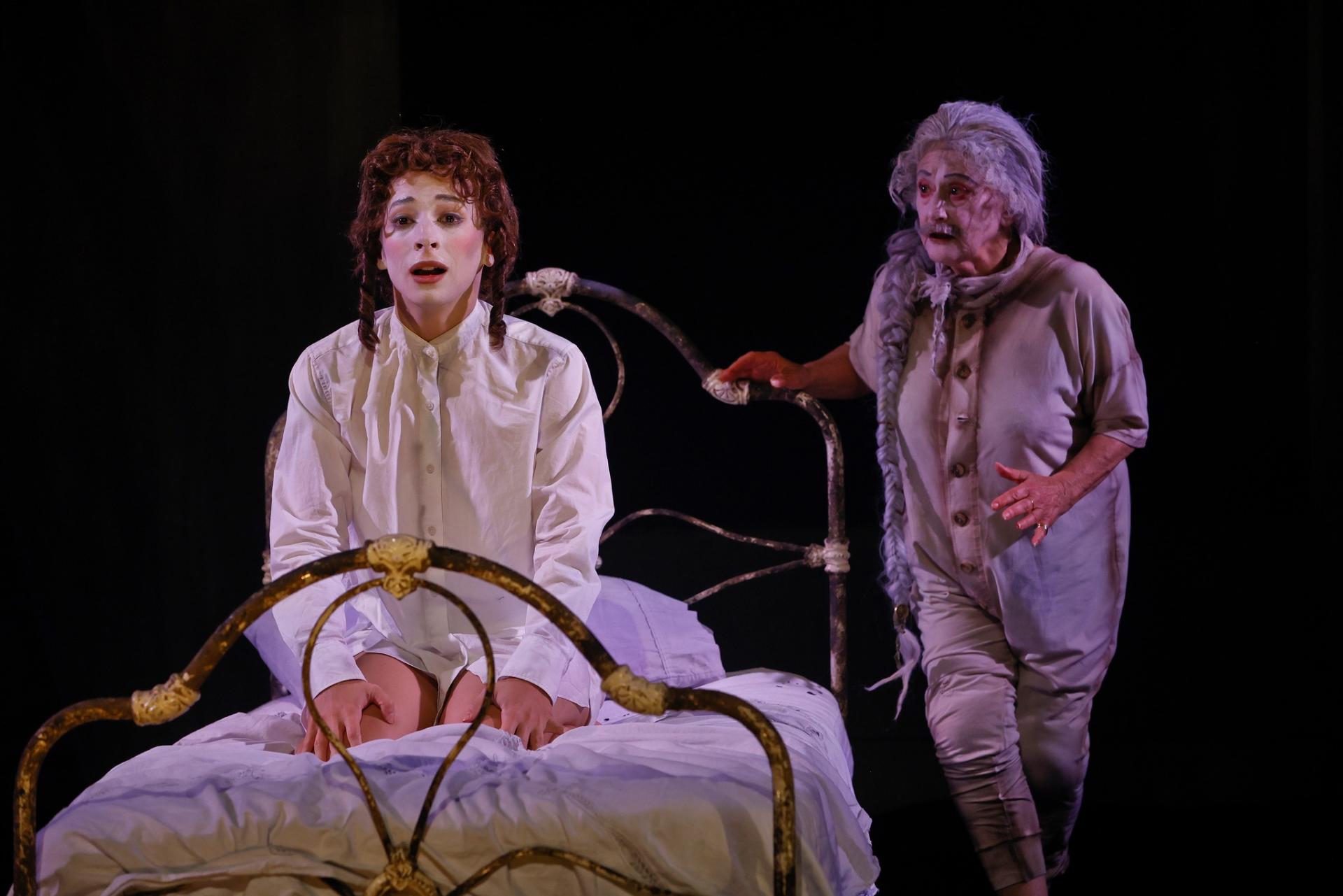
Charming production design by Dann Barber carves out a time and place that looks to be specific and accurate, with manipulations of depth that help us imagine the various locations in which the story resides. Rachel Burke’s lights offer sensitive enhancement to the exalting visual beauty being presented, with a sensual intensity that makes the conveyance of ideas in Yentl feel tender and intimate. Max Lyandvert’s sounds and music keep us attentive to the shifting temperaments for the piece, able to bring the drama when the moment calls for it.
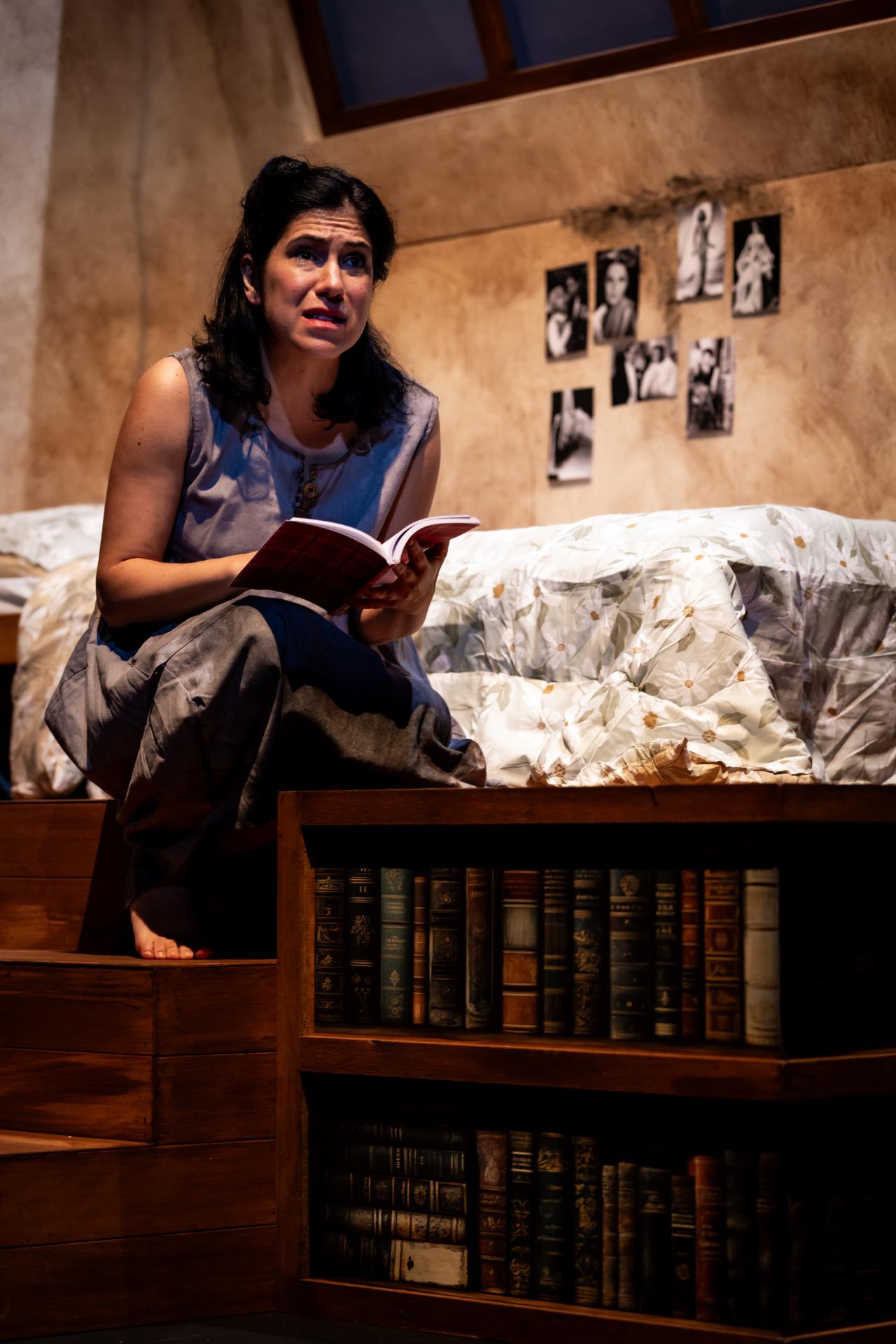
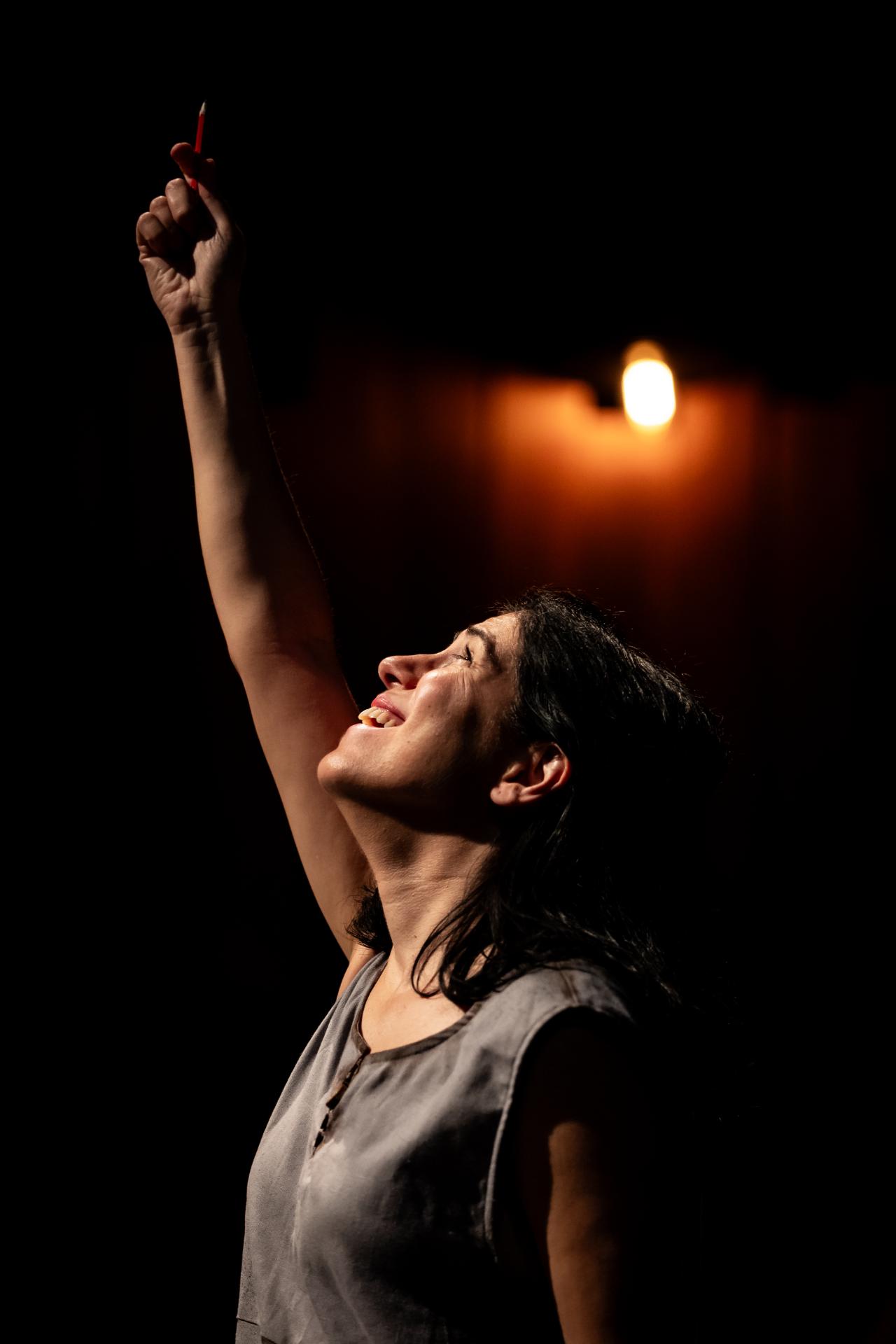
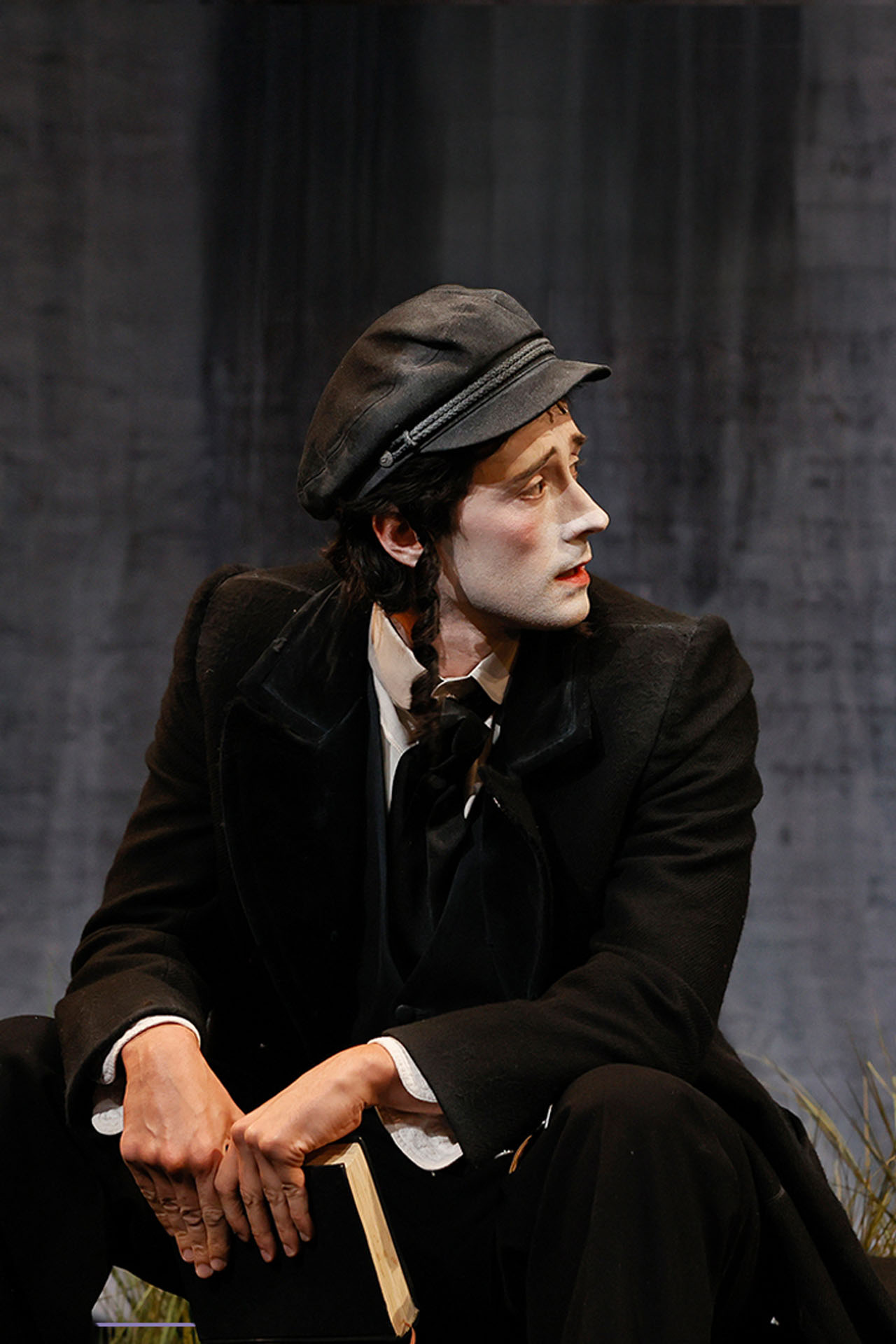
Actor Amy Hack is entirely convincing in the titular role, marvellously precise in voice and physicality for her embodiment of a person both pretending to be something other, whilst simultaneously becoming closer to their real self. Hack’s technical proficiency may prove astonishing, but it is her manifest empathetic acuity for the inner world of Yentl that is really moving. Other members of cast too are highly impressive; Nicholas Jaquinot, Genevieve Kingsford and Evelyn Krape can be remembered for bringing artistic brilliance to a staging replete with intelligence, generosity and soul.
It is Yentl’s soul that eventually comes to the fore. The show commences with a simple understanding about sex and relevant biological constitutions, and how our societies are determined to create categories according to those perceived differences, often for the purposes of marginalisation and disenfranchisement. Yentl the play reminds us however that if gender is indeed a real thing, it can only exist where a person’s soul is, knowing that it was always the whole person and not just particular portions of their anatomy, that those notions apply.
A soul is mostly resolute. Just as we need to believe that the human soul is essentially good, we have to believe that its other aspects too bear fundamental qualities that can never be truly disguised or transmuted. Some souls come gendered one way or the other, independent of bodily realities, and other souls simply do not play by those rules. Our wish is for Yentl to finally accept, and love, their own soul, just as we must always see one another for only who we are.
www.yentl.com.au
 Suzy Goes See