Venue: Eternity Playhouse (Darlinghurst NSW), Feb 26 – Mar 22, 2026
Playwright: S. Asher Gelman
Director: S. Asher Gelman
Cast: Julian Curtis, Matthew Mitcham, Matthey Predny
Images by Cameron Grant, Parenthesy
Theatre review
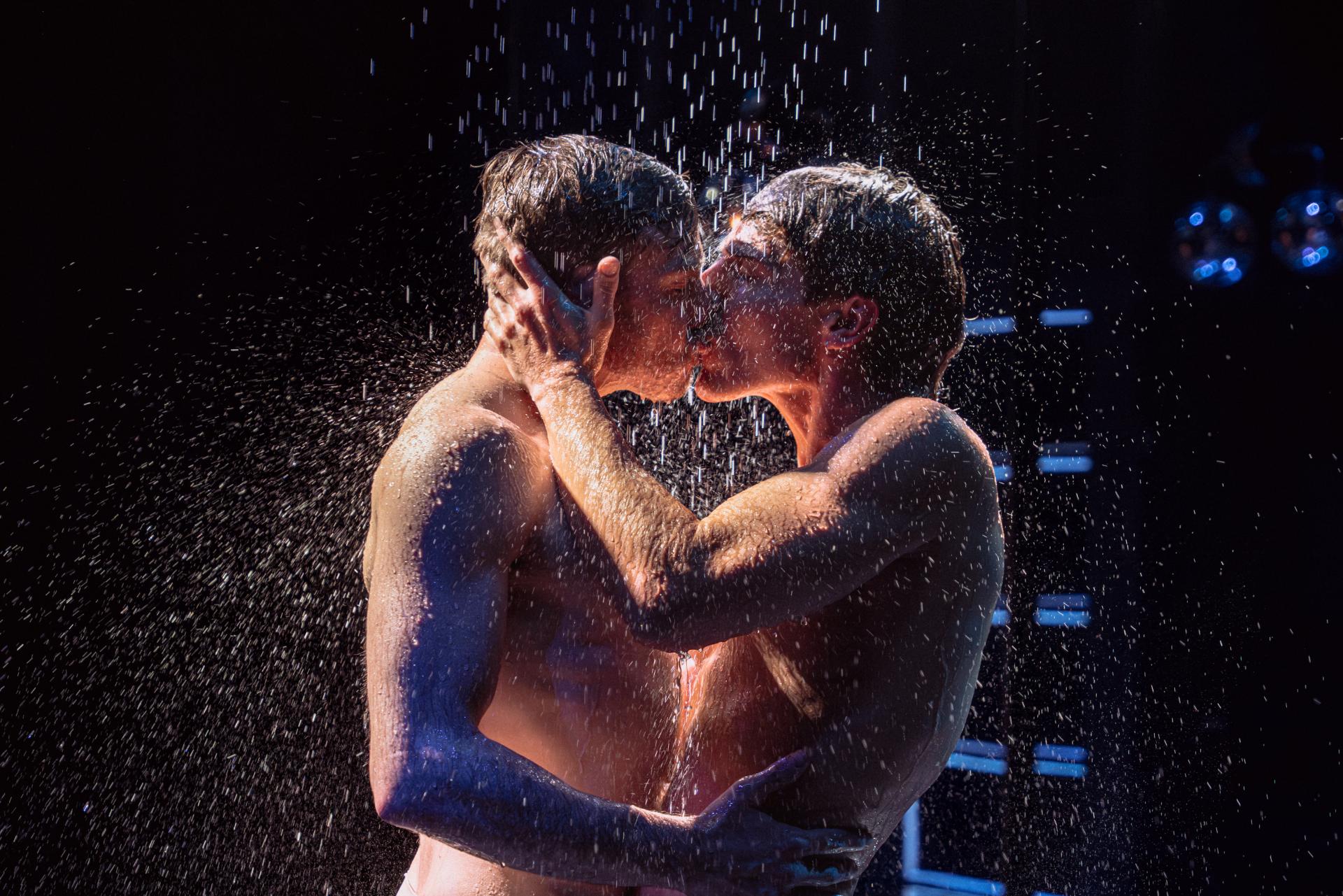
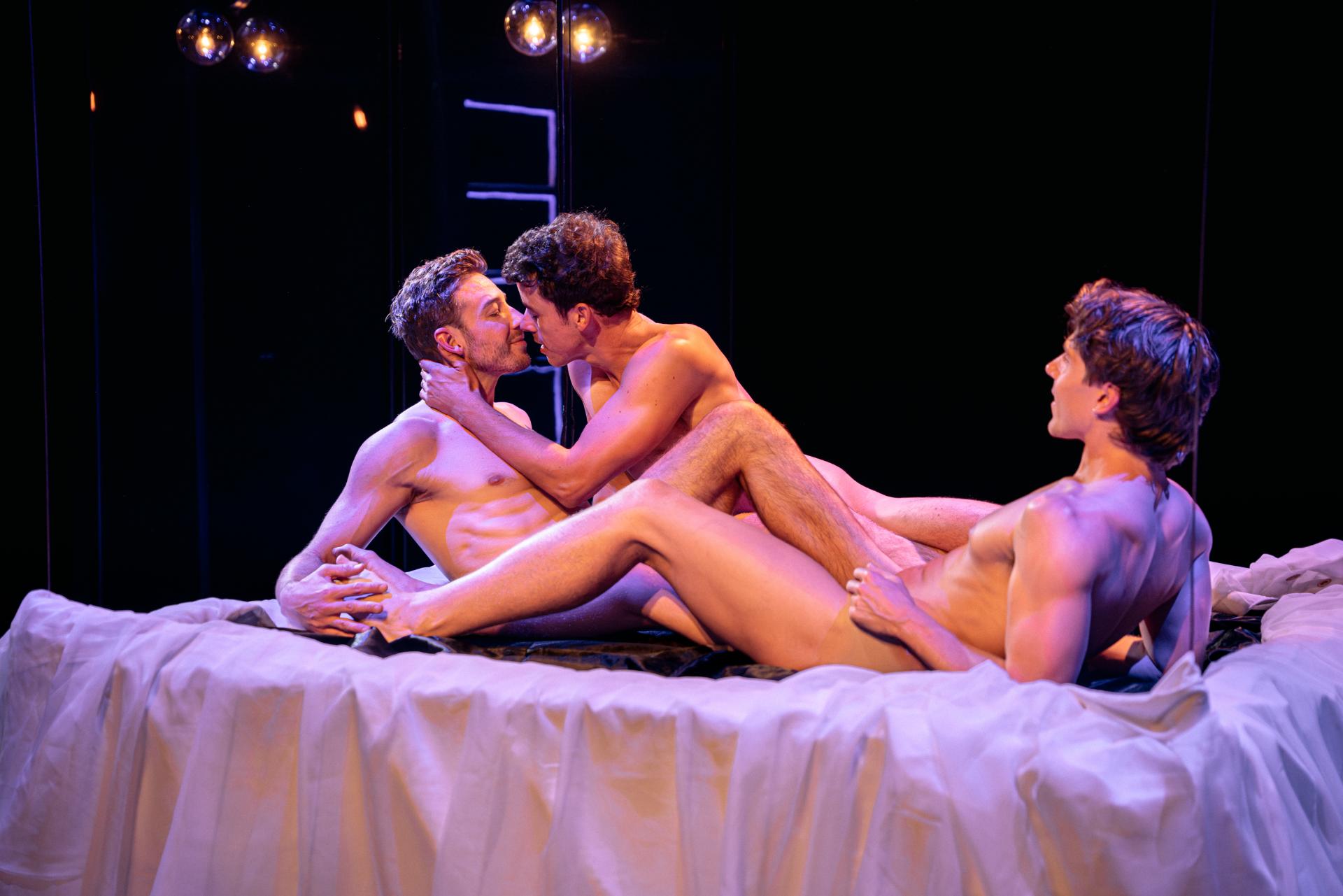
In S. Asher Gelman’s Afterglow, the familiar architecture of the ménage-à-trois serves as the unstable foundation for a drama about the limits of non-monogamy. When the married couple, Josh and Alex, invite Darius into their bed, the arrangement predictably unravels, not from jealousy, but from a more transgressive breach of contract: the development of genuine, “forbidden” emotion. While the play’s narrative arc is undeniably conventional, its very simplicity throws into sharp relief a rarer cultural conversation. It examines the particular anxieties that surface when gay men, having embraced the ostensibly stable structures of marriage and domesticity, find themselves haunted by the very bourgeois values they have adopted, revealing the potential for anguish when liberation is measured against a heteronormative template.
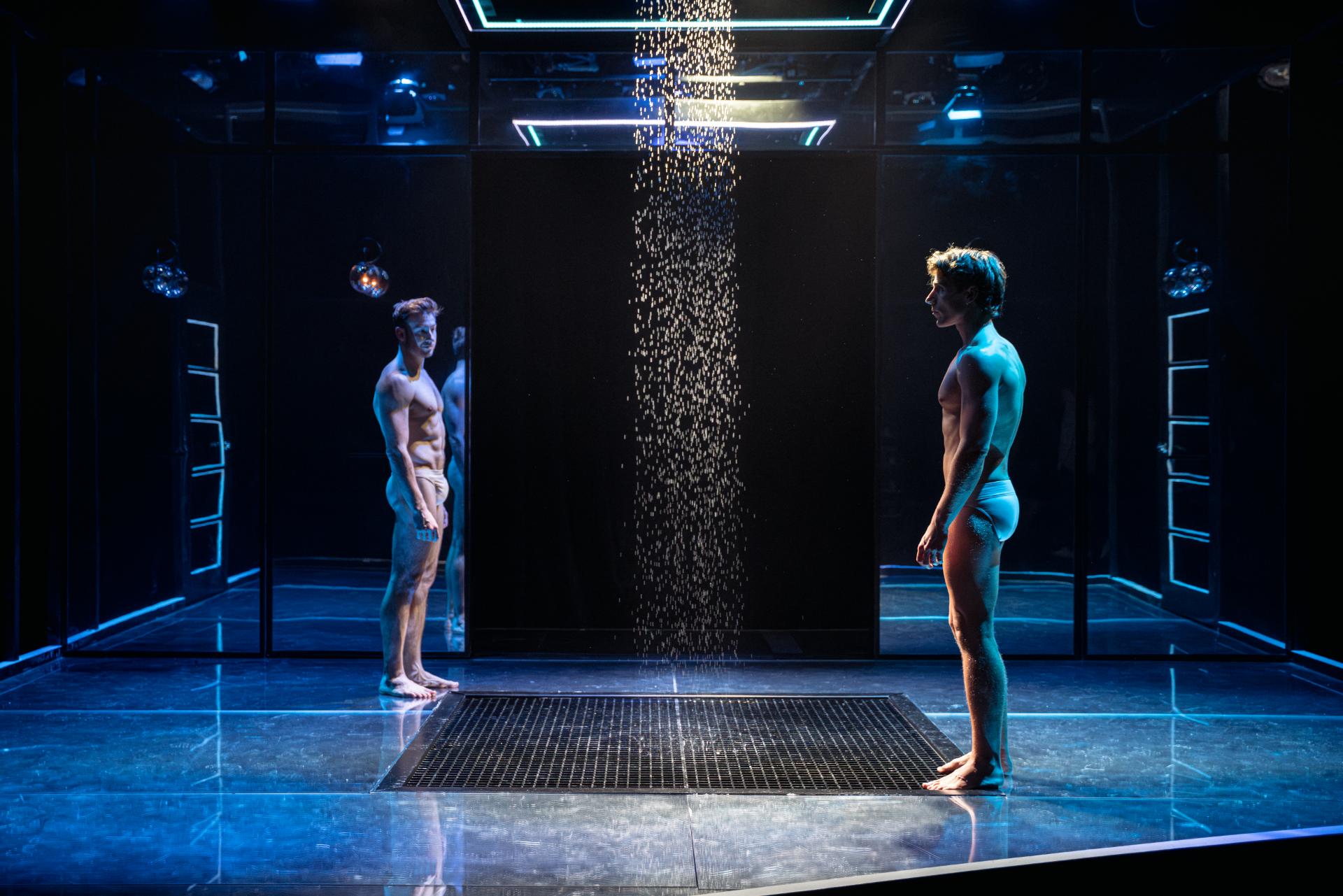
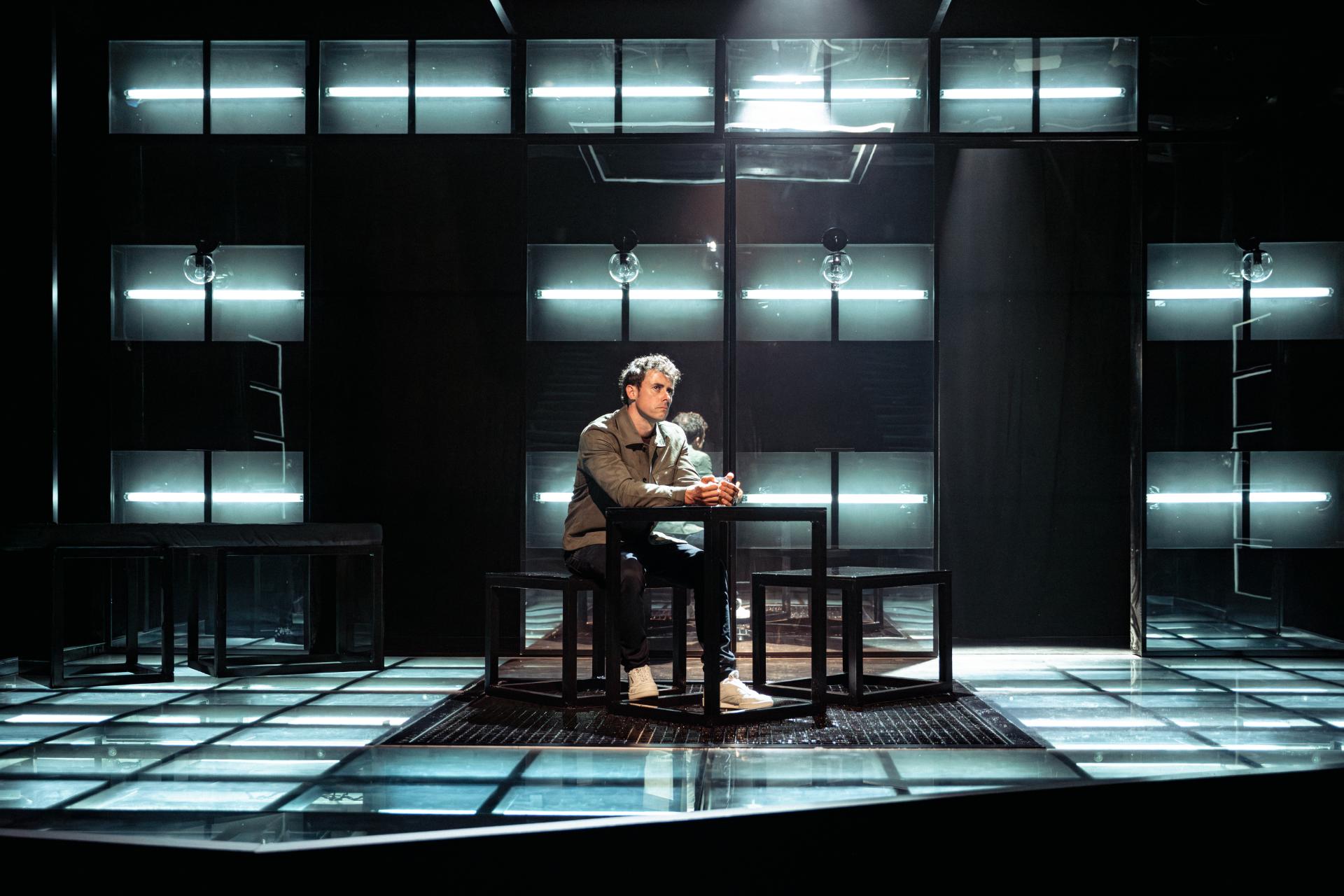
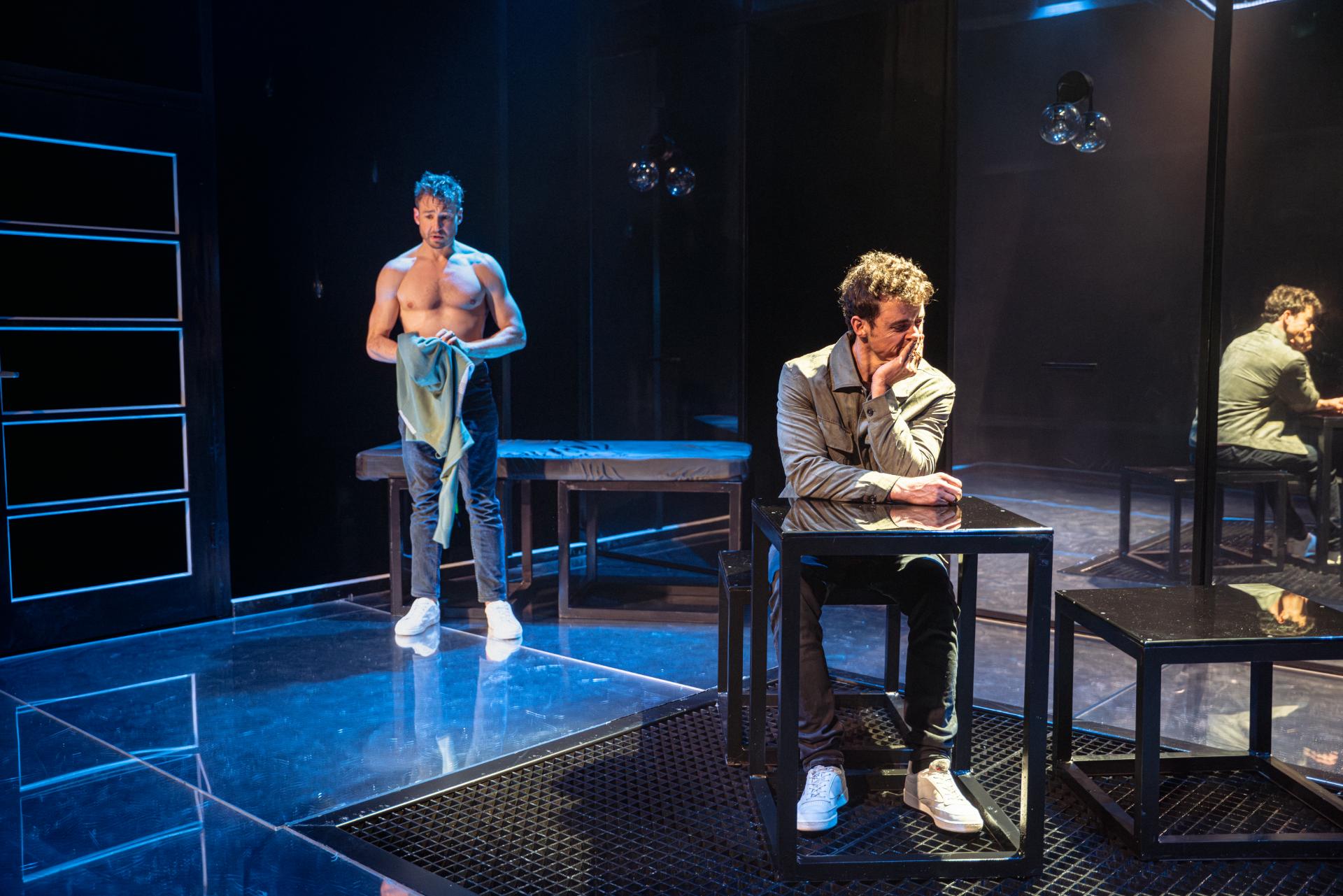
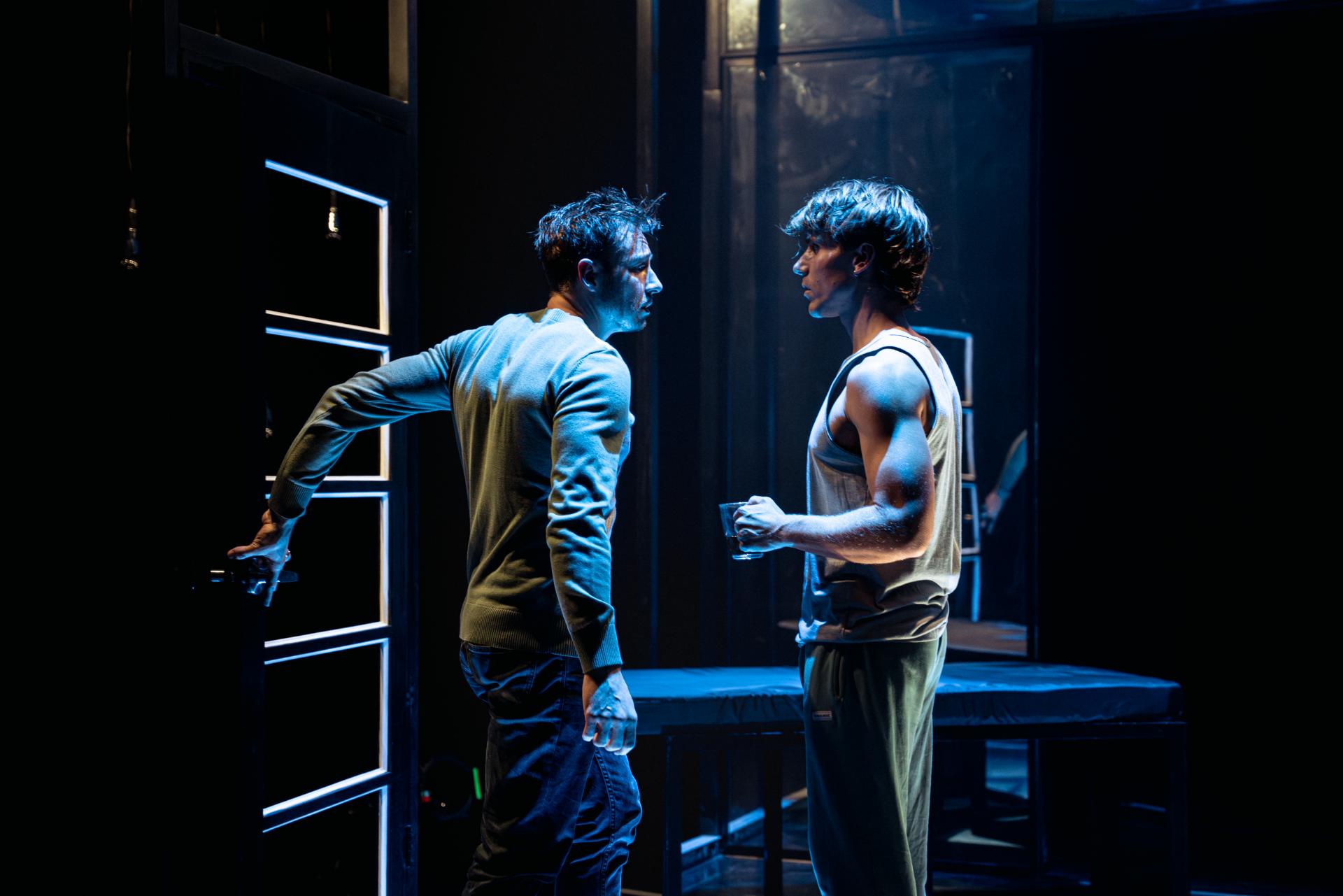
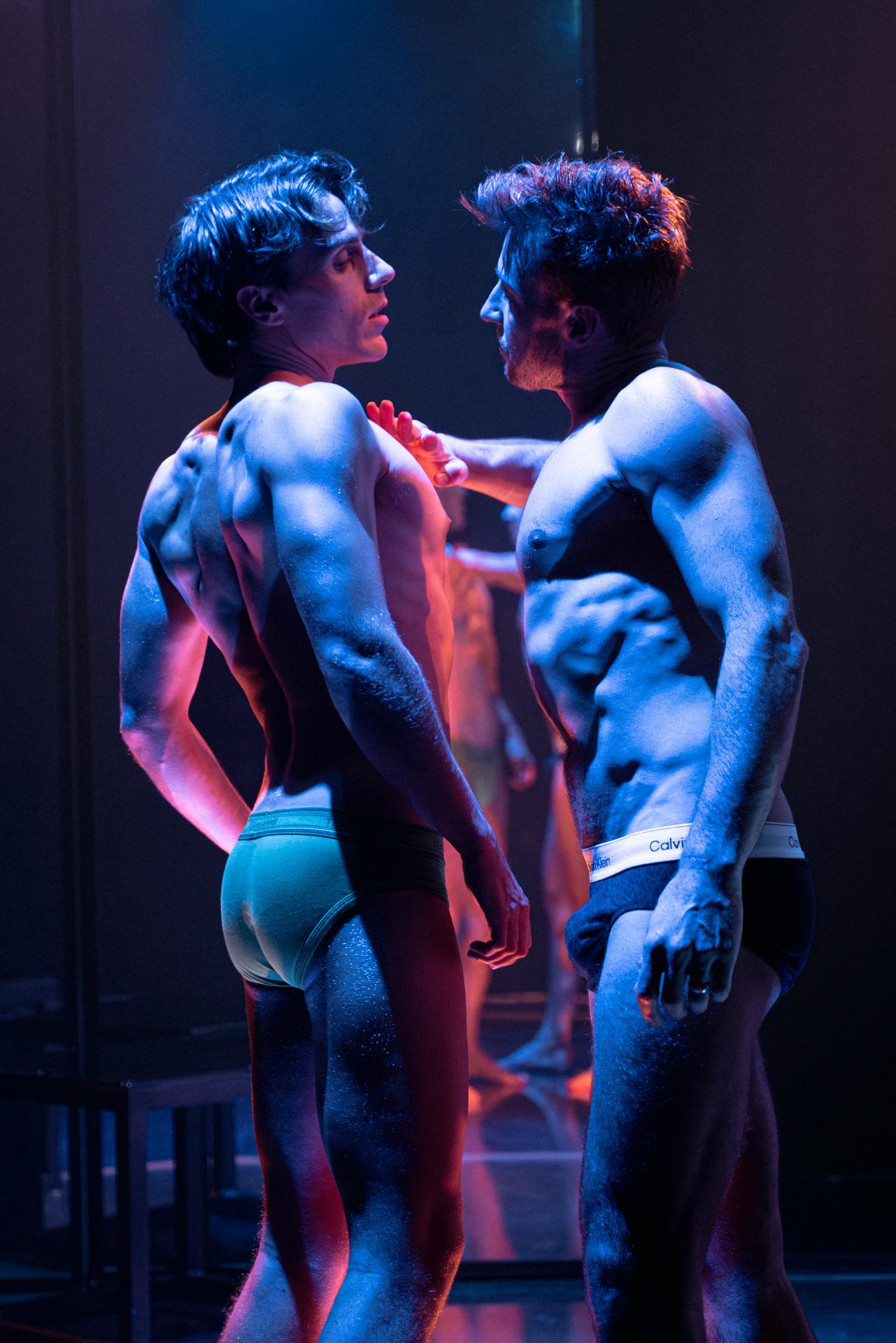
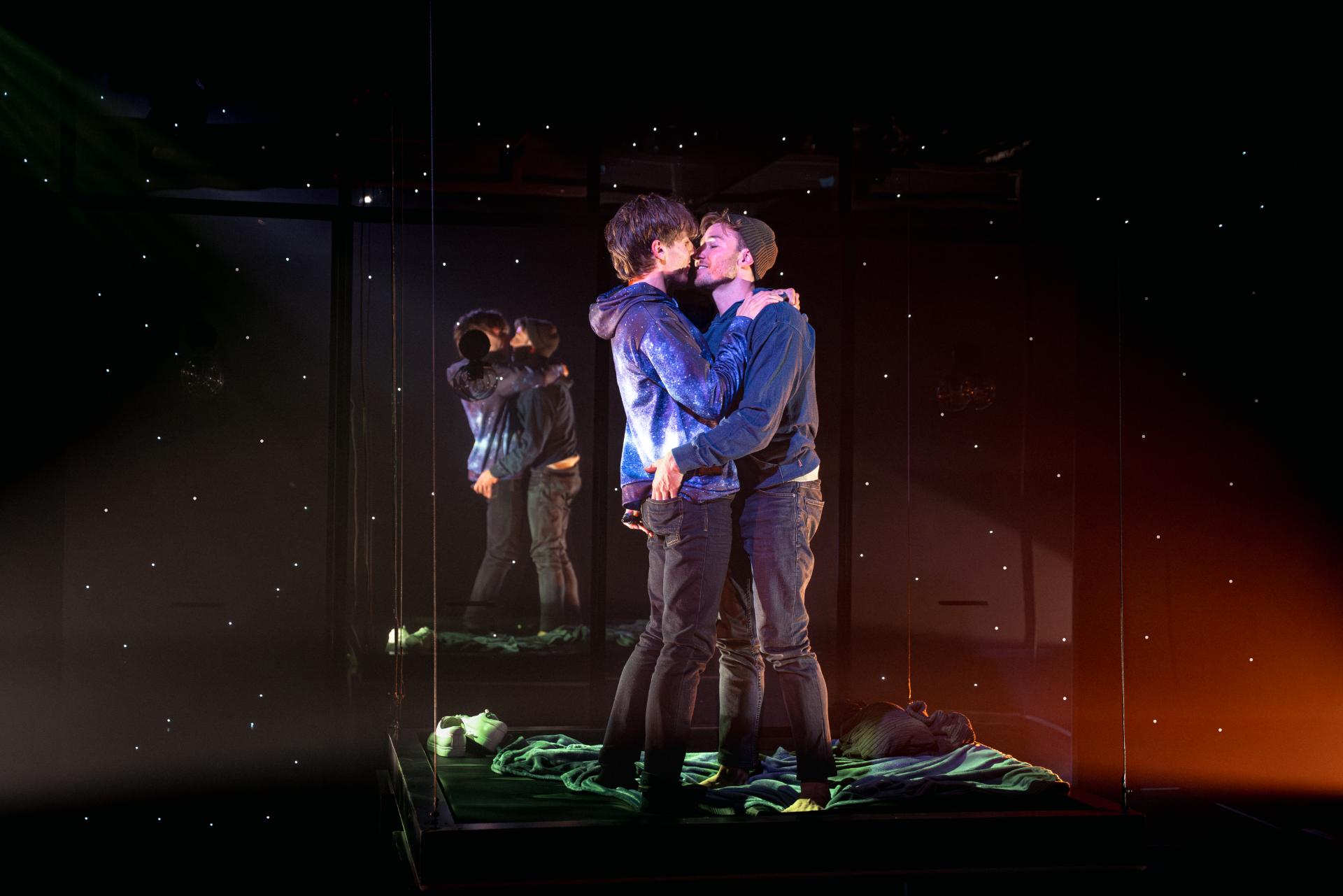
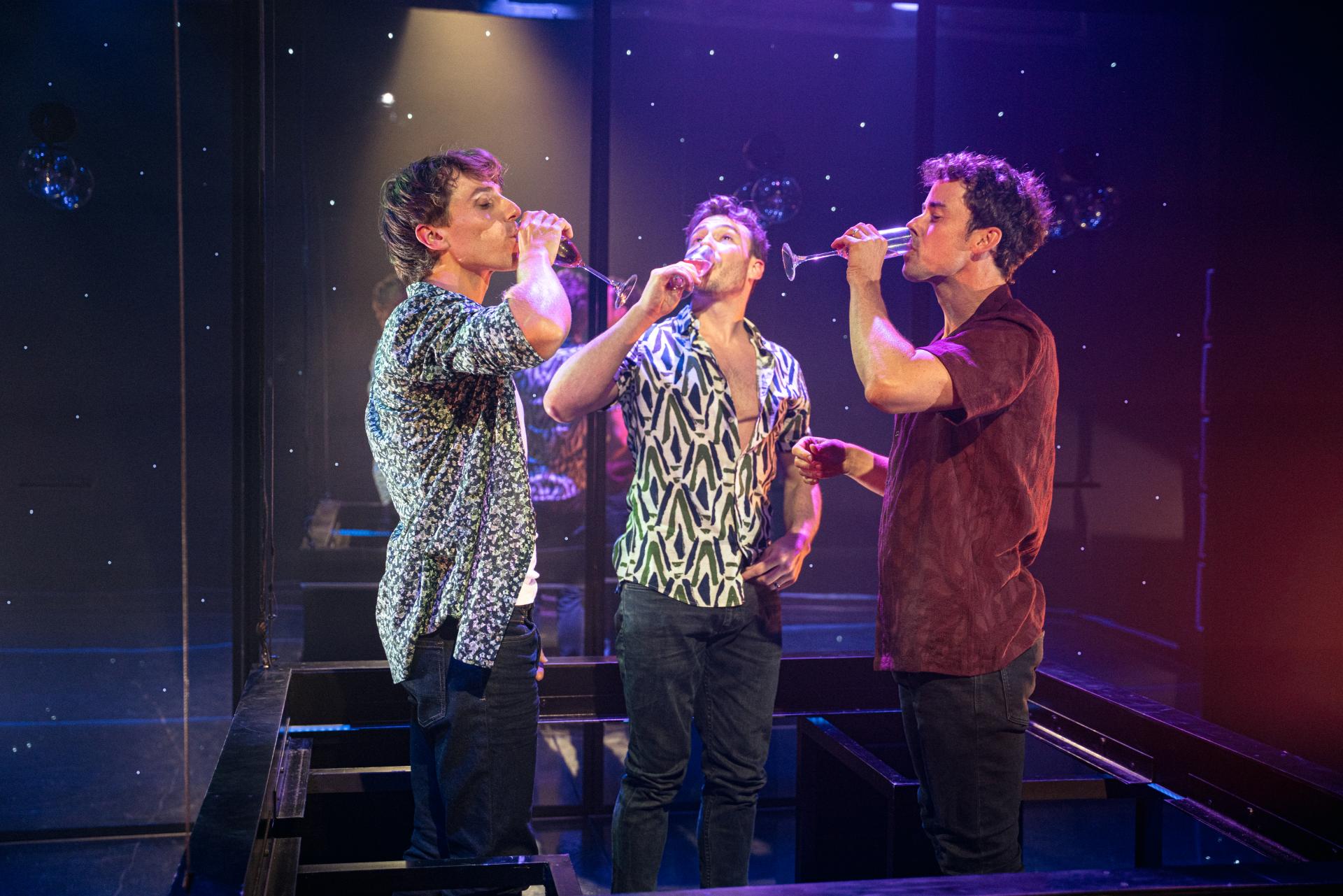
Originally staged by Gelman in 2017, the production shows only faint traces of its vintage. Ann Beyersdorfer’s scenic design impresses less through bold aesthetic choices than through its architectural fluidity, reshaping itself to the narrative’s spatial demands with a necessary pragmatism. Jamie Roderick’s lighting bathes the stage in a high-gloss, almost cinematic glamour, yet this polish proves a double-edged sword; the illumination frequently spills into the house, breaching the fourth wall in a manner that diffuses focus rather than deepening immersion. Between scenes, Alex Mackyol’s sound design becomes most discernible, its sonic cues evoking a distinctly late-aughts gay sensibility—a period detail that now situates the action in a specific, if recent, cultural moment.
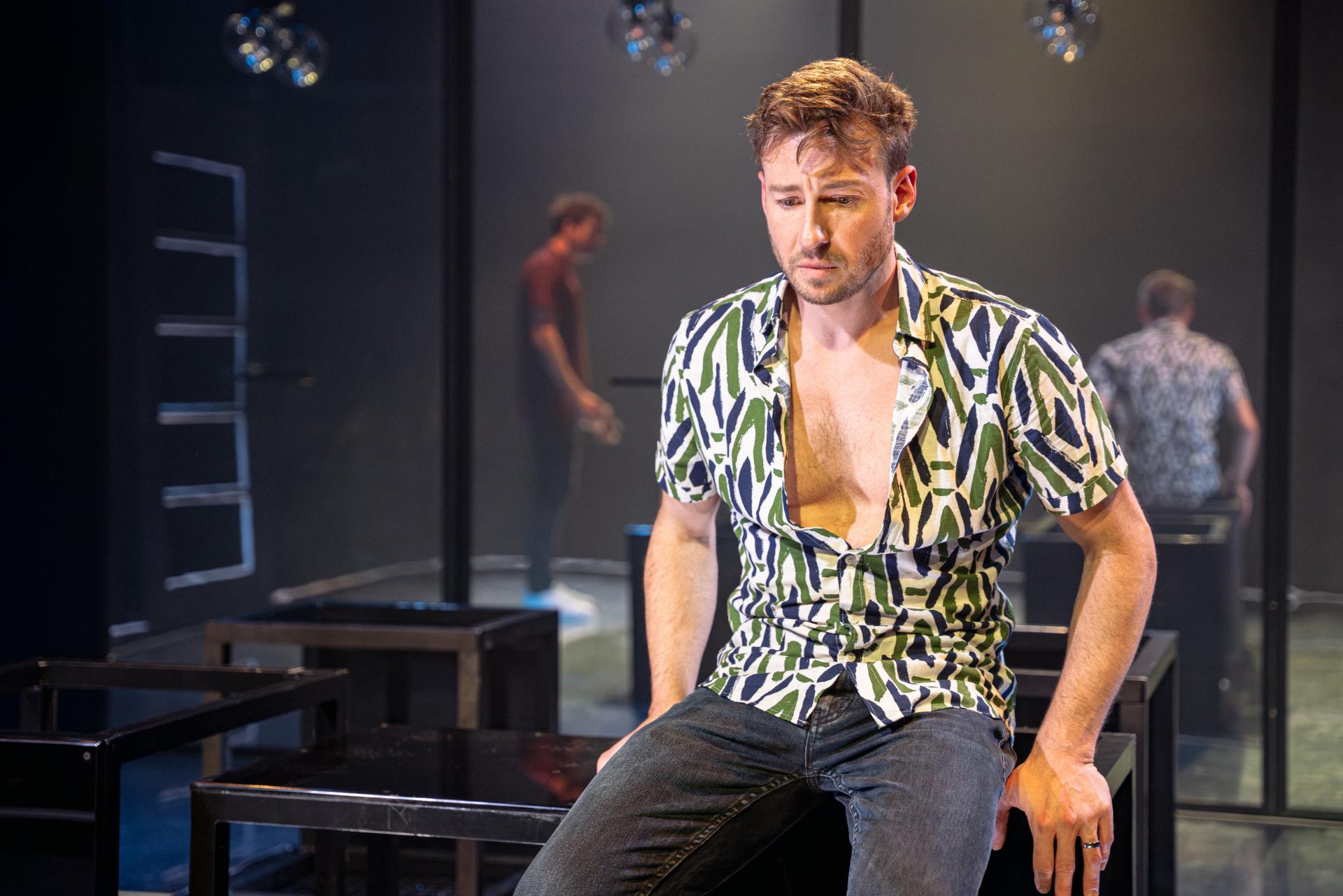
The three-member cast commits fully to material that offers them little shelter. As married couple Alex and Josh, Julian Curtis and Matthew Mitcham channel genuine intensity into the domestic rupture at the play’s core, their performances lending weight to a script that often lacks it. Matthew Predny, as Darius, locates something rarer still: a vein of authentic vulnerability that cuts against the work’s prevailing surface performativity, hinting at the more grounded drama that might have been.
The casting of three white men in this Afterglow is not a neutral choice but a necessary one. It is what permits the play its studied obliviousness, its serene detachment from the sociopolitical currents that continue to churn beyond the bedroom door. Marriage equality was never an ending, only a waypoint—a fact underscored daily by resurgent homophobic violence in Australia and the fascistic lurch of American politics. To present queer domesticity as a closed loop, untroubled by the world outside, is to mistake a fragile foothold for a permanent perch. The afterglow is real. It is also, for many, already fading.
 Suzy Goes See