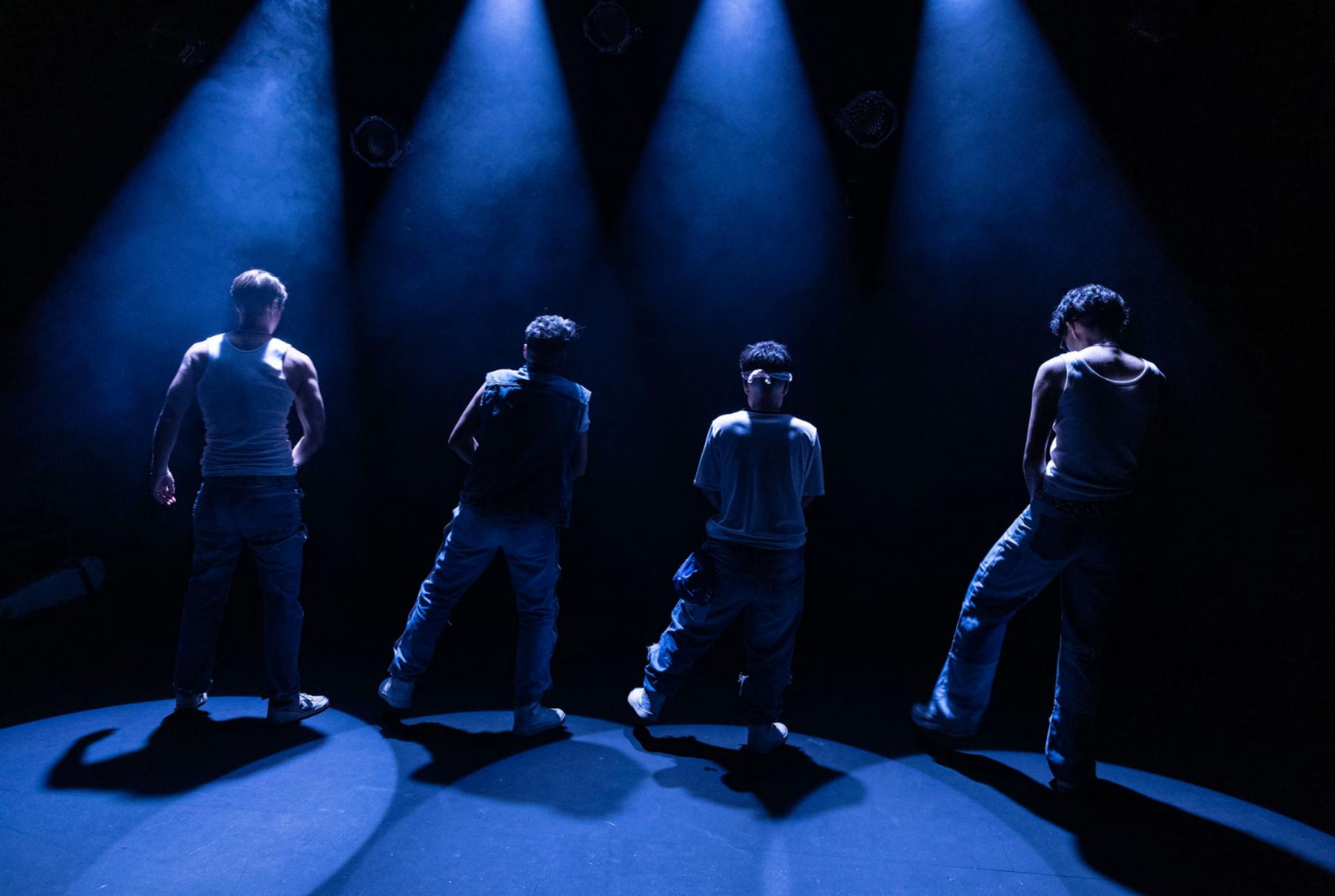
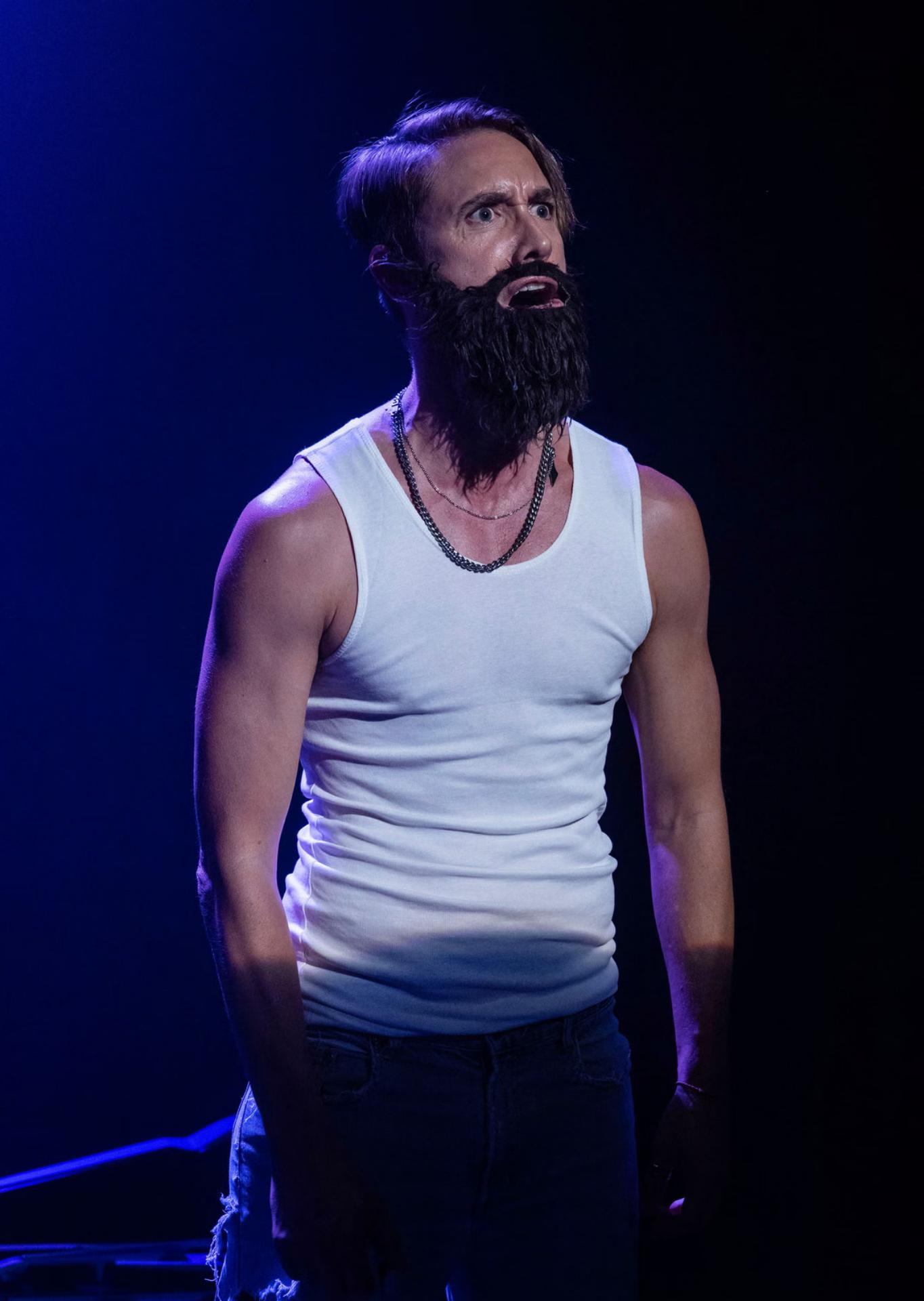
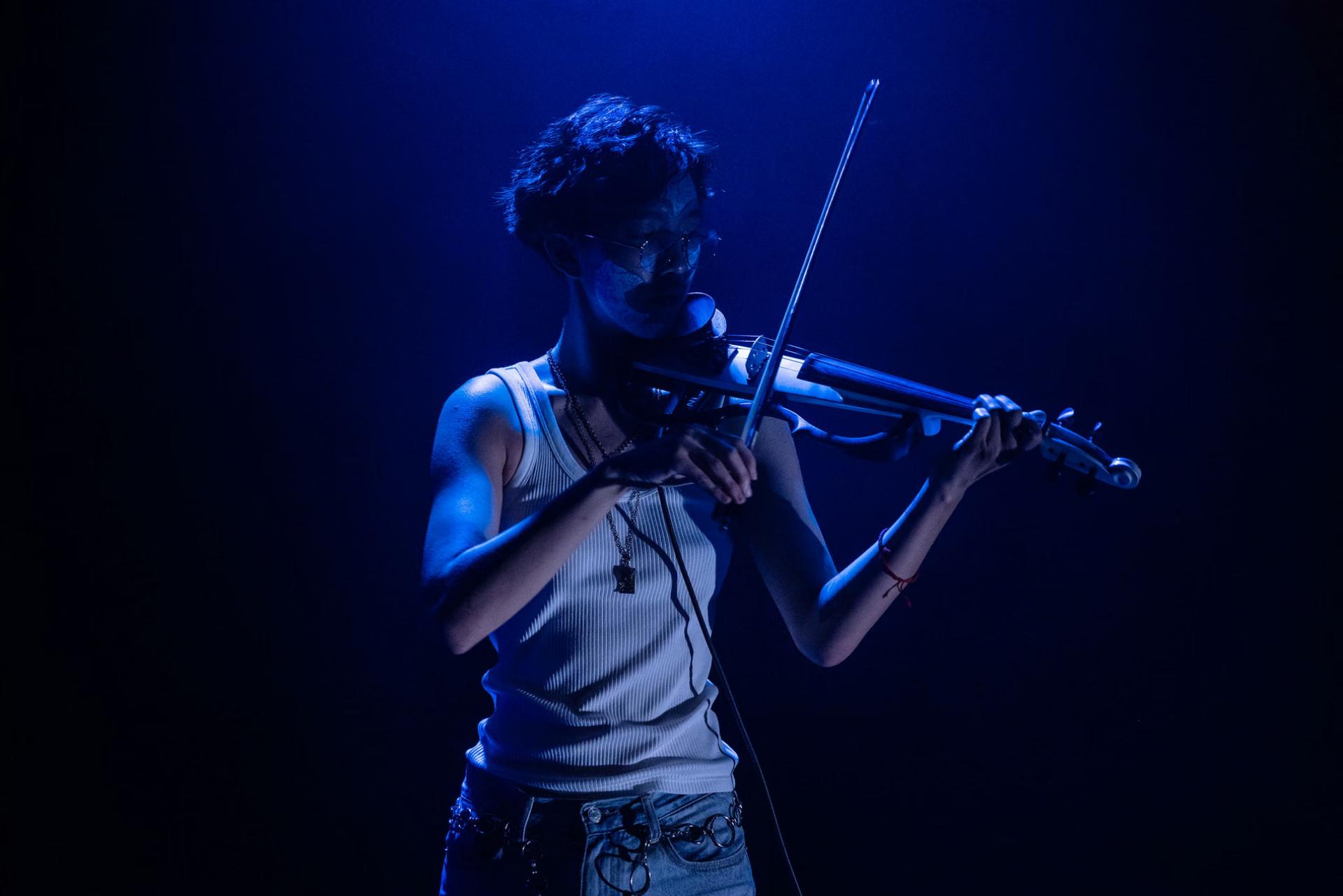
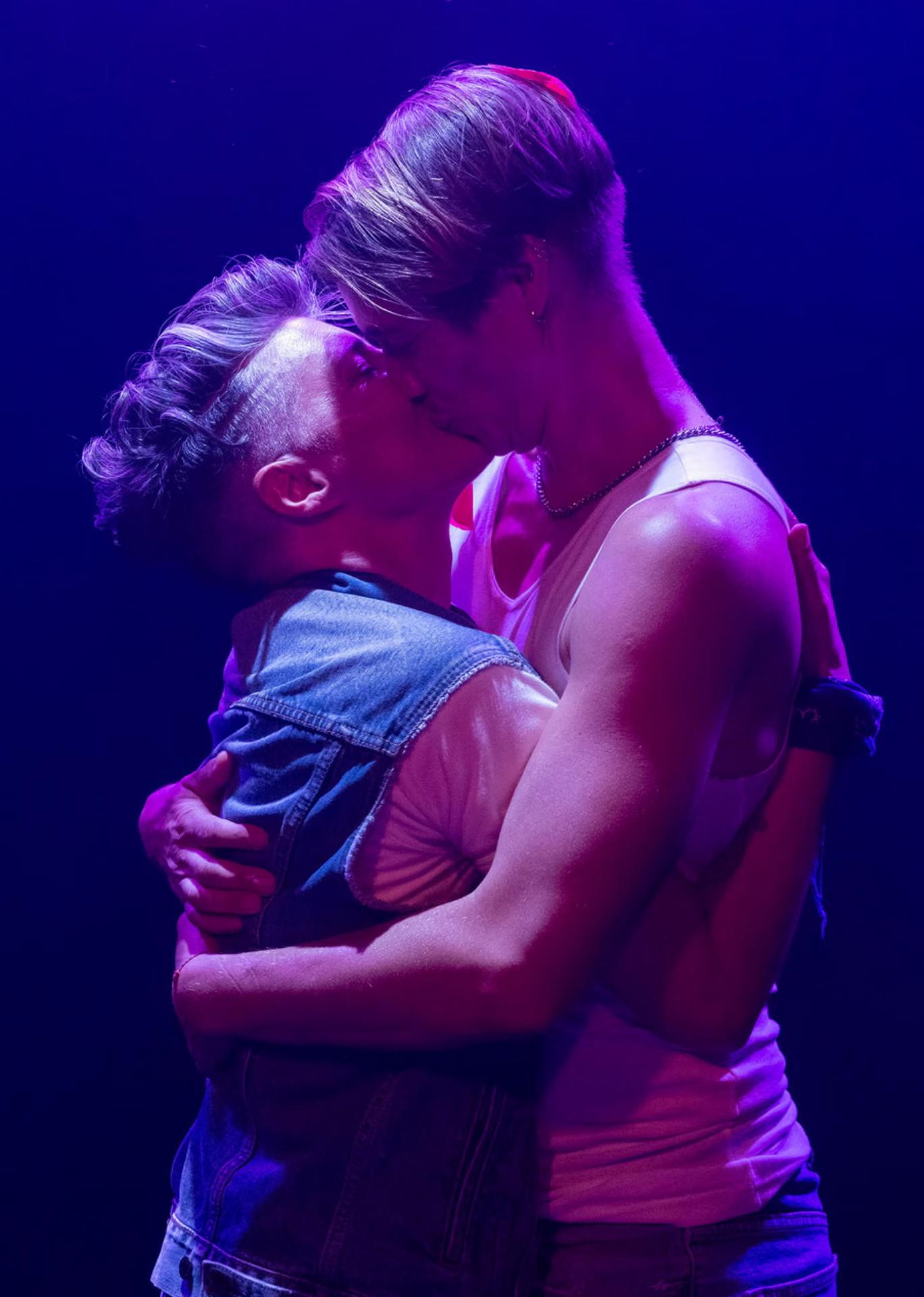
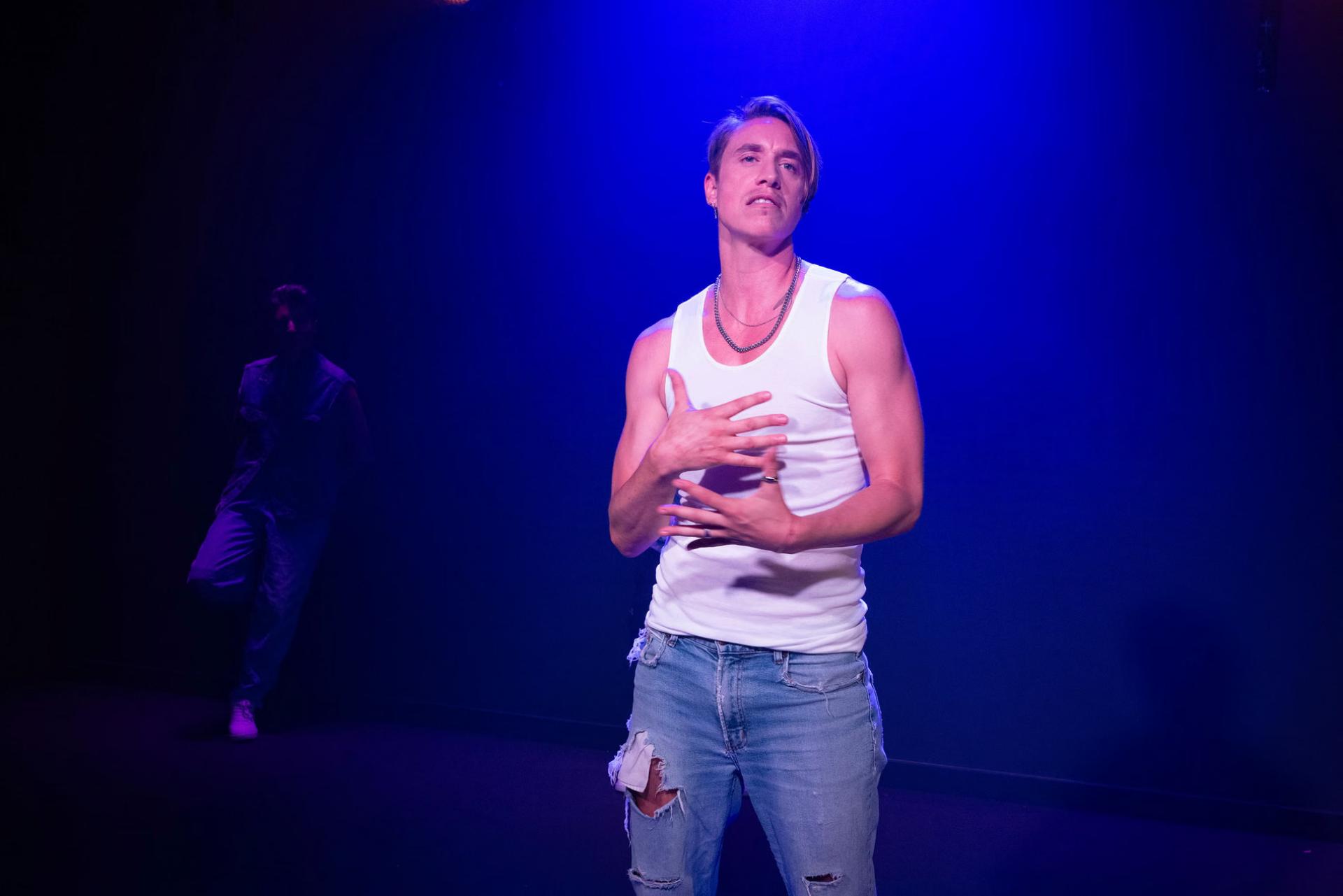
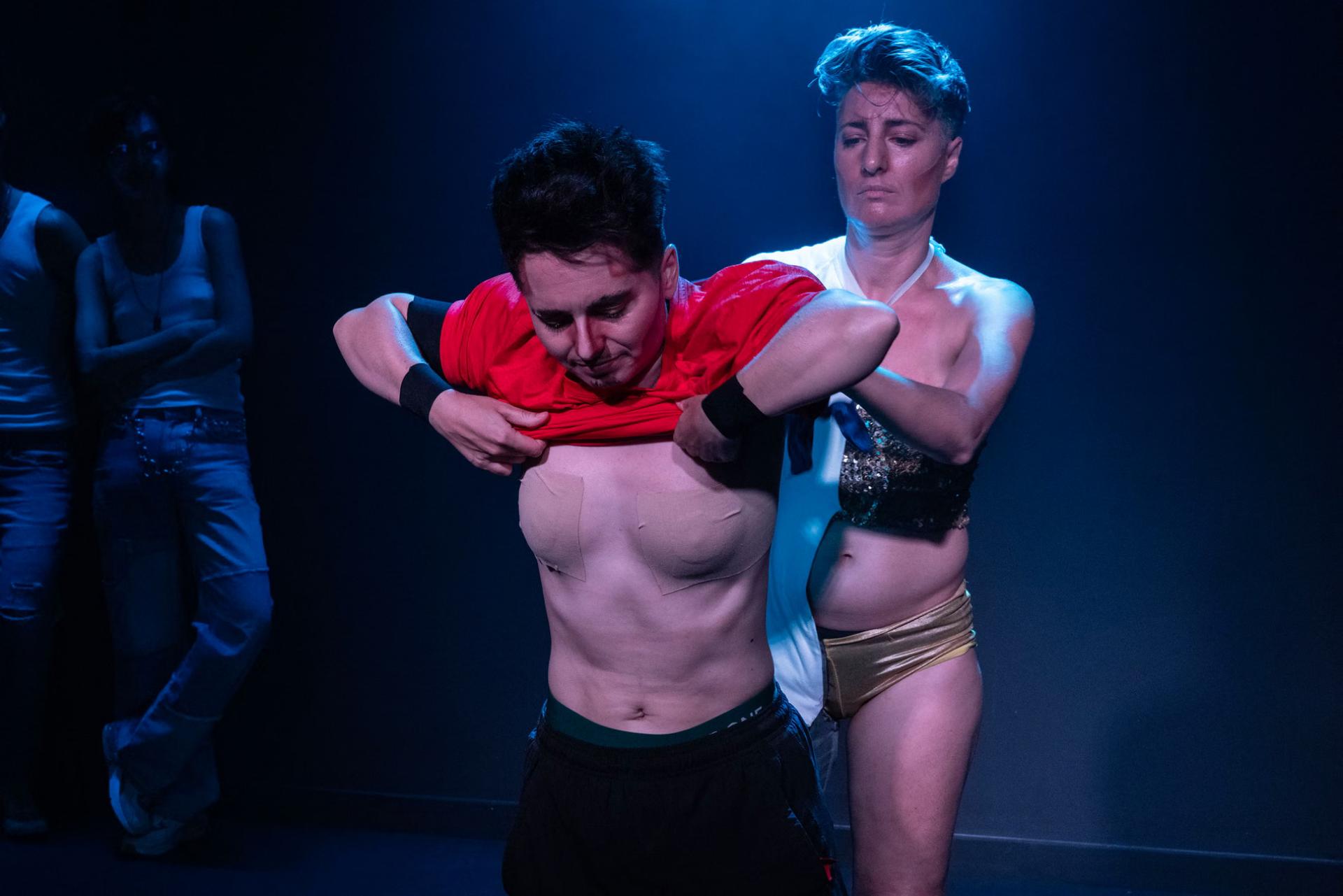
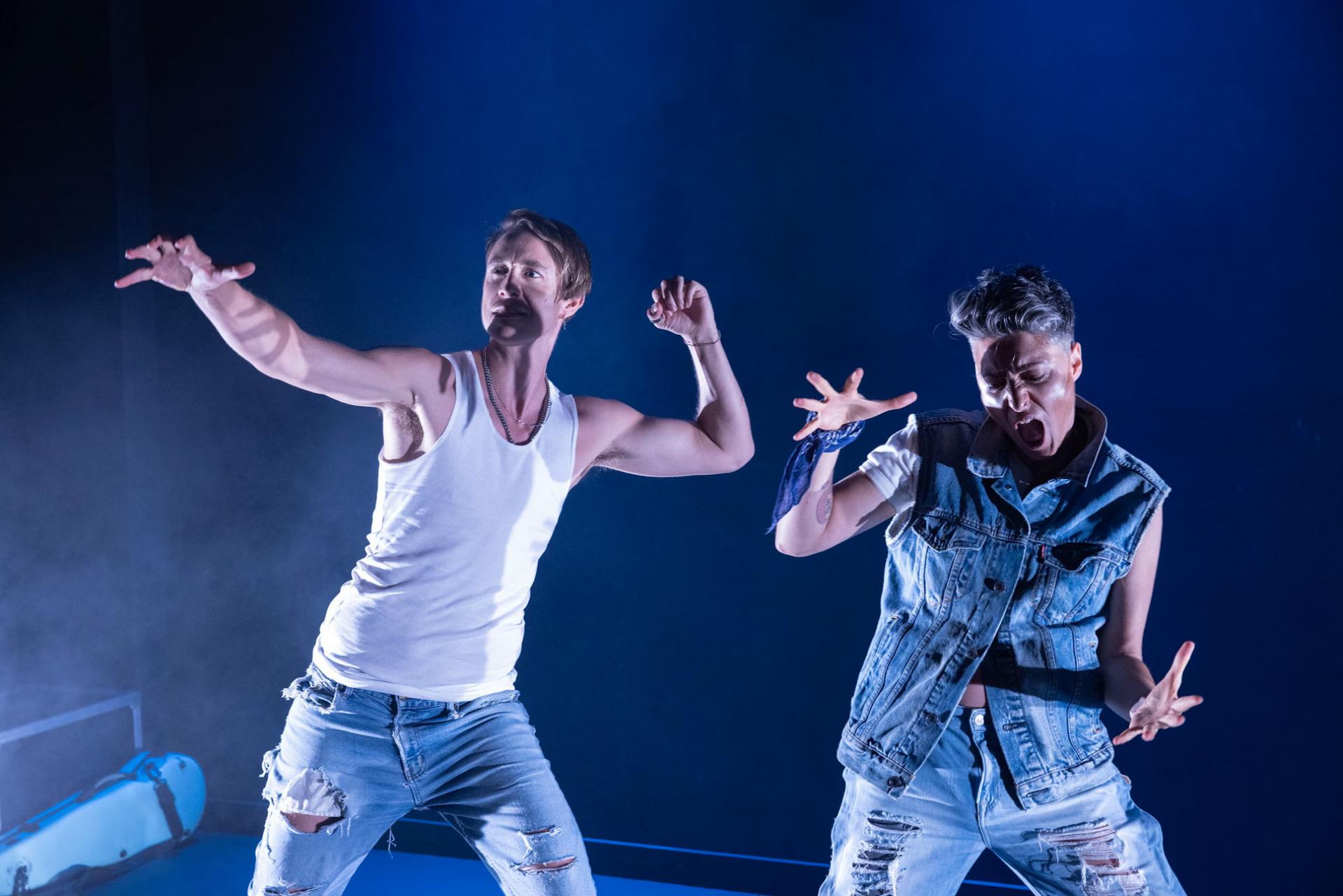
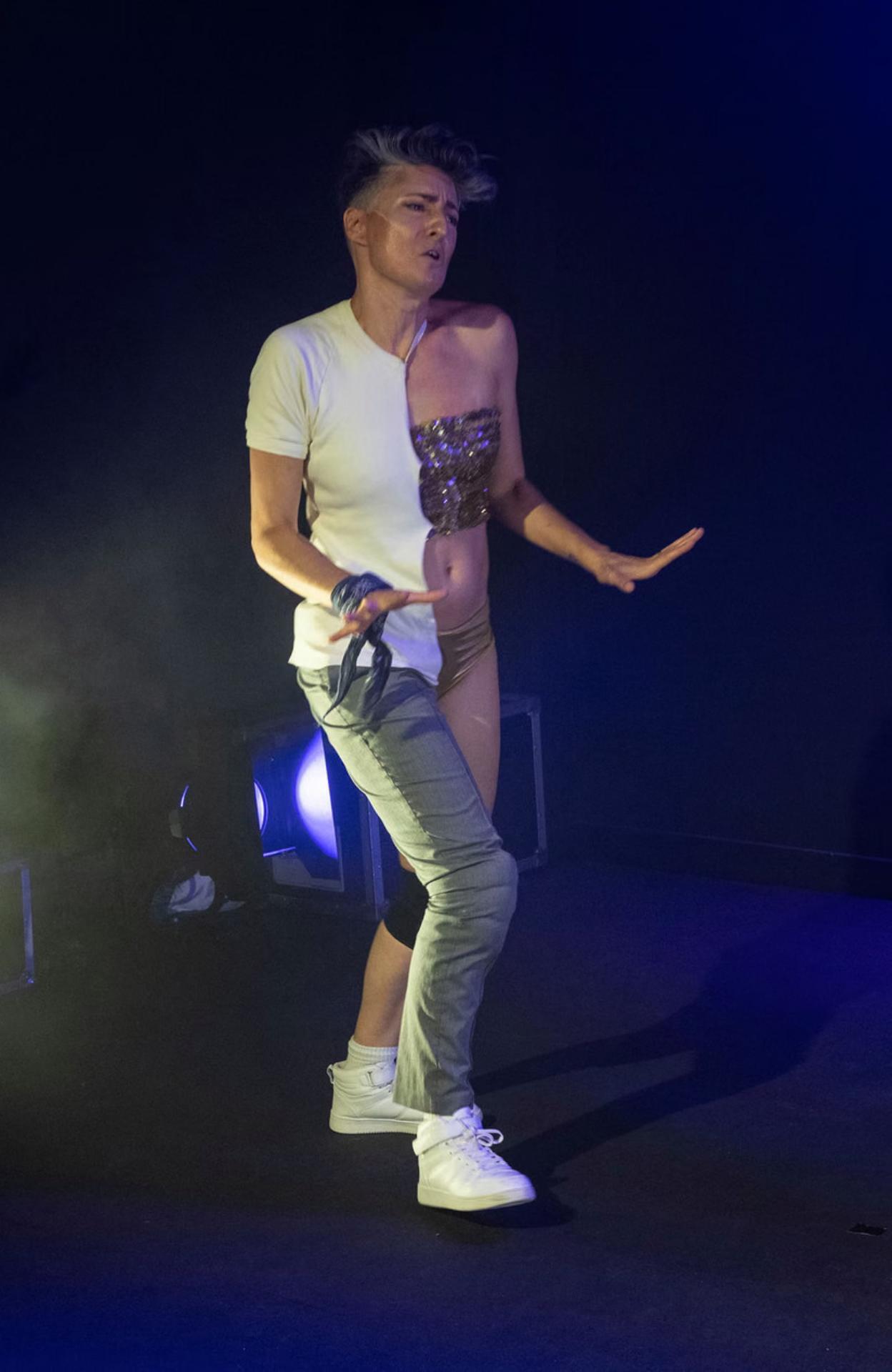
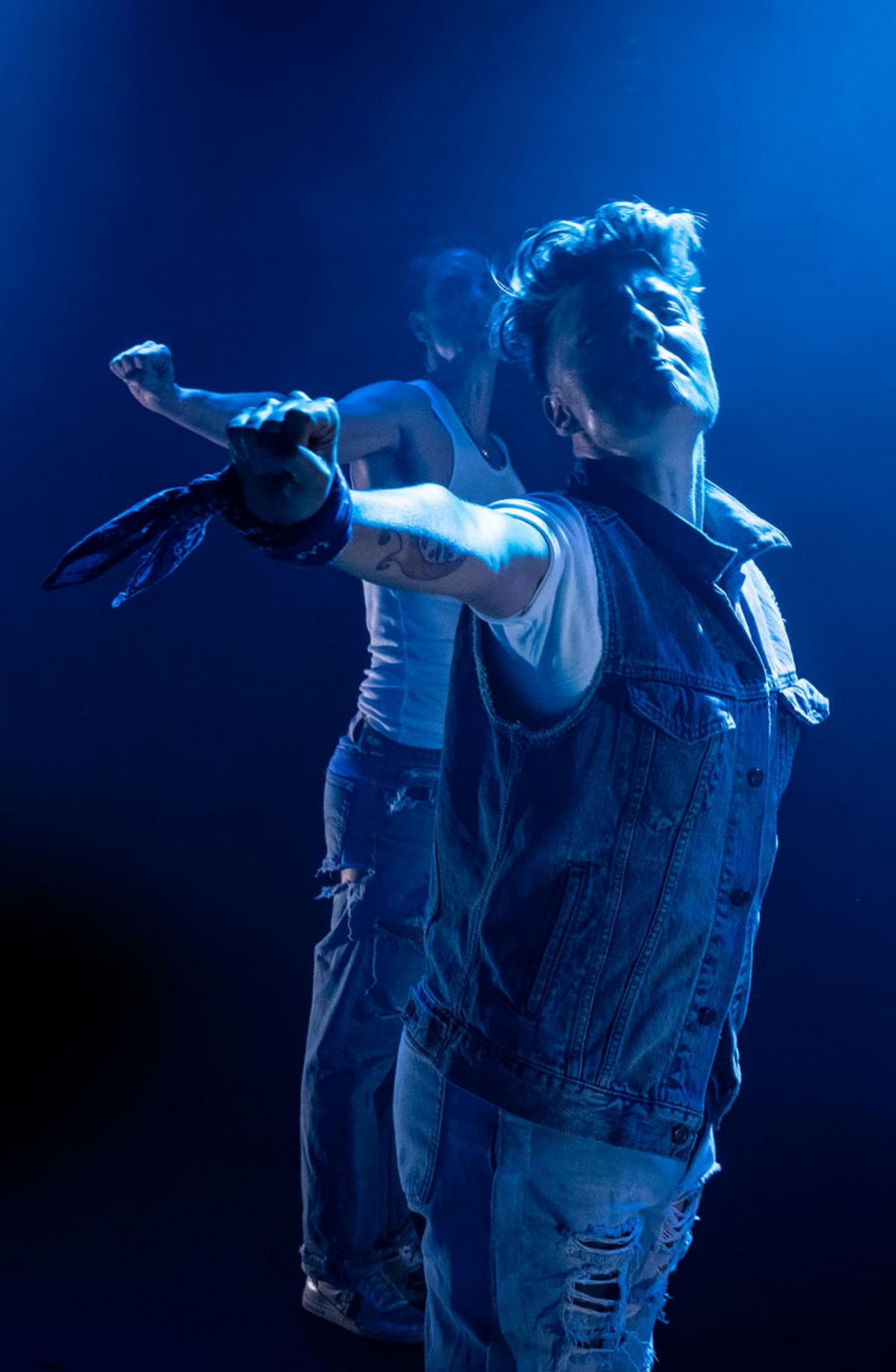
Venue: Qtopia (Darlinghurst NSW), Feb 11 – 21, 2026 Playwright: Director: Kaz Therese Cast: Beks Blake, Danica Lani, Chris McAllister, Angel Tan Images by Jessica Hromas
Theatre review Four drag kings converge in They Will Be Kings to excavate the layered narratives of their becoming. Chase Cox, Dario di Bello, Fine China, and Jim Junkie each emerge from distinct origins, propelled by singular raisons d’être—yet together they orchestrate a meditation on gender’s fluid architecture. Against the grain of a world that insists upon the fixed polarity of male and female, their collective performance unravels the artifice of such certainties, illuminating instead the protean, unruly nature of identity itself.
Under Kaz Therese’s direction, the production achieves a wonderful alchemy—transmuting four distinct sensibilities into an elegant, unified architecture. They Will Be Kings emerges as a clever meditation on gender variance: its ontological textures, its protean expressions. Each performer—Beks Blake, Danica Lani, Chris McAllister, and Angel Tan—contributes a singular artistic vocabulary, yet coheres through an ethos of collective intentionality. The result is not mere showcase but invocation: an ensemble that summons the audience toward expansiveness, demanding not passive reception but active transformation of mind and heart.
Gender presents a fundamental paradox. It functions as a system built on fixed categories, yet lived experience constantly spills beyond these boundaries into territory that resists easy definition. Humans inevitably sort one another into boxes, yet what we most desire is freedom.
Gender, at its best, offers pleasure, play, and genuine self-expression; yet too often it serves darker purposes—erasure, marginalisation, the violent enforcement of conformity. It is something we can resist, yet also something we can savour. To understand how it works—its mechanisms of control—is essential if we hope to move beyond its restrictions and dangers, transforming vulnerability into agency.
Venue: Sydney Opera House (Sydney NSW), Feb 9 – Mar 14, 2026 Playwright: Larry Kramer Director: Dean Bryant Cast: Nicholas Brown, Mitchell Butel, Tim Draxl, Michael Griffiths, Emma Jones, Evan Lever, Keiynan Lonsdale, Fraser Morrison, Mark Saturno Images by Neil Bennett
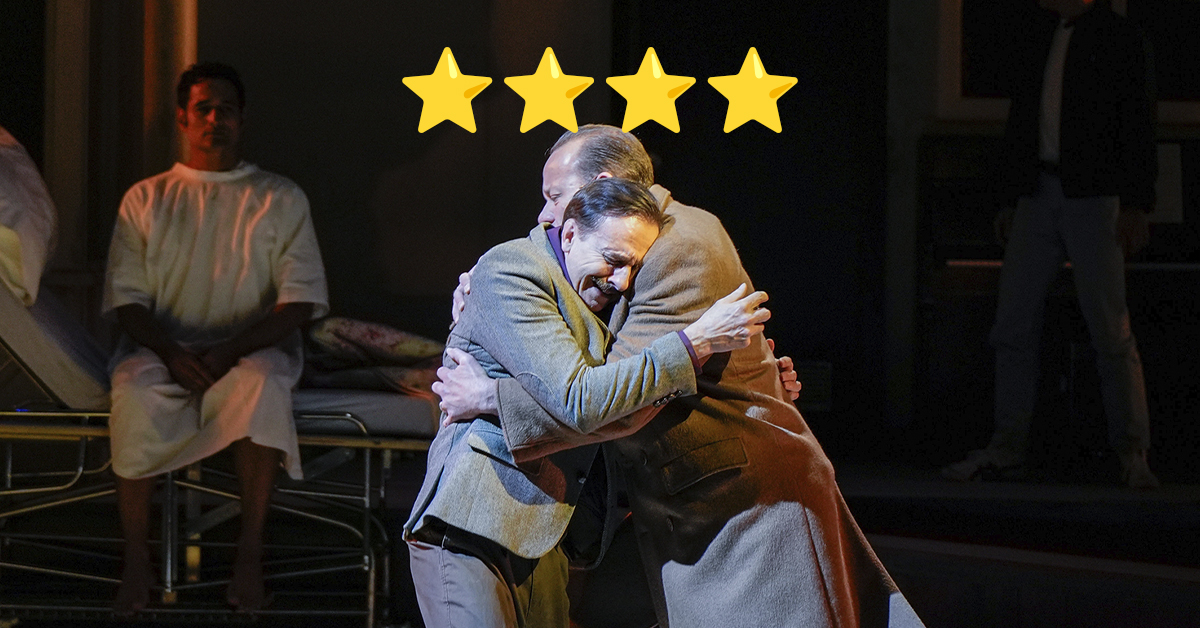
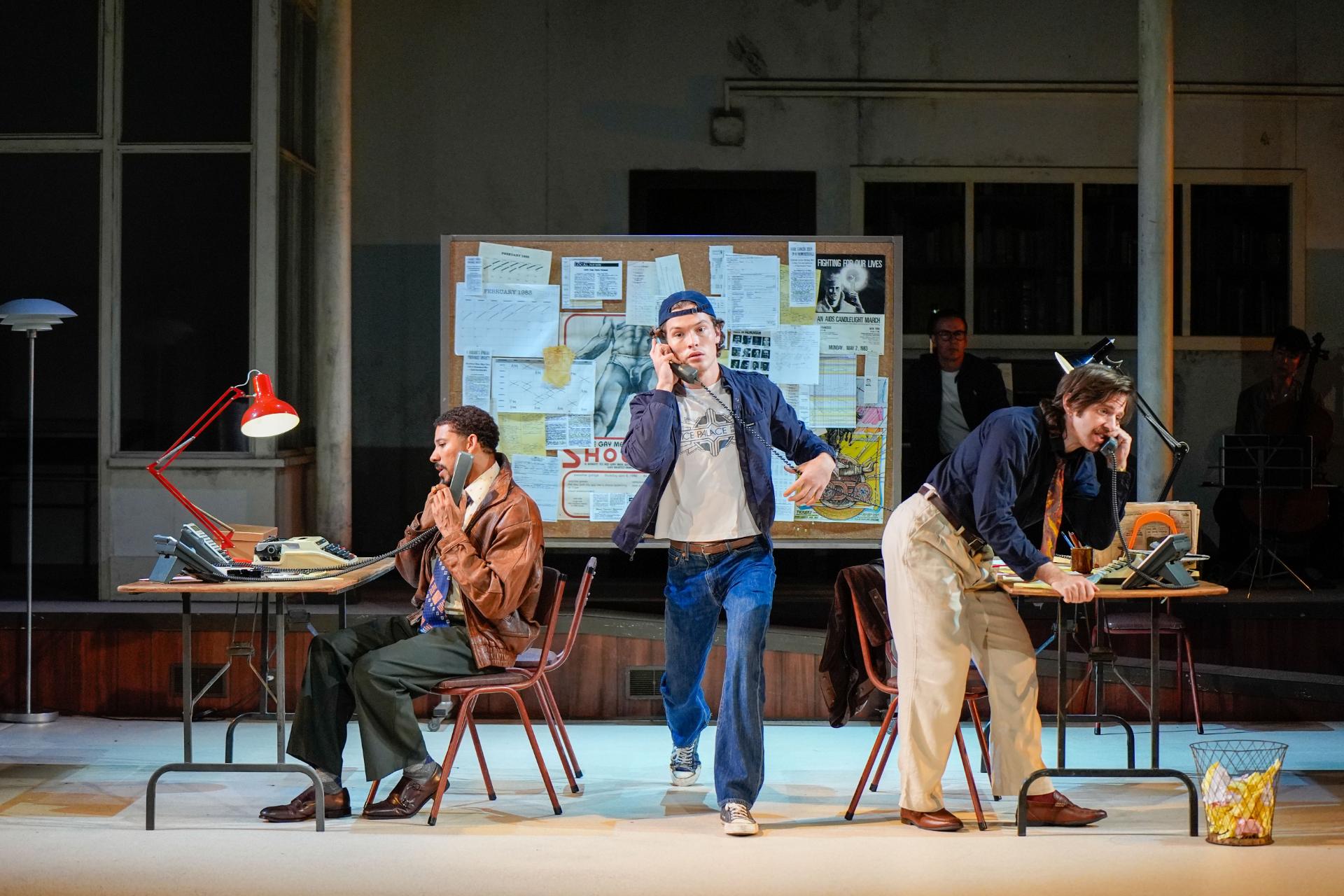
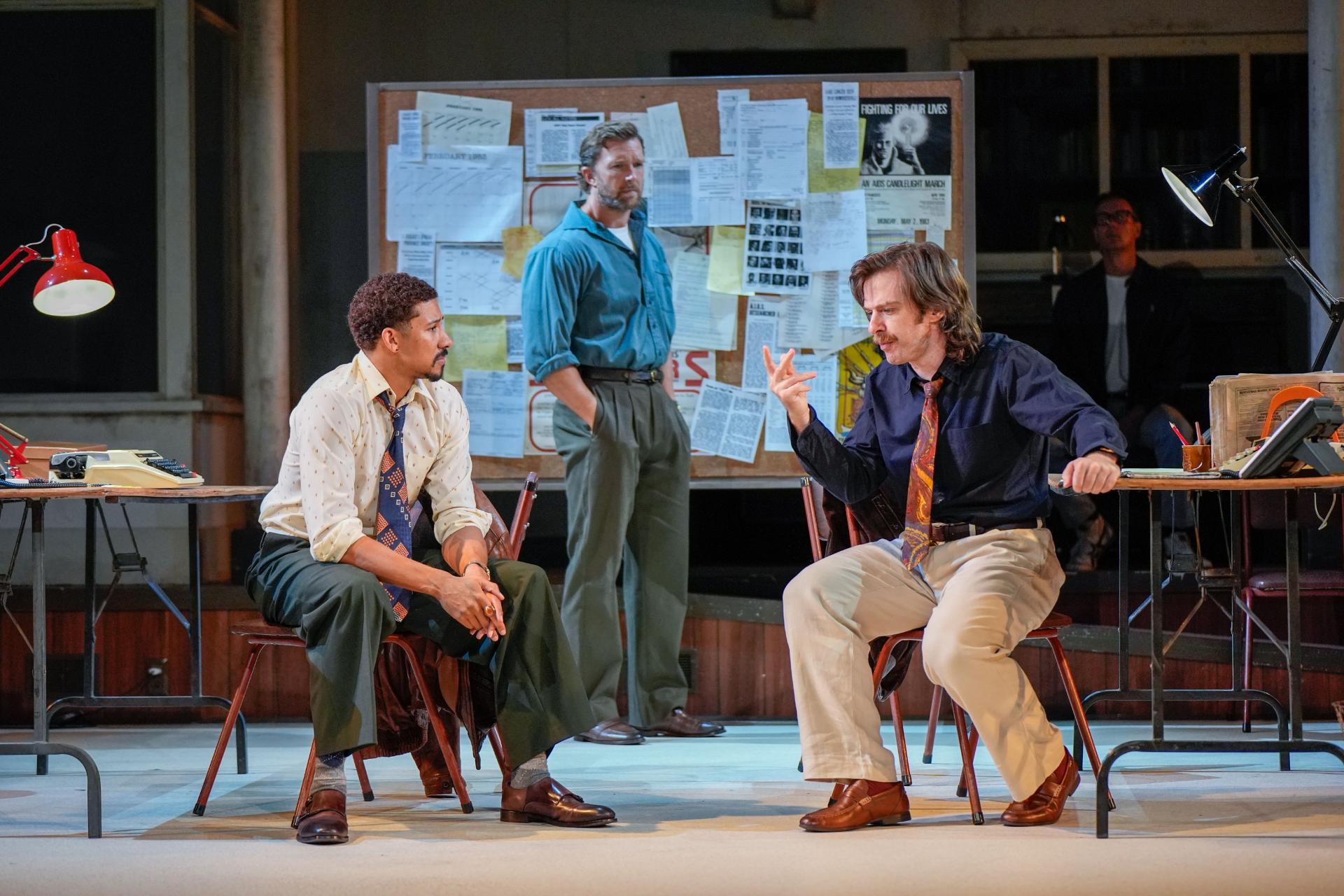
Theatre review The story begins in 1981, at the very dawn of the AIDS crisis that would devastate gay communities around the world. As a marginalised group, attempts to secure recognition and support proved extraordinarily difficult. Yet the indefatigable activist Ned Weeks refuses to accept indifference or rejection, as vividly portrayed in Larry Kramer’s seminal work, The Normal Heart.
Written four decades ago and drawing heavily on Kramer’s own experiences, the play arrives from a vastly different social and medical landscape. Encouragingly, much has changed — not only in the treatment and understanding of the disease itself, but also in the broader recognition of gay rights. As a result, the work can at times feel overtly expositional to contemporary audiences. However, as a historical lens on one of the most defining public health and social crises of modern life, it remains deeply significant, even if not always uniformly resonant.
Dean Bryant’s direction delivers a production of fitting urgency, capturing the emotional temperature of the era and offering a clear sense of what it meant to work on the front lines of the fight for HIV and AIDS to be taken seriously. It is a passionate and deeply sincere staging, imbued with a palpable sense of commitment, even if it does not always sustain meaningful engagement.
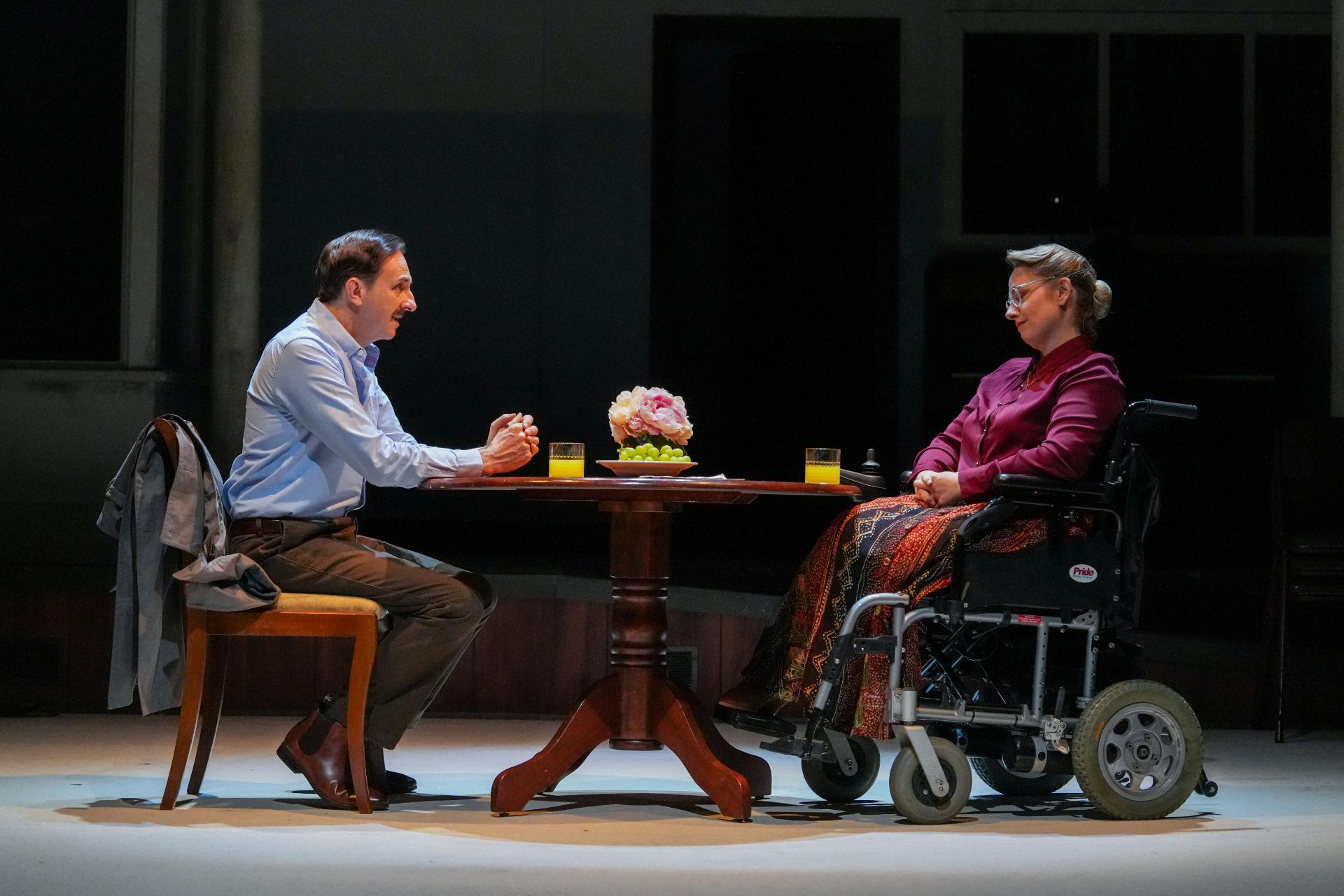
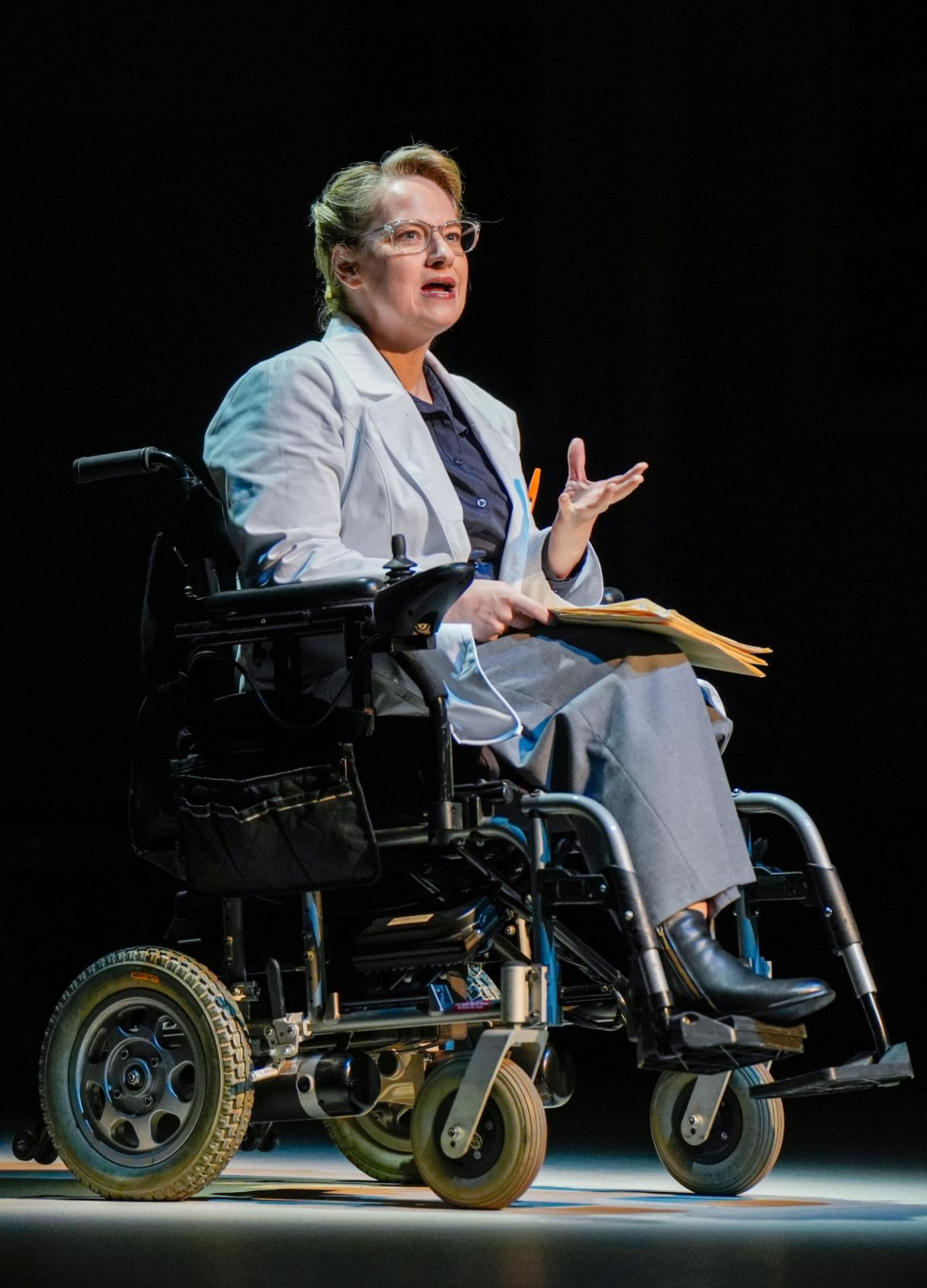
The cast is led by Mitchell Butel, who brings admirable presence and authenticity to the role of Weeks, grounding a story that continues to demand retelling. Powerful monologues are delivered with memorable force by performers such as Emma Jones, Tim Draxl, and Evan Lever, each contributing striking moments of dramatic intensity.
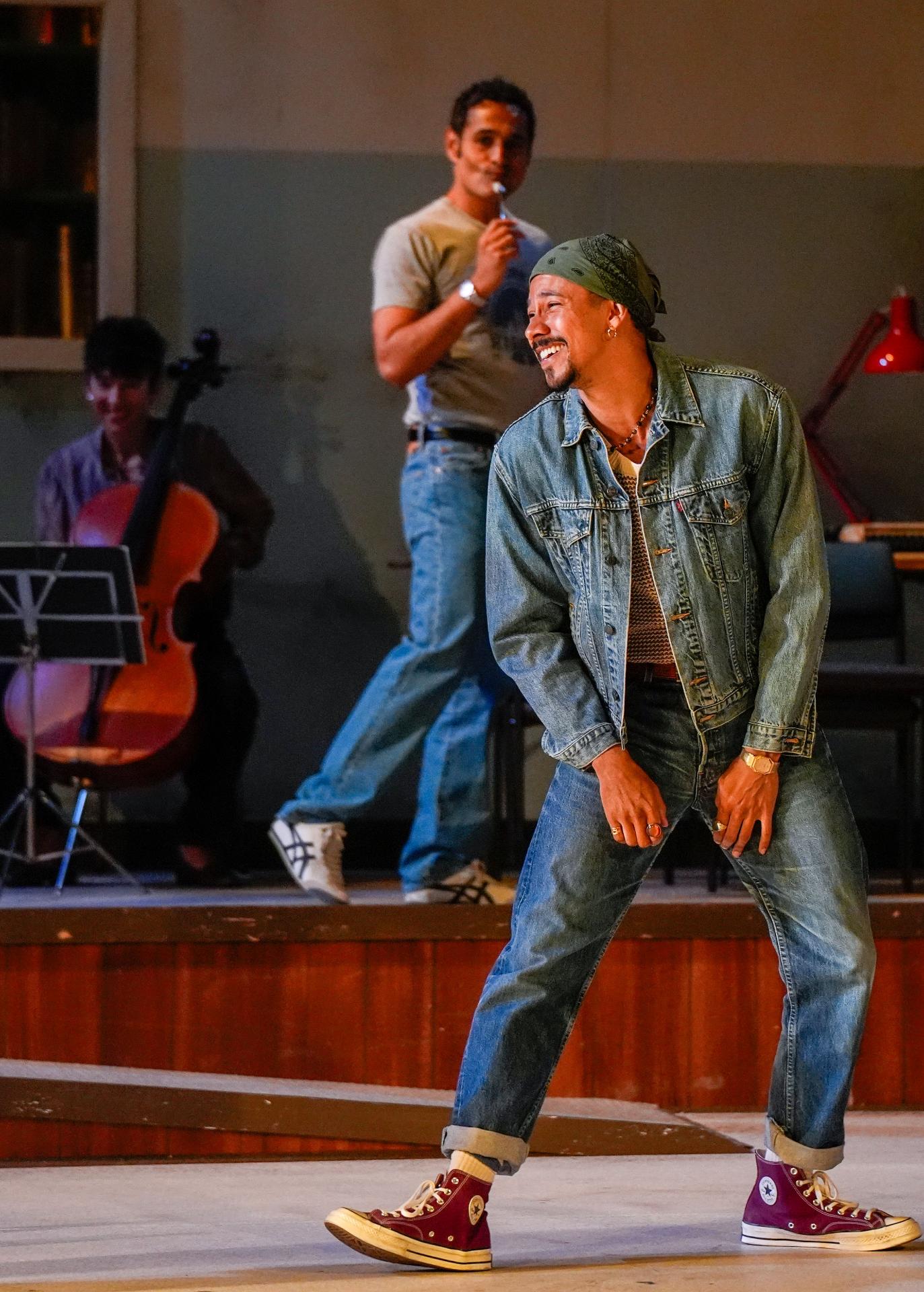
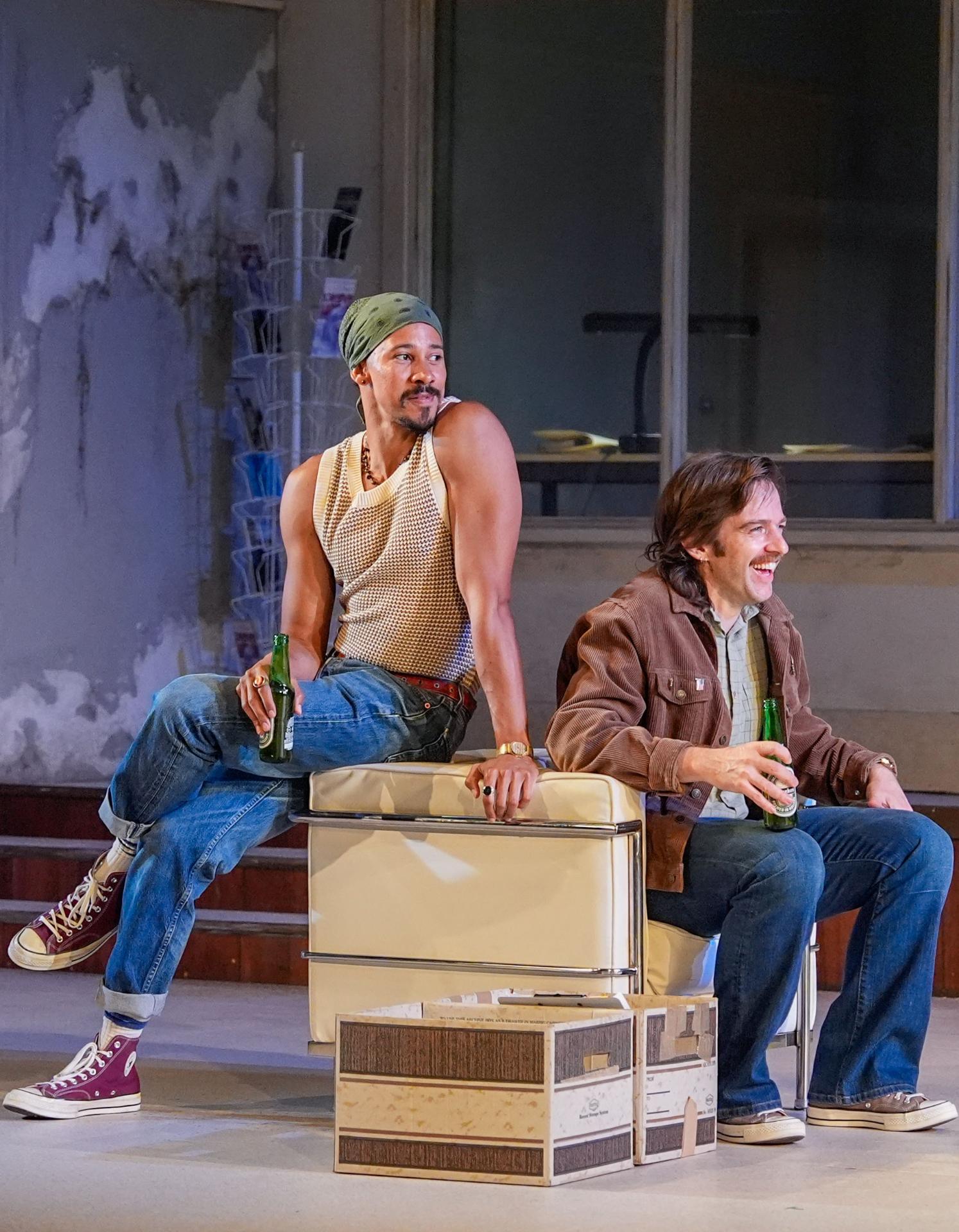
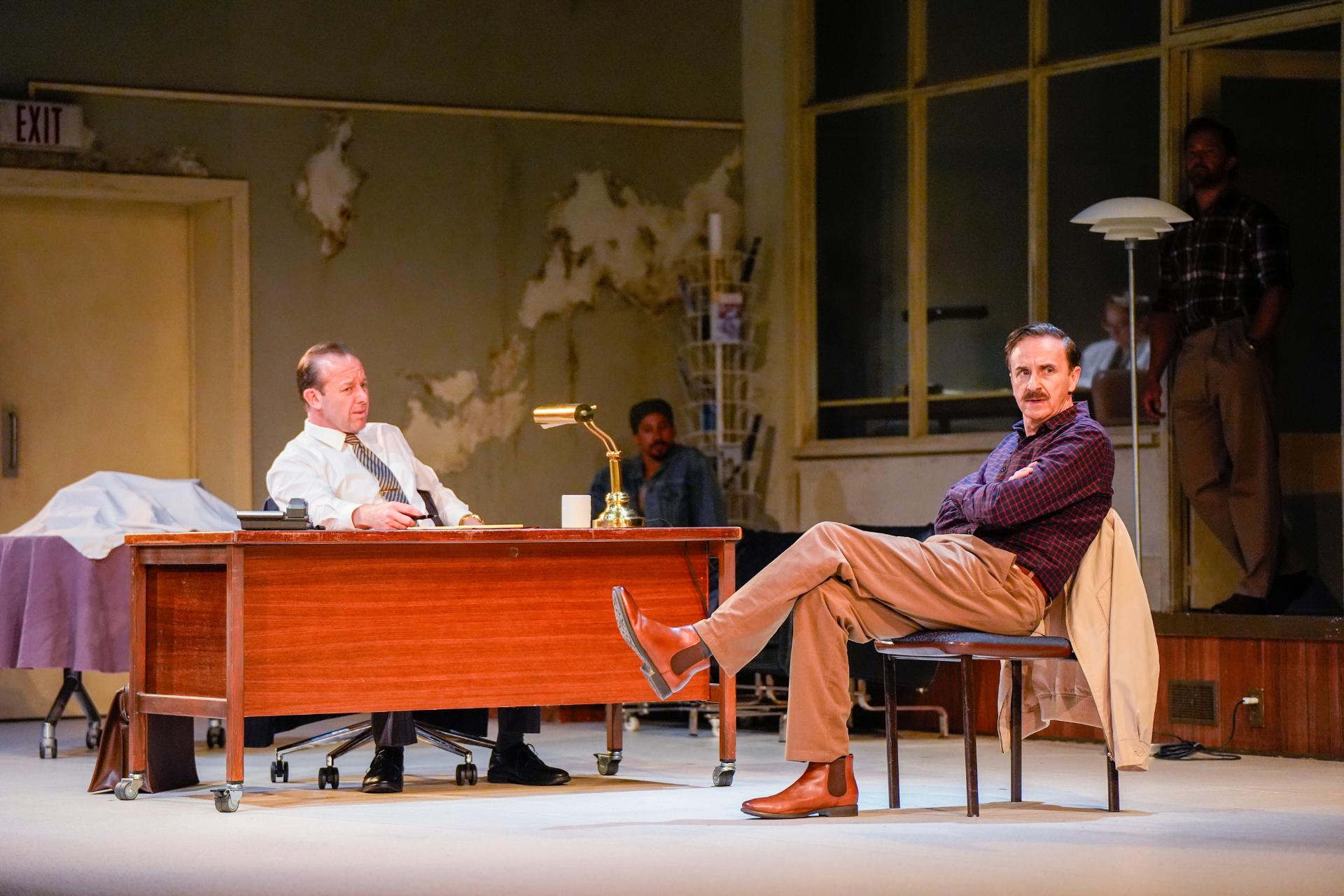
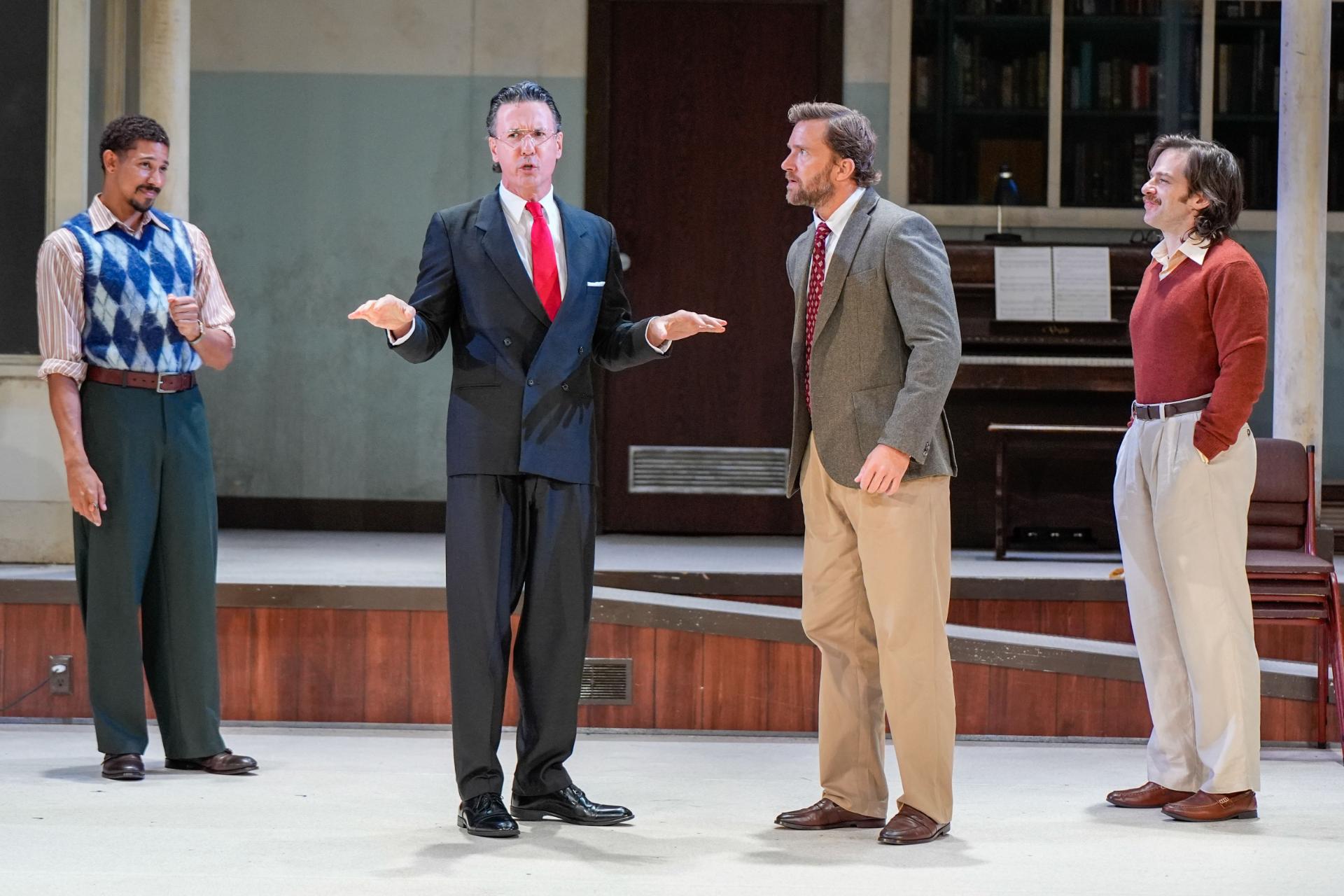
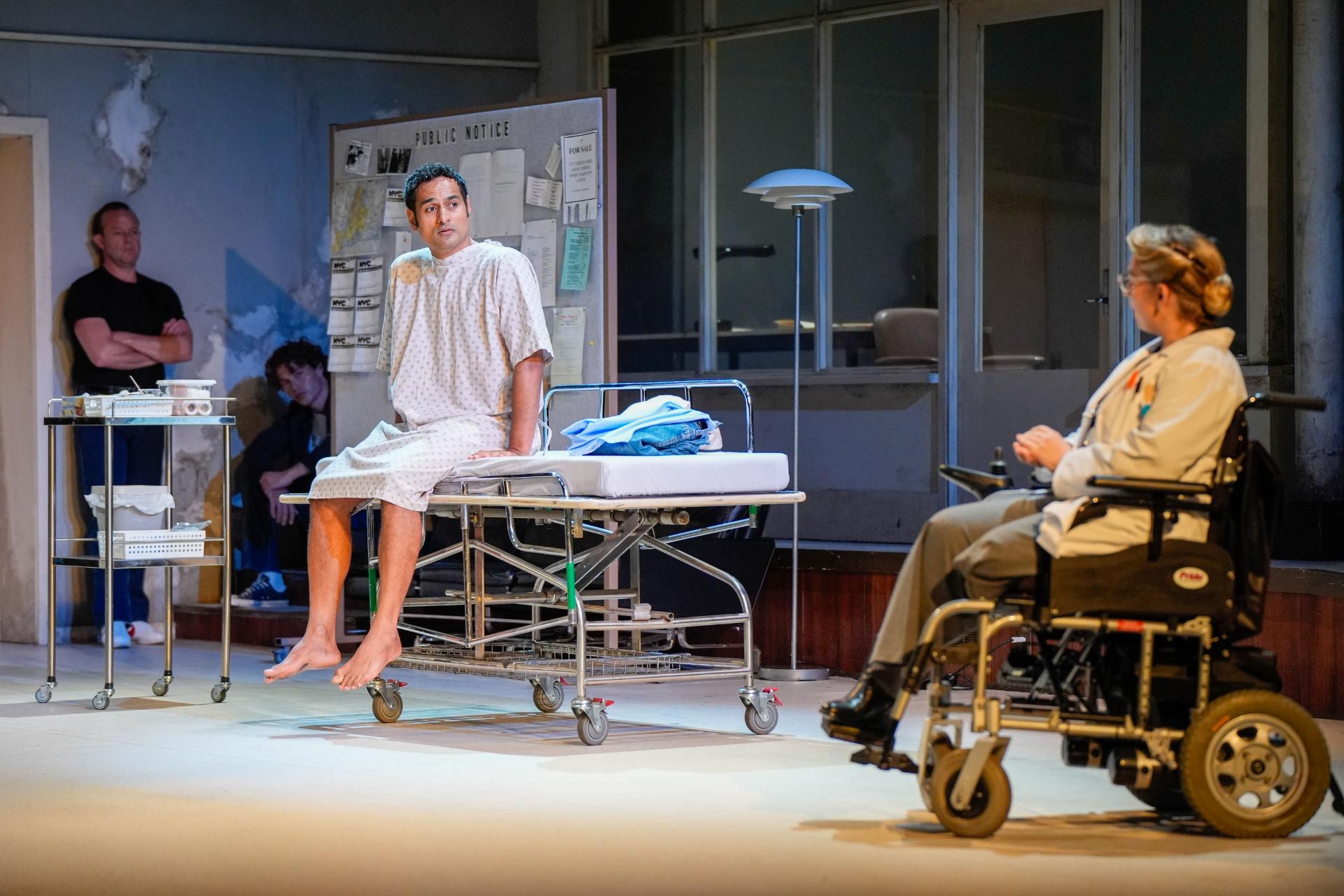
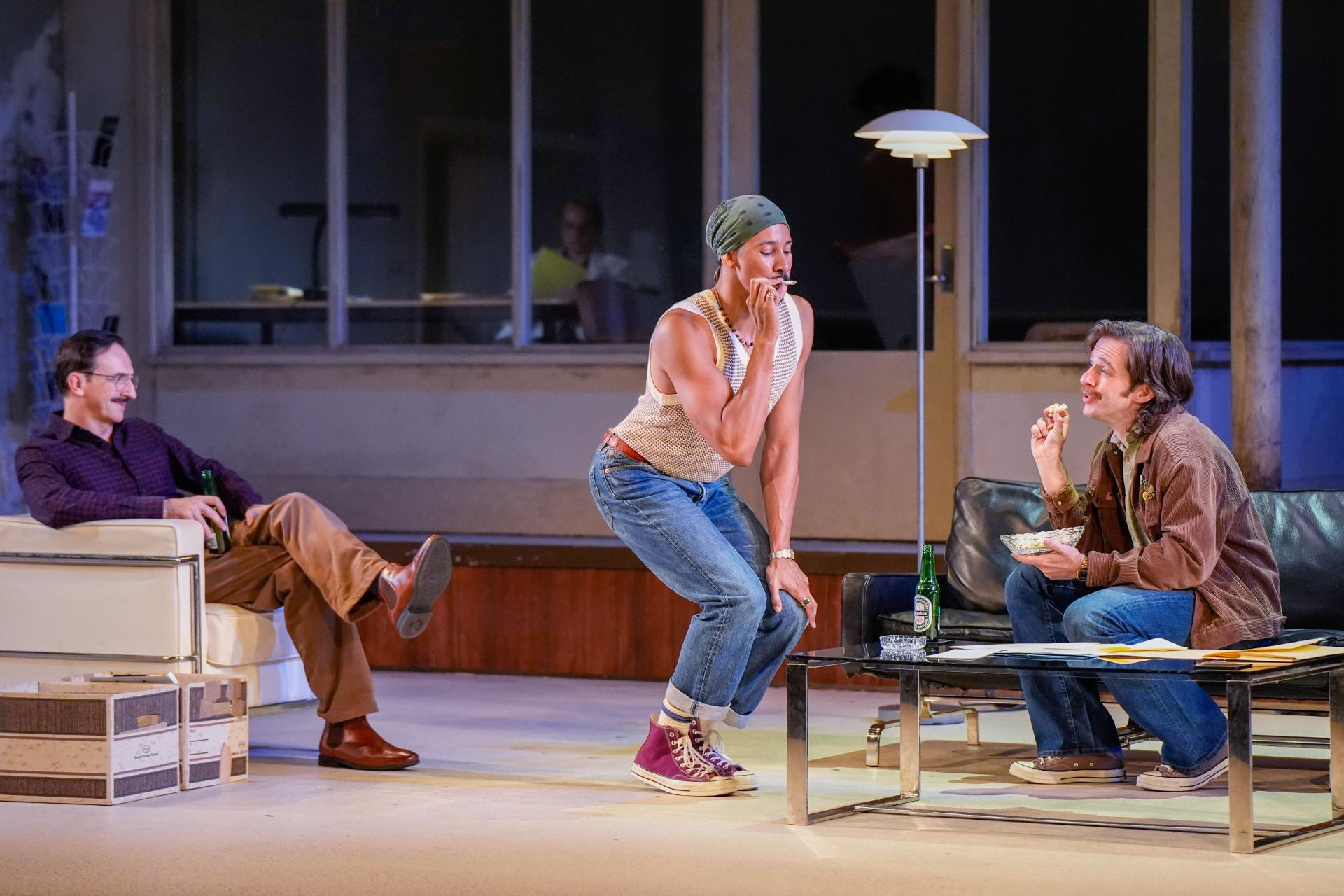
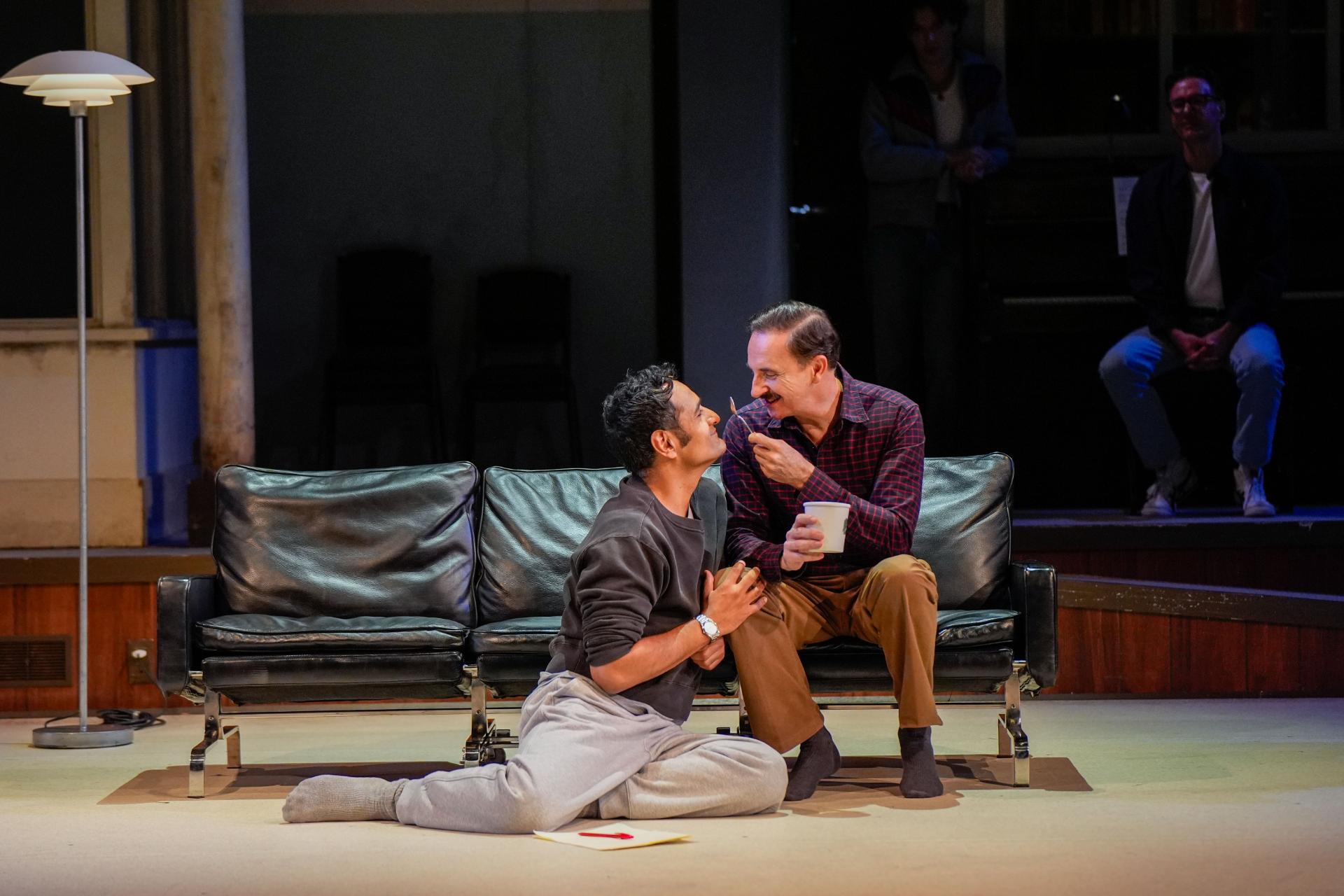
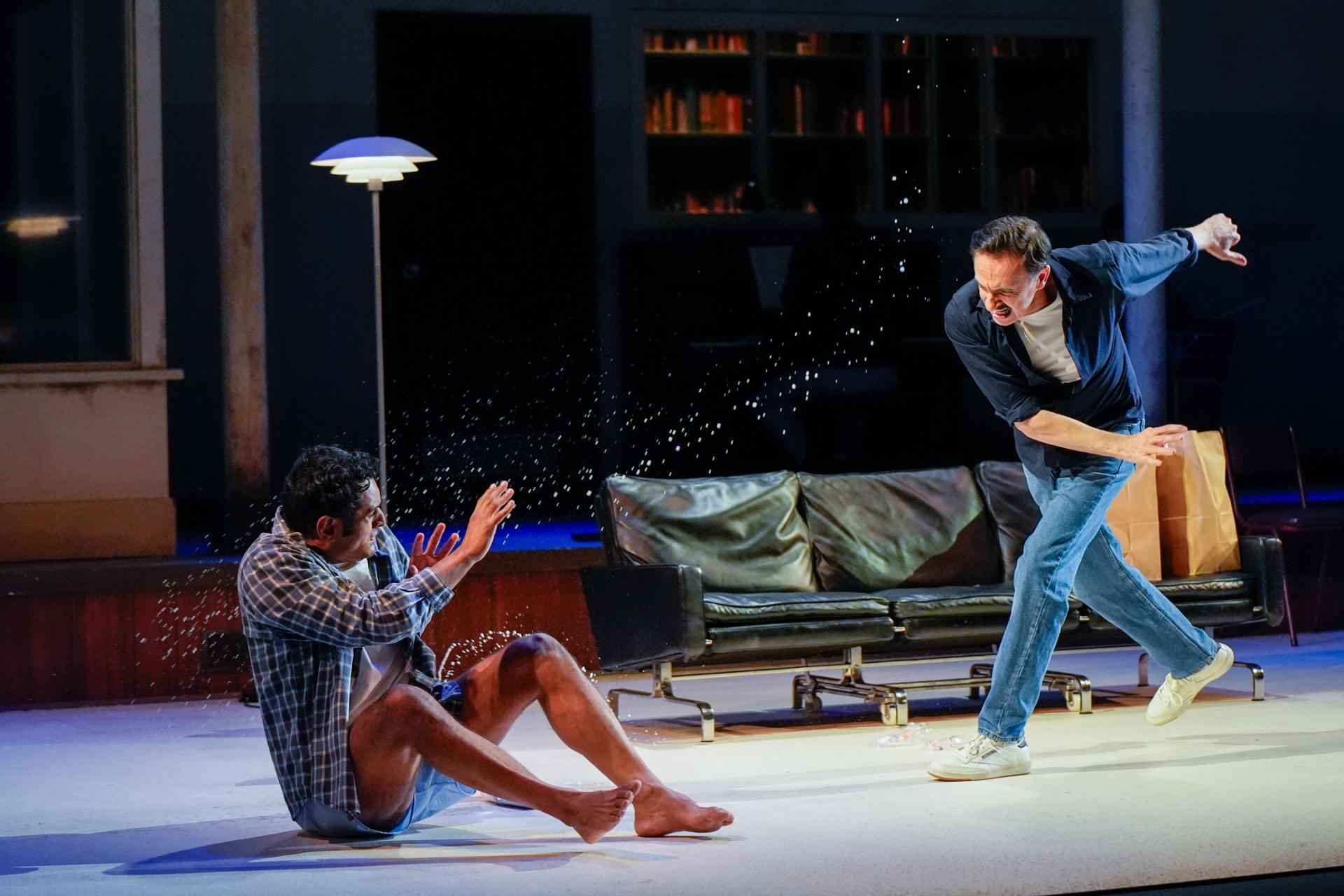
Production designer Jeremy Allen underscores the desperation of the era with a set that appears subtly worn and frayed at the edges, quietly reflecting a world under strain. His costumes evoke the textures of early-1980s gay culture, with characters embodying the archetypal looks and sensibilities we now associate with that period.
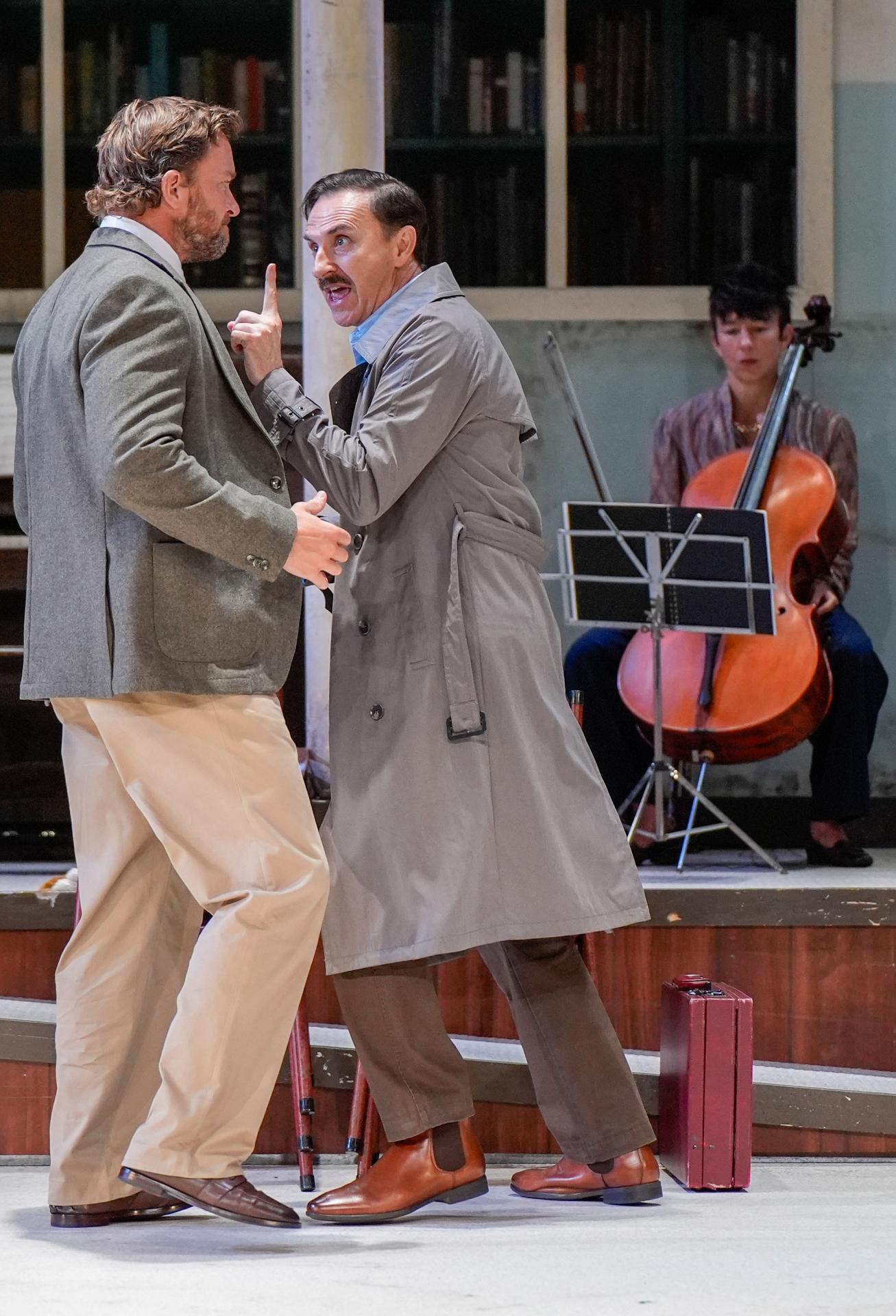
Nigel Levings’ lighting is largely unobtrusive, allowing the performances to remain the focal point, before gently asserting itself in key moments — particularly towards the conclusion — when a more overt sentimentality emerges. Cellist Rowena Macneish provides live accompaniment of extraordinary sensitivity, her playing elegantly underscoring the production’s most powerful emotional currents.
While antiretroviral therapies have transformed HIV/AIDS from a death sentence into a manageable condition, The Normal Heart endures as an indictment of institutional indifference—a reminder that political structures remain perilously susceptible to abandoning their most vulnerable constituents. We entrust governing bodies with the intricate machinery of public welfare, yet those who wield power frequently subordinate communal wellbeing to private interests, ideological rigidity, or bureaucratic inertia. The disquieting symmetry between Kramer’s era and our own is difficult to ignore: in Sydney mere days ago, state violence was deployed against citizens exercising their right to dissent, while across the Pacific, democratic institutions in the United States appear to be unravelling with vertiginous momentum. Larry Kramer waged his battles until his final breath; his unyielding moral clarity demands not our nostalgia, but our emulation.

 Suzy Goes See