Review: Gia Ophelia (KXT on Broadway)

Venue: KXT on Broadway (Ultimo NSW), Feb 11 – 15, 2026
Playwright: Grace Wilson
Director:
Jo Bradley
Cast: Annie Stafford
Images by Phil Erbacher

Theatre review
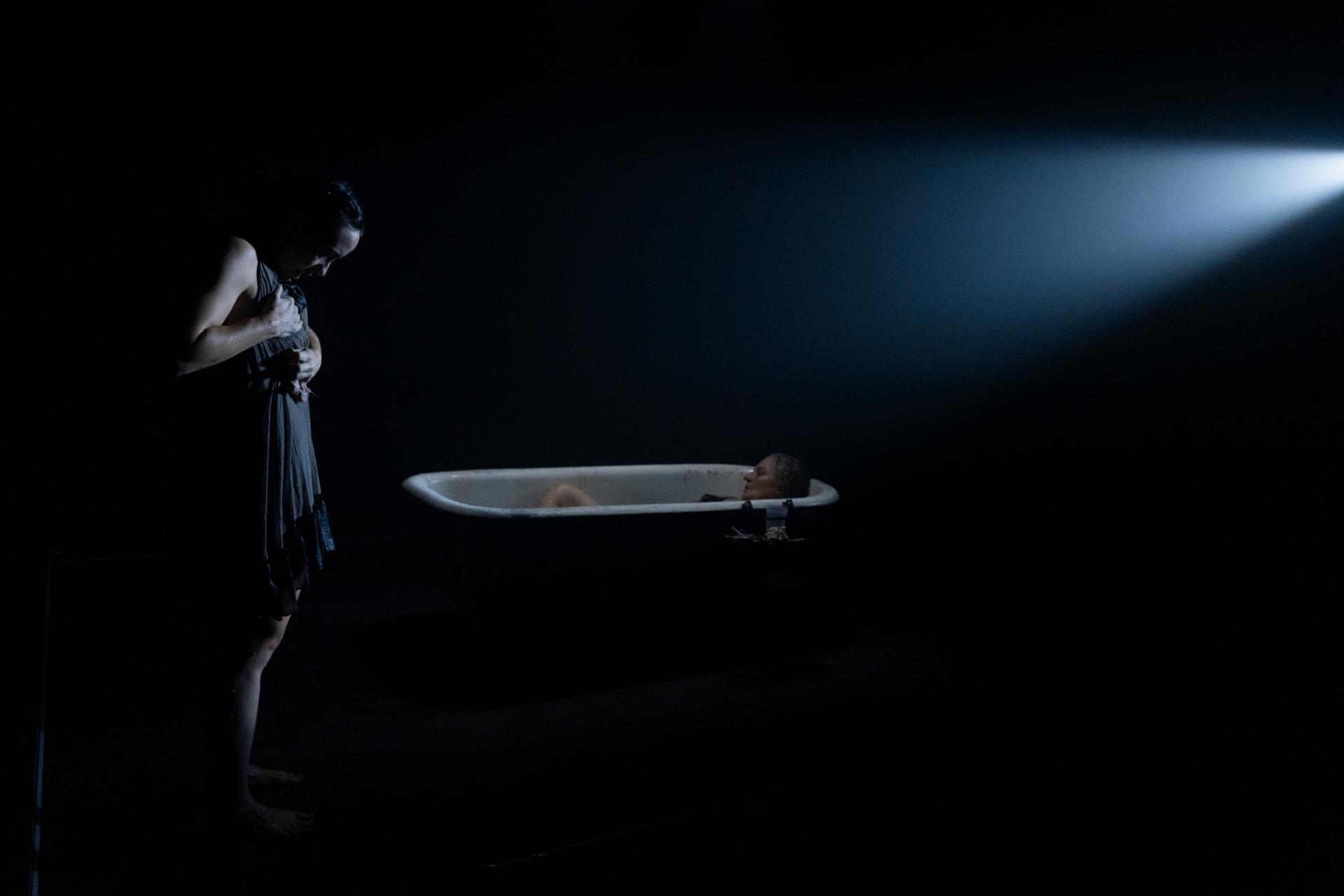
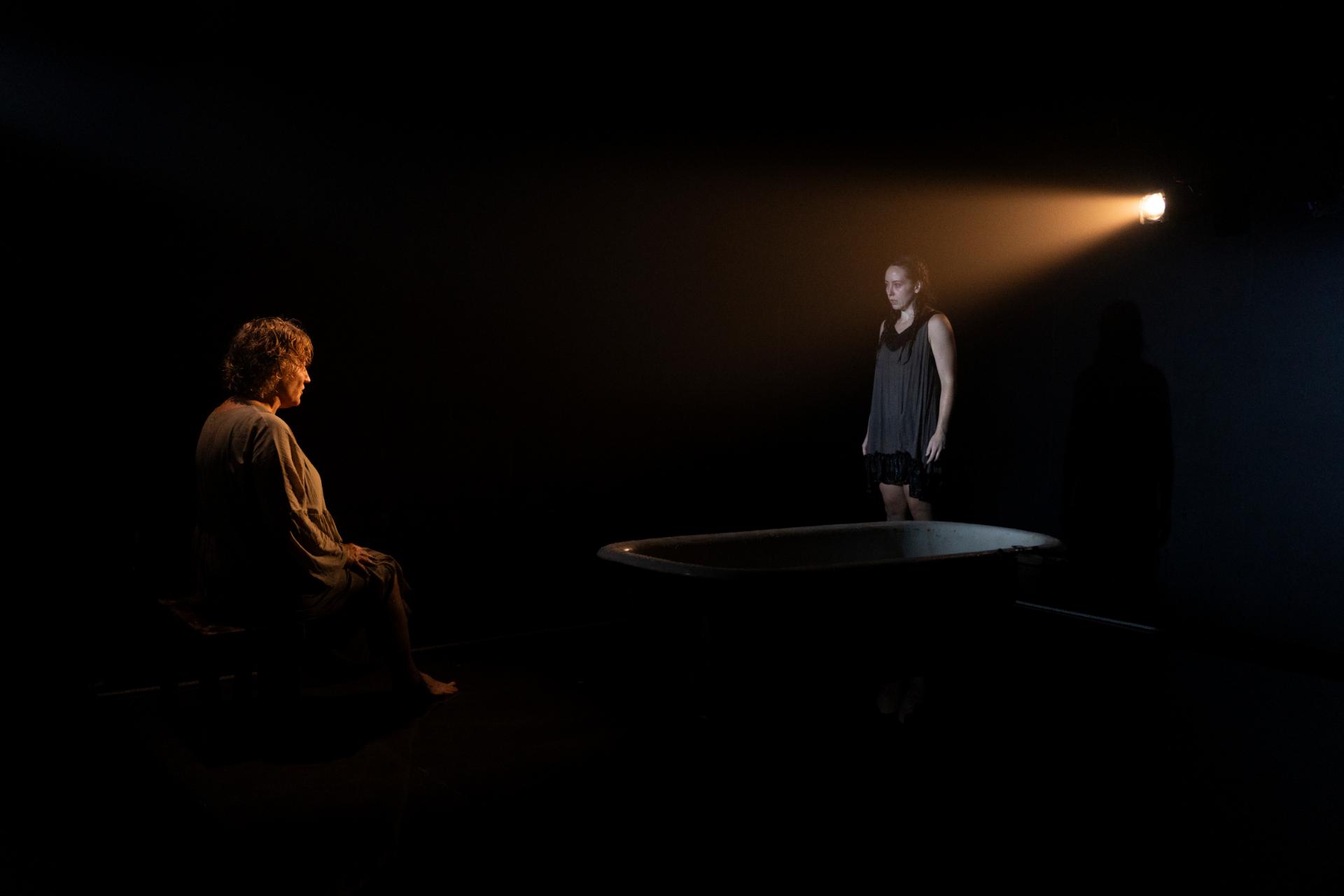
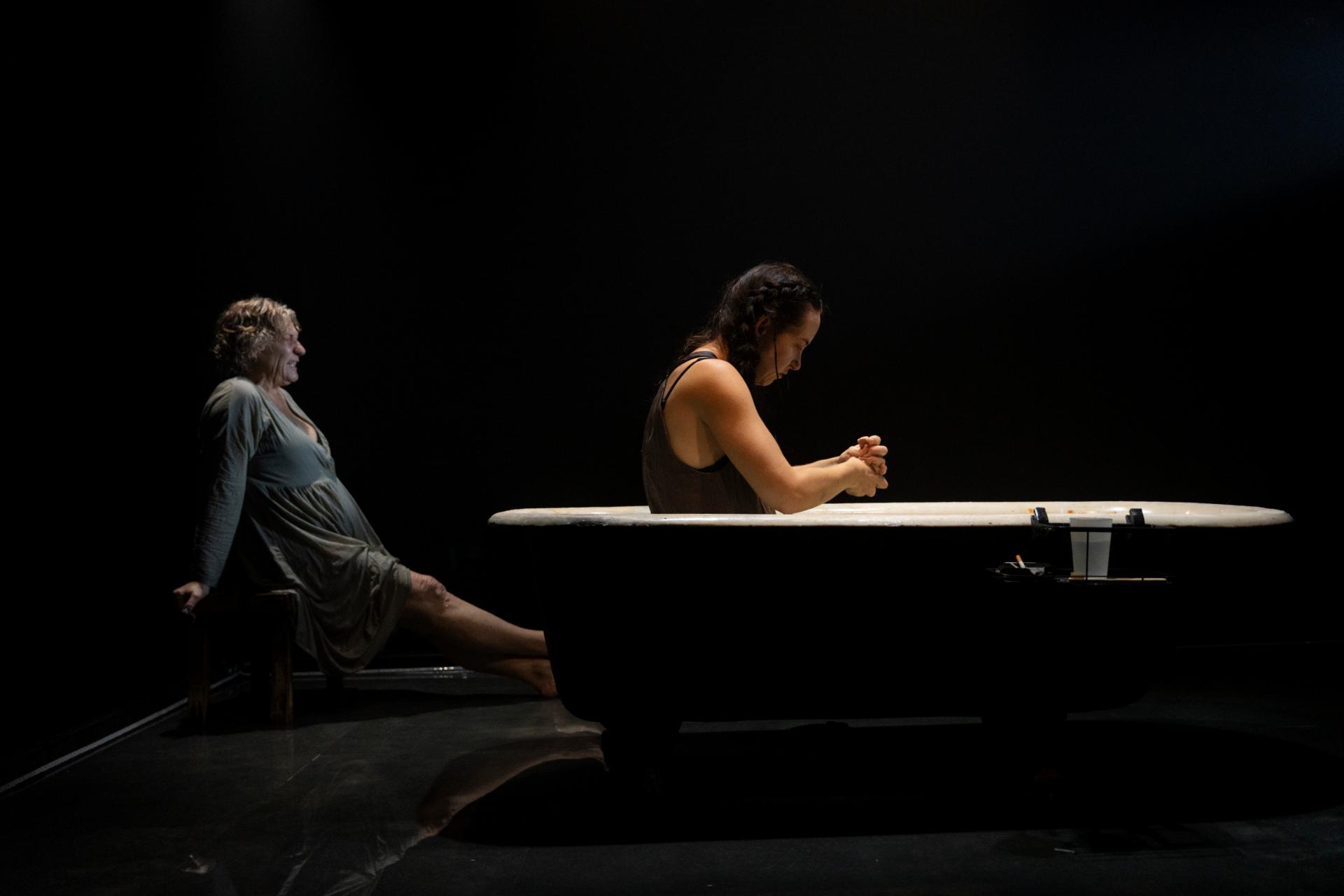
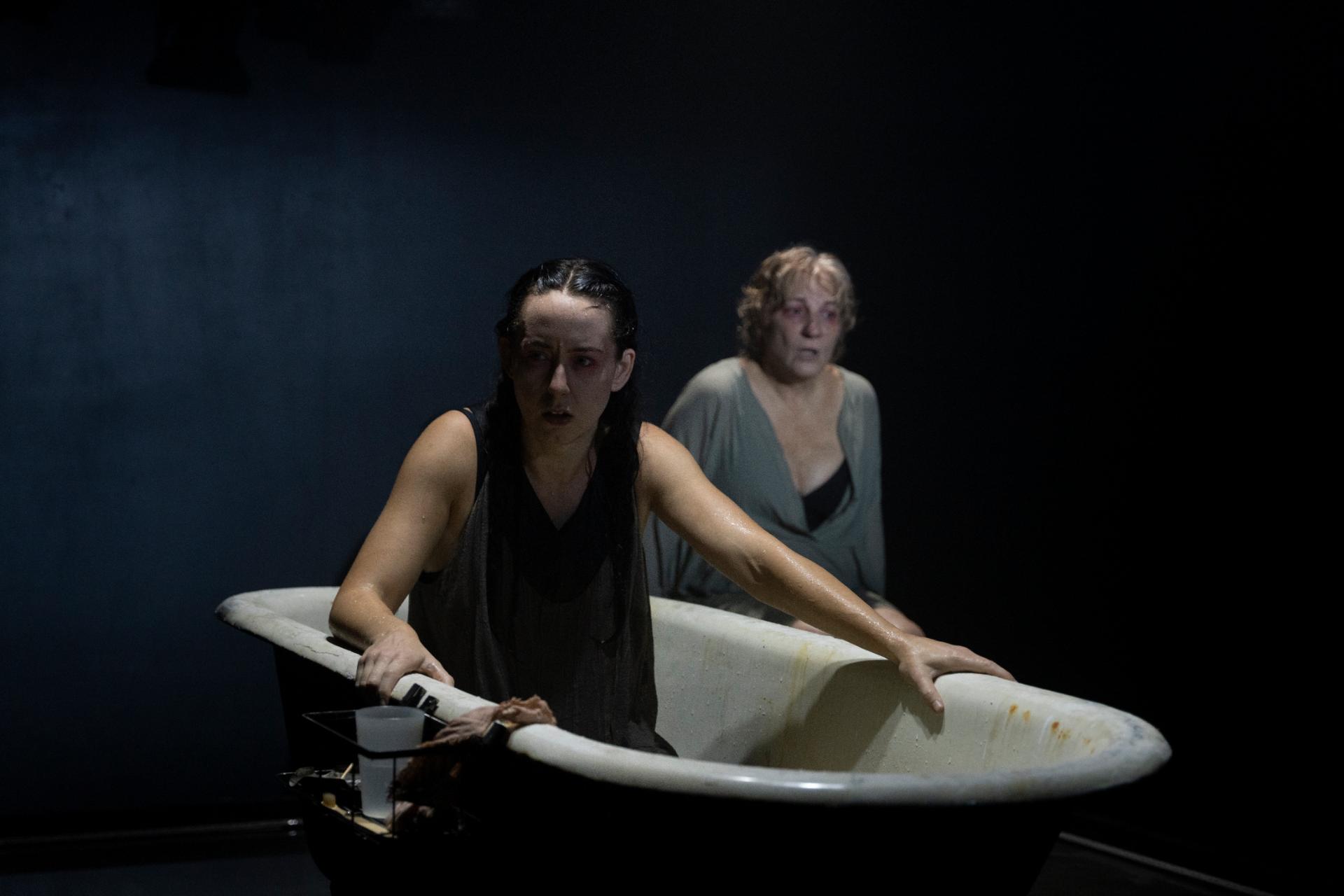
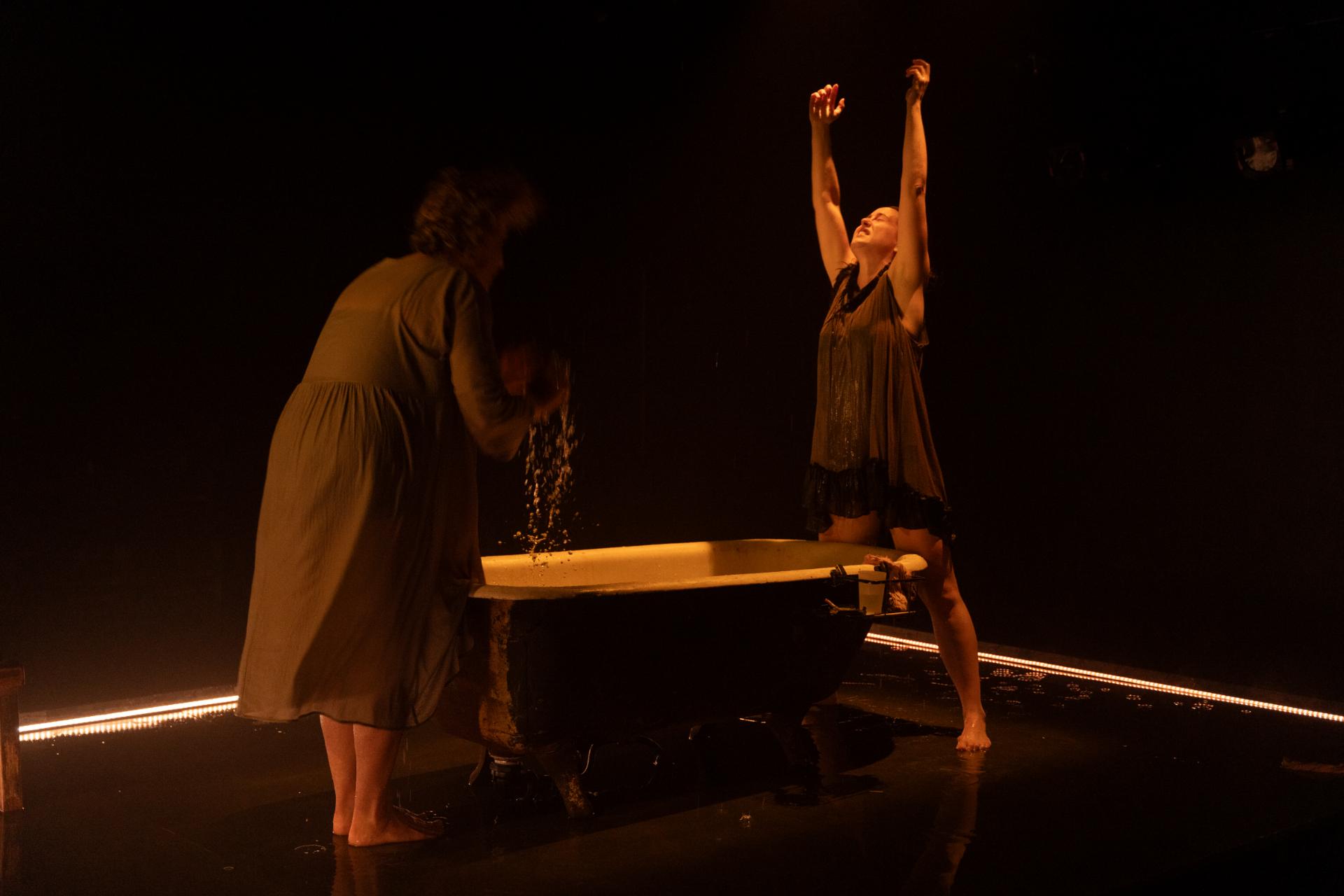
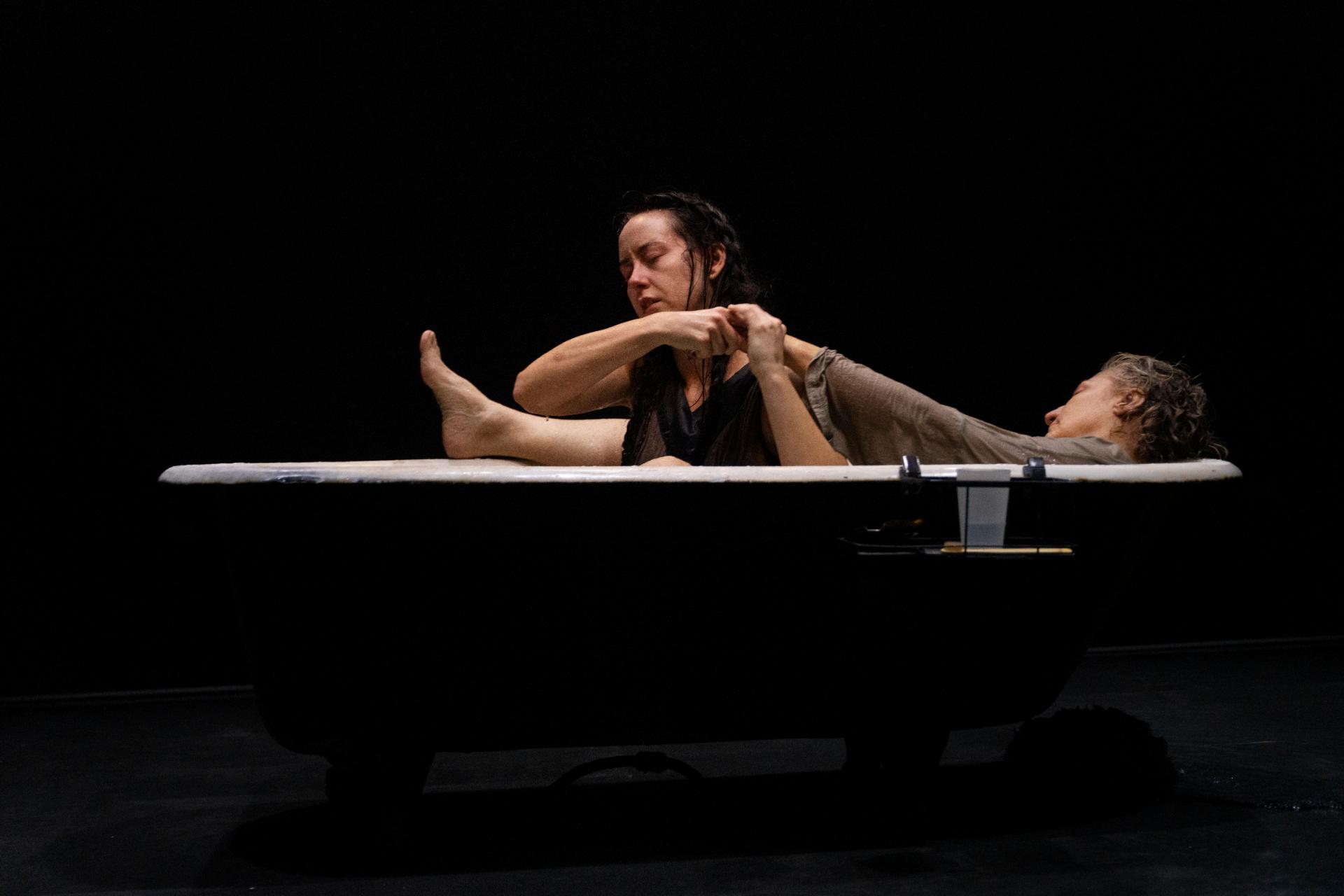
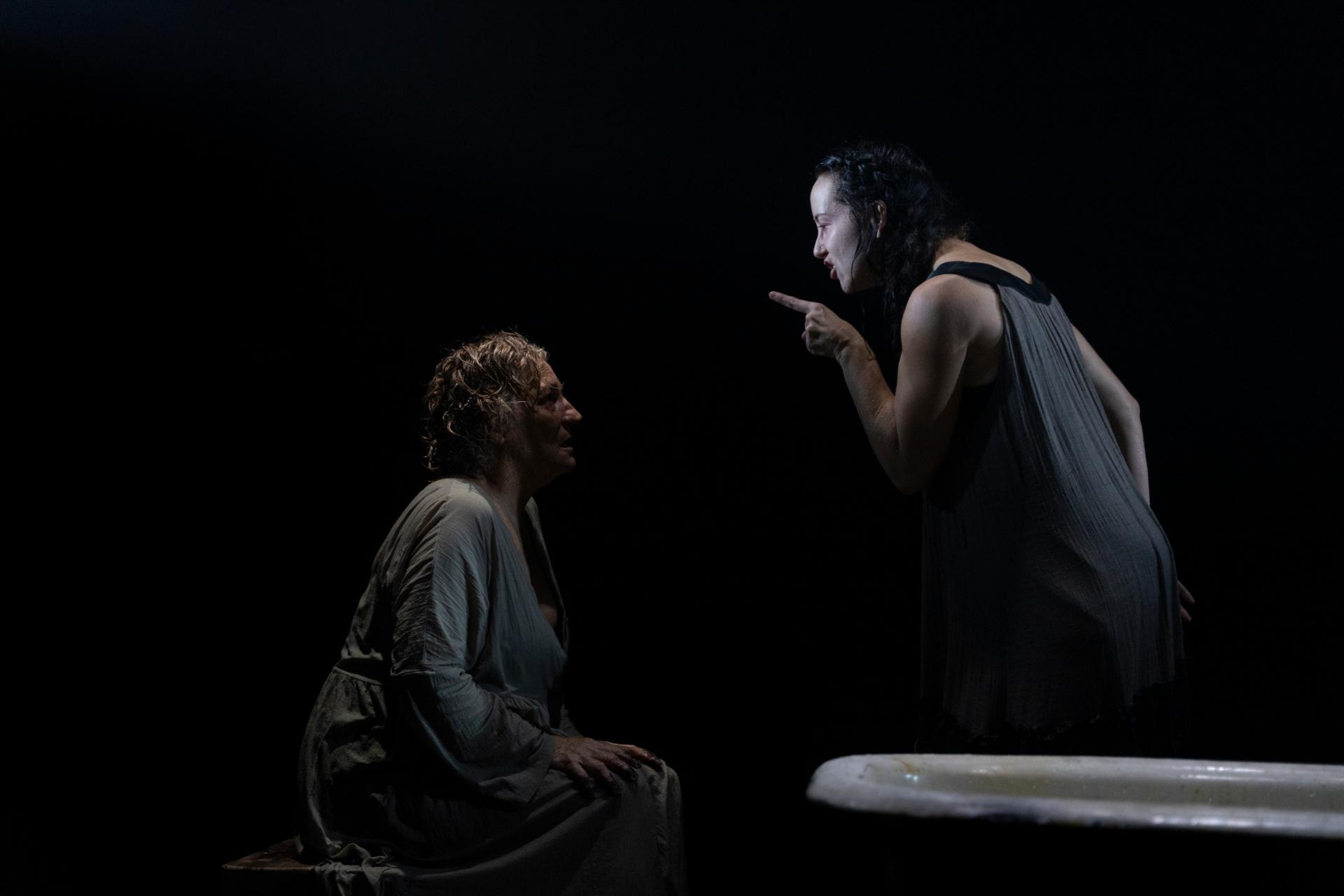
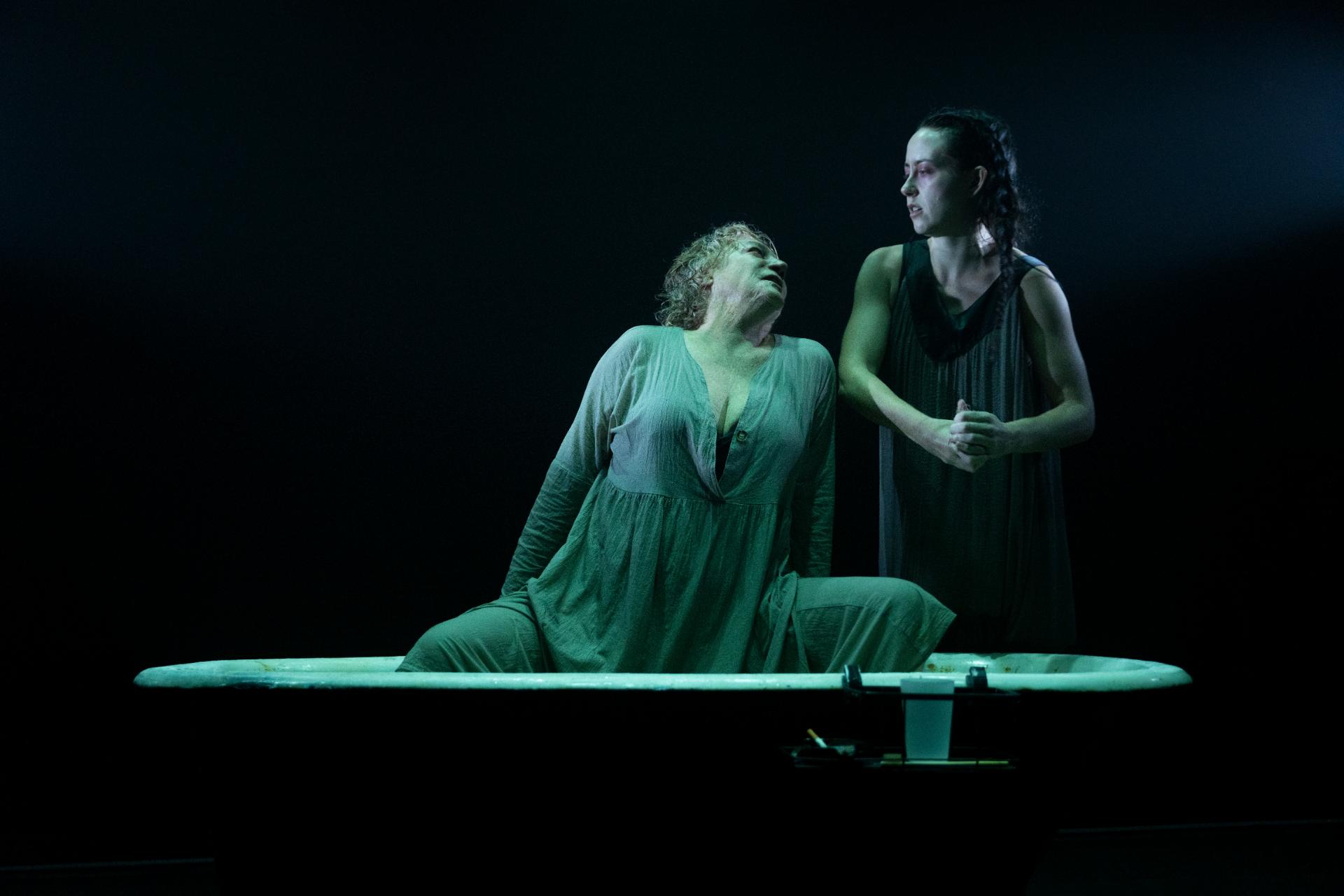
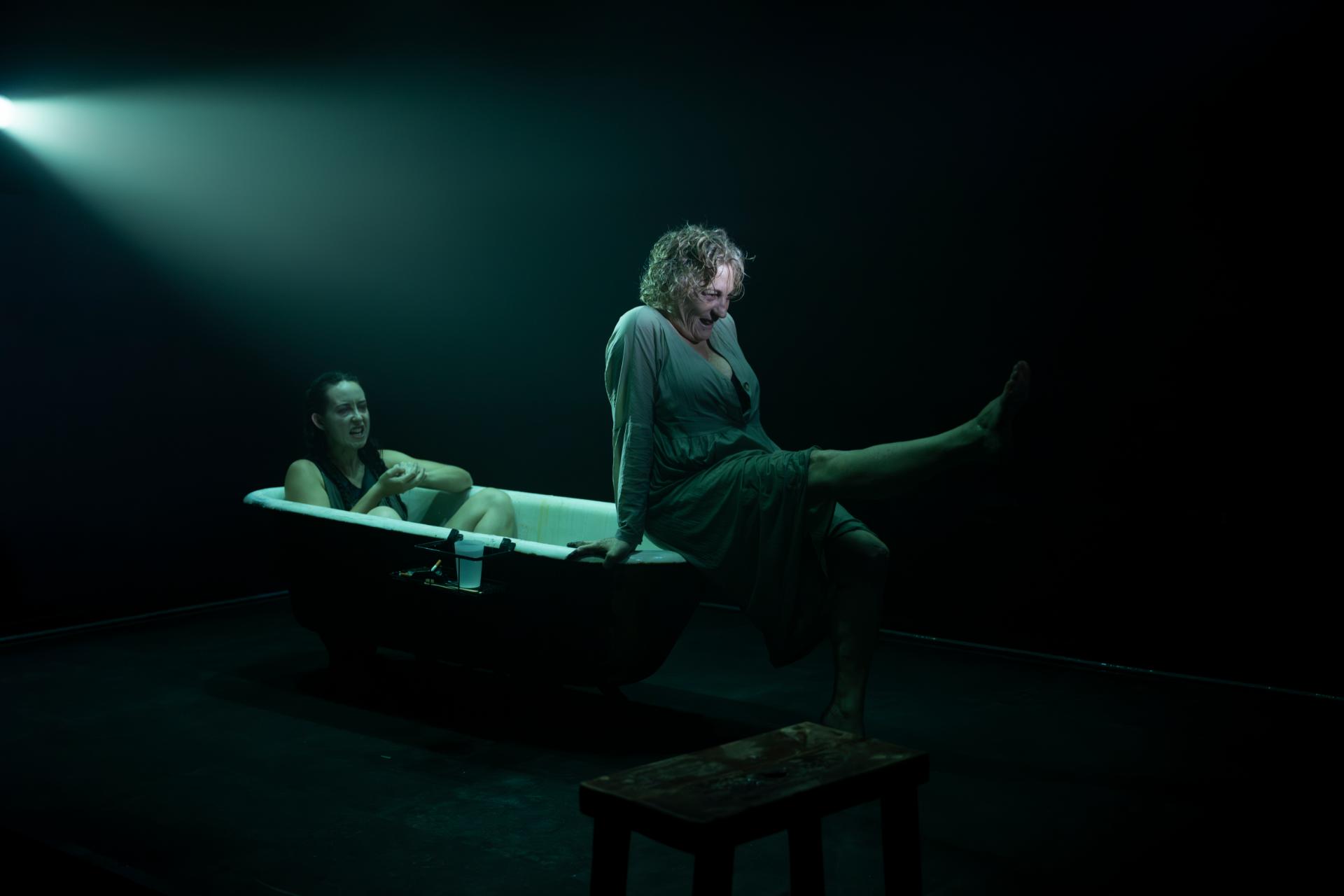
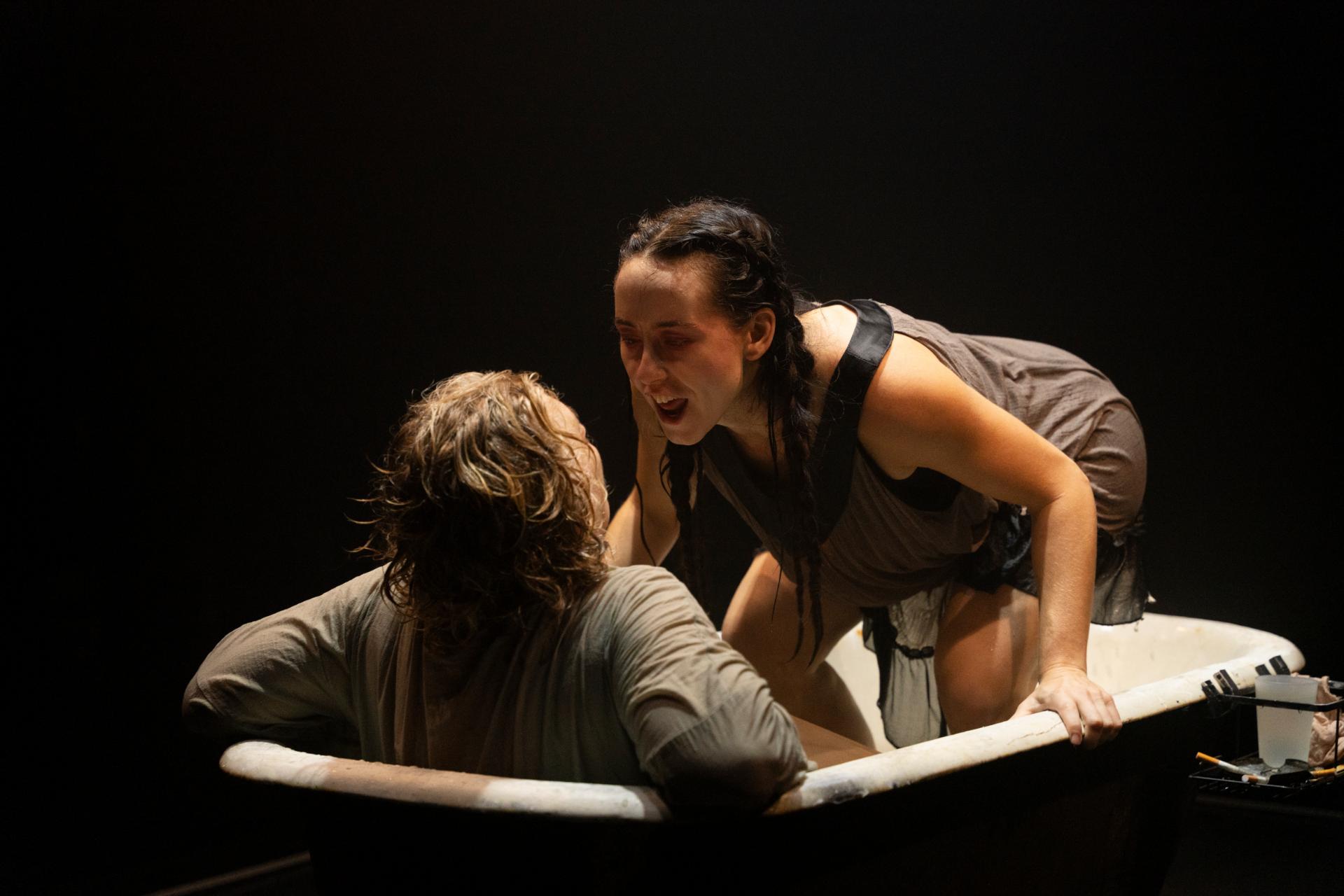
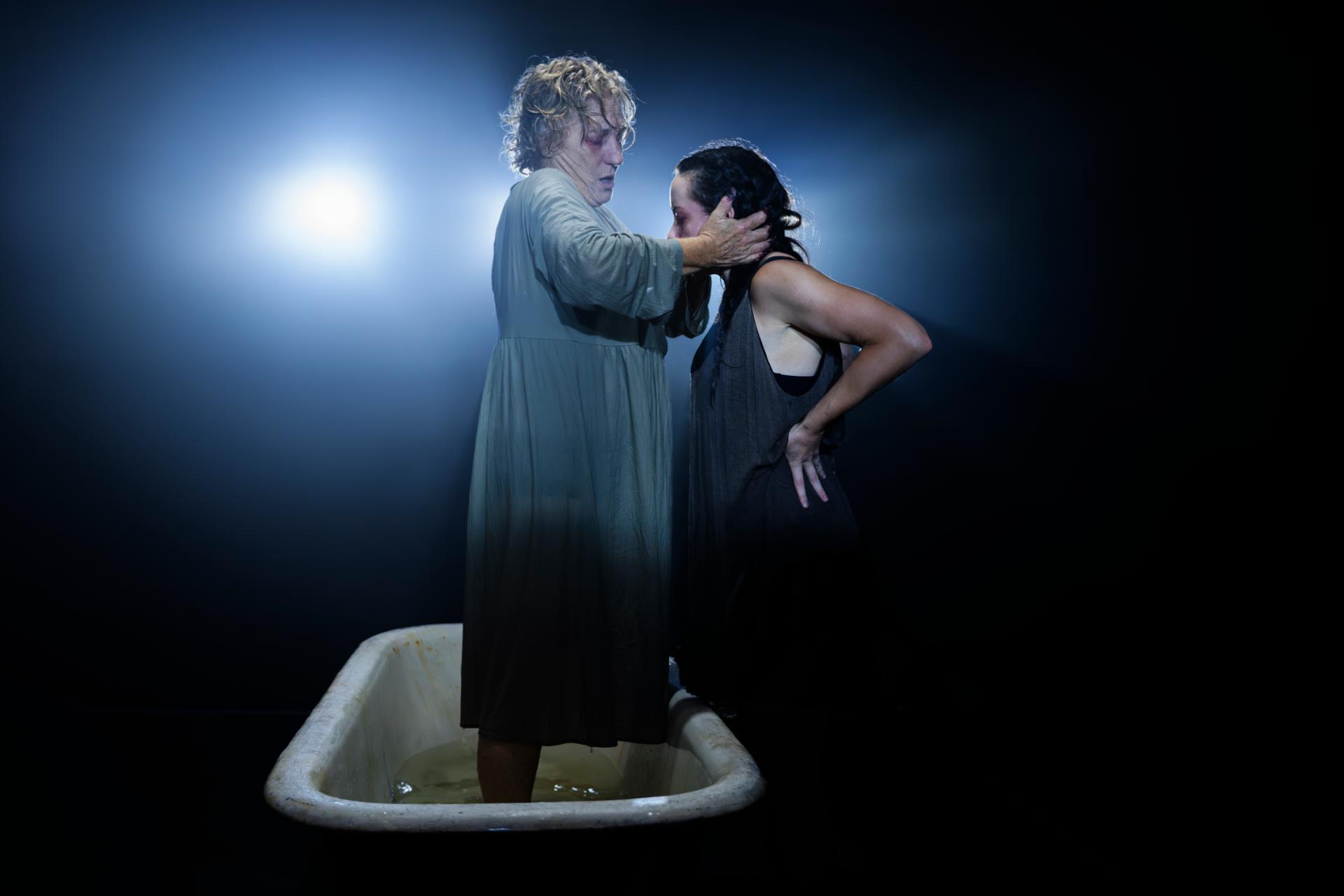
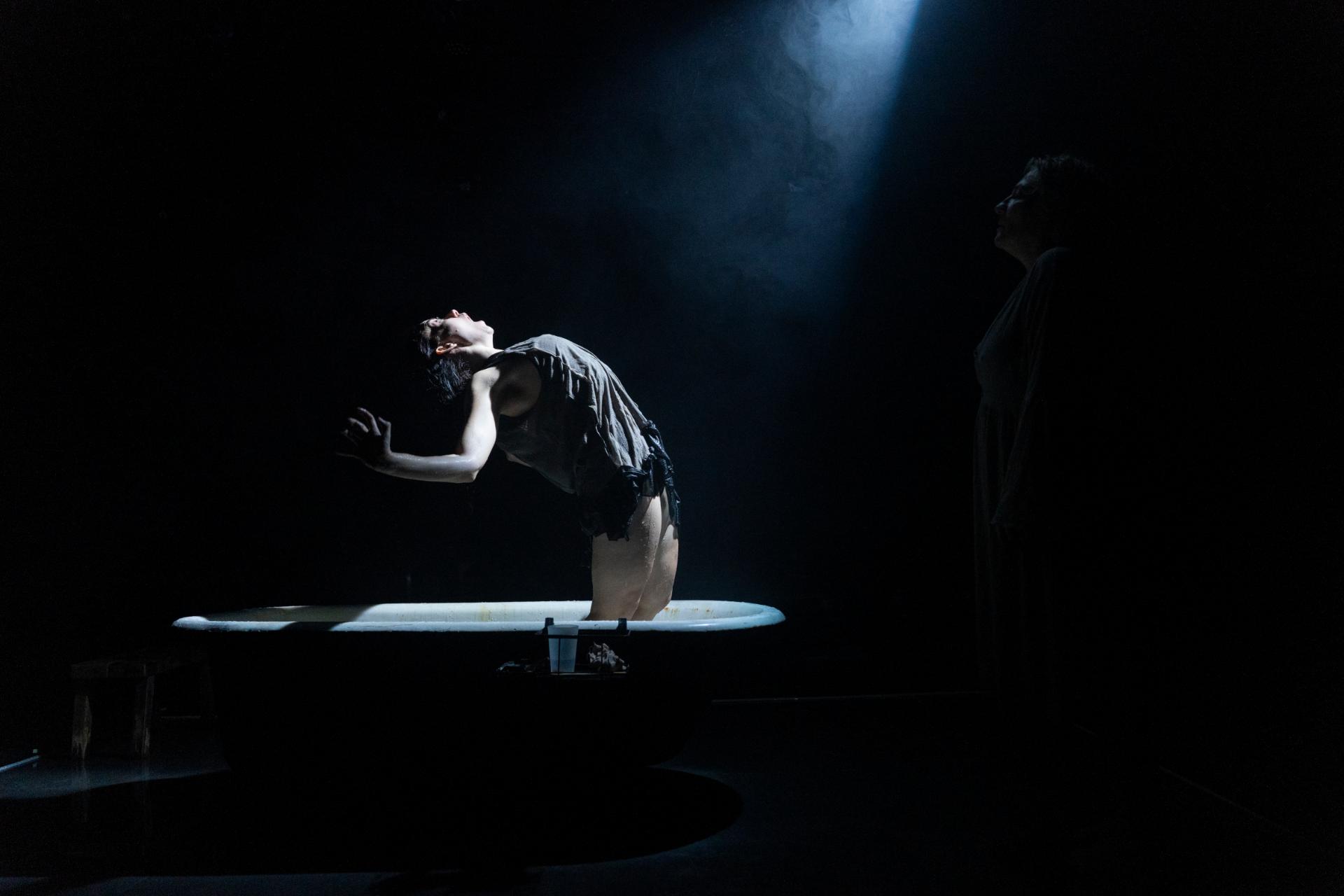
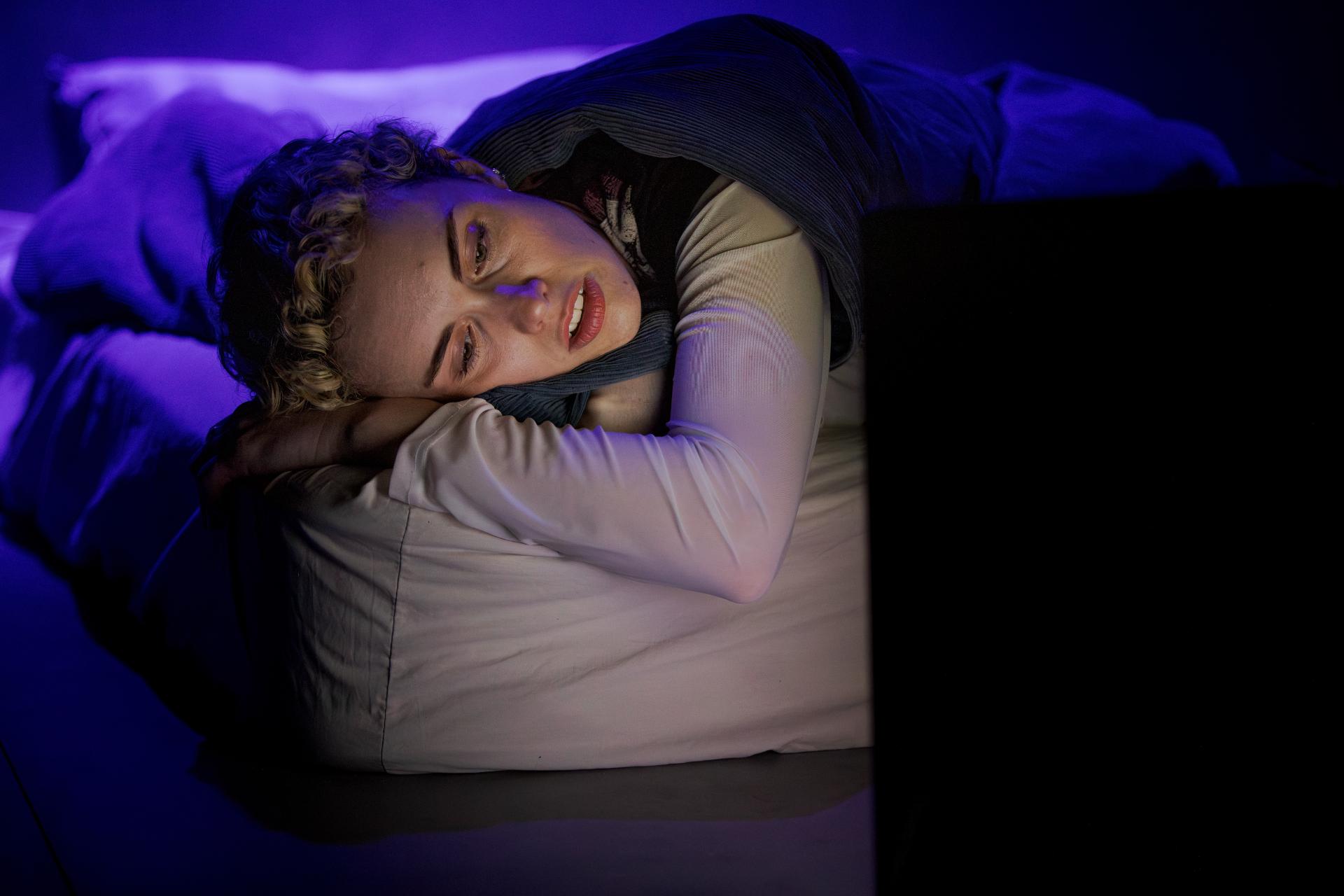
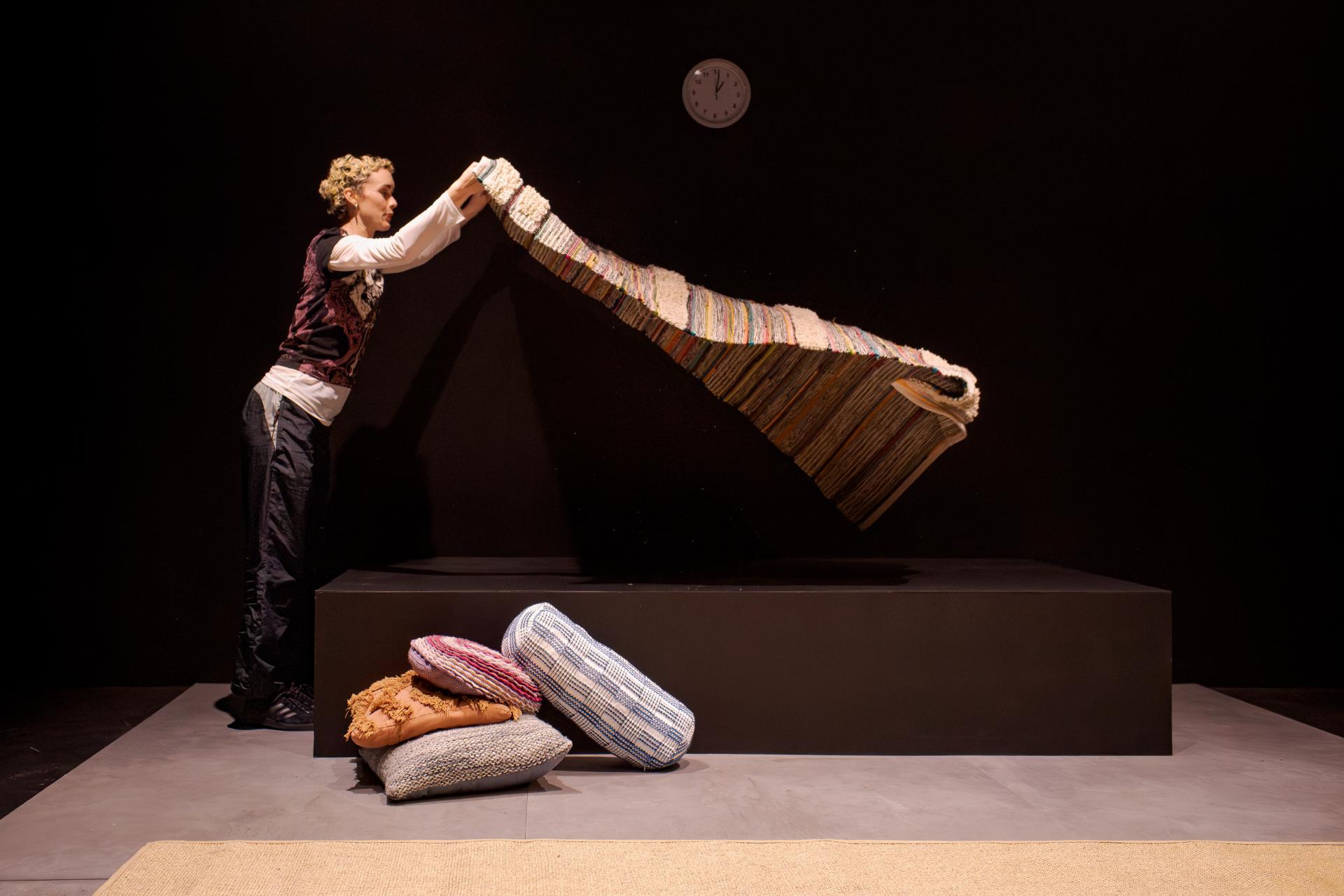
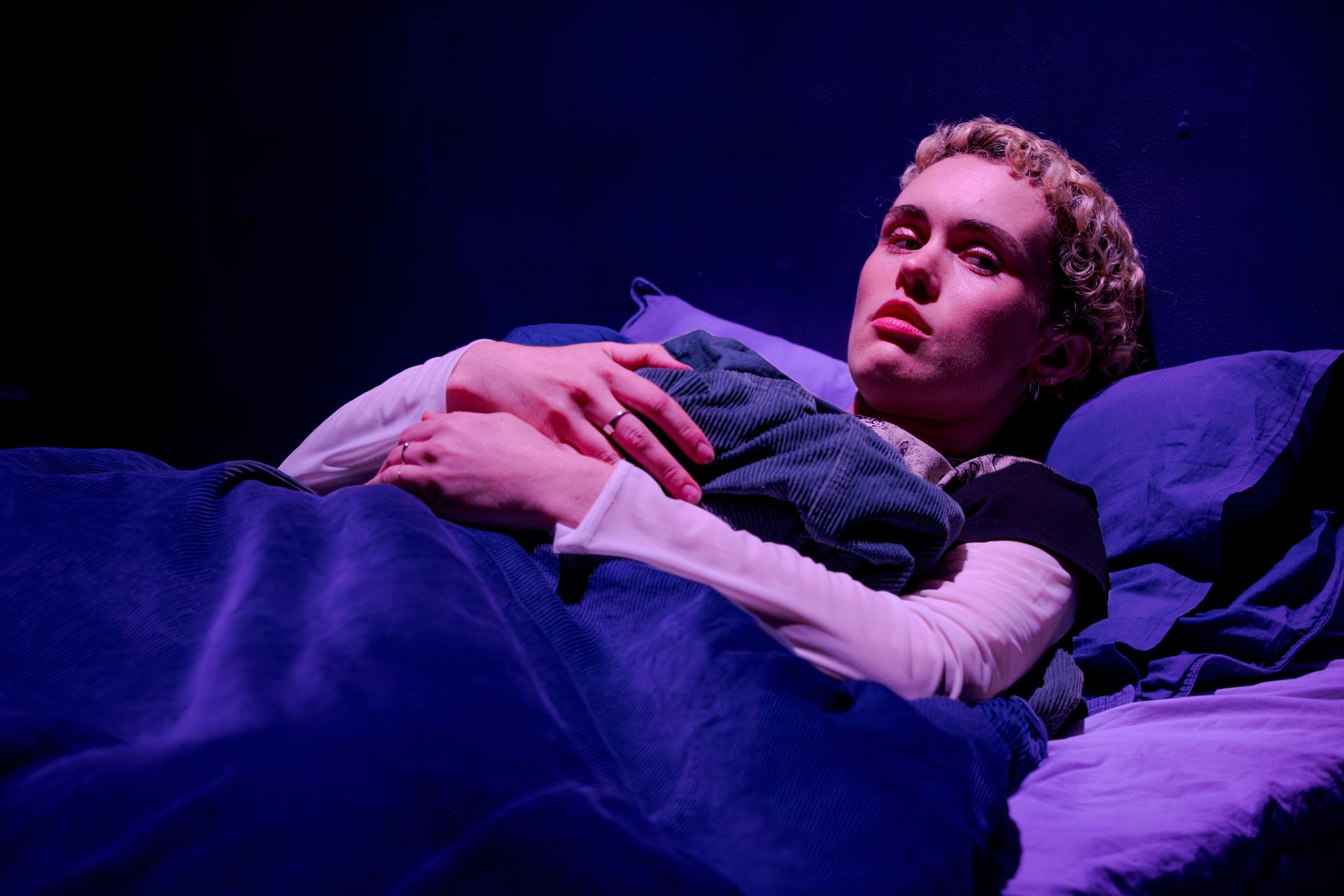
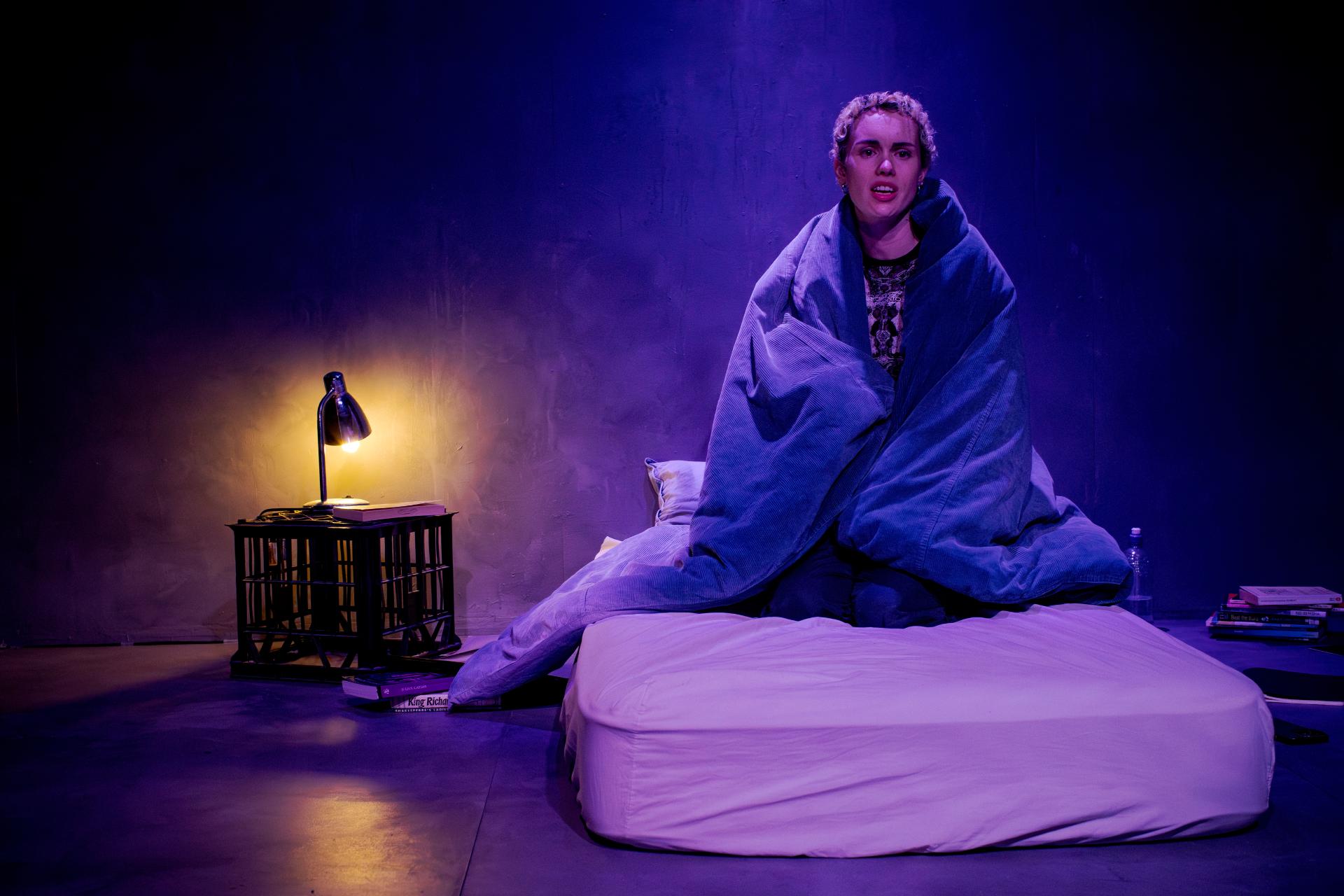
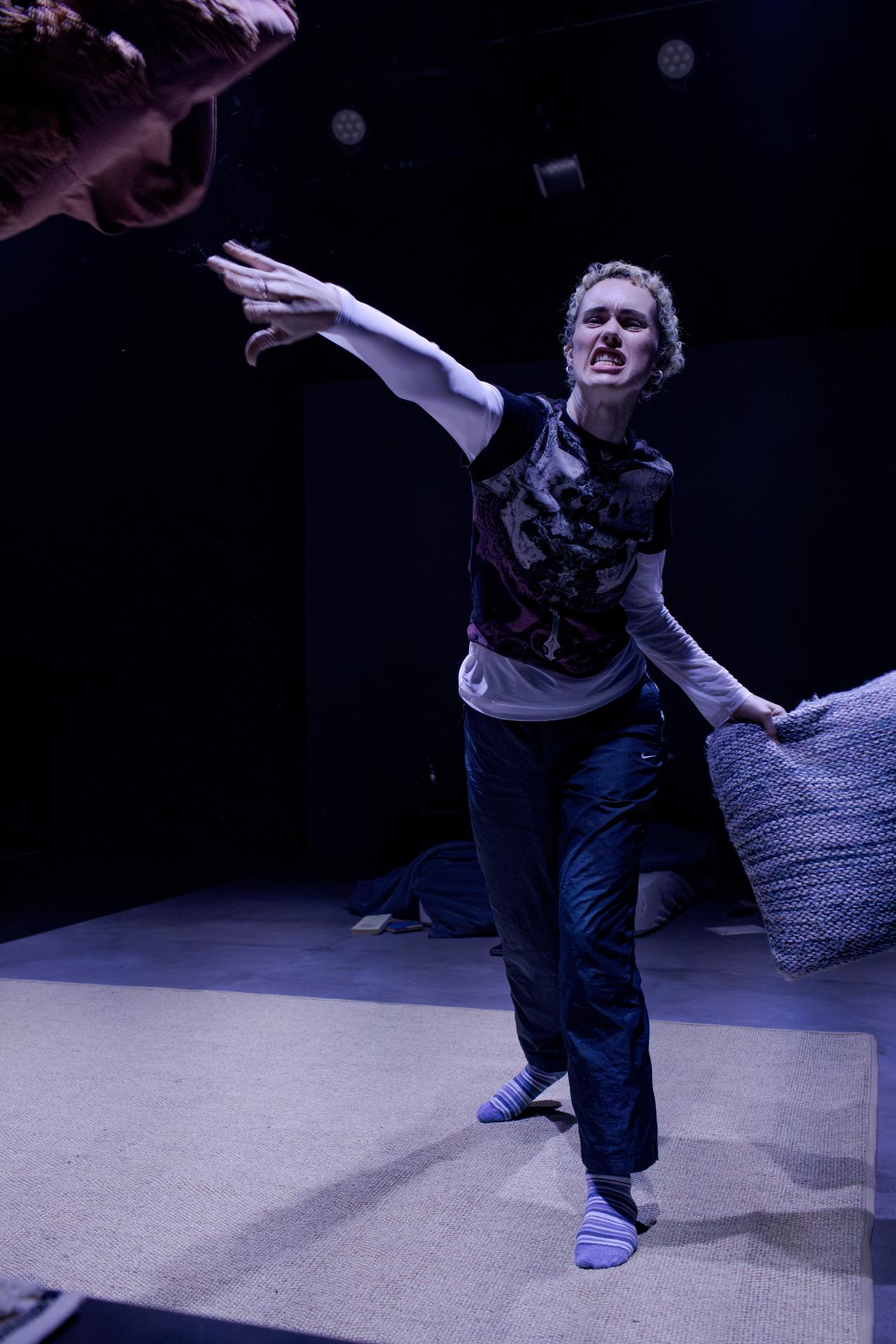
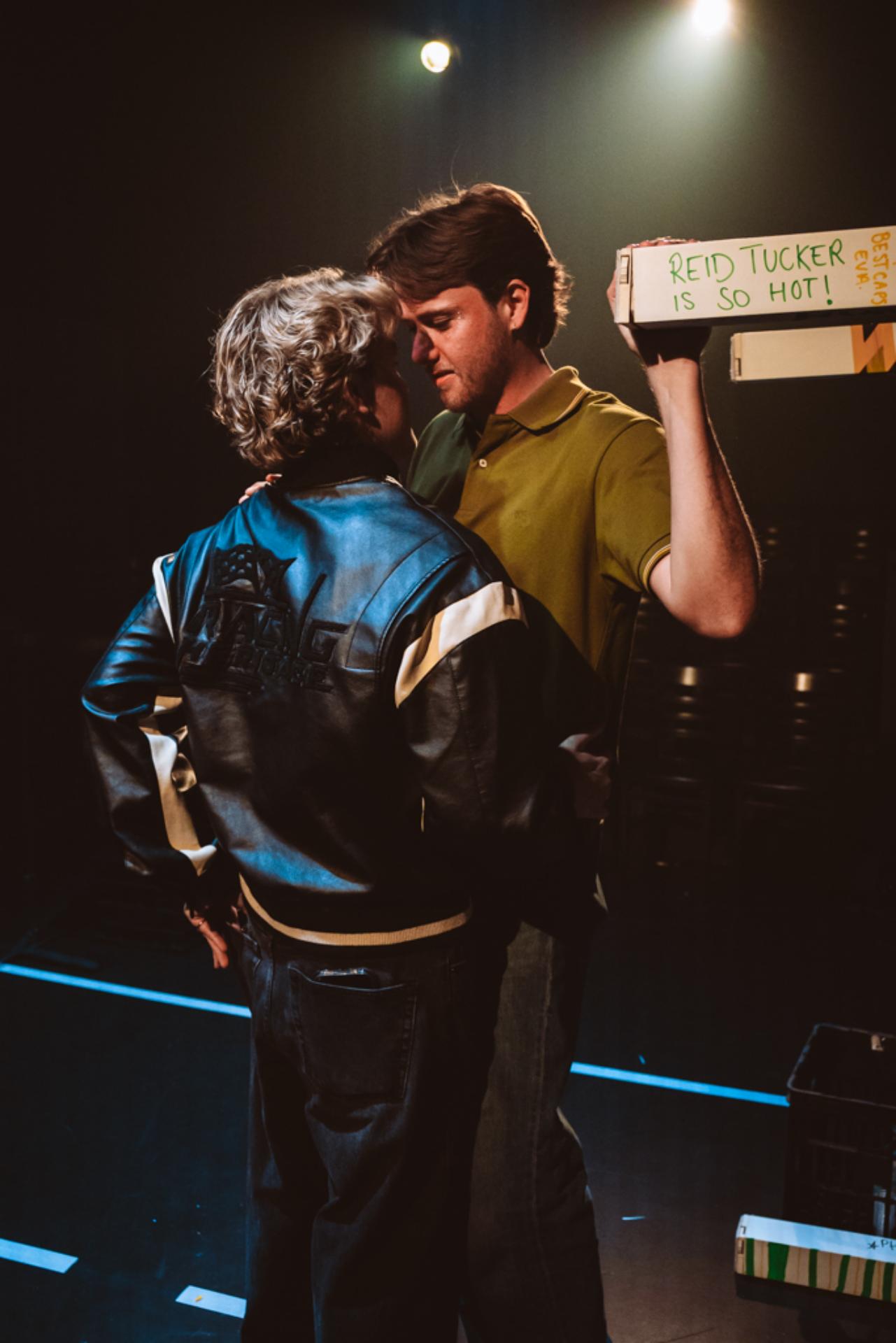
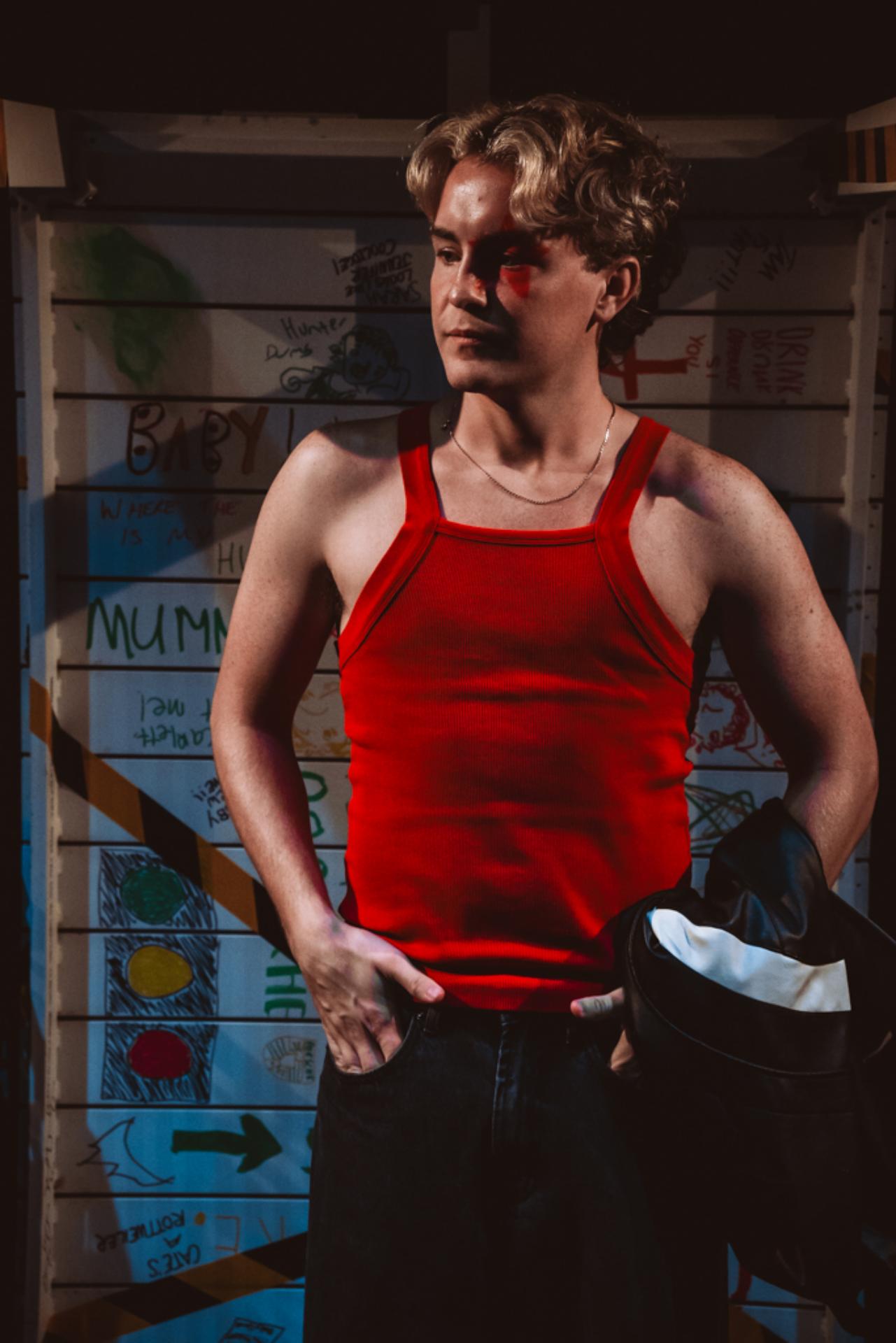
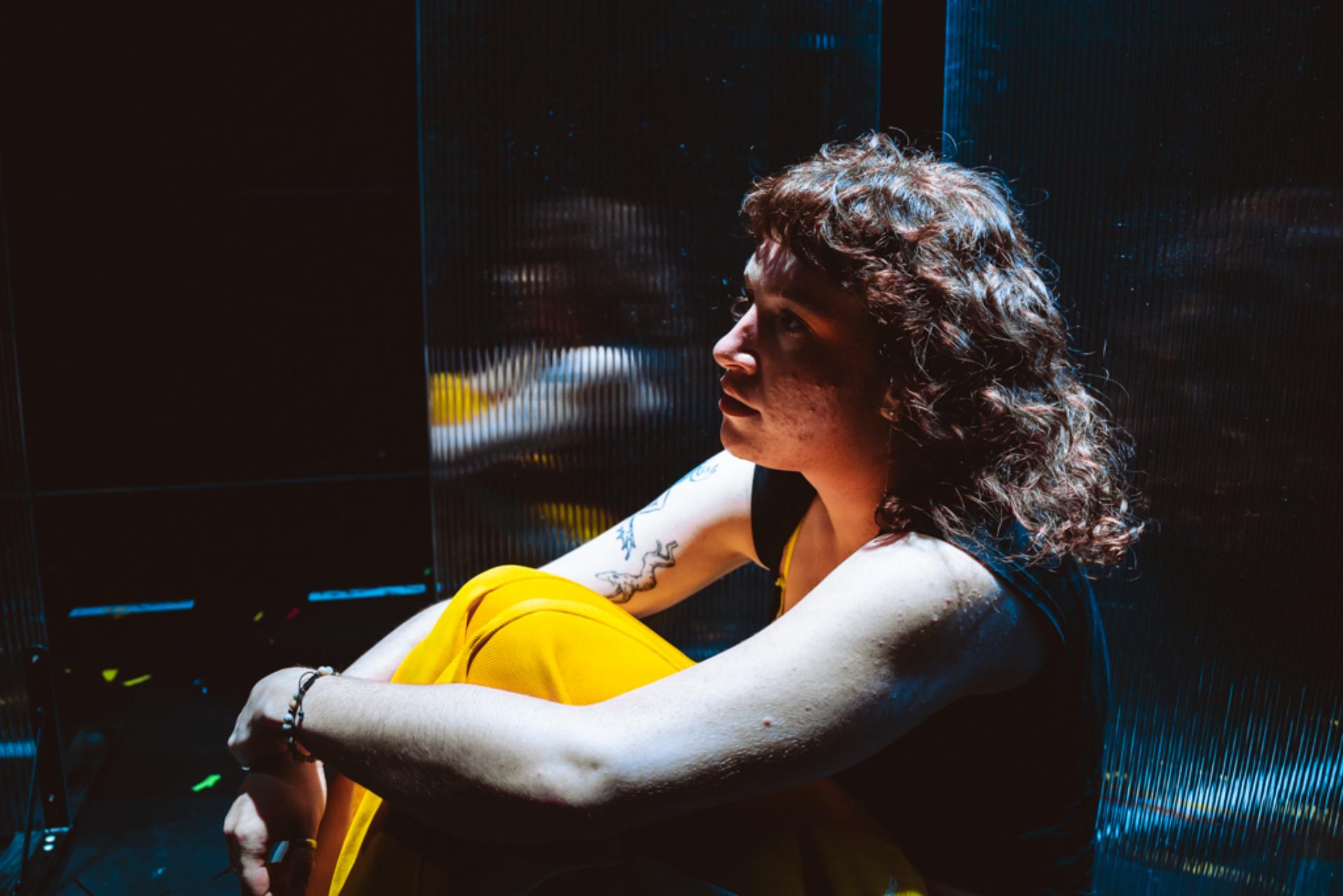
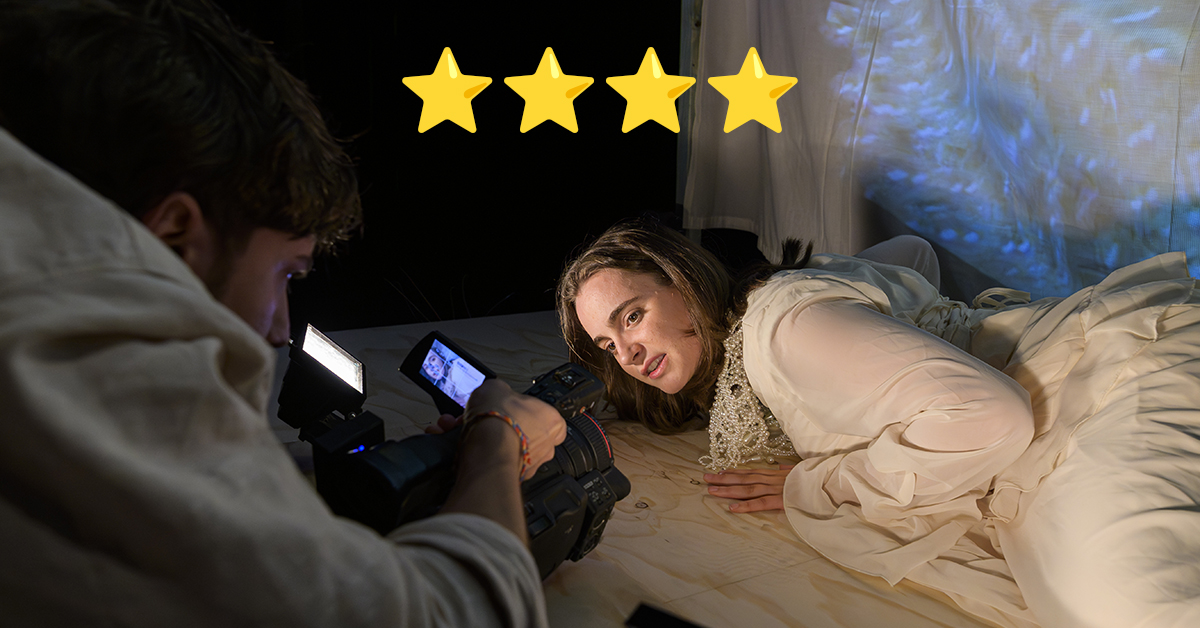
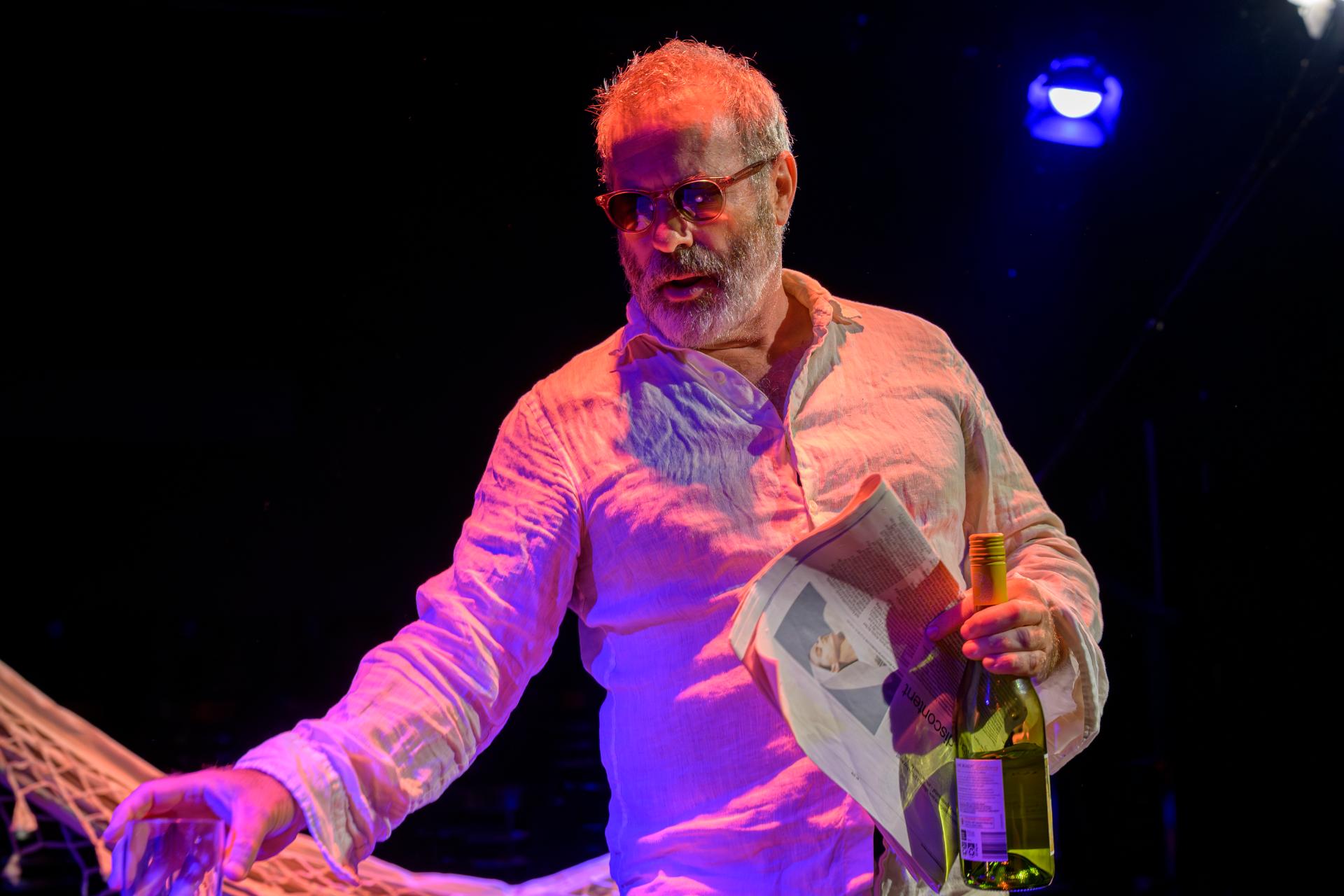
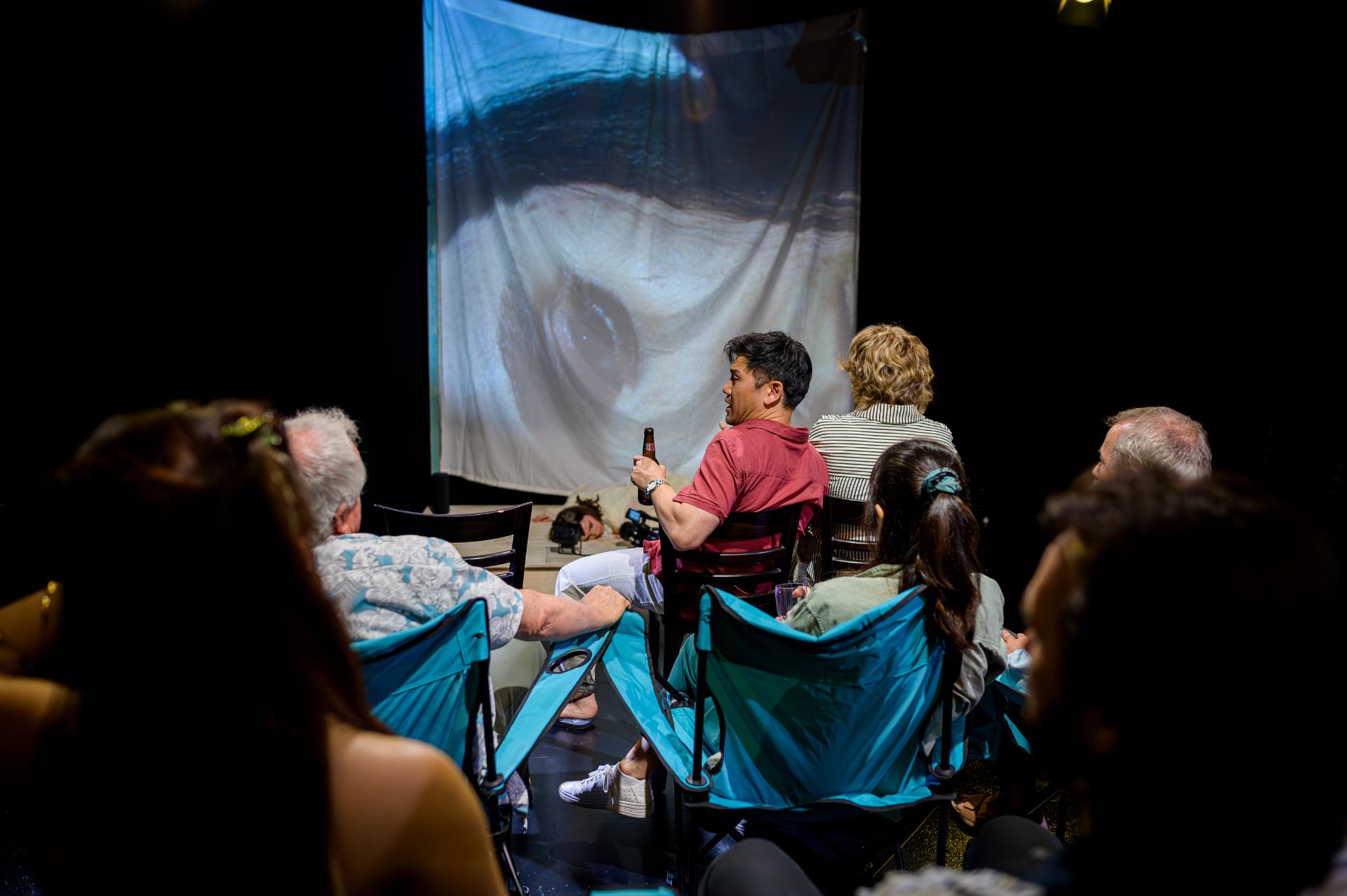
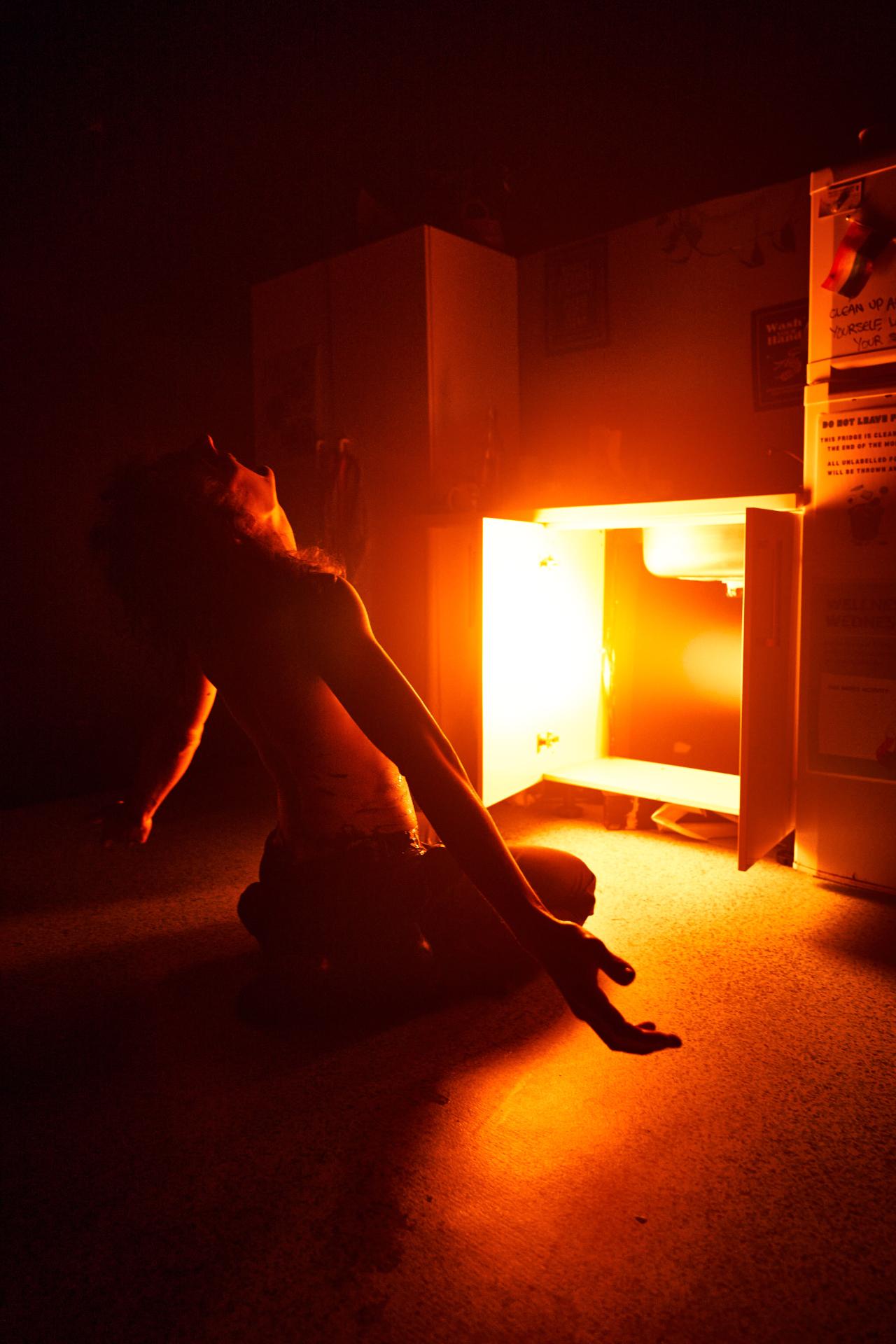
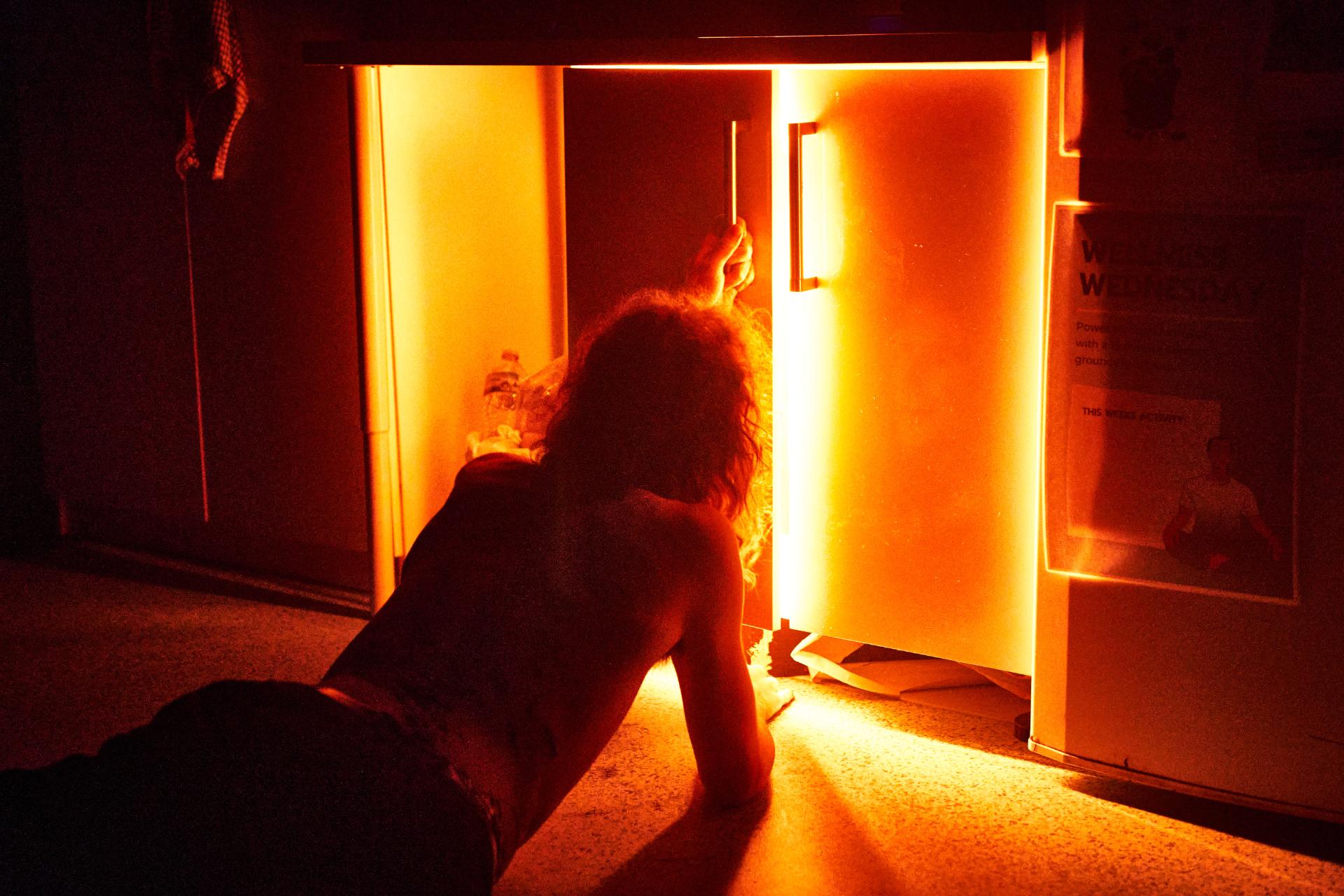
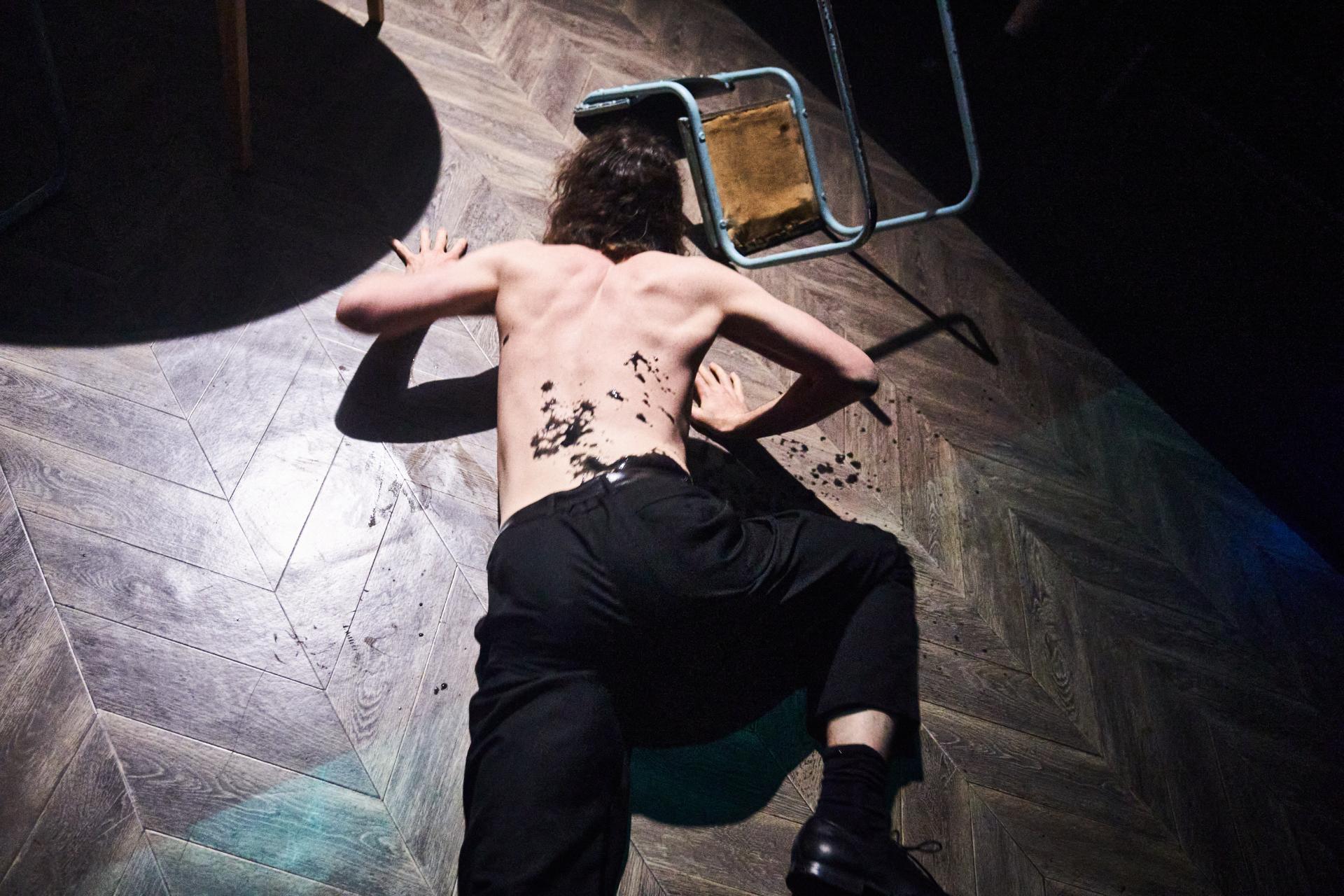
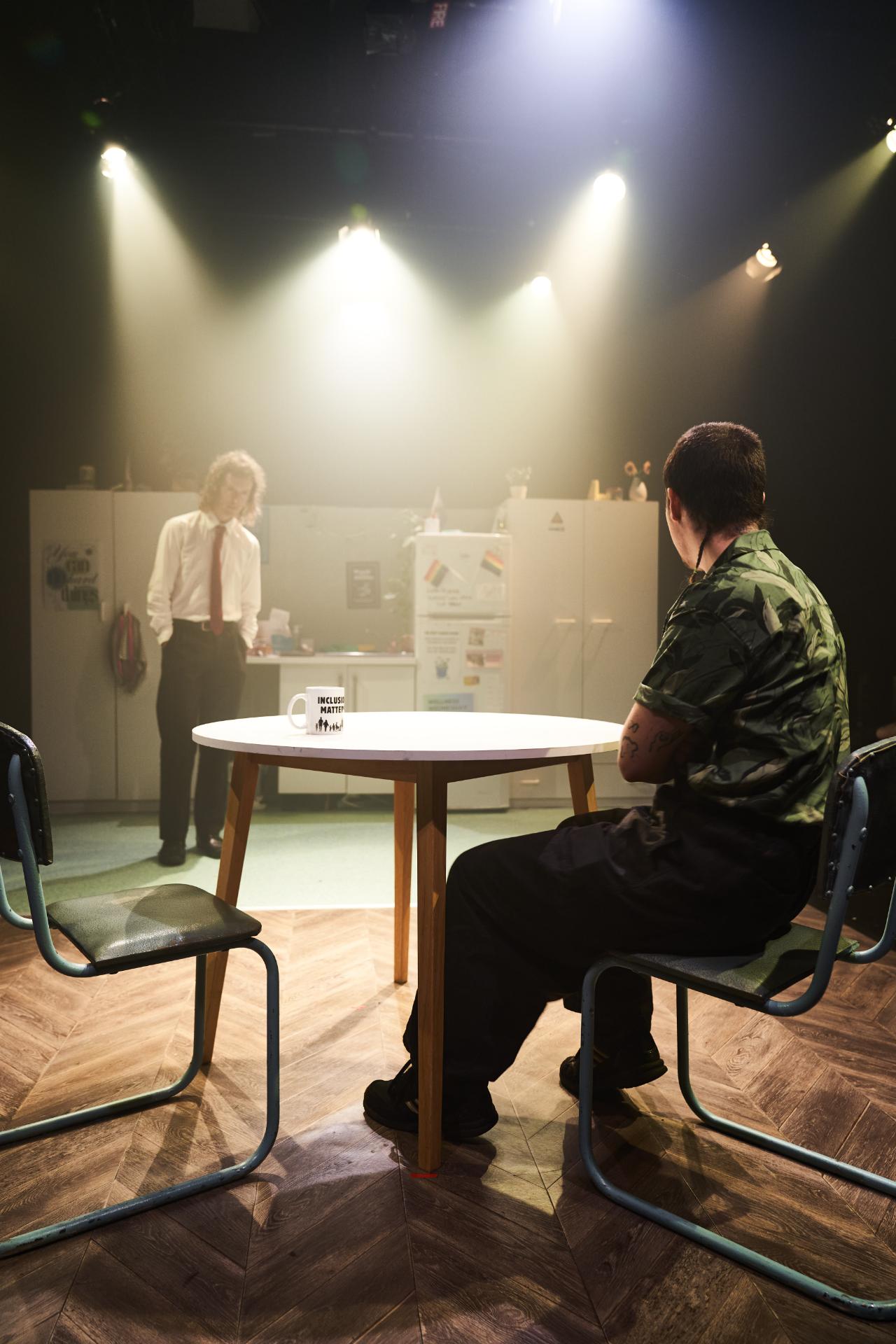
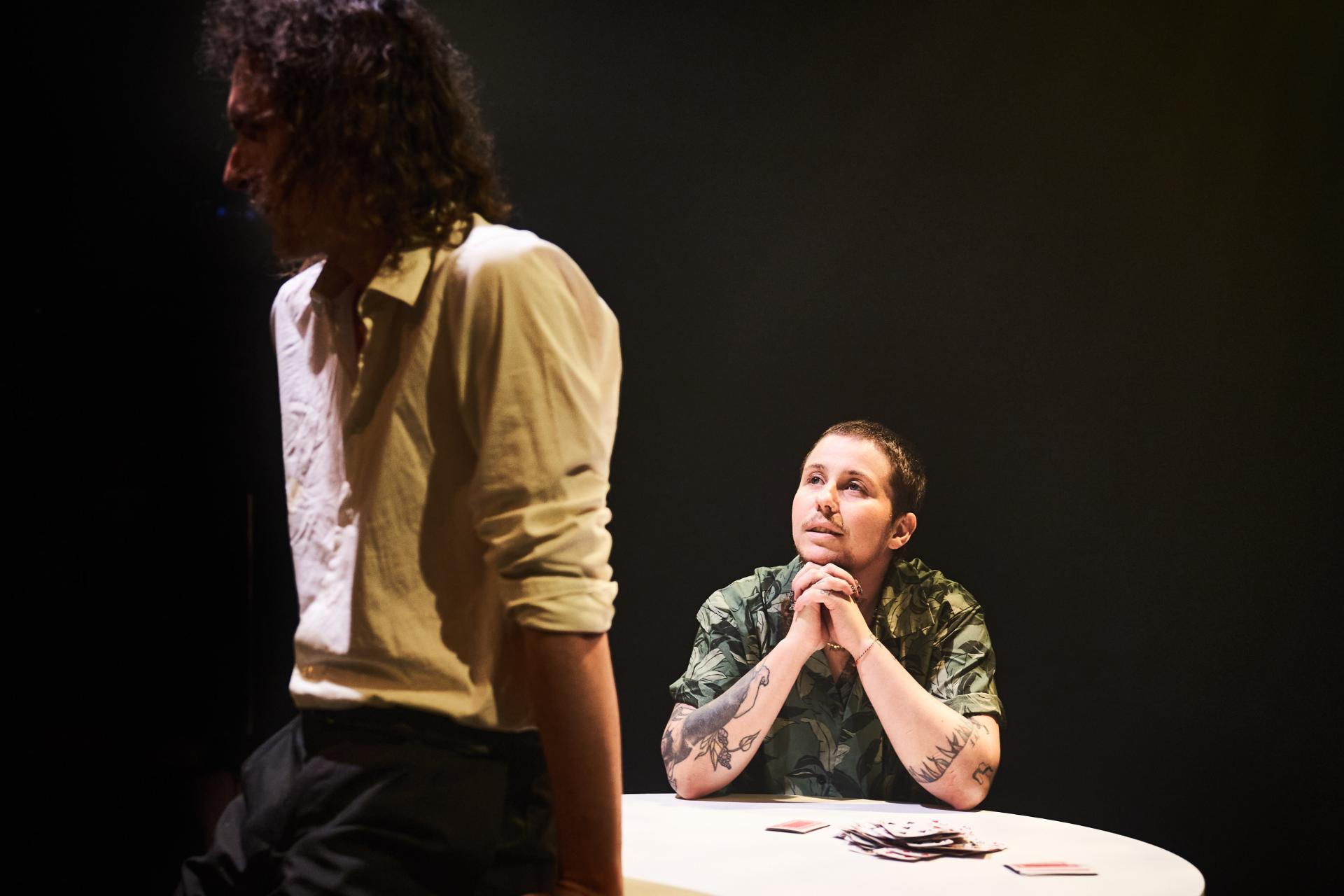
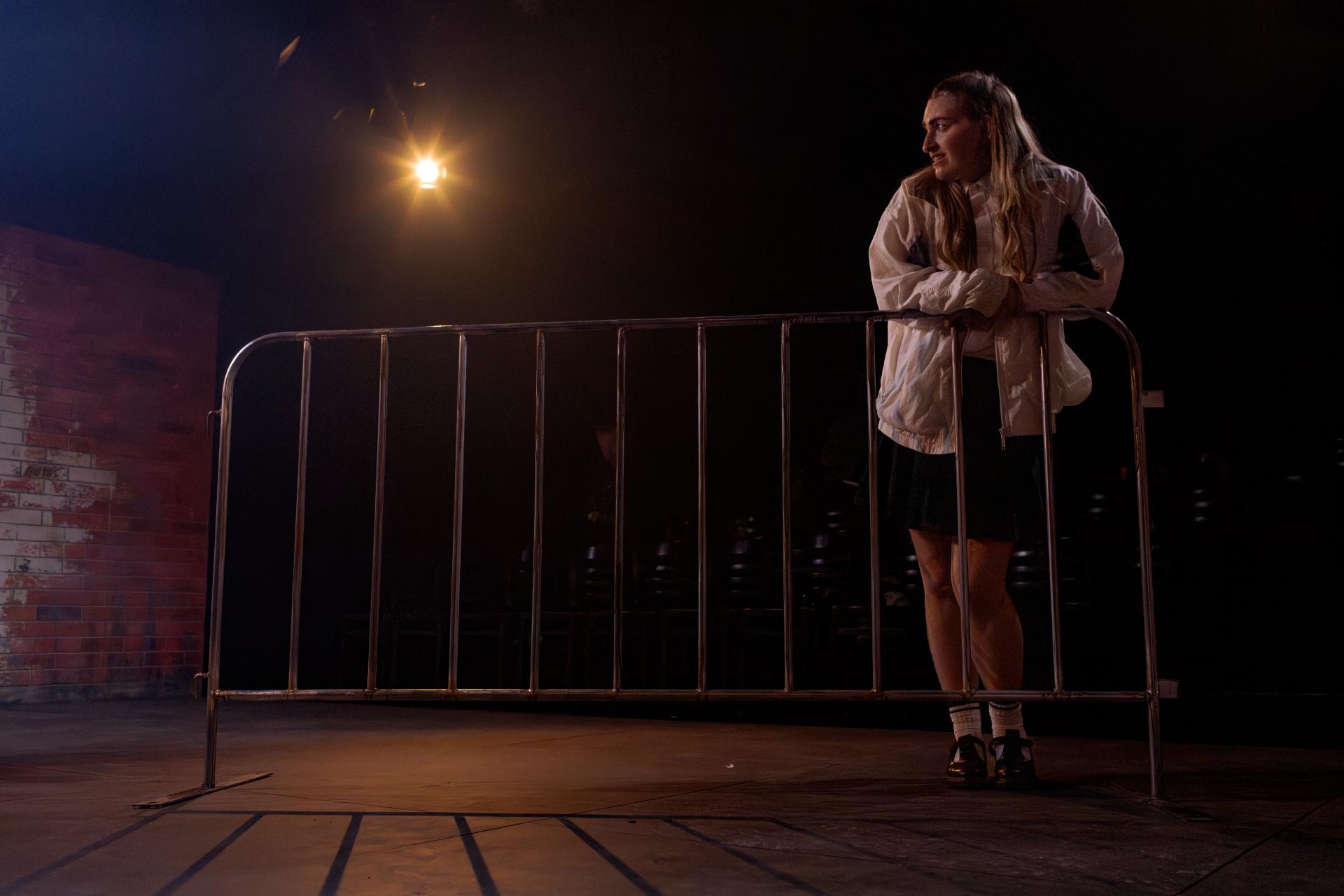
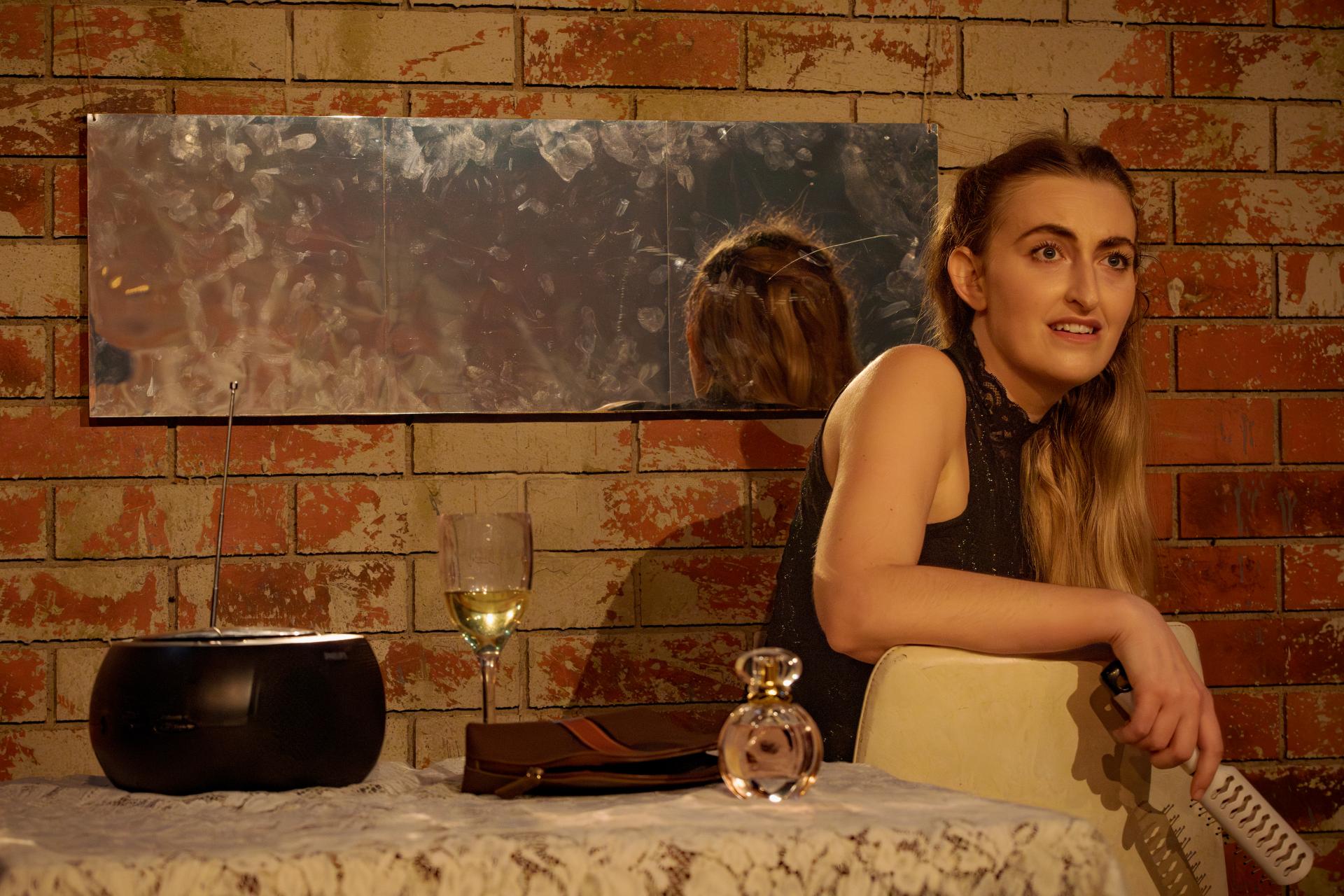
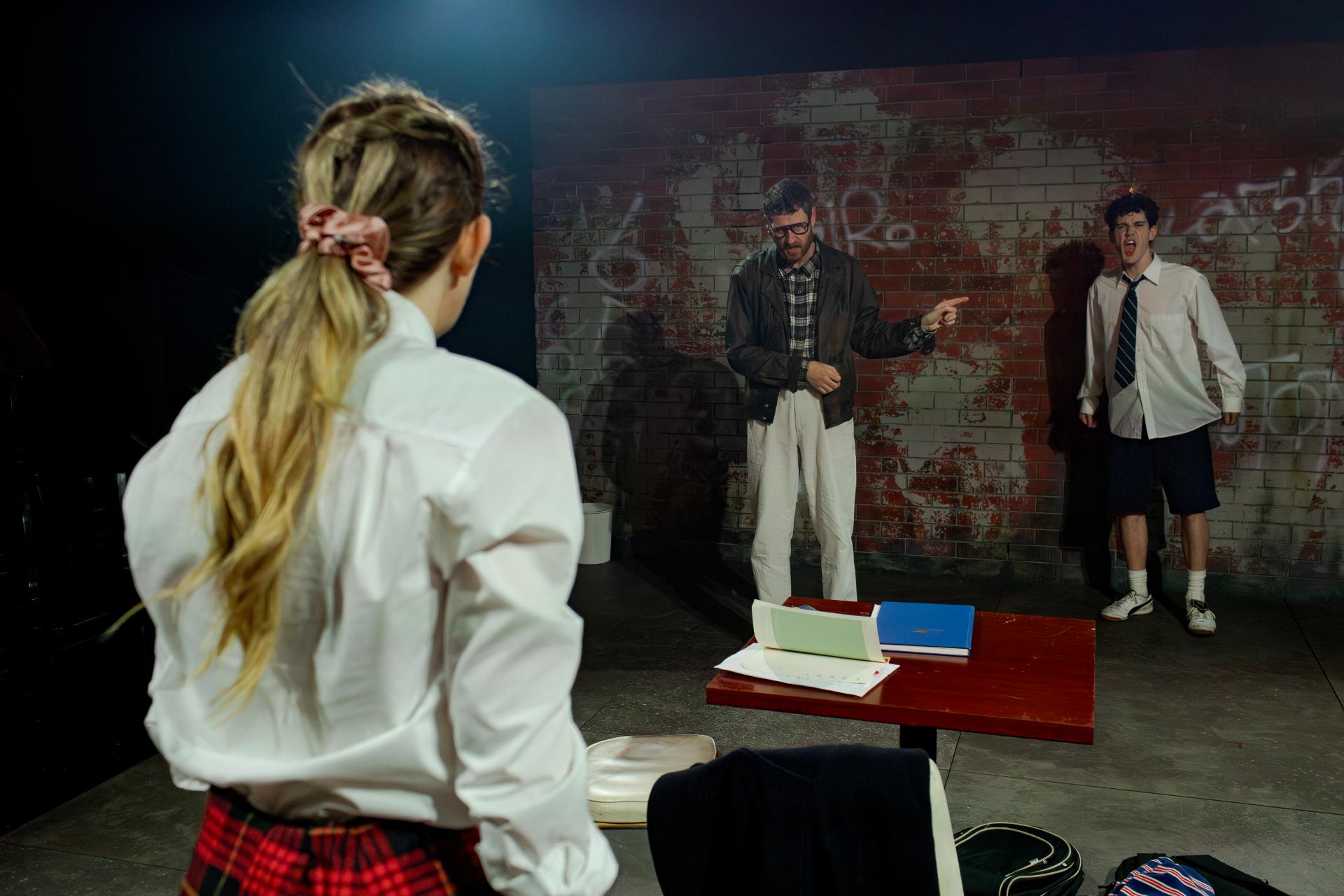
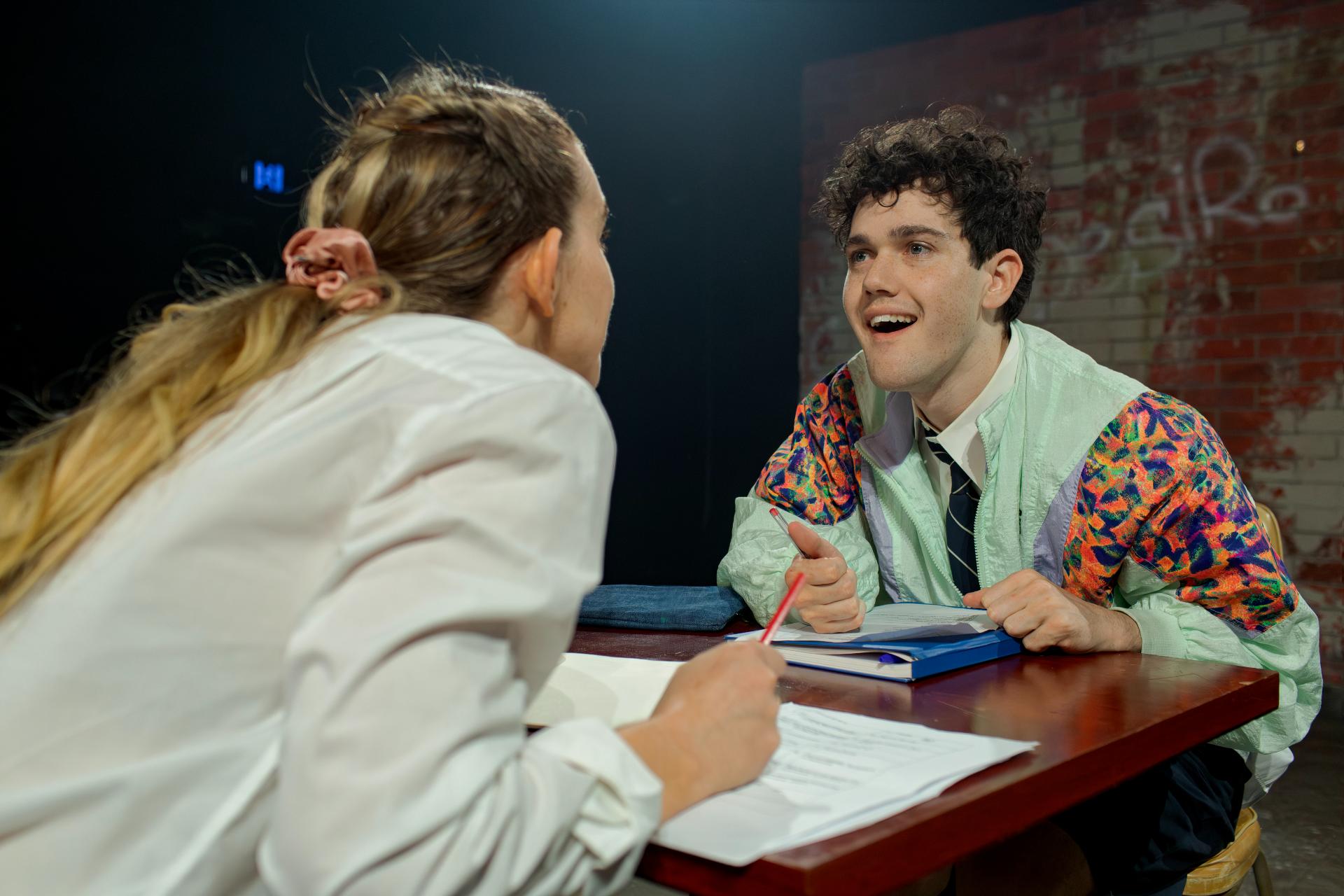
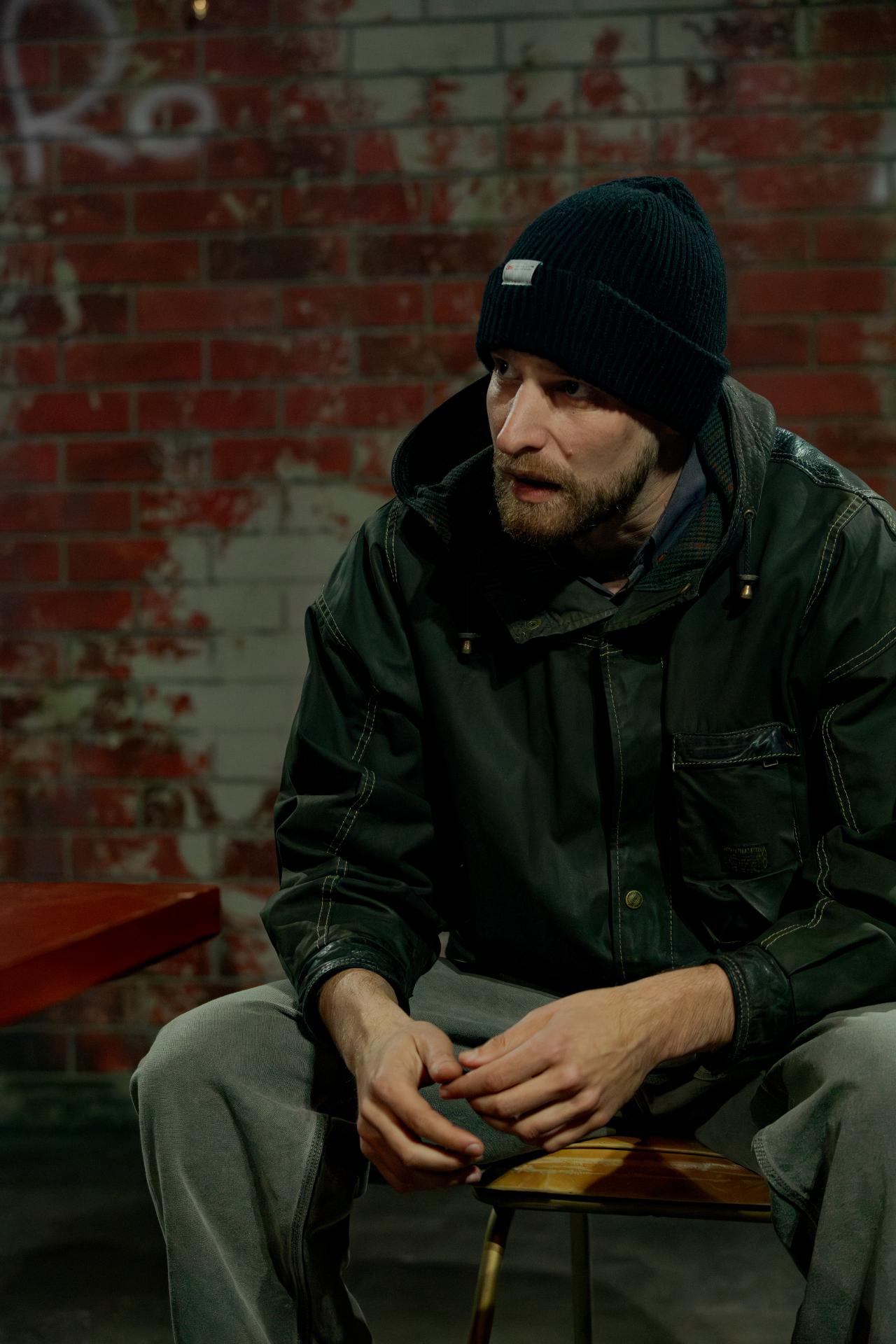
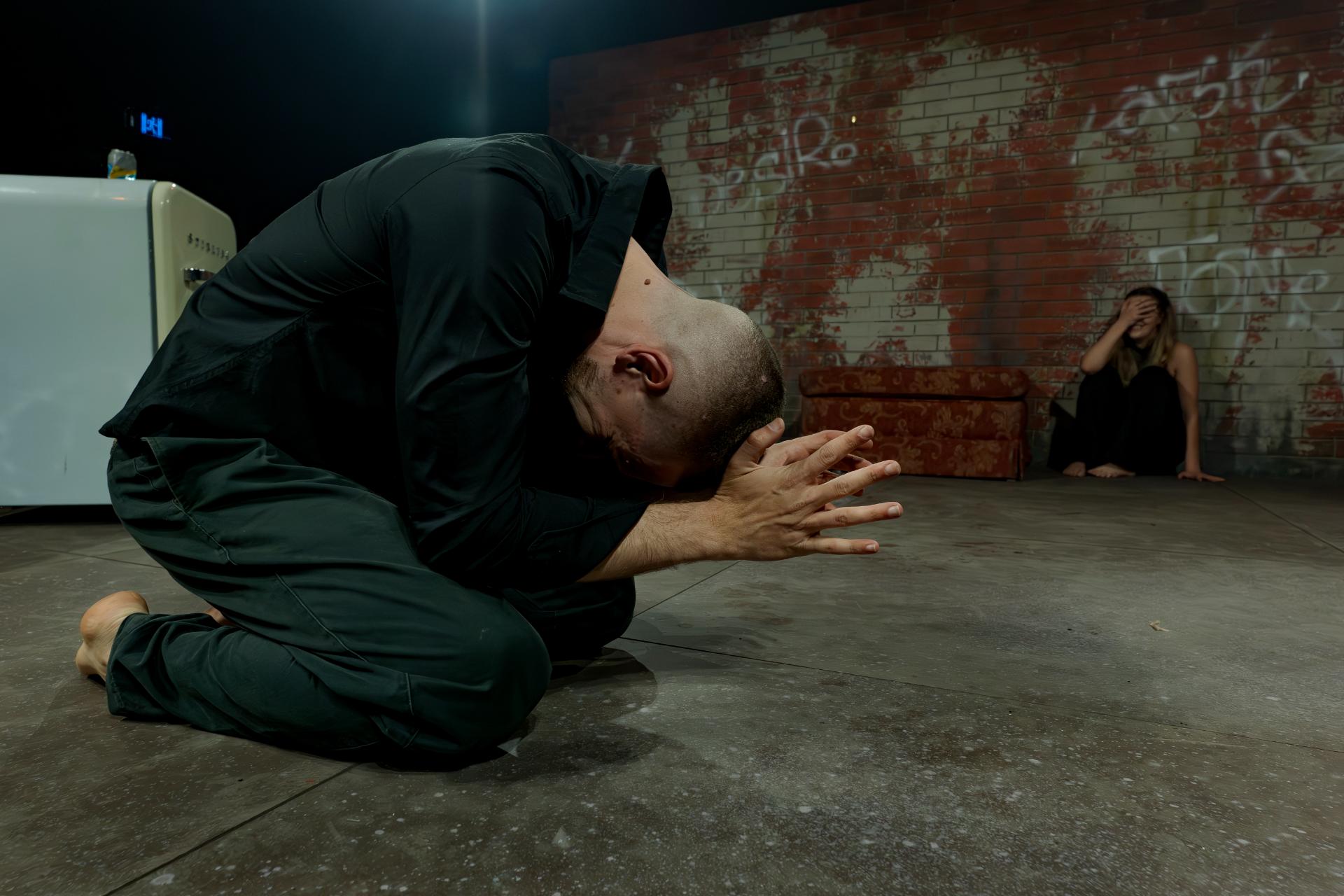
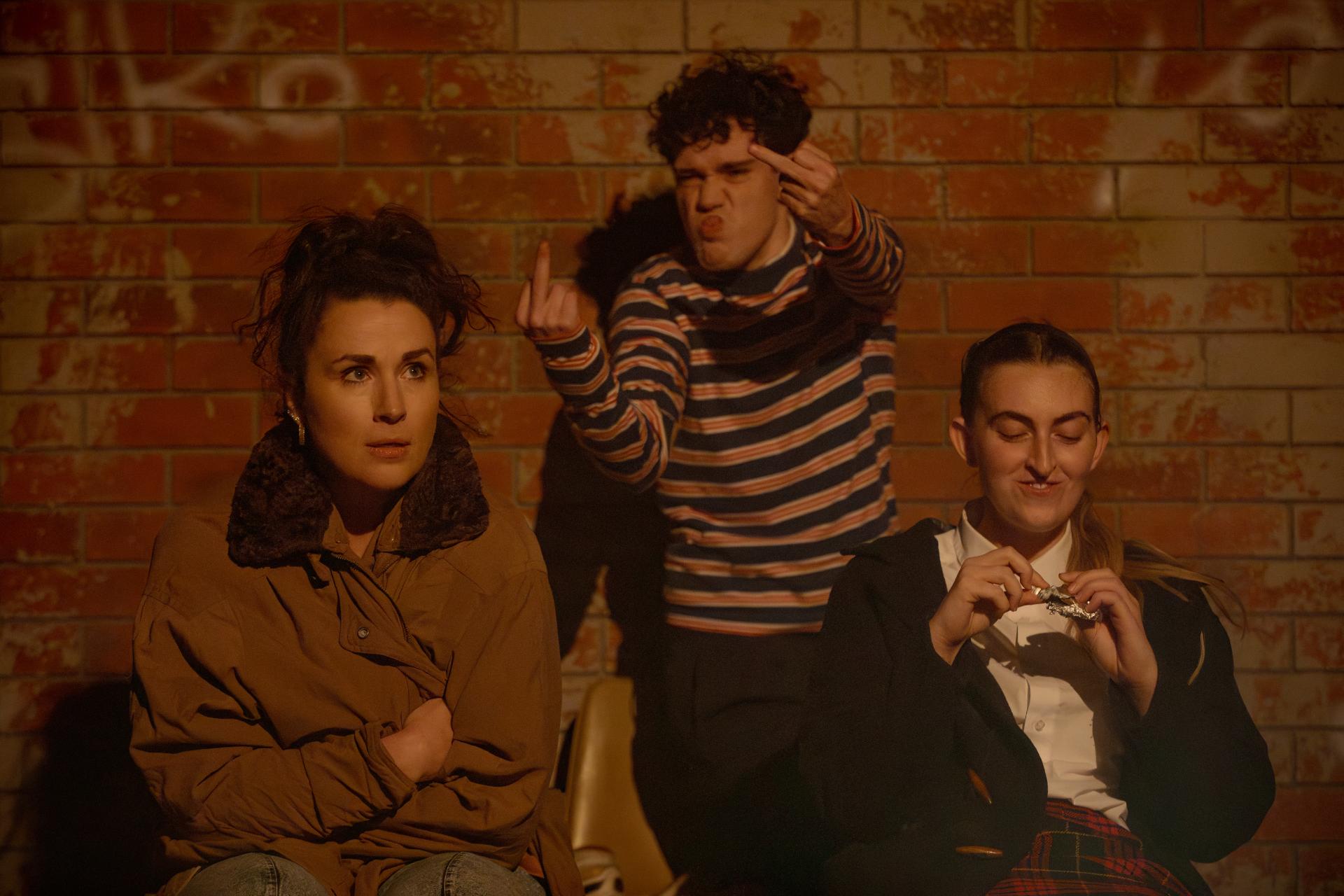
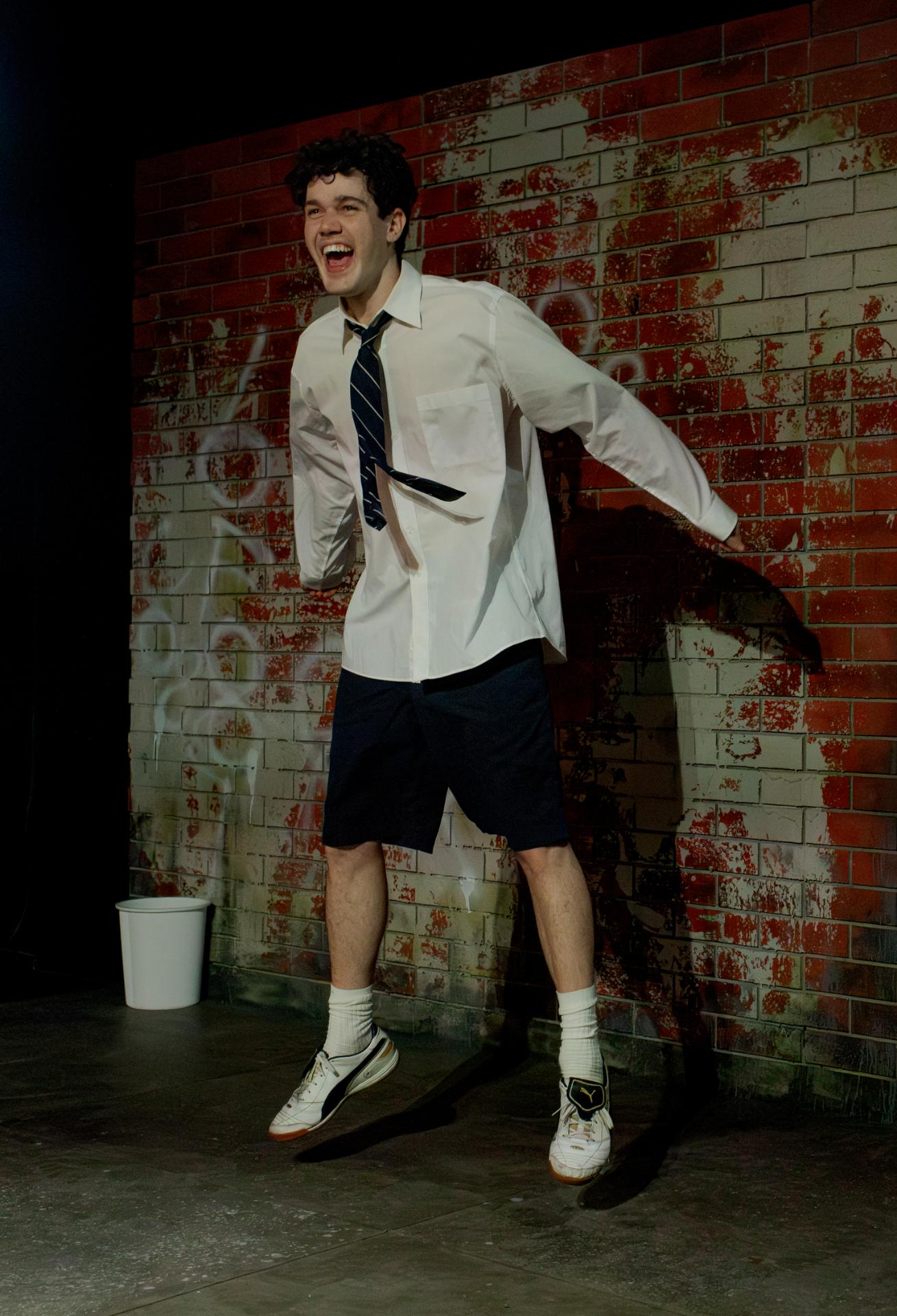
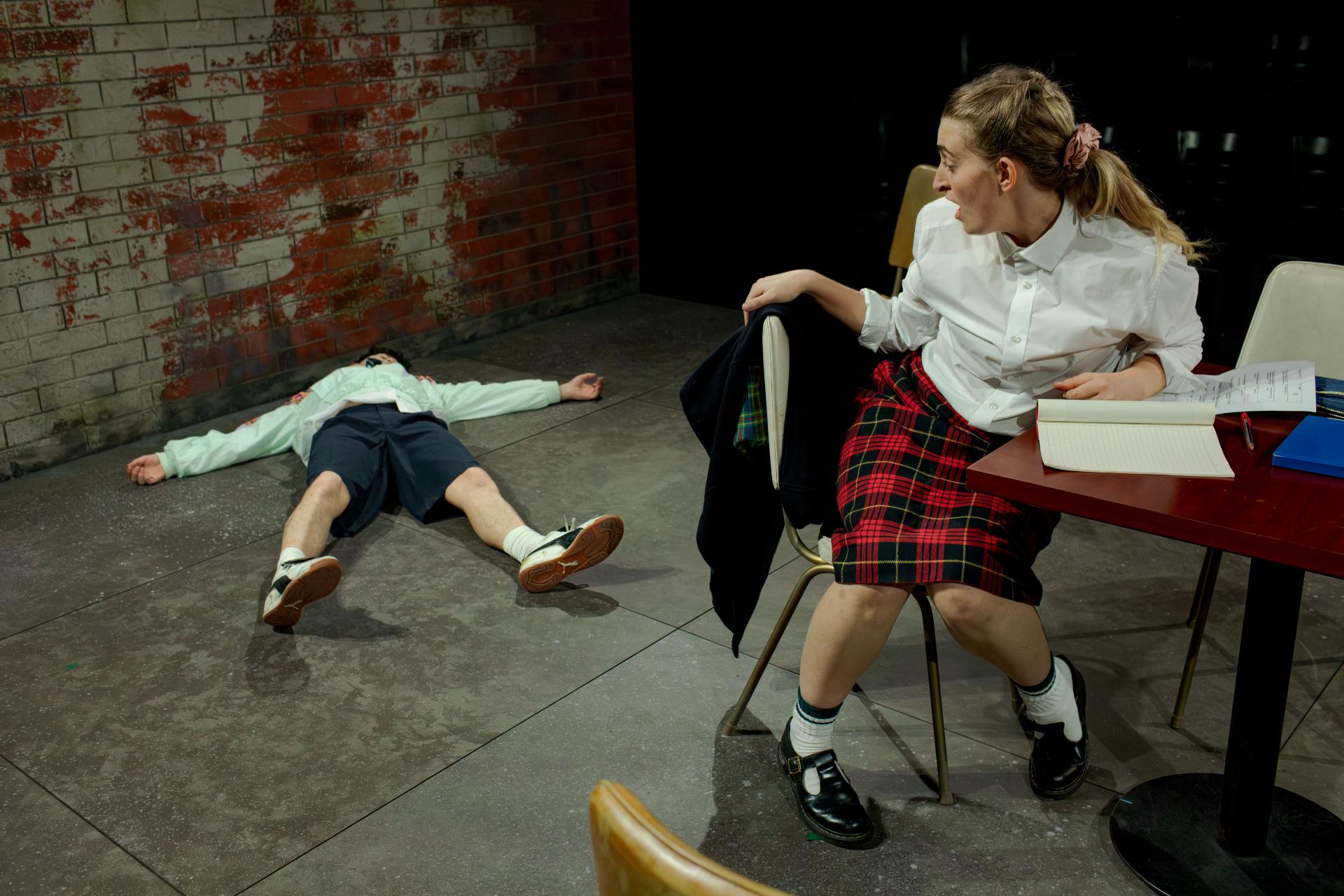
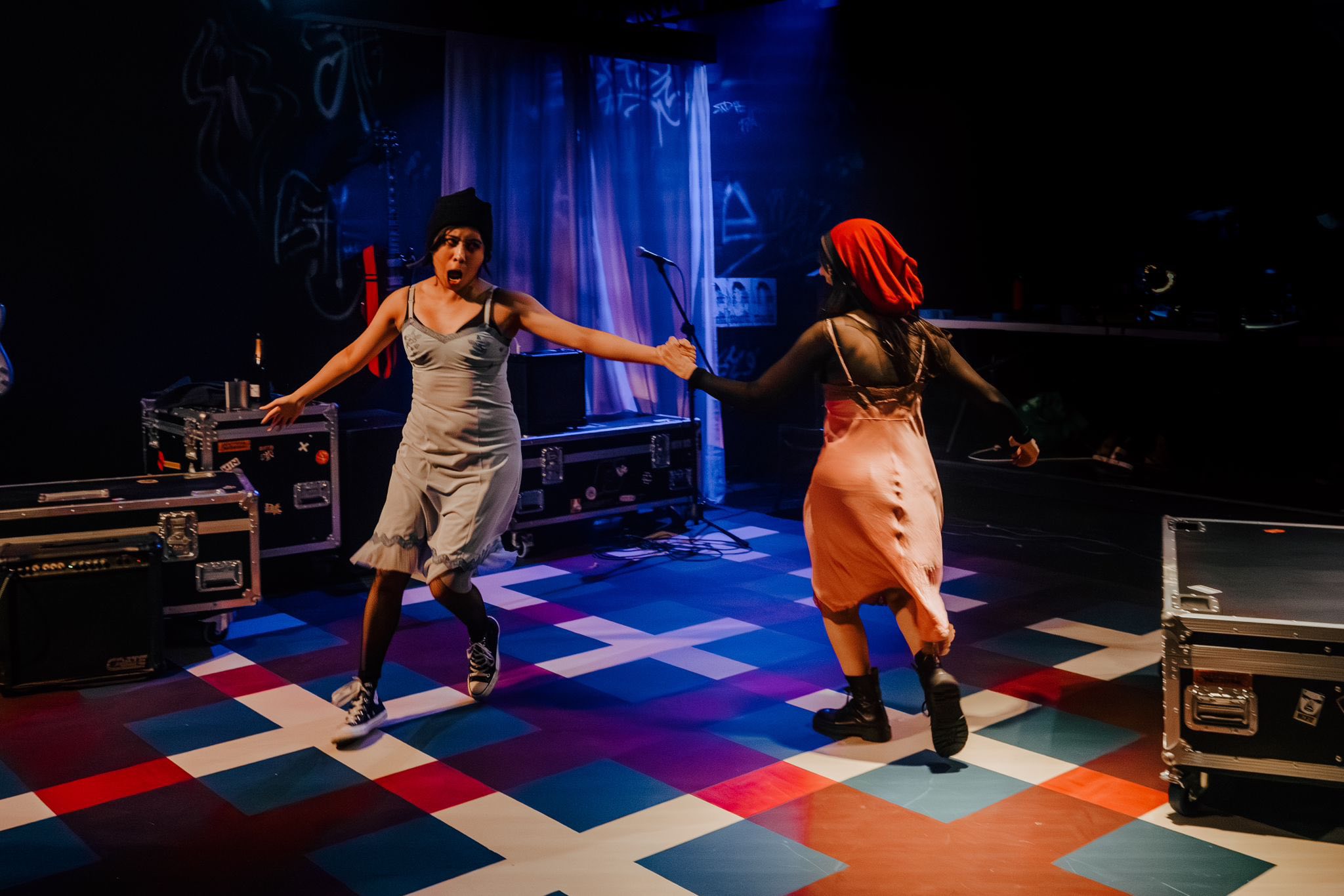
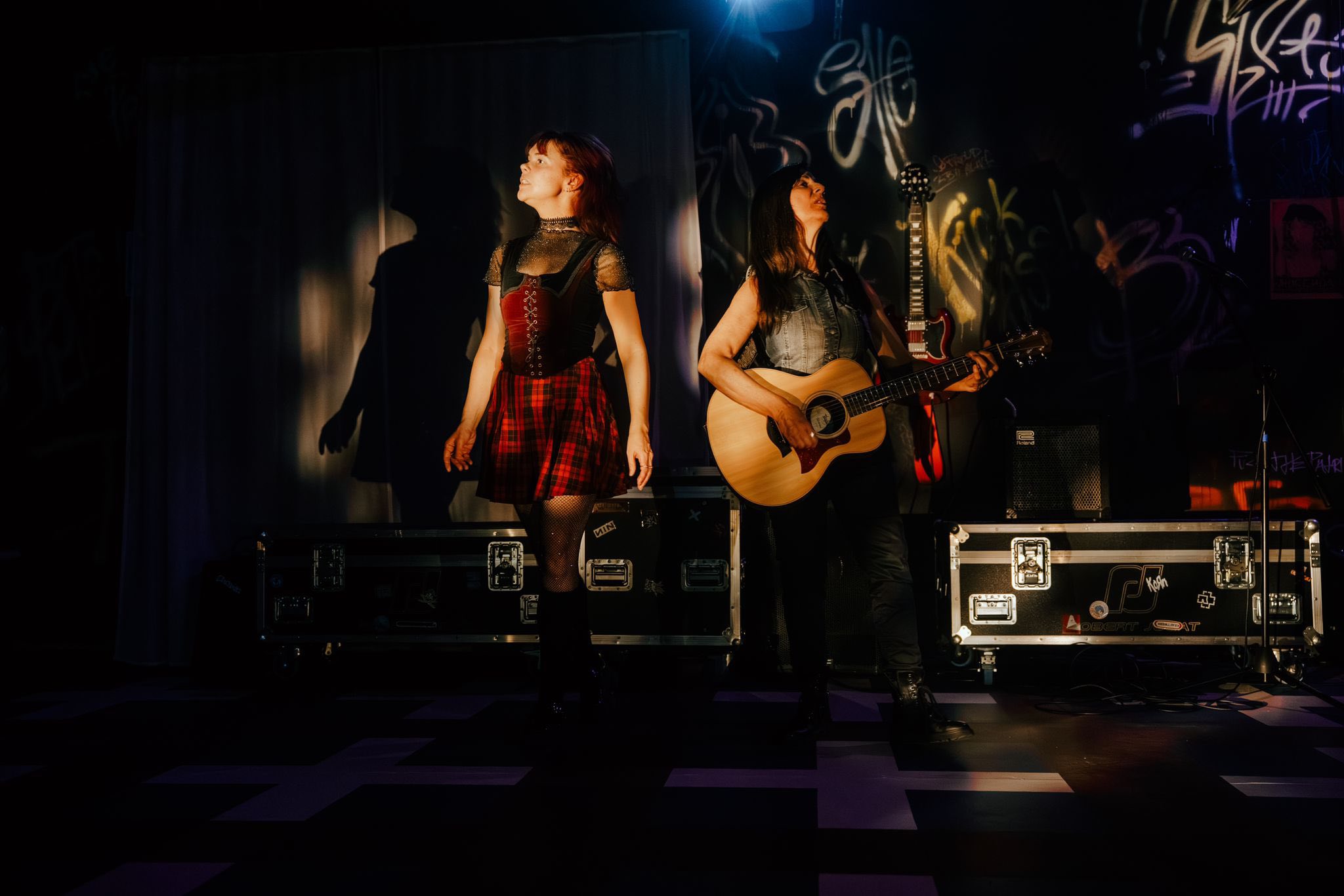
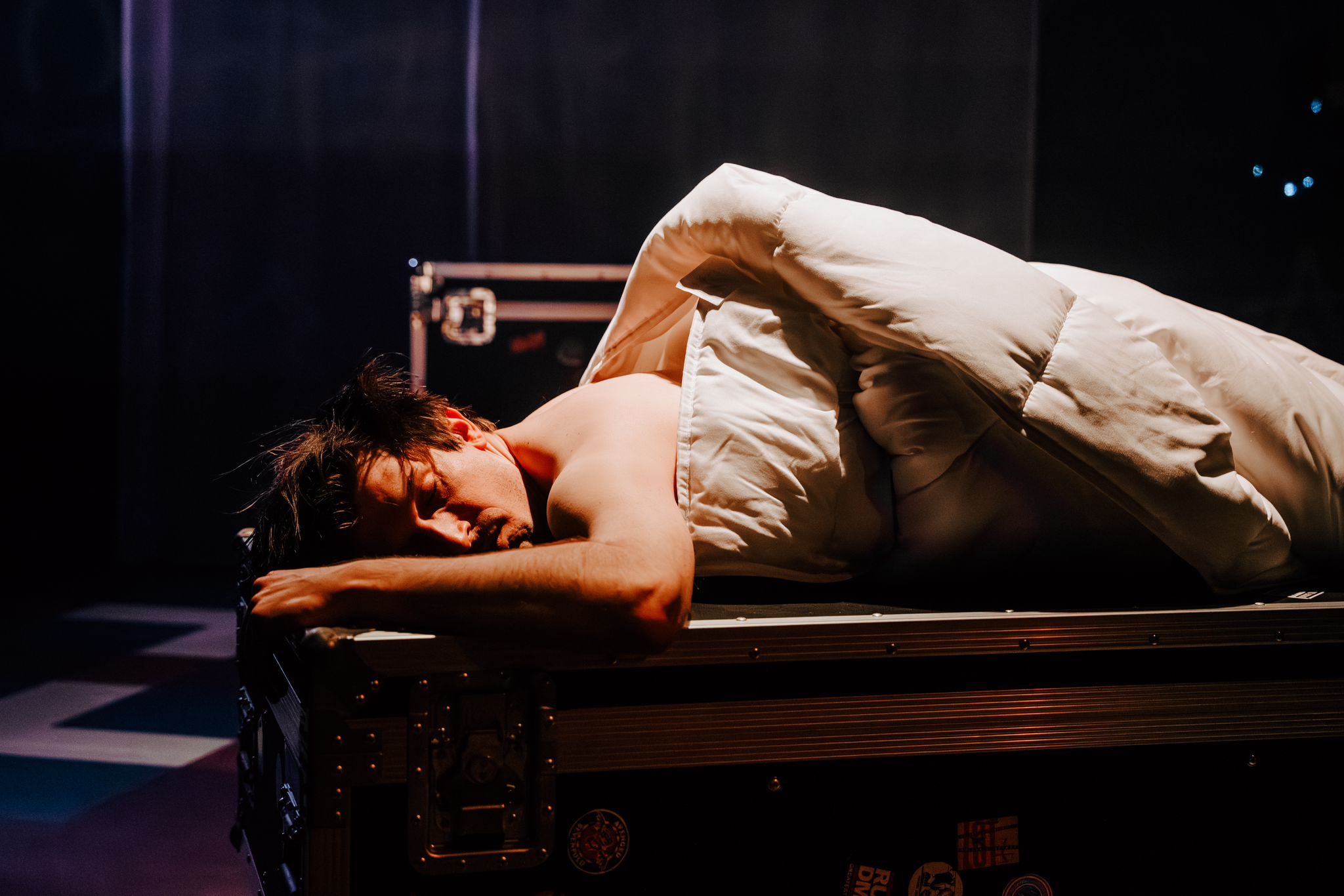
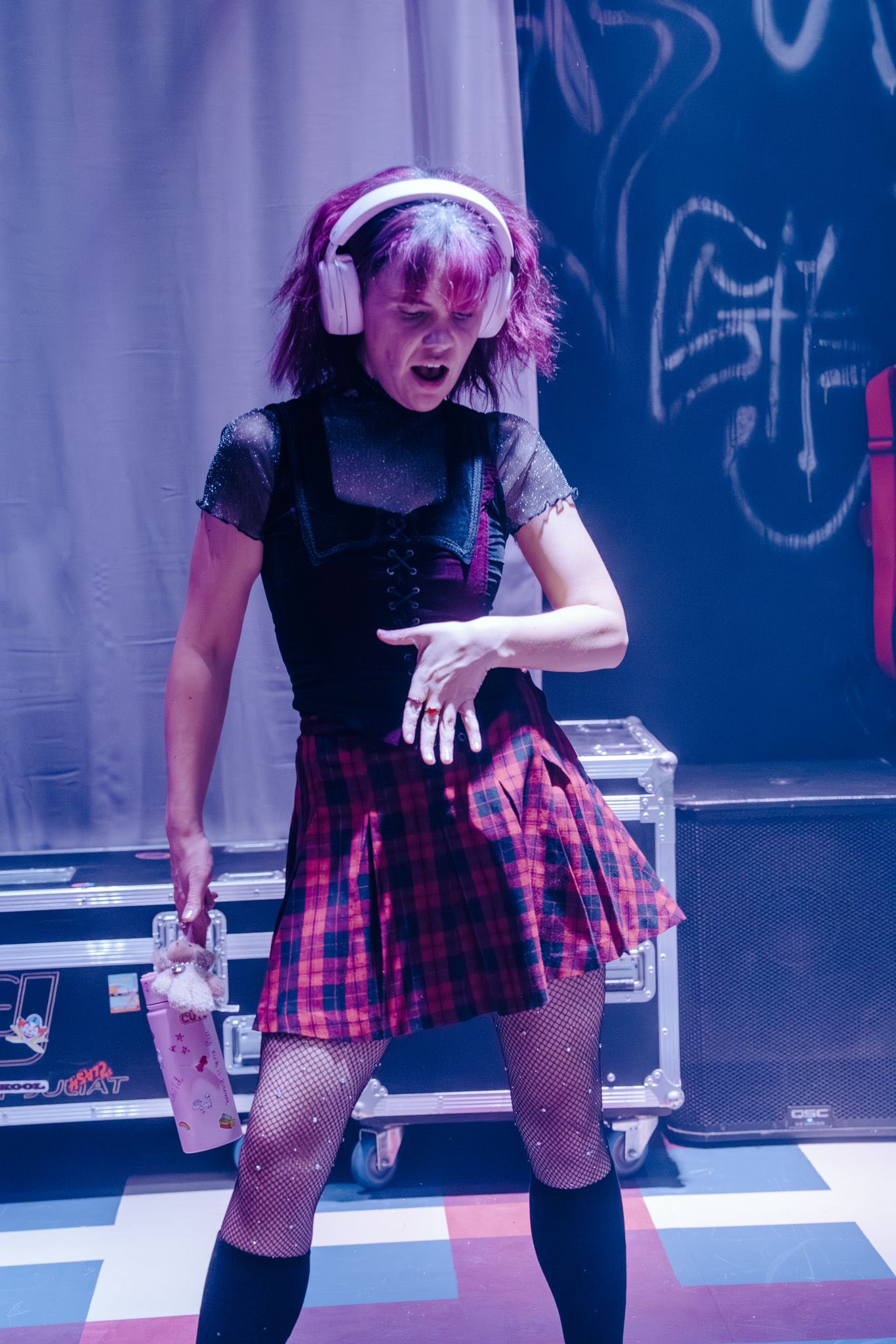
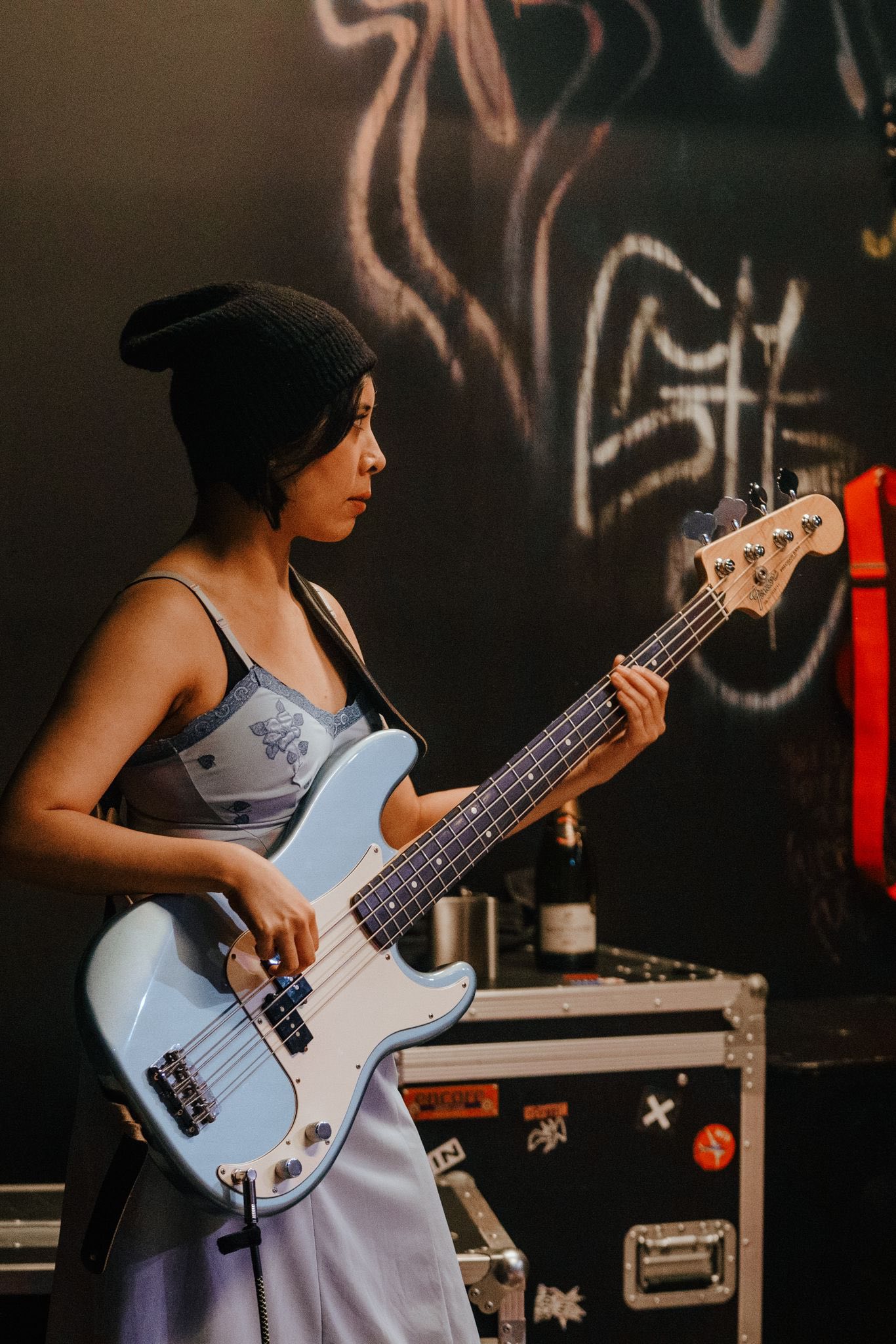
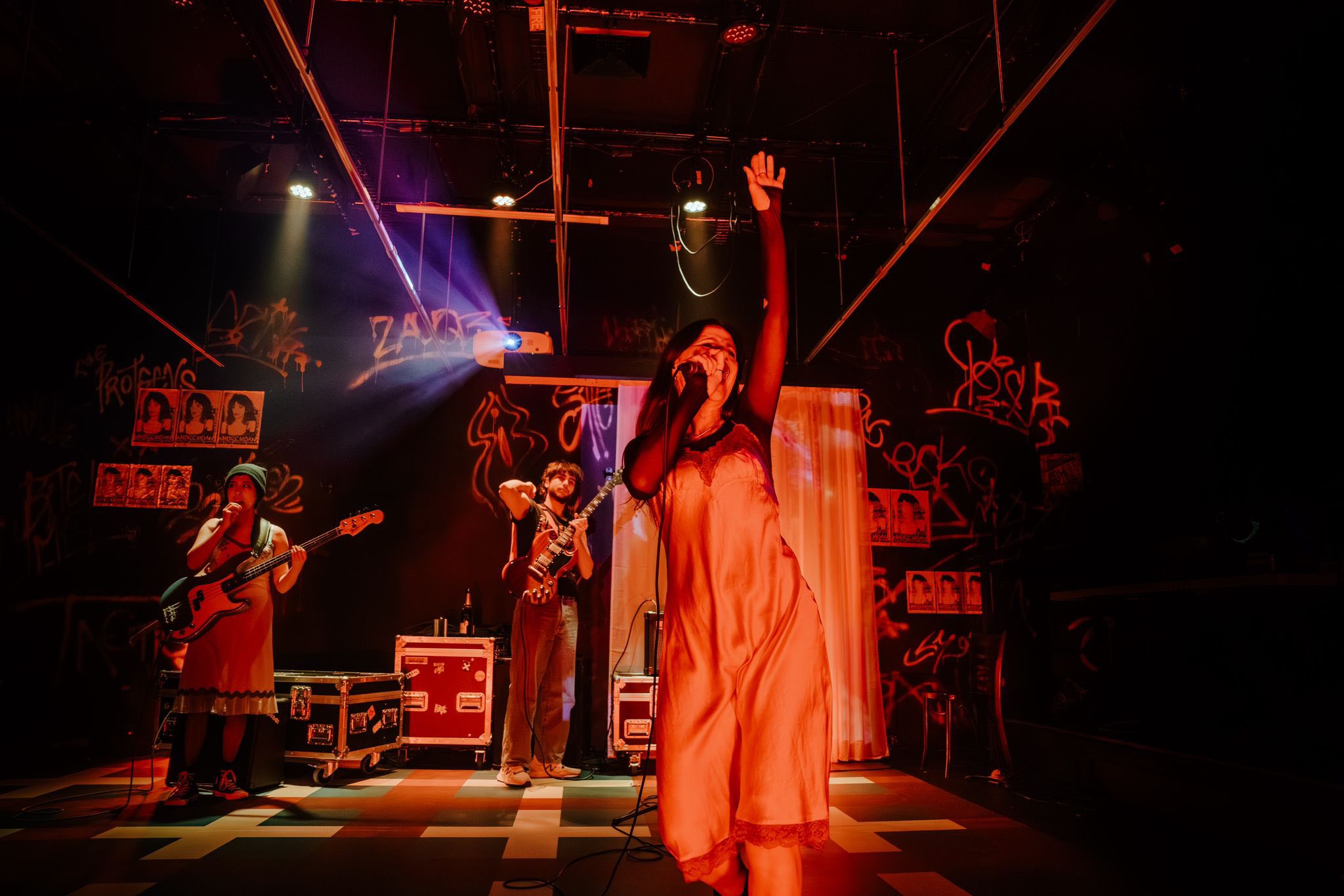
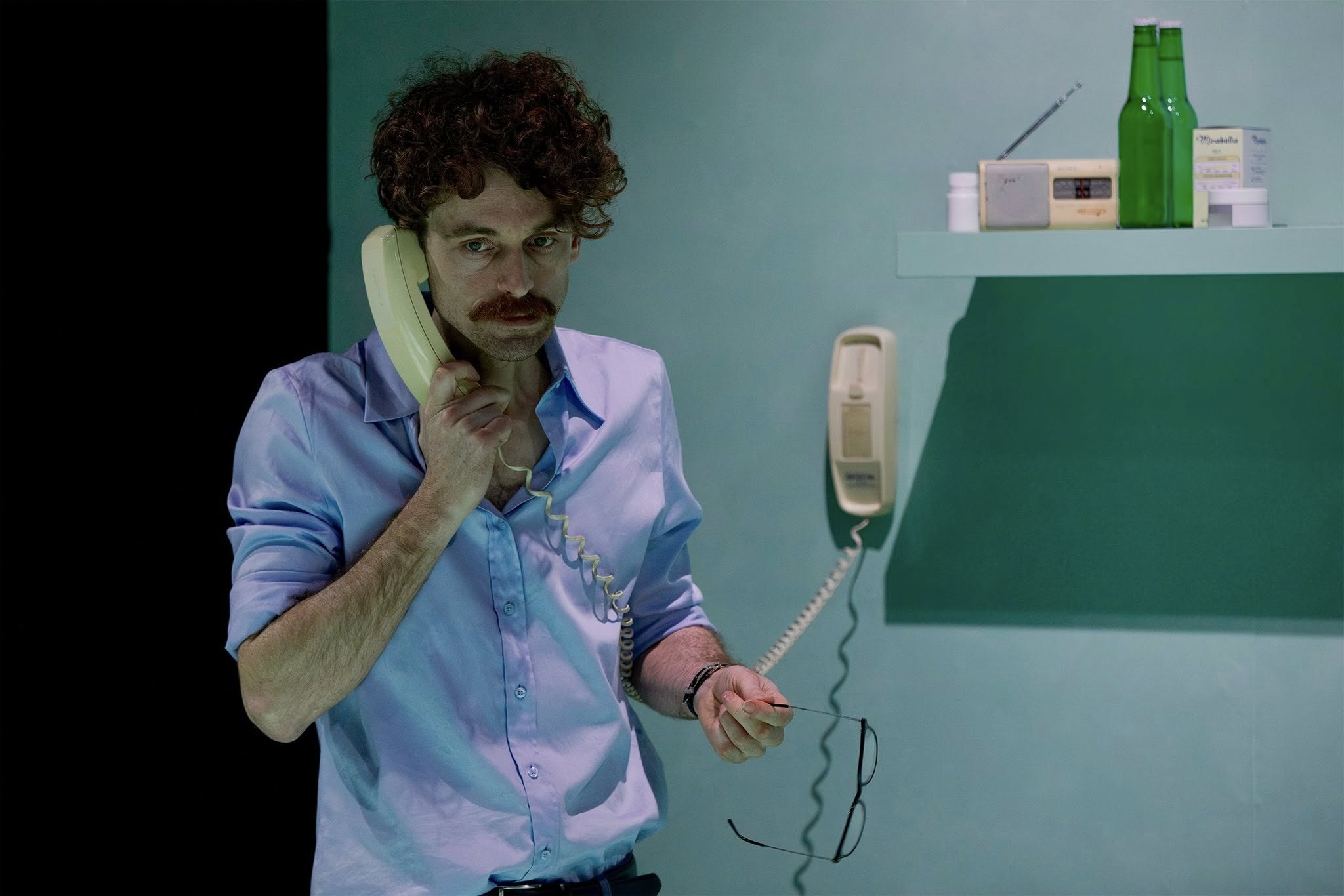
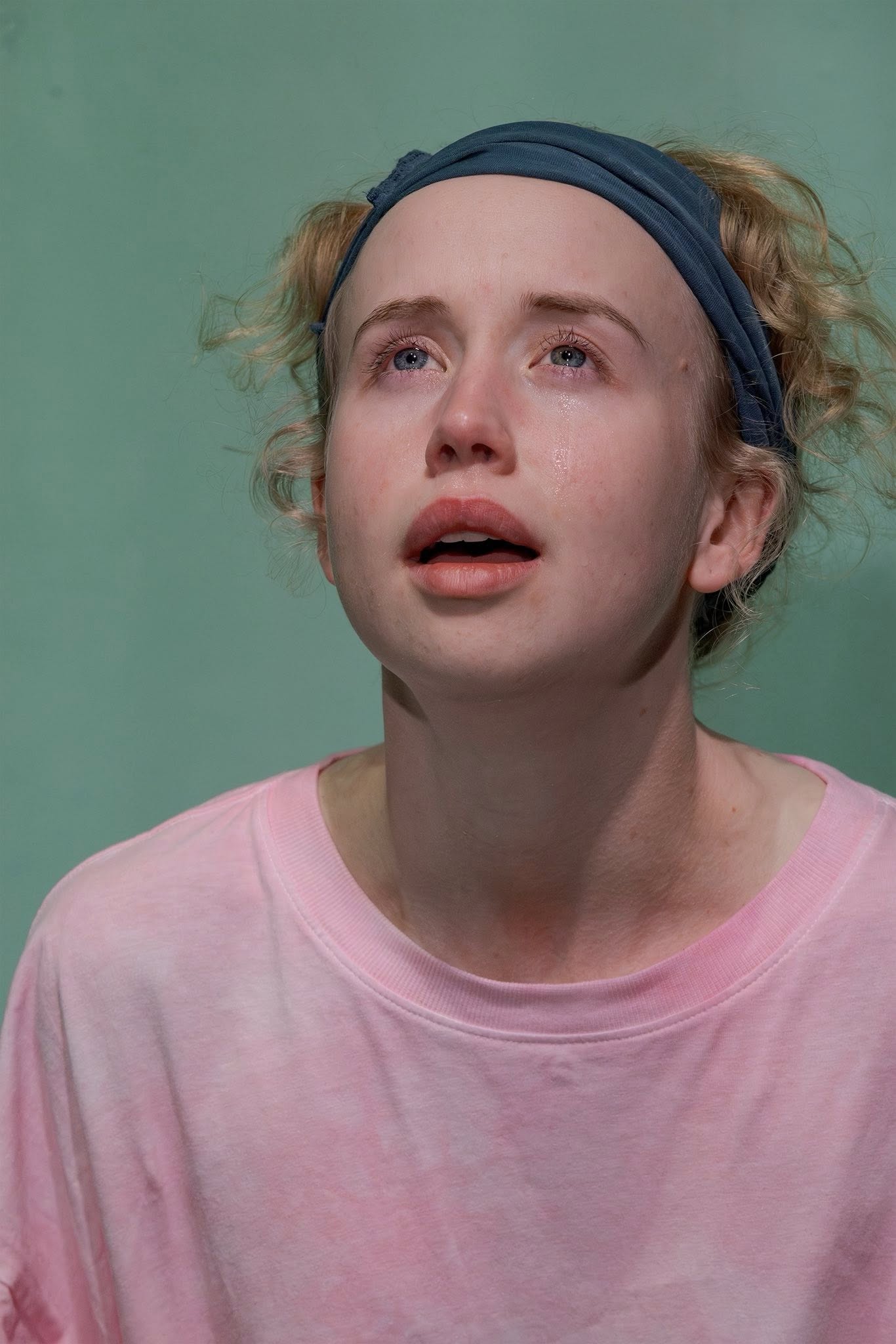
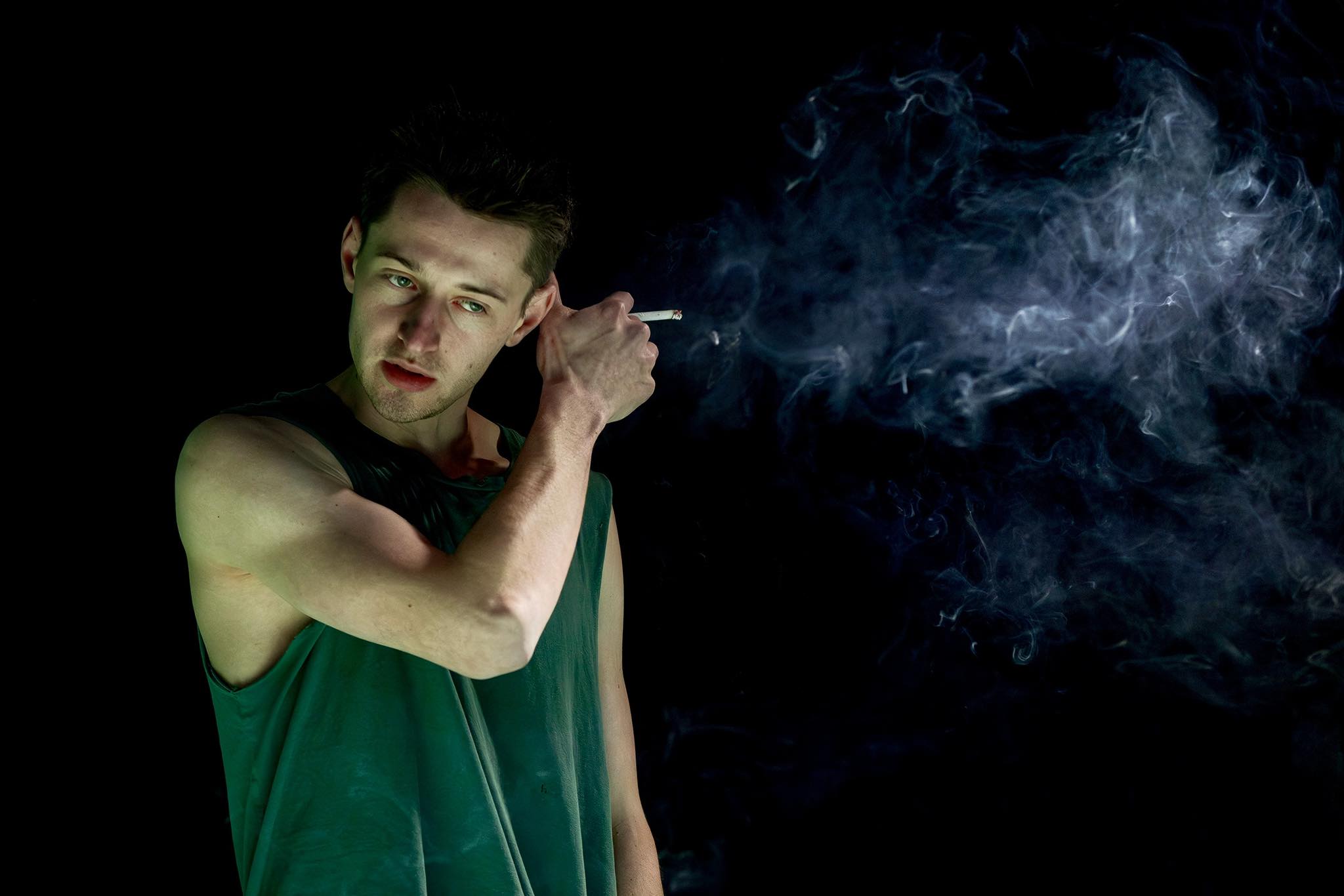
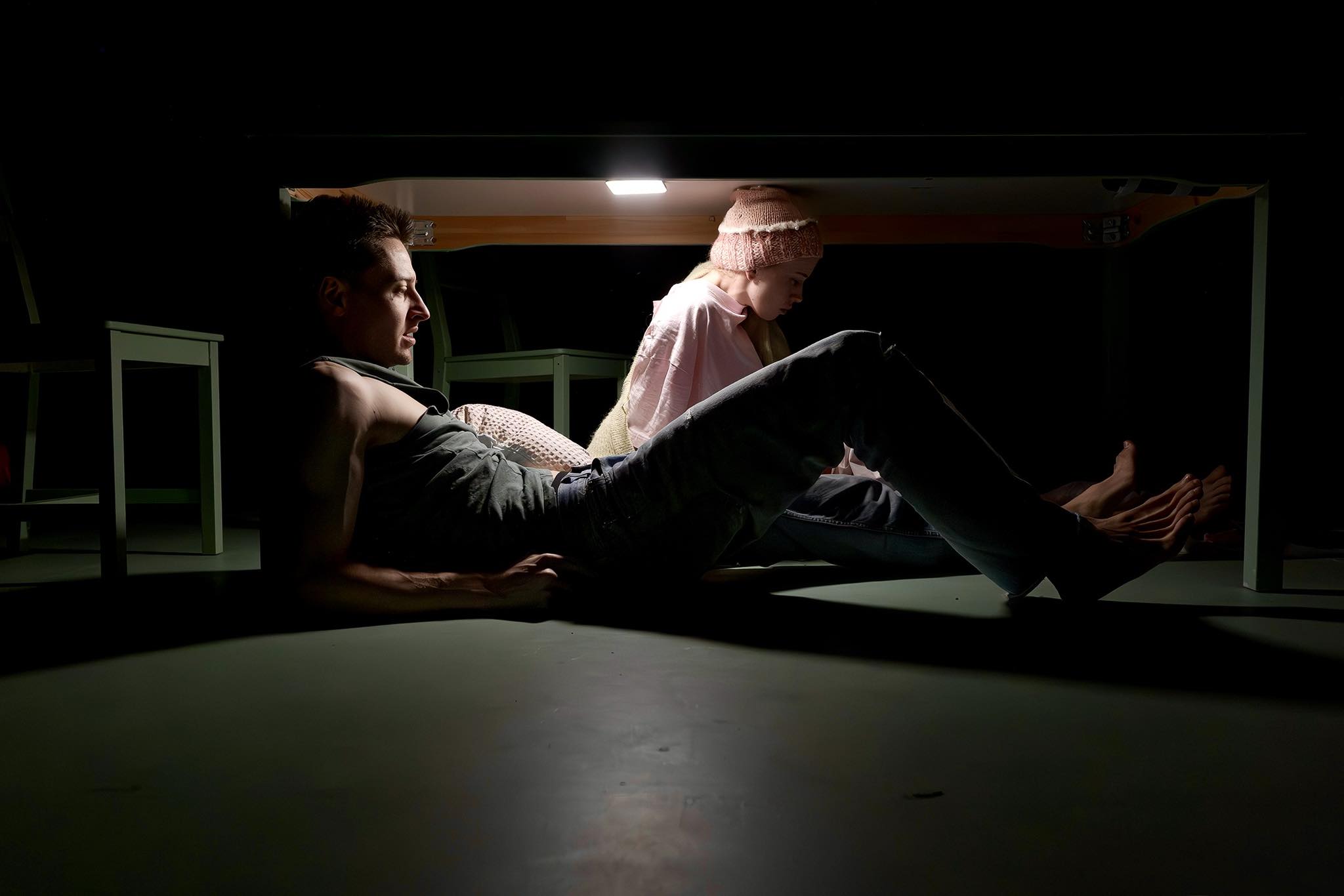
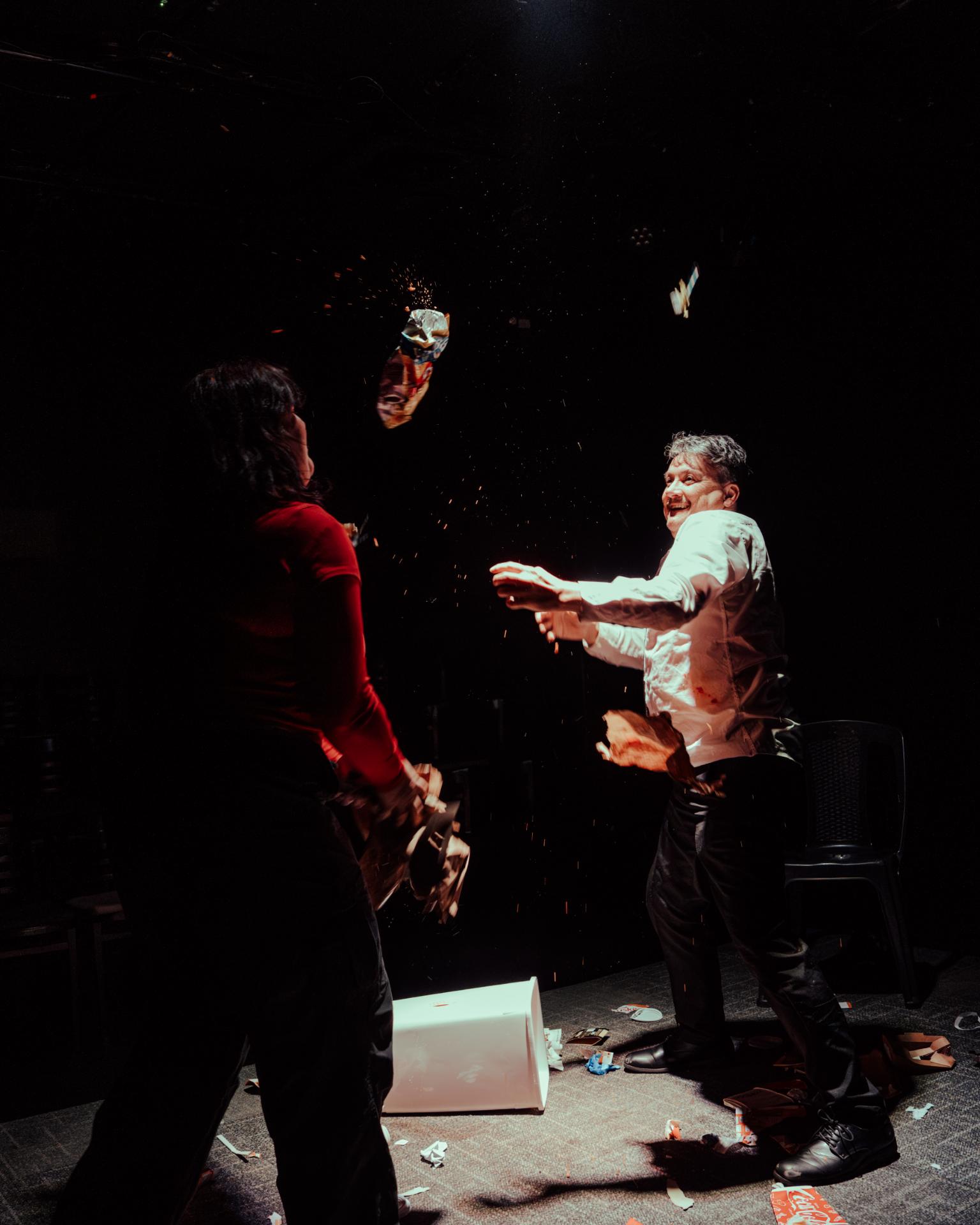
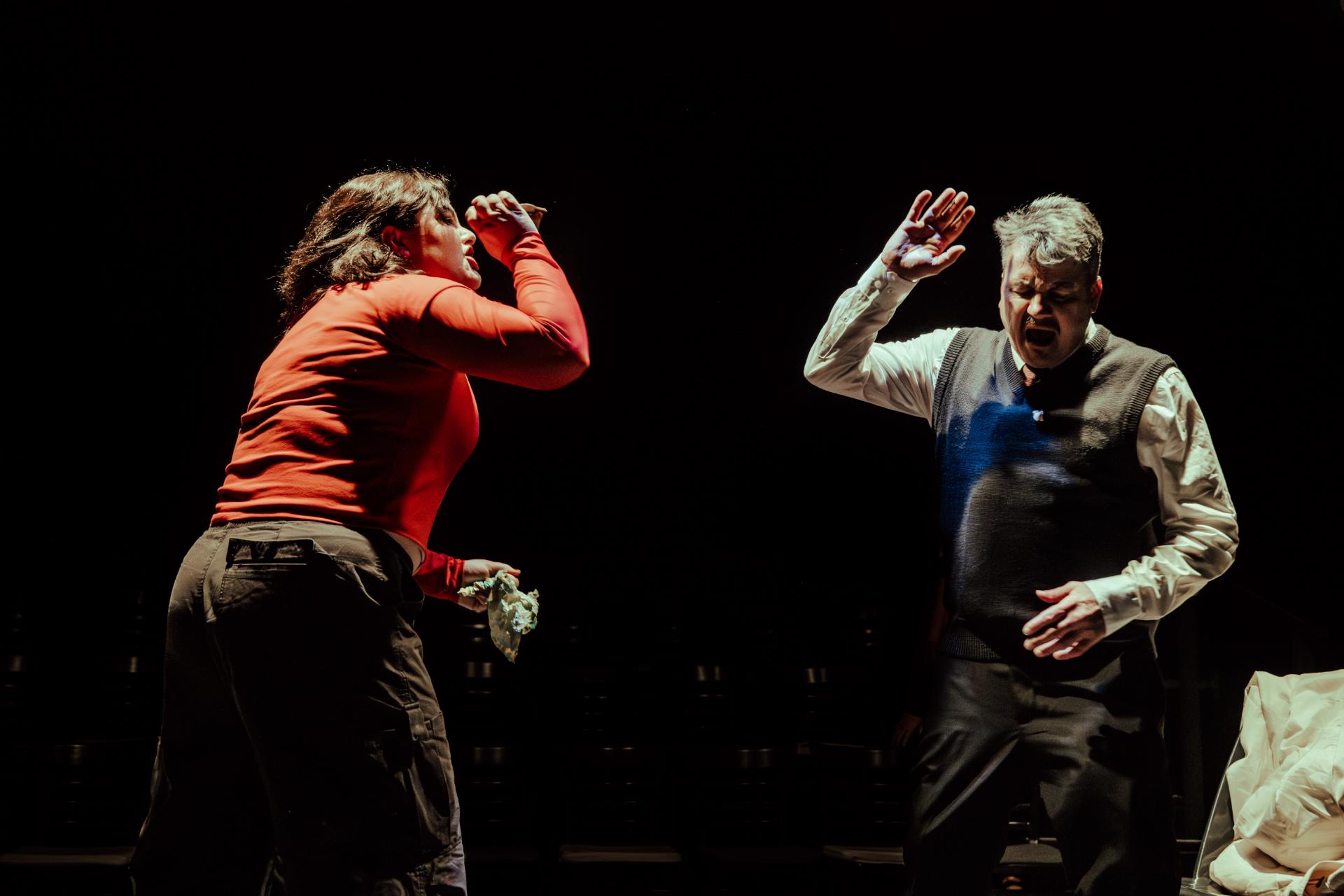
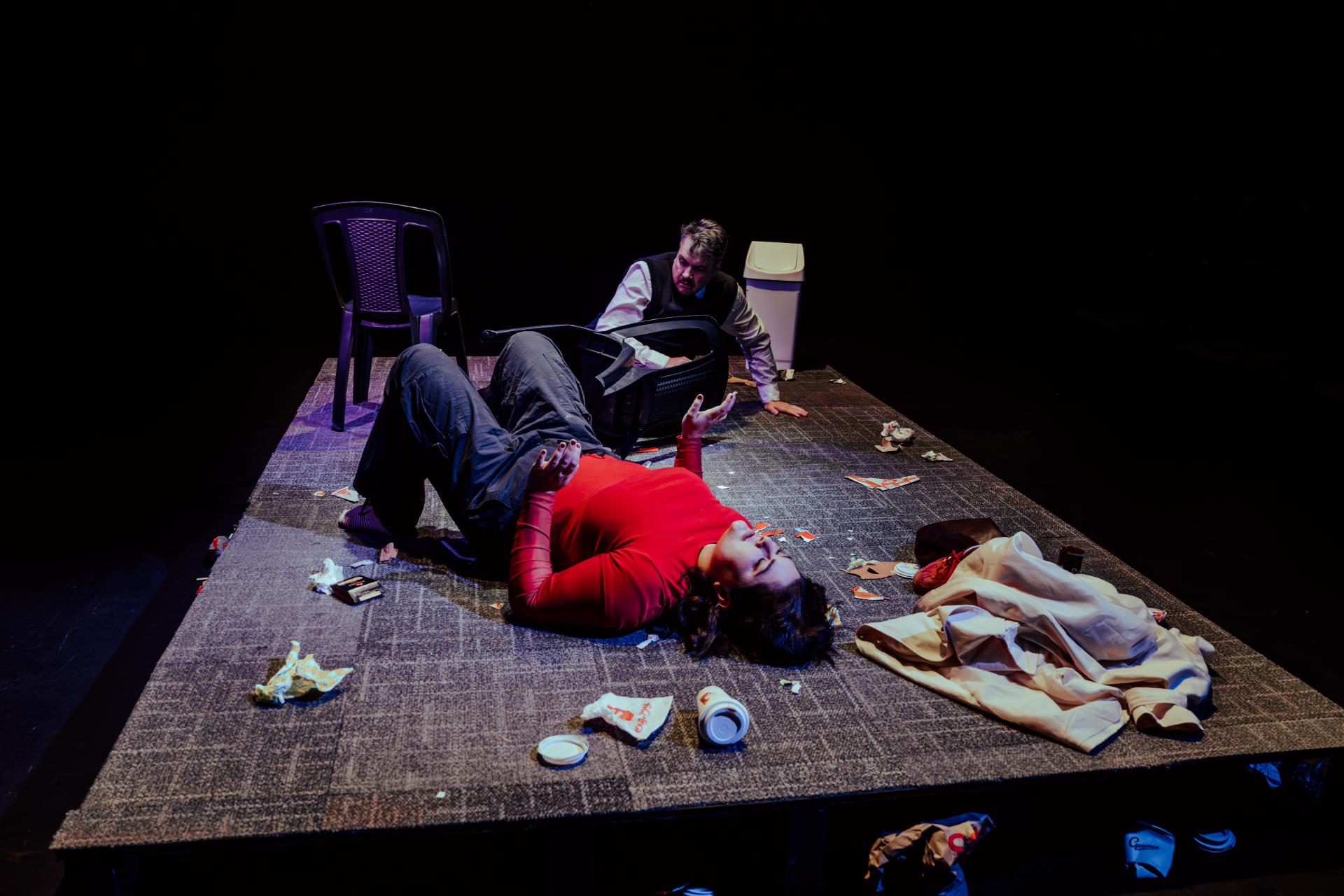
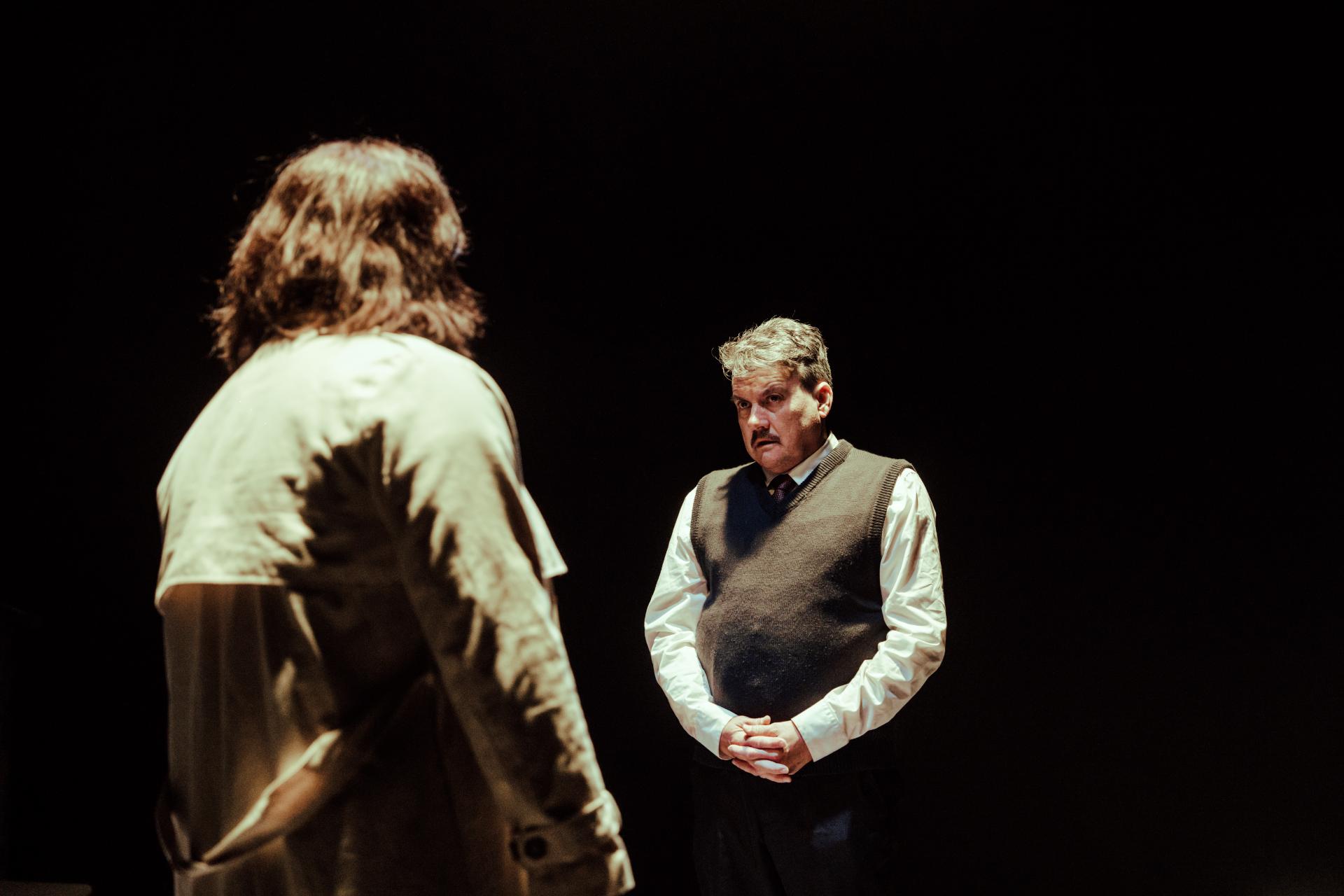
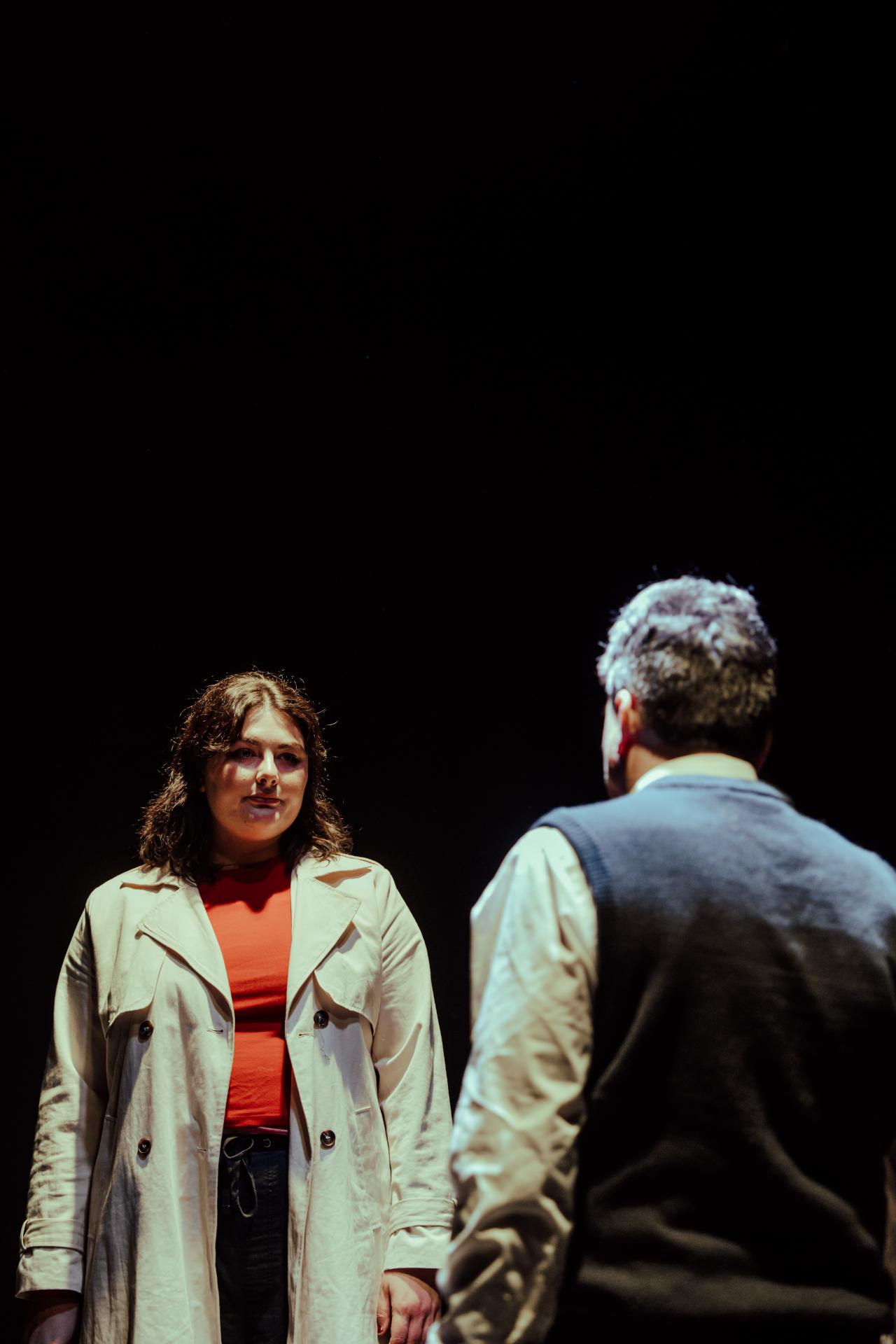
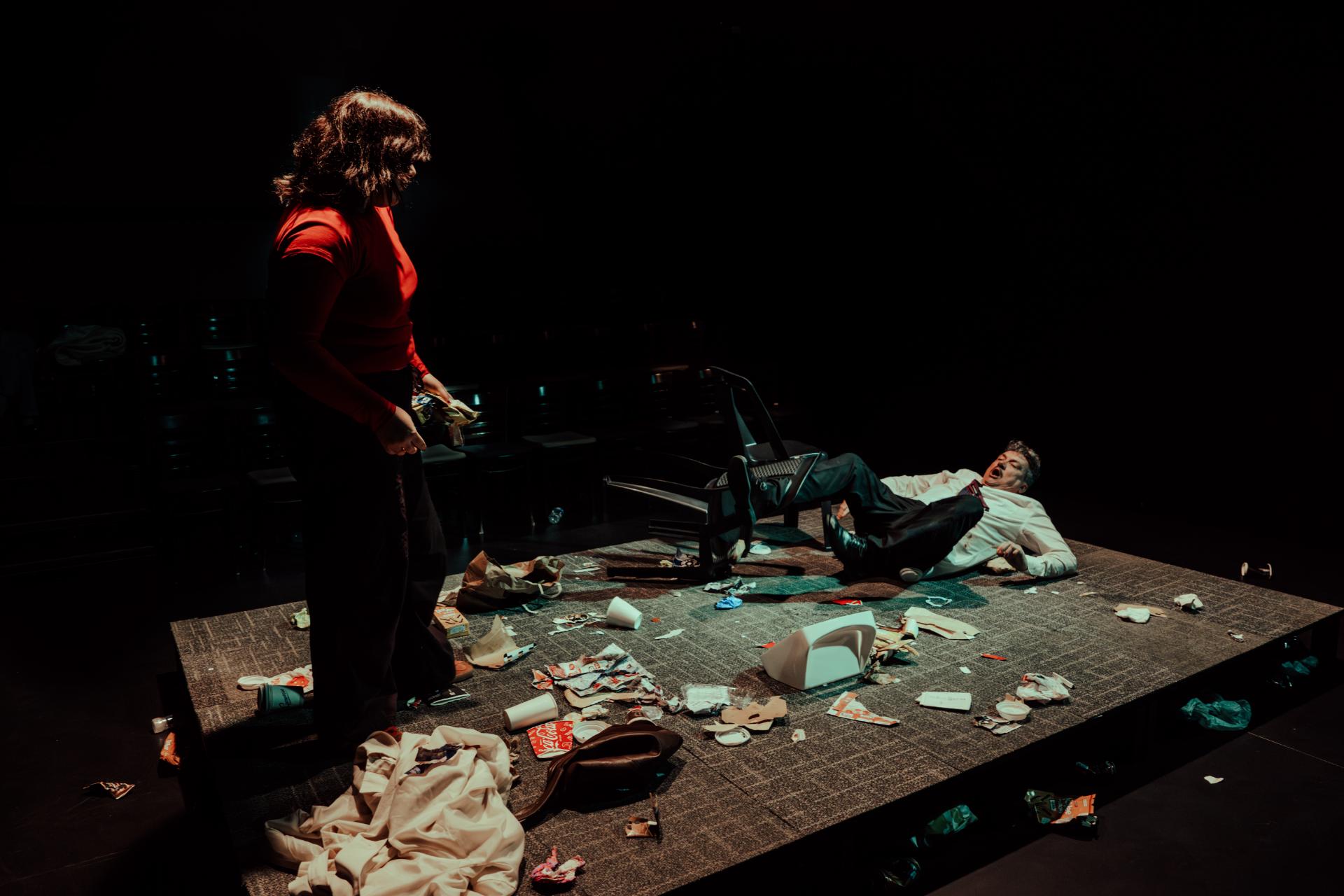
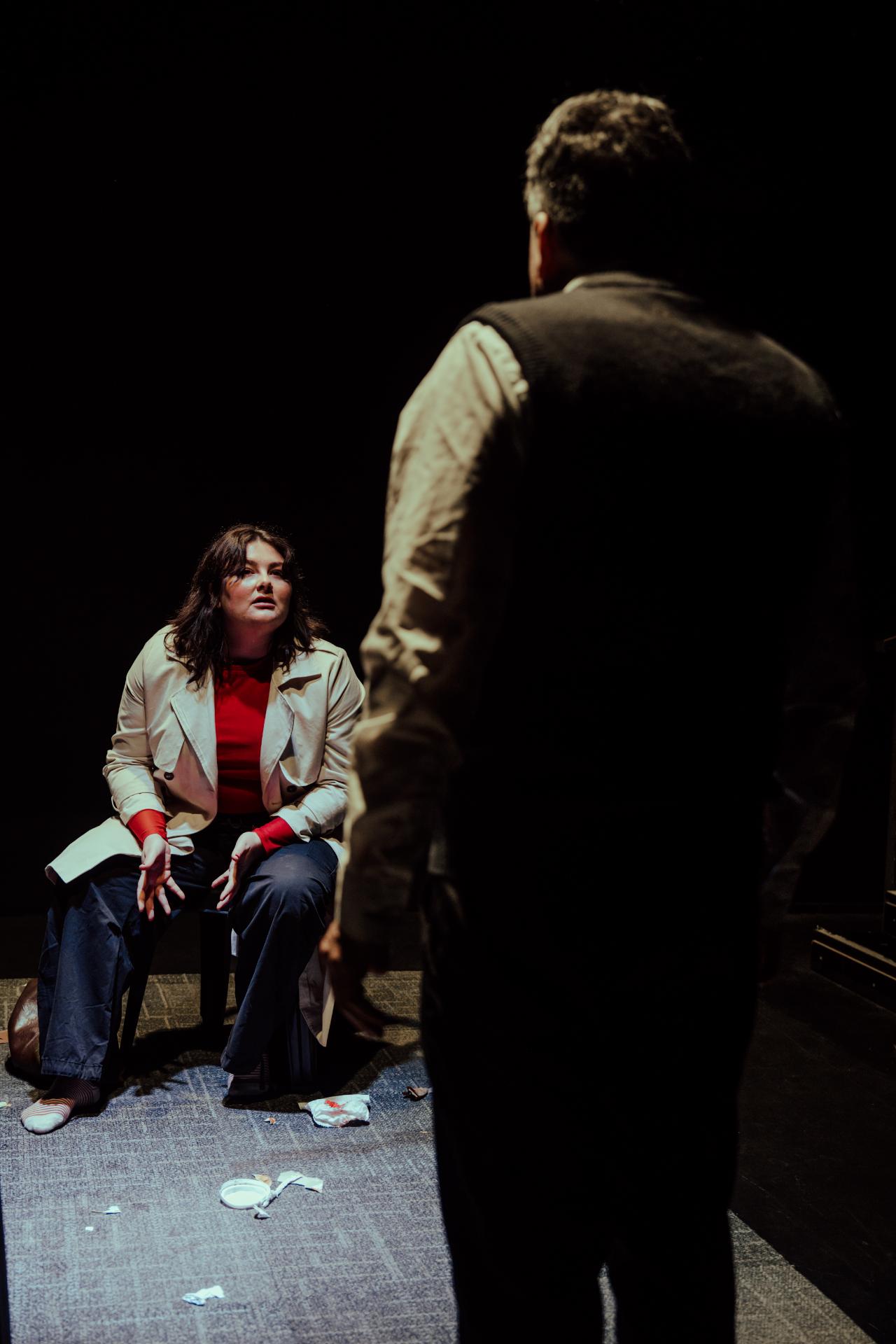
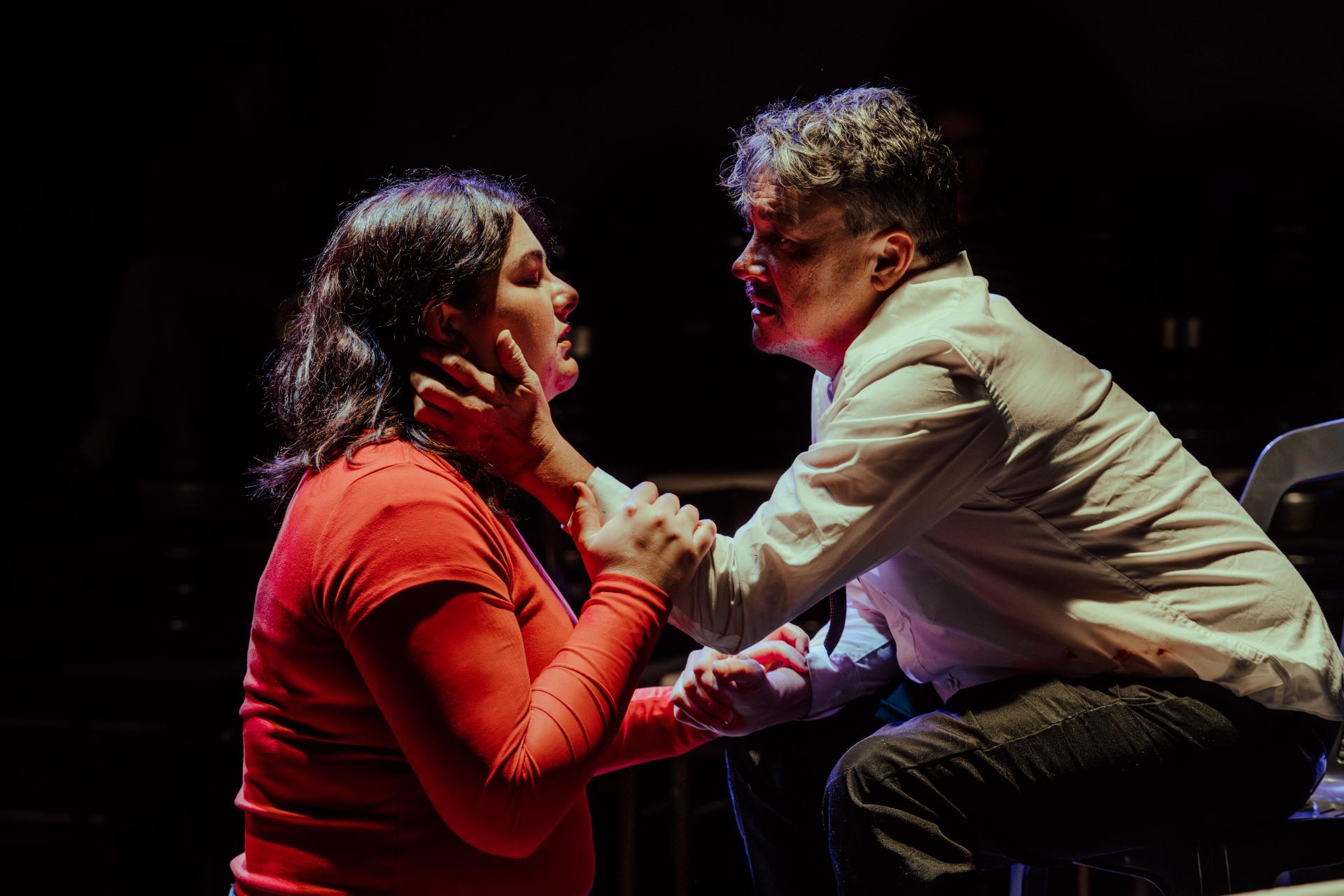
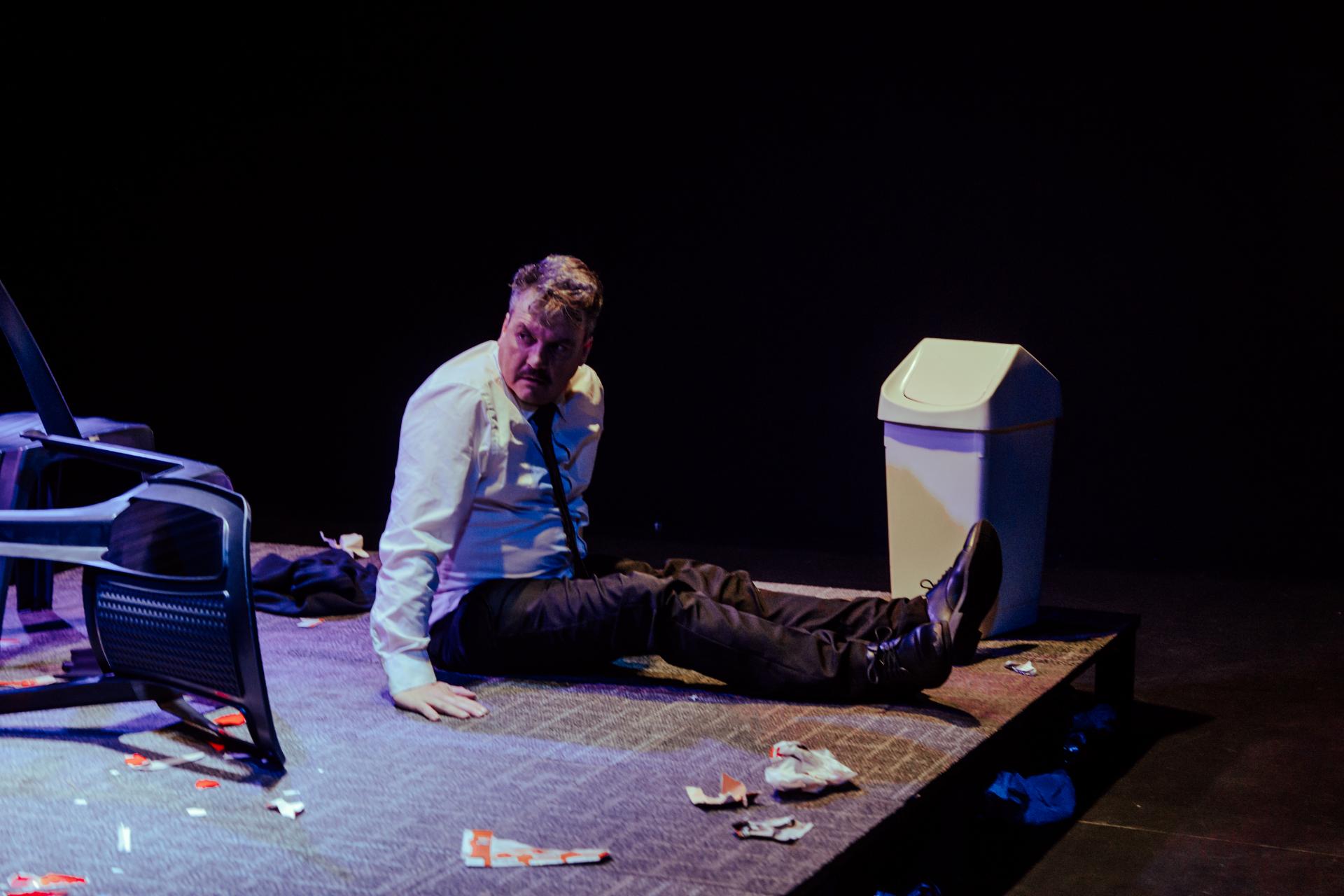
Gia is desperate to play Ophelia in Hamlet at Sydney’s premier Shakespeare company, yet at twenty-nine she confronts the dawning realisation that this ambition will likely remain unfulfilled. At home, her boyfriend Dan pressures her toward motherhood, rendering their relationship increasingly transactional. In Grace Wilson’s Gia Ophelia, we witness an actor gradually overwhelmed, drowning in disappointment and sorrow—much like the role she covets most.

Wilson’s dramaturgy emerges as the earnest offspring of Shakespearean inspiration, whilst simultaneously offering a laceratingly frank excavation of a young woman’s interiority in the contemporary West. Though punctuated by humour, Gia Ophelia proves ultimately disquieting—almost exasperating in its steadfast adherence to a conception of femininity four centuries old, its refusal to grant Gia the autonomy and agency that her modern circumstances ostensibly afford her.

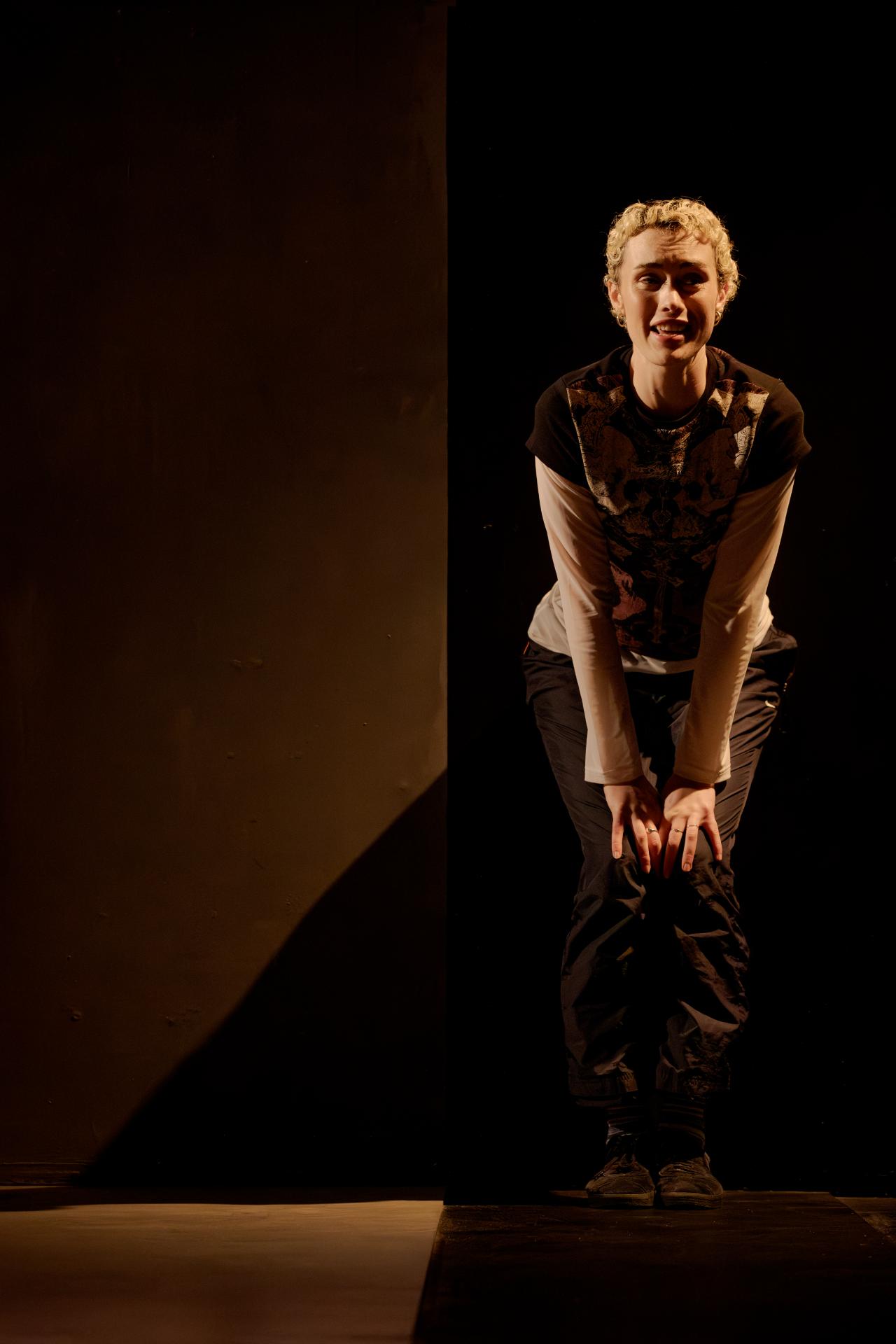
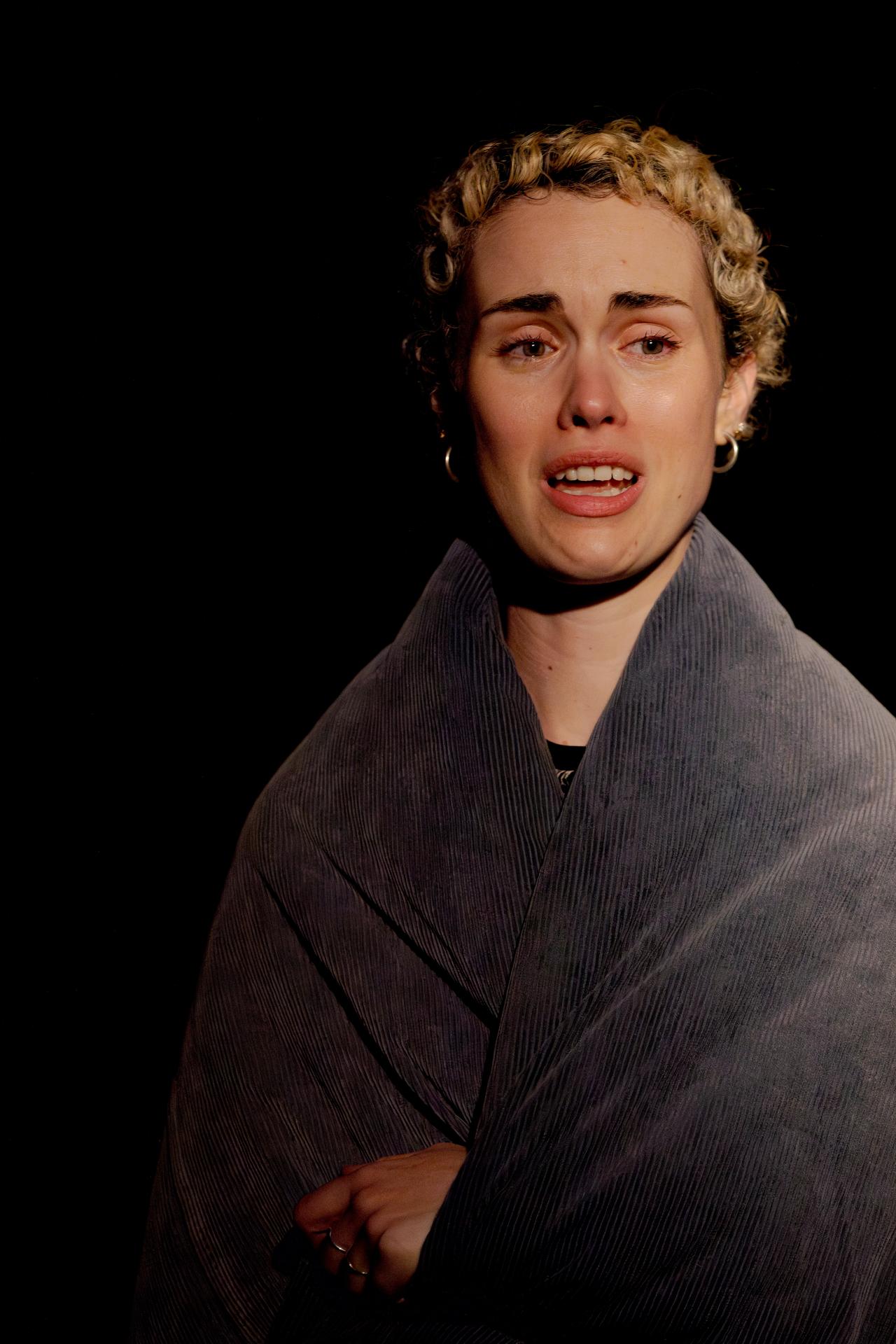
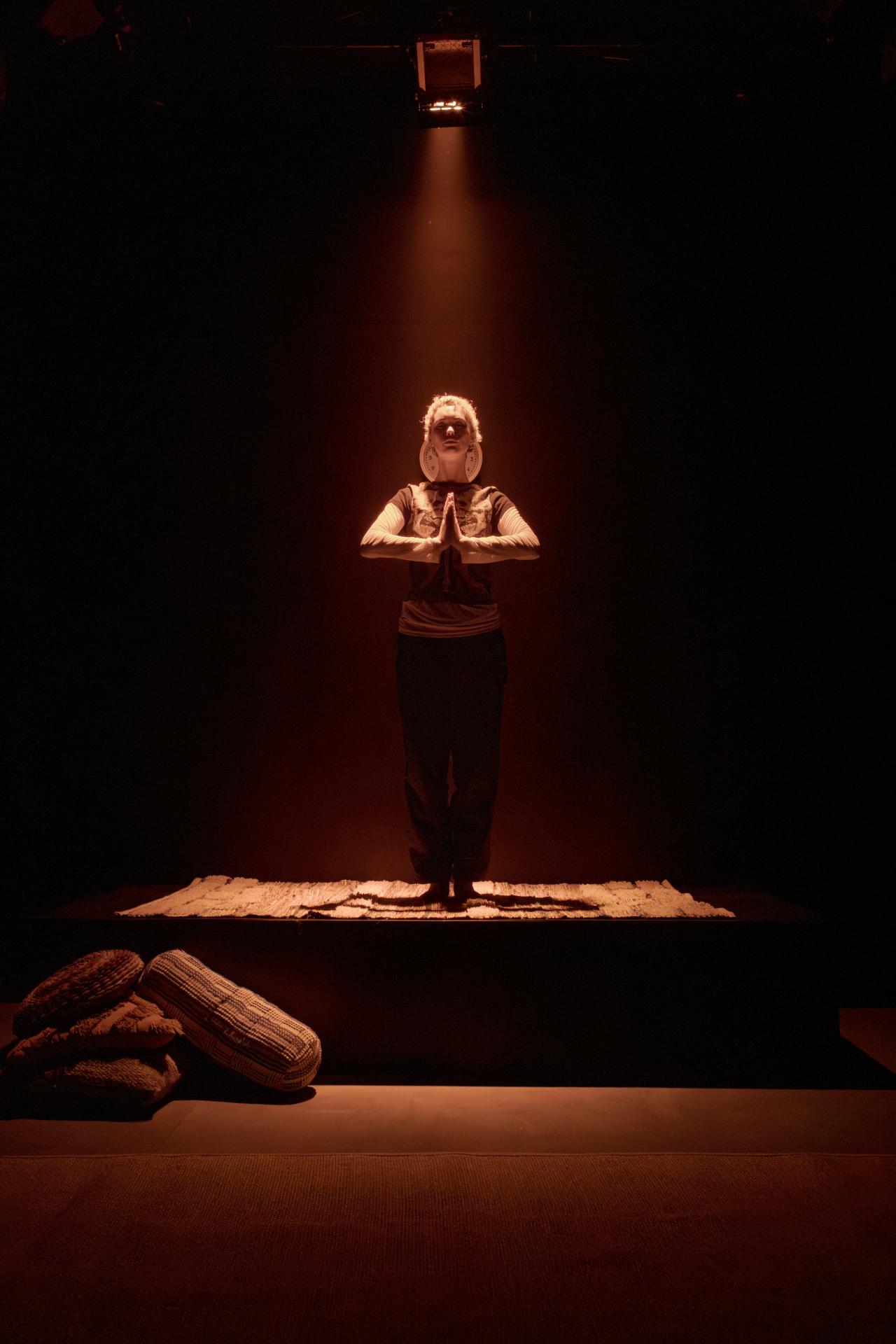
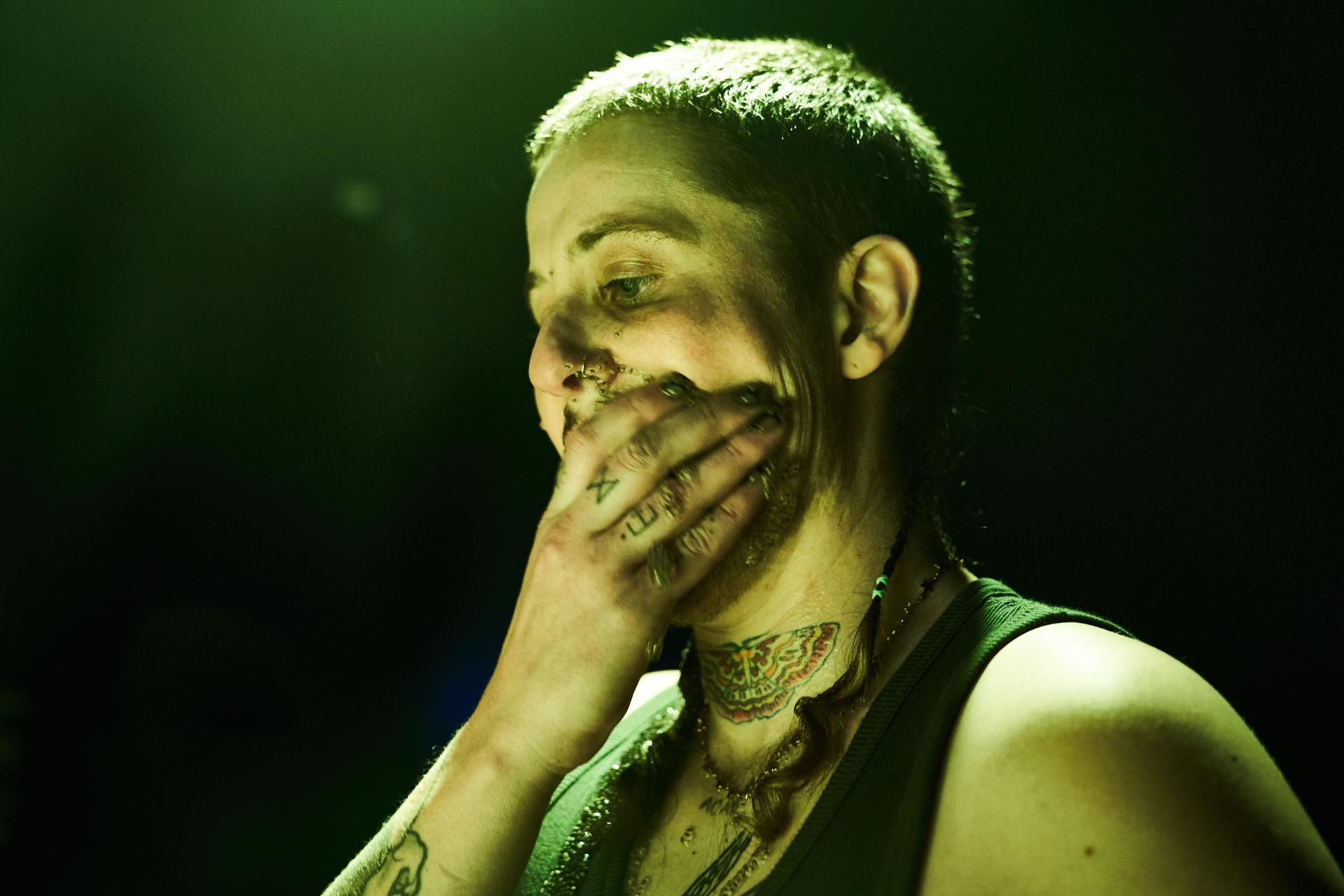
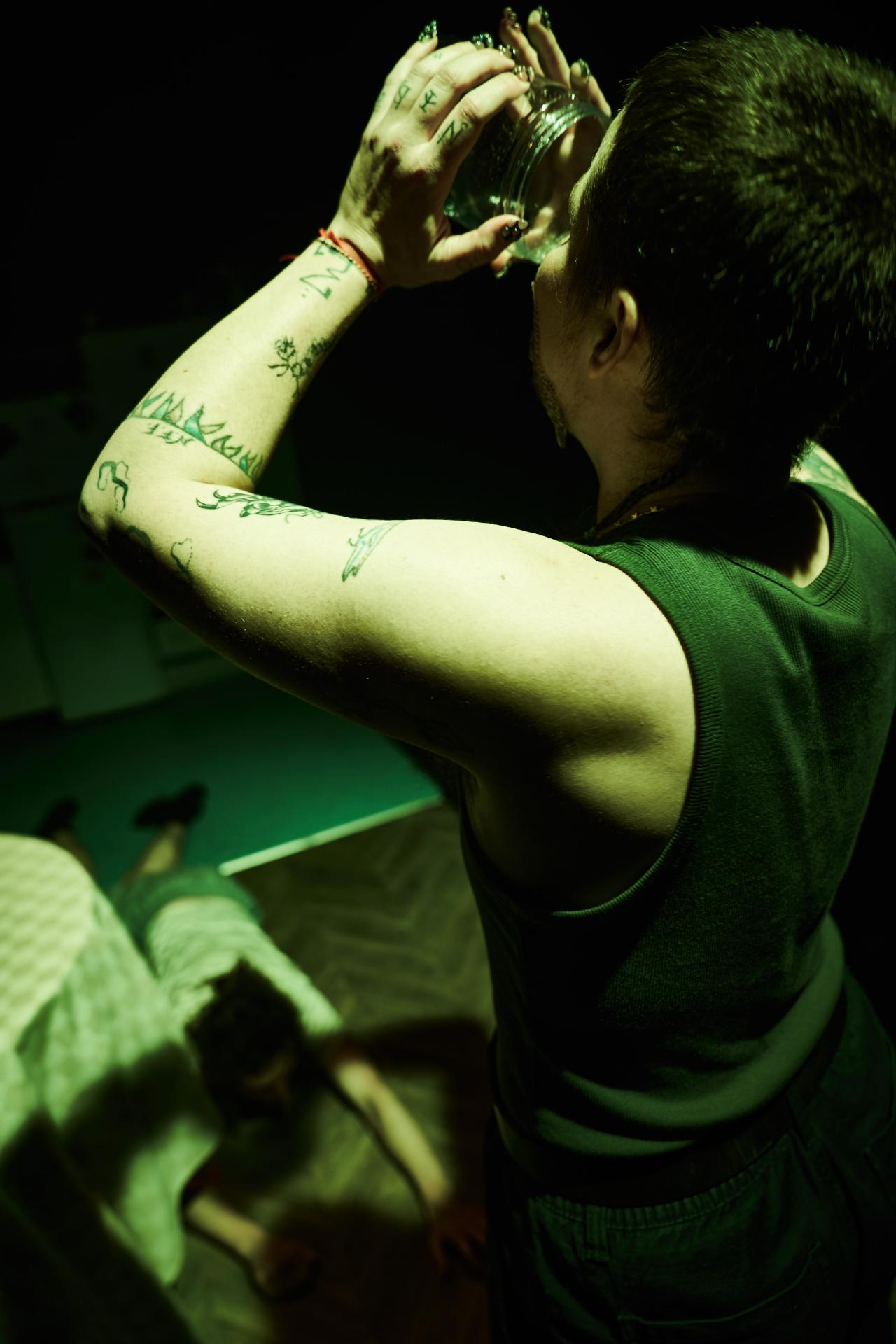
Direction by Jo Bradley proves steadfastly faithful to the spirit of the text, ensuring that the anguish rendered resonates palpably—an unflinching examination of one woman’s conviction of her own failure. Holly Nesbitt’s lighting design confers a superb sense of theatricality, suffusing the stage with wistfulness and melancholy, discovering moments of unexpected beauty in the protagonist’s struggle-worn expressions. Otto Zagala’s sound and music, though occasionally abrupt in their intrusion, are effective additions to the production’s atmospheric intensity.

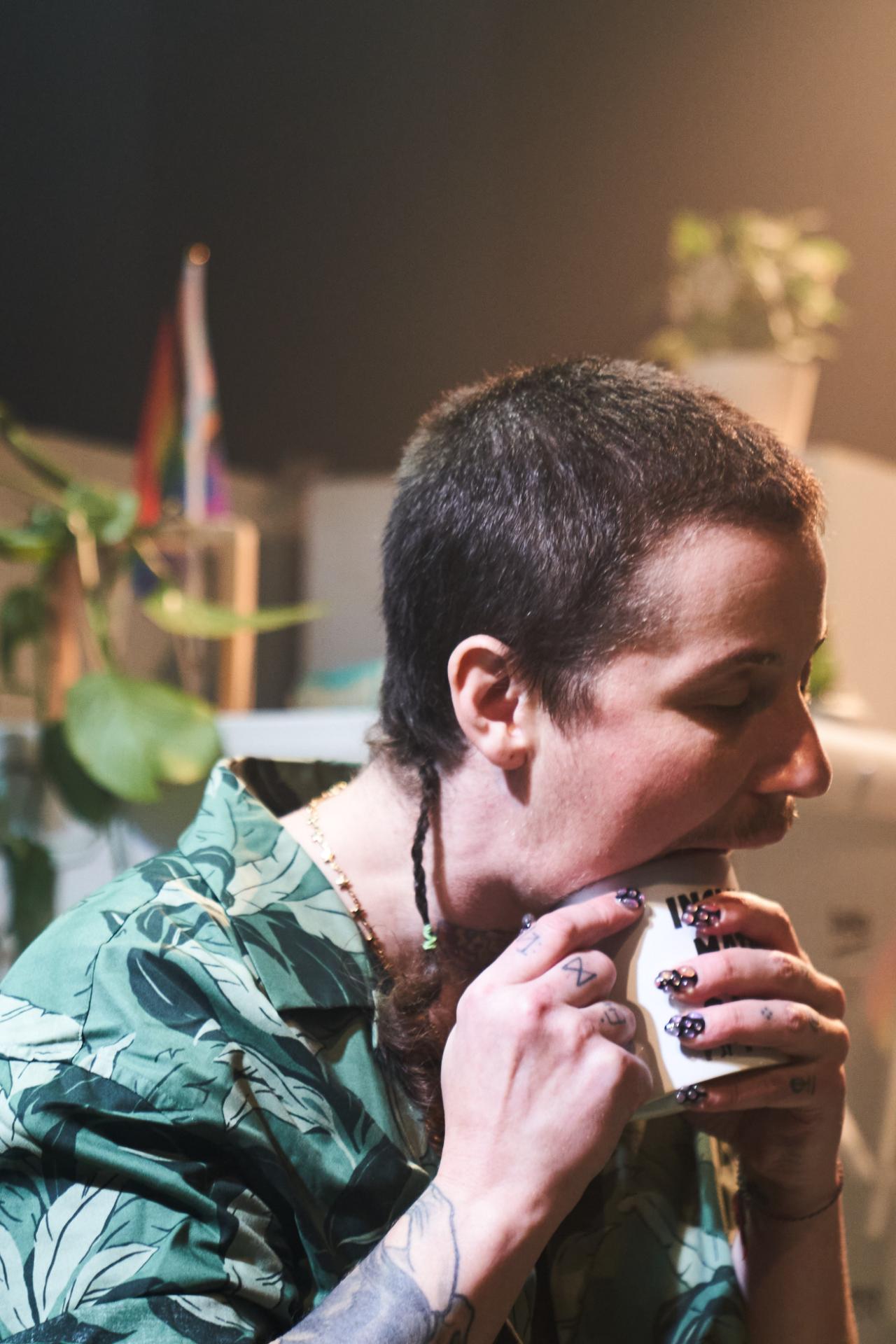
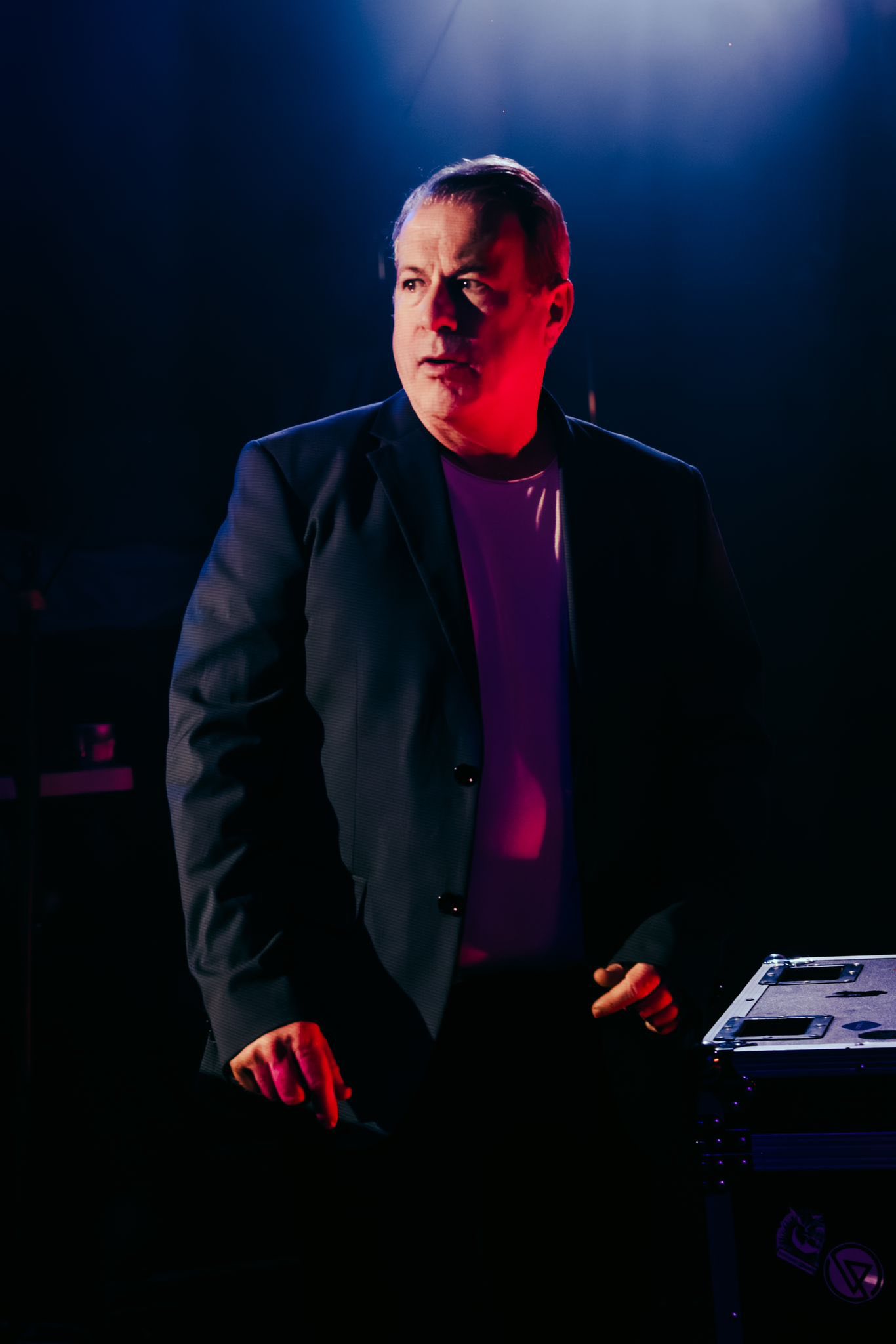
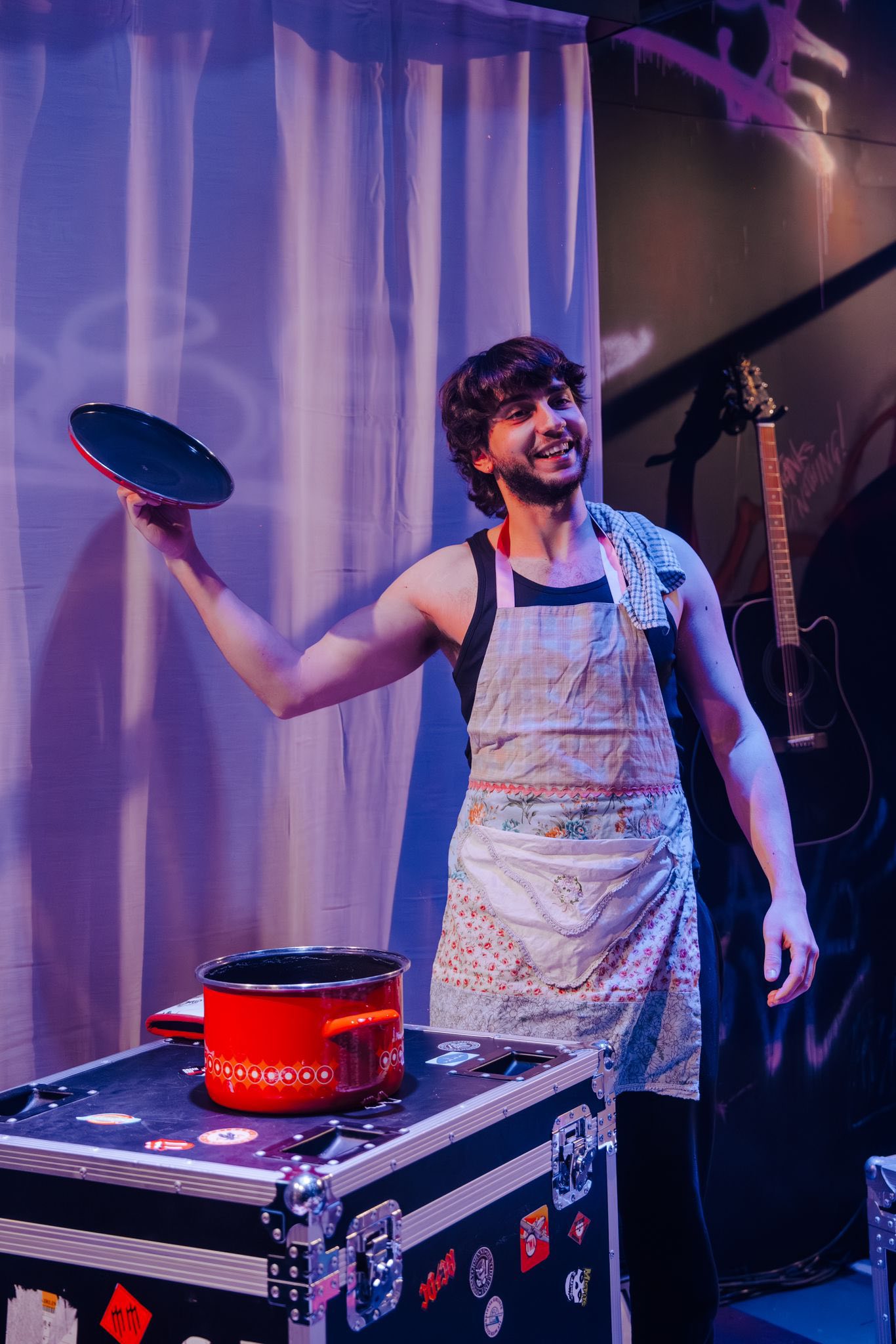
Annie Stafford delivers a remarkable performance as Gia, navigating with apparent effortlessness from the play’s levities to its despondent core. Whether in moments of lightness or shadow, Stafford proves eminently compelling—quite miraculously preventing the prevailing sadness of Gia Ophelia from estranging its audience.

One might hope that in this modern age, a woman like Gia could locate peace, happiness, and fulfilment beyond the purview of masculine design. Yet the long shadow of hegemonic patriarchy persists, its ancient architecture still shaping the contours of our lives. This is not to suggest, however, that Gia exists merely as its creature. Women have indeed traversed remarkable distance, and the legacy of her forebears has bestowed possibilities of liberation that Shakespeare and his ilk could scarcely have imagined. The past bequeaths its constraints; it also bestows its momentum.

Review: Traffic Light Party (KXT on Broadway)

Venue: KXT on Broadway (Ultimo NSW), Jan 28 – Feb 7, 2026
Playwright: Izzy Azzopardi
Director:
Brea Macey
Cast: Izzy Azzopardi, Renée Billing, Meg Denman, Grace Easterby, Caitlin Green, Isaac Harley, Travis Howard, Caleb Jamieson, Jordy Stewart
Images by Jade Bell

Theatre review
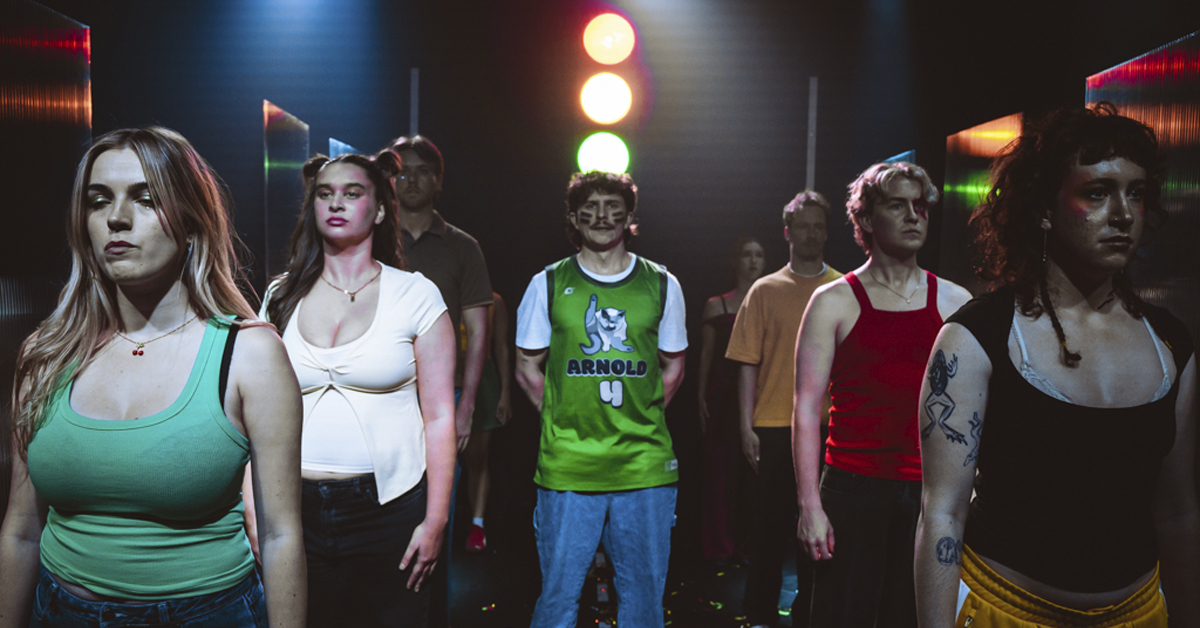
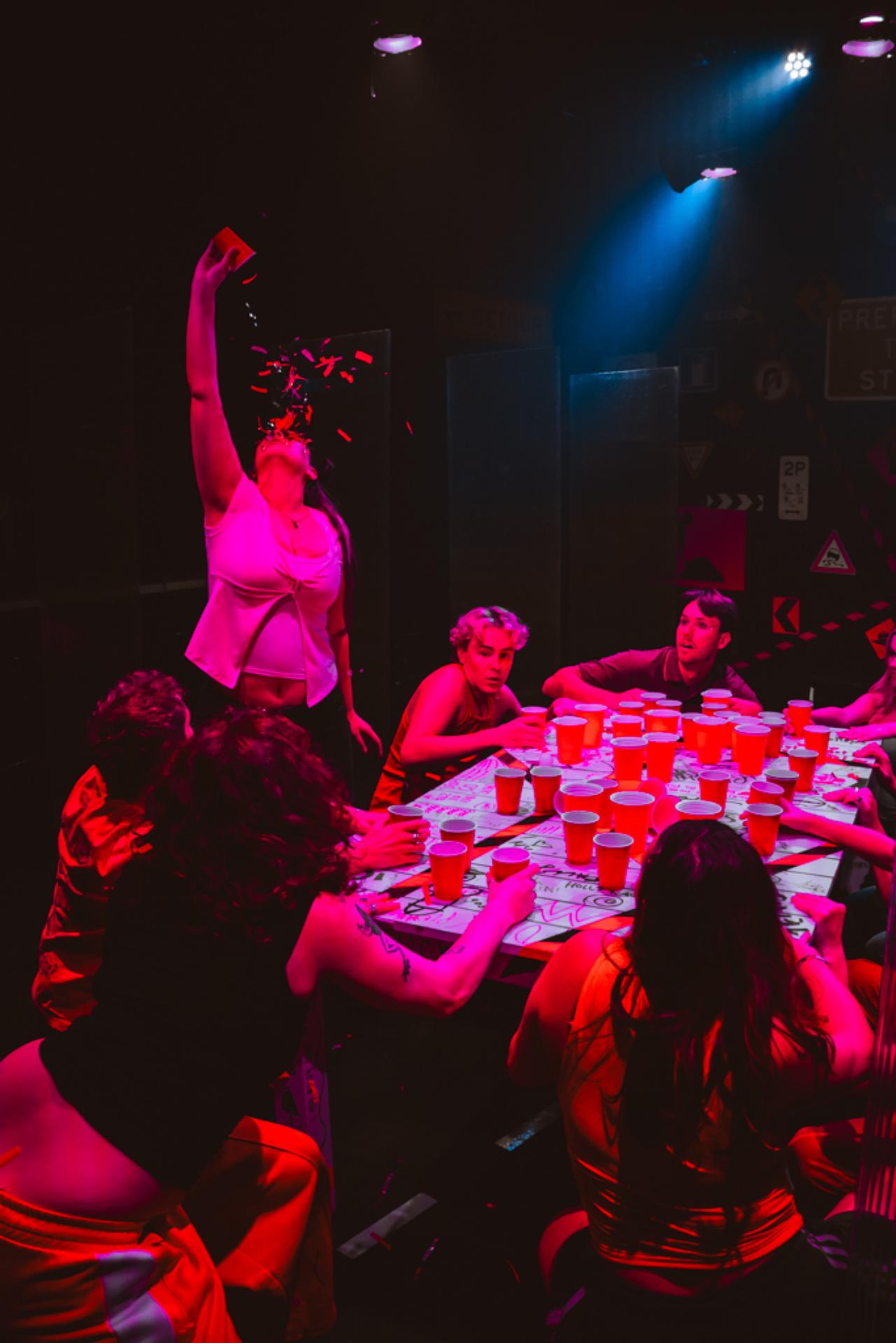
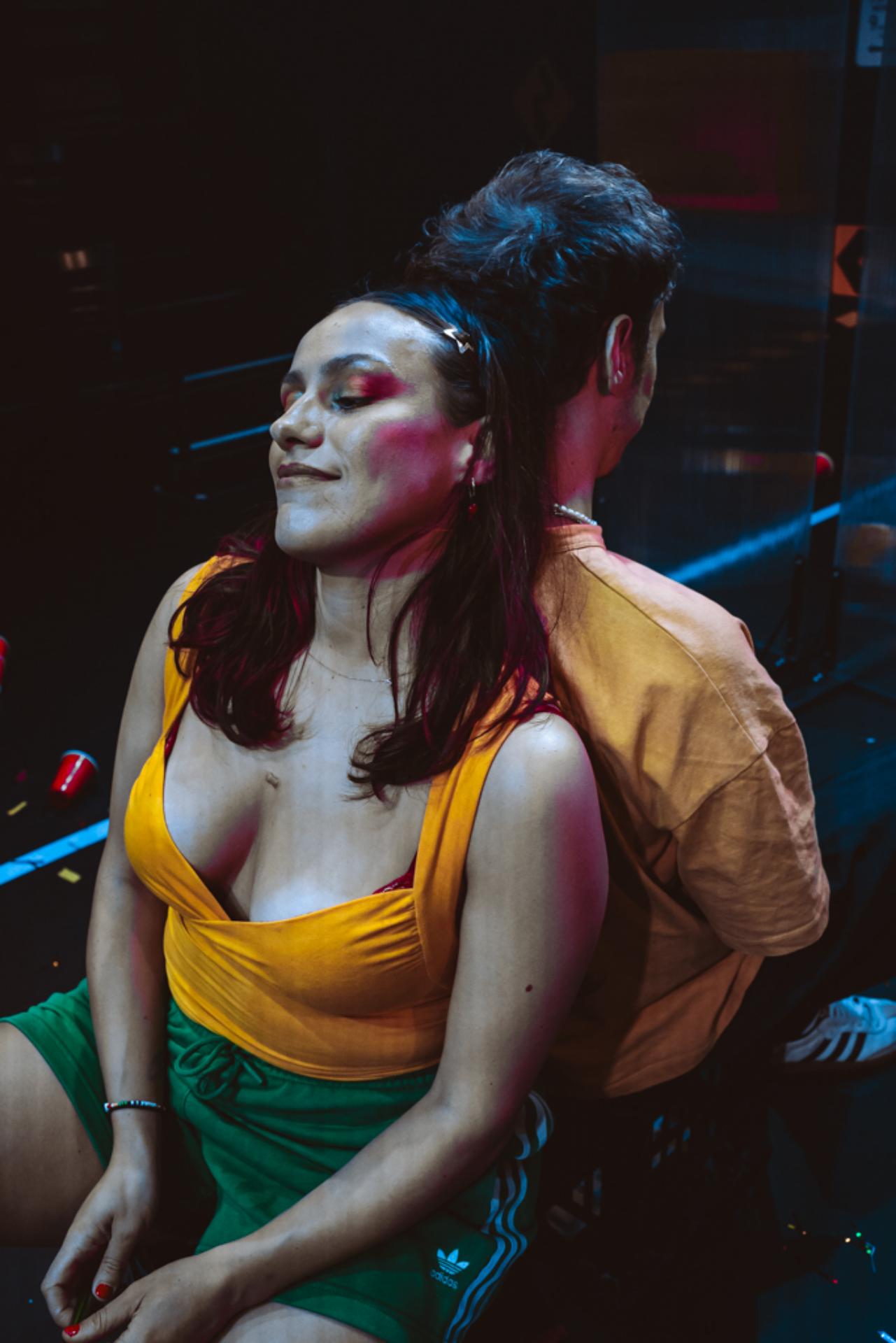
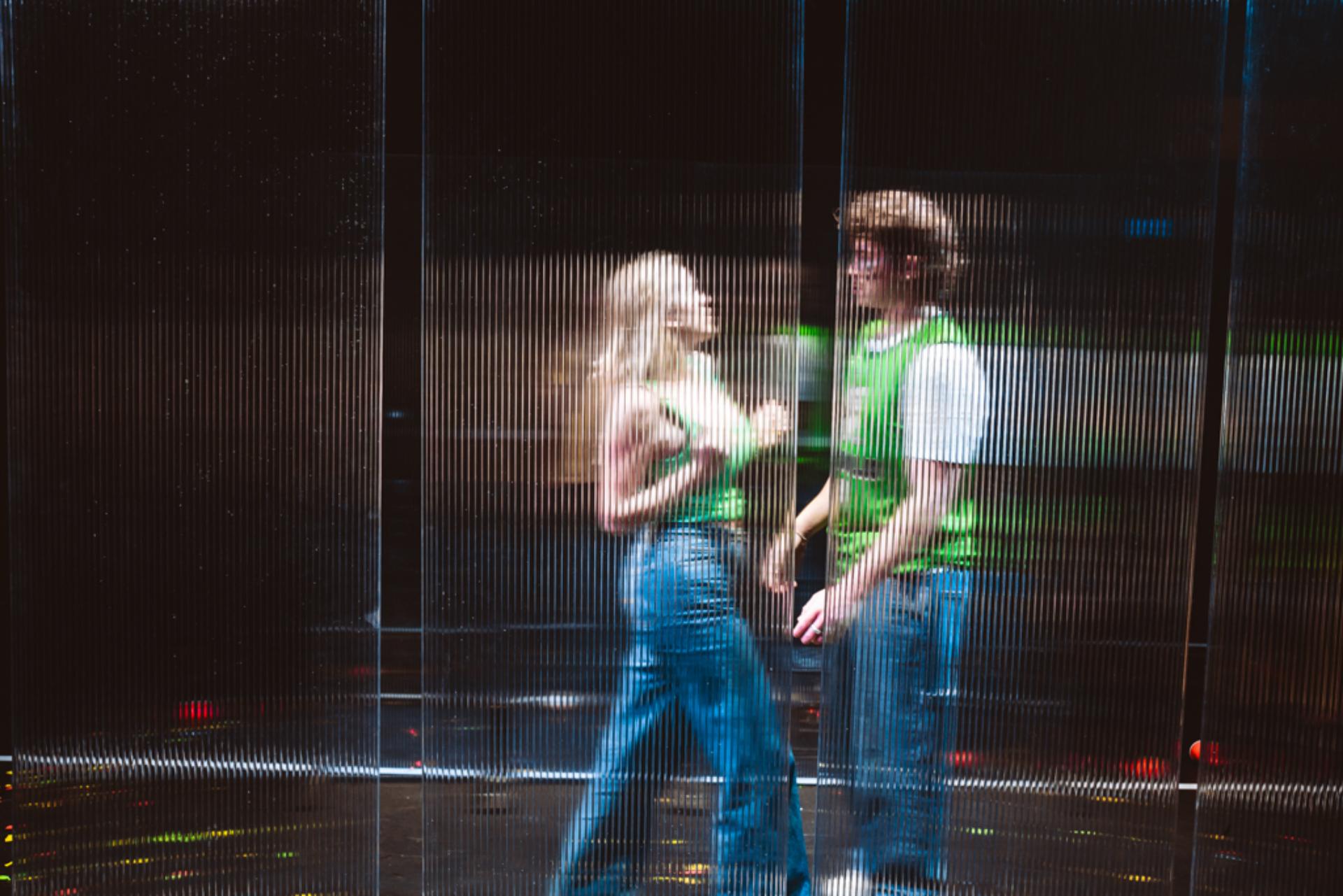
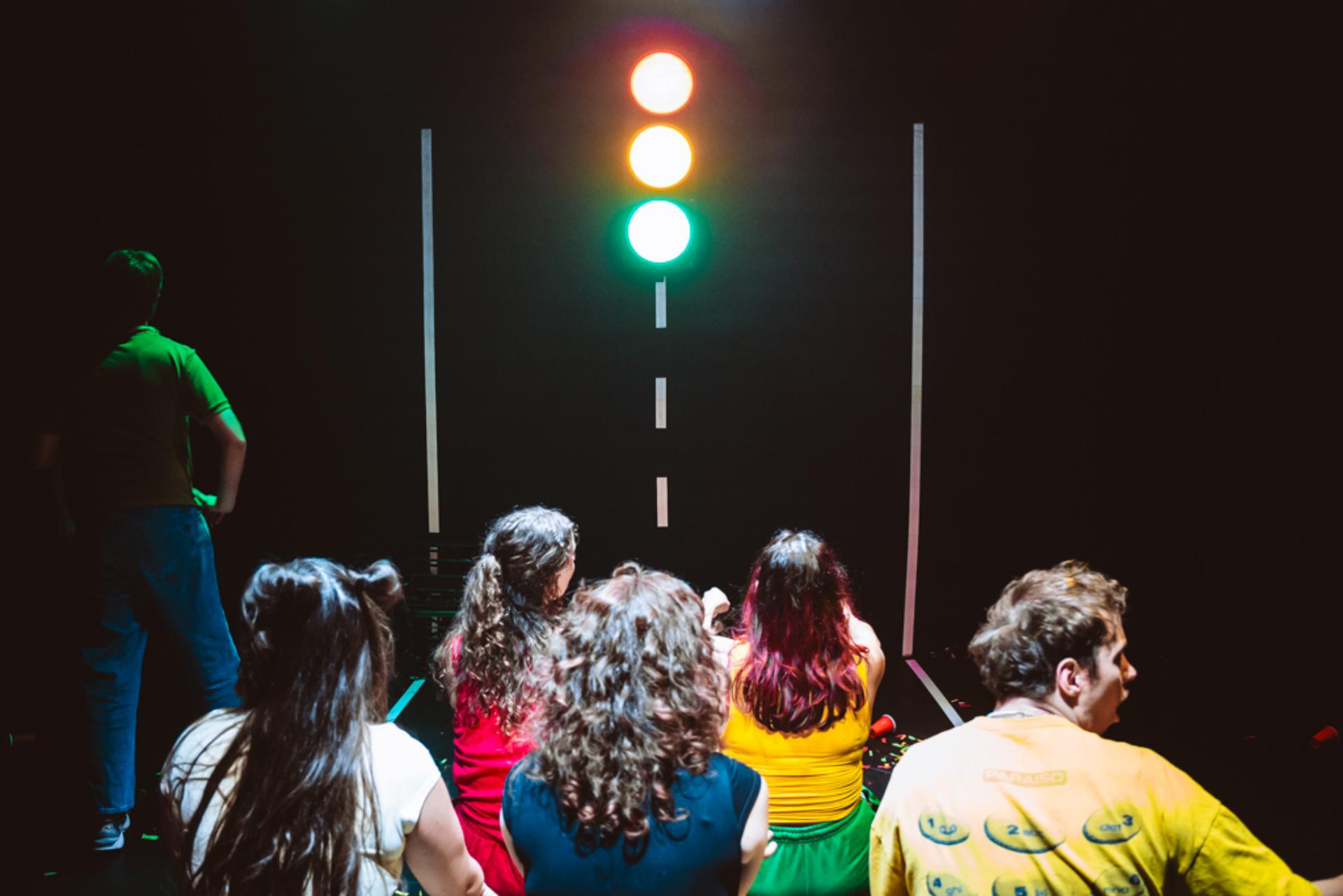
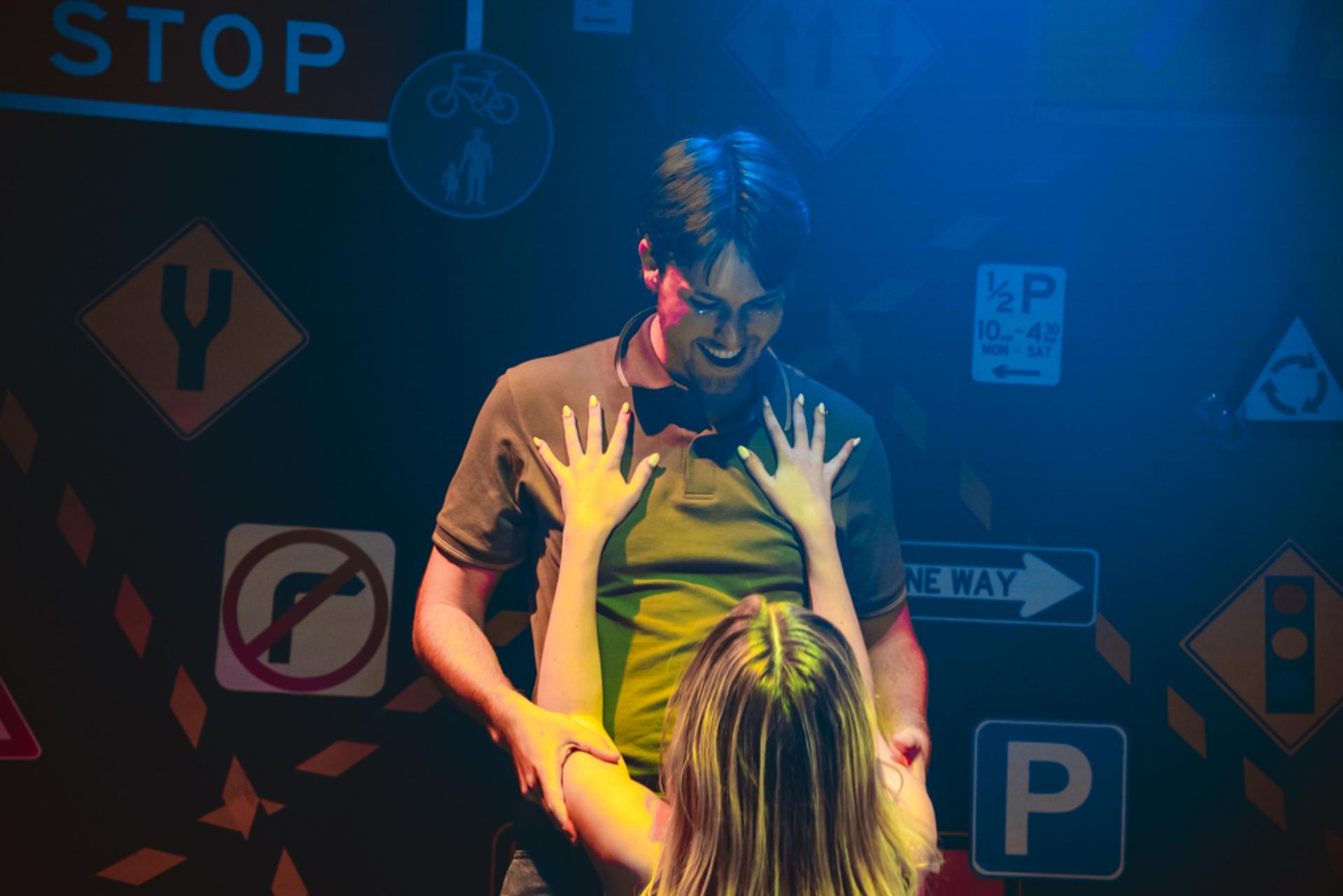
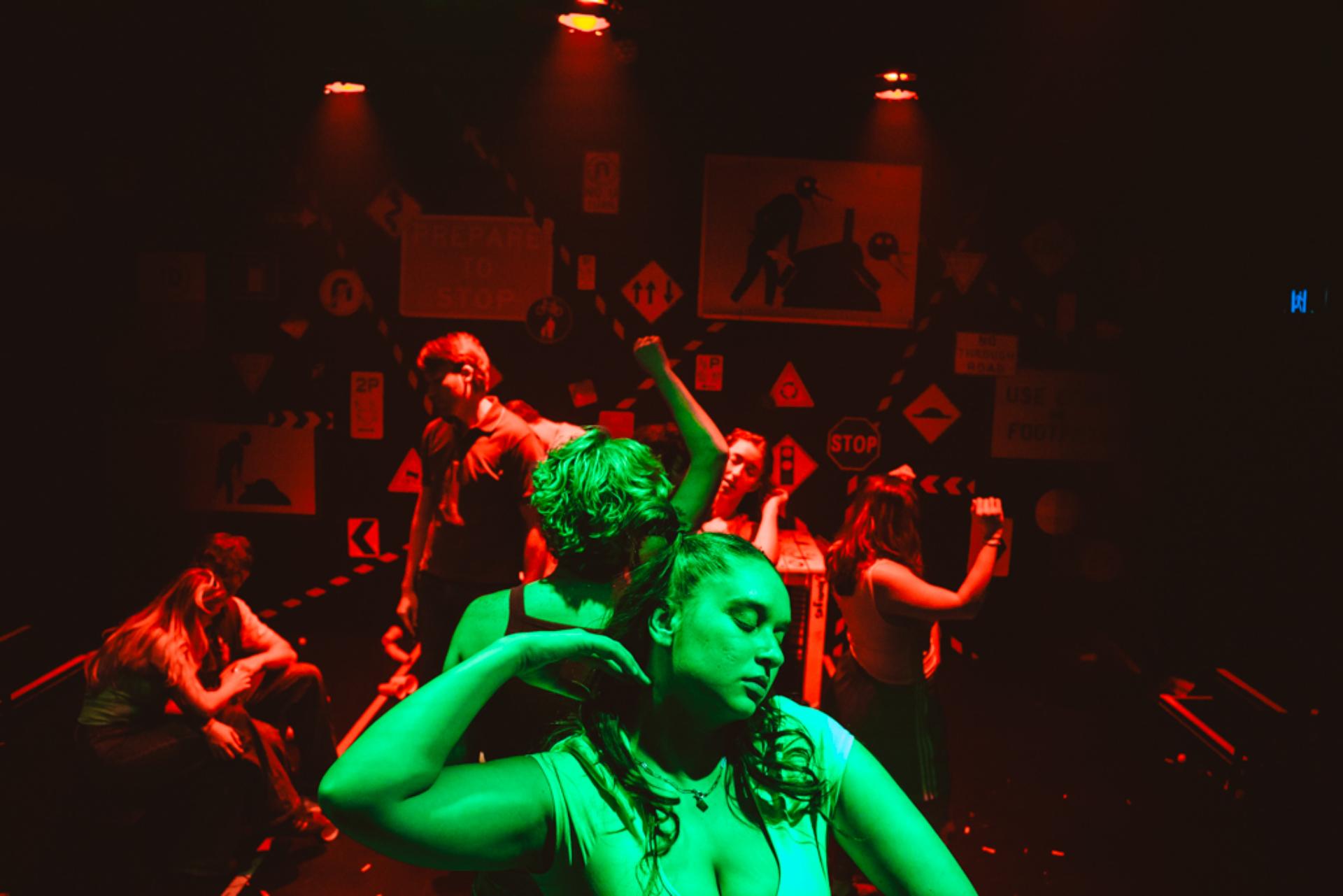
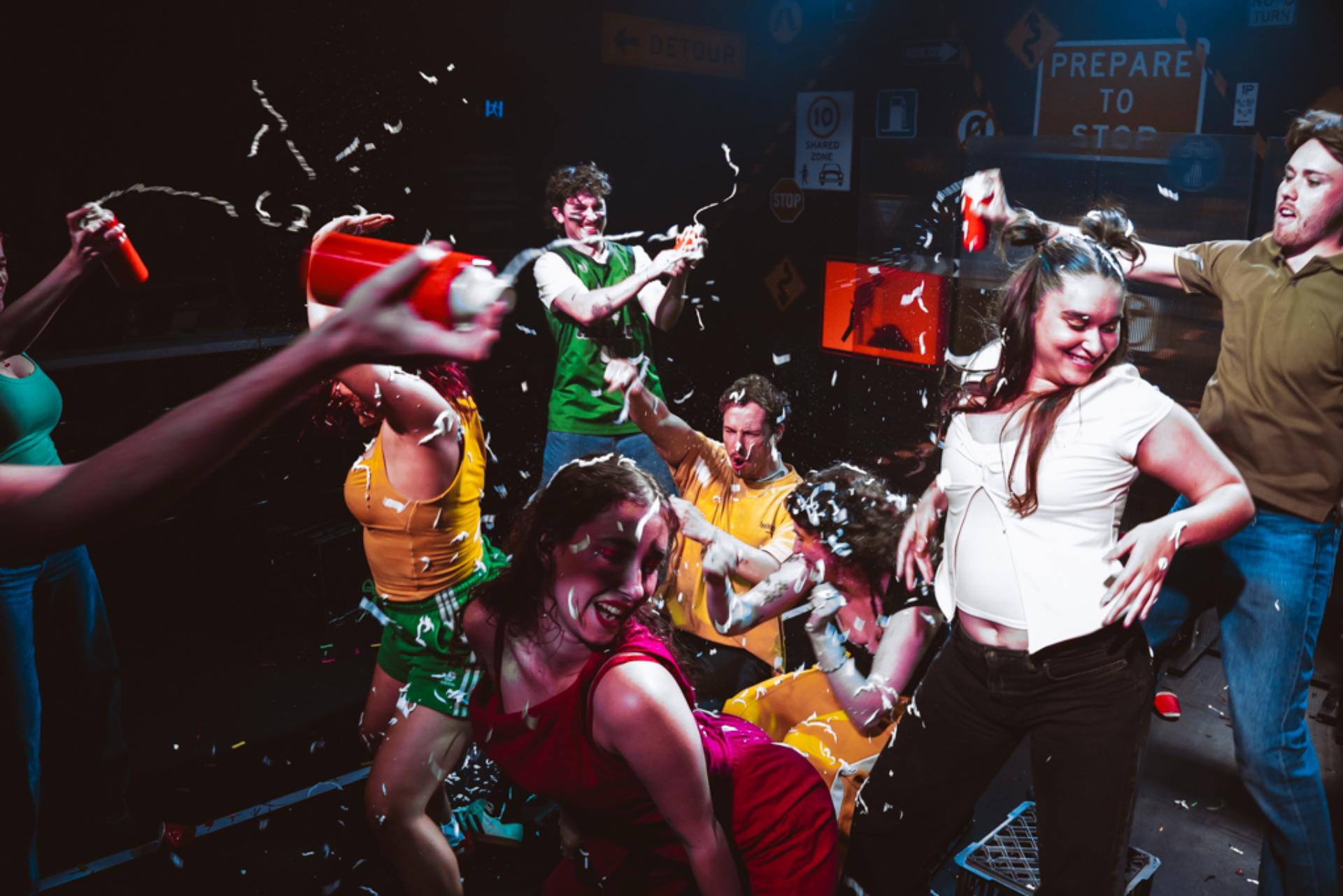
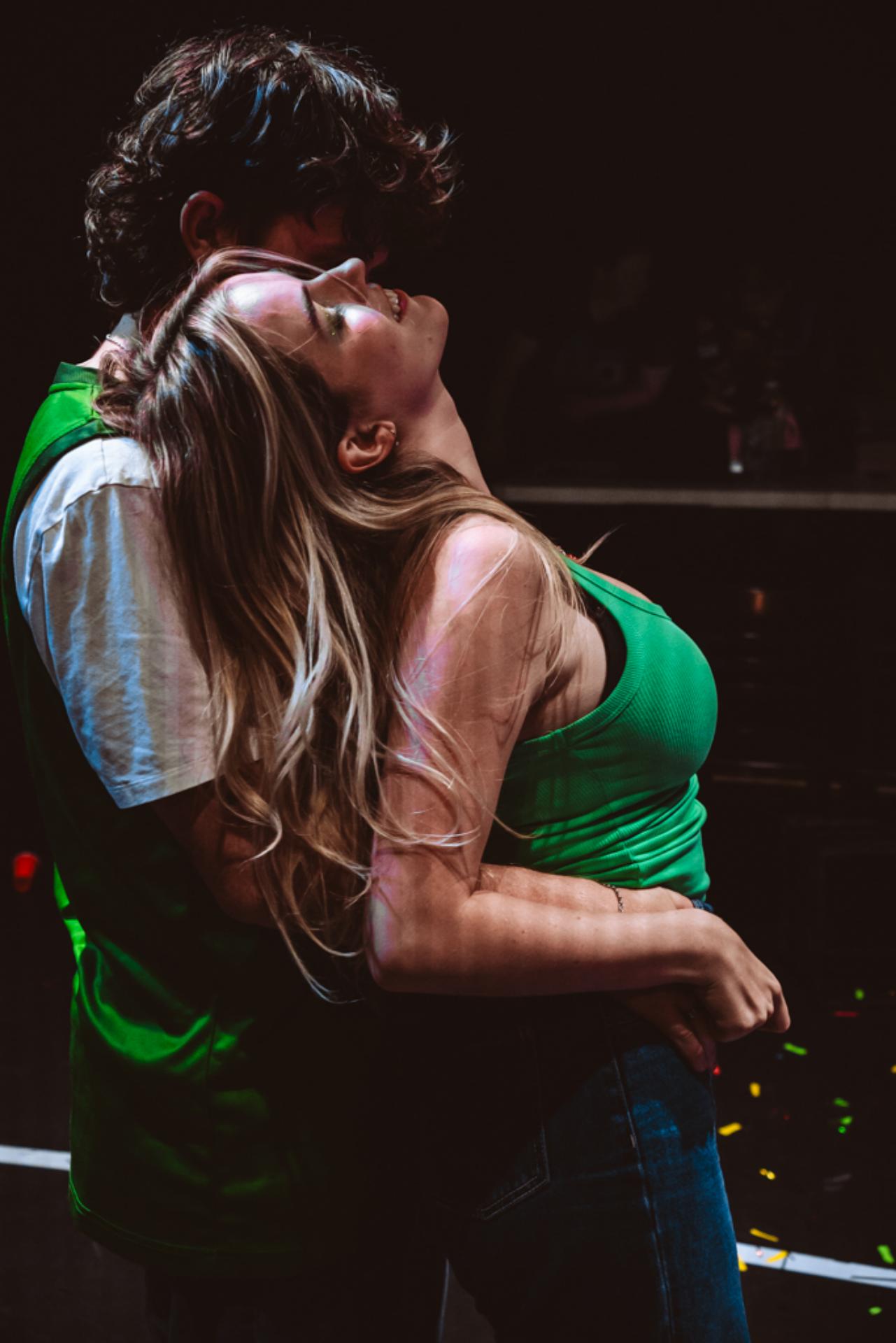
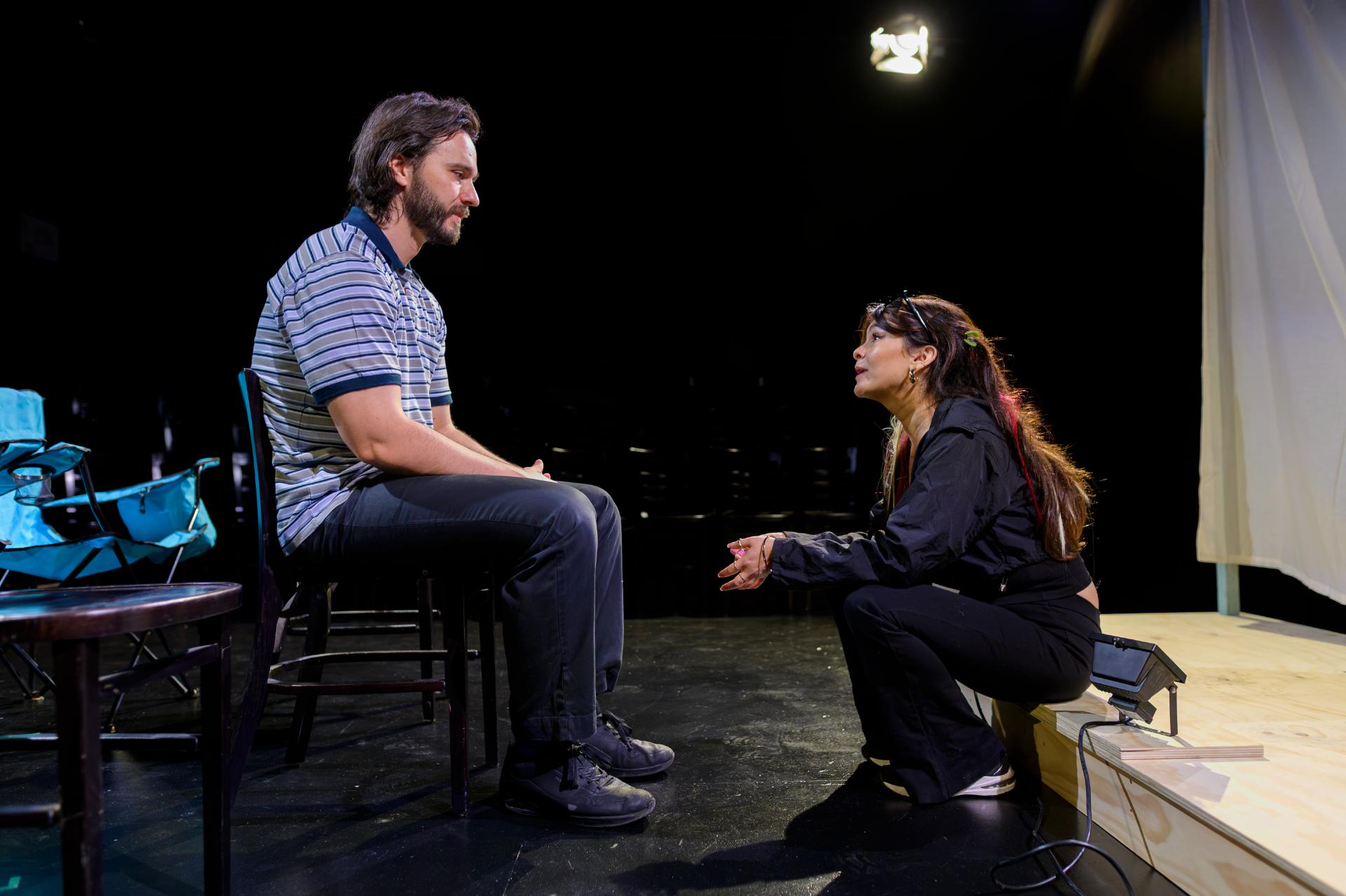
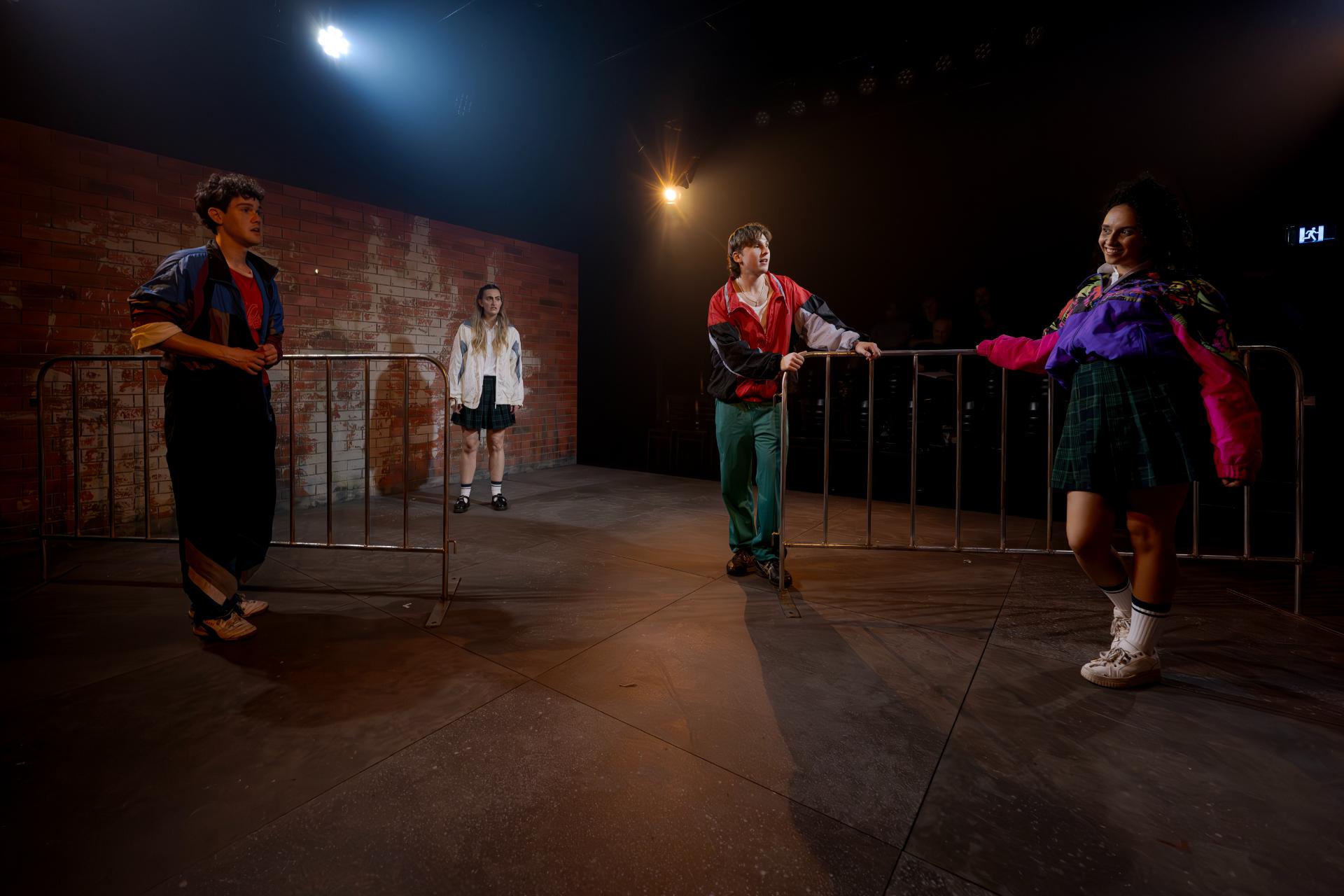
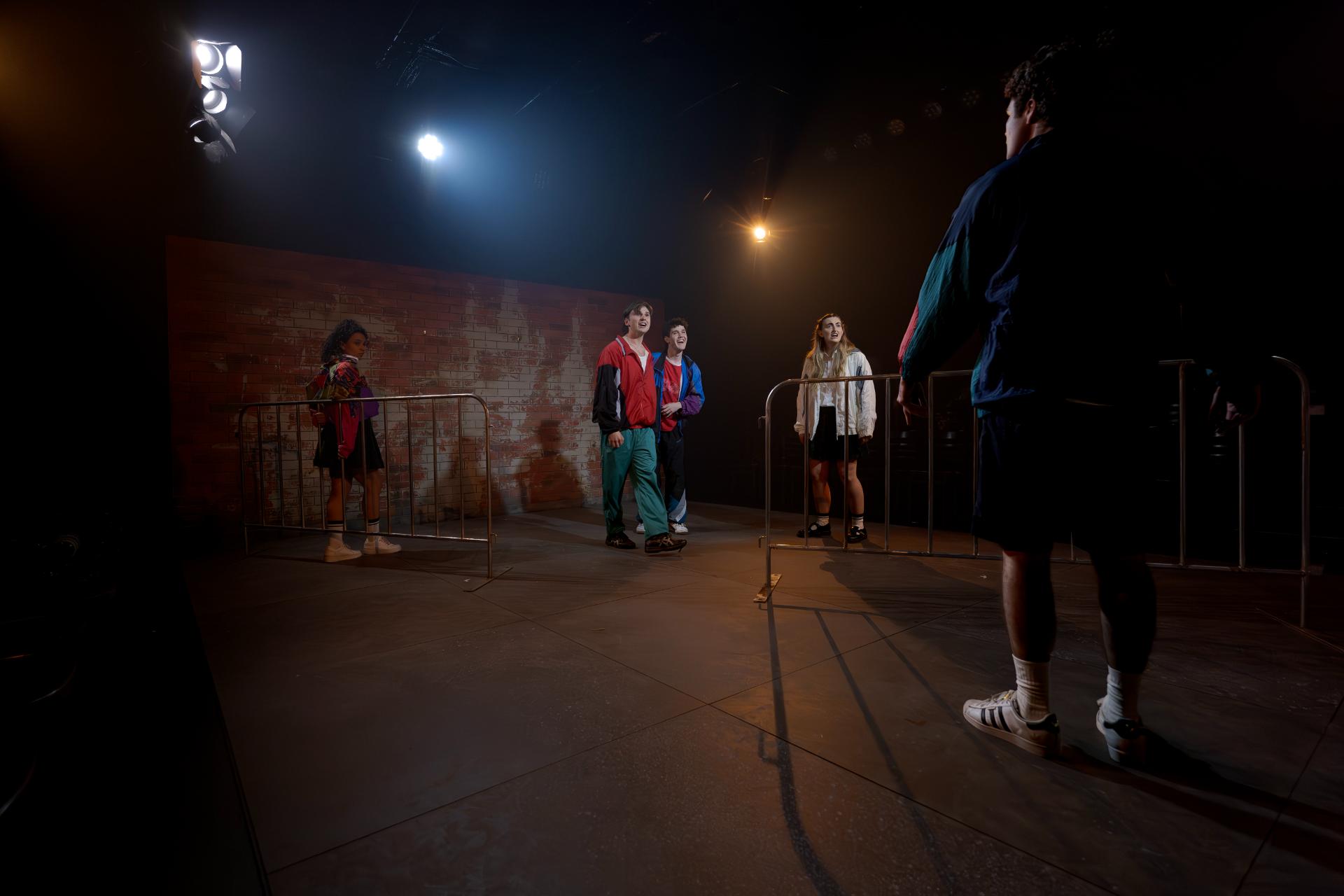
A group of young adults, only just emerging from adolescence, gather at a party where colour-coded clothing signals their relationship status. Izzy Azzopardi’s Traffic Light Party examines the ways we begin to conceptualise romantic connection at the earliest stages of adulthood. Newly confronting the world as independent individuals, they navigate a landscape shaped by inherited assumptions, prescribed values, and imagined futures. The work suggests that genuine understanding of love cannot be taught or pre-empted; it can only be earned by moving through the many surprises, missteps, and revelations that inevitably accompany the first real encounters with intimacy and desire.
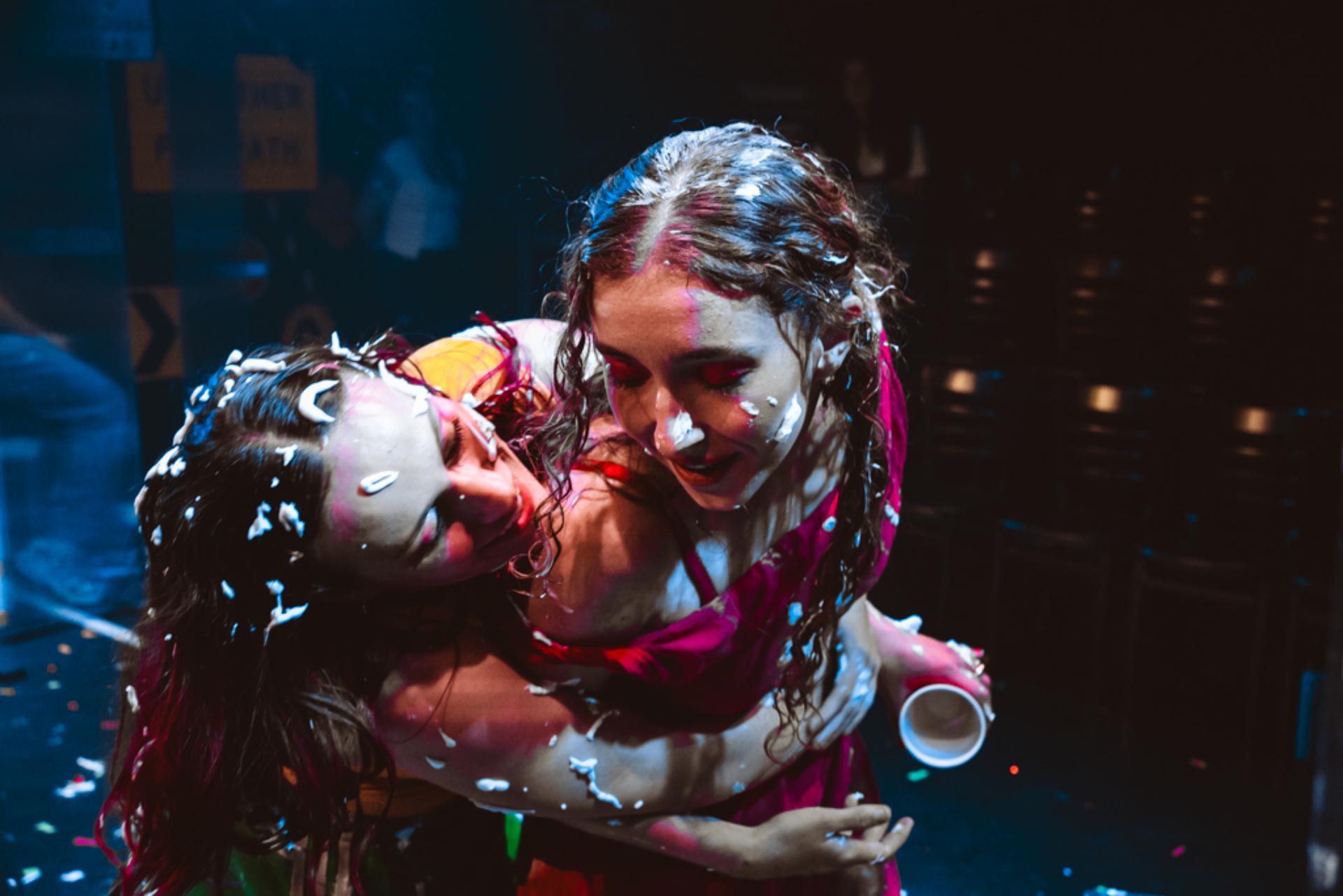
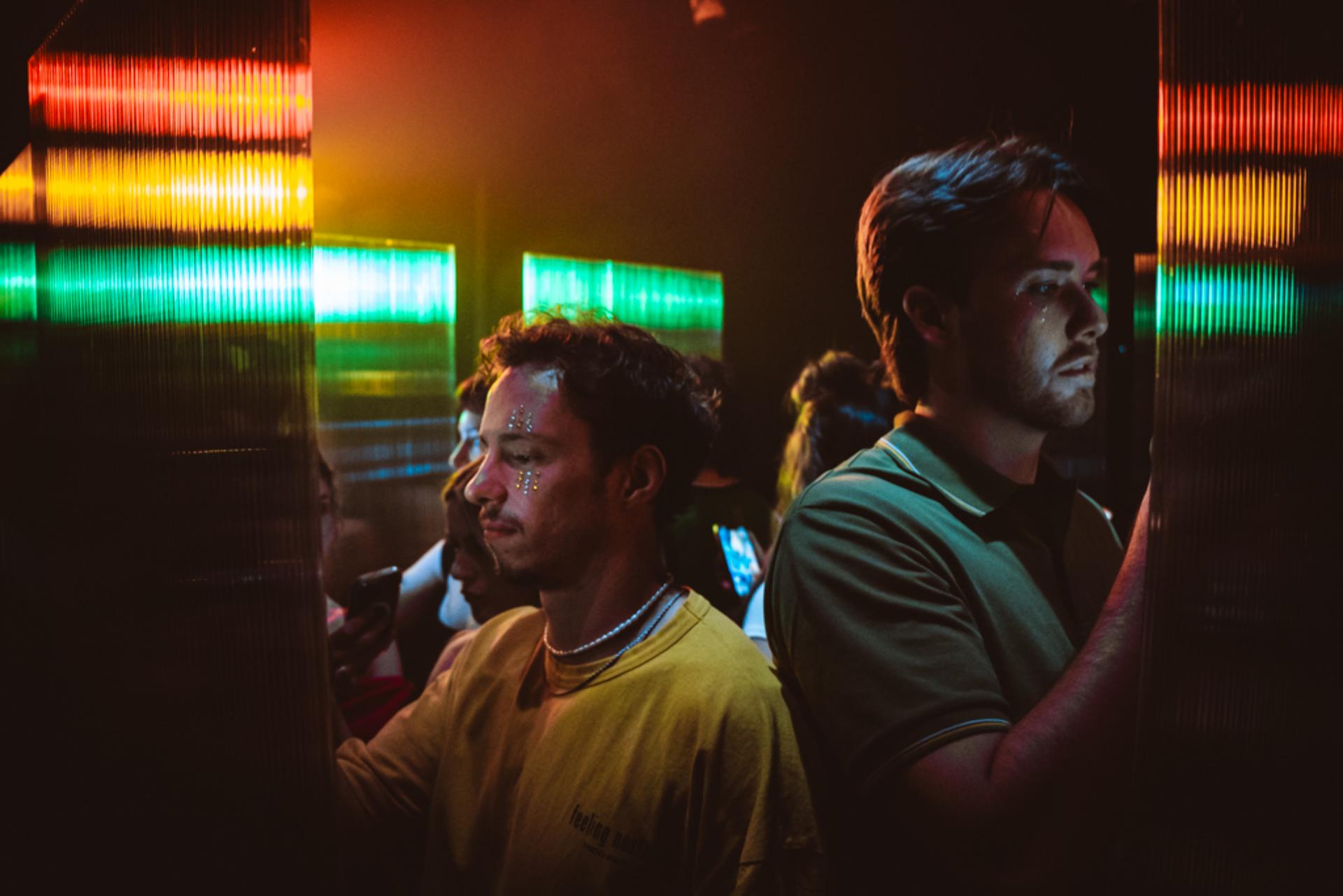
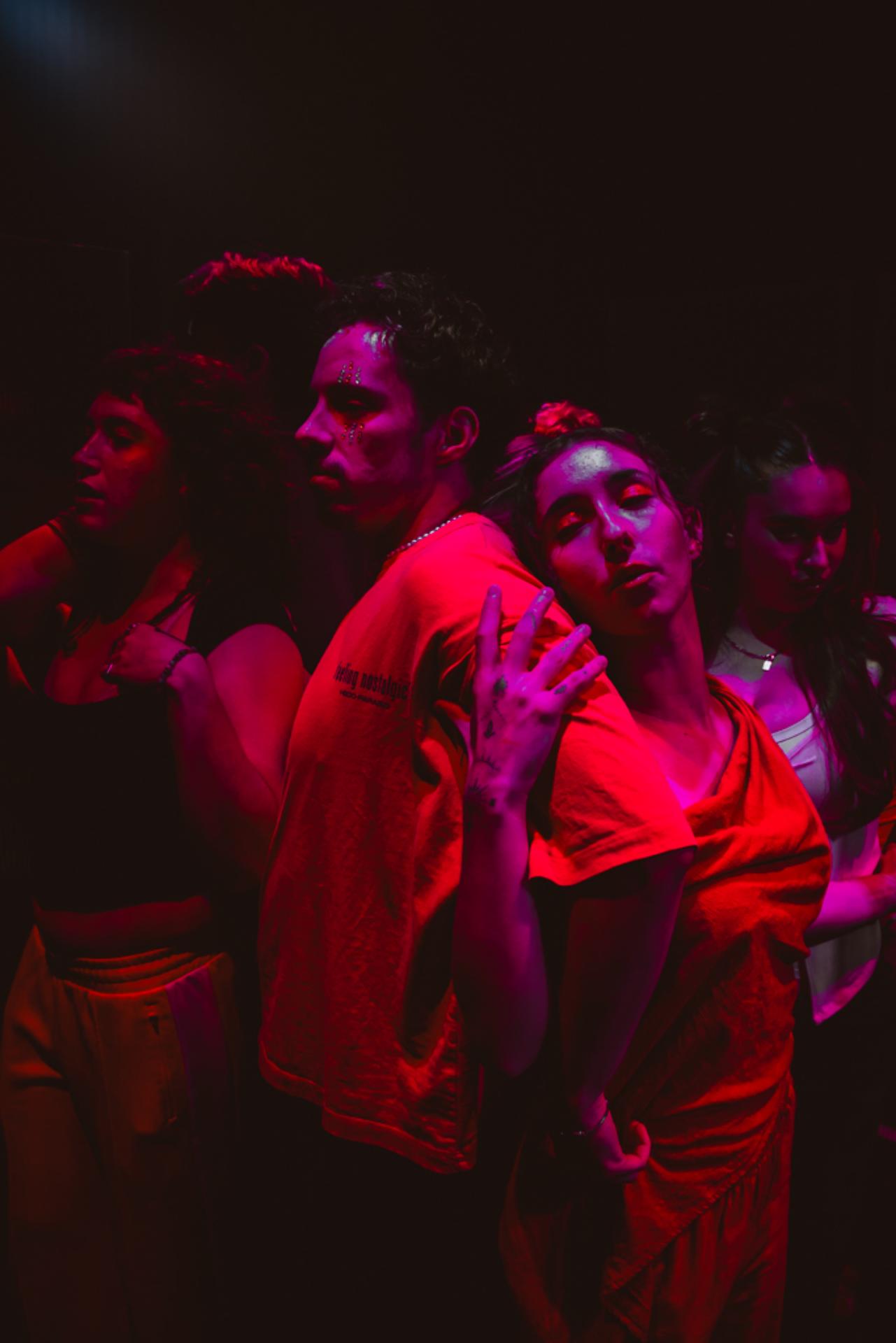
Azzopardi’s writing is marked by an unmistakable honesty, and while it is evident that considerable thought underpins the text, not all of its ideas fully cohere into sophistication or depth. Direction by Brea Macey, however, provides meaningful elevation, infusing the work with admirable kineticism and a consistently striking visual language. Holly Nesbitt’s lighting design brings further dynamism, drawing on the story’s central motif to play expansively with colour and with ideas of transformation. The nine-strong cast performs with total commitment, their buoyant energy commanding attention in every moment, whether dramatic or comic.

The heart wants what the heart wants, yet it is often the very force that leads us into our deepest trouble. There is, perhaps, dignity in enduring profound heartache when it is born of genuine longing. But to suffer those same wounds as the cost of obedience — of contorting oneself to fit expectations or to follow rules that were never meant to serve you — is a lesson most eventually recognise as a particularly hollow kind of folly.

Review: A Chinese Christmas 给我婆婆的情书 (KXT on Broadway)

Venue: KXT on Broadway (Ultimo NSW), Dec 10 – 20, 2025
Playwright: Trent Foo
Director:
Monica Sayers
Cast: Trent Foo, Jolin Jiang, Tiang Lim
Images by Robert Miniter

Theatre review
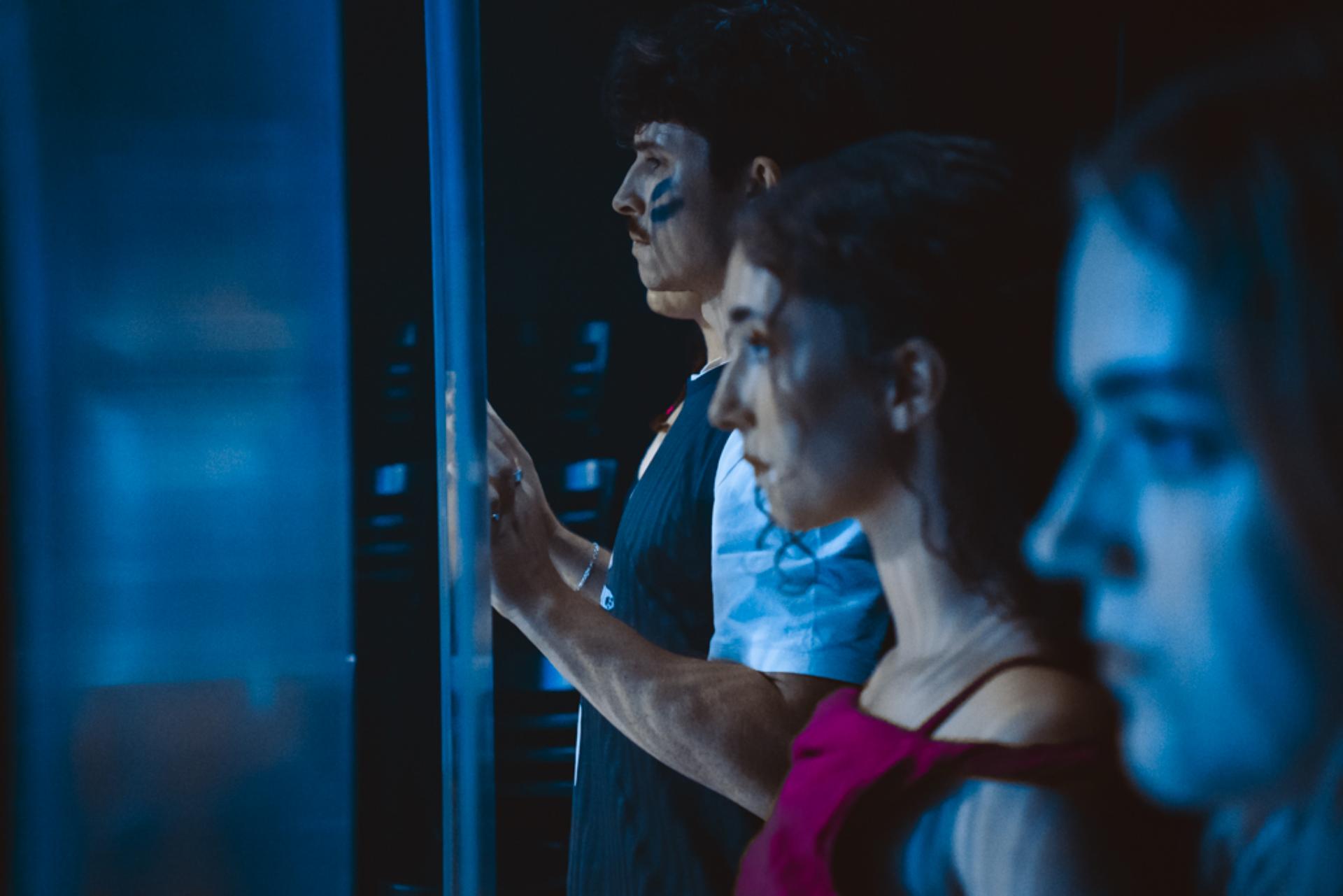
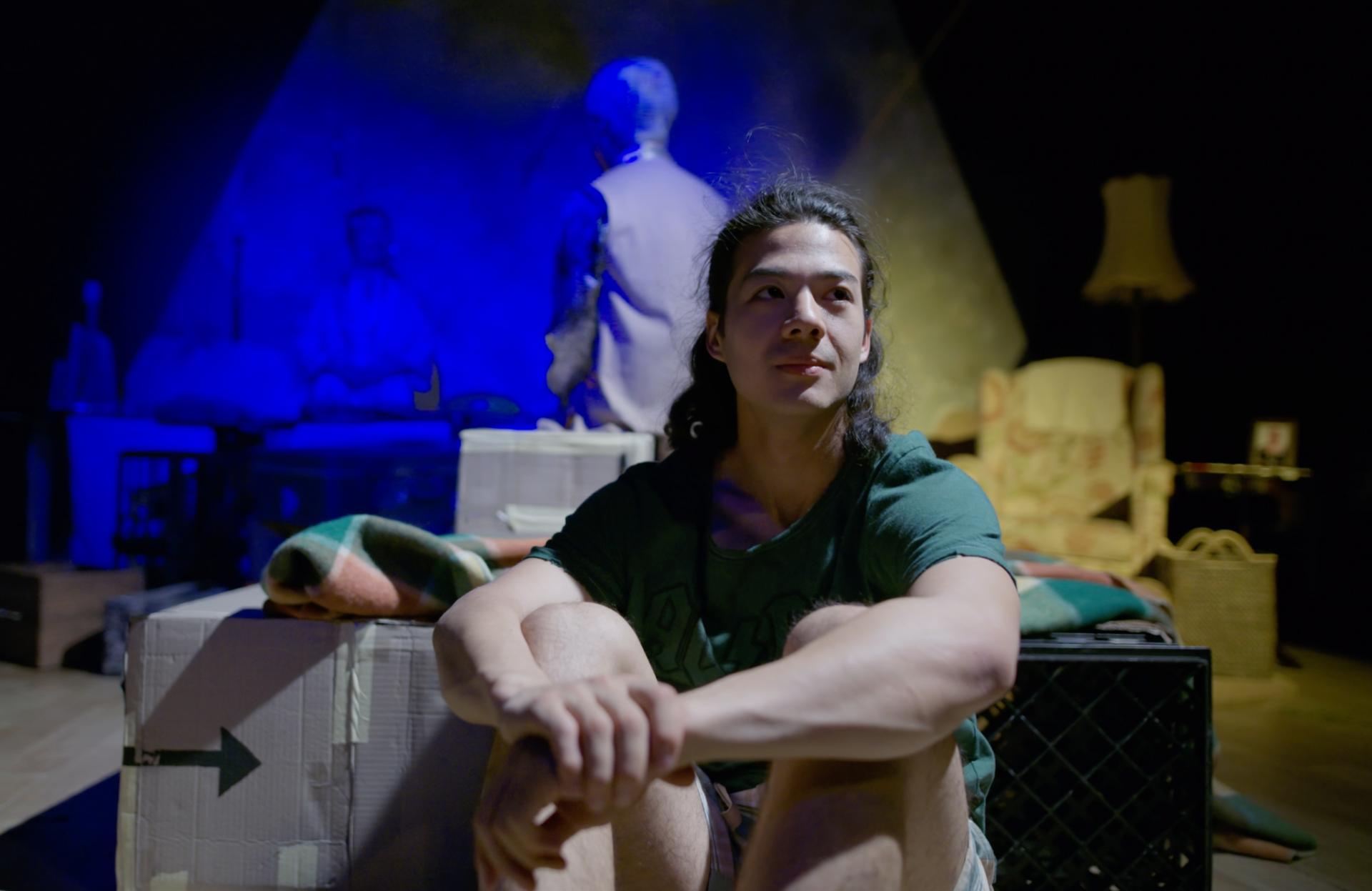
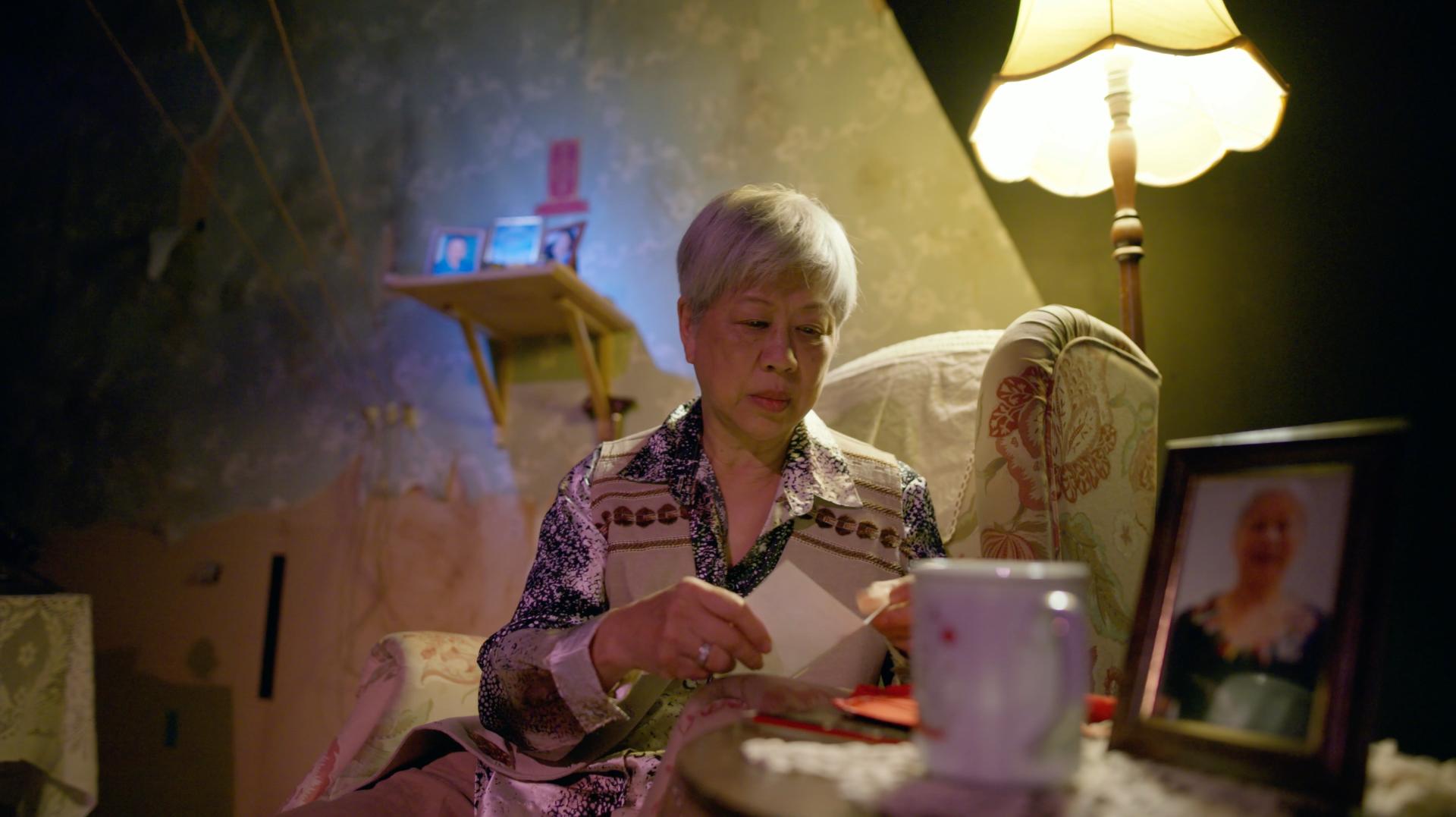
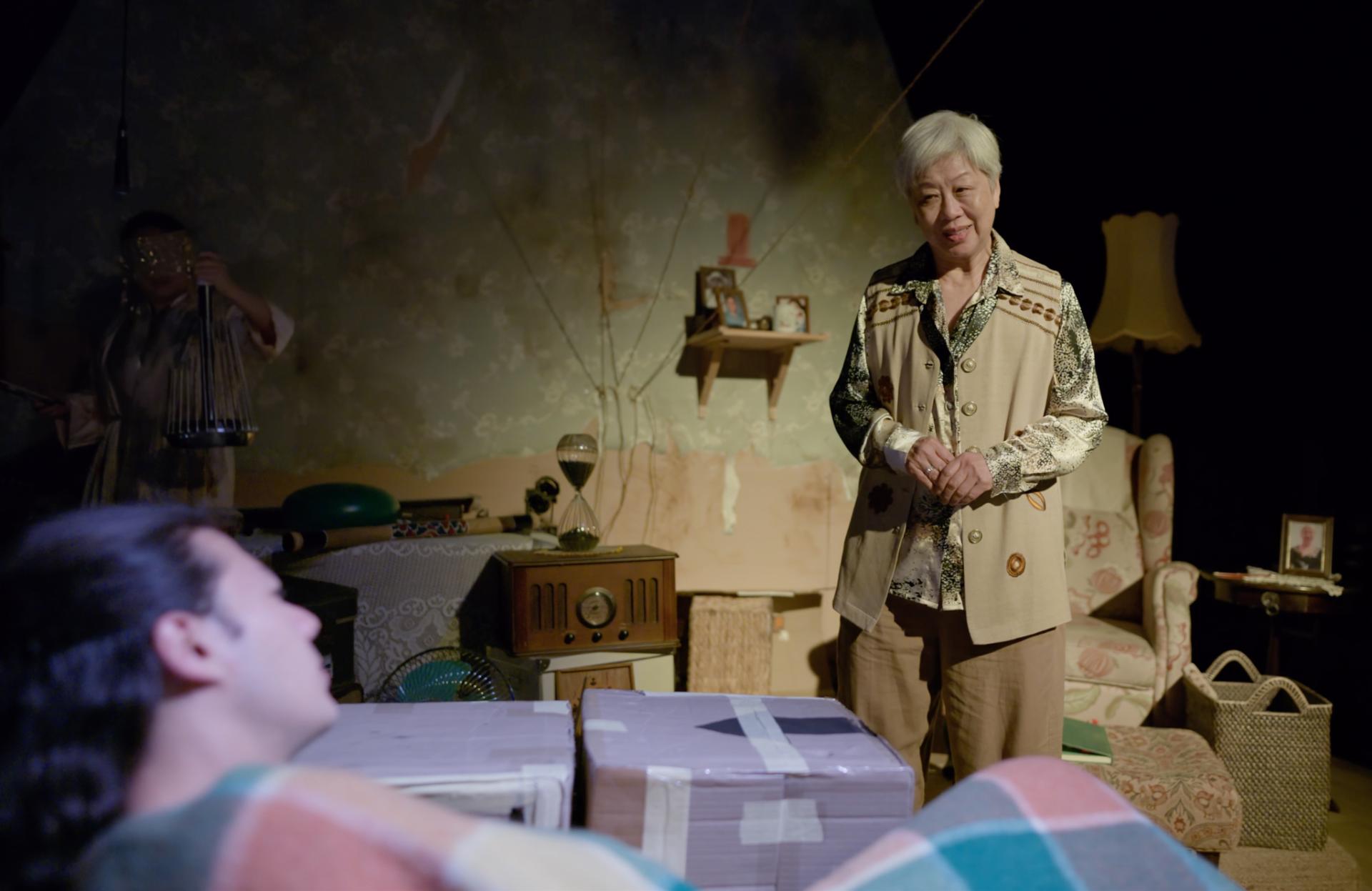
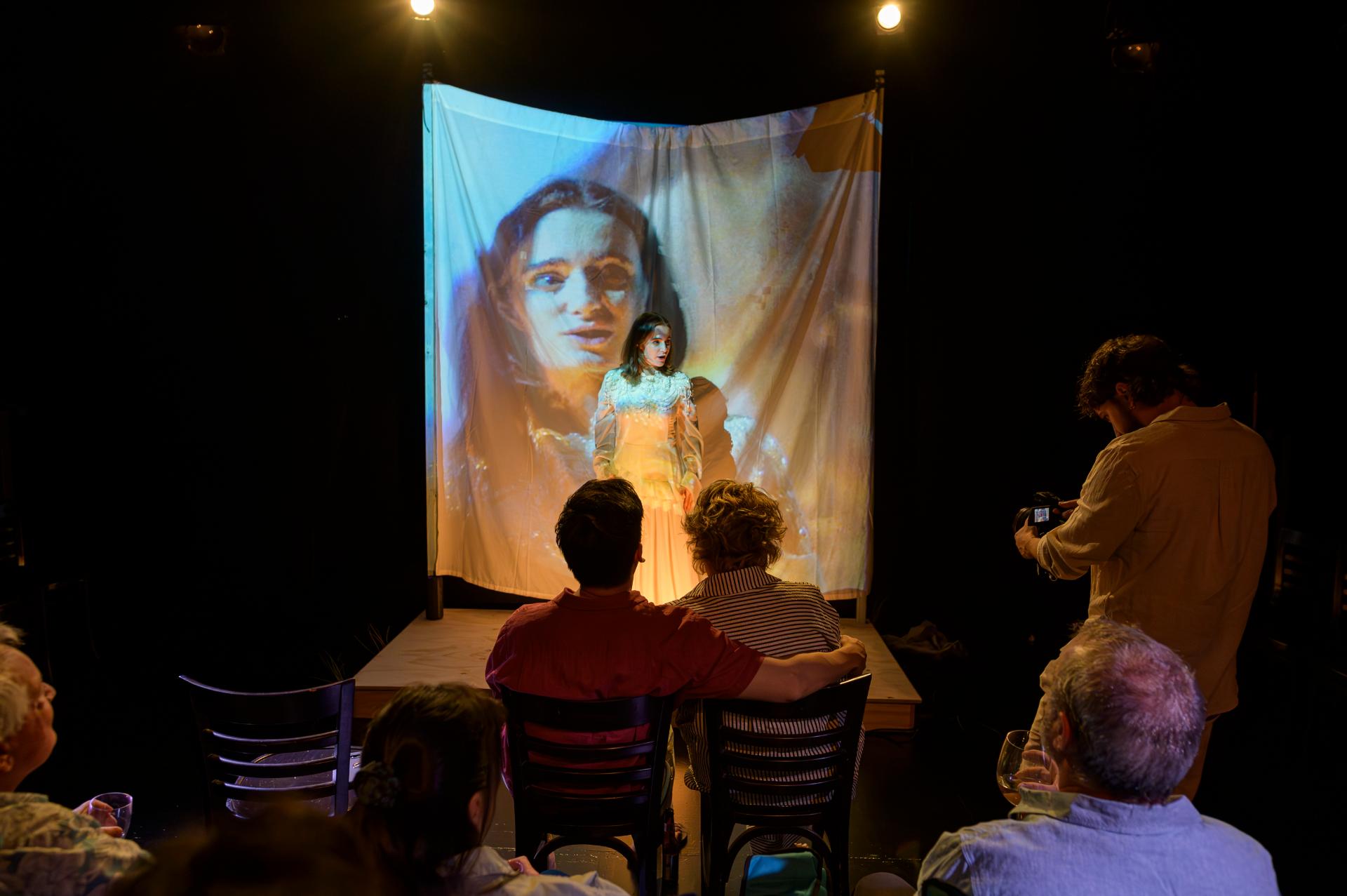
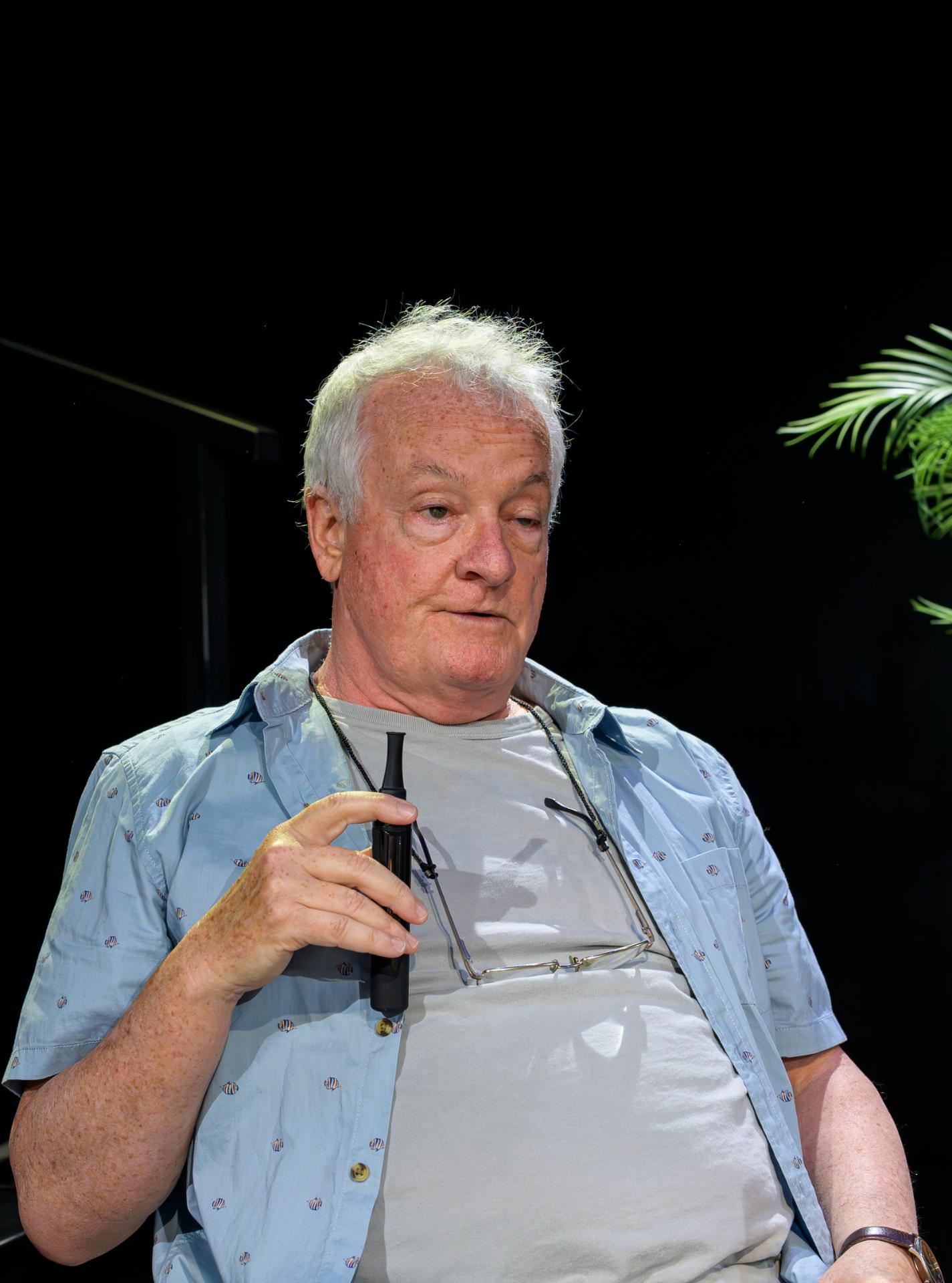
It is Christmastime, and Heeba finds himself tasked with hosting the family’s annual celebration. In an effort to imbue the occasion with meaning beyond ritual and excess, he summons his Chinese ancestors—less as a supernatural flourish than as a means of interrogating what might truly make the season resonate, and of reflecting on his own sense of self at a moment when the holiday’s frivolity threatens to overwhelm its substance.

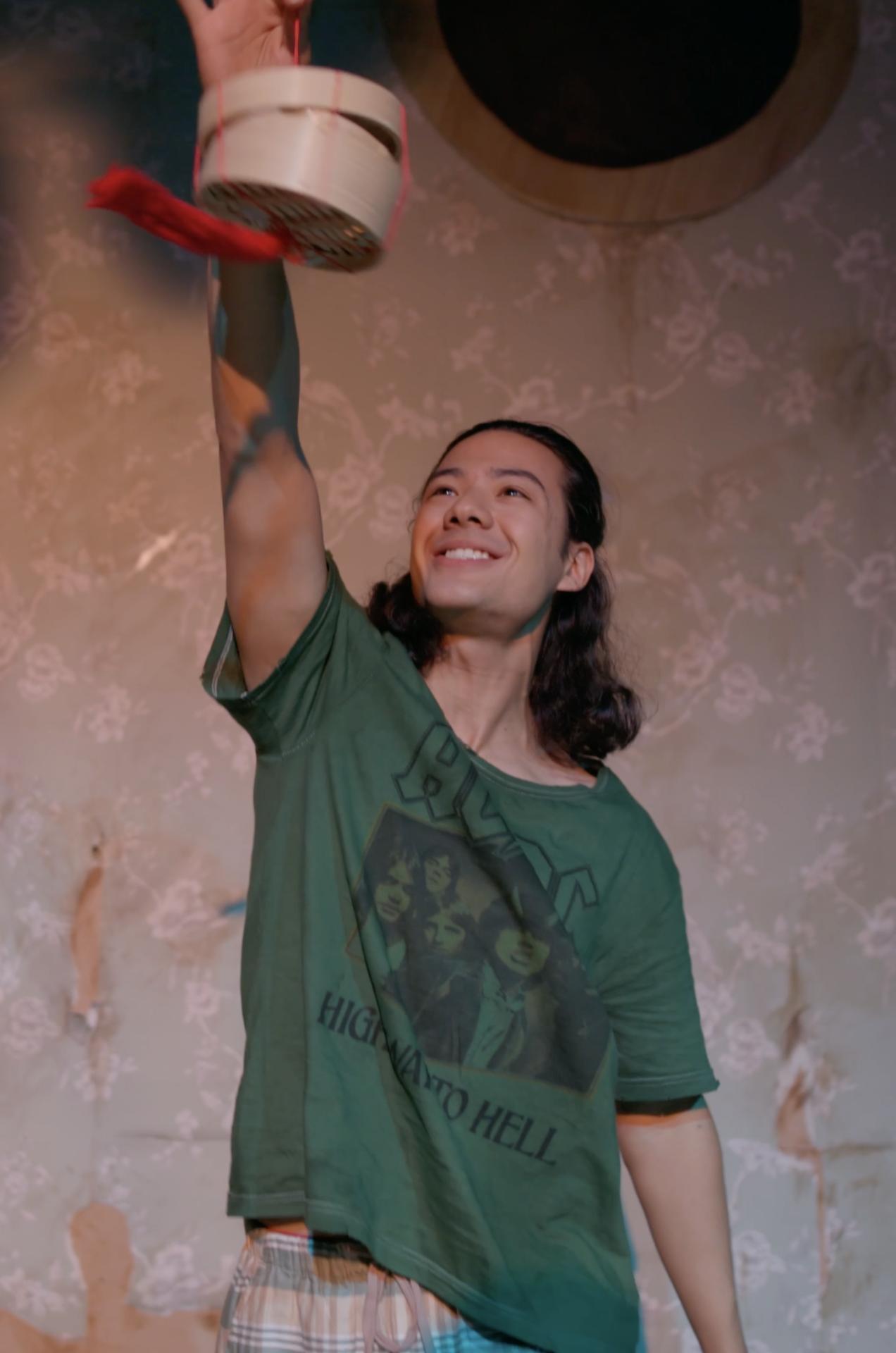
Trent Foo’s Dickens-inspired A Chinese Christmas is a vulnerable and tender offering, the work of a young artist searching for cultural anchorage within a milieu still stubbornly centred on whiteness. While the piece would benefit from a more cohesive and dynamically structured narrative, its gentle ruminations on heritage, belonging, and identity possess an undeniable charm, one that lingers well beyond the festive trappings.

Monica Sayers’ assured direction offers much to engage with, shaping a production that approaches its subject with striking honesty and humour. The work articulates, with sensitivity and clarity, the experience of existing in-between worlds, while reanimating traditional concepts in ways that feel newly resonant rather than merely inherited.

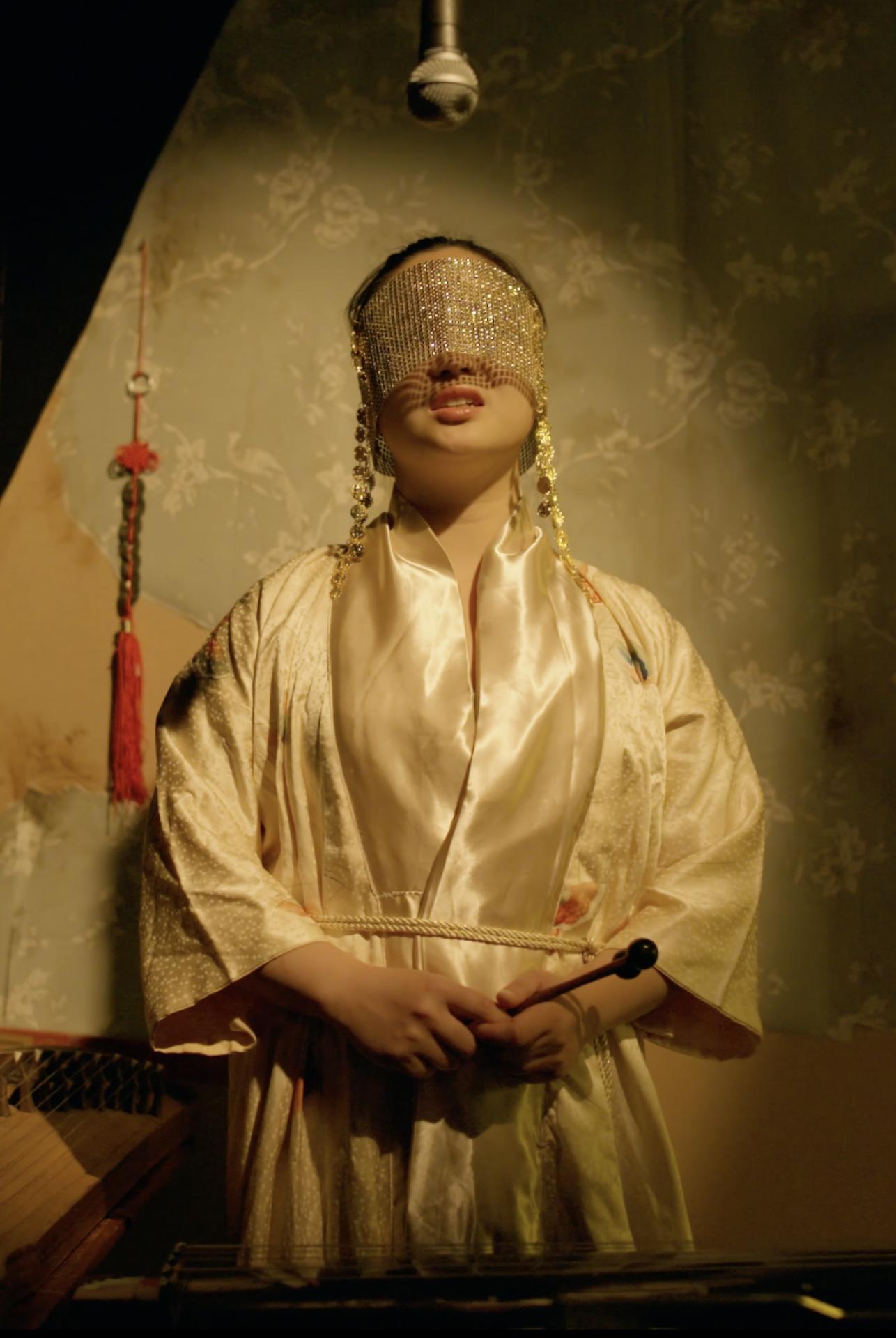
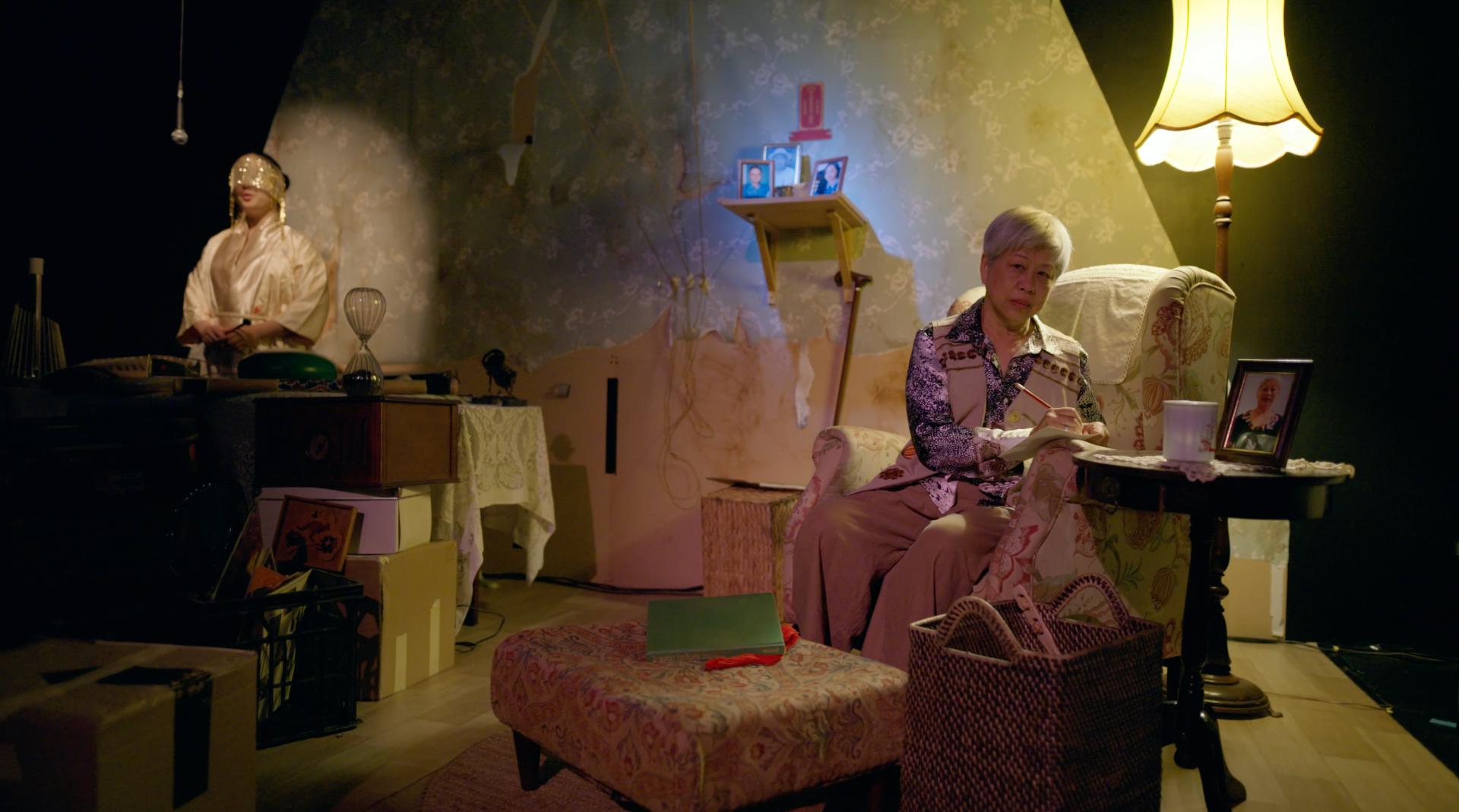
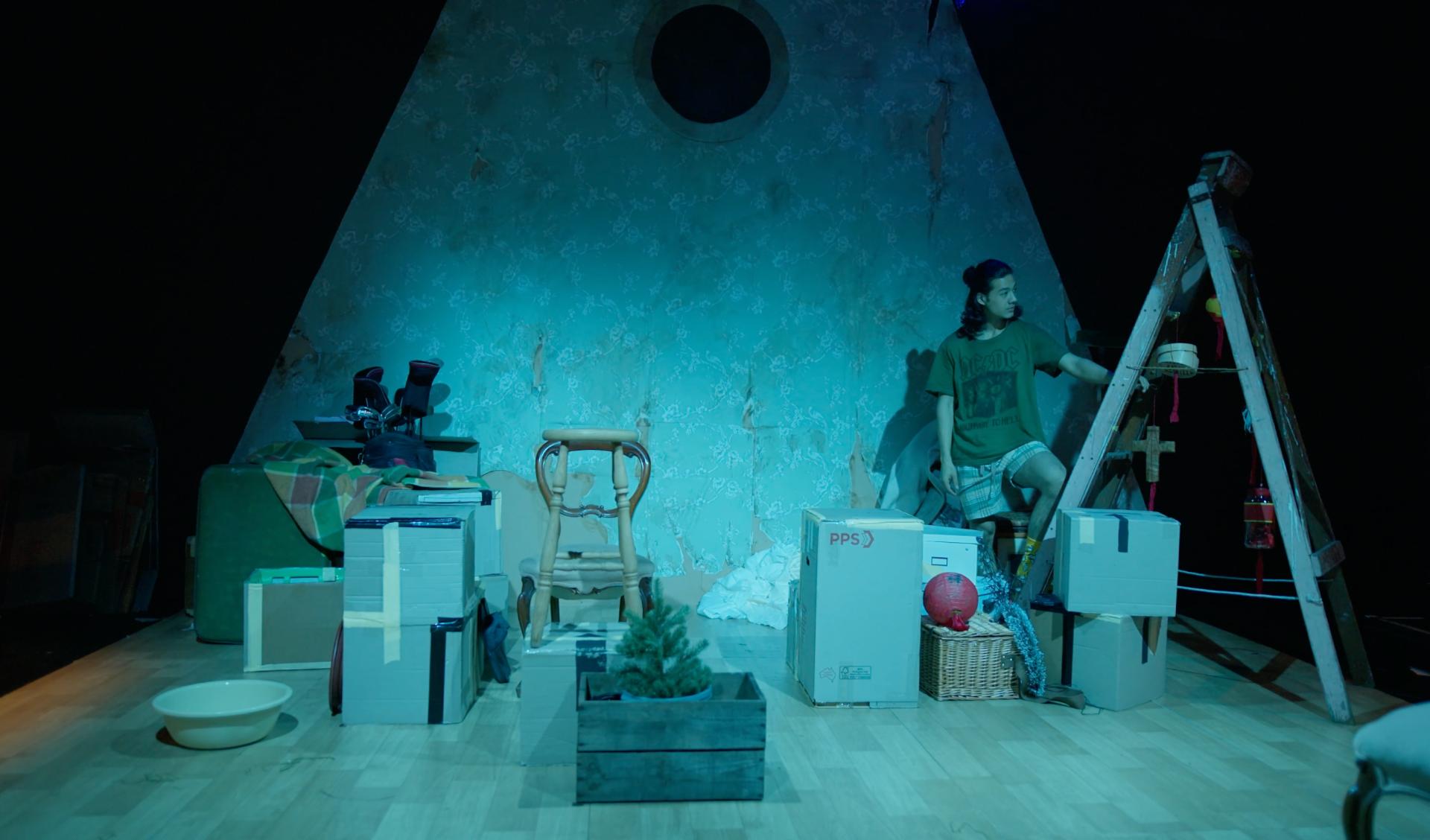
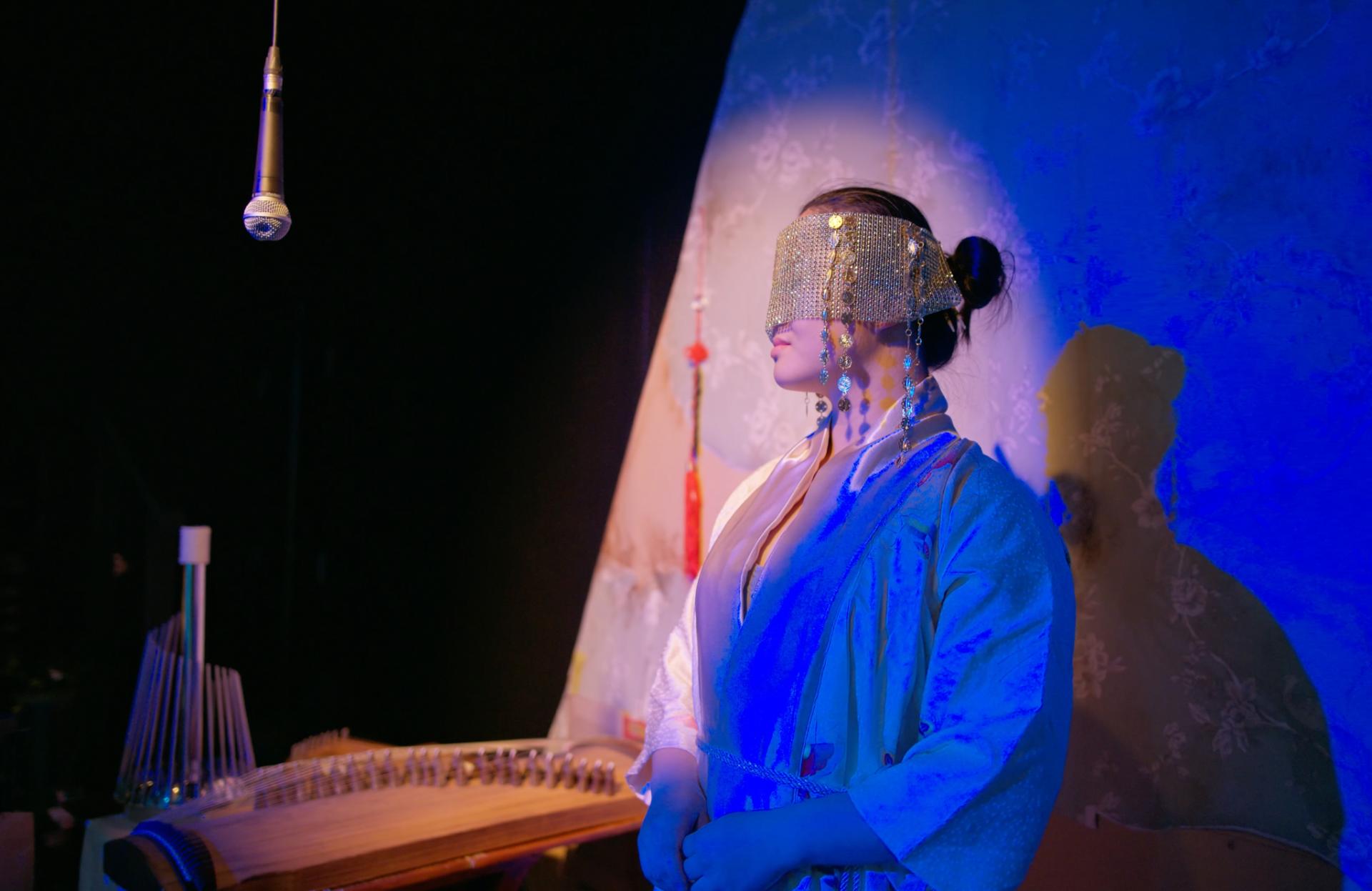
Amy Lane’s inventive set design situates the audience within a liminal realm, almost purgatorial in its effect, while Cat Mai’s lighting deepens the atmosphere, heightening the production’s ghostly, otherworldly qualities with deft theatricality. Equally accomplished is Jolin Jiang’s music and sound design, which balances the ethereal with a distinct sense of Chineseness with notable finesse, enriching the experience through textures and tones too often flattened or dismissed as simply “foreign.”

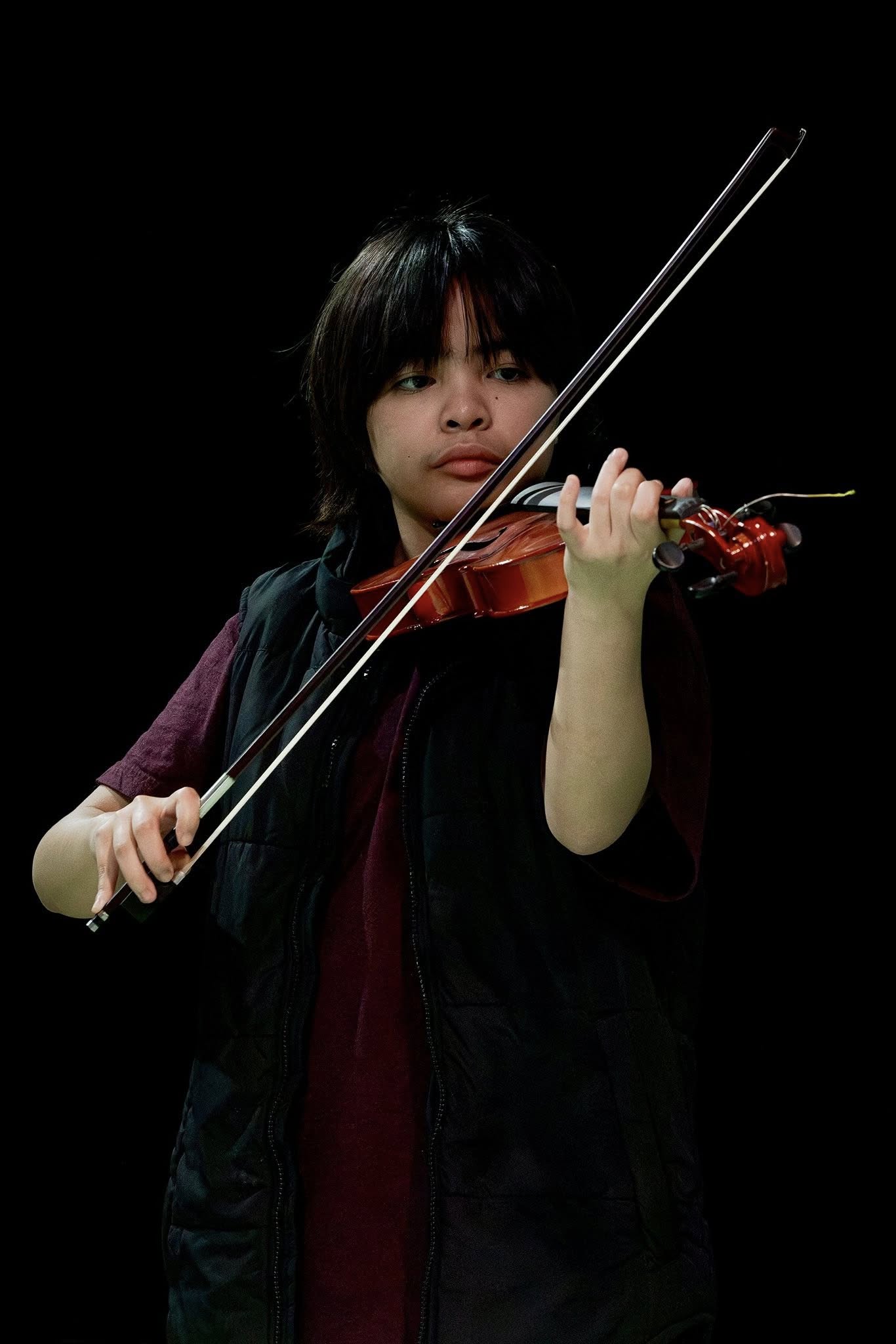
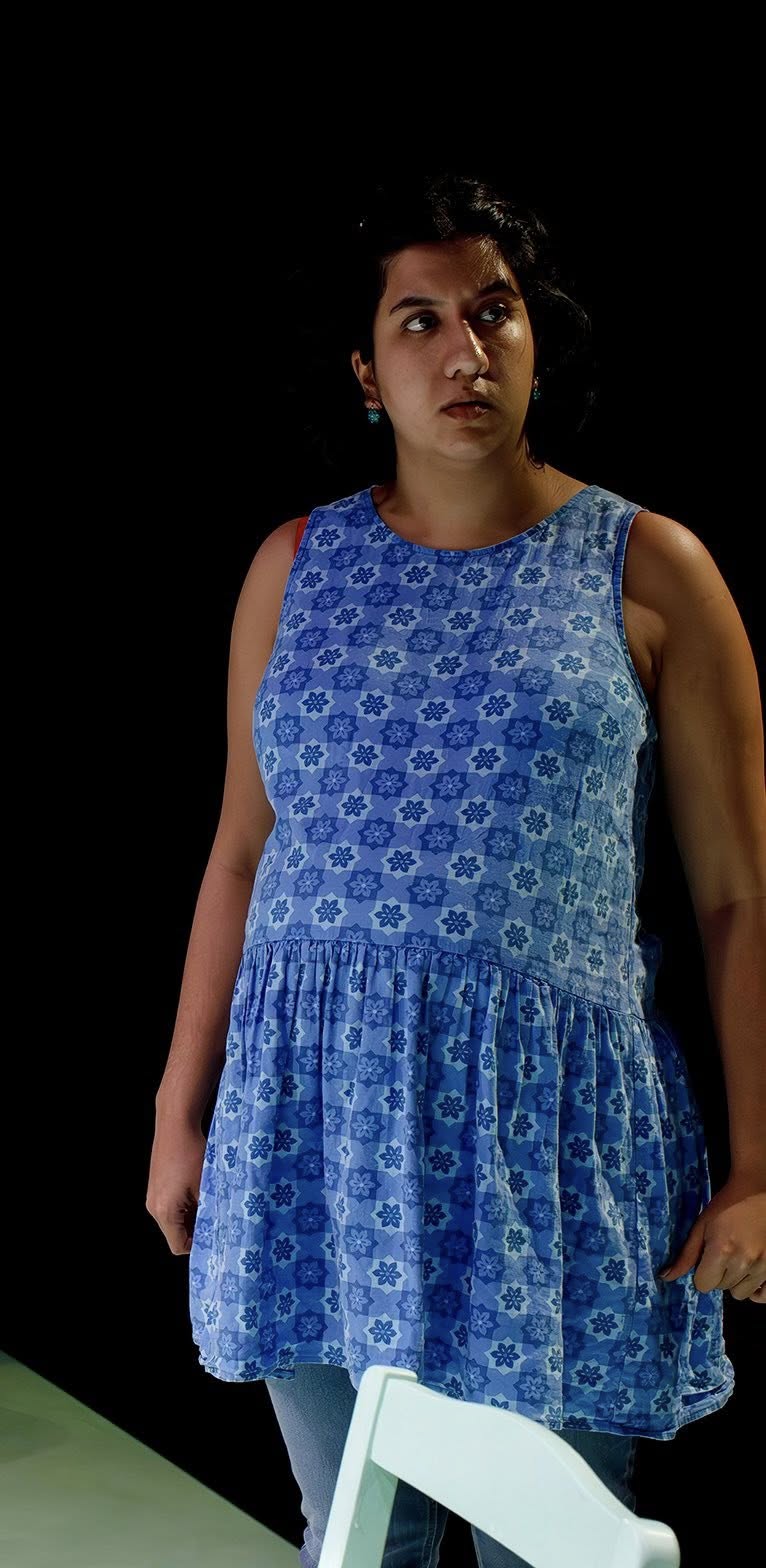
Jiang performs a substantial portion of her score live on stage, embodying the ethereal presence of Lady Dai with striking precision and interpretive acuity. Foo is abundantly charismatic and energetic, infusing the central role with a valuable soulfulness that imparts to it a keen sense of purpose. As Heeba’s grandmother, Tiang Lim is quietly memorable, her graceful presence serving as an evocative embodiment of ancestral lineage and inherited memory.

In an increasingly secular world, Christmas persists as a day of collective observance—less a commemoration of a deity’s birth than an occasion for connection, with kin both biological and chosen. It becomes a moment to engage with tradition, to acknowledge the journeys that have unfolded, and to situate oneself more consciously within the present.

In this hallucinatory episode, Heepa encounters the past, the present, and that which is yet to come, not through the moralistic scaffolding of Dickensian redemption, but via a framework shaped by intersecting destinies. These convergences render tangible and meaningful the ways in which one might navigate an existence that honours those to whom one remains, forever, inextricably bound. Here, remembrance itself becomes an act of love, and for Heepa, moving forward with resolve means carrying them gently—at once inheritance and solace.

www.kingsxtheatre.com | www.instagram.com/fooframeproductions

Review: The Seagull (KXT on Broadway)

Venue: KXT on Broadway (Ultimo NSW), Nov 21 – Dec 6, 2025
Playwright: Saro Lusty-Cavallari (after Anton Chekhov)
Director:
Saro Lusty-Cavallari
Cast: Talia Benatar, Kath Gordon, Jason Jefferies, Deborah Jones, Saro Lepejian, Tim McGarry, Brendan Miles, Shan-Ree Tan, Alexandra Travers
Images by Robert Miniter

Theatre review
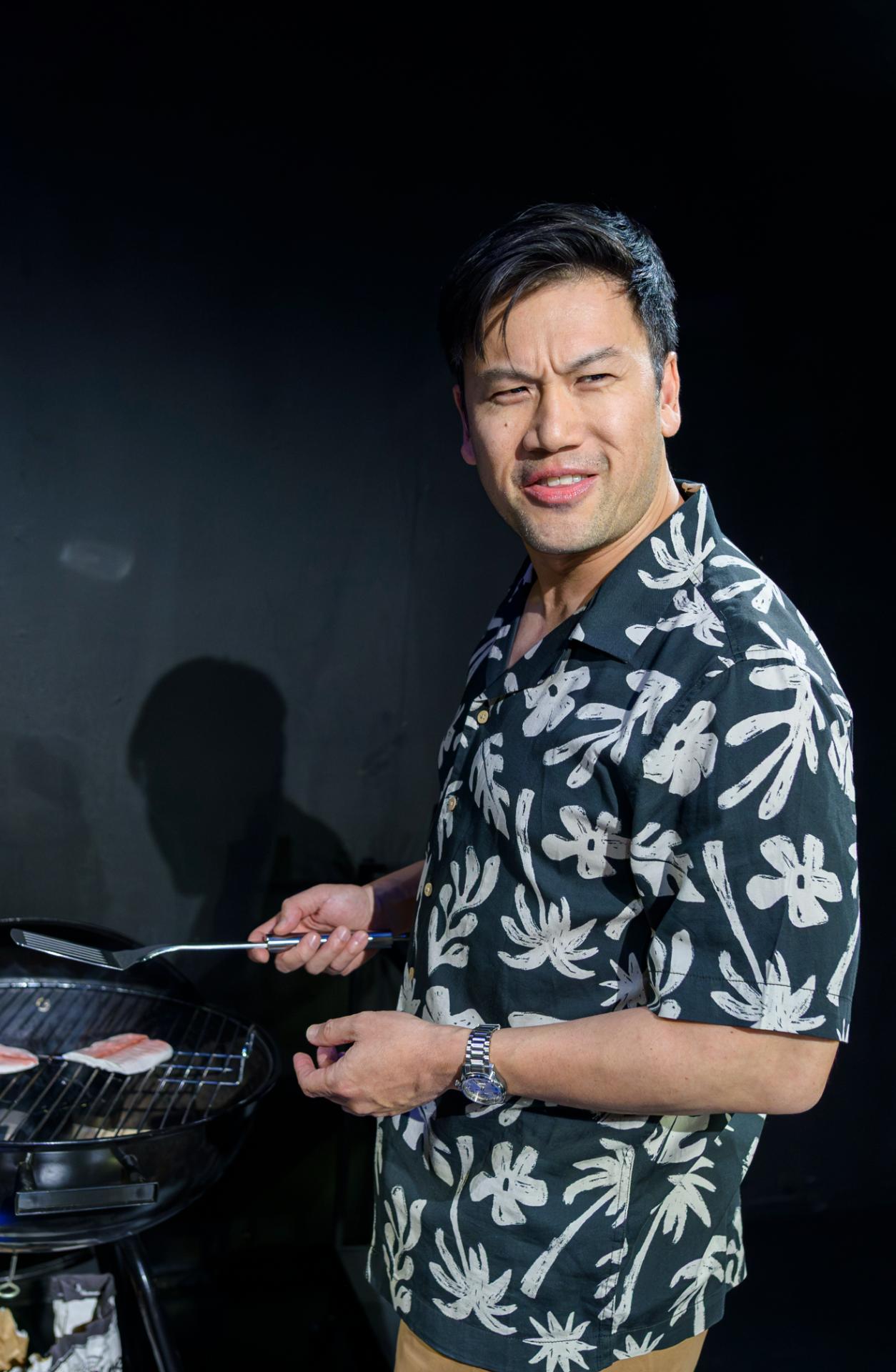
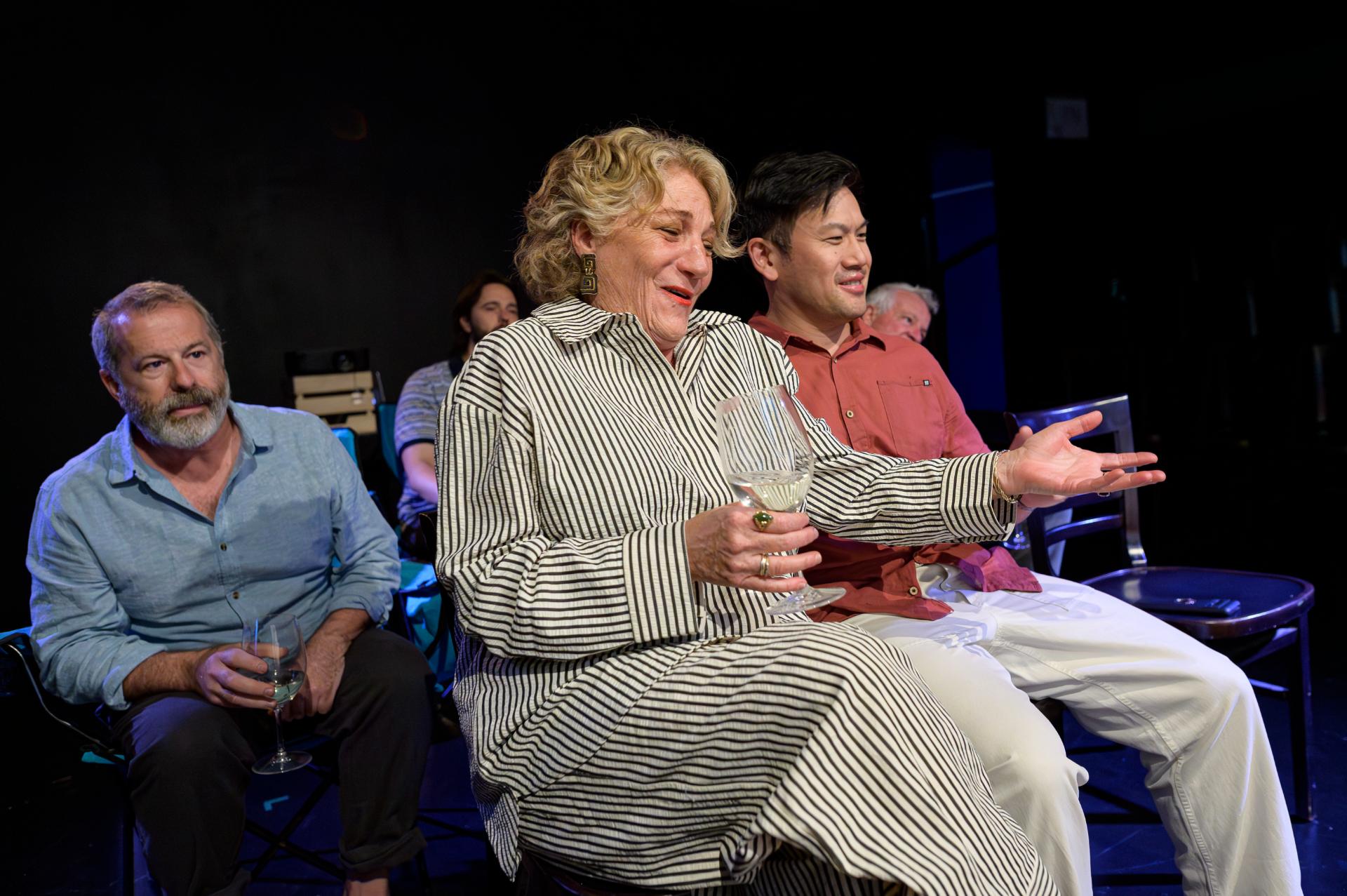
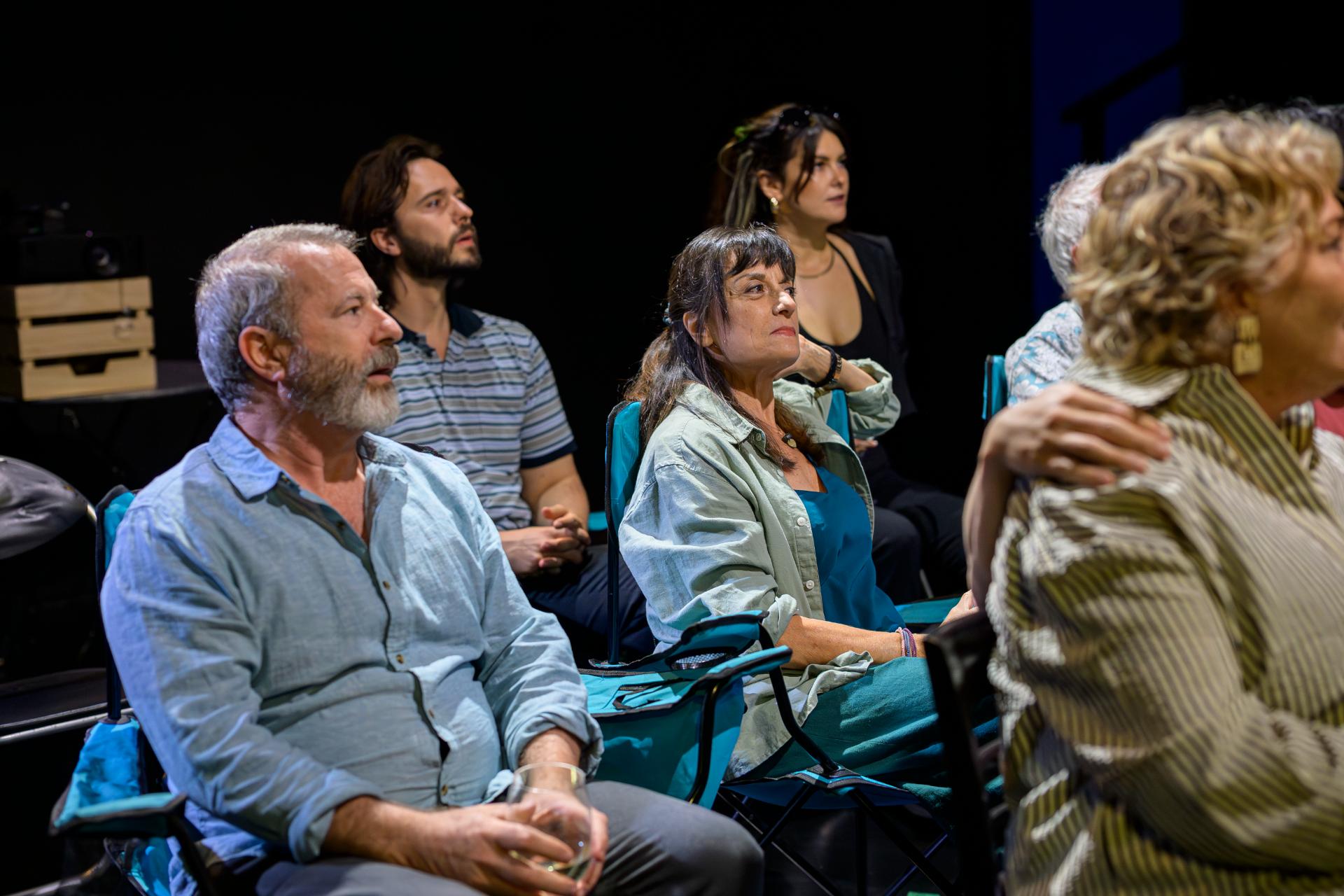
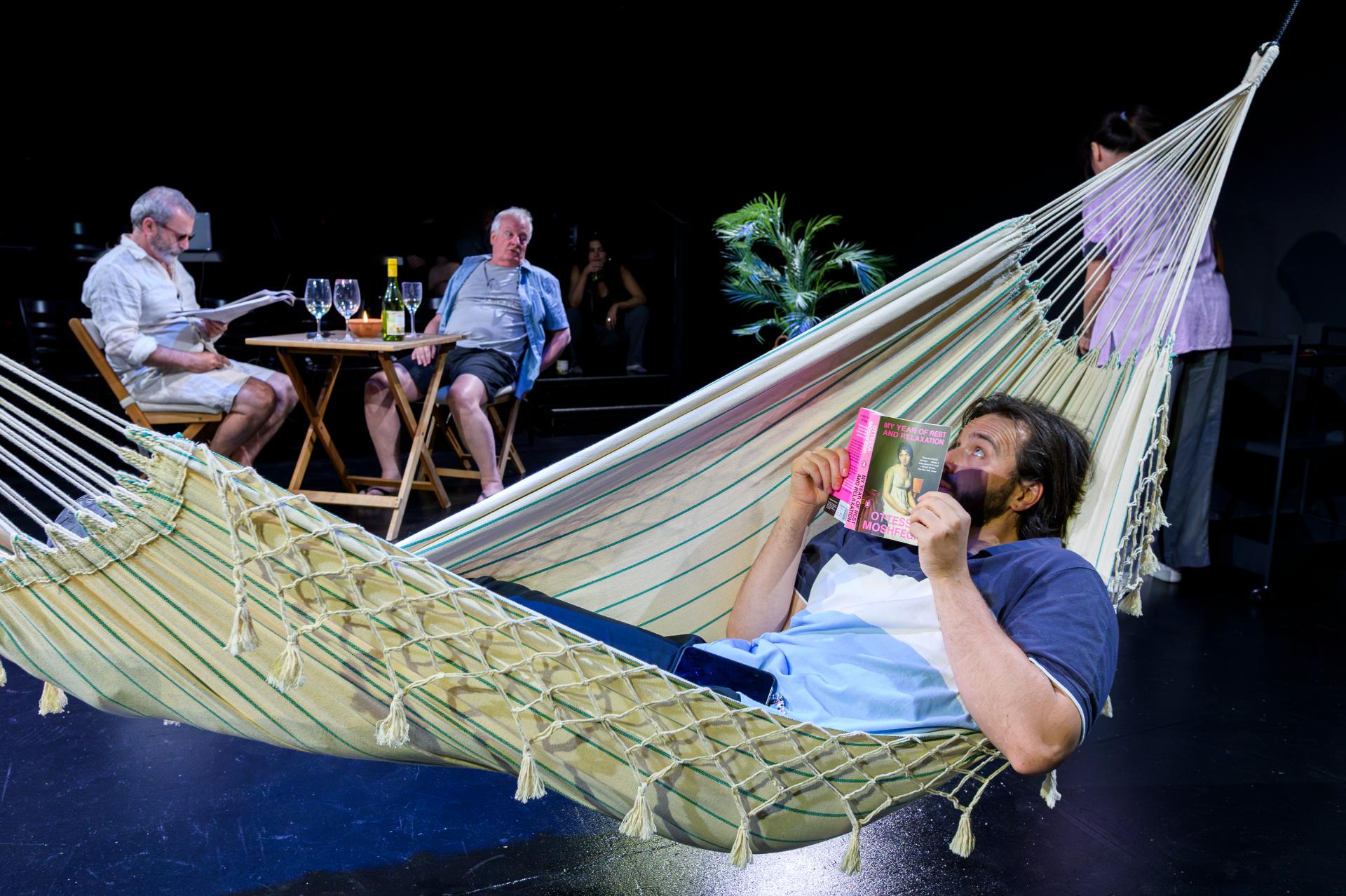
In Saro Lusty-Cavallari’s adaptation of The Seagull, the action is deftly relocated from late-19th-century Russia to the 2020 COVID lockdown in Bellingen, an idyllic township north of Sydney. Chekhov’s characters preserve their familiar longings and disappointments, and in this contemporary reframing it becomes unmistakably clear that the disillusionment of young theatrical hopefuls like Konstantin and Nina is far from an antiquated concern. Lusty-Cavallari reveals a marked vulnerability in this iteration of the classic, offering transparent glimpses of autobiography woven through an updated tale that engages meaningfully with the inner workings—and inner wounds—of Sydney’s theatre world.

Although its context is reimagined, this production maintains a striking fidelity to Chekhov’s spirit, arriving—somewhat unexpectedly—at a tone that feels almost traditional for a genre no longer in vogue. Lusty-Cavallari’s exuberant humour, threaded generously throughout, reshapes a well-worn tale of existential drift into something distinctly bittersweet, and, thankfully, thoroughly engaging and enjoyable.

Konstantin is rendered with remarkable intricacy by Saro Lepejian, who layers nuance upon nuance to create a character of great authenticity and warmth, allowing us to grasp him with unusual depth and familiarity. Alexandra Travers is equally compelling as Nina, lifting the archetype of the innocent ingénue into a figure of luminous humanity; her final scenes prove disarmingly profound and affecting under Travers’ interpretation. Also notable is Tim McGarry’s wonderfully idiosyncratic Pyotr, delivered with exquisite comic timing and an assured lightness of touch, earning some of the production’s most memorable laughs.

Kate Beere’s set and costume design provides elegant, uncluttered solutions that allow the intricate emotional dynamics to remain firmly in view. Aron Murray’s lighting is exquisitely attuned to each fluctuation in tone, guiding us seamlessly into not only the work’s dramatic intensities but also its well-timed moments of levity, which together render the production genuinely delightful.

It may feel incongruous to watch Chekhov’s characters driven to the point of shooting themselves in a contemporary Australian setting, yet the deep-seated malaise that fuels such despair remains clearly recognisable in our present moment. These upper-middle-class figures seem perpetually unable to attain what they long for, even as they dismiss what is already theirs—a conundrum that, now more than ever, echoes uncomfortably through many of our own lives.

www.kingsxtheatre.com | www.montaguebasement.com

Review: Monstrous (KXT on Broadway)

Venue: KXT on Broadway (Ultimo NSW), Oct 31 – Nov 15, 2025
Playwrights: Zev Aviv, Lu Bradshaw, Byron Davis
Director:
Lu Bradshaw
Cast: Zev Aviv, Byron Davis
Images by Valerie Joy

Theatre review
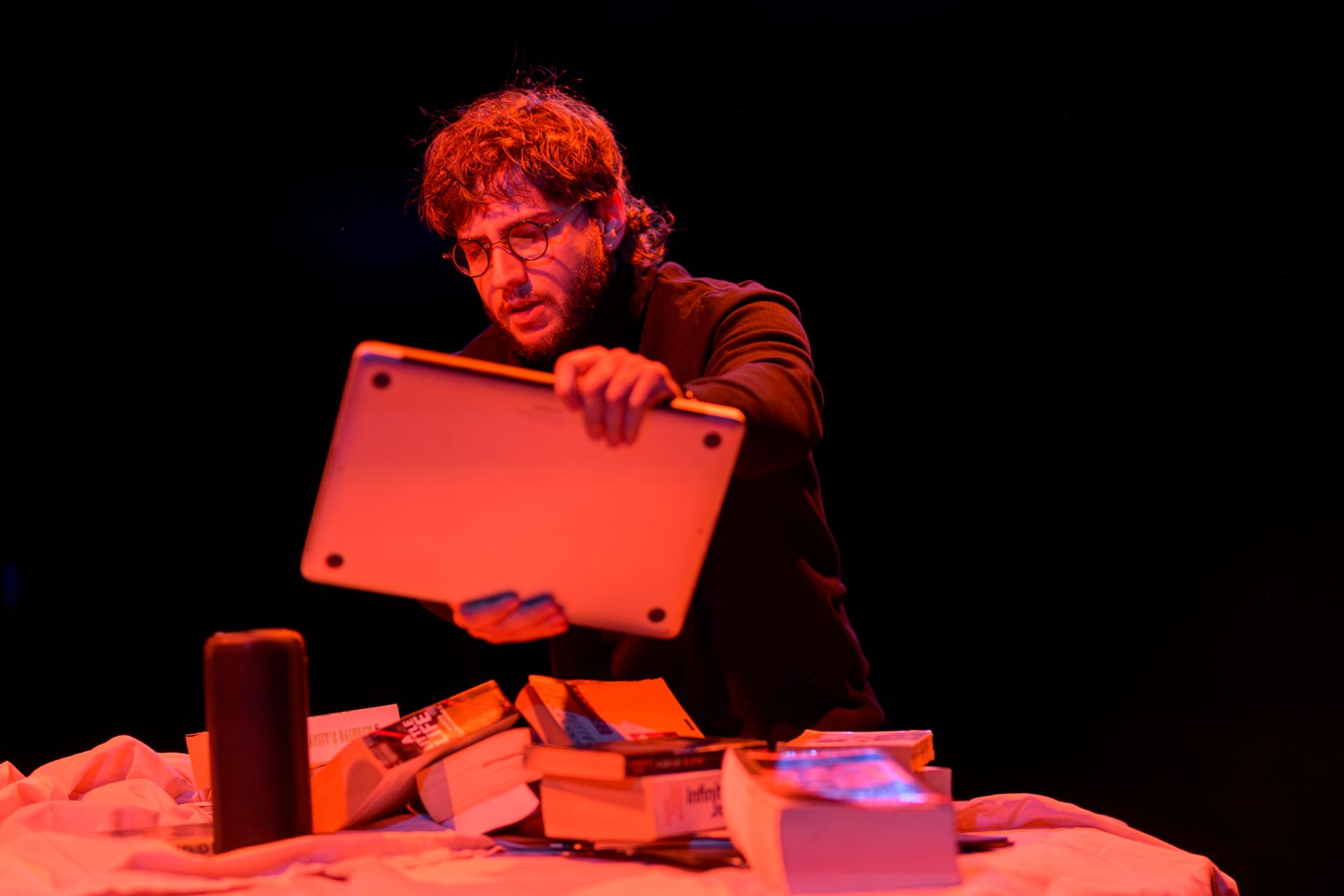
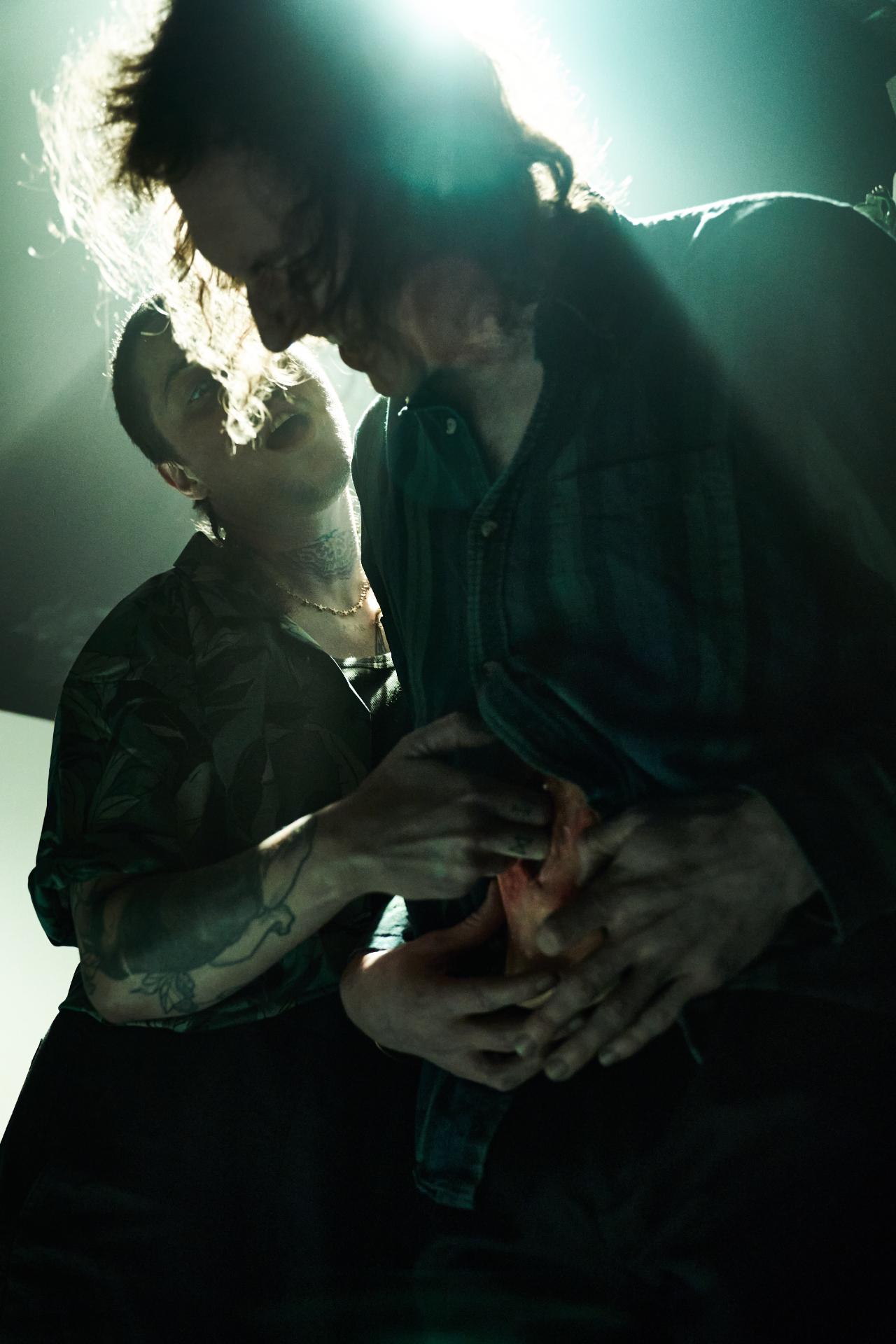
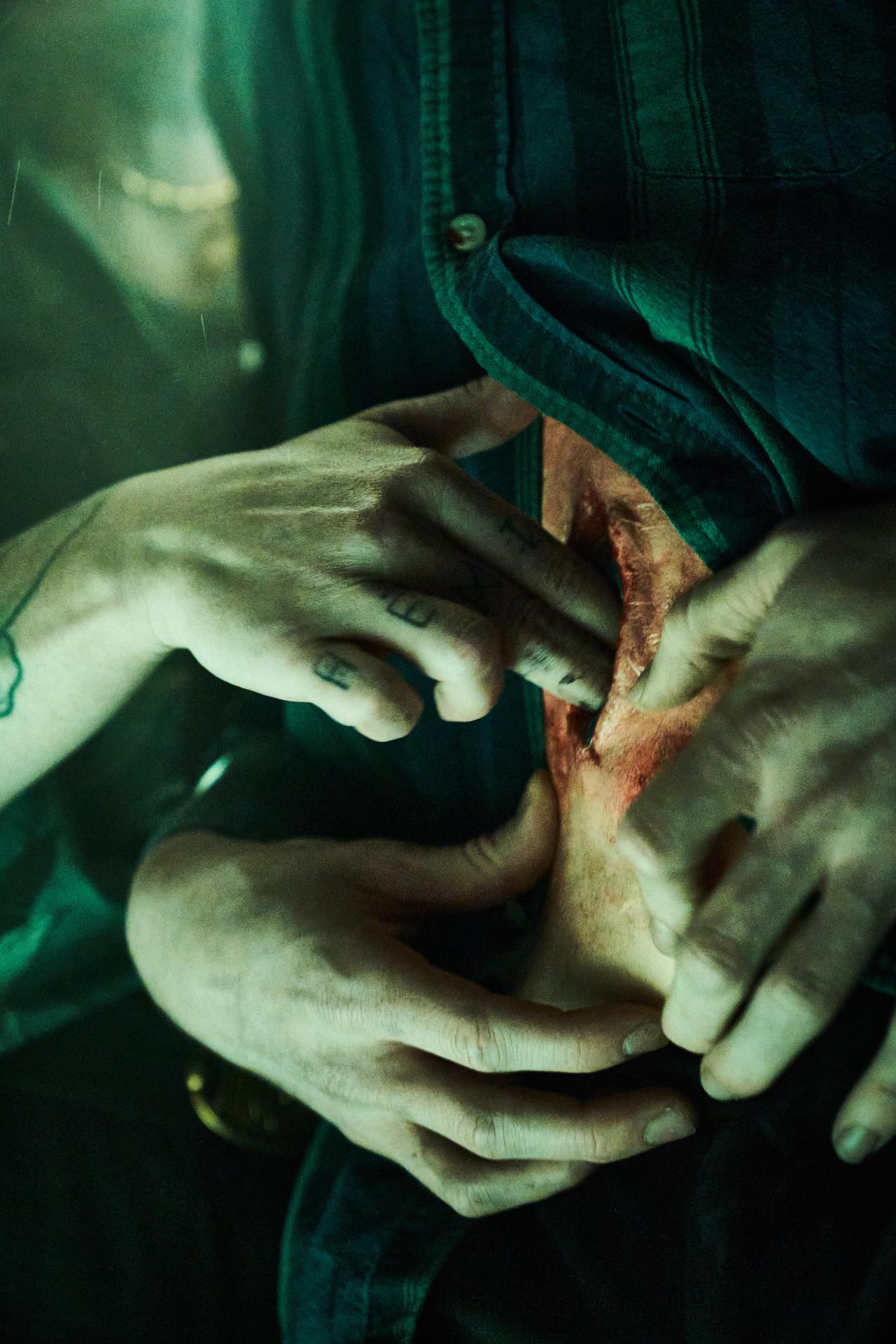
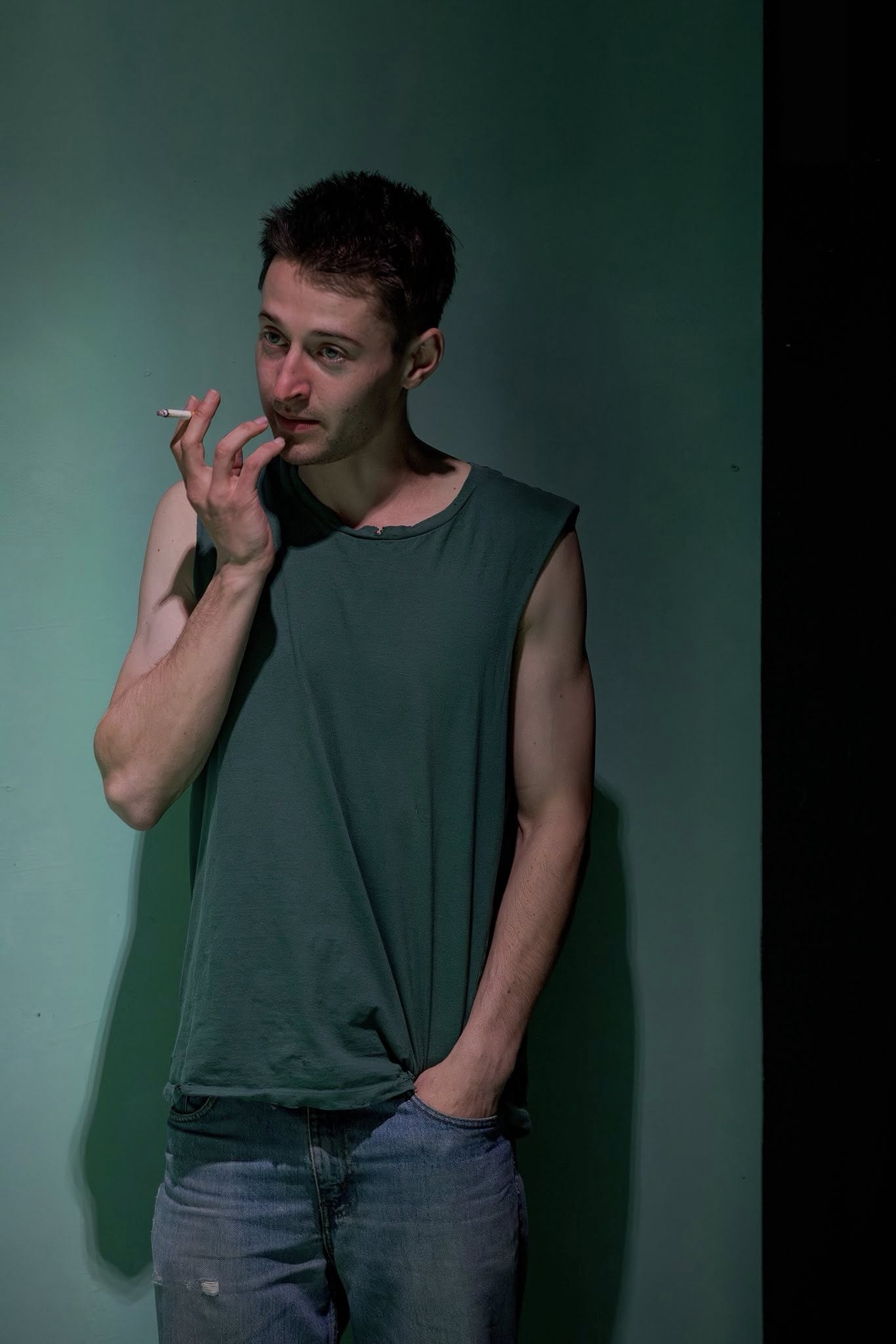
Chris and John meet at work, and an inexplicable attraction develops—something not quite romantic, yet undeniably charged with desire. When they finally give in to that magnetic pull, Chris moves on as though nothing has occurred, but John is irrevocably altered. His encounter with Chris has changed something fundamental in his mind, body, and perhaps even his soul. Monstrous keeps its meaning deliberately elusive, as if subscribing to the modern dictum, “if you know, you know.”

Lu Bradshaw’s direction fuses horror and the supernatural to conjure a meditation on embodiment—how the body can betray, transform, or transcend itself—exploring corporeal experience in all its contradictions: metaphysical yet visceral, intimate yet alien, and ultimately revealing the uneasy truth that our bodies are never as stable as we believe them to be.

Zev Aviv plays Chris with a compelling ambiguity of intent, yet an identity that is unmistakably trans. Their very presence signals that Monstrous’ meditations on flesh and blood emerge from a distinctly trans gaze, even if the work never makes that perspective explicit. Byron Davis, as John, is bright and mercurial, his performance brimming with restless energy that draws us in completely—by turns beguiling and bewildering, but always alive.

Corey Lange’s set design is understated yet effective, grounding the production in recognisable, everyday spaces. Lighting by Theodore Carroll and Anwyn Brook-Evans is boldly executed, heightening the story’s sense of the fantastical and encouraging us to see the body anew. Ellie Wilson’s sound design adds both intensity and texture, its esoteric undercurrents propelling us toward a heightened awareness of our physical selves, creating an aural landscape that seems to pull our bodies into the mystery it seeks to unveil.

John is one thing one moment, and something entirely different the next. What emerges takes him completely by surprise, leaving him powerless to resist. His own body becomes unfamiliar terrain—something alien, unpredictable, and alive with hidden will. There are many moments in life when our bodies can feel foreign to us: strange, unrecognisable, beyond our control. The body remains an endless mystery, even as we insist on treating it as something fixed and knowable. That tension between discovery and fear is where the terror lies—in realising that what feels monstrous may only ever be natural, when its strangeness refuses to conform and the body asserts itself in ways our simple minds cannot quite comprehend.

www.kingsxtheatre.com | www.instagram.com/red_zebra_productions

Review: Port (KXT on Broadway)

Venue: KXT on Broadway (Ultimo NSW), Sep 24 – Oct 4, 2025
Playwright: Simon Stephens
Director:
Nigel Turner-Carroll
Cast: Kyle Barrett, James Collins, Rachel Crossan, Owen Hasluck, Benjamin Louttit, Finn Middleton, Megan O’Connell, Grace Stamnas
Images by Phil Erbacher

Theatre review
Racheal has spent much of her life in Stockport, a largely working-class town in the north-west of England. The hardships she endures are considerable, yet we perceive them as ordinary, knowing that life is never a bed of roses, especially for those on society’s lower rungs. In his 2002 play Port, Simon Stephens shows a keen ear for the rhythms of everyday conversation, but the tale he tells is ultimately one of mediocrity, a portrait of existence so ordinary that it struggles to sustain our deeper interest.

Fortunately, director Nigel Turner-Carroll brings considerable intensity to the drama, encouraging us to invest in the possibility of uncovering greater depths within the narrative. That hope, however, proves unfounded, as we gradually realise there is little of real substance in Racheal’s story.

The production at least looks assured: Soham Apte’s simple set and Benedict Janeczko-Taylor’s plain costumes provide clear visual cues to anchor us in time and place, while Travis Kecek’s lighting is finely judged, calibrating shades of sentimentality to reflect shifting emotional states. Cameron Smith’s sound design, too, deserves praise for its thorough evocation of the environments through which Racheal moves across the years.

Grace Stamnas takes on the role of Racheal with striking focus and confidence, lending the production a self-assurance that propels its brisk momentum. The ensemble is uniformly strong, each character rendered with a distinct and convincing presence. Together, the cast infuse the stage with colour and vitality, ensuring that the performance feels both engaging and worthwhile.

Like many of us, Rachael likely believes her hardships to be uniquely cruel, when in truth they are symptoms of broader social design. We imagine our fates as personal, yet so much of what we endure stems from the structures that govern collective life. The play never makes explicit the injustices Rachael faces as a working-class woman, nor how the wealthy preserve their dominance by hoarding resources. Their prosperity endures across generations—while the rest are kept busy mistaking survival for a life.

www.kingsxtheatre.com | www.instagram.com/decembertheatreco

Review: The Bridge (KXT on Broadway)

Venue: KXT on Broadway (Ultimo NSW), Aug 29 – Sep 13, 2025
Playwrights: Sunny Grace, Clare Hennessy, Richie Black
Director:
Lucinda Gleeson
Cast: Zoe Carides, Clare Hennessy, Saro Lepejian, Andrea Magpulong, Brendan Miles. Matt Abotomey
Images by Ravyna Jassani

Theatre review
Amber was a fleeting rock sensation of the early ’90s, her career abruptly derailed by the ruthless grip of patriarchy. Decades later, when Alyssa goes viral on TikTok with a cover of one of Amber’s long-forgotten songs, the forgotten musician emerges—not to celebrate the revival, but to chastise the influencer, mirroring the very silencing forces that once destroyed her own career.

With The Bridge, writers Sunny Grace, Clare Hennessy and Richie Black set out with admirable intentions, crafting a work that seeks to highlight how women can unite across generations to resist the enduring forces of subjugation. The play’s ambition is clear, but its execution falters: the structure is clumsy, the nuance underdeveloped, and the characters too often collapse into flat archetypes rather than fully realised figures.
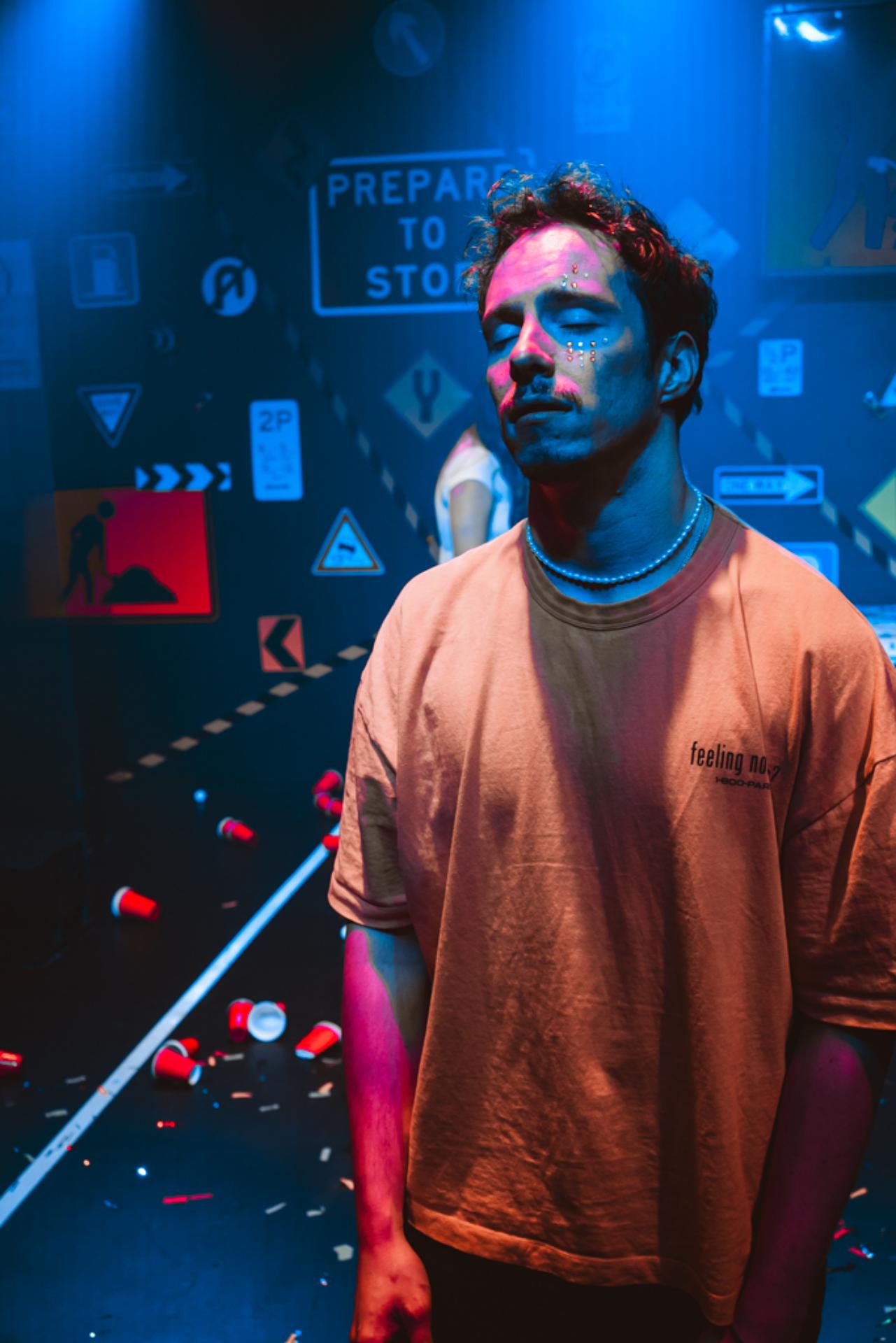
Lucinda Gleeson’s direction may lack elegance, but it is driven by a palpable passion that translates to the stage. The original music by Zoe Carides and Clare Hennessy stands out as a highlight, with the added delight of live performance from several cast members. Sound design by Rowan Yeomans and Elke reaches ambitiously, though it occasionally draws focus away from the action. Aron Murray’s lighting brings welcome dynamism, even if it is not always flattering to the performers, while Kate Beere’s costumes suffer from the same problem, her set design captures the intended mood.

As Amber, Zoe Carides delivers energy and focus, though the performance never fully convinces as that of a late-20th-century rebel hellraiser. Clare Hennessy is more persuasive as Alyssa, the ambitious newcomer, yet her portrayal of a contemporary media personality leans a touch too heavily on flippancy. The chemistry between the two requires greater development, and the progression of their relationship would benefit from being drawn with more care and less abruptness.

While it is unrealistic to expect women to always share affinity with one another, the pursuit of radical inclusivity and acceptance remains essential in resisting patriarchal and colonial systems. Such structures are sustained by division, repeatedly manufacturing wedges that isolate individuals and diminish their collective agency. Feminism, therefore, must be understood as a project of expansion—drawing in as many voices as possible in order to constitute a force capable of meaningful opposition.

www.kingsxtheatre.com | www.instagram.com/crisscross_productions

Review: Babyteeth (KXT on Broadway)

Venue: KXT on Broadway (Ultimo NSW), Jul 18 – Aug 2, 2025
Playwright: Rita Kalnejais
Director:
Kim Hardwick
Cast: Jane Angharad, Philip D’Ambrosio, Esha Jessy, Jeda Osorio, Campbell Parsons, James Smithers, Rachel Thomas
Images by Phil Erbacher

Theatre review
Milla is only 14 and dying of a terminal illness when she meets Moses, a 23-year-old drifter. As their sexual relationship unfolds, her parents, grappling with the imminence of her death, choose to tolerate the dubious romance in the hope it brings her some joy. Babyteeth by Rita Kalnejais may be criticised for courting controversy without adequate justification, but setting aside its arguably precarious moral stance, the play remains an intriguing work.

Kim Hardwick’s direction is marked by a lightness of touch that lends the production a certain grace, though at times this subtlety borders on vagueness, leaving the production’s intentions feeling somewhat unclear. Lights by Topaz Marlay-Cole and sound by Michael Huxley, are both subtle in execution, occasionally striking but generally unobtrusive in how they support the storytelling.

Actor Rachel Thomas is convincing as a teenager, with a vulnerability that makes Milla an endearing personality. Campbell Parsons brings extraordinary naturalism to the role of Moses, coupled with a confident pacing that truly mesmerises. Milla’s parents are played by Jane Angharad and James Smithers, with unassailable commitment. Philip D’Ambrosio and Esha Jessy offer wonderful comedic dimensions that provide much needed uplift to the experience, as does Jeda Osorio who proves a delightful presence.
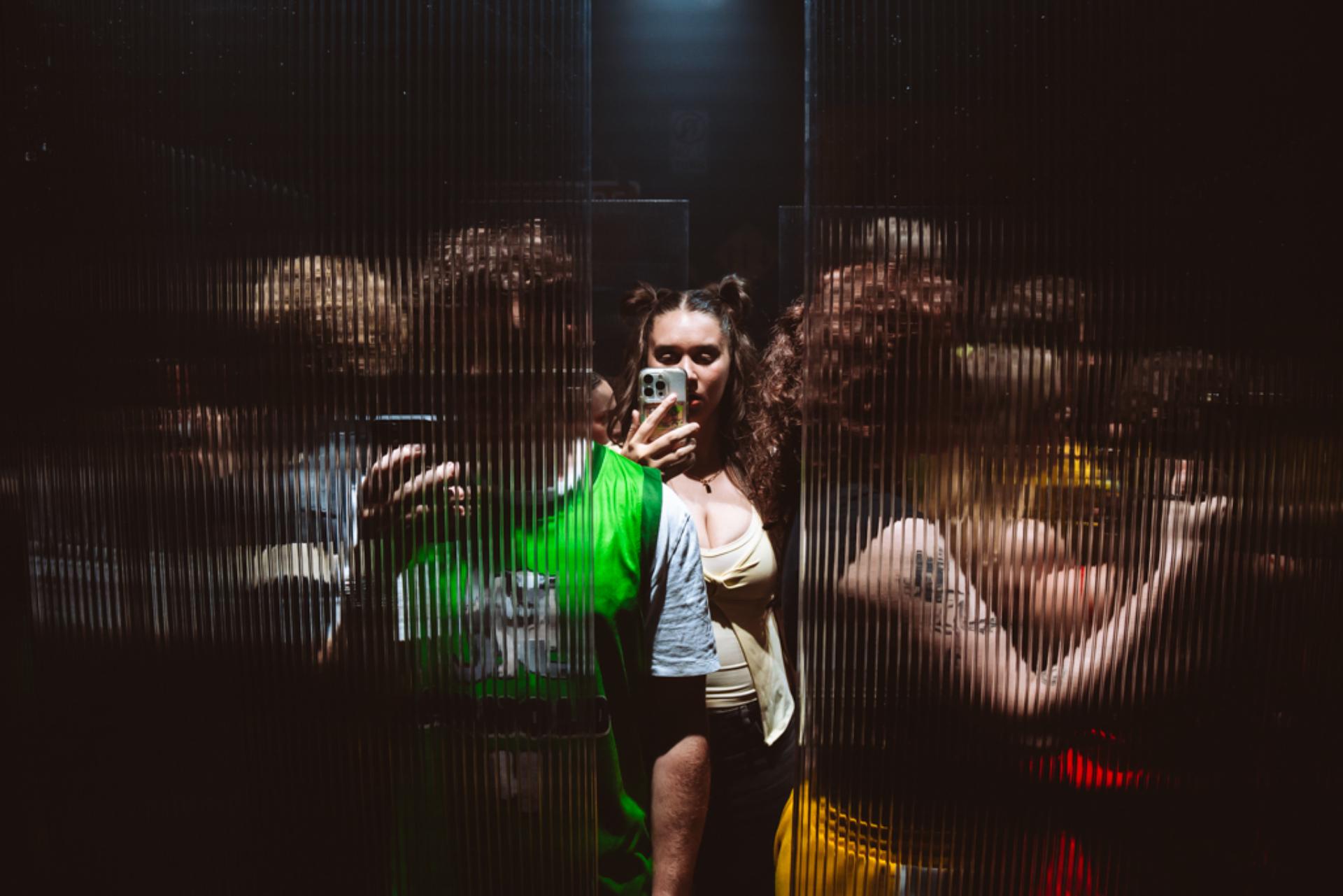
It is rare to be given an opportunity to examine someone like Moses. Our instinct is to see him vilified and punished, but Babyteeth leaves that act of castigation to the viewers themselves. This of course is a dangerous choice, one that opens the door for the depraved to impose repugnant interpretations, even going so far as to advocate for behaviour that ought to be regarded as unequivocally heinous. Milla dies in Babyteeth, but we can only imagine what Moses moves on to, after the curtain falls.
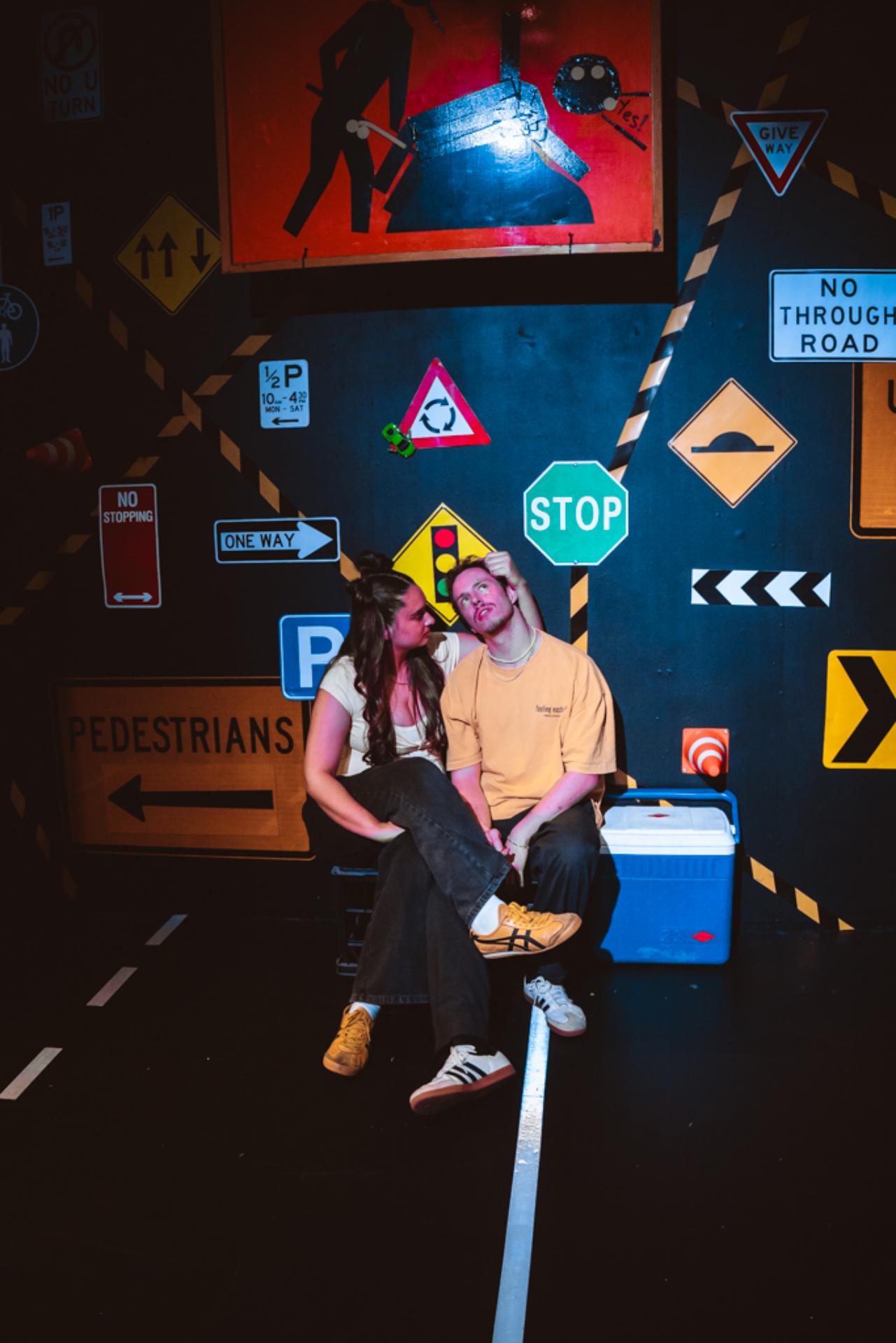
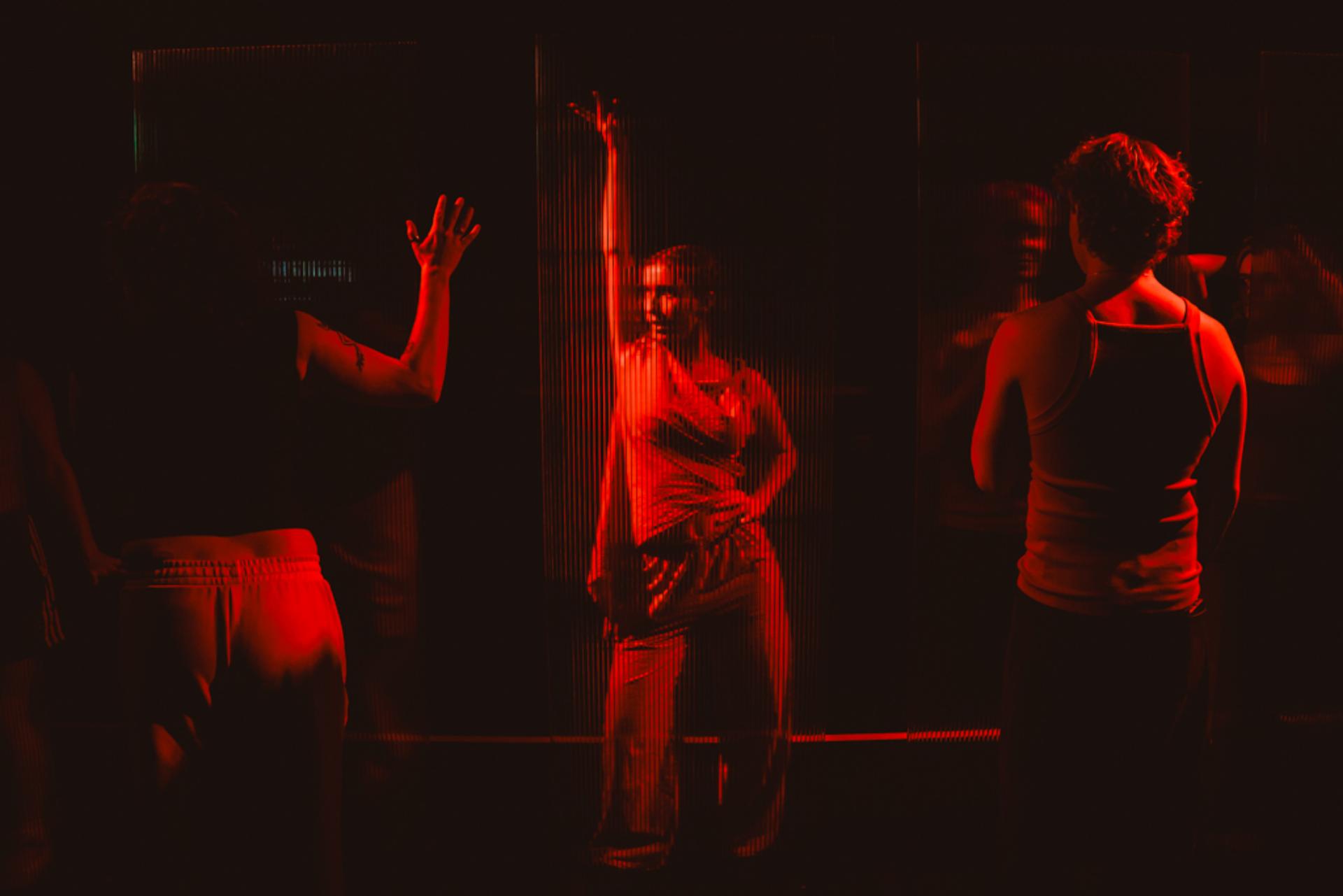
www.kingsxtheatre.com | www.whiteboxtheatre.com.au

Review: Blackbird (KXT on Broadway)

Venue: KXT on Broadway (Ultimo NSW), Jun 25 – Jul 5, 2025
Playwright: David Harrower
Director: Pippa Thoroughgood
Cast: Charlotte De Wit, Lilly Kime, Phil McGrath
Images by Ravyna Jassani

Theatre review
Una goes to confront her perpetrator Ray, years after being sexually assaulted as a 12-year-old. There may be no moral ambiguity as to what wrong has been committed, but human emotions are complicated, and the meeting reveals unexpected layers to their illicit relationship.

Blackbird by David Harrower is a disturbing and dangerous work, taking an honest look at child sexual abuse which involves real feelings that are often overlooked. Direction by Pippa Thoroughgood emphasises the naturalism of the piece, but has a tendency to lack nuance, for the highly complex situation being interrogated. 

Performers Charlotte De Wit and Phil McGrath are convincing in their roles, both demonstrating admirable commitment to the experience. While greater intricacy and specificity could enhance their interpretation of characters and story, they nonetheless present moments of undeniable excellence on stage.

We are shocked by Una’s behaviour, yet we understand the person she has become. There needs always to be clear-cut rules around the violation of innocence, but we must also be able to acknowledge the myriad consequences that are inconvenient and troubling. The severity of harm suffered by our young is such that its effects often endure lifelong and remain deeply disquieting.  Survivors deserve support, especially when situations seem unreasonably difficult.

www.kingsxtheatre.com | www.herproductions.com.au

Review: The Anarchy 1138-53 (KXT on Broadway)

Venue: KXT on Broadway (Ultimo NSW), May 22-31, 2025
Creators: Pat Fielding, Chelsea Hickman, Kerith Manderson-Galvin, Tobias Manderson-Galvin, Dr Tom Payne
Cast: Kerith Manderson-Galvin, Tobias Manderson-Galvin
Images by Skye Gellmann

Theatre review
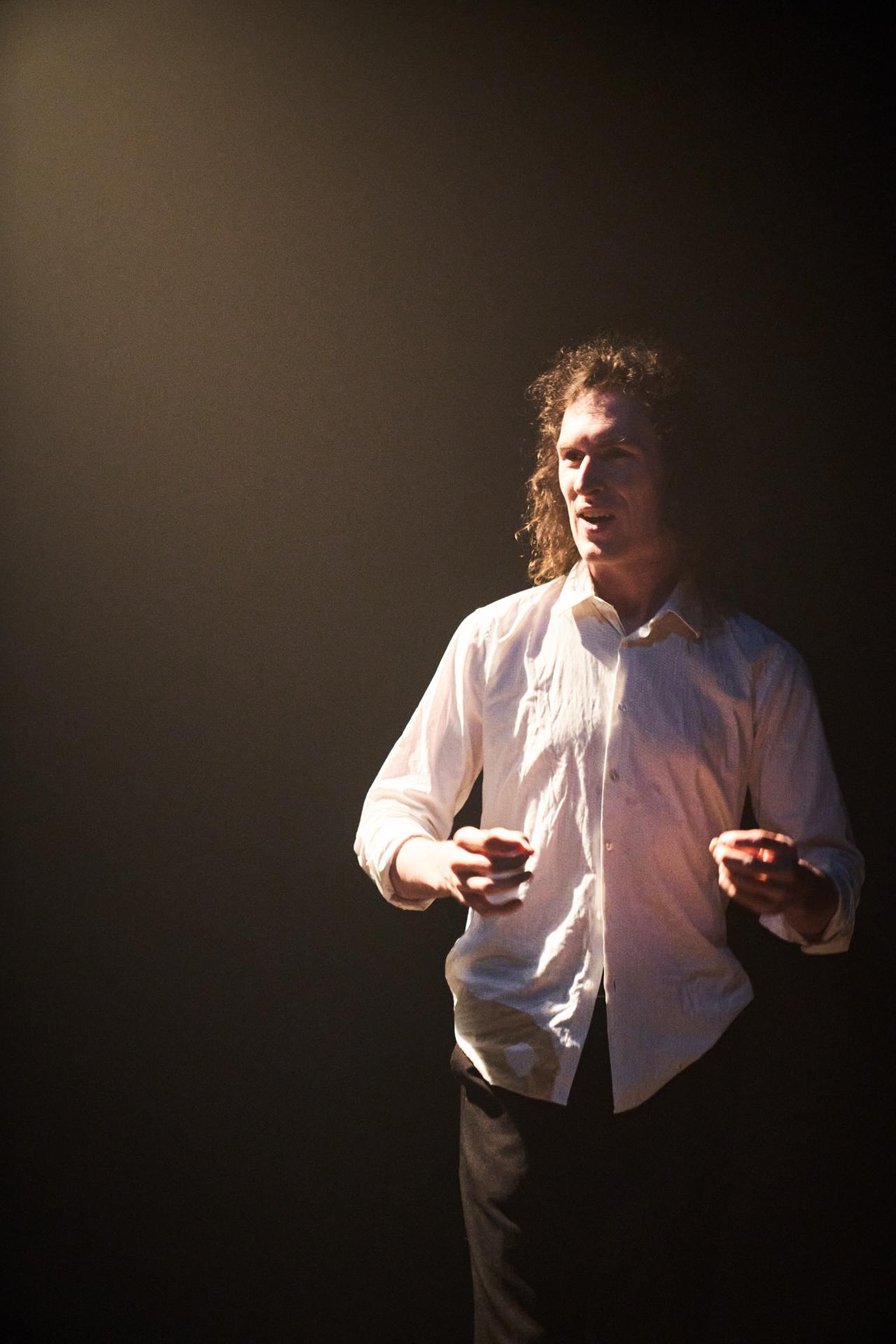
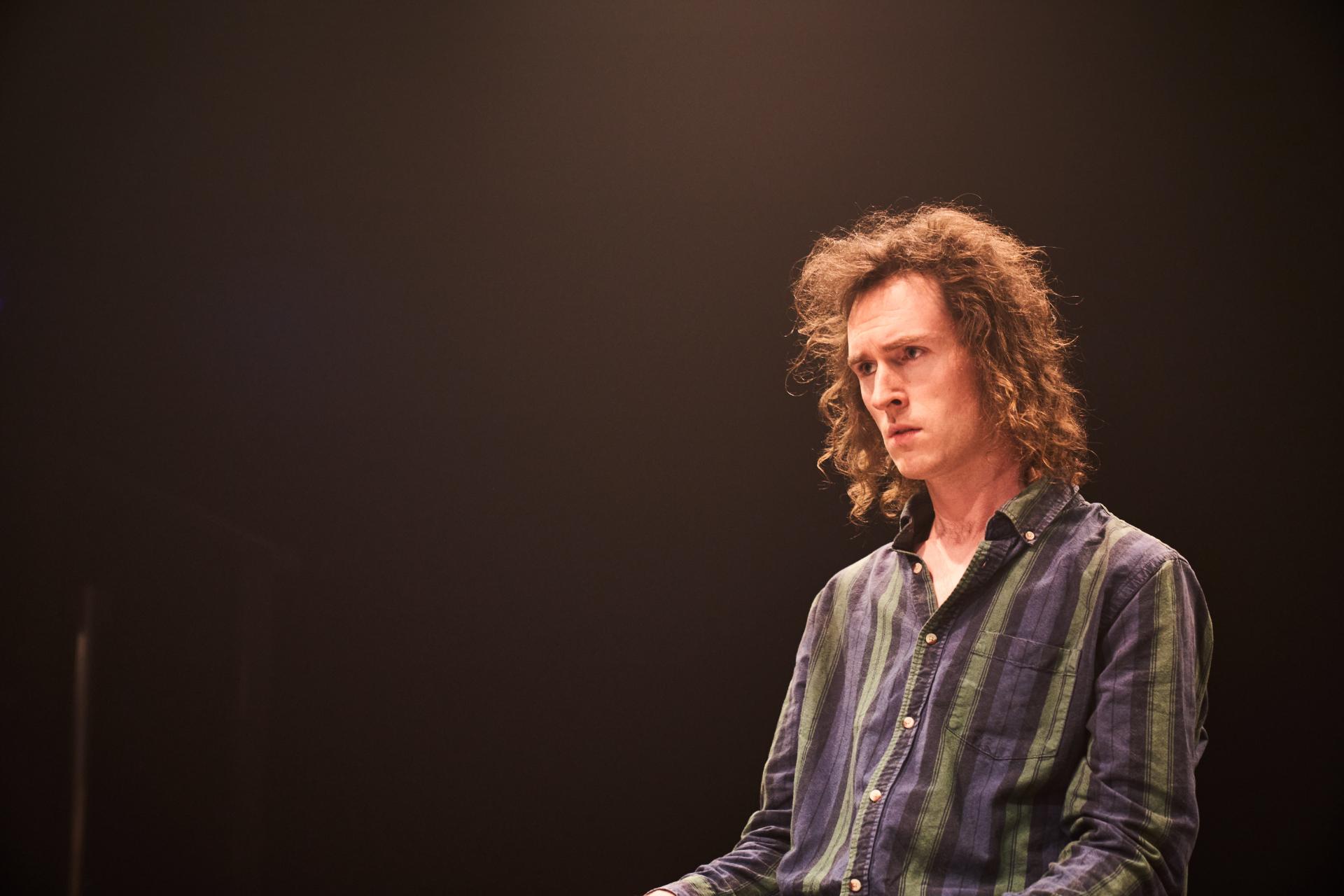
It is ostensibly a show about a civil war in 12th century England and Normandy. The very many words written for the verbose script of The Anarchy (1138-53), however, seem not to be of great importance in this telling of a story, that proves much more to be about the act of telling, than it is about the story itself. Kerith and Tobias Manderson-Galvin have prepared a great amount of copy, but their performance wants us almost to ignore their verbal regurgitations, and instead find alternative ways to pay attention, to a work of theatre determined to create unusual resonances.
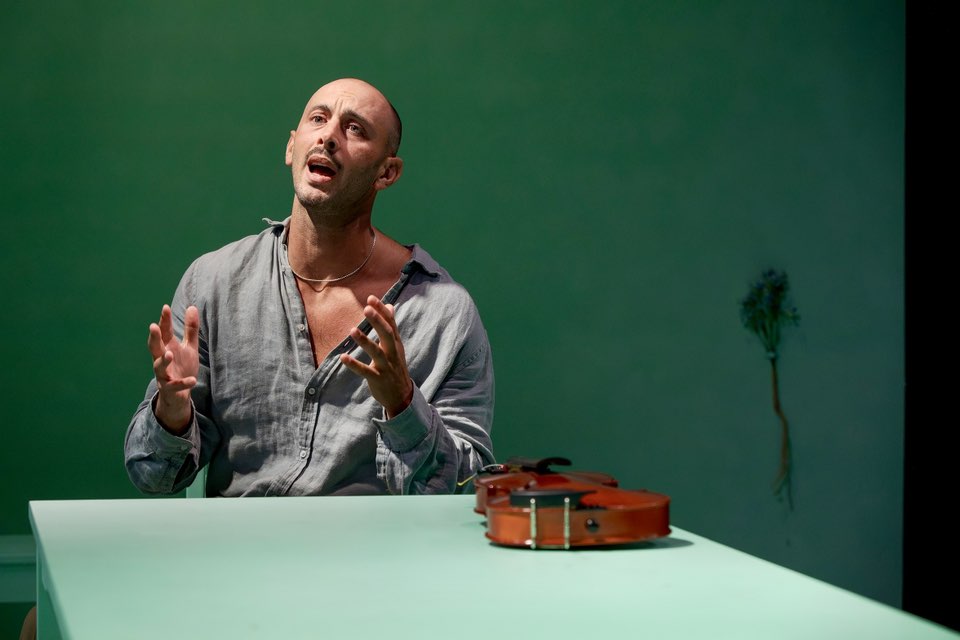
Inevitable in this experience perhaps, are recollections of the Dadaist ethos, with its rejection of bourgeois aesthetics, its embrace of absurdity, and its simultaneous construction and deconstruction of artistic form. This can all be tiresome, academic and dry, but the Manderson-Galvins are so resolutely present as theatre-makers, that we find ourselves delighted and apprehensive, in equal measure, as they keep us riveted to their every bizarre manoeuvre. Theatre is ancient, but it can still communicate through new languages. For The Anarchy (1138-53), we keep finding different ways to ingest this abstract presentation, testing how our humanity can interact with stimuli of this nature. We explore the meaning of meaning, in a strange work like this, wondering where the phenomenon of understanding begins and ends.
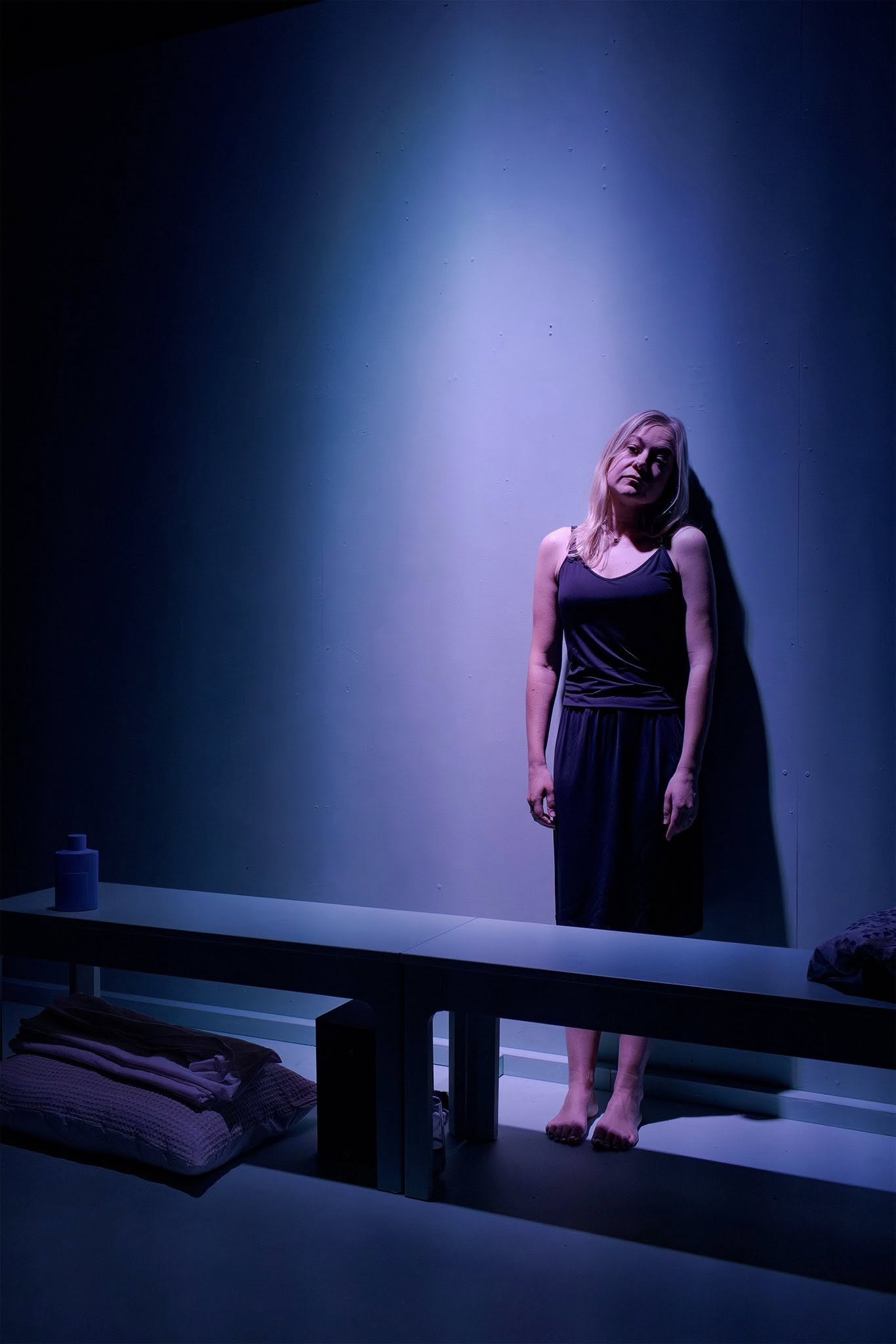

When art is bewildering, it is rarely engaging. Thankfully, with its chaotic magnetism, The Anarchy (1138-53) proves itself to be curious but enjoyably so. Its charisma insists that we stay attentive, even if the payoff at every juncture, feels unfamiliar. When things are predictable and always the same, we stop questioning it. That which is uninterrogated holds power over us. Undoubtedly, it is comforting to encounter circumstances that feel natural, normal or ordinary, even if we know that nefarious elements will try to make themselves invisible and undetectable. So much of our ills is buried under the guise of blandness, which must be partly why James Baldwin declared, that “artists are here to disturb the peace.”

www.kingsxtheatre.com | www.doppelgangster.com