Review: Monstrous (KXT on Broadway)

Venue: KXT on Broadway (Ultimo NSW), Oct 31 – Nov 15, 2025
Playwrights: Zev Aviv, Lu Bradshaw, Byron Davis
Director:
Lu Bradshaw
Cast: Zev Aviv, Byron Davis
Images by Valerie Joy

Theatre review
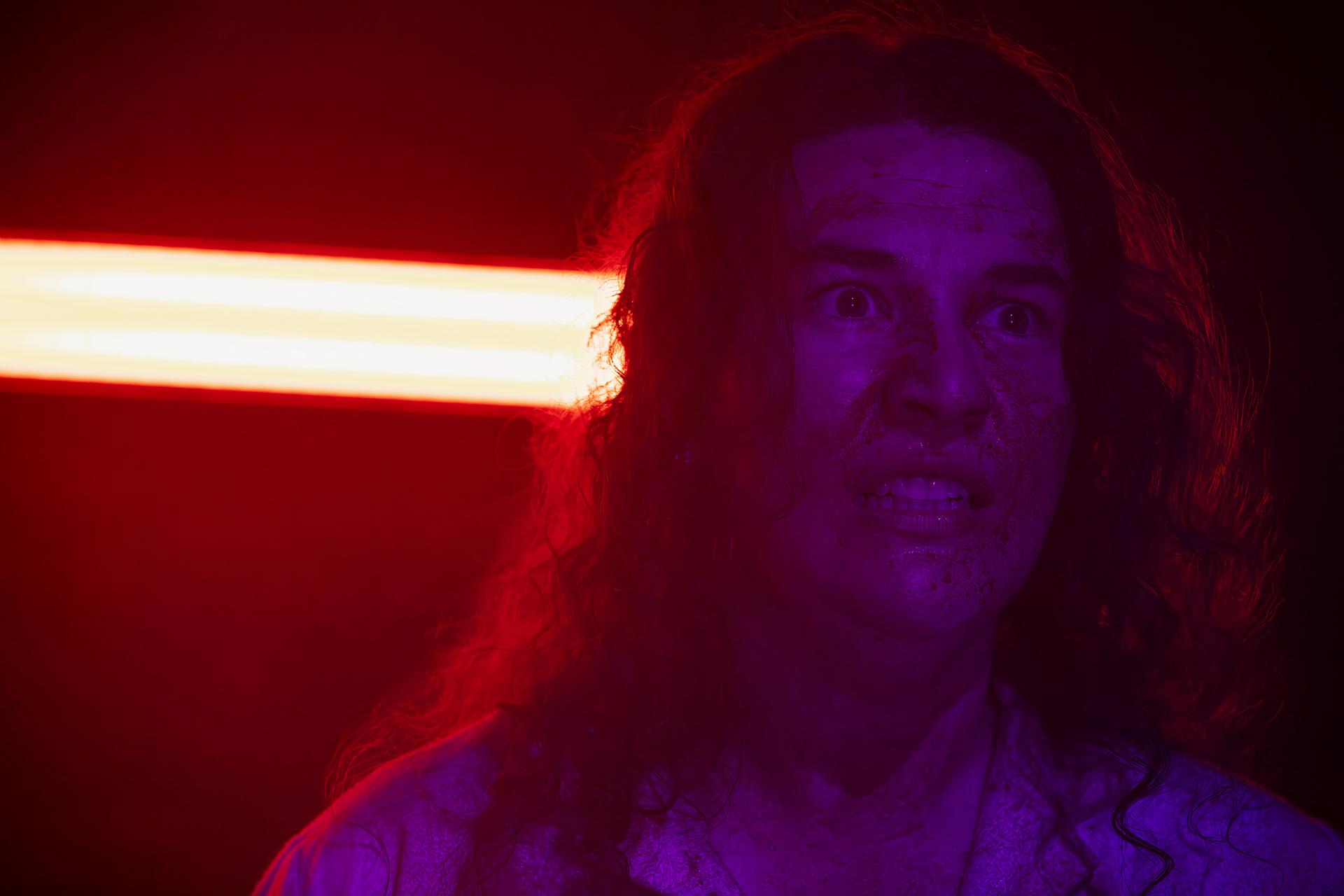
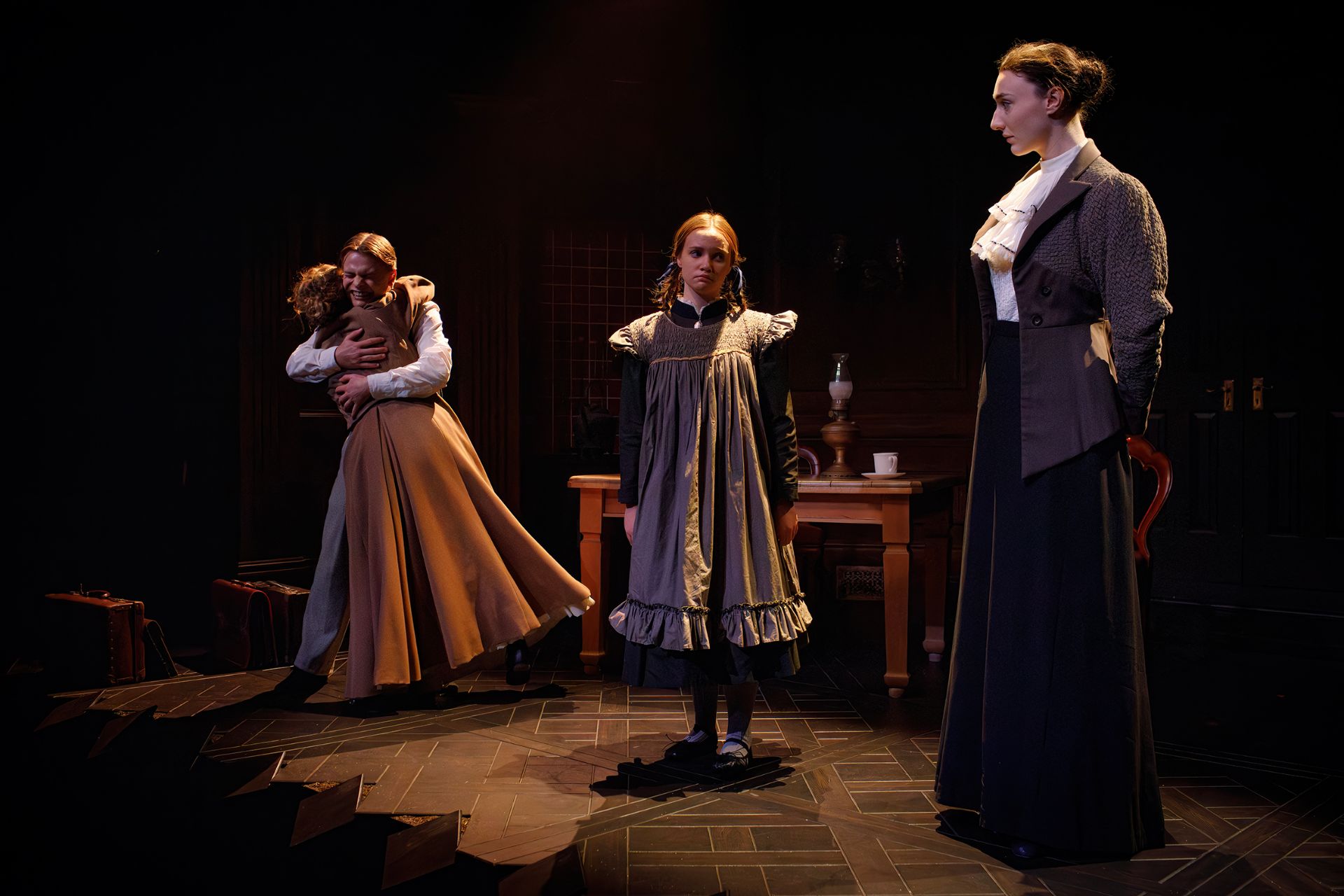
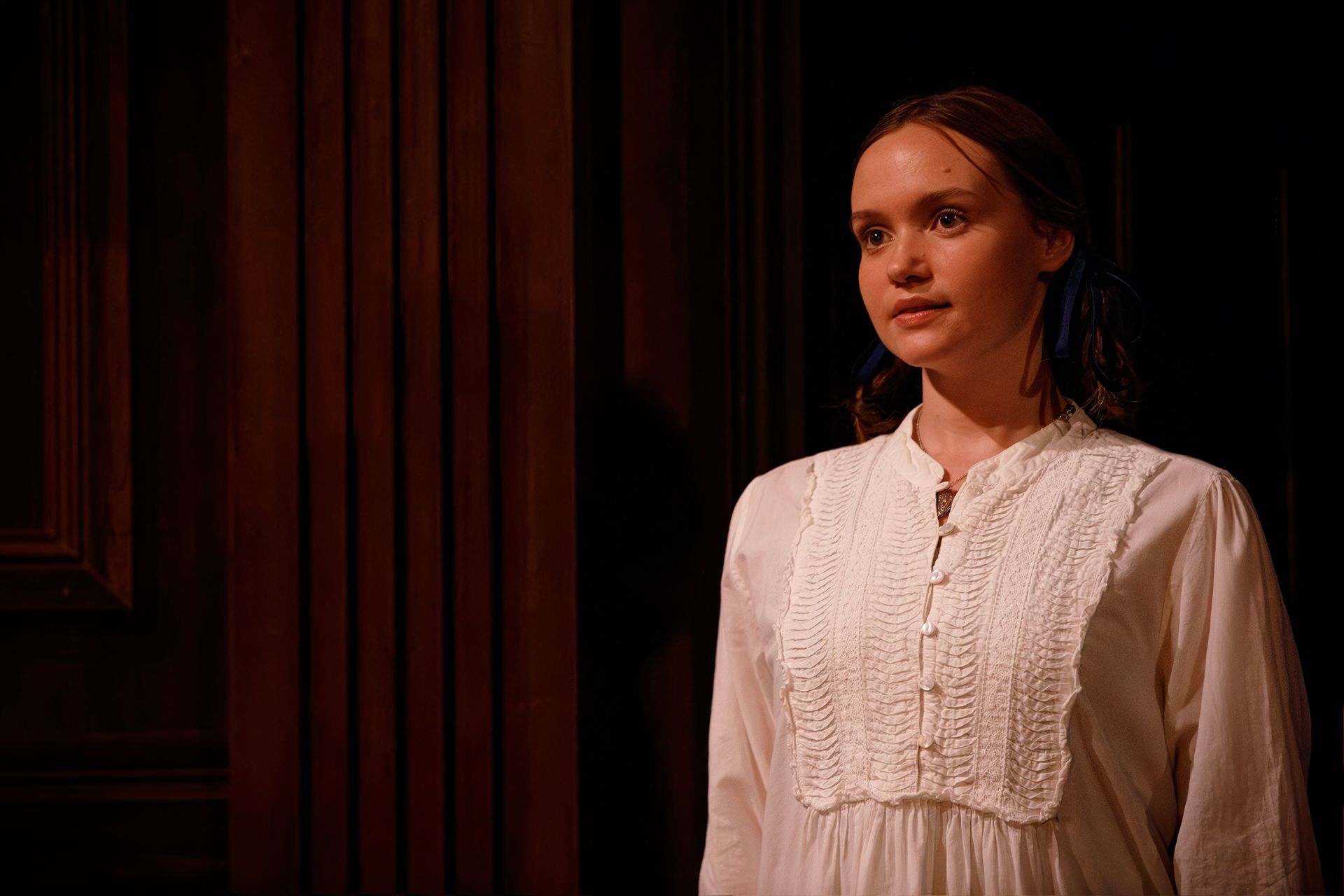
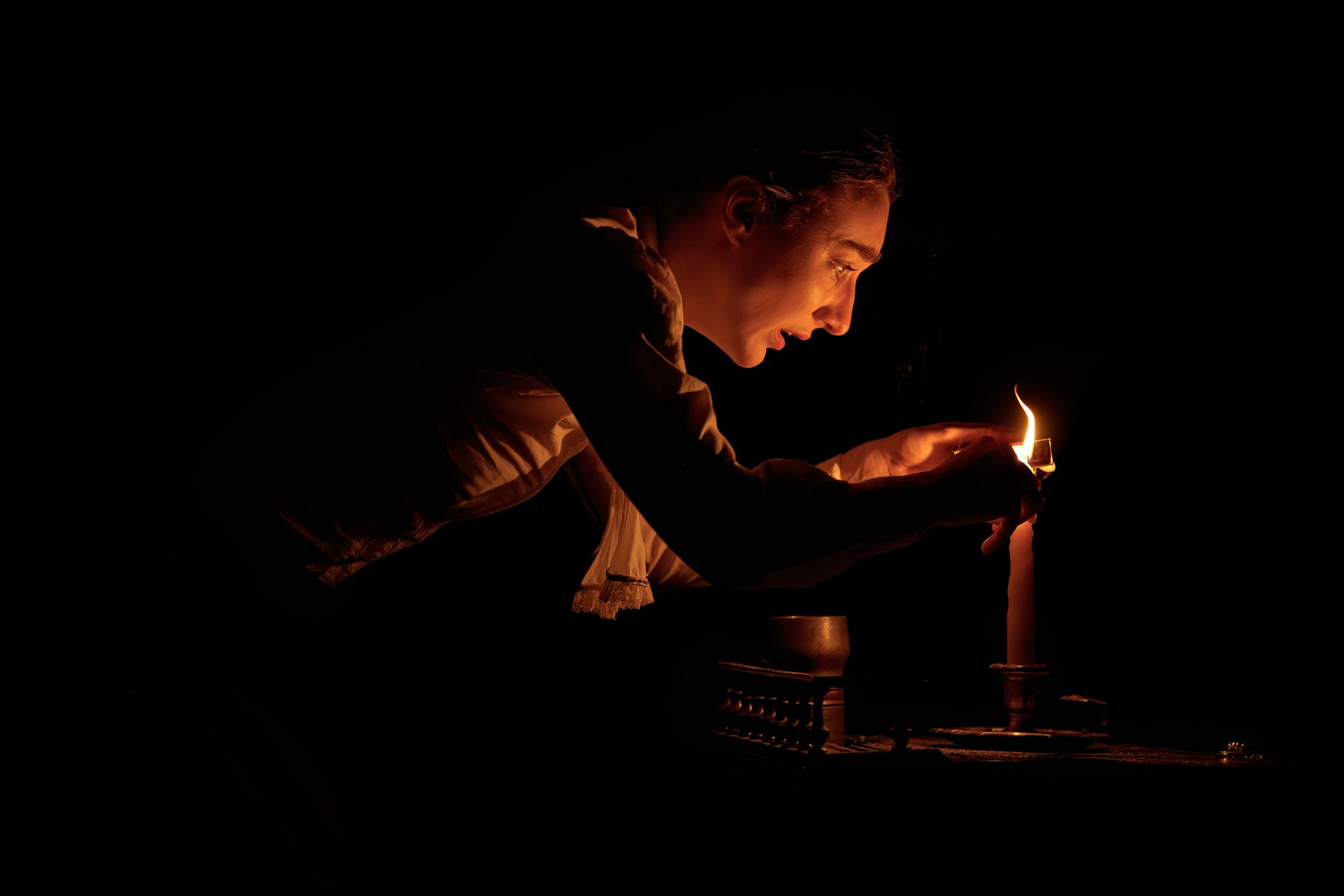
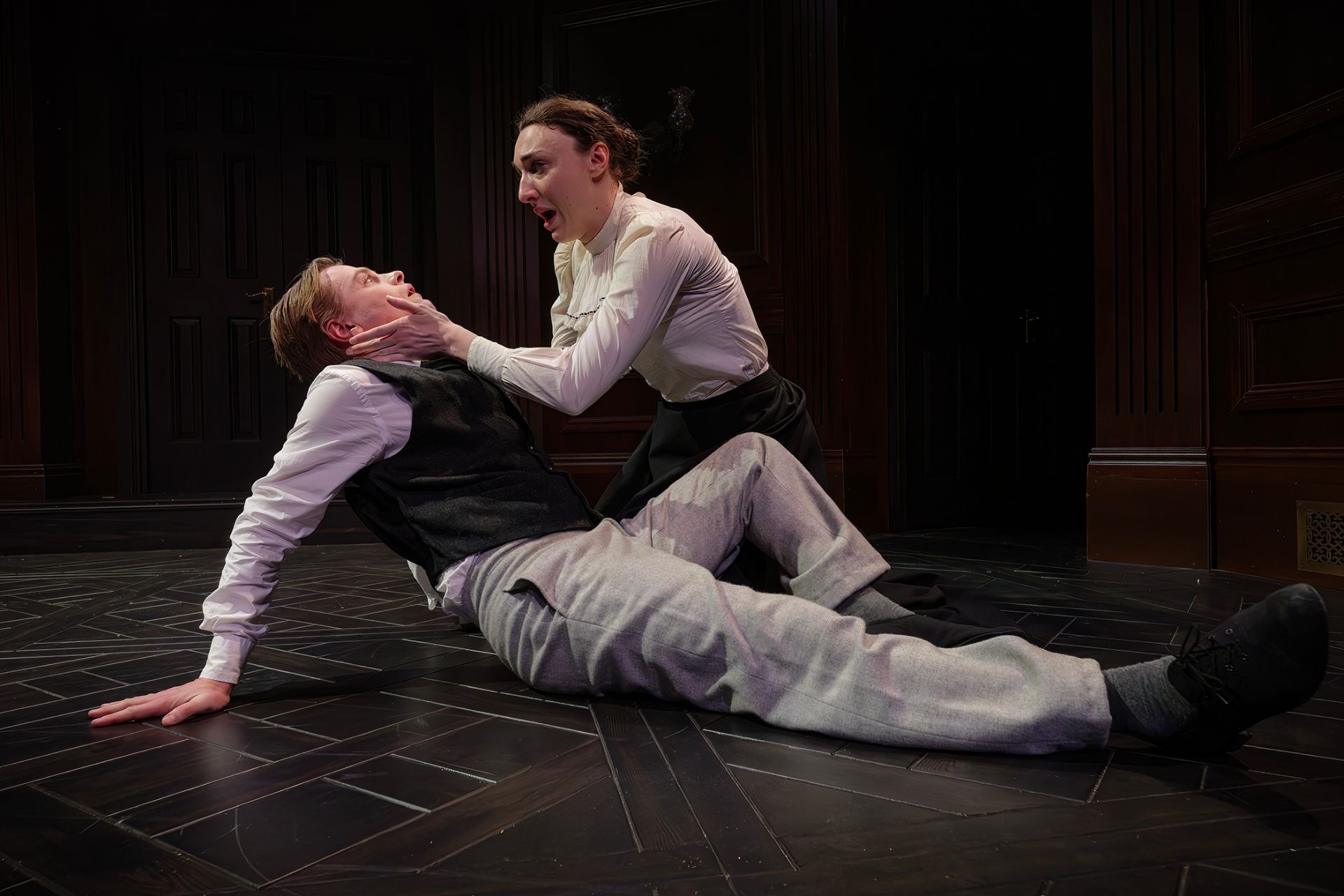
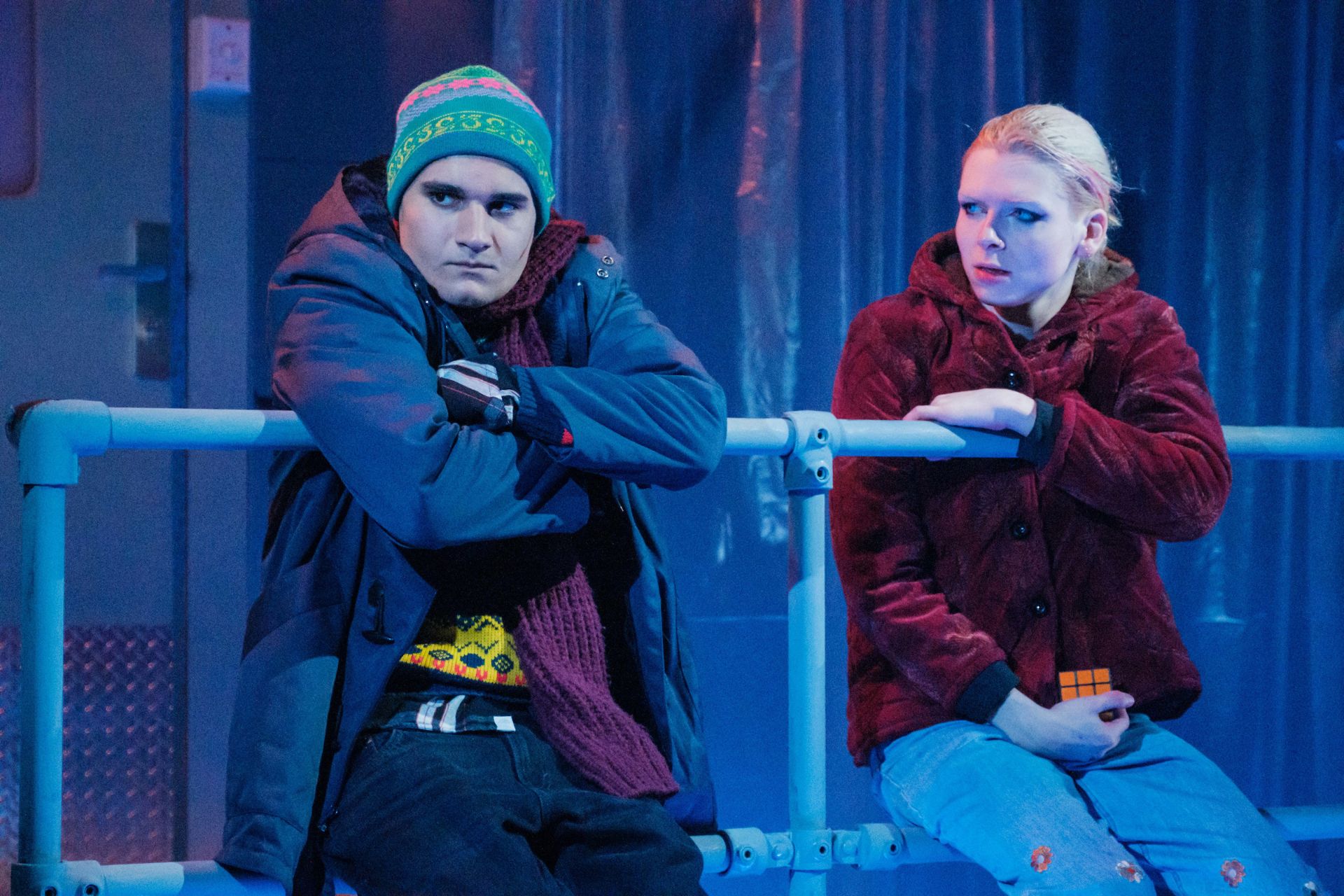
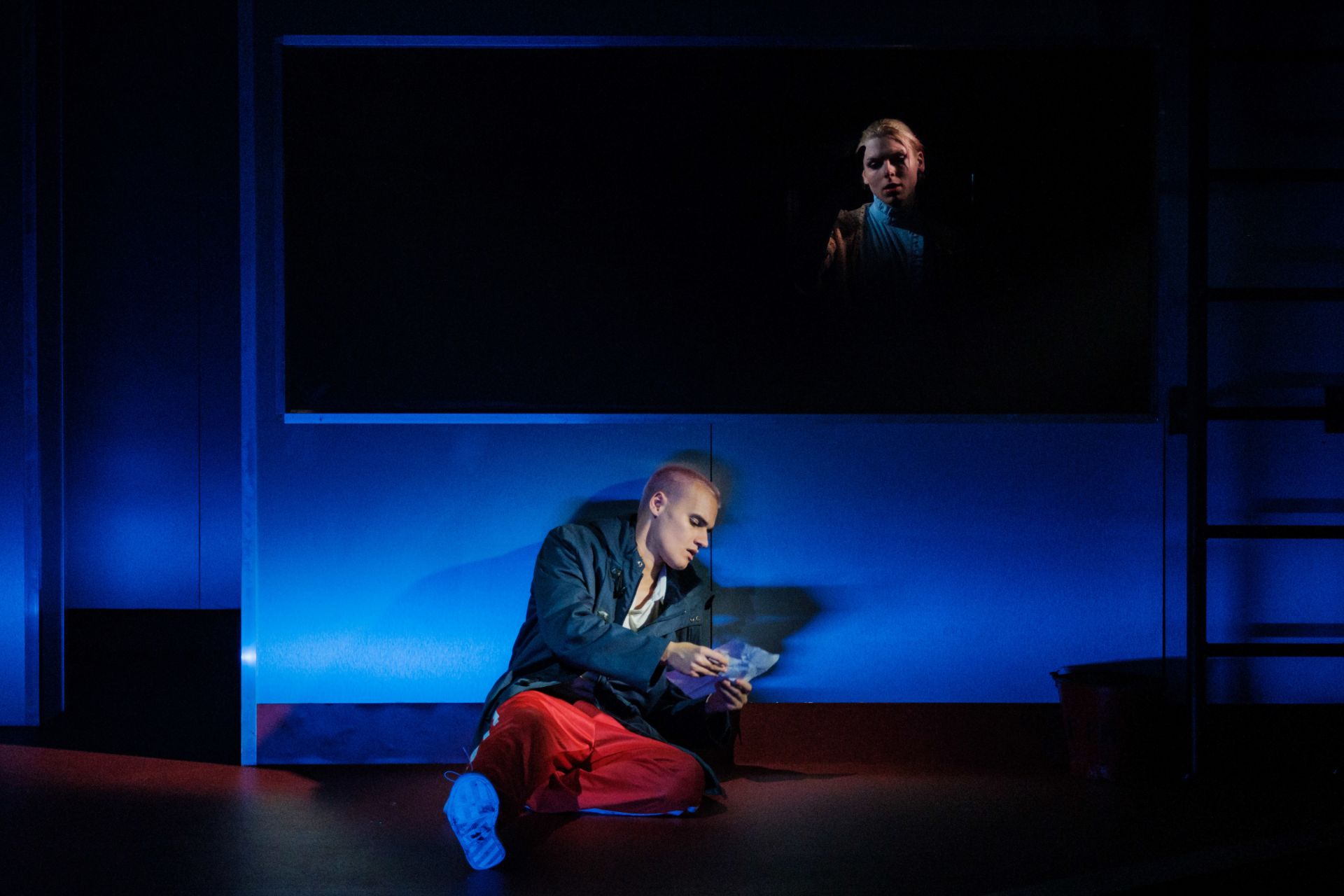
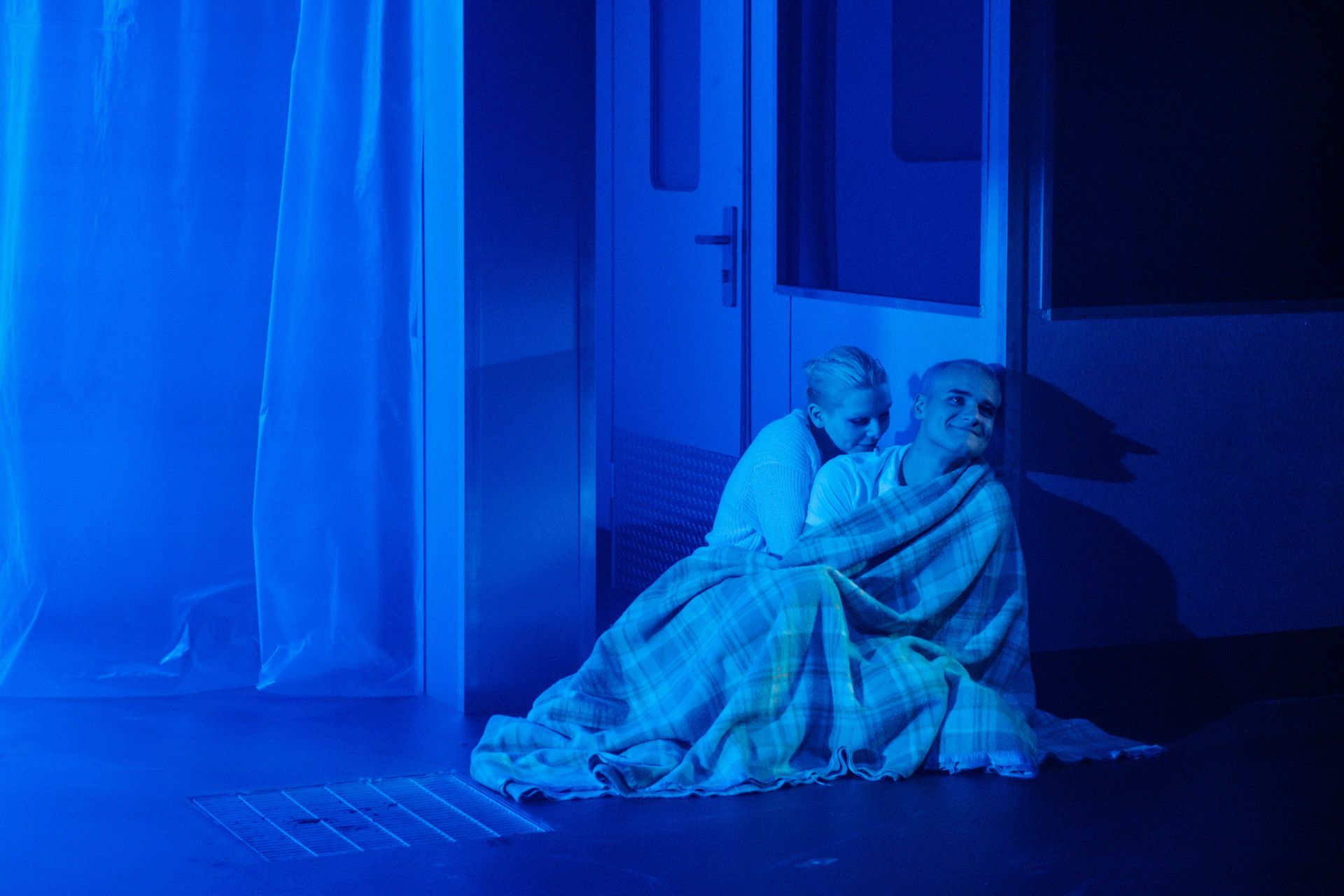
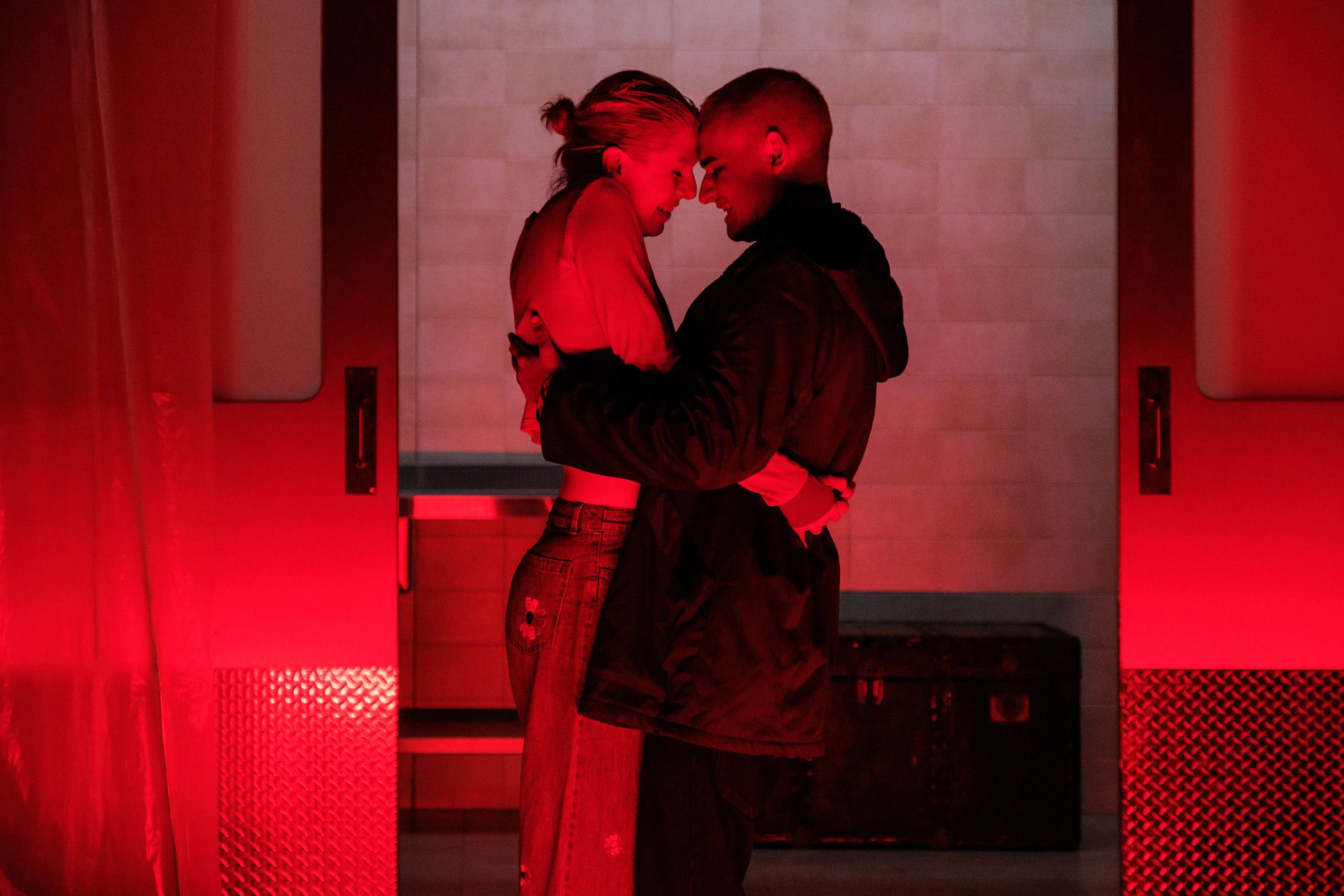
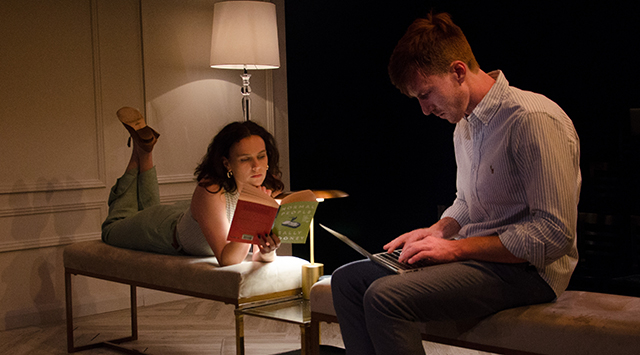
Chris and John meet at work, and an inexplicable attraction develops—something not quite romantic, yet undeniably charged with desire. When they finally give in to that magnetic pull, Chris moves on as though nothing has occurred, but John is irrevocably altered. His encounter with Chris has changed something fundamental in his mind, body, and perhaps even his soul. Monstrous keeps its meaning deliberately elusive, as if subscribing to the modern dictum, “if you know, you know.”

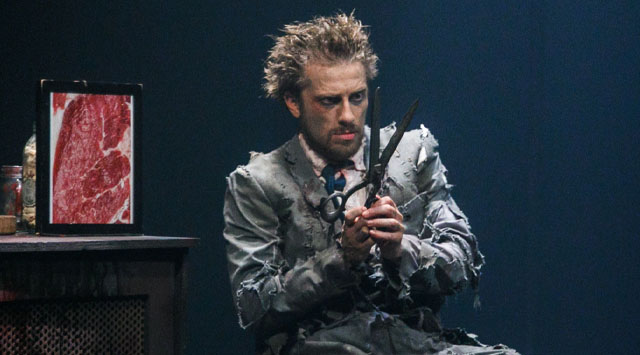
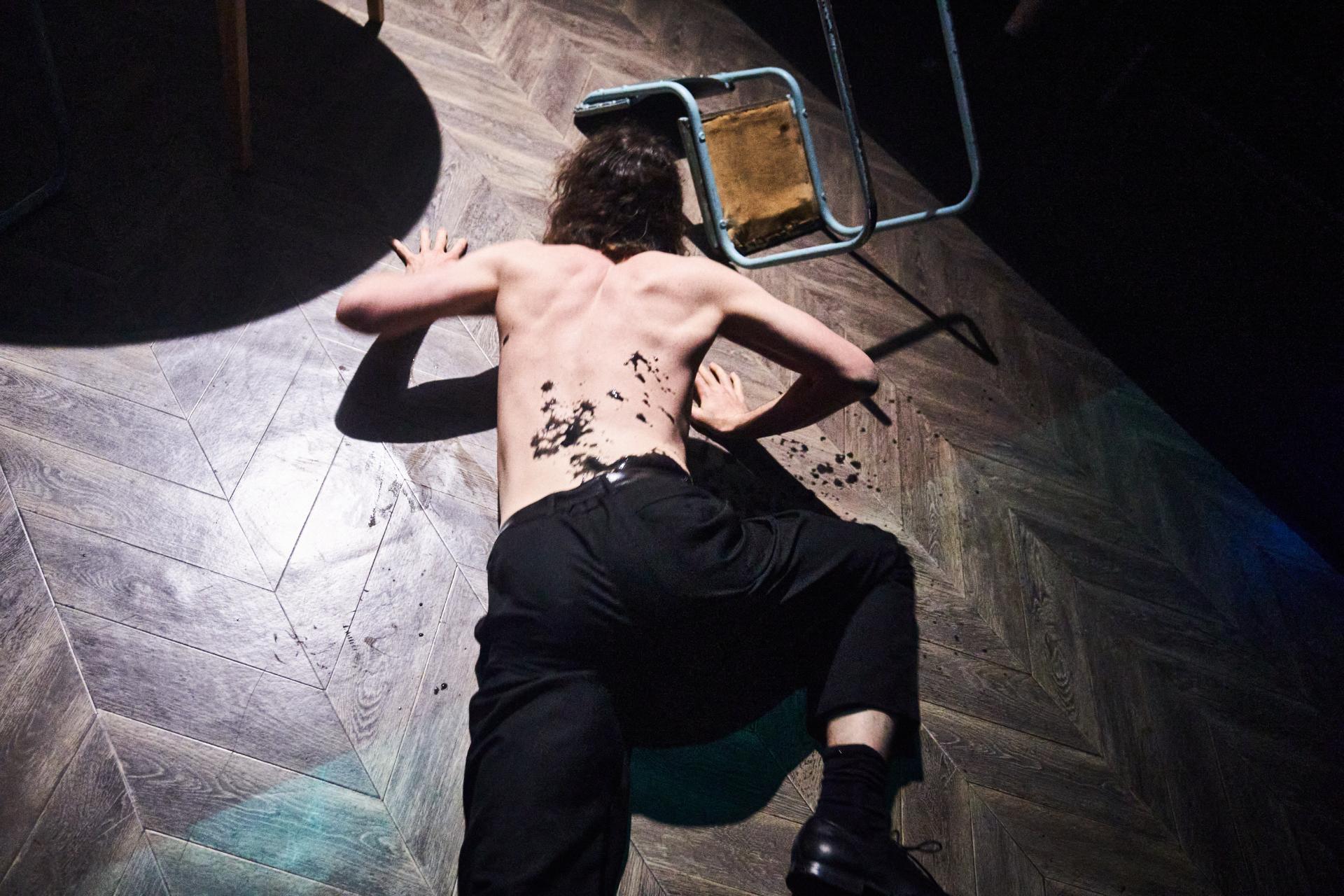
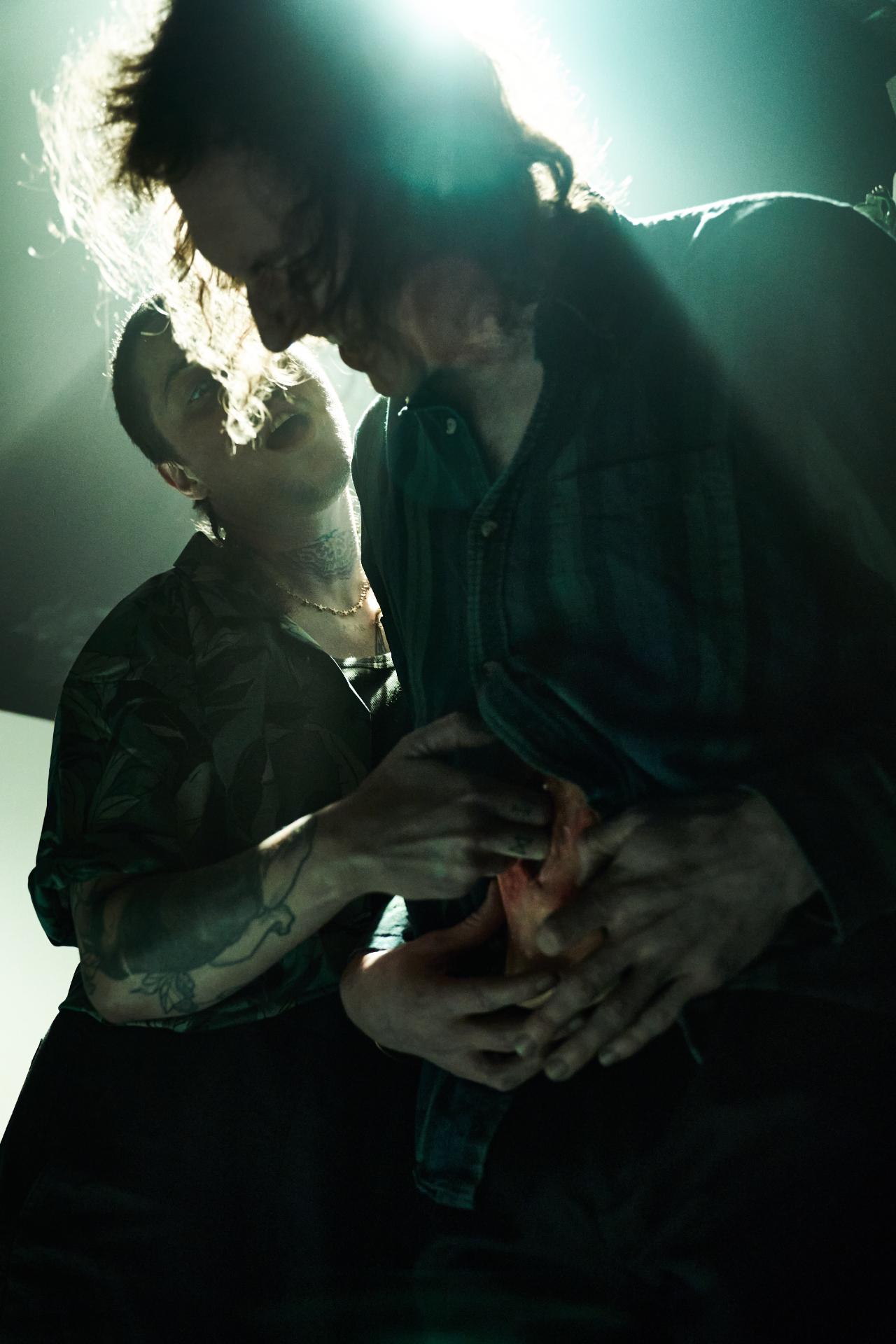
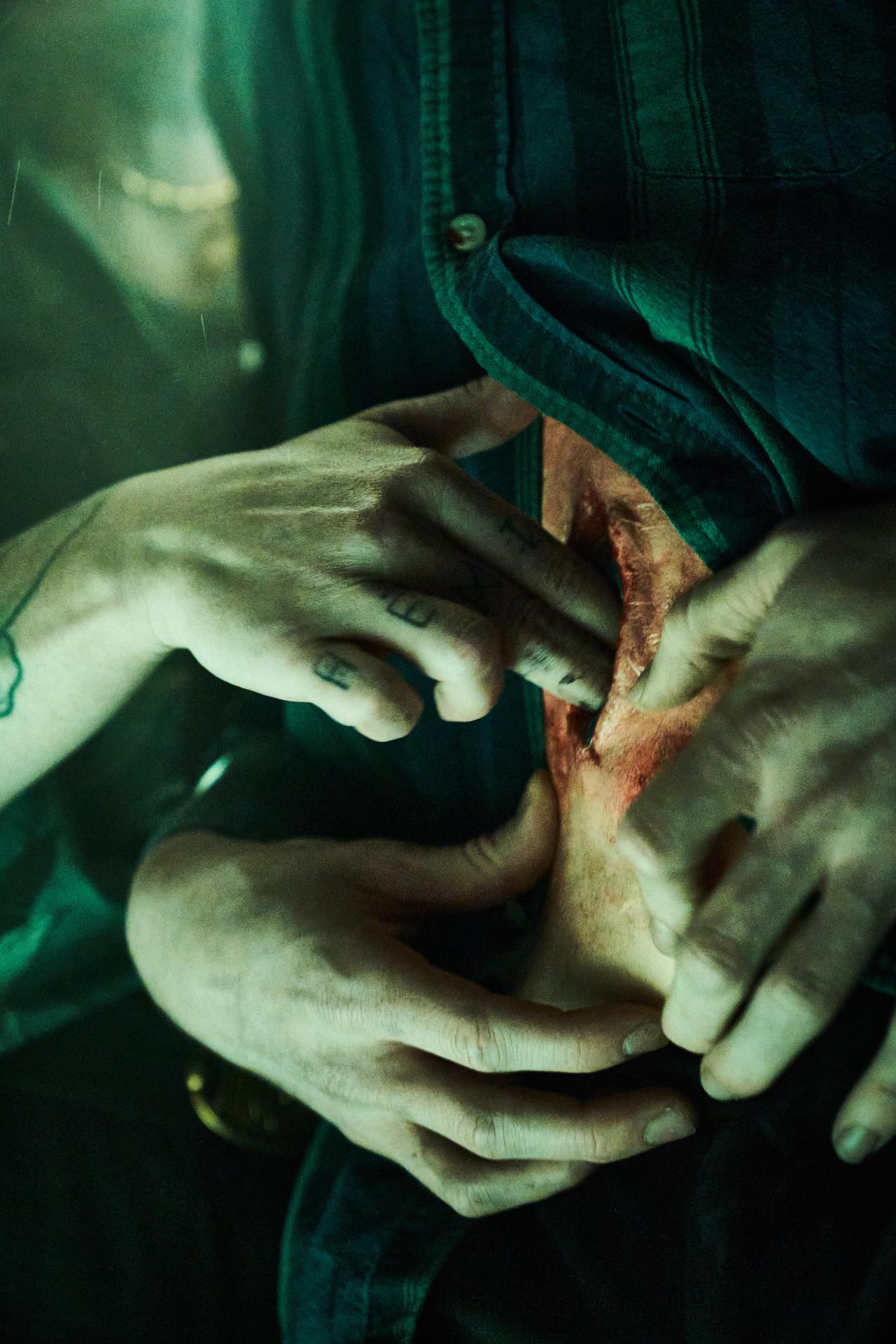
Lu Bradshaw’s direction fuses horror and the supernatural to conjure a meditation on embodiment—how the body can betray, transform, or transcend itself—exploring corporeal experience in all its contradictions: metaphysical yet visceral, intimate yet alien, and ultimately revealing the uneasy truth that our bodies are never as stable as we believe them to be.

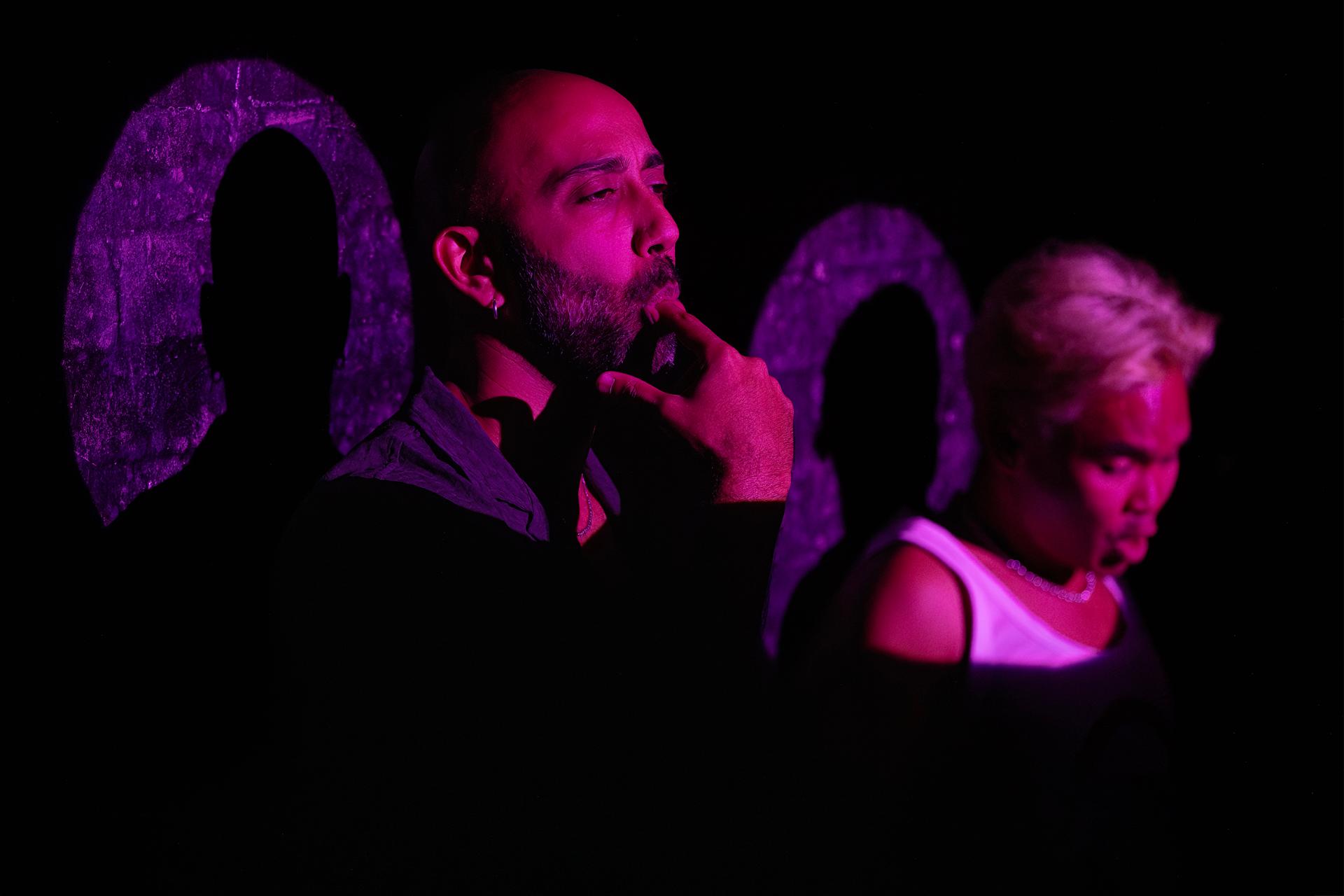
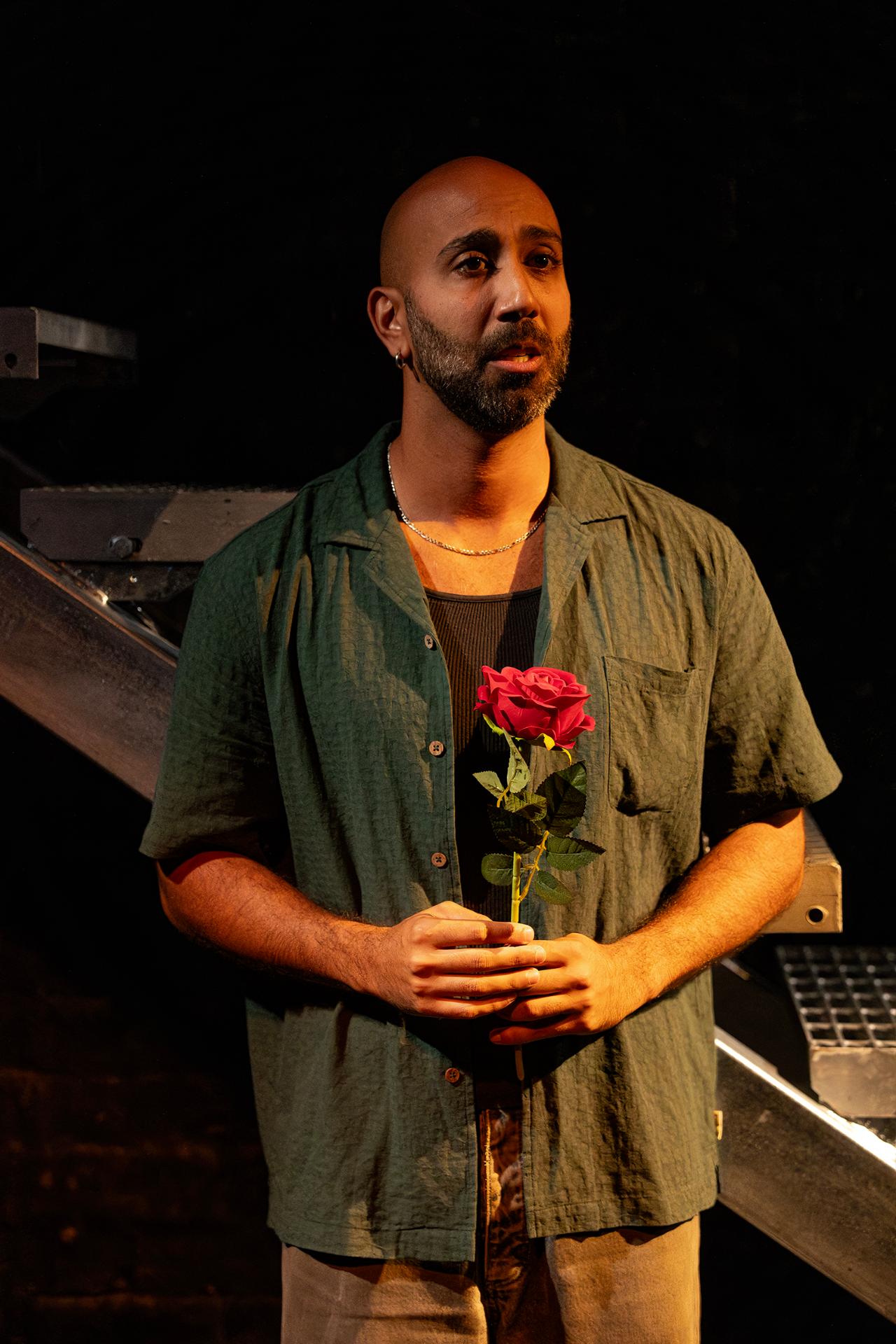
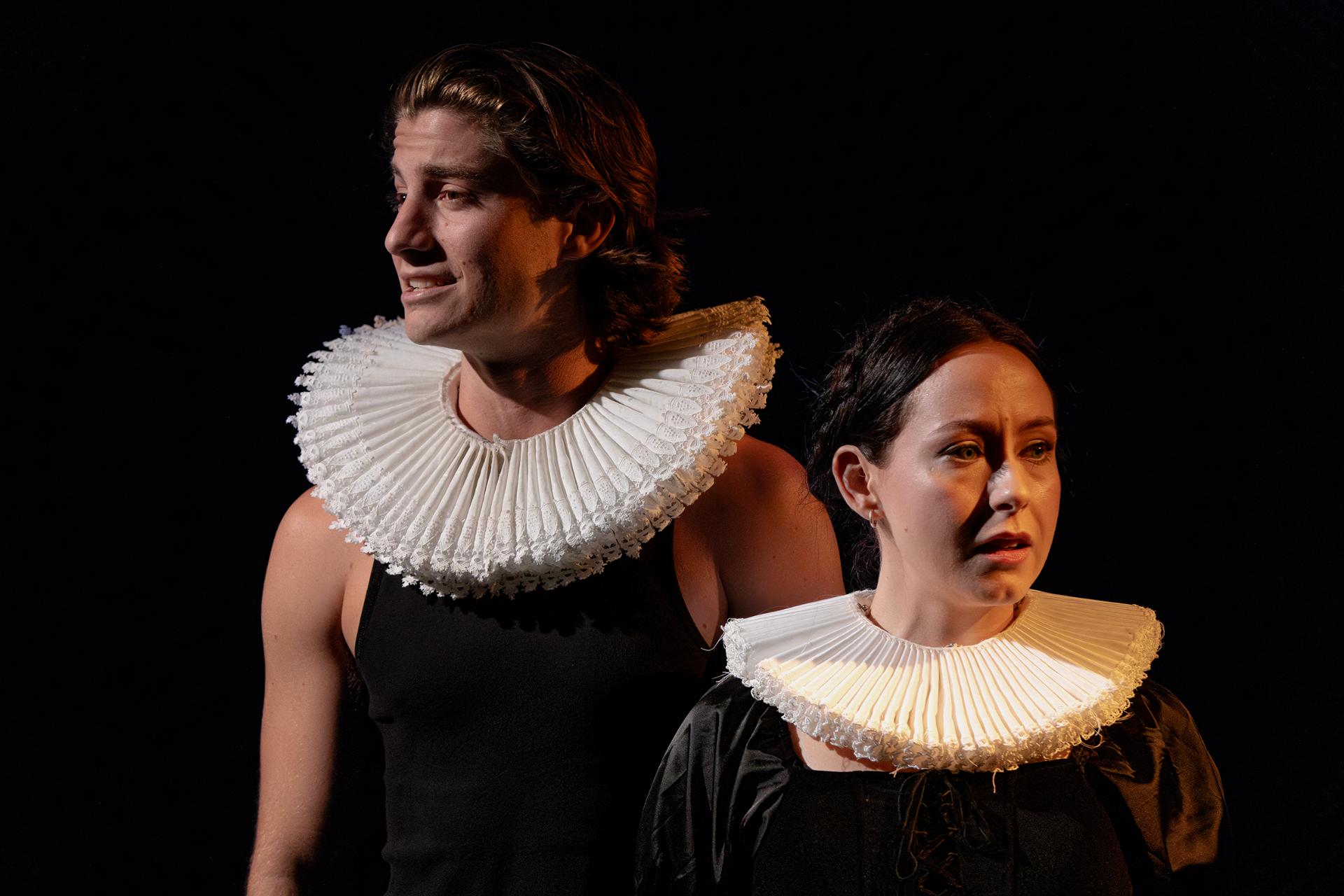
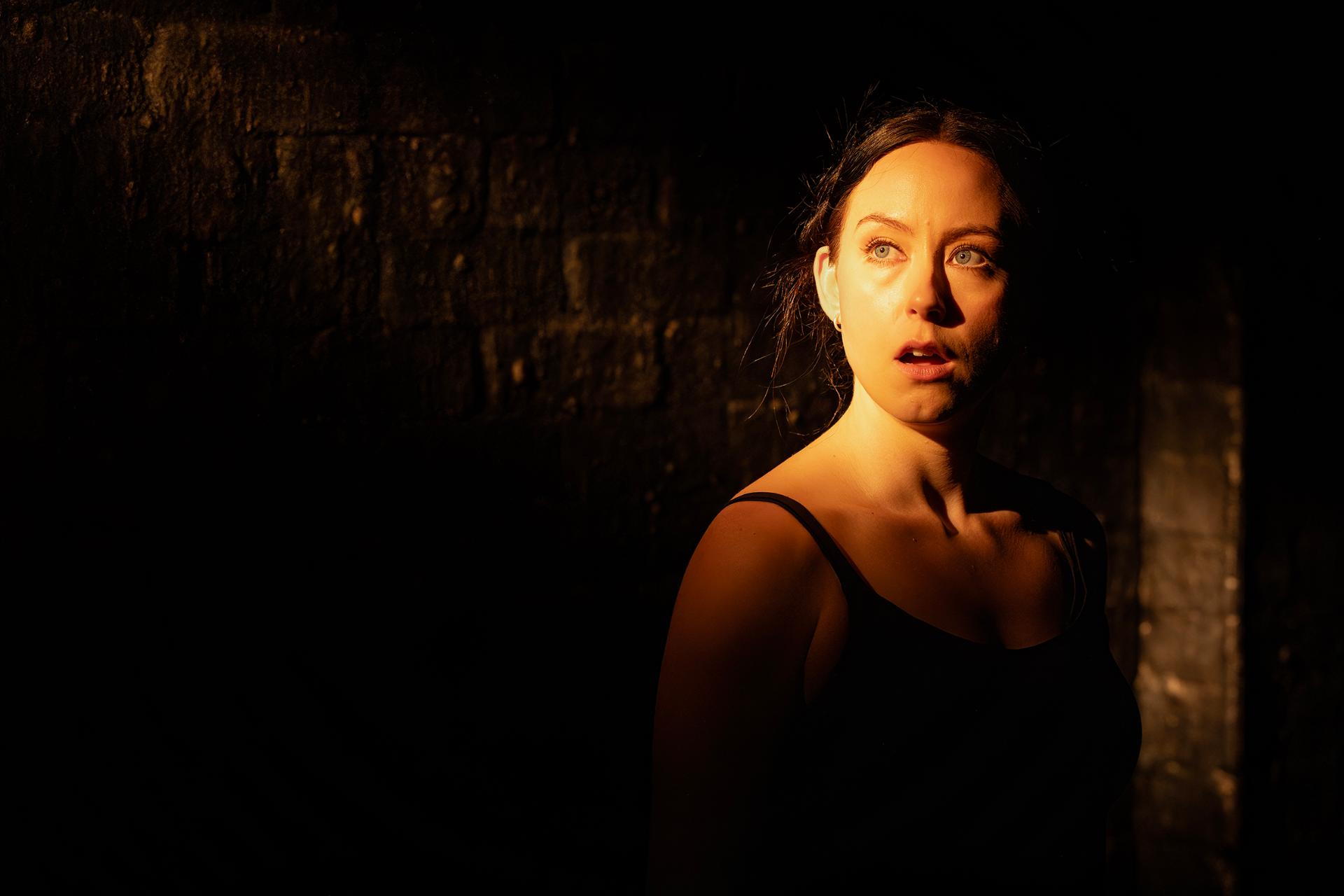
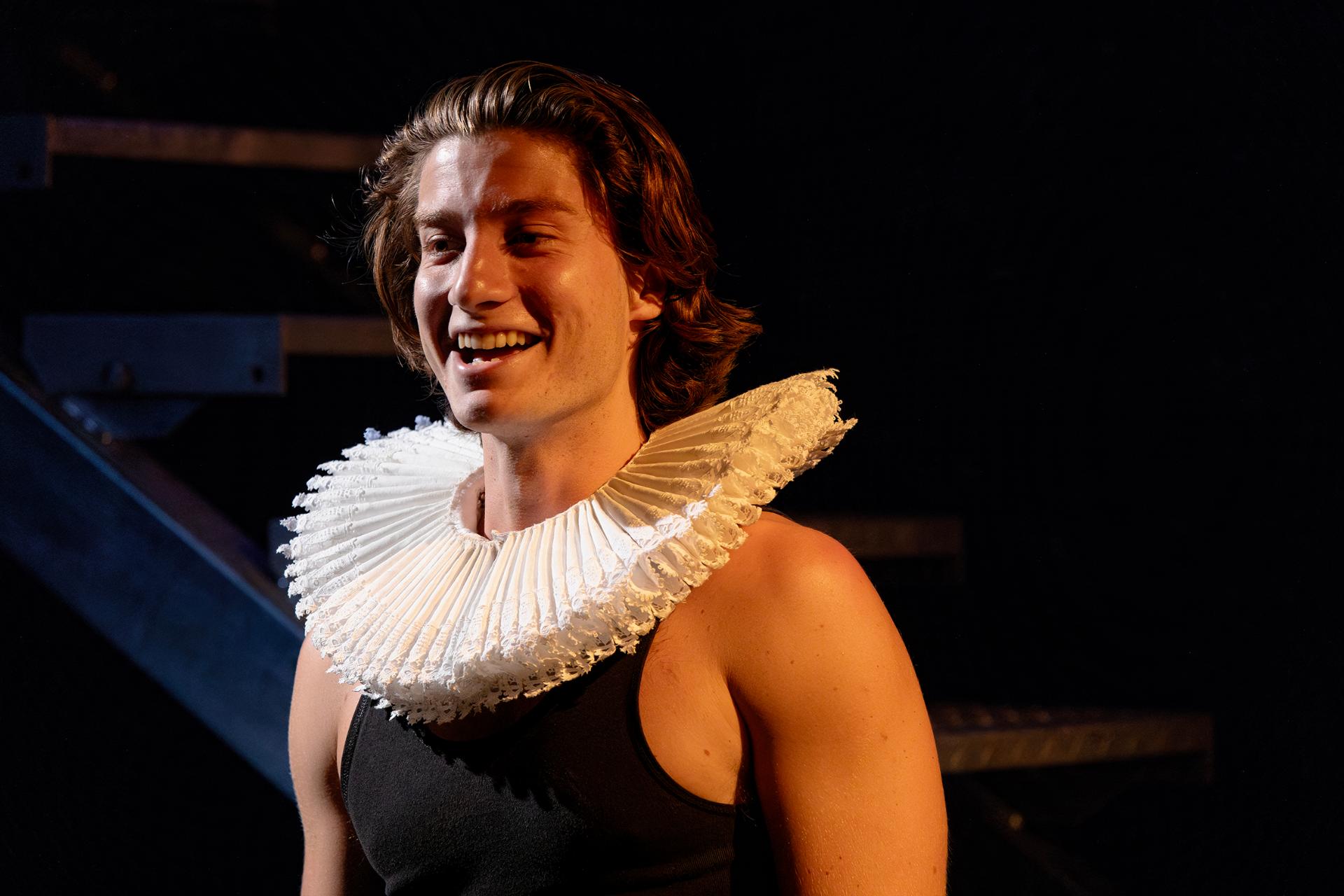
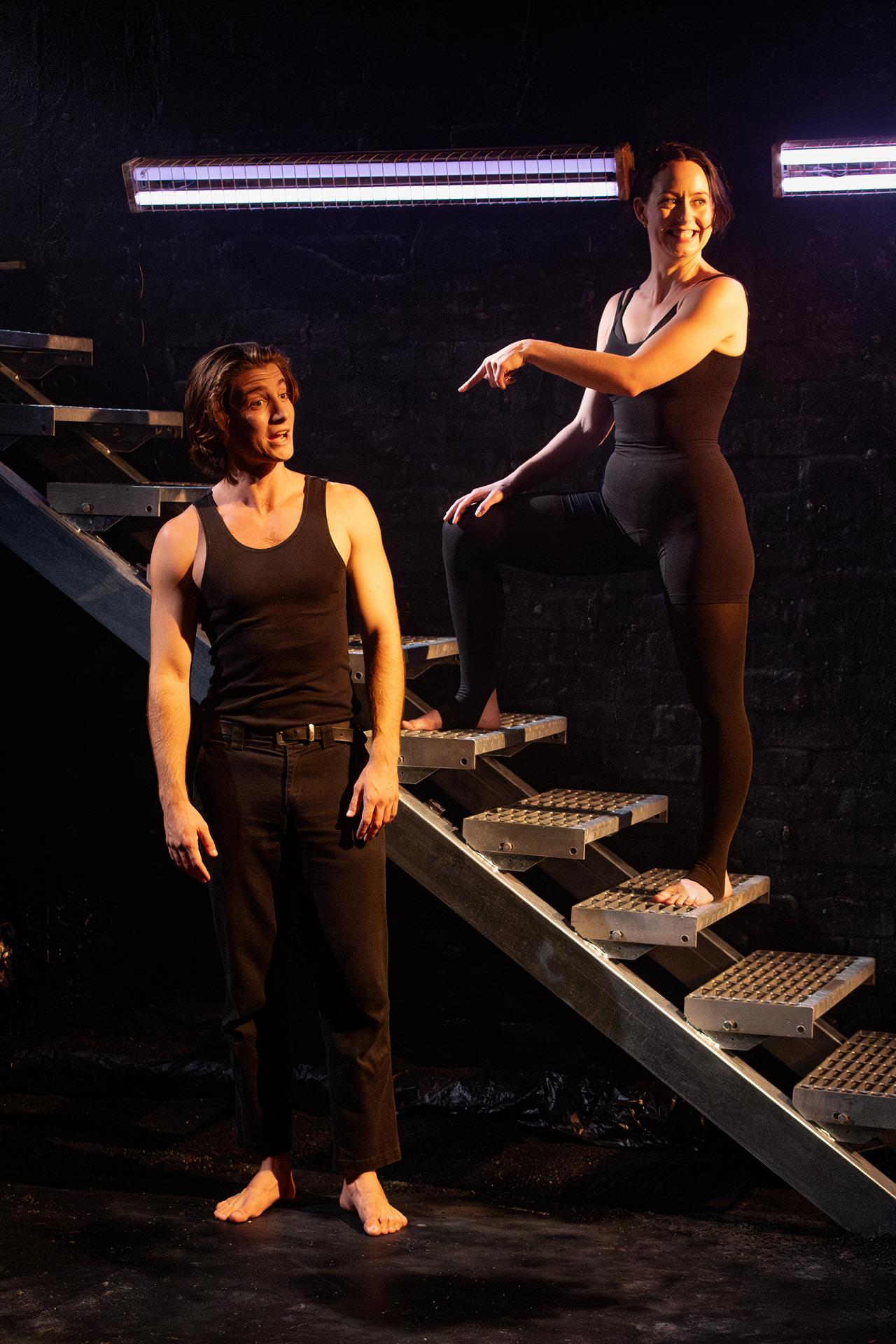
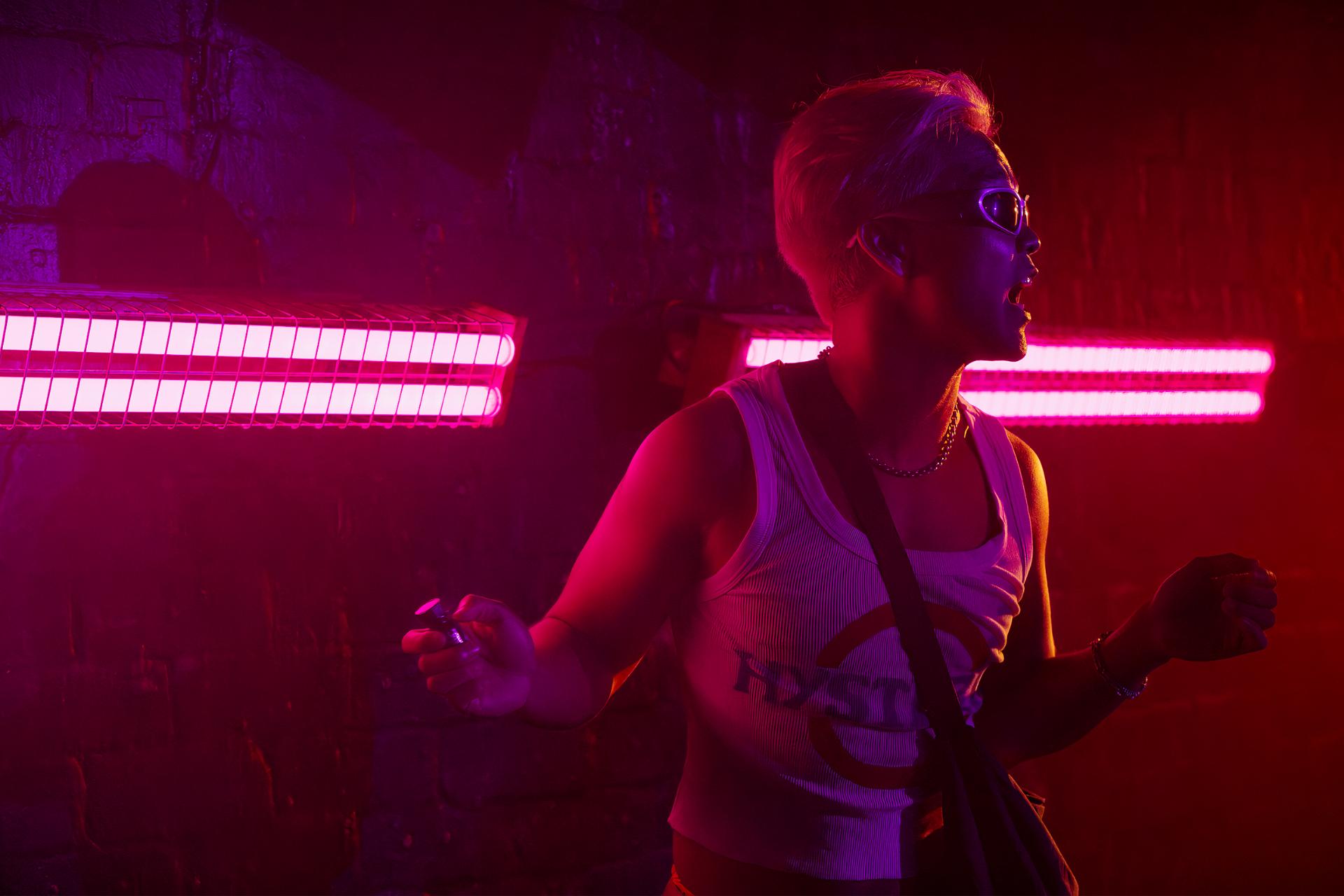
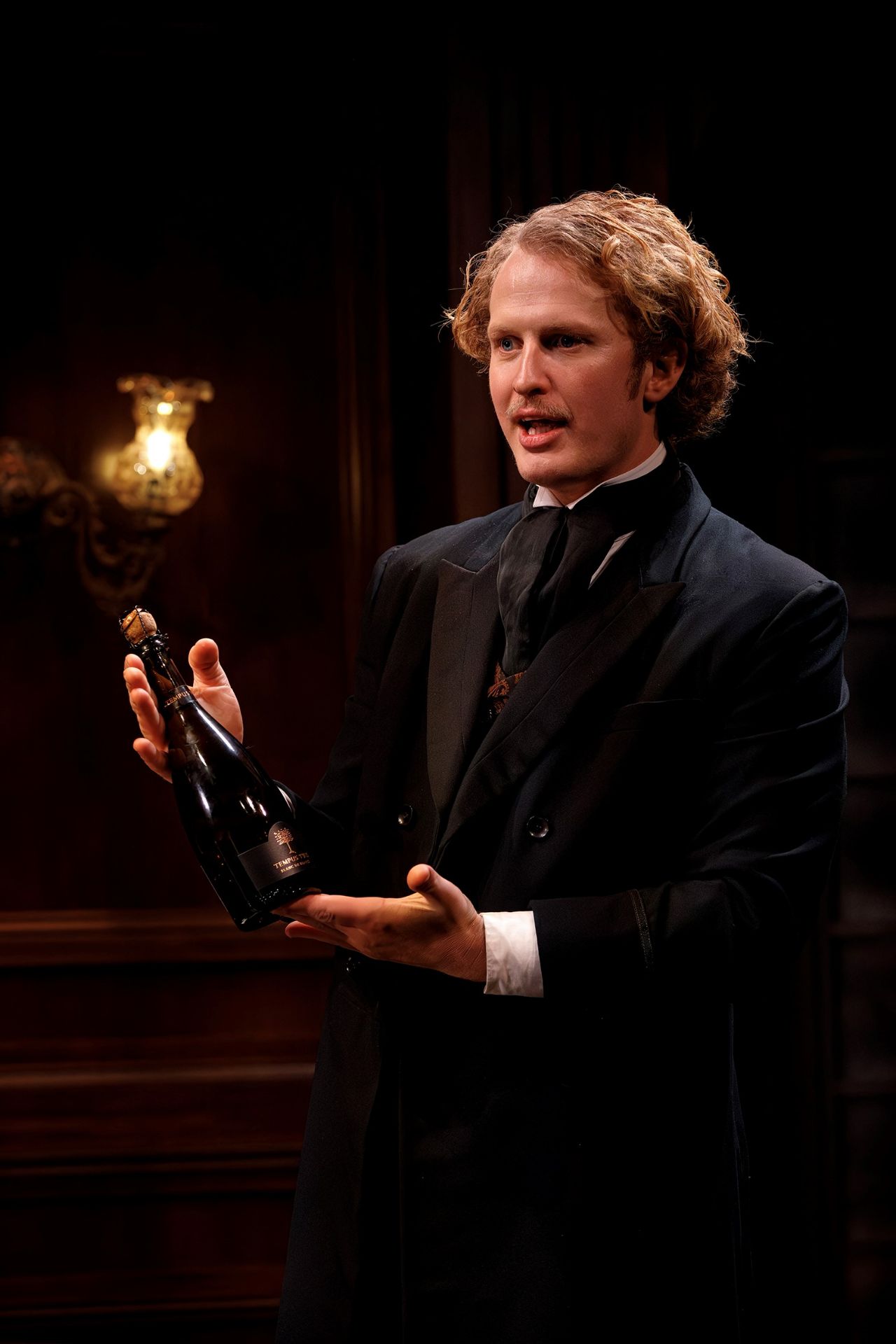
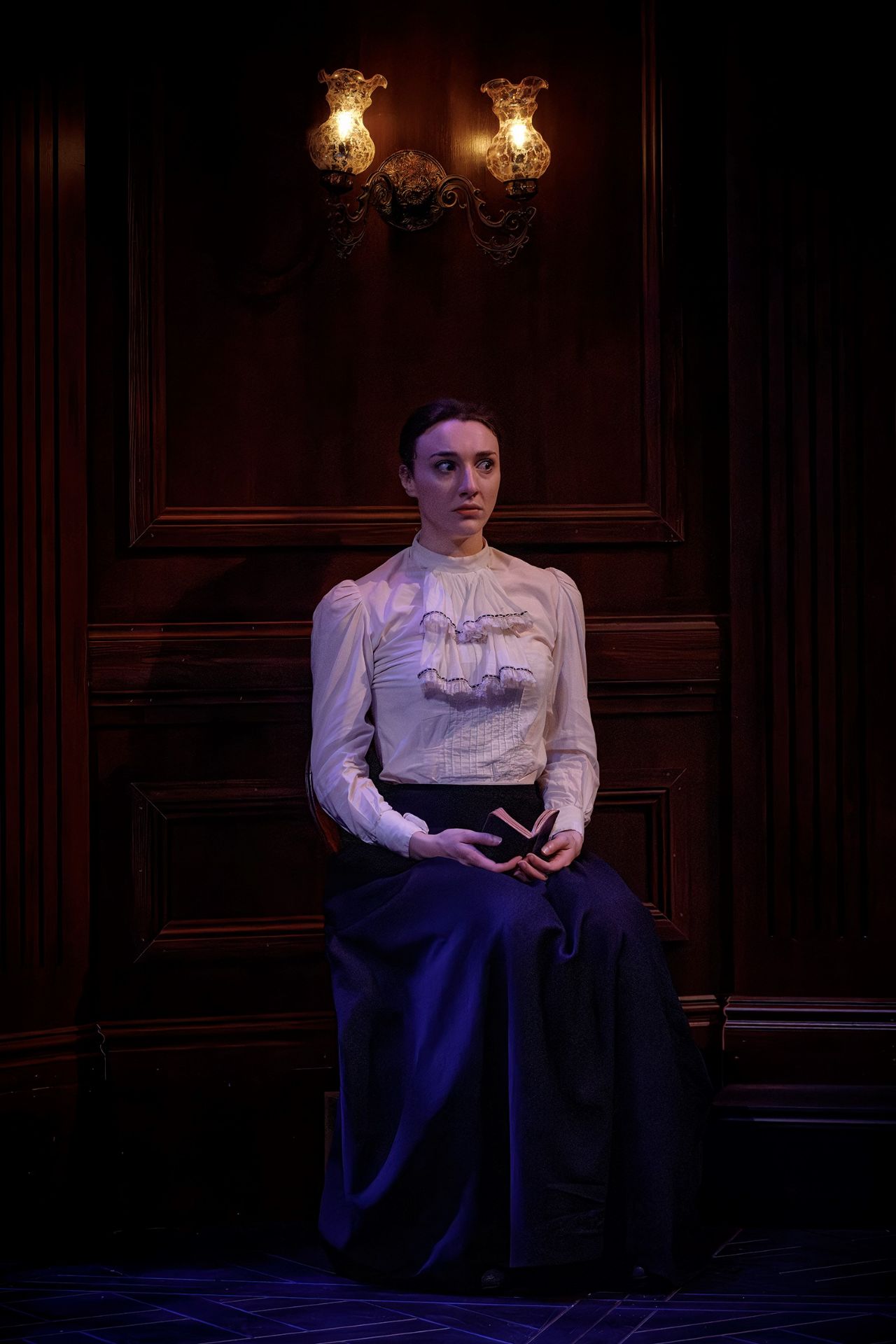
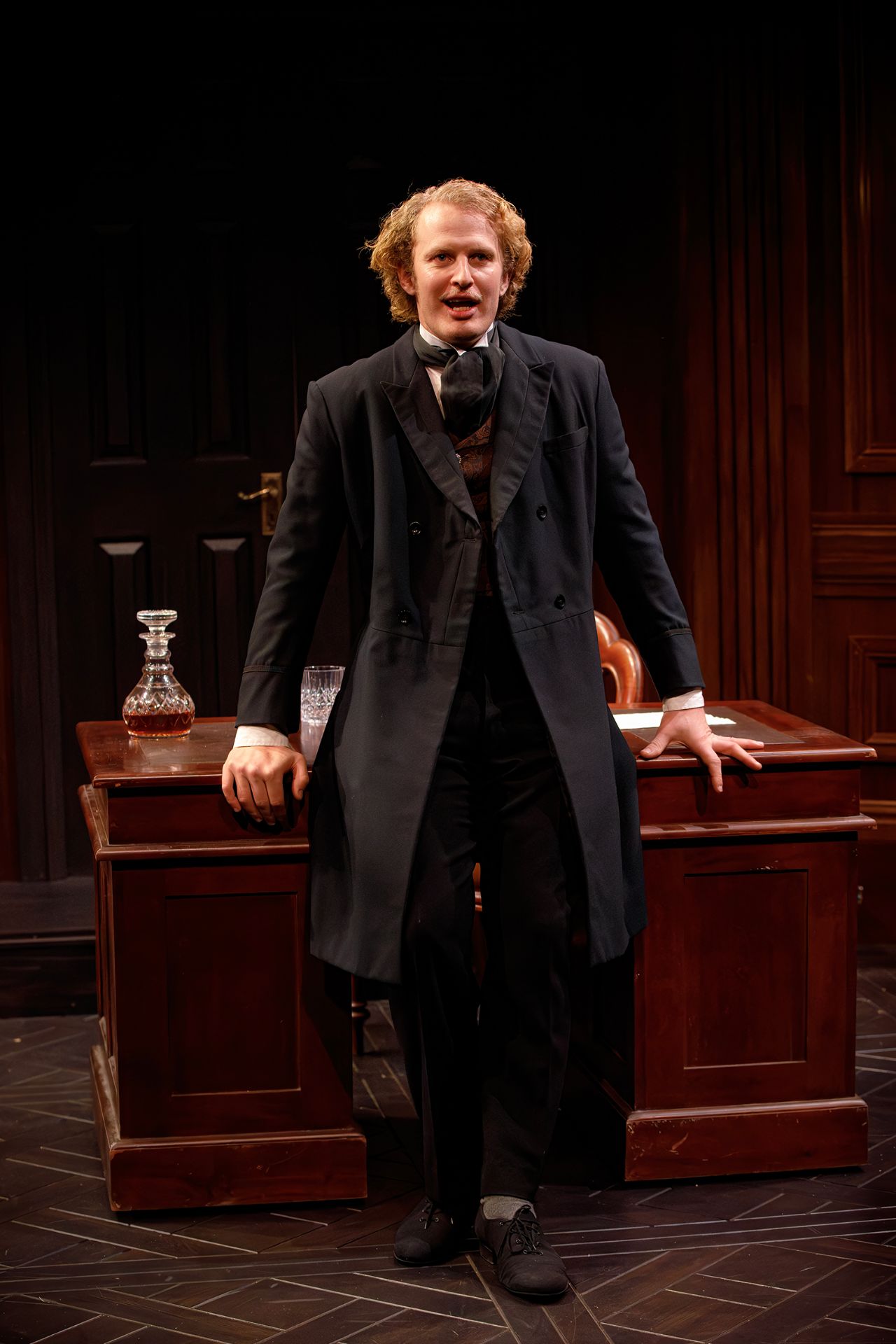
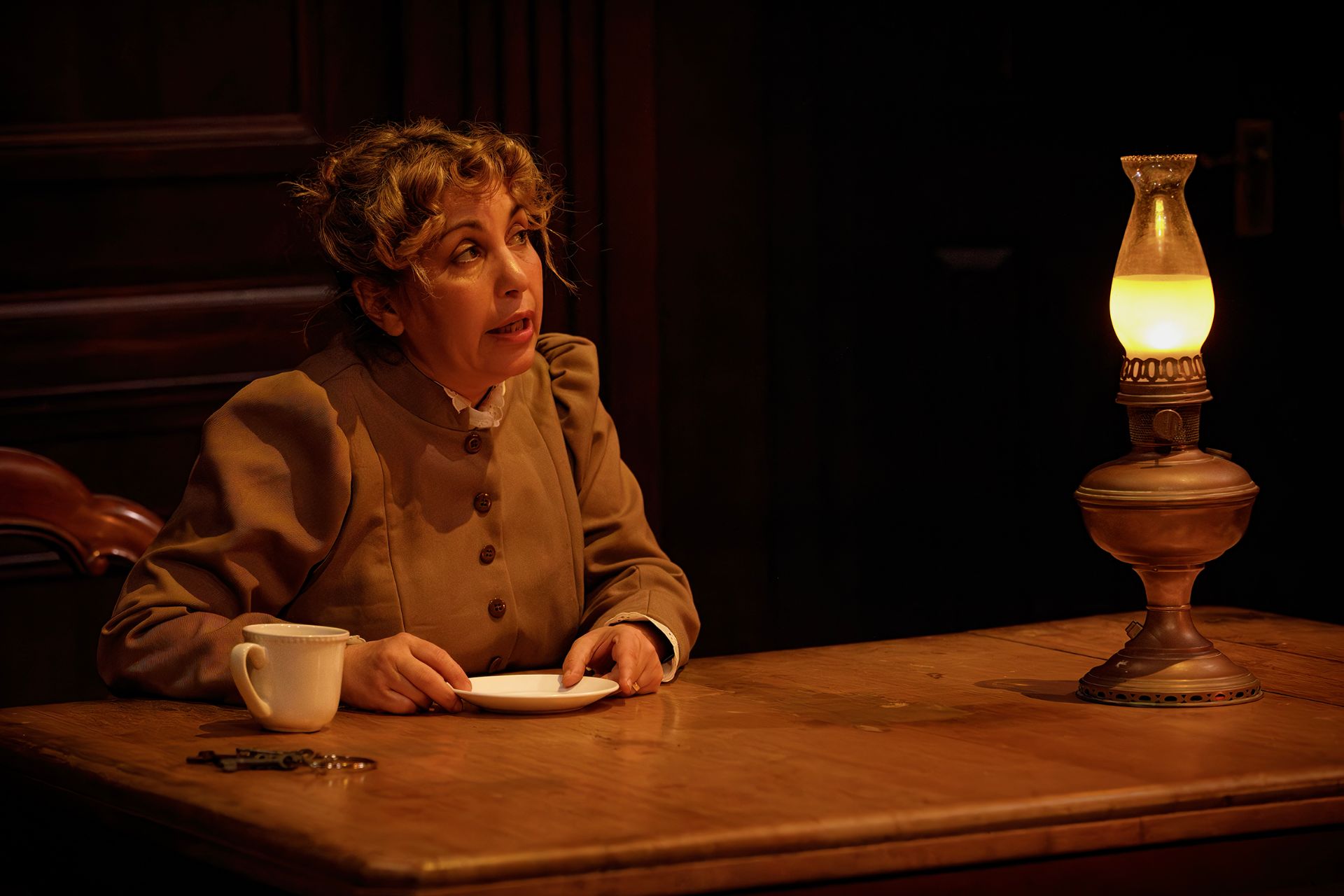
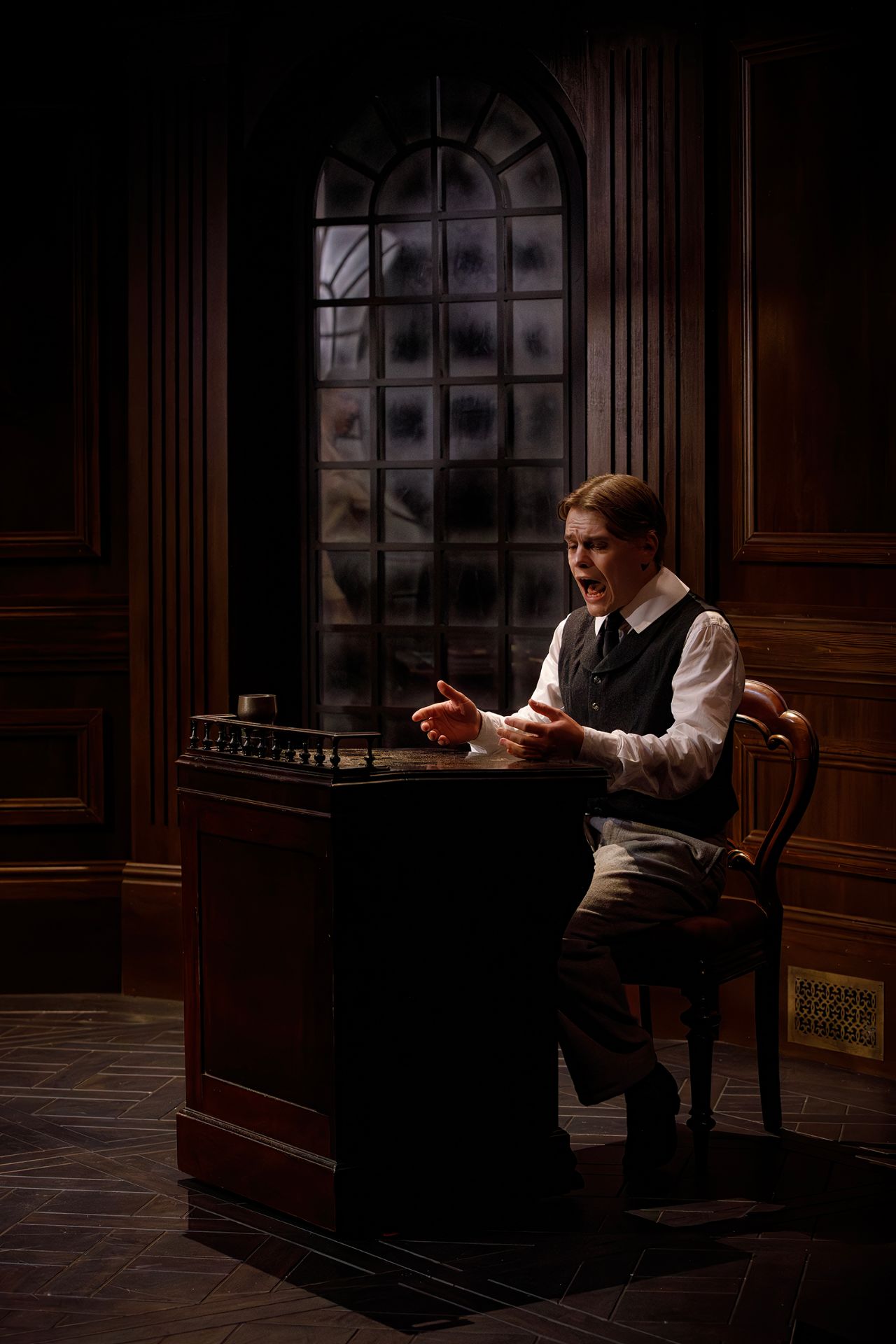
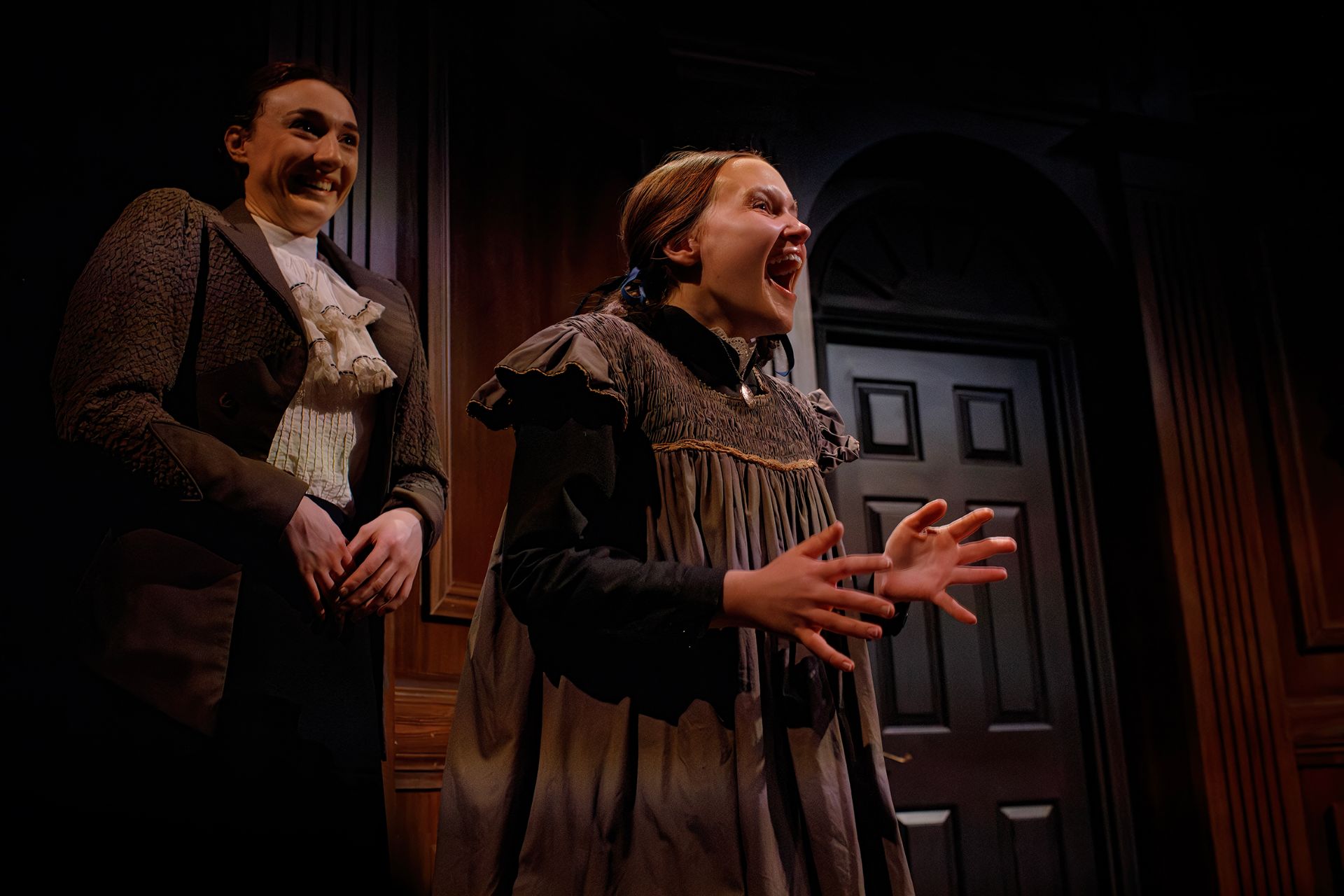
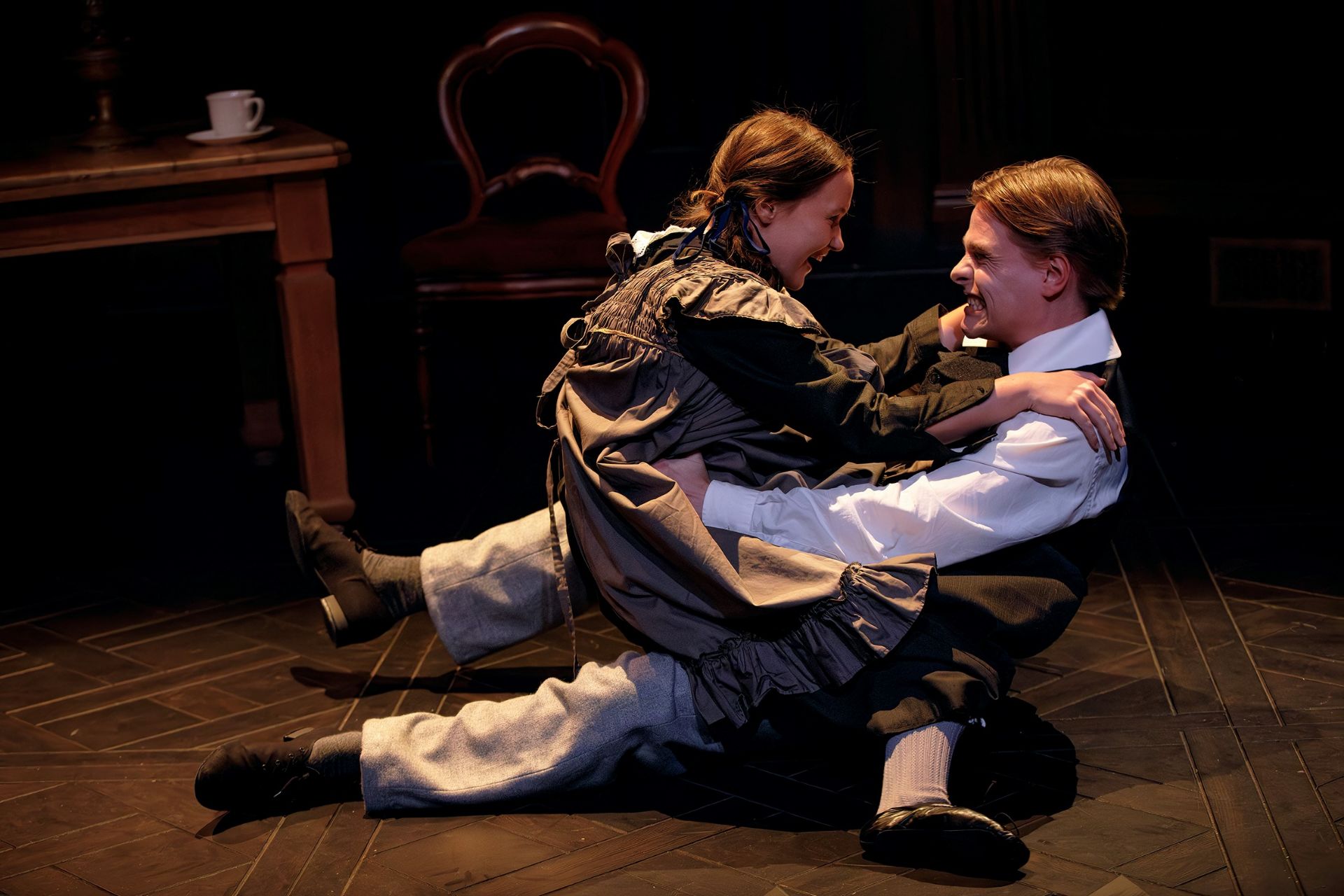
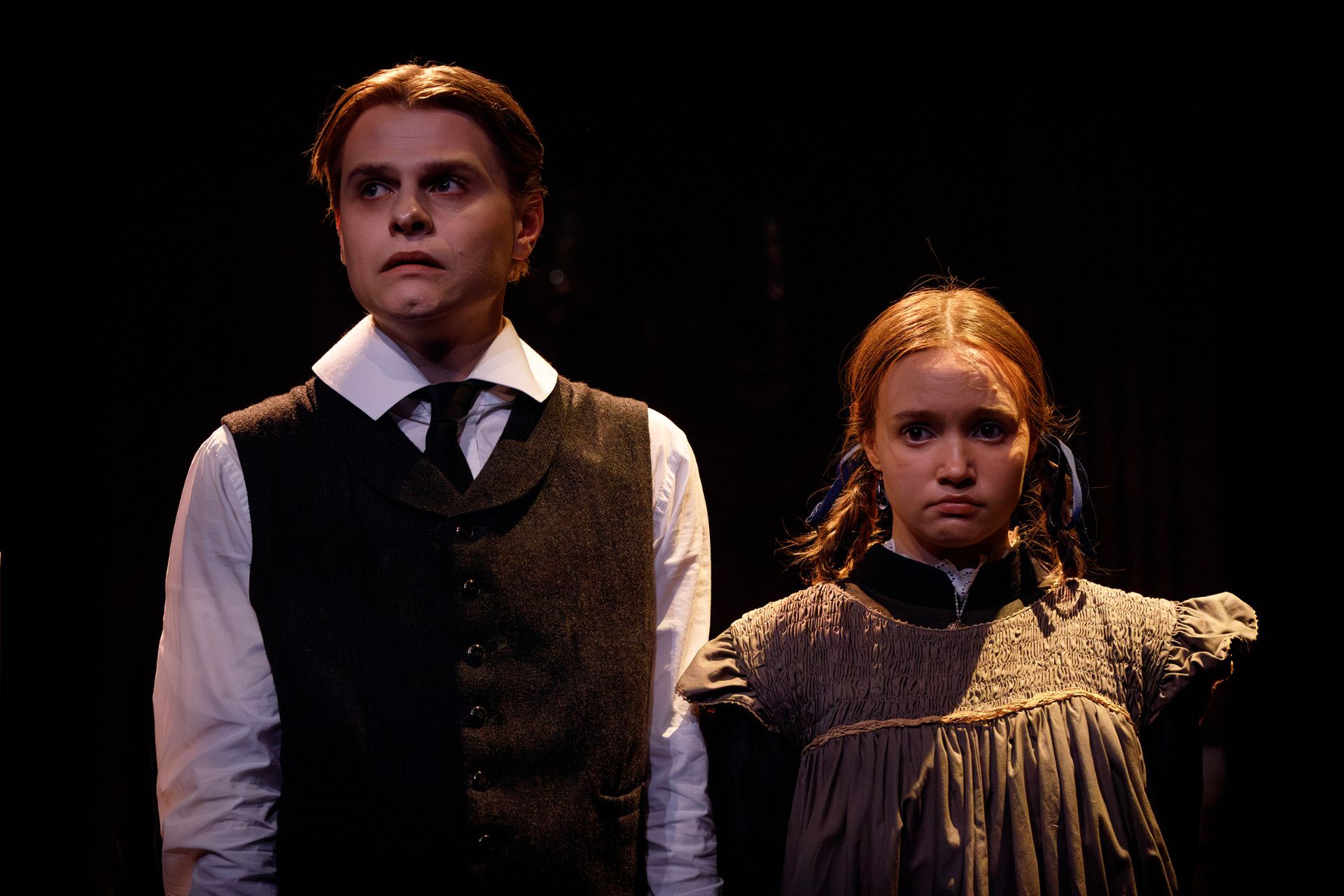
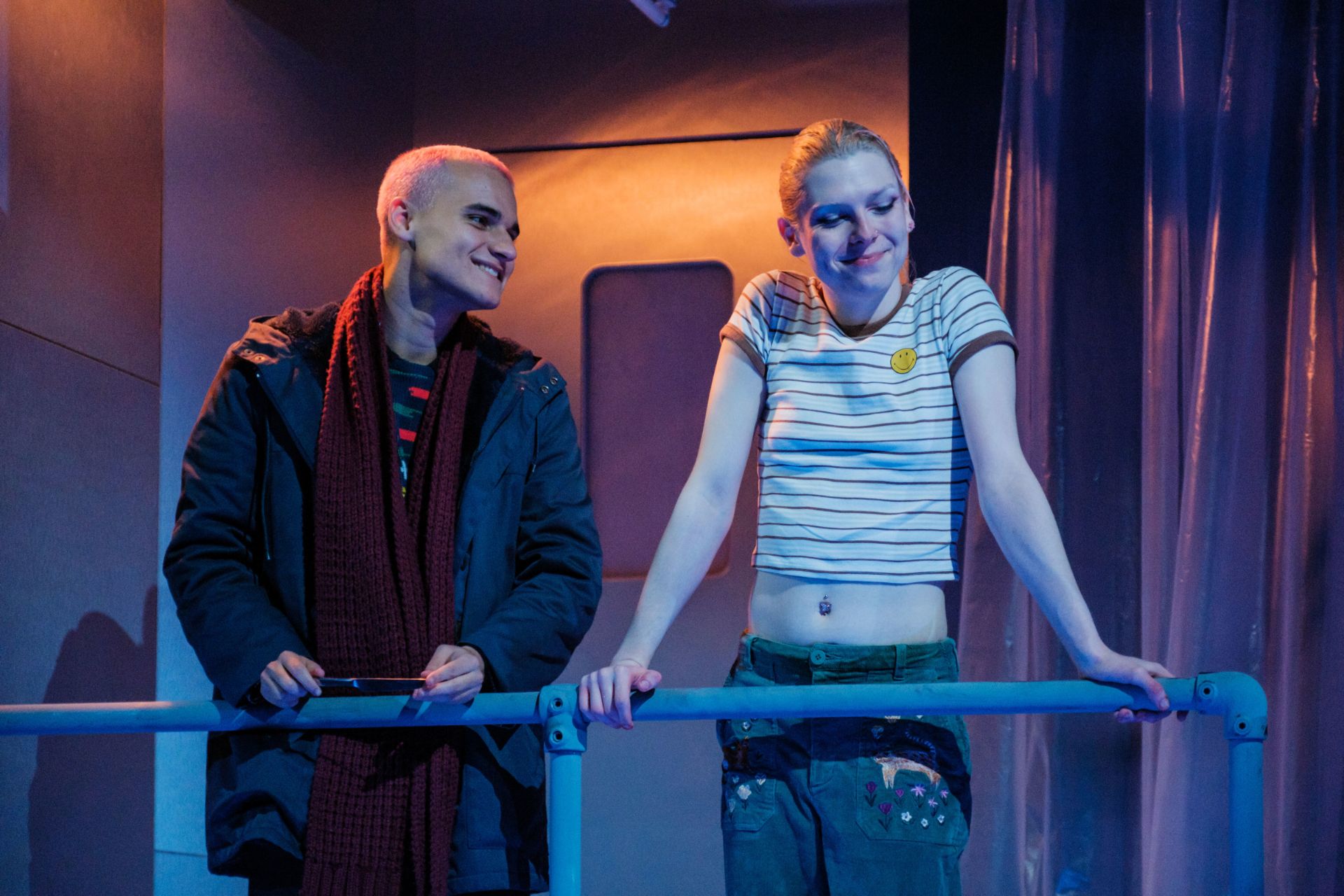
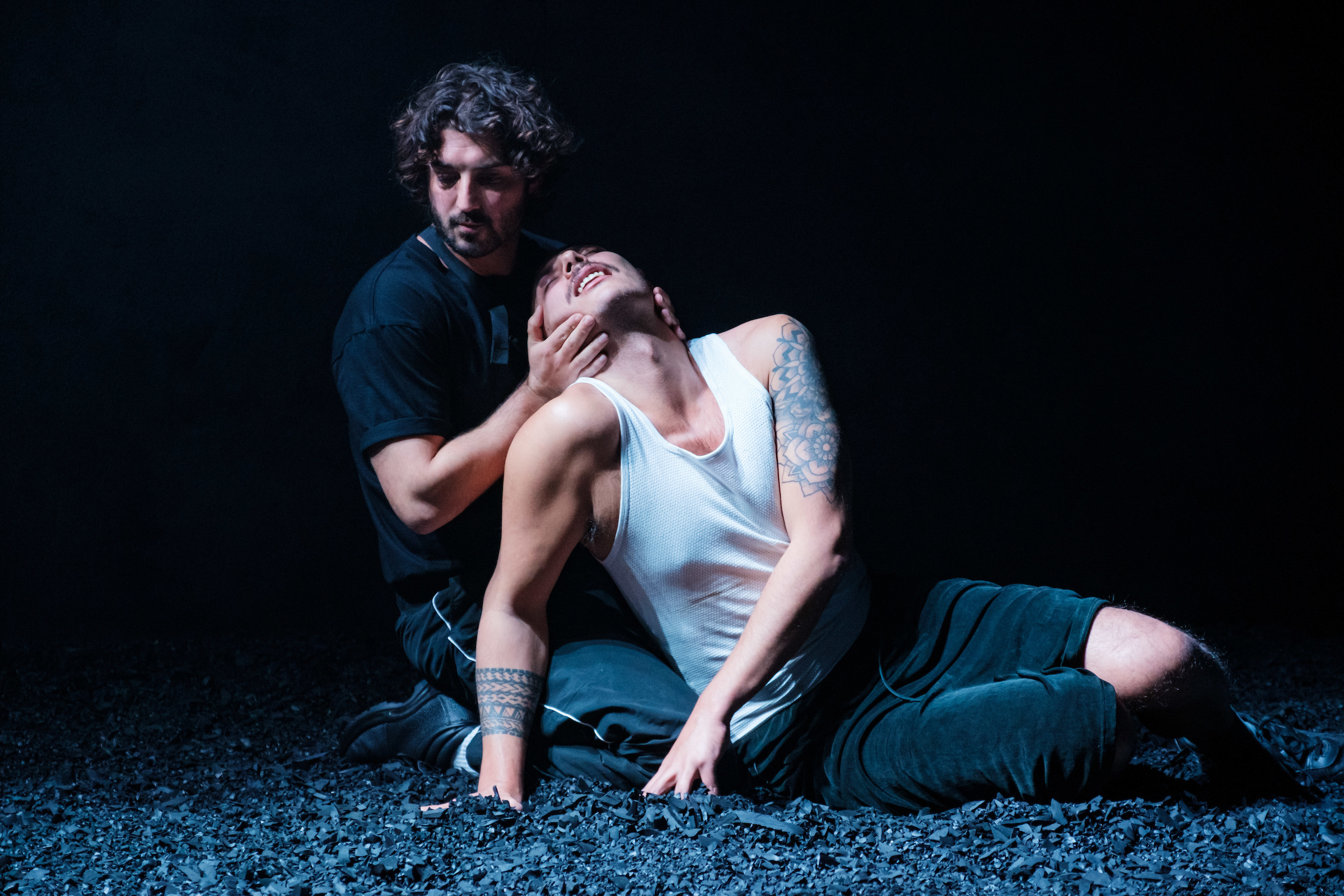
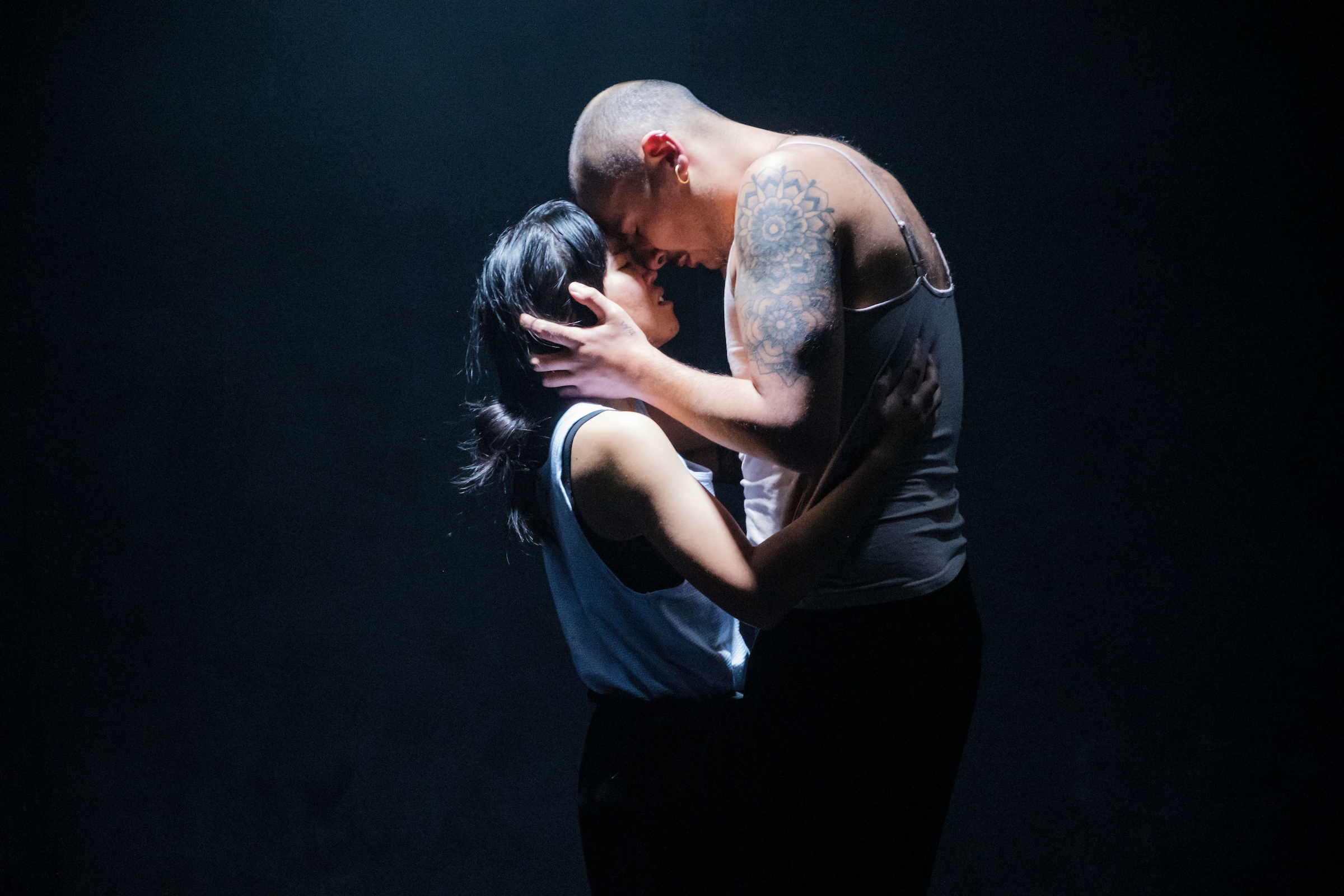
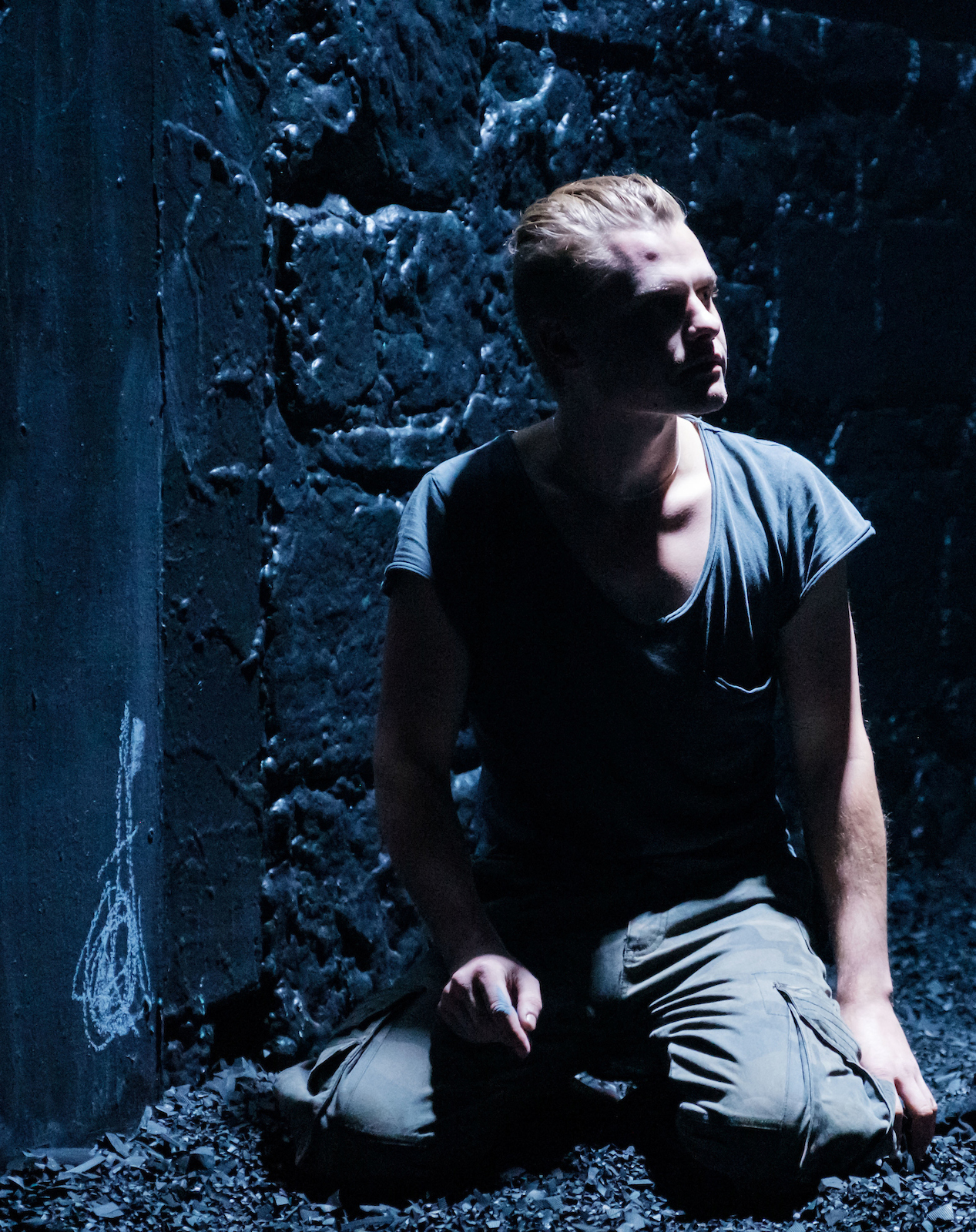
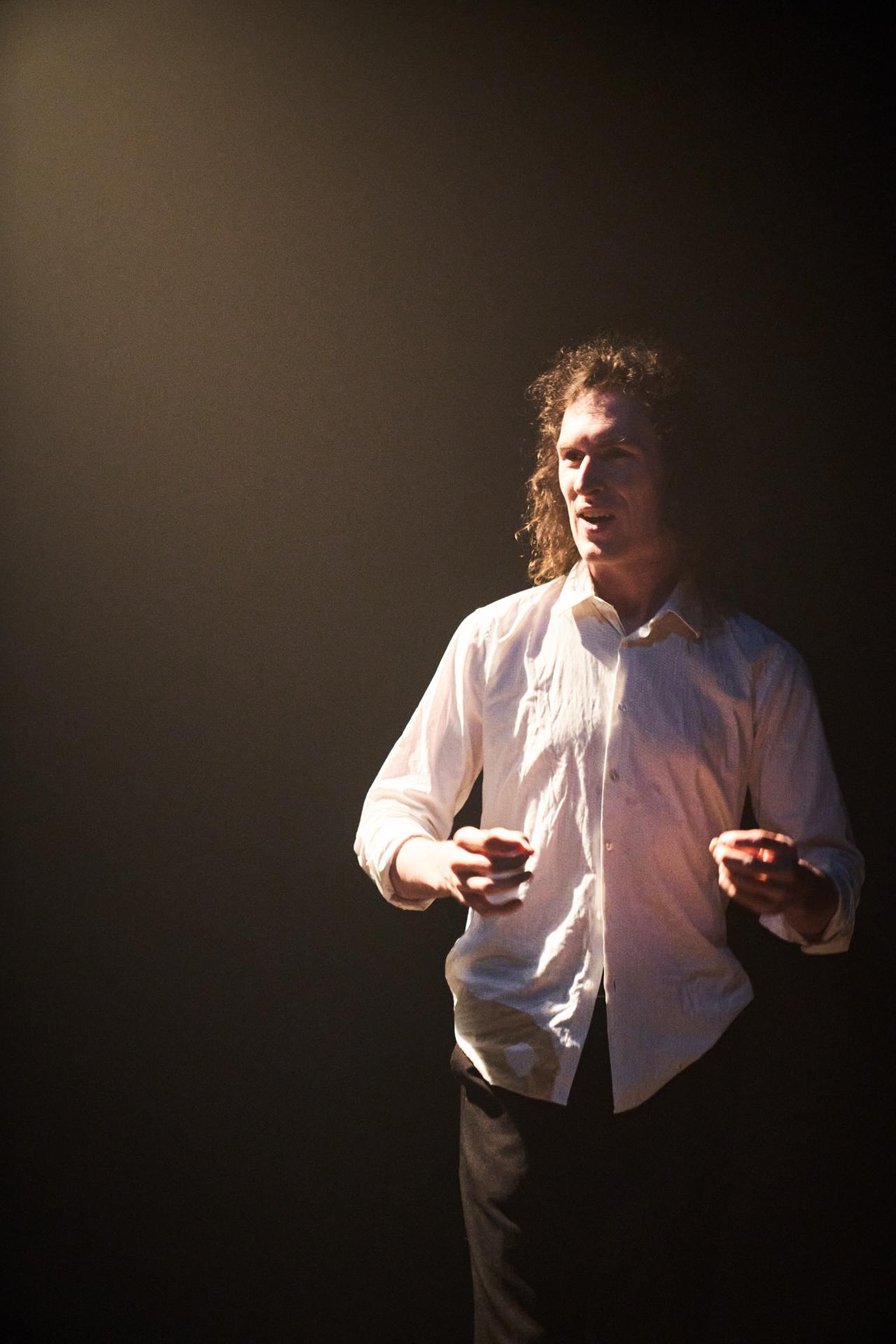
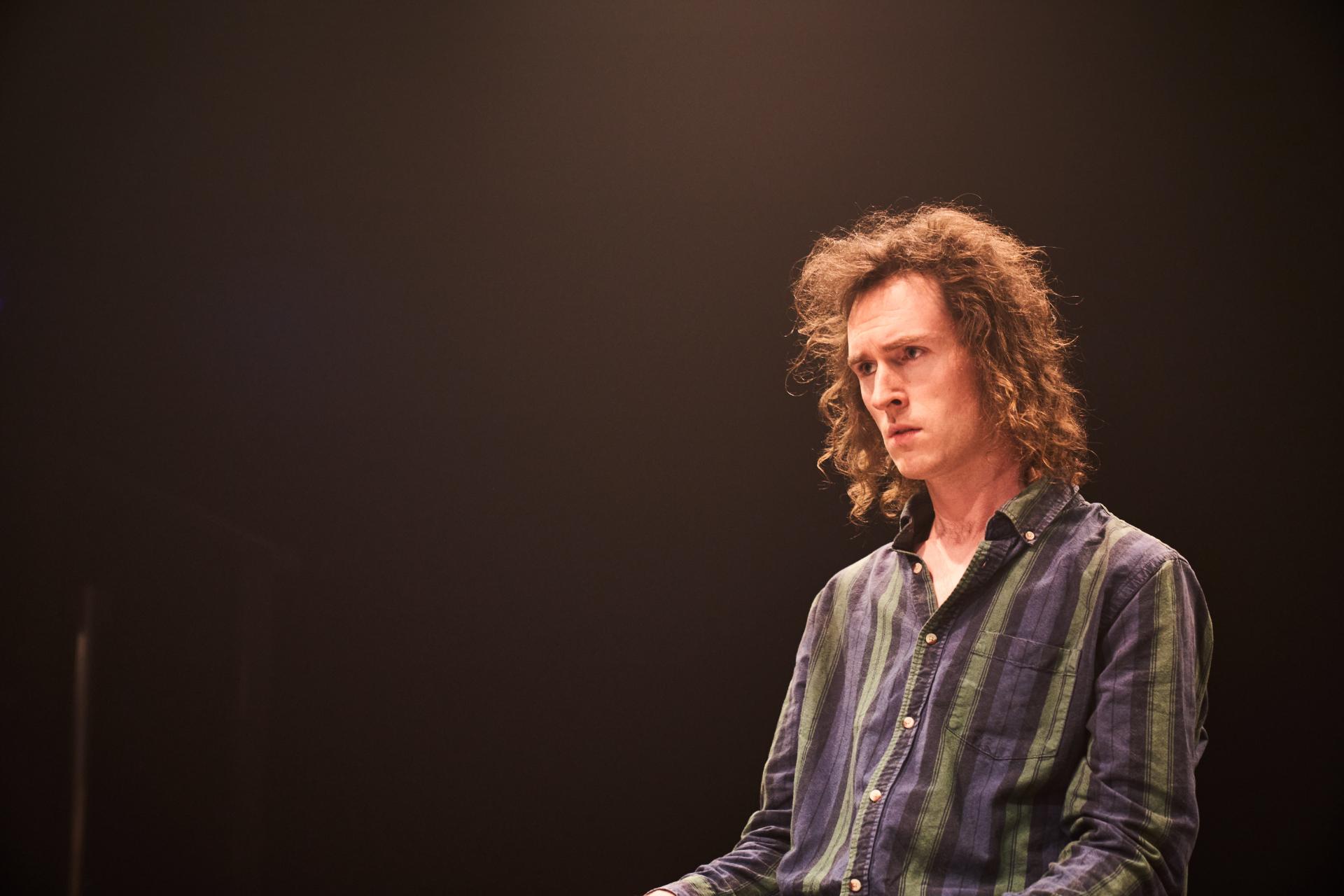
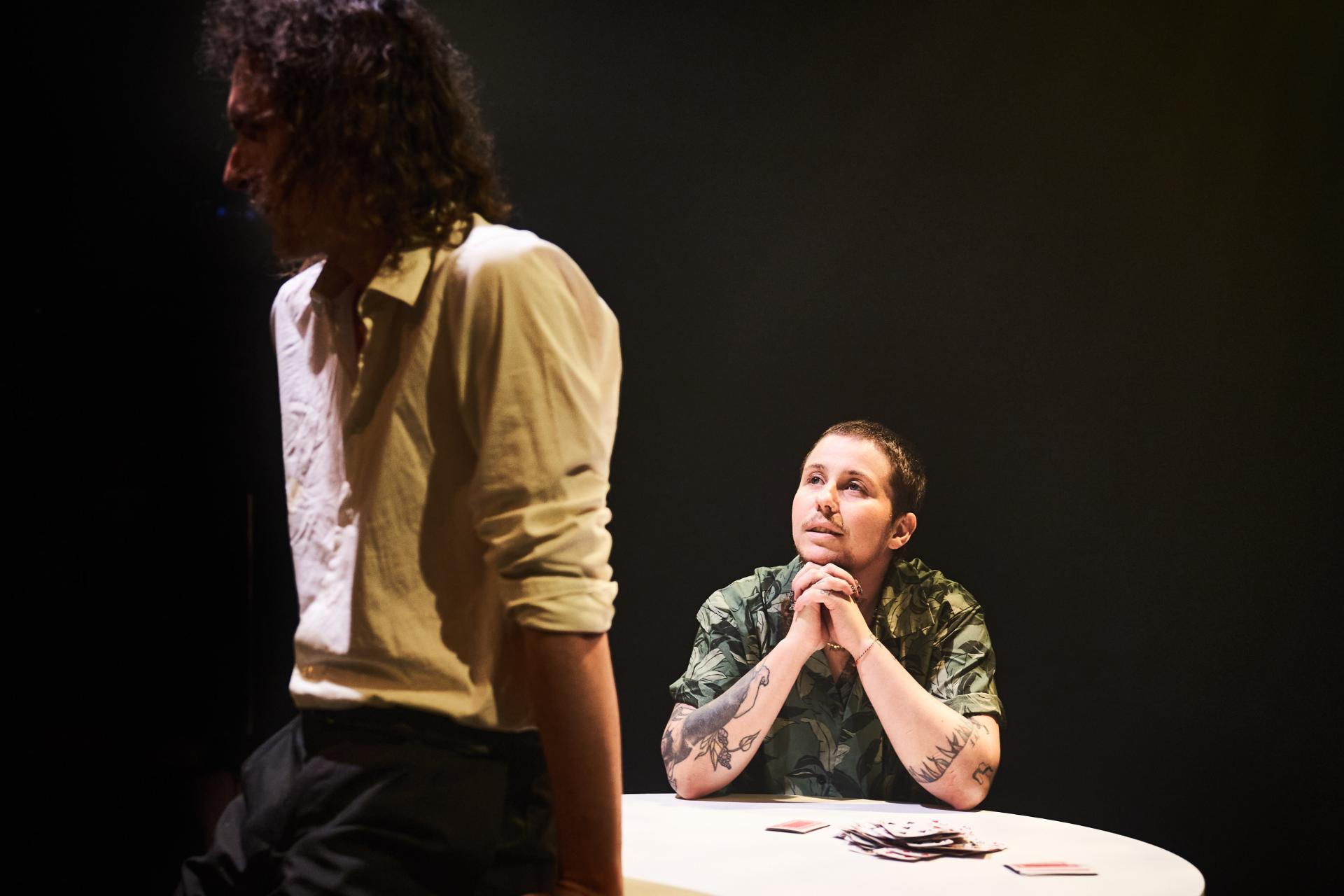
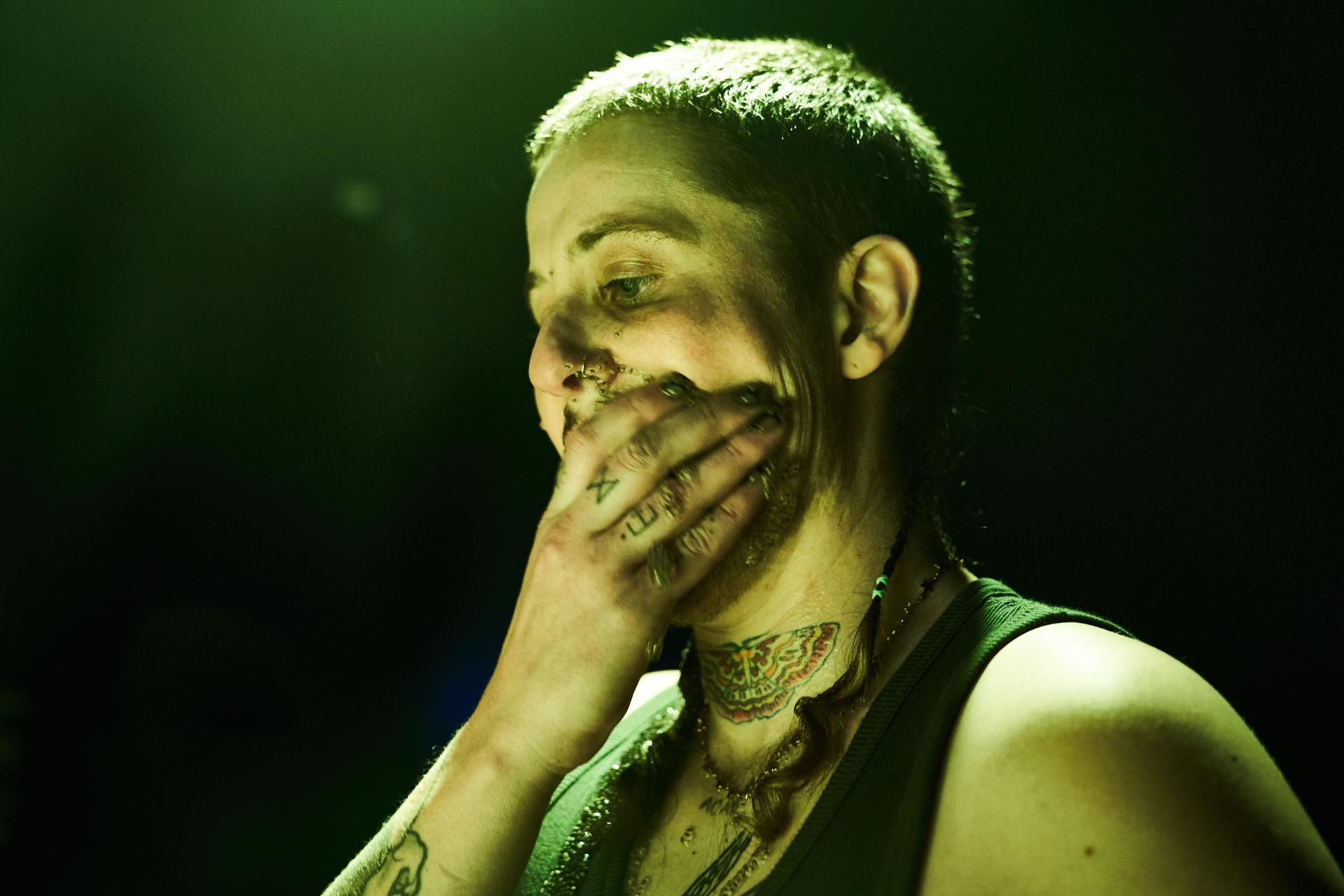
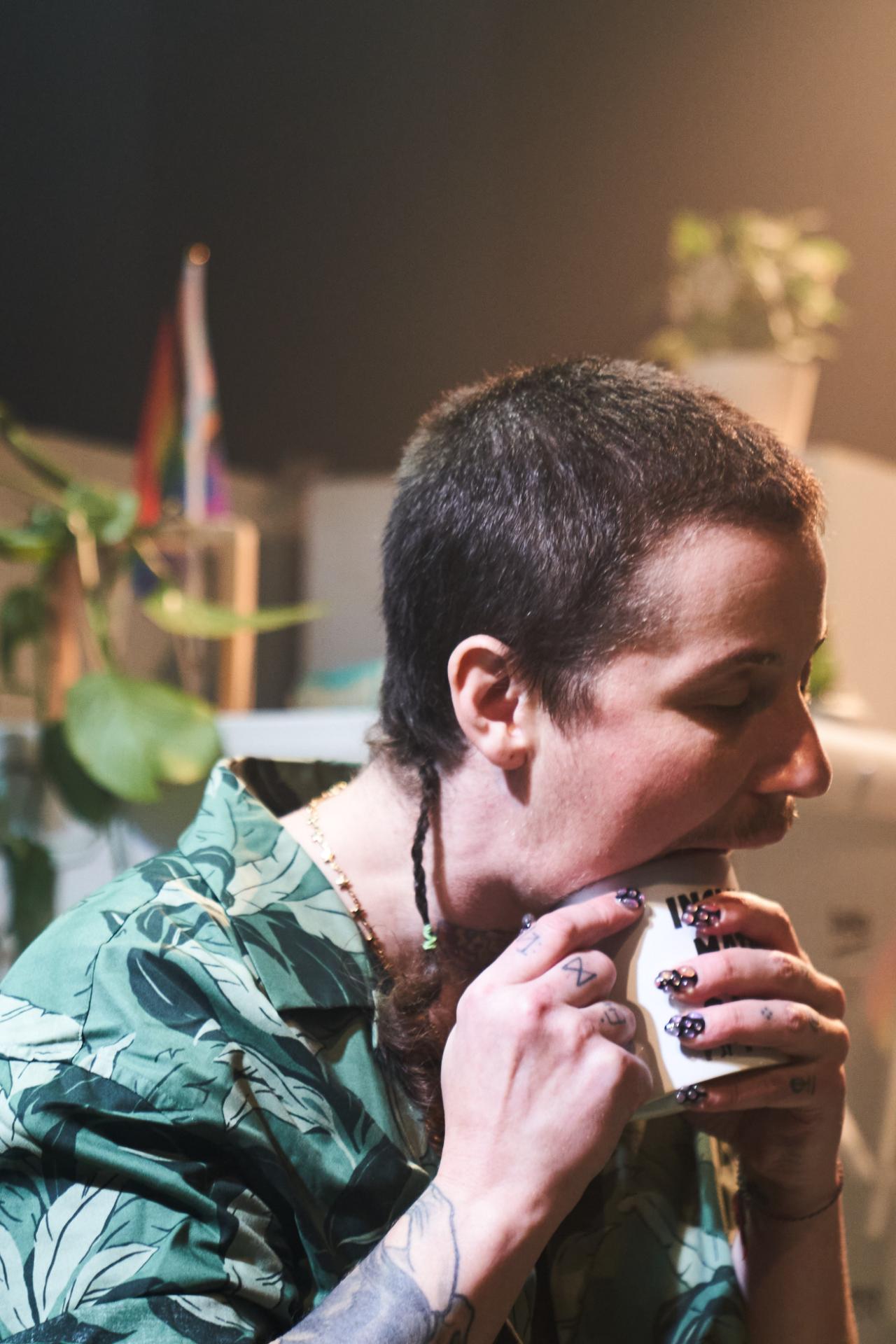
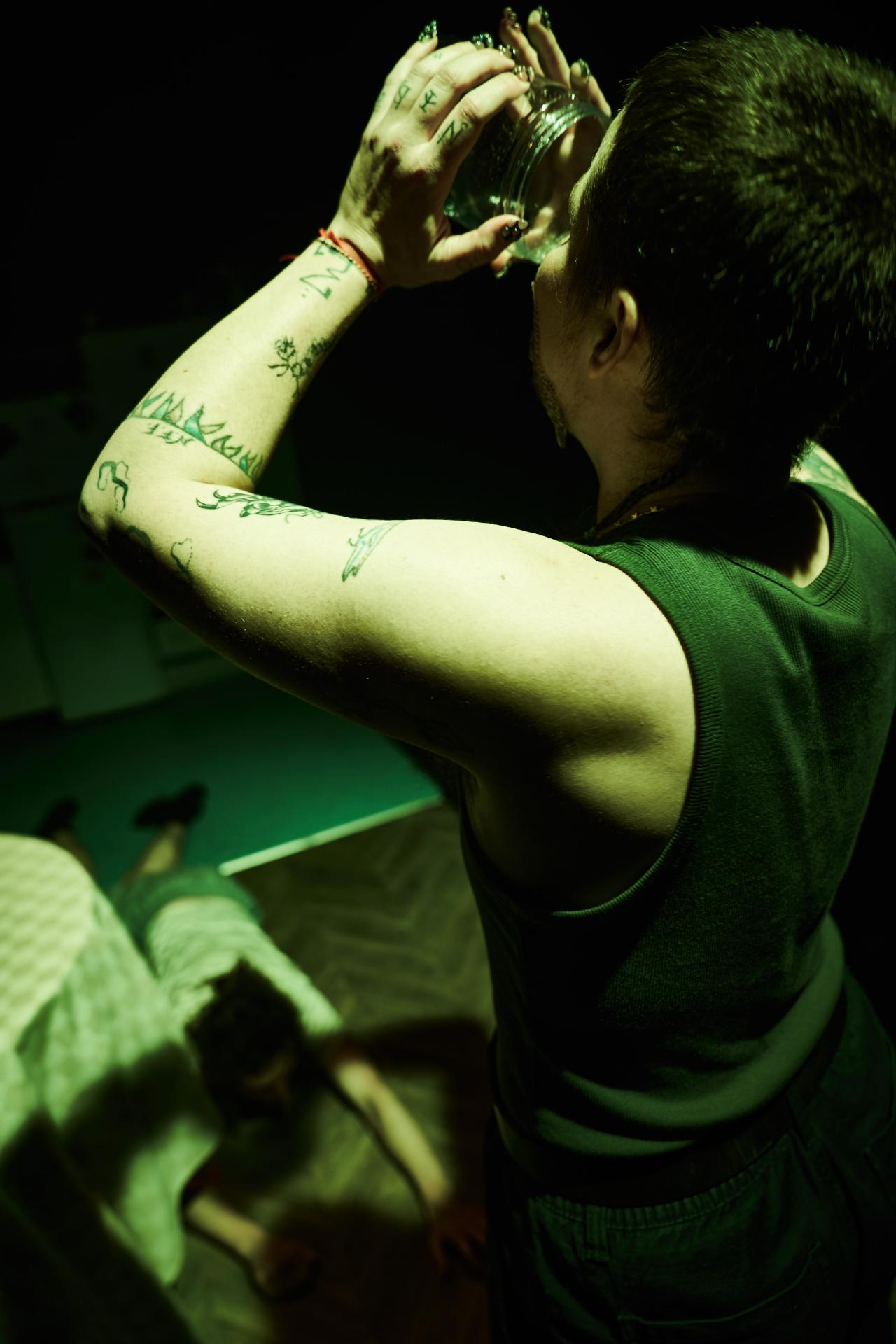
Zev Aviv plays Chris with a compelling ambiguity of intent, yet an identity that is unmistakably trans. Their very presence signals that Monstrous’ meditations on flesh and blood emerge from a distinctly trans gaze, even if the work never makes that perspective explicit. Byron Davis, as John, is bright and mercurial, his performance brimming with restless energy that draws us in completely—by turns beguiling and bewildering, but always alive.

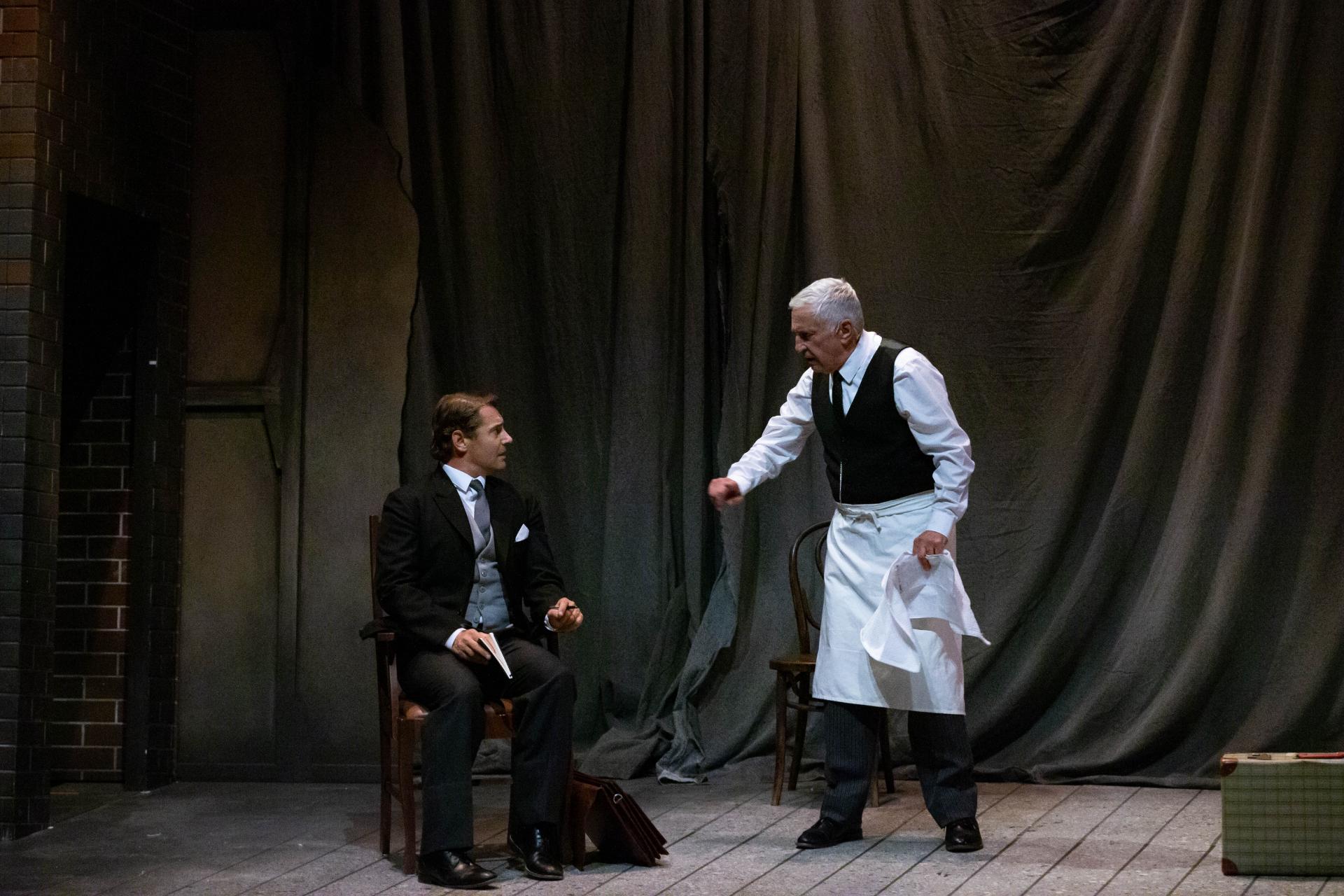
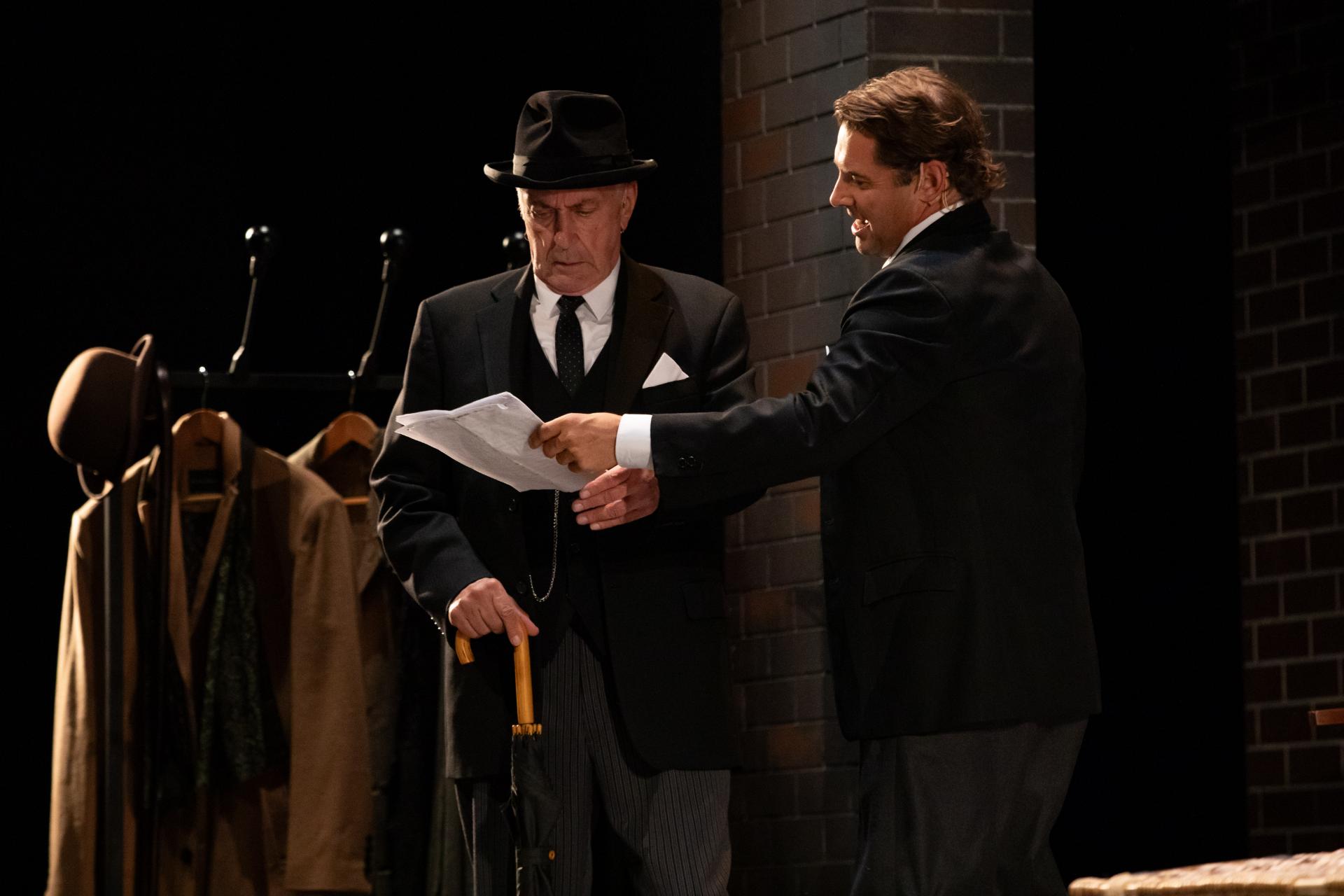
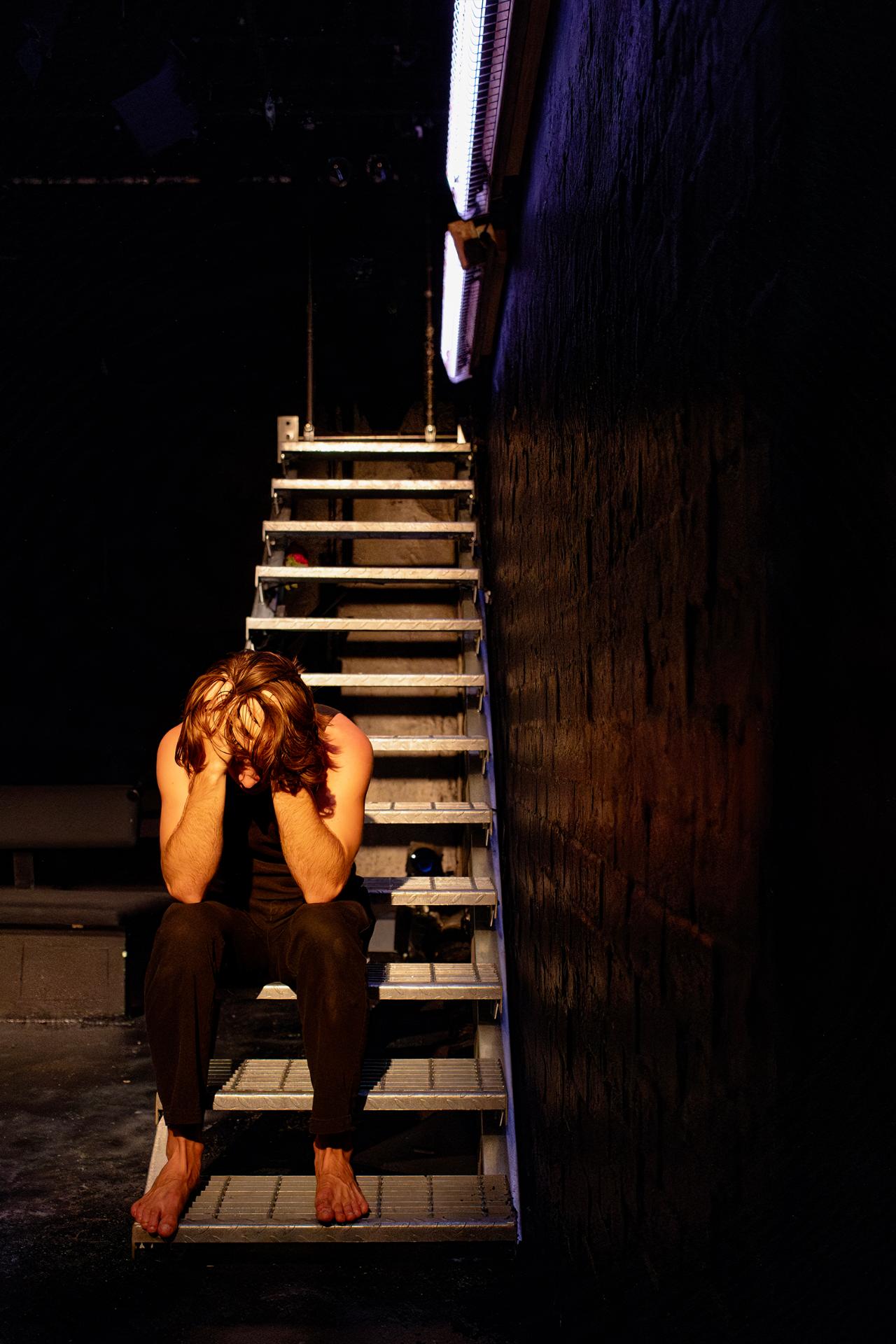
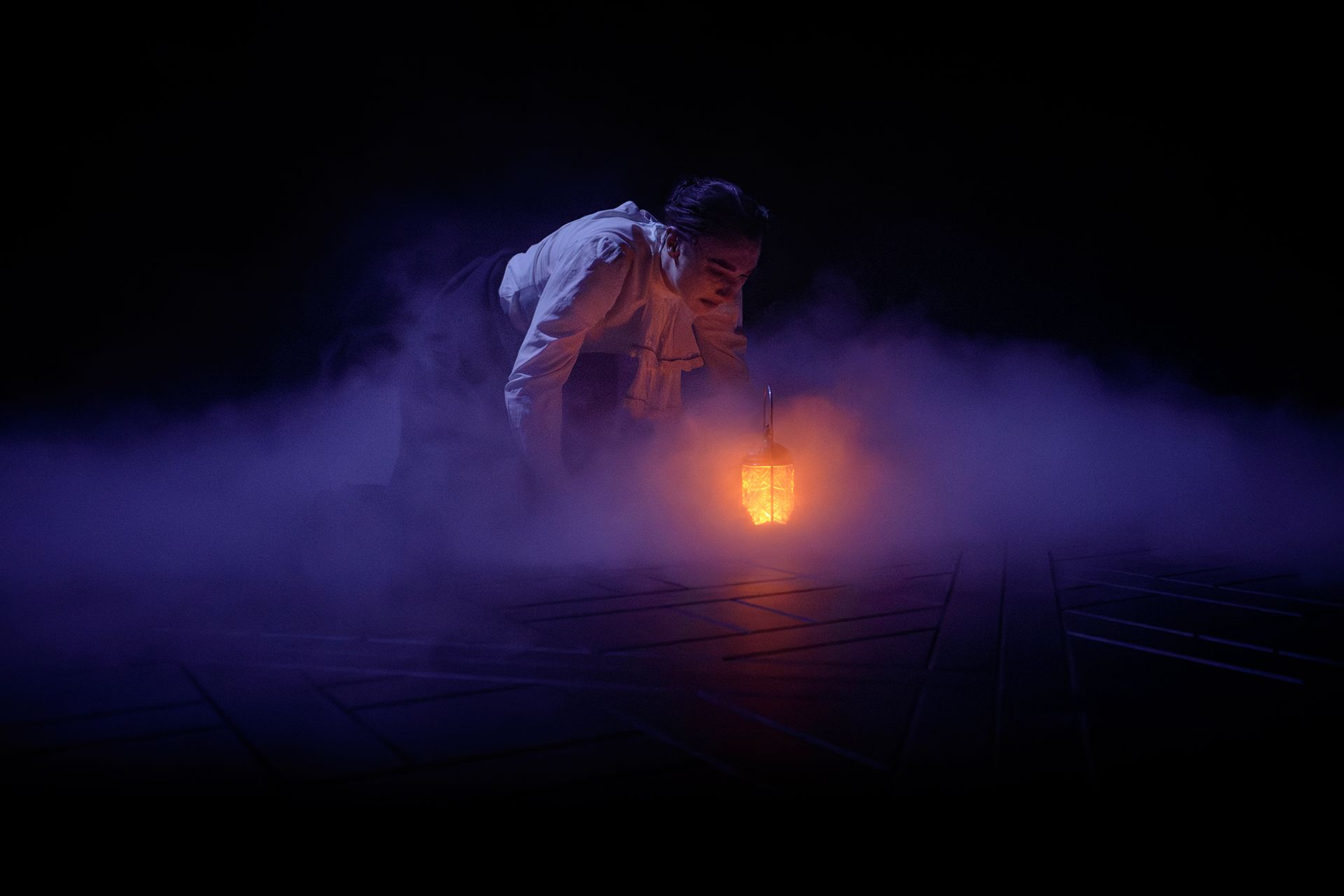
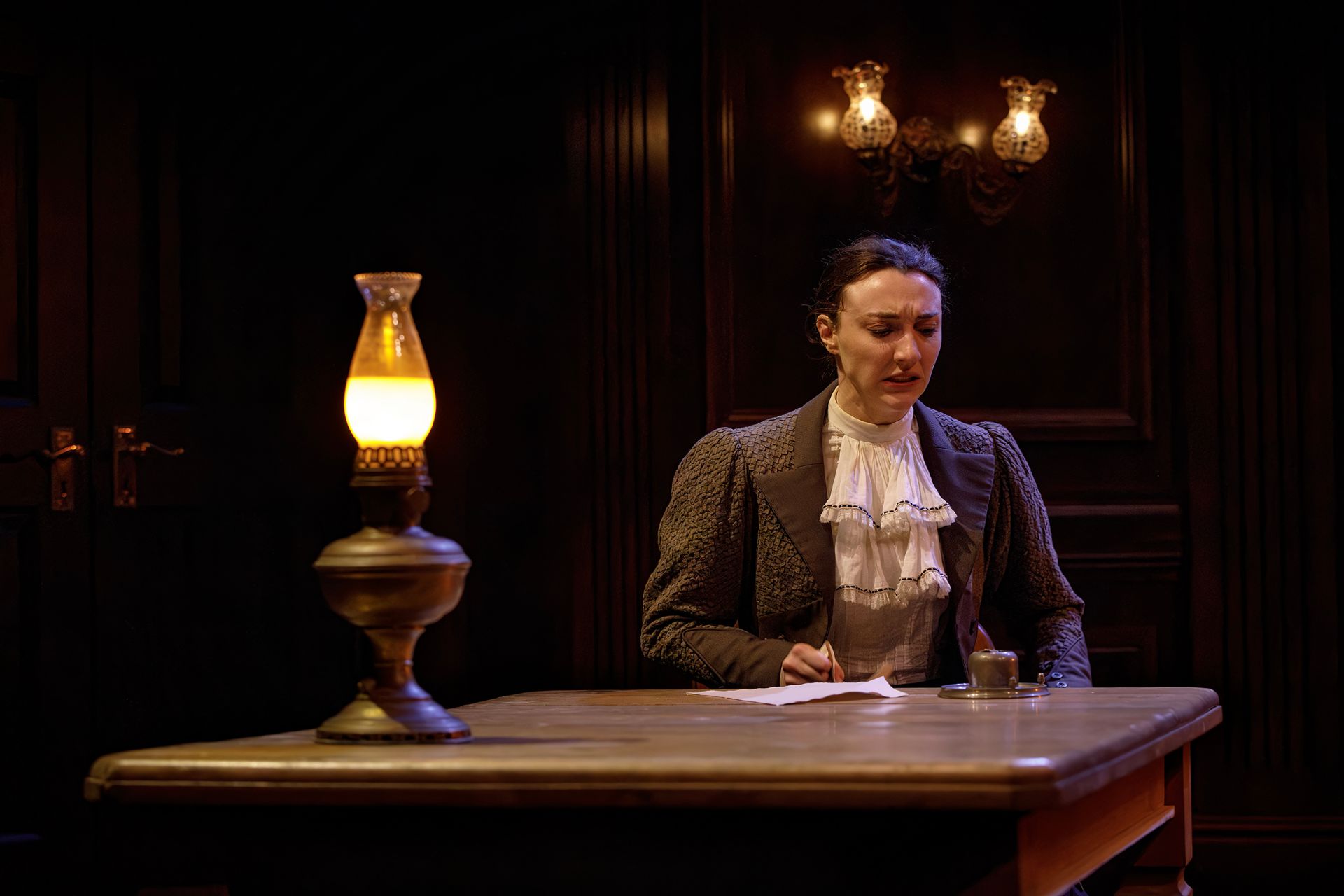
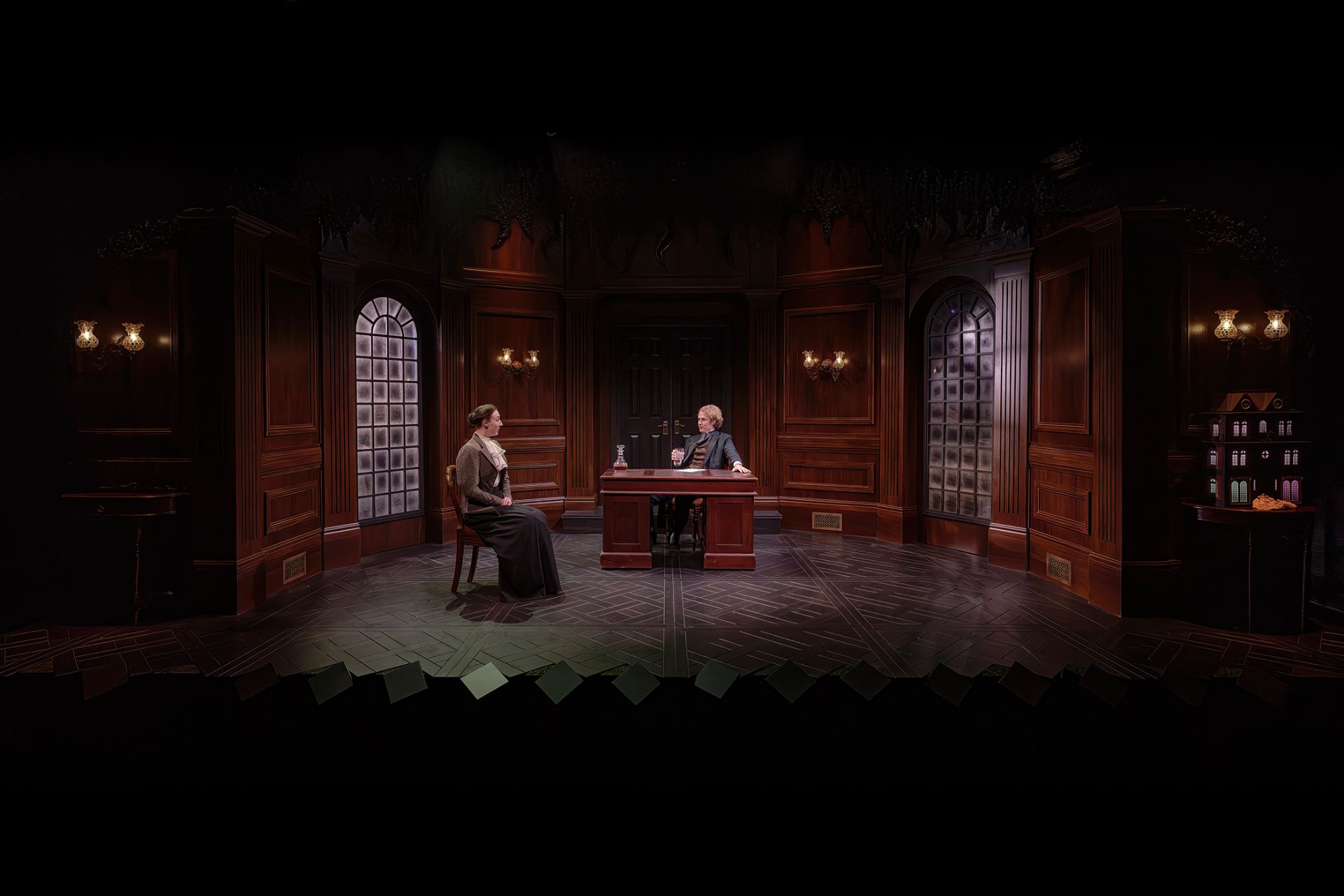
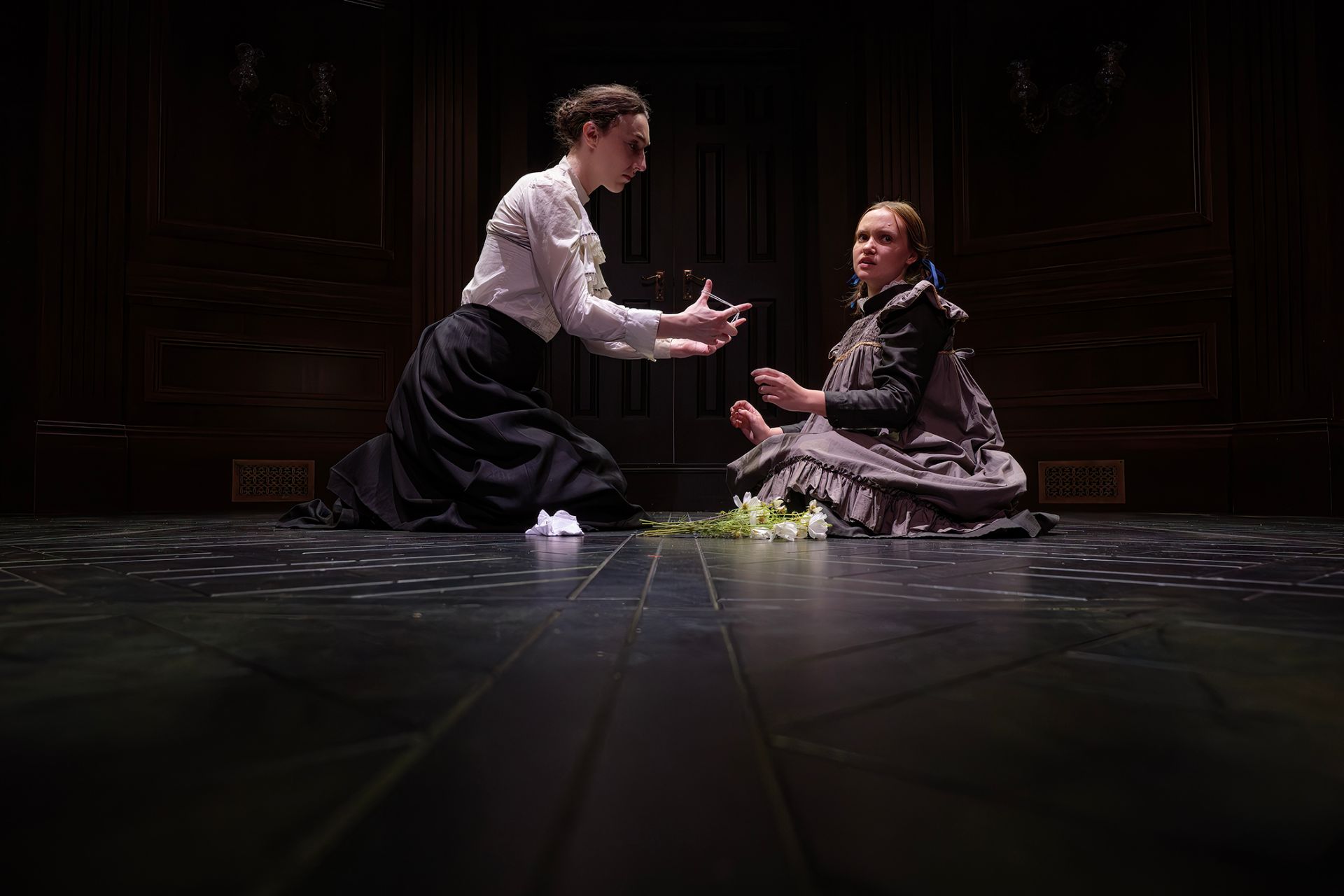
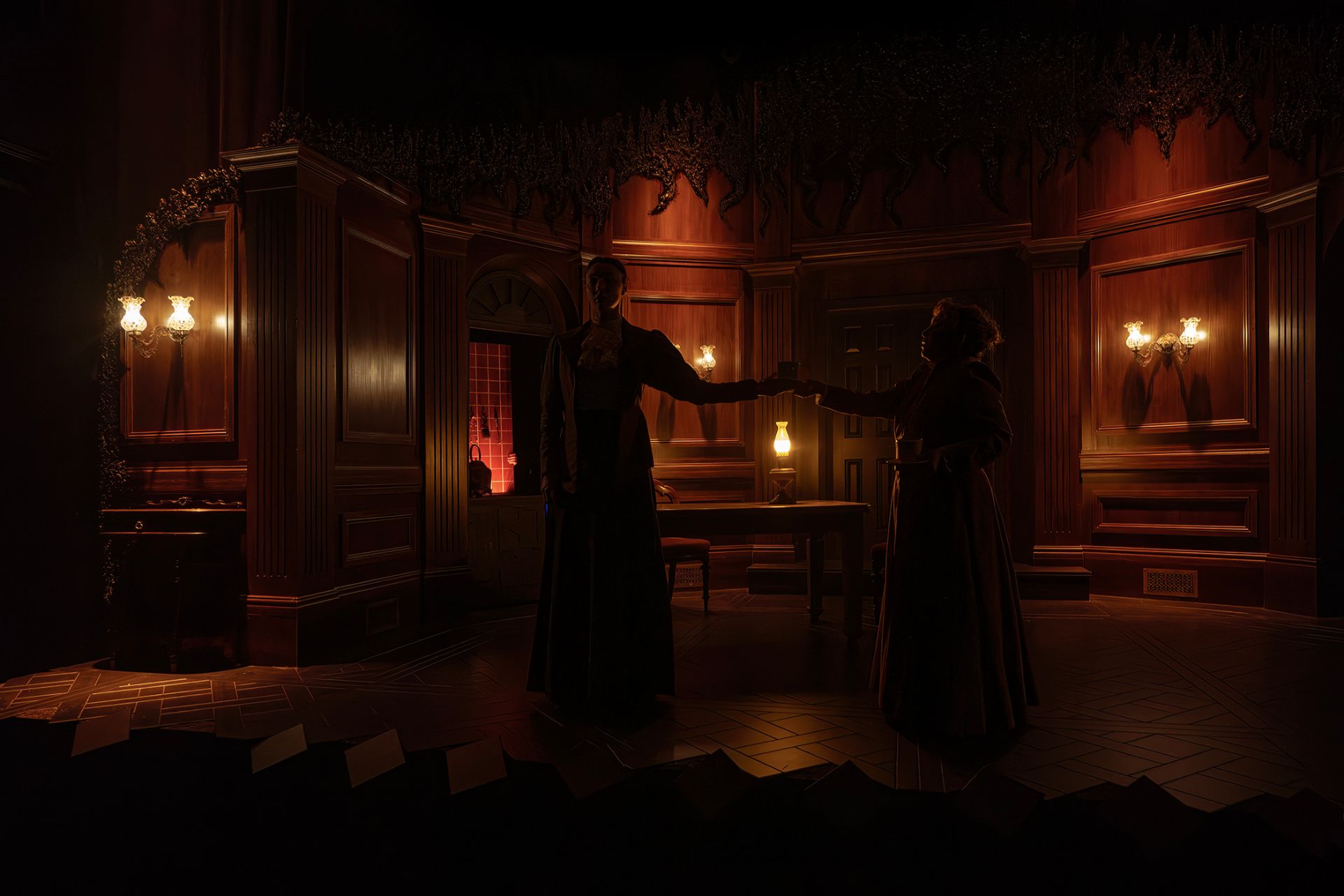
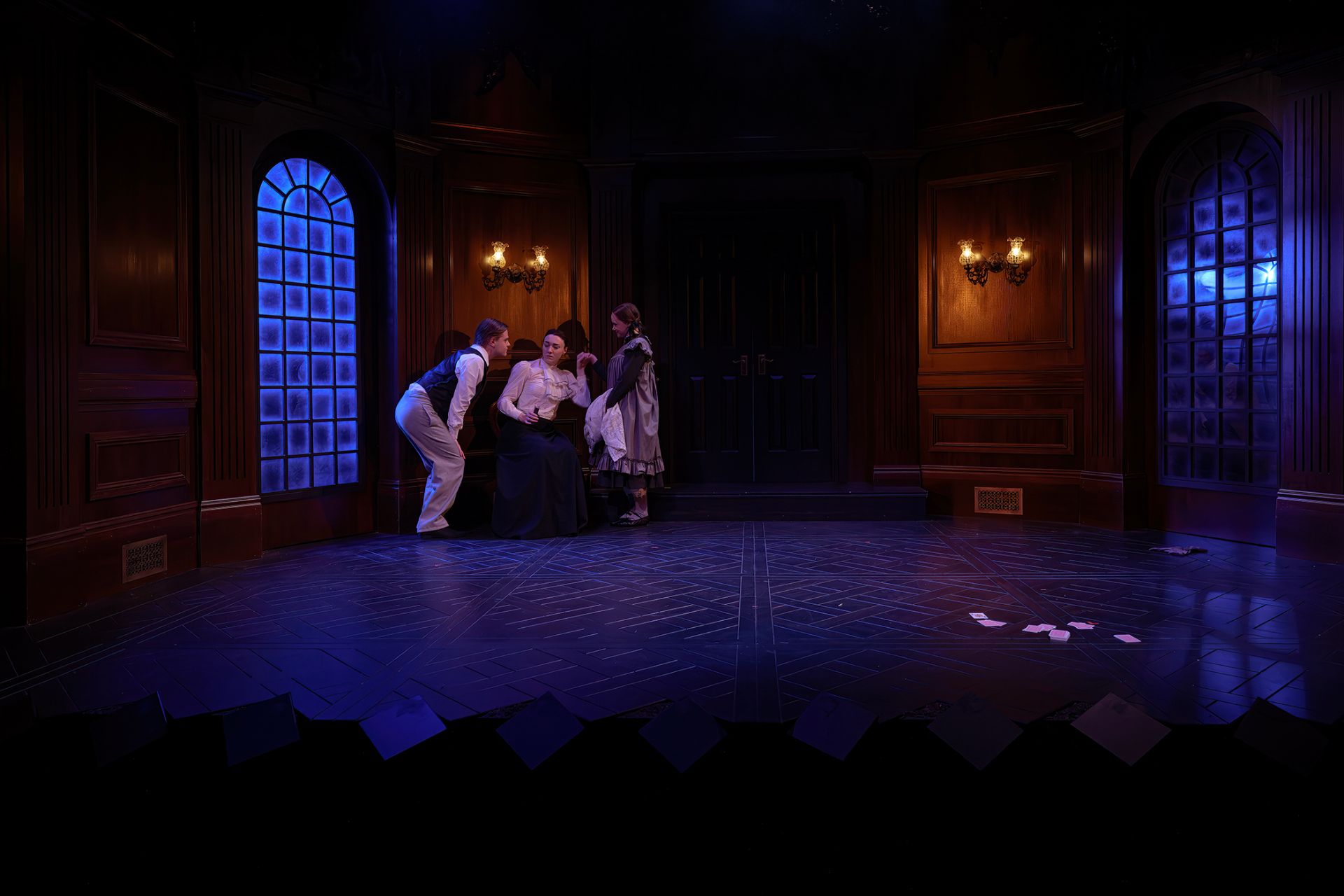
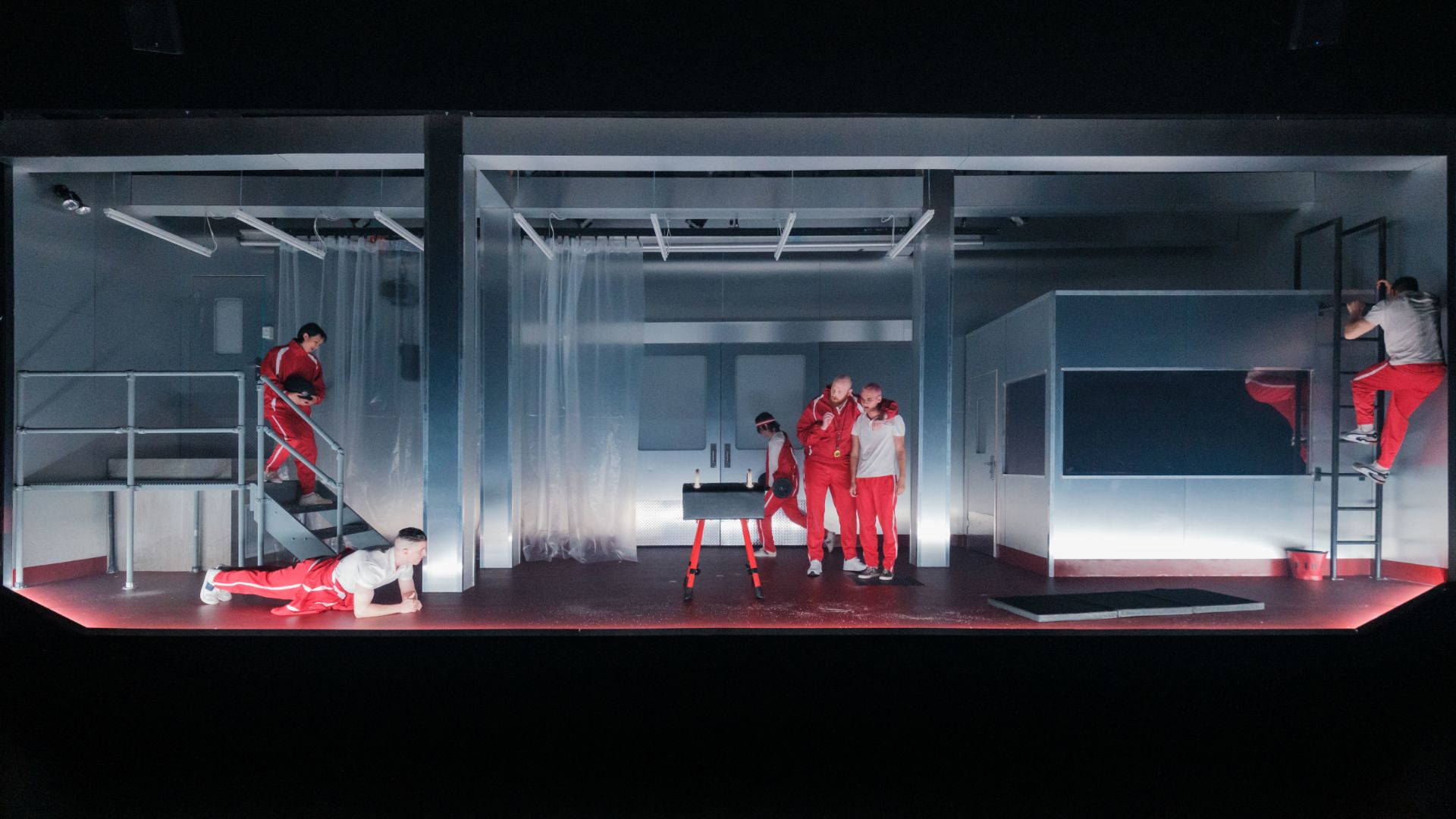
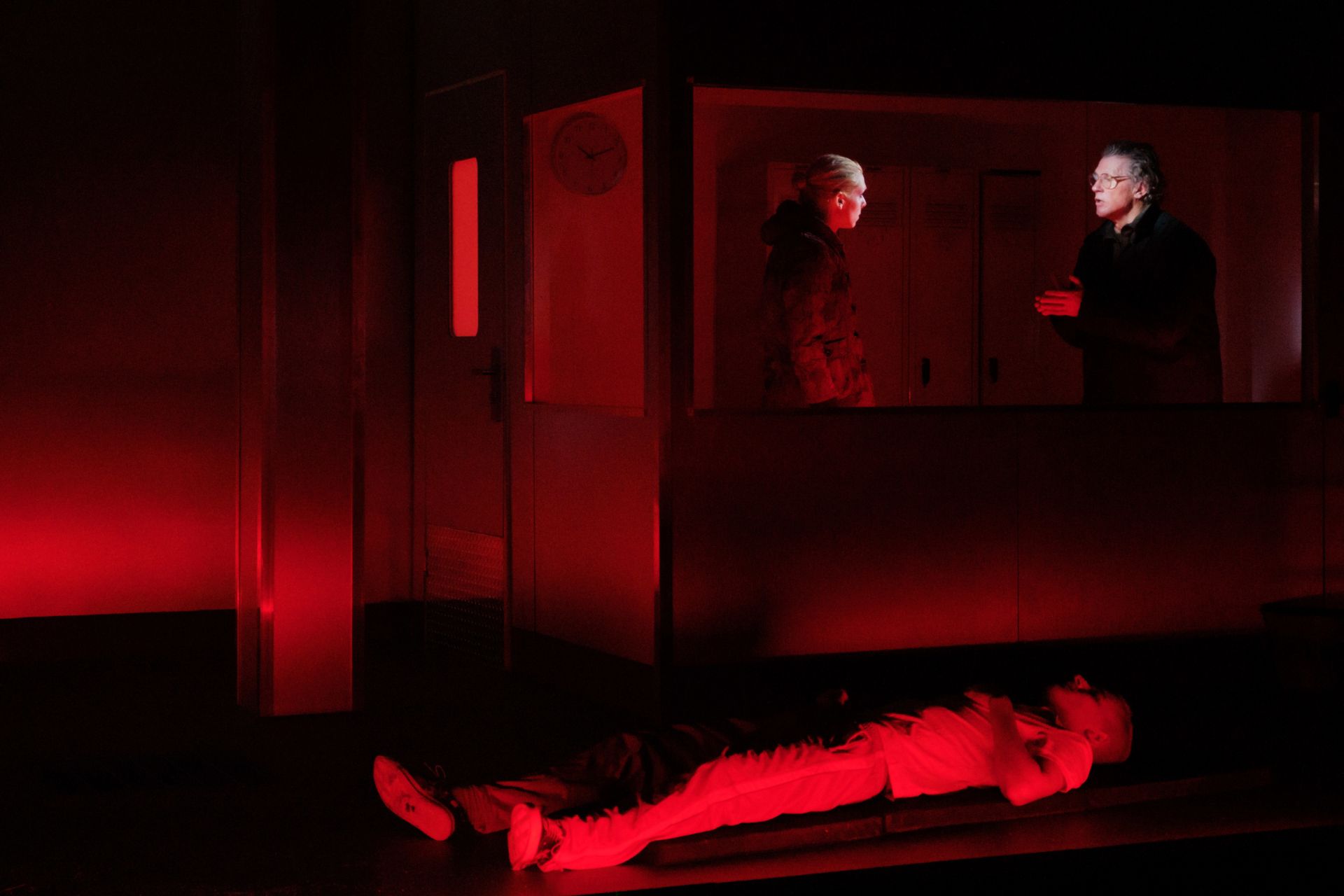
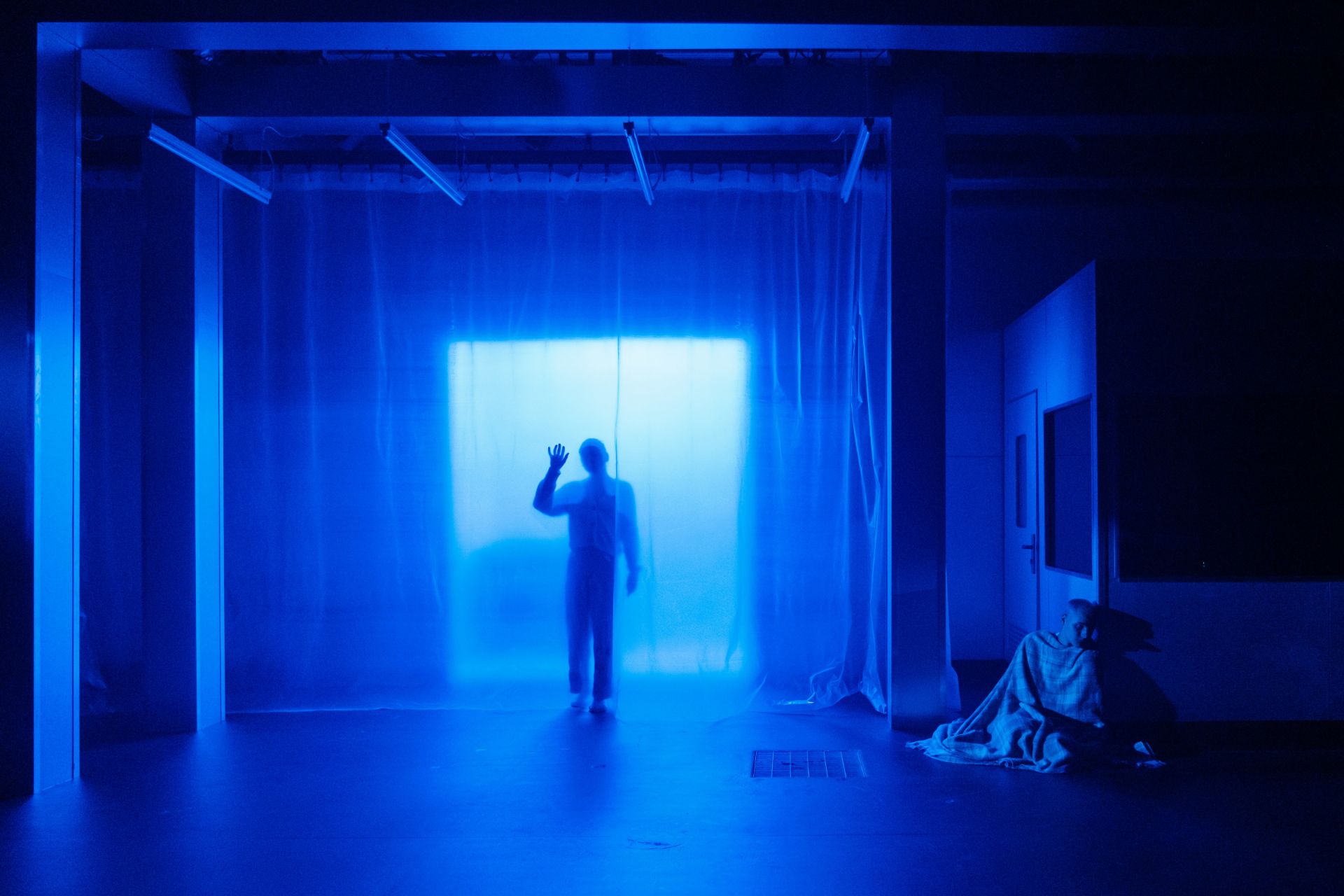
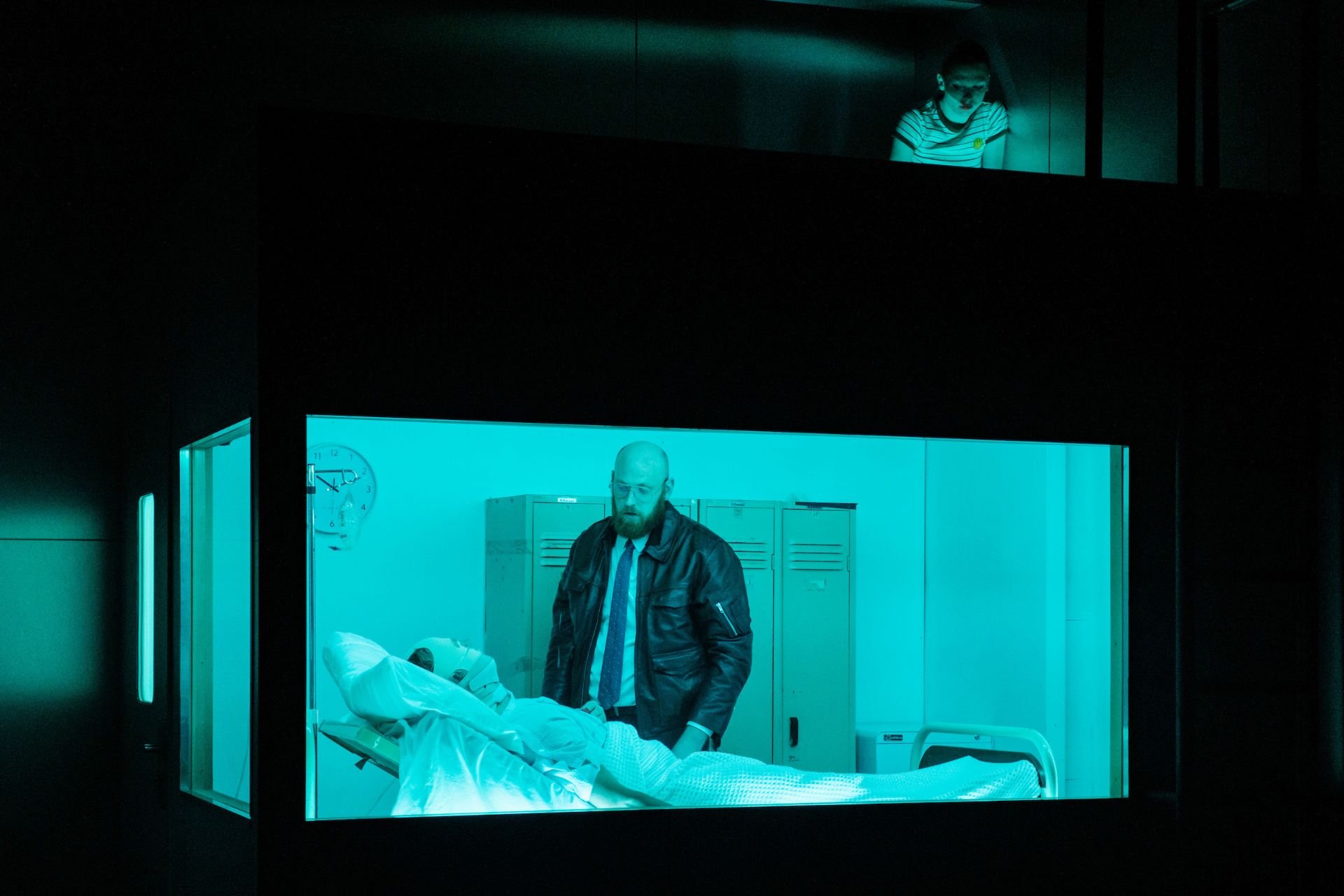
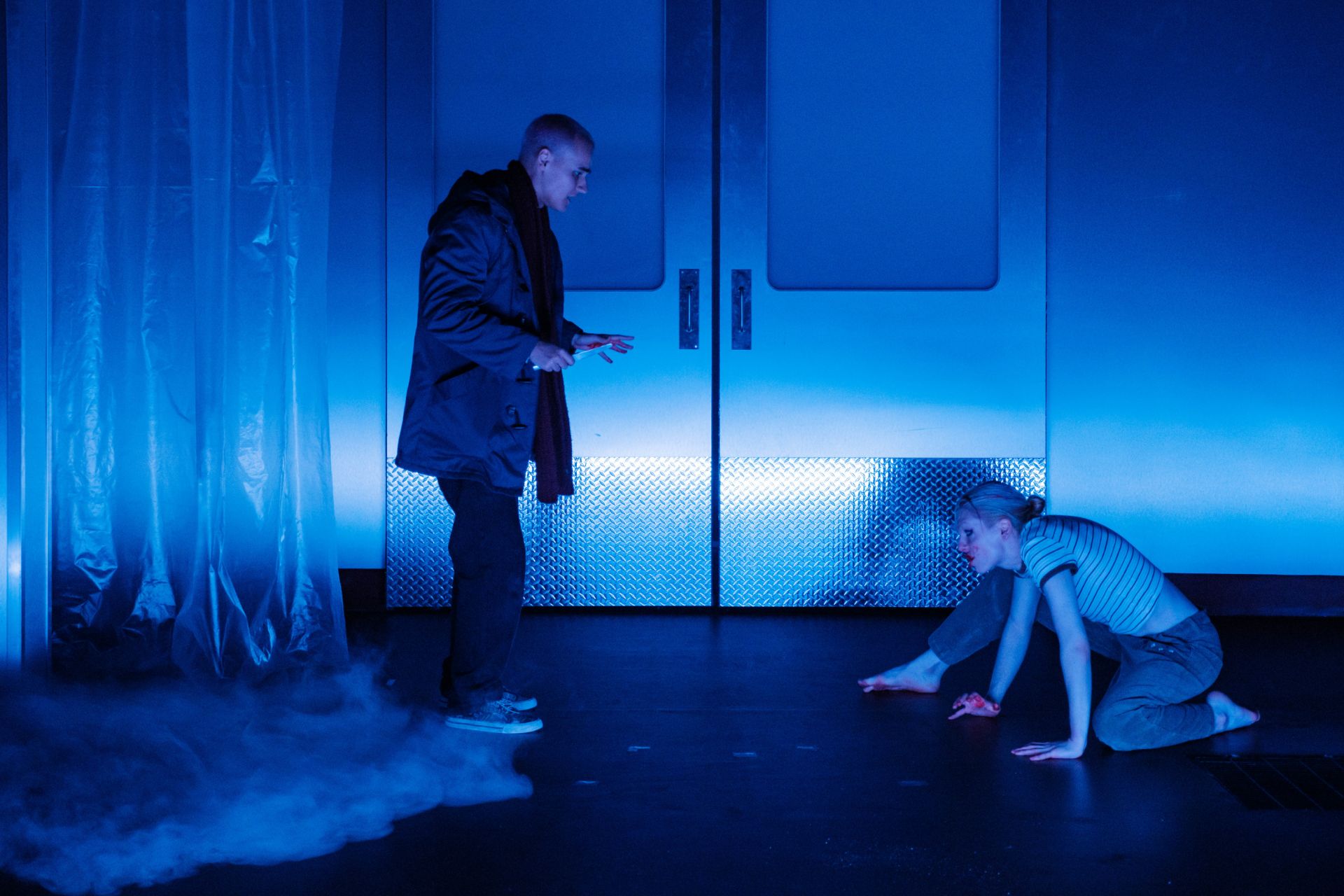
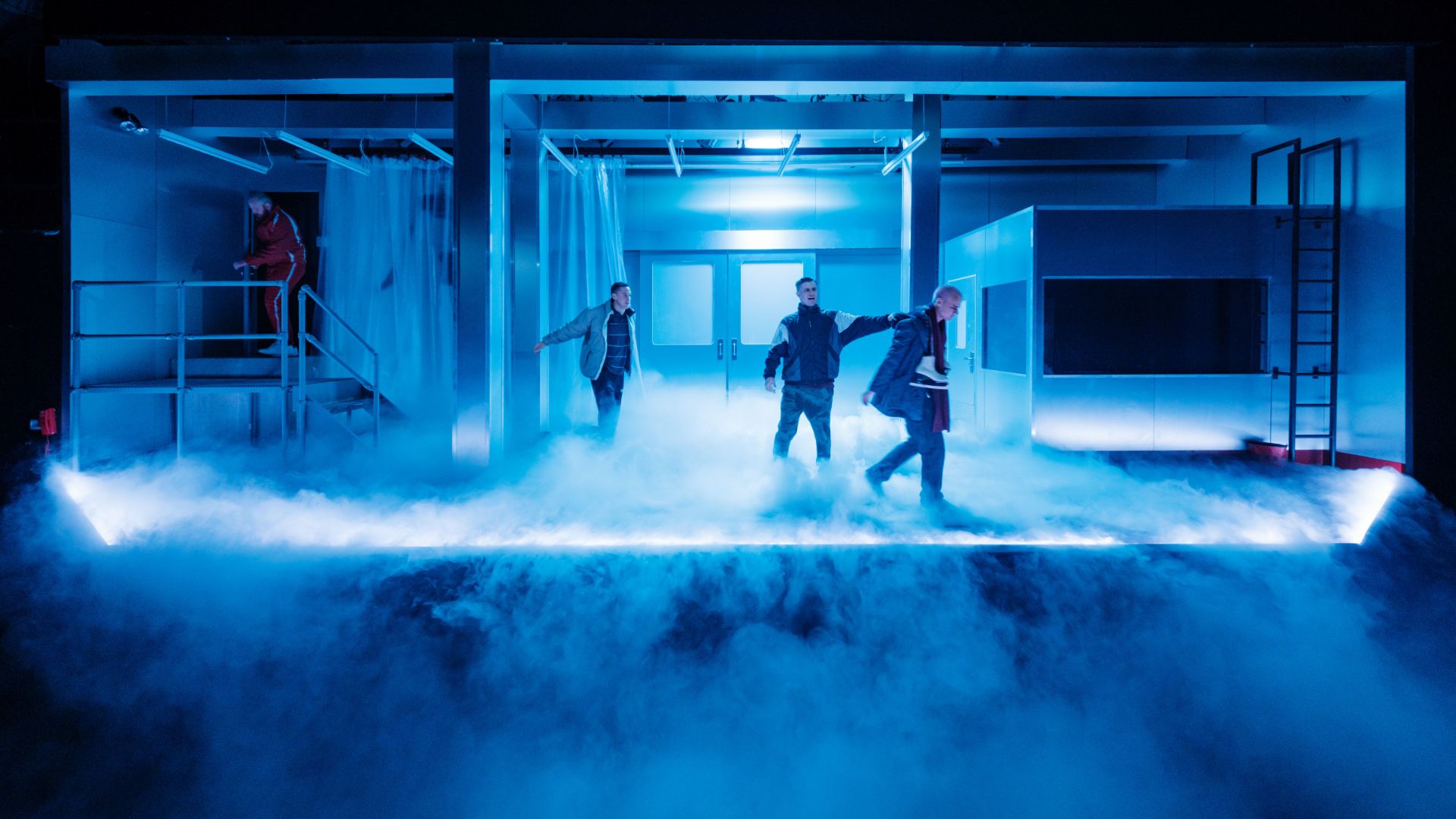
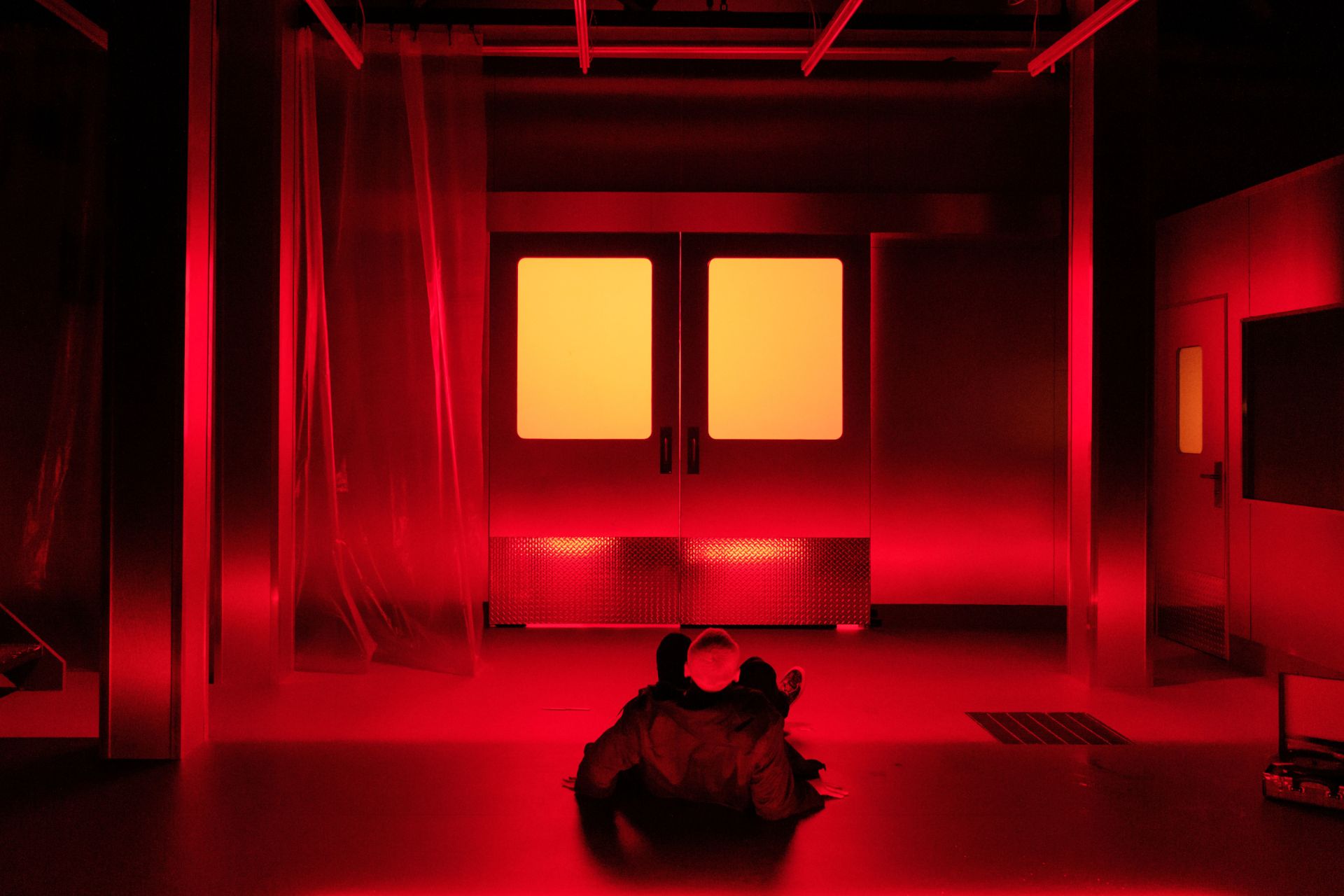
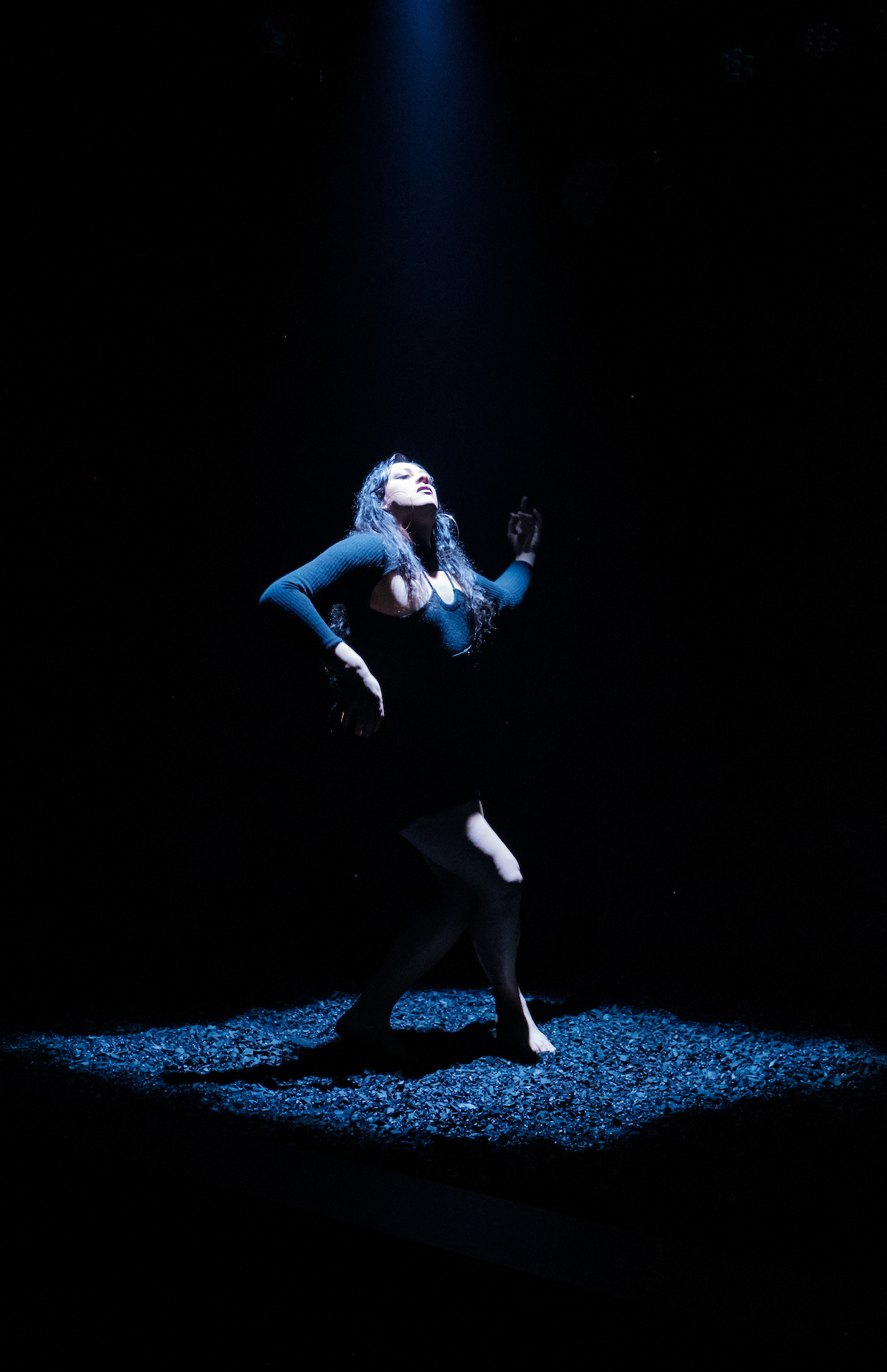
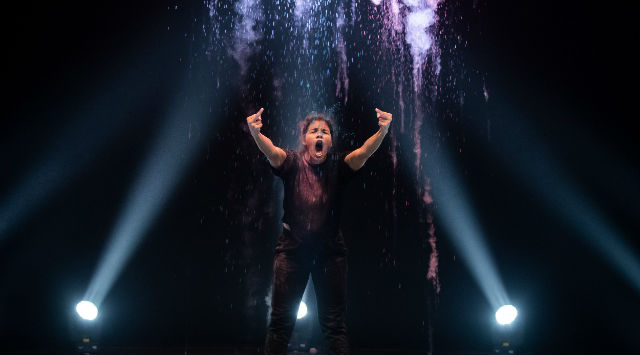
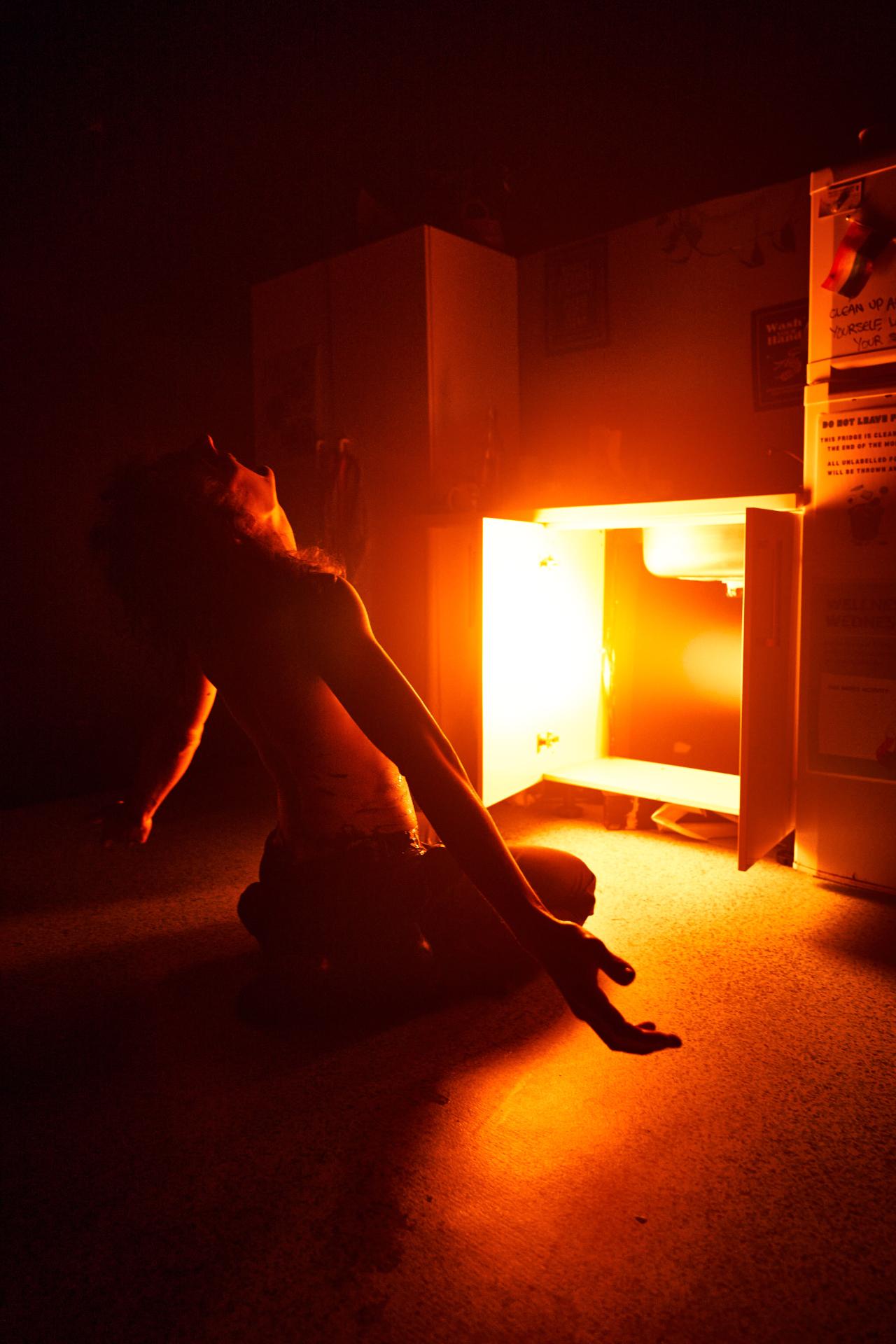
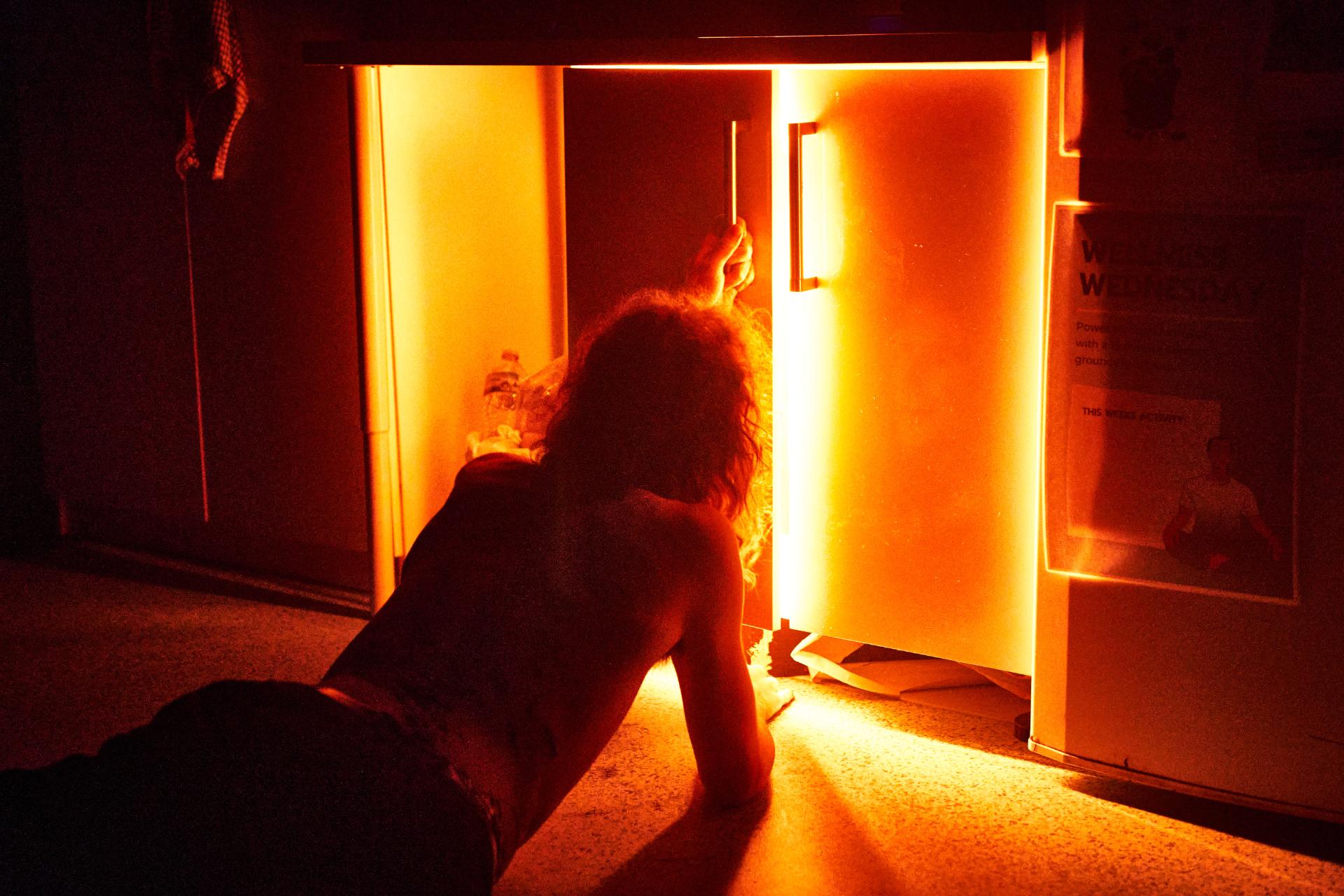
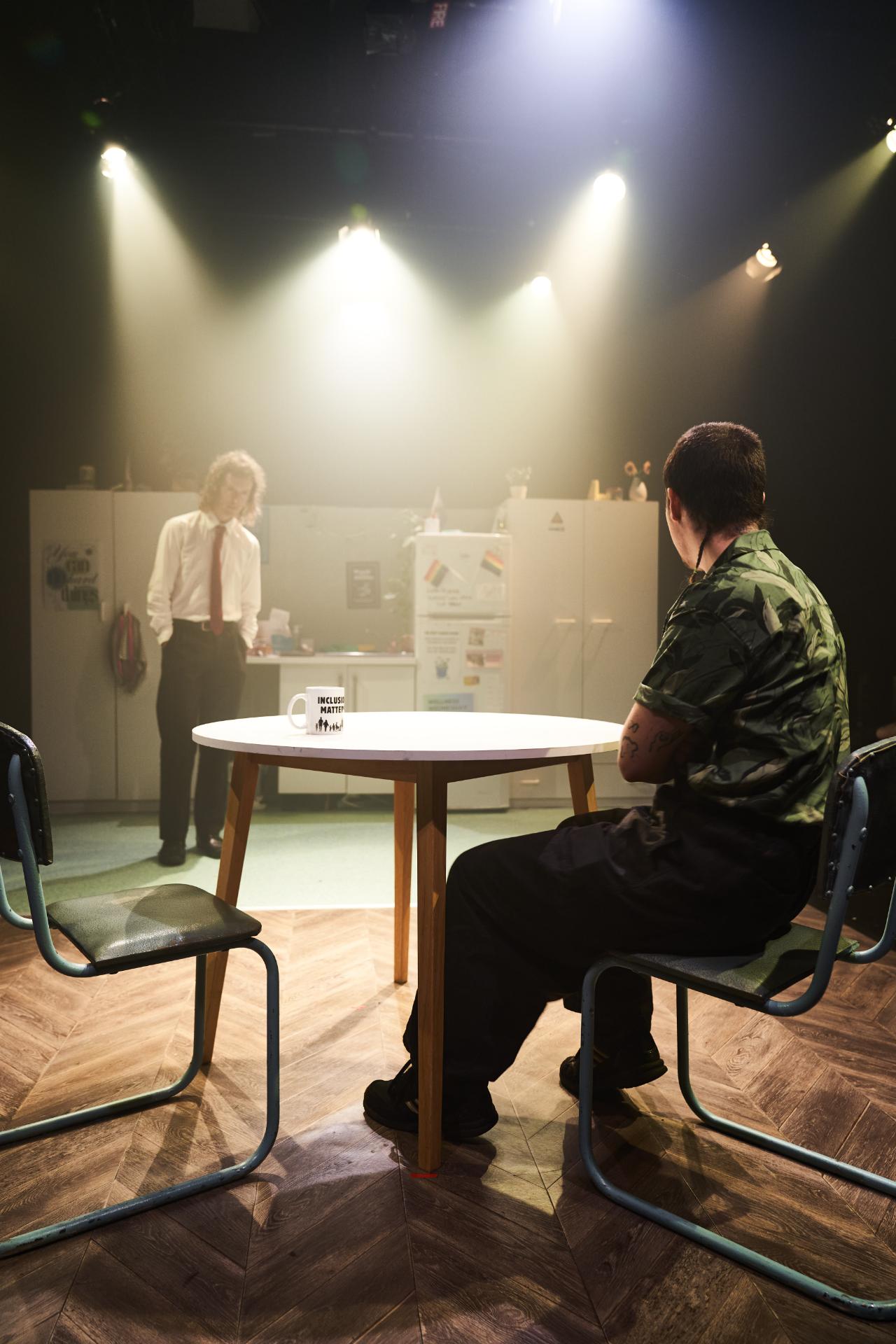
Corey Lange’s set design is understated yet effective, grounding the production in recognisable, everyday spaces. Lighting by Theodore Carroll and Anwyn Brook-Evans is boldly executed, heightening the story’s sense of the fantastical and encouraging us to see the body anew. Ellie Wilson’s sound design adds both intensity and texture, its esoteric undercurrents propelling us toward a heightened awareness of our physical selves, creating an aural landscape that seems to pull our bodies into the mystery it seeks to unveil.

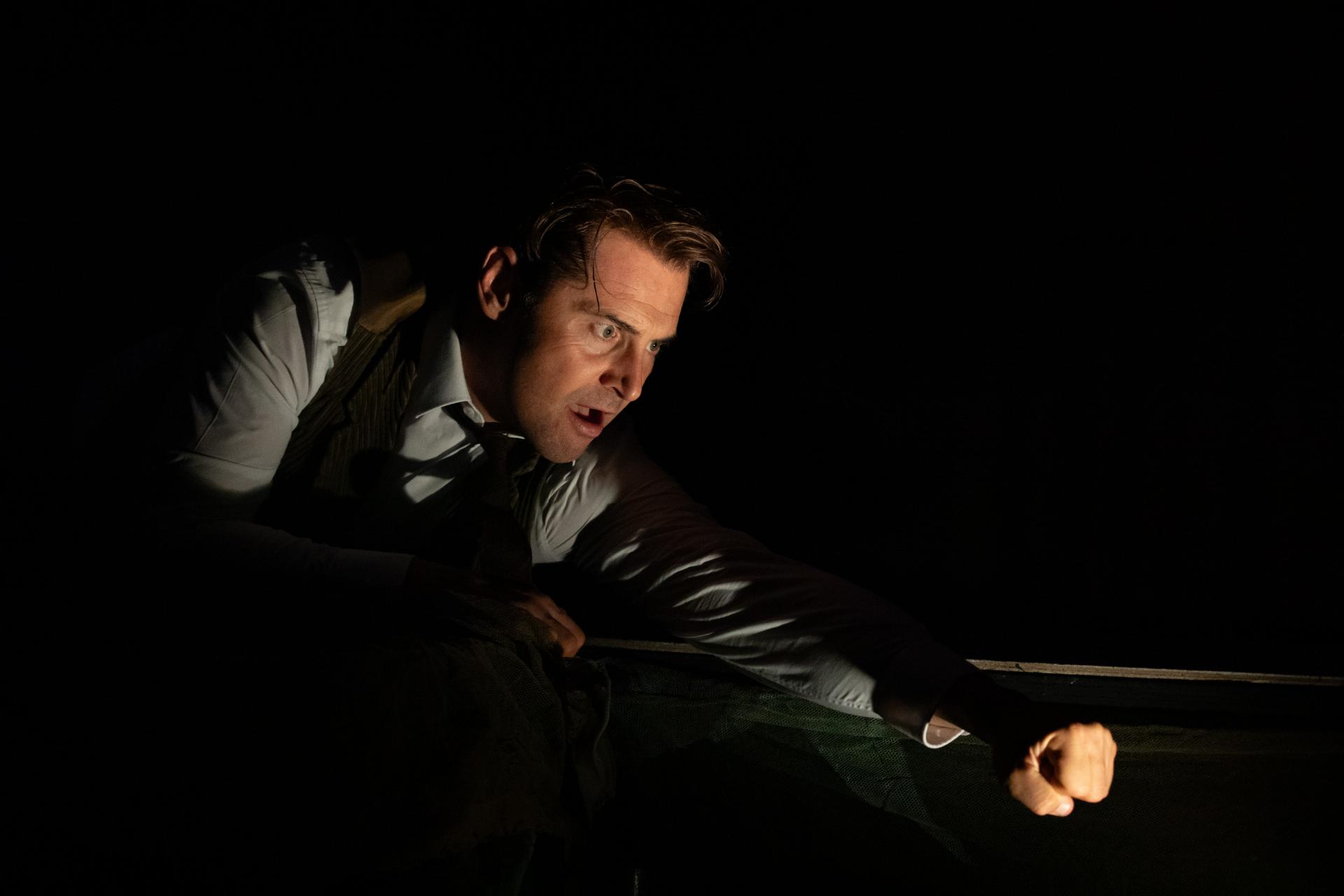
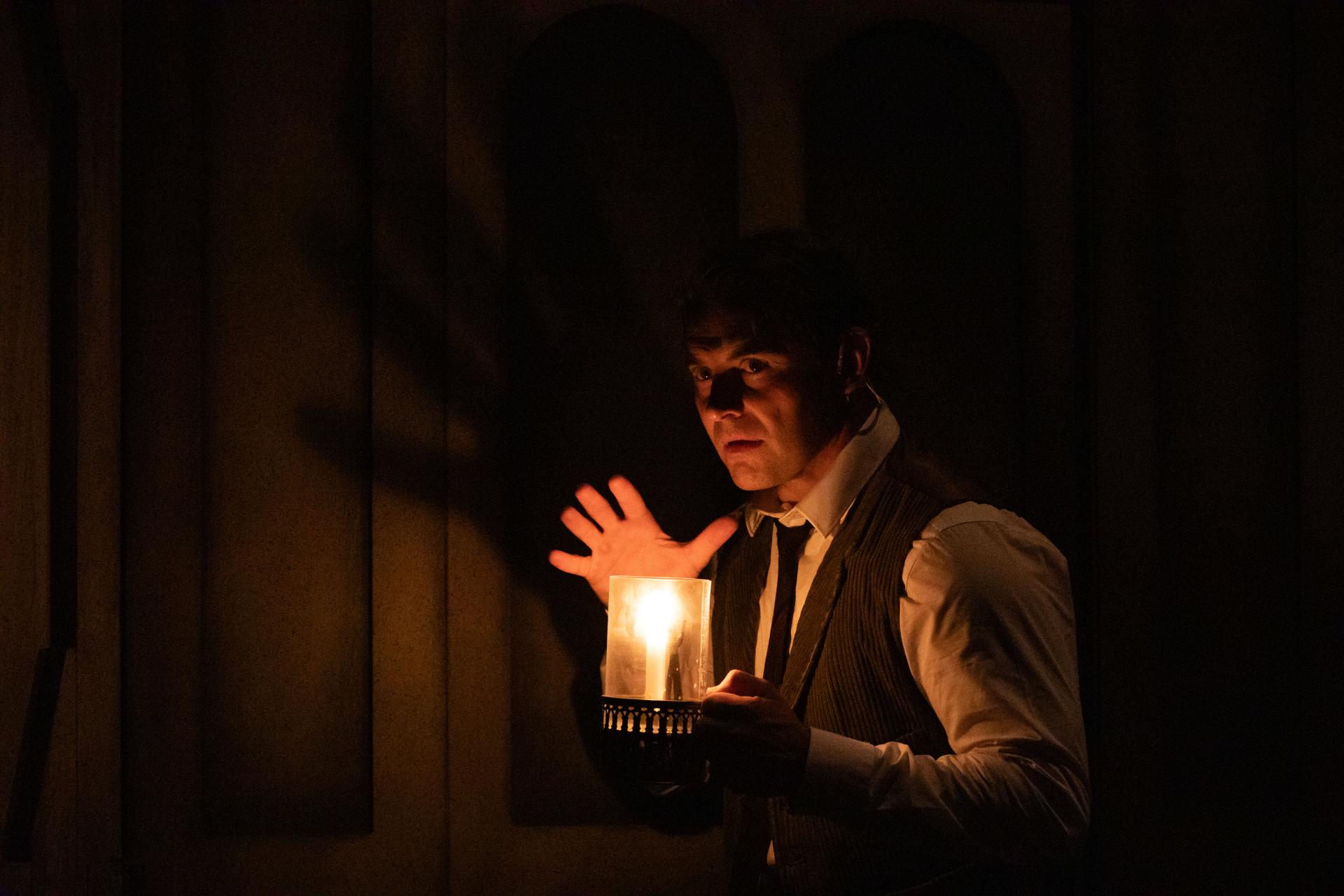
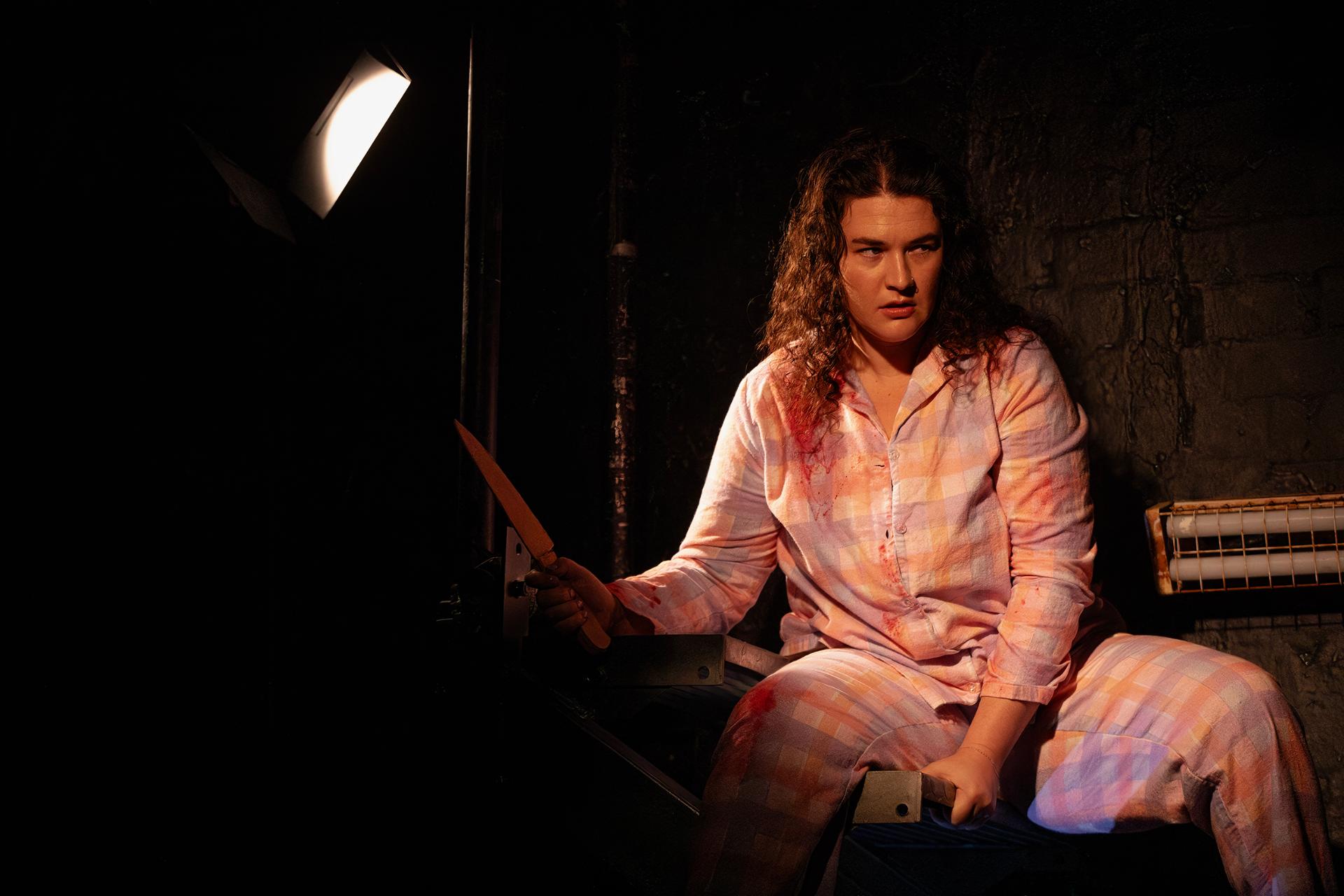
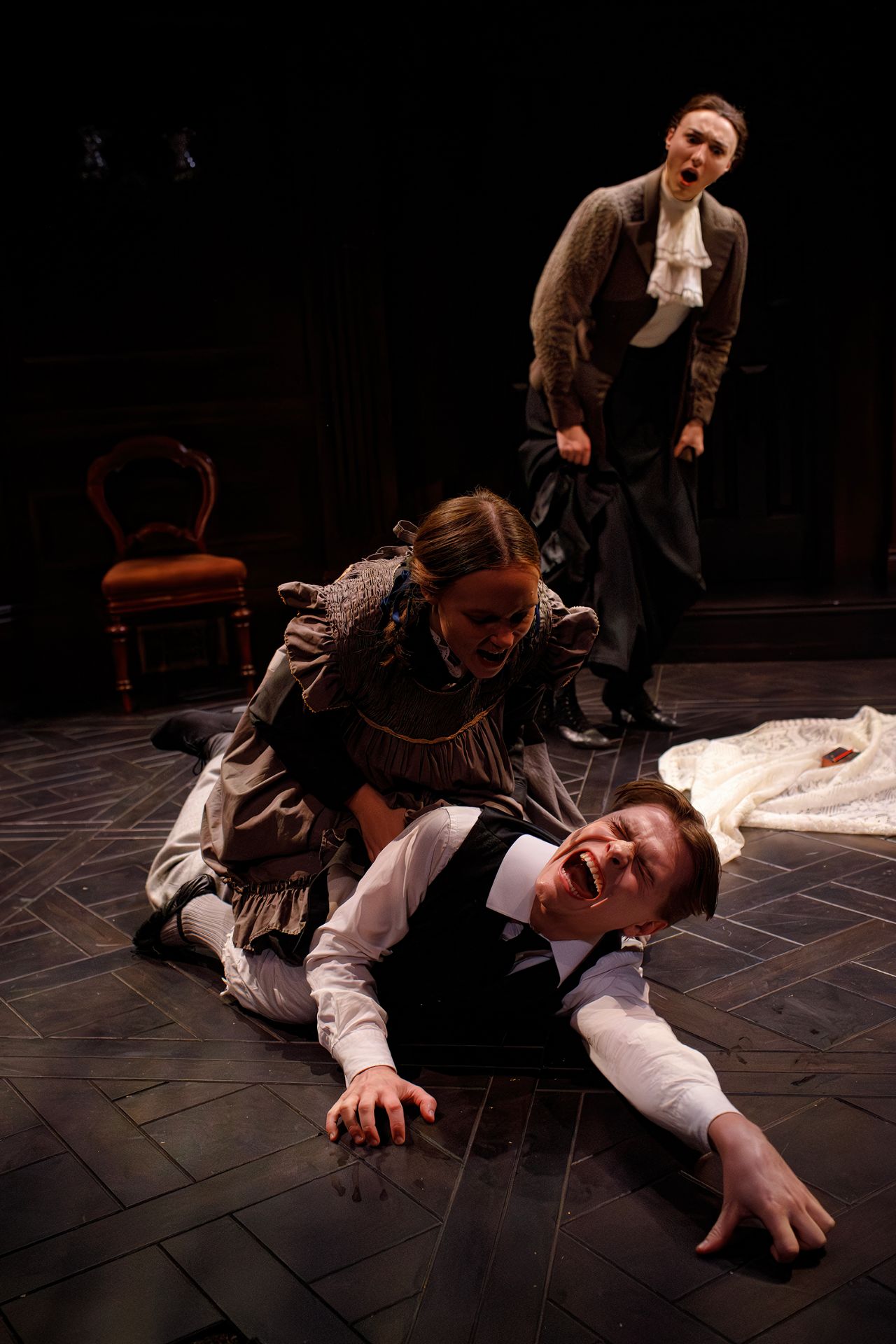
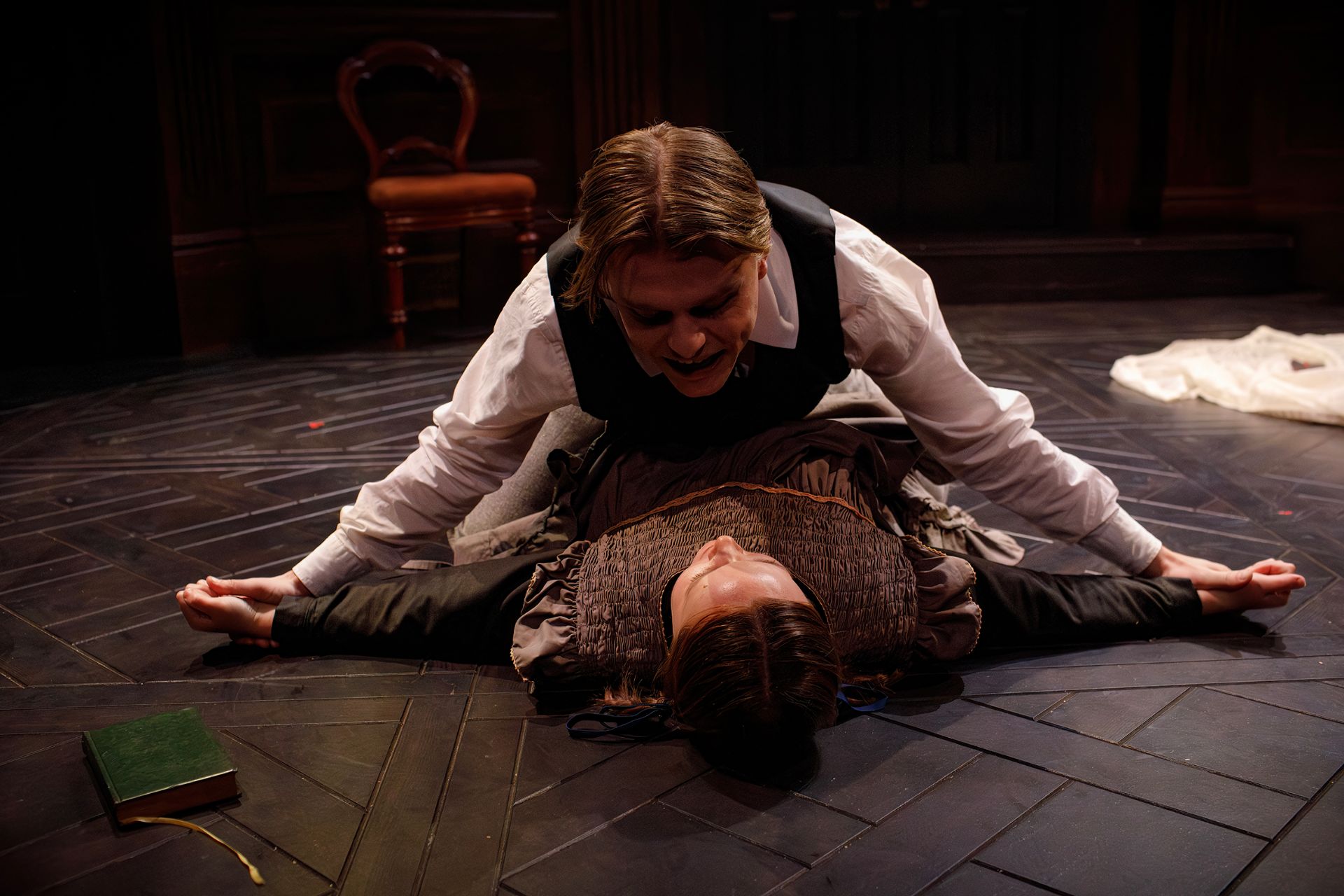
John is one thing one moment, and something entirely different the next. What emerges takes him completely by surprise, leaving him powerless to resist. His own body becomes unfamiliar terrain—something alien, unpredictable, and alive with hidden will. There are many moments in life when our bodies can feel foreign to us: strange, unrecognisable, beyond our control. The body remains an endless mystery, even as we insist on treating it as something fixed and knowable. That tension between discovery and fear is where the terror lies—in realising that what feels monstrous may only ever be natural, when its strangeness refuses to conform and the body asserts itself in ways our simple minds cannot quite comprehend.

www.kingsxtheatre.com | www.instagram.com/red_zebra_productions
Review: The Woman In Black (Theatre Royal)

Venue: Theatre Royal (Sydney NSW), 30 Jul – 17 Aug, 2024
Playwright: Stephen Mallatratt (from the novel by Susan Hill)
Director: Robin Herford
Cast: Daniel MacPherson, John Waters
Images by Justin Nicholas

Theatre review
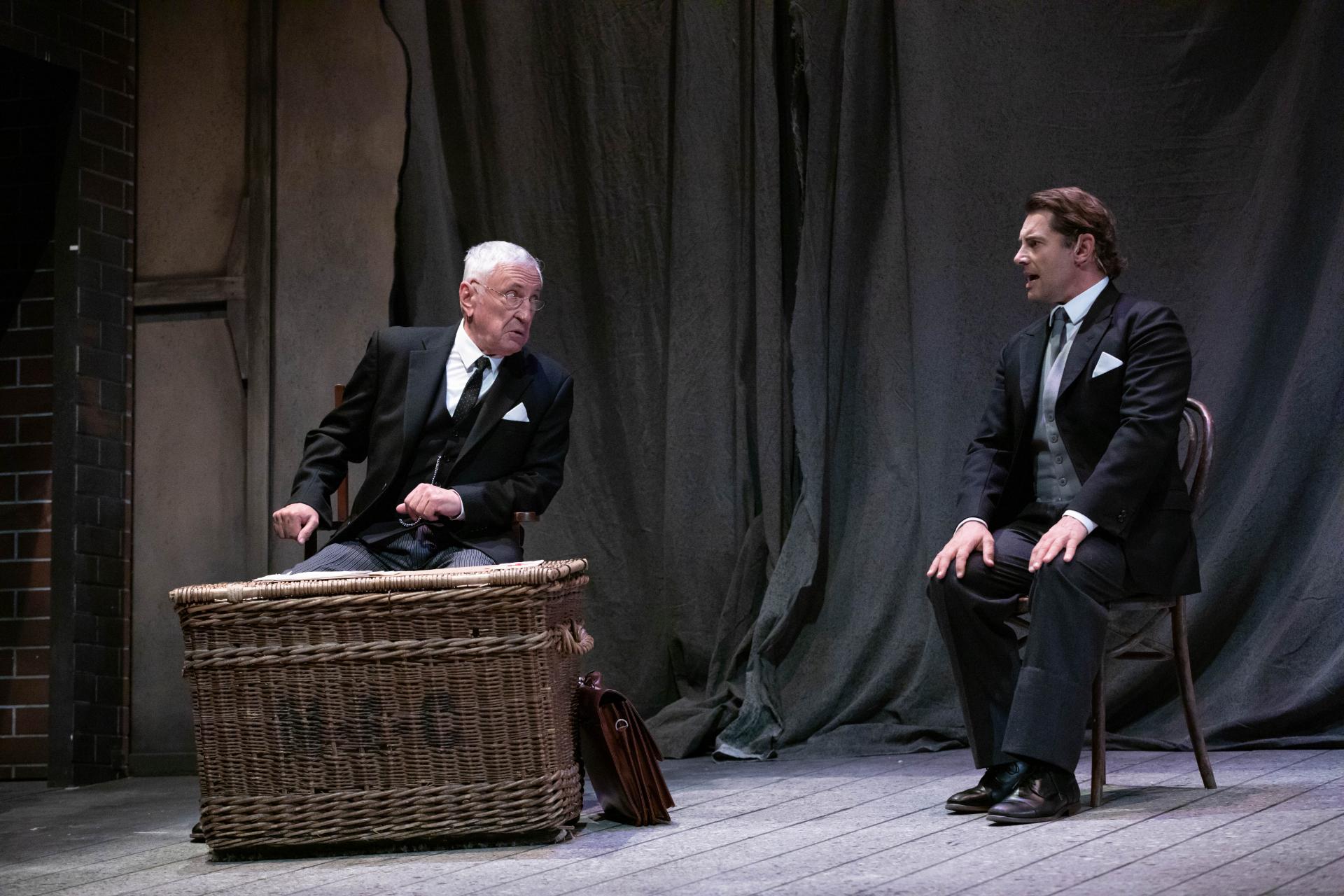
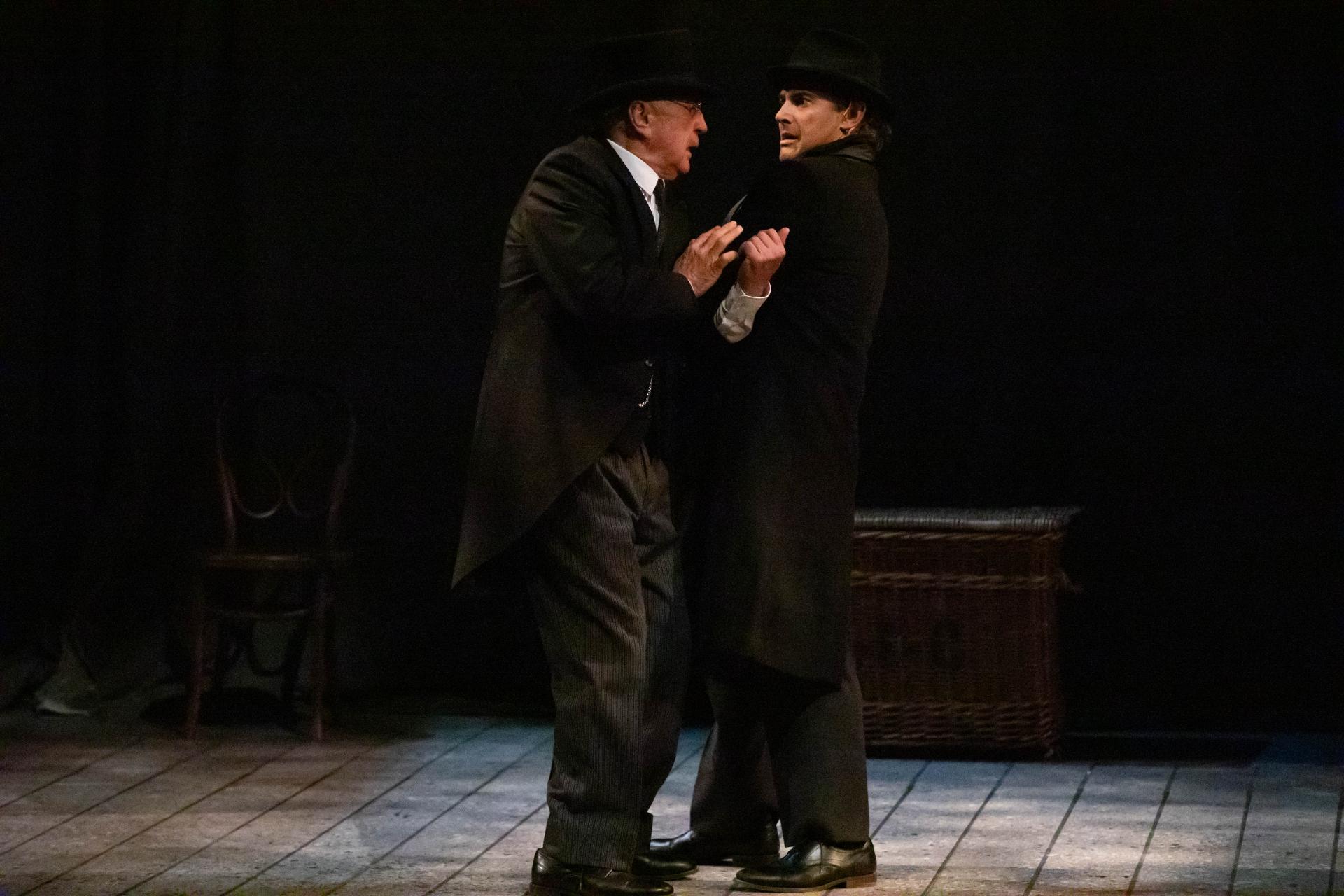
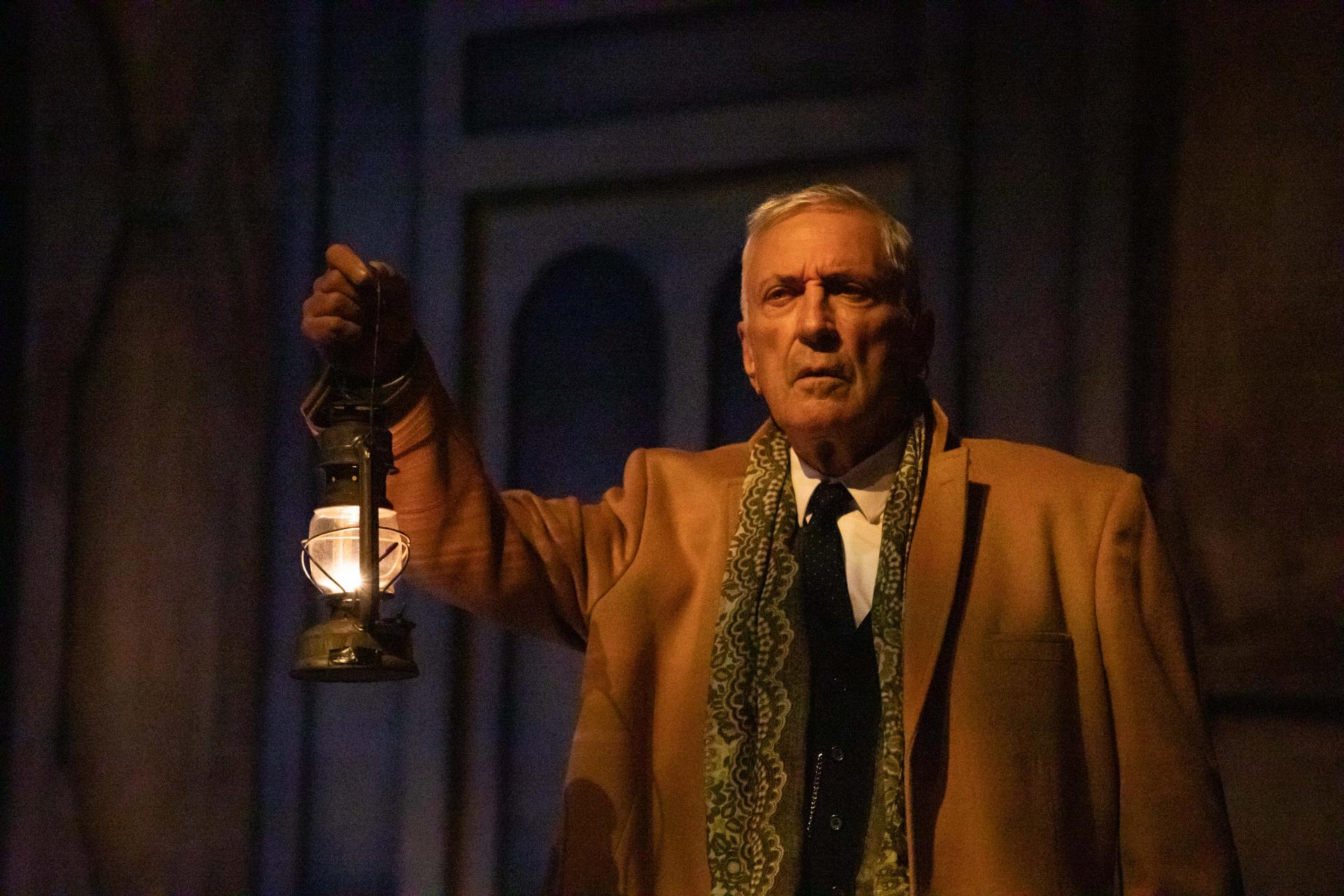
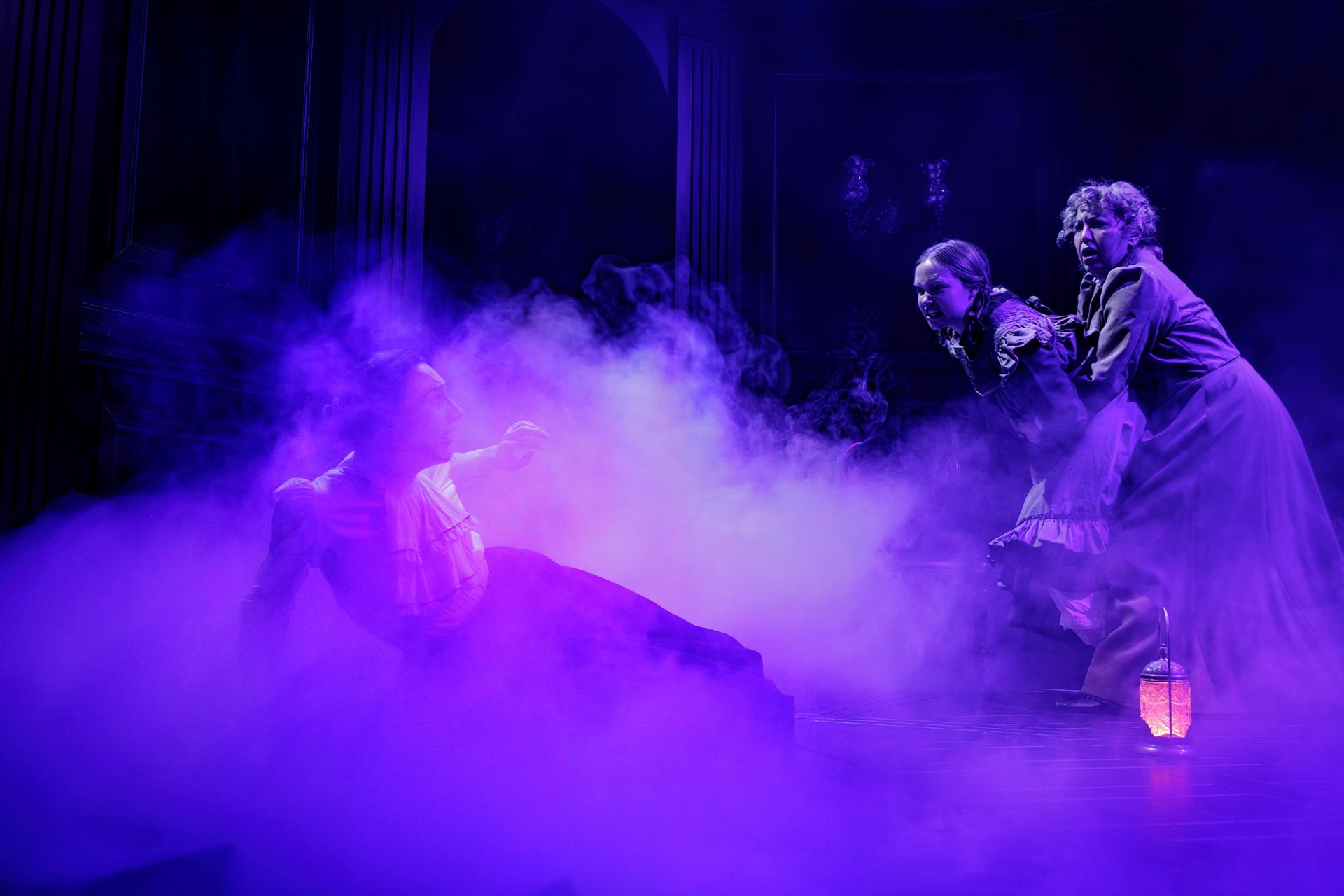
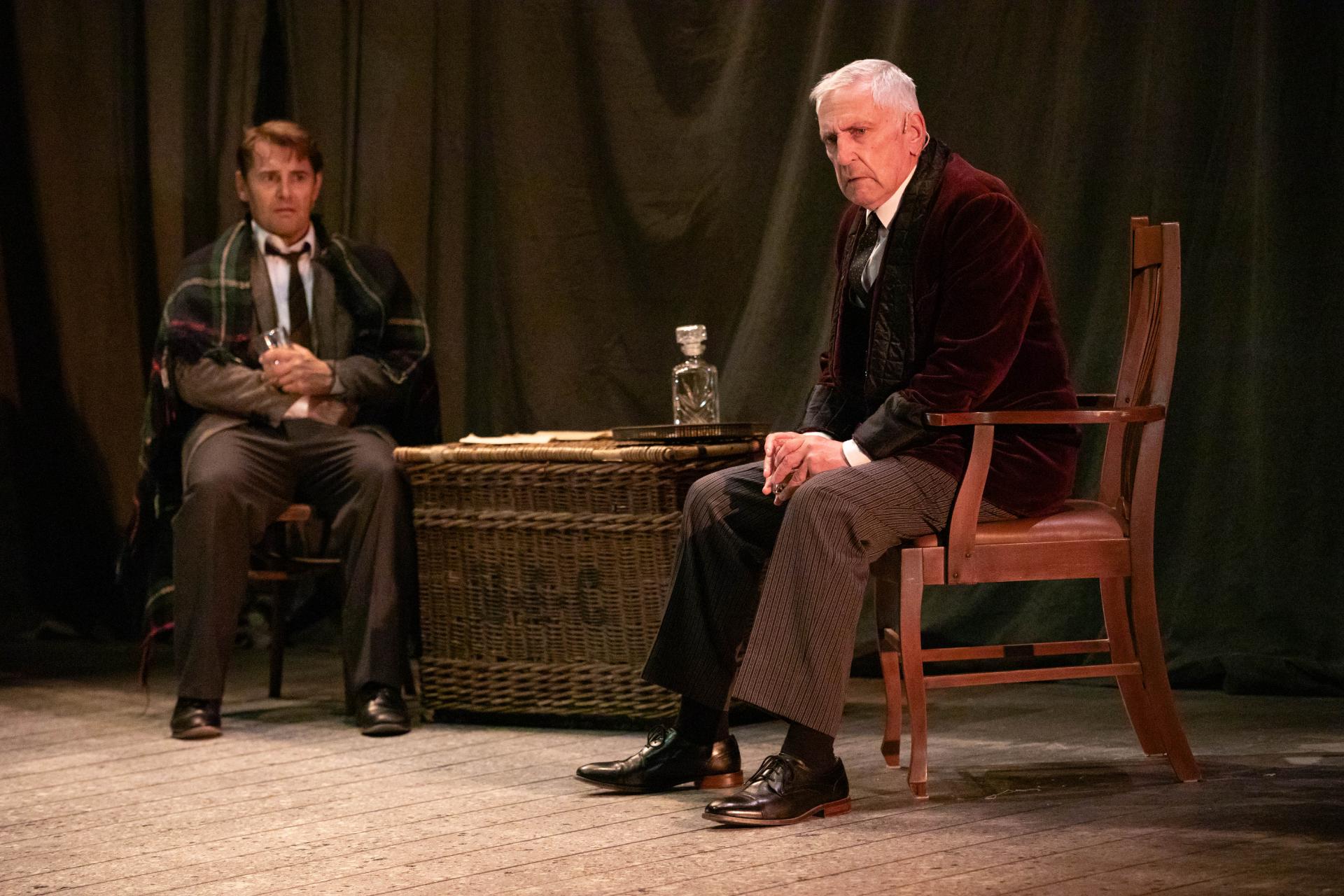
Junior solicitor Arthur Kipps has been summoned to a small town in the northeast of England, where he is to attend the funeral of a Mrs. Alice Drablow and settle her estate. There are very strange goings-on, and even though Arthur turns certain that a ghost haunts the mansion, he is drawn deep into its enigma, instead of choosing to leave at the first instance. Like Susan Hill’s novel The Woman in Black on which it is based, Stephen Mallatratt’s stage version of the same name, involves elements of horror to have us seduced and gripped.

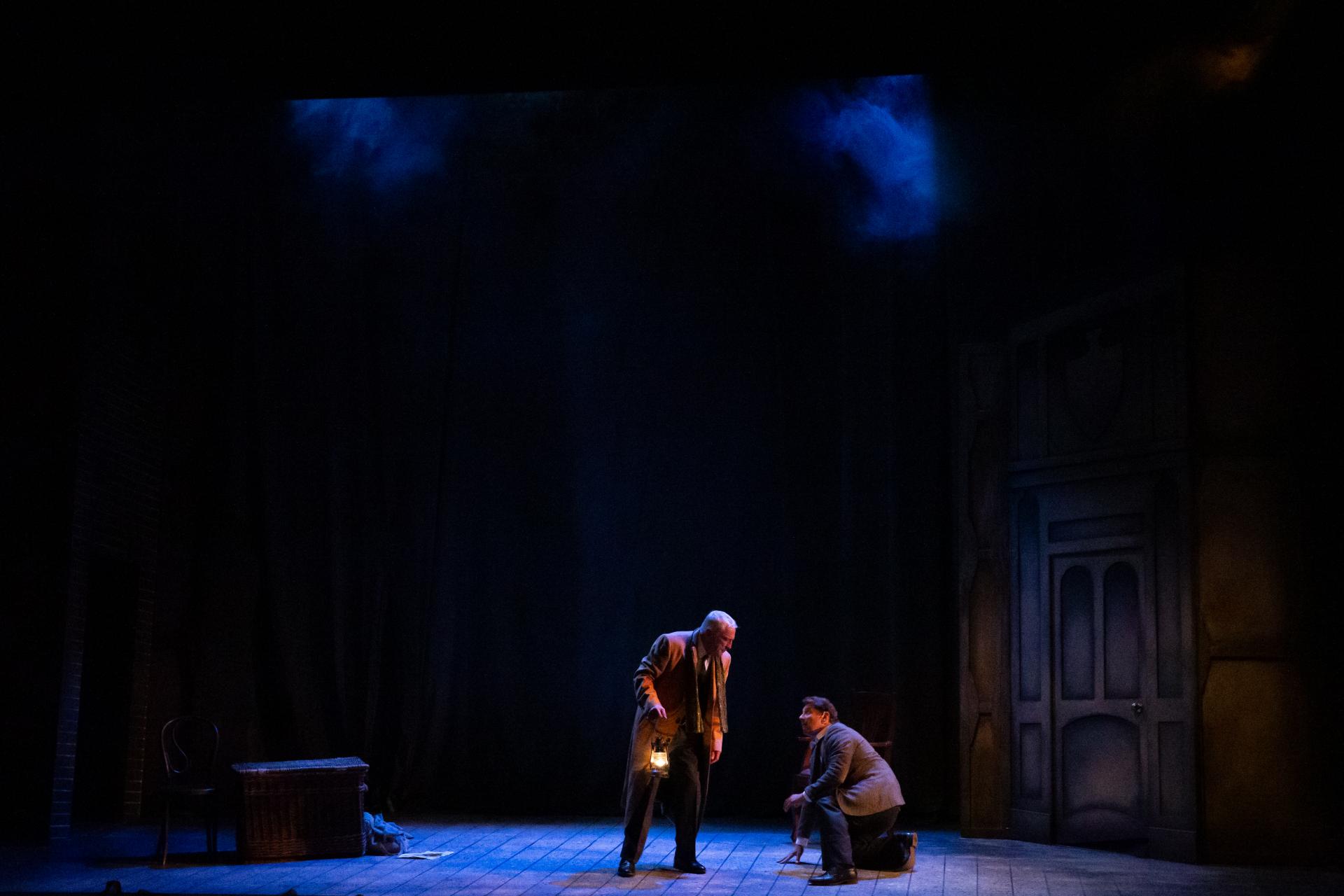
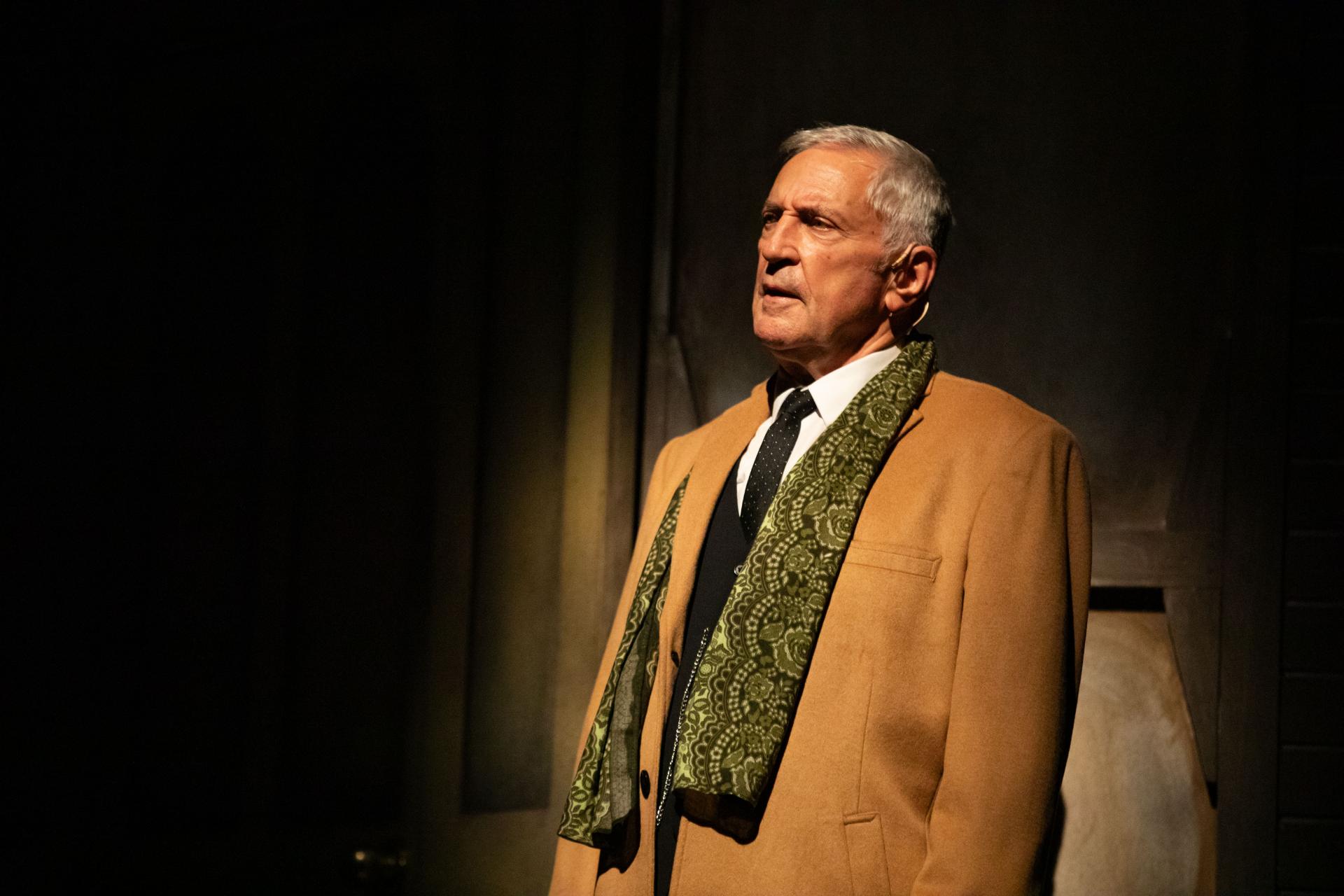
Clever direction by Robin Herford has ensured the production’s longevity, having played continuously at venues around the world since its inception in 1987. Lights by Kevin Sleep and sounds by Sebastian Frost are masterfully designed, to manufacture  thrills and intrigue, in a staging memorable for the frights it so successfully delivers. Performances by John Waters and Daniel MacPherson are highly compelling, both actors innovative and adventurous, with a charming humour that keeps us simultaneously enthralled and revulsed.

Arthur is not the only person to be drawn to danger. As we see him brave the terrifying corridors of Eel Marsh House, we are initially confounded by his voluntary decision to send himself into jeopardy, but we also understand the nature of curiosity, and how our instincts can be easily lured by the promise of high stakes, precarious as it might be. Arthur really should have called it quits the moment he sensed that something was wrong, but his nature simply could not resist testing fate.

www.thewomaninblack.com.au

Review: Shitty (25A Belvoir)

Venue: Belvoir St Theatre (Surry Hills NSW), Feb 7 – 24, 2024
Playwright: Chris Edwards
Director: Zoë Hollyoak
Cast: Meg Hyeronimus, Roy Joseph, Levi Kenway, Mark Paguio, Ariadne Sgouros
Images by Phil Erbacher

Theatre review
Three short plays involving the supernatural, and a lot of sparkling humour, all by Chris Edwards, make up the theatrical delight known as Shitty. The clever title refers to a series of regretful situations, where individuals meet with unforeseen and completely dreadful consequences. Edwards’ writing is highly imaginative, with an exceptional playfulness that pairs horror with comedy, for an unusual intermingling of genres, that proves an unexpectedly thrilling combination.

Direction by Zoë Hollyoak injects a formidable sense of excitement into each of the stories, relentlessly amusing for the entirety of Shitty‘s duration. Set and props by Hailley Hunt incorporate funny surprises that are truly memorable. Lighting design by Morgan Moroney impresses with its creativity, along with an admirable rigour that comprehensively elevates the staging. Sounds and music by Madeleine Picard too are rendered with a thoroughness, so that every moment feels rich and intricate, in this outlandish telling of creepy tales.

Actors Meg Hyeronimus and Levi Kenway start the show as illicit lovers, performing their parts with great polish and exquisite timing. Levi Kenway and Mark Paguio follow, both offering wonderful intrigue and passion, to their chapter on Grindr and Sydney’s clubland. Ariadne Sgouros is commanding in her concluding one-woman segment, precise and powerful as she goes through hell, in the deceptive serenity of the Blue Mountains.

Our arrogance makes us forget that there are others who inhabit this plane. We rely only on five senses to decide what to believe in, often unable to be attentive to what might be considered metaphysical. They could be ghosts, or simply emotions and intuitions, phenomena that seem immaterial and hence elusive, inappropriate for modern lives characterised by commodification and quantifiability. We want magic, but we seem only to know to refuse it.

www.facebook.com/es.wrkrs | www.belvoir.com.au

Review: The Turn Of The Screw (Seymour Centre)

Venue: Seymour Centre (Chippendale NSW), Jul 21 – Aug 12, 2023
Playwright: Richard Hilliar (after Henry James)
Director: Richard Hilliar
Cast: Kim Clifton, Martelle Hammer, Lucy Lock, Harry Reid, Jack Richardson​
Images by Phil Erbacher

Theatre review

A young woman is hired to be governess at an English country estate, where she is to care for 12-year-old Miles and his younger sister Flora. The unnamed governess soon discovers strange goings-on and decides that the house is haunted. The children too are not quite what they seem. Richard Hilliar’s stage adaptation of The Turn of the Screw, is a savvy reframing of Henry James’ 1898 horror novella , that accommodates judiciously, our contemporary sensibilities. It is the same old story, but adjusted for the ways we now talk about child abuse and mental health. Thankfully, supernatural elements are very much kept intact, allowing us to enjoy both the realistic and the metaphysical aspects, of this spooky tale.

That amalgamation of period and modern styles, is seamlessly rendered by Hilliar, who as writer and as director, delivers an experience that addresses our need for a certain veracity in nostalgic terms, but with a rhythm and pace that is unmistakeably of the present day. The show moves quickly and boldly, switching from taciturn to explicit when required, to ensure that we invest in the historical context in meaningful ways. The production may not always hit the mark with its scary elements, but it is definitely creepy enough to keep us on the edge of our seats for its entirety, making us give full attention to the highly intriguing occurrences.

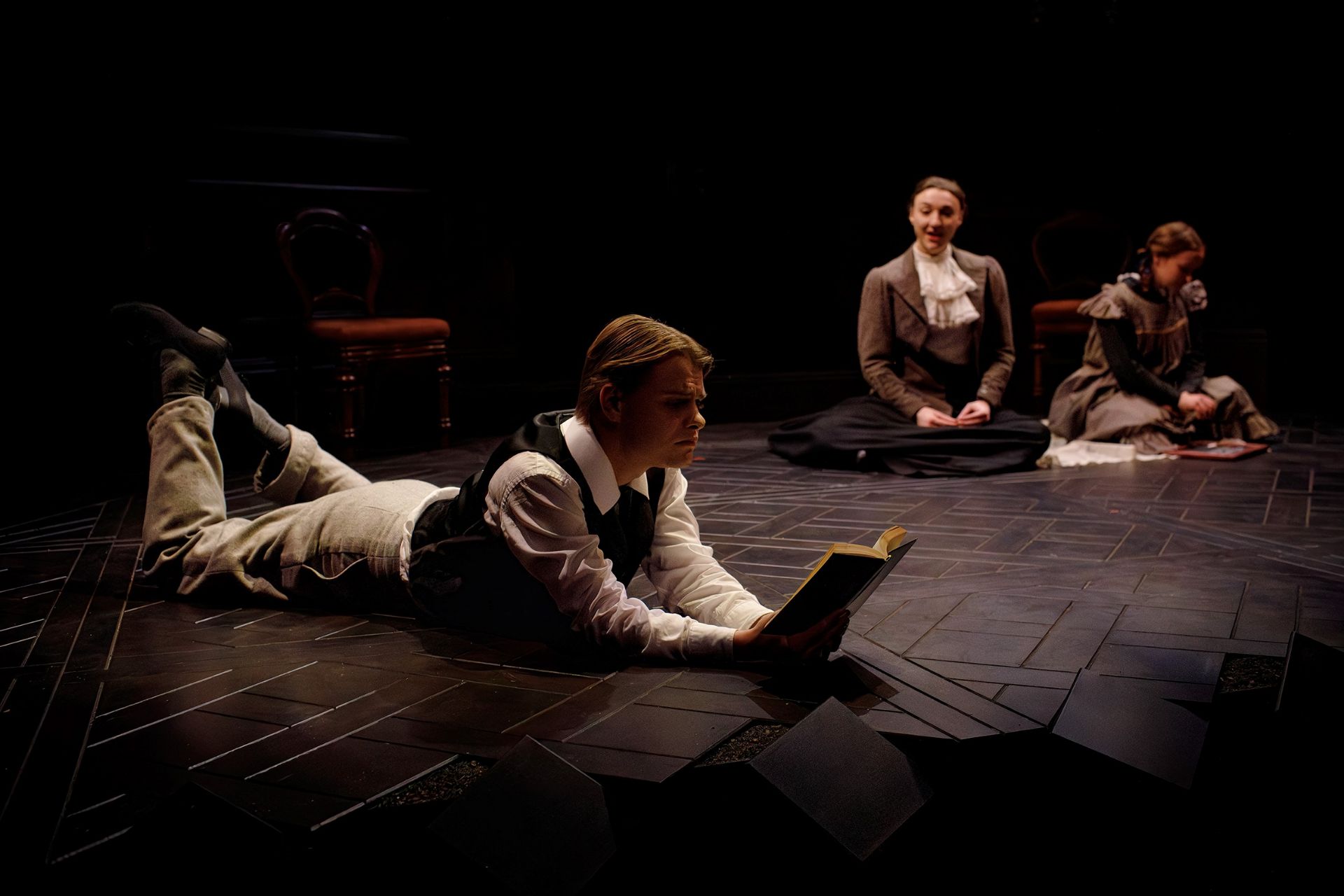
A very handsome set design by Hamish Elliot lures us into this foreboding domain, while efficiently addressing the many practical stipulations of the production. Angela Doherty’s costumes are assembled to convey authenticity, not just in terms of era but also of class. Lights by Ryan McDonald do a splendid job of traversing oscillating states of realism, able to engender warmth in one moment, and then swiftly switching to depict terror the next. Sound and music by Chrysoulla Markoulli are richly rendered, especially for the many instances of heightened dramatics.

Actor Lucy Lock demonstrates impressive versatility as the governess, believable whether doting and tender, or in complete panic and hysteria, beautifully nuanced with her interpretation of the dynamic role. Jack Richardson is sensational as Miles, with excellent humour and a knack for making every extravagant gesture feel convincing and appropriate. Kim Clifton’s exemplary commitment never lets us diverge from the notion that Flora is a child, thus raising the stakes continually, as the plot unfolds. Housekeeper Grose is played by a remarkable Martelle Hammer, whose prodigious range is showcased perfectly, in a play that lets her perform at ever changing levels of intensity. The irrepressible Harry Reid establishes a tone of devious mischievousness in the opening scene, and although appears only for that singular instance as the children’s uncle, proves unforgettable with his flair for subtle expressions and delicious timing.

When we talk about ghosts, we are opening the doors to pasts that yearn to be exhumed. In order for life to move on, so much of what we have encountered needs to be left behind. Trauma especially wants to hide away, in order that we may awake to every new dawn. Pain however refuses to be muted. It finds ways to manifest, sometimes in the flesh, sometimes in the mind, be it physical, emotional or spiritual, trauma always resurfaces. Ghosts may be an allegory for the return of anguish, but they may also very well be assertions of truths that simply will not be denied, come hell or high water.

www.seymourcentre.com | www.toothandsinew.com

Review: Let The Right One In (Darlinghurst Theatre Company)

Venue: Eternity Playhouse (Darlinghurst NSW), Oct 7 – Nov 20, 2022
Playwright: Jack Thorne (based on the novel by John Ajvide Lindqvist)
Director: Alexander Berlage
Cast: Stephen Anderton, Callan Colley, Will McDonald, Eddie Orton, Josh Price, Monica Sayers, Sebrina Thornton-Walker, Matthew Whittet
Images by Robert Catto

Theatre review
Things are going terribly for 12-year-old Oskar. His mother is a raging alcoholic, and the bullying at school is interminable. Meeting Eli late one night, may seem to indicate a change for the better, but falling in love with a vampire comes with major drawbacks. Jack Thorne’s adaptation of John Ajvide Lindqvist’s novel and film Let the Right One In, attempts to transpose an unorthodox story of young love to the stage, complete with all the hallmark features of a genre piece.

Under the directorship of Alexander Berlage, Let the Right One In becomes an unexpected concoction of romantic-comedy with horror elements. There are moments of gore to be sure, but a quirky sense of humour dominates the staging. It is a compelling experience, enjoyable especially for its unusual tackling of the supernatural, although the confluence of humour with revulsion, seems a tricky one to resolve.

Trent Suidgeest’s sensual lighting design is highly attractive, but can sometimes seem at odds with the comedy being performed. There are competing tones being presented, each one detracting from the other. Daniel Herten’s sound and music too, work consistently to build tension for something resolutely scary, seemingly unaware of the show’s strong tendencies toward the funny. Isabel Hudson’s set design is appropriately cold and stark, depicting somewhere appearing a cross between hospitals and abattoirs, with shiny surfaces that keeps the chill in our spines. Hudson’s costumes are evocative of Sweden, from whence the tale originates, but the main characters never really look persuasively like children.

Actor Will McDonald is very endearing as Oskar, perfectly conveying the innocence of his character, whilst offering a rich interpretation, of someone going through something impossibly intense. The challenging task of portraying Eli, who is both a small child, and a phantasm over a century old, is taken on by Sebrina Thornton-Walker, who brings a satisfying sense of macabre physicality to the role. Supporting players, Stephen Anderton, Callan Colley, Eddie Orton, Josh Price and Monica Sayers, are spirited in their embrace of the show’s absurdist dimensions, each one leaving a strong impression with the idiosyncrasies they are able to find, for the various personalities that we meet.

It is a strange phenomenon, that people should pay good money to make themselves feel scared. It is perhaps an opportunity for us to release, that which has to be psychologically suppressed, in order that we may face daily life with an attitude of normalcy. The possibilities of afterlife are hard to discount, for the unknown has the ability to take on infinite configurations, and the terror of death makes our imagination of that aftermath go to the darkest. Hence it is easy to believe the worst, but only in chosen occasions can we indulge in those frightful meditations.

www.darlinghursttheatre.com

Review: Cleansed (Old Fitz Theatre)

Venue: Old Fitzroy Theatre (Woolloomooloo NSW), Jun 9 – 25, 2022
Playwright: Sarah Kane
Director: Dino Dimitriades
Cast: Danny Ball, Stephen Madsen, Tommy Misa, Jack Richardson, Charles Purcell, Fetu Taku, Mây Trần
Images by Robert Catto

Theatre review

It is uncertain where the action takes place, but in Sarah Kane’s Cleansed, we see a man named Tinker torturing several individuals, in a manner that implies somewhere utterly and devastatingly fascistic. Tinker is presented as all powerful, able to commit the most heinous of acts without being reprehended, or perhaps his horrific atrocities are indeed sanctioned, by an authority that remains unidentified. Tinker’s victims display no violent and criminal tendencies, only forms of sexual and gender expression that deviate from what some of us might call, the heteronormative.

It is a ghastly thing to witness, this incessant agony being inflicted on characters, in a theatrical presentation obsessed with pain. In truth, moments between the brutality, are filled with depictions of a loving nature, but the suffering is never distant enough, for anything sweet or nice, to sufficiently emerge. We know with hindsight, that Cleansed offers a window into the psyche of a tormented soul. Originally created less than a year before playwright Kane’s suicide, it gives us access to a darkness rarely seen, in any of our communal settings.
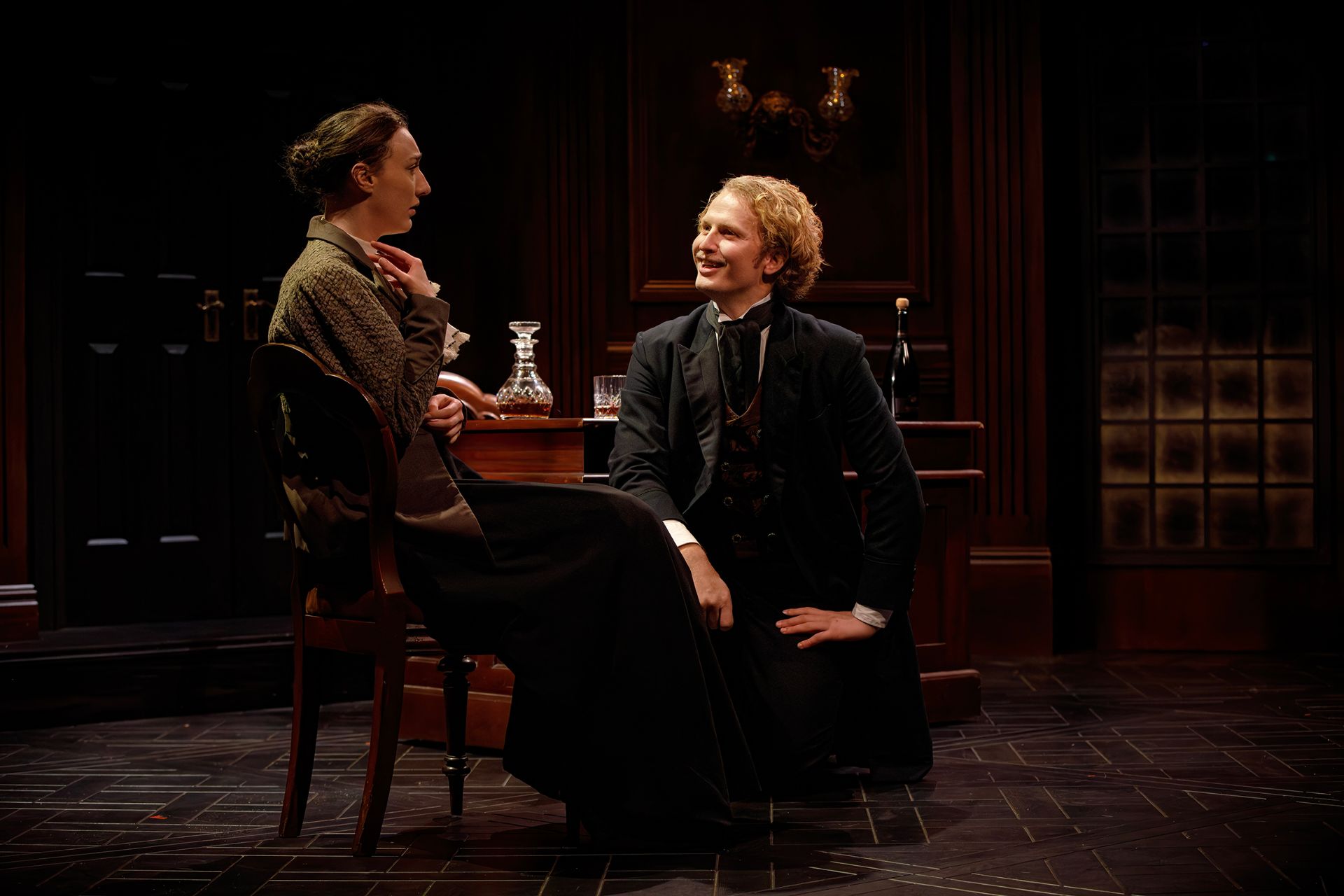
Direction by Dino Dimitriadis explores that space of terror, without mitigation. The intensity with which Kane’s writing is transposed on this occasion, is uncompromising, and quite shocking in its effect. The concept of body horror, figures prominently in the staging, to communicate with veracity, not only the level of anguish experienced by those devoid of hope, but also to depict the psychological consequences of homophobia and transphobia, in some of our everyday existences.

Dimitriadis appropriately manufactures for us, a sense of escalating dread and revulsion, refusing to give in to any need for reprieve. There is no room for politeness, when matters are truly urgent. The audience is left to its own devices, to access mental fortitude wherever it can, in order to get to the end of Cleansed, should they choose to stay. Exiting prematurely, in this case, is also an understandable and valid cause of action.

Sound design by Benjamin Pierpoint is relied upon to strike fear into our hearts, and its efficacy cannot be understated. If your worst nightmare can be represented in an audio recording, Pierpoint has accomplished it here. Jeremy Allen’s set design is black, hard and stony, to convey the cruelty that our species is capable of inflicting on one another. Lights by Benjamin Brockman and Morgan Moroney are similarly icy, offering only the most explicit perspective of the inhumanity being exposed. Costumes by Connor Milton are aesthetically understated, but the way injury and decapitation is represented, is cleverly achieved, and suitably gruesome.

Actor Danny Ball is marvellous as Tinker, deadpan but terrifying, full of ambiguity in his portrayal of pure evil. The quietness of Ball’s performance disallows us to undermine the severity of his character’s barbaric deeds; it is the absence of dramatics in Tinker’s cruelty that makes us see it exactly for what it is. Mây Trần as Grace, delivers some of the most affecting emotional authenticity one could hope to see in the flesh. To be able to muster such a visceral and accurate presence for a character at the very depths of despair, is evidence of an artist of the highest calibre at work. The unforgettable Stephen Madsen shakes us to the core, with spine-chilling screams and a ravaged physicality that tragically deteriorates over time. It is a splendid cast of seven incendiary types, determined to say something devastating, in an extremely powerful way.

Cleansed may not be about a universal experience, but the harrowing nature of its story is contingent on our ability to all feel the same pain. Tinker knows how to inflict pain, because he too knows what it is to suffer. There is a dissonance that always exist perhaps, in our ability to do unto others what we wish not to have done to ourselves. It may seem that a constant in being human, involves a need to perceive difference. To be able to think of some as more deserving than others, allows for power to manifest. To be able to think of some as inferior, allows for abuse to take place. Tinker is no different from the rest; understanding how he gets to exercise such power, is the key to dismantling so many of our ills.

www.redlineproductions.com.au

Review: The Woman In Black (Ensemble Theatre)

Venue: Ensemble Theatre (Kirribilli NSW), Jun 11 – Jul 24, 2021
Playwrights: Susan Hill, Stephen Mallatratt
Director: Mark Kilmurry
Cast: Garth Holcombe, Jamie Oxenbould
Images by

Theatre review
Arthur Kipps has engaged the expertise of an actor, to help him process, psychologically and emotionally, a traumatic event that has come to define his existence. The Woman in Black is a 1987 play, adapted by Stephen Mallatratt, from the 1983 book by Susan Hill. One of London’s longest-running productions, it is known for being an unusual example of a live show in the horror genre, with ghosts and the human imagination, creating a sense of dread and a series of scares, that form a crucial part of the theatrical experience.

Kipps is suffering from the aftermath of having been sent, as a junior solicitor, to a haunted house after the death of a client. Having seen and heard a series of strange and terrifying occurrences, he lives to tell the tale, if only in attempts to exorcise those dark imprints from his mind. The Woman in Black is a classic story, told in the most conventional way. Decades have past since the play’s original premiere, and although few have tried to emulate it on stage, innovations on the genre for the screen, have advanced by leaps and bounds.
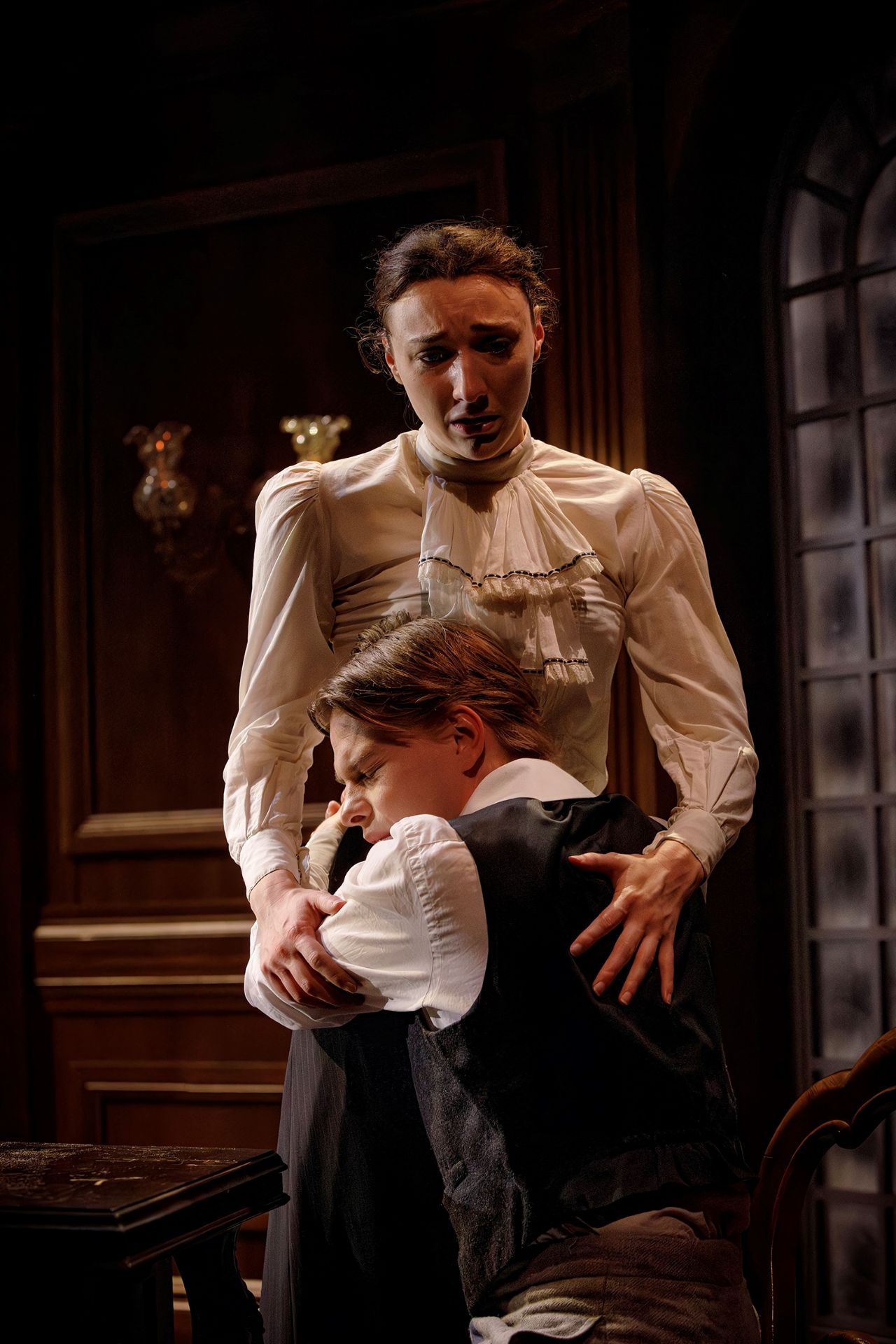
In comparison with the multitude of horror films that have appeared over the last four decades, The Woman in Black feels too dated, and much too meek, for a worldly contemporary audience. Director Mark Kilmurry’s approach brings an appropriate air of nostalgia to the staging, but genuine instances of tension are desperately few. Spatial limitations in the auditorium mean that apparitions do not materialise in unsuspected places, and without sufficient possibilities for supernatural elements to be explored, much of the show’s efforts to scare, prove disappointing.
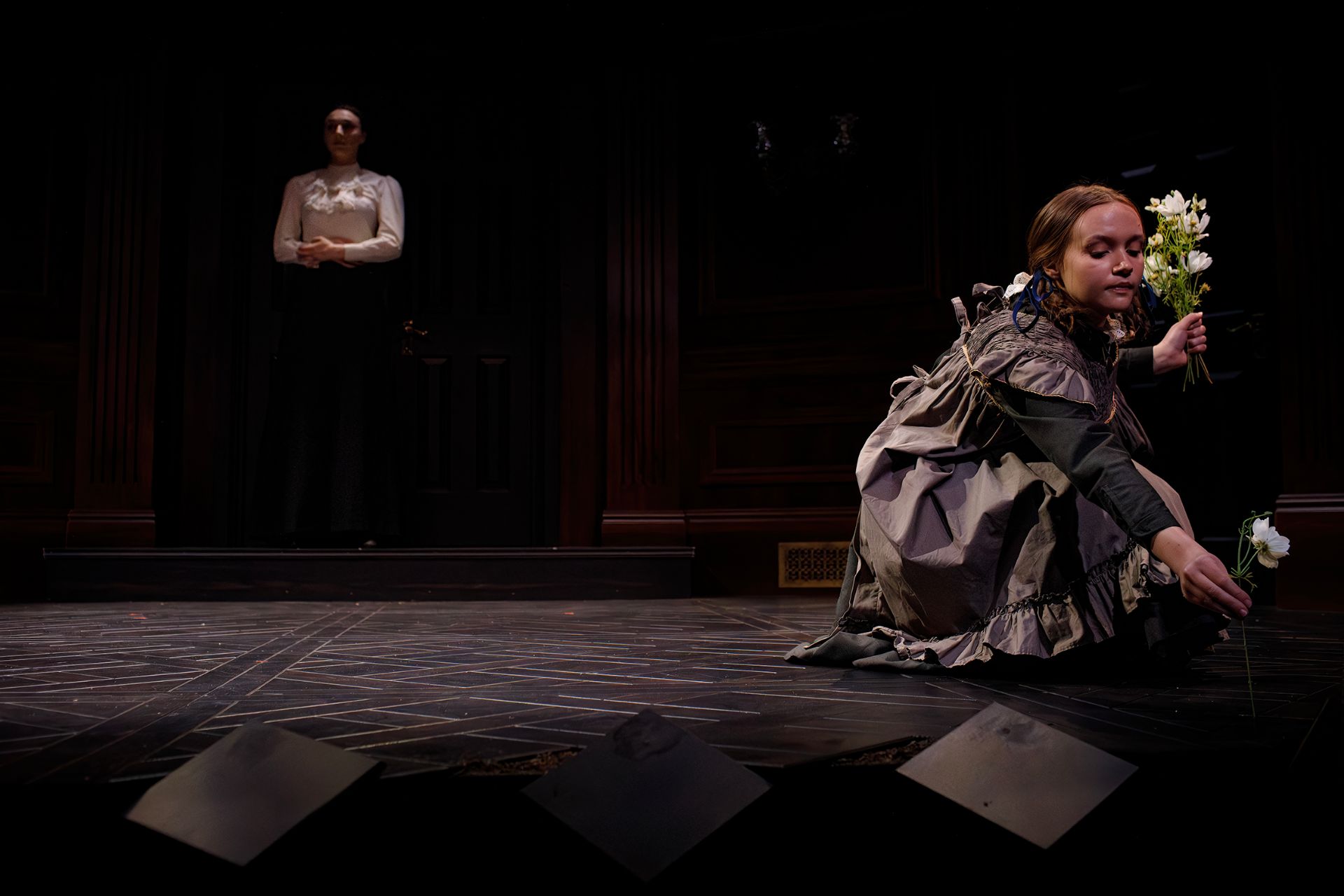
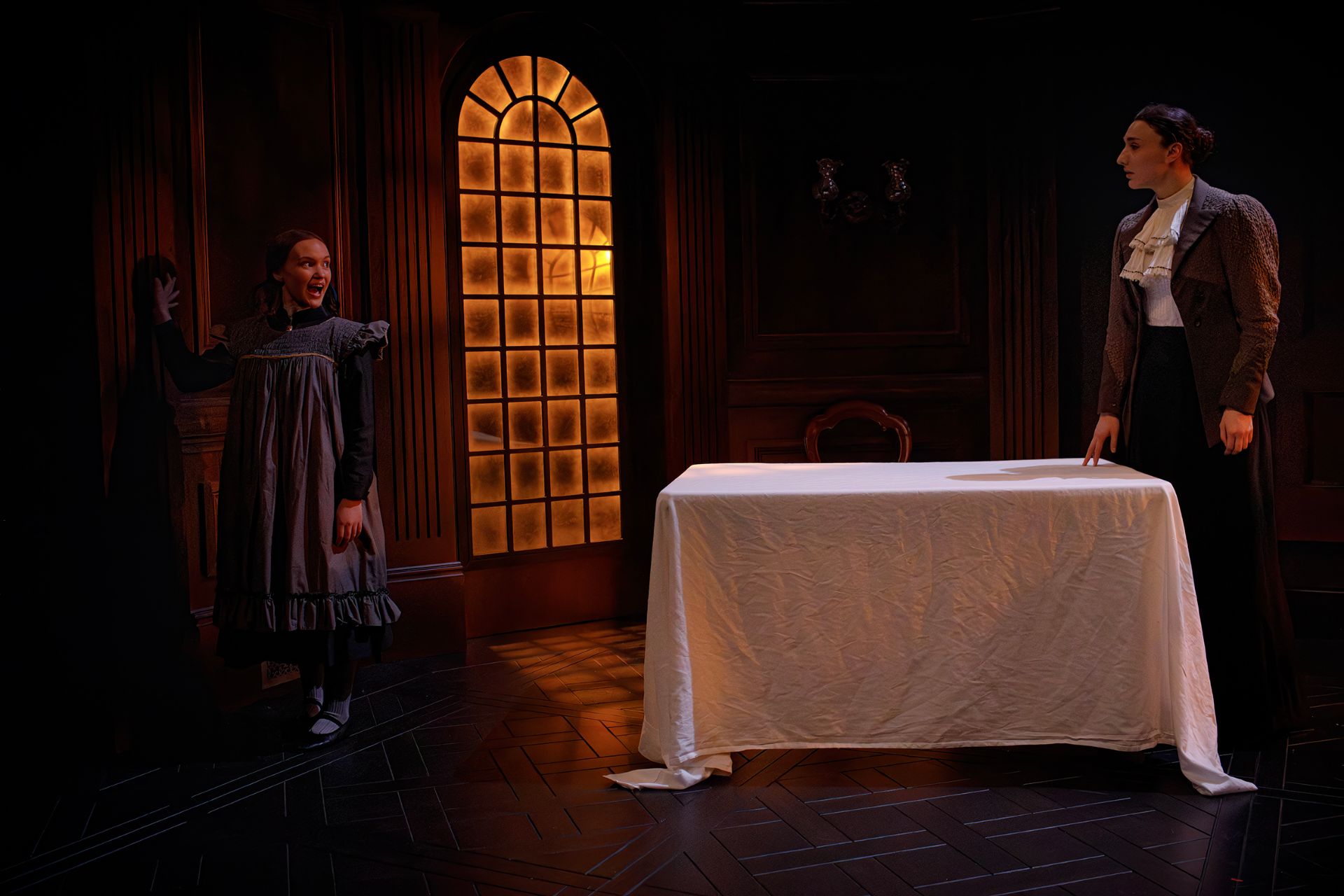
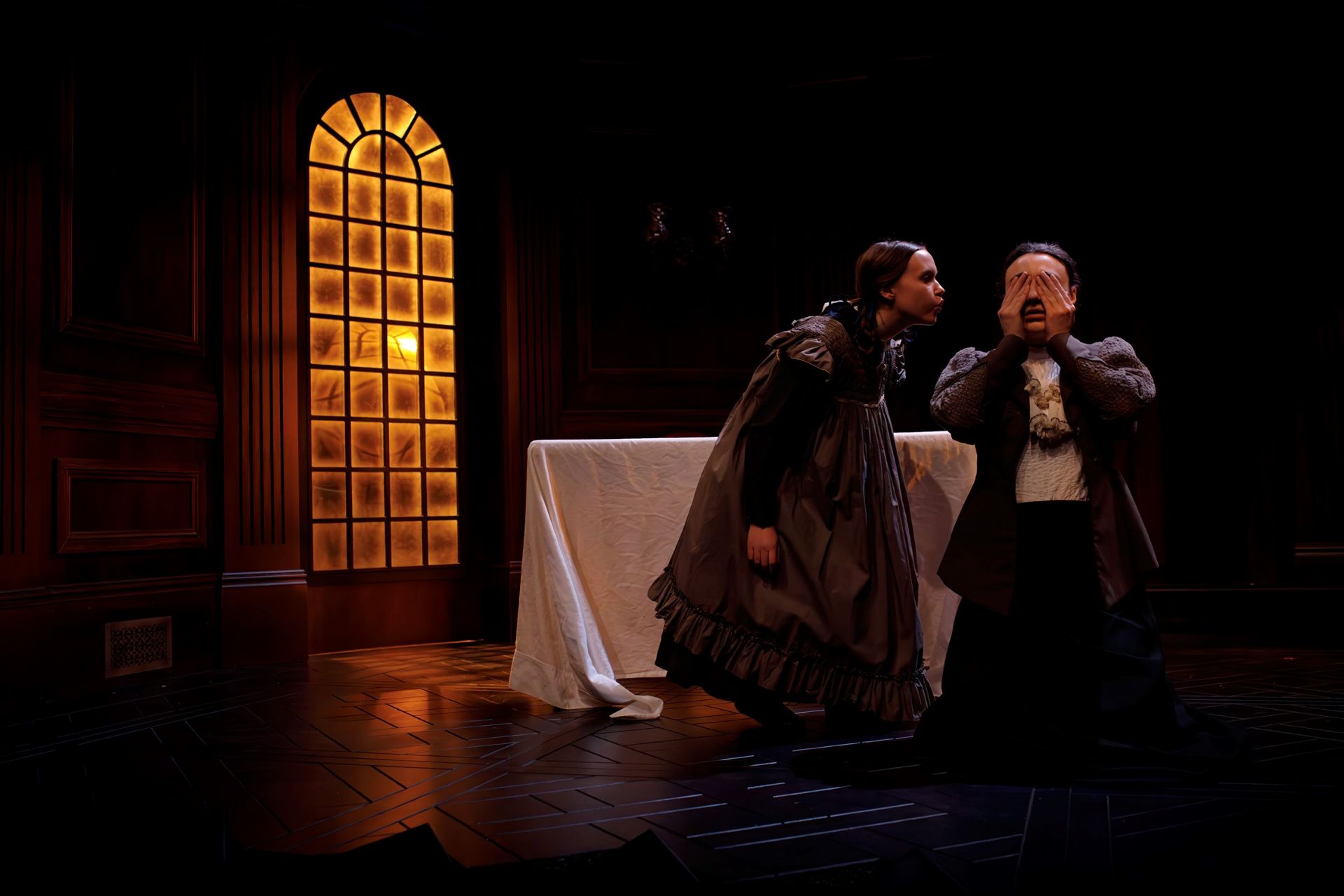
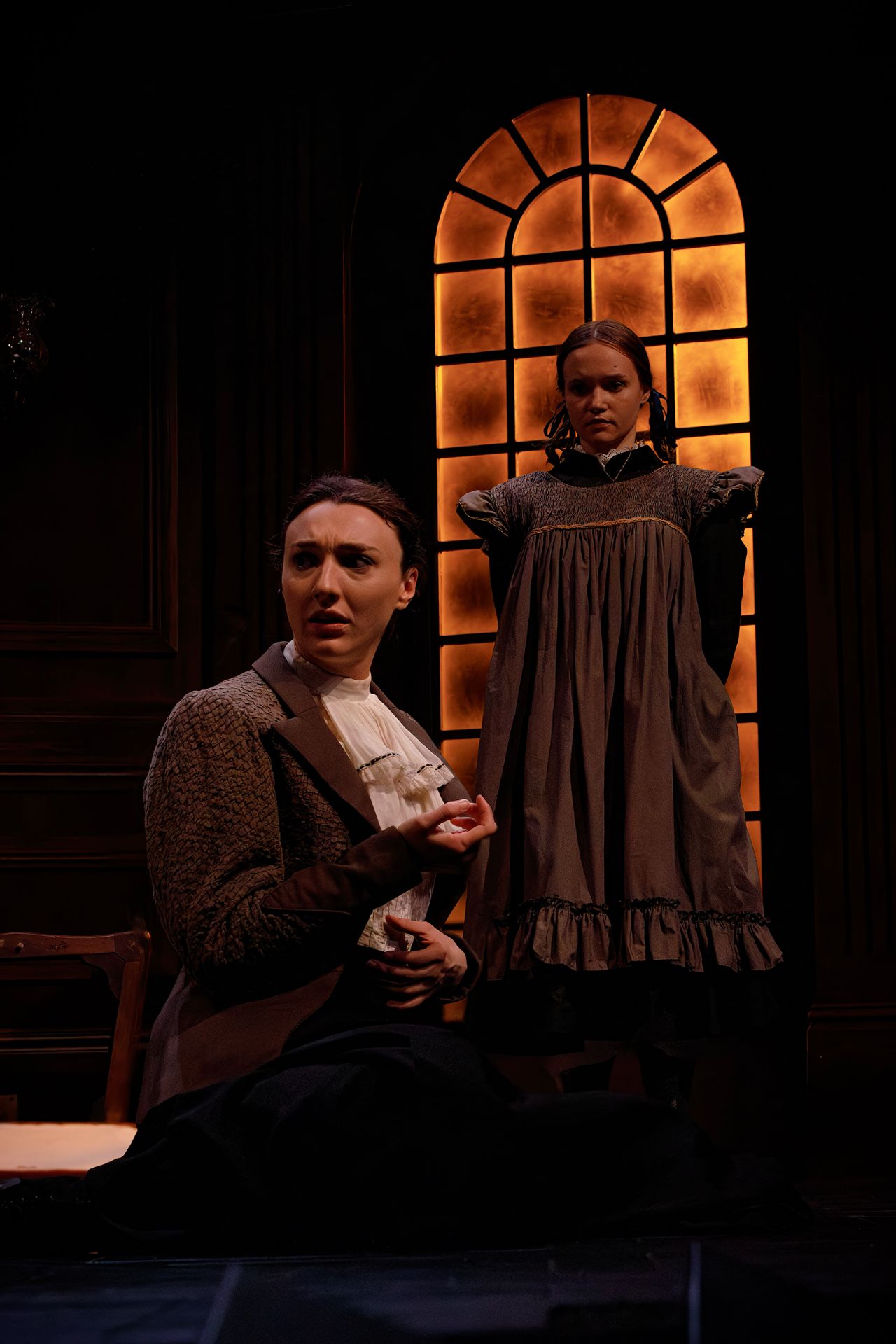
Production designer Hugh O’Connor is obviously restricted by what he can achieve for the set, but his work on costumes are finely detailed, on characters who look elegant at all times. Lights by Trudy Dalgleish are lush and beautiful in a classically gothic way, but it is Michael Waters’ sound design that does a lot of heavy lifting, complete with shrieks and screams urging us to get into the spirit of things.

Performers Garth Holcombe and Jamie Oxenbould are an excellent pair of storytellers, both dedicated and compelling. Oxenbould impresses with his deftness at switching seamlessly between personalities, in this “play within a play” format, but it is Holcombe’s insistence on conveying emotional truth, that provides the production with its saving grace. Beneath the flamboyant theatricality required in the portrayal of terror, is Holcombe’s embrace of the role’s psychological authenticity, which elevates the production to one that is worth ultimately, more than the sum of a few thrills and spills.

Kipps tries hard to heal himself of damage, one that is not unlike any mental injury that every person inevitably sustains from simply being alive. We watch him get on stage in order that he may go back in time, to re-enact and to relive the worst moments, in hope of attaining a new understanding of a confusing time, or simply to numb himself of memories that relentlessly haunt his every day and night. Indeed, art has the capacity to provide solace where all else fails, and at its most powerful, is able to bring concrete transformations to lives awaiting improvement. For those who only crave being scared out of their wits however, alternatives on the idiot box would probably deliver a more satisfactory result.
www.ensemble.com.au

Review: Videotape (Montague Basement)

Venue: Kings Cross Theatre (Kings Cross NSW), Jan 29 – Feb 13, 2021
Playwright: Saro Lusty-Cavallari
Director: Saro Lusty-Cavallari
Cast: Laura Djanegara, Jake Fryer-Hornsby, Lucinda Howes
Images by Zaina Ahmed

Theatre review
Juliette and David are a young couple, isolated in their Sydney apartment, in the middle of this pandemic. They live together because there is an unmitigated conventionality to their relationship, although we are never sure if there is any love between the two. Saro Lusty-Cavallari’s Videotape borrows its premise from David Lynch’s 1997 film Lost Highway, where a mysterious videotape is delivered, containing frightening visions that threaten to discombobulate a household. The pleasure in Lusty-Cavallari’s creation, lies in the unexpected amalgamation of comedy, drama and horror; although not perfectly harmonised, the mishmash of intonations does deliver something with an enjoyable quirky charm.

In Lynch’s deeply misogynistic original, the femme fatale comes in two guises, both of whom are helpless yet maligned. In Videotape, we wonder if Juliette stays with David because of the virus, or if she is a sucker for punishment. The work’s occasionally obtuse intimations provide a sense of texture to an otherwise uncomplicated plot, and although ambiguous in its intentions, allows the audience plentiful room for wide ranging interpretations.

Production design by Grace Deacon is noteworthy for its ability to convey wealth and polish, in a succinct manner. Lights by Sophie Pekbilimli too, help to tell the story in an economical way. Jake Fryer-Hornsby and Lucinda Howes are engrossing as lead performers, both evocative with what they bring to the stage. Laura Djanegara is effective in her smaller roles, offering a valuable hint of the surreal to the show.

We are stuck being humans, and in many ways, trapped in the past. The VHS tapes function as a device of excavation, opening wormholes that make us reach back, whilst materially positioned in the present. Videotape is both a new story, and an old one, not only with its intertextual obsessions, but also in its examinations of how history repeats. The cassette tape stands as an allegory, in our understanding of humanity, and in our experience of it. Rewinding it, fast forwarding, recording over, pause, play or stop, it is its finiteness that is truly chilling.

www.montaguebasement.com

Review: AutoCannibal (Oozing Future)

Venue: Carriageworks (Eveleigh NSW), Jan 13 – 17, 2021
Director: Masha Terentieva
Cast/Creator: Mitch Jones
Images by Yaya Stempler

Theatre review
The show is named AutoCannibal because in the dystopic future of Mitch Jones’ creation, he is seen gradually eating himself to death, literally. Starting with expendable parts of the anatomy, like hair and nails, we watch his desperation gradually escalate, and wonder if the moment of inevitability will take place right before our eyes. A one-man show in the physical theatre tradition, reminiscent of the work of artists like Buster Keaton and Marcel Marceau, Jones pushes the envelope towards something very dark, although not altogether unfunny.

There are many horror dimensions to AutoCannibal, involving self-mutilation of course, but also isolation, madness and other hard to name fears resulting from the end of the civilisation. A short video at the beginning hints at the usual suspects, namely climate, capitalism and politics, that lead us to this point of abject destruction, but in 2021, there really is very little need for explanations about the sad state of affairs in which our protagonist finds himself. We may be conditioned to interpret dystopic visions as futuristic cautionary tales, but at this present time, it takes little stretch of the imagination, to read the presentation as an allegory for so much that is happening today.

Design aspects of the show are highly accomplished. Sound by Bonnie Knight is dynamic and compelling, a crucial element in lieu of dialogue, that guides us through varying states of distress and humour. Paul Lin’s lights are moody but magical, effective in establishing something very close to a living nightmare before our eyes. Michael Baxter’s set design too is noteworthy, able to provide more than functionality, for a stage that looks genuinely terrifying.

Under Masha Terentieva’s direction, Jones performs a wordless theatre that is just scary enough, often pushing us to psychological limits, without taking the action to a point of alienation. There is ample opportunity for showing off Jones’ athletic and comedic talents, but AutoCannibal is not always sufficiently engaging for the intellect. When the audience witnesses a human pushed to the extremes in art and entertainment, we cannot help but wonder about the point of it all, and there is little that could provide satisfying complexity to how we can contextualise these horrors.

We live in a world of scandalous abundance, yet so many are hungry. It boggles the mind that people everywhere are left to die of starvation, while most of us fill our days with hoarding and accumulating the thing commonly known as wealth. Conditioned to think of people as either worthy or unworthy, we are completely at ease with the idea that some are simply lesser, and that their suffering is justified. We are taught to fear, taught to submit, taught to accept that some babies will grow into rich people, and others will languish in poverty, as though this is all natural and the irreversible course of the world. To watch the character in AutoCannibal eat himself to death, is to have our morals called into serious question.

www.oozingfuture.com

Review: Wake In Fright (Sydney Opera House)

Venue: Sydney Opera House (Sydney NSW), Feb 11 – 15, 2020
Playwright: Declan Greene with Zahra Newman (adapted from the novel by Kenneth Cook)
Director: Declan Greene
Cast: Zahra Newman
Images by Daniel Boud

Theatre review
Included in the price of entry, are a pair of earplugs. There are some loud noises in the production that delicate members of the audience might want to shield themselves from, but symbolically, they are a sarcastic dig at our Australian propensity to shut out any discussion about race that goes too close to the bone. Kenneth Cook’s 1961 novel Wake In Fright is re-framed by director Declan Greene and performer Zahra Newman, so that the classic gothic horror becomes an apparatus that exposes the anxiety of the white man on this colonised land. School teacher John is trapped in a country town, where he encounters a string of dubious characters determined to inflict degradation, using alcohol and other vices, so that he turns into one of them, over the course of a weekend.

More than a tall poppy story, this reiteration of Wake In Fright is about Western masculinity’s relentless need for destruction. The Indigenous have long disappeared from fictitious Bundanyabba, but the carnage continues, now with European settlers exerting their irrepressible barbarism onto themselves. Having once been a scary movie, this bleak tale is again given the genre treatment, with outstanding work by Verity Hampson on light and projections, alongside James Paul’s thrilling sound design and Melbourne duo friendships’ intuitive music, providing eerie and meaningful discombobulation to our experience of the show. Although not frightening in a sensorial manner that films are notoriously capable of, director Greene certainly conveys powerfully, the fearsome quality of this dark tale. Aussie larrikins gone wild are not to be toyed with.

The exceptional Newman is breathtaking in her one-woman show, unforgettable for delivering extraordinary complexity with what could have been a simple story. She has us on the edge of our seats for the show’s entirety, keeping our minds active with the many dimensions and depths that she alchemizes on stage. It is noteworthy that this version of Wake In Fright works particularly well with a woman of colour at its helm. Newman’s gender and skin are constant cues that prevent us from forgetting about the masculinity and whiteness that are central to the catastrophe unfolding.

The earbuds remain a personal choice. Many will choose to ignore the obvious, because much of the power of the status quo relies on its ability to keep us feeling debilitated. It also succeeds at misleading many into insisting that the problems with society are about deficient individuals, and not the overarching systems that govern us. It is no coincidence that the horrors that overwhelm John are imposed by people who fit a particular description. We need to learn to see patterns, and form understandings that will help us in more substantive ways, than to replace bad eggs in structures that will never accommodate good ones. The outback town in Wake In Fright is sick, but we fear the overhaul that is required, and choose instead to let it languish in perpetual revulsion.

www.malthousetheatre.com.au