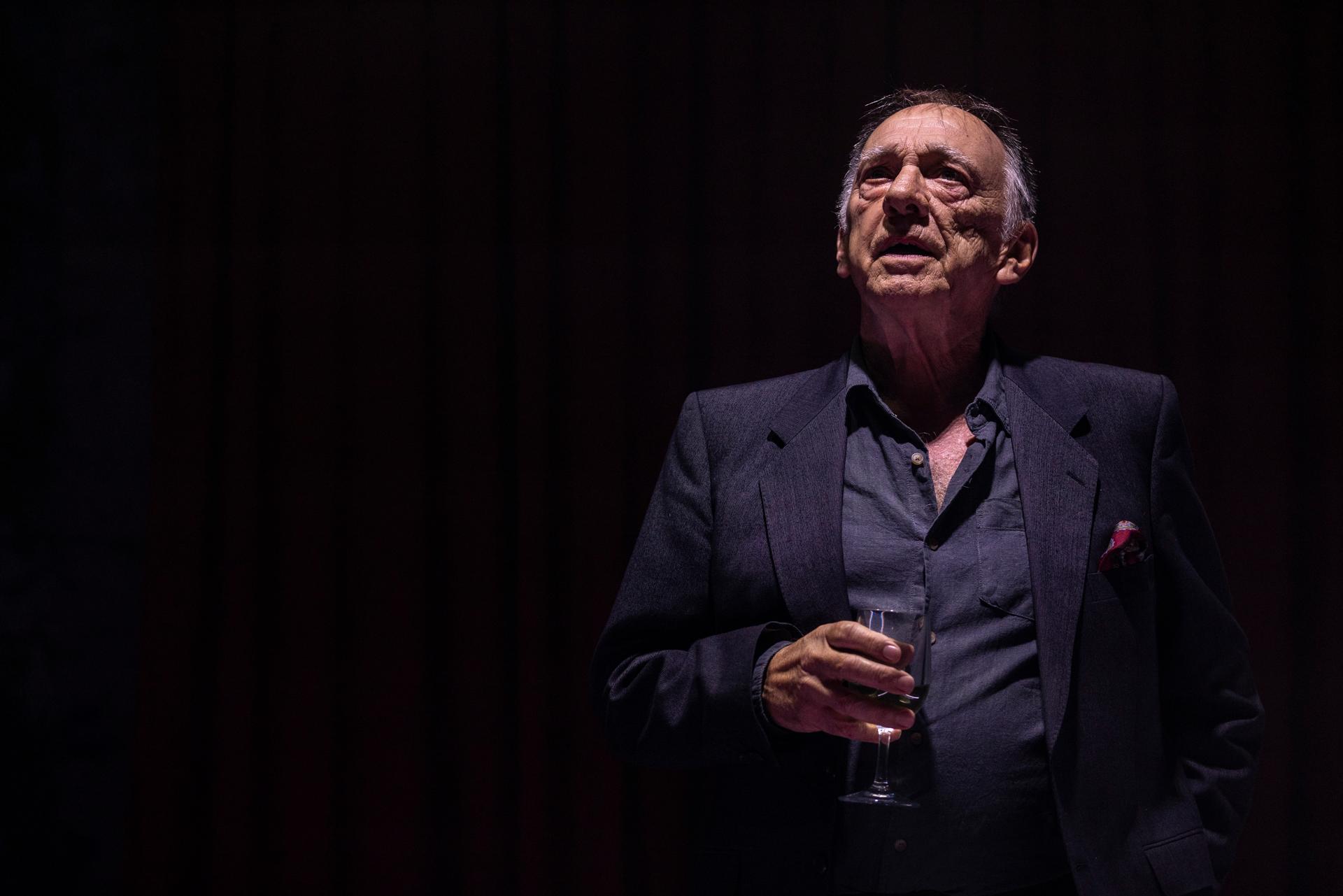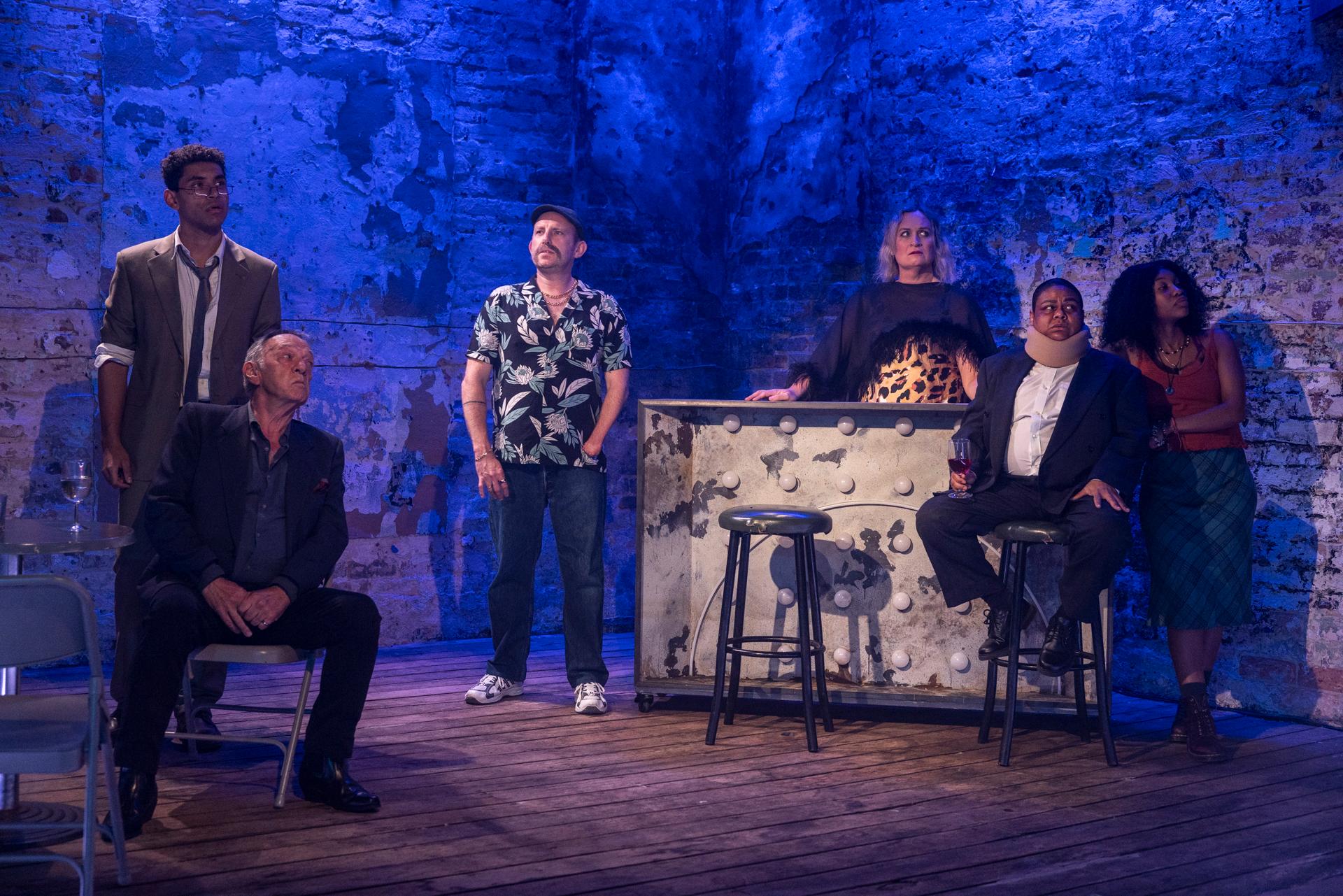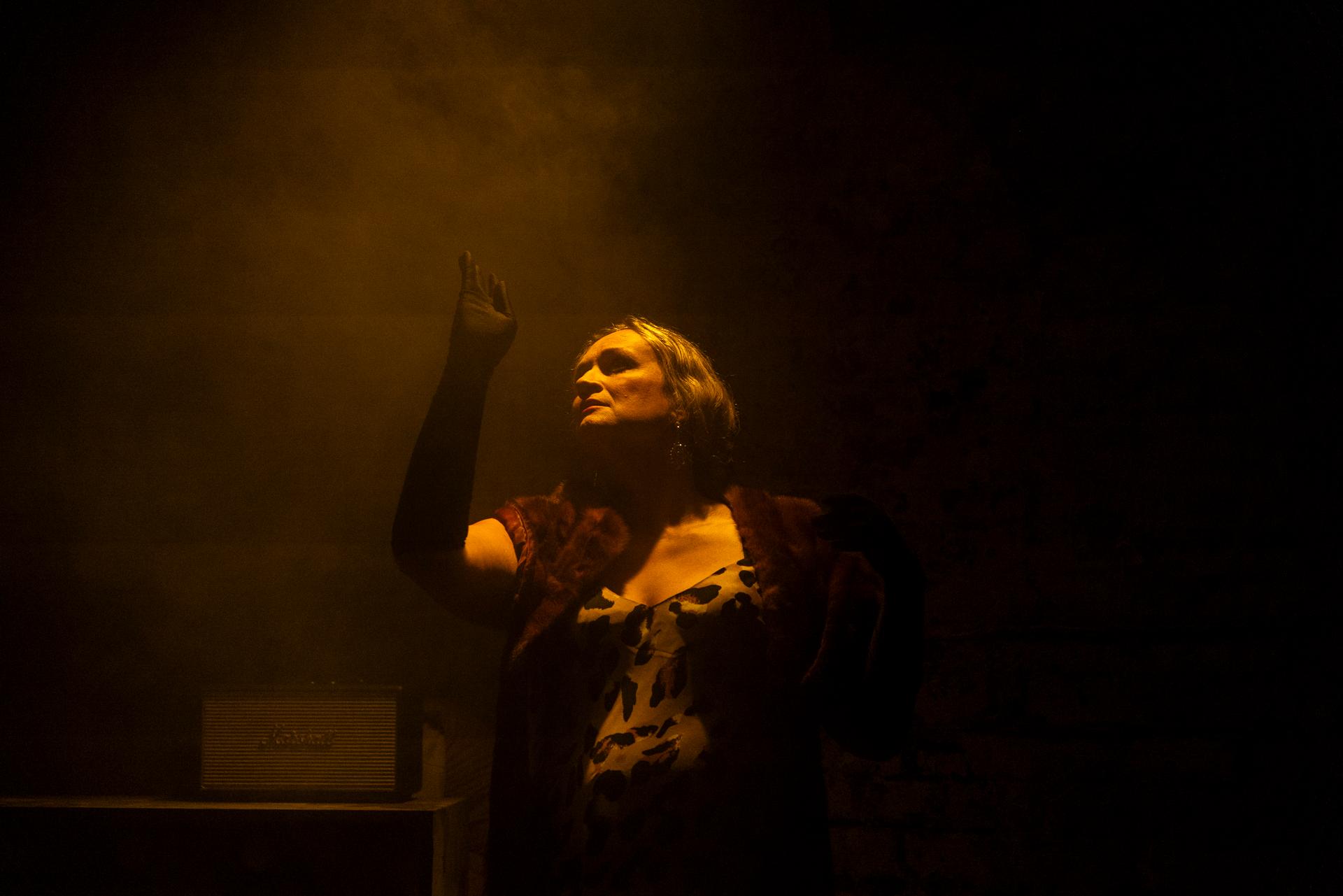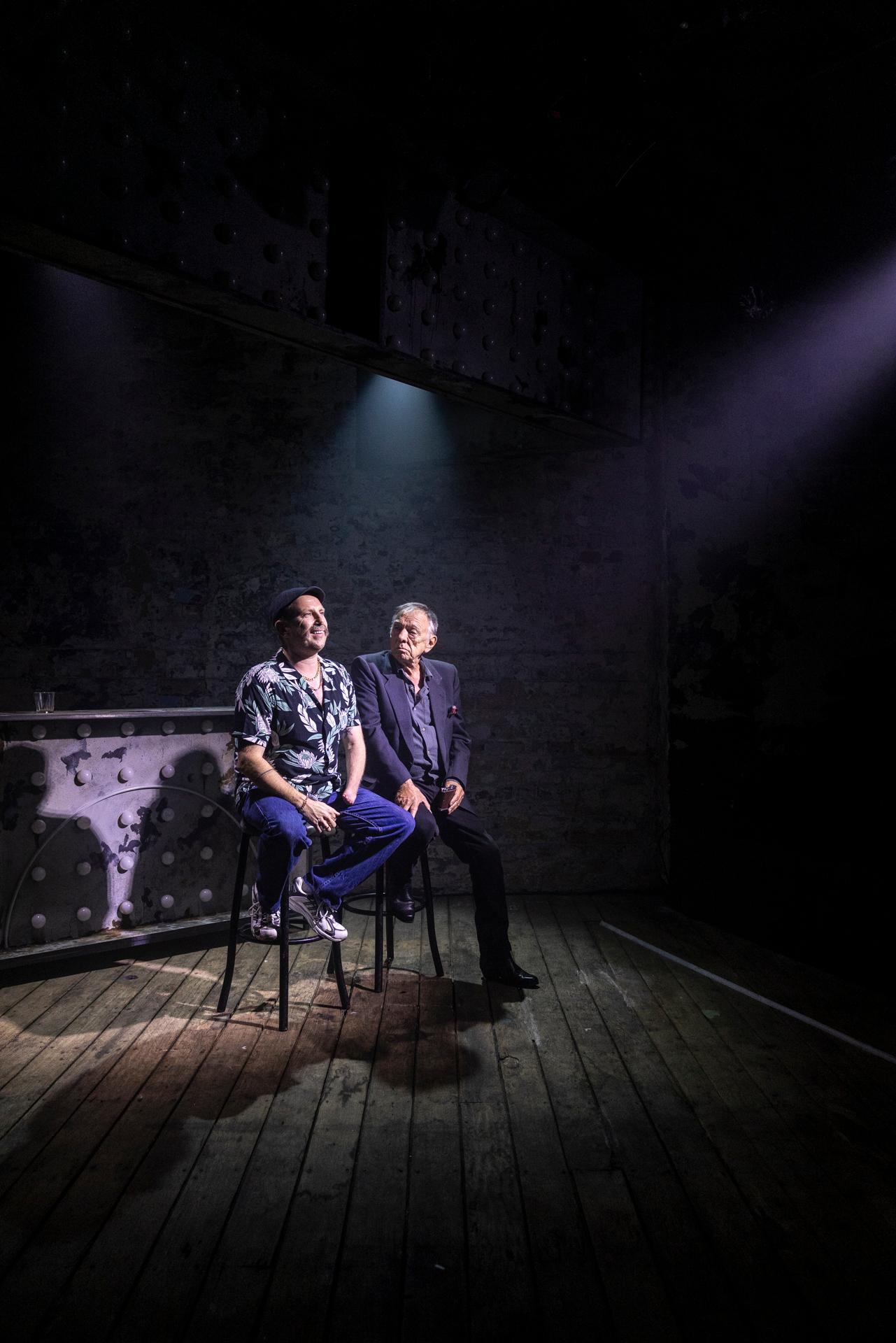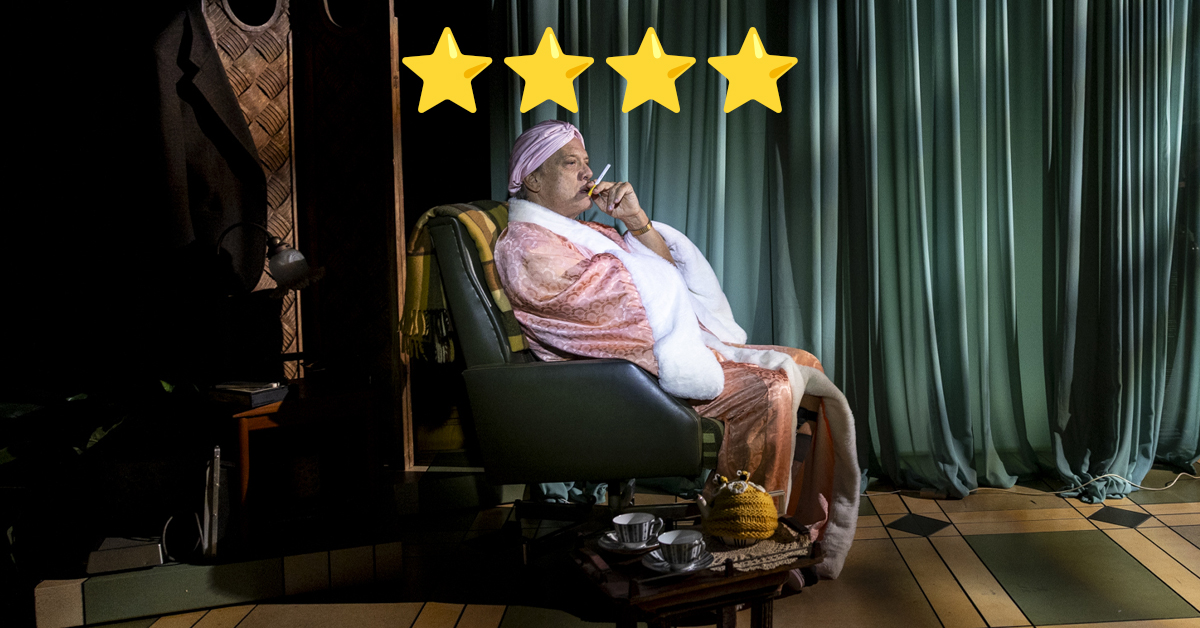
Review: Naturism (Griffin Theatre Company)

Venue: Wharf 2 Sydney Theatre Company (Walsh Bay NSW), Oct 25 – Nov 15, 2025
Playwright: Ang Collins
Director: Declan Greene
Cast: Nicholas Brown, Glenn Hazeldine, Fraser Morrison, Camila Ponte Alvarez, Hannah Waterman
Images by Brett Boardman

Theatre review
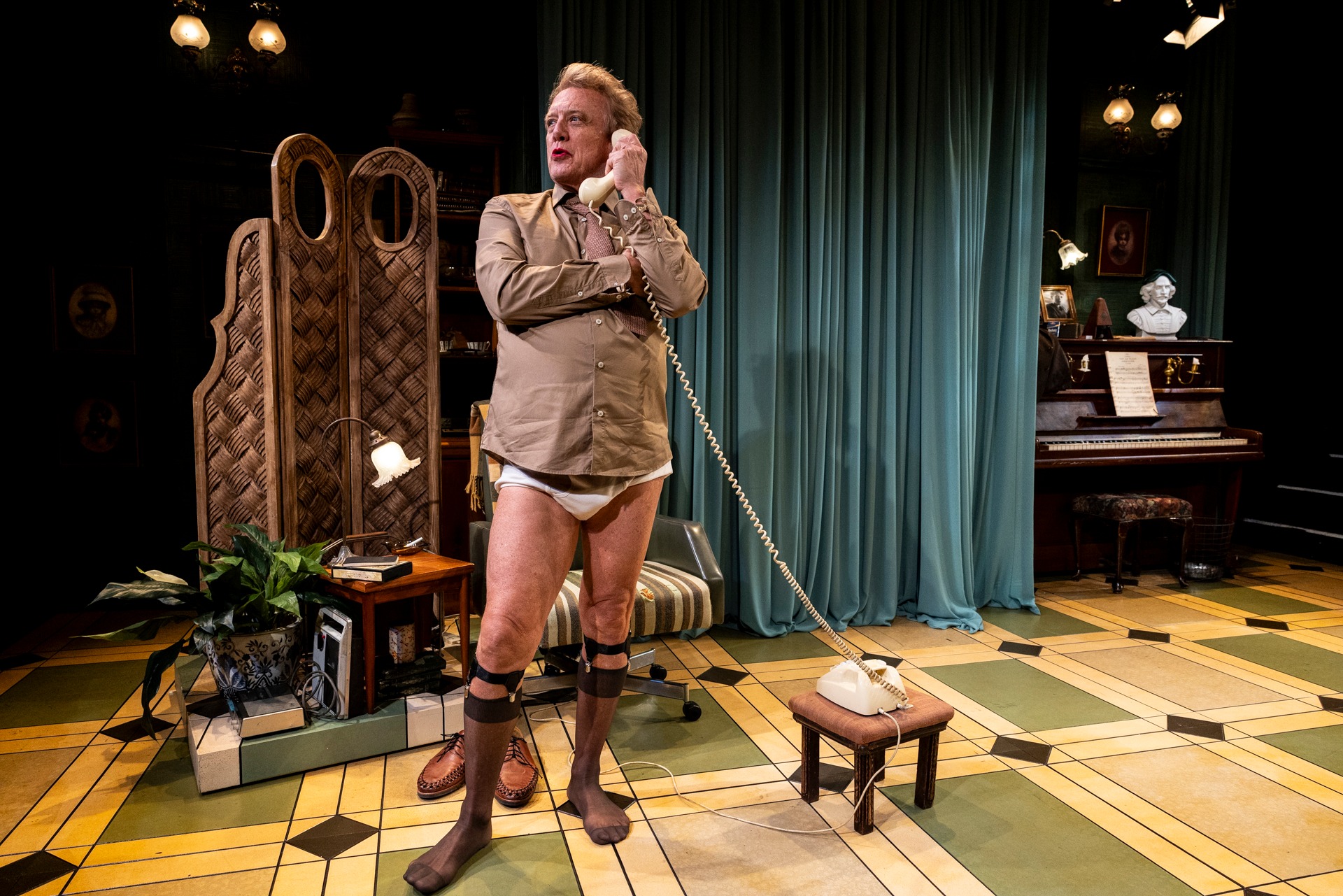
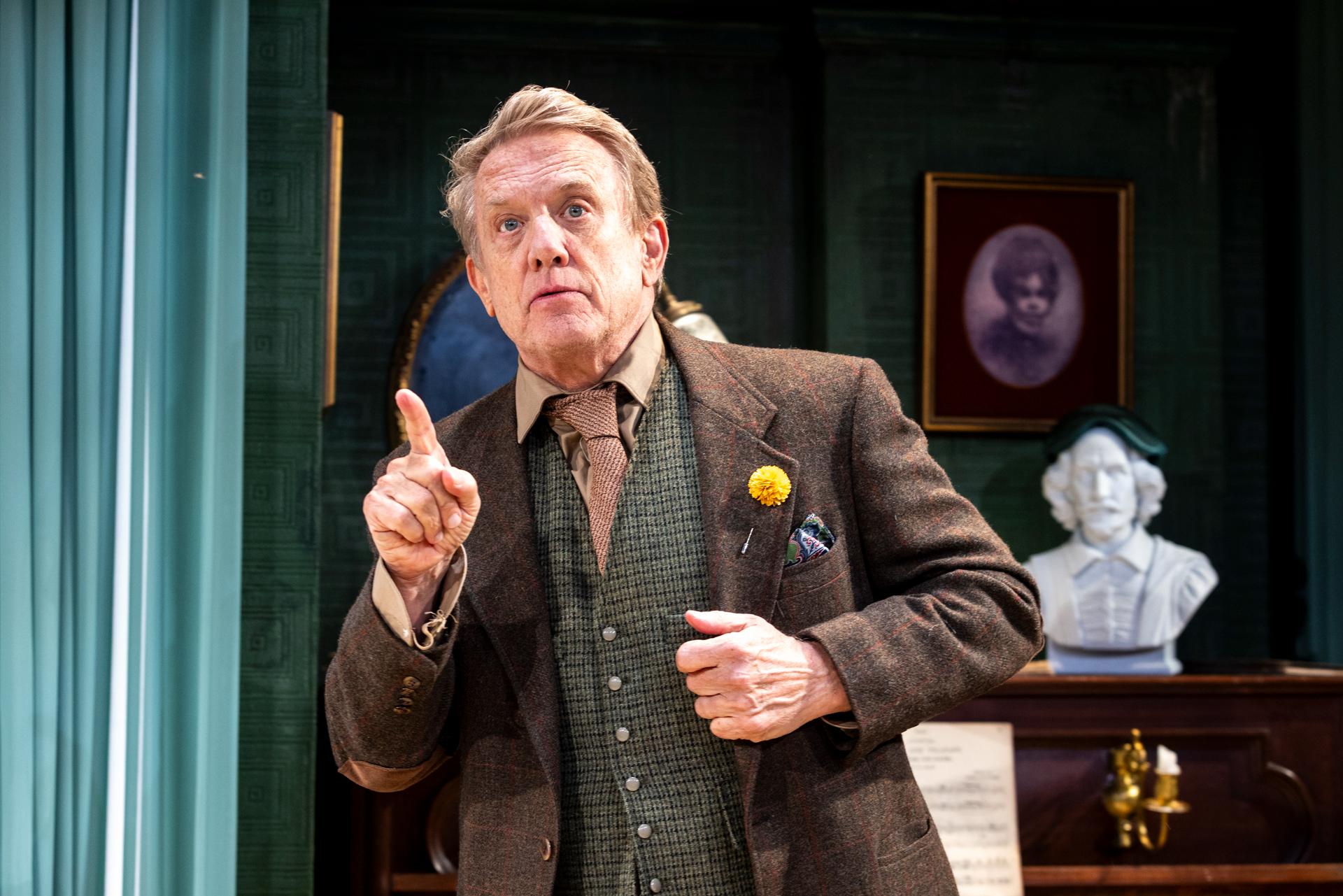
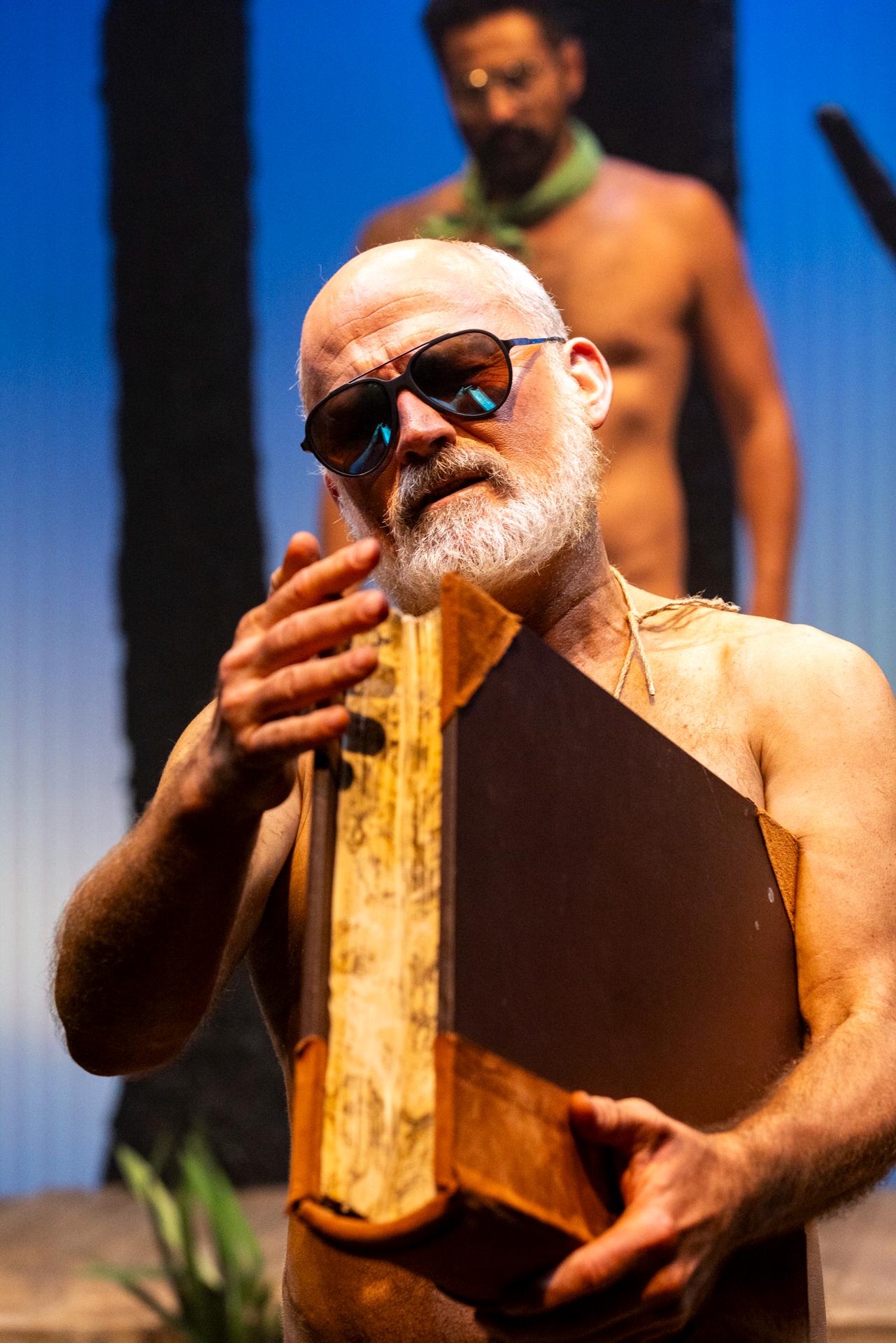
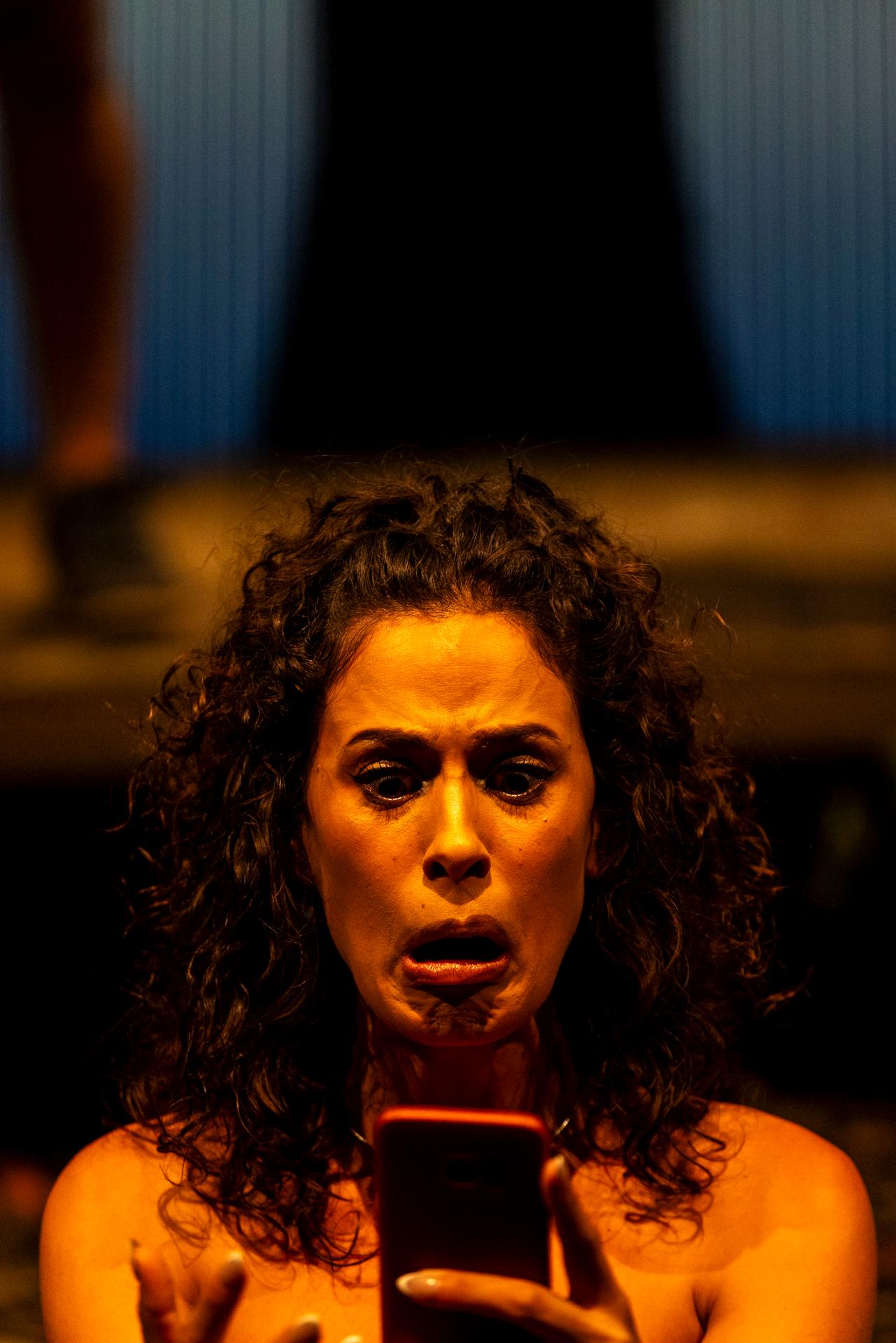
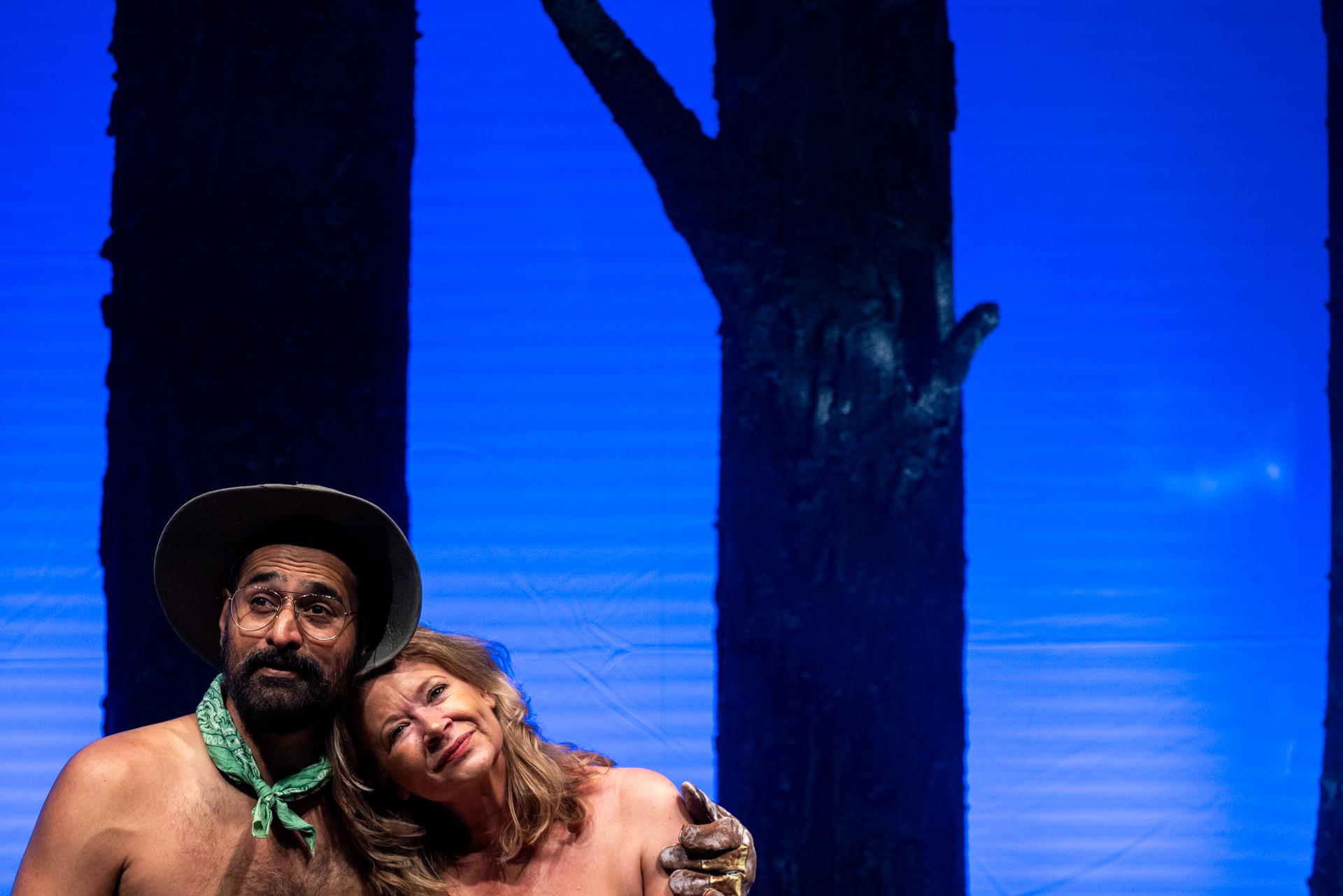
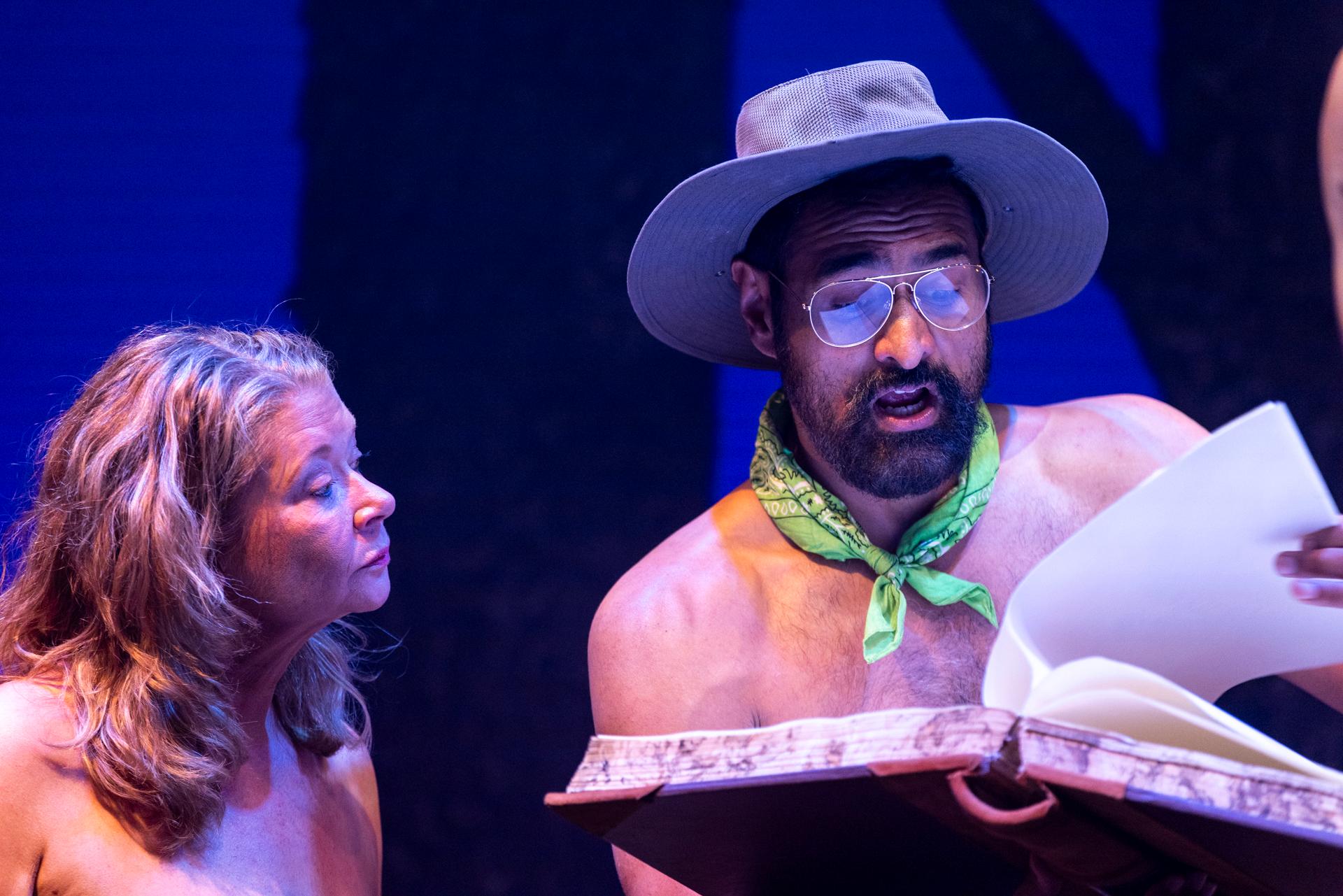
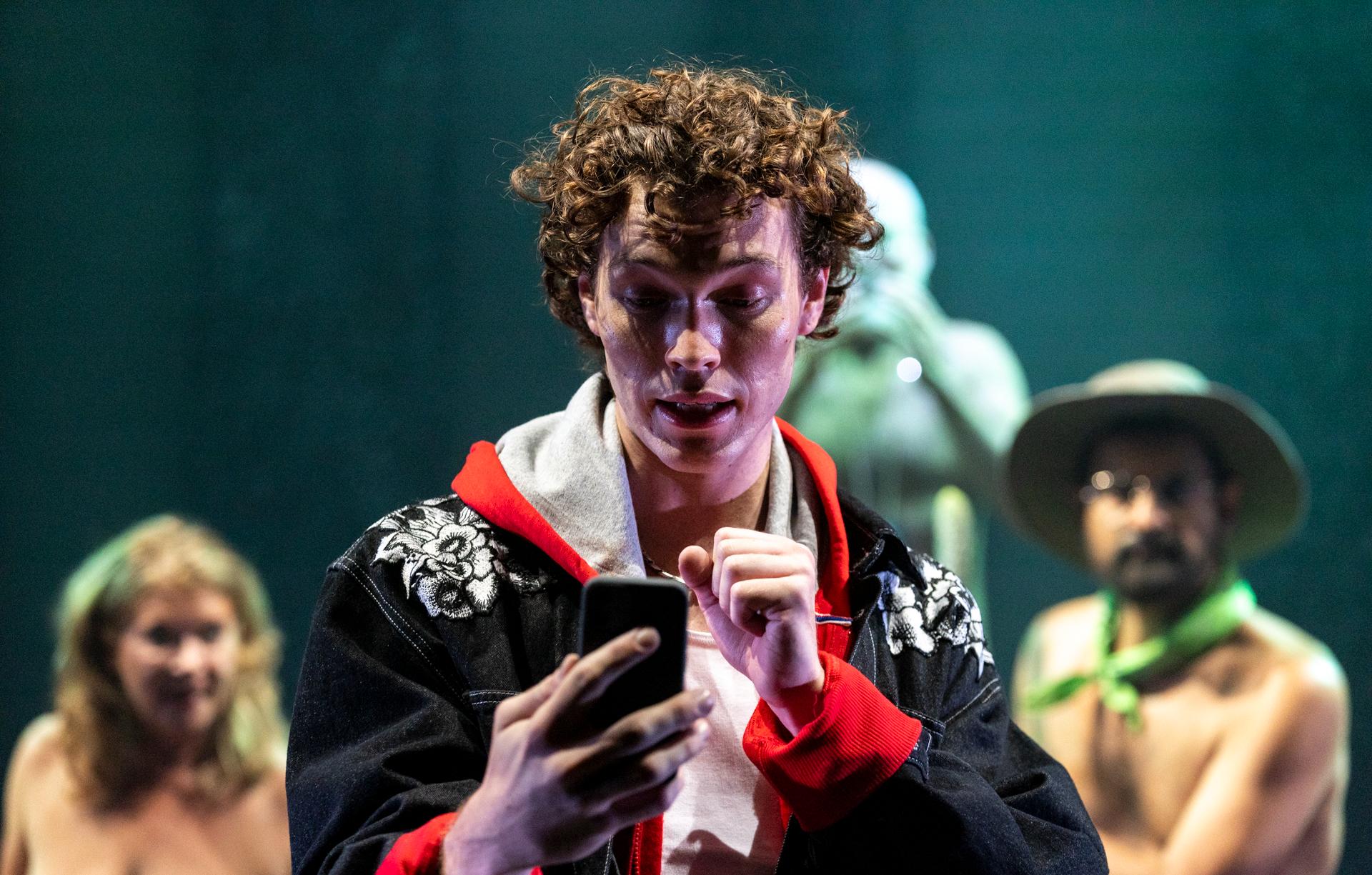
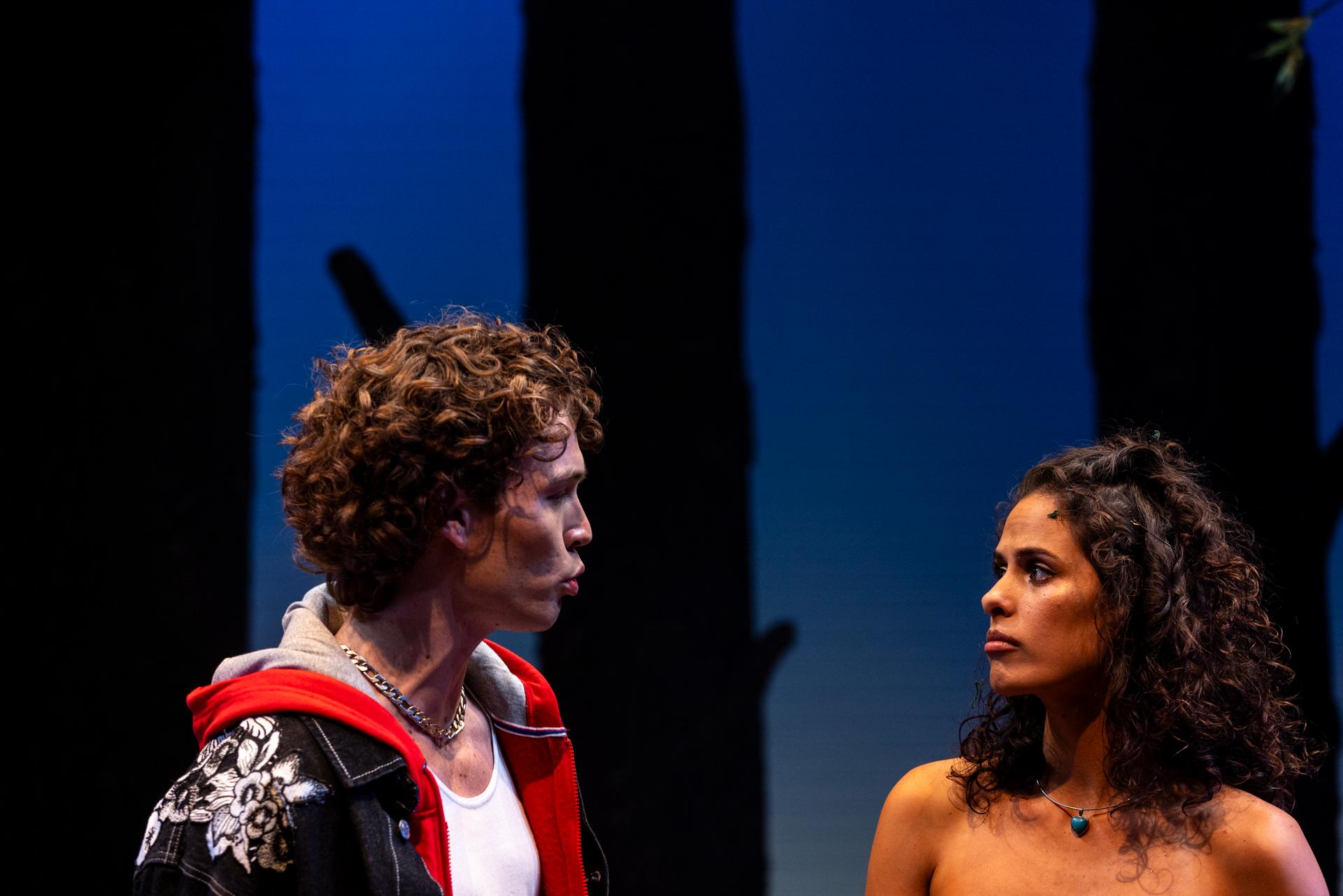
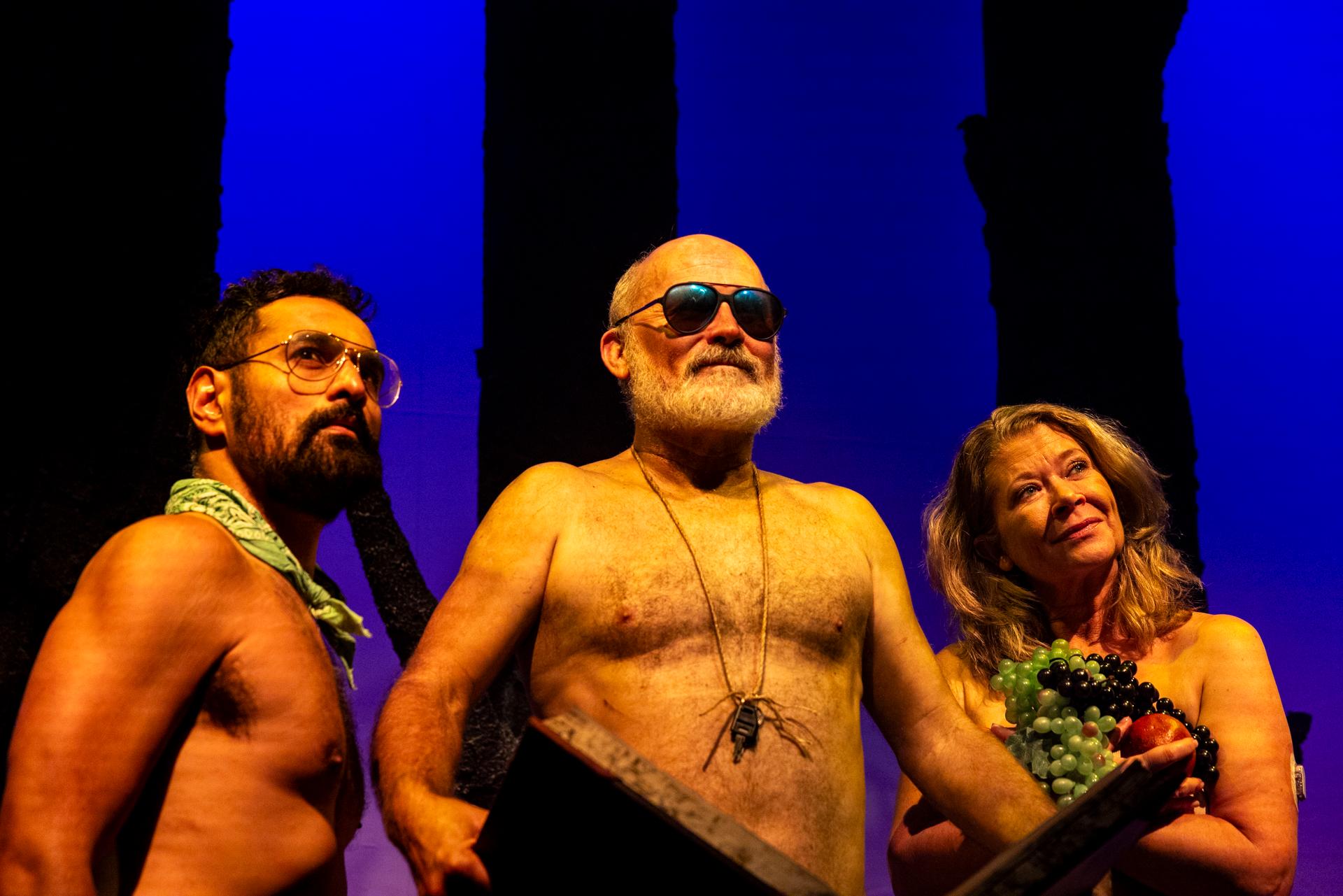
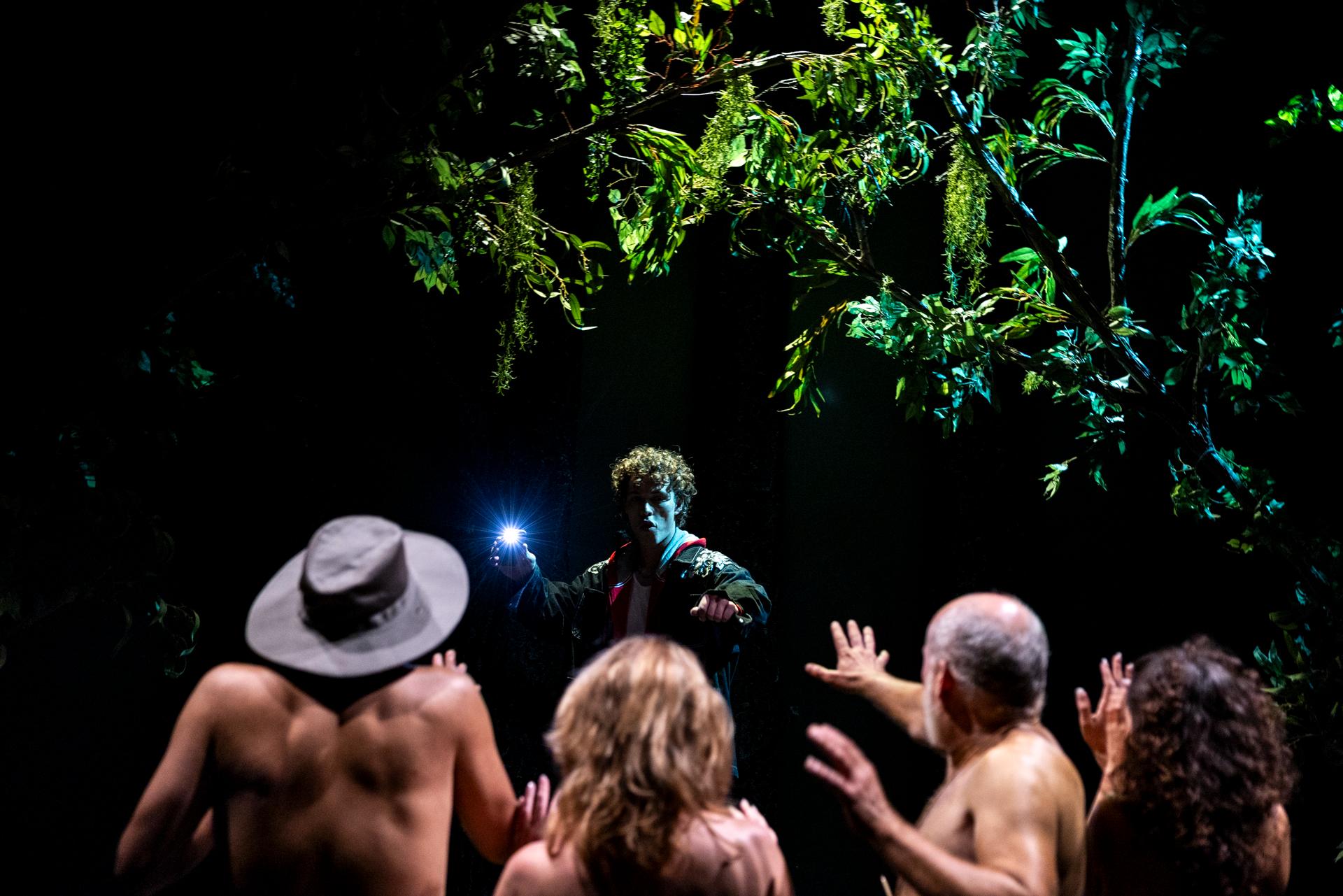
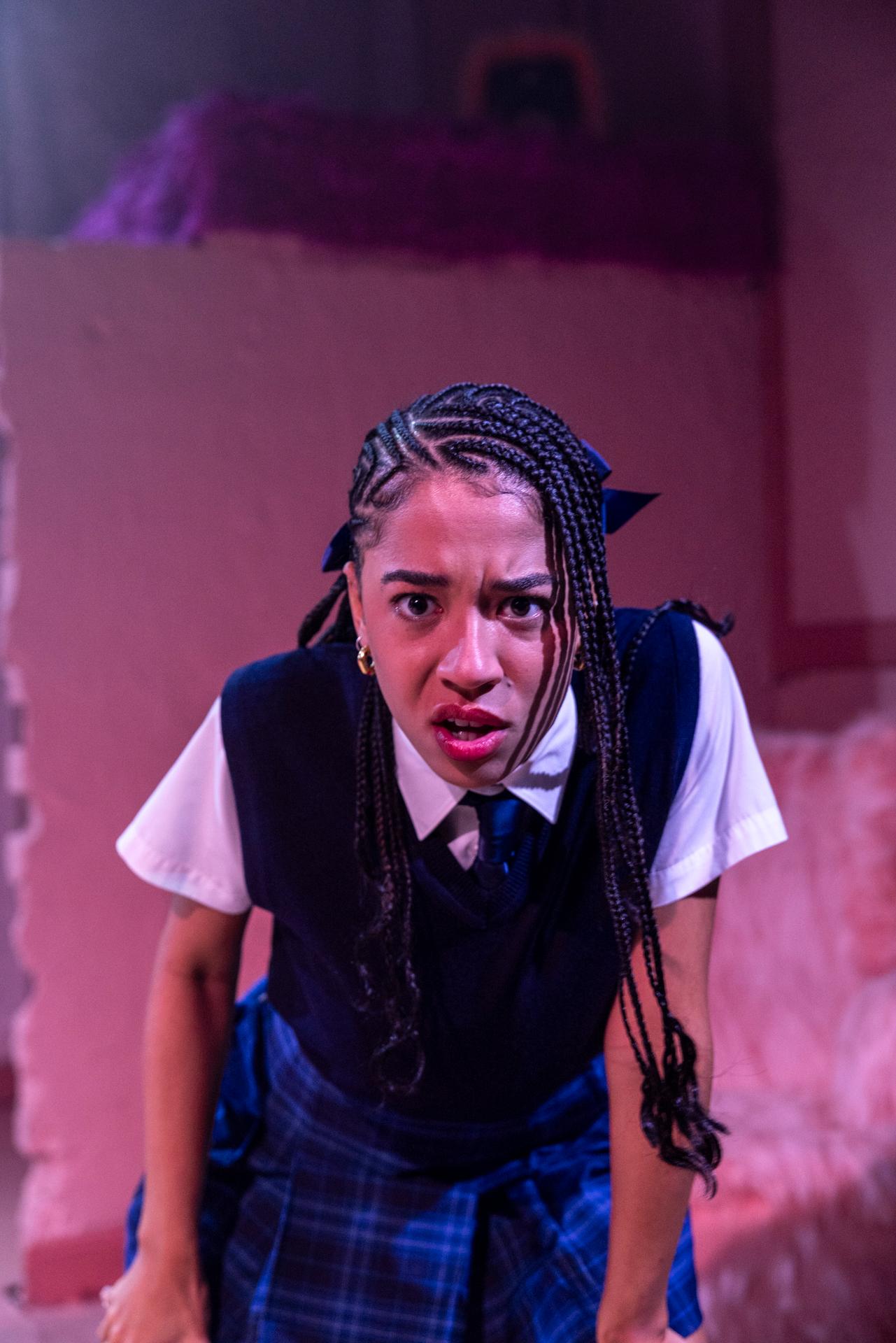
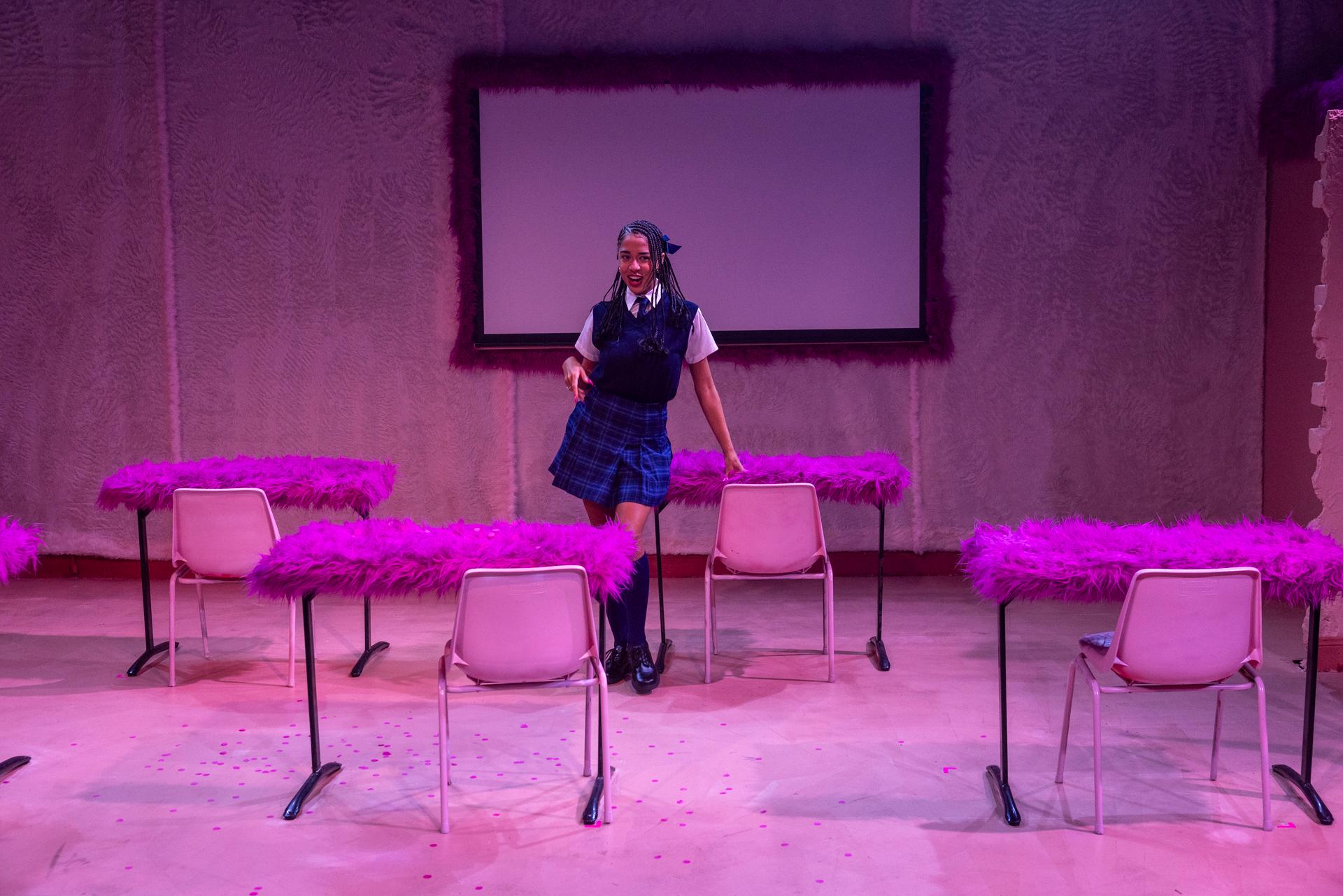
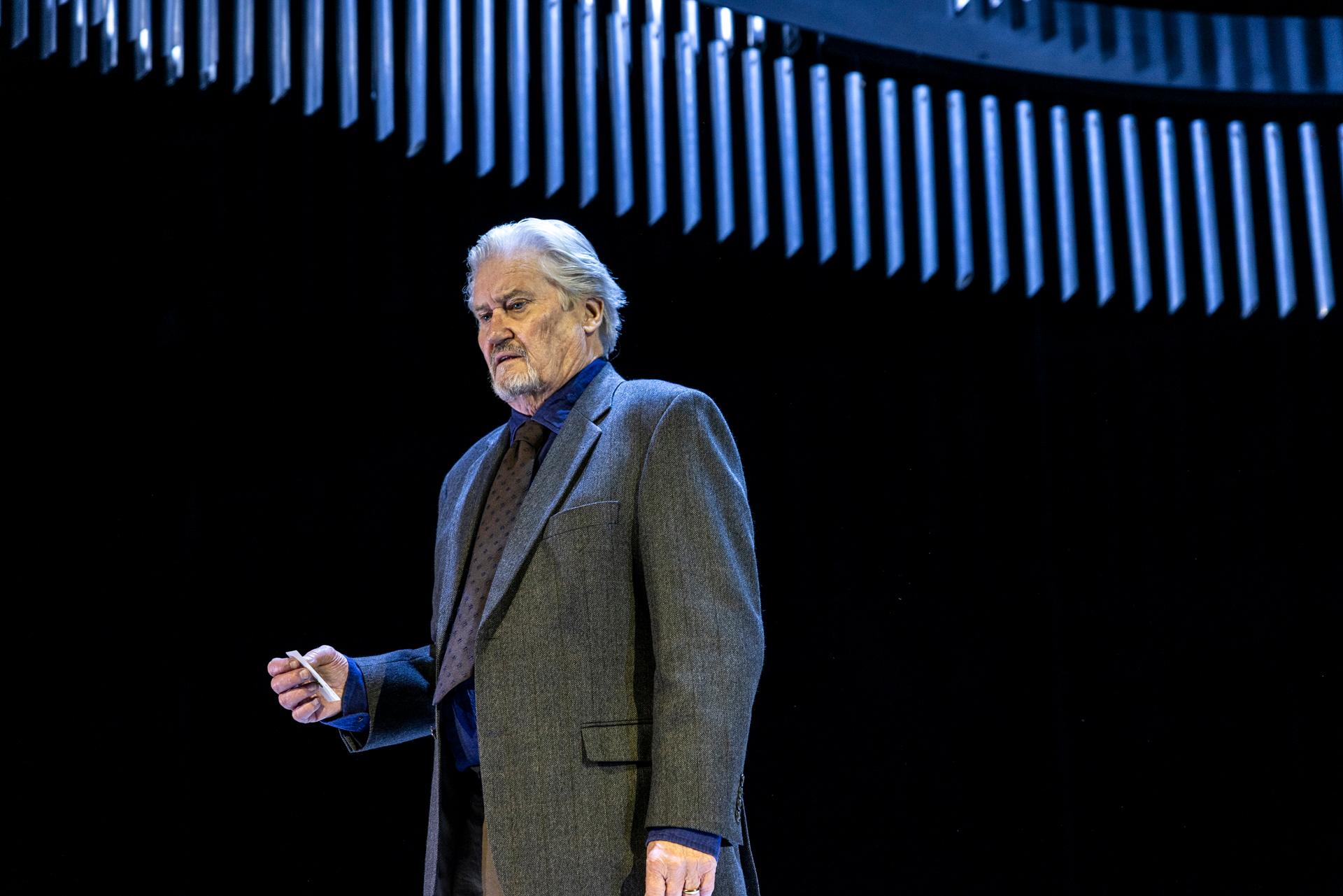
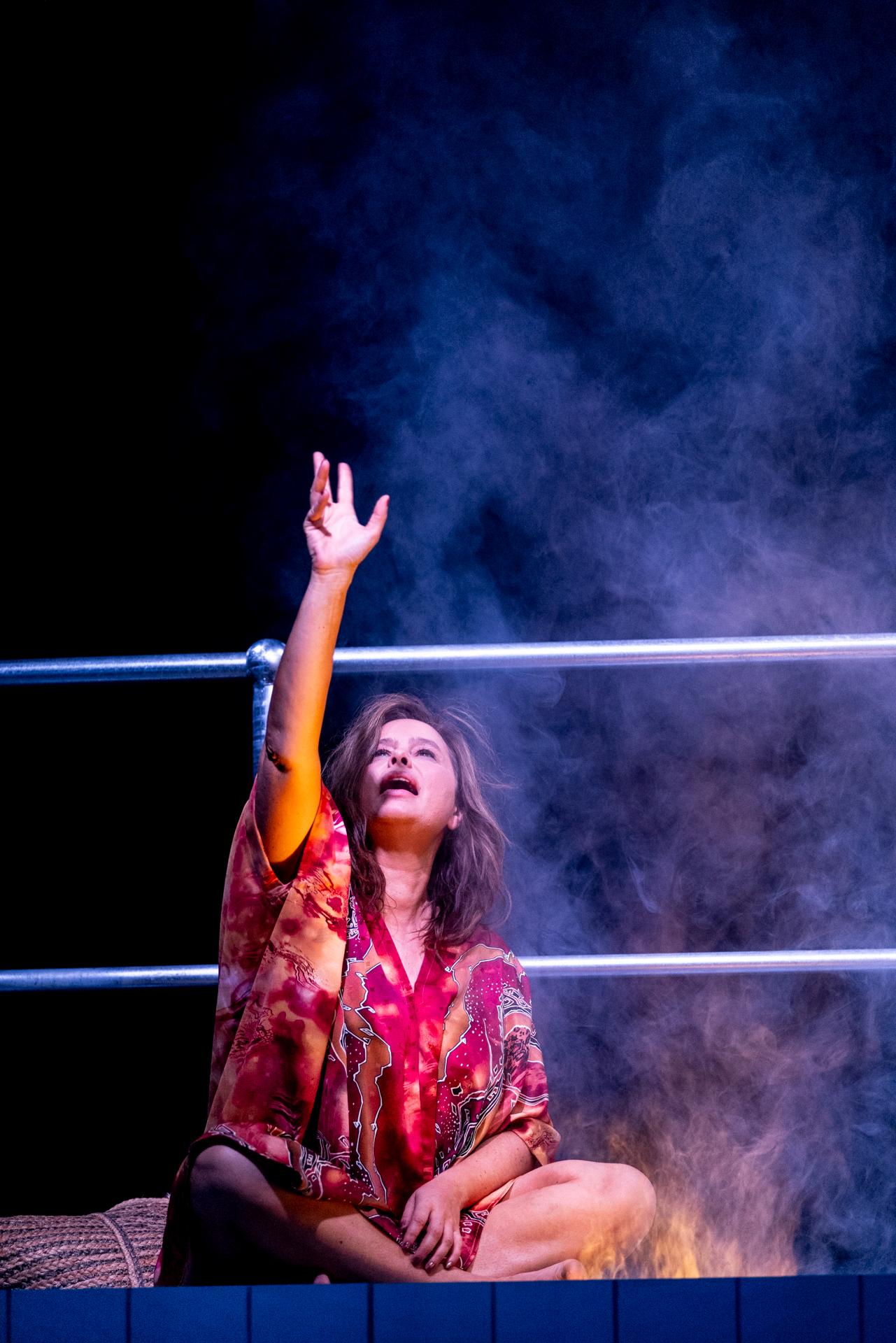
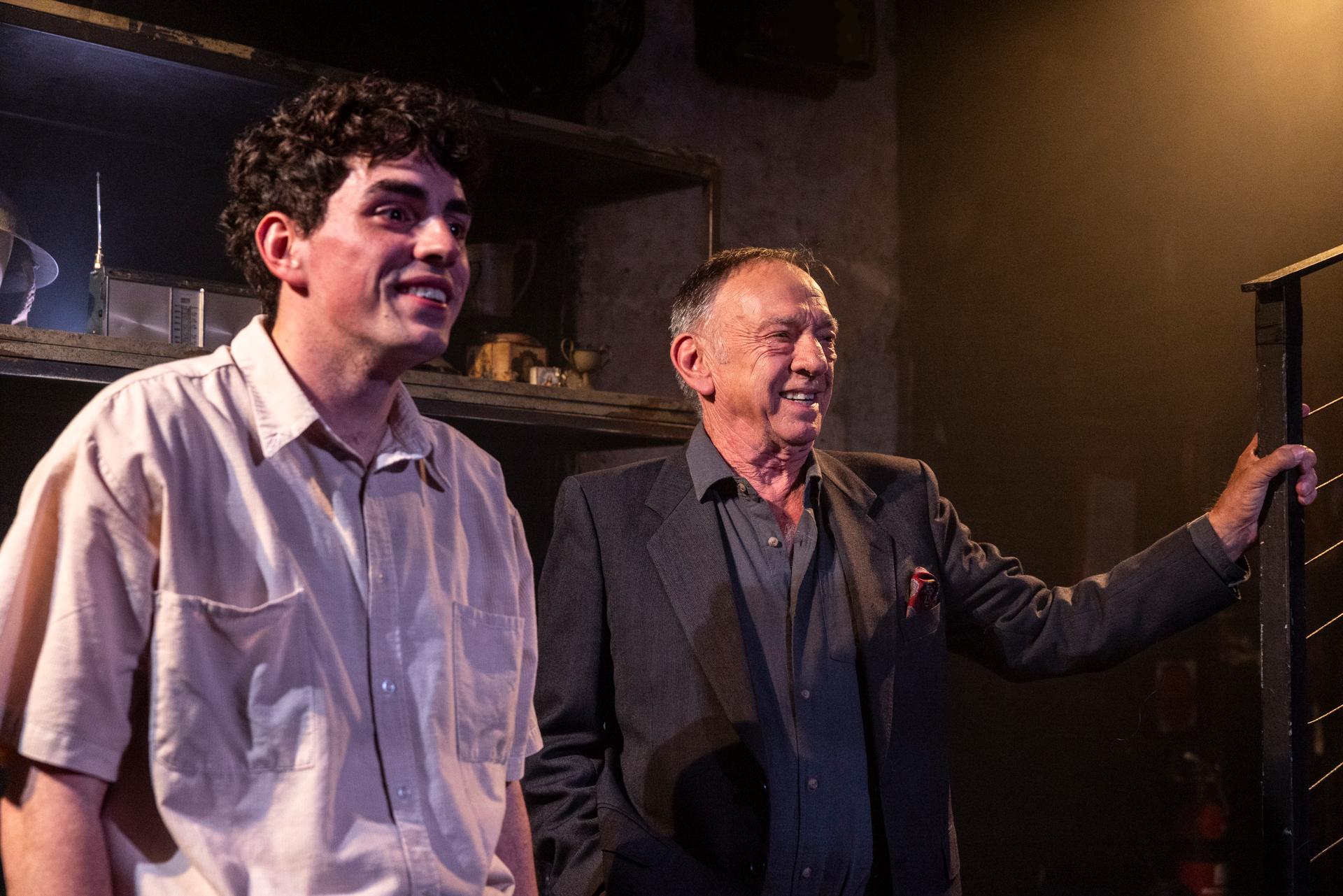
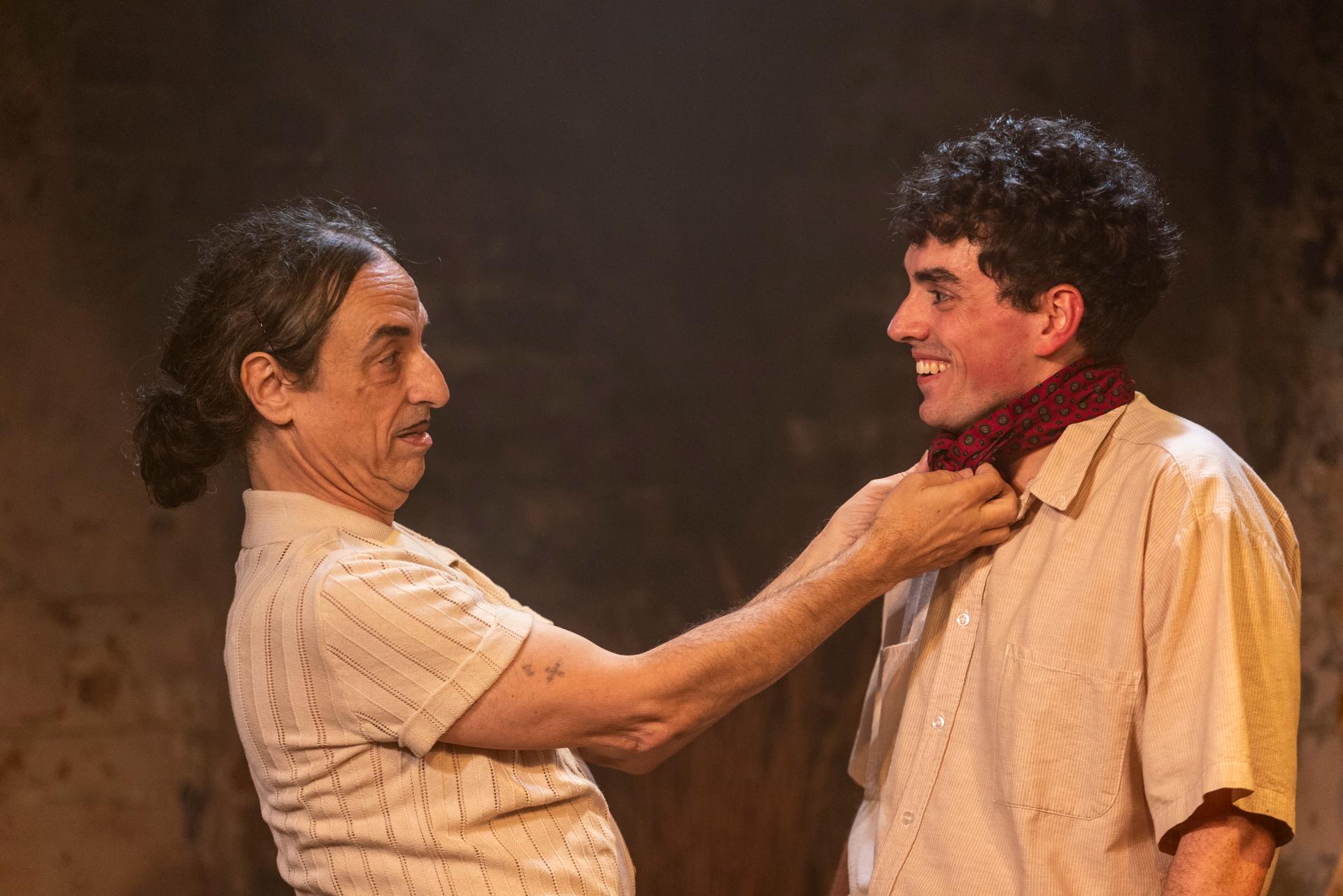
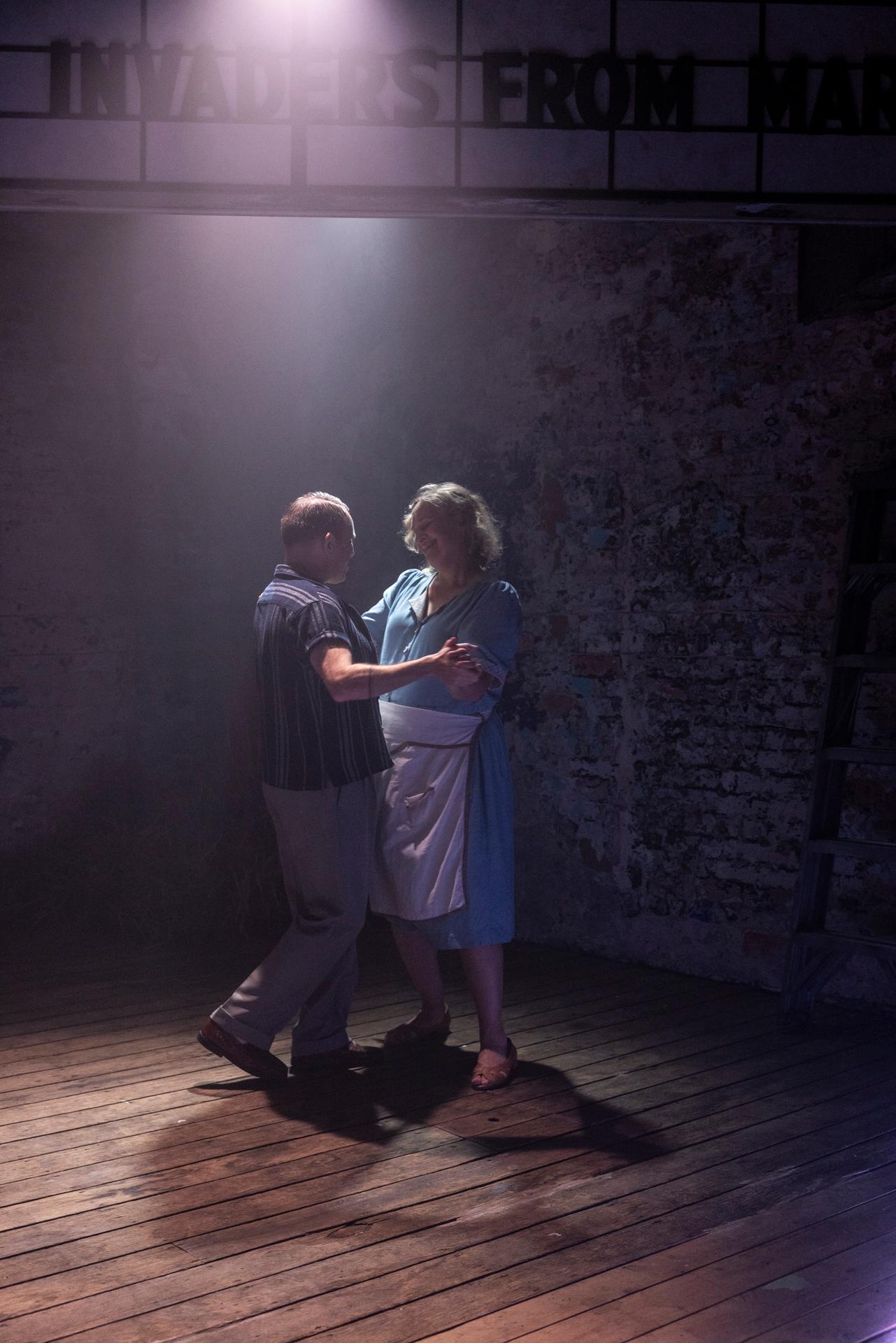
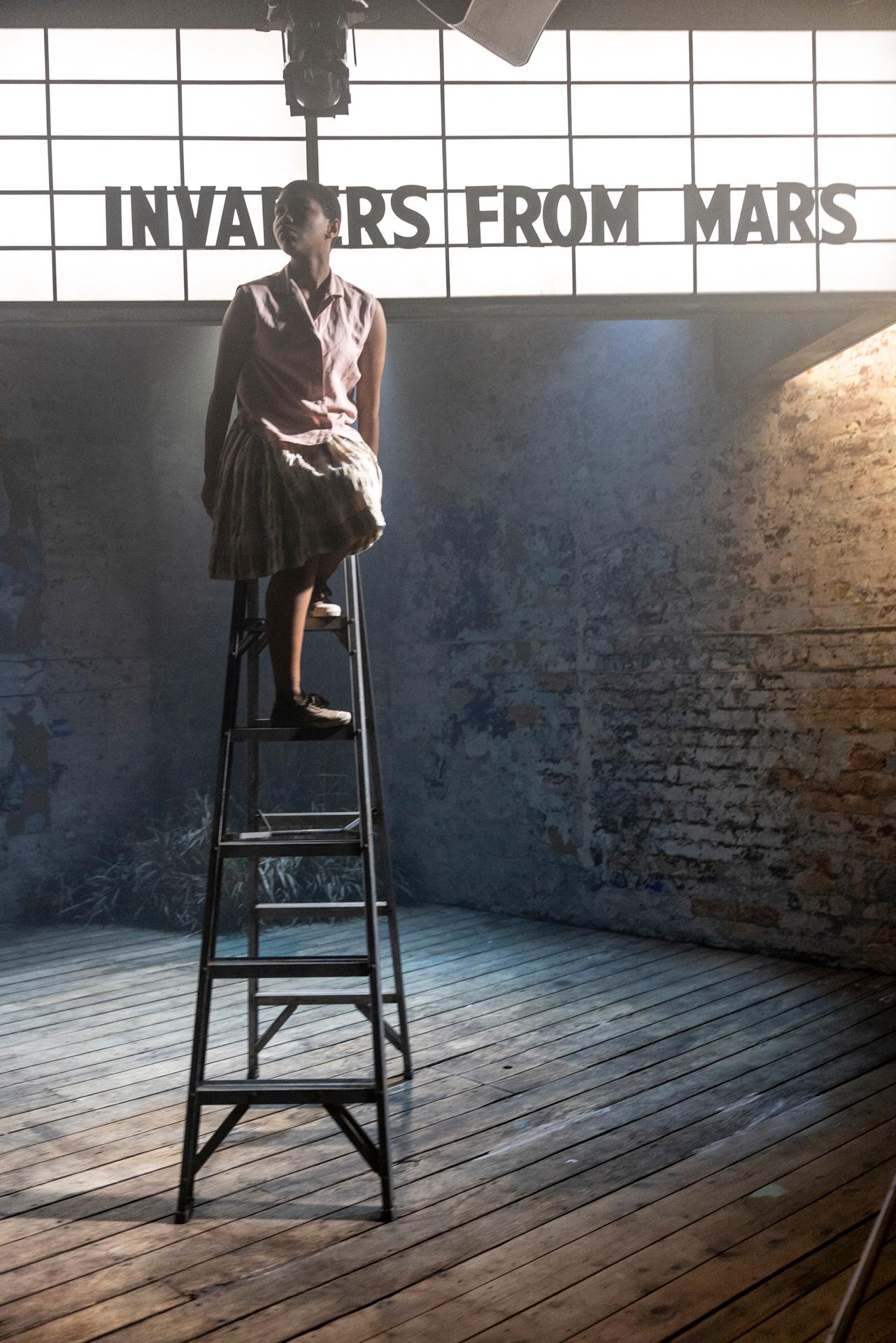
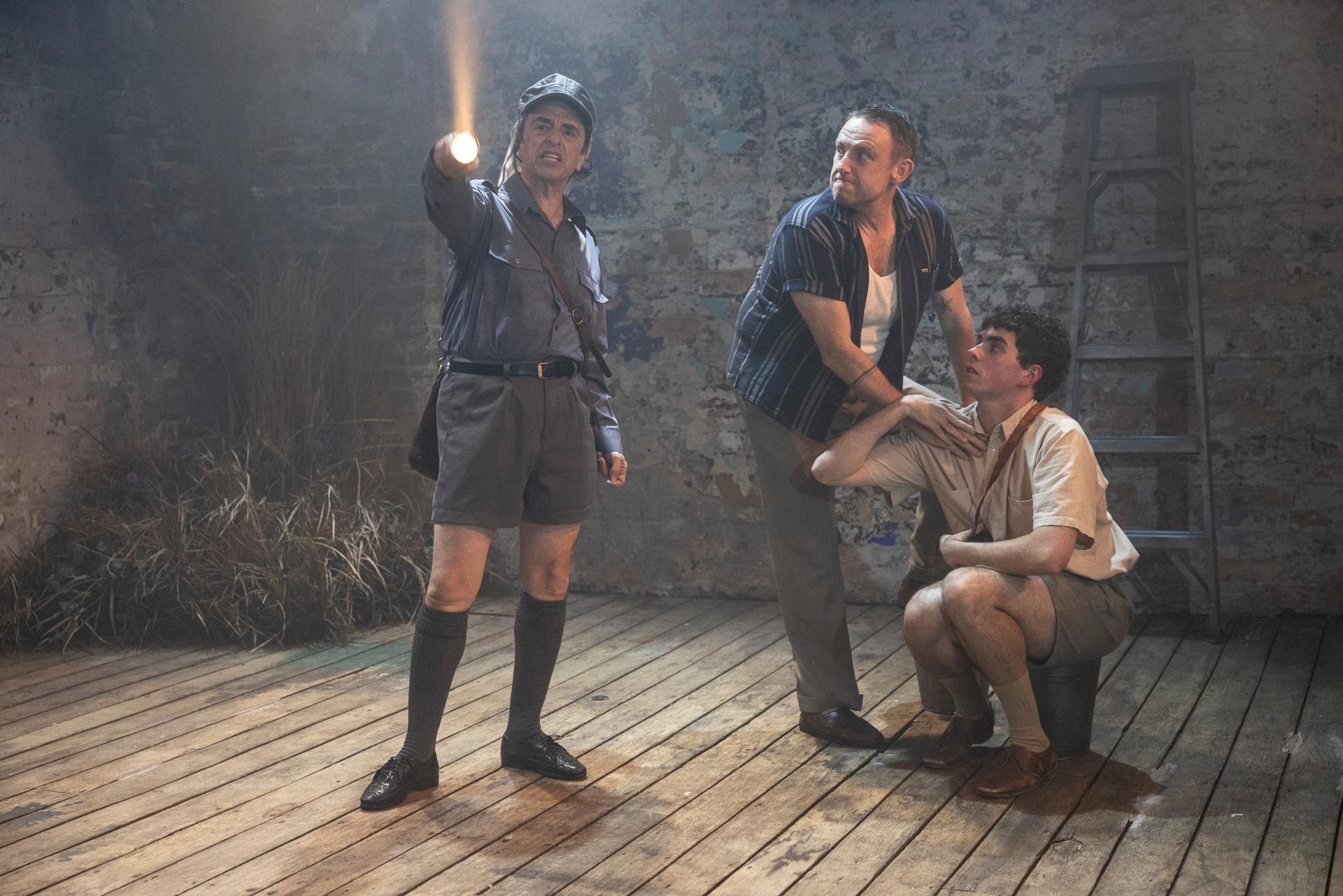
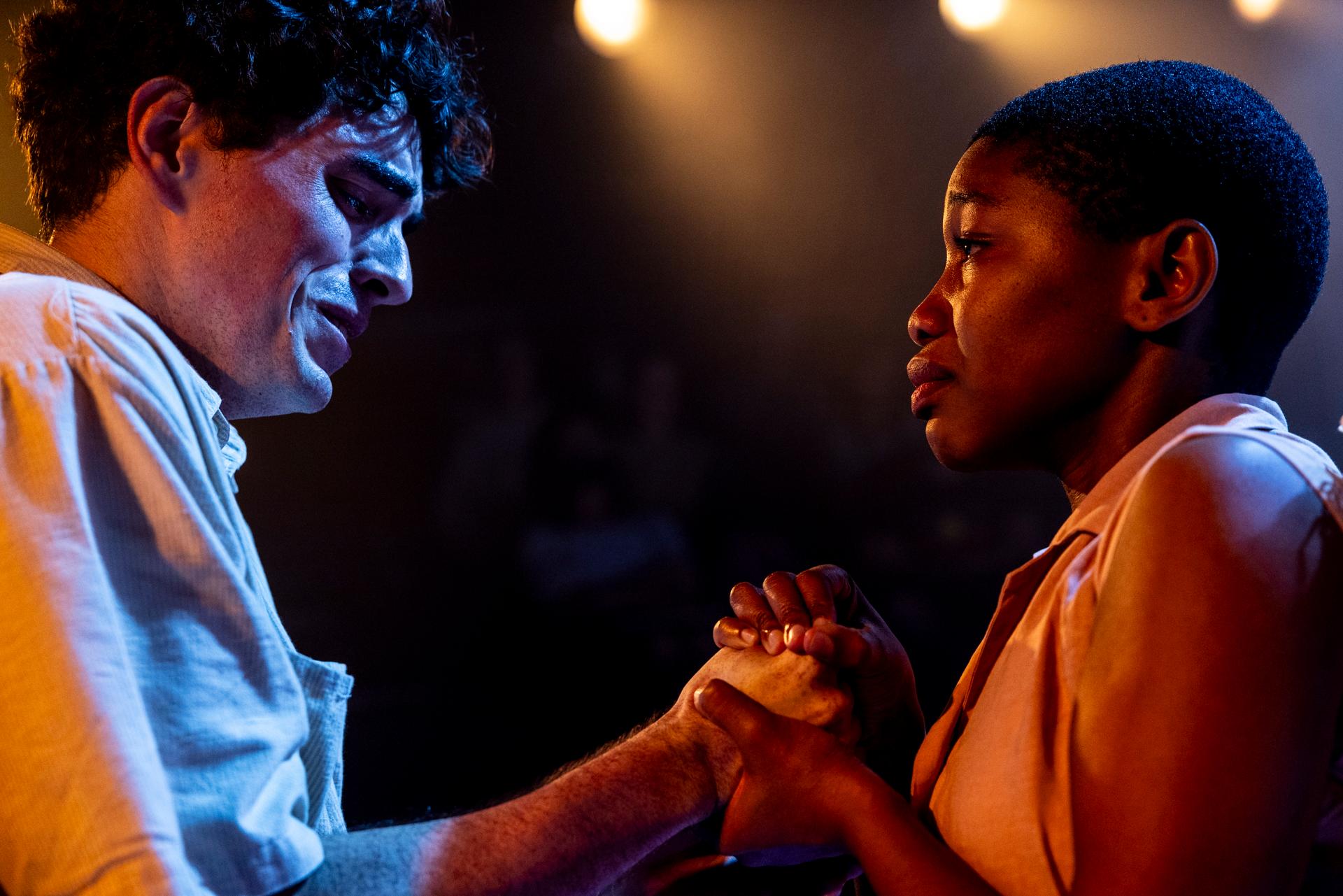
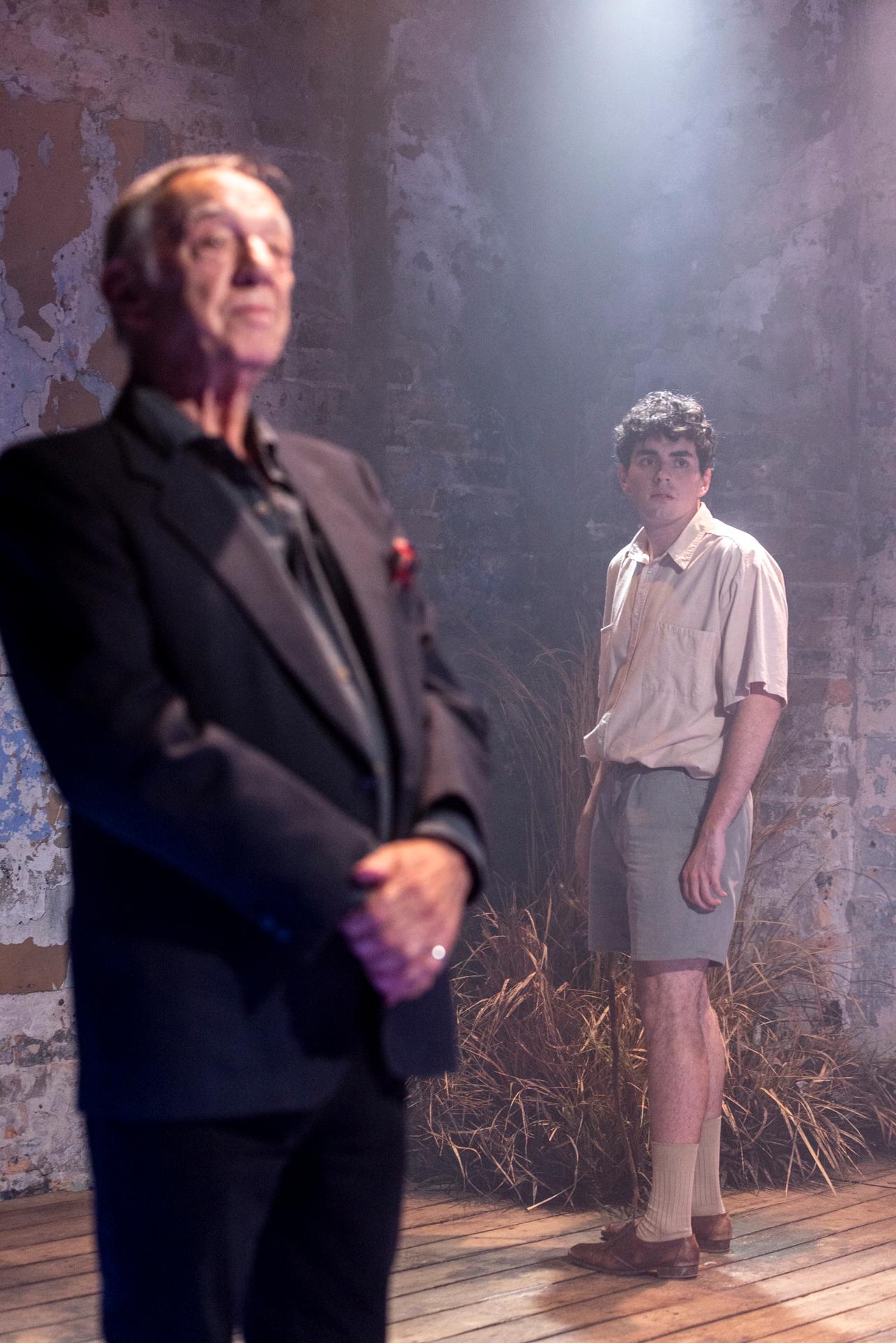
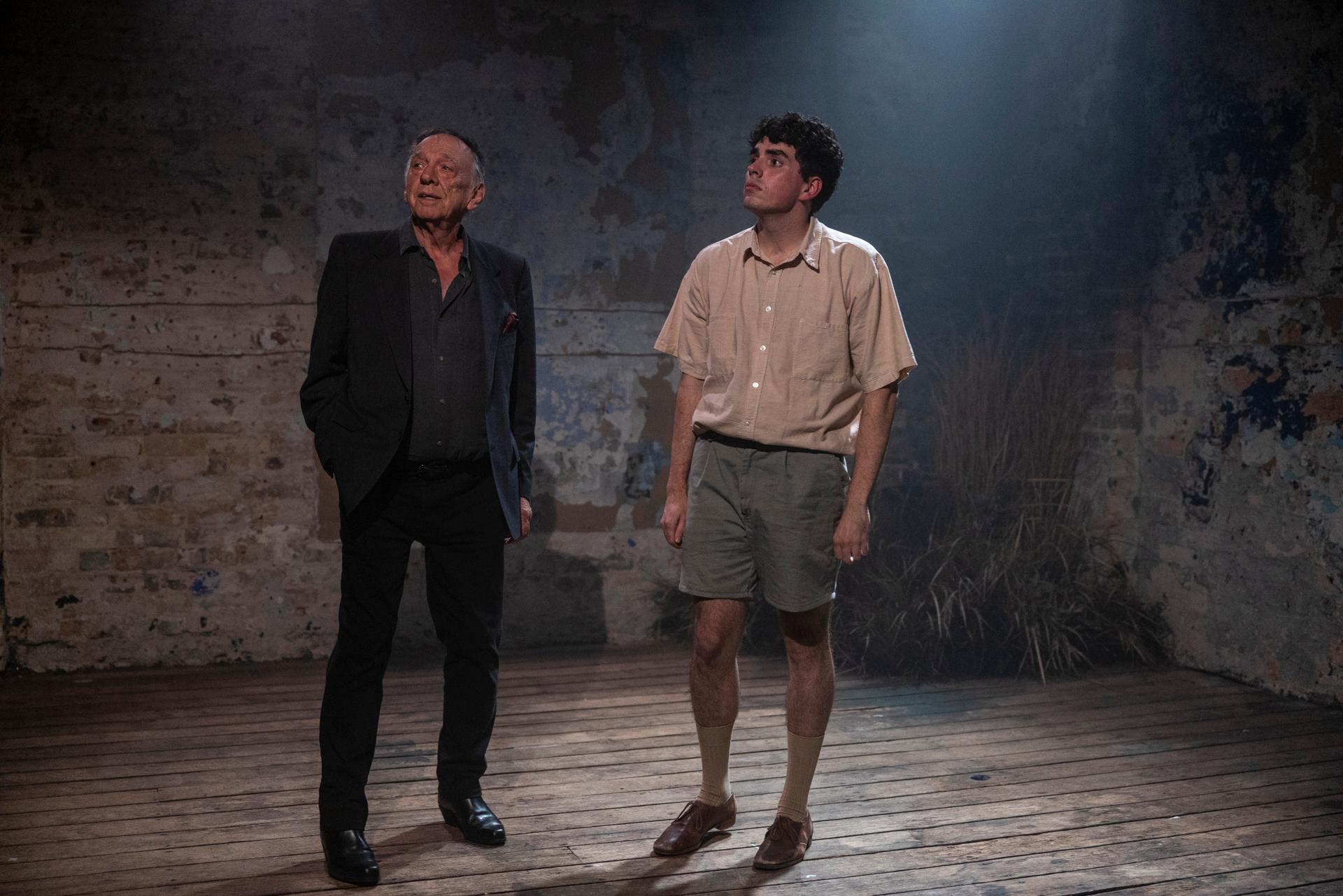
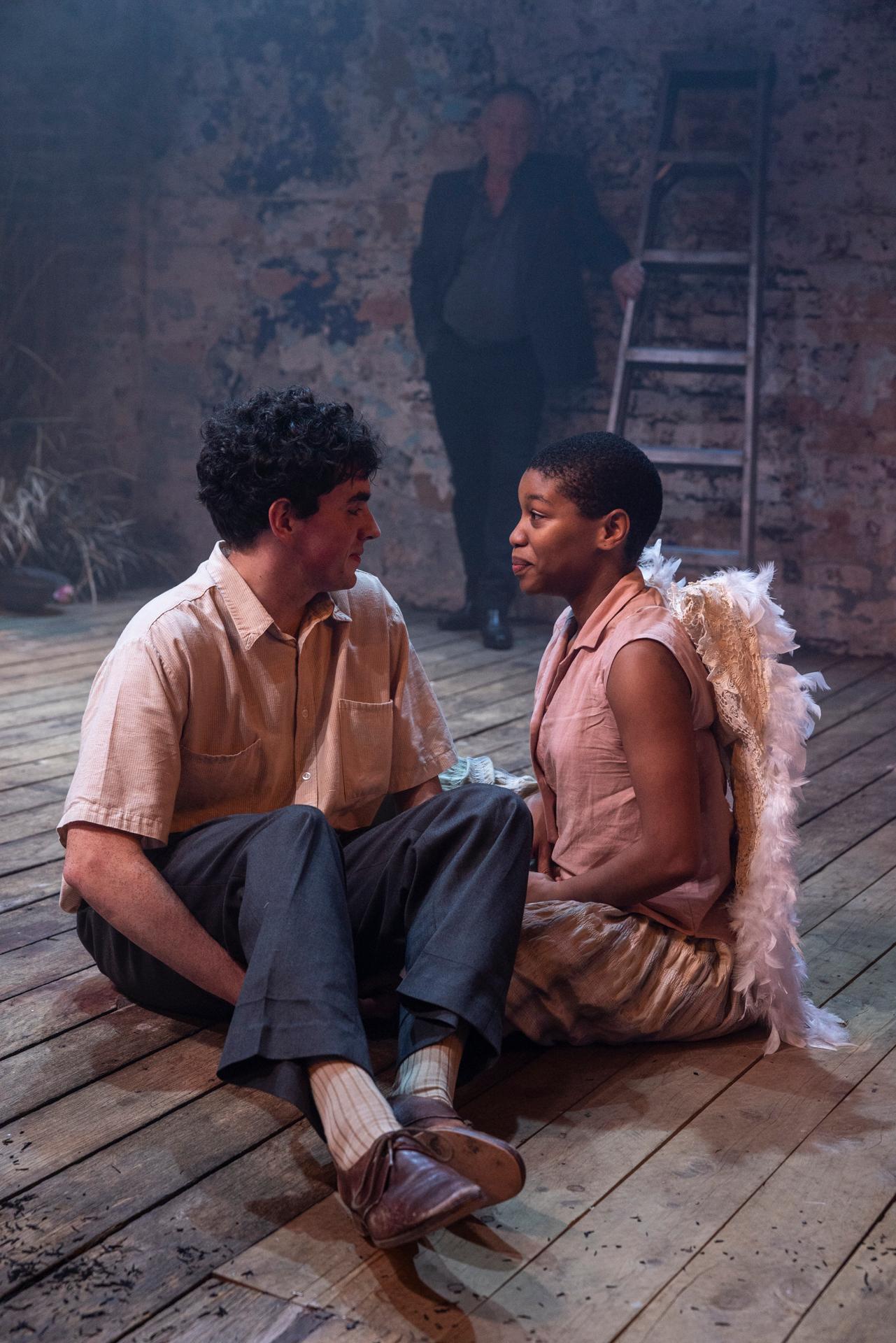
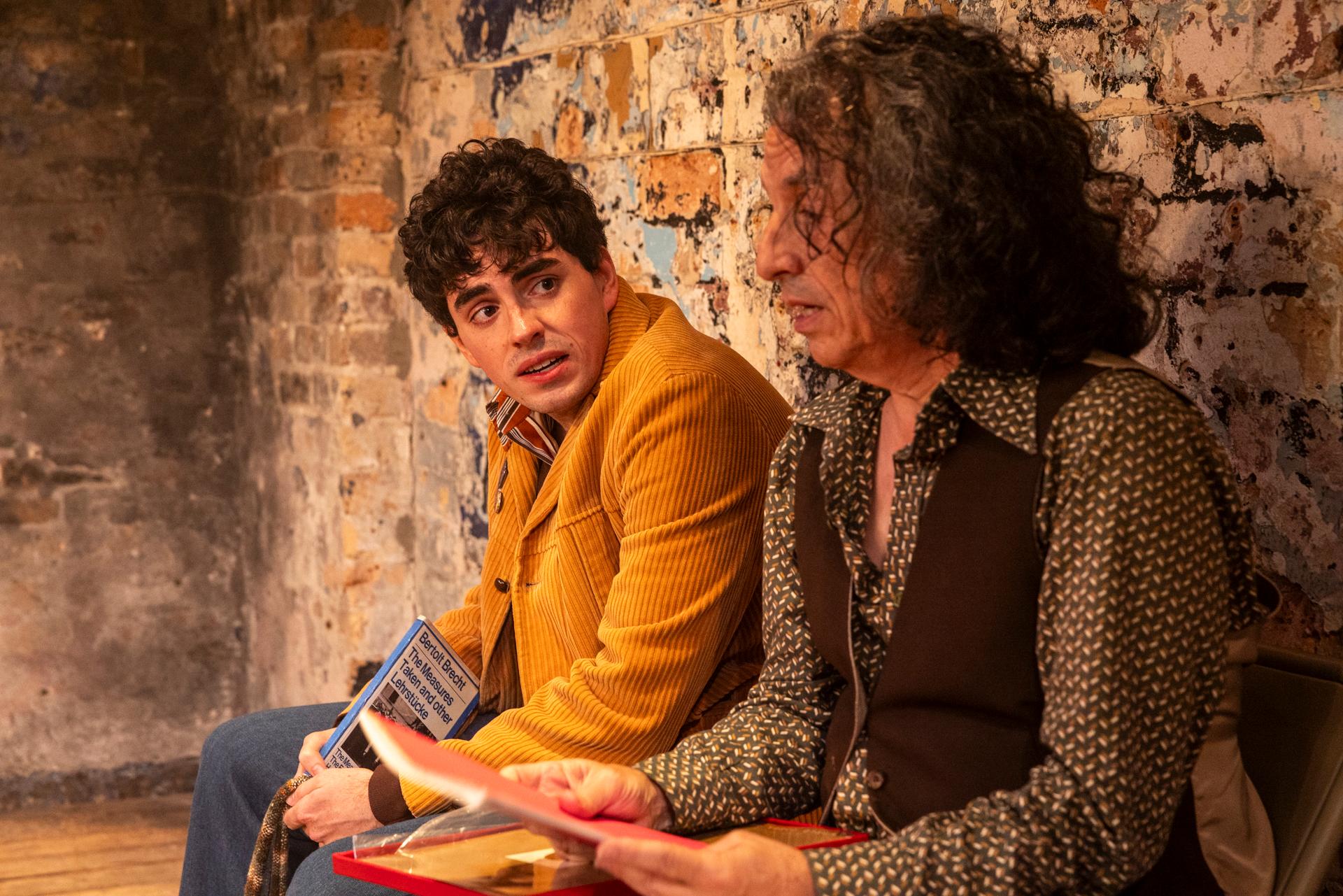
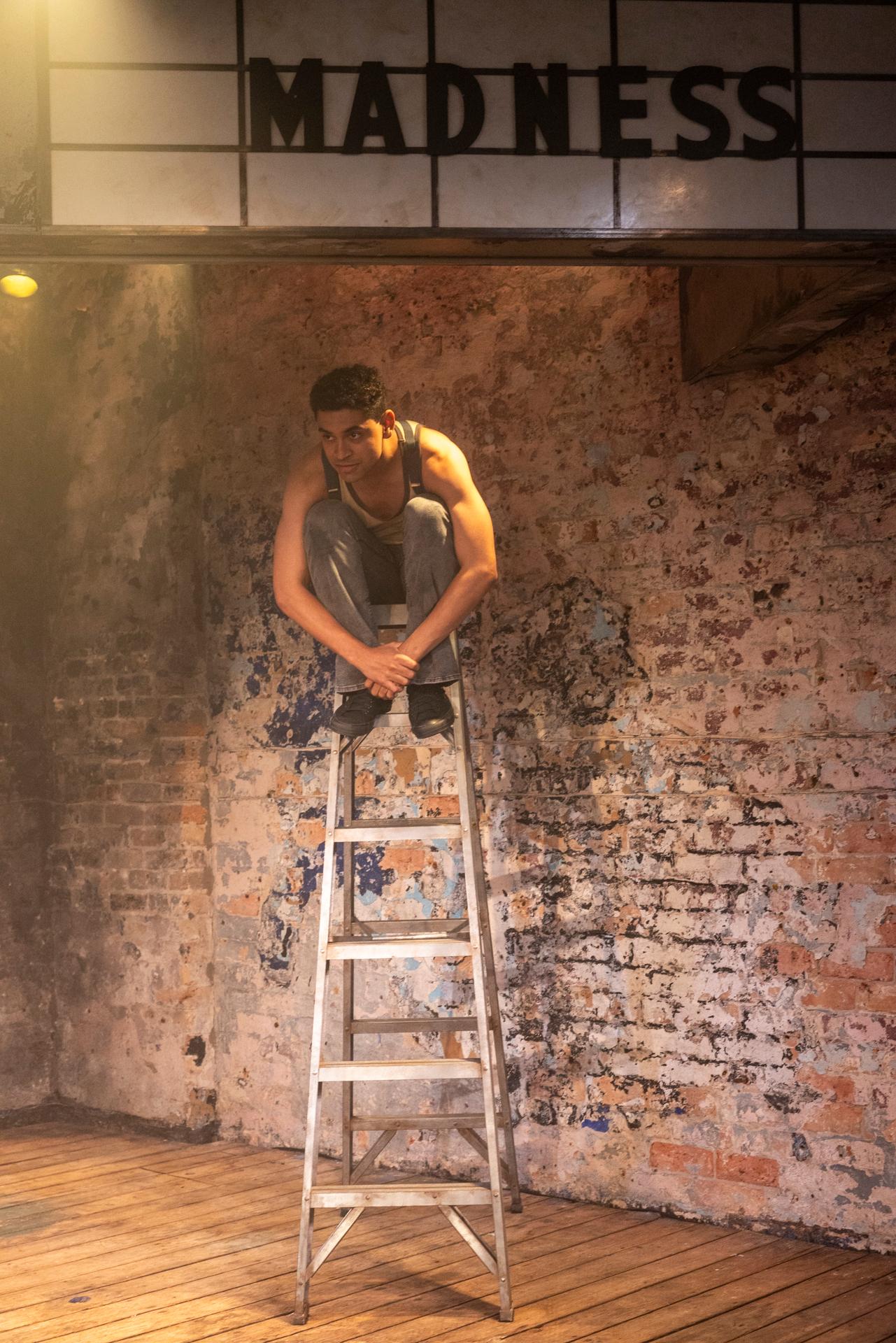
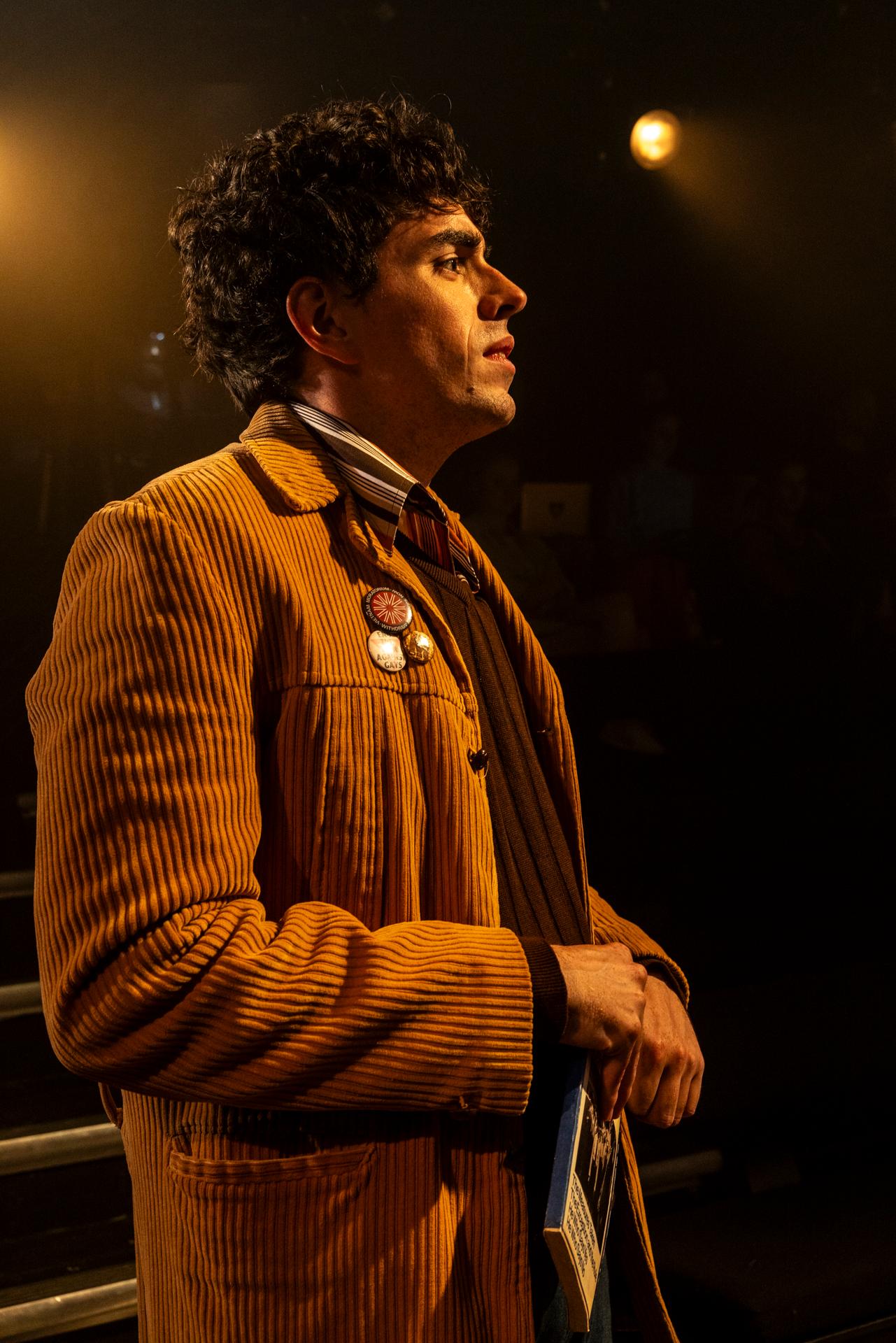
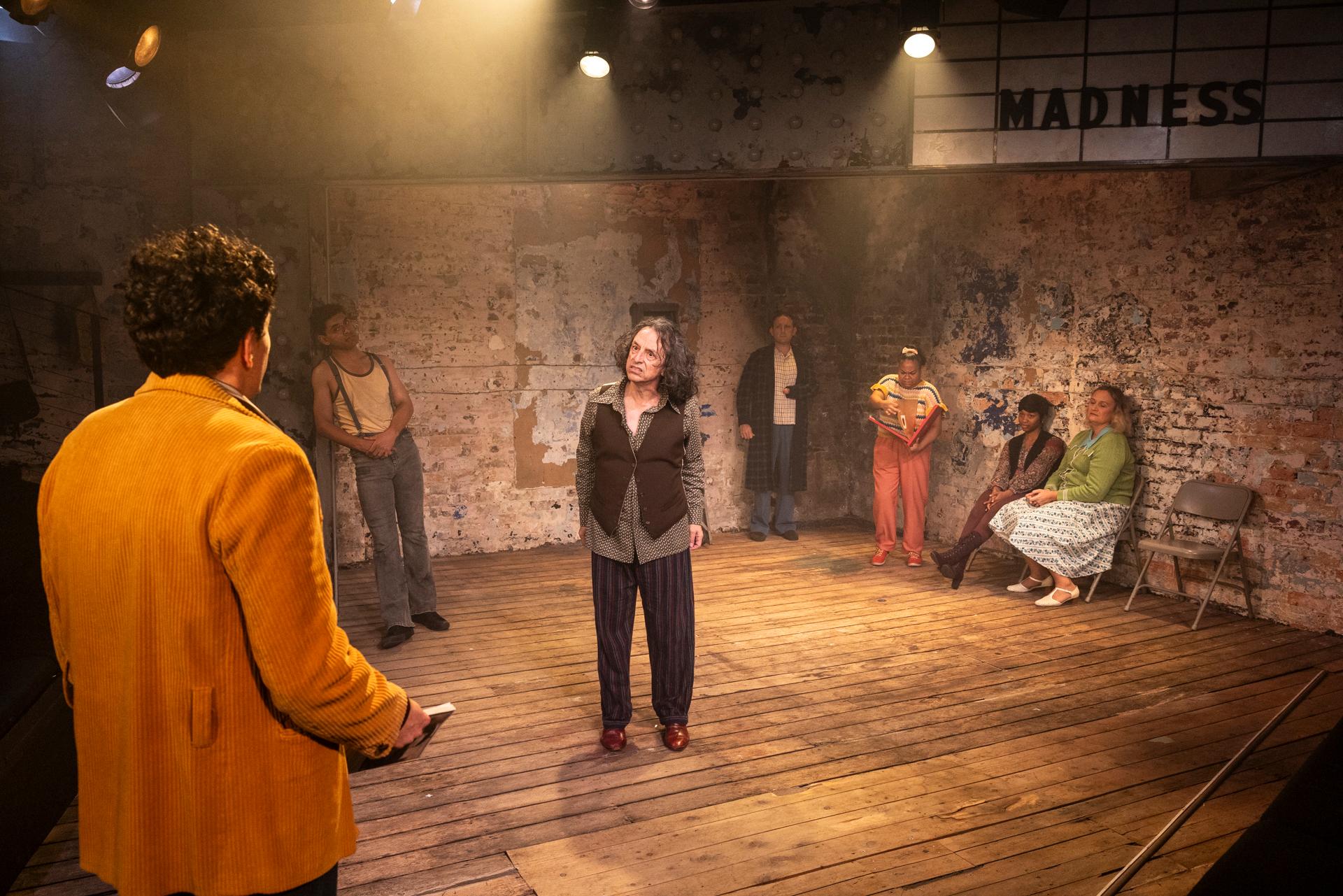
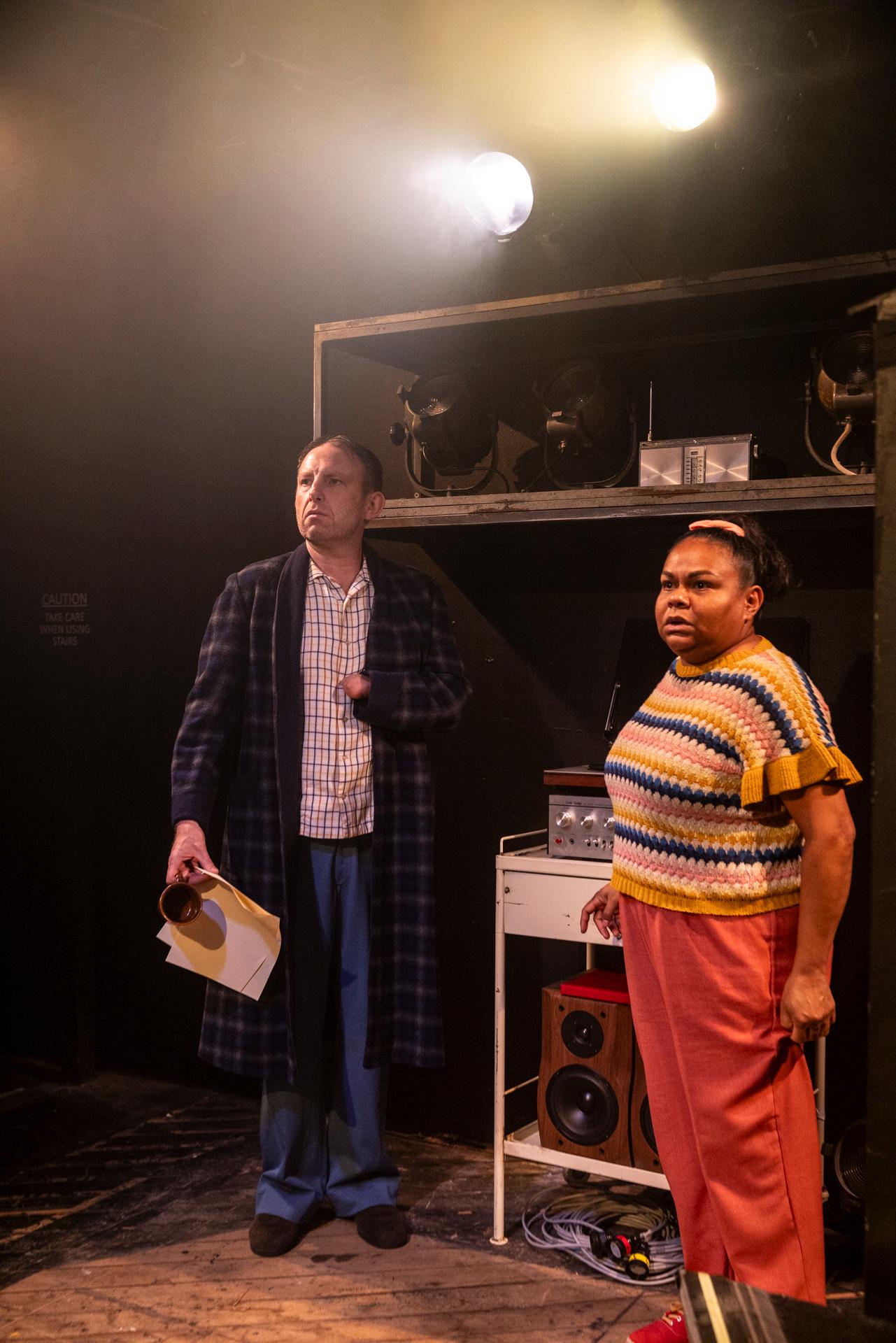
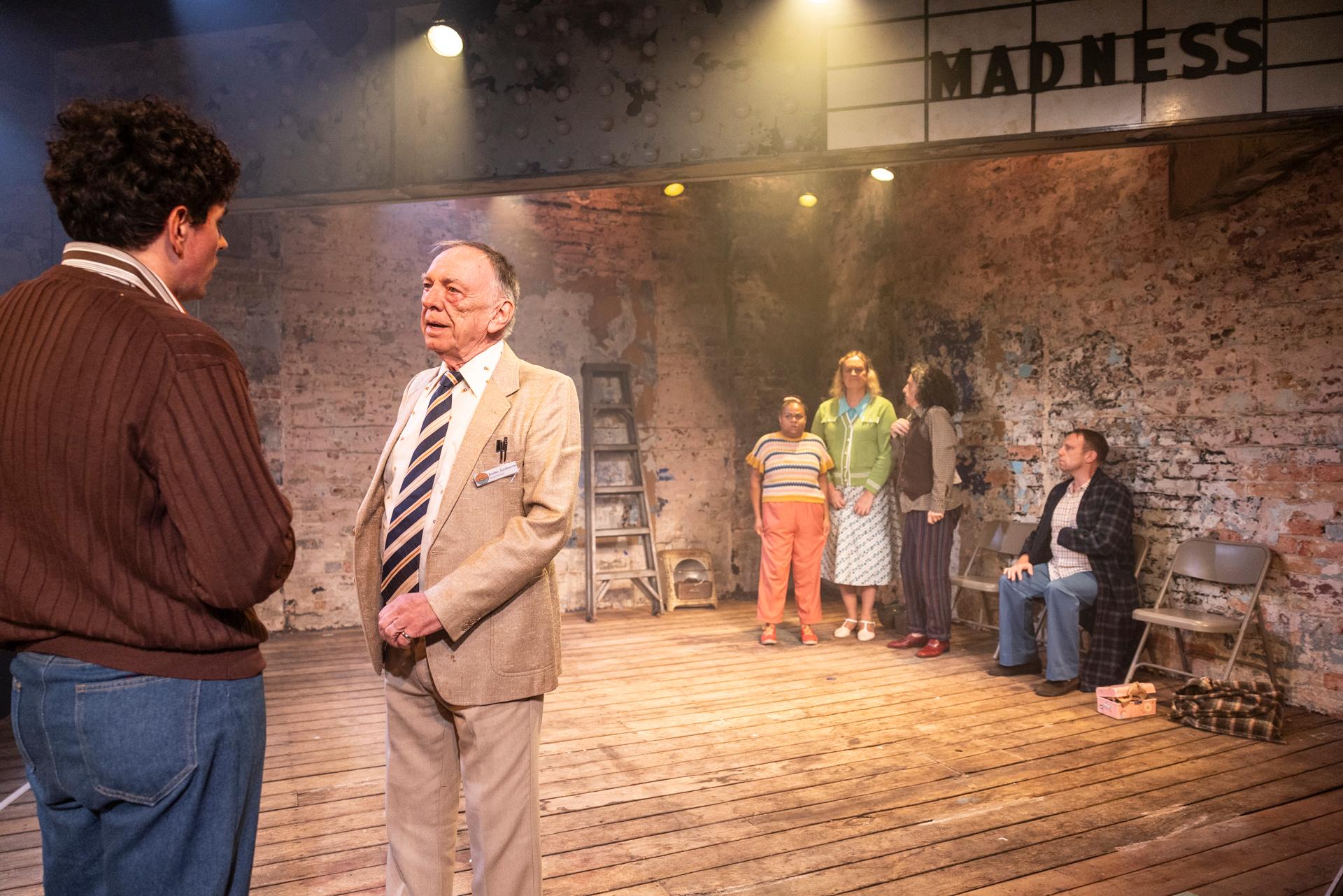
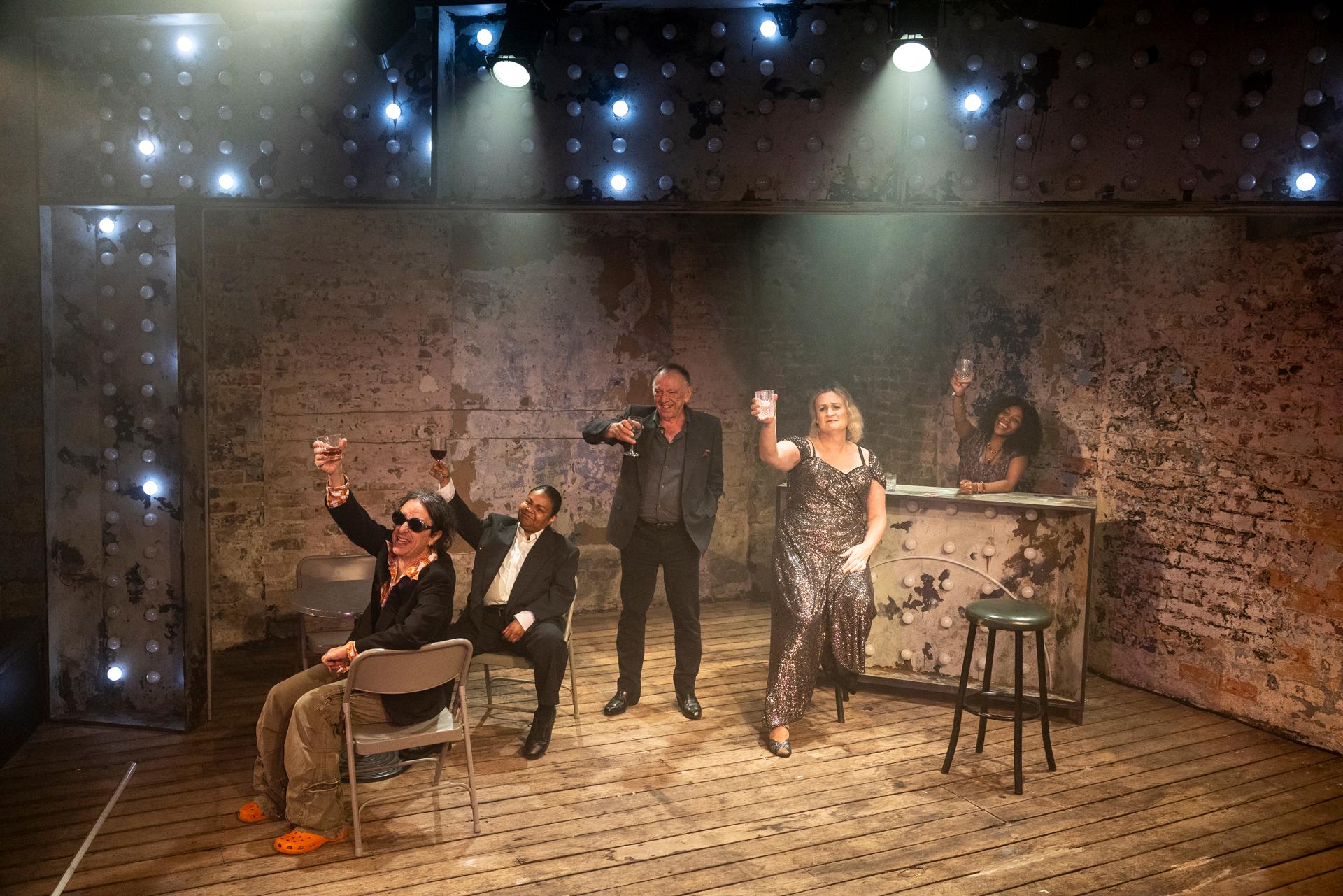
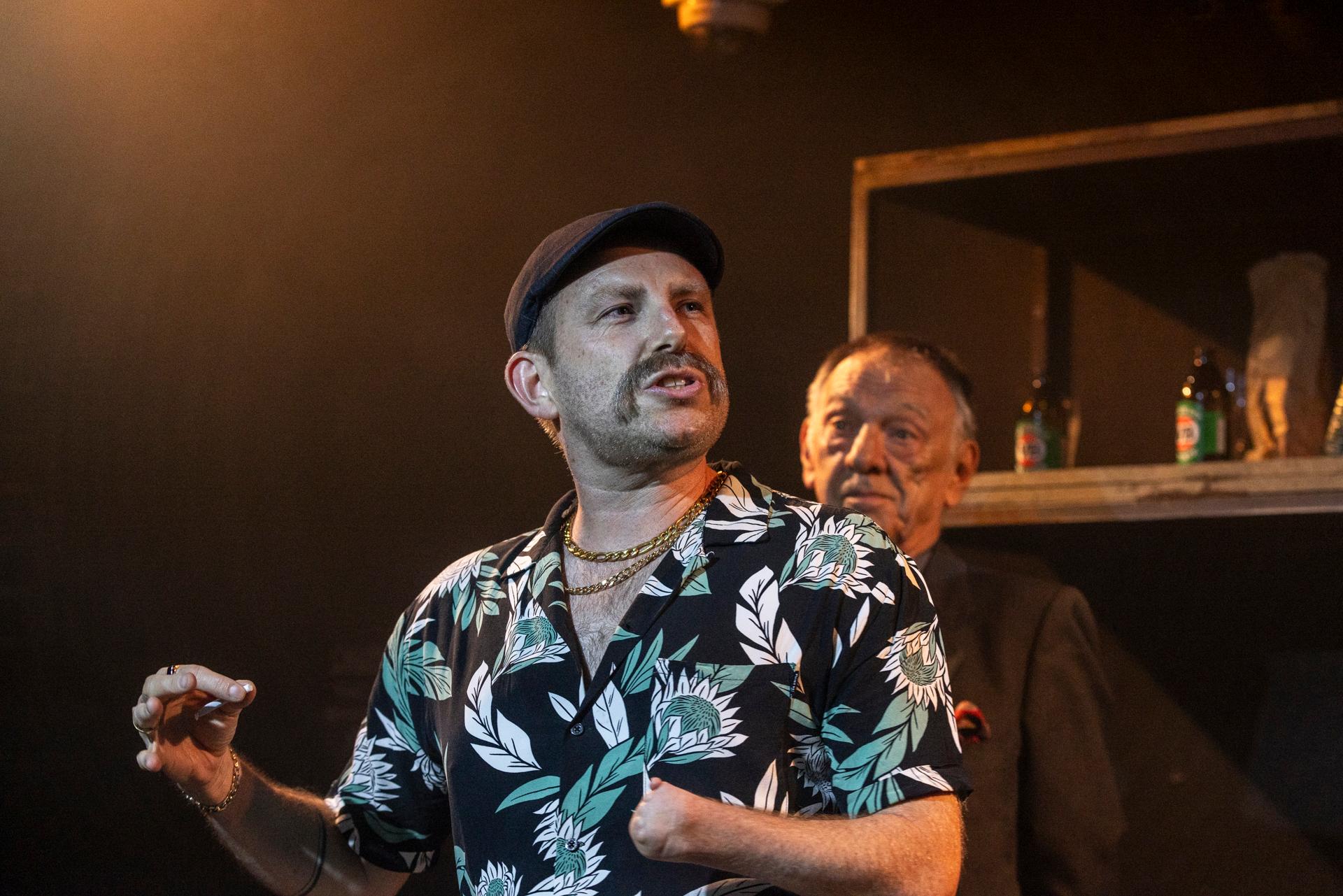
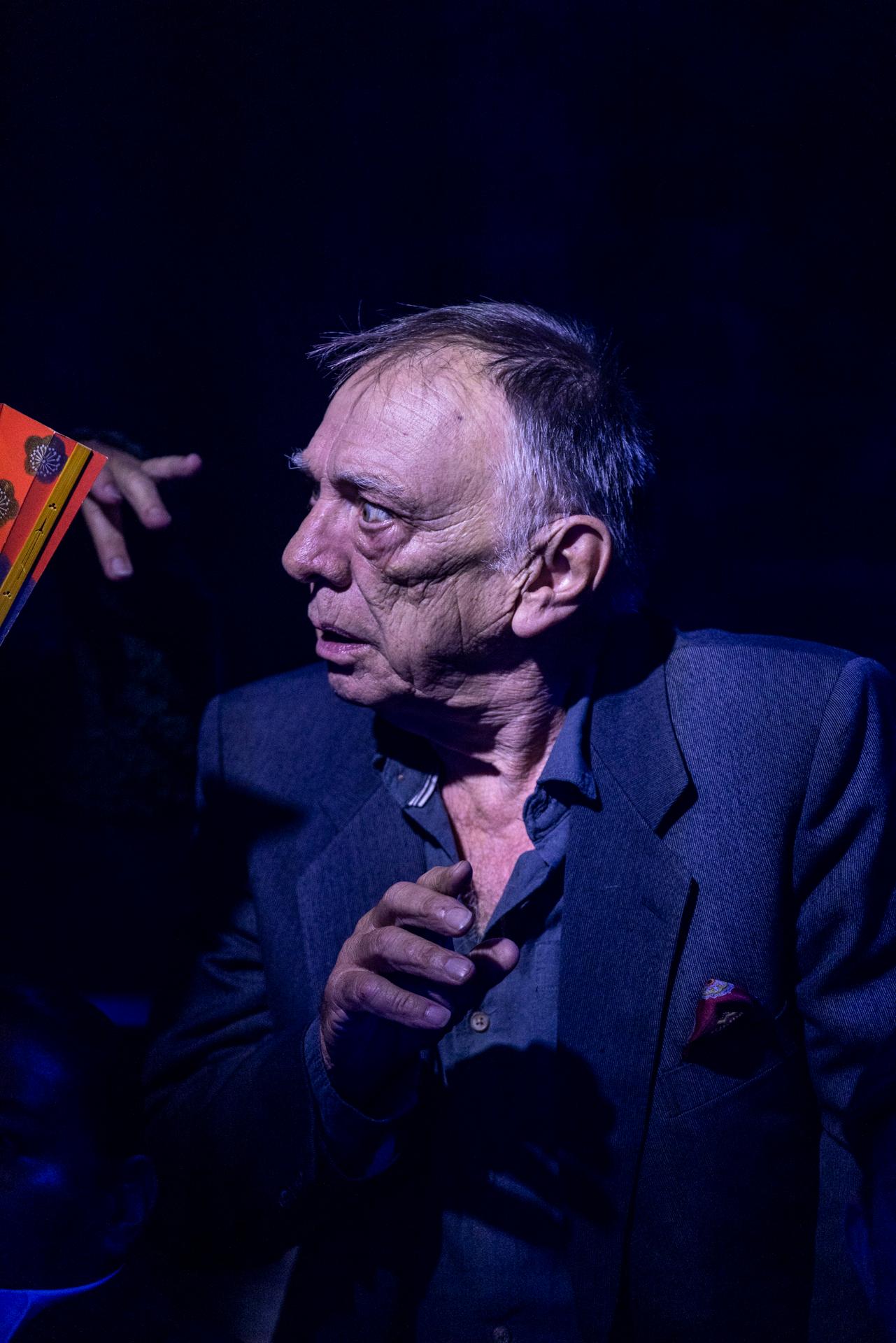
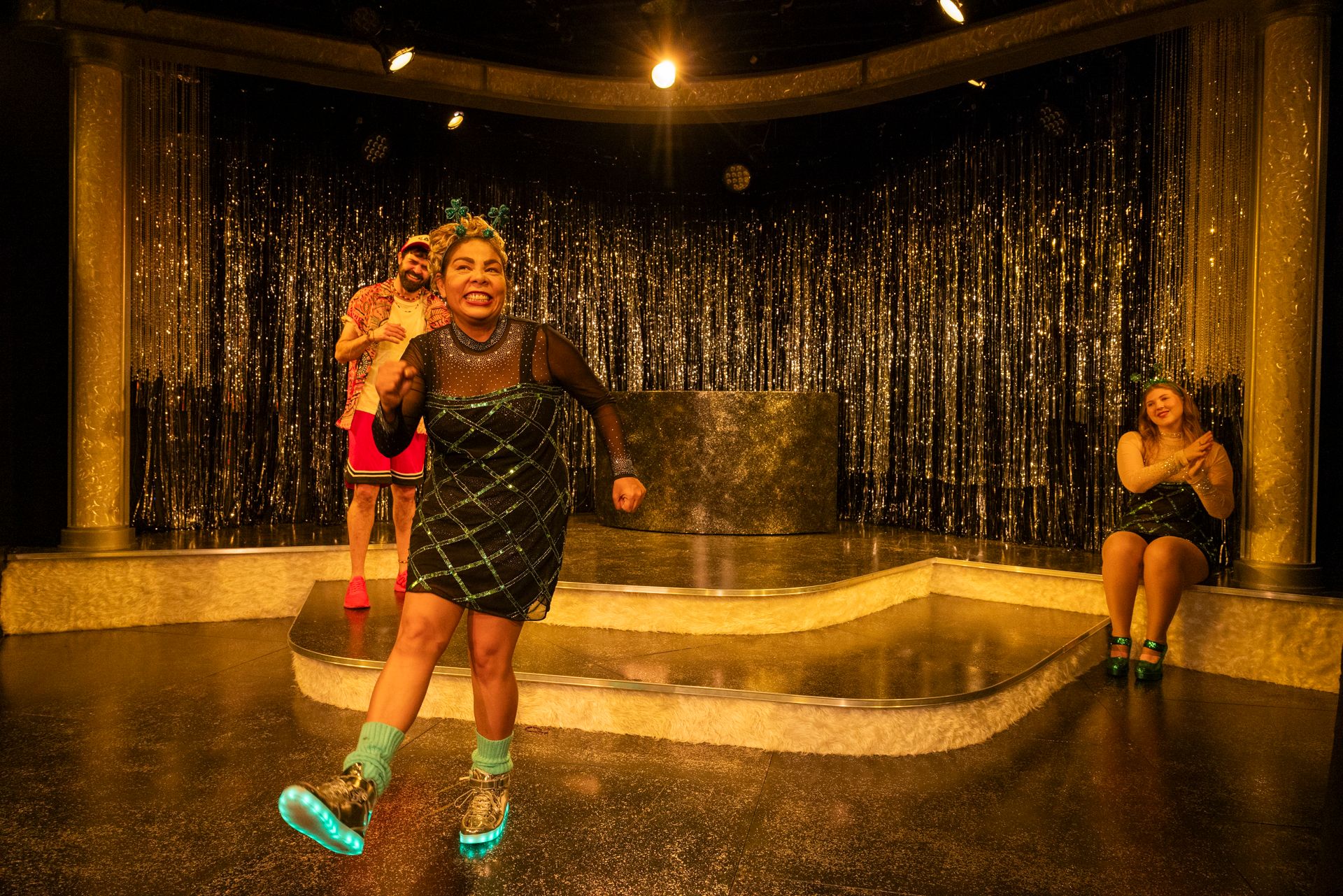
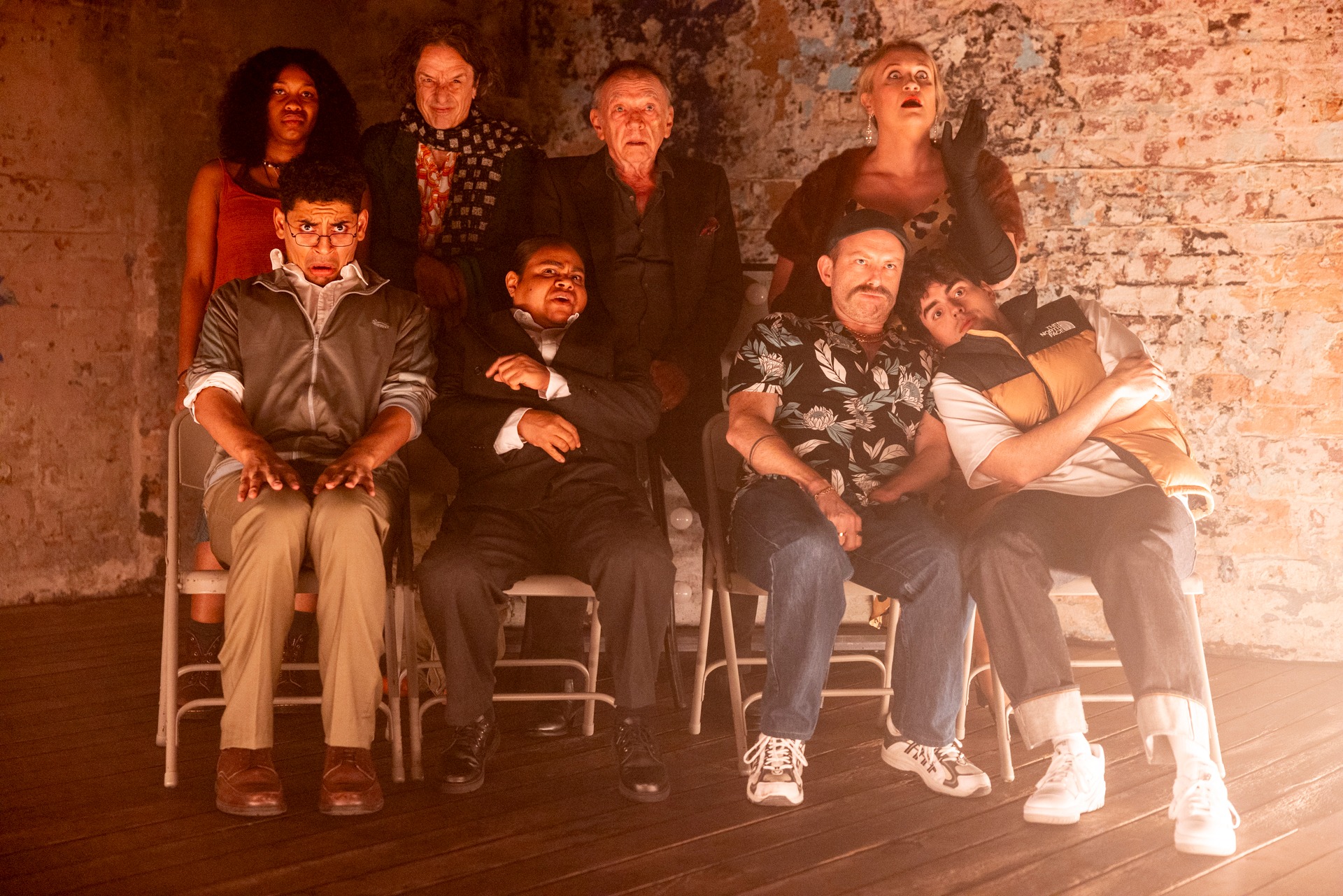
Ray presides over a small naturist commune on the outskirts of Melbourne, where its residents have lived off-grid for two decades. When Evangeline arrives unannounced, eager to join their secluded world, her intrusion sets off a quiet chain reaction that exposes the fault lines beneath the community’s calm surface. Ang Collins’ Naturism proves shrewdly more comic than polemic, even as an unmistakable ecological consciousness anchors the work. At a time when conversations about the environment often feel exhausting, Collins reminds us that laughter, too, can be an act of engagement.

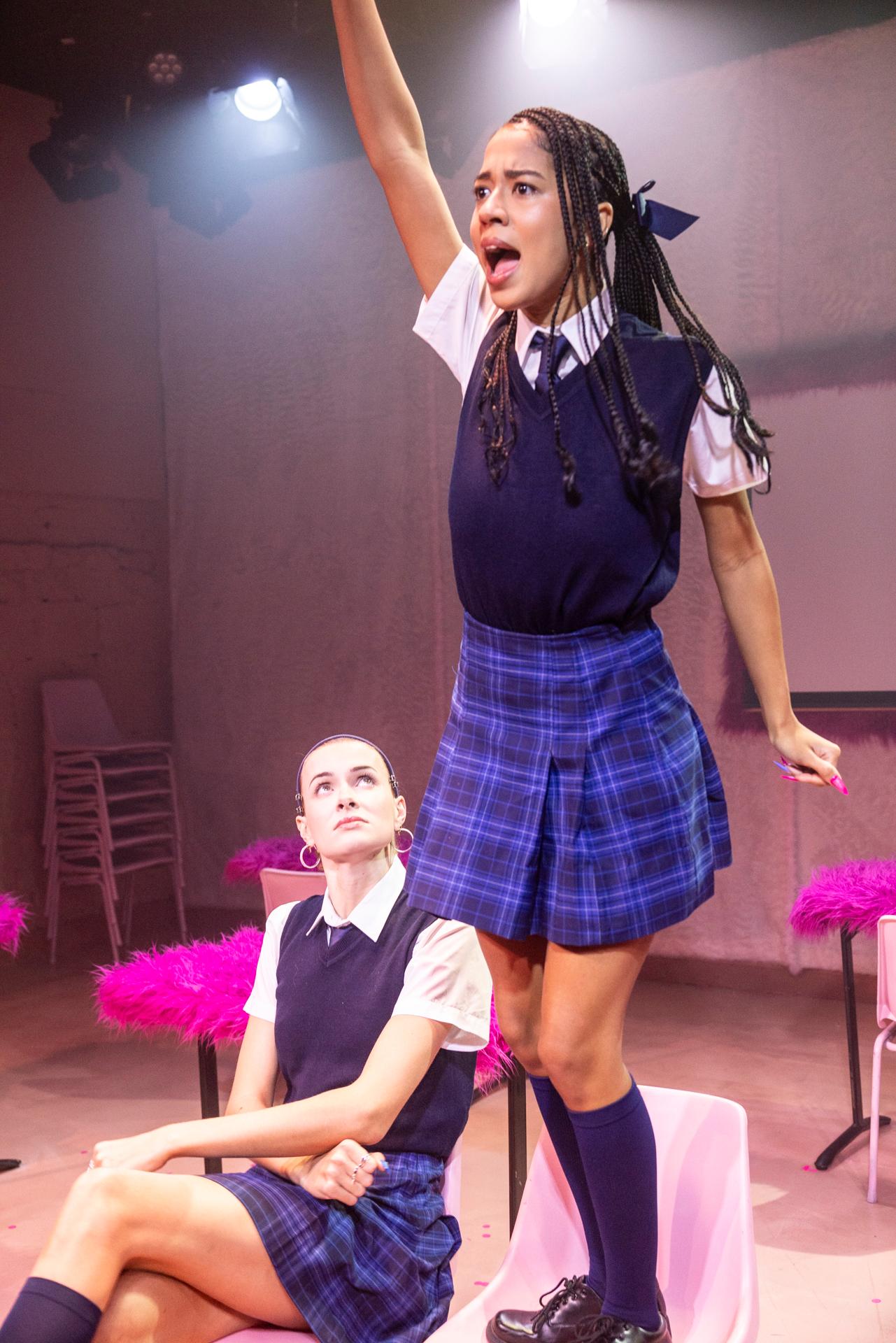
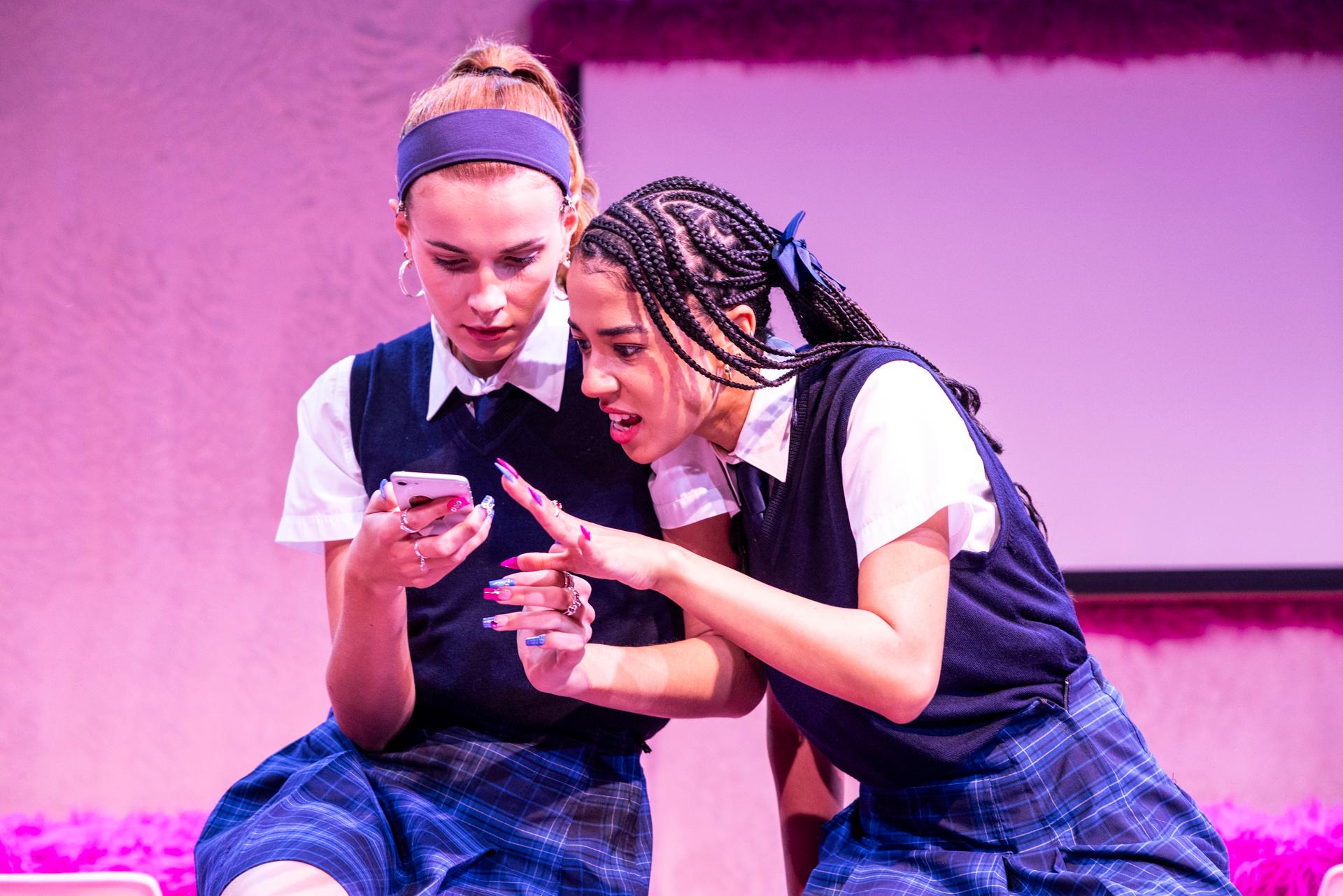
Director Declan Greene wisely leans into the comedy, shaping a production that never hesitates to seize any opportunity for laughter. The exuberance he brings to the staging is infectious, even if the material itself often feels slight. Naturism may not offer much in the way of emotional or thematic depth, and our investment in its characters remains limited, yet the show’s buoyant energy and brisk 85-minute runtime ensure that our attention rarely drifts.

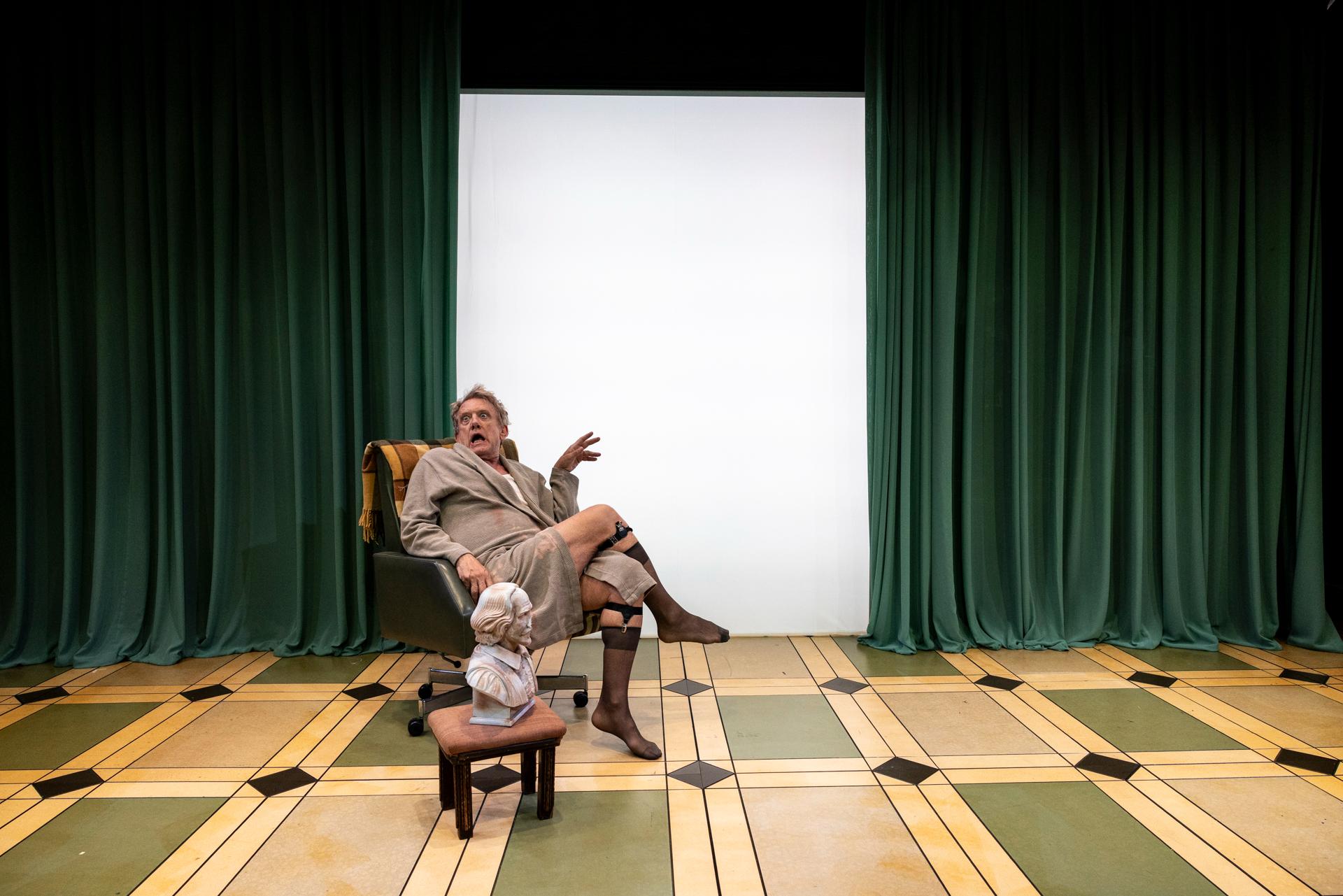
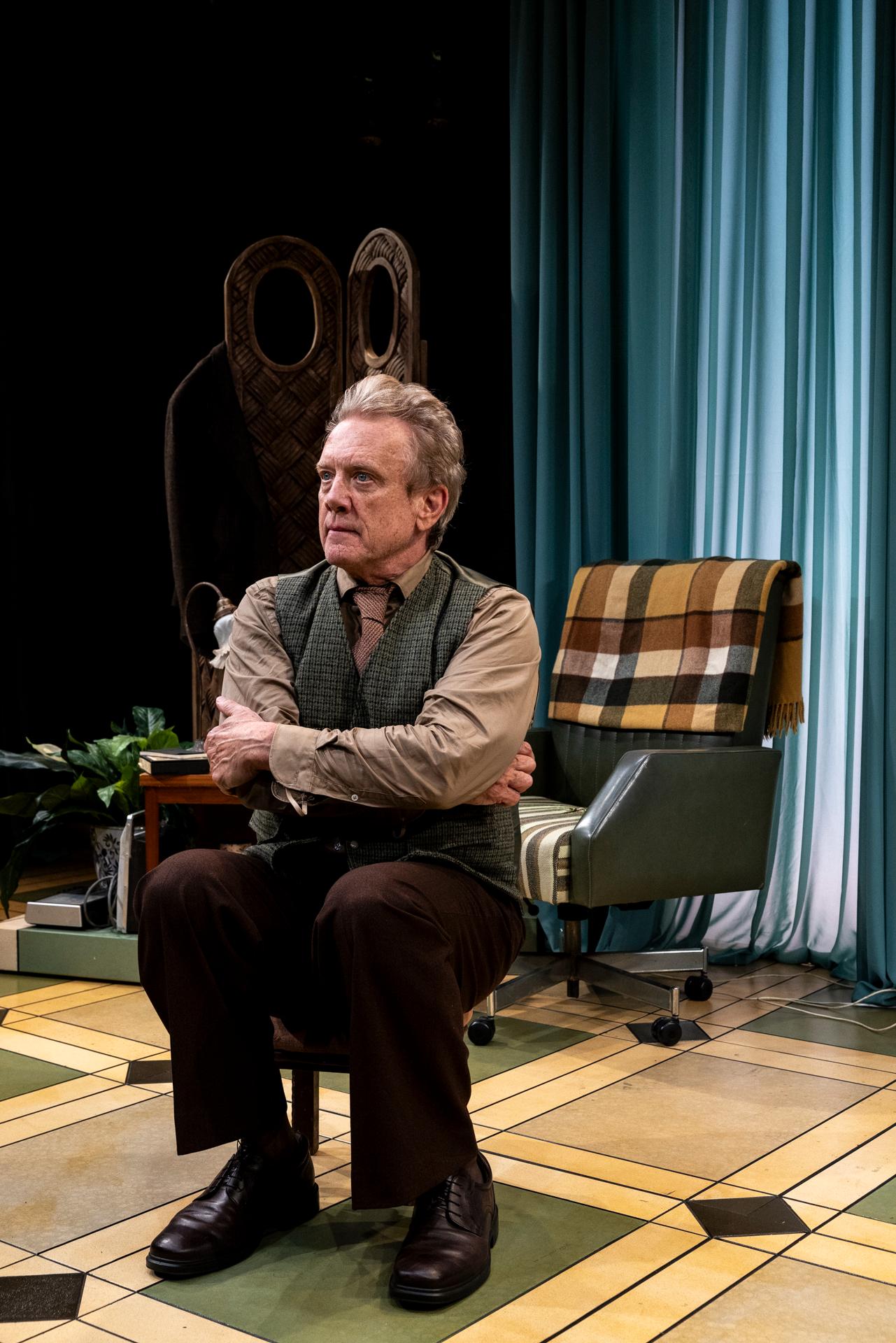
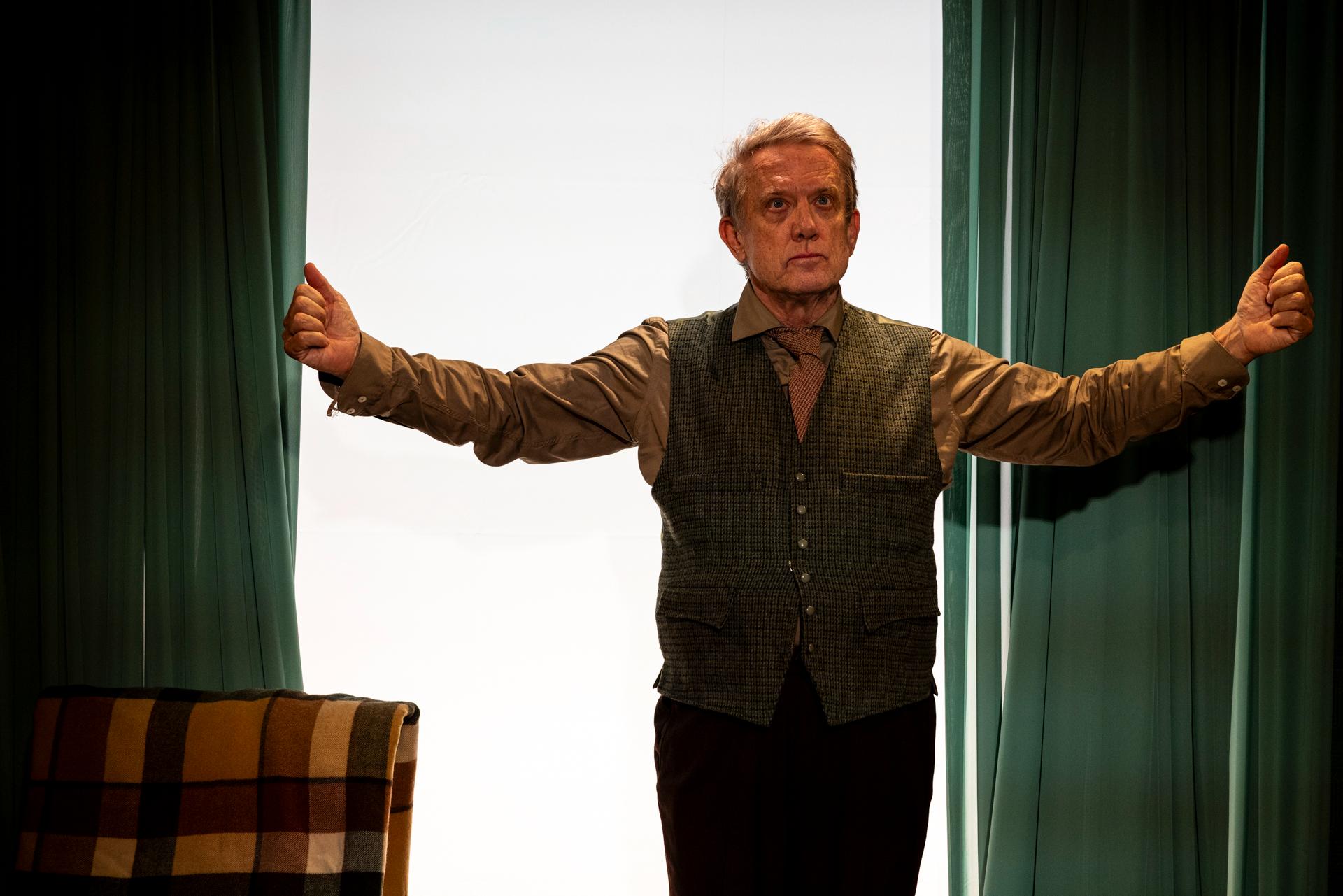
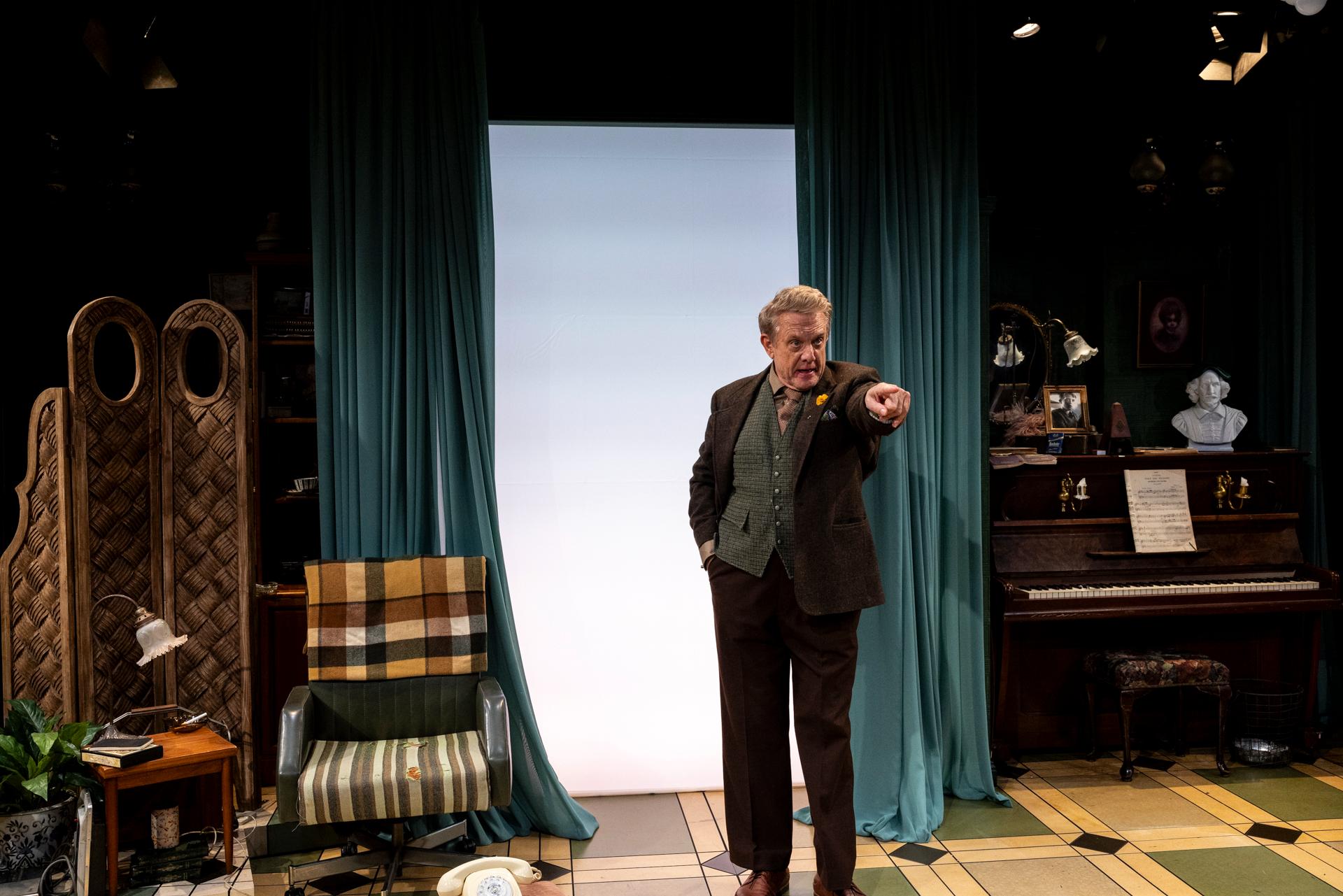
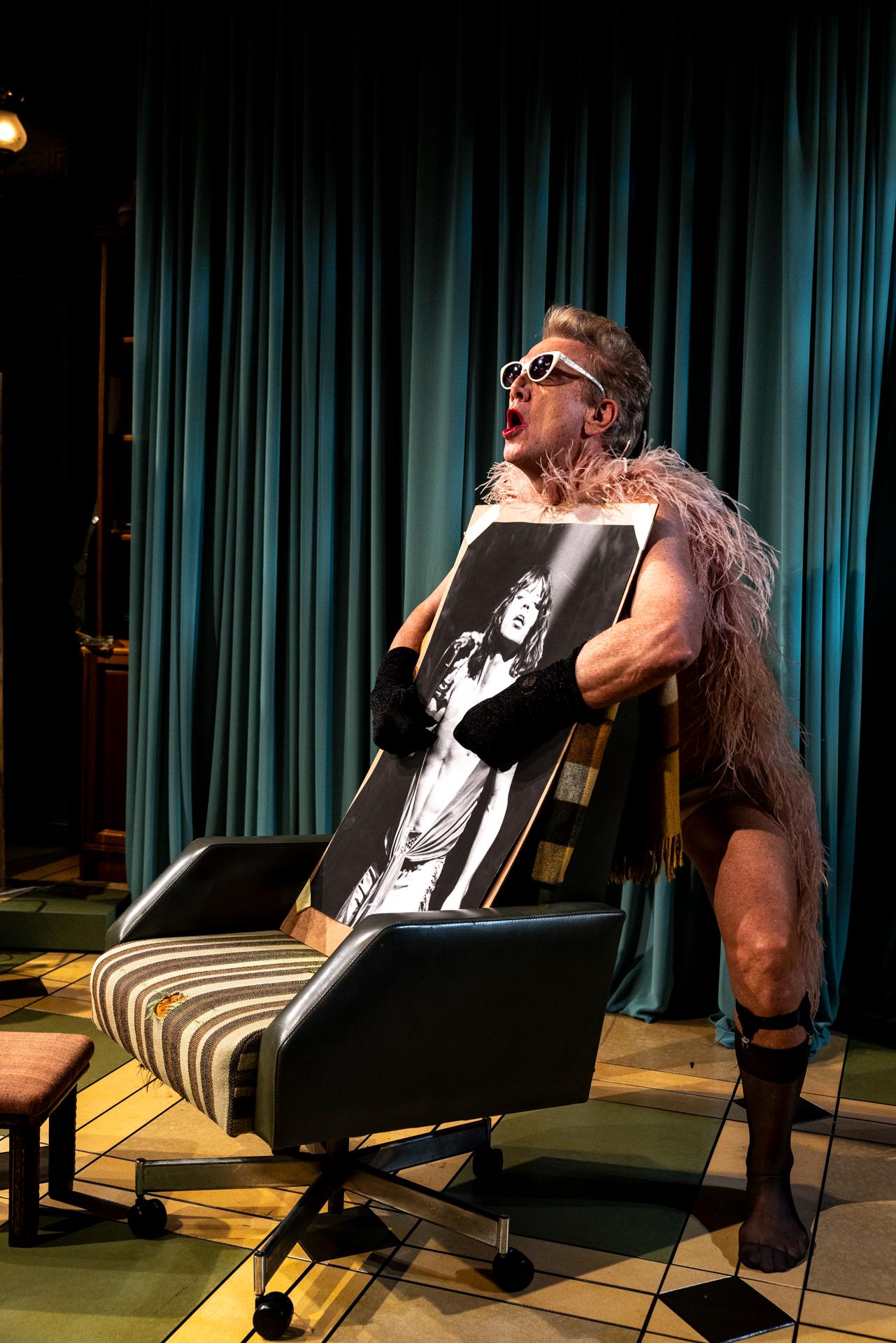
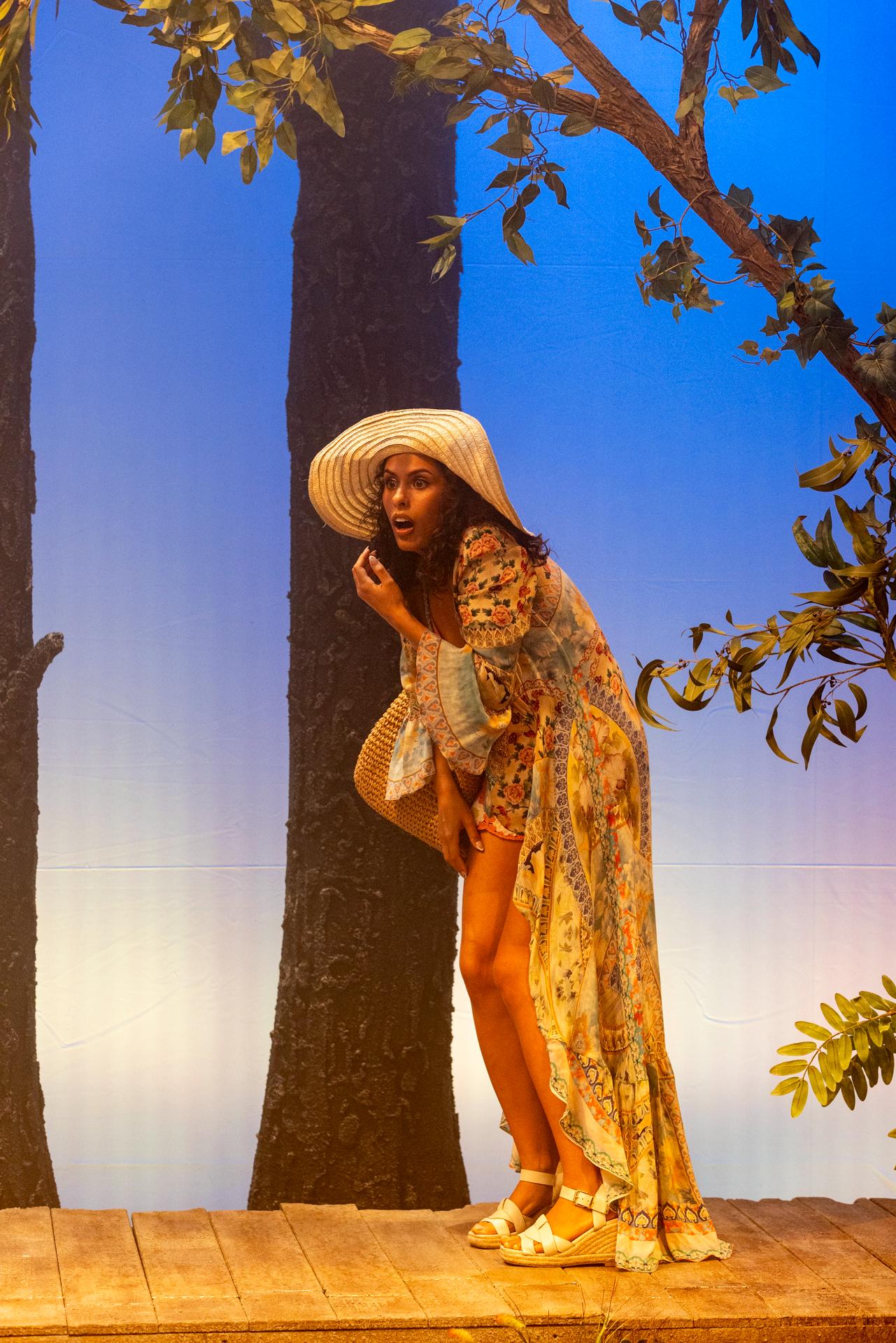
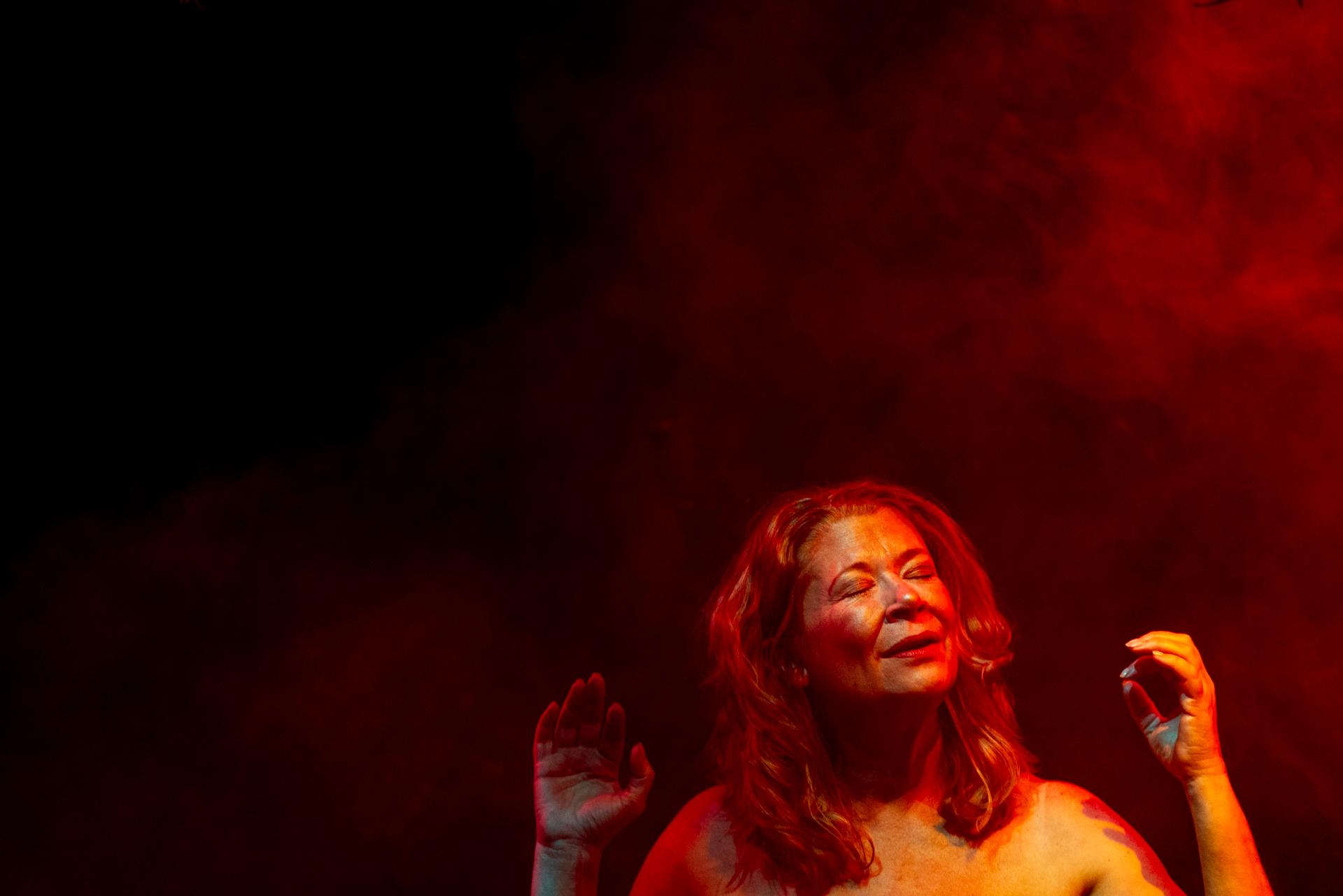
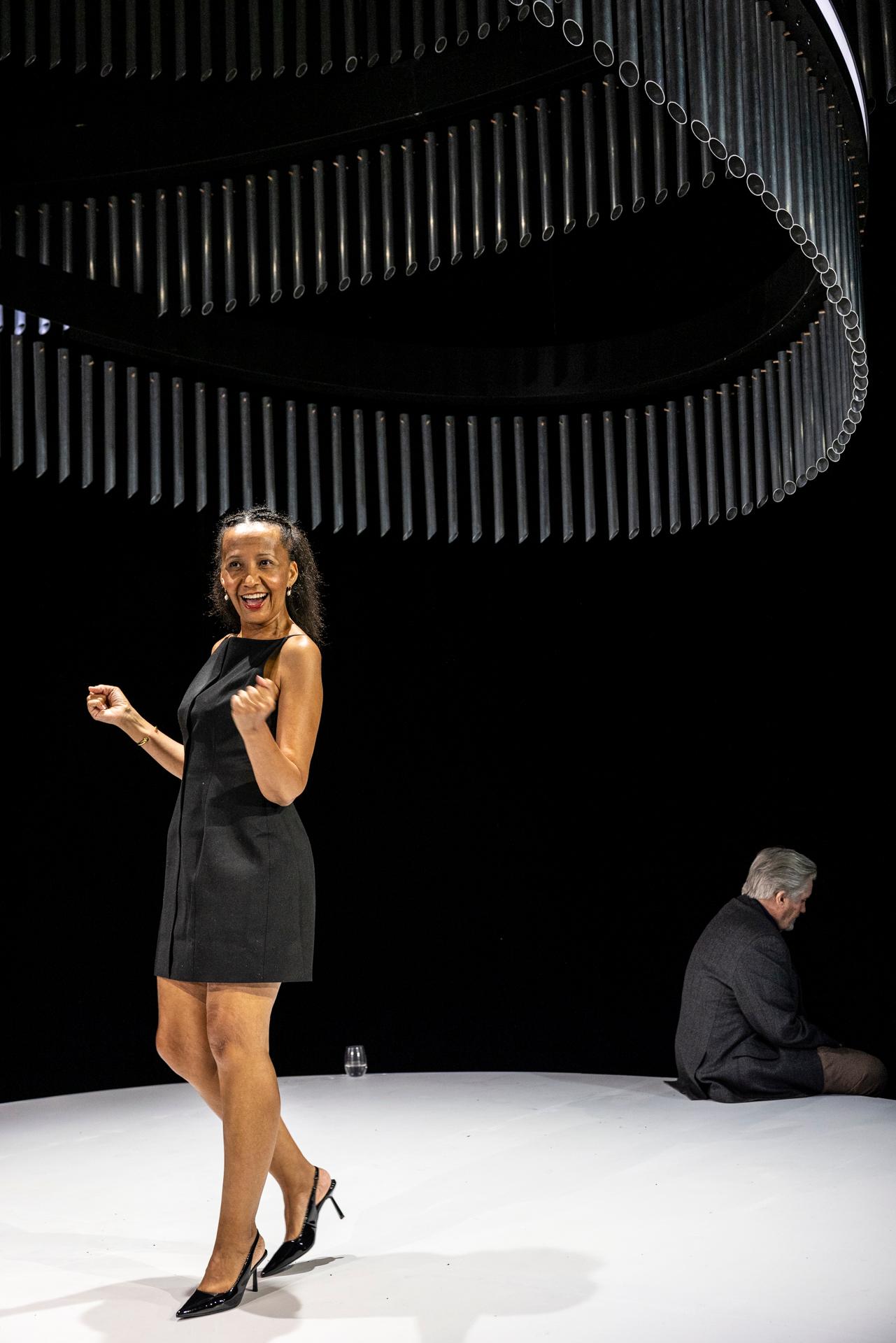
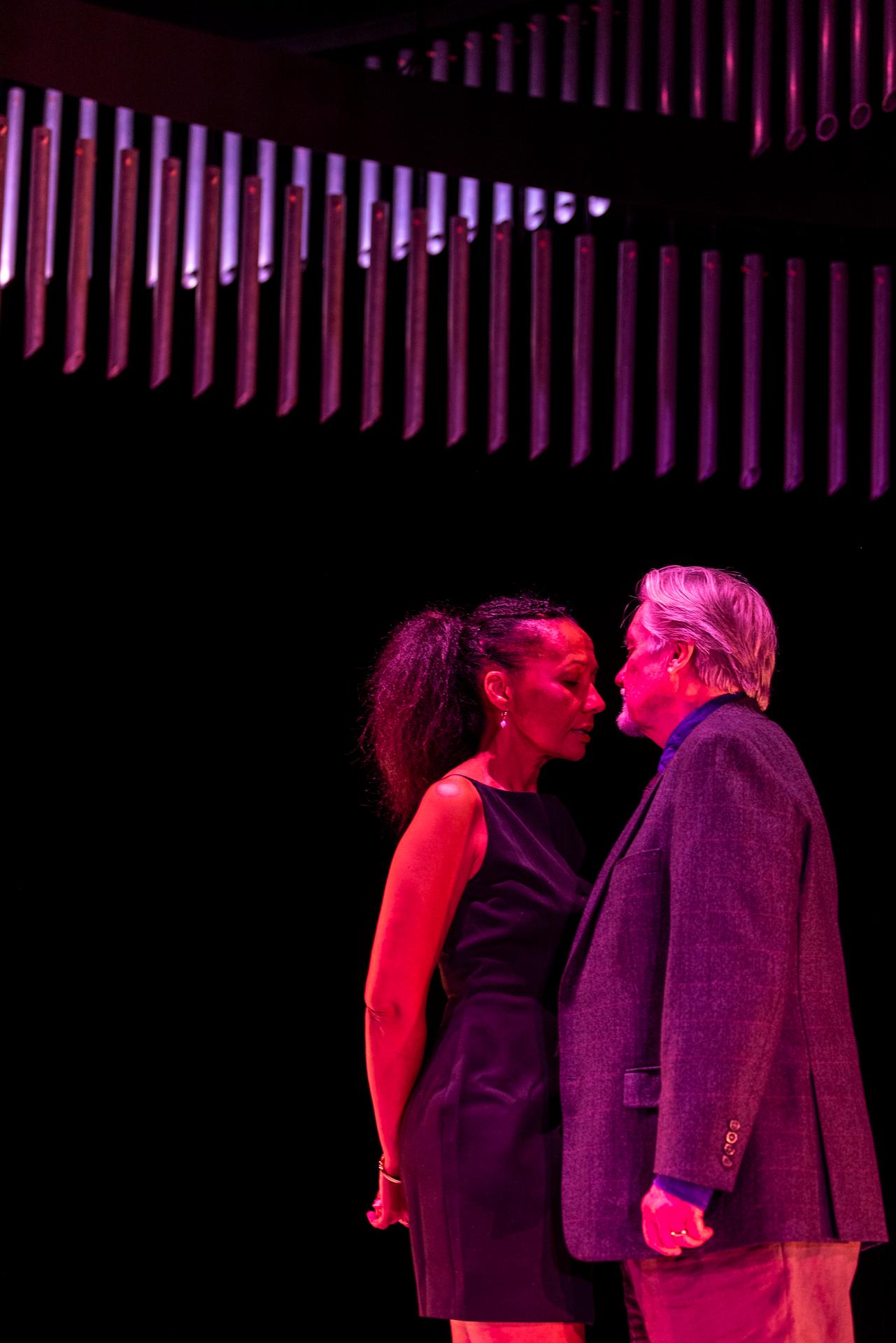
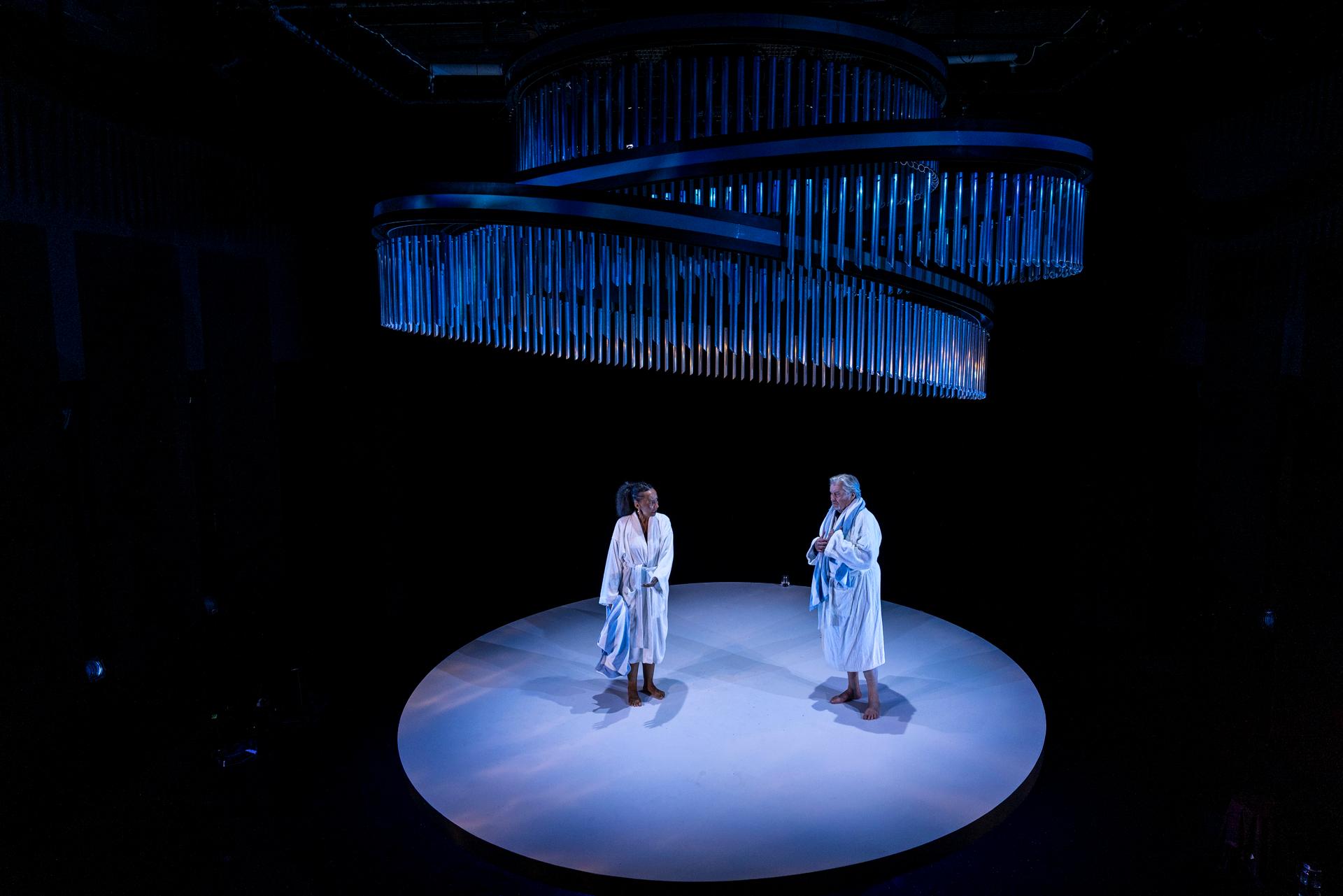
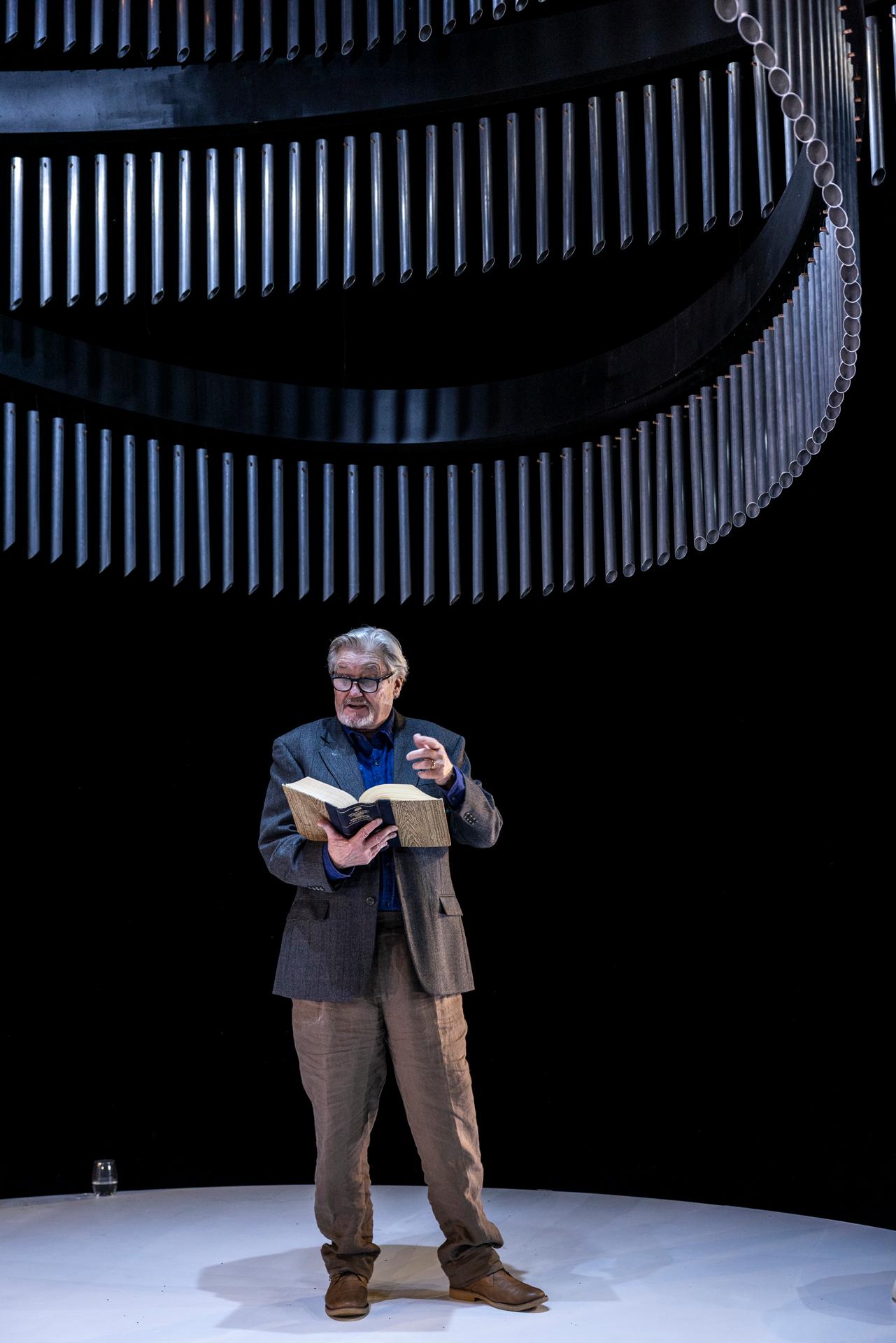
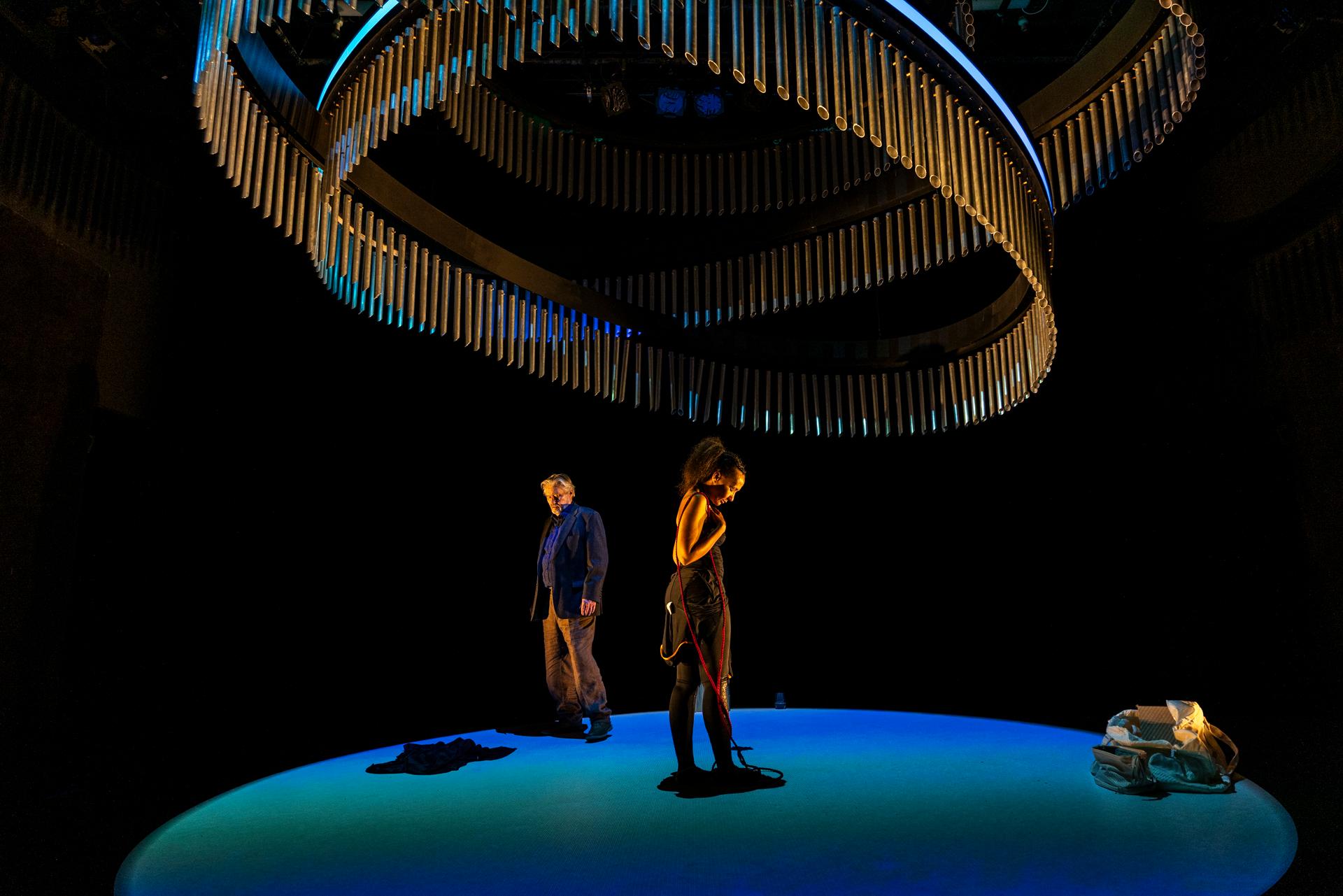
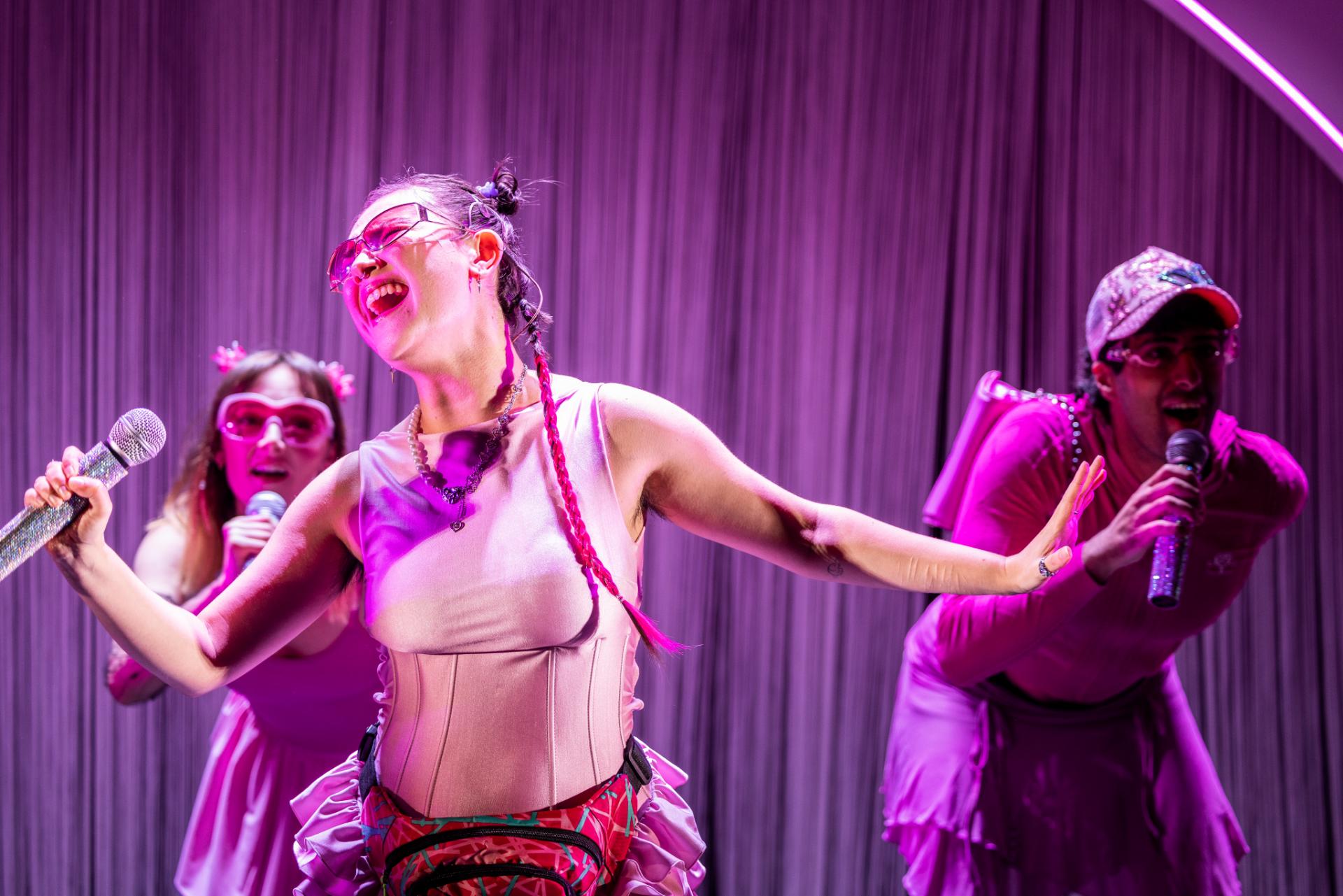
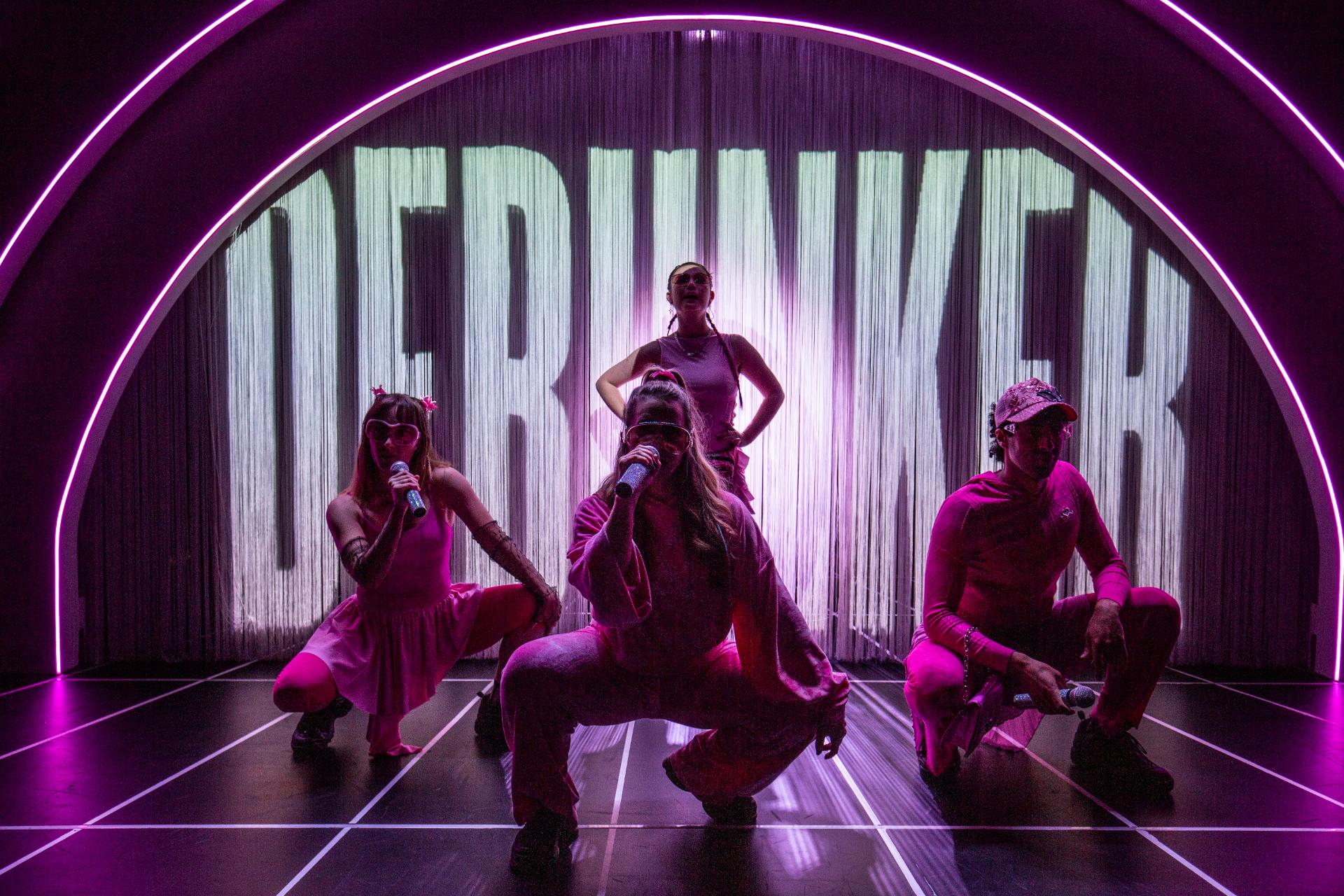
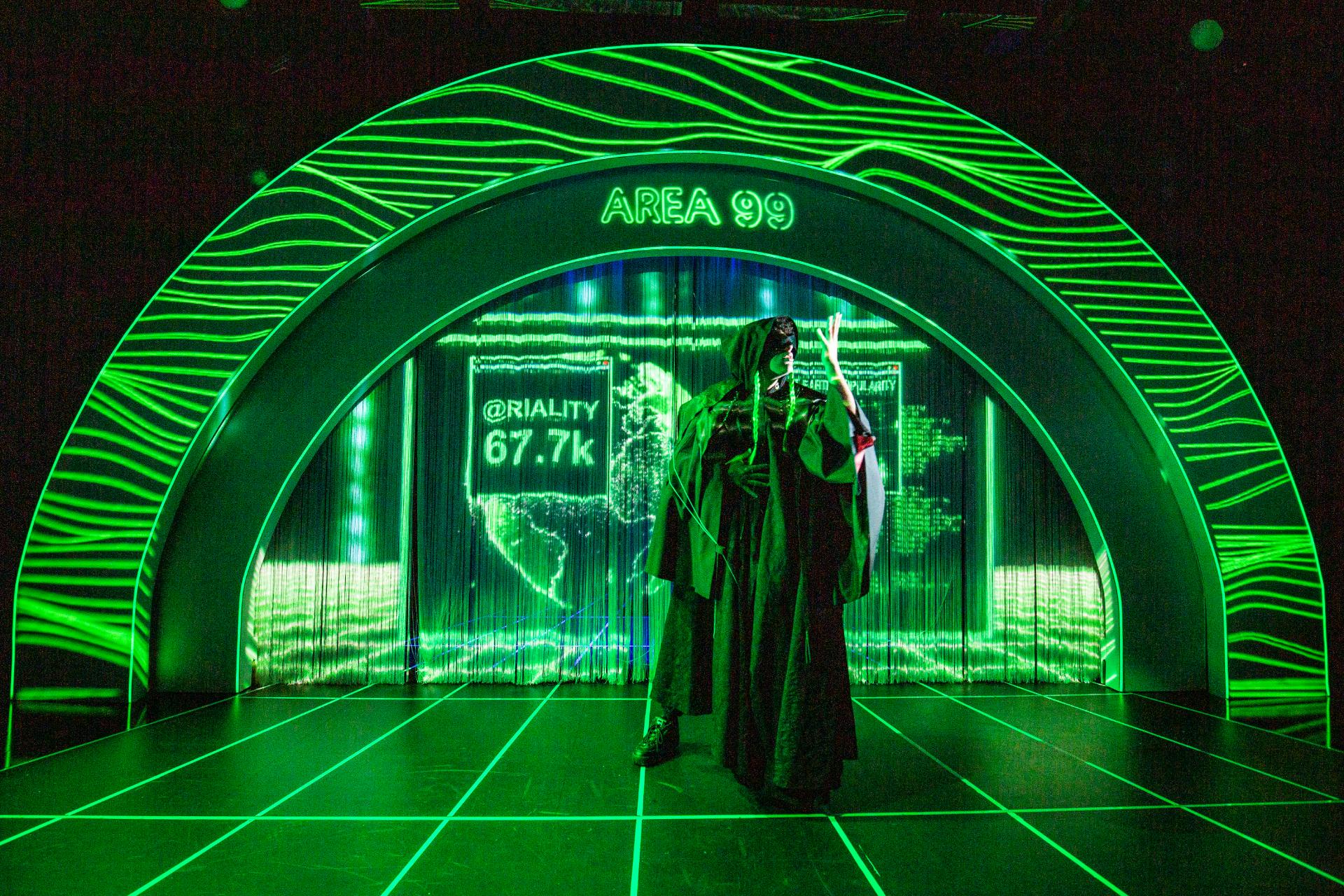
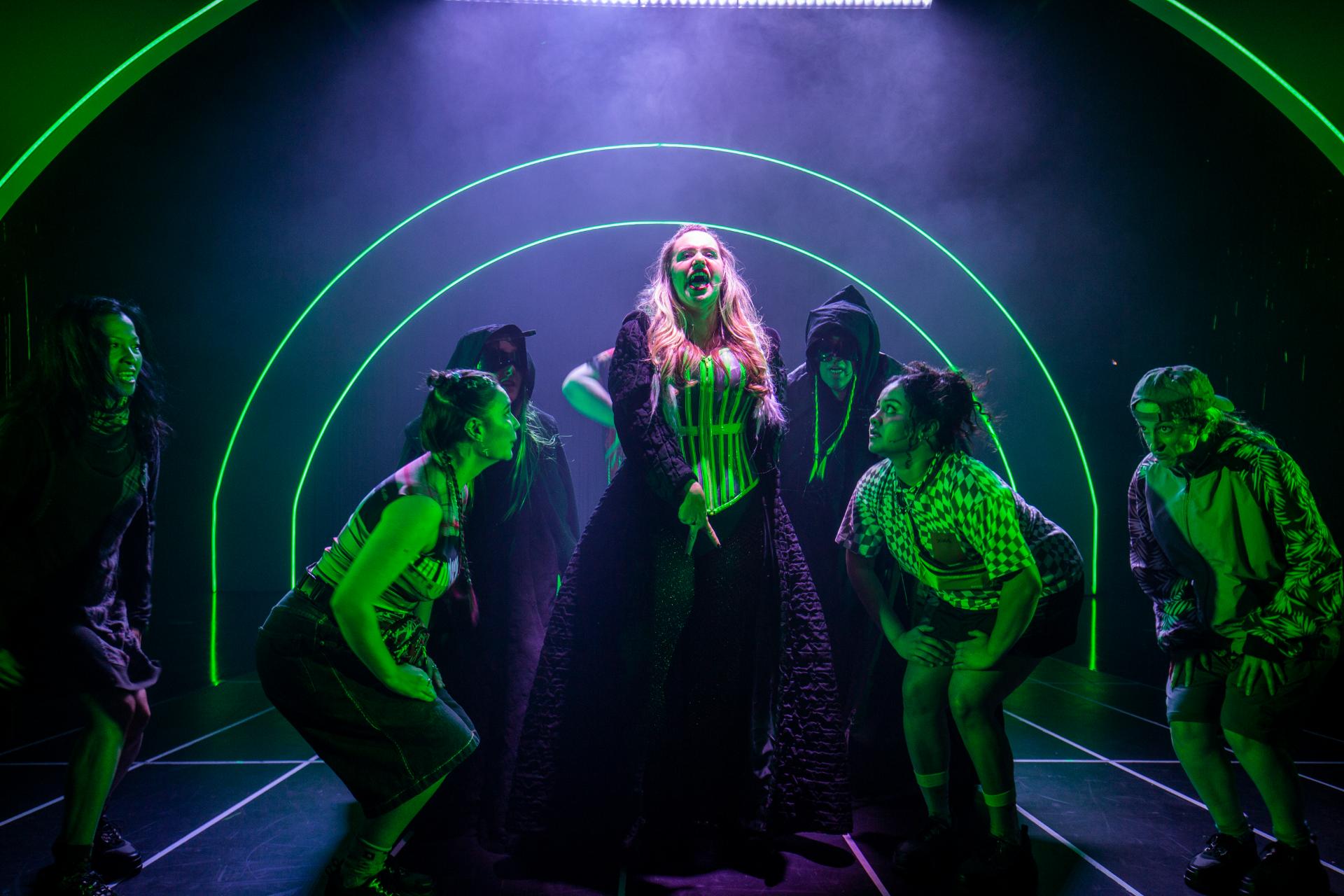
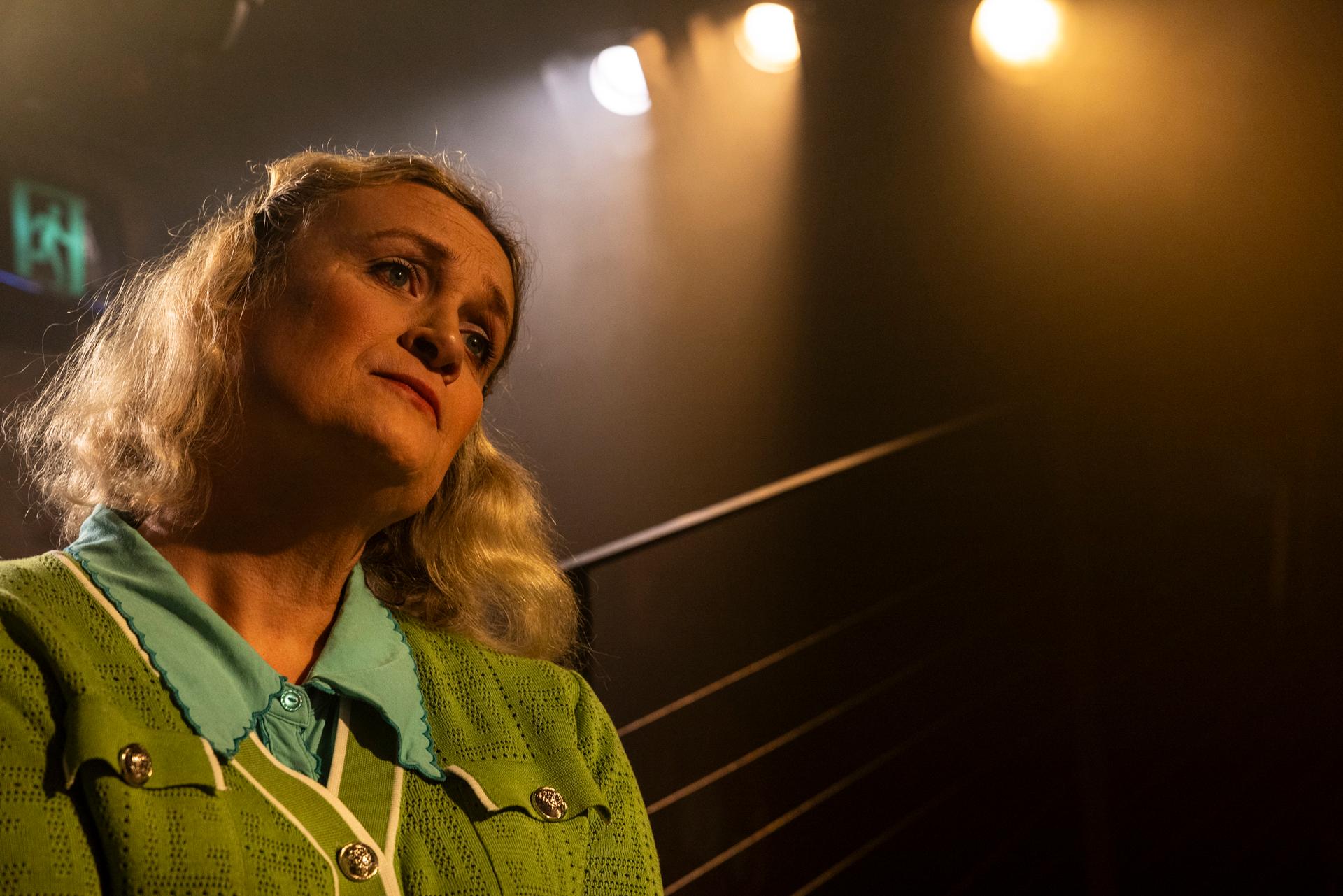
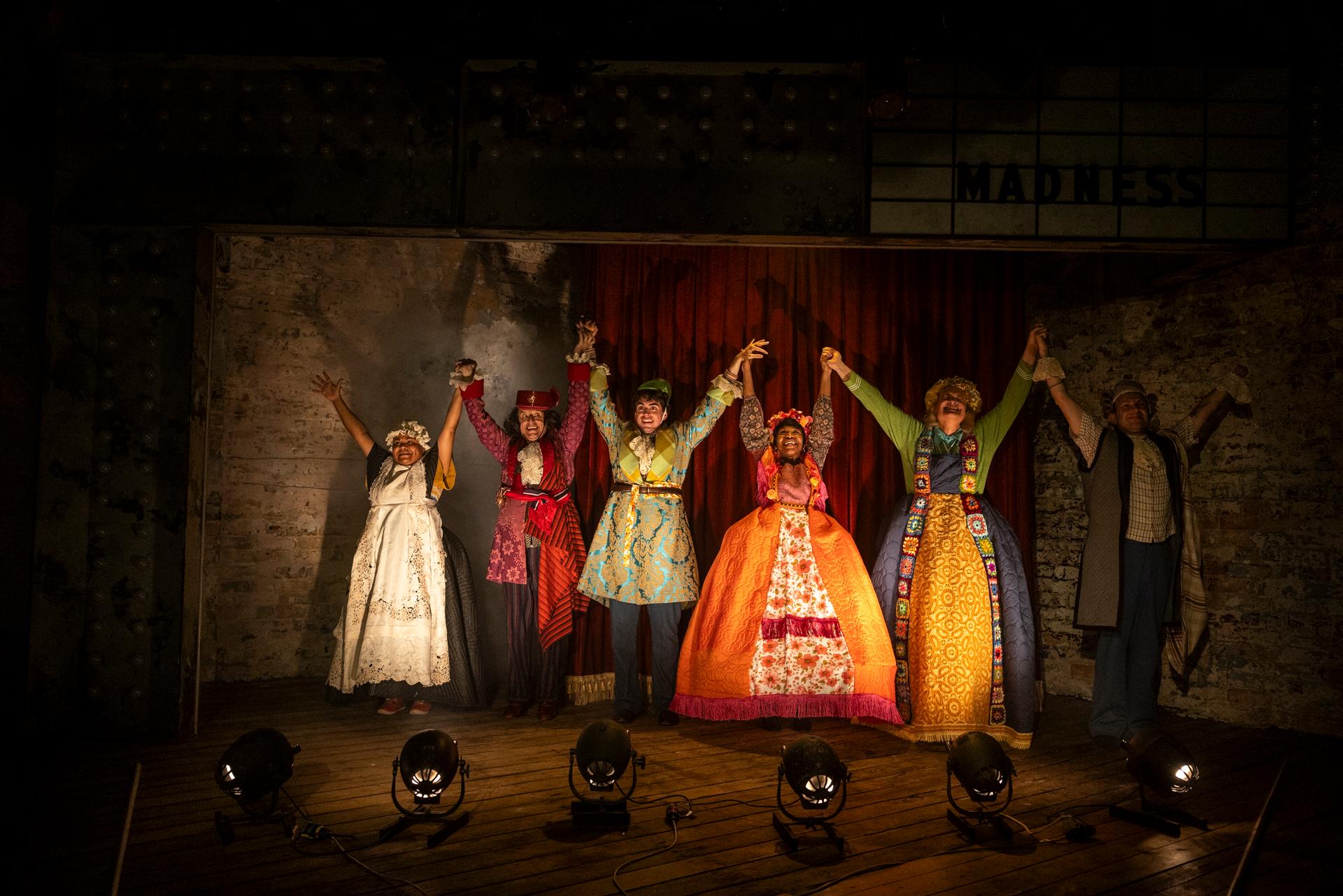
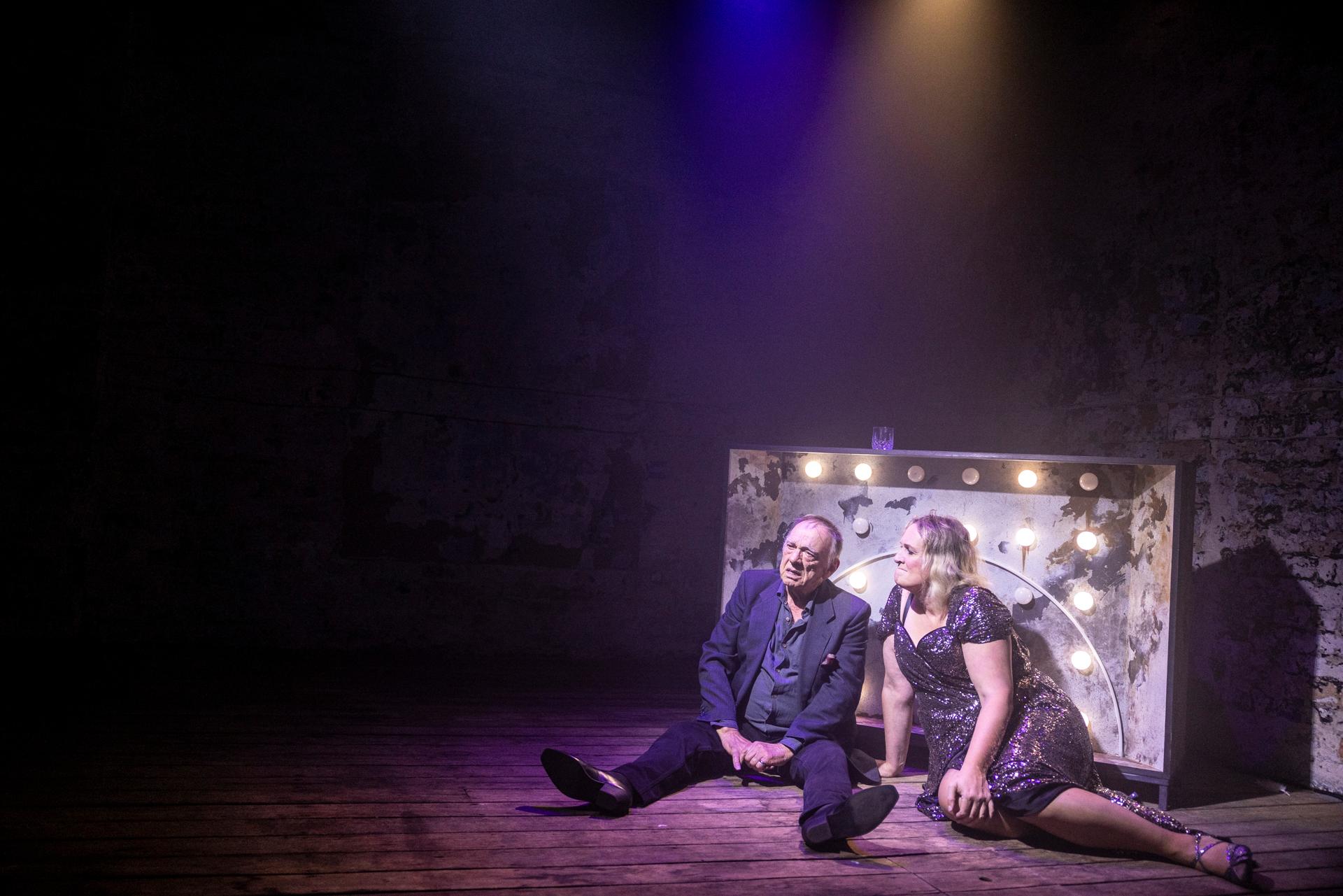
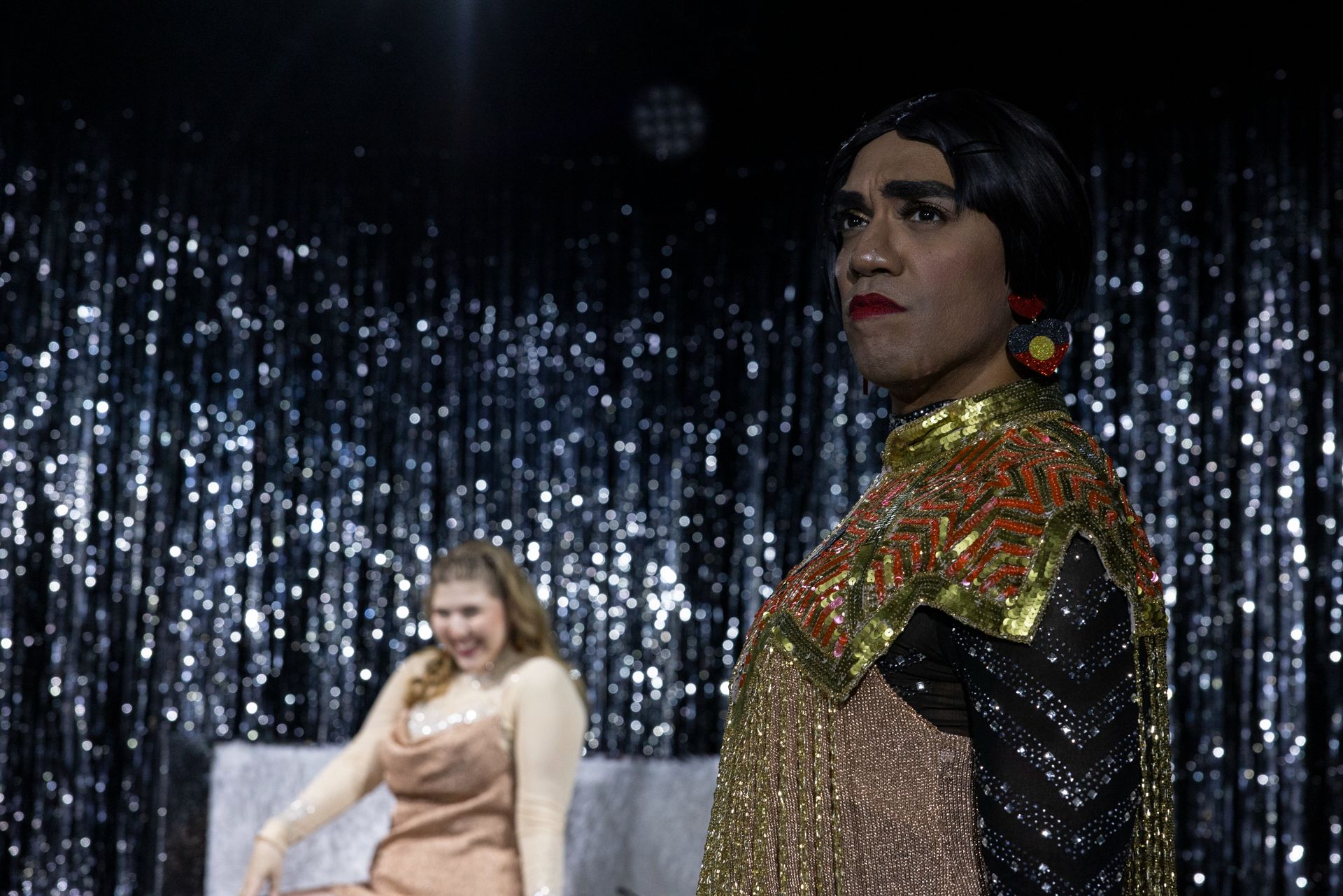
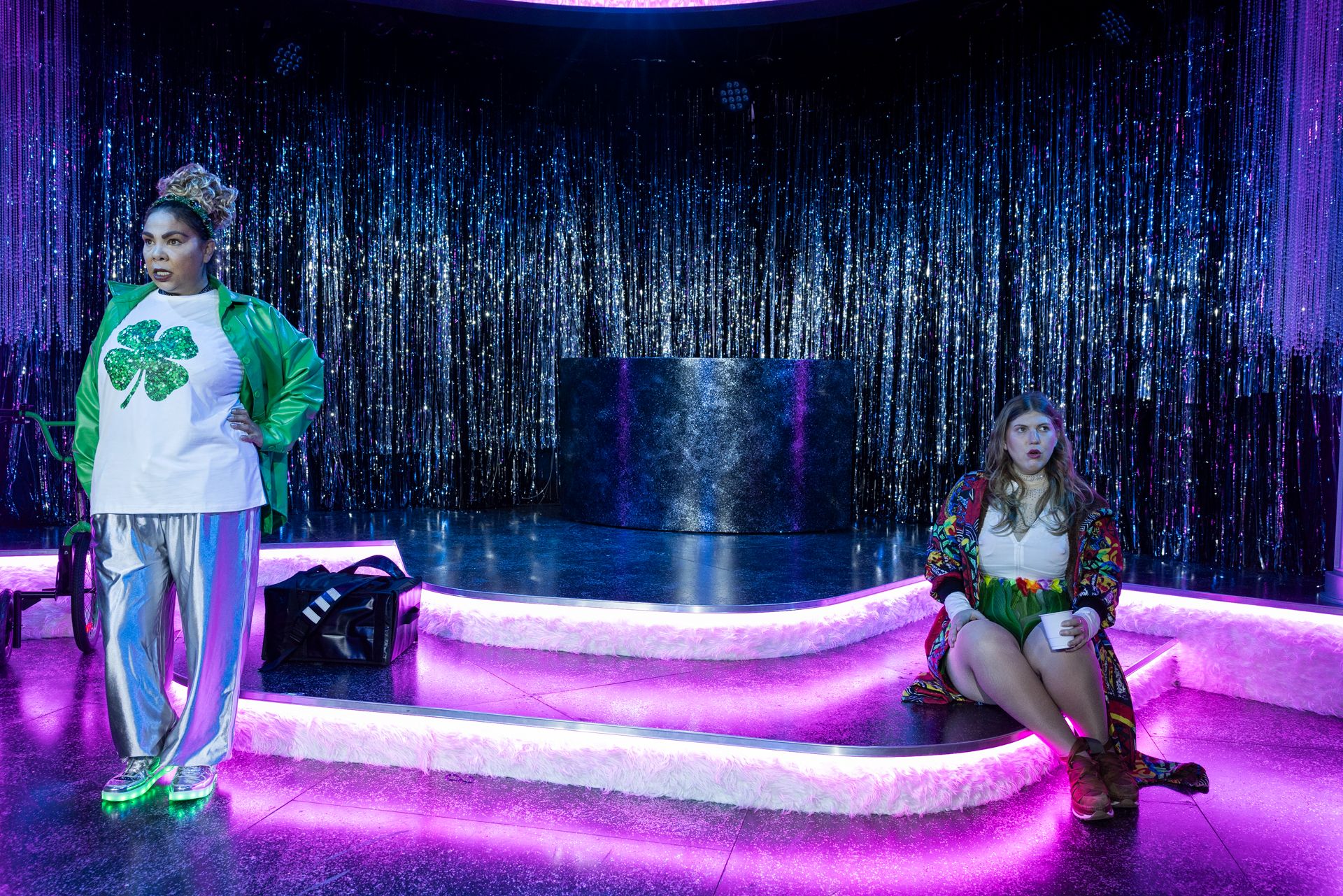
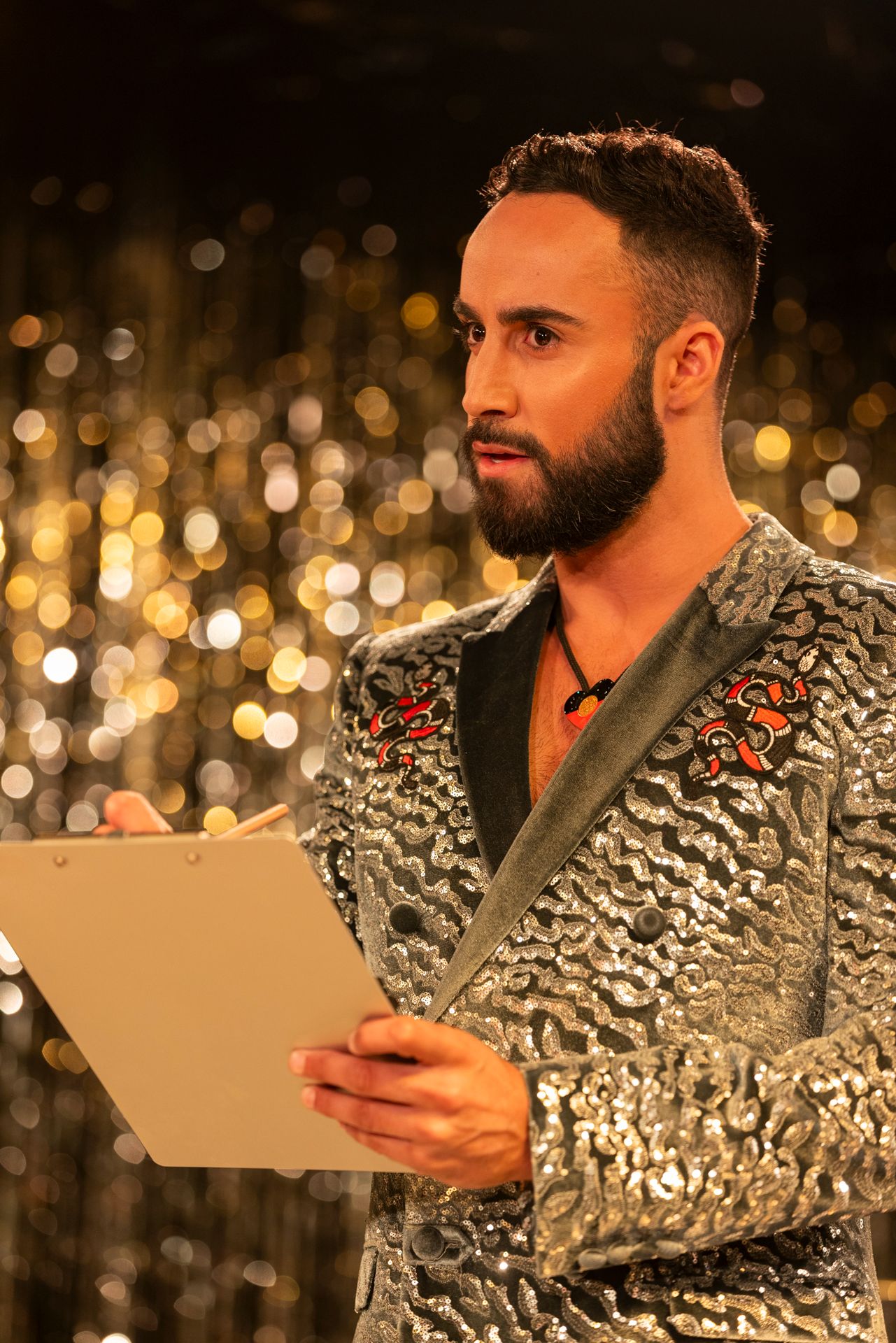
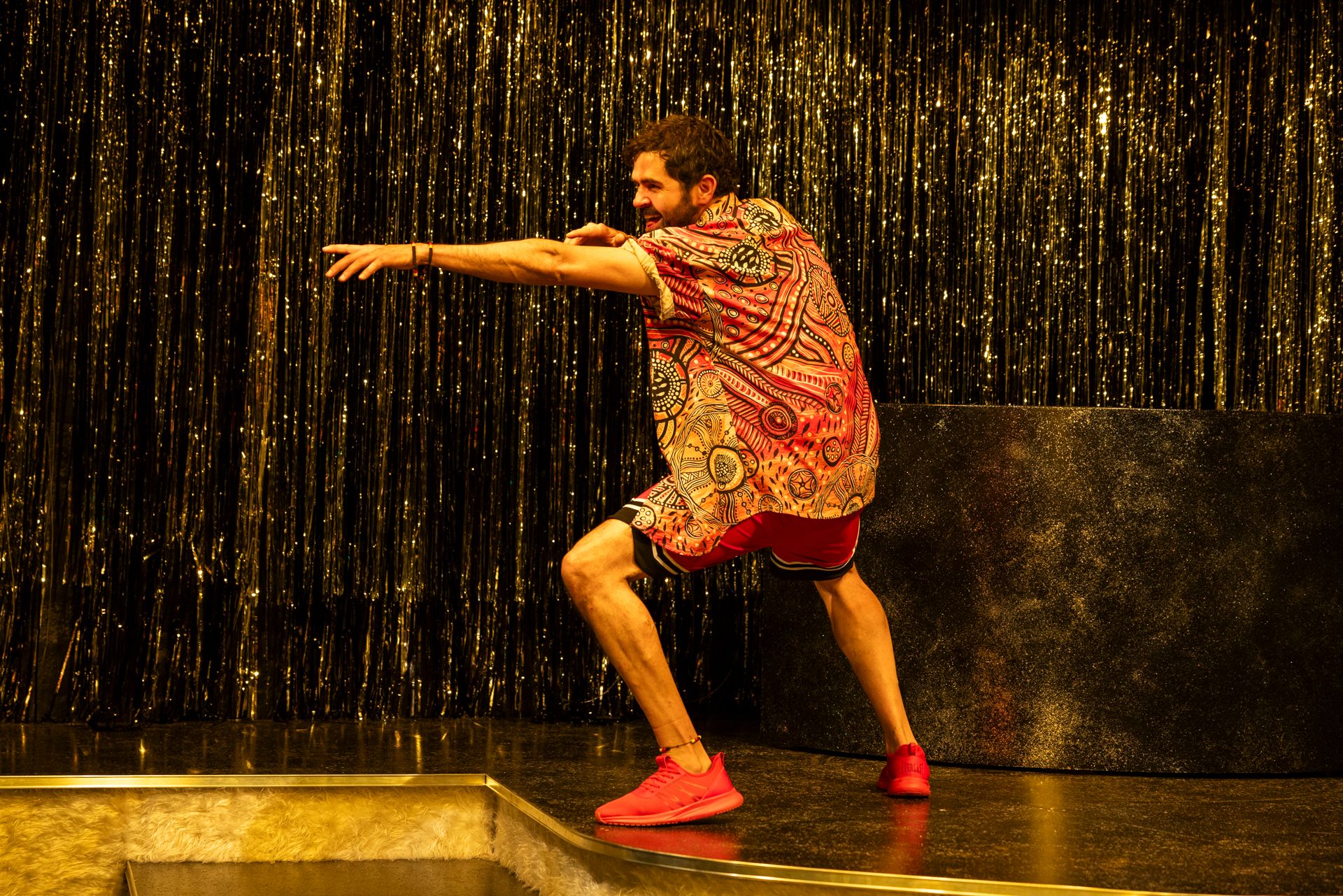
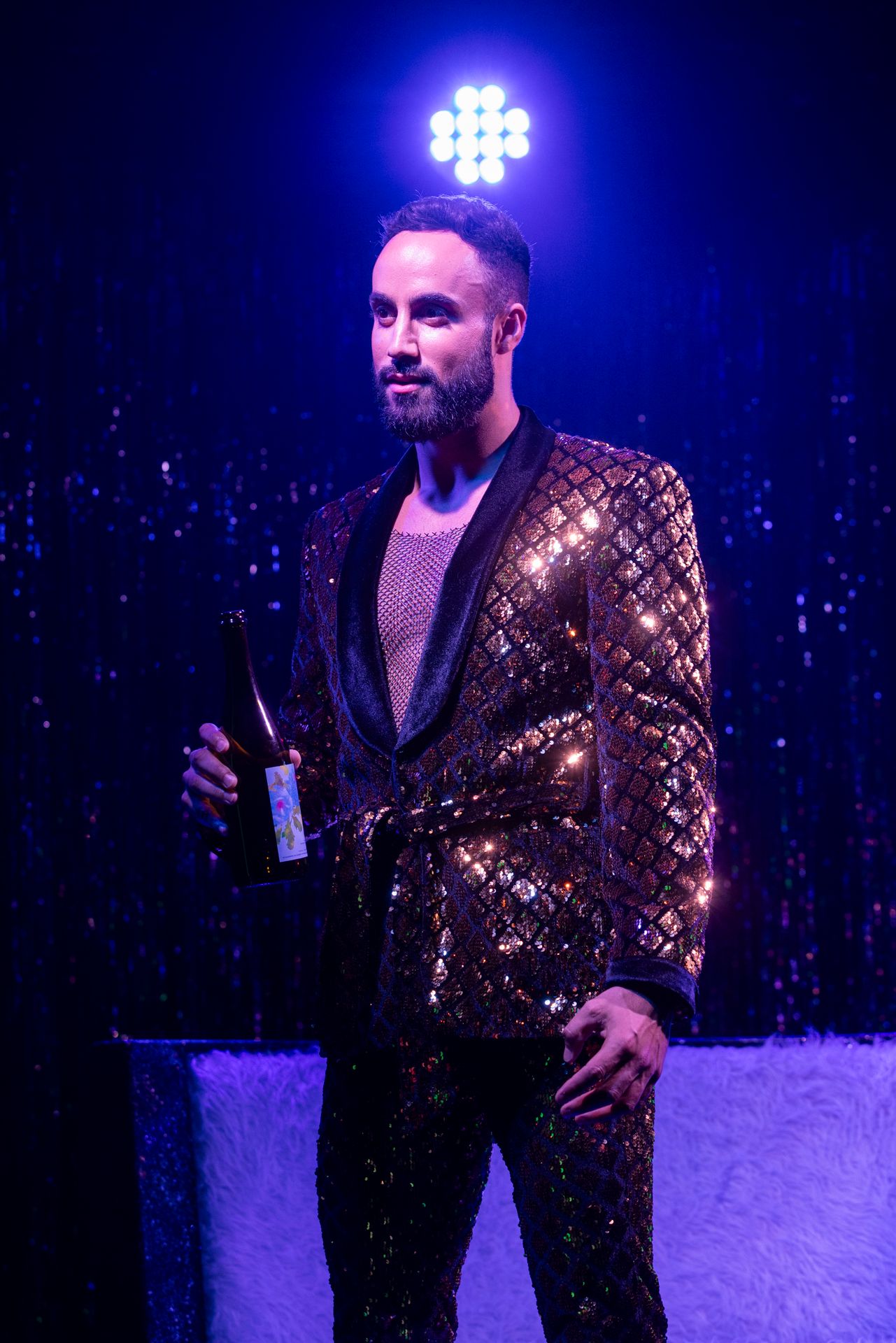
James Browne’s set design employs simple means to evocatively suggest the wilderness that frames the story. His costumes are a particular delight, especially in the hallucinatory sequences where the characters venture into the fantastical. Verity Hampson’s lighting is gloriously extravagant, embracing theatricality as the narrative heightens and the stakes rise. David Bergman’s sound and music design match that intensity, growing ever more vivid as the production slides into the deliciously bizarre.

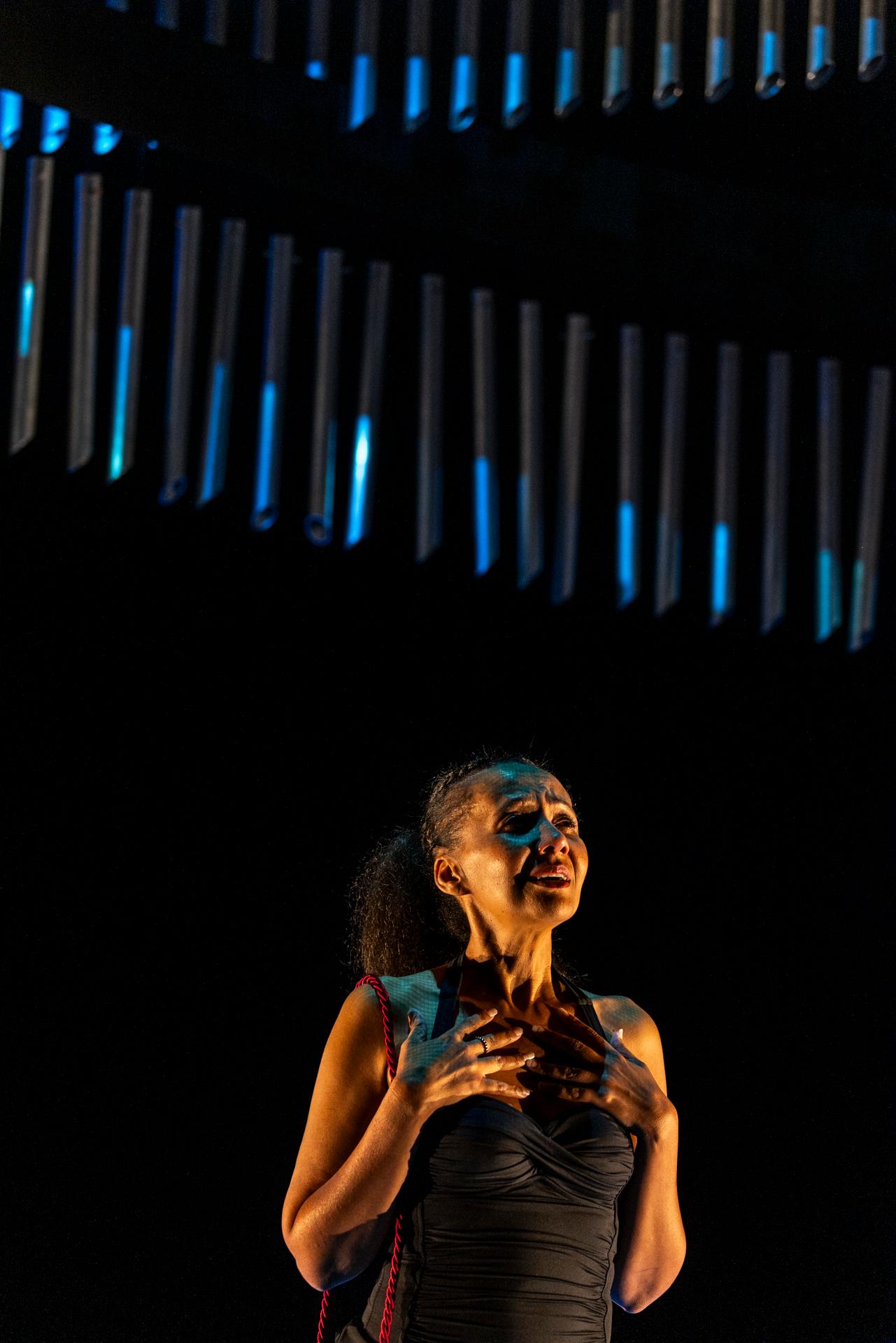
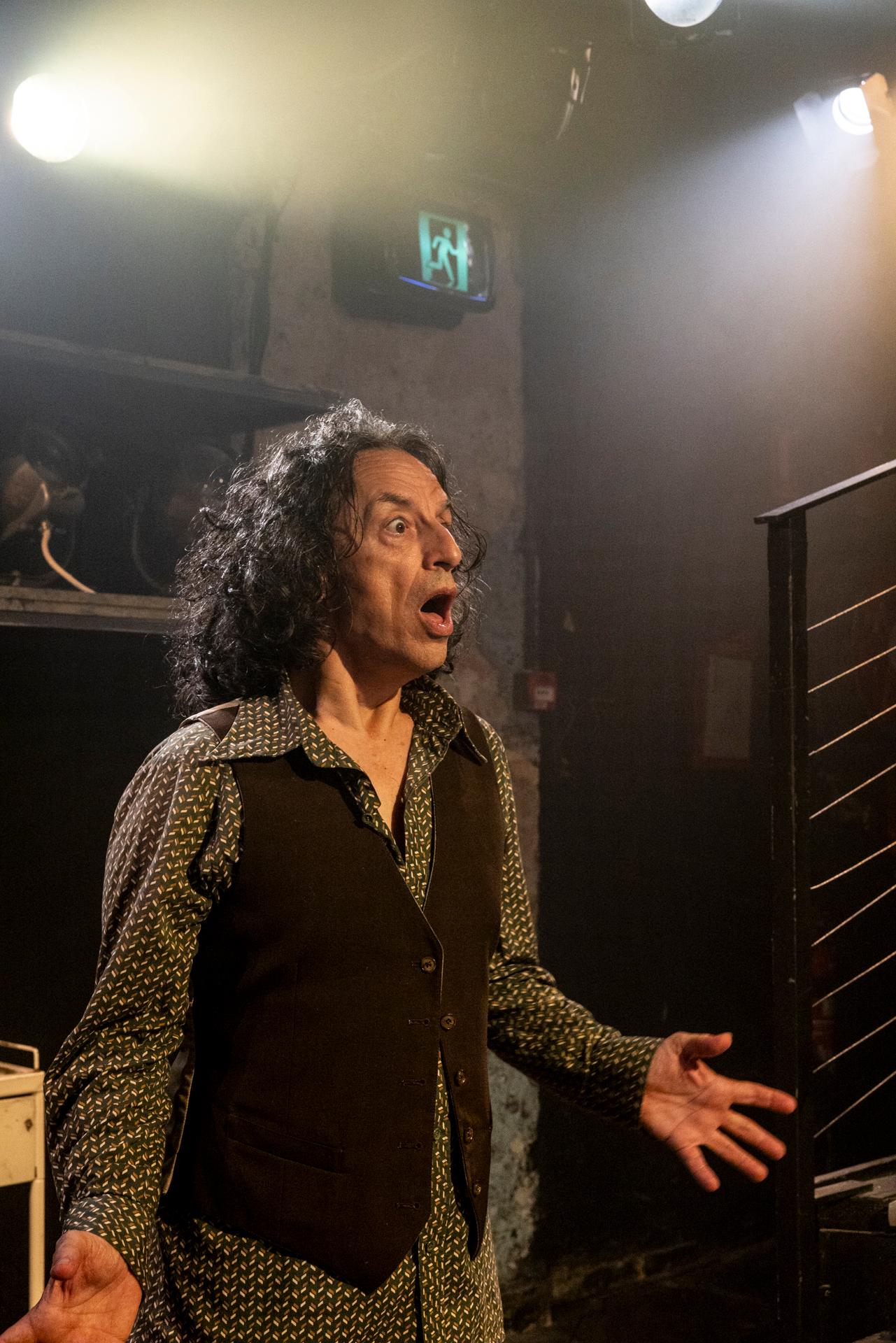
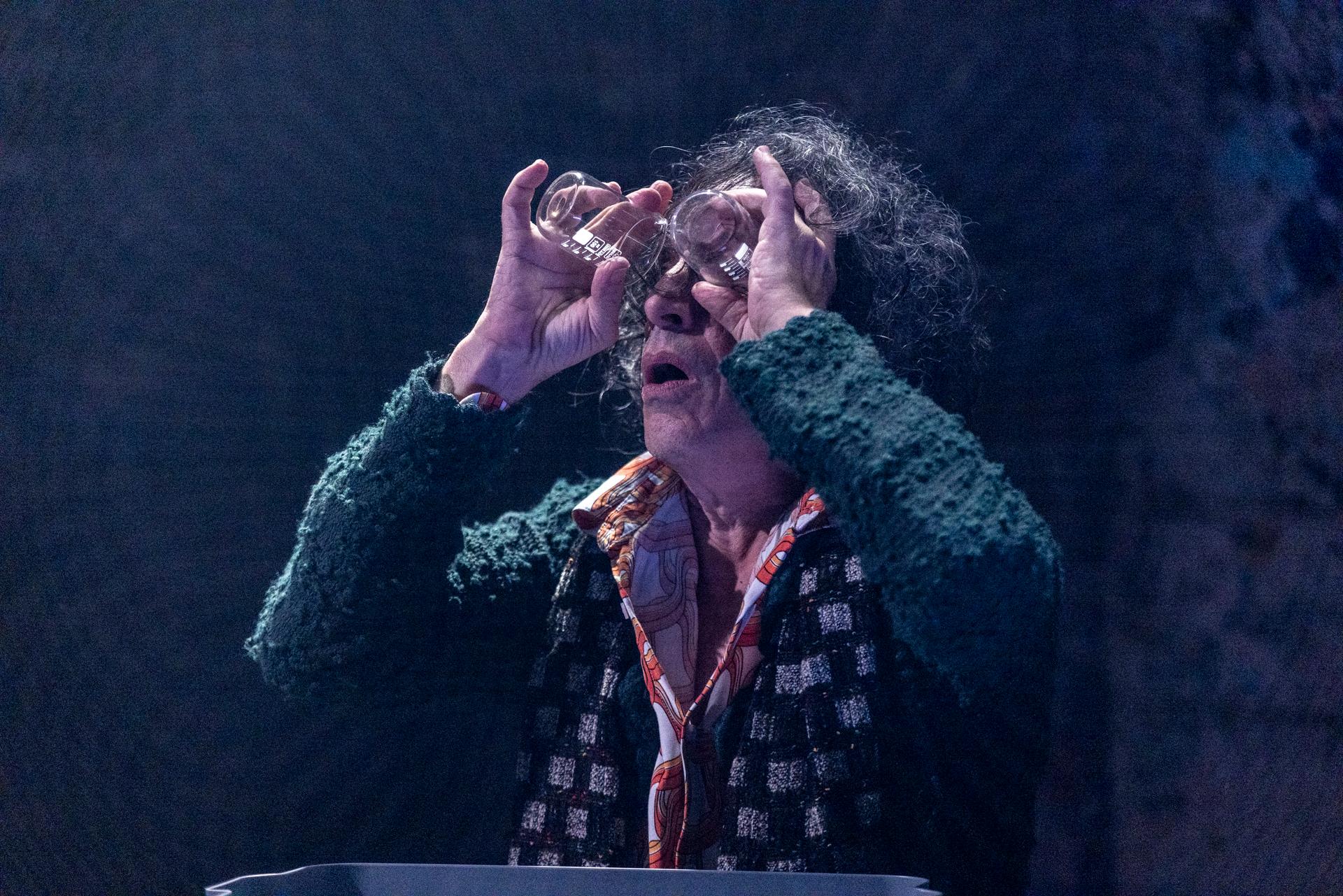
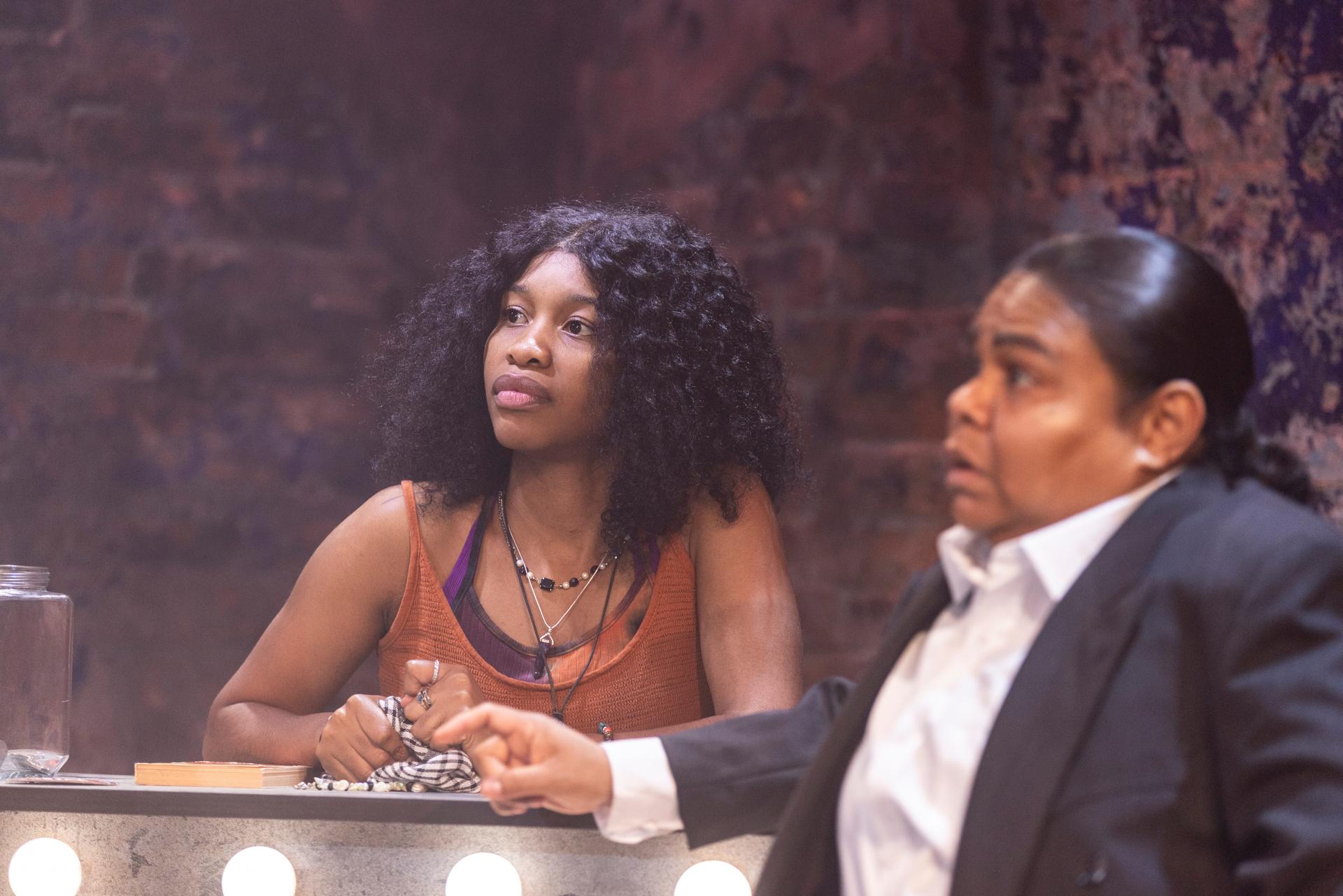
The cast deserves admiration for their wholehearted commitment to what at times appears an unabashedly absurd enterprise. All five performers throw themselves into the work, mining every moment for humour and vitality. Their choices may verge on the outrageous, yet they sustain a surprising authenticity that prevents the piece from slipping into pure frivolity. It’s also worth noting that the ensemble spends much of the performance entirely nude — a fact that only deepens respect for their courage and conviction.

The characters in Naturism throw themselves wholeheartedly into doing right by the planet, yet their misadventures expose how fraught it can be to live by uncompromising ideals. We’re beginning to see that an “all or nothing” approach—whether ecological or political—often proves unsustainable, alienating those who might otherwise engage. The culture of guilt and moral absolutism around environmental action can drive people to withdraw entirely, when what the planet needs most are imperfect participants, not perfect abstainers.

www.griffintheatre.com.au

Review: Birdsong Of Tomorrow (Griffin Theatre Co)

Venue: Old Fitzroy Theatre (Woolloomooloo NSW), Aug 21 – Sep 13, 2025
Playwright: Nathan Harrison
Director: Emma McManus
Cast: Nathan Harrison
Images by Lucy Parakhina

Theatre review
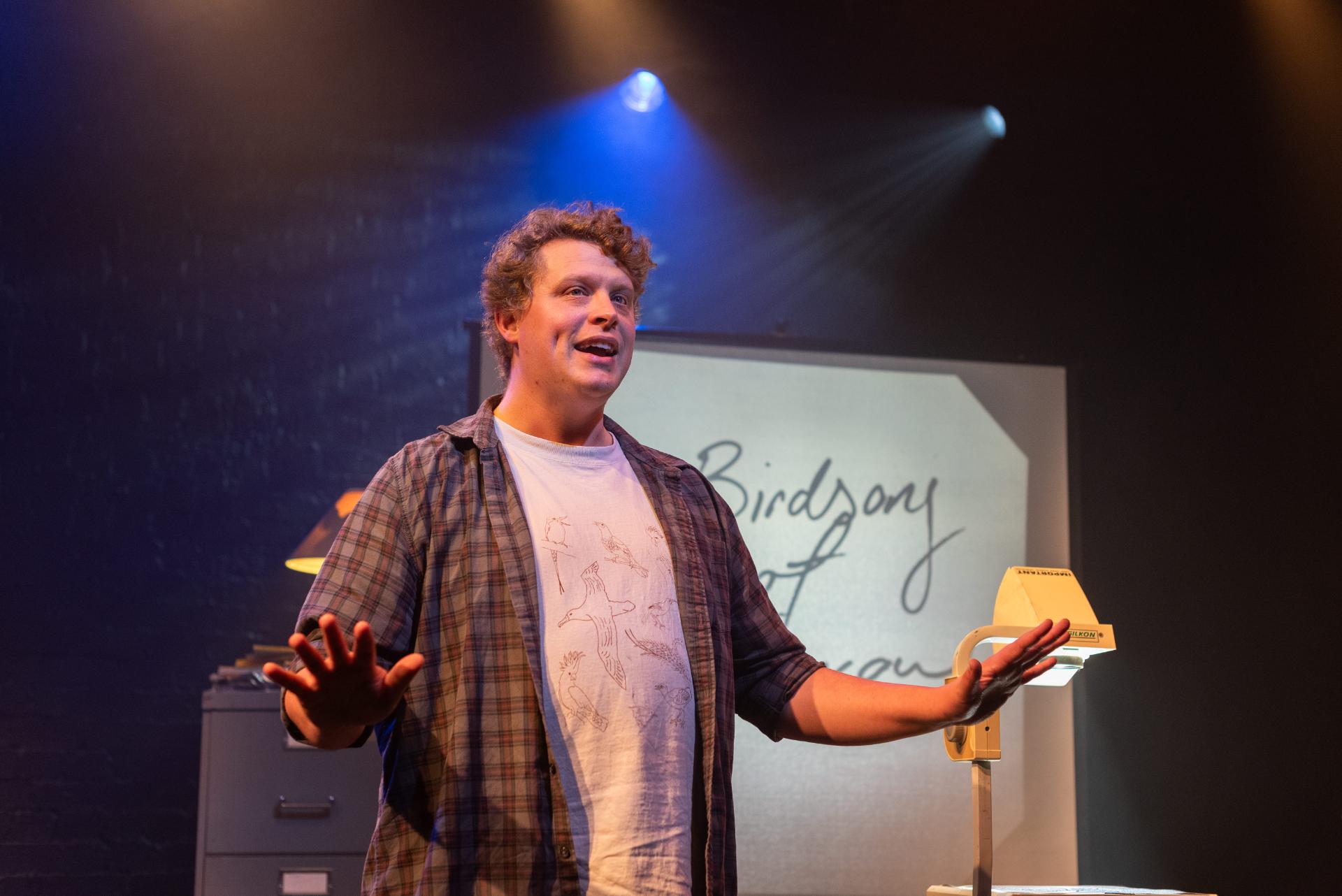
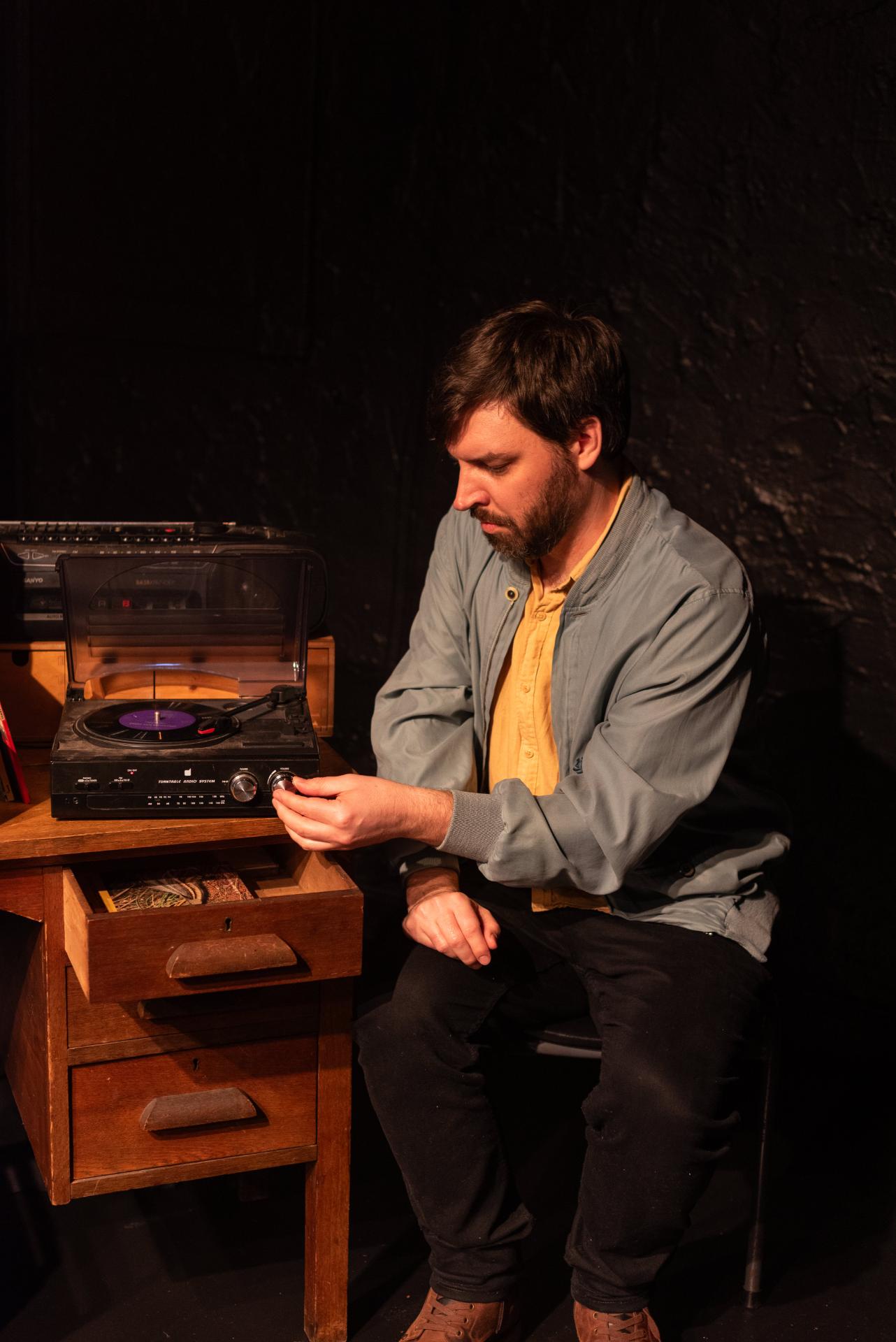
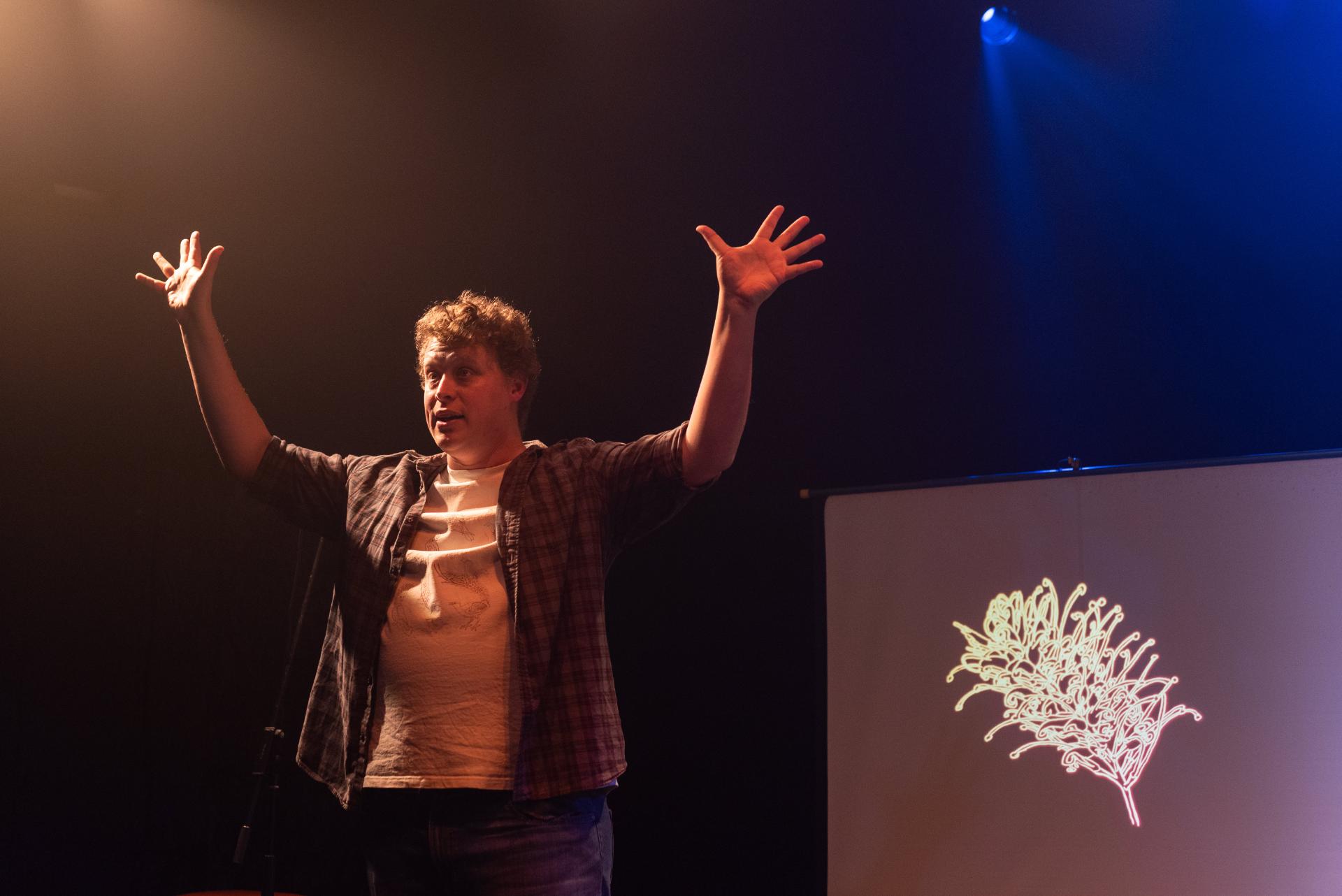
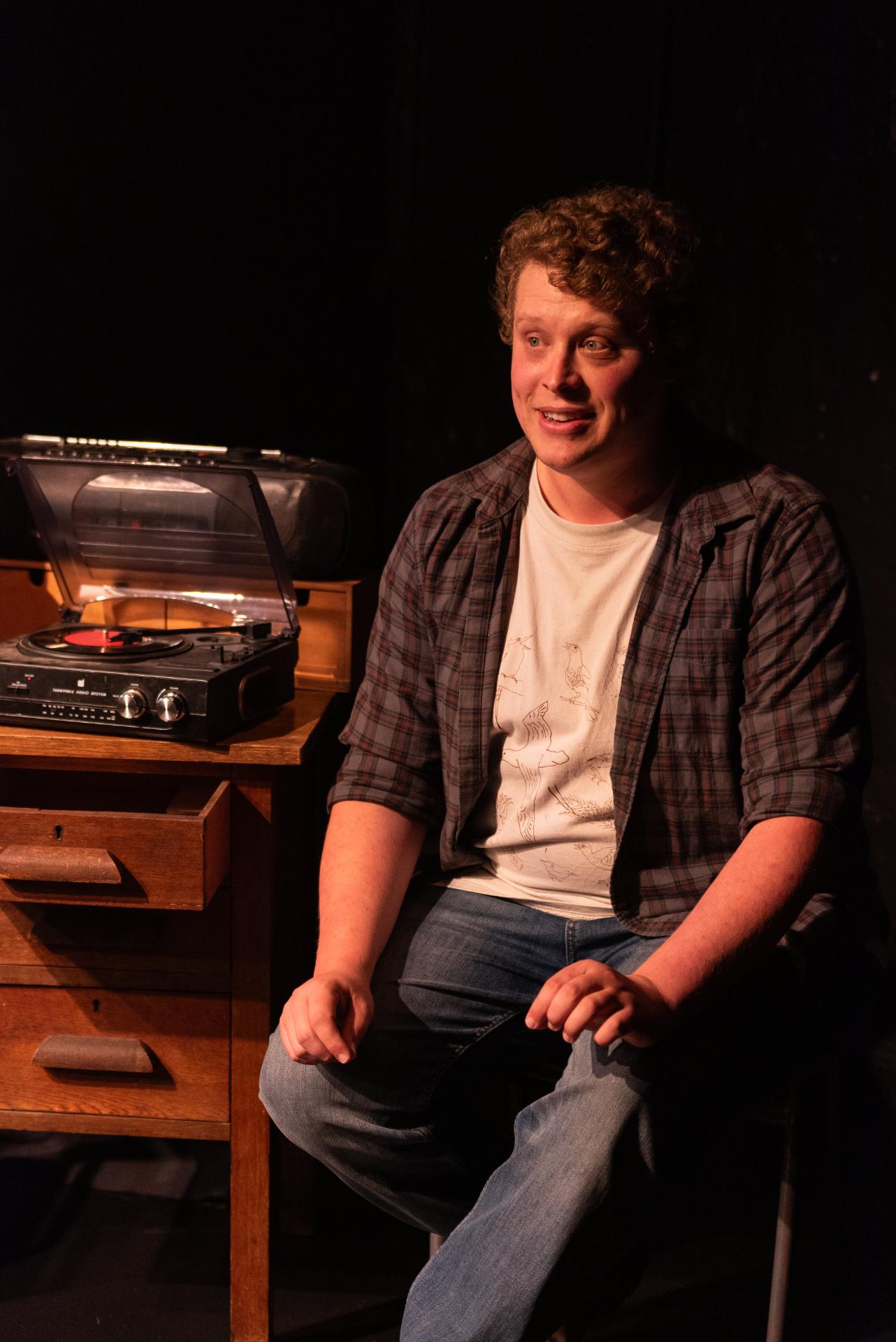
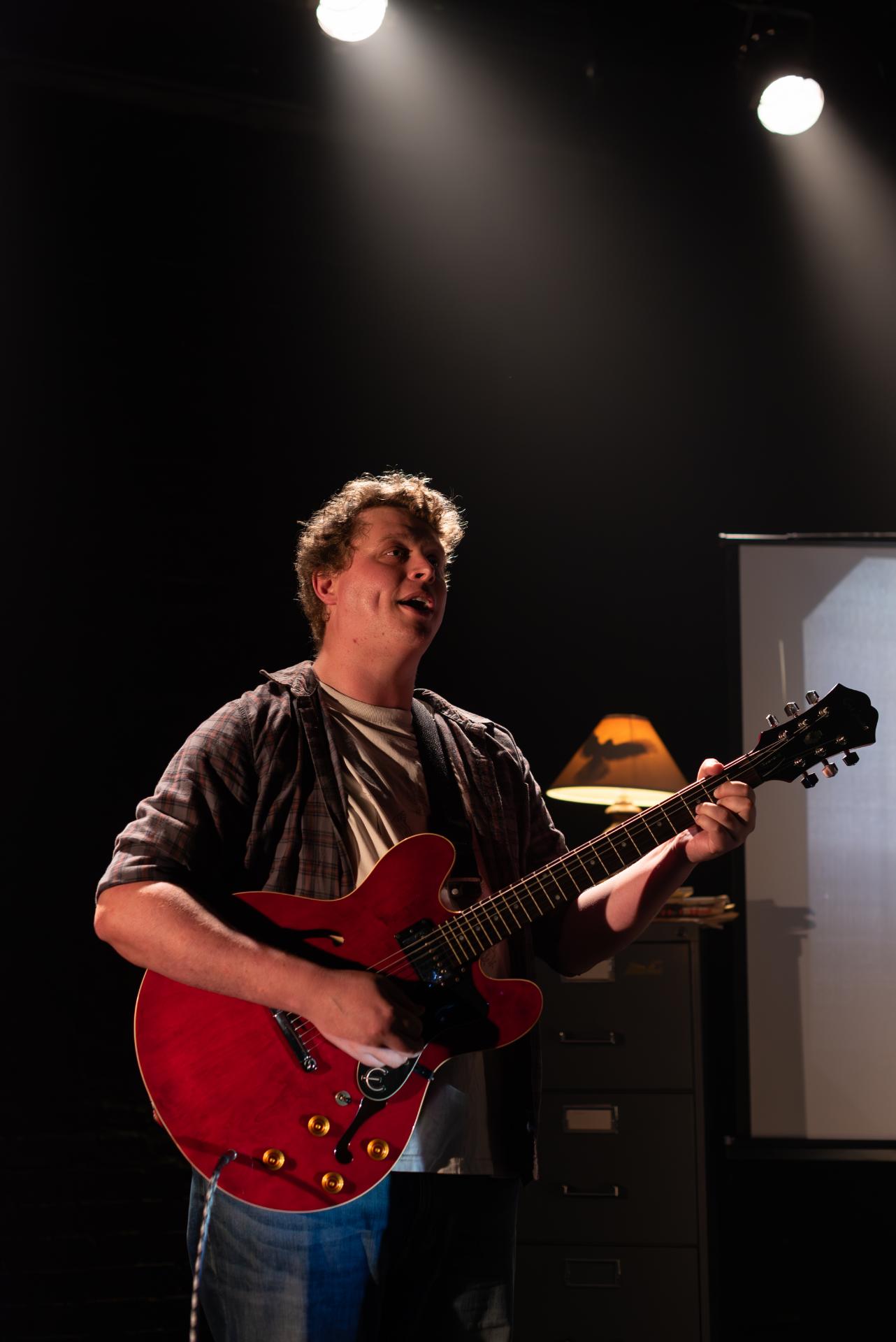
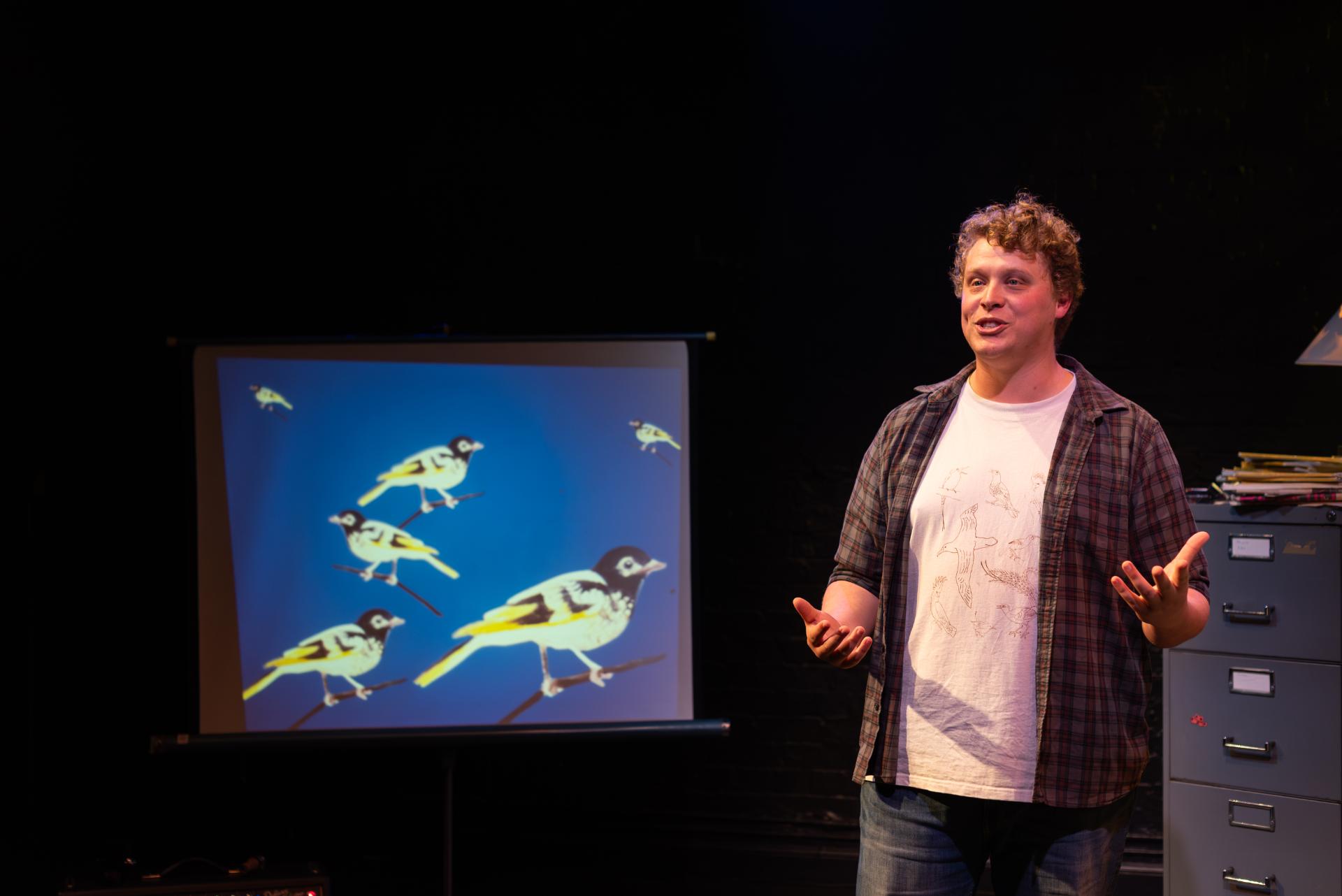
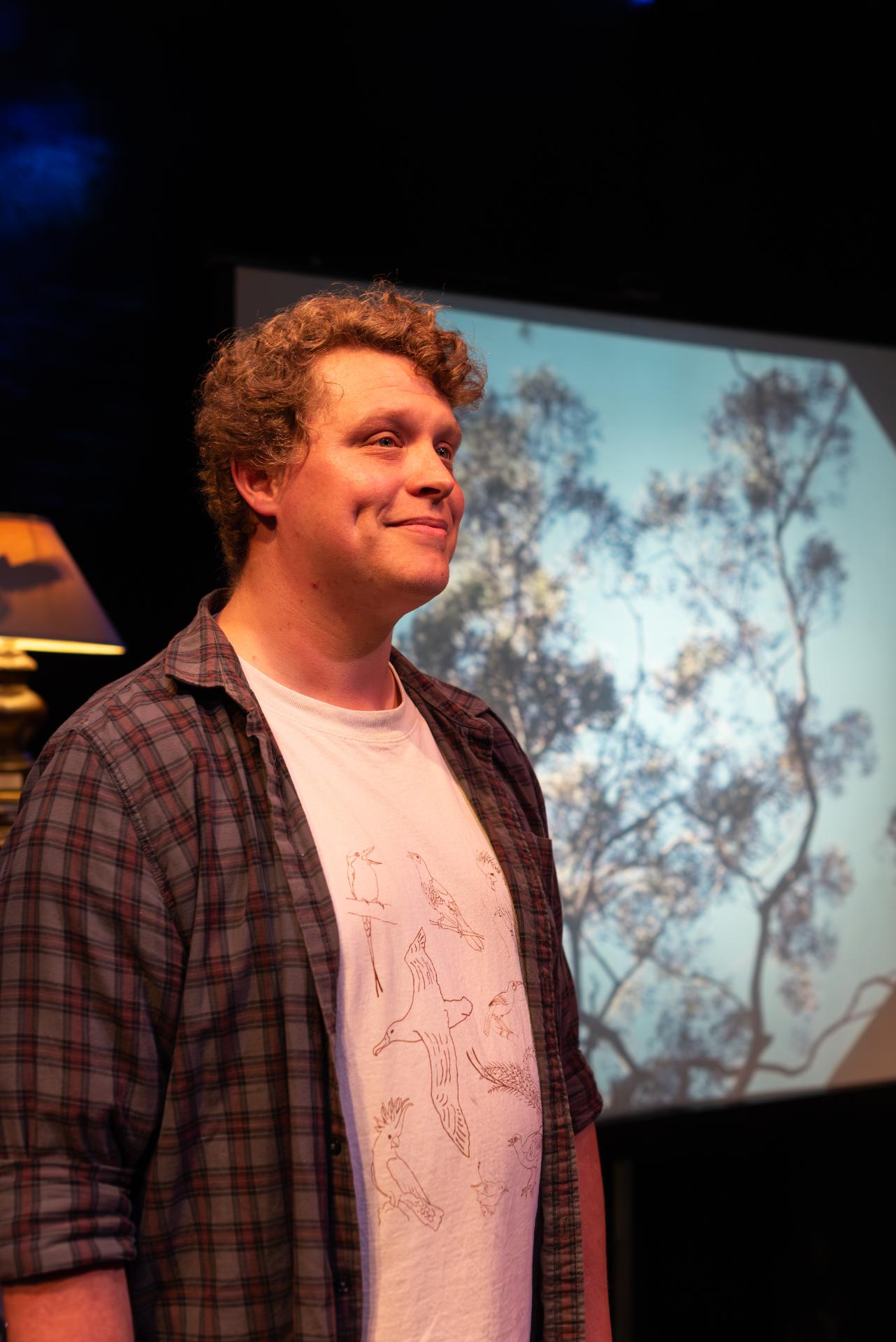
In Birdsong of Tomorrow, Nathan Harrison rhapsodizes about birds that trace their origins to the age of dinosaurs, and about songs that took flight millions of years before humans set foot on the earth. At once a meditation on time and change, on life and death, Birdsong of Tomorrow resounds most urgently as a plea for ecological preservation, emerging at a moment when humanity seems fatigued by its own fight to protect the earth.

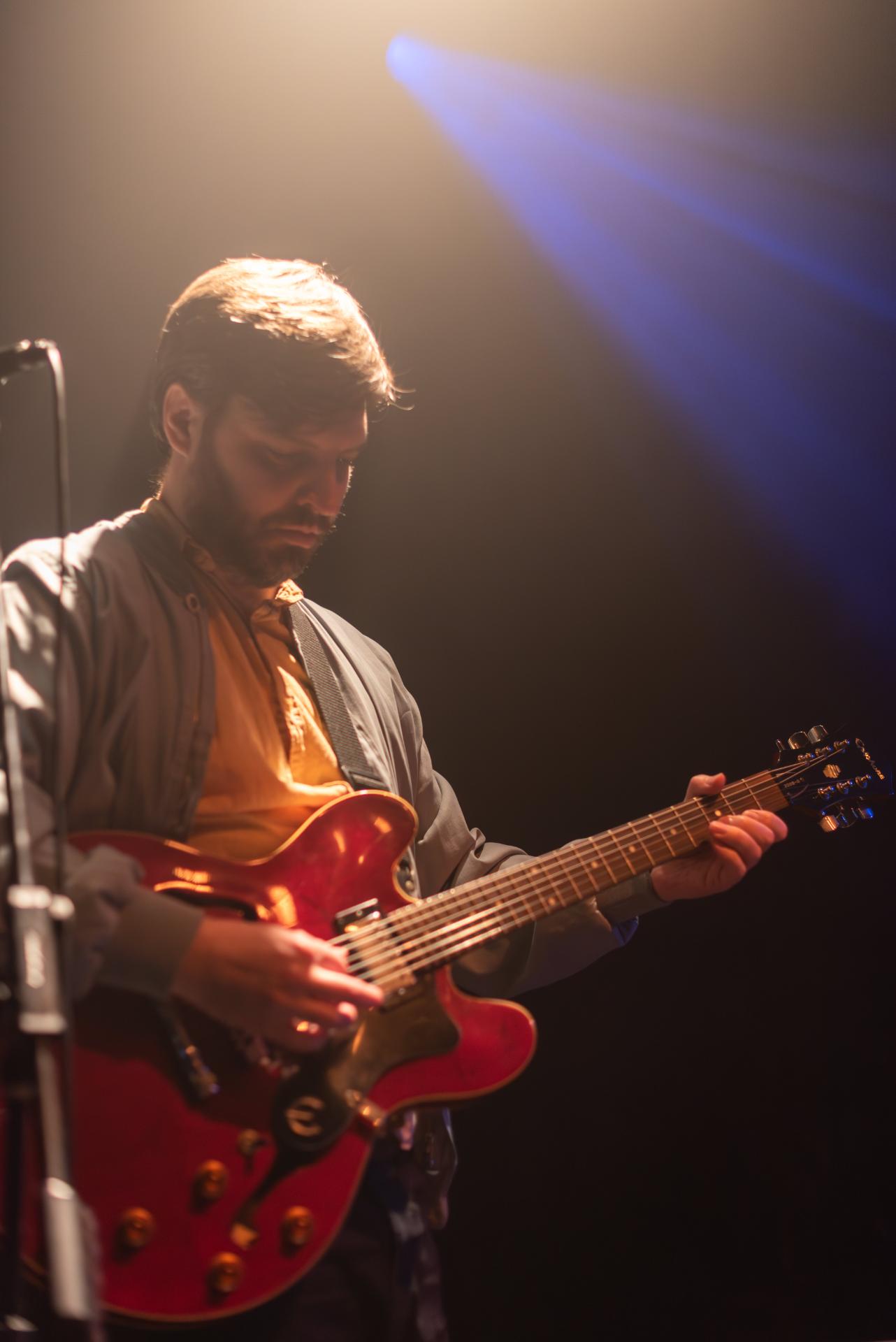
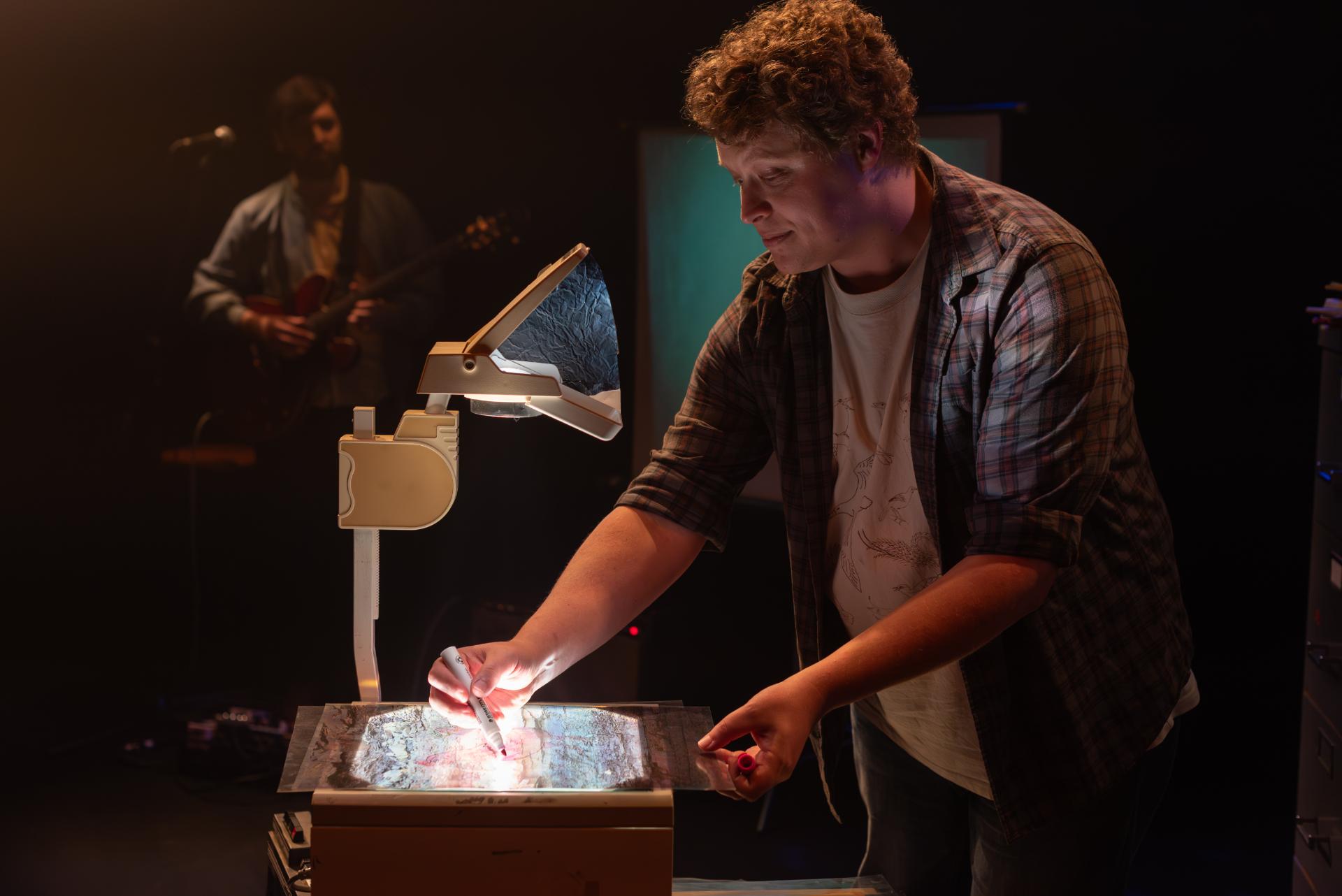
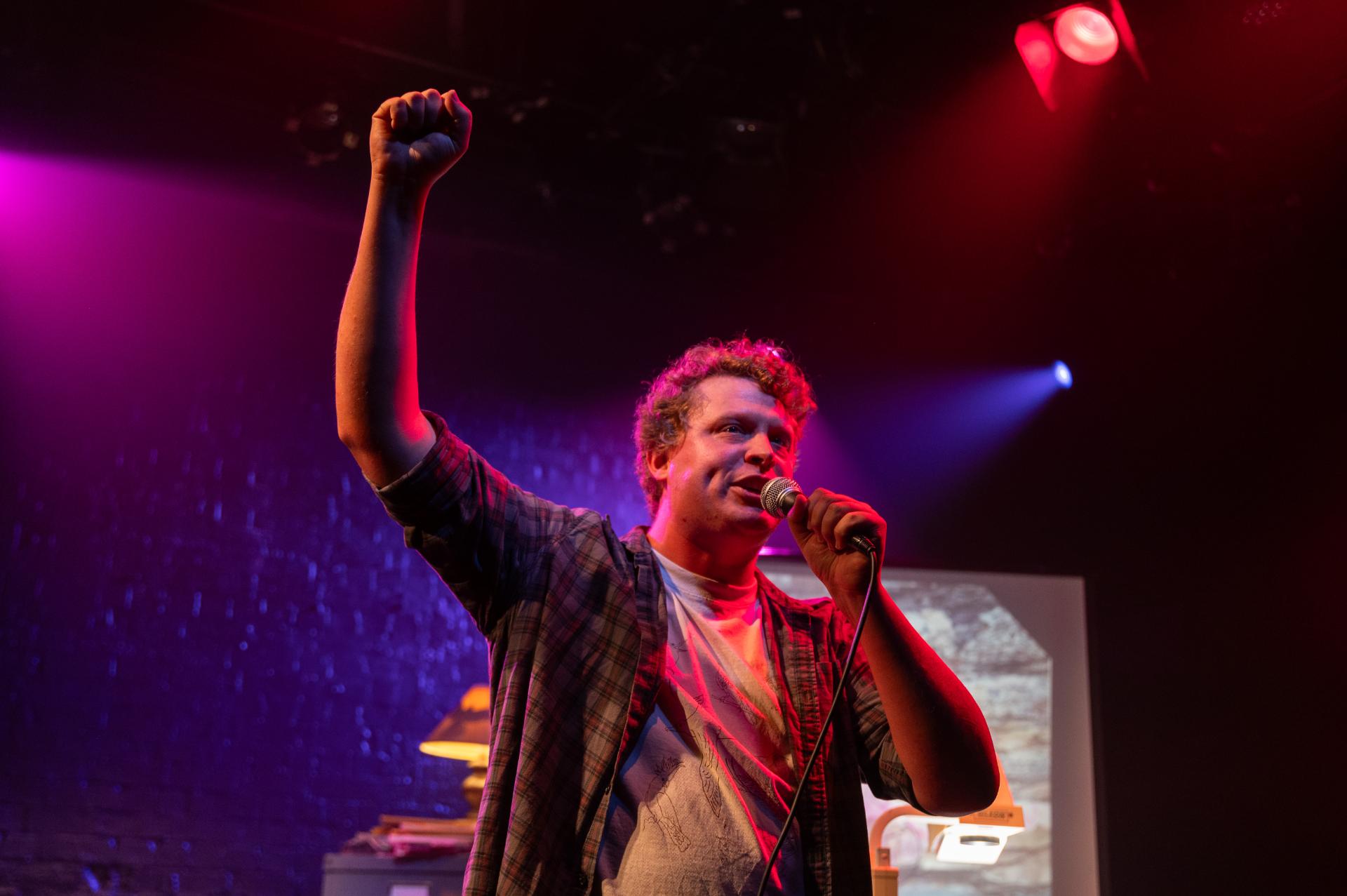
Directed by Emma McManus, the show conveys tenderness and sensitivity, tempered by occasional ironic humour that keeps its earnestness from becoming overbearing. Harrison is an endearing presence, and his command of the text keeps us engaged with his message, even when the specificity of his interests sometimes veers into the overly niche. He is joined by Tom Hogan, whose inventive live musical accompaniment enriches the experience immeasurably.

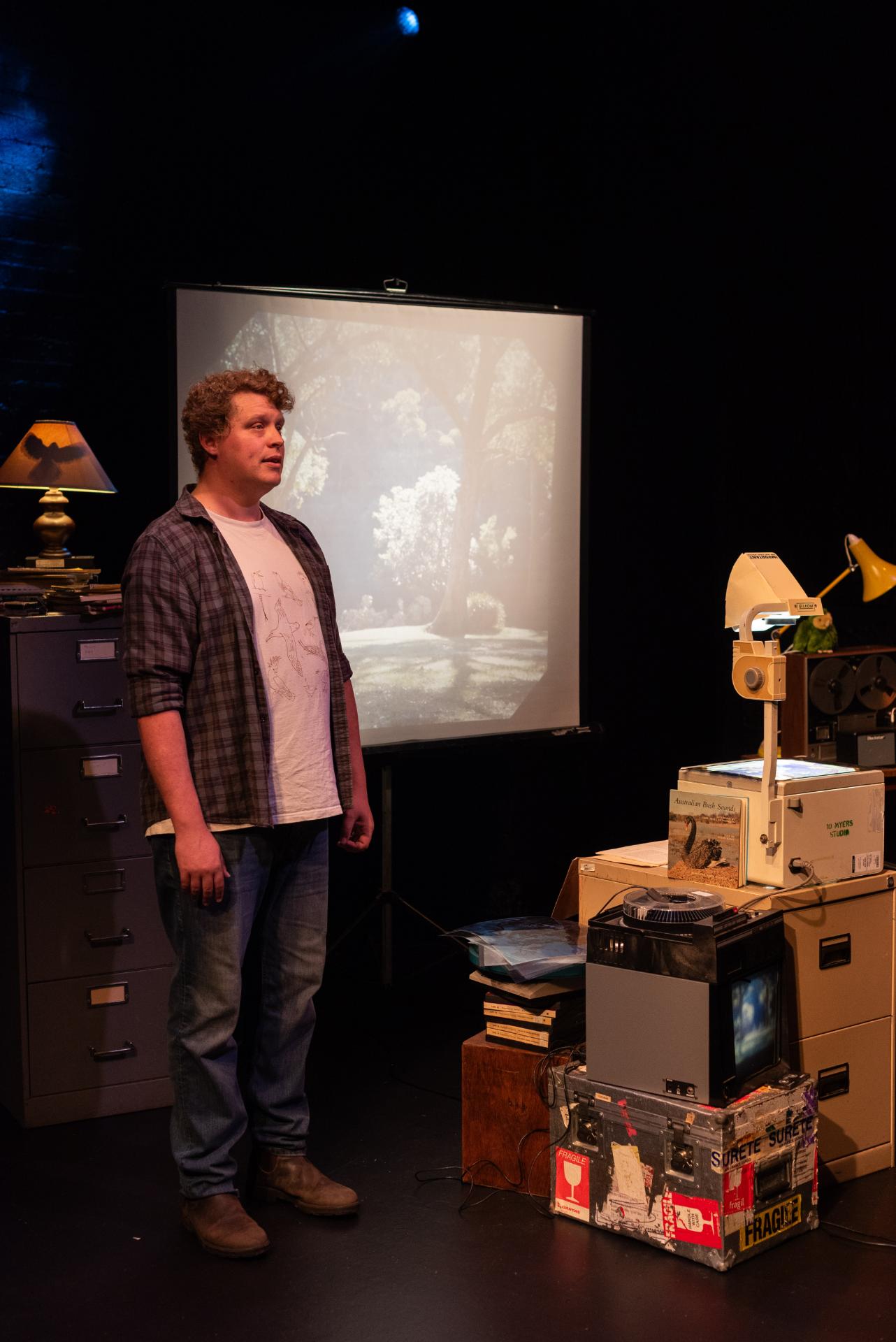
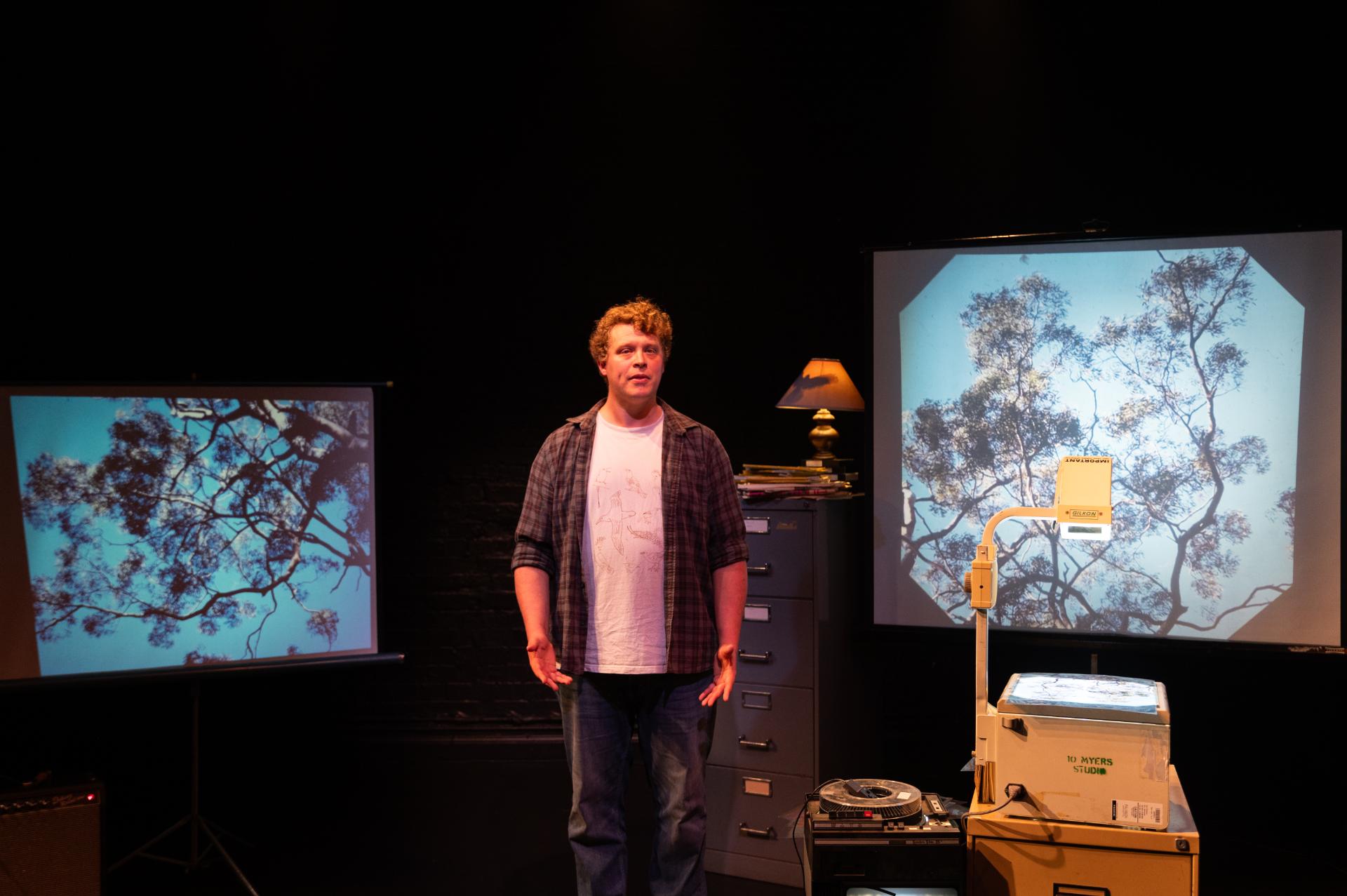
Lights by Saint Clair ensure warmth, along with small doses of drama that provide a sense of theatricality. Surrounded by archaic forms of media technology, Harrison comments on temporal transformations, and the habitual wastefulness of modern life responsible for the degradation of our environment. Attuning ourselves to the song of nature offers no efficiency, no measurable productivity within a capitalist framework, revealing that the values we so readily embrace will, in the end, be our undoing.

www.griffintheatre.com.au

Review: Sistren (Griffin Theatre Co)

Venue: Old Fitzroy Theatre (Woolloomooloo NSW), Jun 26 – Jul 12, 2025
Playwright: Iolanthe
Director: Ian Michael
Cast: Janet Anderson, Iolanthe
Images by Brett Boardman

Theatre review
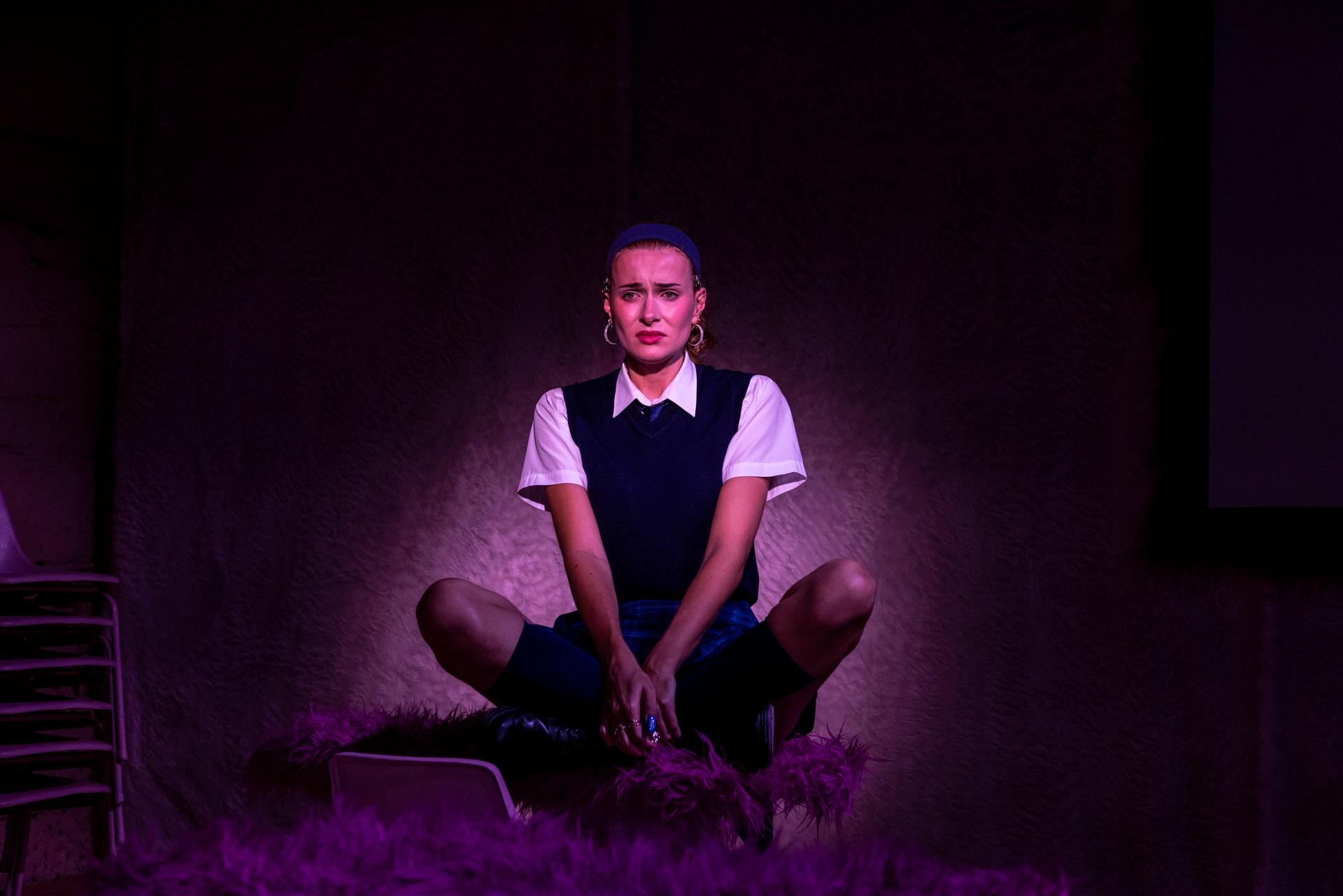
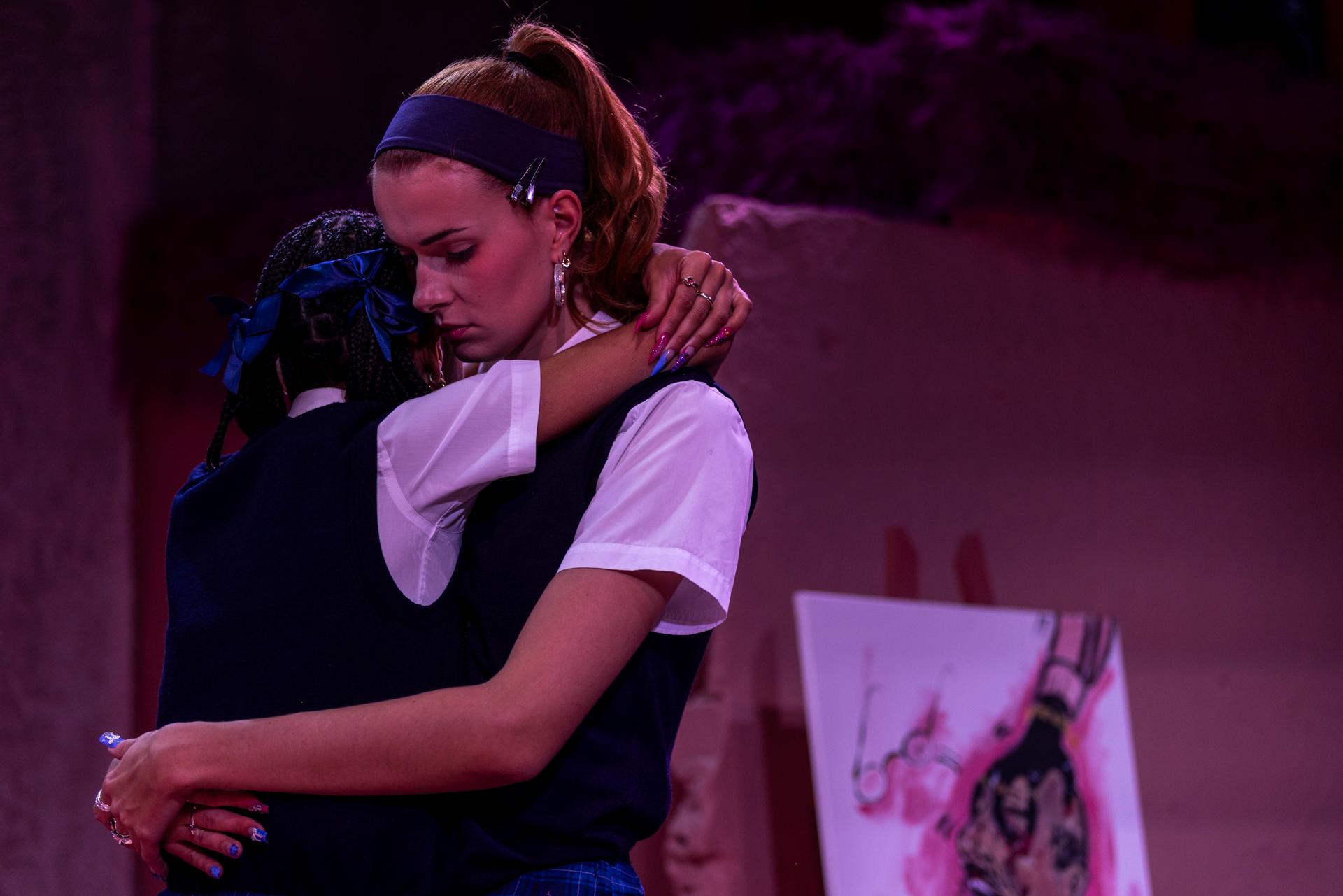
Isla and Violet are the closest of friends, and being seventeen years of age, that bond has an intensity unlikely to ever recur. Sistren by Iolanthe is often glib and irreverent in tone, but a deep sincerity emerges unexpectedly at various points, making sure that the play touches us ultimately, with meaningful intention and consequential impact. Iolanthe’s writing is brazenly loose in structure, and defiantly meandering, in its resistance of formal conventions that uphold linear progression and cohesion.

Director Ian Michael is on hand to imbue a powerful emotional trajectory, that places us on an ever rising crescendo of visceral charge. The politics of Sistren is undeniable, with a modern brand of feminism characterised by radical inclusivity,  resulting in a work of theatre that is able to speak vociferously, yet never alienates.

As we watch Isla and Violet negotiate their differences, with one being Black and cis, and the other white and trans, we too experience that push and pull of being constantly caught between right and wrong. Living consciously political means that there is an ideal to strive for, as embodied by the girls’ love and friendship, but also always having to contend with flawed methods of progression. The point is to be able to trust.

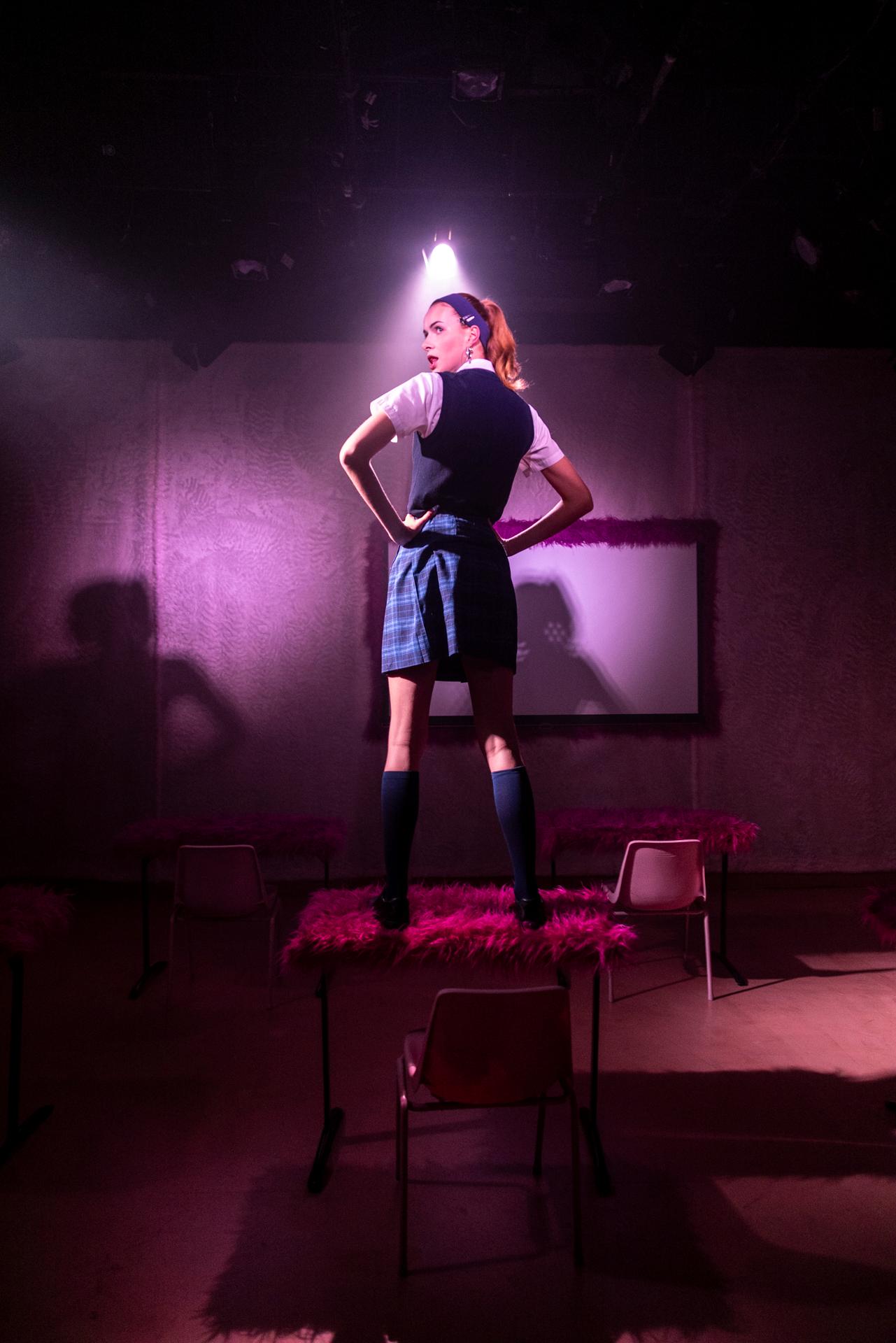
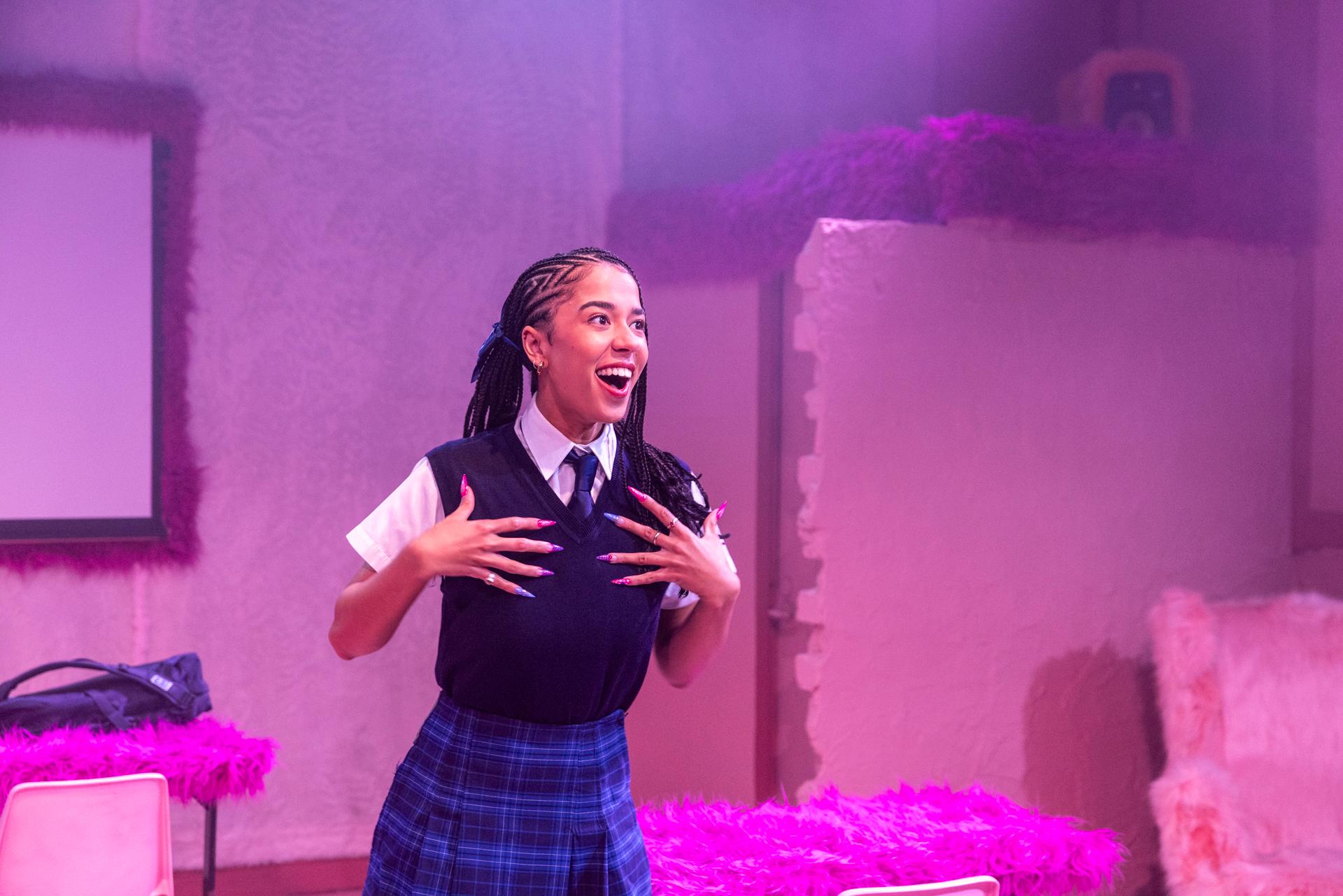
Production design by Emma White is appropriately playful in approach. Lighting design by Kelsey Lee provides a wealth of visual flourish that proves thoroughly elevative. Video projections by TK Abiyoe are a delightful addition, as is sound design by Daniel Herten, memorable for a camp zaniness that keeps the show squarely in the realm of queer.

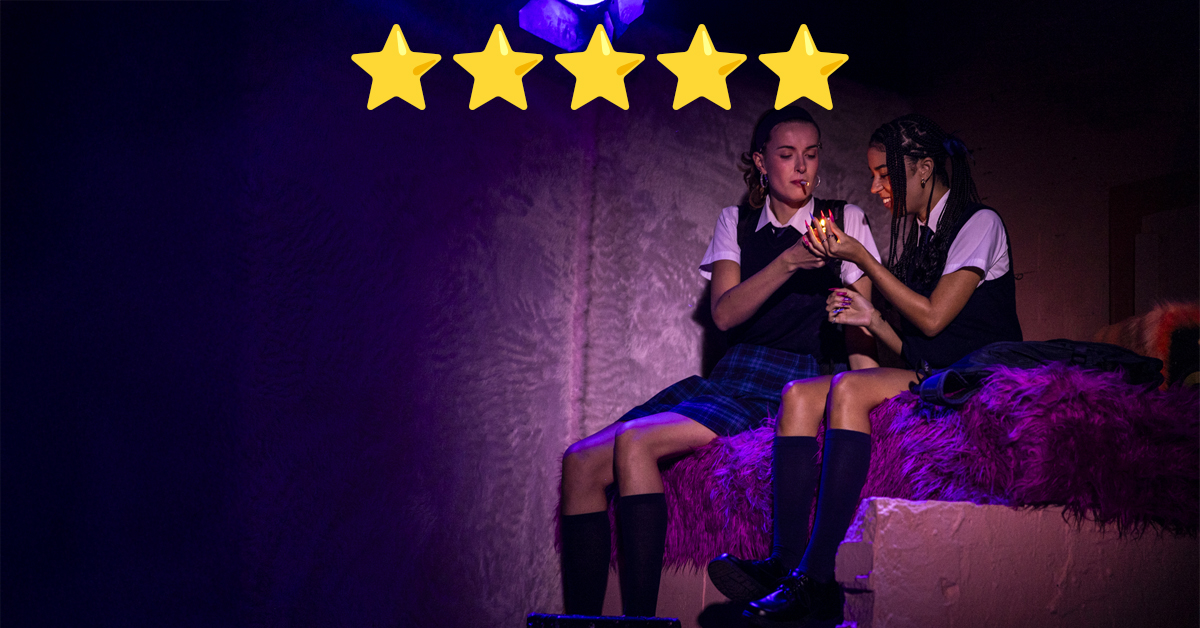
Iolanthe herself takes to the stage, playing Isla along with Janet Andersons’ Violet. What we witness is a singular chemistry, distinguished by the two women’s shared humour, which shapes a theatrical experience remarkable for the intimacy of the world it opens to us. Together they create a work of art distinct for its specificity, one that feels inimitable and therefore completely evanescent. In their unusual unity and love, in seeing two characters who have every reason to hate each other, we are compelled to reflect on the meaning of difference in a world fixated on division.

www.griffintheatre.com.au | www.greendoortheatrecompany.com

Review: Koreaboo (Griffin Theatre Company)

Venue: Belvoir St Theatre (Surry Hills NSW), Jun 14 – Jul 20, 2025
Playwright: Michelle Lim Davidson
Director: Jessica Arthur
Cast: Heather Jeong, Michelle Lim Davidson
Images by Brett Boardman

Theatre review
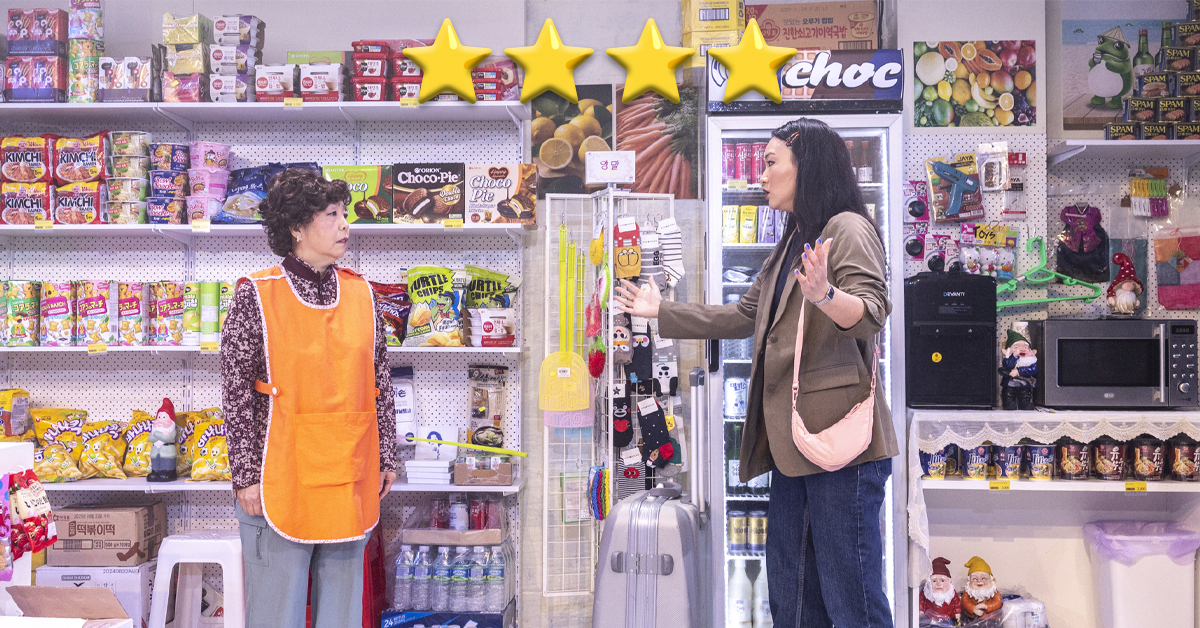
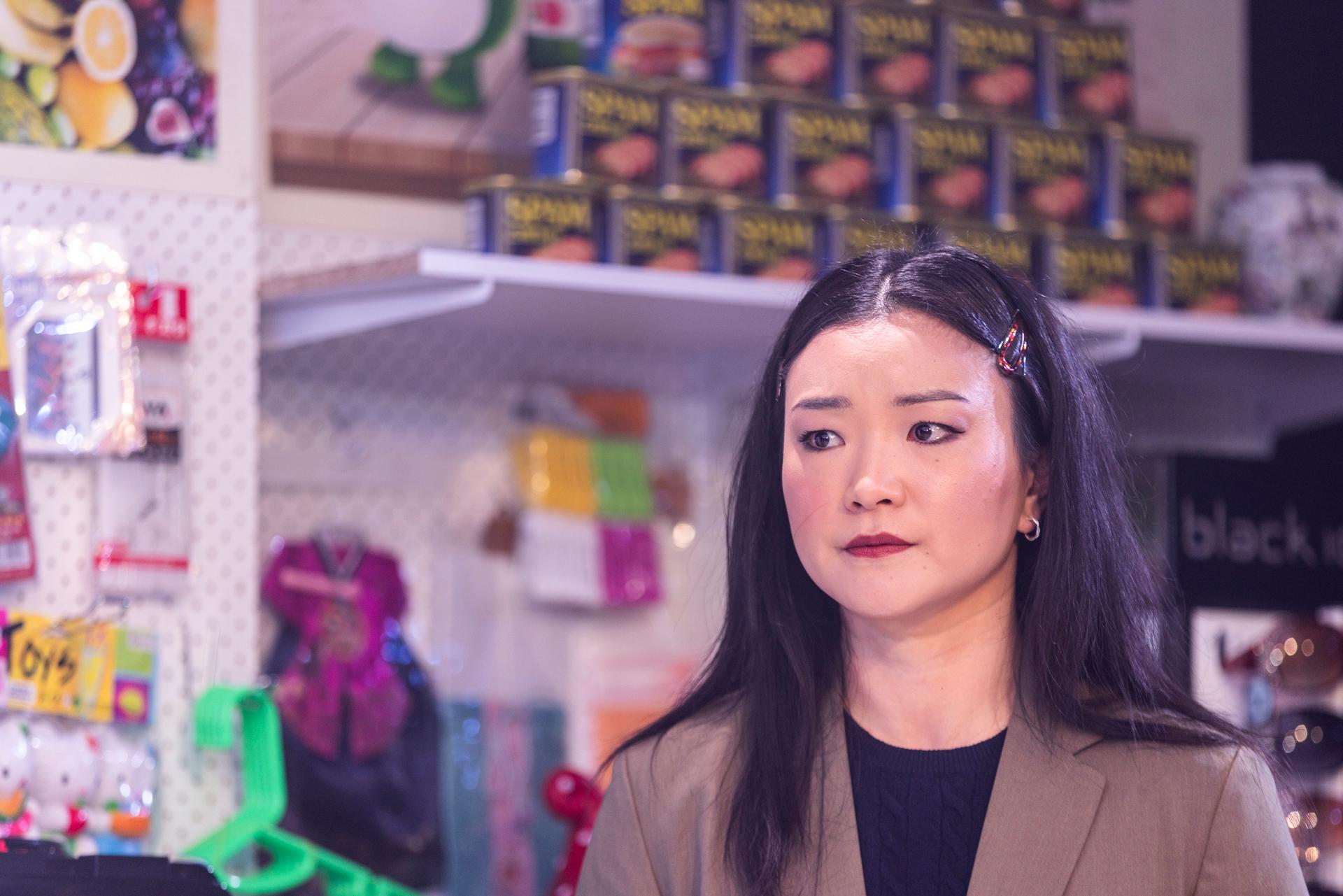
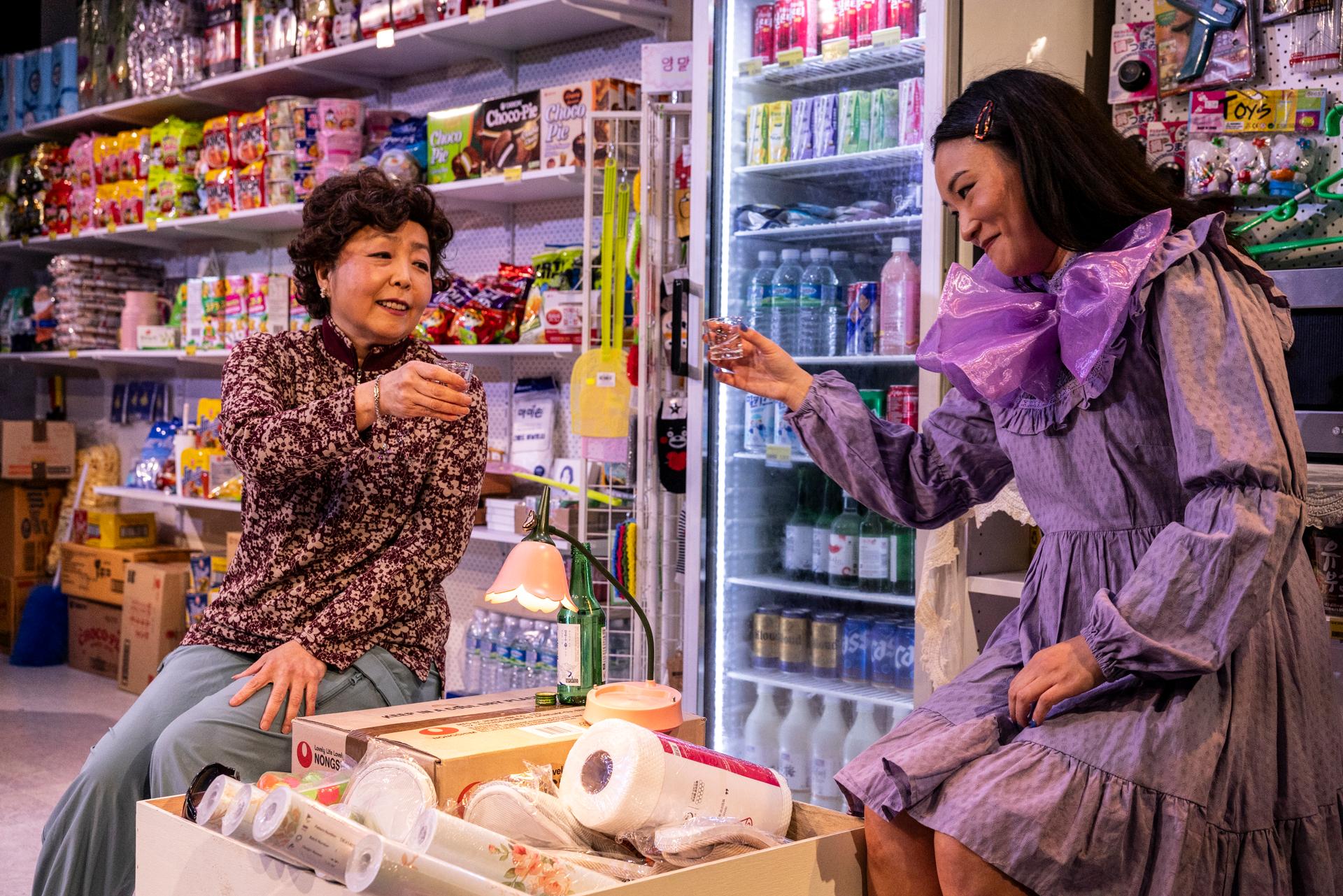
Hannah has flown to South Korea, hoping for a successful reunion with her birth mother. However, Soon Hee’s response falls far short of Hannah’s expectations. Koreaboo by Michelle Lim Davidson explores the phenomenon of transnational and transracial adoption, from the perspective of a person caught between cultures. Sharply observed and finely nuanced, Koreaboo proves to be as insightful as it is entertaining.

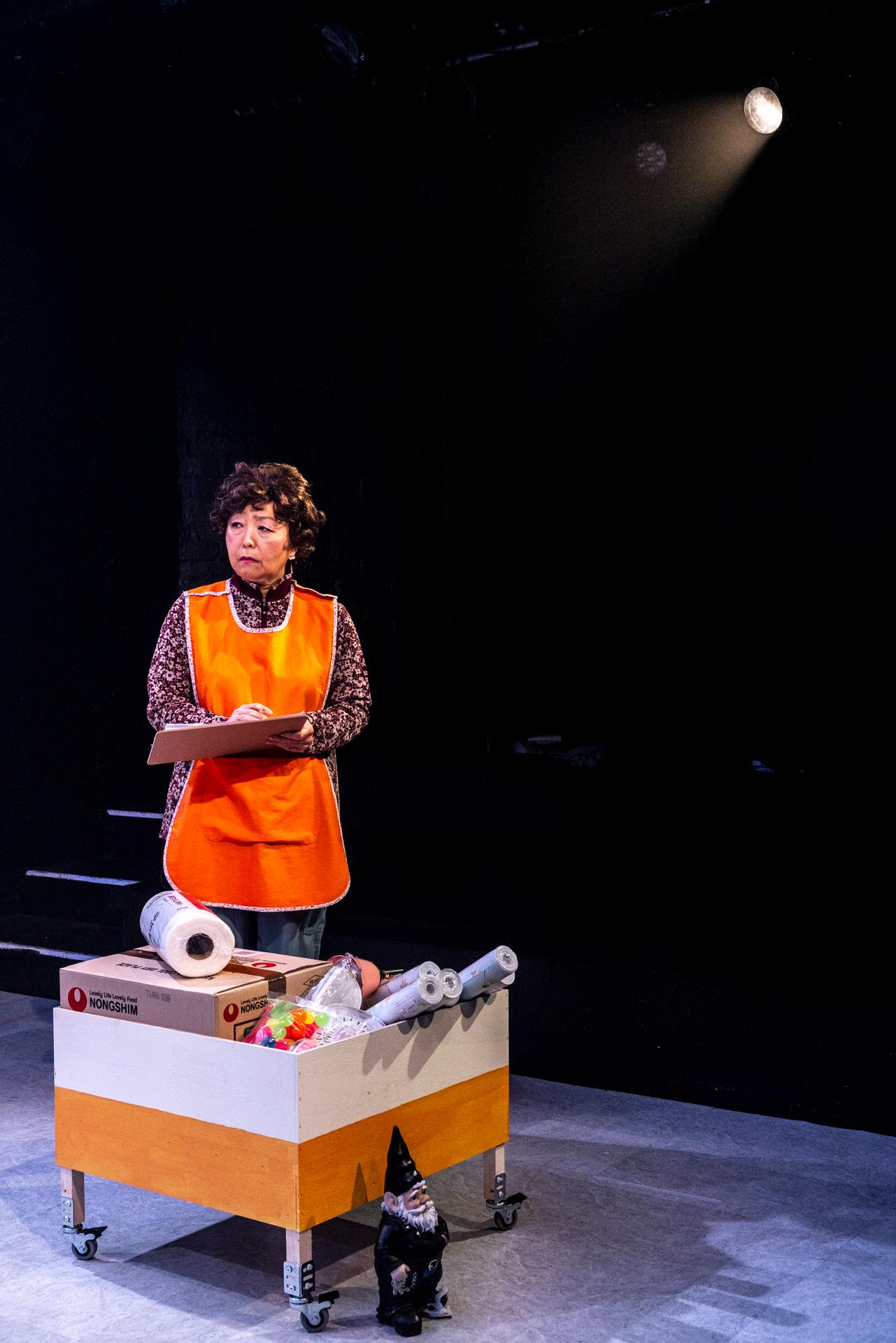
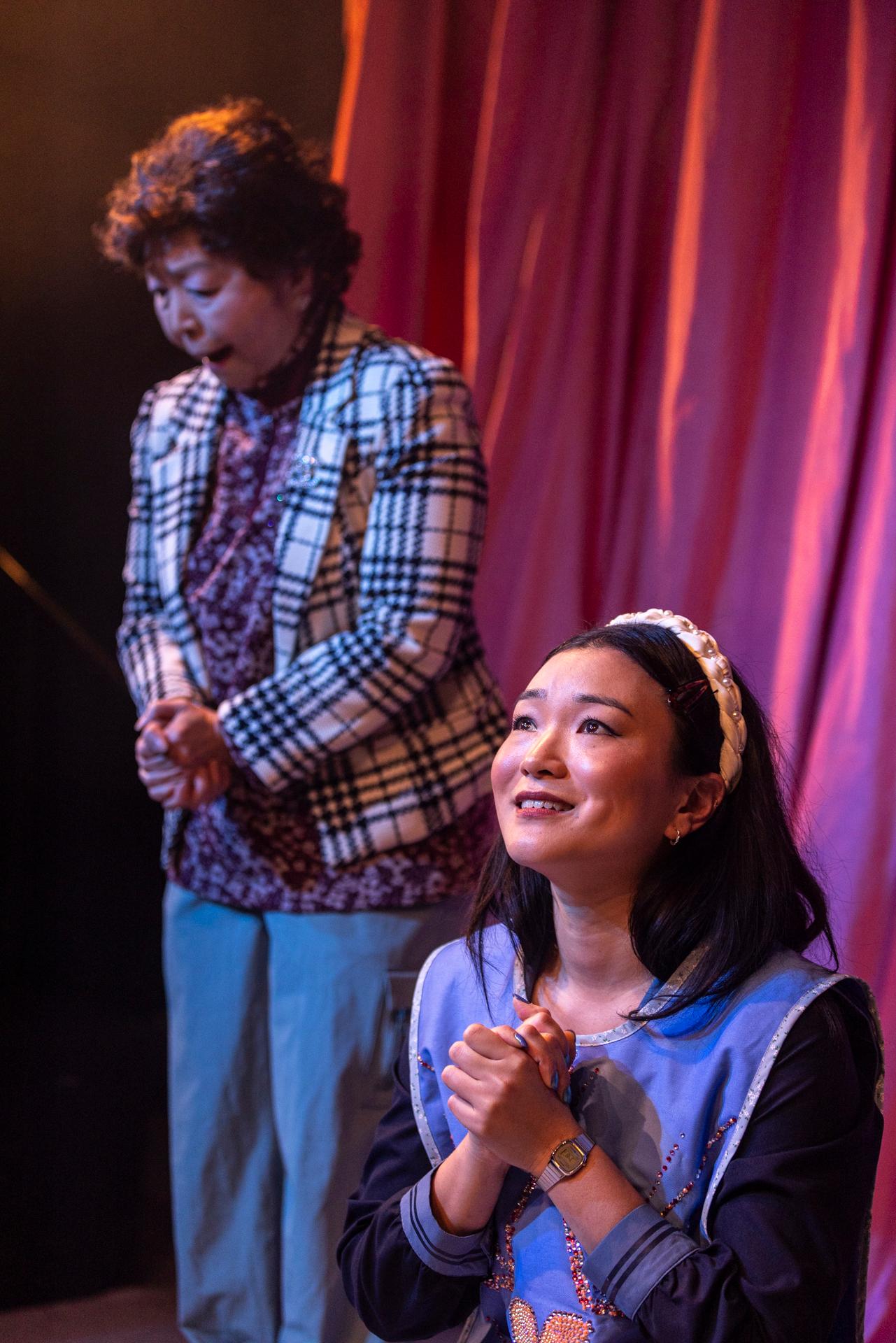
Davidson plays Hannah the naïve Australian, with exceptional effervescence. Heather Jeong brings admirable authenticity, to the role of shopkeeper Soon Hee. Both performers are wonderfully comedic, demonstrating excellent timing along with a persuasive chemistry. Directed by Jessica Arthur, the presentation is compulsively engaging at every moment, memorable for its sparkling humour. Scenes of poignancy could be provided more gravity, but they remain effective, in this story about unconventional kinship.

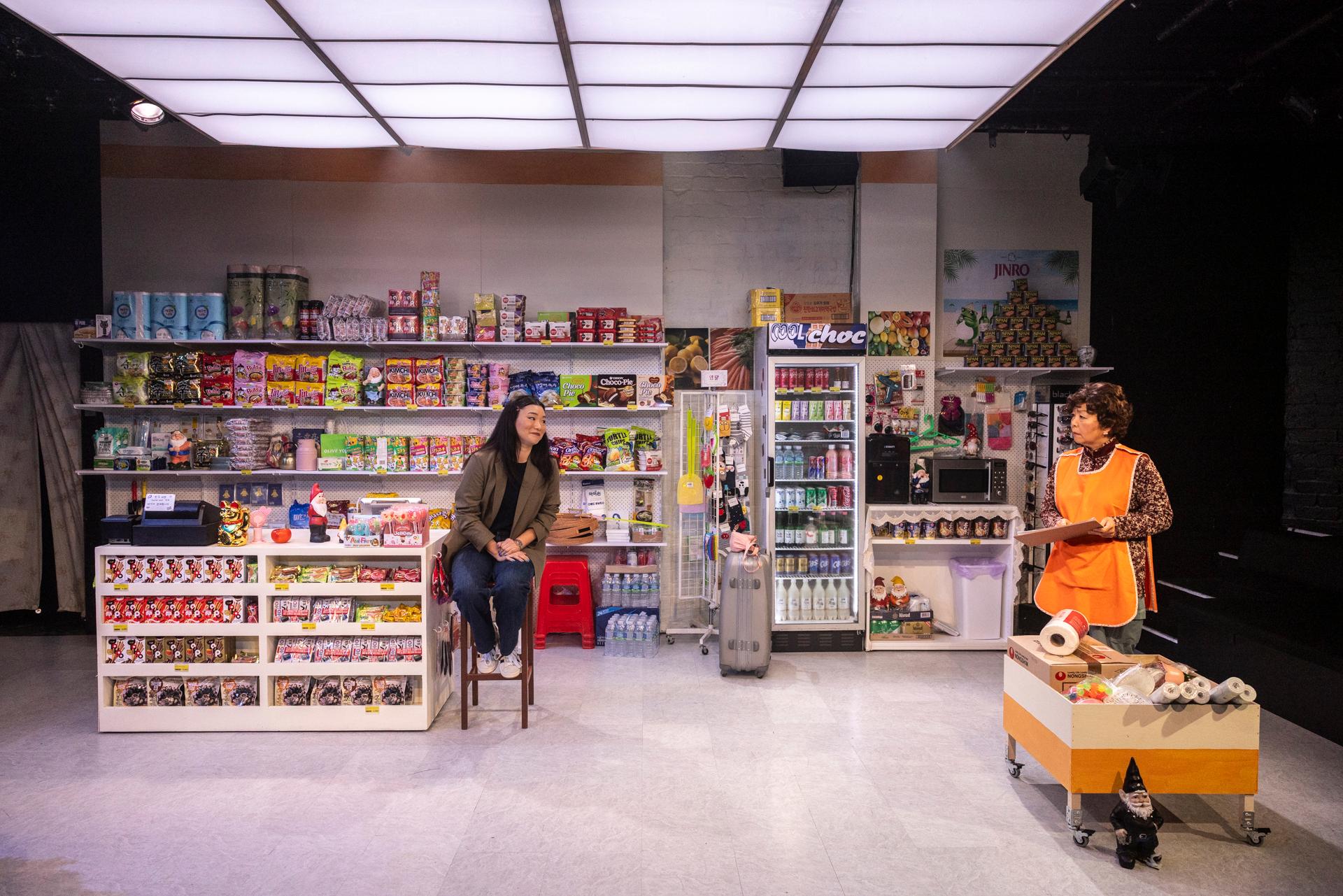
Production design by Mel Page accomplishes an extraordinary level of naturalism, to have us connecting immediately with visual cues that convey all we need to know, about these people and places. Lights by Kate Baldwin are commensurately accurate, in portraying a heightened ordinariness. Music by Brendon Boney offers a full-bodied expression of the playful spirit underpinning Koreaboo‘s humour, punctuating the show with gleeful joy throughout.

Parents are rarely, if ever, ideal beings. Admittedly some are more flawed than others, but a substantial part of any person’s maturation, involves coming to terms with disappointments around our parents’ deficiencies. Hannah longs for her mother’s love, but we discover that Soon Hee’s affections take a form quite different from what Hannah had hoped for. Like all adults, Hannah will learn eventually, that she simply has to make do.

www.griffintheatre.com.au

Review: Nucleus (Griffin Theatre Company)

Venue: Seymour Centre, Reginald Theatre (Chippendale NSW), Feb 14 – Mar 15, 2025
Playwright: Alana Valentine
Director: Andrea James
Cast: Paula Arundell, Peter Kowitz
Images by Brett Boardman

Theatre review
Cassie and Gabriel have known each other for decades, but because the former is an anti-nuclear activist, and the latter a pro-nuclear engineer, they are unable to conceive of their relationship as anything other than adversarial. Alana Valentine’s Nucleus is in some ways a boy-meets-girl story, and in other ways, an exploration into debates about nuclear energy. Scientific portions feel thoroughly researched, able to offer valuable insight, if slightly too densely assembled for this 90-minute production. Romantic aspects of Nucleus may not be entirely convincing, but they certainly keep us attentive to an important subject that relates to the very survival of our species.

Direction by Andrea James provides a sense of precision to the escalation of dramatic urgency, that ensures our investment in the piece. Production design by Isabel Hudson encourages us to regard the show’s ideas with an expansive attitude, whilst manufacturing a satisfying elegance to the staging. Lighting by Verity Hampson, along with video projections by Laura Turner, offer meaningful transformations of atmosphere, although a greater dynamism could improve the experience. Phil Downing’s music and sound are thoroughly considered, to help manufacture an aural richness to inspire sentimental responses.

For the role of Cassie, actor Paula Arundell is required to embody a wide range of temperaments and emotions, and the clarity she brings to all those distinctions of mental states is remarkable to observe. As Gabriel, Peter Kowitz is less detailed in his performance, often looking inadequately prepared and unconfident. Chemistry between the two is sorely lacking, which makes a lot of this two-hander hard to enjoy.

In the current age of distrust in media and of authorities in general, obtaining accurate information on something as crucial as energy resources, can feel an absolute quagmire. Competing interests, with competing truths, make for the gathering of facts so arduous that giving up trying, is almost always the result. In a world where we have grown accustom to having other people, who we never really trust, deal with each and every environmental crisis, it will come as no surprise that the ultimate consequence of populaces not paying attention, is of course going to be dire.

www.griffintheatre.com.au

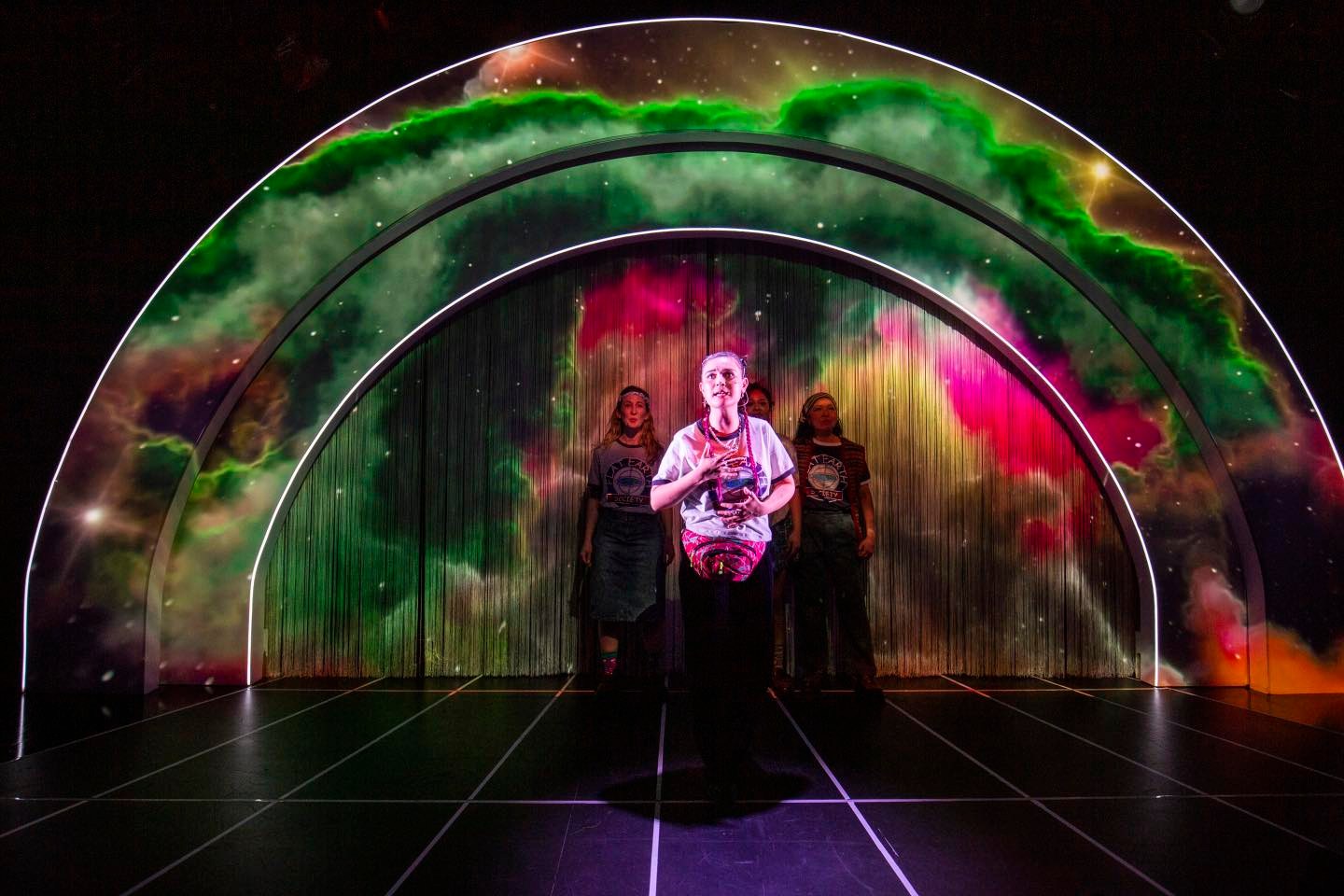
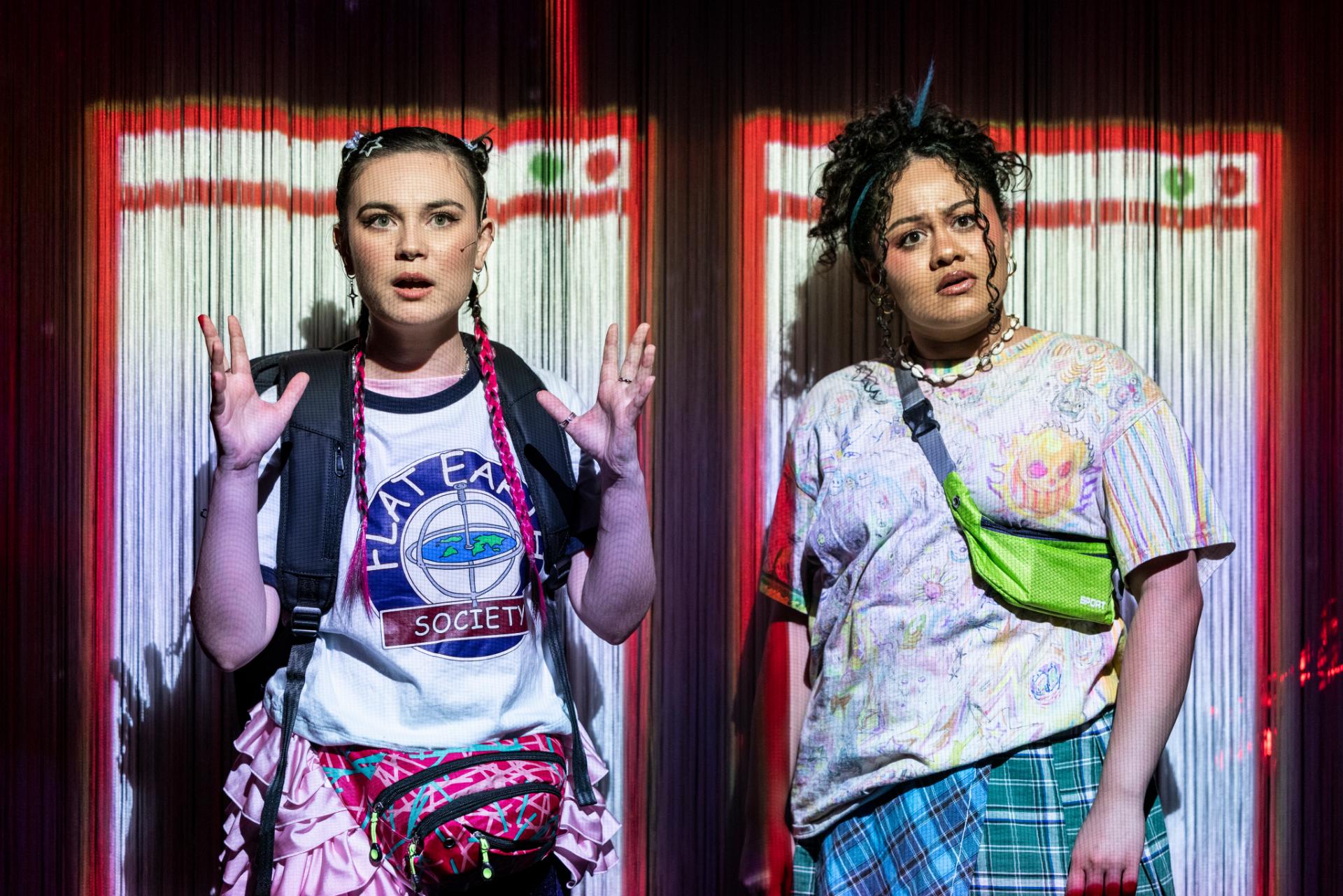
Review: Flat Earthers: The Musical (Griffin Theatre Co / Hayes Theatre)

Venue: Hayes Theatre Co (Potts Point NSW), Oct 11 – Nov 9, 2024
Book and Lyrics: Jean Tong, Lou Wall
Songwriting: Lou Wall, James Gales
Director: Declan Greene
Cast: Michelle Brasier, Lena Cruz, Manali Datar, Milo Hartill, Amanda McGregor, Manon Guderson-Briggs, Mel O’Brien, Shannen Alyce Quan, Zarif
Images by John McRae

Theatre review
The story begins when Ria and Flick meet online, and quickly fall in love. Being a conspiracy theorist however, means that Flick is making their unfolding romance very complicated indeed. Flat Earthers: The Musical by Jean Tong, Lou Wall and James Gales commences with a fascinating conceit involving the very contemporary phenomenon of information silos and alternative facts, but quickly devolves into a confusing quandary of fantastical excursions.

Director Declan Greene brings a sense of exuberance to an outlandish plot that goes completely frenzied and unruly, but the musical comedy never really connects in any meaningful way. A heavy reliance on video elements, as designed by Xanthe Dobbie and Daniel Herten, makes the experience feel excessively complicated, resulting in a sensory overload that prevents us from truly engaging with the ideas and the humour of the piece.

On a positive note, songs in Flat Earthers are consistently enjoyable. Produced by James Gales and with musical direction by Jude Perl, each number is wonderfully rhythmic and often unpredictable, with choreography by Fetu Taku enhancing the imaginative quality and the pop sensibility of these modern showtunes. Singing is generally of a strong standard, with Manali Datar and Shannen Alyce Quan bringing admirable precision to their portrayals of lesbian lovebirds. It is worth noting that the unapologetic depictions of sapphic desire in Flat Earthers address a much needed queering of an art form, that although beloved by queers, rarely centres our identities in stories that routinely deny our right to take focus.

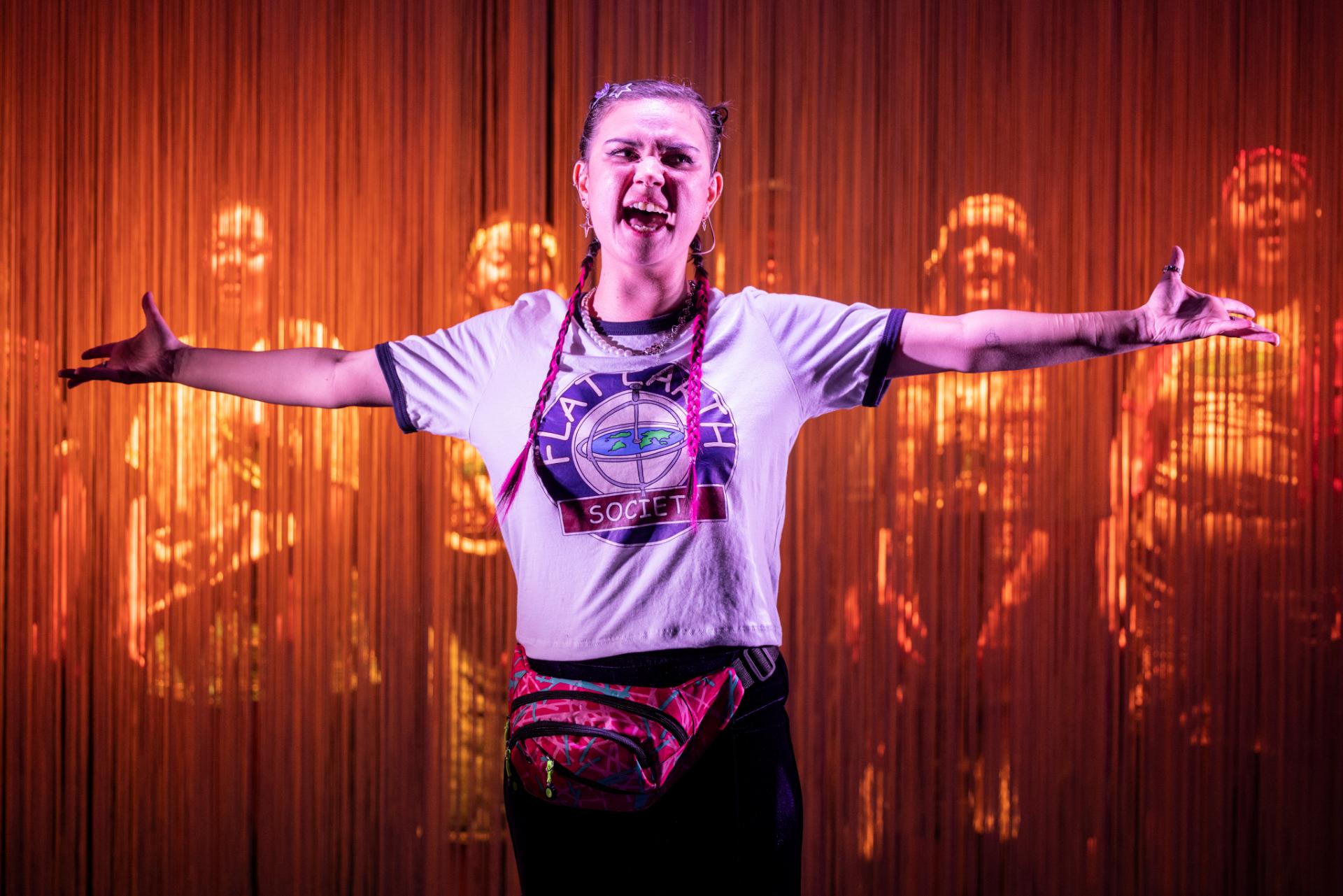
Set design by Brockman creatively incorporates the production’s need for projection screens, although occasionally unwieldy for performers as they enter the stage. Costumes by Emma White are as appealing as they are amusing, able to represent characters with accuracy, whilst maintaining a comical approach. Lights by Brockman are astonishing in their richness and intensity, in a show that is never for a moment, restrained in any way.

In a world where people believe that politicians can inflict hurricanes on battleground states at election time, and where patently and unabashedly evil individuals become presidents by manipulating media consumption of the populace, the business of information propagation is a seriously dire situation.  All of our history demonstrates that humans will trust in all manner of bizarre propositions, many of which have led to death and destruction. Also true of our nature, is that we never stay the same, and this too shall pass.

www.hayestheatre.com.au | www.griffintheatre.com.au

Review: Swim (Griffin Theatre Company)

Venue: Carriageworks (Eveleigh NSW), Jul 10 – 27, 2024
Playwright: Ellen van Neerven
Director: Andrea James
Cast: Sandy Greenwood, Dani Sib
Images by Brett Boardman

Theatre review
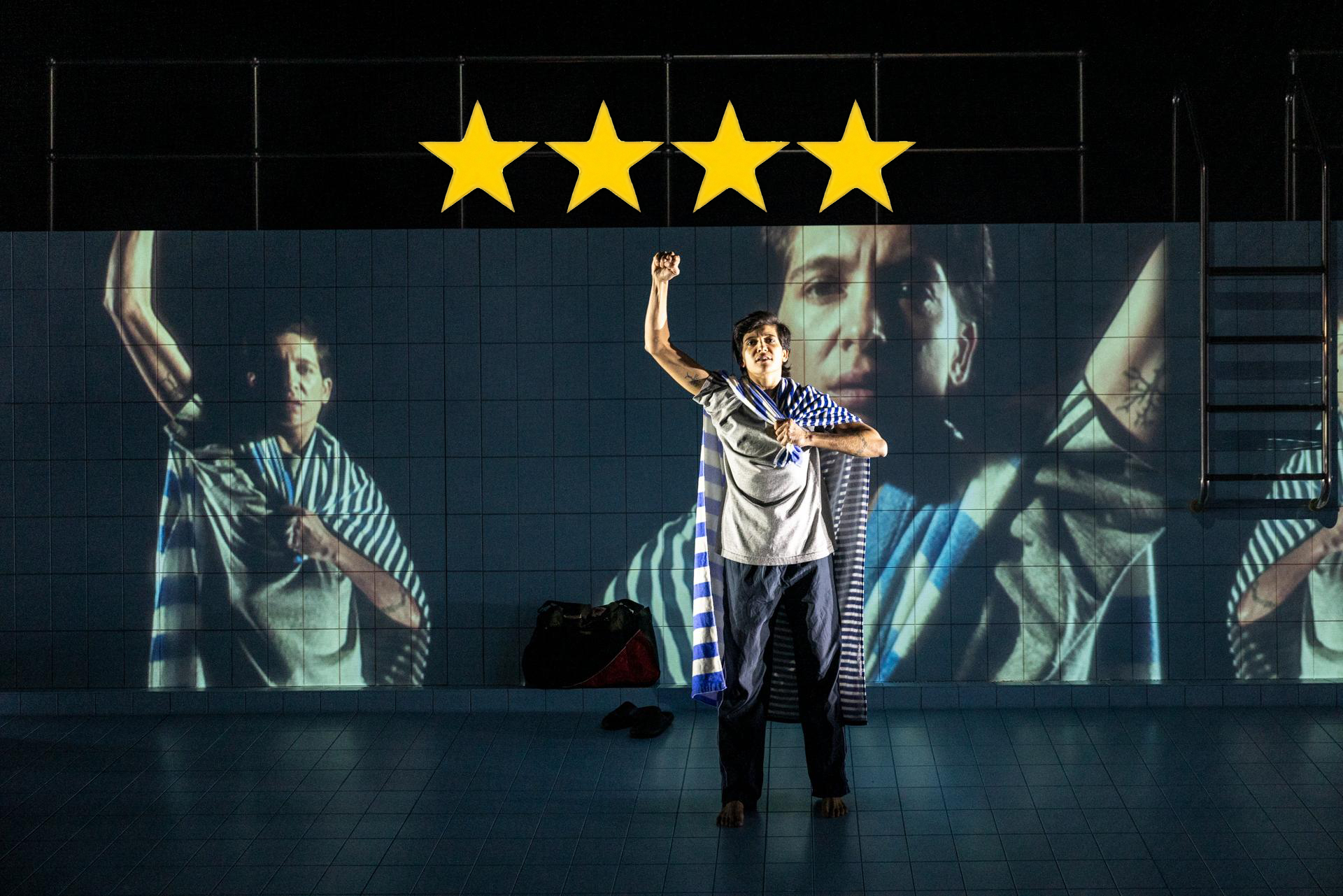
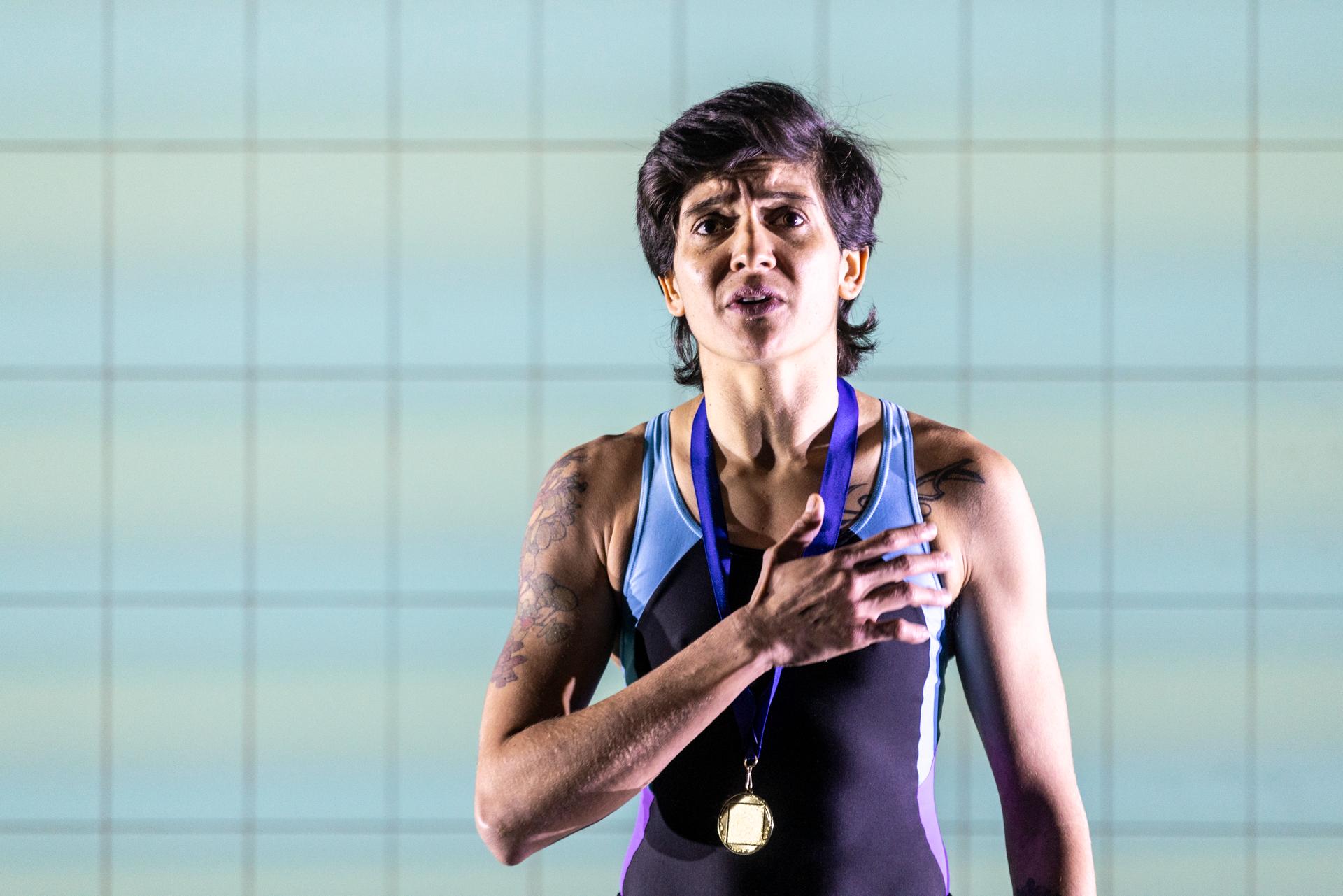
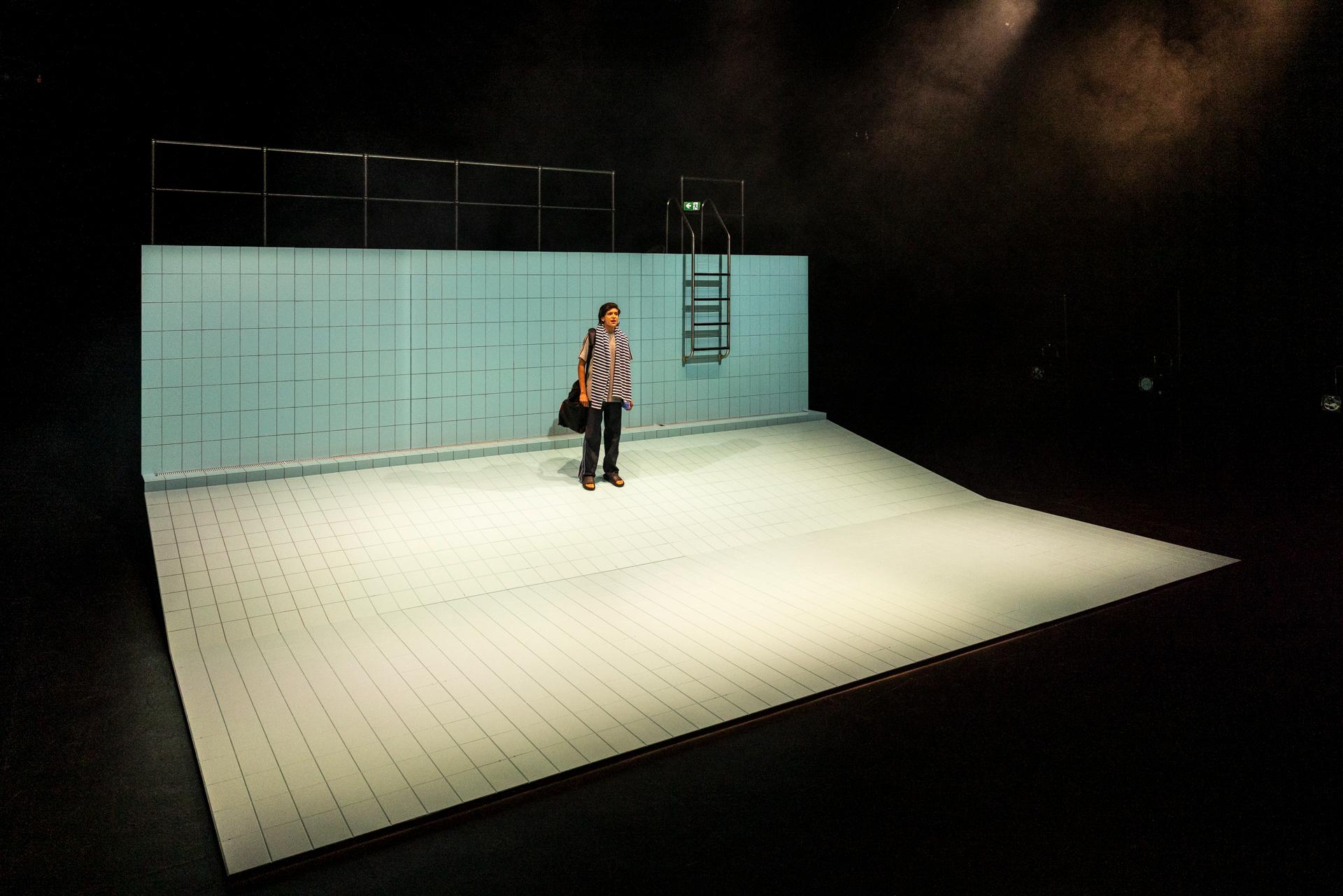
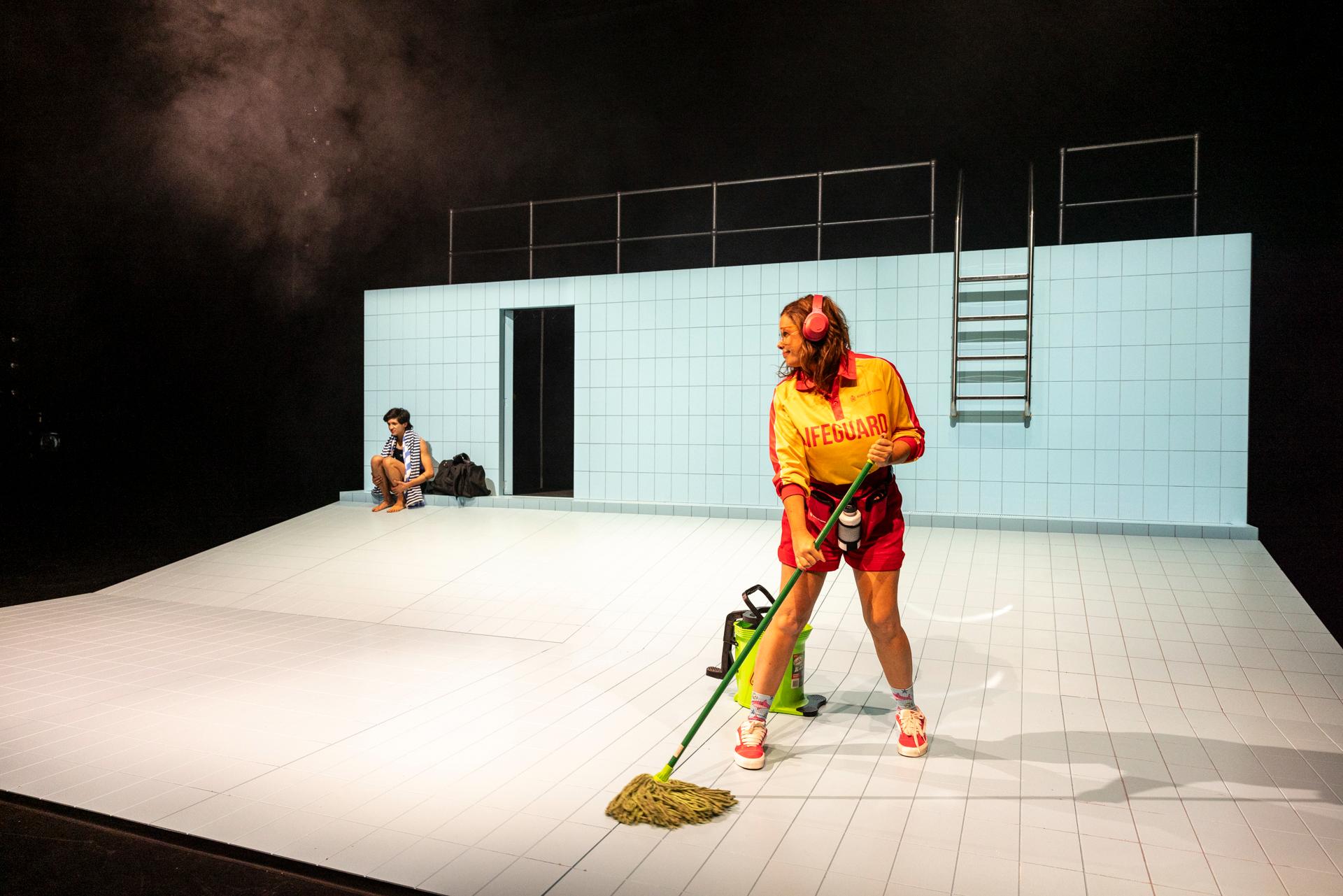
At the play’s commencement, a character named E enters a public pool changing room tentatively. Without much explanation, we understand that their ambiguous gender expression is a factor in that apprehension. Soon, it is revealed that their Indigeneity is another reason for E’s unease, when negotiating institutions of colonisation. Ellen van Neerven’s Swim describes how a person’s favourite place can turn into a locus for which their most painful memories can coalesce, and how a great love can become the thing that hurts you the most.

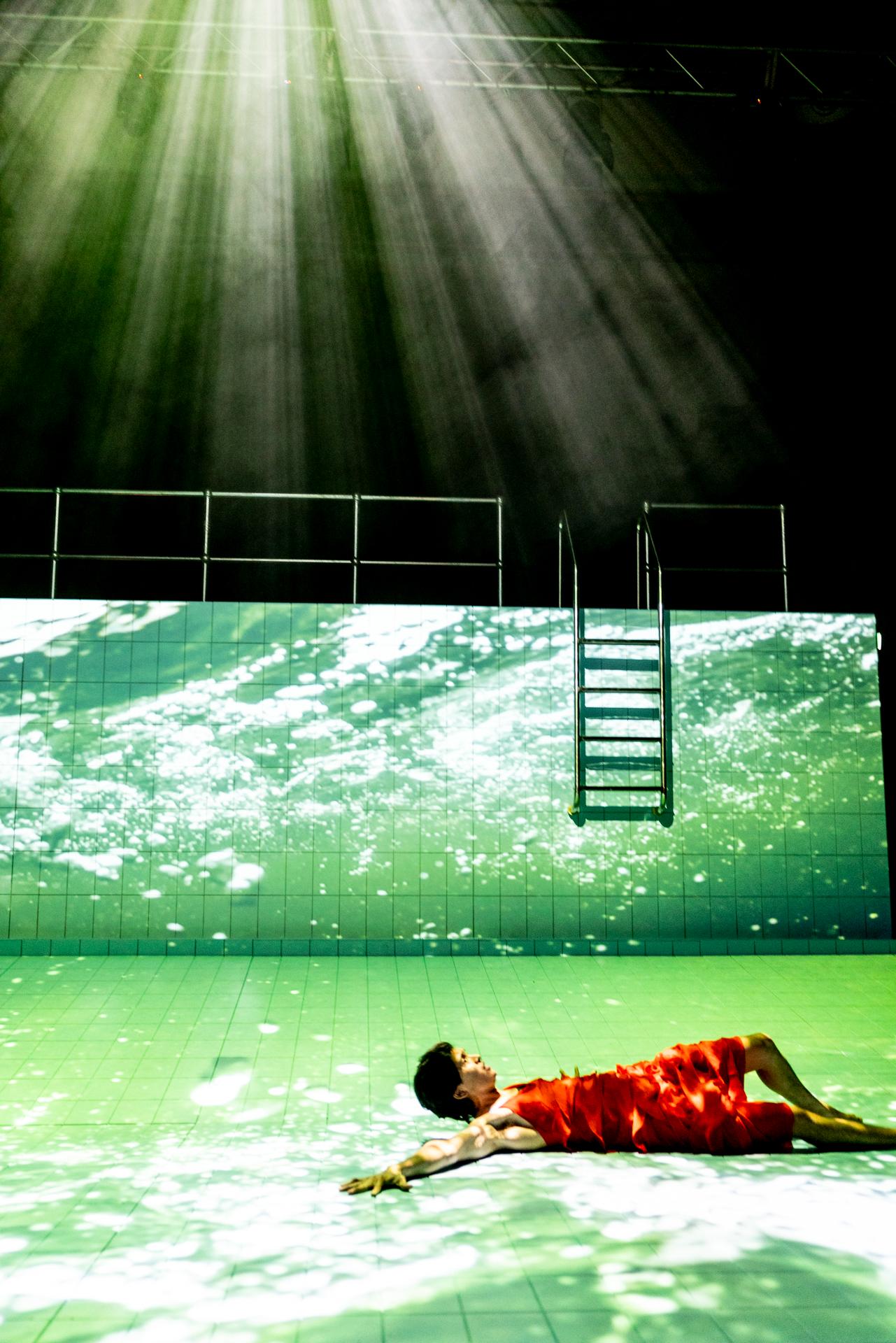
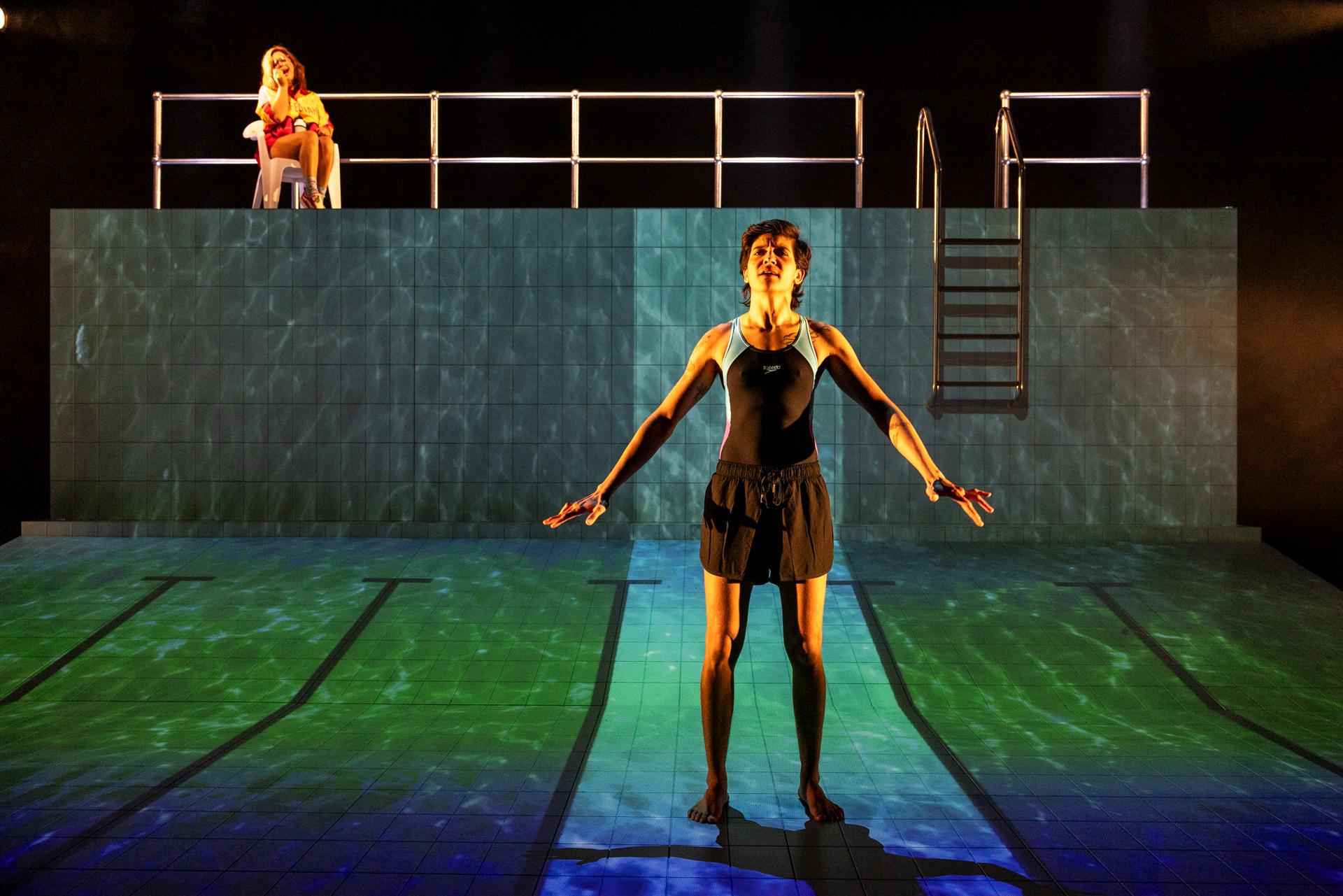
The poetic writing is imbued bittersweet melancholy by Andrea James’ inventive direction. Swim is a work about the challenges faced by someone marginalised in different ways, and even though it ventures inevitably into spaces of trauma, the show is often spirited in its representations of defiance, survival and resilience. A versatile set design by Romanie Harper greets us with a visual grandeur that almost conveys a certain reverence that our protagonist holds for the swimming pool. Projected onto tiled surfaces is a sublime video design by Samuel James, who uses arrayed imagery of water to evoke sensations of spiritual transcendence. Operating in tandem are exquisite lights by Karen Norris, accurate with the gamut of emotions it conjures, and making every second of the presentation look unequivocally beautiful. Music and sounds by Brendon Boney are remarkably moving, helping us to connect with the depths and complexities of what E is feeling in every scene.
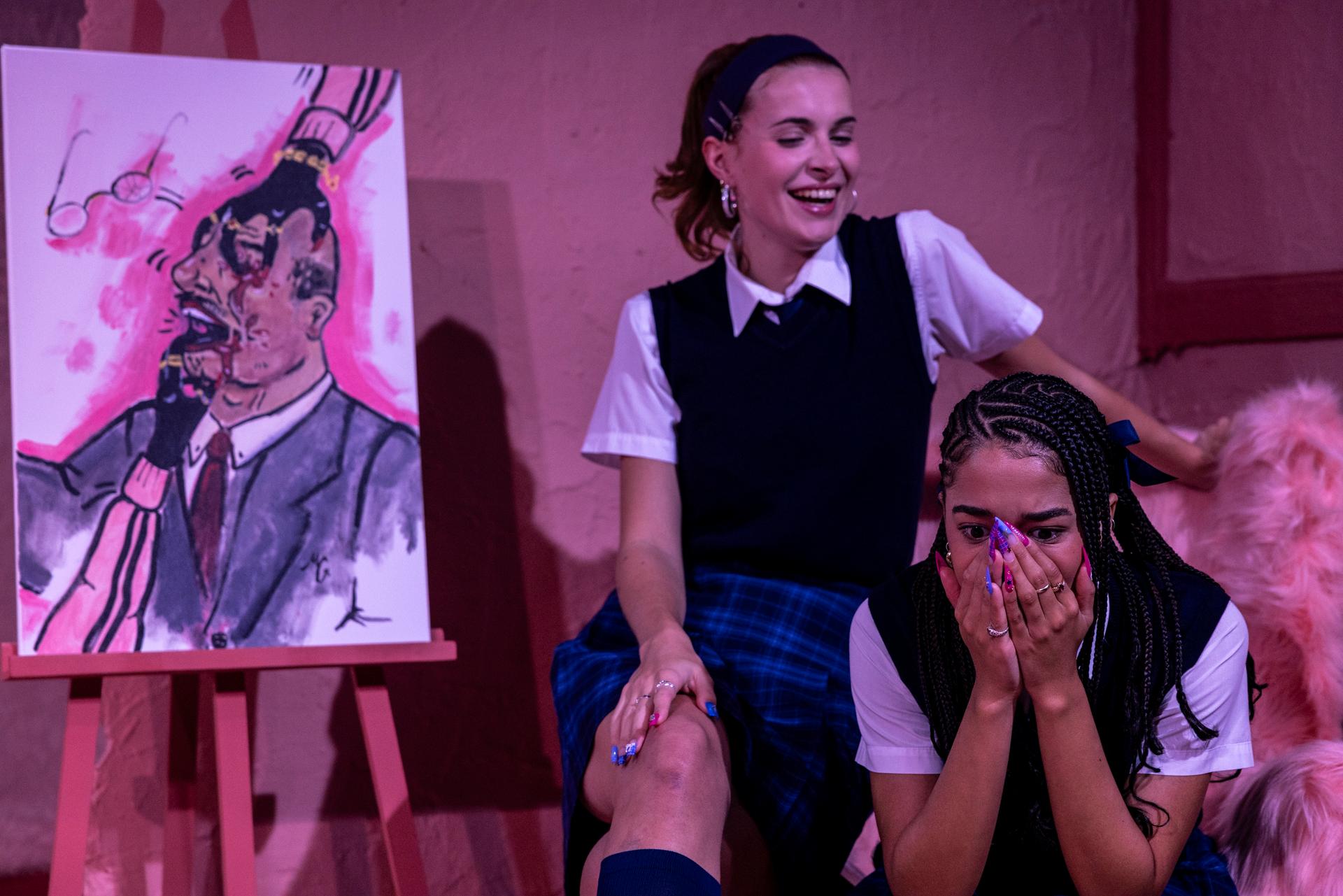
Actor Dani Sib brings incredible focus to the lead role, delivering unassailable authenticity whilst having us absolutely captivated, as they explore a multitude of tangential reflections, about a life that refuses to be encapsulated in a convenient narrative. Sandy Greenwood’s exceptional charisma comes to good use, as they embody several supporting parts to excellent effect, giving us a reassuring warmth that makes this experience feel accessible and real. Also noteworthy are costumes by the aforementioned Harper, convincing in their rendering of personality types, and wonderfully theatrical at pivotal moments.
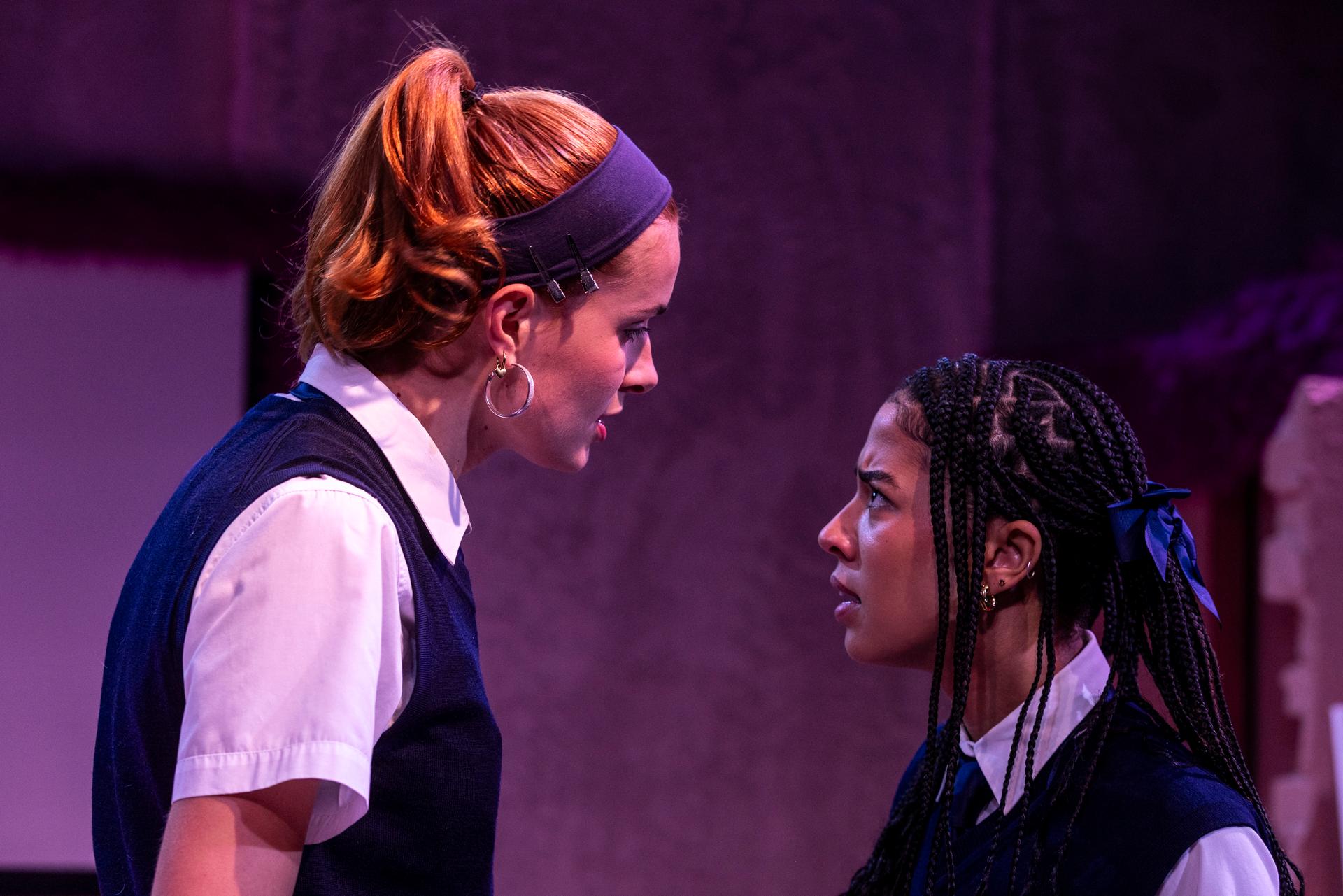
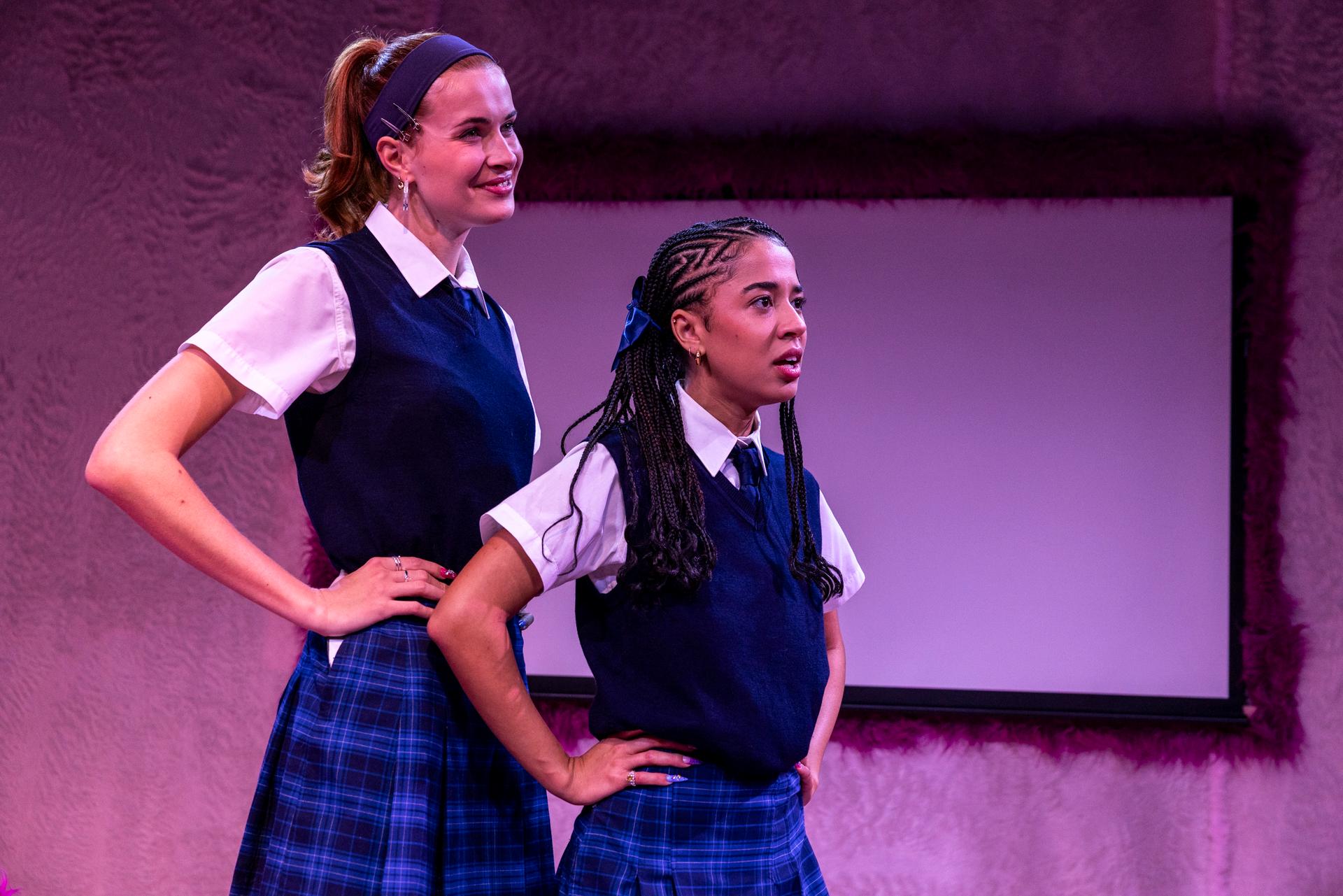
Few things can claim to be new, in our artistic expressions and more generally in the ways we conduct social discourse. The emergence of non-binary identities however, is a contemporary phenomenon that elicits new ways of thinking, and indeed new ways of understanding aspects of our nature. It is a revolutionary movement that urges us to see a deeper truth about who we are, and what we are capable of. It is indicative of a future that can fundamentally erase notions of difference, so that we can regard each other with greater equity. Non-binary rejects stratifications, and it will instigate a dismantlement of instruments used for domination, beyond concepts of gender.
www.griffintheatre.com.au

Review: The Lewis Trilogy (Griffin Theatre Company)

Venue: SBW Stables Theatre (Darlinghurst NSW), Feb 9 – Apr 21, 2024
Playwright: Louis Nowra
Director: Declan Greene
Cast: Thomas Campbell, Paul Capsis, Philip Lynch, Masego Pitso, Nikki Viveca, Darius Williams, Ursula Yovich, William Zappa
Images by Brett Boardman

Theatre review
The Lewis Trilogy comprises a series of semi-autobiographical plays by Louis Nowra; Summer of the Aliens and Così from 1992, and from 2017, This Much is True. A playwright named Lewis Riley observes from the centre of these stories, the weird and wonderful characters crossing his path, at different phases of life. Nowra’s adoring portrayals of all these colourful eccentrics, are the main unifying element that form a foundation of this newly conceived trilogy.

In an Australia too often preoccupied with its culture of respectability and conformity, it is the dignity attributed to every downtrodden personality, through Lewis’ eyes, that keeps this a refreshing albeit nostalgic experience. To be able to see each and every foible presented in this radically loving manner, is to be able to find acceptance, for our neighbours, and for ourselves. The Lewis Trilogy is ultimately an ode to humanity, along with all of its essential entanglements with fallibility and vulnerability.

Direction by Declan Greene suffuses the show with an extraordinary attitude of compassion, encouraging viewers to share in a benevolence that necessitates an opening of hearts and minds. There is a pleasure in Greene’s celebration of people’s flaws, that gives the production a remarkable humour, especially notable in the first two pieces. The final portion intensifies the poignancy of the experience, taking us appropriately to an emotional peak, as we come to an almost religious reckoning with hitherto threadbare notions of unconditional love.

Sounds and music by Daniel Herten are especially pivotal, in delivering that profound sentimentality. An irresistible melancholy in Herten’s work insists on our visceral response, whether as enhancement to the narrative’s sadder moments, or as substantive counterbalance to the many hilarious scenarios being presented. That amplification of emotions, is also found in the rendering of lights, by Kelsey Lee whose marvellous manipulations of space and atmosphere, allows us to see and feel the wide ranging circumstances being depicted, through key moments of Lewis’ lifetime. Set design by Jeremy Allen is evocative of that inevitable process of decay, of which every entity must grapple with. Much as we aspire to states of flawlessness, nature will assert its dominance, and reveal perfection to only ever be a figment of our imagination. Costumes by Melanie Liertz bring accuracy to the times and spaces being rendered, to give us a deep sense of familiarity, for each soul that we encounter.

Actors Philip Lynch and William Zappa play respectively, young and old versions of Lewis, both compelling and endearing presences, and both exemplifying the generosity of spirit that figures so significantly in this production. It is the way Lewis is able to connect so meaningfully with all he comes across, that represents the biggest lesson of the exercise. The entire cast is sublime, all taking on multiple characters, with exemplary aplomb. Paul Capsis and Ursula Yovich are particularly notable, with the incredible artistry they embody for all their roles.

Over the three parts of The Lewis Trilogy, each with a duration of 90 minutes, we fall deeper and deeper for these performers, and the people they present. Audiences will likely attend the event with trepidation, having to enter into what seems a prolonged commitment with no assurance of any satisfaction, but at the show’s final moments, we find ourselves thoroughly heartbroken, at the devastating prospect of having to say goodbye.

www.griffintheatre.com.au

Review: Blaque Showgirls (Griffin Theatre Company)

Venue: SBW Stables Theatre (Darlinghurst NSW), Sep 4 – Oct 21, 2023
Playwright: Nakkiah Lui
Directors: Shari Sebbens, Ursula Yovich
Cast: Mathew Cooper, Jonathan Jeffrey, Matty Mills, Angeline Penrith, Stephanie Somerville
Images by Brett Boardman

Theatre review
Chandon has been the star of the legendary Blaque Showgirls cabaret show for more than a few years, but her position is in threat of being usurped by the young and ambitious Ginny. Based on the 1995 cult classic Showgirls by Paul Verhoeven, Nakkiah Lui’s highly satirical Blaque Showgirls extends the tradition of stories dealing with the menacing ingenue, for a renewed look at dog-eat-dog capitalism through a feminist lens, examining the entrenched racism fundamental to the enduring dominion of a system derived from our colonial history.

The issues are serious, but the show presents them in deceptively silly ways, for a work of theatre that talks about our darkest matters without relying on painful enactments of trauma. Lui’s work is irrepressibly effervescent, but with sarcasm dripping from every line, it aims to create laughter as it fervently exposes the injustices suffered by those Indigenous to this land. Co-directed by Shari Sebbens and Ursula Yovich, we are treated to a modern farce, chaotic and messy in the best possible ways. Taking inspiration from the campy absurdity of Verhoeven’s film, the style of comedy in Blaque Showgirls is commensurately heightened, with a fierce denial of naturalism that almost seems to make a statement, about wishing to reject the venerated but bland aesthetics characteristic of whiteness.

Production design by Cris Baldwin is all tinsel, glitter and fake fur, playing with notions of taste to deliver a set and costumes that tantalise, and that challenge the meanings and representations of class, within an art form that is essentially Western by tradition. Verity Hampson’s lights are as playful as they are colourful, and along with rapturous sounds and music by Jessica Dunn, the overall vibrancy of this staging proves a joy.

Actor Stephanie Somerville brings an inconceivable authenticity to the scandalous role of Ginny, empathetic one moment, and dangerous another, we are left truly outraged by her antics. As Chandon, the arresting Jonathan Jeffrey brings not only excellent timing, but also marvellous indignation to his spirited portrayal of a discarded diva. Angeline Penrith is extremely compelling as Molly, in a ruthlessly biting performance that really gets to the heart of the entire exercise. Matty Mills as Kyle MacLachlan, and Mathew Cooper as True Love Interest, are both passionate and funny, in a show that takes its politics as seriously as it does its humour.

The people who do bad things in the play never recognise, much less admit to, the racism they enact and perpetuate. They might be able to acknowledge the failings of systems, but will not disengage from them, and will certainly not take blame for benefiting from them. They feign powerlessness, and argue that their absence during the origination of these problems, means they are not to take responsibility. They will not say that they want structural injustices to be preserved, but get hysterical at every little effort to change things. Even when the villains of the piece are unveiled at the end, they do not relent or concede. They relish in playing by the rules, even though the rules are demonstrably harmful. No wonder any attempt at amelioration is characterised as radical.

www.griffintheatre.com.au

Review: Jailbaby (Griffin Theatre Company)

Venue: SBW Stables Theatre (Darlinghurst NSW), Jul 7 – Aug 19, 2023
Writer: Suzie Miller
Director: Andrea James
Cast: Lucia Mastrantone, Anthony Taufa, Anthony Yangoyan
Images by Clare Hawley

Theatre review
In Suzie Miller’s Jailbaby, 18-year-old AJ serves two years for a minor offence, in a prison with the hardest of criminals. Another young man of similar age, but from a more affluent background, Seth too is breaking the law, but is kept shielded from authorities. It is a story about class in contemporary Australia, and about how we foster a culture of men behaving badly. The stakes are unquestionably high in Miller’s play, but a lack of tension and drama, makes the experience feel somewhat clinical and uninvolving. It is admirable that individuals are not singled out for blame, in an examination of our social ills, but for a theatrical piece, our emotions are unfortunately kept too much at bay.

Direction by Andrea James attempts to manufacture frisson, with careful calibrations of atmosphere, along with detailed supervision of performances. Isabel Hudson creates a marvellous set design that allows for depictions of jail visitations while also being effectively evocative of interrogation rooms. Lights by Verity Hampson are thoughtfully rendered to guide us through the numerous spatial transformations taking place in a show comprising short and sharp scenes. Music and sound design by Phil Downing, helps to deliver sensorial richness, almost making up for deficiencies in the narrative.

Actor Anthony Yangoyan takes on both AJ and Seth, excellent at locating nuance for each, and highly impressive in making the two personalities, distinct and convincing. Yangoyan’s concentration and focus are absolutely remarkable, with a presence that keeps us on his side, even as the characters turn alienating. Lucia Mastrantone and Anthony Taufa demonstrate great versatility, in a wide range of roles, all of which prove compelling and energetic. The quality of collaboration in the trio is gratifying to observe, in a production that boasts accomplished work from all disciplines.

In Jailbaby we can deduce that our system of incarceration is an archaic one, that seems never to come under sufficient scrutiny. It feels an old solution to problems that persist, one that should always be modified for improvements, yet seems completely inert, from one generation to the next. Even with unremitting advancements in medical and scientific fields, we remain hesitant to replace punishment with prevention and treatment, such is the extent of the entrenched nature of our systems.

www.griffintheatre.com.au