Review: Get Sando (Flight Path Theatre)

Venue: Flight Path Theatre (Marrickville NSW), Nov 12 – 22, 2025
Playwright: Claire Haywood
Director: Claire Haywood
Cast: Mark Lee, Susan Ling Young, Emily Sinclair, Di Smith
Images by 

Theatre review
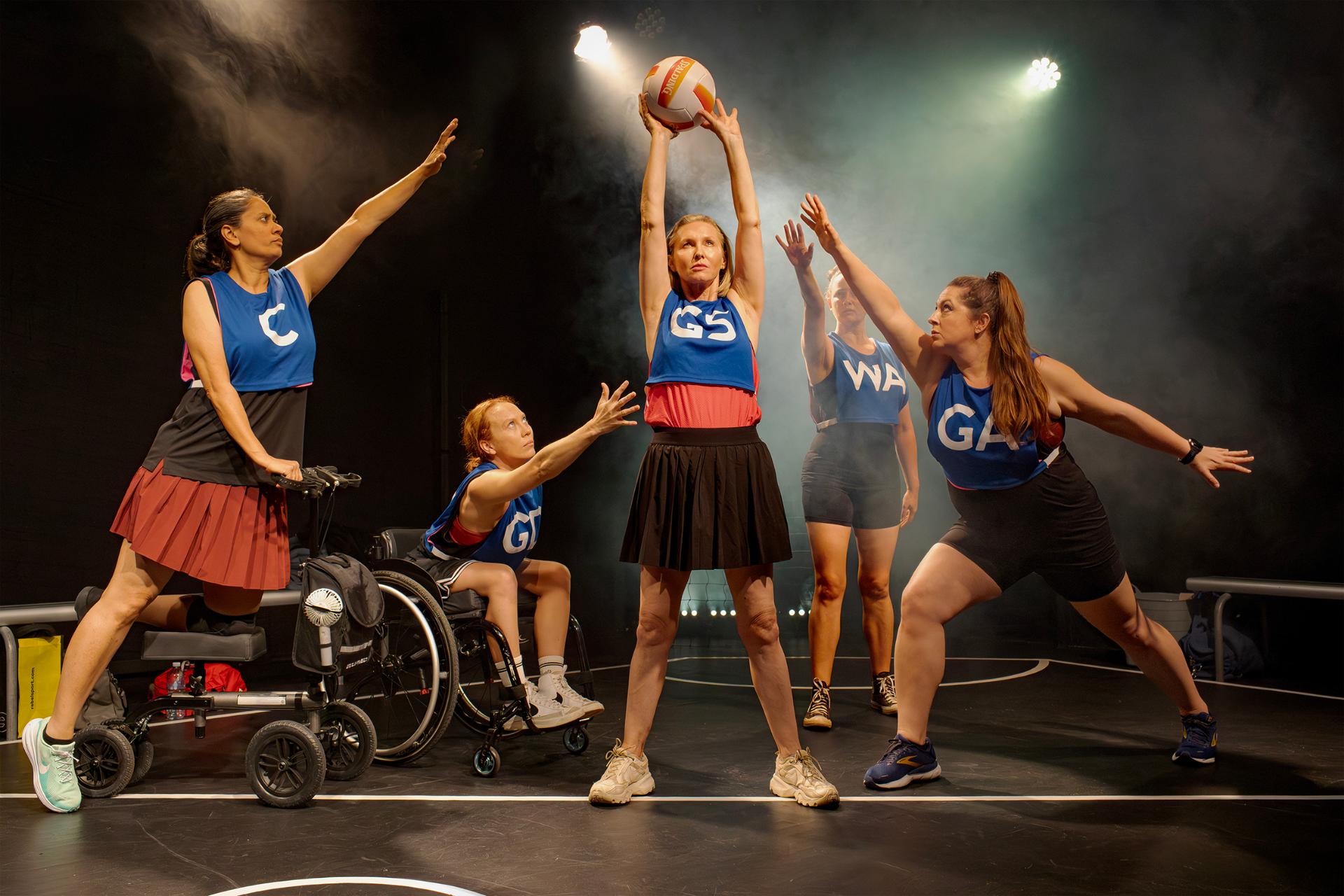
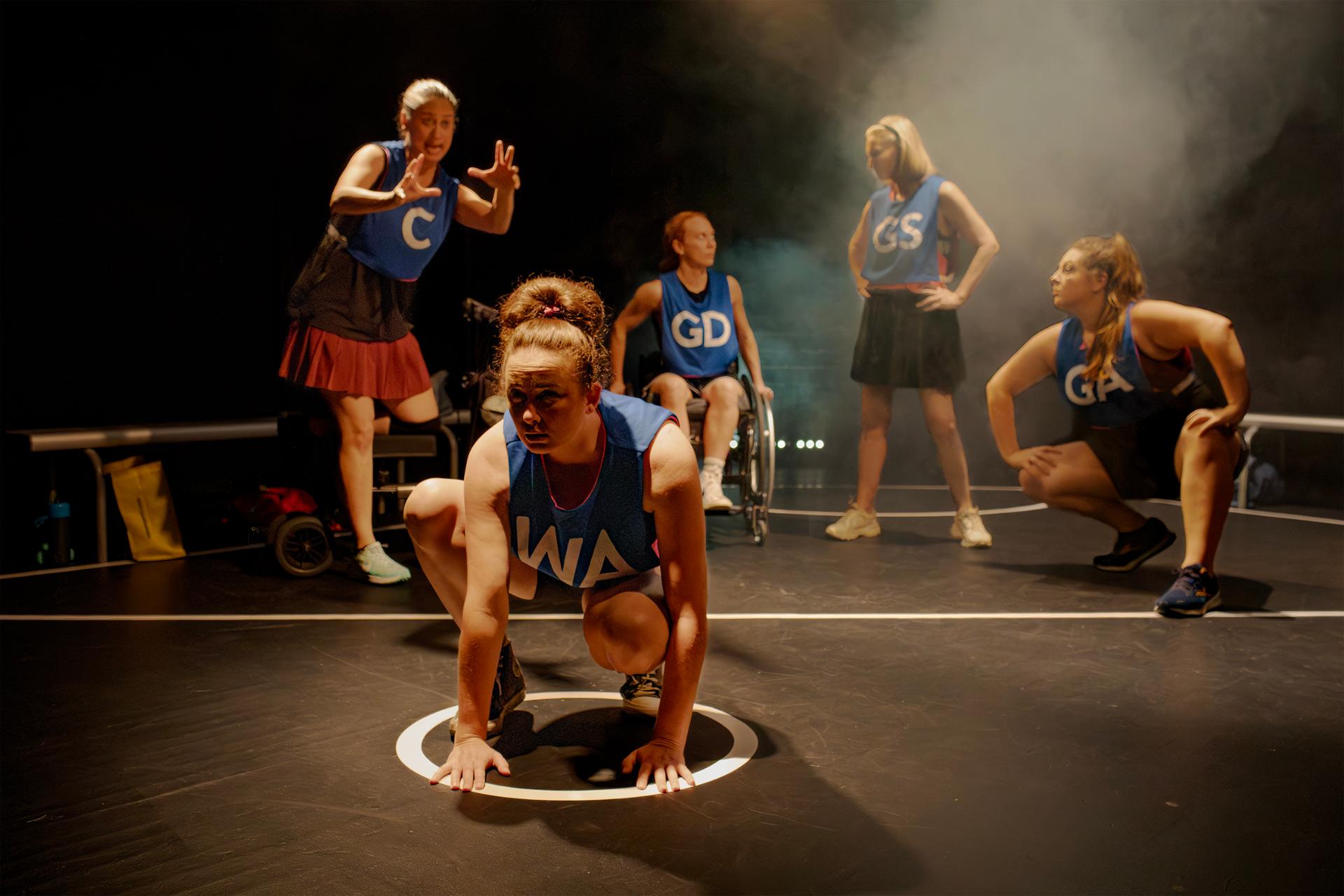
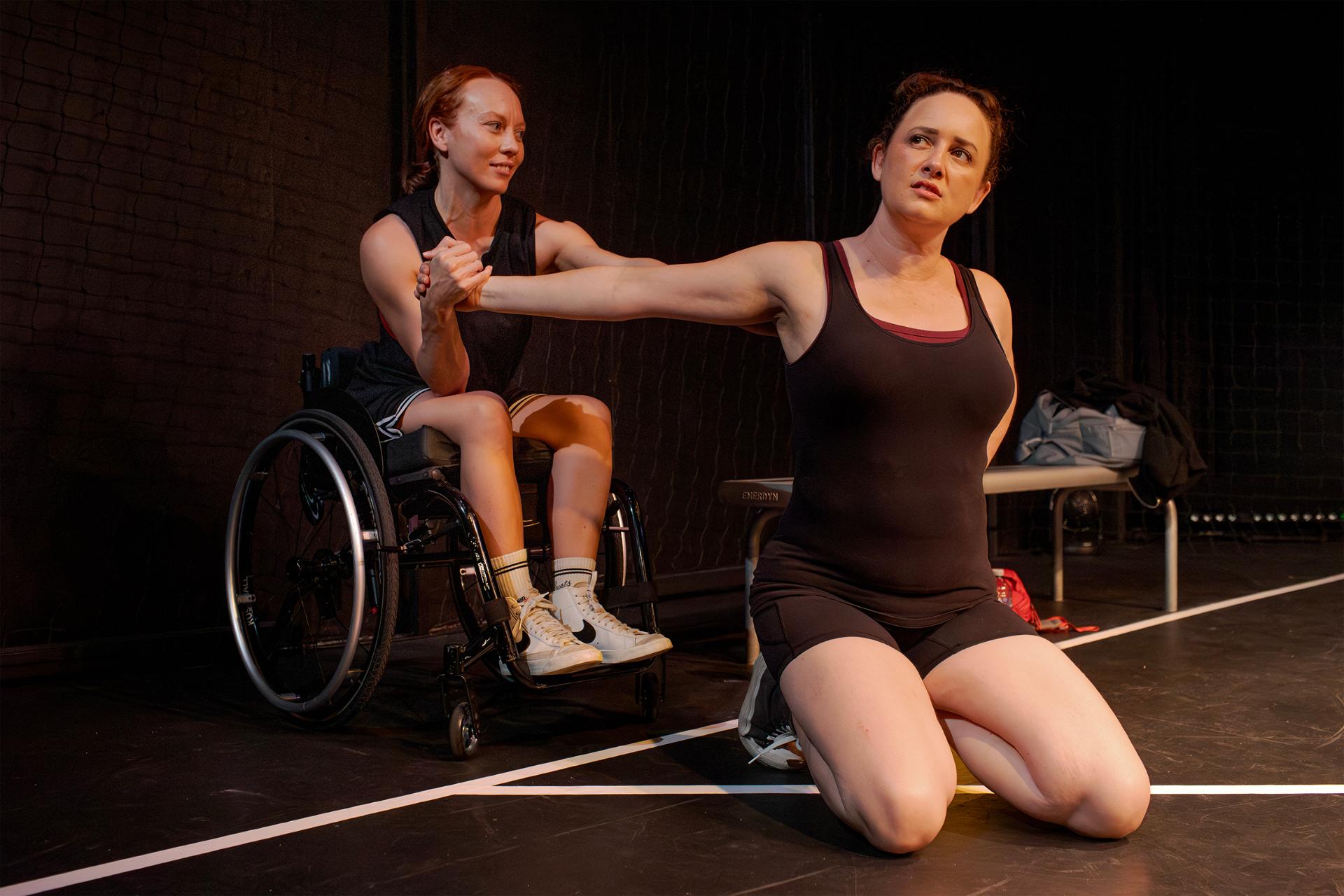
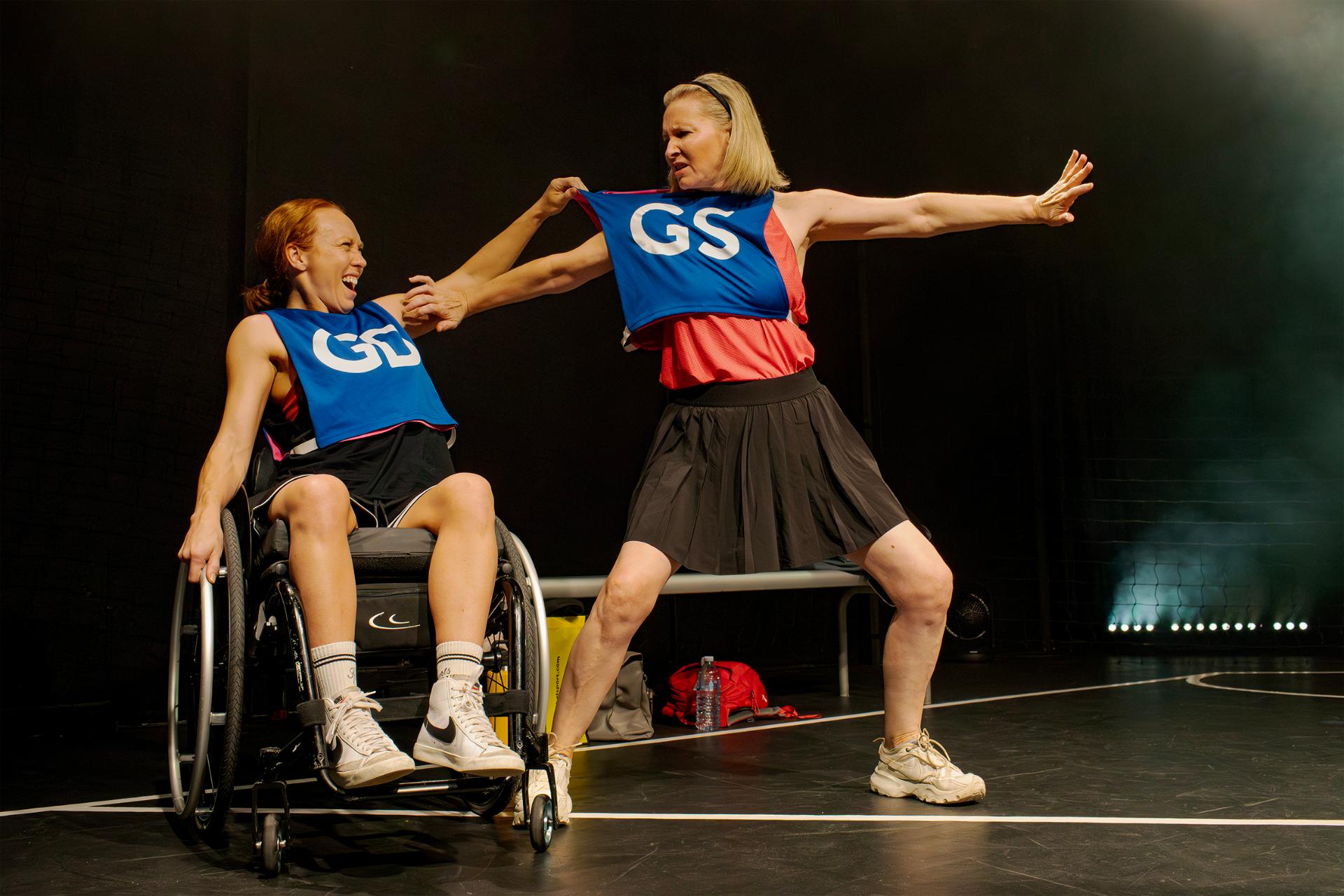
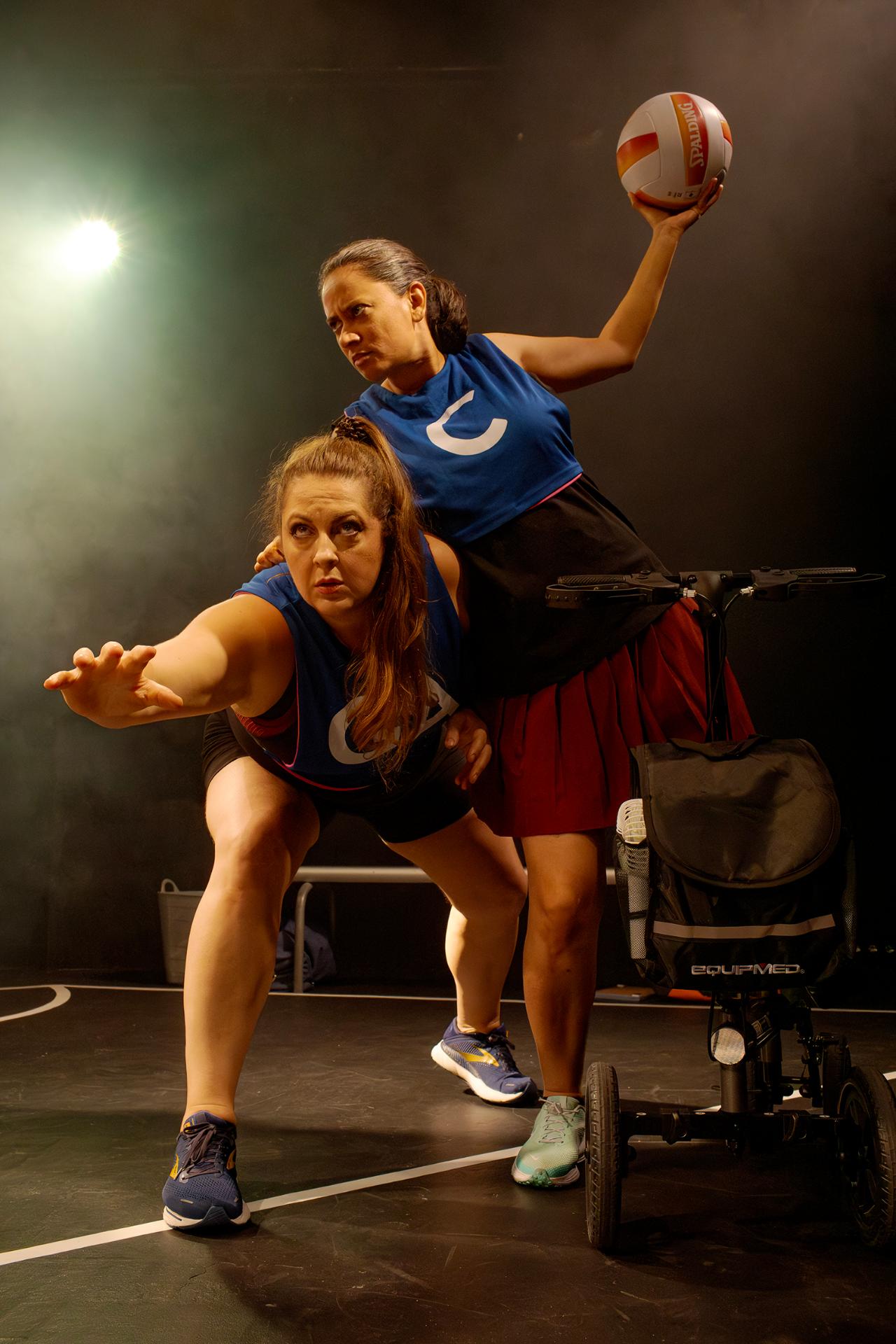
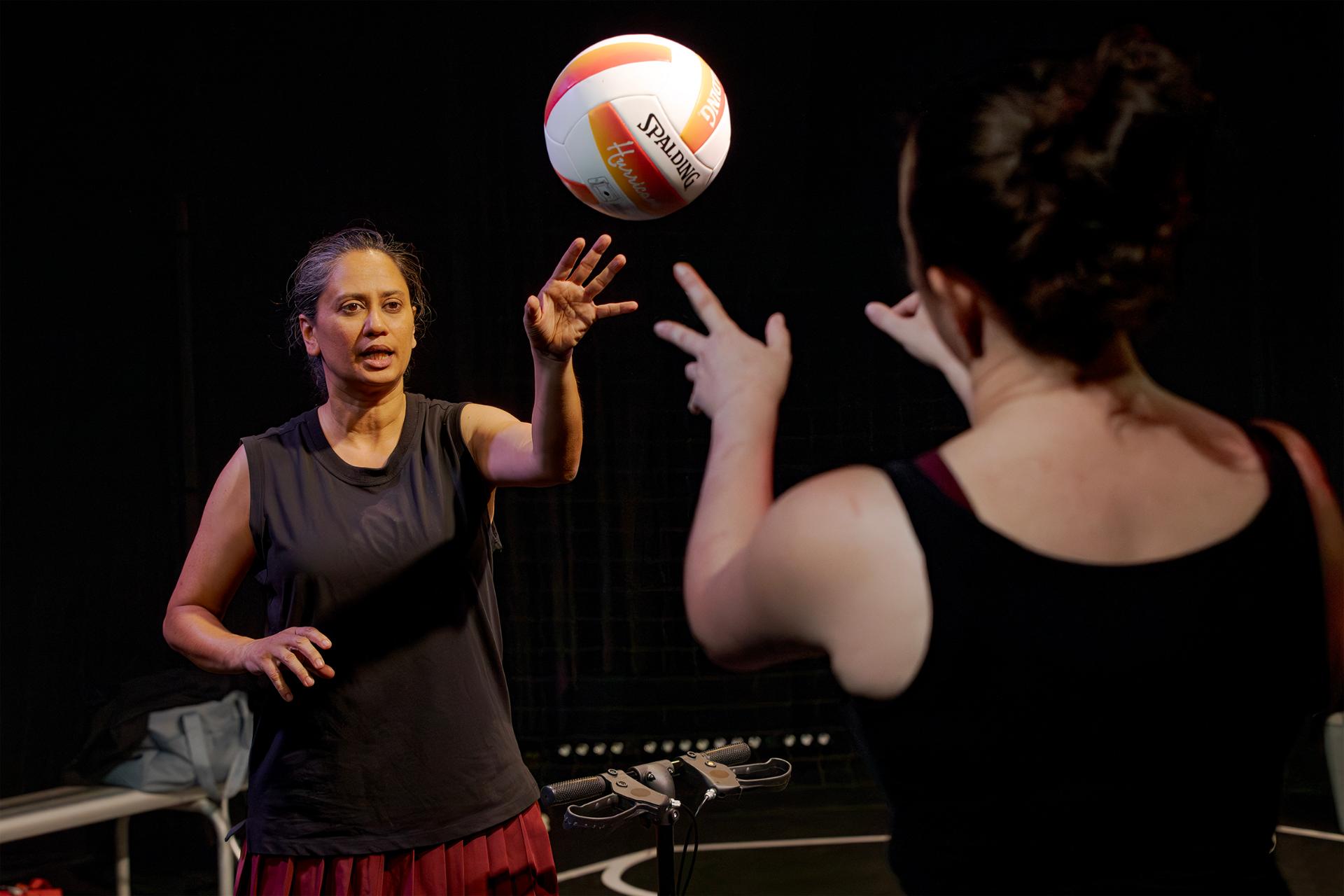
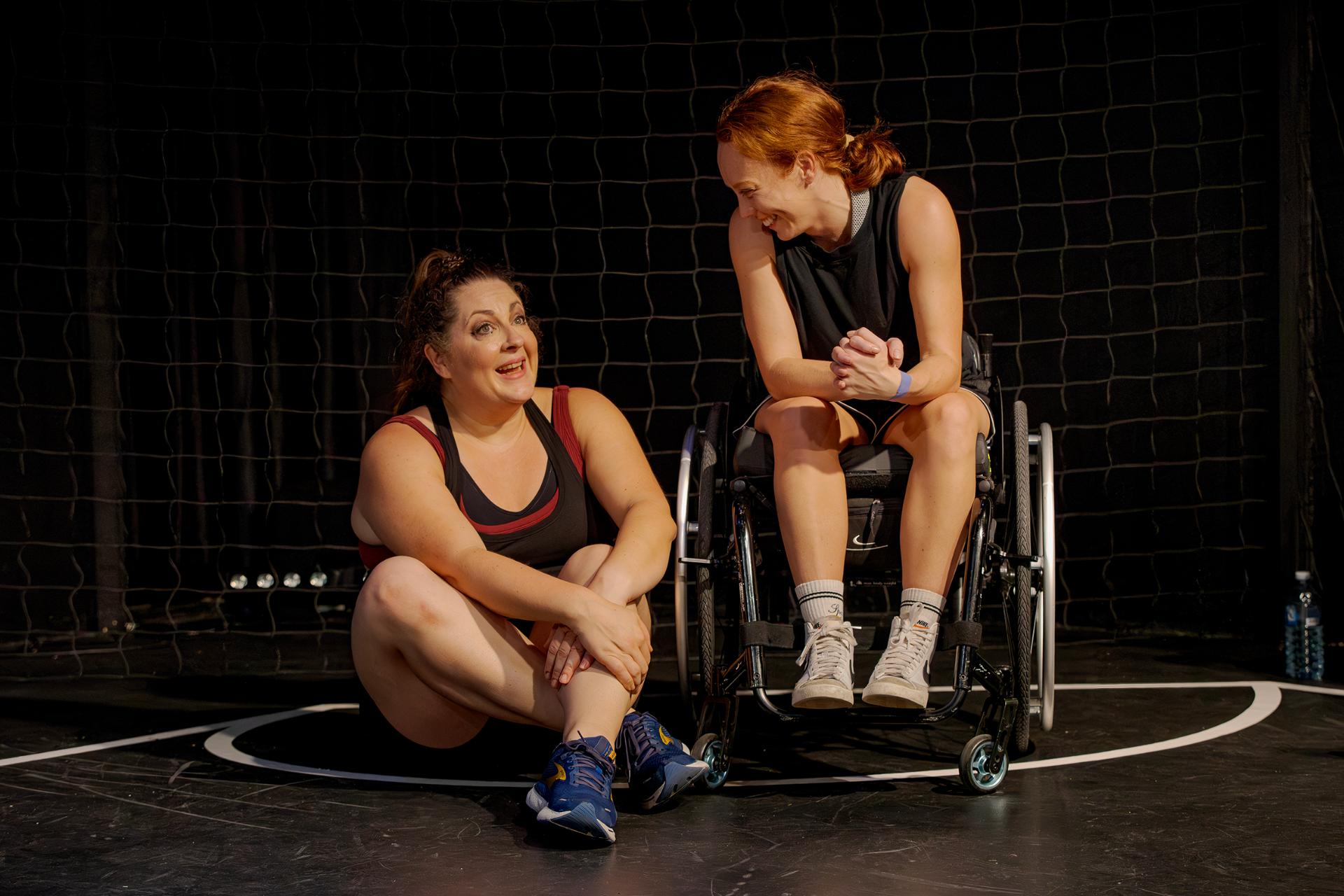
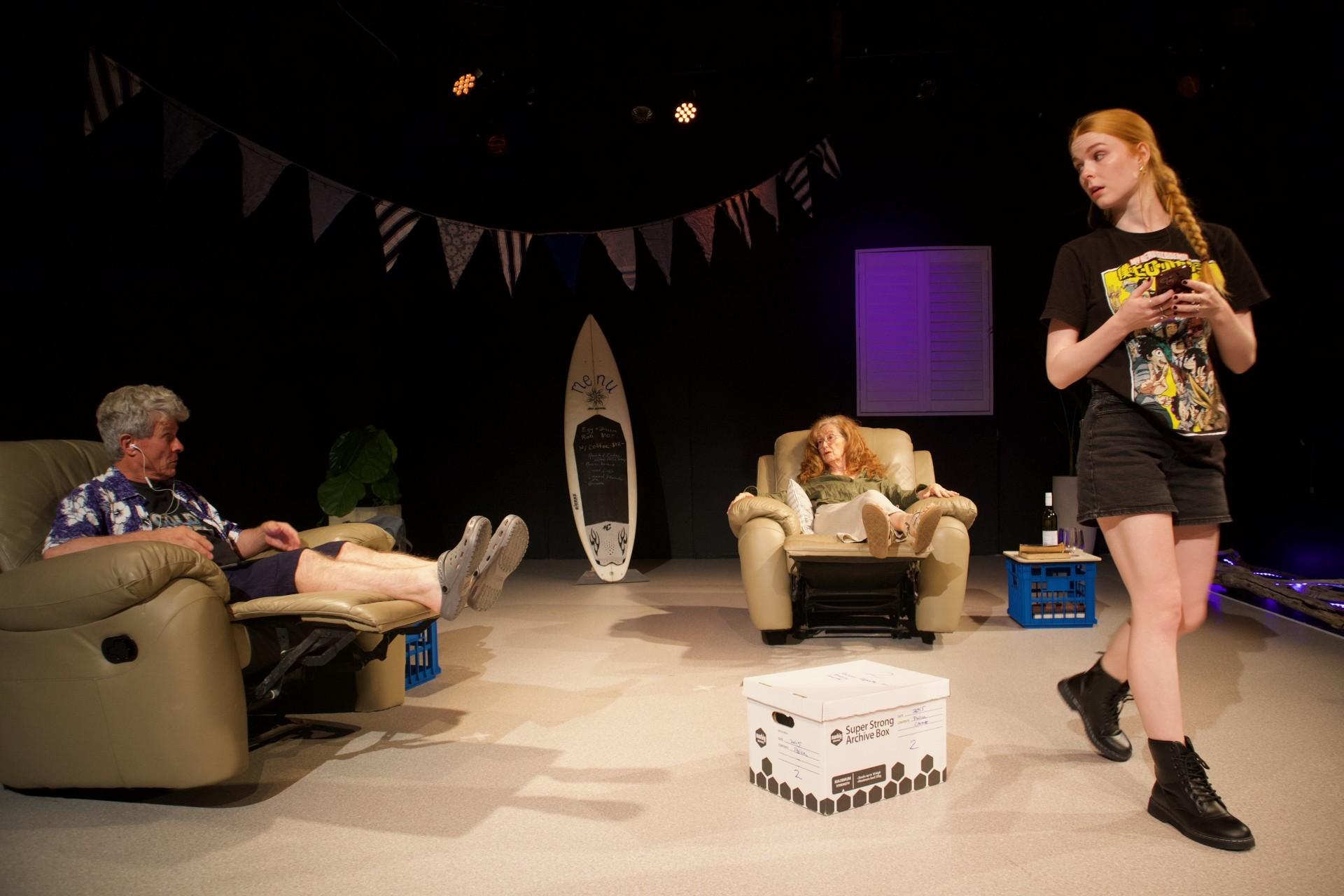
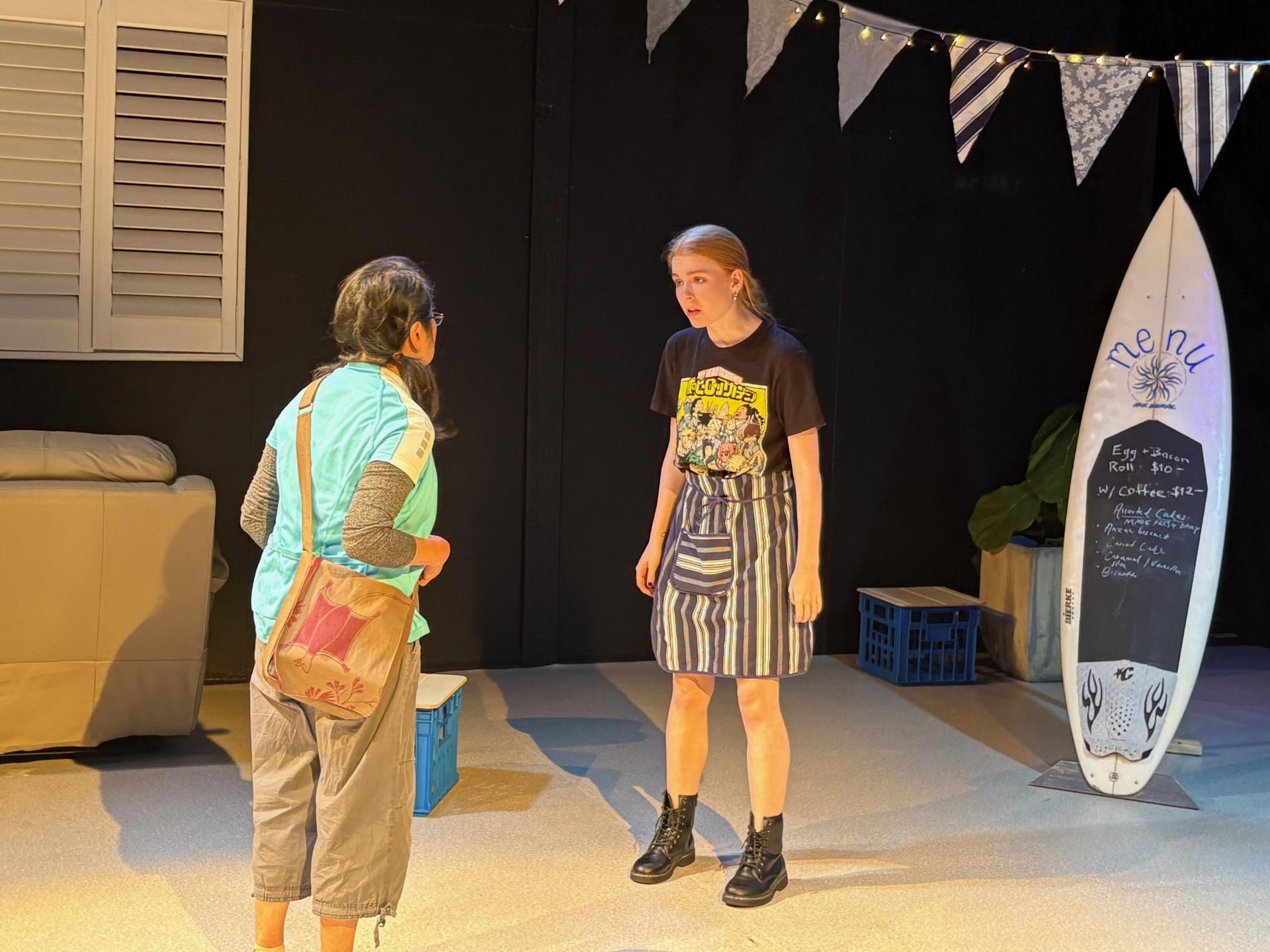
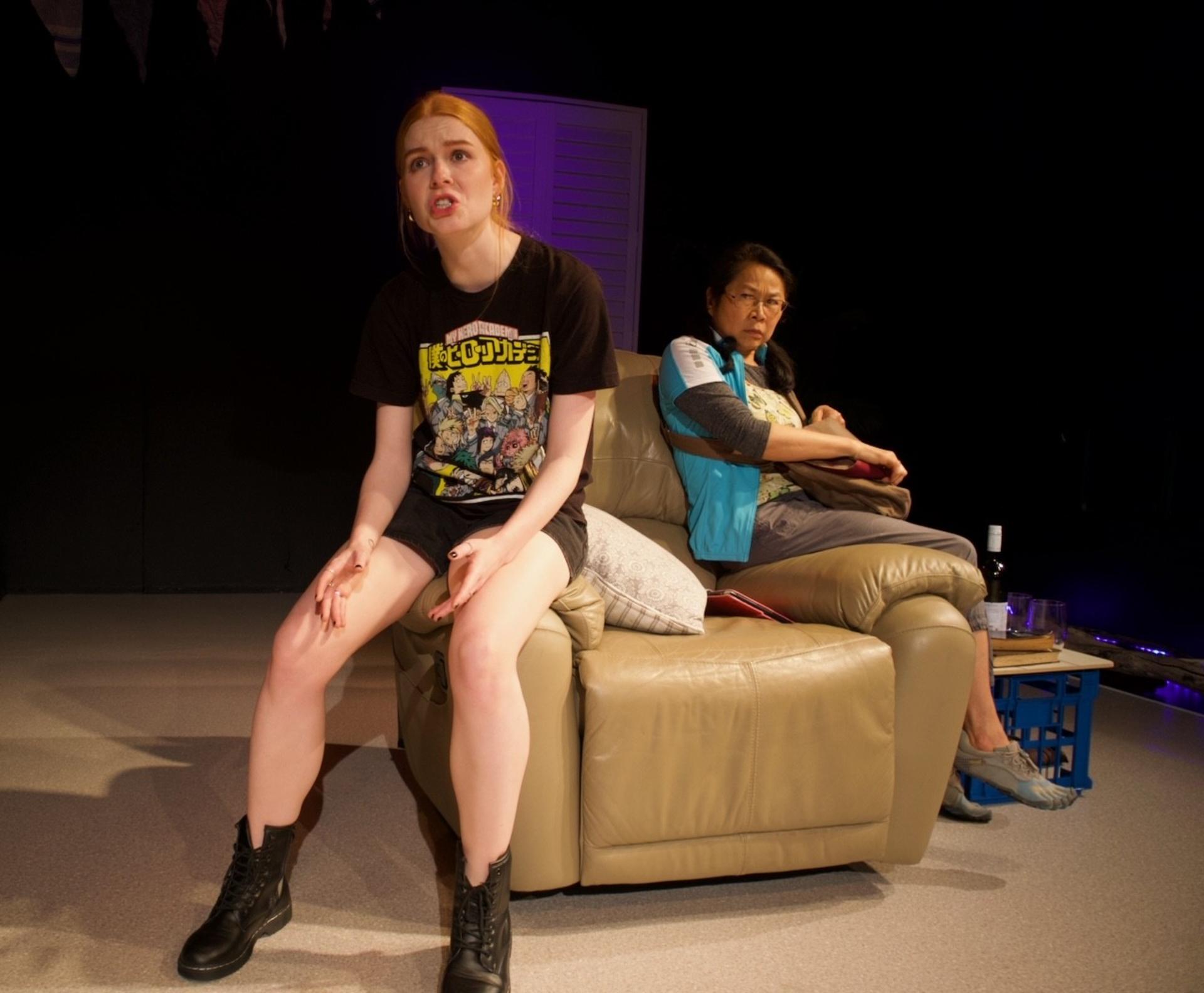
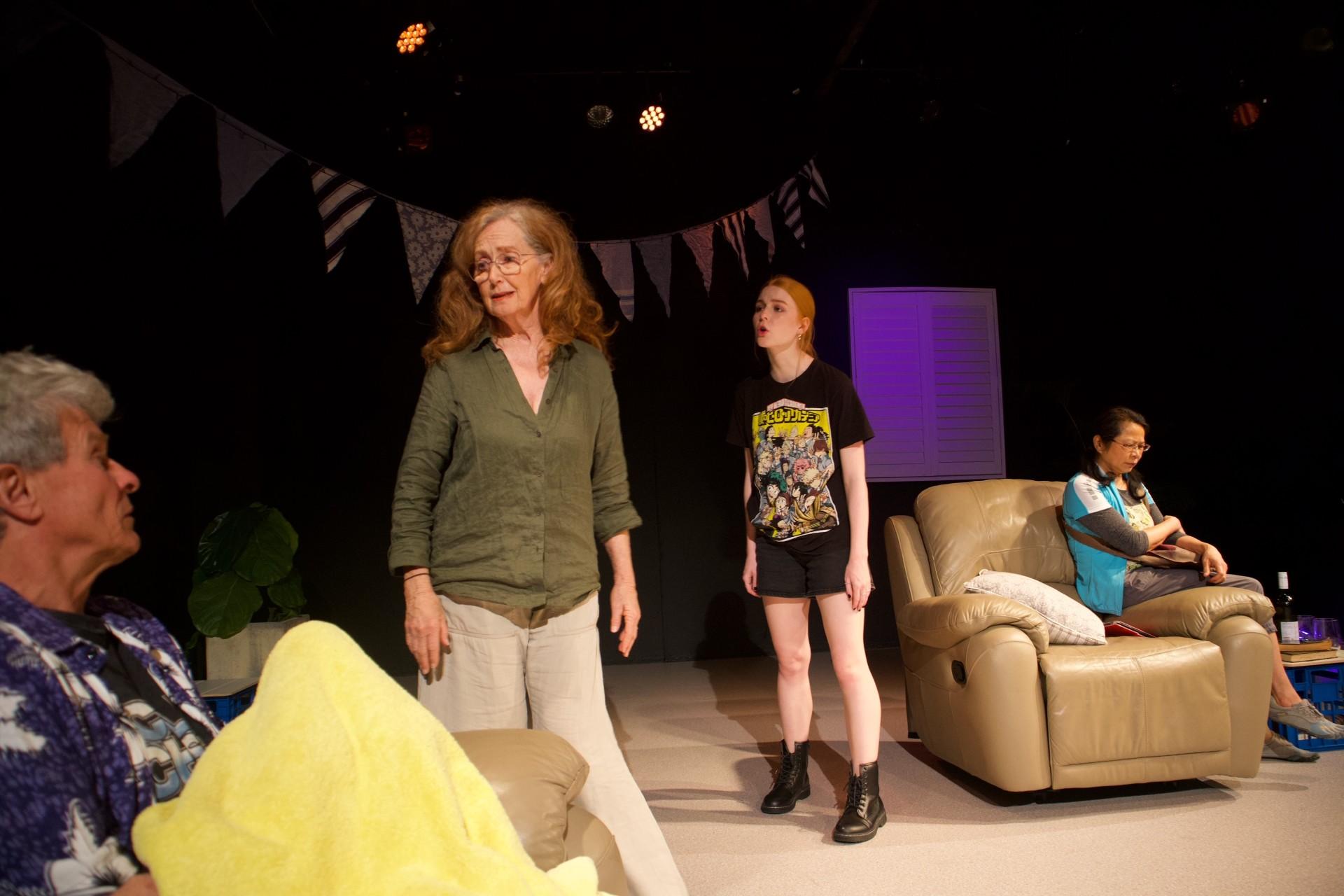
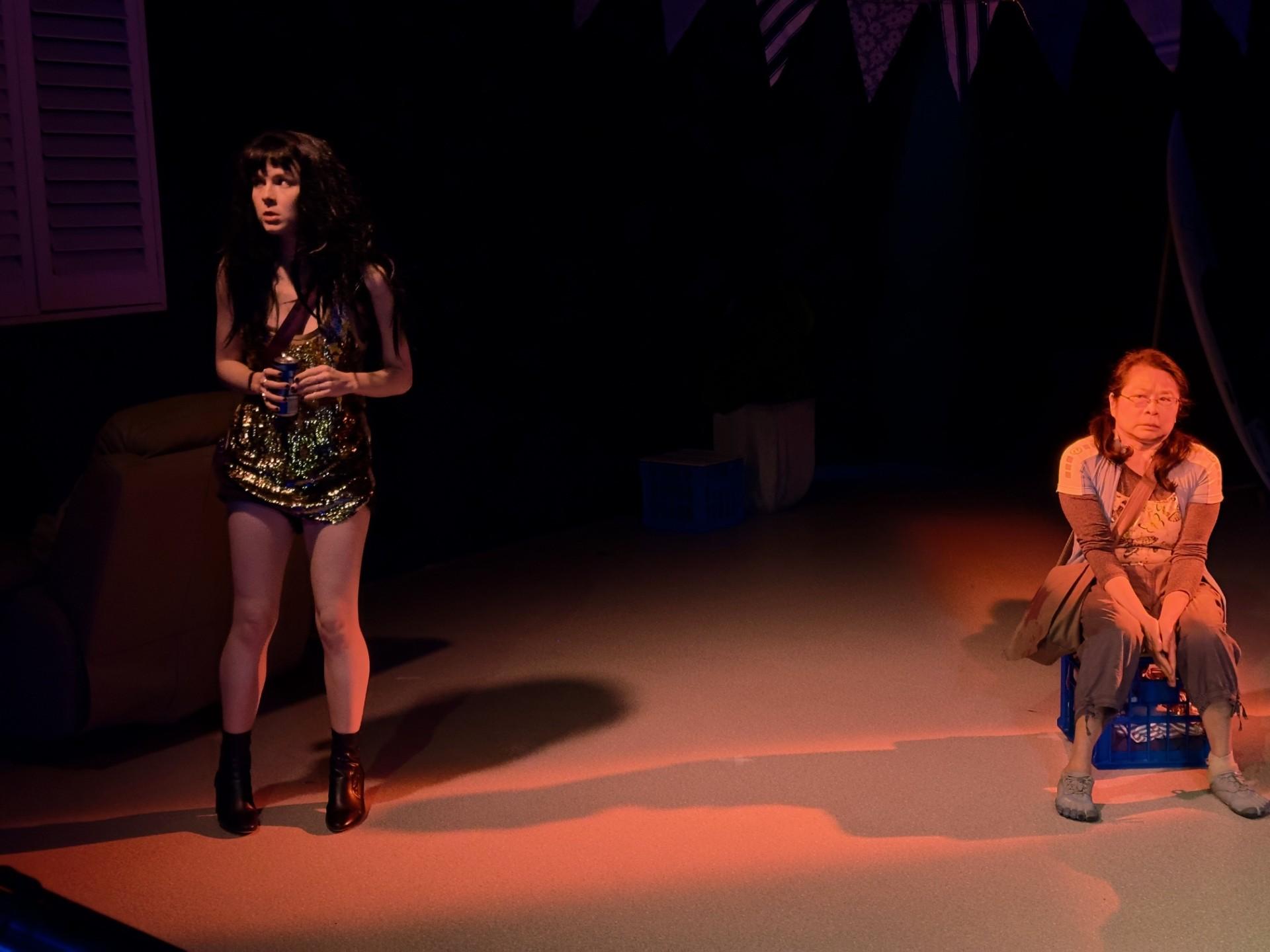
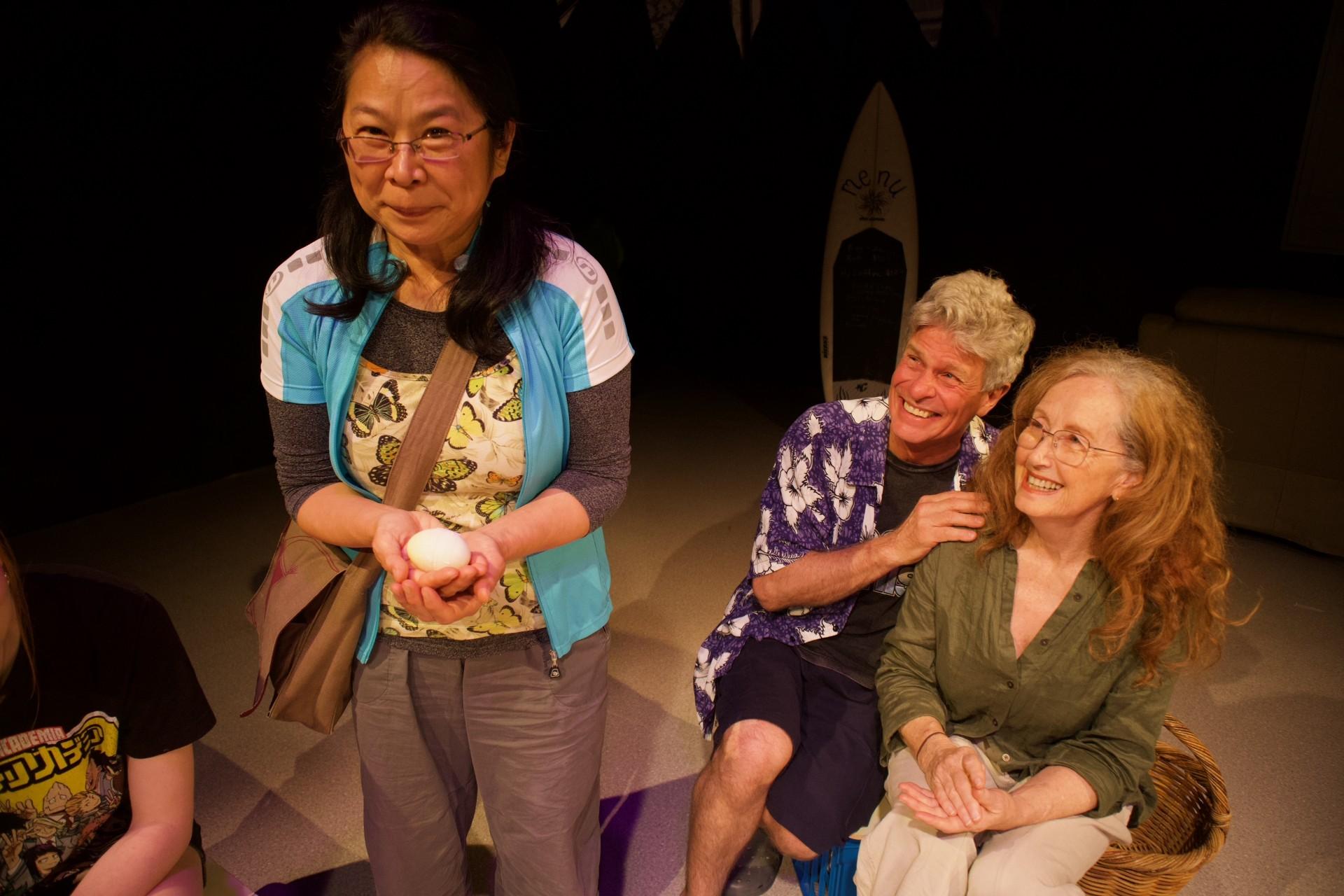
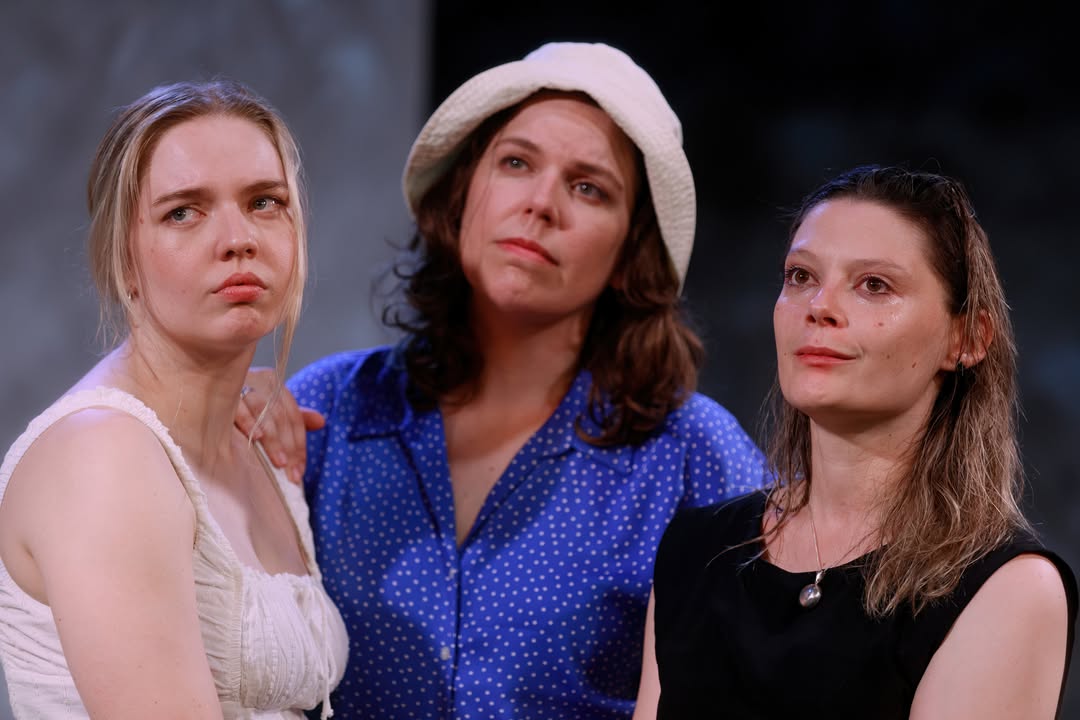
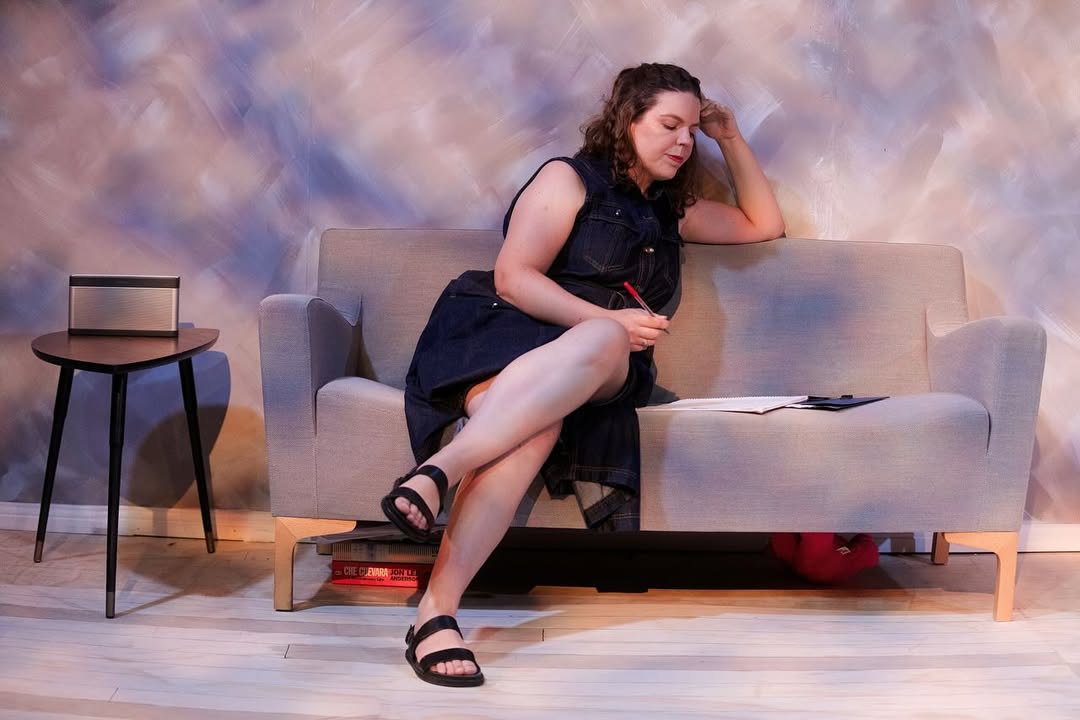
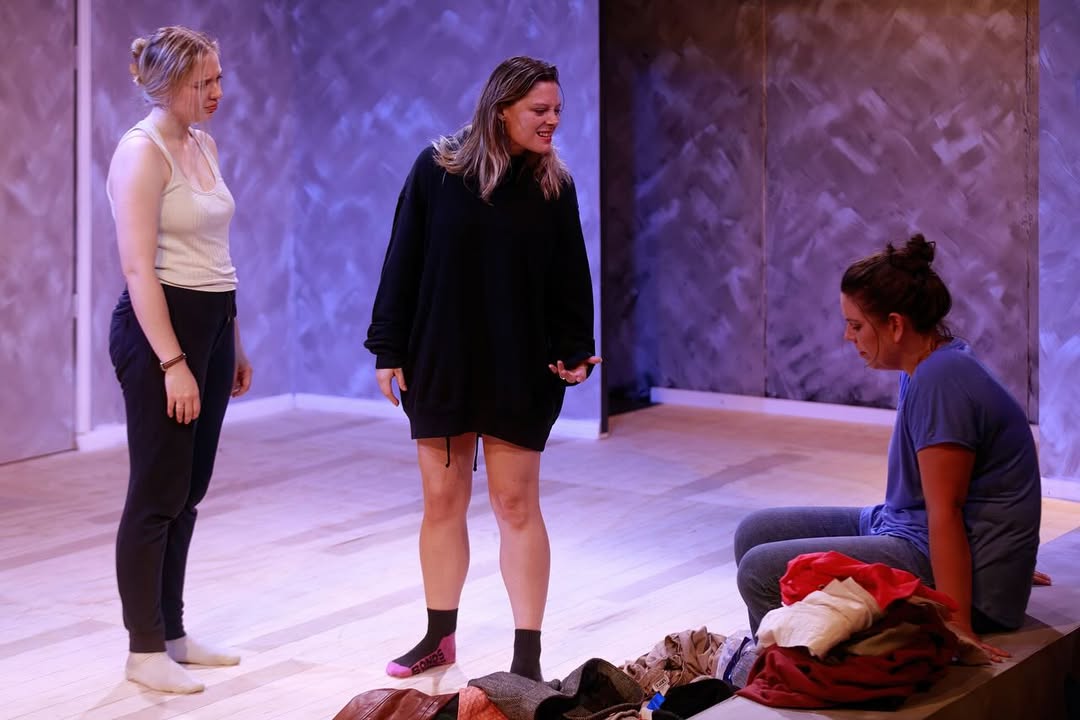
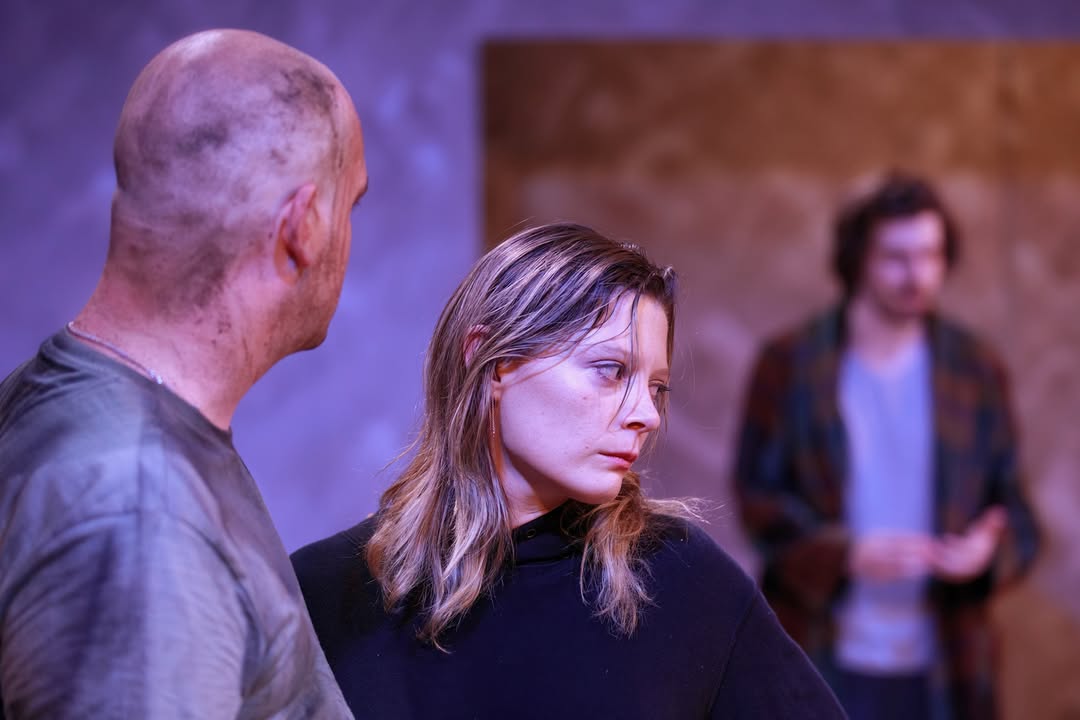
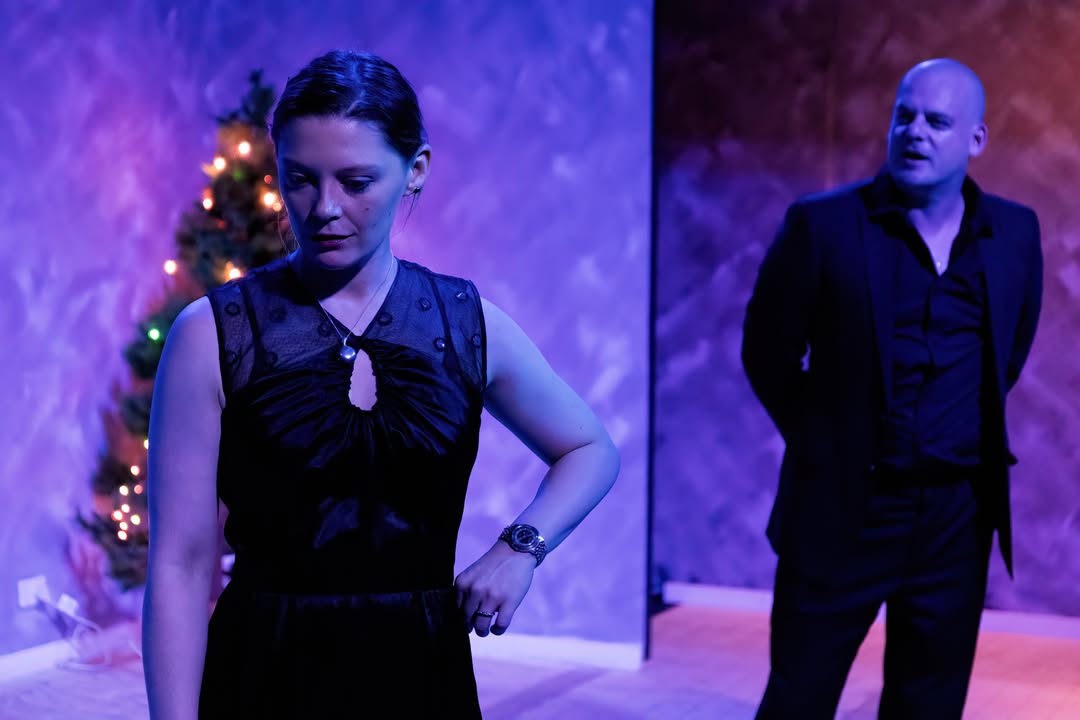
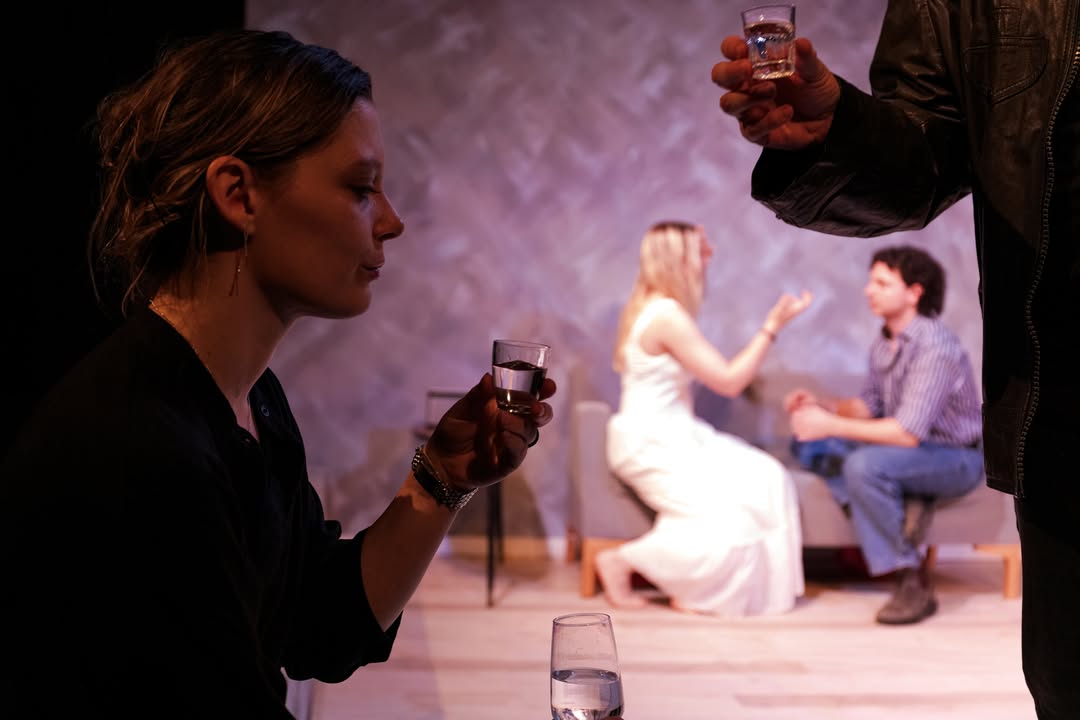
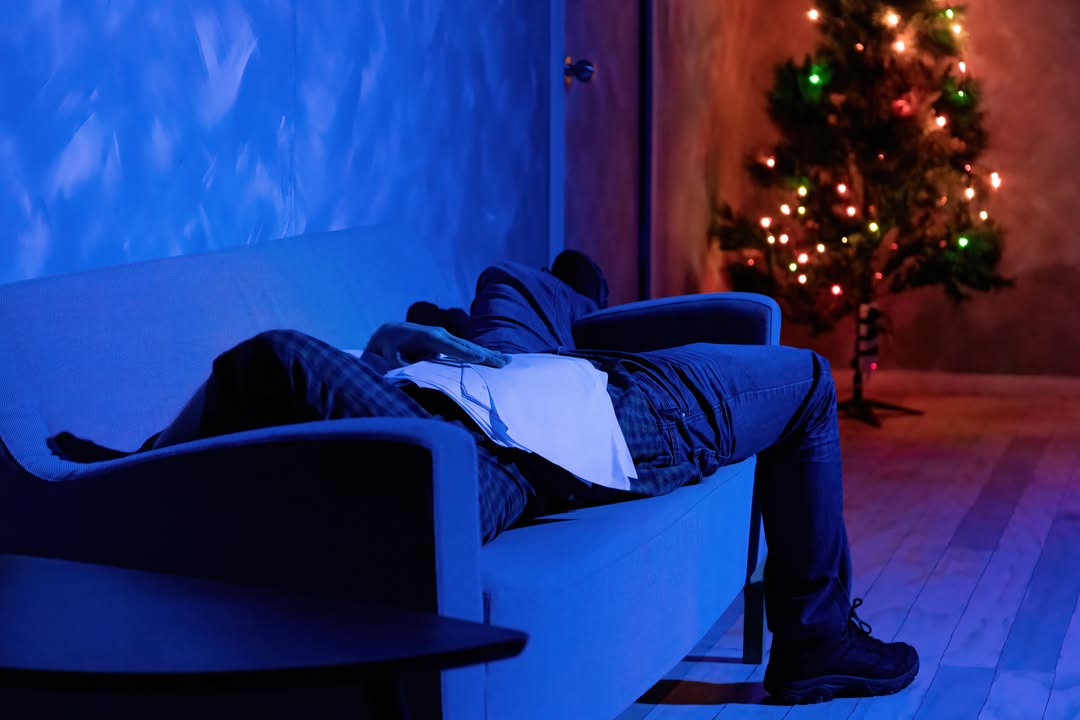
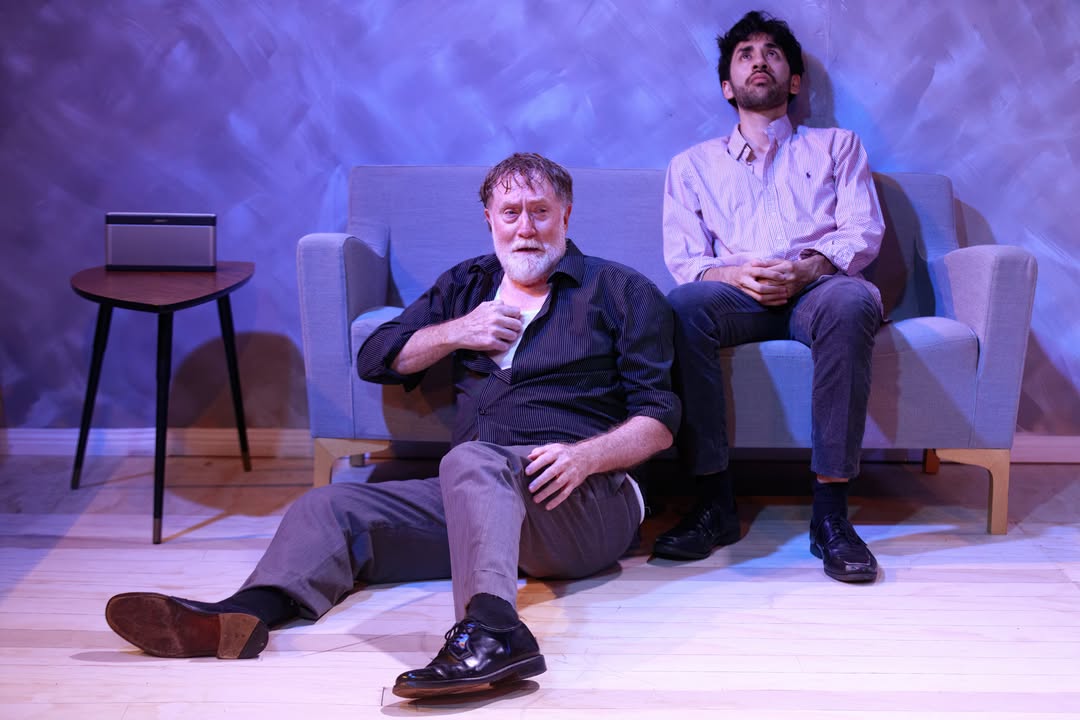
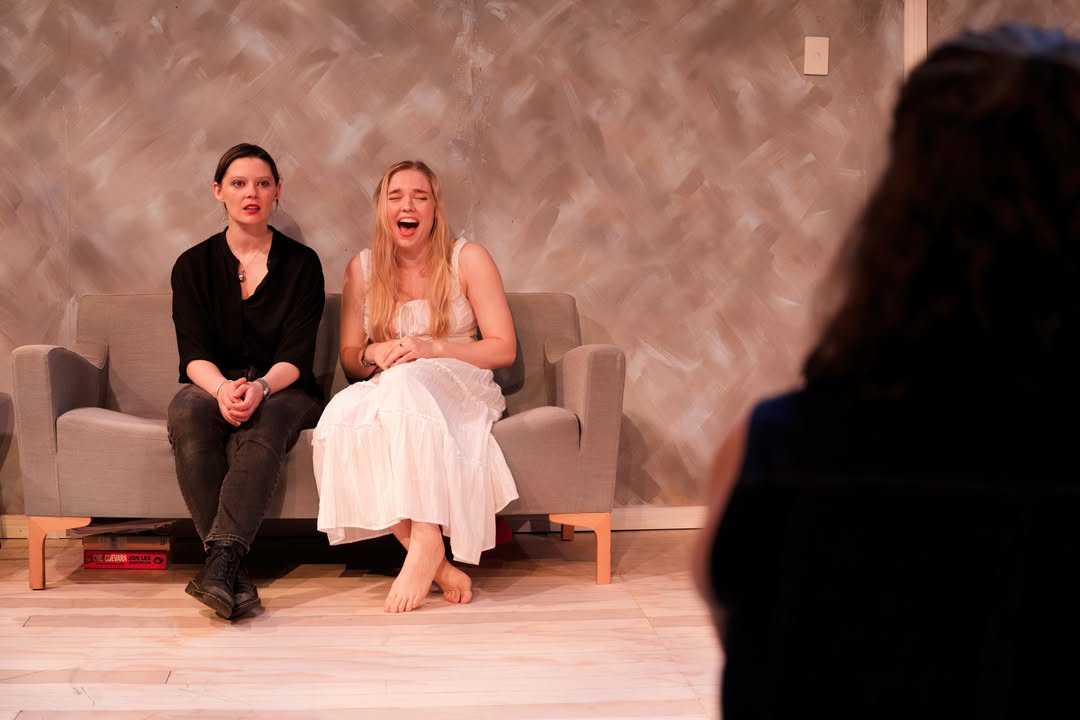
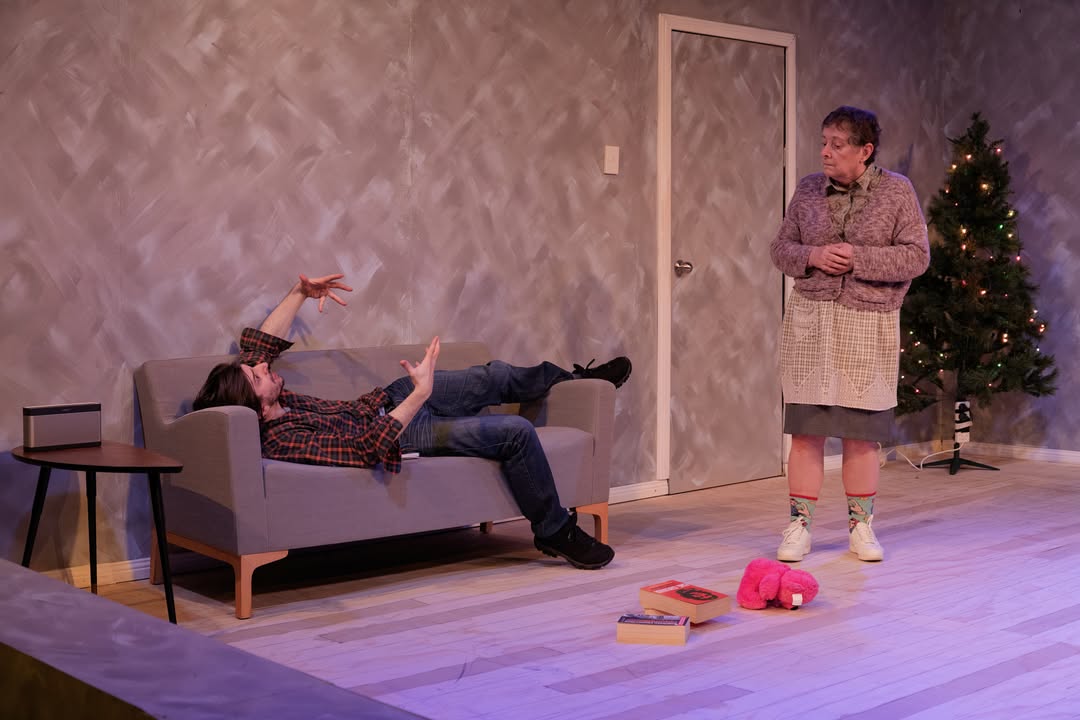
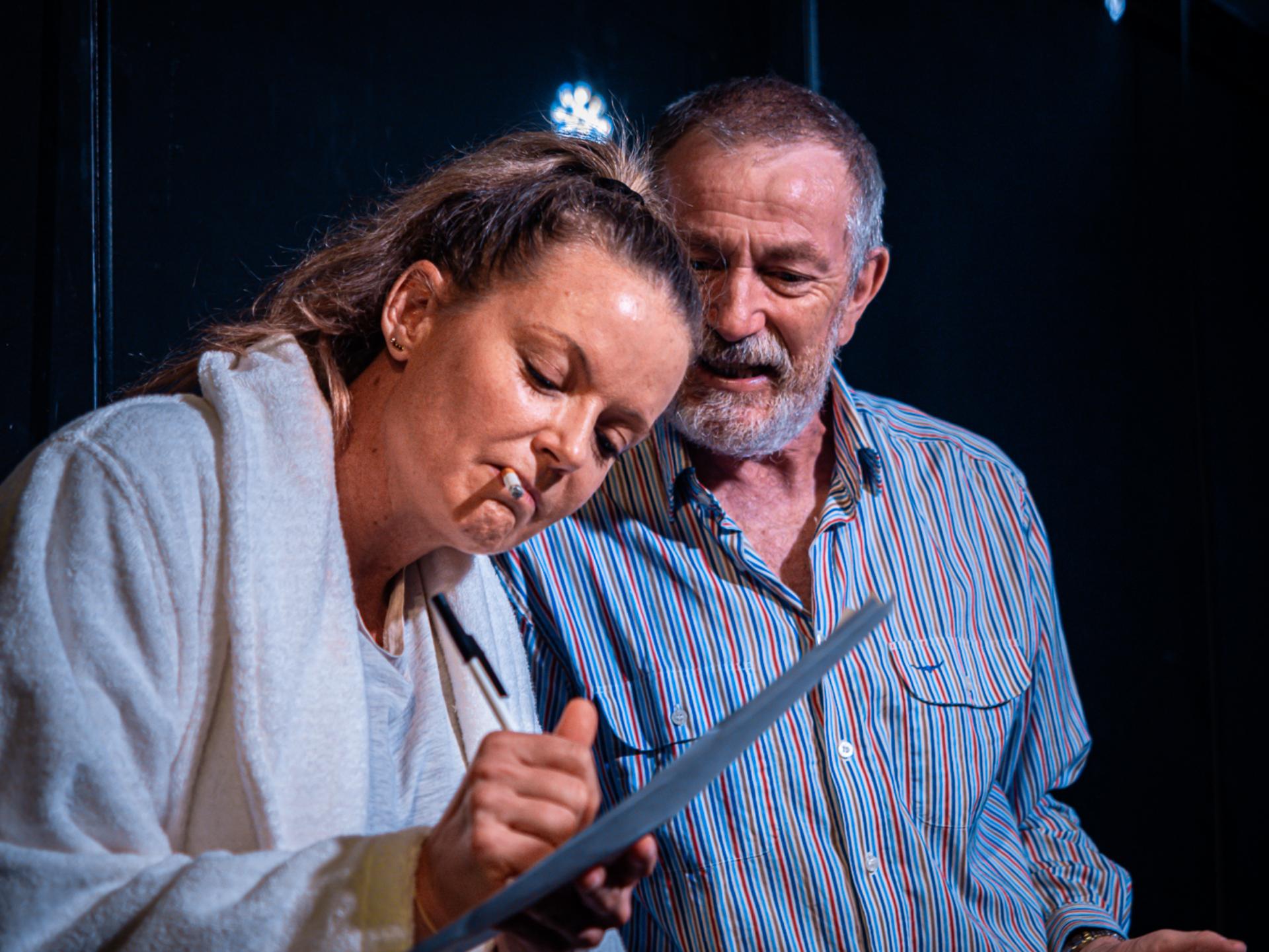
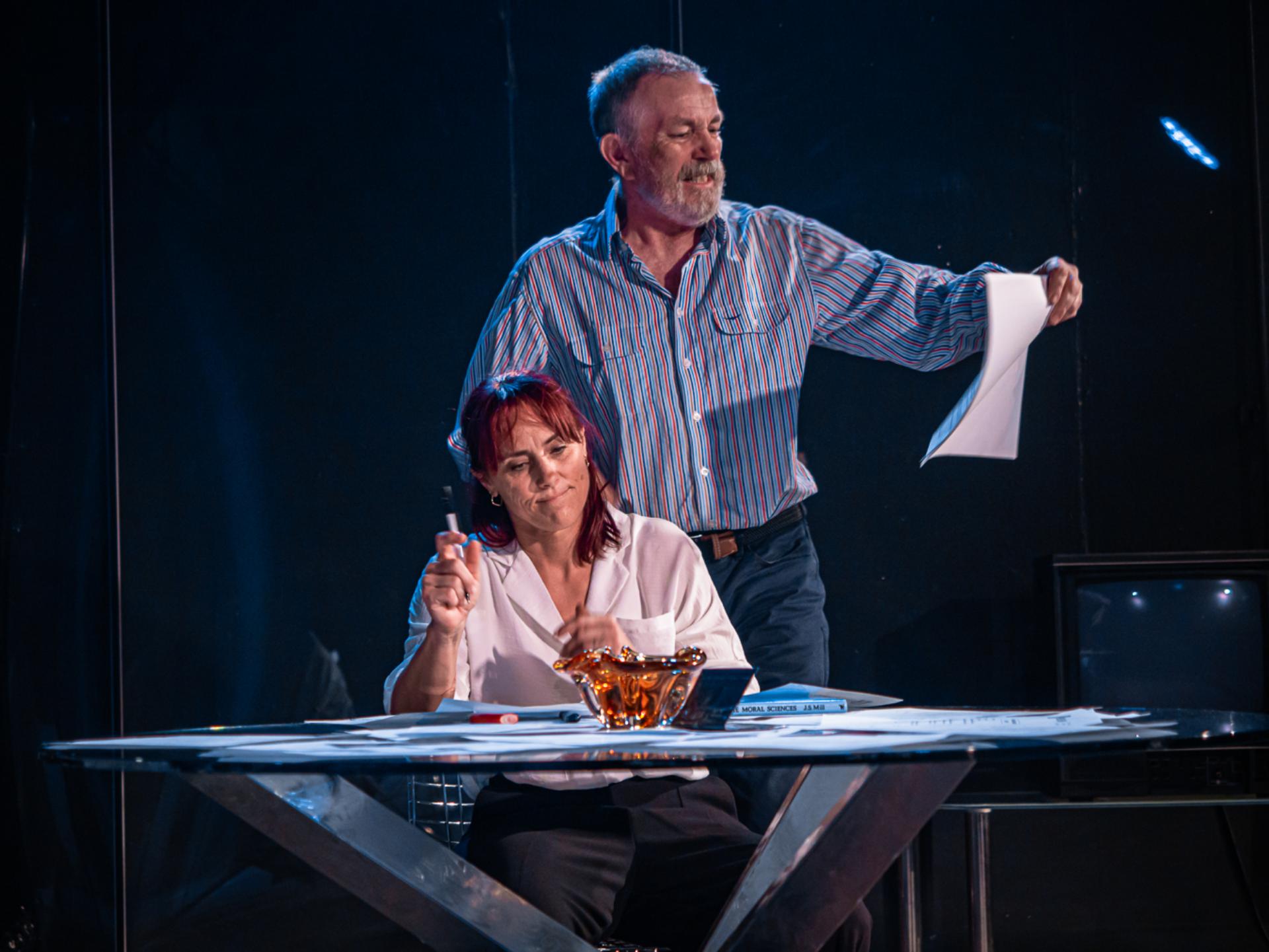
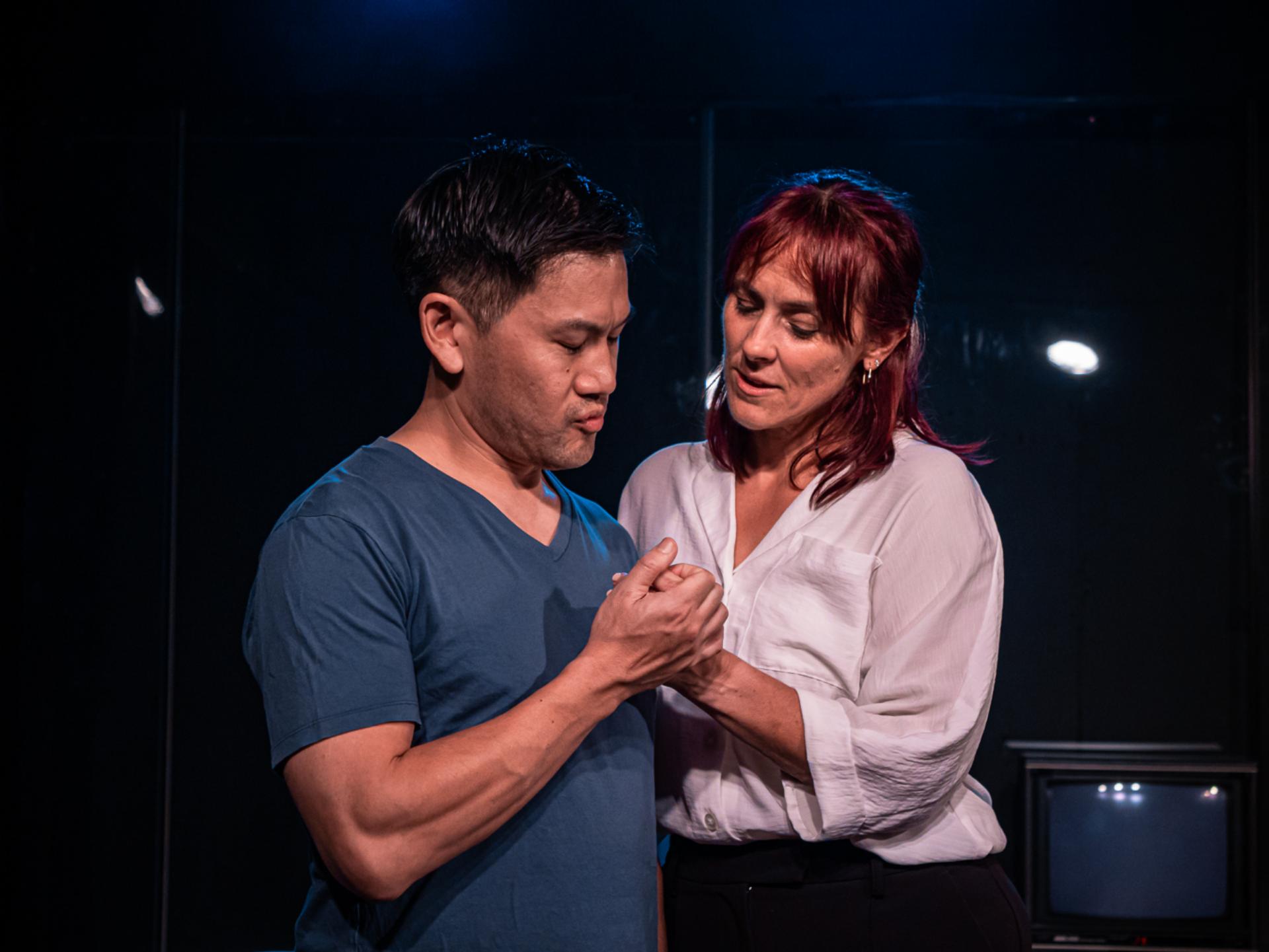
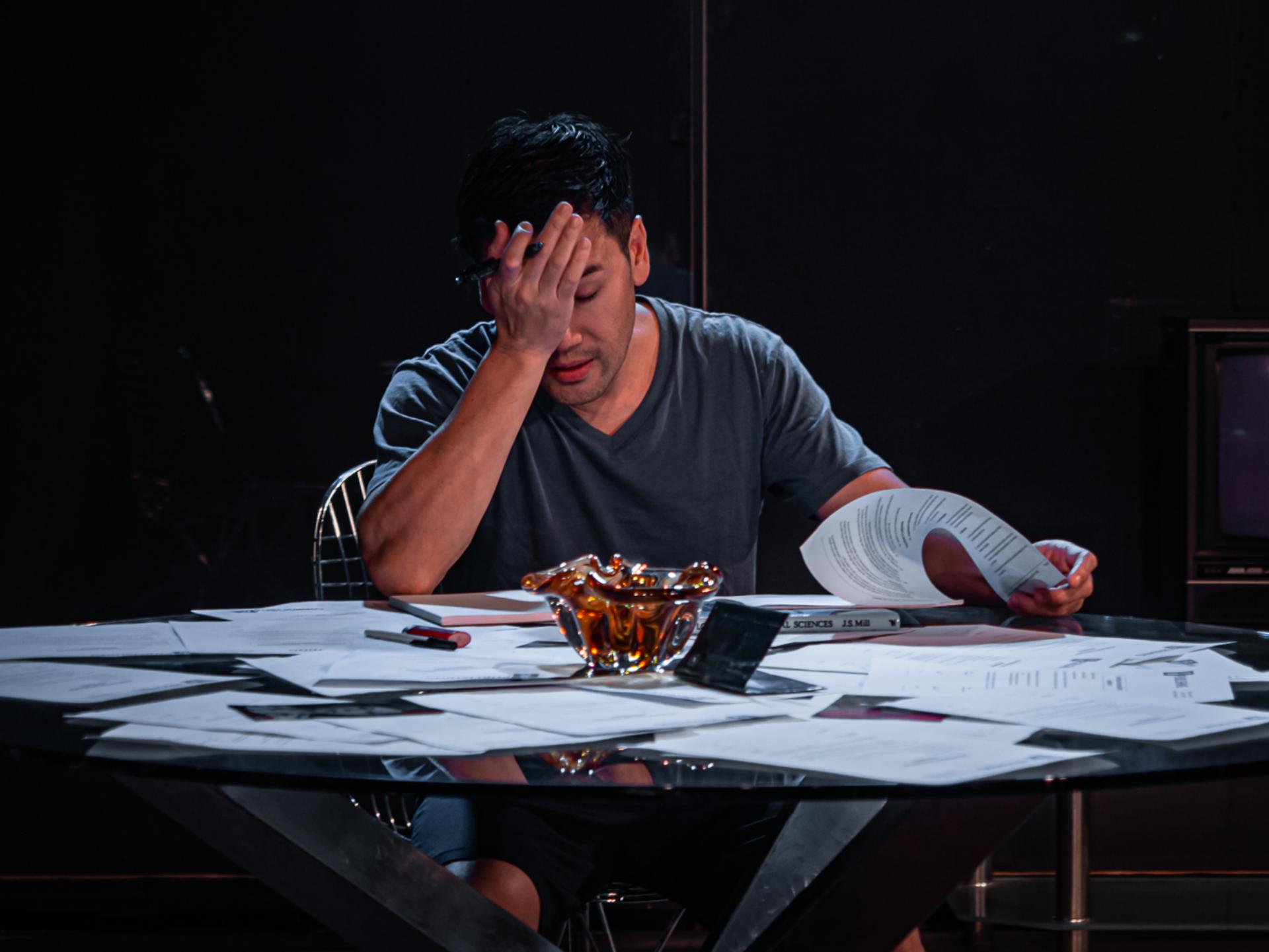
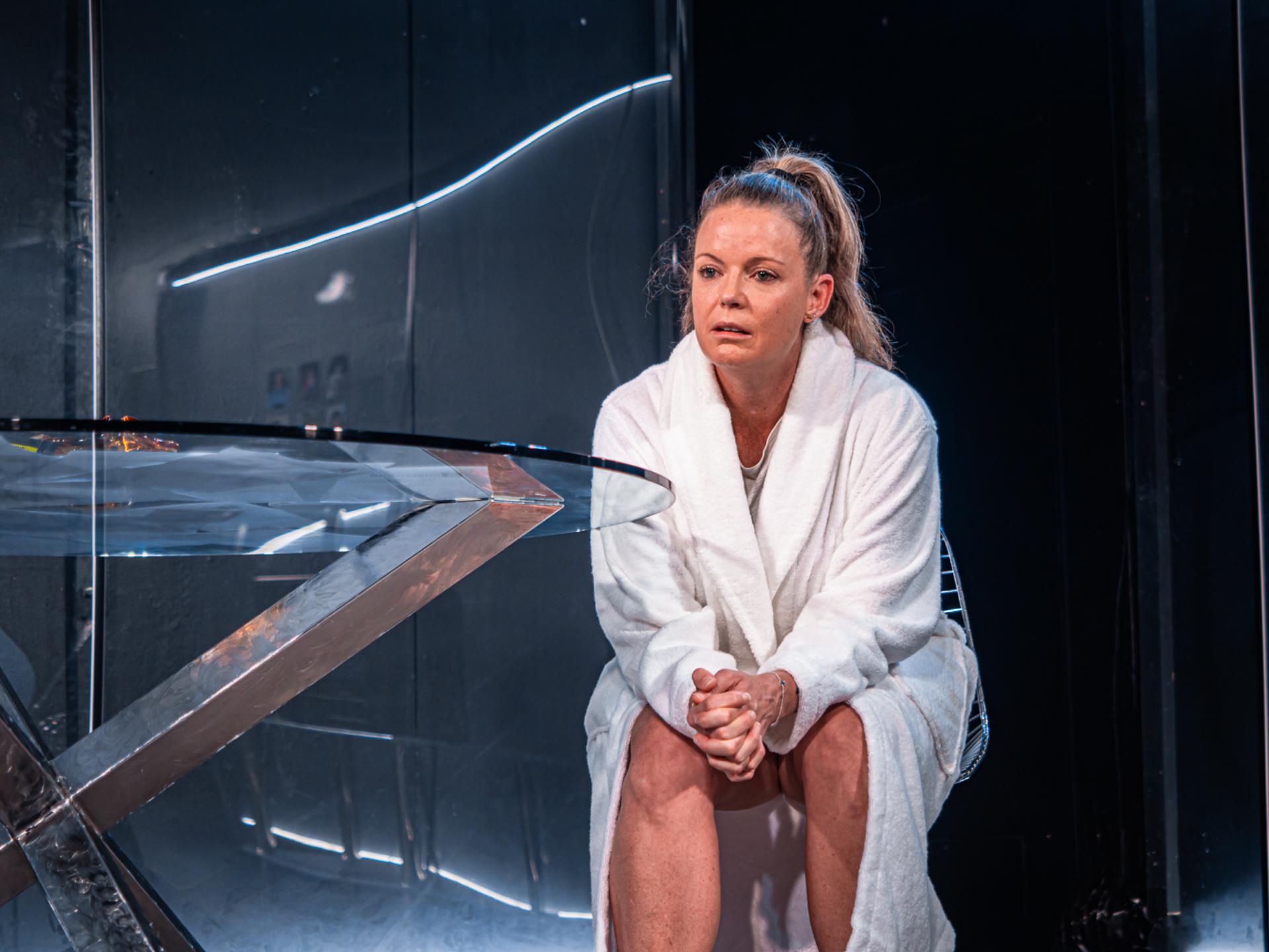
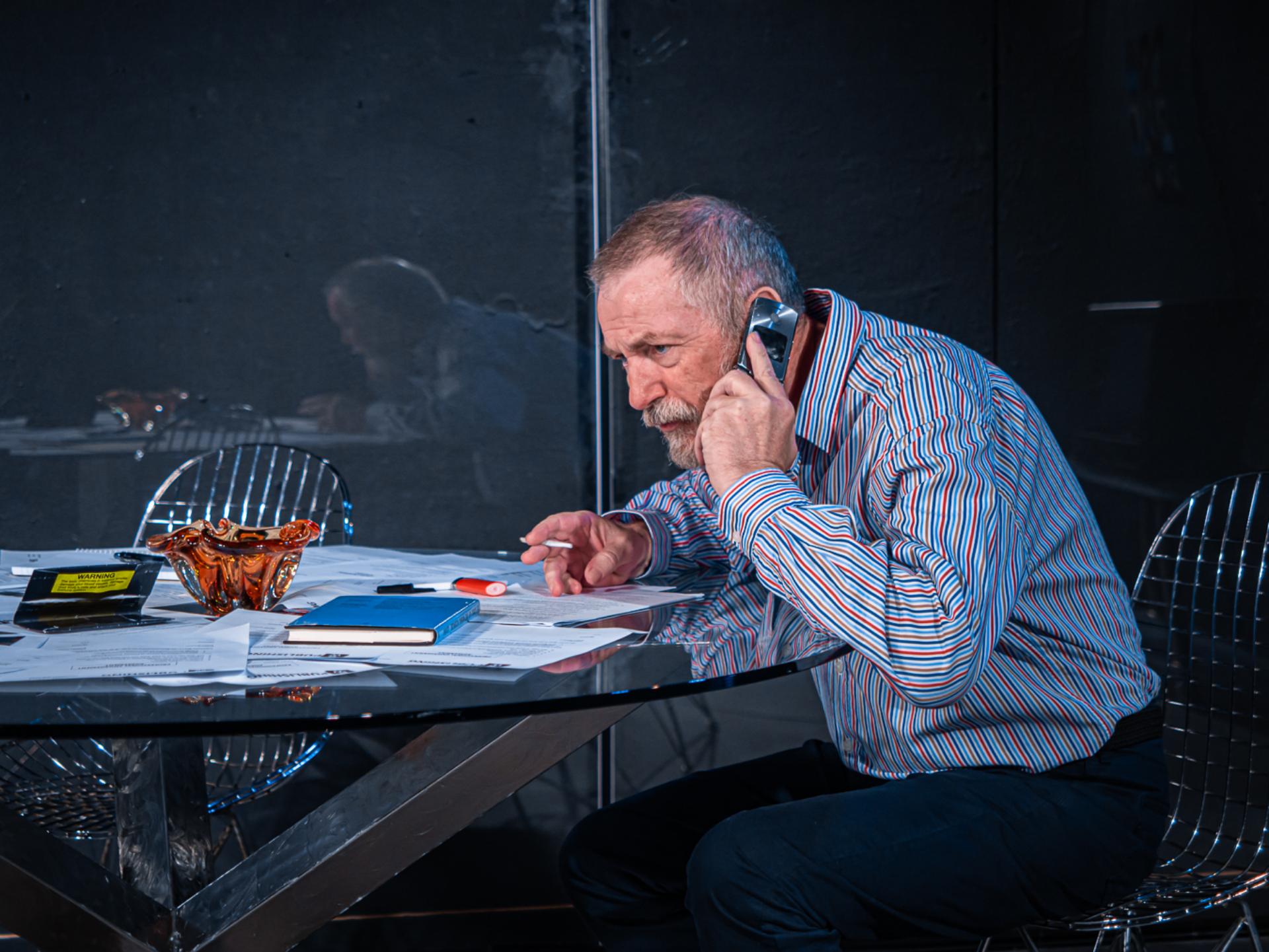
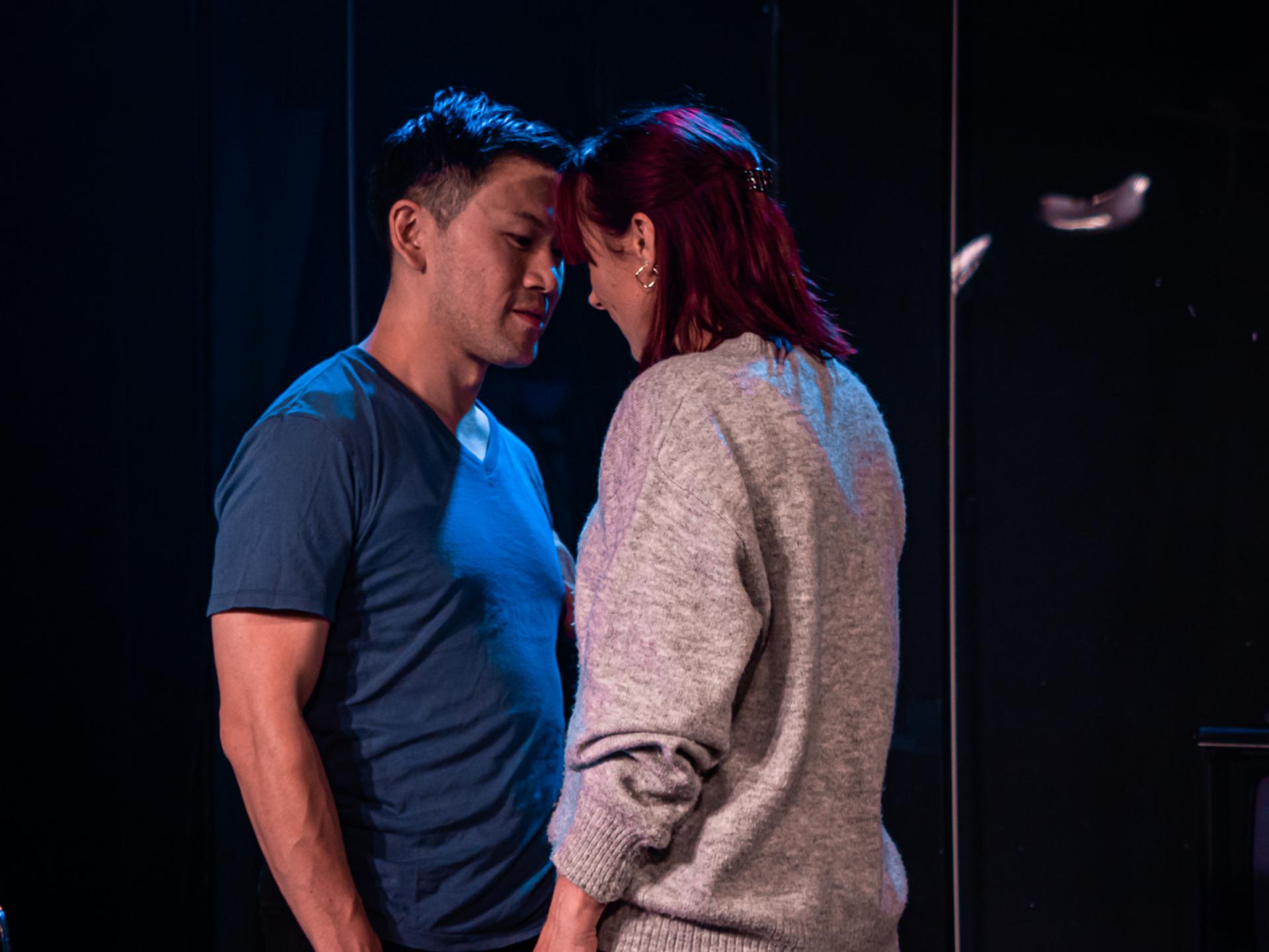
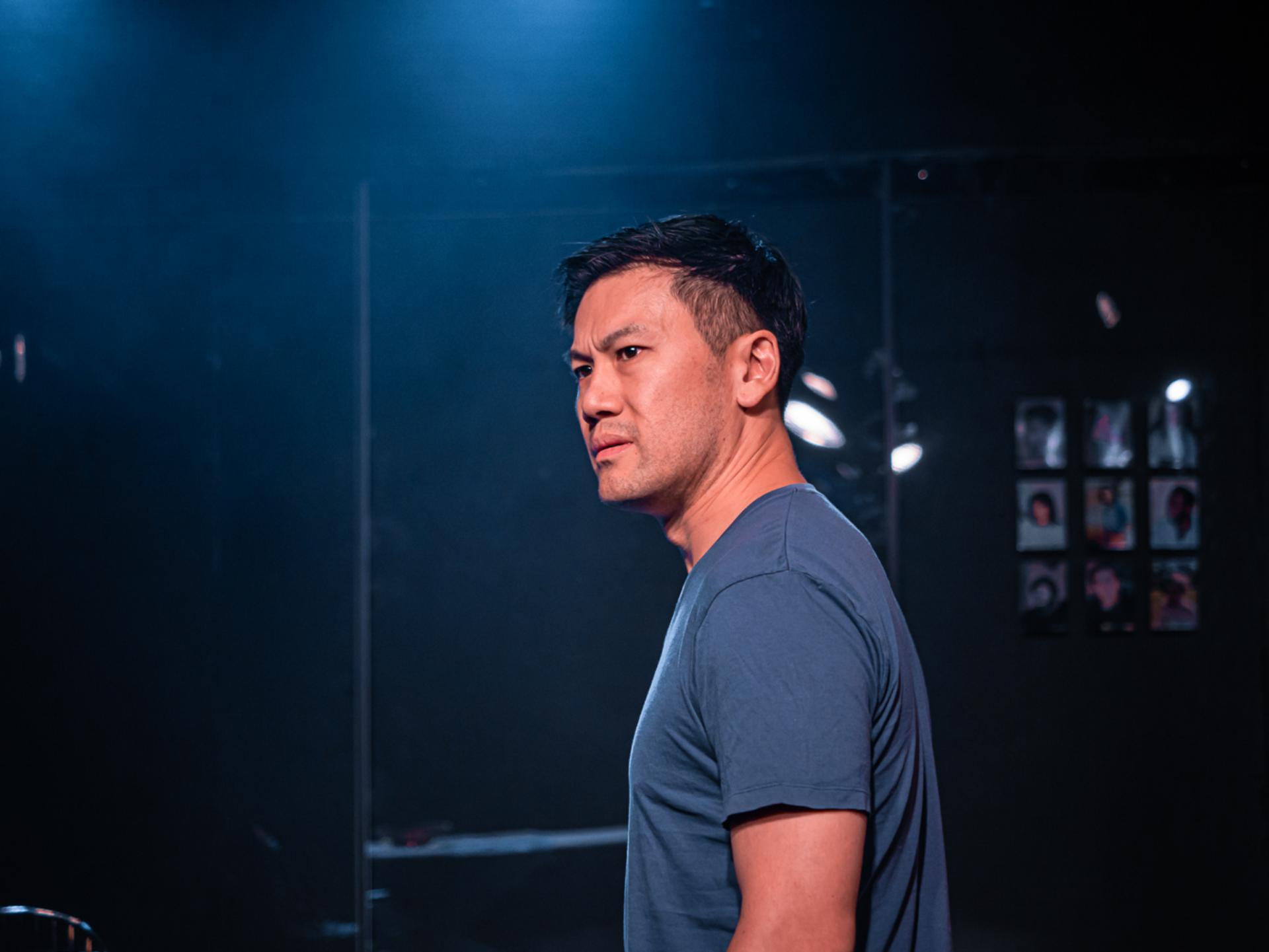
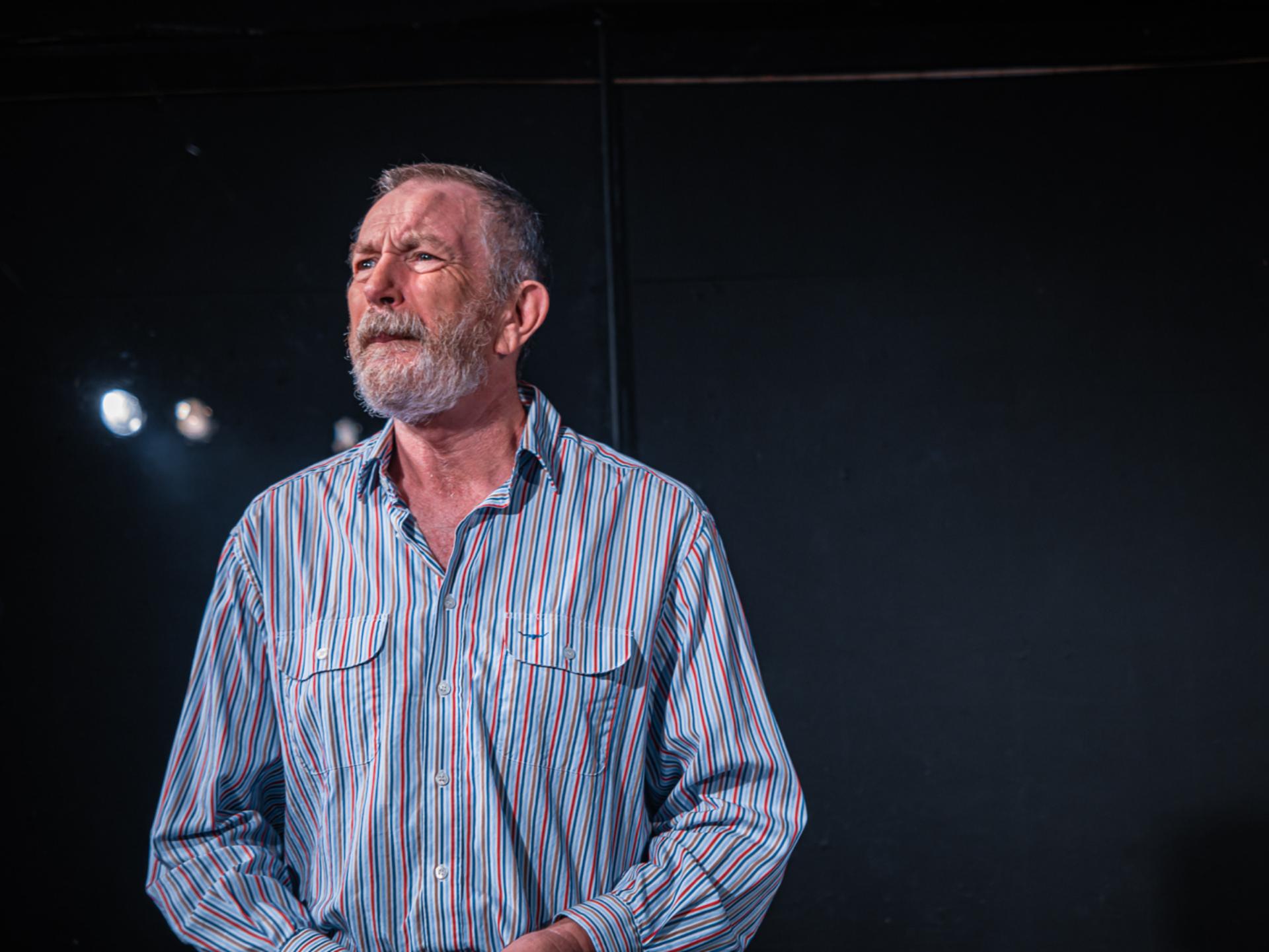
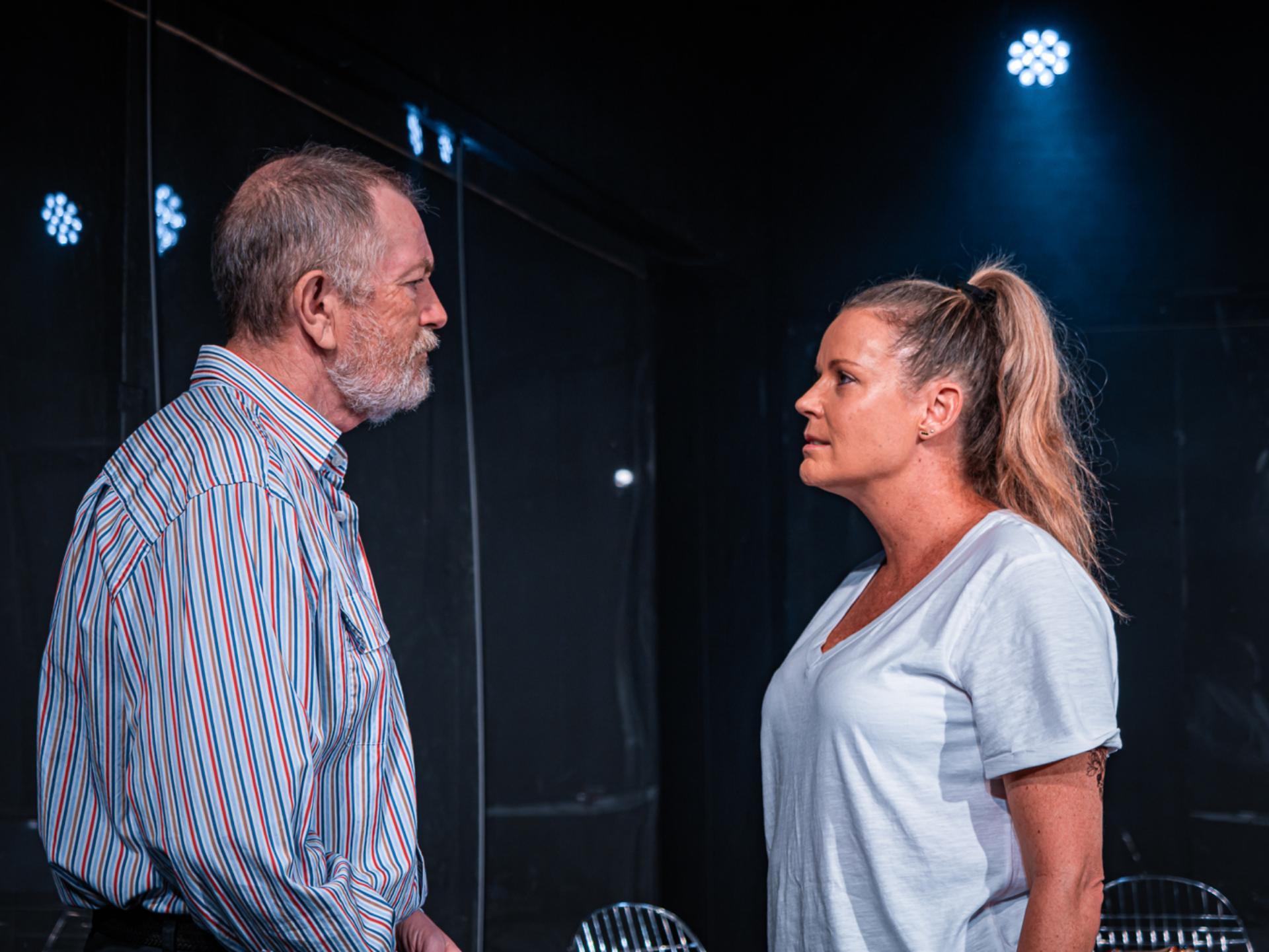
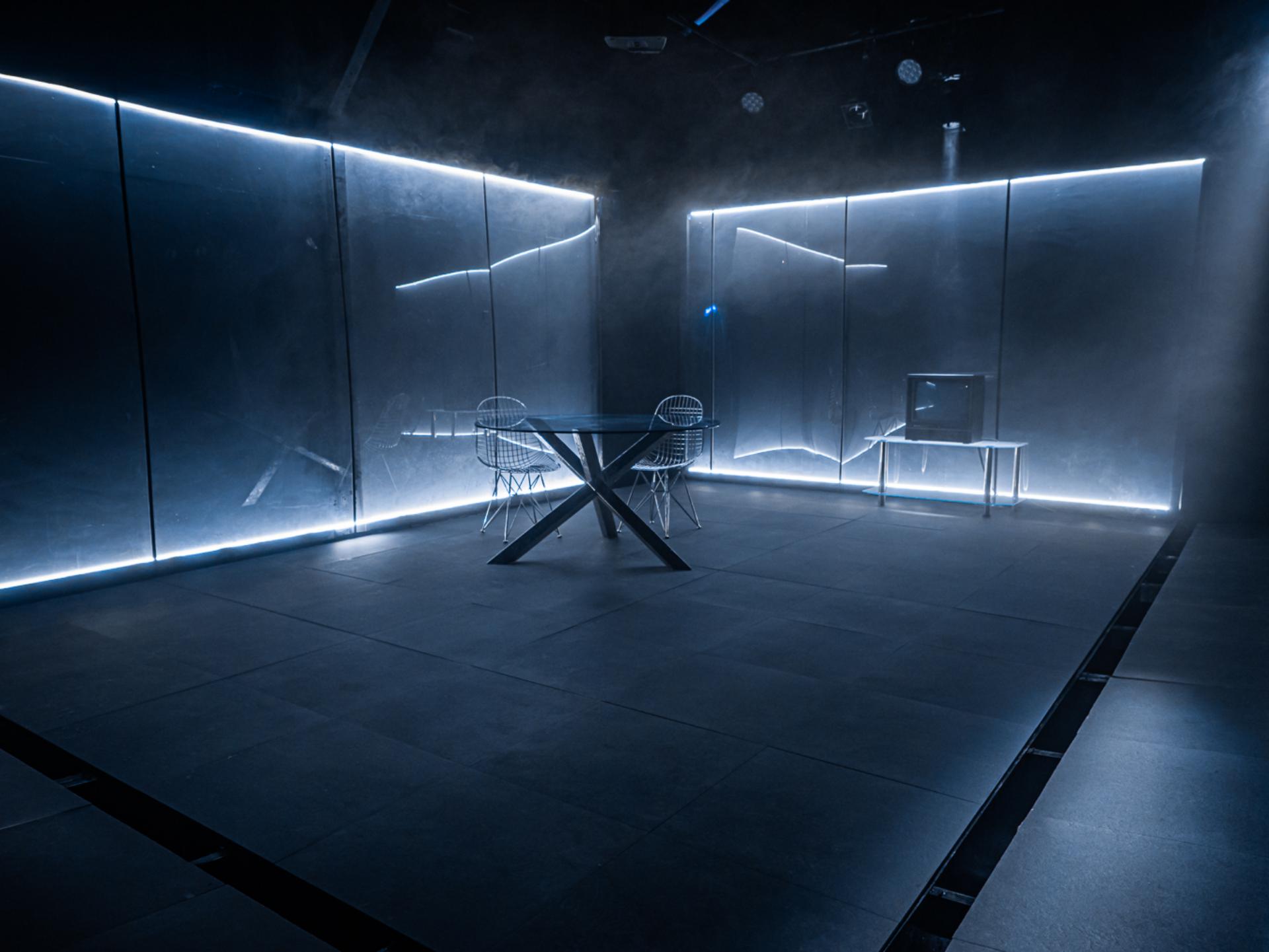
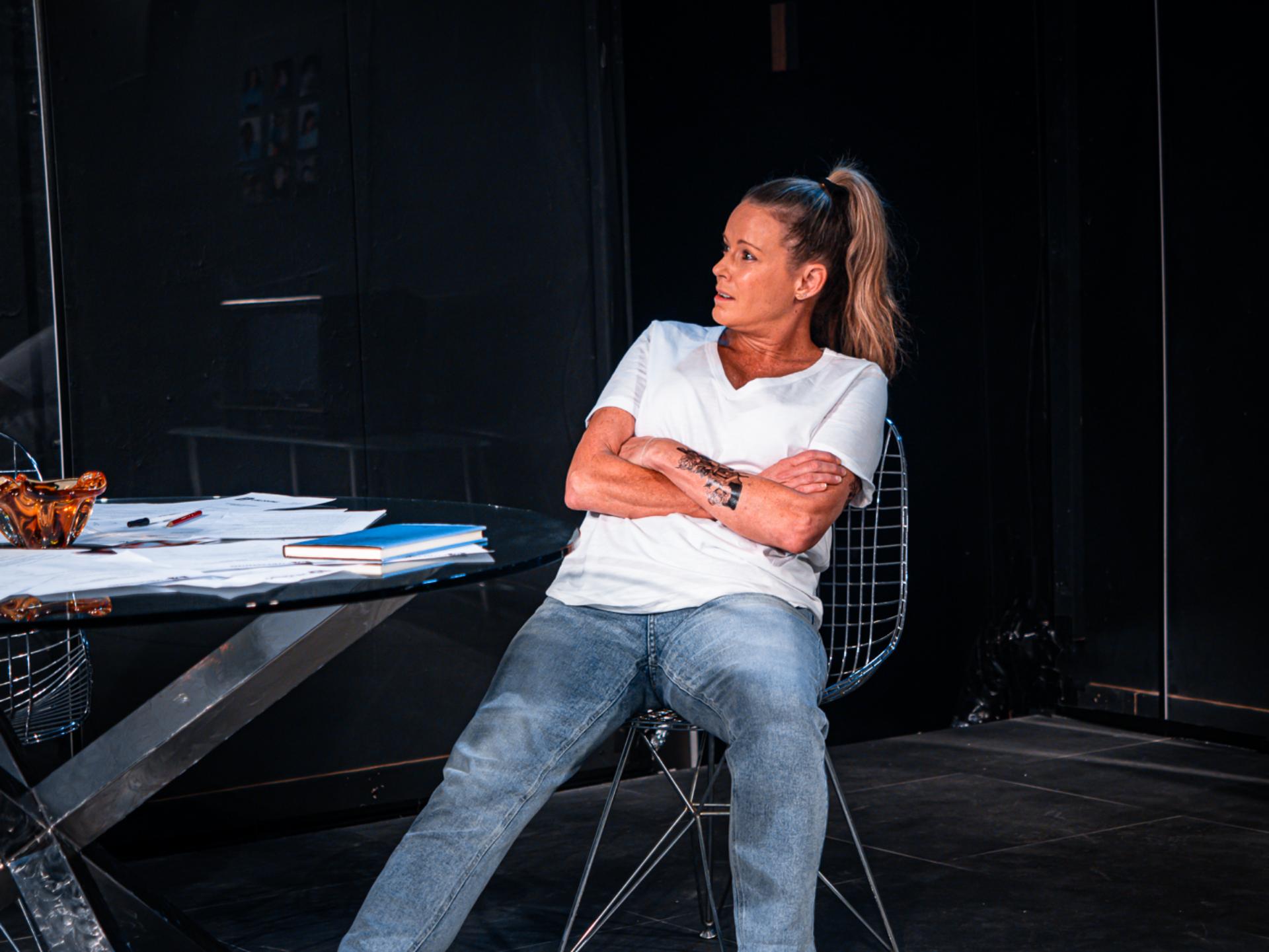
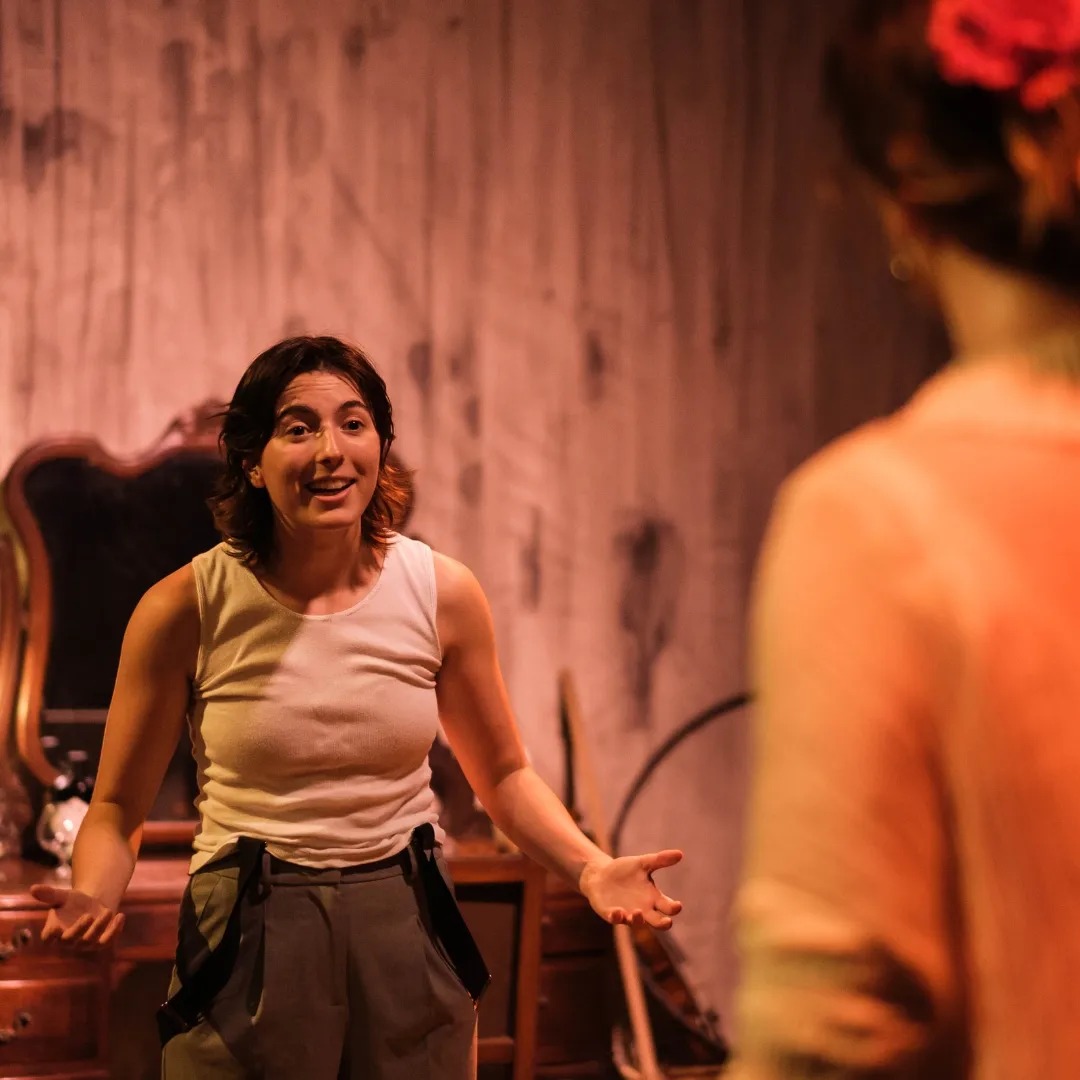
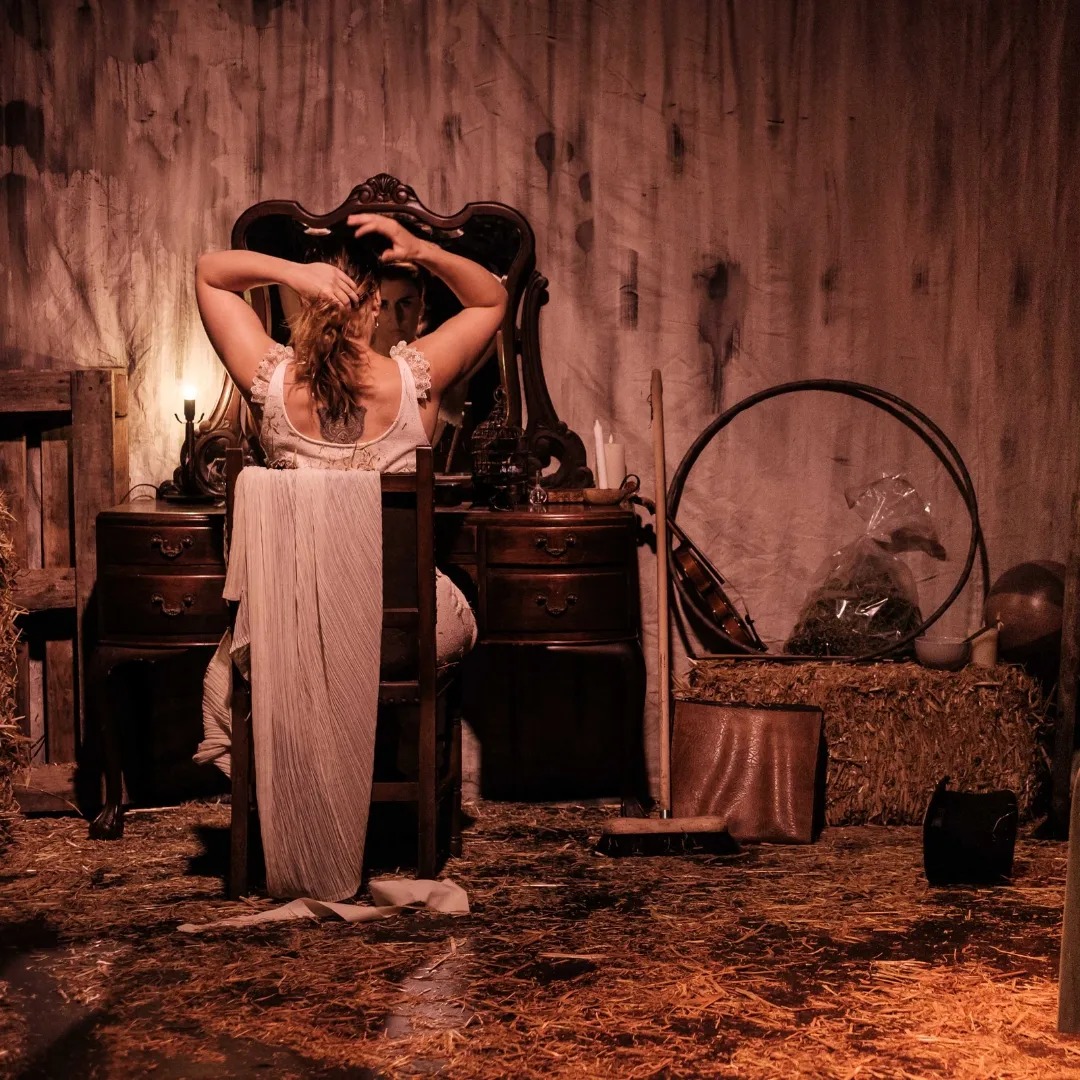
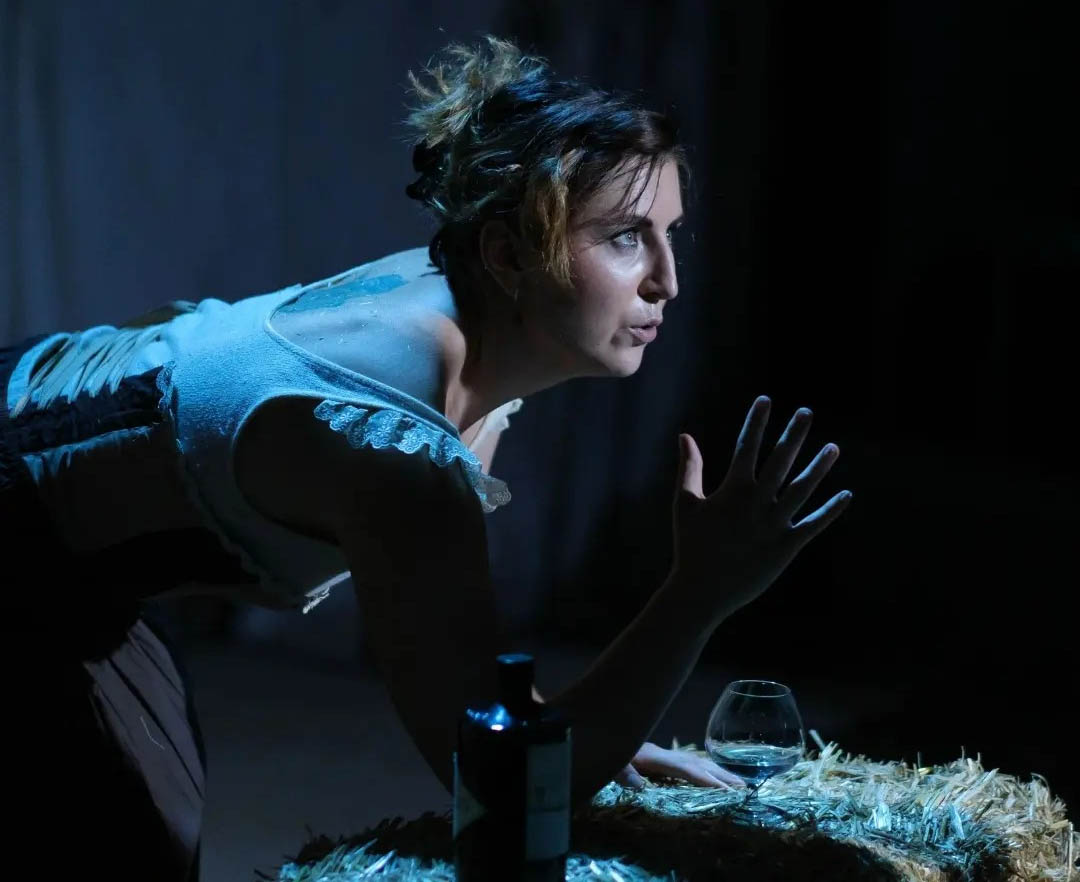
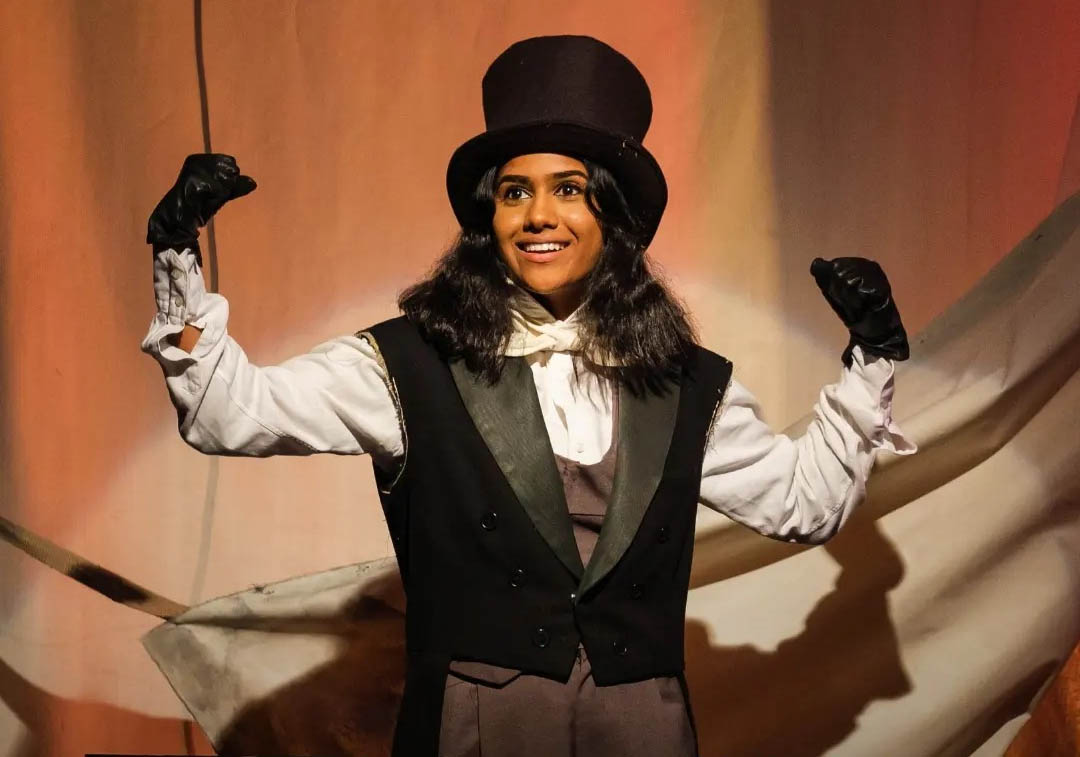
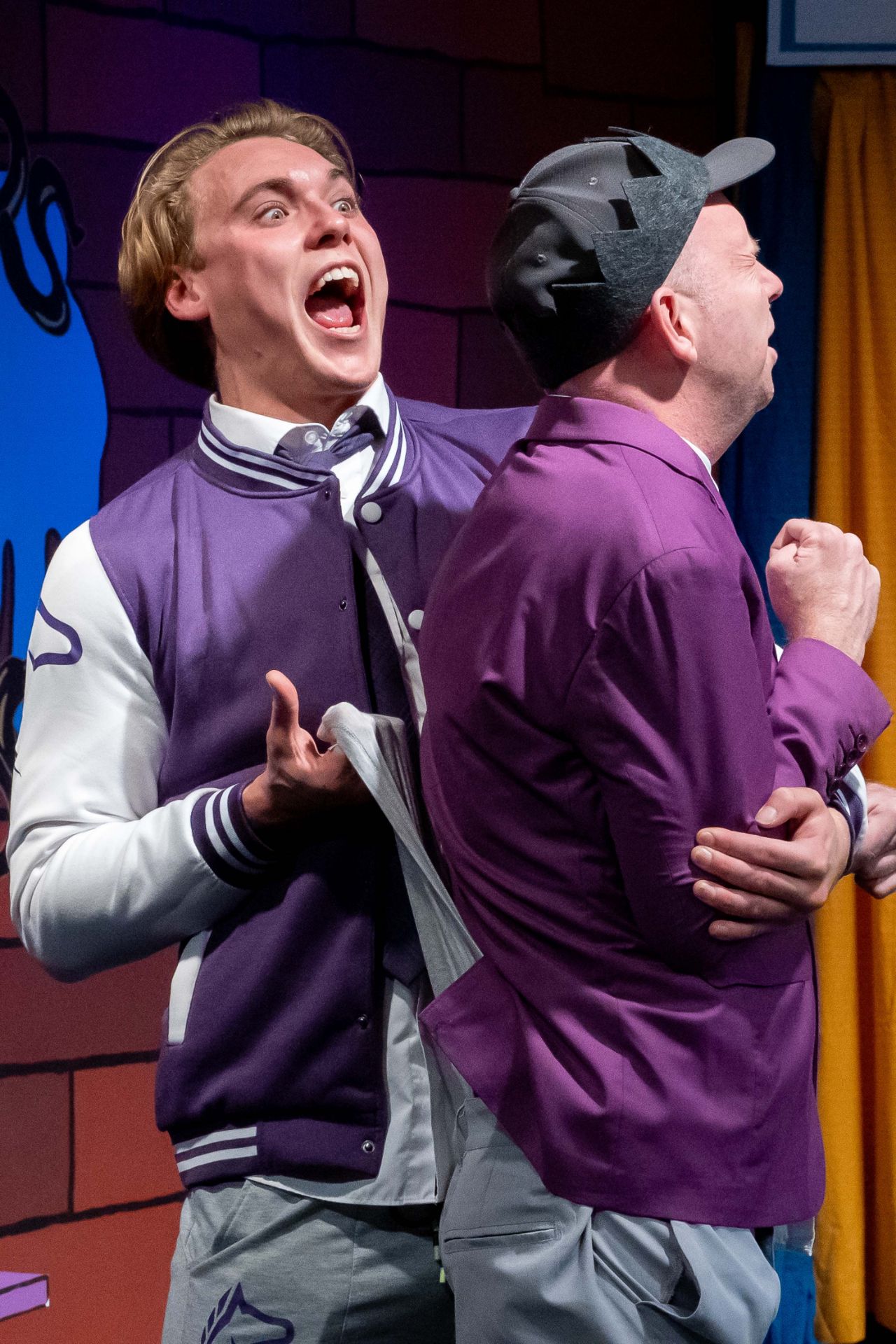
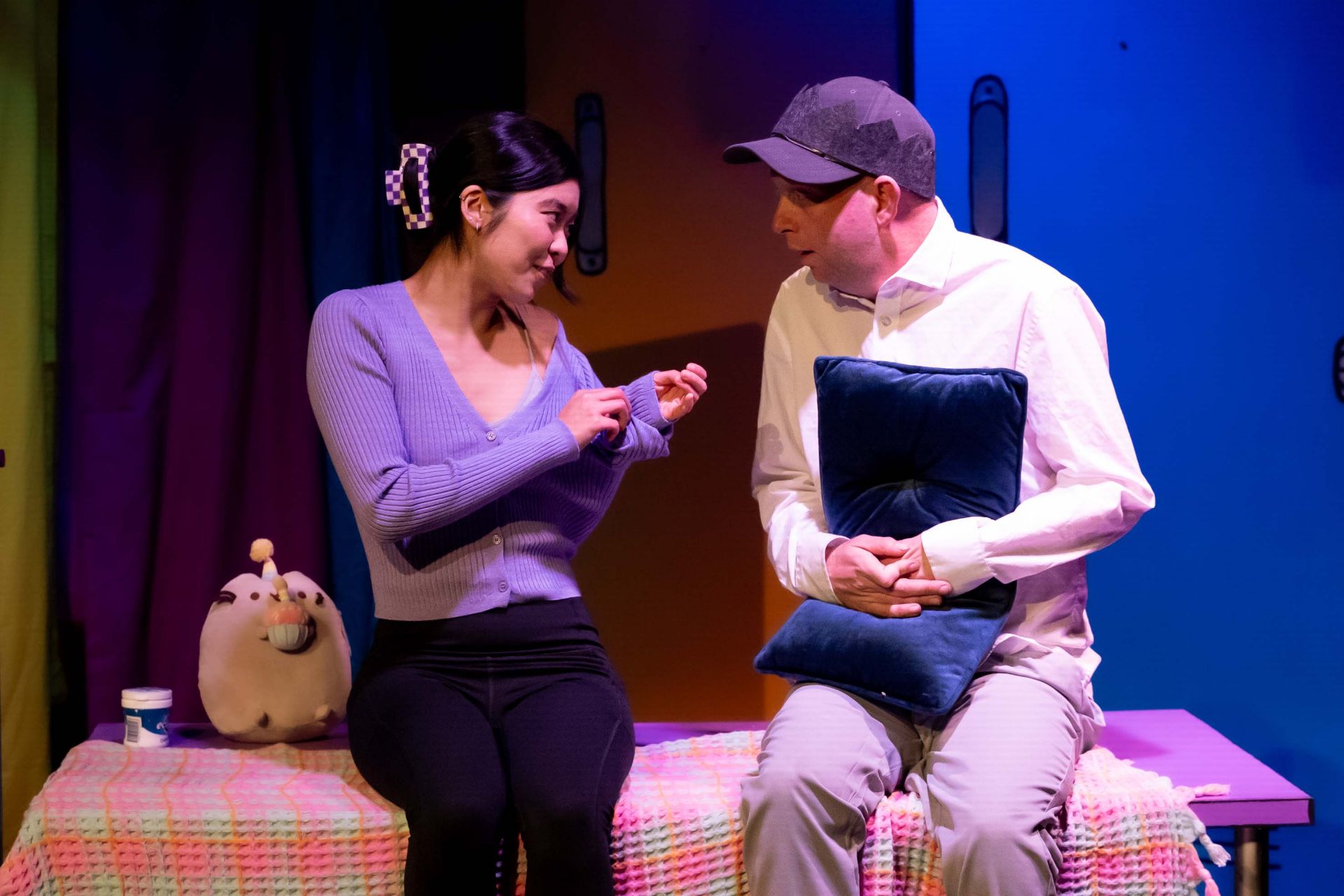
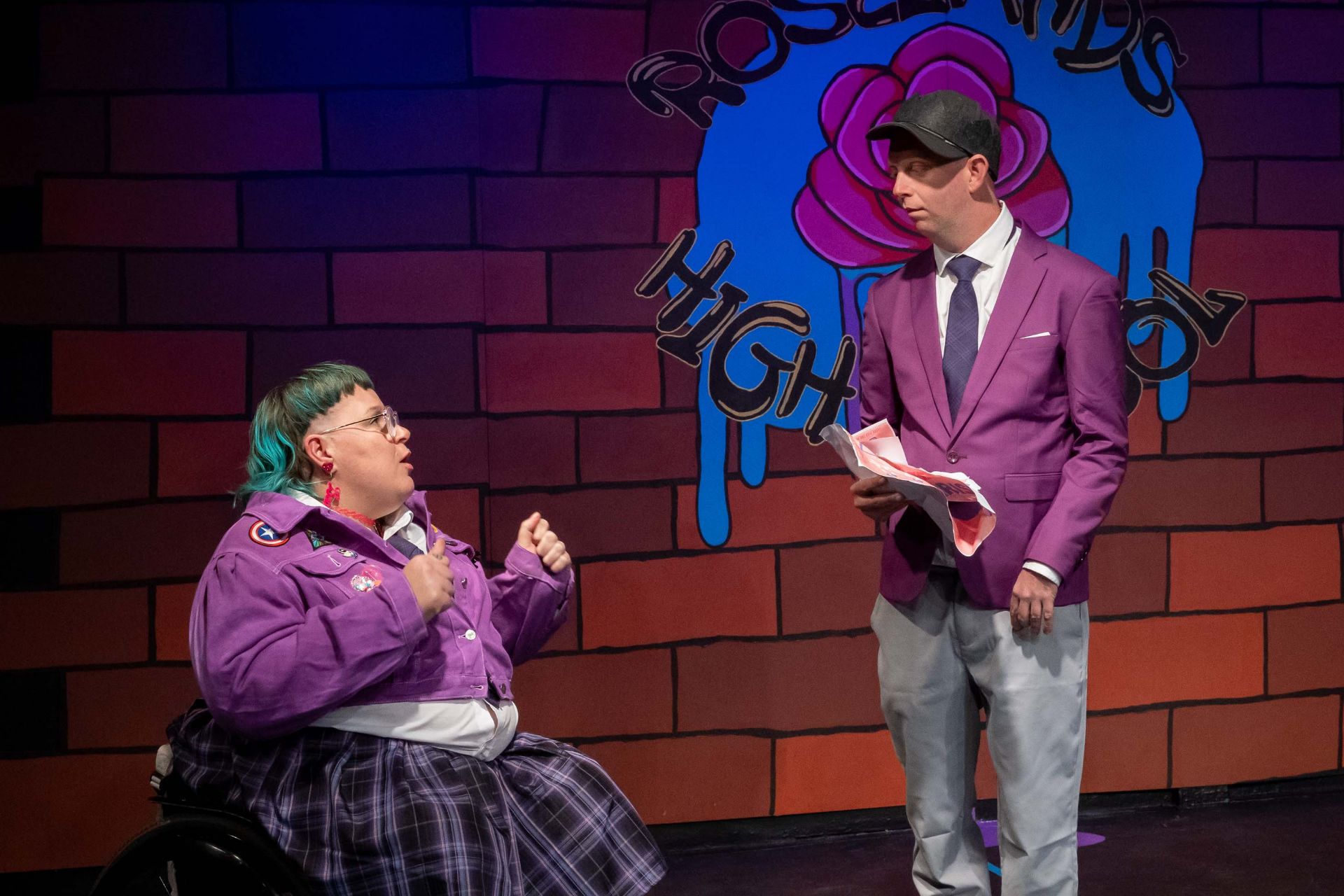
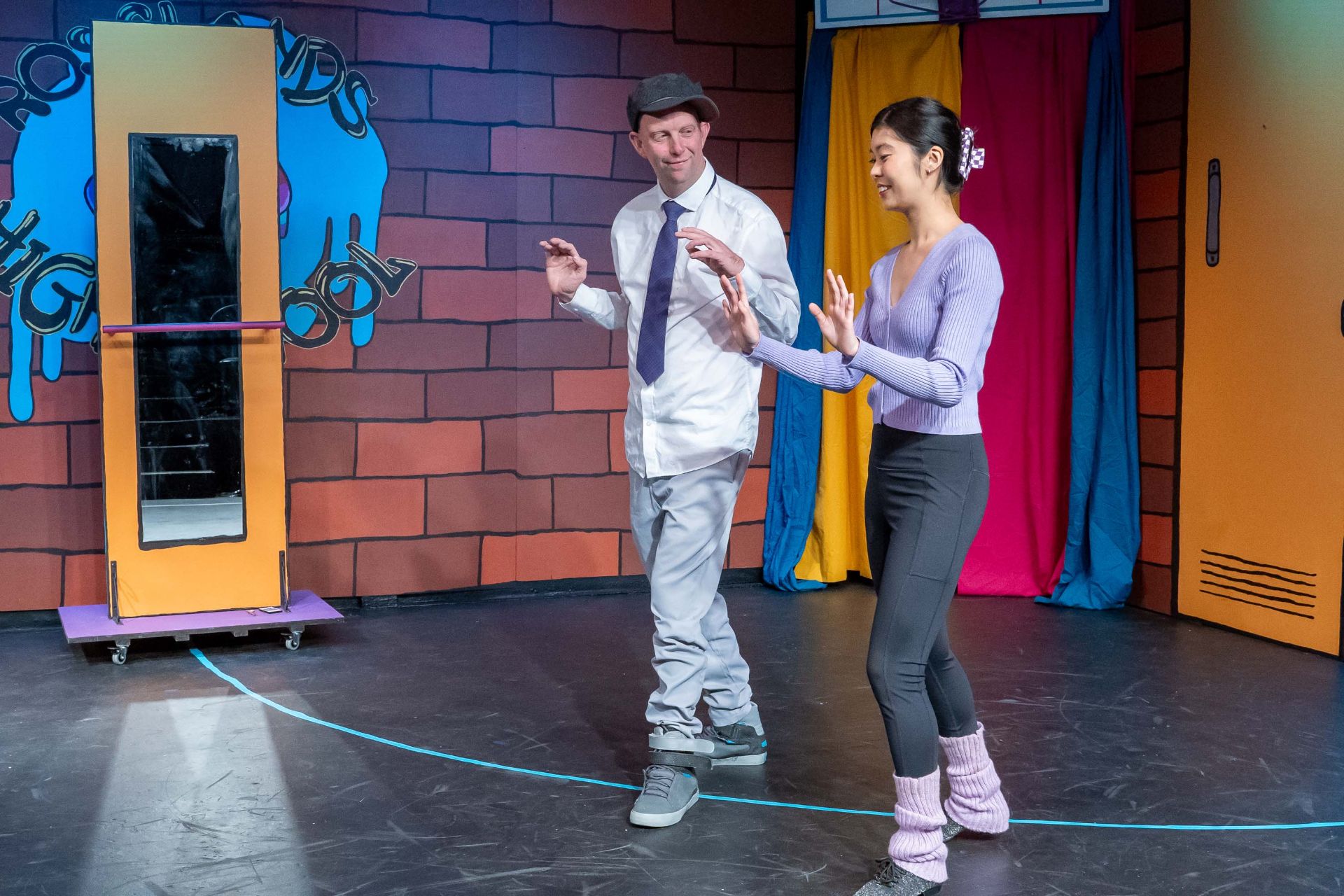
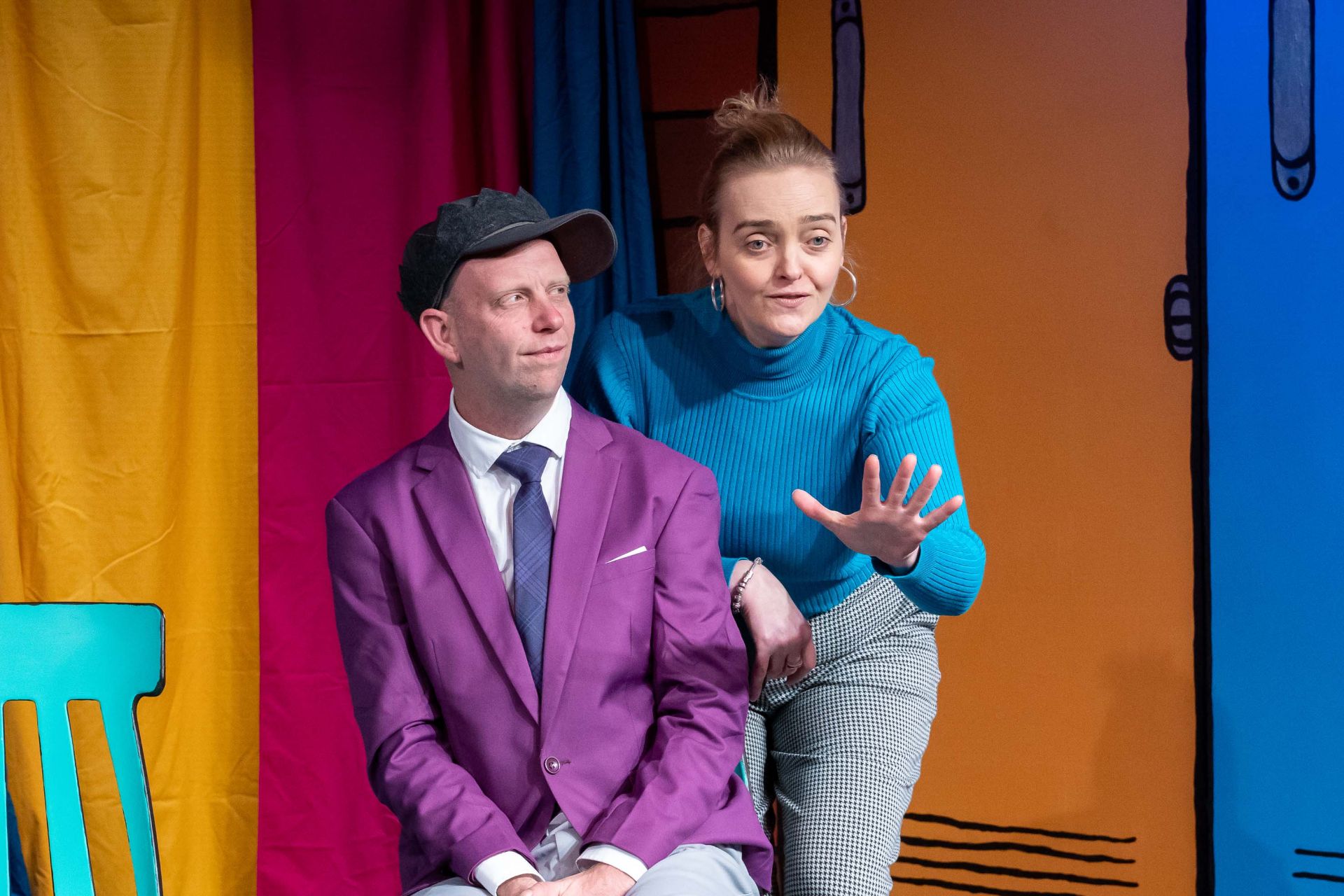
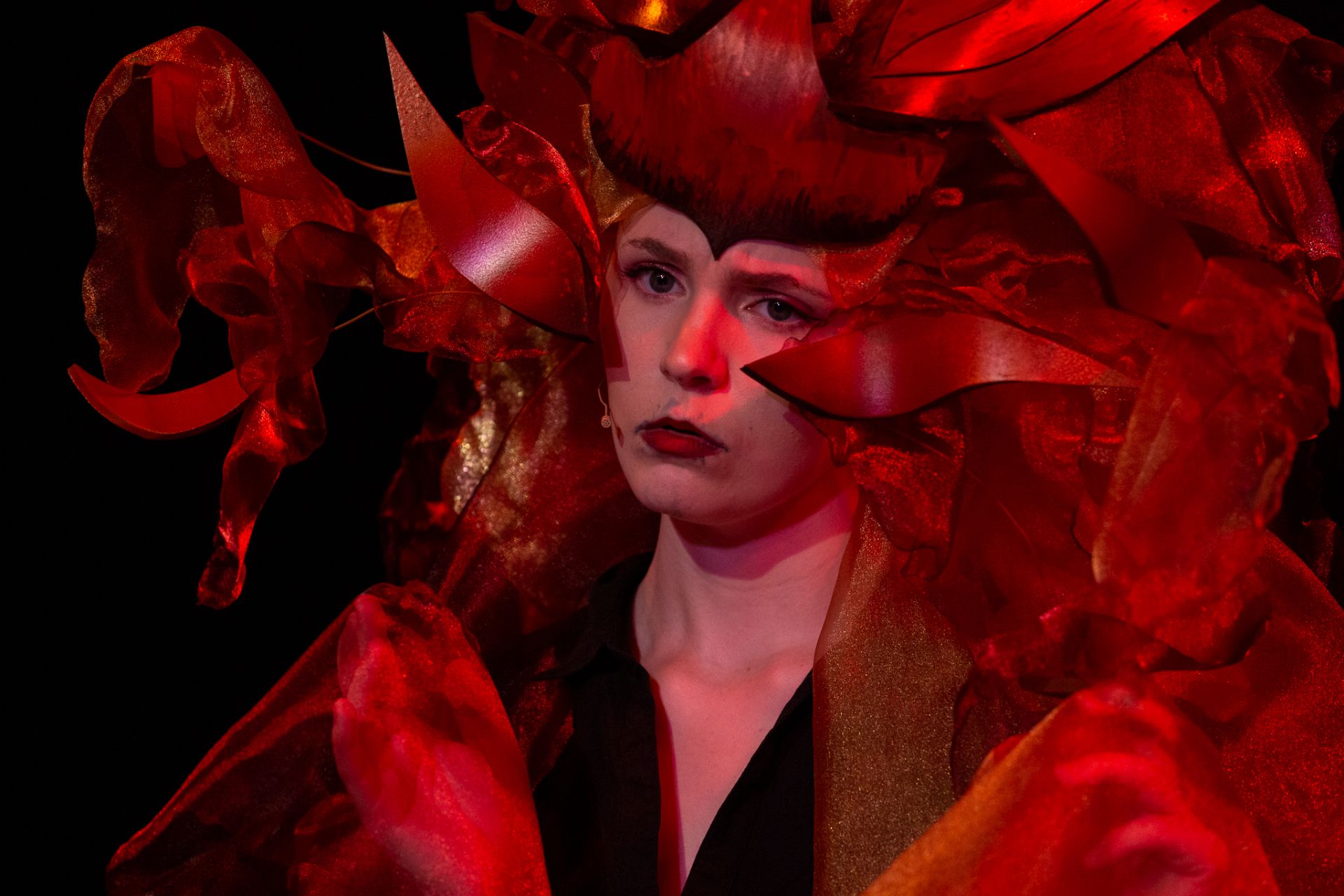
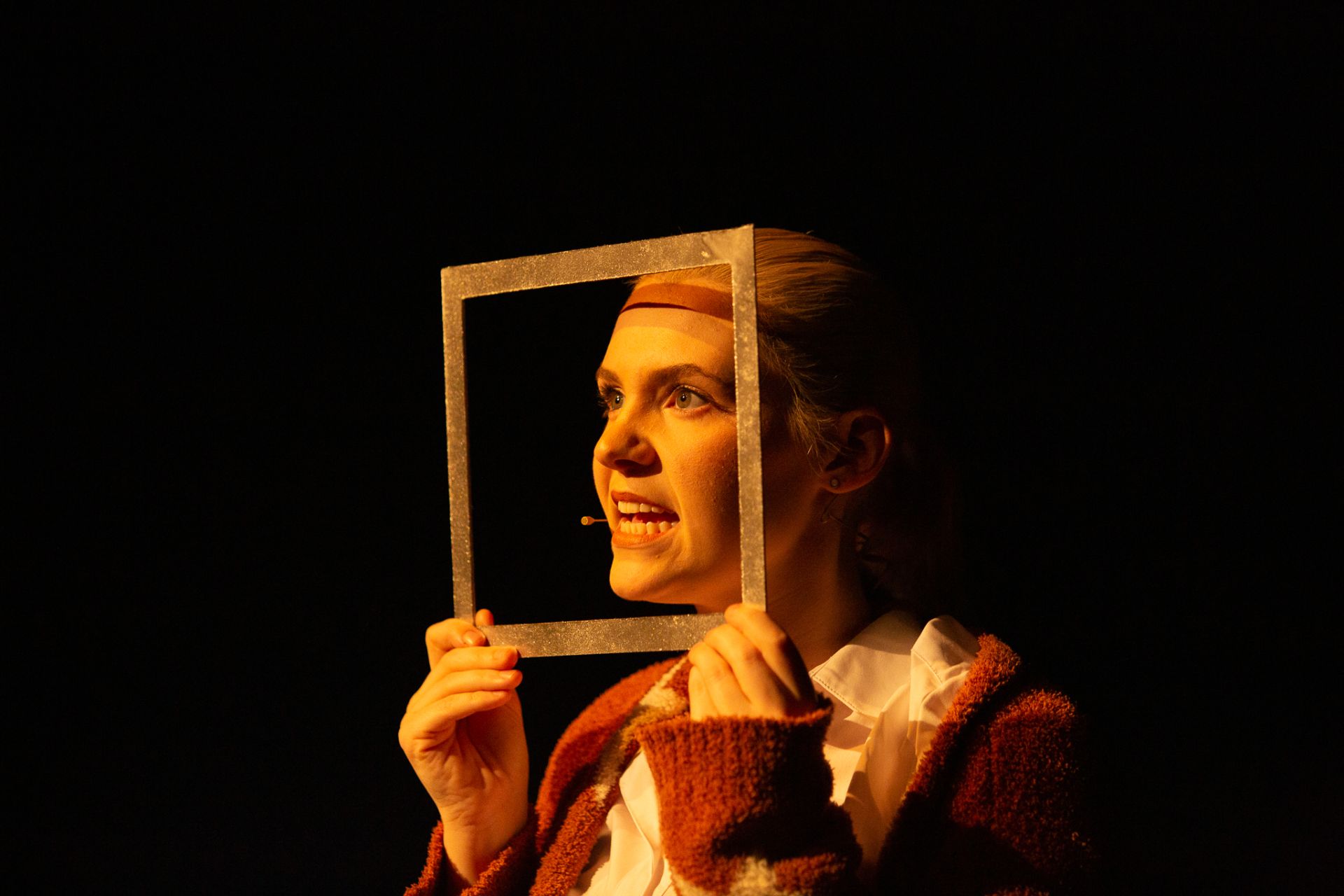
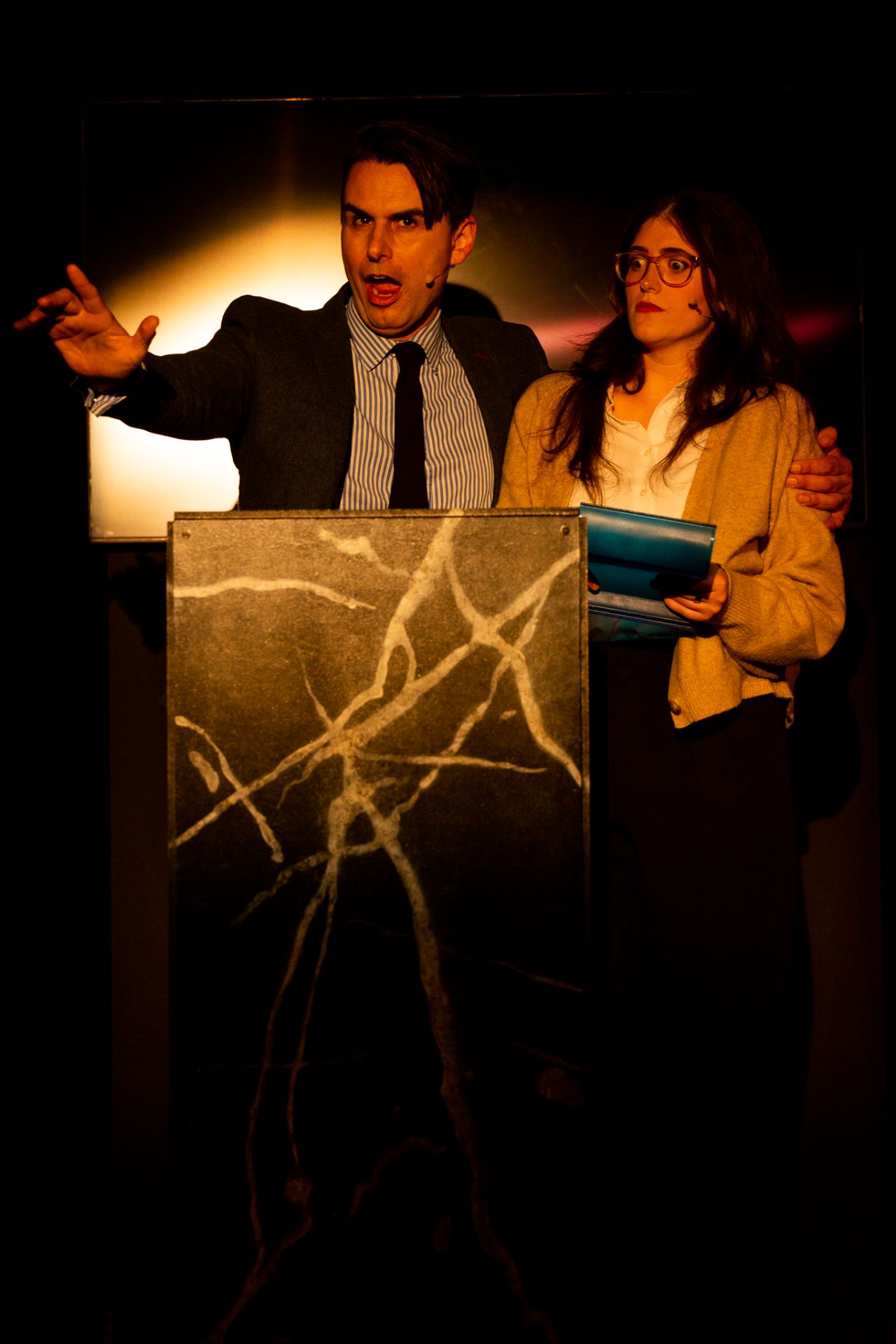
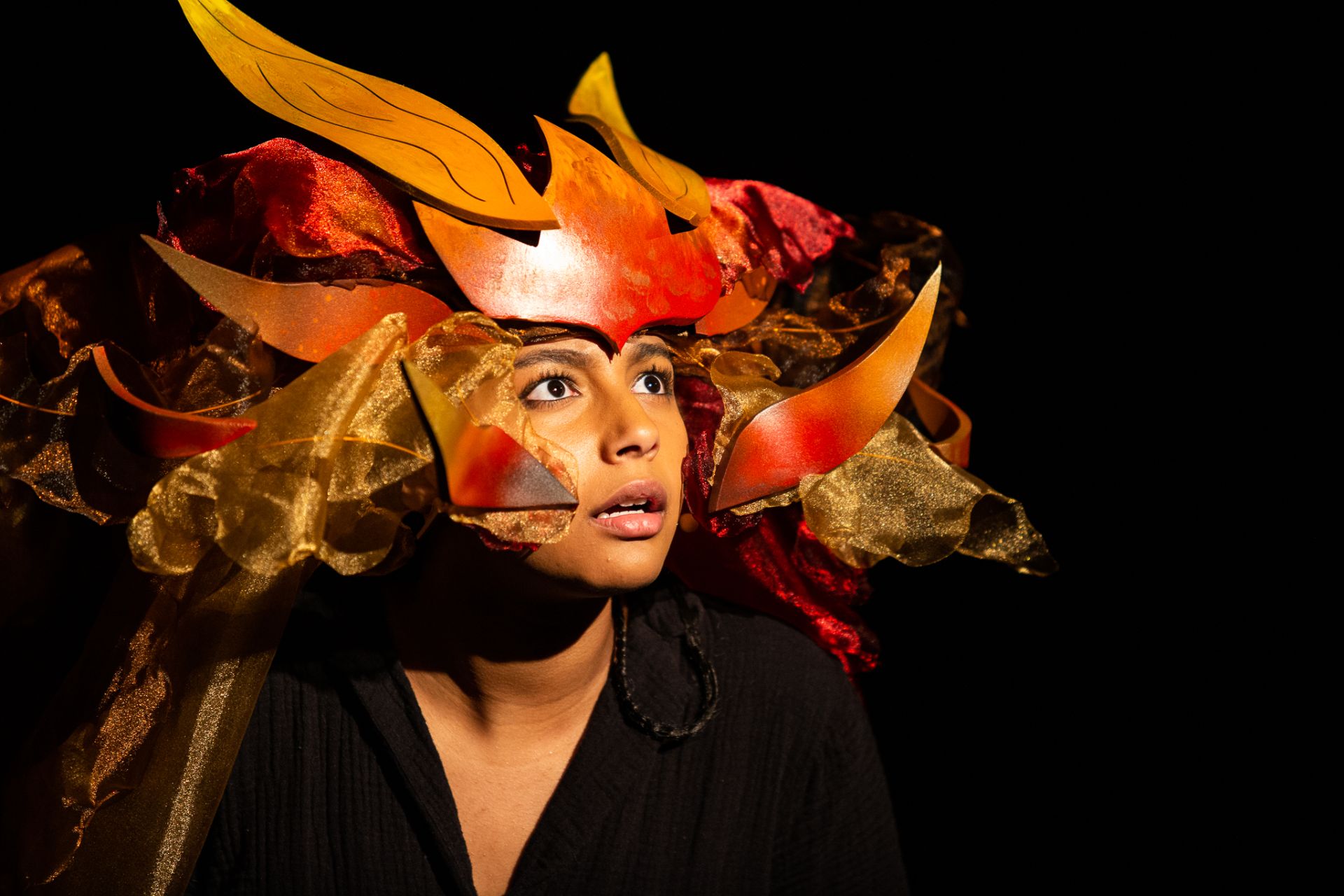
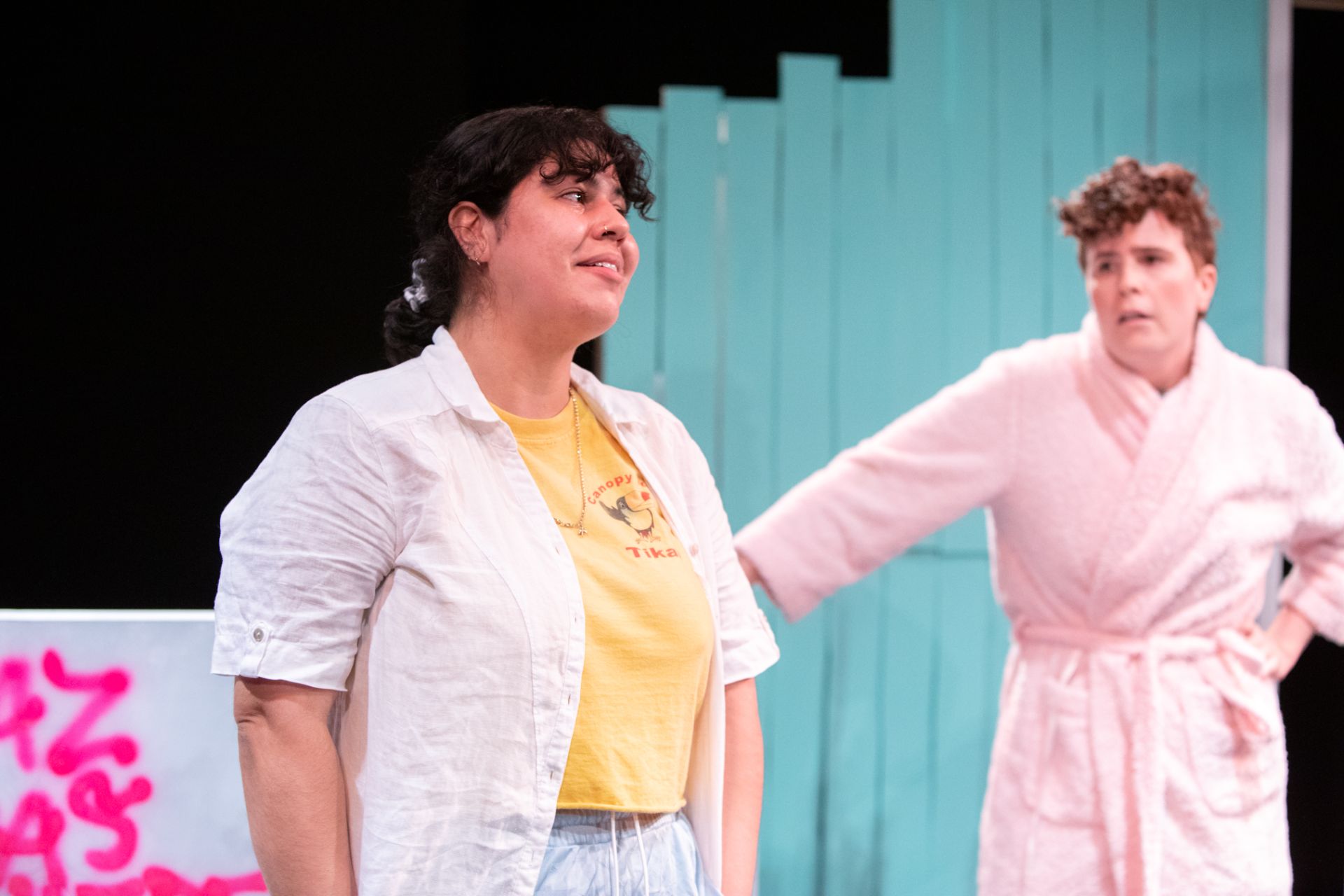
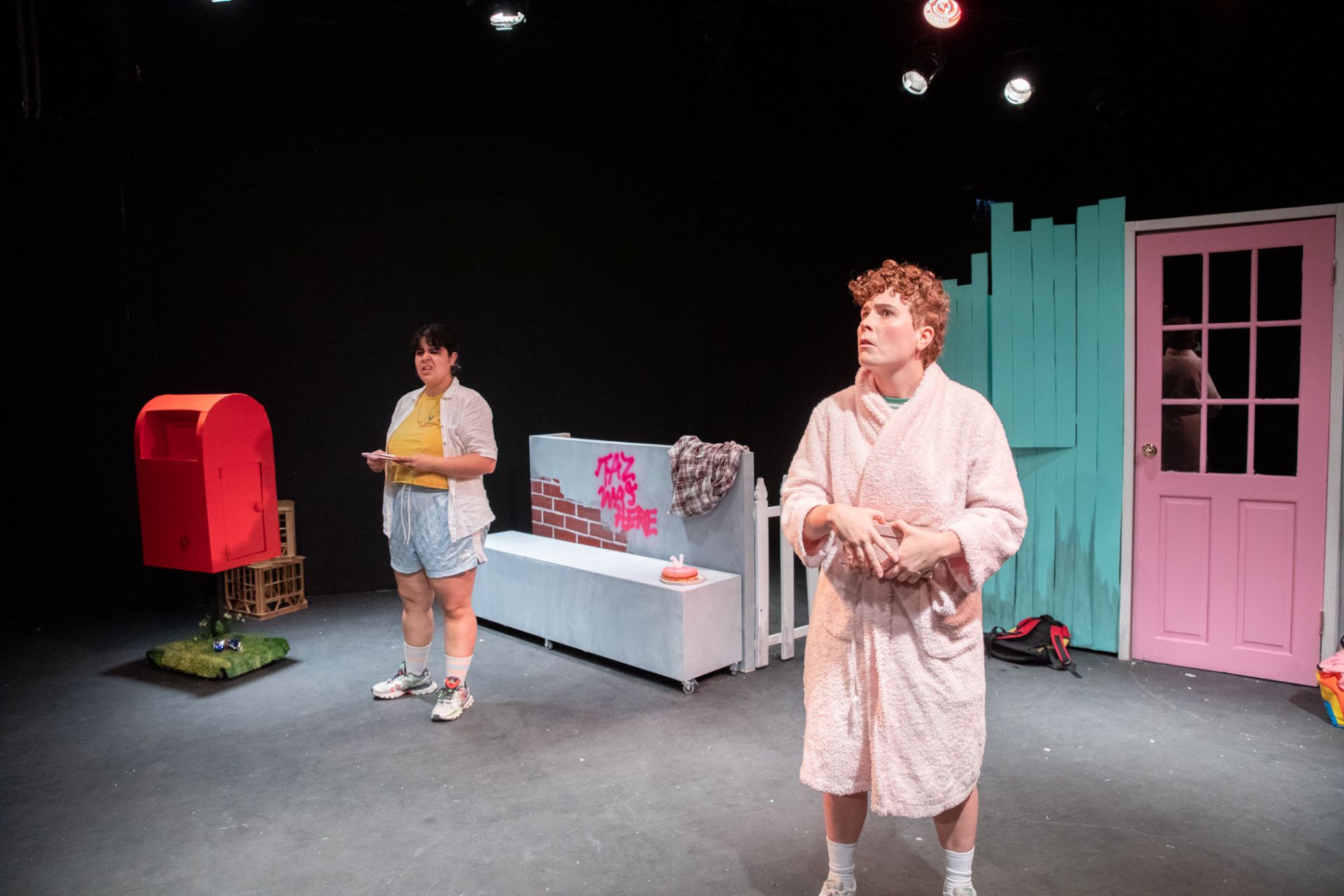
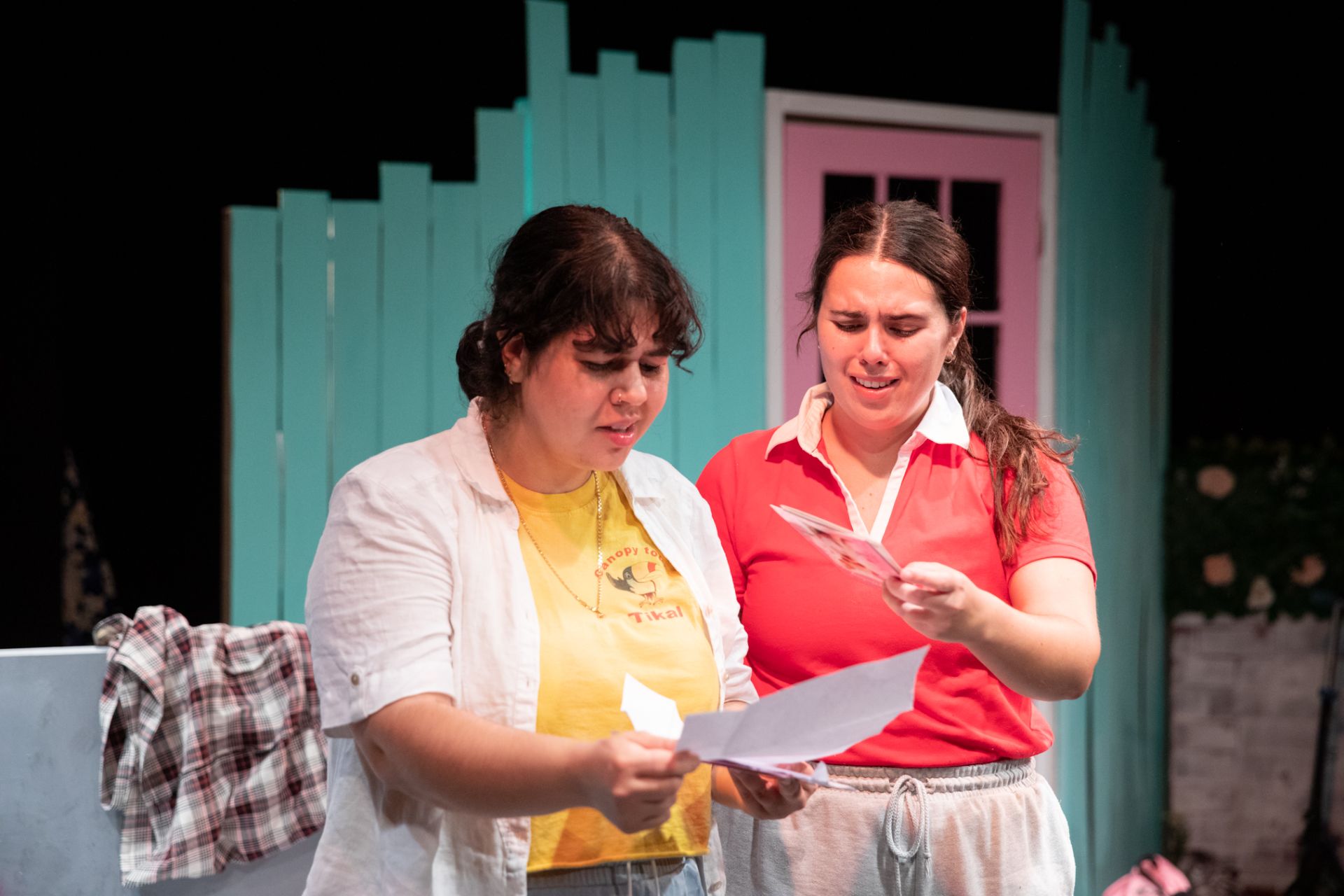
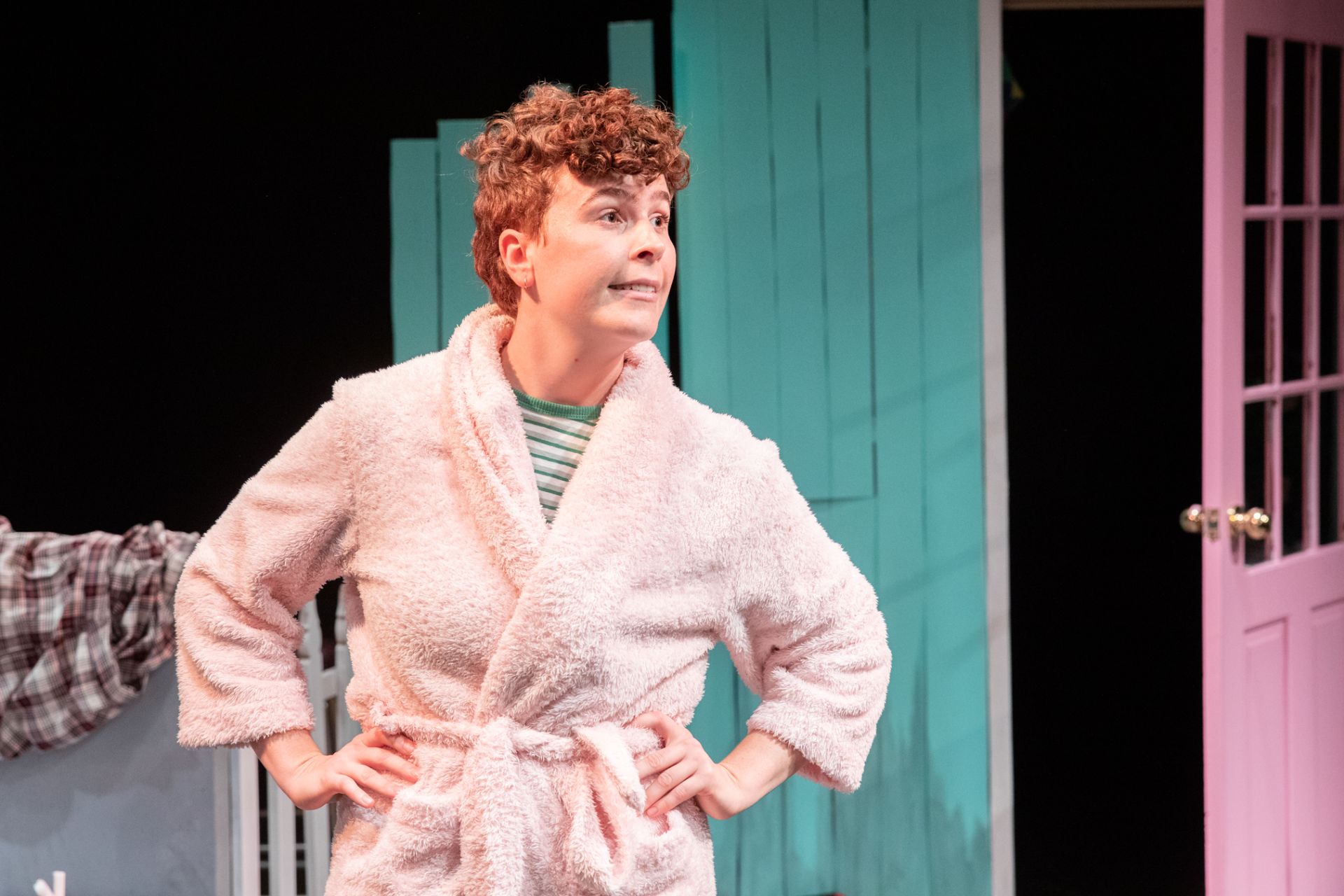
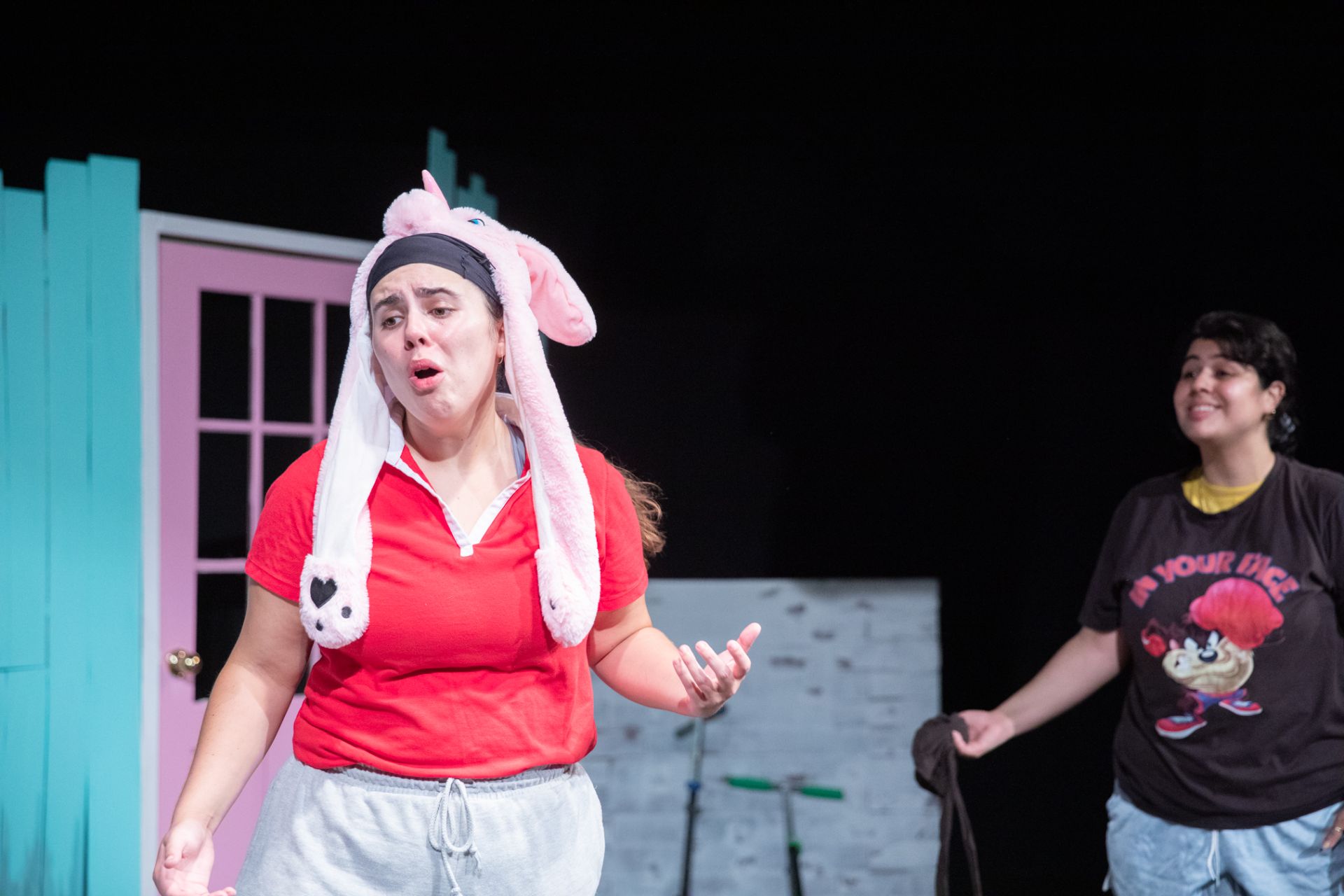
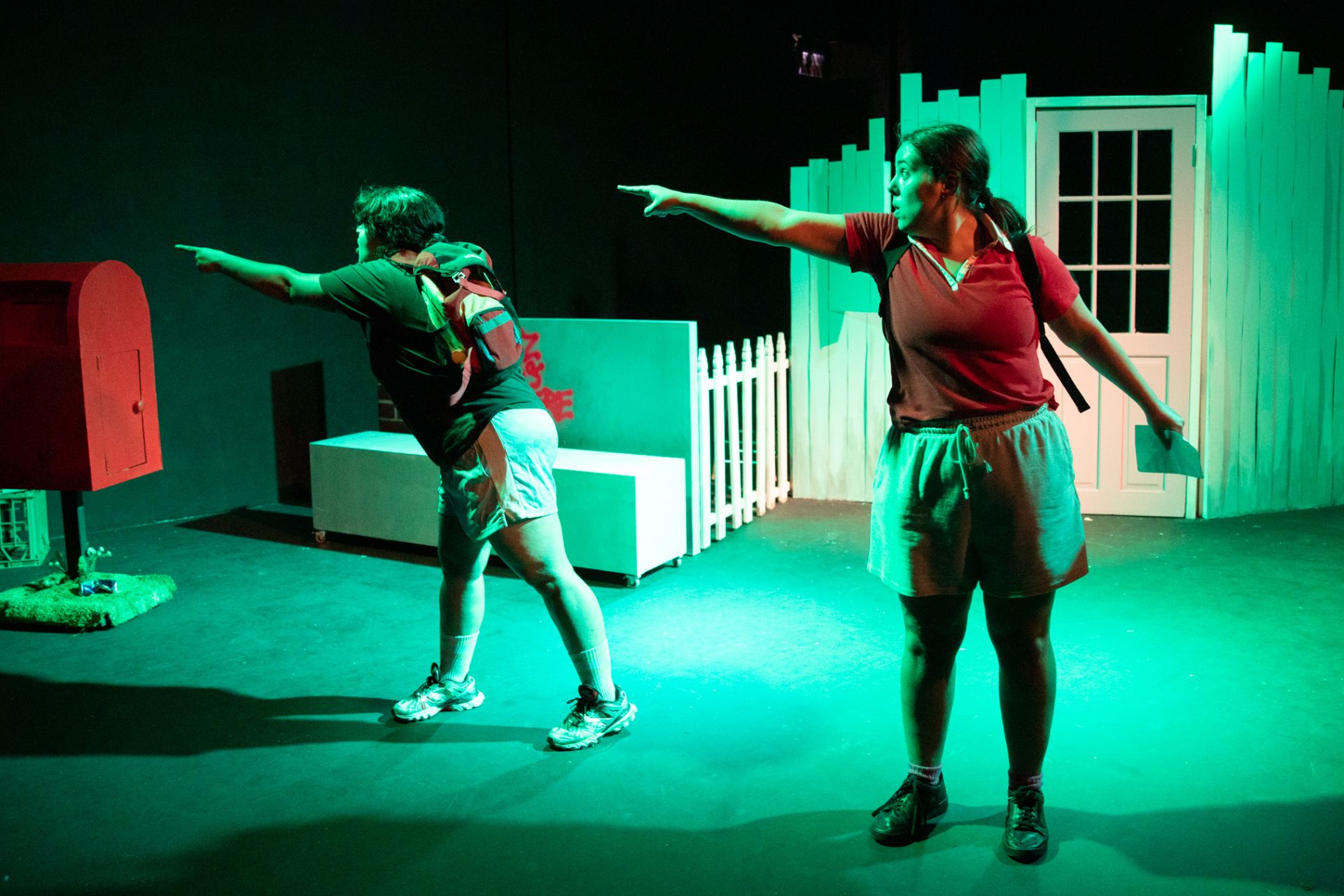
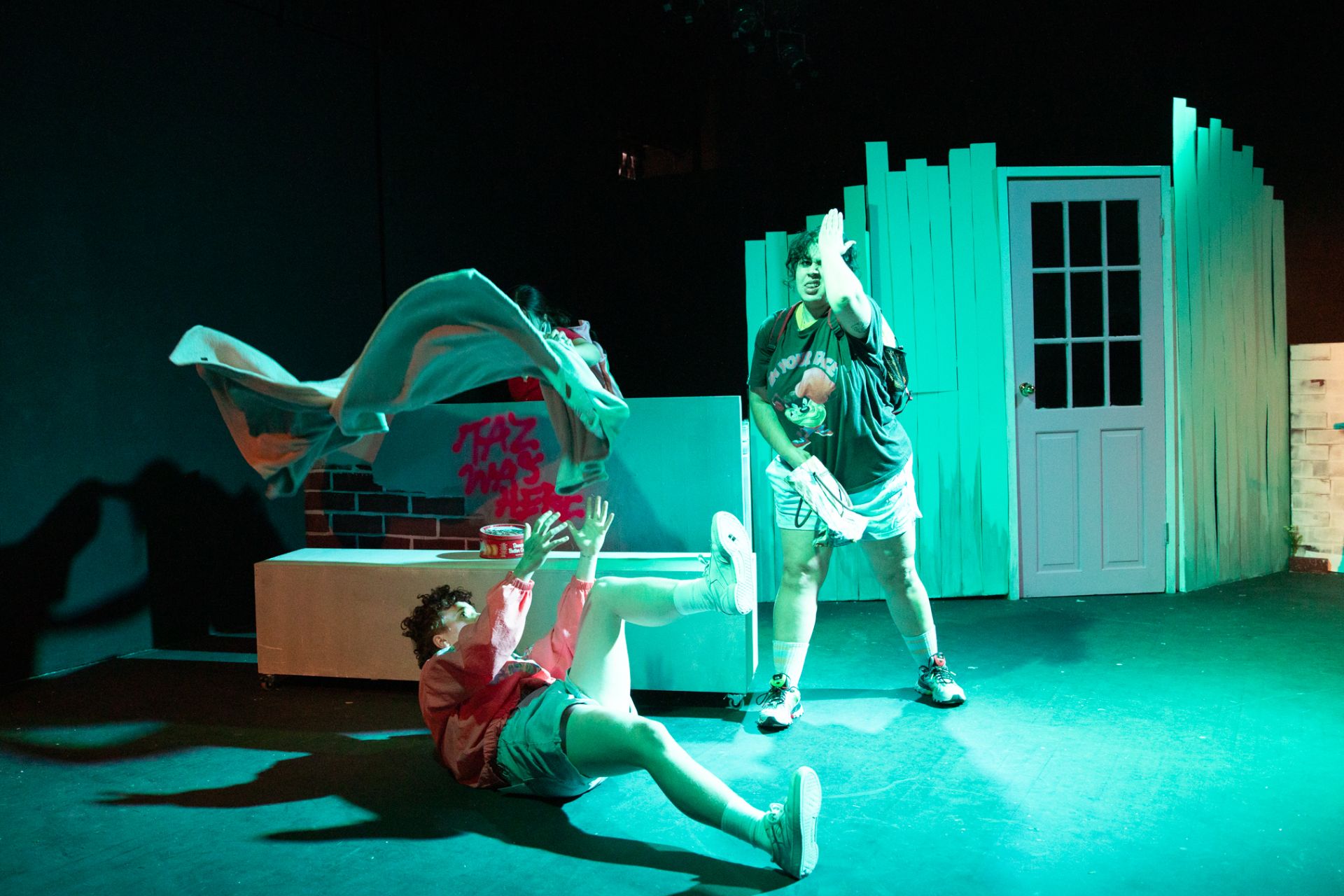
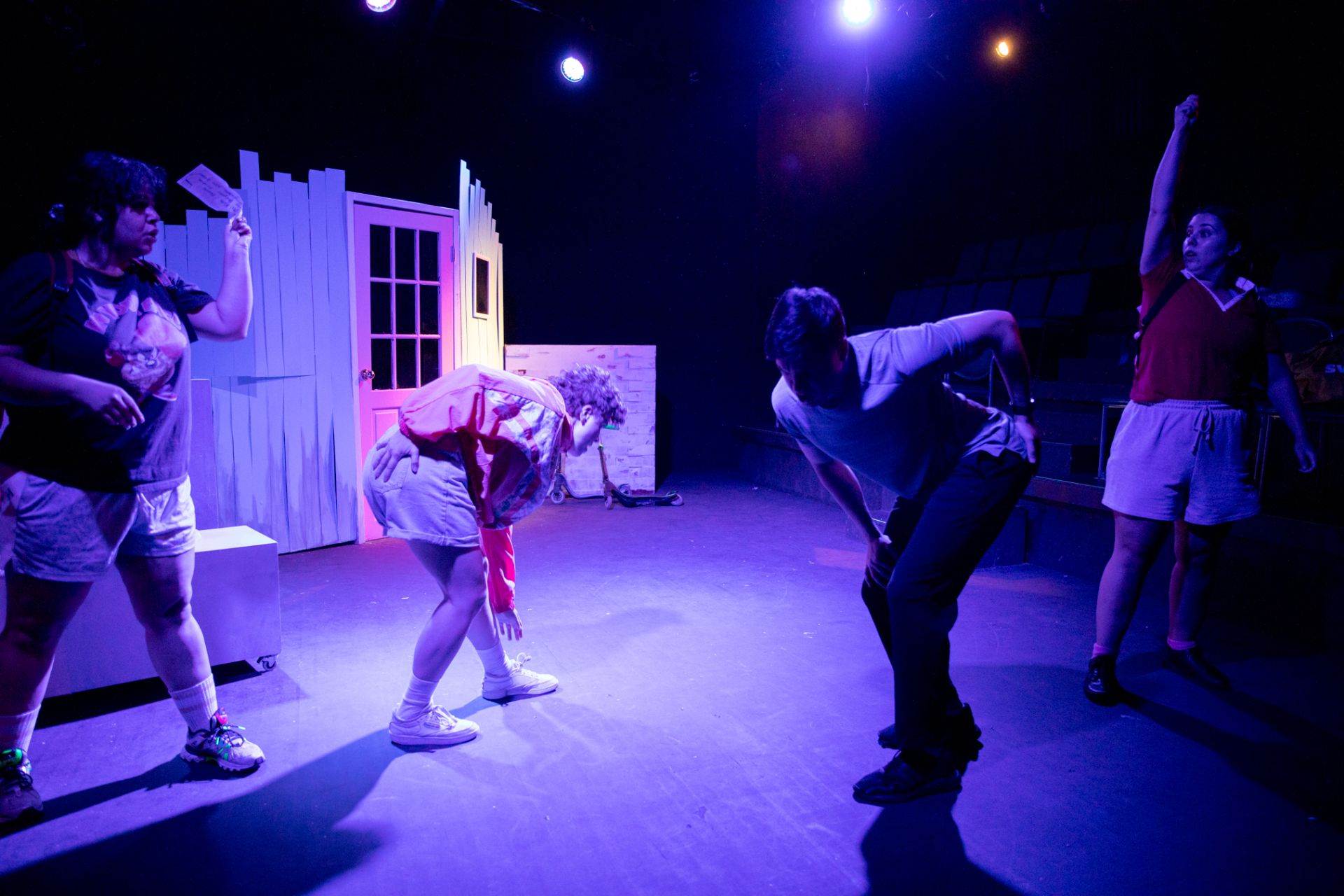
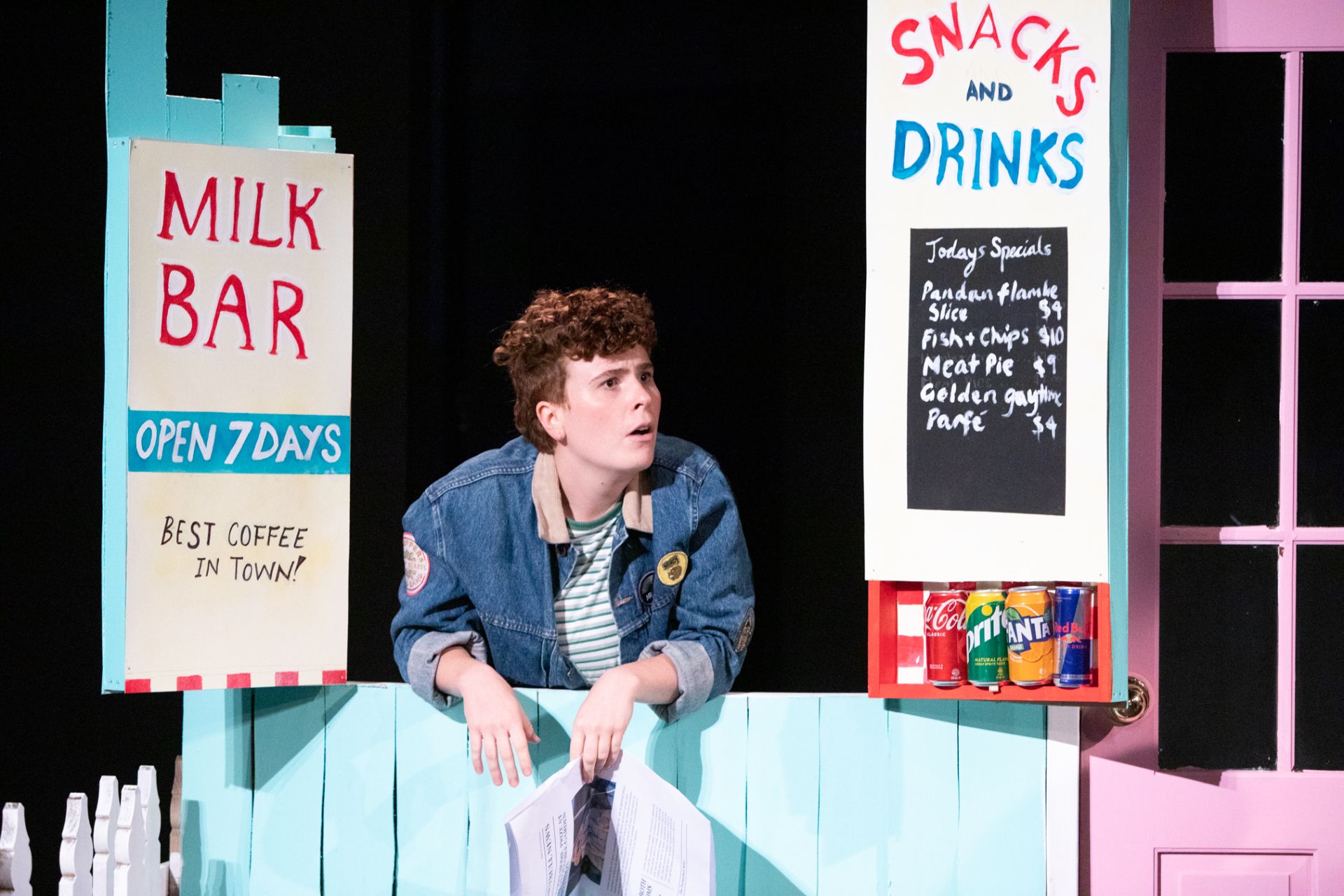
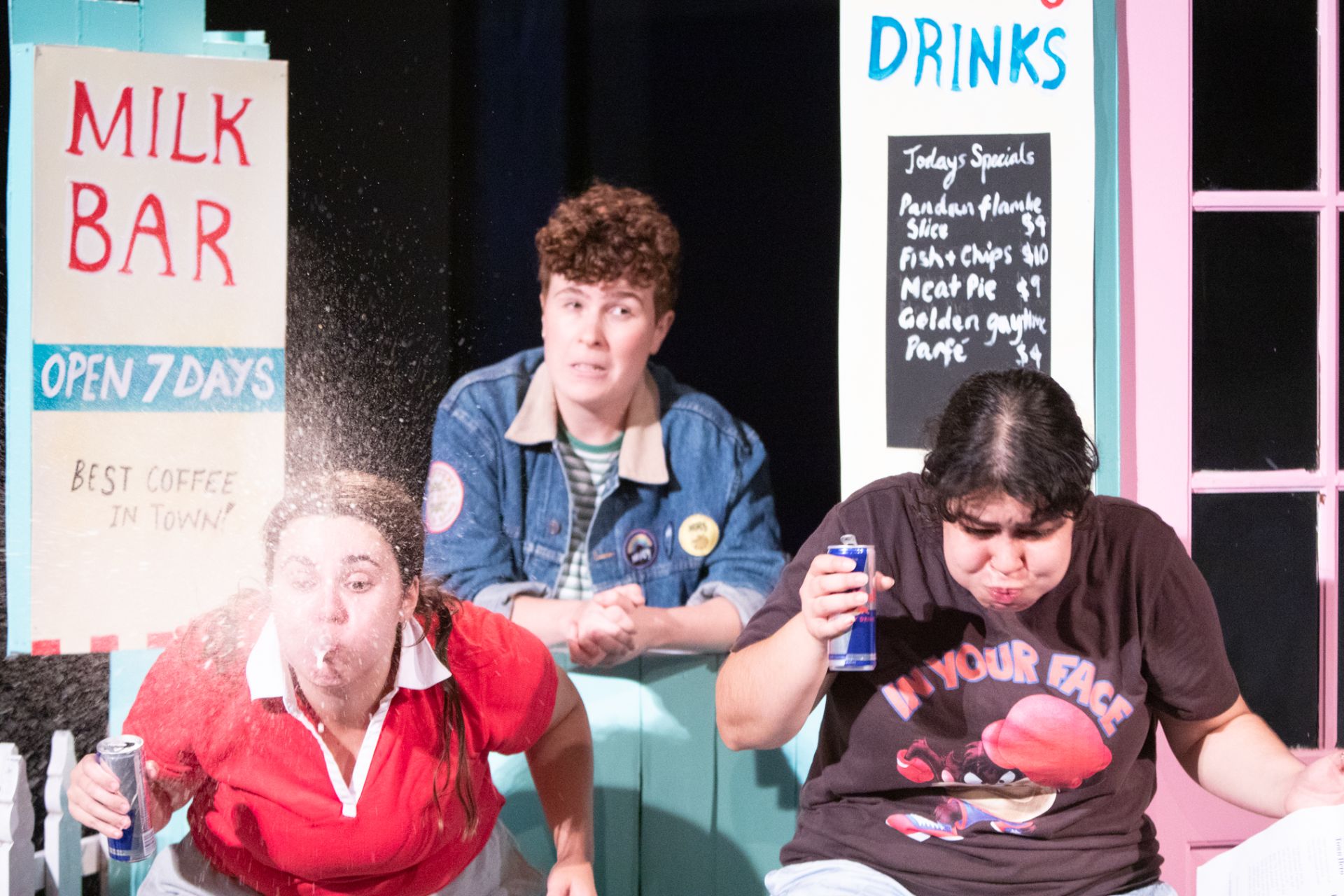
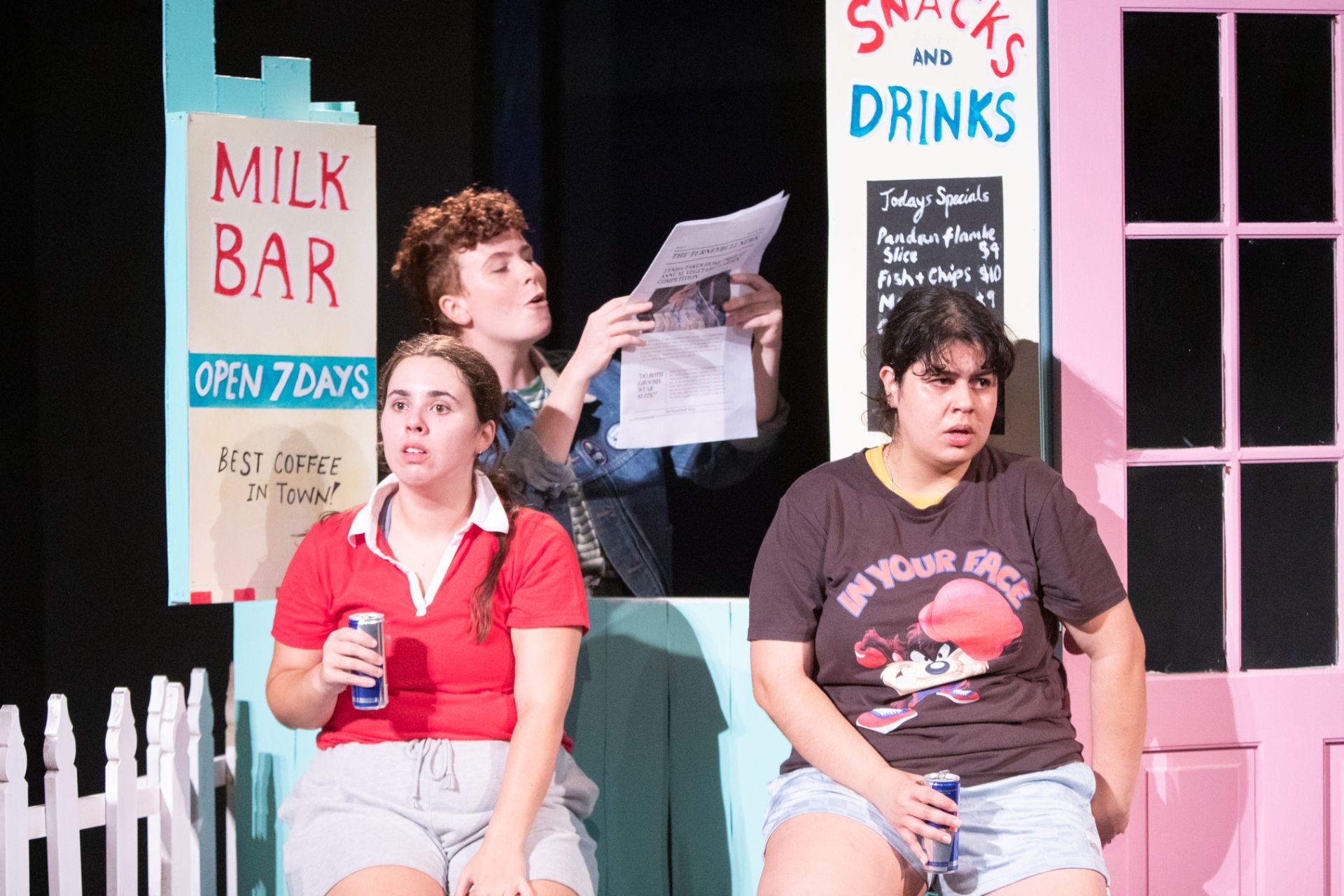
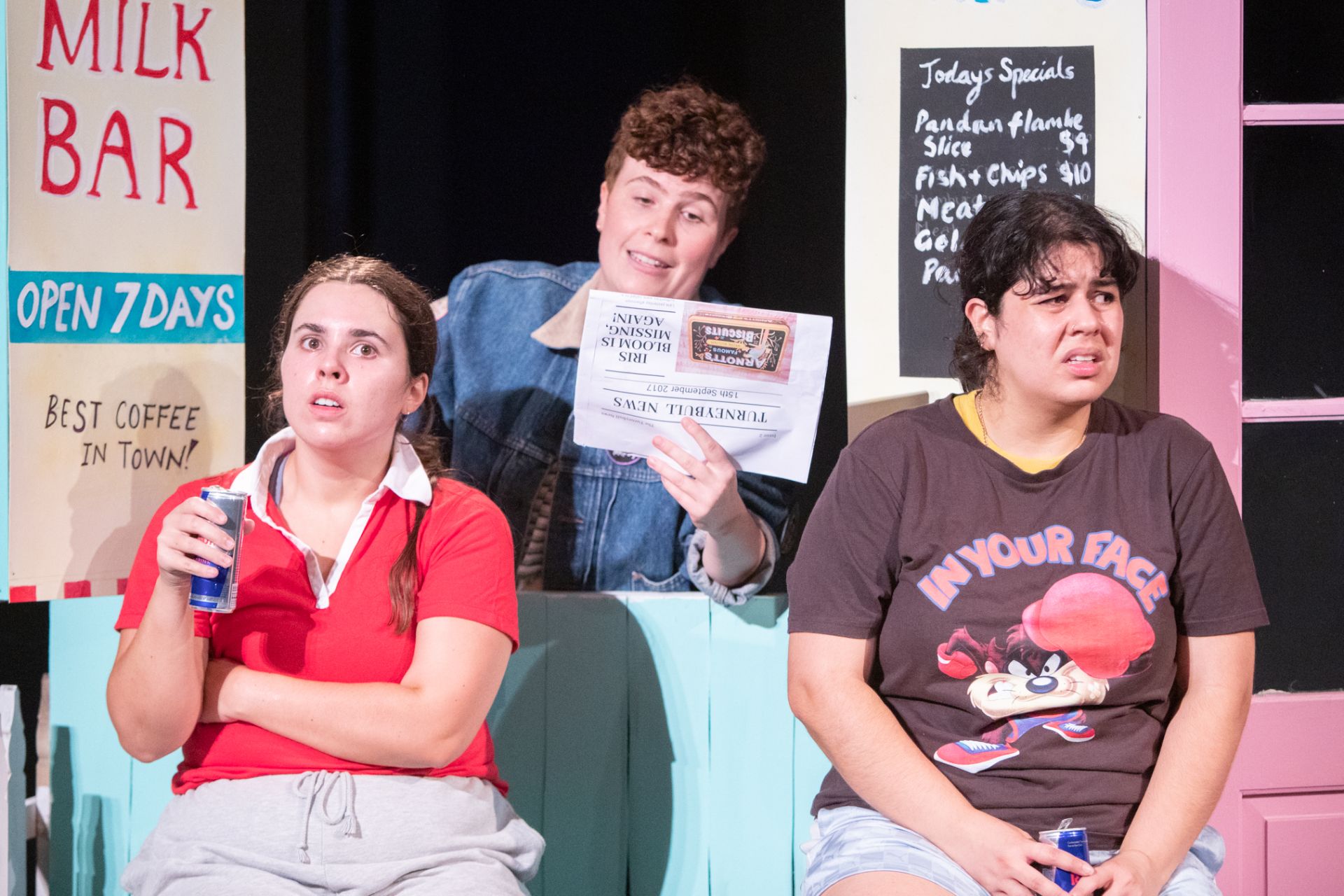
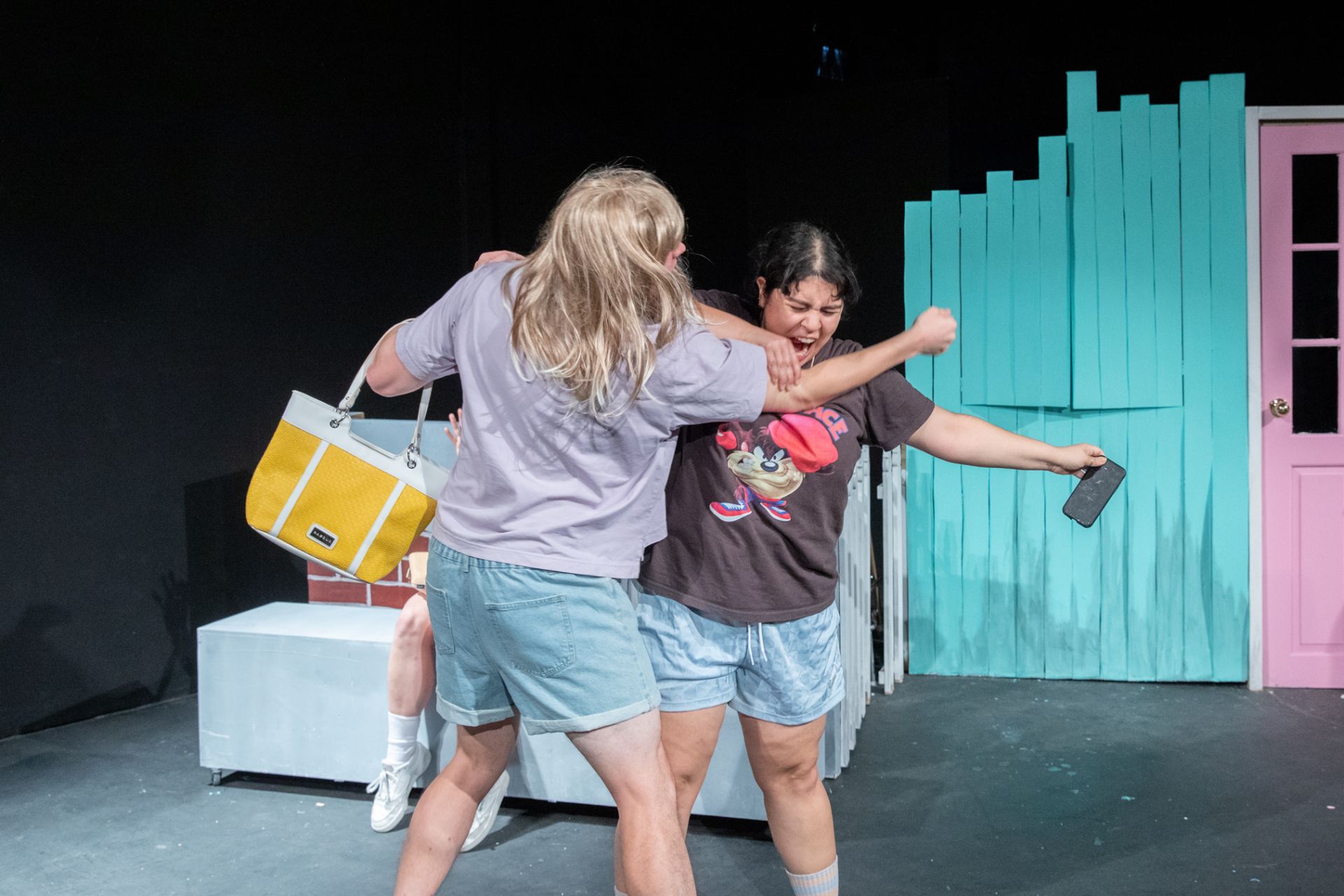
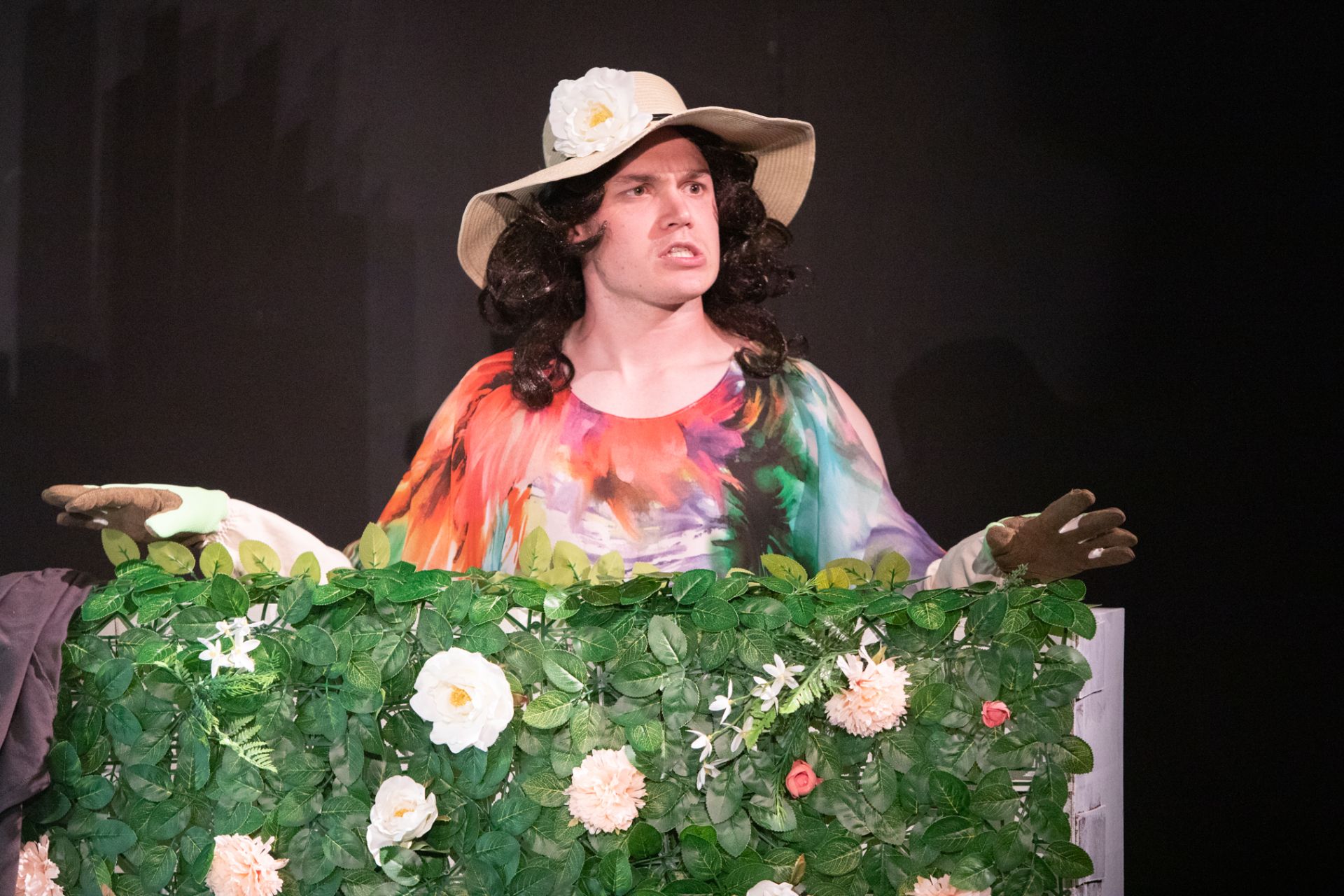
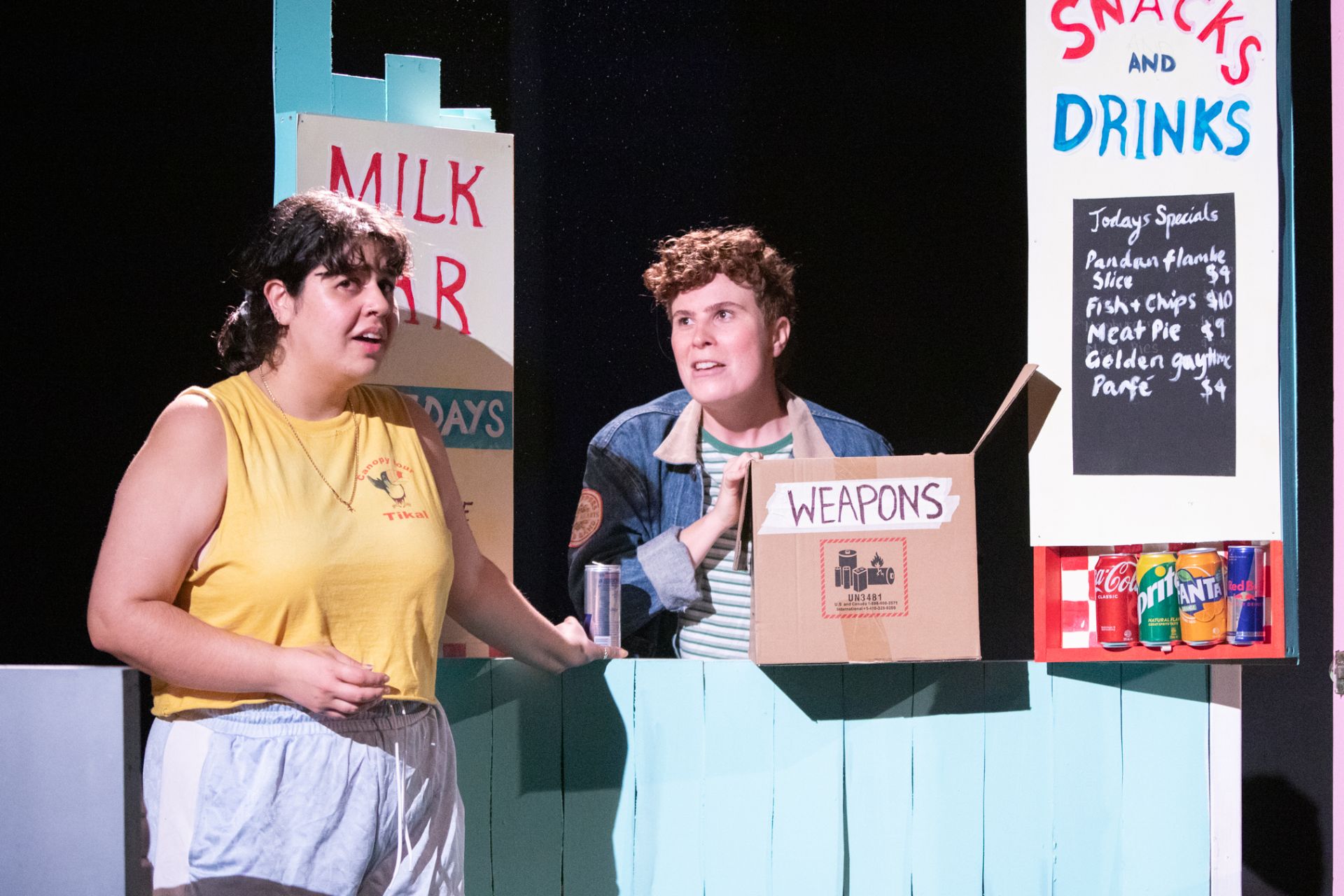
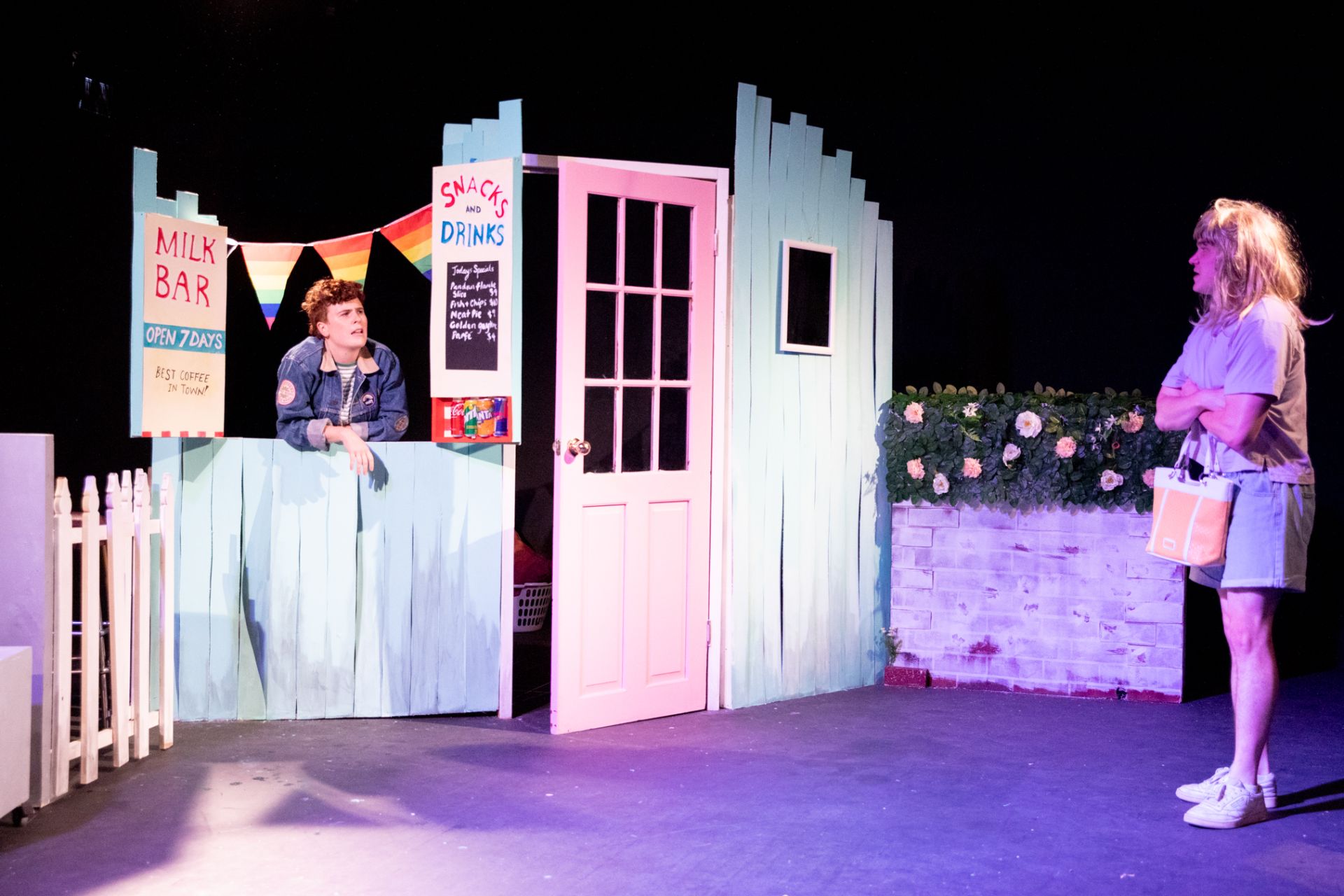
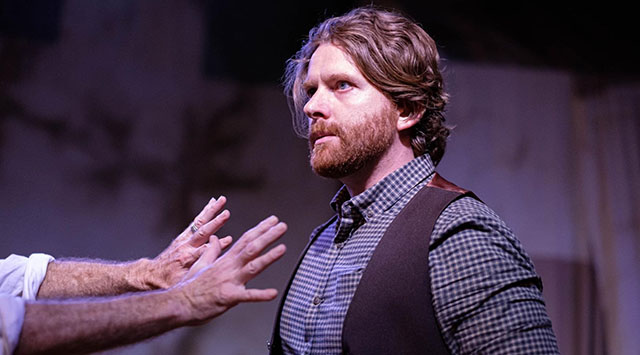
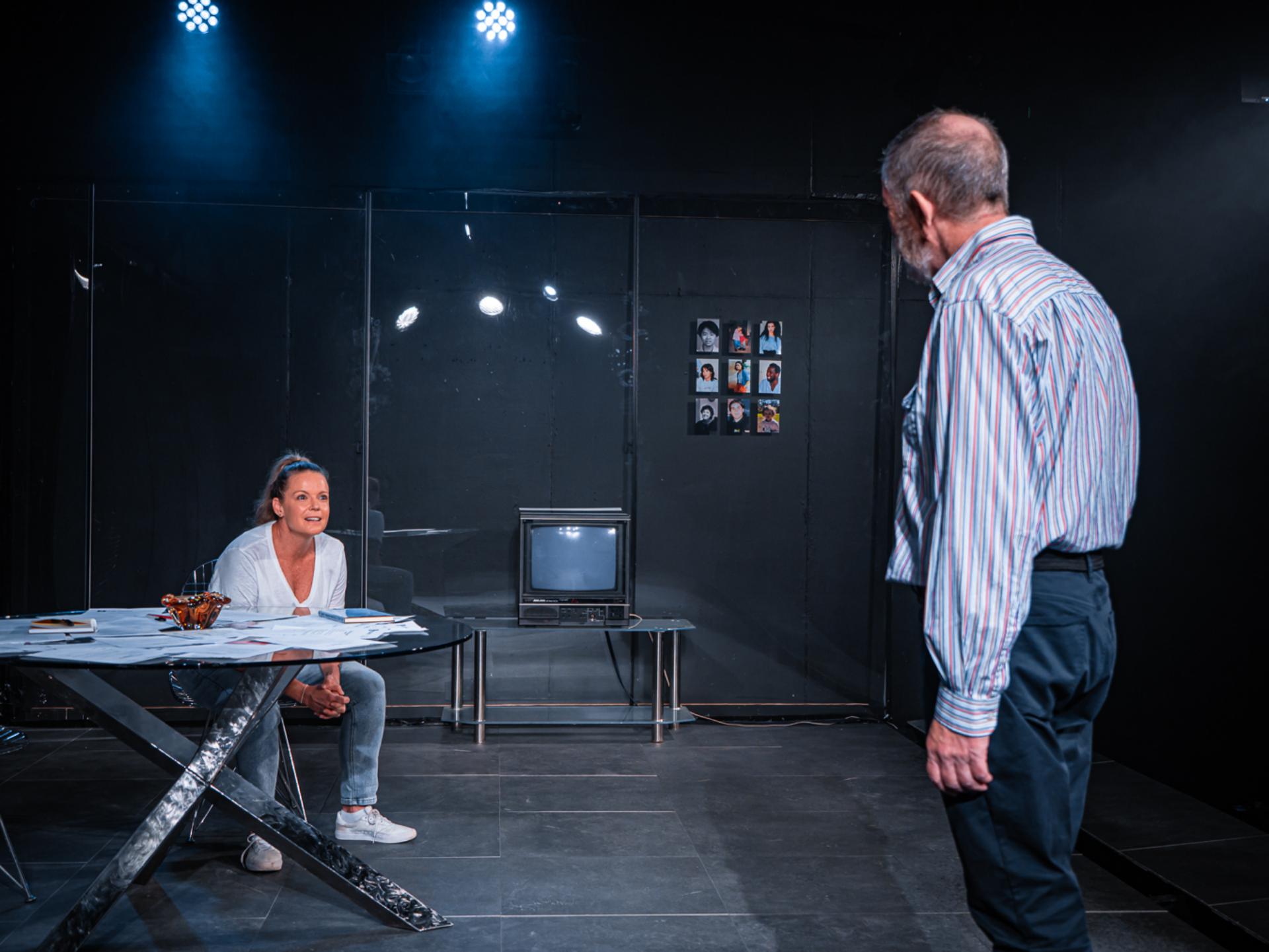
Brianna is determined to expose Sando, a local councillor with a dubious past, while Micky pursues her own vendetta, convinced Sando is tied to a cold case murder. When the two women meet, their goals align in a bold attempt to take down the corrupt politician. Get Sando by Claire Haywood is a spirited and incisive work that sparks conversation about corruption, enlivened by sharp dialogue and thoughtfully drawn, likeable characters.

Haywood’s direction, however, lacks precision, leading to moments where the storytelling becomes confusing. The humour remains enjoyable, yet the frustration of missing key plot points is hard to ignore. The ensemble of four bring warmth and energy, yet the production would benefit greatly from sharper pacing and more rigorous rehearsal.

Unlike the precarious business of independent theatre, local government brims with the promise of profit. For decades, opportunists have slithered through loopholes and backdoors, reminding us that where money gathers, morality tends to scatter. The machinery of bureaucracy, polished by charm and paperwork, provides endless hiding places for those who know how to navigate its shadows. Every regulation conceals an escape hatch, every committee meeting a chance to trade favours in plain sight. It is a theatre of another kind — one where the stakes are higher, the scripts are dirtier, and the applause is measured in contracts and kickbacks.

www.flightpaththeatre.org | www.wonderlandproductions.com.au

Review: Three Sisters (Flight Path Theatre)

Venue: Flight Path Theatre (Marrickville NSW), Feb 5 – 15, 2025
Playwright: Anton Chekhov (adapted by Victor Kalka)
Director: Victor Kalka
Cast: Matthew Abotomey, Meg Bennetts, Alex Bryant-Smith, Nicola Denton, Barry French, Sarah Greenwood, Jessie Lancaster, Alice Livingstone, Ciaran O’Riordan, Mason Phoumirath, Joseph Tanti
Images by Samuel Webster

Theatre review
It is becoming increasingly odd to see characters in Chekhov’s Three Sisters talk about “work” like it is something optional. The notion of nobility has faded so far from popular consciousness, that any alternative to a life of work, is now proving unimaginable. In this adaptation by Victor Kalka, we may not be able to relate much to the lifestyles of these Russians from the year 1900, but it seems that Chekhov’s representations of existential angst can still resonate.

This is a version that, at just over 100 minutes, should have been easily digestible, but early portions struggle to connect. The constant lamenting of a bygone era is tiresome, with characters expressing grievances that are entirely alienating. After the fire however, they are made to grapple with something more authentic, and in the concluding moments, Three Sisters comes back to life.

The cast of 11 can be lauded for establishing a uniformity in tone, even though some performers are certainly more compelling than others. Set design by Kalka thoughtfully positions entrances to the stage that facilitate smooth movement, but it is arguable if his take on modernised costuming depicts the nature of class appropriately for the story. Lights by Jasmin Borsovszky bring elegance to the presentation, along with pleasant variations to atmosphere. Sounds by Patrick Howard offer simple enhancements for a sense of theatricality.

It can be construed that the people in Three Sisters are looking for purpose, rather than literal work, in what they feel to be an aimless existence. In 2025 we are discovering that work can easily be just as unfulfilling, if not completely self-jeopardising, in this era of the oligarch’s aggressive re-emergence. In the present moment, authoritarian figures of power are demonstrating their patent disregard for our welfare as contributors to their successes, whether as consumers or as resources for production. We can still think of work as honourable, but more than ever, the understanding of what our labour is really serving, needs to come to the fore.

www.flightpaththeatre.org | www.virginiaplaintheatre.com
Review: The Ghost Writer (Flight Path Theatre)

Venue: Flight Path Theatre (Marrickville NSW), Mar 6 – 16, 2024
Playwright: Ross Mueller
Director: Jane Angharad
Cast: Emma Dalton, Mel Day, Mark Langham, Shan-Ree Tan
Images by Braiden Toko

Theatre review
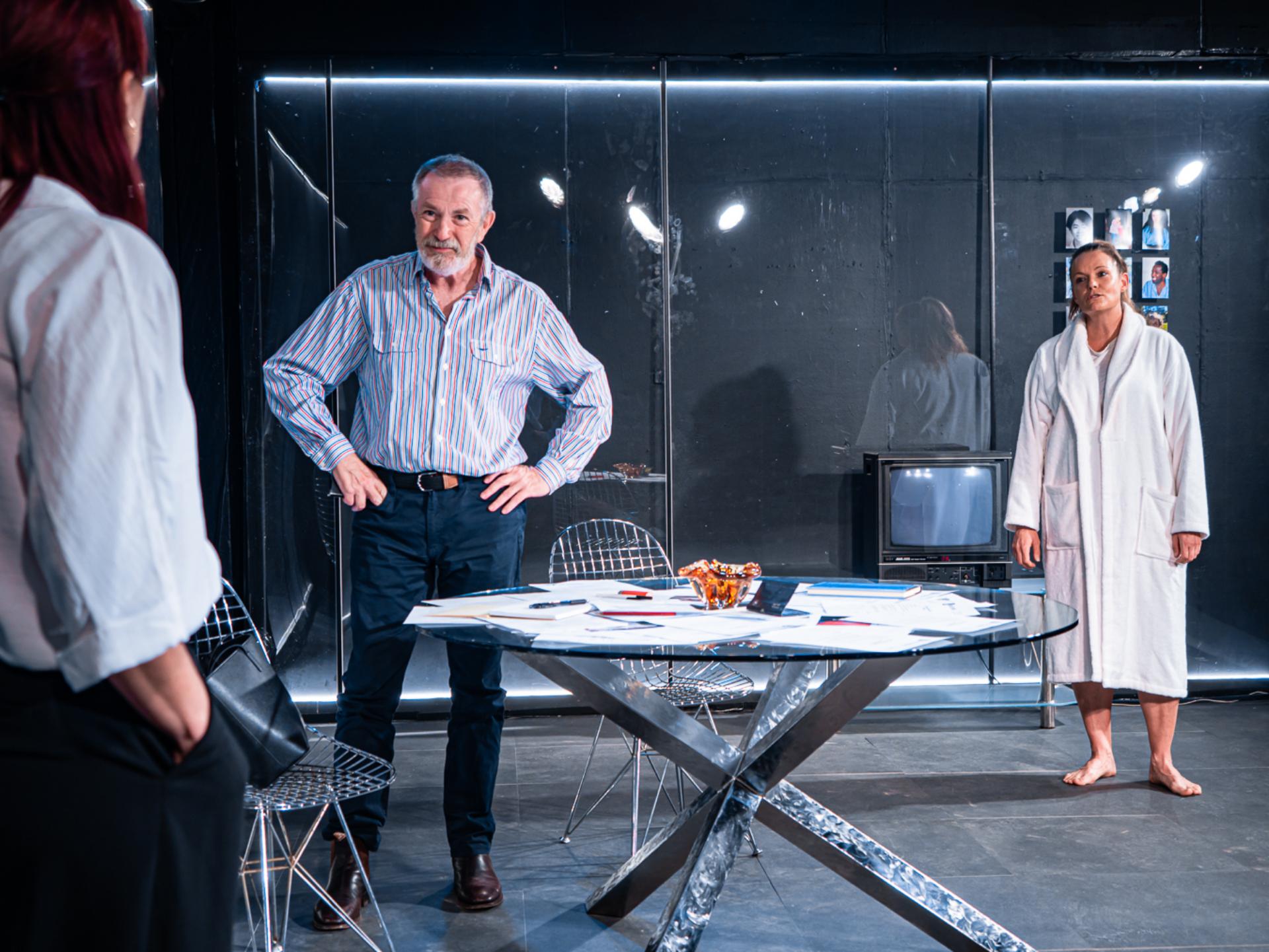
A child has been murdered, and her mother, who happens to be illiterate, is selling the story. Complications arise not only because Claudia the ghost writer turns out to be the publisher’s daughter, she is also sleeping with a prosecutor embroiled in the case. There is no shortage of conflict and tension in Ross Mueller’s The Ghost Writer, in fact there are possibly a few too many convolutions in the 2008 play. Directed by Jane Angharad, the production never really finds a focus, and it becomes a struggle trying to elicit meaningful emotional investment, for what should be a gravely stirring experience.

The cast of four is however commendable for their unequivocal commitment; Emma Dalton, Mel Day, Mark Langham and Shan-Ree Tan demonstrate admirable dedication to the craft of performance, in roles that are full of depth and complexity. Set design by James Smithers is sharp and elegant, memorable for introducing a sense of drama to the piece. Lights by Travis Kecek are appropriately stark, if slightly too cold and alienating, with a notable lack of sound and music in the production, that further exacerbates our disconnection from all that is happening on stage.

We should feel deeply concerned about little Megan who has died tragically in The Ghost Writer, as we should every atrocity being reported, from every corner of the planet. It is however, quite human to respond with apathy, when all we know is helplessness, in the face of so much that is indomitable and daunting. It is unreasonable to expect boundless sadness, that we should be able to feel adequately for every disaster. What is reasonable however, is that each person insists on right from wrong, and holds firm on resisting transgressions, even when emotions are utterly depleted.

www.flightpaththeatre.org | www.secrethouse.com.au | www.cryingchairtheatre.com.au

Review: The Strong Charmion (Flight Path Theatre)

Venue: Flight Path Theatre (Marrickville NSW), Jan 17 – 27, 2024
Playwright: Chloe Lethlean Higson
Director: Jess Ramsey
Cast: Gabrielle Bowen, Emily Crow, Niky Markovic, Alyssa Peters
Images by Clare Hawley

Theatre review
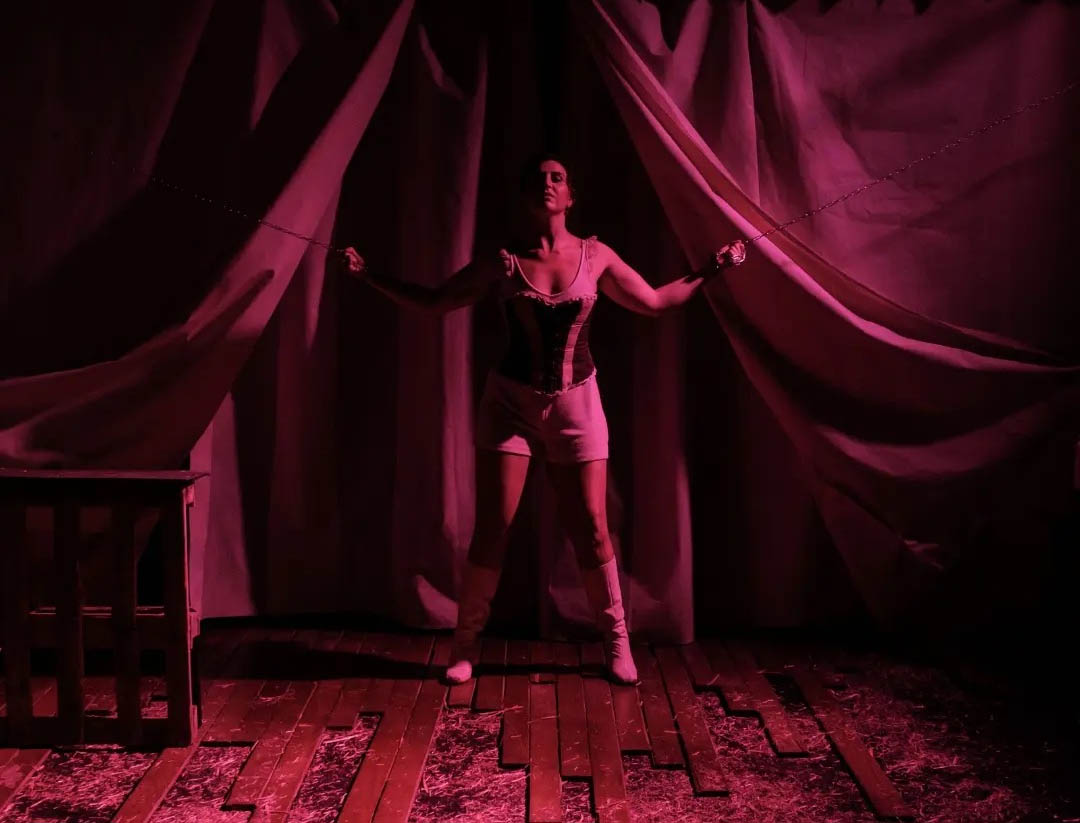
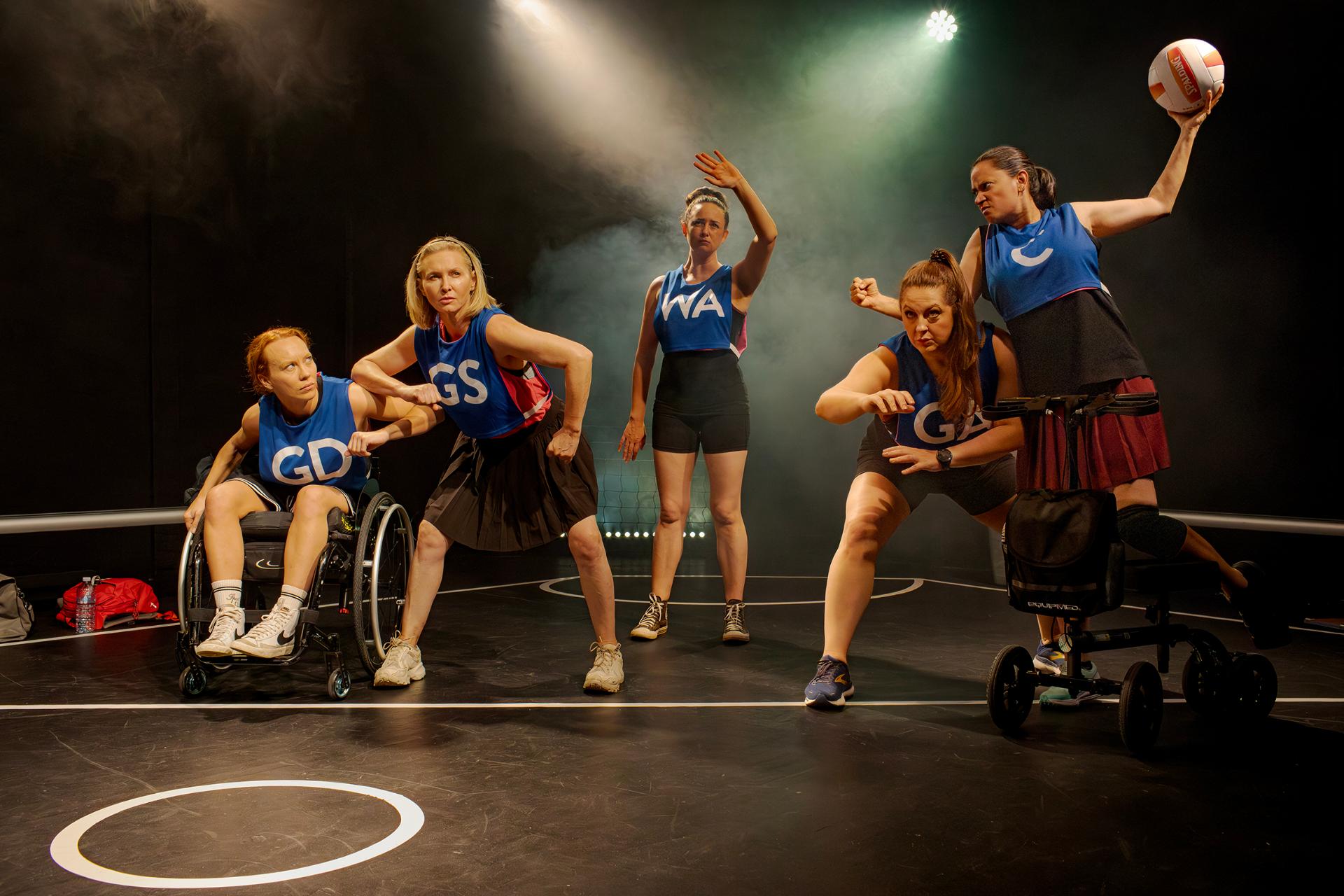
Chloe Lethlean Higson’s The Strong Charmion takes place 1921 in Sydney, where circus artist Rosalie Whitewood works a striptease trapeze act, delighting and titillating crowds with her exceptionally tall and muscular physique. Inspired by American strongwoman Charmion, Higson’s play is about the life and loves of a woman who dared, a century ago, to be different not only with her appearance, but also with her evolving desires.

Characters in the play are fascinating, with thoroughly modern depictions of people in a historical context, making this a meaningful exercise in nostalgia. Direction by Jess Ramsey demonstrates a distinct spiritedness, but greater attention to detail is required, for the storytelling to be more engaging. Actor Gabrielle Bowen brings an appropriate sense of authority to the eponymous role, leading a cast brimming with passionate dedication.

Bella Saltearn’s set and costume designs are memorable, richly imagined and implemented with exceptional taste, bringing considerable finesse to the production. Lights by Catherine Mai are sensual and inventive, effective at conveying the appropriate tone for each scene. Music and sounds by Andy Freeborn offer dynamic range to the staging, bringing both heightened drama and restrained melancholia, to help amplify emotional dimensions of The Strong Charmion.

It seems we are only now beginning to acknowledge, that some people’s sexualities do change with time. In The Strong Charmion there is admirable effort not only to demonstrate the naturalness with which a person’s sexual proclivities can transform, but also that each person’s relationship with their own body image is unique, and can therefore never really adhere to traditional modes of categorisation, including the gender binary. It is probable that humans are by nature queer, that the immovable cisgender-heterosexuality that has come to define our hegemony, is actually experienced only by a real minority.

www.flightpaththeatre.org

Review: Teenage Dick (Flight Path Theatre)

Venue: Flight Path Theatre (Marrickville NSW), Jul 19 – Aug 5, 2023
Playwright: Mike Lew
Director: Dan Graham
Cast: Thom Blake, Amy Victoria Brooks, Holly-Jane Cohle, Gemma Dart, Keira Fairley, Rocco Forrester, Chloe Ho, Dean Nash
Images by Andrea Magpulong

Theatre review

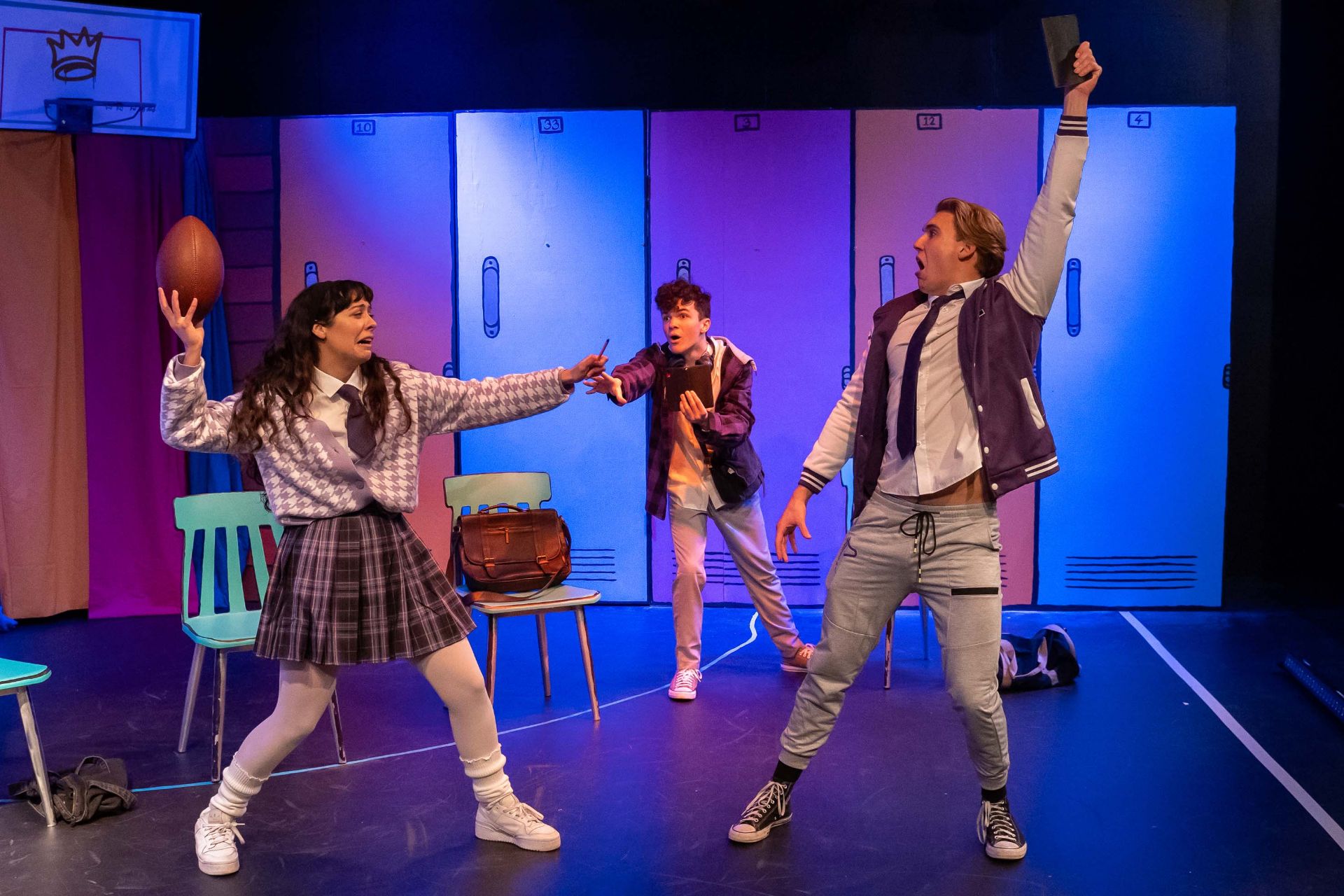
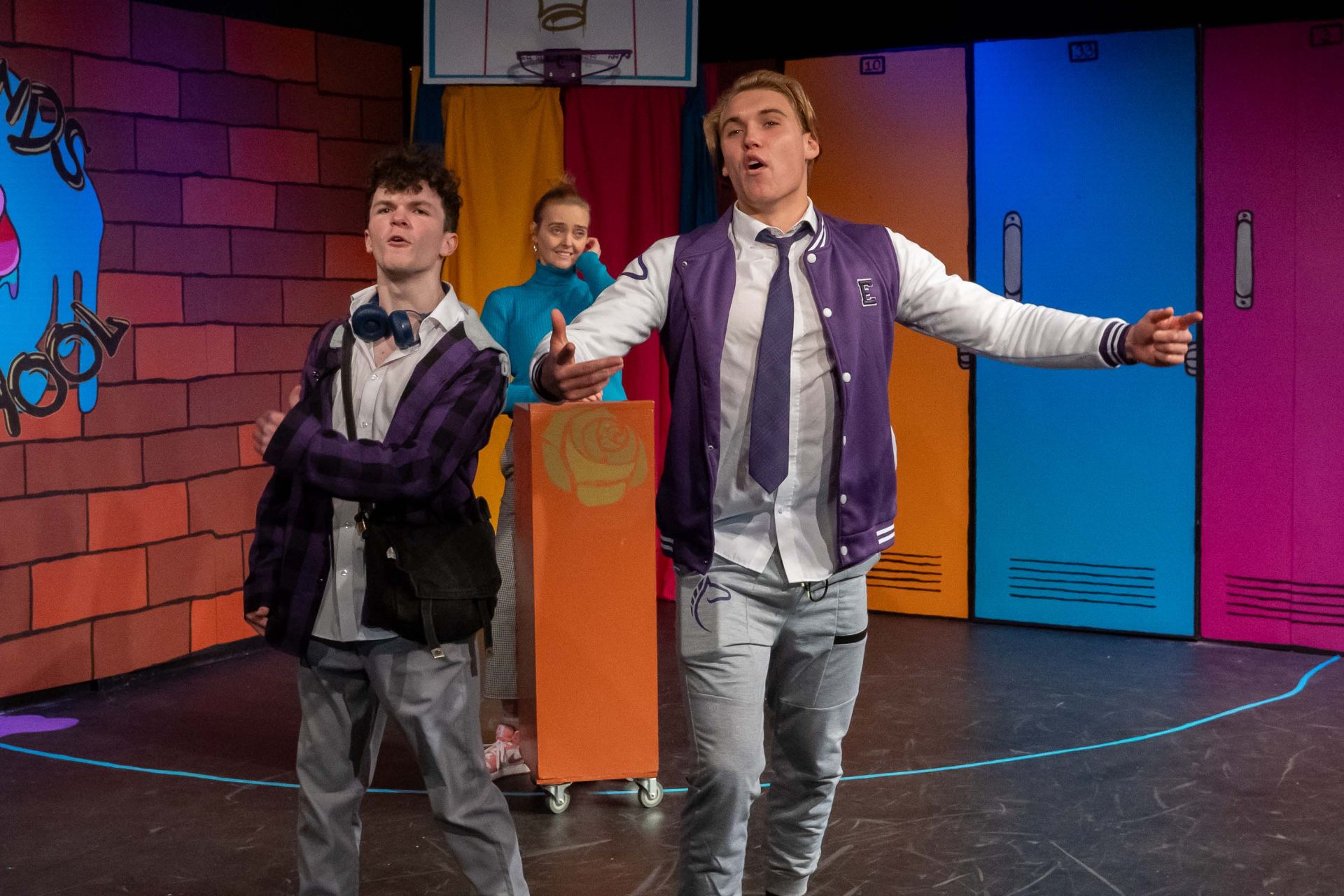
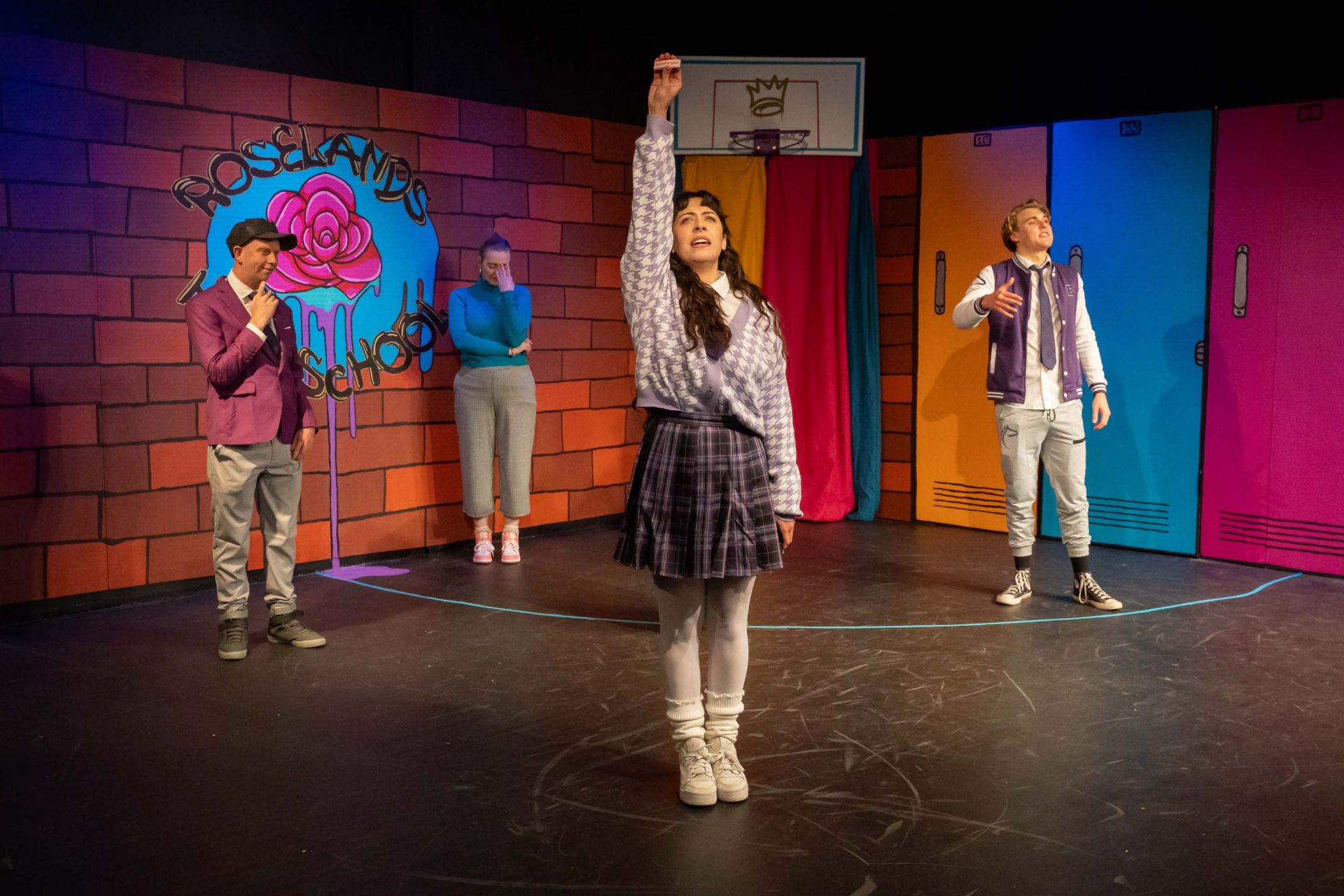
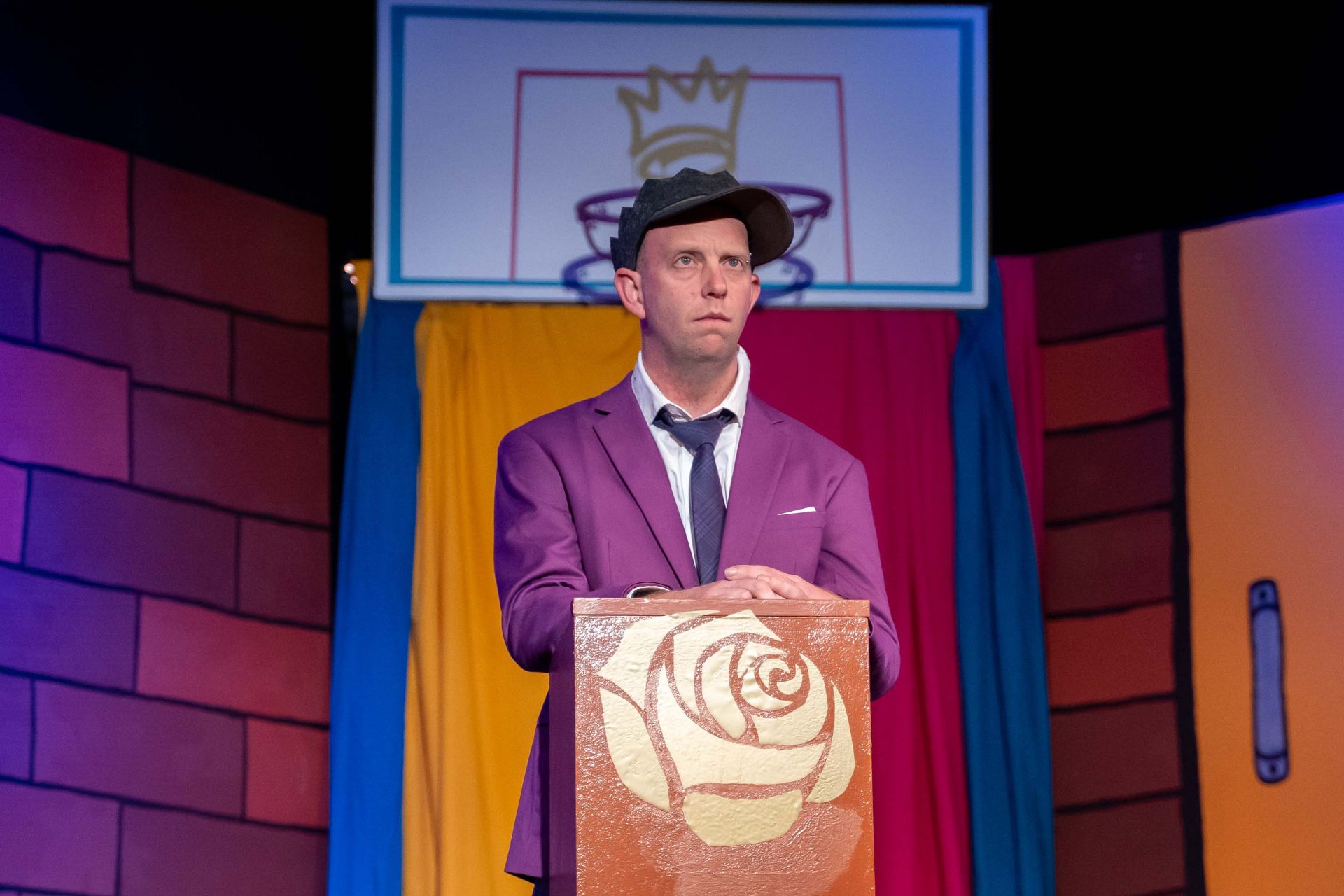
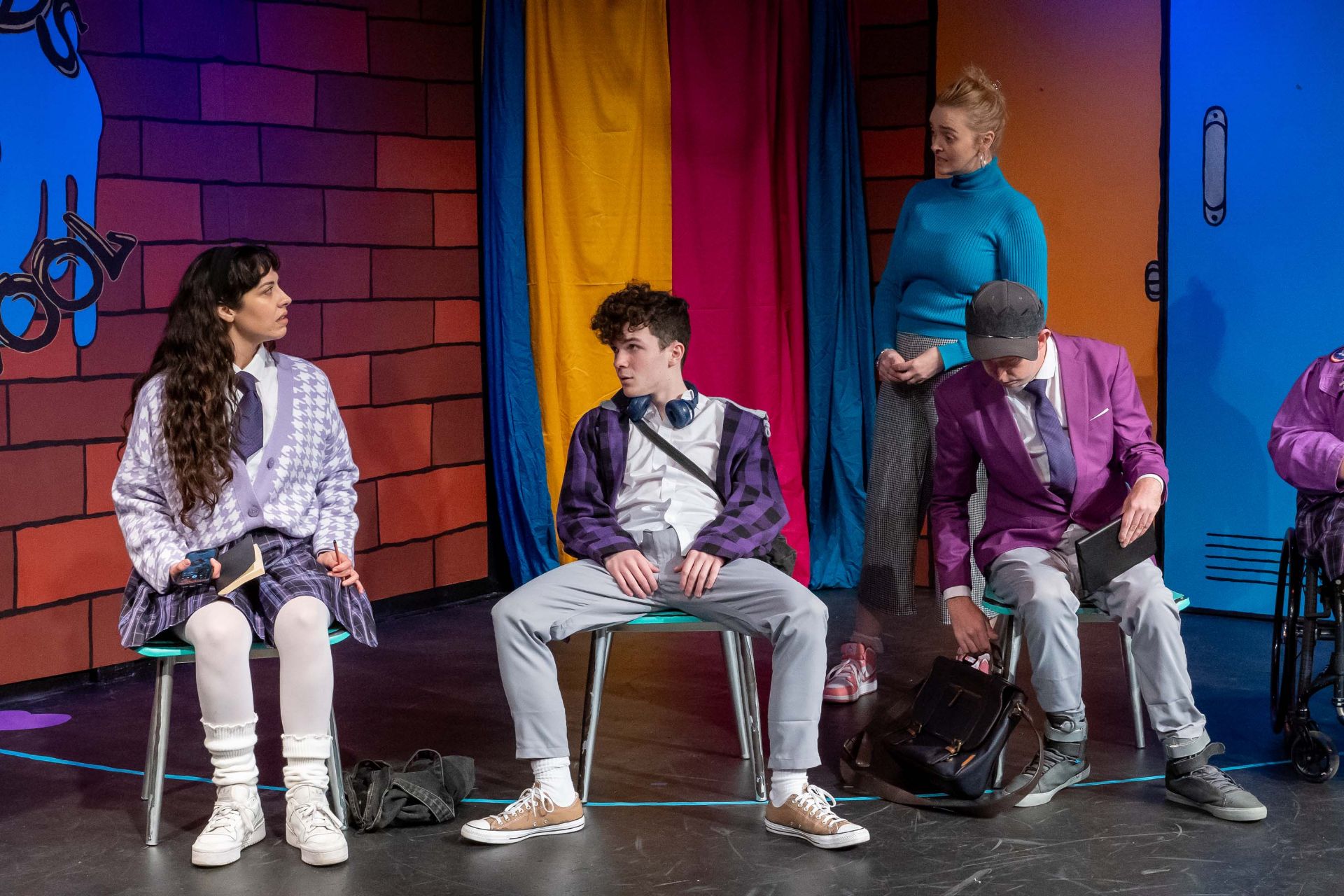
When Richard decides to campaign for class president at his high school, it is as much an indication of his ambition, as it is of a thirst for revenge. Based on Shakespeare’s Richard III, Mike Lew’s Teenage Dick transposes the anti-hero to a contemporary context, turning the protagonist into a much younger man, but retains his narrative of disability. This excellent update from 2016, like the original, is both comedic and tragic, brilliantly constructed to have us shifting in our attitudes regarding the problematic central character. With its sophisticated methodology for advocacy, depictions of disability in Teenage Dick are never patronising, with Lew demonstrating an immense capacity for presenting humanity in ways that resonate deeply, without relying on cliché and convention.

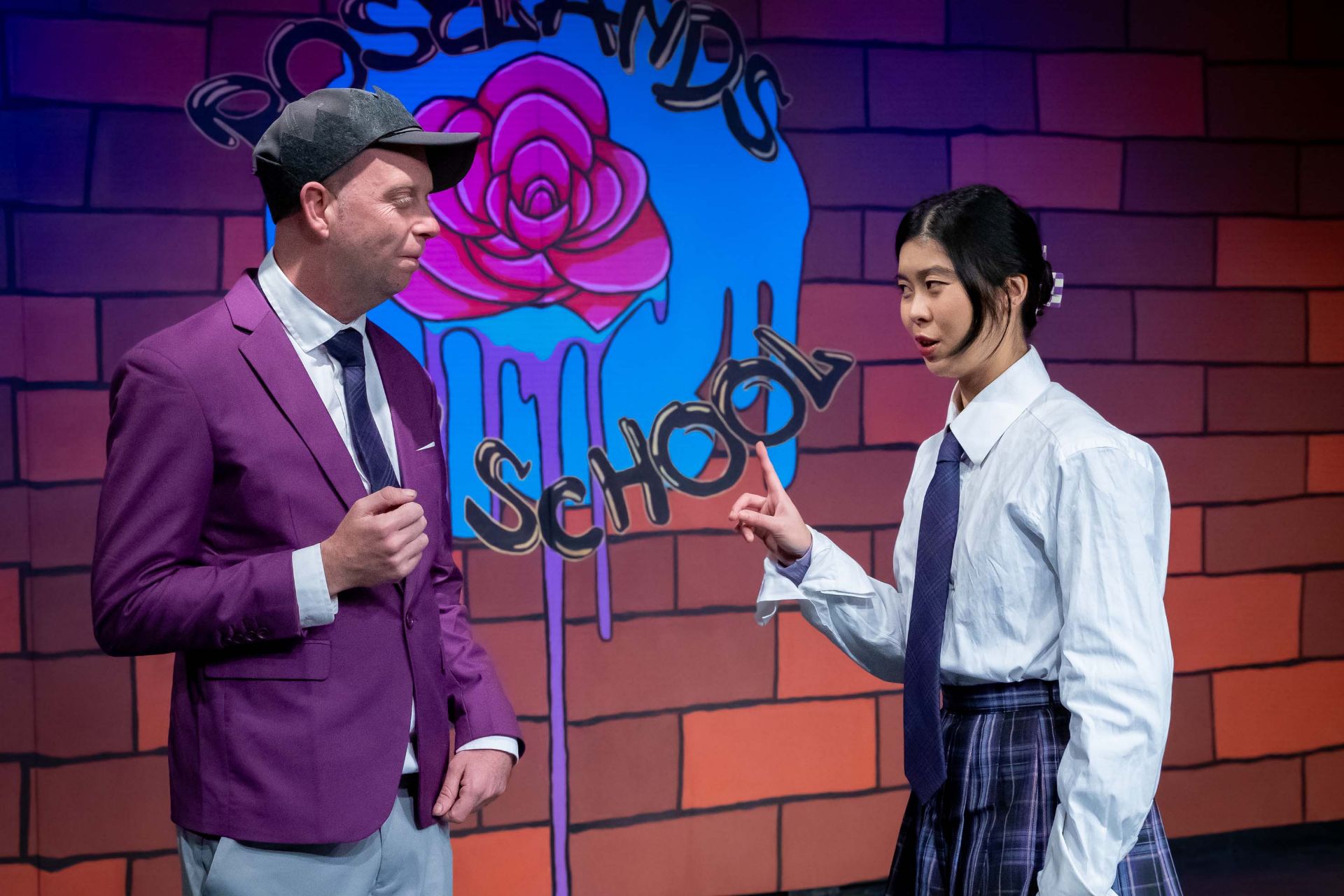
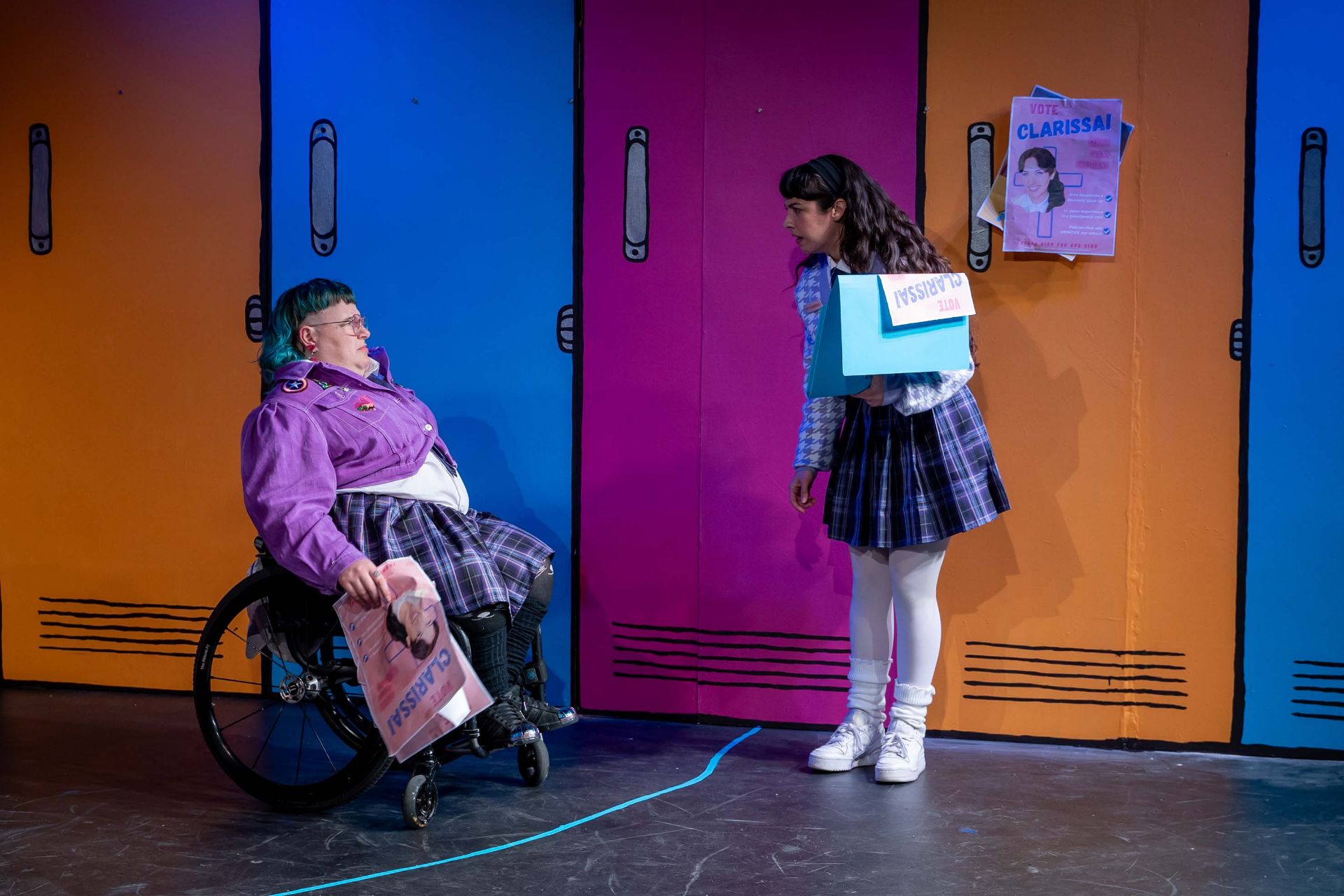
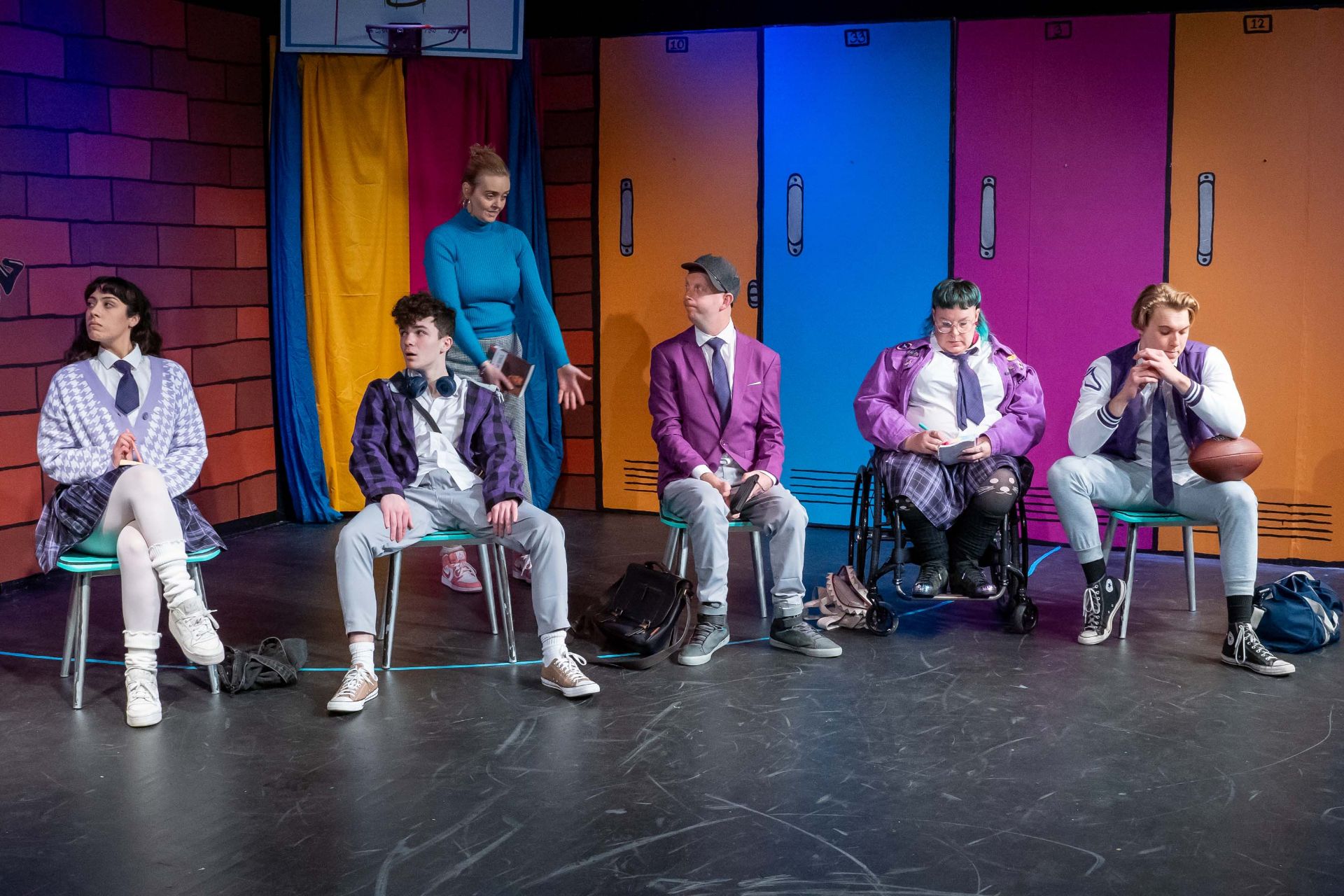
Directed by Dan Graham, we are transported convincingly to Roselands High School somewhere in the United States, where the teenagers are delightfully rambunctious and disarmingly bright. Lights by Casey-Moon Watton and sound by Dean Nash are prudently rendered, to bring dramatic emphasis to key moments. Set and costume design by Holly-Jane Cohle are vibrant and whimsical, wonderfully charming with the visuals aspects being established for the staging.

Additionally, the aforementioned Nash and Cohle leave remarkable impressions playing Richard and Buck respectively, both accomplished and endearing as performers, on a stage that buzzes with constant energy. Amy Victoria Brooks as teacher Elizabeth, and Rocco Forrester as bully Eddie, are memorable for the accuracy they bring to their roles. Gemma Dart and Chloe Ho tell meaningful stories, about the challenges faced by girls as they prepare to grow into their womanhood. Thom Blake and Keira Fairley are endlessly amusing with the boisterousness they introduce, to remind us of that characteristic anxiety involved in navigating teenage life.

Our cultures seem very accustom to portrayals of disadvantaged members of society, as either long-suffering and noble, or despicable and Machiavellian. In Teenage Dick we are urged to consider our marginalised as being thoroughly human, with as many virtues and faults as anyone thought of as normal. We understand that Richard could have done the right thing, or the wrong, because the ability to go either way, is thoroughly and disappointingly, the truth about who we all are.

www.flightpaththeatre.org | www.divergenttheatrecollective.com
Review: Rabbits On A Red Planet (Flight Path Theatre)

Venue: Flight Path Theatre (Marrickville NSW), Jun 7 – 24, 2023
Book and Lyrics: Irving Gregory, Andy Leonard
Music: Ryley Gillen
Director: Isaac Broadbent
Cast: James Burchett, Sara Camara, Isabelle Kohout, Andy Leonard, Jenna Wooley
Images by Anthony Stone

Theatre review

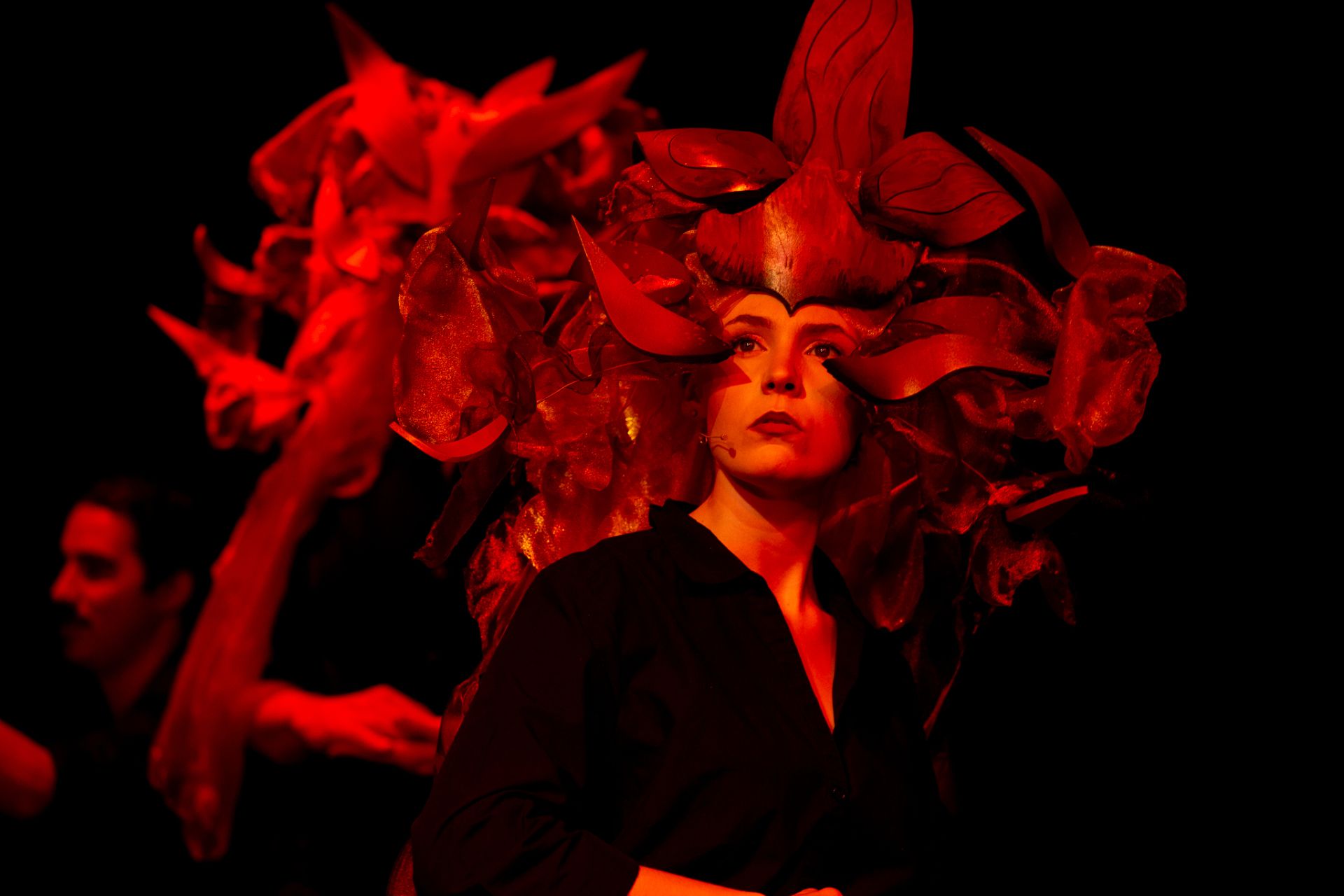
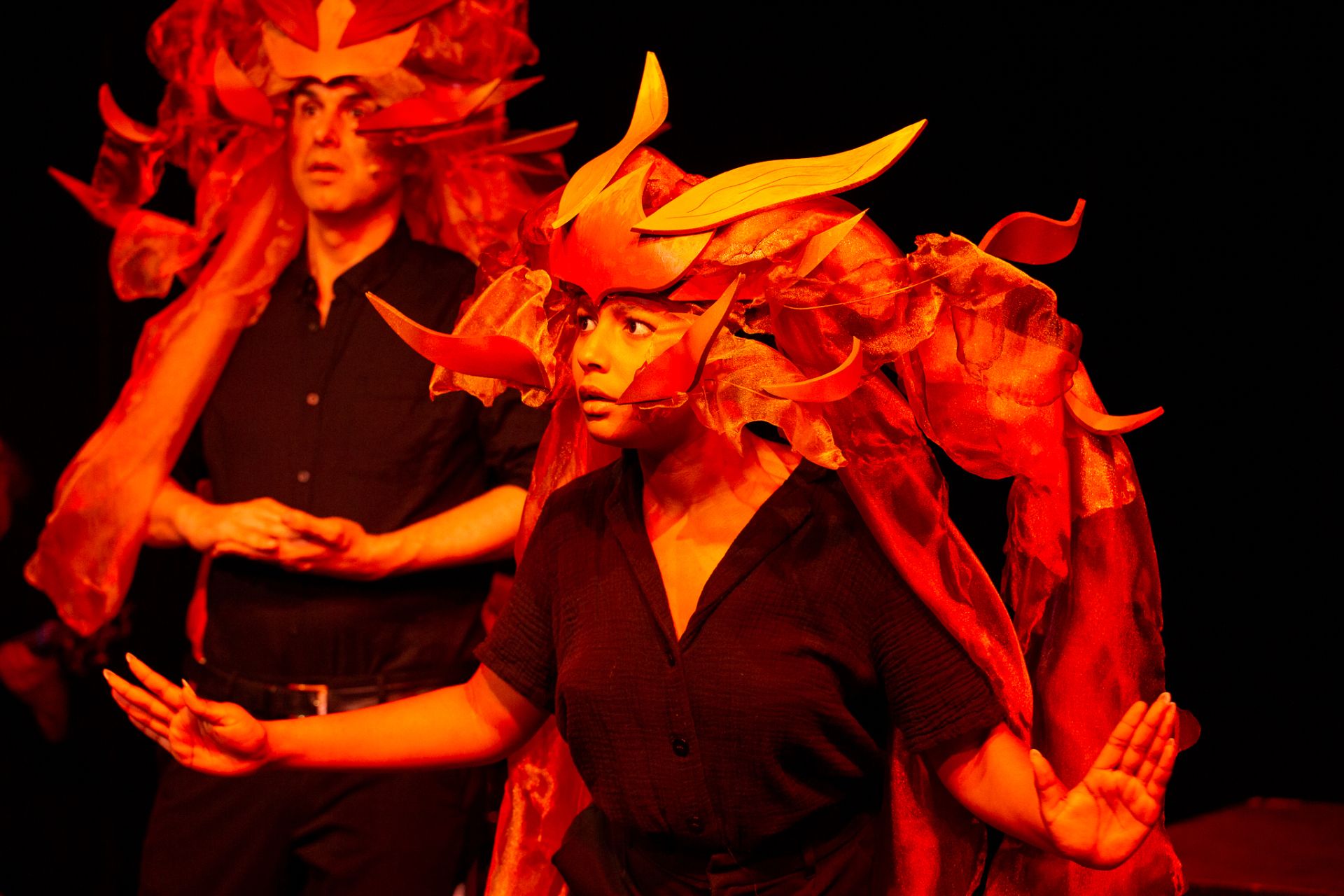
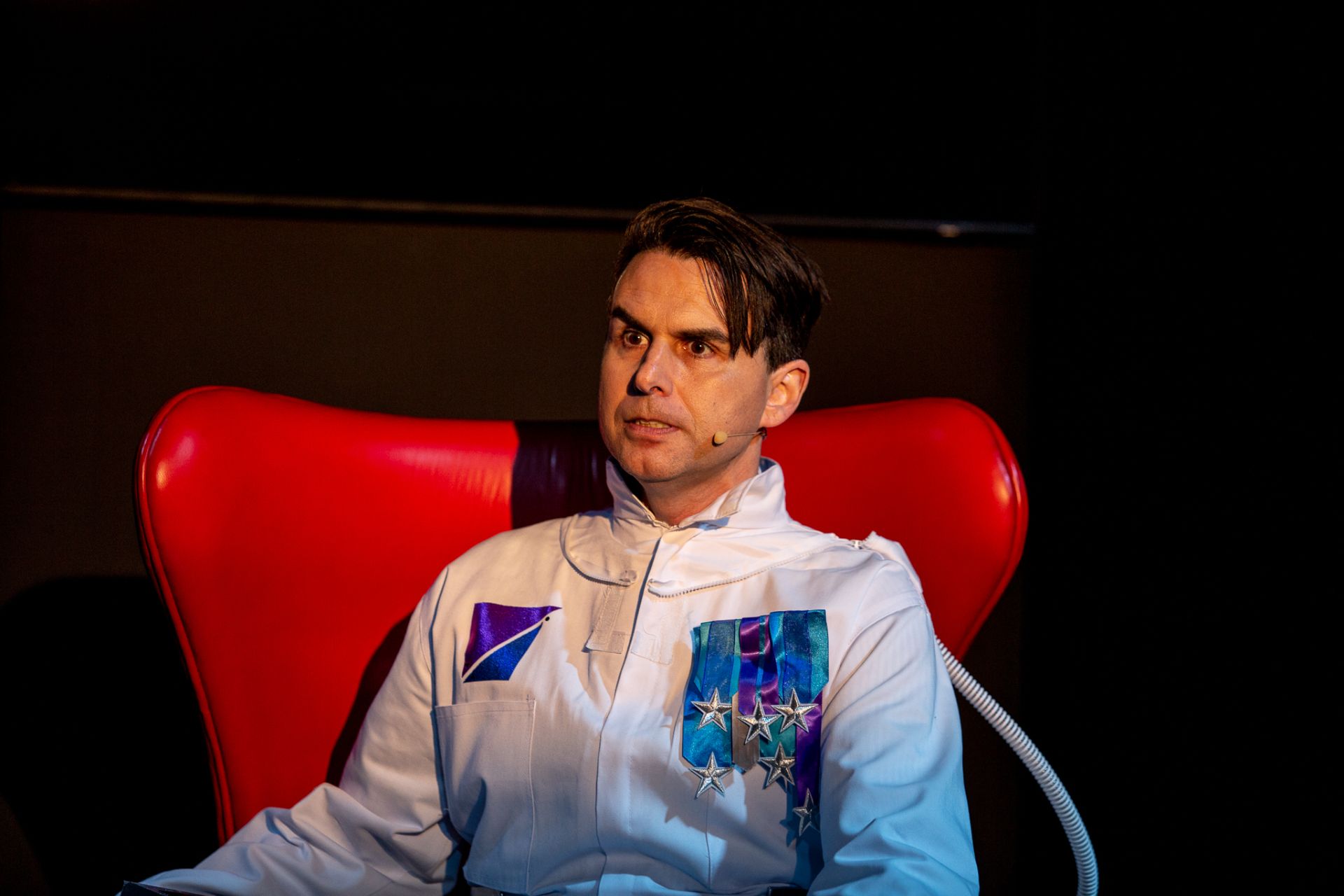
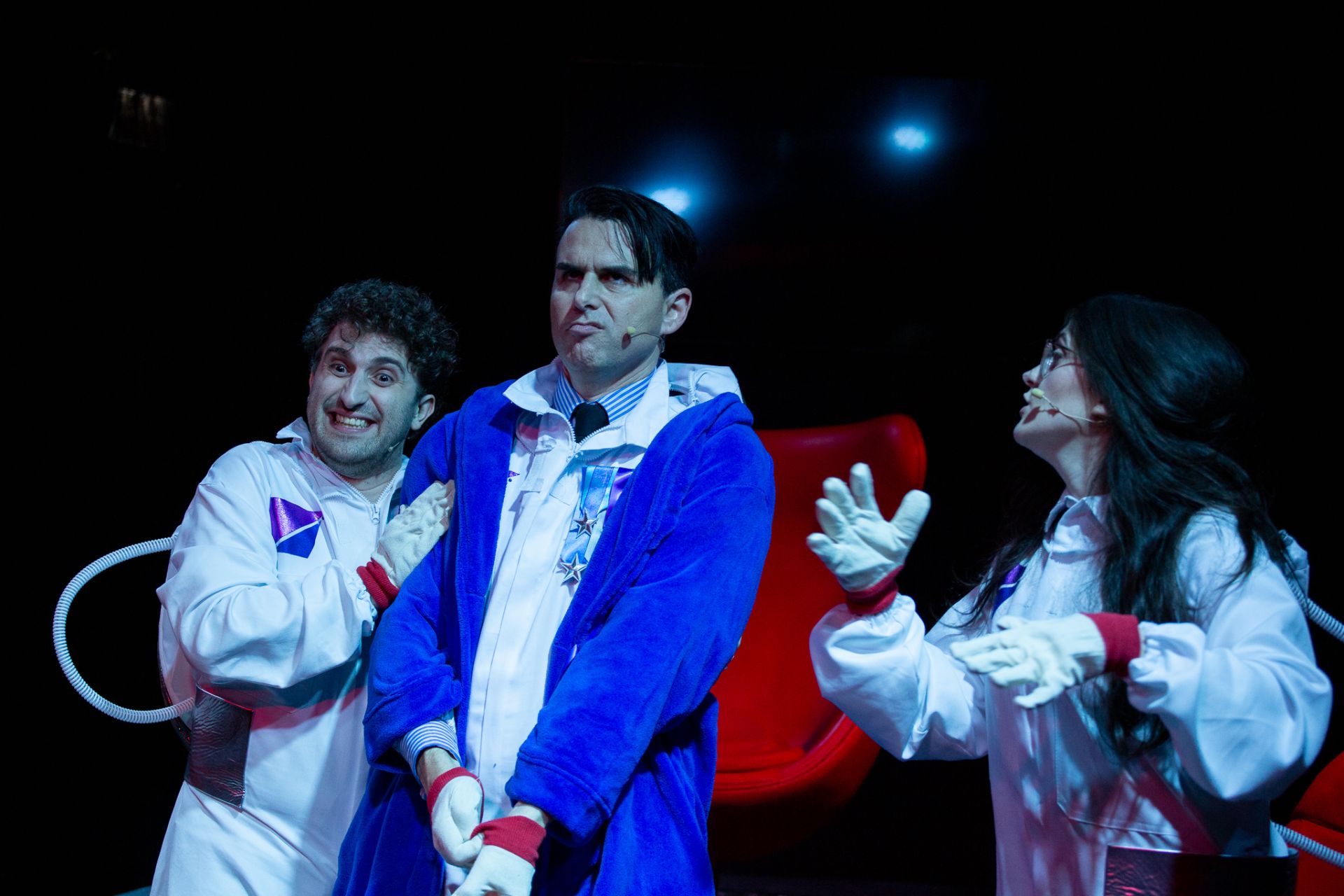
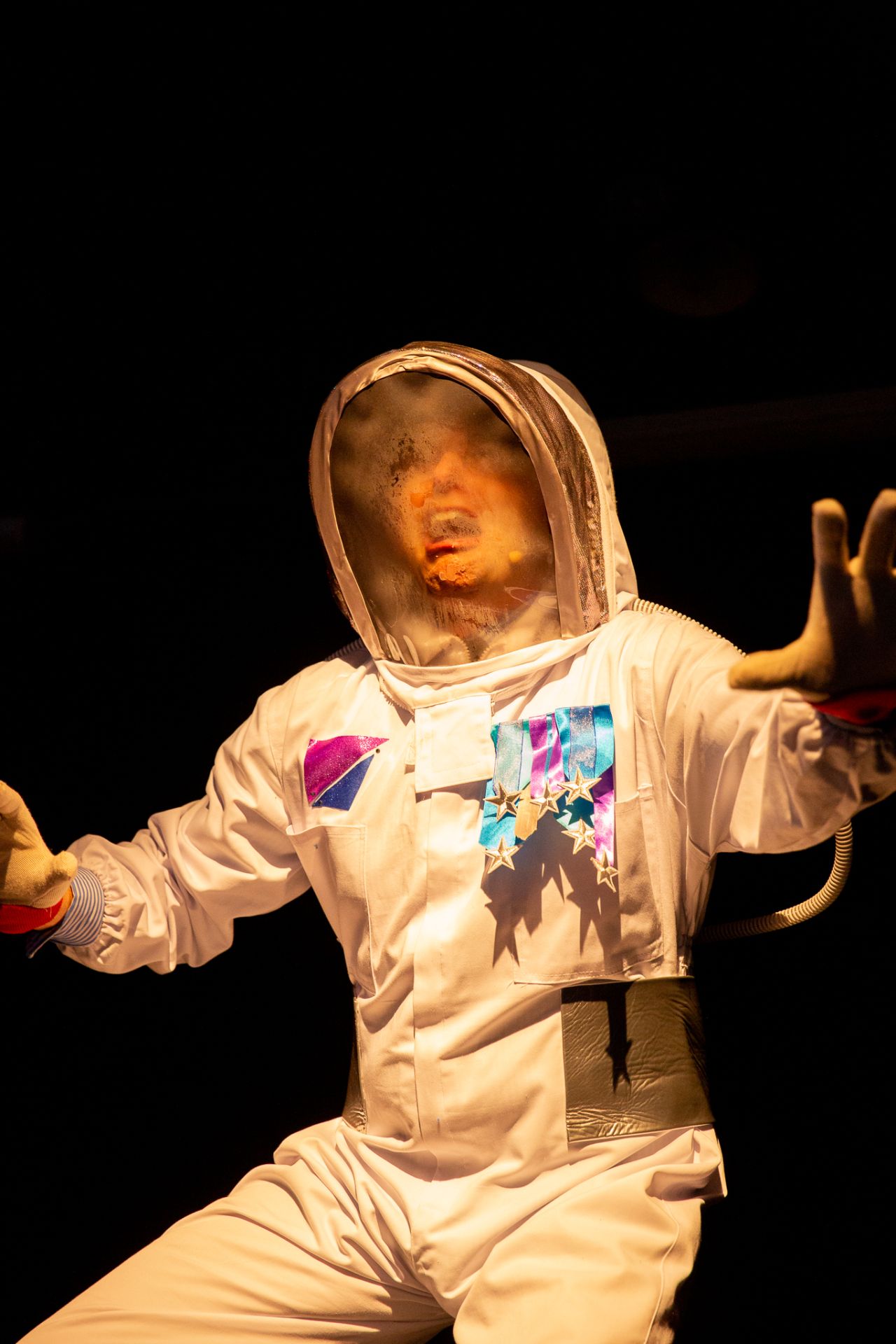
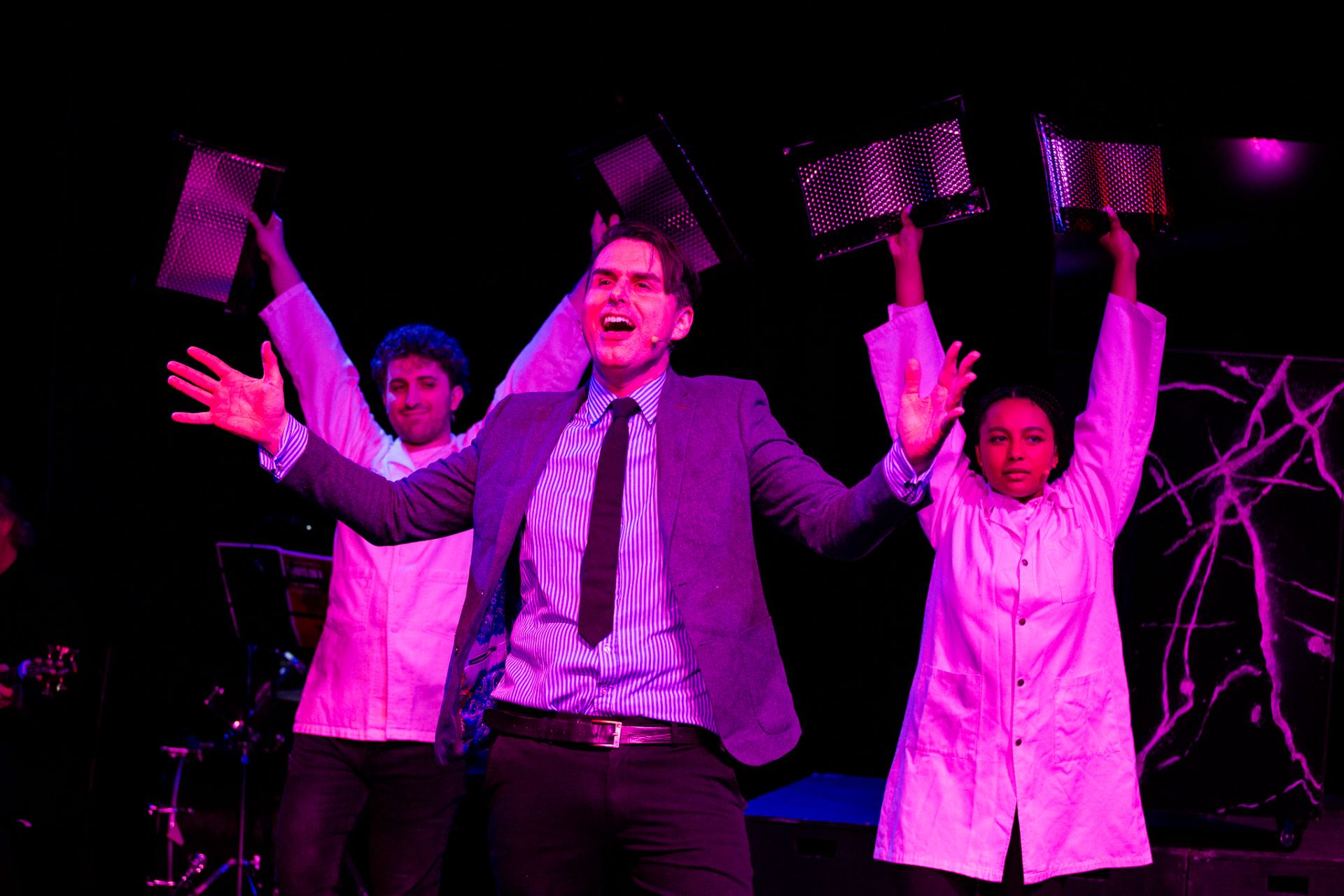
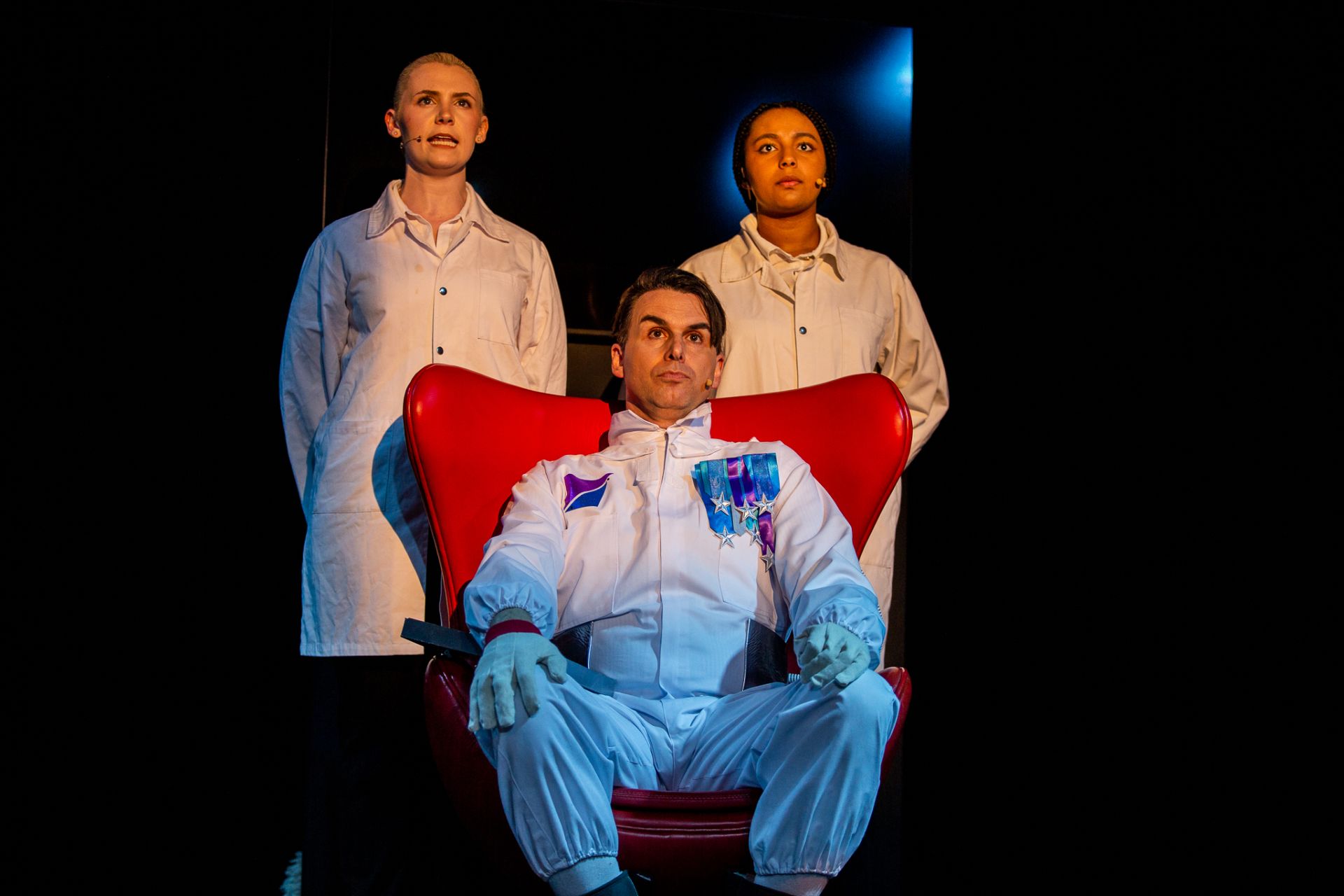
There are giant mutant rabbits running rampant on Earth, and instead of utilising his resources to fix the problem, billionaire Muskas is heading to colonise Mars, so that he can enjoy being king somewhere else. The book and lyrics of Rabbits on a Red Planet are suitably absurd, but they are also relentlessly confusing, making its efforts to amuse appear chaotic and floundering. Composition and music direction by Ryley Gillen can feel overly derivative, but his tunes are not unenjoyable, often with a jaunty character that helps to speed things along.

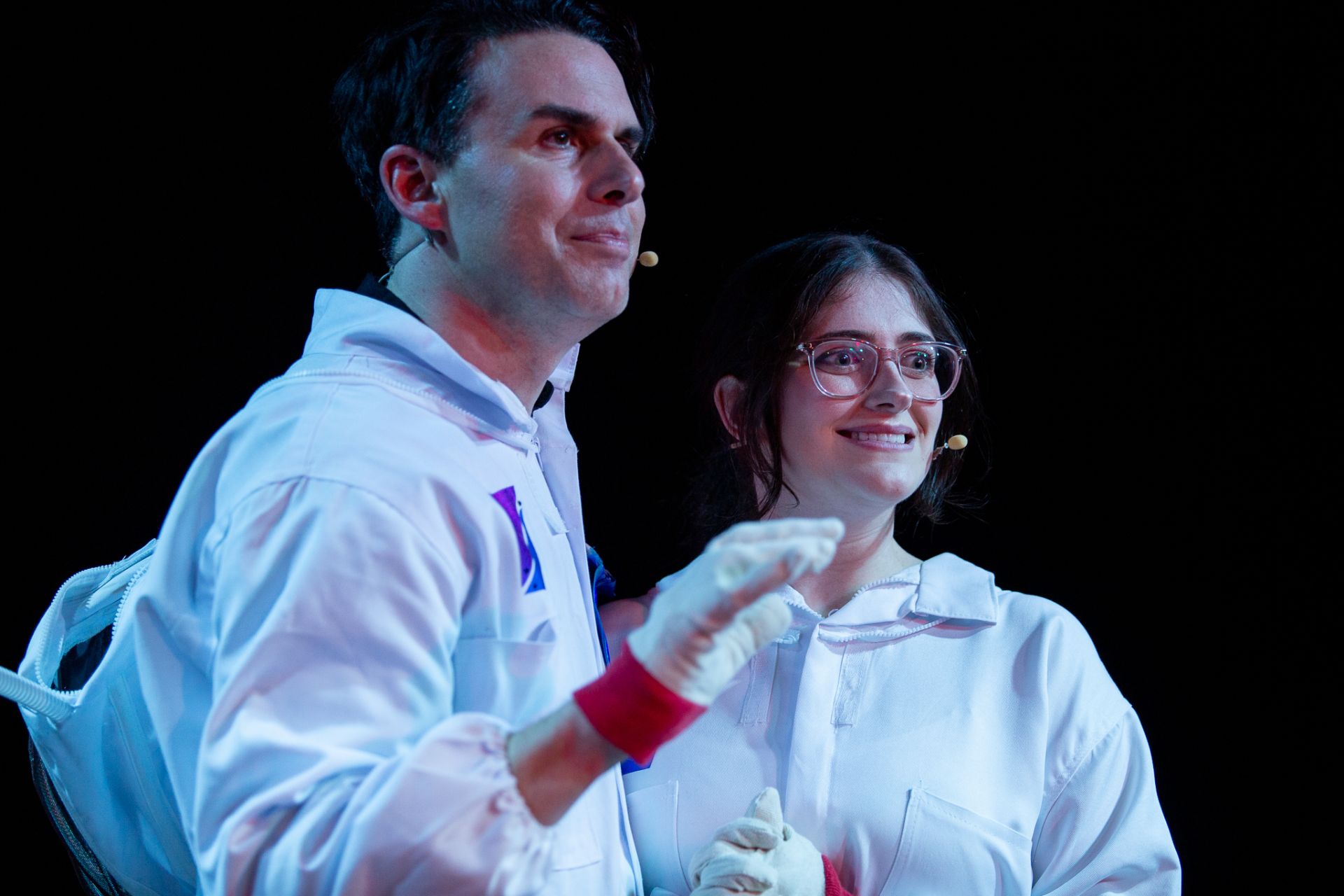
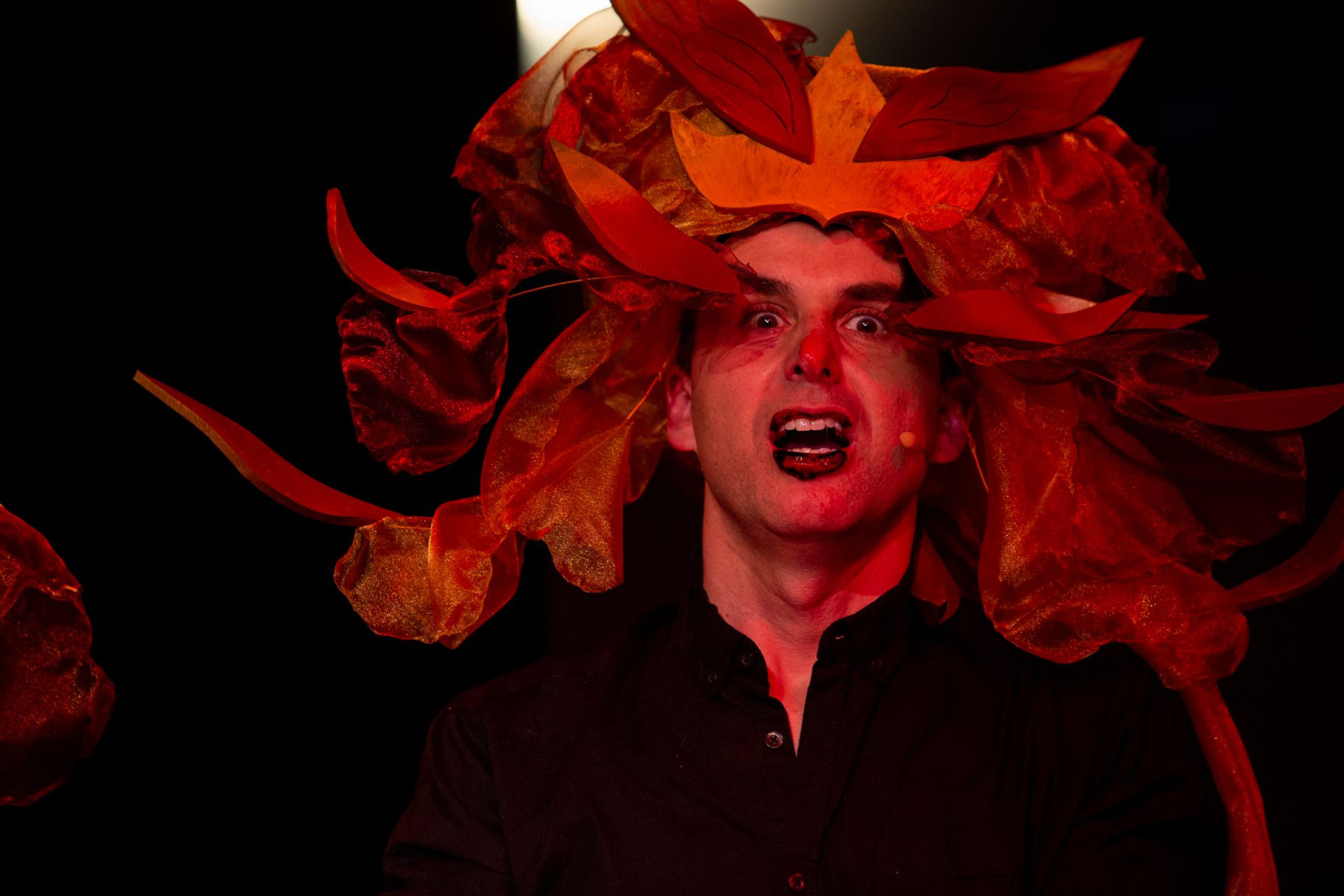
The production is directed by Isaac Broadbent, who tries to institute a sense of polish and order, for a work that seems still to be in its nascent stages. Lights by Julian Dunne have a tendency to look perfunctory and repetitive, although attempts to provide some dynamism to the action can be discerned. Costume design by Alli Sebastian Wolf are memorable for flamboyant headdresses denoting alien life, and for the billionaire’s convincing spacesuits, demonstrating good use of materials that give the staging a touch of elevation.

The cast comprises James Burchett, Sara Camara, Isabelle Kohout, Andy Leonard and Jenna Wooley, all of whom unimpeachable with their level of commitment to the cause, each impressive with the quality of singing they deliver. The band too, is professional with their performance of the score, gratifying with the precision they bring to each number.

The rabbits have grown terrifying, and although they do not come into view, we know what has been done to them, given this sad state of affairs. It is without doubt that humans excel at acts of self-destruction. Whether we are any good at redemption, remains to be seen.

www.flightpaththeatre.org

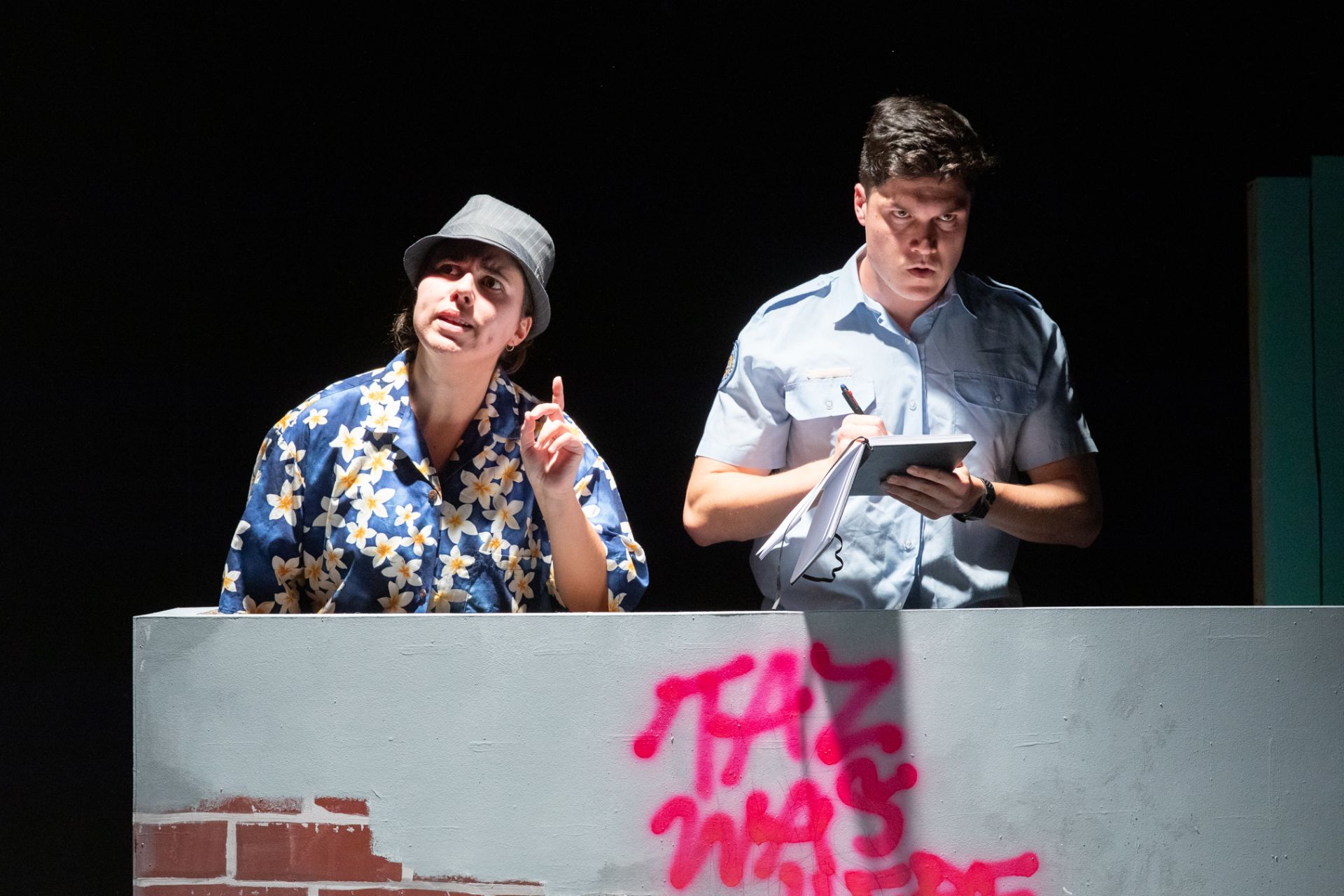
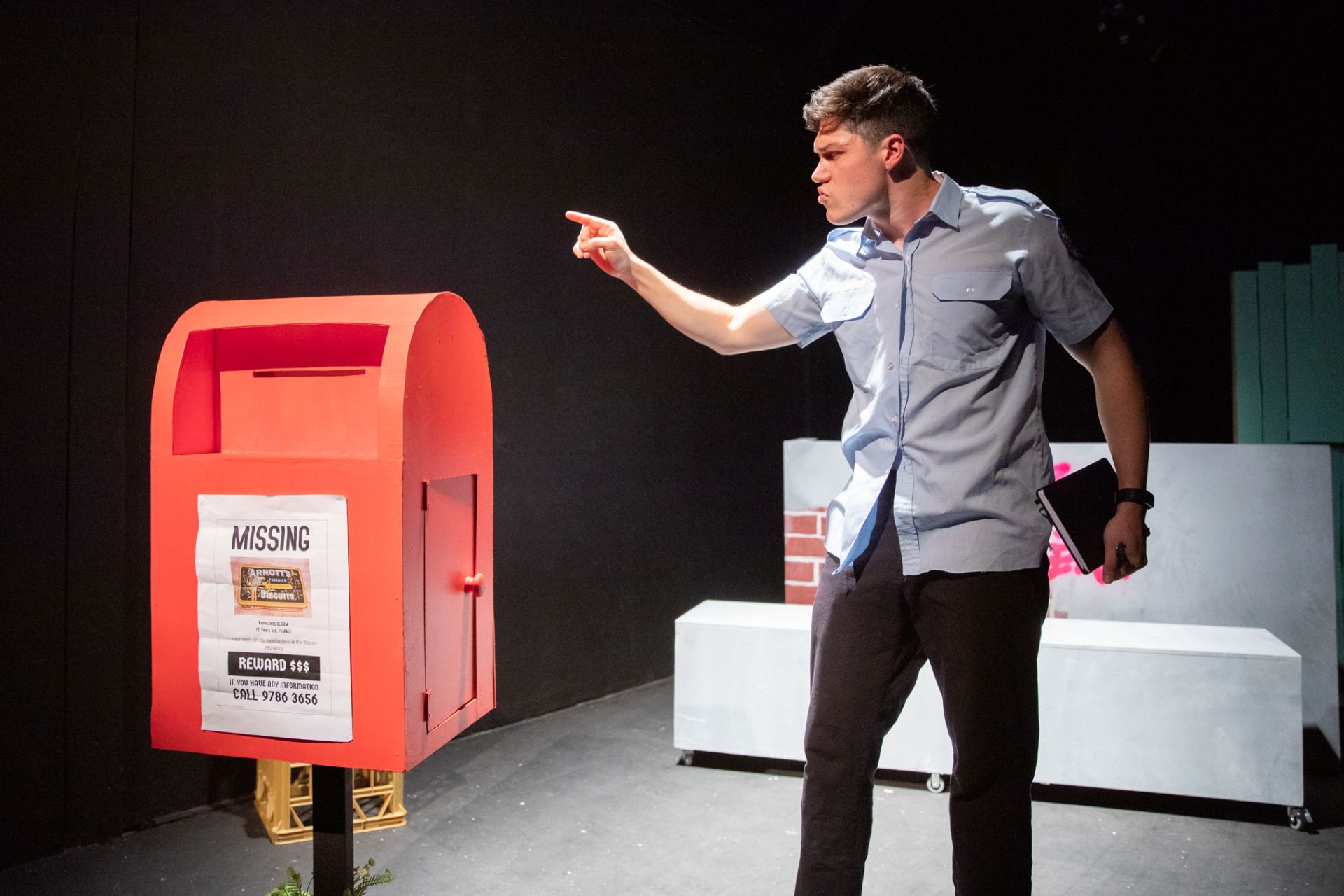
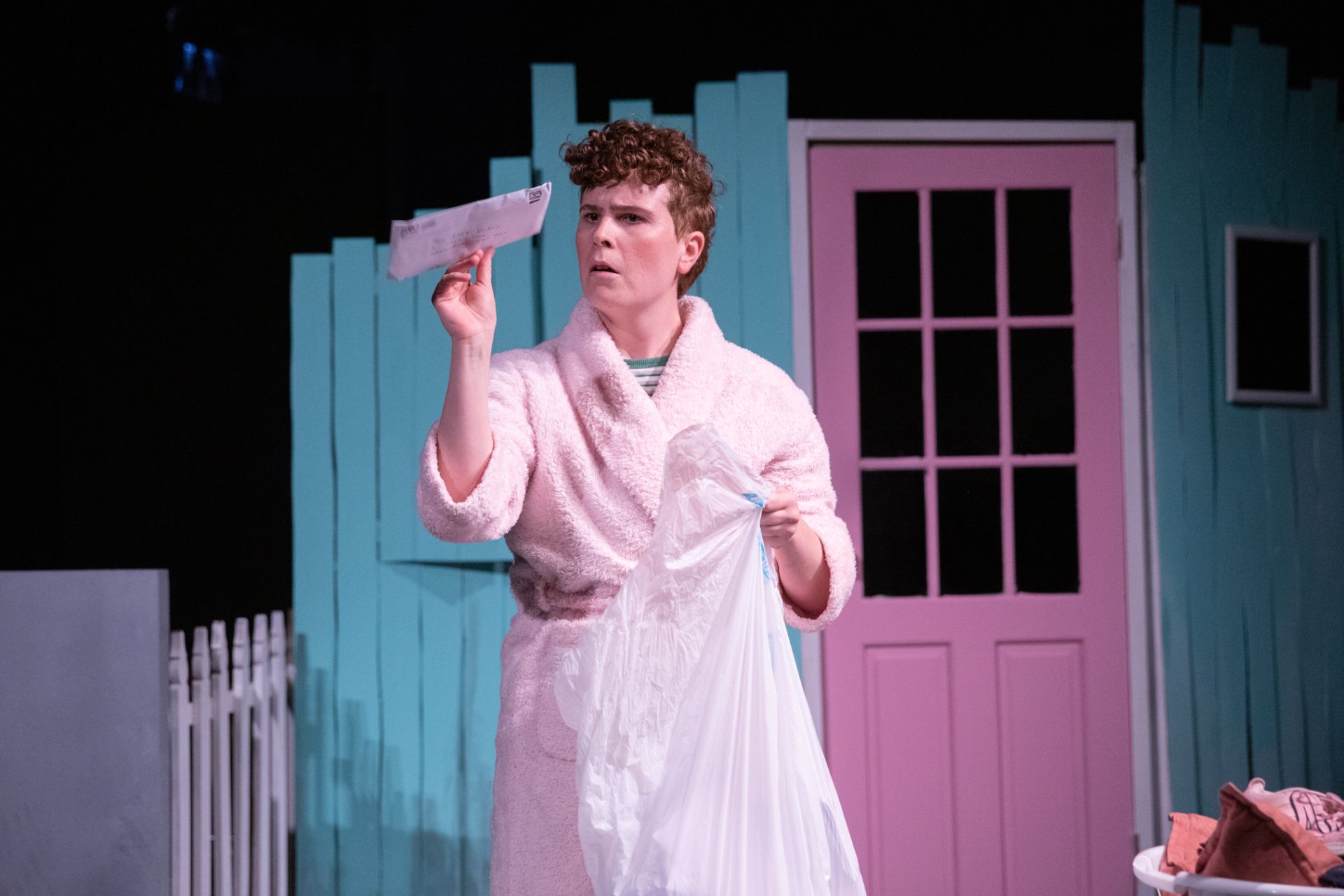
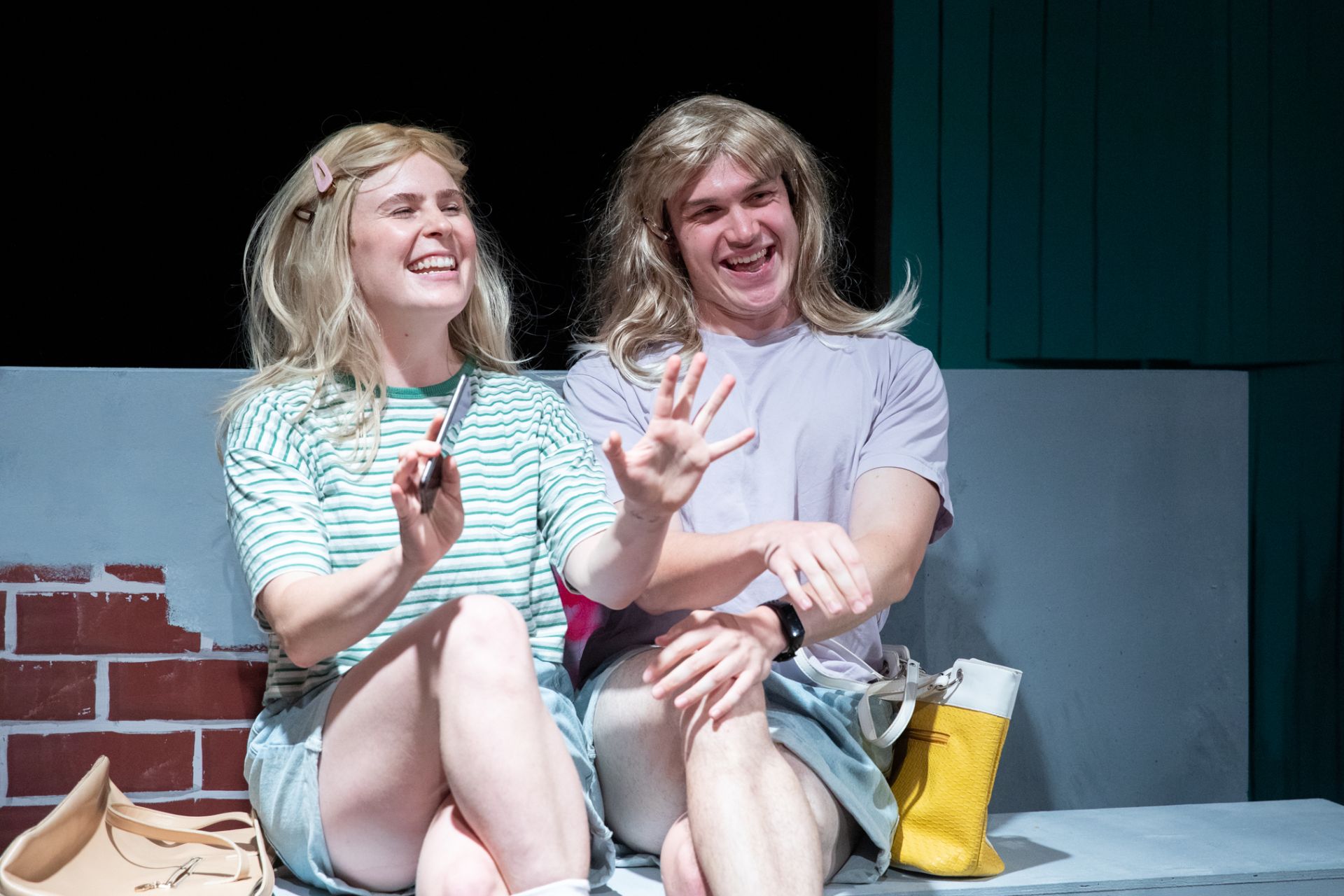
Review: Taz Vs The Pleb (Flight Path Theatre)

Venue: Flight Path Theatre (Marrickville NSW), Feb 9 – 19, 2022
Playwright: Kasia Vickery
Director: Kasia Vickery
Cast: Natali Caro, Jack Mainsbridge, Lou McInnes, Sophie Strykowski
Images by Noni Carroll

Theatre review
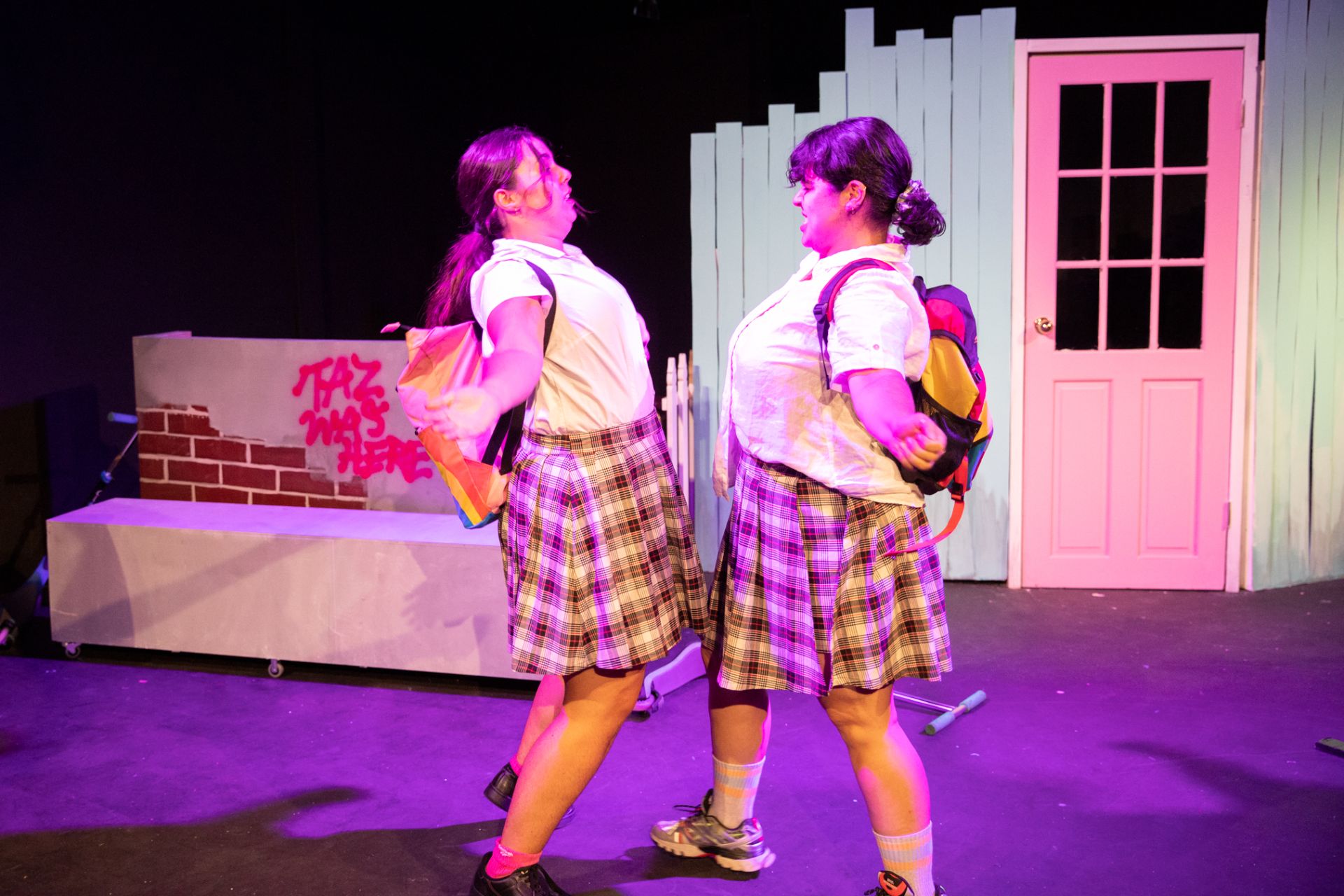
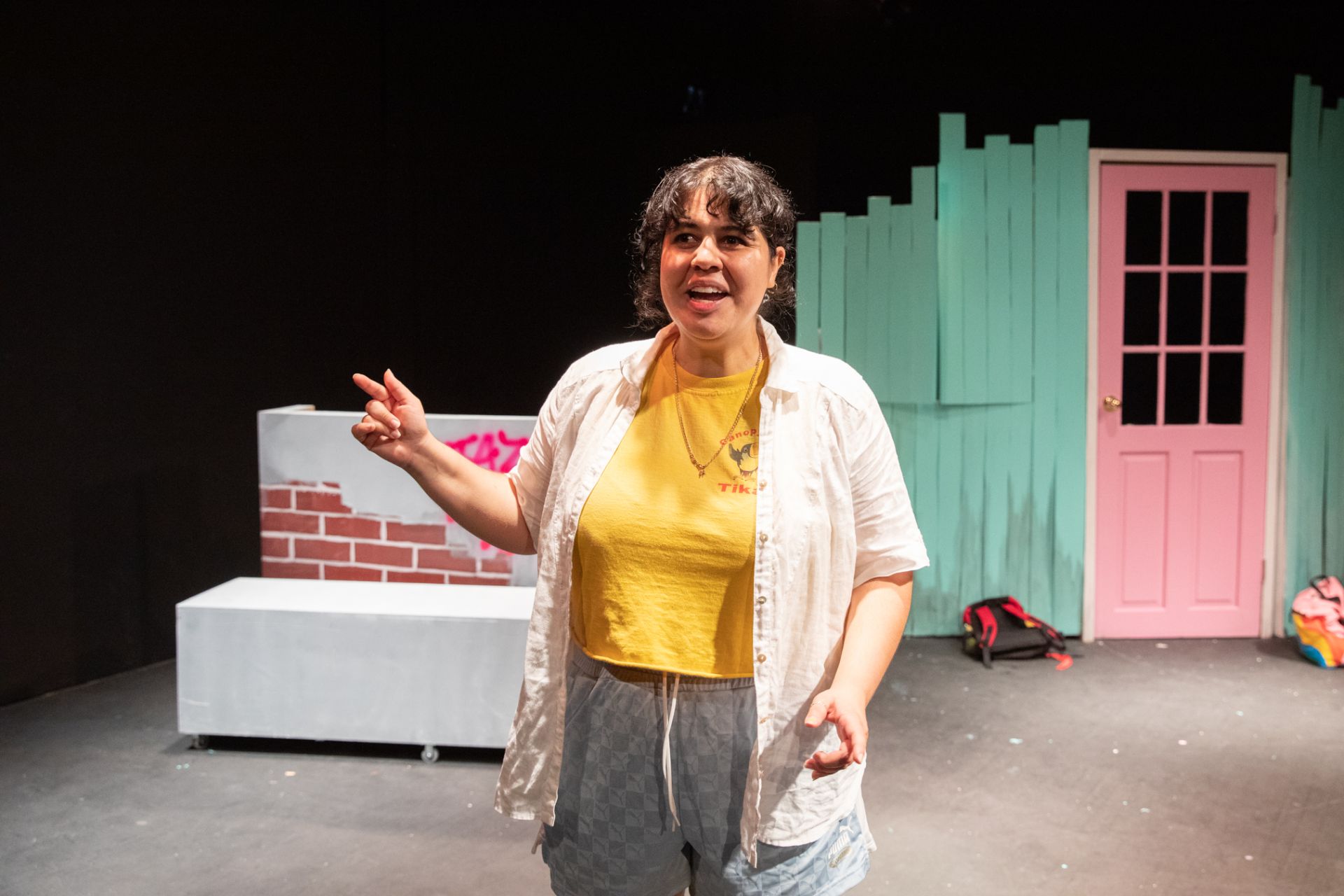
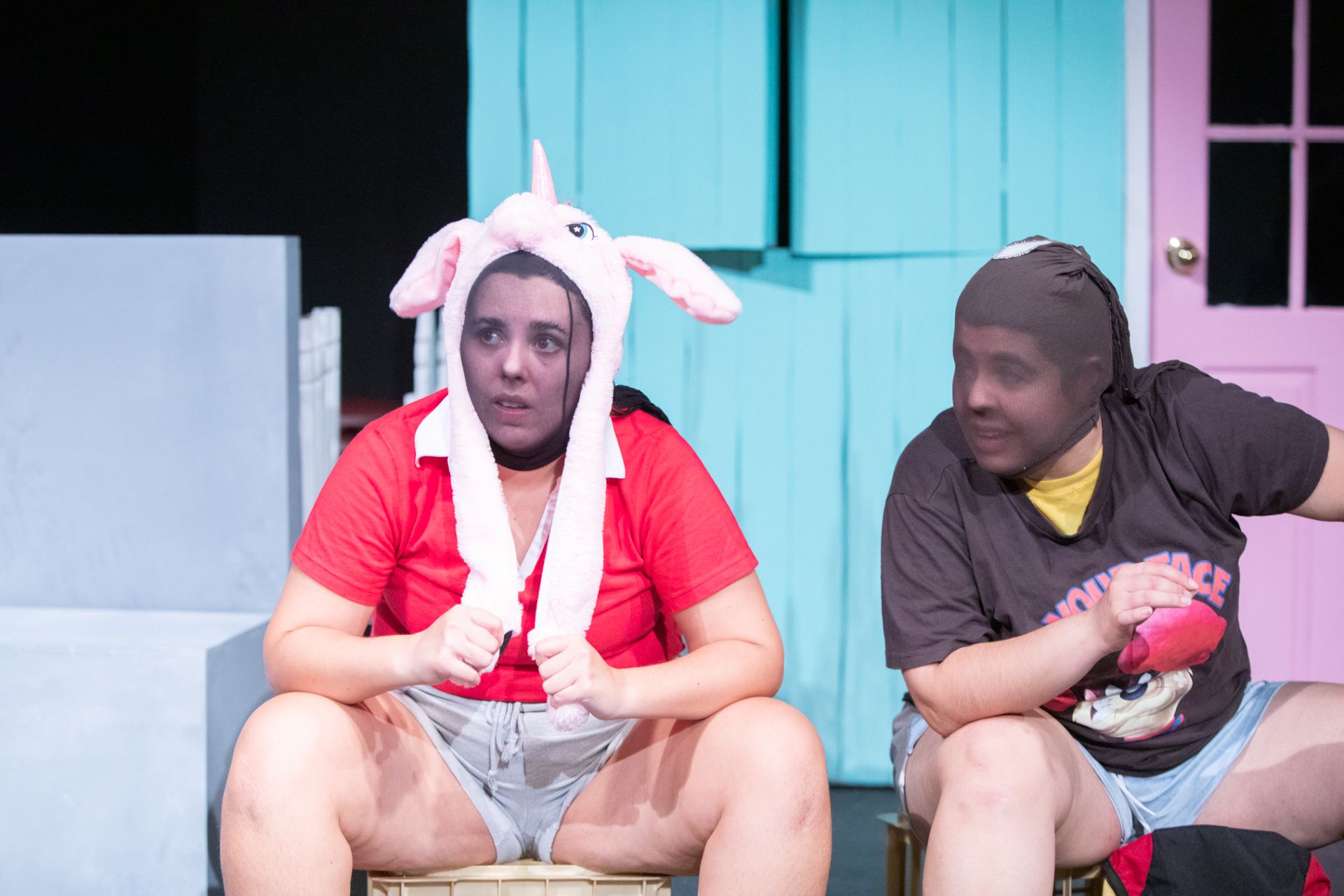
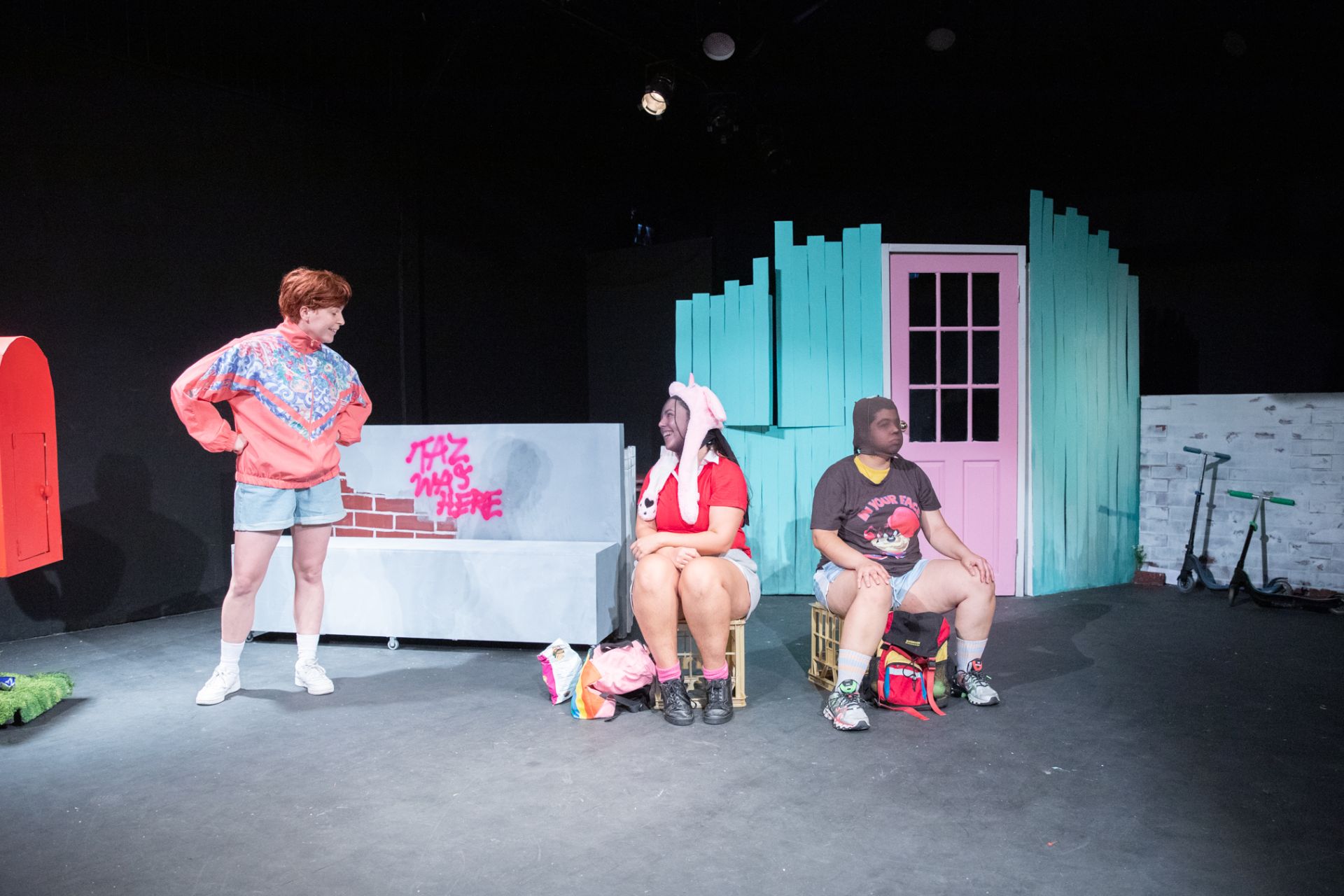
It was five years ago, when the same-sex marriage plebiscite, had come to dominate social interactions in Australia. In Taz vs the Pleb by Kasia Vickery, two high schoolers conspire to rig the vote, in their country town of Albury-Wodonga. Convinced that the adults surrounding them are bigoted and certain to vote against equality, Taz and Shontelle, who are only sixteen and therefore disallowed from directly participating in the democratic process, take it upon themselves to do the right thing for Australia’s queer communities.

Vickery’s re-imagination of events aspires to bring a sense of empowerment, to the many of us who had felt powerless and desperate, when our futures hung in the balance those long months, as the nation toyed with our rights and identities. That helplessness is transformed in the hour-long comedy, into exuberant and radical action, as the two young protagonists flout the law, in attempts to claim autonomy over their own destinies.

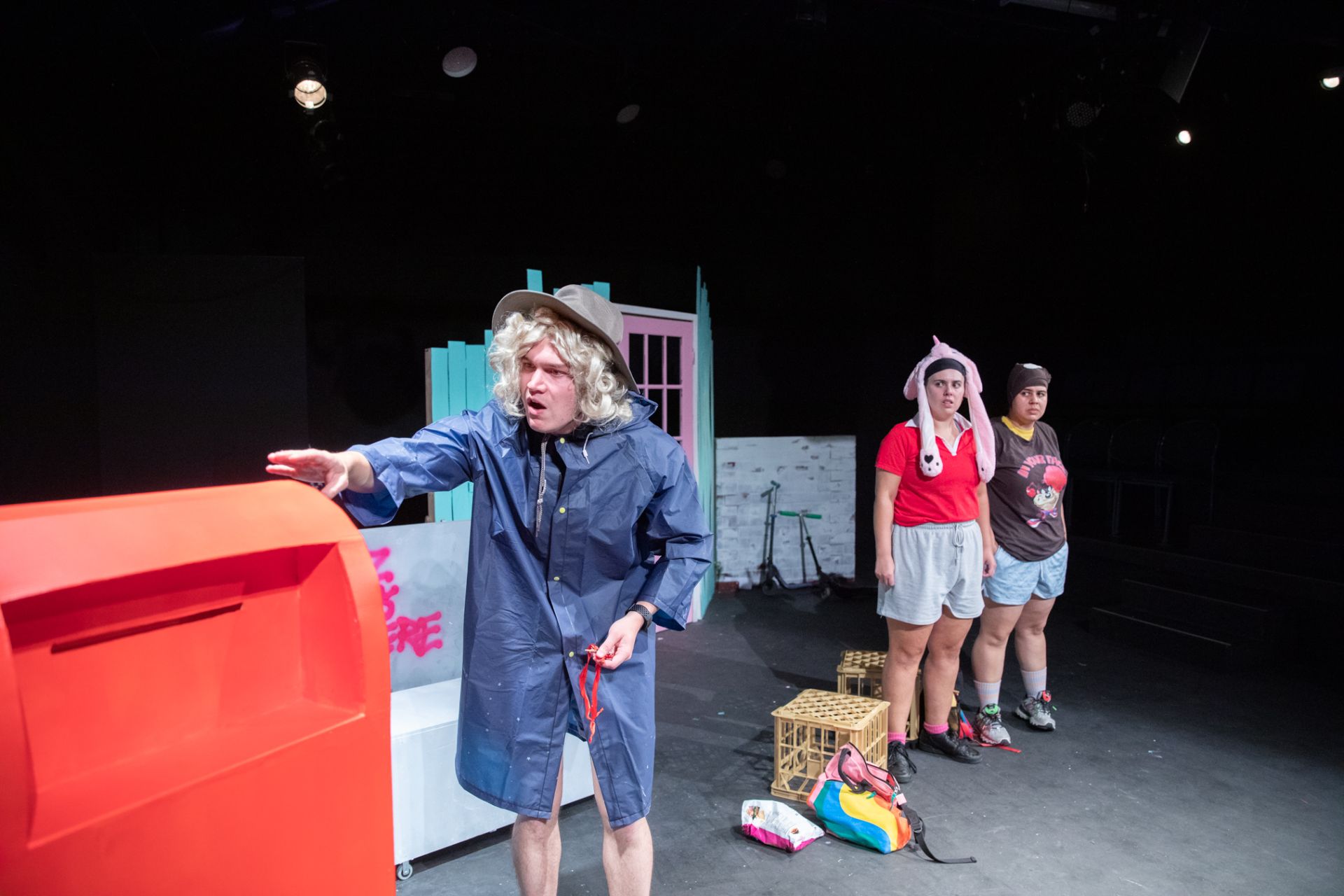
As writer and director, Vickery brings a palpable earnestness to this story of youthful rebellion. Some details get muddled in the histrionics, but it is the production’s irrepressible energy that really leaves an impression. Actors Natali Caro and Sophie Strykowski play Taz and Shontelle respectively, with excellent chemistry, and an unassailable sincerity that keeps us convinced and impressed, by the shenanigans of these spirited teens. Jack Mainsbridge and Lou McInnes perform a whacky range of support roles, with varying efficacies, although consistently delightful.

Costume and set designs by Kate Beere are appropriately vibrant, with lights by Thomas Doyle correspondingly colourful and flamboyant. Scott Sohrab Majidi’s sound and music are wonderfully ambitious, able to bring considerable soulfulness to the meaningful tale being relayed.

Taz vs the Pleb pays homage to a generation that values justice, and that believes in political action, at a degree that few had done before. It is the first time that we feel as though, conversations are being persuasively influenced, by those who are yet to even commence higher education, and what they say, and how they say it, seems increasingly irrefutable. In truth, we all know that it is in innocence, that we can find the best of humanity. Allowing innocence to guide us, is perhaps a perennial struggle, but this new turning of tides presents an opportunity for a more righteous balance, in these apocalyptic times.

www.flightpaththeatre.org | www.rogueprojects.com.au

Review: Fuente Ovejuna (Flight Path Theatre)

Venue: Flight Path Theatre (Marrickville NSW), Mar 25 – Apr 11, 2021
Playwright: Lope de Vega (adaptation by Angus Evans)
Director: Angus Evans
Cast: James Bean, Tristan Black, Julia Christensen, Steve Corner, Shayne de Groot, Dominique de Marco, Lucinda Howes, Suzann James, Martin Quinn, Davey Seagle, Idam Sondhi, Madeleine Withington
Images by Clare Hawley

Theatre review
Originally published early seventeenth century, Lope de Vega’s Fuenteovejuna is based upon the true story of a bloody revolt that took place in 1476 Castile. After sustained mistreatment by authorities, residents of the town Fuente Obejuna banded together and decapitated their commander in a coup. When investigators took to torturing individuals, each victim would refuse to divulge information, and in solidarity answered only that “Fuenteovejuna did it.”

Adapted and directed by Angus Evans, this new version of Fuente Ovejuna takes the opportunity to express the discontentment of contemporary Australians with our own leaders. Evans’ approach demonstrates that themes of the play could easily be applied to any period of recent political memory, but of particular salience is the Prime Minister’s current inability to manage the upheaval brought upon by revelations of sexual assaults, committed by members of his own government. Their sustained and wilful insolence certainly does inspire fantasies of mutiny and murder.

Evans’ ideas are put forward passionately, if not always sufficiently coherent. It is a galvanised team under his guidance, with all aspects of the production demonstrating admirable levels of commitment and energy. Actor Steve Corner leaves a particularly strong impression in a variety of roles. A powerful and compelling presence, he introduces a delicious, and necessary, sense of heightened drama, especially when occupying centre stage. Lucinda Howes as Laurencia, fires up our emotions in a crucial scene that sees her stoke the flames of rebellion. The authenticity that Howes musters for that moment, is sheer theatrical joy. Tristan Black is charming and very funny as Mengo, and as puppeteer for the King. The performer’s comic timing is perfect, and a real highlight of the show.

Live music is provided by Edward Hampton and Liam Peat, both musicians attentive and inordinately sensitive, adding tremendously to our enjoyment of the staging. Lights by Jas Borsovsky are suitably ambitious, and clever in their seemingly intuitive manipulations of our emotional responses. Victor Kalka’s set and Lucy Ferris’ costumes evoke a time past, whilst maintaining relevance to the present, so that we understand the foreign places to be no different from here, and the historical personalities to be the same as us.

It is gruesome but undeniably joyful to witness the execution of a heinous autocrat. The truth however, is that our systems of power, can withstand the toppling of any one figure, no matter how eminent. We may feel empowered when daydreaming about Prime Ministers, movie moguls and press barons being cancelled or removed at will, but these positions undoubtedly will be swiftly replaced, by more of the same.

Fuente Ovejuna is a story about solidarity, and the power of the people. In places like Australia, the establishment only exists, because we the people, allow it to. The reason we authorise its powers, is that we believe them to be beneficial to our existence, but it seems that what we believe, is almost entirely controlled by those powers that be, in an ominous cycle of causality.

It is easy to acknowledge that parts of our minds can fathom a way of life devoid of corruption, that in our imagination, an idealistic utopia always seems just a hair’s breadth away. We want to think that as a united people, we can make decisions that are right, that those determined to be rapacious and unjust can be vanquished. In reality however, our way of life has long been predicated on inequity and greed. If our fundamental values require that there be losers as well as winners, then surely true unity will forever elude us. We may experience flashes of reckoning, in fact these moments of cultural awakening seem to occur increasingly frequently, but there is little proof that knowing what is right, is ever going to lead us to actually doing better.

www.flightpaththeatre.org

Review: Wild Thing (Flight Path Theatre)

Venue: Flight Path Theatre (Marrickville NSW), Mar 2 – Mar 20, 2021
Playwright: Suzanne Hawley
Director: Kim Hardwick
Cast: Di Adams, Philip D’Ambrosio, Lewis Fitz-Gerald, Katrina Foster, Helen O’Connor, Di Smith
Images by Lisa Tomasetti

Theatre review
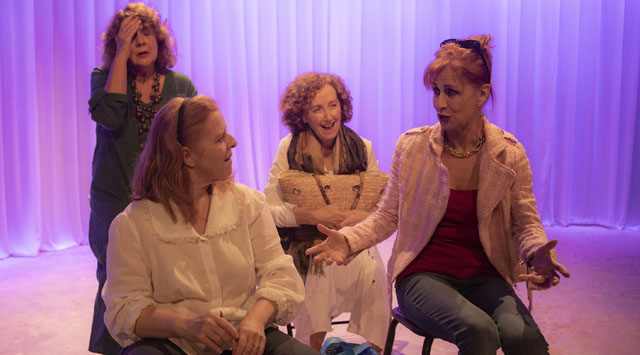
When Jackie’s health begins to fail, it is her group of besties who come to the rescue. Suzanne Hawley’s Wild Thing features four women who share a friendship of over half a century. Now in their sixties, each individual is no less vivacious or fun-loving, and even though nature does not spare them the usual and inevitable impediments, we discover their spirit to be unyielding.

Hawley’s endearing characters tell a meaningful story, of love, of resilience, and ultimately, of generosity. It showcases the best qualities of being old, and even though its earnestness can feel somewhat overwrought, there is much wisdom to be gained, as always, from being in close quarters with our seniors.

A humorous piece with lively direction by Kim Hardwick, Wild Thing opens up discussions surrounding ageing and death, in a surprisingly upbeat manner. End of life is an emotional affair, but it is also inescapable, so to treat it with some degree of levity can only be healthy.

The presentation is designed competently, with Tom Bannerman’s set leaving a particularly good impression. Able to offer versatility, as well as practical solutions, Bannerman’s creation is an efficient performance space that frees up the cast for what they do best.

Di Smith brings nuance to the role of Jackie, along with considerable dignity to this important tale of personal agency, for women of a certain age. Helen O’Connor is memorable as the carefree Elizabeth, bringing a sense of cheeky ebullience to the show. The passionate Frances is played by Katrina Foster, whose approach proves to be unmistakeably kooky, and Di Adams’ restraint only makes Susan’s sexual escapades more scandalous.

We need to talk a lot more, about the subject of dying. It seems that evasion is how Australians (and much of the world) typically deal with mortality, which is to say, that we do not deal with it at all. It is our propensity to leave facing it, until the final moments when we have nowhere to run. It is ironic that we should place attention on everything else except for the one certainty in life. Thankfully, art exists to remind us of who we are, at our most essential.

www.flightpaththeatre.org

Review: Veronica’s Room (Flight Path Theatre)

Venue: Flight Path Theatre (Marrickville NSW), Feb 26 – Mar 1, 2020
Playwright: Ira Levin
Director: Ehsan Aliverdi
Cast: Parisa Mansuri, Hamed Masteri, Shiva Mokri, Arash Salehi

Theatre review
At the beginning of Ira Levin’s Veronica’s Room, a young woman is locked in a room by an older couple. She insists that her name is Susan, even though those who hold the key say that she is Veronica. The suspenseful mystery keeps us guessing, as its characters feud with parallel narratives. We vacillate between wondering if the story is about mental illness, or a strange tale of entrapment and gaslighting.

It is an entertaining work, featuring an appropriate dimension of eerie supernaturality rendered by director and lighting designer Ehsan Aliverdi, who fills the show with flamboyant gestures that give the experience a delicious theatricality. Performed entirely in Farsi (with English surtitles), the cast brings exceptional energy to the piece, for a passionate staging that has us absolutely mesmerised.

Actor Parisa Mansuri plays the young woman, with an emotional complexity and intensity that makes the central riddle even more captivating. Shiva Mokri and Arash Salehi take on a bizarre range of roles, each one compelling and intriguing. Both performers are powerful presences that impress with a sense of fastidiousness to their approach. A fourth character is brought to extravagant life by Hamed Masteri, whose gradual escalation to a state of lunacy is a joy to watch.

Ira Levin’s women may not feel realistic, but it remains a pleasure that they occupy central positions in his play. It is true that women can be naive, and women can be evil, as represented in Veronica’s Room, but we are also resourceful and strong. Although Levin has put on paper something that is truly fascinating, we should question his choices, especially if we believe that humans have become more sophisticated as a species, half a century on from the play’s original staging. Fiction always allows us to manipulate outcomes, and how we choose to see ourselves, is entirely in our hands.

www.nomadartgroup.com | www.flightpaththeatre.org