
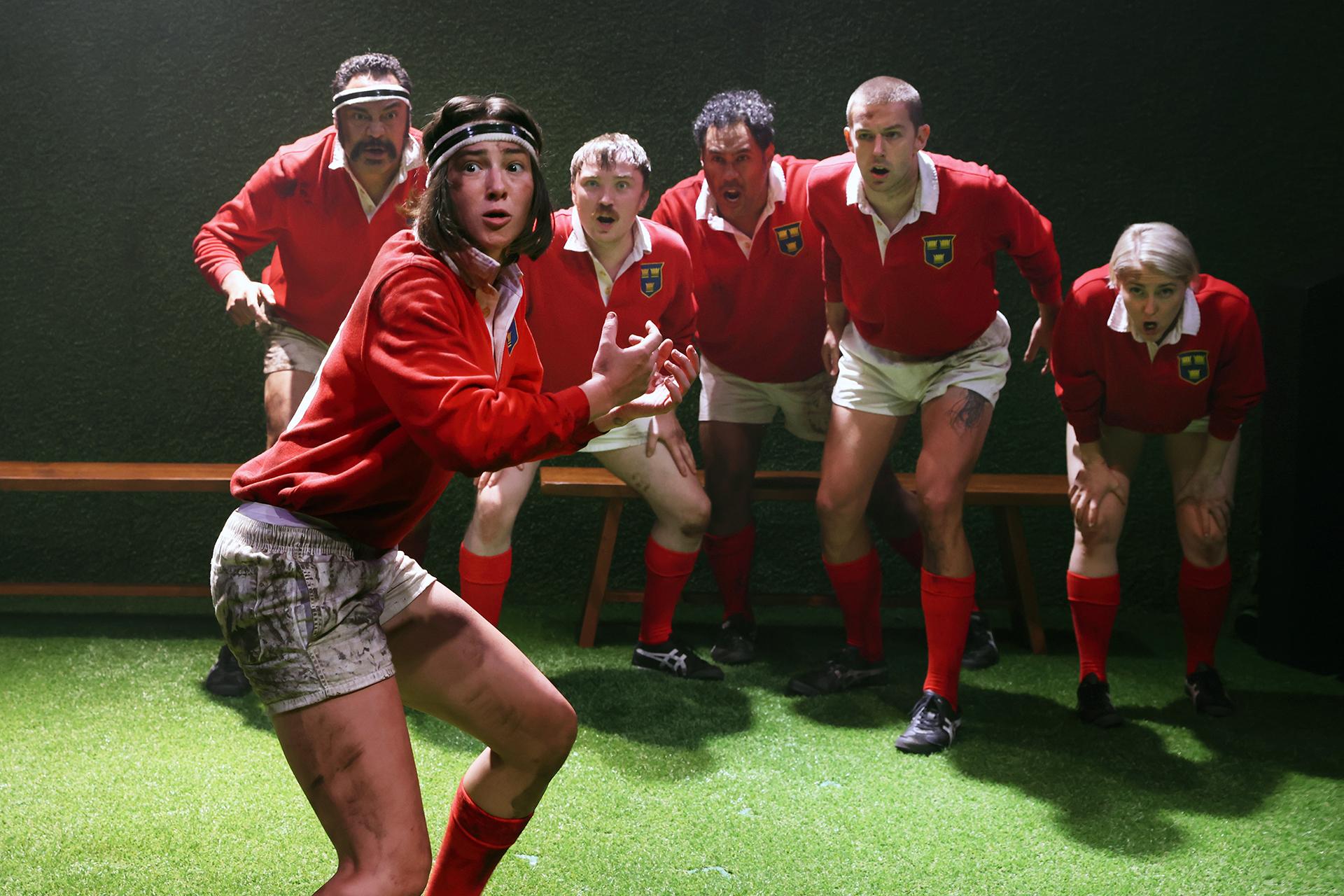
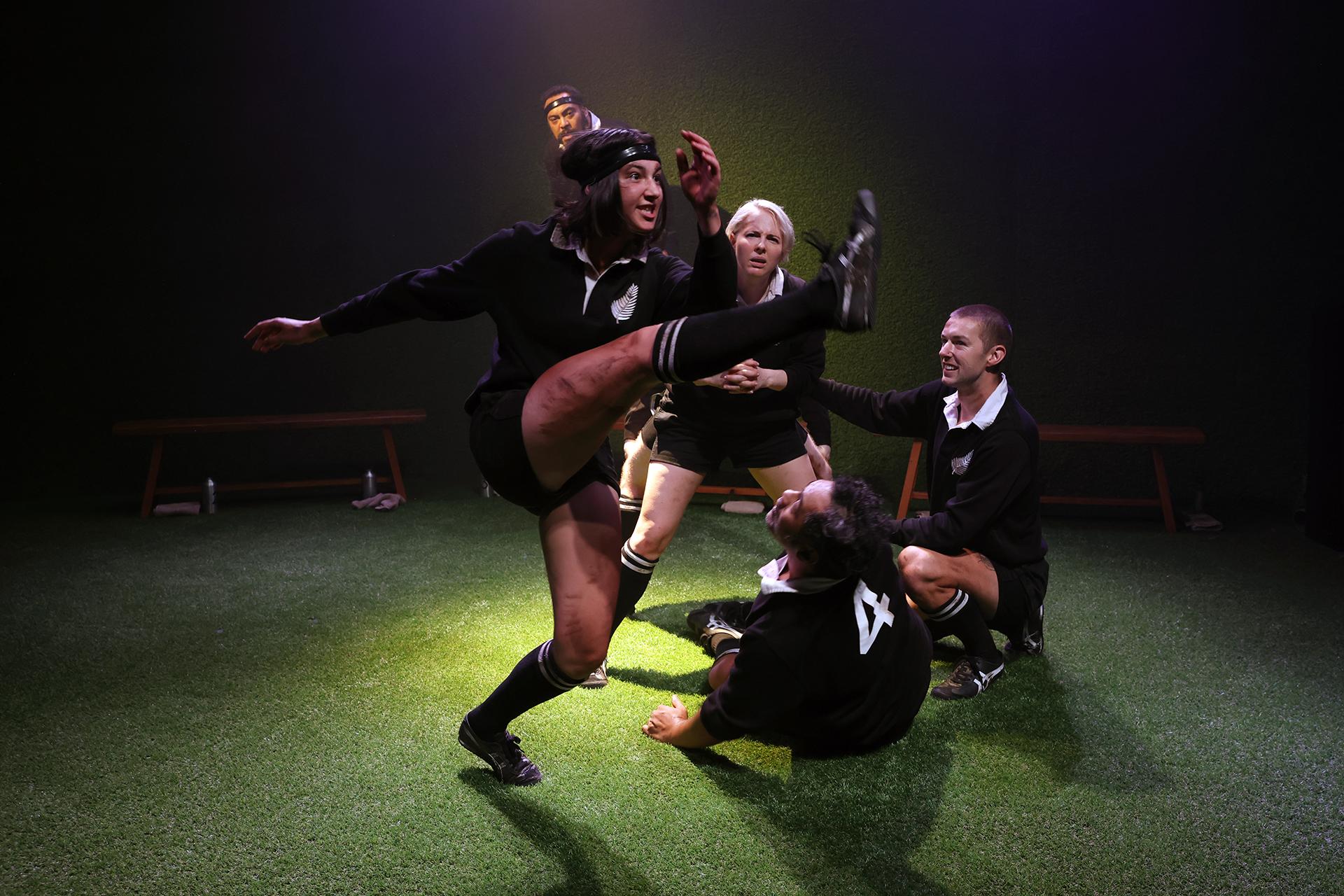
Review: The Memory Of Water (Ensemble Theatre)

Venue: Ensemble Theatre (Kirribilli NSW), Oct 20 – Nov 25, 2023
Playwright: Shelagh Stephenson
Director: Rachel Chant
Cast: Michala Banas, Thomas Campbell, Nicole Da Silva, Jo Downing, Madeleine Jones, Johnny Nasser
Images by Prudence Upton

Theatre review
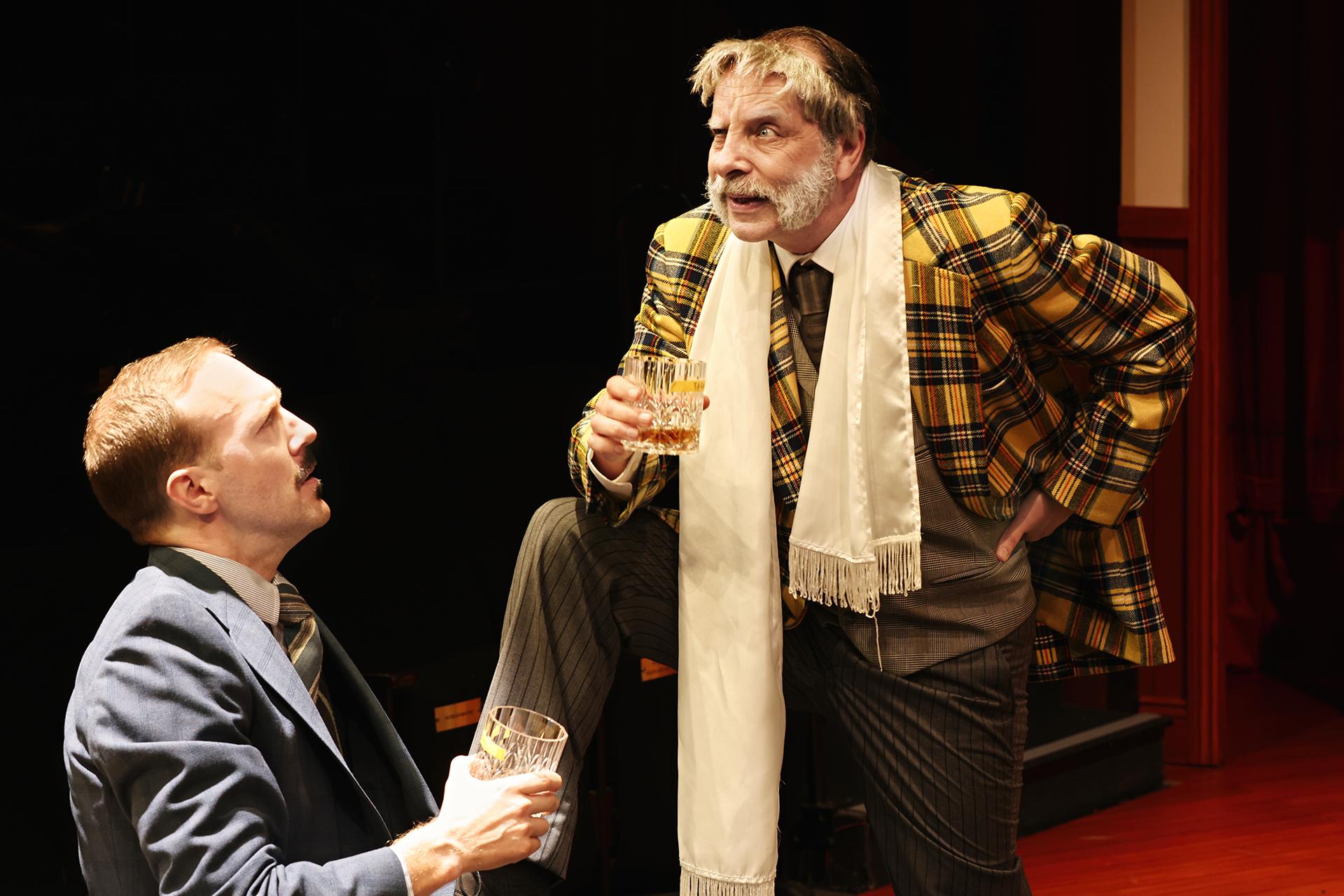
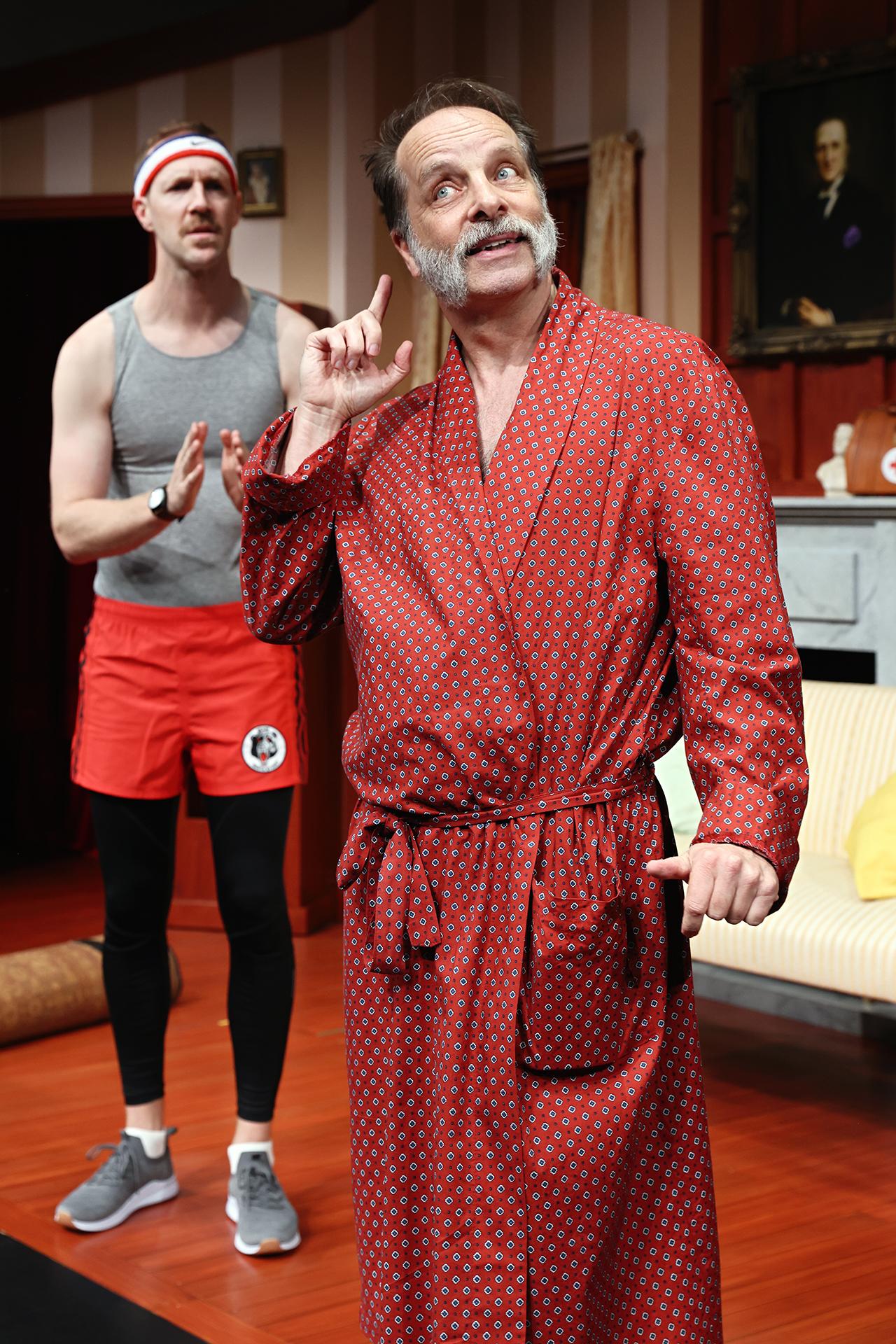
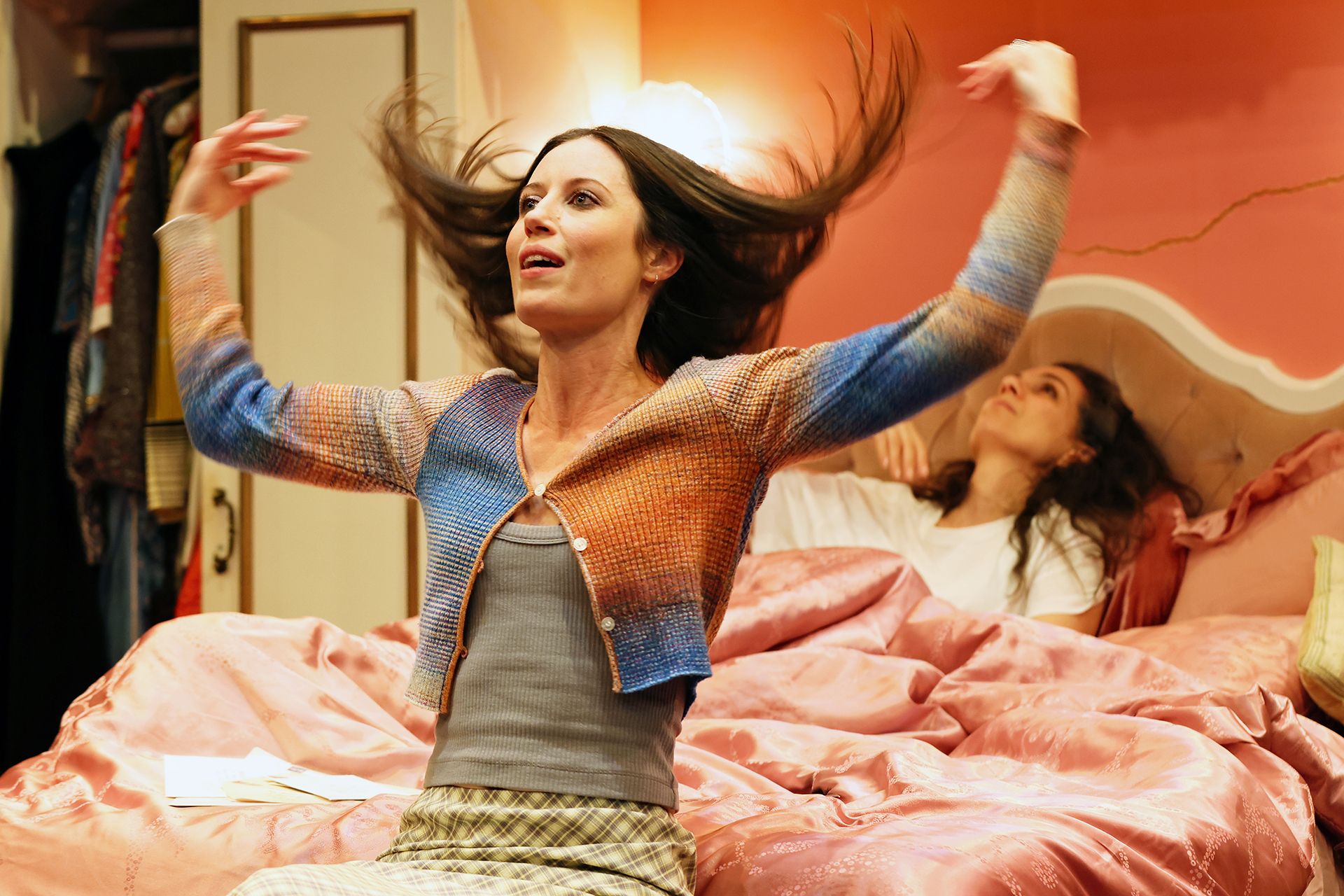
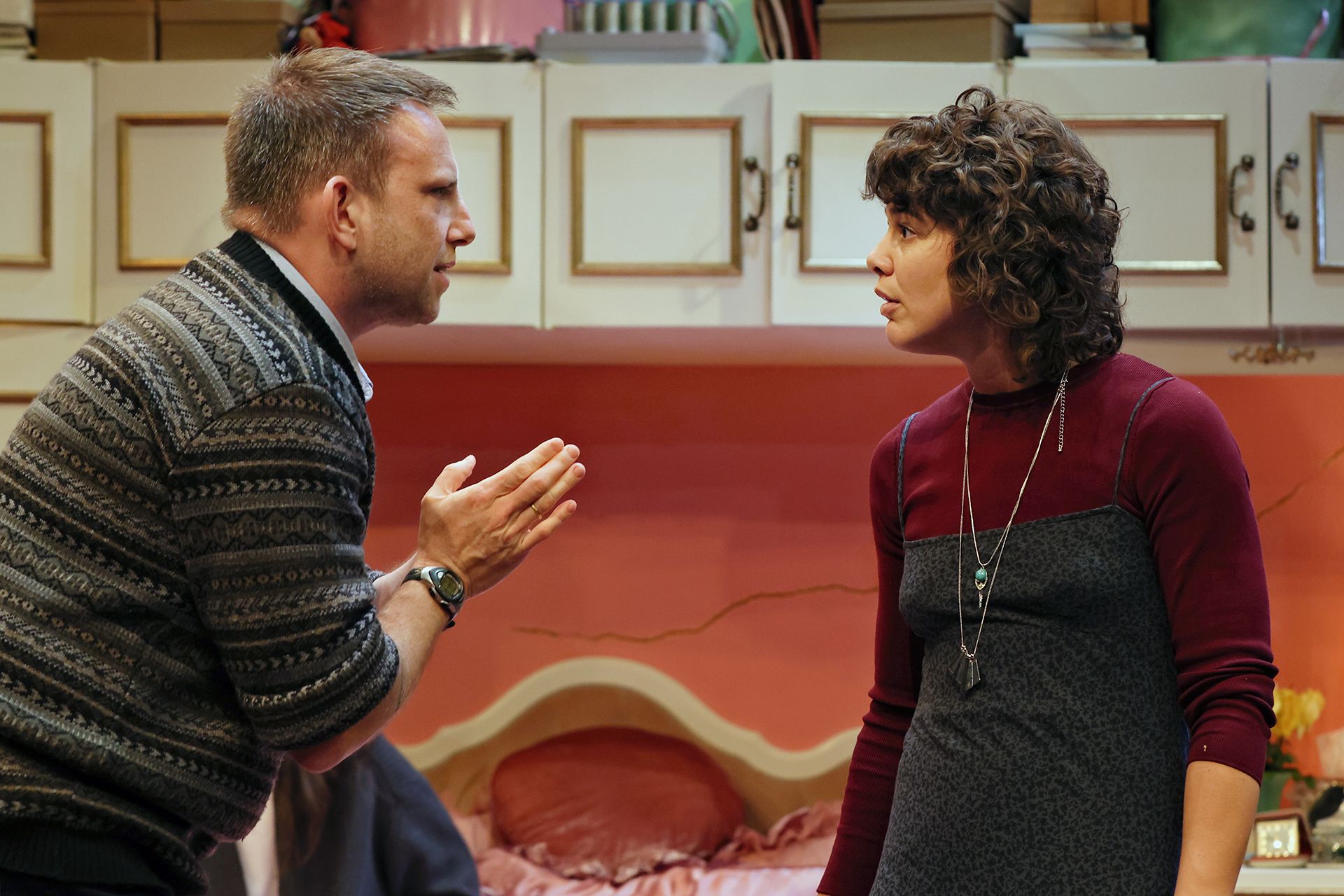
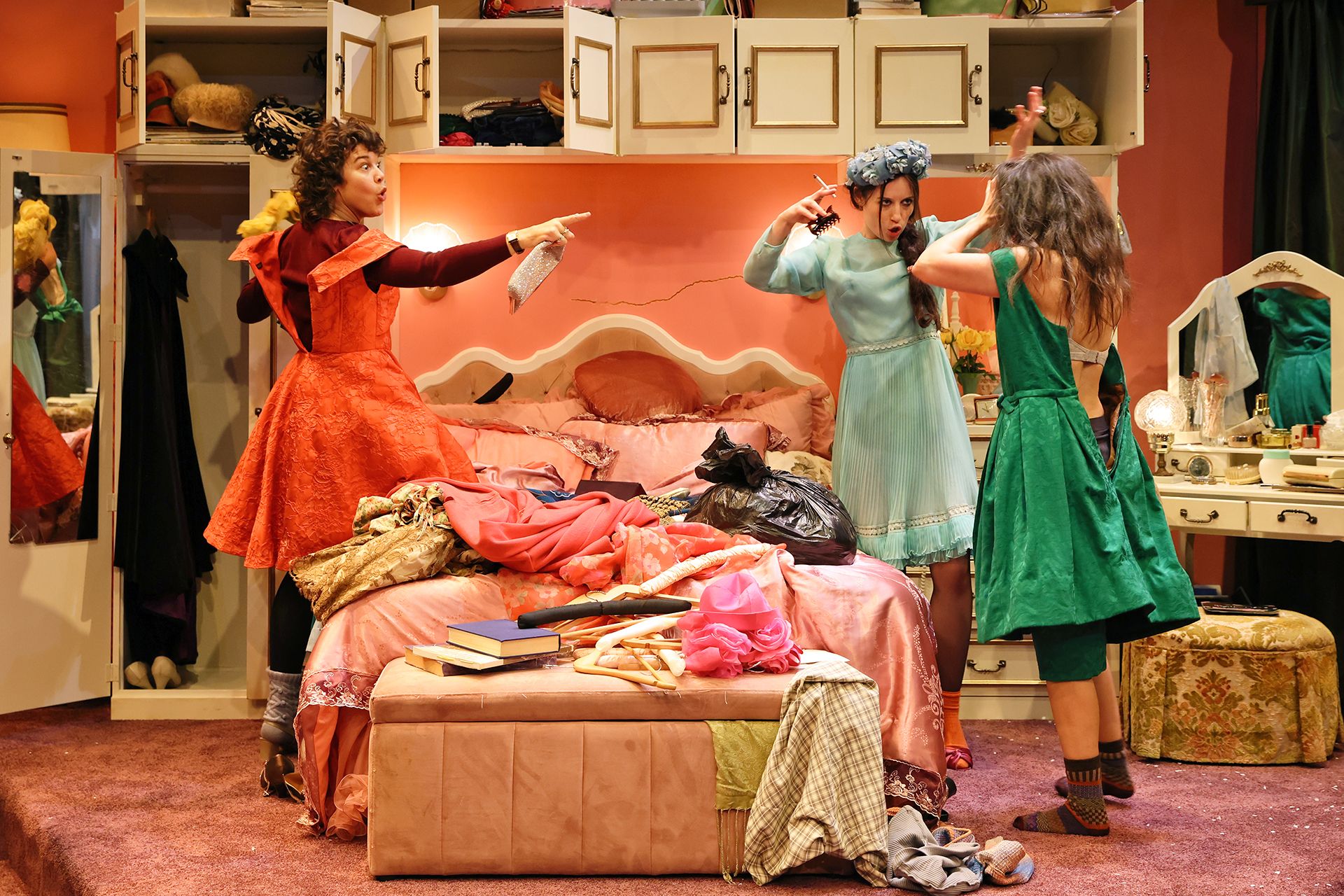
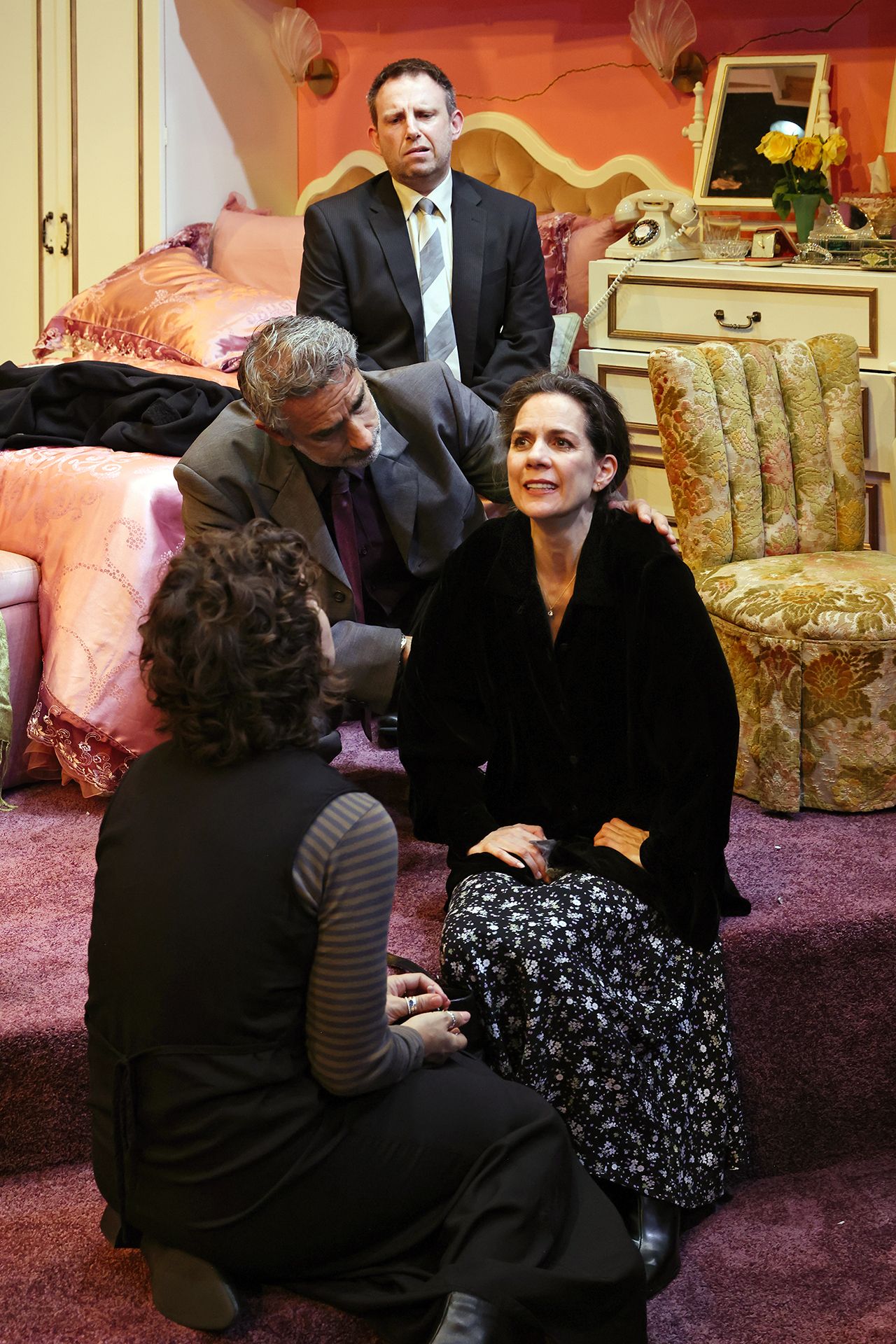
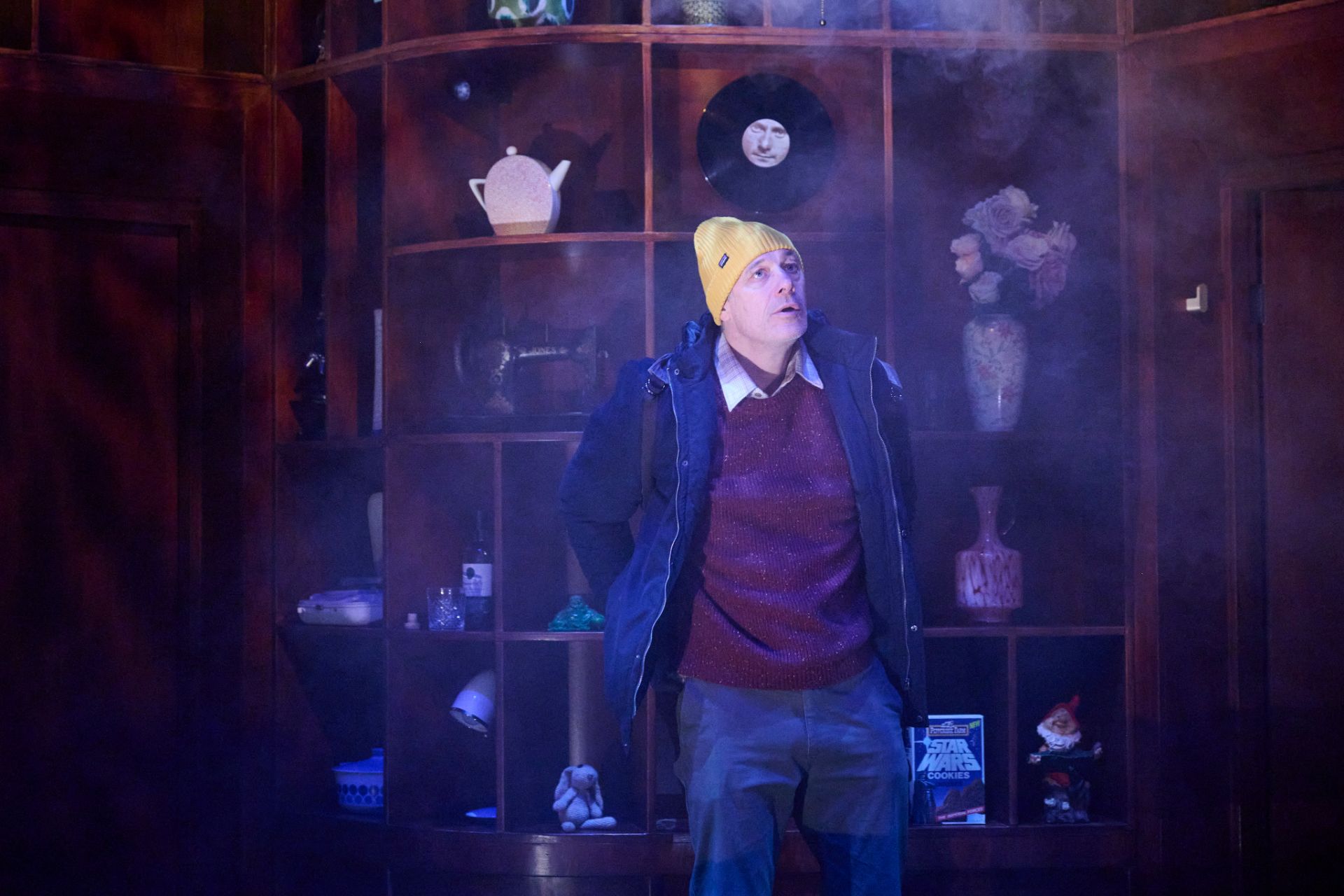
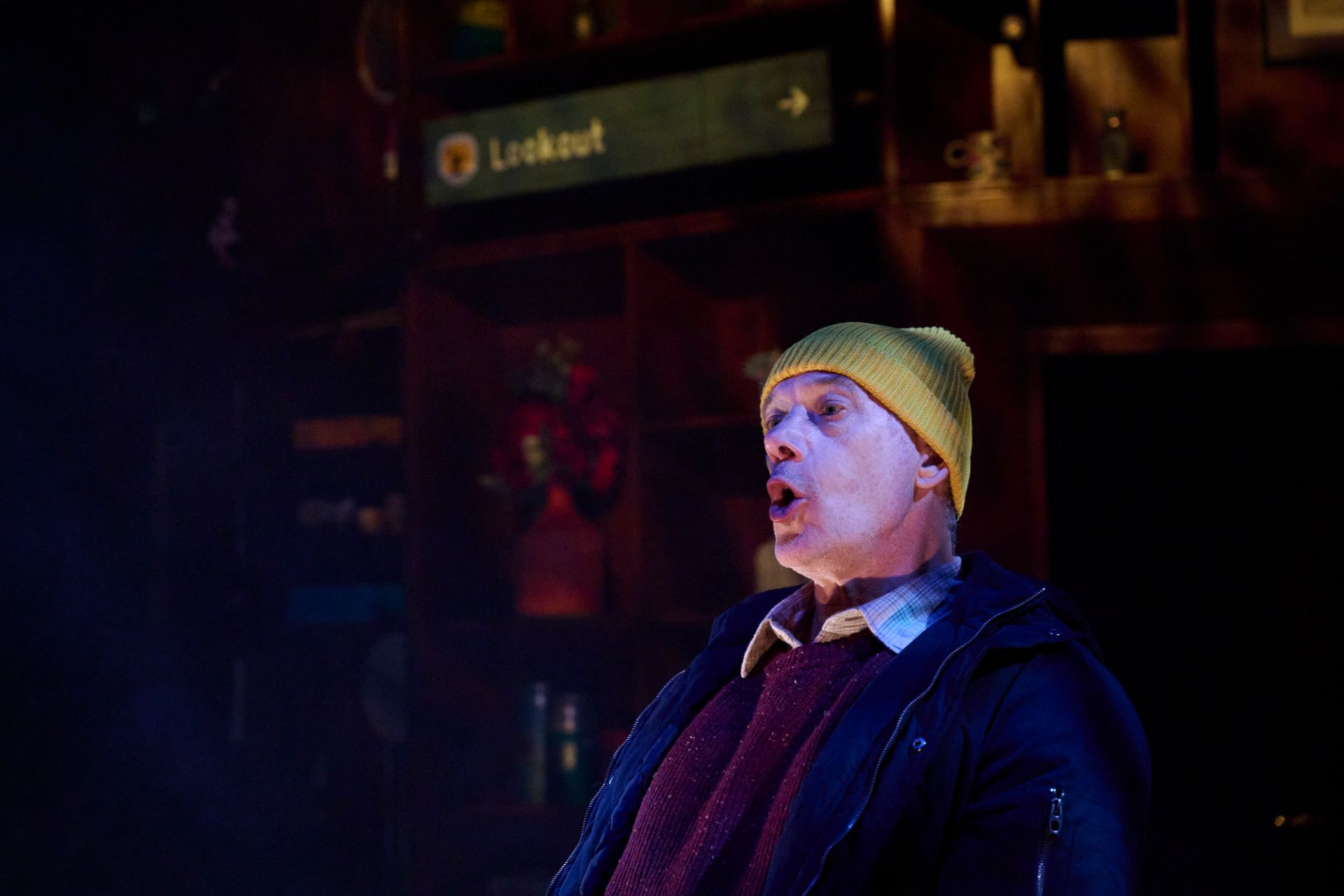
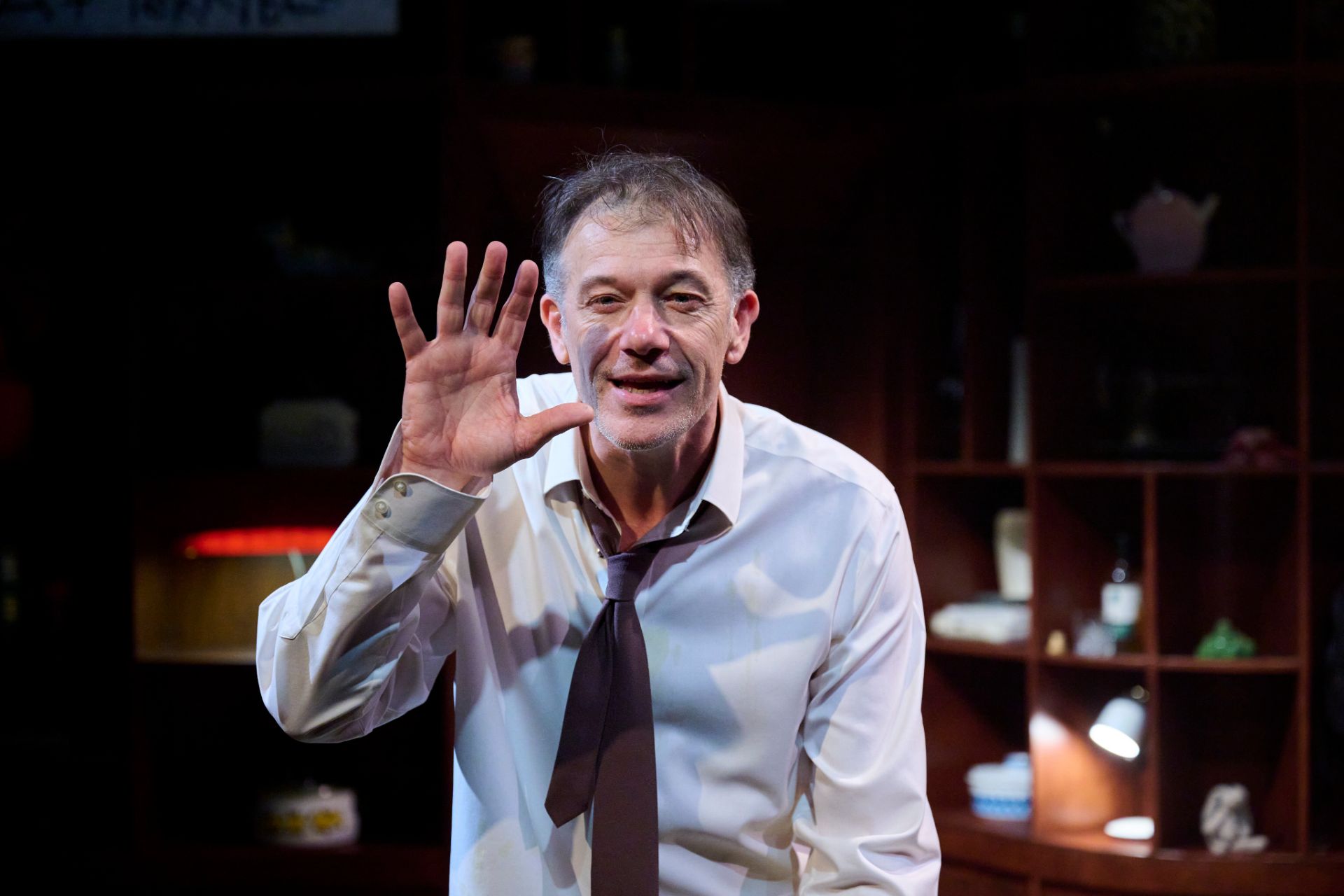
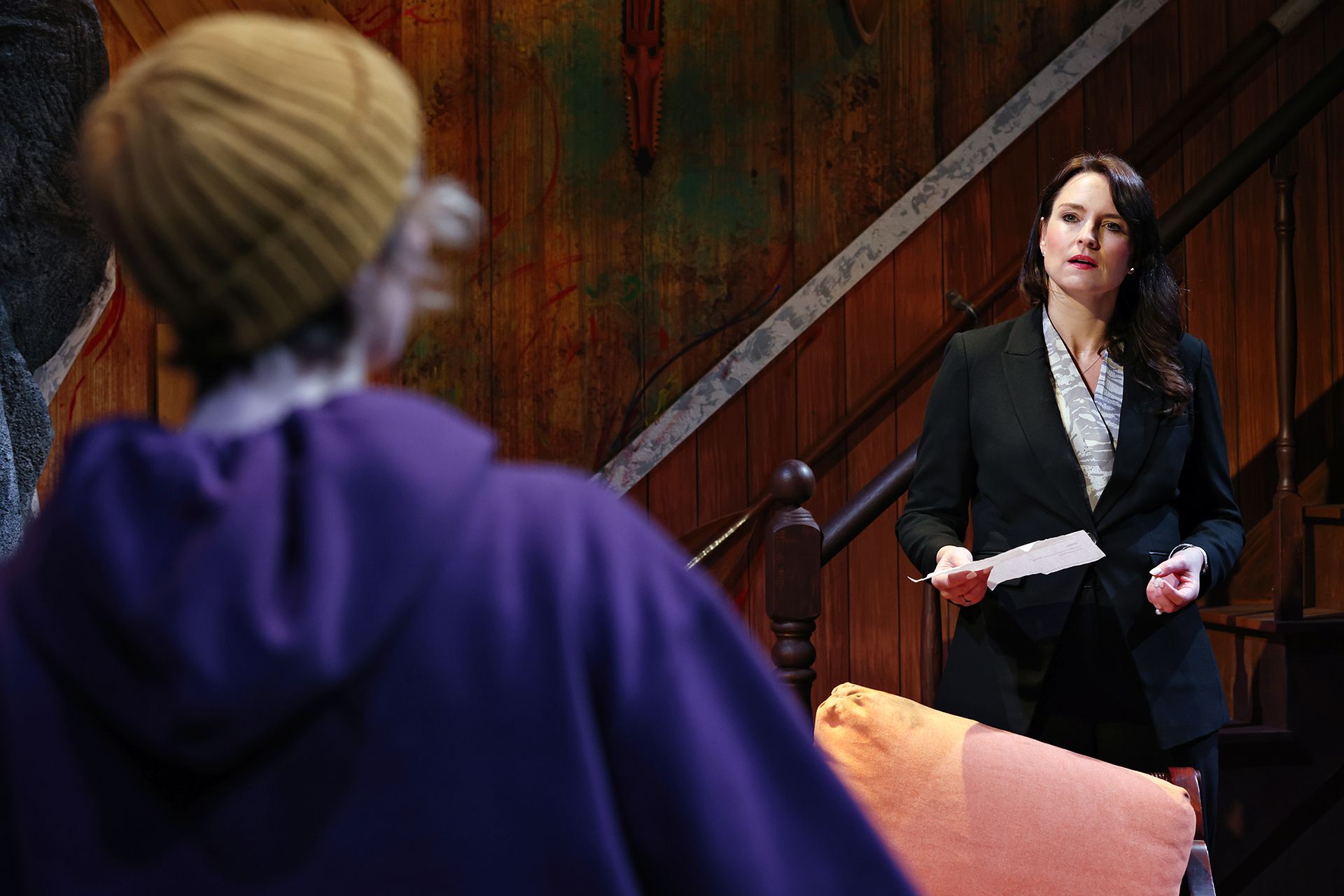
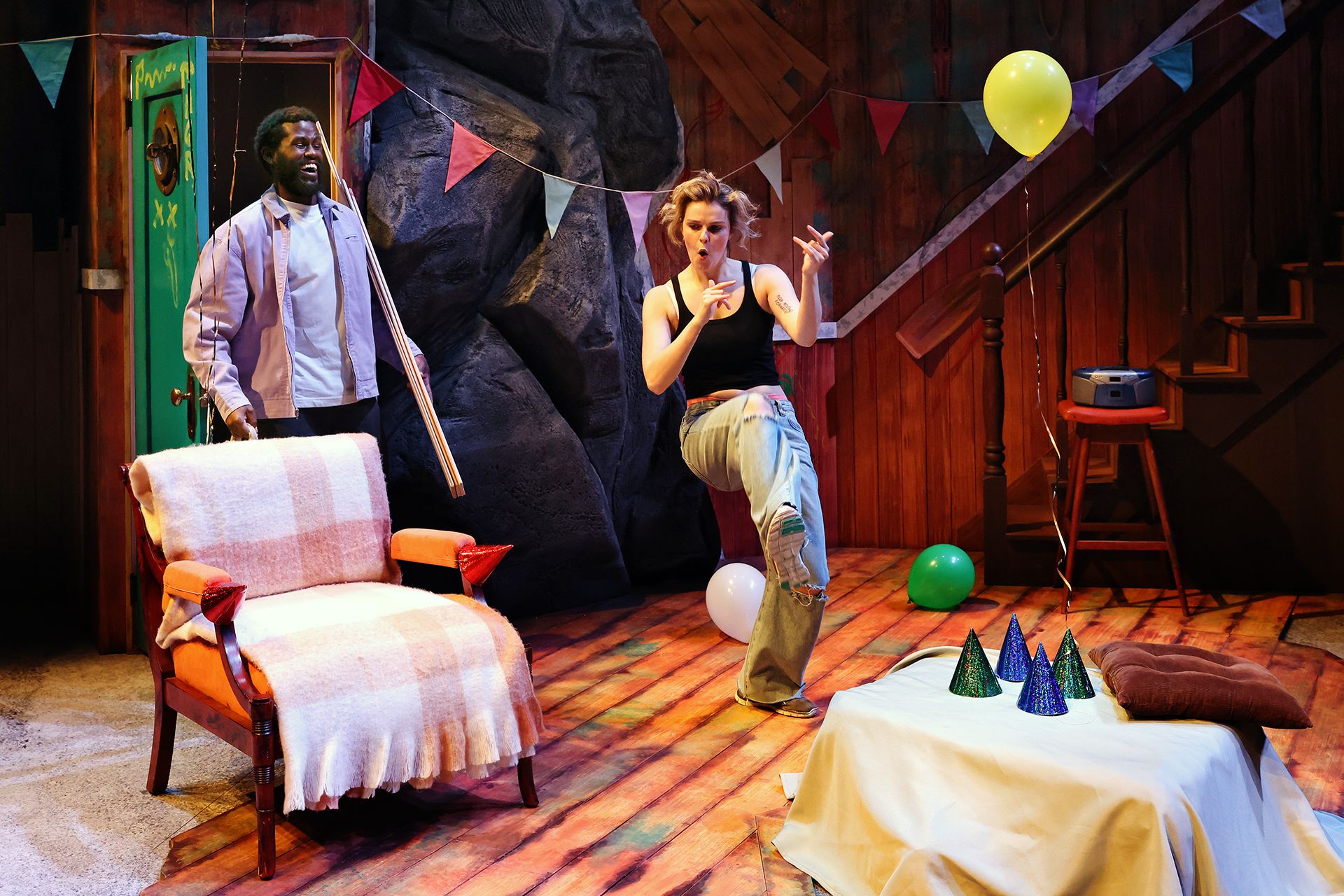
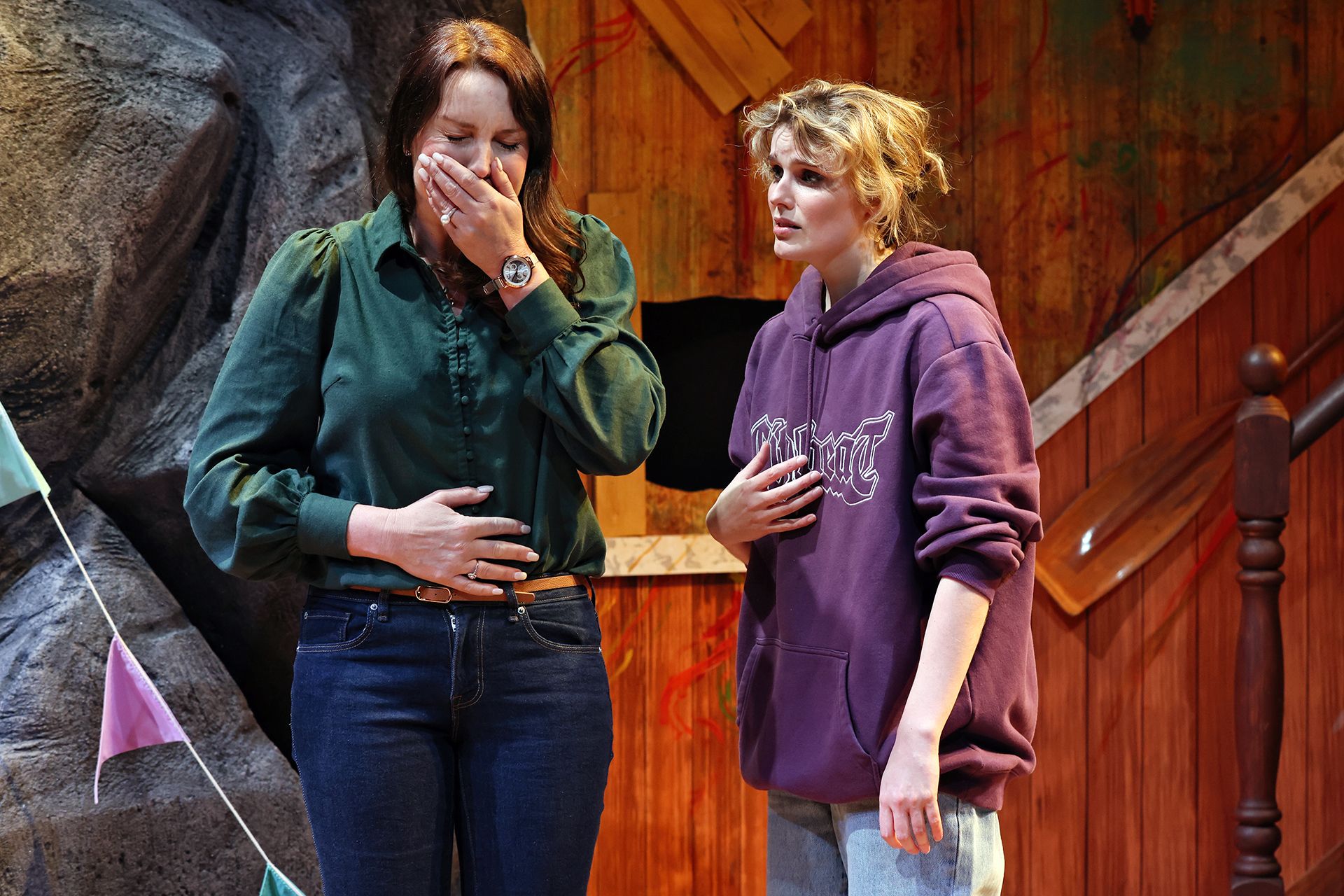
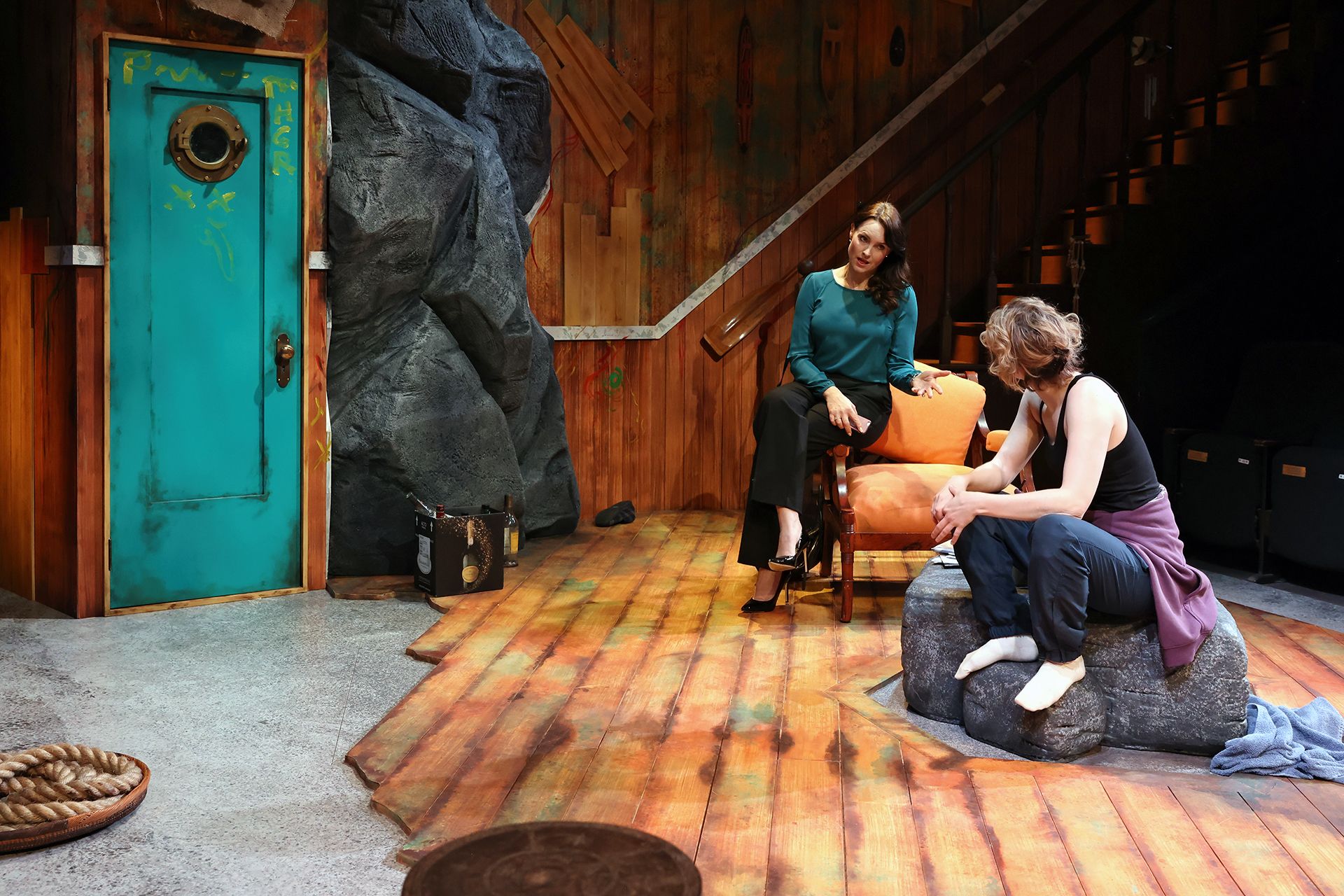
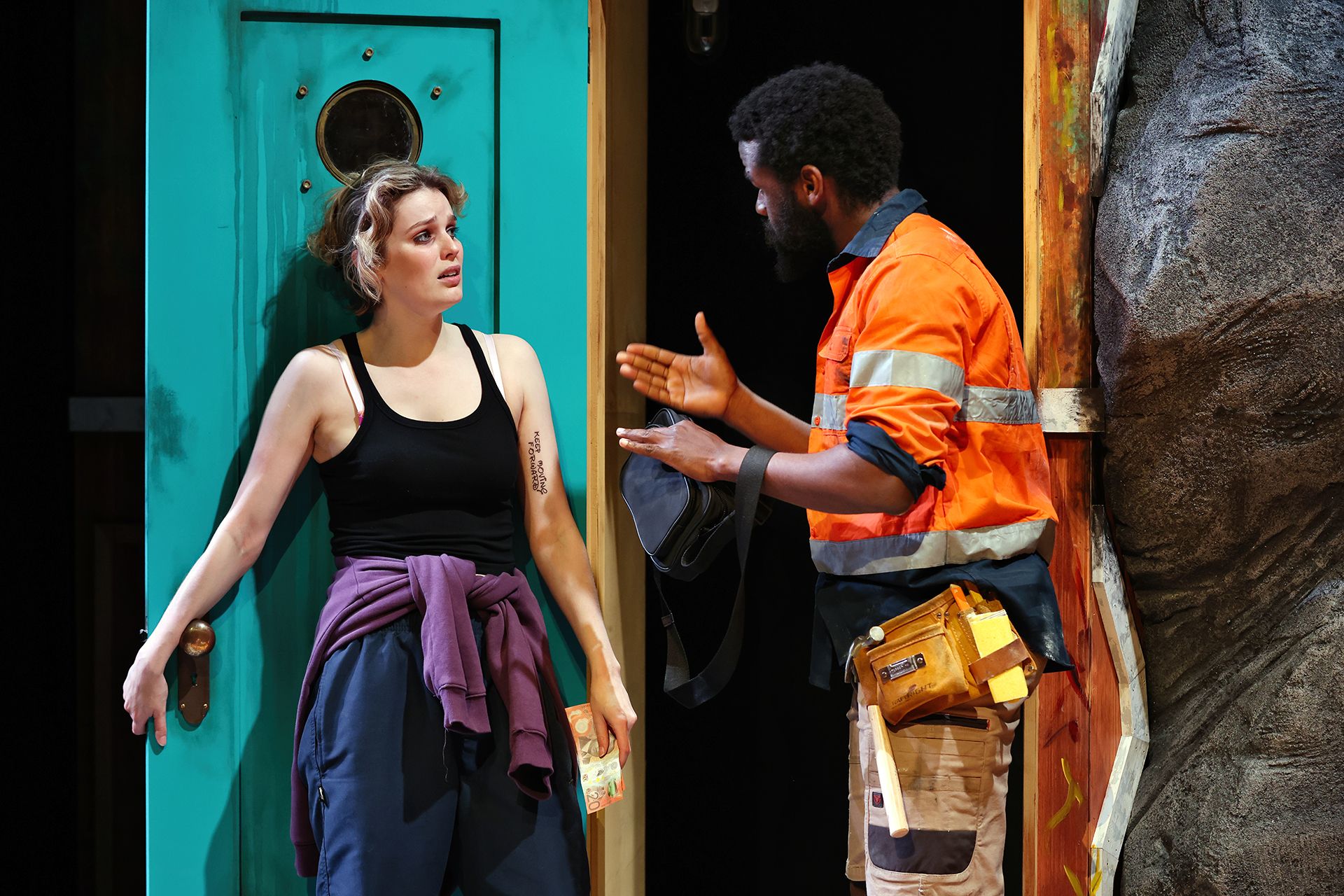
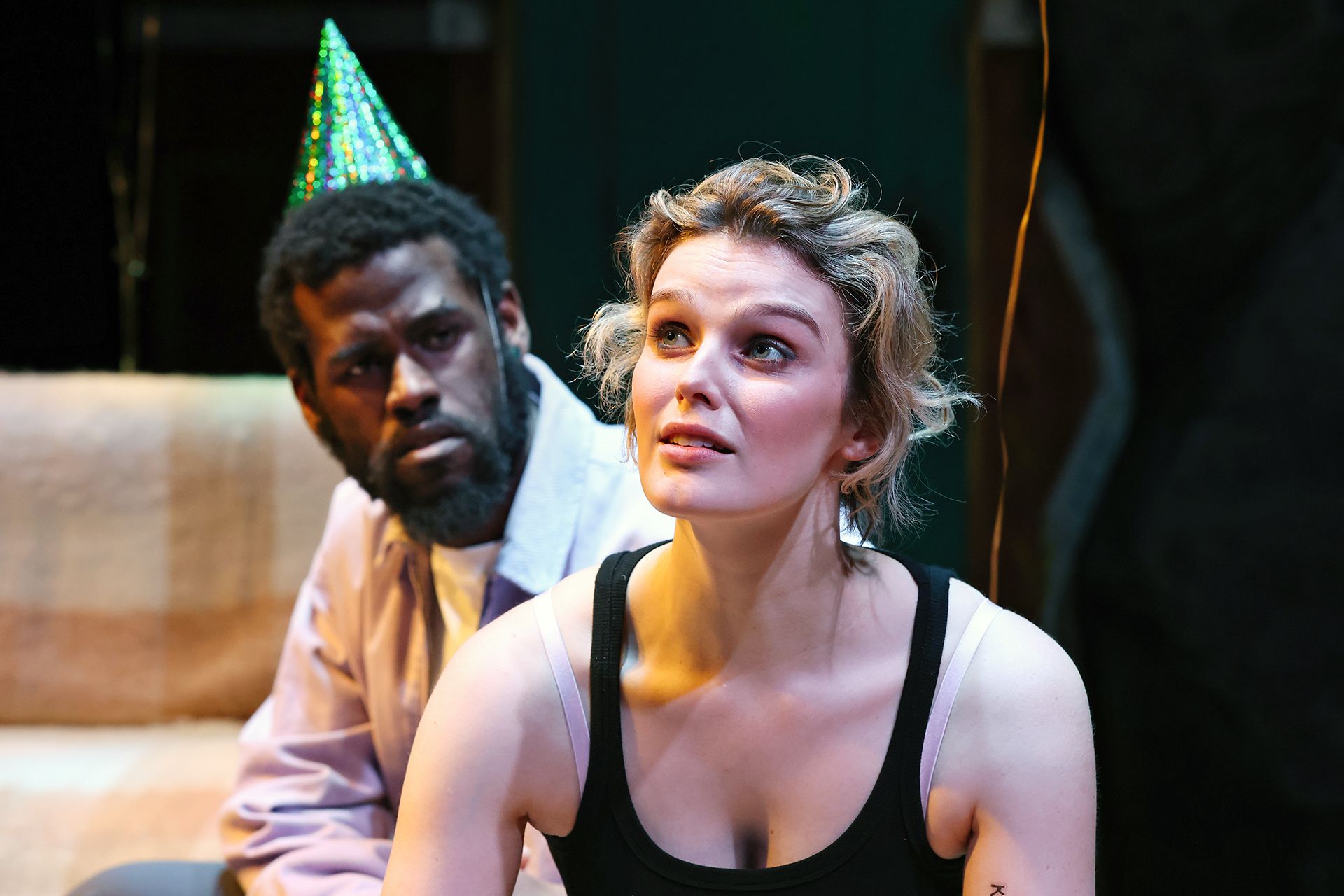
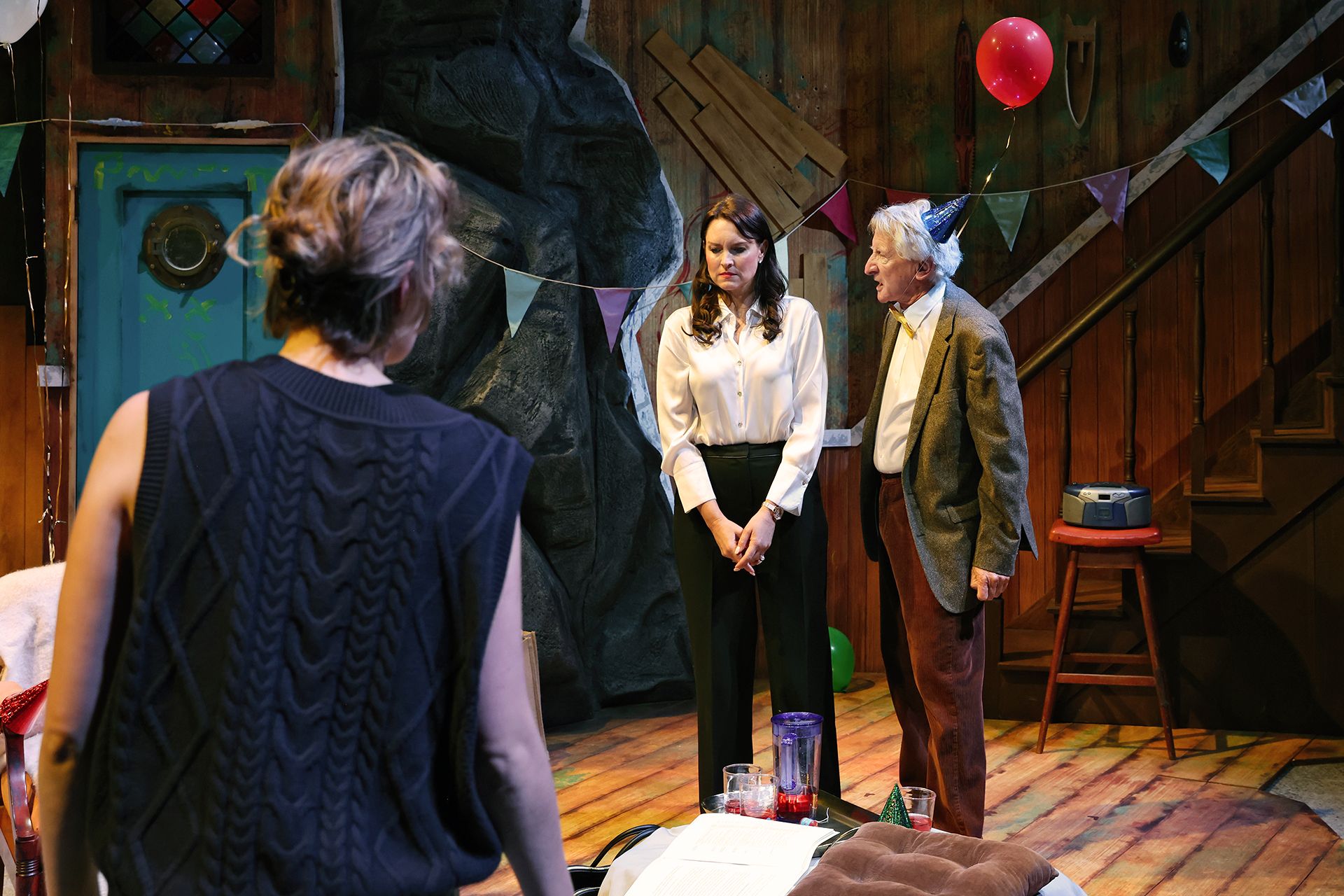
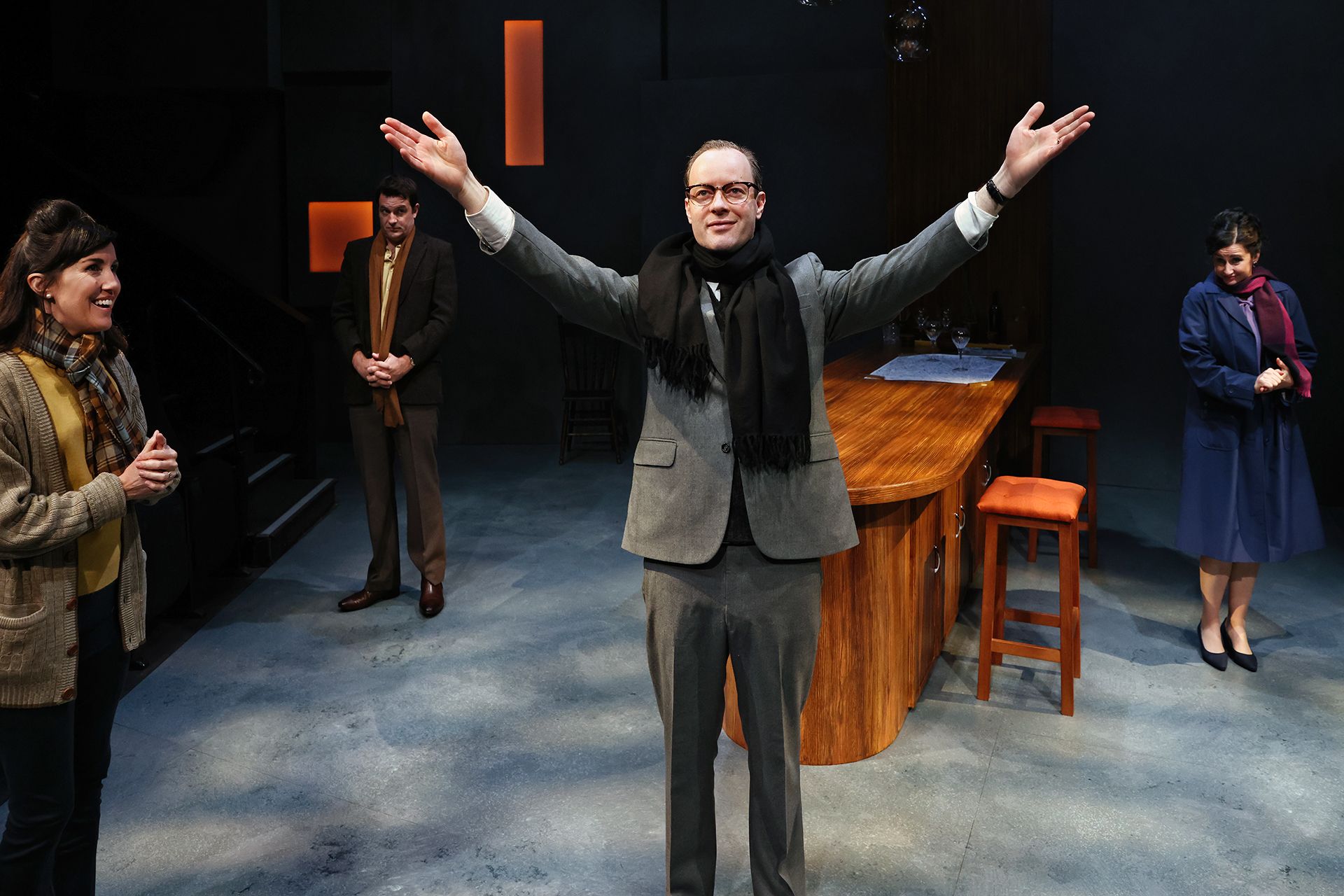
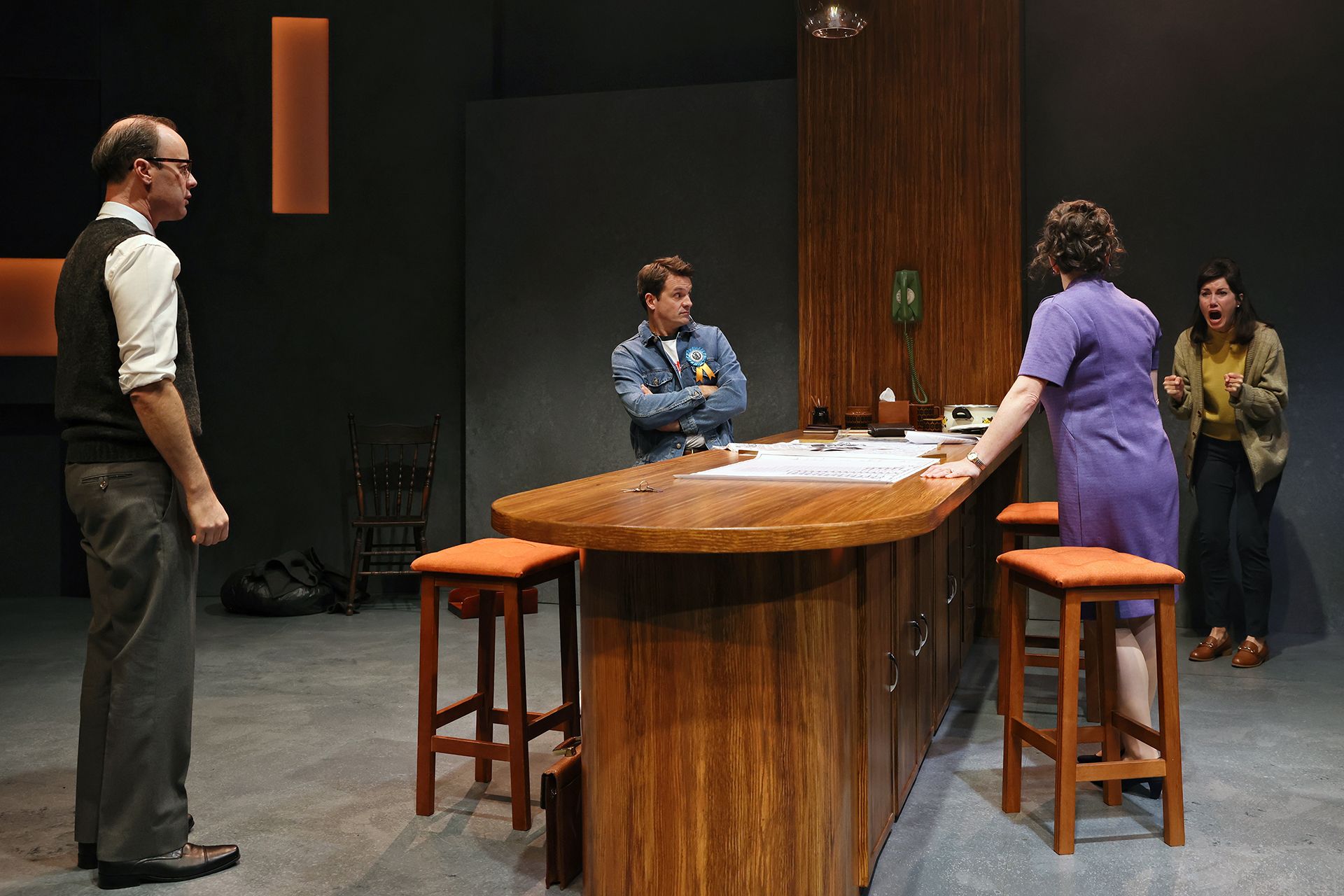
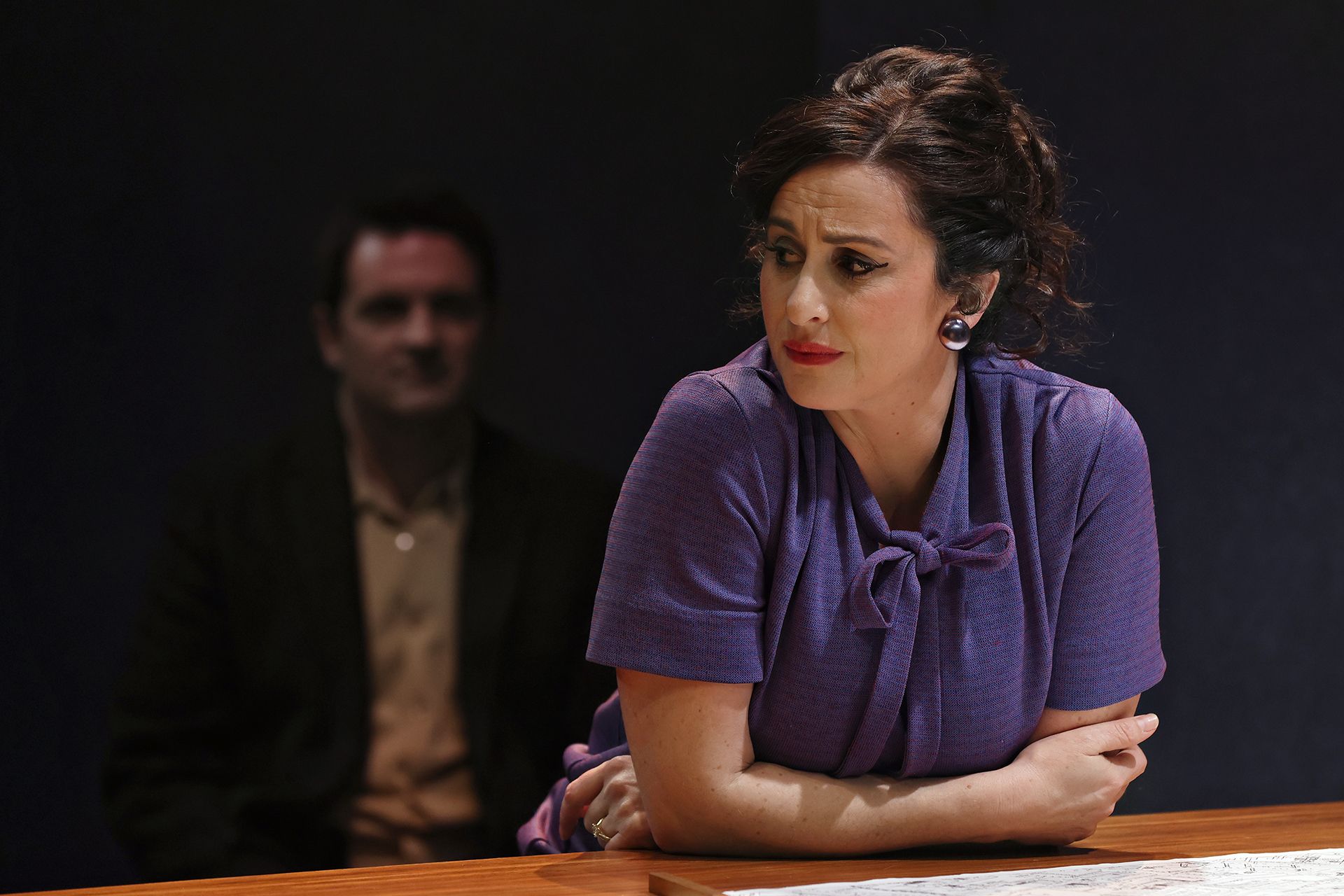
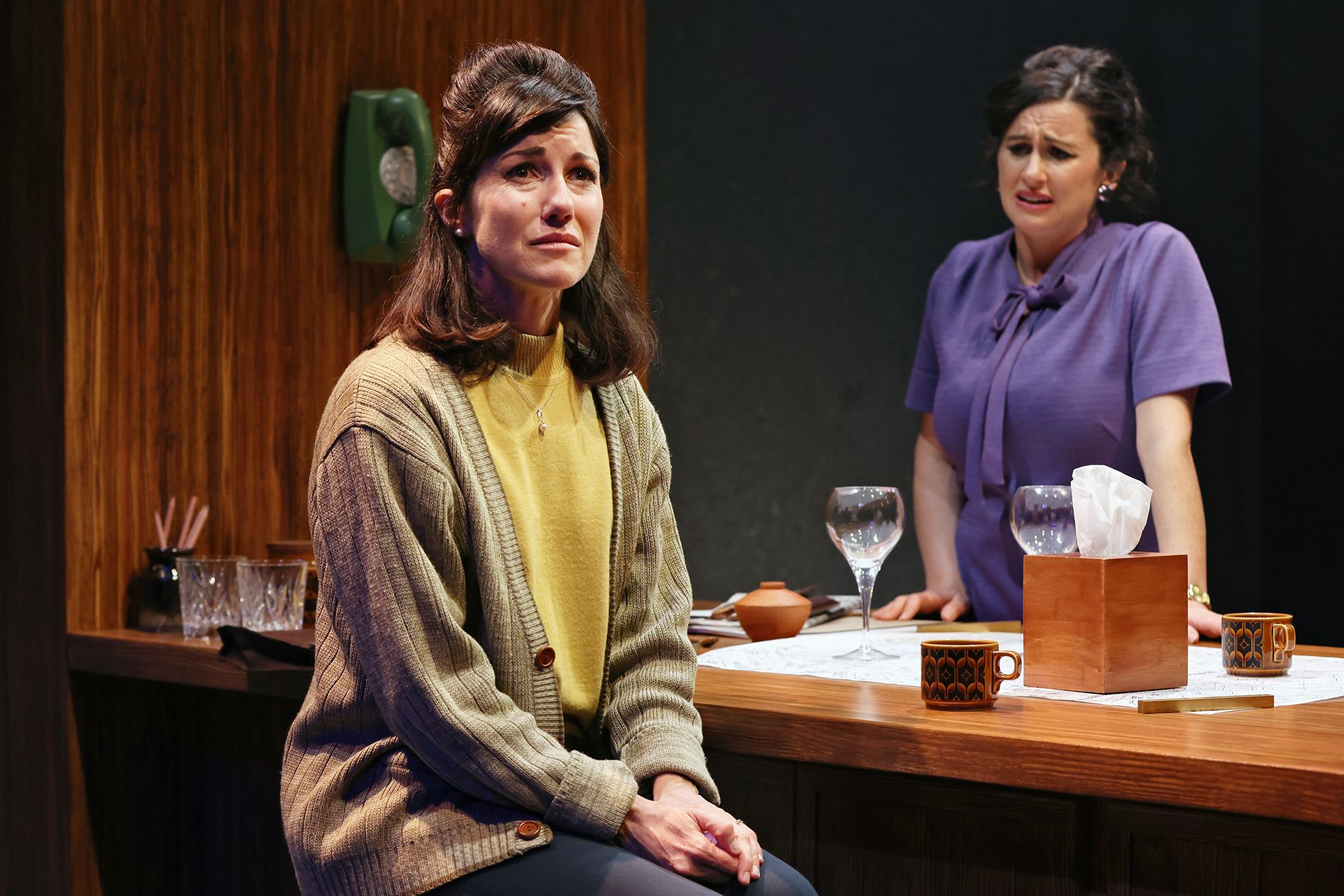
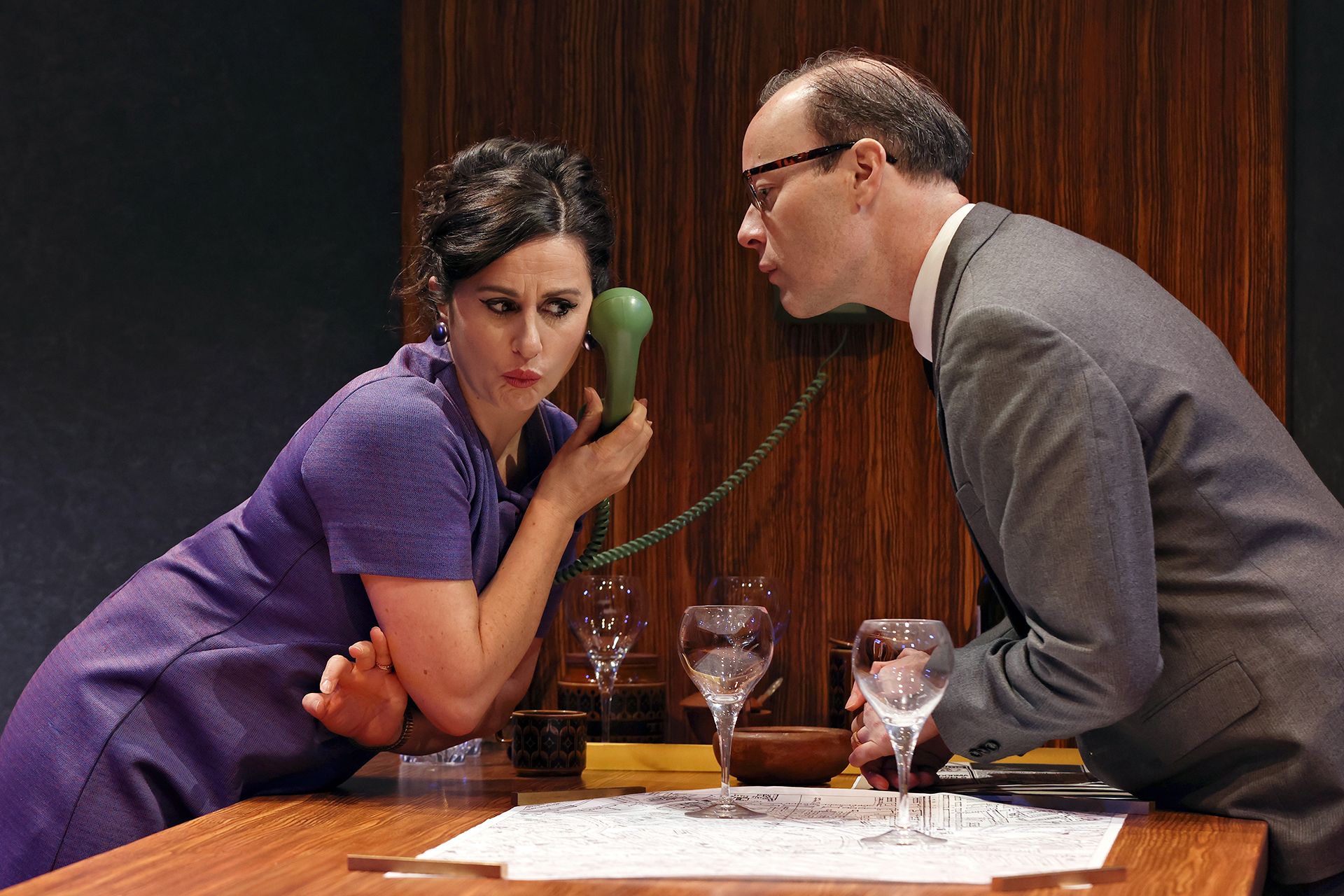
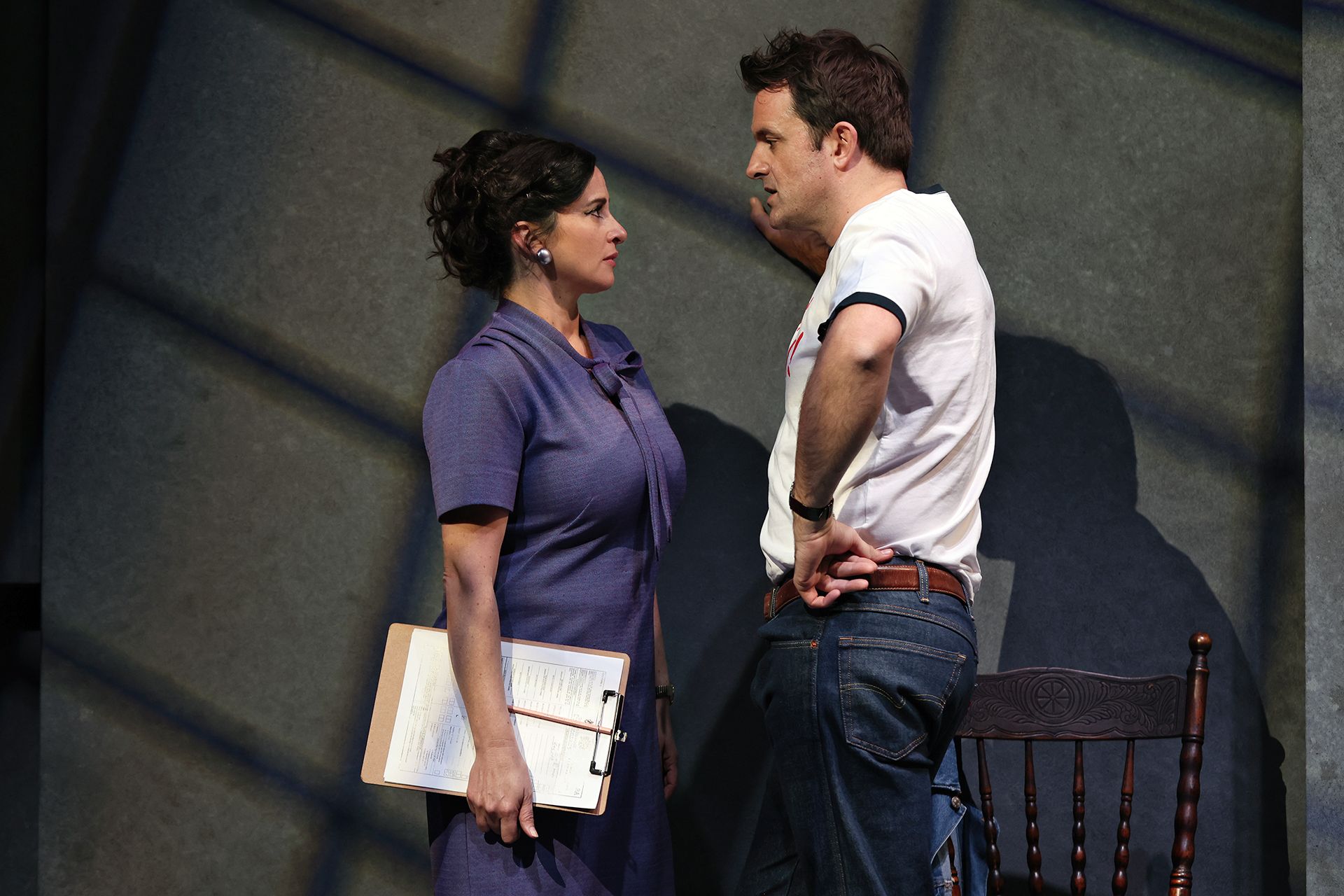
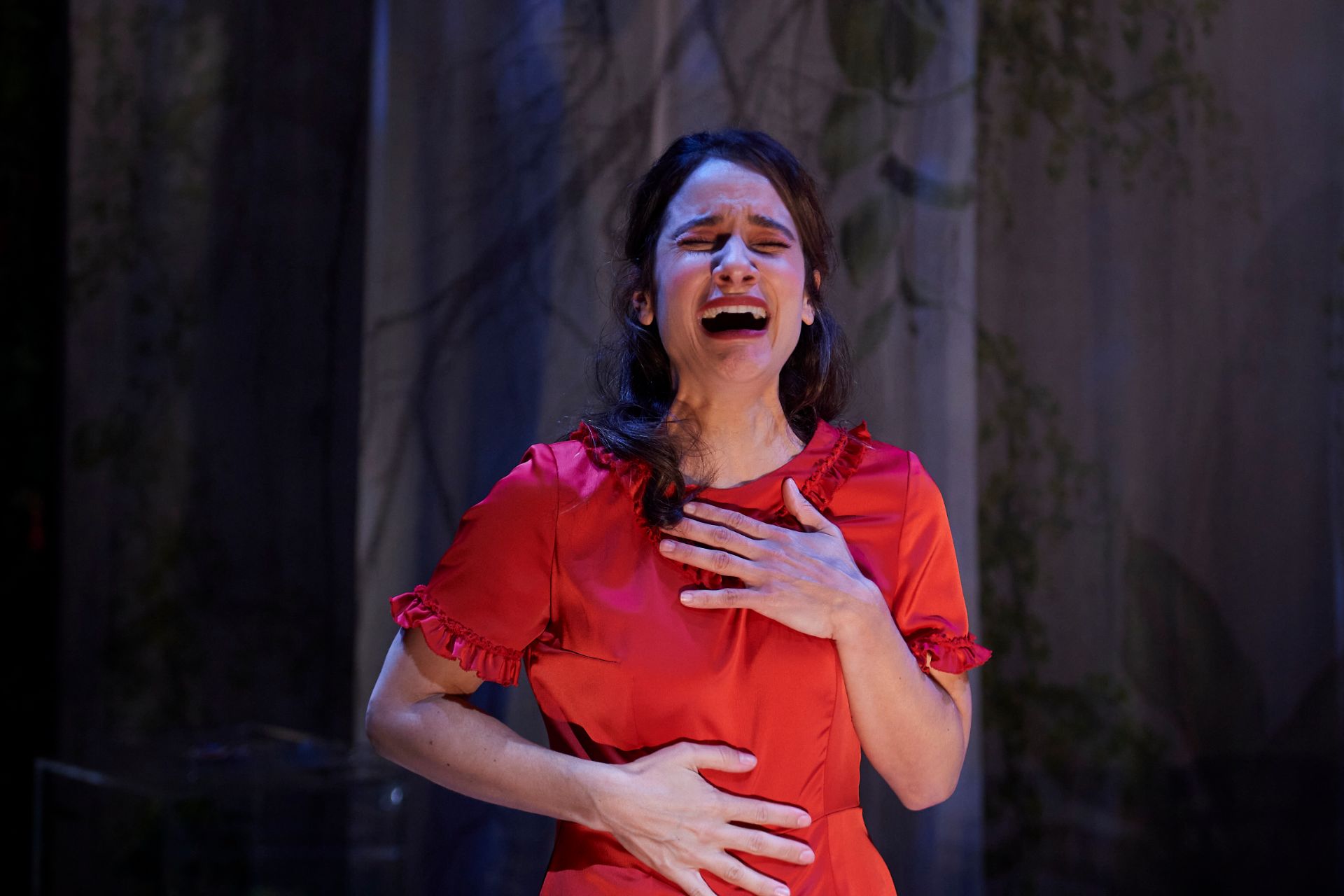
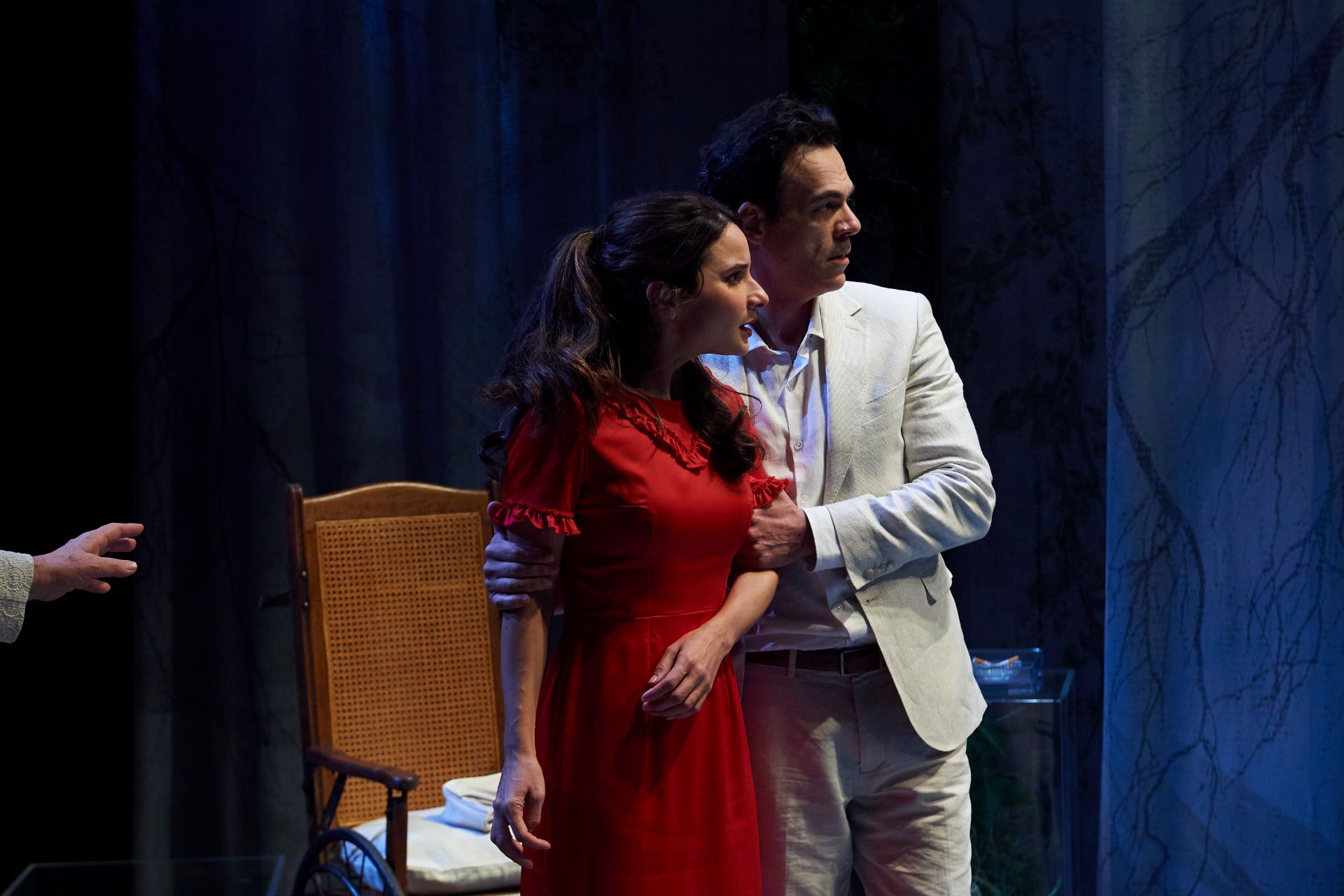
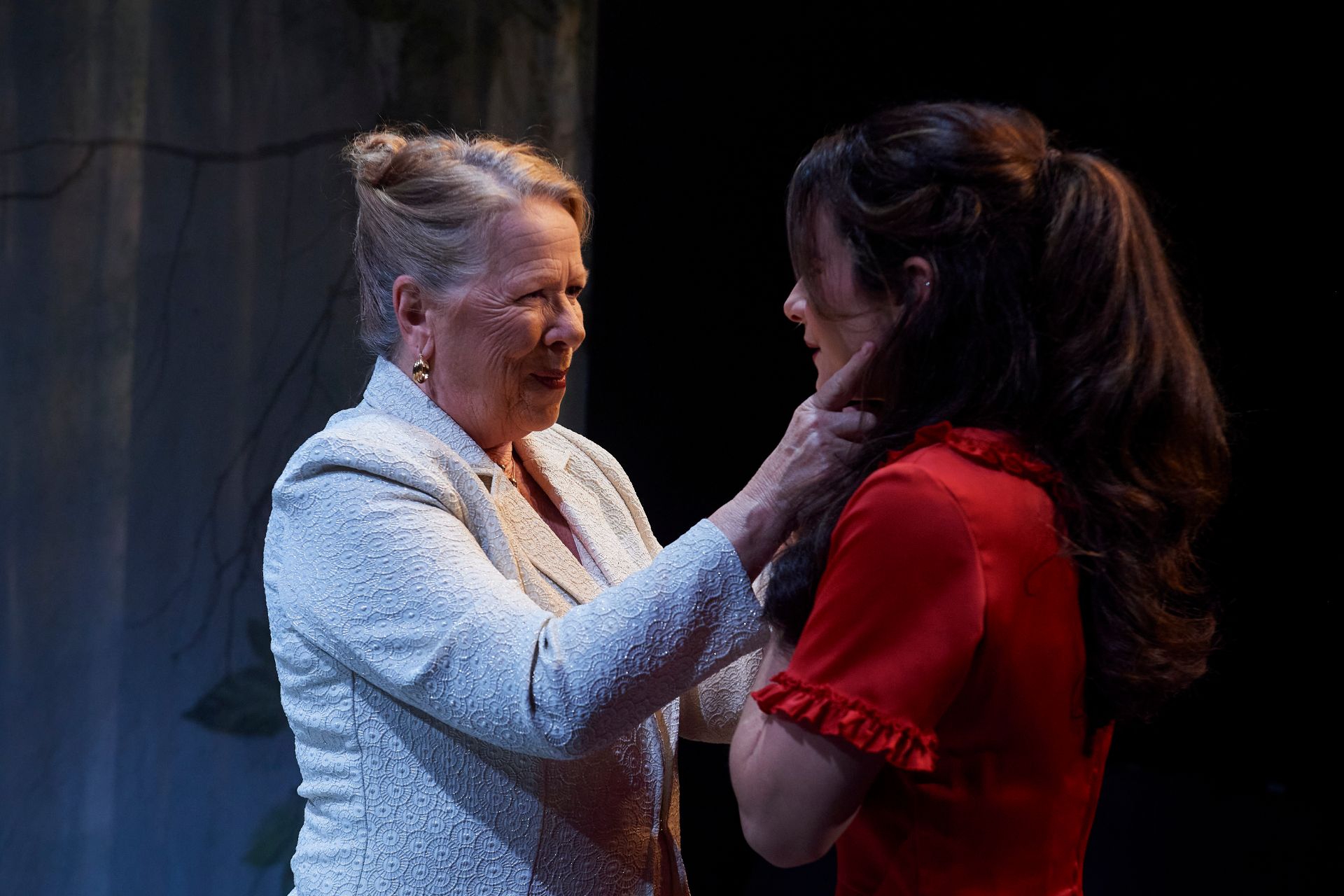
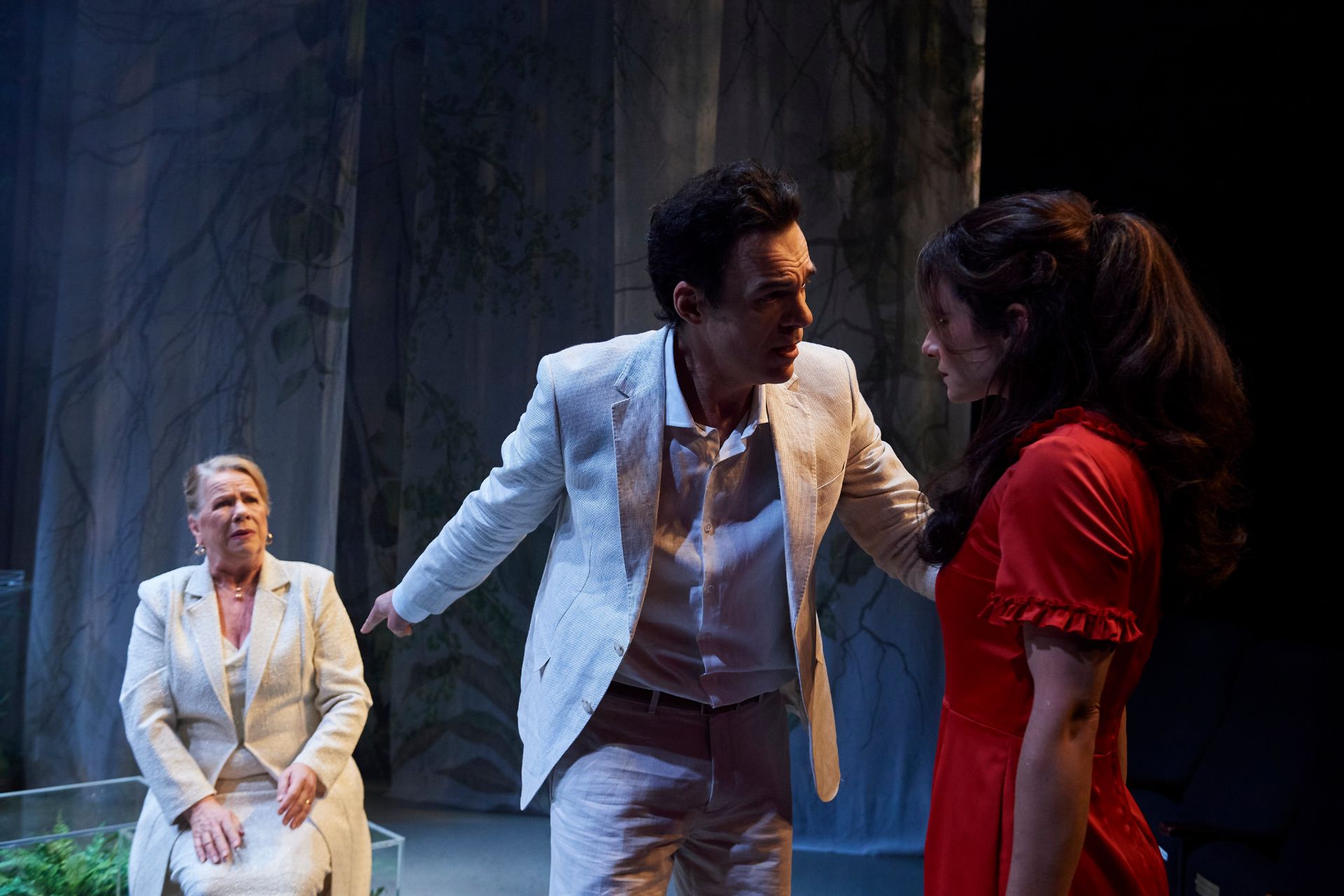
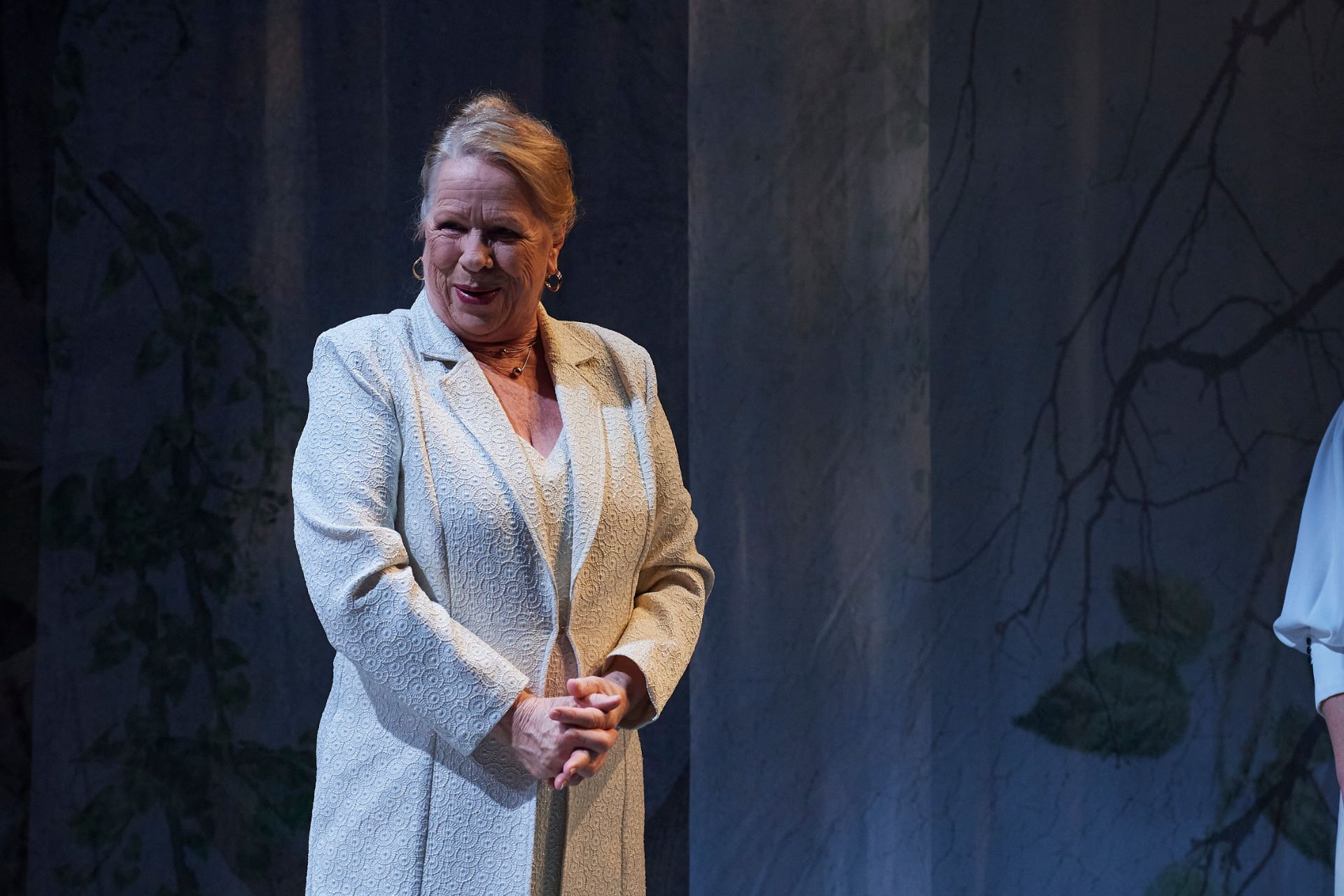
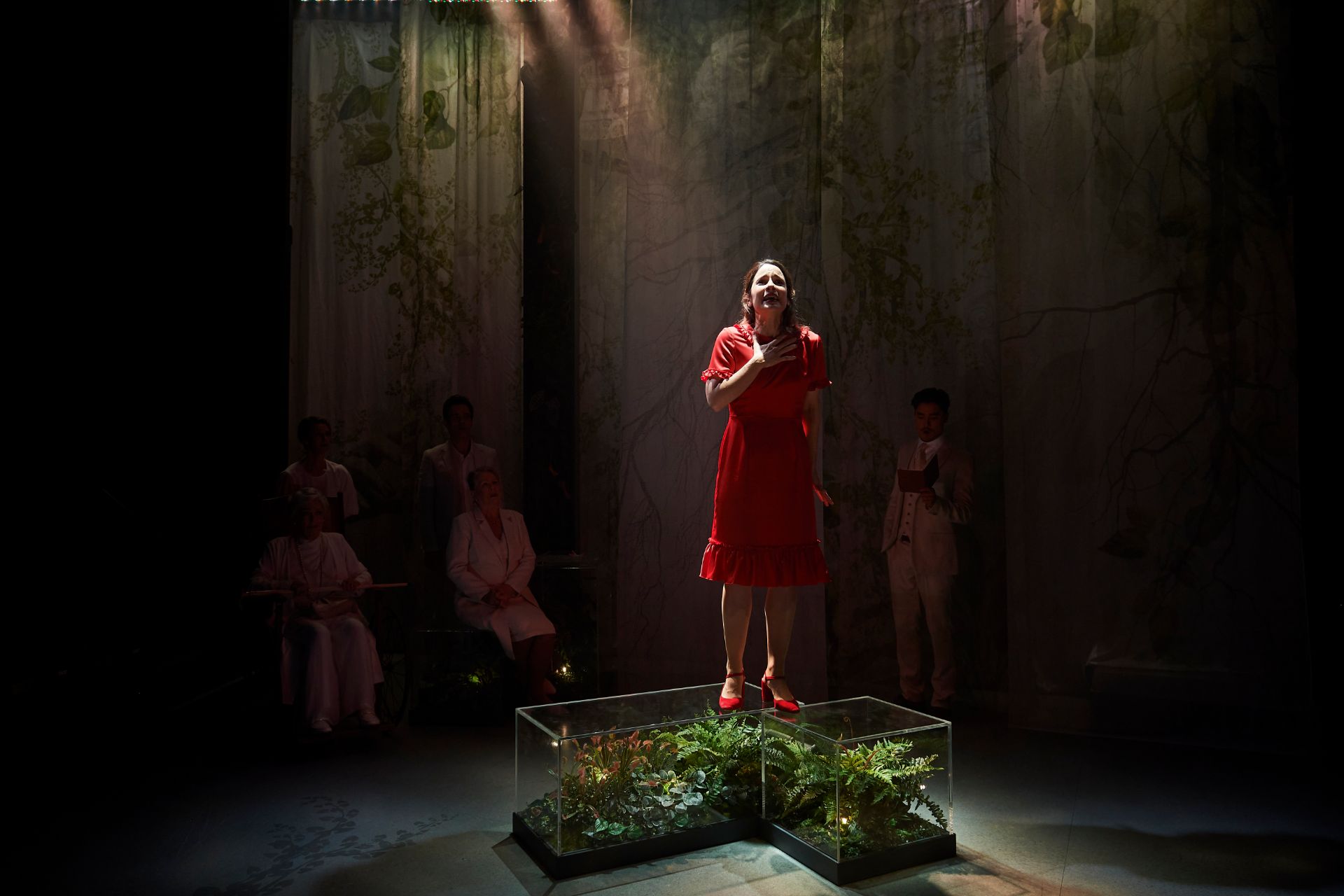
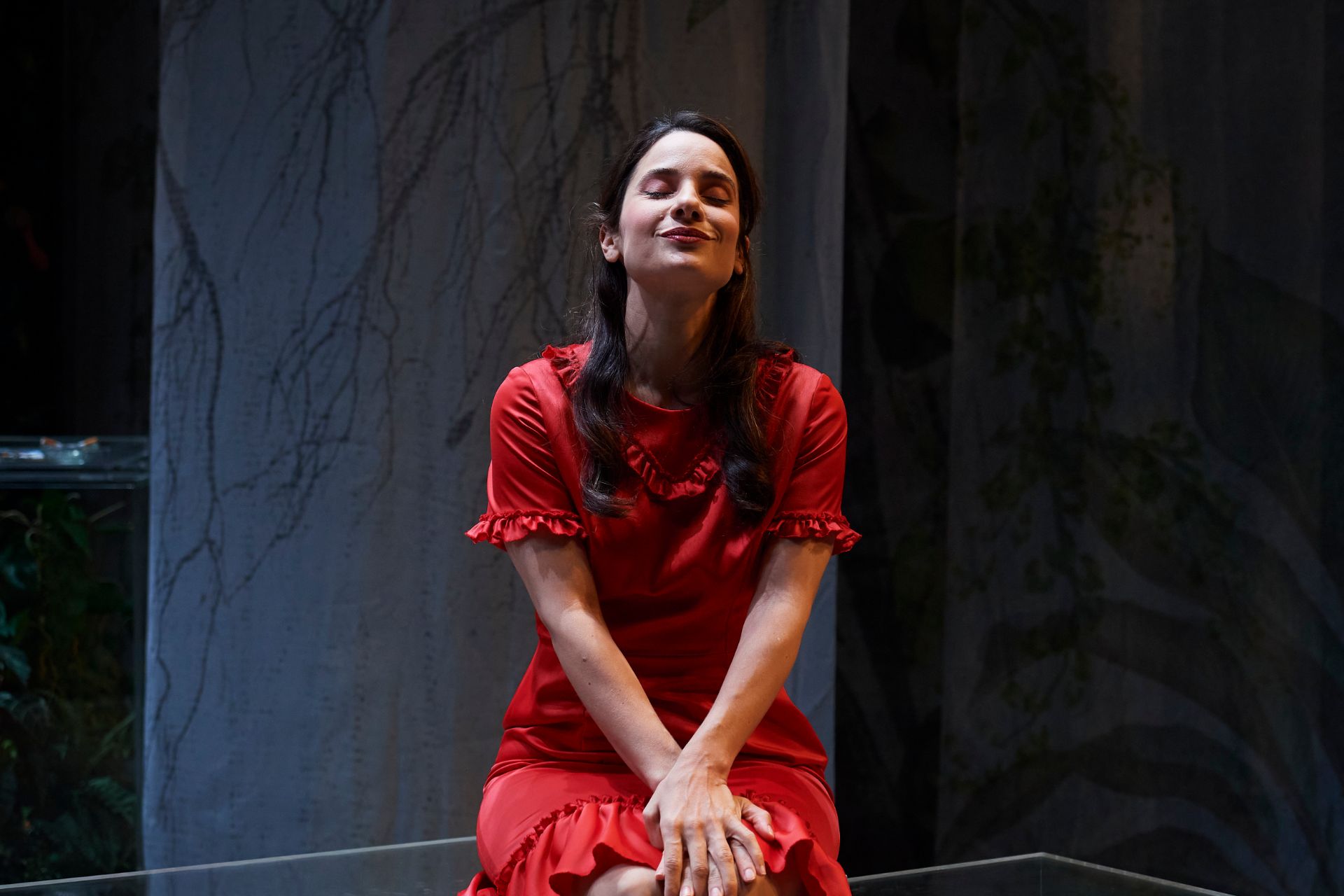
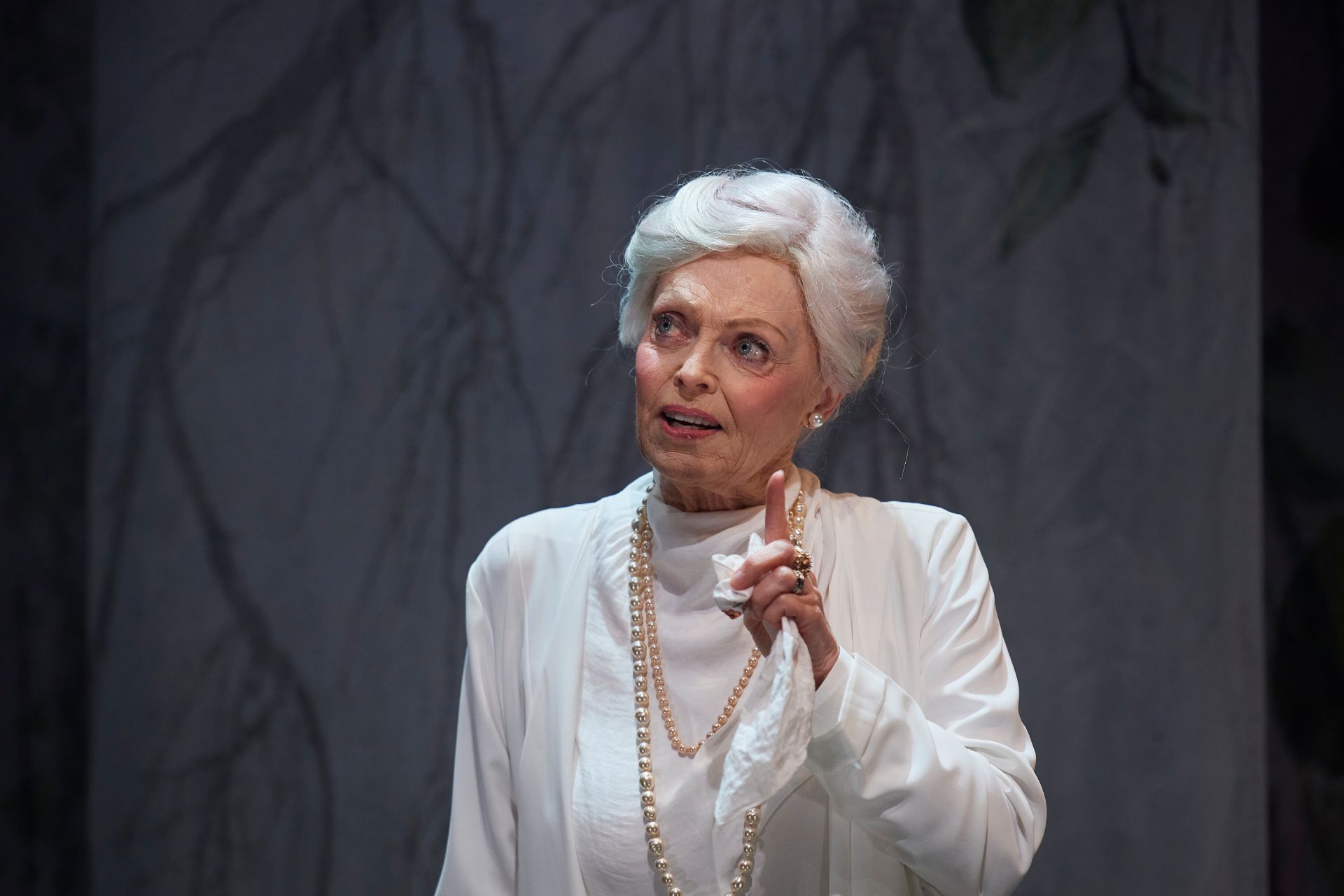
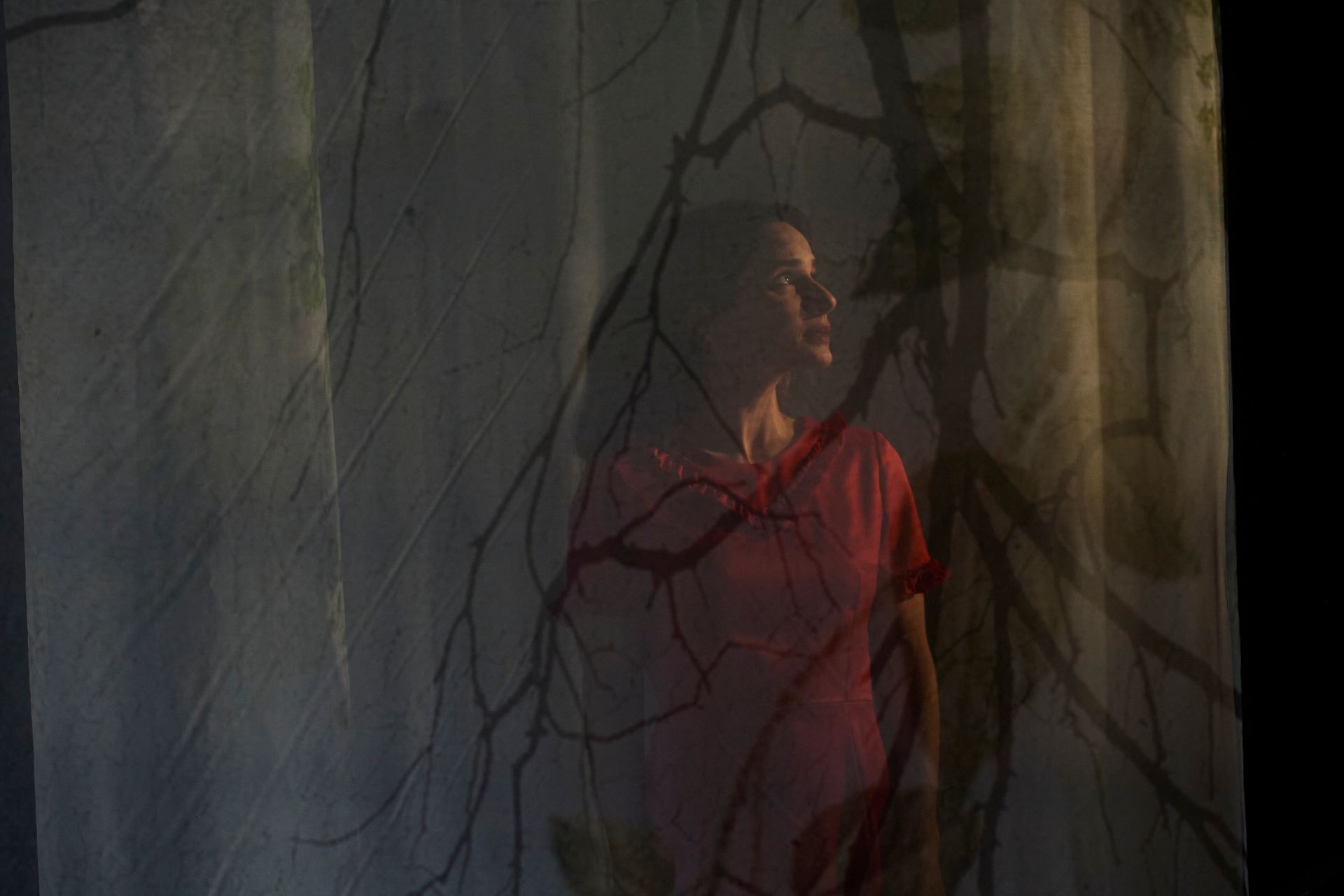
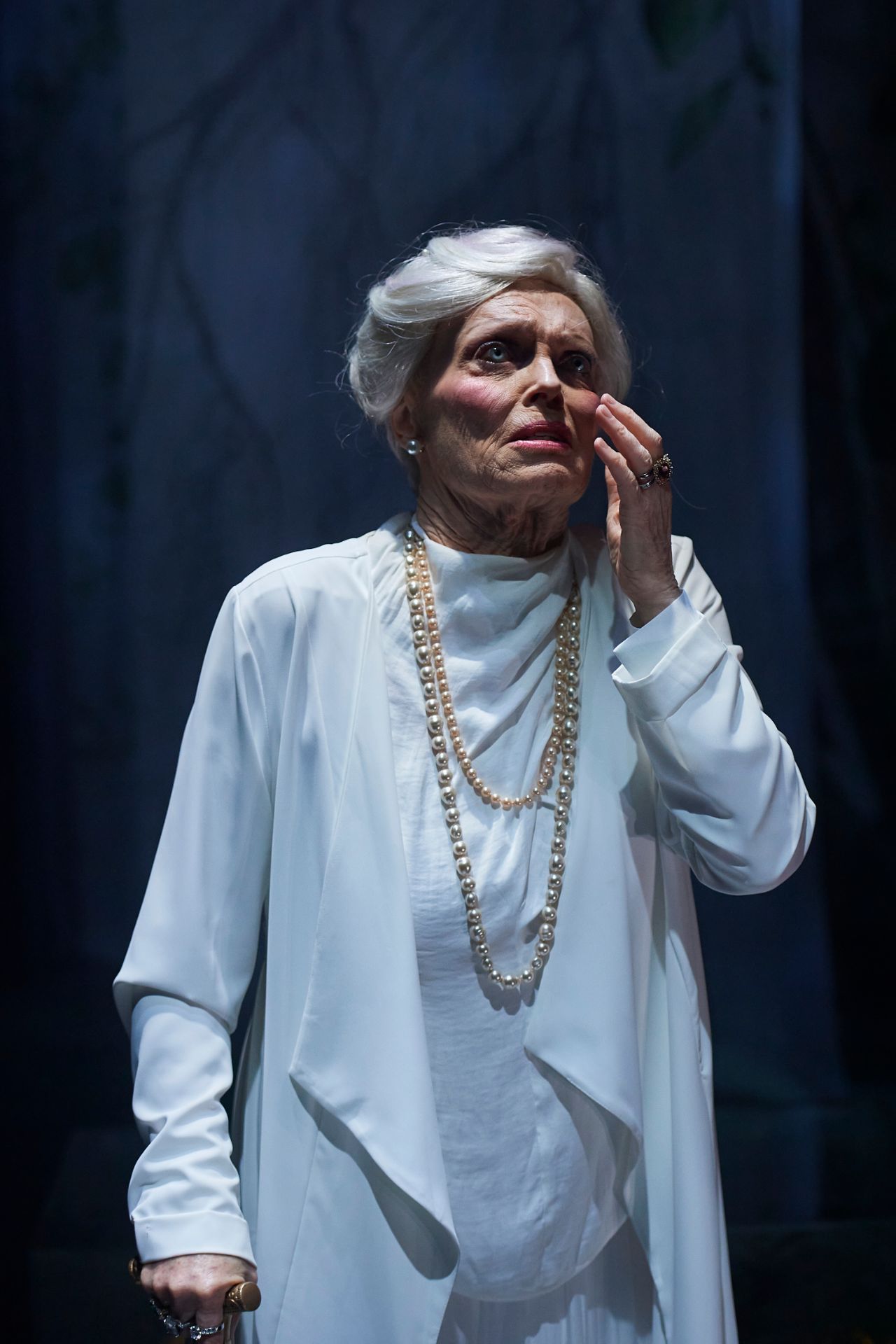
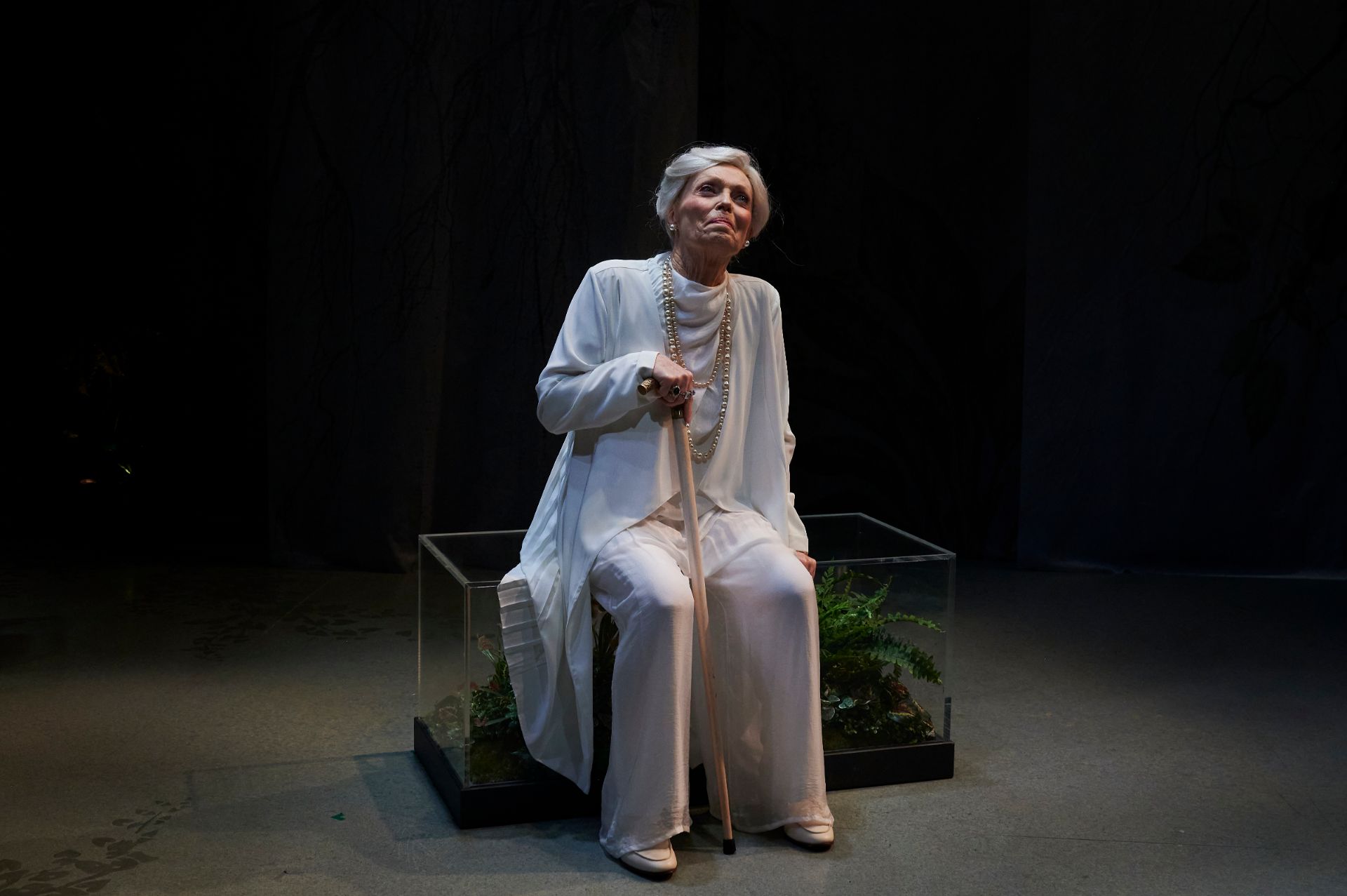
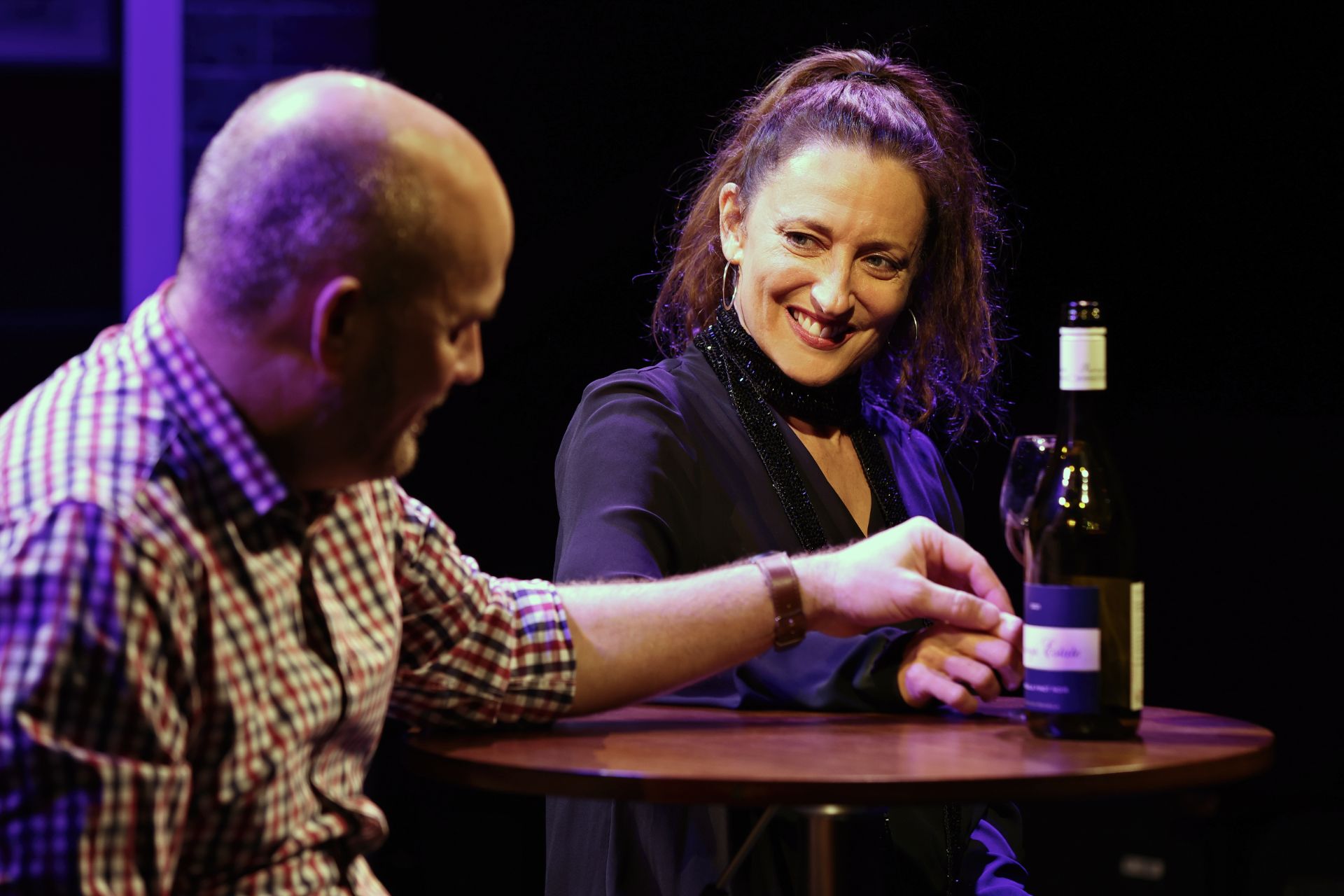
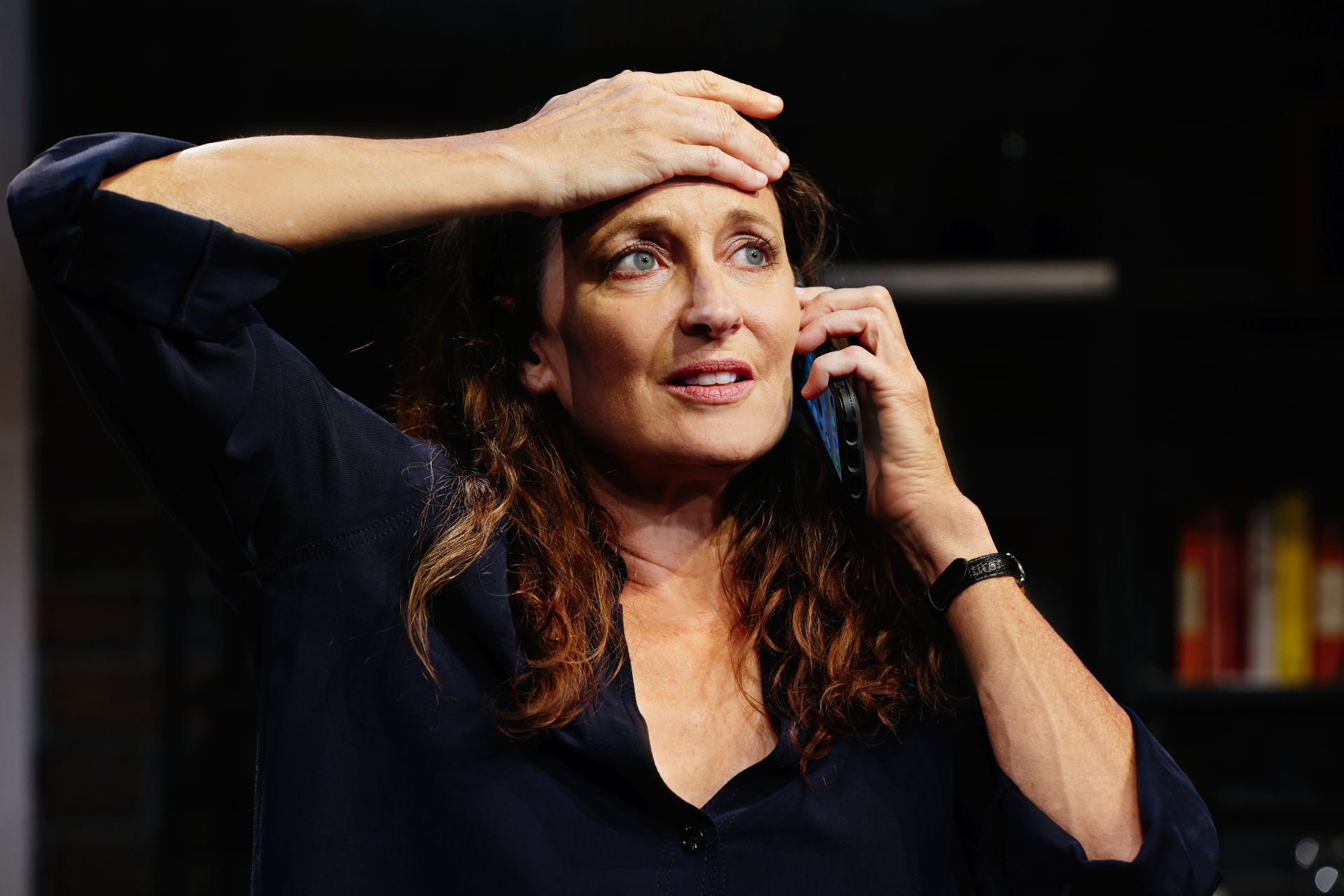
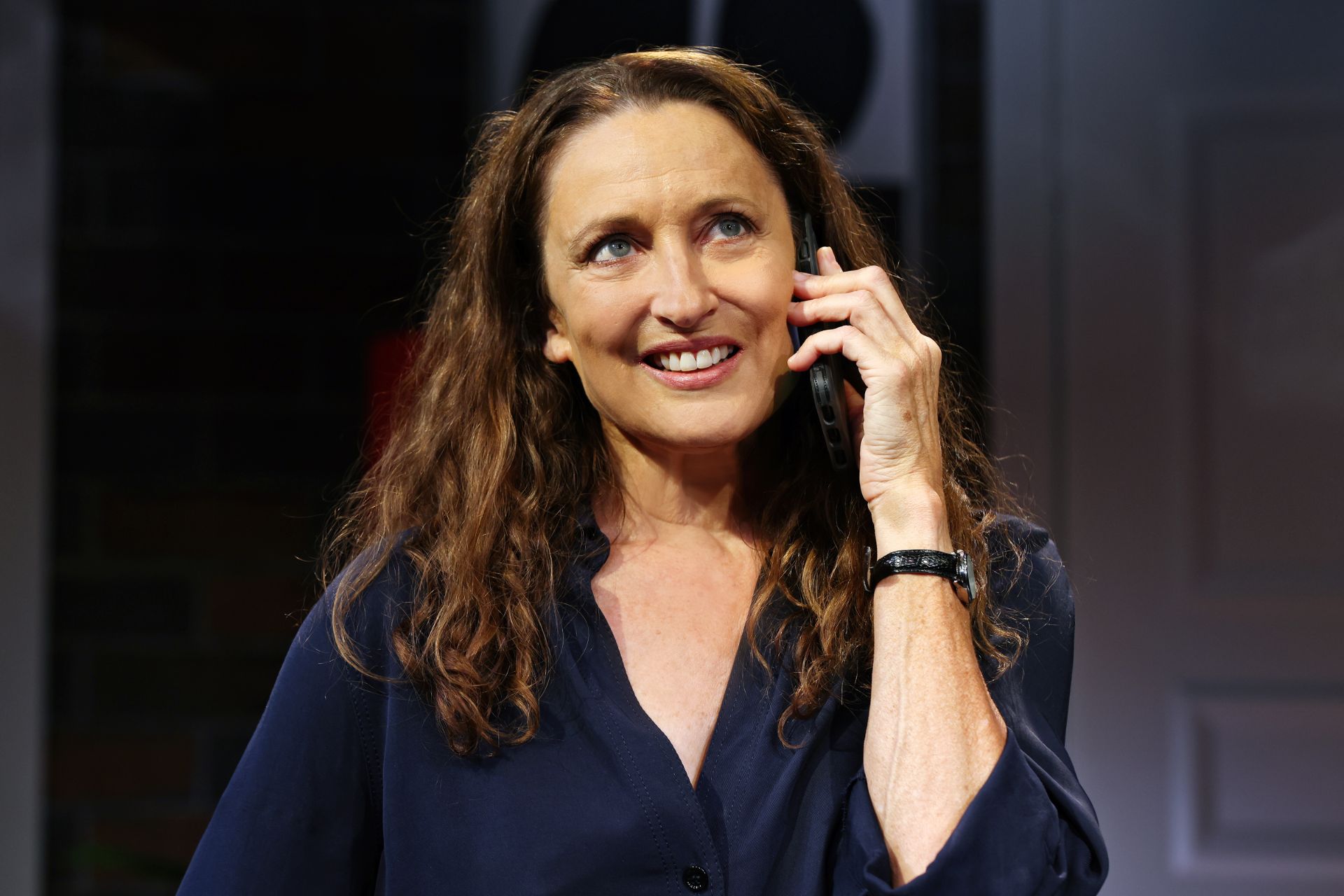
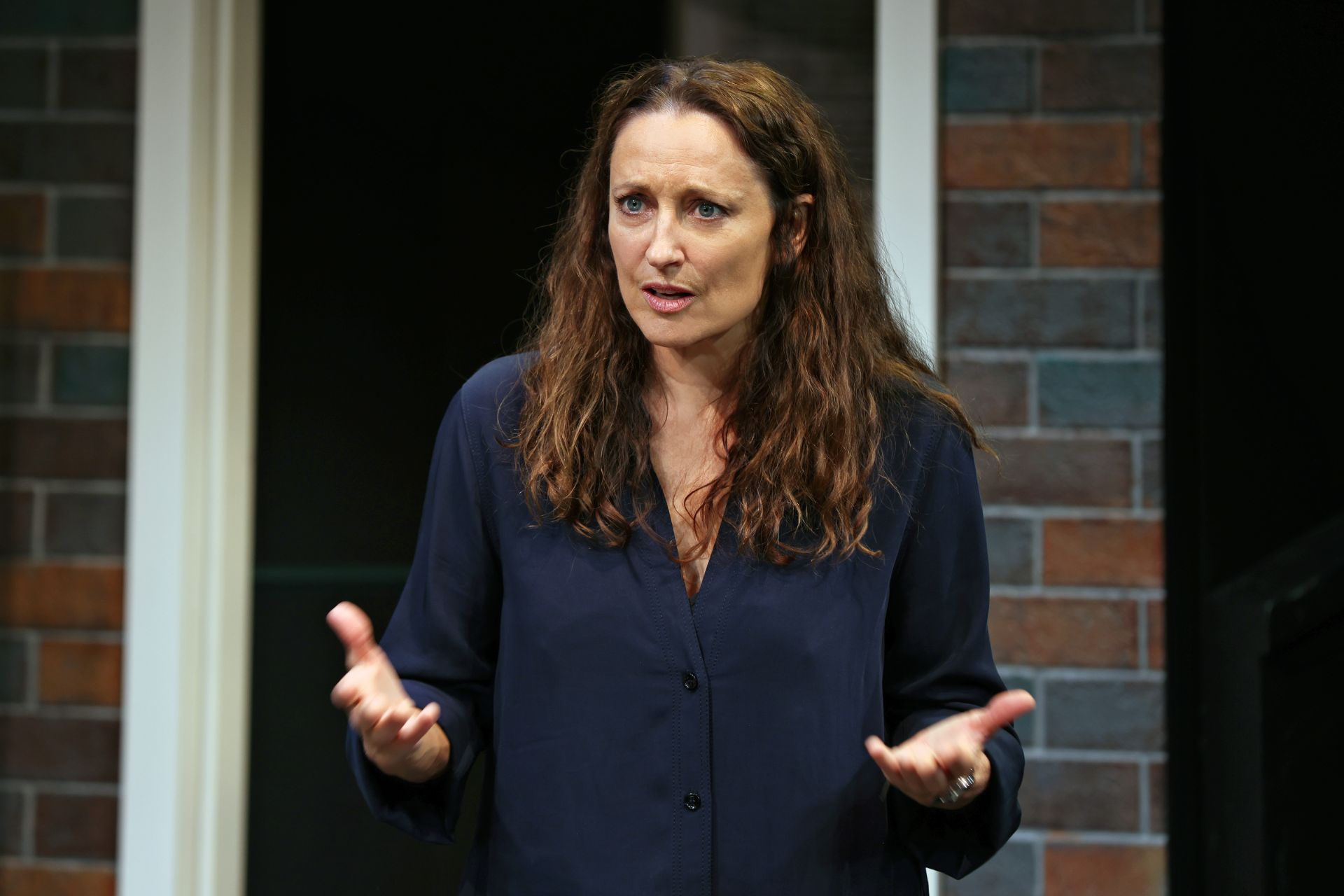
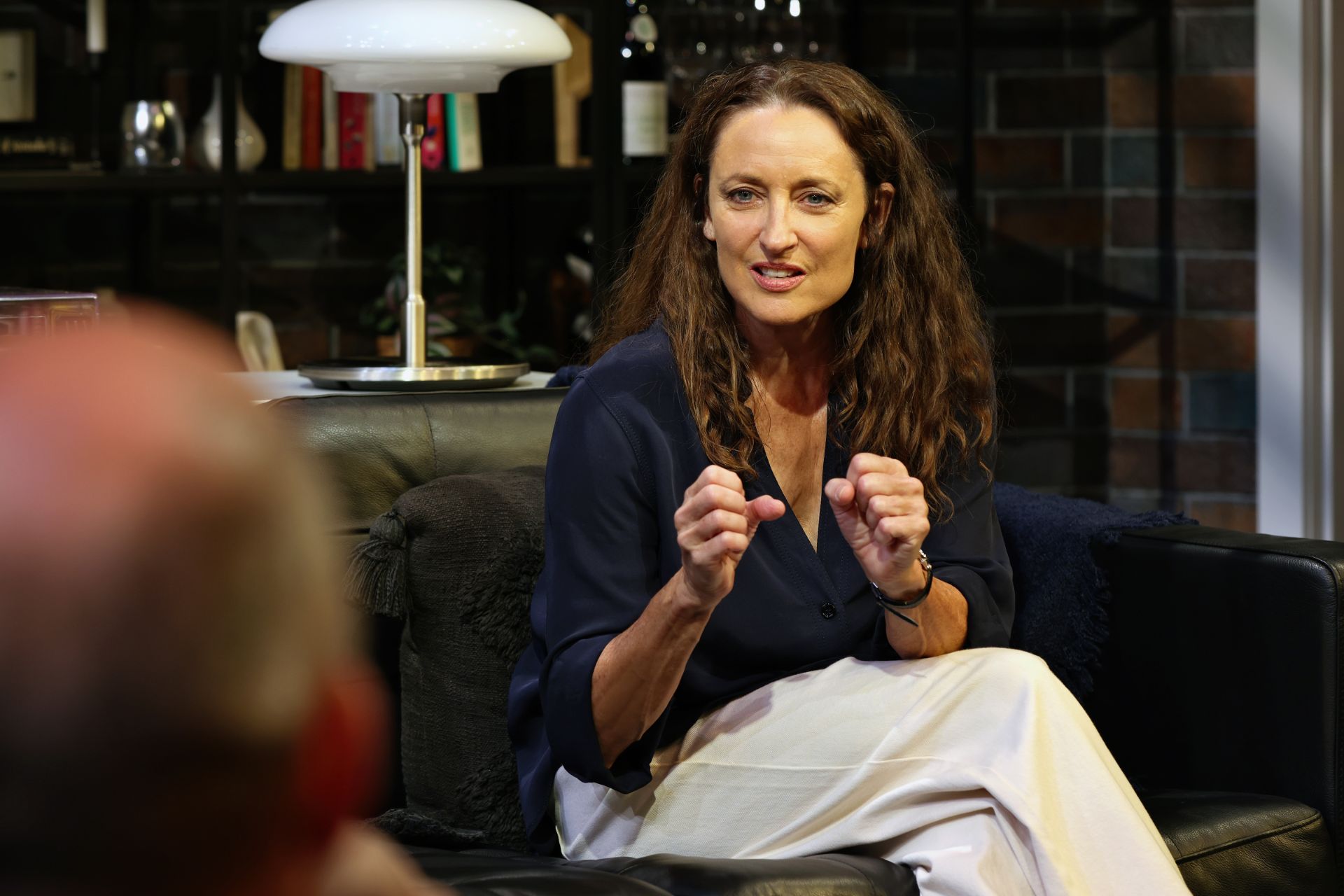
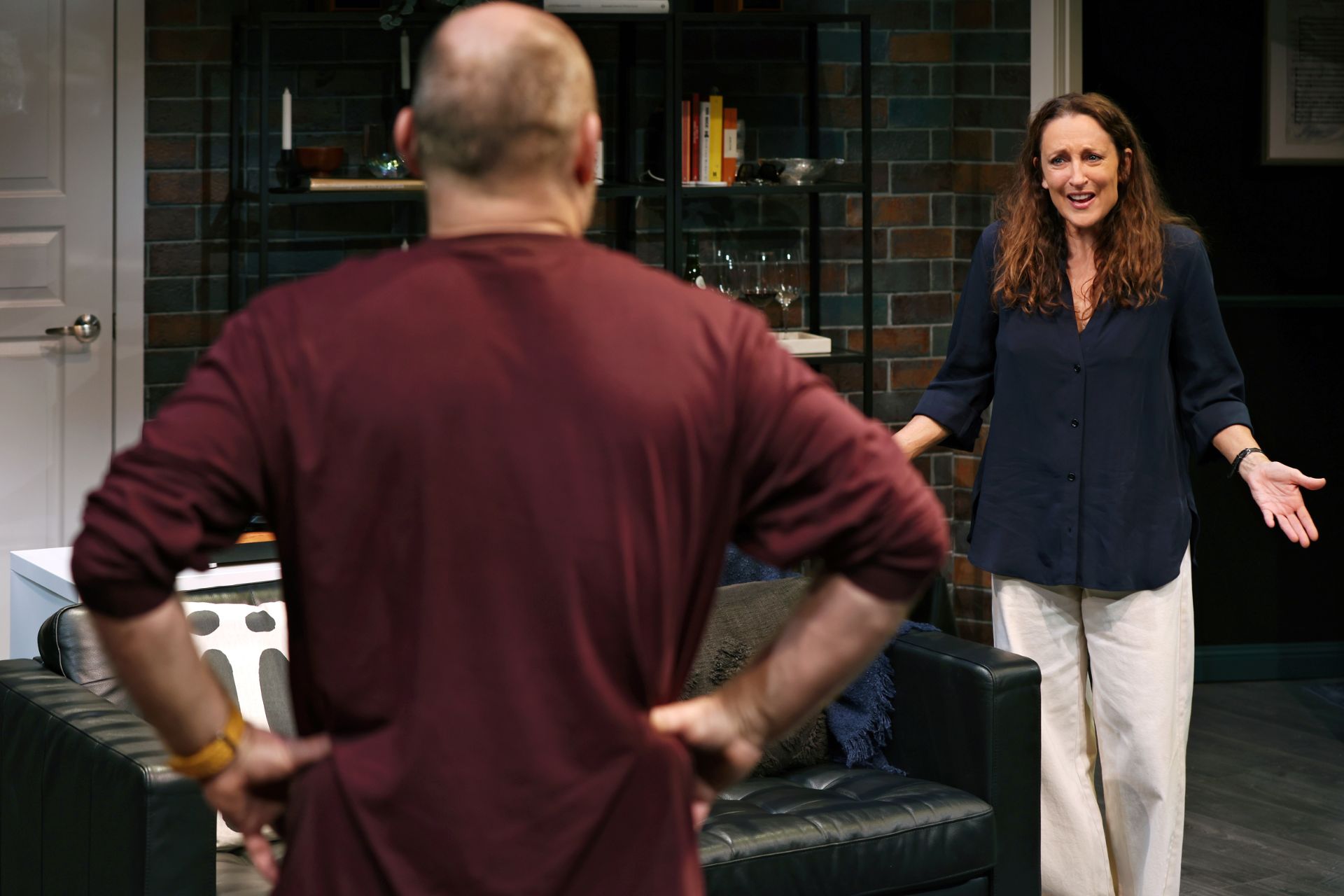
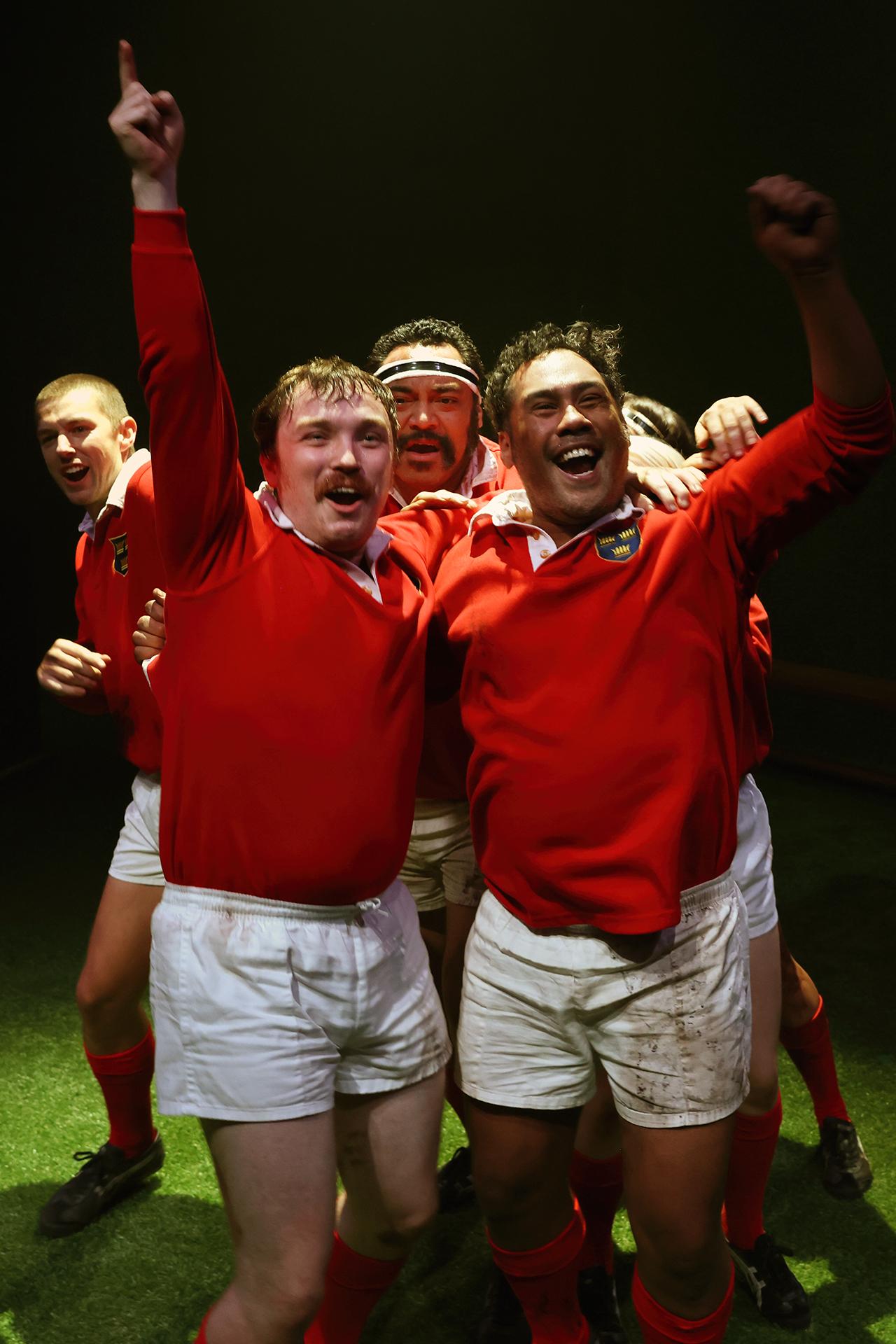
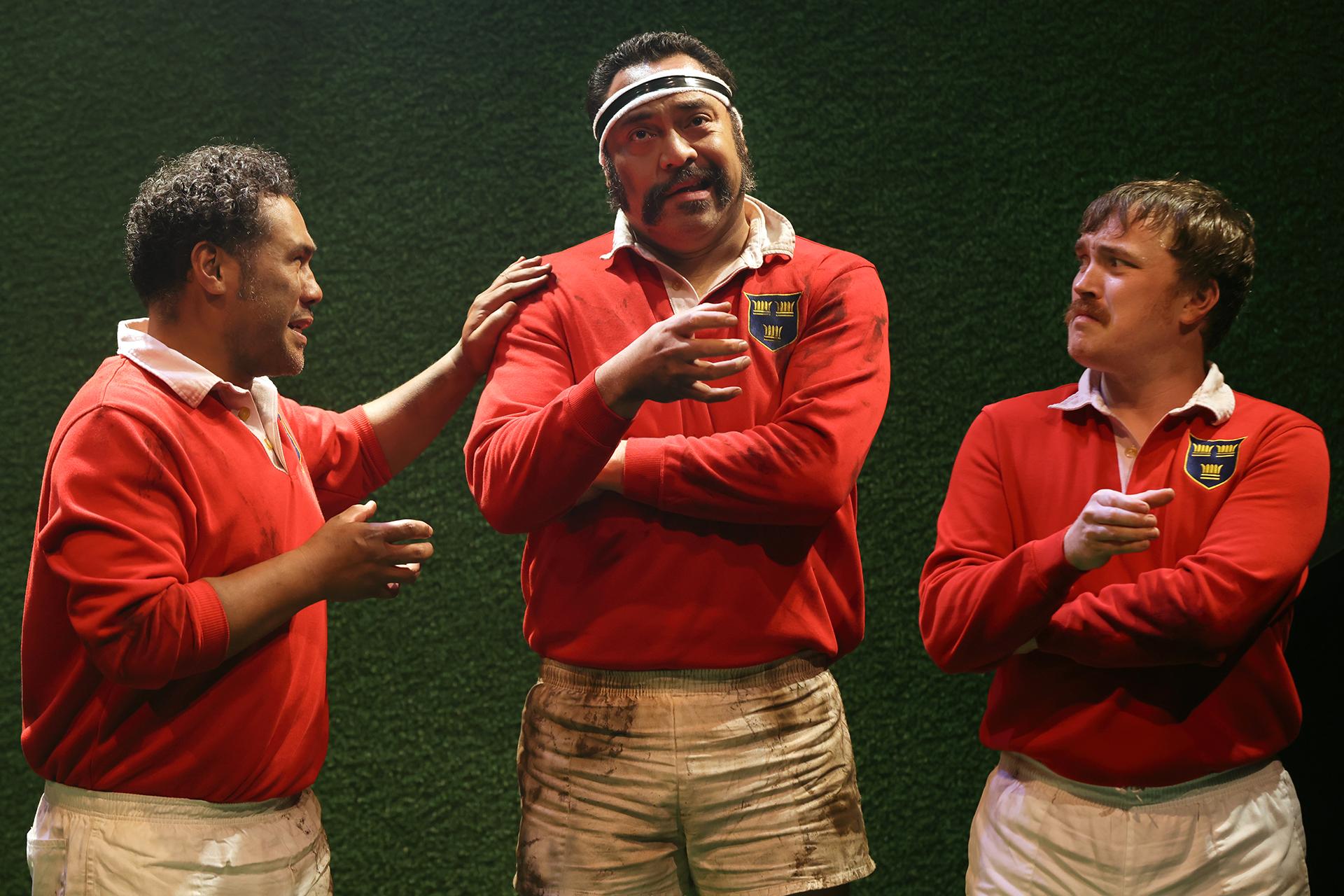
Violet has died, and we find her three daughters at their family home getting ready for the funeral. Their emotions are understandably in a state of disarray, and as they go through a process of unravelment, we discover the challenges and inadequacies each woman experiences as they navigate life in 1996 England. Shelagh Stephenson’s now 27-year-old comedy The Memory of Water, is an amusing work that showcases the various idiosyncrasies of Western feminine archetypes, at a time that can be regarded as having freshly emerged from the third wave of feminism.

With the passage of time, the play feels excessively concerned with the granular individuality of its characters. More contemporary tastes tend to favour sociality over particularity in our storytelling, and The Memory of Water struggles in the current climate to speak with sufficient relevancy and urgency, even though there is undeniable authenticity in all of its depictions.

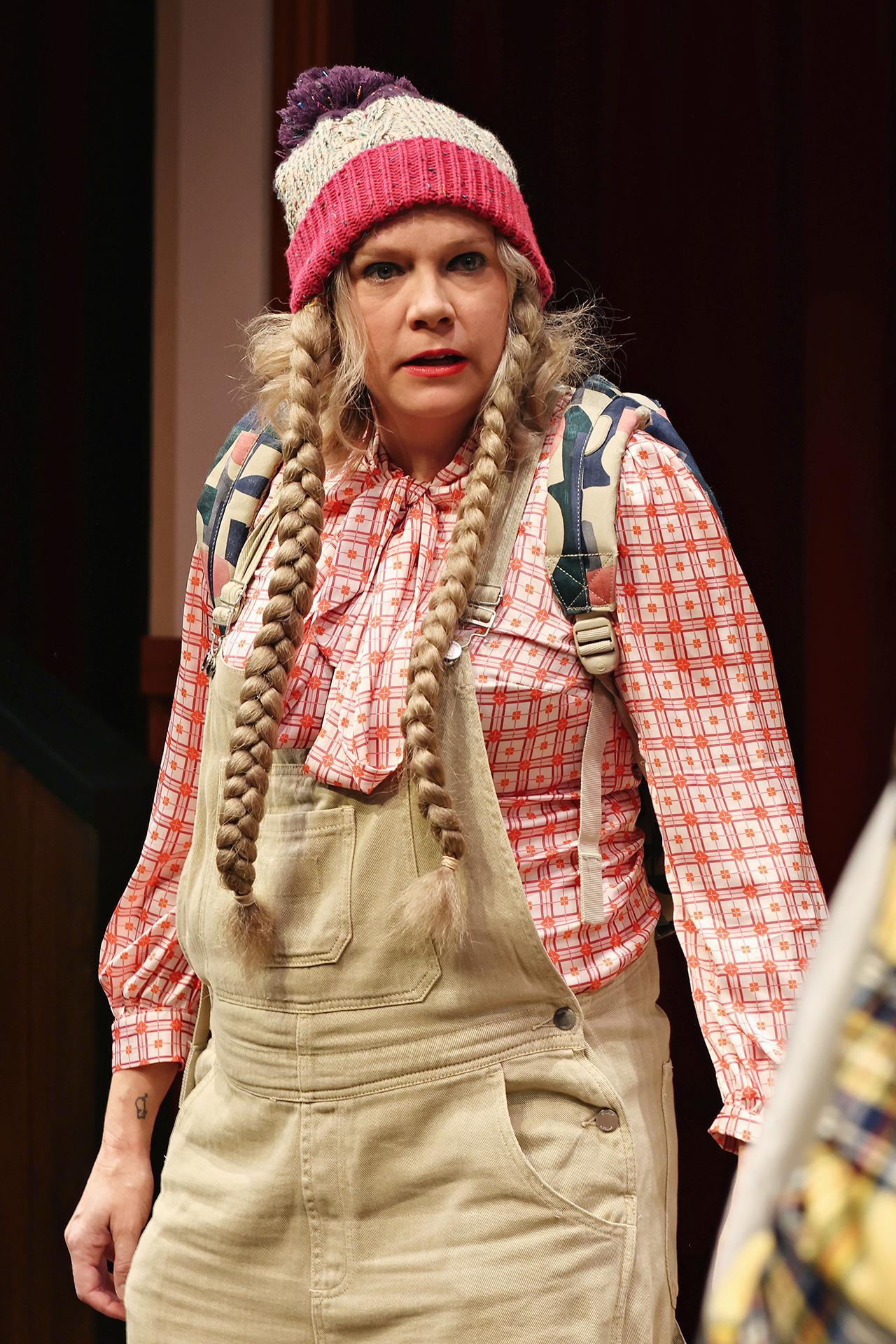
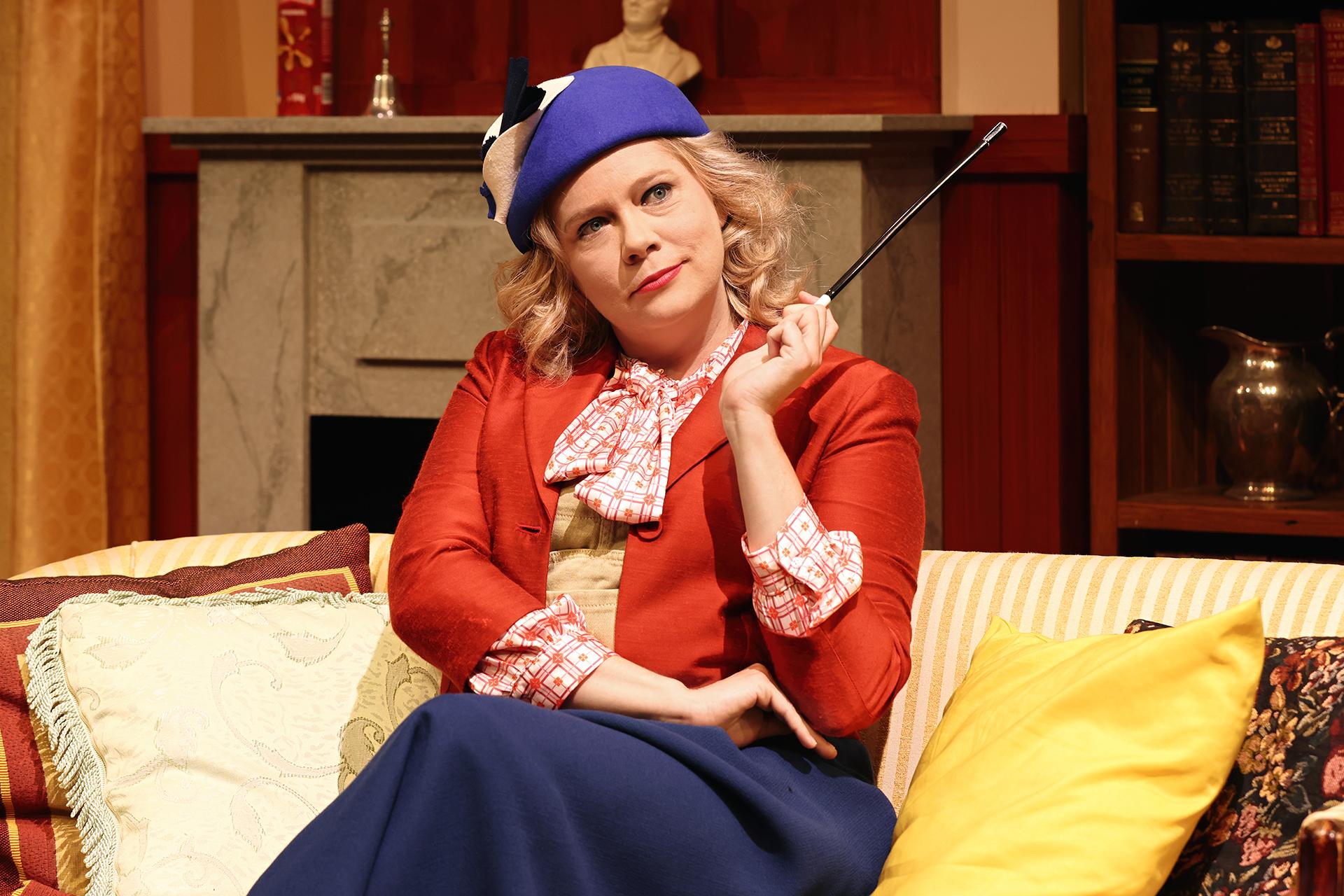
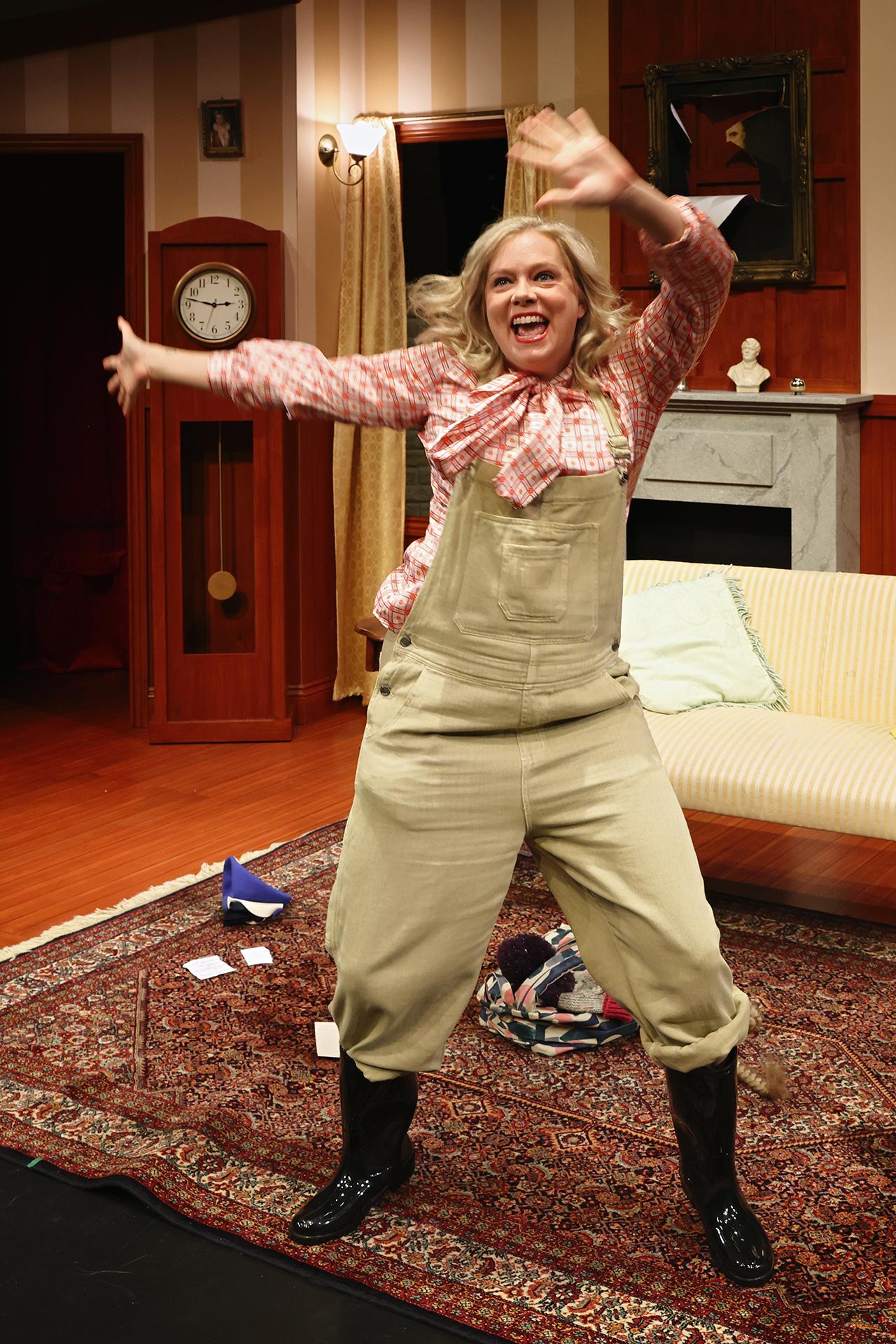
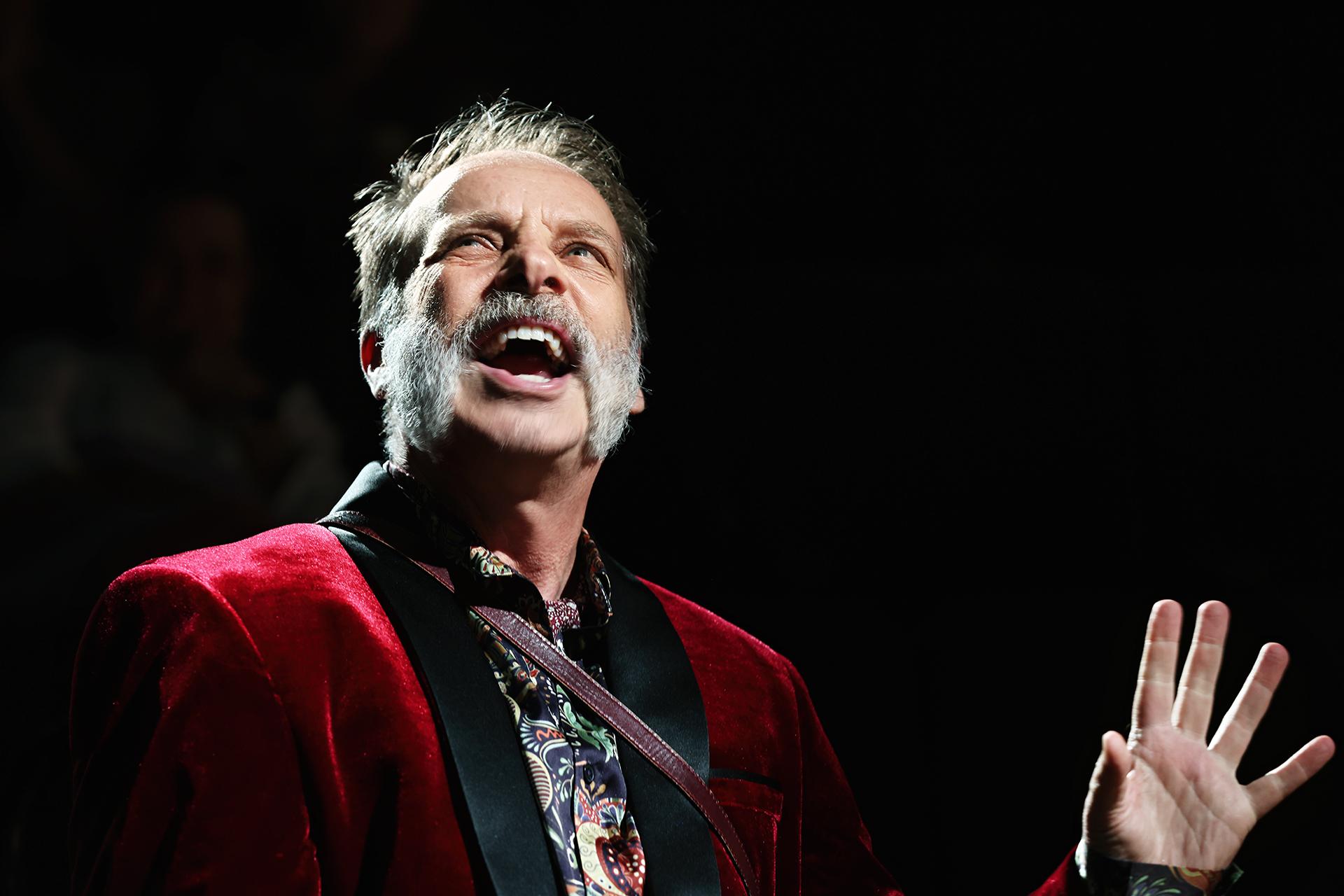
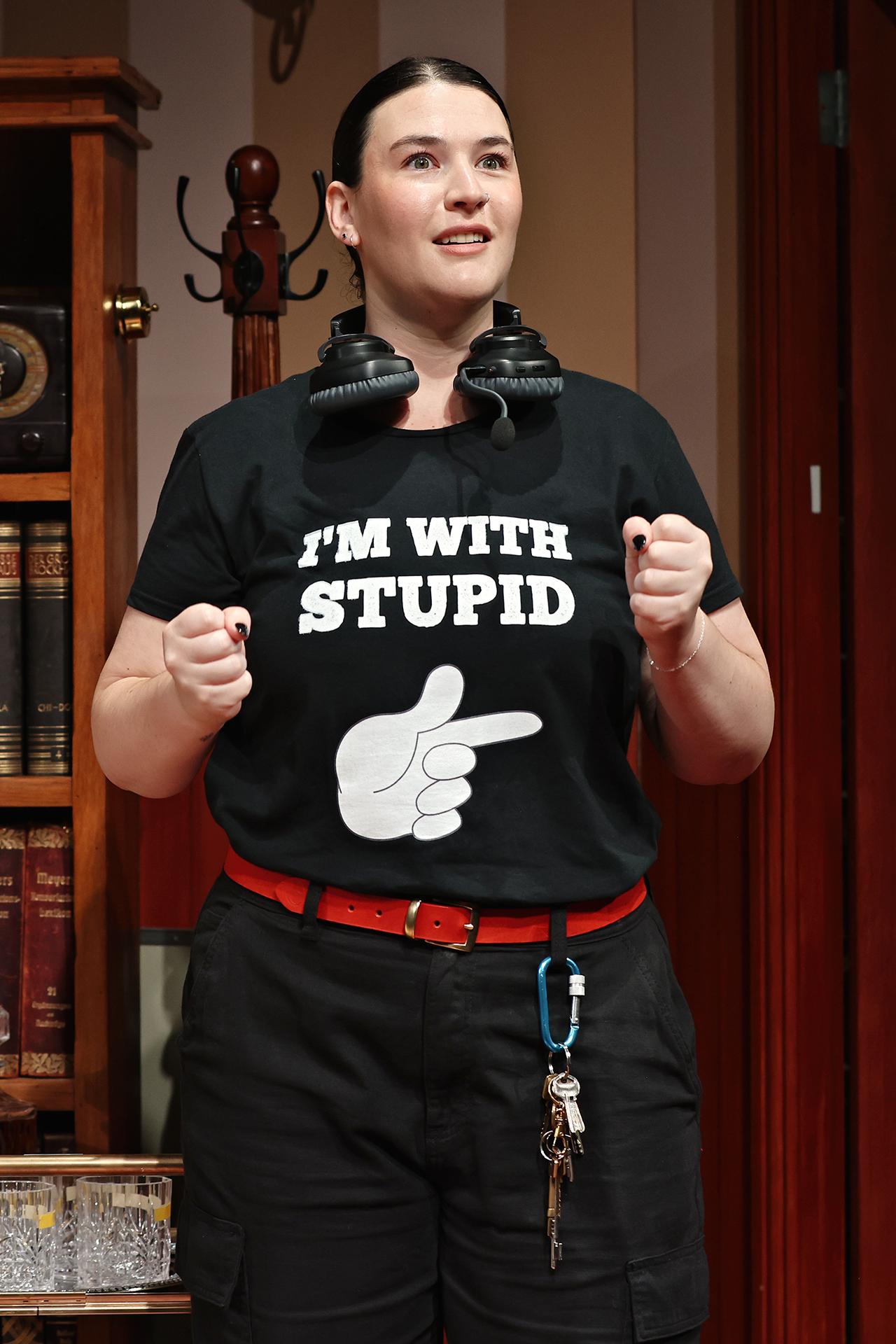
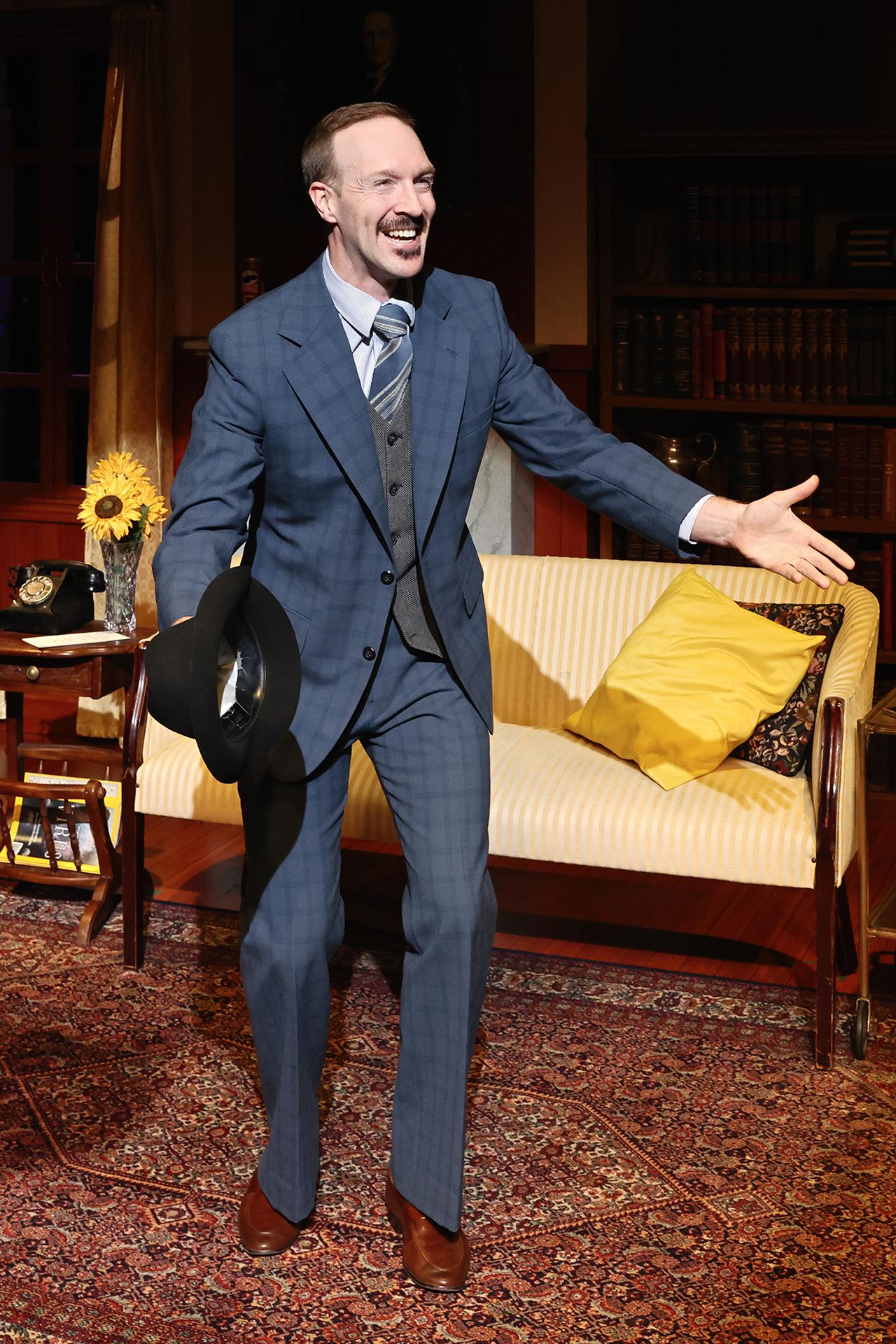
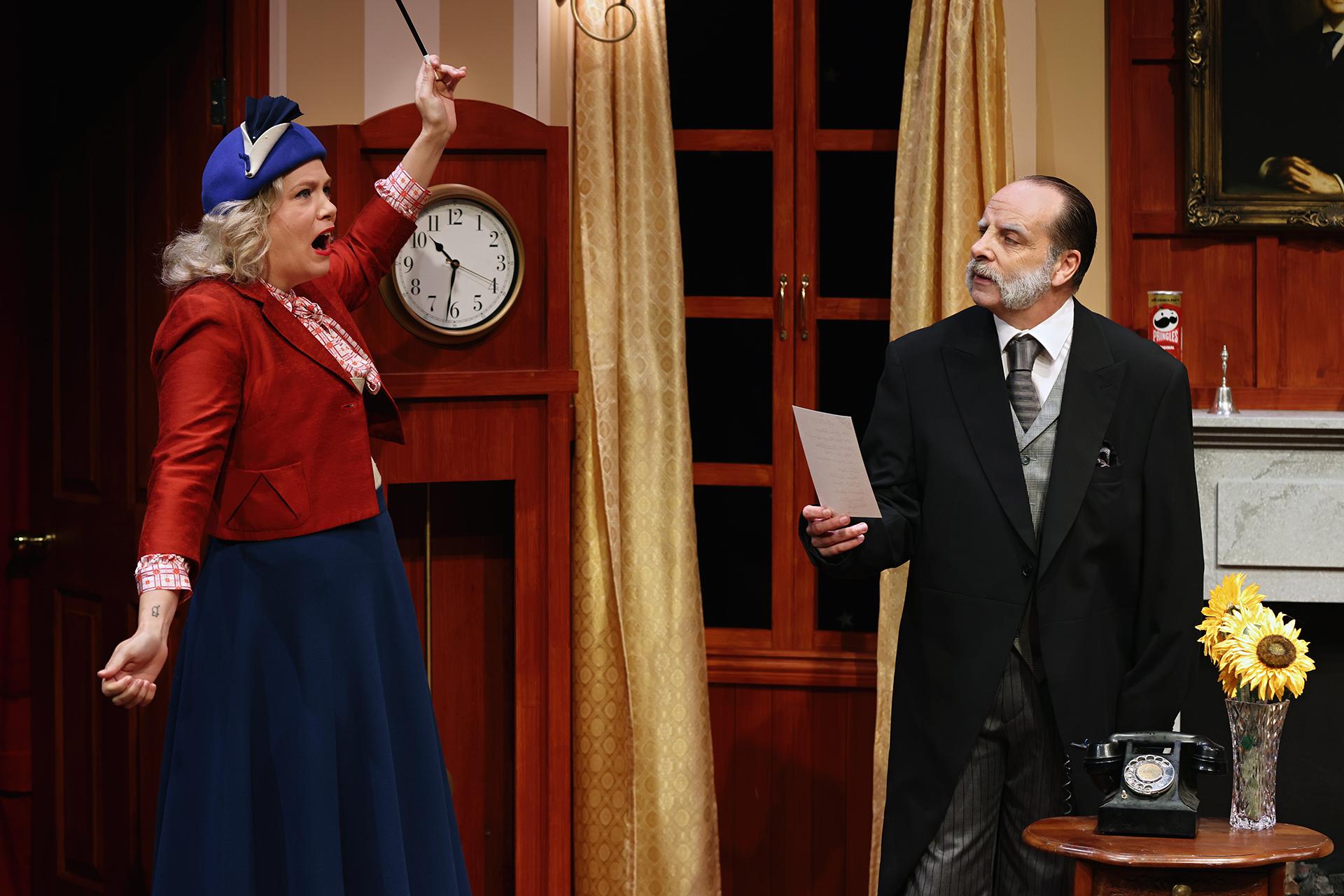
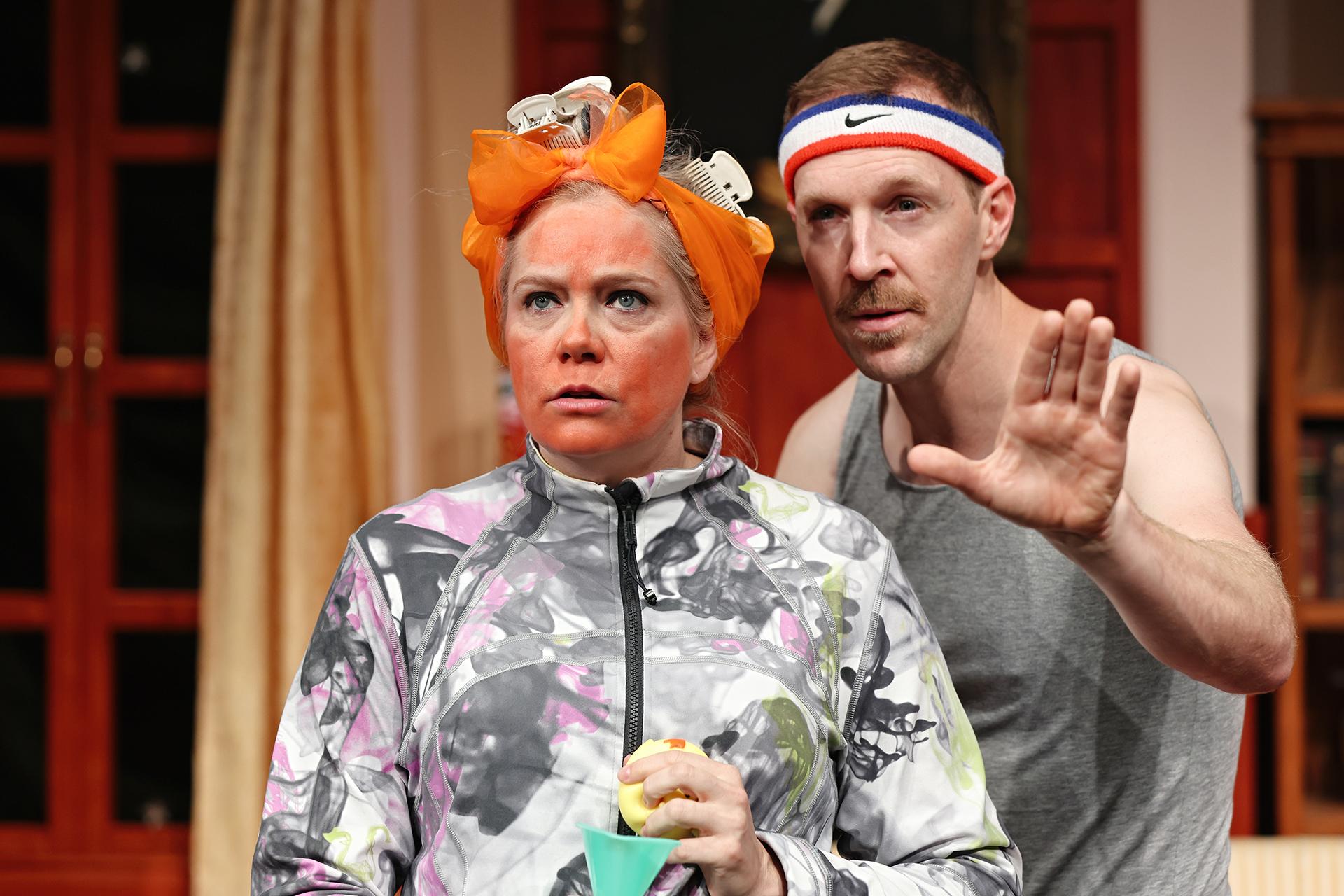
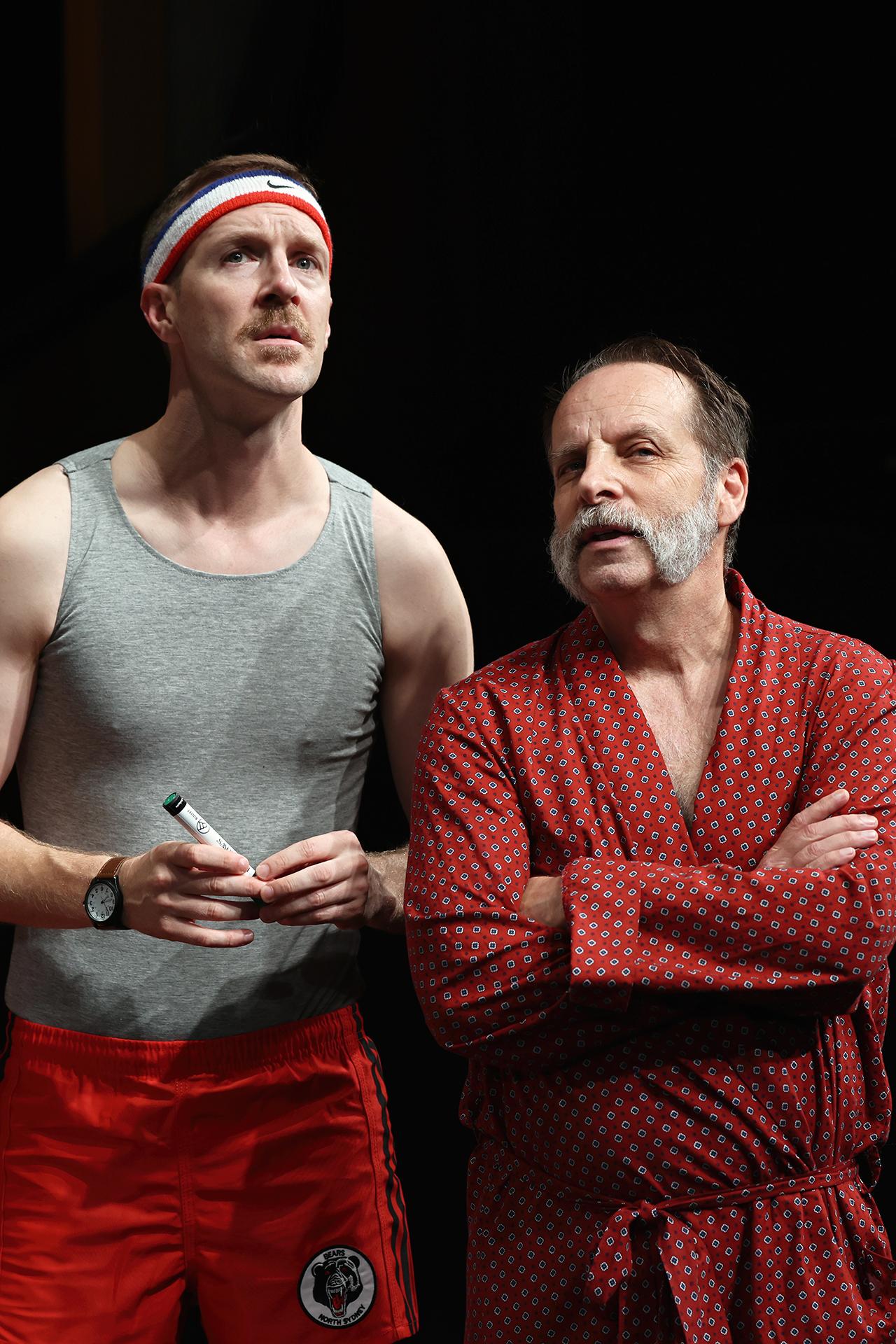
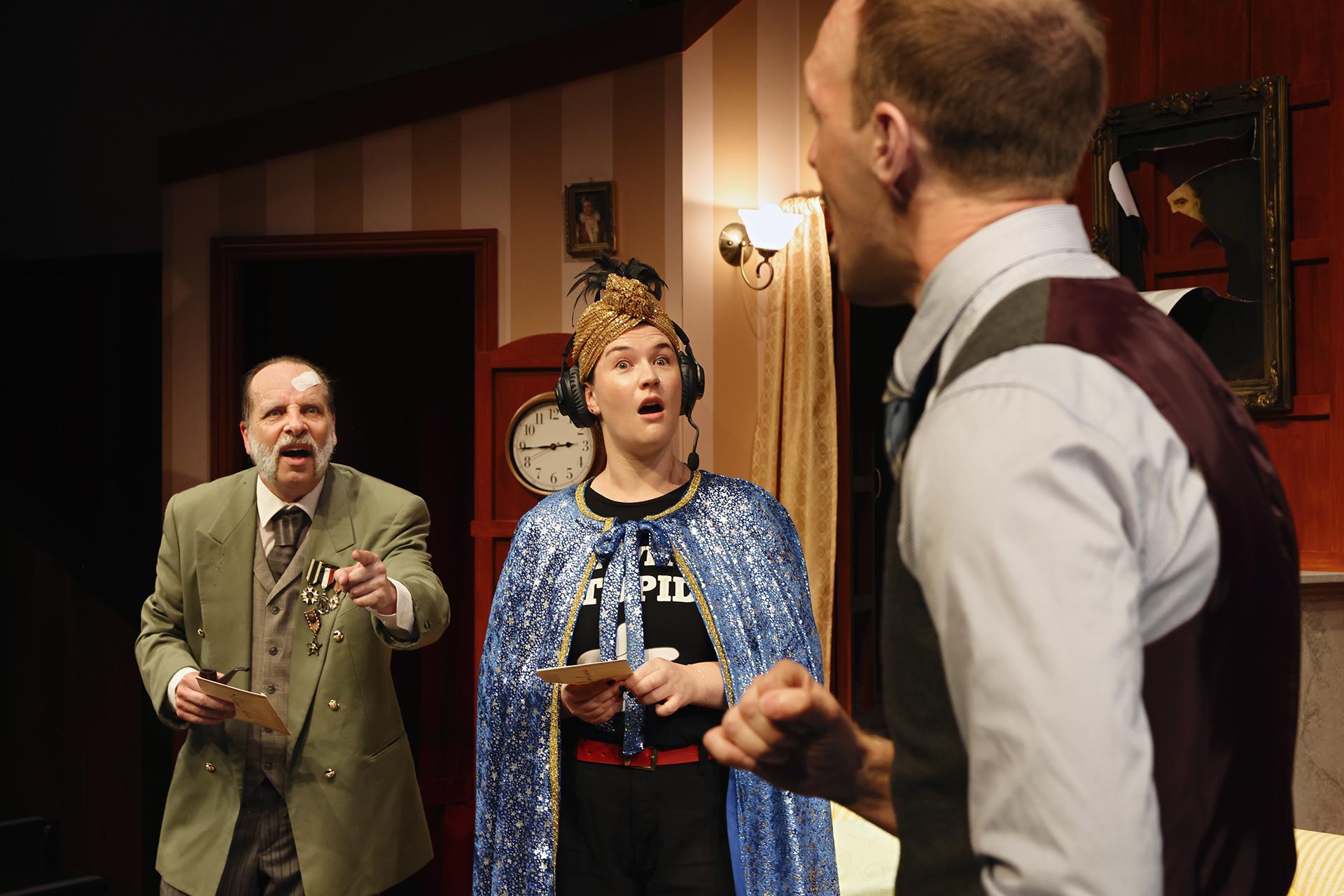
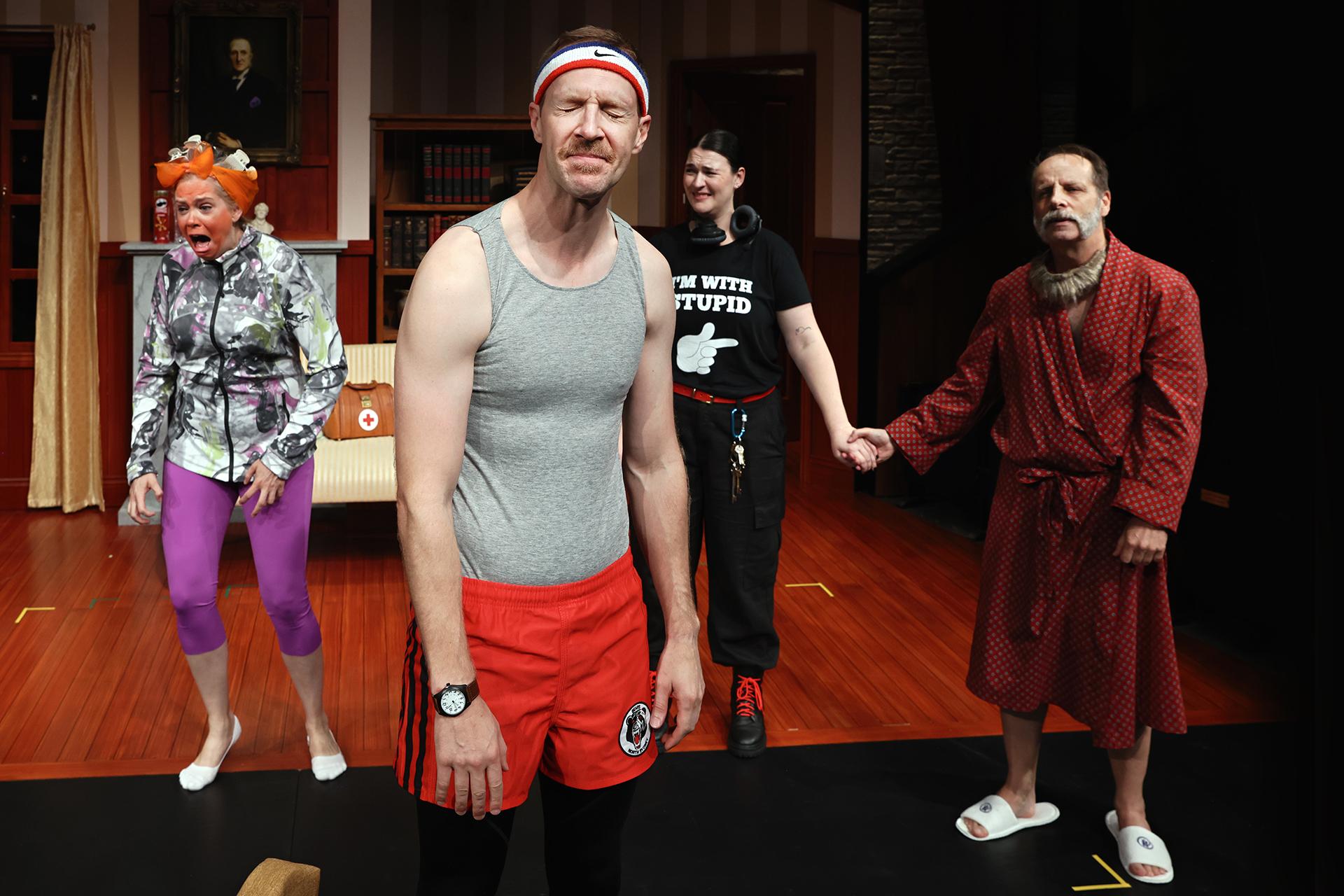
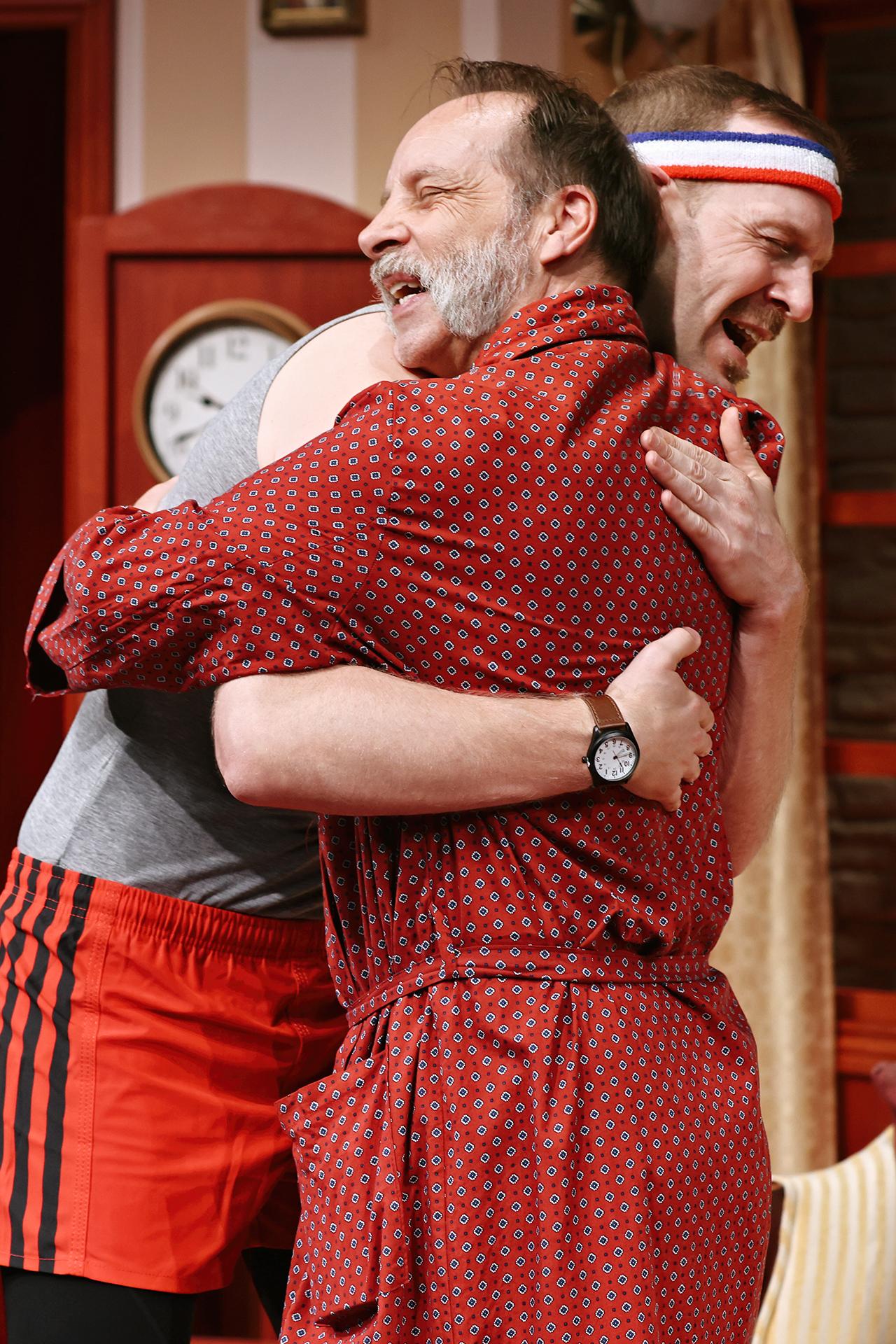
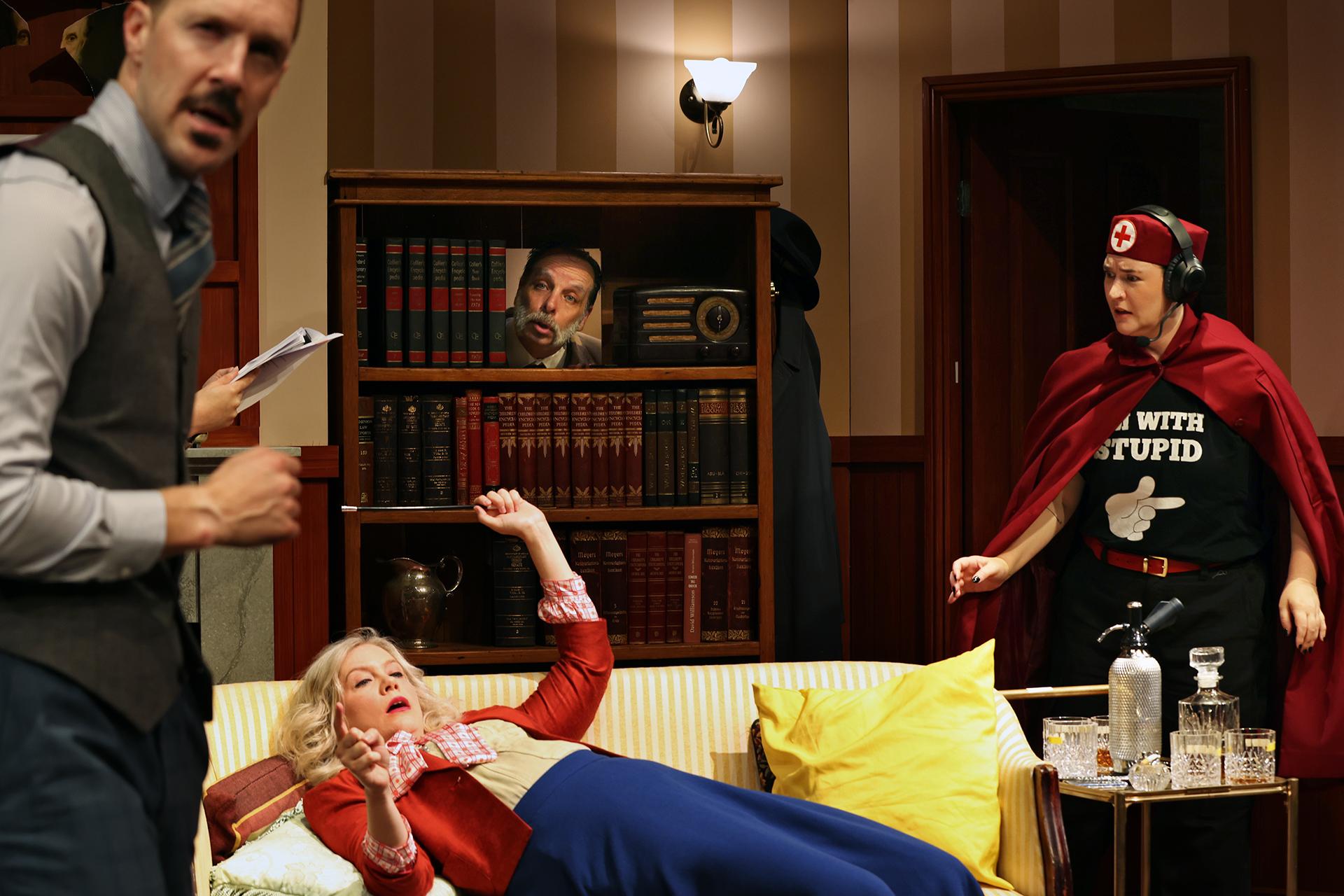
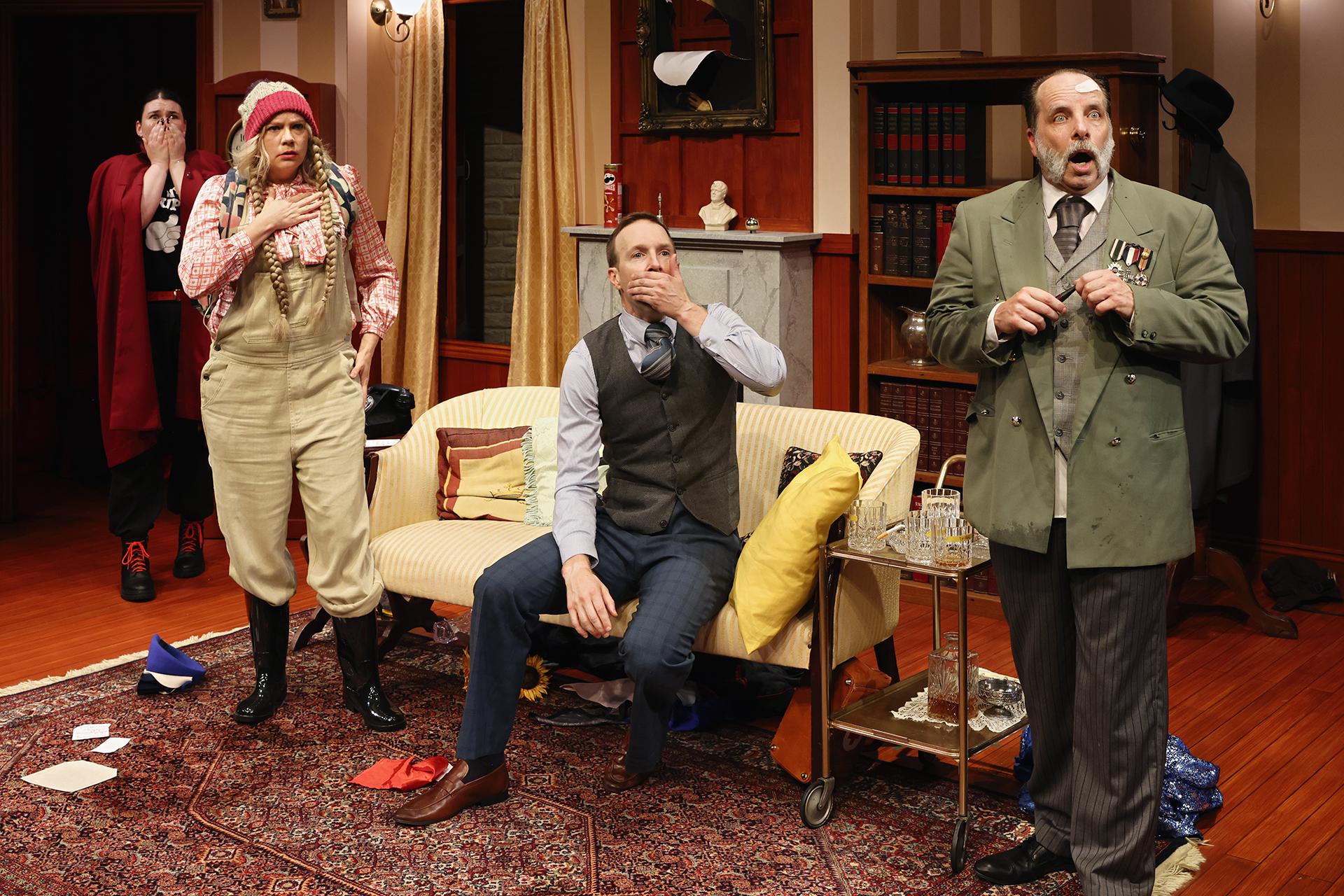
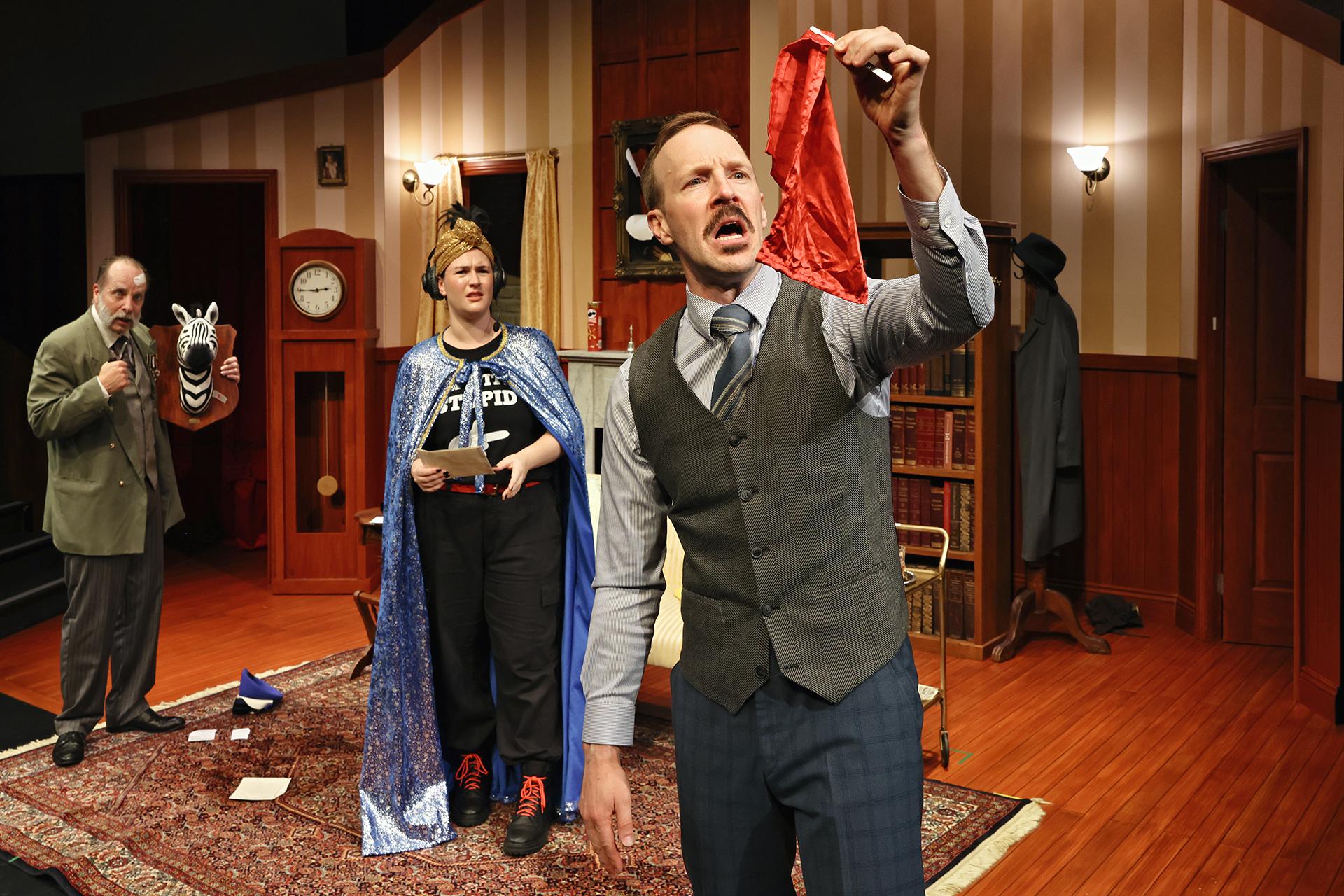
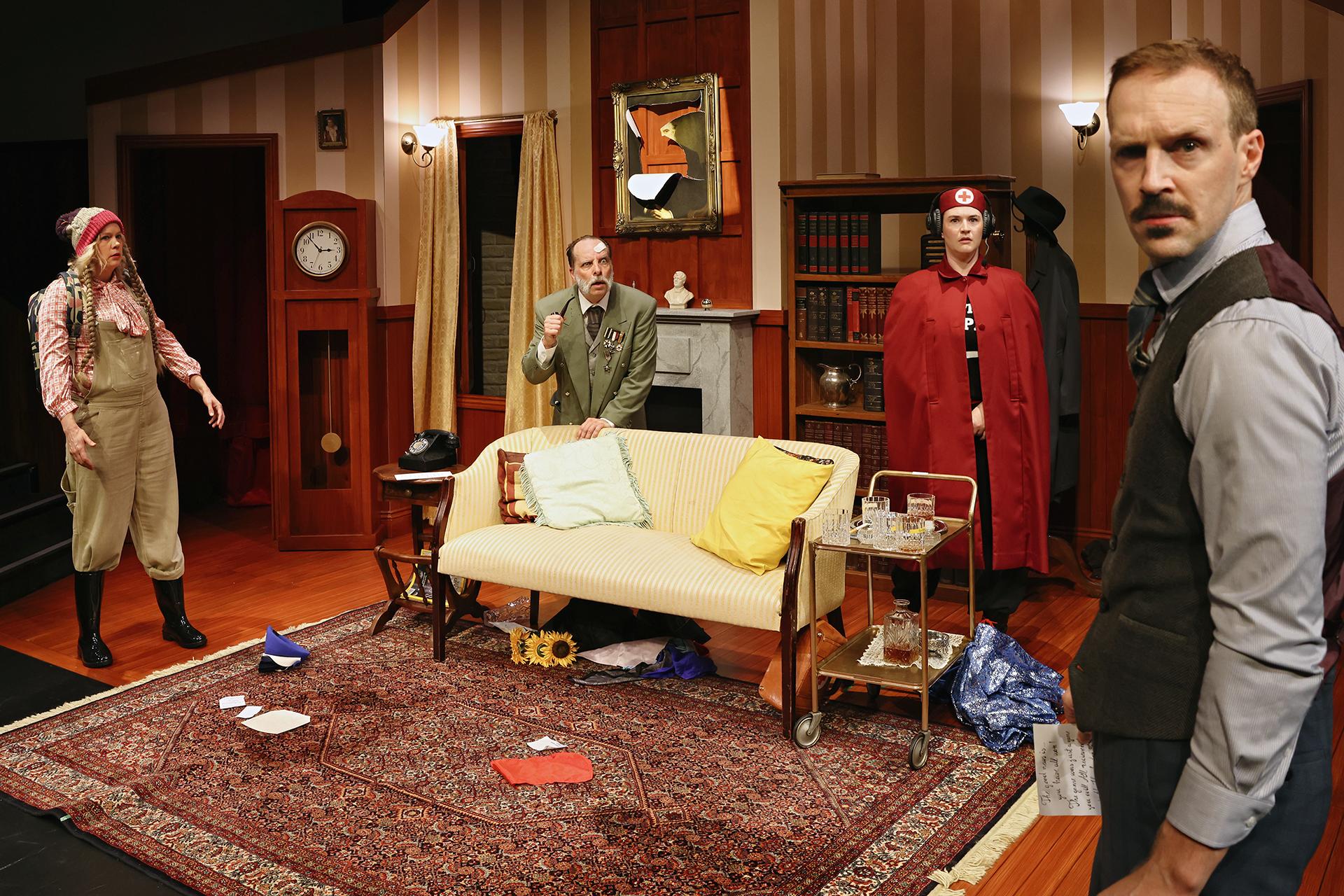
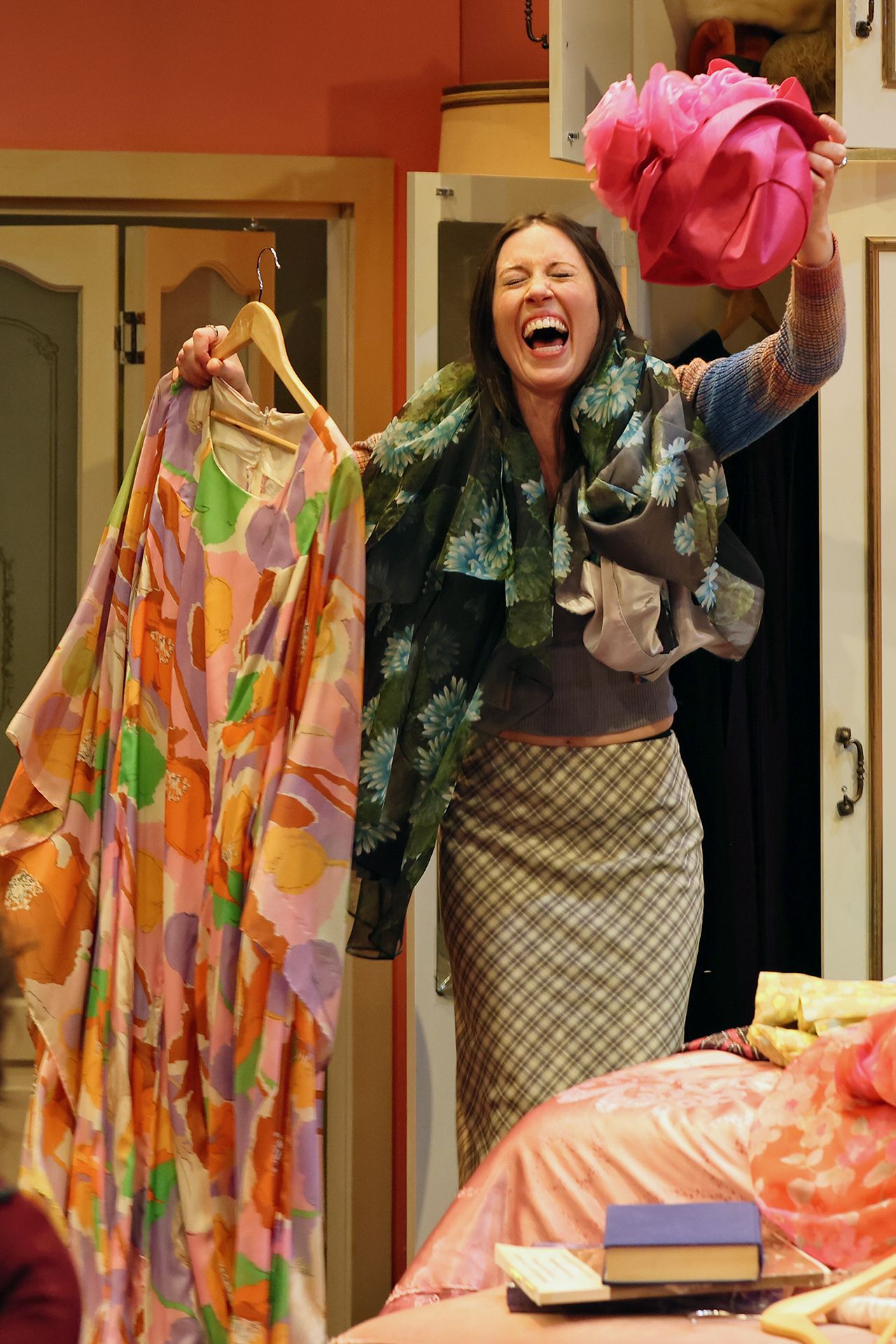
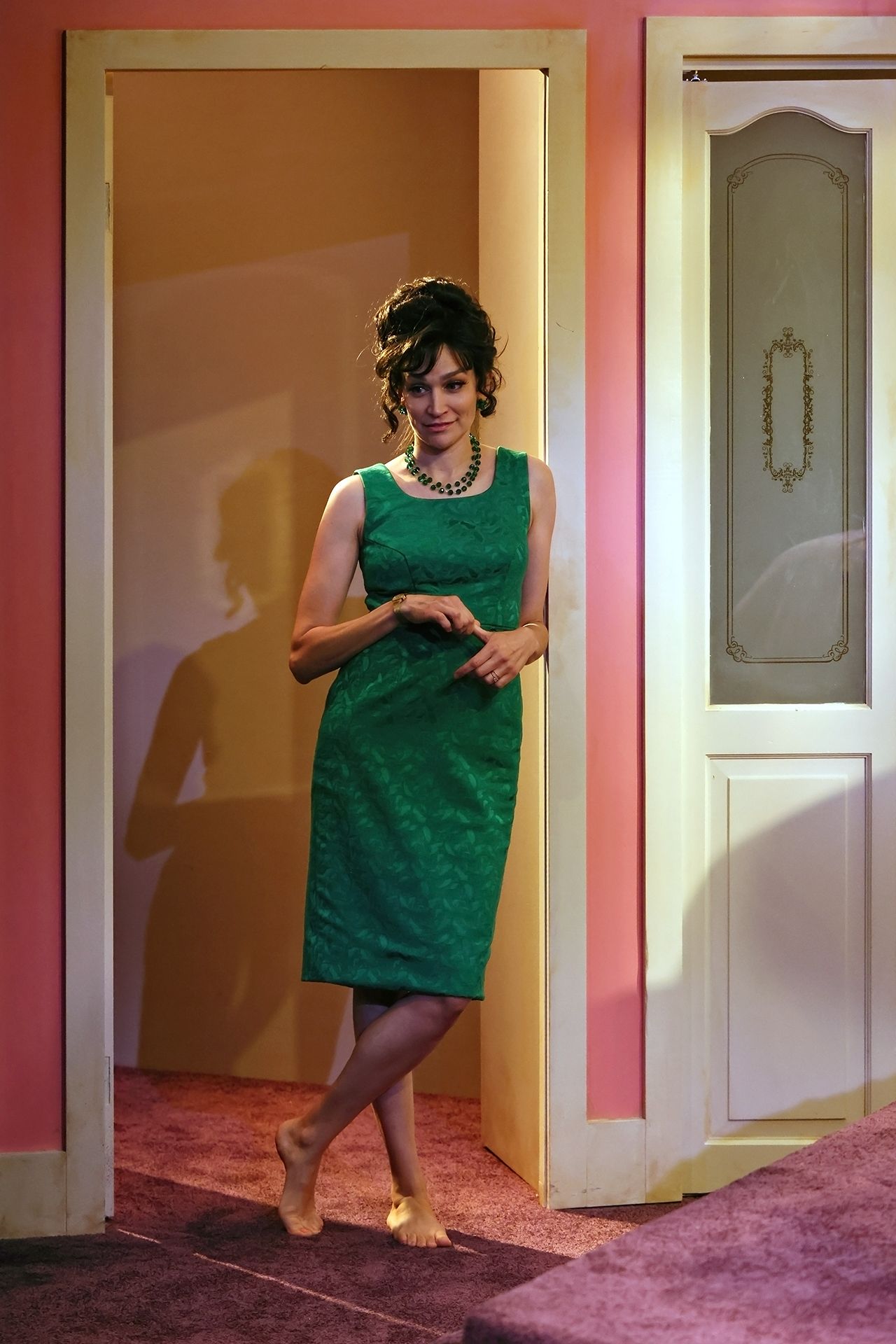
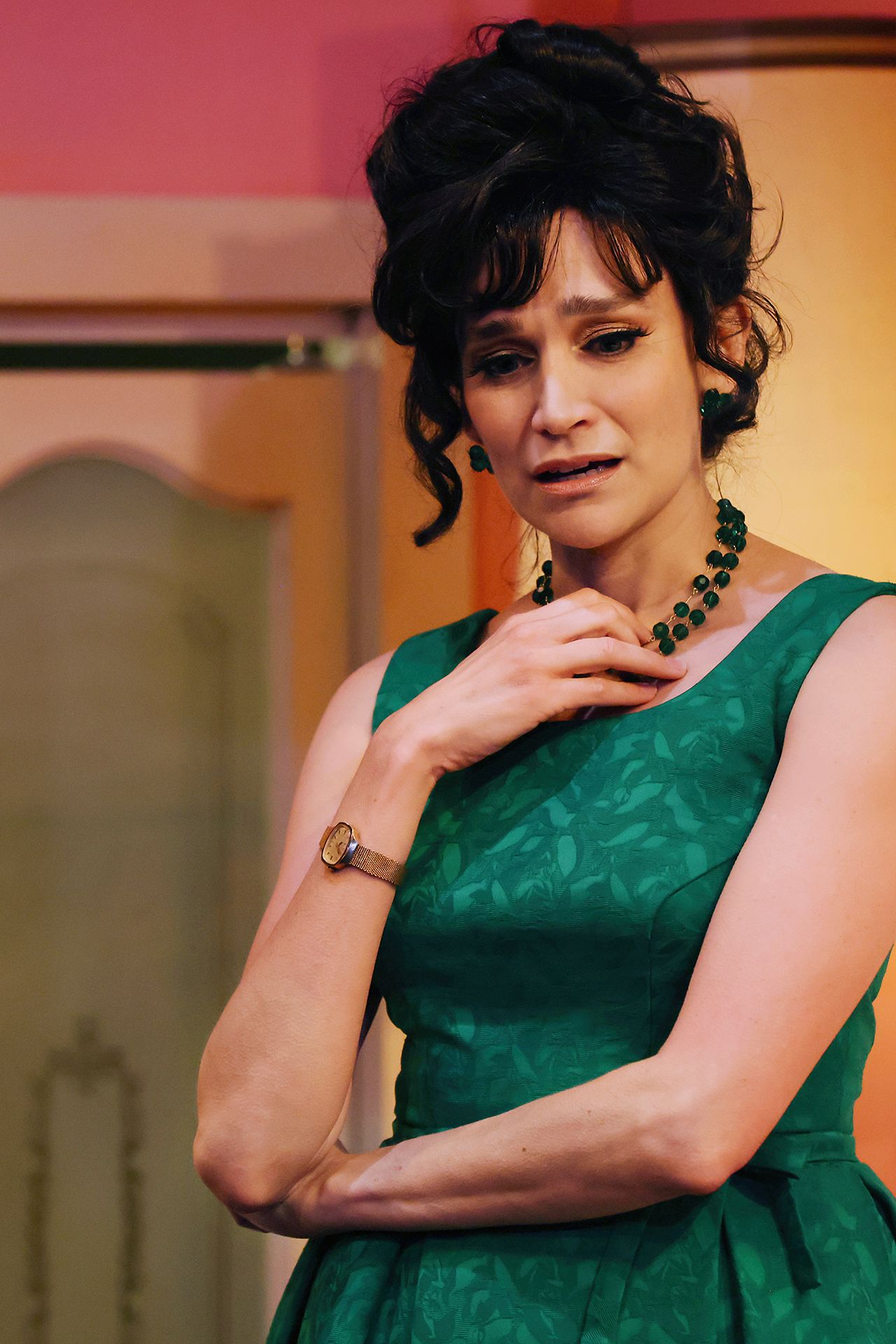
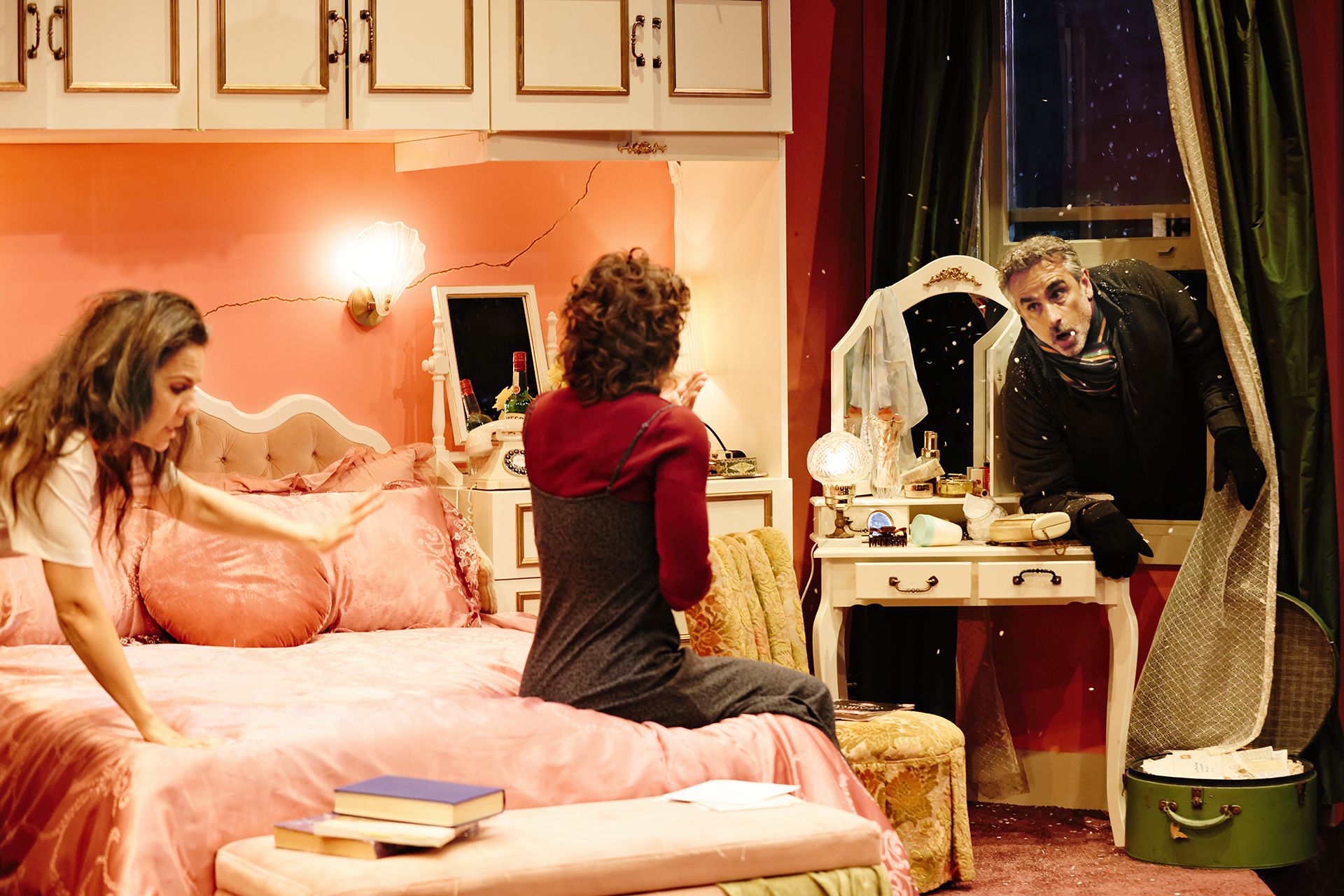
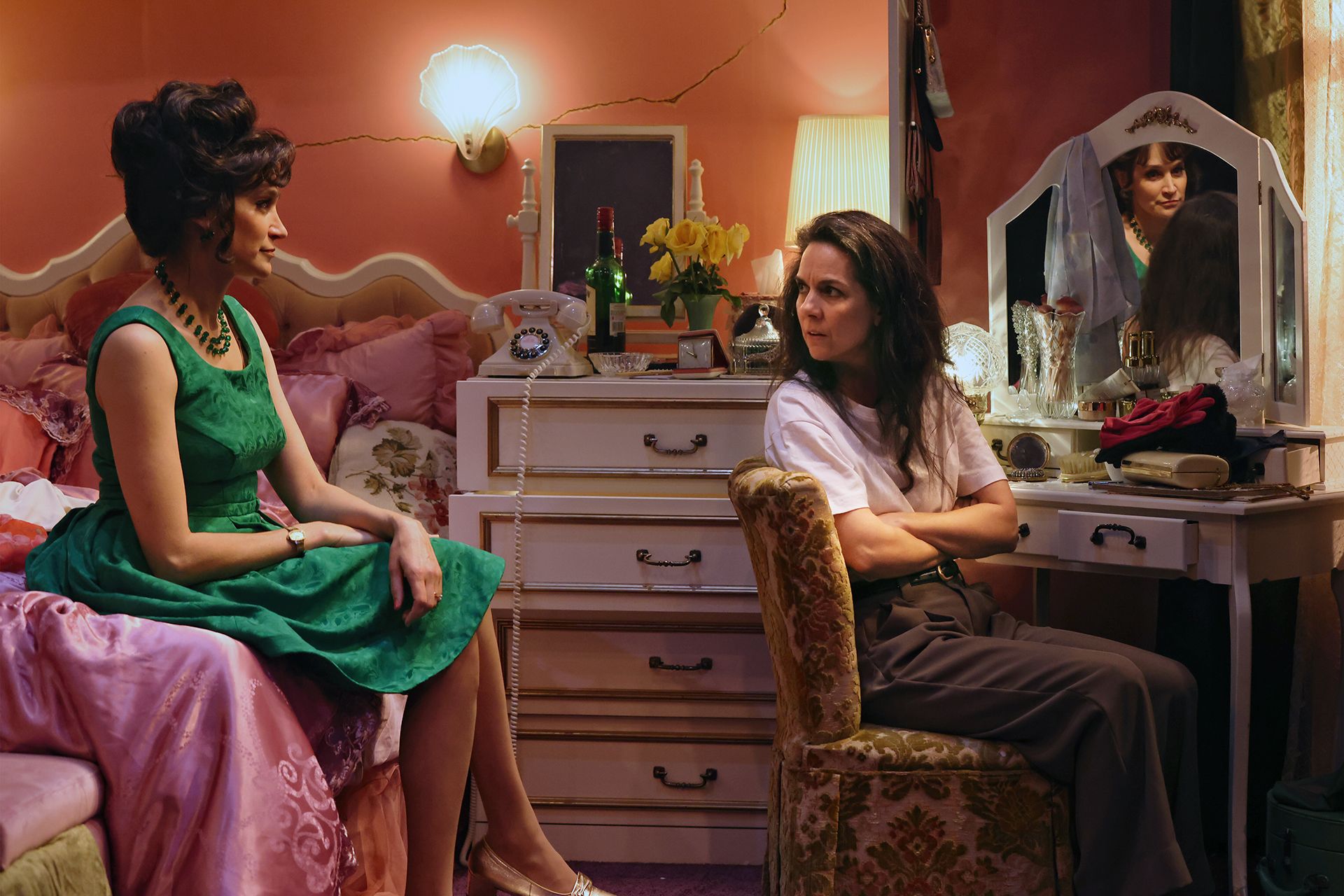
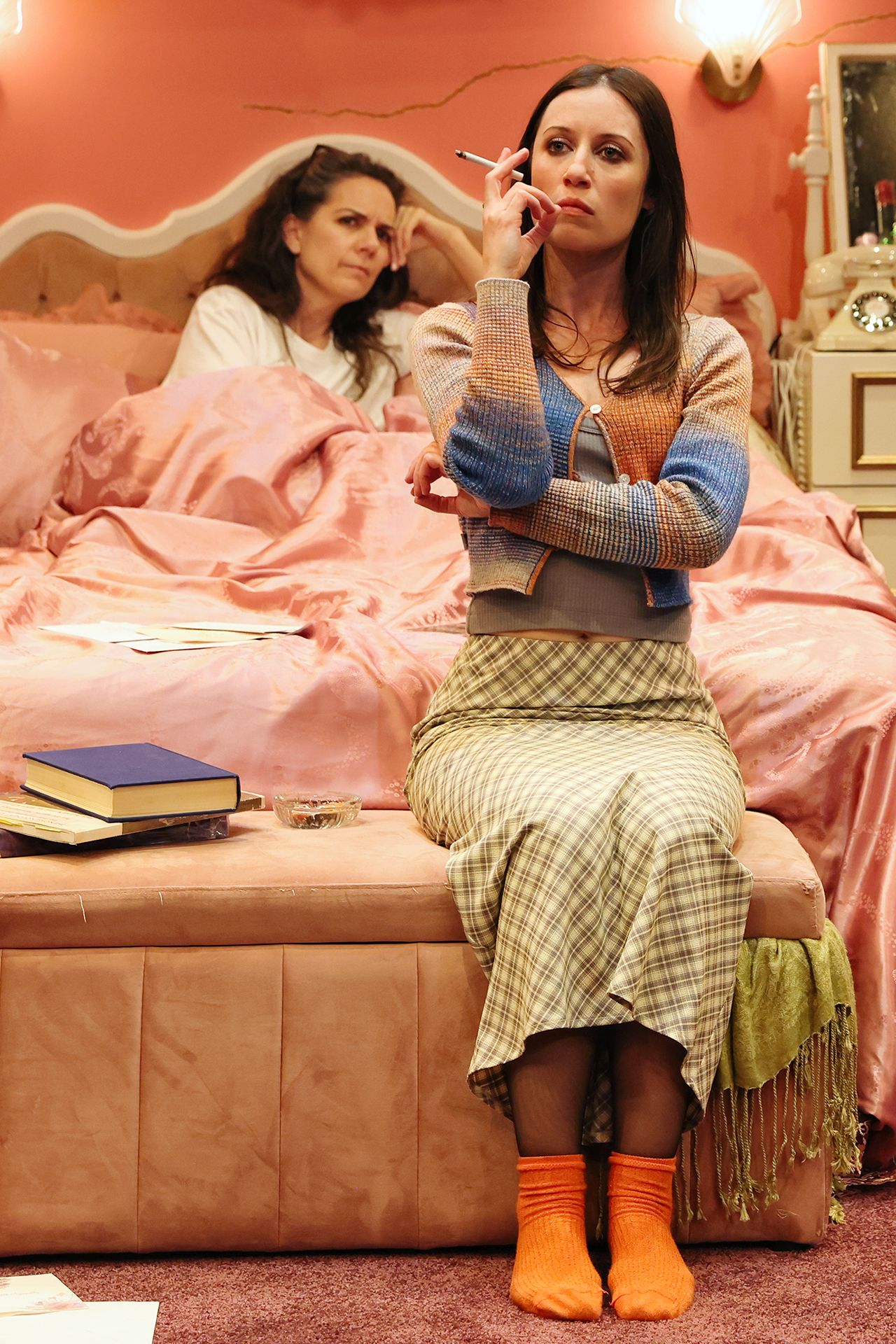
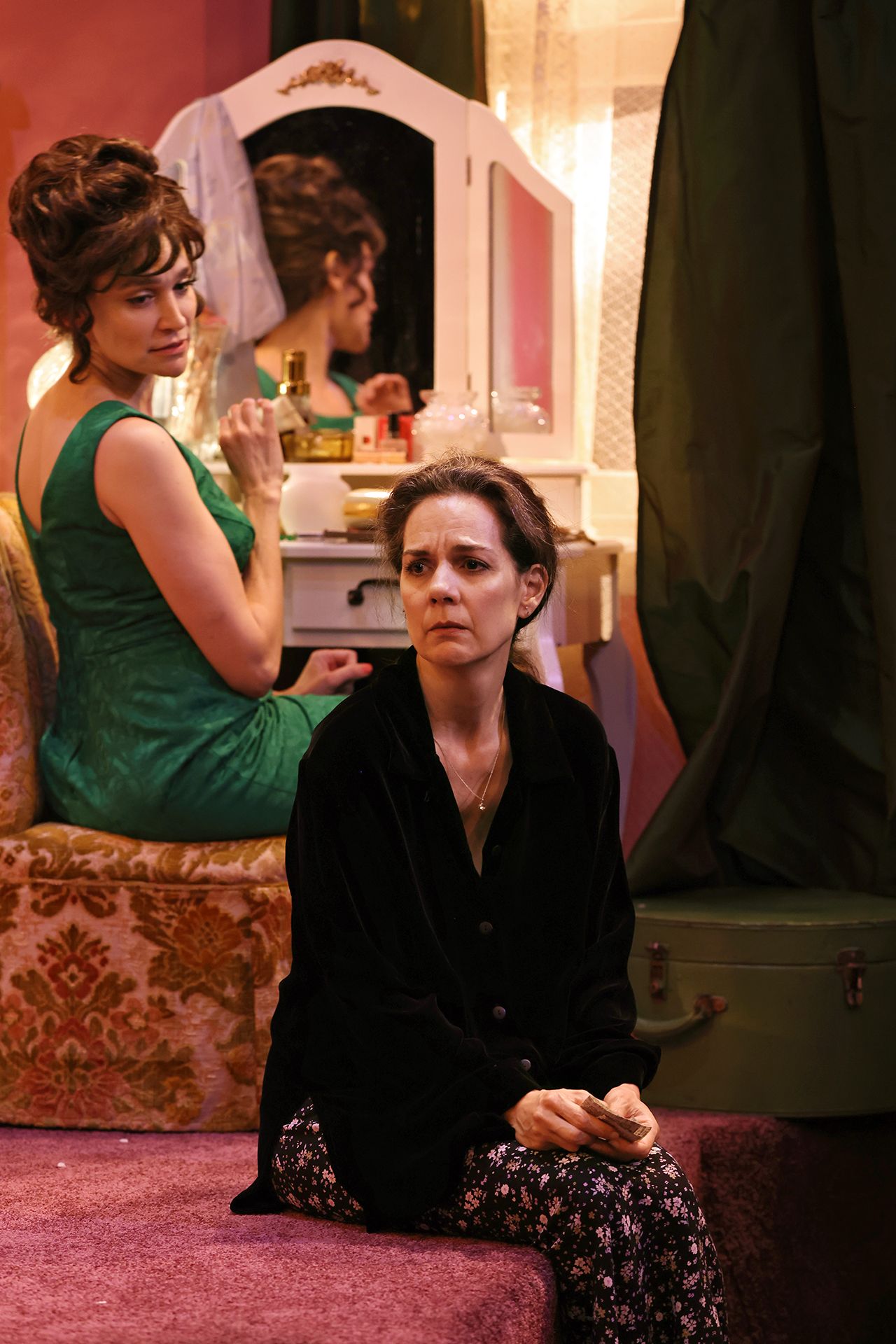
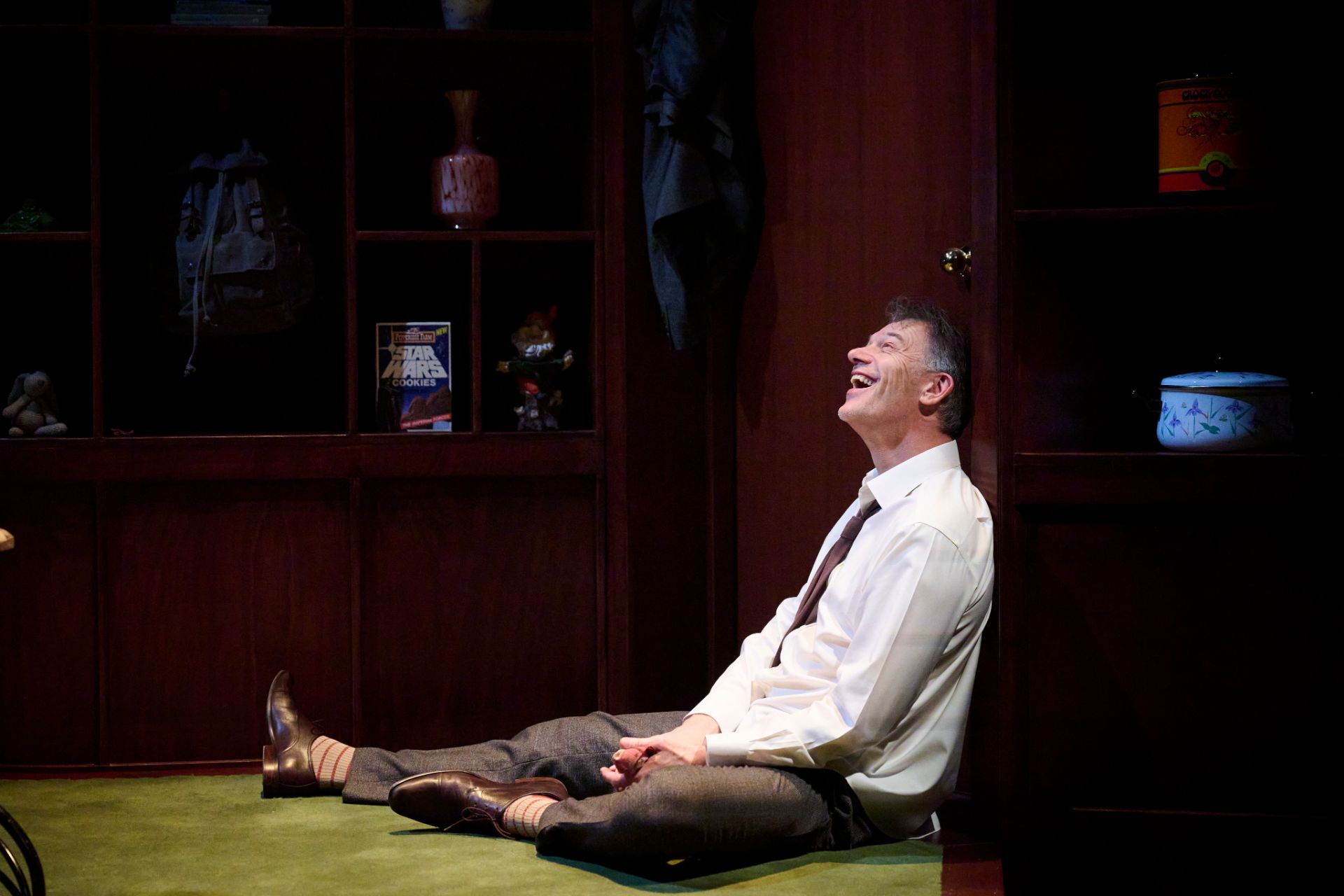
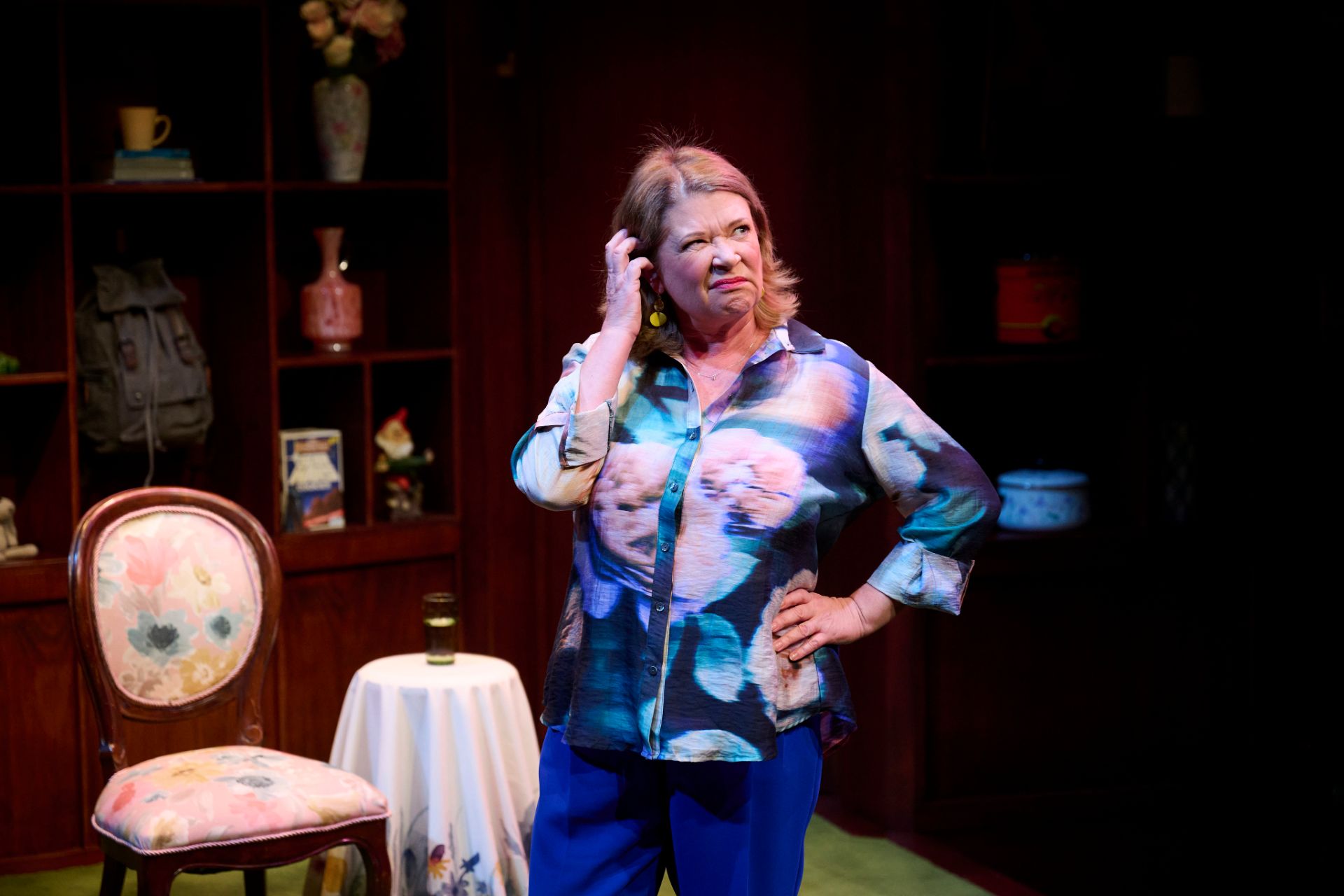
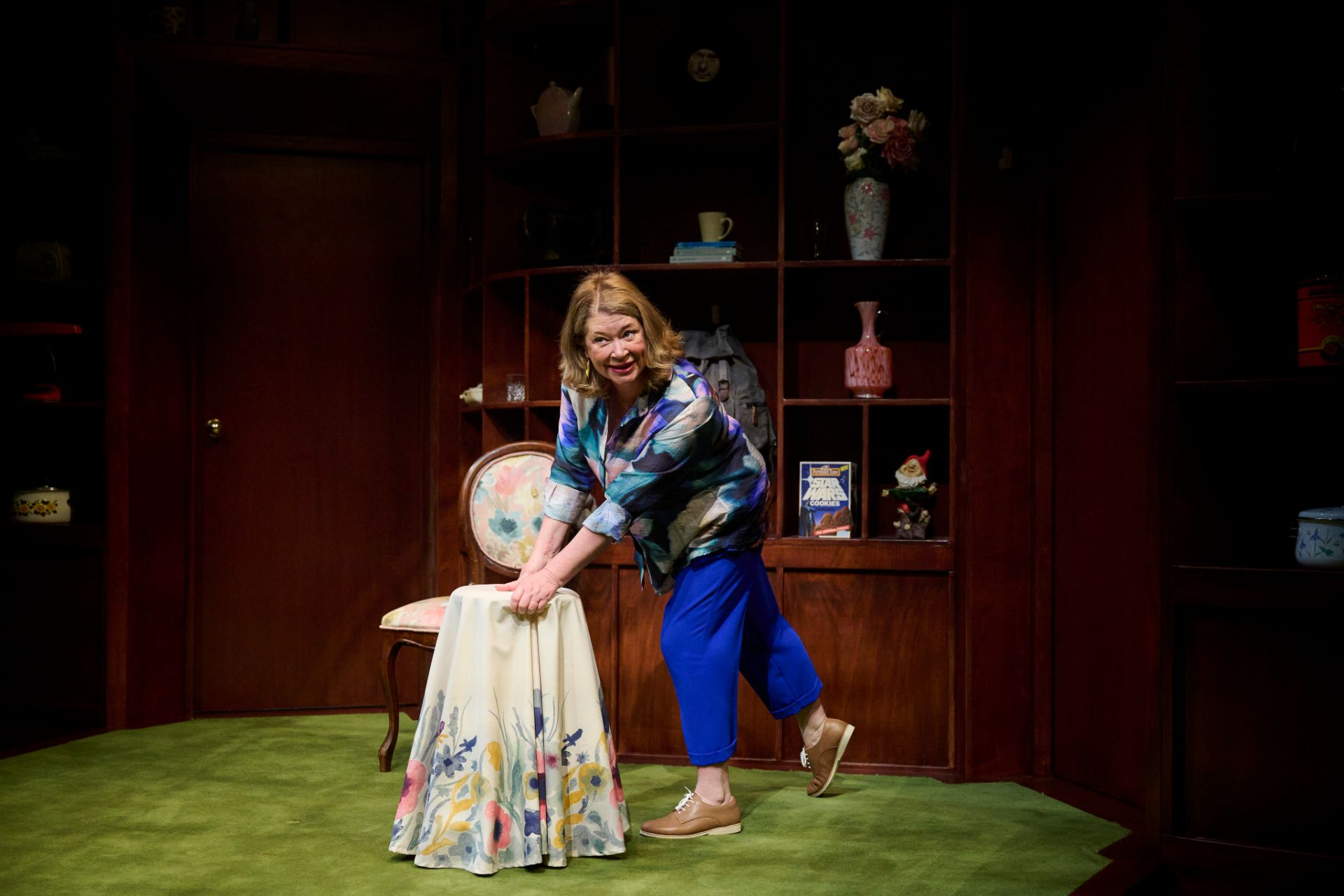
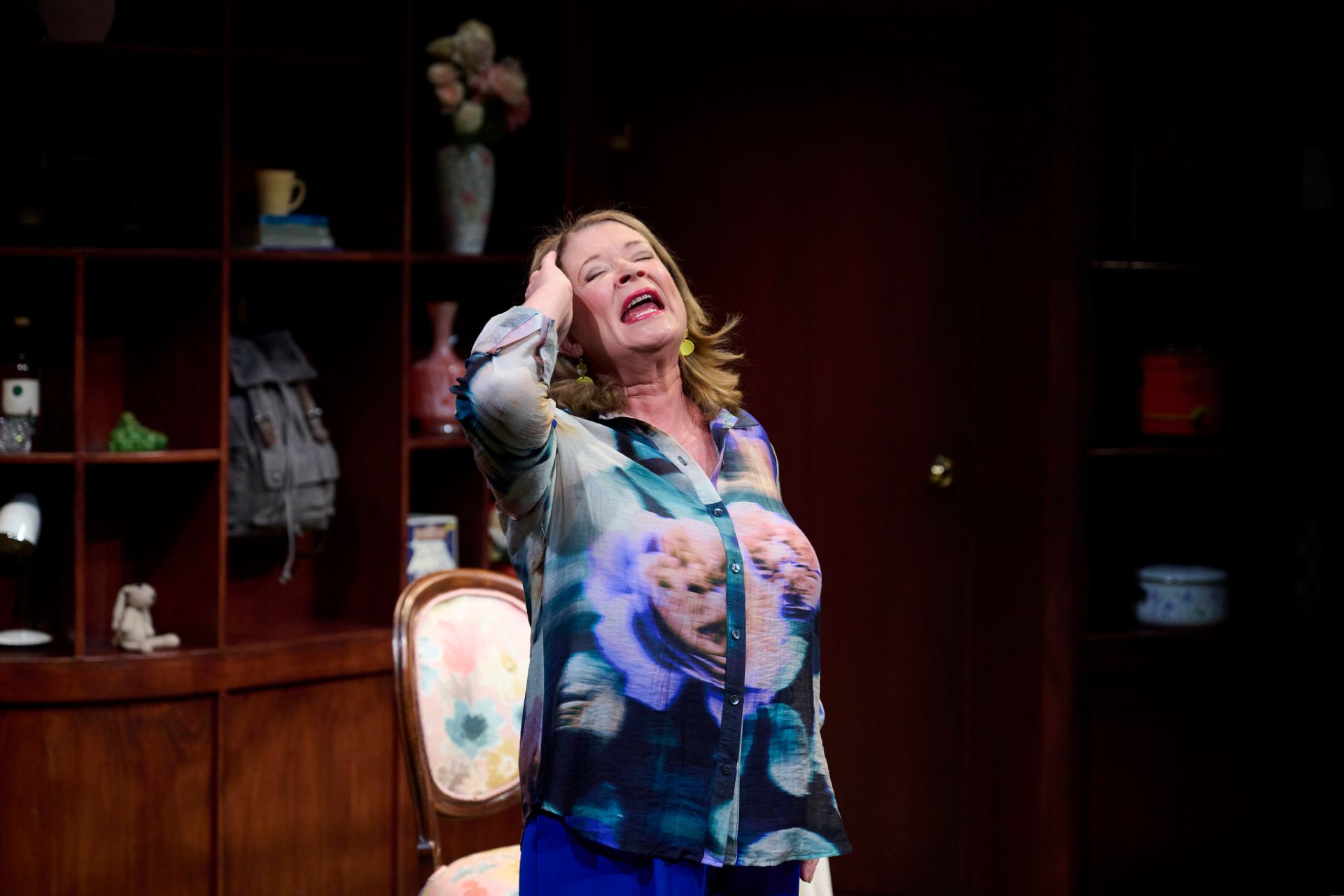
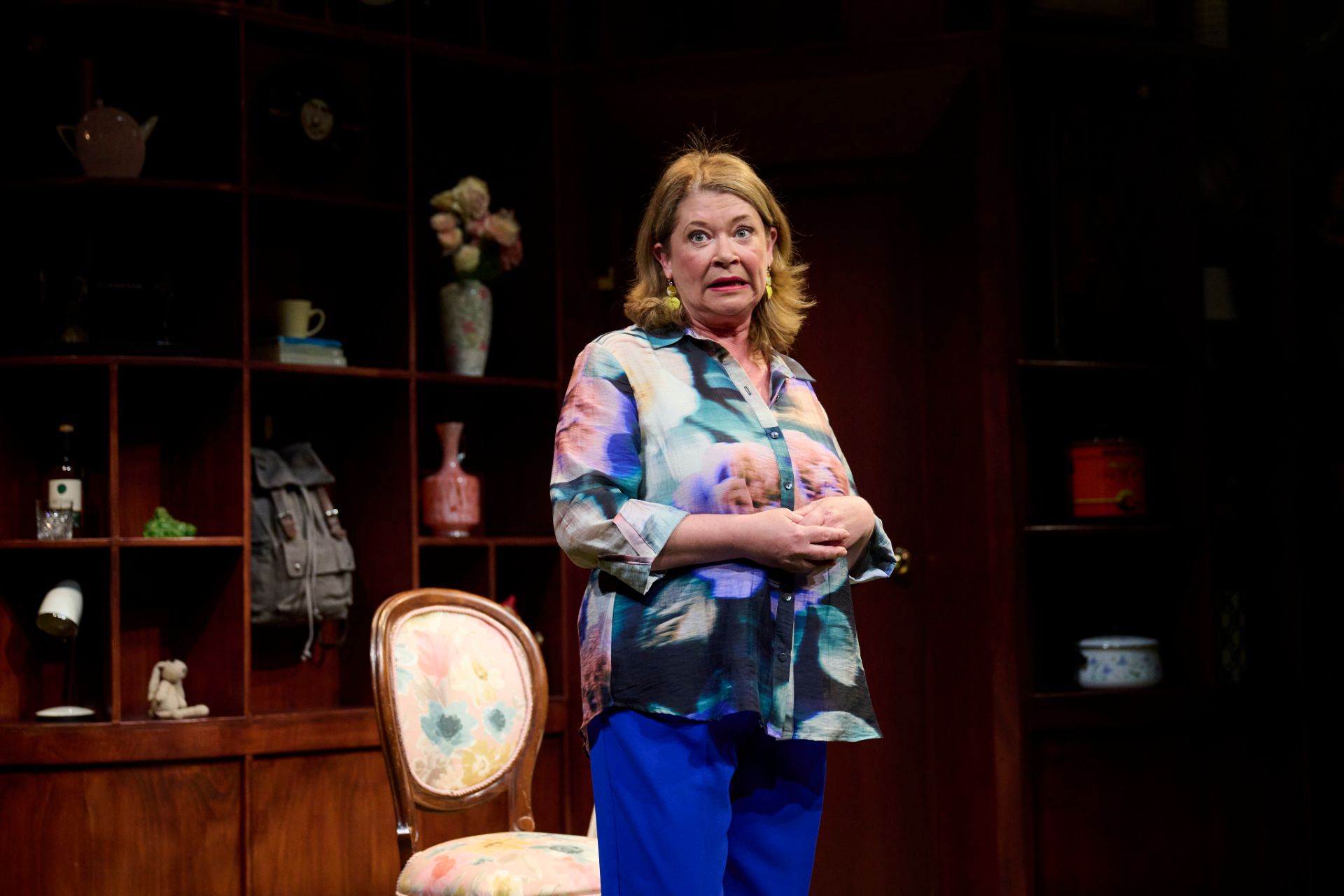
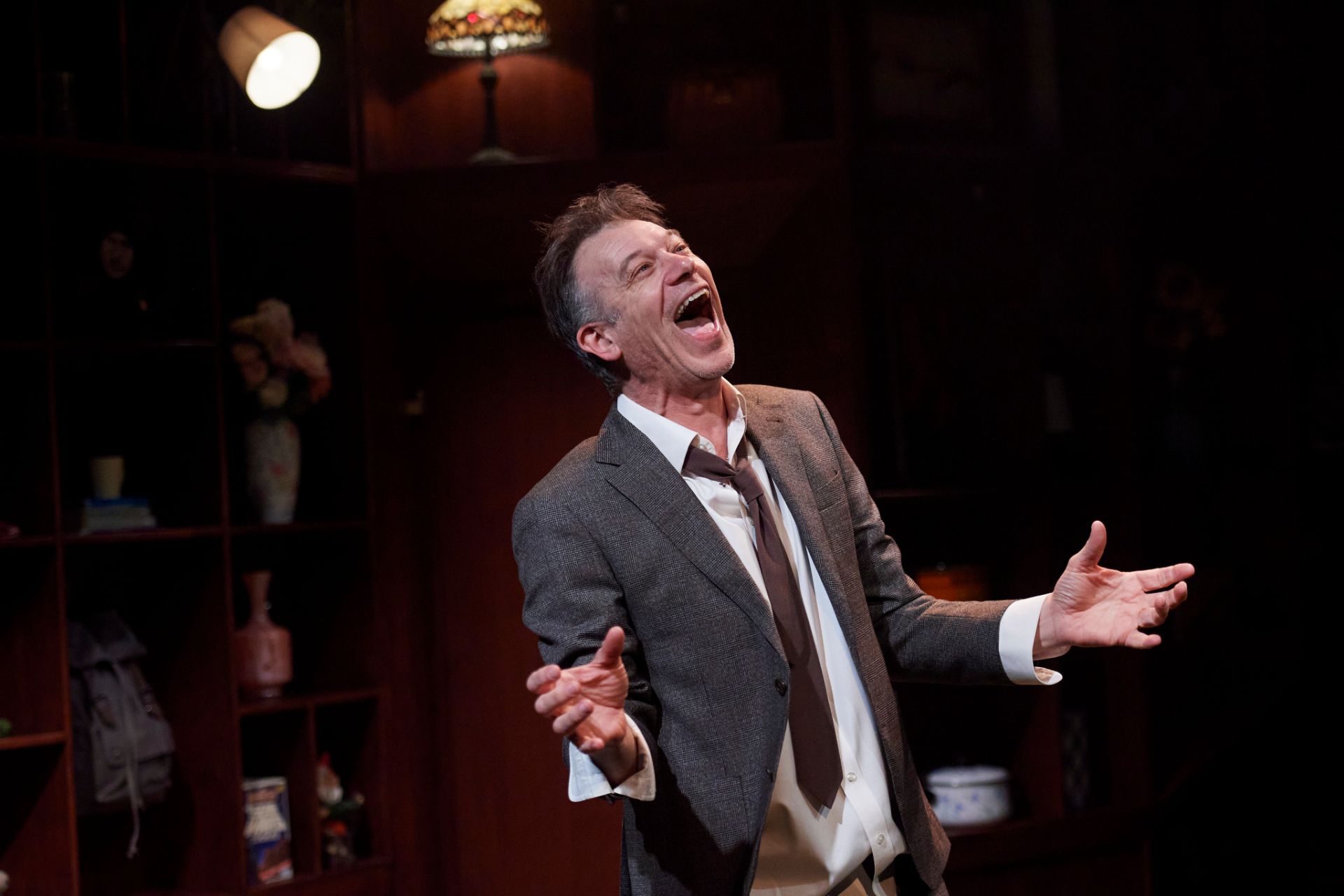
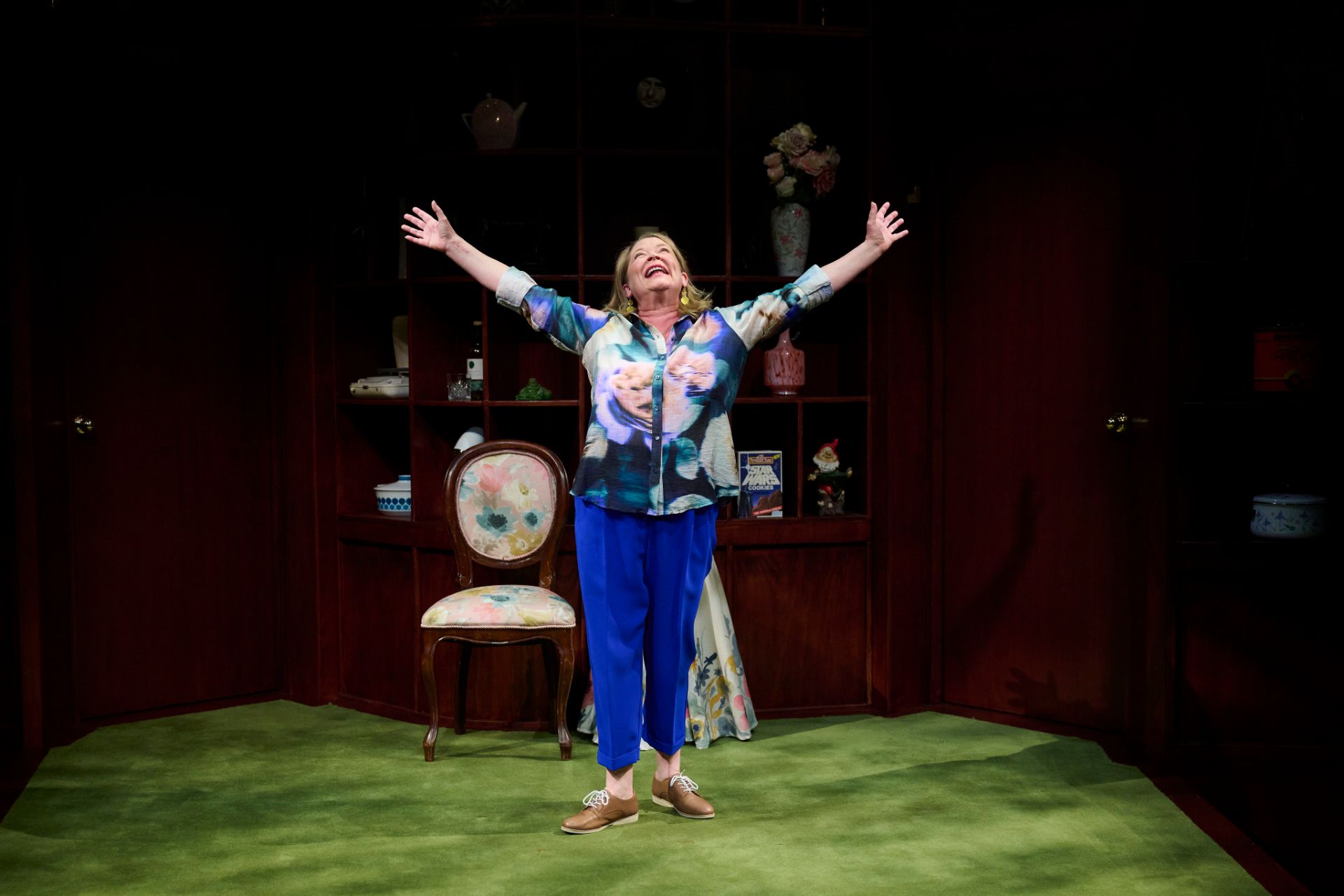
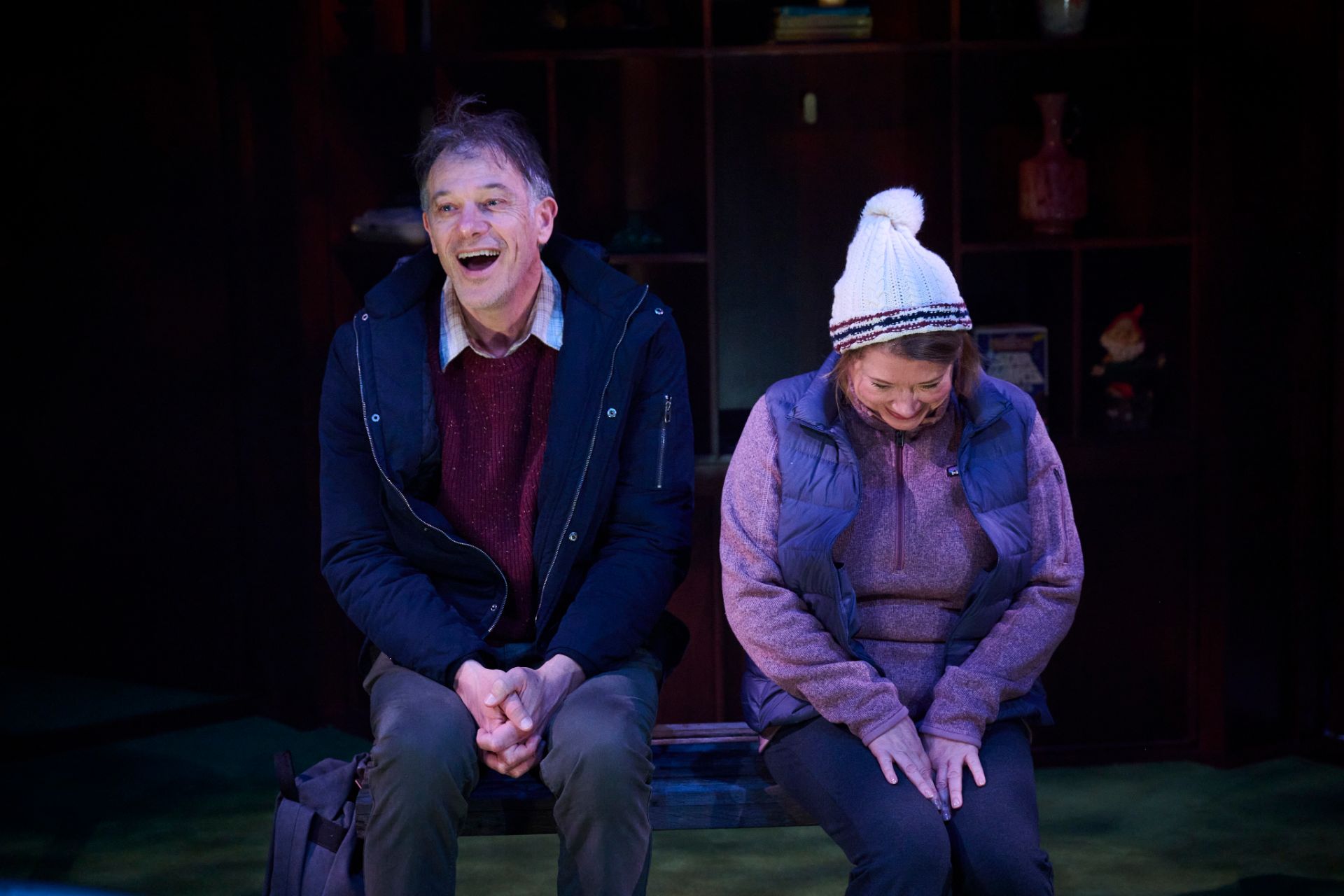
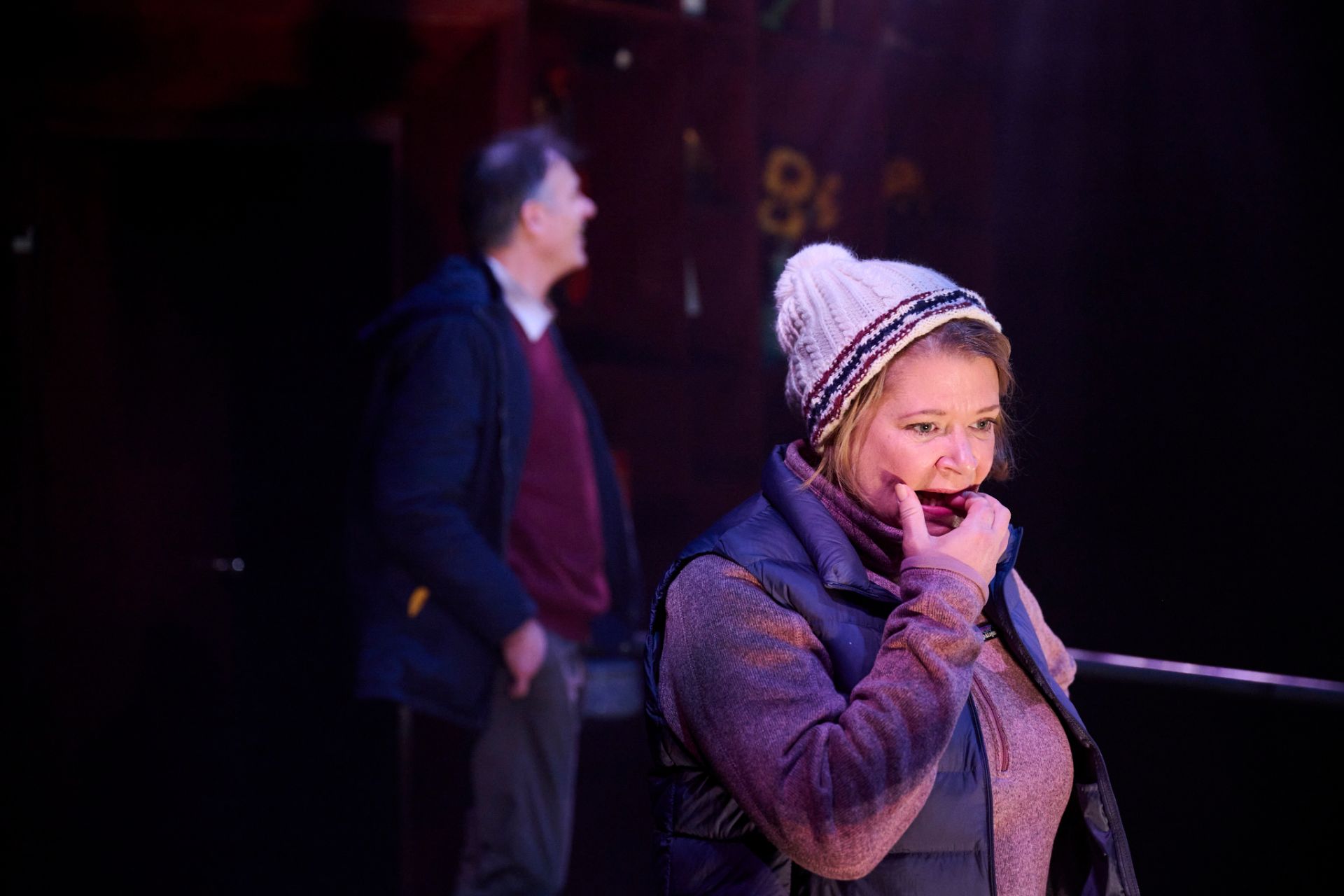
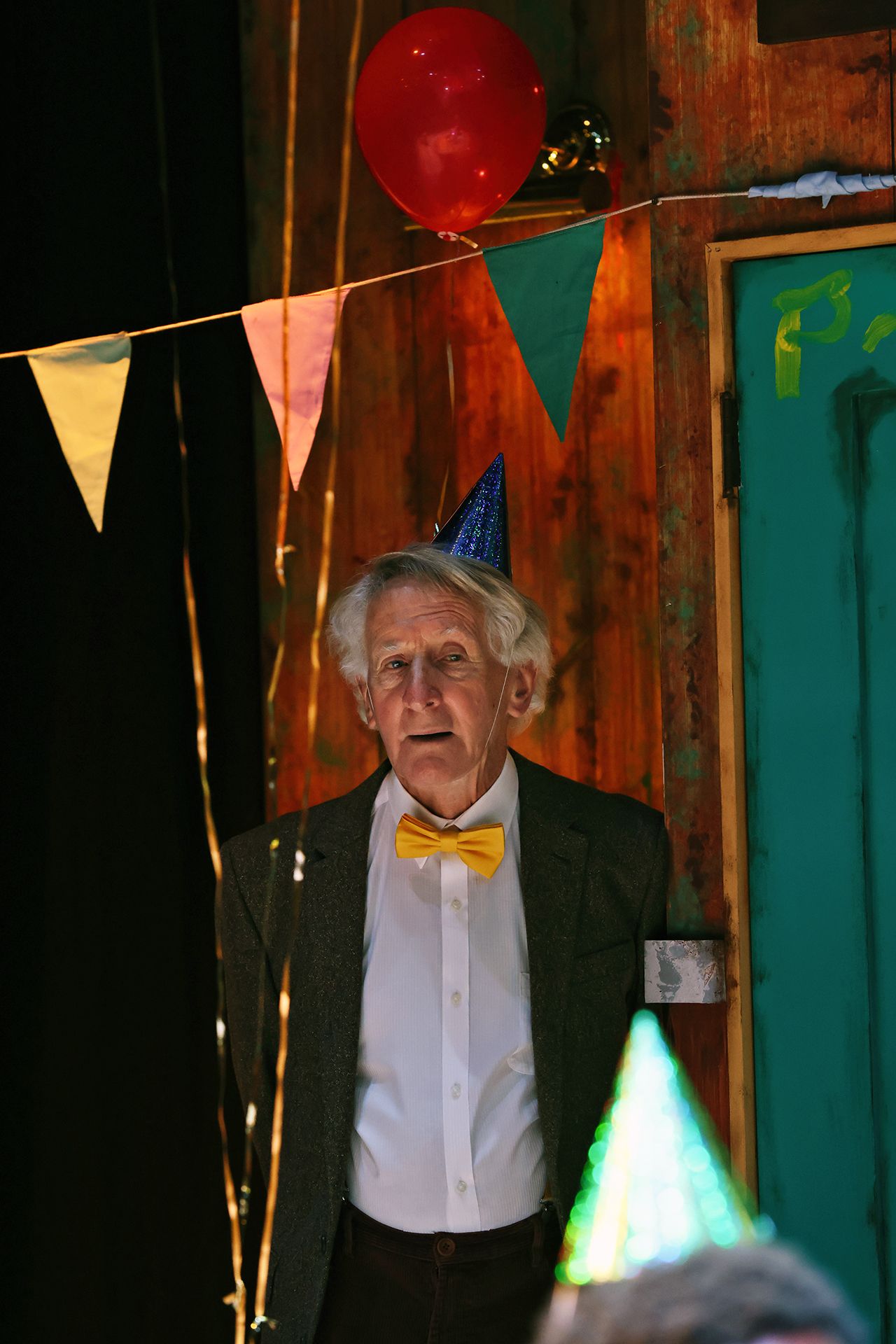
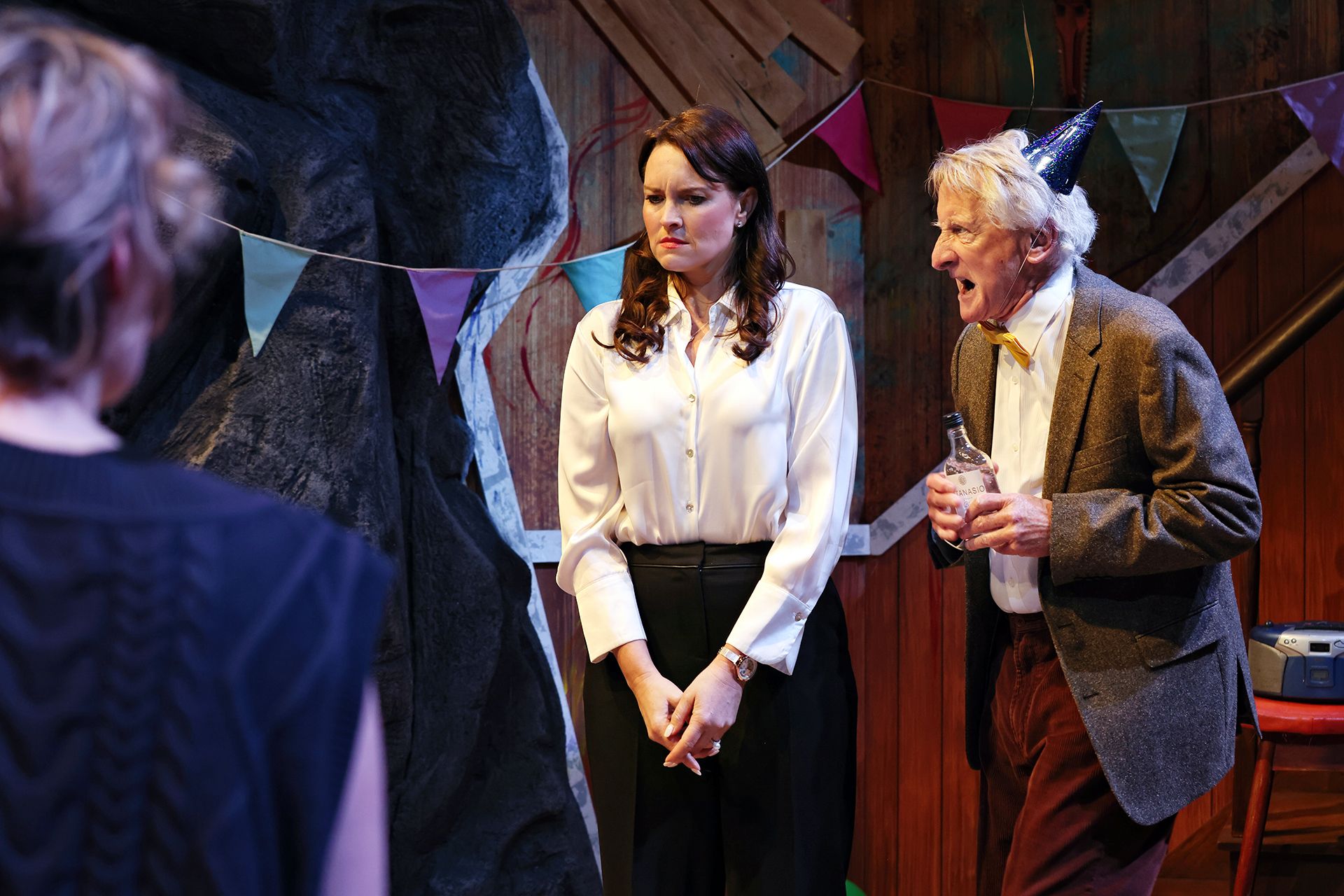
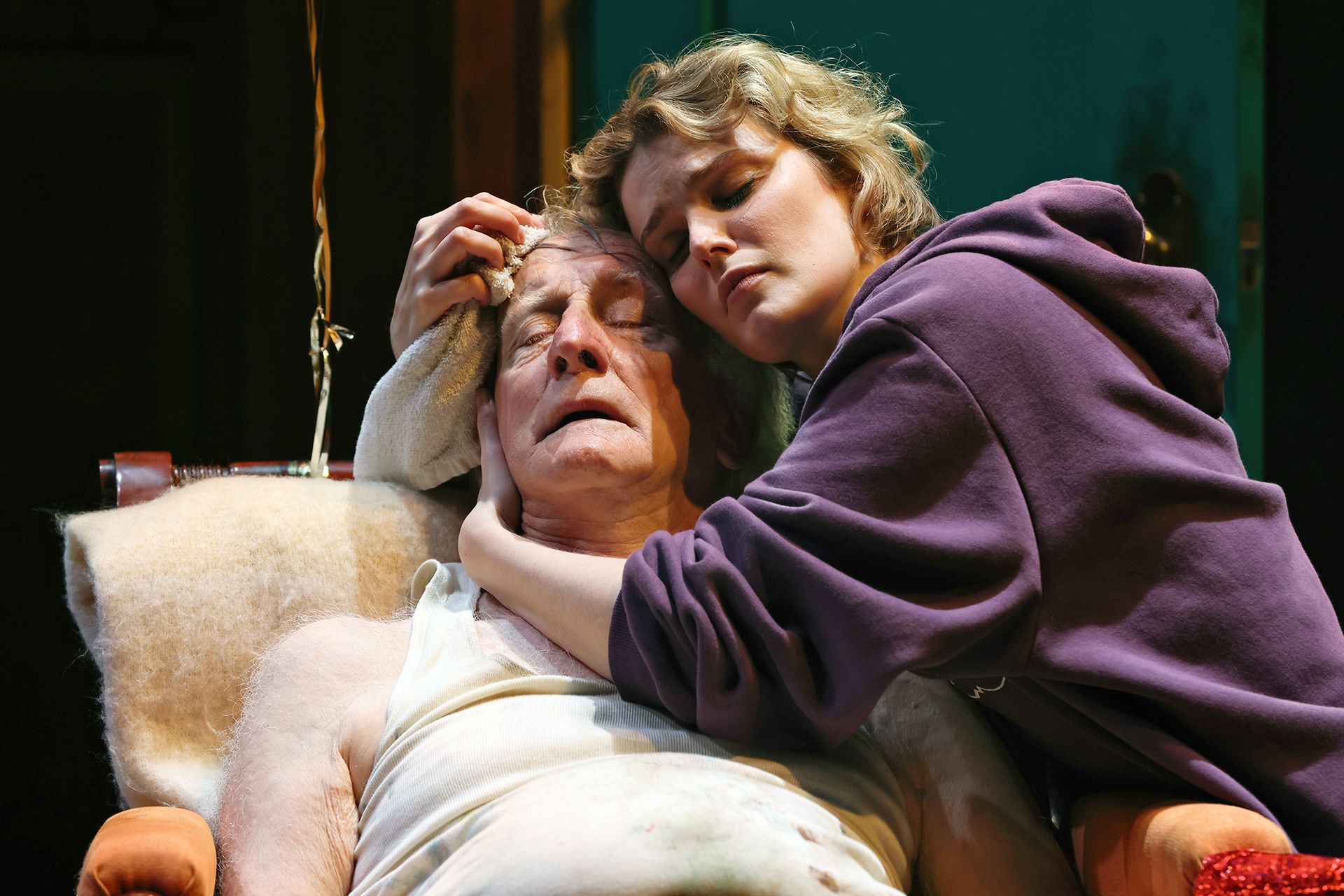
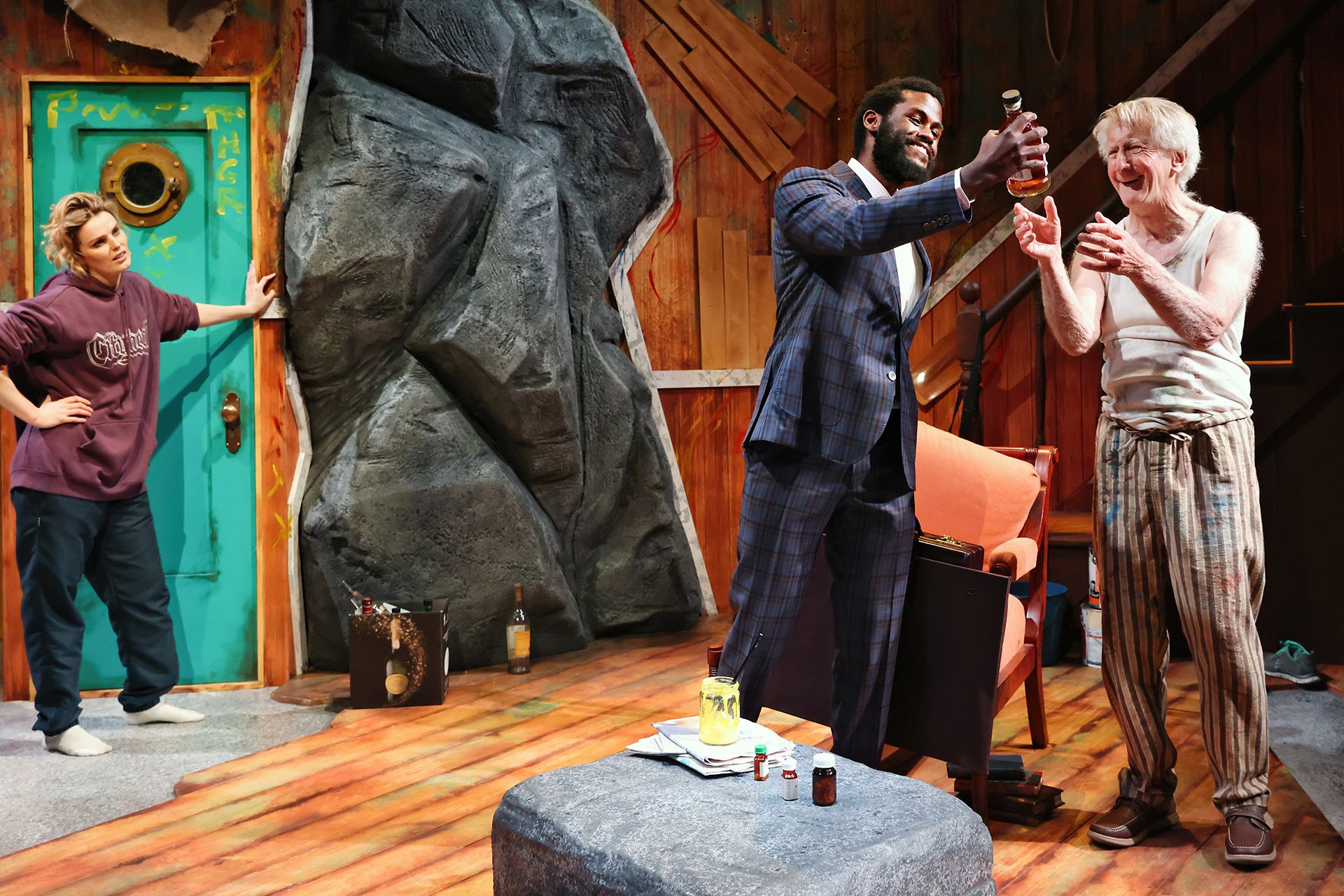
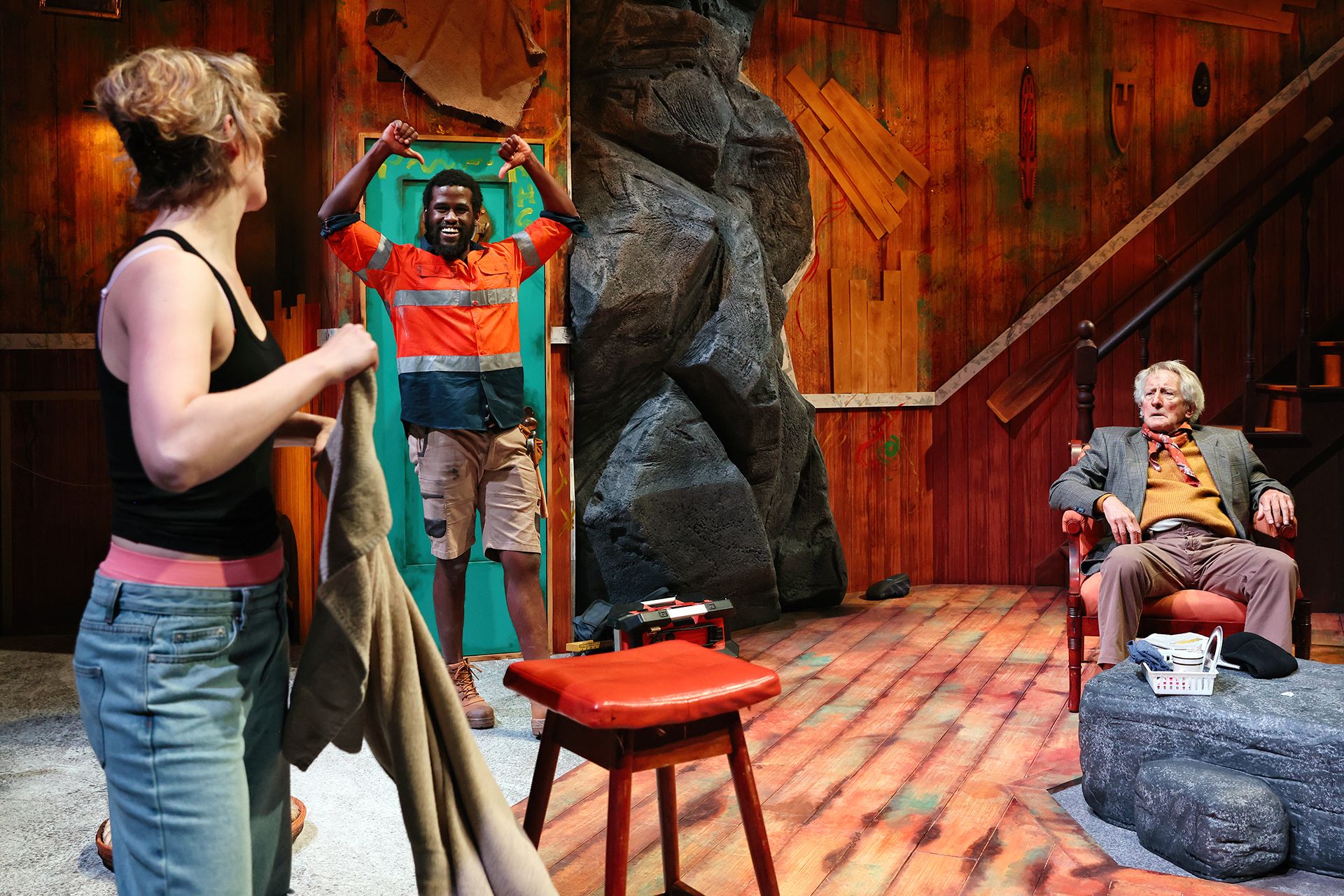
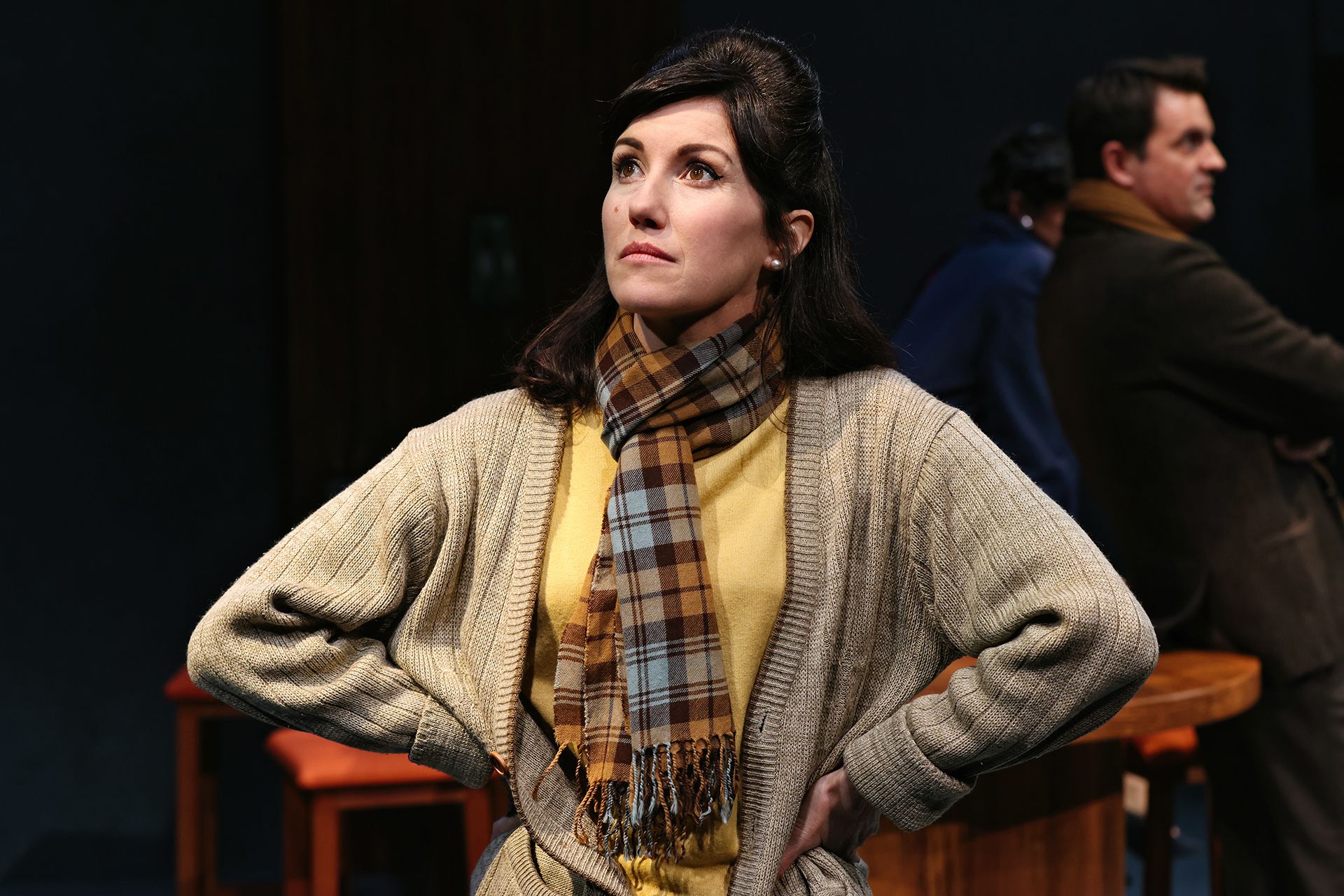
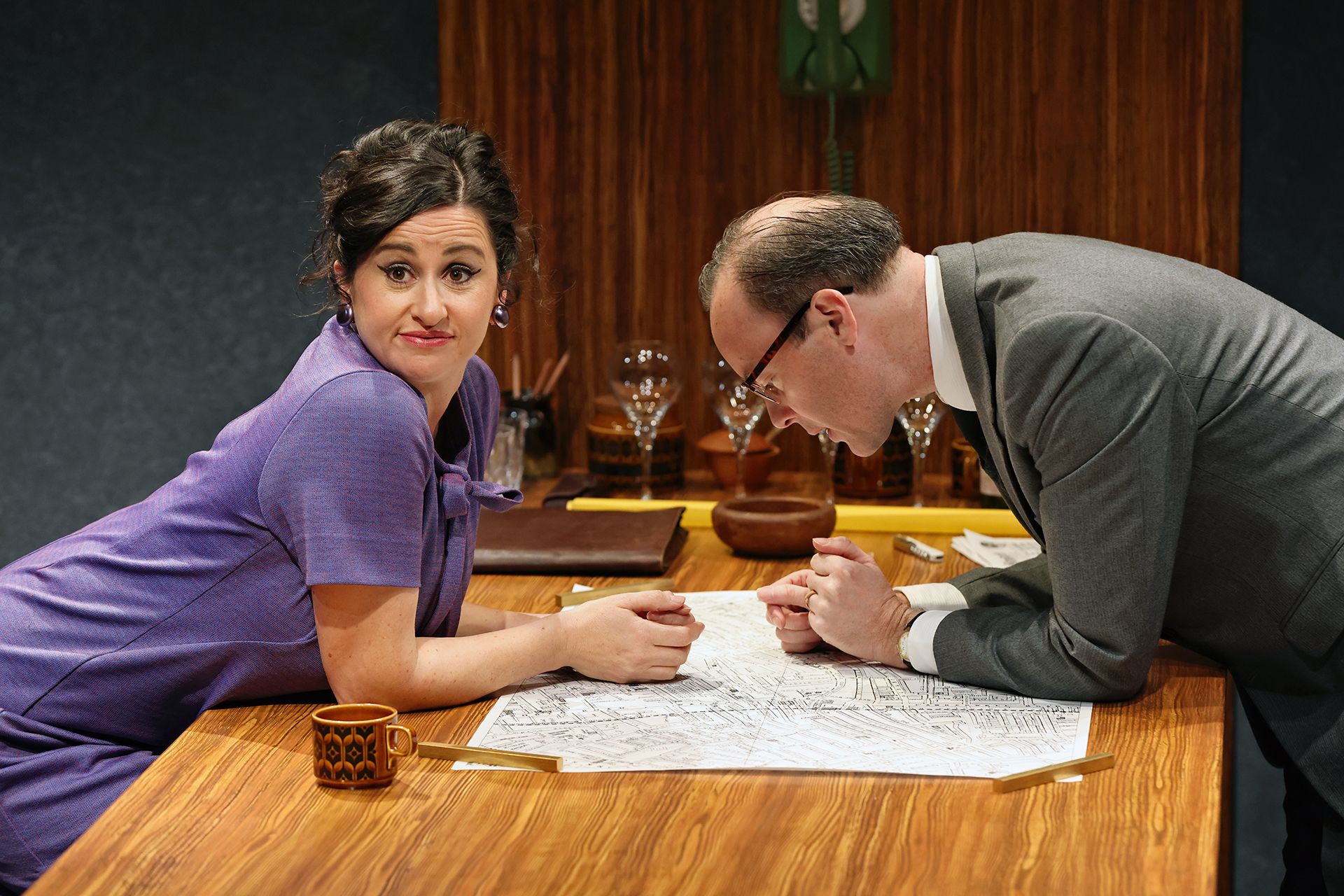
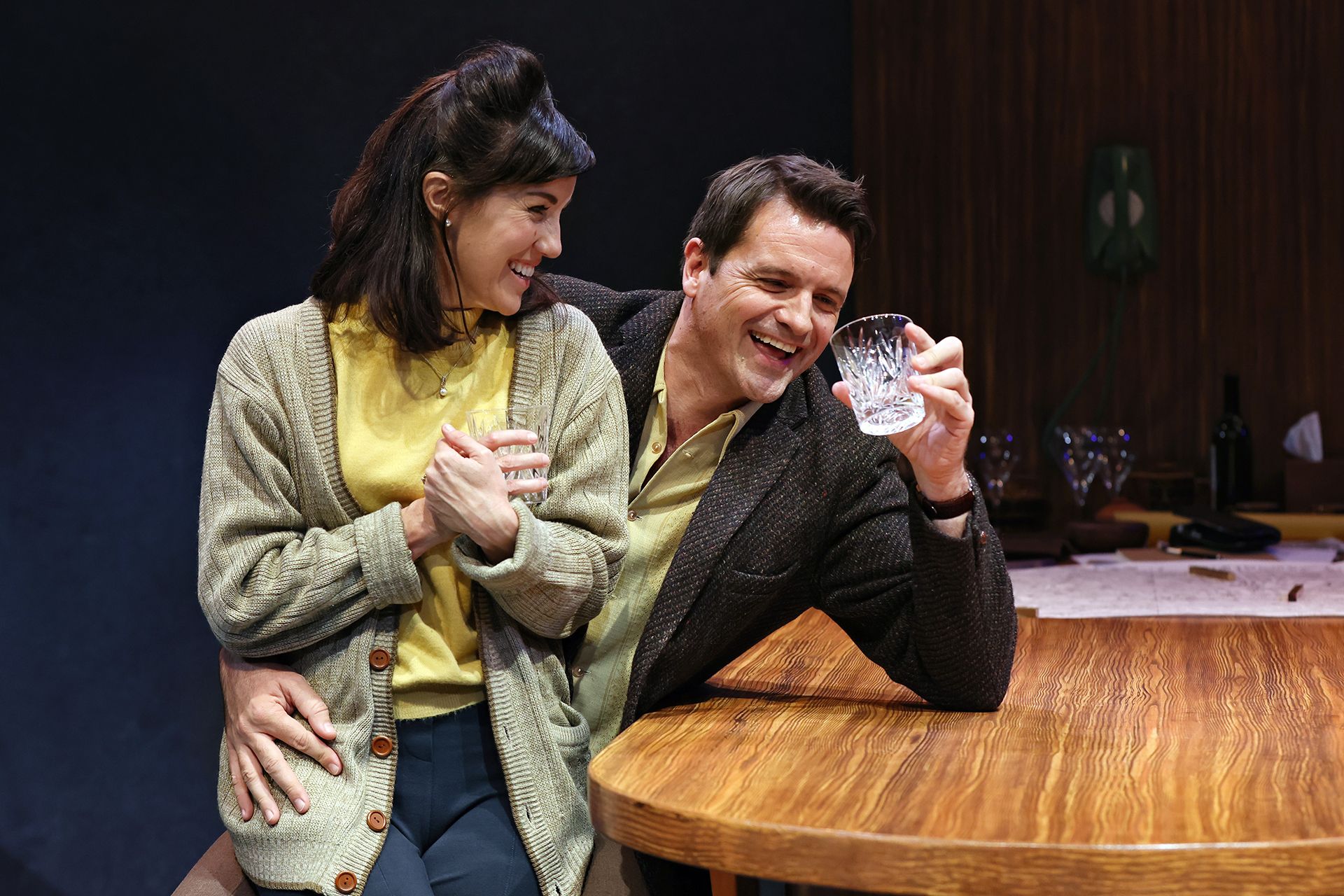
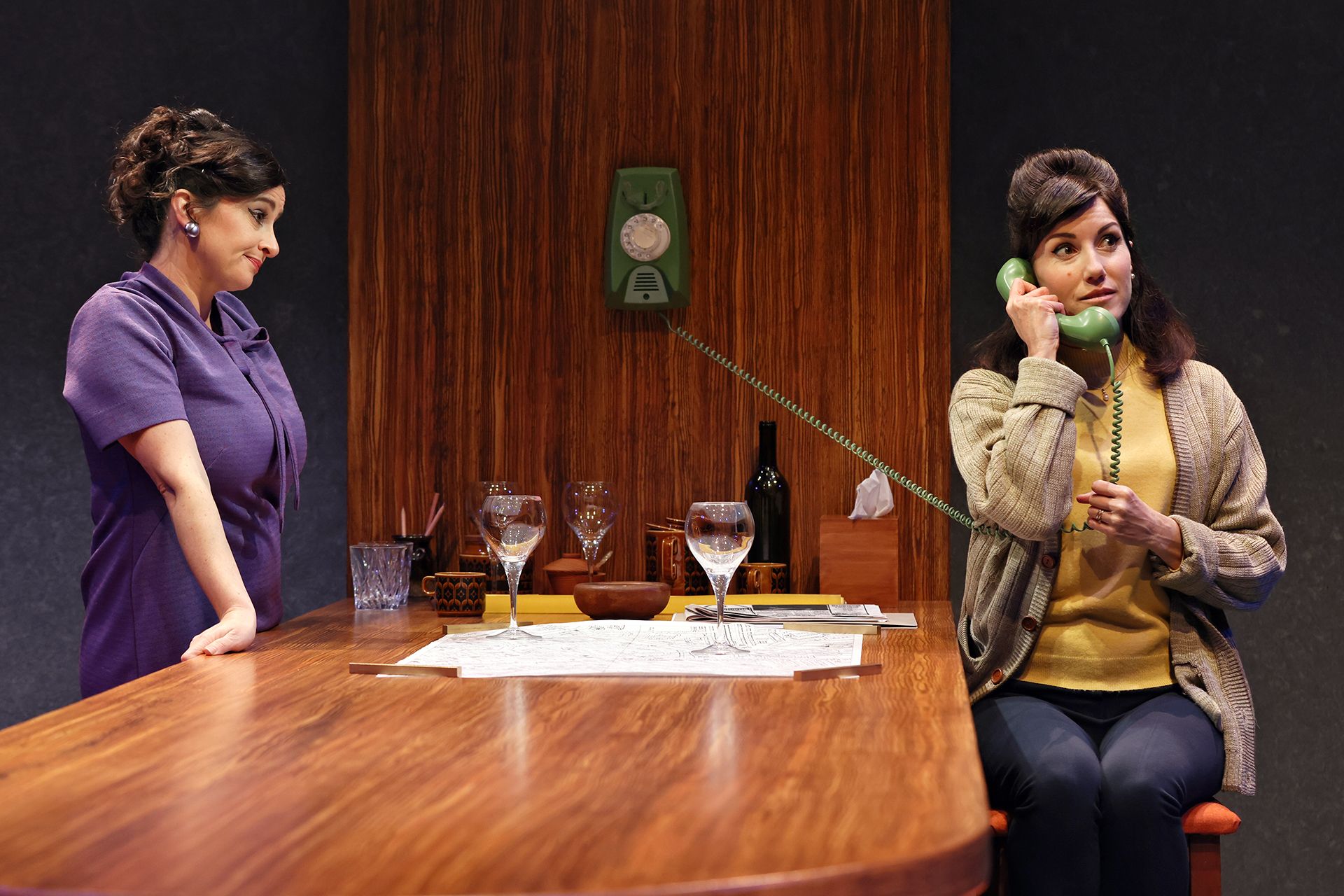
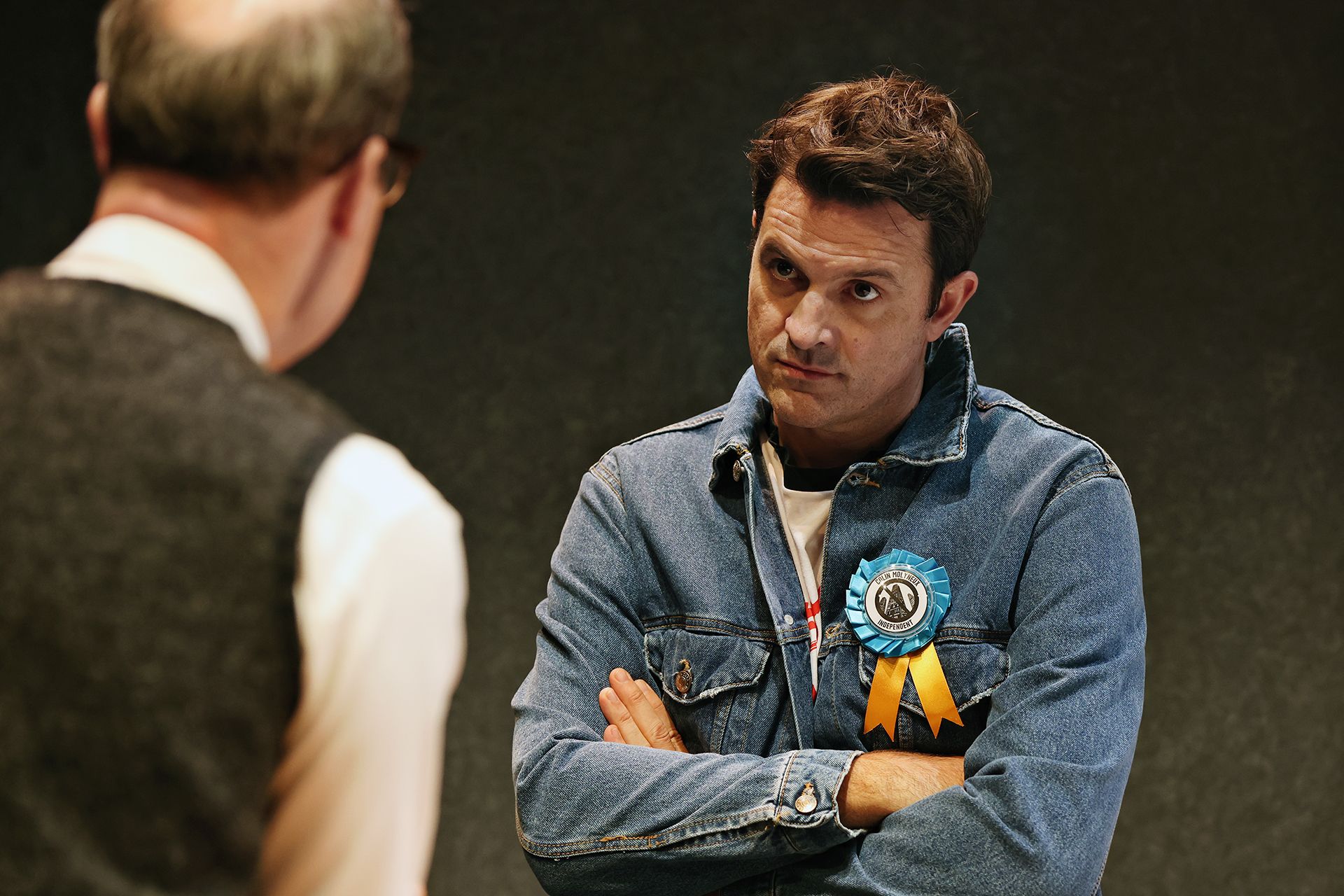
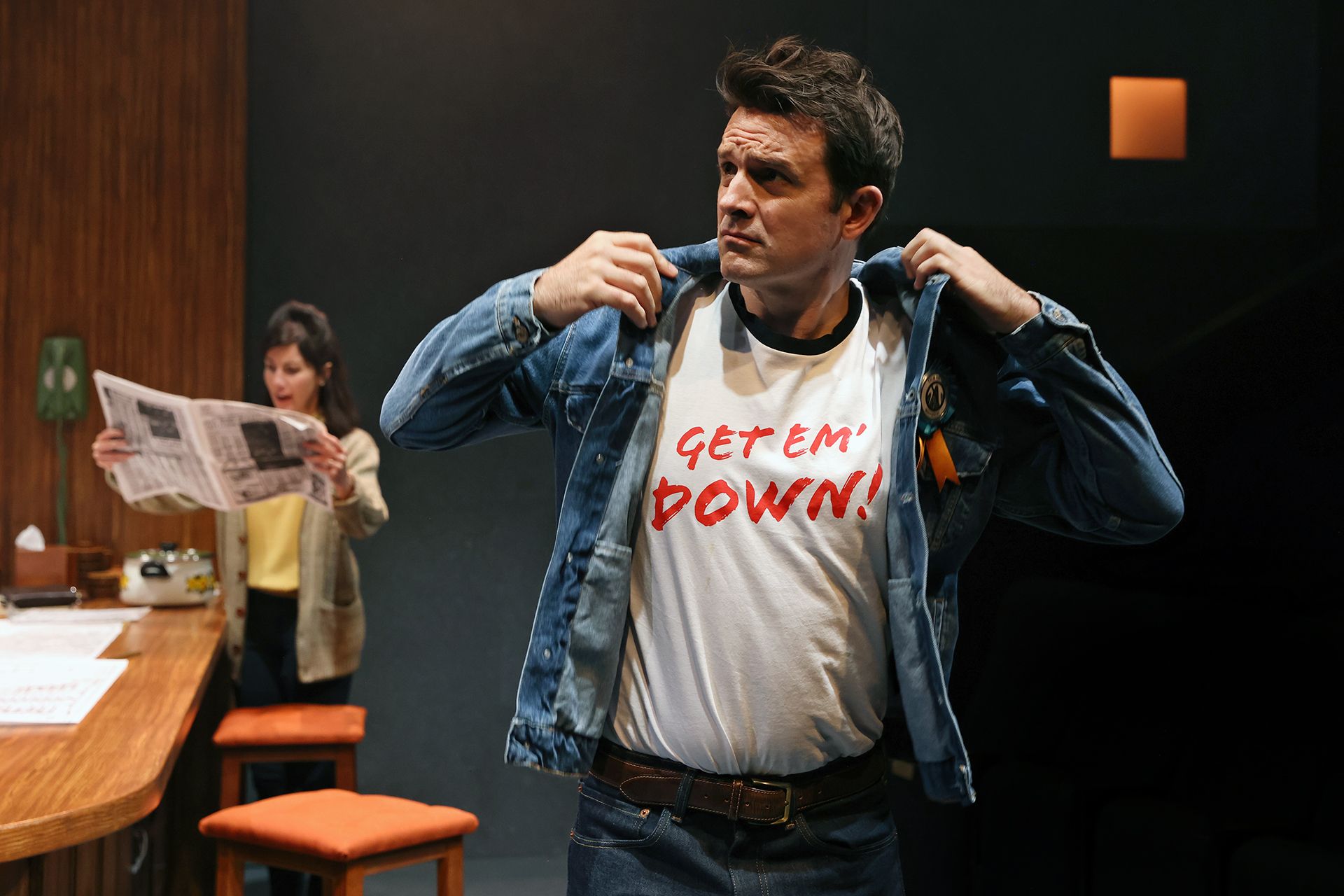
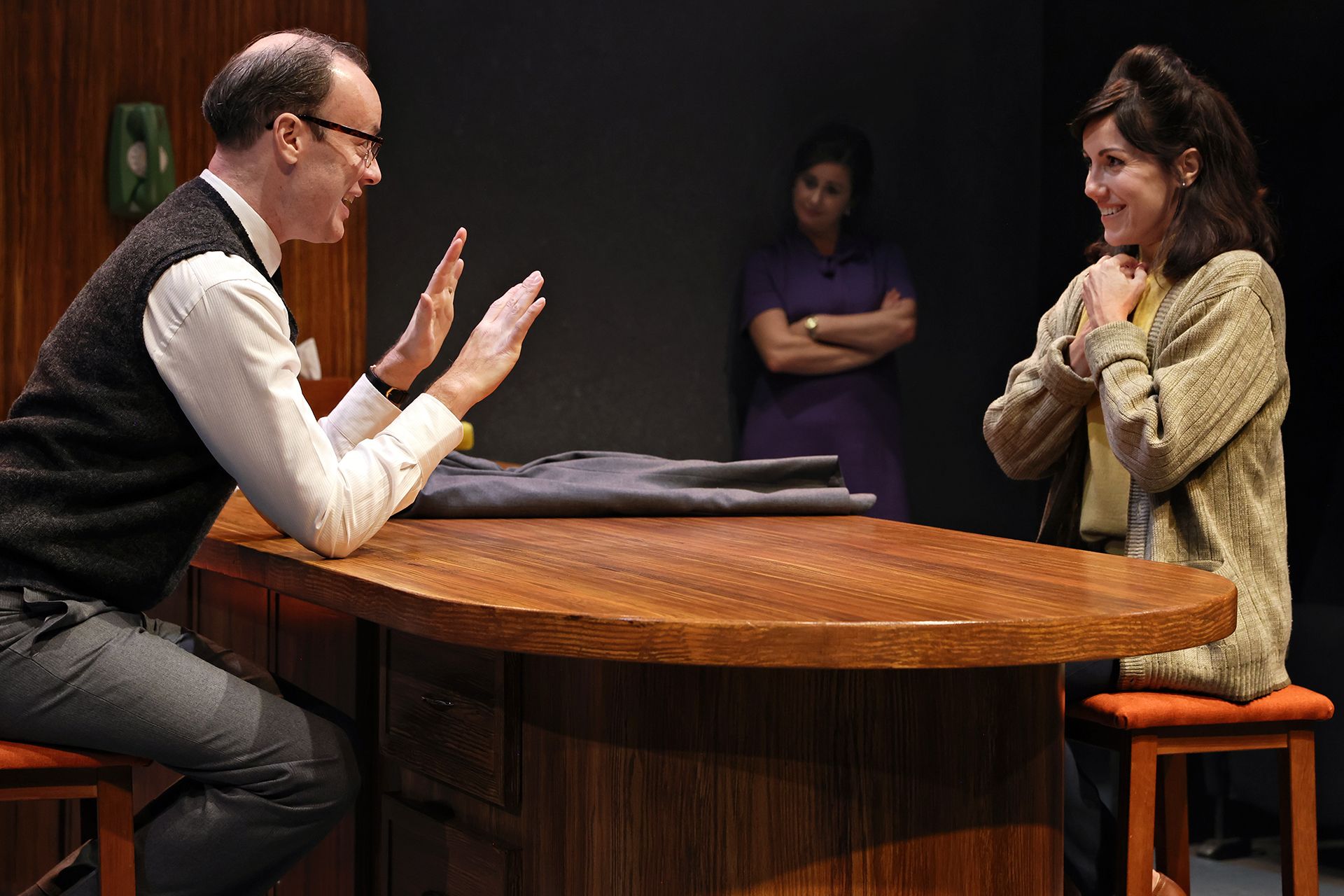
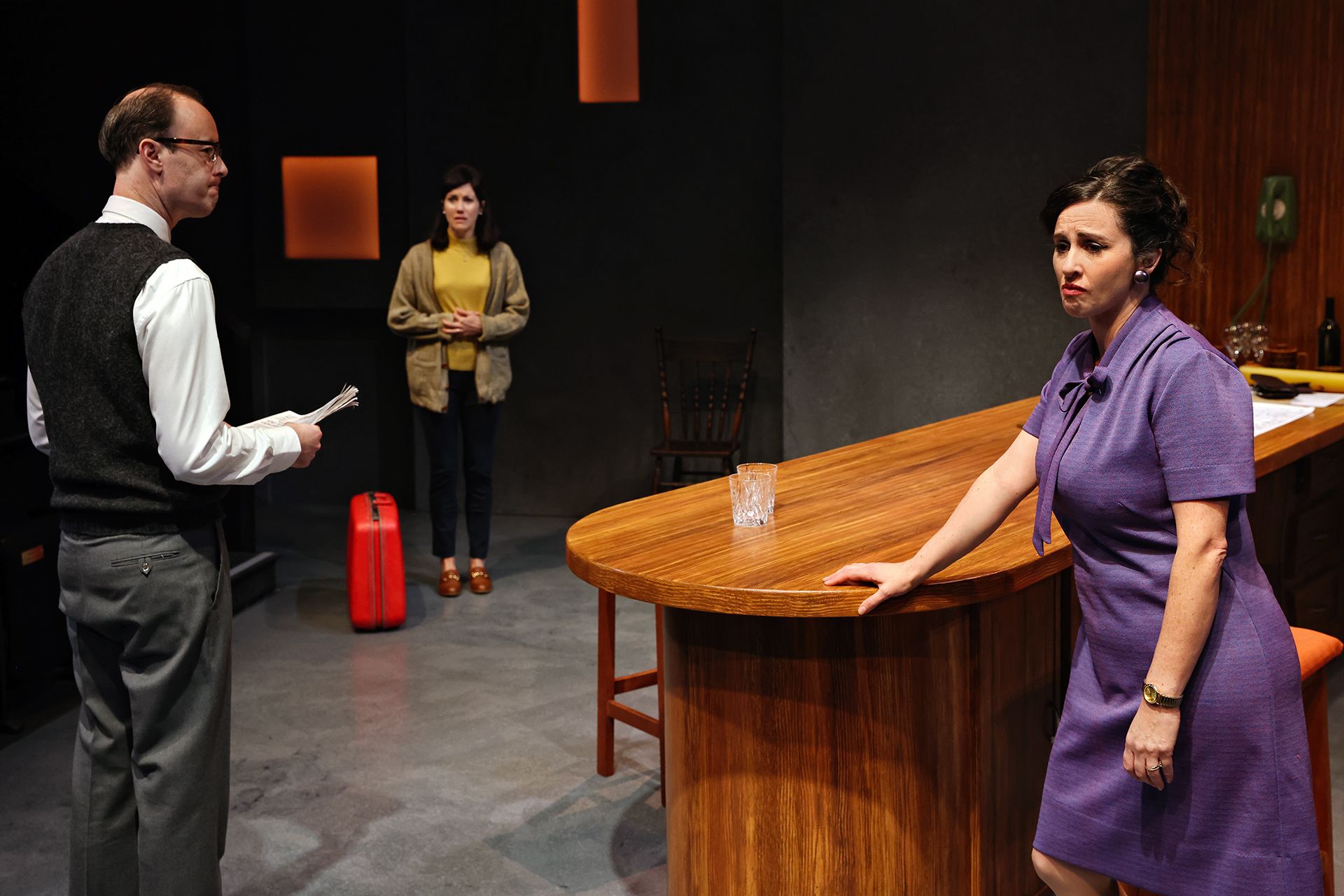
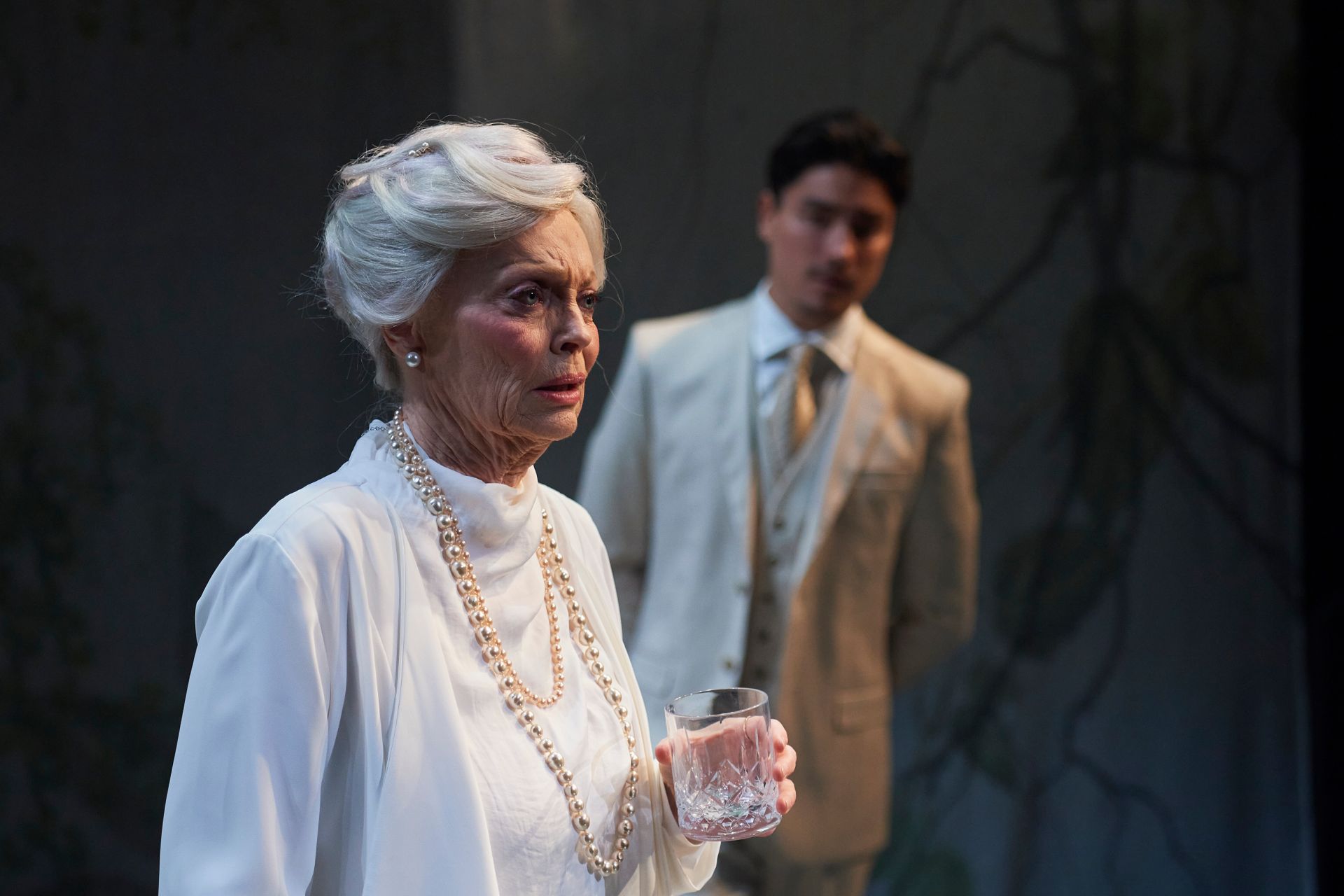
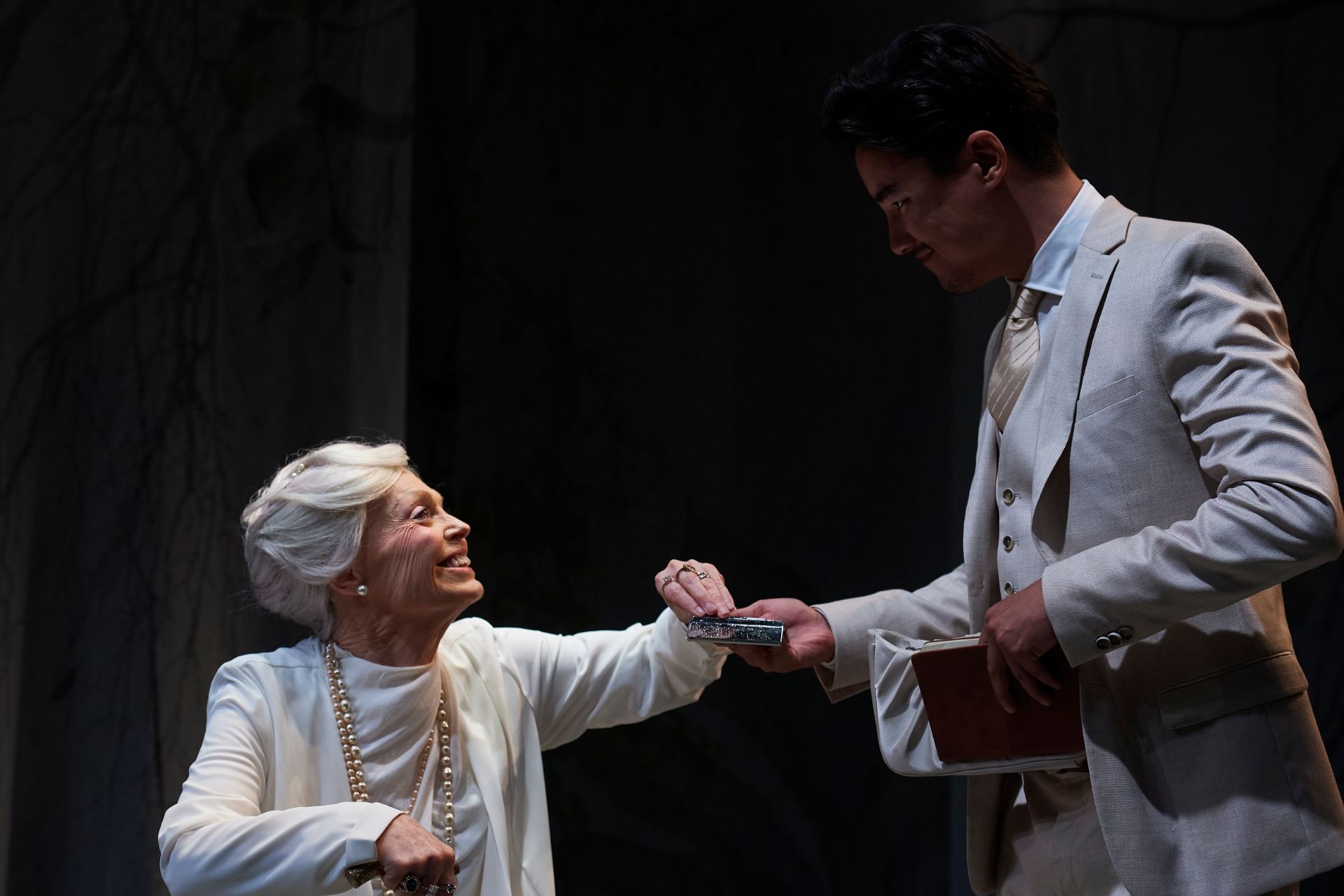
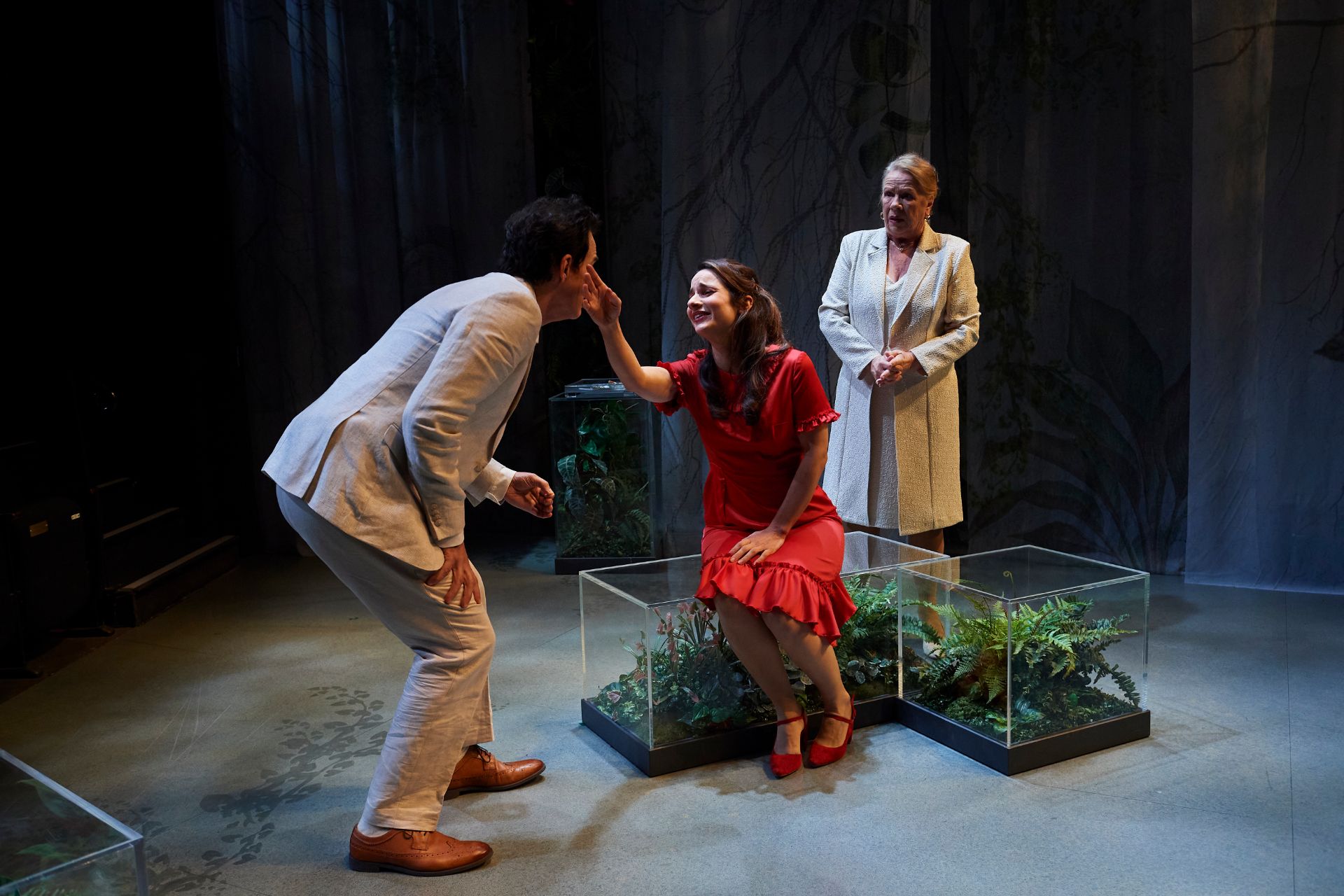
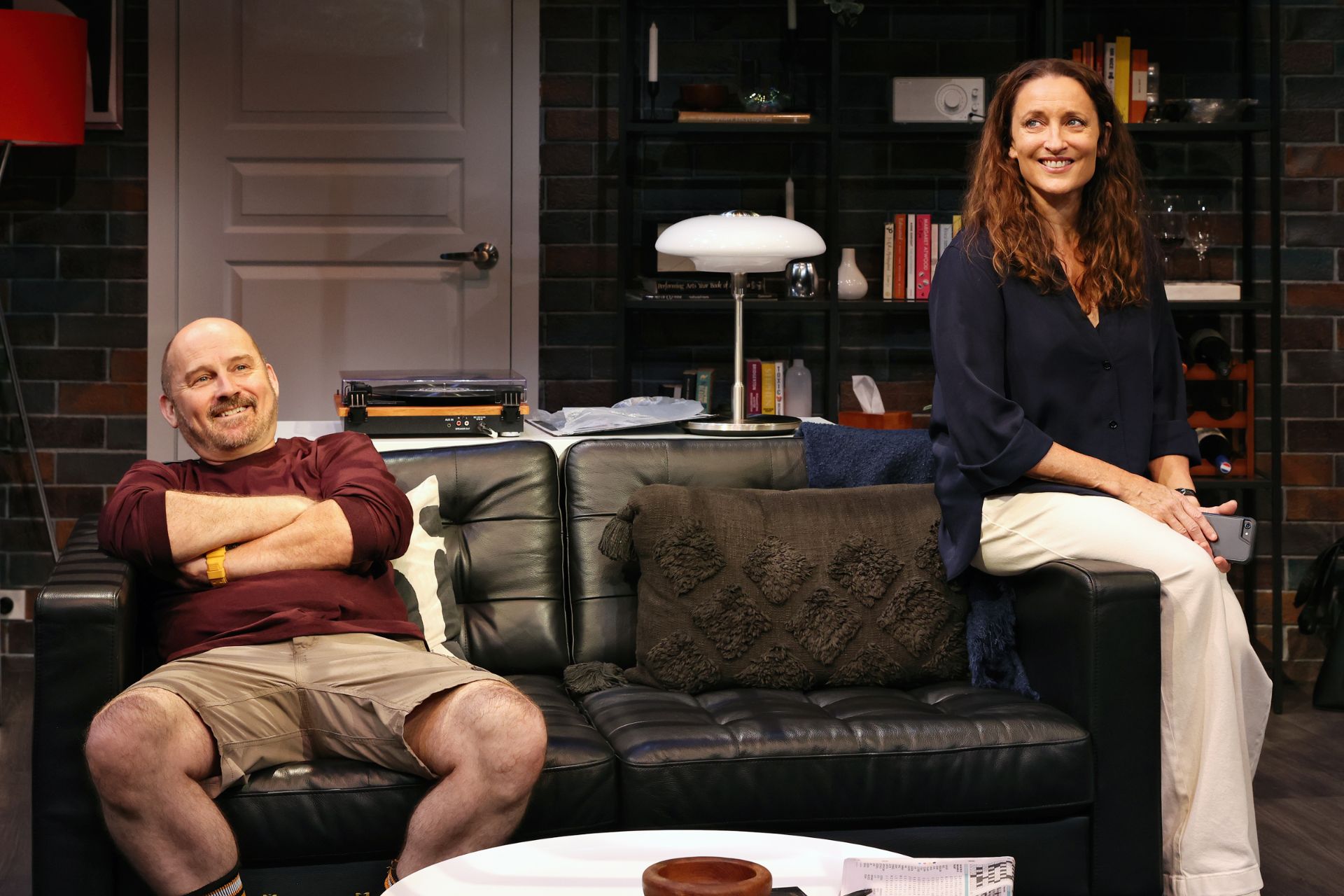
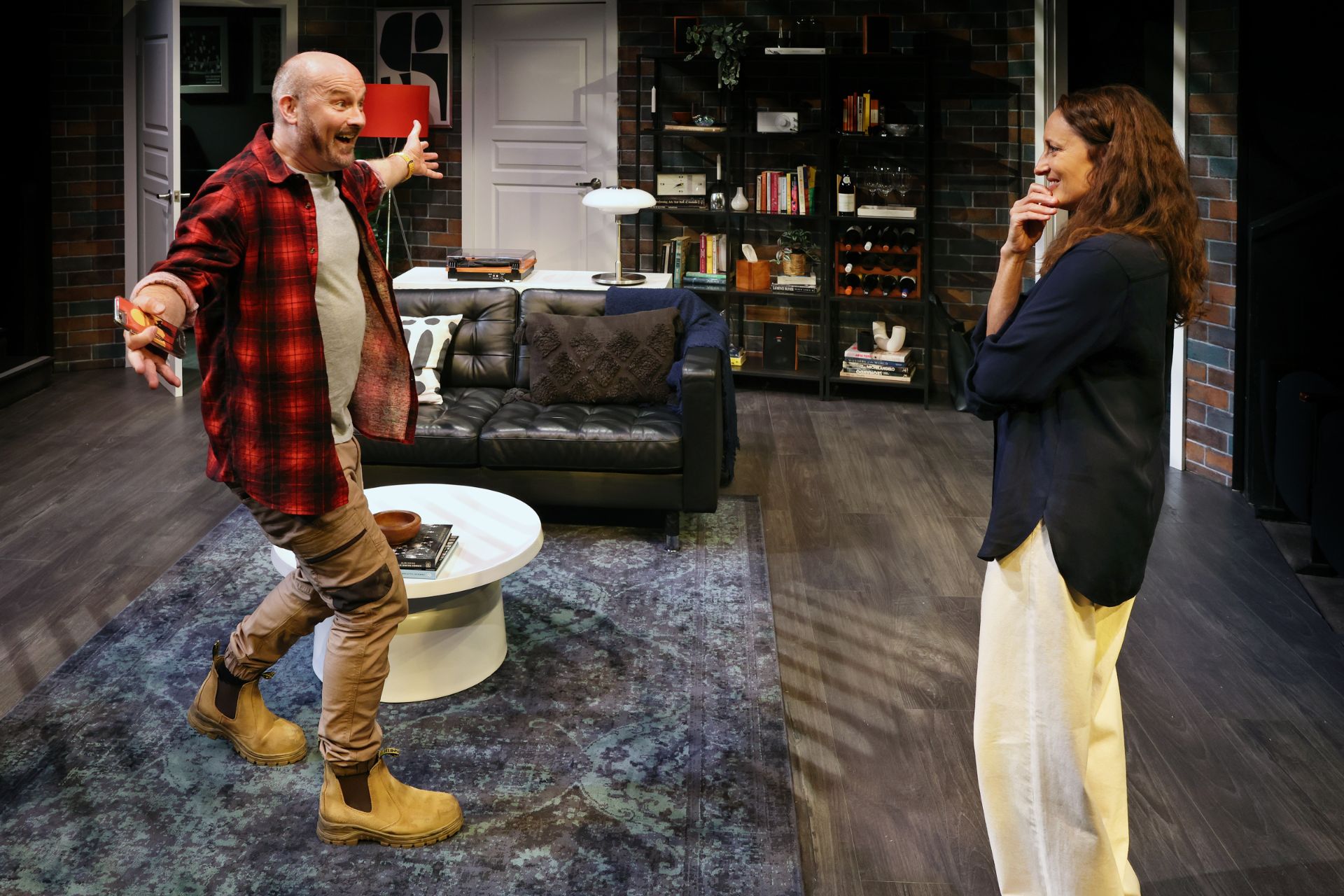
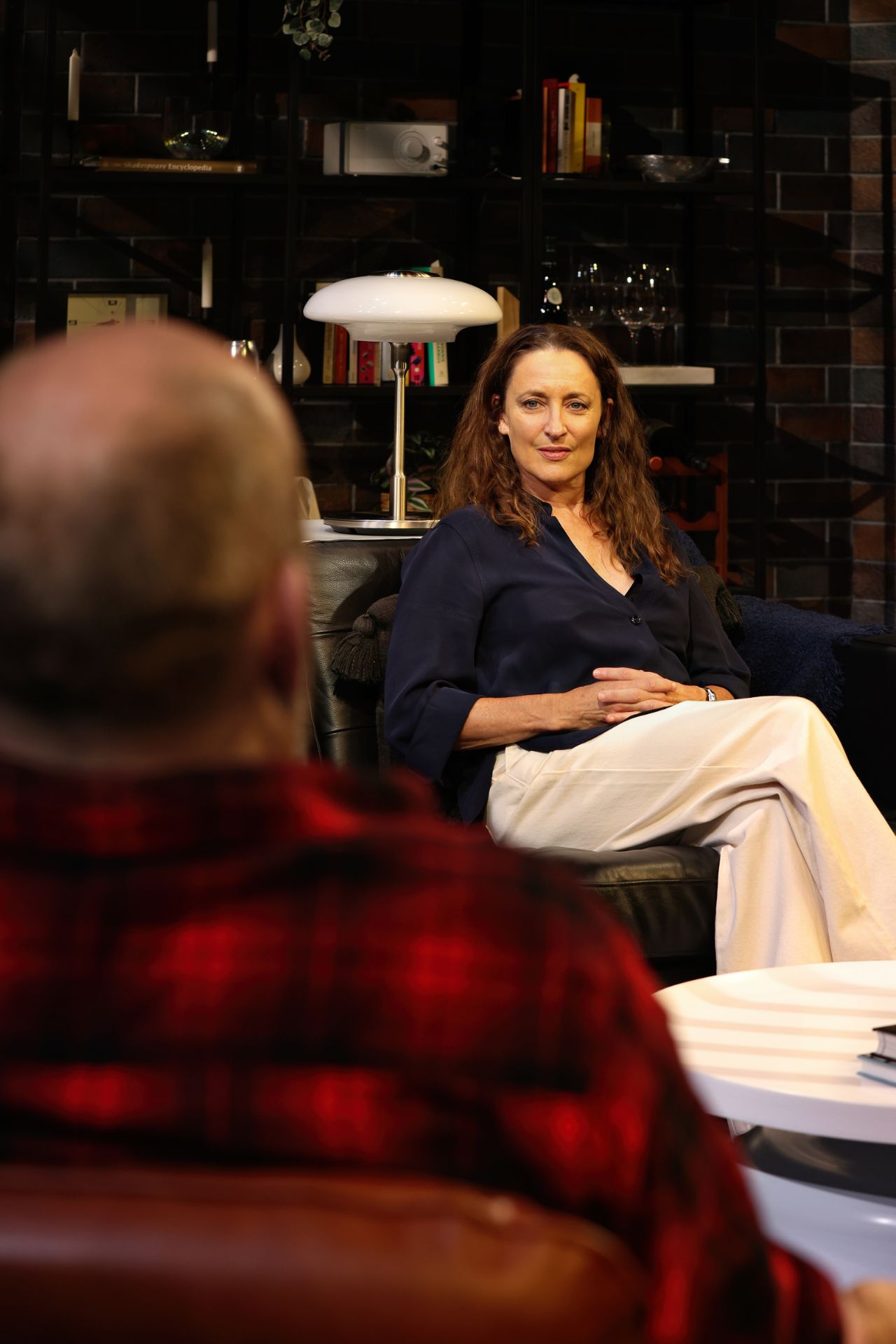
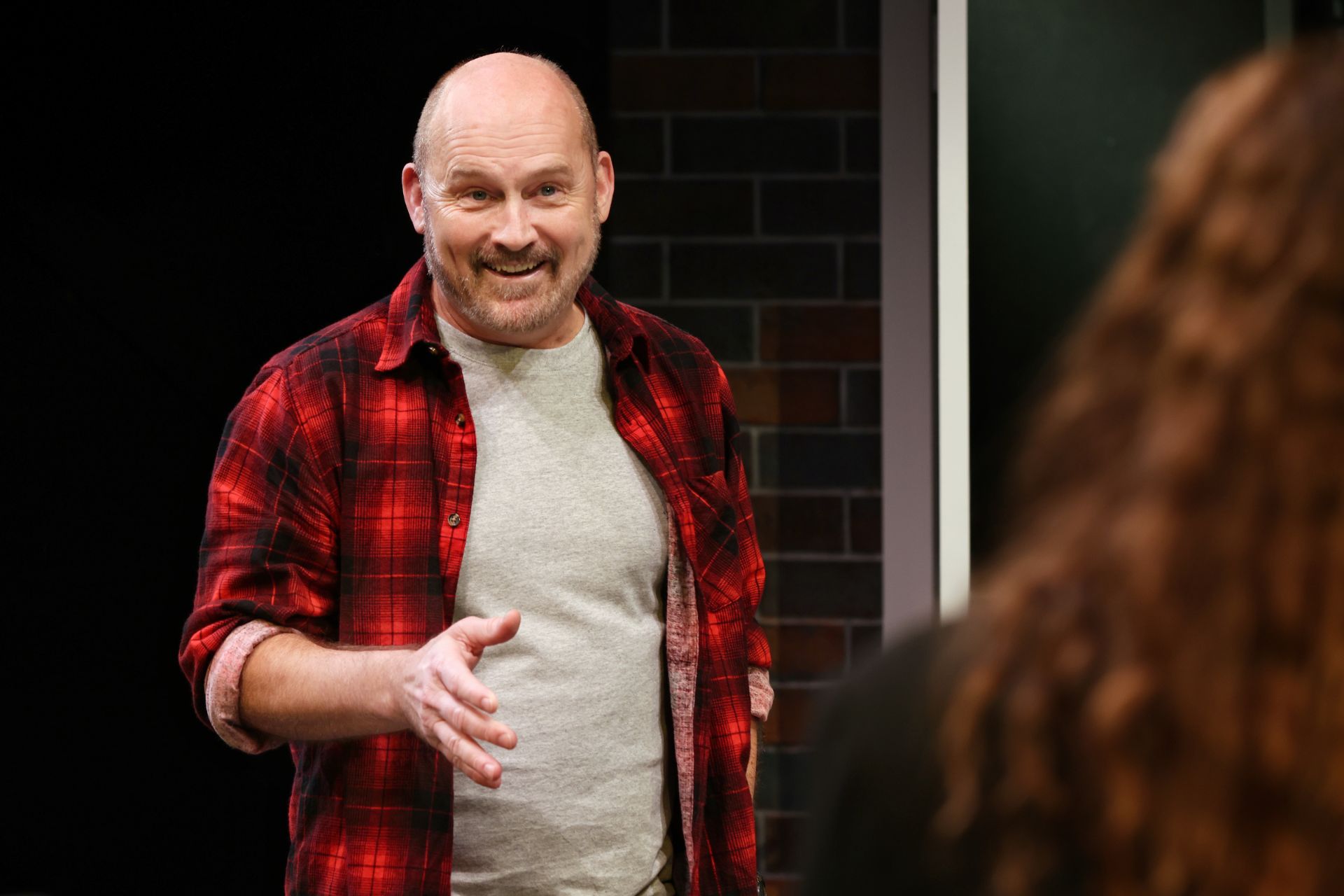
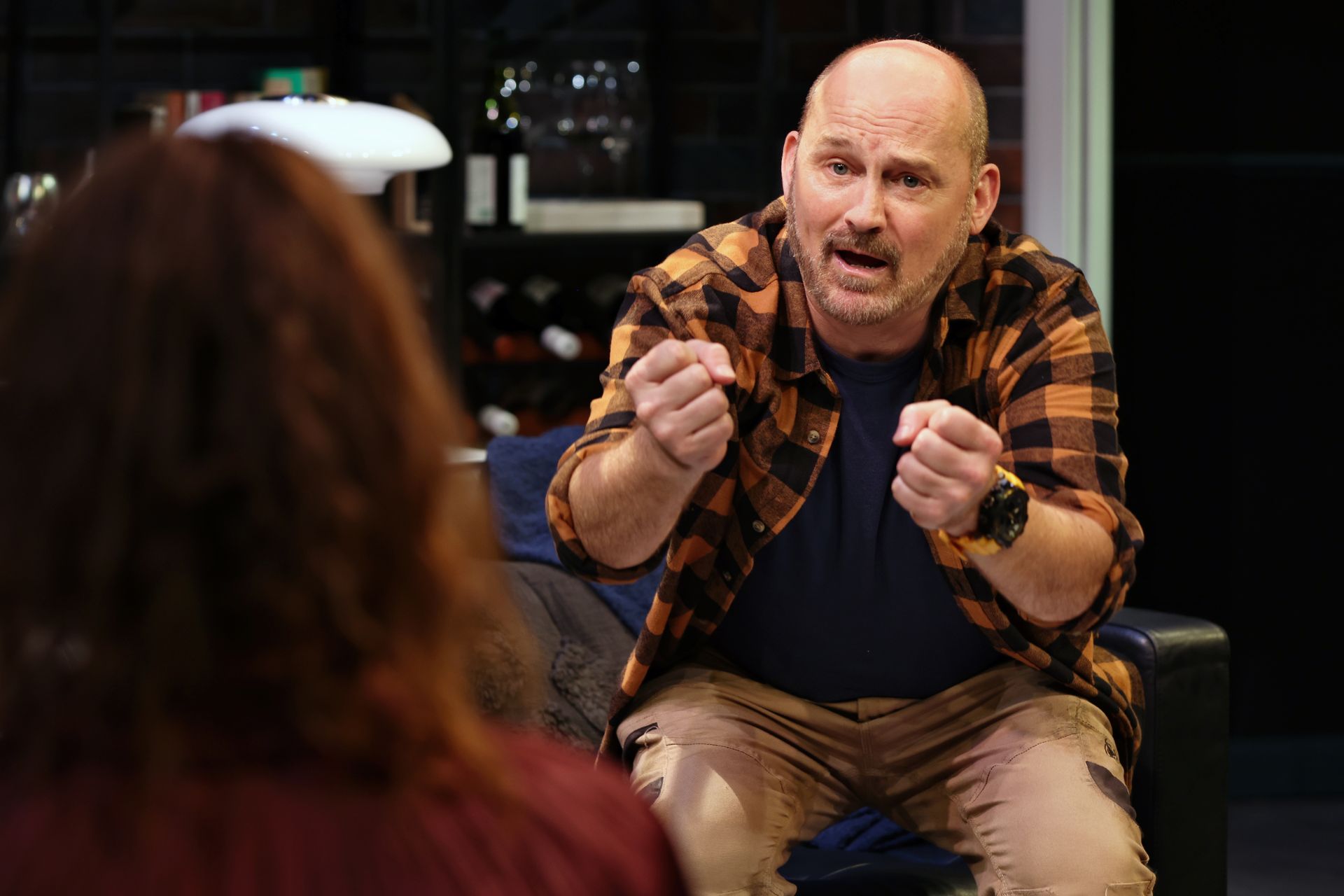
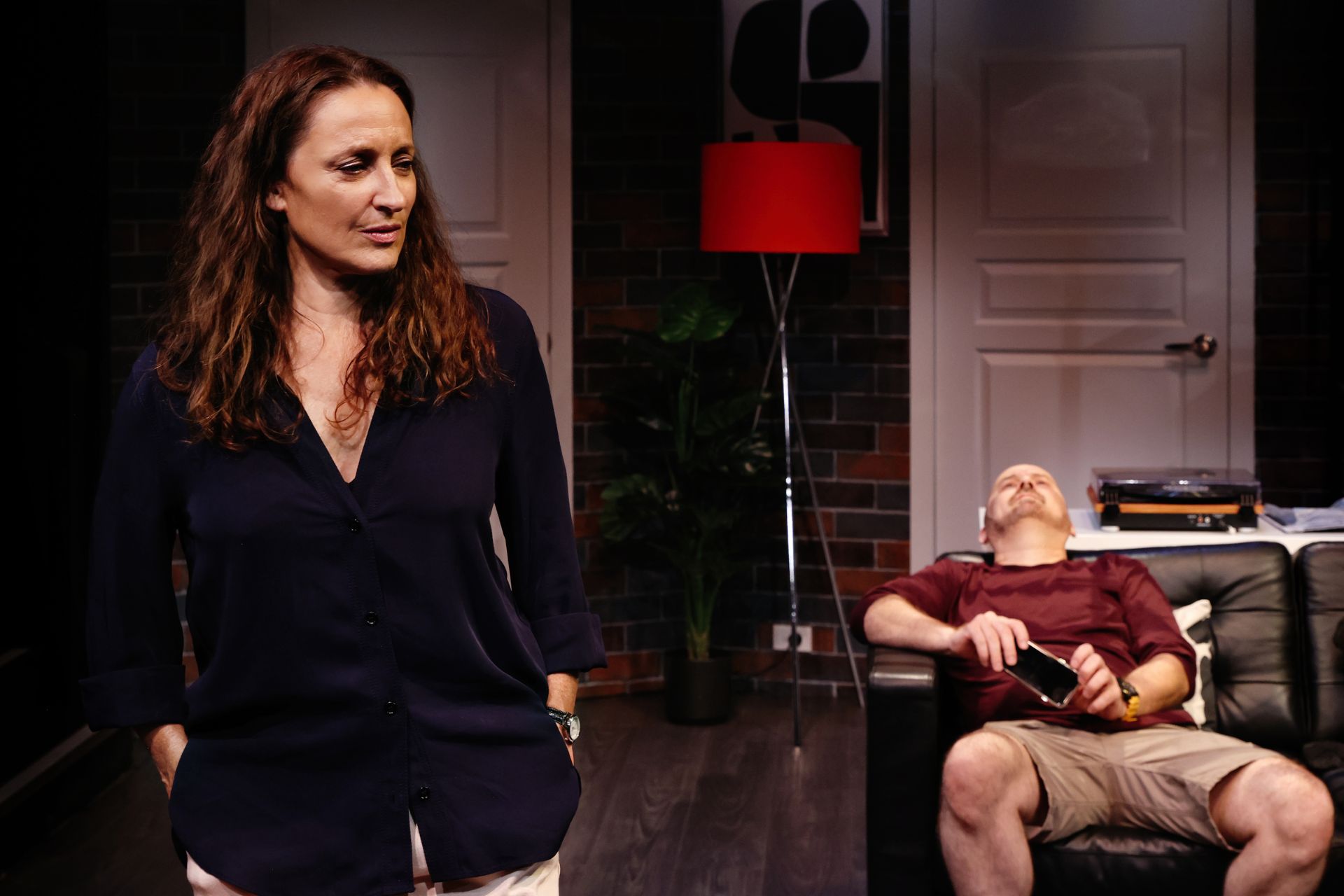
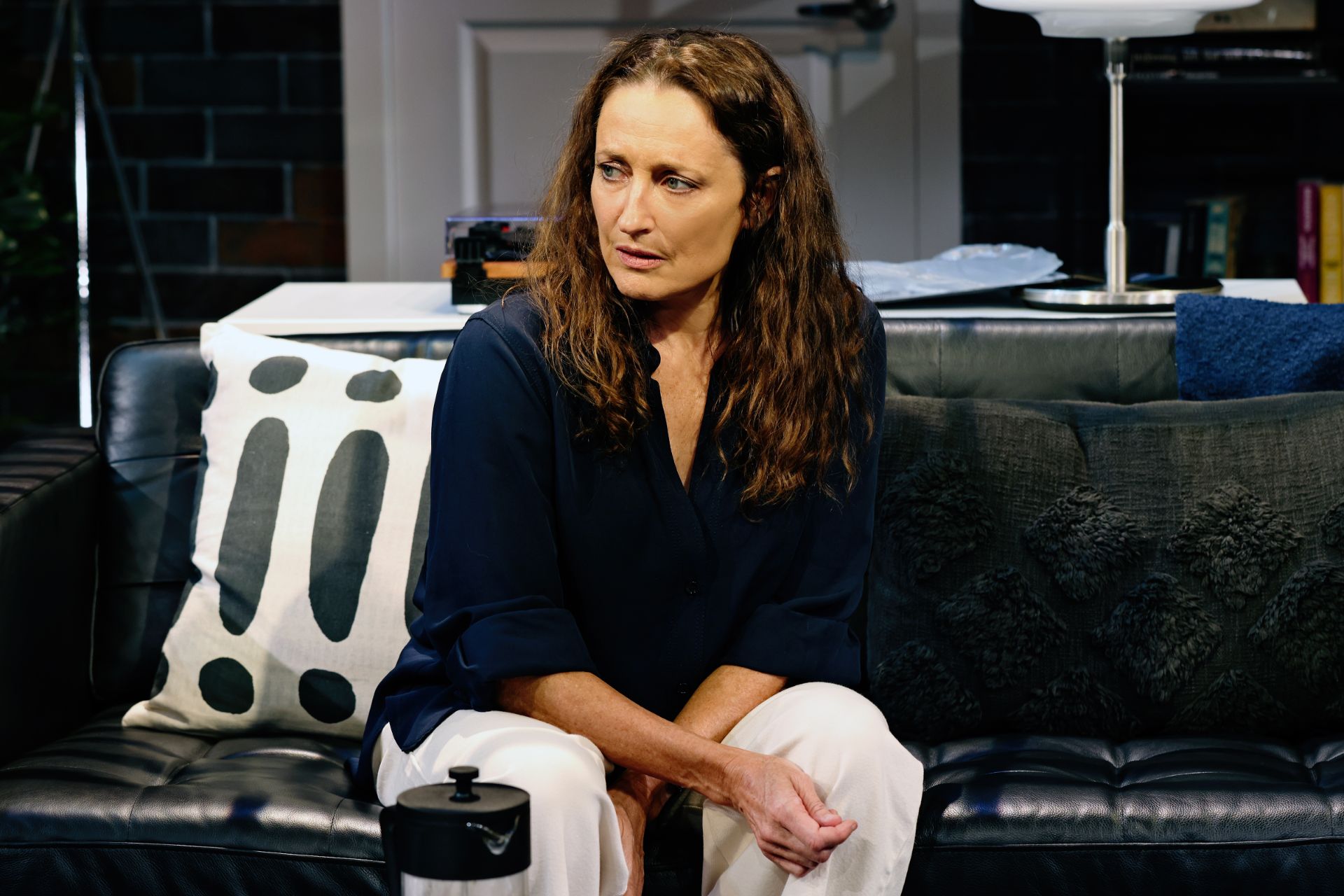
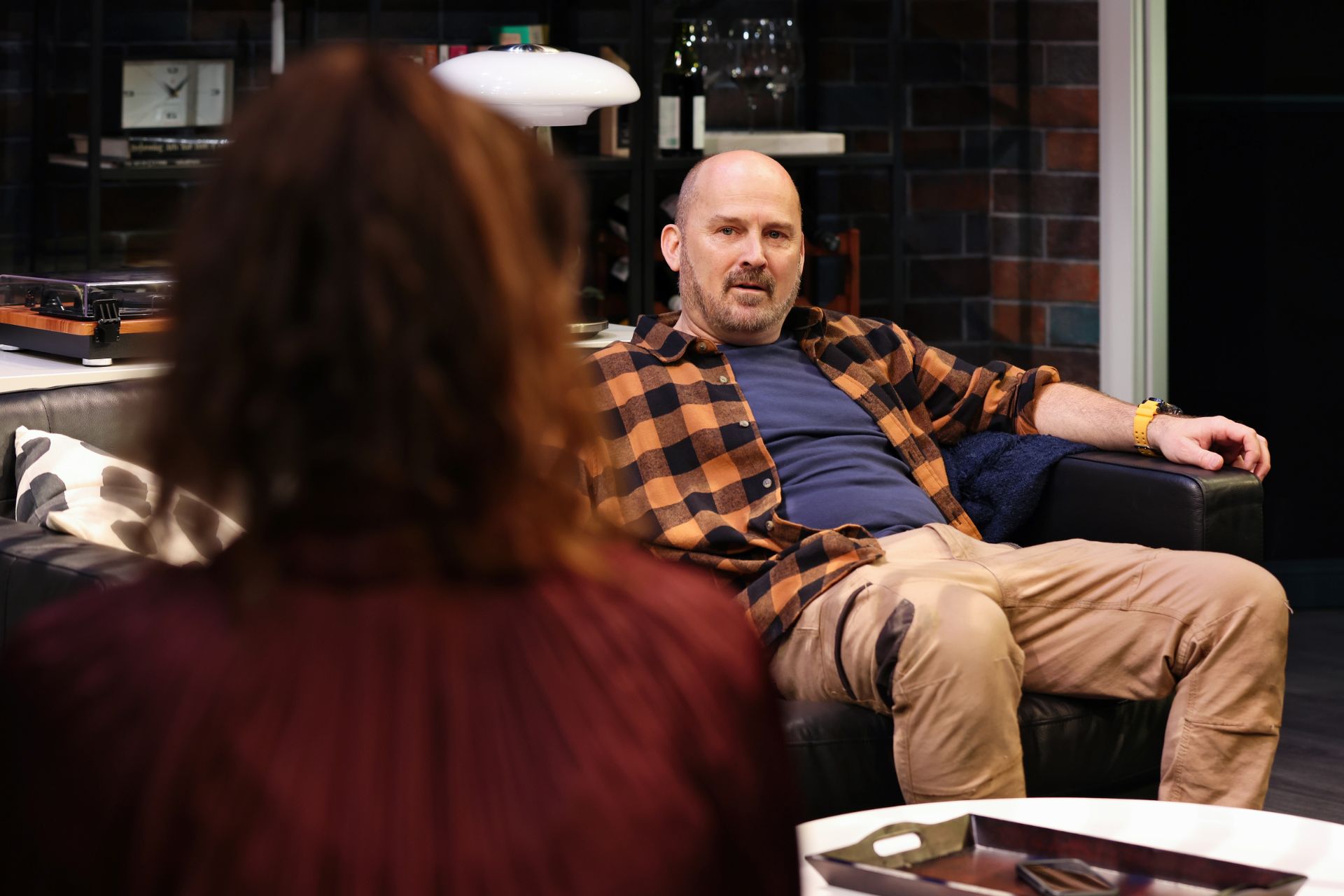
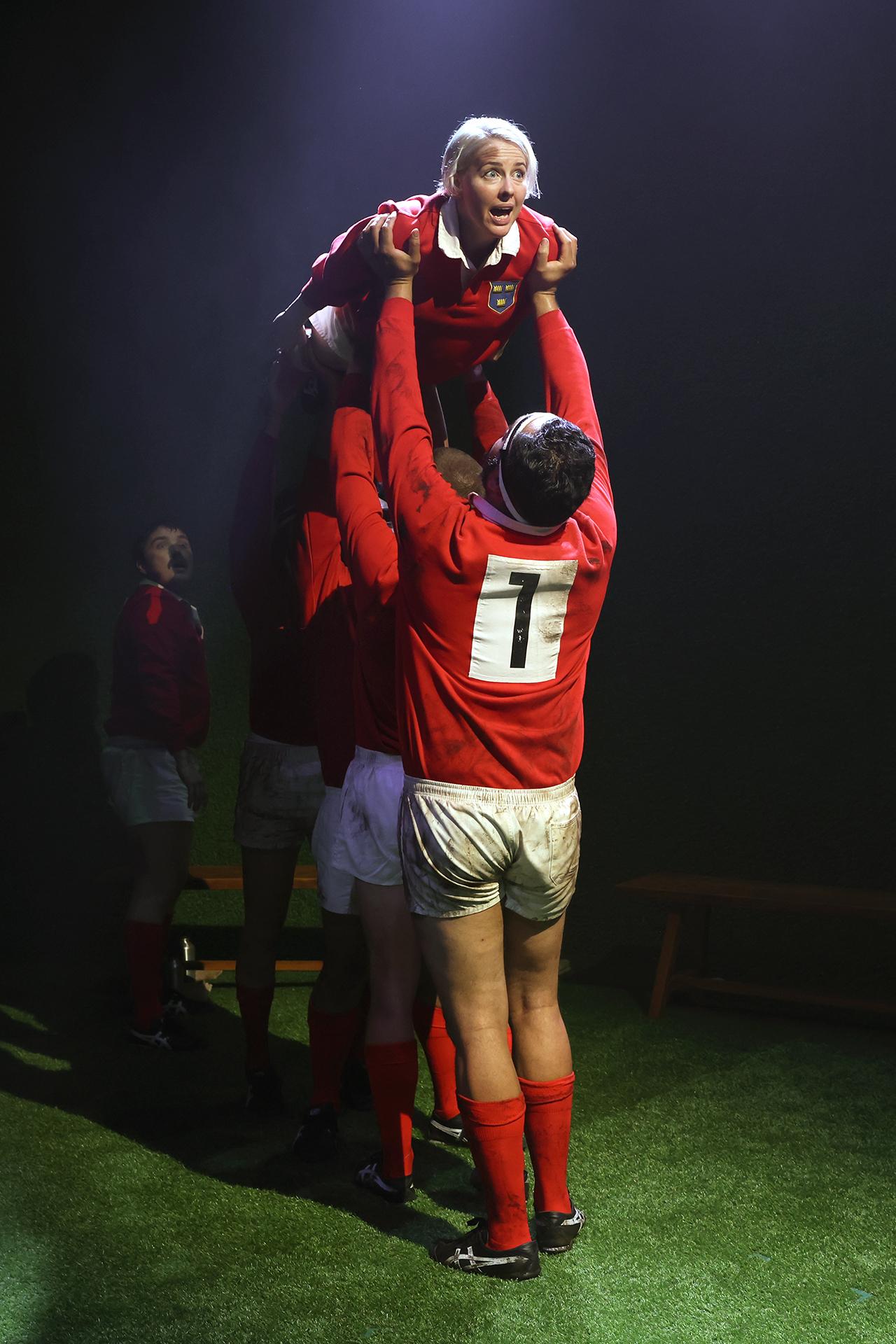
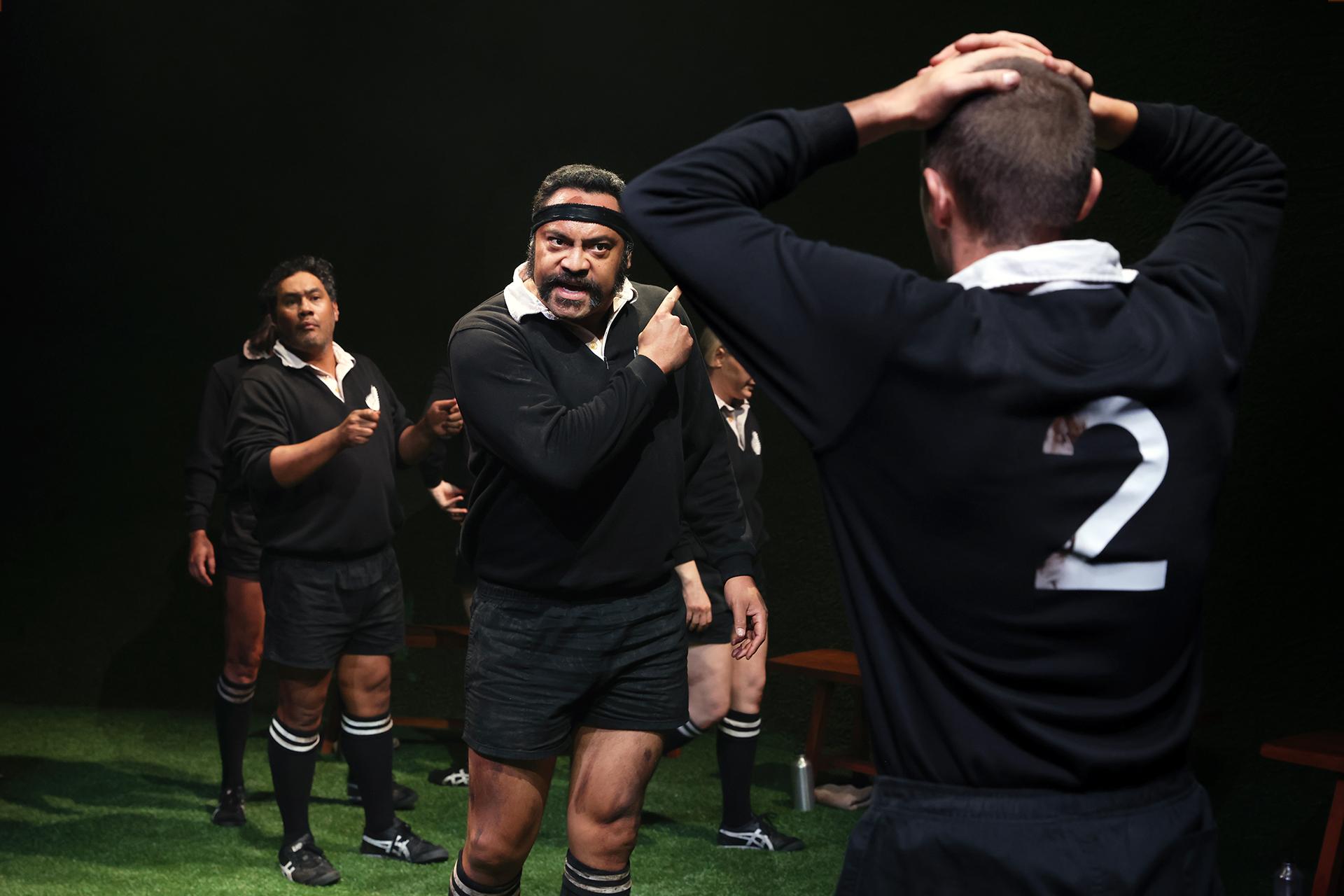
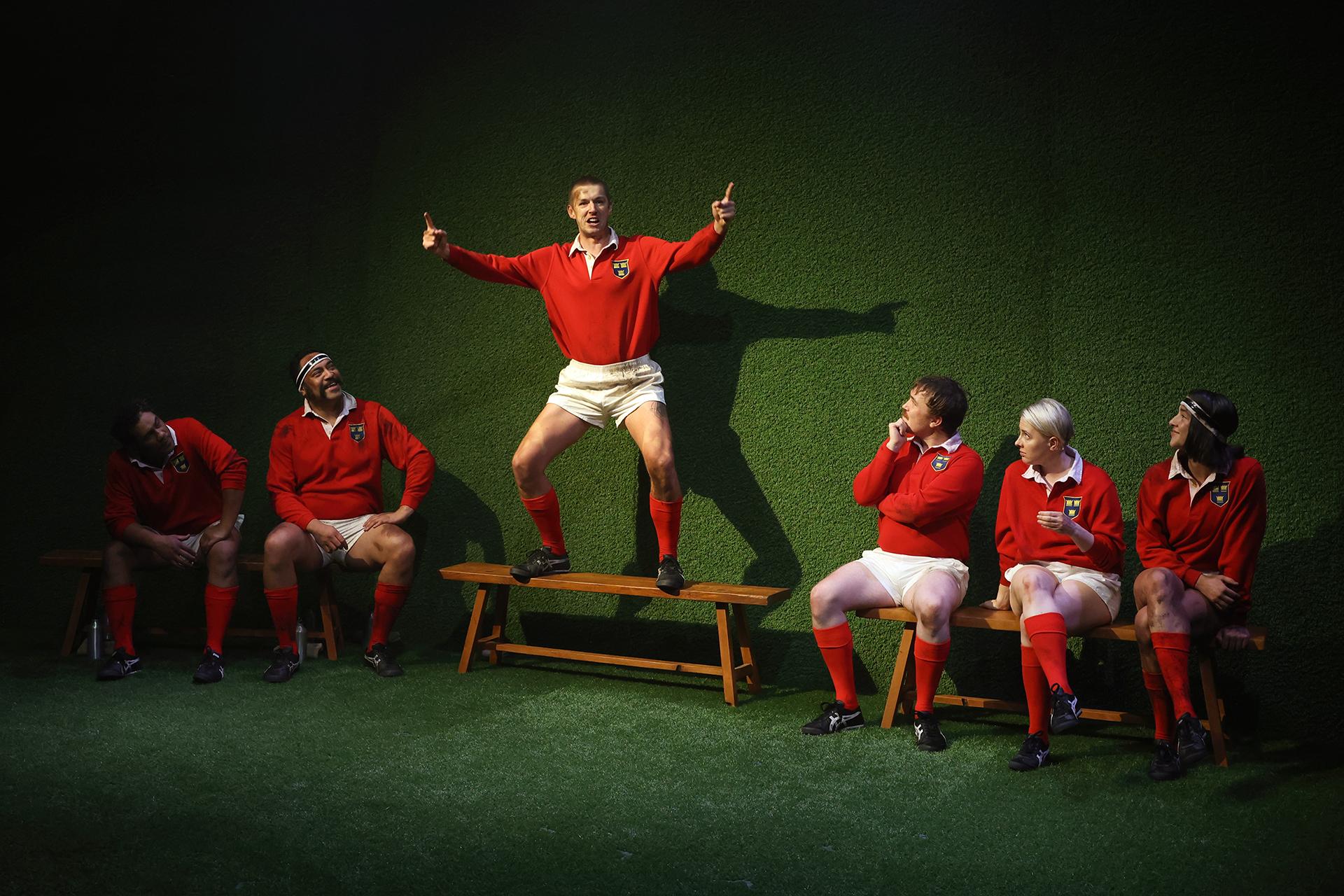
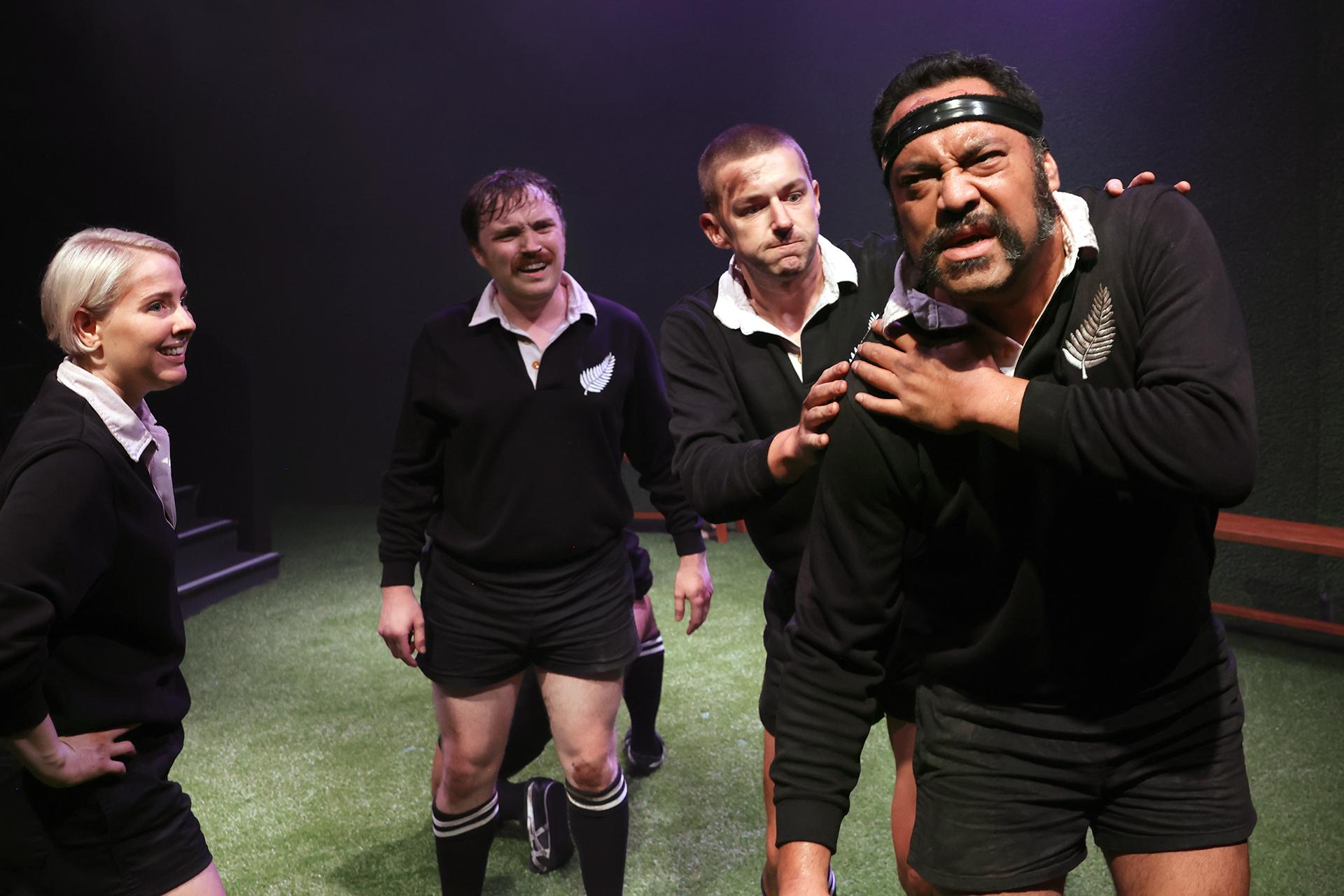
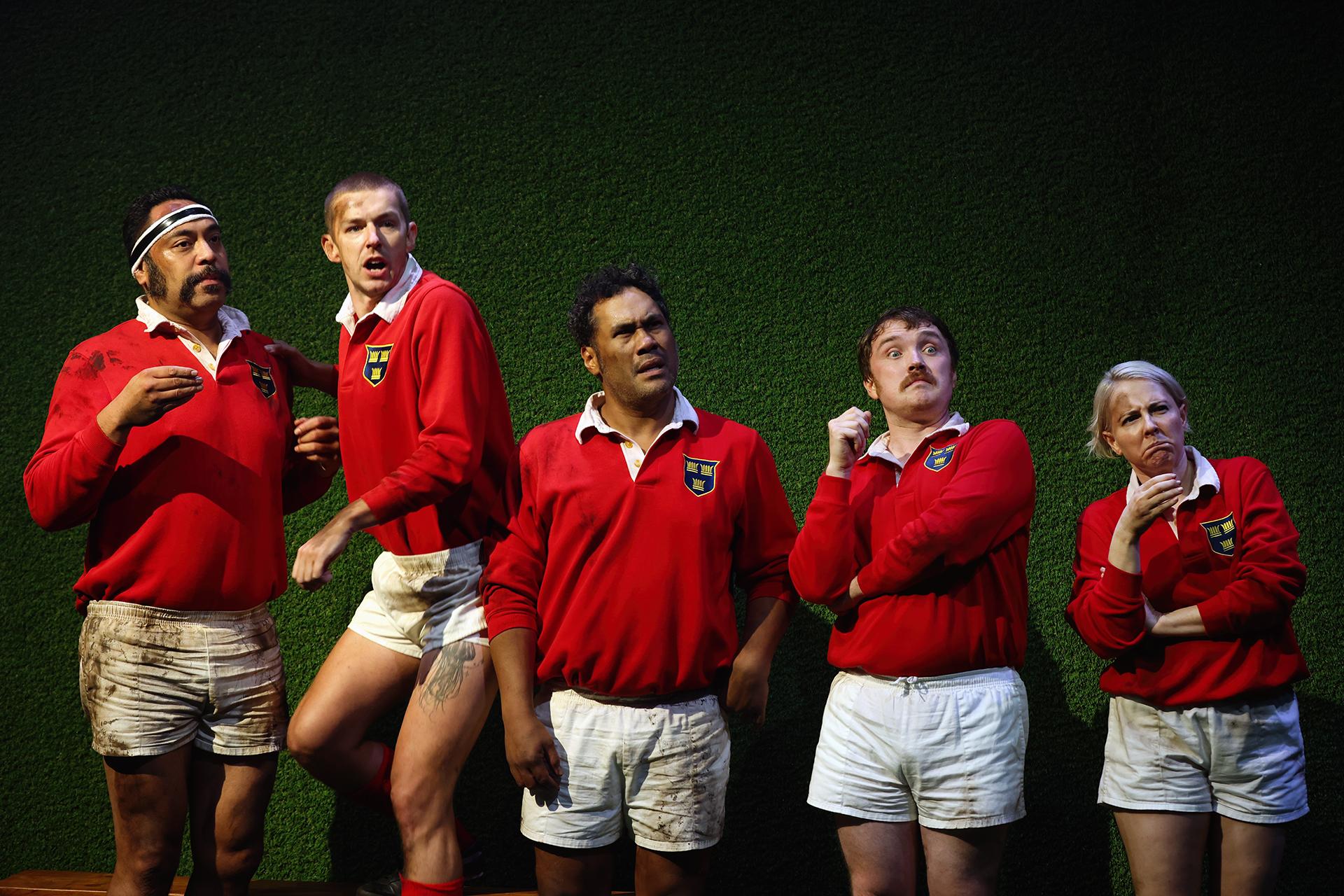
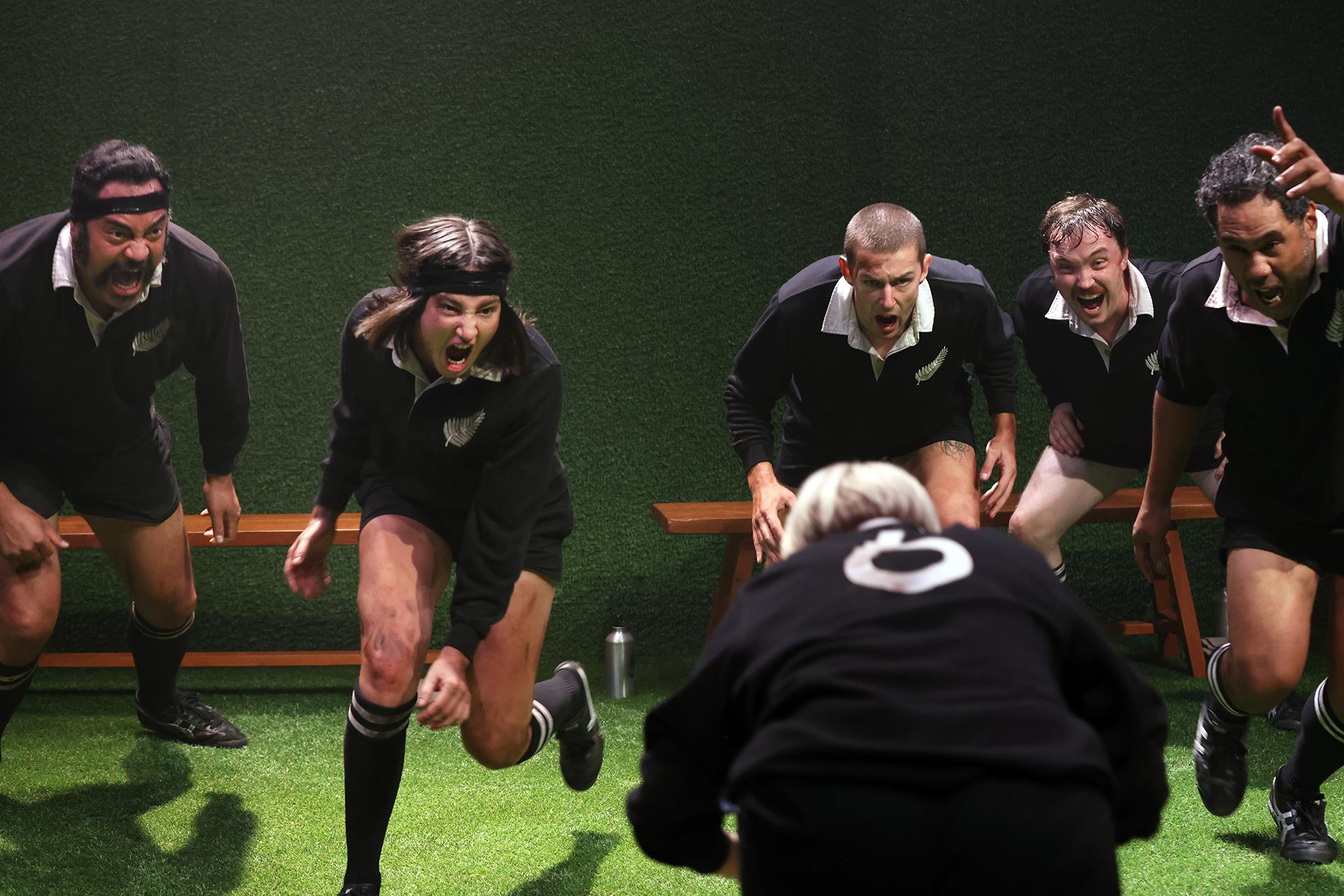
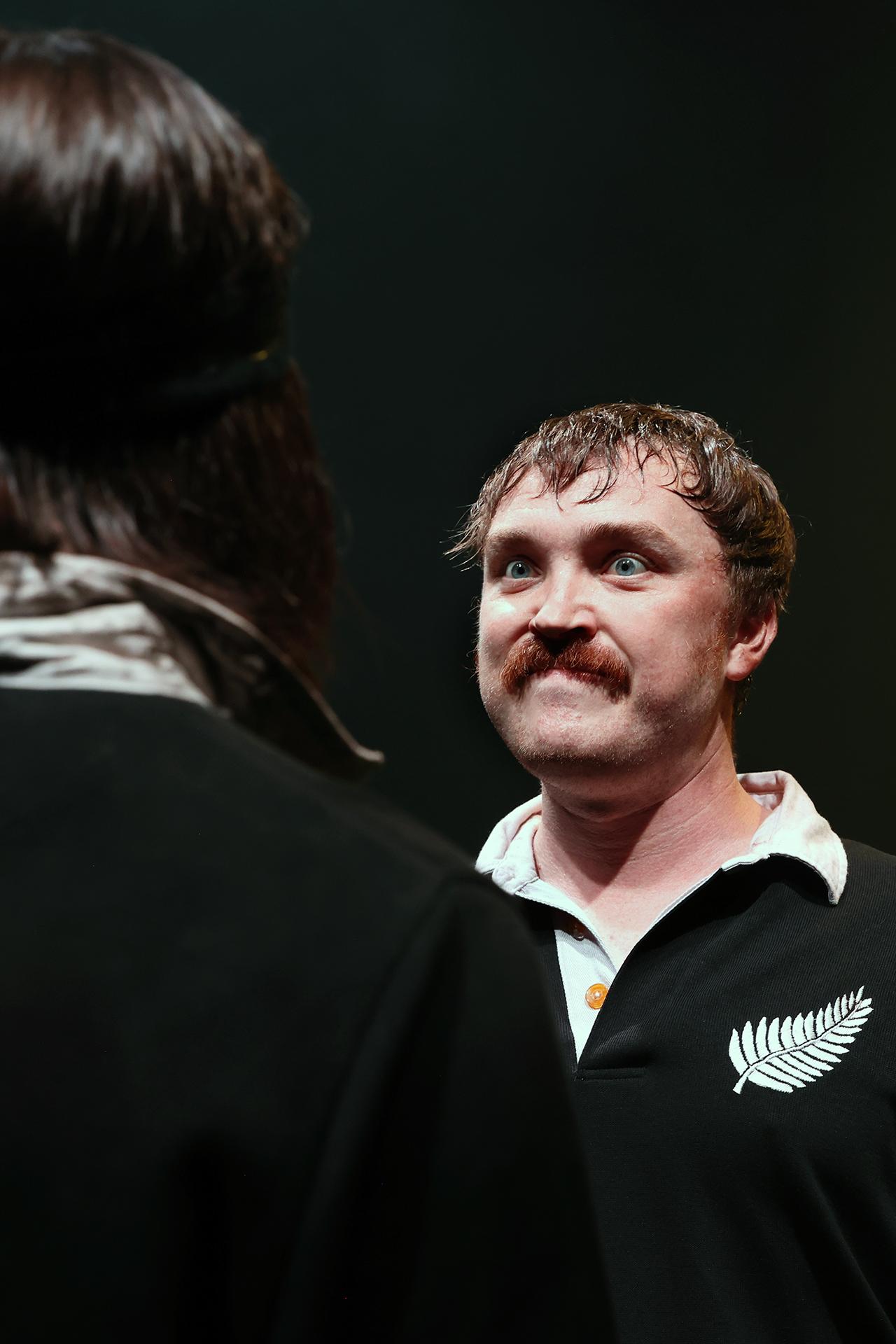
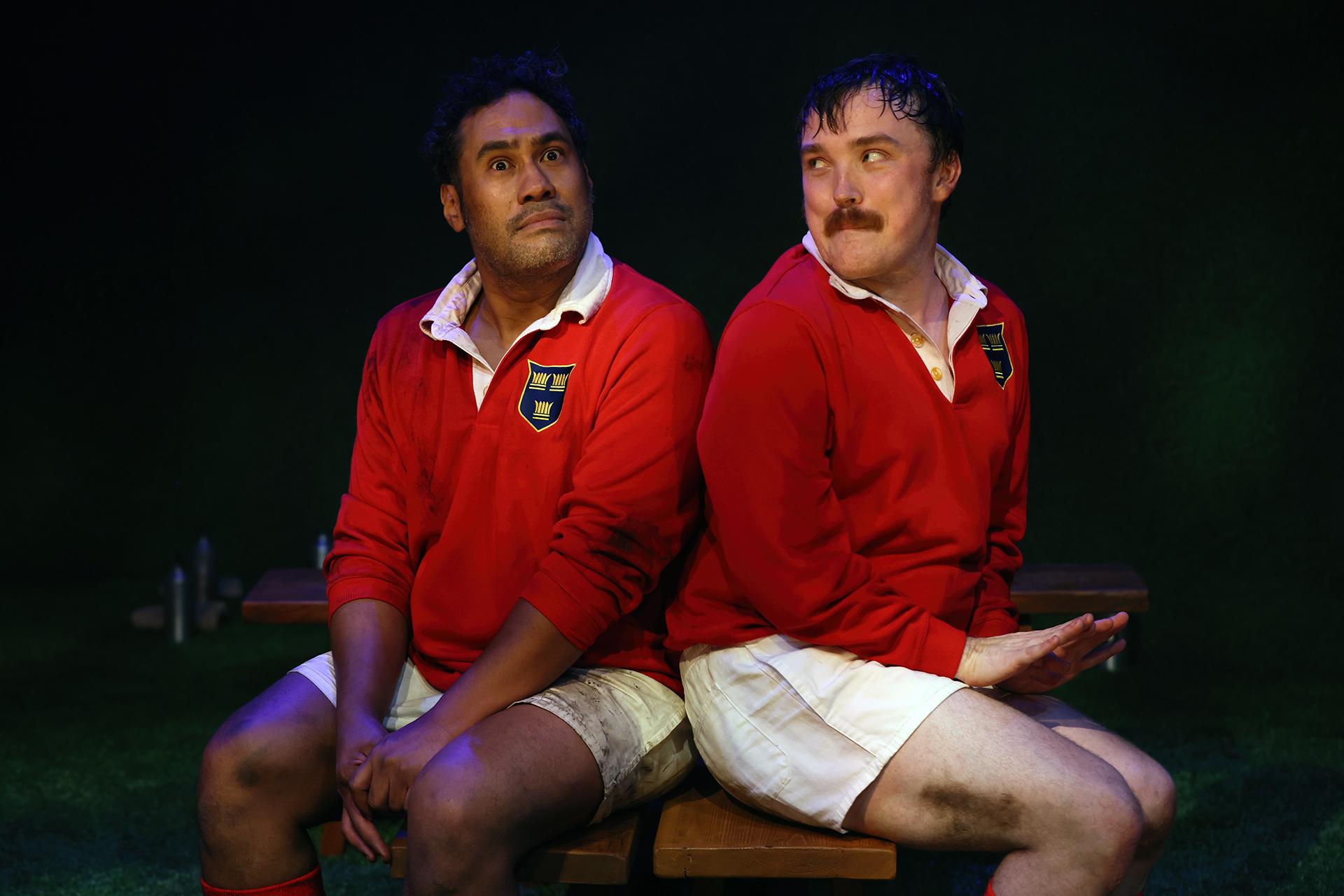
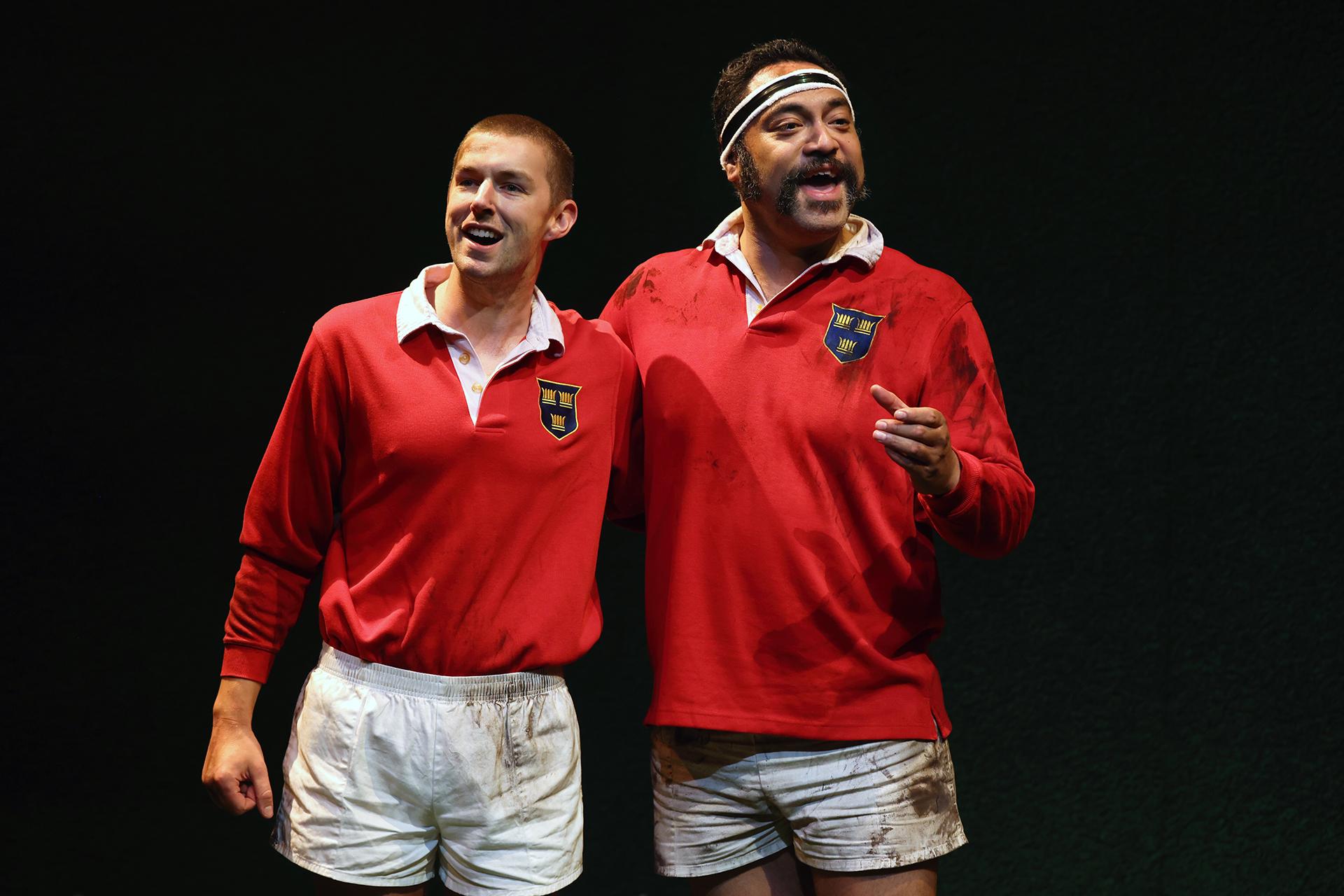
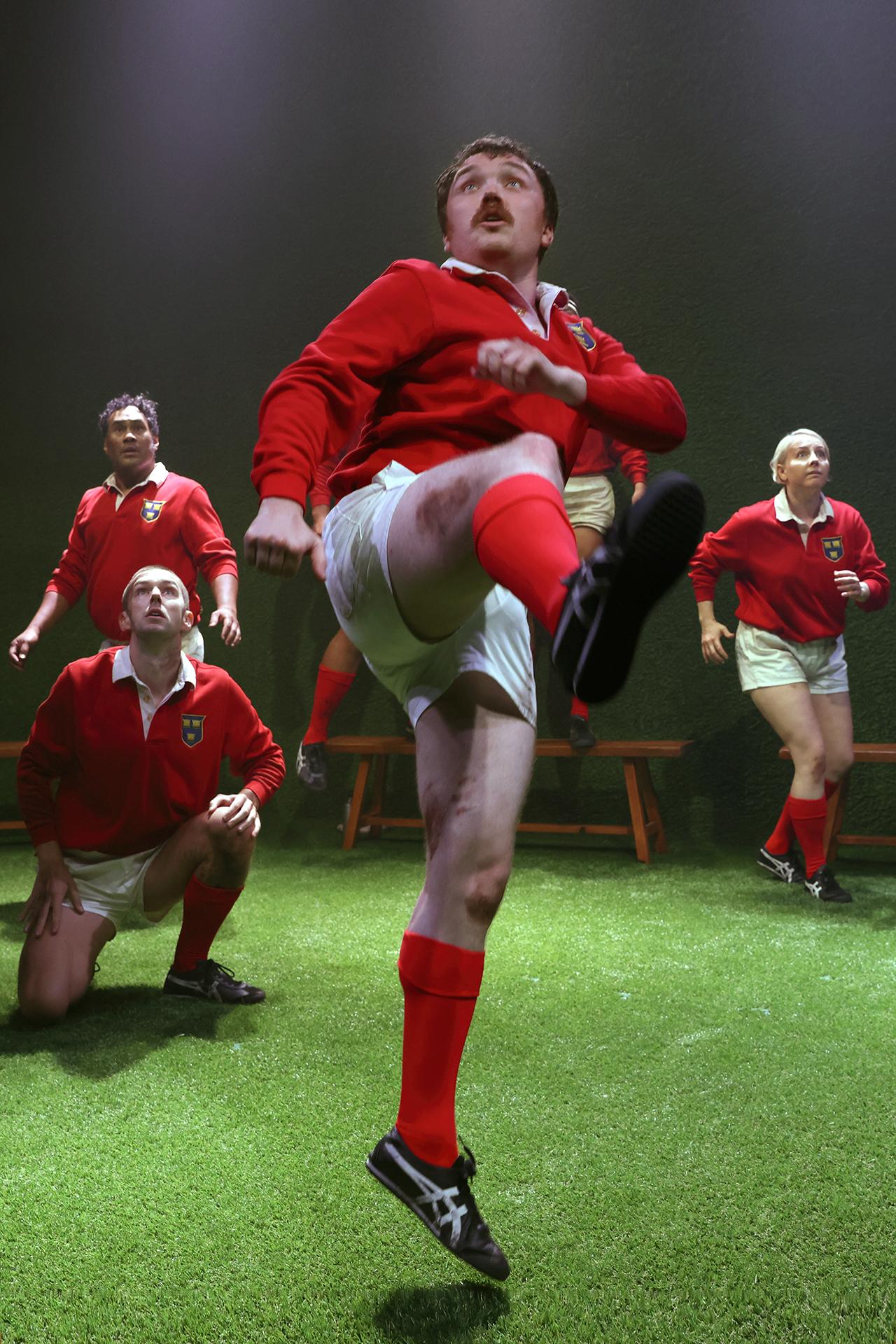
Direction by Rachel Chant honours that sense of truth, and delivers a production admirable for its integrity. With its excellent cast, the show proves consistently engrossing, even if we never really find moments of significant resonance. Michala Banas, Jo Downing and Madeleine Jones play the sisters, colourful and dynamic, full of surprises in their unpredictable portrayals of erratic personalities. Other performers include Thomas Campbell, Nicole Da Silva and Jonny Nasser, all highly persuasive in their respective roles, in a staging many will find entertaining.

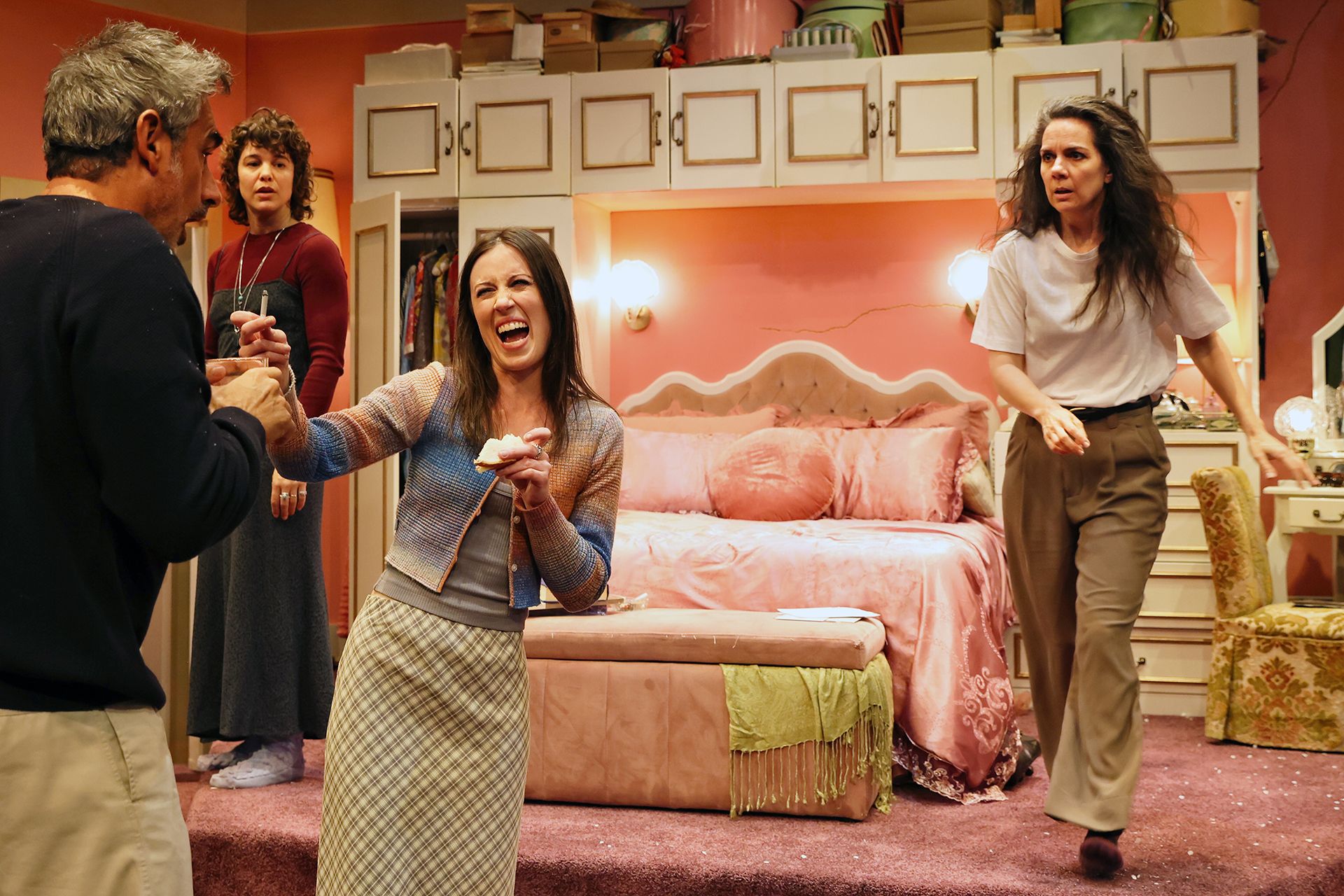
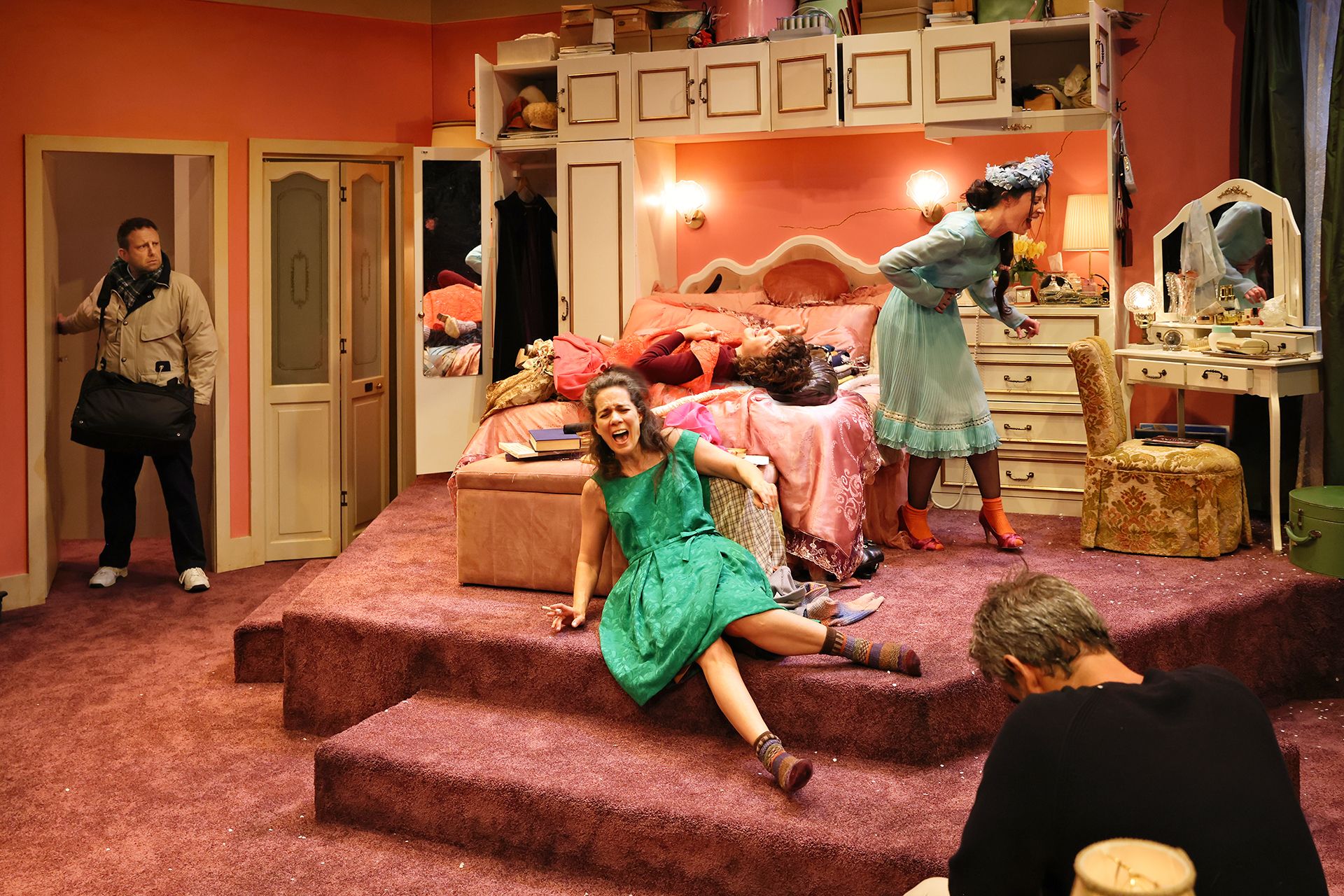
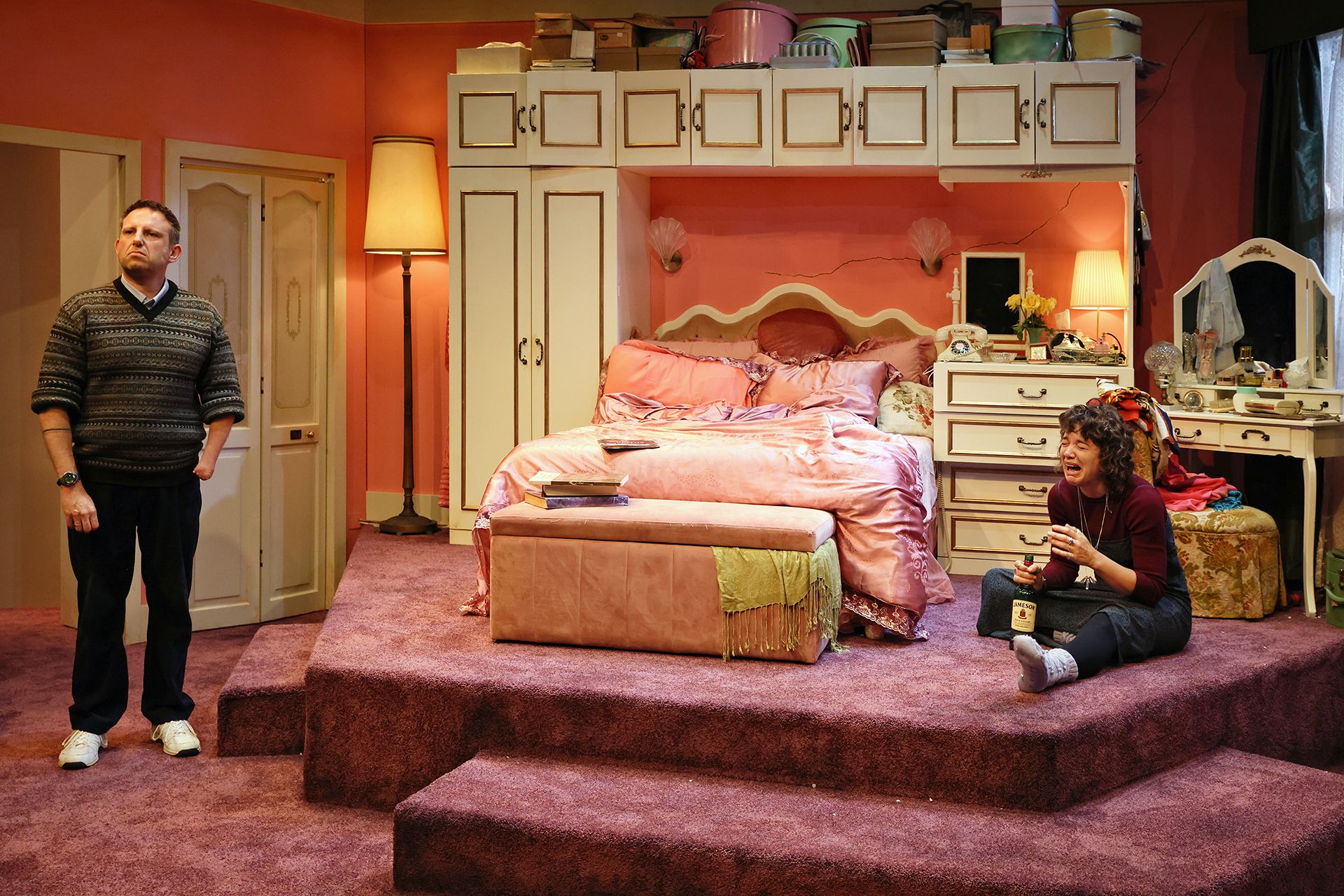
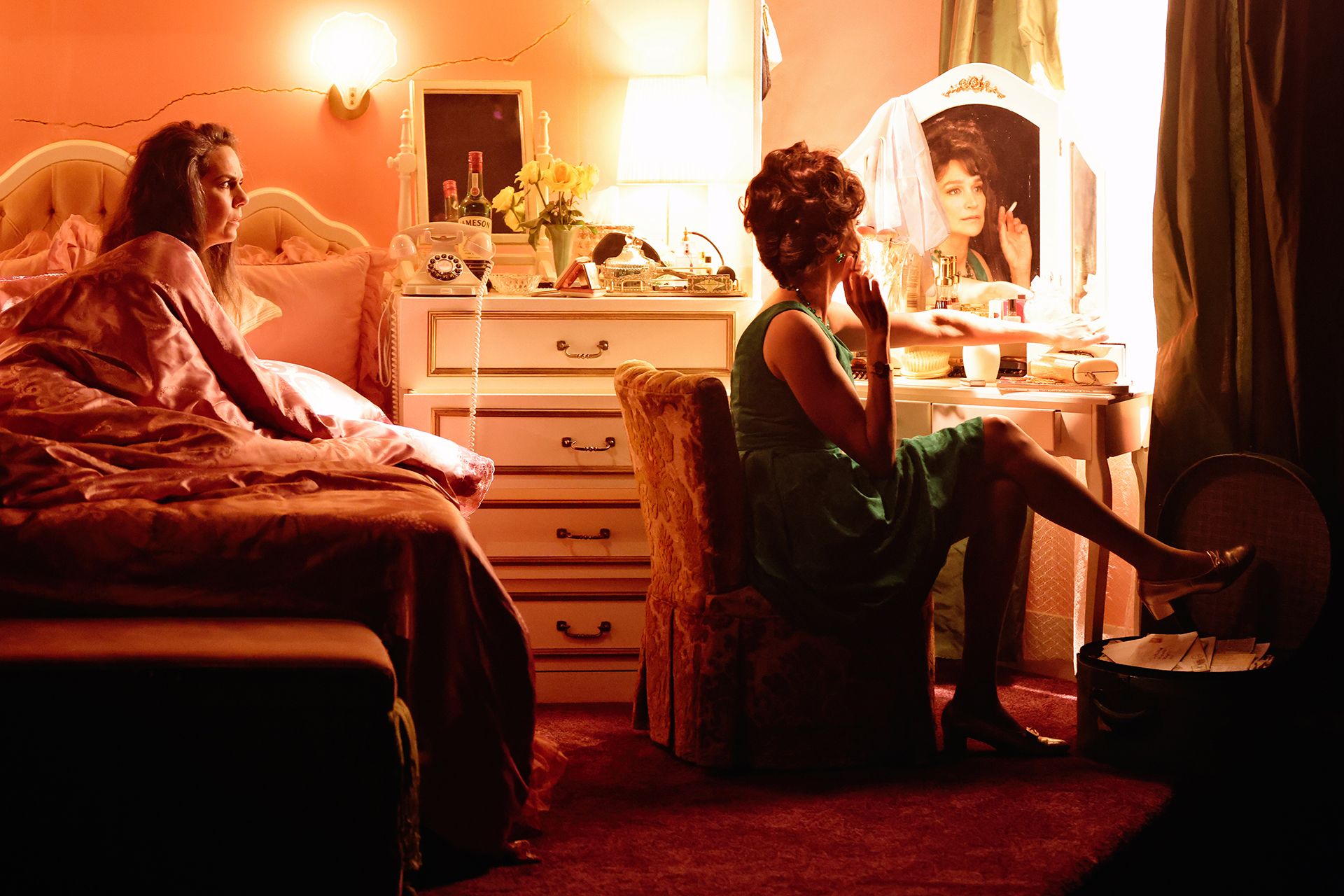
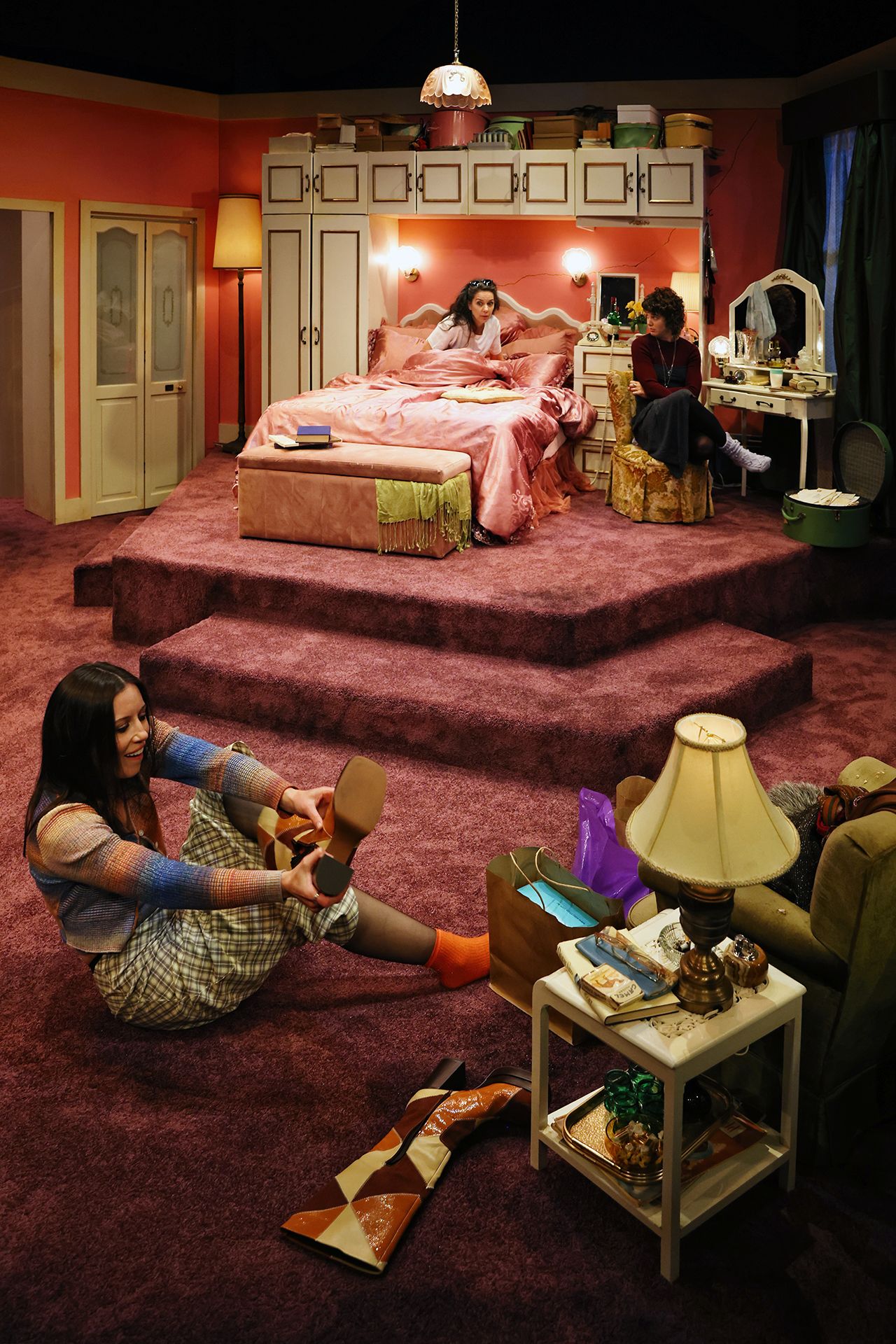
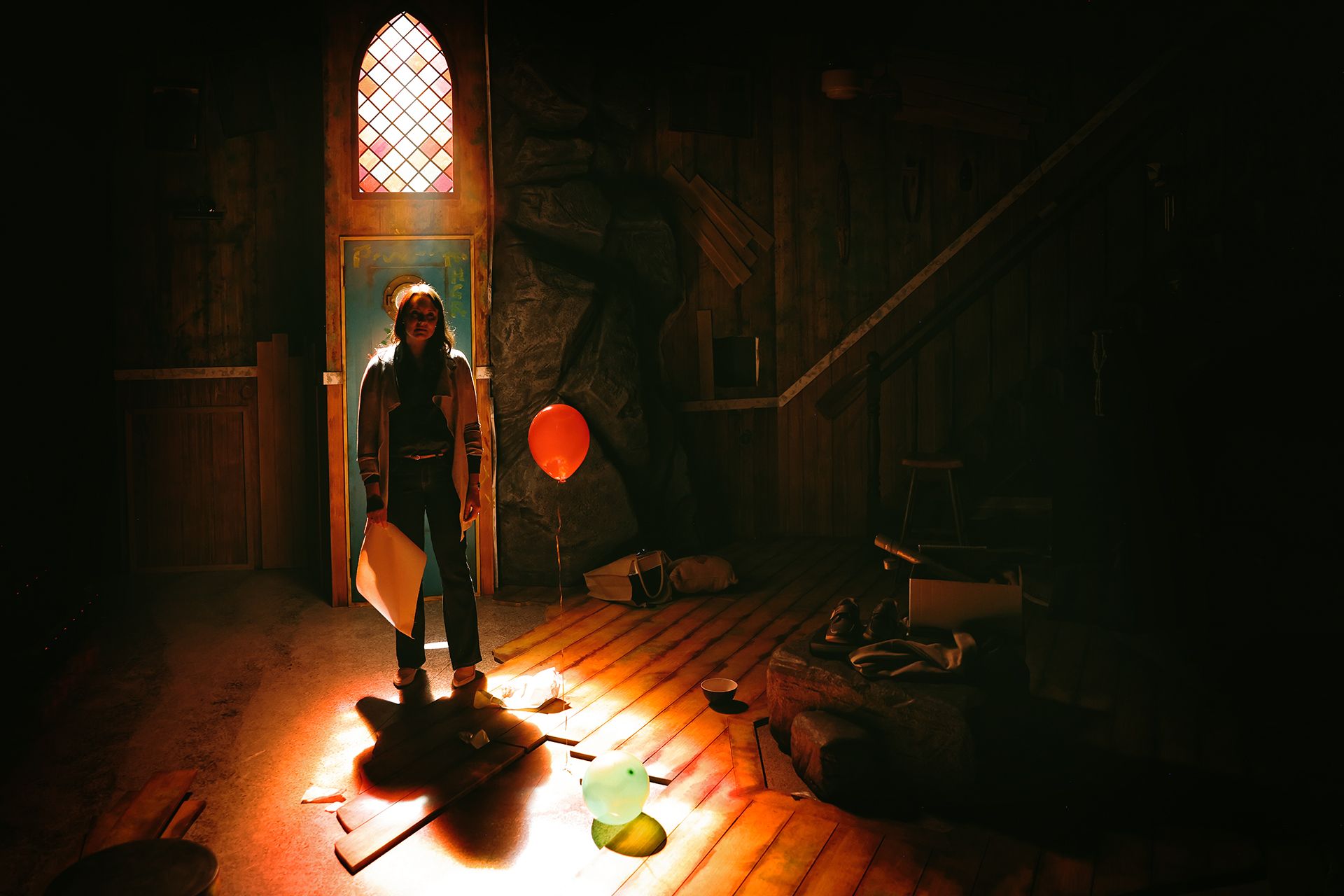
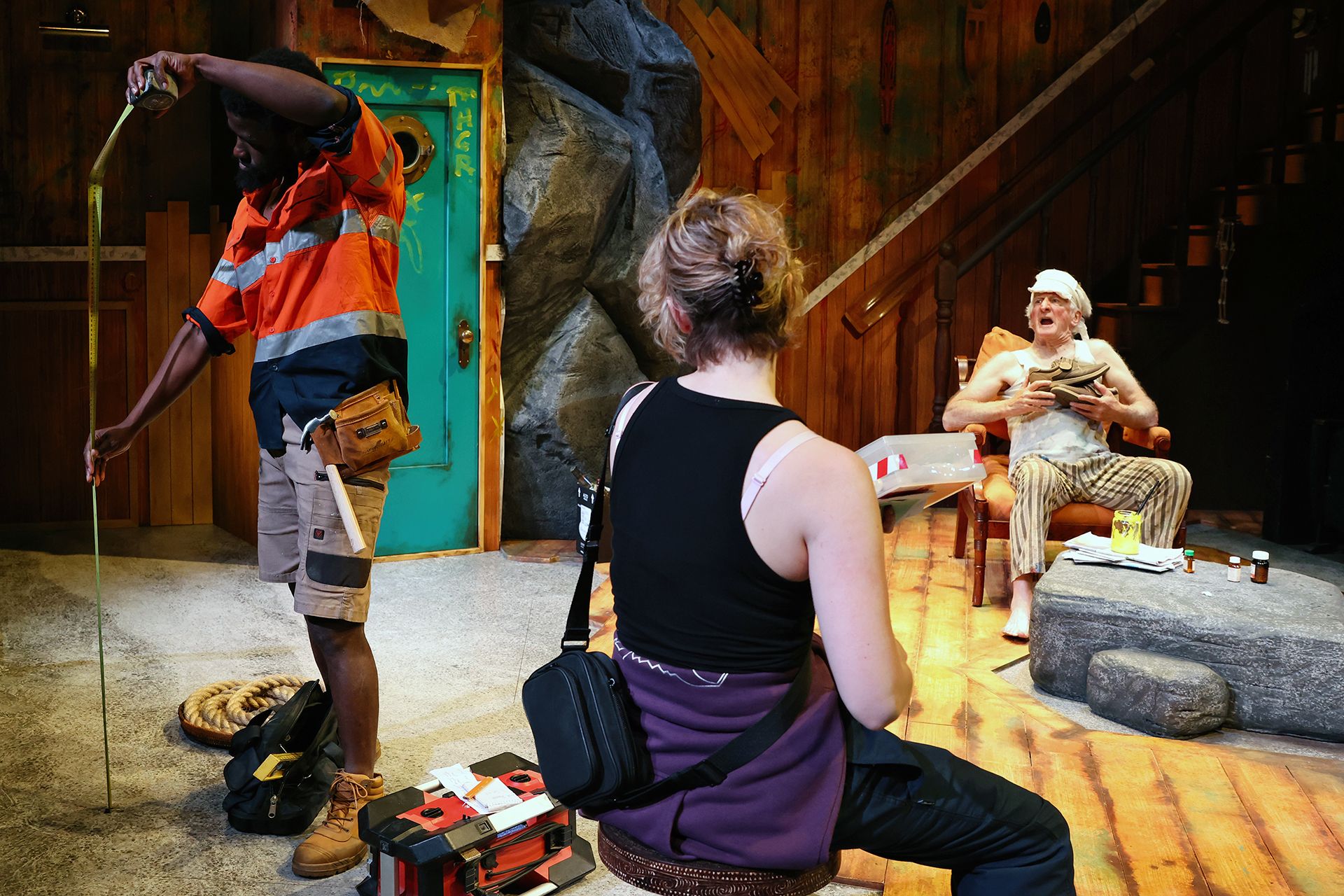
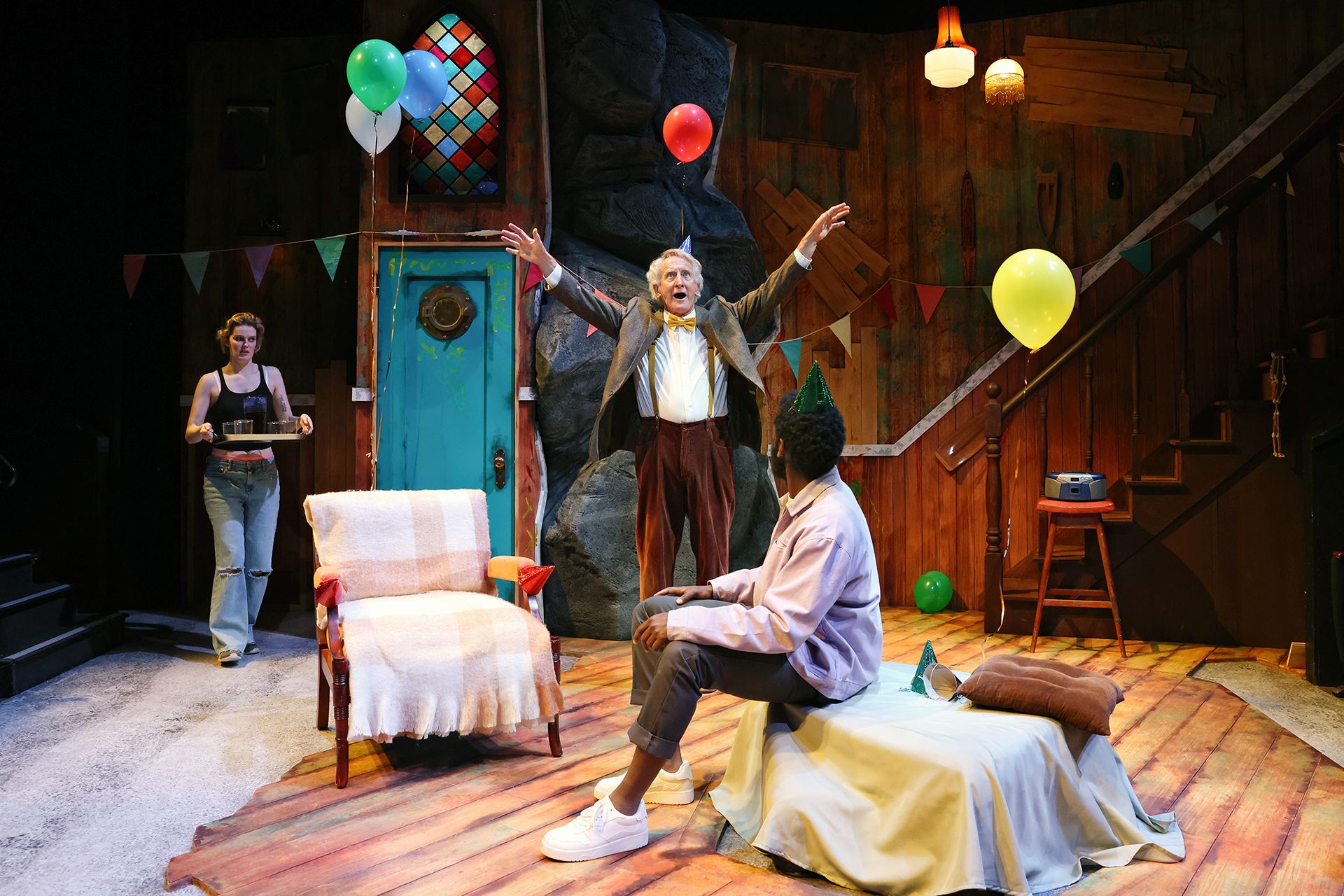
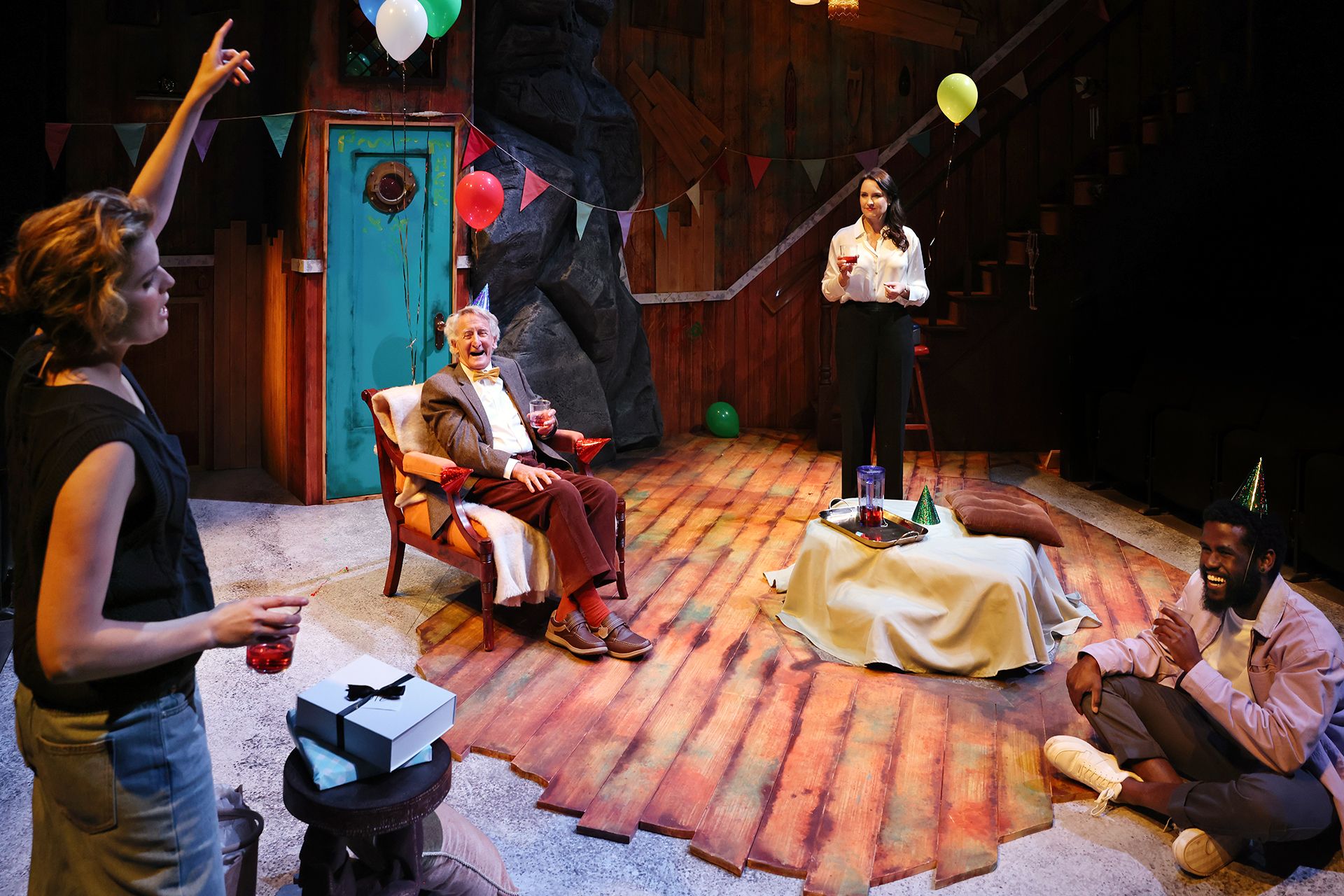
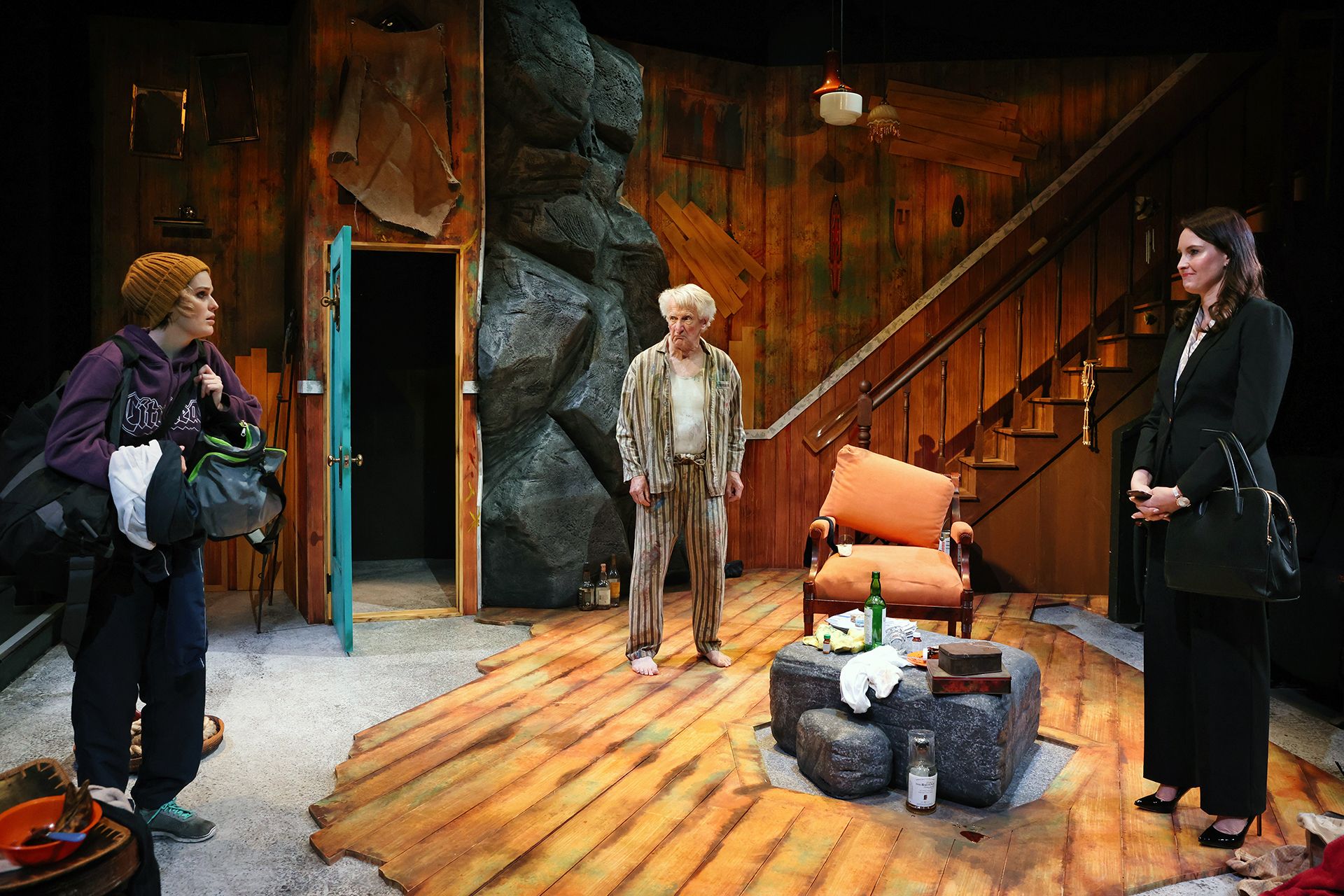
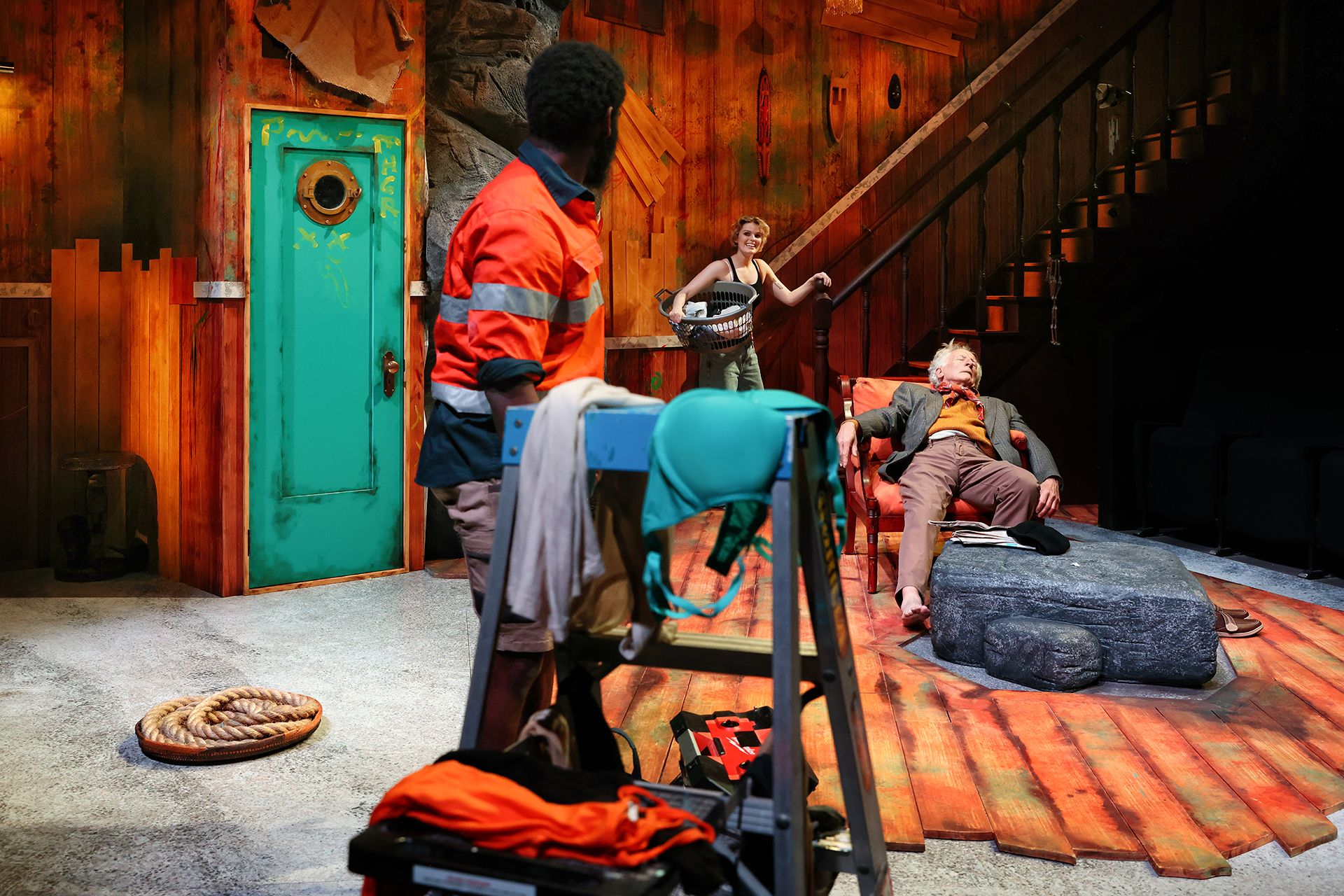
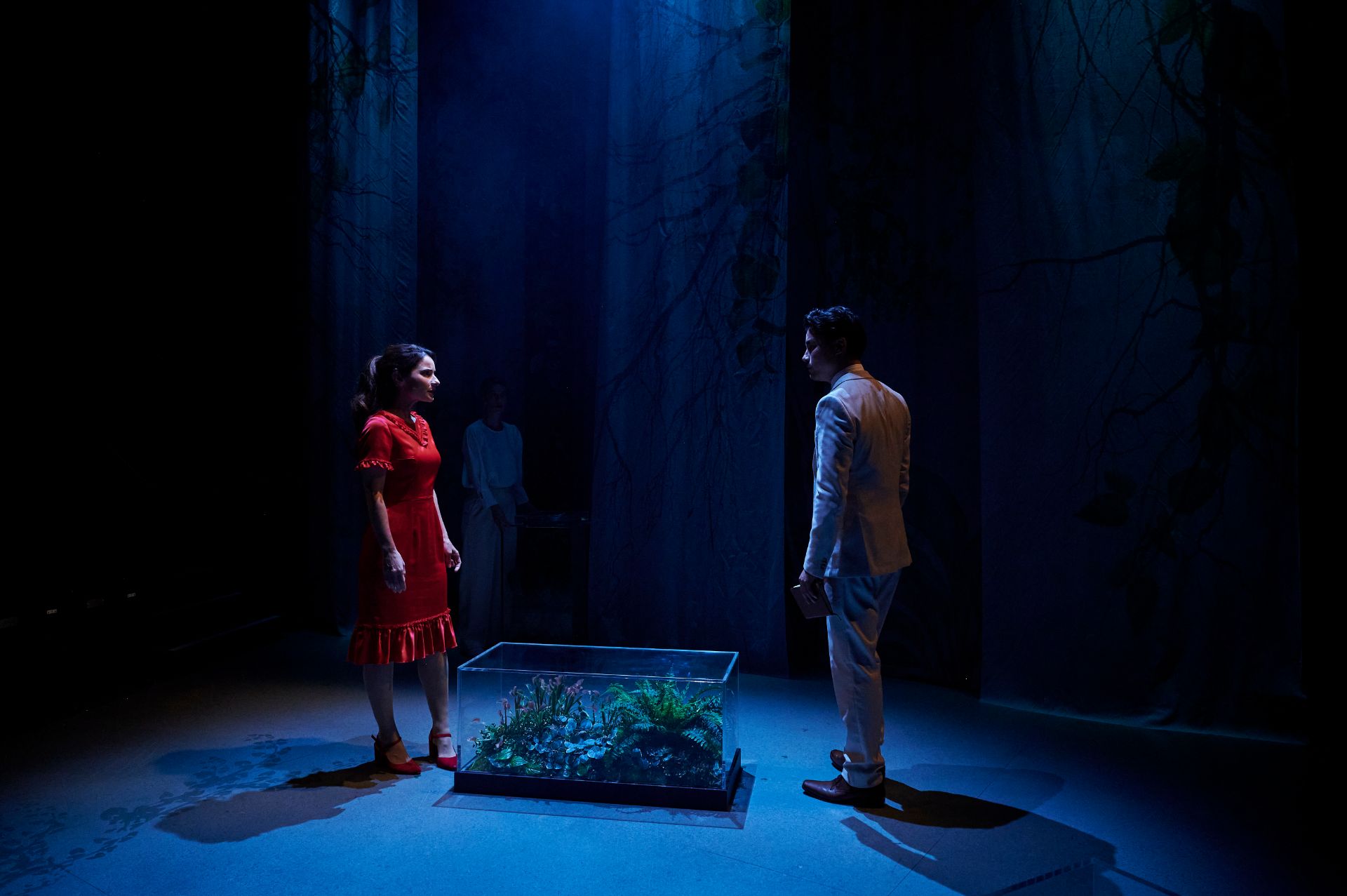
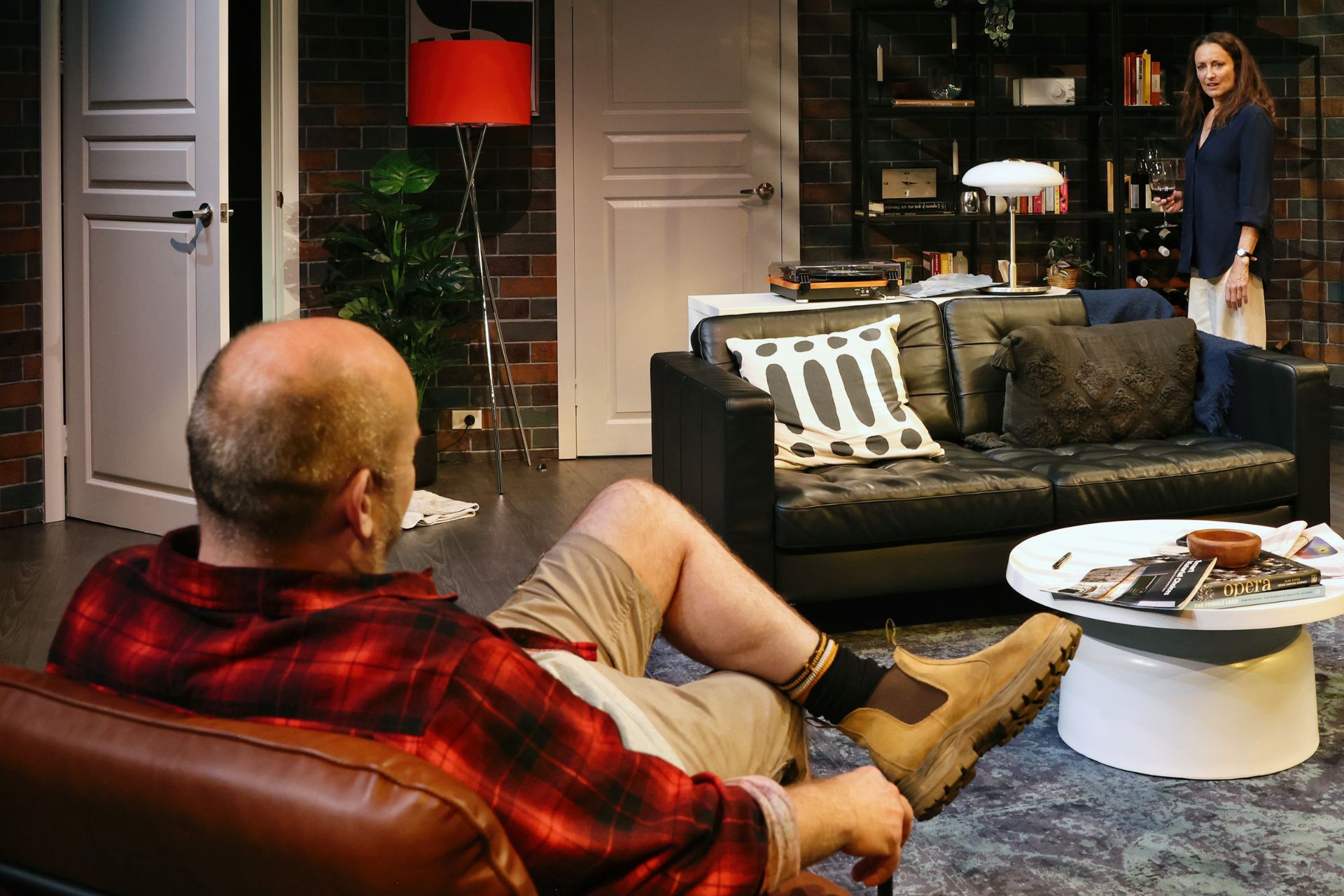
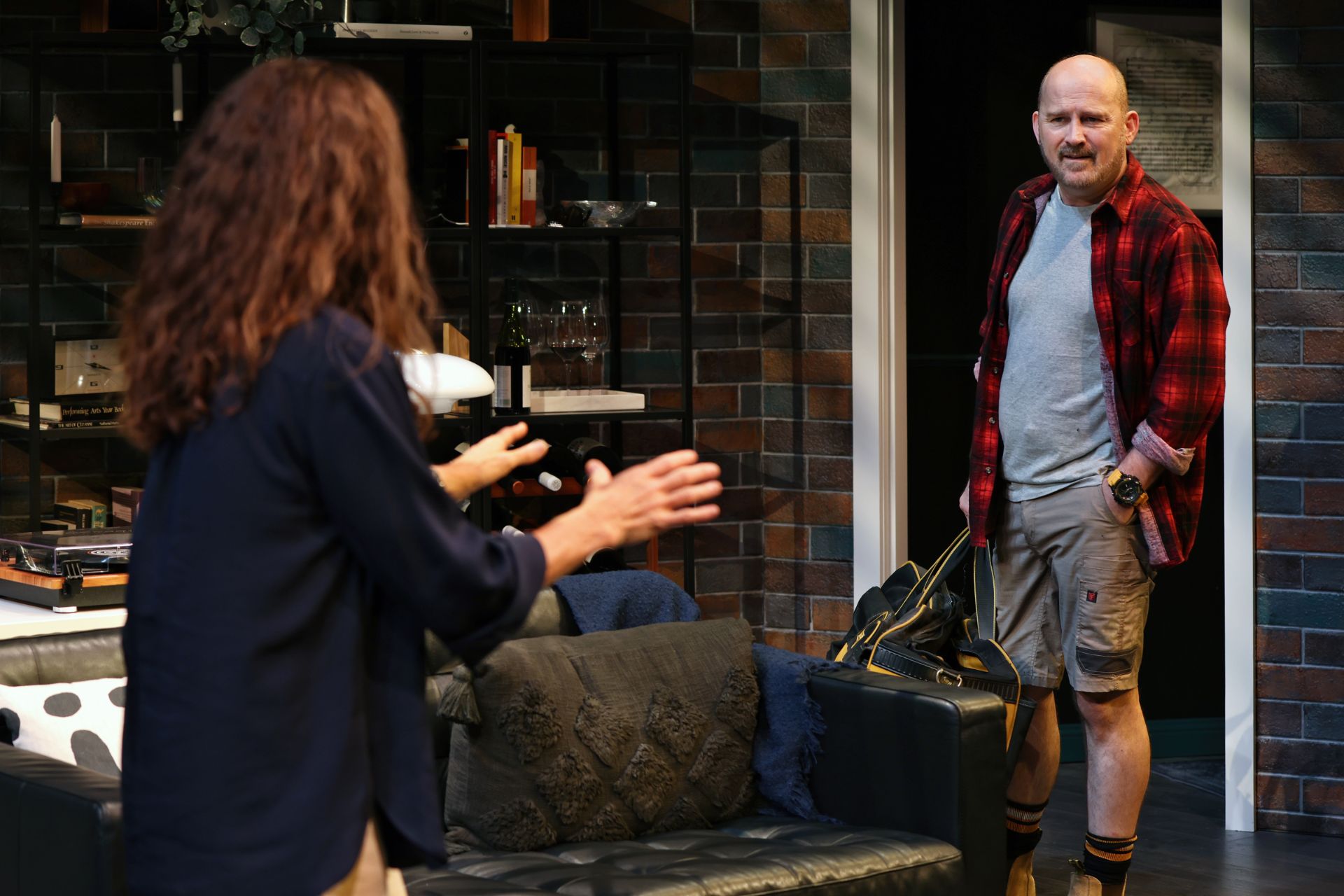
Set design by Veronique Benett features Violet’s flamboyant bedroom from the decadent seventies, impressive with its detail and finesse, and although dripping with irony, is simultaneously alluring with its sensual colour palette. Lights by Kelsey Lee and music by David Bergman are mostly subdued, in service of the intricate humour being manufactured, but are both noteworthy for their efficacy when given the opportunity to convey a greater sentimentality, especially during scenes later in the piece.

It is easy to begrudge parents their deficiencies; we never really come to terms with their human fallibilities. As women however, we can never deny that with each generation, our place in the world has improved, and looking back at what our mothers and grandmothers had had to endure, is always sobering. Violet’s daughters can certainly blame her for whatever they think is impairing their lives, but none will want to take her place, at a time when things were unequivocally worse.

www.ensemble.com.au

Review: Summer Of Harold (Ensemble Theatre)

Venue: Ensemble Theatre (Kirribilli NSW), Sep 8 – Oct 14, 2023
Playwright: Hilary Bell
Director: Francesca Savige
Cast: Berynn Schwerdt, Hannah Waterman
Images by Jaimi Joy

Theatre review

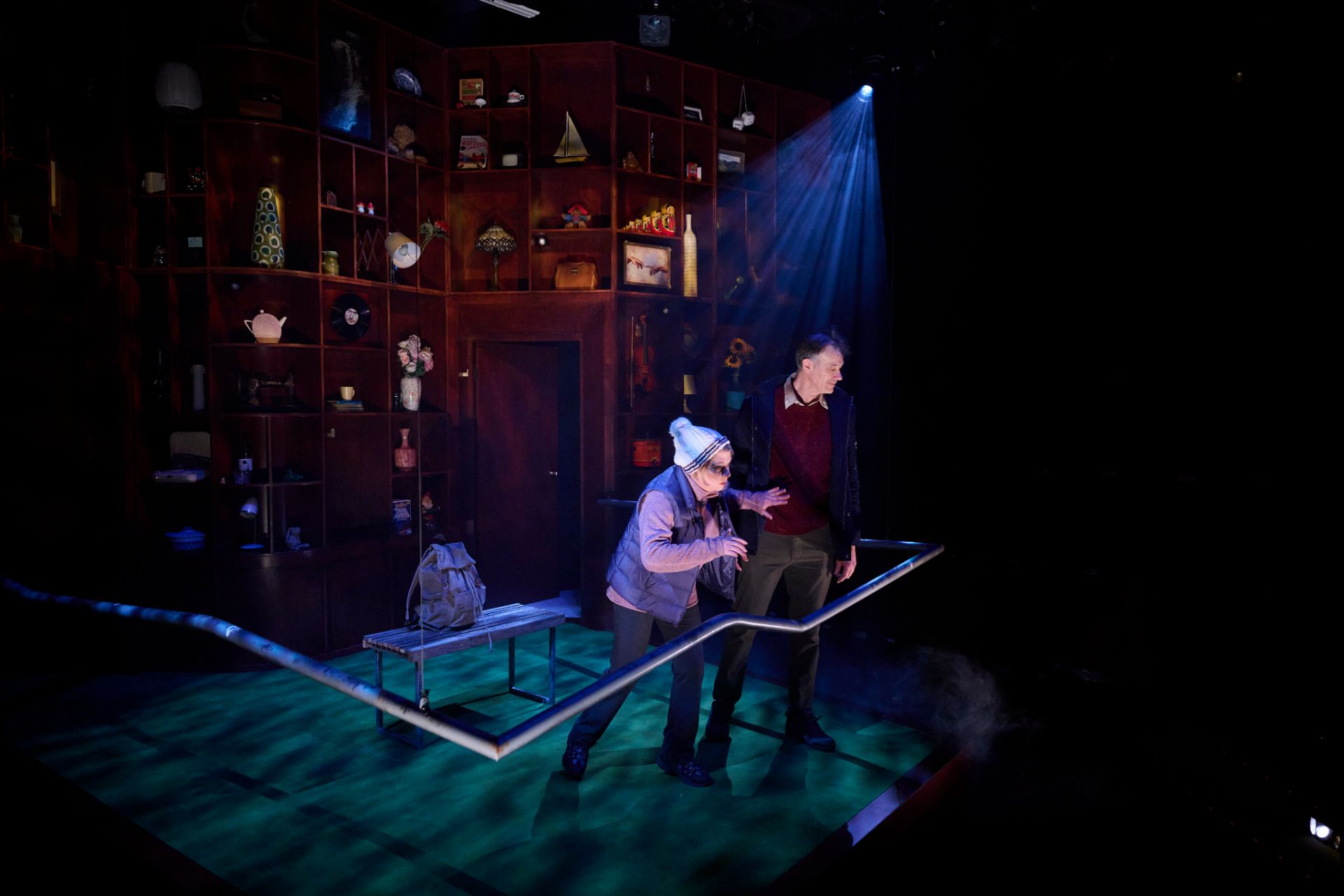
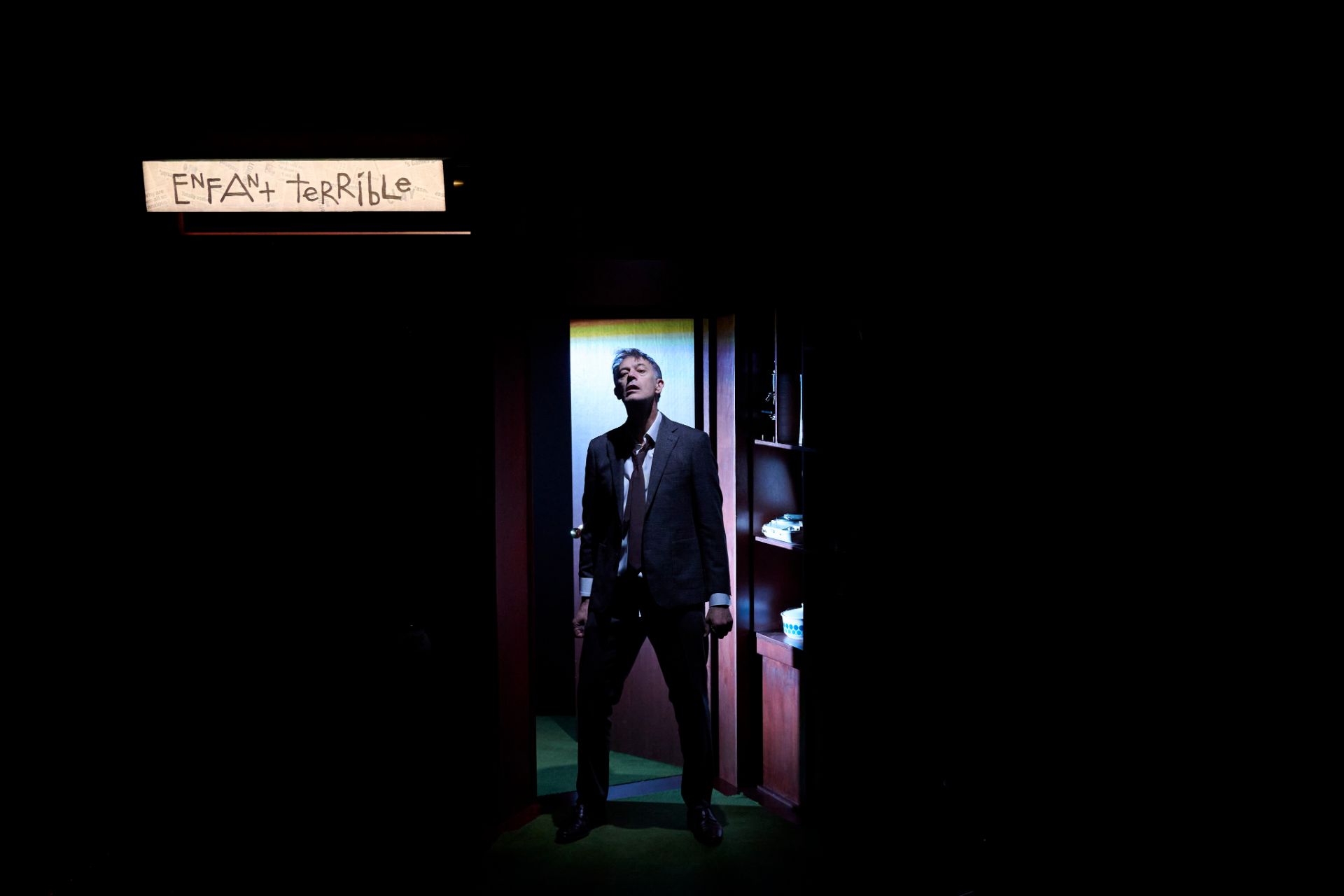
Hilary Bell’s trio of short plays may not be terribly fashionable, with their shared fixation on the 80’s, and a seeming disregard for anything topical that may feel directly relevant, to the myriad trending social concerns competing for bandwidth. It does however pay attention to an older cohort of our population, the ones we have come to nickname “the boomers” who seem to have it all. Yet in Summer of Harold, Enfant Terrible and Lookout, we find these Australian lives to be much more than the privilege with which they are resentfully associated.

These characters are full of vulnerability, some of them consumed with sadness, others with regret or nostalgia. Bell’s depictions of humanity are certainly truthful, often with a gentle humour that makes her storytelling charming and resonant. Francesca Savige’s tender direction of the pieces is rich with emotion and consistently funny. These explorations are of a particular ordinariness but imbued with an unmistakeable generosity, so that we can perceive the sacred within the mundane, and that something universal can be discovered from these private moments. These stories are small, but Savige ensures that access to their spiritual core is always unrestricted.

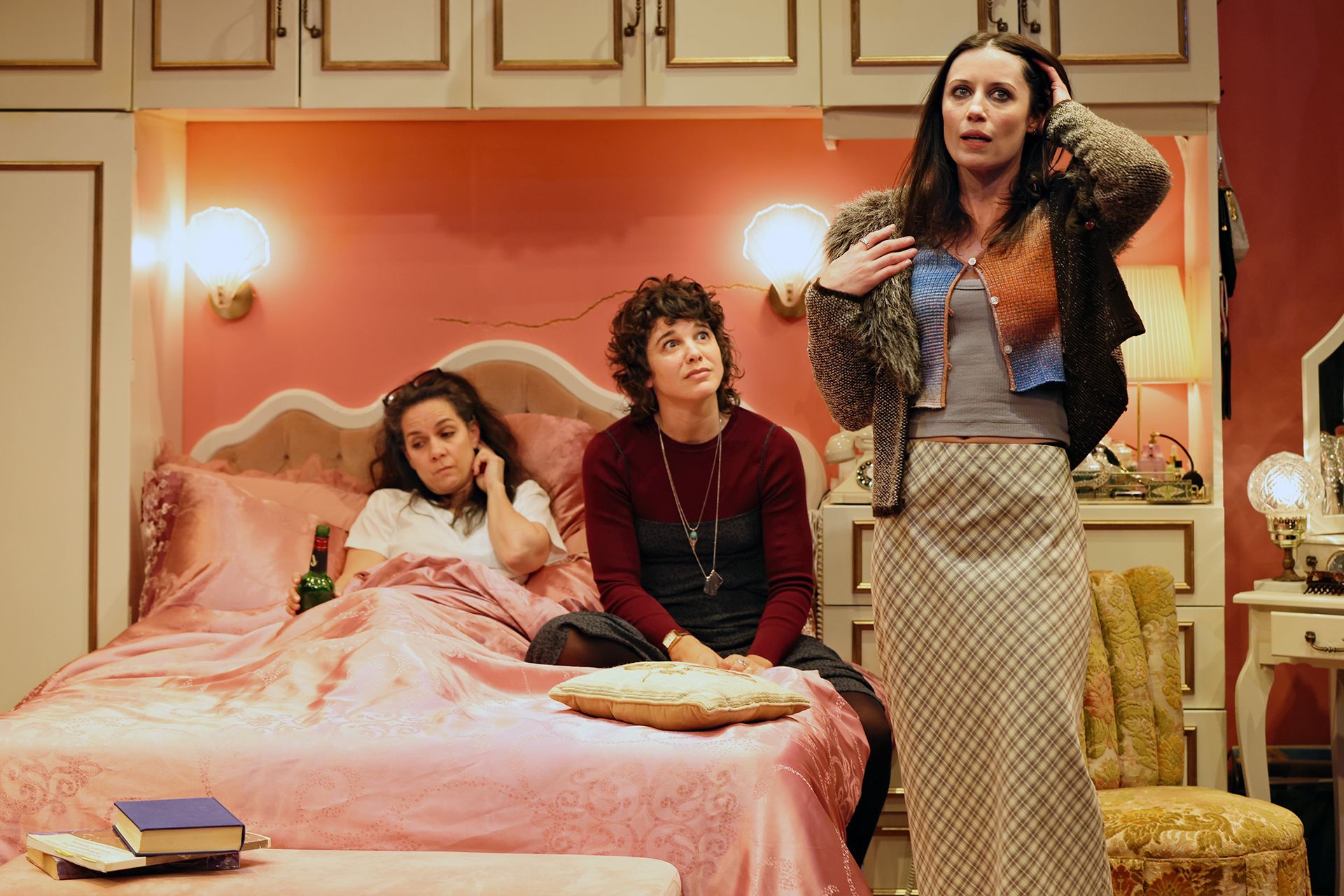
It is an attractive stage design by Jeremy Allen that greets us, although not quite versatile enough to accommodate the three completely different settings required of the production. Matt Cox’s lights deliver an elegant sentimentality crucial to our appreciation of these intimate contemplations. Sound design by Mary Rapp guides us effortlessly from one segment to another, leaving a particularly strong impression with the intensity she renders for the final story.

Actor Berynn Schwerdt demonstrates exceptional acuity in his interpretations of Gareth and Jonathan. Highly convincing in completely divergent roles, able to make them equally compelling, with flawless impulses, and an admirable creativity that allows him to introduce surprising nuance at every turn. Playing Janet and Rae is Hannah Waterman, whose rawness as a performer invites us to connect with the internal dimensions of the women being portrayed, both of whom seem so cordially familiar.

Some of these characters we meet, have pasts they need to leave behind, while some others are quite content staying put. Time can be thought of as linear, especially useful when indulging in flights of fancy pertaining to matters of progression. History does show undeniable propensity in how we are able to make things better. Time can also be thought of as circular or oscillatory, so that we may feel no inadequacy in this state of being, that one is always enough wherever one might be. Fortunately both are concurrently, and eternally, real.
www.ensemble.com.au

Review: Mr Bailey’s Minder (Ensemble Theatre)

Venue: Ensemble Theatre (Kirribilli NSW), Jul 28 – Sep 2, 2023
Playwright: Debra Oswald
Director: Damien Ryan
Cast: John Gaden AO, Rachel Gordon, Albert Mwangi, Claudia Ware
Images by Prudence Upton

Theatre review

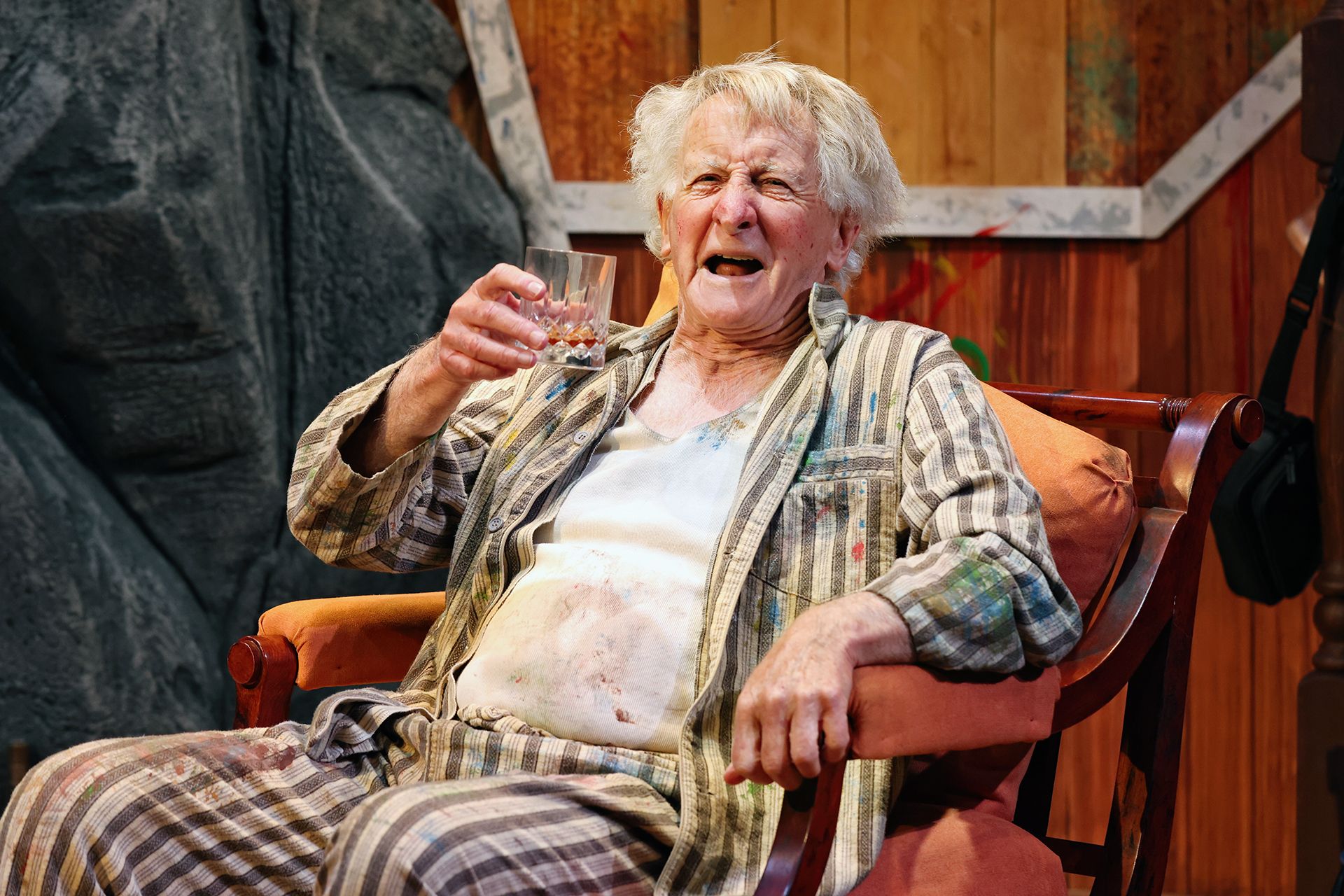
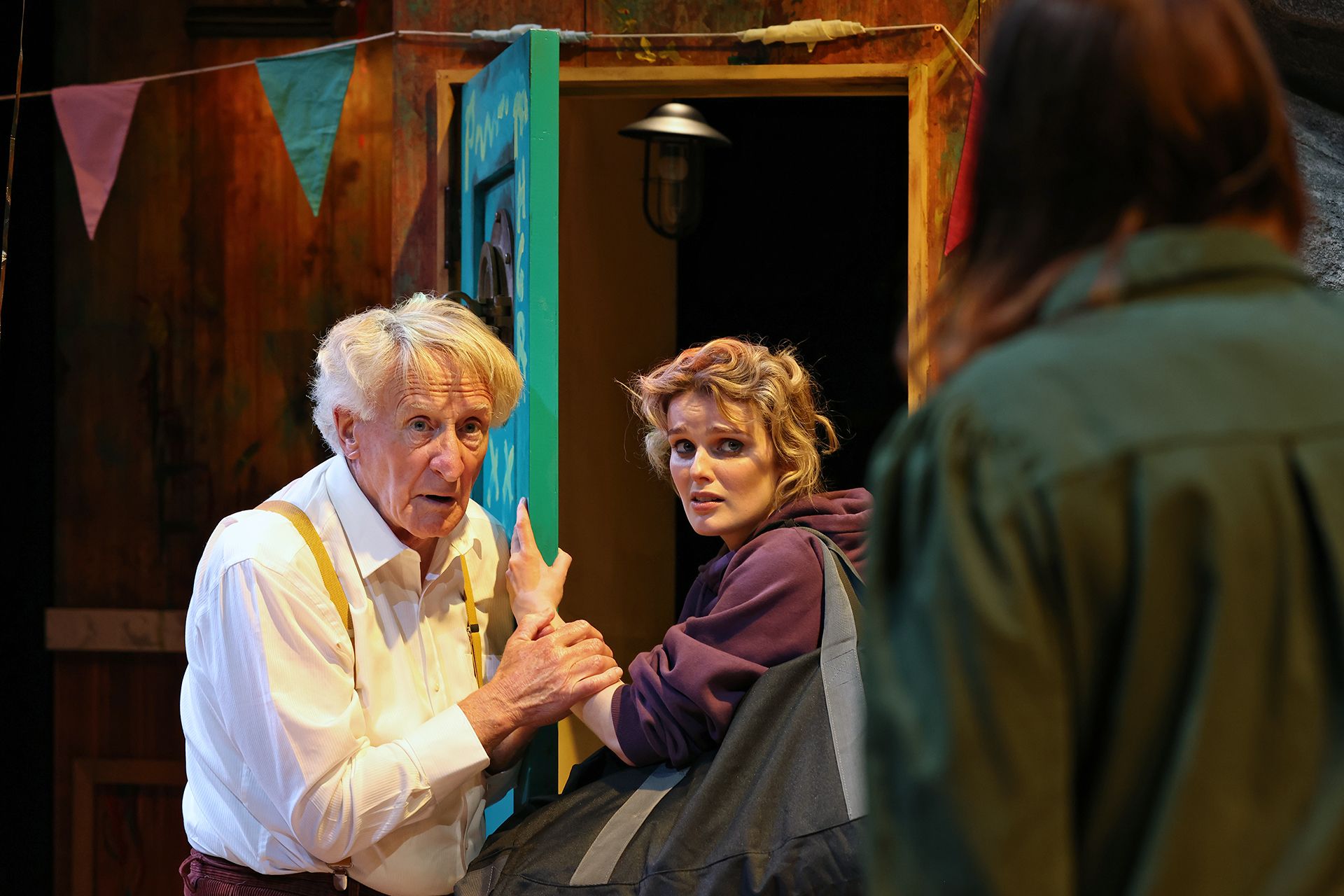
Therese is in no position to wait for a better job, so she takes on the challenge of caring for Leo, an artist of great renown who has no redeeming features, except for his exceptional paintings. Debra Oswald’s Mr Bailey’s Minder is about salvation, even for the worst of us. It is a wonderful sentiment, that all of us should deserve hope, but even though there is a lot of truth in the old saying, ‘let them who are without sin cast the first stone,’ to forgive Leo and endear to him, is perhaps too much to ask of some audiences.

Like his daughter Margo, we find it mostly an absurd idea, to indulge in the fantasy that a man with decades of transgressions, should be essentially good and therefore worthy of love in his twilight years. The complete predictability of the plot, along with the lacklustre dialogue, makes for a play that feels even more passé than its two-decade age might suggest. Certainly its intentions are wholesome and pure, and this staging by director Damien Ryan reflects those very decent virtues appropriately. The show feels spirited, almost charming at times, and it is unsurprising that some might be led to find it a meaningful story to invest in.

Abstract elements of Soham Apte’s set design are charmingly considered, although its colour palette could benefit from a little restraint. Apte’s work on costuming is more effective, rendered with a detailed eye to help us achieve an understanding of characters from first glance. Lights by Morgan Moroney are remarkable for subtle and astute calibrations that ease us through constant vacillations between comedy and drama. Sound design by Daryl Wallis is minimal but realistic, with occasional interlude music offering a hint of elegance.
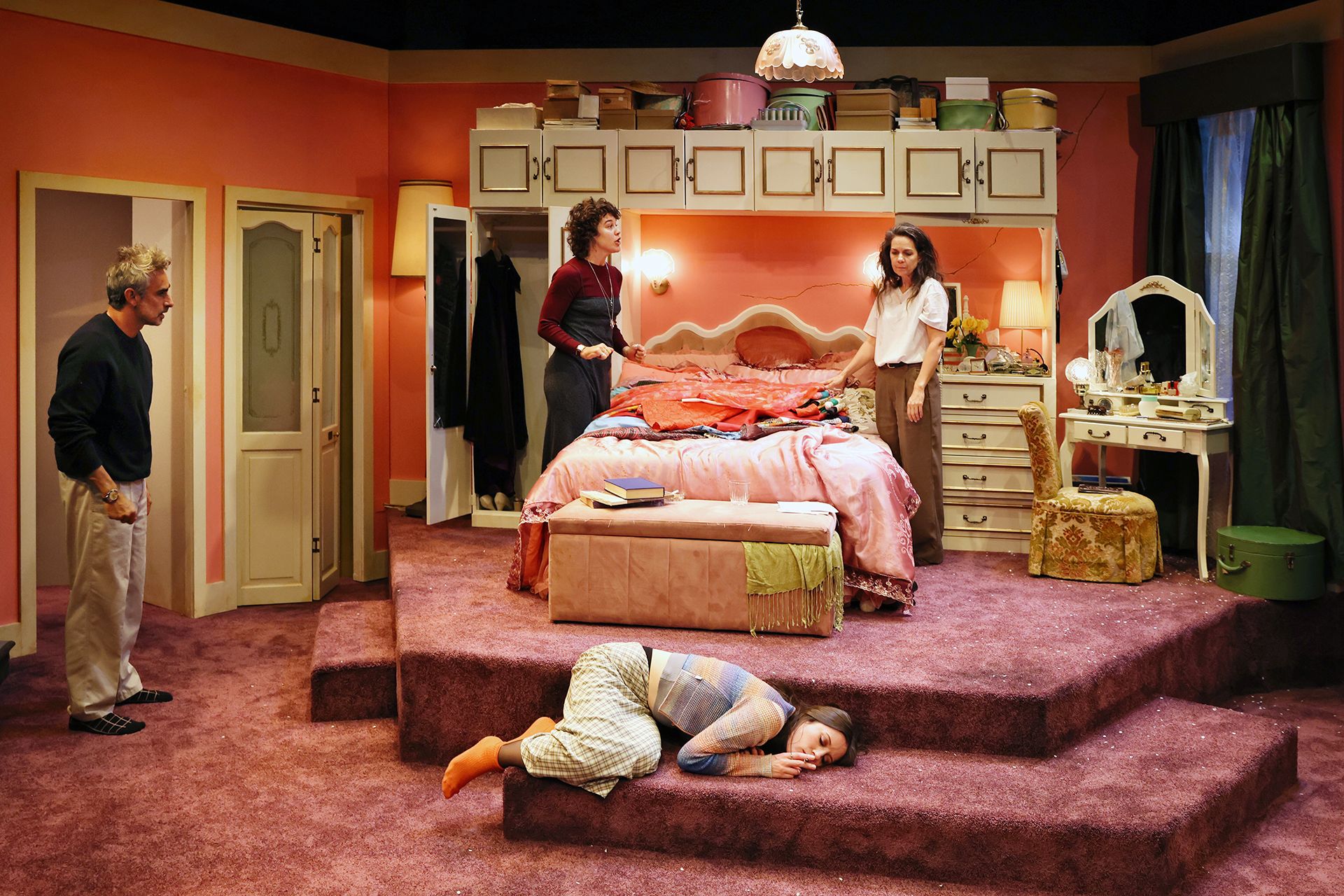
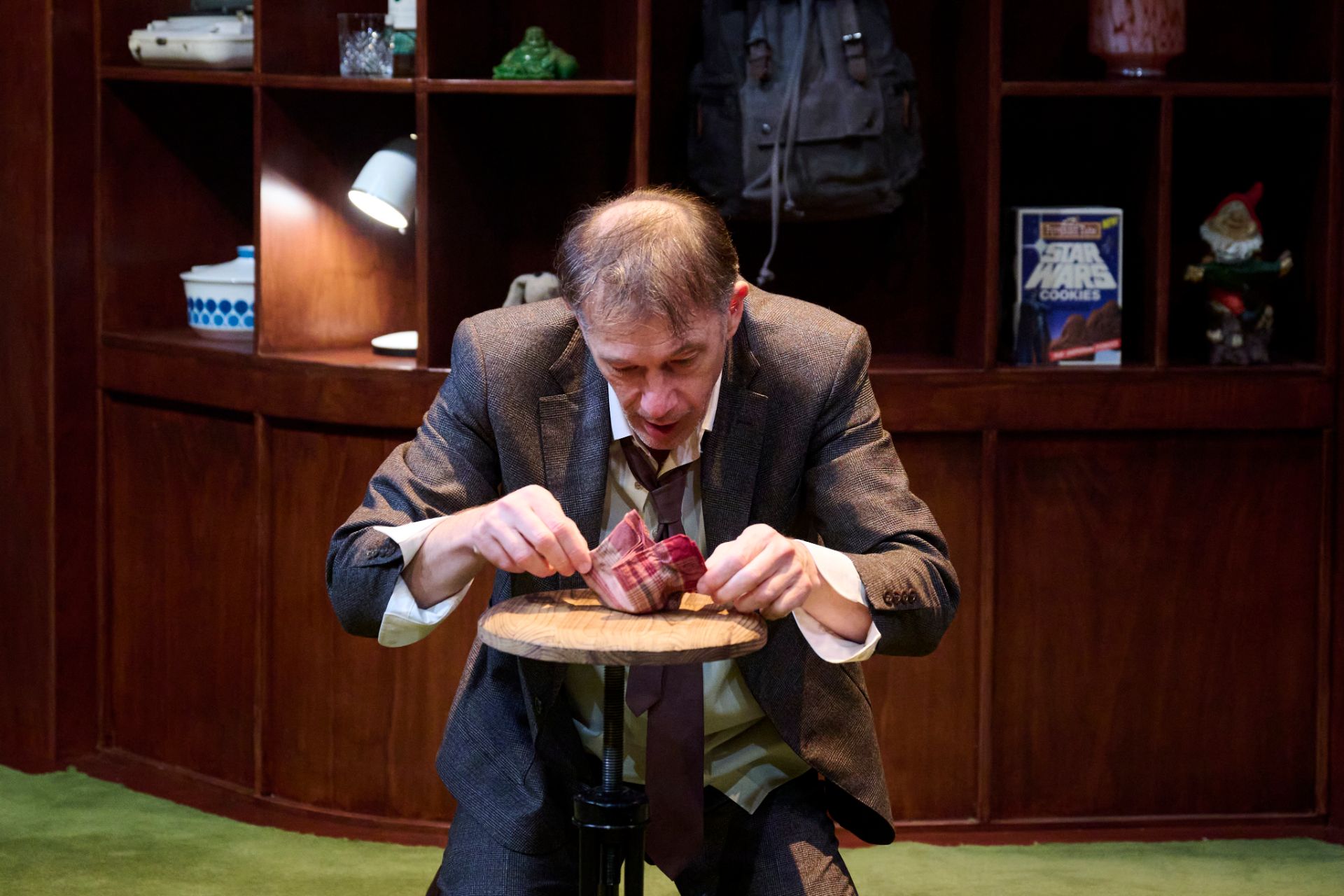
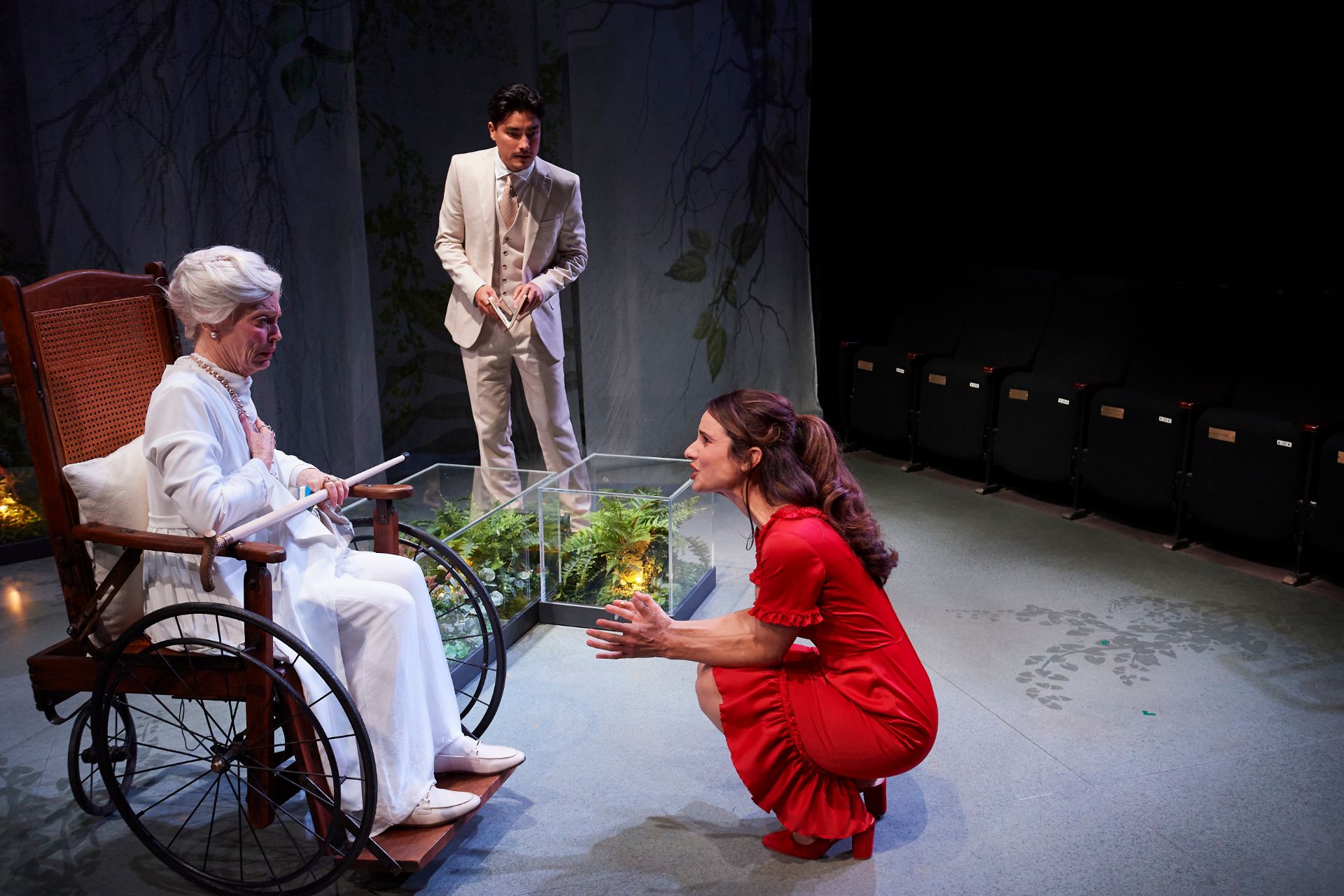
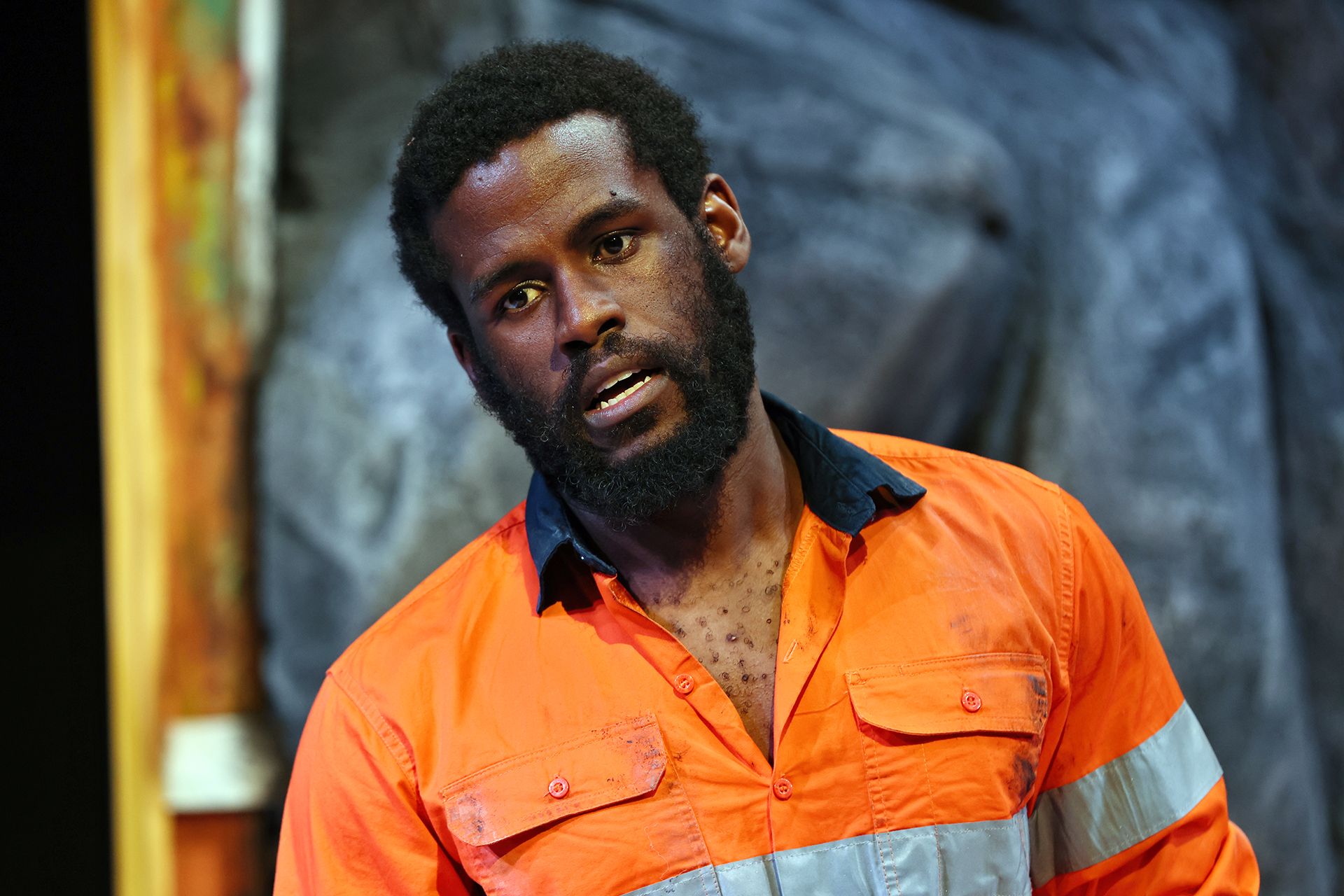
Actor John Gaden is extremely likeable as Leo Bailey and, therefore, elicits conflicting feelings about a man who has ostensibly done a lot of harm throughout his lifetime. Gaden’s palpable chemistry with each member of cast, makes everything magically palatable. Playing Therese is Claudia Ware whose warm exuberance compels us to persist with the tale. Albert Mwangi too is charismatic in dual roles, captivating whether as the deviant Gavin or the delightful Karl. As Margo, Rachel Gordon’s humour is a highlight, enjoyable enough for us to excuse her inability to make convincing her character’s eventual change of heart, regarding the contemptible patriarch.
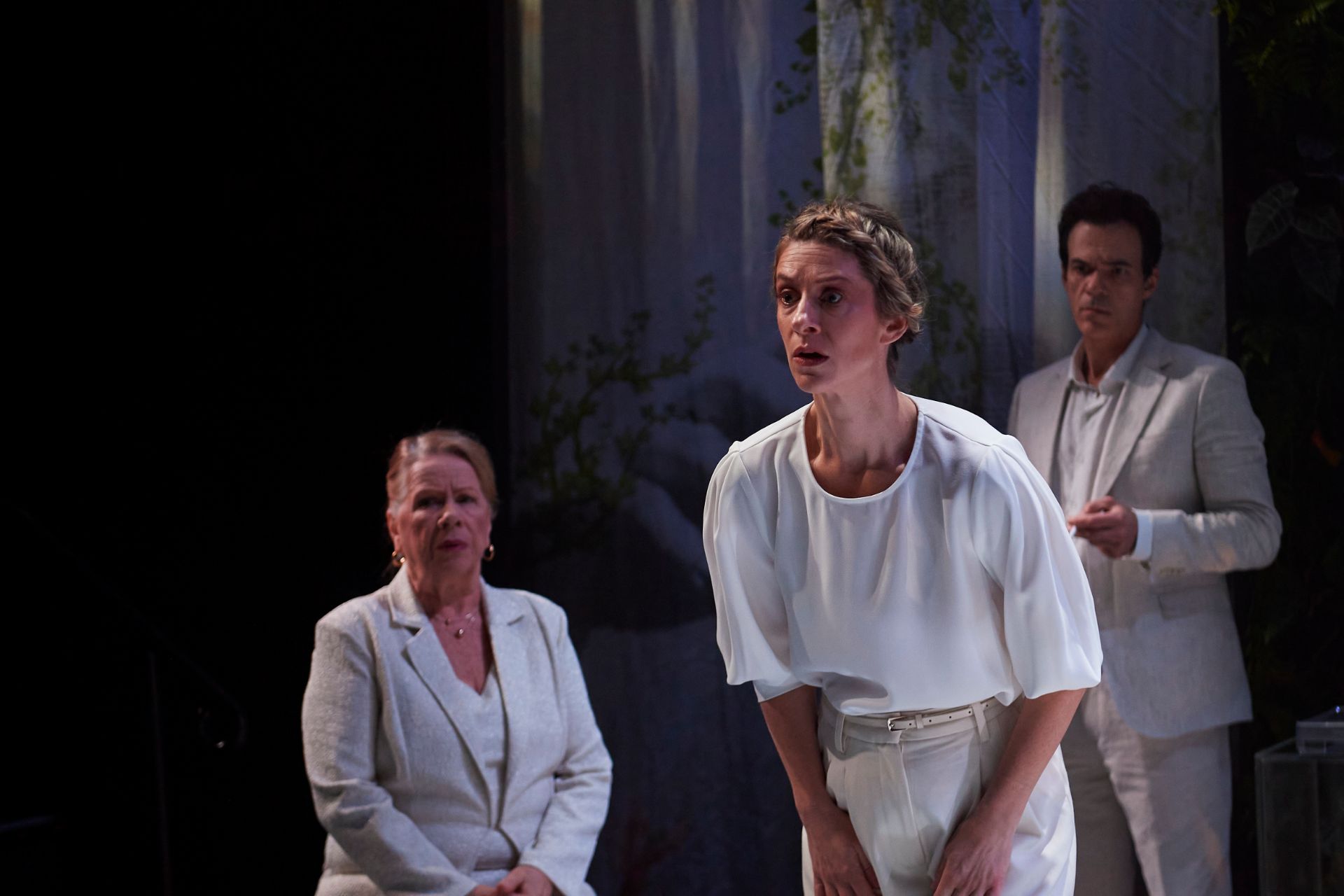
Forgiveness is the most honourable quality one can learn to cultivate, but is admittedly difficult to engender with erstwhile offenses, and nigh on impossible to instil when wrongdoings are ongoing and recurrent. In Mr Bailey’s Minder one could detect a real need for grace, and that impulse is prudent and true. Also true, is that we need to see evil for what it is, and find ways to recognise that confronting discord, and not fall into delusions to make absolution easier. Furthermore in our art, benevolence should perhaps play a subordinate role, to chastising those who deserve it. Leo may be a great artist, but he is also a horrible man, and choosing to forget the inconvenient half, is unconscionable.

www.ensemble.com.au

Review: Benefactors (Ensemble Theatre)

Venue: Ensemble Theatre (Kirribilli NSW), Jun 16 – Jul 22, 2023
Playwright: Michael Frayn
Director: Mark Kilmurry
Cast: Gareth Davies, Megan Drury, Matt Minto, Emma Palmer
Images by Prudence Upton

Theatre review

It is the late 1960s and architect David is embarking on a controversial project, of building high-rise housing in South London. Meanwhile his needy neighbour, the newly-divorced Sheila, is employed as David’s secretary, allowing the architect’s wife Jane more time to manage their busy lives. Michael Frayn’s Benefactors is over half a century old, and while its style remains delightfully quirky, the play’s concerns are largely outdated. Gender politics in particular, are presented in ways that, unfortunately, could be described as gruelling and archaic.

Director Mark Kilmurry may not have modernised Benefactors, but the production is given sustained energy to hold our attention. It bears a comedic rhythm that, although not uproarious, is pleasant enough to keep us engaged. Set design by Nick Fry evokes a Brutalism style typical of mid-century England, along with costumes that are commensurately of the period. Matt Cox’s lights help focus our gaze on a busy stage, making the visual experience feel completely organic and effortless.

Actor Gareth Davies brings great charm to the role of David, not quite able to make the passé humour work, but an enchanting presence nonetheless. Jane is played by a spirited Emma Palmer, whose inexhaustible vigour and commitment, convinces us to sit tight to the end. Megan Drury delivers admirable intensity, as the exasperating Sheila, and Matt Minto’s sense of mischief gives surprising dimension, to David’s adversary Colin.

The 1960s were a time of upheaval and accelerated change. Looking back, some of what we were, has now become barely recognisable. It may at times feel as though progress is a destination beyond reach, but incremental improvements can always be identified, even if setbacks and backlashes are resolutely par for the course. Things do get better, and there are legacies everywhere that furnish validation.

www.ensemble.com.au

Review: Suddenly Last Summer (Ensemble Theatre)

Venue: Ensemble Theatre (Kirribilli NSW), May 18 – Jun 10, 2023
Playwright: Tennessee Williams
Director: Shaun Rennie
Cast: Valerie Bader, Andrea Demetriades, Belinda Giblin, Remy Hii, Socratis Otto, Kate Skinner
Images by Jaimi Joy

Theatre review

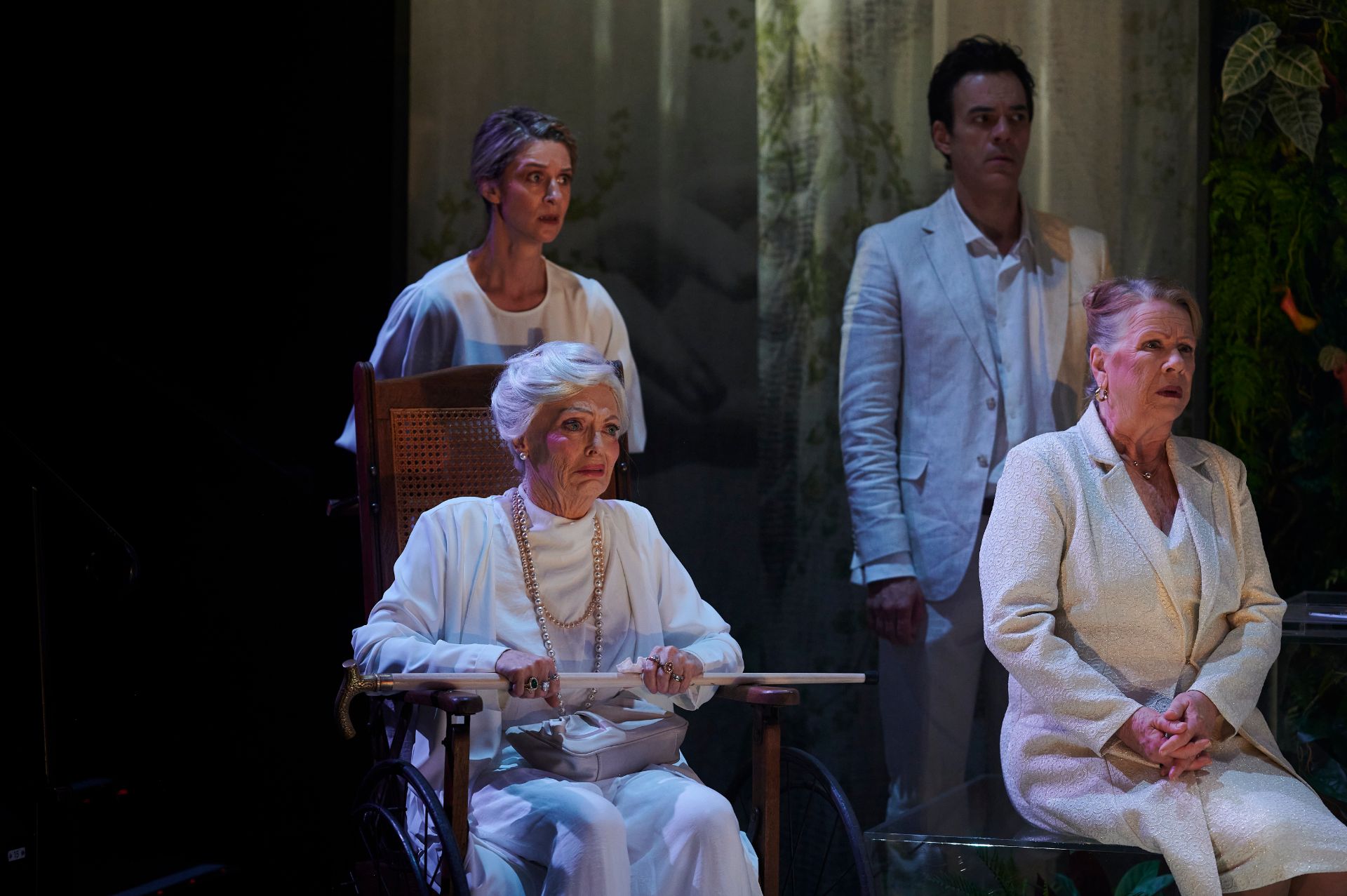
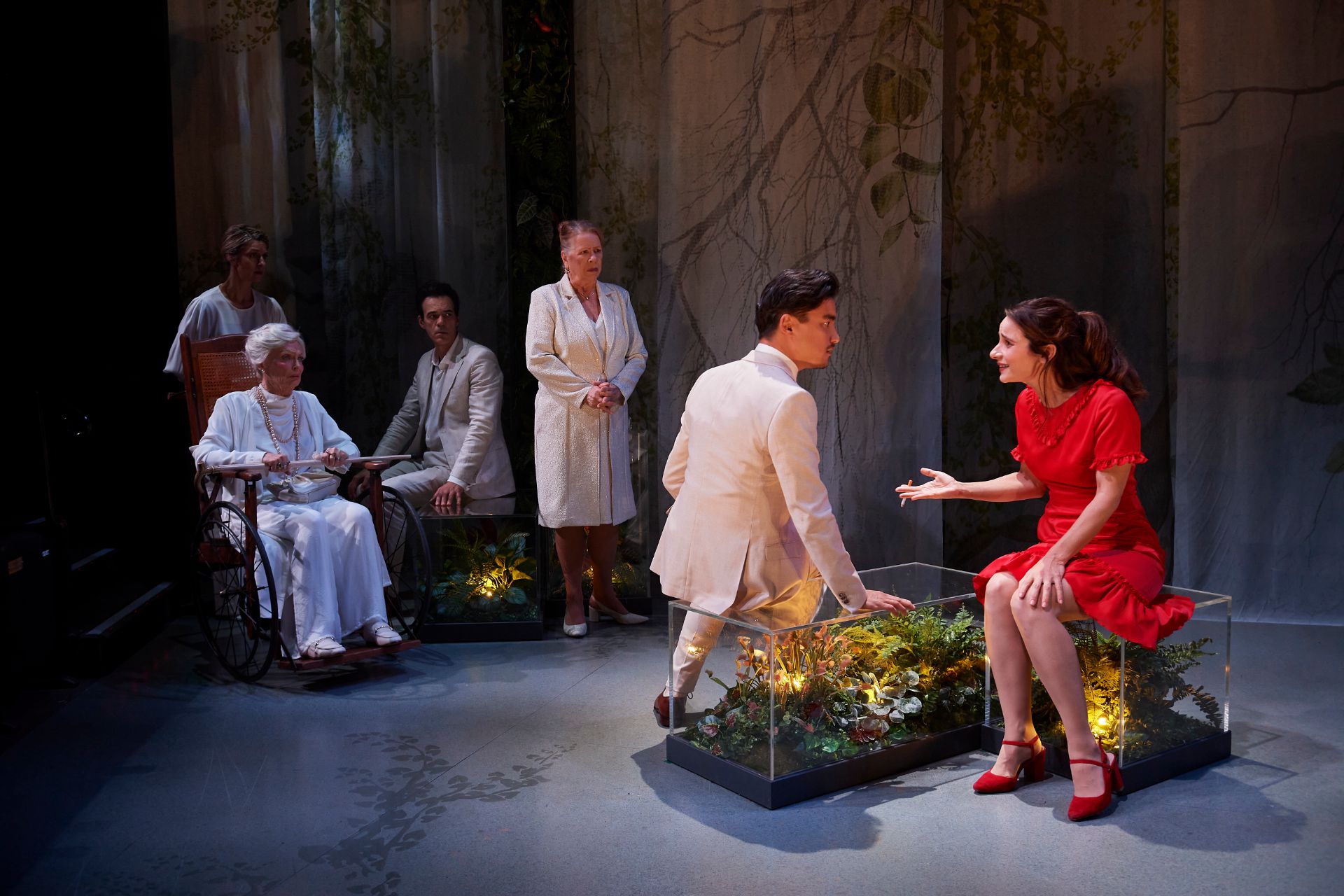
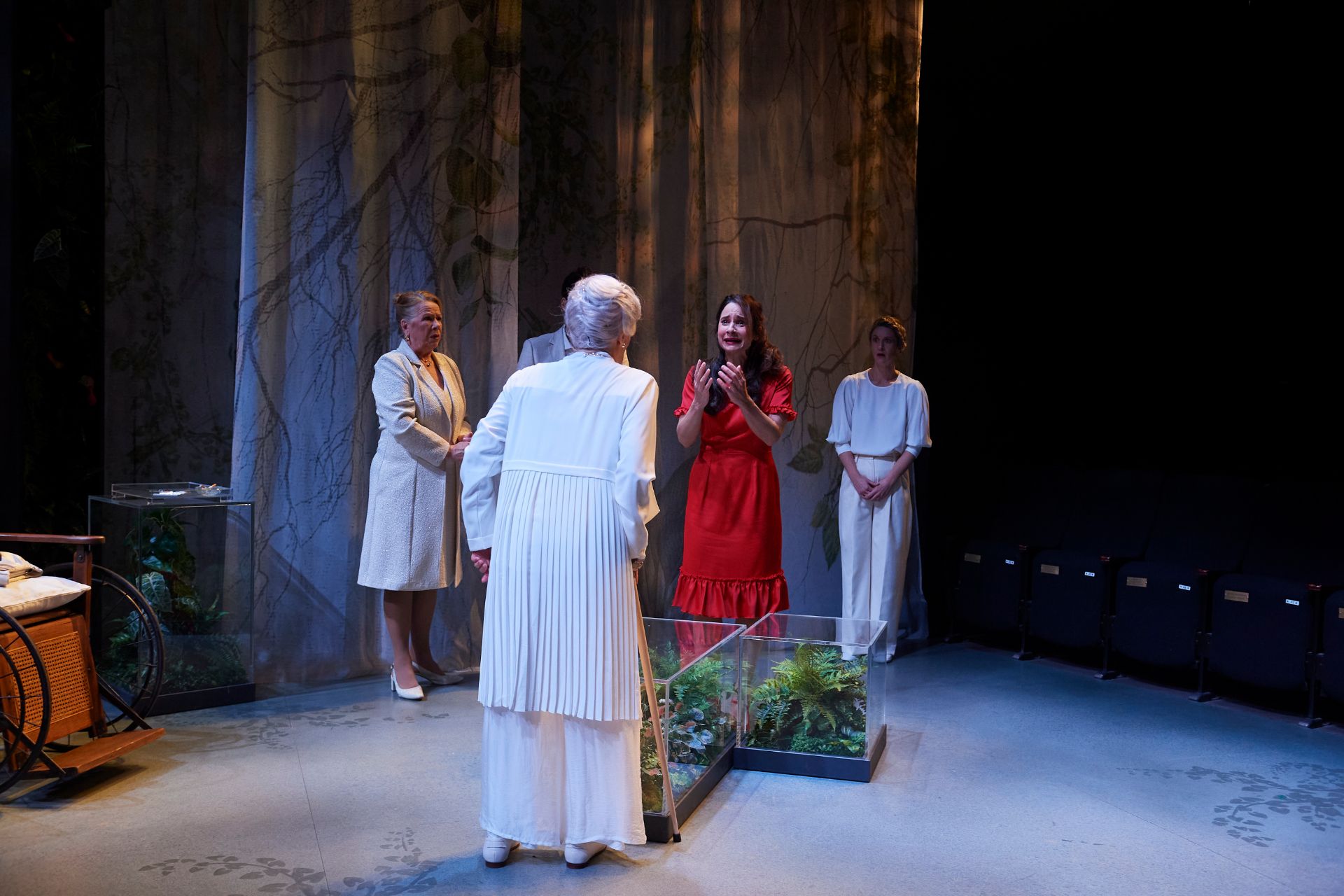
The poeticism of Tennessee Williams’ Suddenly Last Summer tells a story of mystery and obfuscation surrounding the death of a certain Sebastian Venable. Violet, the mother of Sebastian, feigns ignorance and is so determined to suppress the truth that she confines Catharine Holly, her son’s cousin and eyewitness, in a mental institution. It becomes increasingly evident, that if Catharine’s testimony is allowed to emerge, untold harm would come to the Venable name.

The play was first staged in 1958, but the concept of shame, remains very much a part of the human experience. Director Shaun Rennie conveys with great efficacy, the intensity with which these characters have to succumb to the prospect of reputation ruin. There is no questioning the severity of stakes involved, and an unmistakable escalation of dramatic tension through the piece proves deliciously satisfying.

Music and sound by Kelly Ryall is crucial in communicating so unambiguously, the mounting pressure that occurs through the production. Ryall’s renderings of atmosphere bear a surreal quality, that melds beautifully with the lyrical style of Williams’ writing. Lights by Morgan Moroney too, transport us somewhere decidedly dreamlike, perhaps commensurate with the altered states experienced by a heavily medicated Catharine. Set and costumes by Simone Romaniuk are subdued by comparison, but are nonetheless elegant in their depictions of space.

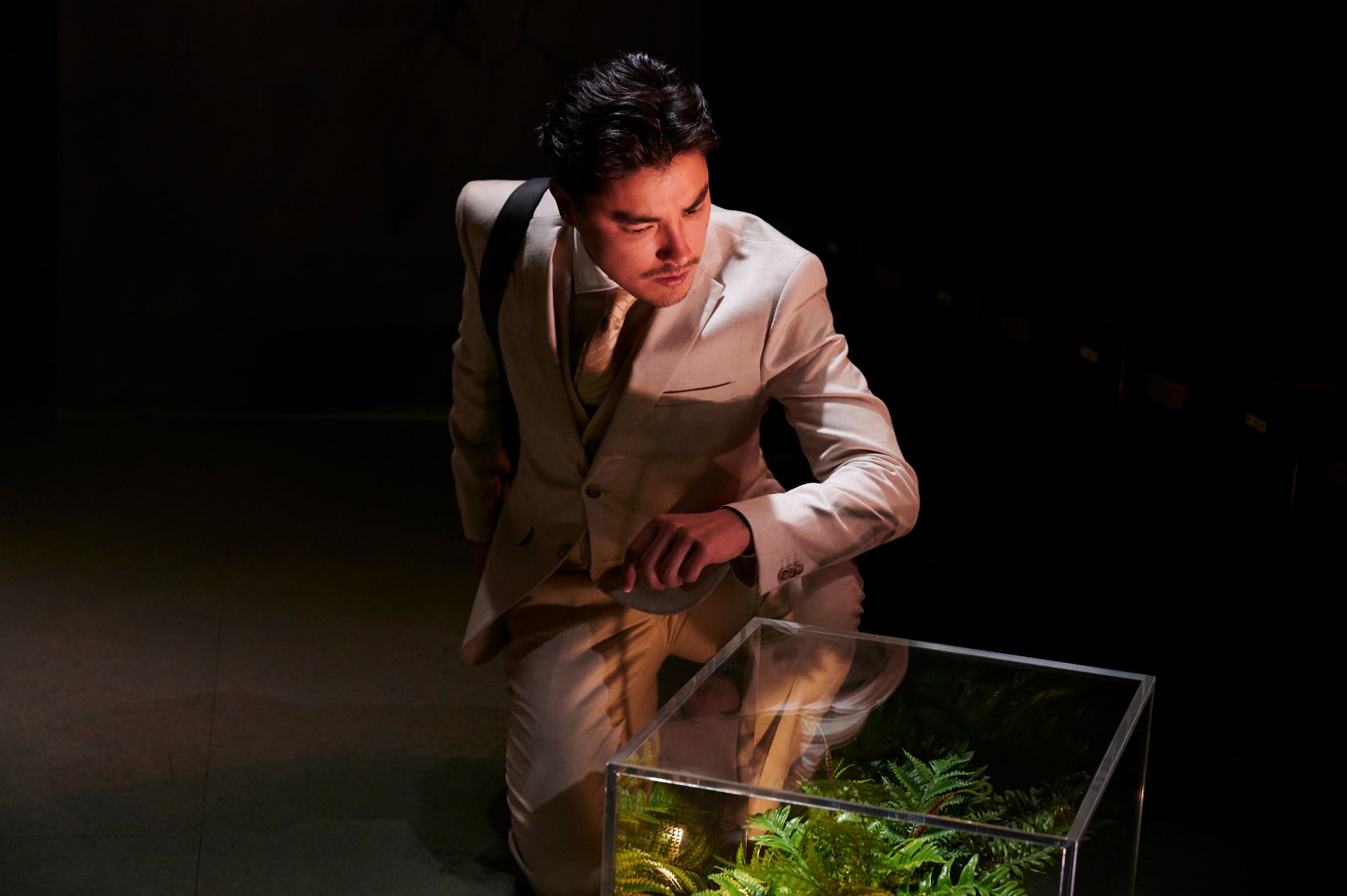
Actor Andrea Demetriades is splendid as Catharine, elastic in her capacity to portray a wide variety of psychological conditions, and mesmerically powerful when required to take the theatre to a fever pitch, at its concluding moments. The deceptive Violet is played by Belinda Giblin, who impresses with a meticulous approach to her character’s obscured complexities. Remy Hii as Dr. Cukrowicz is memorable for introducing an austerity to the health professional’s ethically suspect actions. The ephemeral essence of American Southern-ness is not always represented perfectly in the show, but Valerie Bader, Socratis Otto and Kate Skinner, who although play auxiliary parts, are all marvellously adept at creating for us, that very beguiling and distinct flavour.

Tennessee Williams was prohibited from living a completely authentic life. His queerness was outlawed, and in Suddenly Last Summer we see how that homophobia had manifested, within the queer artist’s mind. The play makes statements about a kind of self-hatred that we are prone to acquire, as a result of persistent and pervasive gaslighting. It also functions as a valuable historical artefact, in which a queer artist is only able to occupy space in his own work, by inflicting on himself the same exhaustive denigration, made obligatory by dominant forces of those times. Things do change, but in Suddenly Last Summer, the appalling way we treat the marginalised, only seems to turn increasingly grim with time.

www.ensemble.com.au

Review: Clyde’s (Ensemble Theatre)

Venue: Ensemble Theatre (Kirribilli NSW), May 5 – Jun 10, 2023
Playwright: Lynn Nottage
Director: Darren Yap
Cast: Charles Allen, Gabriel Alvarado, Nancy Denis, Aaron Tsindos, Ebony Vagulans
Images by Prudence Upton

Theatre review

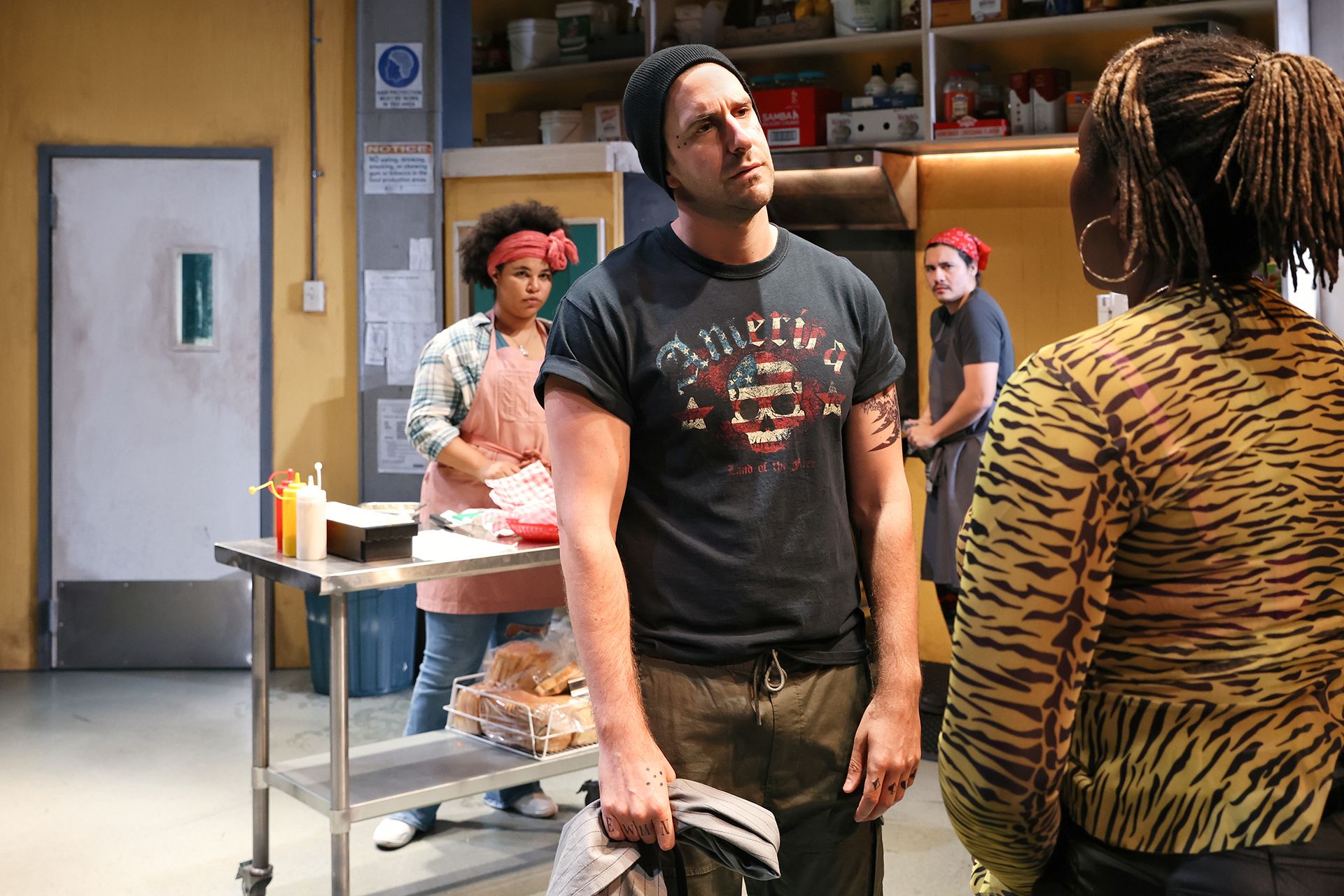
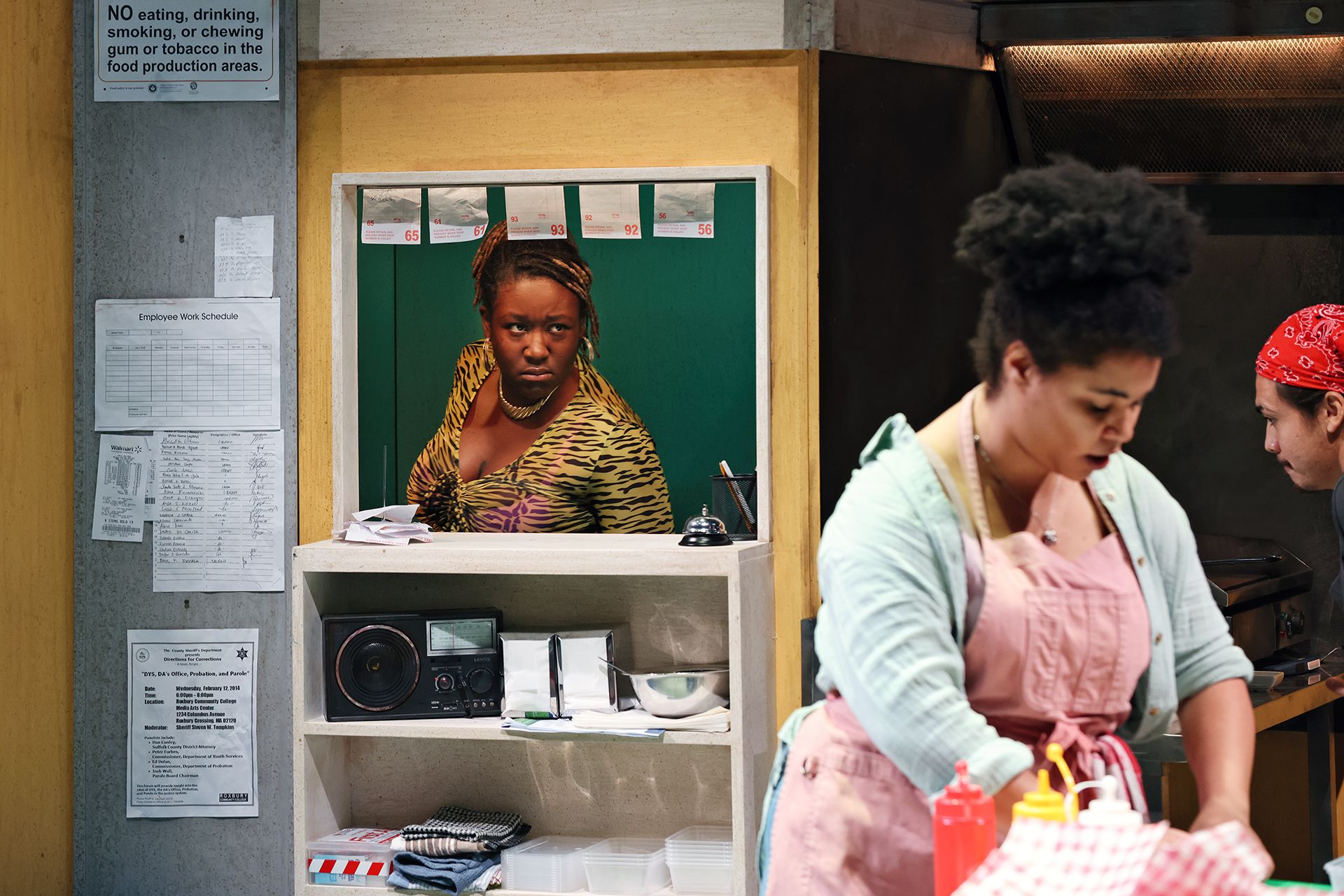
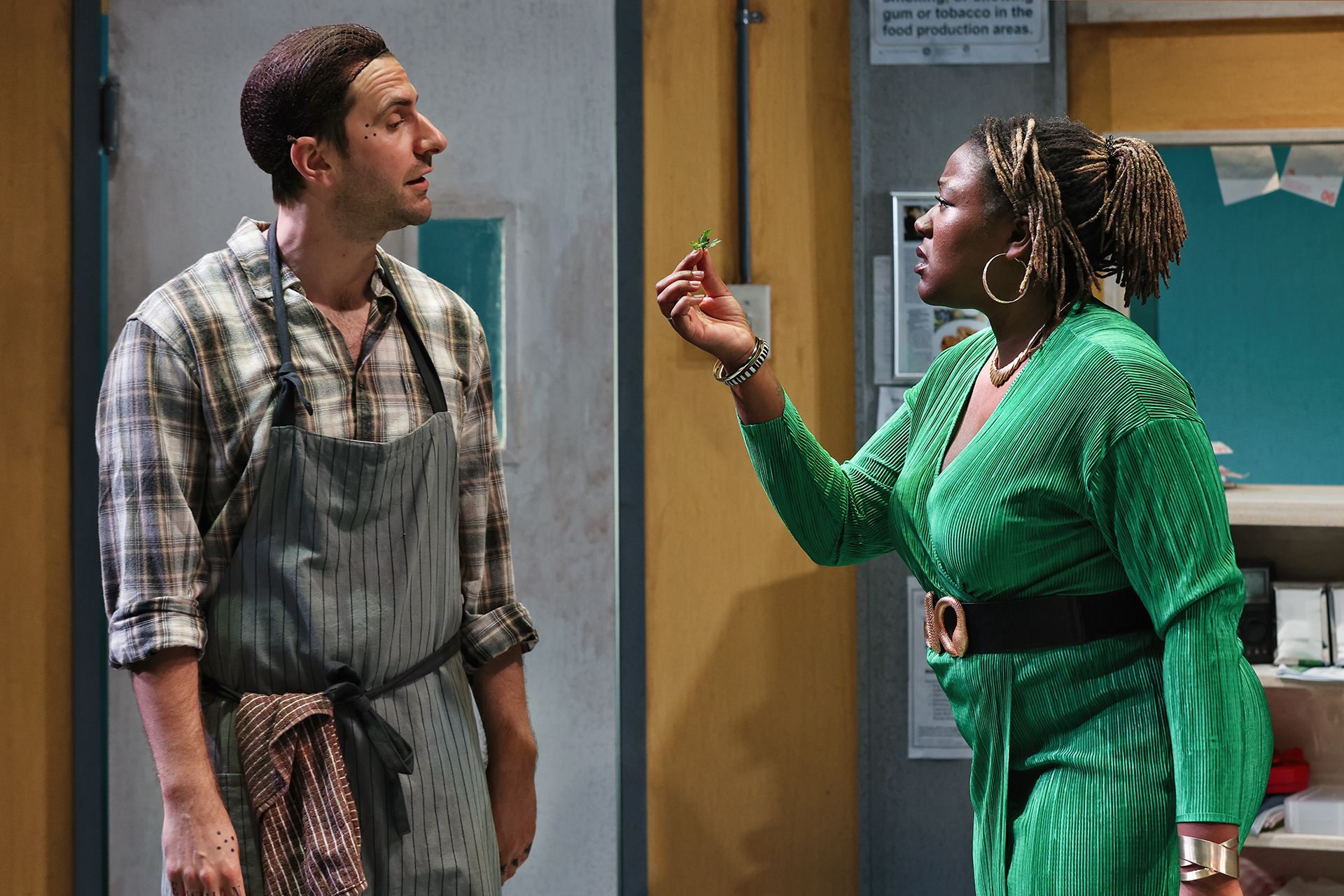
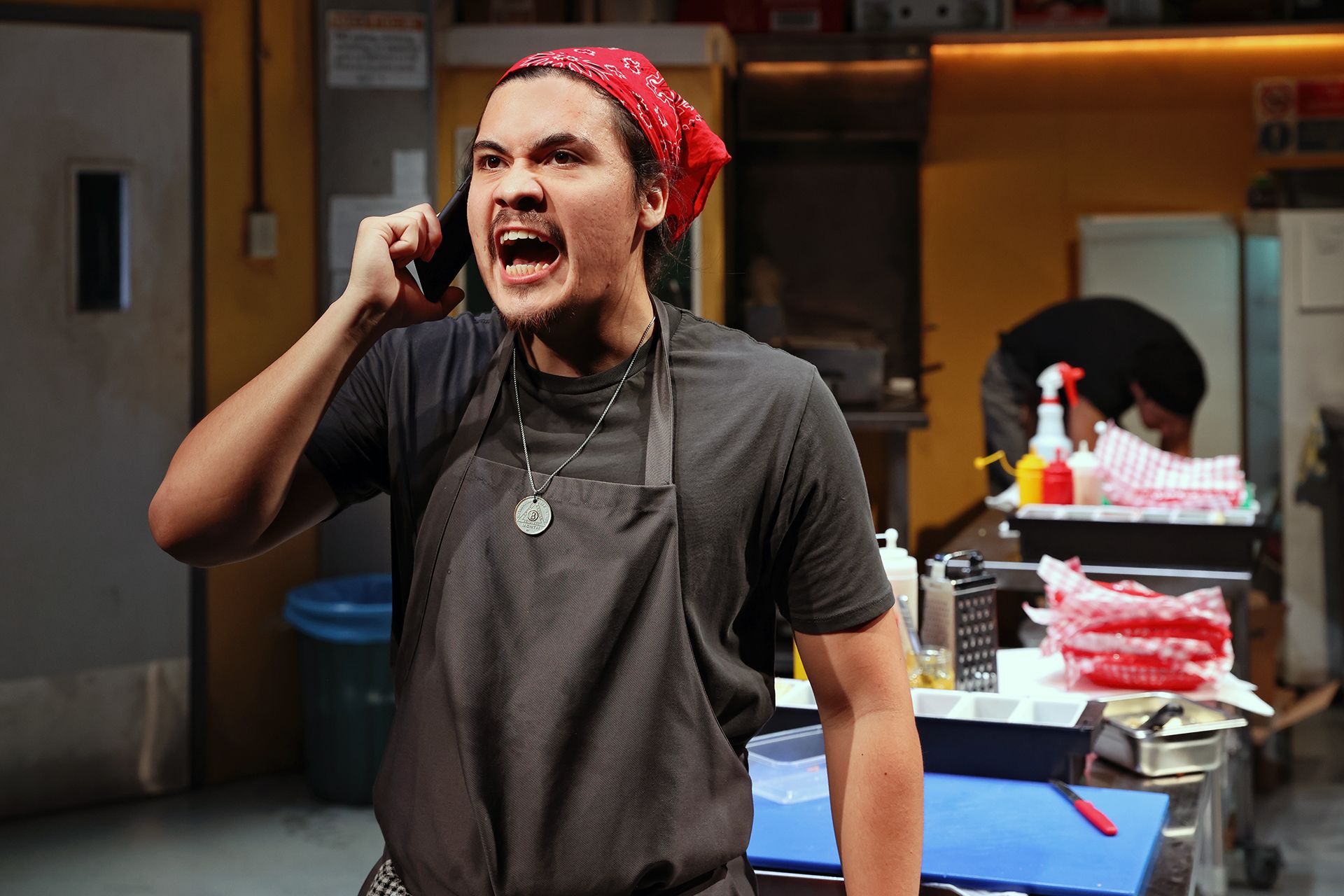
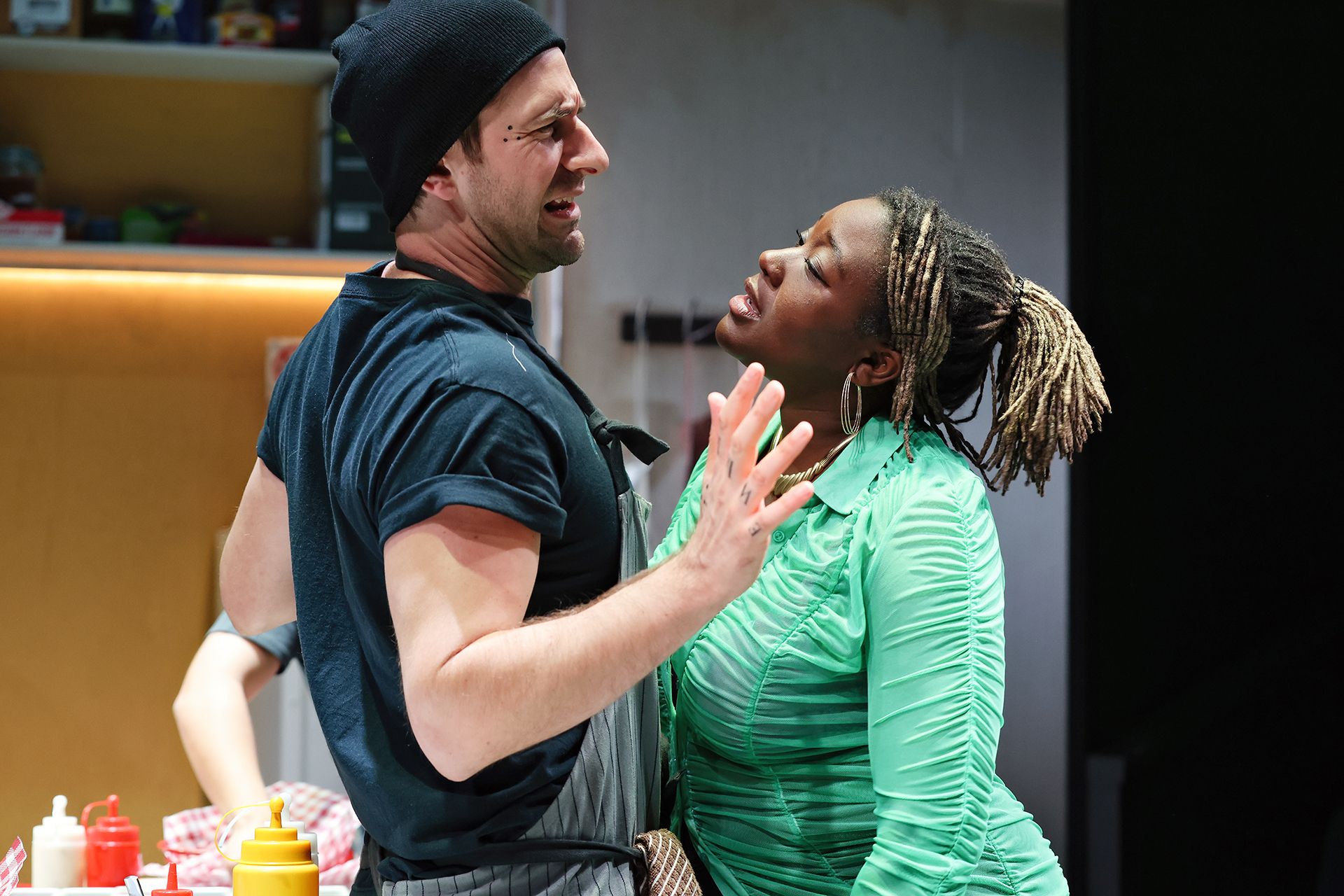
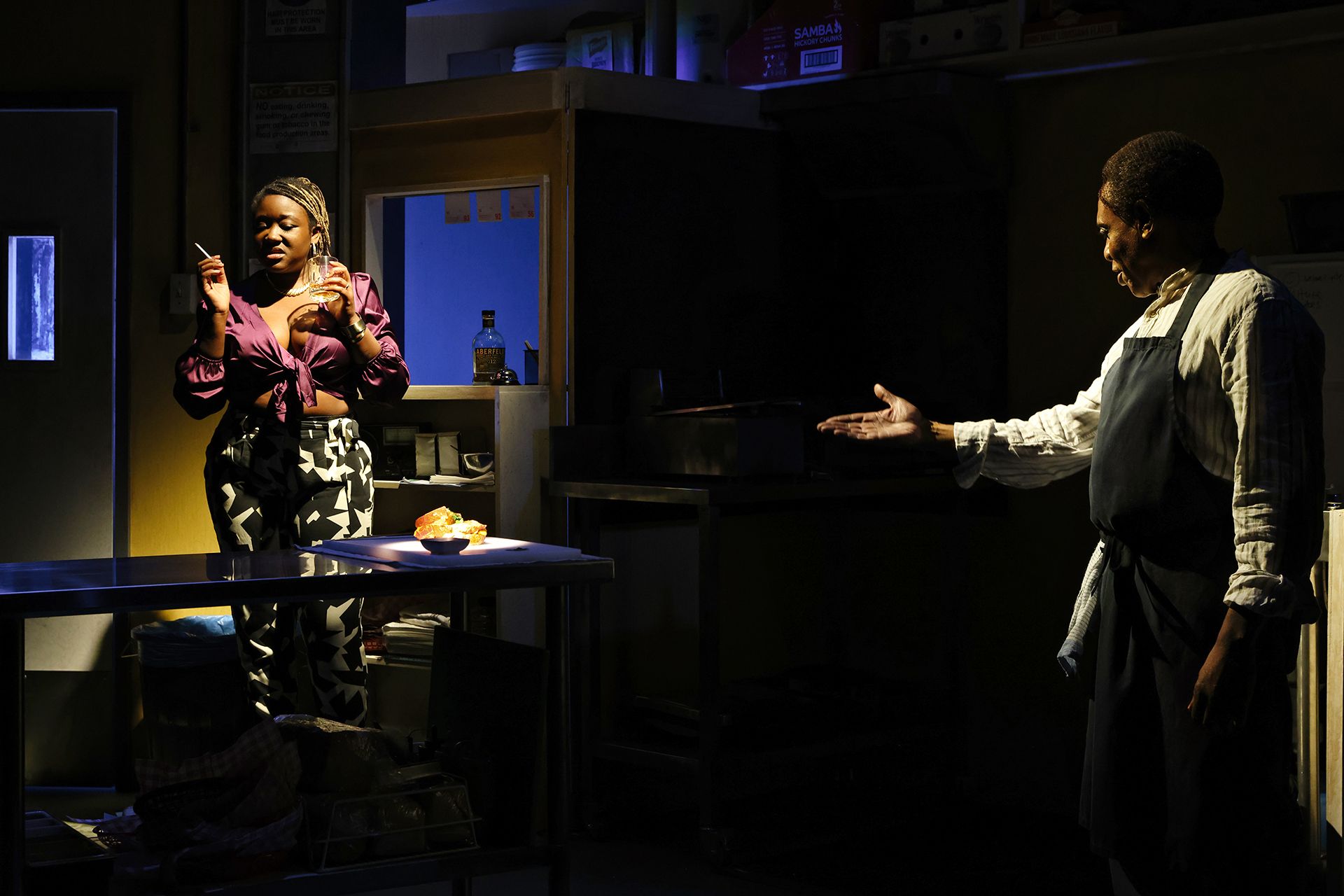
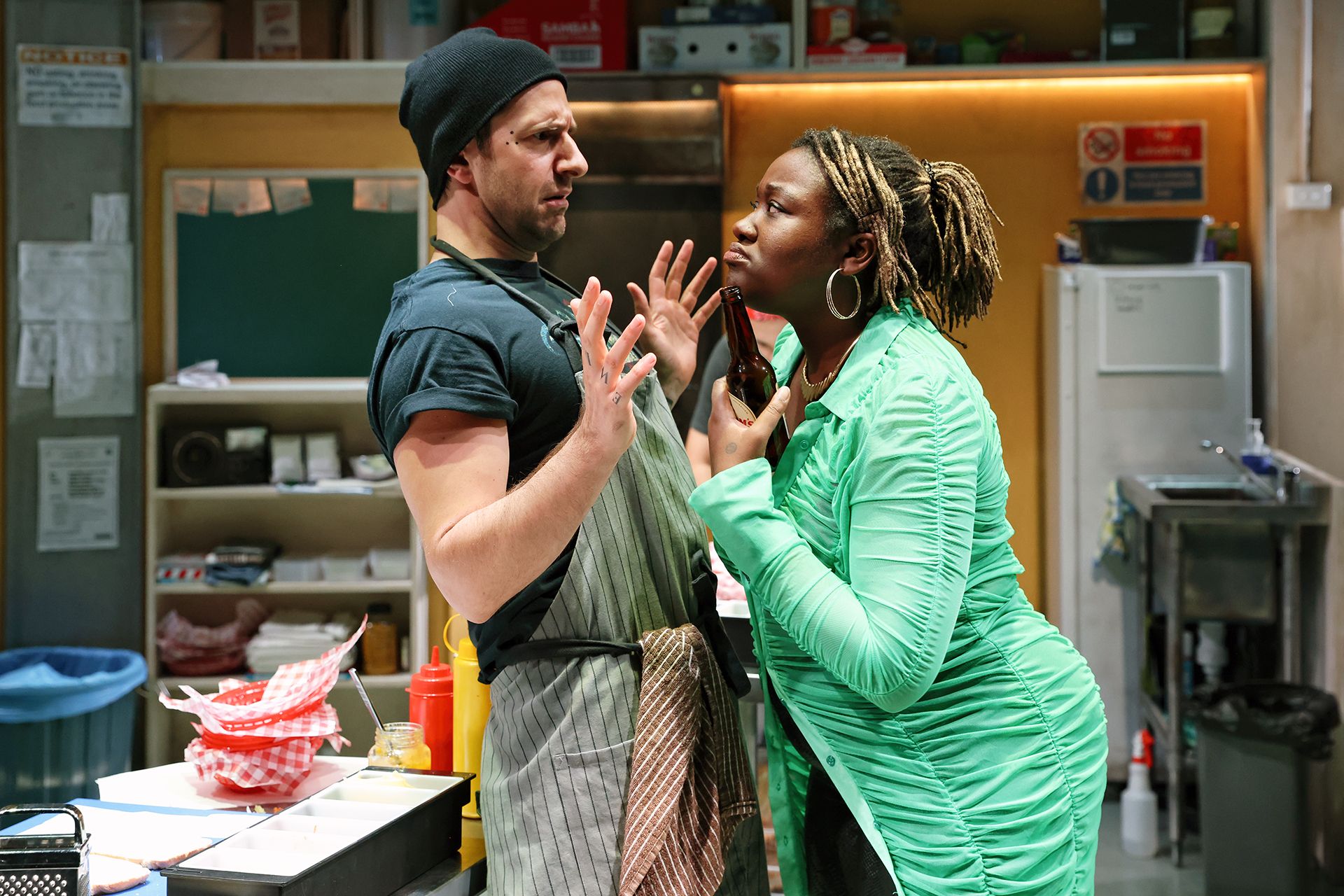
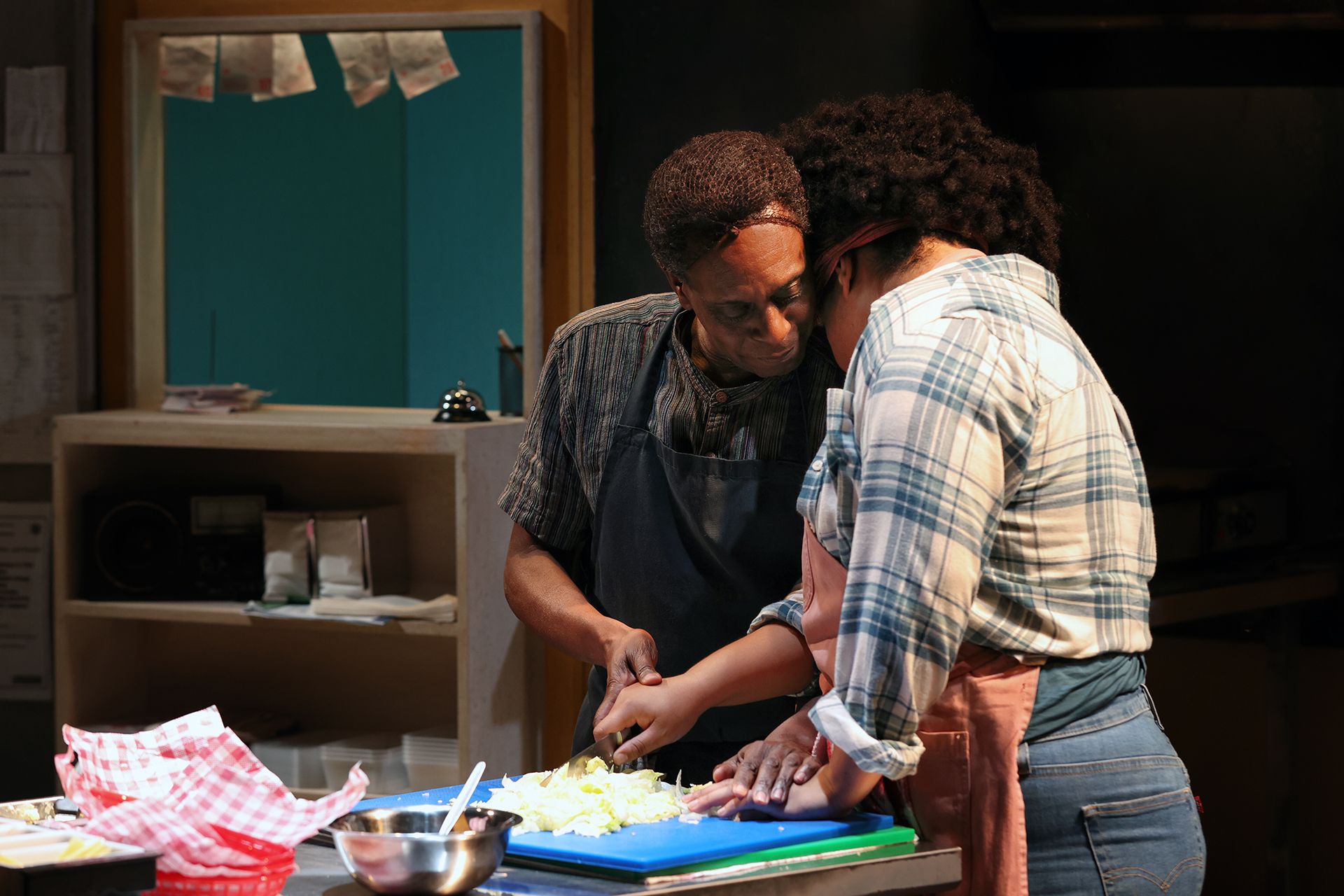
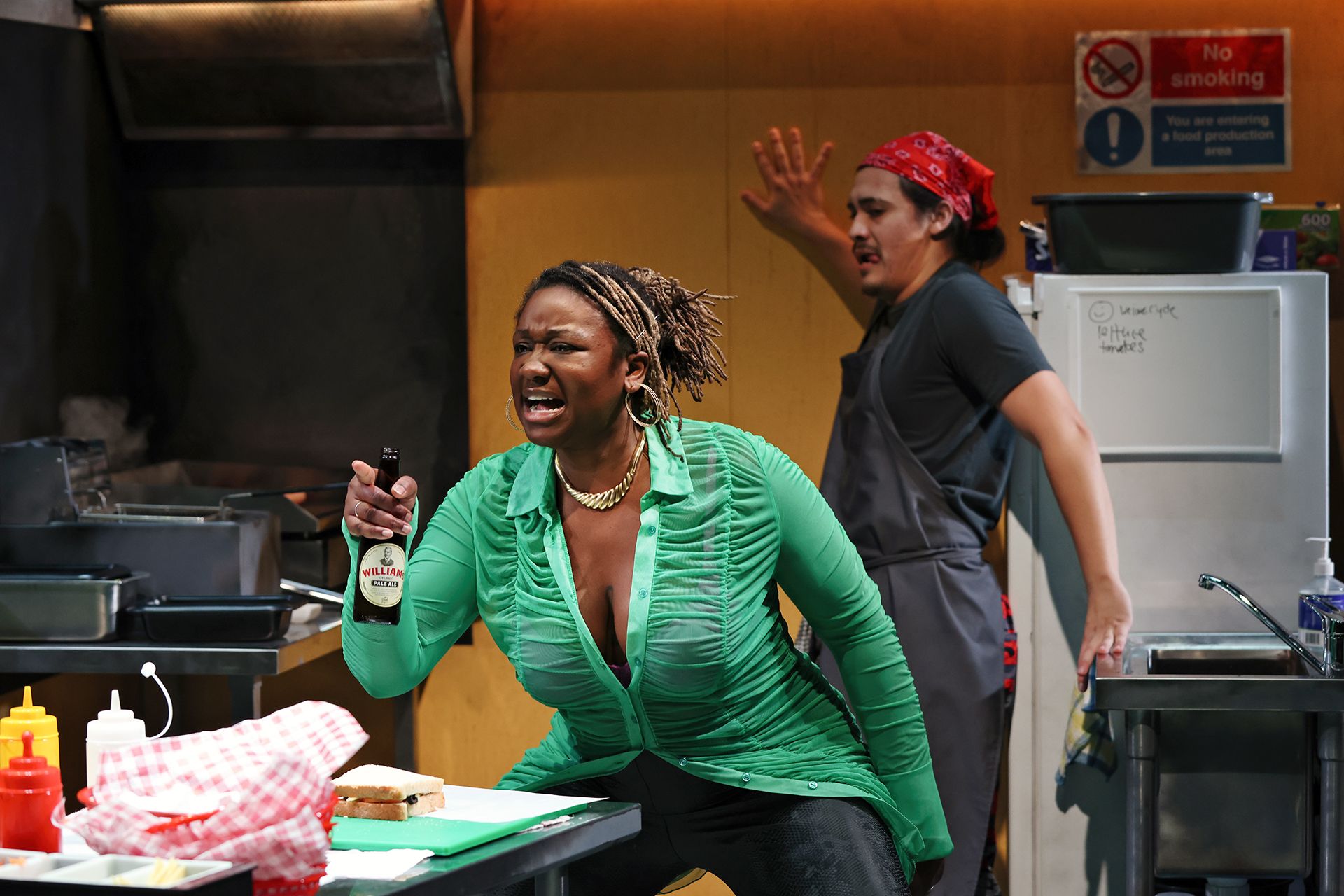
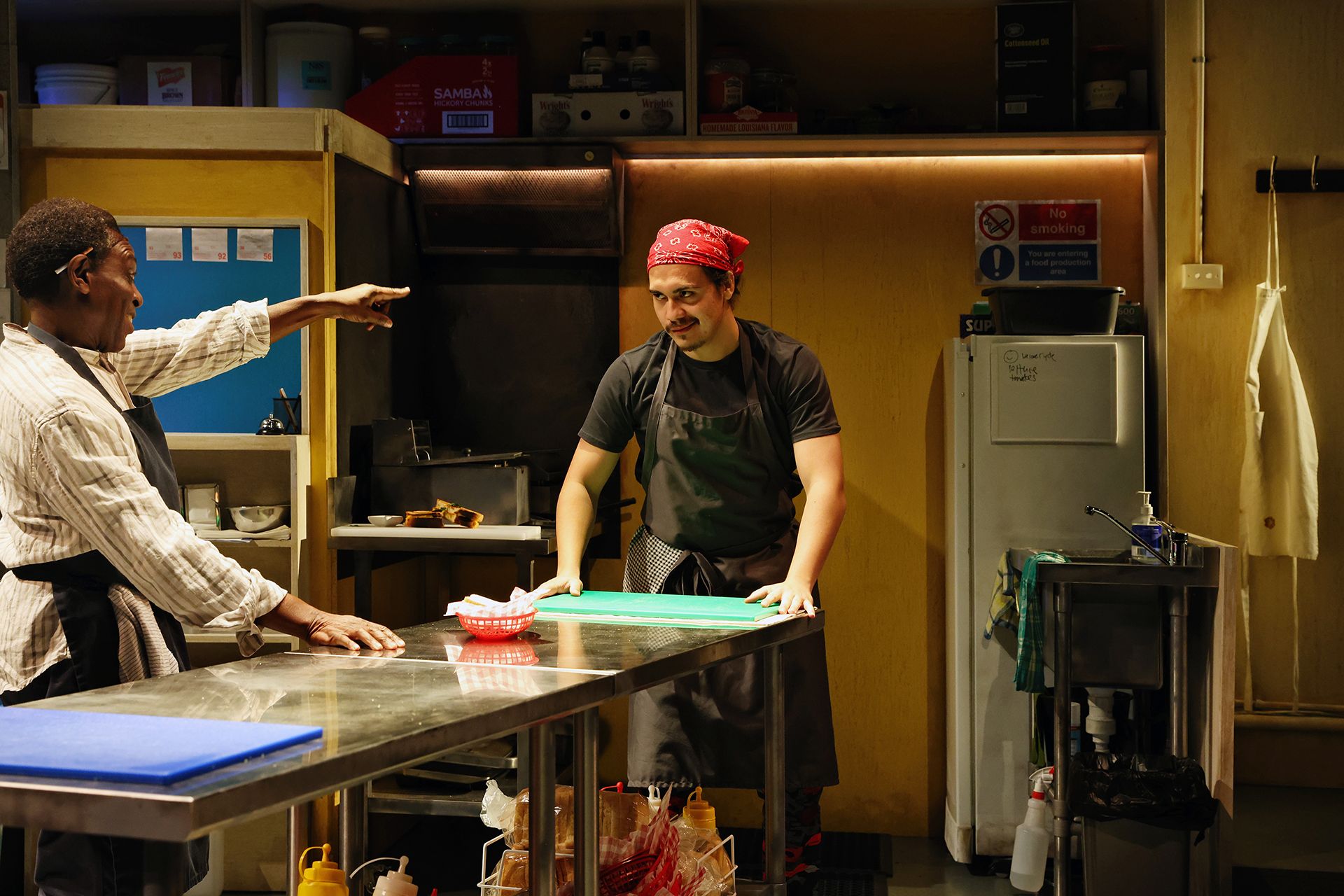
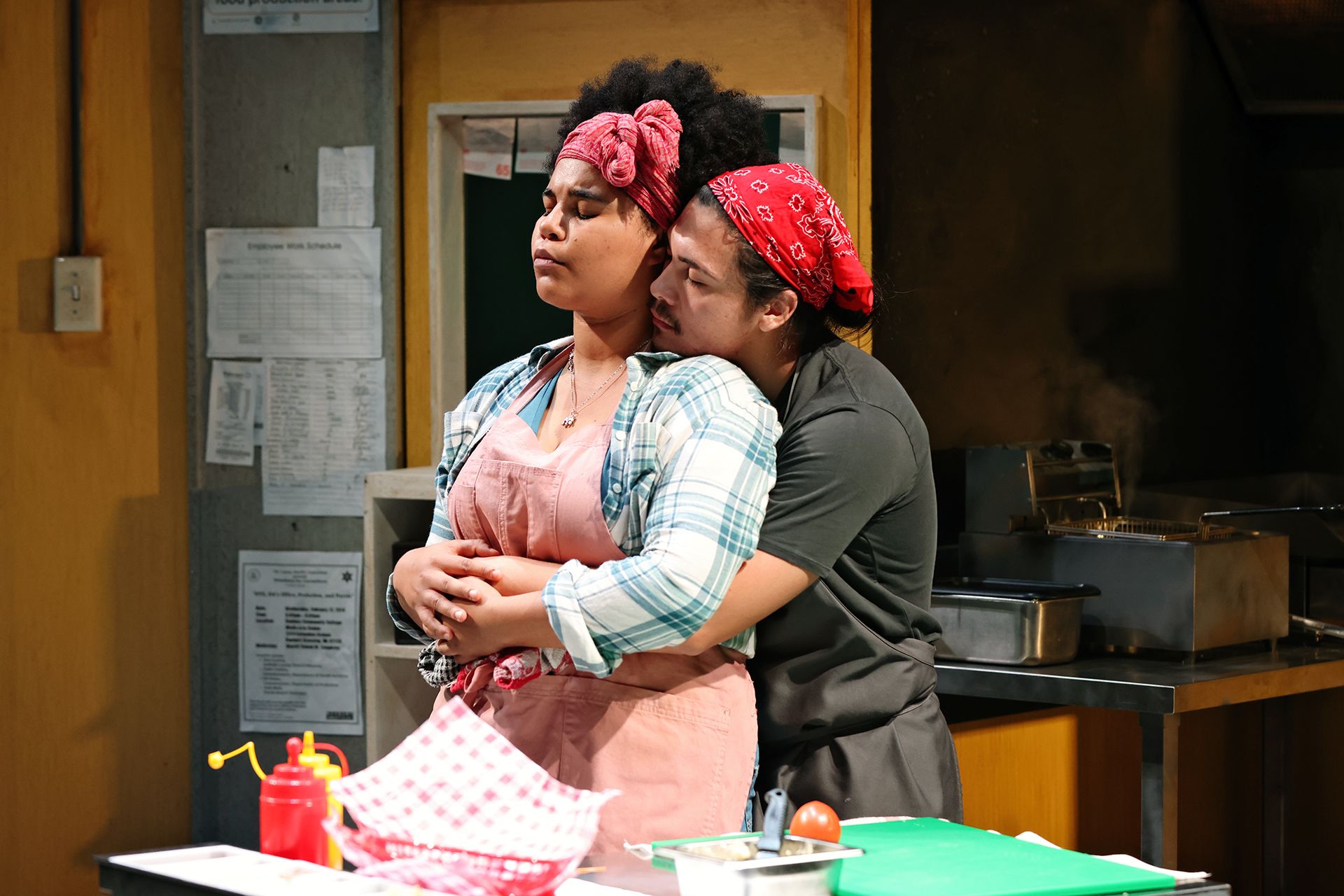
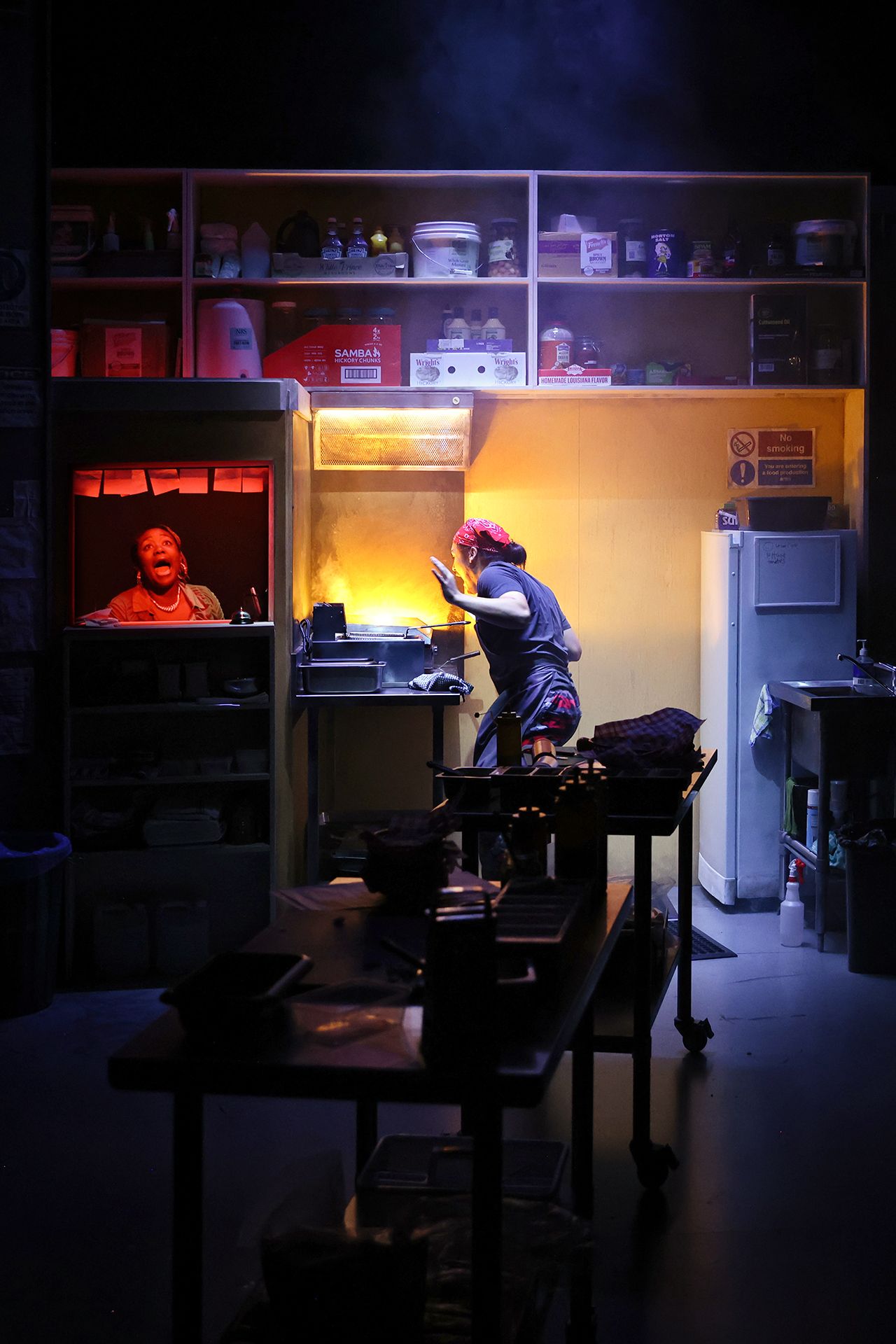
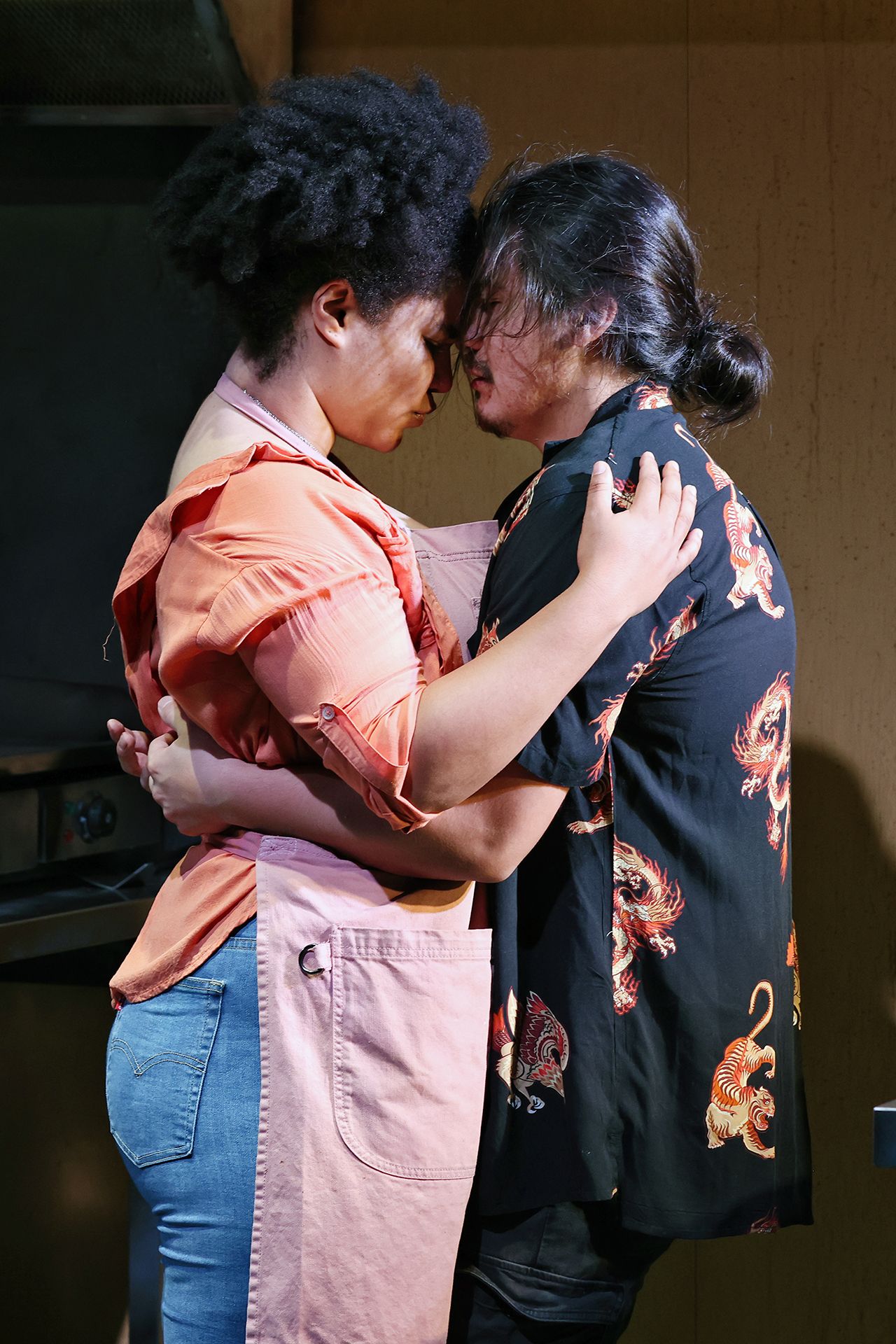
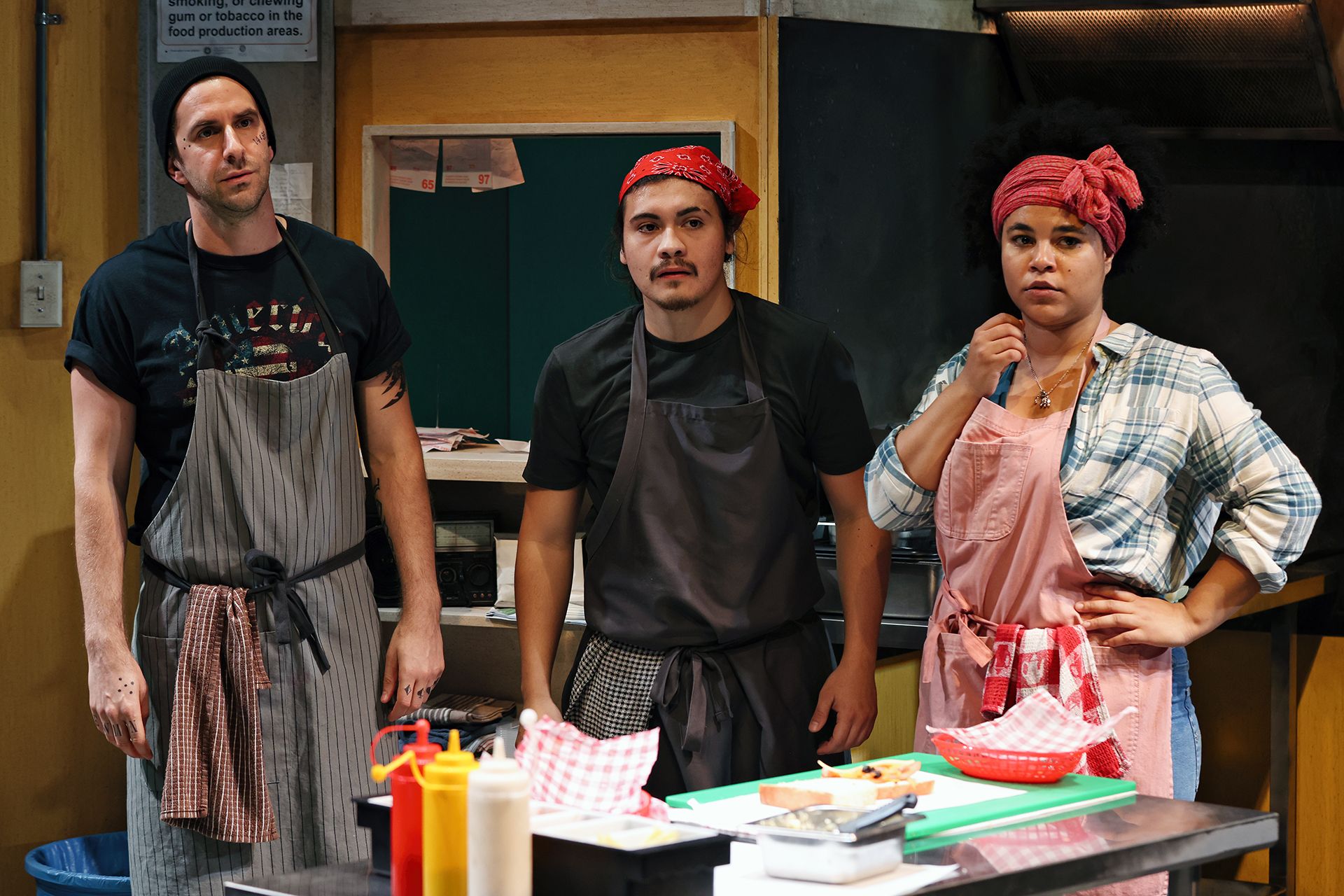
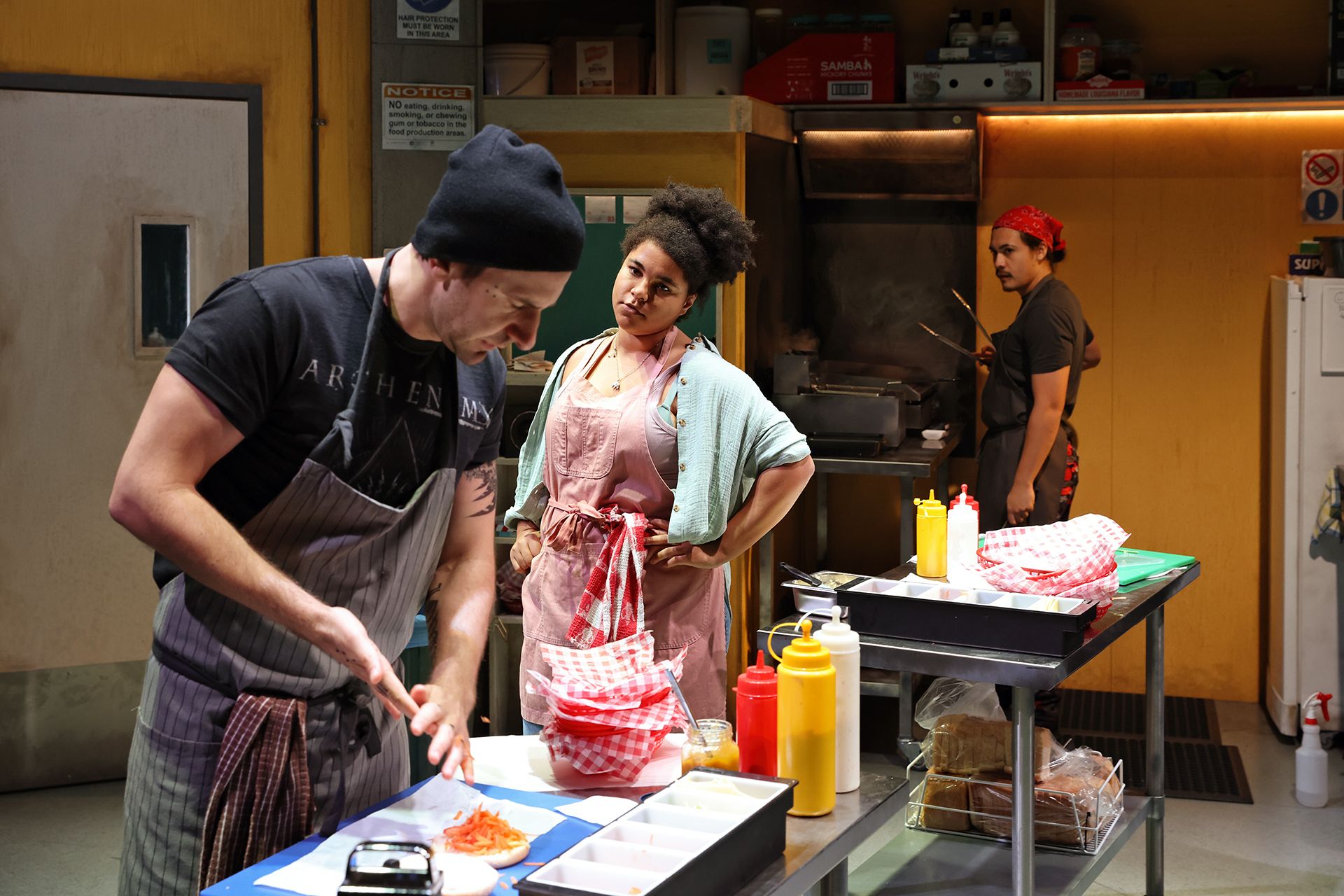
In the run-down kitchen of a busy truck stop diner in Pennsylvania, five ex-felons navigate life and sandwich recipes, in search of purpose, hope and redemption. Lynn Notage’s 2021 play Clyde’s rummages through the discarded of American society, serving up some of the most beautiful and inspiring writing in recent years, to have been witnessed at the theatre. The comedic commotion surrounding business owner Clyde, a woman of the bitterest constitution, and her tortured employees, offers marvellous entertainment, along with some of the most profound philosophical observations, one could hope to glean from any work of art.

That poignancy is carefully uncovered by Darren Yap, whose attentive direction of the piece ensures that the countless meaningful morsels of Notage’s script, are given opportunity to resonate.  We may not always feel fully transported, to that precise location continents away where the action is taking place, but the human authenticity Yap is able to depict, is certainly convincing.

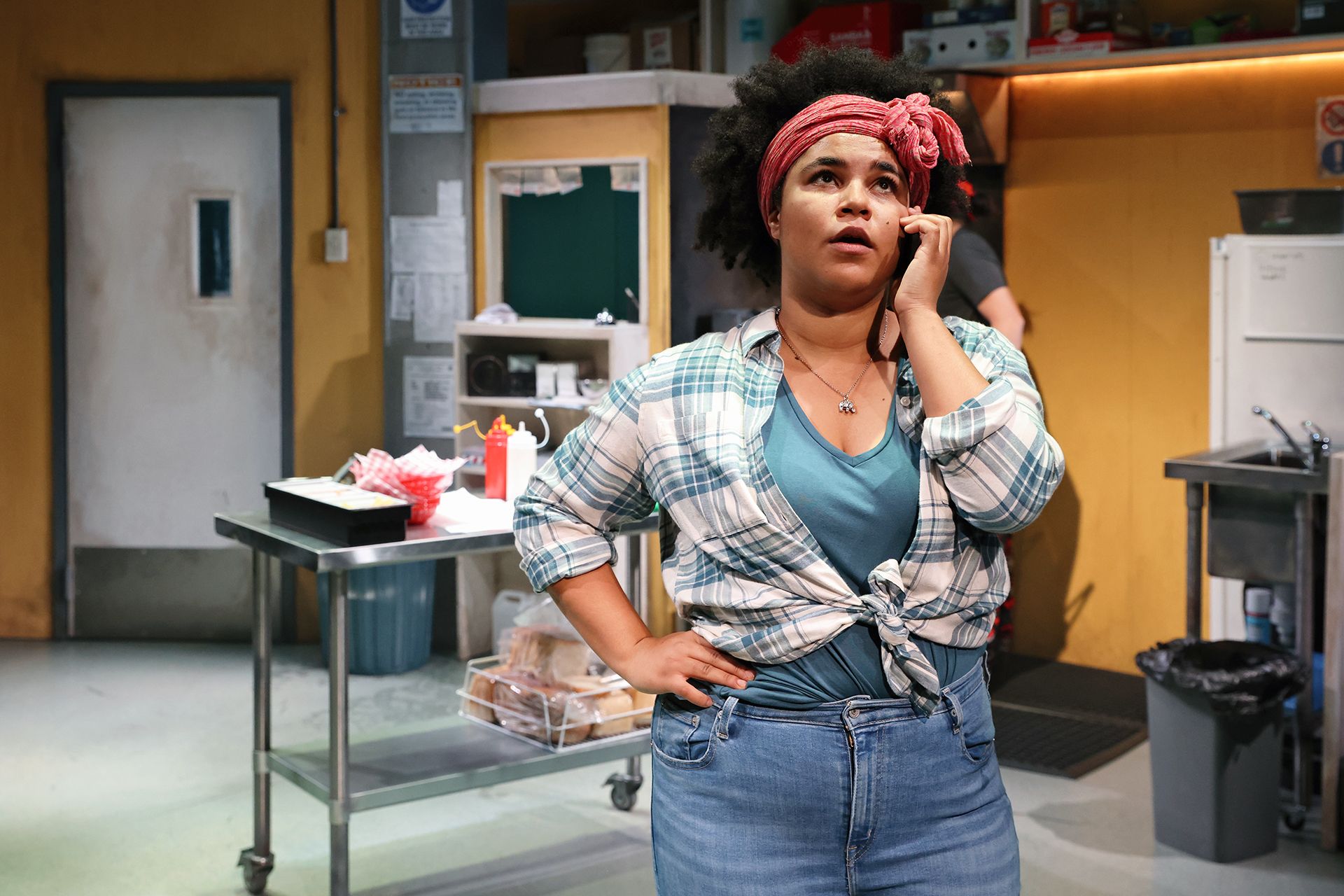
Set design by Simone Romaniuk cleverly manipulates the stage, so that the intensity of an uncomfortable workplace is clearly represented, whilst simultaneously providing ample performance space that allows for the cast’s unbridled physical expressions.  Romaniuk’s costumes help to tell a story of class and heritage, both themes fundamental to Clyde’s concerns. Lights by Morgan Moroney are memorable for manufacturing unexpected moments of humour, and for their subtle enhancements of some of the show’s more emotional sequences. Sound and music by Max Lambert and Roger Lock are minimally rendered, although it is noteworthy that multicultural influences are appropriately, and reassuringly, acknowledged.

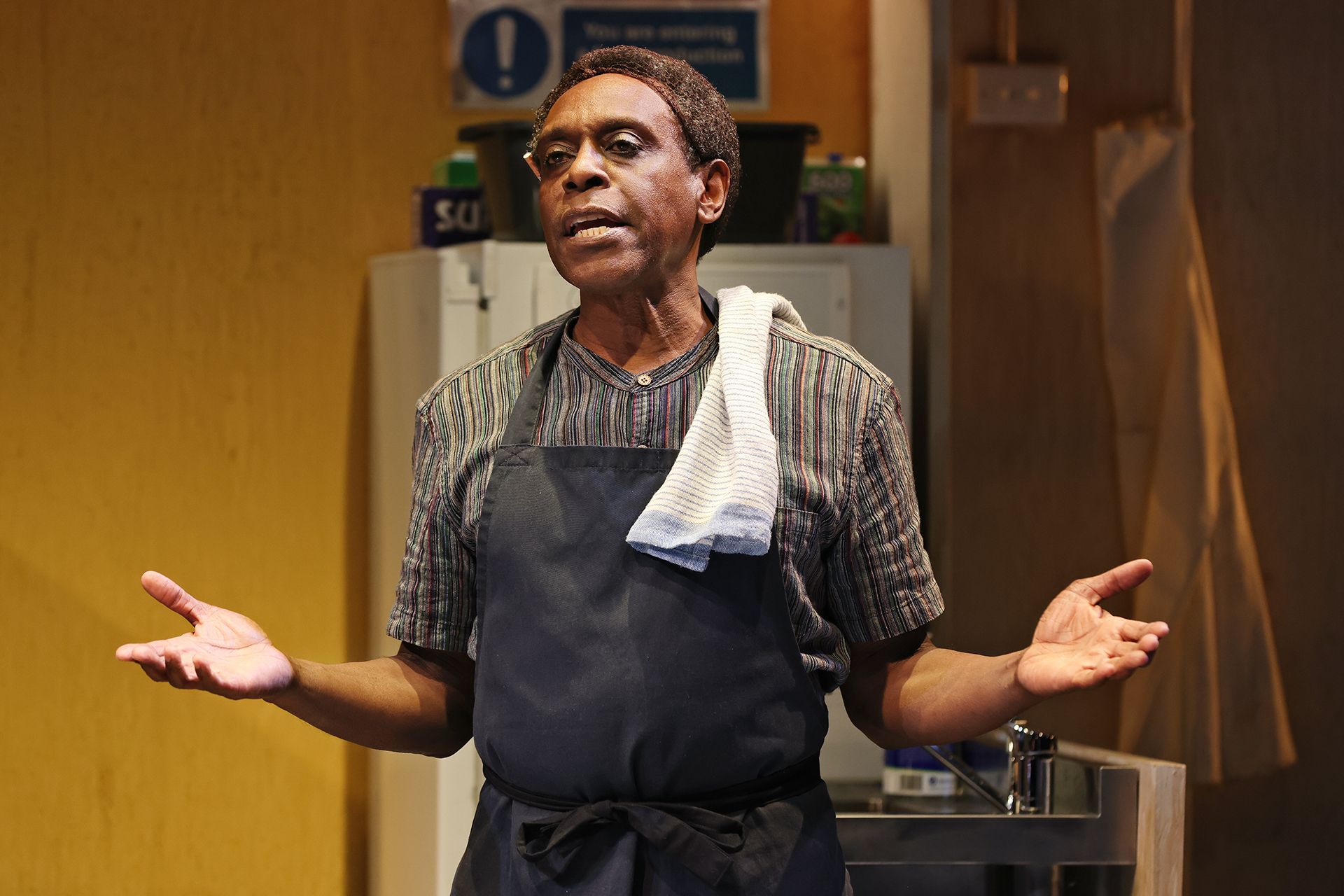
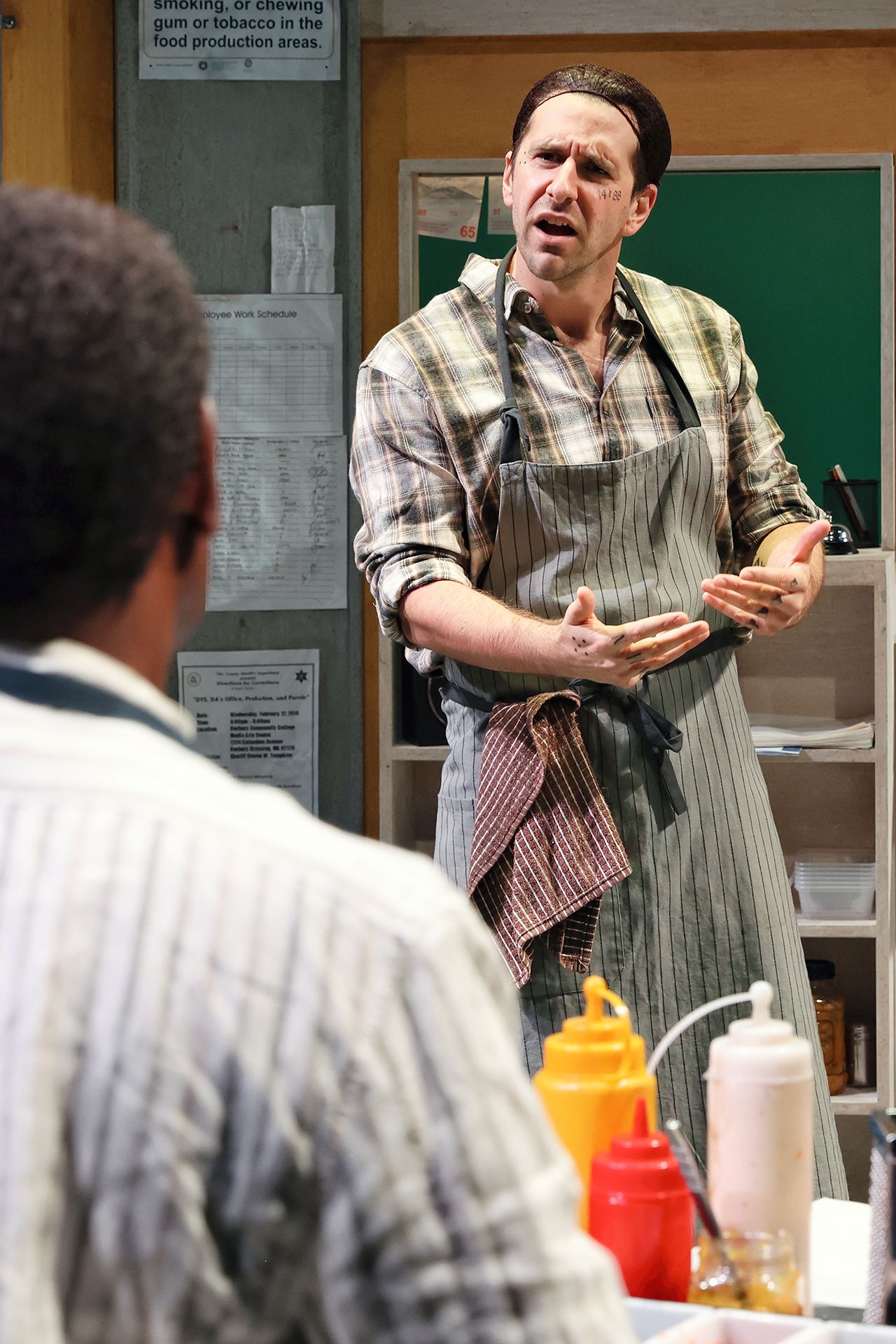
Actor Nancy Denis brings unambiguous exuberance to the role of Clyde, along with excellent timing, but it is only when she lets the chilling darkness of her character to emerge, that we are able to see beyond the caricature. Charles Allen as Montrellous, is interminably sensitive and remarkably moving, impressive in his capacity to imbue astounding depth to the group’s wise elder. Gabriel Alvarado is a scintillating presence as Rafael, with a captivating vigour that reveals a thoroughness in his understanding of the personality and circumstances being portrayed. Likewise with Ebony Vagulans who plays Letitia, leaving us no room to question the challenges she experiences, in an accomplished performance that embraces the complicated nature of a person’s flaws and foibles. Aaron Tsindos may not always be believable as reformed fascist Jason, but his comedic talents are truly an unimpeachable joy.

There is no denying that those who have endured the worst, are also the ones who know the most, about the human condition. In Clyde’s there is no mistaking the injustices at play, in the inequitable and downright unfair ways we have to live our lives. Yet, we are able to access resilience, and through it, form narratives of hope, that can help us see trajectories of salvation which are absolutely necessary, to daily survival and sustenance.

It is true that so much of one’s circumstances are too hard for any single being to control, but a greater truth resides with the notion, that peace and happiness is often an internal function, that the stronger of us, will always be able to reach for, even when the world appears to be falling to pieces.

www.ensemble.com.au

Review: Rhinestone Rex And Miss Monica (Ensemble Theatre)

Venue: Ensemble Theatre (Kirribilli NSW), Mar 10 – Apr 29, 2023
Playwright: David Williamson
Director: Mark Kilmurry
Cast: Glenn Hazeldine, Georgie Parker
Images by Prudence Upton

Theatre review

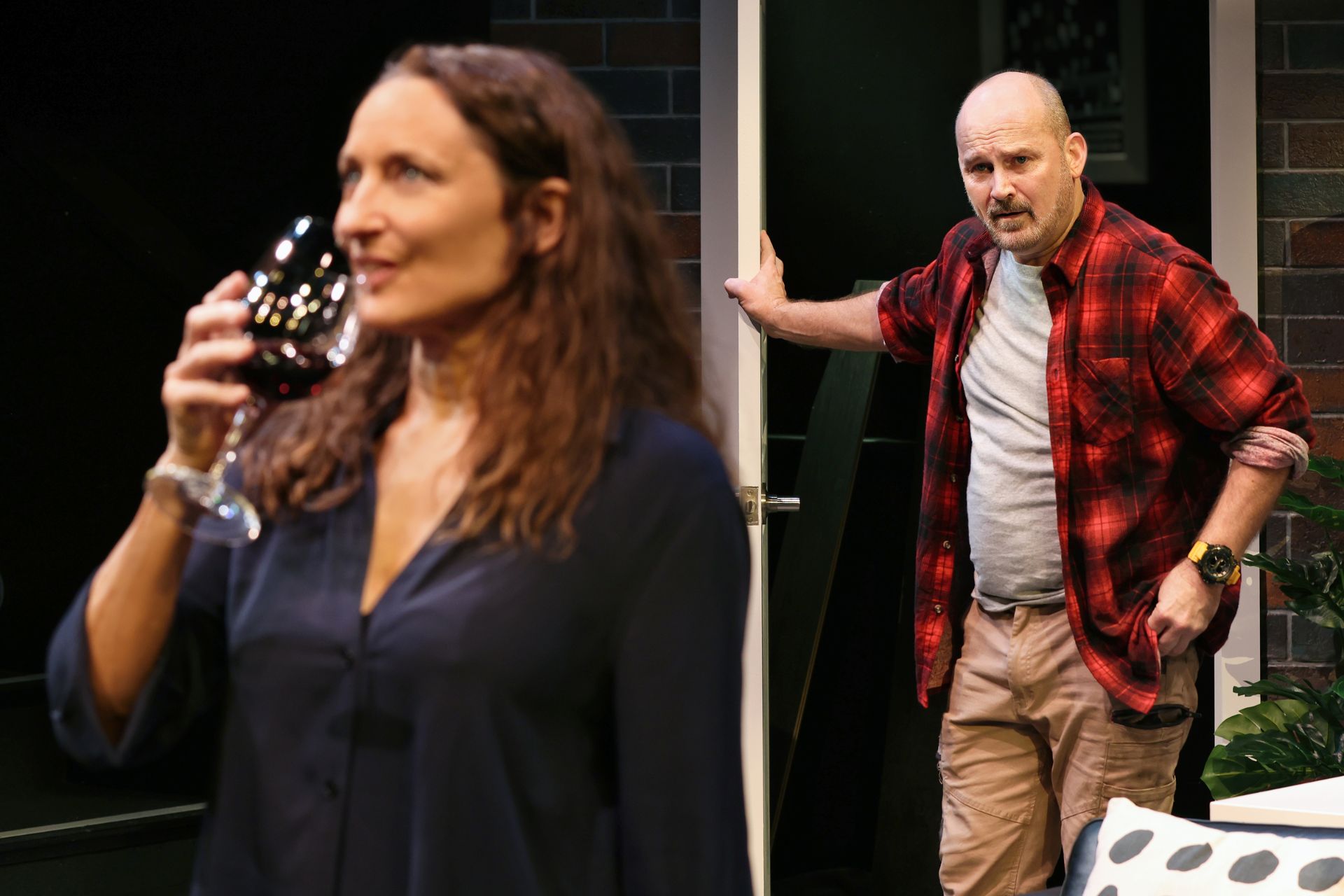
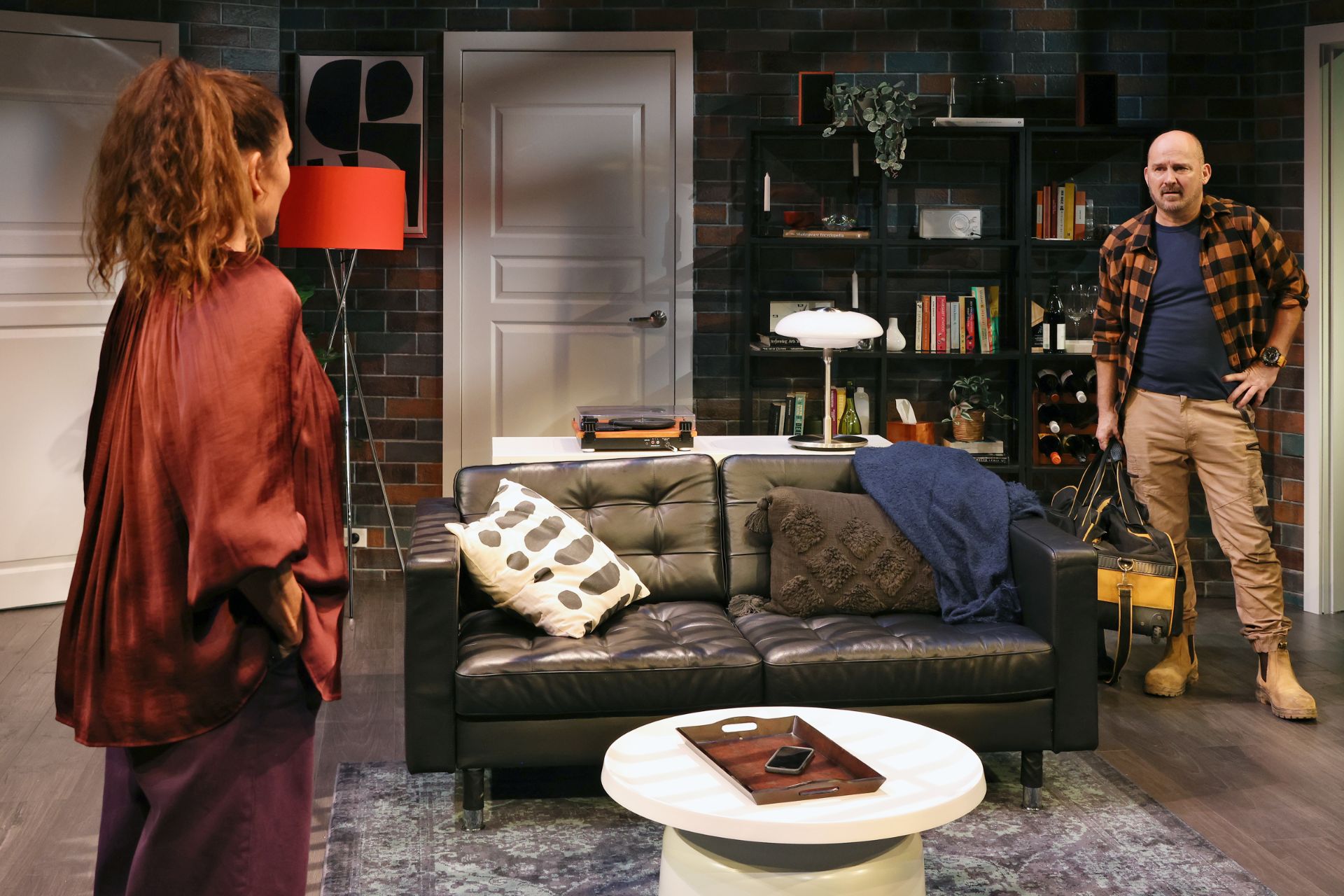
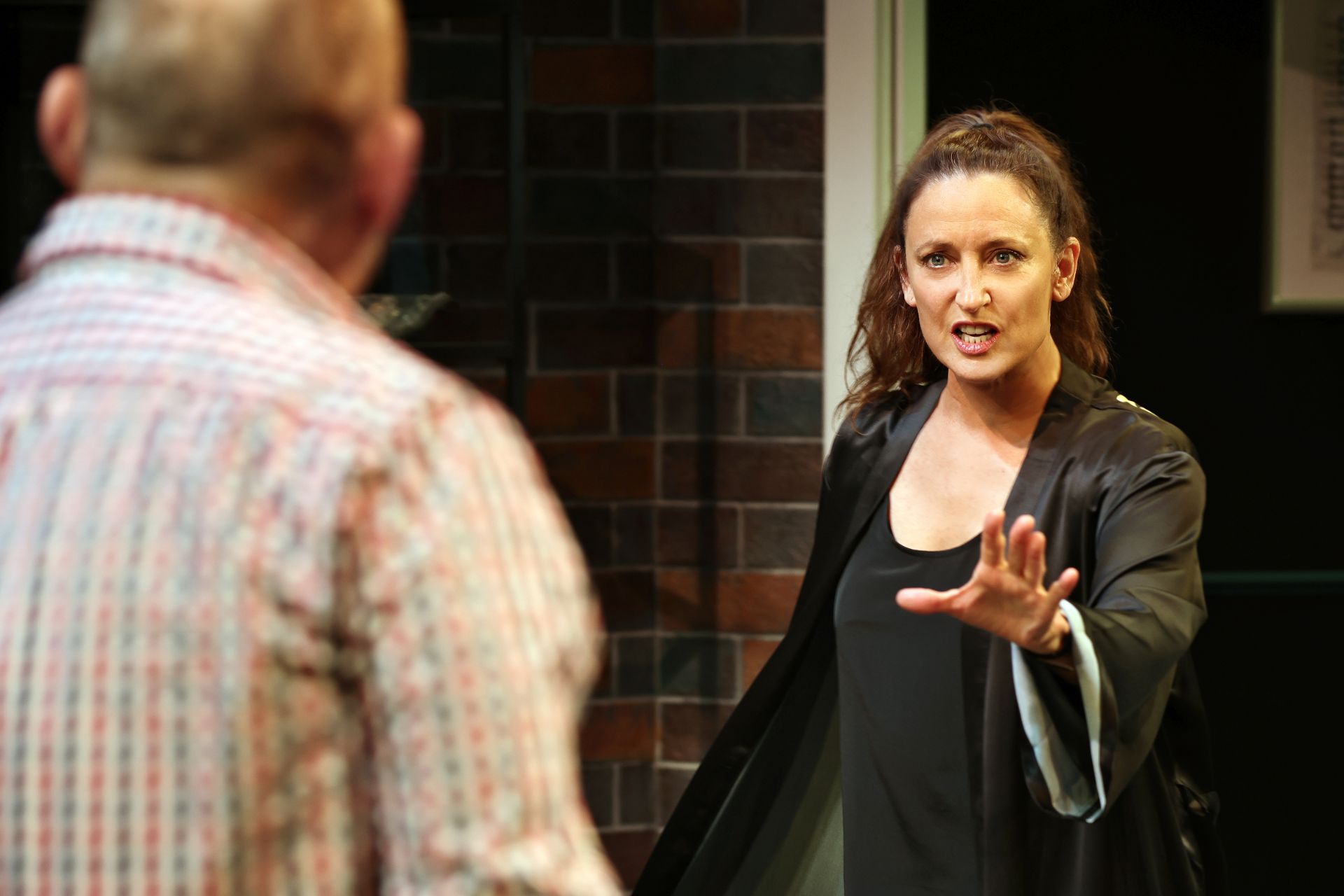
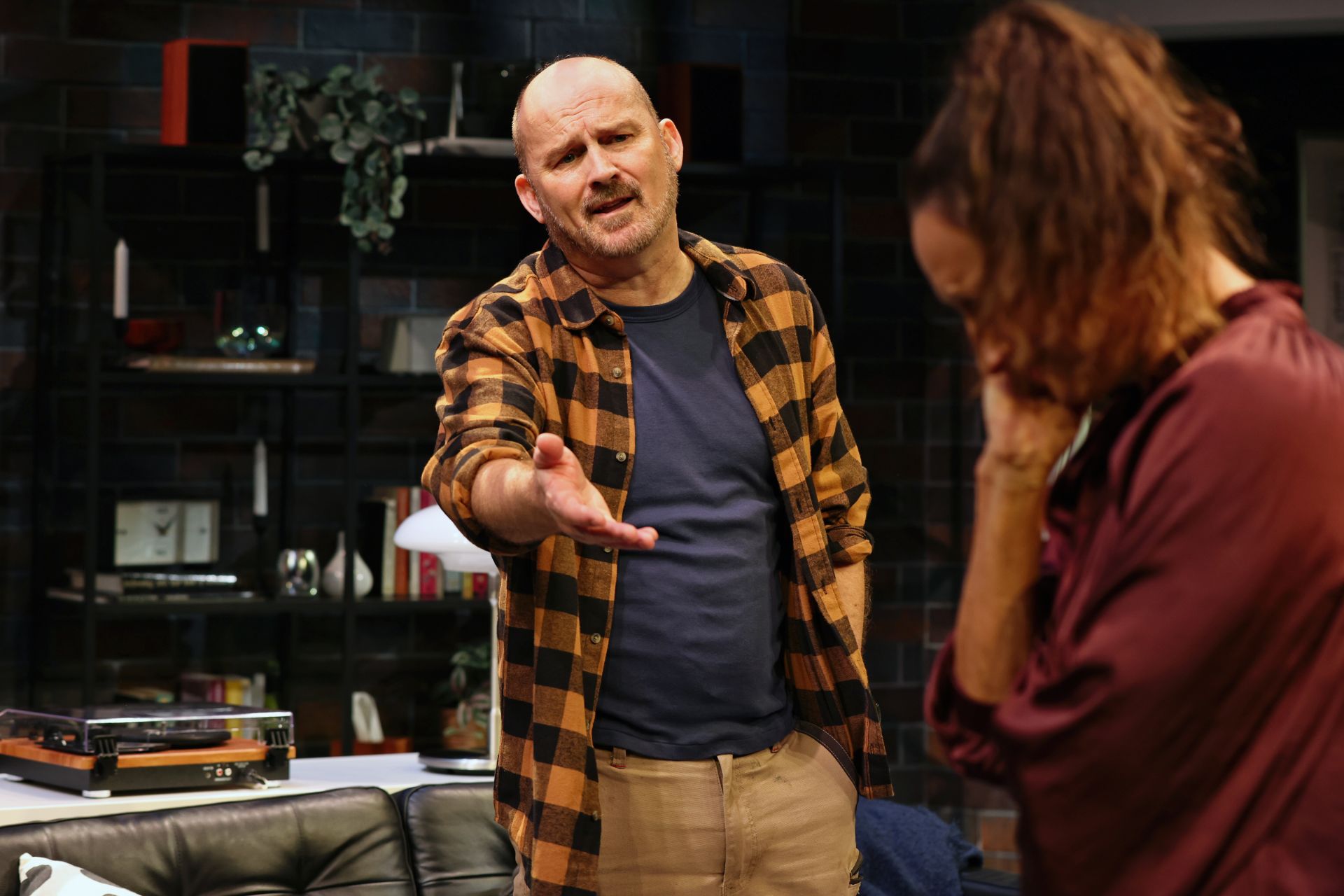
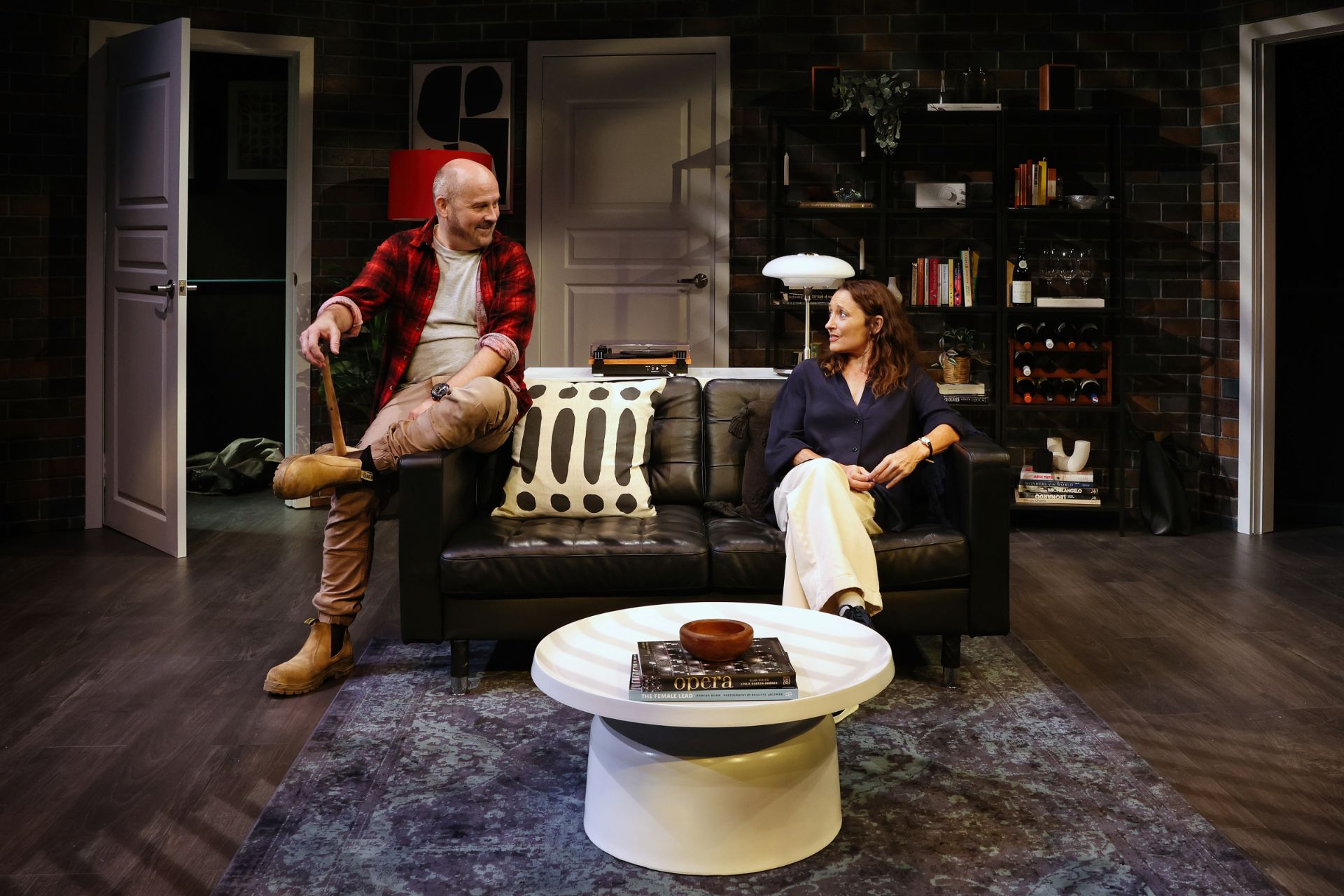
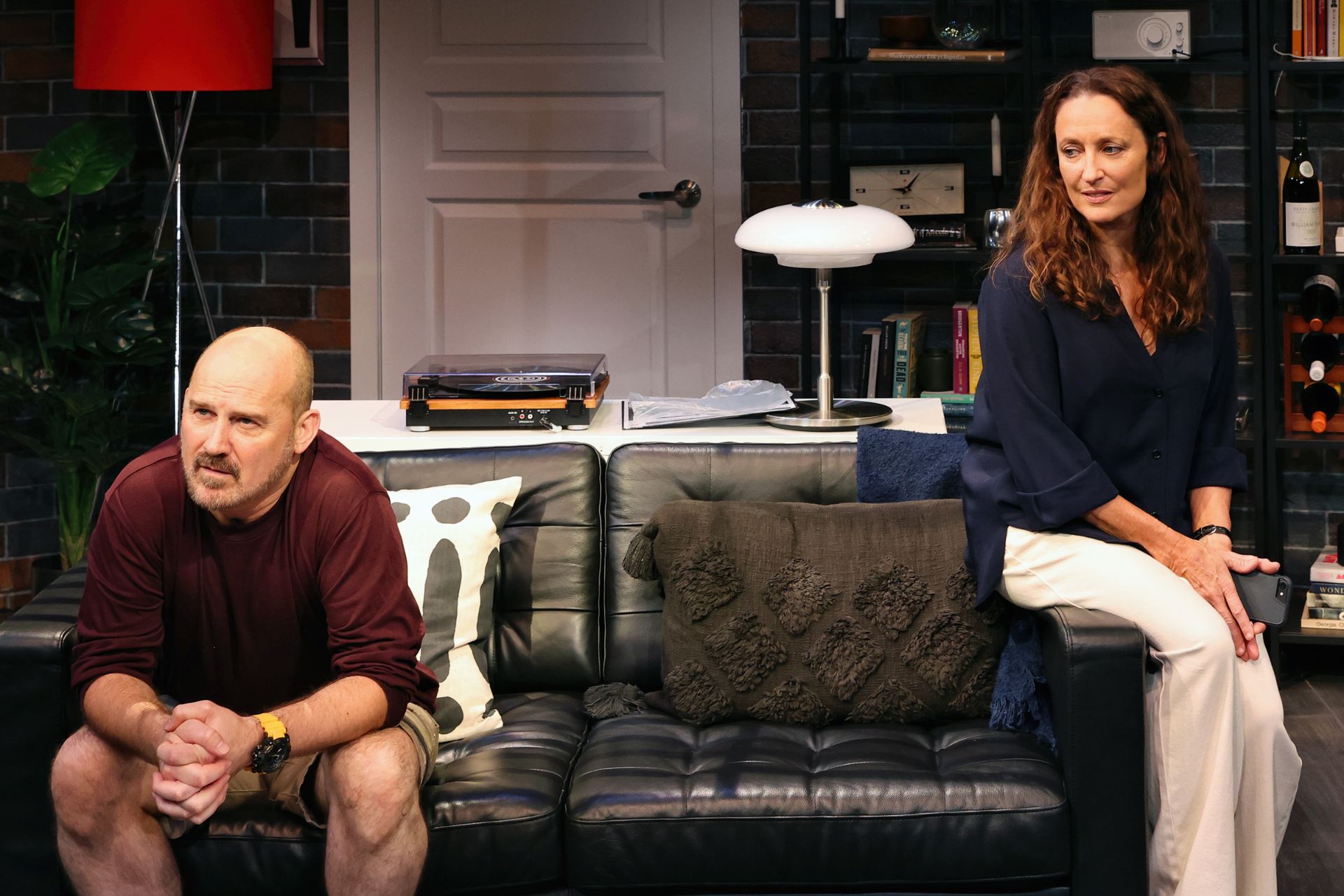
David Williamson’s Rhinestone Rex and Miss Monica is a light-hearted 2010 comedy about the romantic attraction between seemingly diametrically opposing personality types. It is on one hand an innocuous work that could not be more pedestrian, yet on the other, it is an absurd fantasy about a woman falling in love with a tradesman she hires, who repeatedly overrides her design decisions thinking he knows better, who goes on radio calling her “crazy”, and who she discovers one morning, had tried to sleep with her the night before, when she was completely intoxicated.

Actors Glenn Hazeldine and Georgie Parker prove themselves extremely endearing, as the eponymous pair, persuasive in having us ignore the inadequacies of the writing almost entirely, to simply enjoy the obvious jokes, in their perfectly timed two-hander. Under Mark Kilmurry’s direction, Hazeldine and Parker present a joyful rom-com, showcasing their talents as consummate performers any audience would be happy to spend time with.

Set design by Veronique Benett lacks versatility, but is beautifully proportioned to allow for a generous and dynamic performance space. Benett’s costumes establish character types with immediacy and accuracy; helping us know instinctively and exactly, who these Sydneysiders are. Lights by Trudy Dalgeish and sound by Daryl Wallis, add simple embellishments, to make an already tight production, feel even more polished.

There is certainly a story to be told about class distinctions in this town, for in our efforts to assert the types of people we are, it seems we habitually and inevitably create systems of exclusion, inside what should be one unified community. Monica and Rex are presented as individuals from different ends of town, but we are expected to believe that love will conquer all, that everything they are associated with, that every incompatibility can be put aside, so that their relationship can flourish.  Lust is an intense force, but every indication is that it does little to ameliorate the social differences we hold so obstinately dear. 

www.ensemble.com.au

Review: A Broadcast Coup (Ensemble Theatre)

Venue: Ensemble Theatre (Kirribilli NSW), Jan 26 – Mar 4, 2023
Playwright: Melanie Tait
Director: Janine Watson
Cast: Tony Cogin, Ben Gerrard, Alex King, Amber McMahon, Sharon Millerchip
Images by Prudence Upton

Theatre review

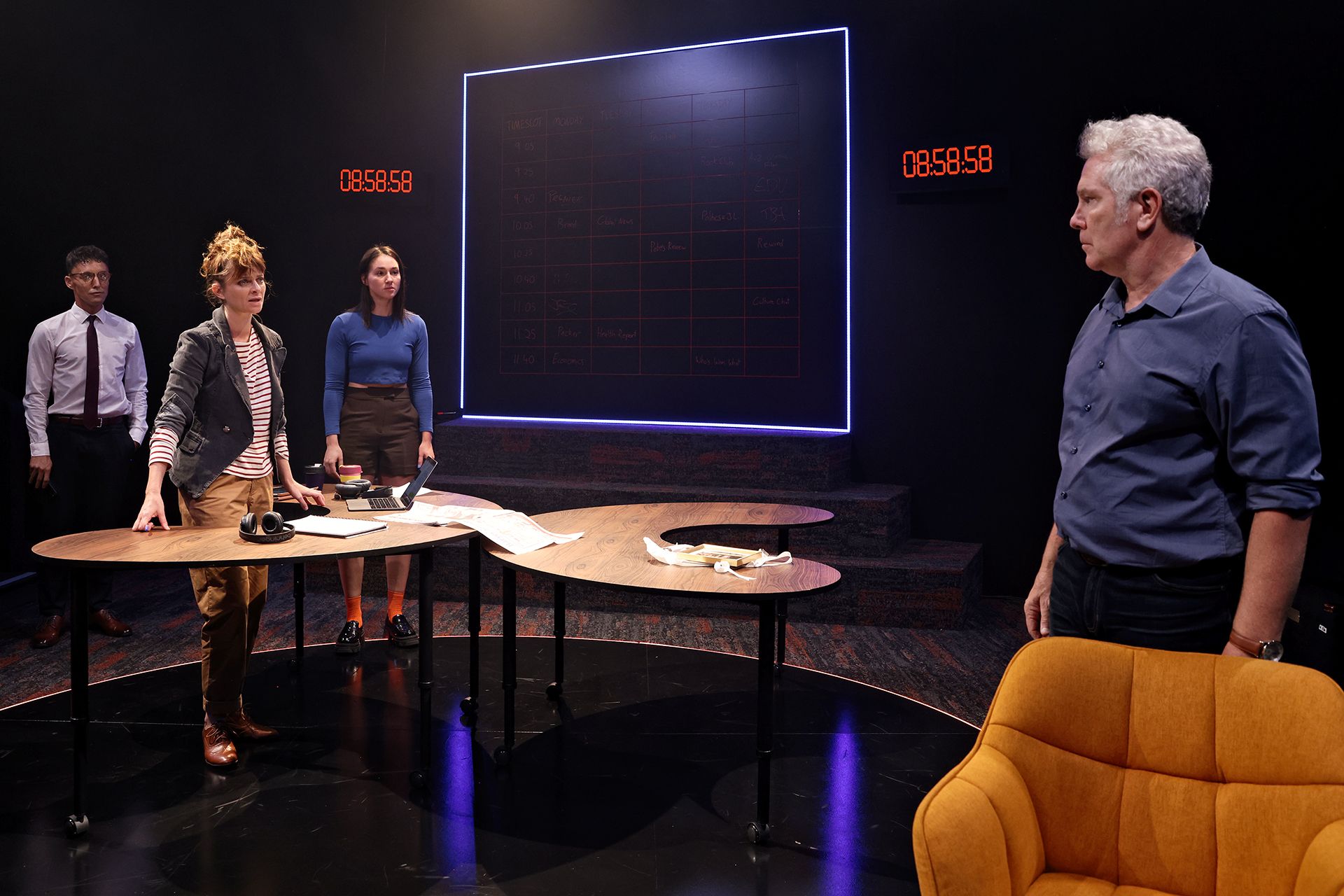
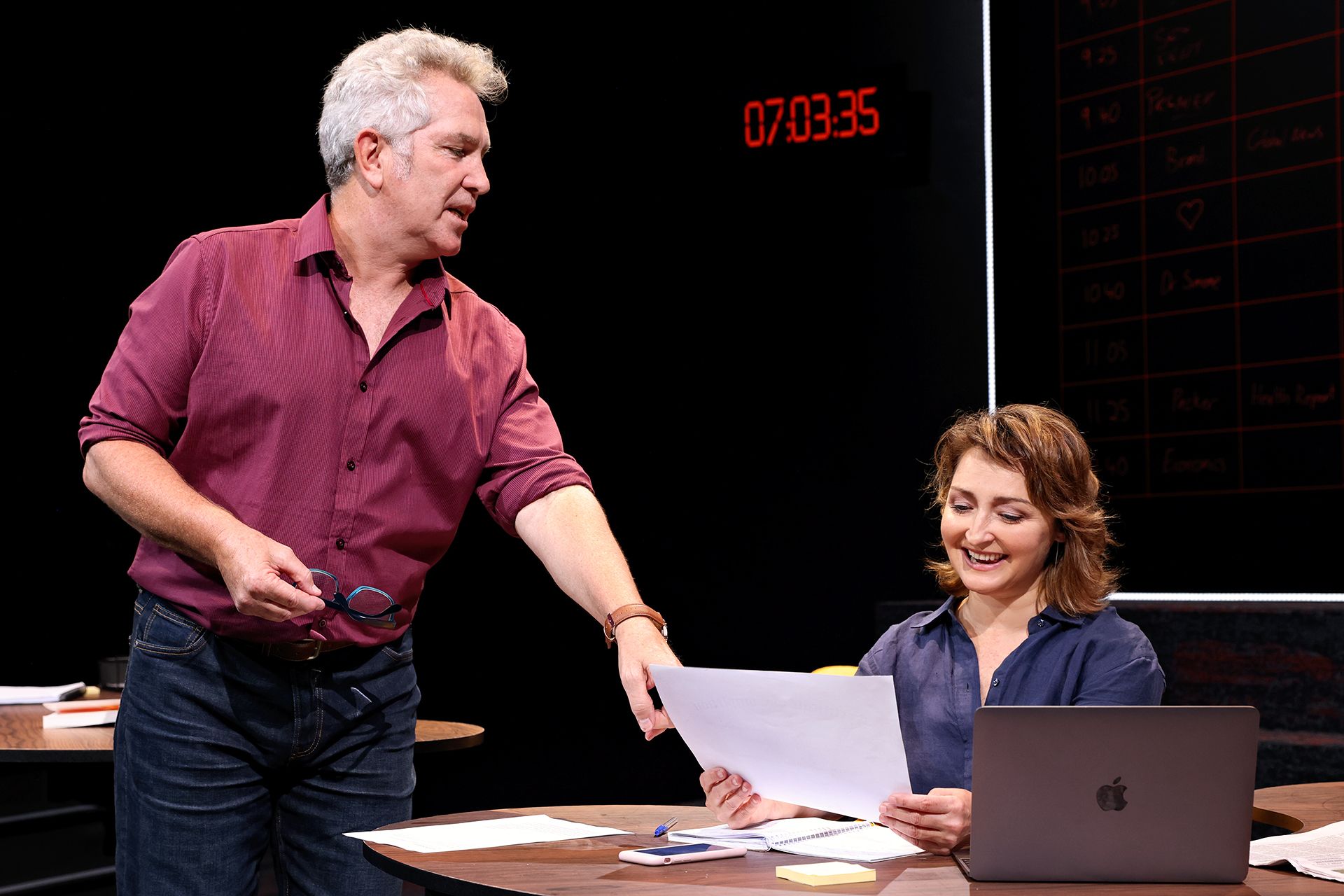
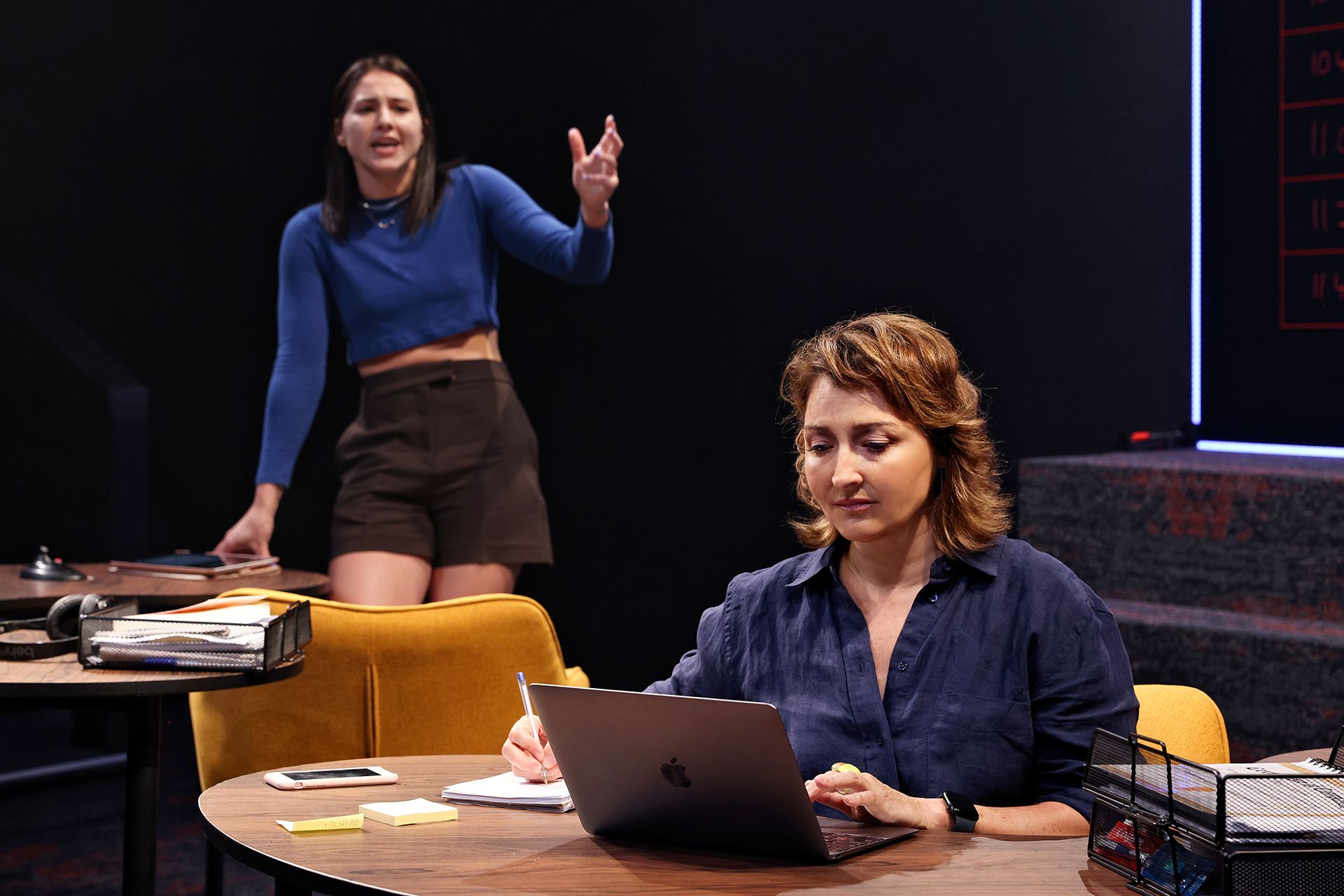
Michael King is one of those stars of Australian radio, a straight white man of an older generation, retaining popularity on a waning platform. He presents a decent front, conscious of prevailing social expectations, but as we discover in Melanie Tait’s A Broadcast Coup, some leopards never change their spots. His younger colleagues however, have no capacity for tolerating his archaic ways, and as the title suggests, a revolution is under way.

The destination is predictable. From the play’s very first minutes, we can see no where else for the story to end, but thankfully the journey getting there proves to be deeply satisfying. Tait’s exhaustive representation of the nuances pertaining to current discussions, about gender and about power in general, are finely observed and thoroughly considered. Her dialogue is captivating, and her characters feel richly imagined. Her plot for  A Broadcast Coup is engaging throughout, with a narrative that tells us categorically what our future is going to look like, and how we must act today, not only to be magnanimous, but also for reasons of self-interest and self-preservation.

Janine Watson’s direction of the piece is passionate, with an unmistakeable generosity that allows each personality we encounter, to be convincing and compelling. Watson frames the show’s arguments in ways that appeal to our humanity, preventing any assertions from coming across lofty, radical or exclusionary.

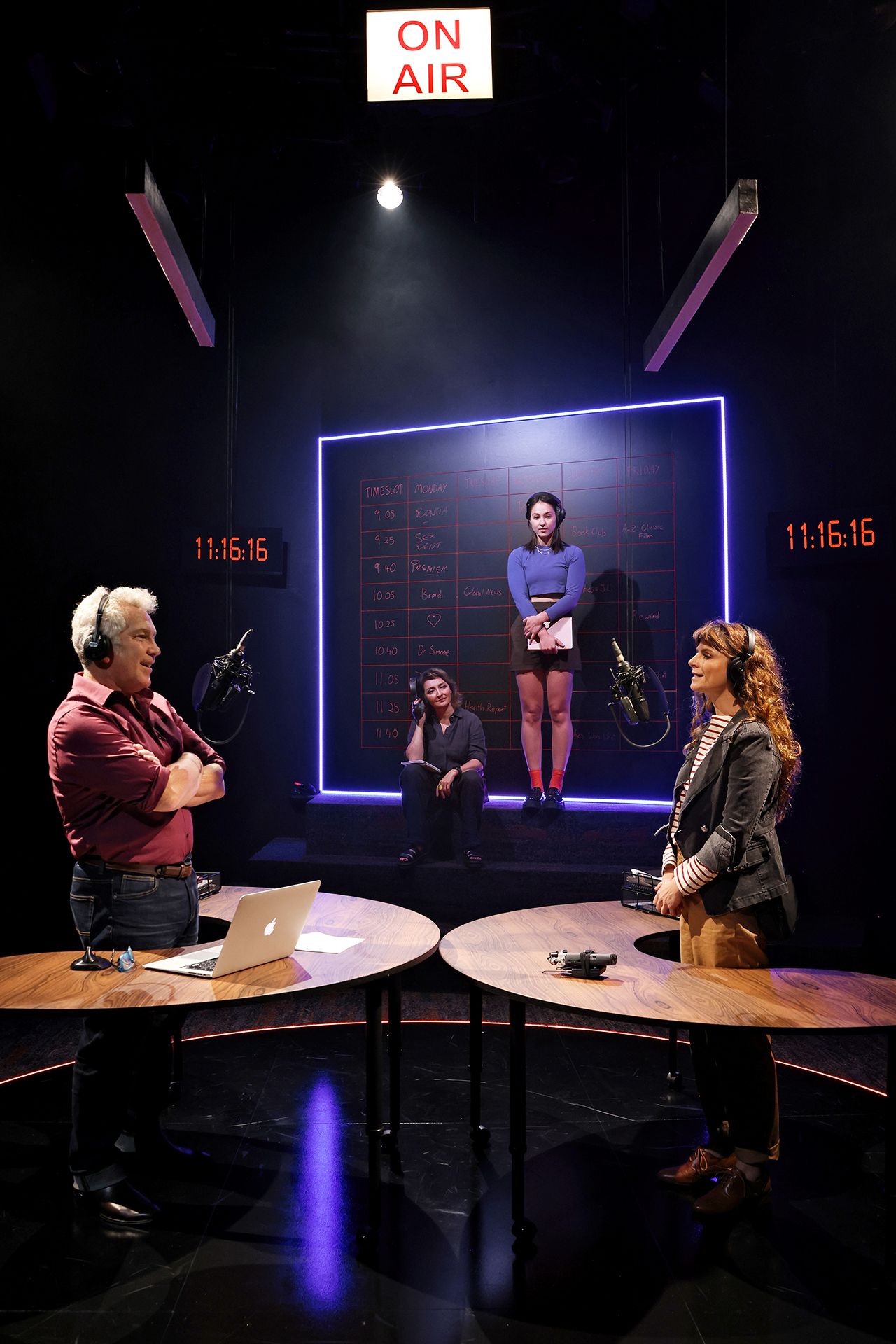
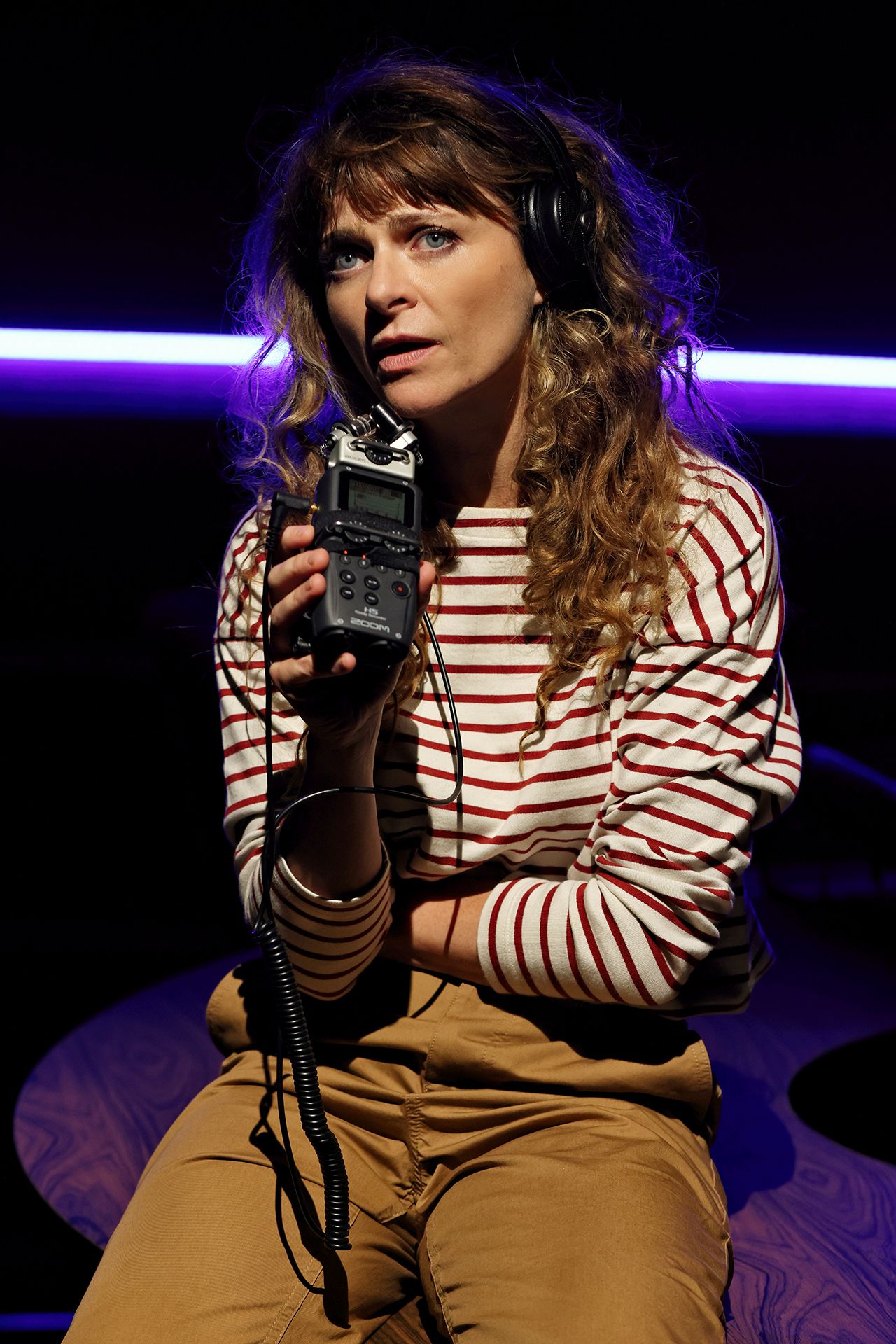
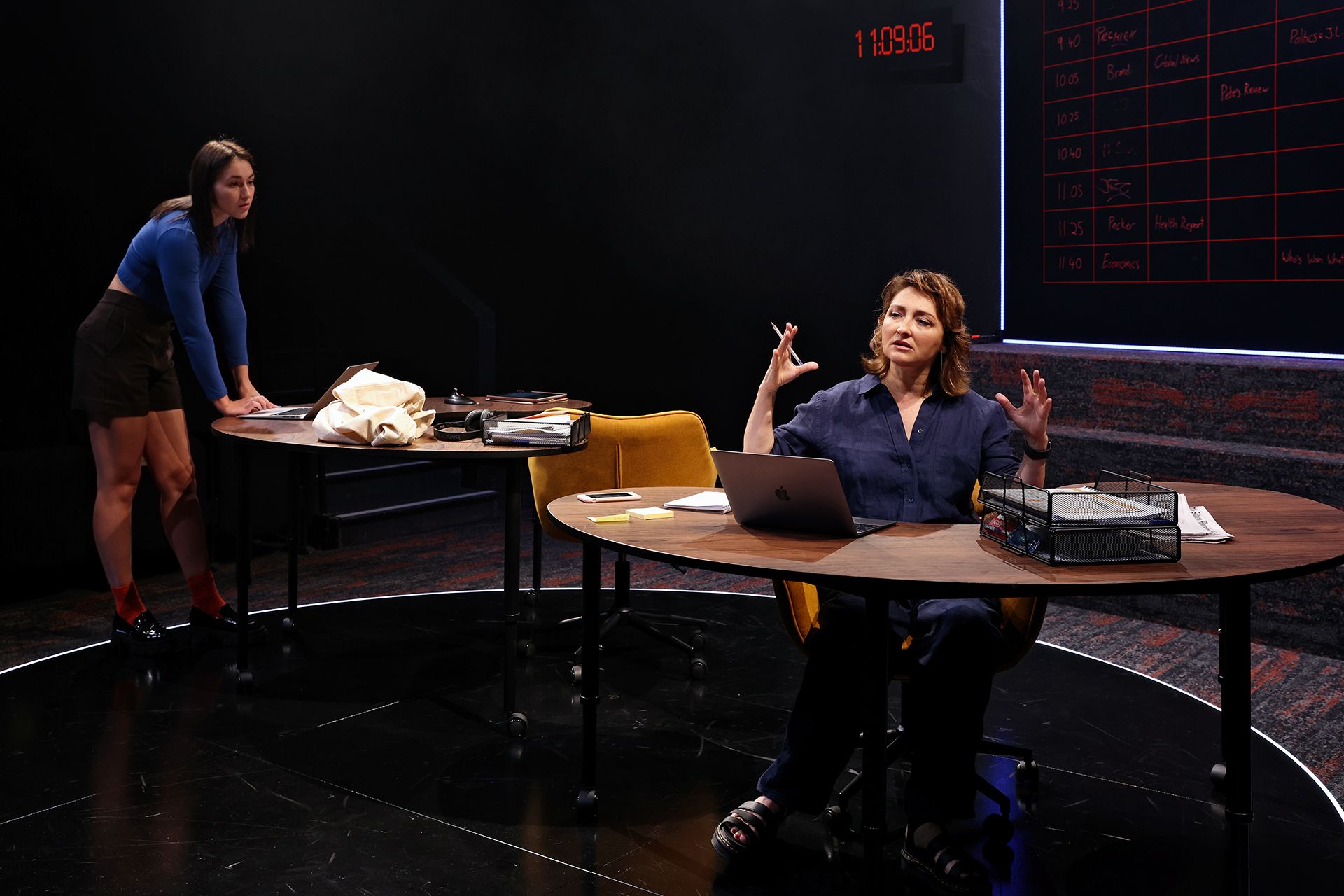
Set and costumes by Veronique Benett take inspiration from real-life examples of broadcast studios and media companies, accurate with the obsolescence and dourness being portrayed. Lights by Matt Cox are sensitively calibrated, to precisely articulate all the tonal shifts, for a show that moves effortlessly between comedy and tragedy. Clare Hennessy brings dramatic tension with her music and sound design, especially memorable for the hyper-realistic audio documentation, of sexual assault victims and their testimonies.

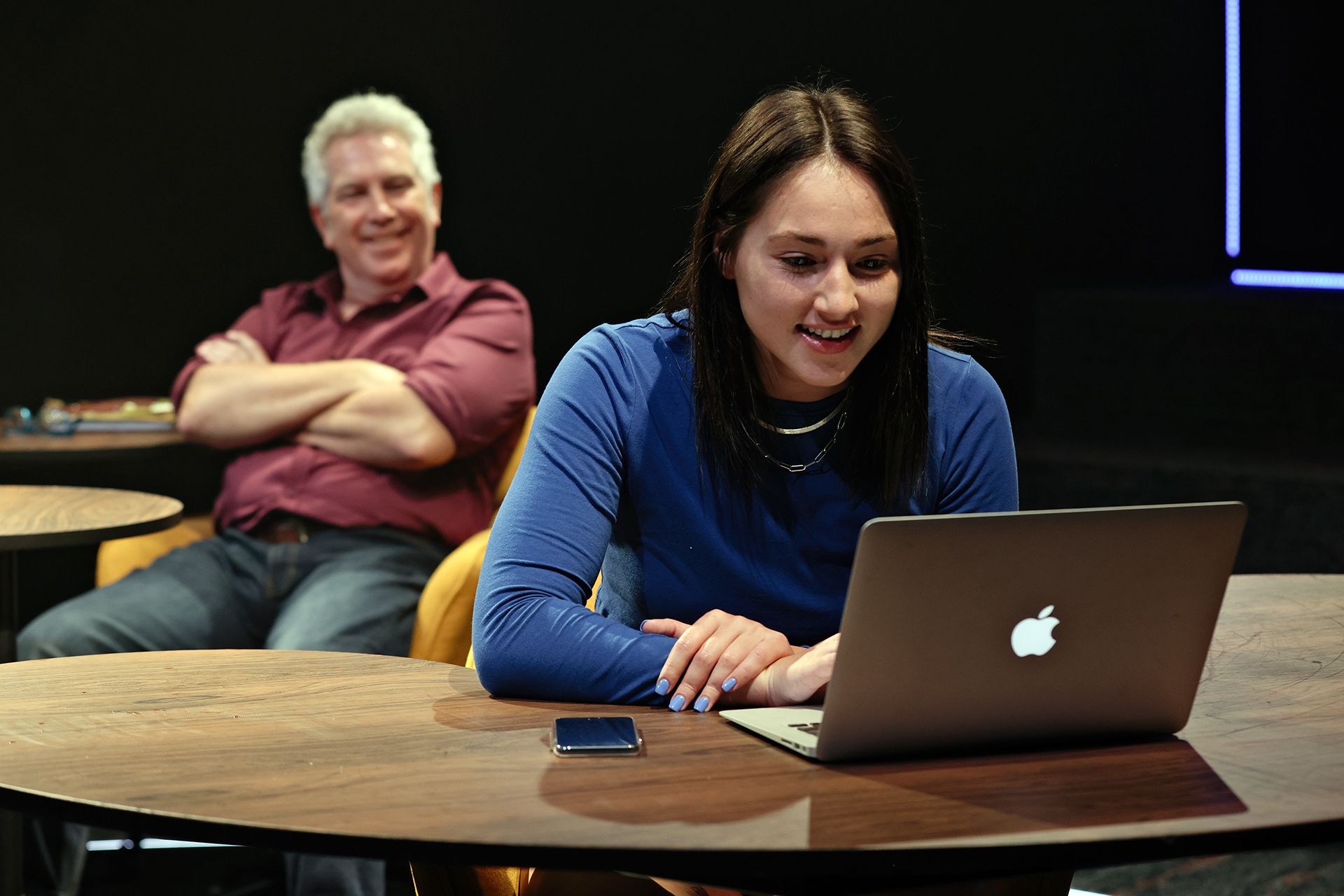
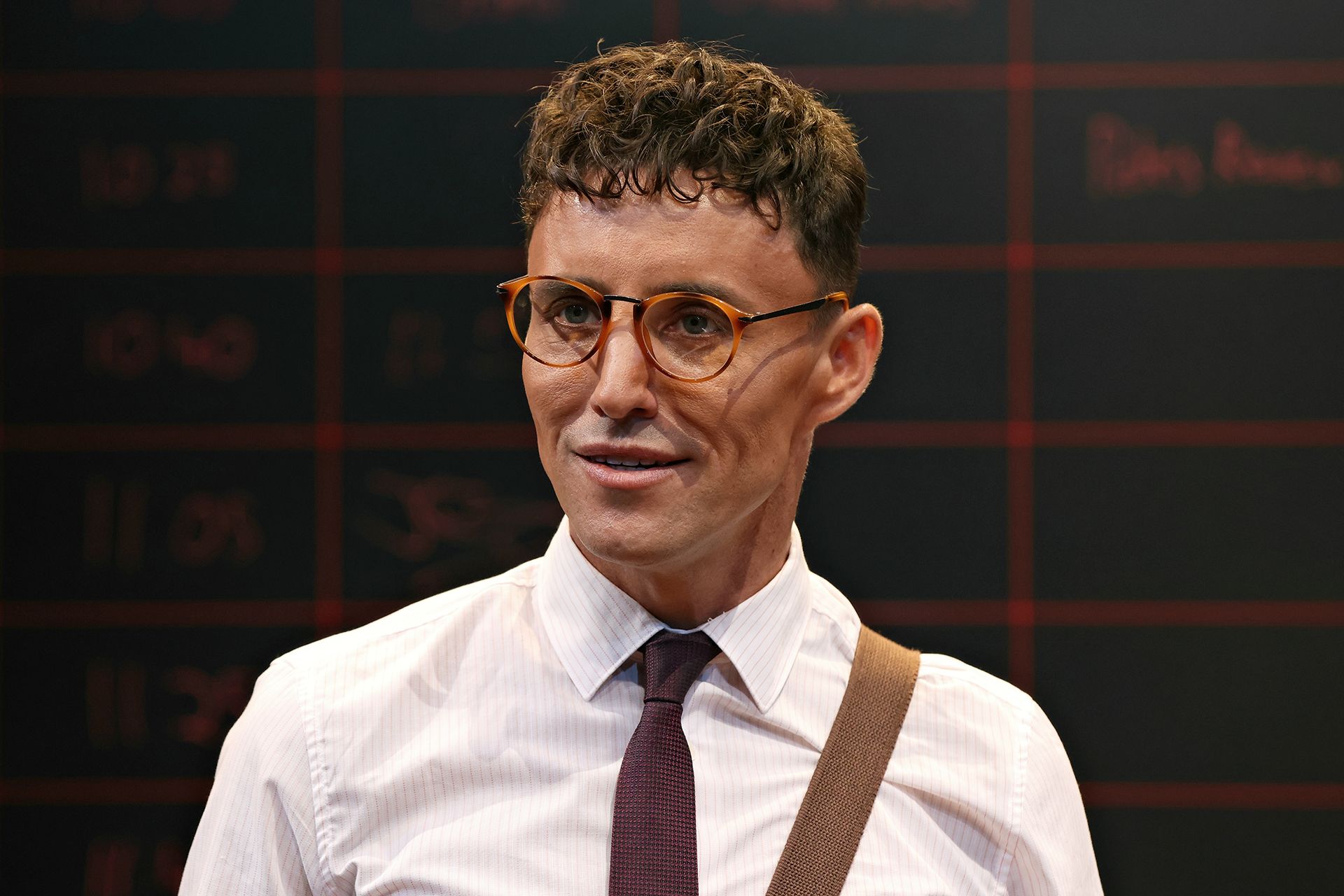
Actor Alex King plays with conspicuous dedication and charisma, a modern ingenue Noa, slightly naïve but mostly gregarious and impressively erudite. The role of the villain Mike is performed by Tony Cogin, who although lacks the swagger of a celebrity Casanova, speaks with the persuasive voice of a veteran radio star. Amber McMahon’s admirable dynamic range as podcaster and antagonist Jez, delivers scenes that are full of gripping intrigue. Louise, the faithful radio producer, is given emotional authenticity by Sharon Millerchip. Ben Gerrard’s comic timing is an undeniable highlight, as executive Troy who struggles to keep his troublesome headliner under control.

The story comes to a gratifying conclusion, only because enough people in the story decide to do the right thing. It is evident that what the system encourages, is for individuals to turn a blind eye, and allow bad things to persist. The system rewards such behaviour, because it does not wish to change. What we think of as rot, is to the system, beneficial elements that keep it perpetuating.

What we see in A Broadcast Coup is that humans know instinctively and objectively, right from wrong, yet many of us are comfortable, from a lifetime of habituation, to accept deplorable conditions. We need to stop protecting a system that does not serve us, and distressing and awkward as it may be in the interim, to disrupt everything that we know to be appalling.

www.ensemble.com.au

Review: Boxing Day BBQ (Ensemble Theatre)

Venue: Ensemble Theatre (Kirribilli NSW), Dec 5, 2022 – Jan 15, 2023
Playwright: Sam O’Sullivan
Director: Mark Kilmurry
Cast: Danielle Carter, Harriet Gordon-Anderson, Aileen Huynh, Brian Meegan, Jamie Oxenbould
Images by Prudence Upton

Theatre review

Peter takes Boxing Day celebrations very seriously. It is a family tradition that he clings on to desperately, for reasons of nostalgia and of sentimentality, even though the occasion is a frustrating one for all involved. Sam O’Sullivan’s Boxing Day BBQ is a satire on middle class Australia, critical of our values, yet generous in its portrayals of our behaviour. O’Sullivan captures with admirable accuracy, the zeitgeist as it pertains to attitudes about issues like the economy and the climate. Although the work has a tendency to be overly earnest, thus diminishing its comic qualities, Boxing Day BBQ is ultimately politically convincing, which is undoubtedly a favourable outcome.

Mark Kilmurry’s direction of the piece ensures a dramatic tautness, that keeps us invested in the story. Characters and relationships are believable and compelling, and their interchanges are imbued with a sense of consequence and urgency, to sustain our attention. Set design by Ailsa Paterson is a charming representation of the classic suburban backyard, that allows for an abundance of visually pleasing spatial configurations. Genevieve Graham’s costumes help establish personalities quickly, with appropriate colours and shapes that tell us who these people are, even before they begin to speak. Lights by Matt Cox and sound by David Grigg, offer subtle unobtrusive renderings, which honour the art of storytelling above all else.

The cast of five is evenly matched, each with opportunities to shine at centre stage. Danielle Carter, Harriet Gordon-Anderson, Aileen Huynh, Brian Meegan and Jamie Oxenbould demonstrate great capacity for listening to one another, forming a team that impresses with its chemistry. There is an integrity to their approach to performance, that makes us receptive to the play’s important message.

Family members in Boxing Day BBQ argue about human civilisation, and its culpability on the state of the world. Some of us will acknowledge all the harm we have caused, and some of us will choose not to. Either way, there should be no dispute about the fact that should we want a bright future, it is incumbent upon us to do all we can, to make it happen. It seems we have not been able to agree on the truth of the past, and worse, there is often divisions about where we are today, but to have no consensus about what tomorrow should look like, is perhaps the biggest danger that we face.

www.ensemble.com.au

Review: A Christmas Carol (Ensemble Theatre)

Venue: Ensemble Theatre (Kirribilli NSW), Nov 25 – Dec 29, 2022
Playwright: Hilary Bell (based on the story by Charles Dickens)
Director: Damien Ryan
Cast: Valerie Bader, John Bell, Jay James-Moody, Emily McKnight, Anthony Taufa, Daryl Wallis
Images by Jaimi Joy

Theatre review

The timeless tale of Scrooge’s awakening, was first published 178 years ago. With billionaires making news every day in 2022,  Charles Dickens’ A Christmas Carol resonates anew, although it is only wishful thinking that our overlords should find their souls overnight. Nonetheless, the story remains heart warming, and with Hilary Bell’s stage adaptation taking the form of a pantomime, featuring delightful music by Phillip Johnston, we are re-acquainted with the classic at year’s end, to be reminded of what is truly important.

Charming direction by Damien Ryan delivers nostalgia and sentimentality in spades, although humour in the production could benefit from being less restrained. It is a beautifully designed show, with Alisa Paterson’s set and Genevieve Graham’s costumes leaving a strong impression. Lights by Mat Cox too are sumptuous, and indispensable in delivering for the story, its crucial supernatural elements.

John Bell is believable as the misanthropic Scrooge, suitably mean and cruel, playing one of the best known characters of the festive season. Anthony Taufa brings wonderful exuberance to a great number of roles, full of charisma and playfulness, encouraging us to respond with appropriate cheer. Daryl Wallis provides live accompaniment on piano and percussion, adding blitheness with his sensitive musical direction.

It is right that we should expect more of the rich, but it is also necessary for governments to insist on redistribution of wealth, when disparities are so severe. Dickens did his best to appeal to the human conscience, but it is clear that not many at the top of town are ever going to be sufficiently conscientious. We simply cannot sit and wait for the rich to do the right thing.

www.ensemble.com.au