Review: The Heartbreak Choir (Ensemble Theatre)

Venue: Ensemble Theatre (Kirribilli NSW), 29 Oct, 2024 – 12 Jan, 2025
Playwright: Aidan Fennessy
Director: Anna Ledwich
Cast: Valerie Bader, Tyallah Bullock, Nancy Denis, Carita Farrer Spencer, Jay Laga’aia, Jasper Lee-Lindsay, Georgina Symes
Images by Prudence Upton

Theatre review
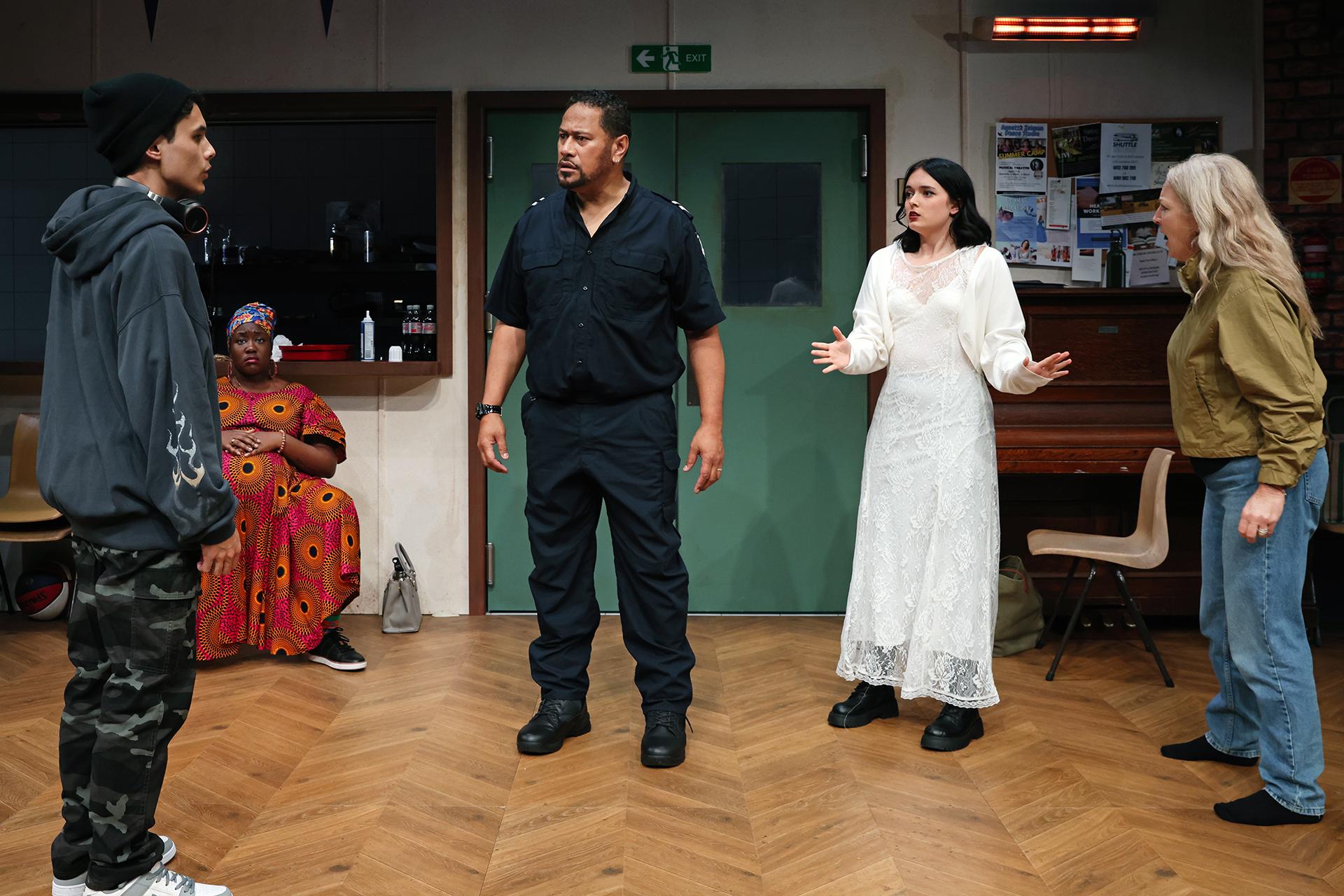
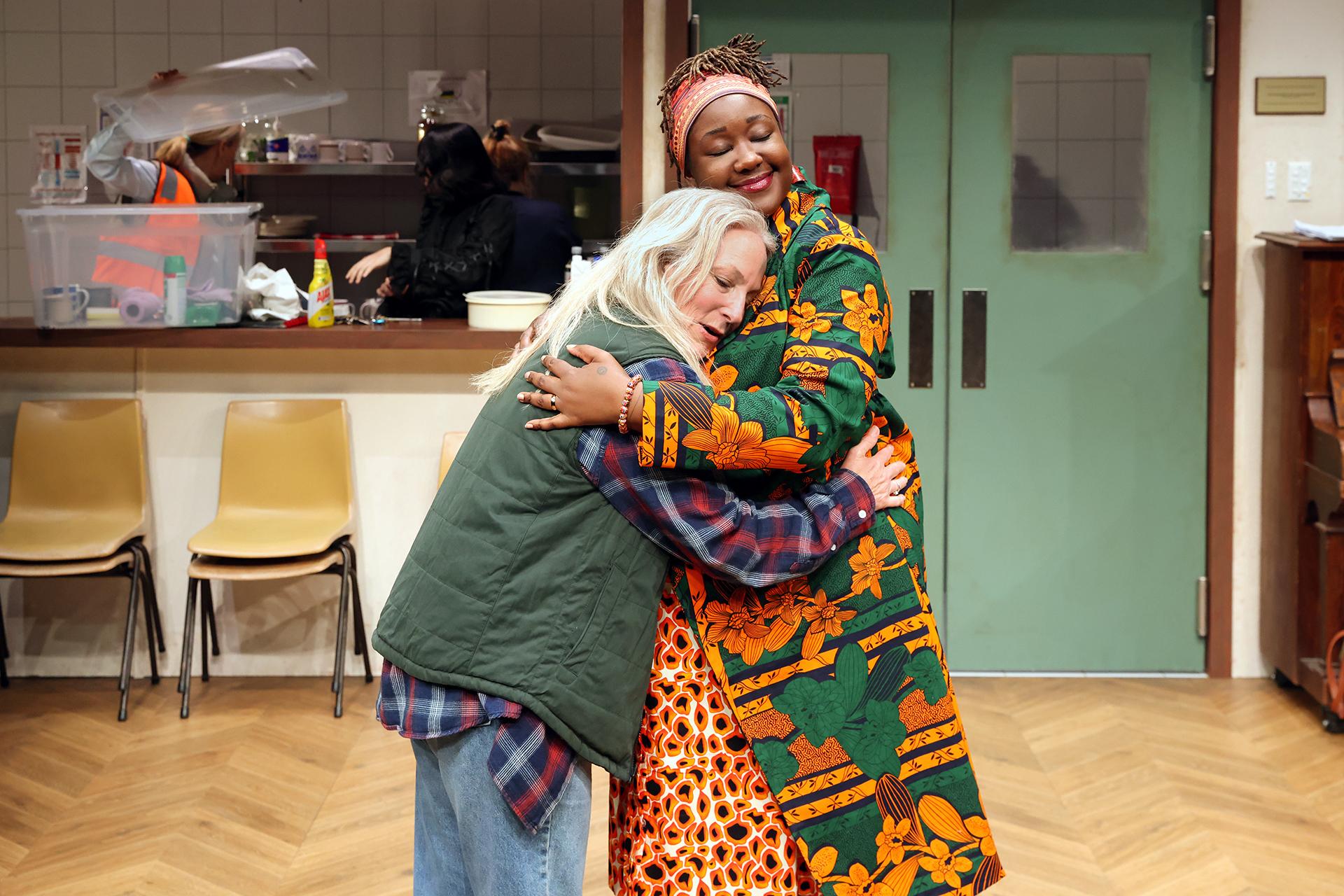
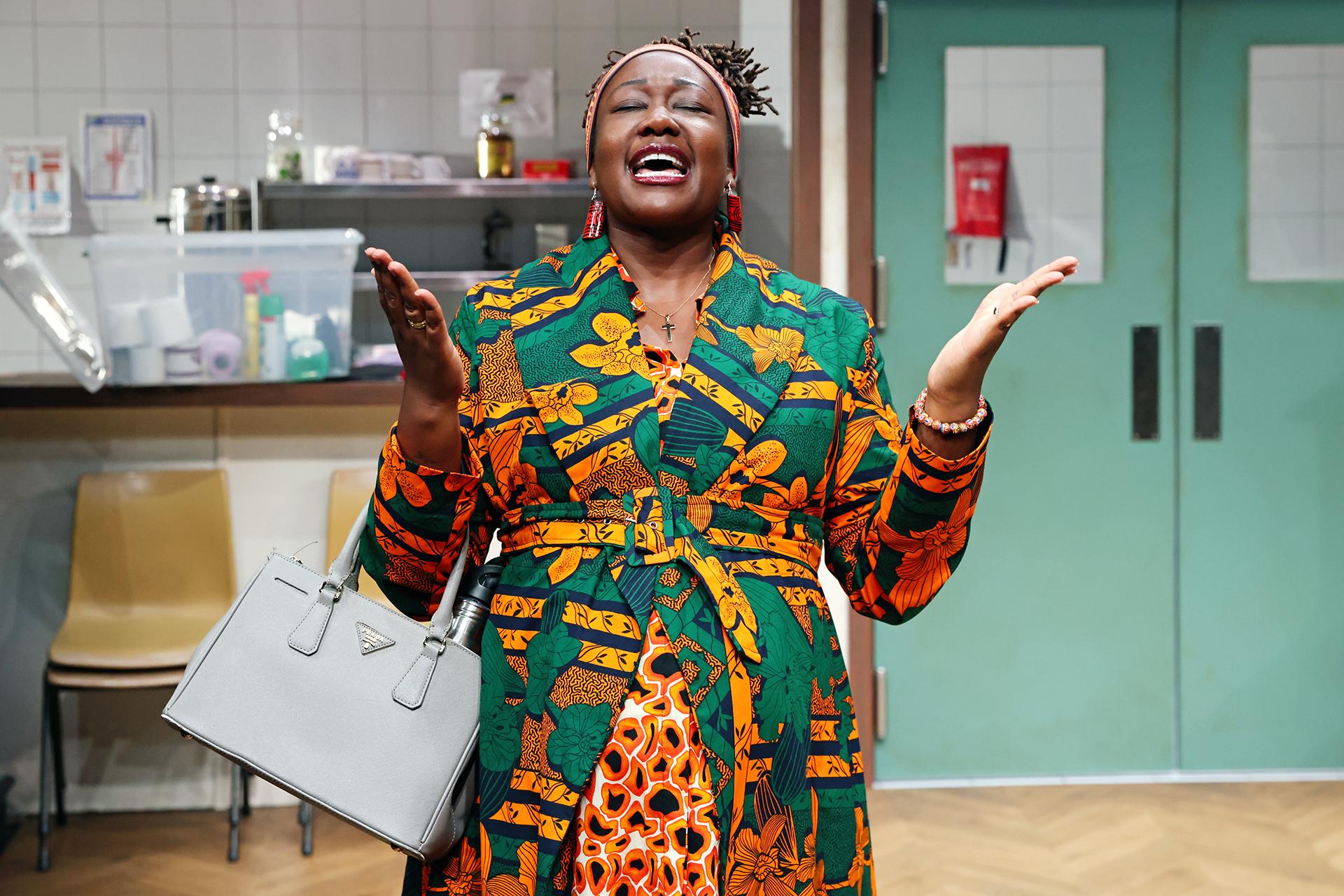
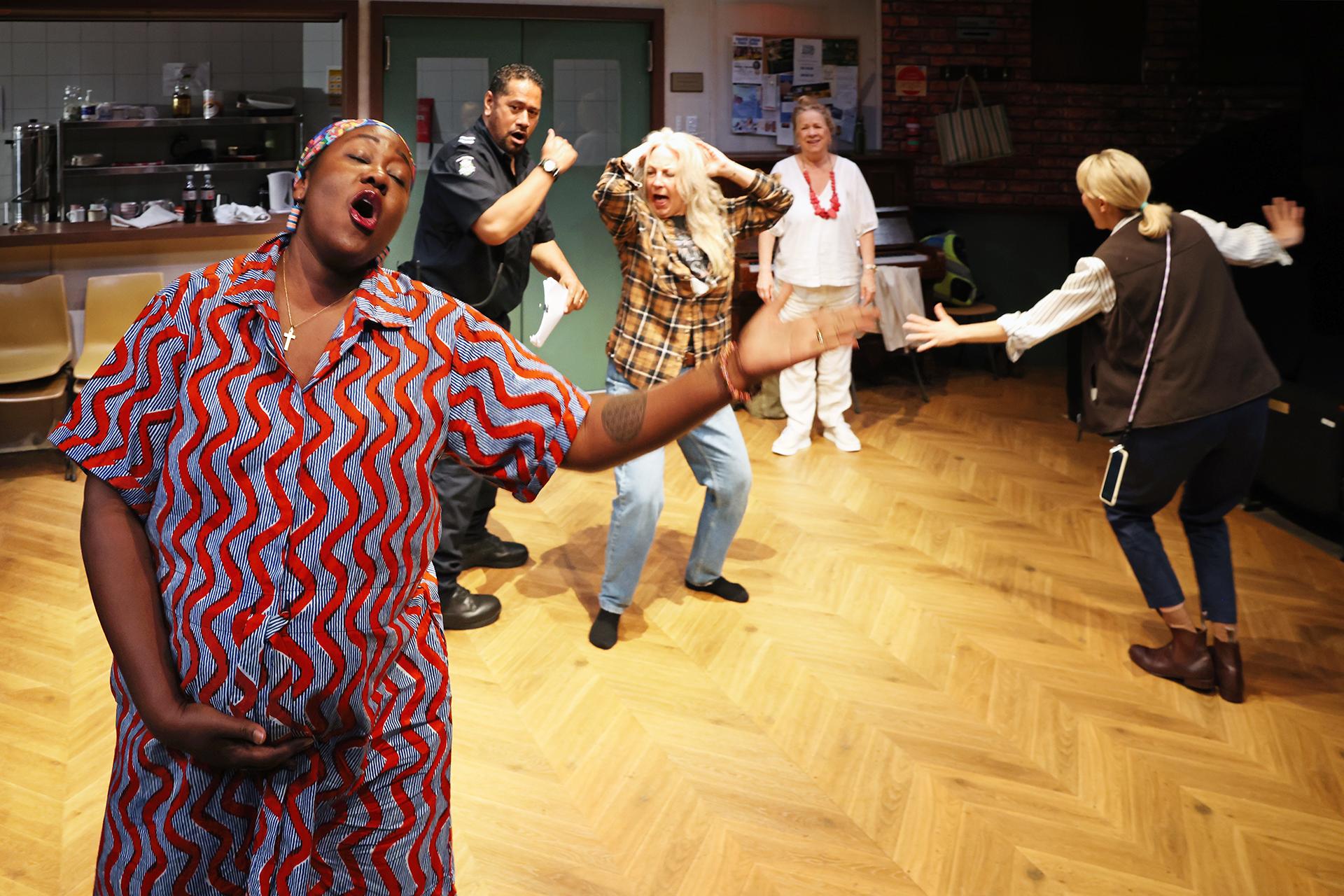
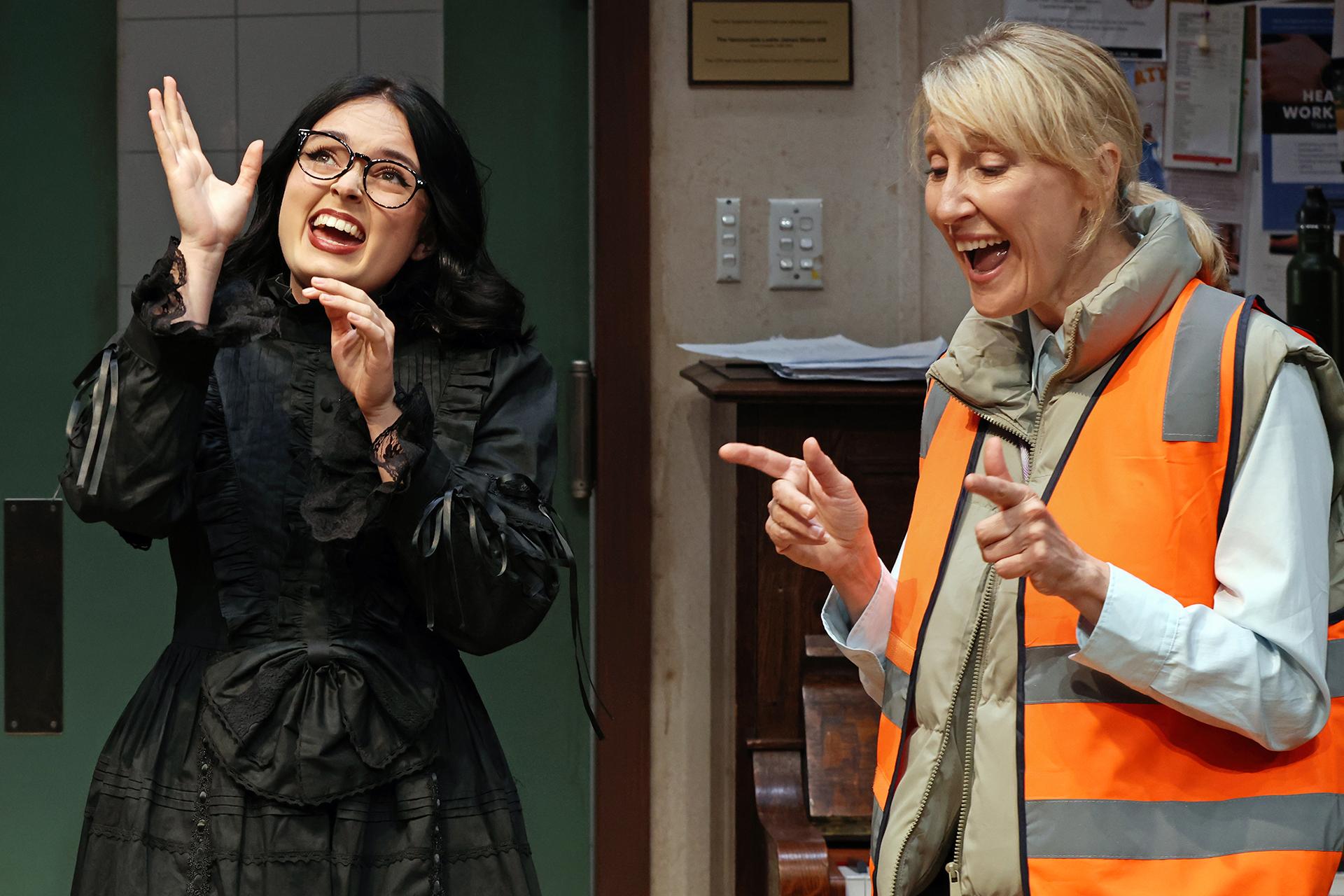
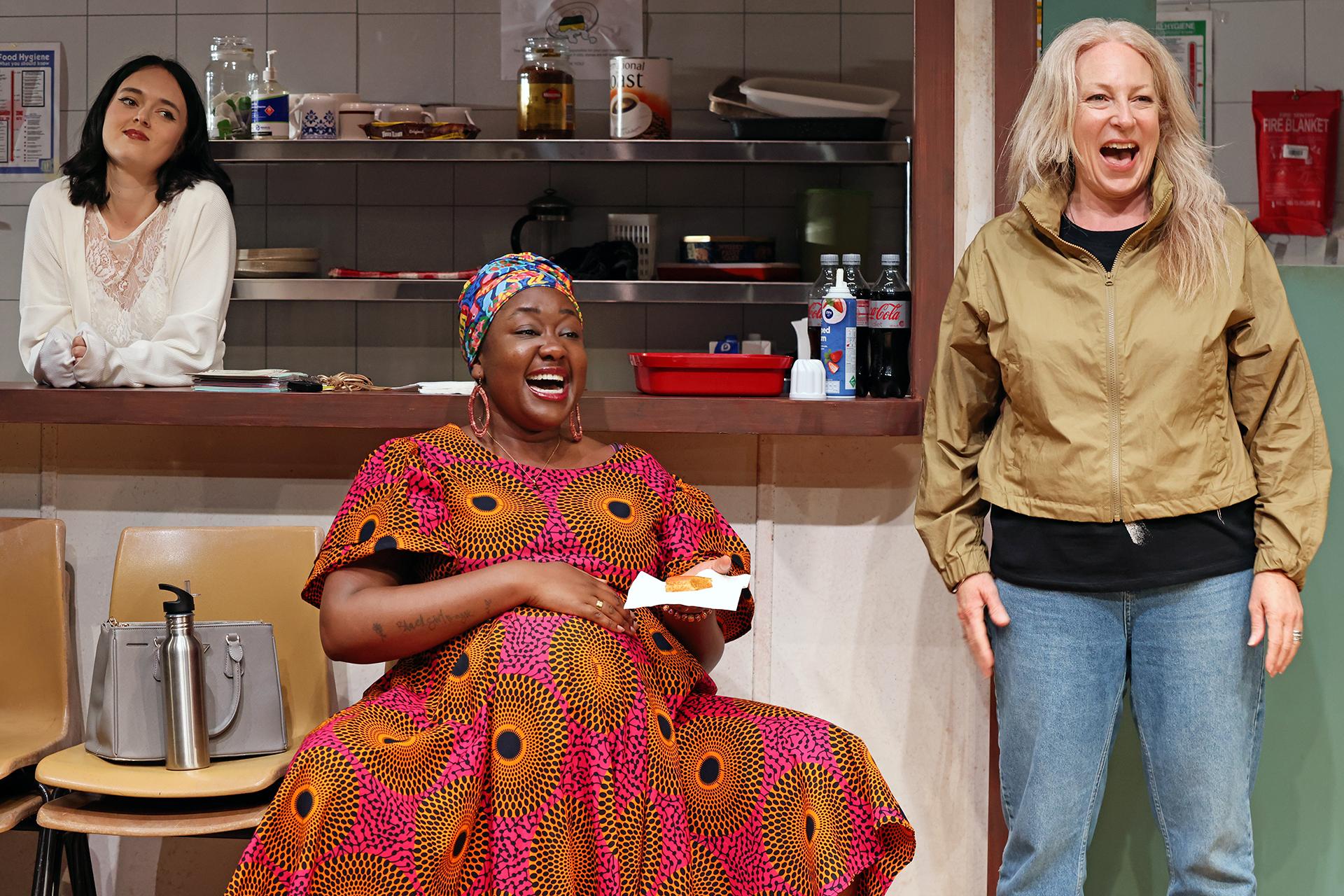
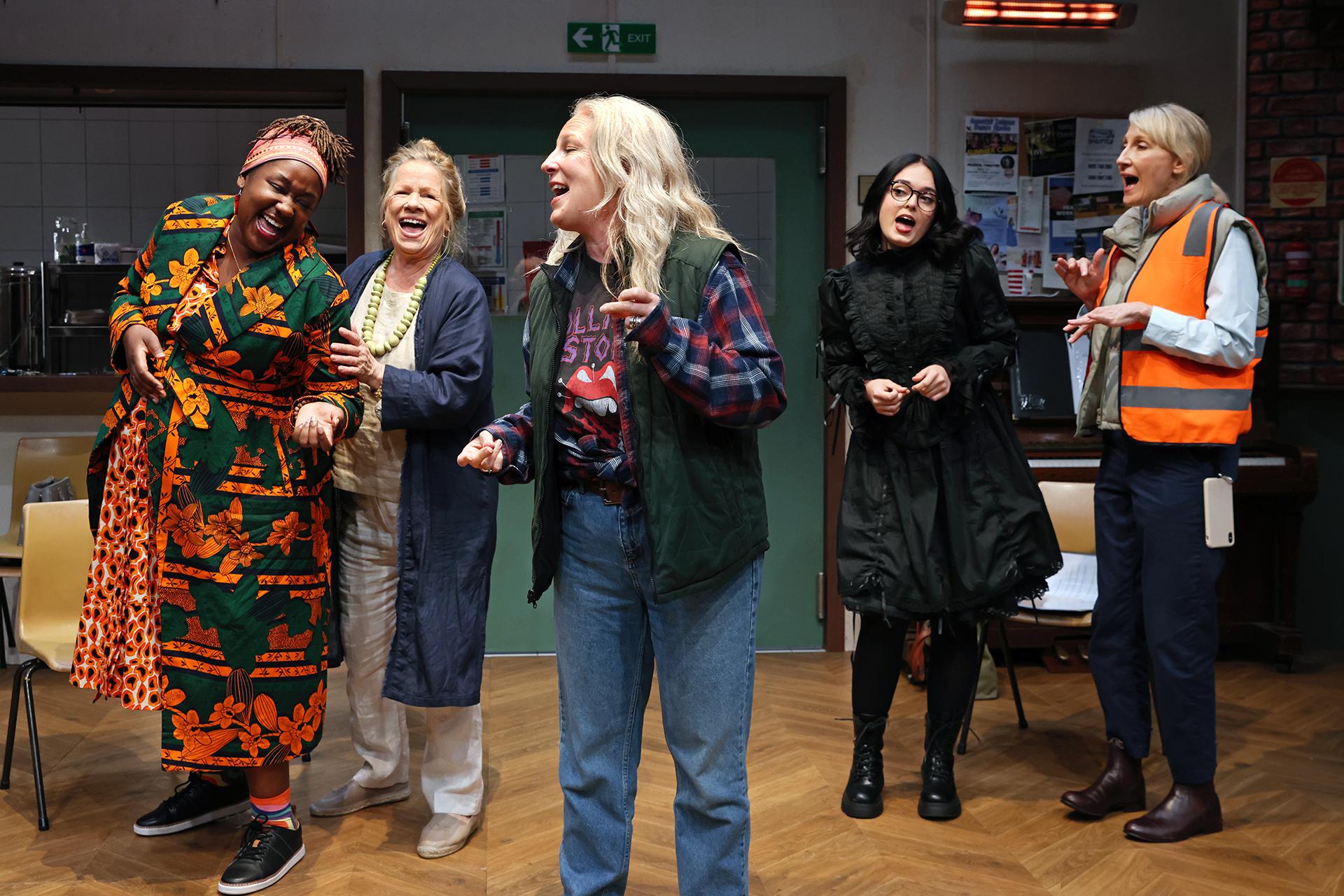
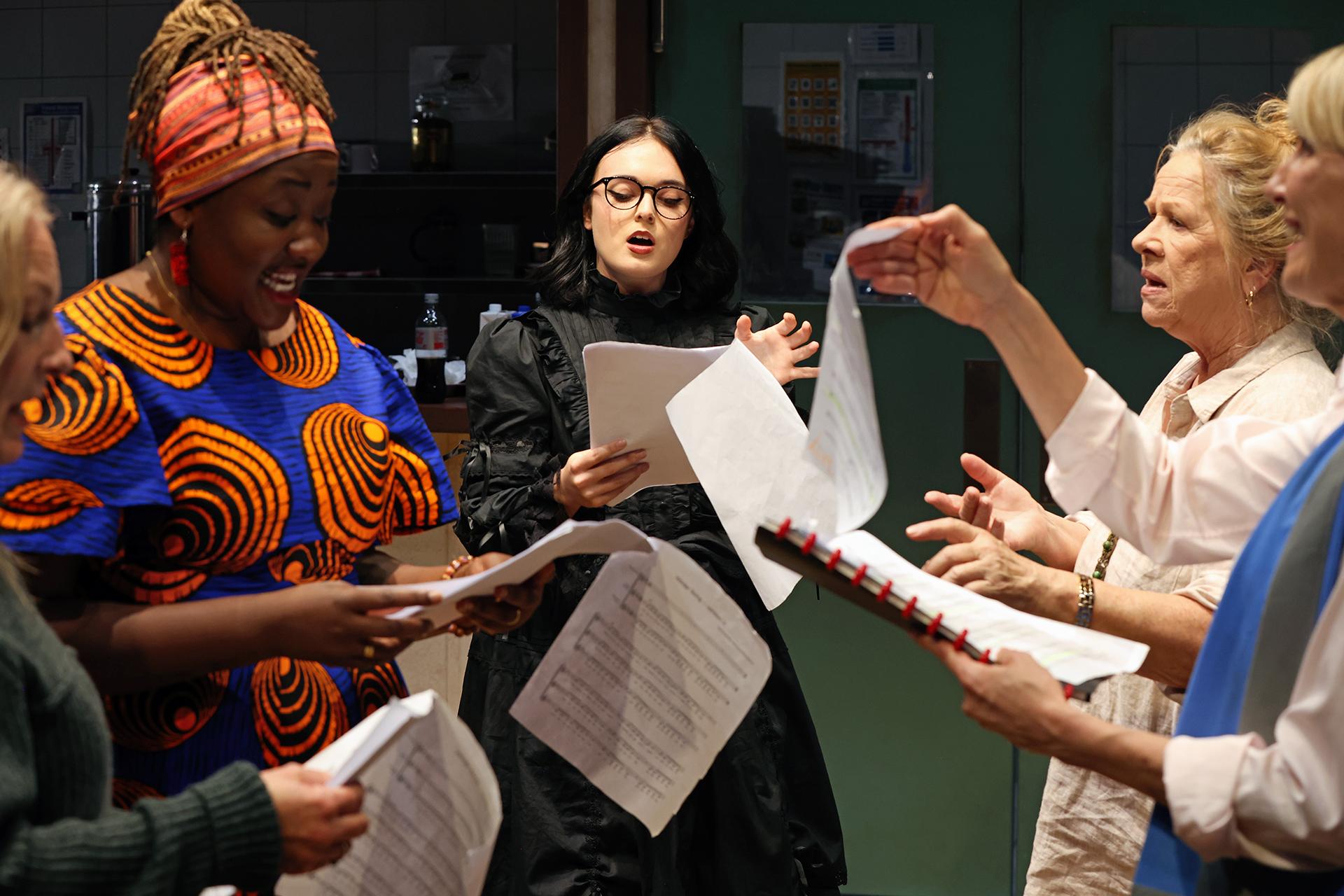
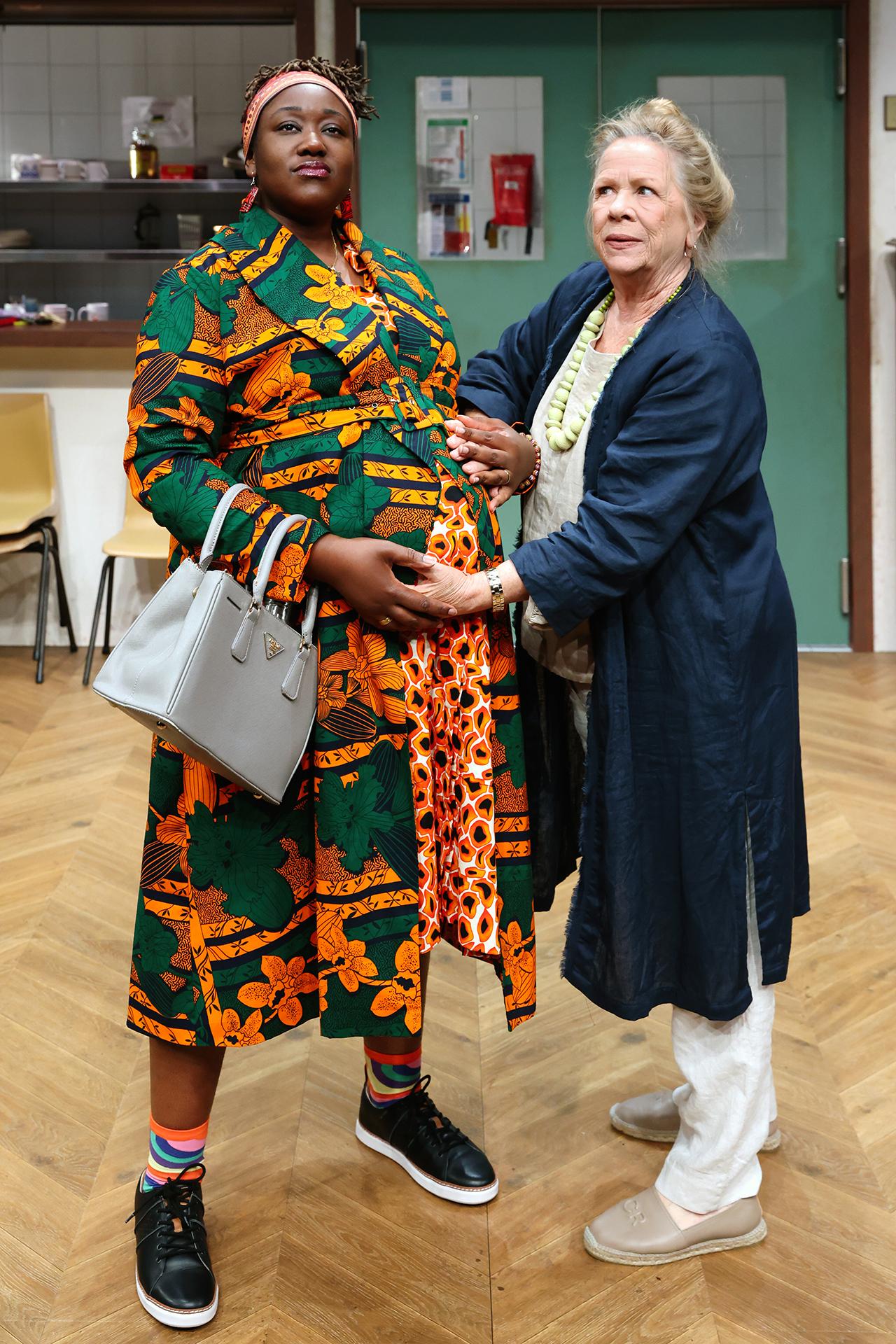
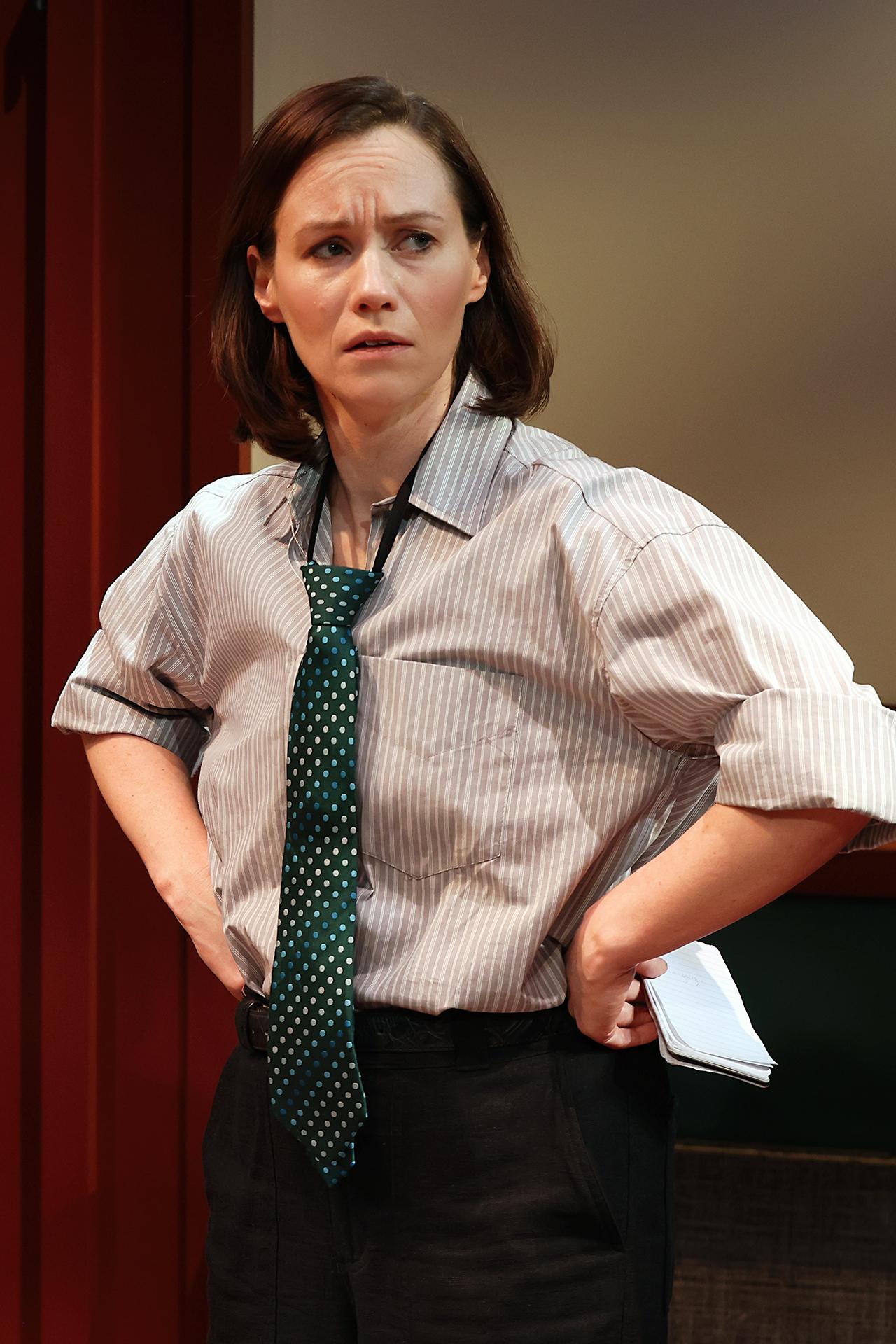
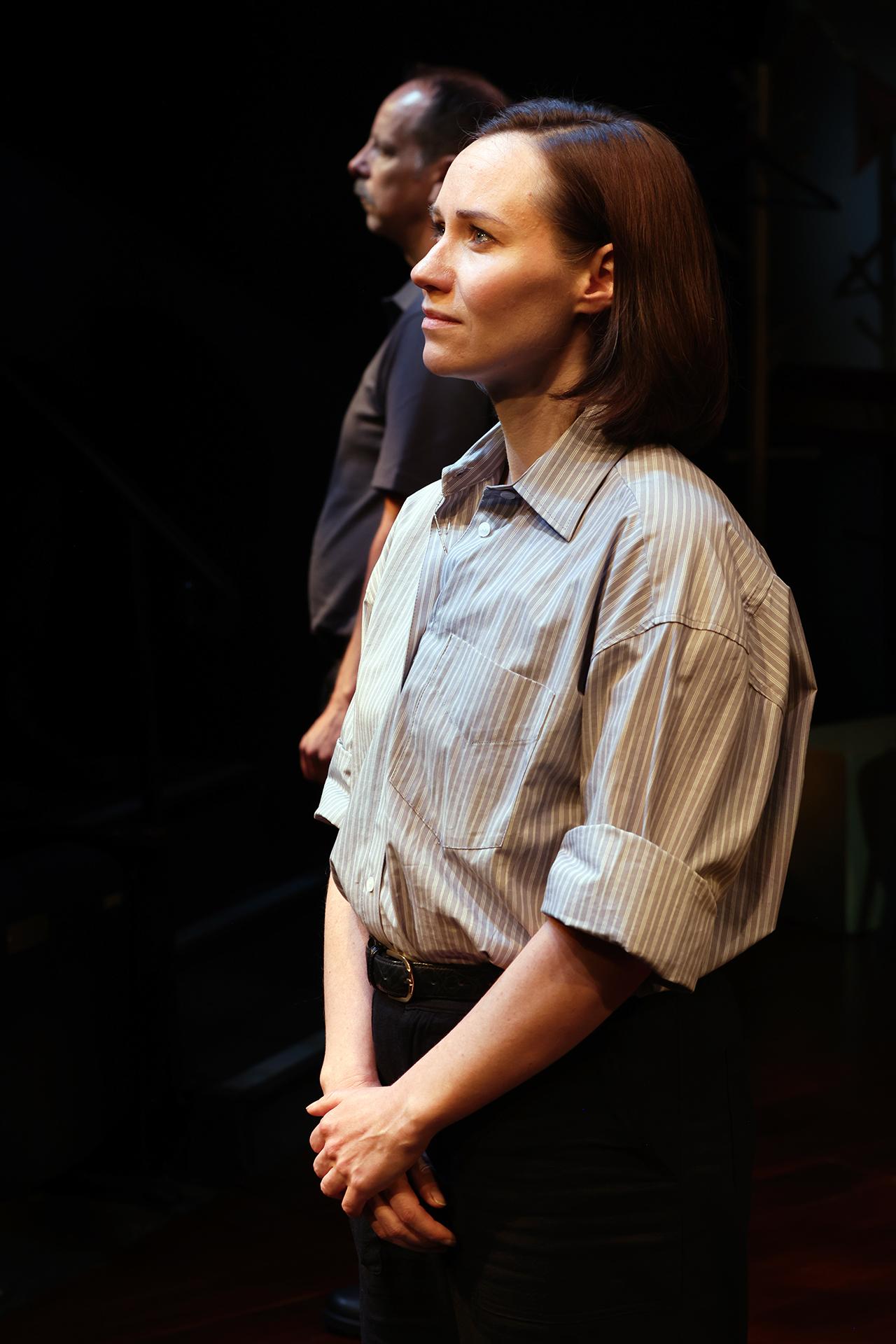
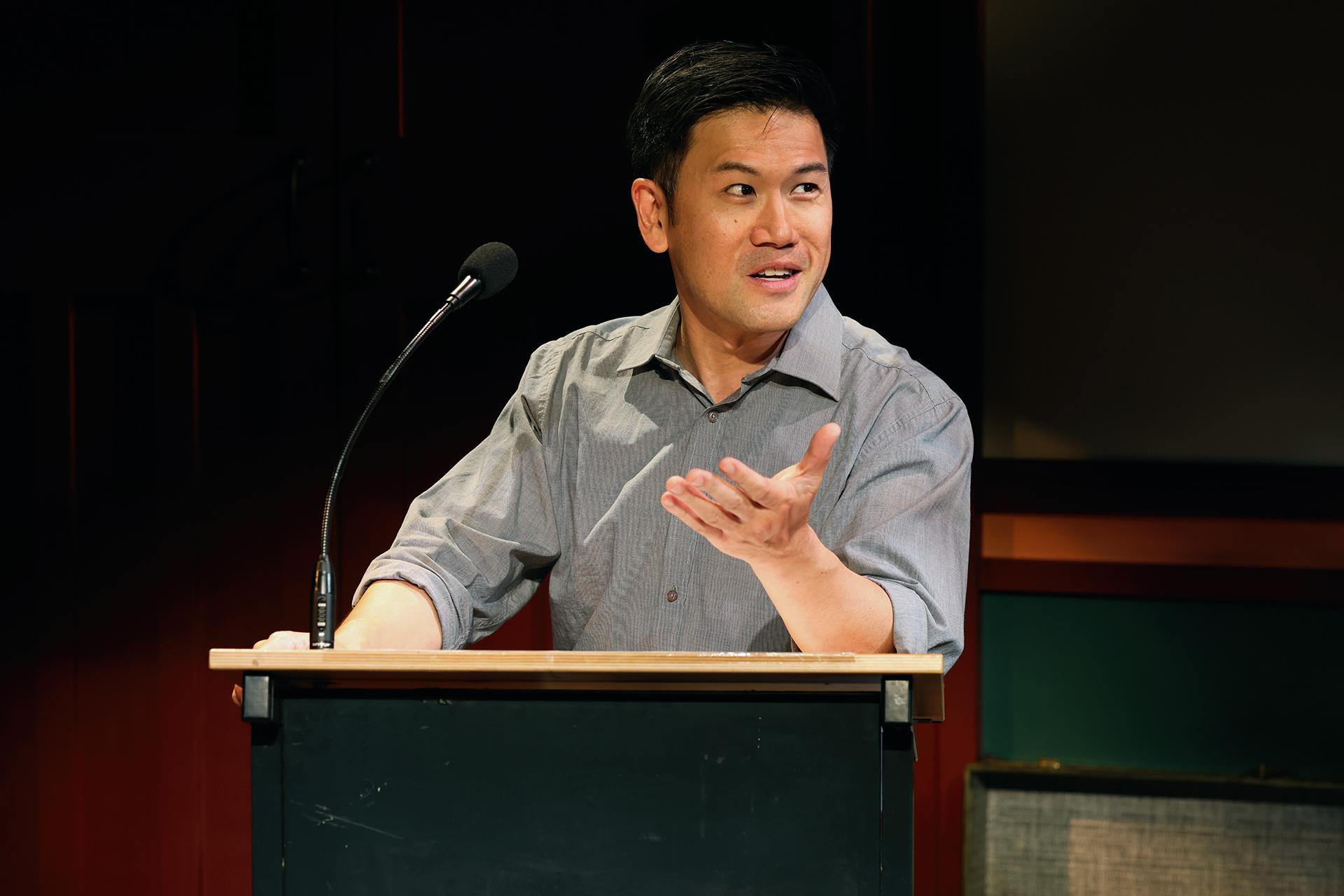
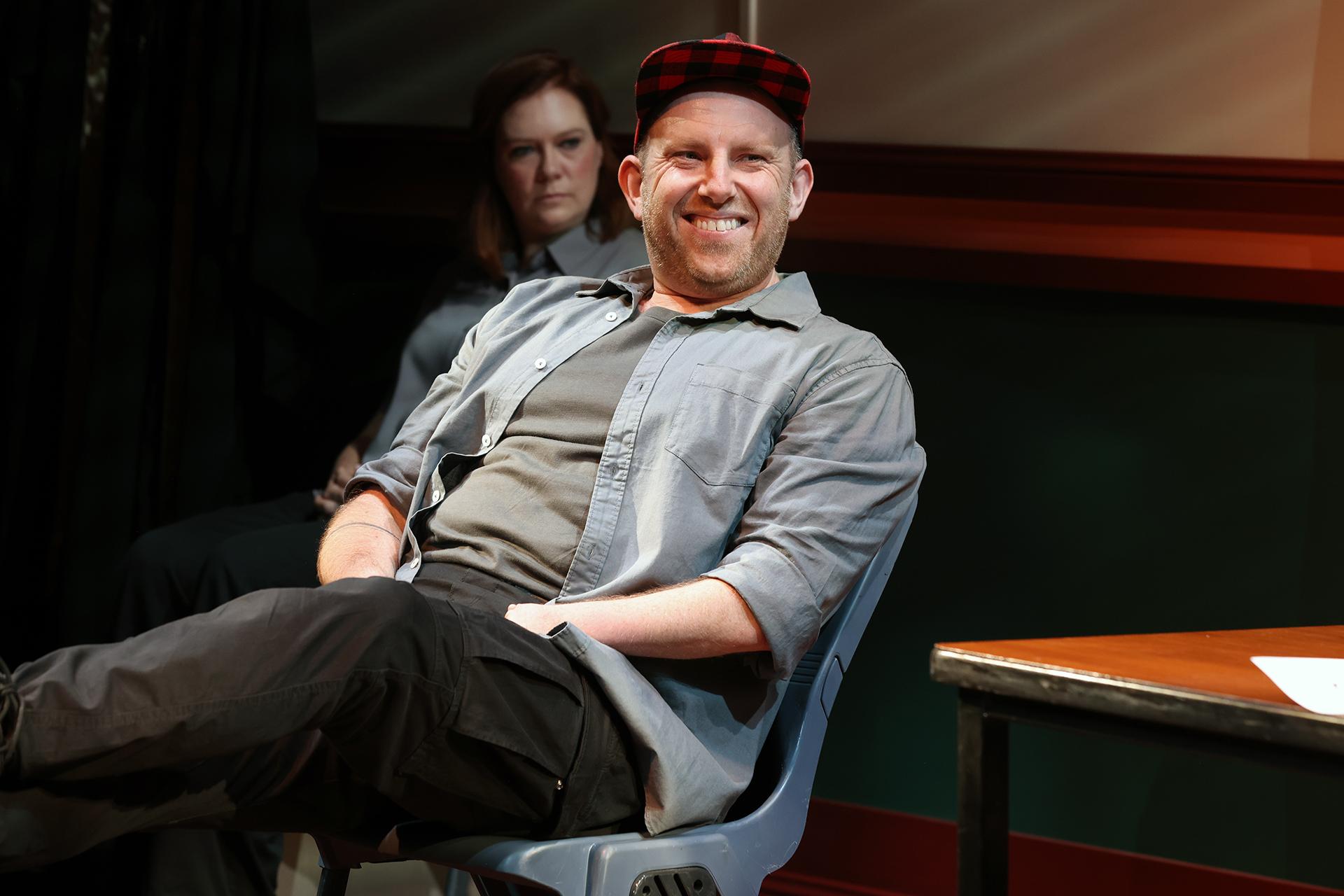
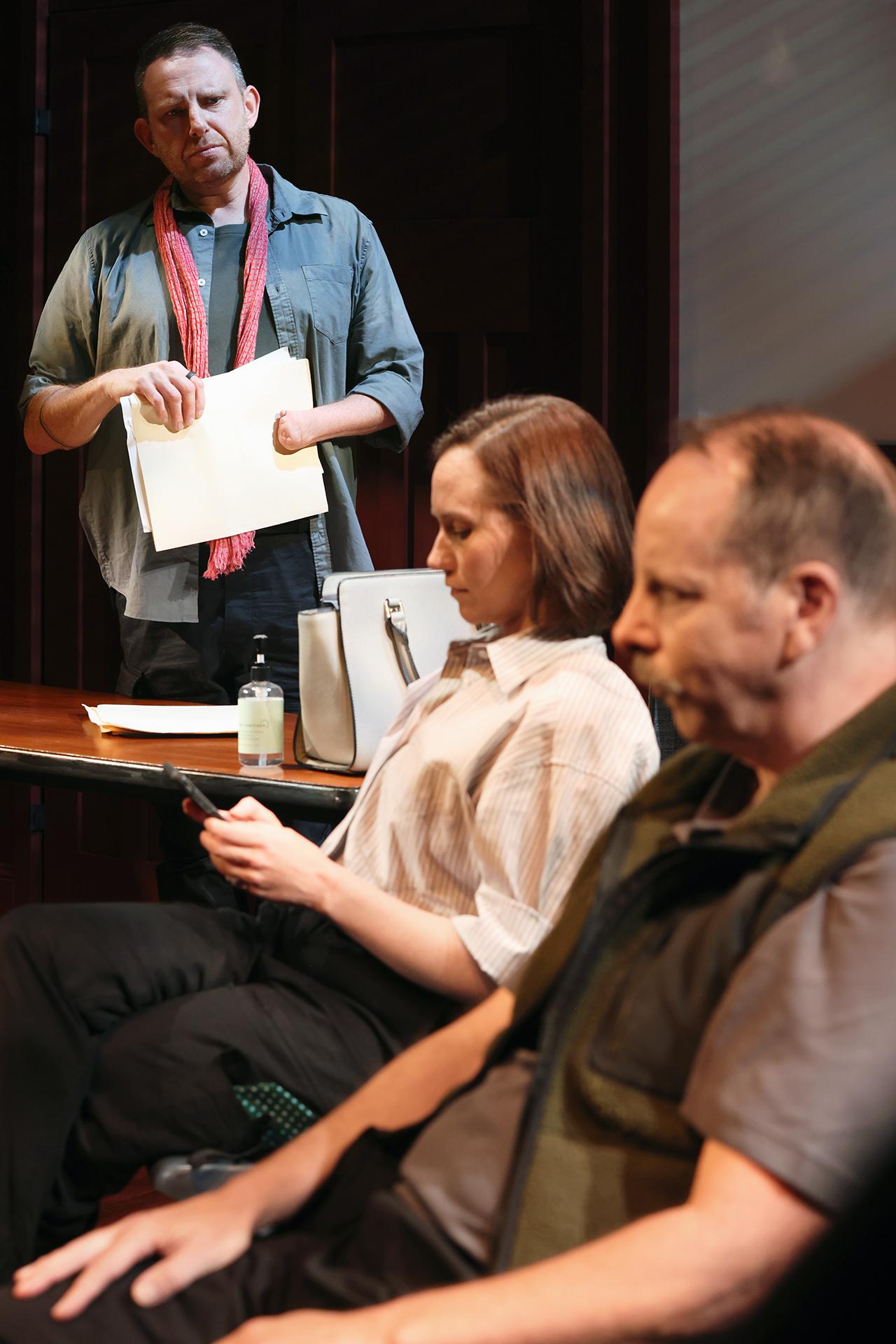
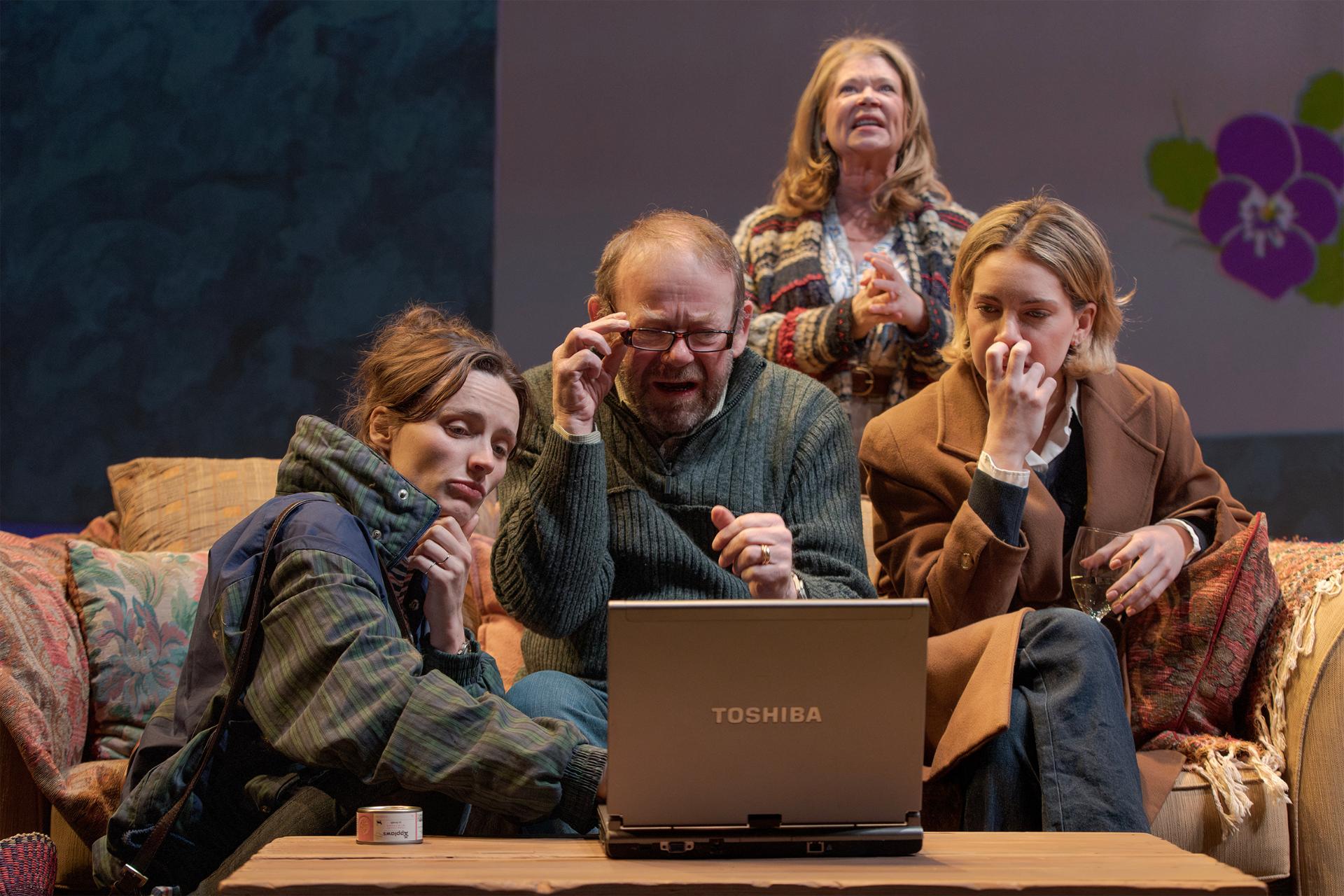
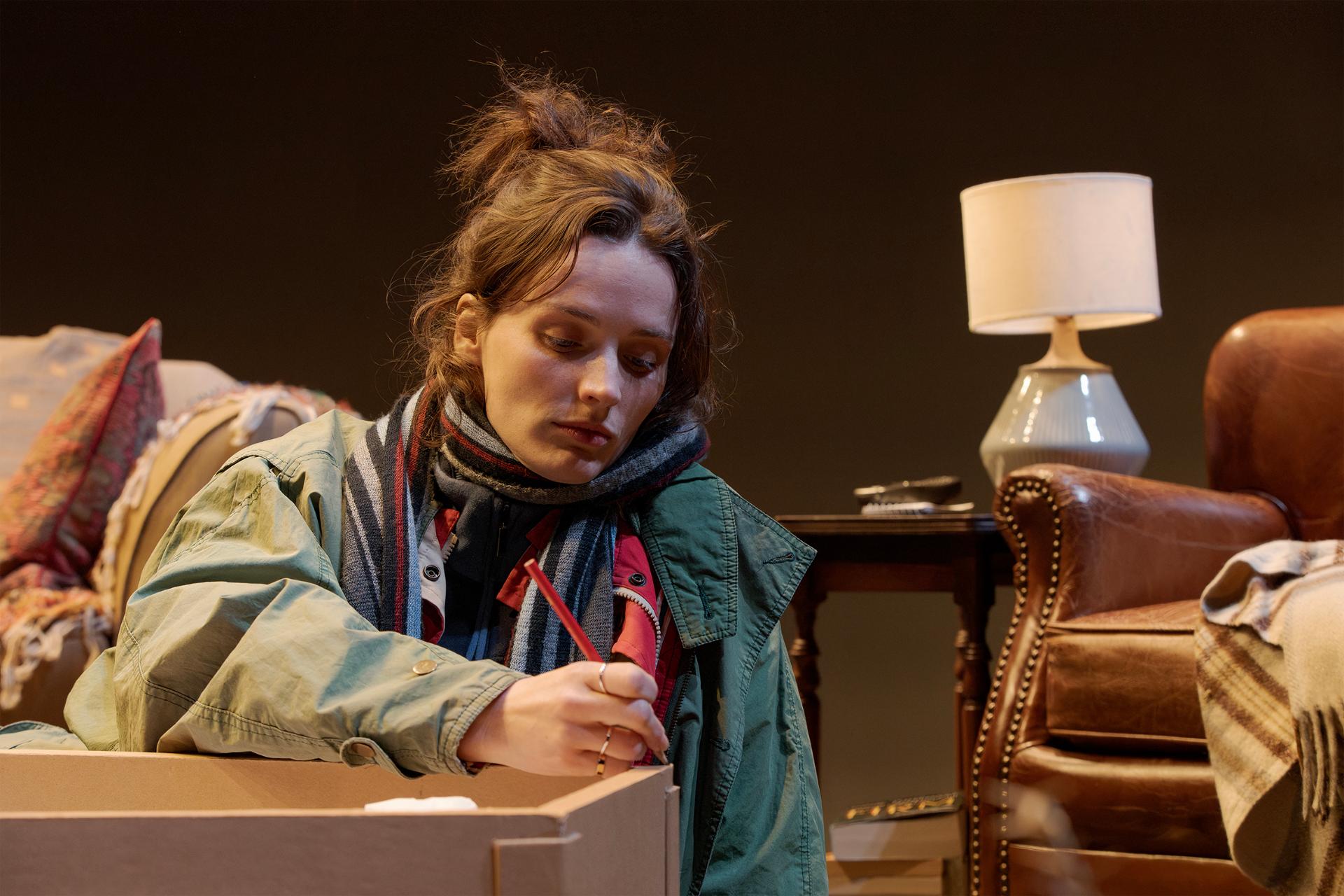
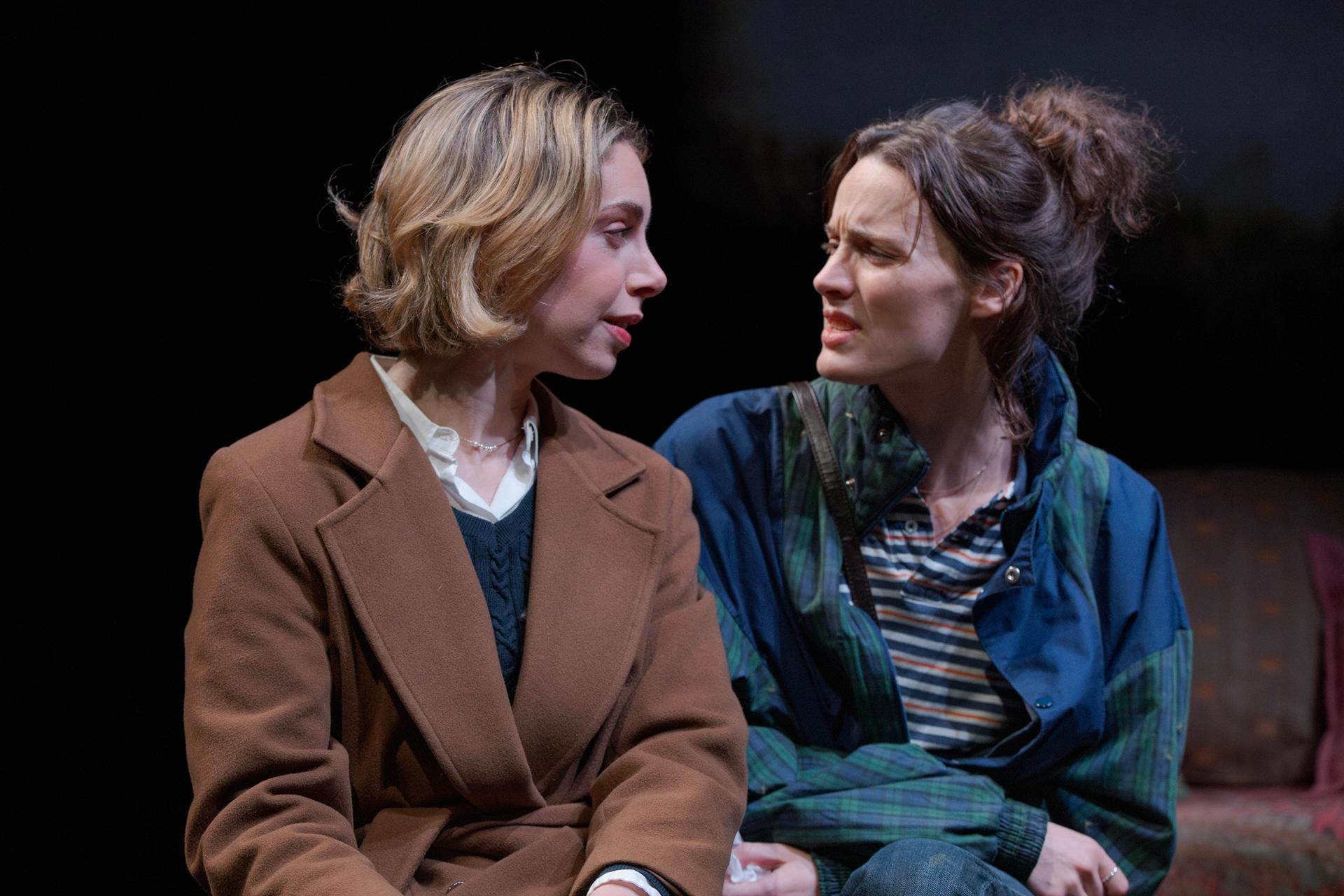
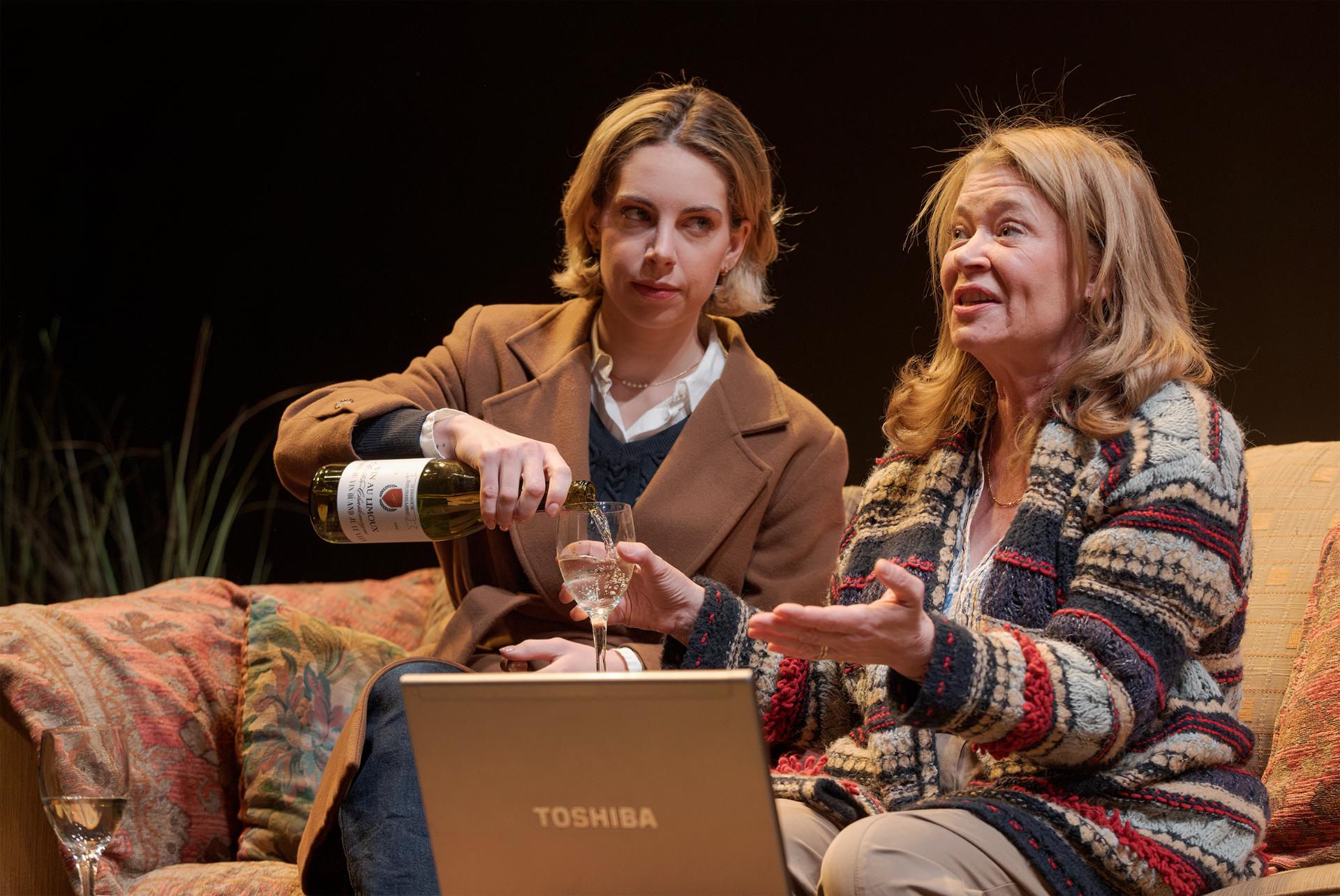
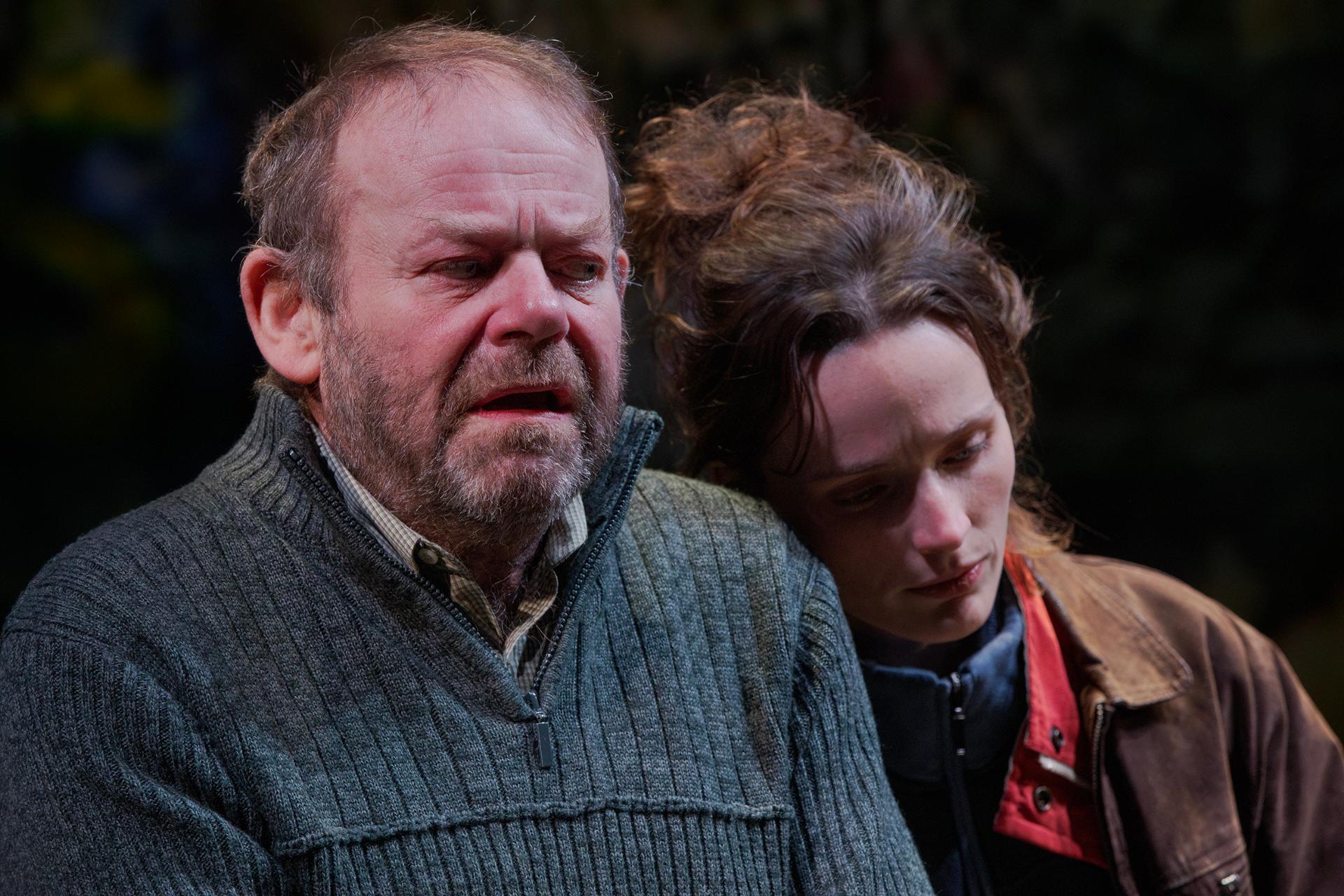
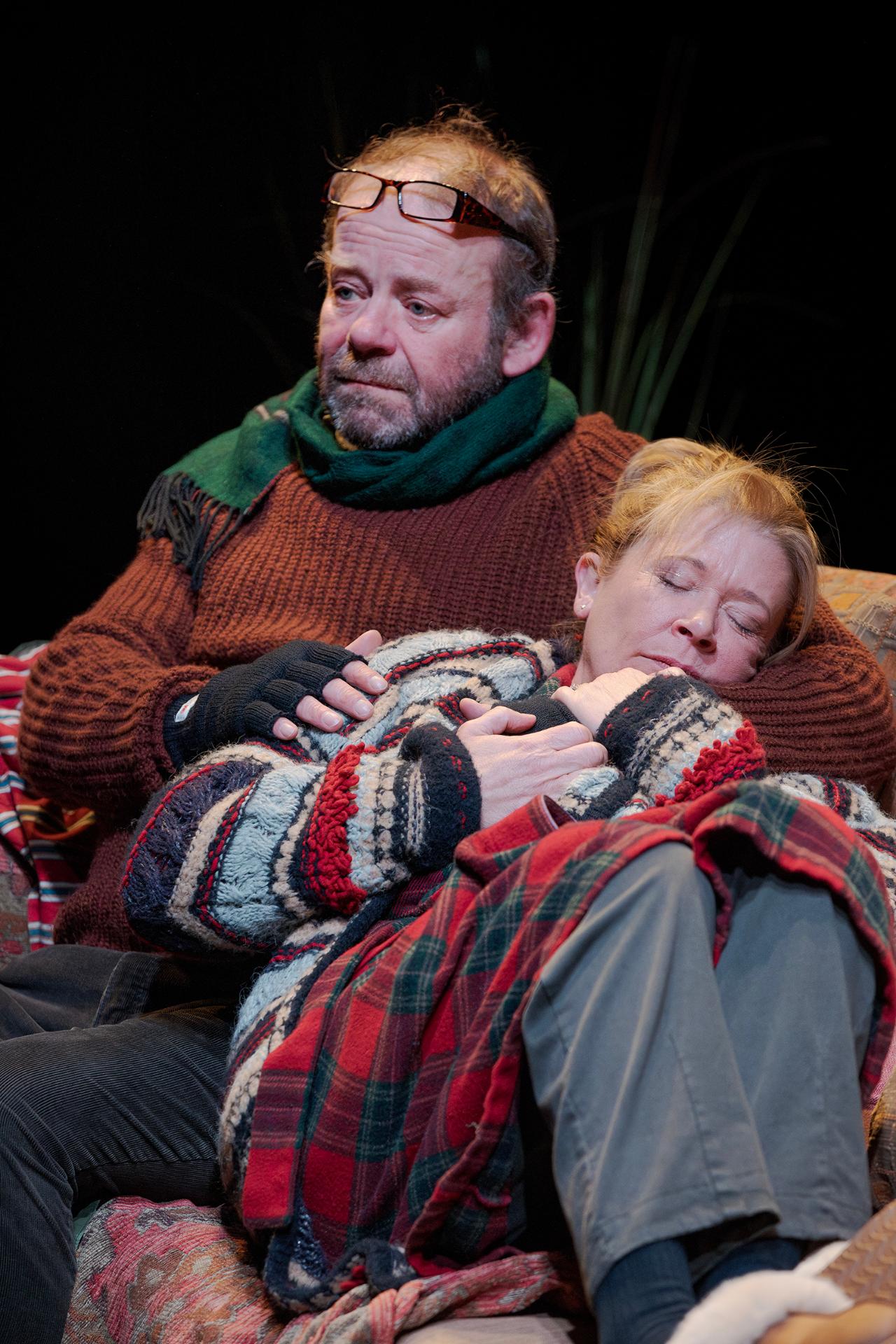
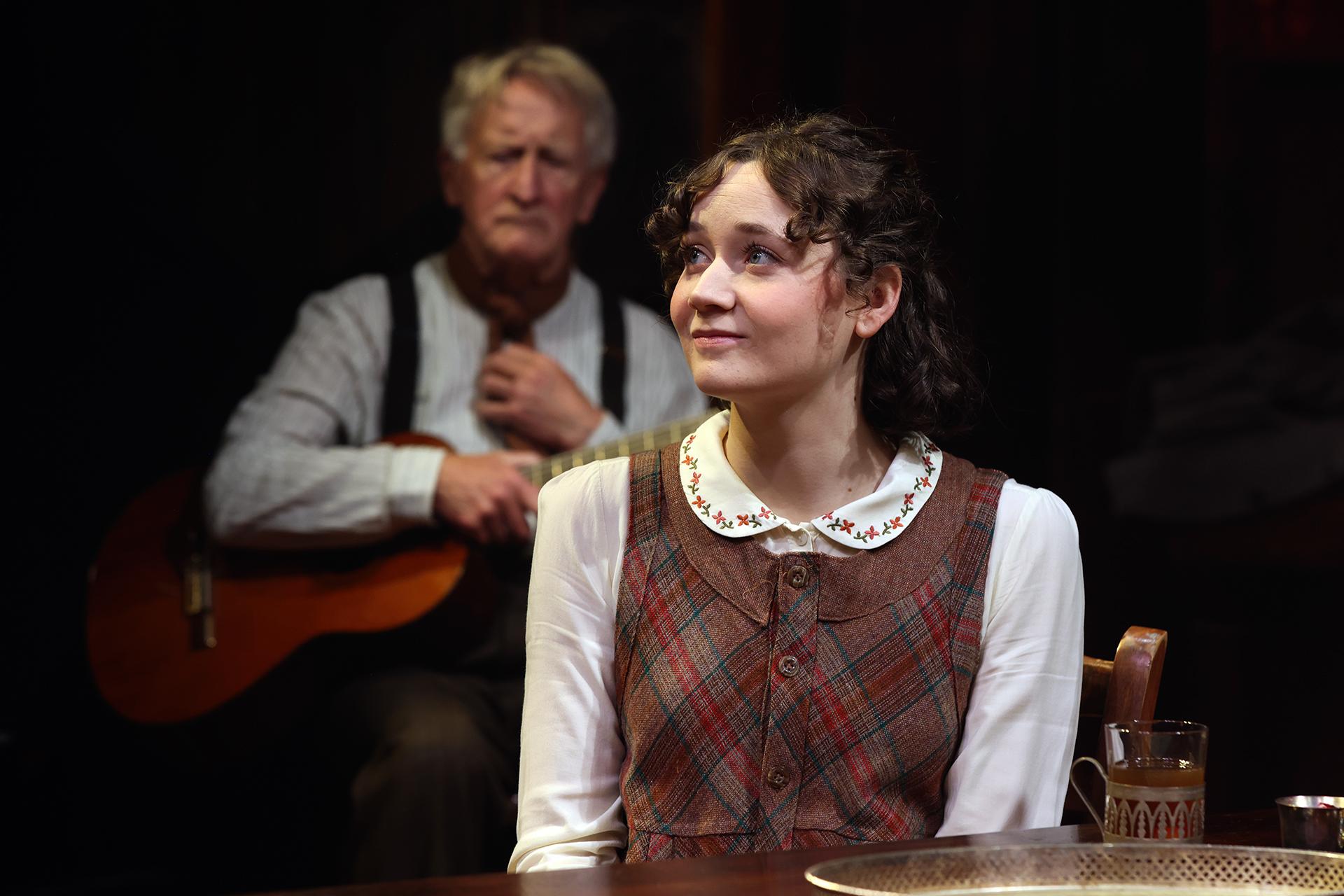
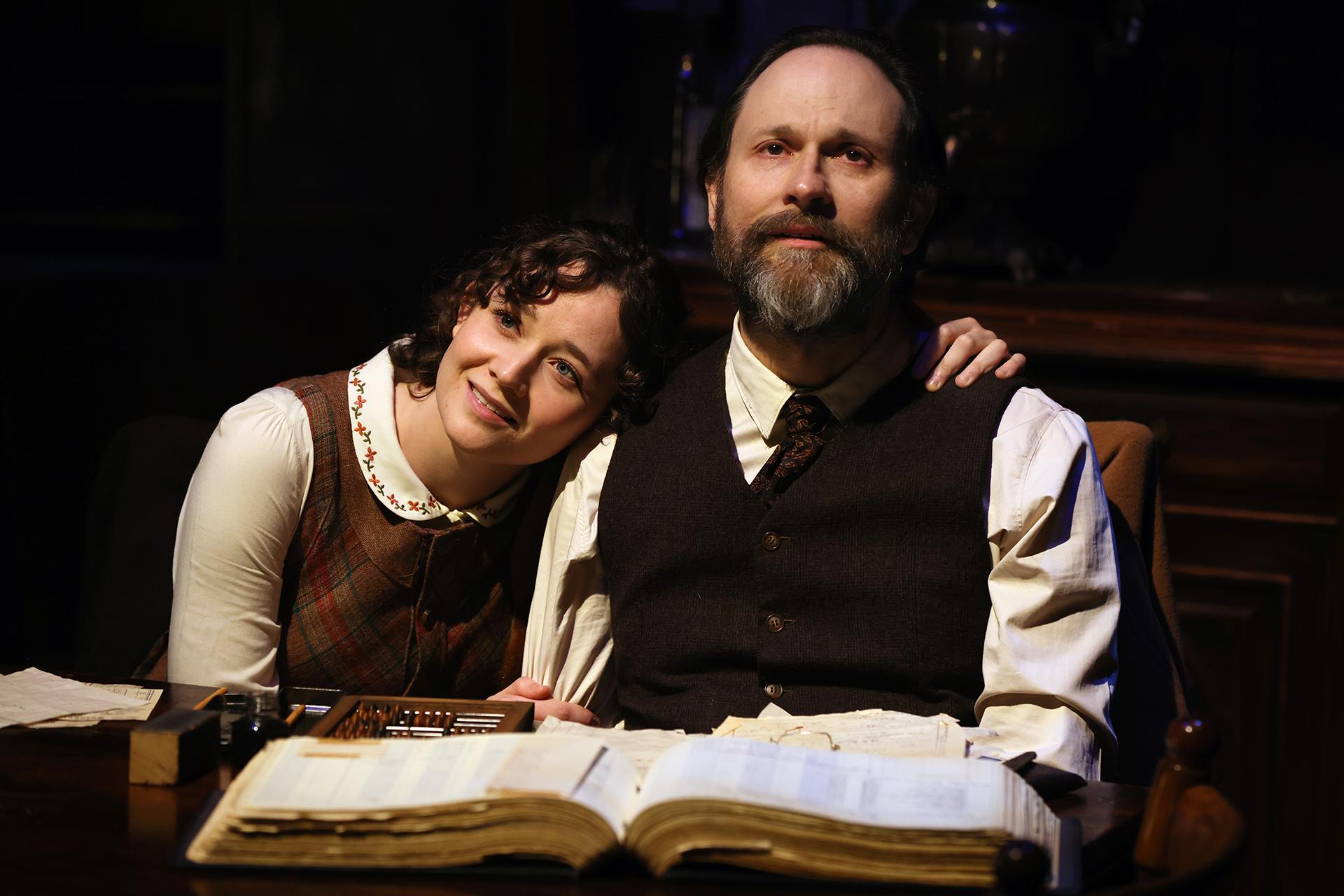
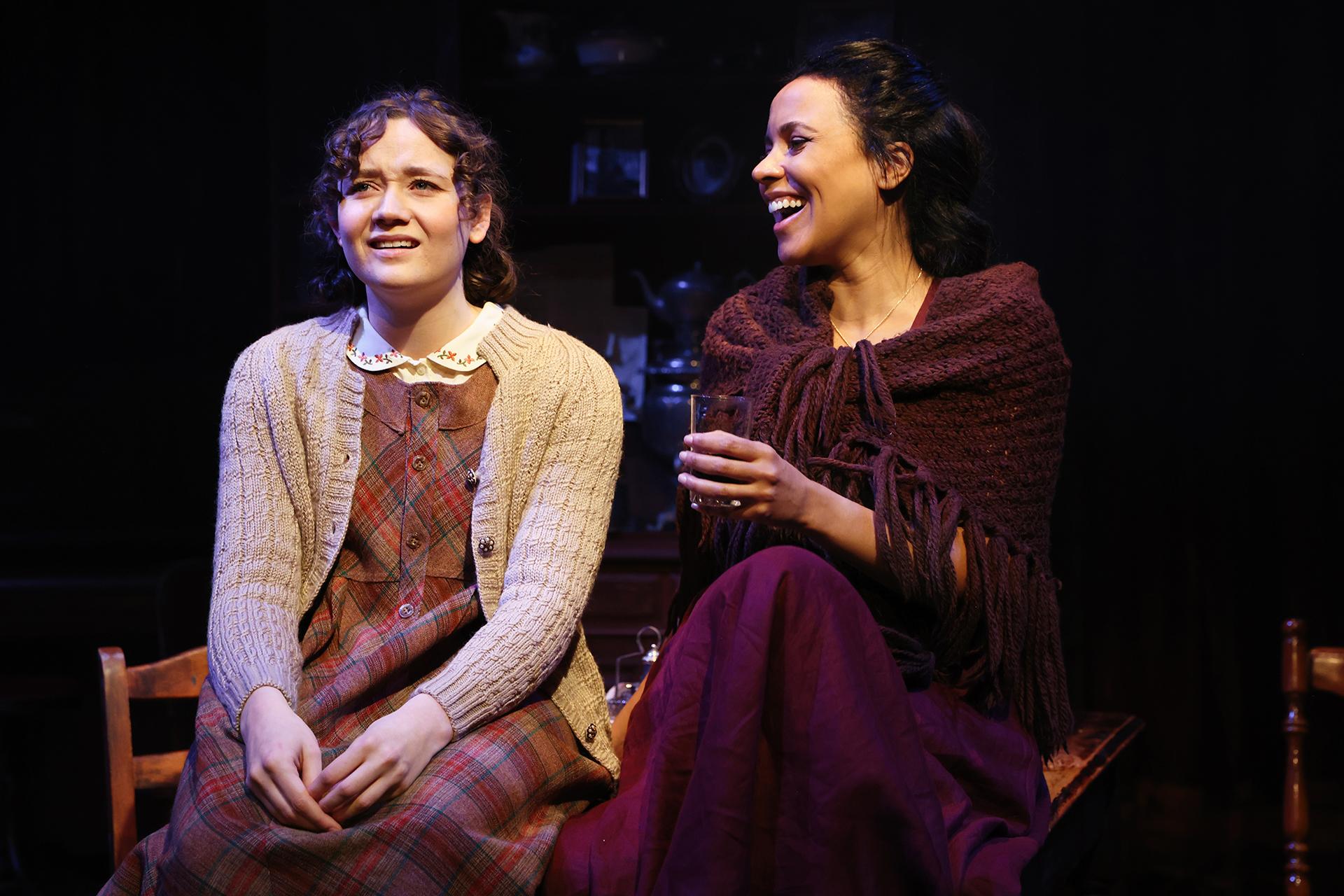
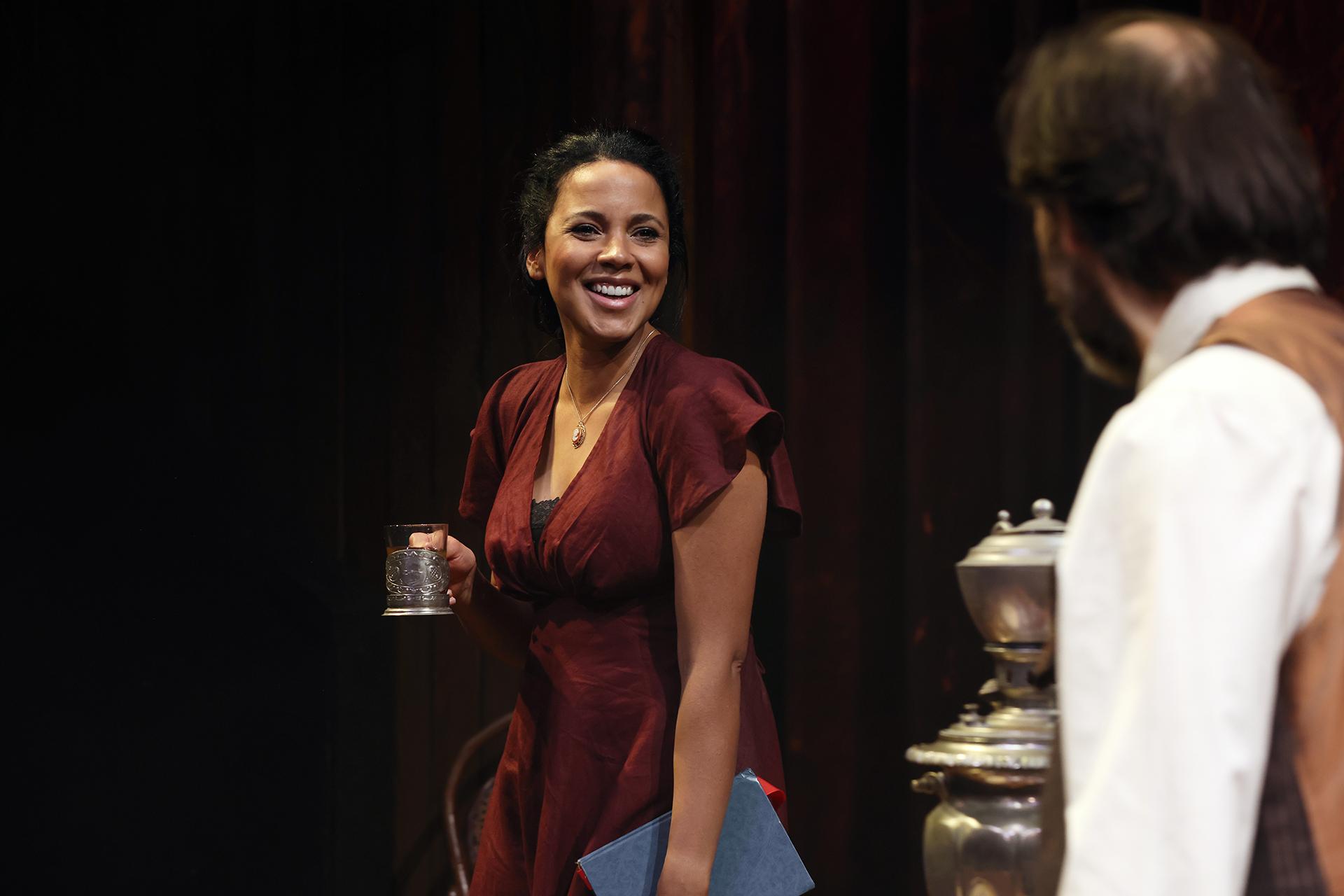
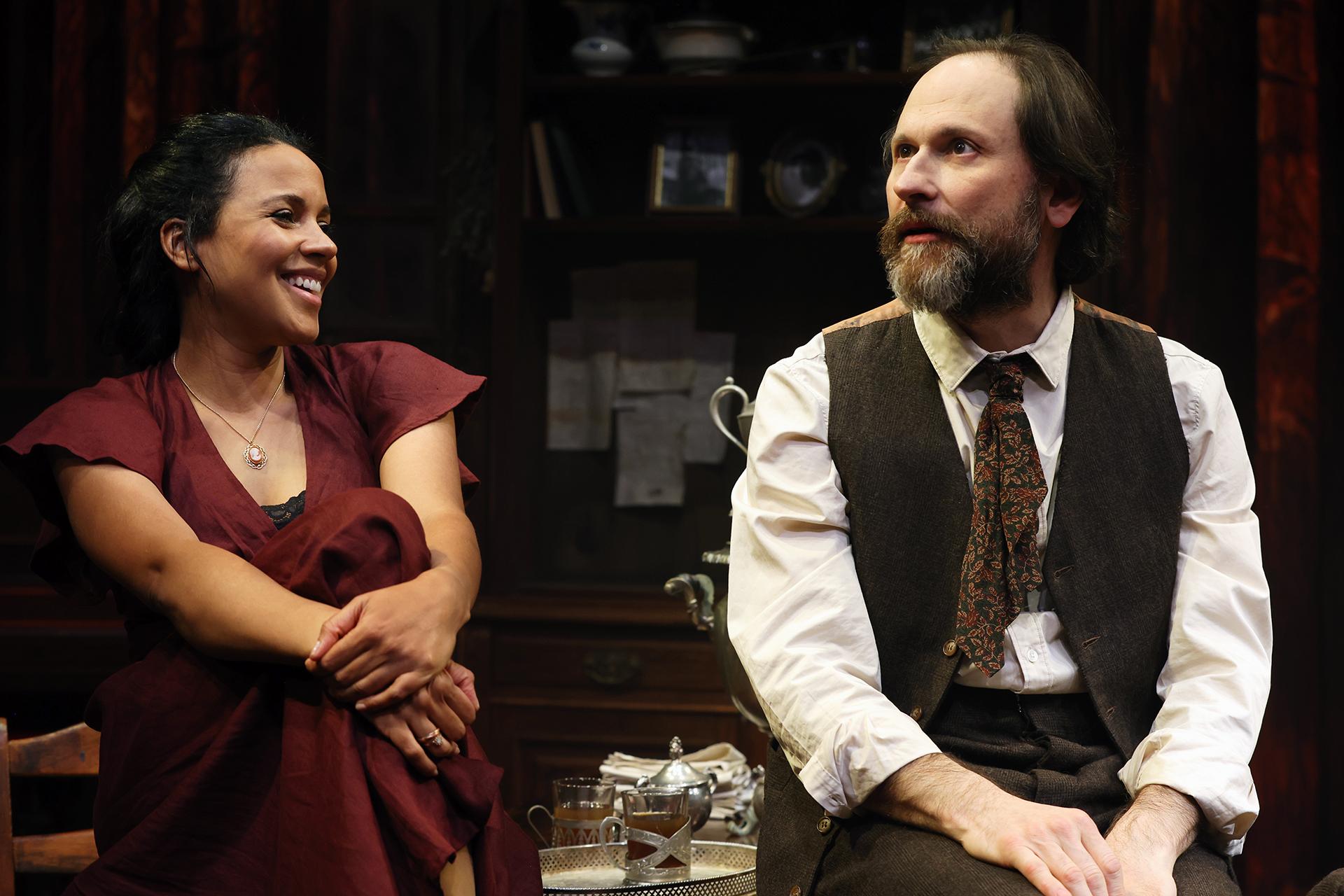
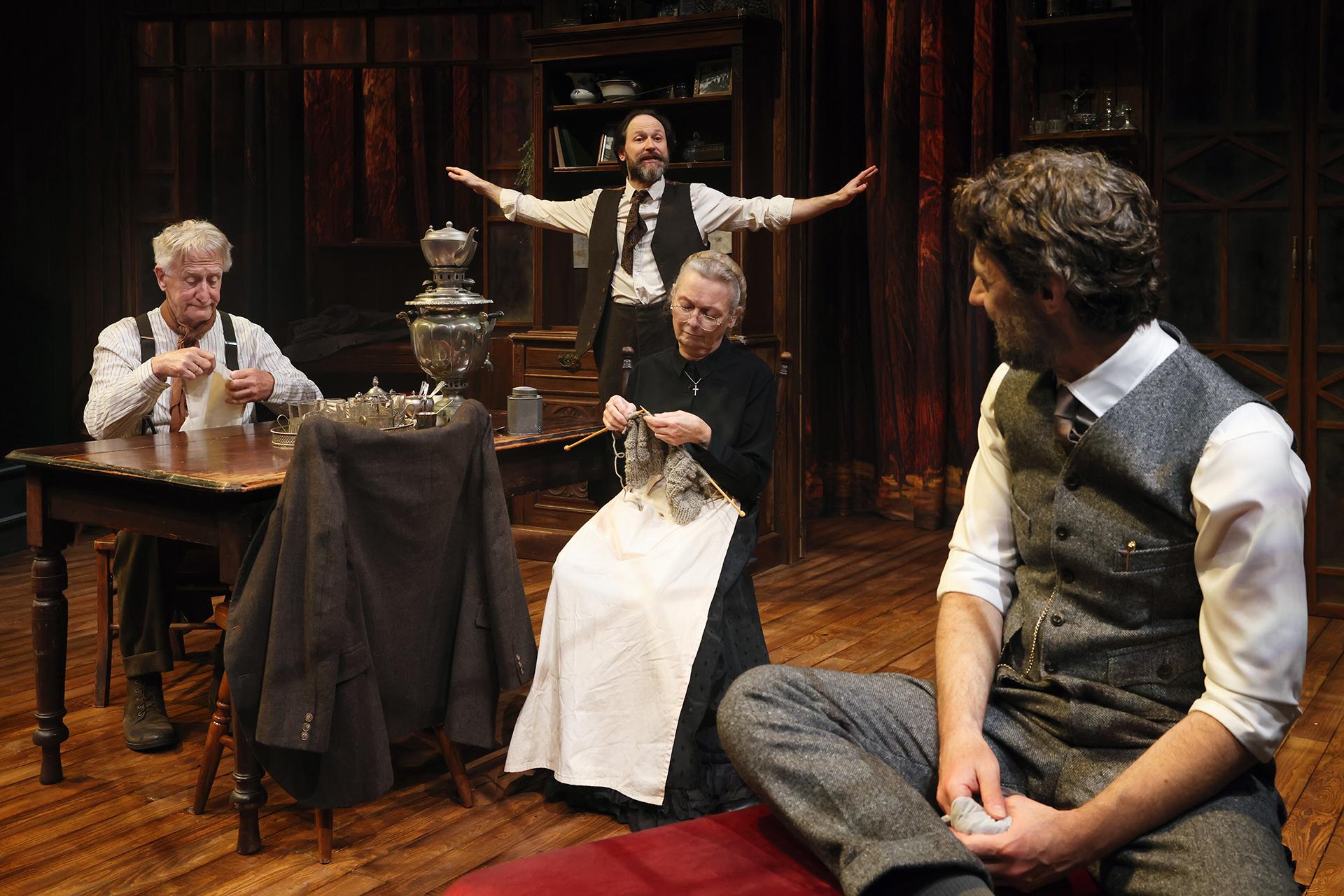
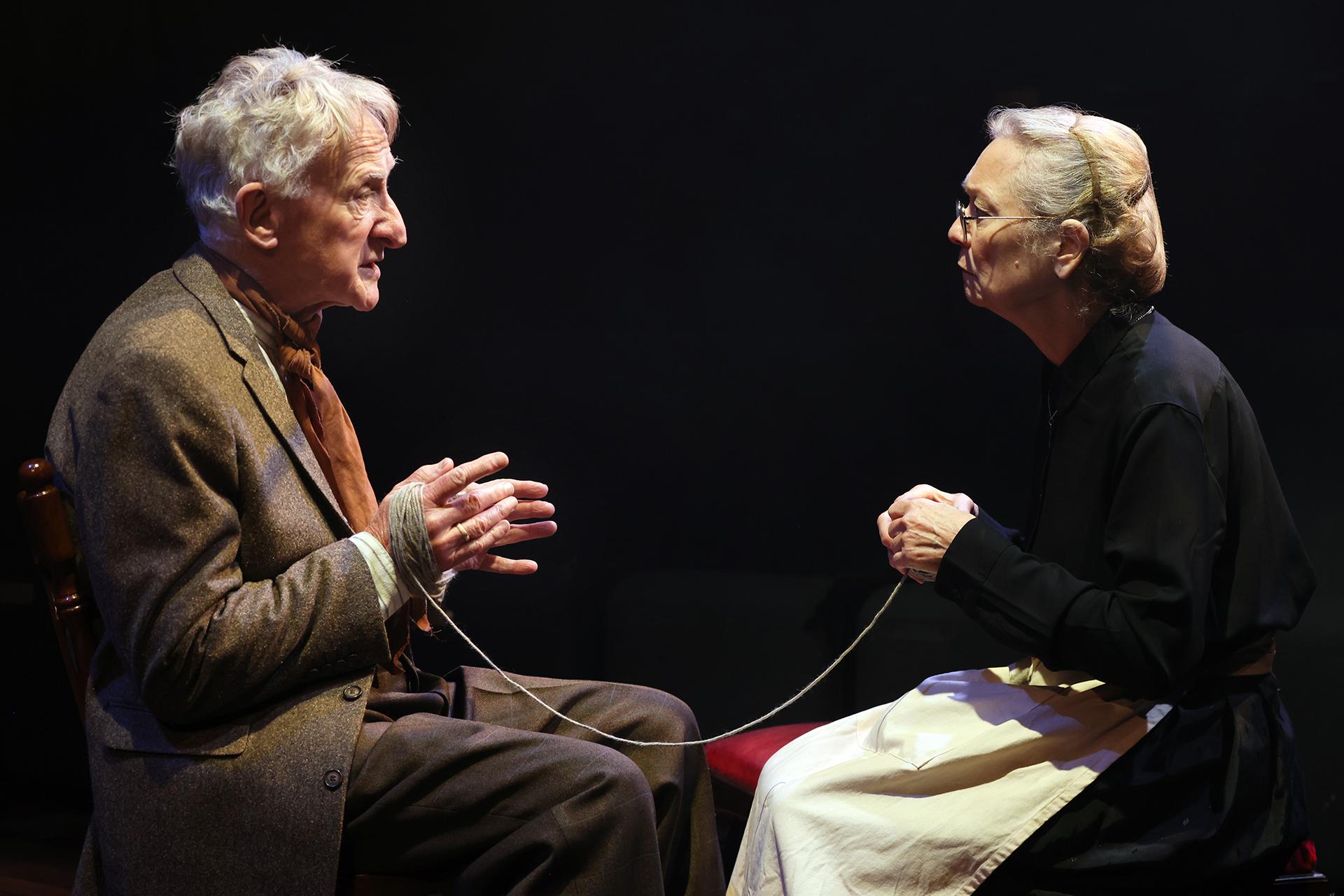
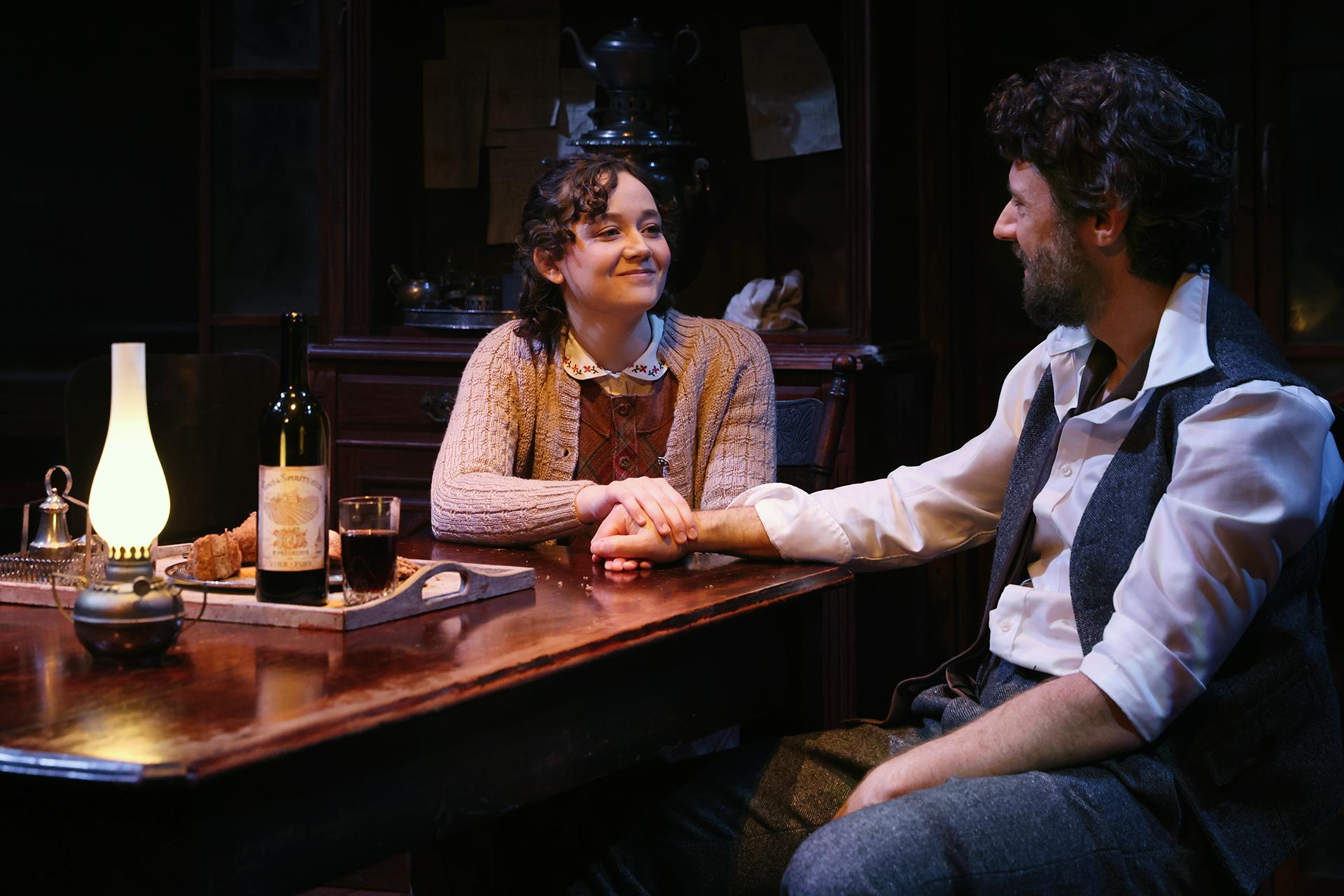
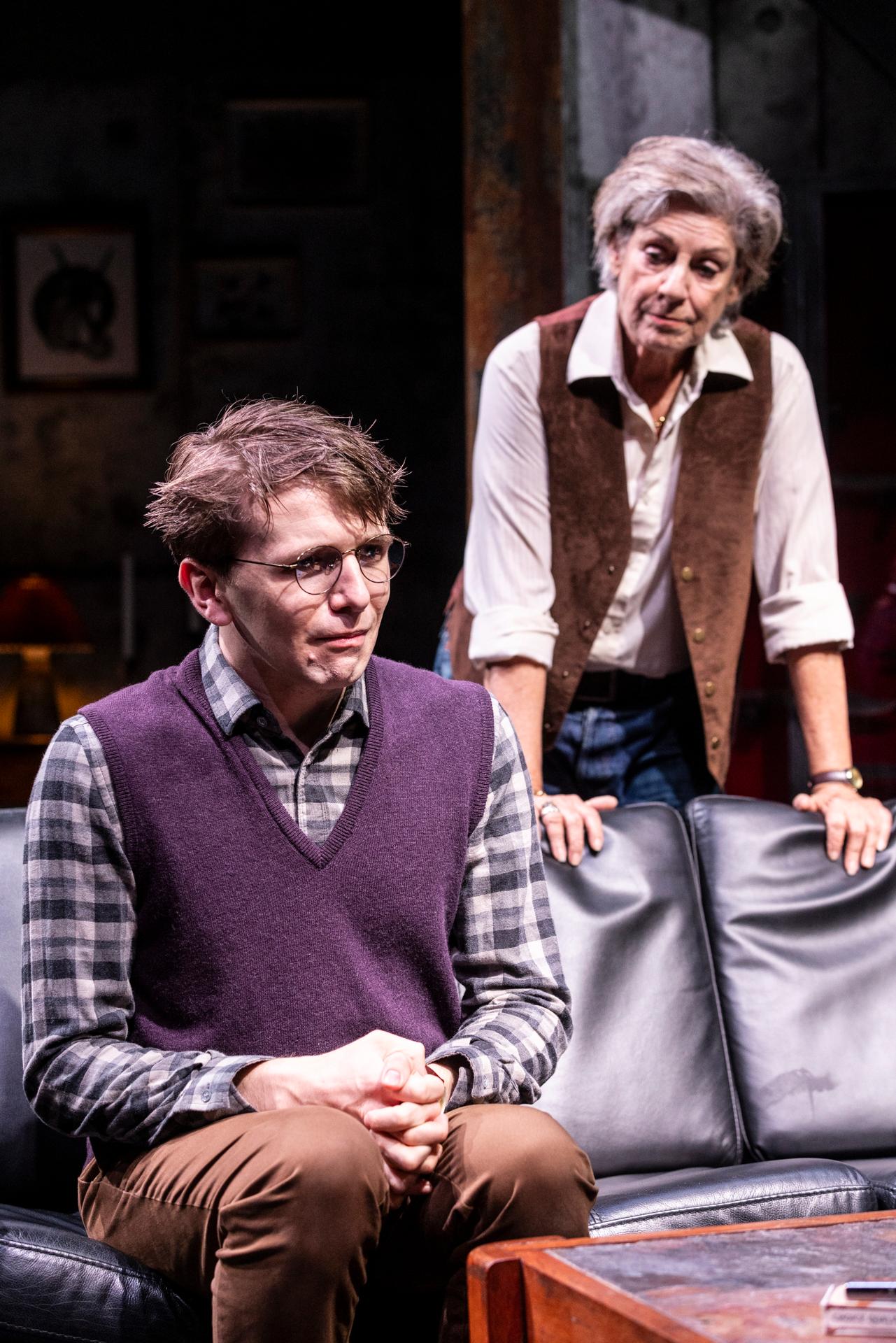
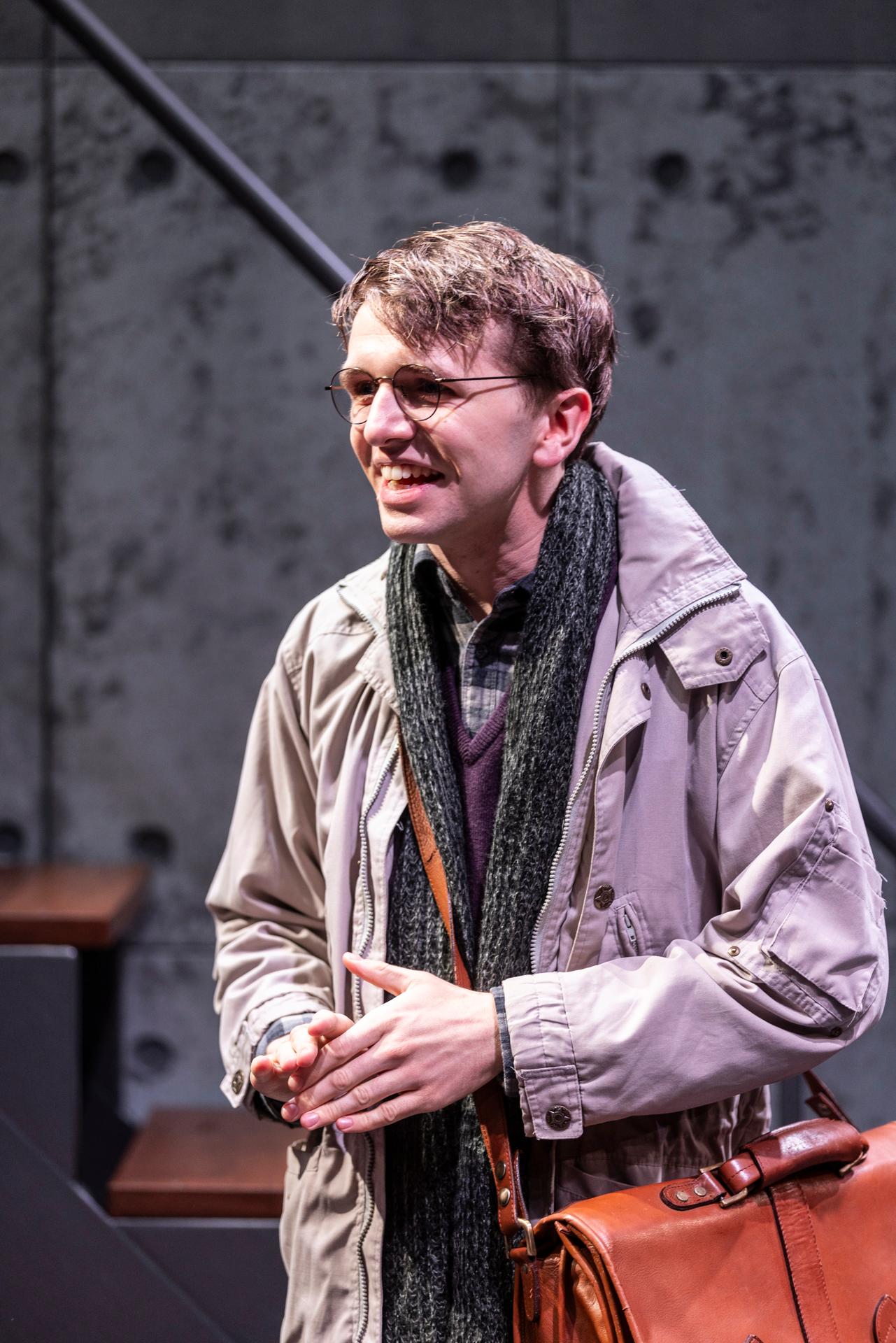
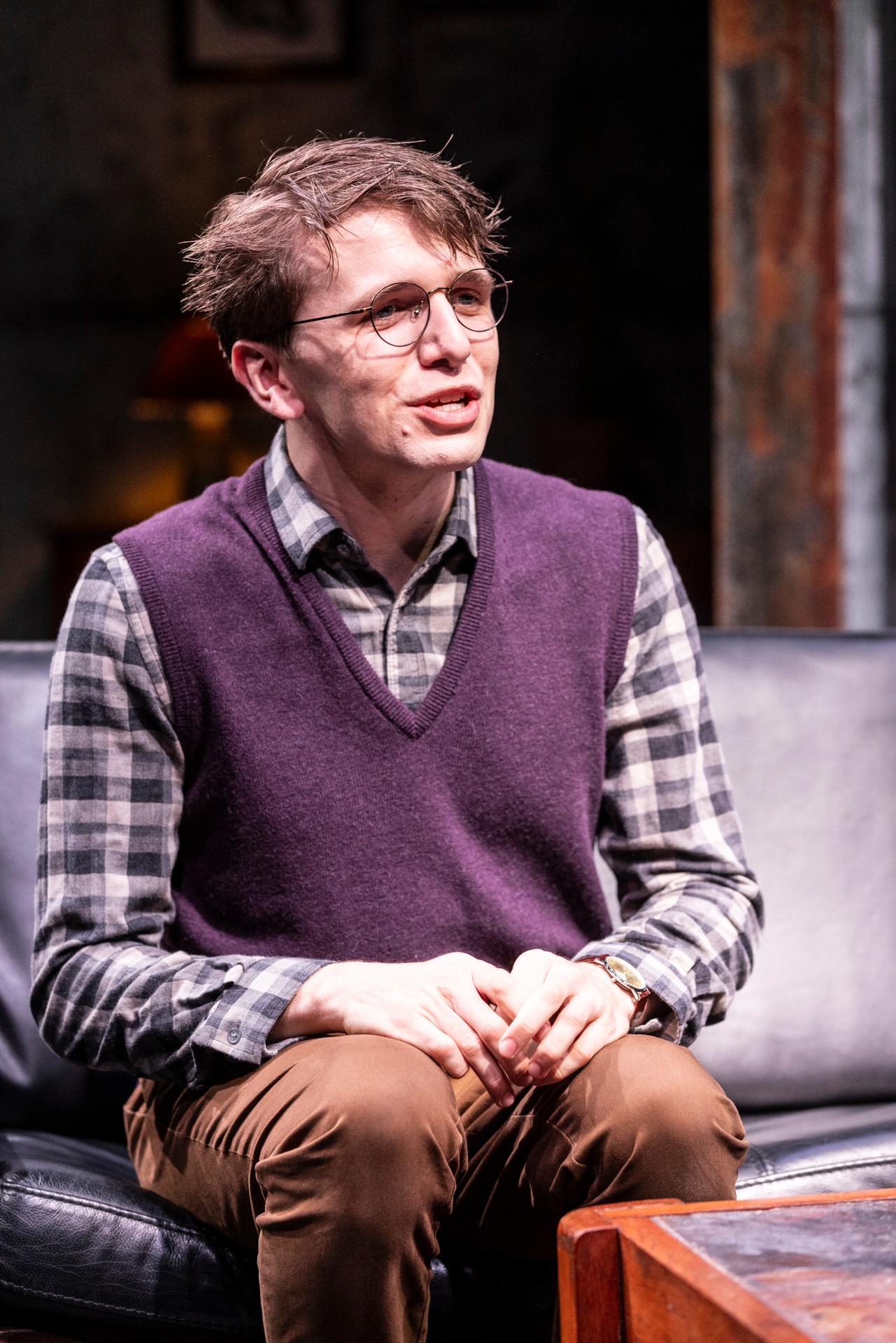
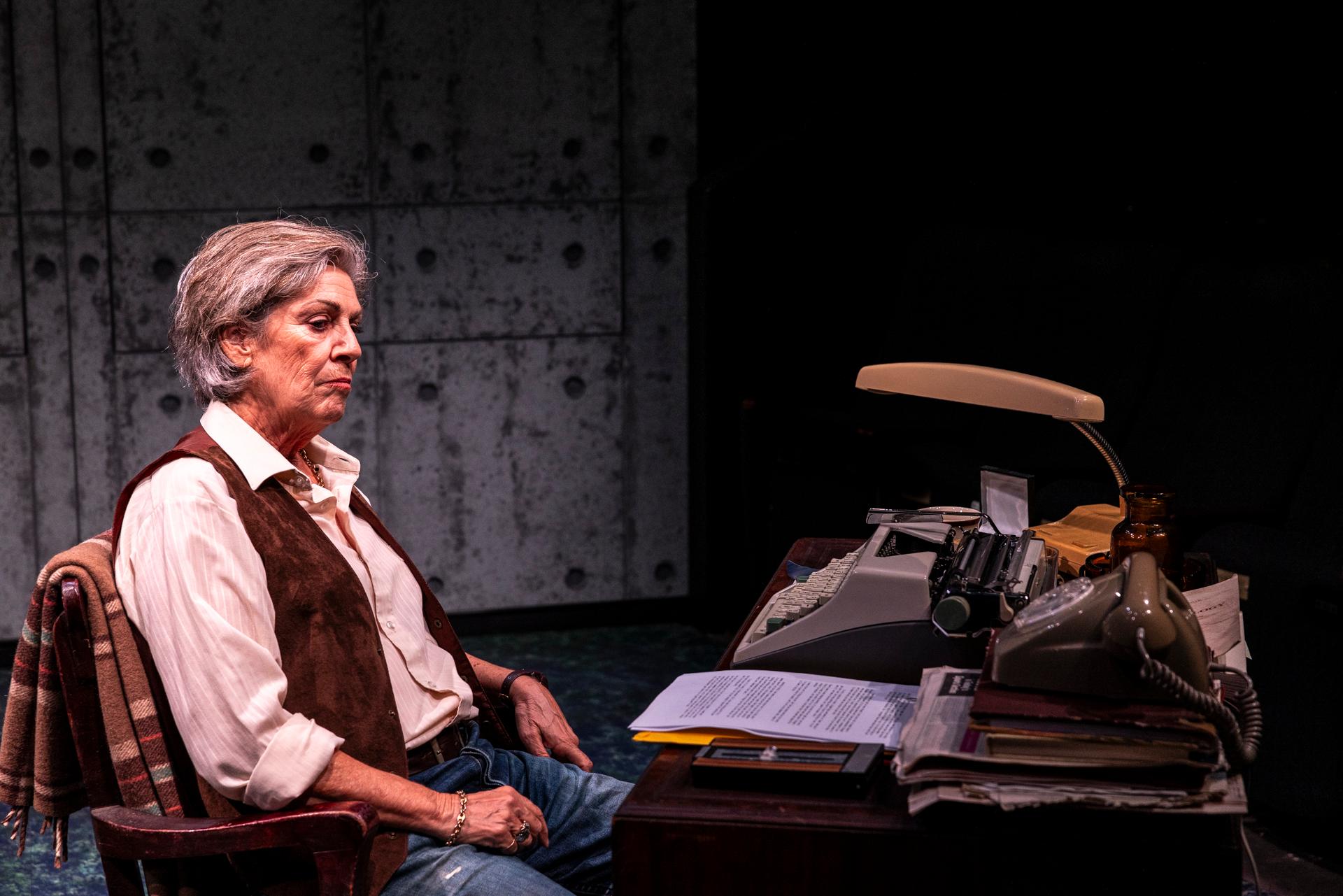
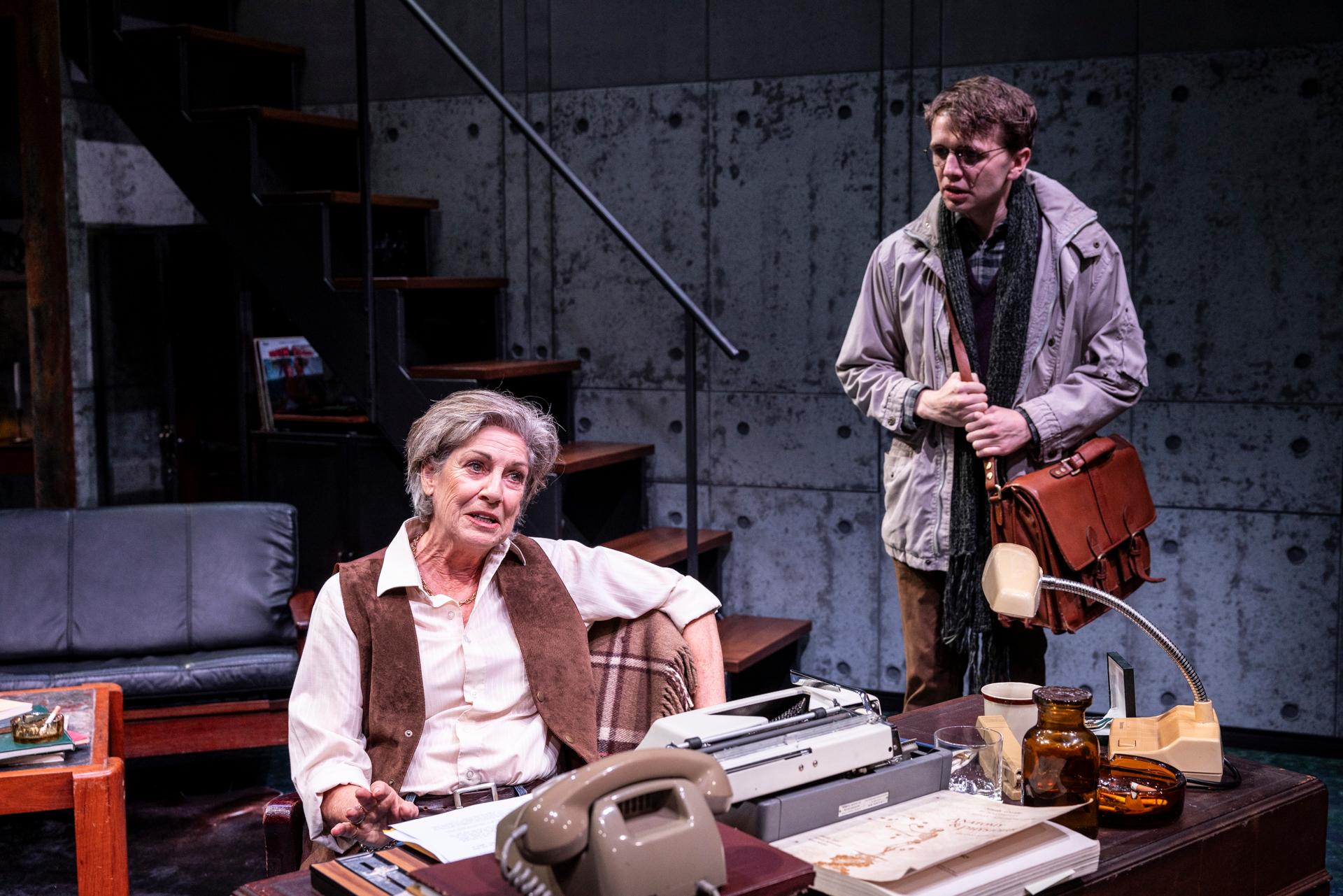
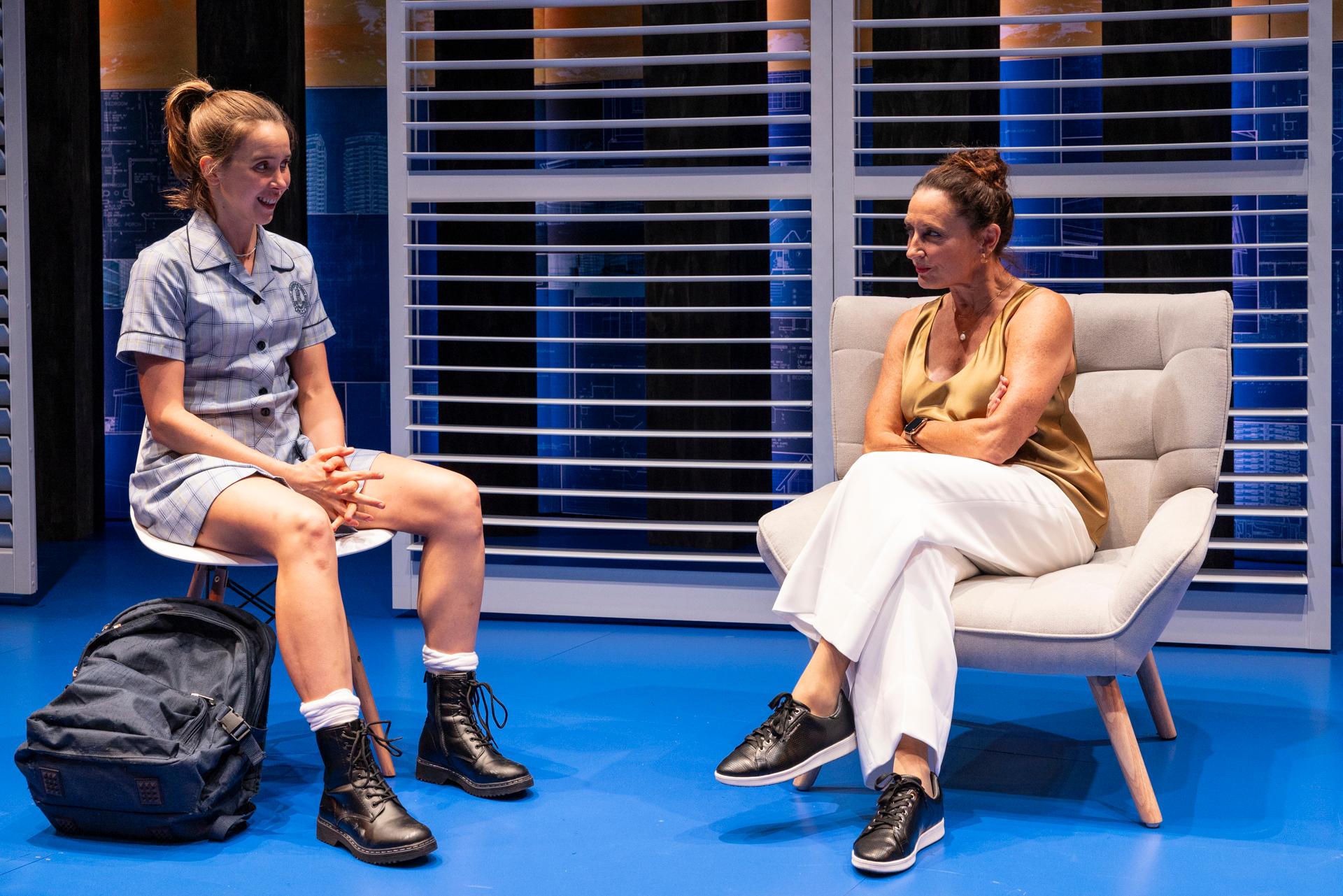
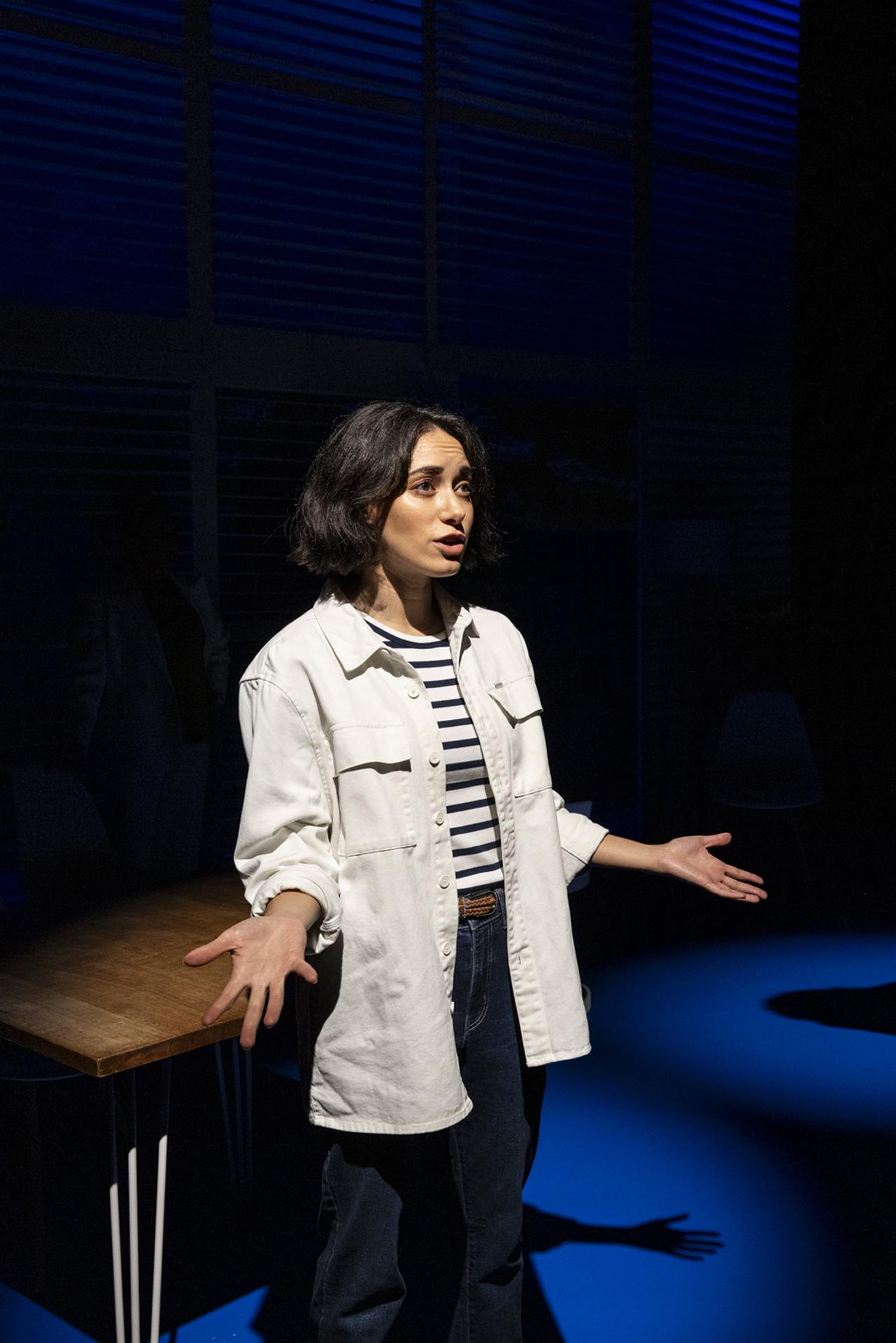
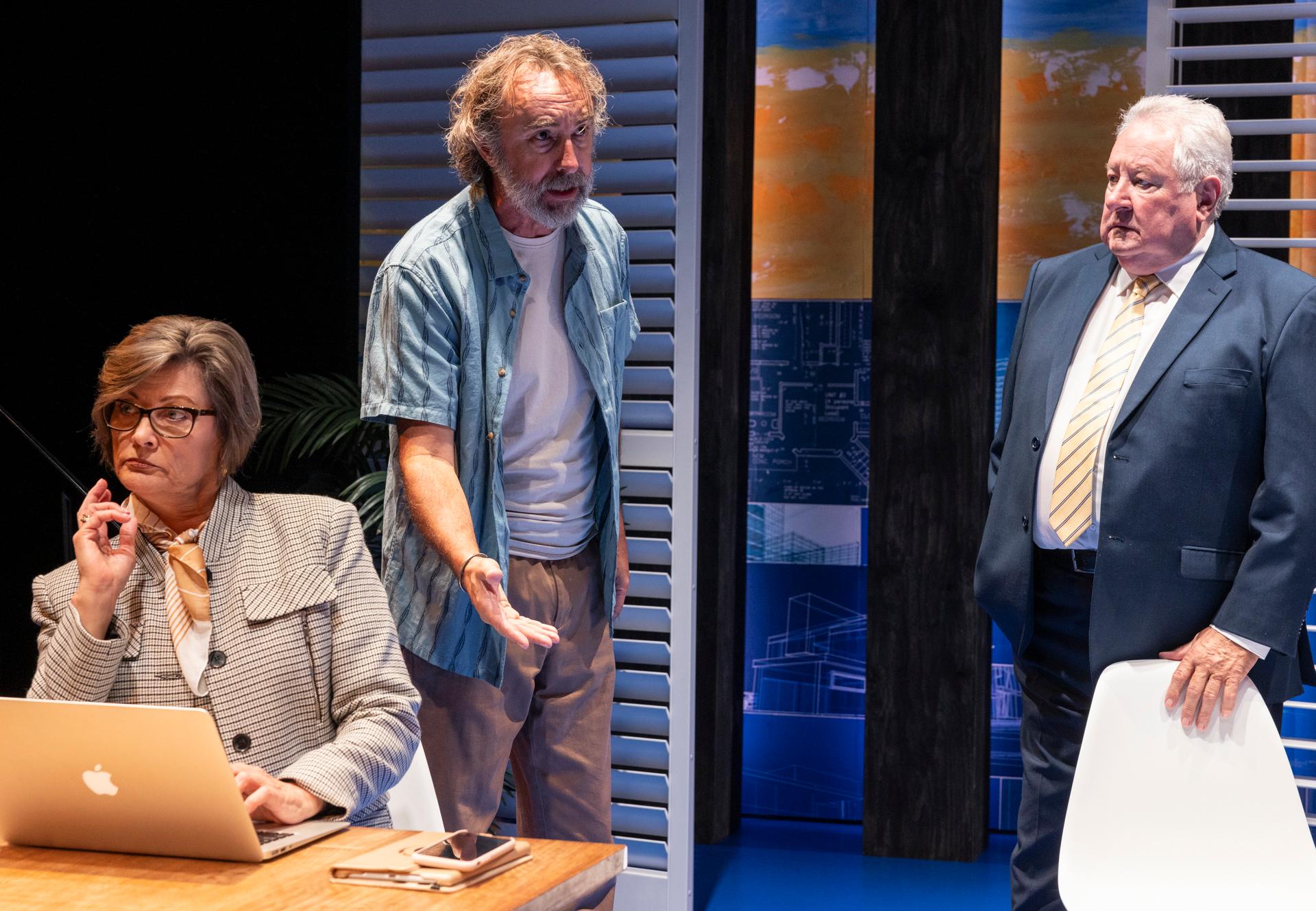
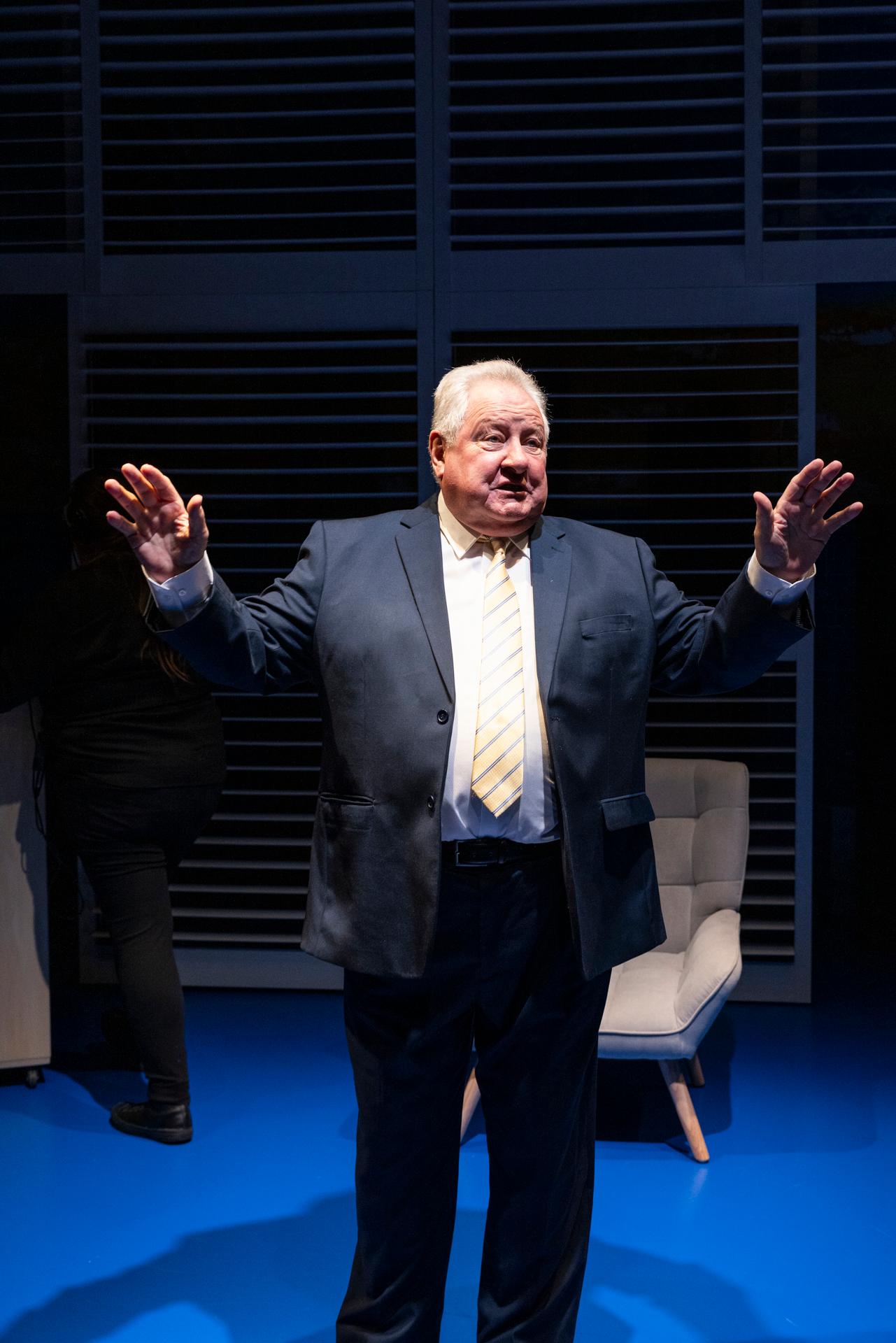
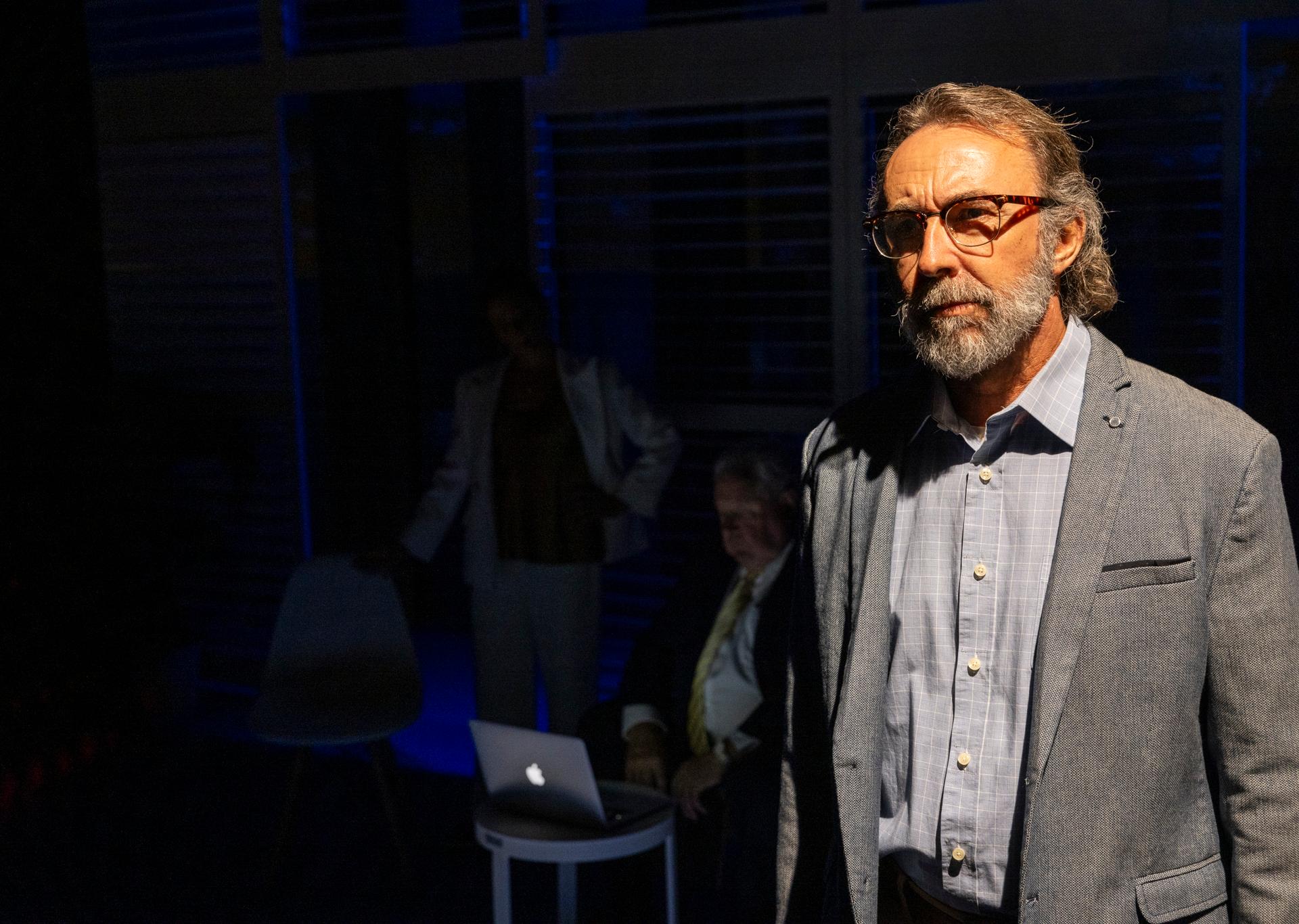
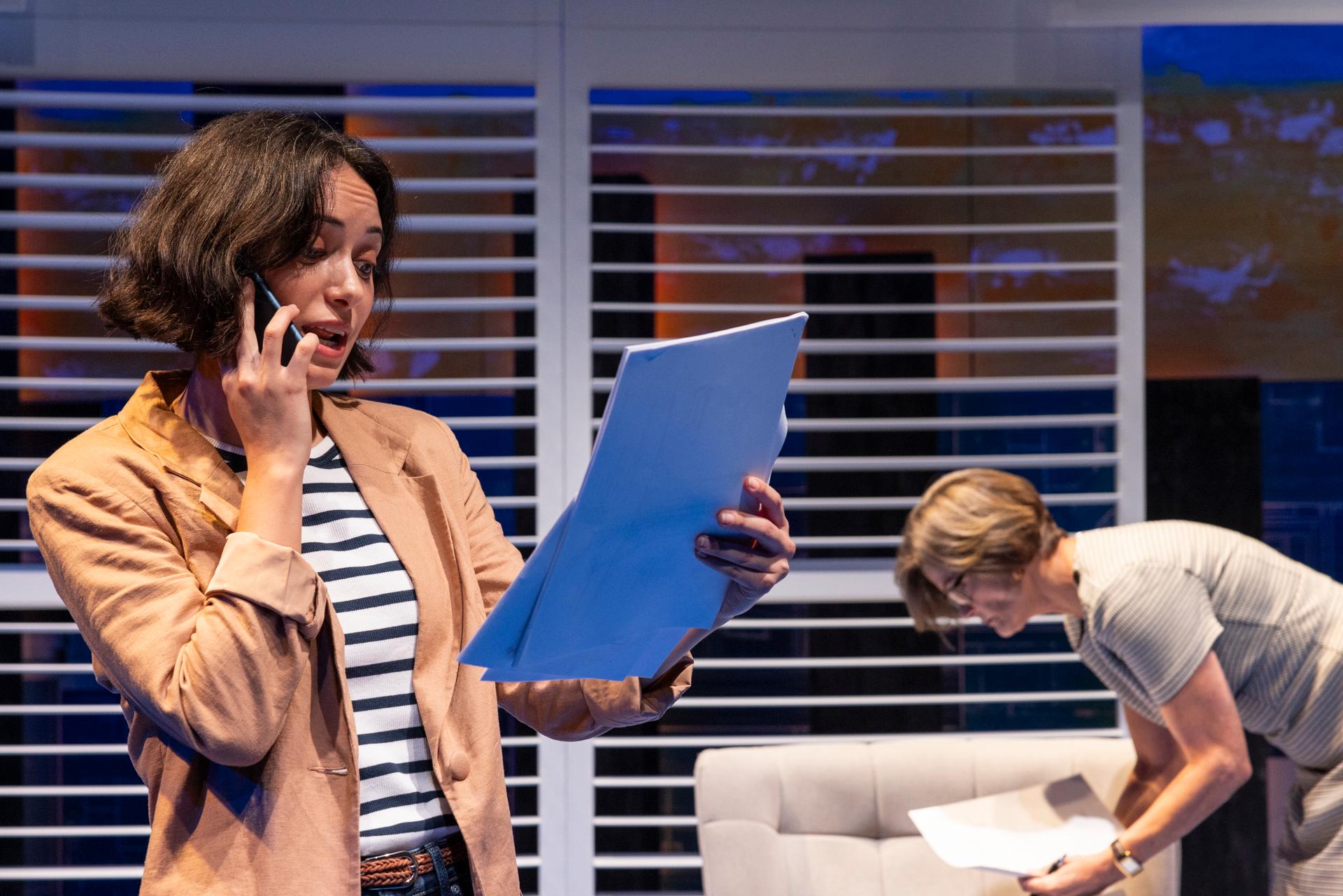
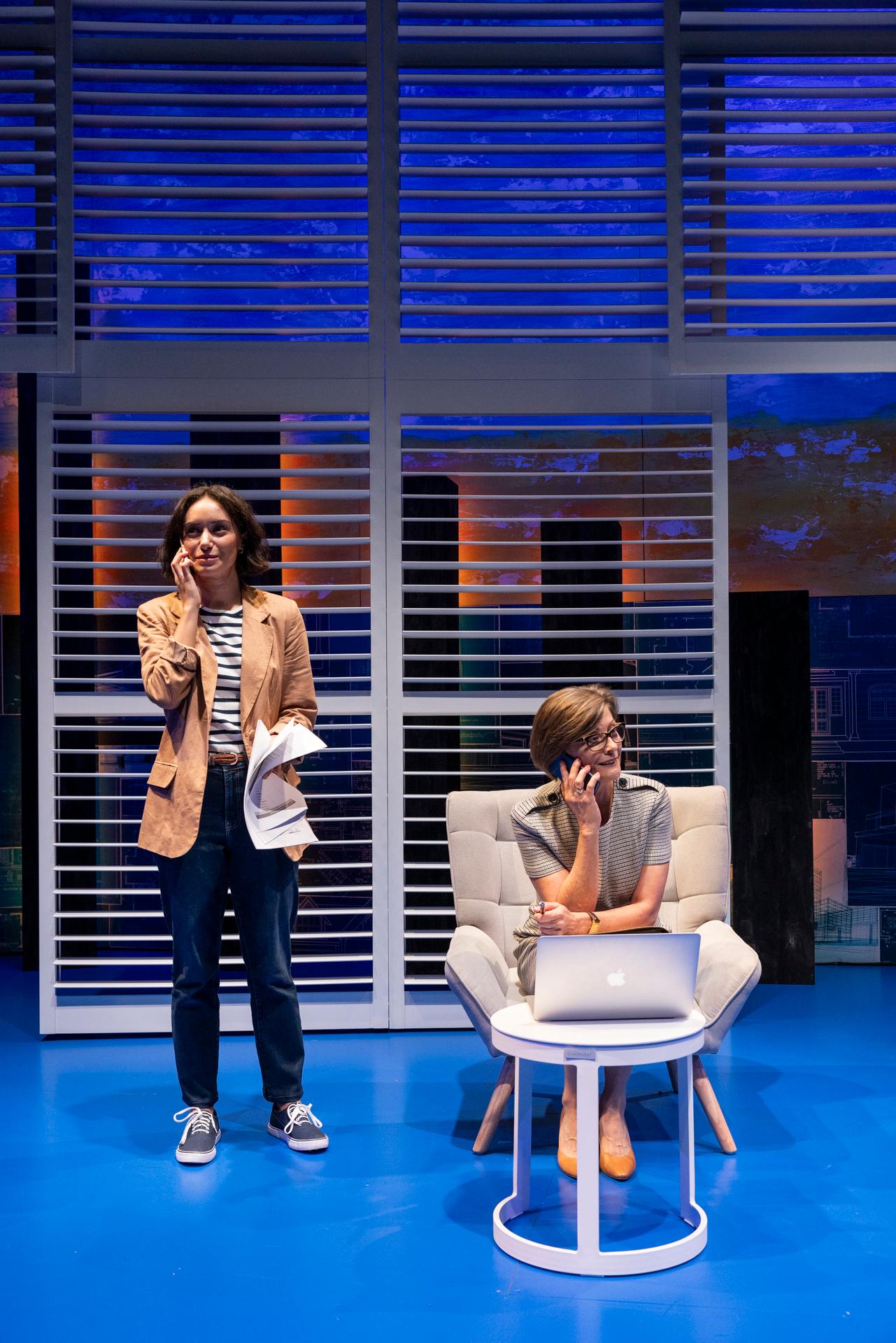
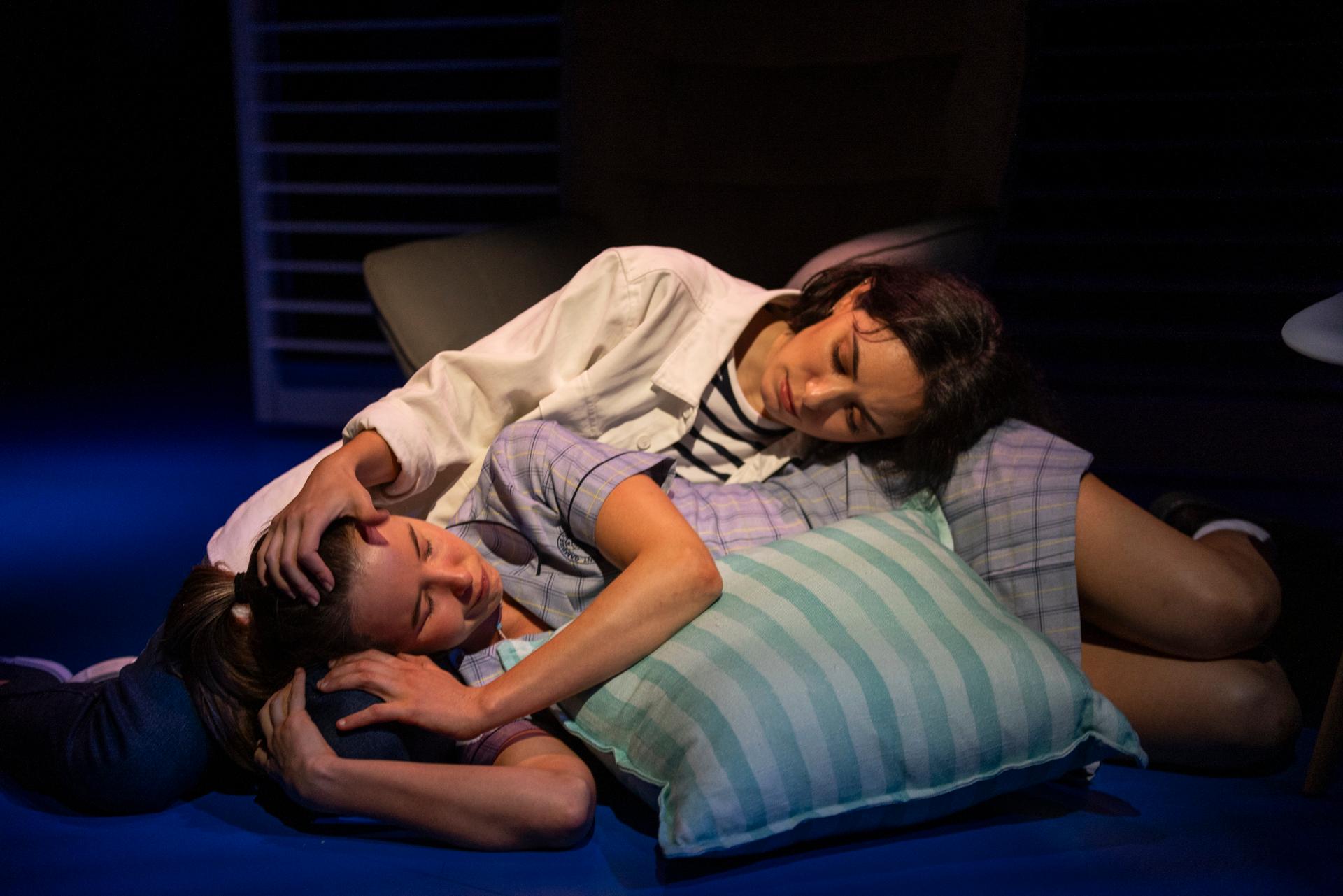
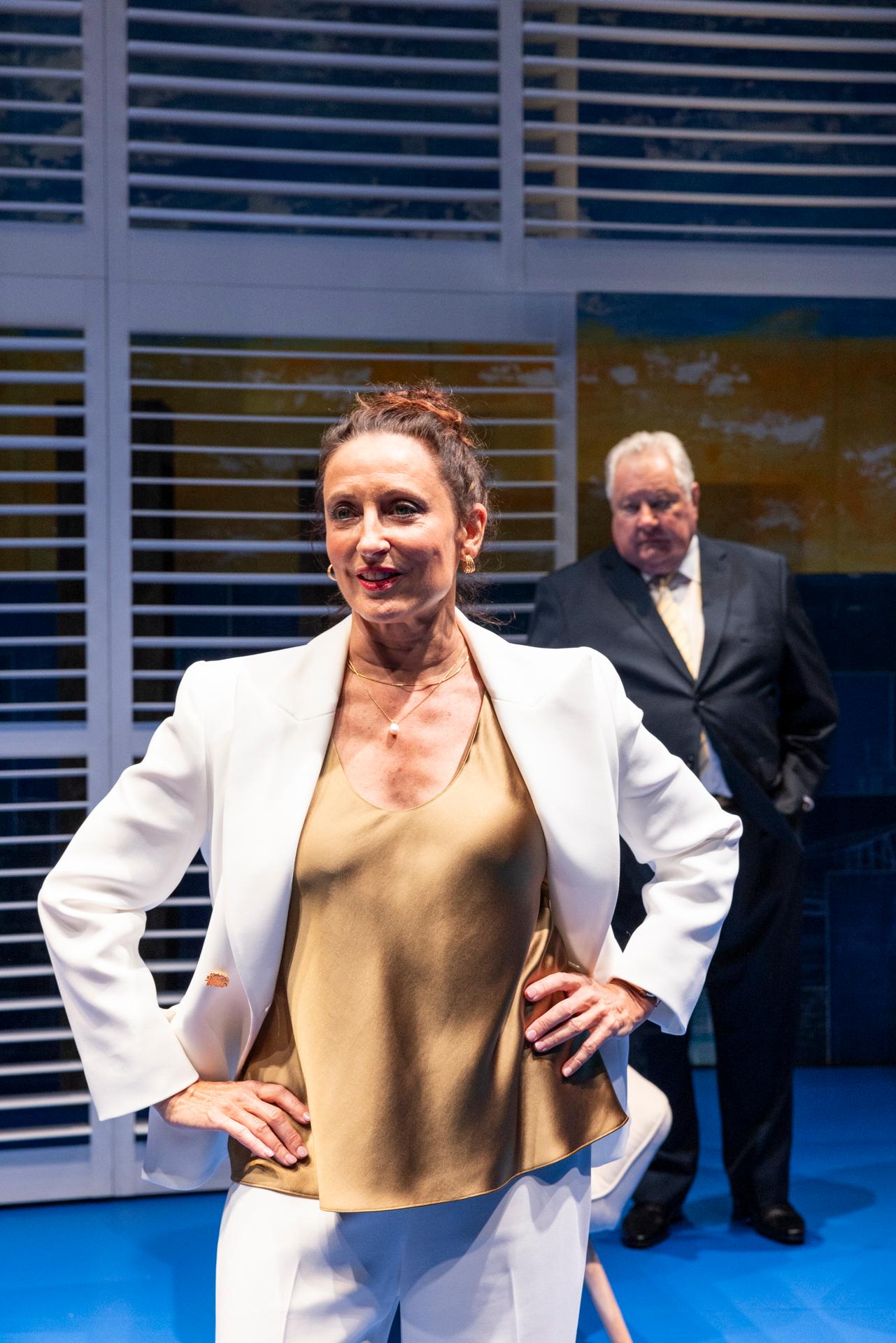
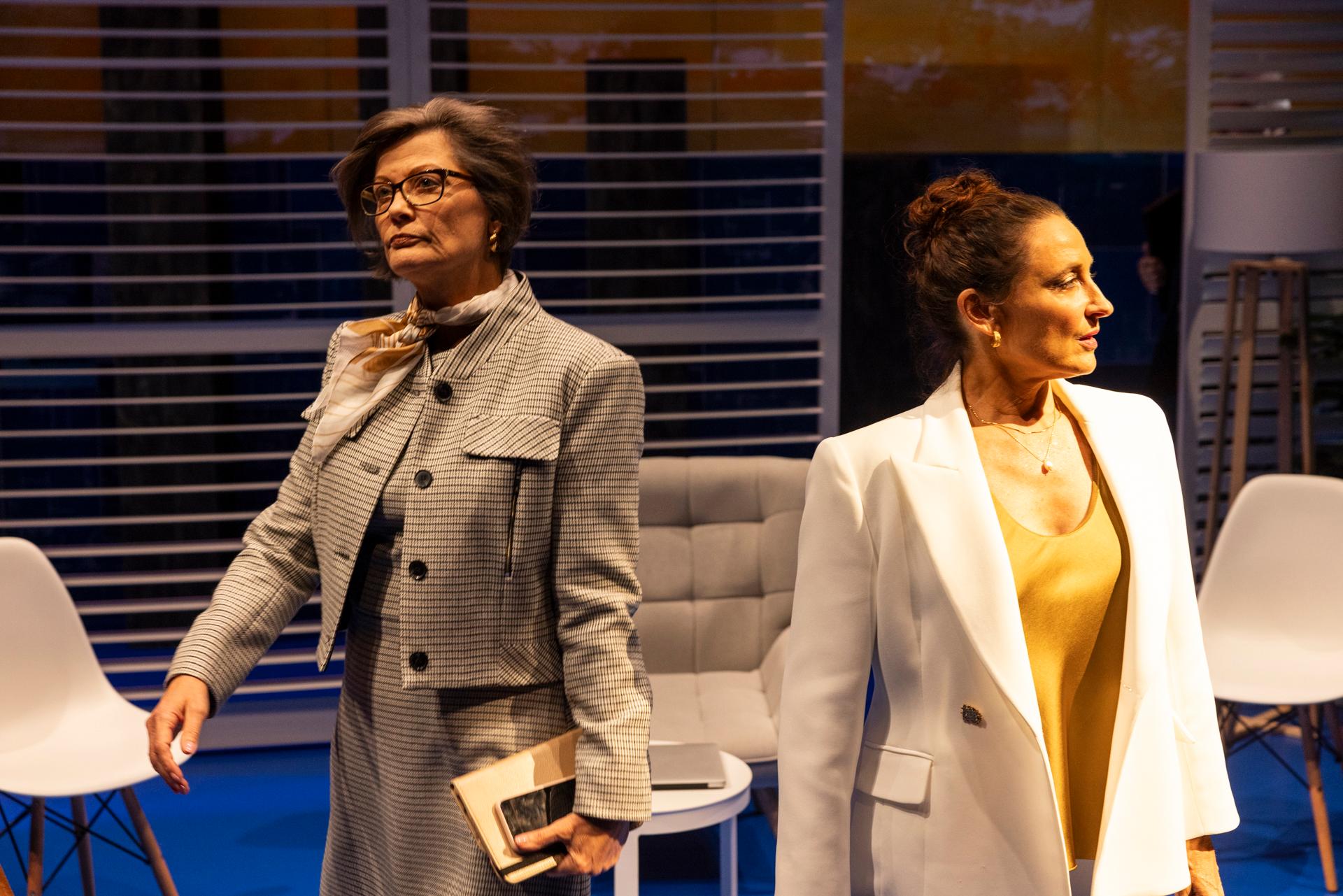
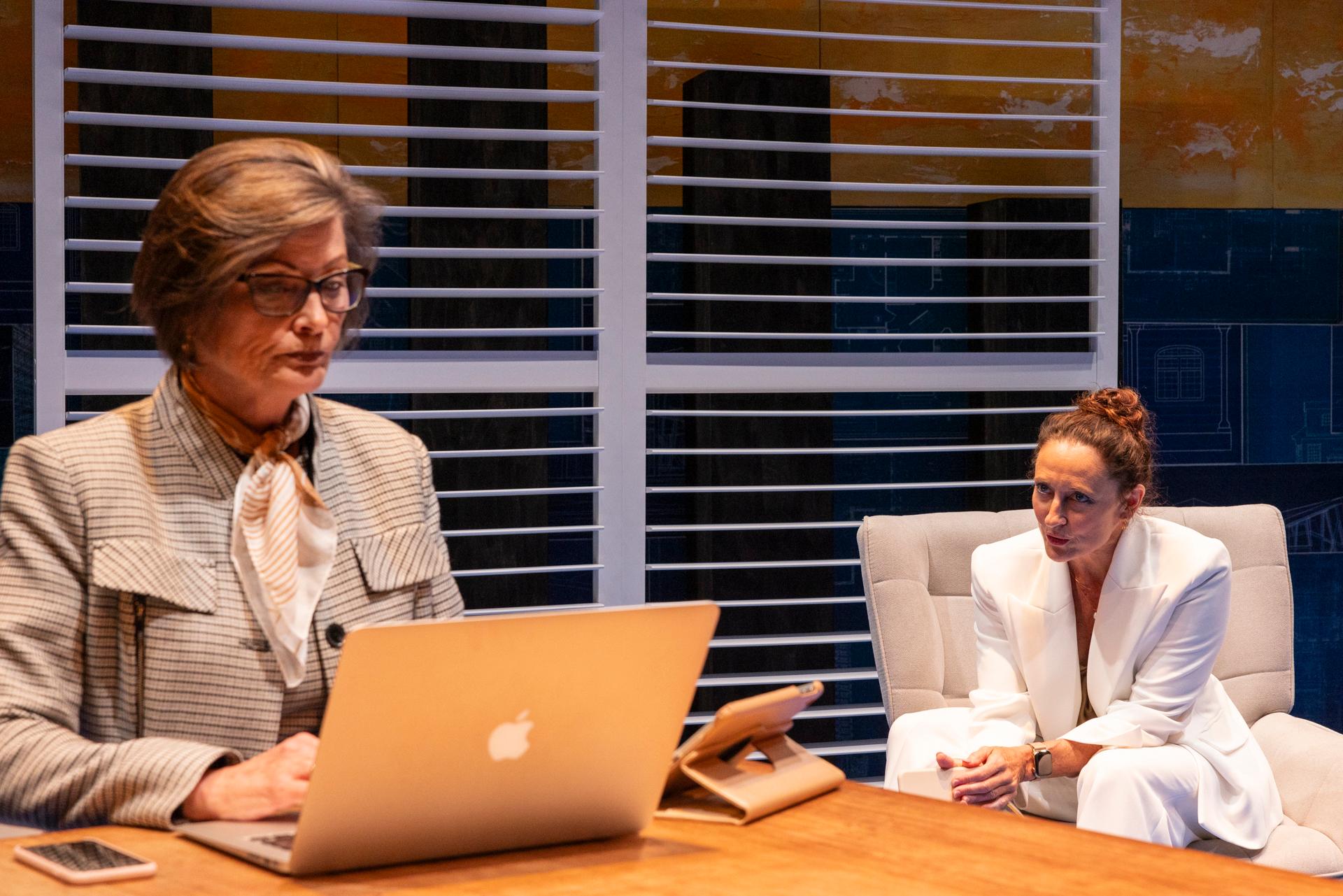
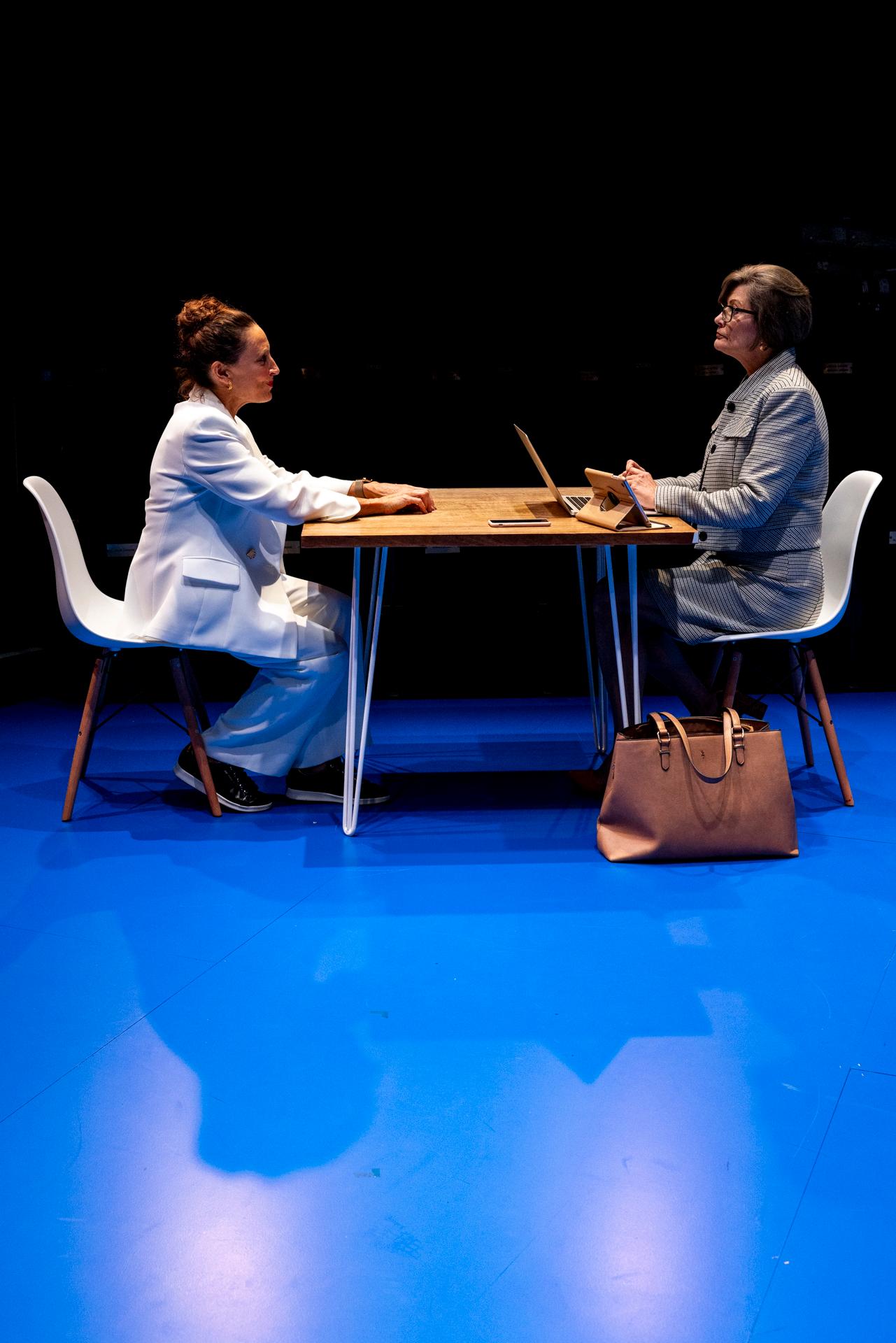
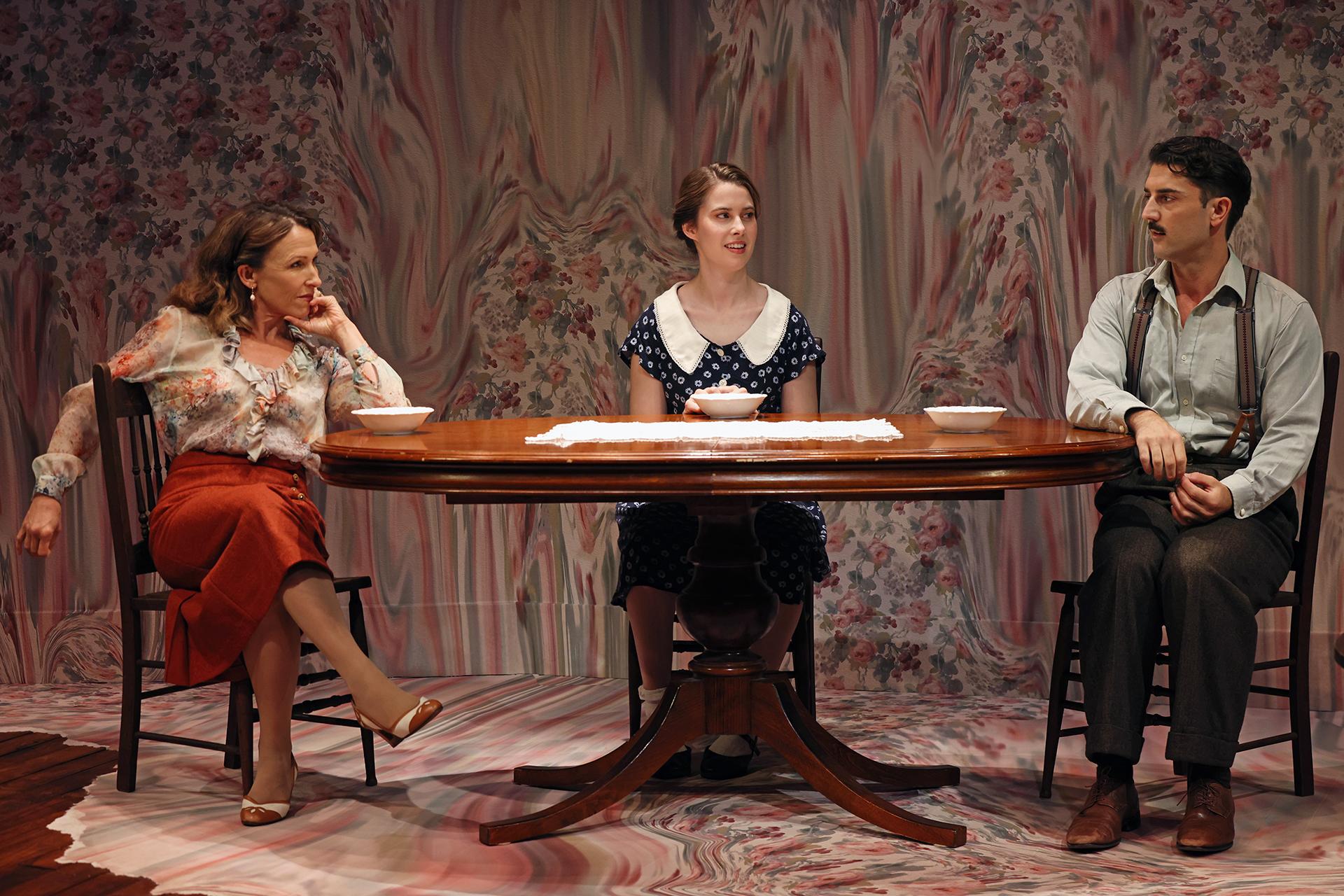
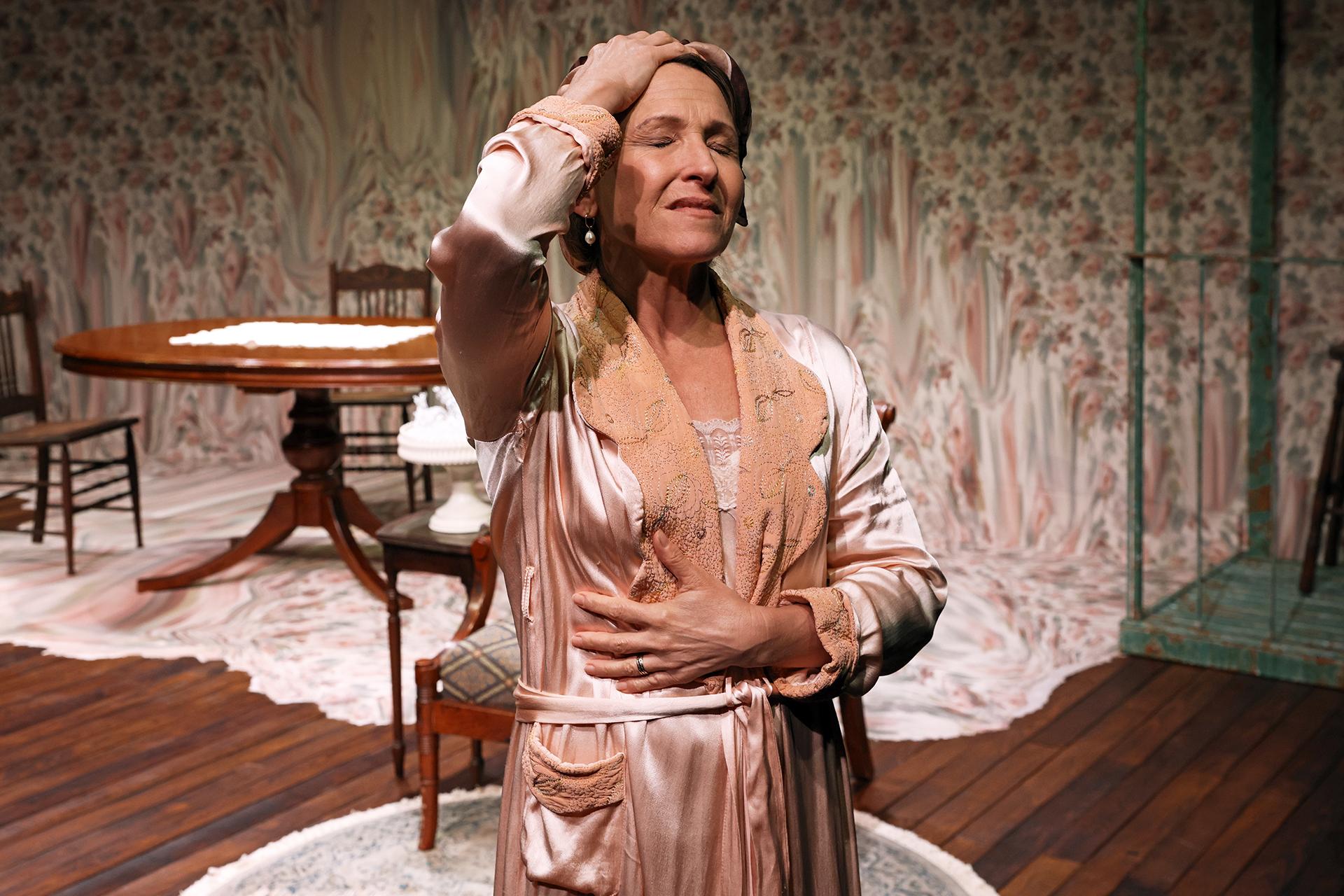
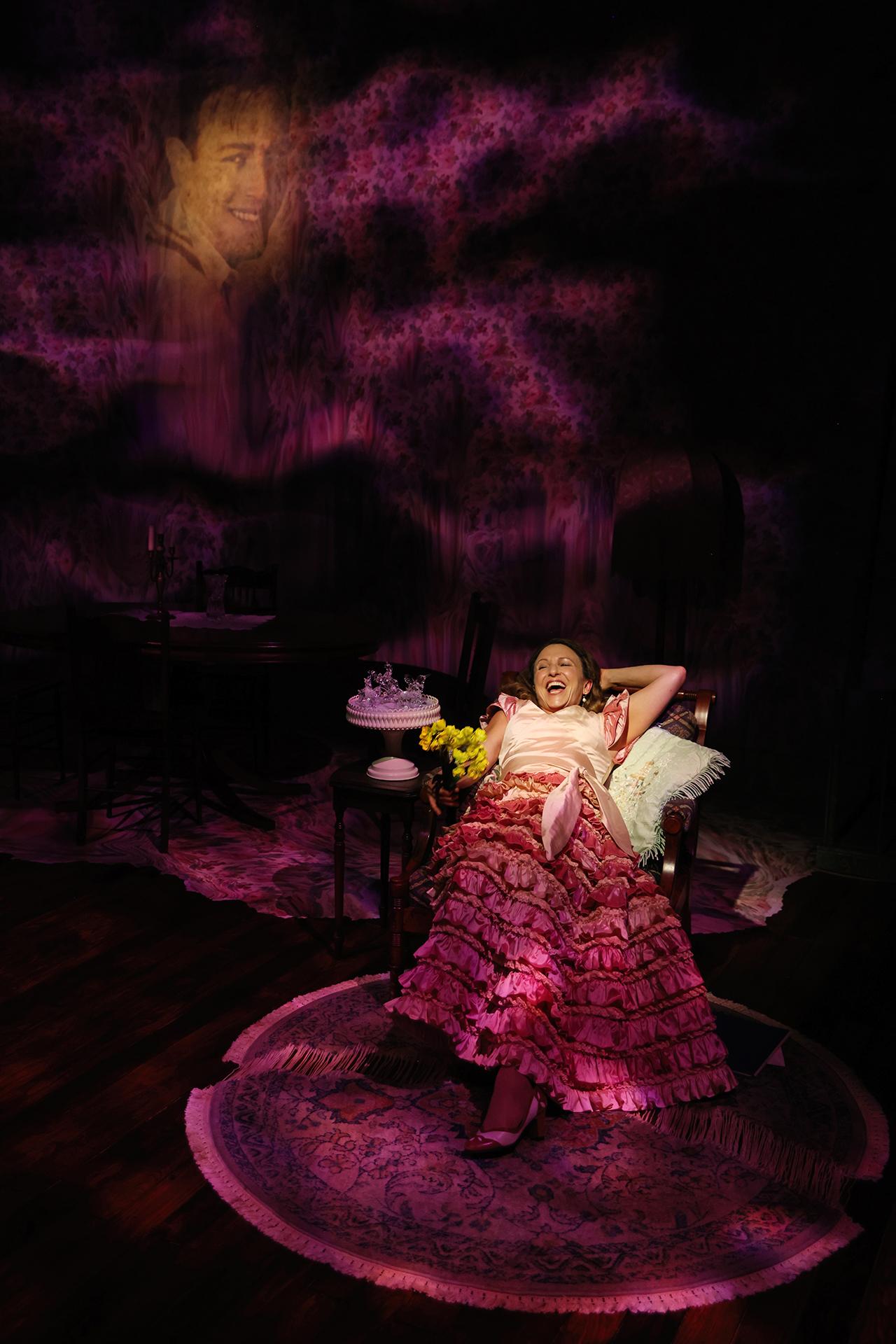
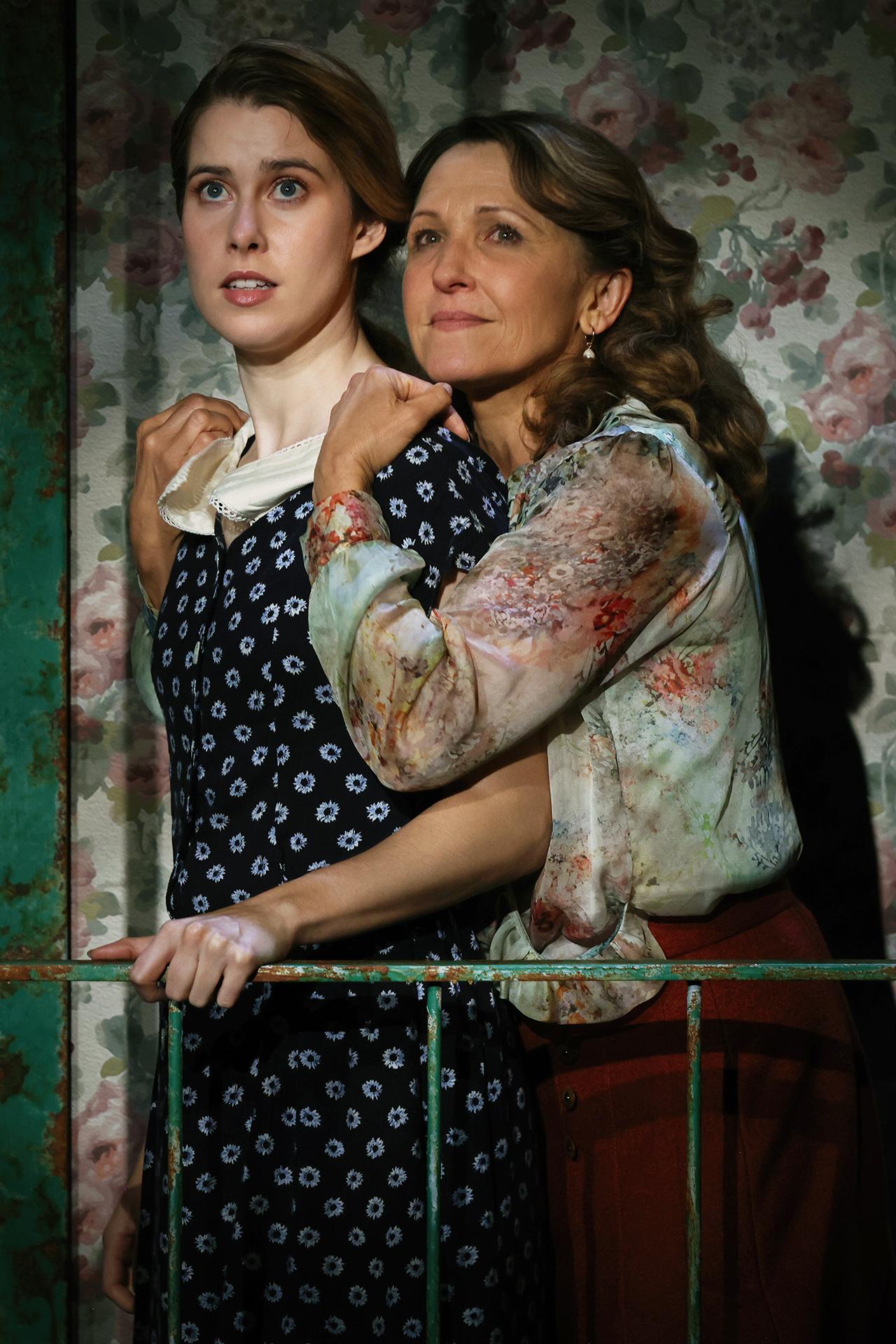
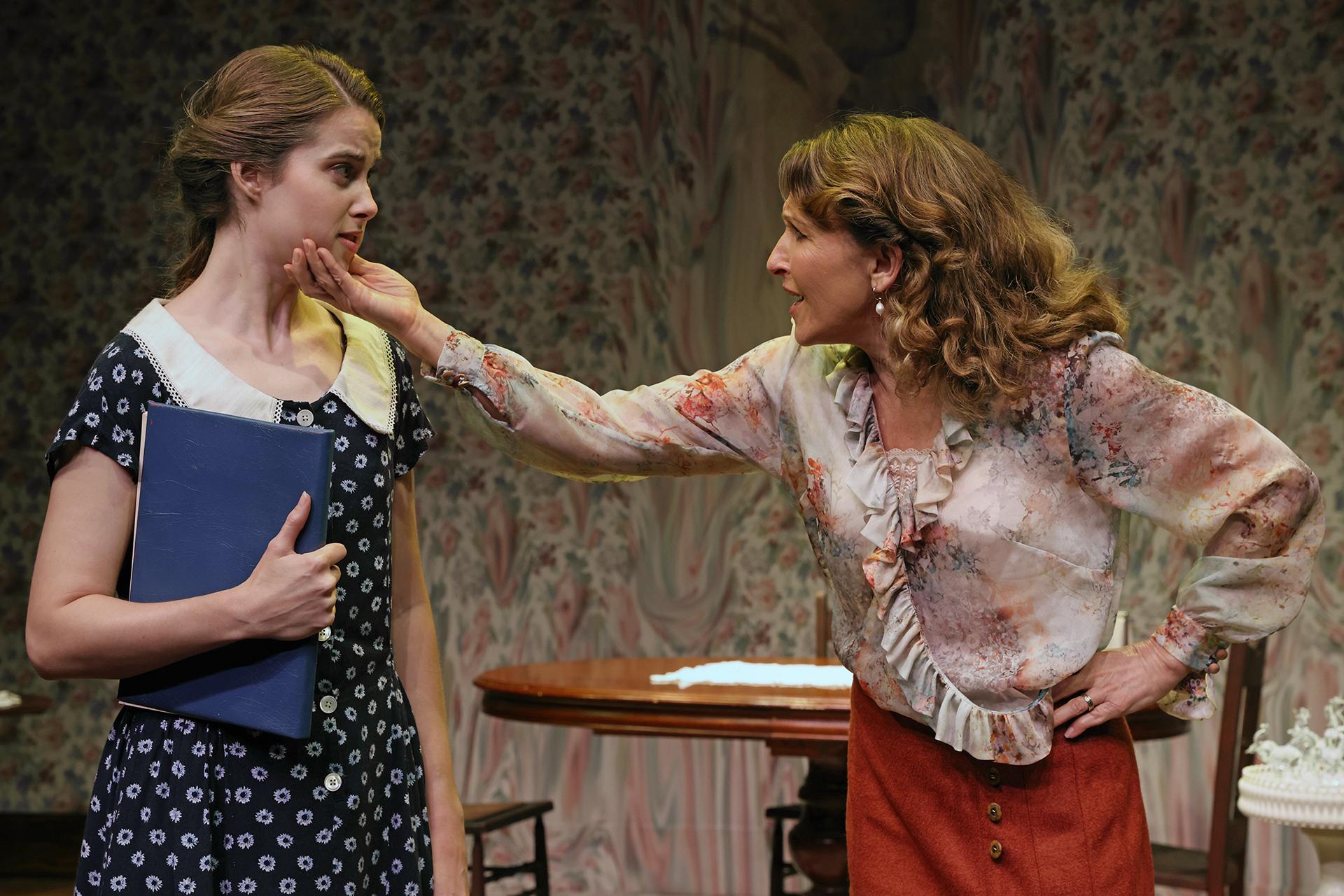
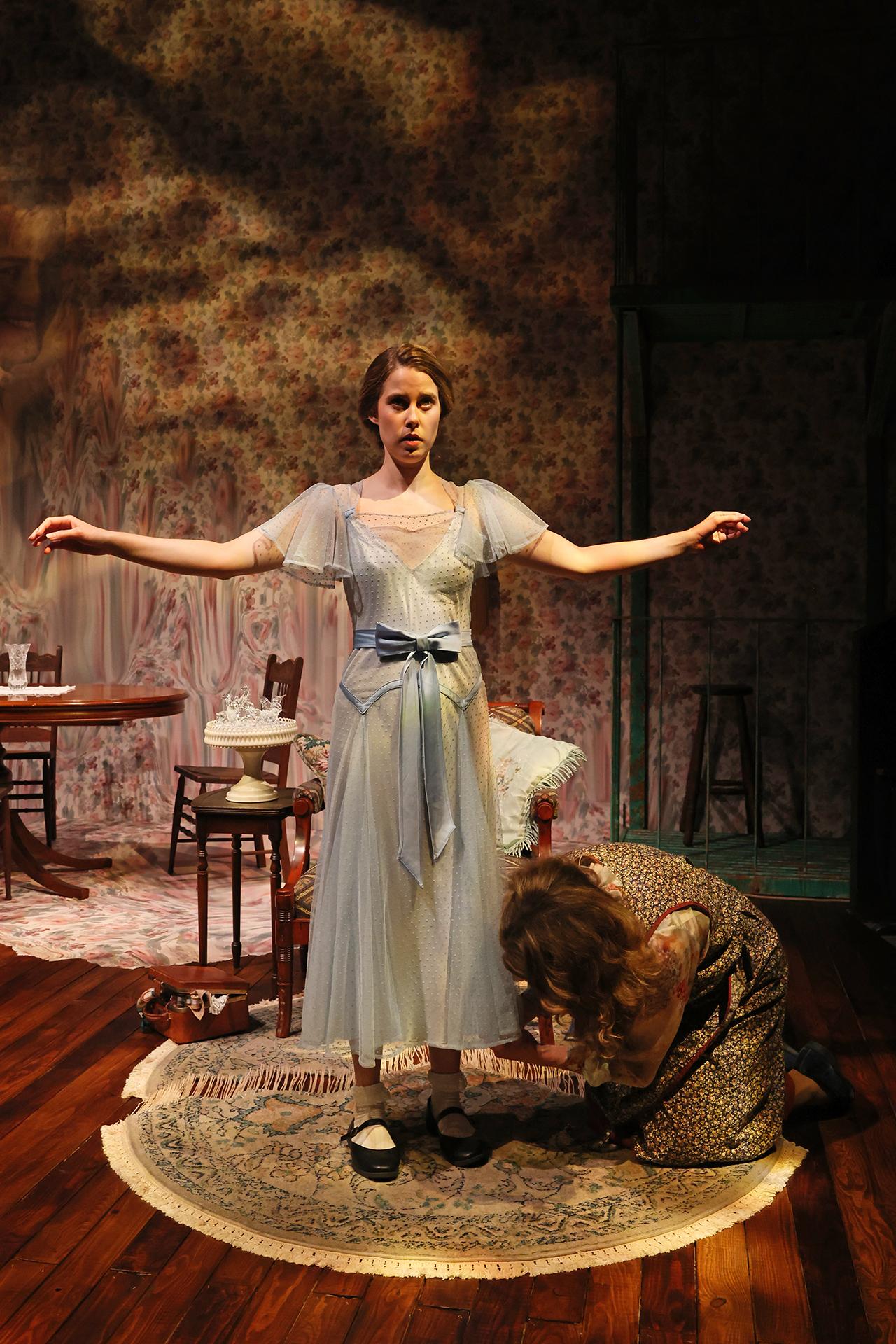
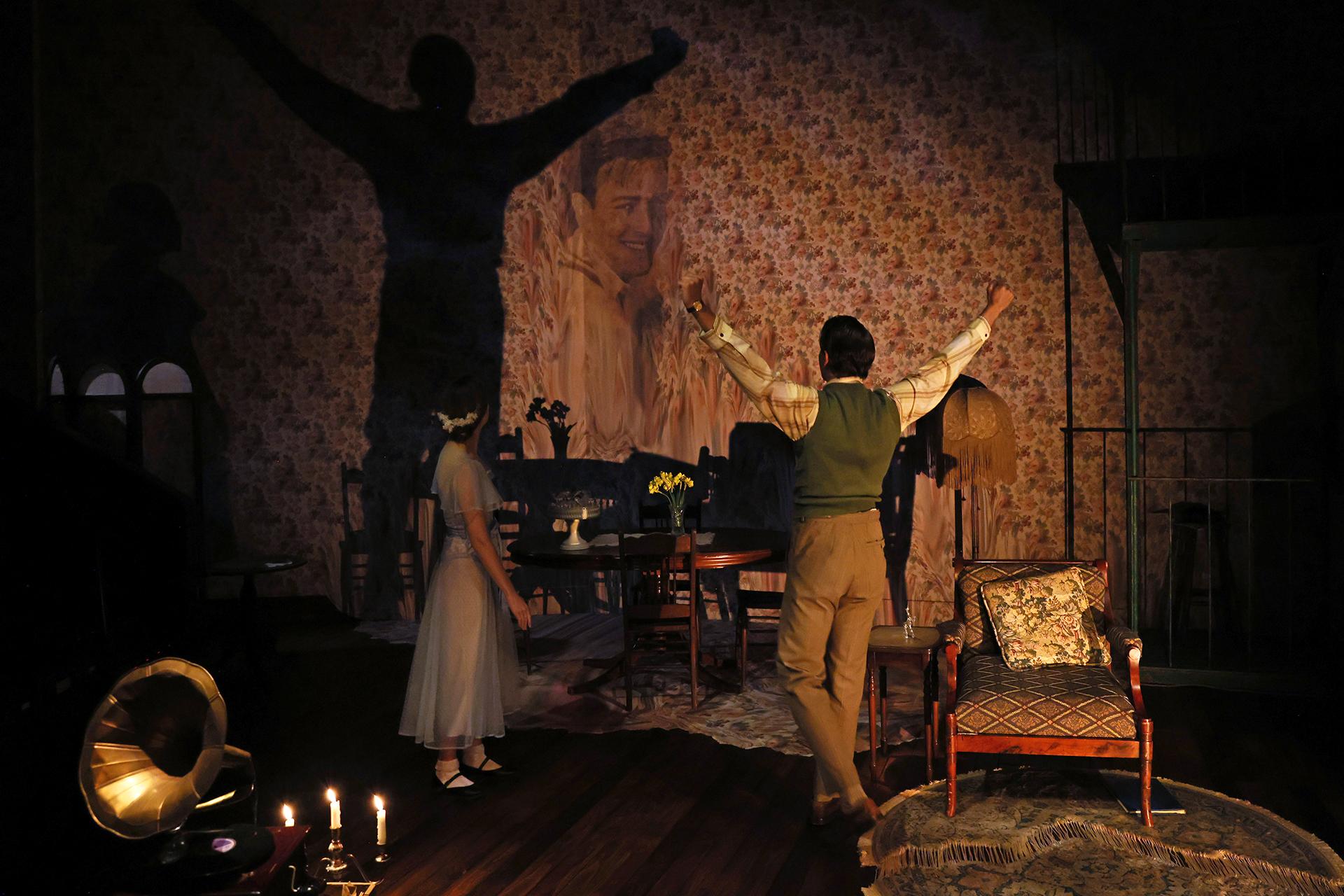
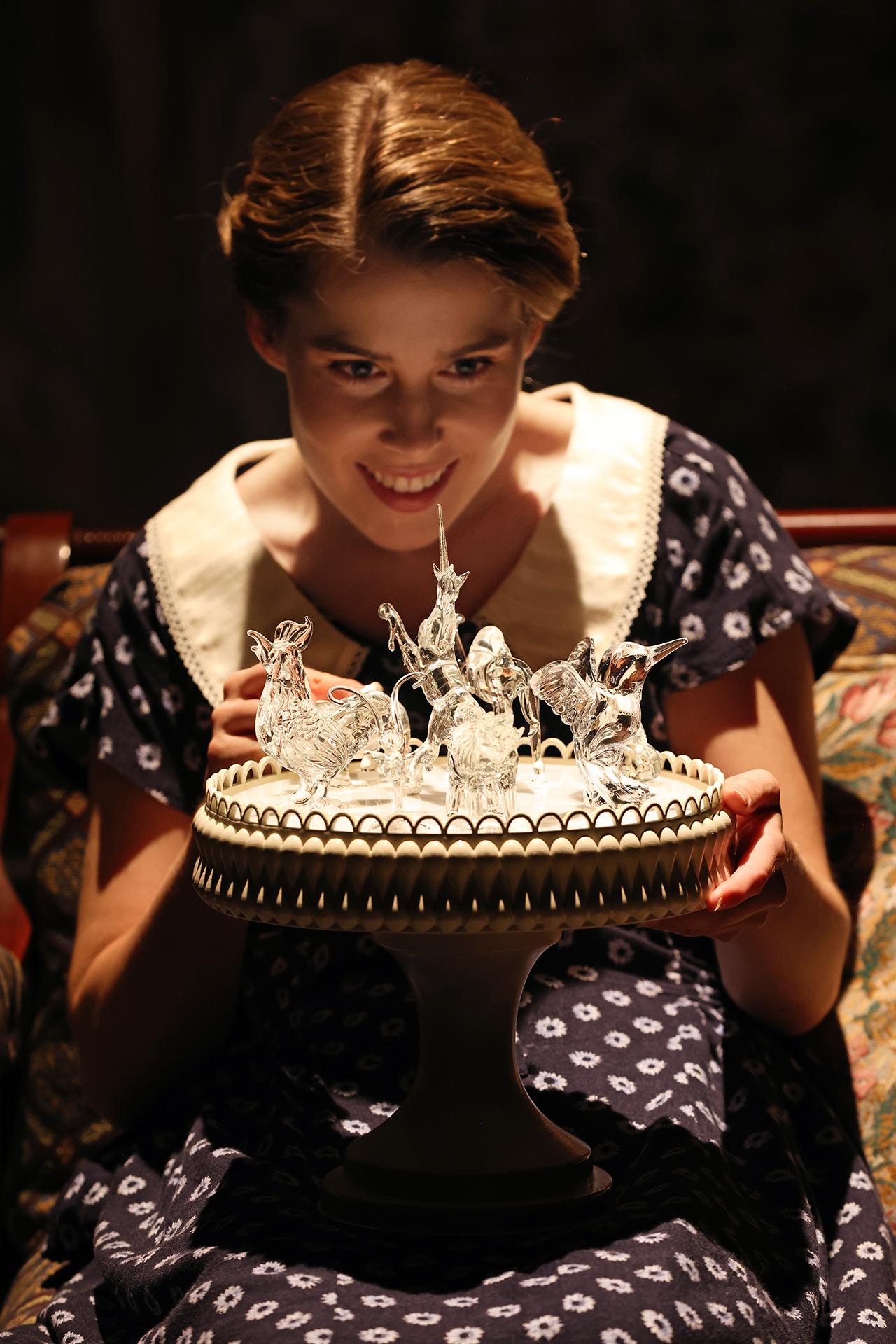
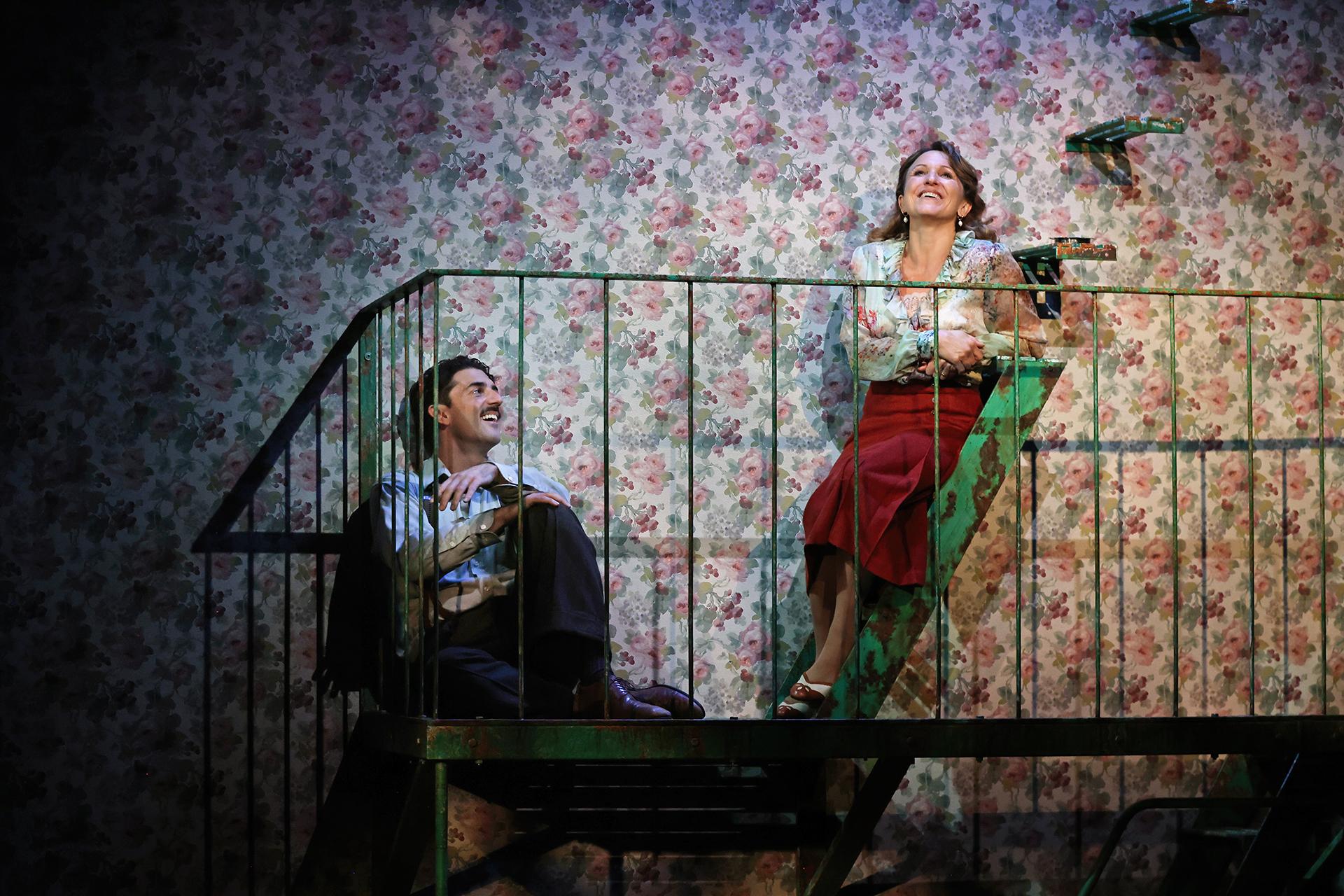
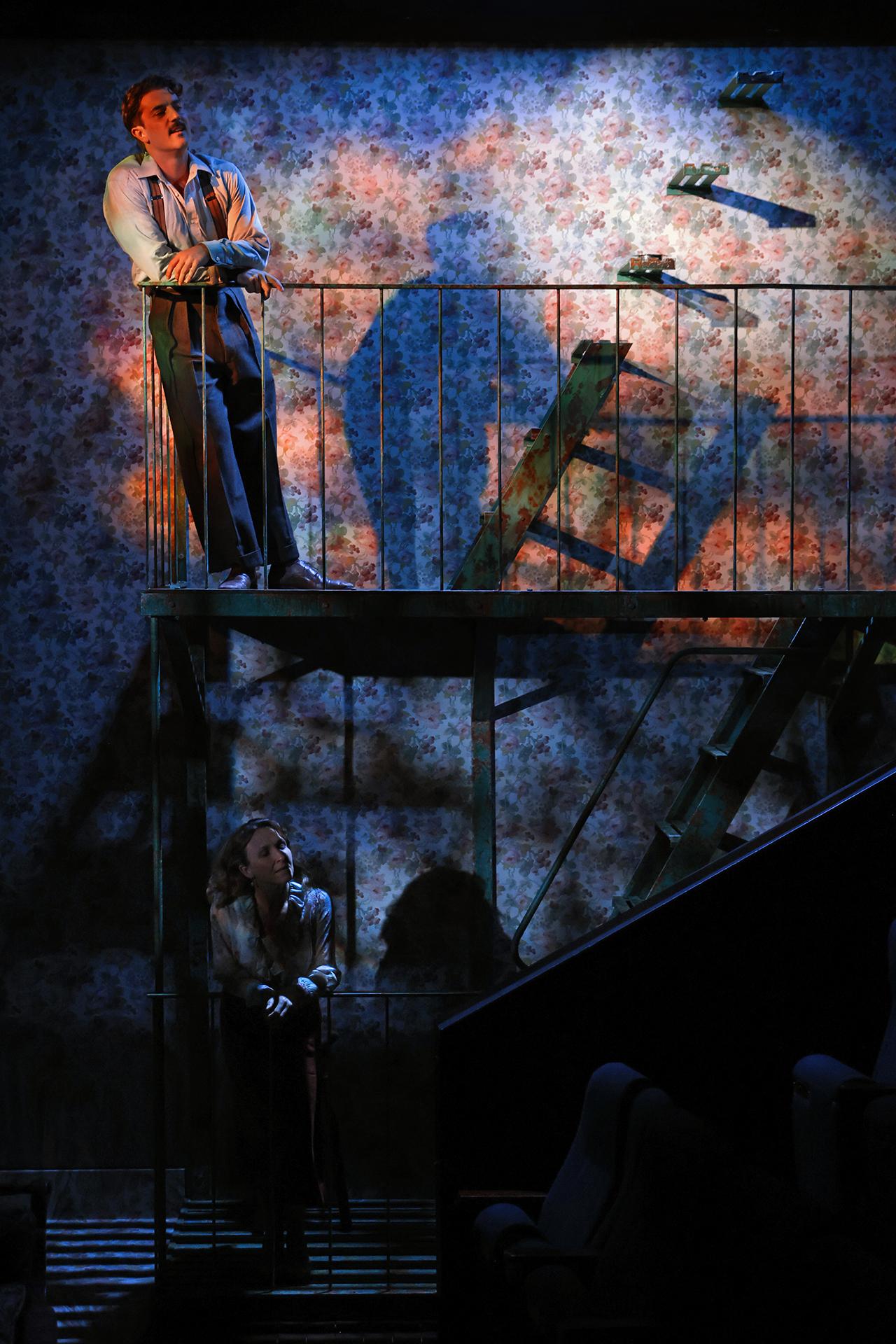
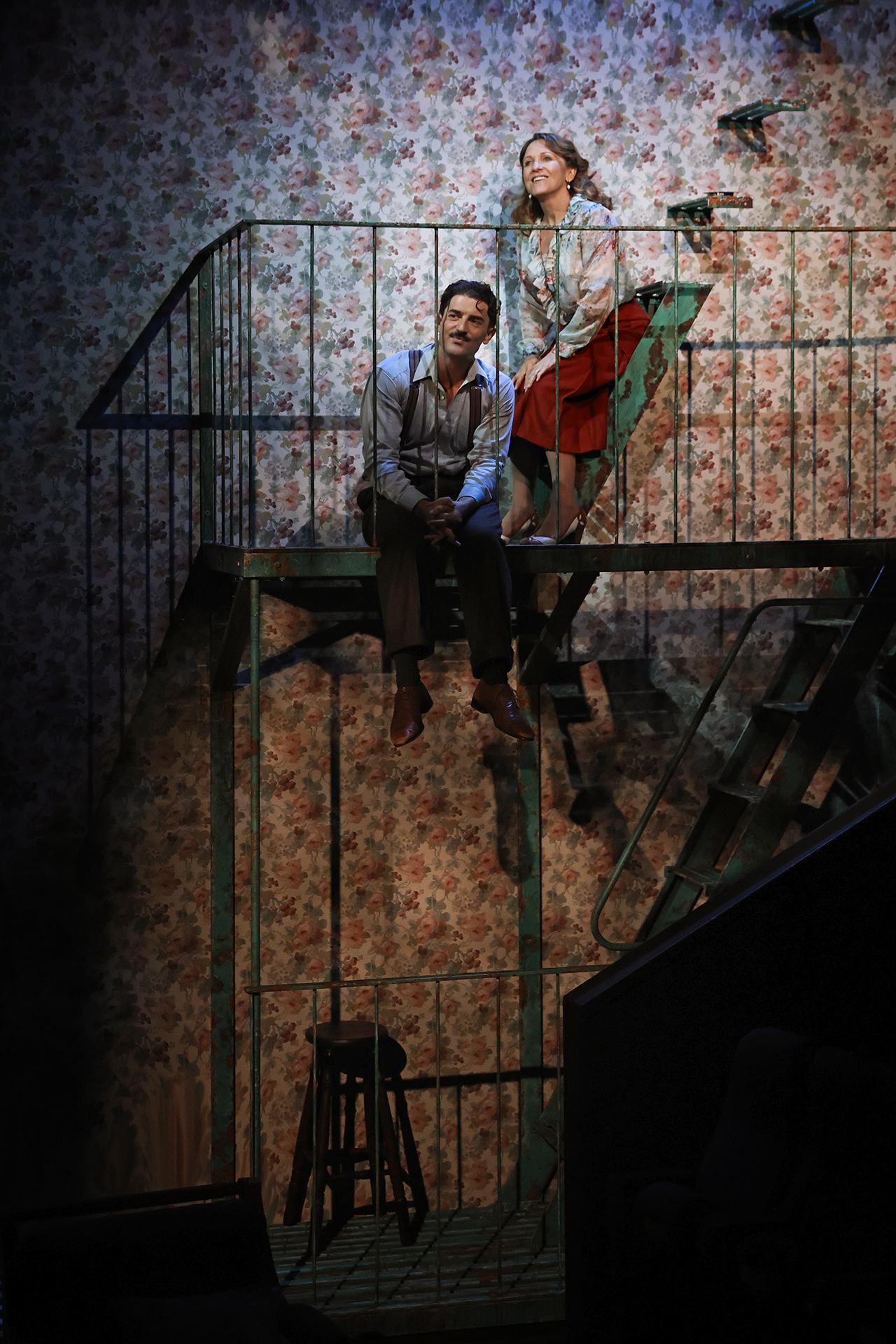
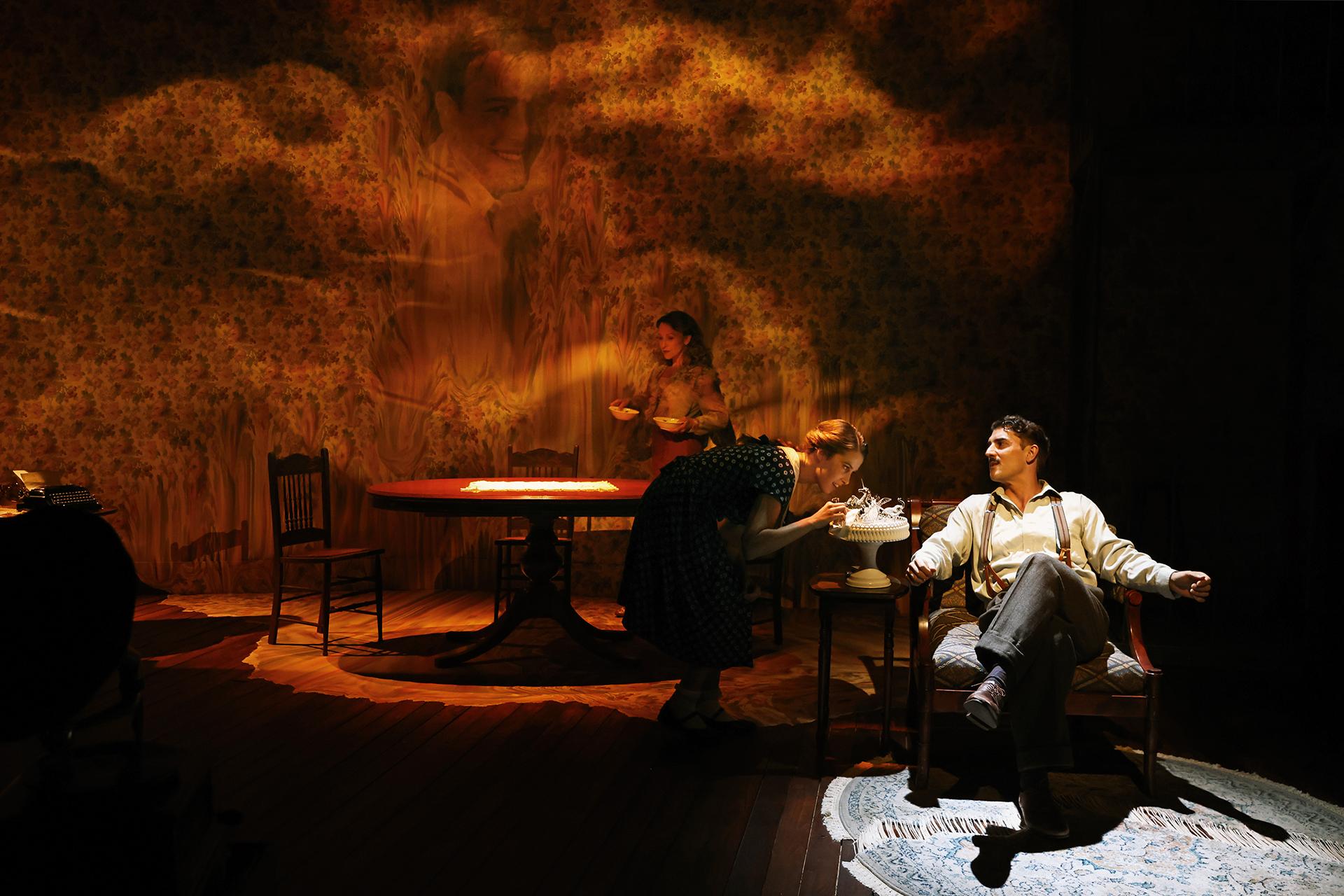
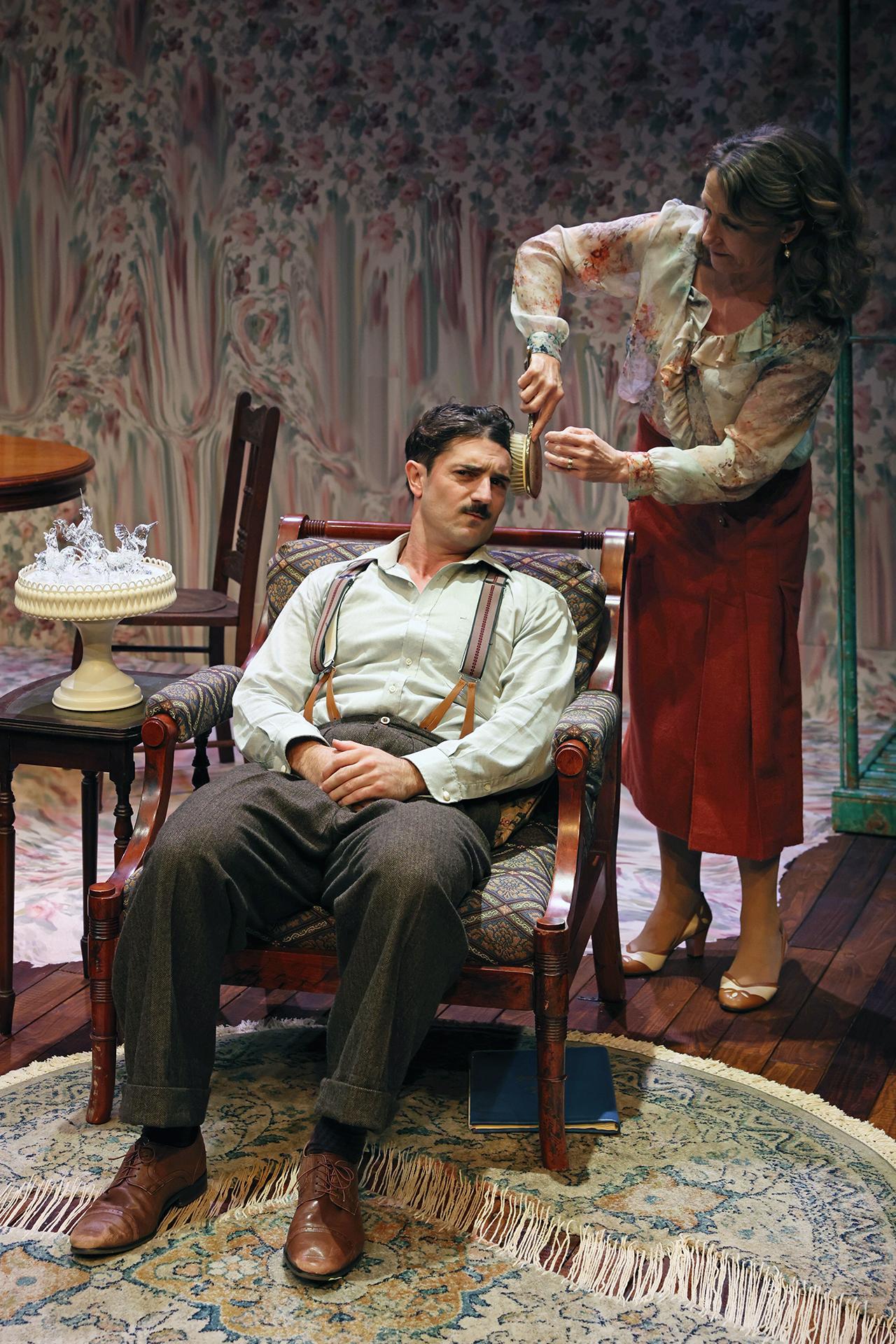
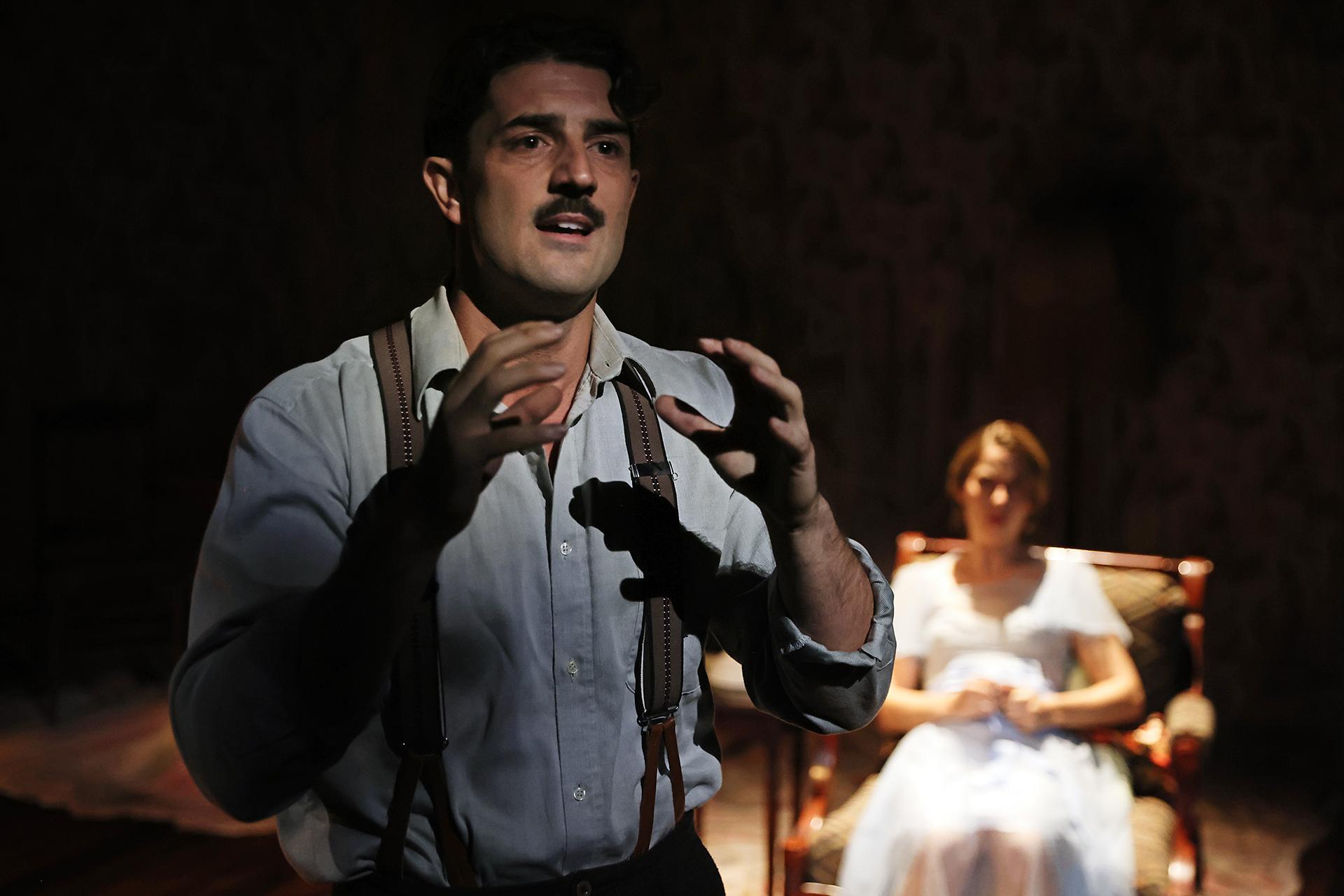
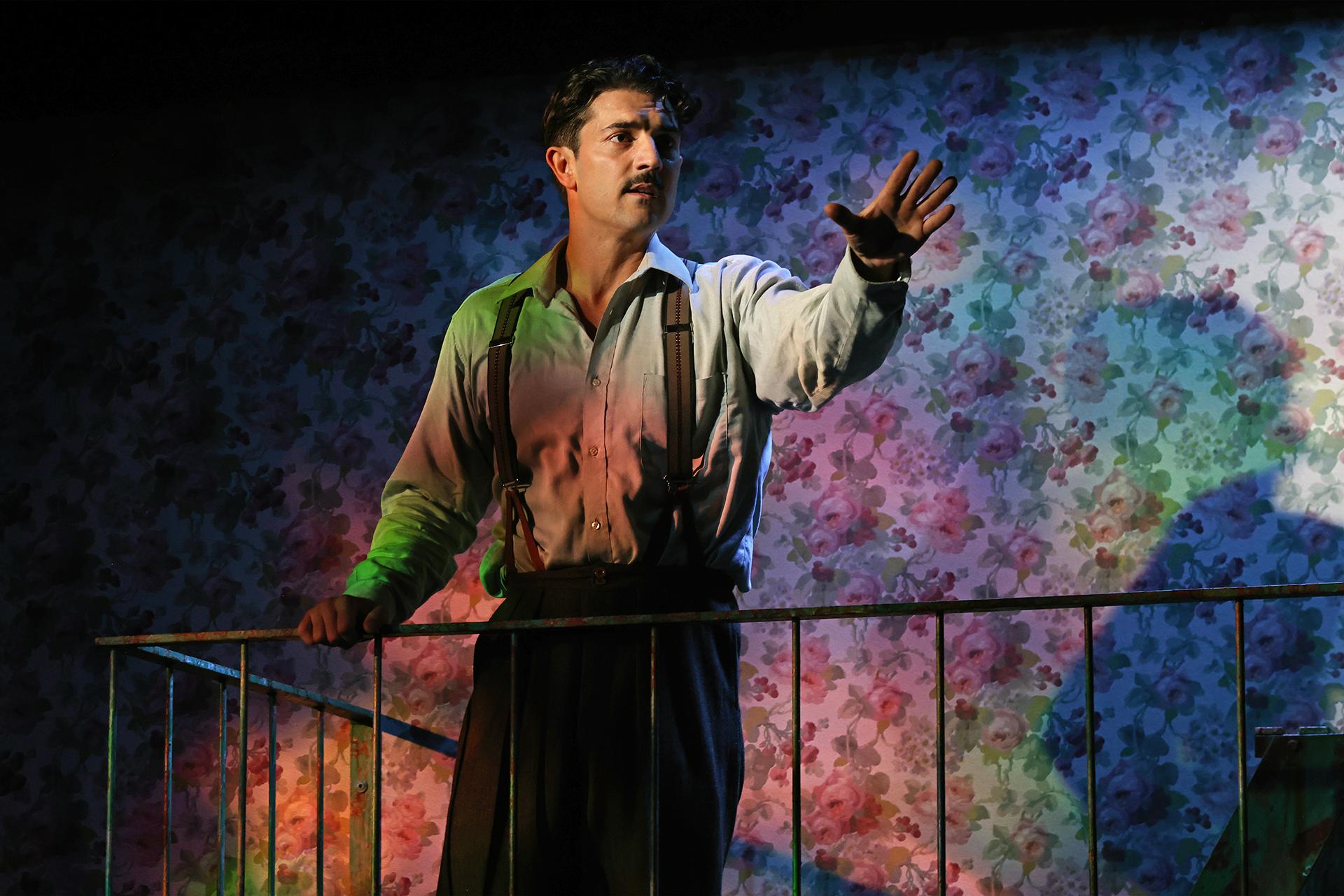
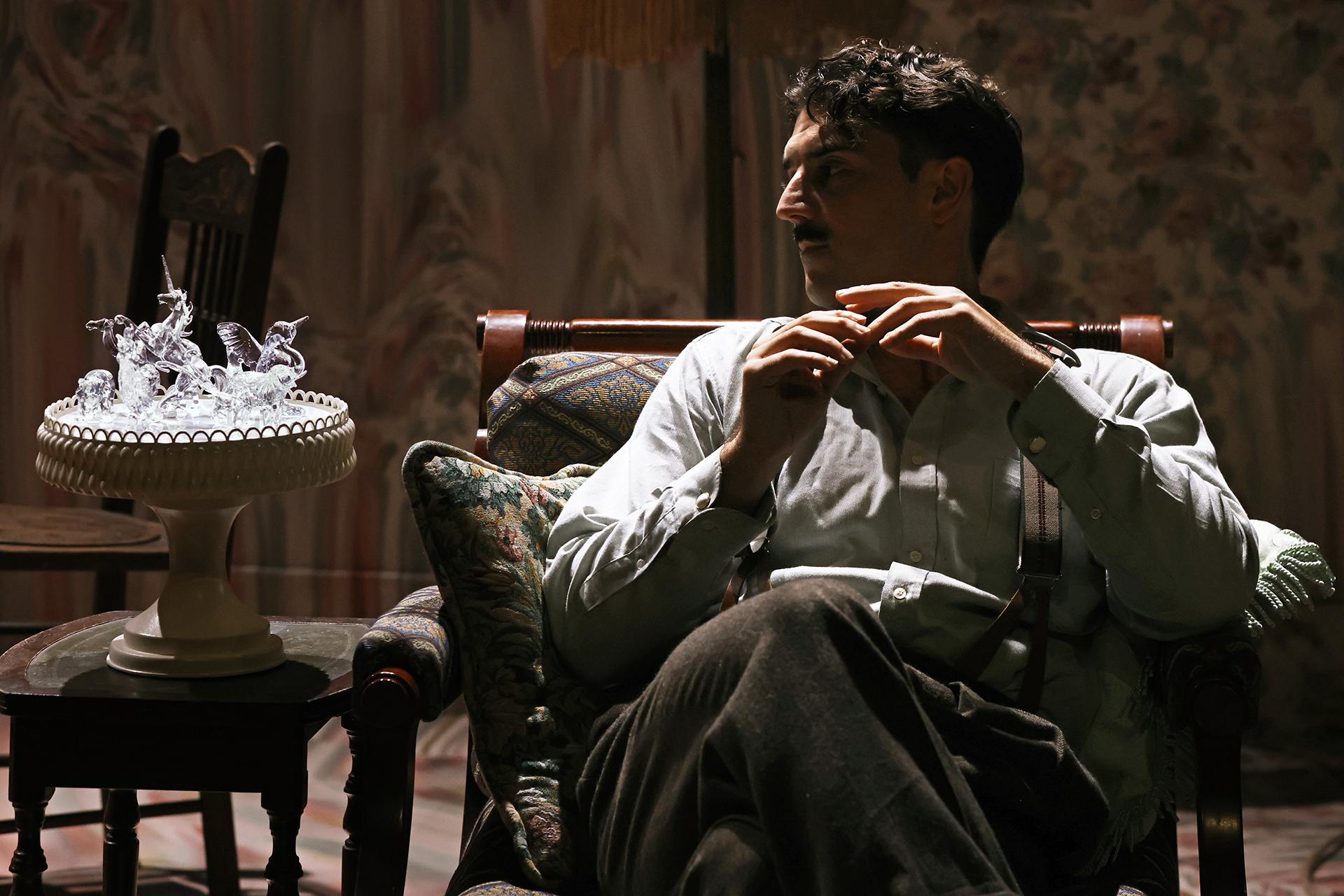
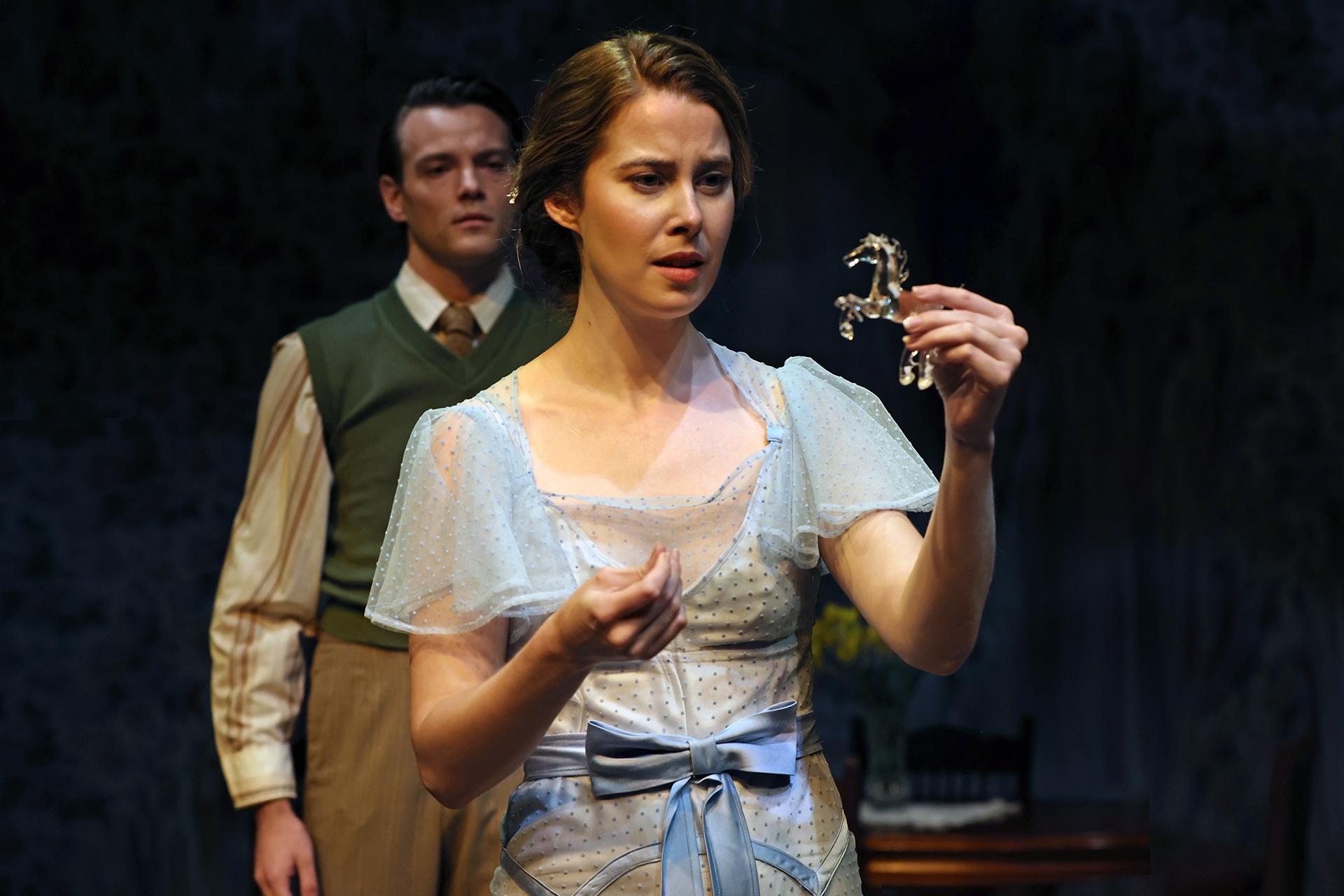
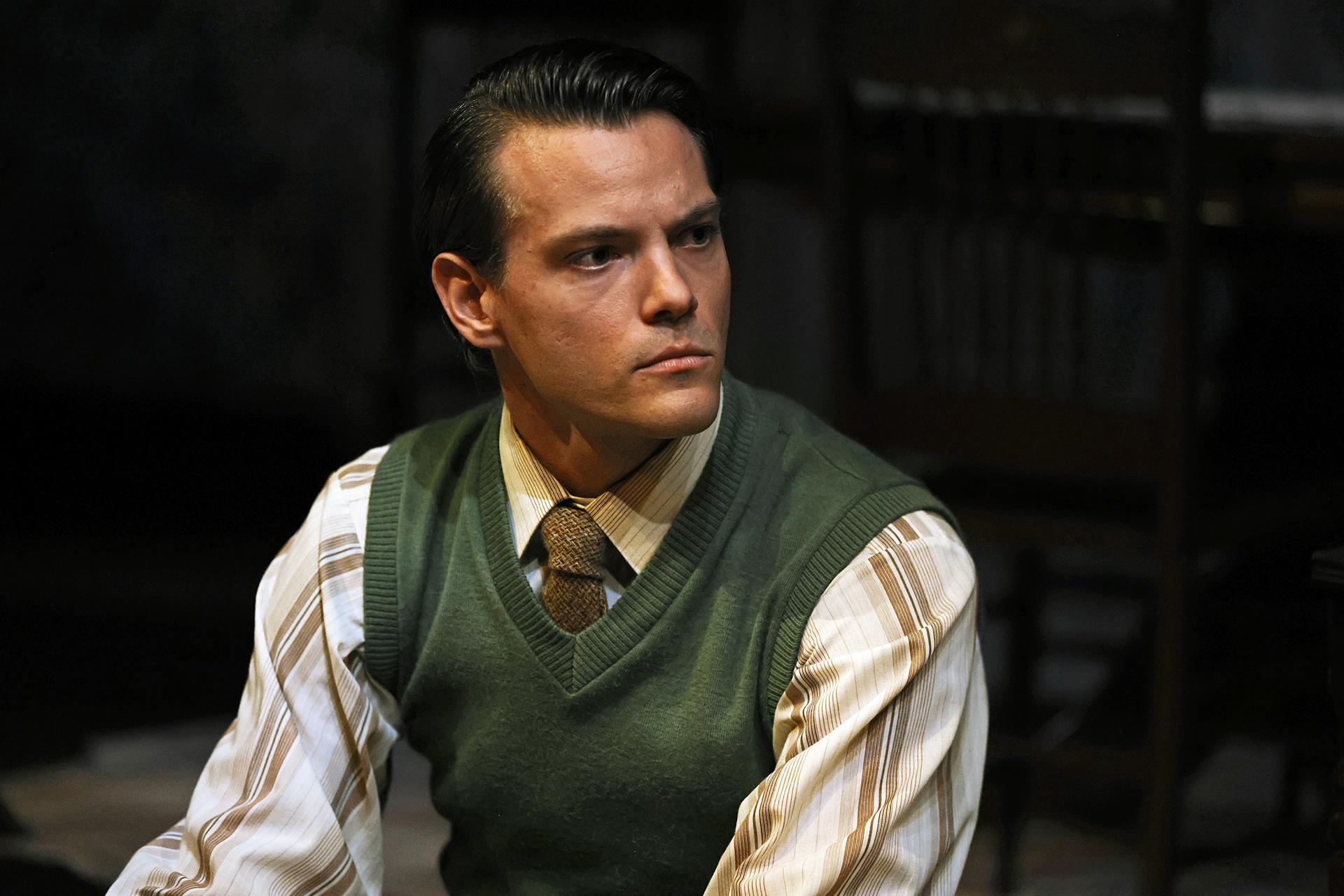
Barbara and her friends have left their choir to set up their own offshoot. When Savannah suggests the new name “Heartbreak Choir”, they all agree on its suitability, but it takes considerable time before we understand the reasoning behind their choice. At the foundation of Aidan Fennessy’s play The Heartbreak Choir is something quite profound and moving; however a lack of focus and an overreliance on humour, detract from what could have been a powerful experience.

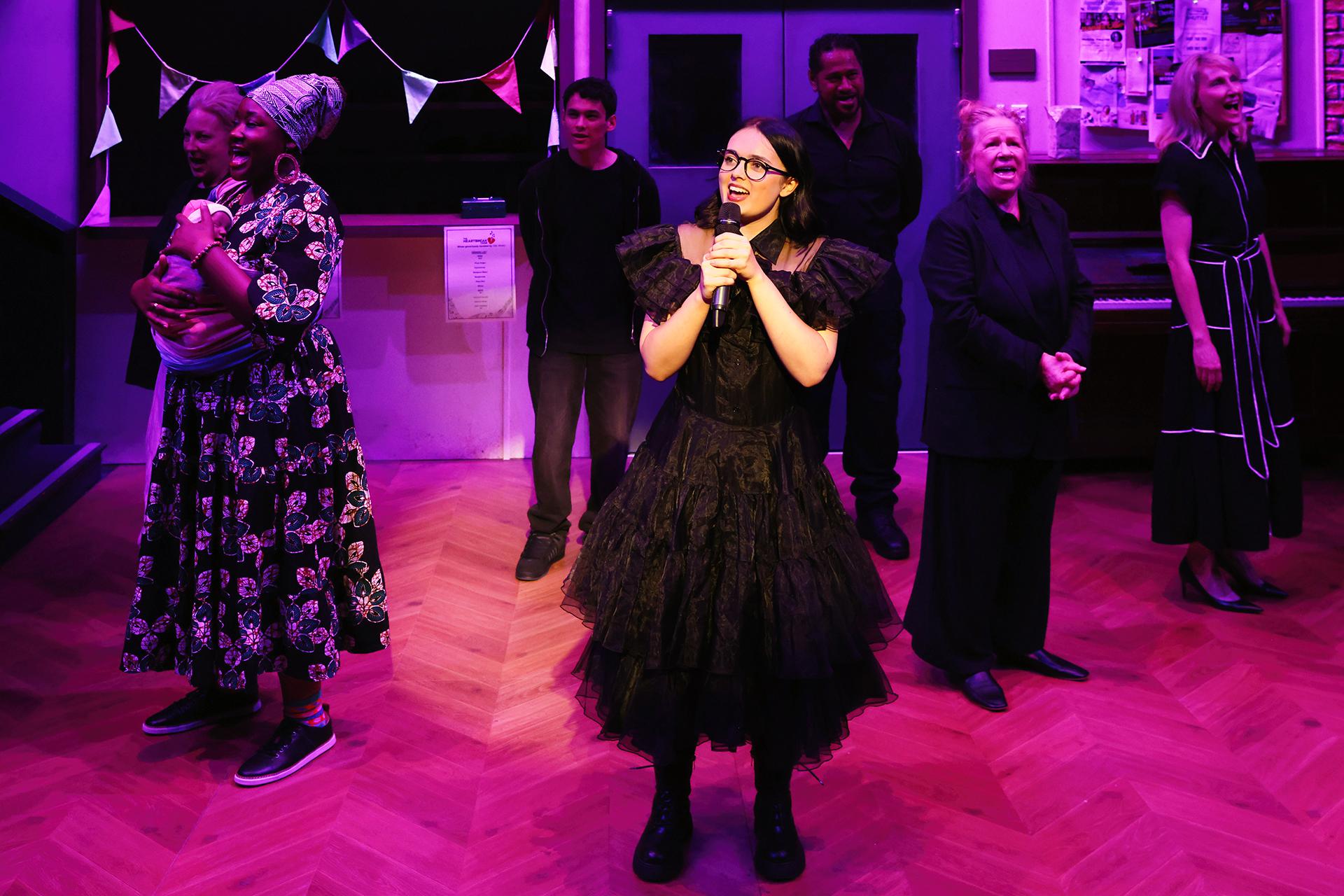
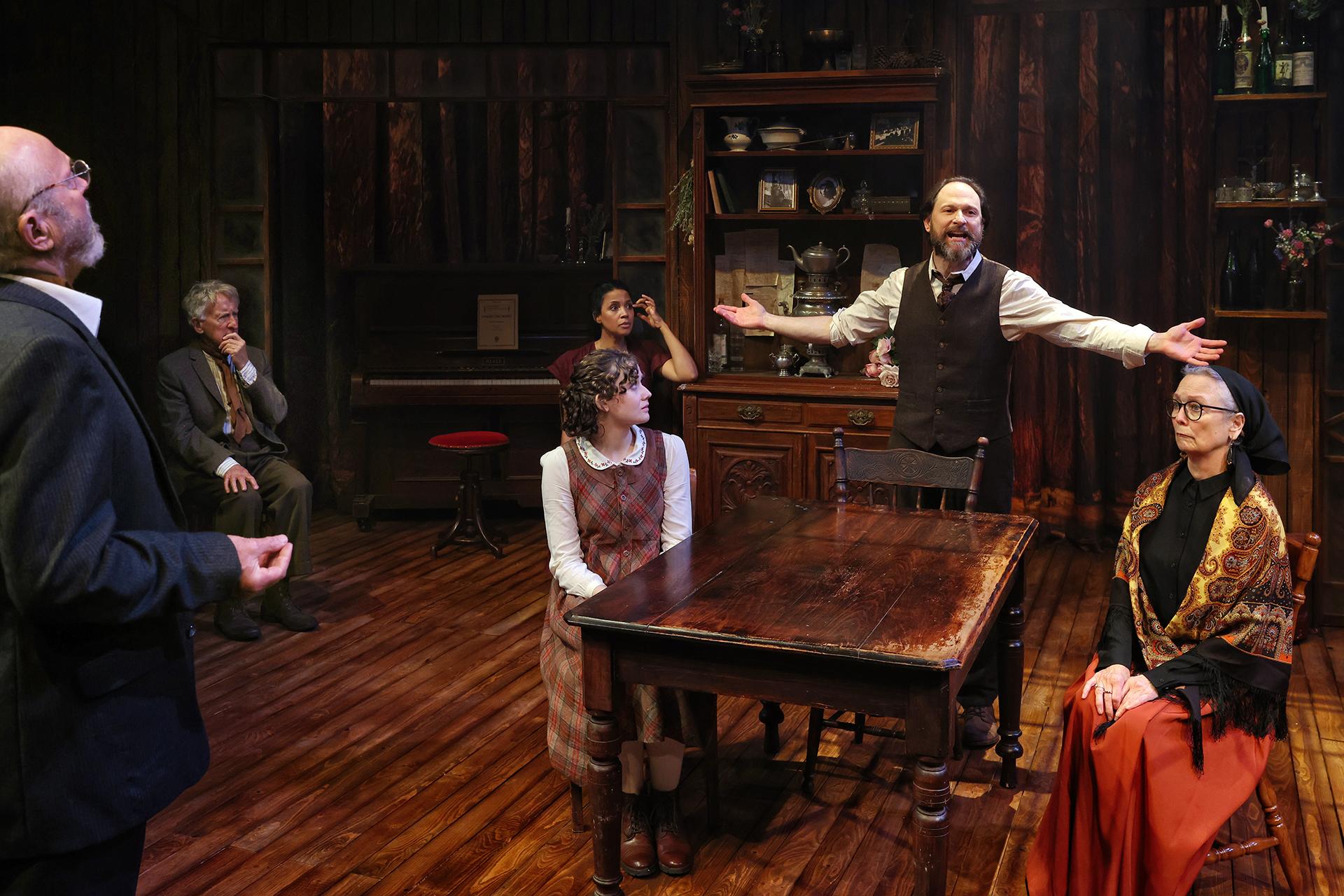
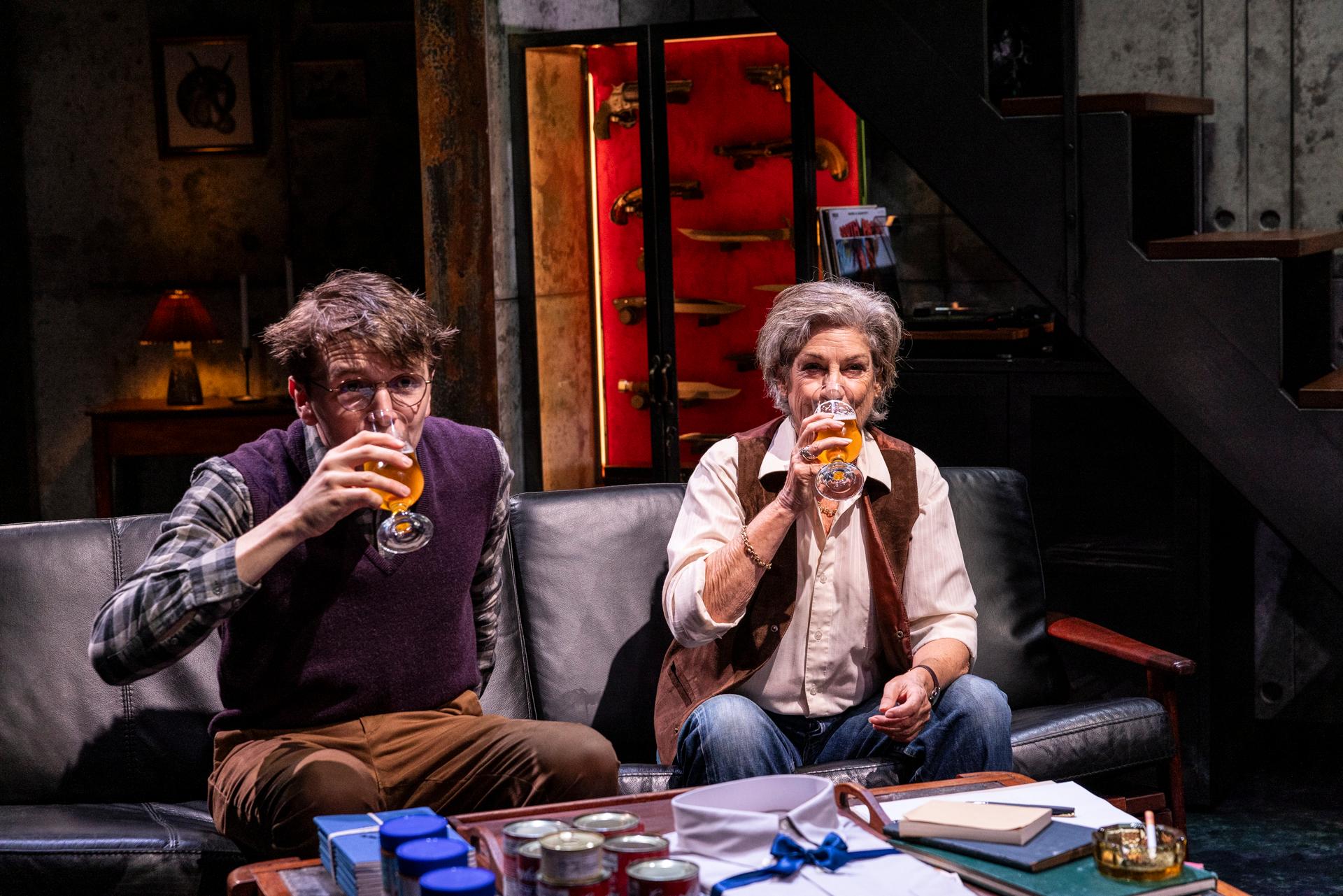
The show is sometimes truly funny, but it also has a tendency to deviate too much from its central concern. Direction by Anna Ledwich imbues a palpable warmth, particularly in its portrayal of community, even as the narrative struggles to resonate sufficiently with the darker themes that inspire it. 

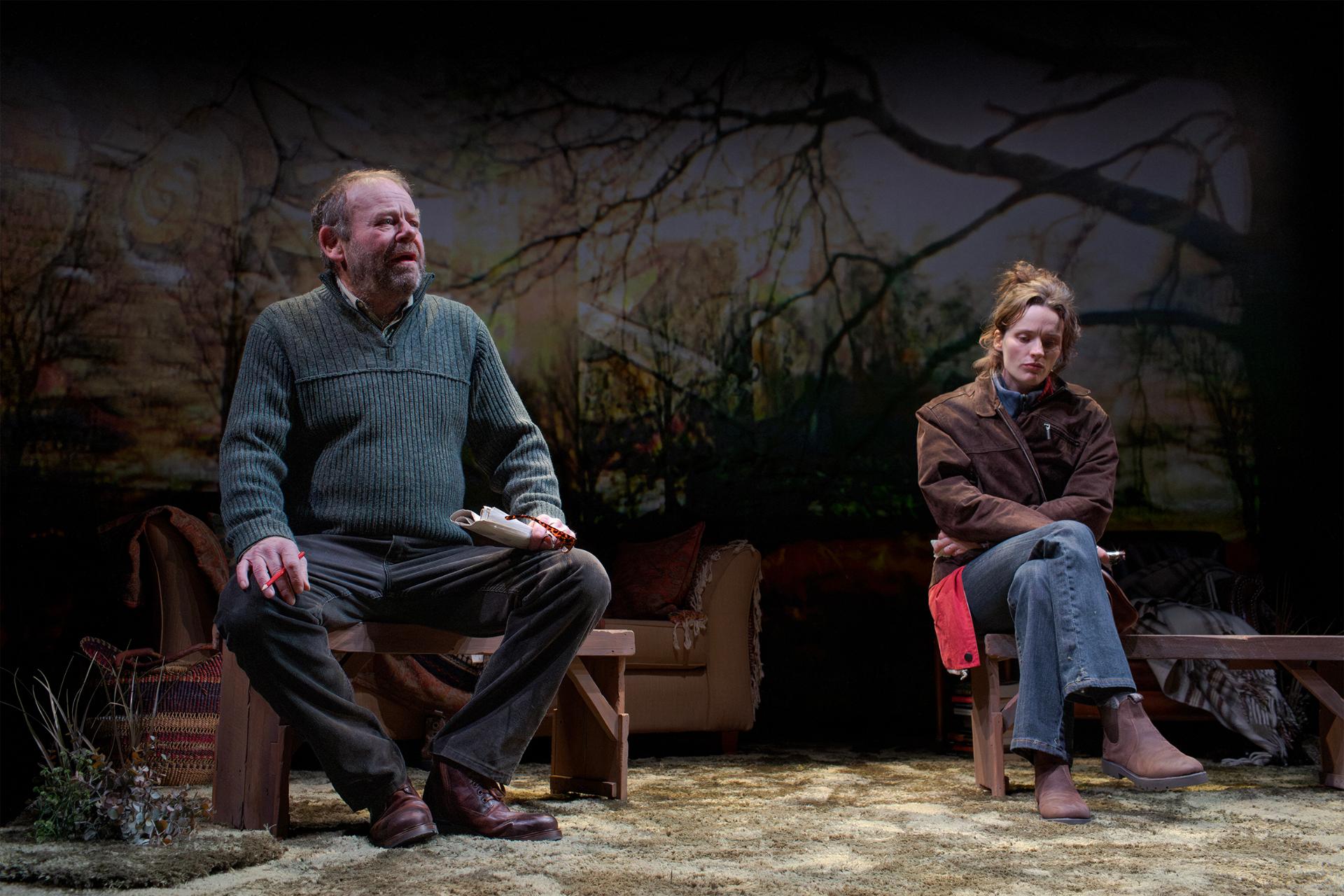
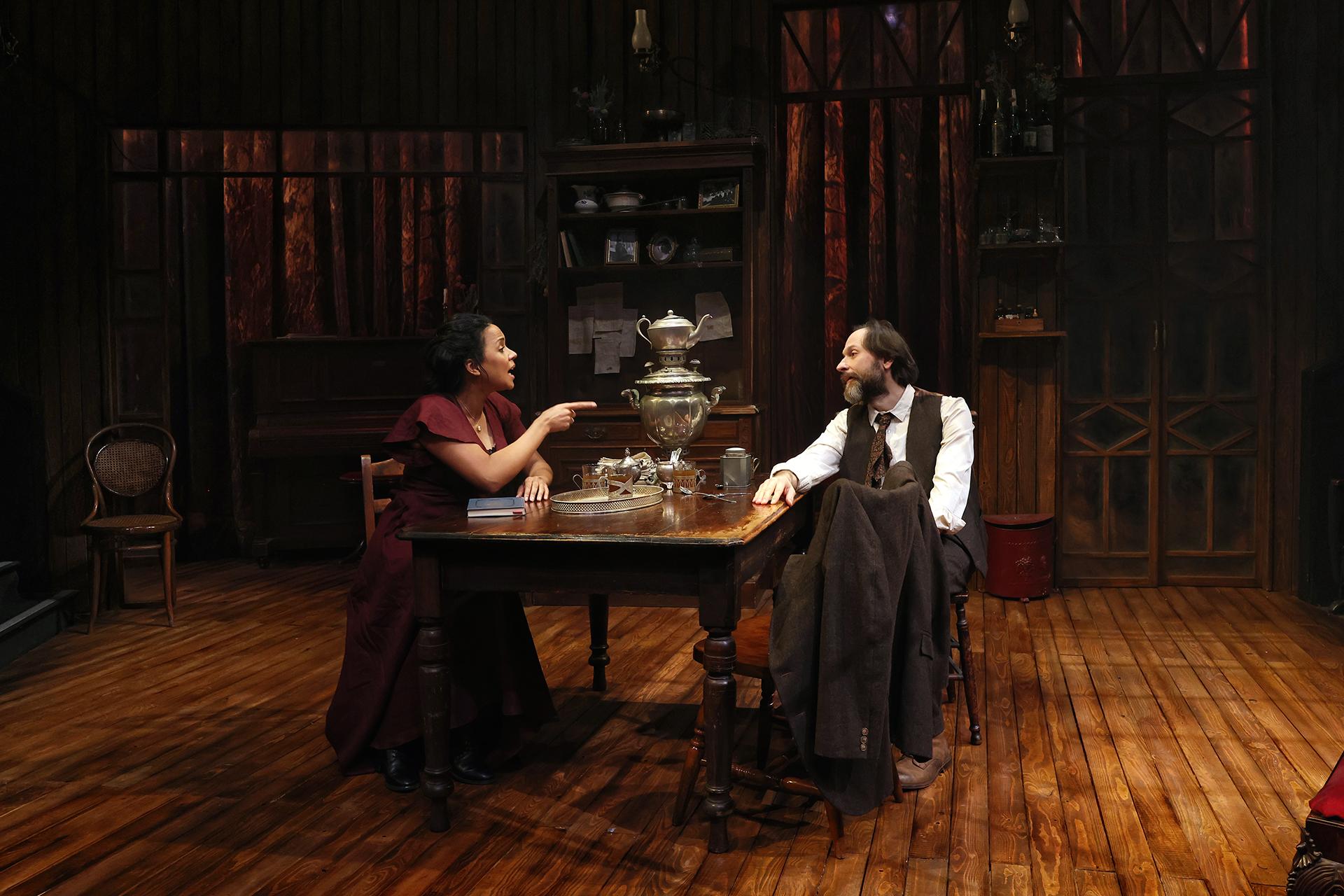
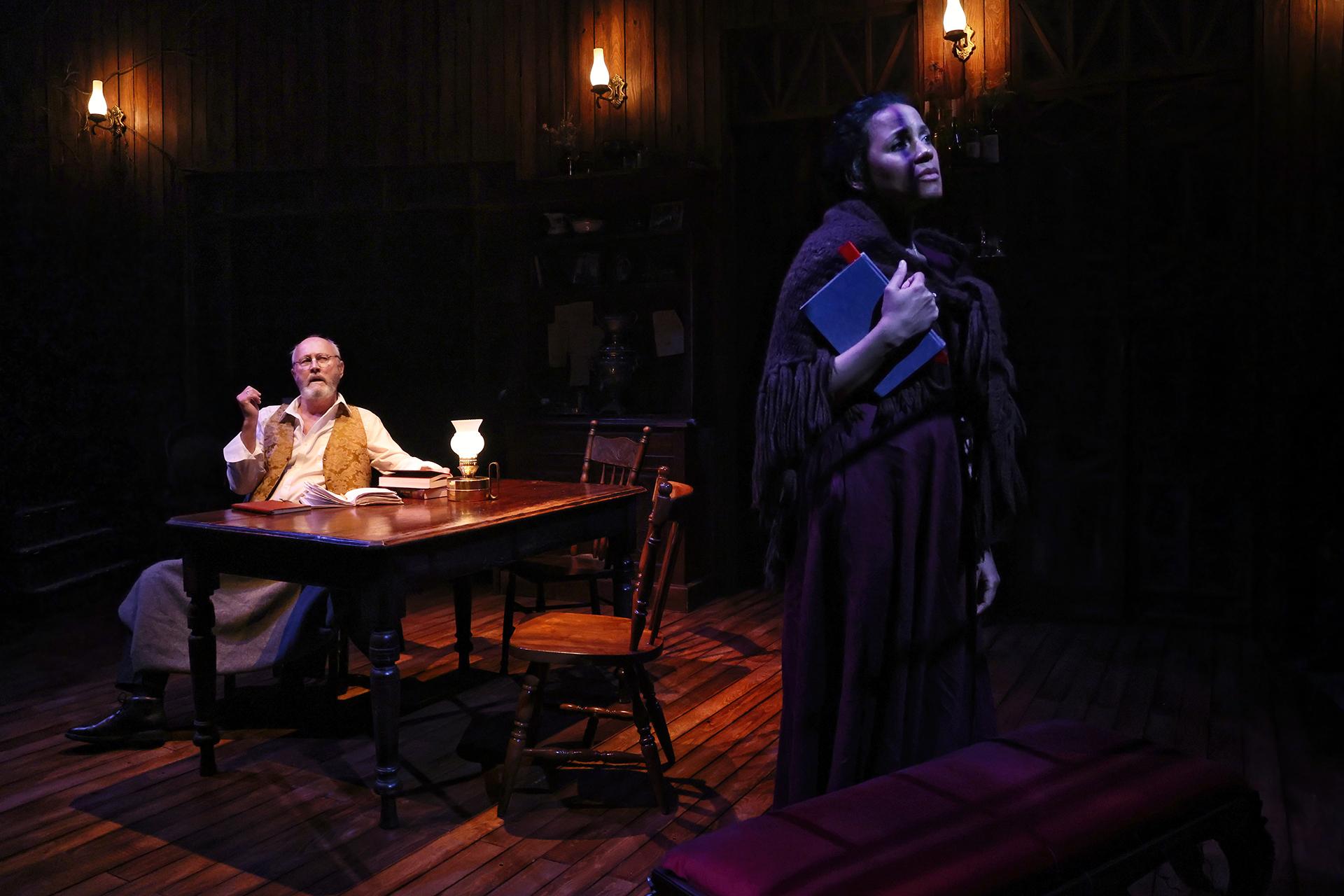
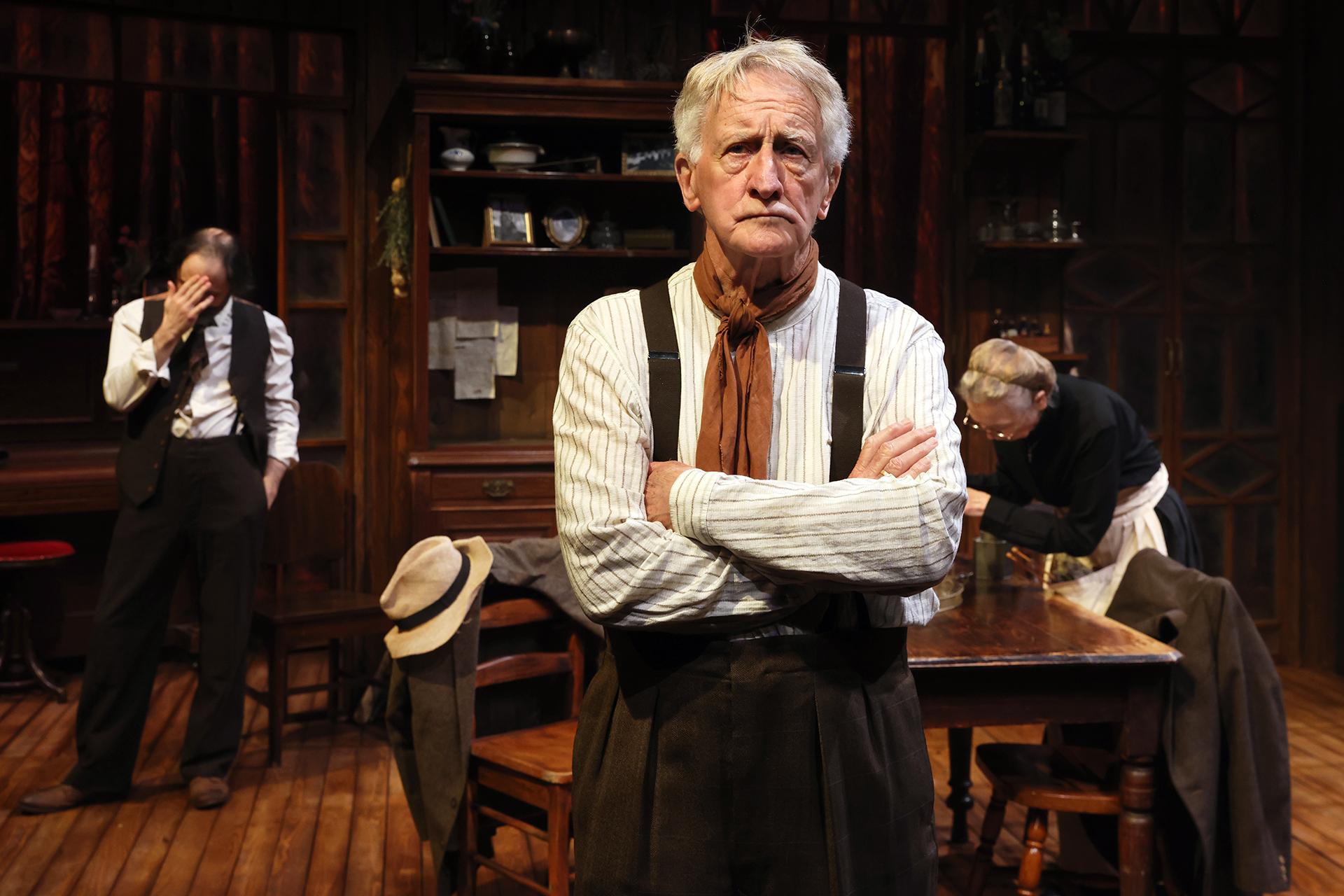
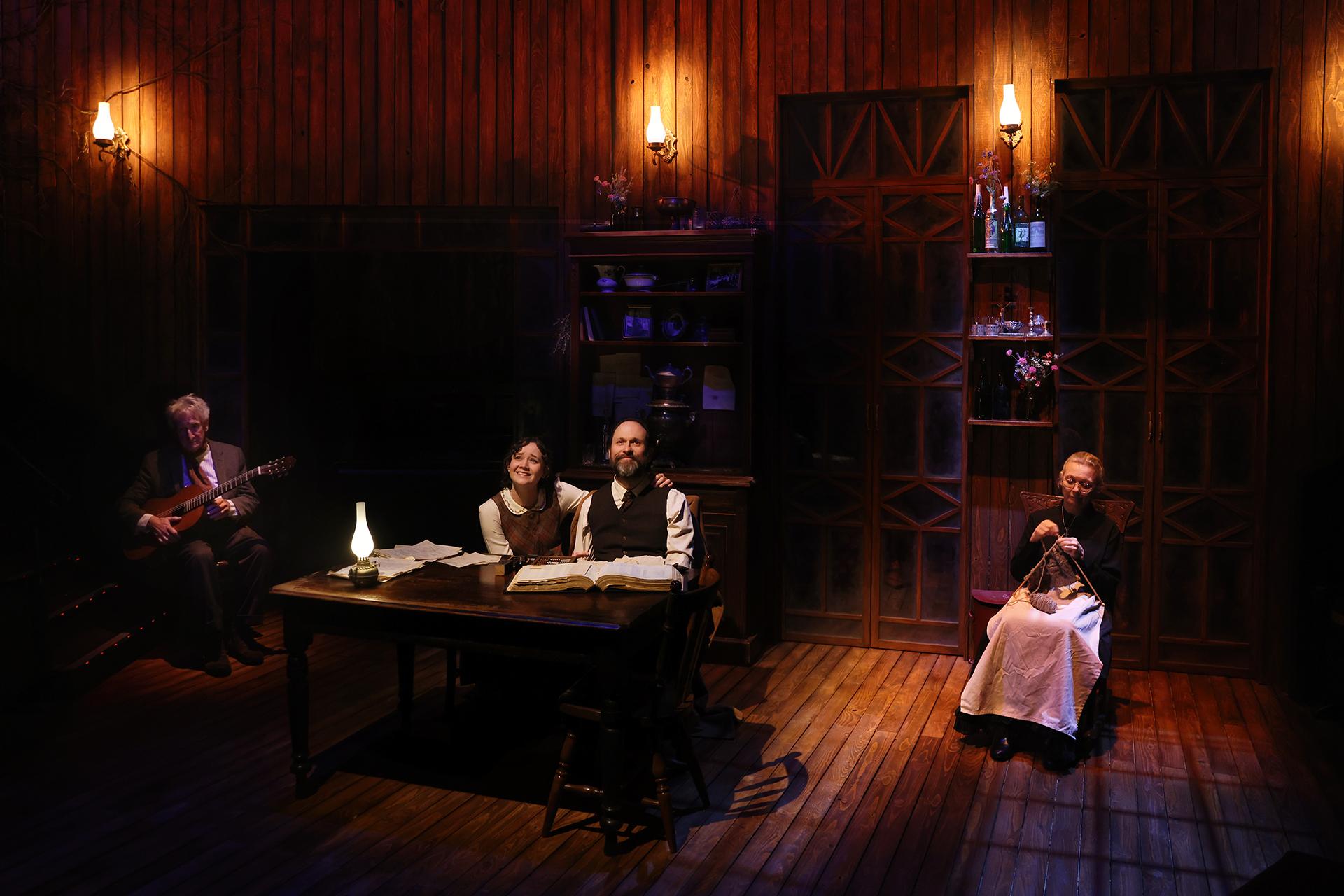
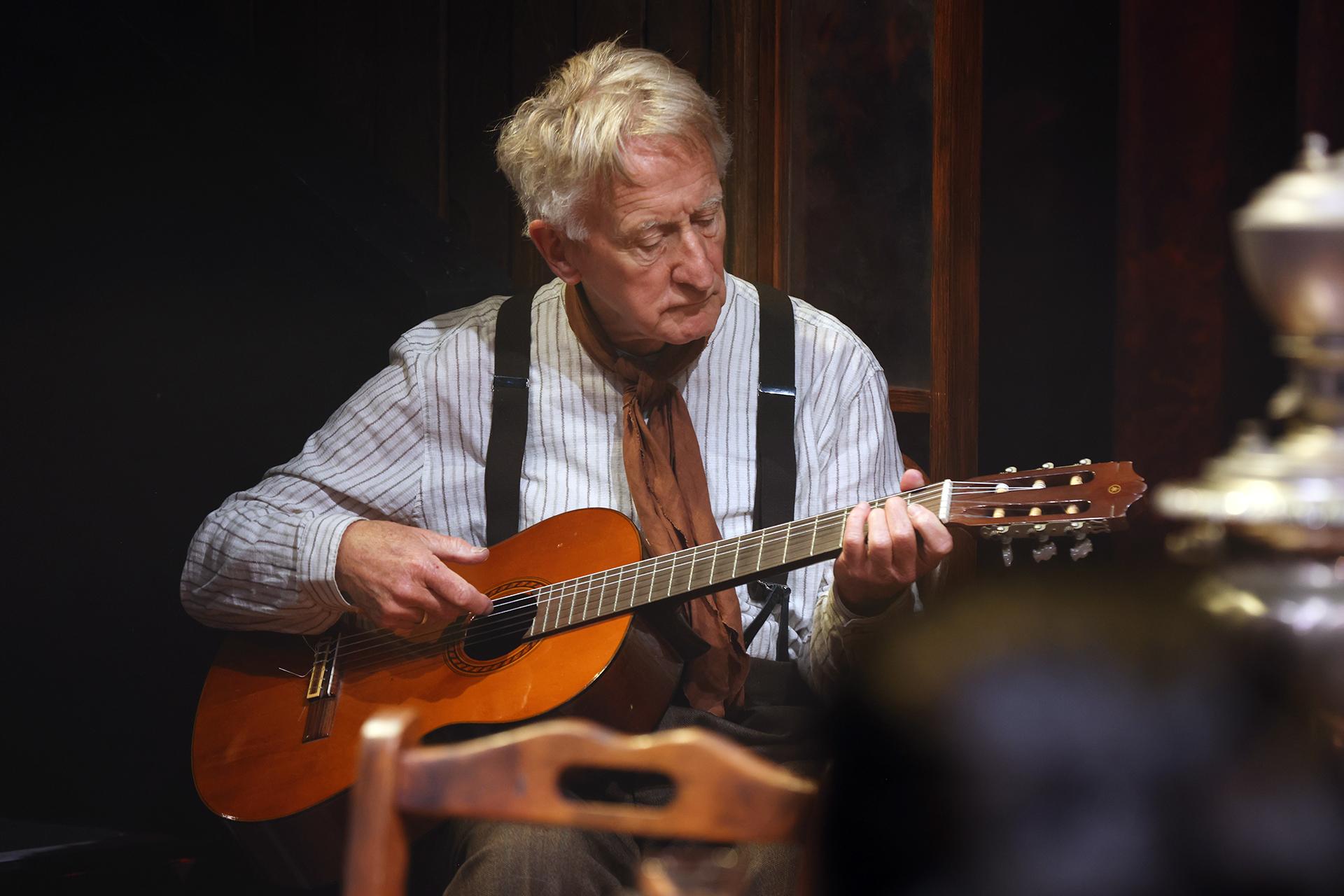
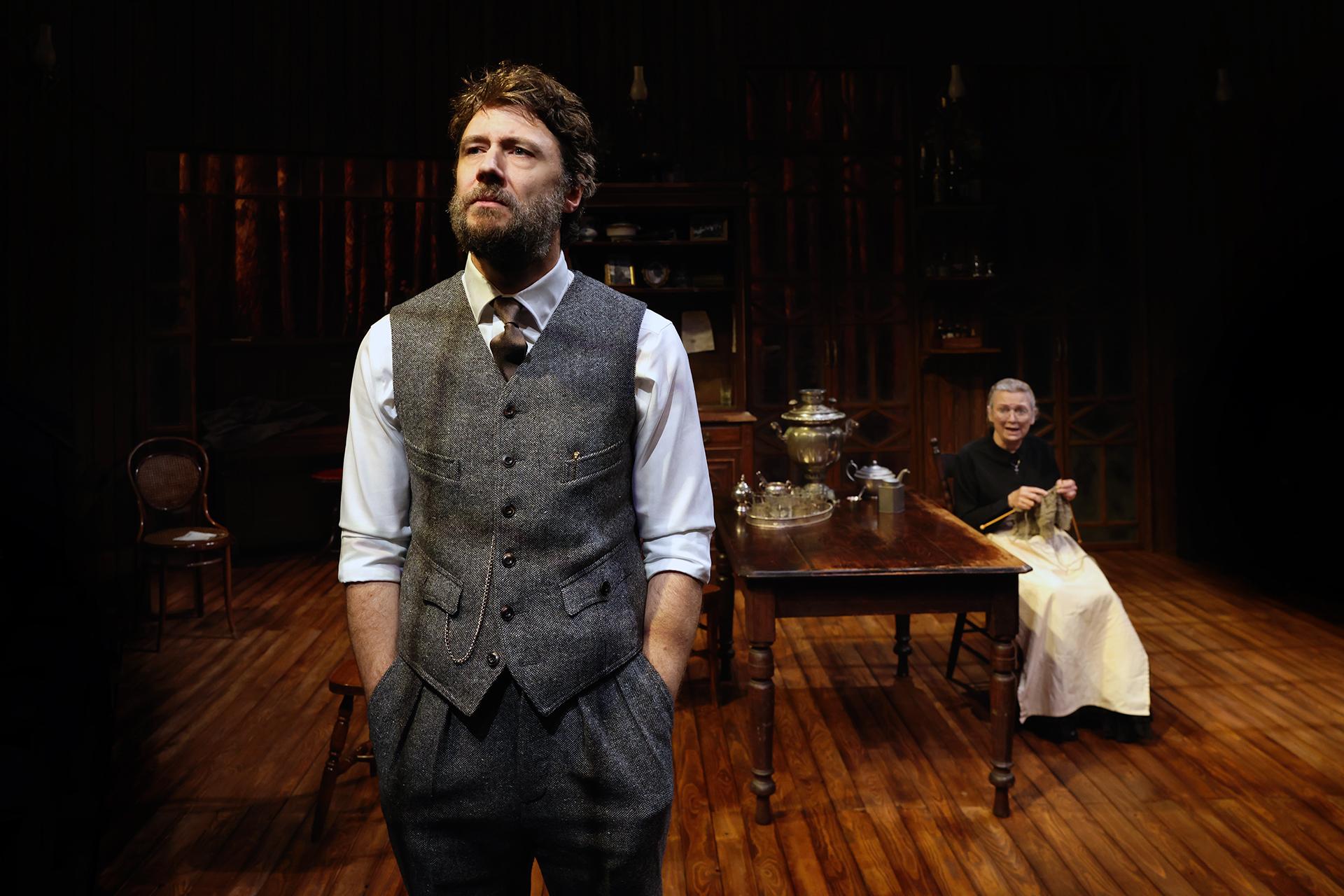
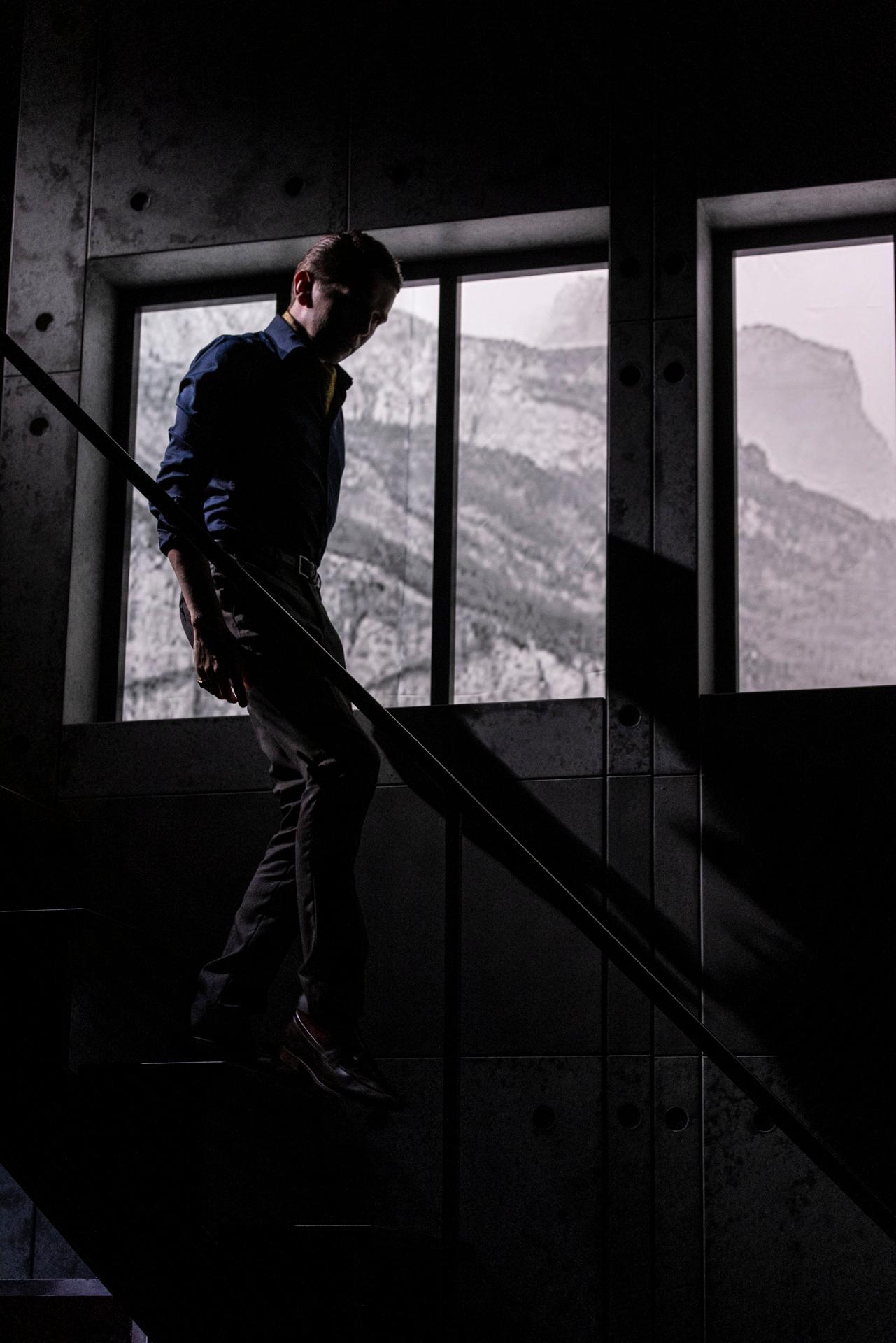
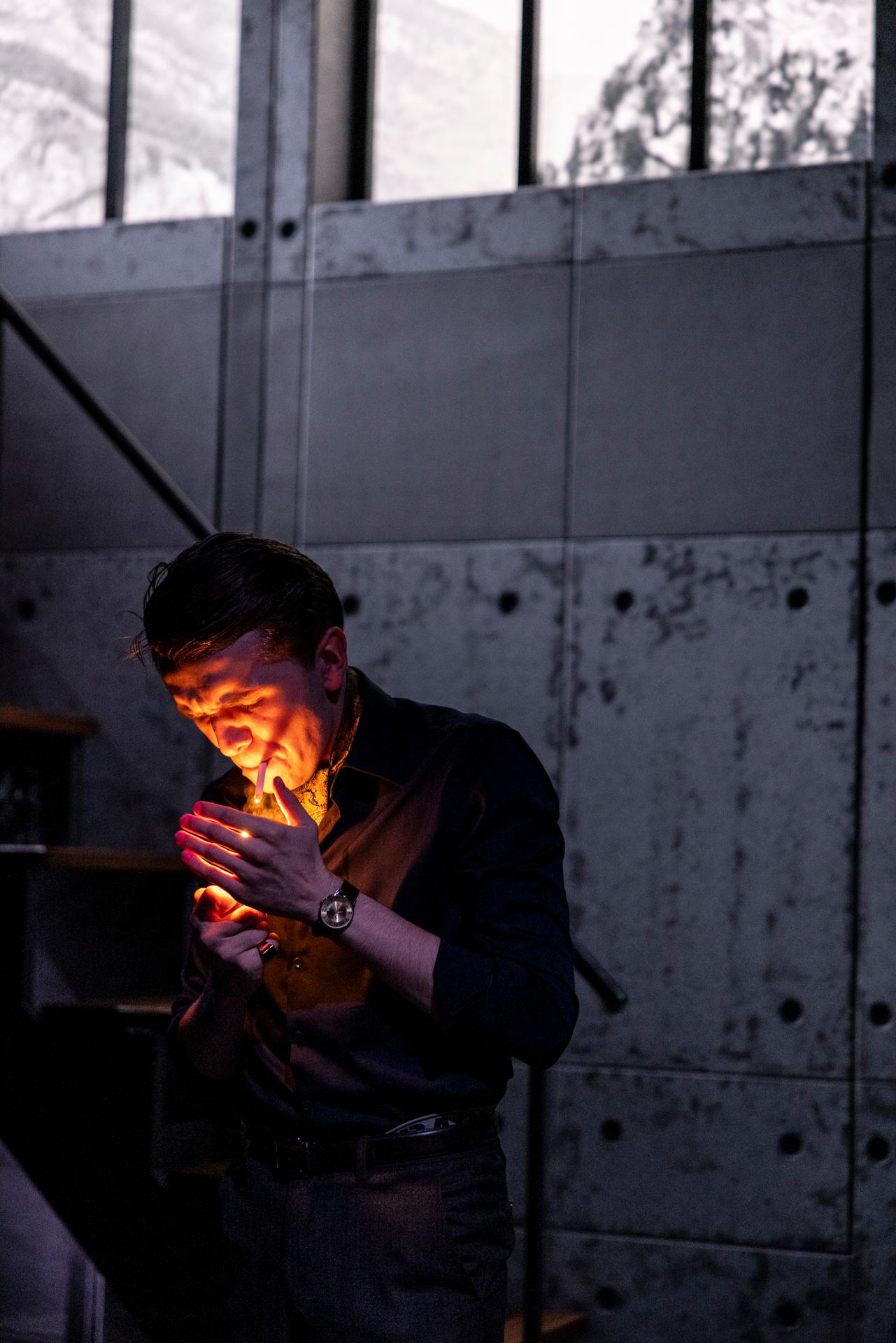
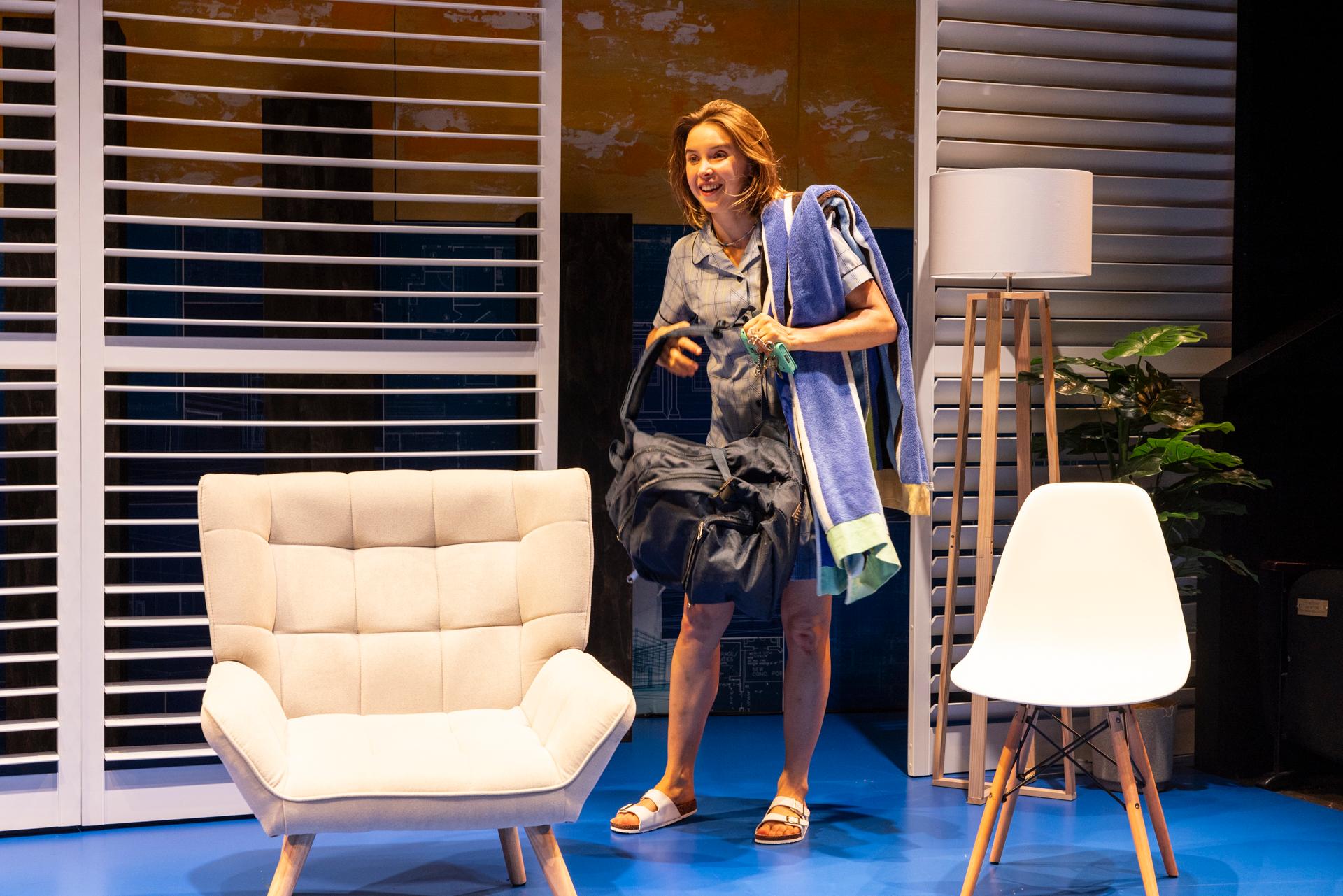
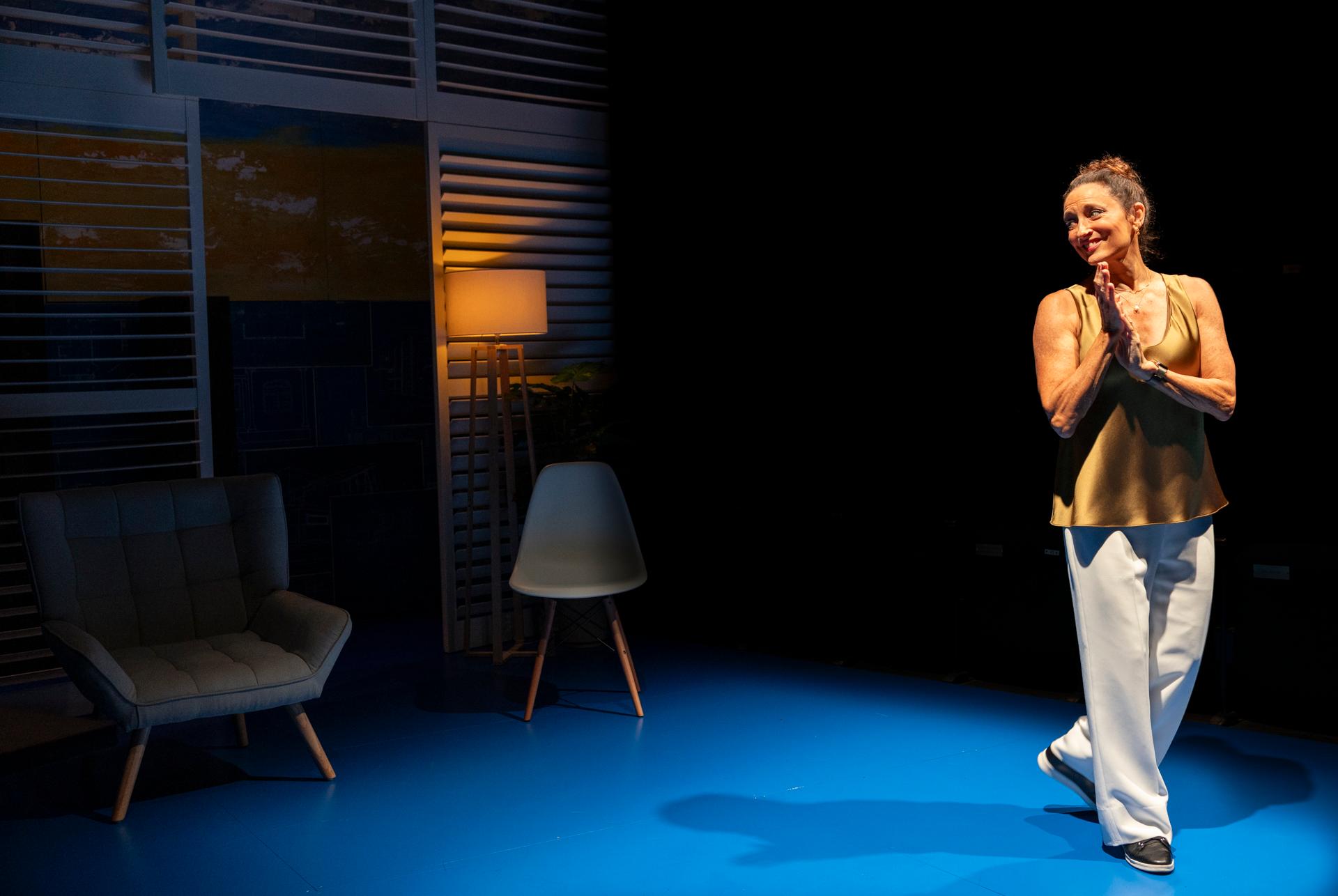
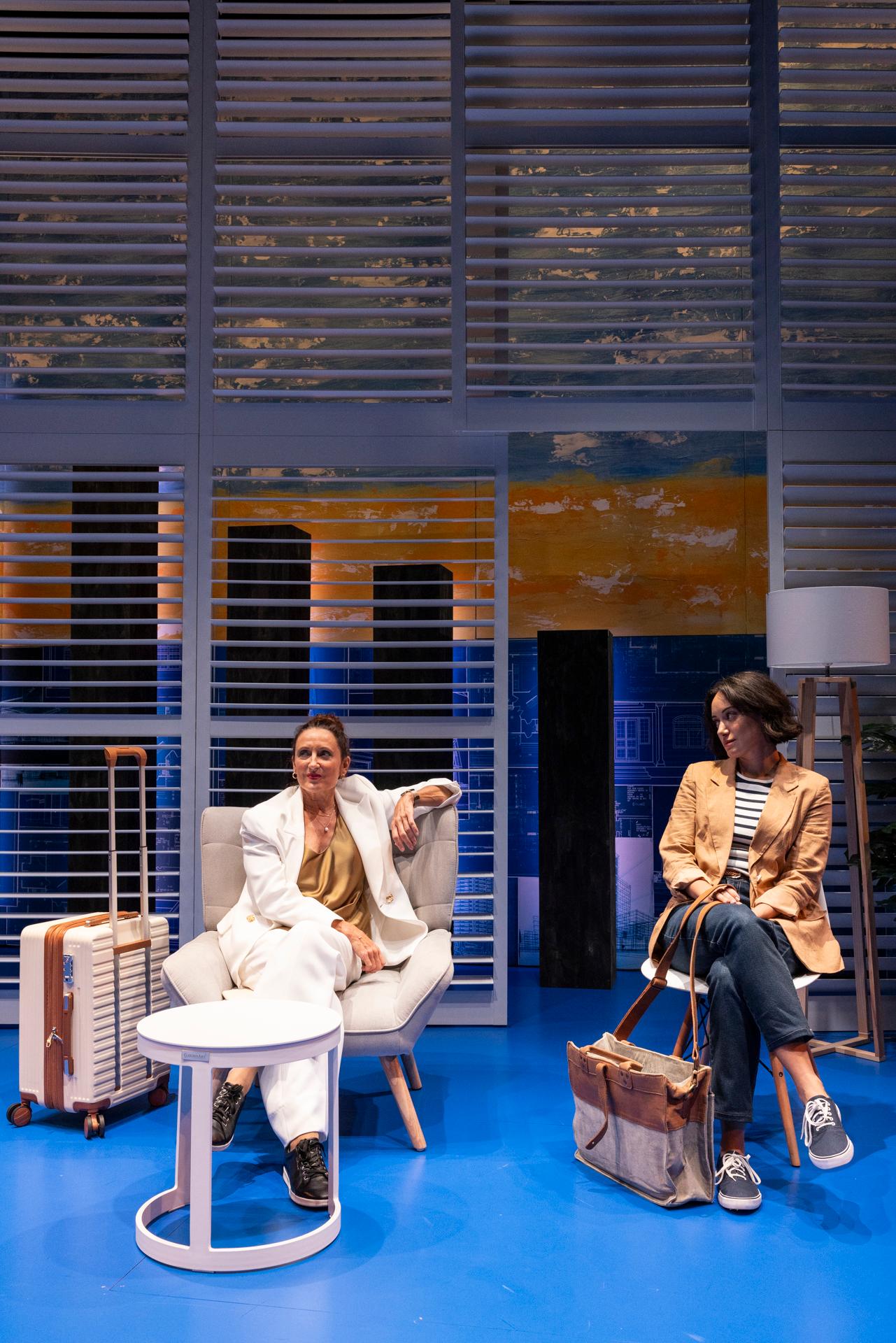
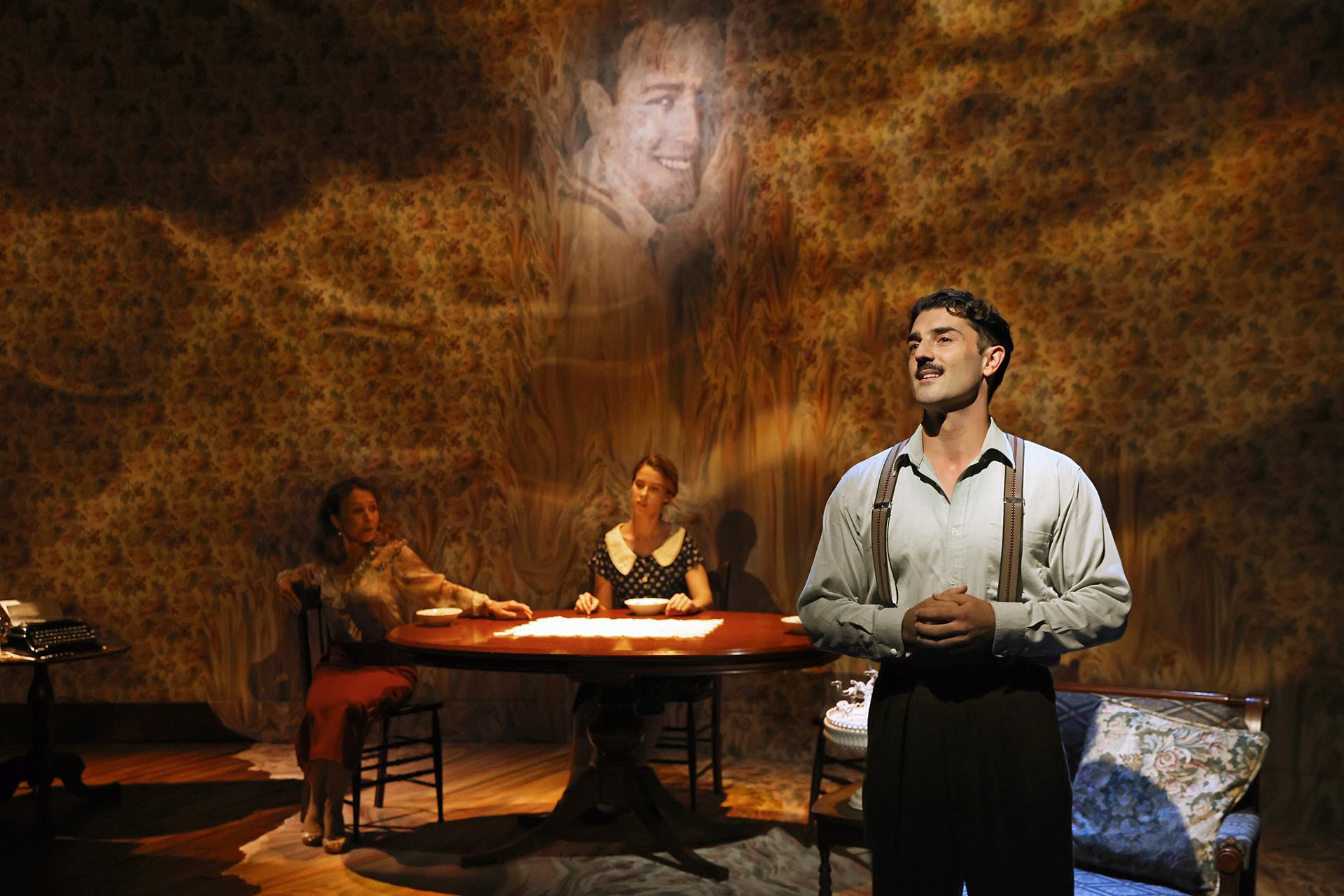
Set and costumes by Nick Fry deliver a convincing realism, along with a spaciousness that facilitates easy movement by its cast. Lights by Verity Hampson can be somewhat abrupt with their transformations, but are calibrated well to guide us through shifting temperaments. Occasional singing is an enjoyable feature, with musical direction by Sally Whitwell providing just enough complexity to give a sense of elevation, and a lustre to the production. 

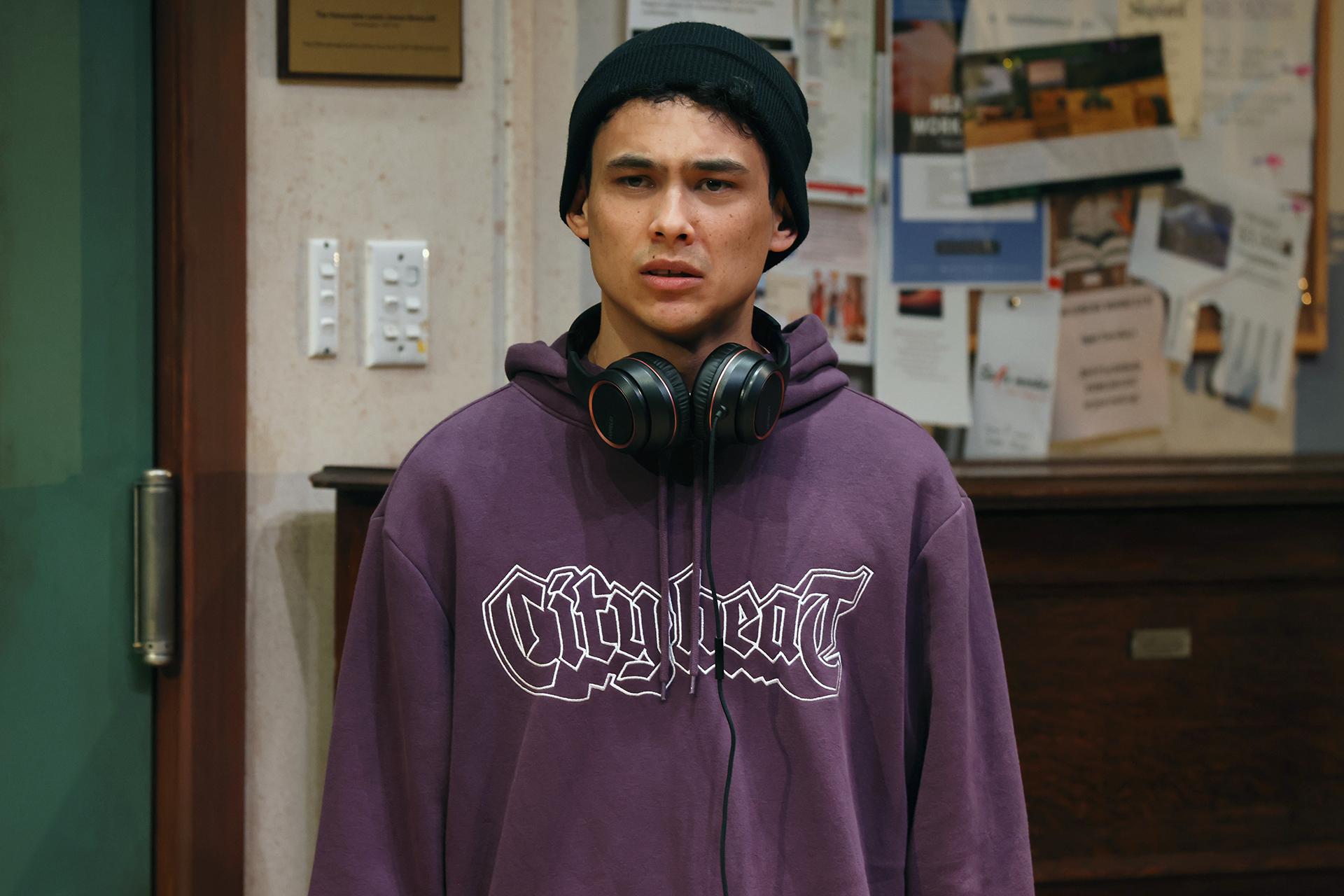
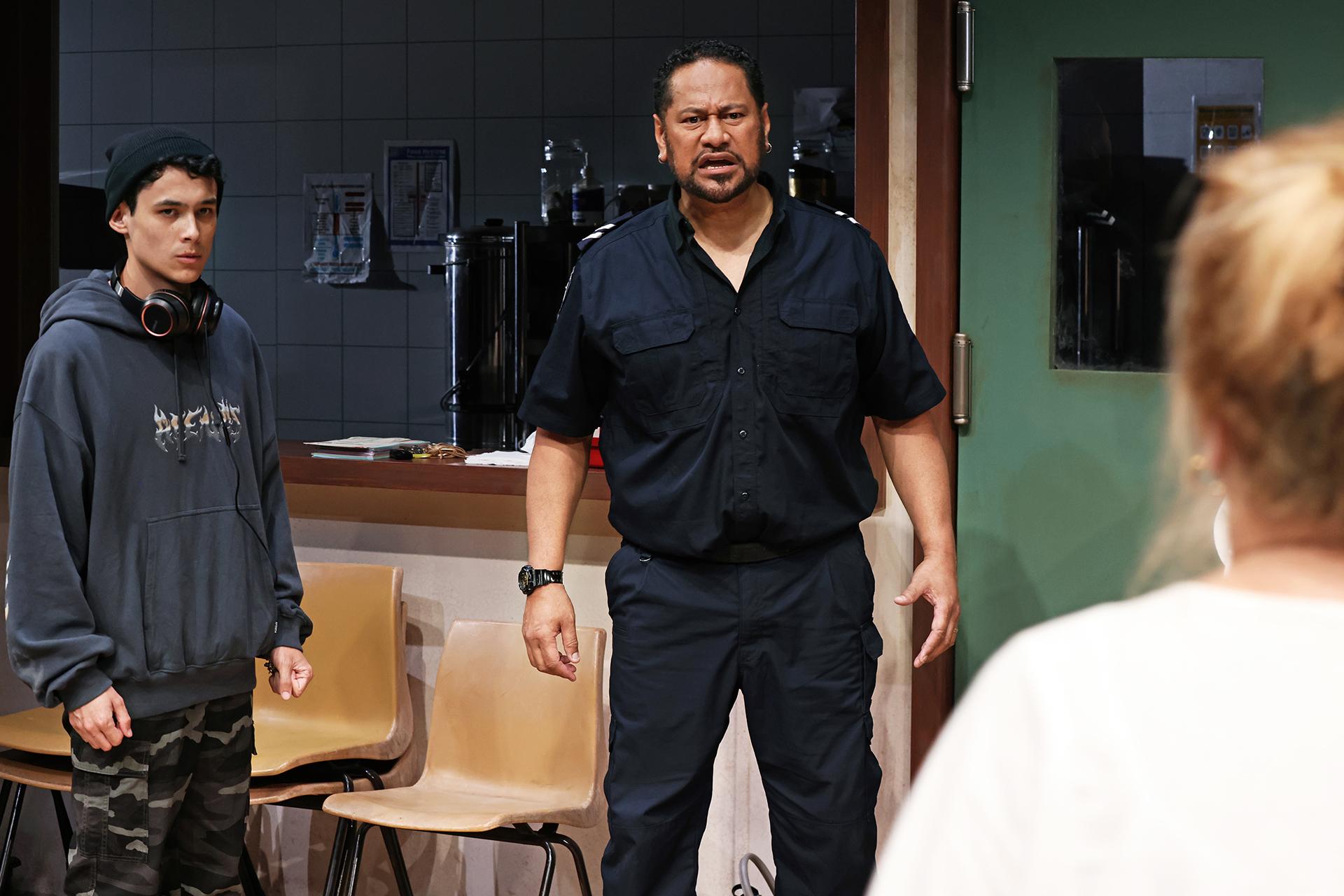
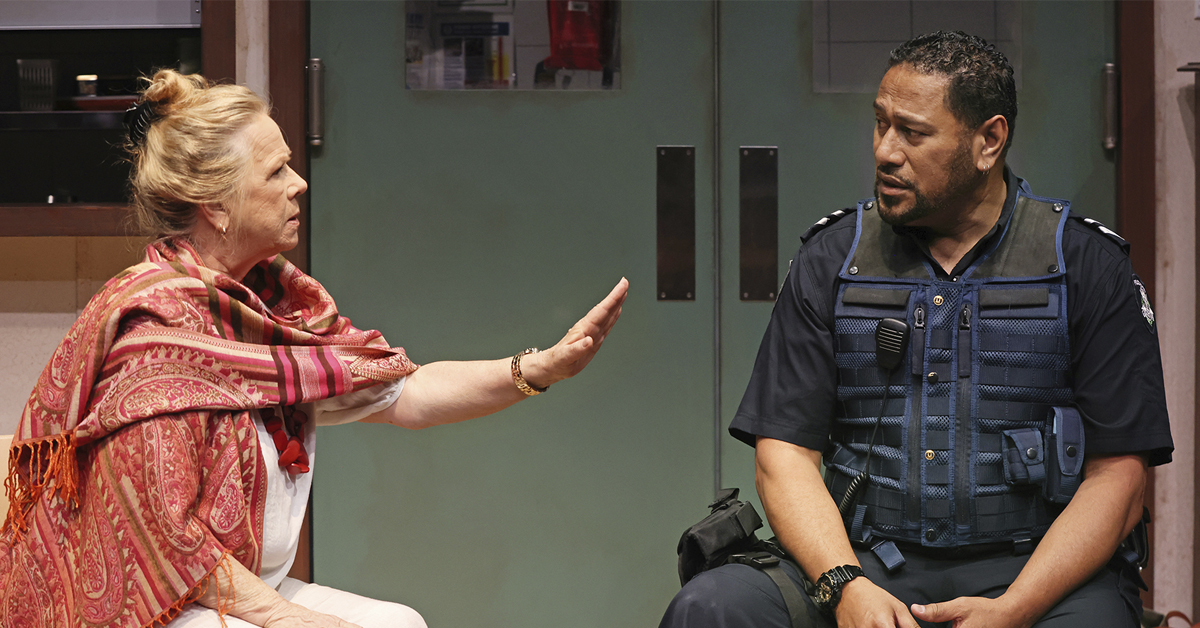
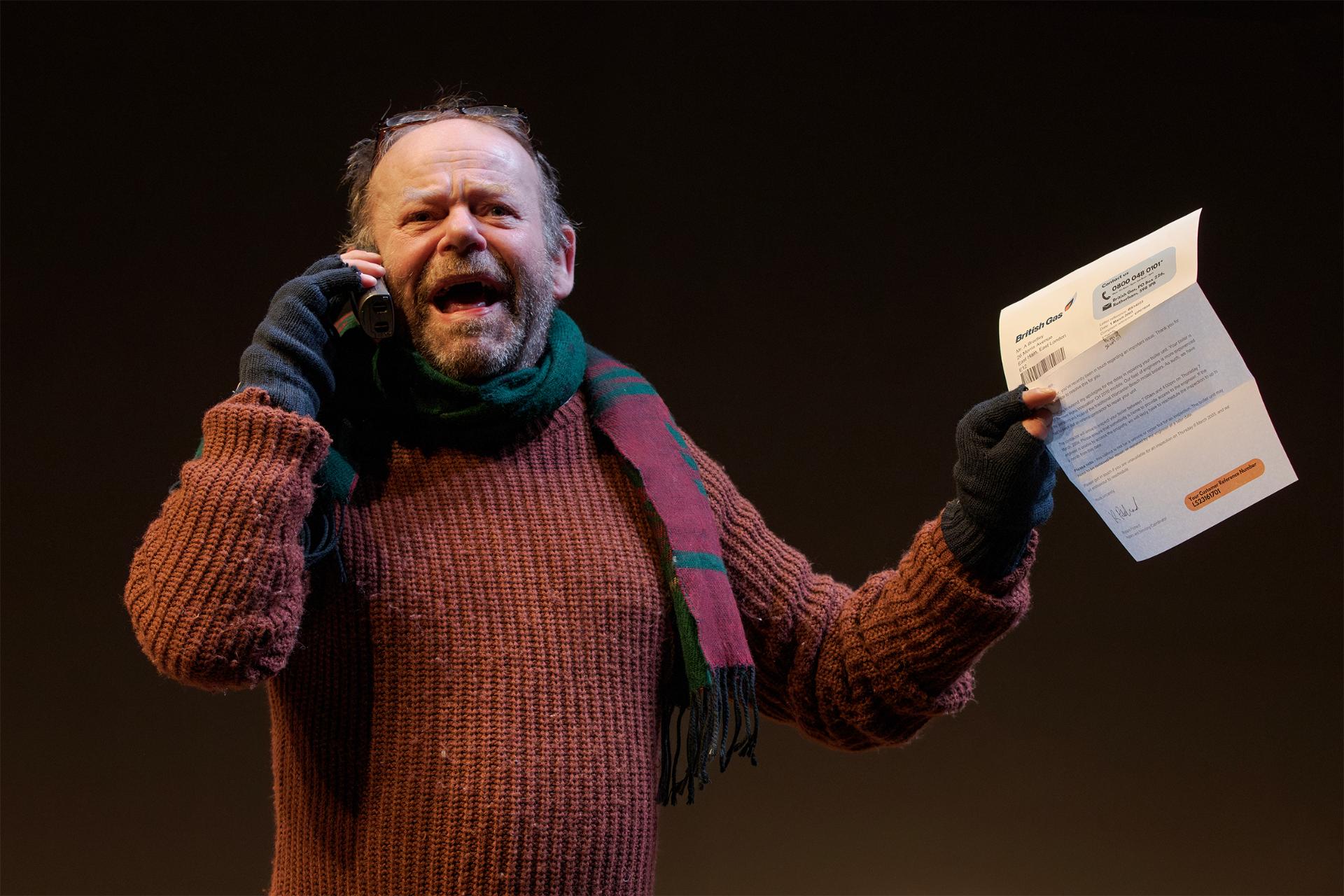
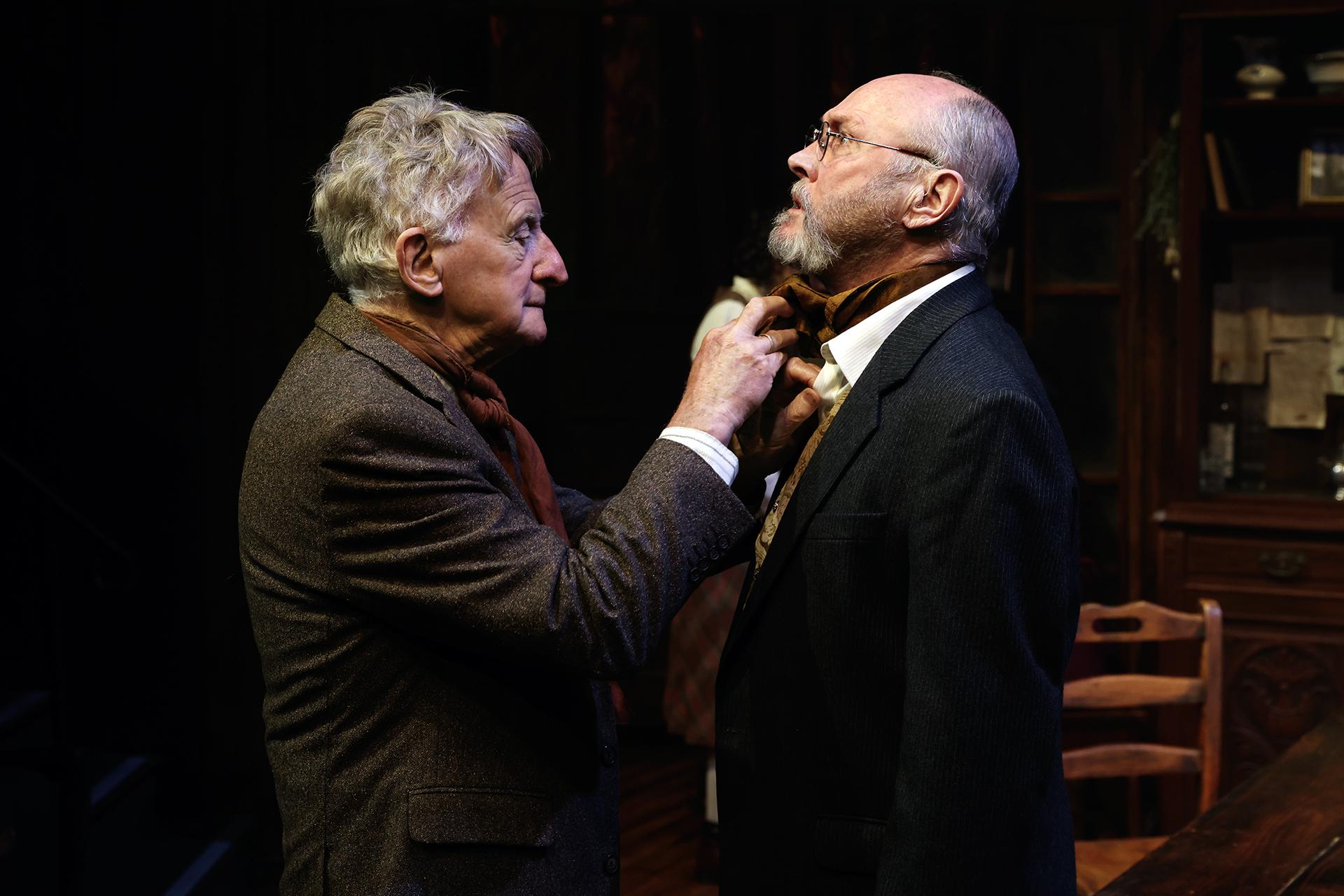
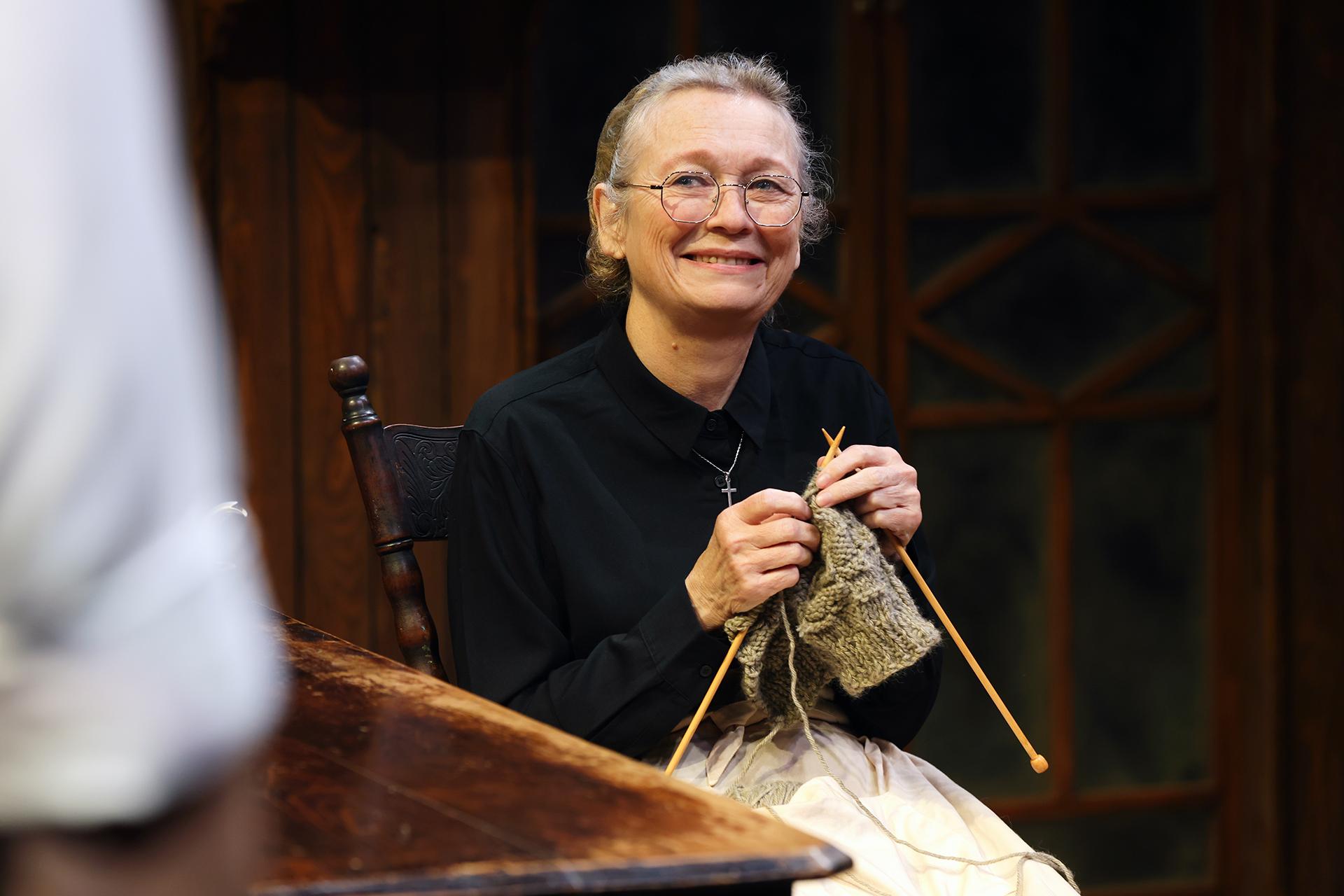
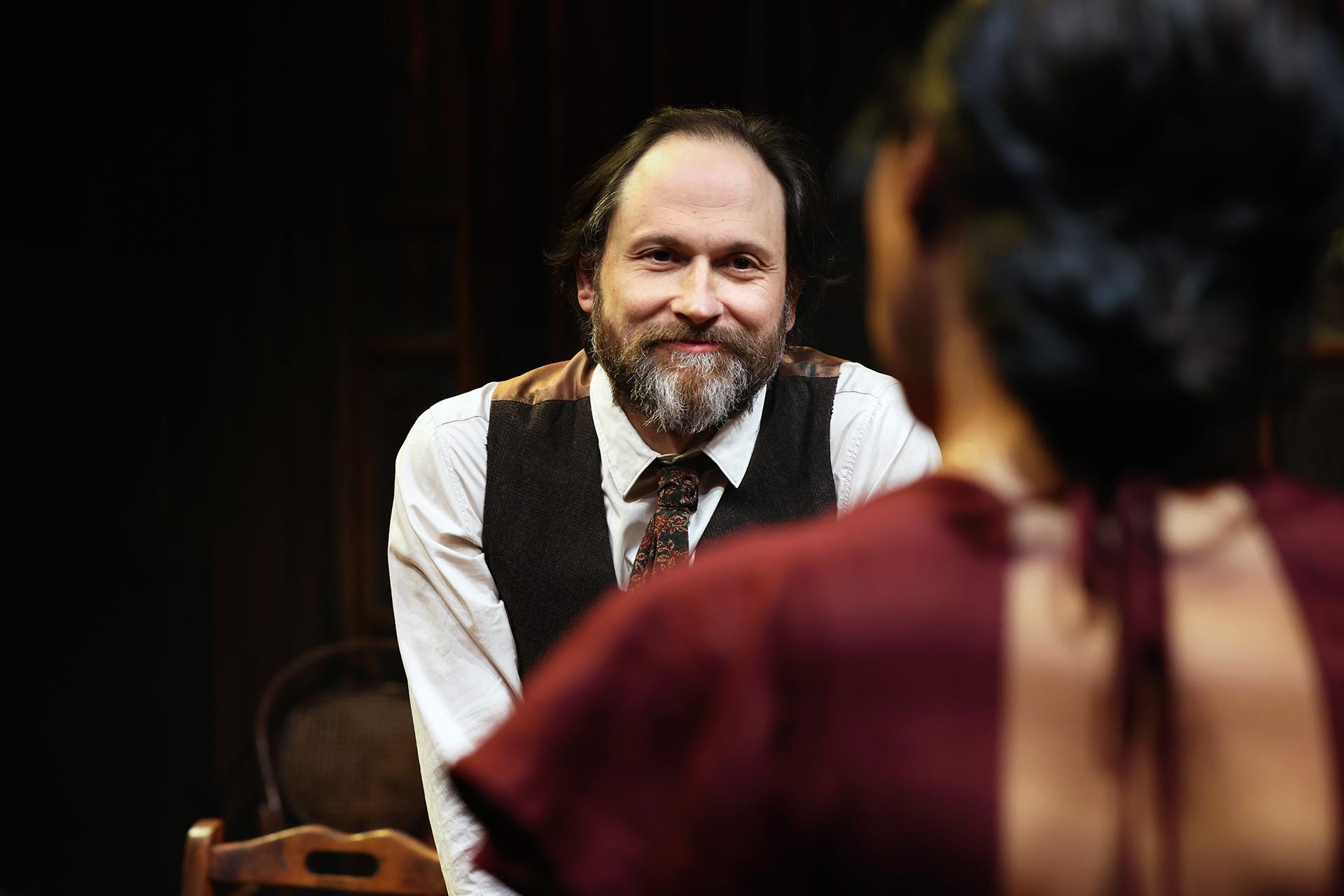
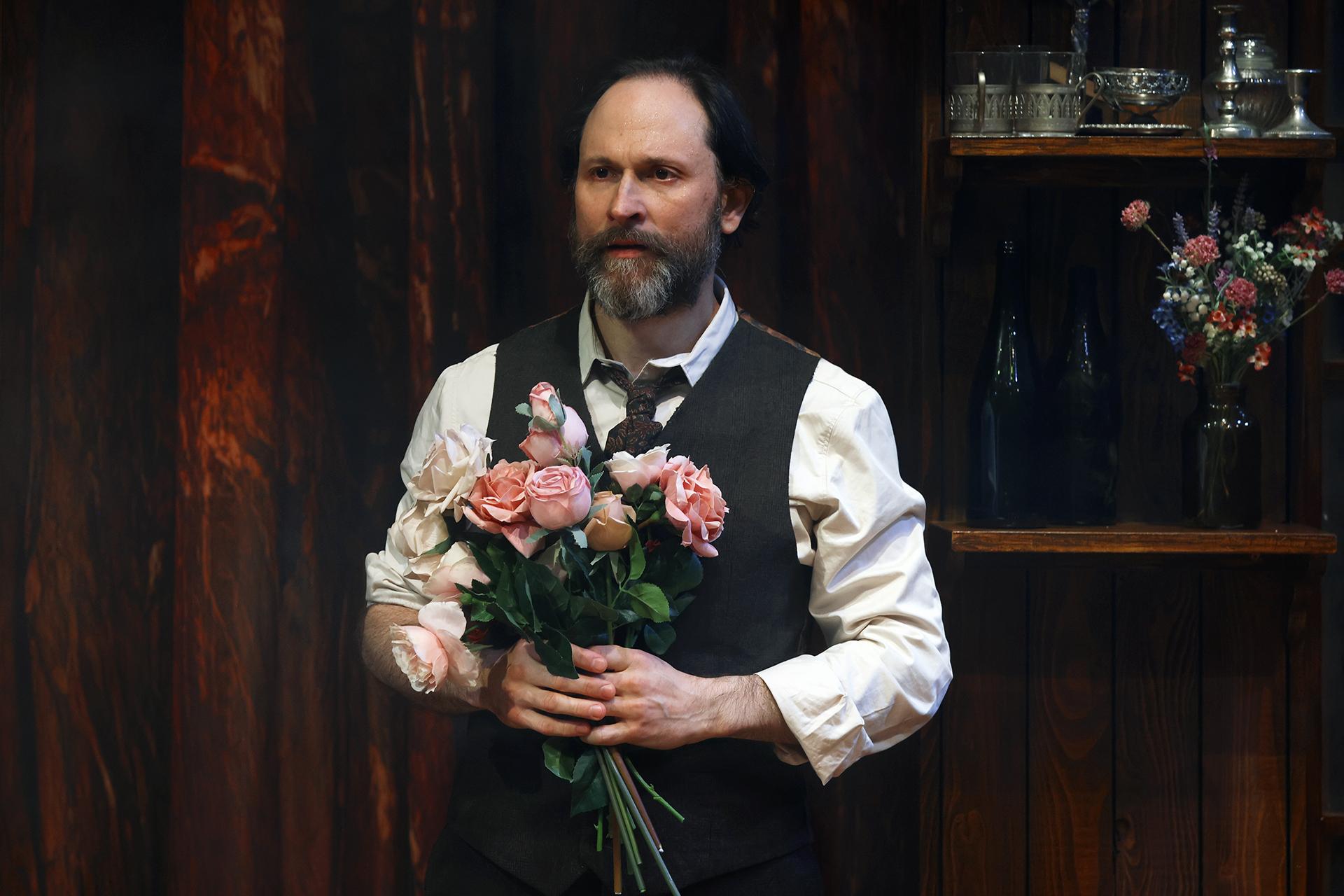
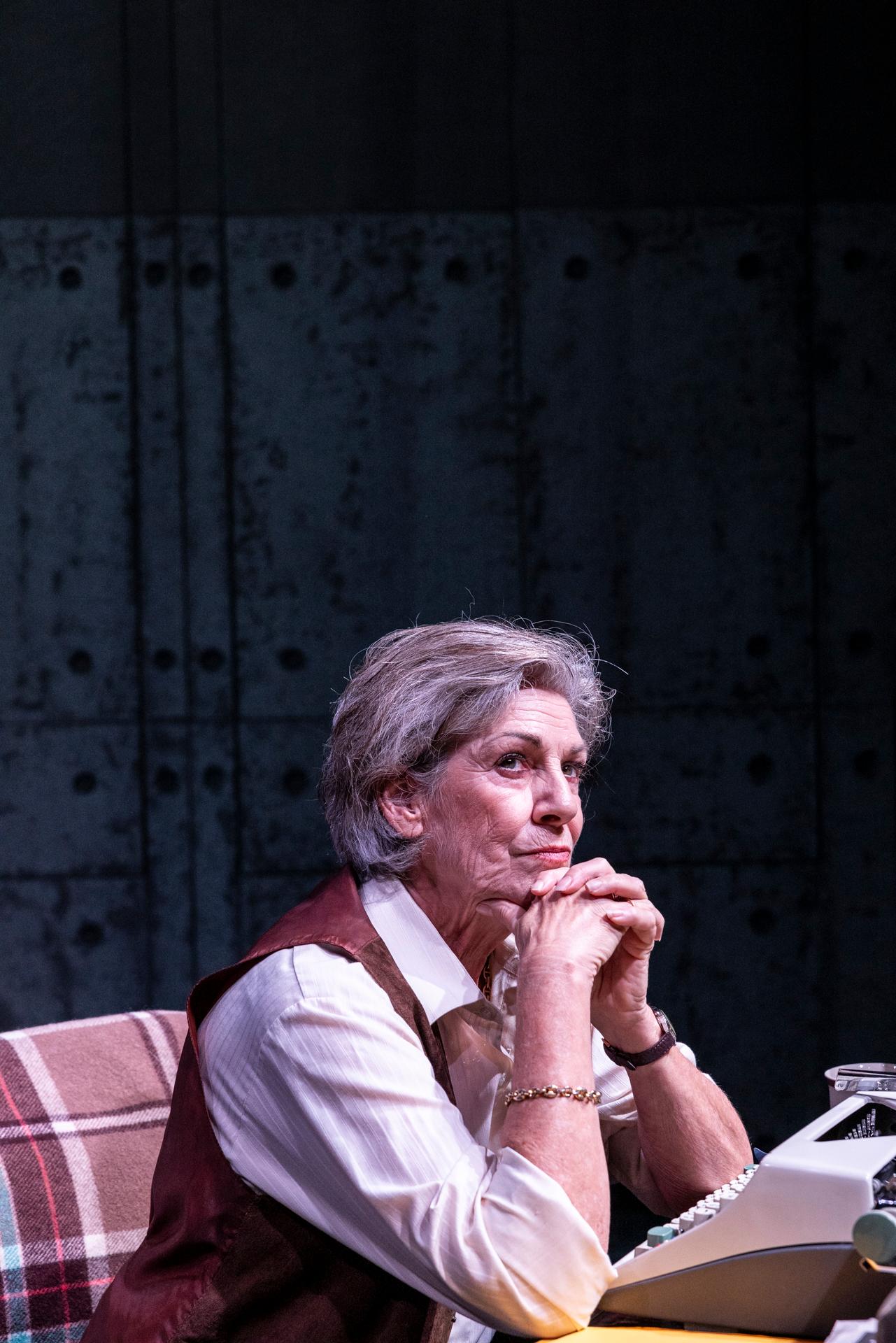
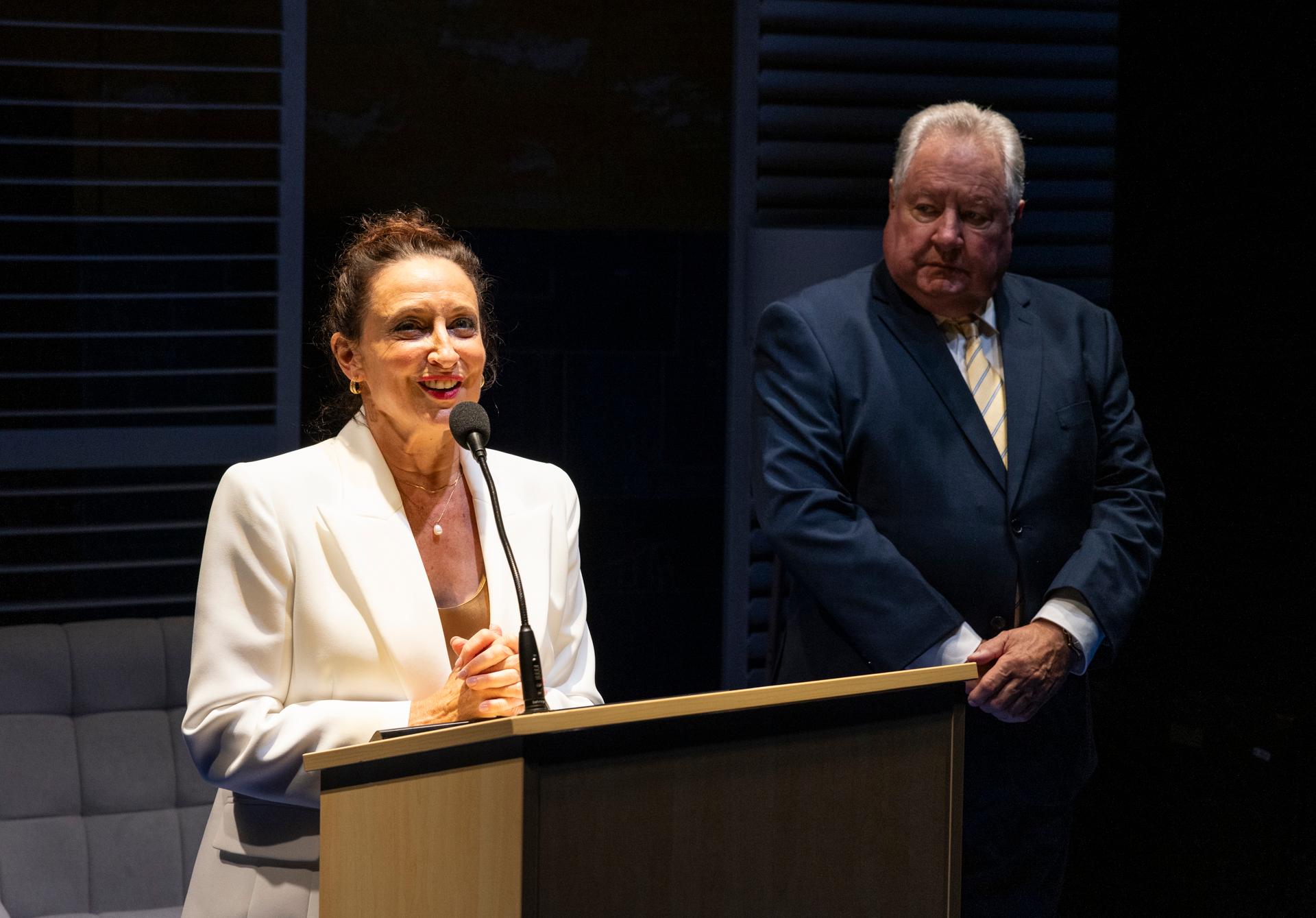
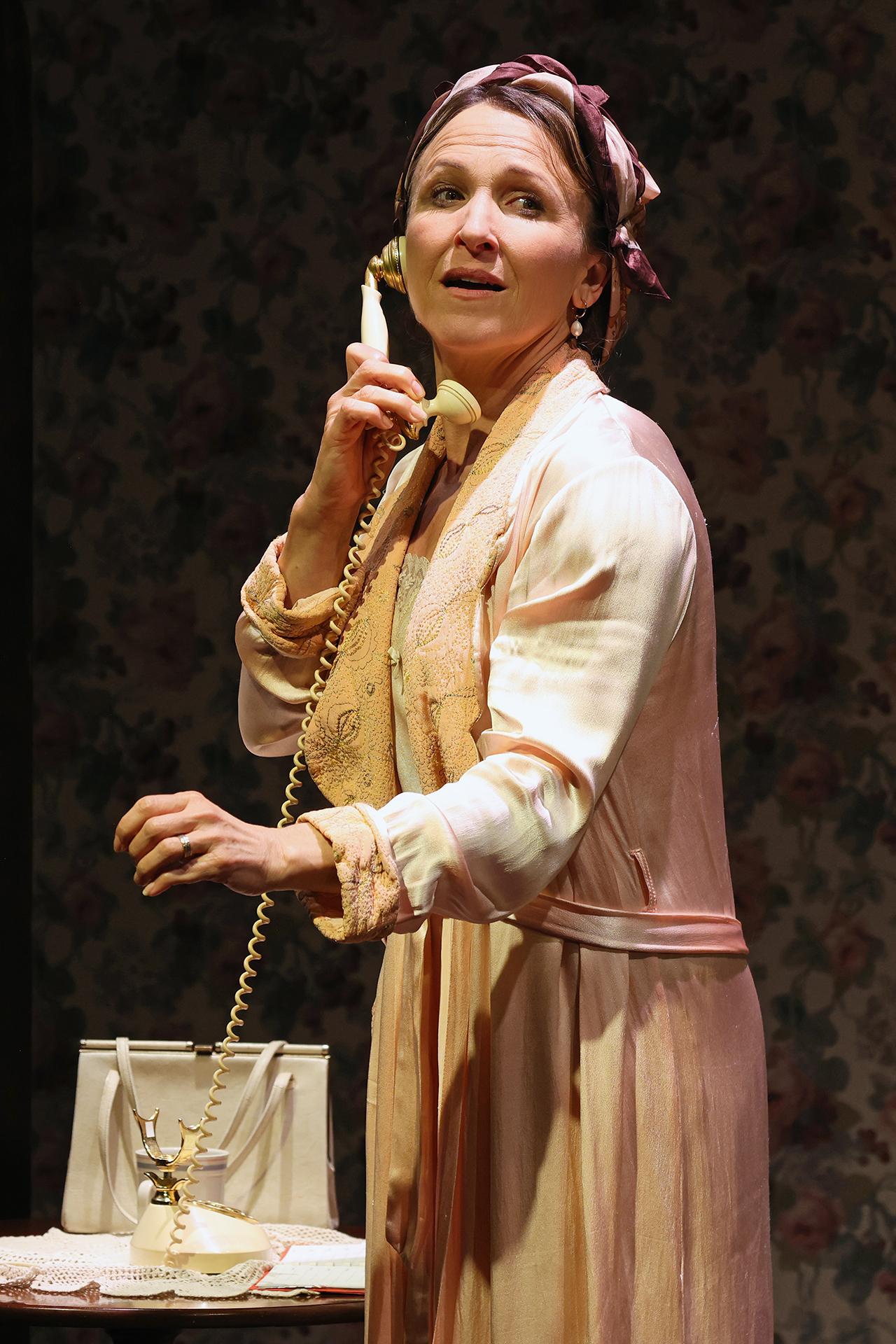
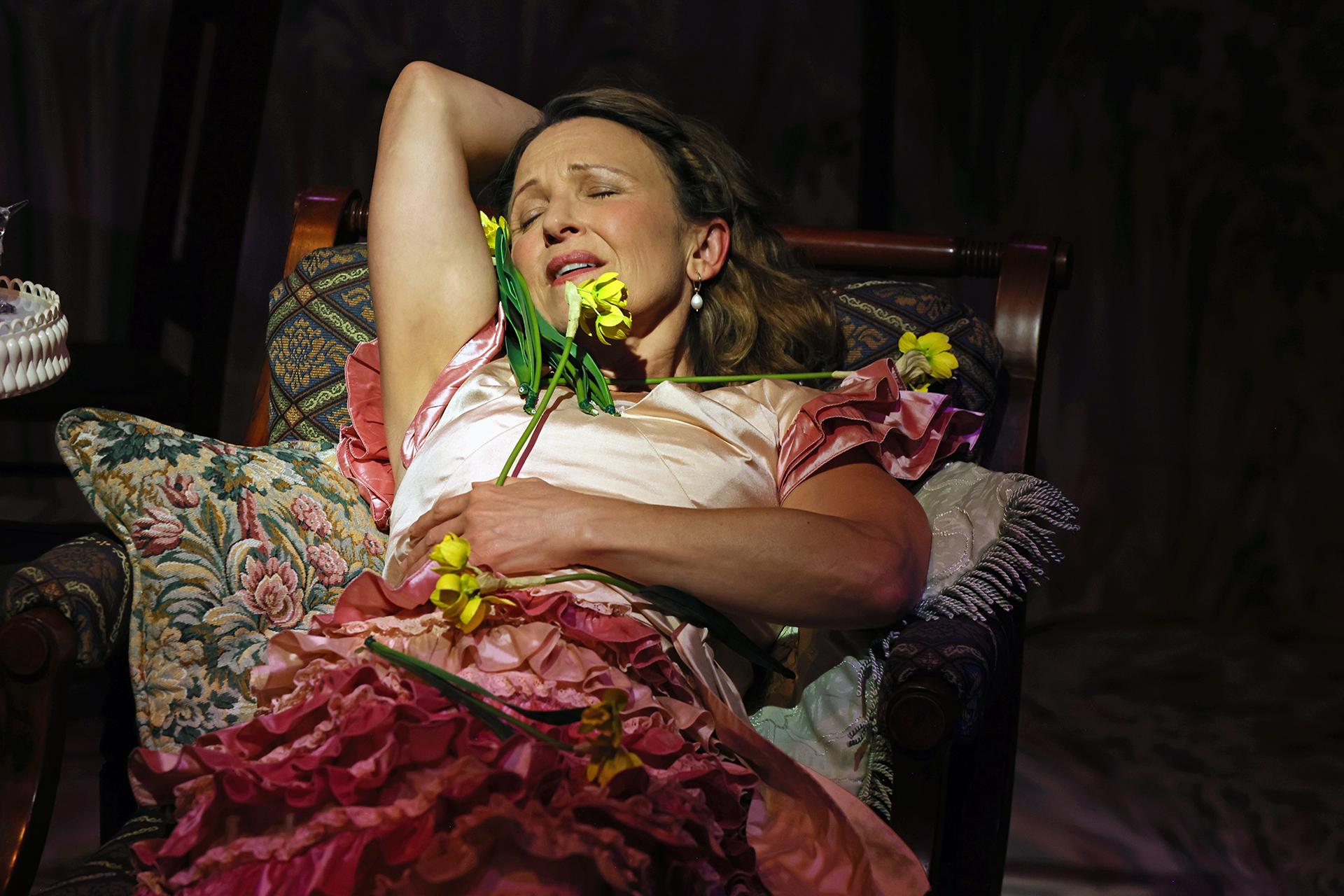
Performer Valerie Bader is a passionate presence as Barbara, if somewhat strained with her interpretations of the play’s more emotive portions. Jay Laga’aia is highly charismatic in the key role of Peter, effortlessly instigating our investment into his character’s journey of healing. Also memorable is Jasper Lee-Lindsay whose restrained approach for the part of Peter’s son Beau, translates into moments of tenderness and much needed gravitas. The persistent lightness of The Heartbreak Choir offers an accessible entry point into the trauma at its core, yet for something more effectively cathartic, it is ultimately unavoidable to confront and feel the actual pain.

www.ensemble.com.au

Review: McGuffin Park (Ensemble Theatre)

Venue: Ensemble Theatre (Kirribilli NSW), 18 Oct – 23 Nov, 2024
Playwright: Sam O’Sullivan
Director: Mark Kilmurry
Cast: Thomas Campbell, Jamie Oxenbould, Lizzie Schebesta, Eloise Snape, Shan-Ree Tan
Images by Prudence Upton

Theatre review
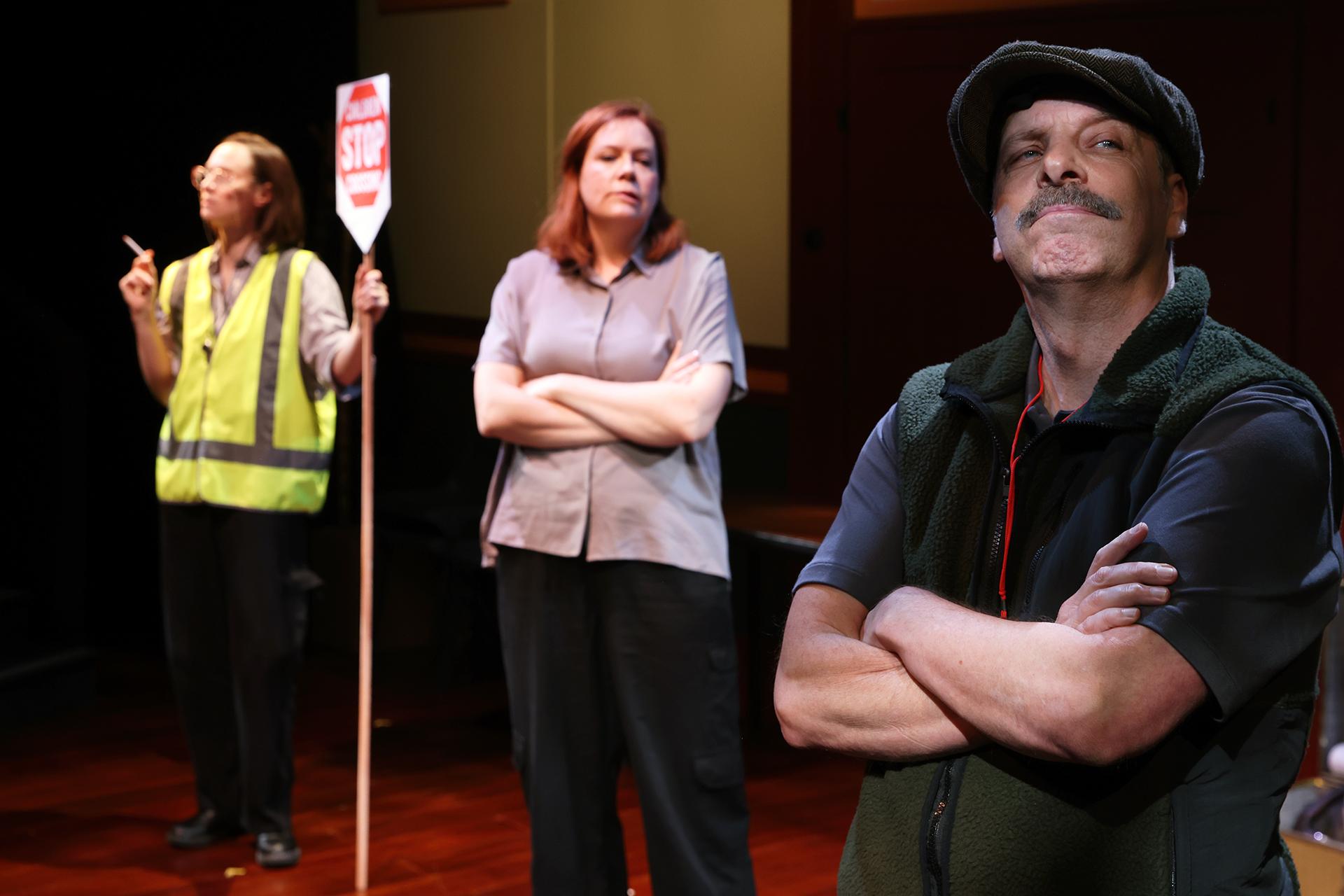
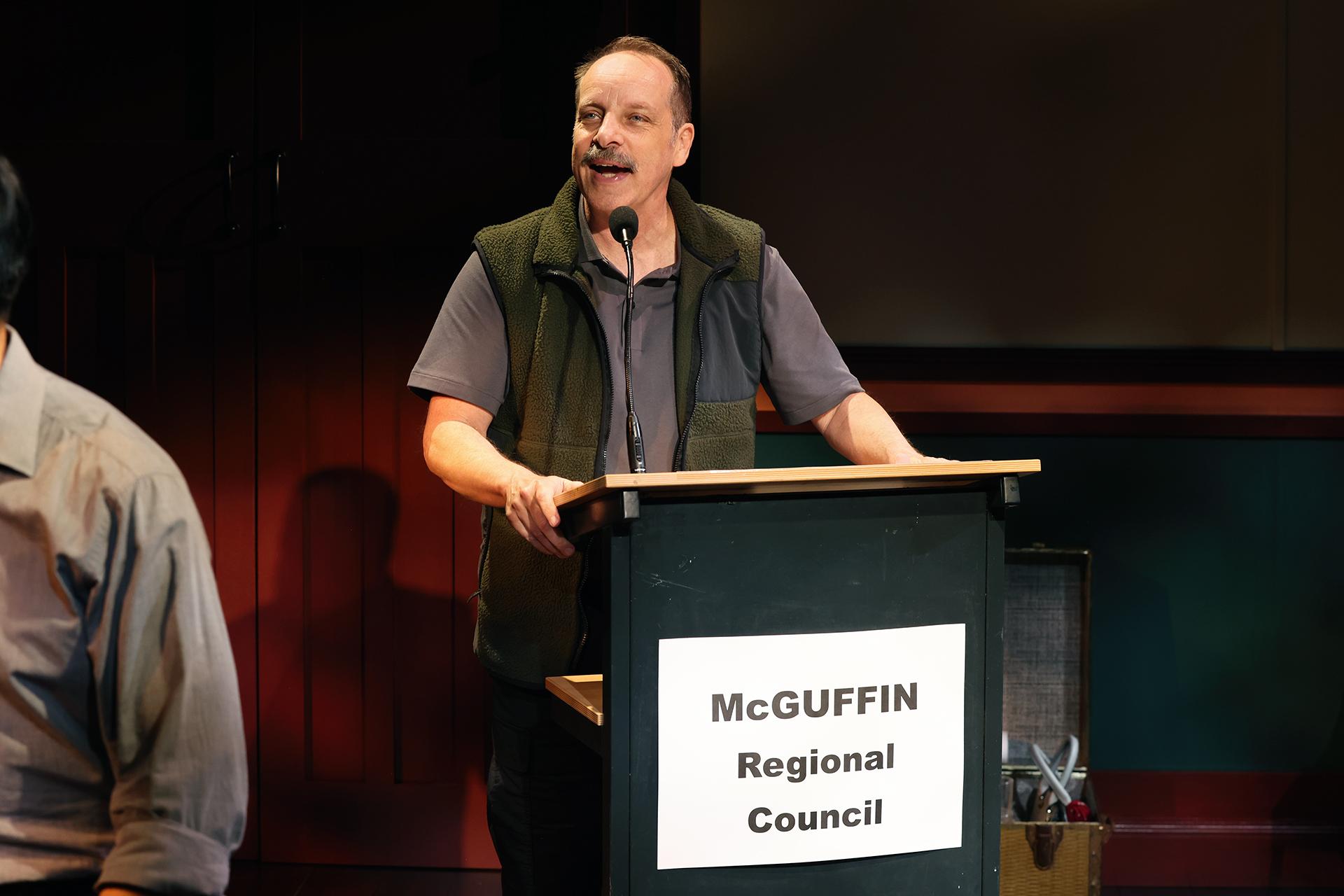
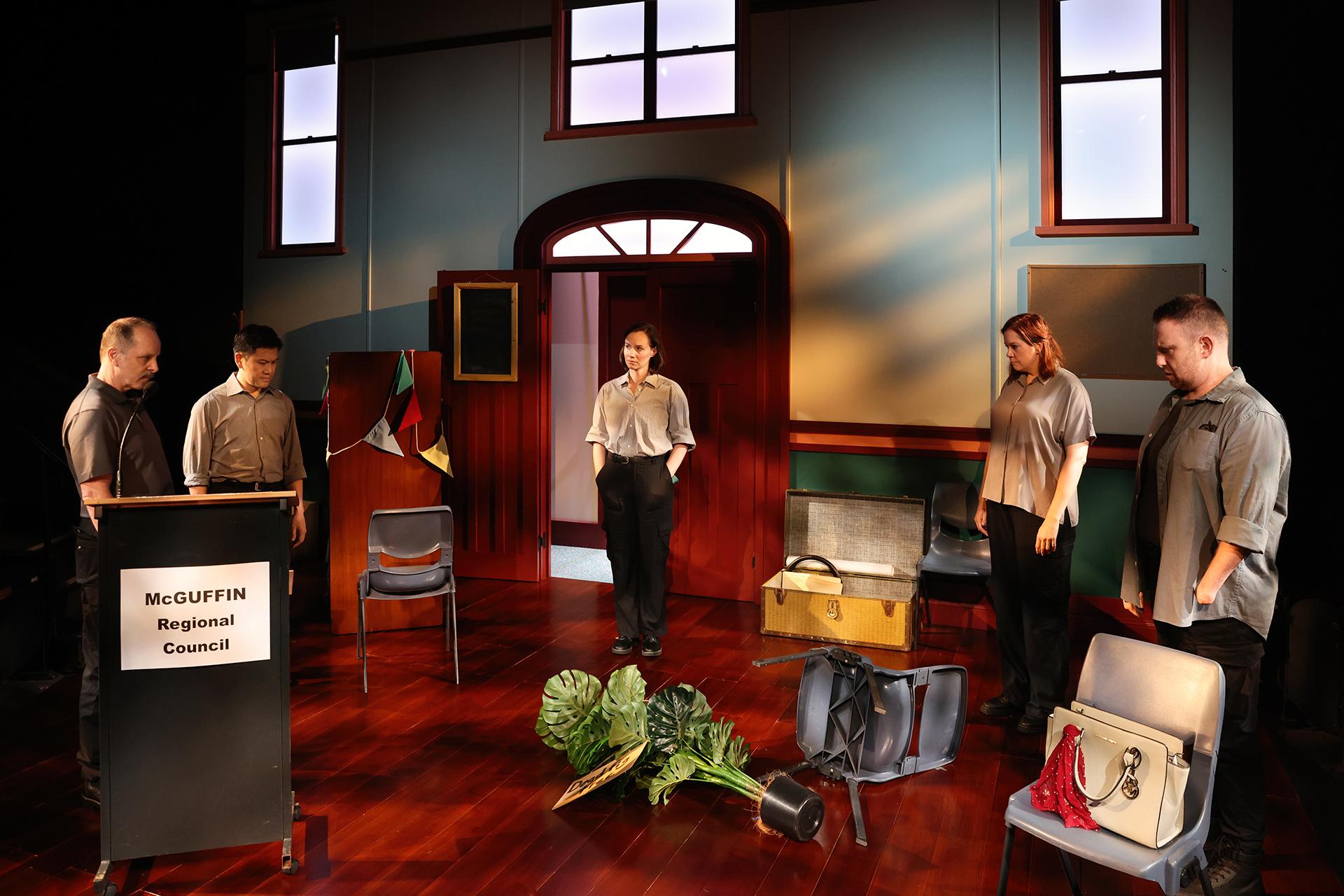
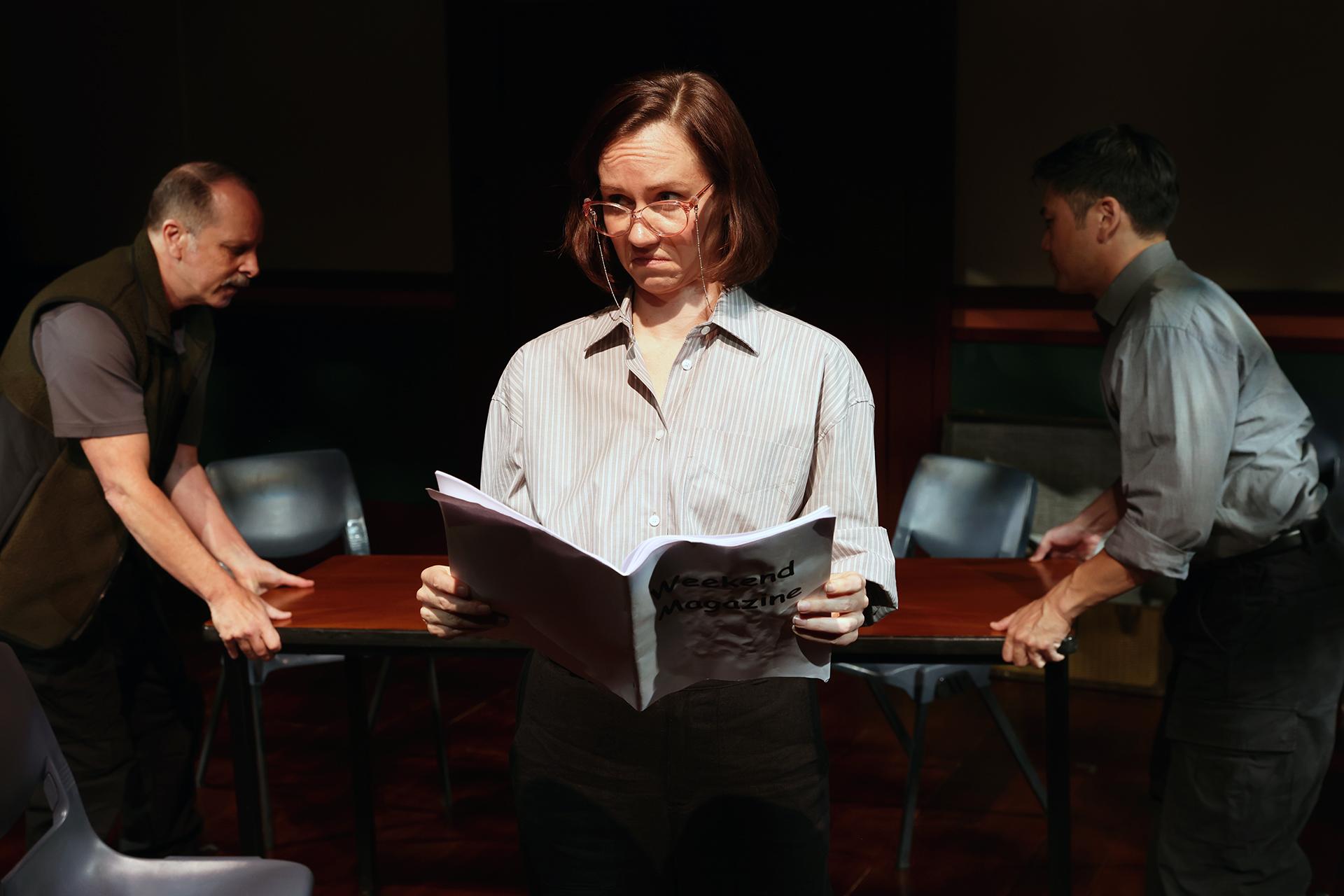
Best friends since childhood, Fiona and Jack have been close all of their lives. Things begin to change however, when they both decide to run for mayor of their small Australian town. The comedy of Sam O’Sullivan’s McGuffin Park revolves around the pettiness of people in local governments, while offering a reminder on the fragility of our democracy. The writing is consistently amusing, but even though structured with considerable sophistication, its stakes are never really high enough to have us invest more meaningfully than with bursts of laughter, persistent as those may be.   

Director Mark Kilmurry activates all the kooky personalities and comical situations, to create a show full of entertainment value, determined to engage from start to finish. Impeccable timing from the cast sustains our attention effortlessly. Eloise Snape and Shan-Ree Tan bring integrity to their portrayals of Fiona and Jack, both actors telling the story with crispness and with humour. Thomas Campbell, Jamie Oxenbould and Lizzie Schebesta play a gamut of zany archetypes, some charming and others terrifying, but all thoroughly hilarious.

Production design by Simon Greer is intentionally unpalatable, but clearly accurate in its depictions of aesthetically deficient spaces that all are familiar with. Trudy Dalgleish’s lights establish variations in tone and texture for the narrative’s every gentle shift in attitude. Sounds by Jessica Dunn too provide effective but subtle enhancements, for a production that connects securely with our senses, to help explore the inner workings of our town councils.

There is an optimism in McGuffin Park that reveals the power of the collective, or how it is in the collaborative efforts of those who choose to participate, that something greater can result. There are no geniuses in the play, only regular individuals who understand that democracy is no accident. Humans are capable of both good and bad, but it is when we come together, that we stand a chance of bringing out the better parts of our erratic nature.

www.ensemble.com.au

Review: Colder Than Here (Ensemble Theatre)

Venue: Ensemble Theatre (Kirribilli NSW), 16 Sep – 12 Oct, 2024
Playwright: Laura Wade
Director: Janine Watson
Cast: Airlie Dodds, Charlotte Friels, Huw Higginson, Hannah Waterman
Images by Phil Erbacher

Theatre review
Myra only has months to live. There are only so many practical affairs to attend to, before she has to deal with the real business of saying goodbye to her loved ones. A meditation on death, Laura Wade’s Colder Than Here is an excellent opportunity for audiences to contemplate the inevitable. In paradigms such as ours, that vehemently avoid any discussion on the subject, the play is an unusual attempt to offer a sincere look at something that is certain for all.

Although irrefutably deliberative in nature, Colder Than Here is memorable for its humour, surprising perhaps for the lightness of its tone. Direction by Janine Watson makes sure that those comedic qualities sing prominently throughout the piece, along with all the sensitive renderings of conversations being depicted between family members.
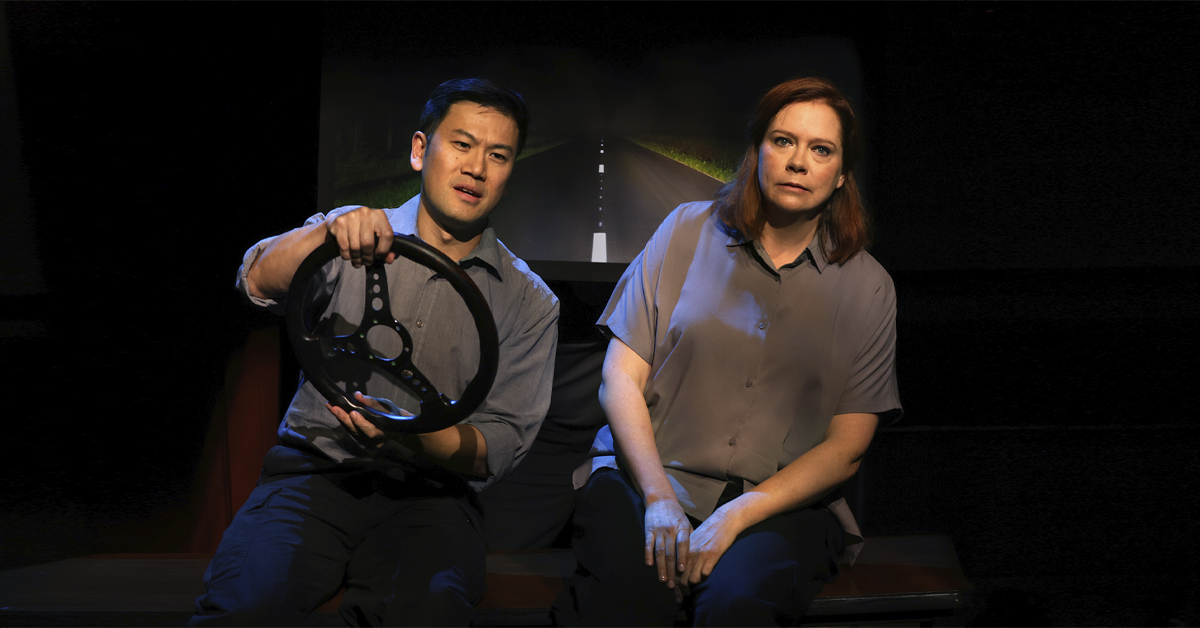
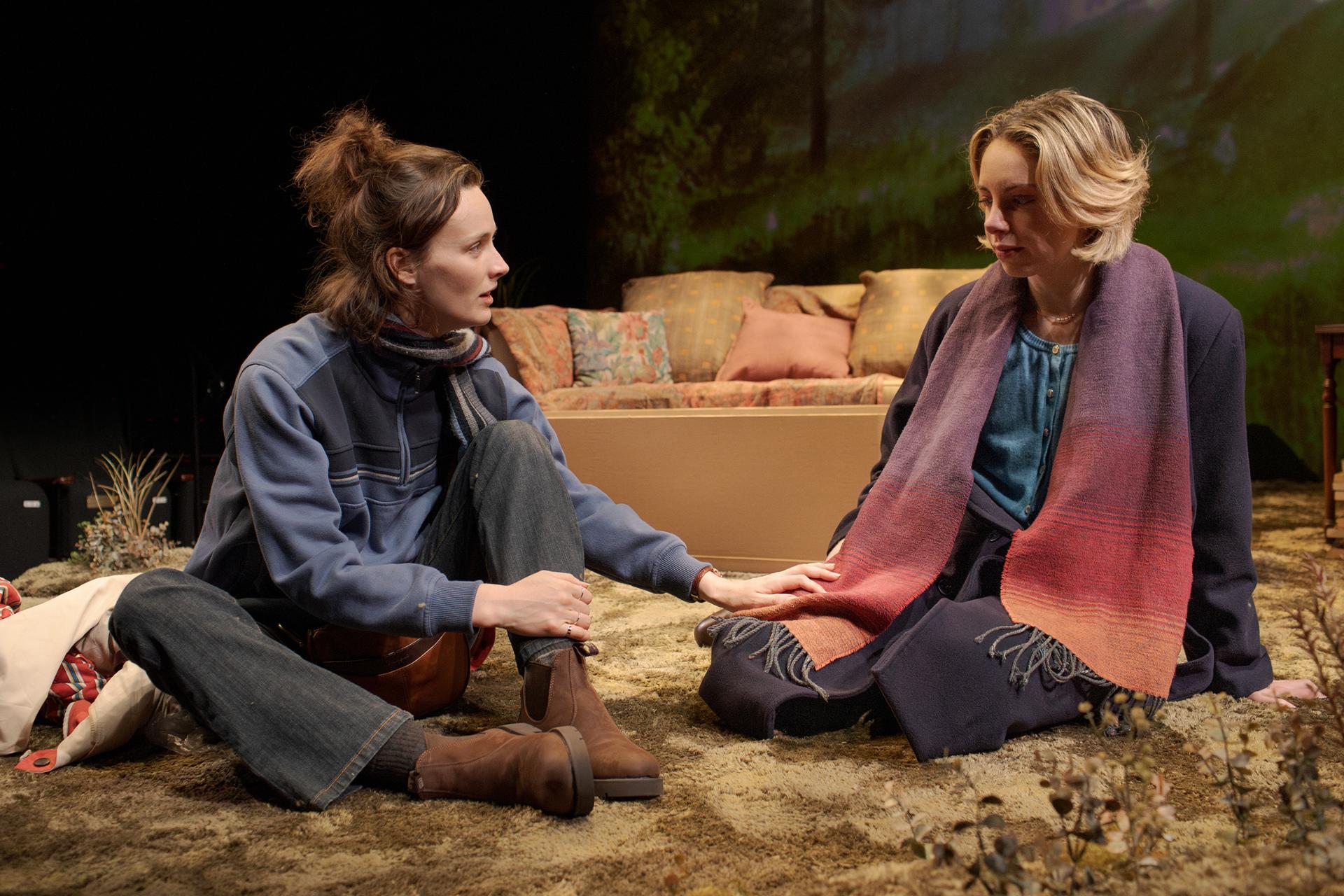
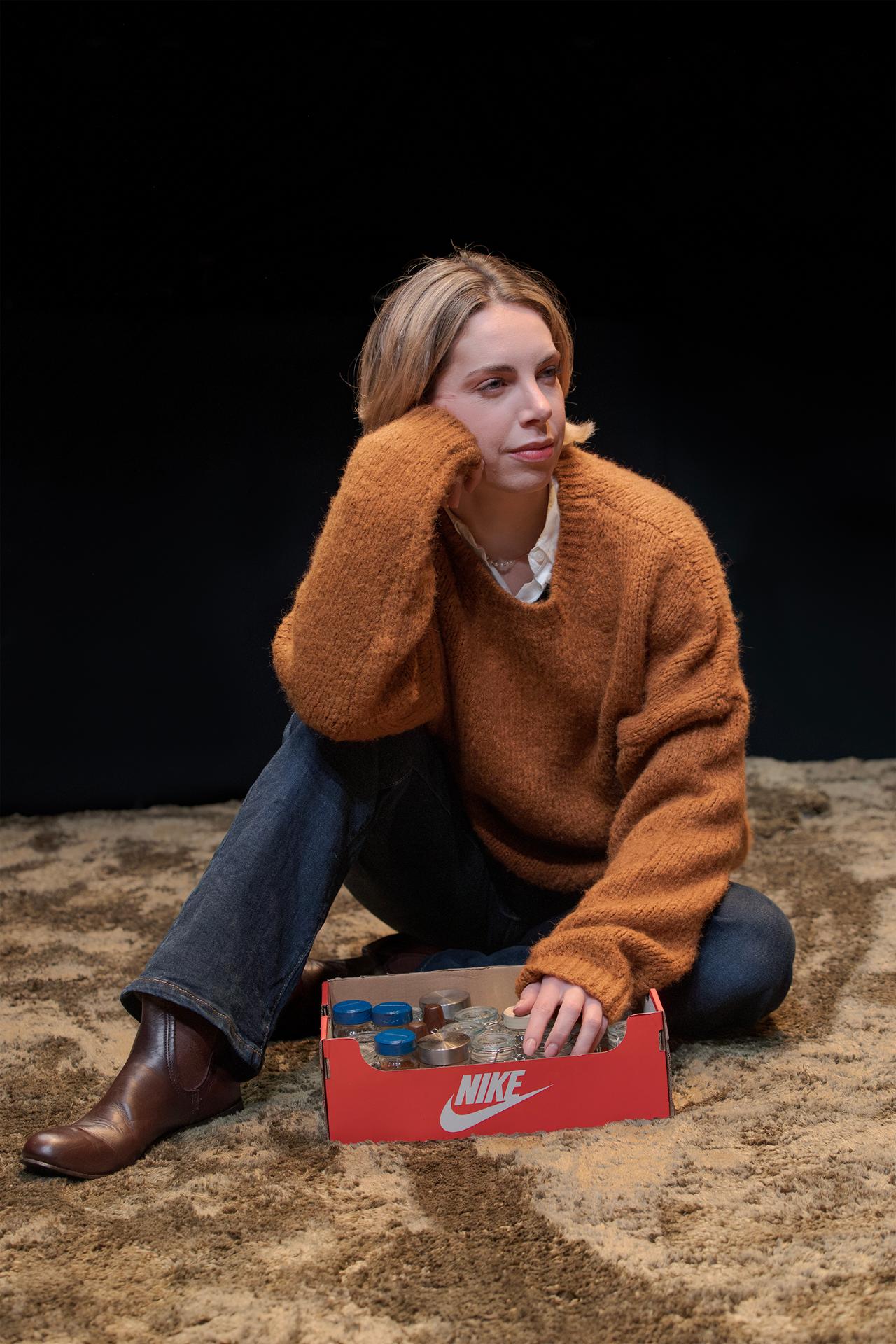
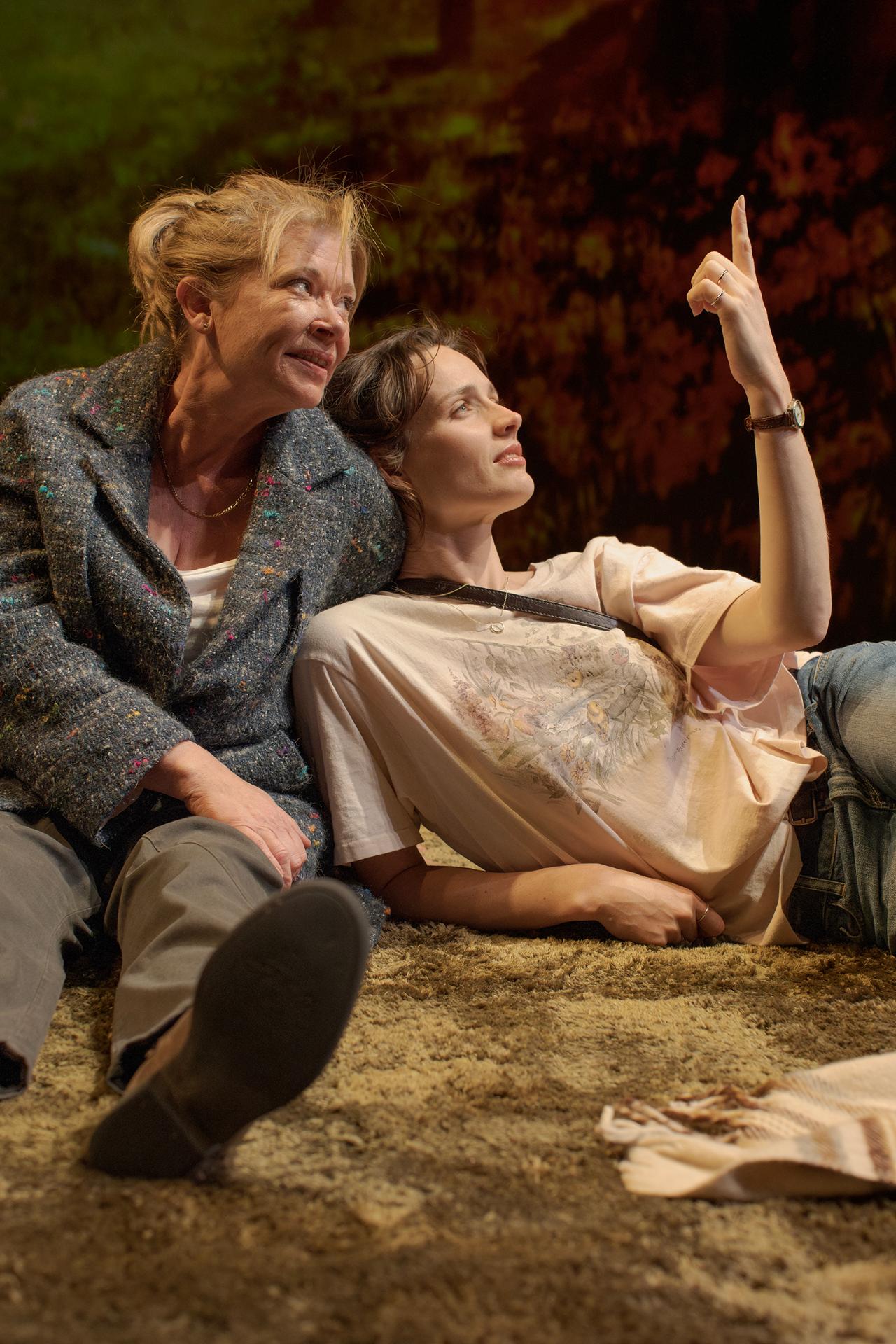
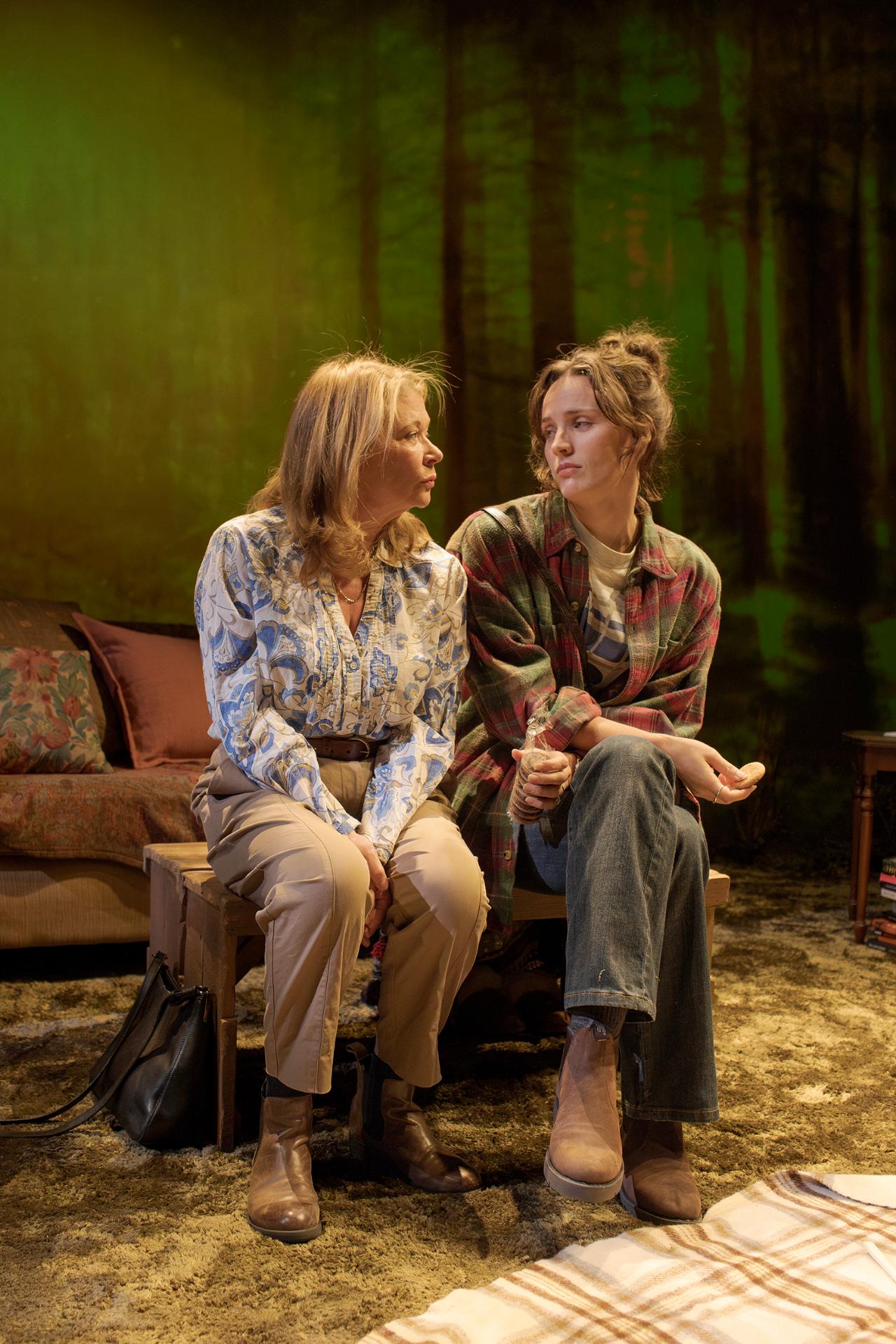
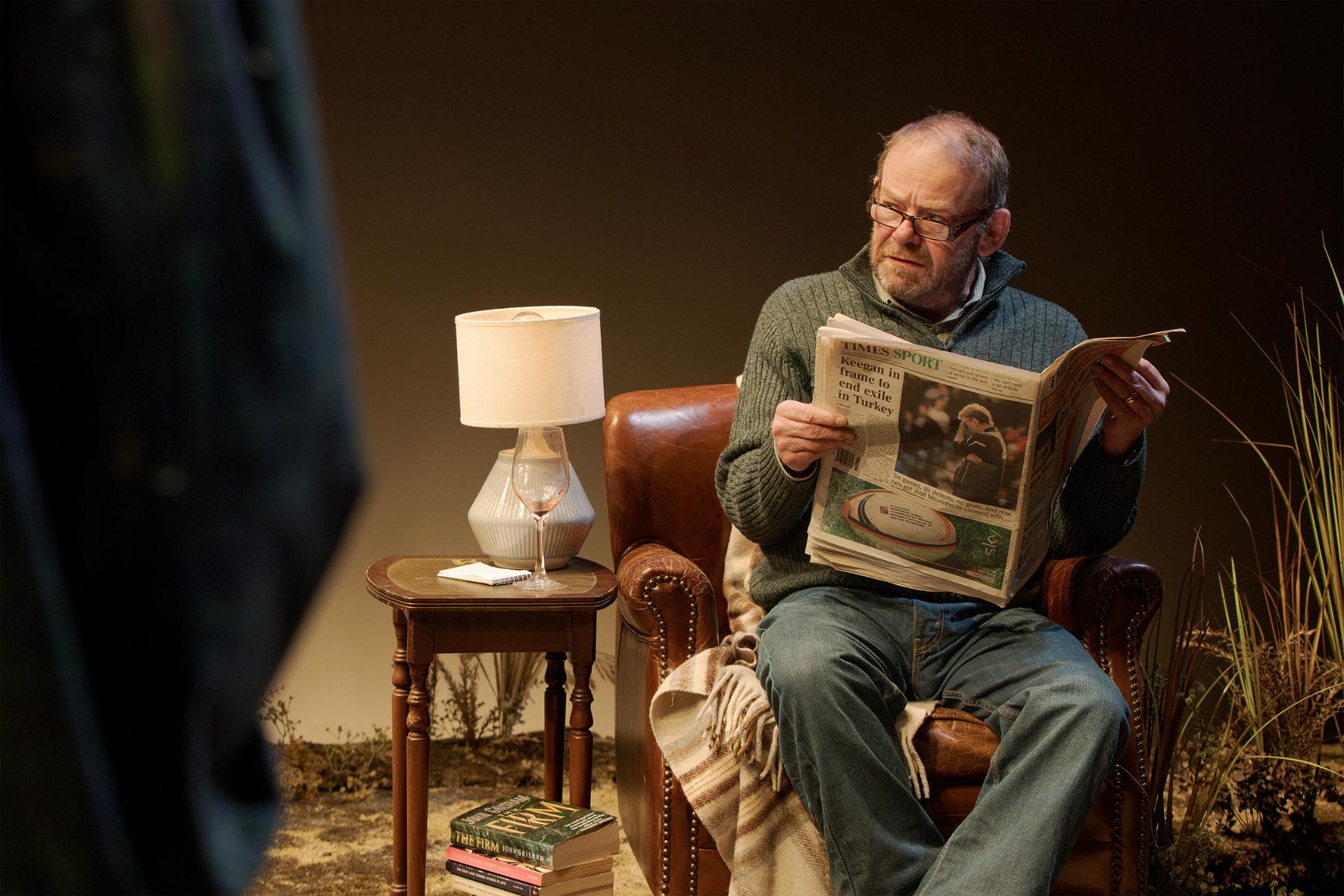
Set design by Michael Hankin takes clear inspiration from Wade’s text, to introduce a carpet of green moss, that dominates the staging, to mixed results. Video projections by Mark Bolotin form beautiful backdrops for scenes of the English landscape, gently animated to evoke the life that continues be, in a story about the renewal of human corporeality. Lights by Morgan Moroney and sounds by Jessica Dunn are sparse and subtle, for a show that always chooses the understated option.

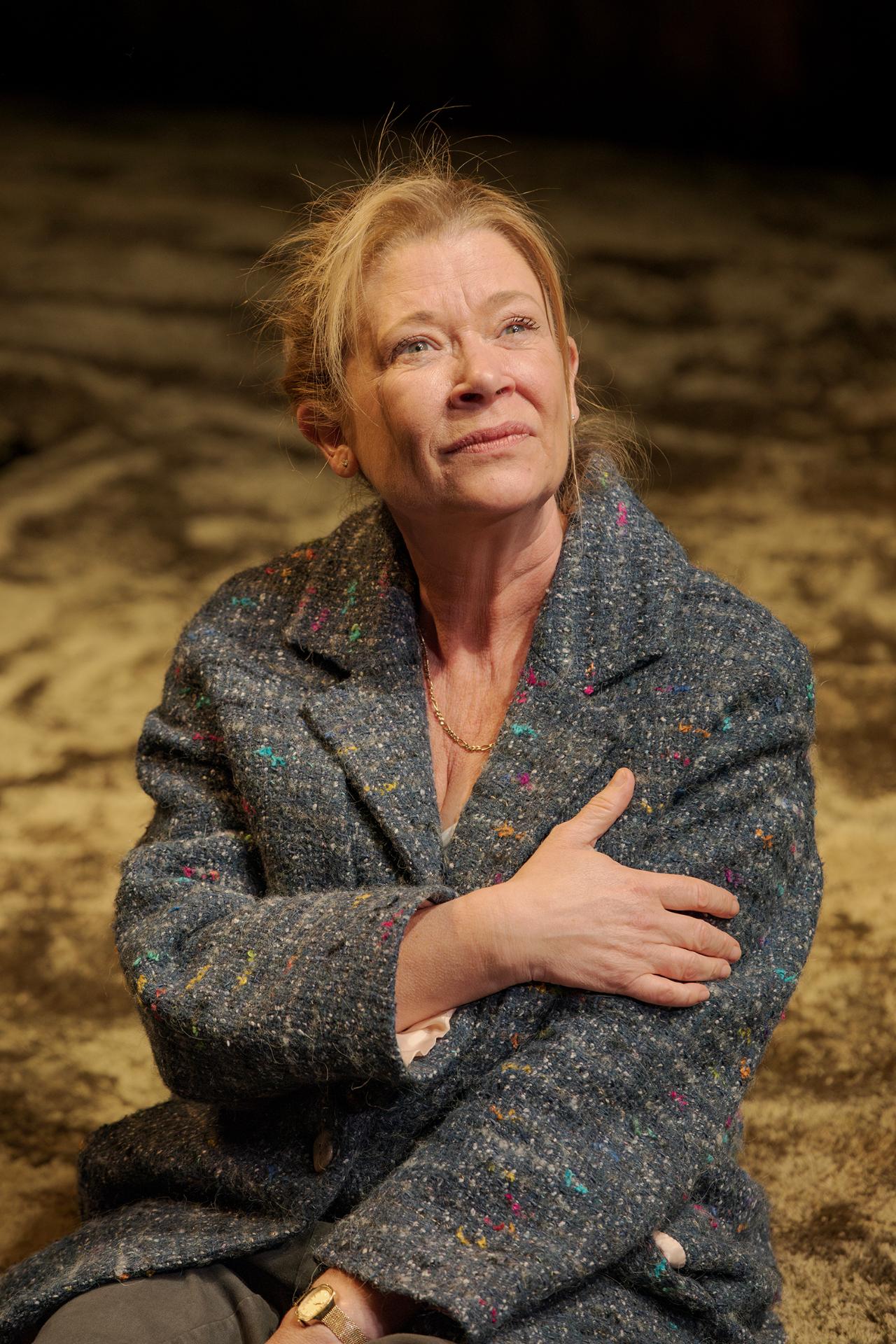
Actor Hannah Waterman brings great believability to Myra, portraying strength and vulnerability in equal measure, along with a charming wit that proves captivating. Husband Alec is also a funny character, as performed by Huw Higginson, who absolutely convinces as a man trying to avoid painful emotions. Airlie Dodds and Charlotte Friels play Myra’s daughters, both demonstrating commitment and focus, in a work that steers clear of cheap sentimentality.

The human mind seems always to be searching for that which is definite; we want to understand things in black and white, yet death being one of the very few that is beyond question, constantly escapes our attention. “The irony of man’s condition is that the deepest need is to be free of the anxiety of death and annihilation; but it is life itself which awakens it, and so we must shrink from being fully alive.” (Ernest Becker, 1973).

www.ensemble.com.au

Review: The Queen’s Nanny (Ensemble Theatre)

Venue: Ensemble Theatre (Kirribilli NSW), 6 Sep – 12 Oct, 2024
Playwright: Melanie Tait
Director: Priscilla Jackman
Cast: Matthew Backer, Elizabeth Blackmore, Emma Palmer
Images by Phil Erbacher

Theatre review
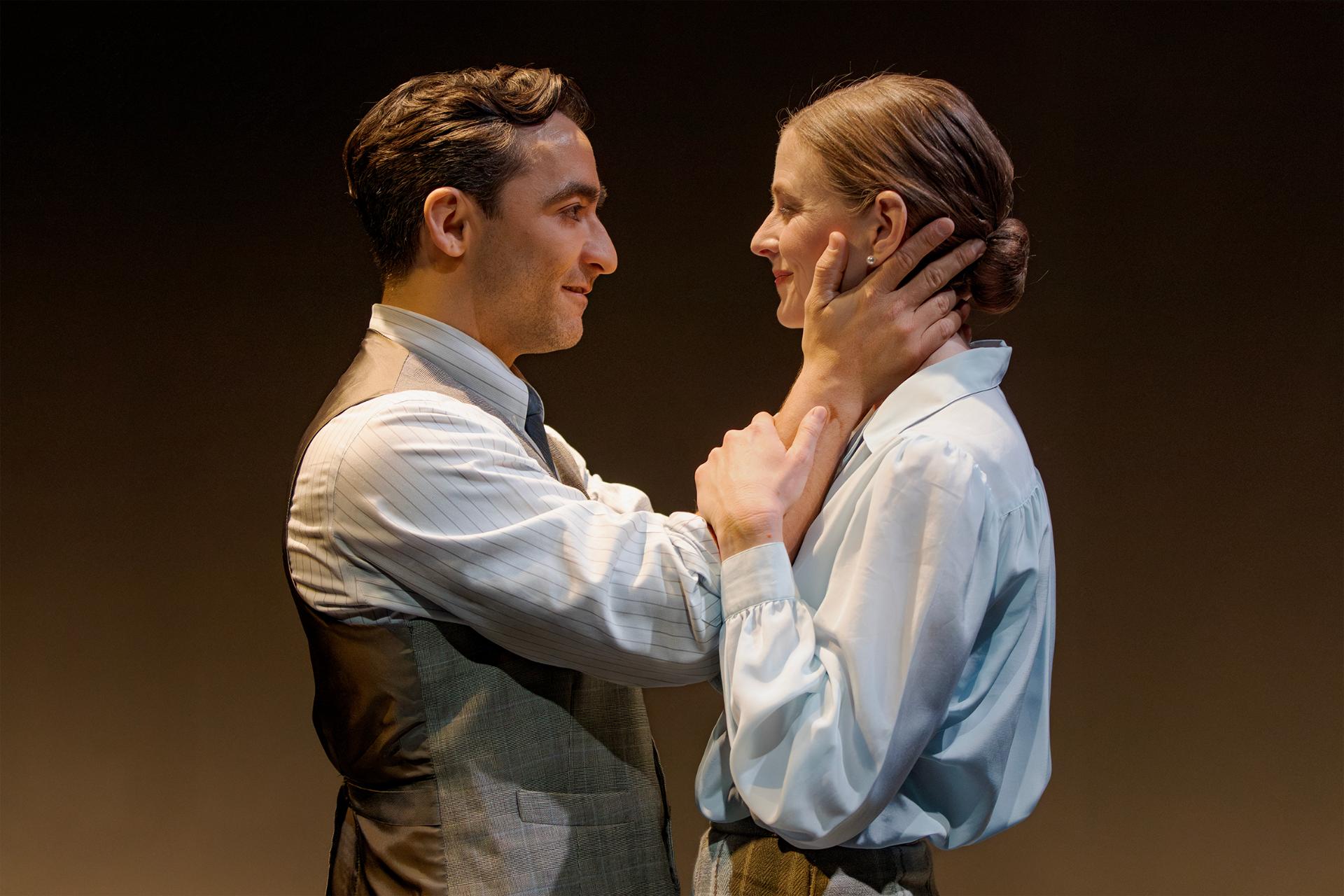
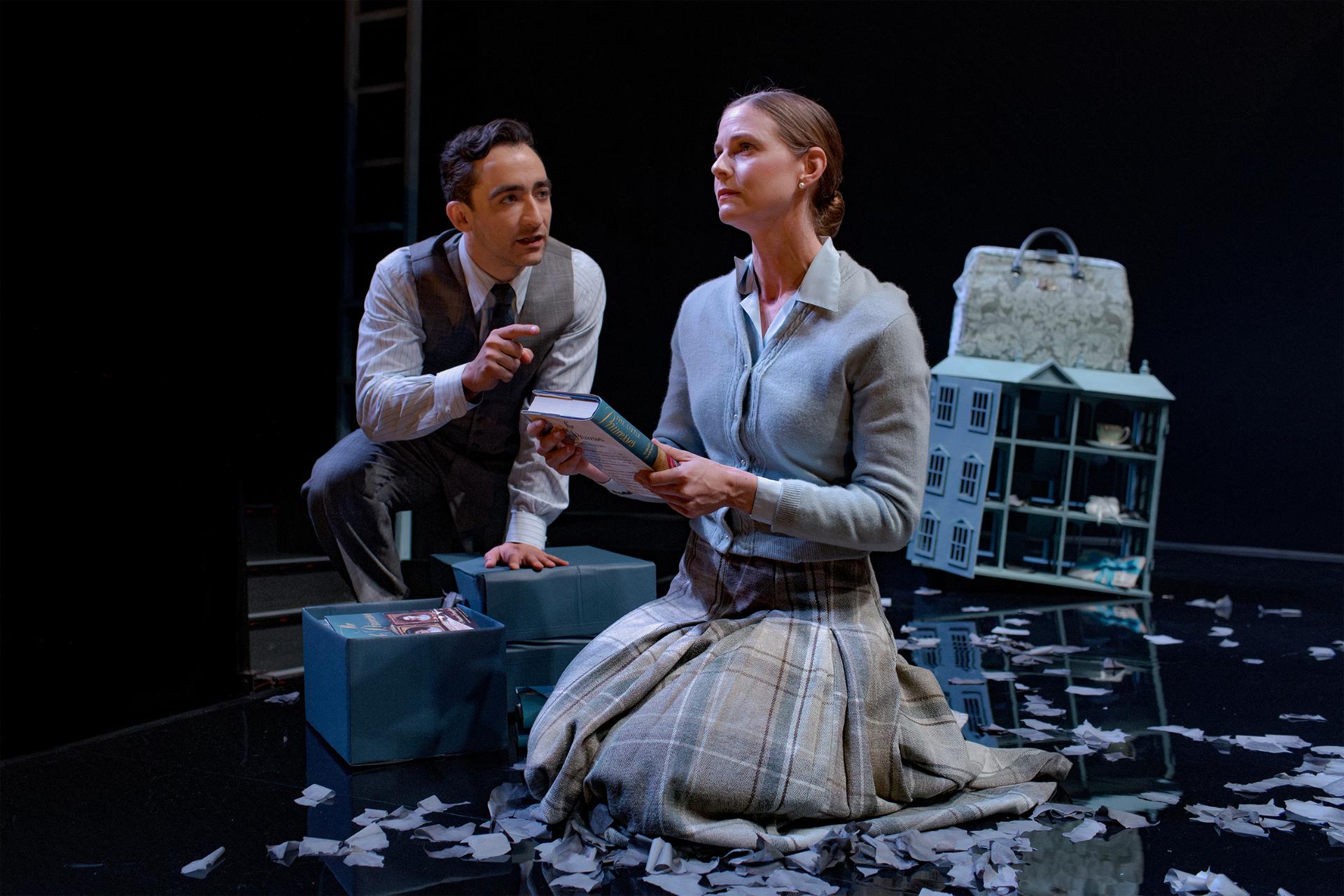
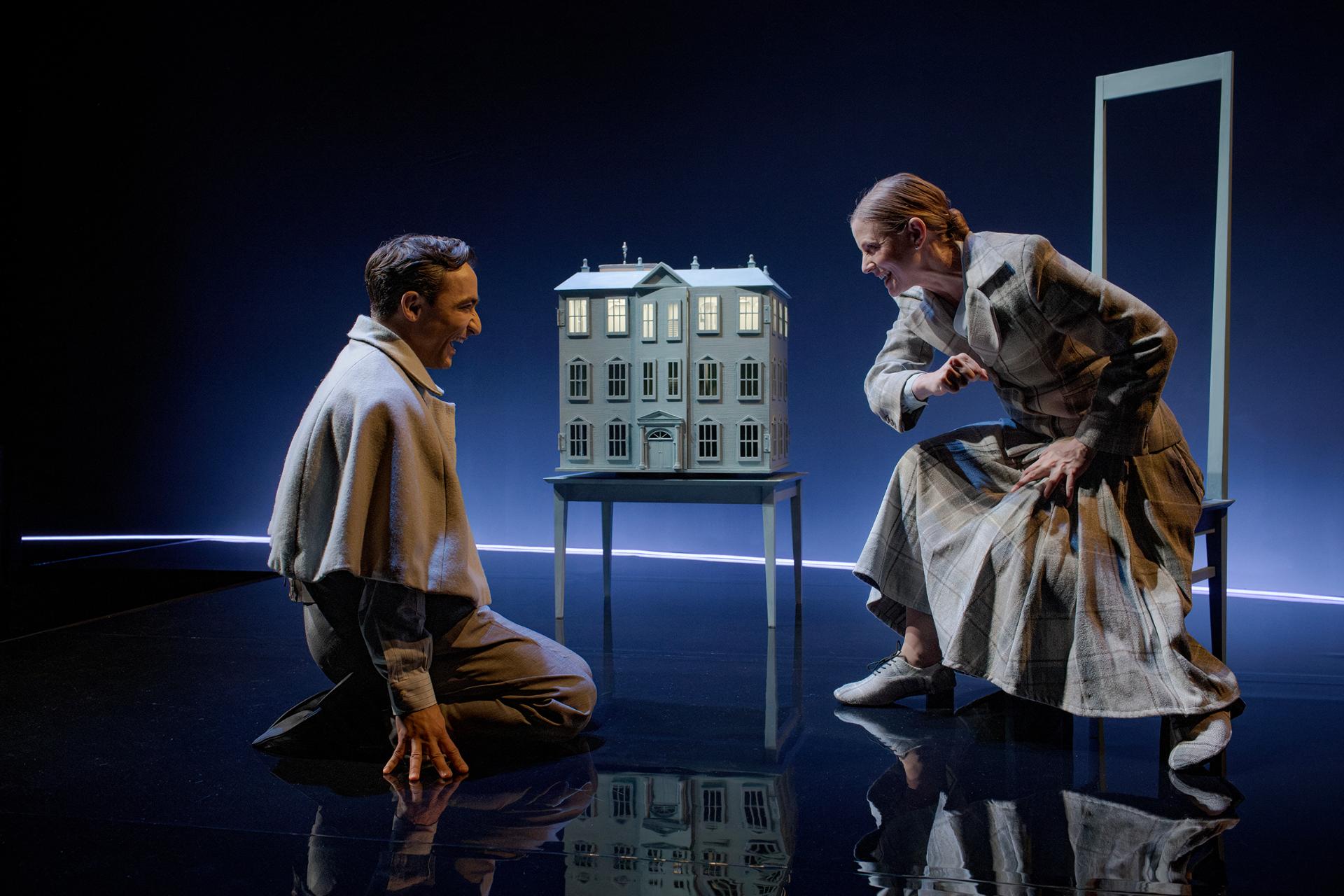
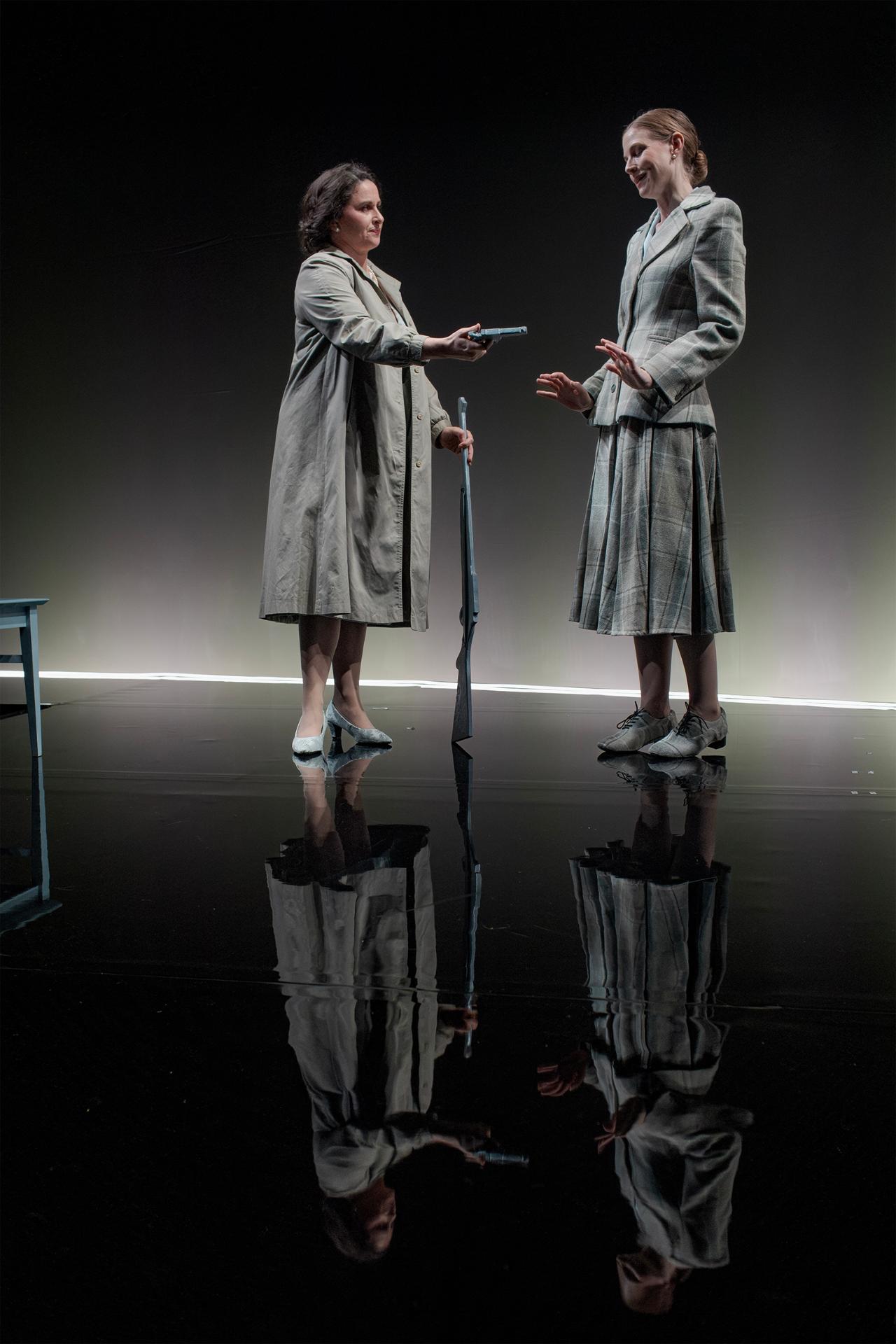
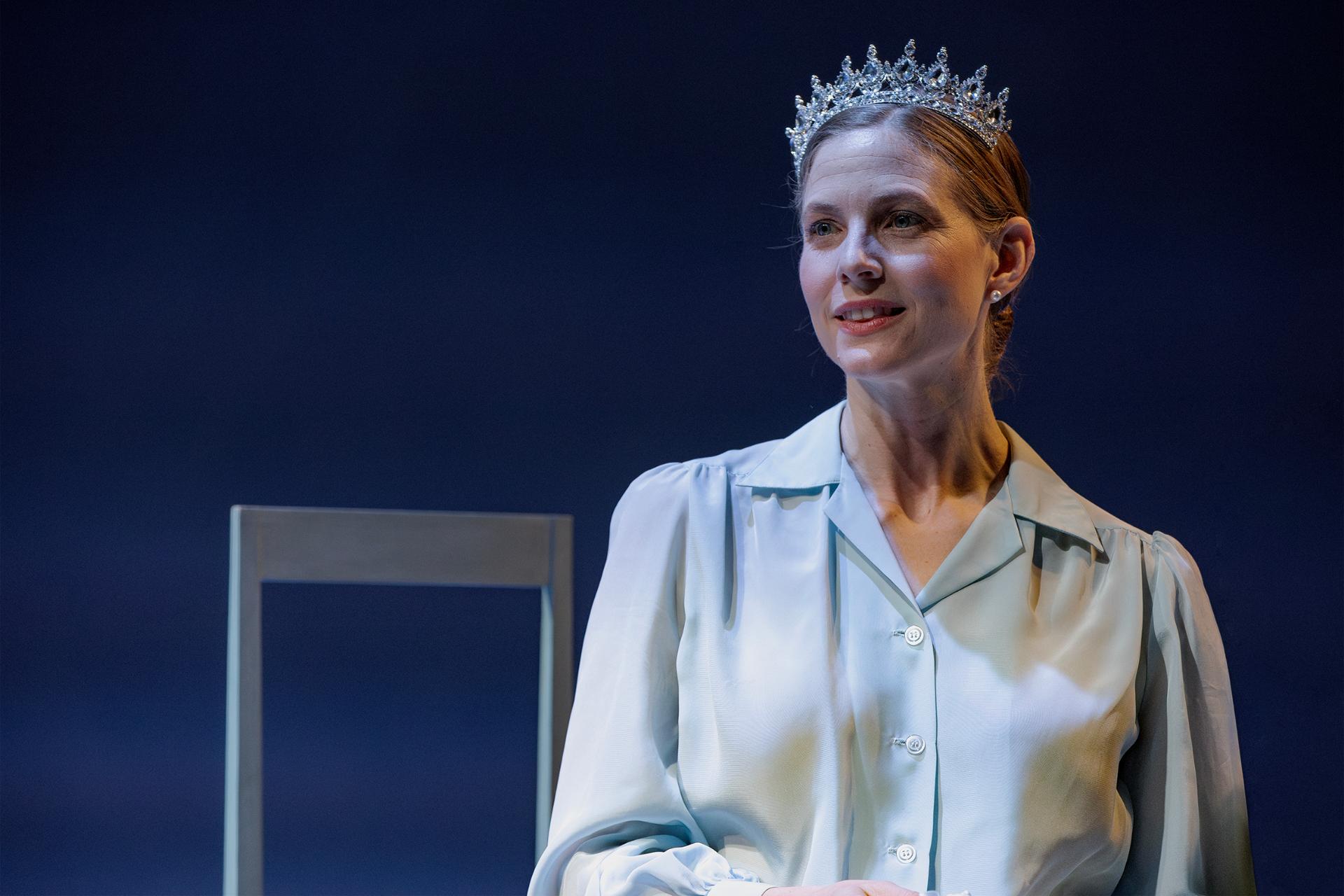
Marion Crawford worked as governess for 17 years, caring for Princesses Elizabeth and Margaret of England. Although she had published articles and a book about her time with royalty, Crawford remained faithful, never writing a disrespectful or denigrating word. Melanie Tait’s play The Queen’s Nanny is accordingly courteous, in its renderings of a woman’s memories pertaining to a special time. There is no questioning the integrity of Tait’s work, but when it comes to stories relating to the crown, some audiences prefer a more creative approach, as evidenced by the success of titles that have taken great liberties in fabricating anecdotes, to have us truly riveted.

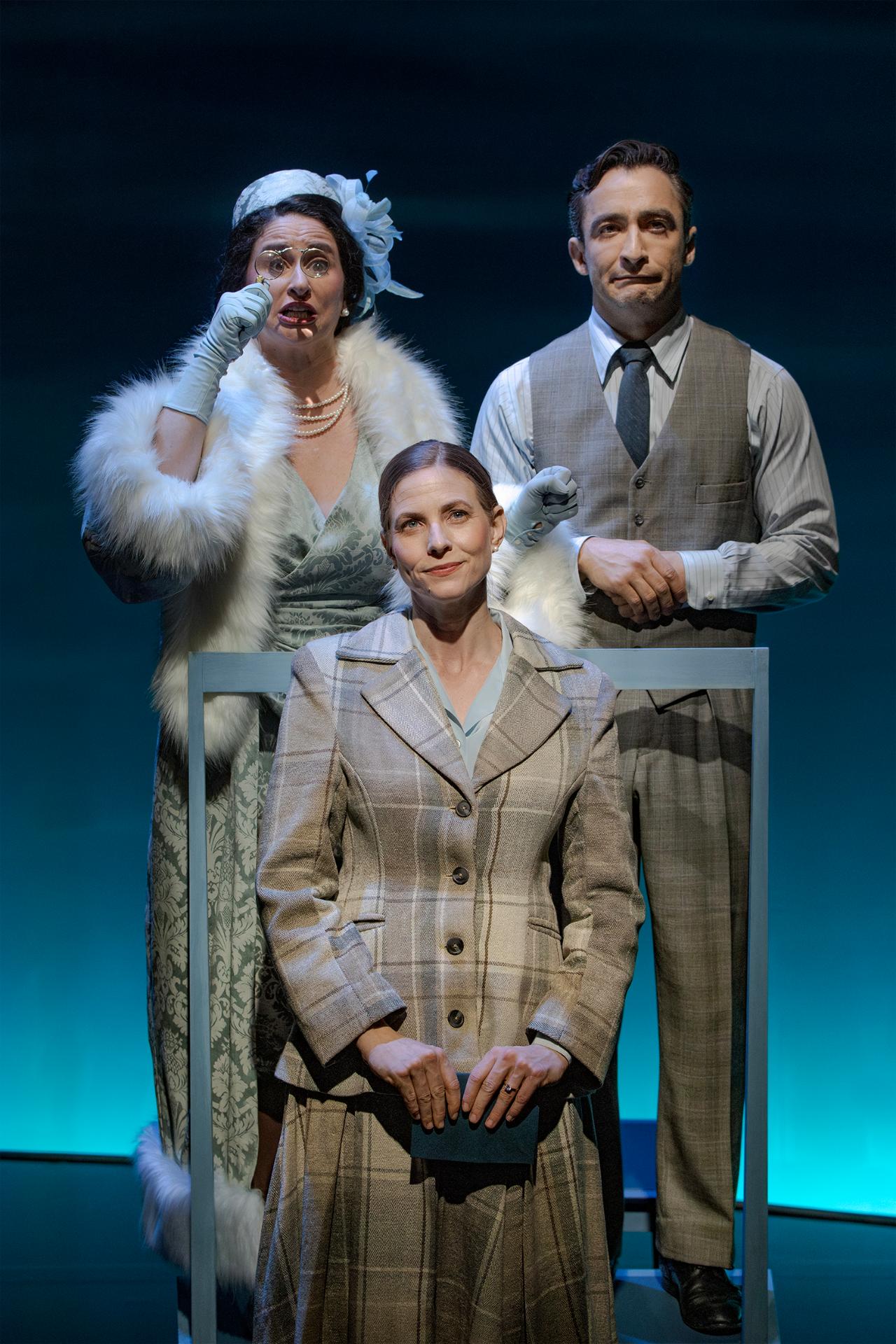
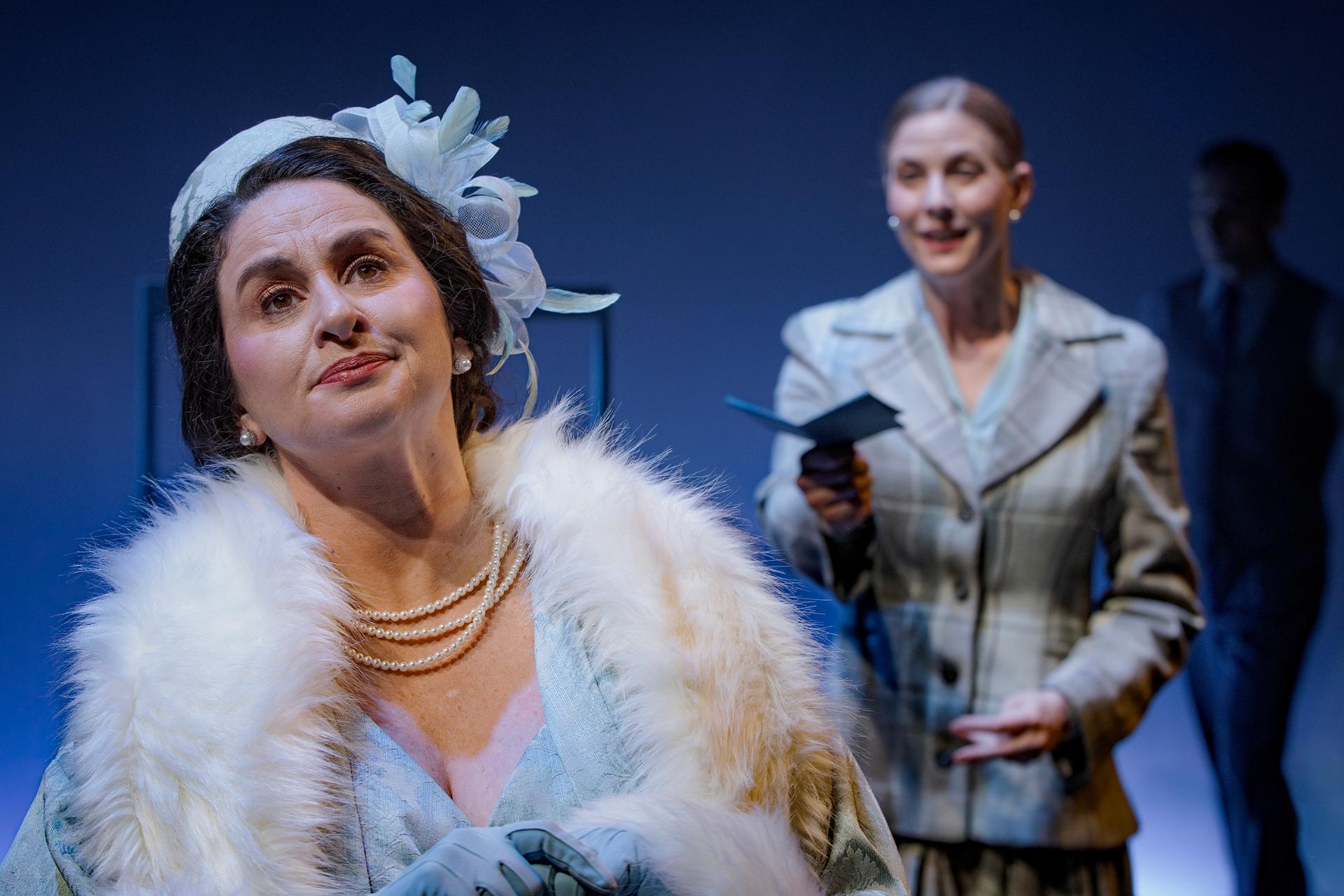
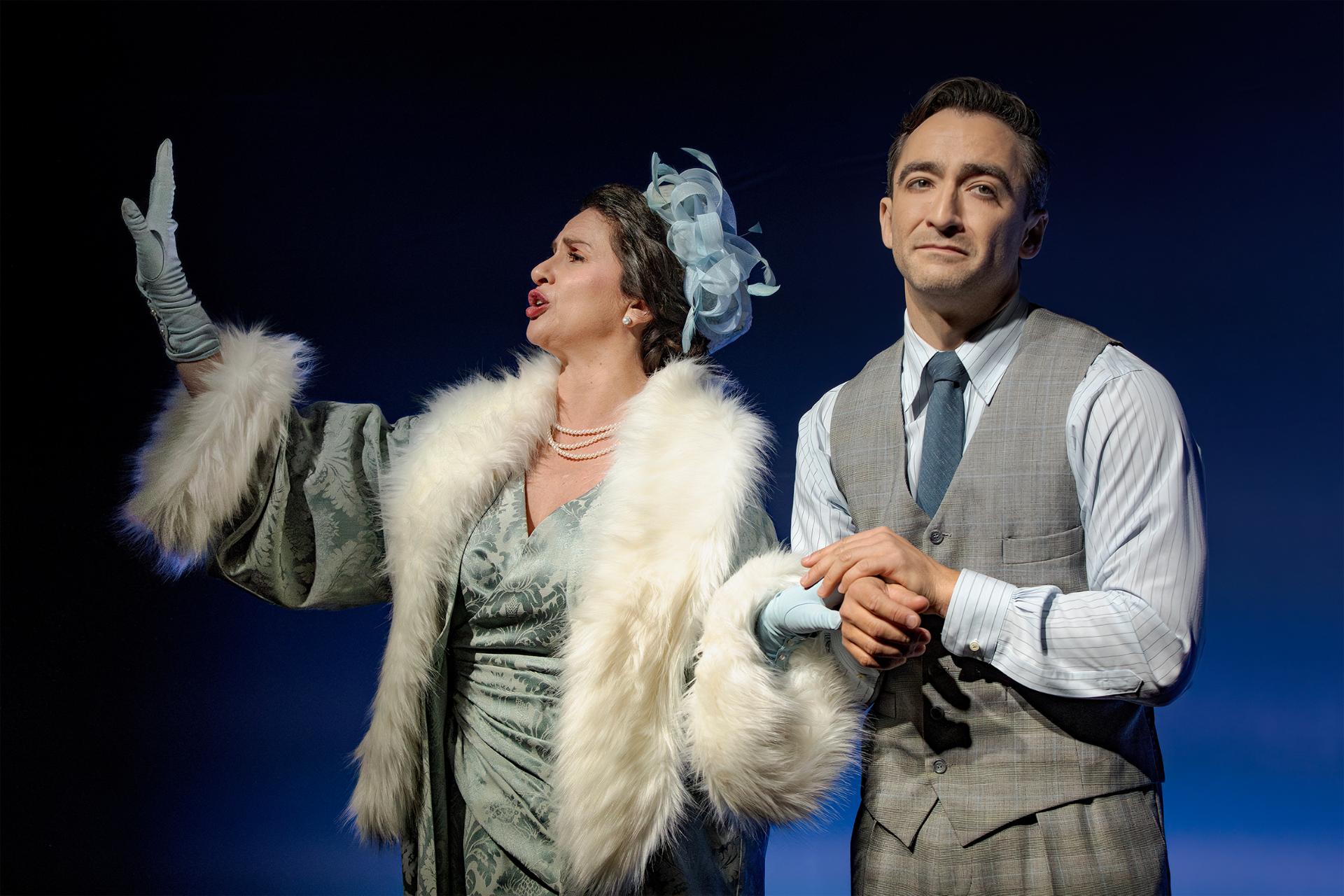
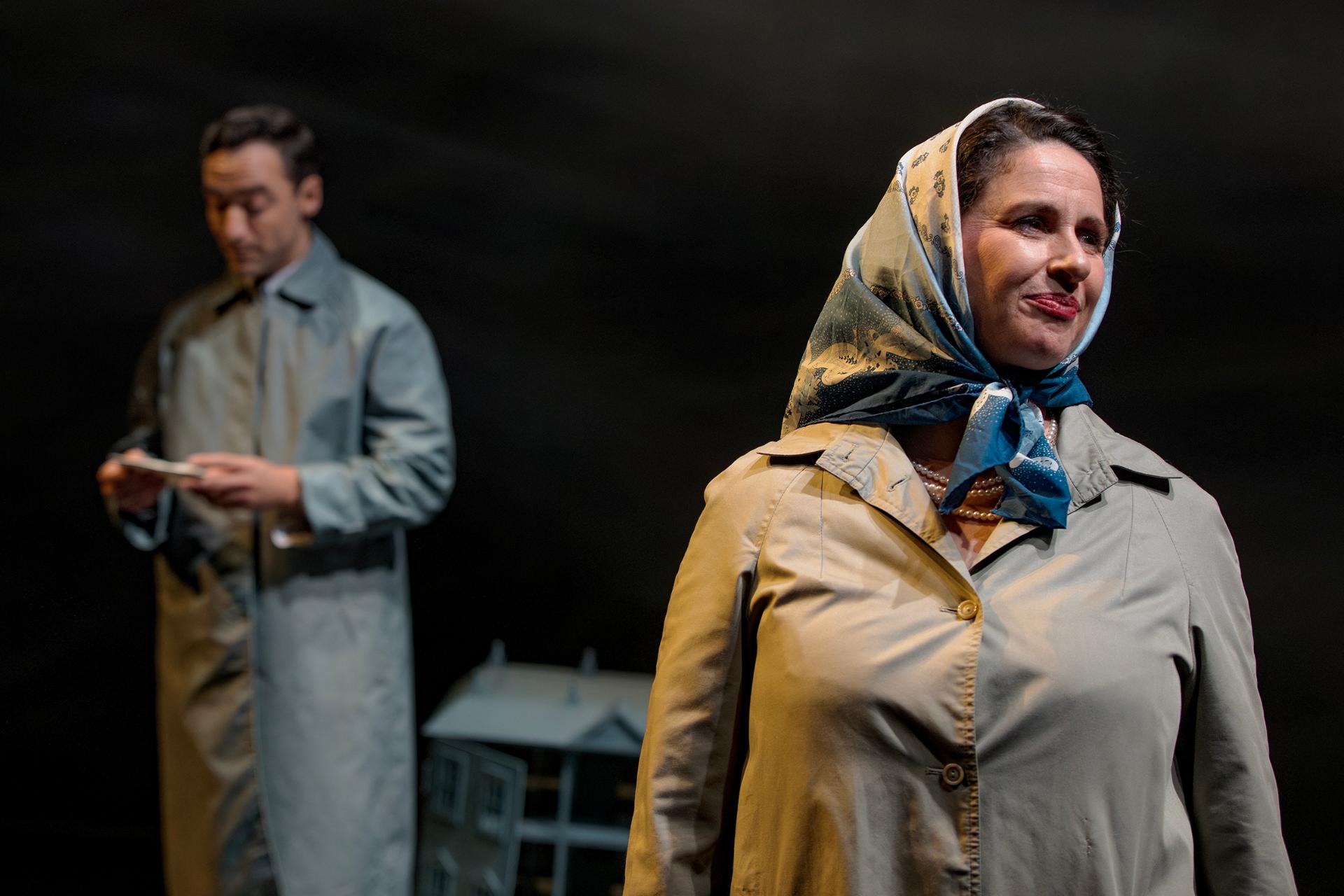
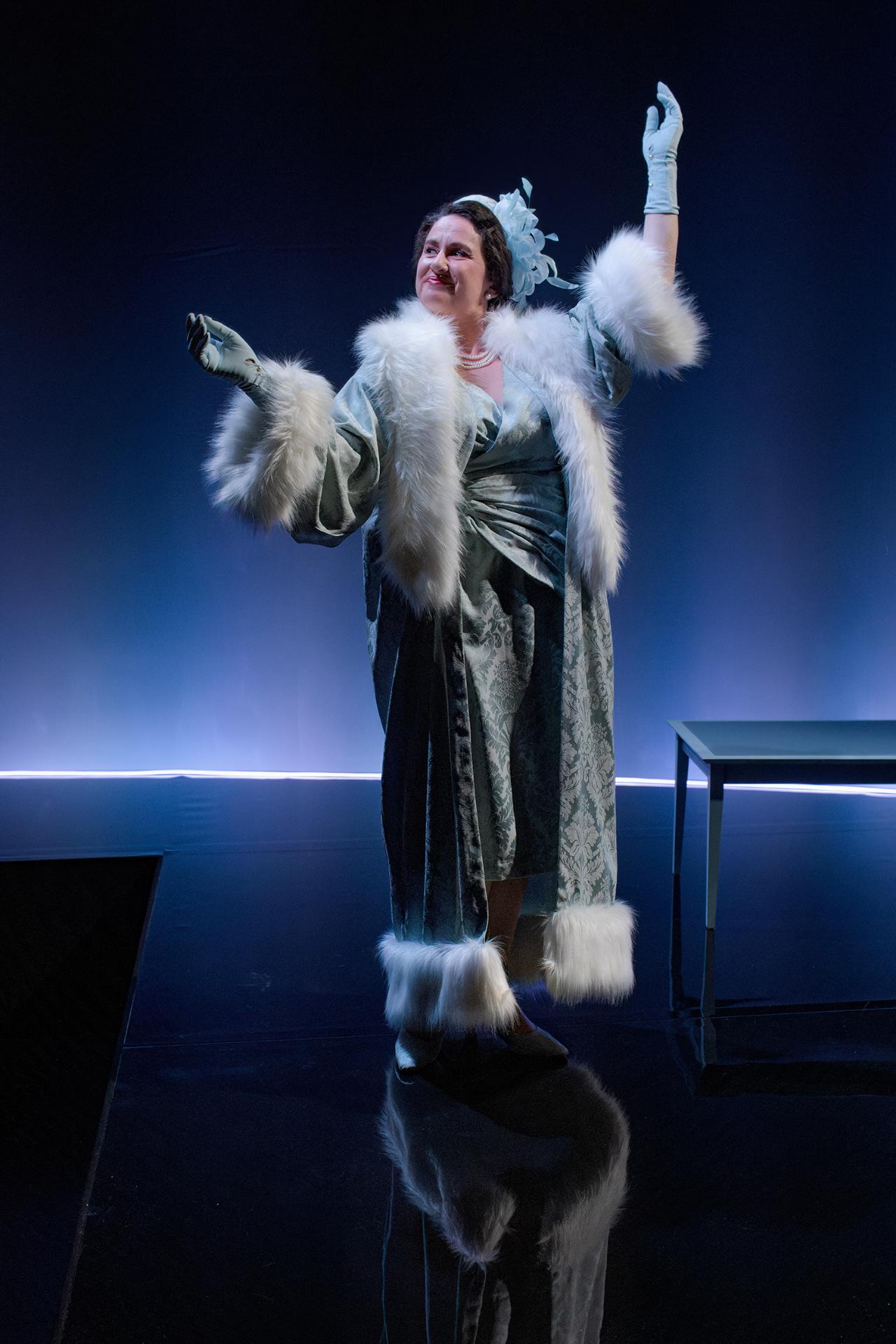
The production is nonetheless vibrantly directed by Priscilla Jackman, who ensures that the staging is beautifully crafted in all aspects. Michael Hankin’s set design is elegant in its simplicity, featuring scale model versions of buildings that help us imagine the rarefied world of The Queen’s Nanny. Costumes by Genevieve Graham are splendidly tailored, to accurately convey the class of people being depicted. Lights by Morgan Moroney are intricately designed, to manufacture dramatic tension, and to represent a sense of opulence. There is an intense sensitivity in James Peter Brown’s music that offer a gravity to the experience, as though a constant reminder that there is always a real humanity at the centre of this show.

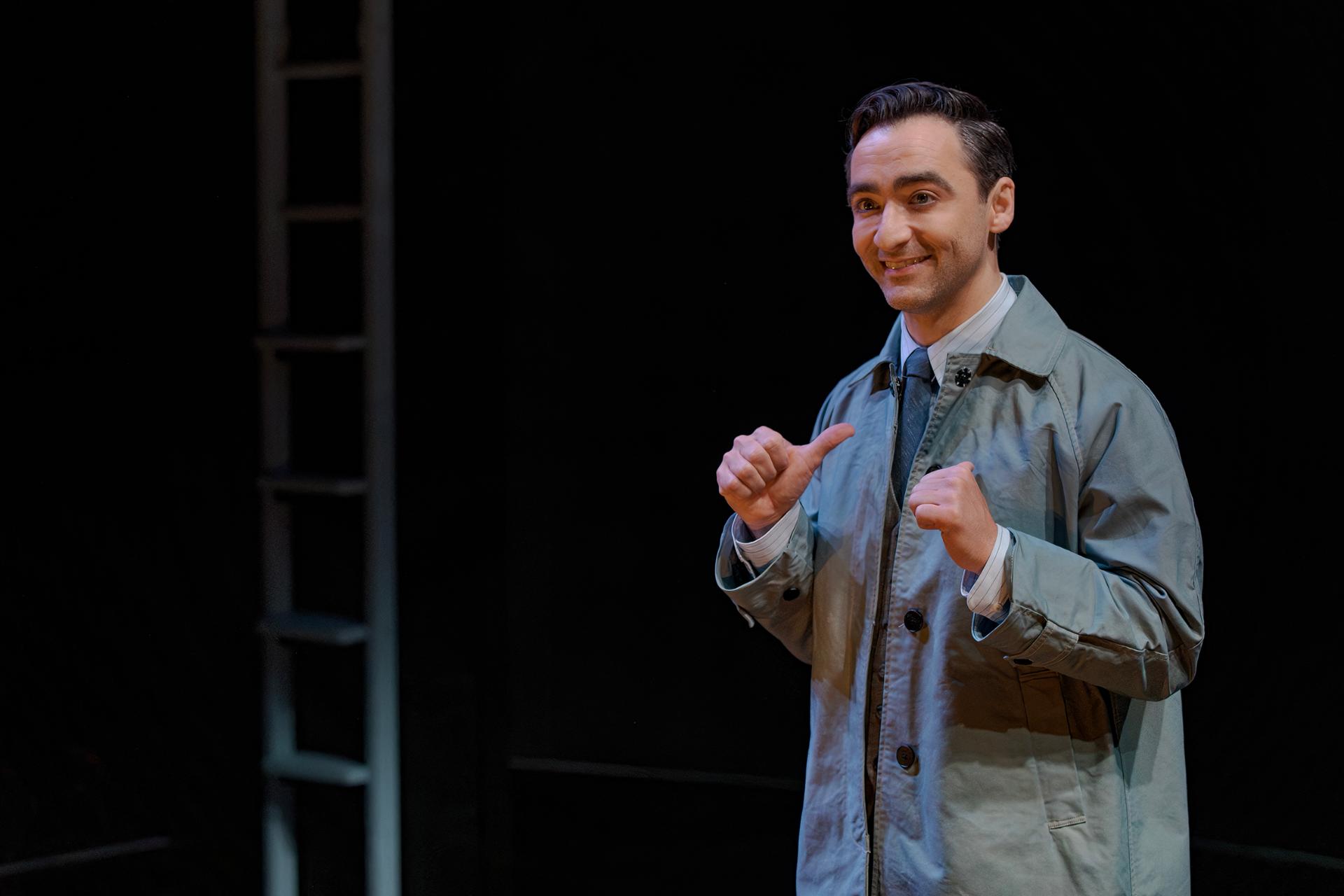
In the titular role is Elizabeth Blackmore who excels at finding emotional range, for a personality from somewhere noted for its great restraint. We may not always be interested in her chronicles, but there is an authenticity to Blackmore’s performance that makes everything feel truthful. A very endearing Emma Palmer plays The Queen Mother with delicious aplomb, bringing a valuable flamboyance that keeps the storytelling buoyant and colourful. Matthew Backer is highly impressive as he morphs into a wide range of characters, each one persuasive and beguiling, demonstrating remarkable skill as he imaginatively carves out his portions of the tale.

It is often a mystery, how an artist finds inspiration, and what results from their efforts. We can very rationally map out the kinds of stories we wish to share at our theatres, but we must also be mindful about the restrictions we impose on our artists. There is a freedom that must be afforded to those in the business of creativity, in order that they may discover something astonishing and unanticipated. It is also important to believe that a greater moment can only happen, after the current one is completed. Marion Crawford was only 39 when her time with queens and kings was over. Her subsequent years may not have been documented as extensively, but we have to believe that they remained cherished and meaningful, even as her life had taken on a different complexion.

www.ensemble.com.au

Review: Uncle Vanya (Ensemble Theatre)

Venue: Ensemble Theatre (Kirribilli NSW), 26 Jul – 31 Aug, 2024
Playwright: Anton Chekhov (adapted by Joanna Murray-Smith)
Director: Mark Kilmurry
Cast: Vanessa Downing, John Gaden AO, Chantelle Jamieson, David Lynch, Abbey Morgan, Yalin Ozucelik, Tim Walter
Images by Prudence Upton

Theatre review
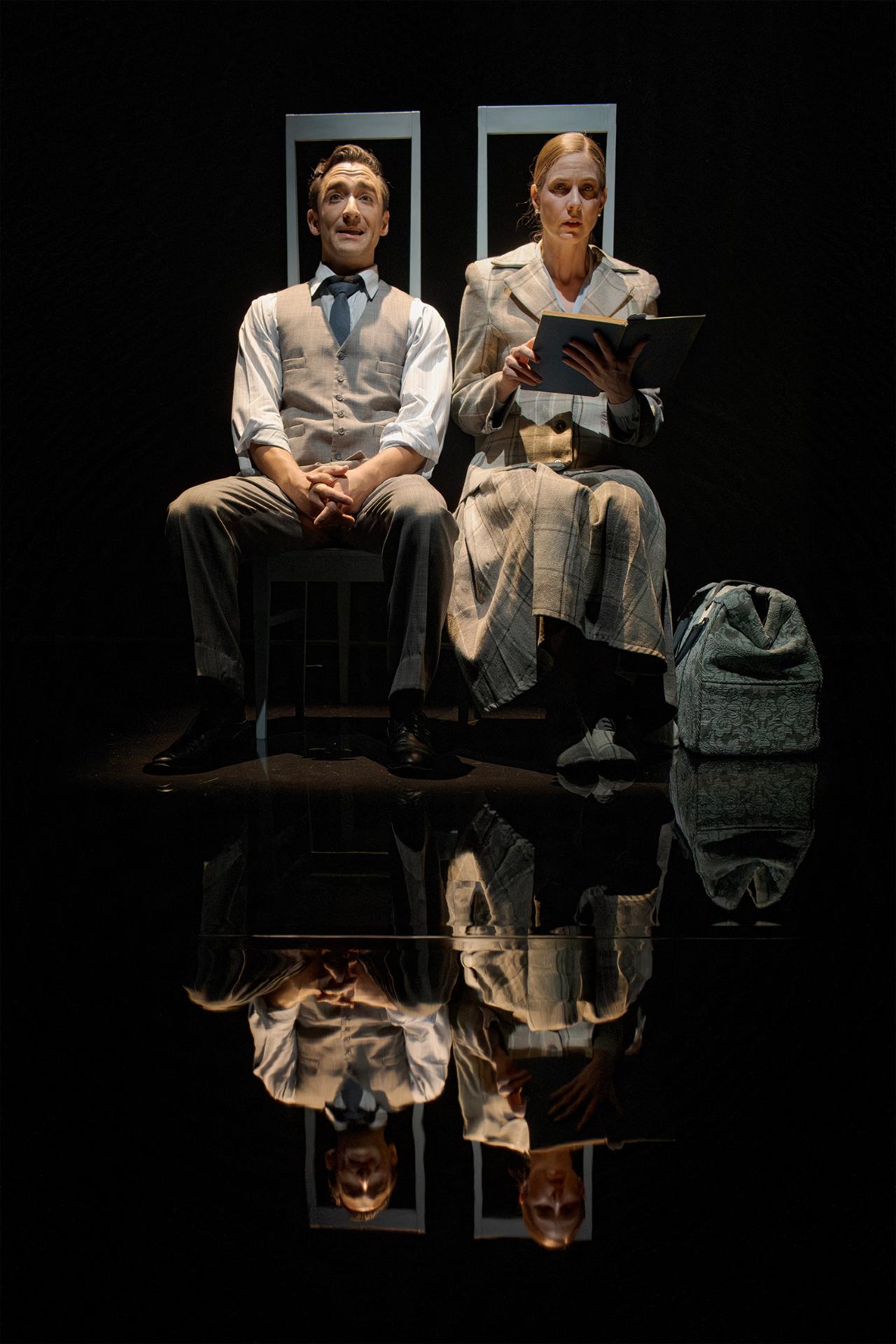
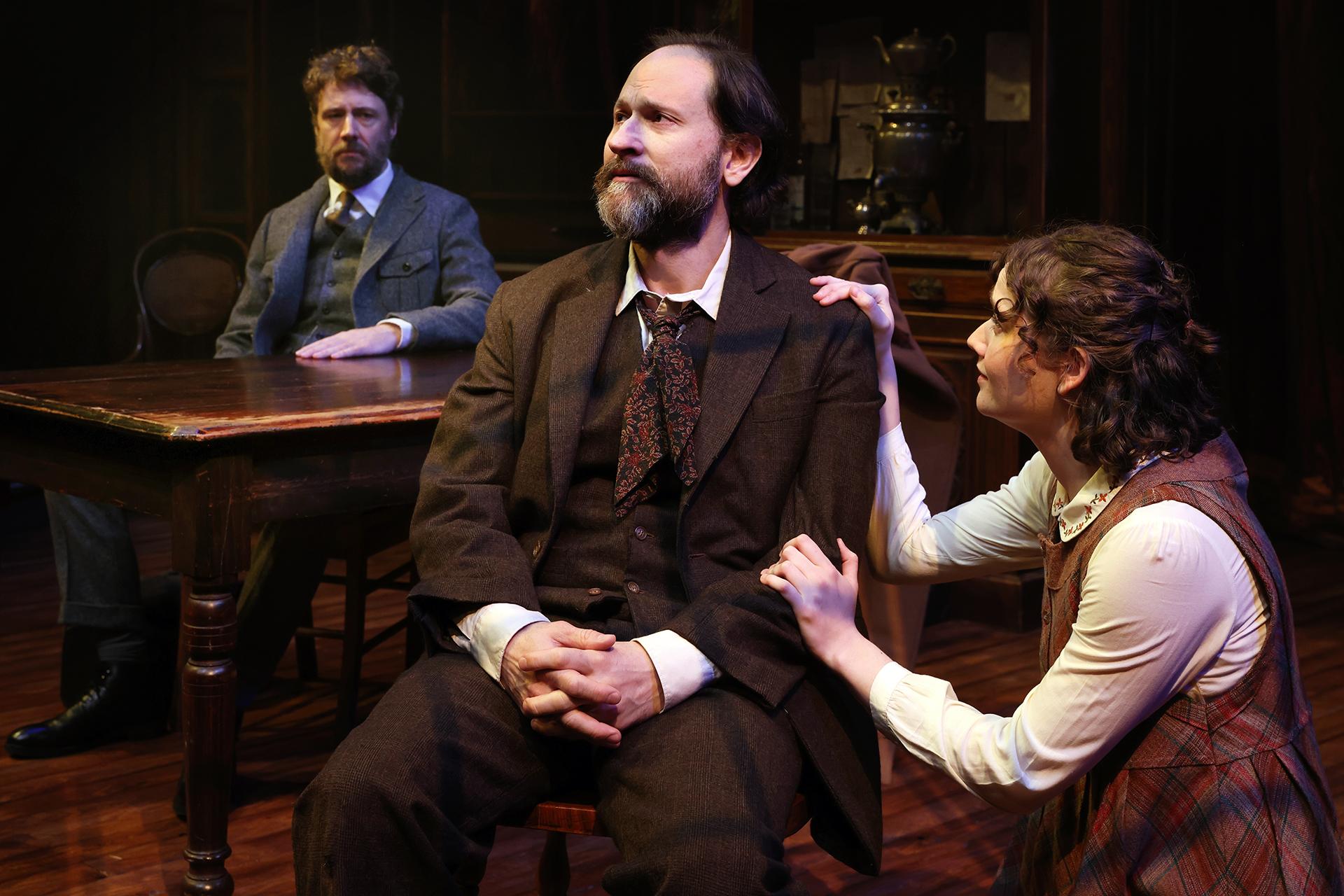
The story may have taken place in Russia over a century ago, but it appears that the human condition still persists with its indomitable longing, to be anywhere but here. Characters in Anton Chekhov’s Uncle Vanya are listless and angsty, but are never quite able to articulate what is actually wrong, only knowing that they wish to arrive at some place, somewhere else. In this adaptation by Joanna Murray-Smith, we encounter refreshing moments of modernity, although it is clear that Chekhov’s essence remains, and like the people he had conjured, we never embark on a radical departure.

Direction by Mark Kilmurry renders a sense of accuracy, in terms of tone and sensibilities, so that we discover a certain milieu that we trust to be authentic, or at least emblematic, of what is being represented. Production design by Nick Fry leaves no ambiguity about the epoch we visit, with a set notable for the kineticism it encourages, through its clever demarcations of space. Lights by Matt Cox are warm and tender, to provide our empathy a boost, so that we may regard the play with greater openness. Sounds and music by Steve Francis are judiciously measured, always subtle but unquestionably effective.

The cast is mostly charming, although not always resonant or persuasive, in a show that can on occasion feel somewhat under rehearsed. In the titular role is Yalin Ozucelik, laudable for his unwavering exuberance, and commitment to finding chemistry for all these scenes of interpersonal disconnectedness.

In Uncle Vanya we observe individuals who want the same thing, but all in different ways. The tragedy is that they all suffer a perturbation, yet are unable to locate meaningful ways to sufficiently see and hear one another. Disharmony becomes par for the course, when people can only look inward, and fail to recognise the endless similarities in between.

www.ensemble.com.au

Review: Master Class (Ensemble Theatre)

Venue: Ensemble Theatre (Kirribilli NSW), 14 Jun – 20 Jul, 2024
Playwright: Terrence McNally
Director: Liesel Badorrek
Cast: Maria Alfonsine, Damian de Boos-Smith, Elisa Colla, Lucia Mastrantone, Bridget Patterson, Matthew Reardon
Images by Prudence Upton

Theatre review
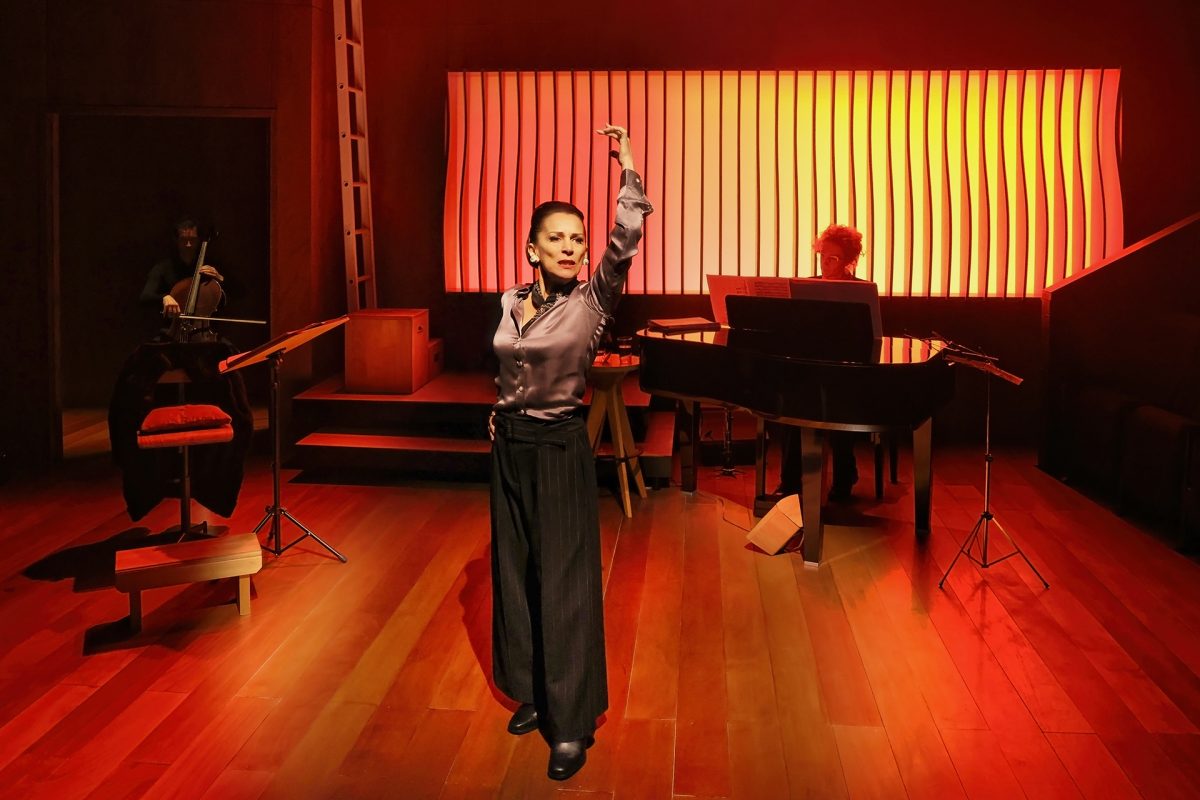
Maria Callas enters the auditorium, but not to sing. In Terrence McNally’s Master Class, she is teaching the art of performance to opera students at an unnamed institution. Inspired by Callas’ actual lessons at the Juilliard School in the early 1970s, we see La Divina imparting wisdom to eager pupils, in highly unorthodox, and often comical, fashion. McNally’s 2-hour play may have a tendency to be repetitive, but the charm imbued in his protagonist, along with the profoundly beautiful insights being shared, keeps us attentive and invested.

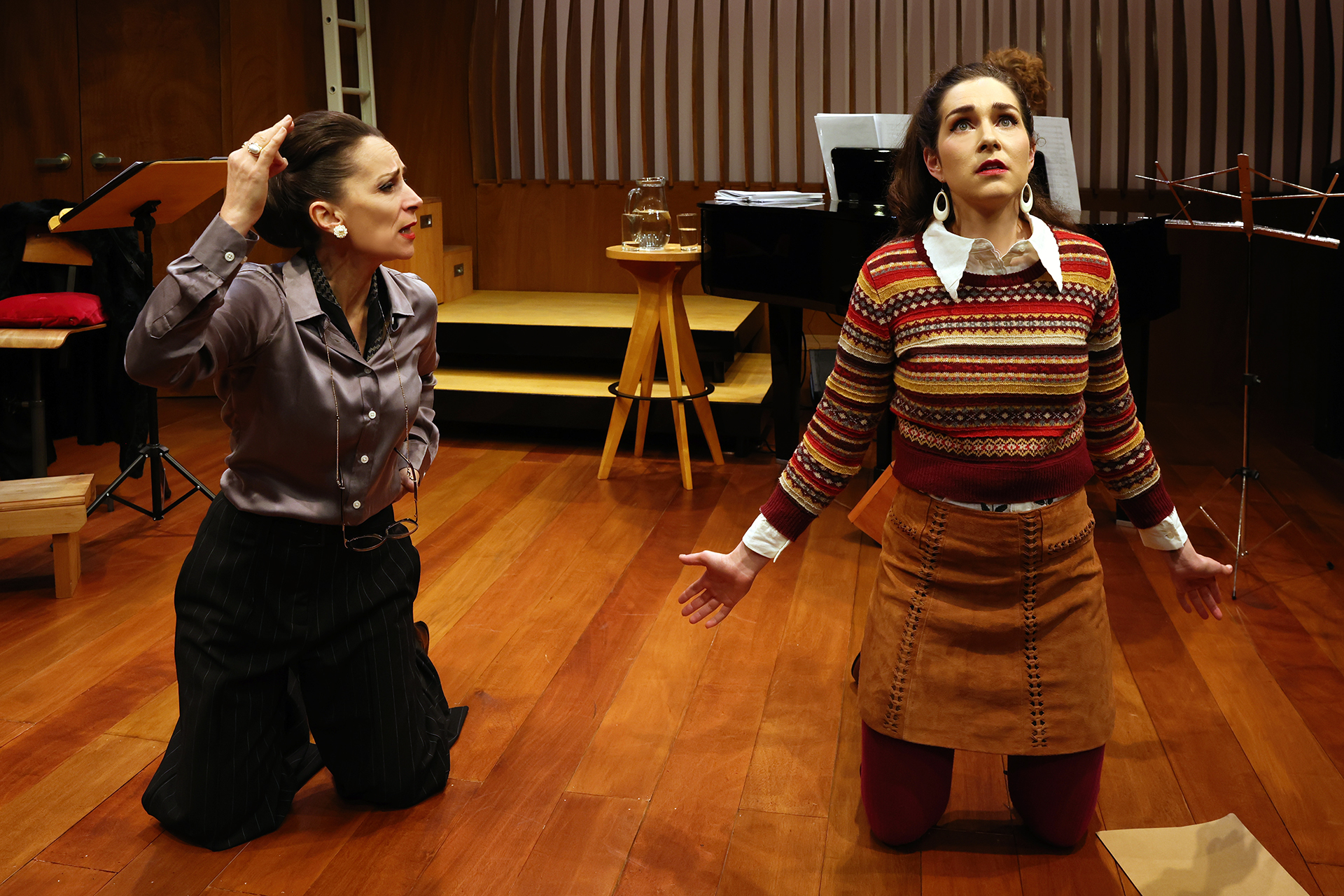
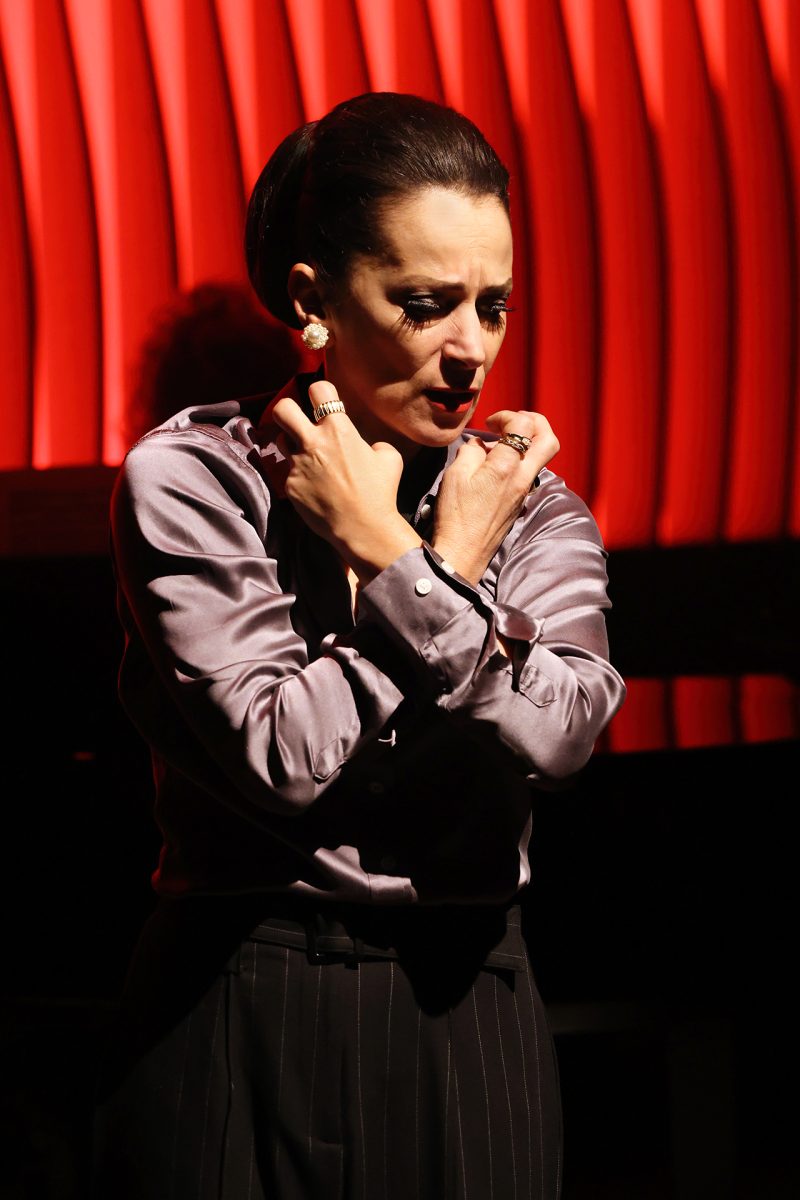
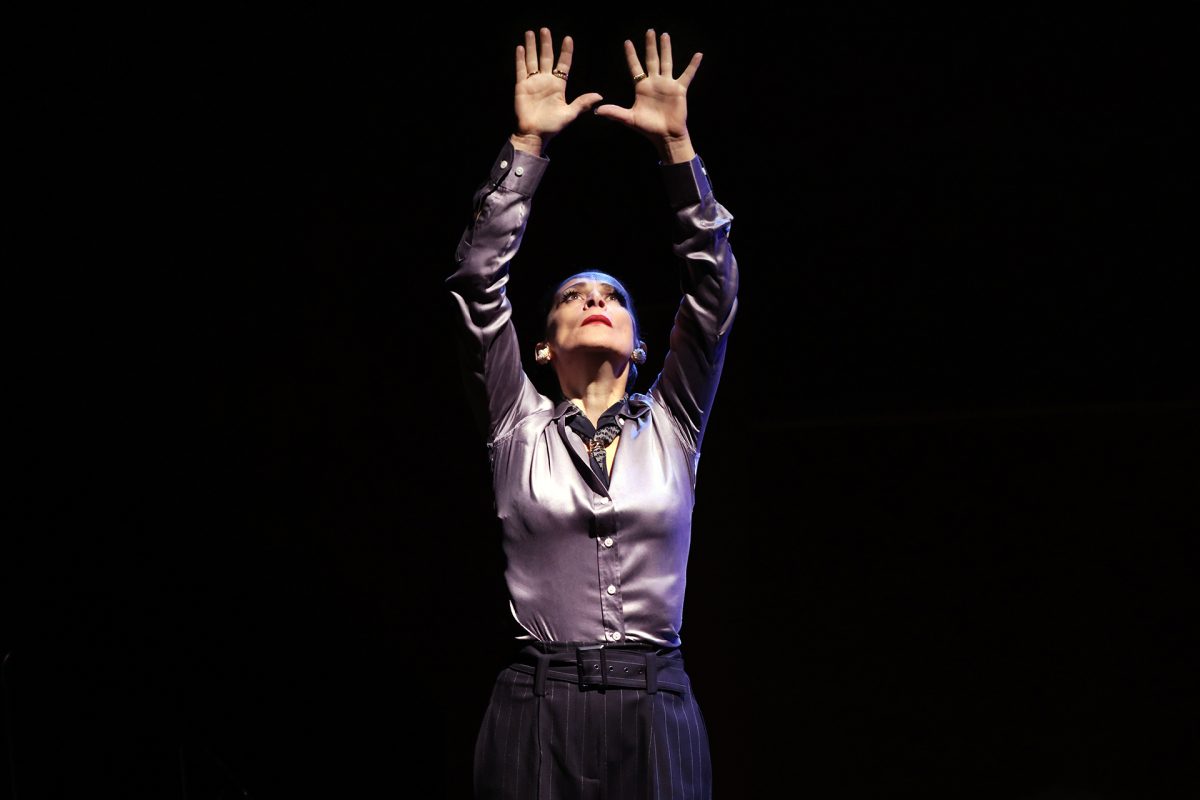
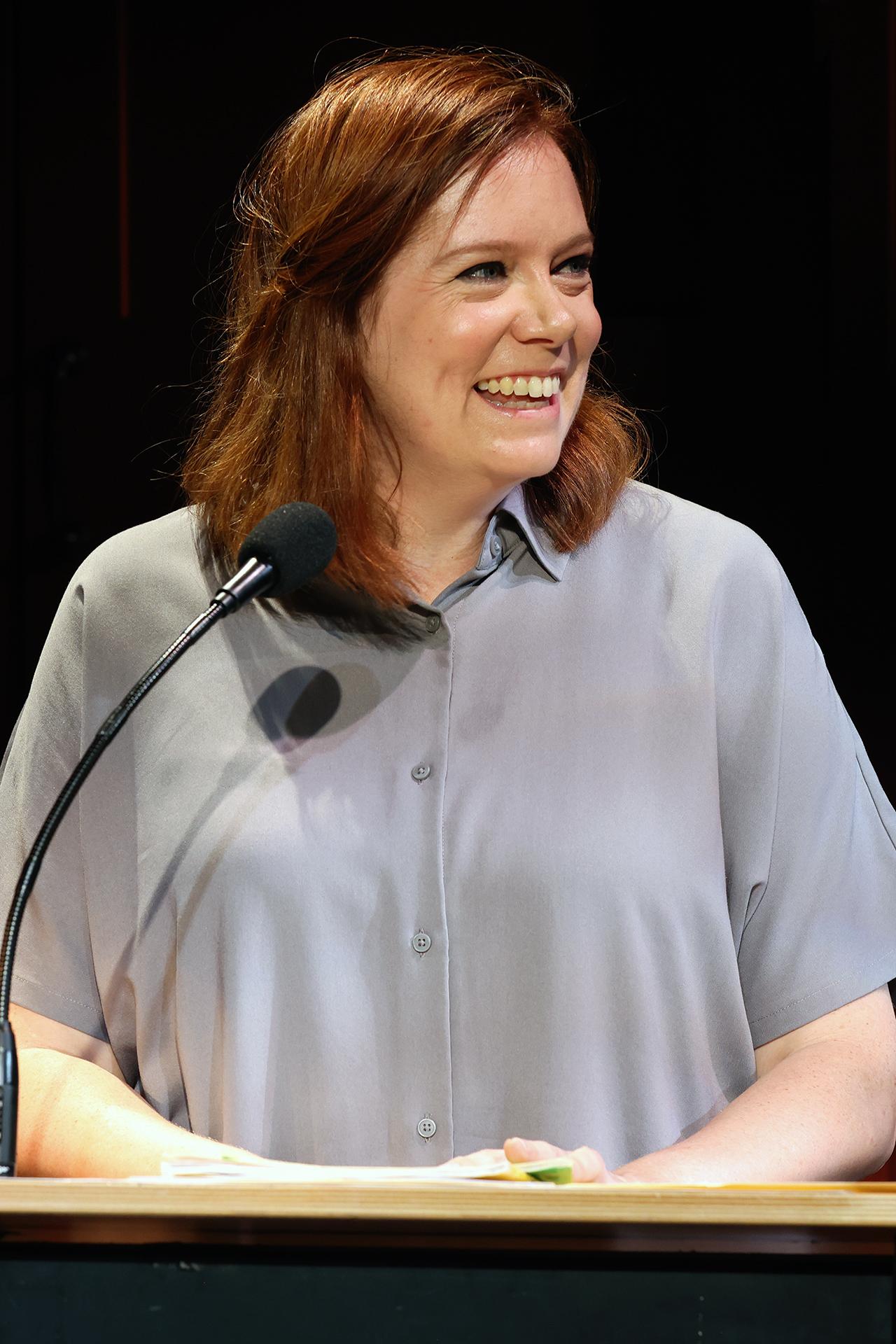
The element that has us thoroughly enthralled however, is actor Lucia Mastrantone who is unequivocally brilliant as Callas, offering what feels to be the truest emulation of the legend’s essence, completely impressive with the rigour being demonstrated in her physical and spiritual embodiment of one of the world’s foremost theatrical icons.

Mastrantone’s perfect timing, most notable in the deliciously acerbic dialogue, is balanced with an unexpectedly kind nature, that she is able to add to her portrayal of Callas’ stern façade. Additionally, Mastrantone’s glorious delivery of statements about the meaning and value of art, proves to be so deeply moving, that we feel magically transported somewhere sacred, as though in the presence of an exalted being, if not Callas herself.

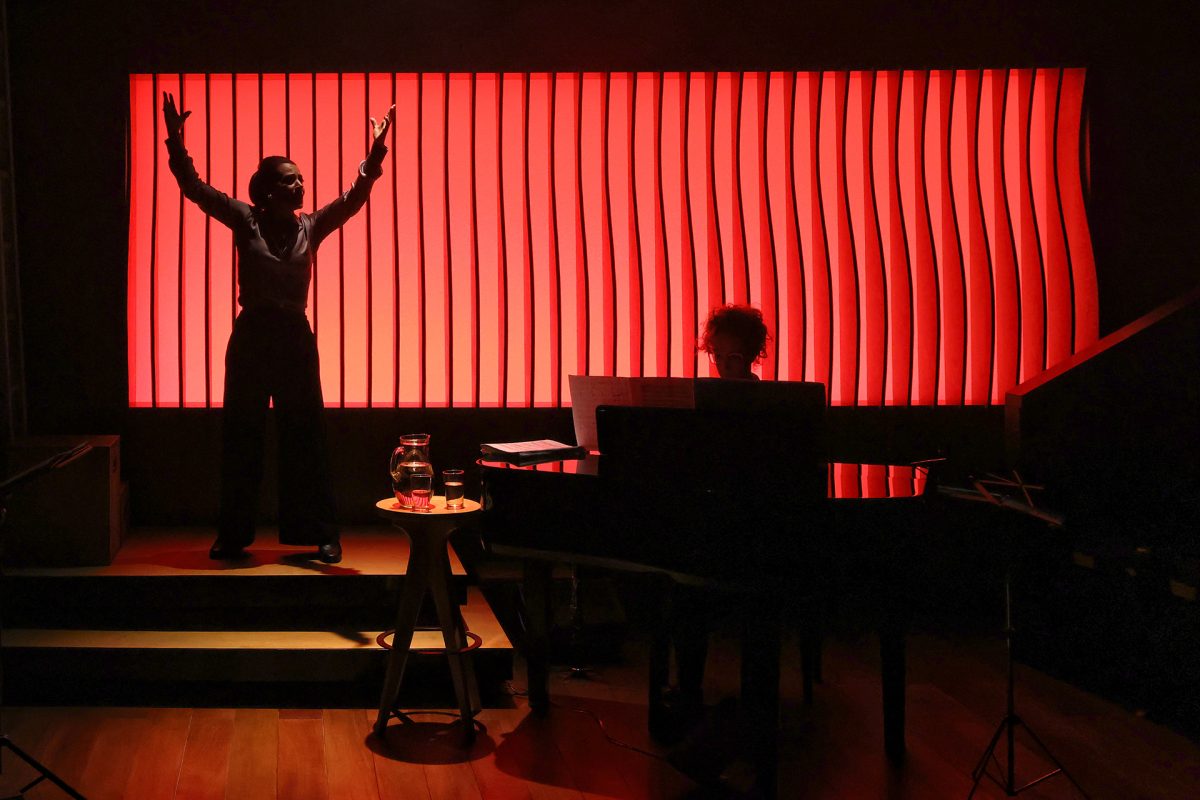
There is a wonderful extravagance to Master Class that director Liesel Badorrek ensures is consistently apparent; this staging is as understatedly camp, as Callas was thoroughly fabulous. Set and costumes by Isabel Hudson convey polish and a vital sense of sophistication. Lights by Kelsey Lee are effective when designed with subtlety, but are less convincing in heightened sections involving excessive shadows that create undue distance between the audience and performer.

Musical direction by Maria Alfonsine is memorable for its sensitivity to the text, and for working seamlessly with the leading lady, to reveal glimpses of Callas at her most sublime. Also noteworthy are members of the charming supporting cast Damian de Boos-Smith, Elisa Colla, Bridget Patterson and Matthew Reardon, who complete the picture, in this poignant tribute to music and one of its biggest stars.
www.ensemble.com.au

Review: Switzerland (Ensemble Theatre)

Venue: Ensemble Theatre (Kirribilli NSW), 3 May – 8 Jun, 2024
Playwright: Joanna Murray-Smith
Director: Shaun Rennie
Cast: Laurence Boxhall, Toni Scanlan
Images by Brett Boardman

Theatre review
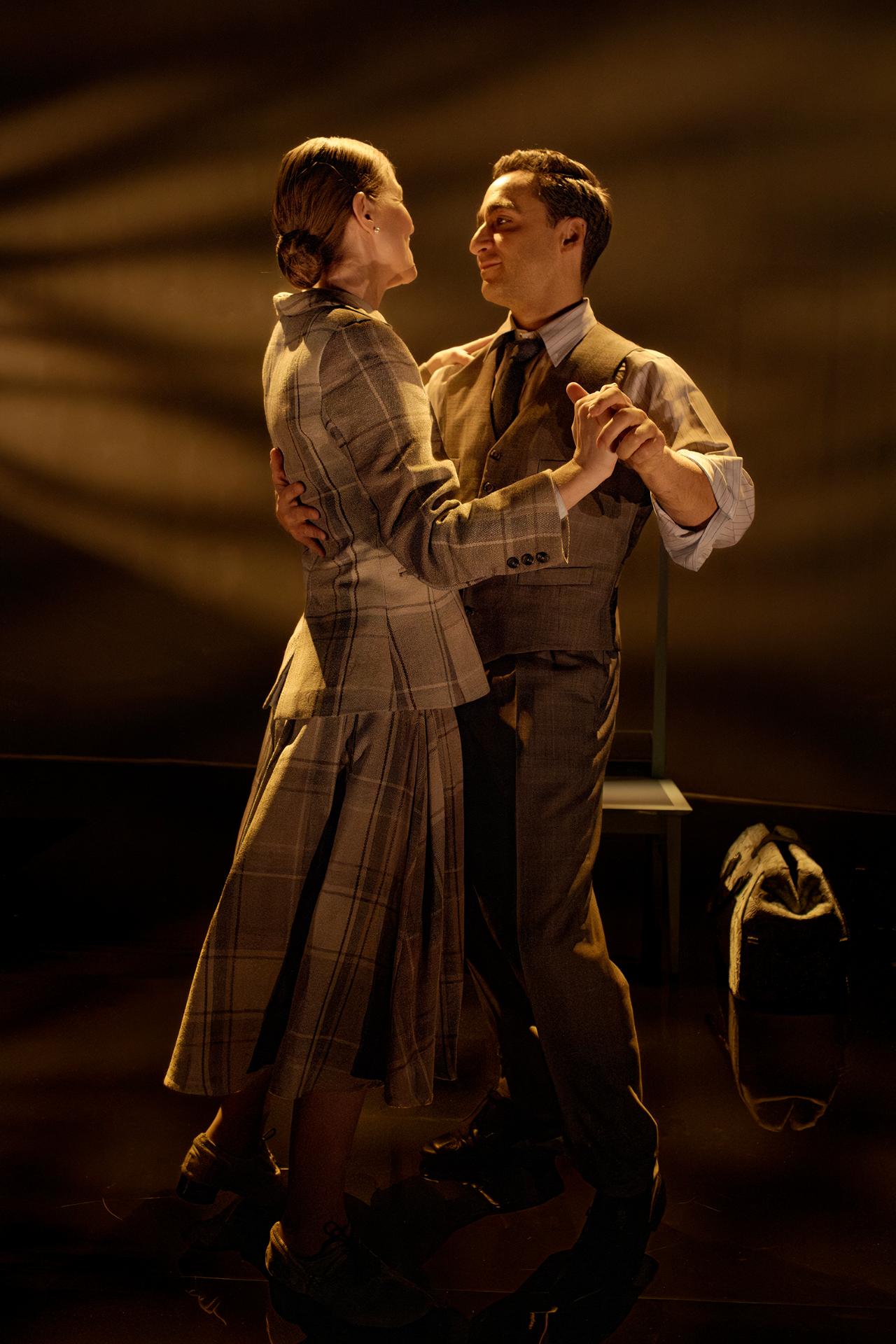
The famous author Patricia Highsmith is visited in the Swiss alps, by a junior member of her publisher’s office. Everybody it seems, wants another instalment of her Ripley novels, but Highsmith is making things very hard, including for herself. For all the bravado she displays, there is clearly a crisis of confidence underway. Young Edward however, is determined to have the new book completed, even if it means having to contend with the artist’s impossible insolence.

The wit in Joanna Murray-Smith’s Switzerland is remarkable, with an unrelenting acerbity that director Shaun Rennie uses to great effect, for a show that is as hilarious as it is thrilling. The humorous acrimony is established from curtains up, but a creeping sense of mortal danger develops decisively over the three acts, as the general tone turns indubitably darker. Fatalistic as it might be, Switzerland is also wonderfully poetic, in its rendering of the creative process, and of the nature of inspiration itself. Murray-Smith’s explorations into the meaning of art, for an artist like Highsmith, turns out to be deeply rewarding, for the rest of us who are unlikely to experience that level of accomplishment.

Actor Toni Scanlan brings extraordinary charm to the comical bitterness of Highsmith’s schtick. The character we encounter feels authentic, whilst being irresistibly theatrical, and we find ourselves incredulously mesmerised by that unremitting wickedness. Laurence Boxhall is fabulously nuanced as the stealthily talented Edward, offering endless layers beyond a sparkling American surface, convincing whether playing naïve or morbidly cynical. Chemistry between the two is electric, effortlessly sustained for 90 minutes of delicious storytelling.
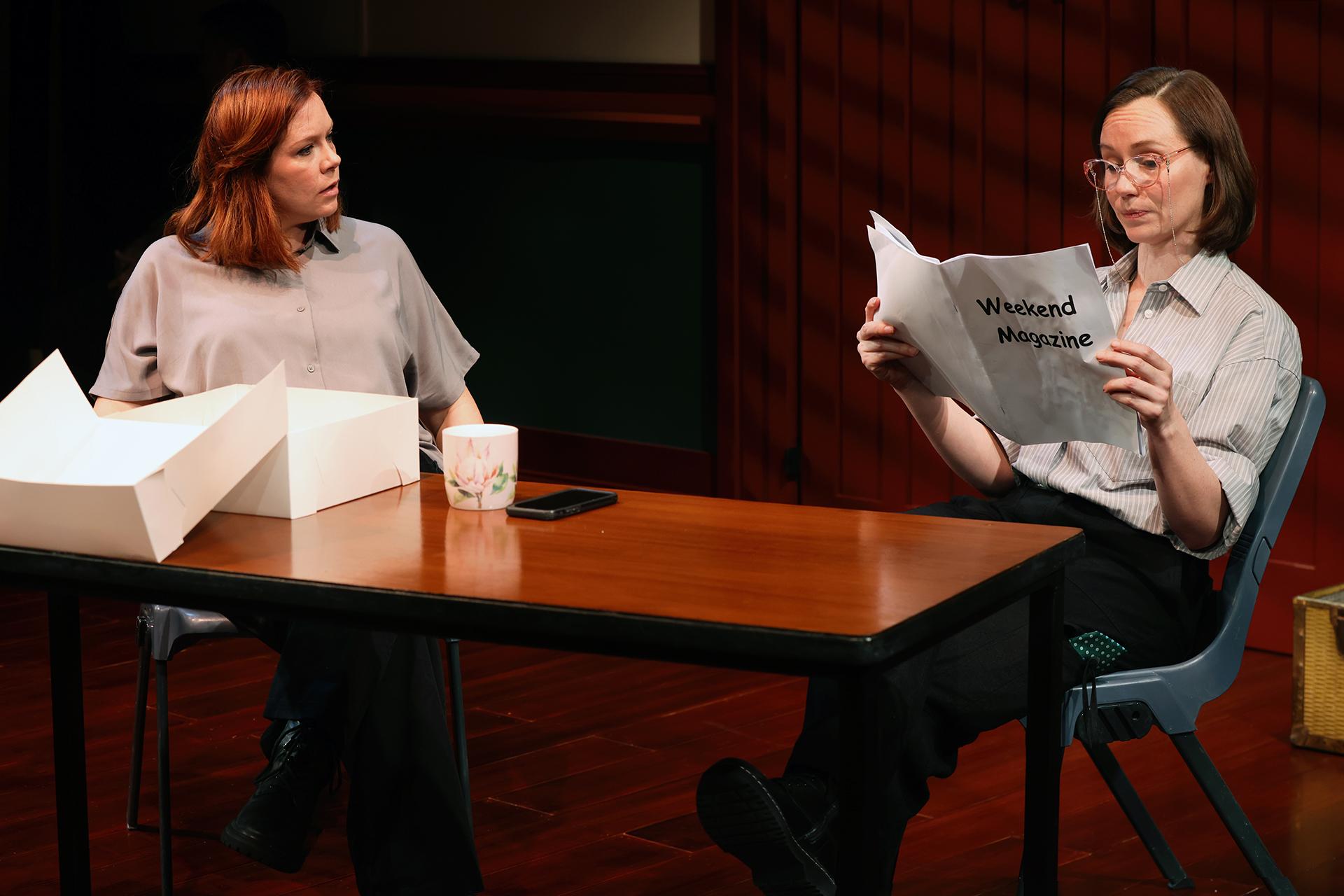
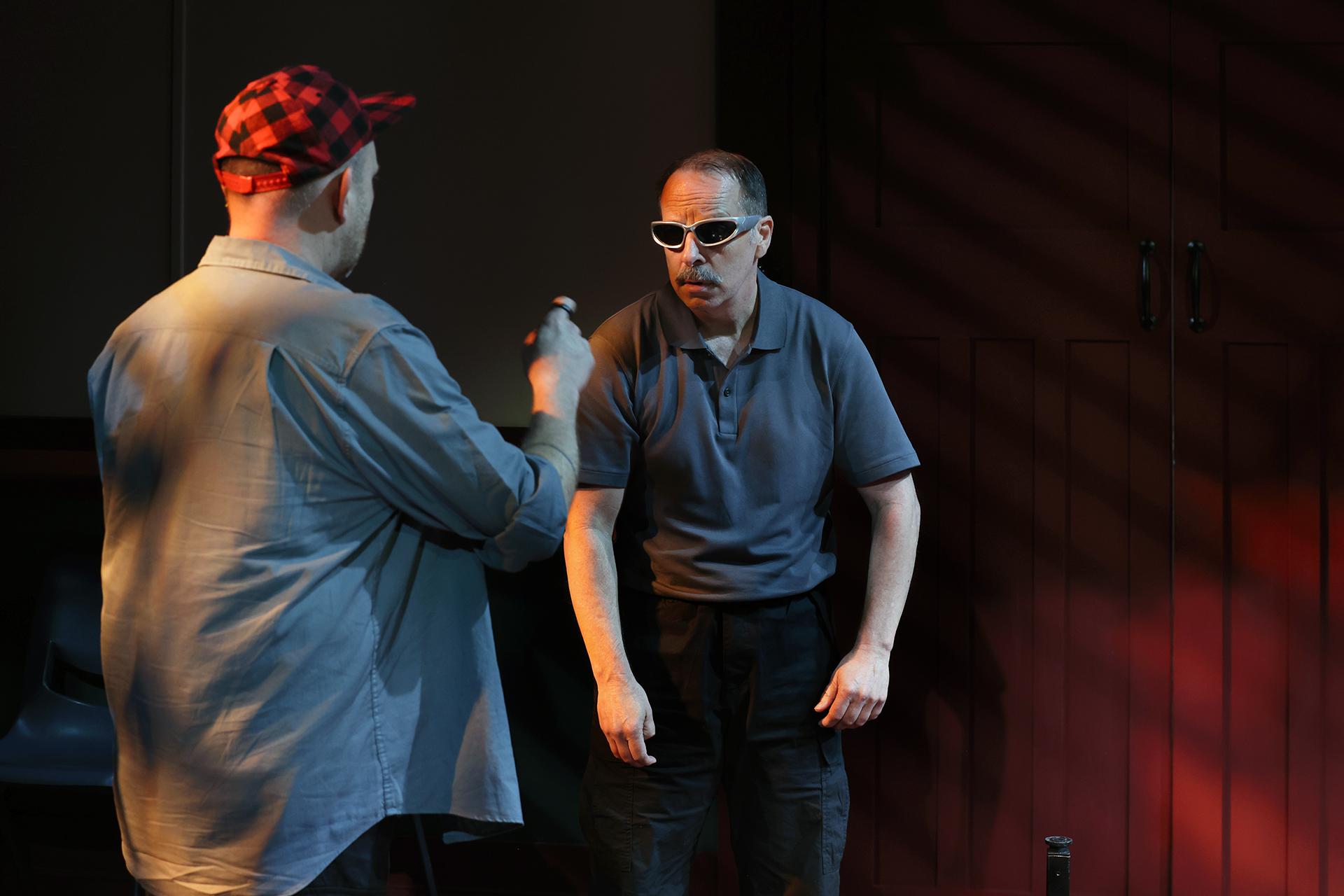
Costumes by Kelsey Lee are appropriate in every way, never distracting and in a sufficiently vibrant palette to help us endear to both personalities. Set design by Veronique Benett is thoroughly elegant, for a home that absolutely befits Highsmith’s status and exacting standards. Benett’s lights, along with Kelly Ryall’s music, are unostentatious to begin with, but as the action turns noir, both rise to the occasion and deliver dramatic transformations to atmosphere that have us spellbound.

In Highsmith’s world, people are never who they seem to be. One may go so far, in Switzerland, to conclude that people rarely even know who they really are. We yearn to have firm grasps of our own identities – it makes our essential evanescence tolerable – but the whole truth of each person’s existence, seems eternally to be a mystery. What is real, is that we continue to seek pathways to understanding, and in that persistence, we can only hope that what we find, is not only glorious, but good.

www.ensemble.com.au

Review: The Great Divide (Ensemble Theatre)

Venue: Ensemble Theatre (Kirribilli NSW), Mar – Apr 27, 2024
Playwright: David Williamson
Director: Mark Kilmurry
Cast: Caitlin Burley, Emma Diaz, James Lugton, Georgie Parker, Kate Raison, John Wood
Images by Brett Boardman

Theatre review
Property developer Alex’s intentions of turning Wallis Heads into a millionaire’s playground, means that existing residents will no longer be able to afford their lives in the area. Local activist Penny however, will not submit to gentrification without a fight. David Williamson’s The Great Divide tells a familiar tale about Australian life. Its characters are somewhat generic, with dialogue that sounds more than a little obvious, but its belief in people power could prove inspiring.

Directed by Mark Kilmurry, The Great Divide is full of verve, almost boisterous in its energetic iteration of this latest David and Goliath story. Actor Georgie Parker is highly animated as Alex, strangely bereft of complexity, but entertaining nonetheless. Penny is played by Emma Diaz, who is thankfully more contemplative in approach. Caitlin Burley is memorable as Penny’s daughter Rachel, replete with teenage angst, and distinct with a certain audacity that is characteristic of her generation.

Set design by James Browne offers an abstract representation of an unsophisticated coastal town, with a dated aesthetic reminding us of spaces that opportunistic mercenaries are always scheming to usurp. Lights by Veronique Bennett are seldom ornamental, but effective in helping us navigate every shift in chronology. Music by Daryl Wallis is played mainly between scenes, to sustain our attentiveness, for this fast-paced piece about social consciousness.

The Great Divide longs for a fast disappearing Australia, where wealth is not the be all and end all. It wishes to see the voracity of the ultra wealthy be restricted, that their money is somehow unable to devour the integrity and dignity of those who have less. It wants our democracy to be resilient and incorruptible, that it would not be compromised and degraded by the crumbs of capitalism. This may seem a pipe dream, but until we can formulate something better, it is true that democracy remains the strongest weapon we have.

www.ensemble.com.au

Review: Alone It Stands (Ensemble Theatre)

Venue: Ensemble Theatre (Kirribilli NSW), Jan 25 – Mar 2, 2024
Playwright: John Breen
Director: Janine Watson
Cast: Tristan Black, Ray Chong Nee, Briallen Clarke, Skyler Ellis, Alex King, Anthony Taufa
Images by Prudence Upton

Theatre review
The impossible happened in 1978 when Irish provincial side the Munsters, met the almighty All Blacks. For many, it was an unforgettable event, not only in terms of the on-field activity, but also the innumerable surrounding stories, of ordinary people forever changed by the momentous occurrence. The nostalgia of John Breen’s 1999 play Alone it Stands has only become more poignant with time for fans of sport, who are certain to remain connected with the resonances of this uplifting piece.

Direction by Janine Watson not only imbues Alone it Stands with appropriate emotional and comical dimensions, her work is memorable for its impressive physical and spatial aspects. A show about rugby calls for a considerable amount of kinetic animation, which Watson duly incorporates with flair and aplomb. The immensely likeable ensemble of six brings great charm and humour, to the 62 roles they ardently perform, on a stage relentless with its delightful effervescence.

Designer Emma White’s set and costumes offer simple but unequivocally effective solutions to the demands of a text that requires us to imagine a great number of personalities and locations. Lights by Matt Cox deftly calibrates for us, the many degrees of varying tension, as we traverse the highs and lows of an historic moment. Jessica Dunn’s music and sounds bring the drama, along with amusement, to something that is evidently more that “just a game”.

Myth making is integral to the formation of our collective identities. Theatre is a form of storytelling that involves a process of congregation that ultimately leads to consensus. It is a perpetual exercise in democracy perhaps, in a world that we now understand to be constantly in flux, but that never stops needing to define itself. What we wish to become, will forever be tied to how we remember origins; how we select, manufacture, prioritise and emphasise old narratives, is a reflection of who we are and a decisive factor of who we can be.

www.ensemble.com.au

Review: Midnight Murder At Hamlington Hall (Ensemble Theatre)

Venue: Ensemble Theatre (Kirribilli NSW), Dec 1, 2023 – Jan 14, 2024
Playwright: Mark Kilmurry, Jamie Oxenbould 
Director: Mark Kilmurry
Cast: Sam O’Sullivan, Jamie Oxenbould, Ariadne Sgouros, Eloise Snape
Images by Prudence Upton

Theatre review
Amateur theatre group The Middling Cove Players are about to open a new show, but seven of the cast have been struck with covid, and only three actors and their stage manager are left to play all the characters. Everything falls to pieces but they persist, such is the tenacity of show people. Midnight Murder at Hamlington Hall by Mark Kilmurry and Jamie Oxenbould is a classic farce, in the same vein as 2012’s The Play that Goes Wrong by Mischief Theatre in London. The jokes flood in unremittingly, many of them very broad, in a work that is sure to delight audiences from all walks.

Rigorous direction by Kilmurry fills every moment with a playful zeal. Although stylistically derivative, the production is filled with whimsical creativity, informed by a joyous abandonment that many will find infectious and inexorably hilarious. With the sole purpose of entertainment, Midnight Murder delivers in spades. 
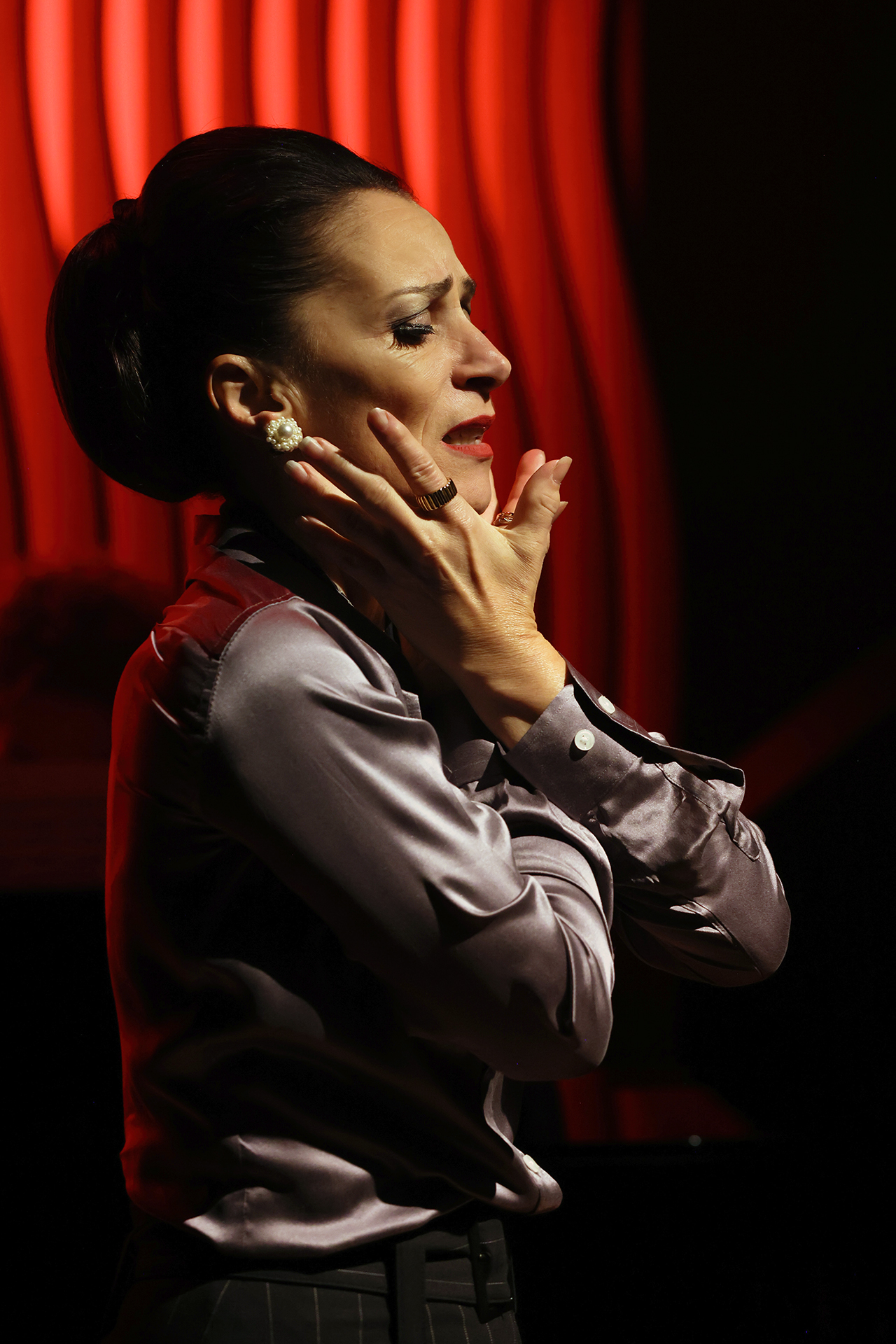
Set and costume designer Simon Greer offers vibrancy, along with an unmistakable irony, keeping the entire staging in a spirit of blitheness. Lights by Verity Hampson and sounds by Daryl Wallis are commensurately mirthful, adding to the convivial atmosphere.

Oxenbould performs the role of Barney with gusto, and with exceptional confidence. Sam O’Sullivan, Ariadne Sgouros and Eloise Snape play Shane, Karen and Philippa respectively, individually amusing and energetic, but as a team, the ensemble grips with their chemistry, thoroughly enjoyable with all the hijinks they concoct. Diversions of this nature are necessary, if only to help retain some sanity in a world determined to go mad.

www.ensemble.com.au