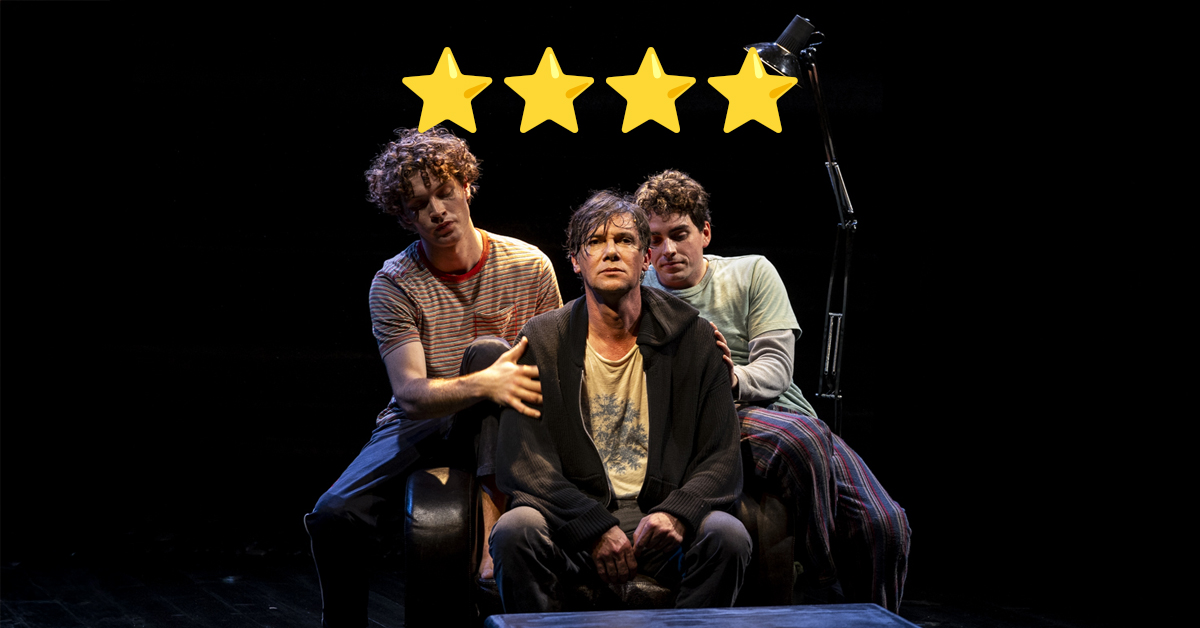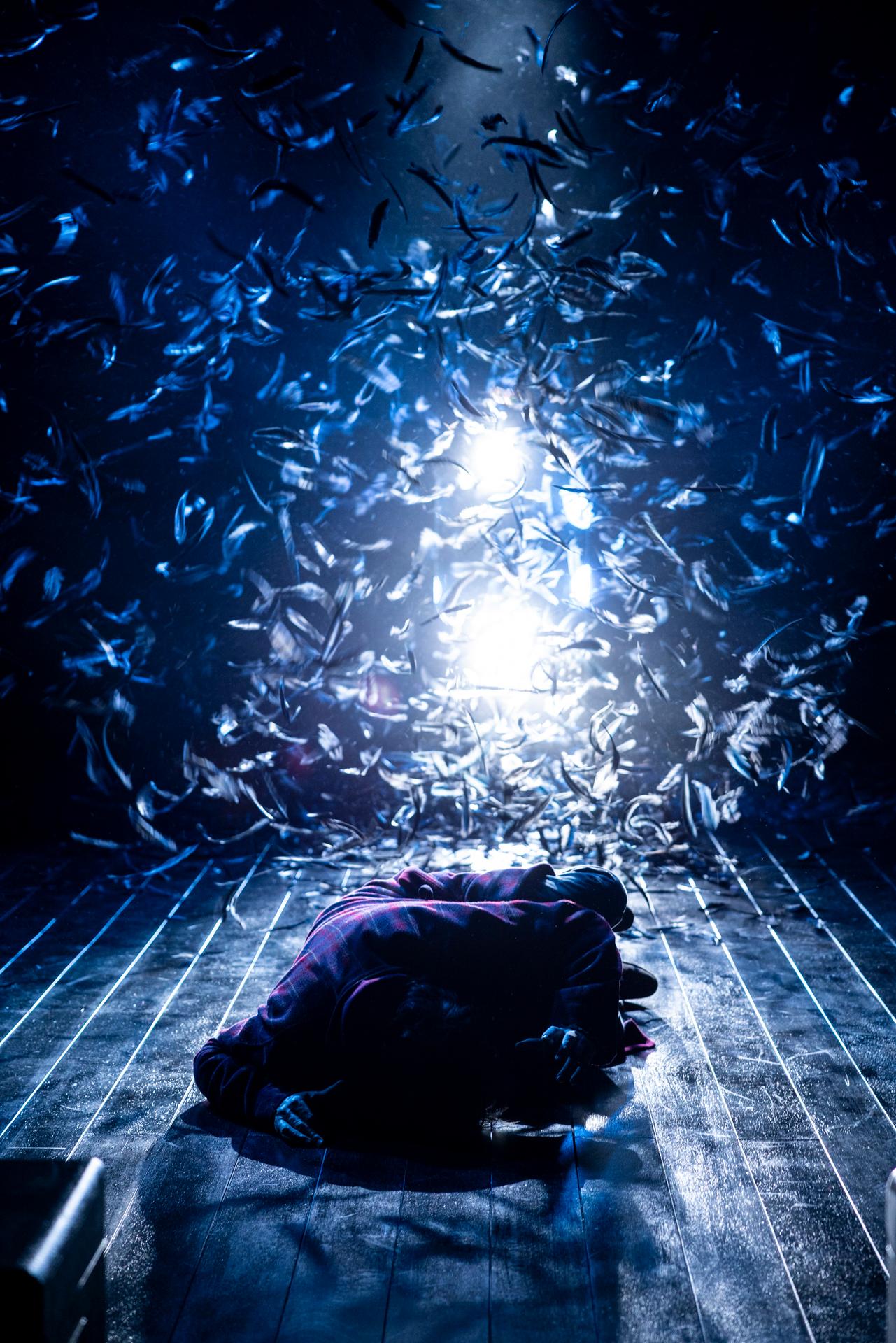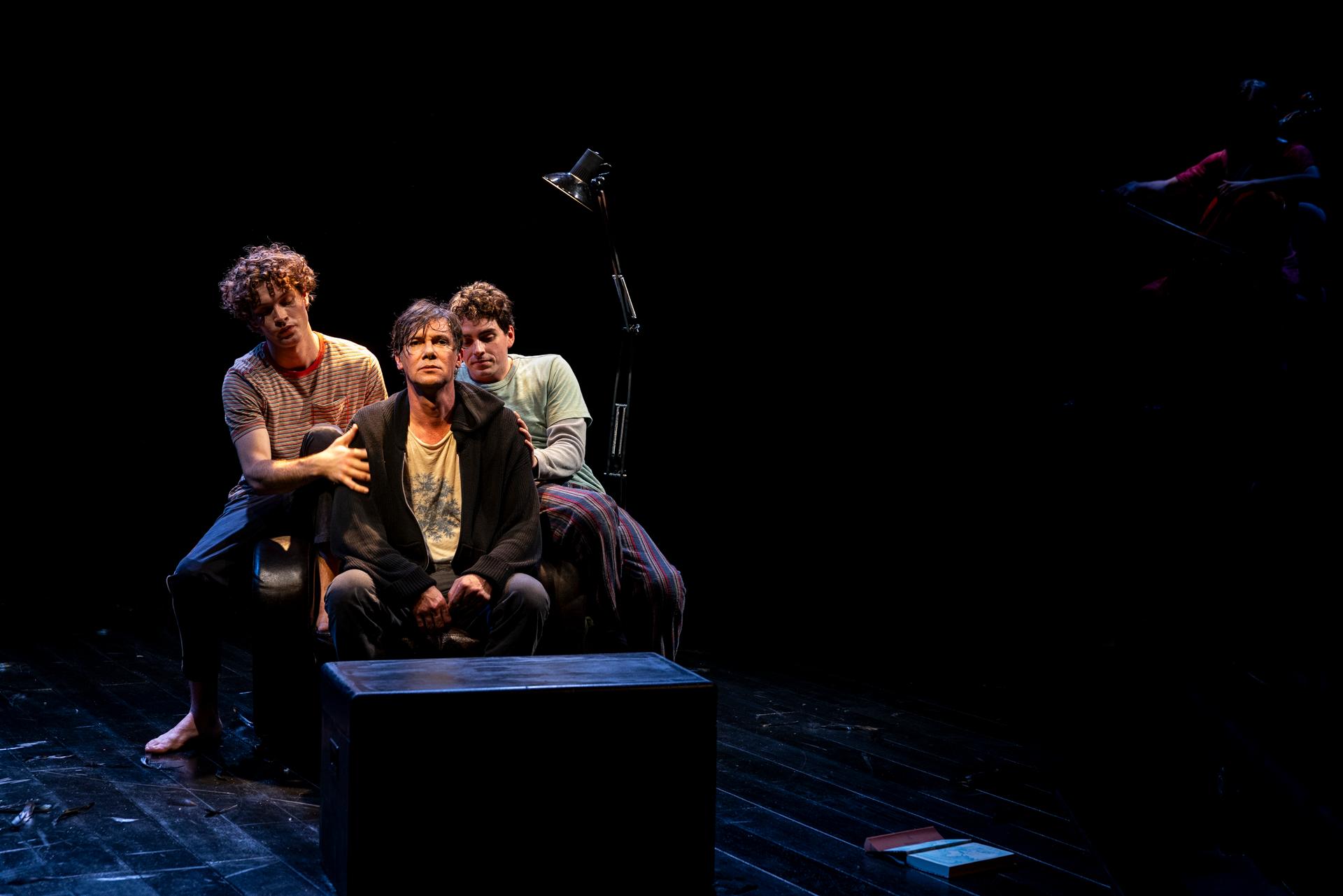

Review: Hedwig And The Angry Inch (Carriageworks)

Venue: Carriageworks (Eveleigh NSW), Jul 17 – Aug 3, 2025
Text: John Cameron Mitchell
Music and Lyrics: Stephen Trask
Directors: Shane Anthony, Dino Dimitriadis
Cast: Seann Miley Moore, Adam Noviello
Images by Eugene Hyland, Shane Reid

Theatre review
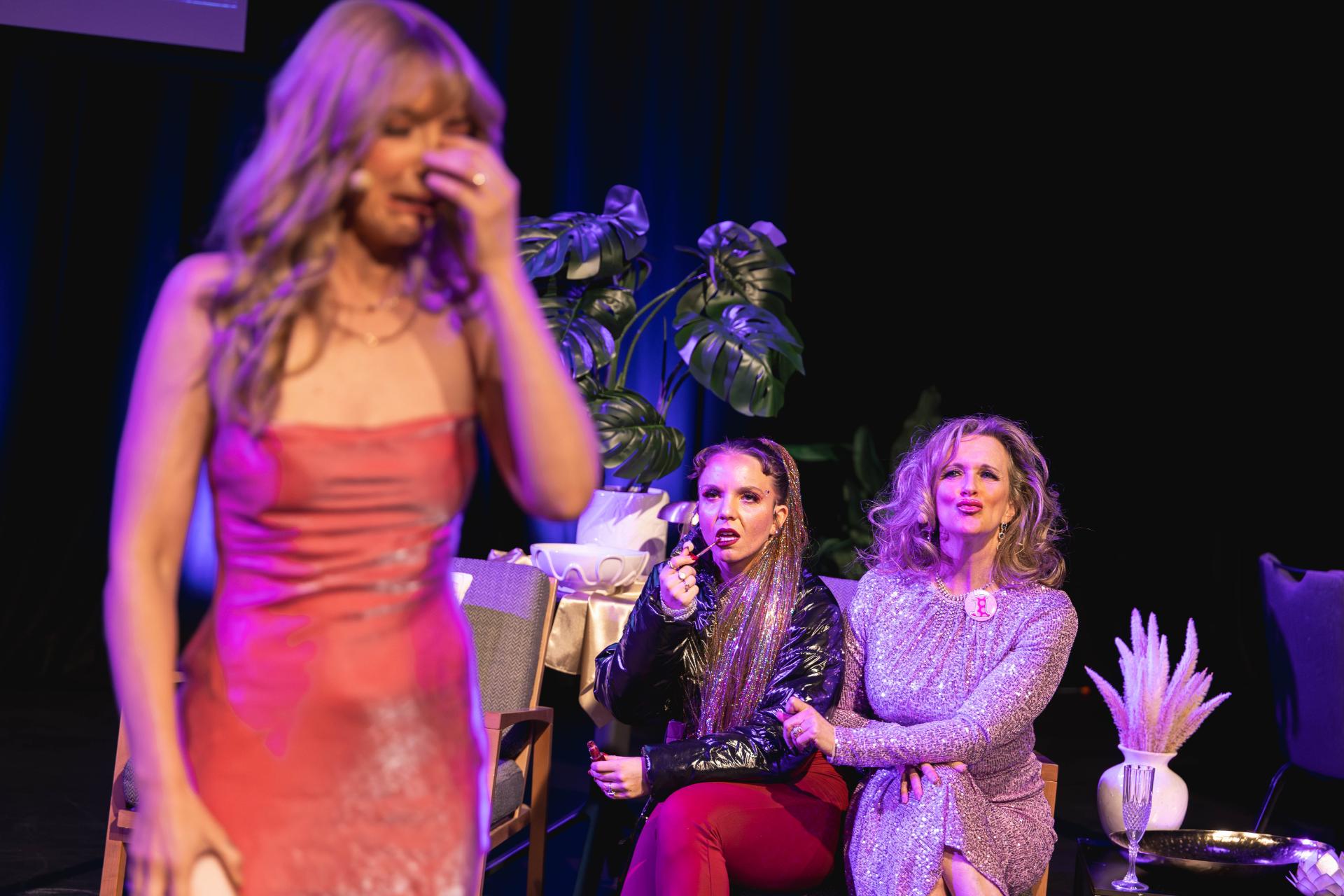
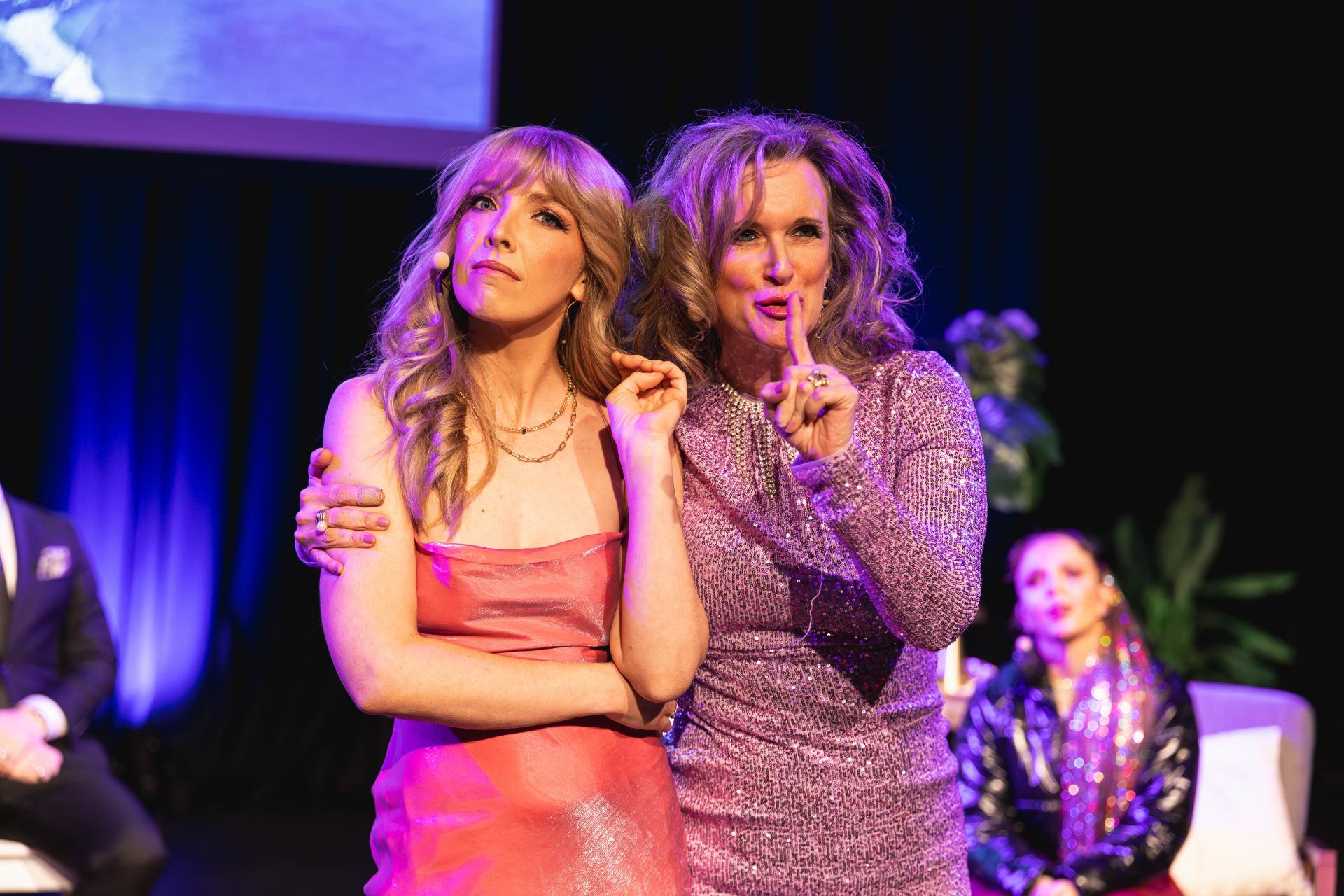
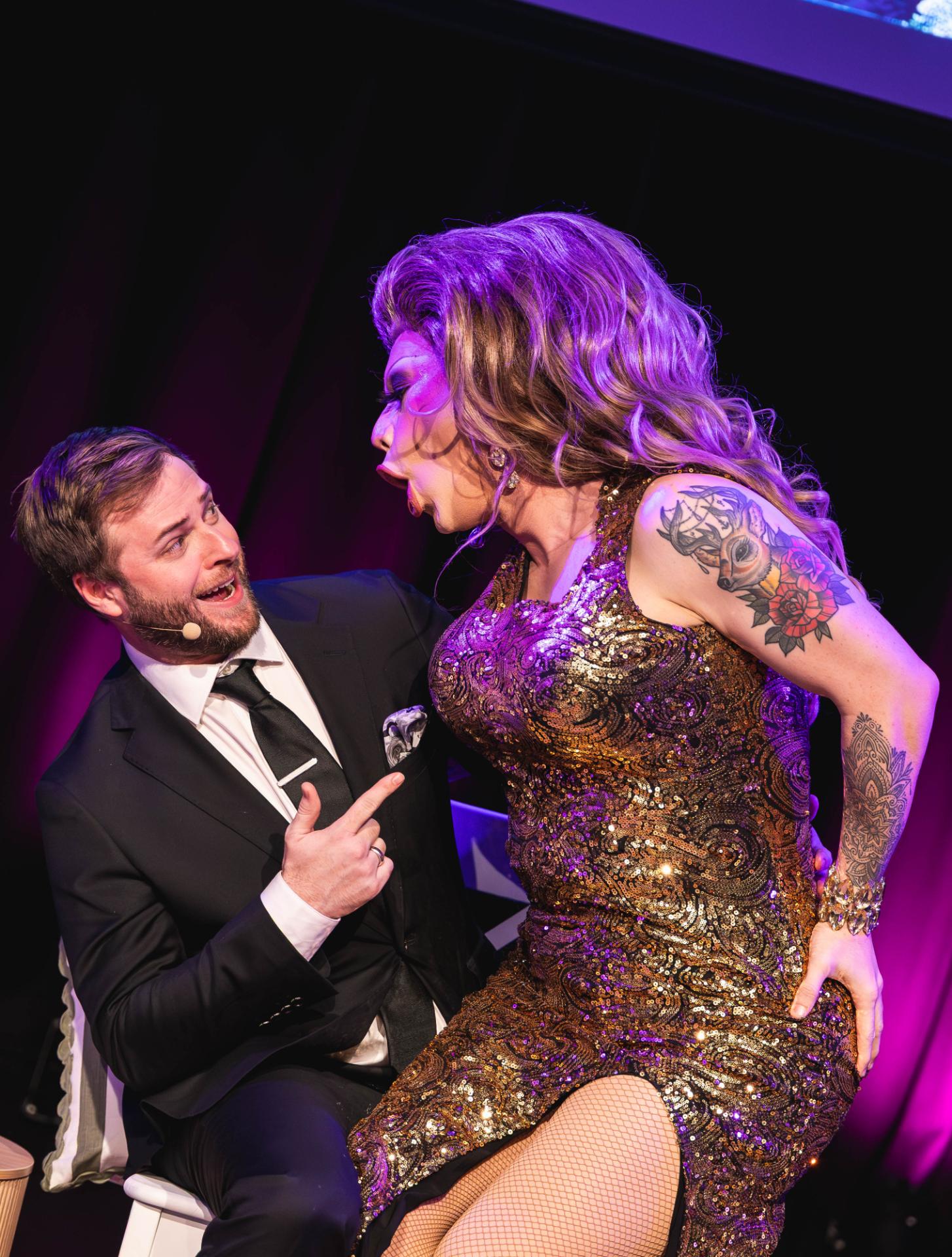
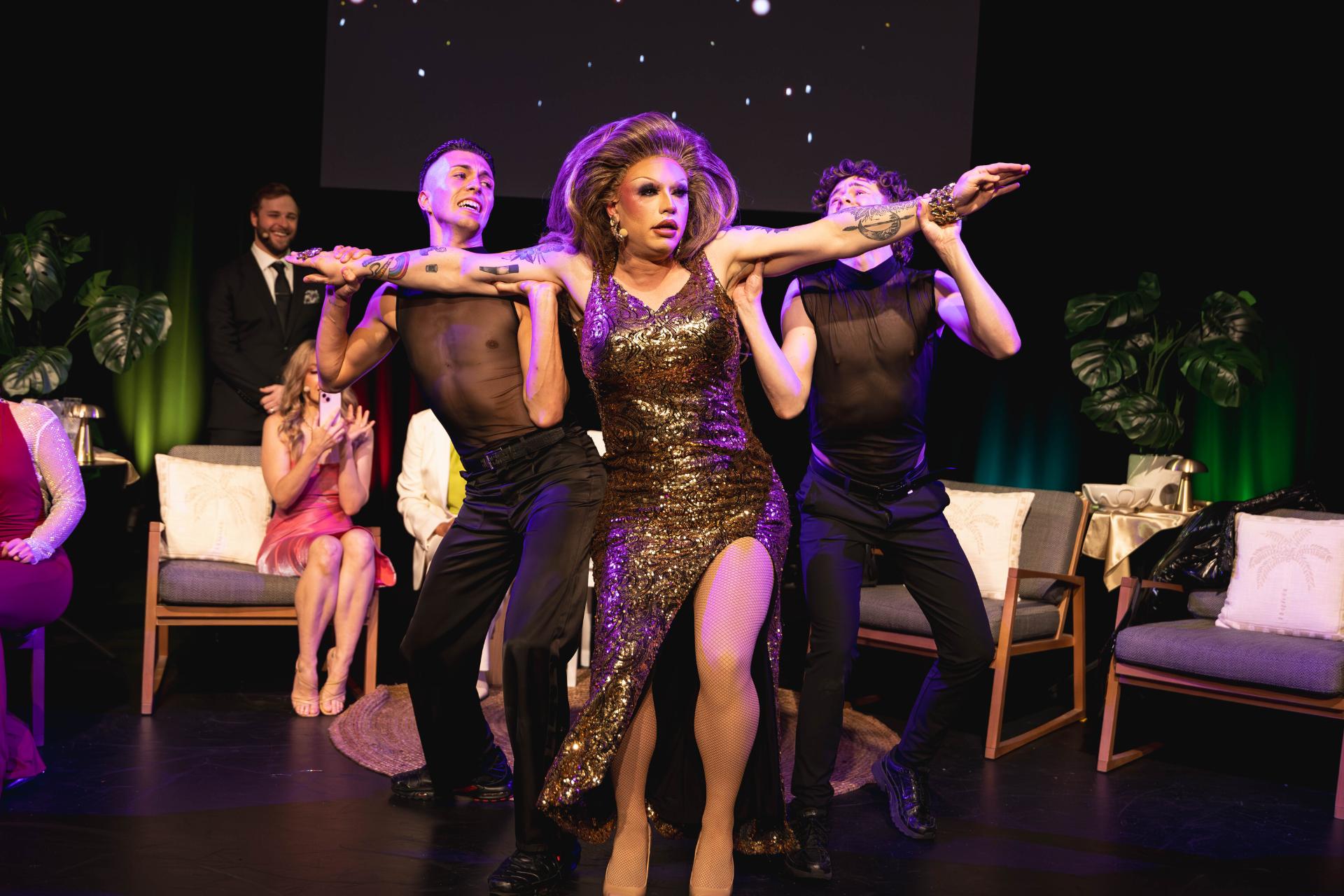
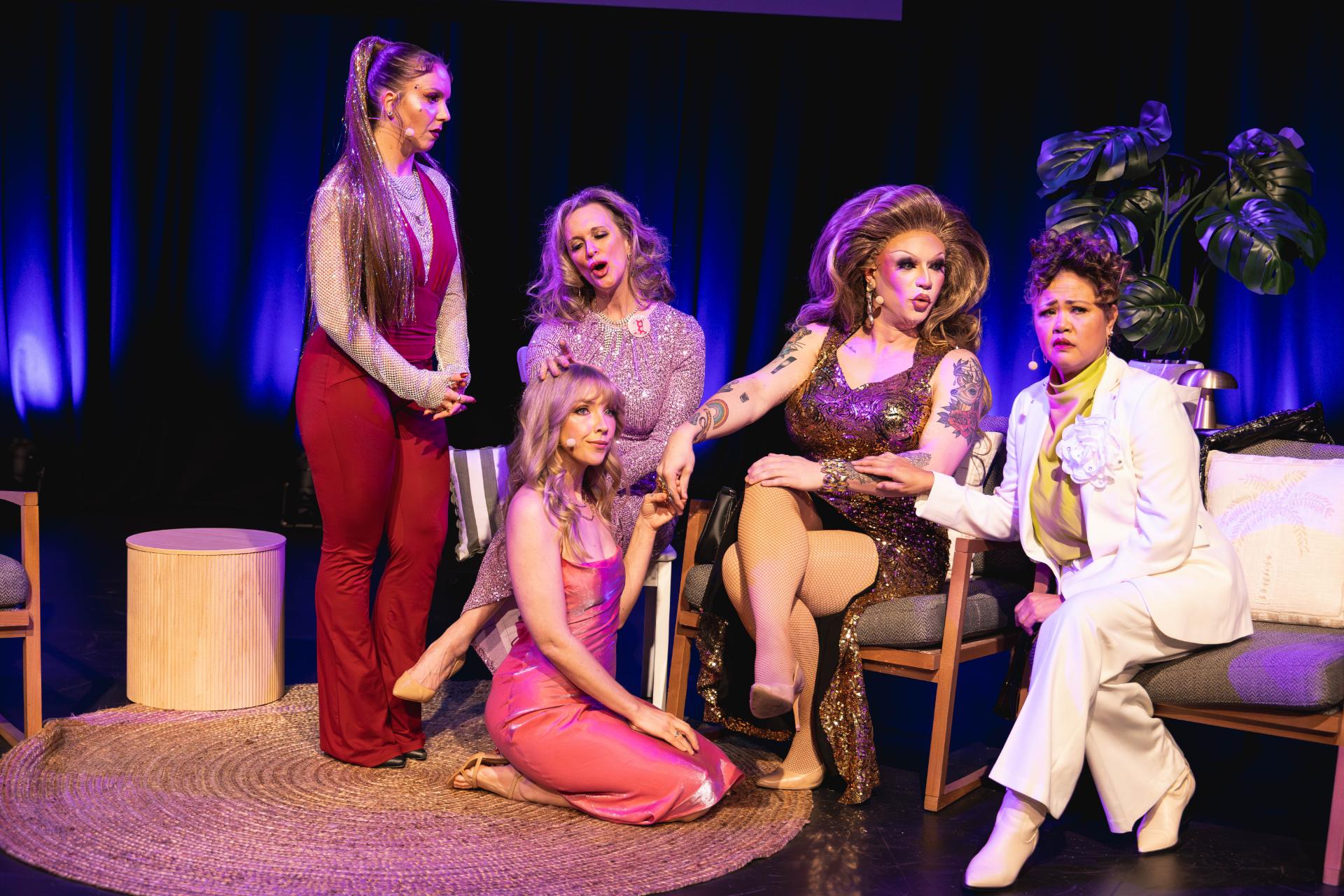
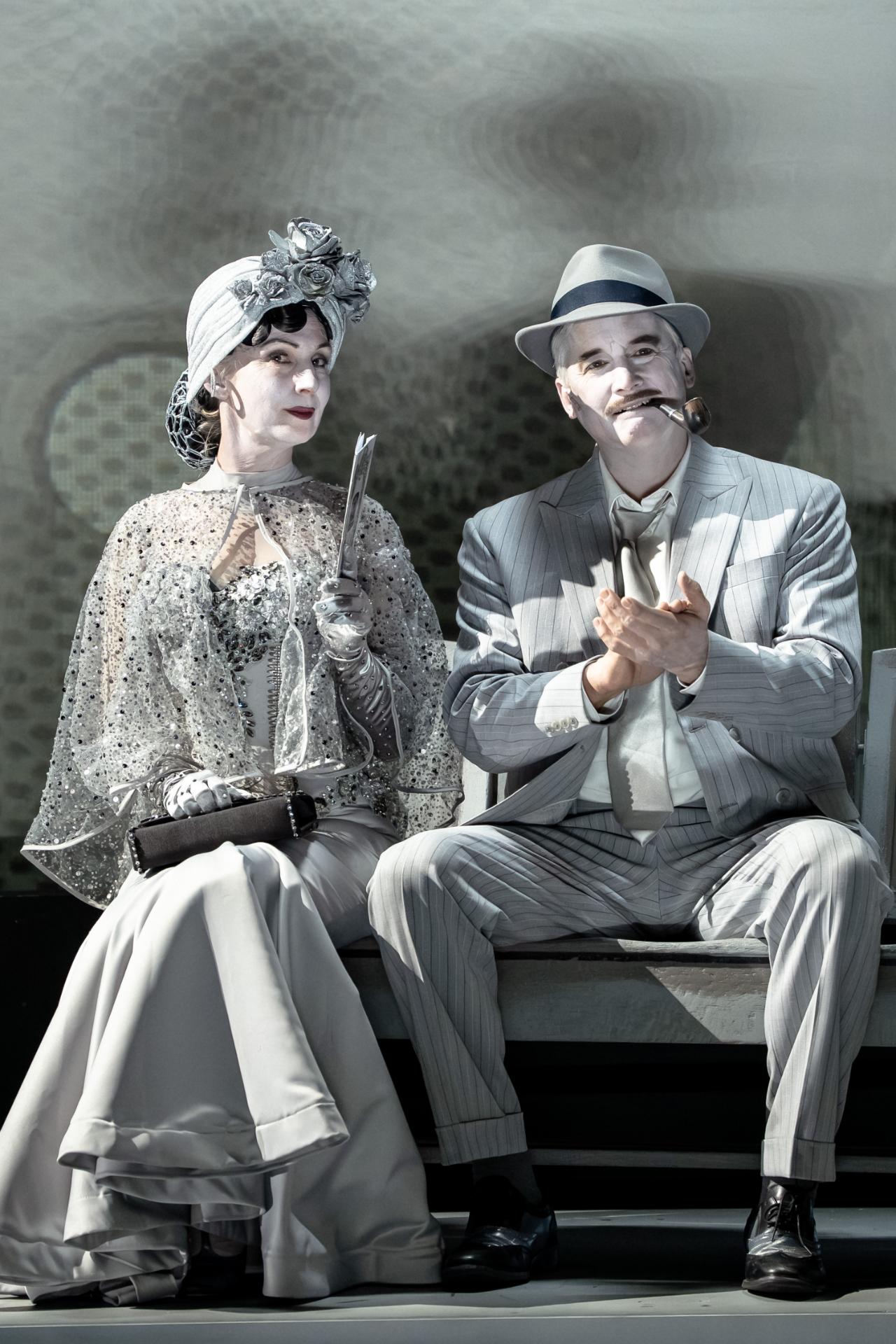
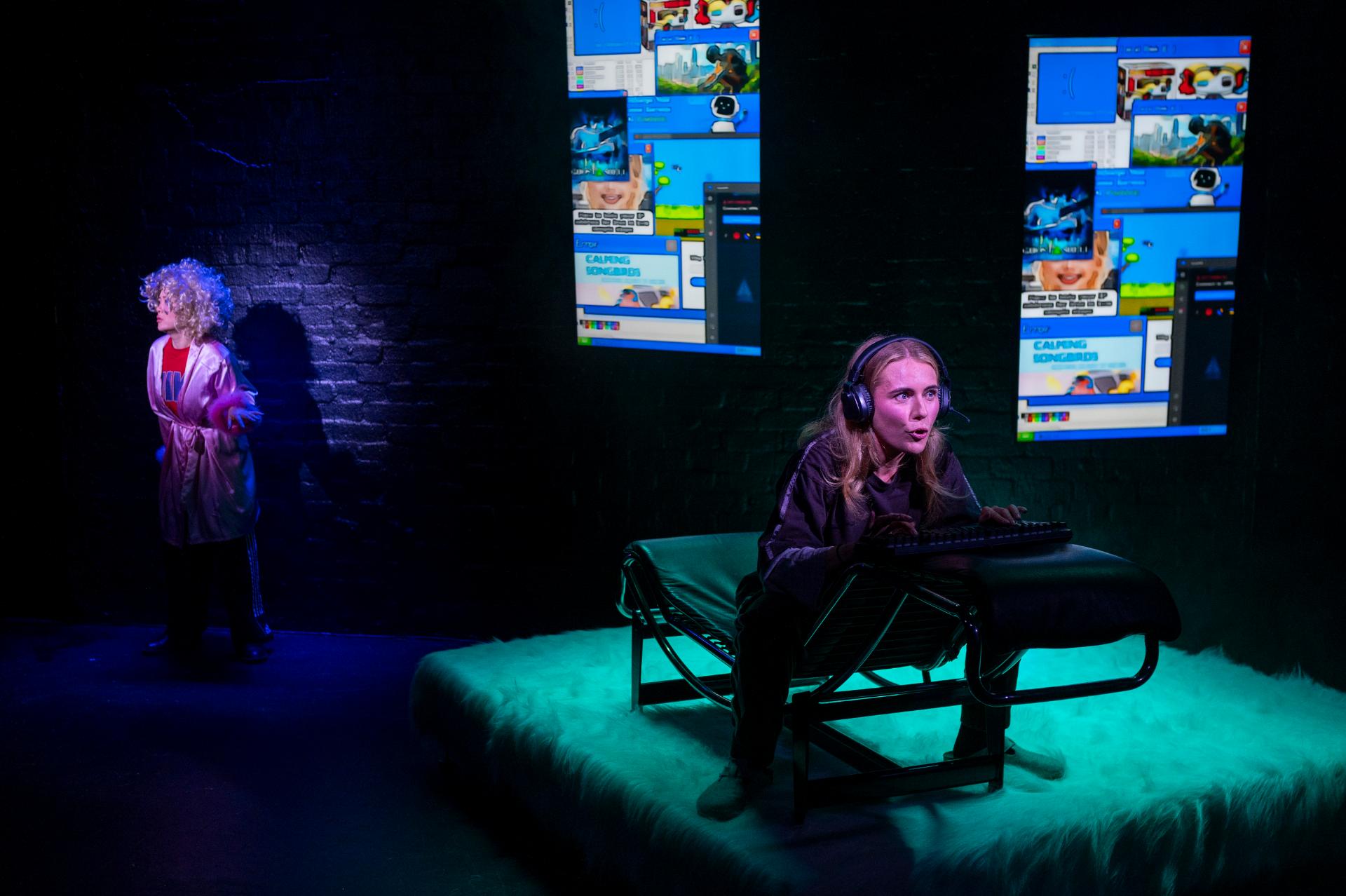
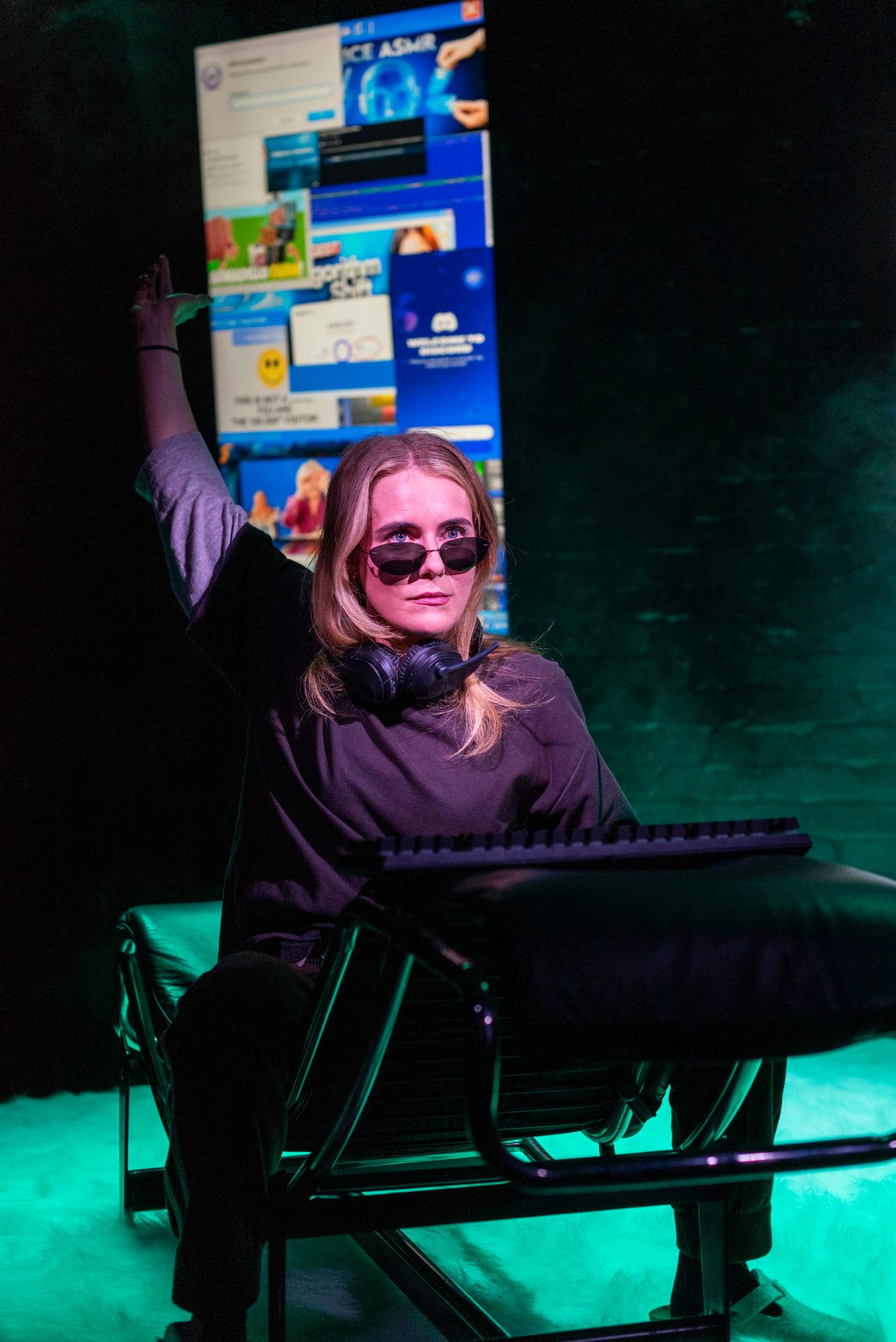
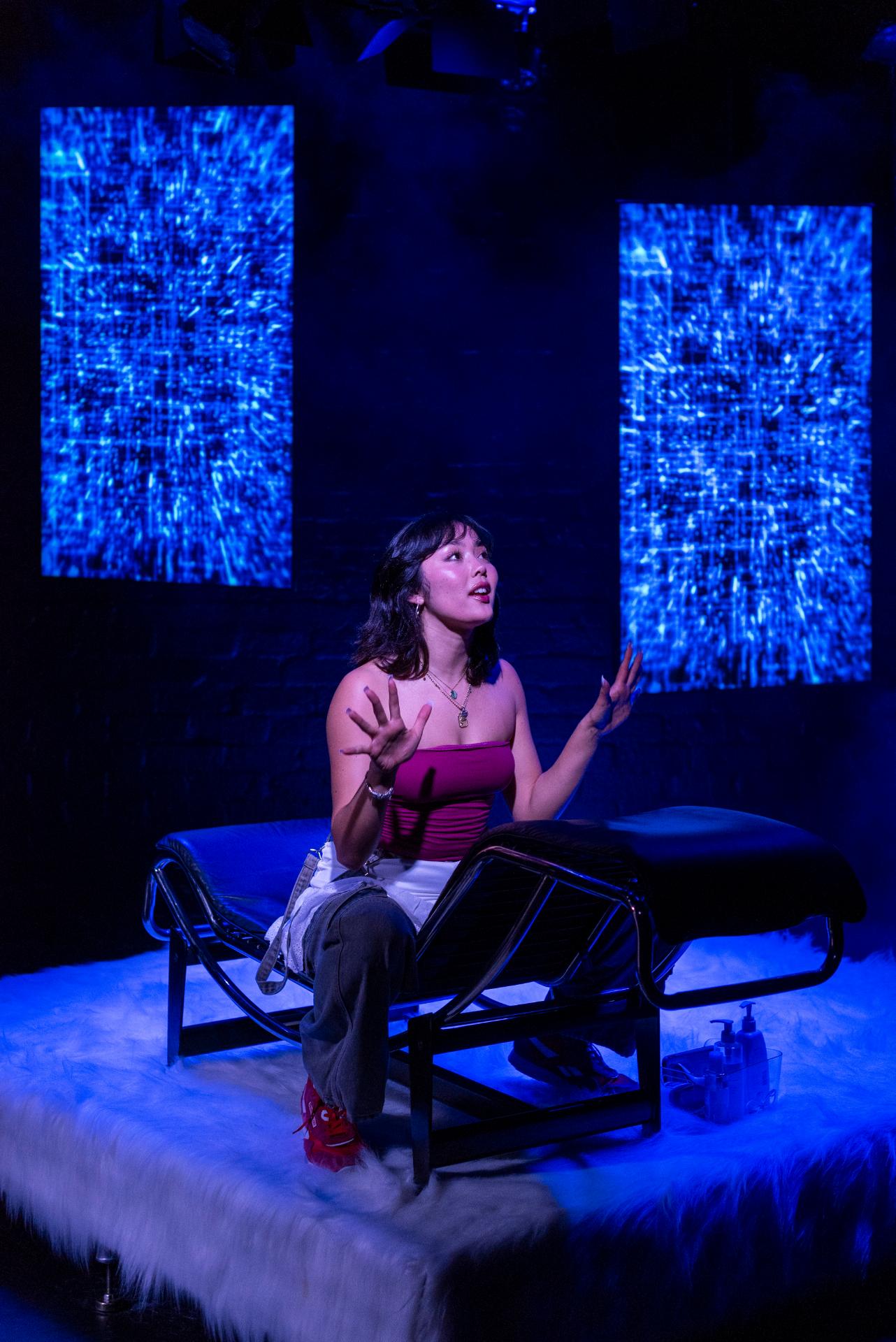
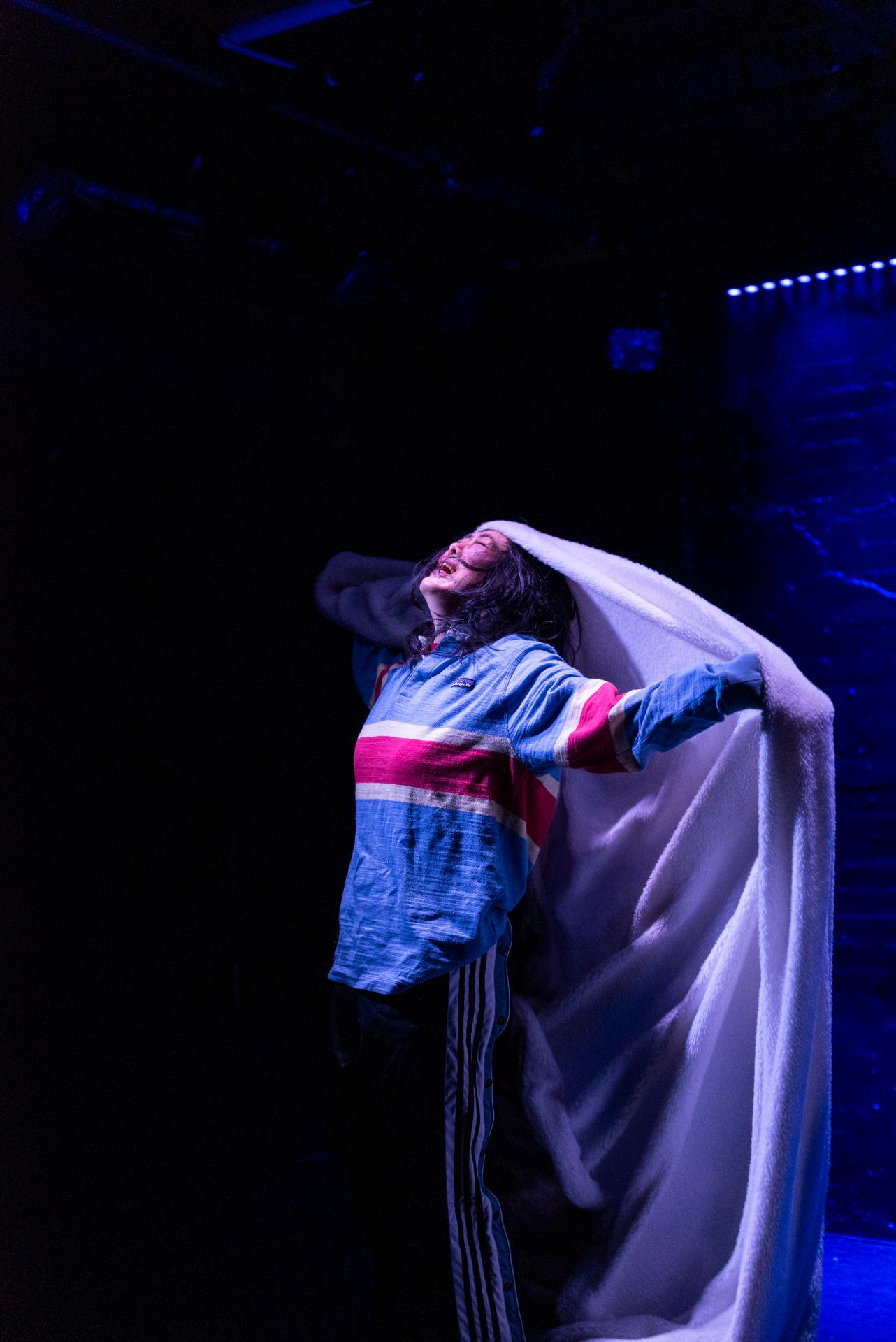
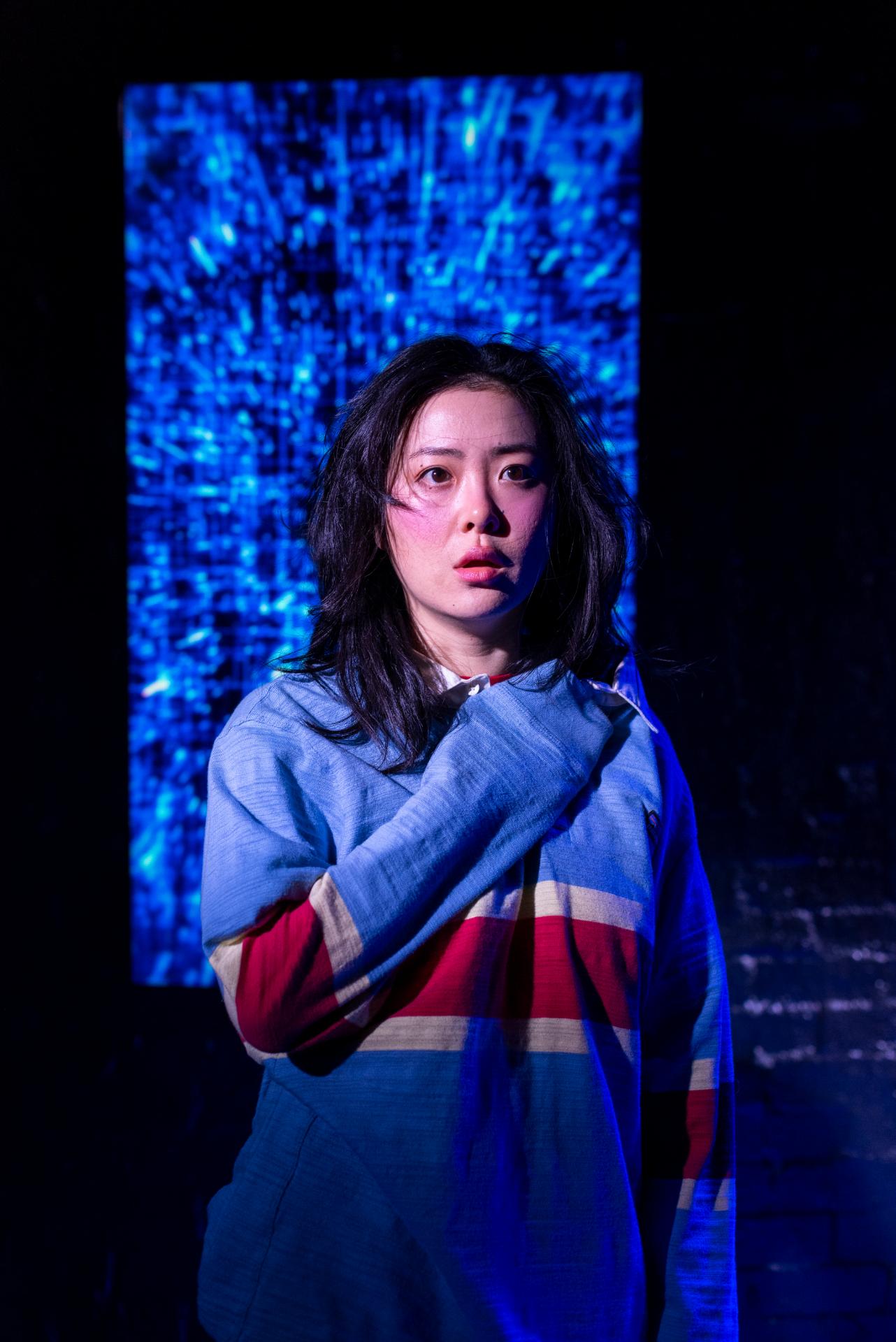
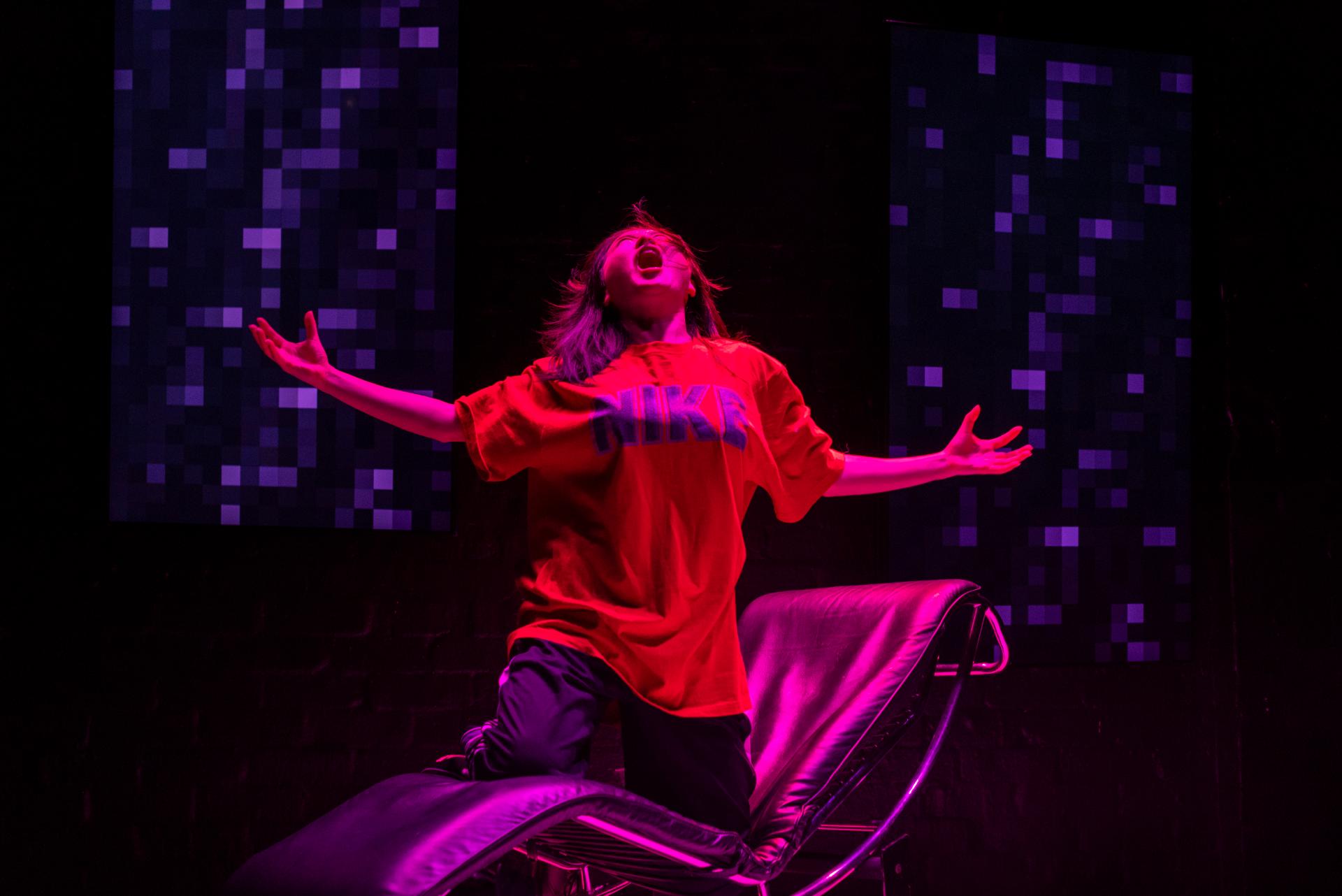
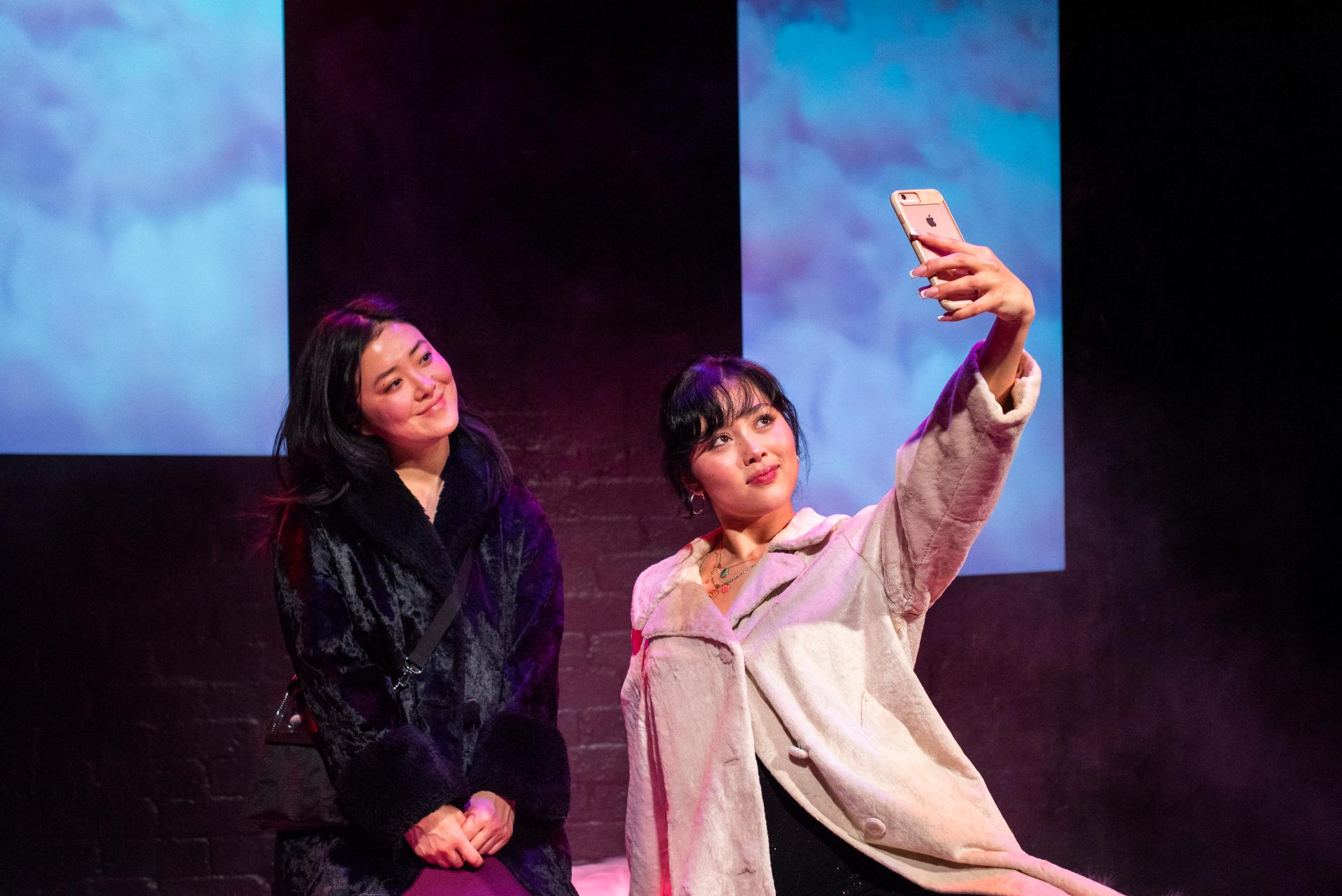
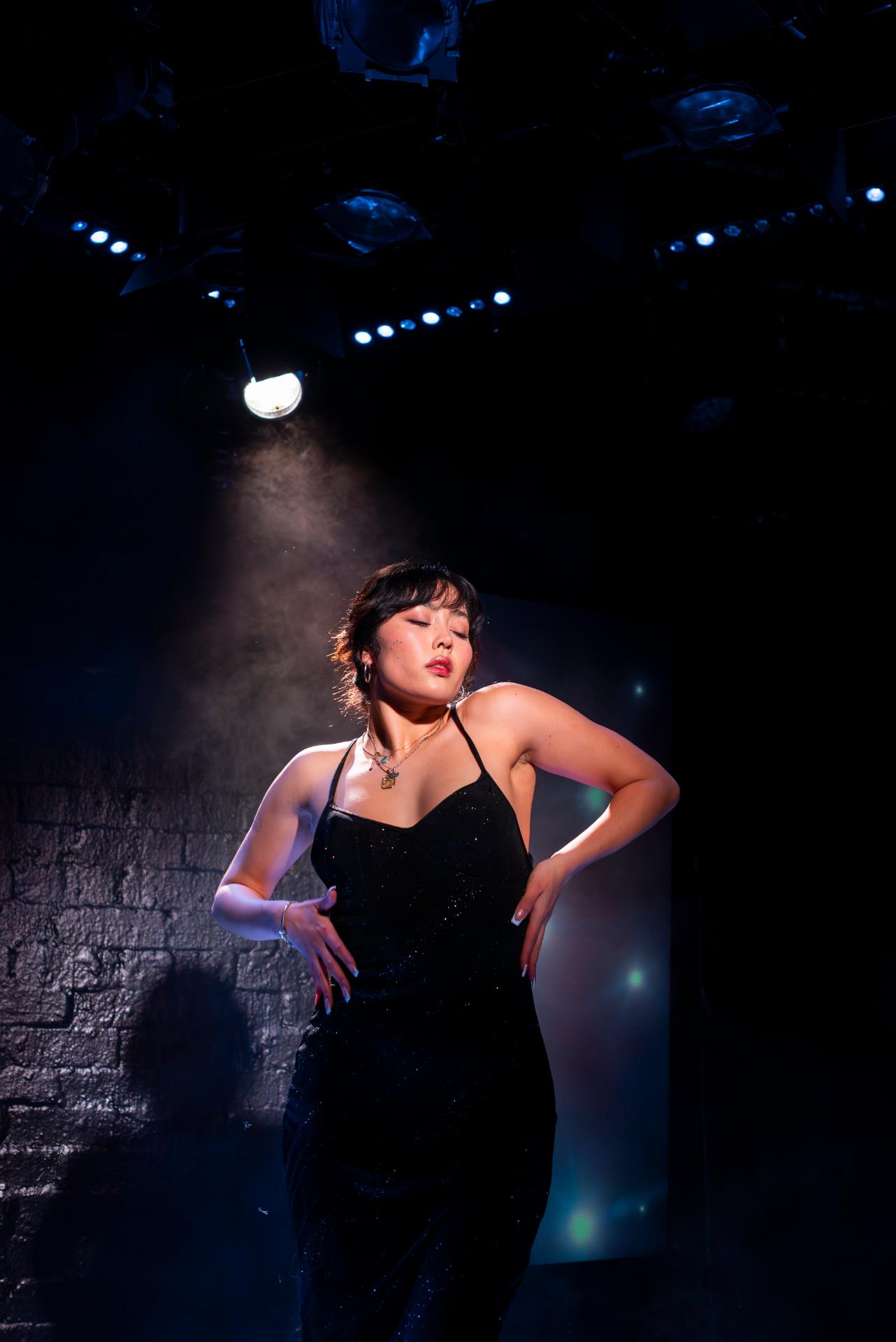
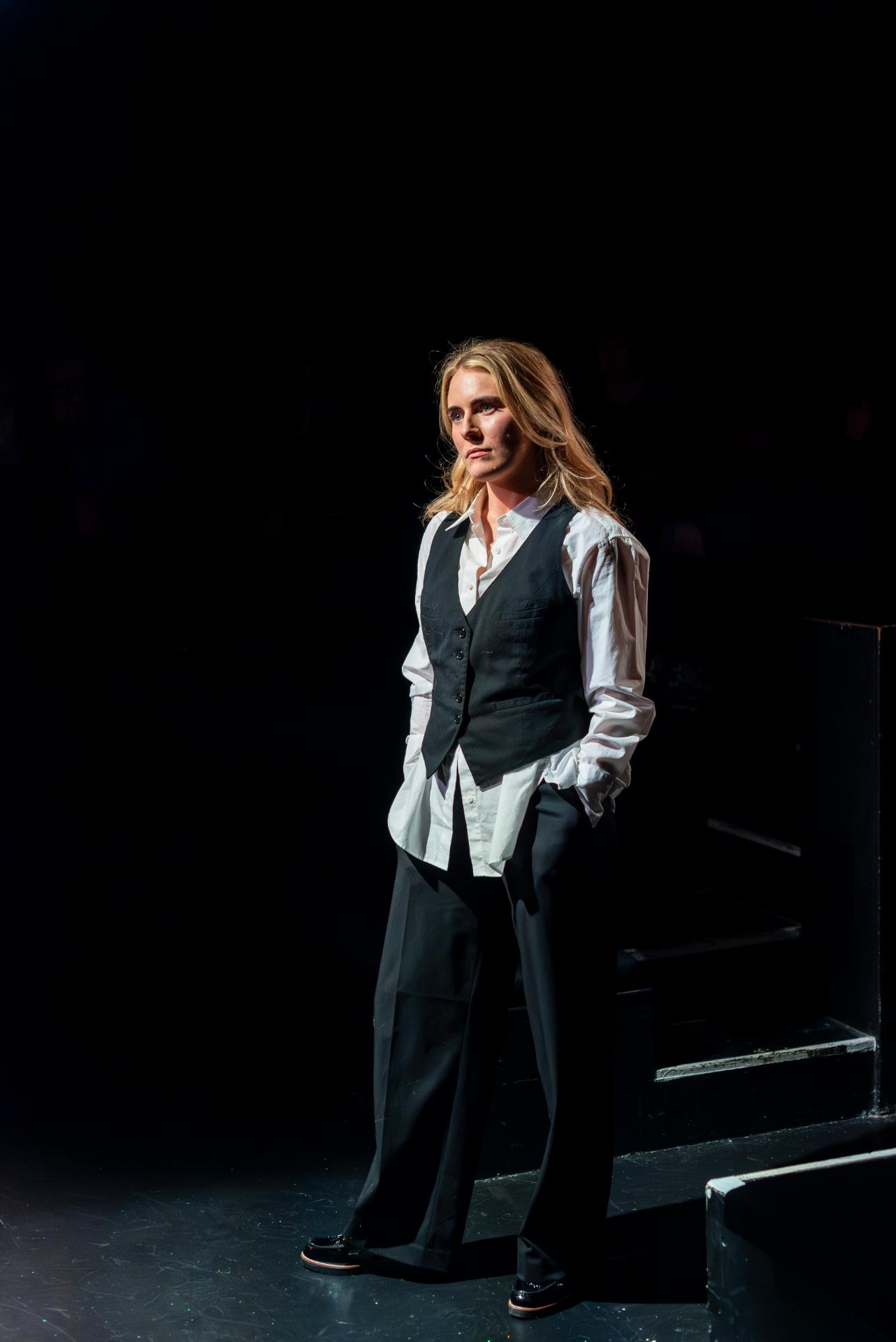
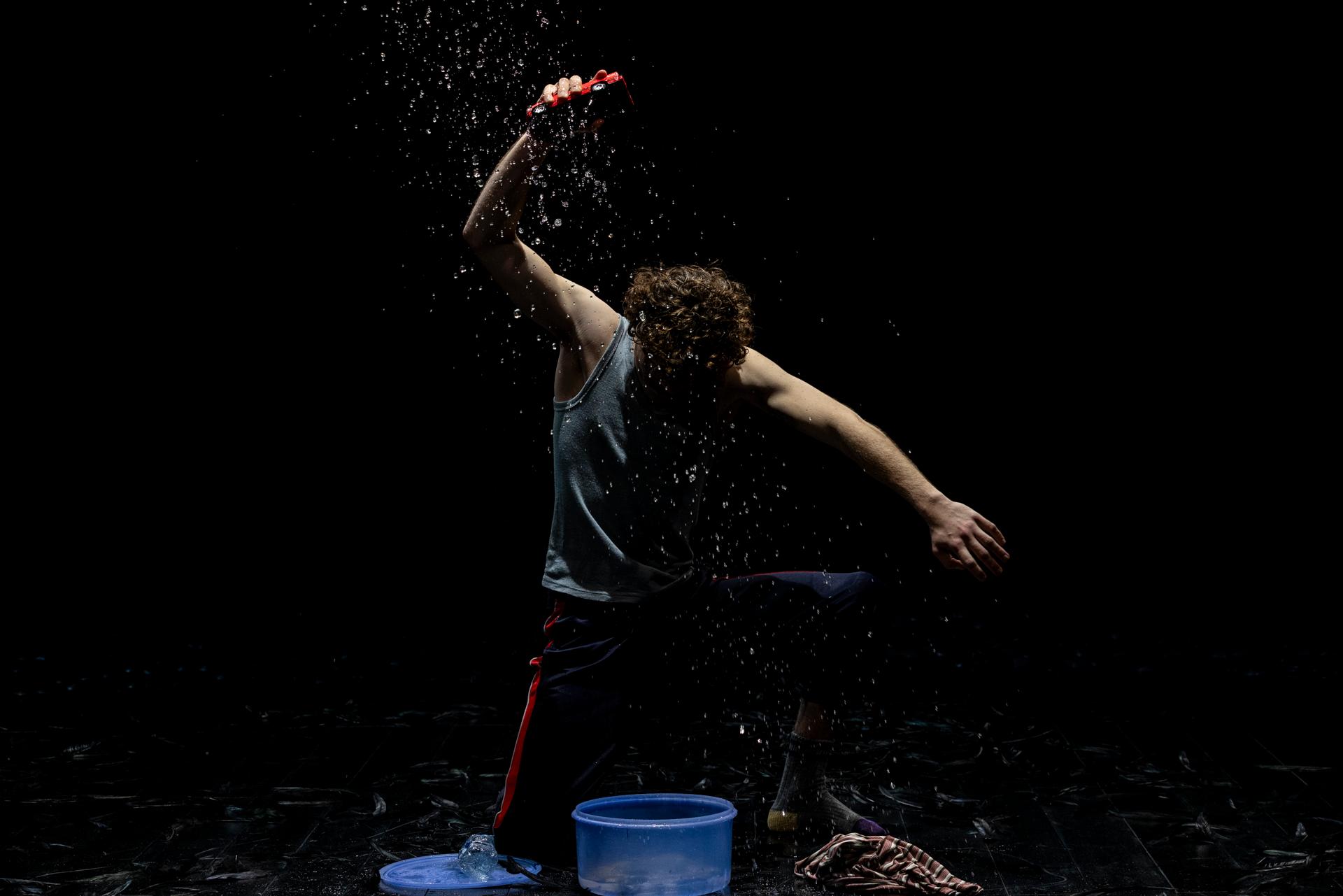
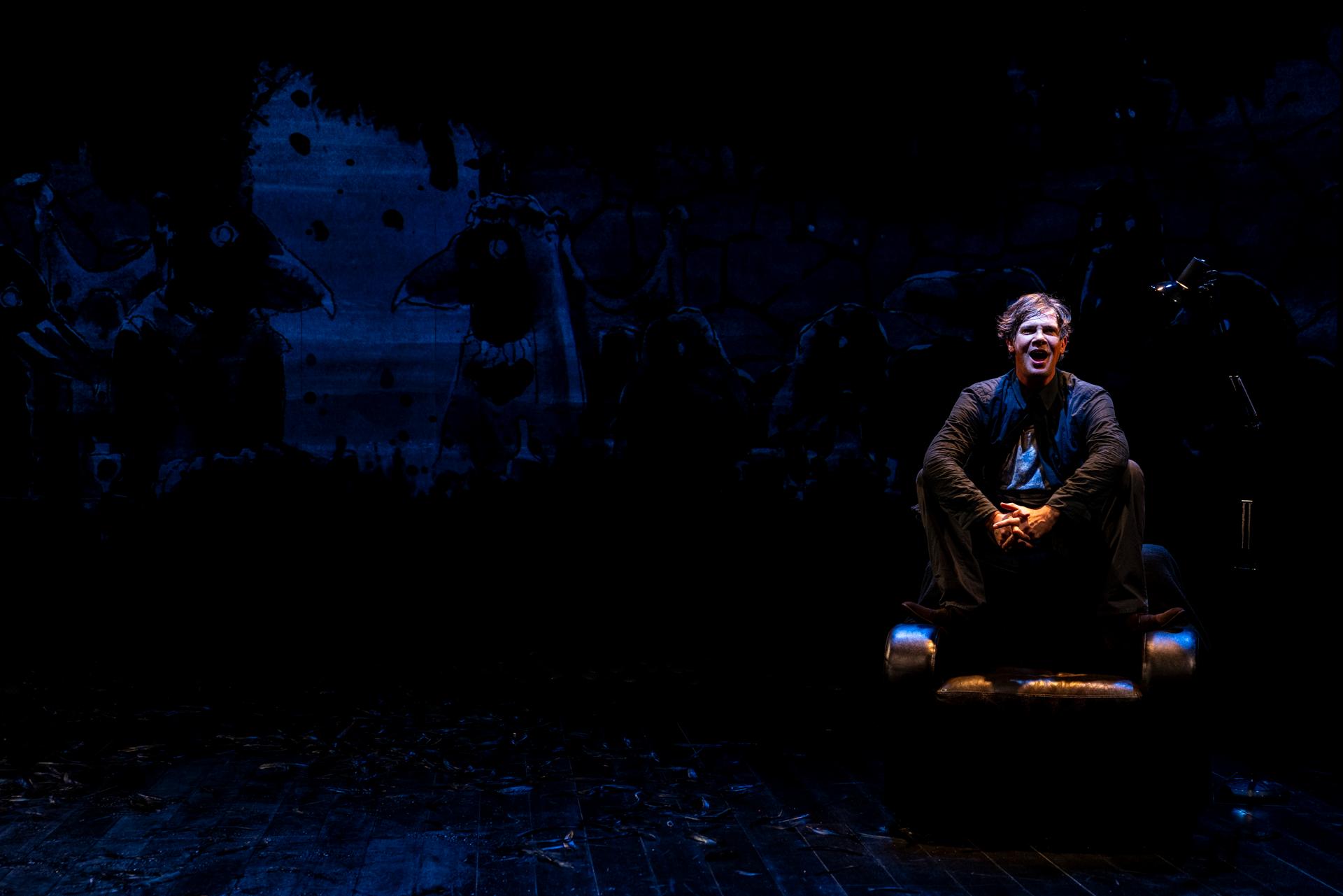
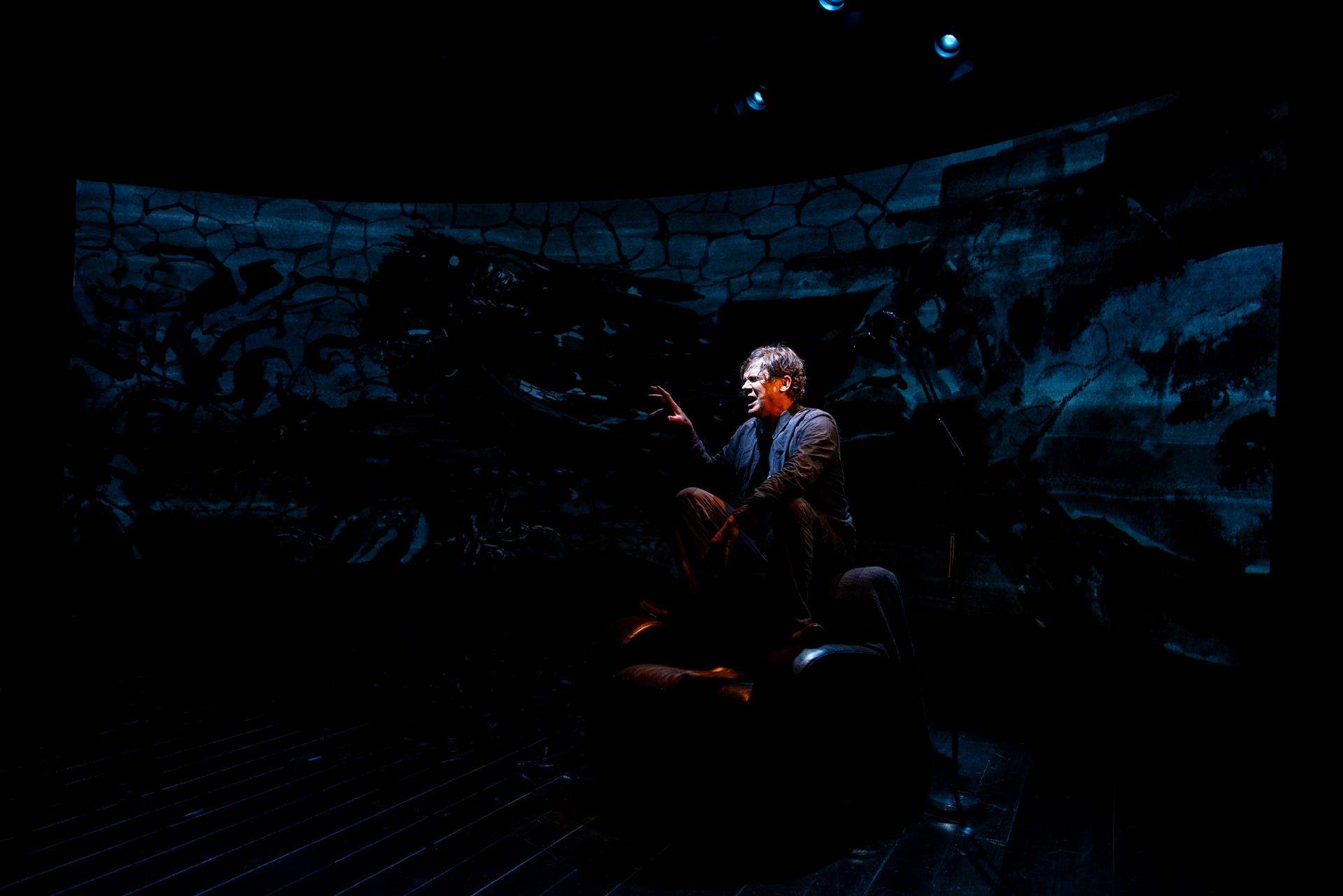
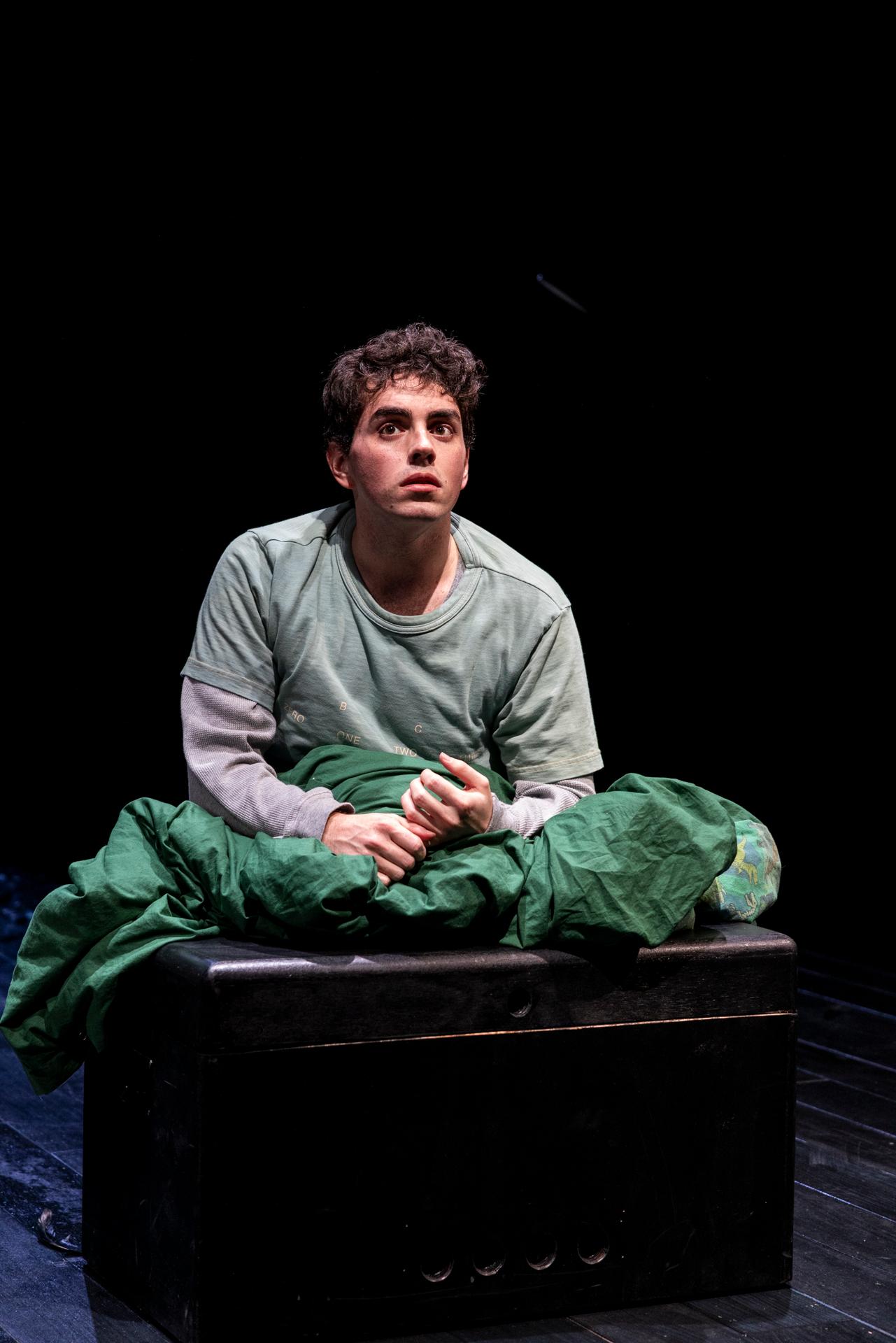
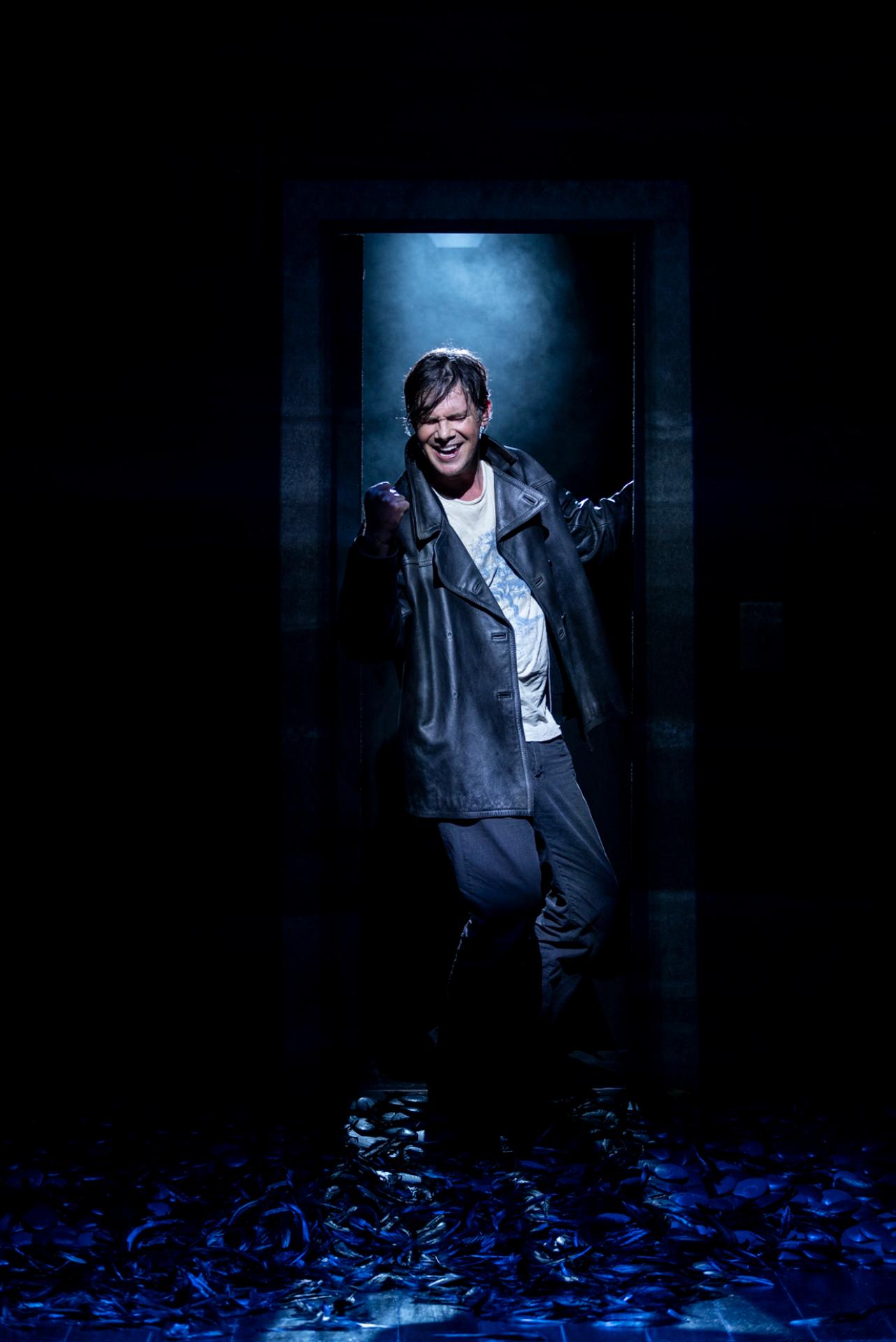
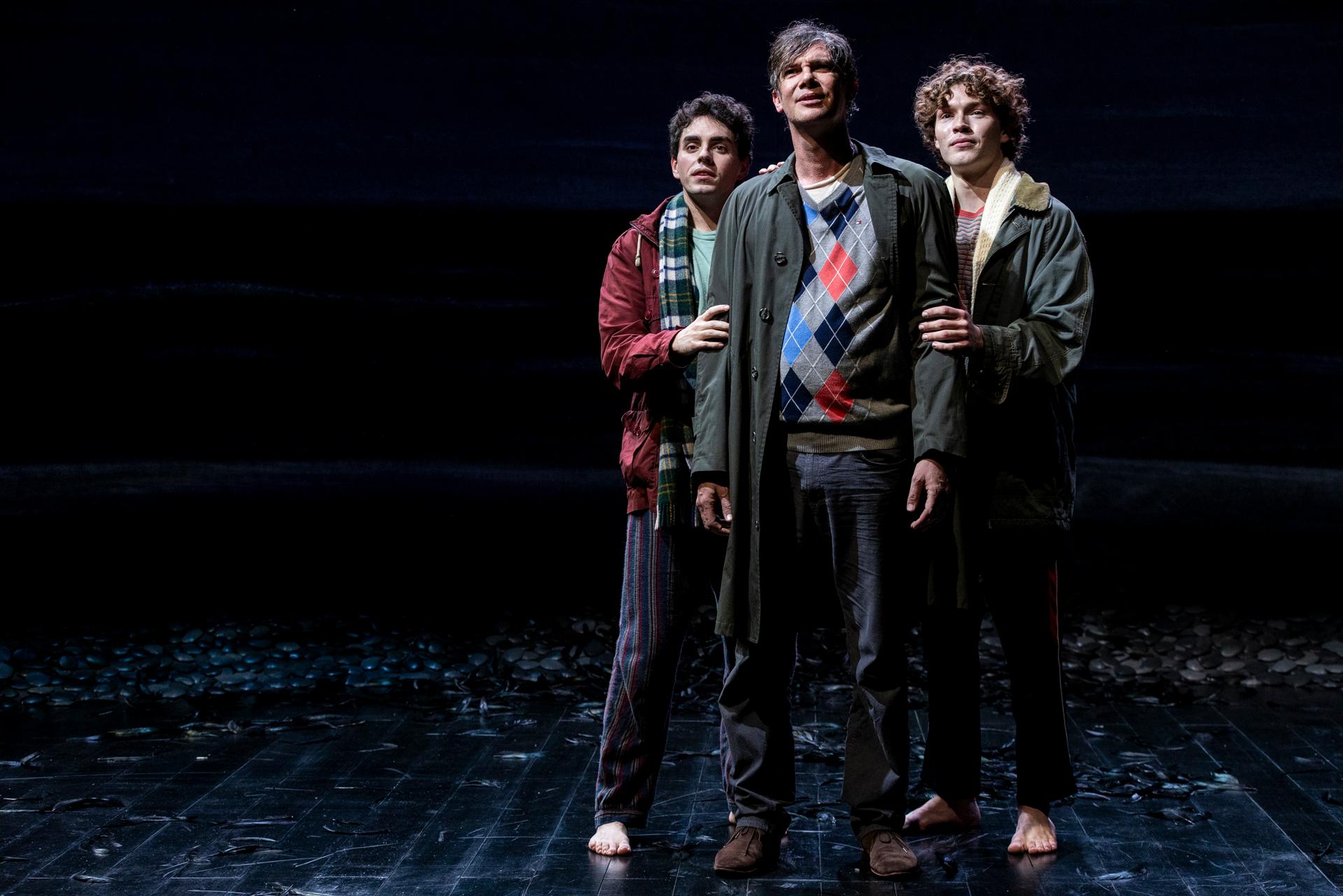
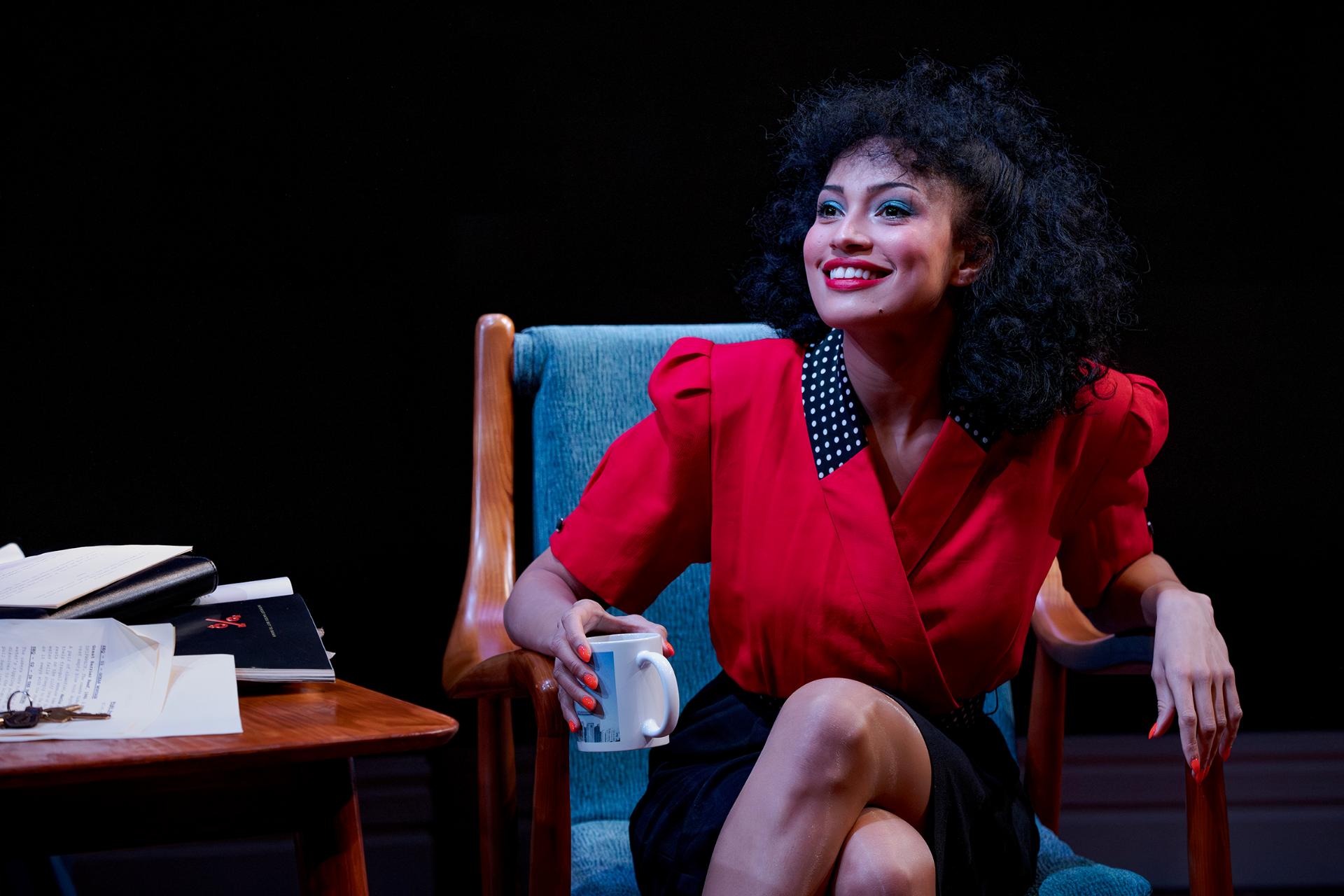
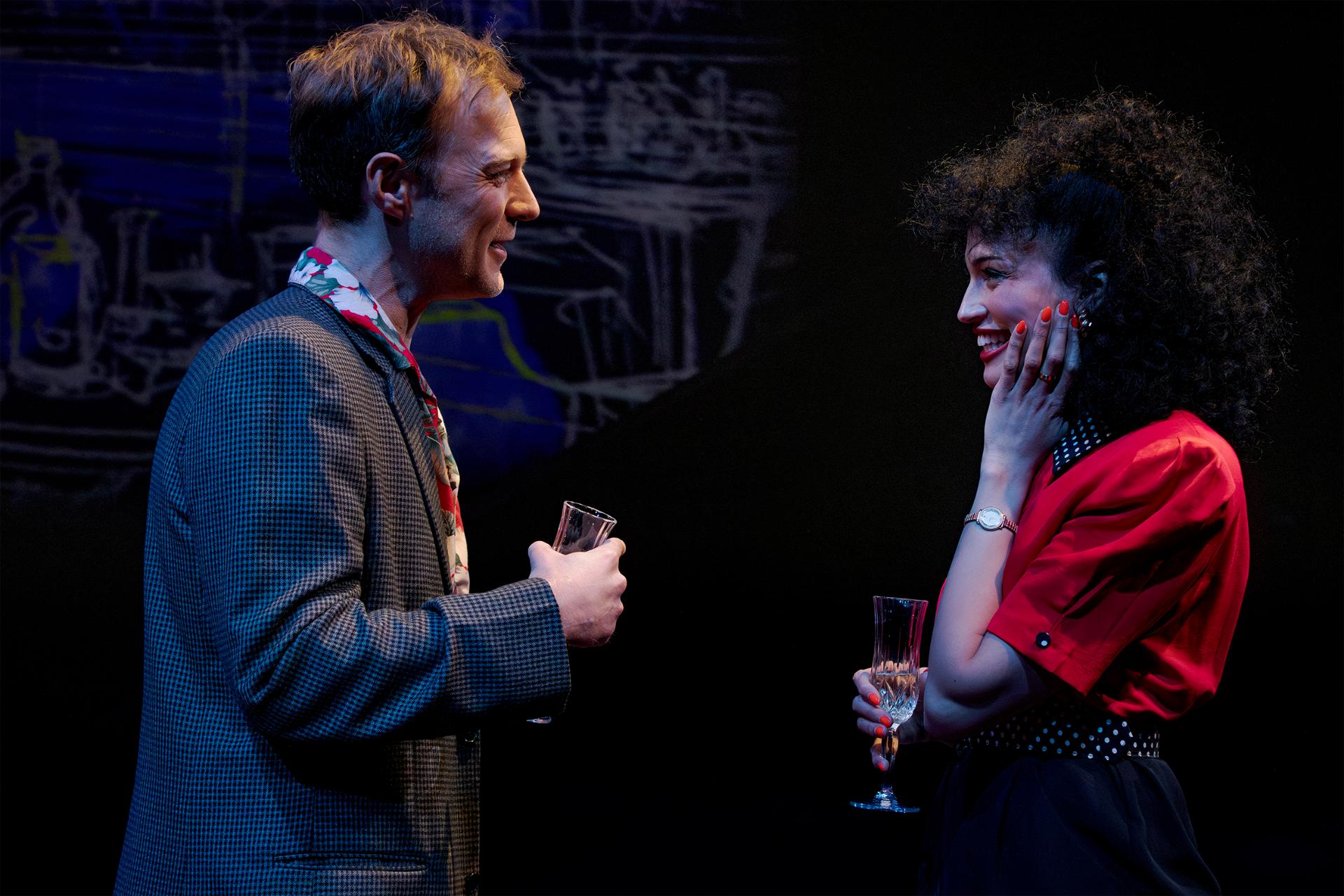
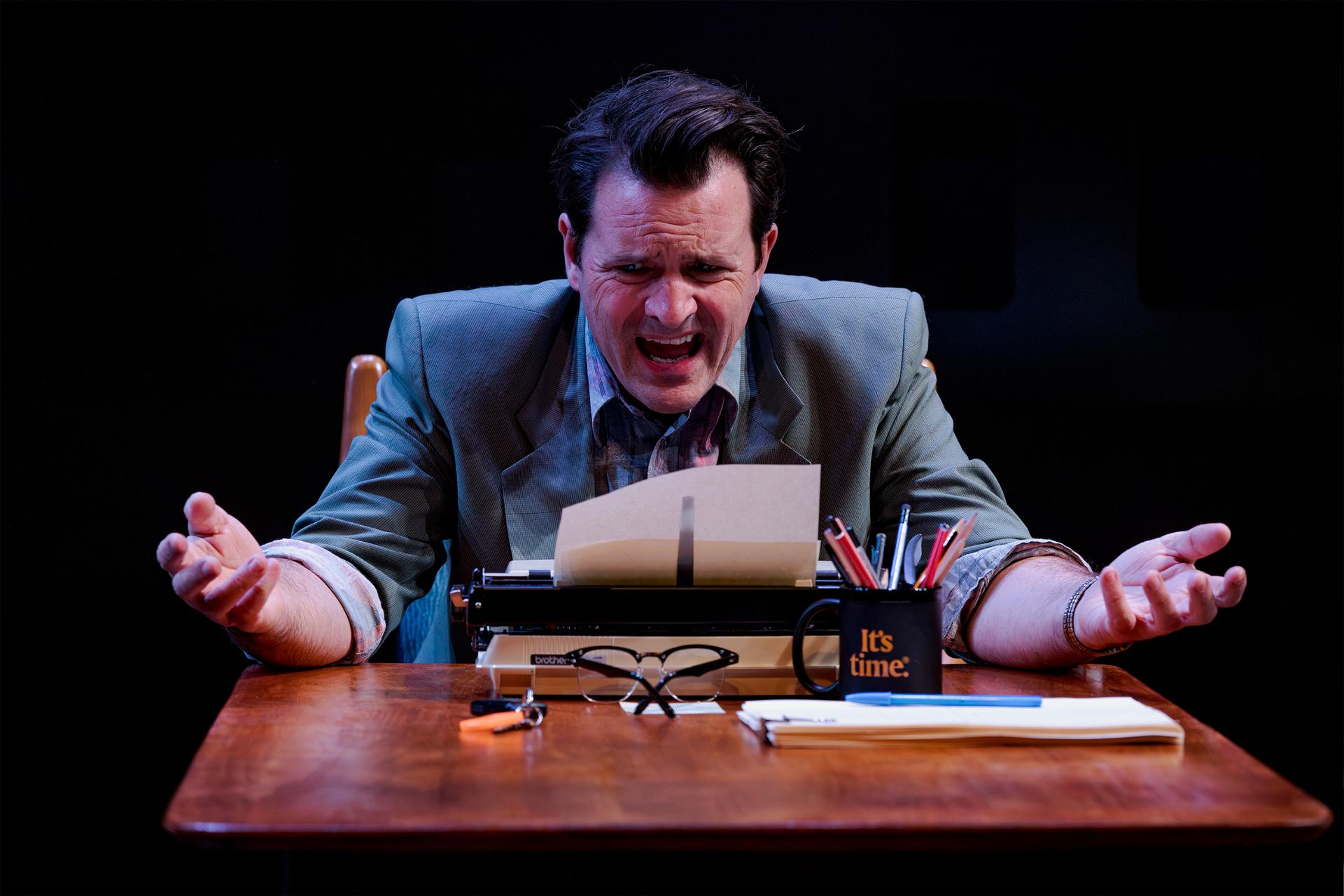
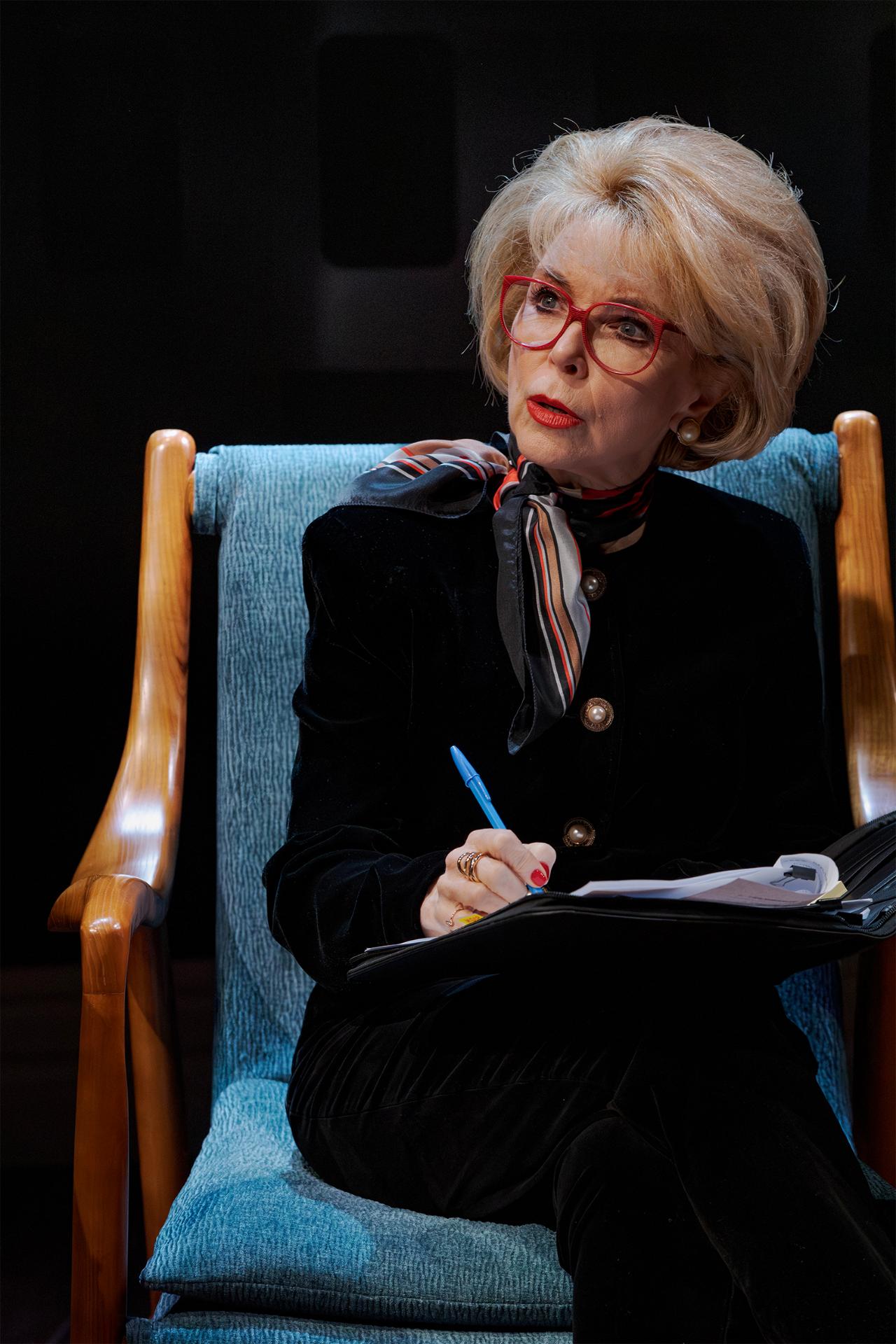
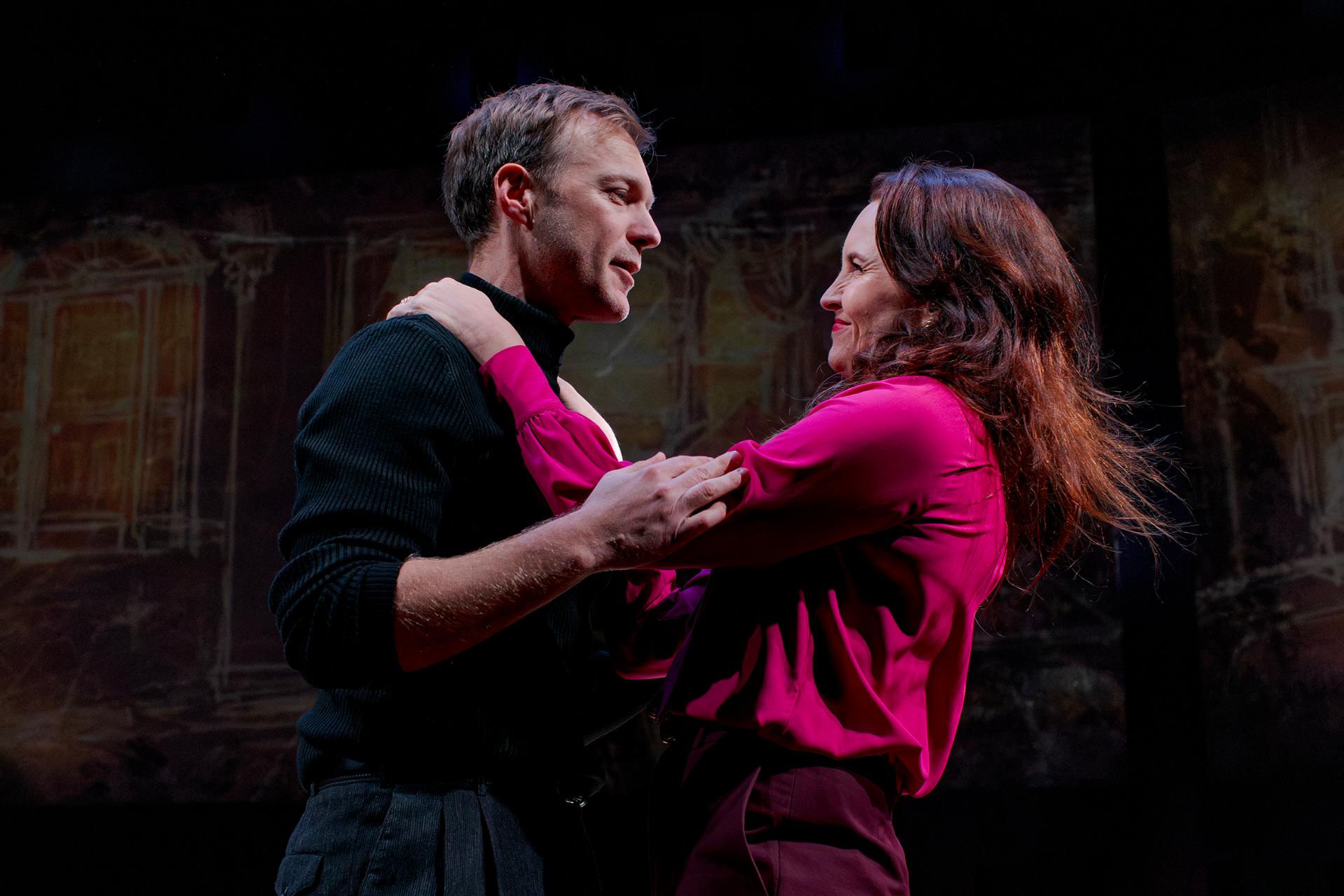
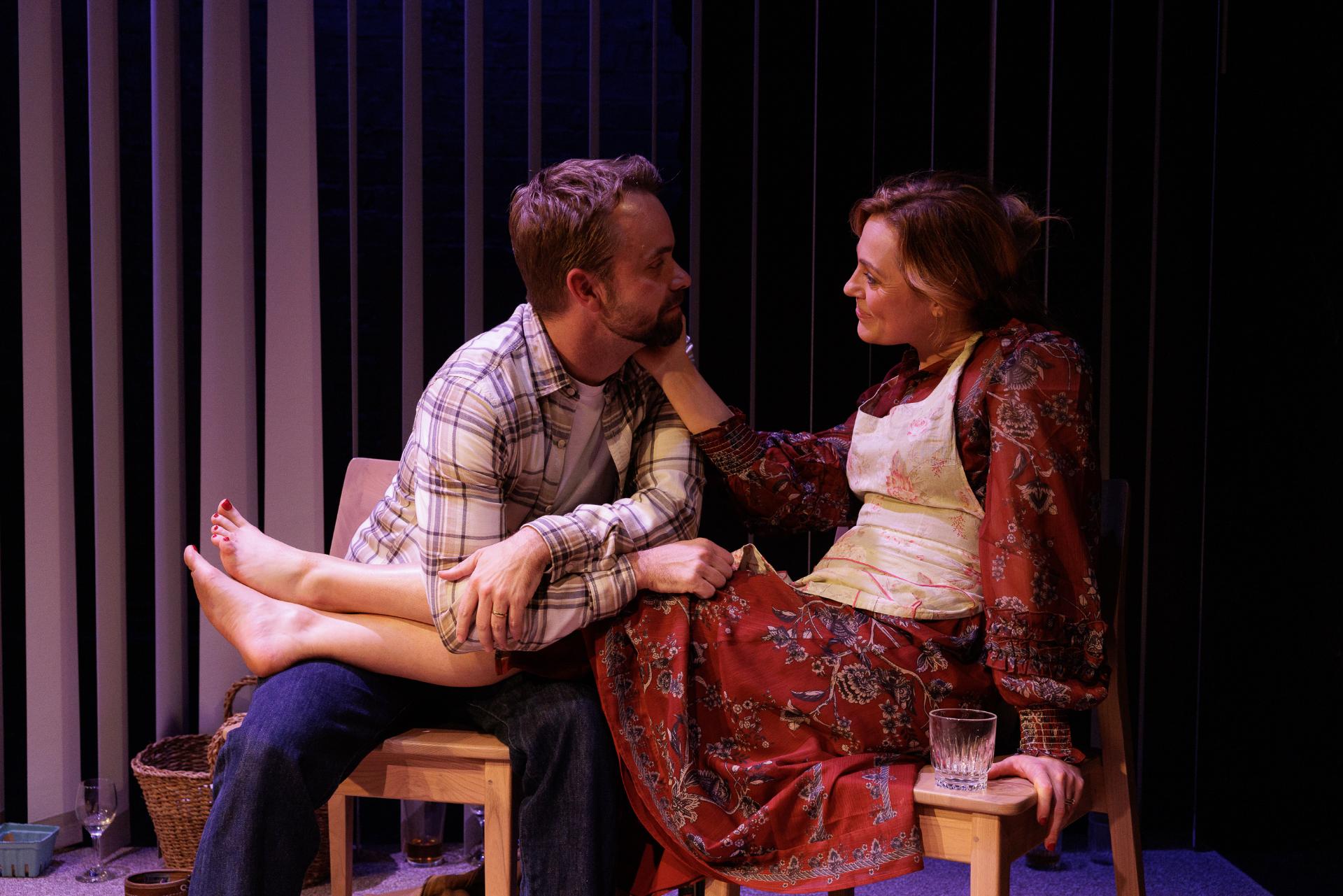
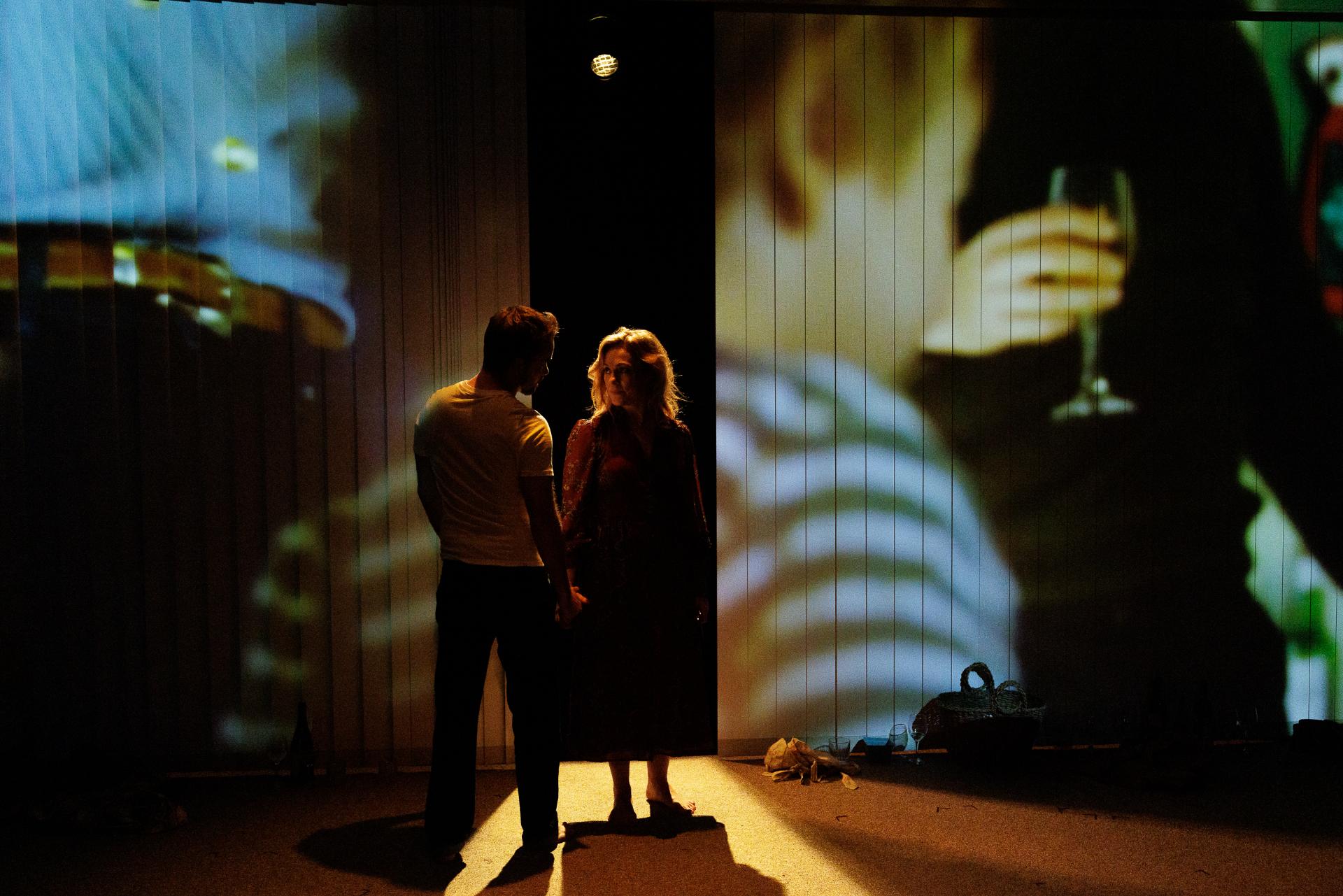
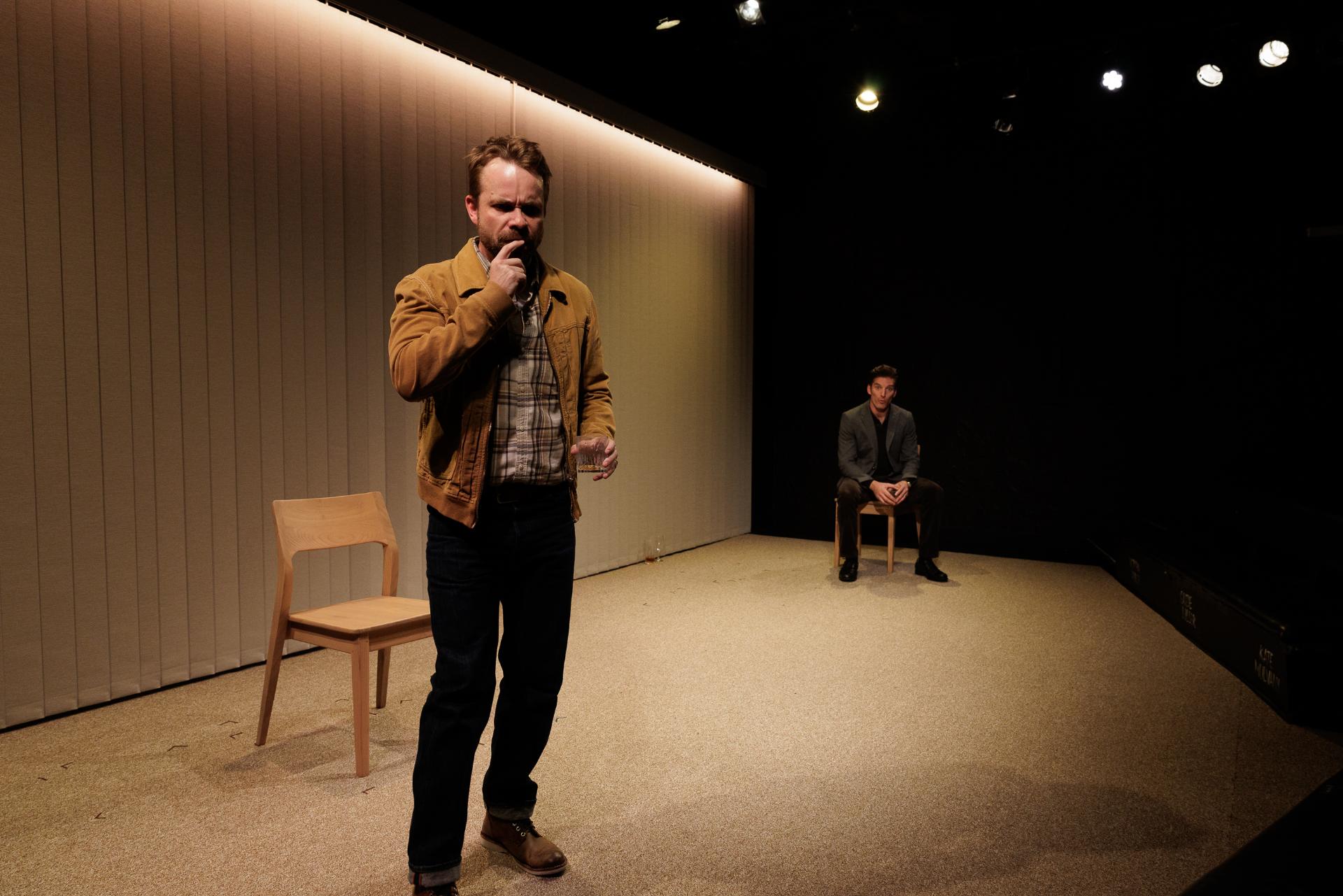
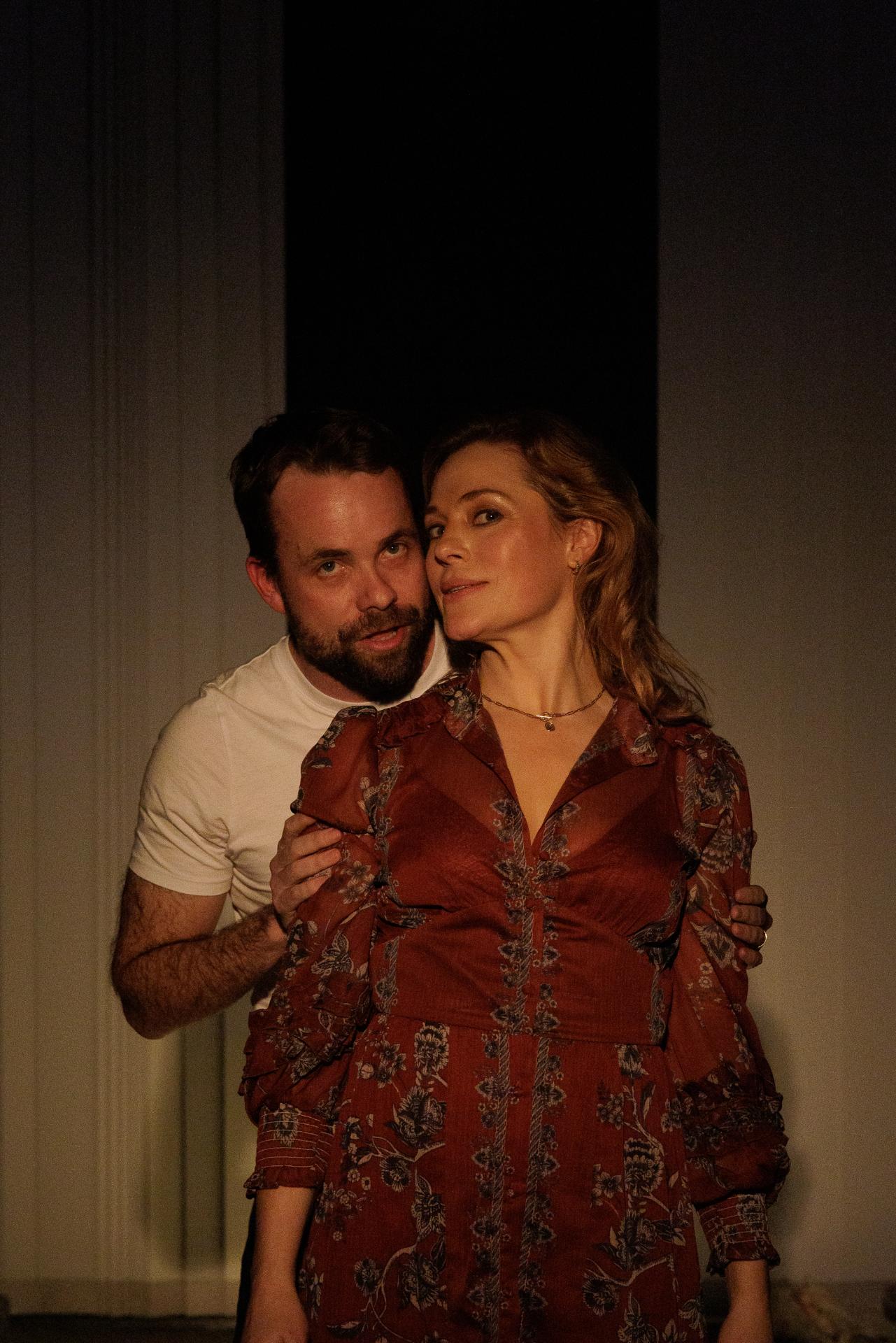
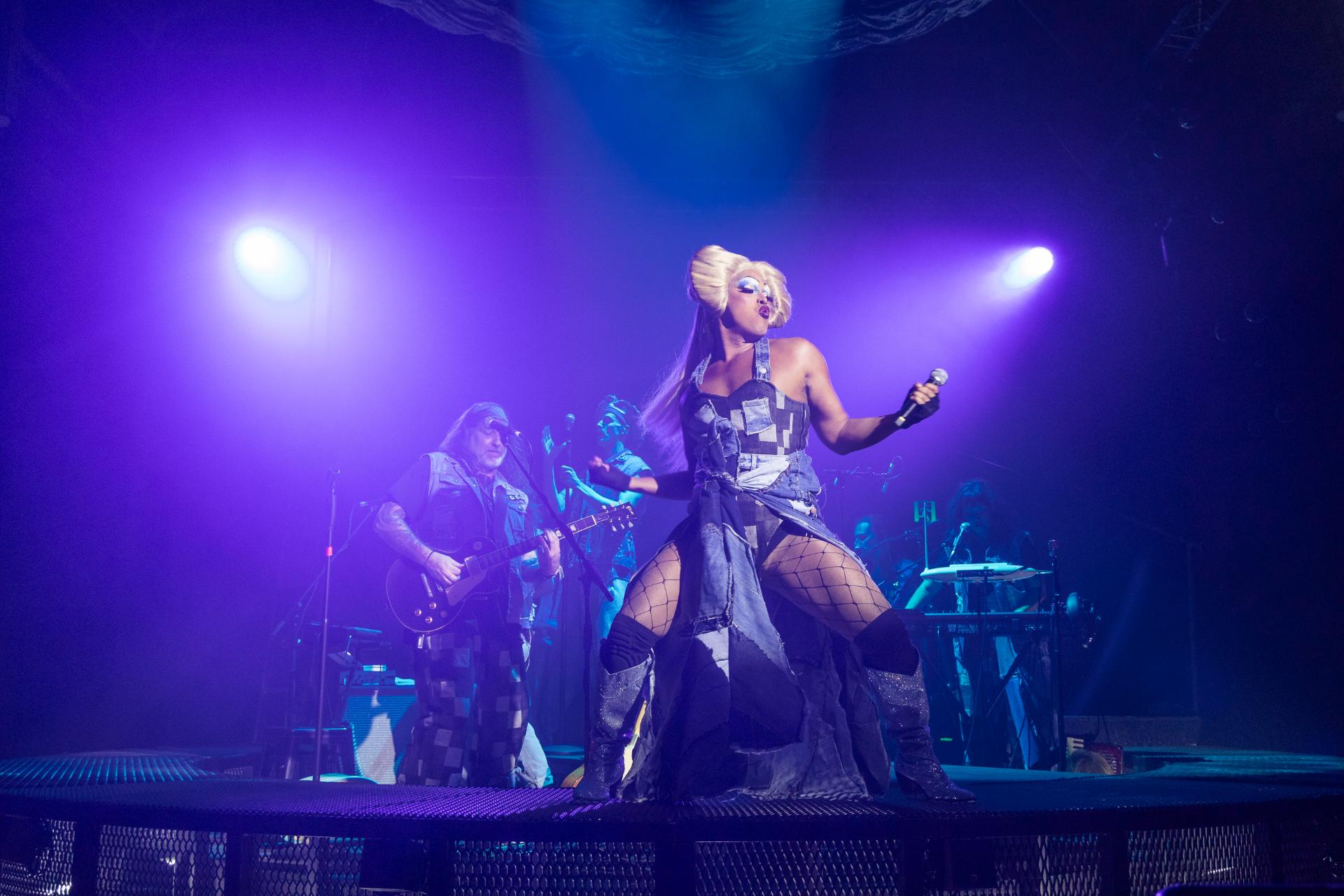
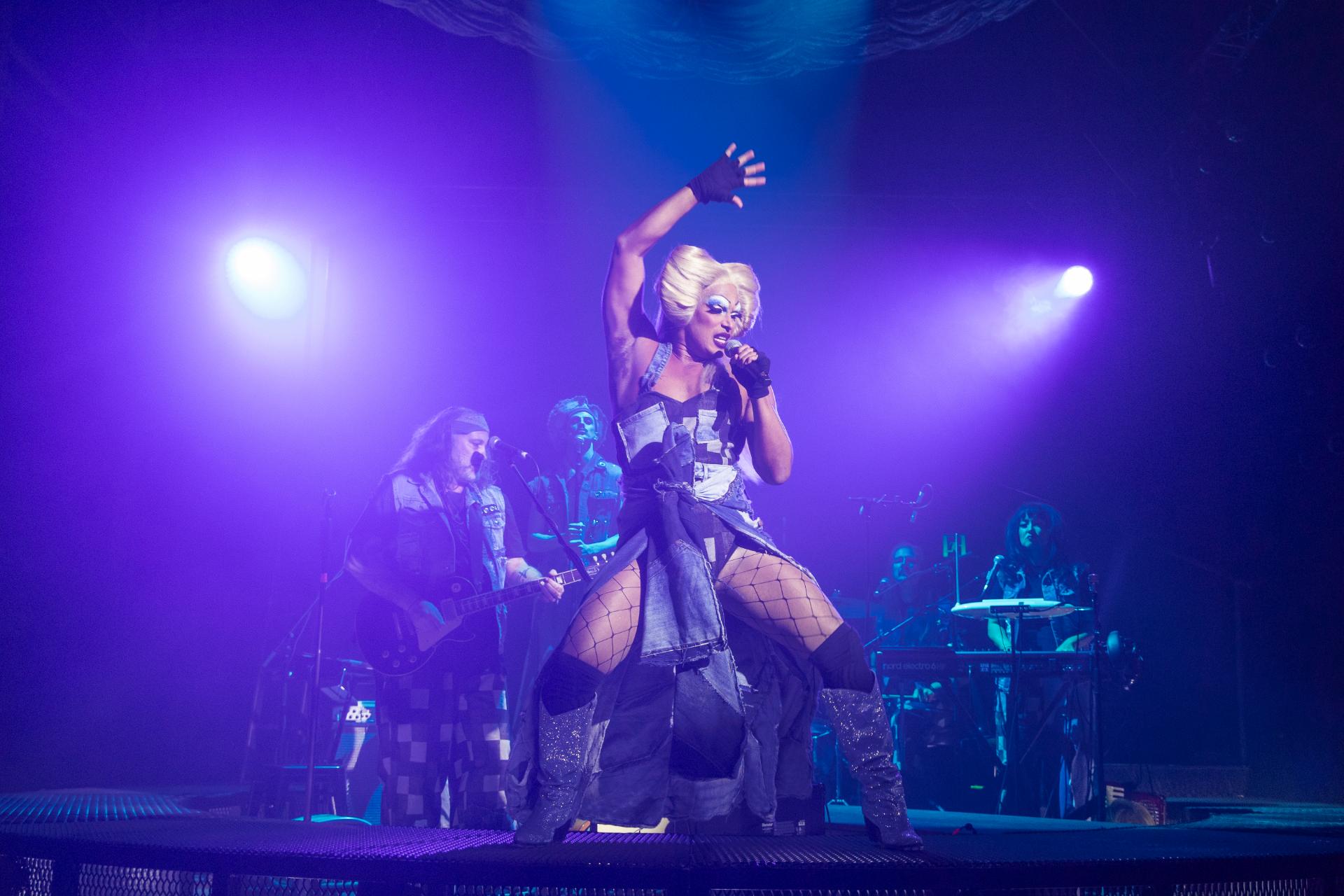
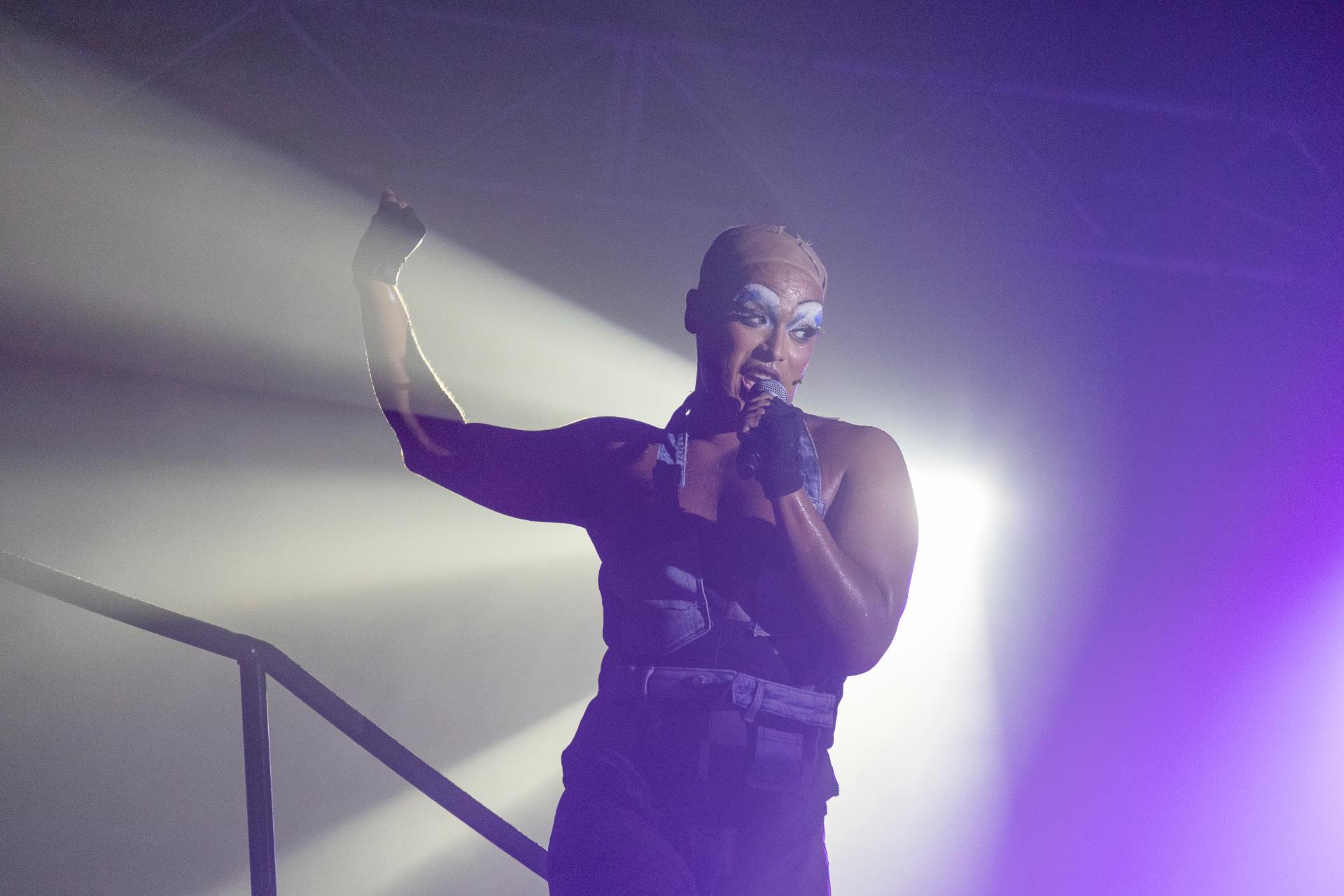
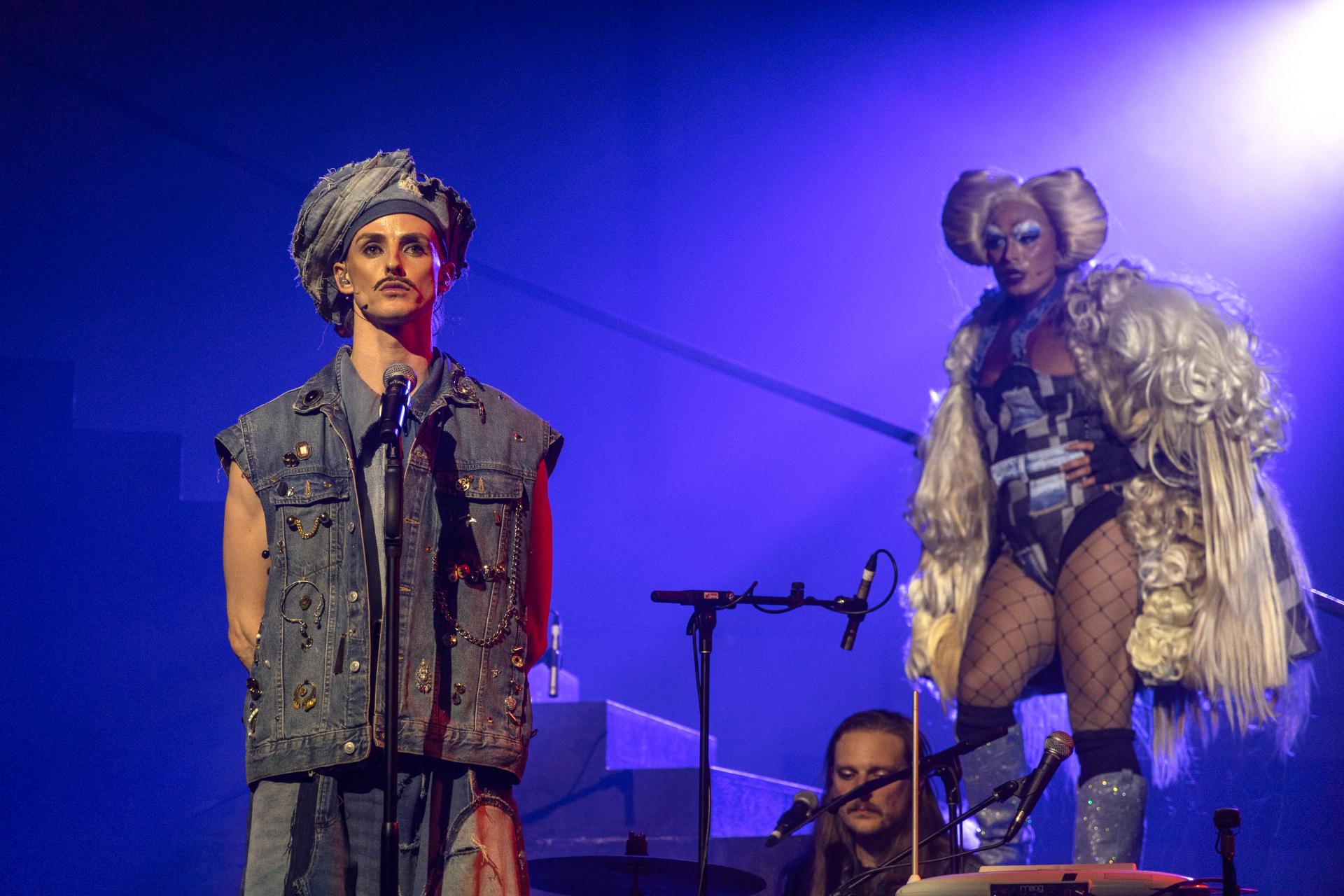
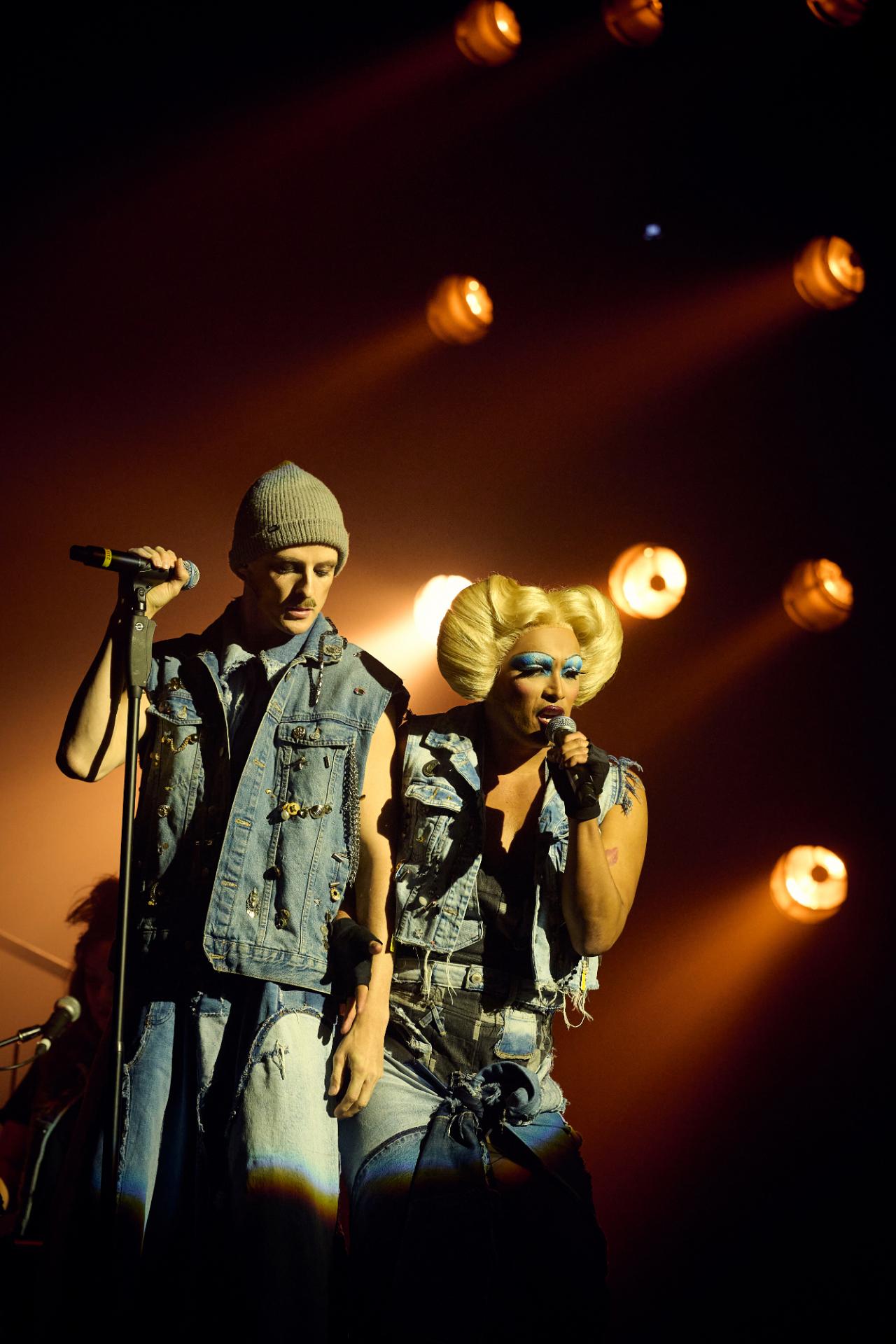
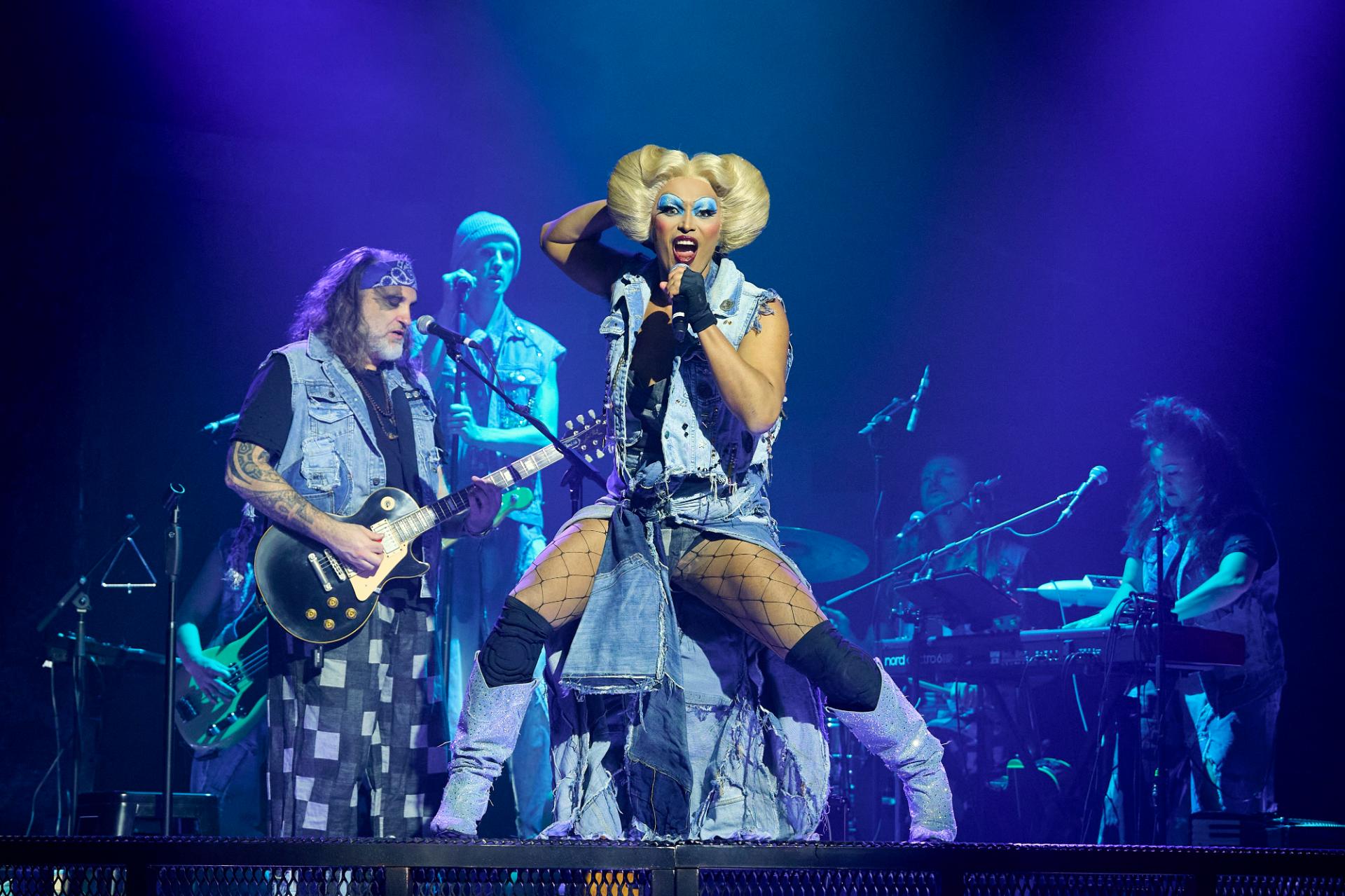
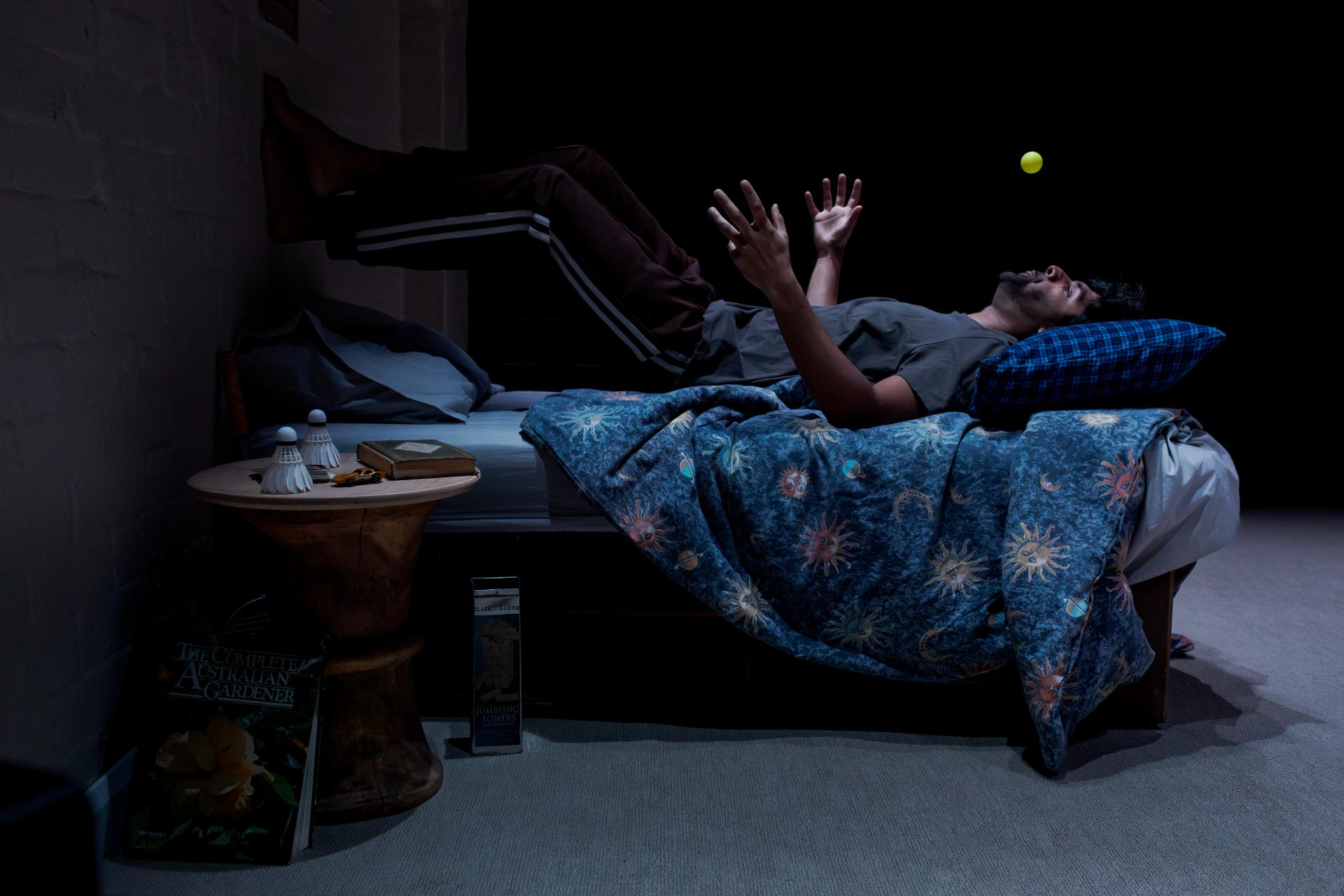
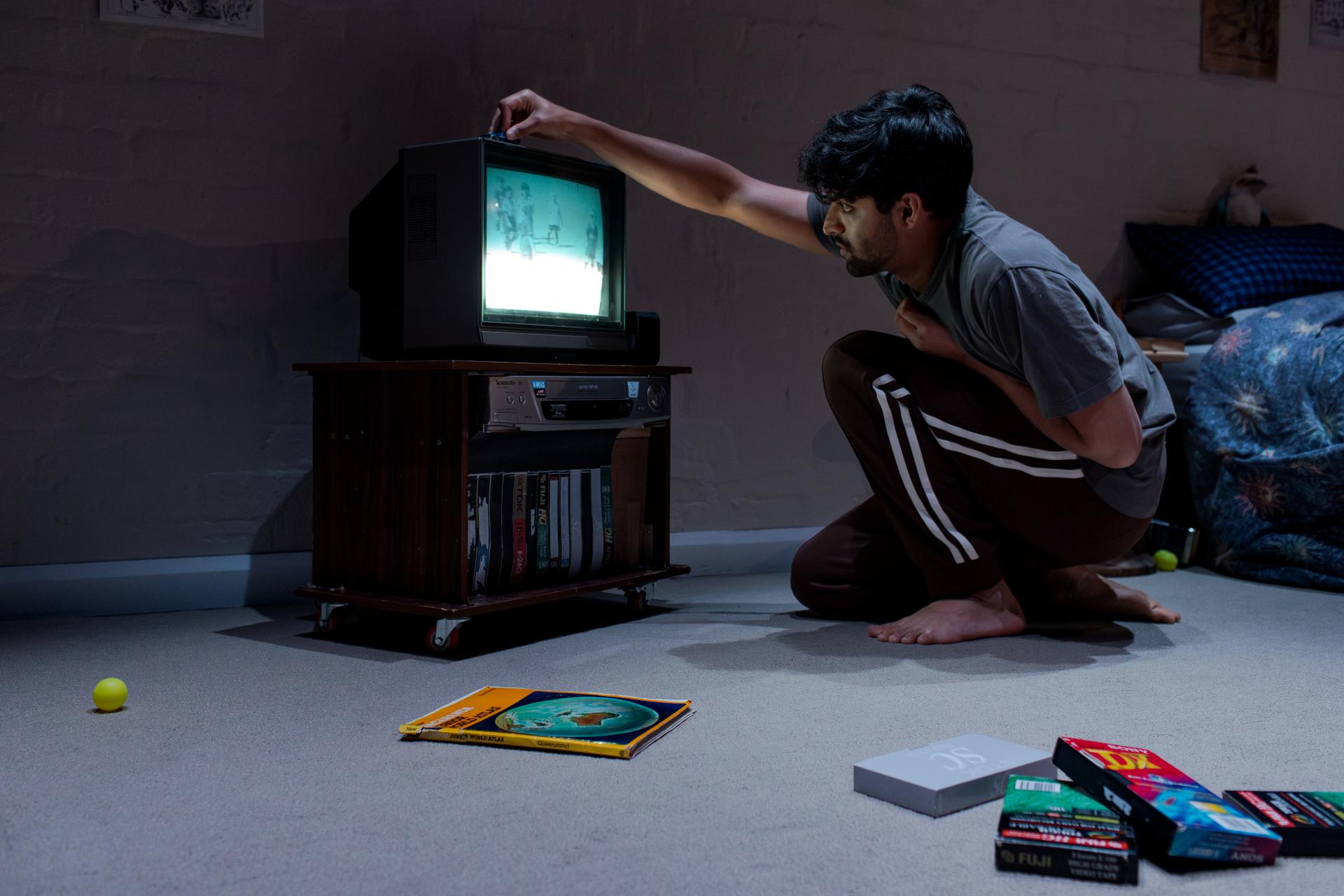
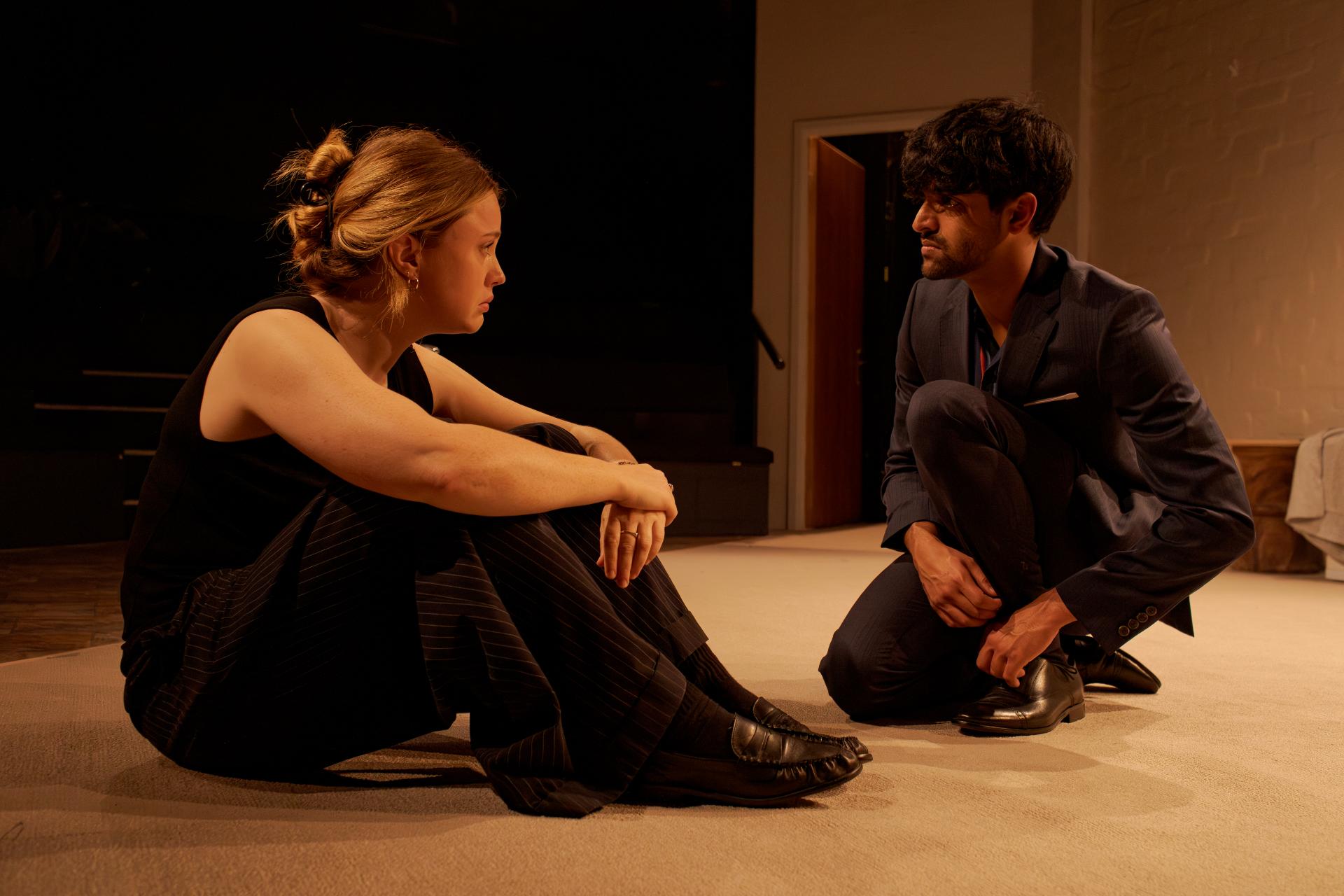
Hedwig does not love. Having only experienced deception, betrayal and cruelty throughout her life, Hedwig has little capacity to show affection or kindness, even to Yitzhak who offers only dedication. John Cameron Mitchell and Stephen Trask’s iconic queer masterpiece Hedwig and the Angry Inch stands as one of the few prominent titles in a musical canon that, although held in high regard by many queer lives, rarely places LGBTQIA+ stories at its centre. Thirty-one years since its original conception, protagonist Hedwig remains defiantly and resolutely queer — a figure who resists all manner of classification, and who challenges the values not only of middle-class life, but also of how we think about art and creativity.

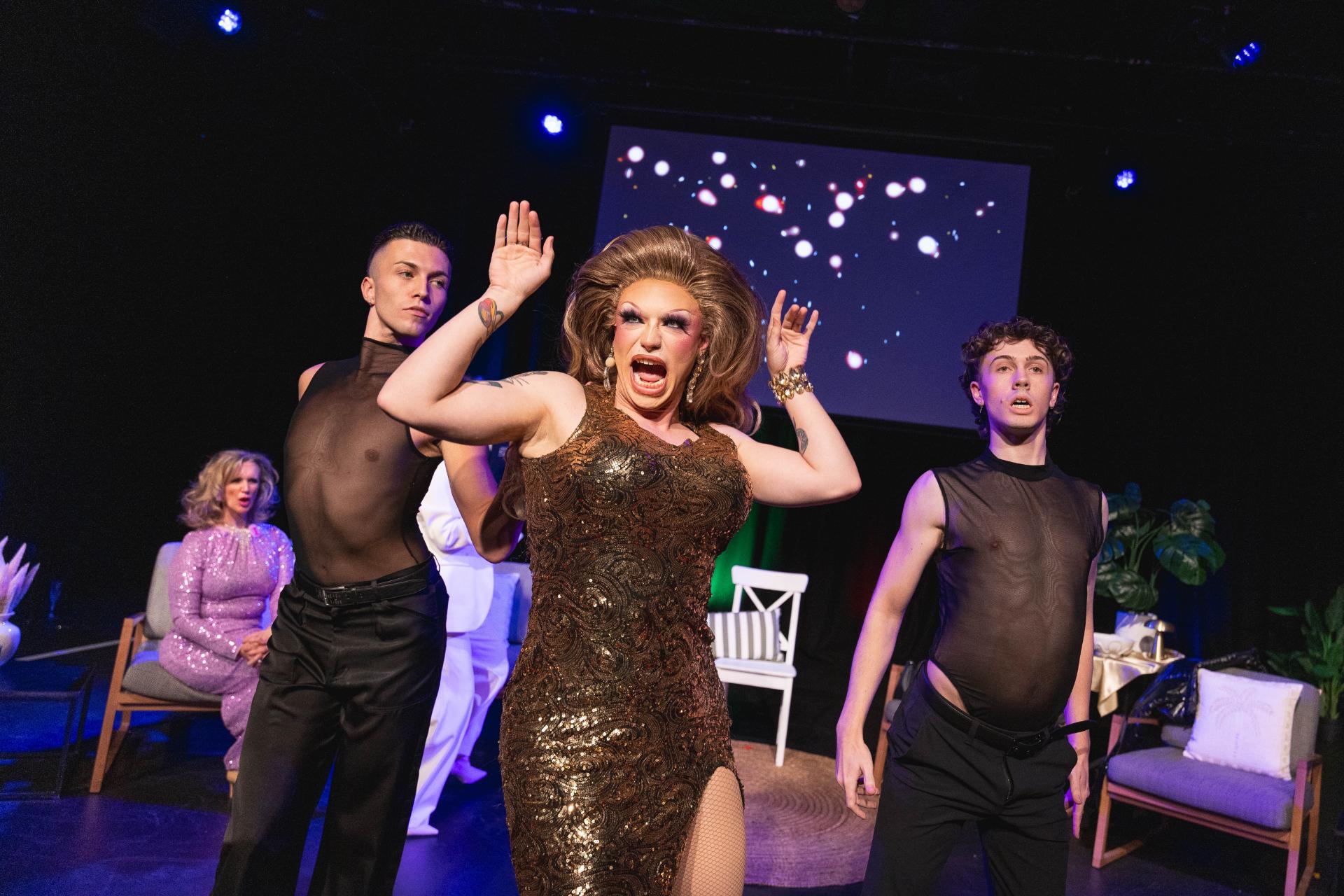
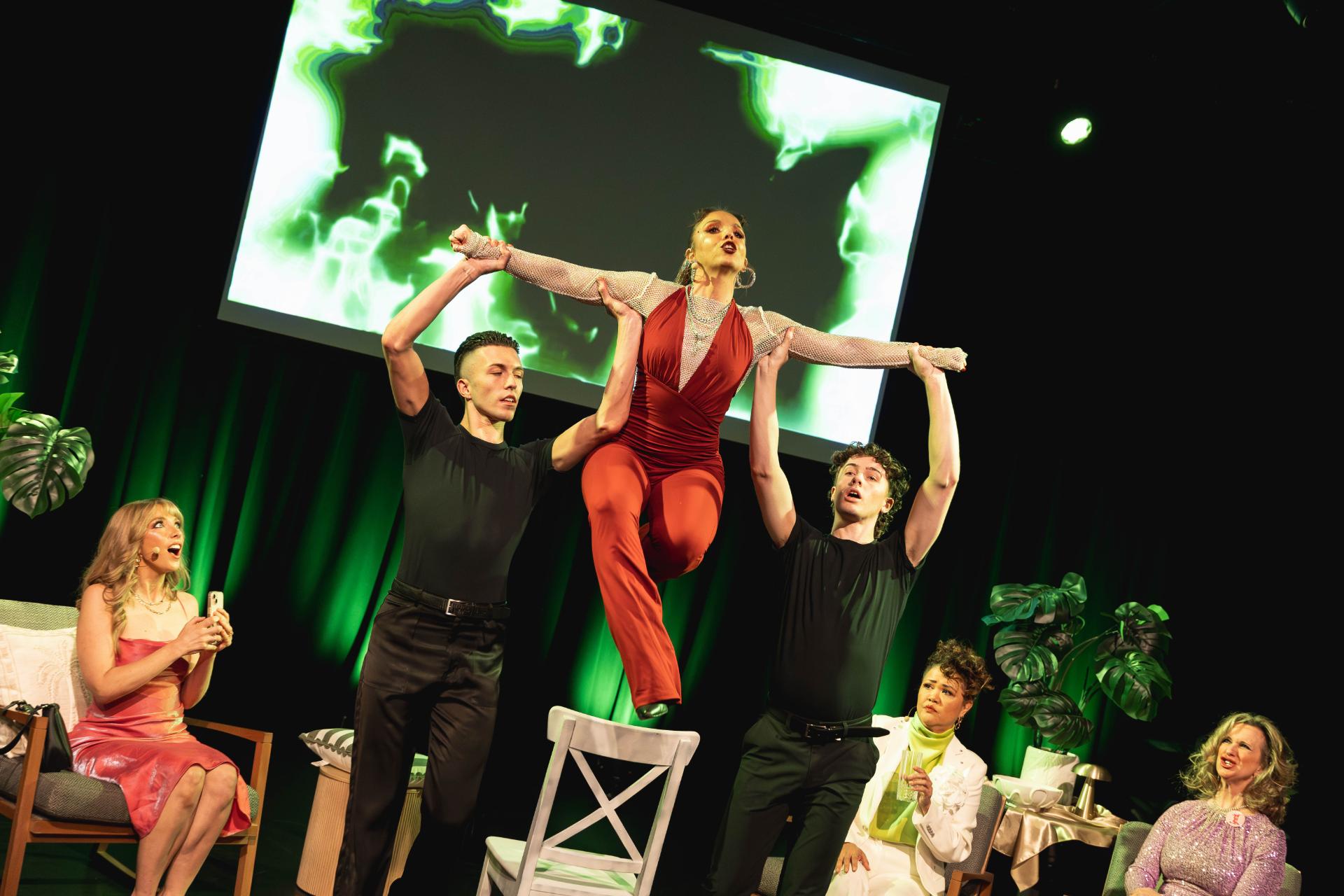
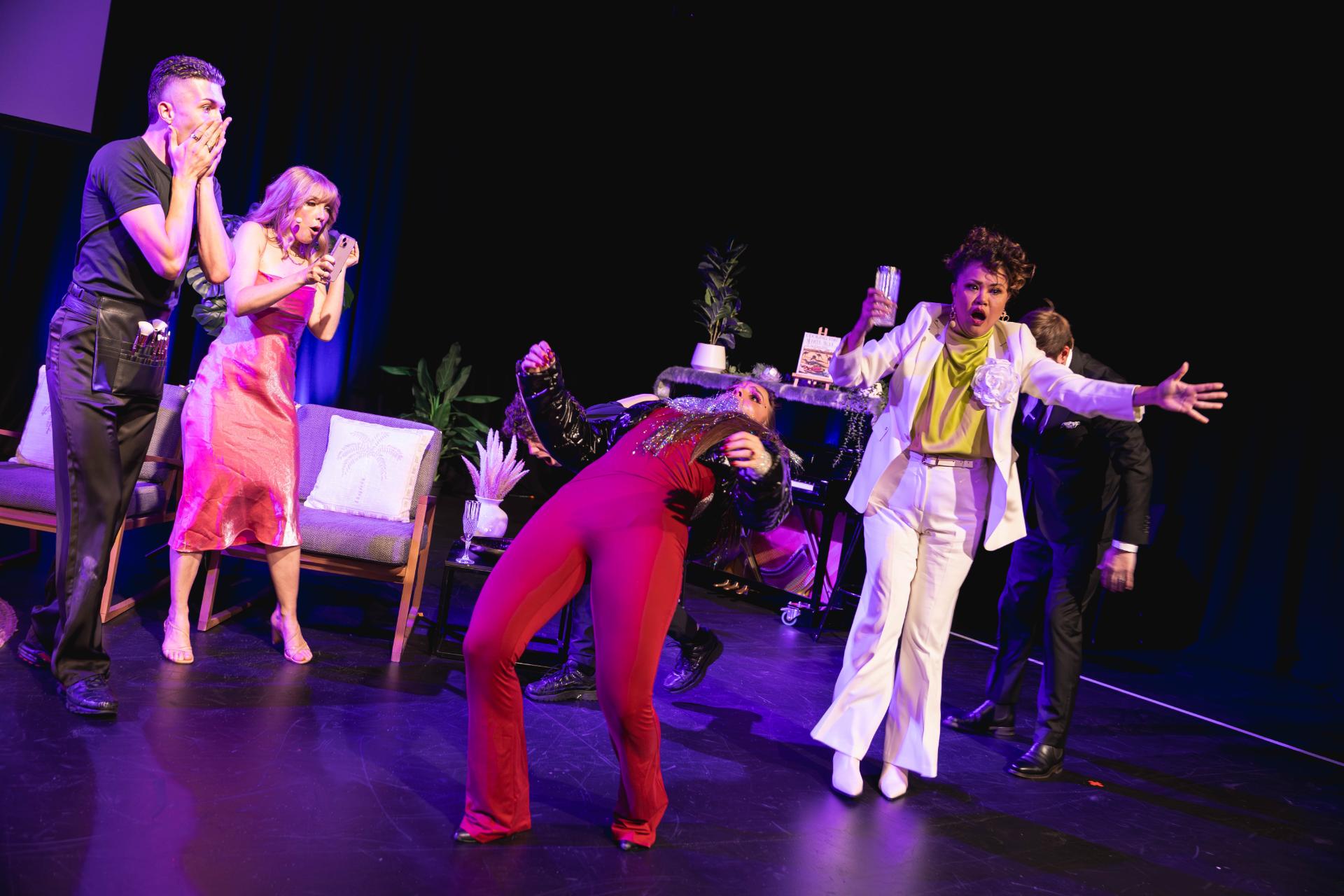
Co-directed by the formidable pair Shane Anthony and Dino Dimitriadis, Hedwig and the Angry Inch is both spectacular and poignant, fully satisfying our need for something transcendentally fabulous, while remaining unequivocally meaningful. Together with soulful choreography by Amy Campbell, they deliver a production that saturates and satiates our senses, making us hopelessly mesmerised every second, before finally hurling us somewhere unfathomably moving.

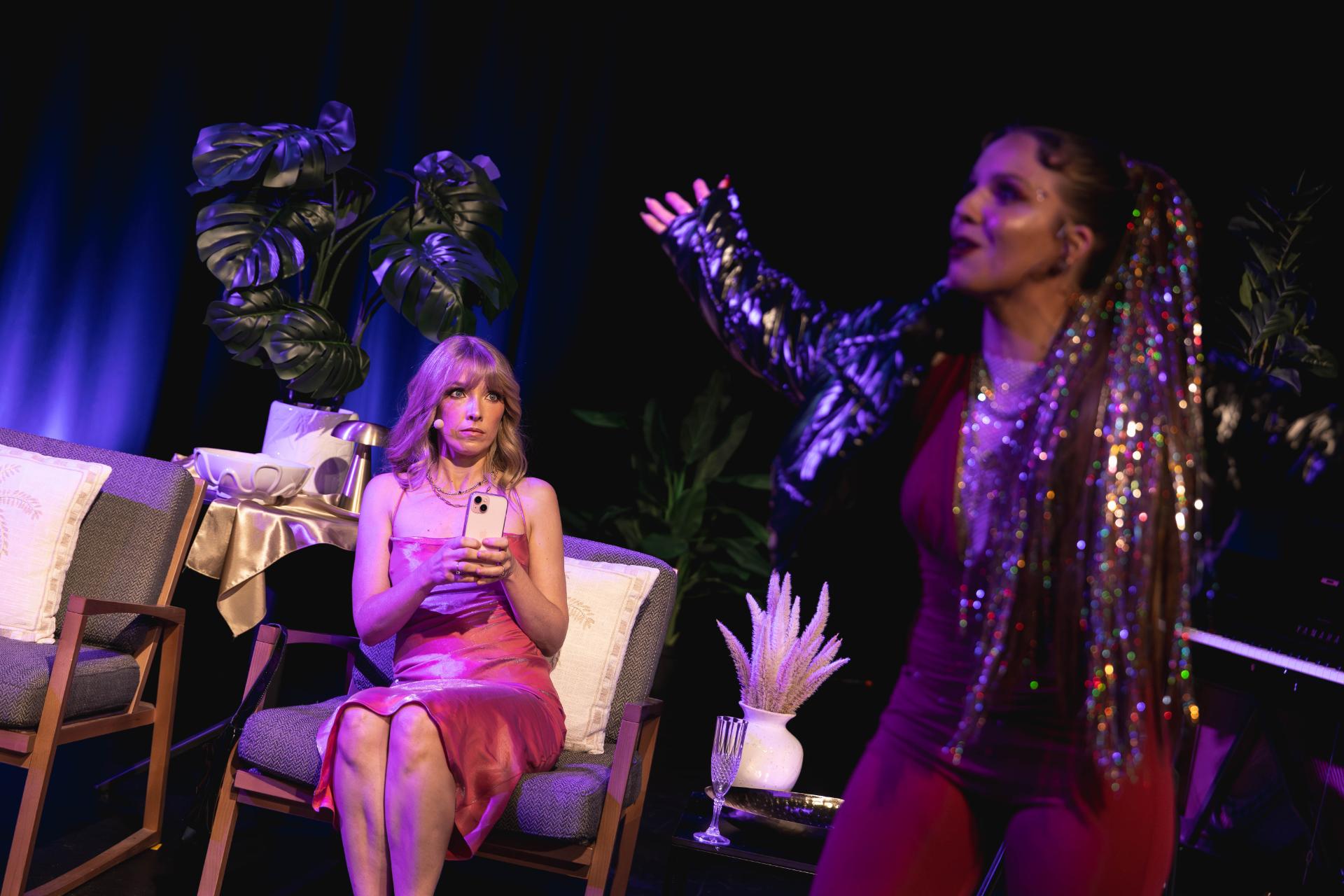
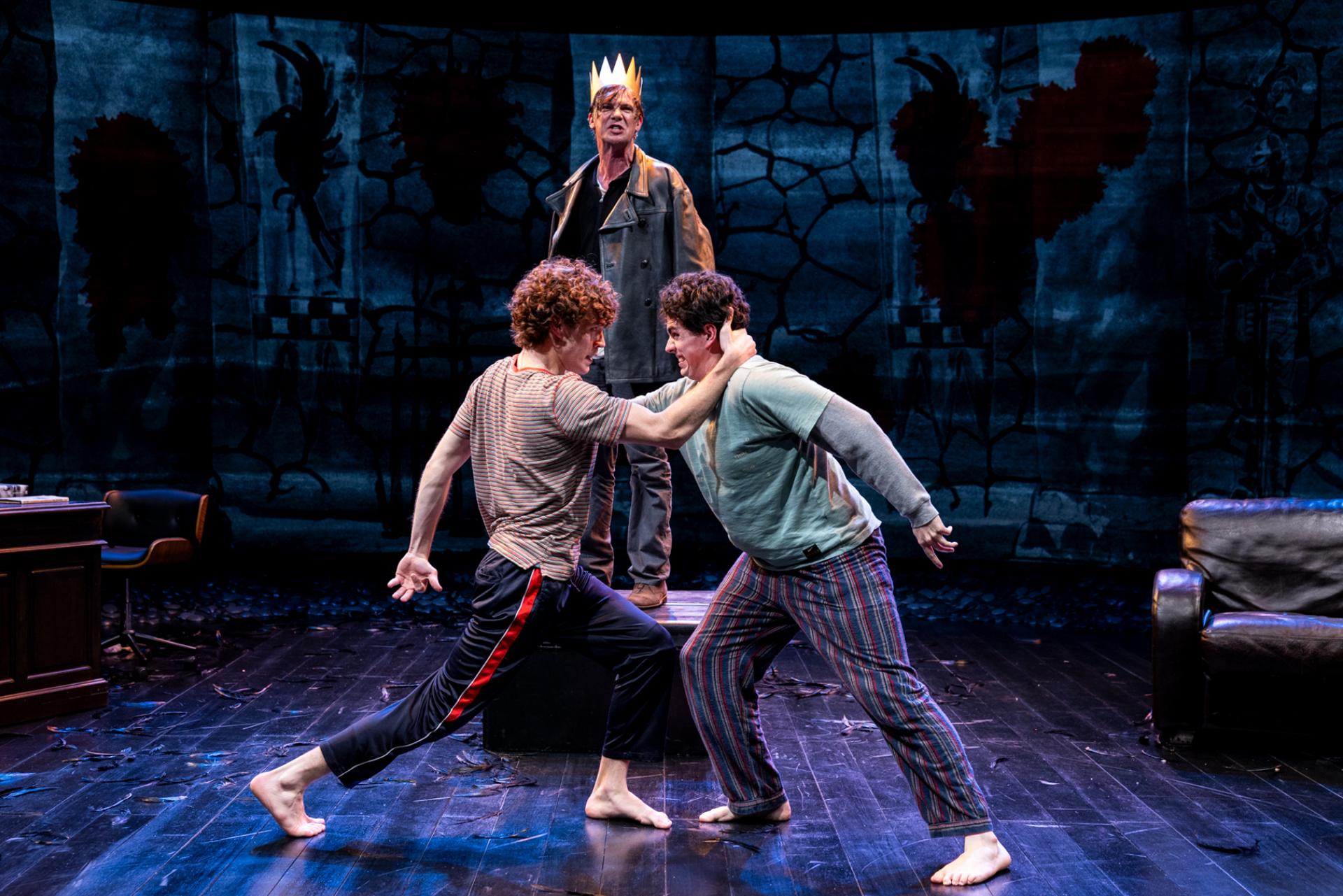
The show is characteristically unruly in its rhapsodical, bohemian expression of the grungy nineties, yet there is an unmistakeable rigour that oversees every aesthetic choice, to ensure unparalleled elegance and sophistication, for a brilliantly elevated presentation of one of musical theatre history’s wildest moments.

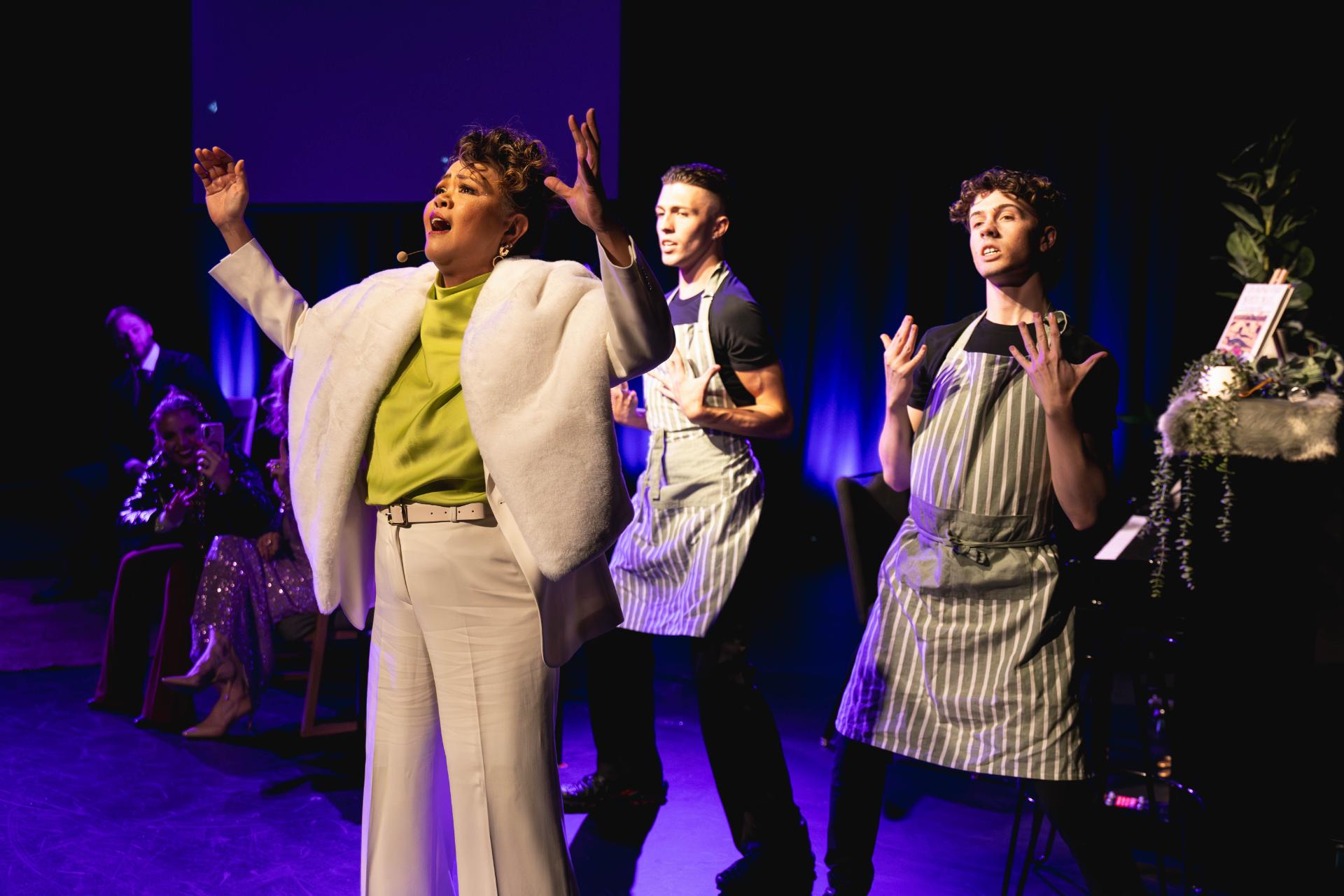
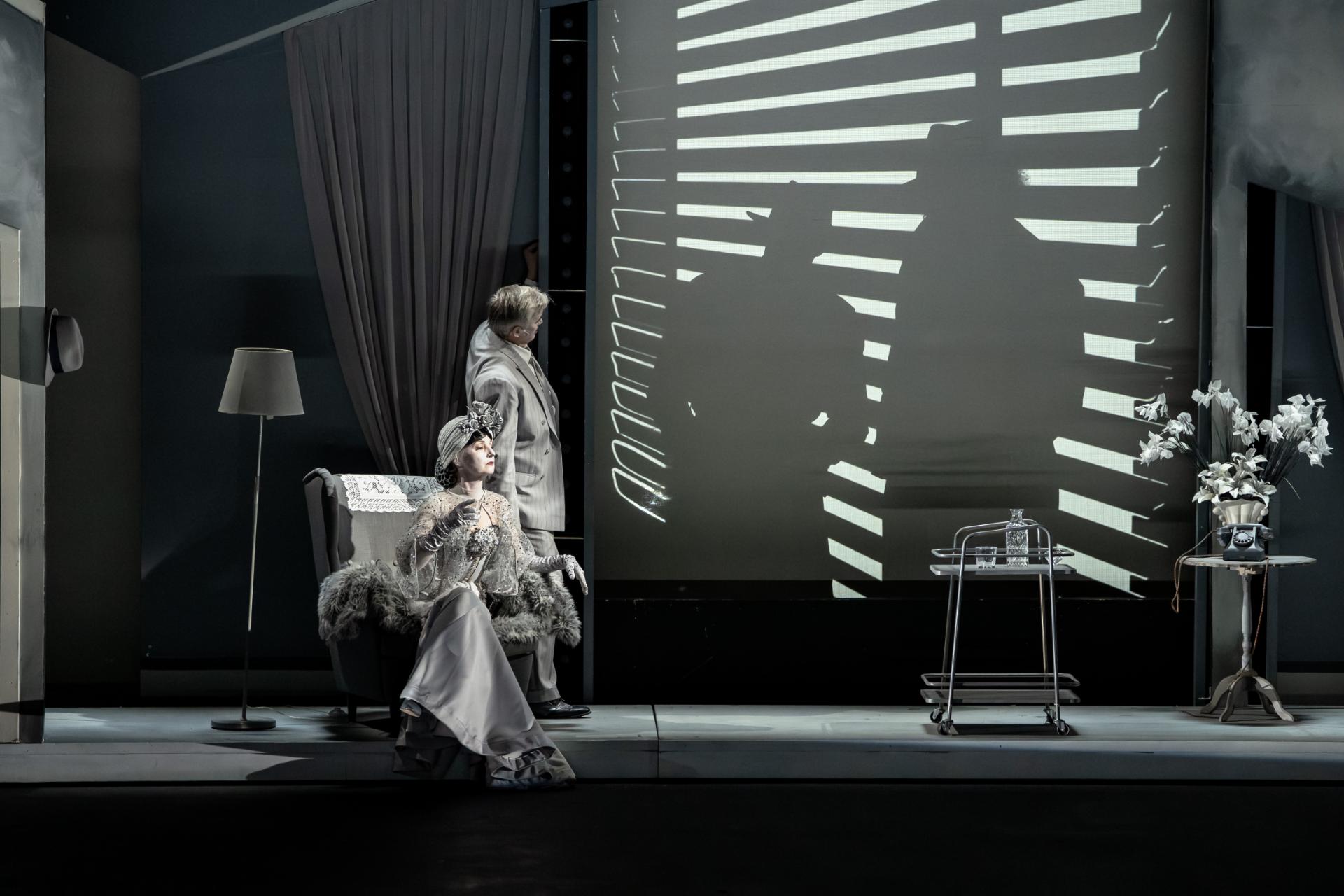
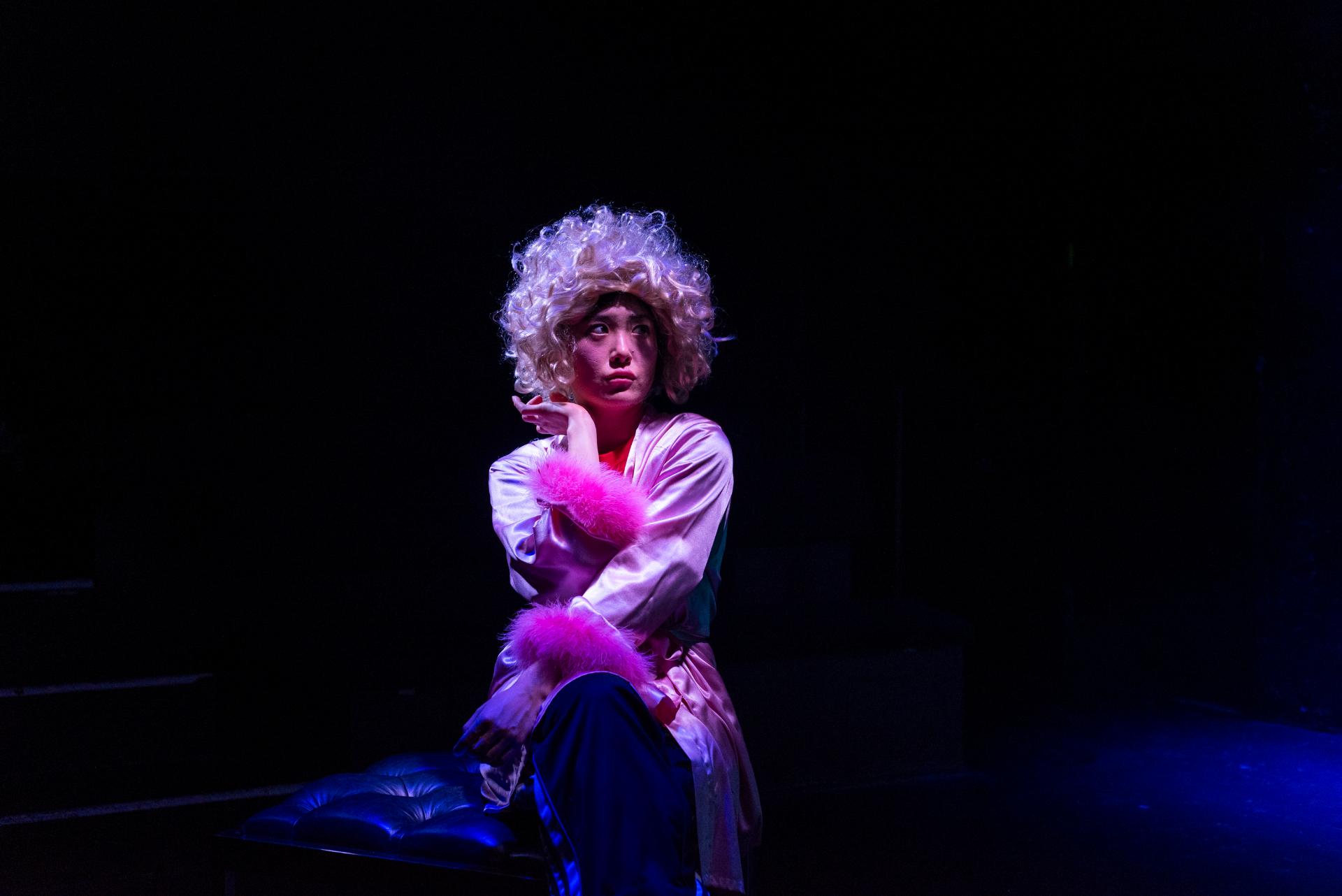
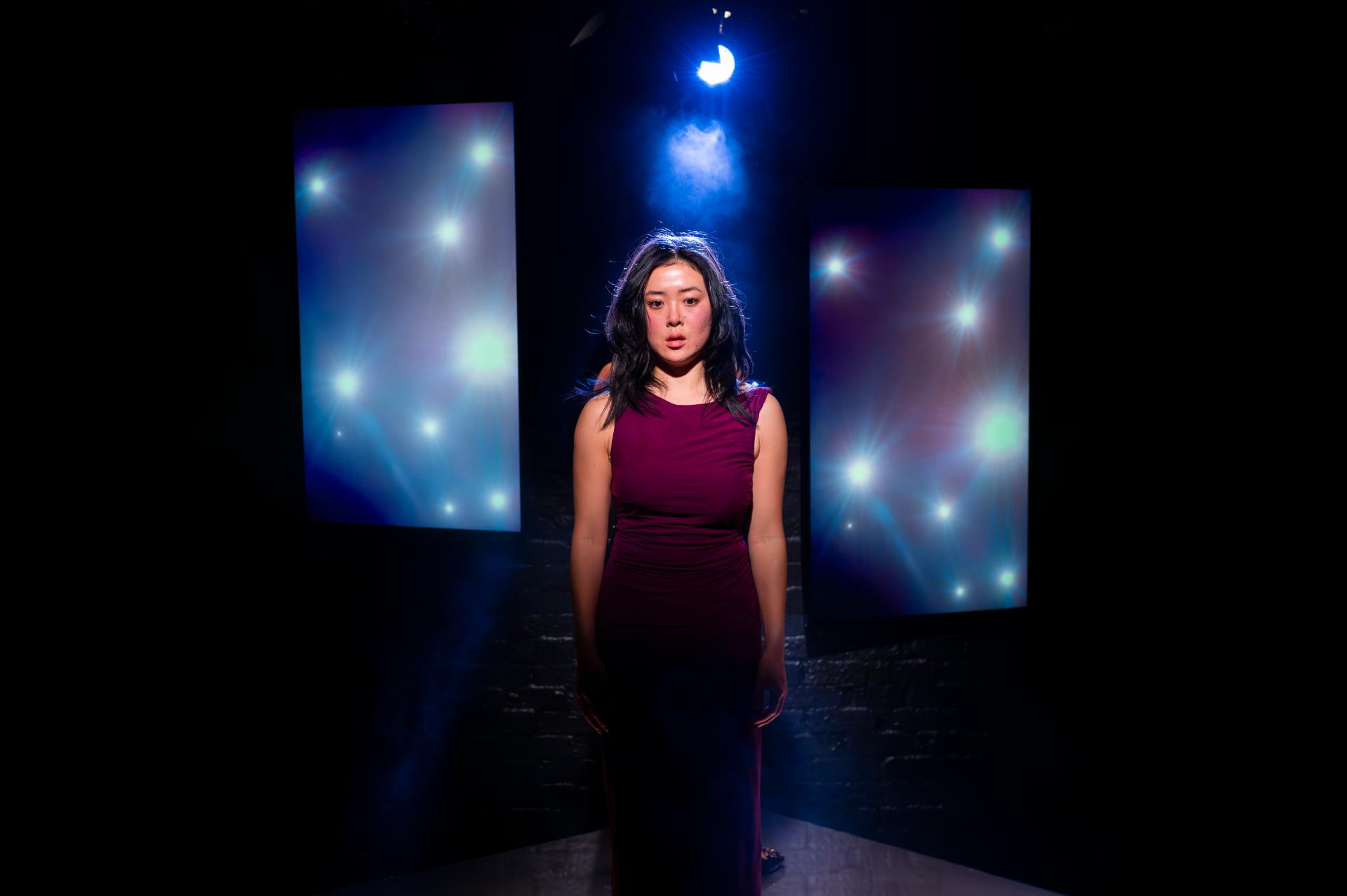
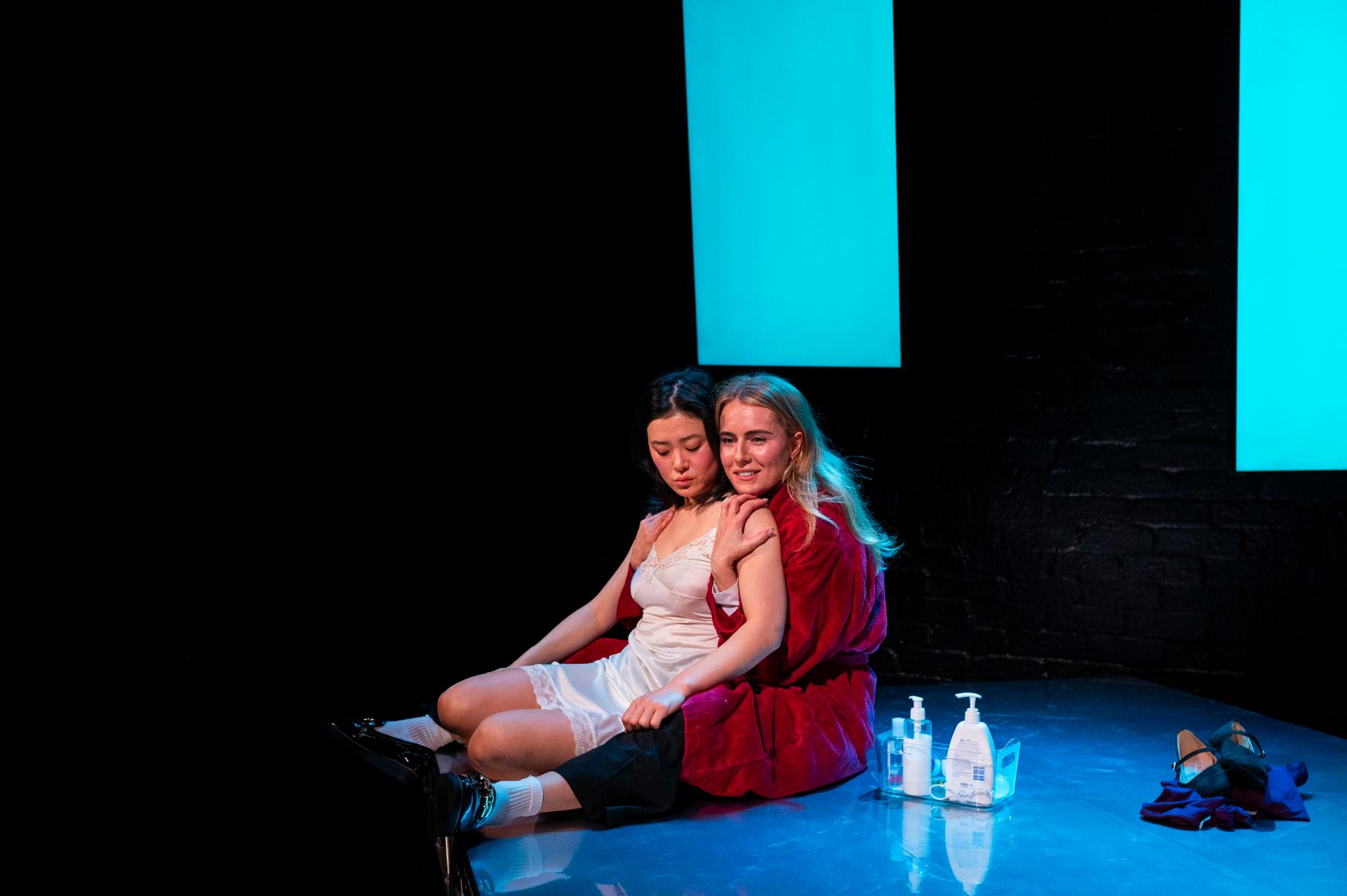
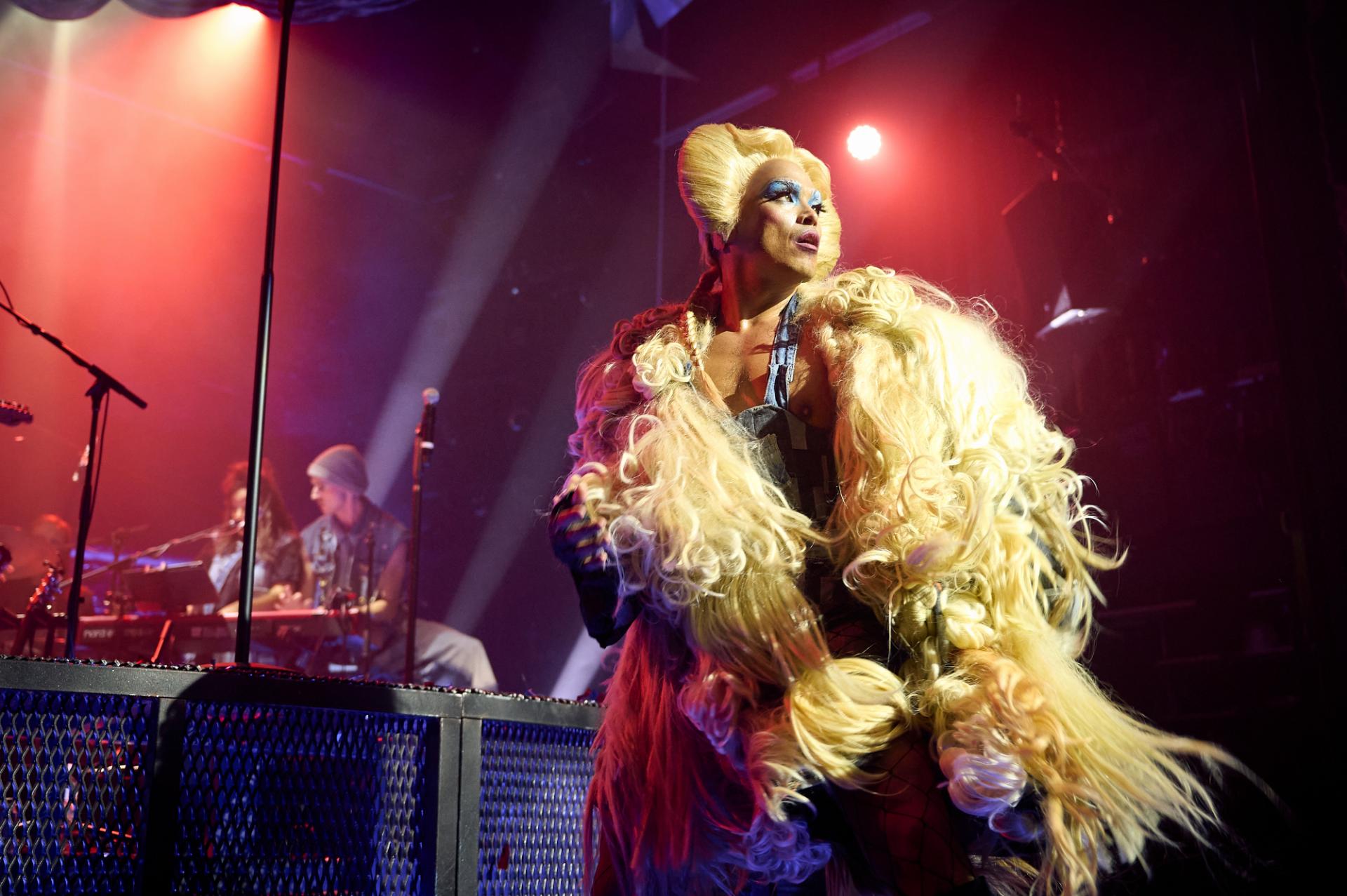
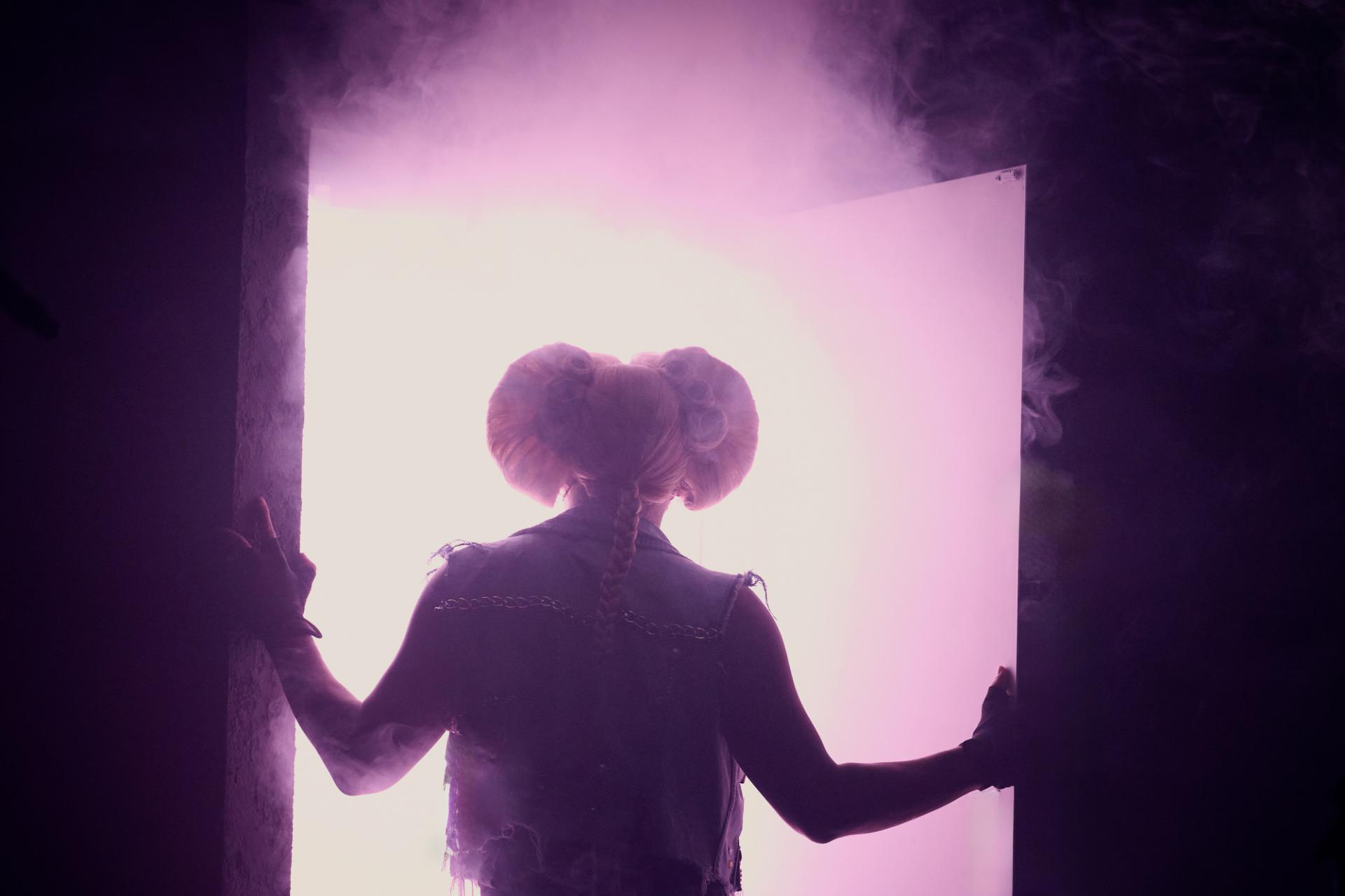
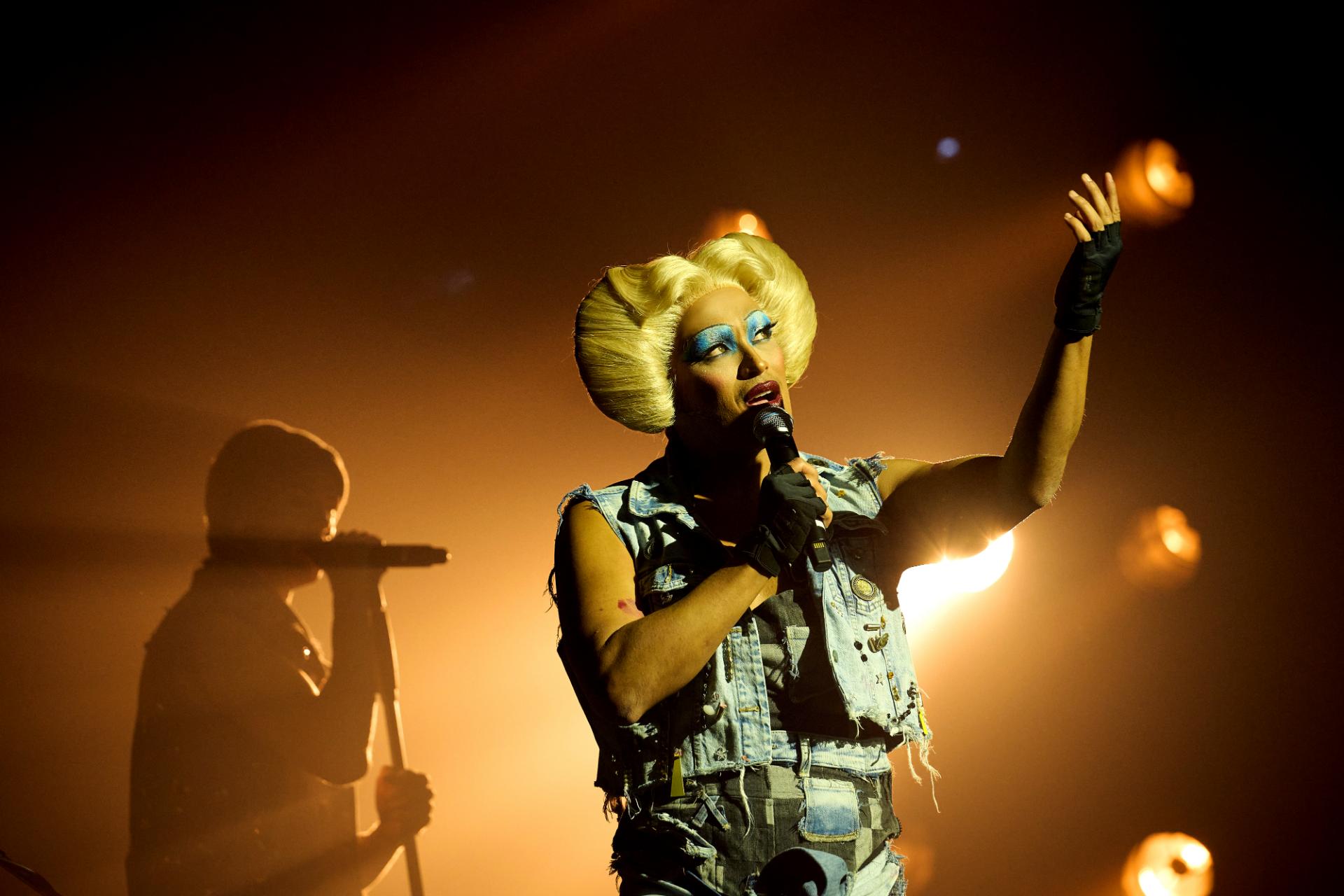
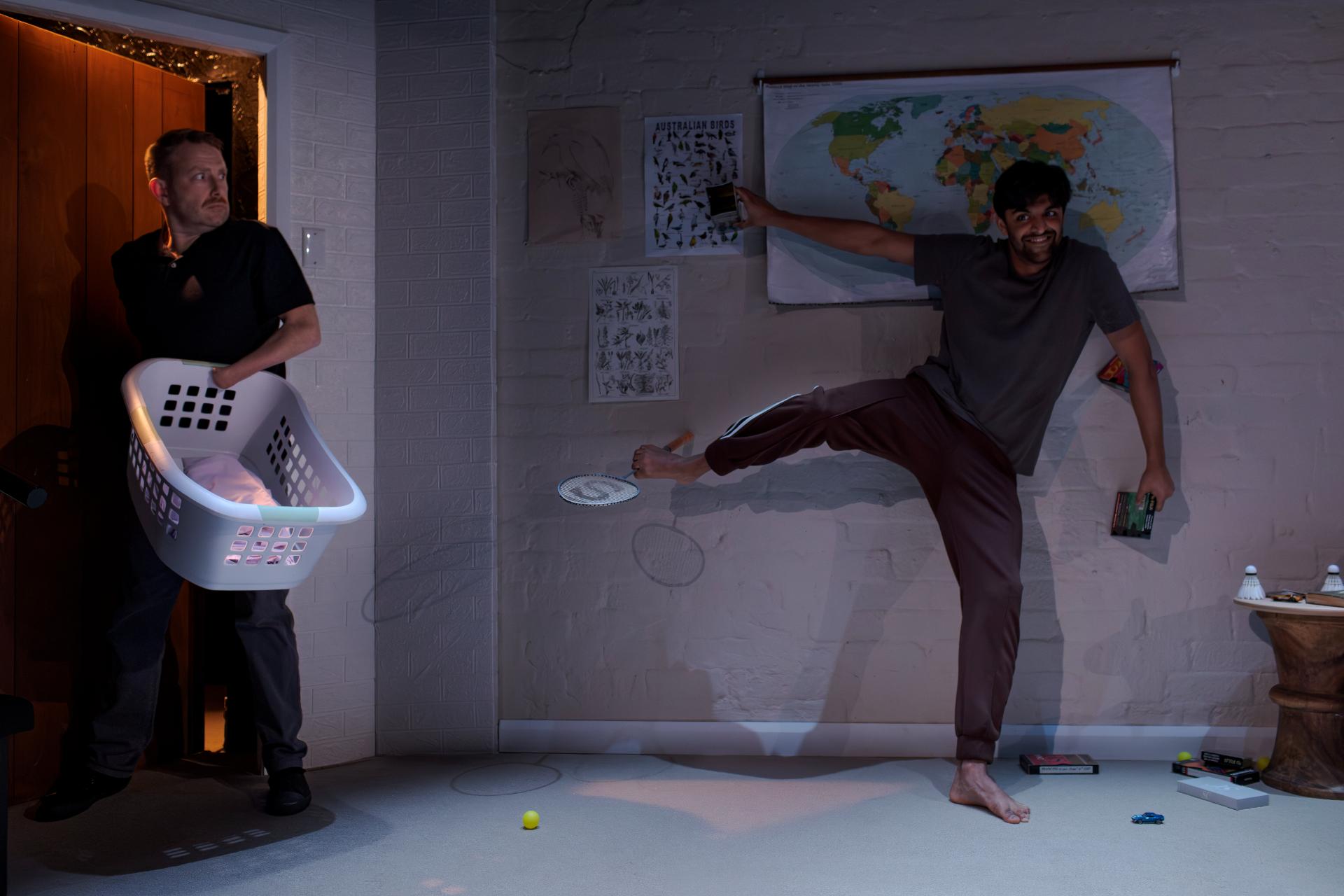
Set design by Jeremy Allen conveys glamour while meticulously capturing the details of a distinctly working-class milieu. Lights by Geoff Cobham are emotionally charged, and thoroughly beautiful with the imagery they help to assemble. Unforgettable costumes by Nicol & Ford blend inventiveness with technical mastery, taking our breath away in the “Wig in a Box” number by fashioning a coat filled with imaginative humour and cultural significance.

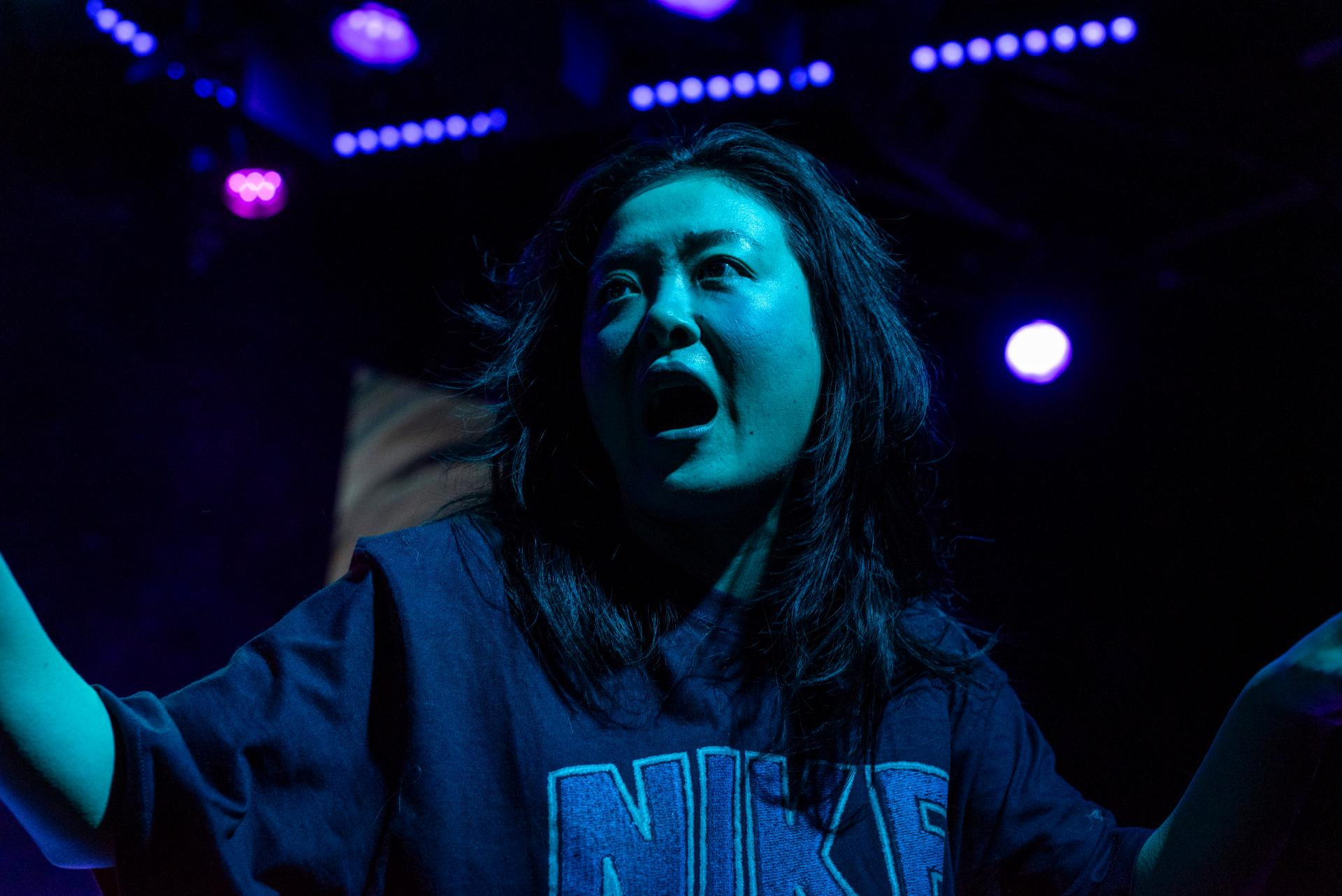
Victoria Falconer serves as musical director, giving us unwavering passion in a cacophonous combination of rock and Broadway, leaving no stone unturned to hold the audience in heightened states of arousal from start to finish. Along with sound design by Jamie Mensforth and soundscape by Jason Sweeney, we are never in doubt about being situated in an American dive bar, gritty yet adamantly hopeful.

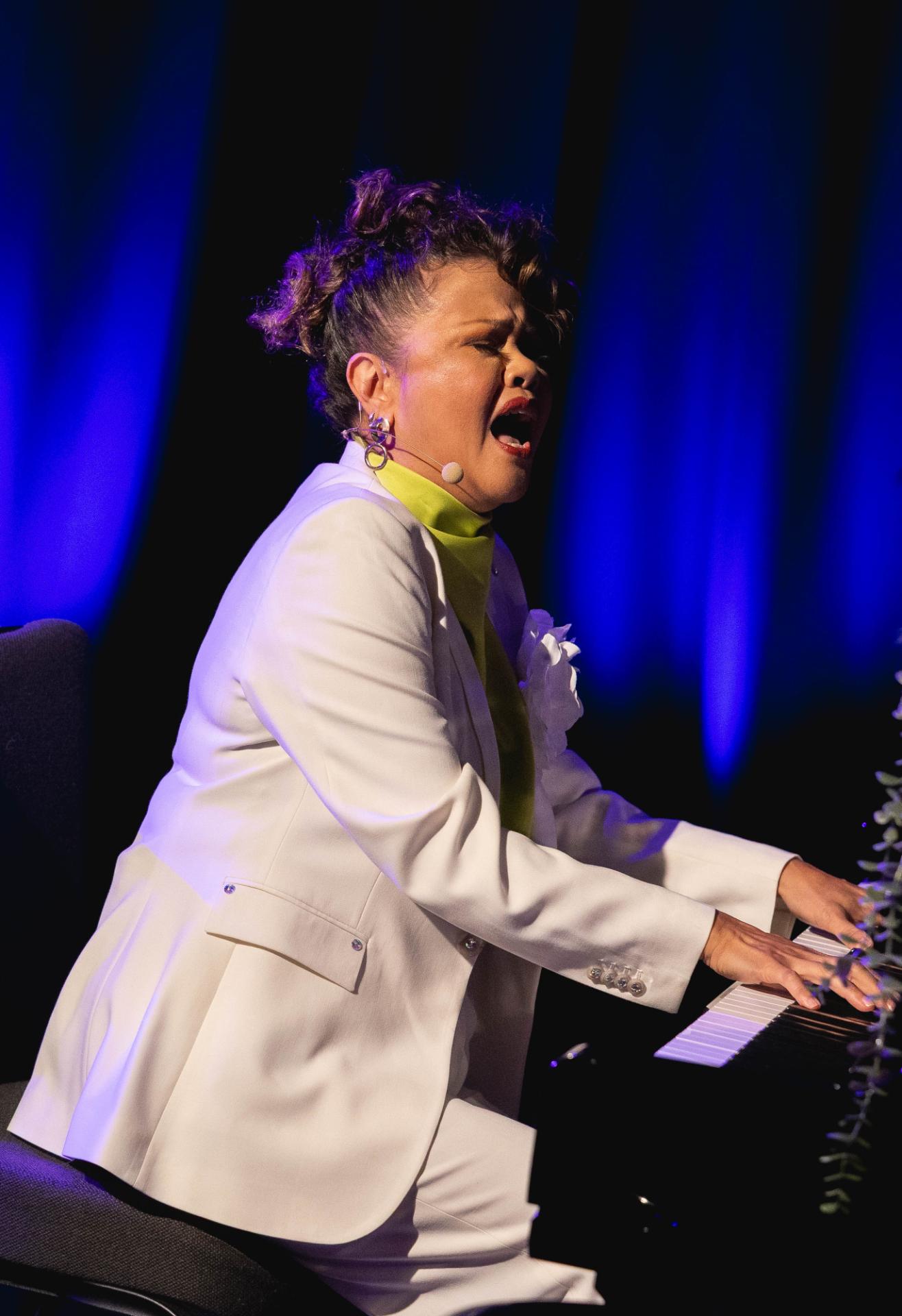
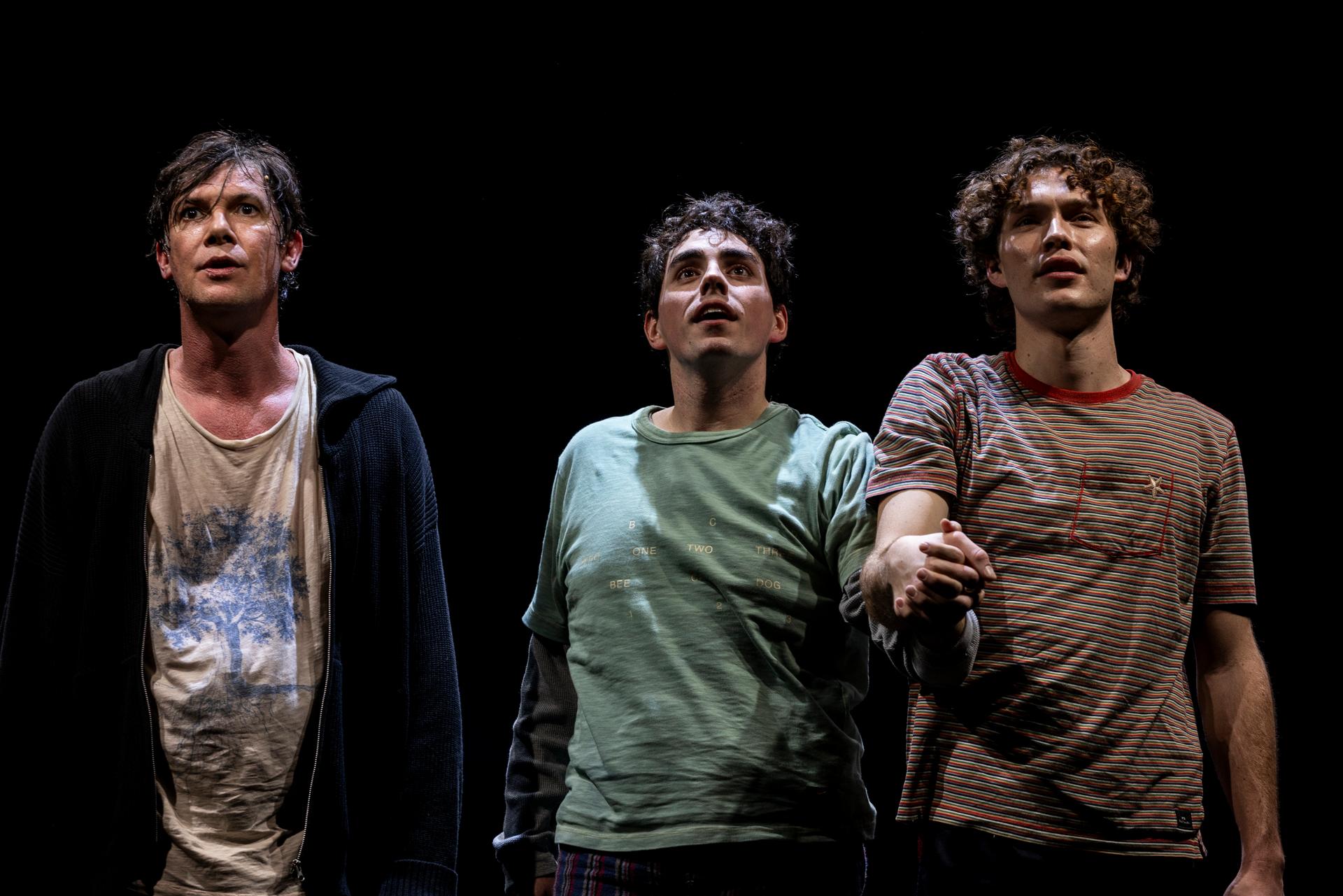
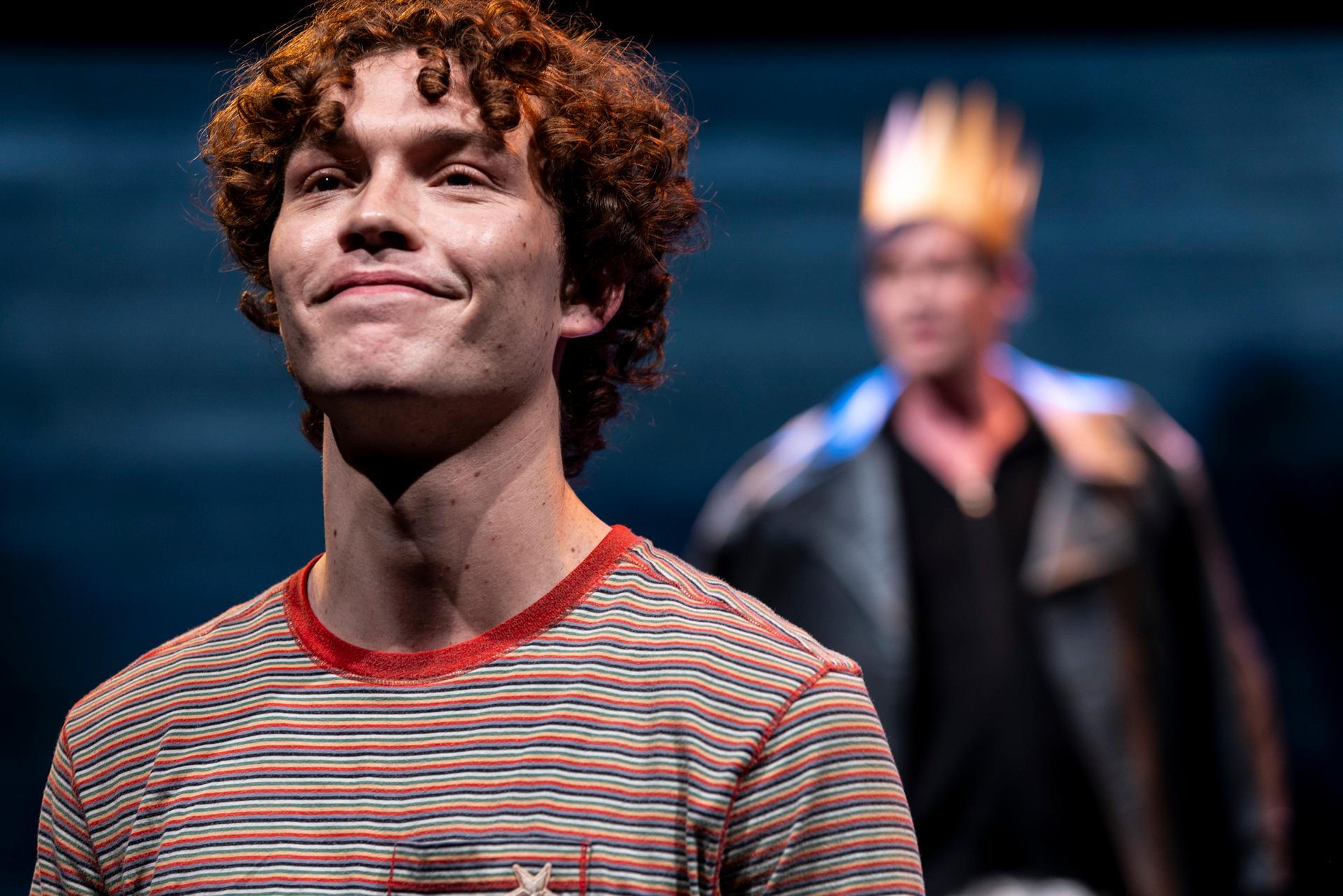
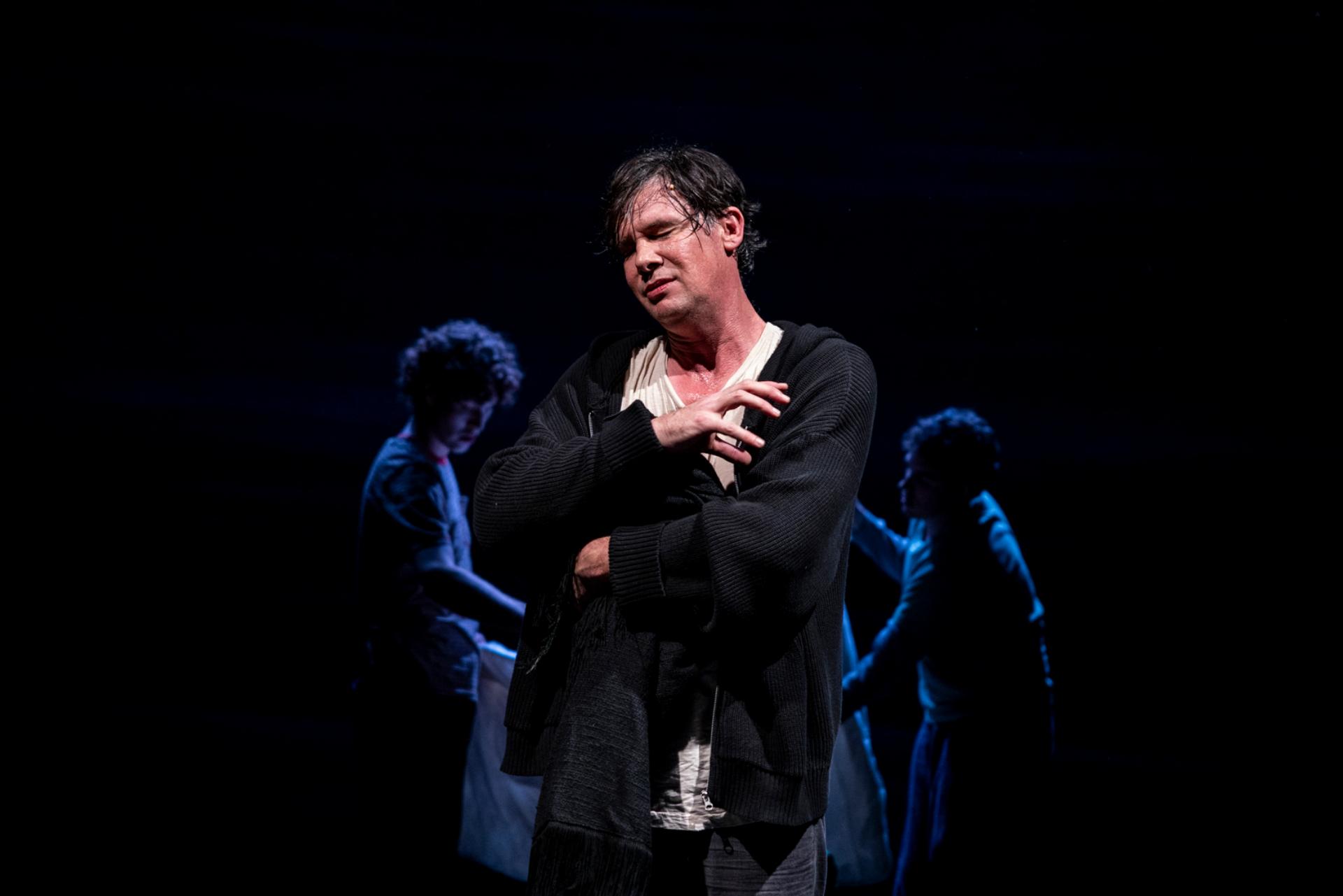
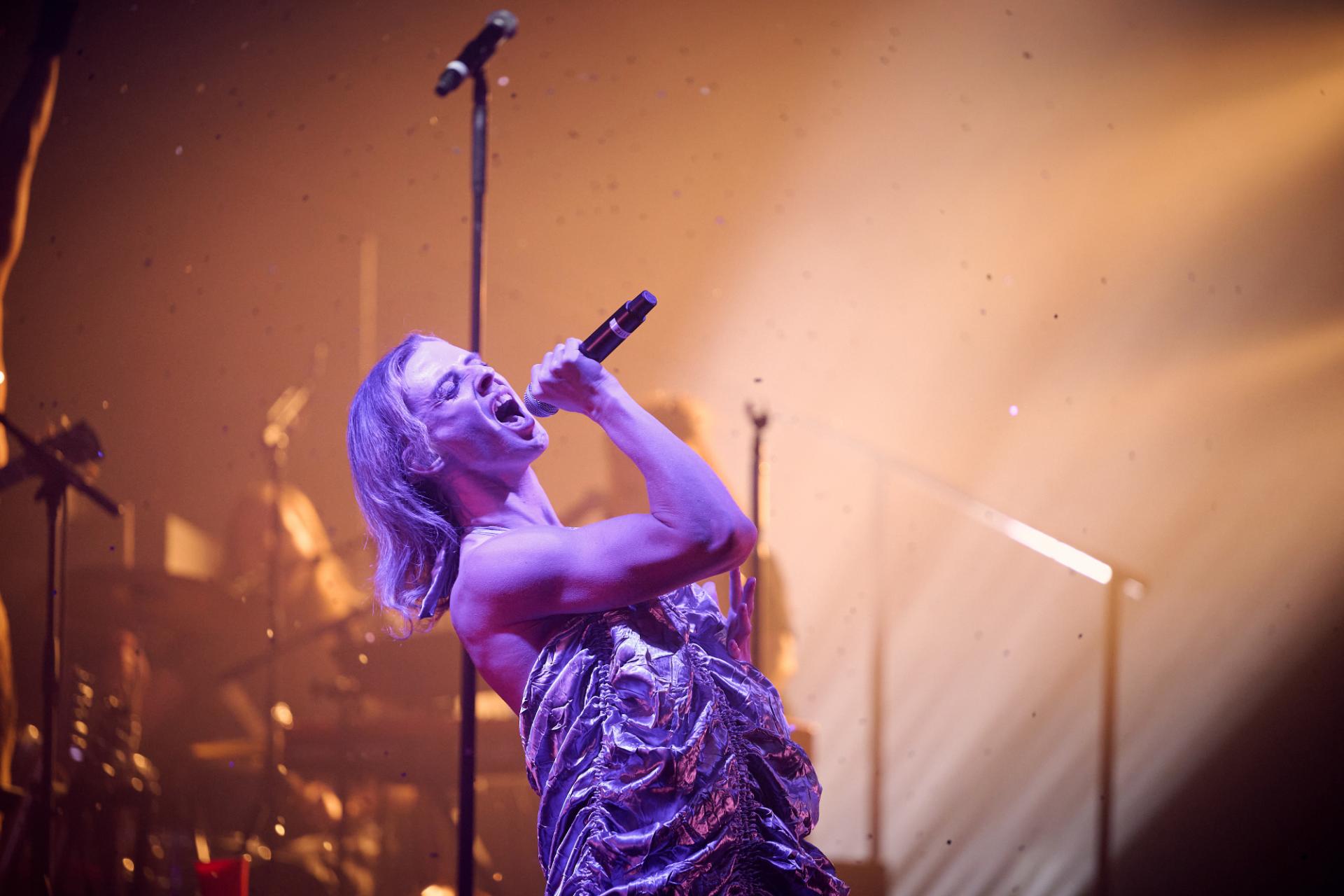
Playing the lead is a captivating and powerful Seann Miley Moore, whose audaciously extravagant approach has us persistently fascinated, but it is their exhaustive and granular familiarity with the material that insists on keeping us absolutely spellbound. Adam Noviello is extraordinary likable as Yitzhak, full of spirit even when portraying the despondency of a painfully neglected companion.

There may have been a surgical error crucial to the formation of Hedwig’s identity, but there is certainly nothing wrong with who she has become. We recognise queer heroes by the destabilisation they bring to unsound hegemonies. They are by nature contrarian, but only from the perspective of the corrupt. To them, Hedwig is an abomination and entirely perverse, where in fact she is truly magnificent and gloriously sacred.

www.hedwig.com.au

Review: Circle Mirror Transformation (Sydney Theatre Company)

Venue: Wharf 1 Sydney Theatre Company (Walsh Bay NSW), Jul 12 – Sep 7, 2025
Playwright: Annie Baker
Director: Dean Bryant
Cast: Ahunim Abebe, Nicholas Brown, Cameron Daddo, Rebecca Gibney, Jessie Lawrence 
Images by Daniel Boud

Theatre review
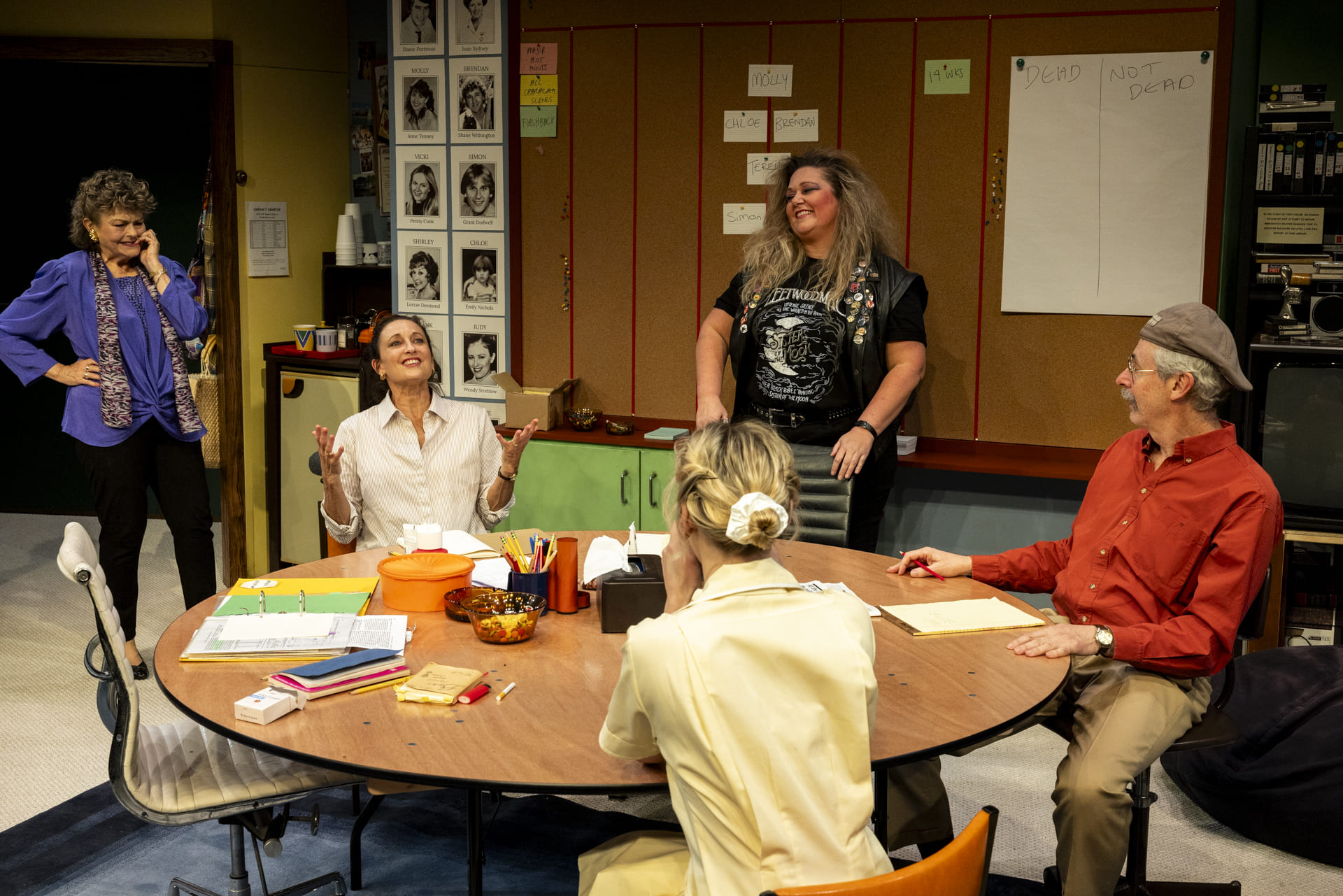
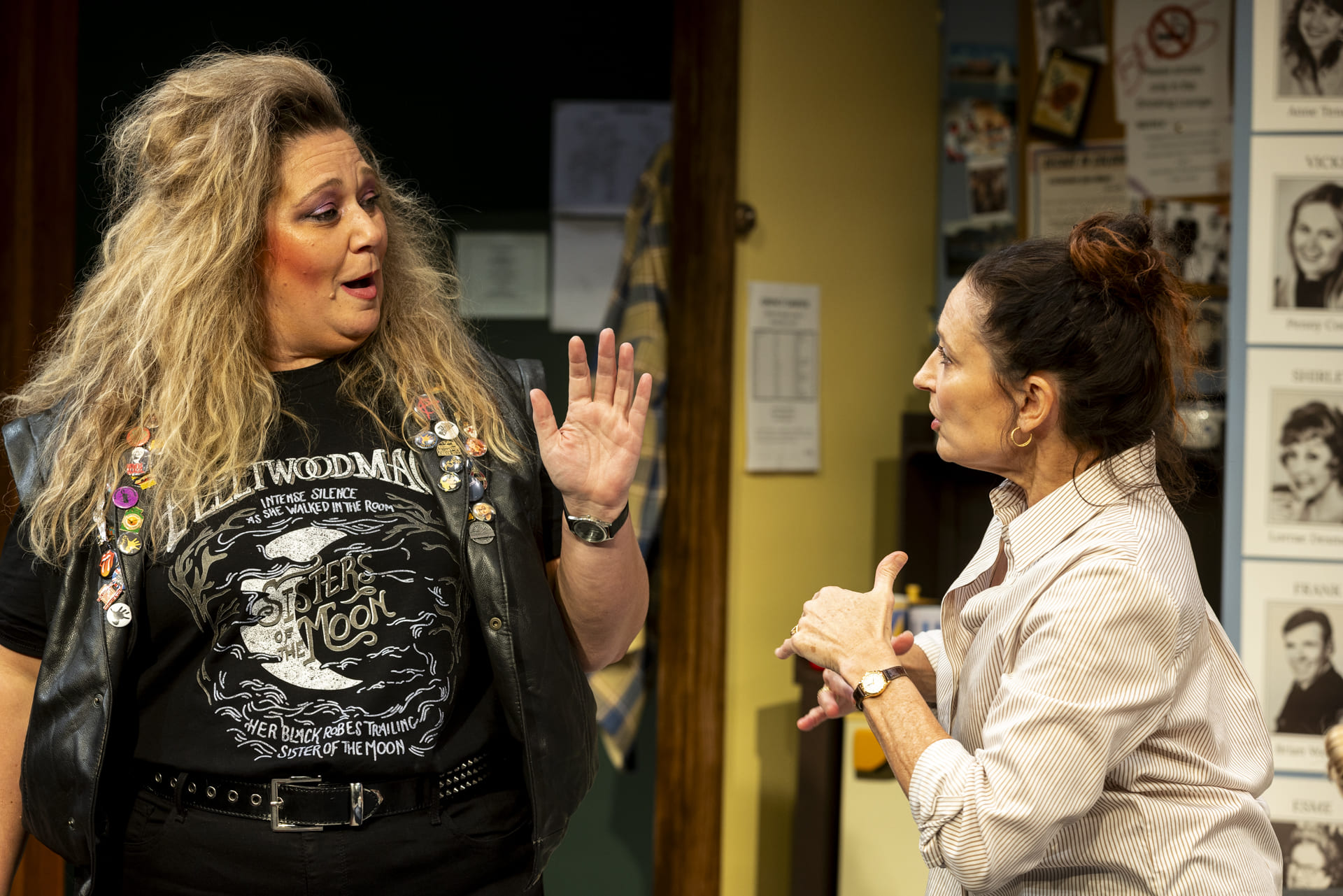
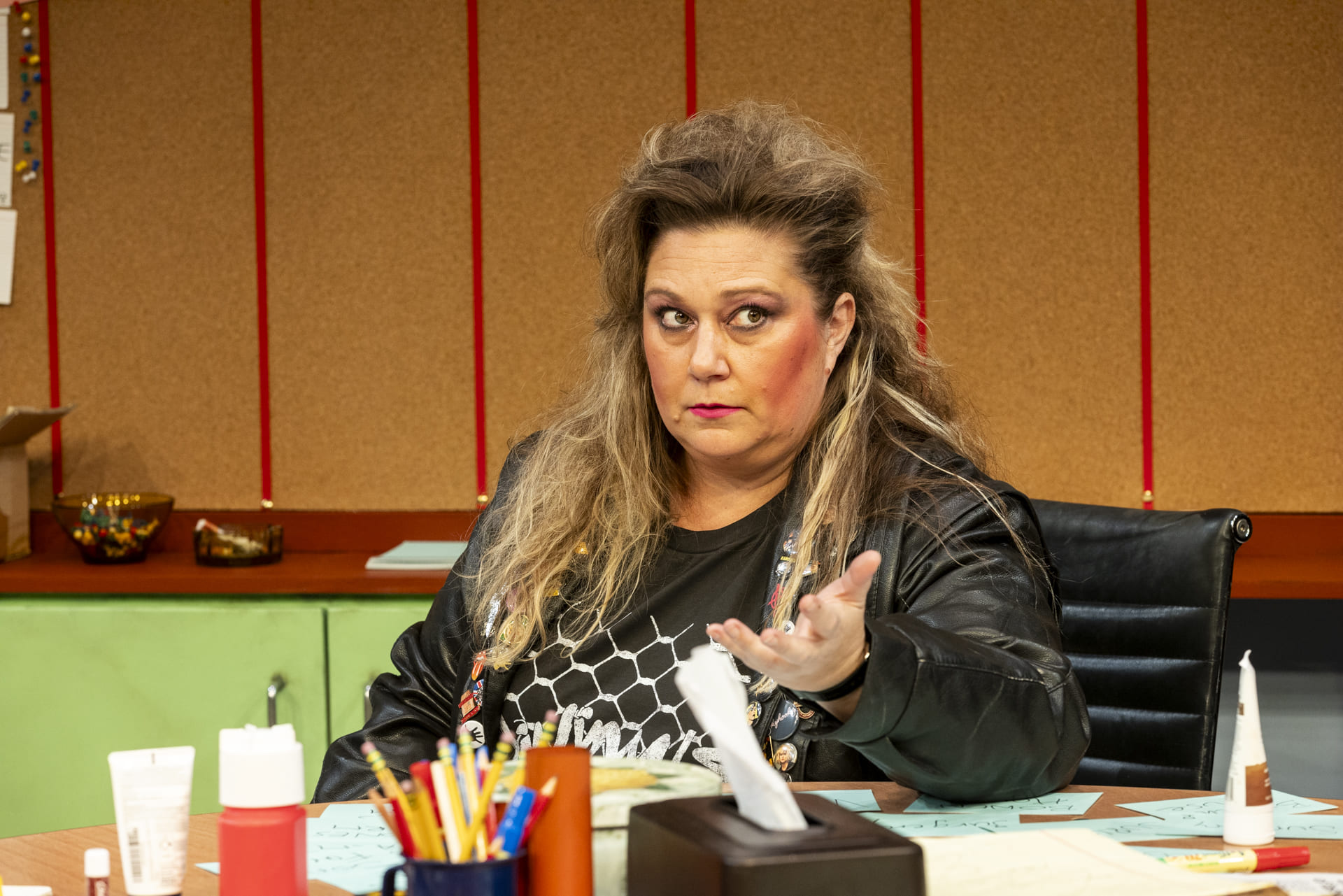
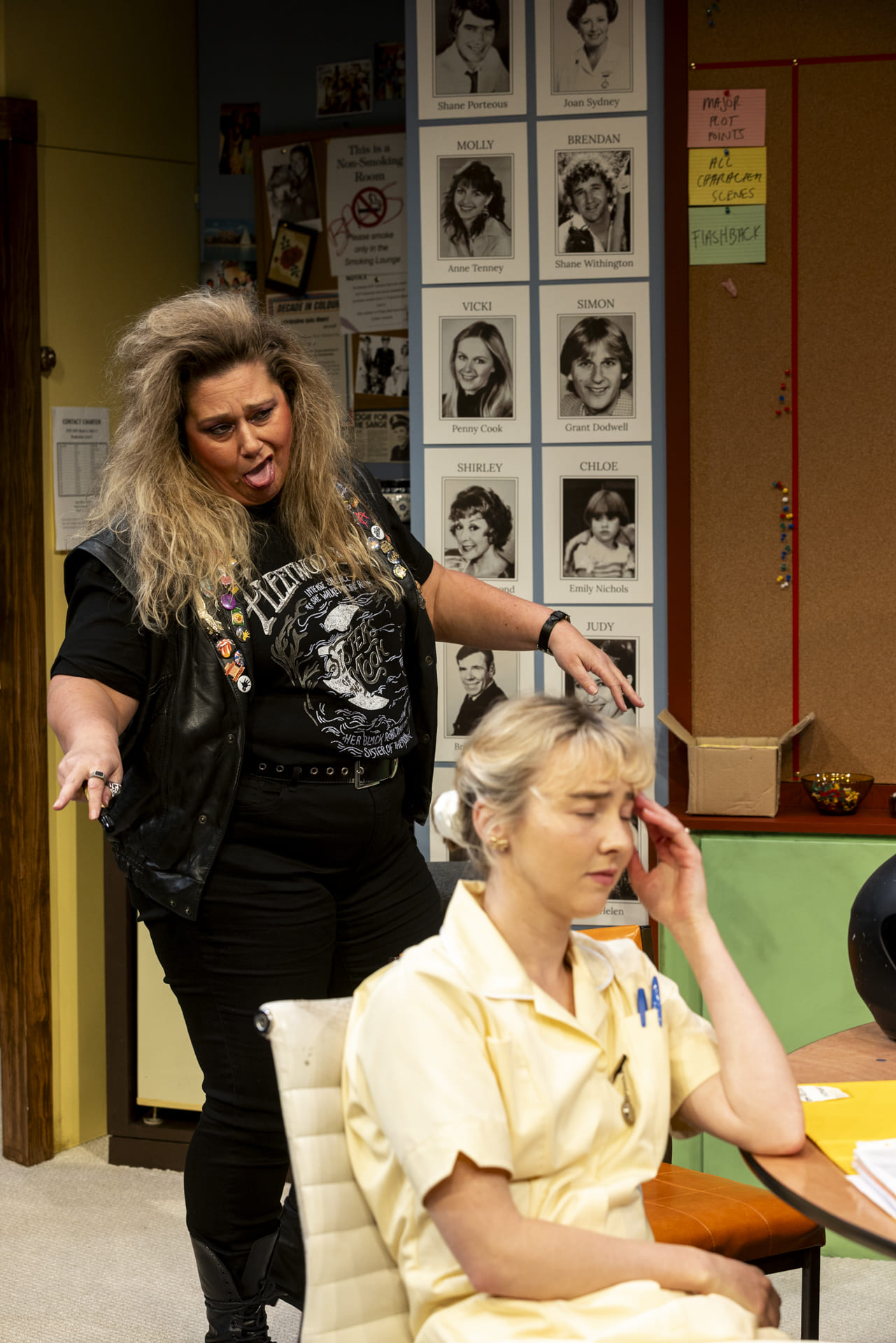
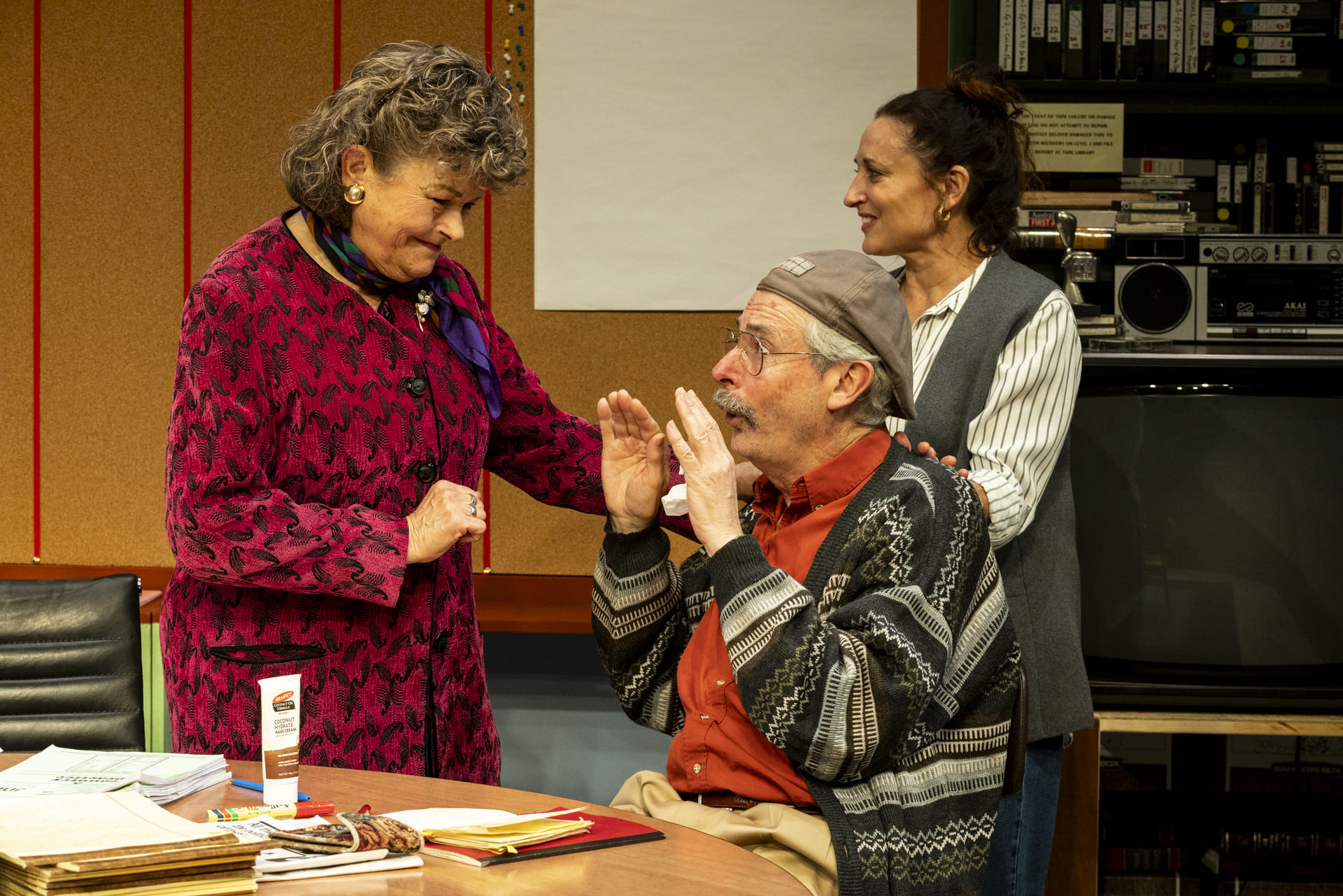
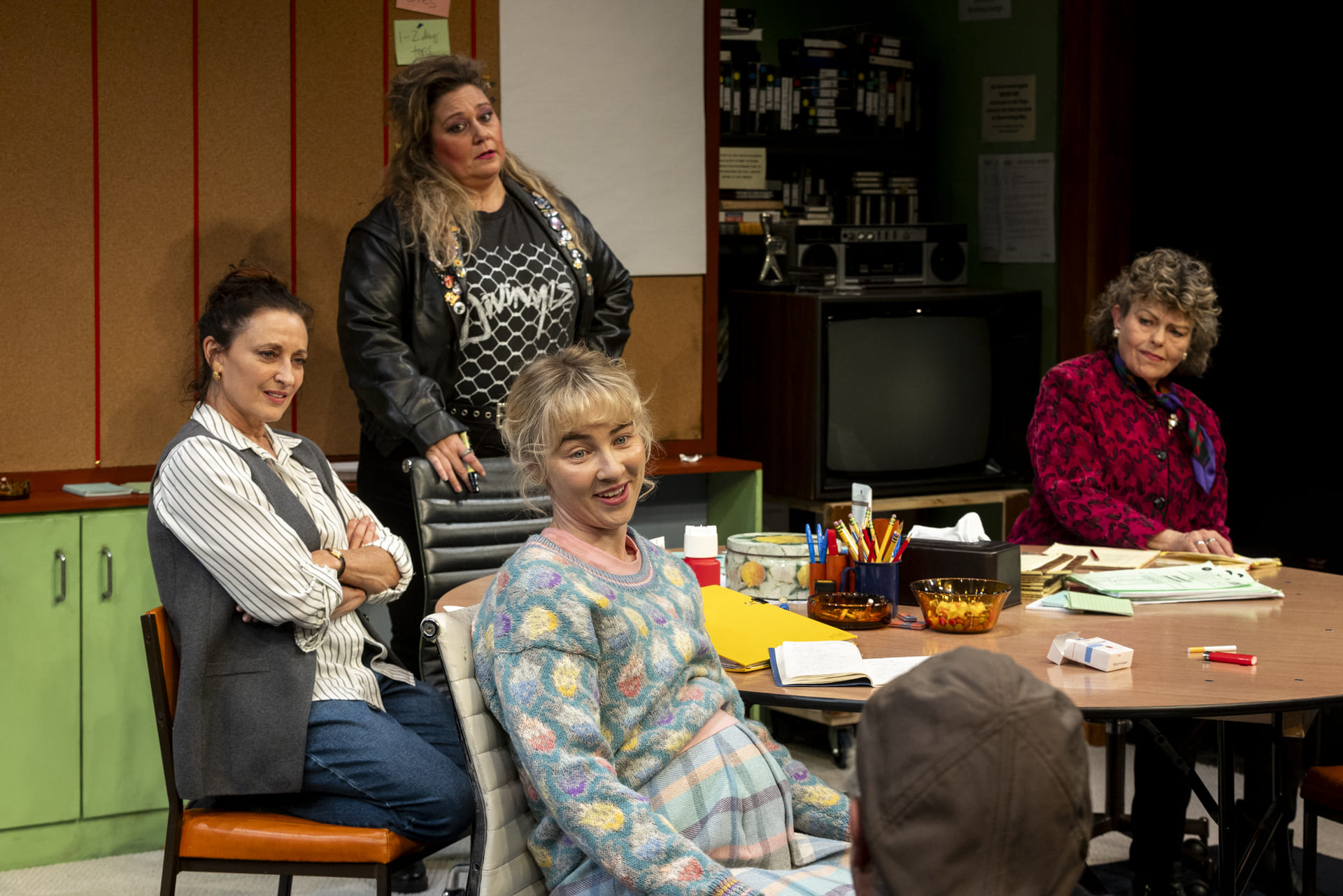
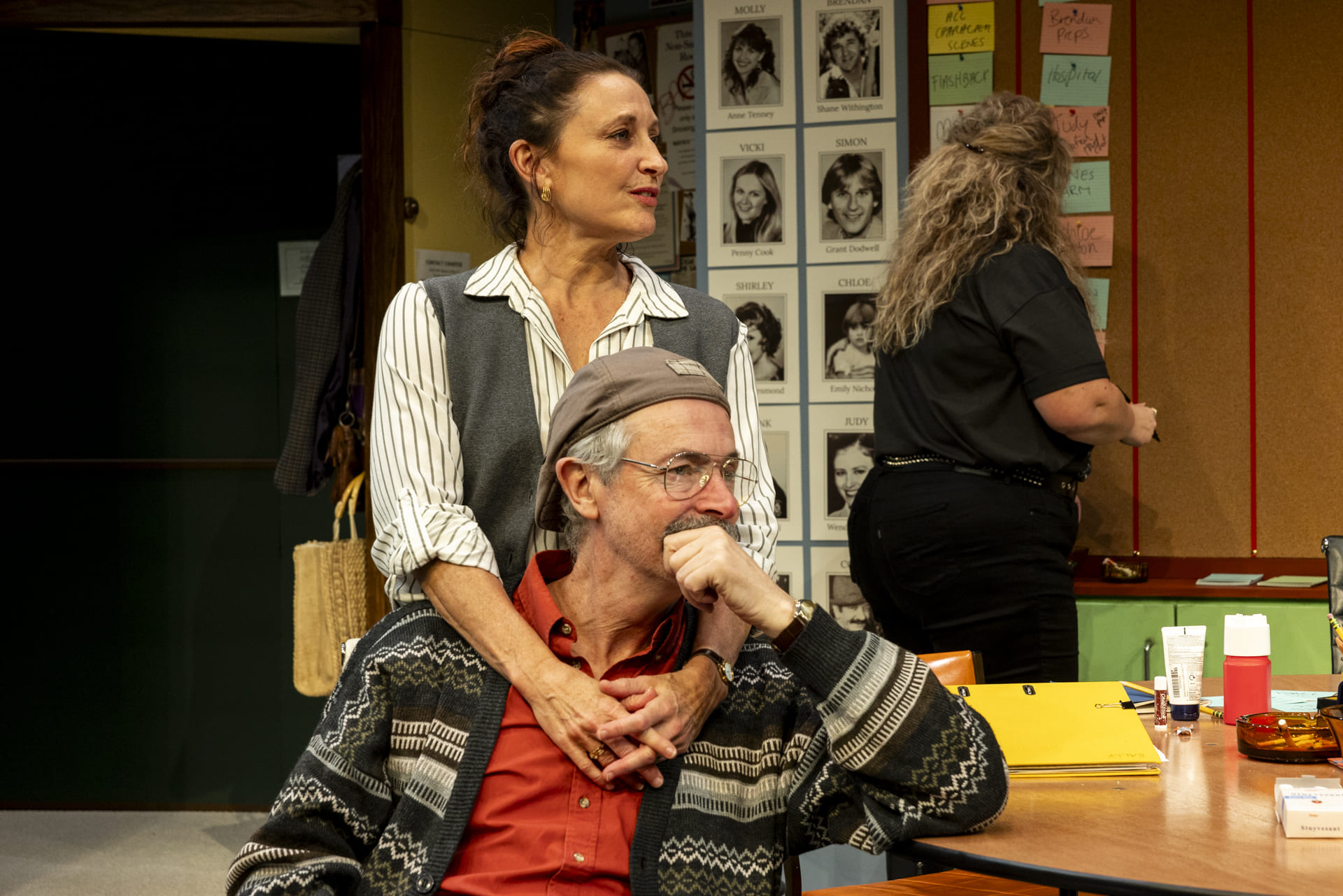
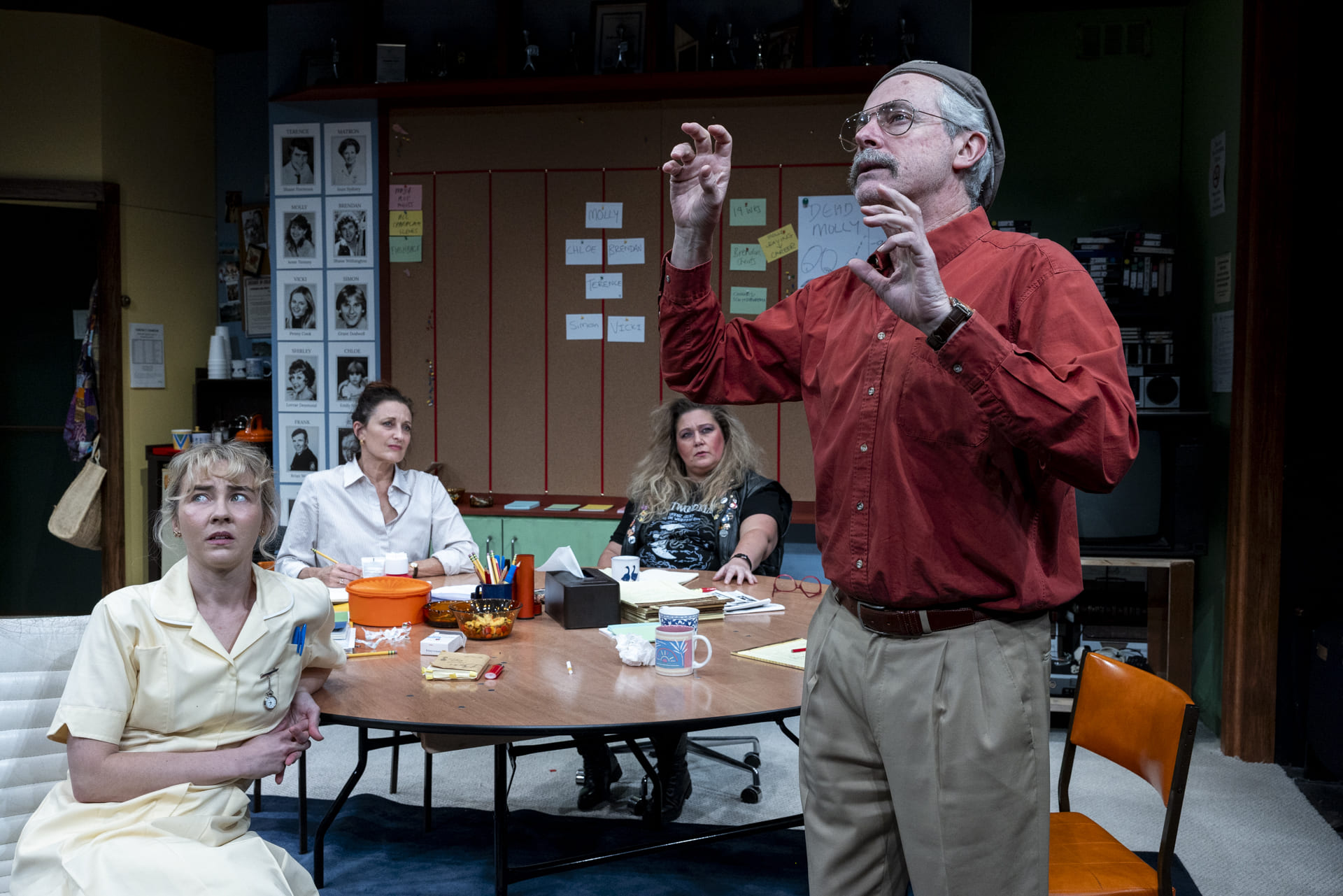
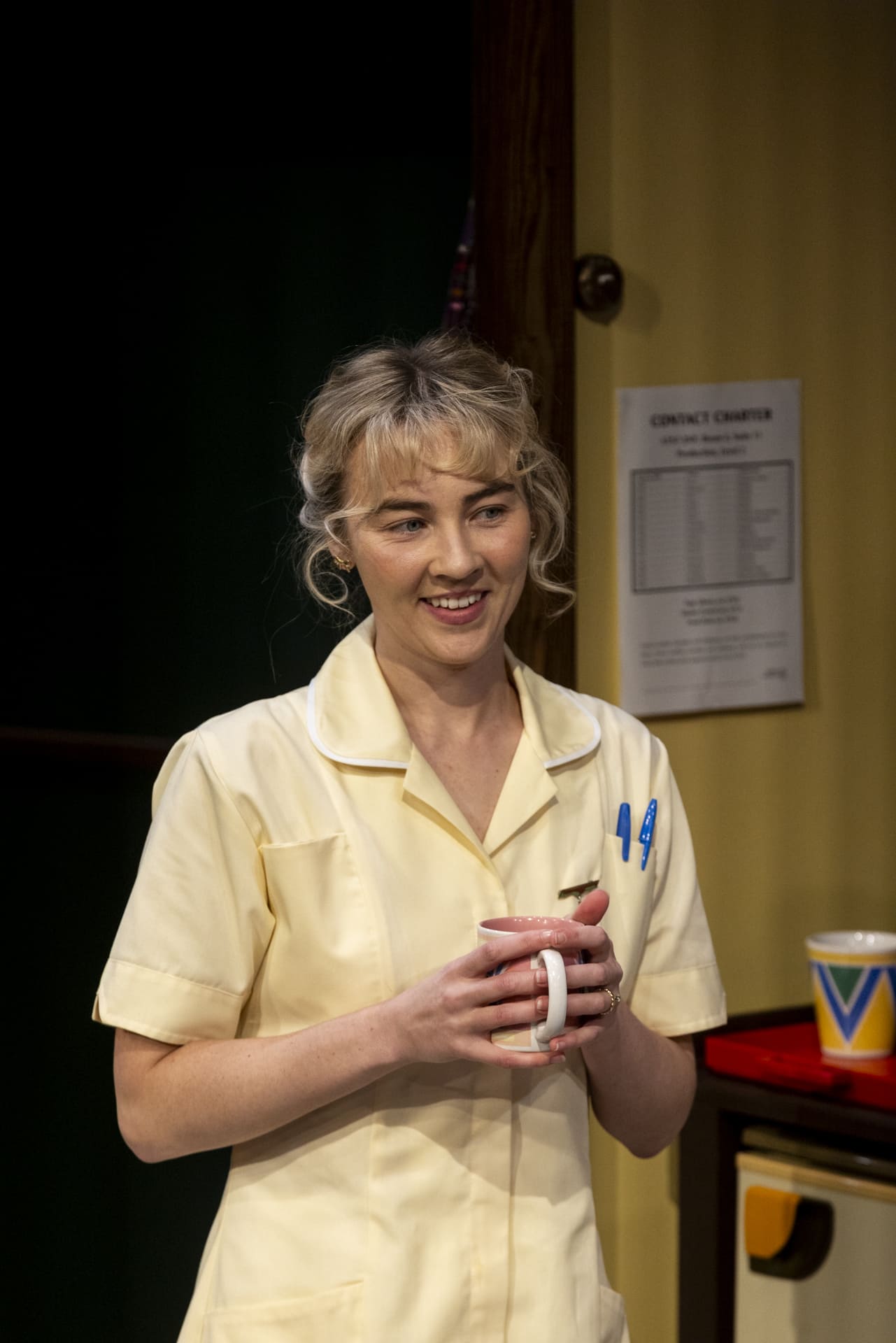
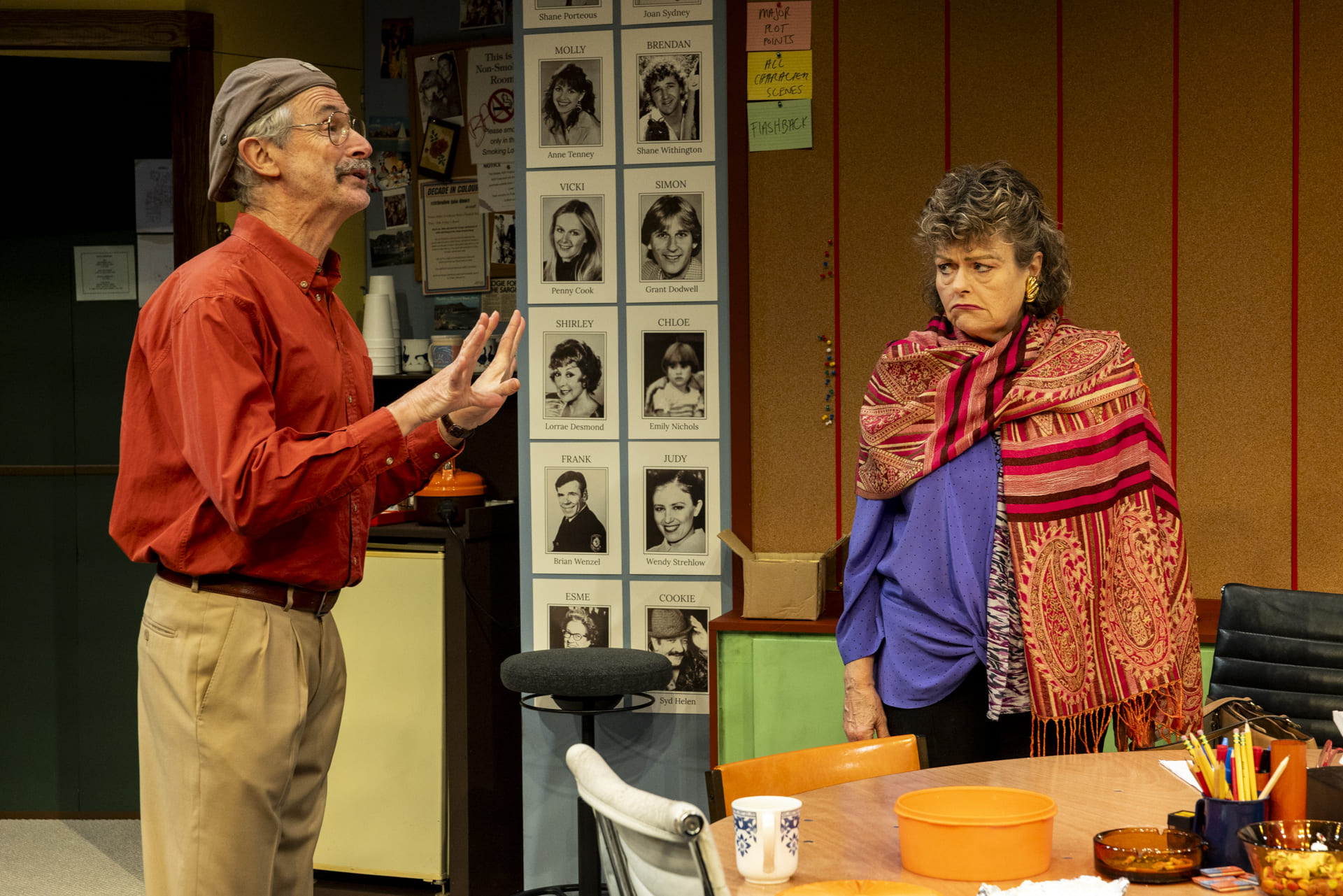
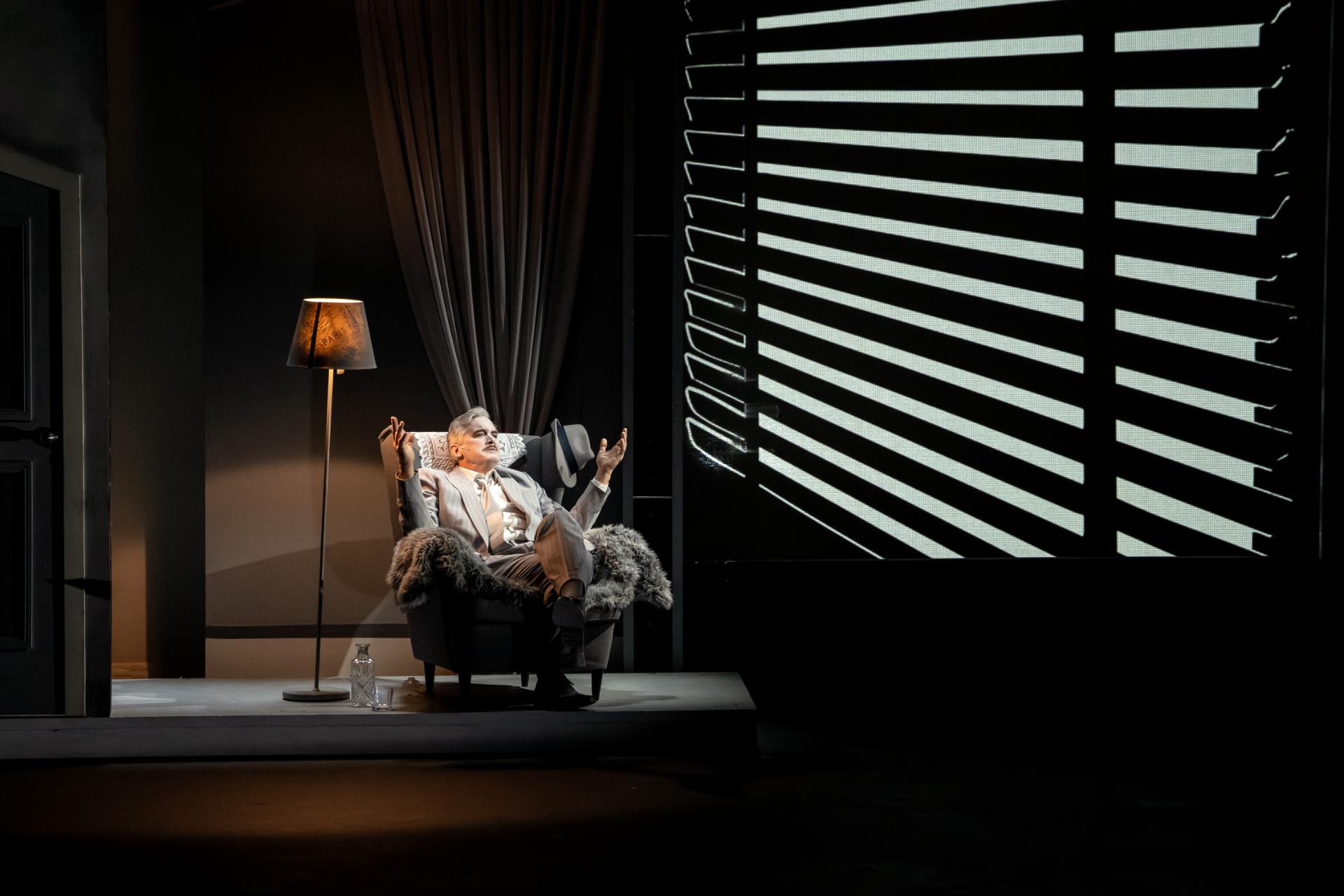
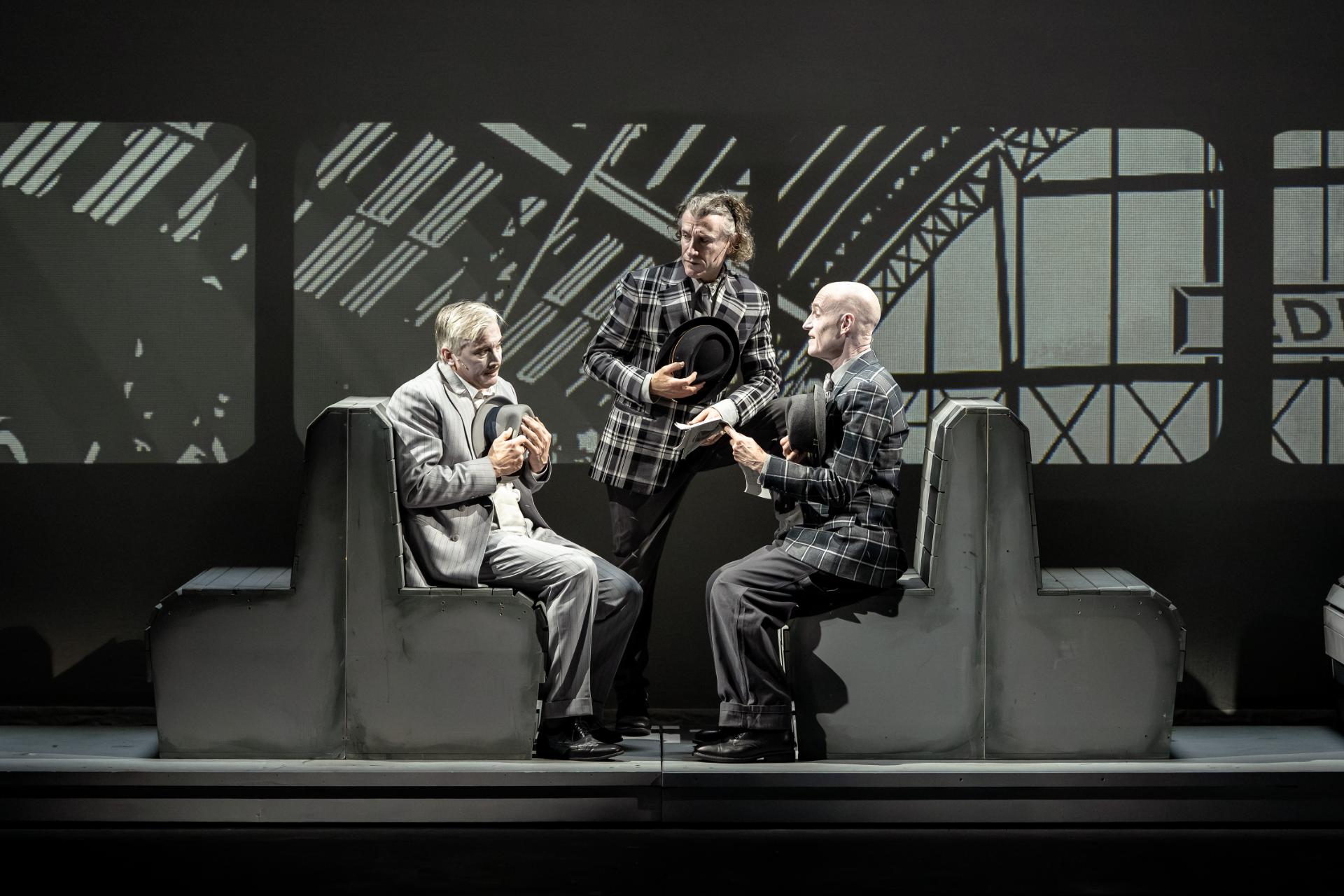
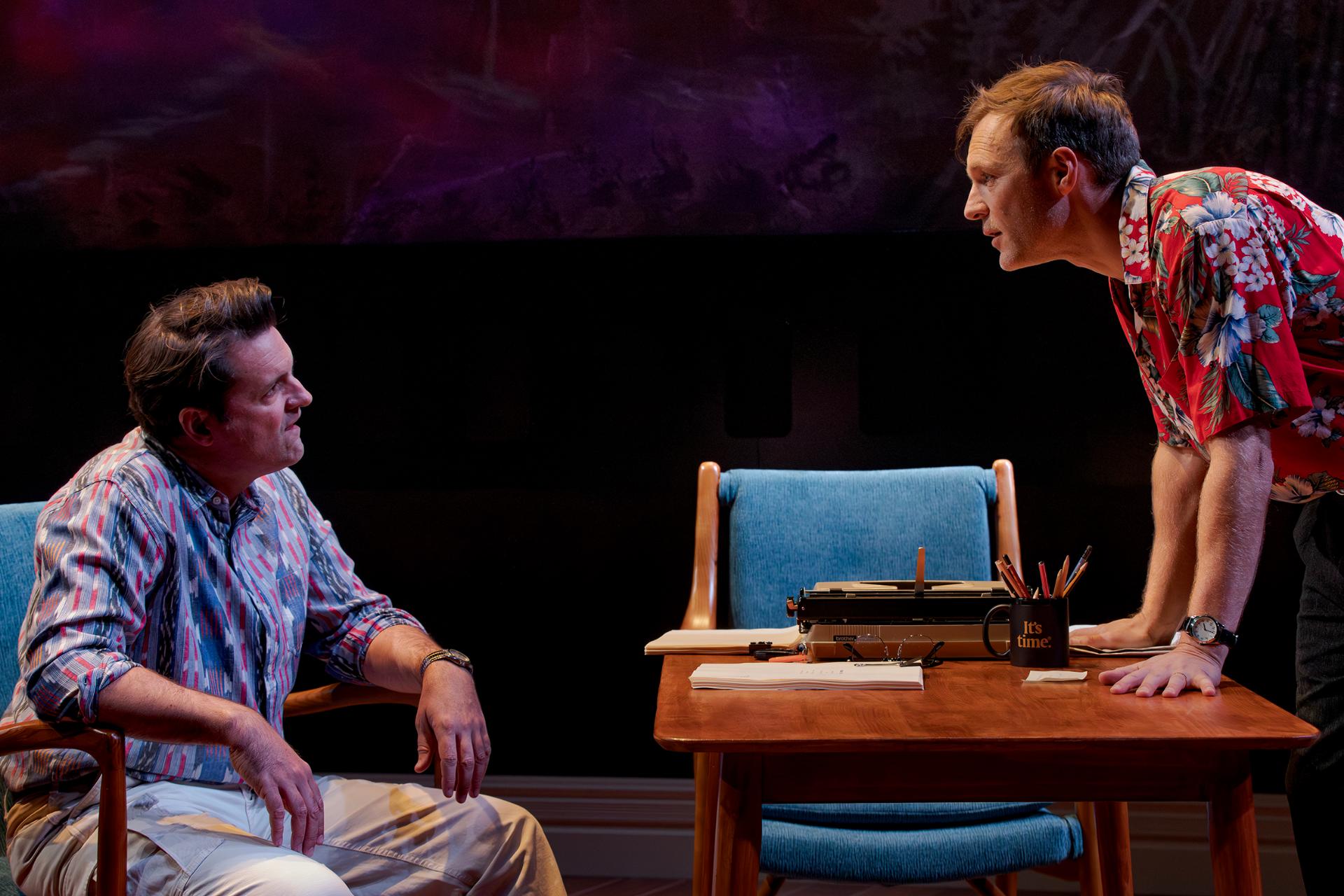
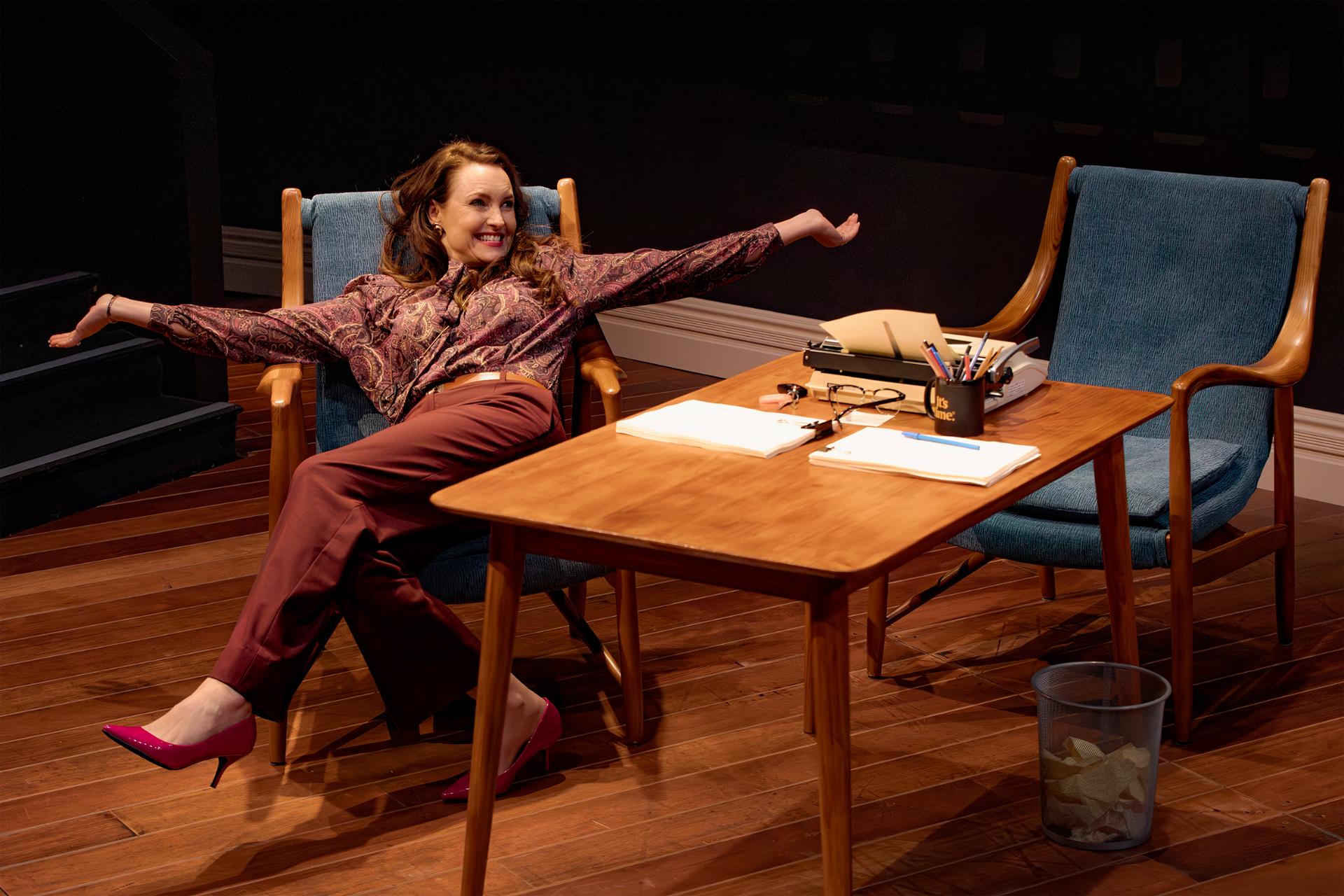
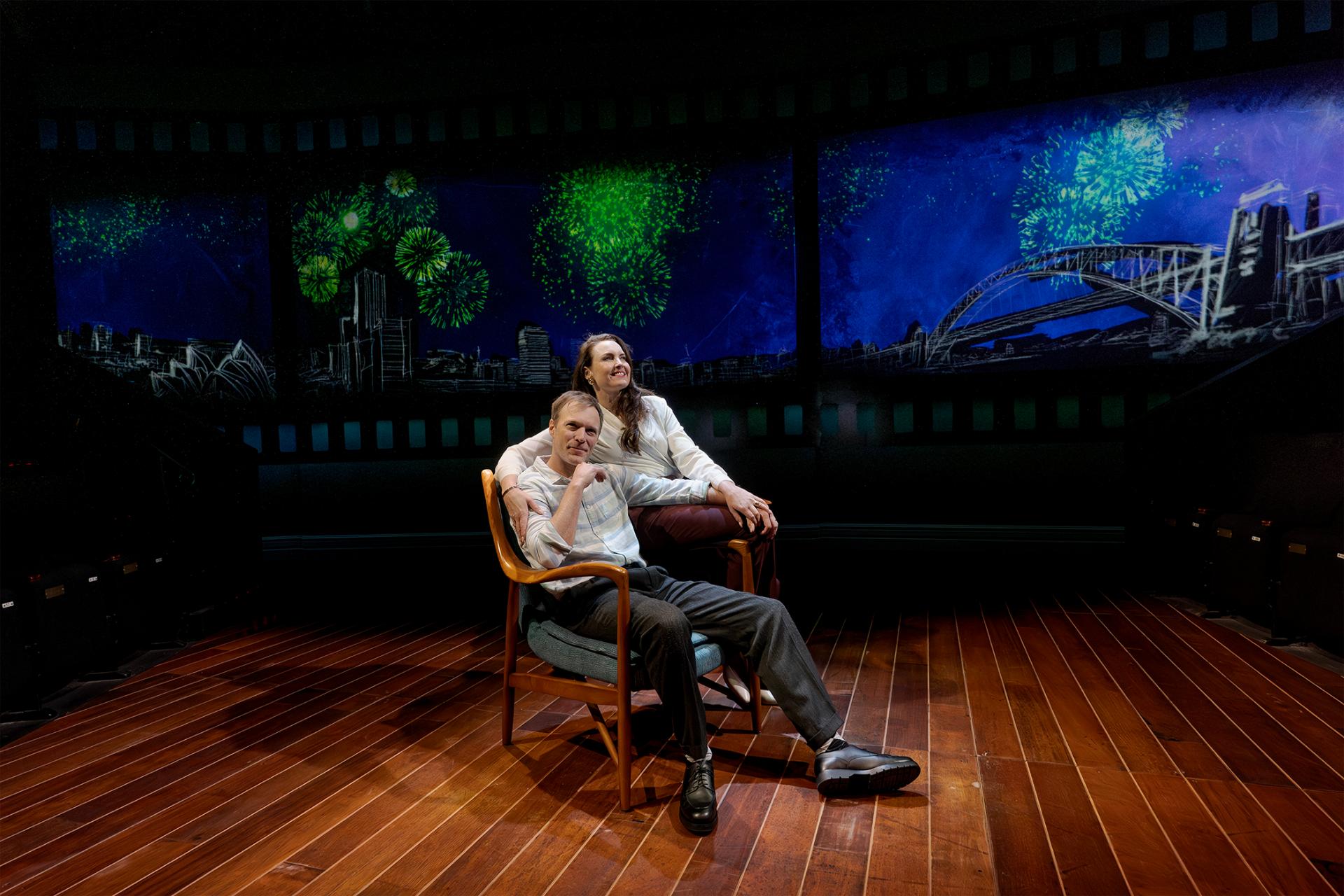
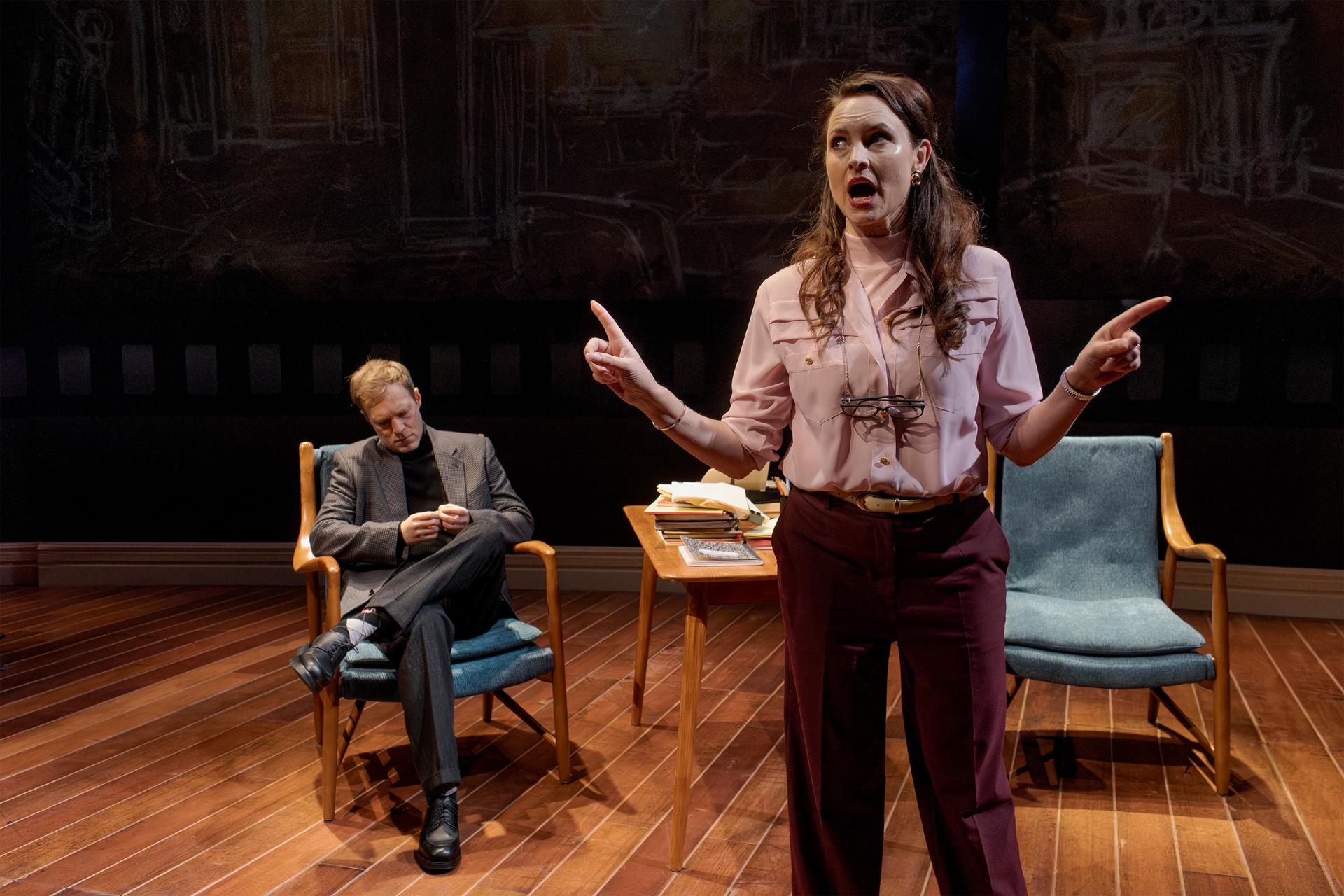
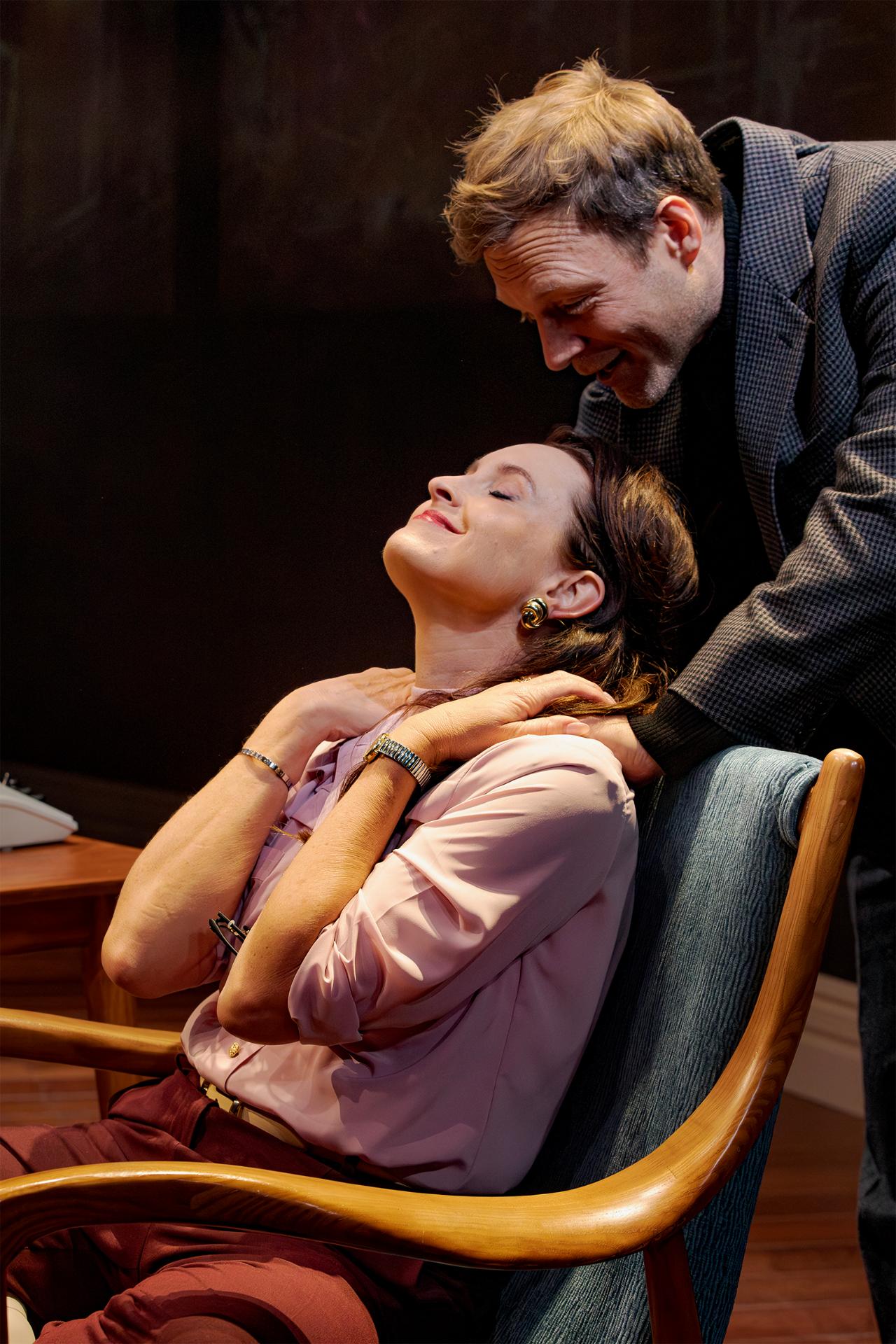
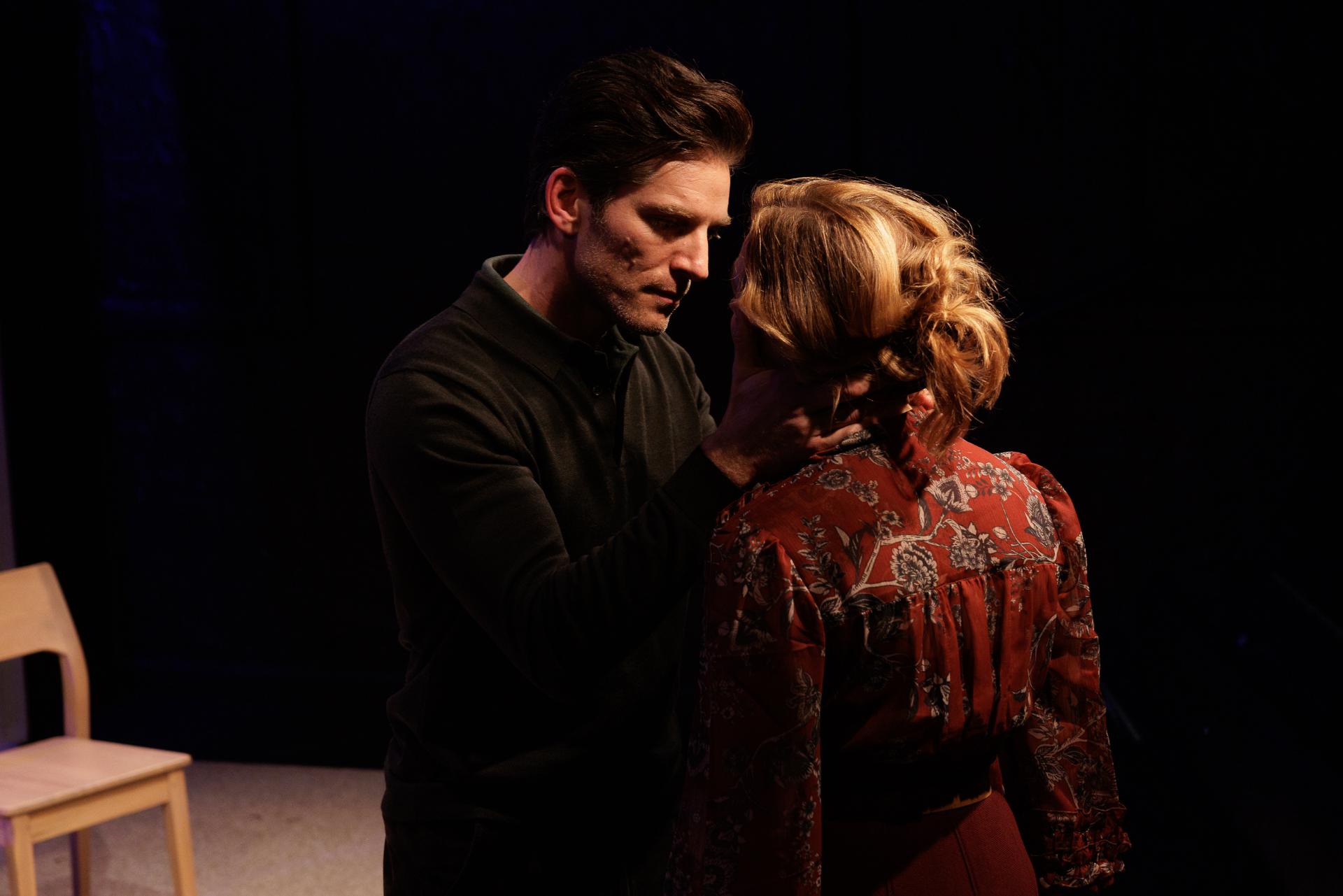
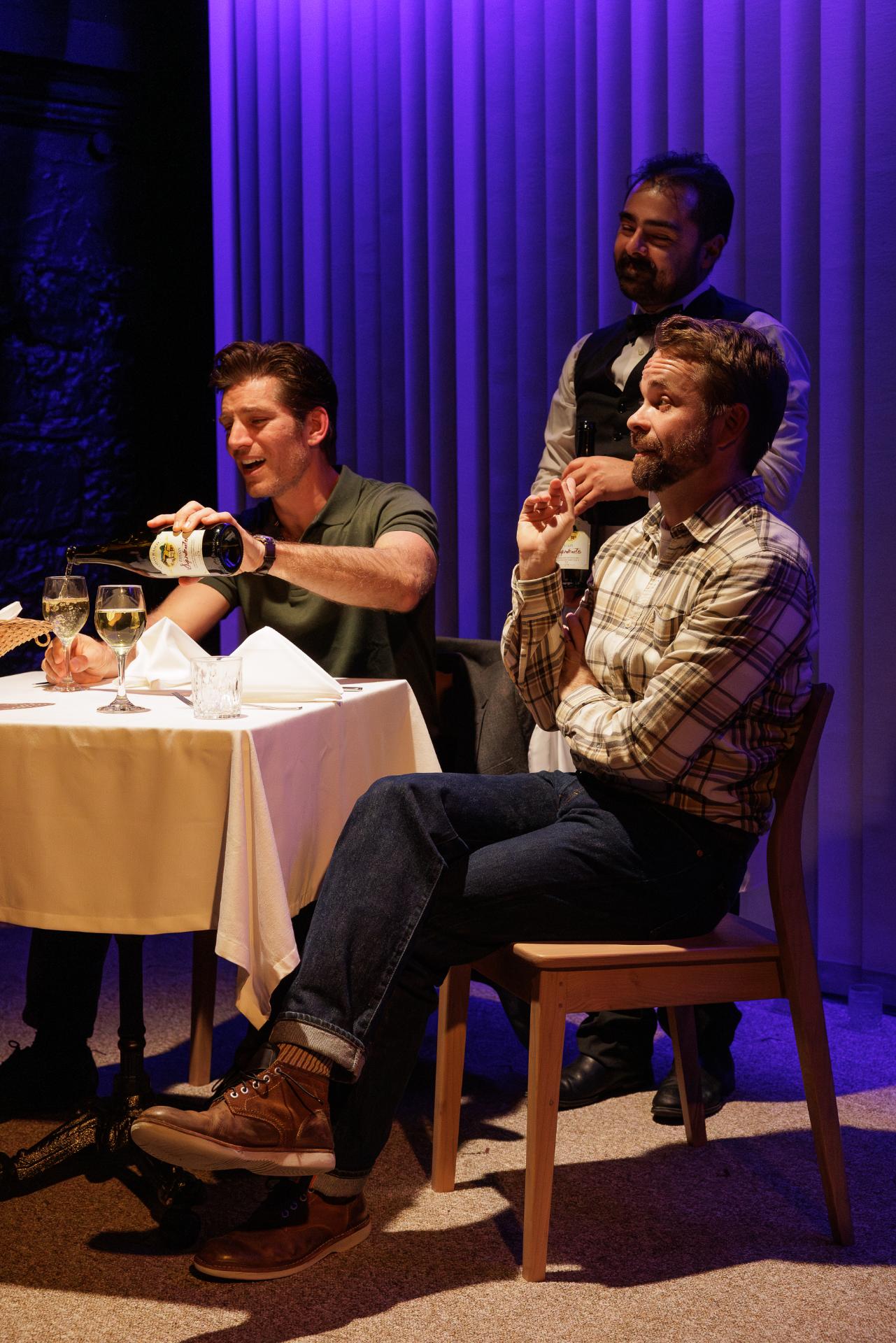
A small group convenes over six weeks, for drama lessons at a rural community centre. They focus on acting exercises, which look initially to be incredibly inane, but they lead to deep discoveries of a personal nature. Annie Baker’s Circle Mirror Transformation takes us into a microcosm of North American ordinariness. It is a quiet portrait of the middle class from 2009, years before any hint of the current pandemonium could even be detected. 

If there are any socio-political implications in Baker’s play, they are deeply subsumed and open to all manner of interpretation. Direction by Dean Bryant provides no indication to wider connotations of the story, making for a somewhat pedestrian experience, but the intricacy he puts into the unfurling of subjective narratives, reflects an admirable level of integrity.

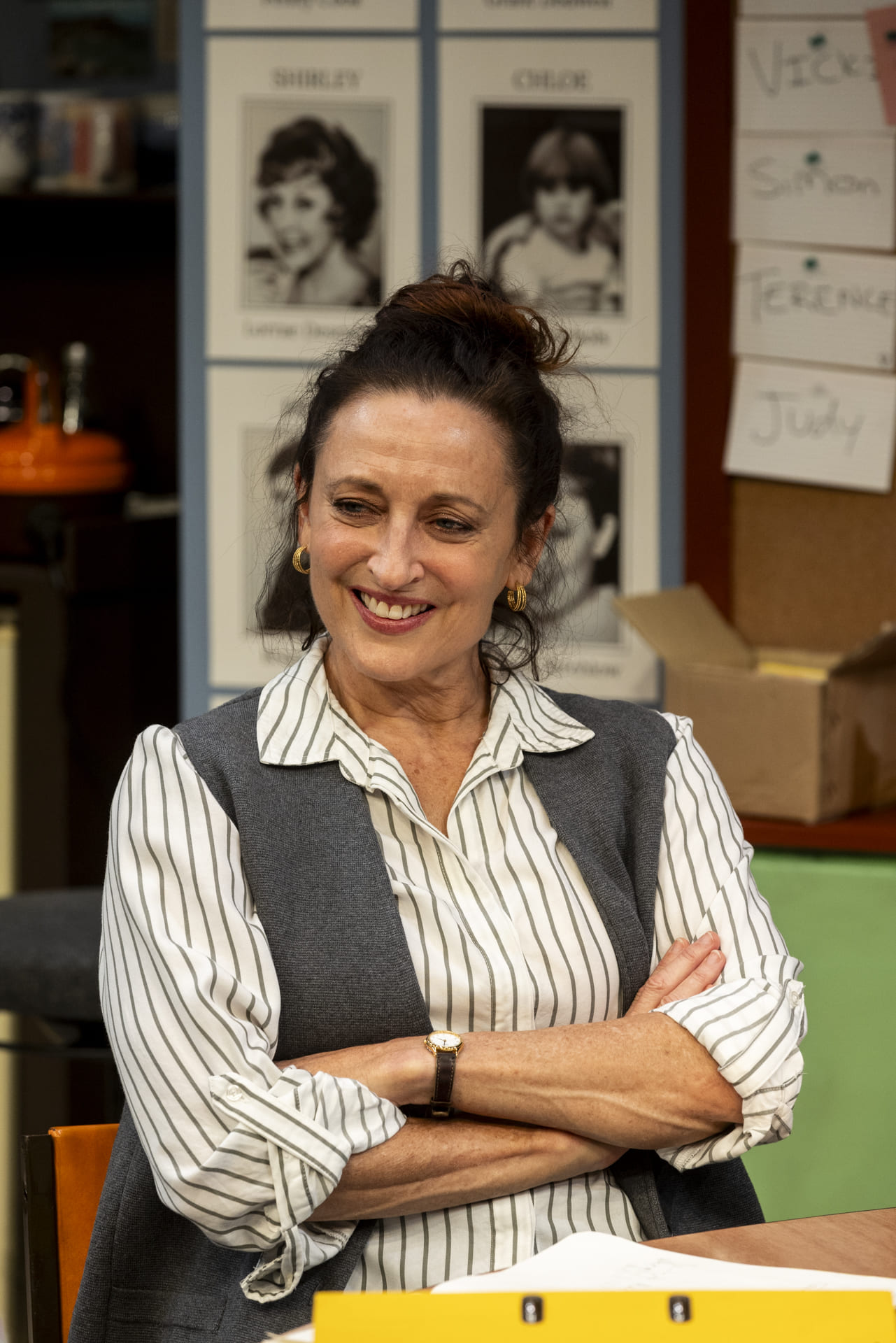
The very accomplished actor Rebecca Gibney grounds the work in a hyper naturalistic space as group leader Marty, making for a completely believable depiction of daily life at the dawn of the Obama years. There is a conspicuous blandness to the presentation which, although understandable within context, makes viewing somewhat challenging due to its lack of theatricality.

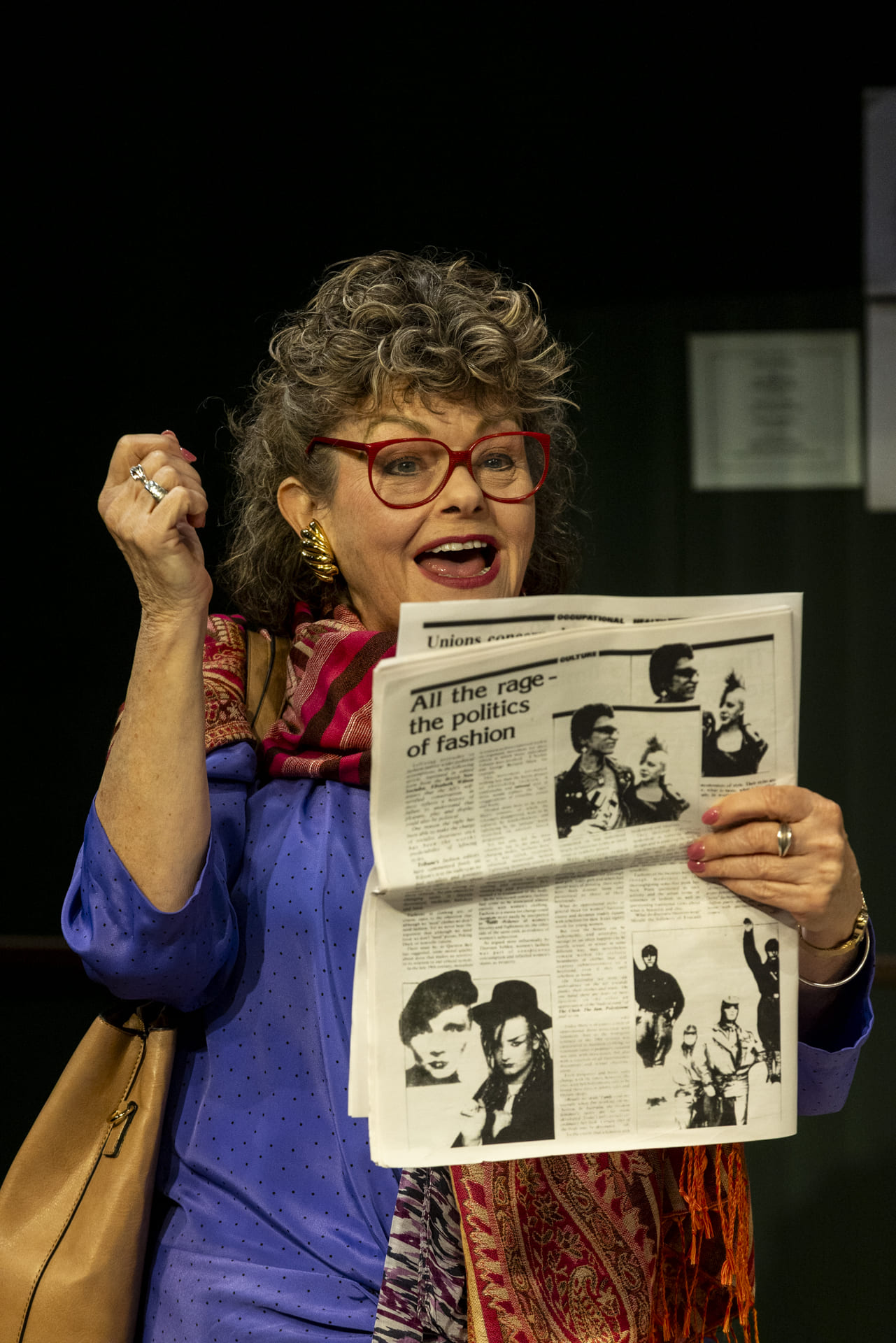
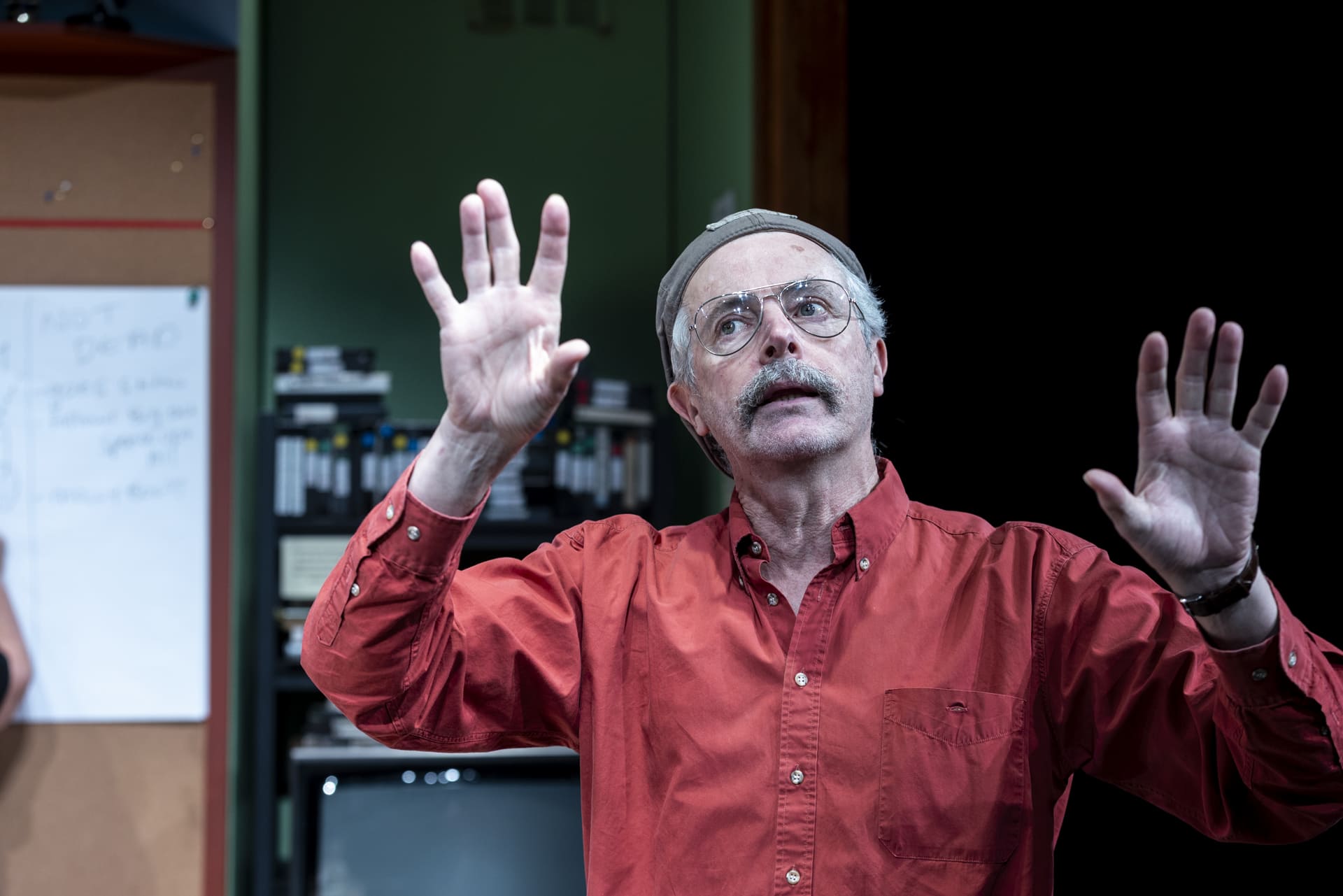
Fortunately Nicholas Brown and Jessie Lawrence are on hand to dial up the idiosyncrasy. As Schultz and Theresa, both performers bring exceptional depth and colour to the show, allowing us to enjoy more than the mundanity being explored. Ahunim Abebe brings a valuable richness to the humanity that her character Lauren reveals in later sections, and Cameron Daddo leaves an impression with his understated authenticity as James.

Designer Jeremy Allen brings unexpected texture to otherwise nondescript scenic requirements. Lights by Brockman and sound by Clemence Williams, are understandably operative rather than ornamental, rarely attention grabbing but certainly effective.

It is almost peculiar to return to a time when Americans could simply worry about their individual foibles, rather than having to grapple with unrelenting chaos and the impending collapse of their social structures. Circle Mirror Transformation may not even be a score of years old, but the vast changes that we witness the USA undergoing, make the play seem quaint, almost unrecognisable in its representation of modern normalcy.

www.sydneytheatre.com.au

Review: Hir (New Theatre)

Venue: New Theatre (Newtown NSW), Jul 8 – Aug 2, 2025
Playwright: Taylor Mac
Director: Patrick Howard
Cast: Lola Kate Carlton, Rowan Greaves, Jodine Muir, Luke Visentin
Images by Chris Lundie

Theatre review
Paige has had enough of the patriarchy. Since her abusive husband’s stroke and her teenage child’s gender transition, Paige has educated herself with progressive literature, and is now a new woman. When her firstborn returns from being dishonourably discharged by the Marines, Paige finds herself dealing with someone unwilling to adapt to her rigidly radical beliefs, and the family unit completely disintegrates.

Taylor Mac’s 2014 comedy Hir remains a wild and potent fantasy of feminist resistance. 11 years on, the play’s message still feels consequential and pointed, with direction by Patrick Howard demonstrating genuine affiliation with the spirit of the writing, making the production a captivating one.

The chaos and destruction that Paige experiences is made manifest through a thoughtful set design by Victor Kalka. Xan Hardman’s costumes bring vibrancy to the staging, along with a macabre humour that accentuates the provocative qualities of Hir.

The indignation at the core of Paige’s story may not always emerge with sufficient ferocity, but actor Jodine Muir is commendable for bringing polish to an often verbose text. While the cast could delve more intricately into the politics and interpersonal dynamics of the work, their commitment and energy are undeniable.

After a lifetime of subjugation, Paige has become immovably staunch with her reclaimed integrity. She no longer bends for anything or anyone, because she has learned that all her capitulations have been in vain. A woman used to sacrifice, she now refuses to yield any ground. Misery may come again, yet now it is not hers alone, and she holds the reins.

www.newtheatre.org.au

Review: Sistren (Griffin Theatre Co)

Venue: Old Fitzroy Theatre (Woolloomooloo NSW), Jun 26 – Jul 12, 2025
Playwright: Iolanthe
Director: Ian Michael
Cast: Janet Anderson, Iolanthe
Images by Brett Boardman

Theatre review
Isla and Violet are the closest of friends, and being seventeen years of age, that bond has an intensity unlikely to ever recur. Sistren by Iolanthe is often glib and irreverent in tone, but a deep sincerity emerges unexpectedly at various points, making sure that the play touches us ultimately, with meaningful intention and consequential impact. Iolanthe’s writing is brazenly loose in structure, and defiantly meandering, in its resistance of formal conventions that uphold linear progression and cohesion.

Director Ian Michael is on hand to imbue a powerful emotional trajectory, that places us on an ever rising crescendo of visceral charge. The politics of Sistren is undeniable, with a modern brand of feminism characterised by radical inclusivity,  resulting in a work of theatre that is able to speak vociferously, yet never alienates.

As we watch Isla and Violet negotiate their differences, with one being Black and cis, and the other white and trans, we too experience that push and pull of being constantly caught between right and wrong. Living consciously political means that there is an ideal to strive for, as embodied by the girls’ love and friendship, but also always having to contend with flawed methods of progression. The point is to be able to trust.

Production design by Emma White is appropriately playful in approach. Lighting design by Kelsey Lee provides a wealth of visual flourish that proves thoroughly elevative. Video projections by TK Abiyoe are a delightful addition, as is sound design by Daniel Herten, memorable for a camp zaniness that keeps the show squarely in the realm of queer.

Iolanthe herself takes to the stage, playing Isla along with Janet Andersons’ Violet. What we witness is a singular chemistry, distinguished by the two women’s shared humour, which shapes a theatrical experience remarkable for the intimacy of the world it opens to us. Together they create a work of art distinct for its specificity, one that feels inimitable and therefore completely evanescent. In their unusual unity and love, in seeing two characters who have every reason to hate each other, we are compelled to reflect on the meaning of difference in a world fixated on division.

www.griffintheatre.com.au | www.greendoortheatrecompany.com

Review: Primary Trust (Ensemble Theatre)

Venue: Ensemble Theatre (Kirribilli NSW), Jun 19 – Jul 12, 2025
Playwright: Eboni Booth
Director: Darren Yap
Cast: Charles Allen, Peter Kowitz, Angela Mahlatjie, Albert Mwangi
Images by Prudence Upton

Theatre review
Kenneth talks all day to his imaginary friend Bert, which is highly unusual for a man of 38. Primary Trust by Eboni Booth, is about the defence mechanisms and trauma responses, that a person develops after suffering a devastating incident. Mental health is unquestionably worthwhile as subject matter for any discussion, but its rendering on this occasion, involving a slightly simplistic narrative, has a tendency to feel somewhat surface.

This exploration of psychological deficiency is accomplished with dignity by director Darren Yap, who is also noteworthy for his deft hand at comedy that makes effective, the light humour of Booth’s writing. Characters in the play are wonderfully charming. Leading man Albert Mwangi brings appropriate innocence to Kenneth’s story of arrested development, along with a joviality that keeps us entirely on his side. Mwangi’s knack for naturalist authenticity sets the tone for the production, making everything believable and compelling.

Charles Allen embodies a glow of warmth in the fatherly role of Bert and is commendable for establishing a wonderful chemistry with Mwangi, ensuring that the central relationship always feels substantial. Angela Mahlatjie plays more than a few parts in Primary Trust, and is splendid in all of them. Her timing is immaculate, and her charisma, undeniable. Also memorable and very funny is Peter Kowitz, especially imaginative as the quirky bank manager Clay.

Music by Max Lambert and Roger Lock is a strong feature of the production, adding considerable verve to Kenneth’s emotional journey. Production design by James Browne offers simple solutions that help transport us to small town America, while Verity Hampson’s lights and Cameron Smith’s video projections attune us to tonal shifts that reflect the troubling psychological landscape being explored. 

The fantastical Bert can be seen partly as symptomatic of what has been termed an epidemic of loneliness. In the modern age, real connections have proven to be increasingly difficult. We resort to surrogates, rather than to fix problems, that we either fail to understand, or are incapable of surmounting. Imaginary friends, technological obsessions, substance abuse, and so on are just some of the ways in which we soothe our selves, in the absence of the wherewithal to make actual human connections. Isolation can often feel a solution, but the degradation of civility presently witnessed on all fronts, suggests that being in touch with each other’s humanity will always be necessary.

www.ensemble.com.au

Review: Koreaboo (Griffin Theatre Company)

Venue: Belvoir St Theatre (Surry Hills NSW), Jun 14 – Jul 20, 2025
Playwright: Michelle Lim Davidson
Director: Jessica Arthur
Cast: Heather Jeong, Michelle Lim Davidson
Images by Brett Boardman

Theatre review
Hannah has flown to South Korea, hoping for a successful reunion with her birth mother. However, Soon Hee’s response falls far short of Hannah’s expectations. Koreaboo by Michelle Lim Davidson explores the phenomenon of transnational and transracial adoption, from the perspective of a person caught between cultures. Sharply observed and finely nuanced, Koreaboo proves to be as insightful as it is entertaining.

Davidson plays Hannah the naïve Australian, with exceptional effervescence. Heather Jeong brings admirable authenticity, to the role of shopkeeper Soon Hee. Both performers are wonderfully comedic, demonstrating excellent timing along with a persuasive chemistry. Directed by Jessica Arthur, the presentation is compulsively engaging at every moment, memorable for its sparkling humour. Scenes of poignancy could be provided more gravity, but they remain effective, in this story about unconventional kinship.

Production design by Mel Page accomplishes an extraordinary level of naturalism, to have us connecting immediately with visual cues that convey all we need to know, about these people and places. Lights by Kate Baldwin are commensurately accurate, in portraying a heightened ordinariness. Music by Brendon Boney offers a full-bodied expression of the playful spirit underpinning Koreaboo‘s humour, punctuating the show with gleeful joy throughout.

Parents are rarely, if ever, ideal beings. Admittedly some are more flawed than others, but a substantial part of any person’s maturation, involves coming to terms with disappointments around our parents’ deficiencies. Hannah longs for her mother’s love, but we discover that Soon Hee’s affections take a form quite different from what Hannah had hoped for. Like all adults, Hannah will learn eventually, that she simply has to make do.

www.griffintheatre.com.au

Review: The Half-Life Of Marie Curie (Ensemble Theatre)

Venue: Ensemble Theatre (Kirribilli NSW), Jun 13 – Jul 12, 2025
Playwright: Lauren Gunderson
Director: Liesel Badorrek
Cast: Rebecca Massey, Gabrielle Scawthorn
Images by Prudence Upton

Theatre review
It was 1911 when Marie Curie won her second Nobel Prize, but her monumental contribution to science was overshadowed by the public outcry over her scandalous relationship with a married man. In her agony, she takes refuge under the wing of fellow scholar Hertha Ayrton, who is determined to be a source of strength and inspiration. Lauren Gunderson’s The Half-Life of Marie Curie is a work that not only pays tribute to women trailblazers, but also highlights the importance of female friendship in a world that so often prefers to pit women against each other.

Vivaciously directed by Liesel Badorrek, the production is surprisingly comedic, despite the titular character’s unrelenting misery. Actor Gabrielle Scawthorn’s representations of Curie’s pain and suffering are almost unbearable in their believability, but the sublime Rebecca Massey is pure joy as Ayrton, offering a marvellous counterpoint to the dominant narrative of hardship.

Production design by James Browne is effective in taking us back to the appropriate time and space, whilst providing a charming theatricality to the experience. Lights by Verity Hampson take every opportunity to dial up the drama, while video projections by Cameron Smith deliver persuasive renderings of evanescent visions. Music by Daniel Hertern is at times beautifully transcendent, for a show that is as much about the past as it is about our future.

There are many forms of resistance, but the revolution will only endure, if the sisterhood remains unbreakable in its unity.

www.ensemble.com.au

Review: The Spare Room (Belvoir St Theatre)

Venue: Belvoir St Theatre (Surry Hills NSW), Jun 7 – Jul 13, 2025
Playwright: Eamon Flack (from the novel by Helen Garner)
Director: Eamon Flack
Cast: Elizabeth Alexander, Judy Davis, Emma Diaz, Alan Dukes, Hannah Waterman
Images by Brett Boardman

Theatre review
Nicola is spending a few weeks in Melbourne, as she undergoes “alternative cancer treatment”. Helen has volunteered as carer through the ordeal, completely unconvinced by the bogus claims of the expensive but unsubstantiated therapies. Helen Garner’s 2008 novel The Spare Room deals with sickness and death, from the perspectives of those who are terminally ill, and those close to them.

Adapted by Eamon Flack, this theatrical version is thankfully humorous in tone, even if it does delve deep into difficult subject matter. What it discusses is certainly worthwhile, considering its universality, and its somewhat taboo nature only makes the experience more meaningful. The show is mostly an engaging one, even if performers seem consistently under-rehearsed. Judy Davis as Helen has a tendency for physical exaggeration, while Elizabeth Alexander as Nicola is overly trepidatious, but notwithstanding these imperfections, both are able to tell the story convincingly.

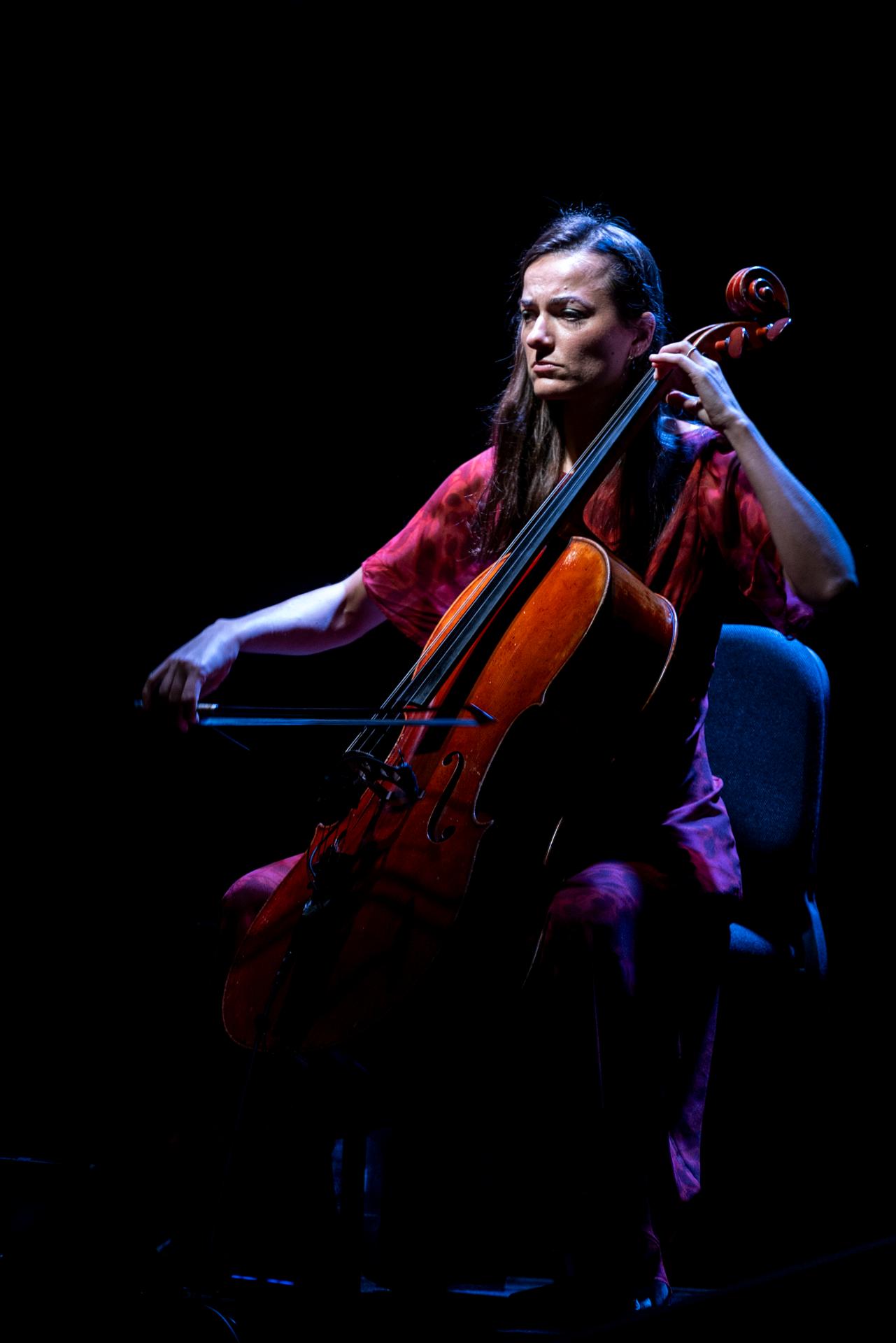
To address the practical requirements of the text, set design by Mel Page incorporates elements that are disparately homely and clinical, leaving the space to languish in an awkward intermediary, never really conveying any believable locale. Paul Jackson’s lights offer intricate atmospheric enhancements, as does music by Steve Francis, notable for being performed live by a very attentive Anthea Cottee on her trusty cello.

At her time of need, Nicola becomes hugely demanding of her friends and family. Her friends and family in turn discover, that there are no burdens more special than those of a loved one, in their final moments. 

www.belvoir.com.au

Review: Eureka Day (Seymour Centre)

Venue: Seymour Centre (Chippendale NSW), May 29 – Jun 21, 2025
Playwright: Jonathan Spector
Director: Craig Baldwin
Cast: Deborah An, Christian Charisiou, Branden Christine, Jamie Oxenbould, Katrina Retallick
Images by Richard Farland

Theatre review
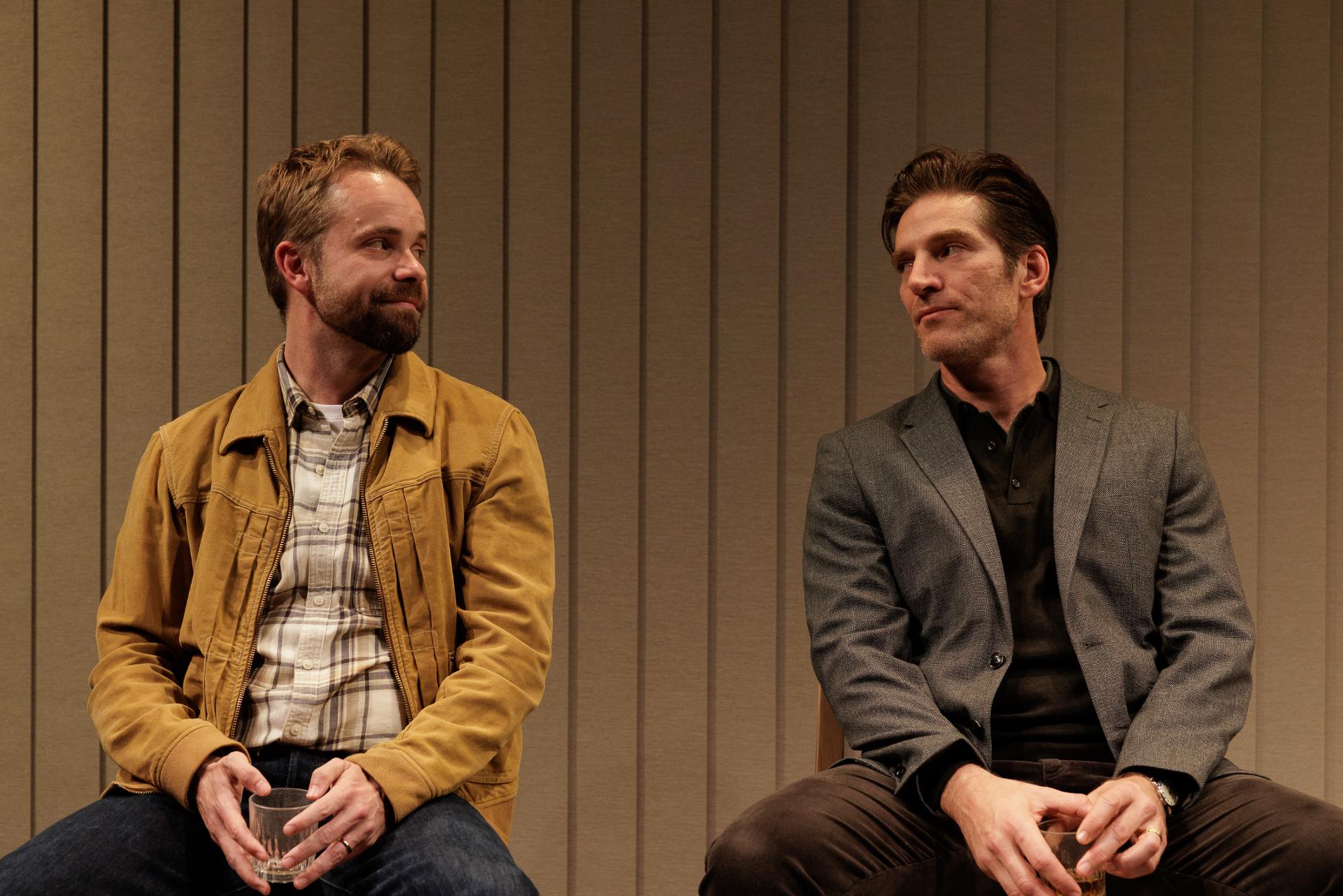
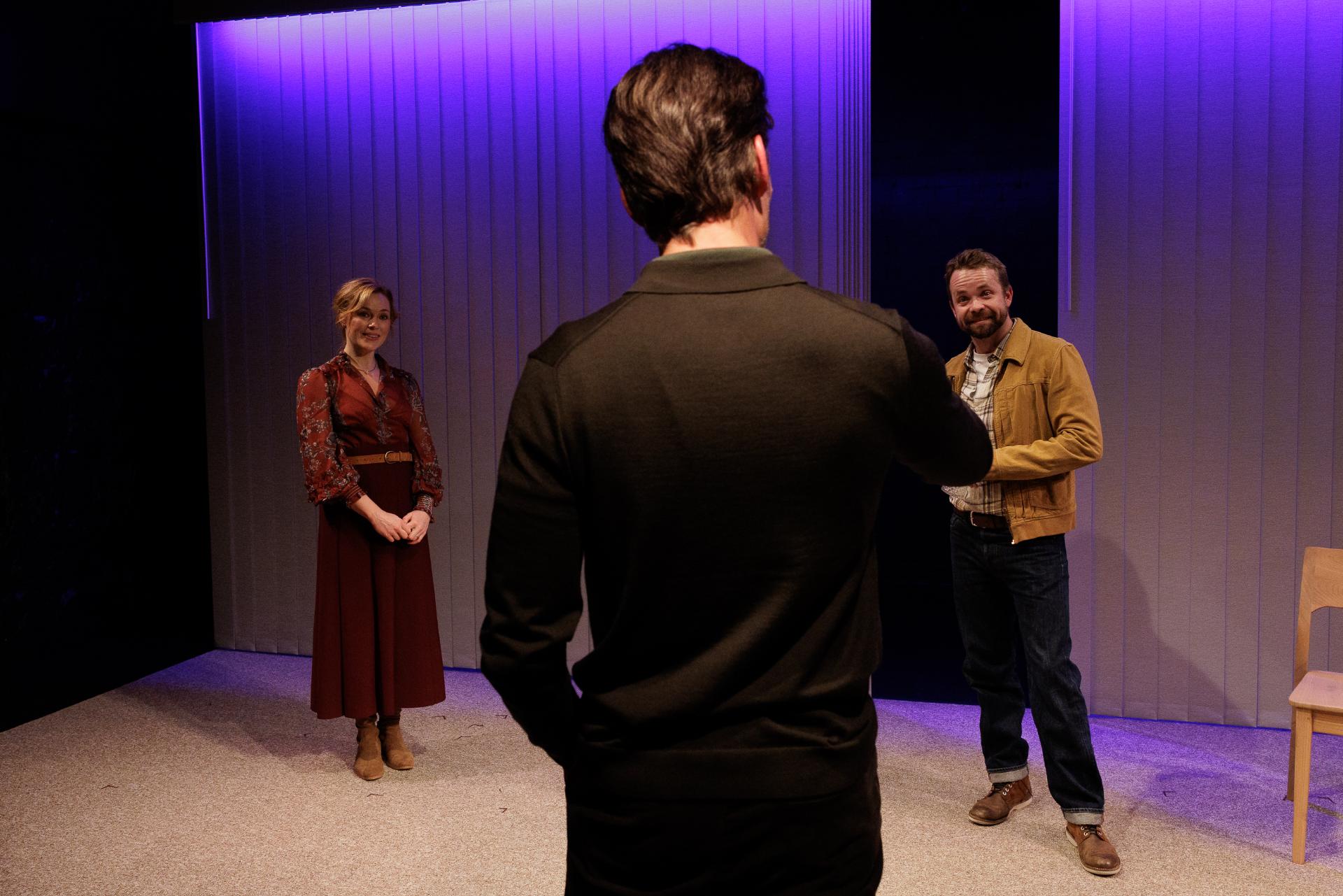
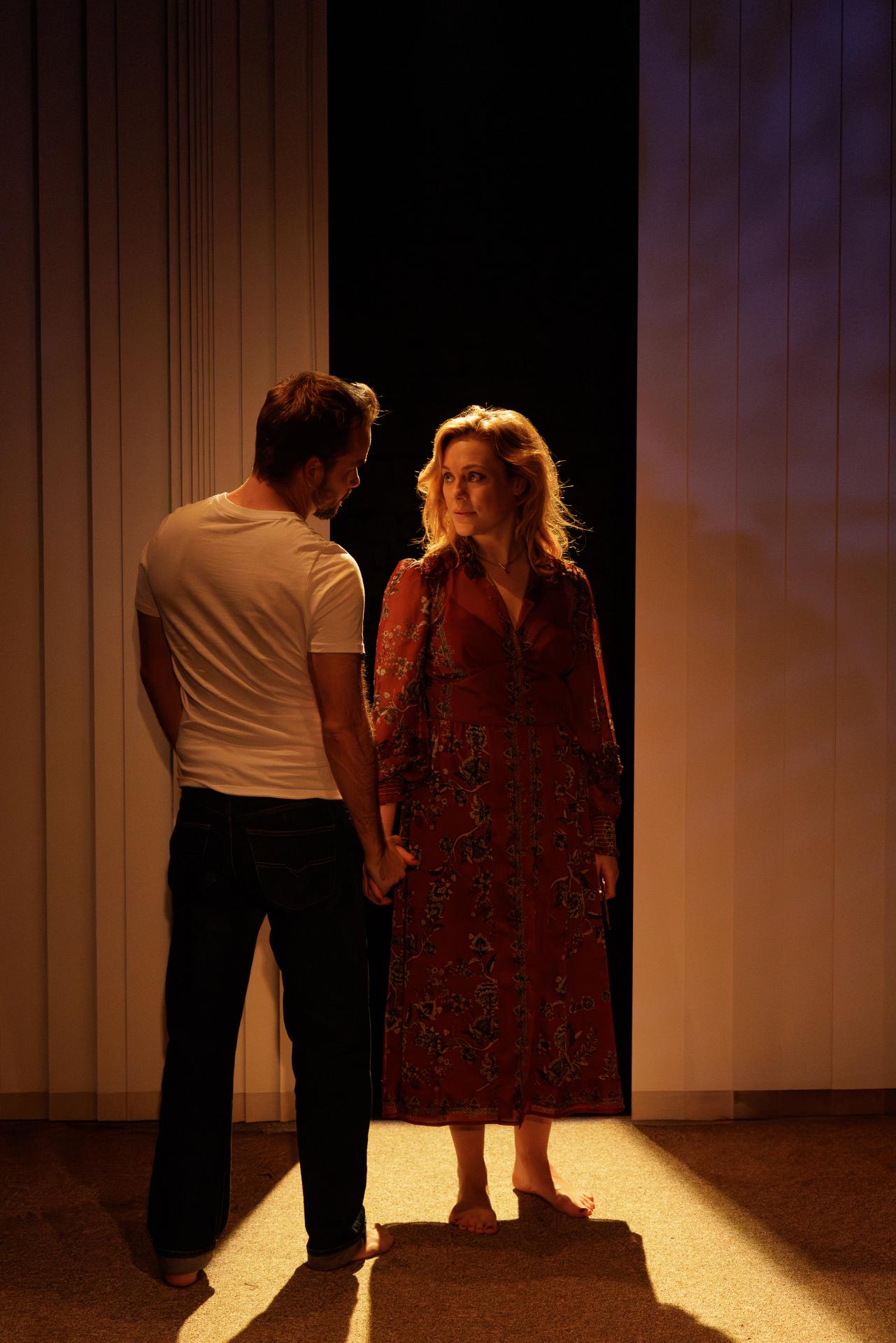
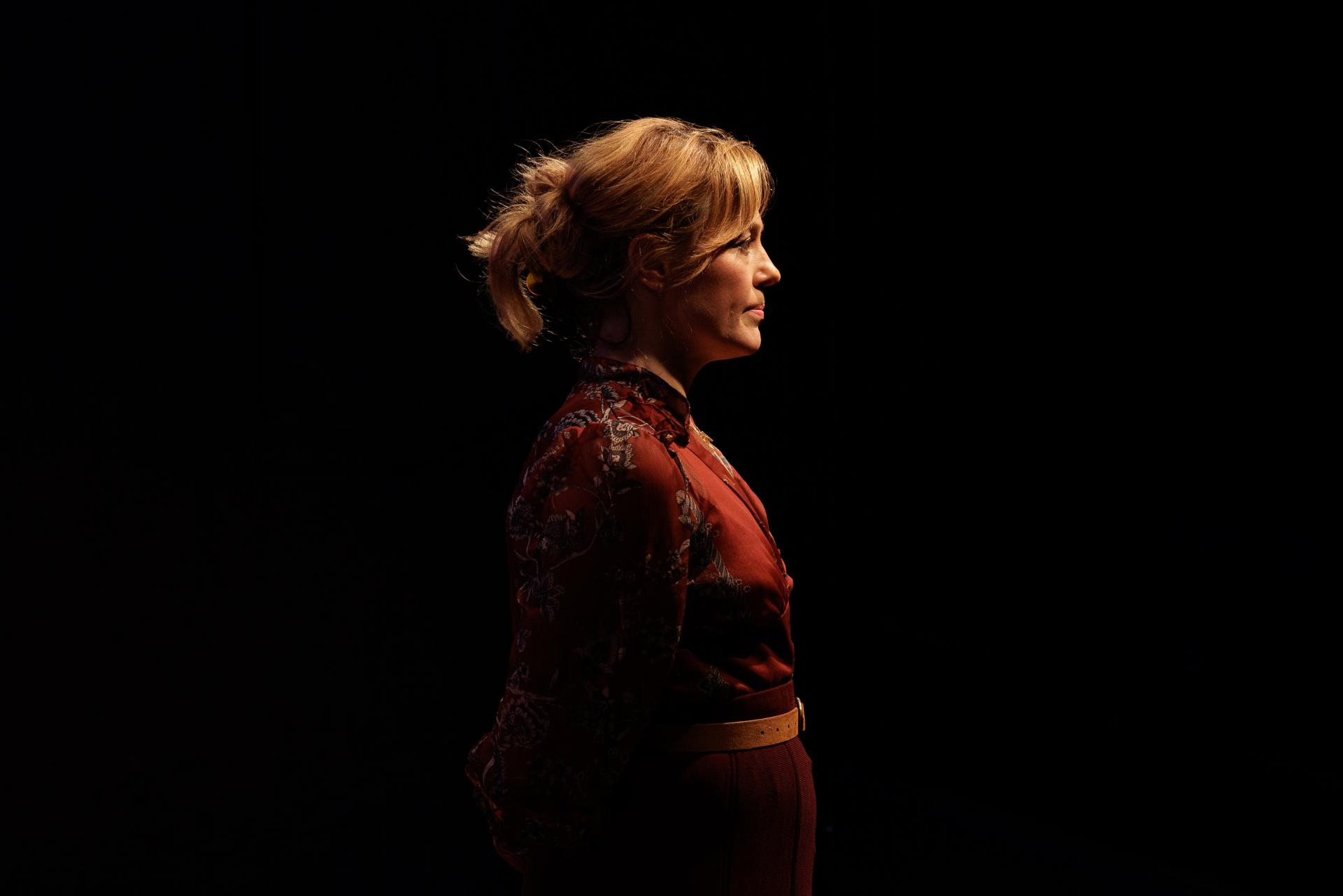
It is the 2018-19 school year, and a child comes to their Californian school with mumps, and sends everyone into a tailspin, when it is discovered that a substantial number of families have refused the MMR vaccine.

The comedy Eureka Day by Jonathan Spector emerged slightly before the pandemic, when it had become clear that conspiracy theories were more popular than ever, due to their unchecked proliferation on the internet. An unequivocally pertinent discussion for our times, Spector’s play encourages reflections on the phenomenon of parallel truths and fake news. It is thoughtful writing, and certainly worthwhile of attention, even if its generosity for those deceived and deluded, can often feel deeply frustrating.

Direction by Craig Baldwin makes use of that difficult conflict between ideological tribes, to create a stimulating work of theatre. Anger and exasperation might not be pleasurable emotions, but they are certainly powerful ones, that the production rouses for a communal experience that resonates with marvellous authenticity and familiarity.

An evenly dazzling cast of five delivers with urgent immediacy, a story that touches all in the modern age. Each actor is engaging, with palpable empathy and with sardonic humour, to earn our complete investment, if not for finding real solutions to the problem, then at least to simply commiserate about our sad state of affairs. Also noteworthy is production design by Kate Beere, offering simple yet colourful solutions that make believable, Eureka Day‘s explorations of a very upper middle class sanctuary.

A few short years since the original premiere of Eureka Day, we find ourselves in the preposterous position of fearing for the demise of science. Investigative, regulatory, and tertiary institutions in the USA are being systematically undermined, by a new kleptocracy determined to bankrupt any concept of the common good. Until very recently we have been able to “defer to science” in debates involving personal choice and public interest, but it seems that venerable authorities are being stripped of their credibility and efficacy, leaving us in an immensely troubling precarity.

www.seymourcentre.com | www.outhousetheatre.org
Review: The Anarchy 1138-53 (KXT on Broadway)

Venue: KXT on Broadway (Ultimo NSW), May 22-31, 2025
Creators: Pat Fielding, Chelsea Hickman, Kerith Manderson-Galvin, Tobias Manderson-Galvin, Dr Tom Payne
Cast: Kerith Manderson-Galvin, Tobias Manderson-Galvin
Images by Skye Gellmann

Theatre review
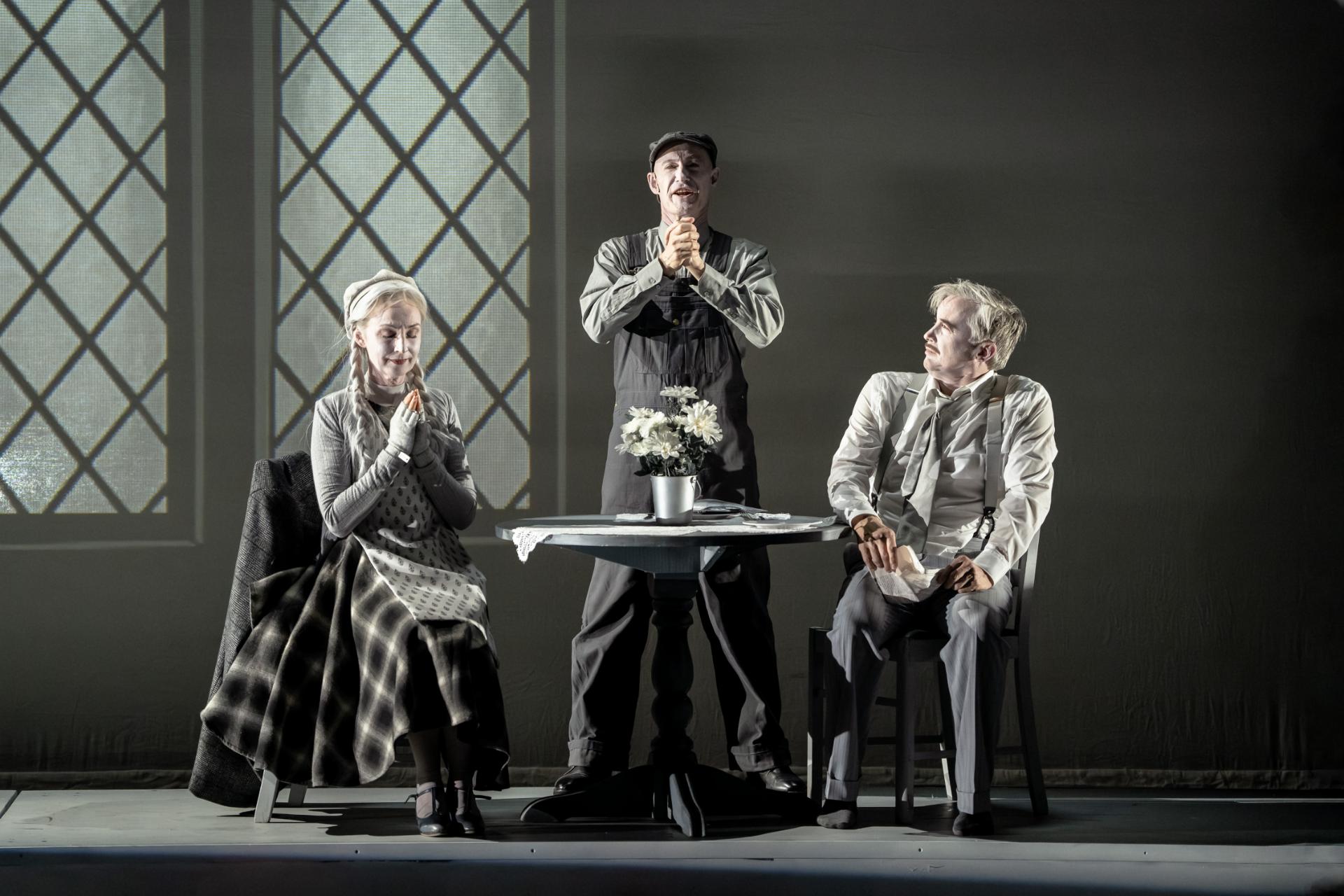
It is ostensibly a show about a civil war in 12th century England and Normandy. The very many words written for the verbose script of The Anarchy (1138-53), however, seem not to be of great importance in this telling of a story, that proves much more to be about the act of telling, than it is about the story itself. Kerith and Tobias Manderson-Galvin have prepared a great amount of copy, but their performance wants us almost to ignore their verbal regurgitations, and instead find alternative ways to pay attention, to a work of theatre determined to create unusual resonances.
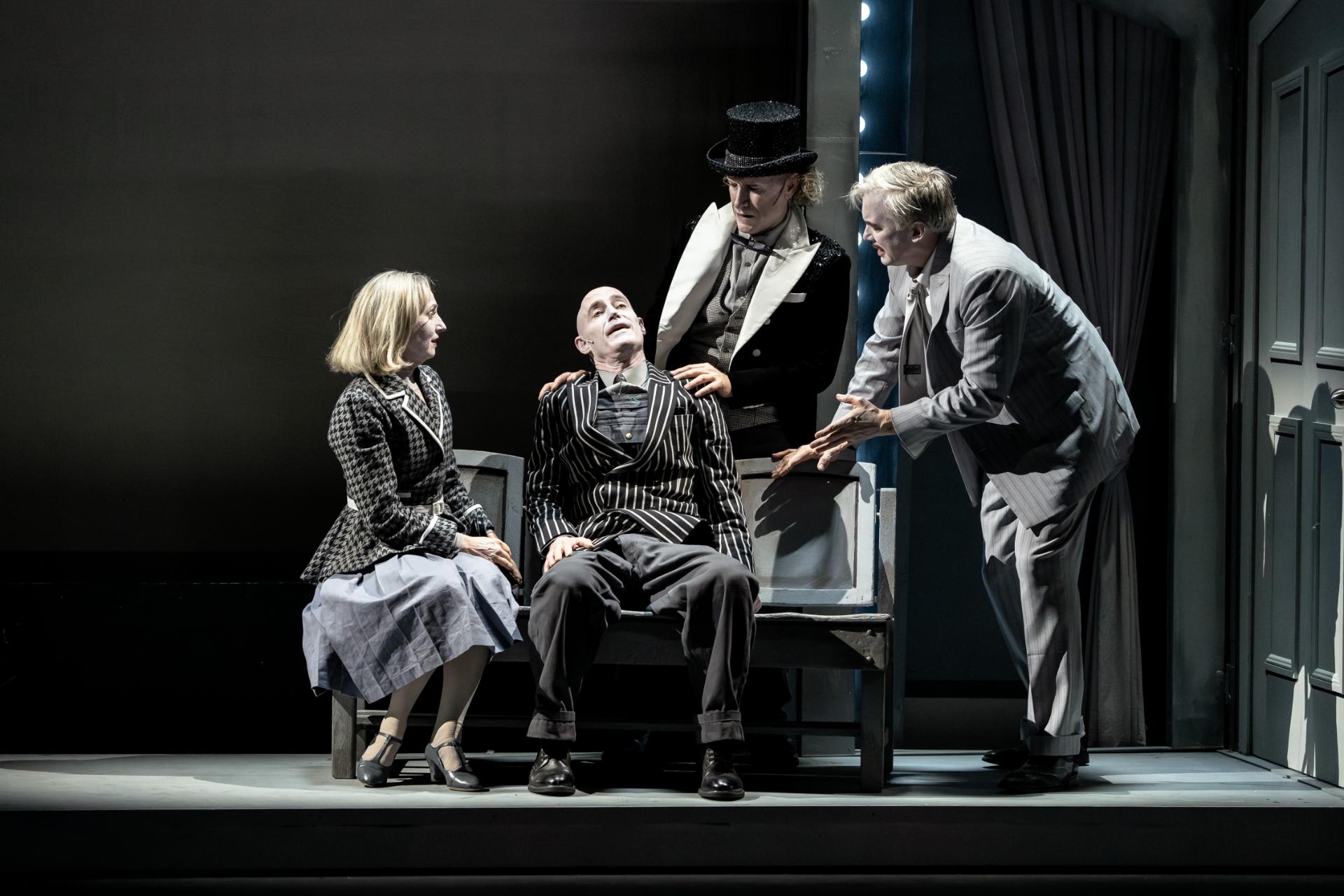
Inevitable in this experience perhaps, are recollections of the Dadaist ethos, with its rejection of bourgeois aesthetics, its embrace of absurdity, and its simultaneous construction and deconstruction of artistic form. This can all be tiresome, academic and dry, but the Manderson-Galvins are so resolutely present as theatre-makers, that we find ourselves delighted and apprehensive, in equal measure, as they keep us riveted to their every bizarre manoeuvre. Theatre is ancient, but it can still communicate through new languages. For The Anarchy (1138-53), we keep finding different ways to ingest this abstract presentation, testing how our humanity can interact with stimuli of this nature. We explore the meaning of meaning, in a strange work like this, wondering where the phenomenon of understanding begins and ends.
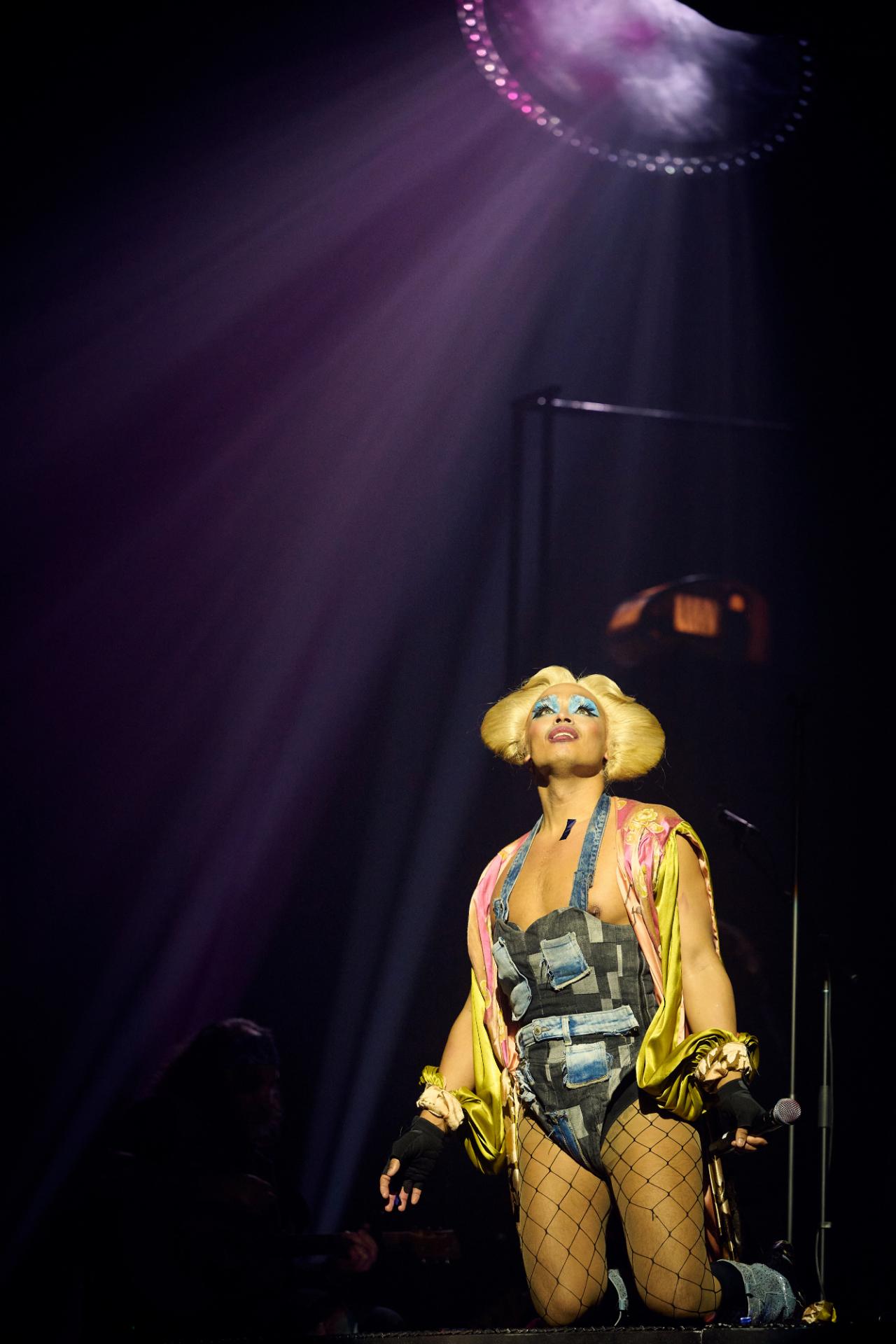
When art is bewildering, it is rarely engaging. Thankfully, with its chaotic magnetism, The Anarchy (1138-53) proves itself to be curious but enjoyably so. Its charisma insists that we stay attentive, even if the payoff at every juncture, feels unfamiliar. When things are predictable and always the same, we stop questioning it. That which is uninterrogated holds power over us. Undoubtedly, it is comforting to encounter circumstances that feel natural, normal or ordinary, even if we know that nefarious elements will try to make themselves invisible and undetectable. So much of our ills is buried under the guise of blandness, which must be partly why James Baldwin declared, that “artists are here to disturb the peace.”

www.kingsxtheatre.com | www.doppelgangster.com