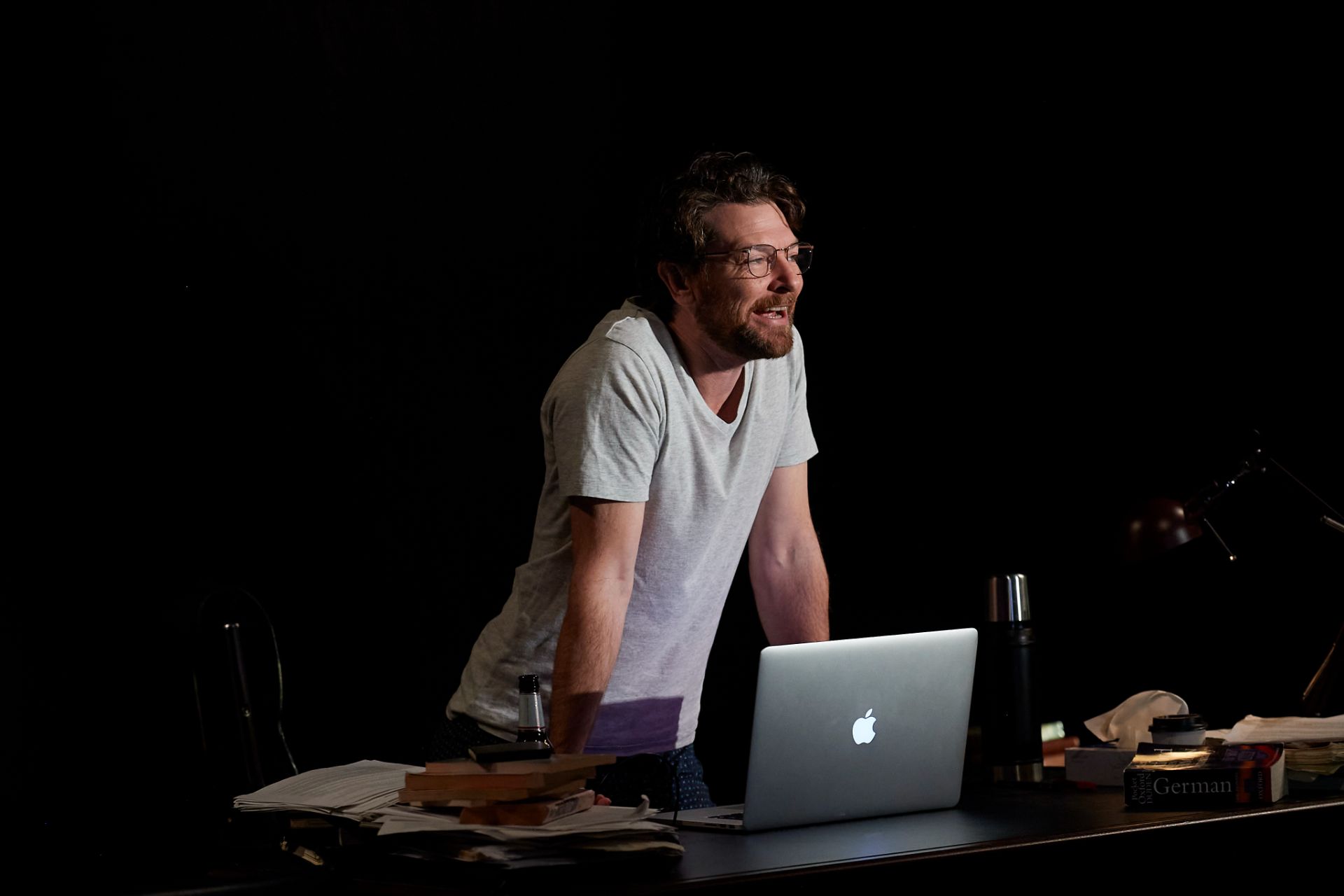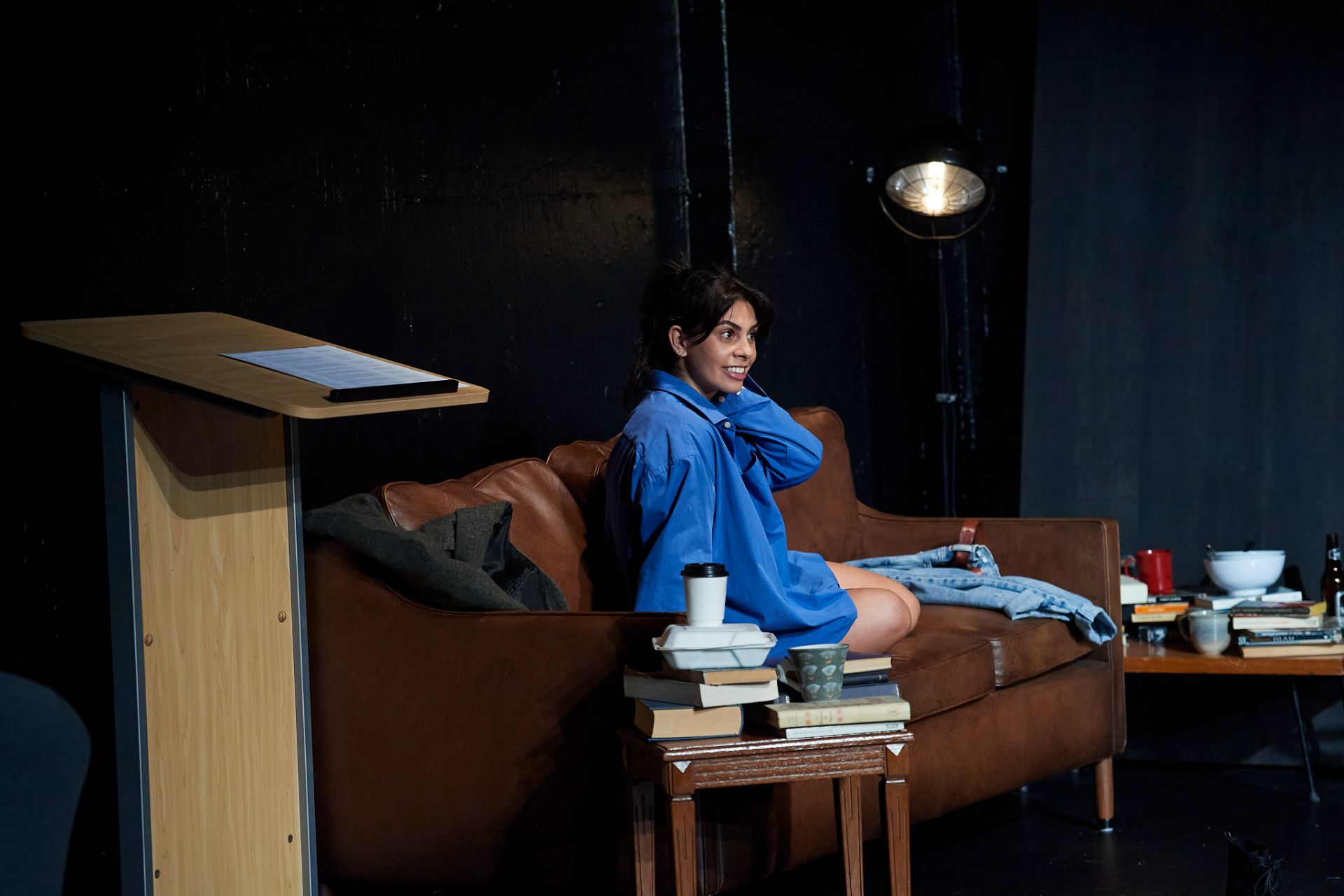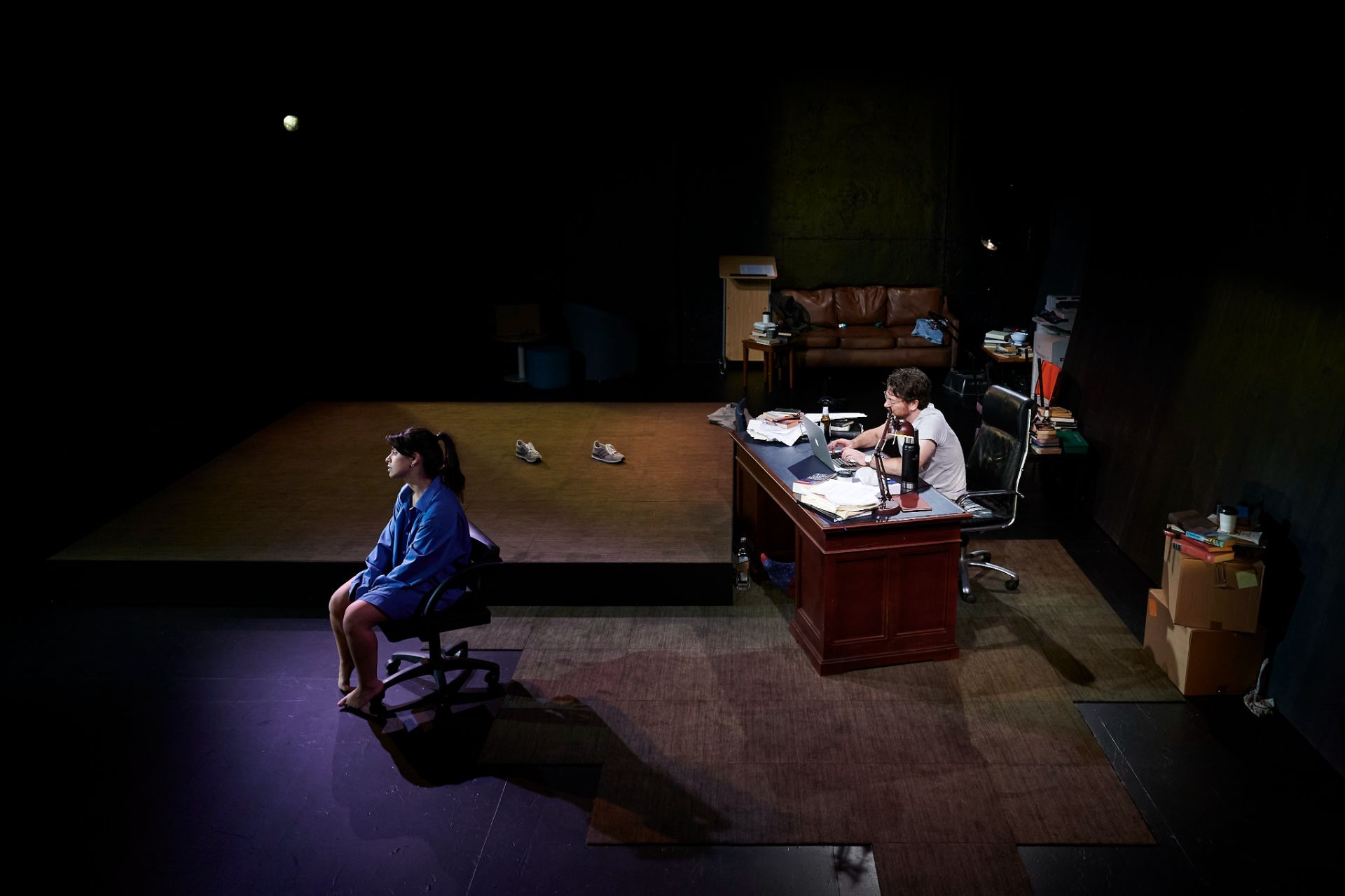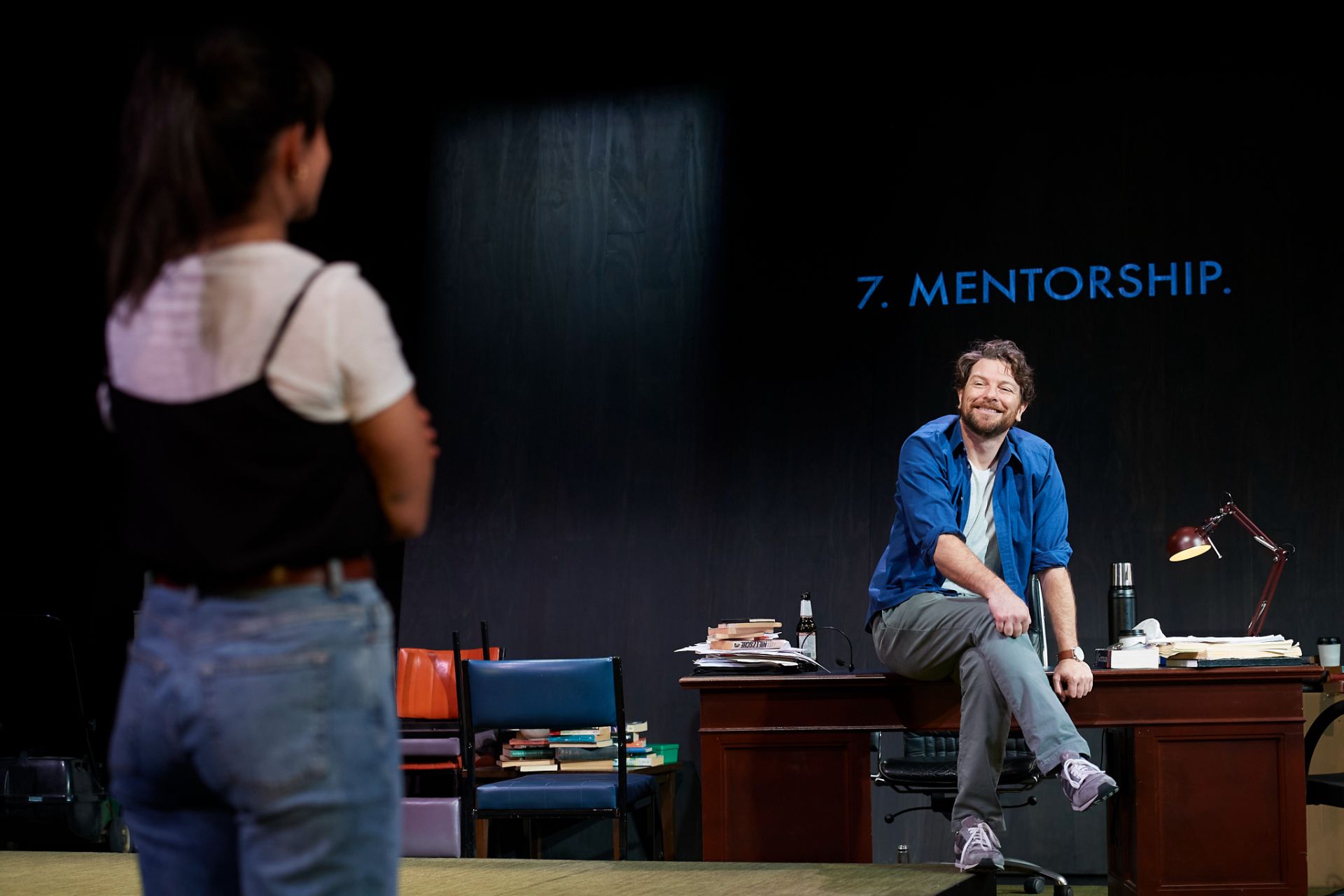
Review: M.Rock (ATYP)

Venue: The Rebel Theatre (Sydney NSW), Jun 21 – Jul 17, 2022
Playwright: Lachlan Philpott
Director: Fraser Corfield
Cast: Valerie Bader, Milena Barraclough Nesic, Bryn Chapman Parish, Masego Pitso, Darius Williams
Images by Tracey Schramm

Theatre review
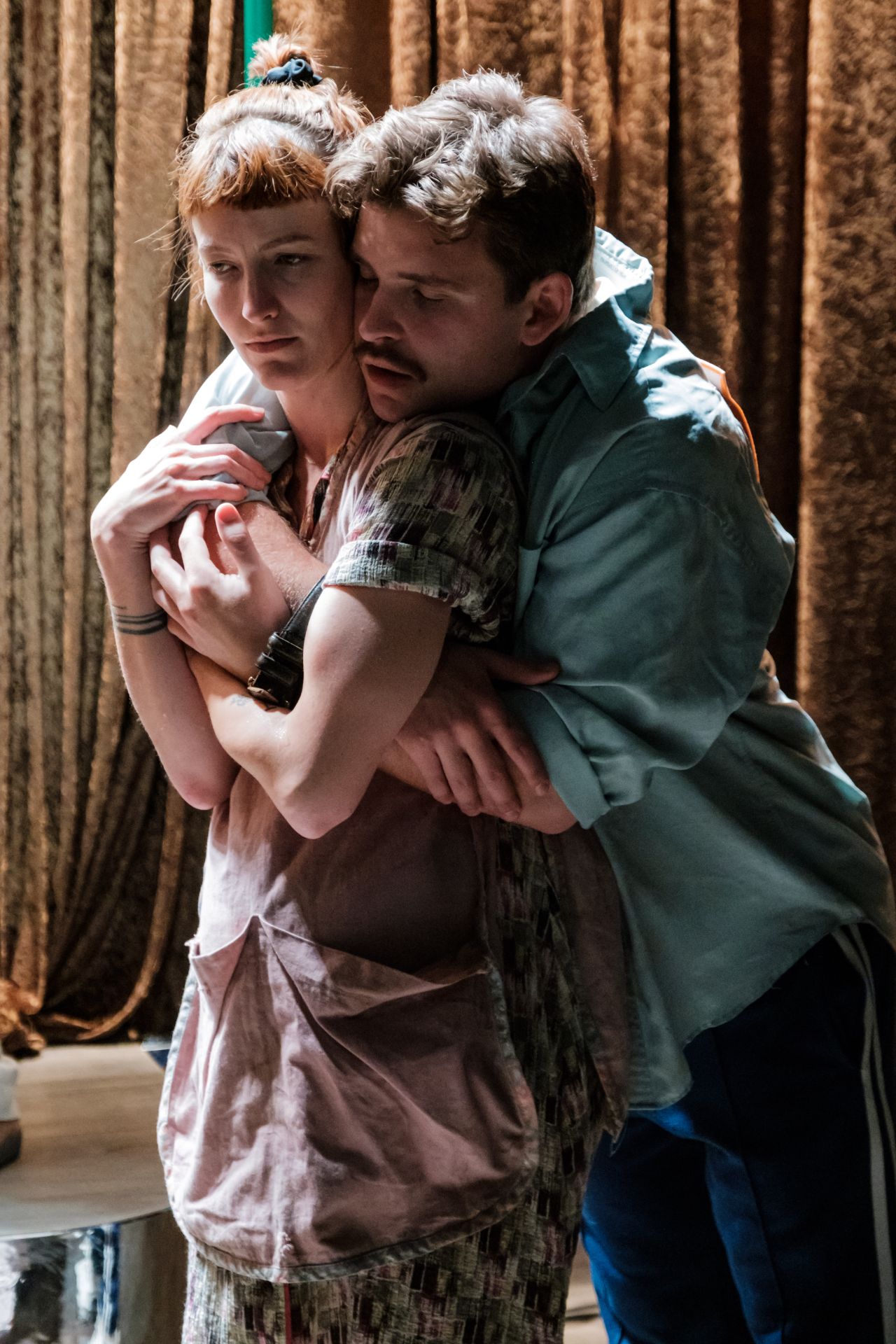
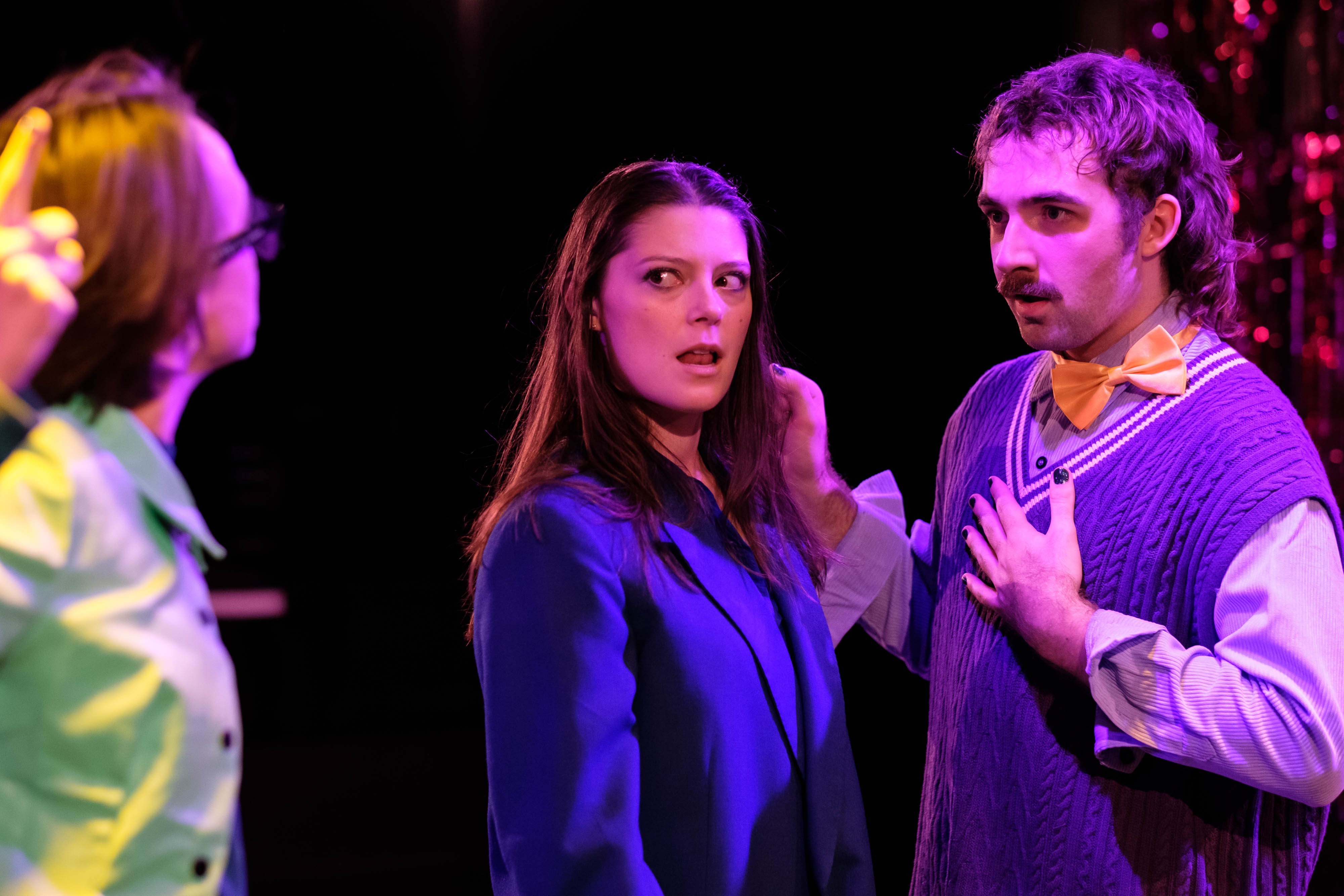
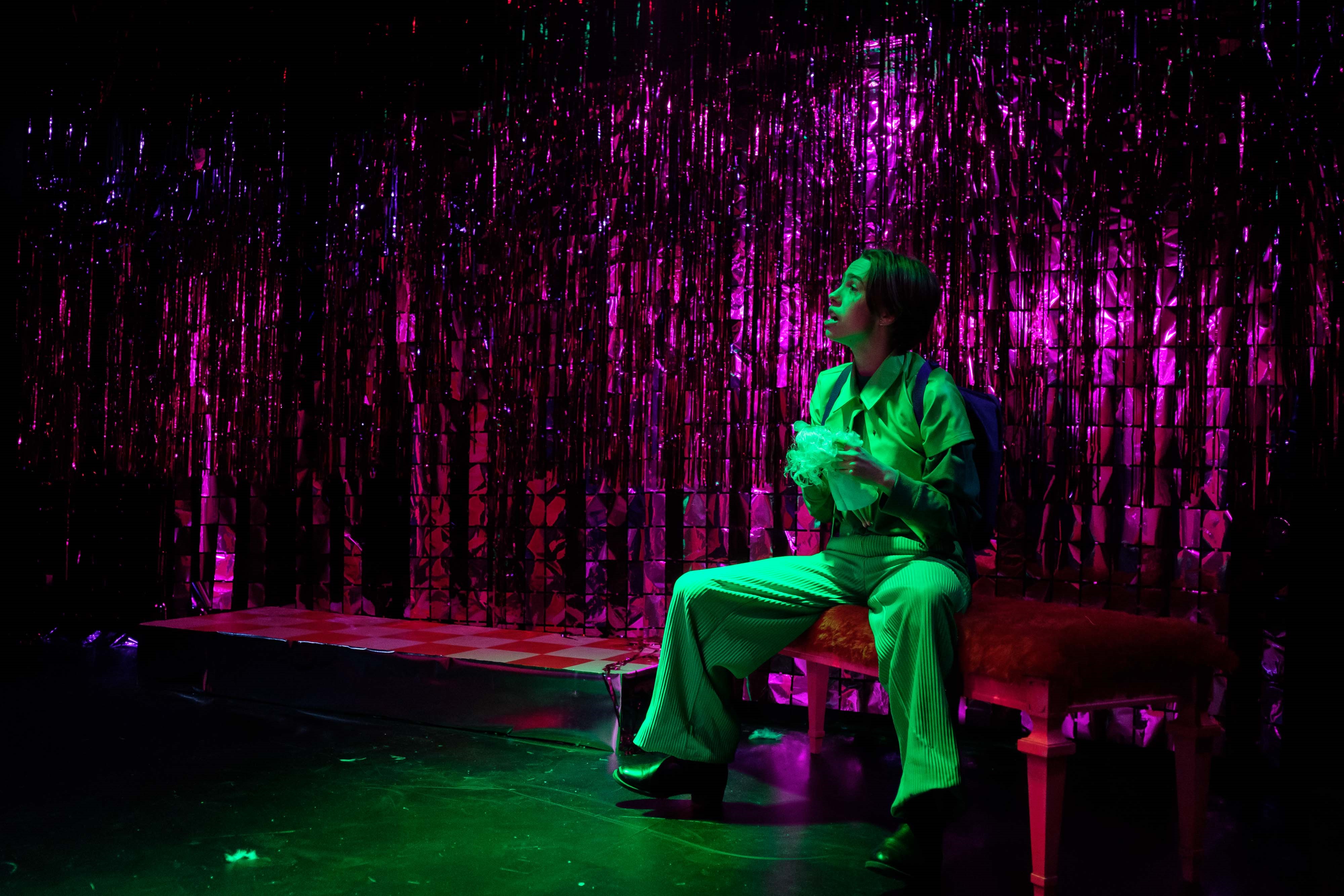
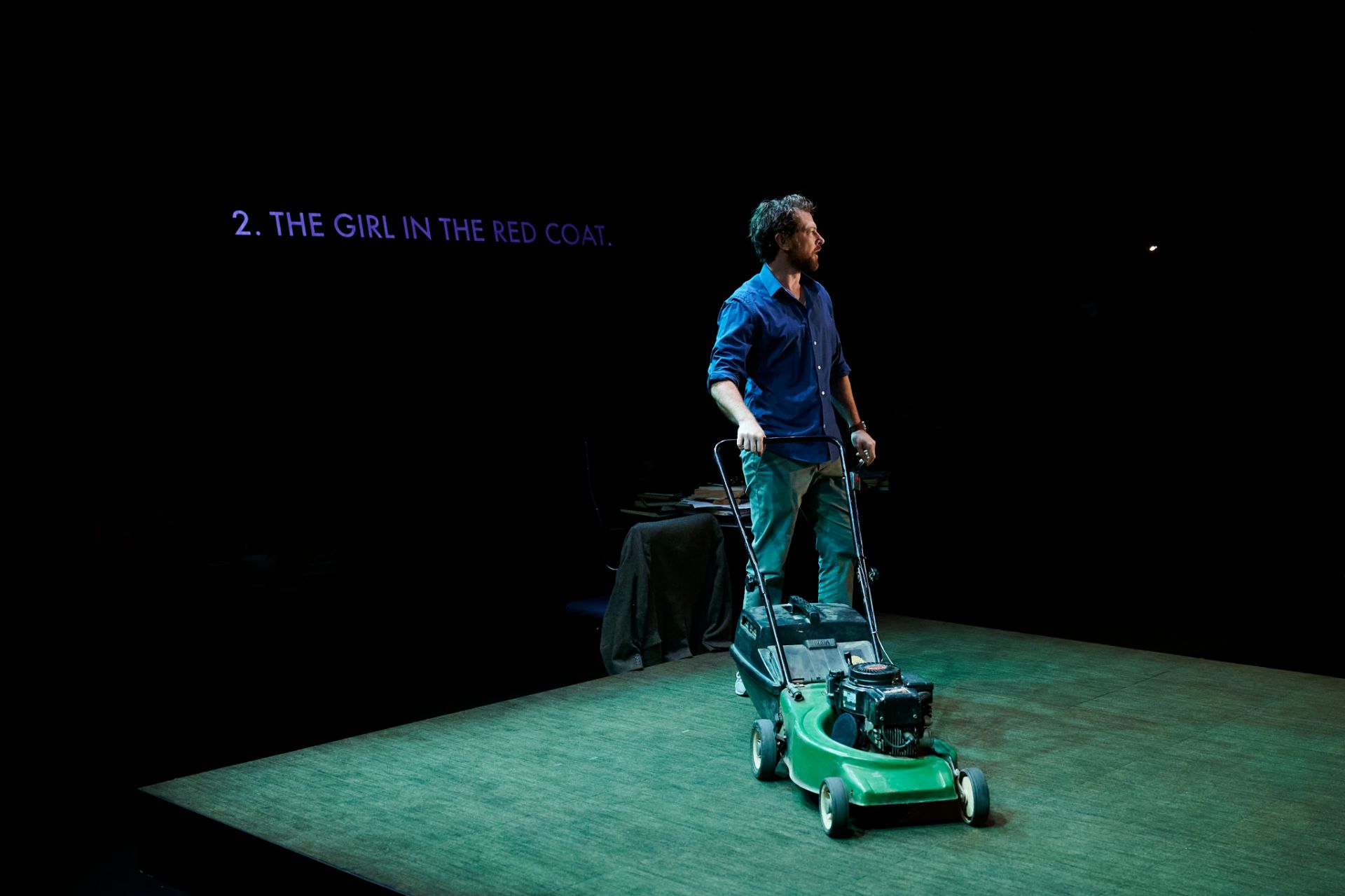
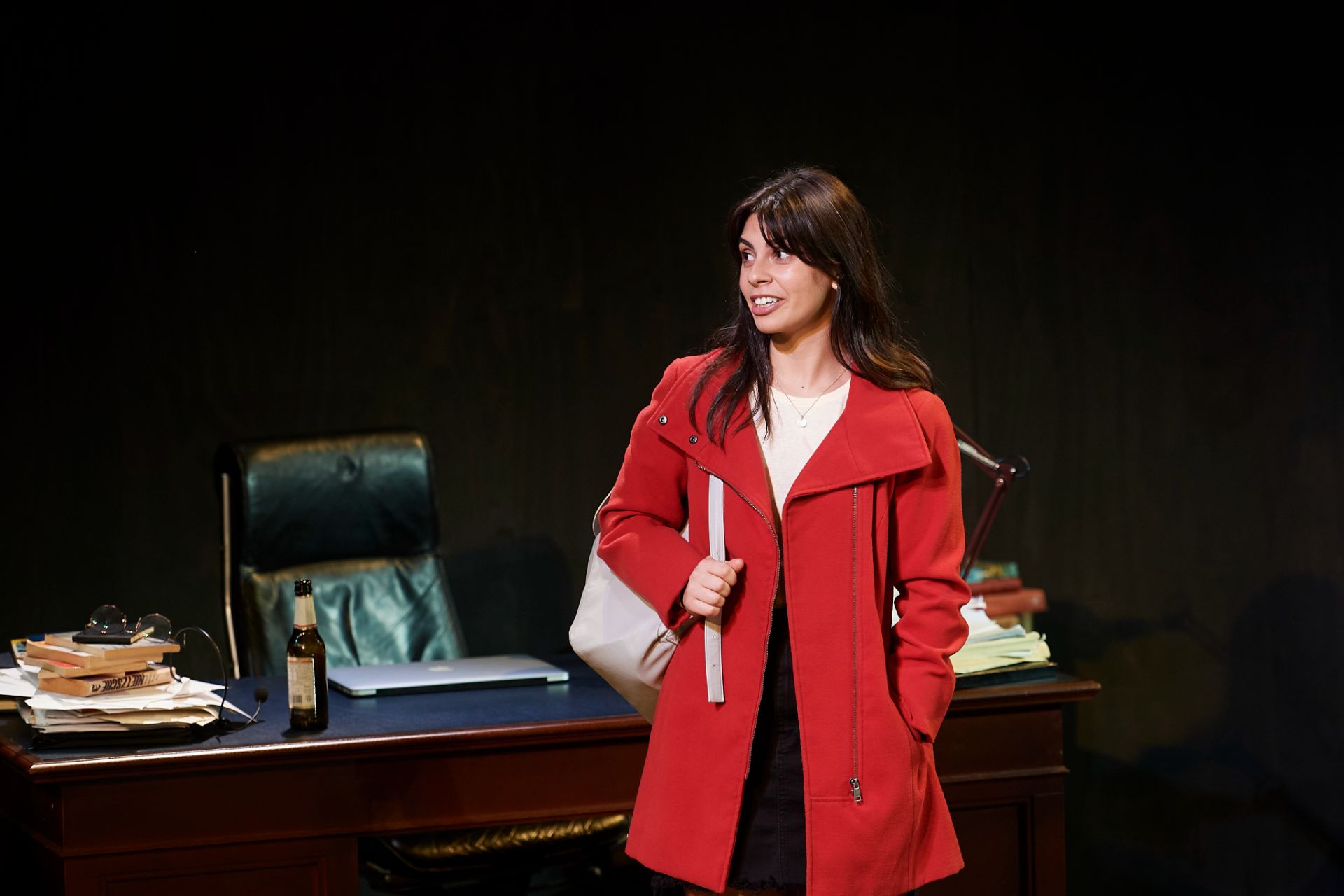
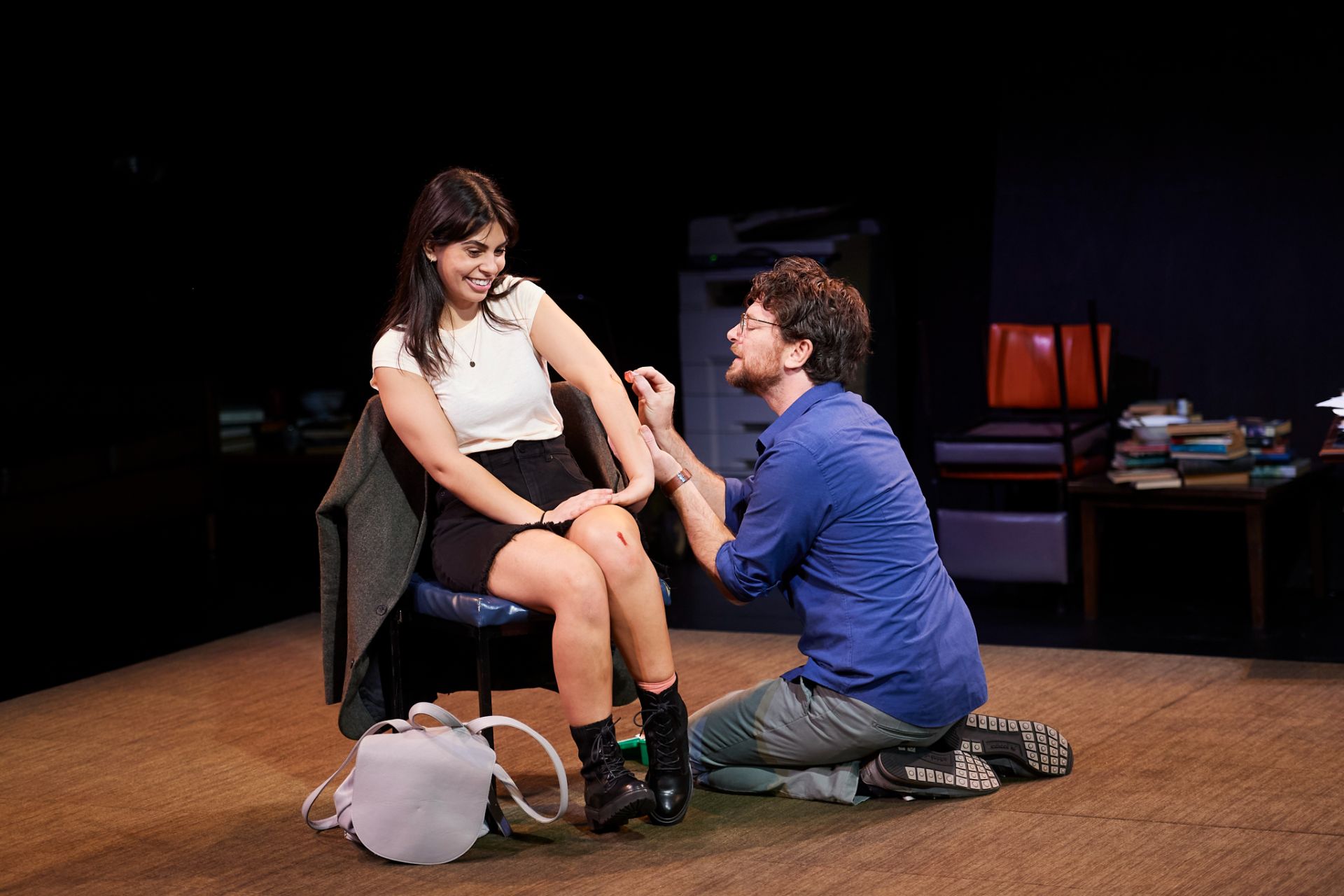
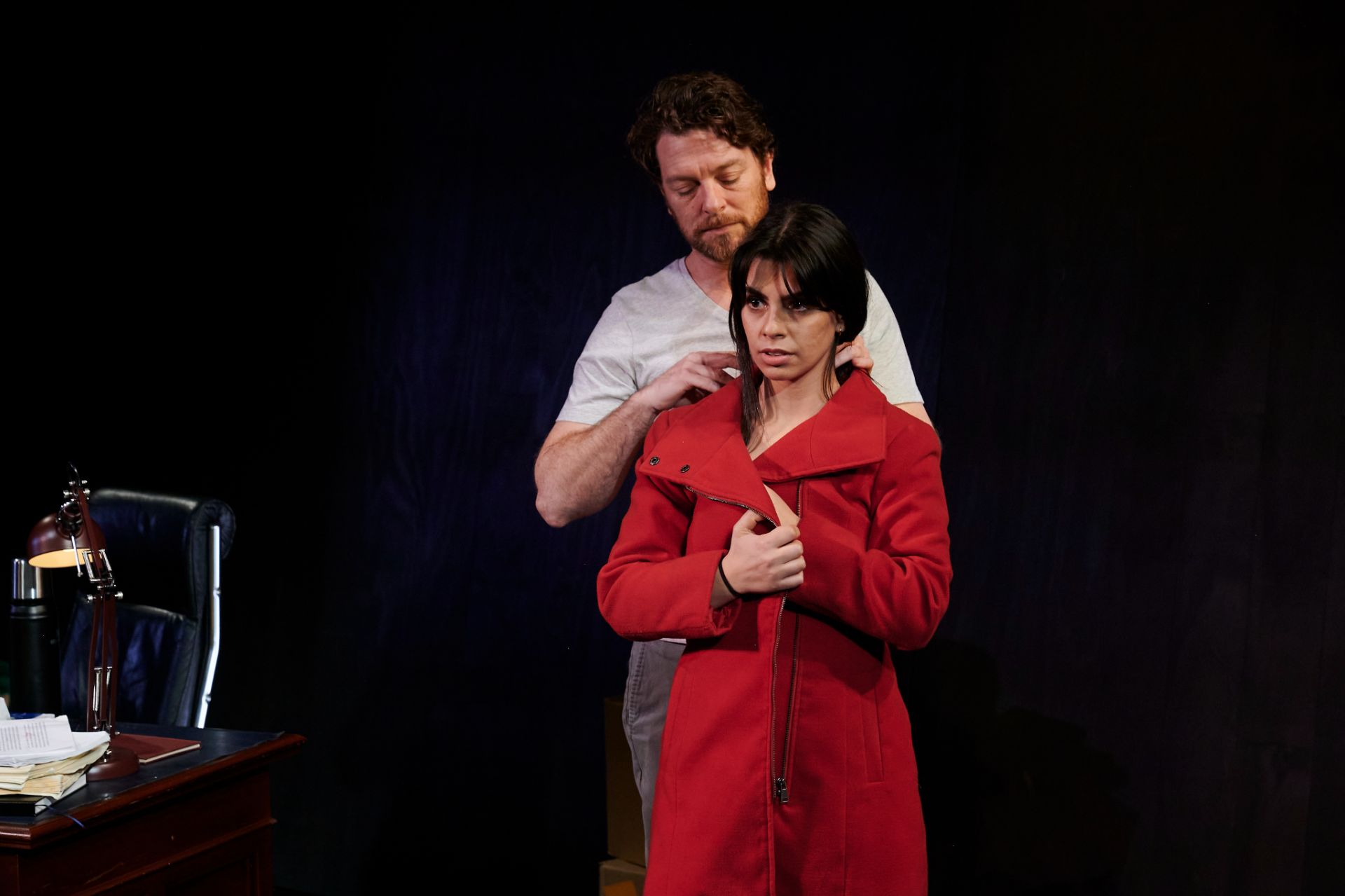
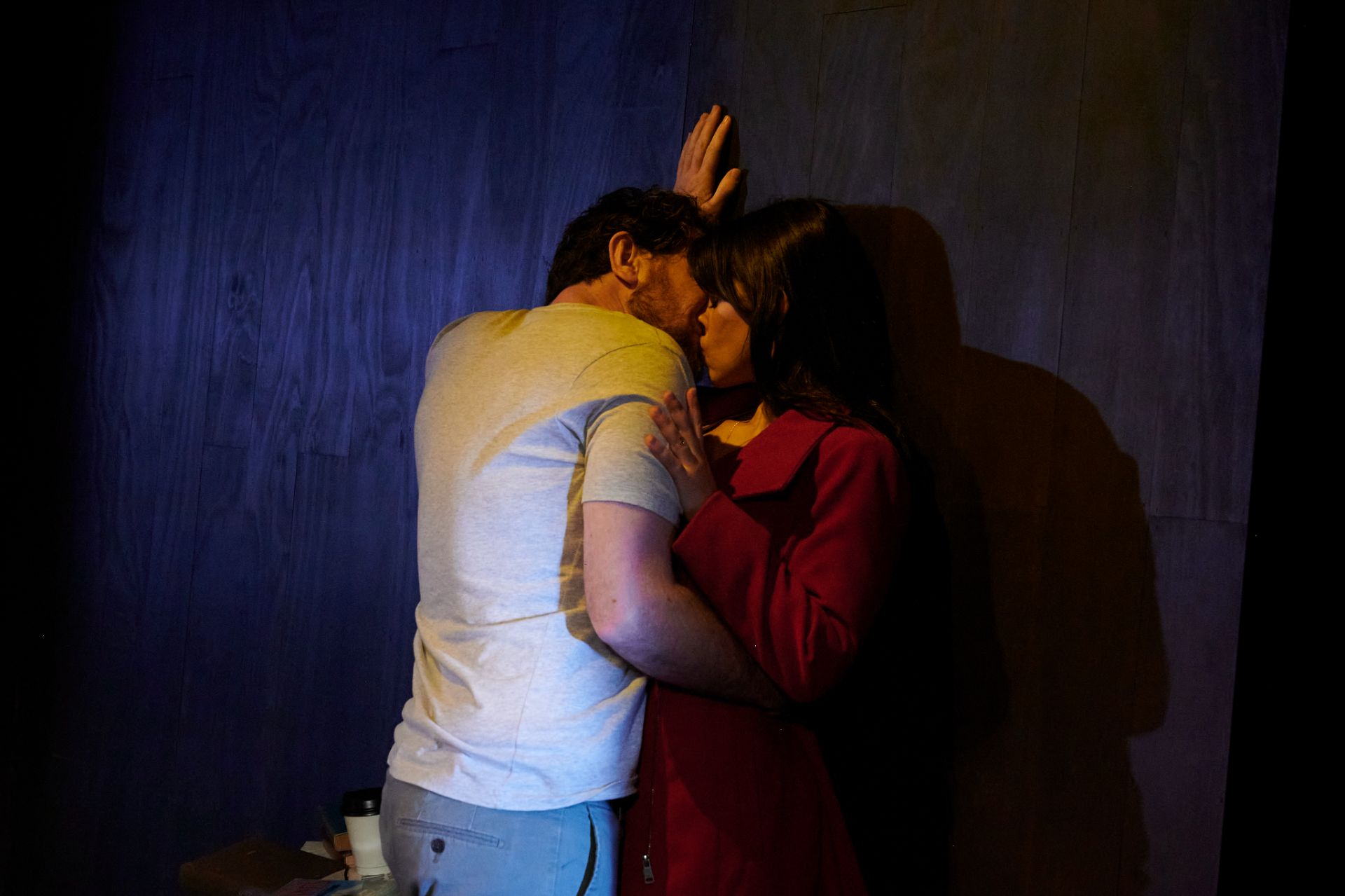
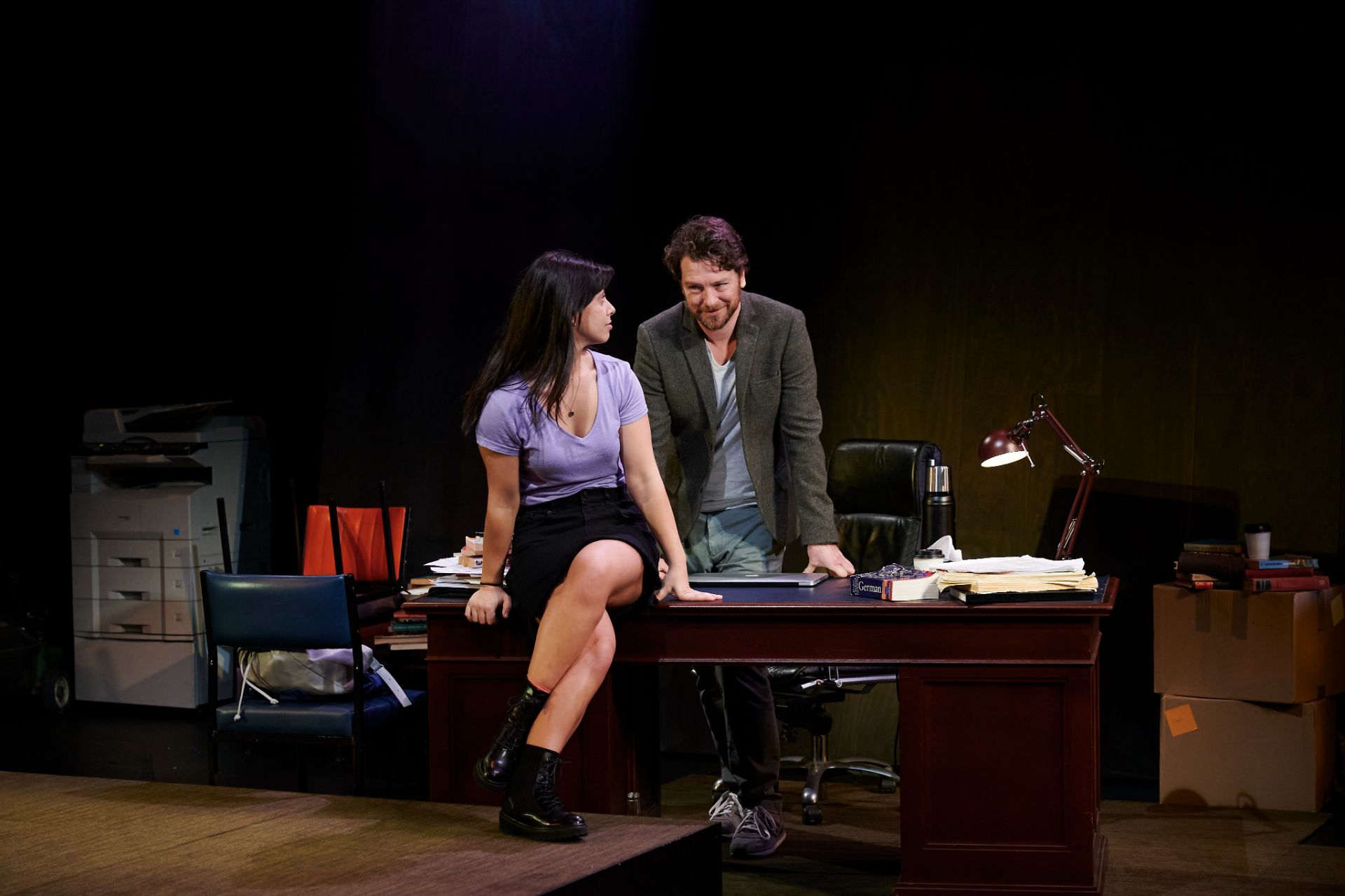
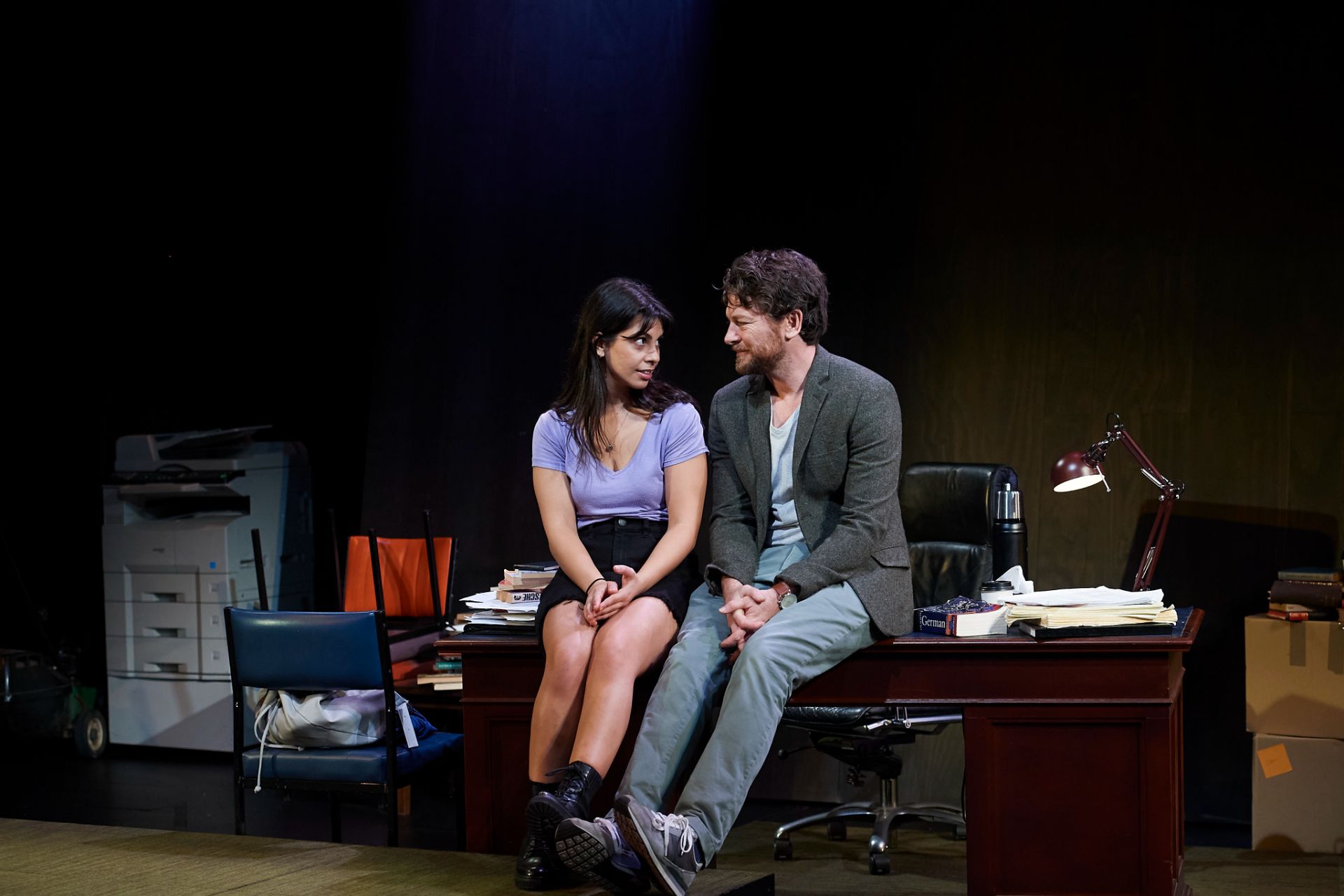
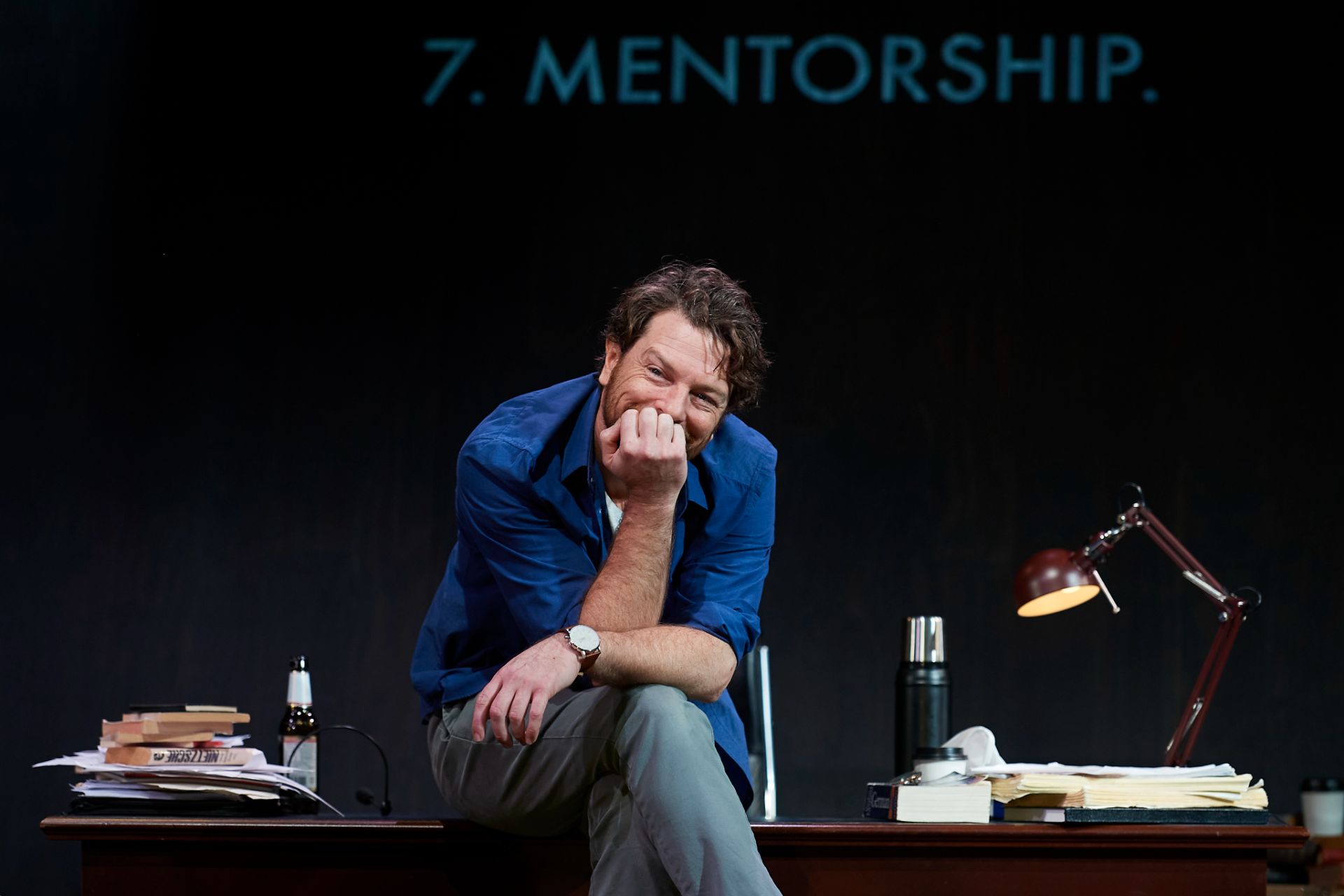
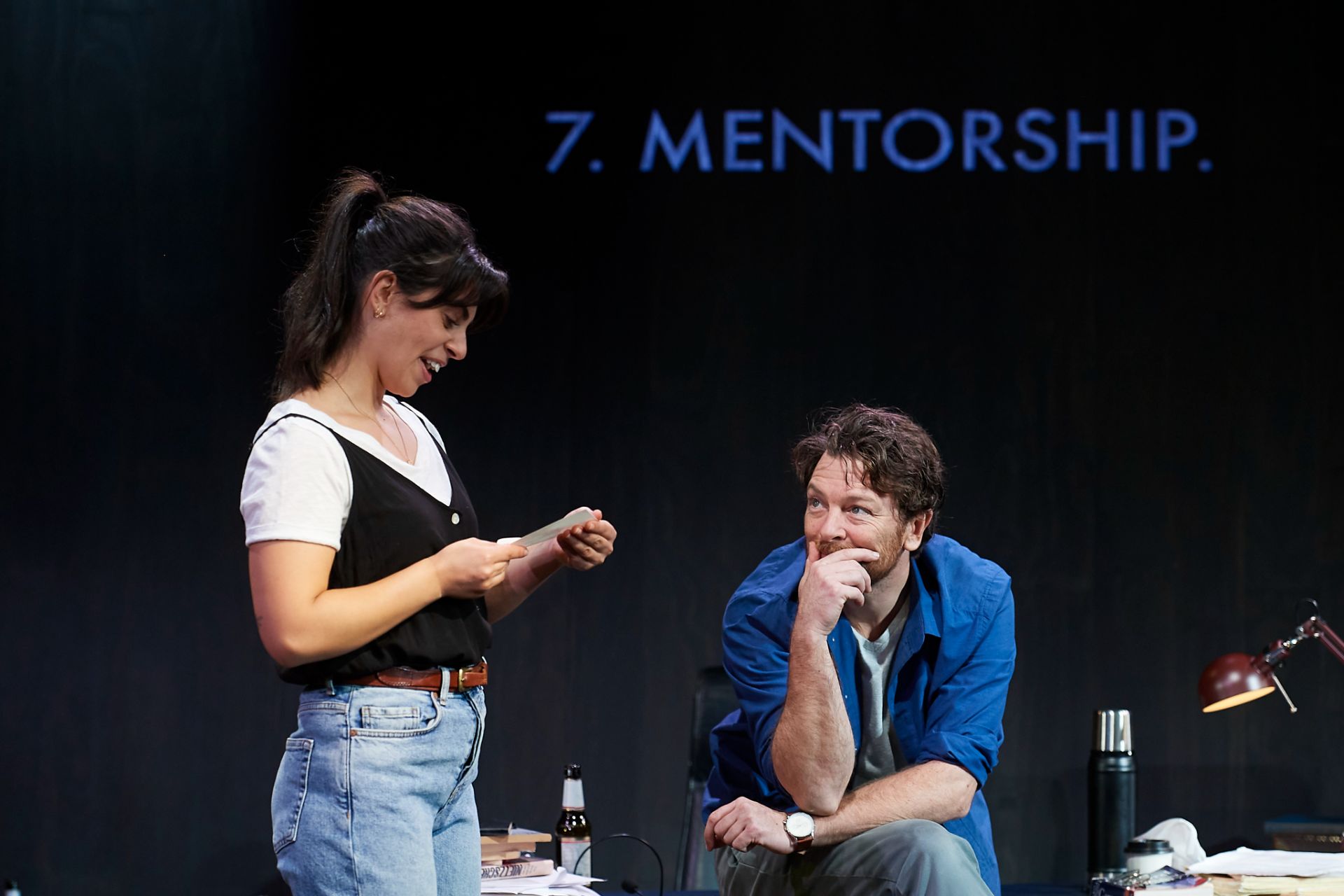
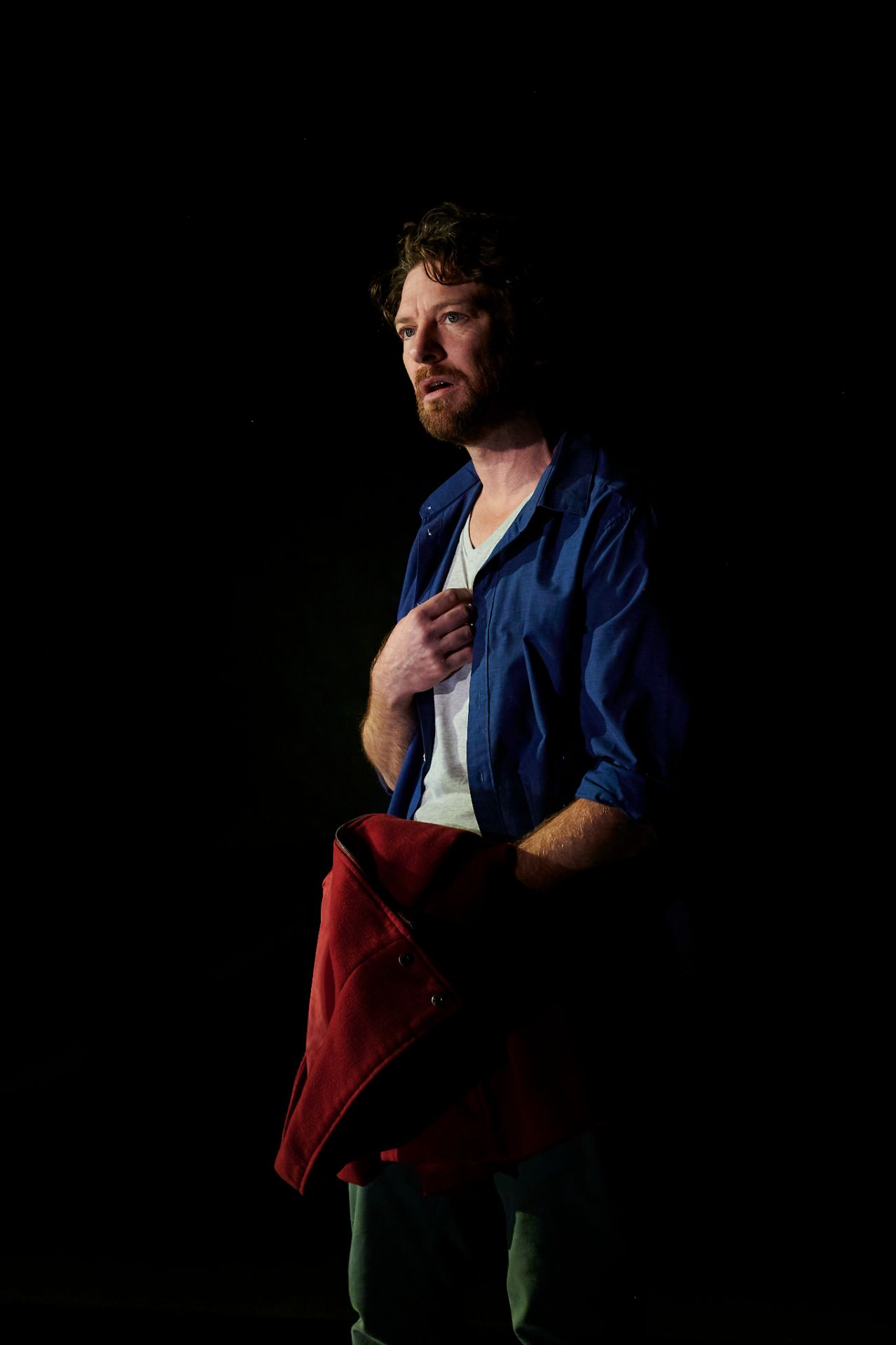
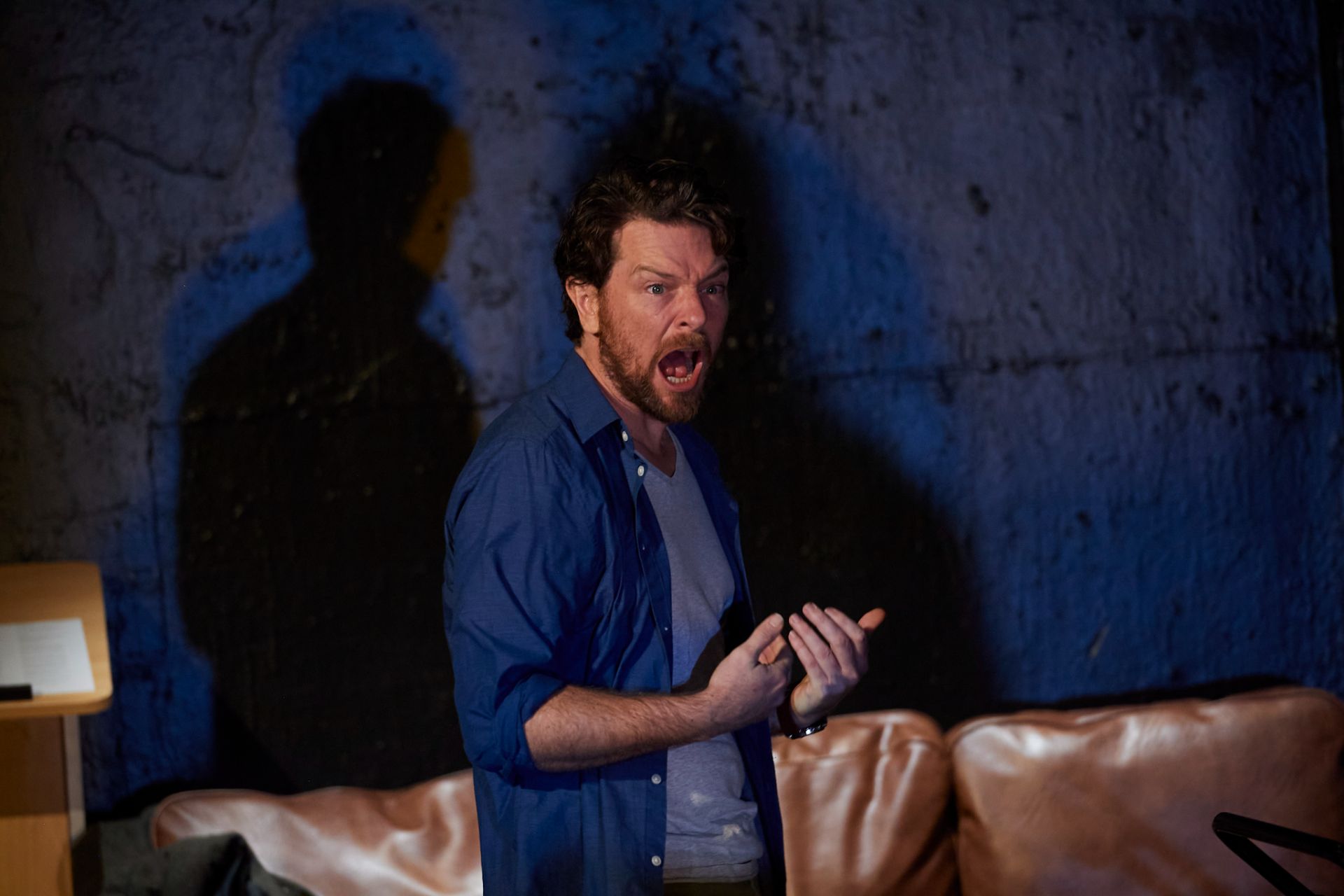
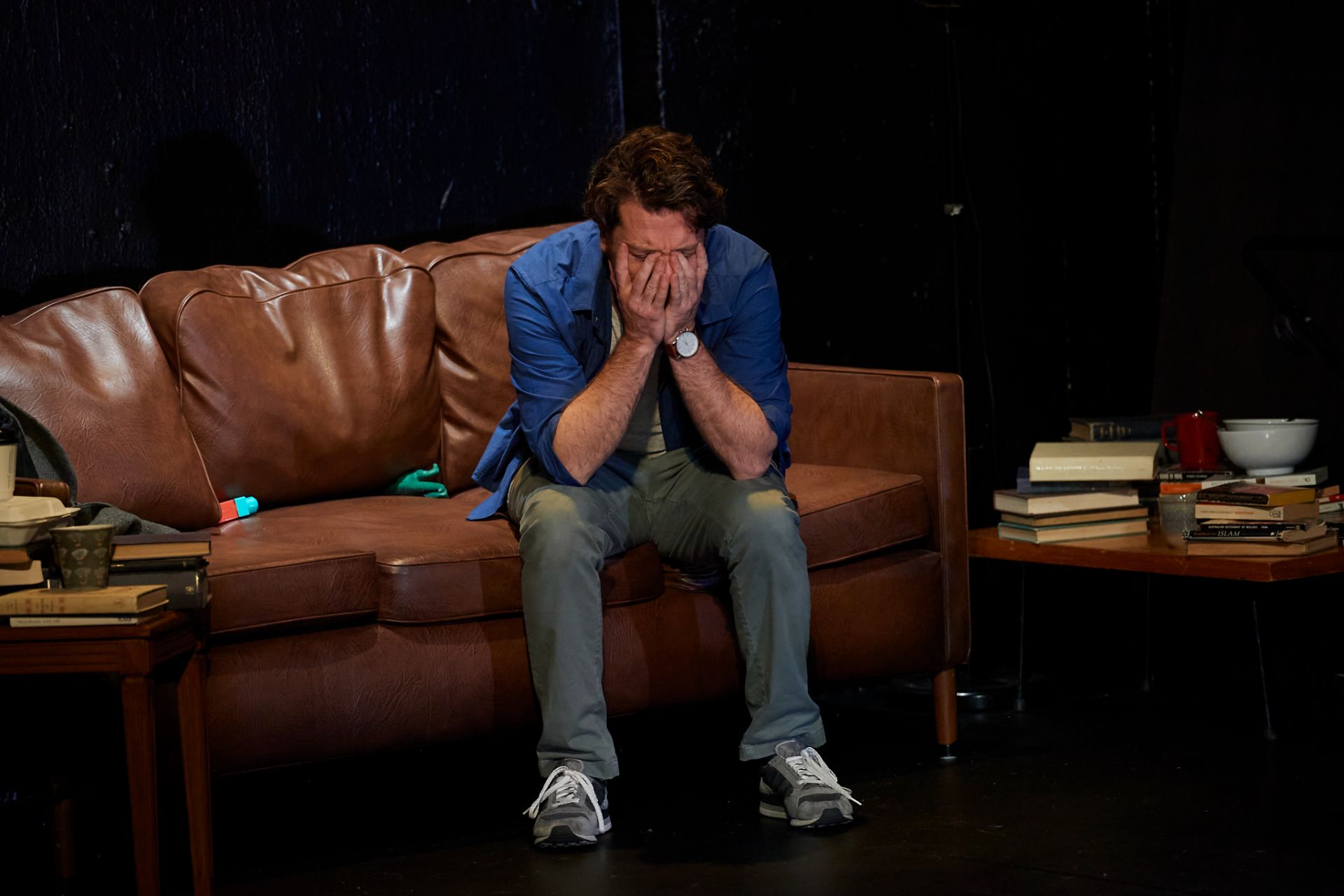
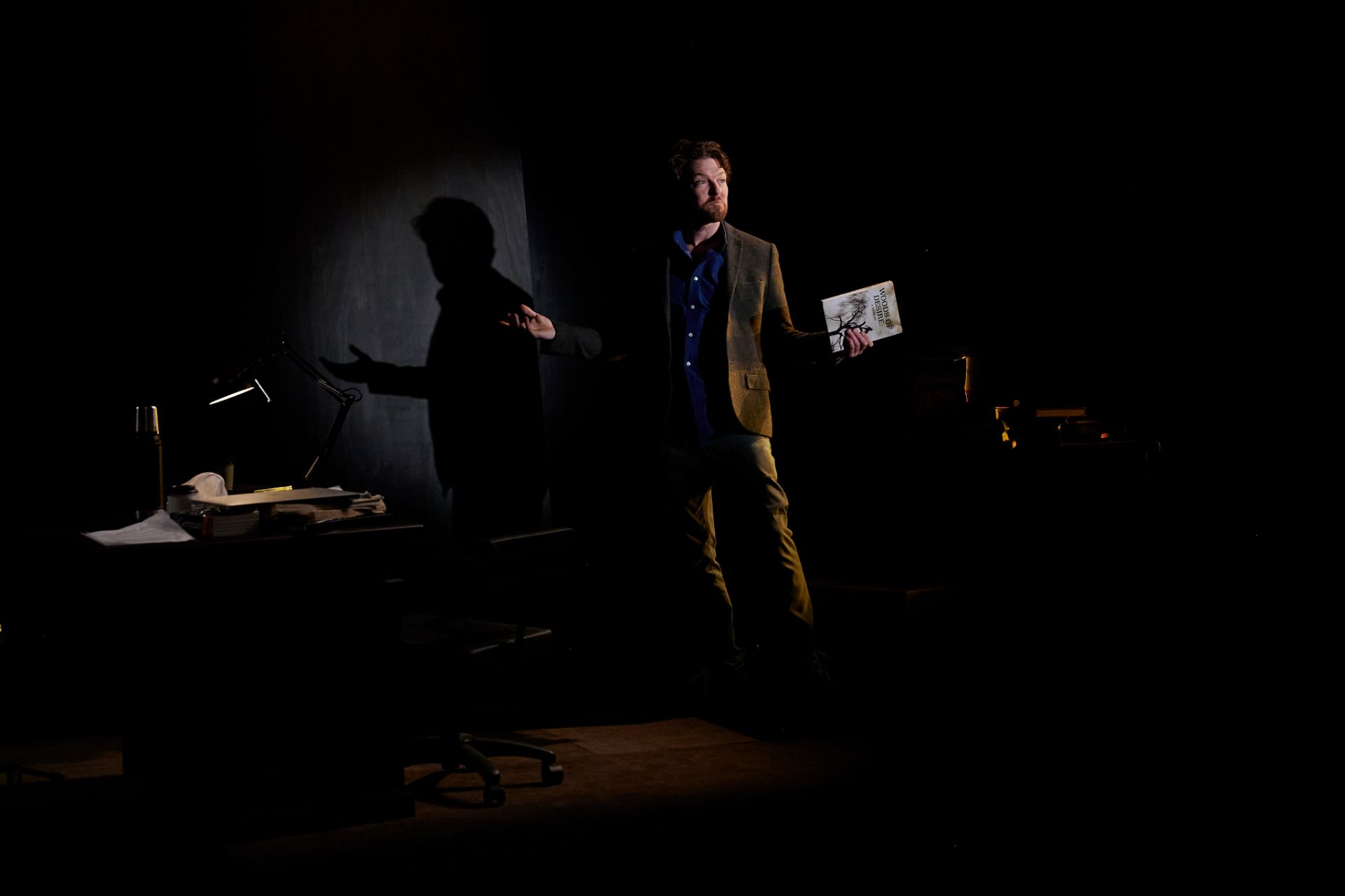
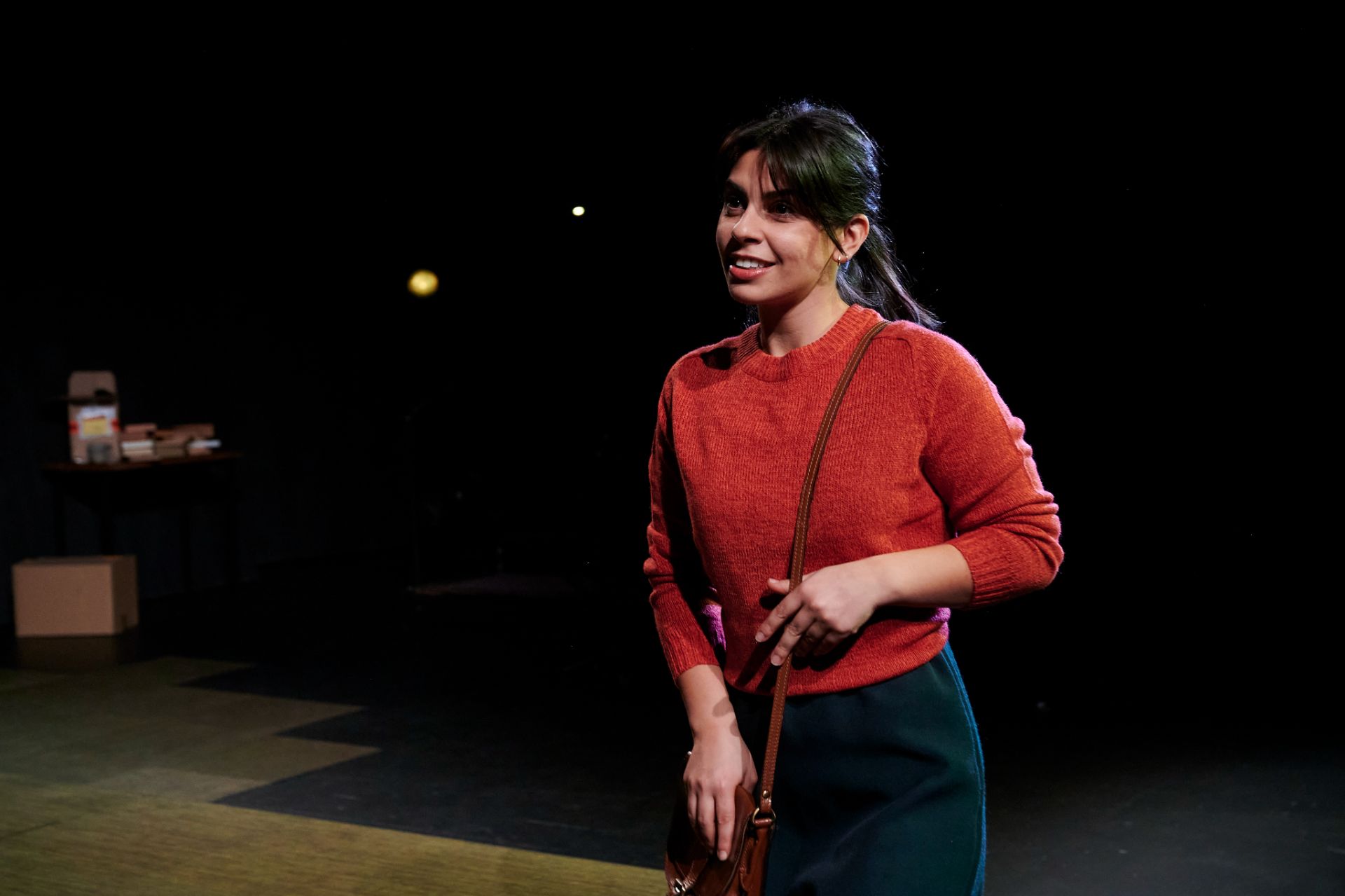
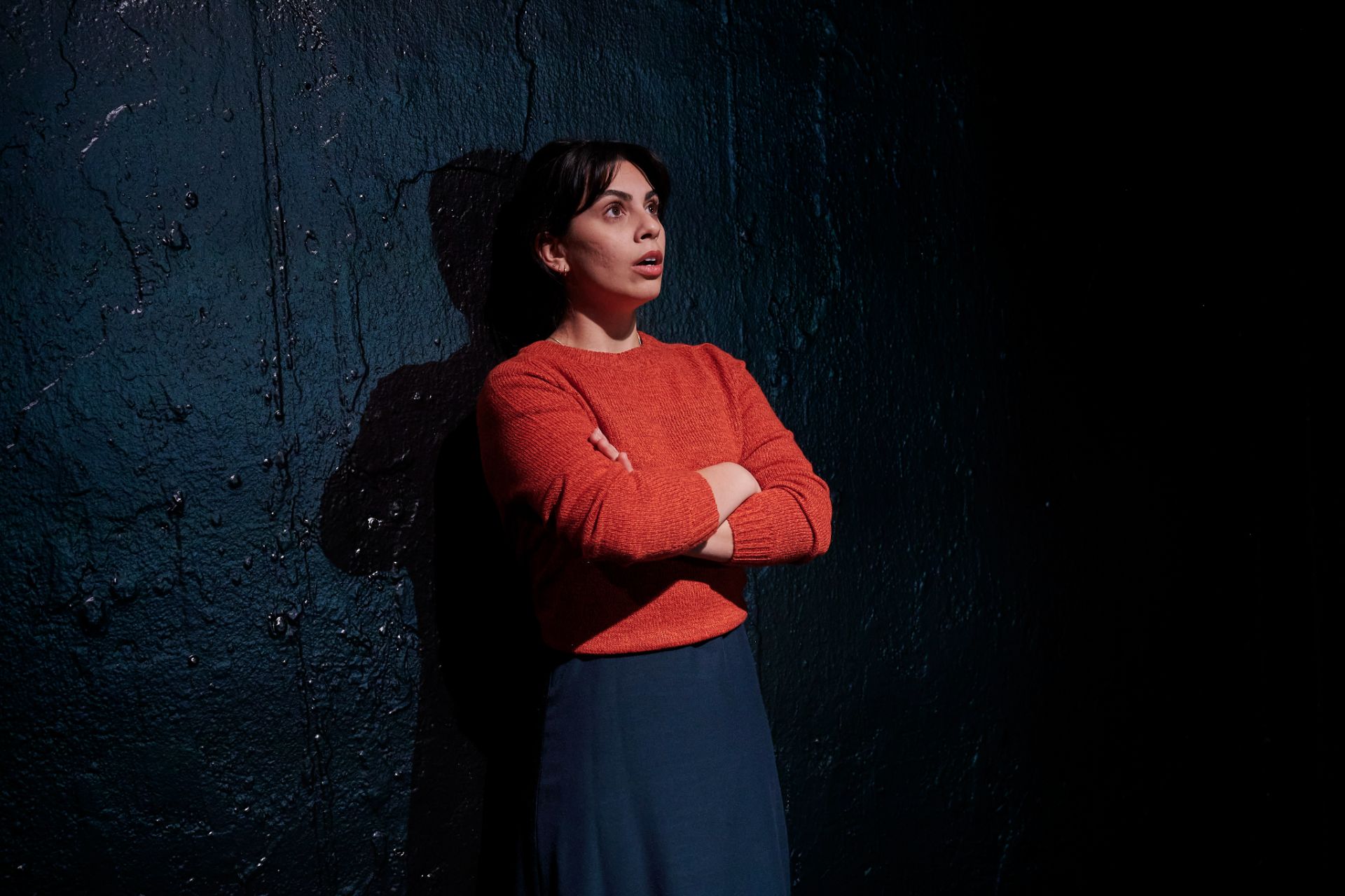
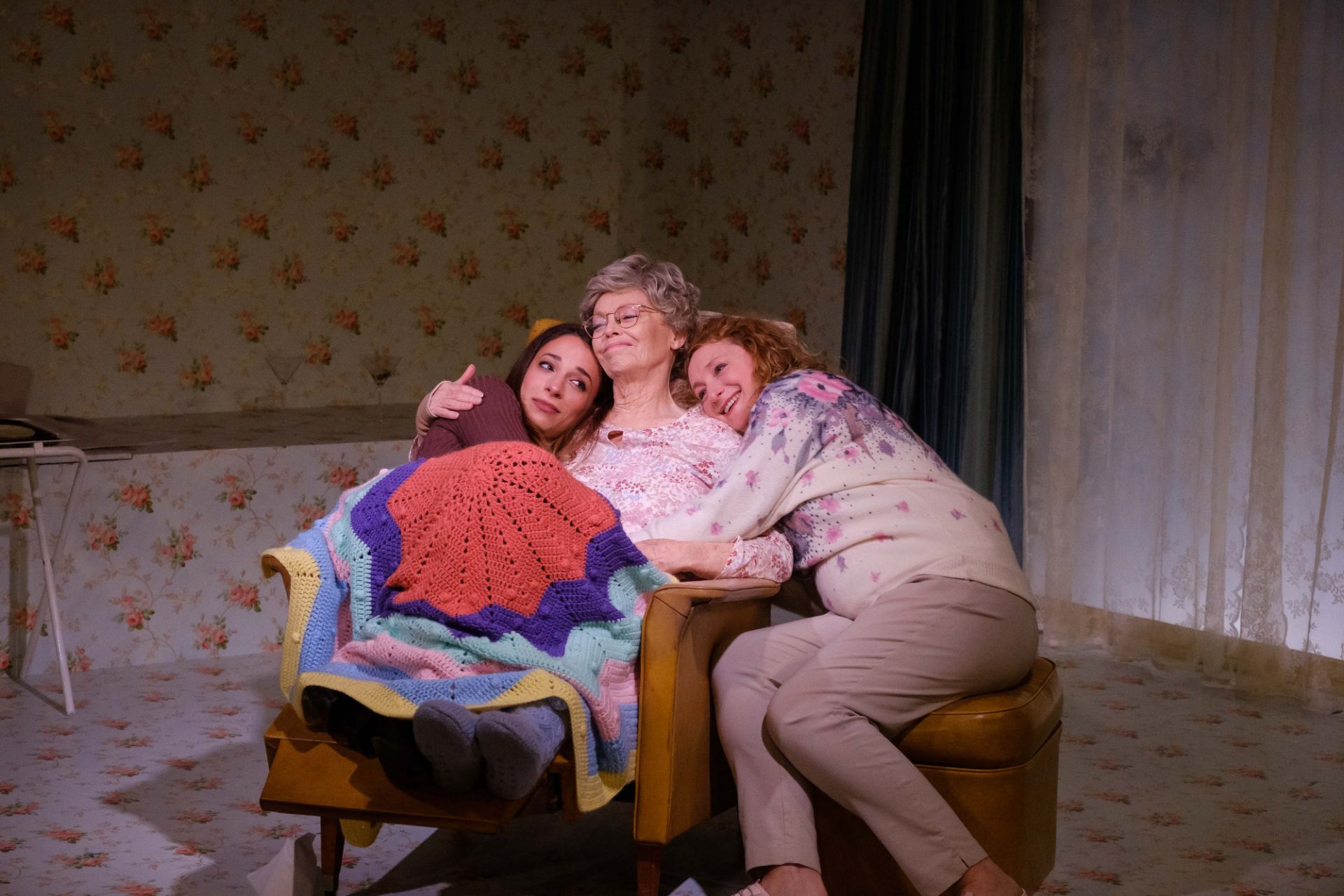
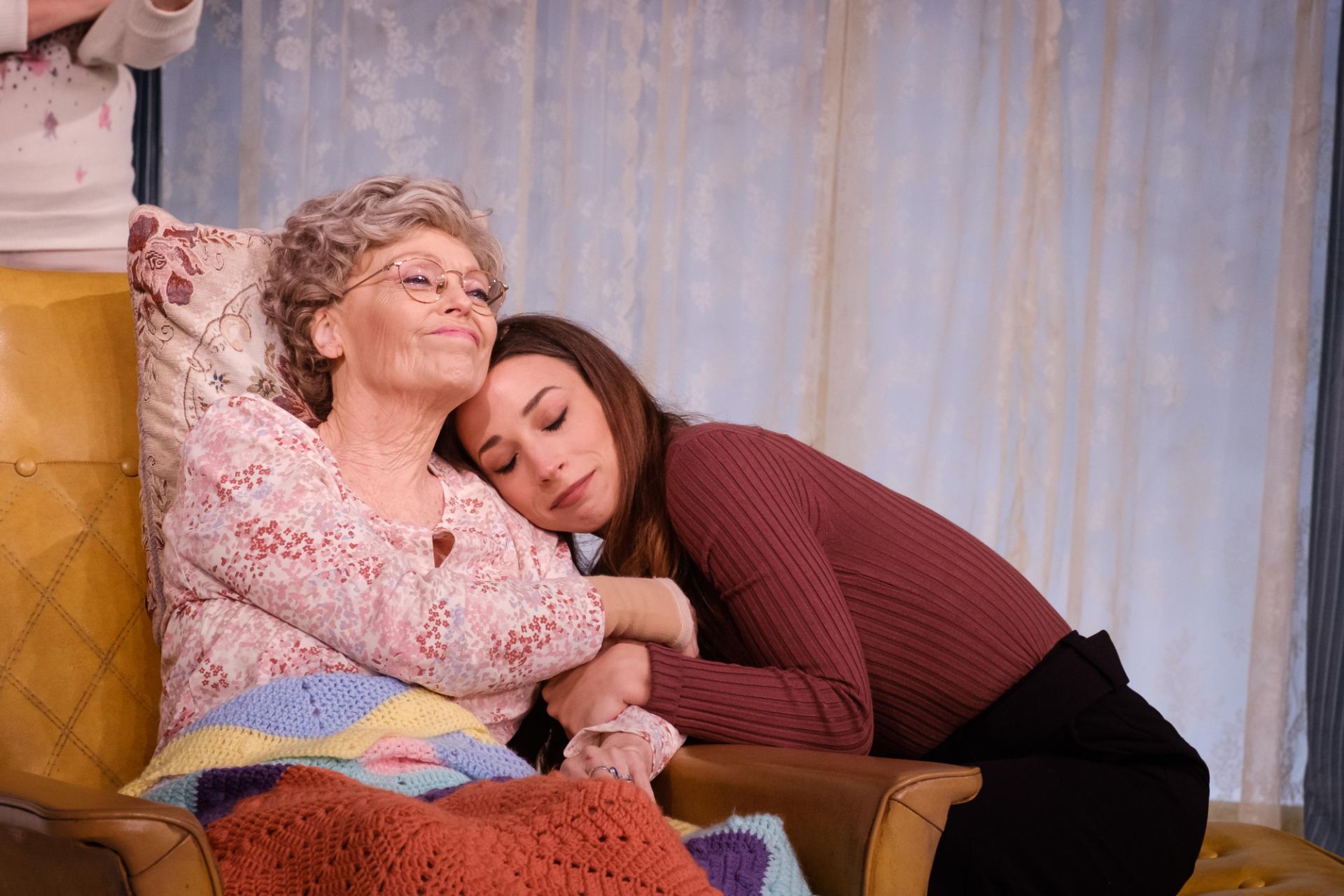
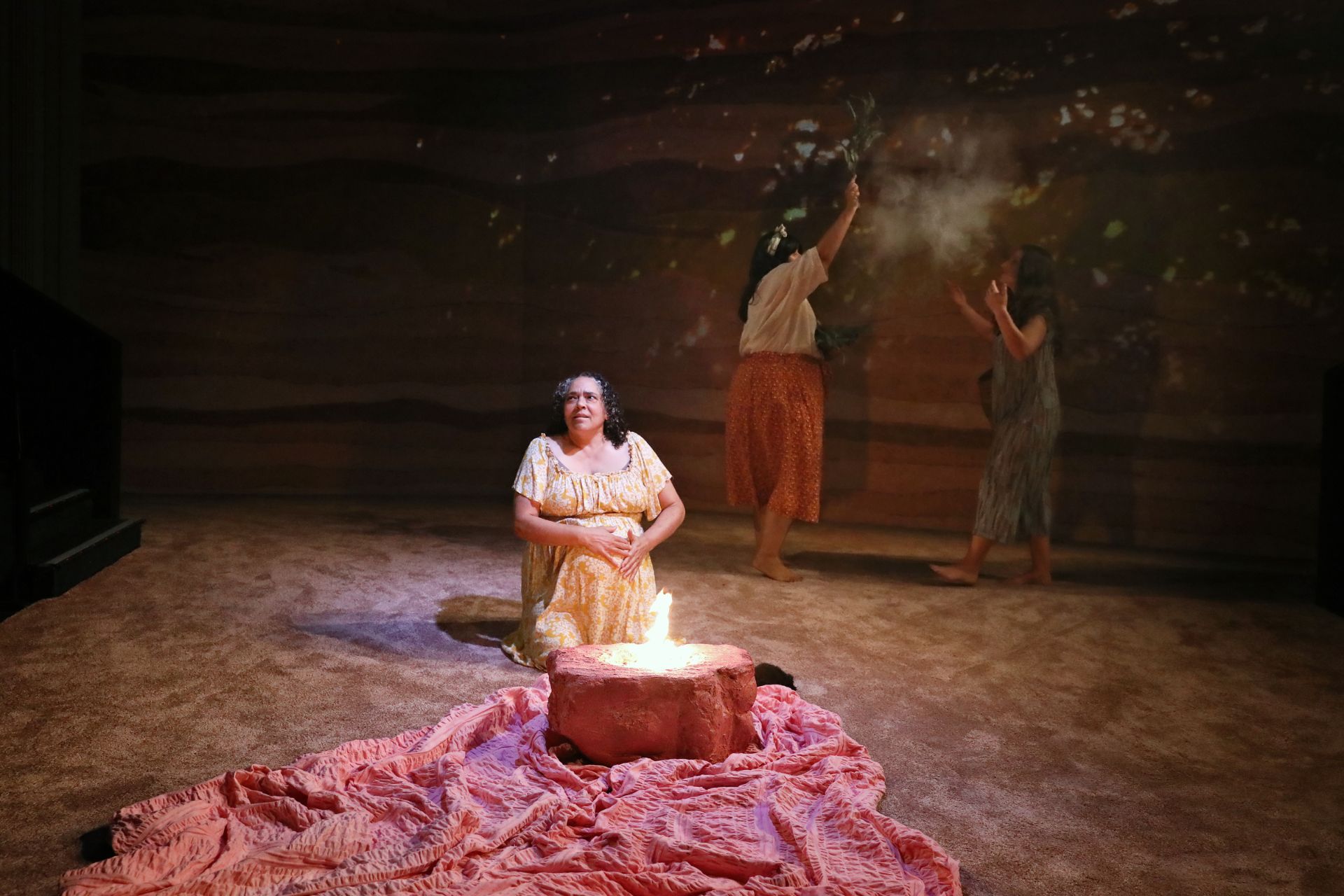
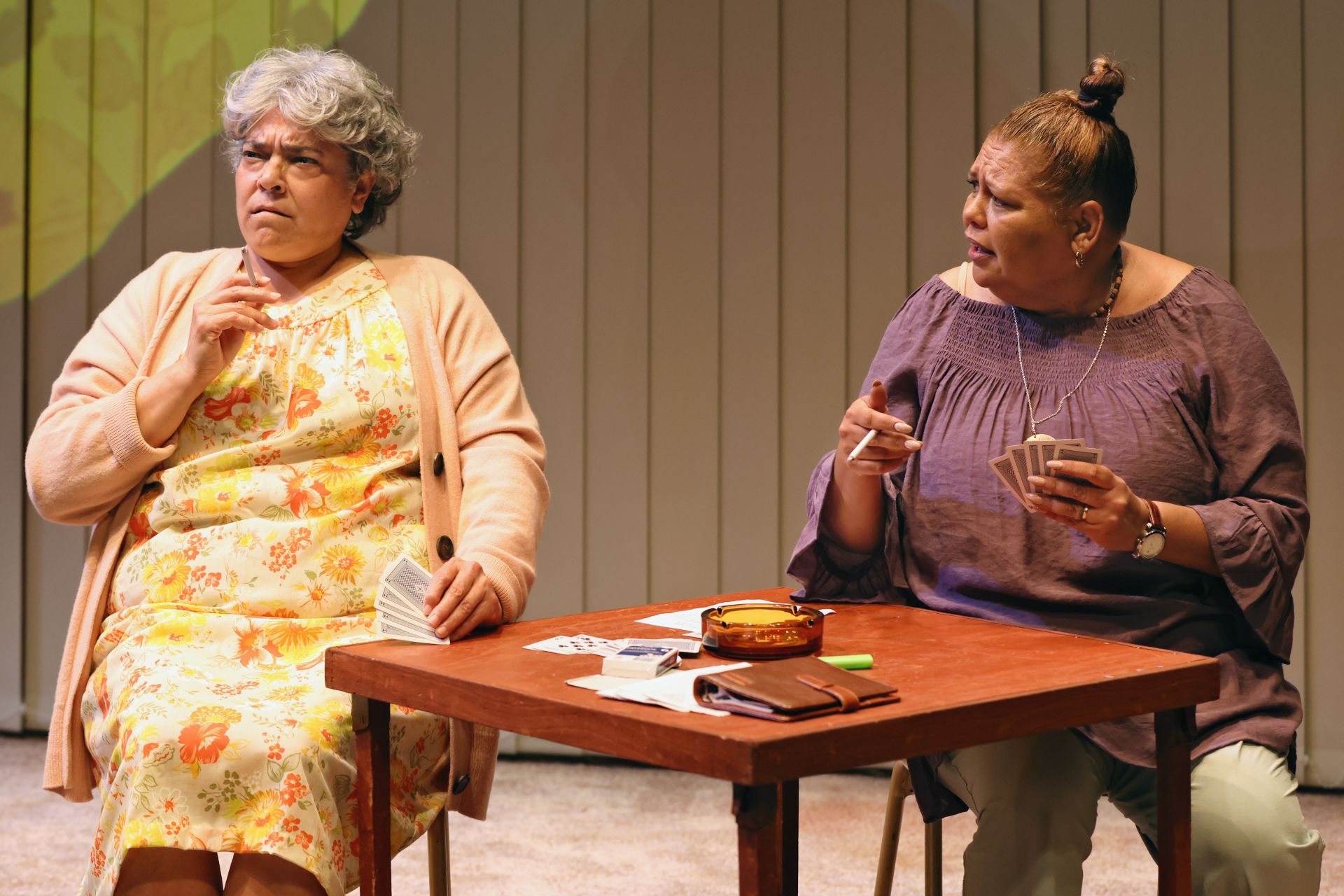
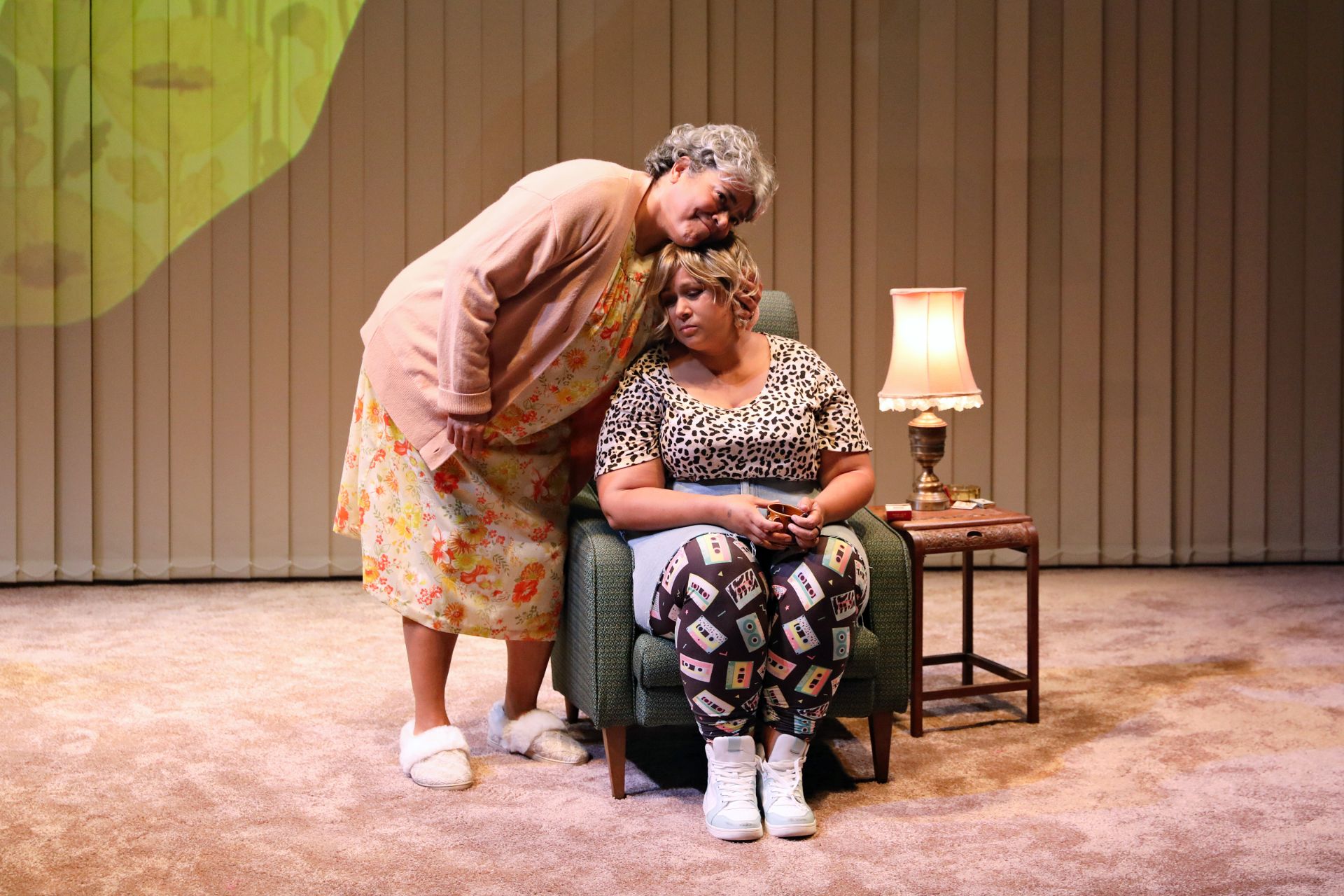
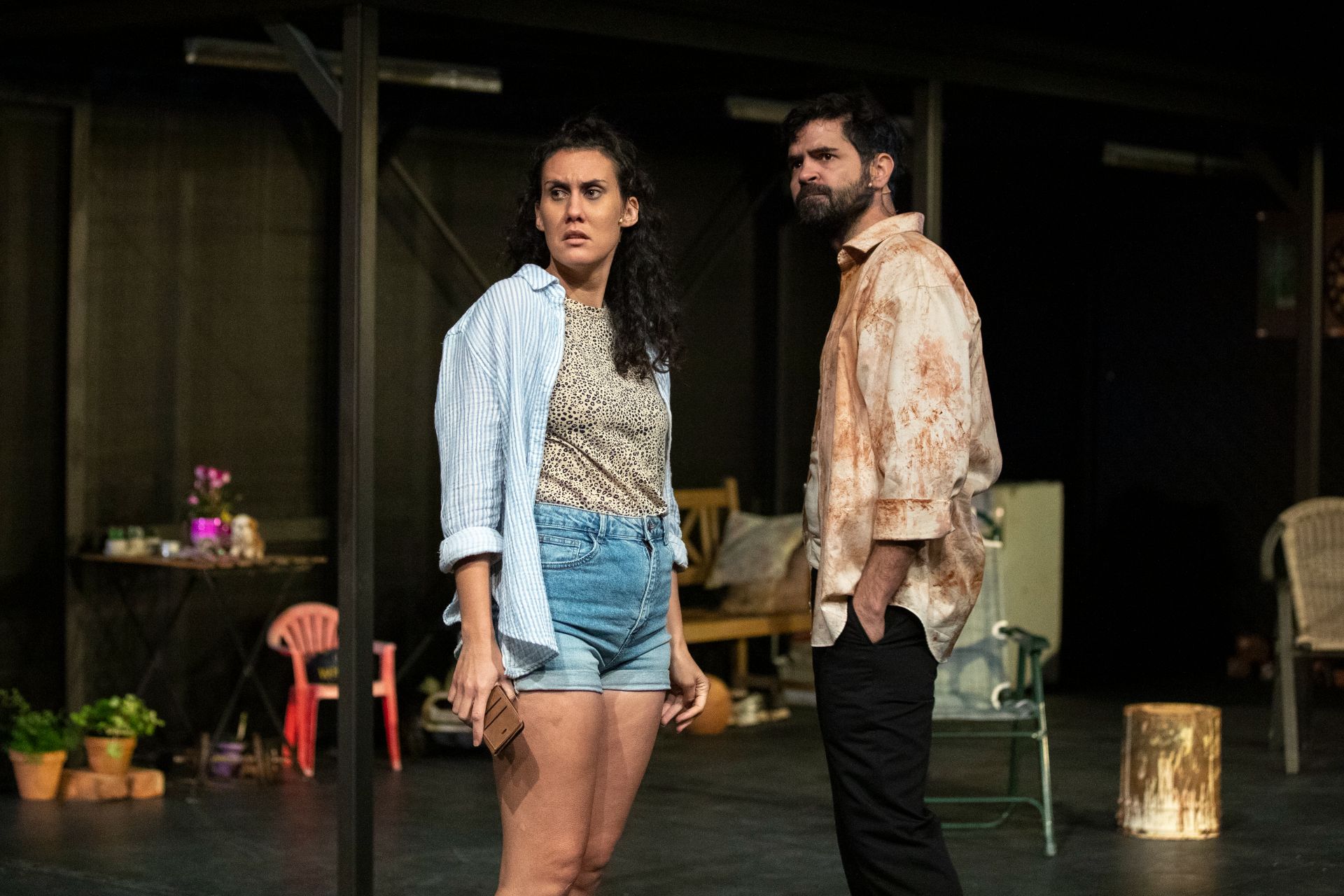
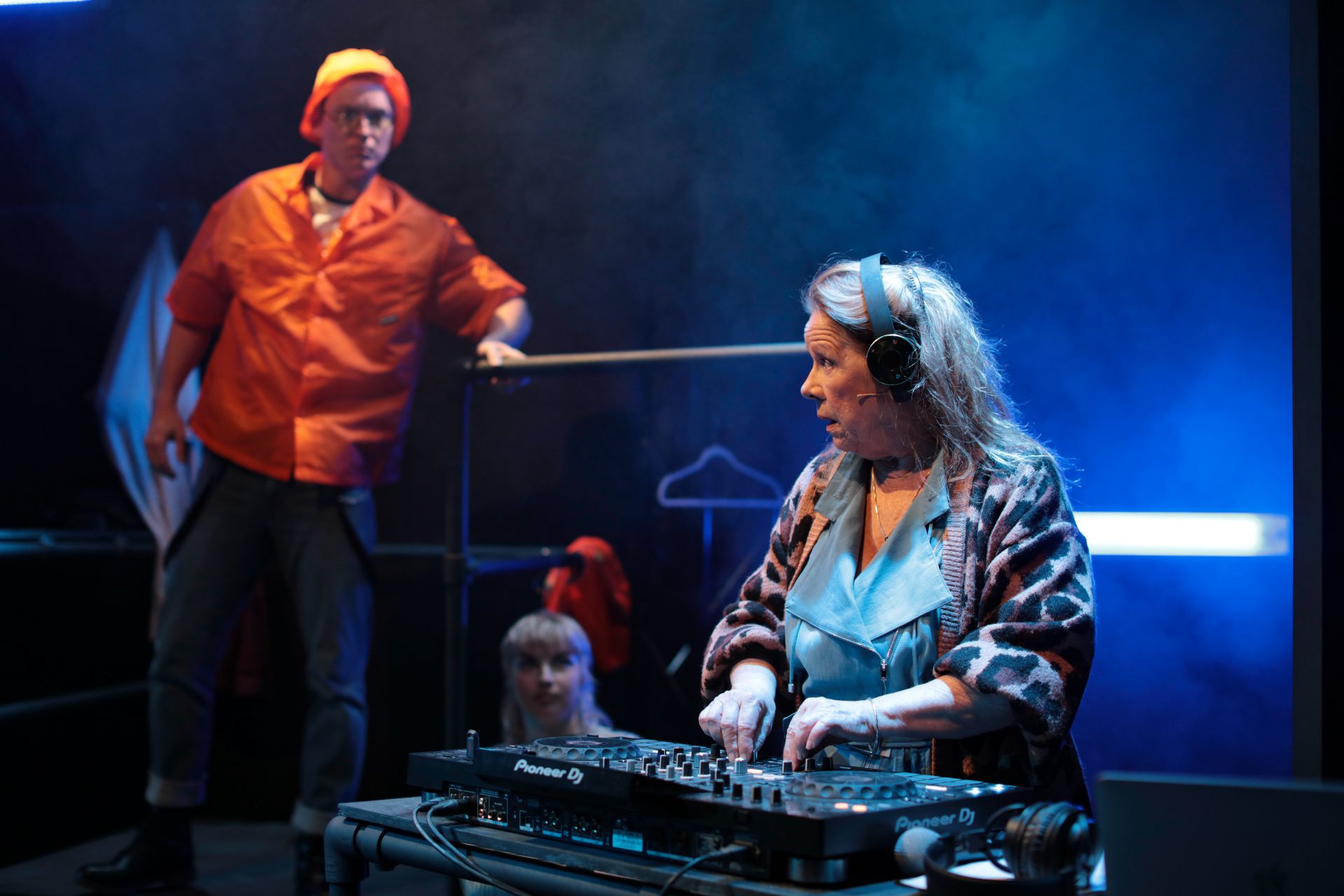
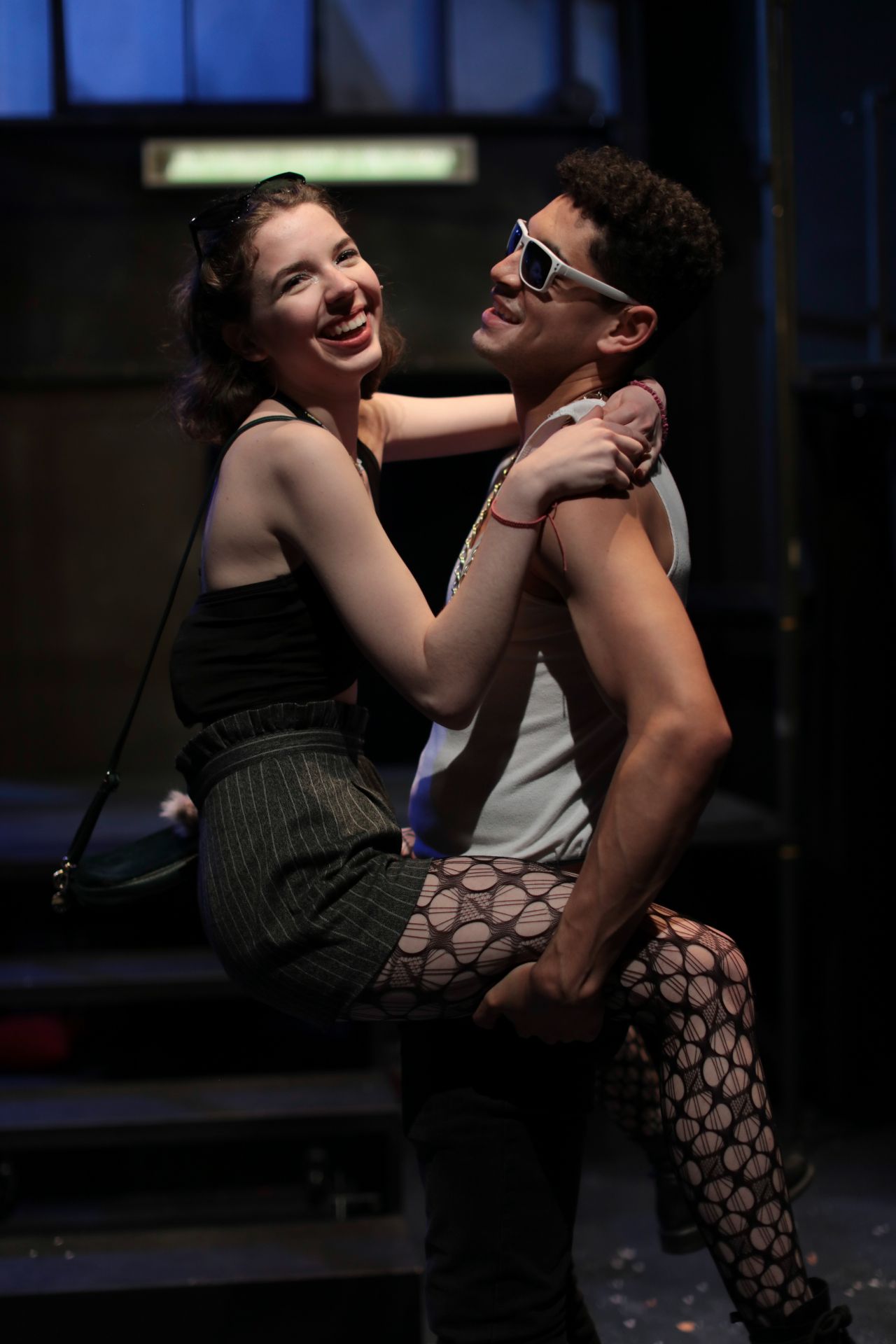
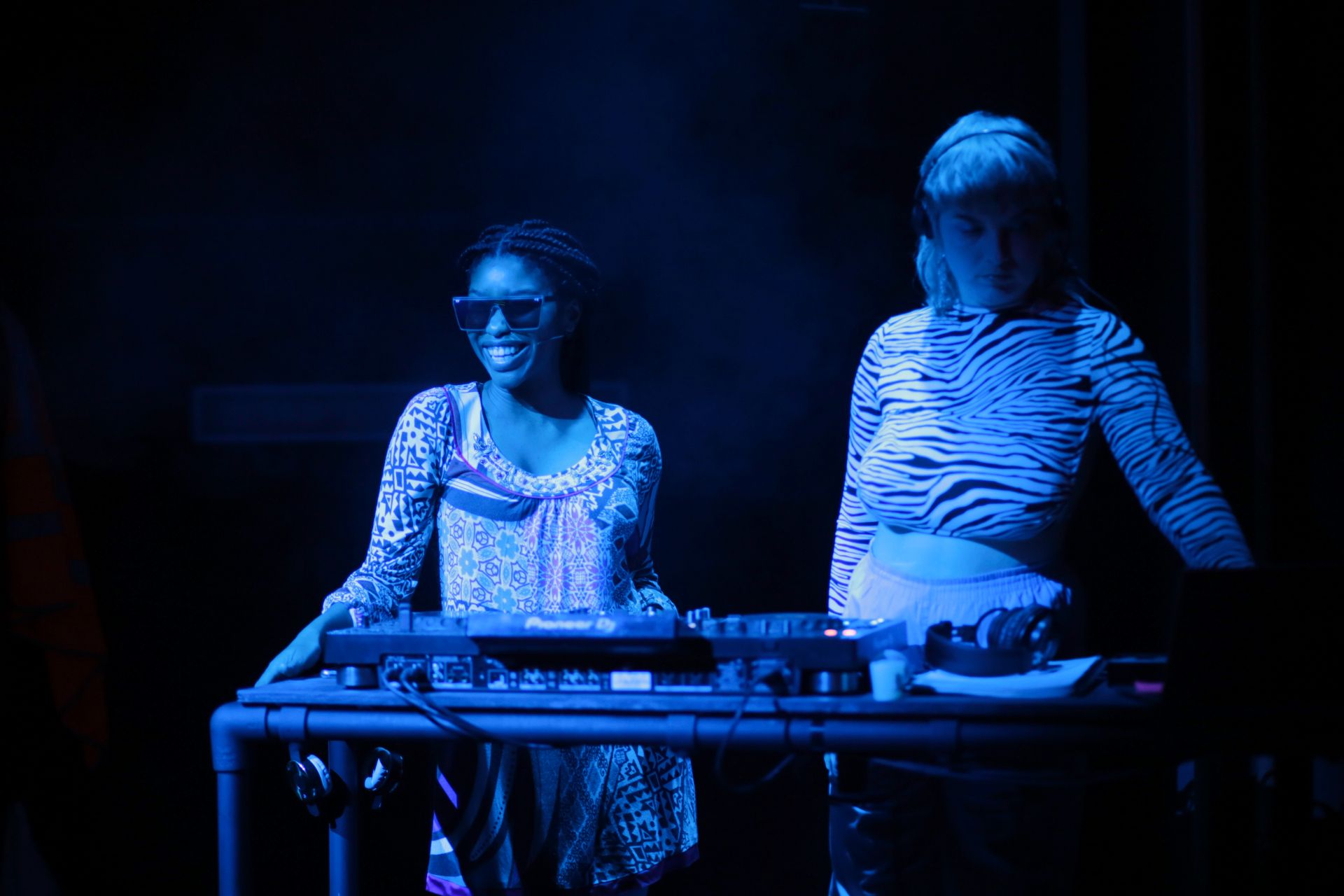
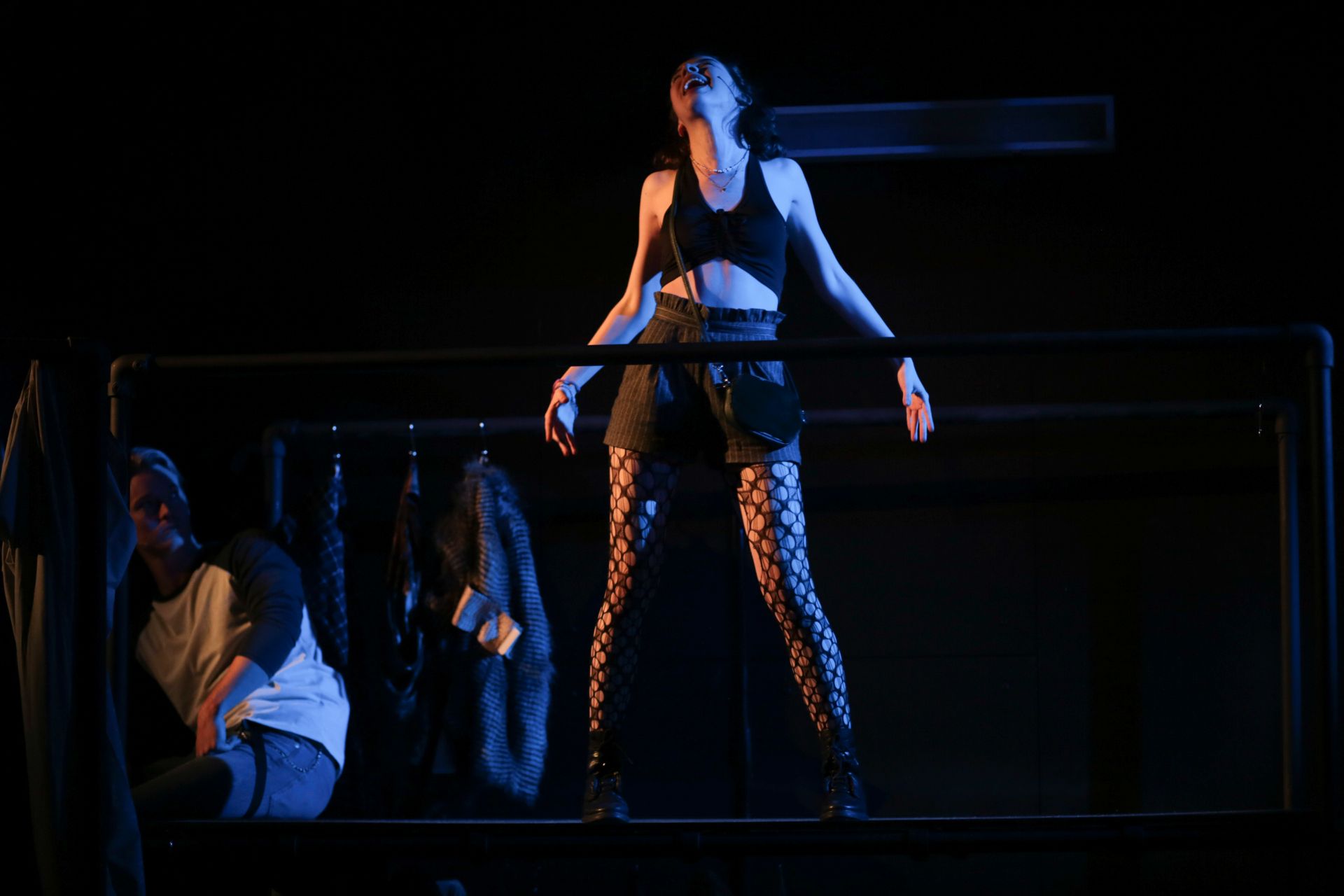
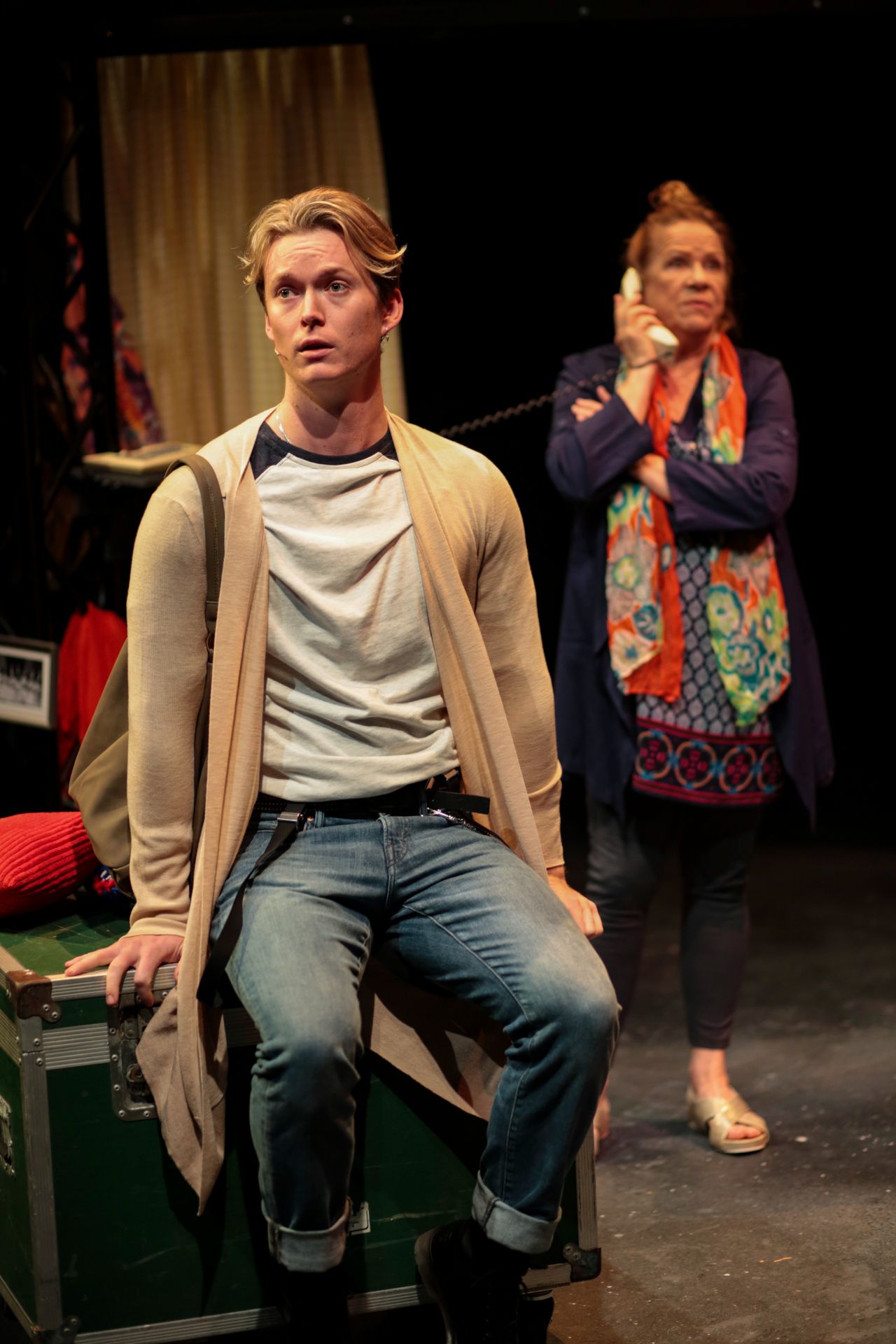
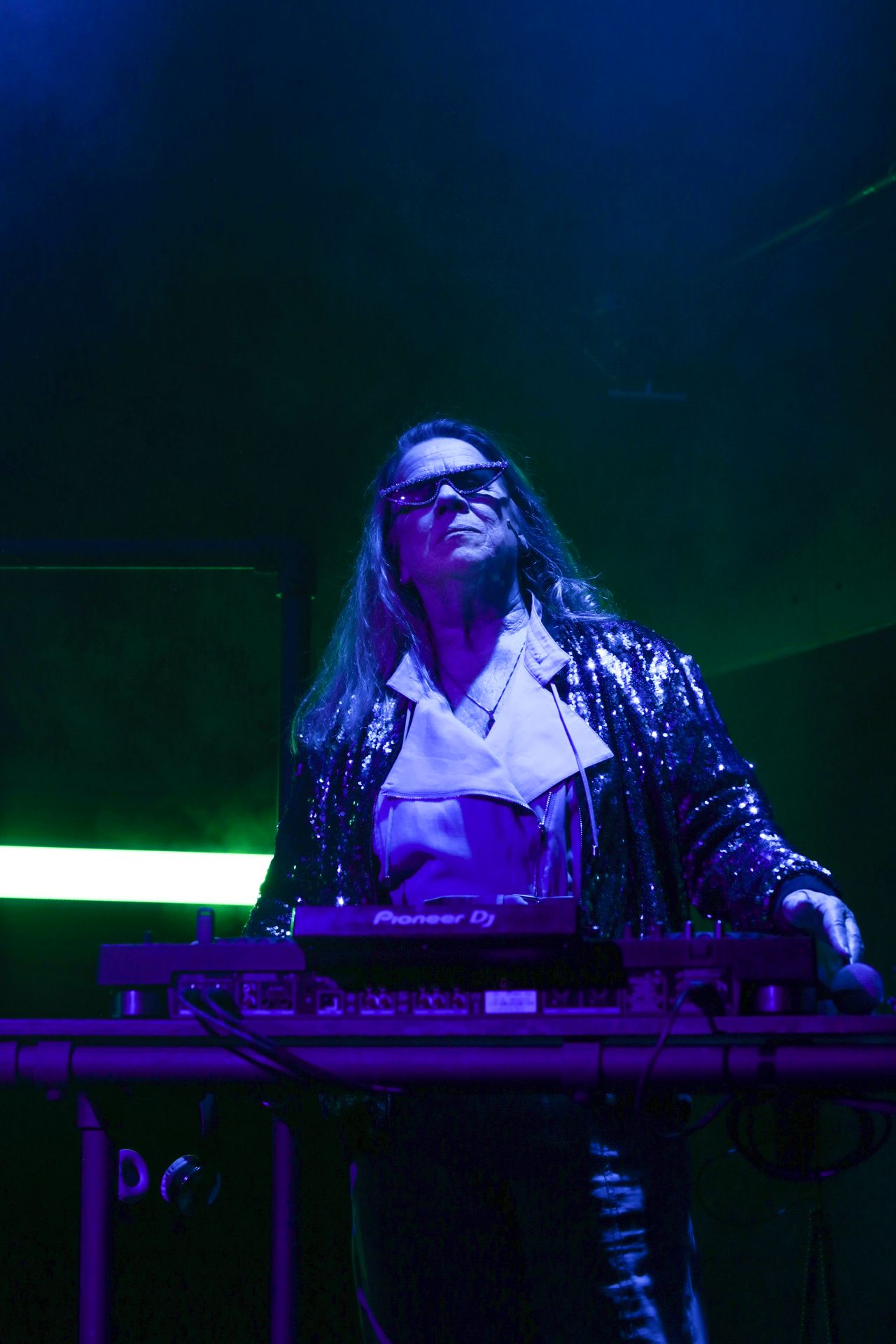
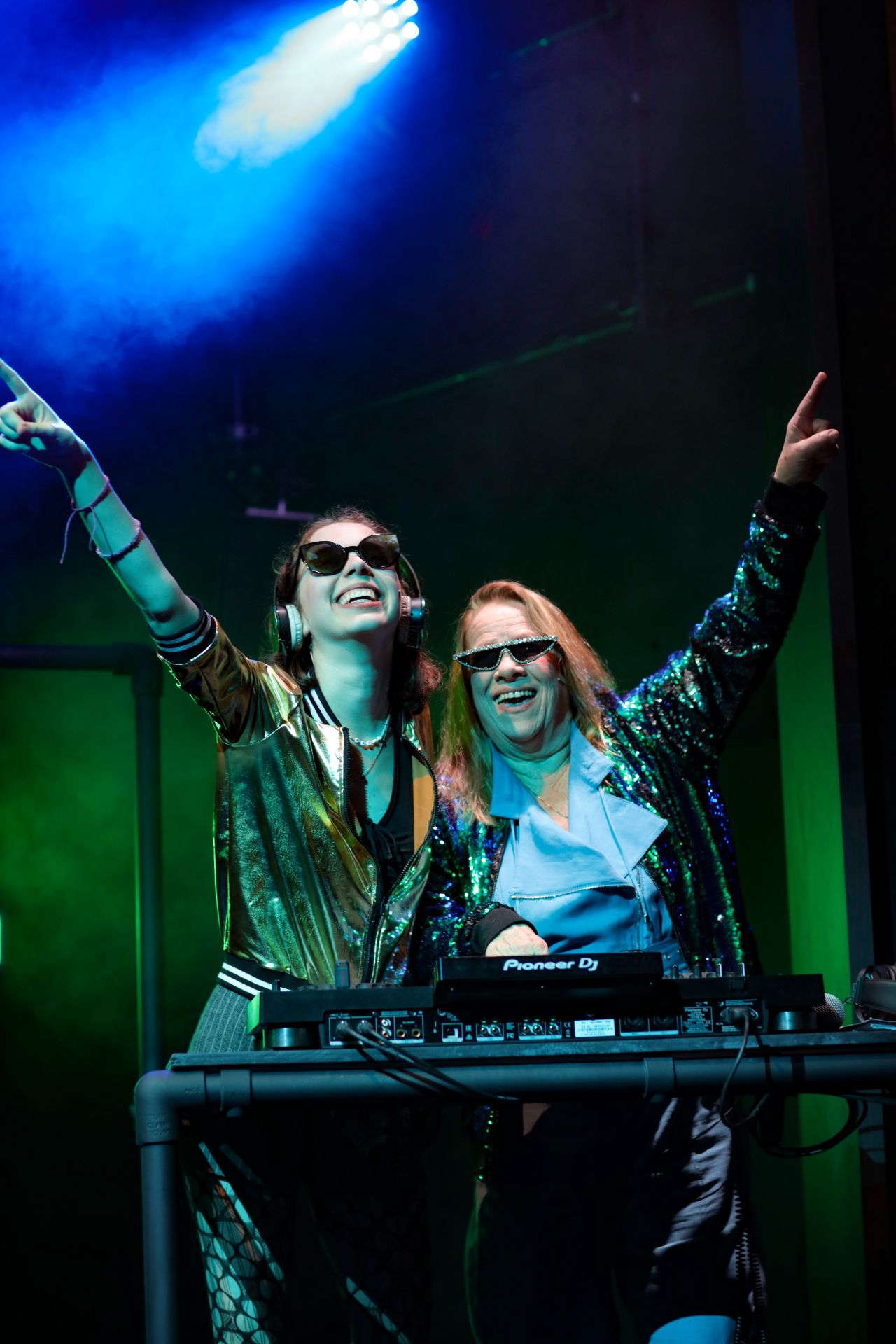
Before beginning her stint at university, young Tracey decides to live a little, and follows a hot DJ to clubland in Berlin. Meanwhile, her grandmother Mabel is sick of being worried about Tracey’s sudden disappearance, and promptly leaves Sydney for a worldwide trip, in search of the intrepid teenager. Lachlan Philpott’s M.Rock is thankfully less about family, and more about a part of humanity that is constantly in search mode. It is a humorous work, full of wonder and inspiration, that explores the meaning of life, in terms of its interminable thirst for something better.

Directed by Fraser Corfield, this new production of Philpott’s 2014 play is zestful and mischievous, replete with imagination, and brimming with jubilant spirit. There is perhaps no need for awkward updates that attempt to bring the story to 2022, involving the pointless incorporation of covid on one hand, and the conspicuous absence of social media on the other, but the show is nonetheless a tremendously enjoyable one, certain to resonate with audiences of all kinds.

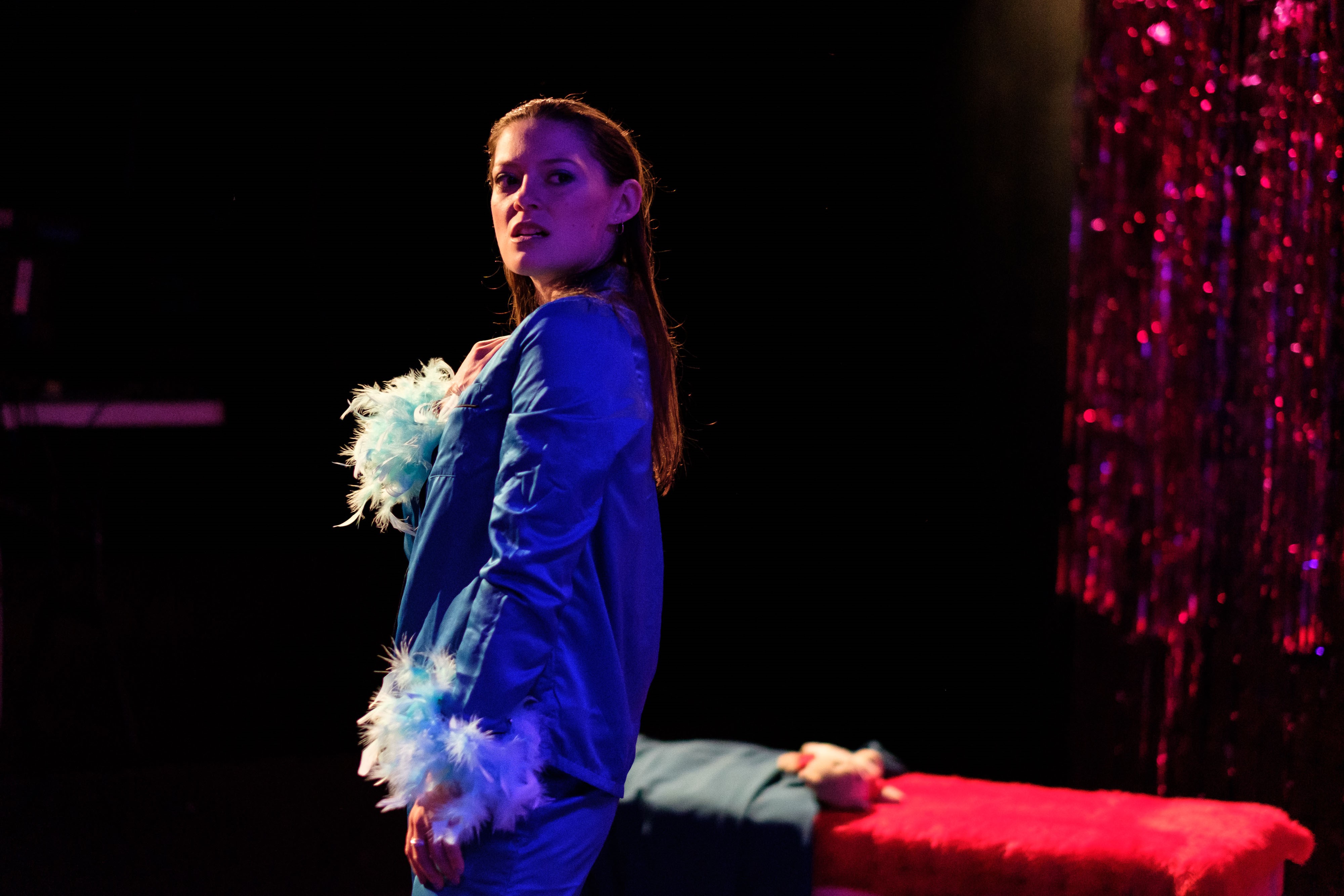
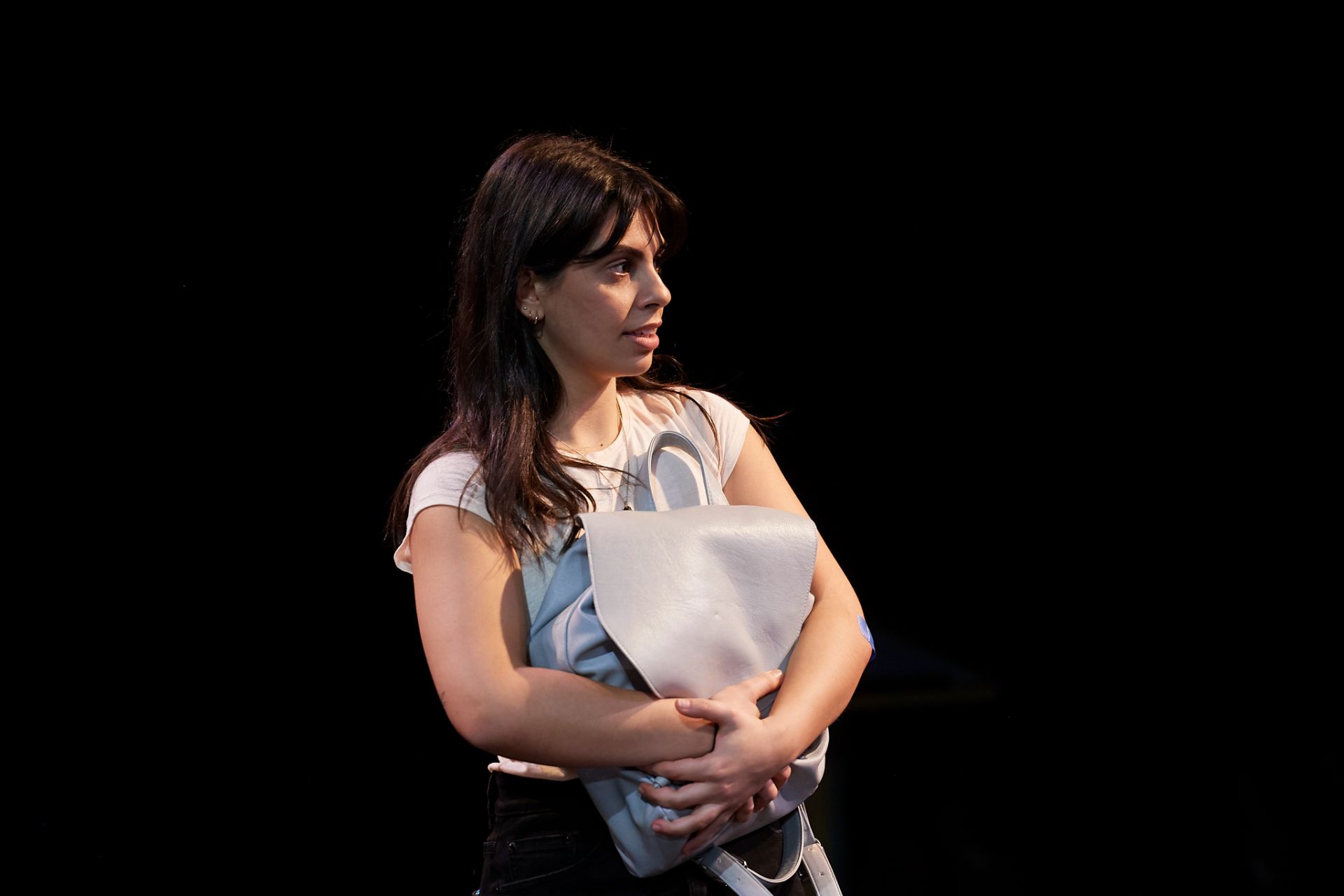
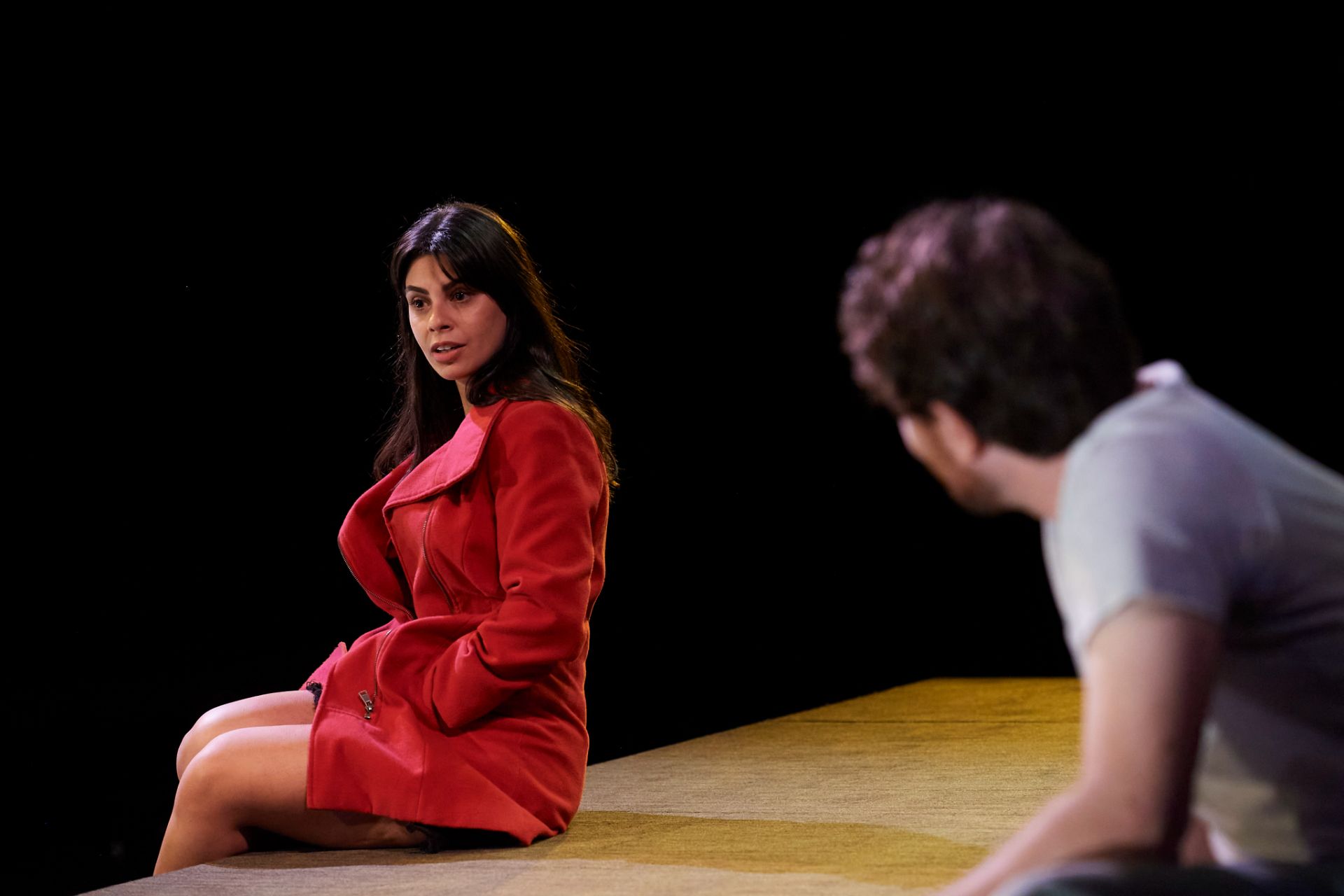
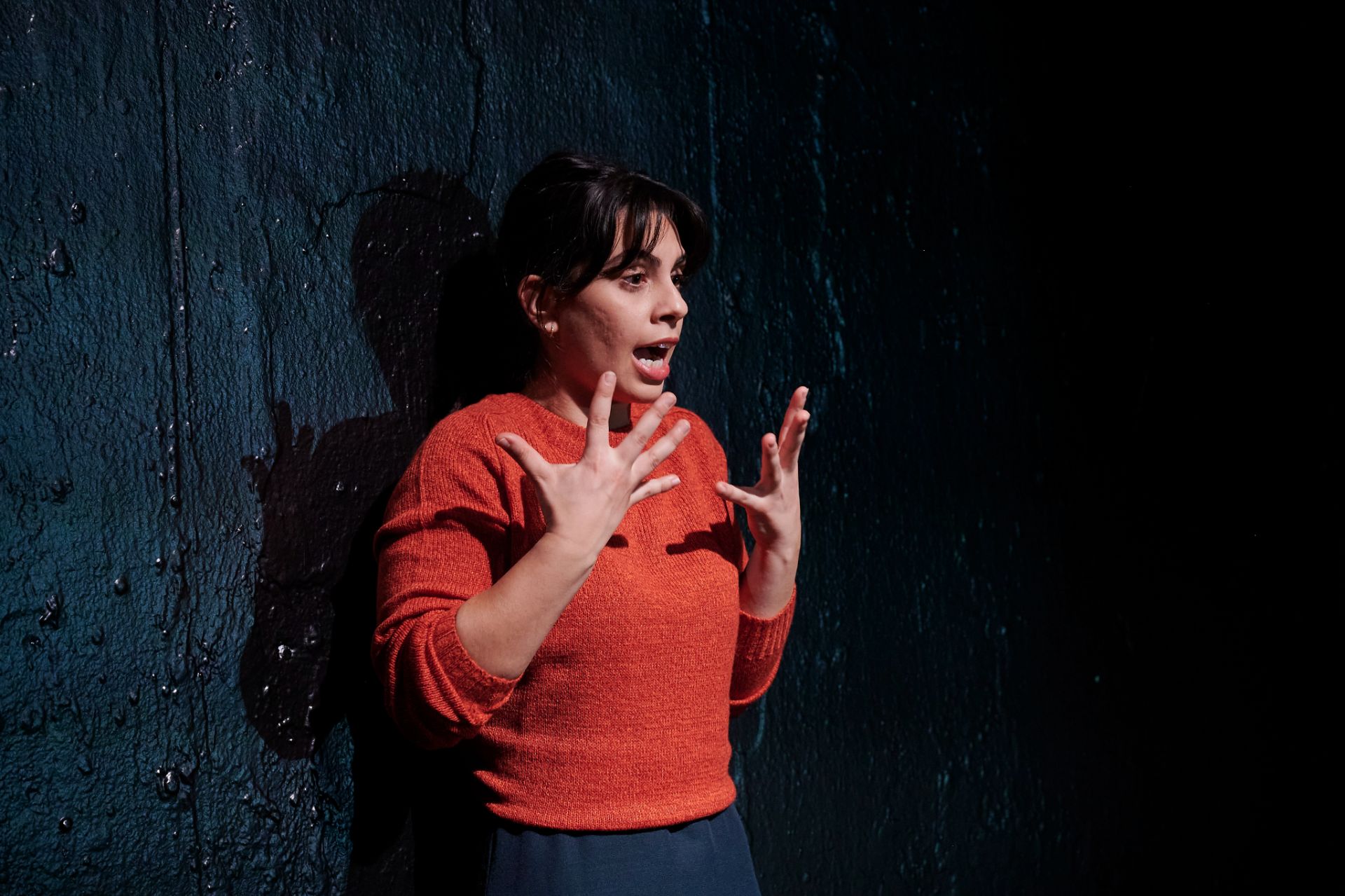
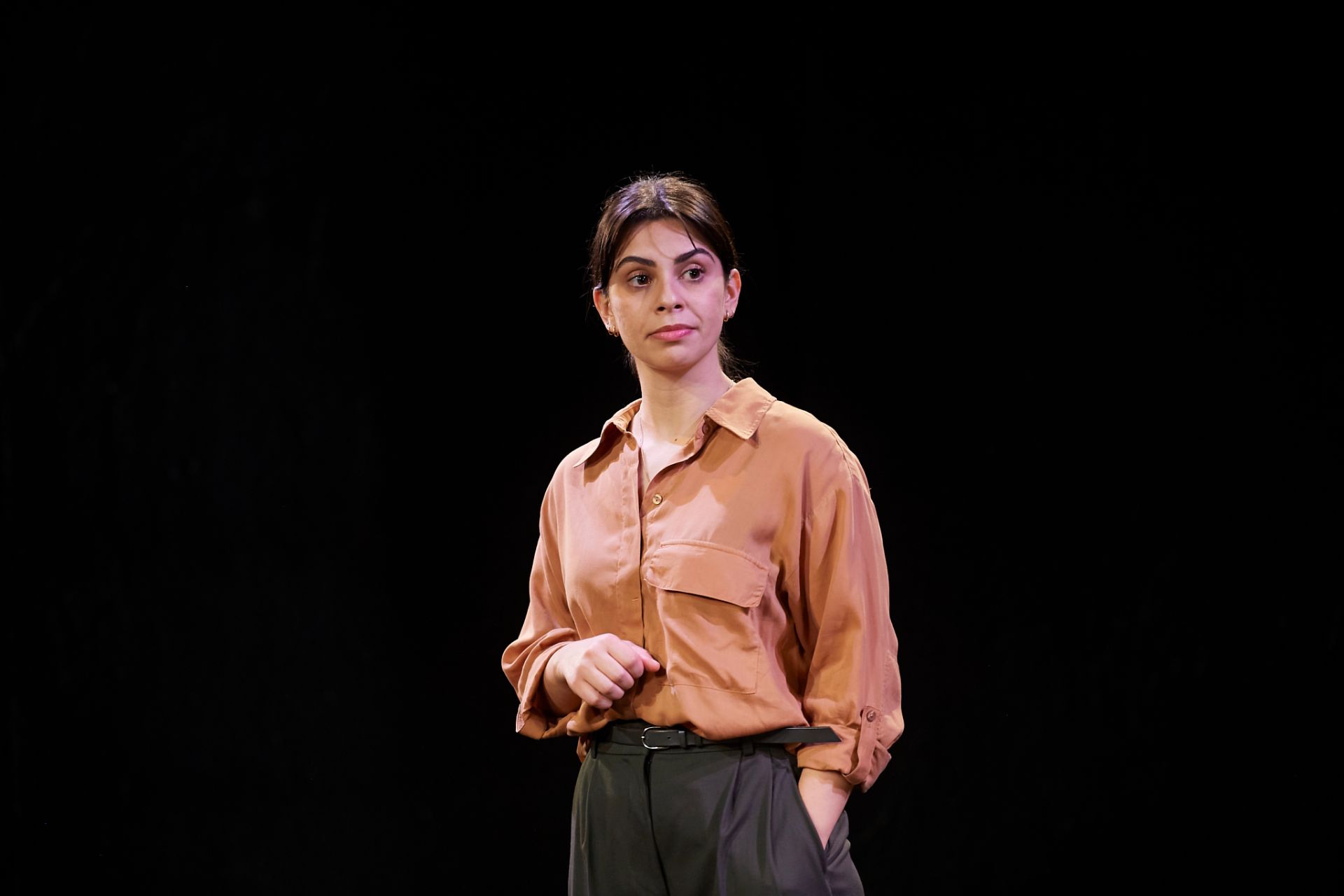
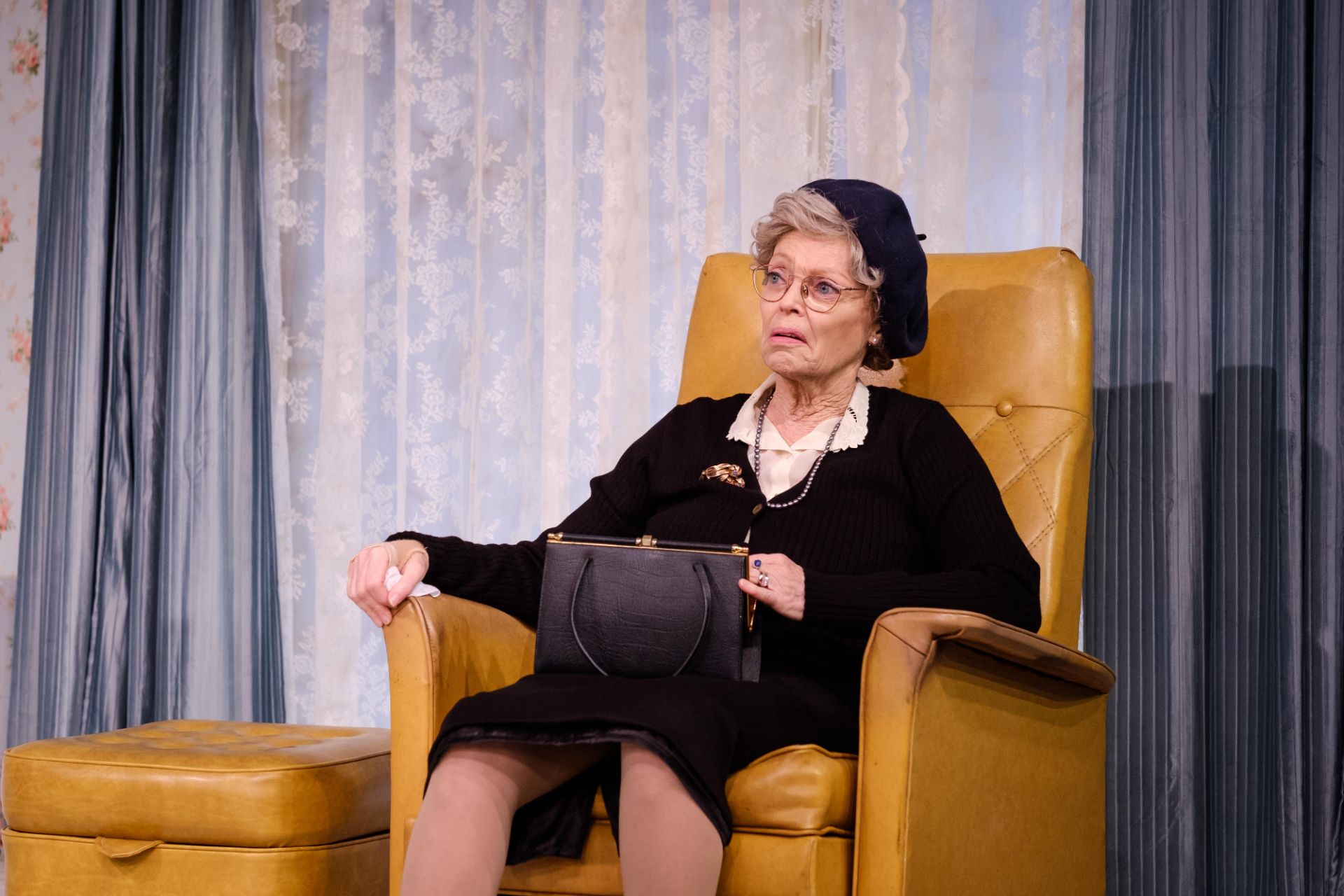
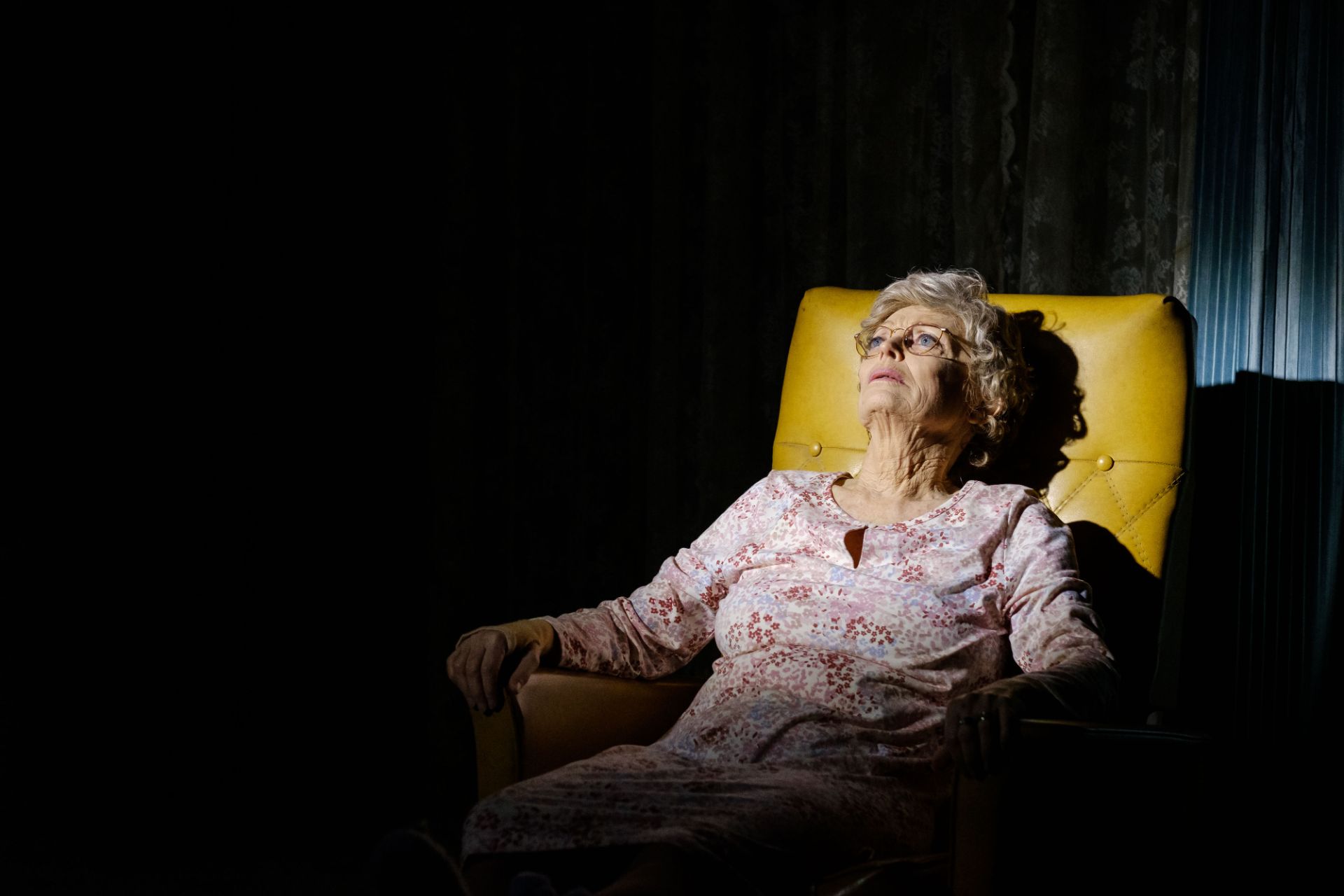
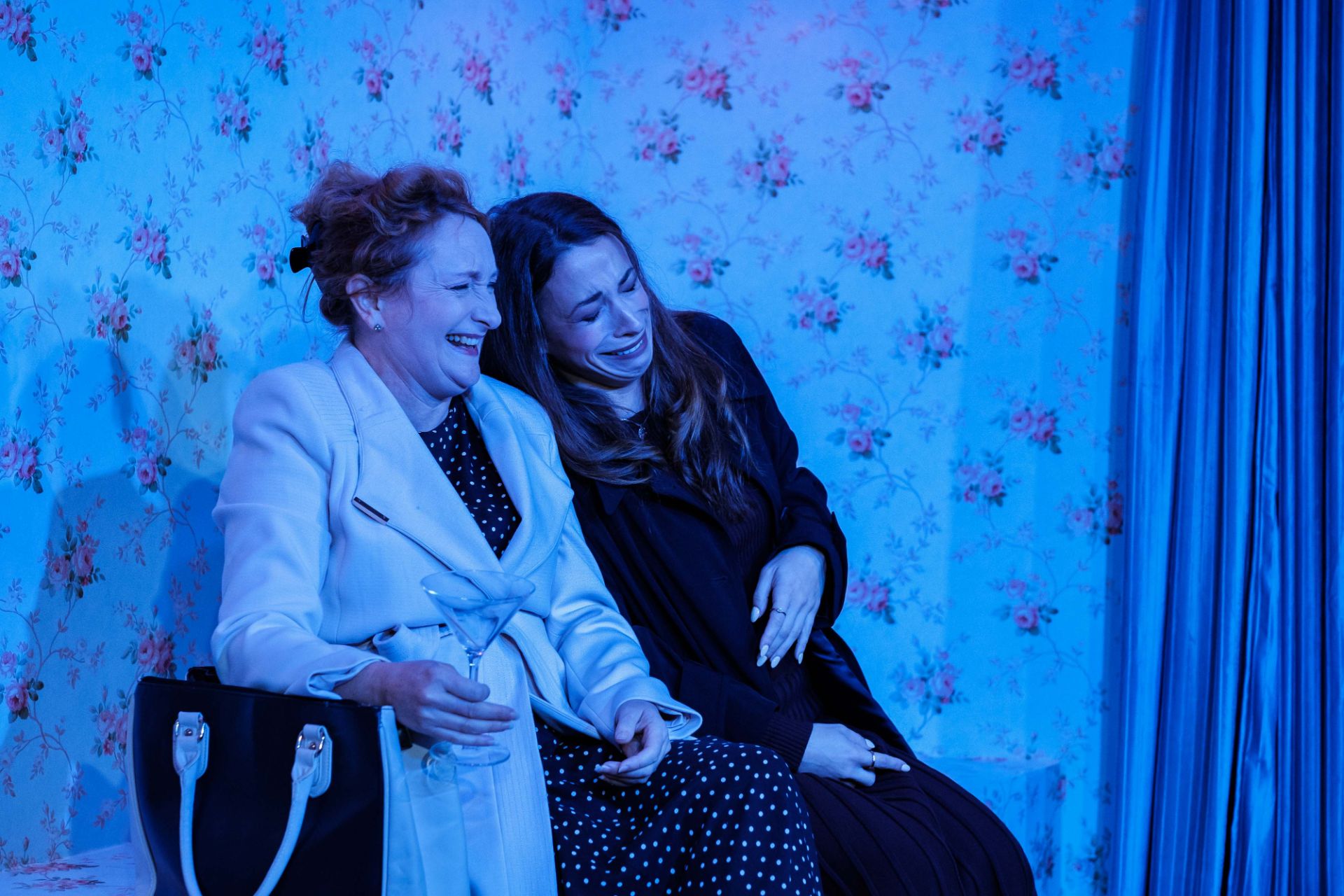
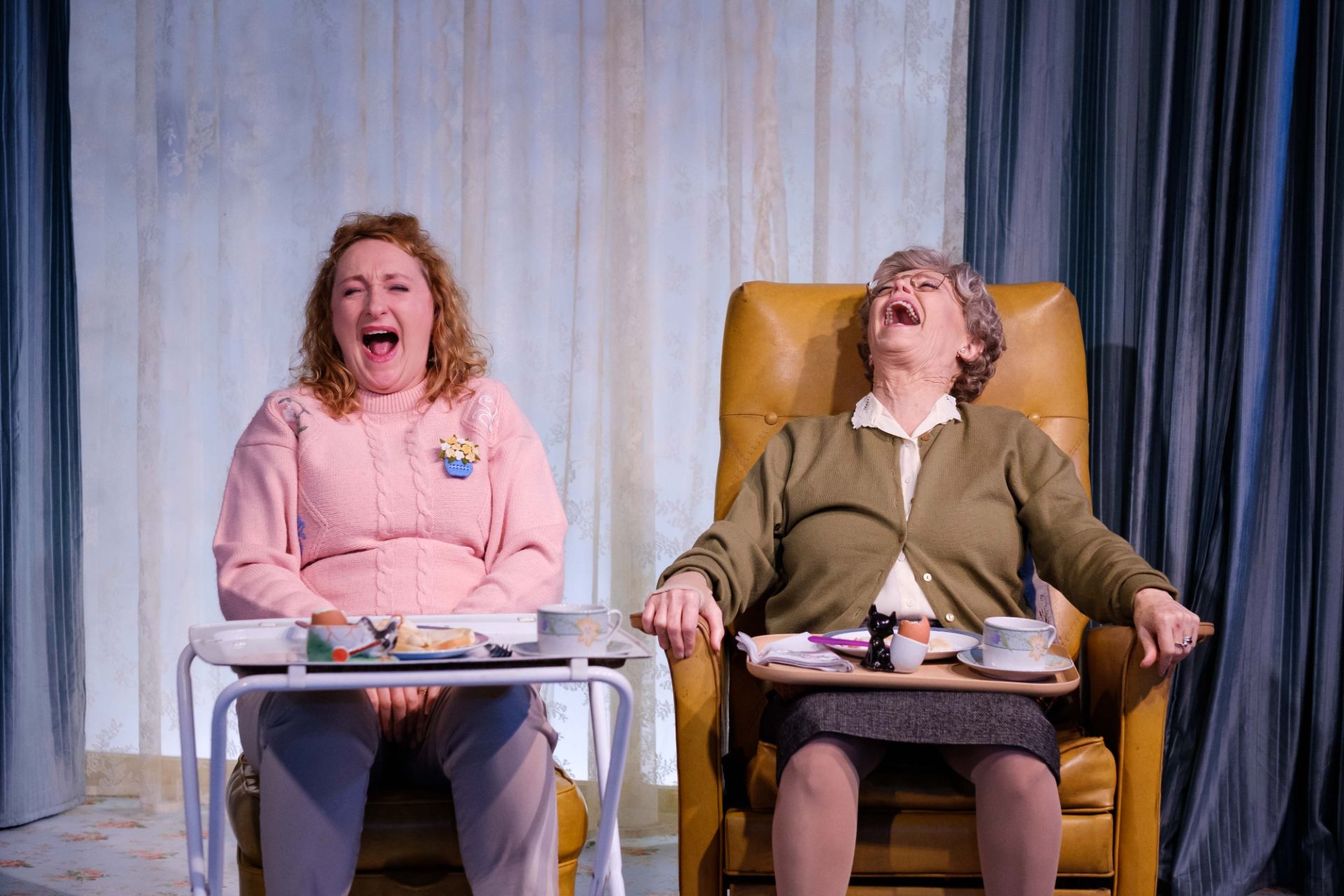
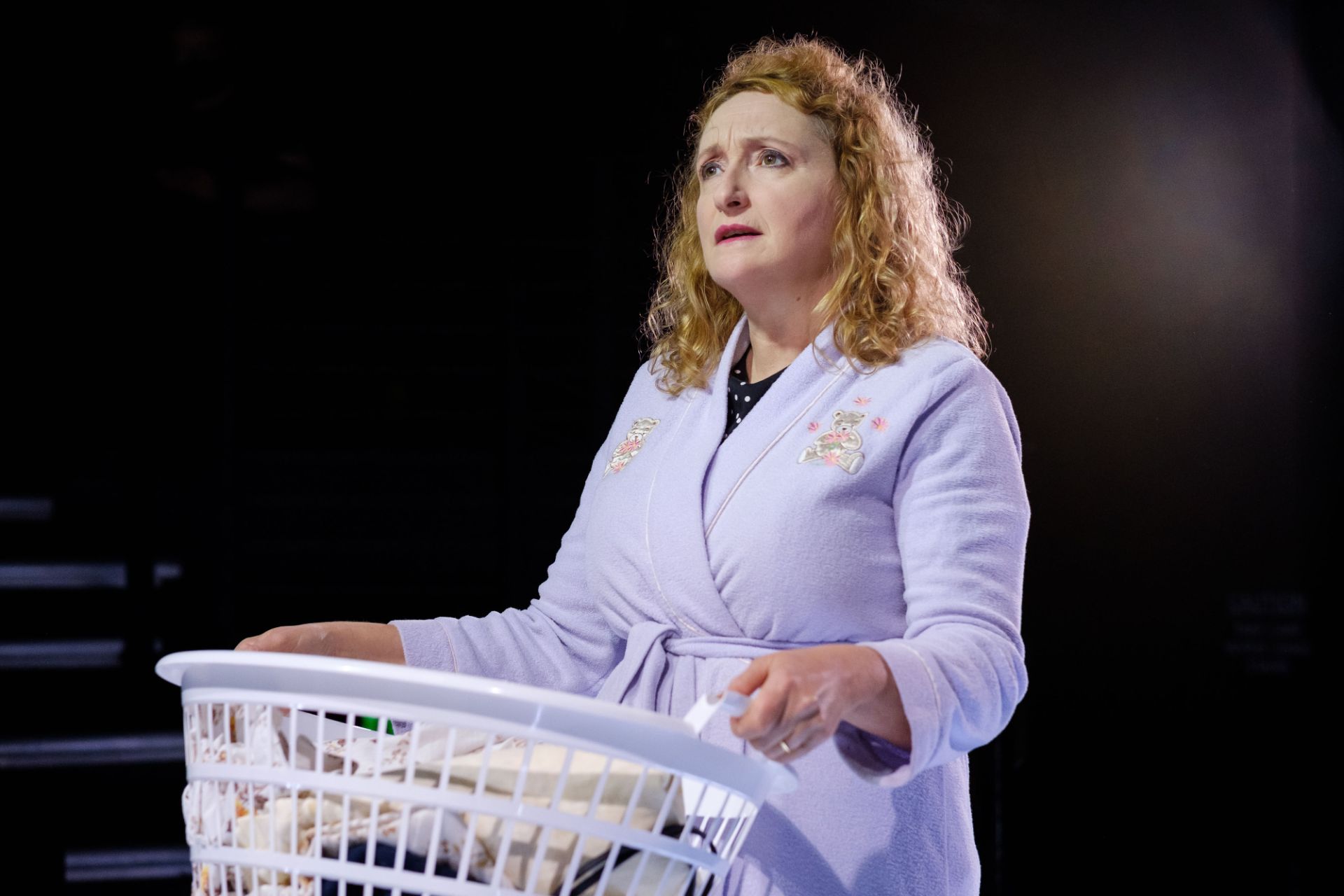
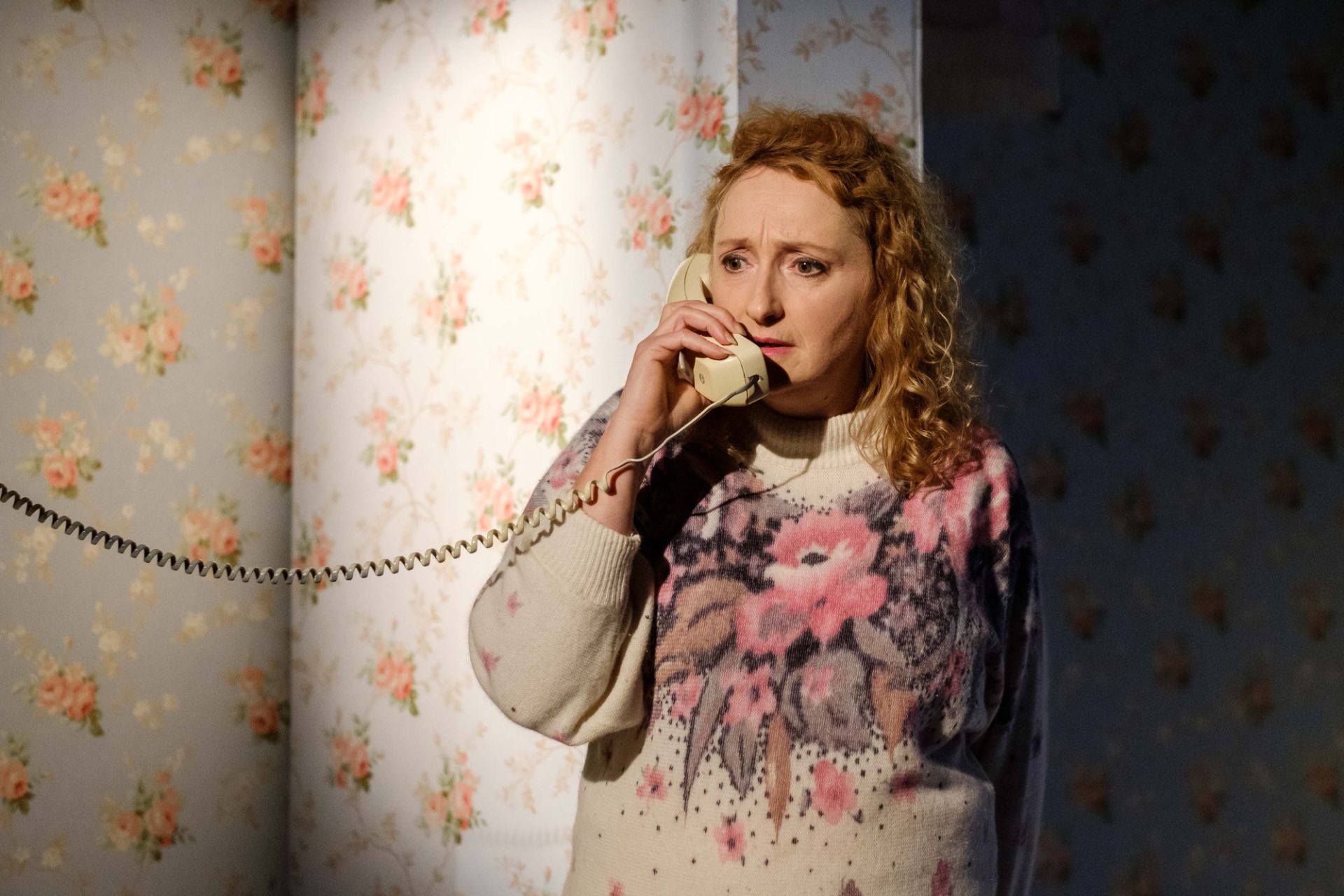
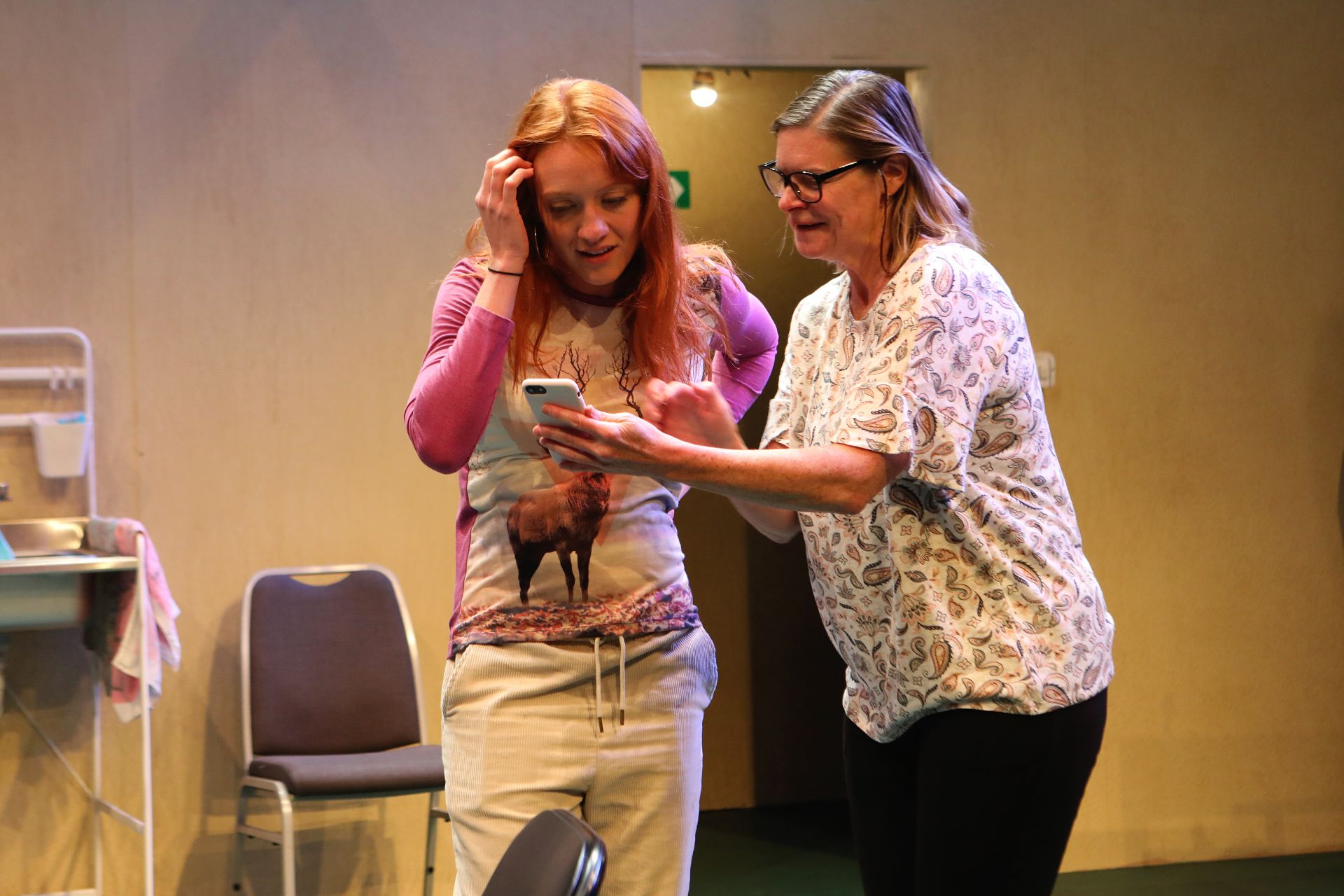
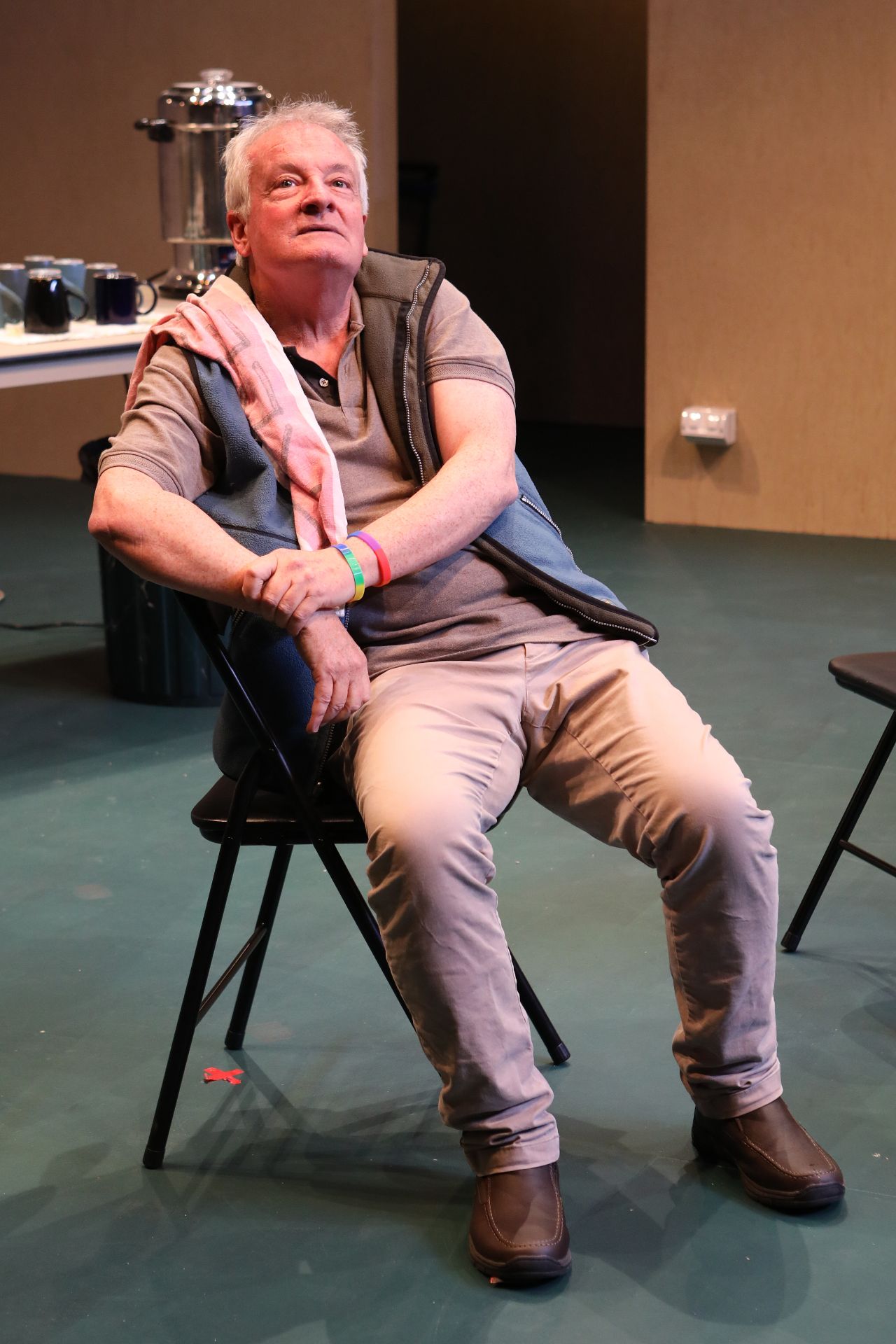
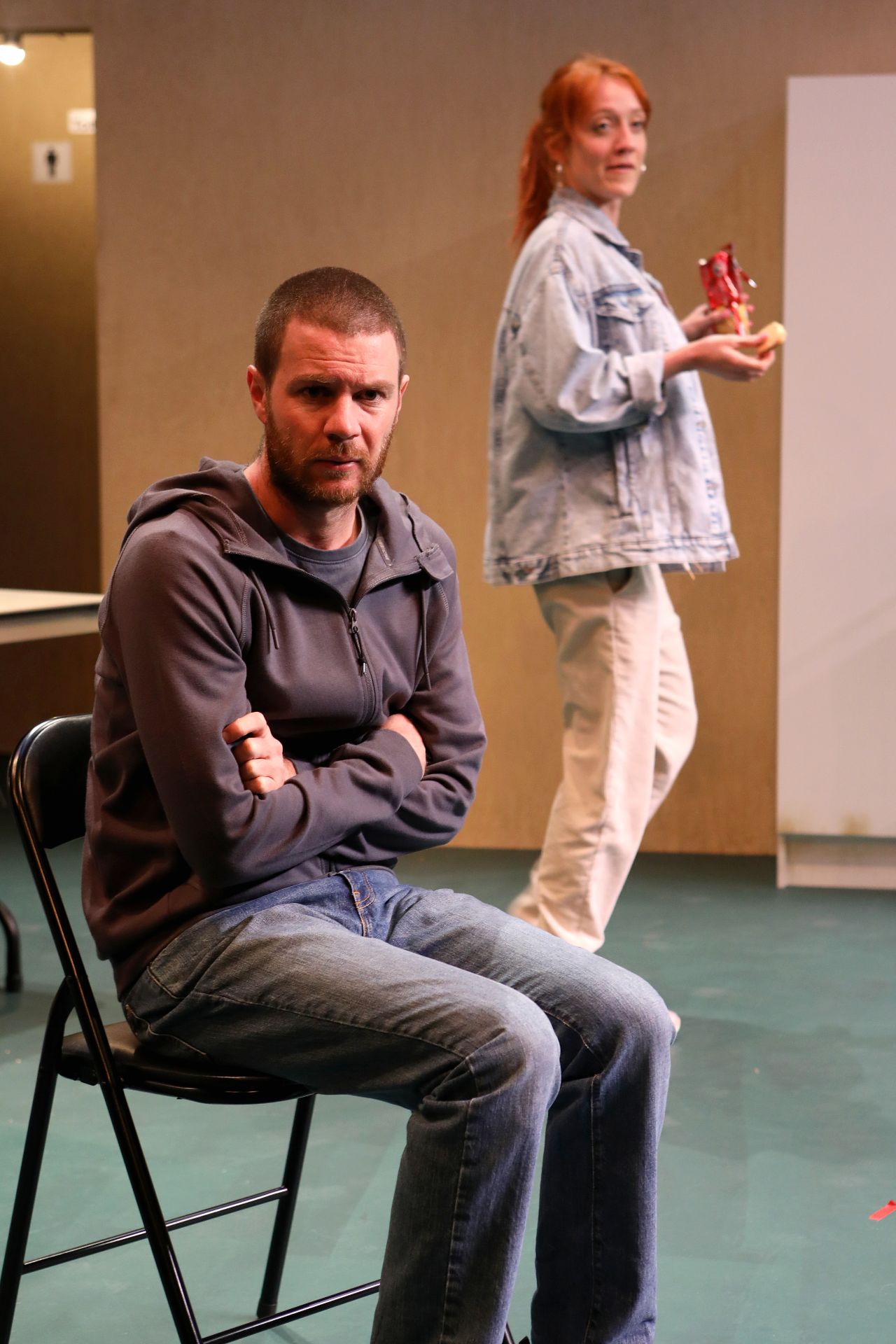
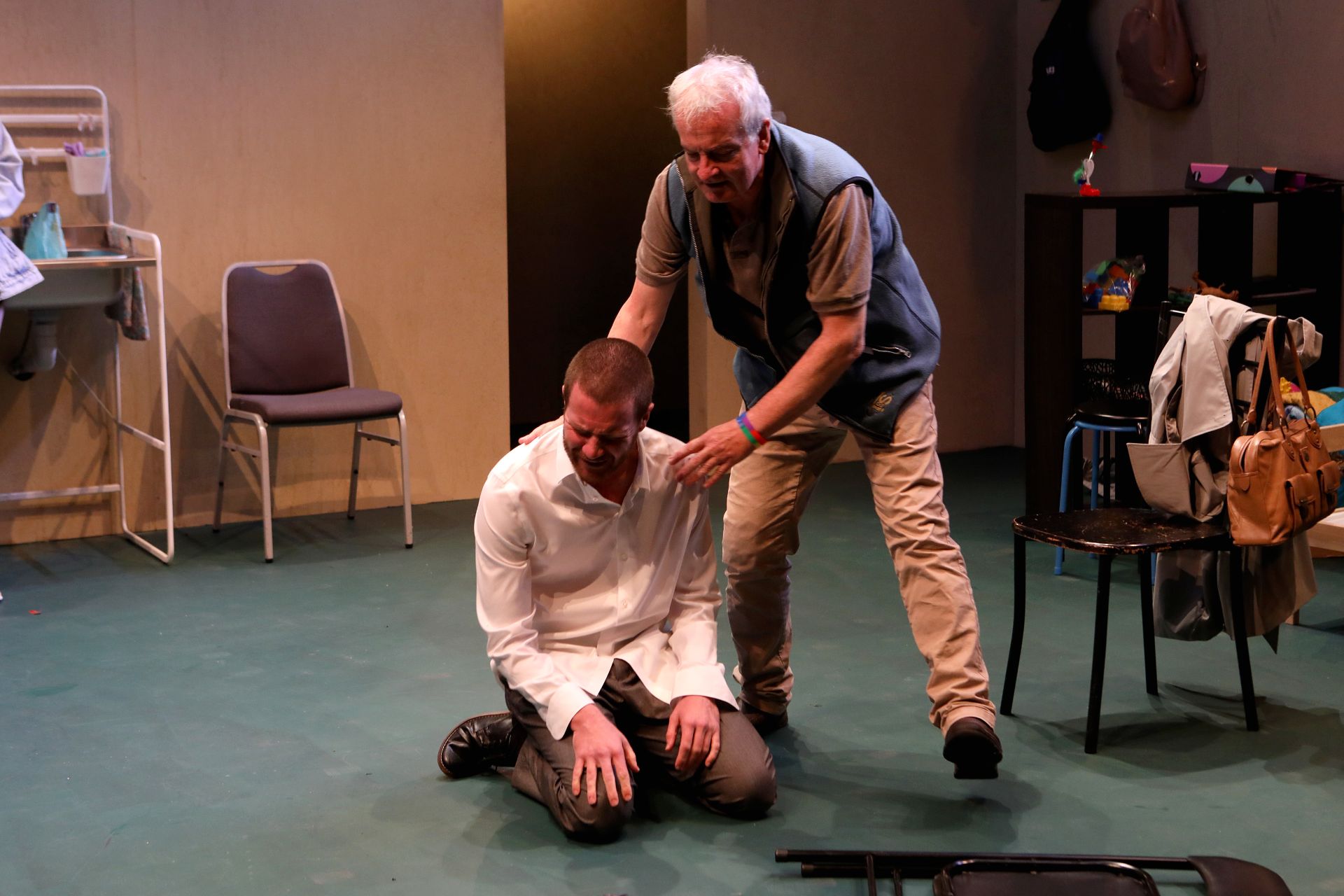
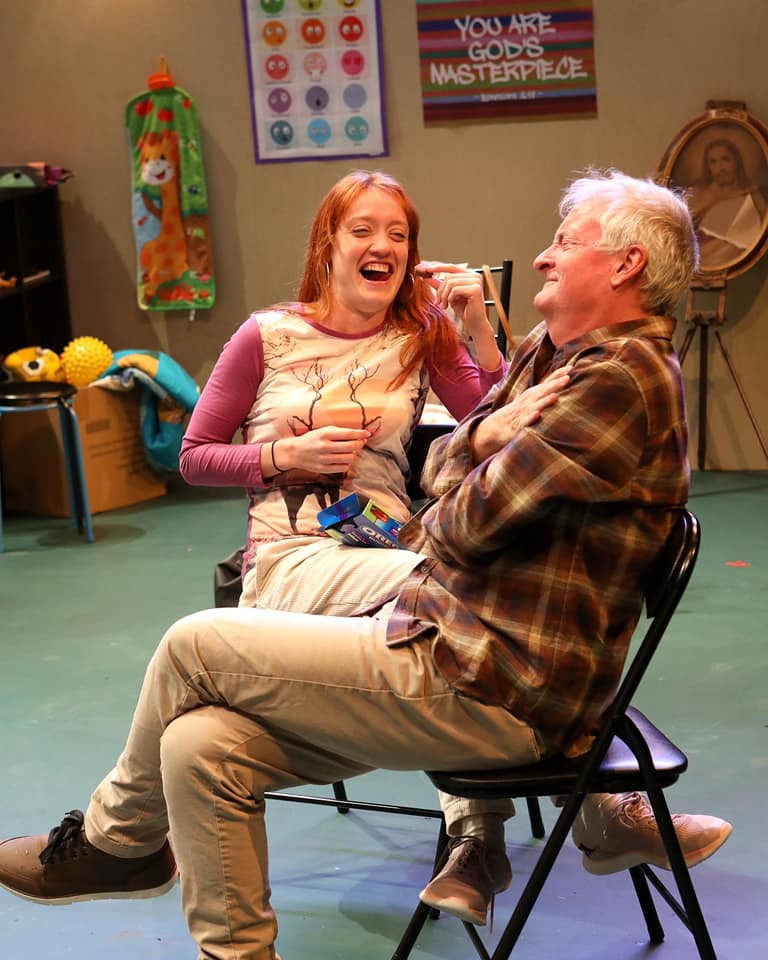
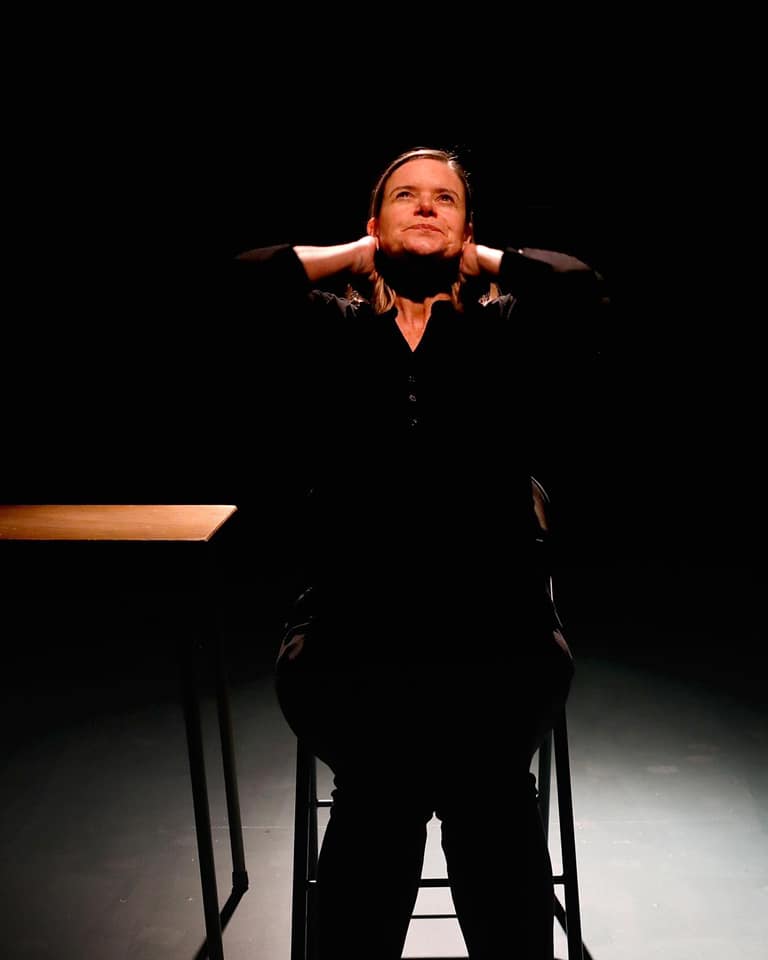
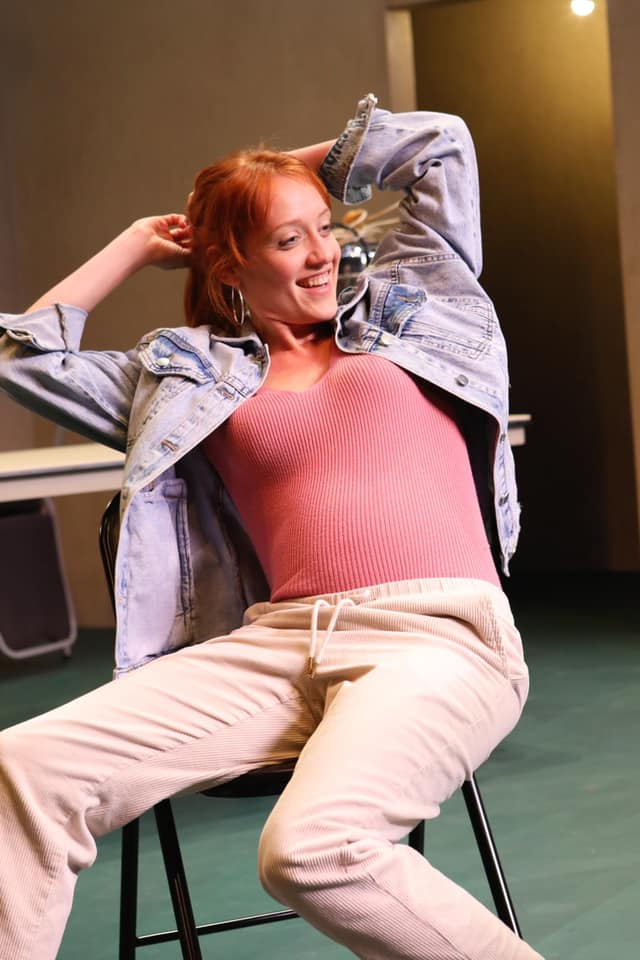
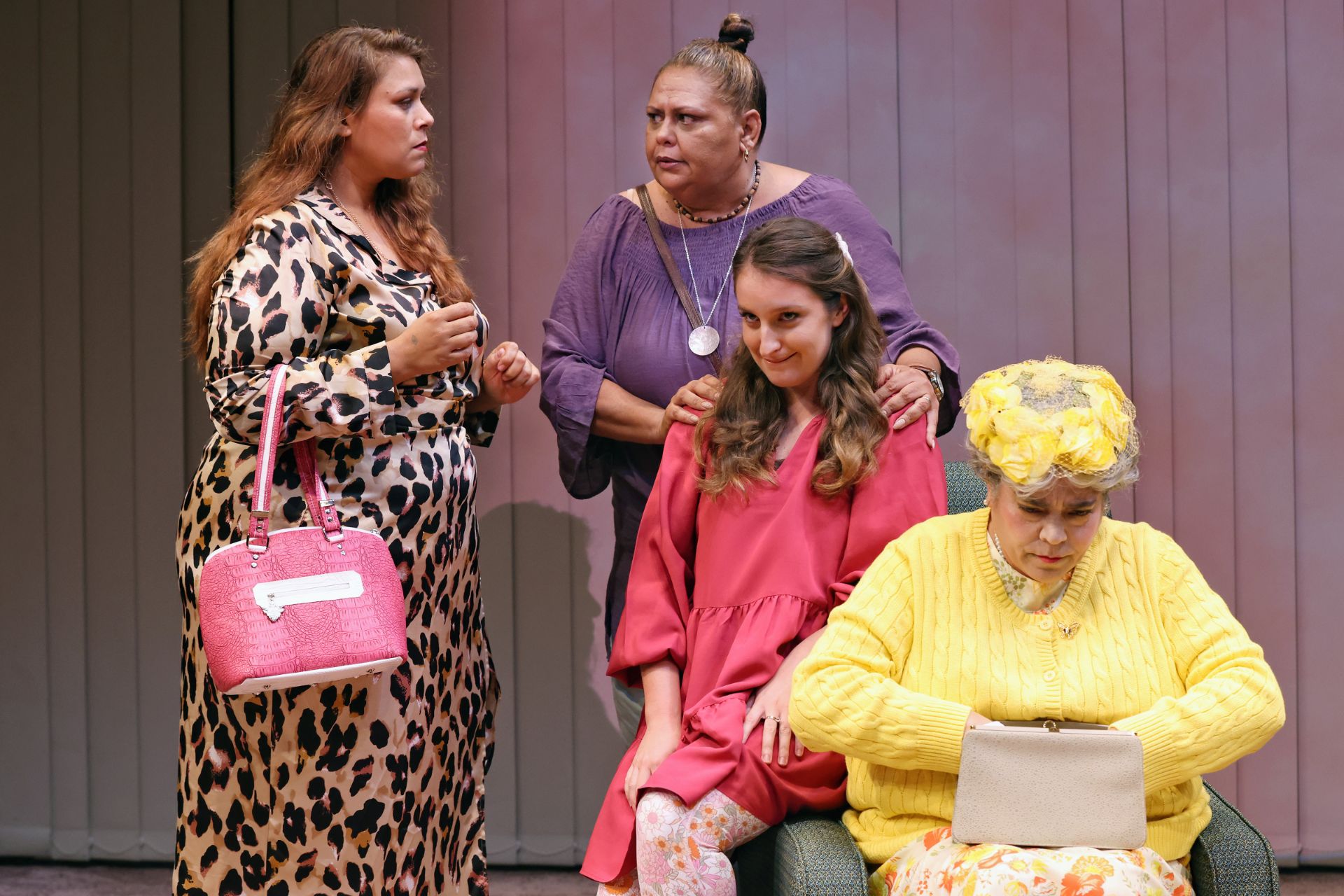
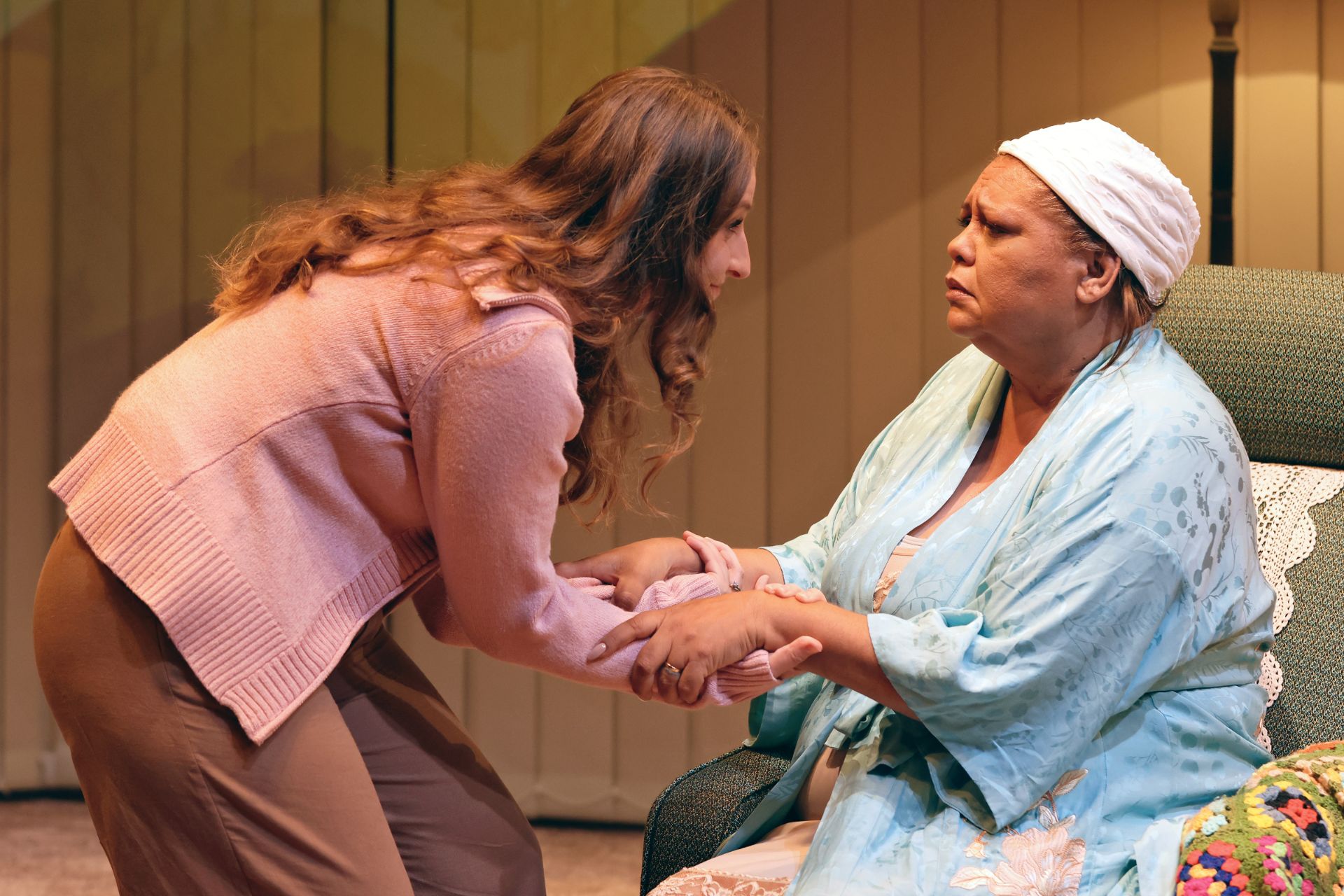
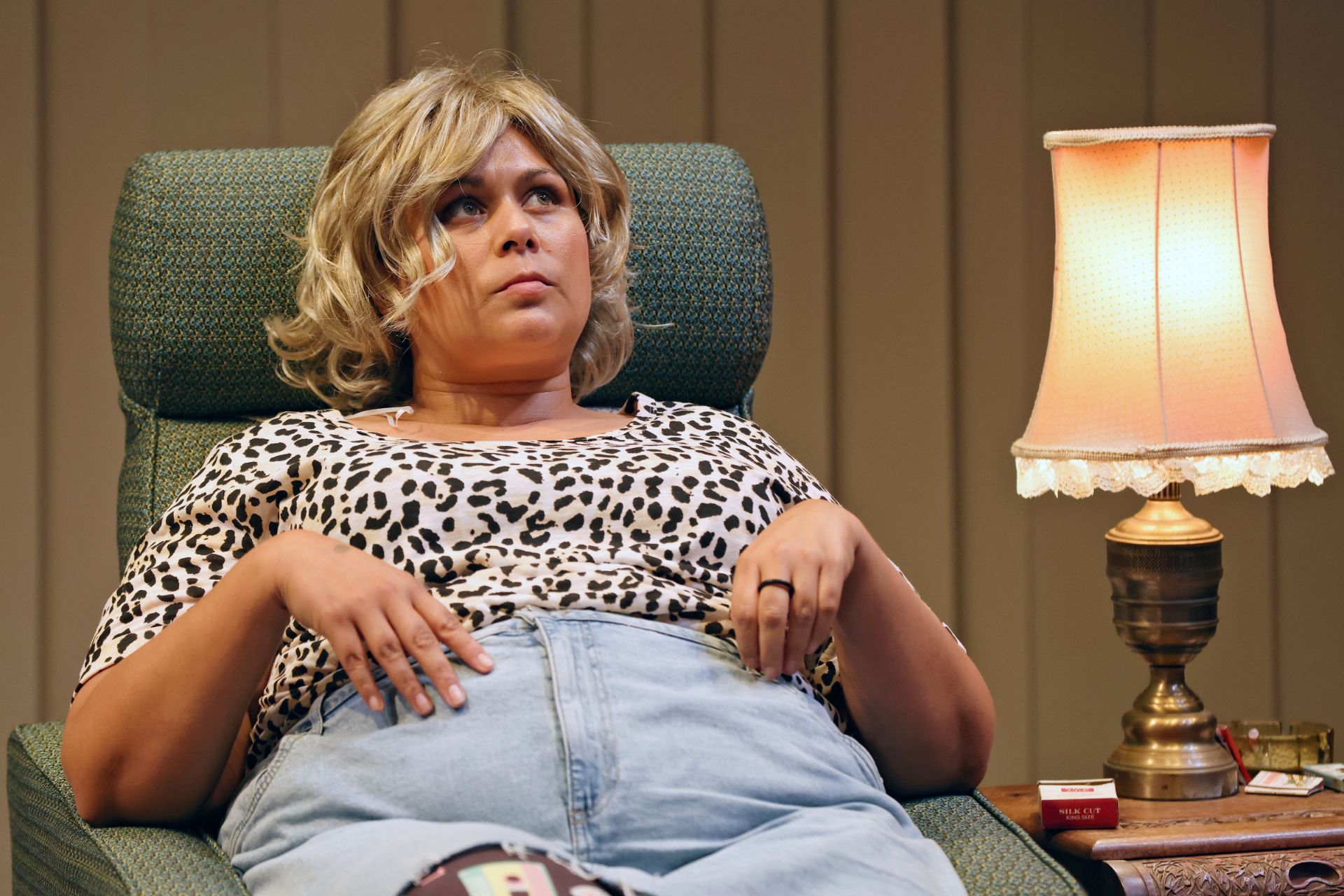
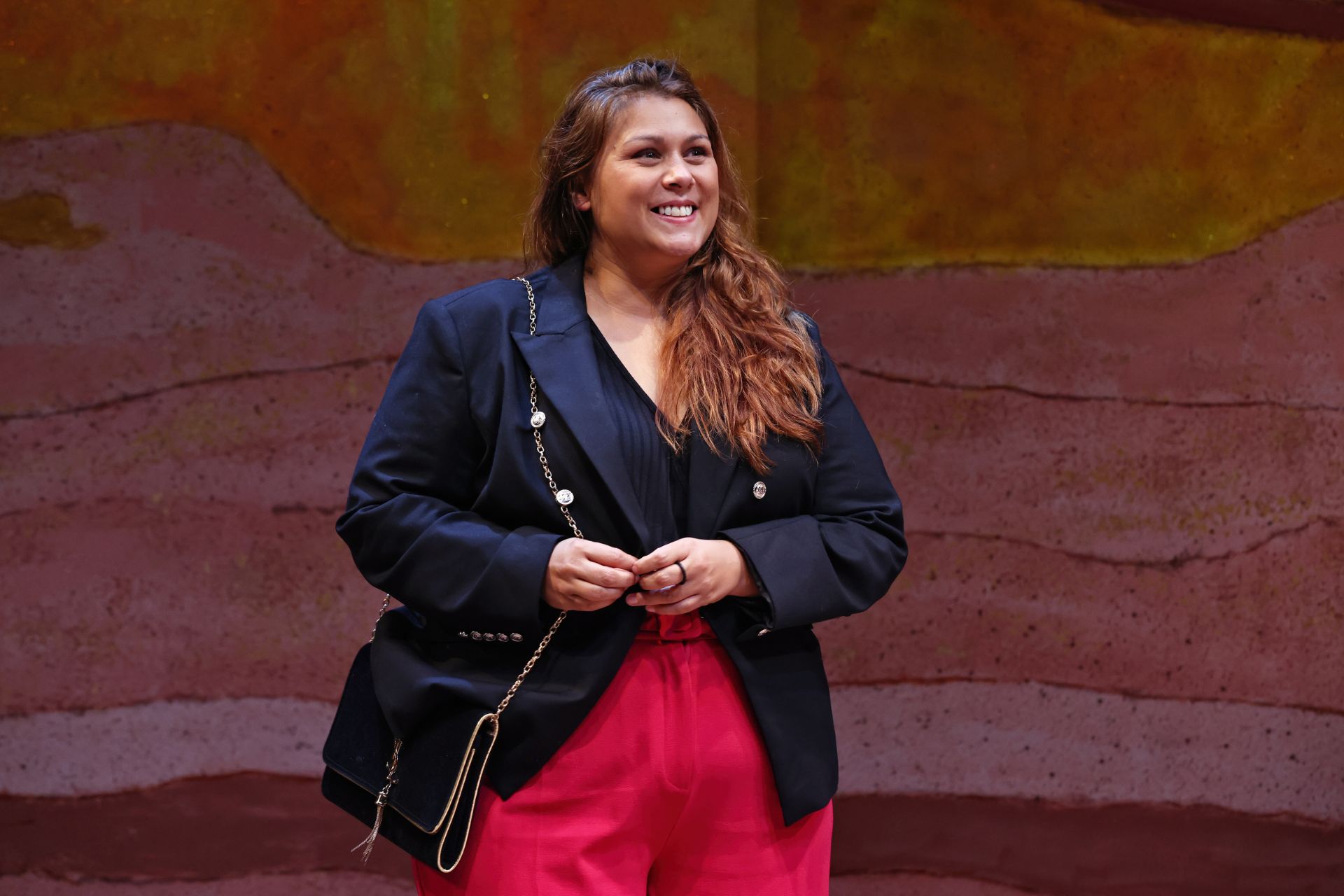
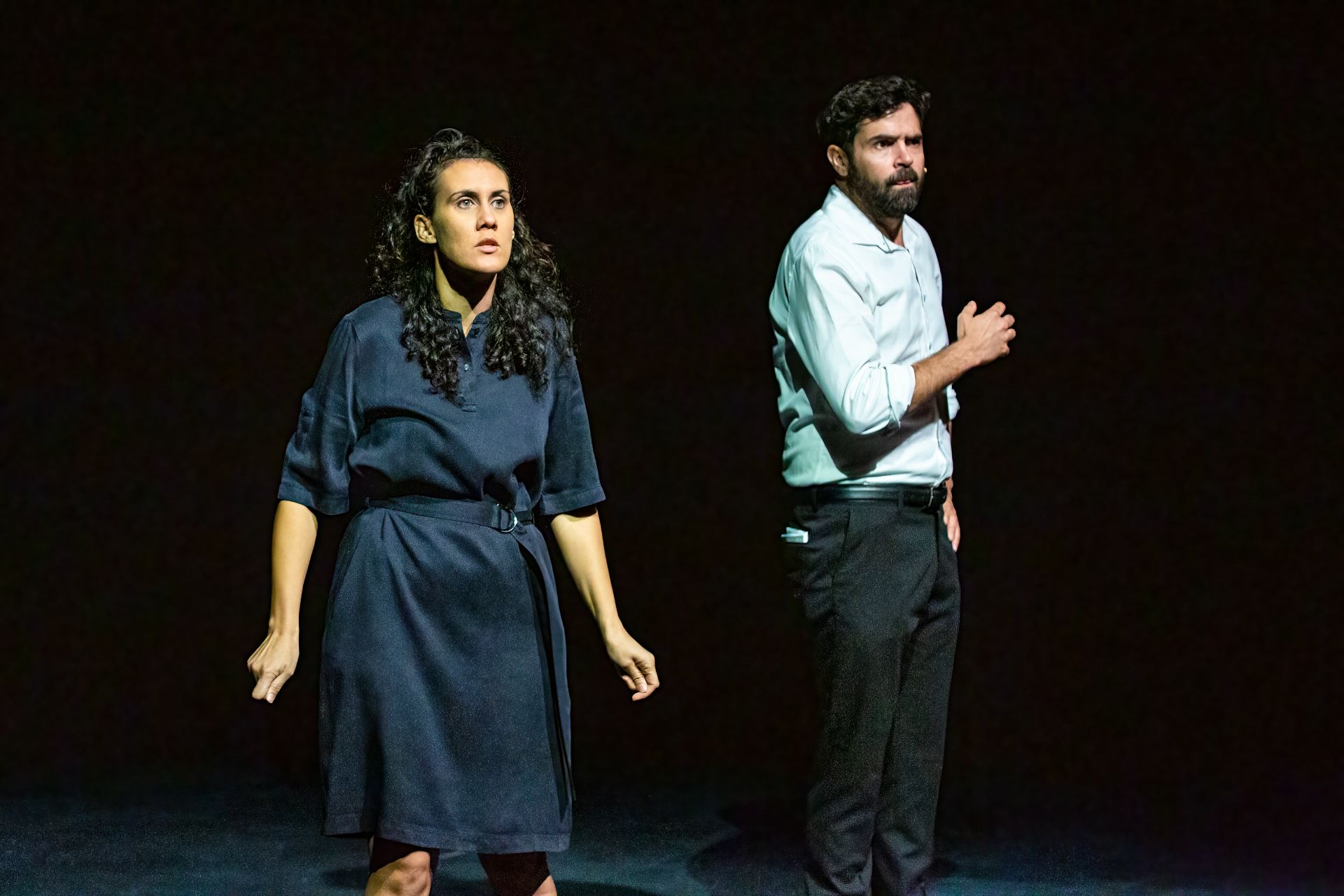
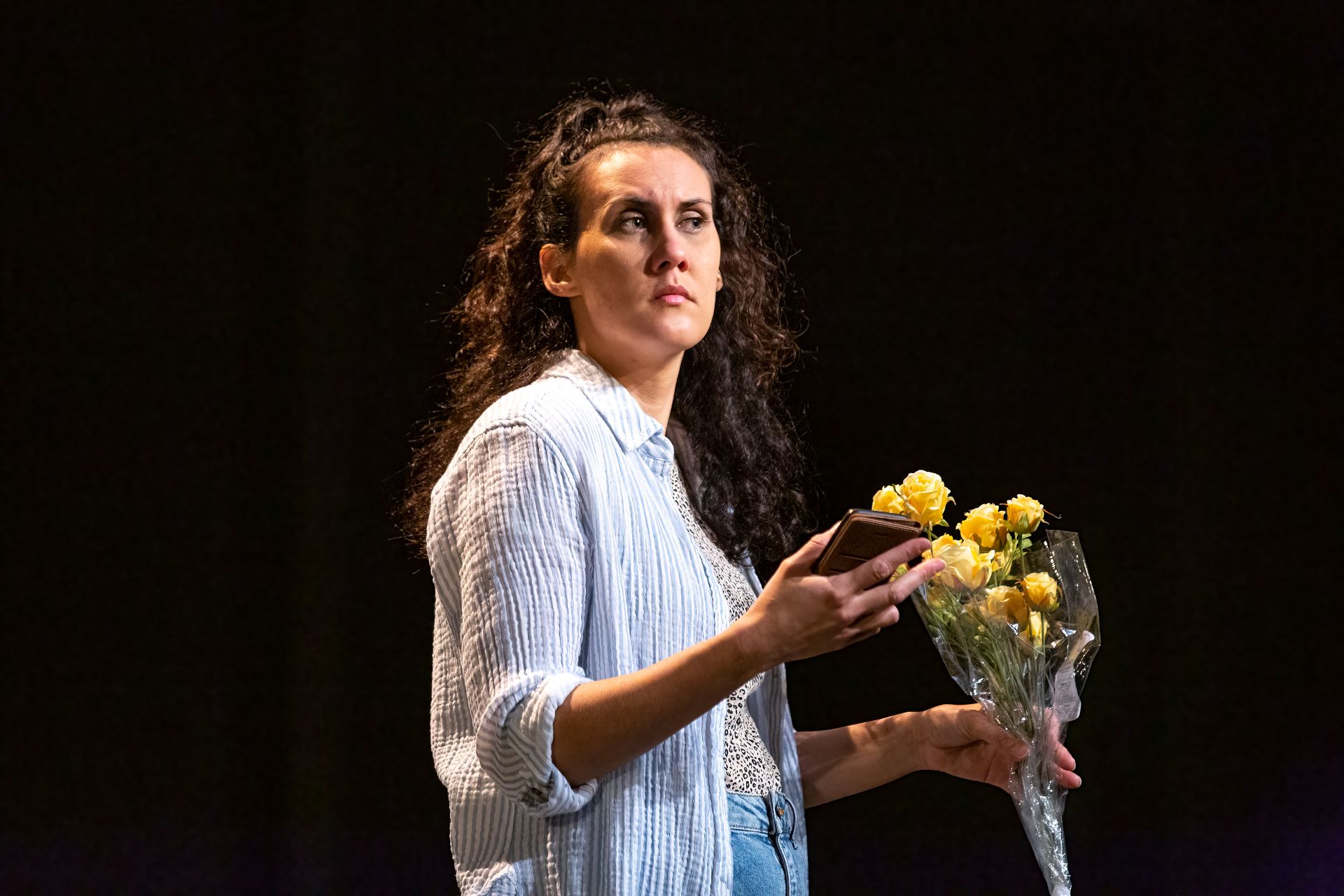
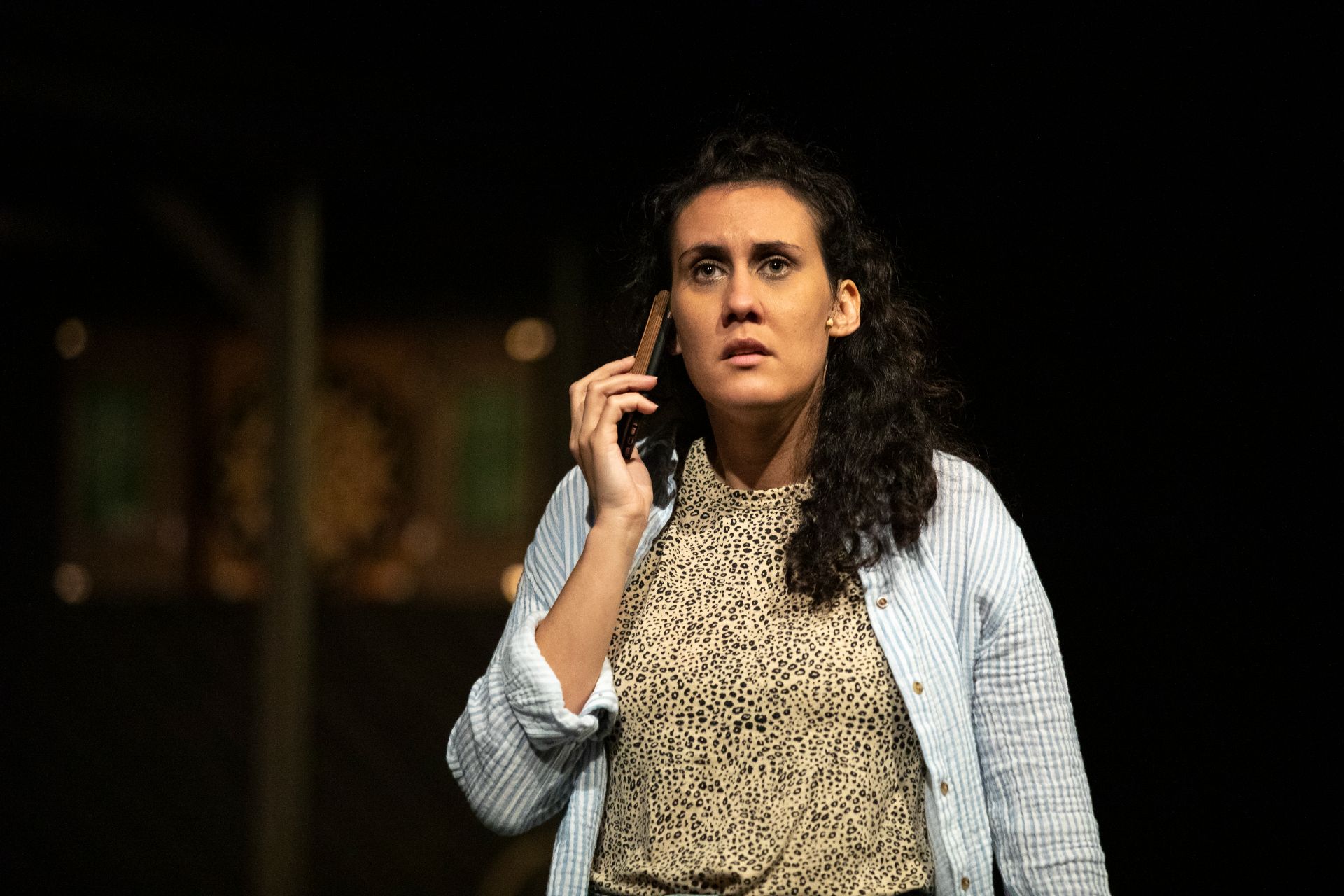
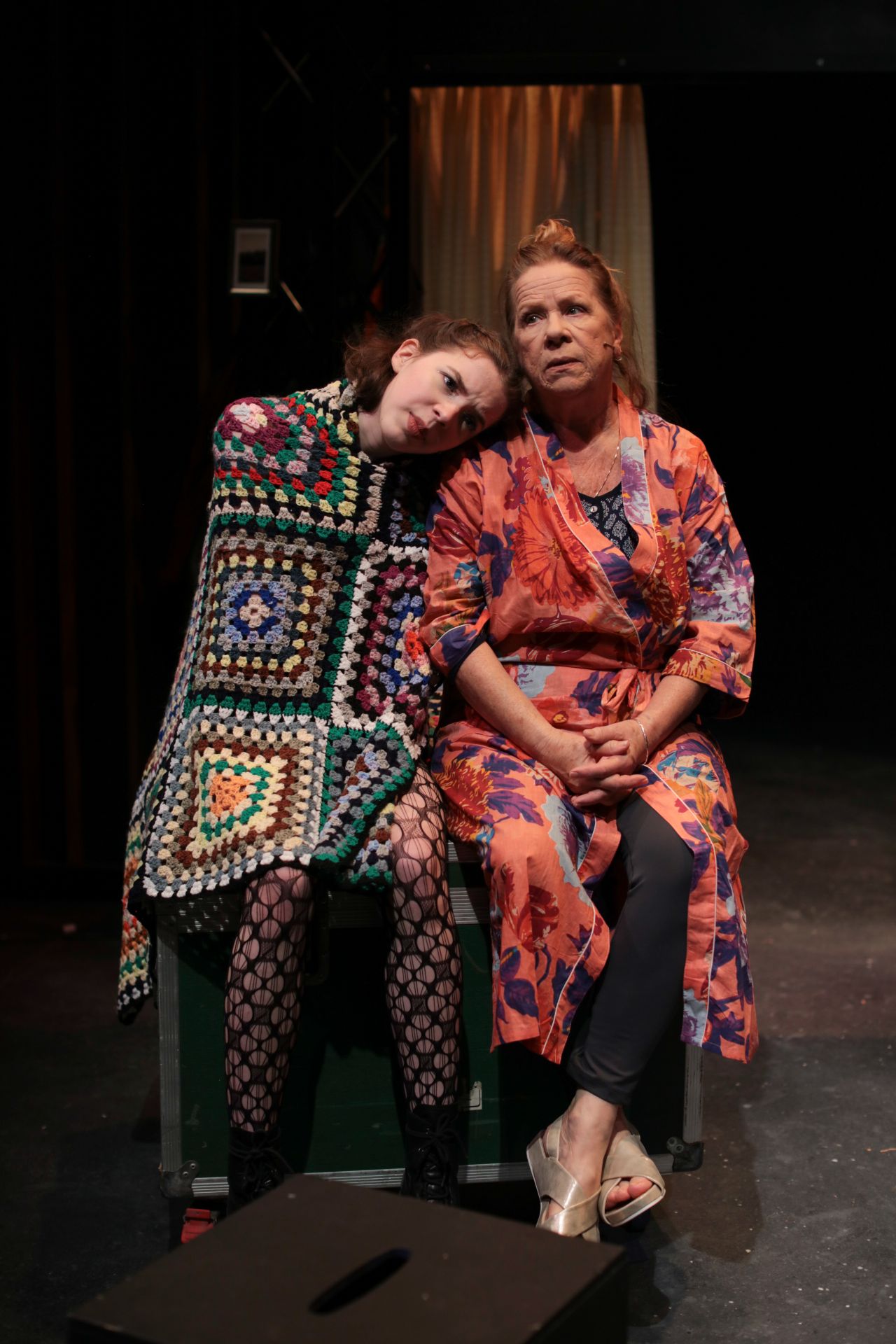
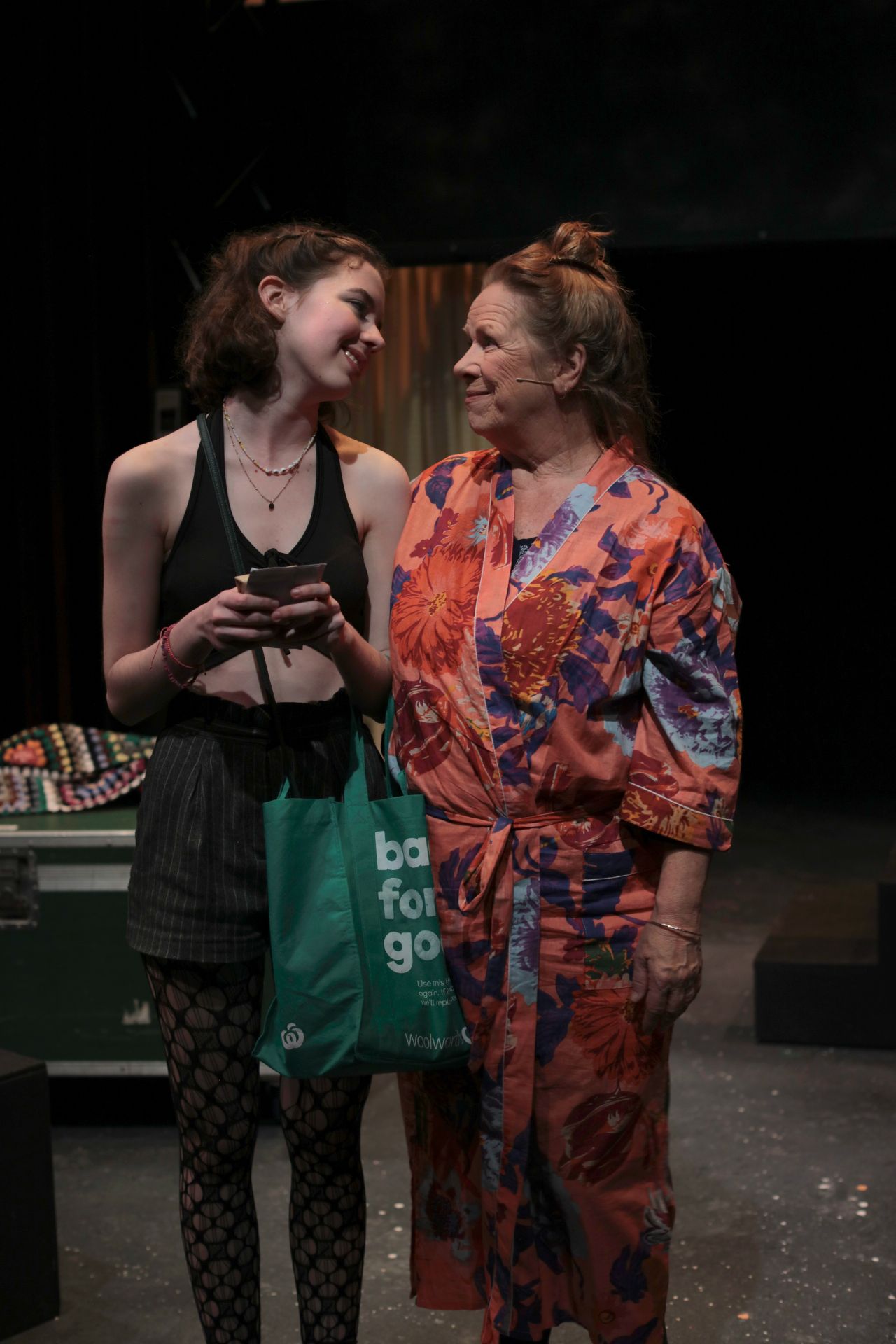
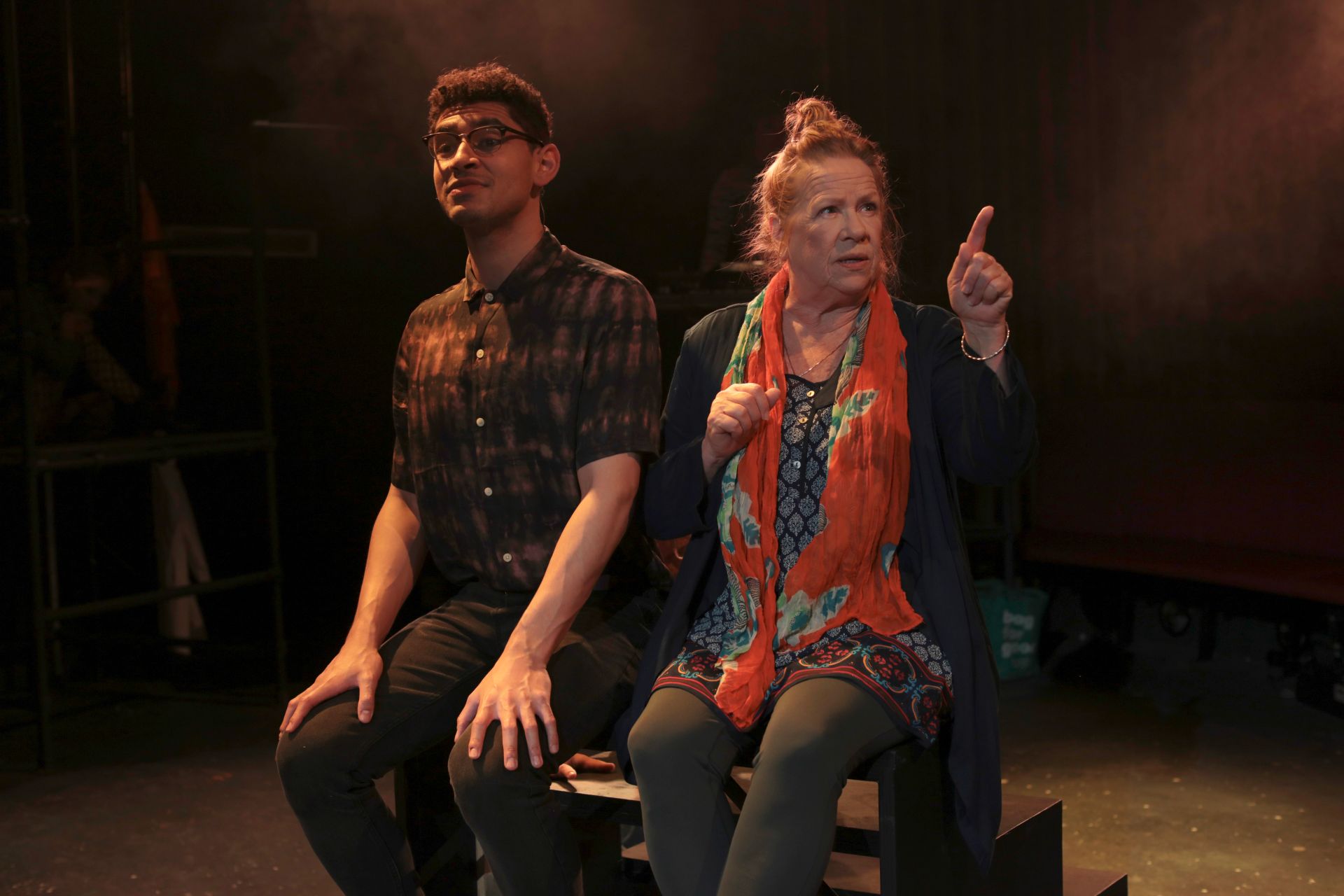
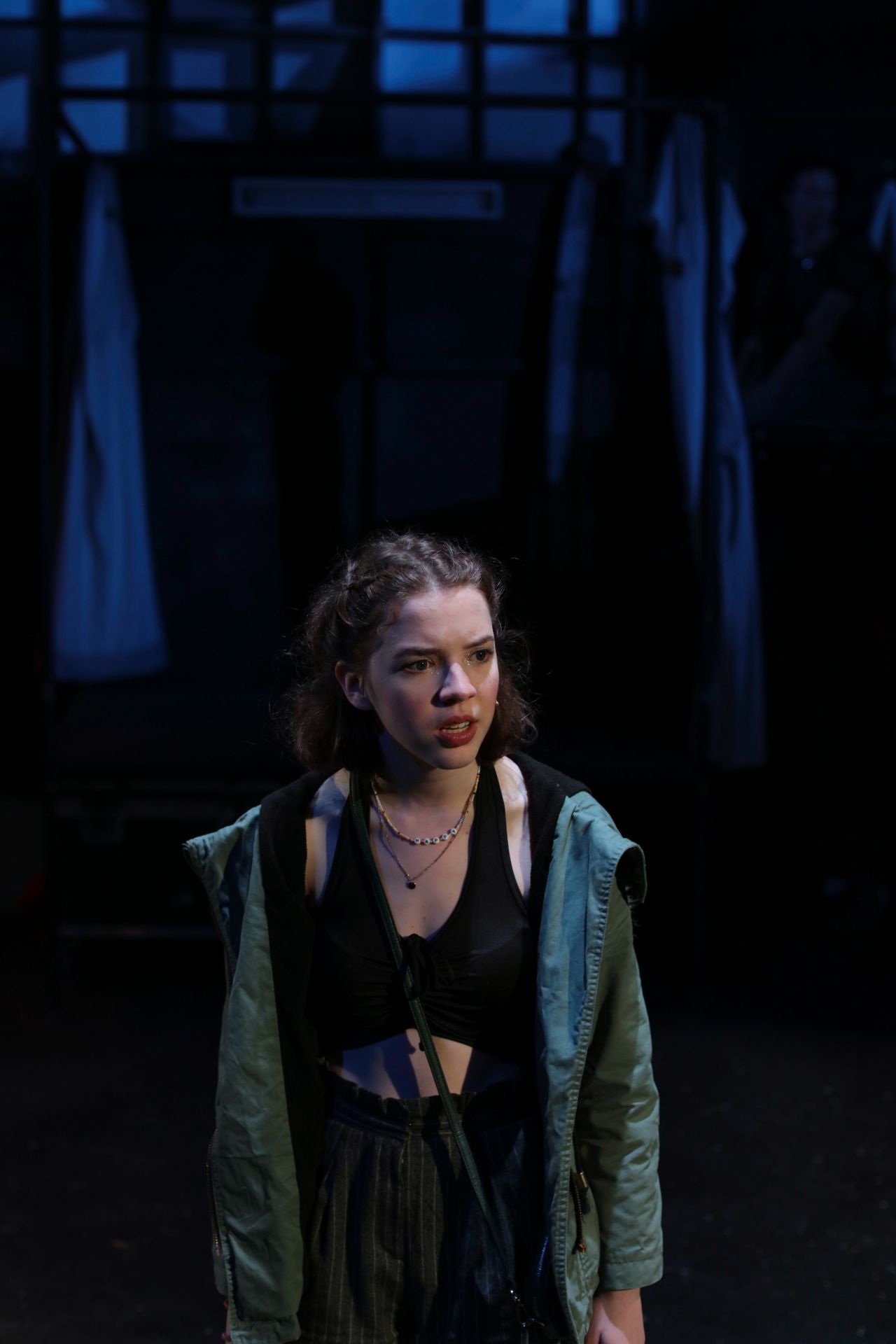
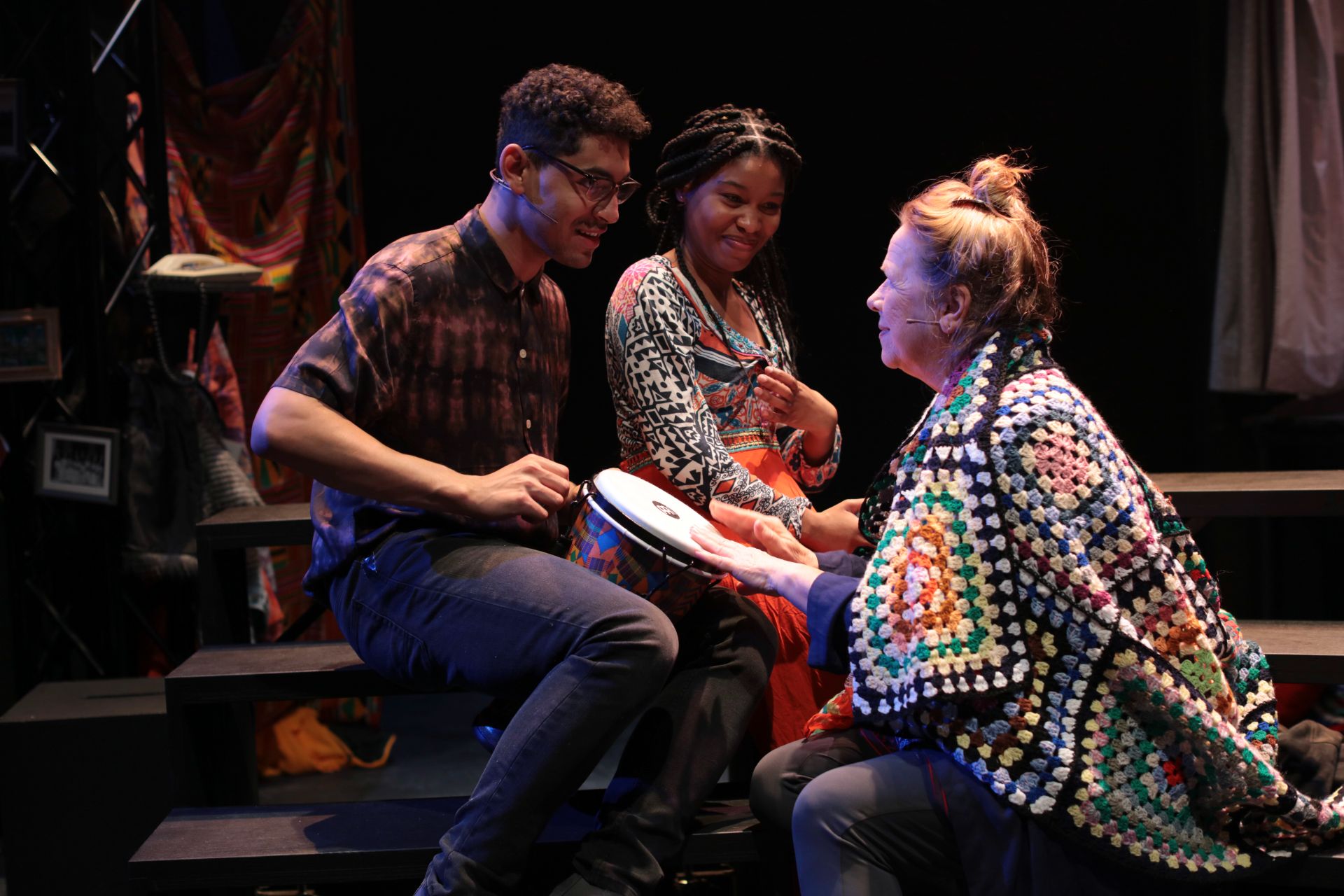
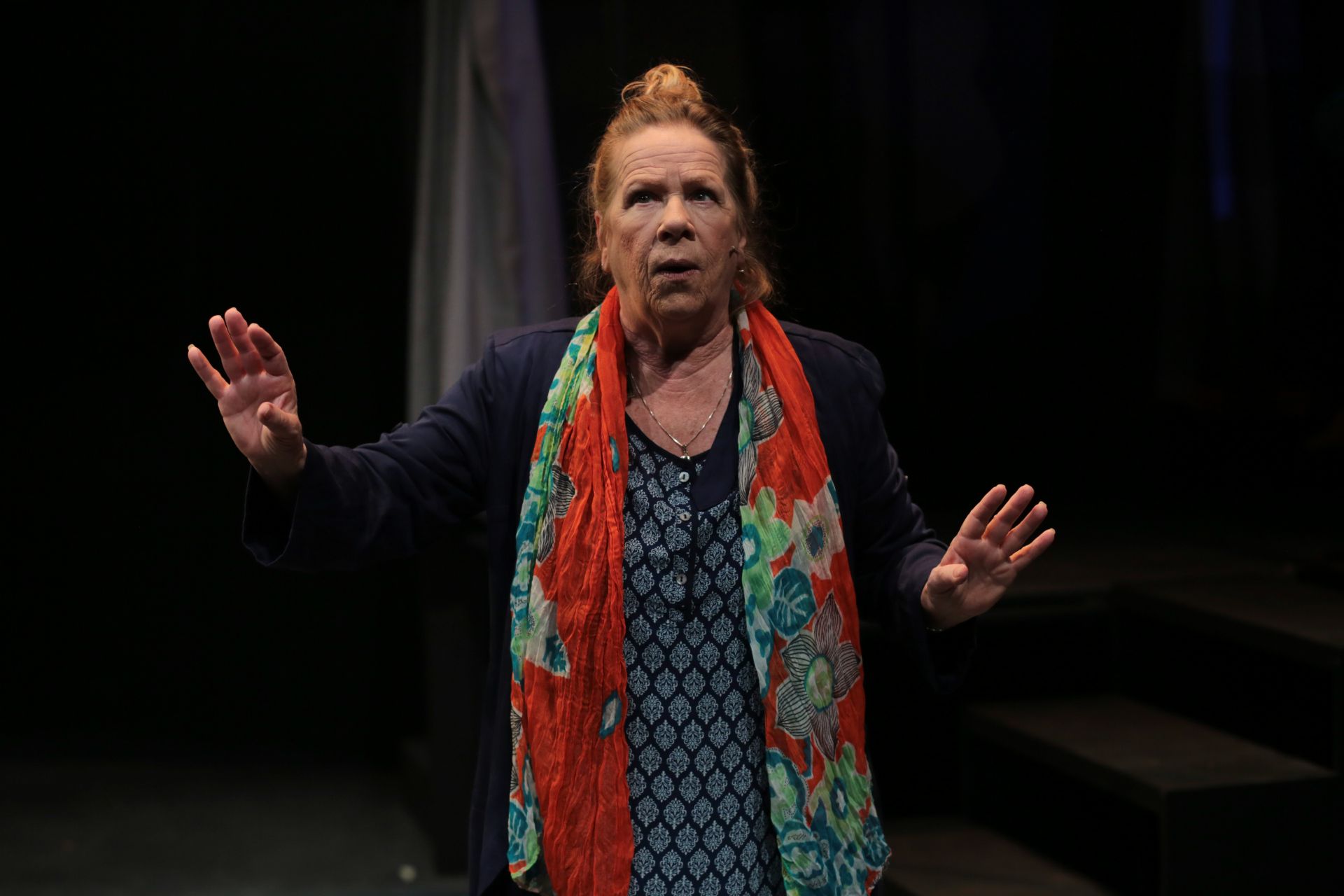
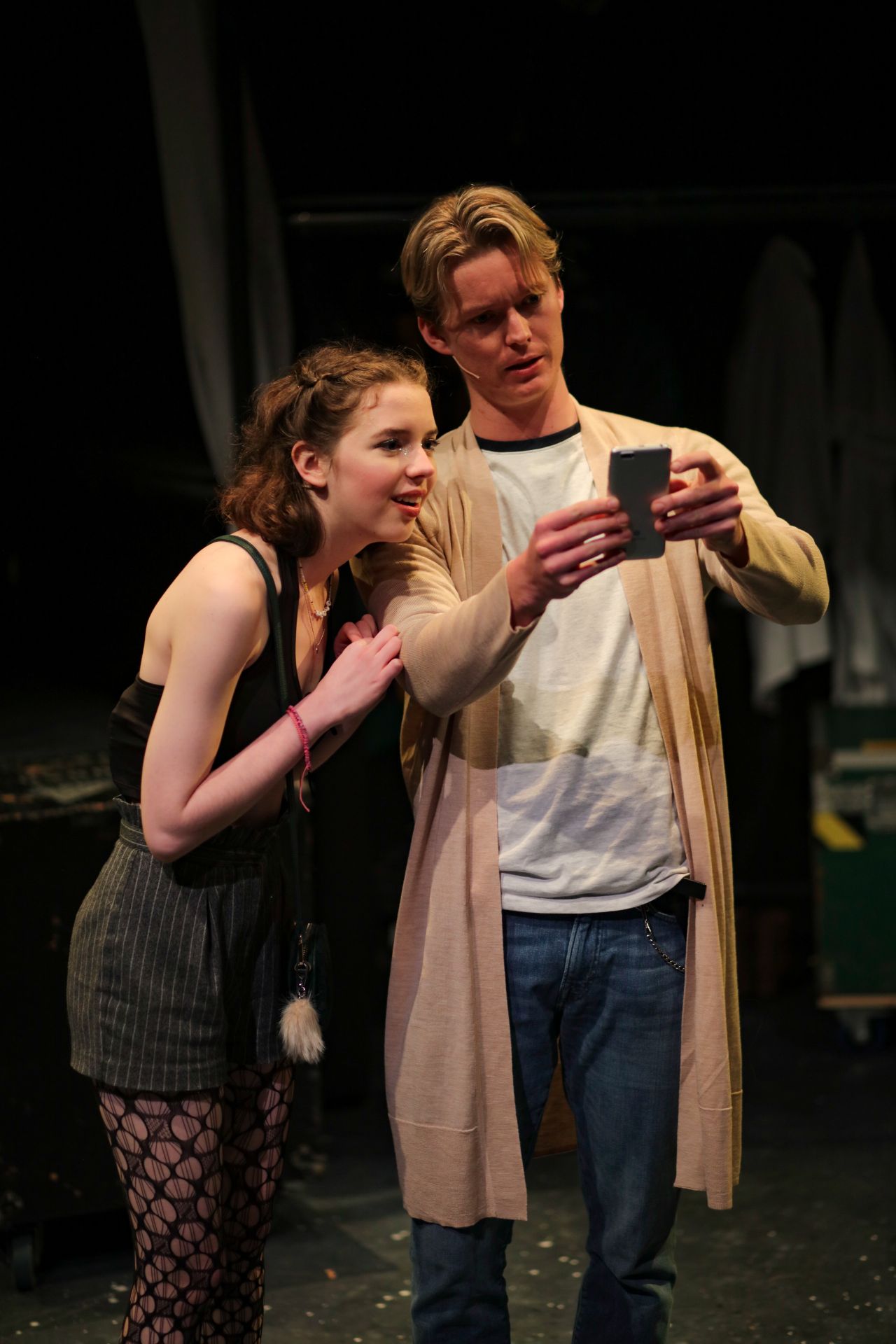
The captivating Valerie Bader plays Mabel the older lady who surprises everyone including herself, when she stumbles upon an entirely new life, during what should have been the twilight of her years. Bader eloquently depicts all the meaningful nuances of her character’s uplifting narrative, having us simultaneously amused and enlightened. Milena Barraclough Nesic as granddaughter Tracey is effervescent with an innocent charm, and impressive with her faultless delivery of some very wordy soliloquys. 

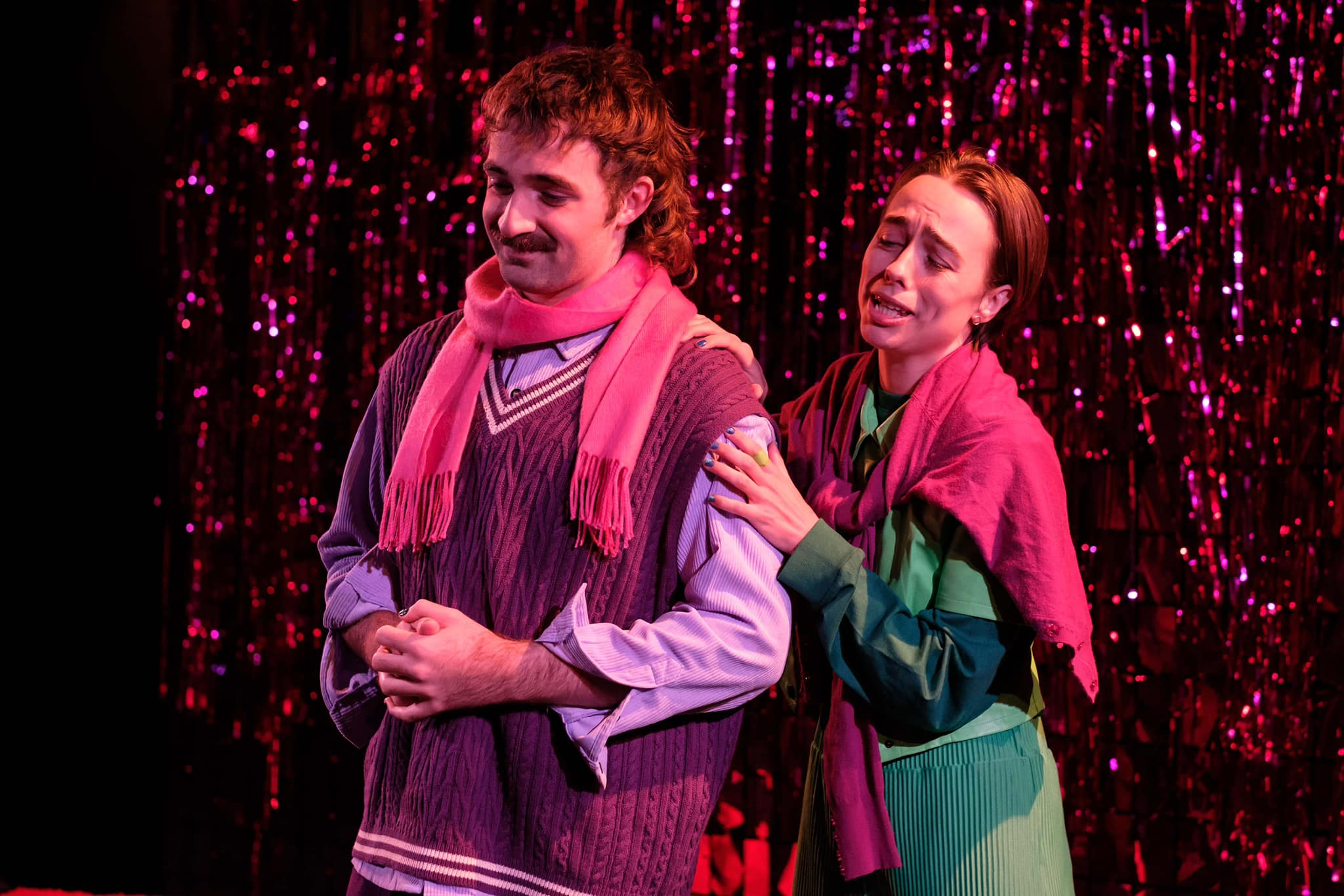
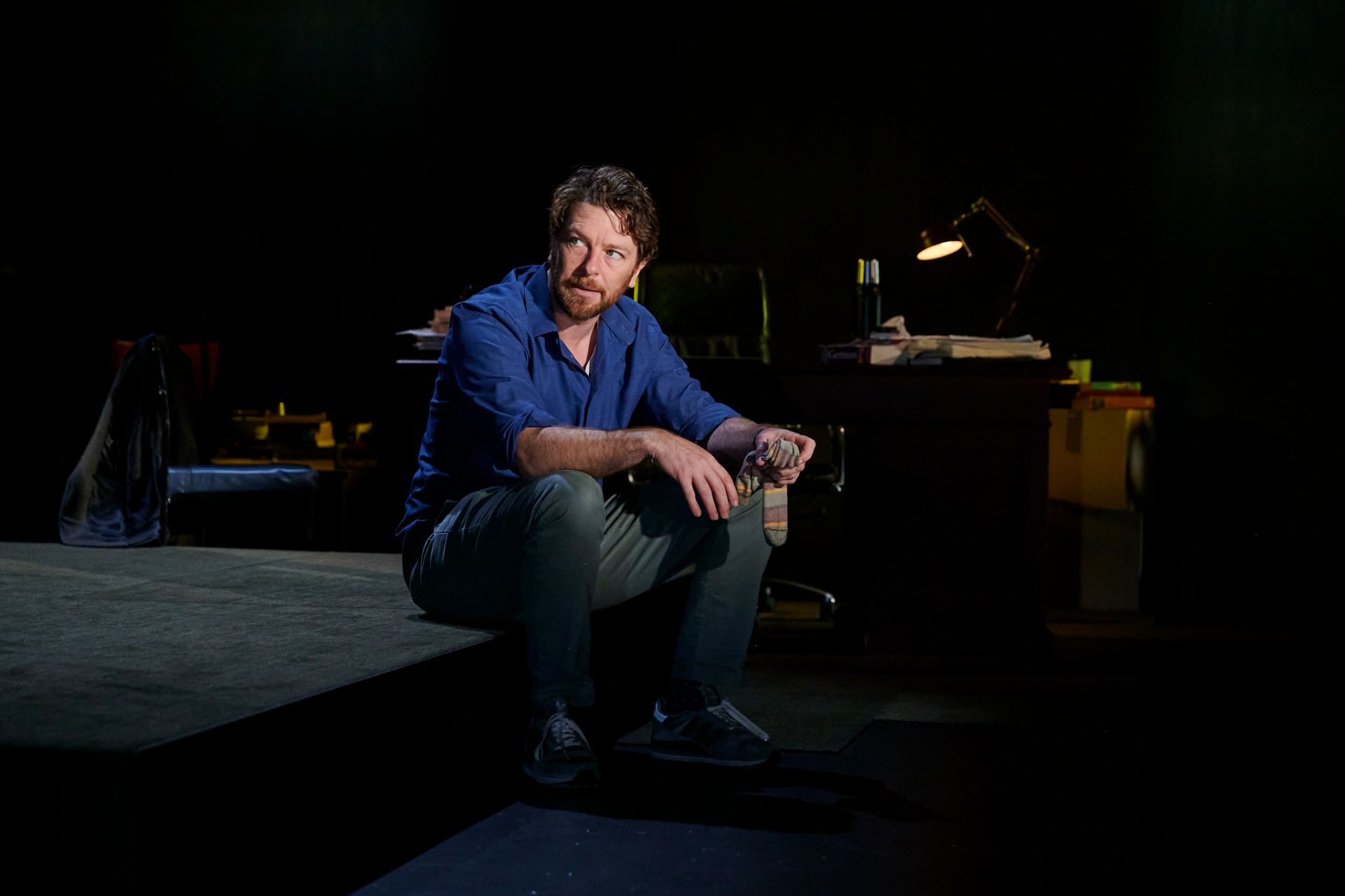
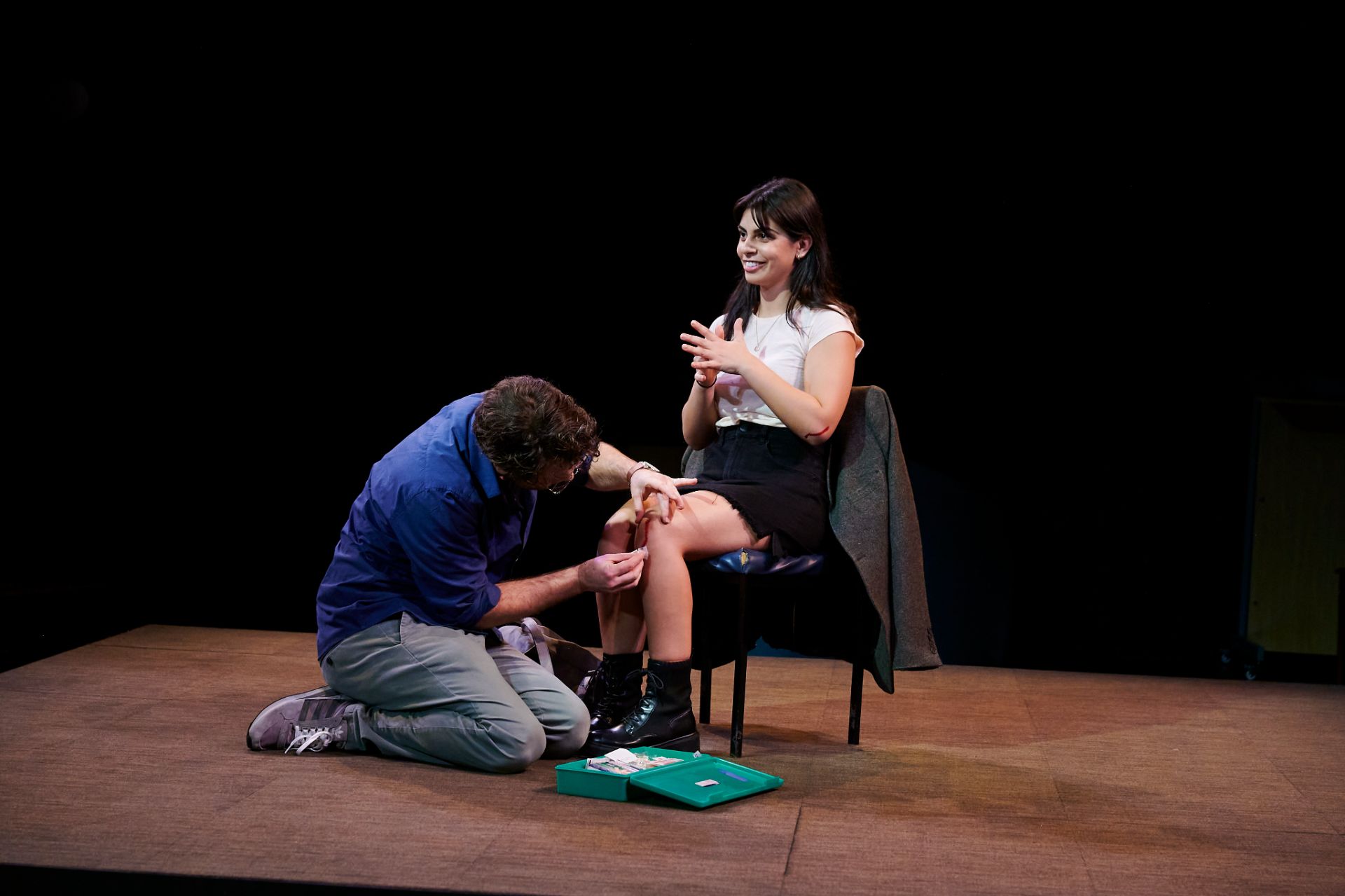
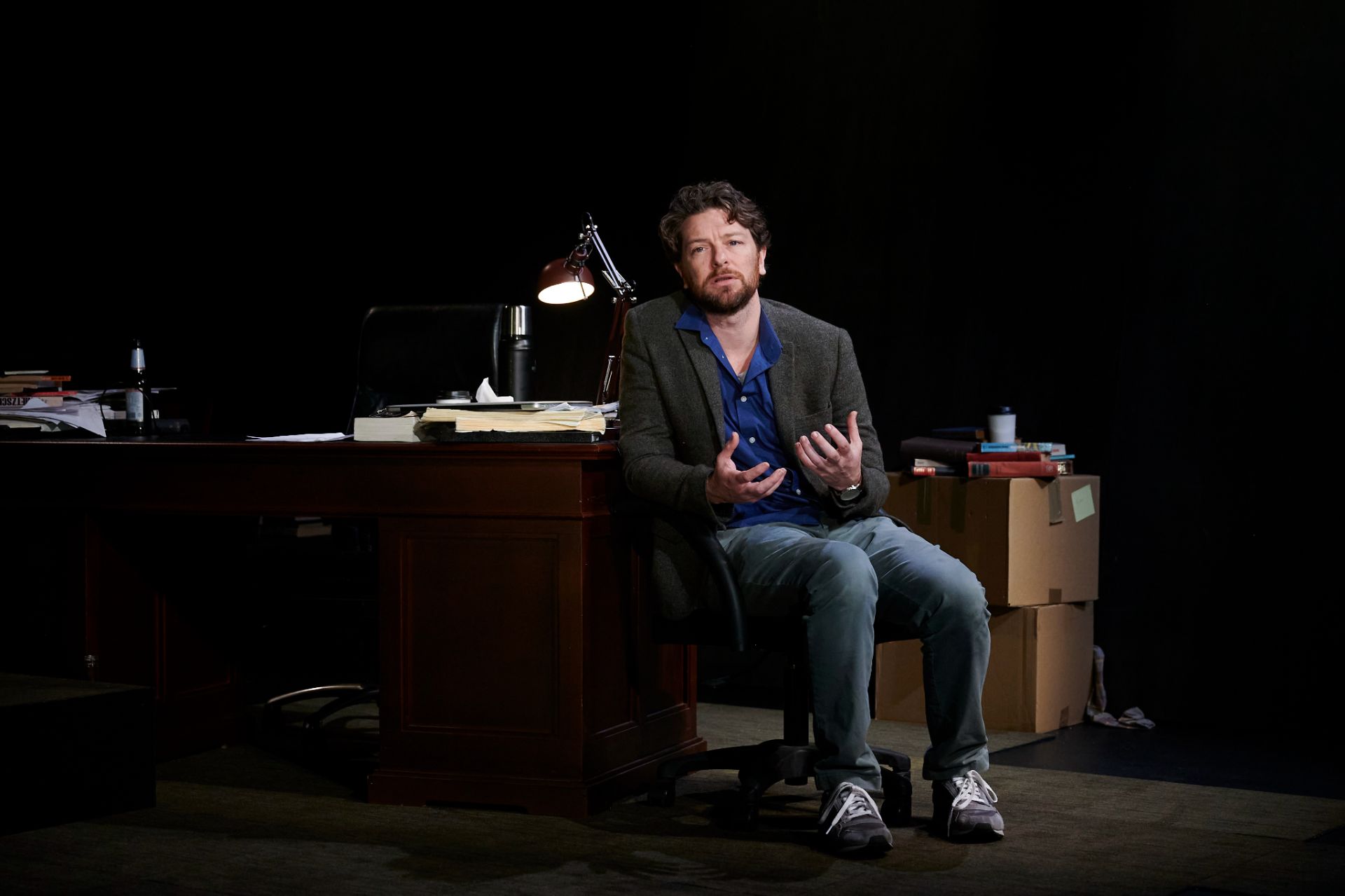
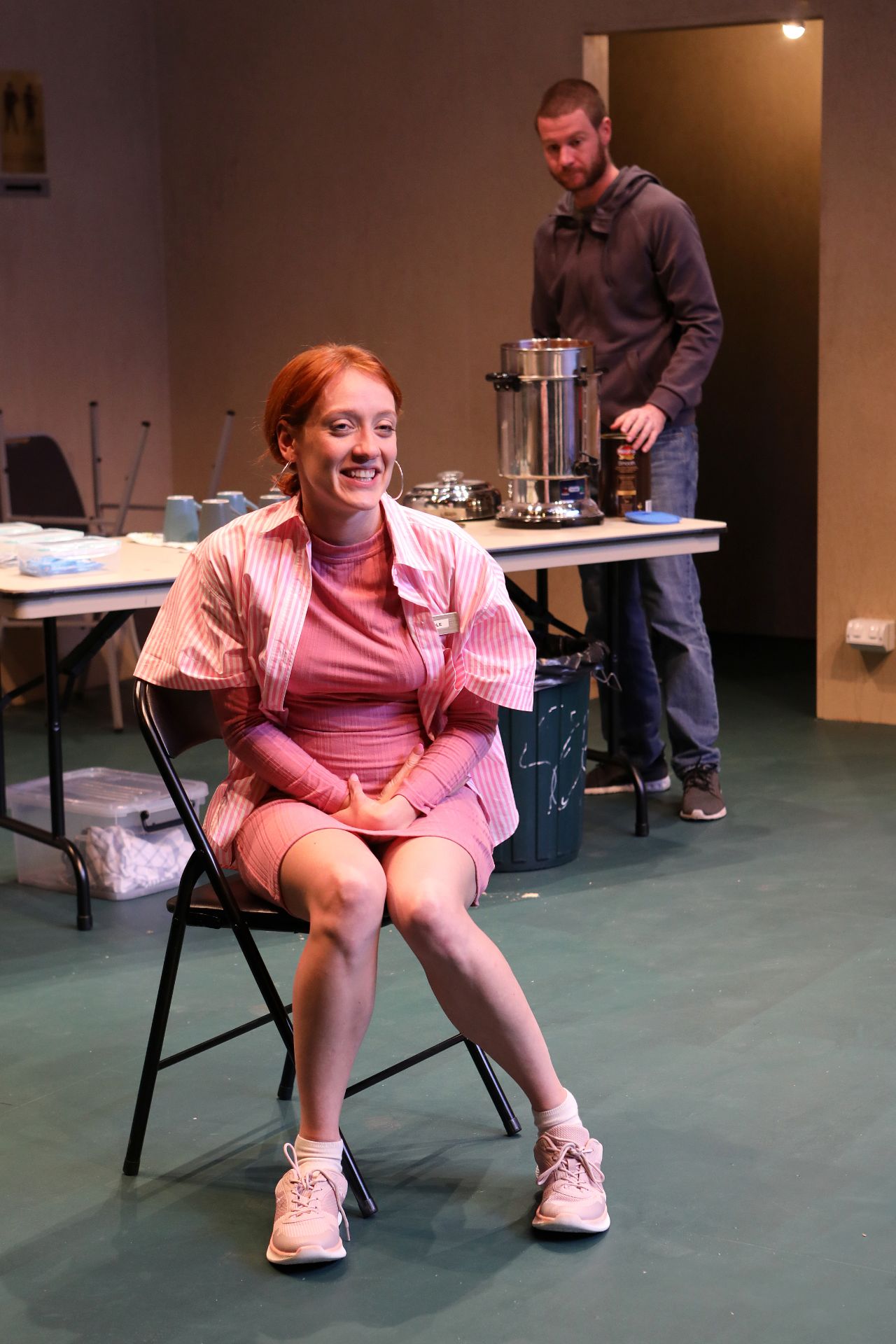
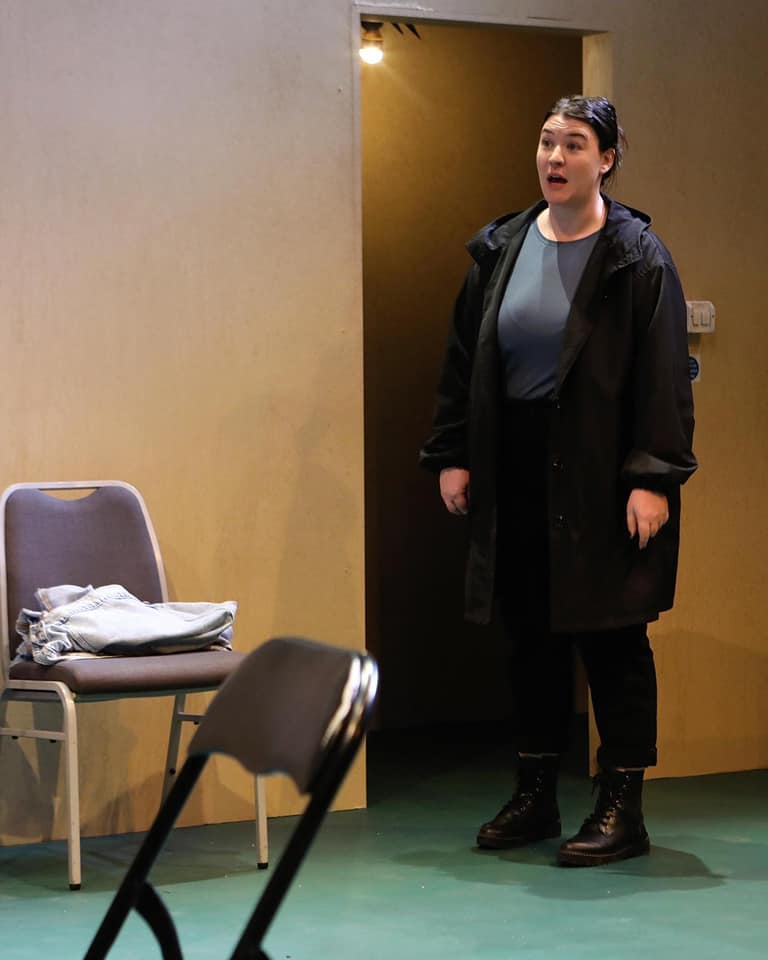
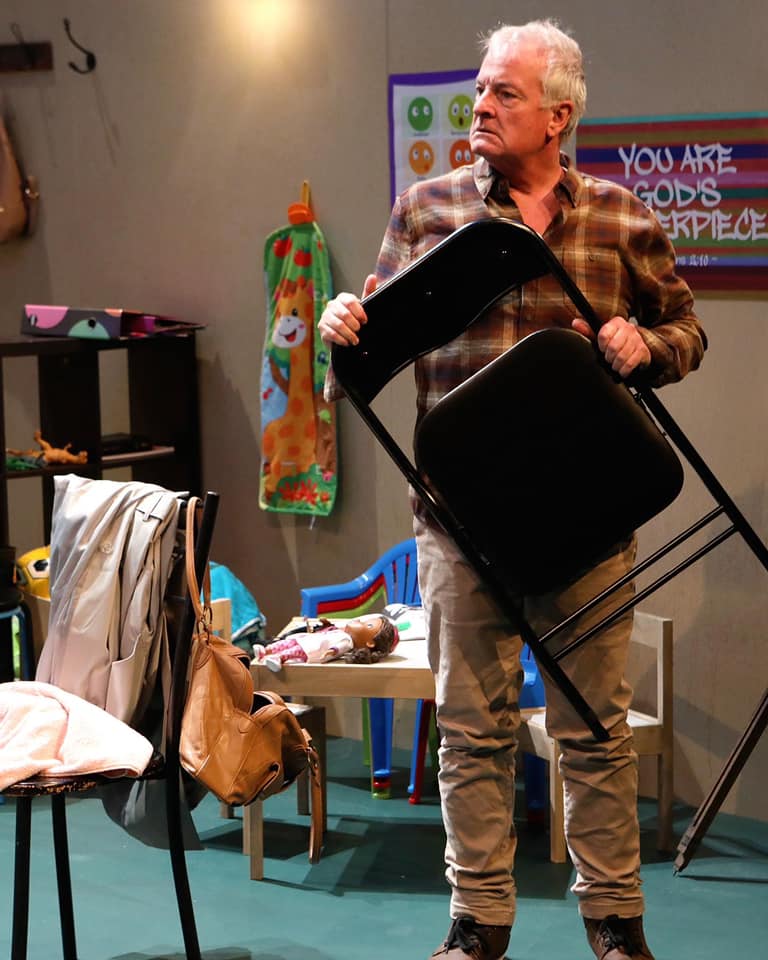
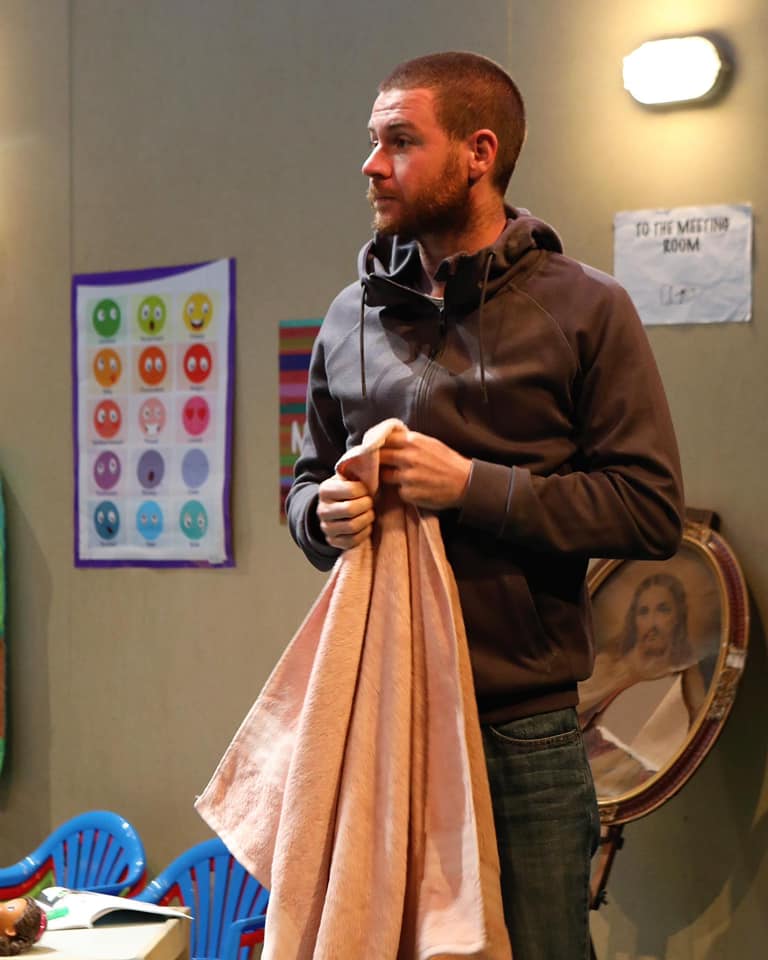
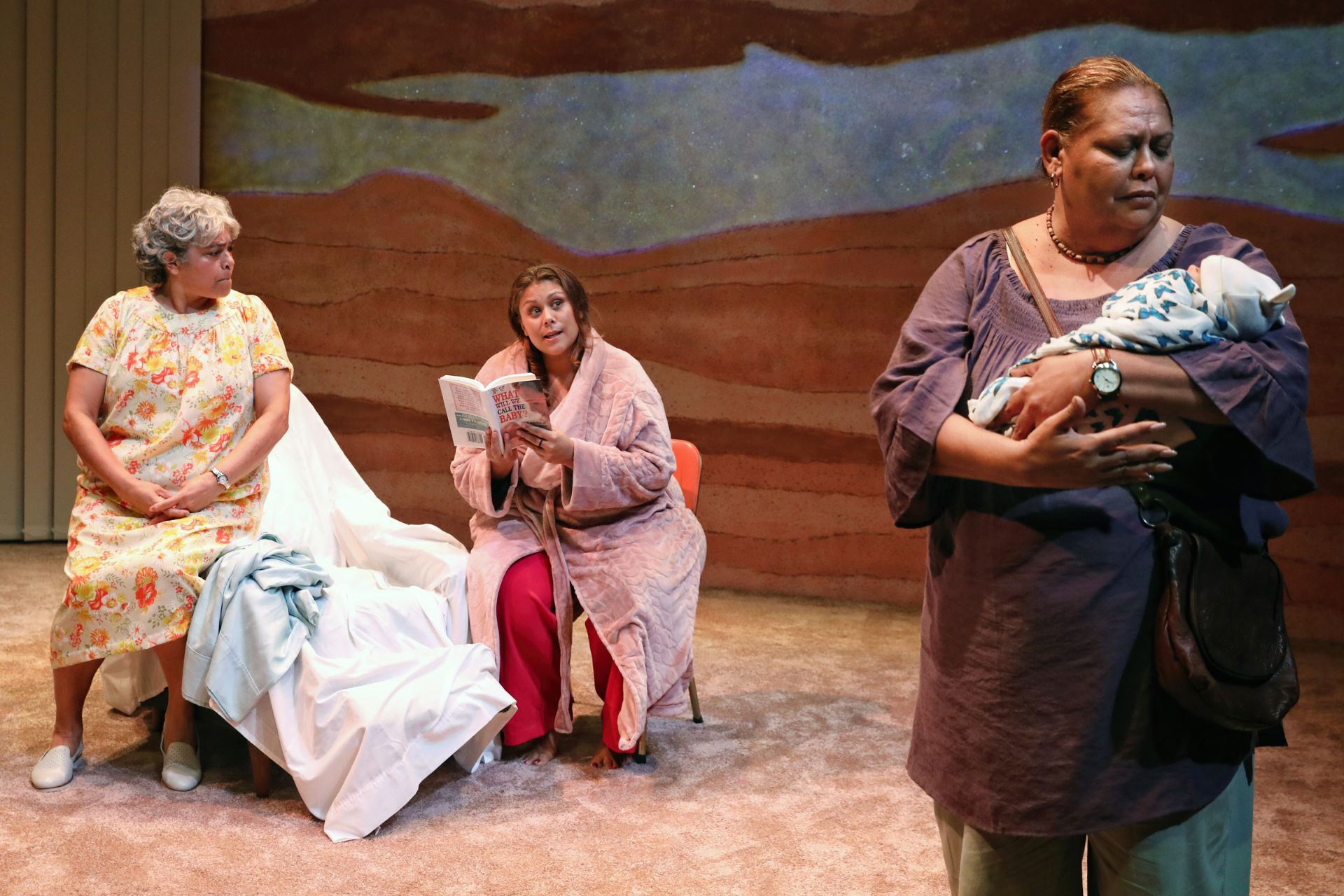
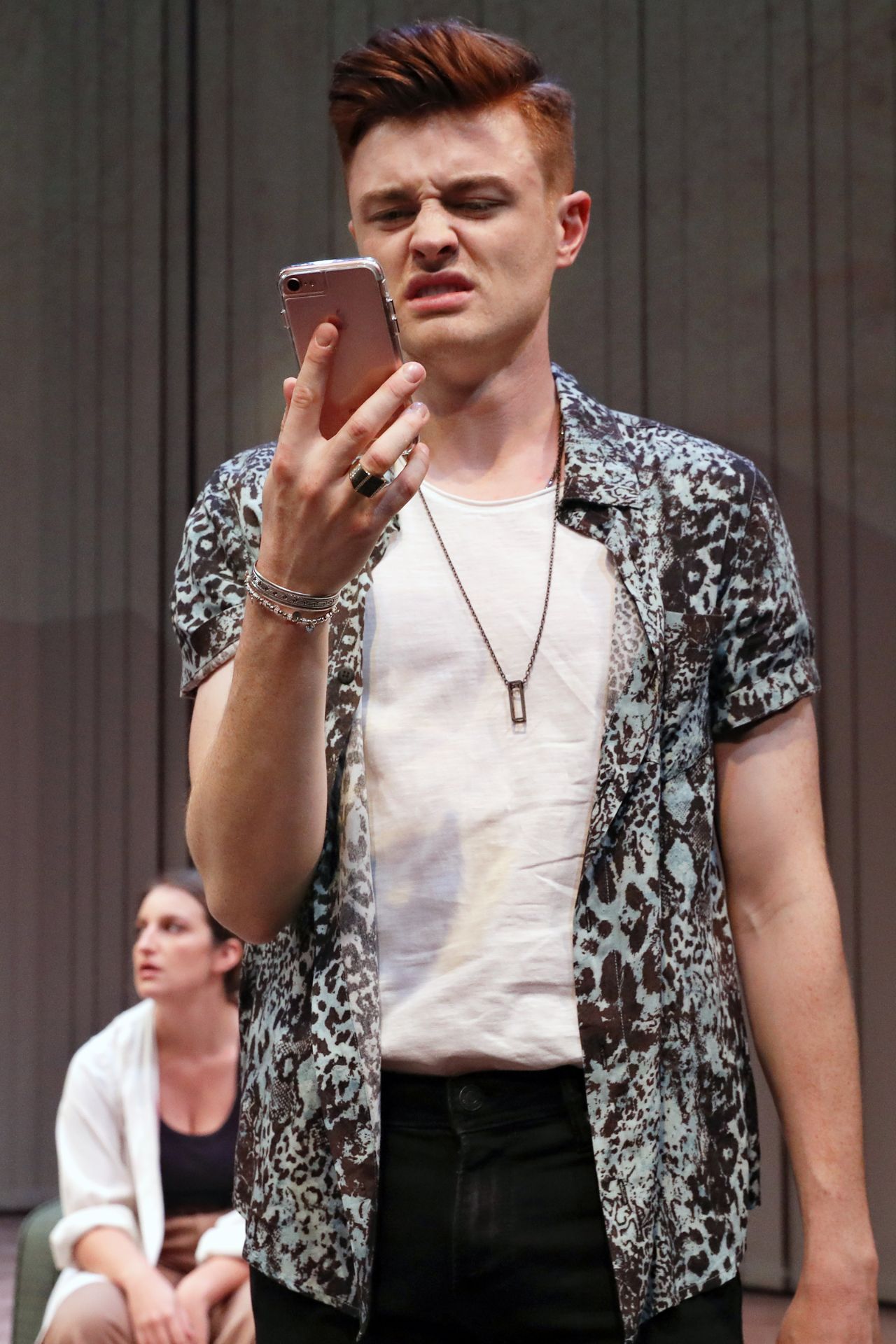
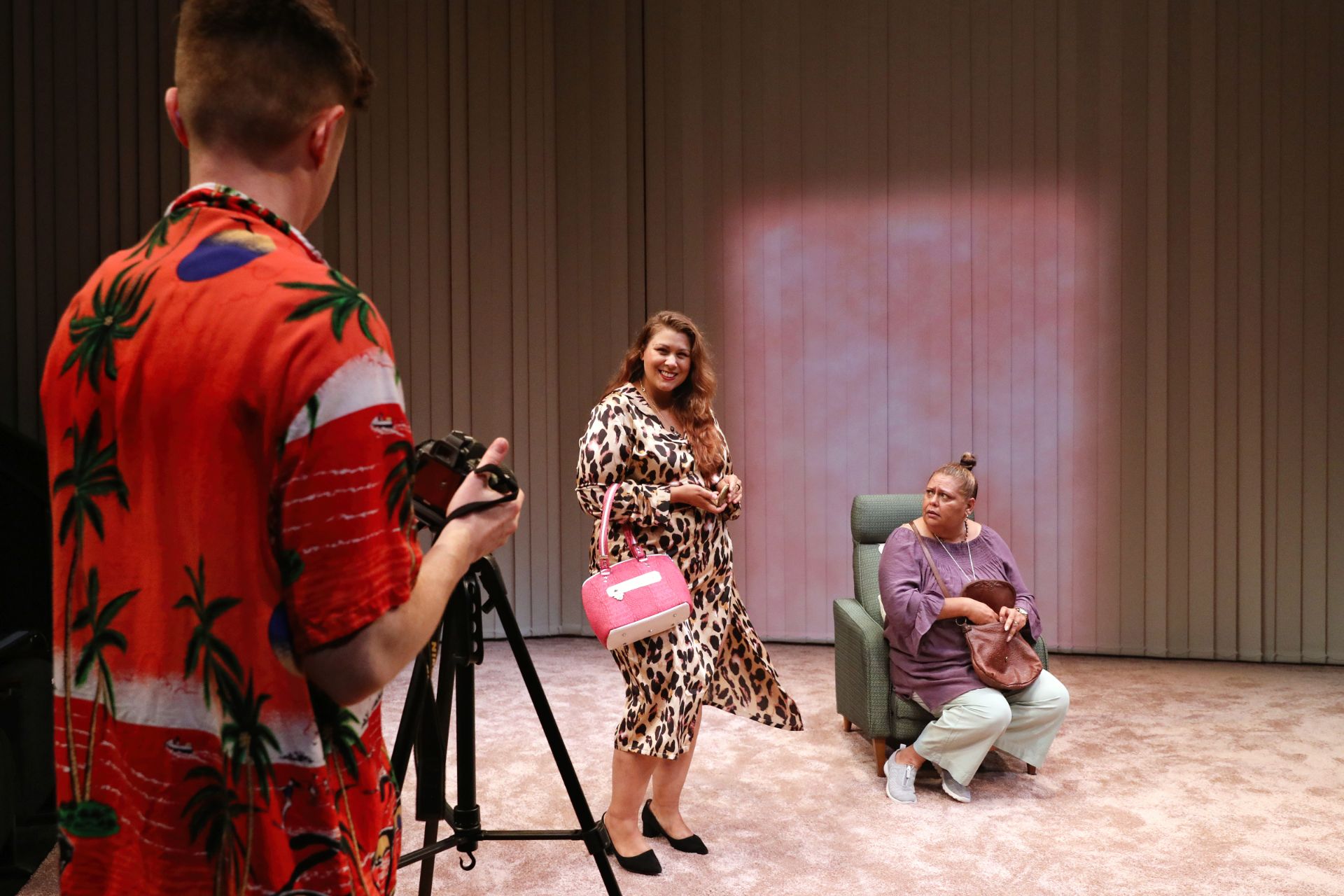
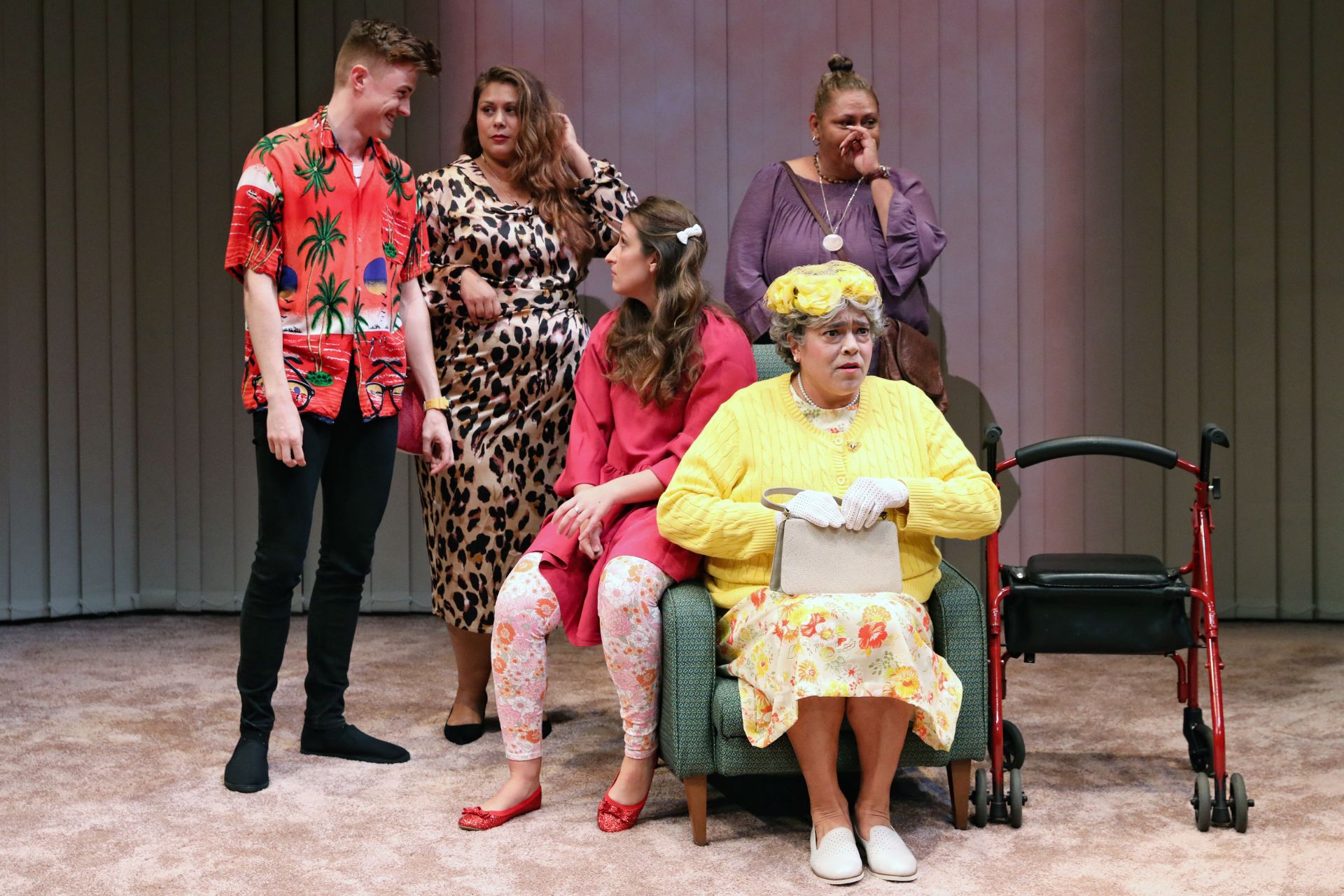
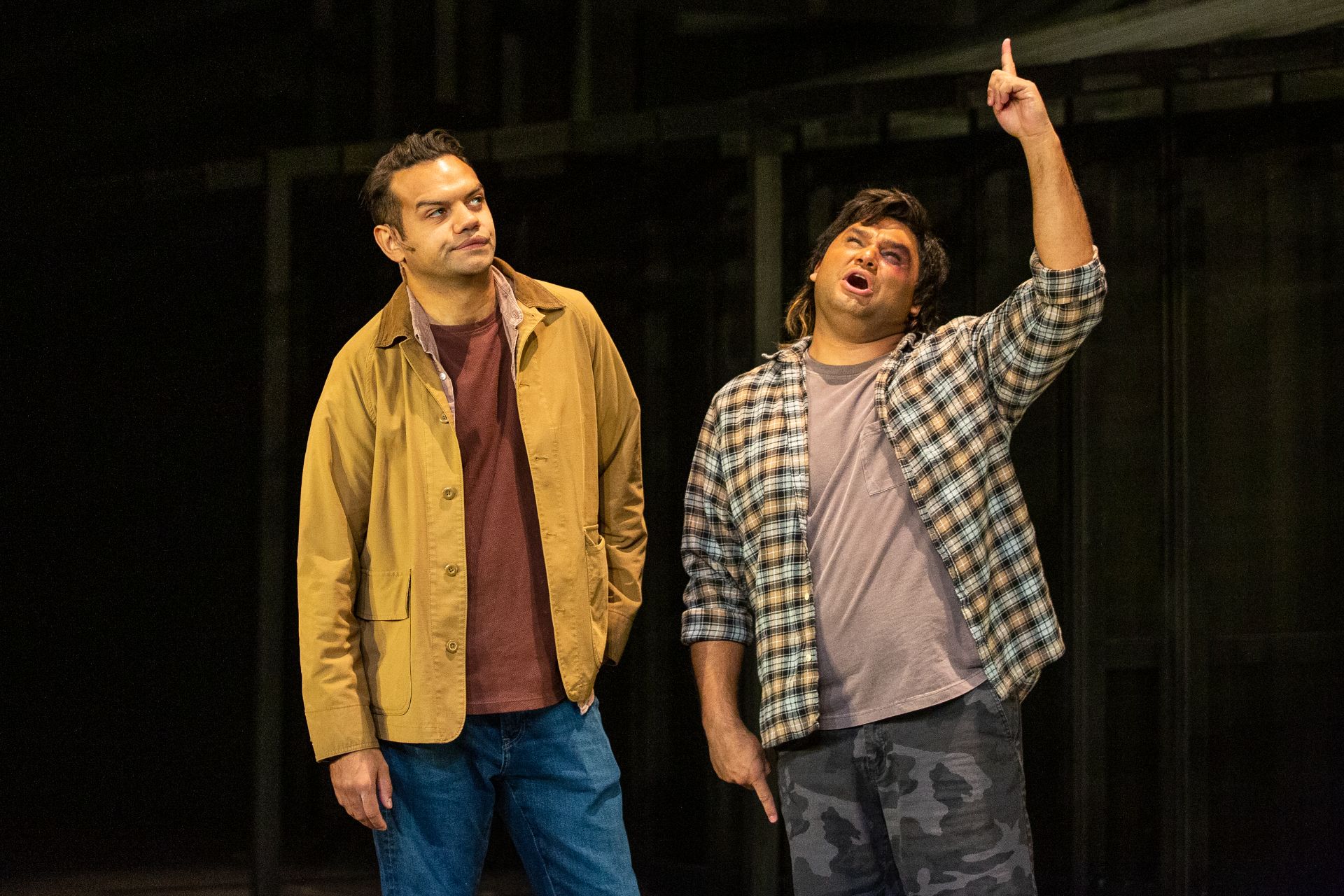
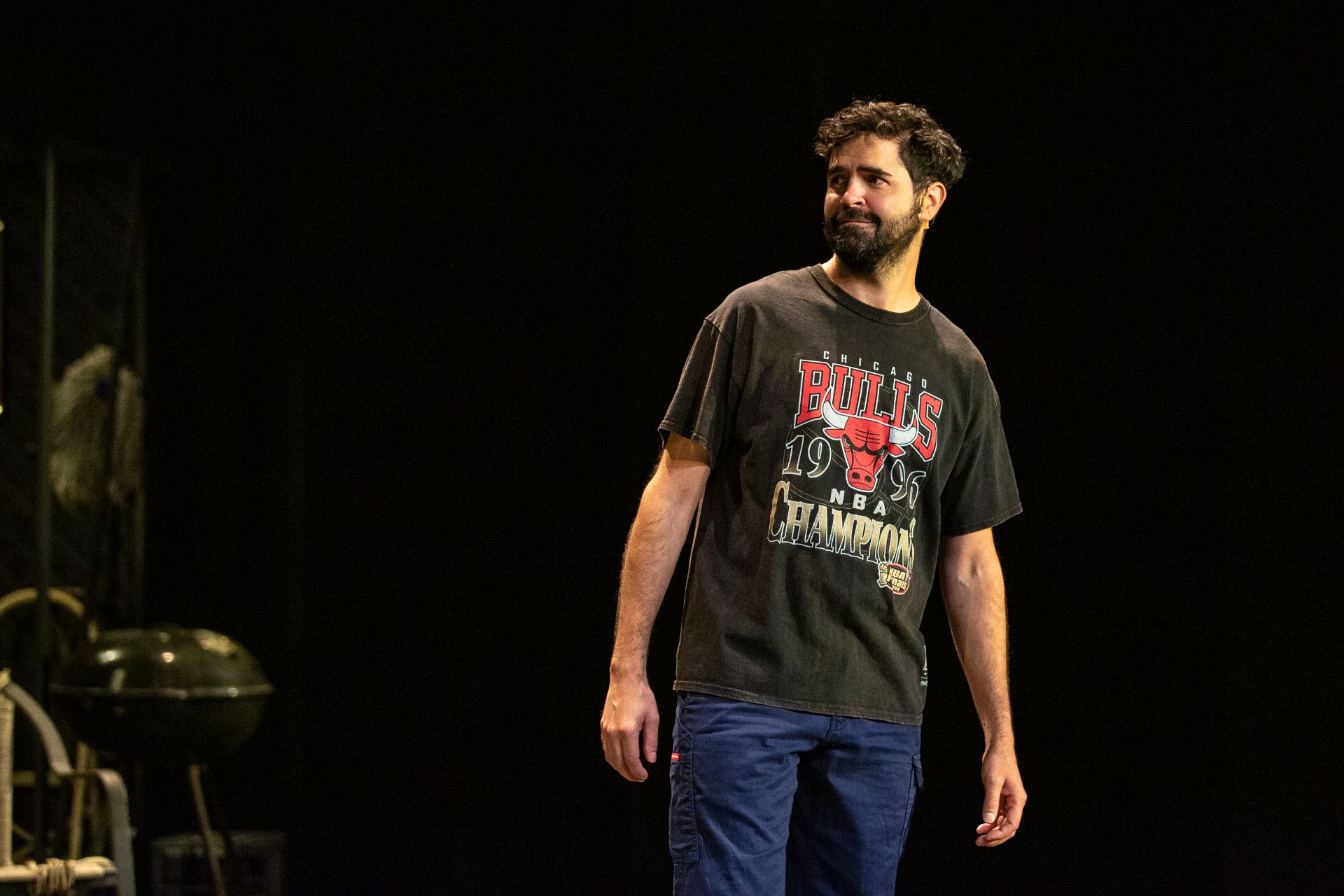
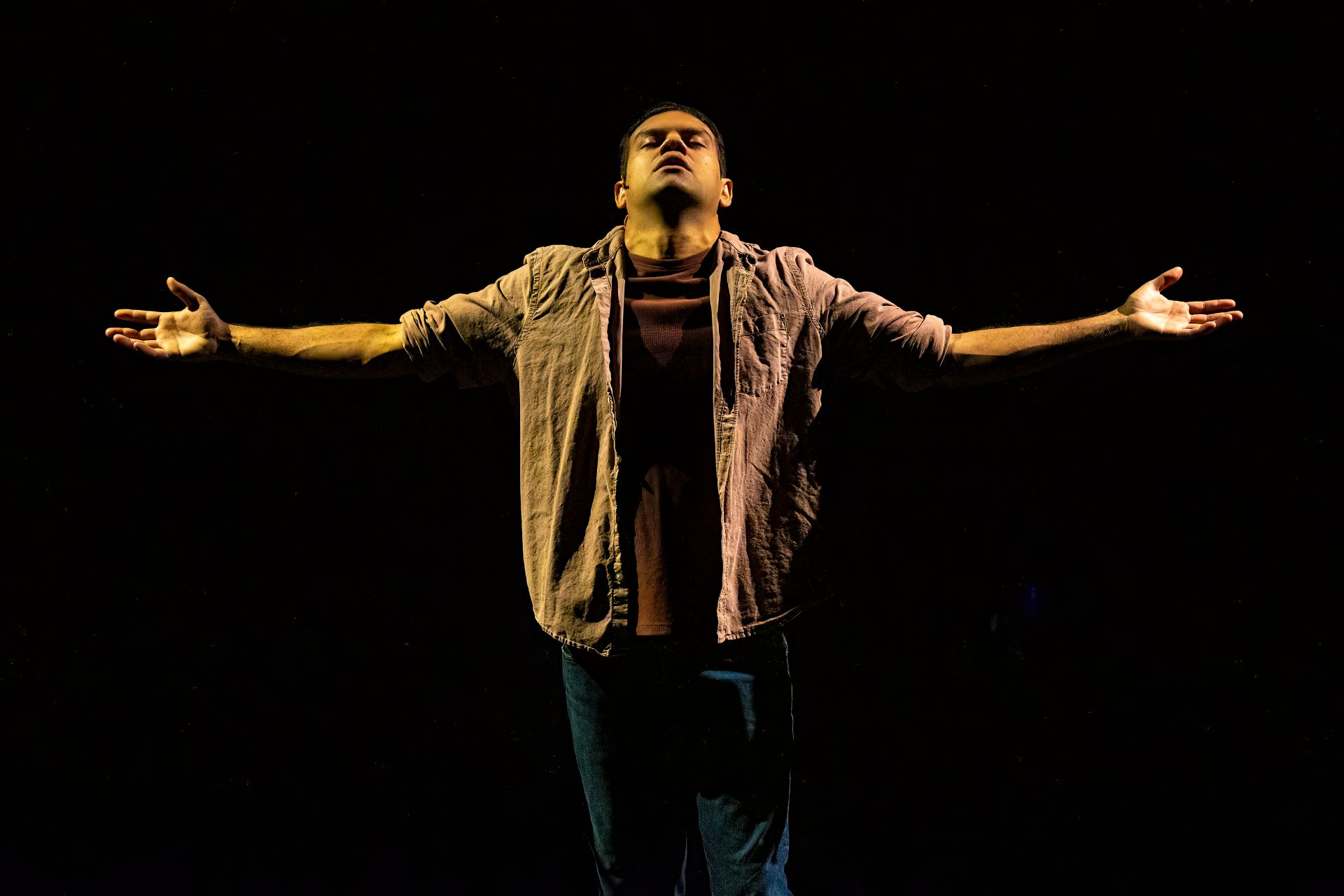
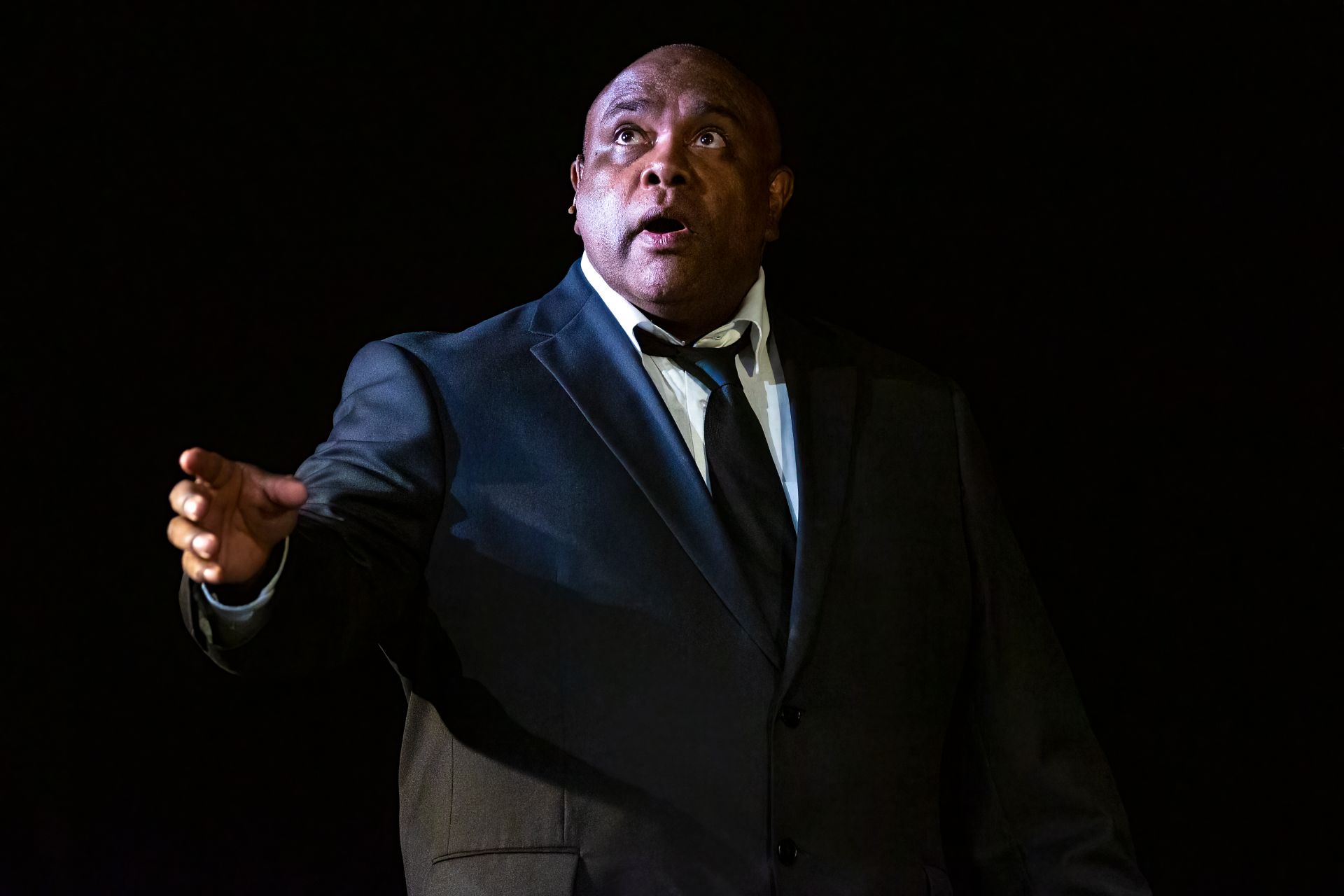
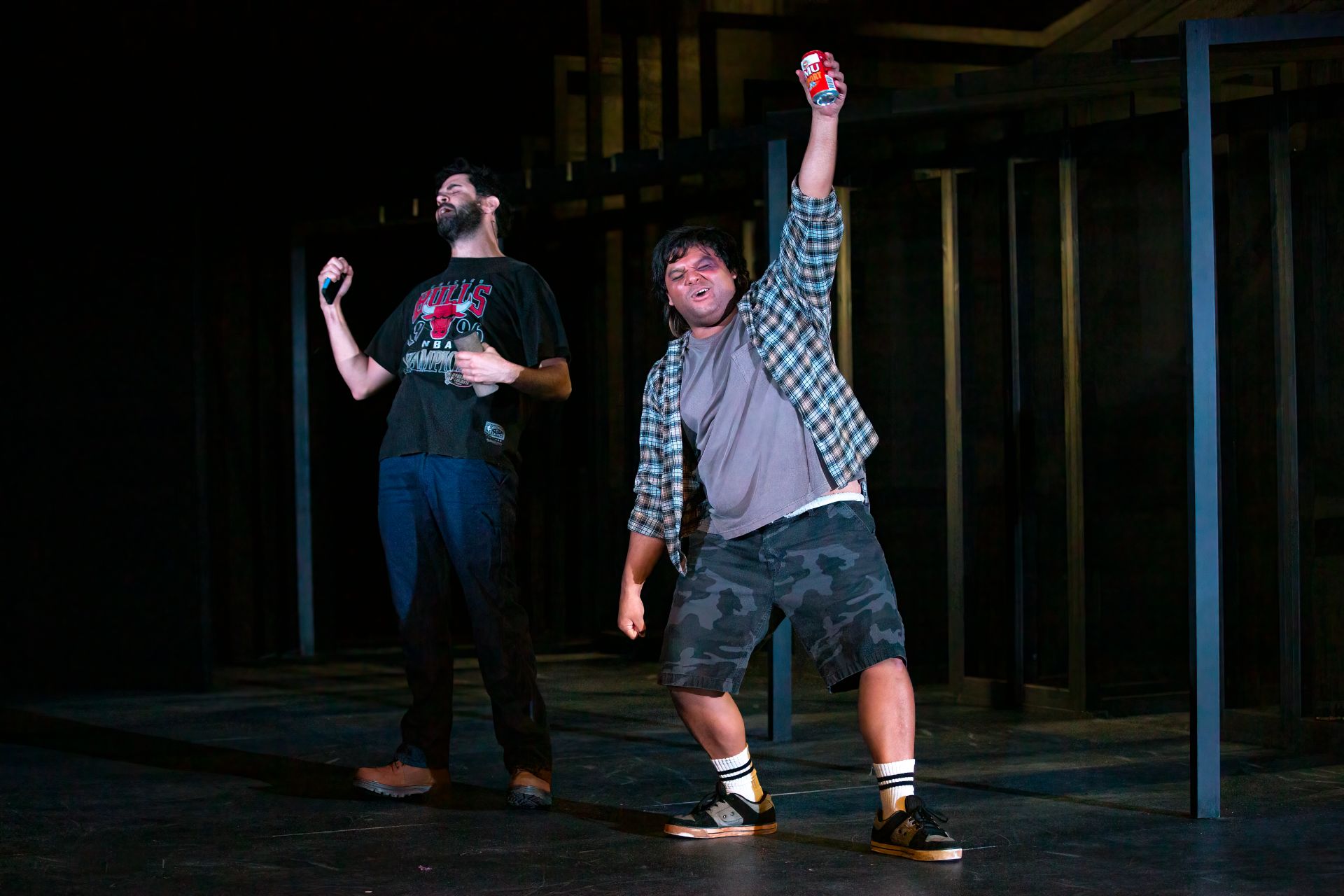
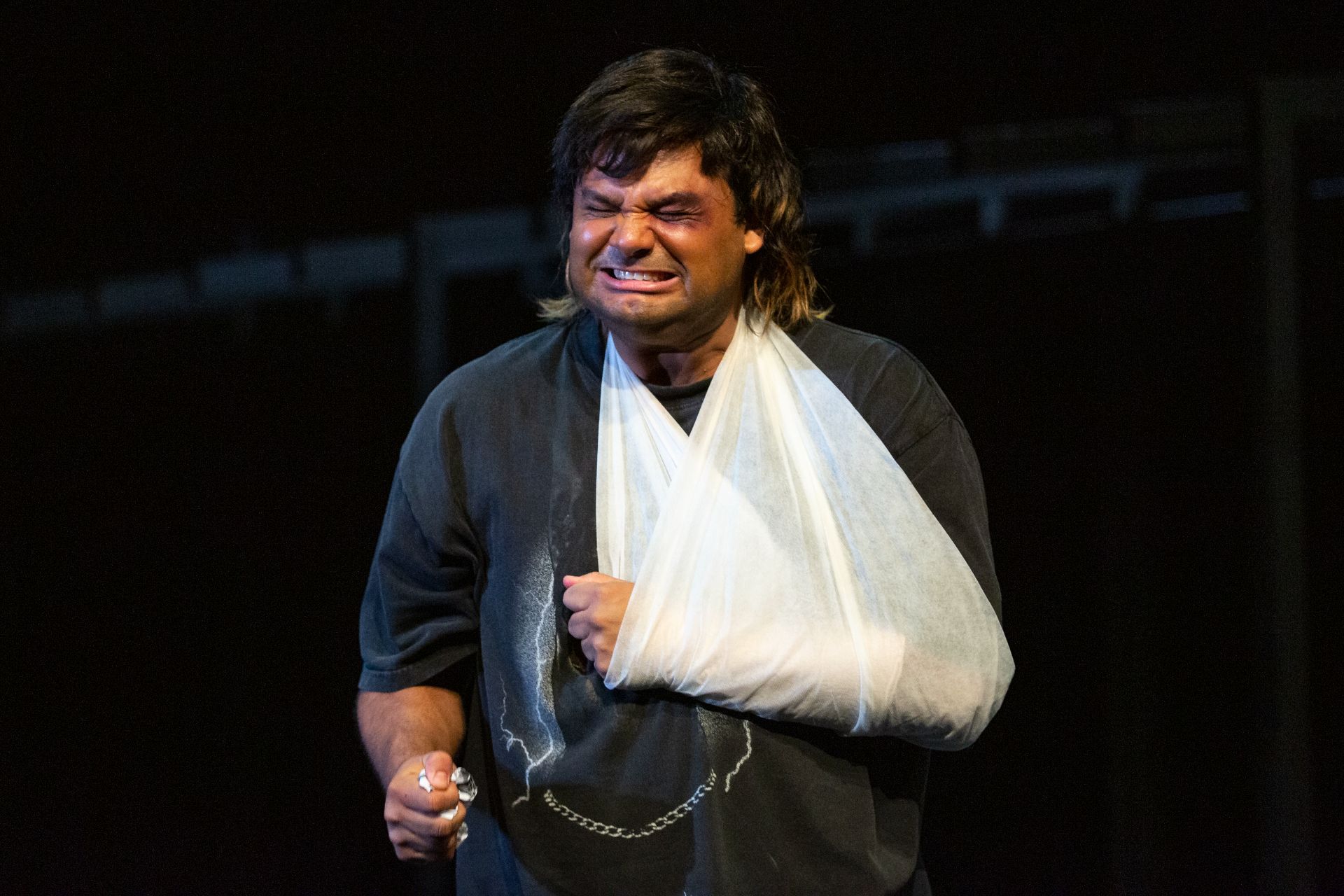
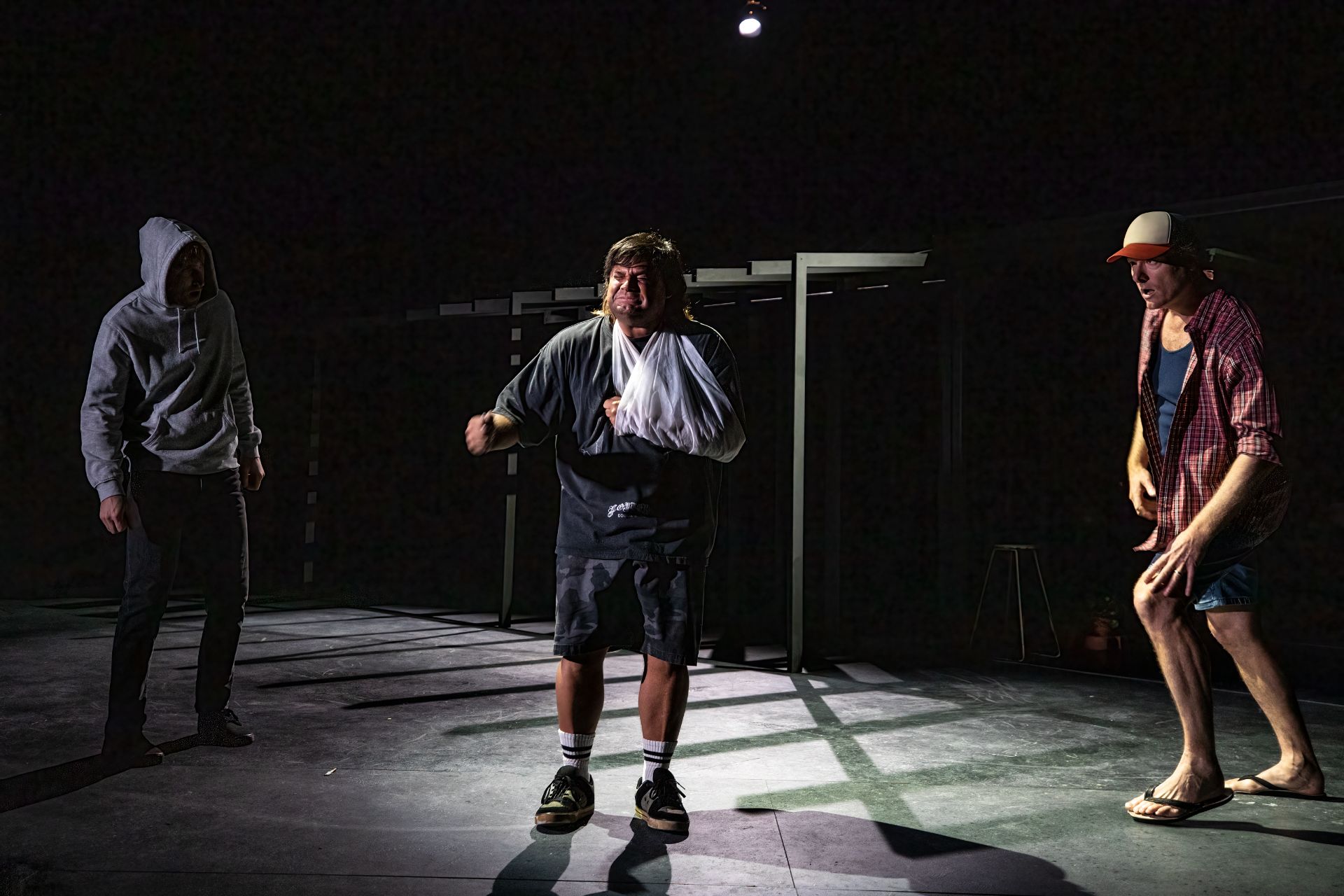
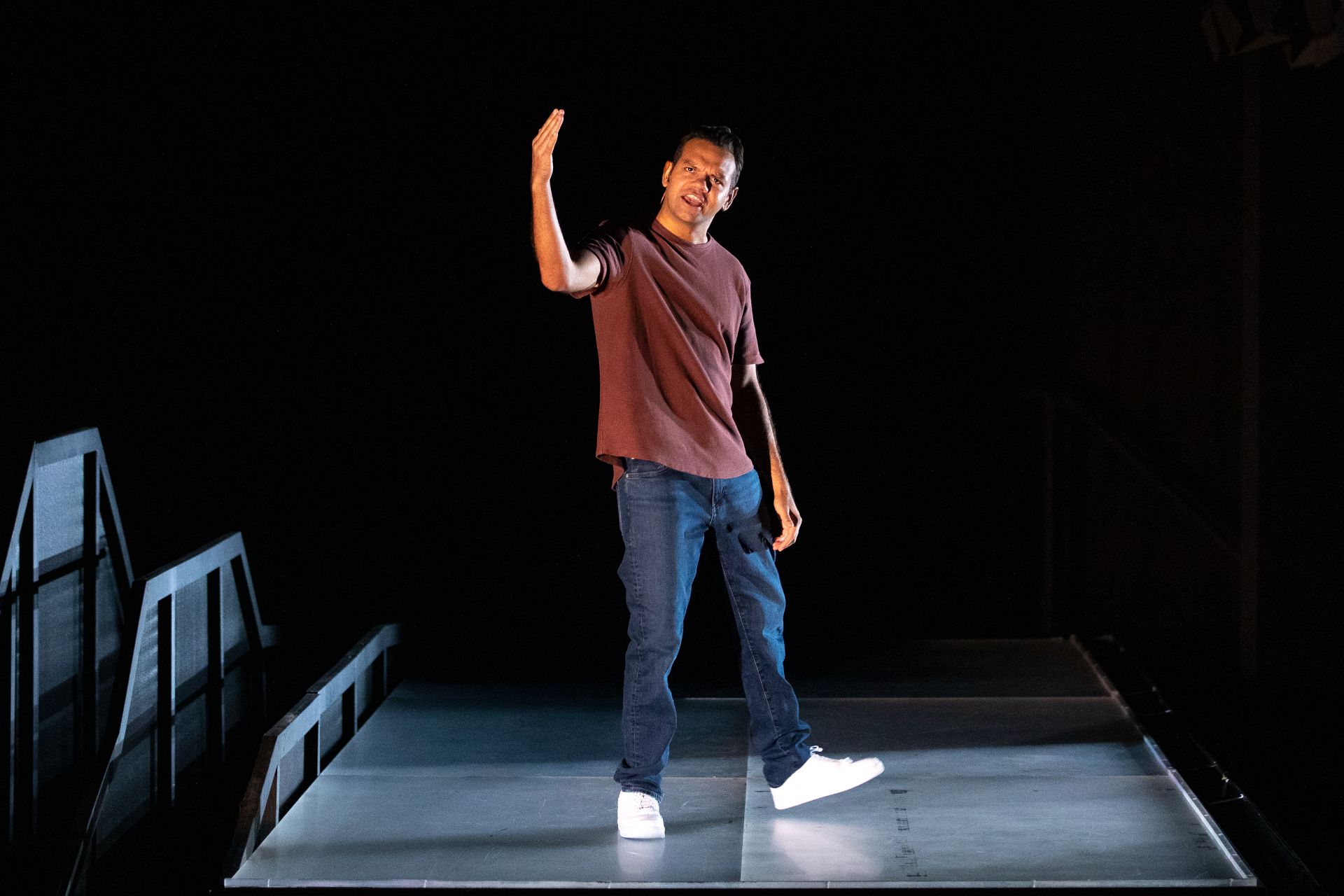
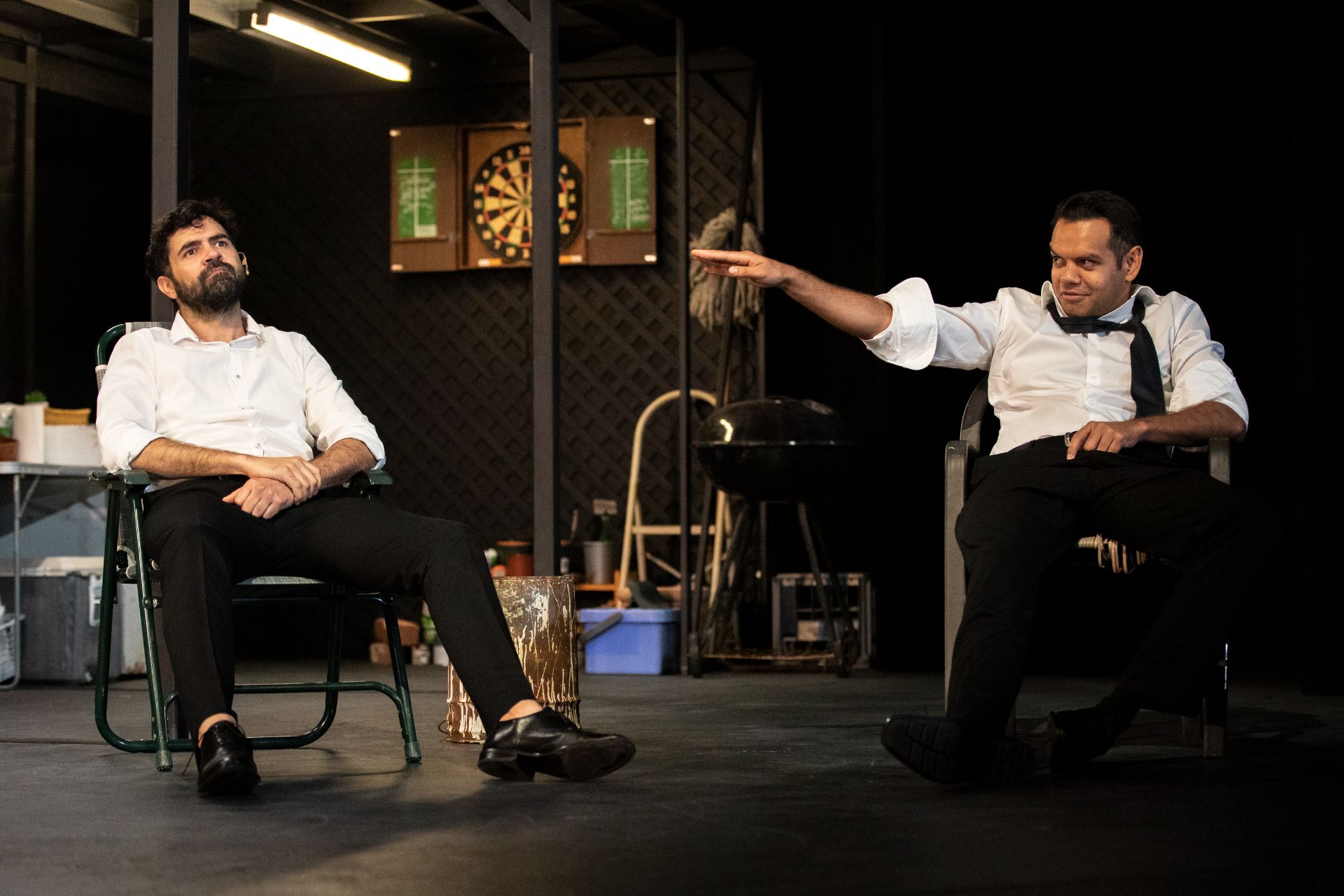
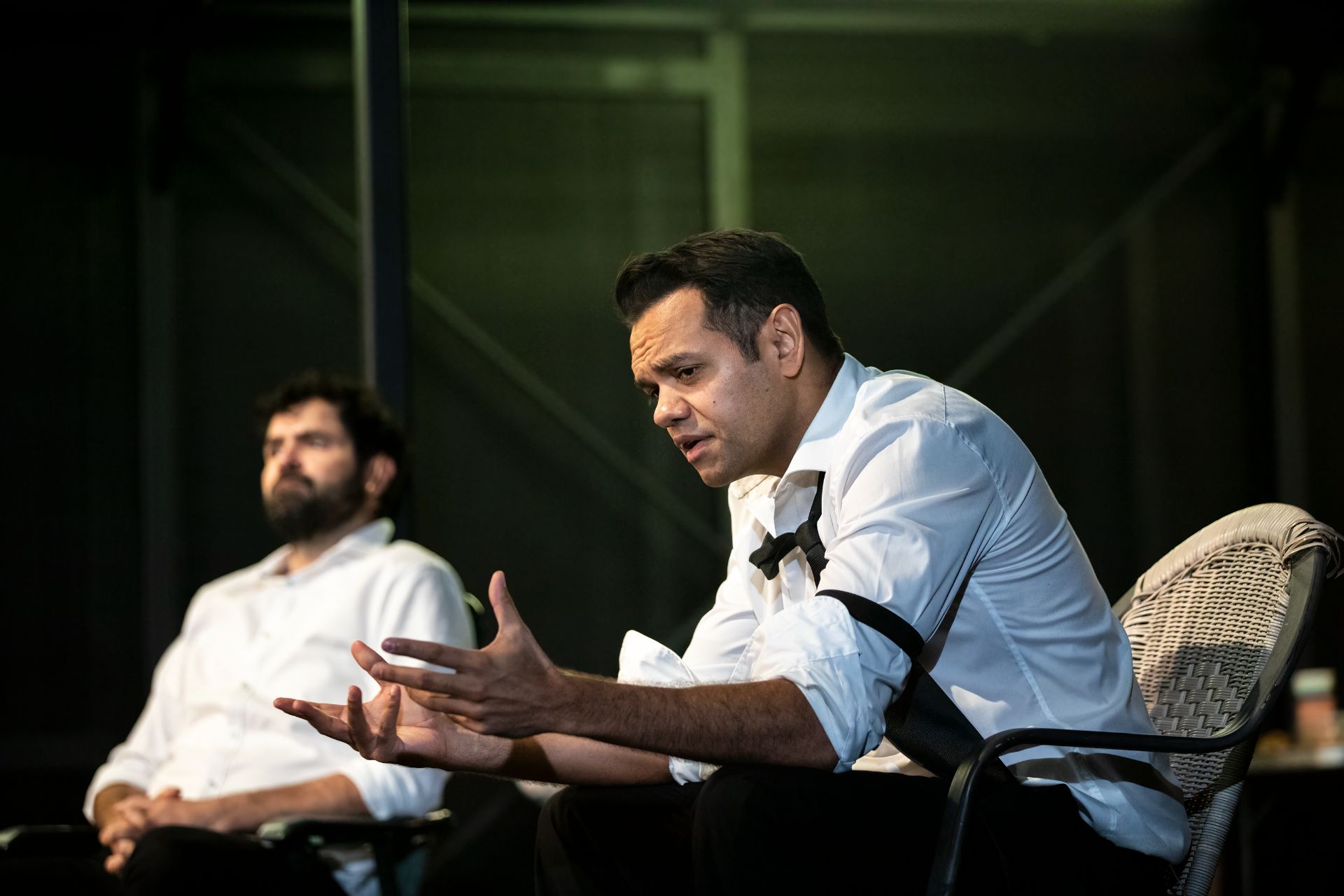
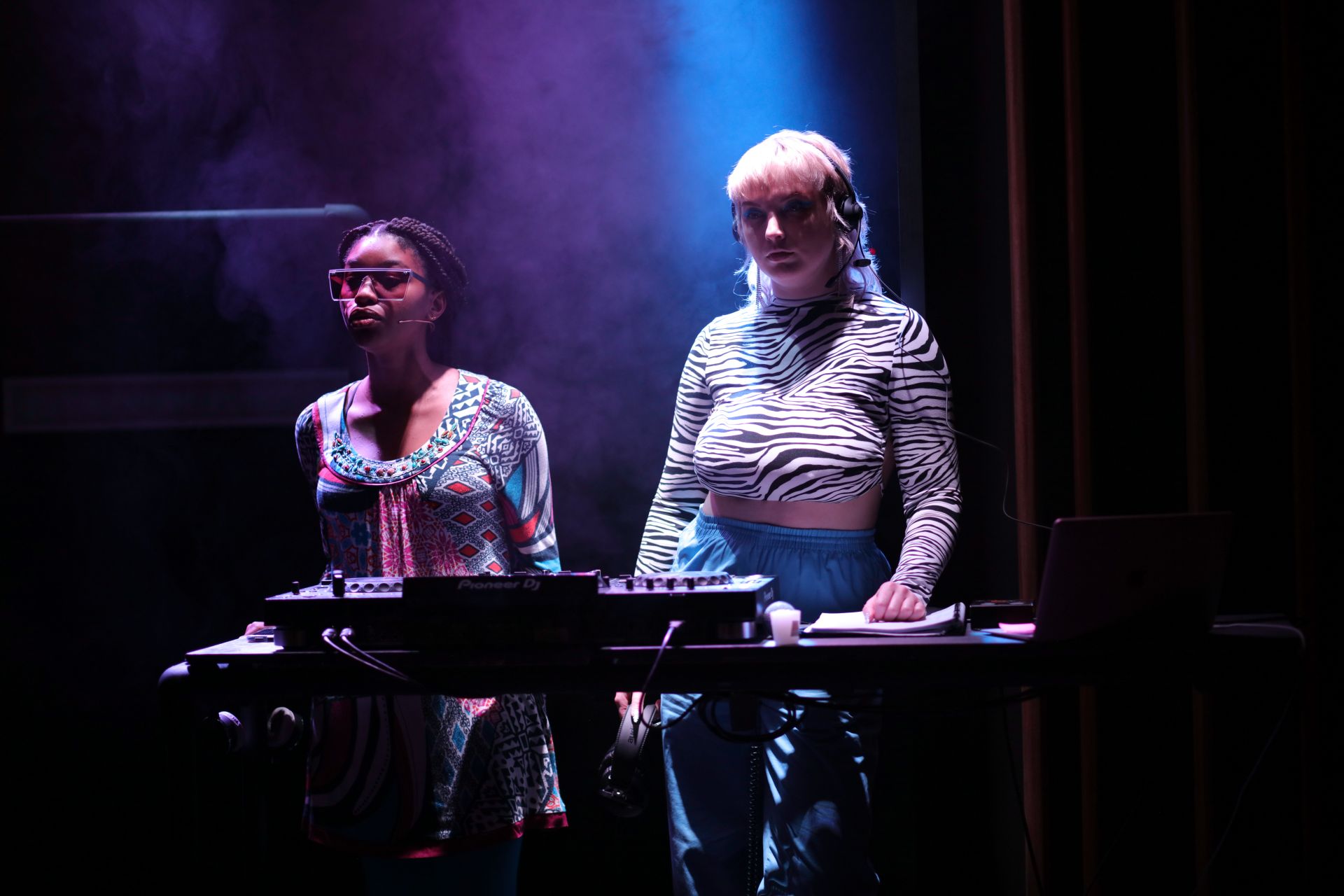
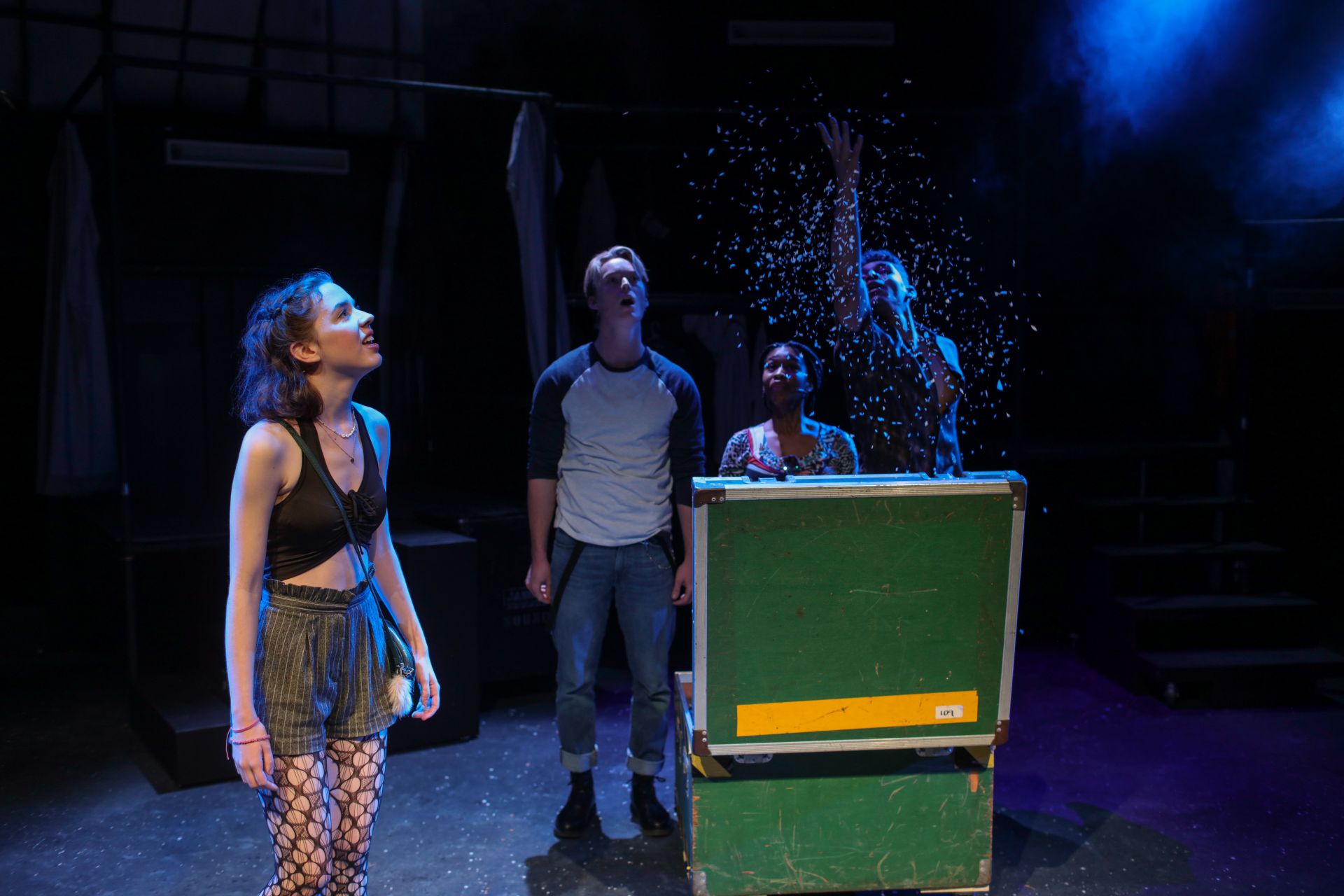
An additional ensemble of three marvellous actors, share a big roster of smaller roles. Darius Williams is especially memorable as DJ Messerschmitt and as Lucky the cab driver, demonstrating exquisite timing and unparalleled magnetism, no matter who he portrays. Bryn Chapman Parish is detailed in working with both his physical and vocal capacities, consistently convincing whether playing silly or serious, and quite literally amazing when playing against type, in bringing Tracey’s mother to life, without so much as a wig for disguise. The exuberant Masego Pitso is a ball of energy that livens up her every scene, often with unpredictable choices that keeps the viewing experience surprising and fresh.

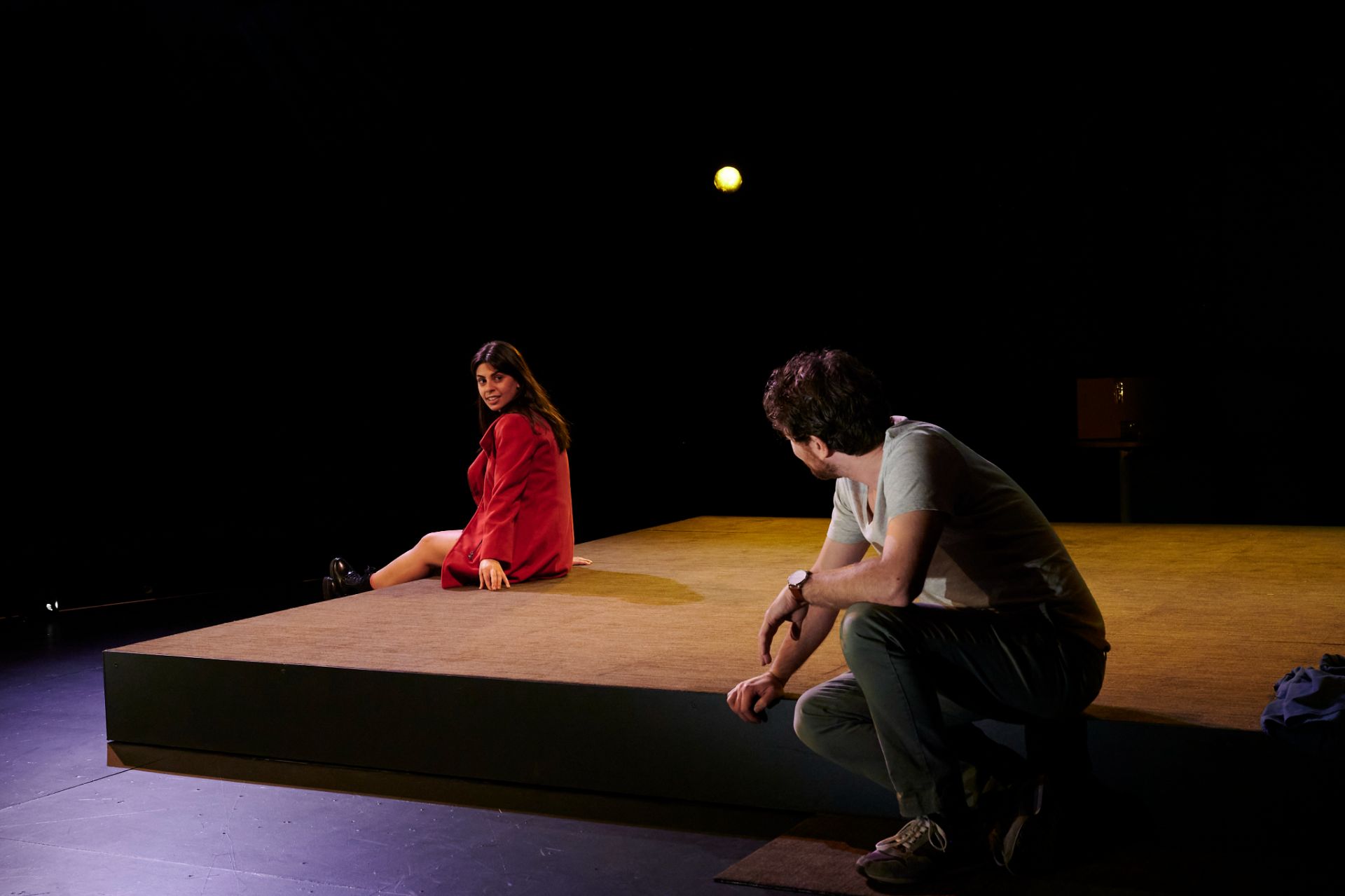
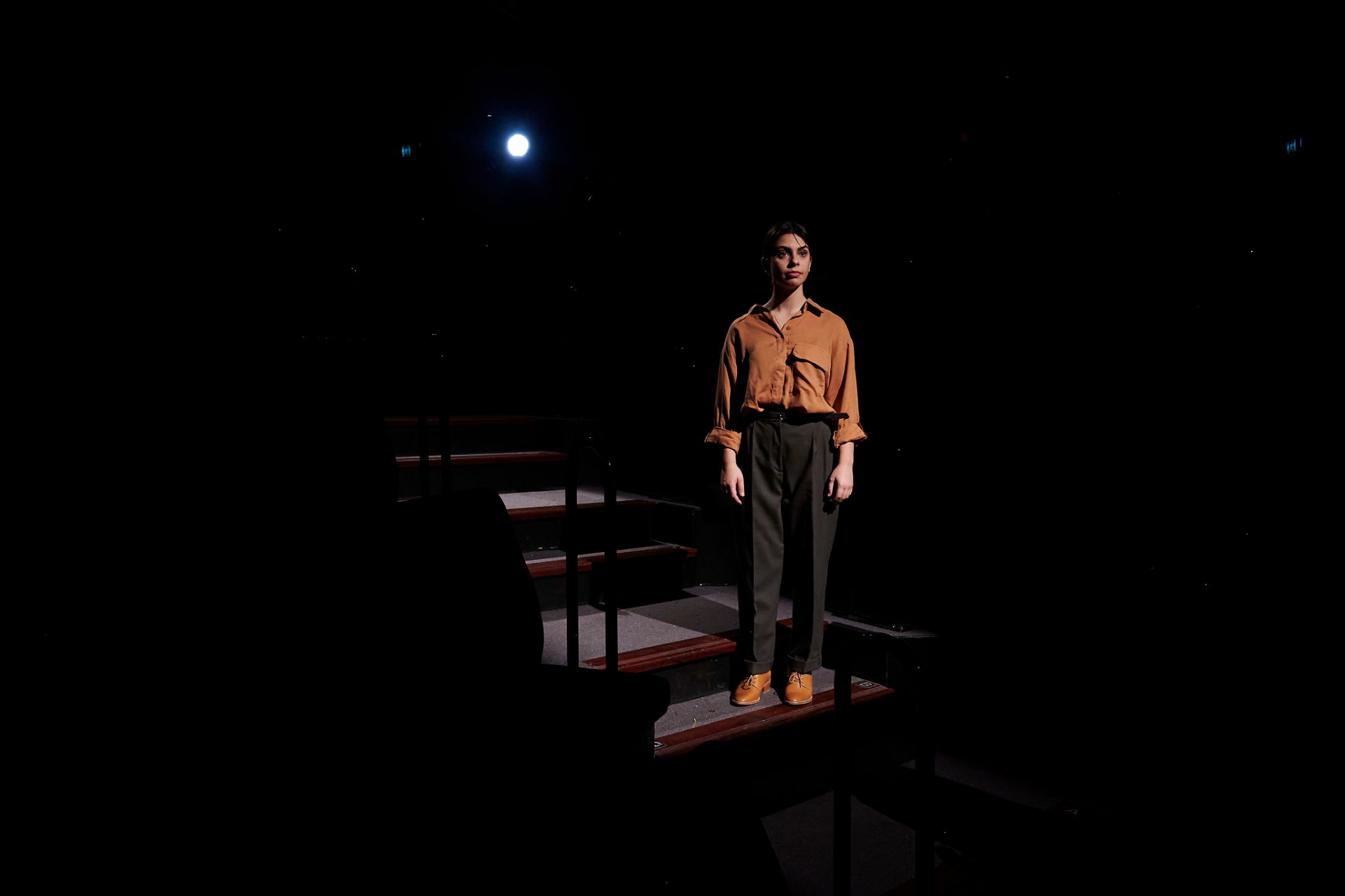
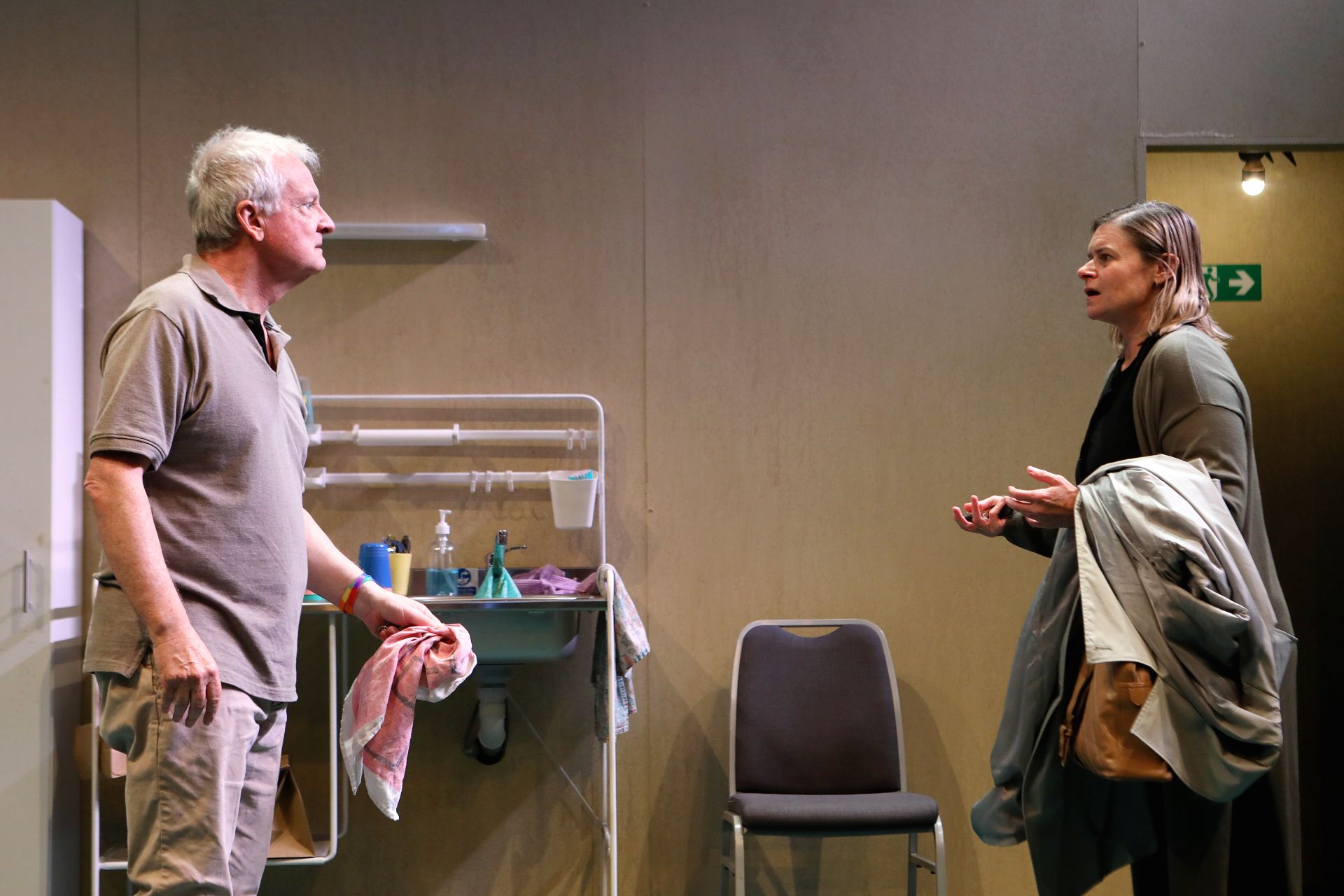
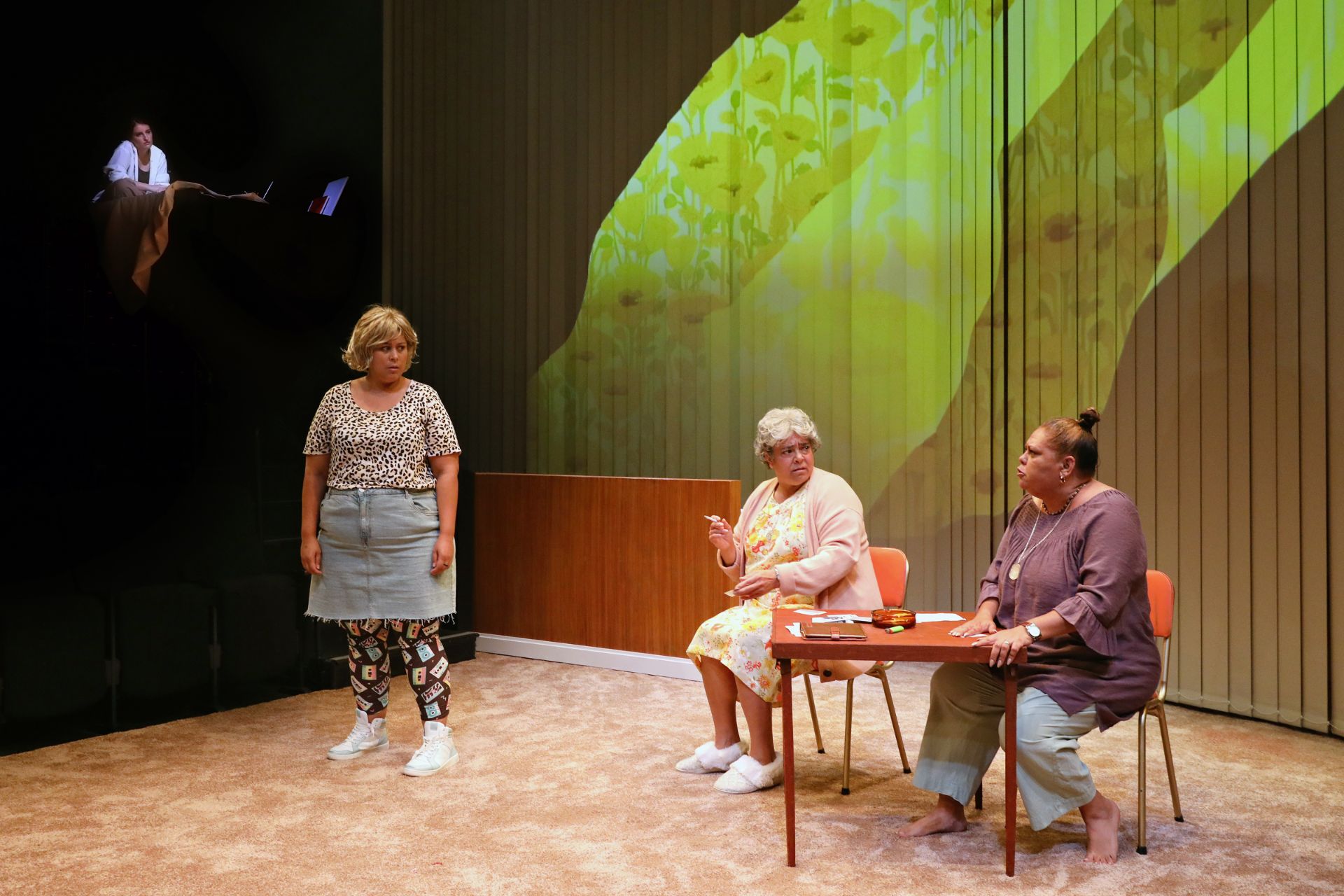
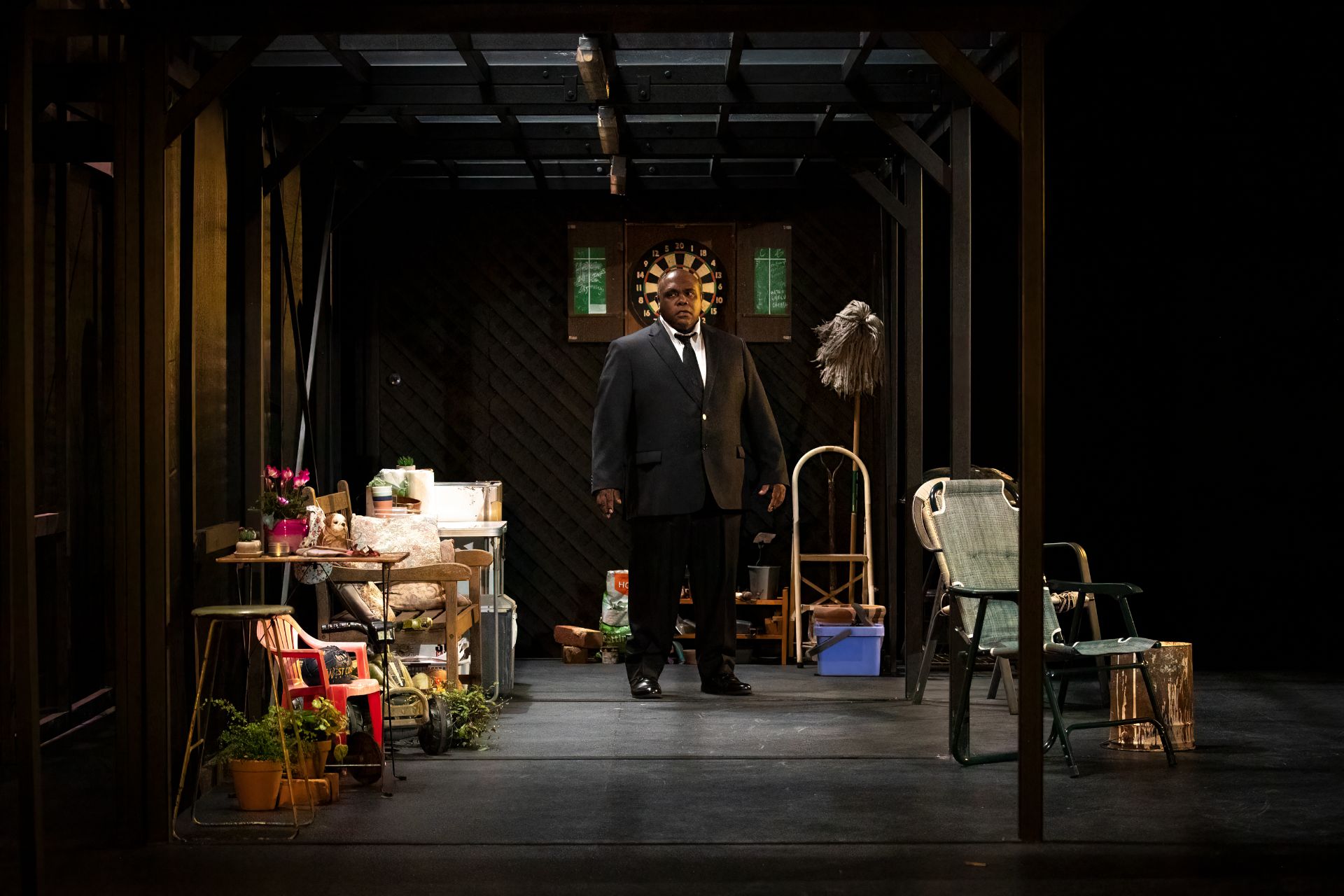
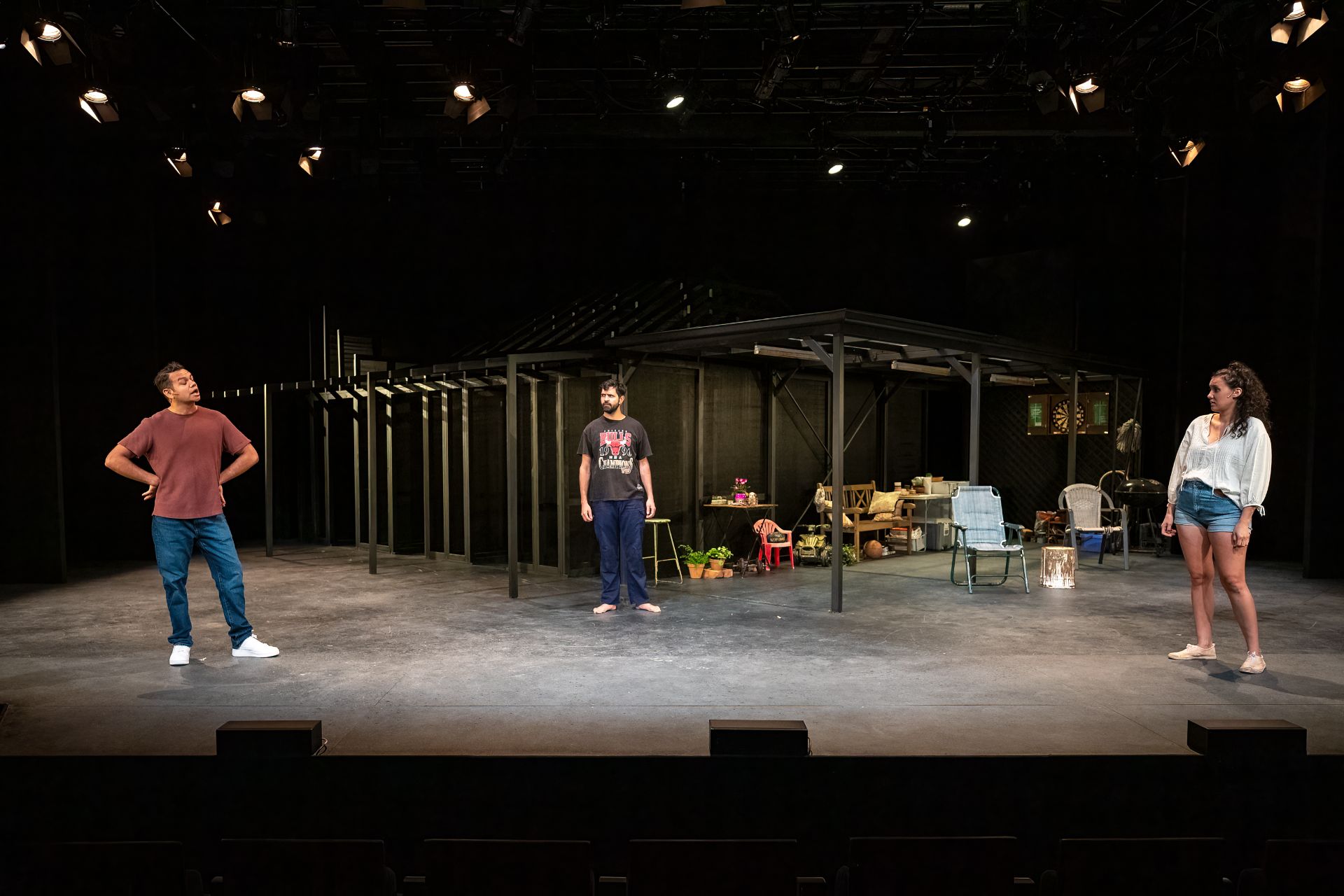
Production designer Melanie Liertz manufactures distinct segments for the stage, so that performances can take place effectively and clearly in different times and spaces. Lights by Jasmine Rizk work with an abundance of very dark surfaces, to convey some visual interest and variation. Introducing great vibrancy is the music of Jonny Seymour, forming a techno soundscape that tells a tale of youthful vigour, at all stages of life.

It is perhaps inevitable that wisdom comes with age, yet so much of convention wants us to think of age as only restrictive and calamitous. The most significant difference between early and later stages of Mabel’s story, is the ways in which she perceives herself, and how easily that transformation occurs. It is a matter of course that others would underestimate her, but it is the gaslighting that has held her back for years, that rings most poignantly about her story. Parenthood is a saintly occupation, but it should only define a person momentarily. Mabel had believed that being a parent was the final and ultimate of her achievements, but in fact it was just a precursor to the many grander things that lay ahead.
www.atyp.com.au

Review: Bonnie & Clyde (Hayes Theatre)

Venue: Hayes Theatre Co (Potts Point NSW), 17 Jun – 17 Jul, 2022
Book: Ivan Menchall
Lyrics: Don Black
Music: Frank Wildhorn
Director: Sam Hooper
Cast: Teagan Wouters, Blake Appelqvist, Carlo Boumouglbay, Jonathan Chan, Darcy Fisher, Lewis Francis, Deborah Galanos, Milo Hartill, Kieran McGrath, Lucy Miller, William Motunuu, Sarah Murr, Caity Plummer, Sam Richardson, Luisa Scrofani, Jim Williams
Images by Grant Leslie

Theatre review

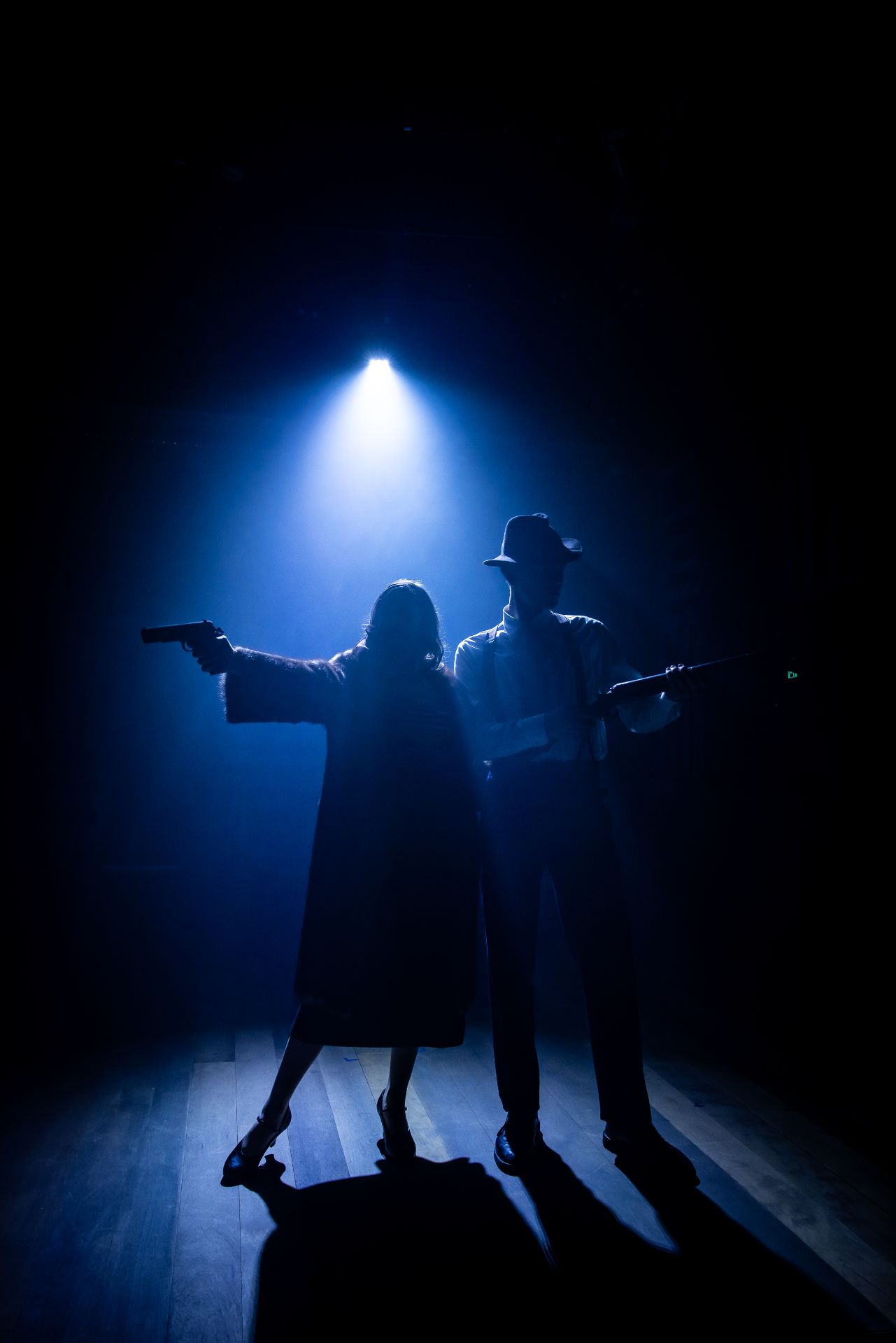
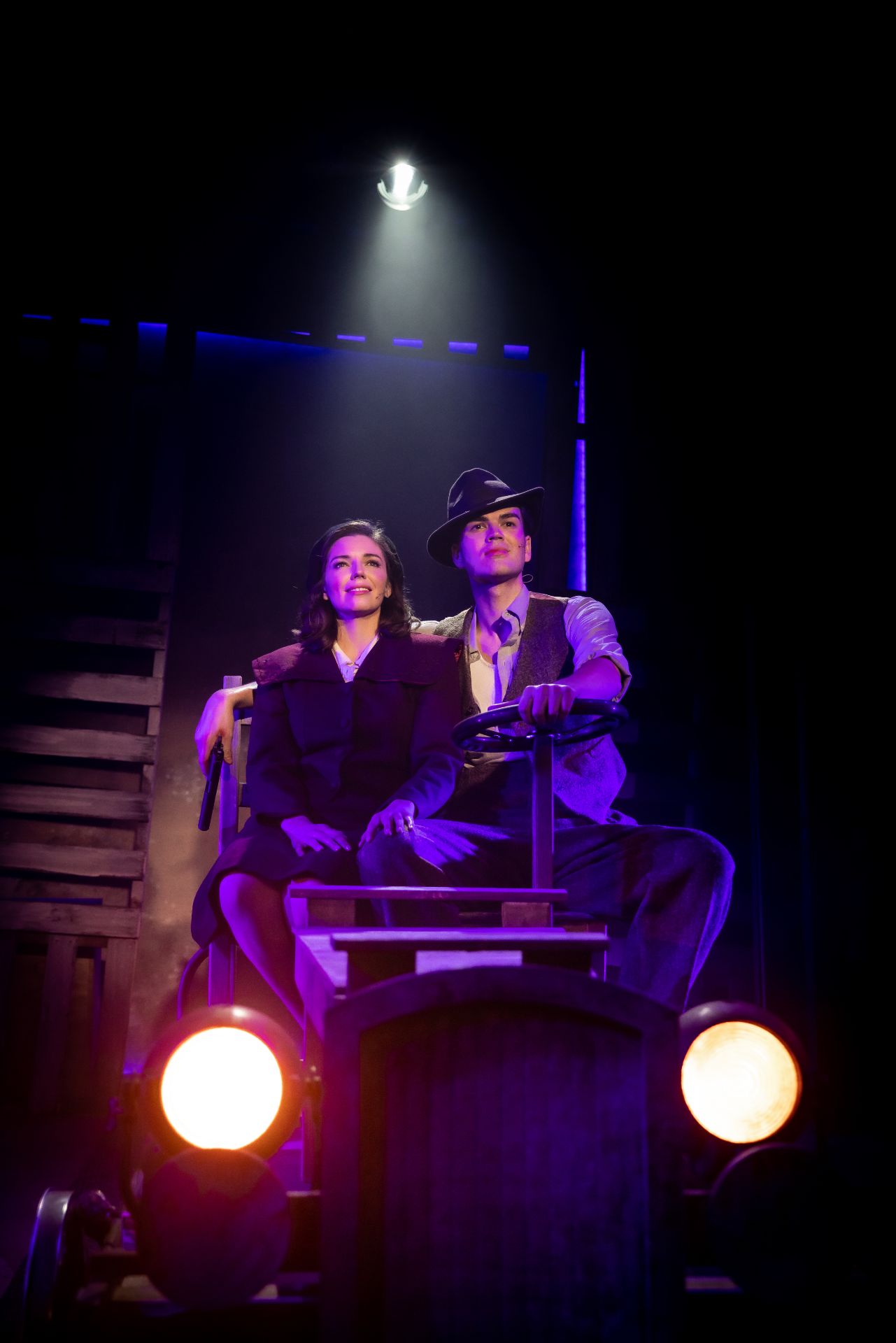
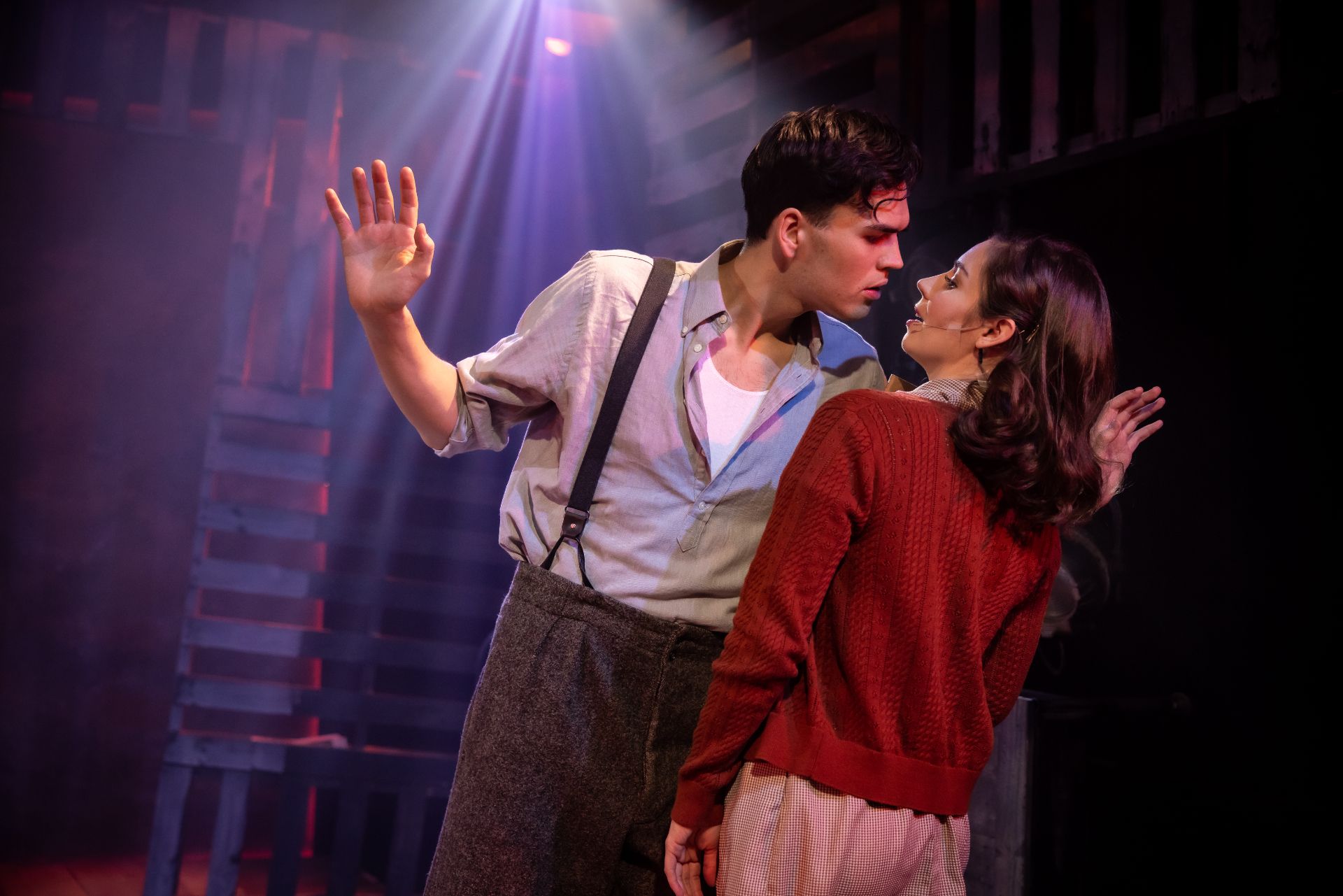
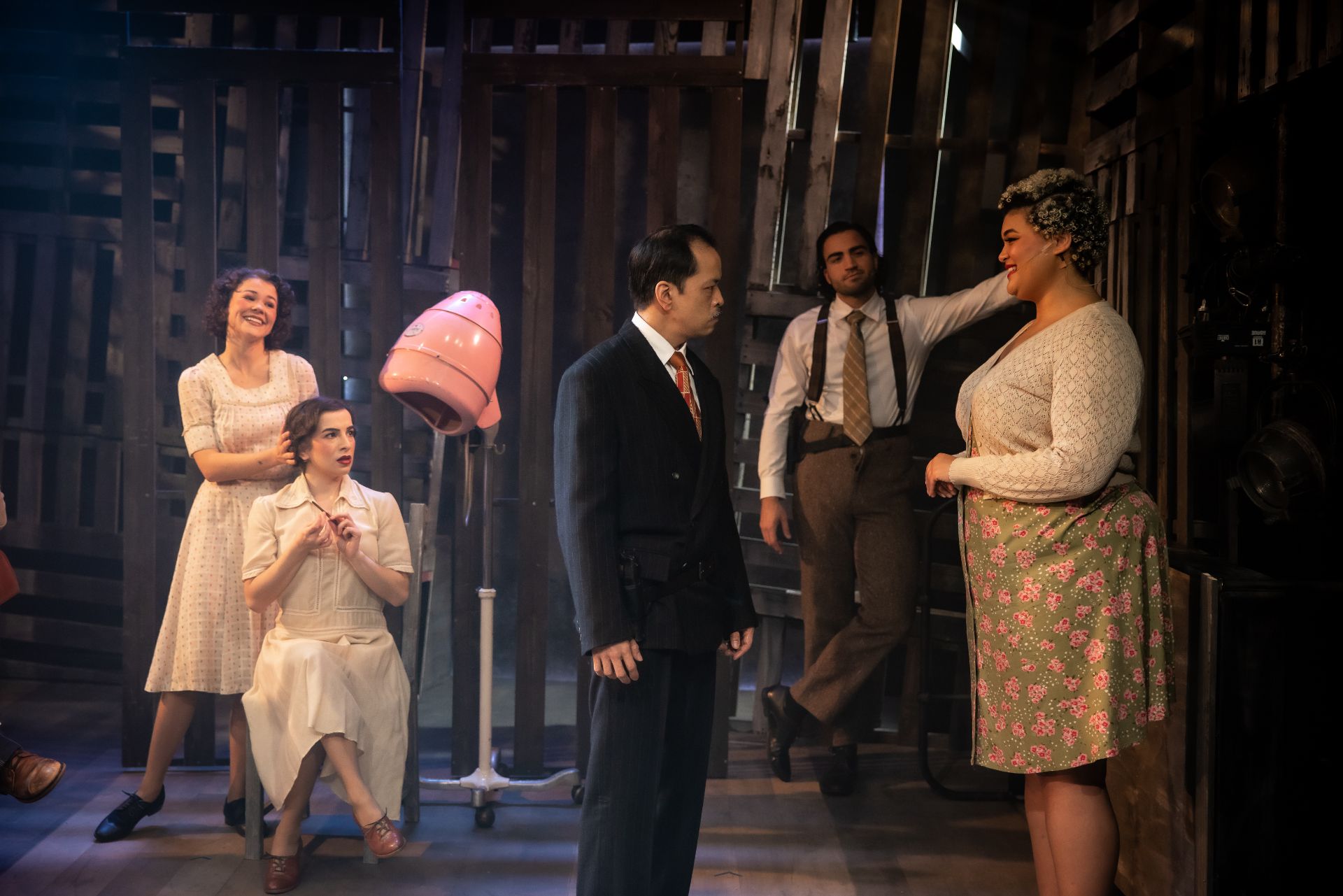
Bonnie Parker and Clyde Barrow lived a century ago in the United States of America, where they had become notorious robbers who killed a total of thirteen people through their exploits. Their names continue to hold cultural meaning today, thanks mainly to the 1967 Hollywood film Bonnie and Clyde, remembered for glamourising that historical entanglement, of crime and romance. This musical version first appeared in 2009, and ran for just 69 performances on Broadway in 2011.

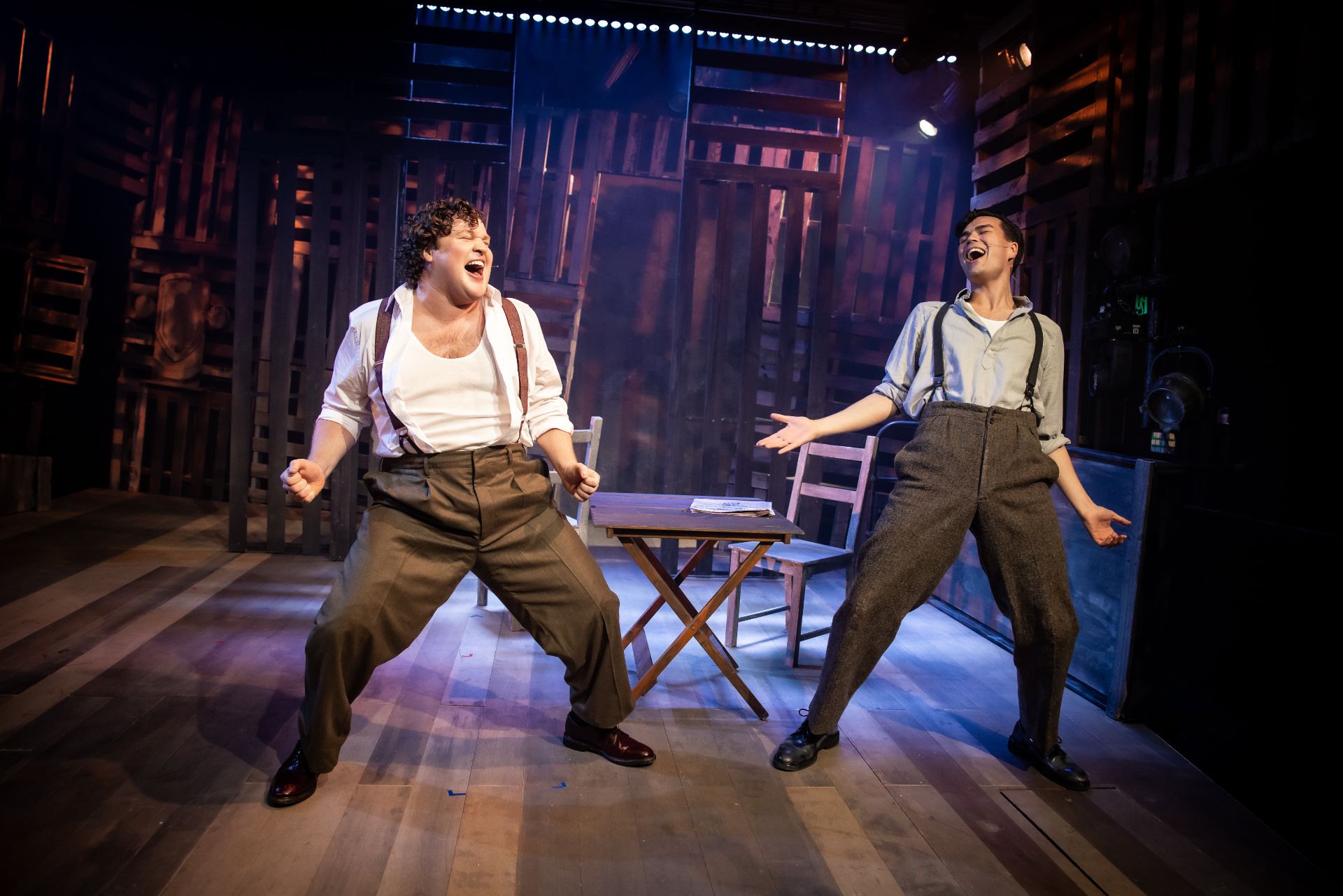
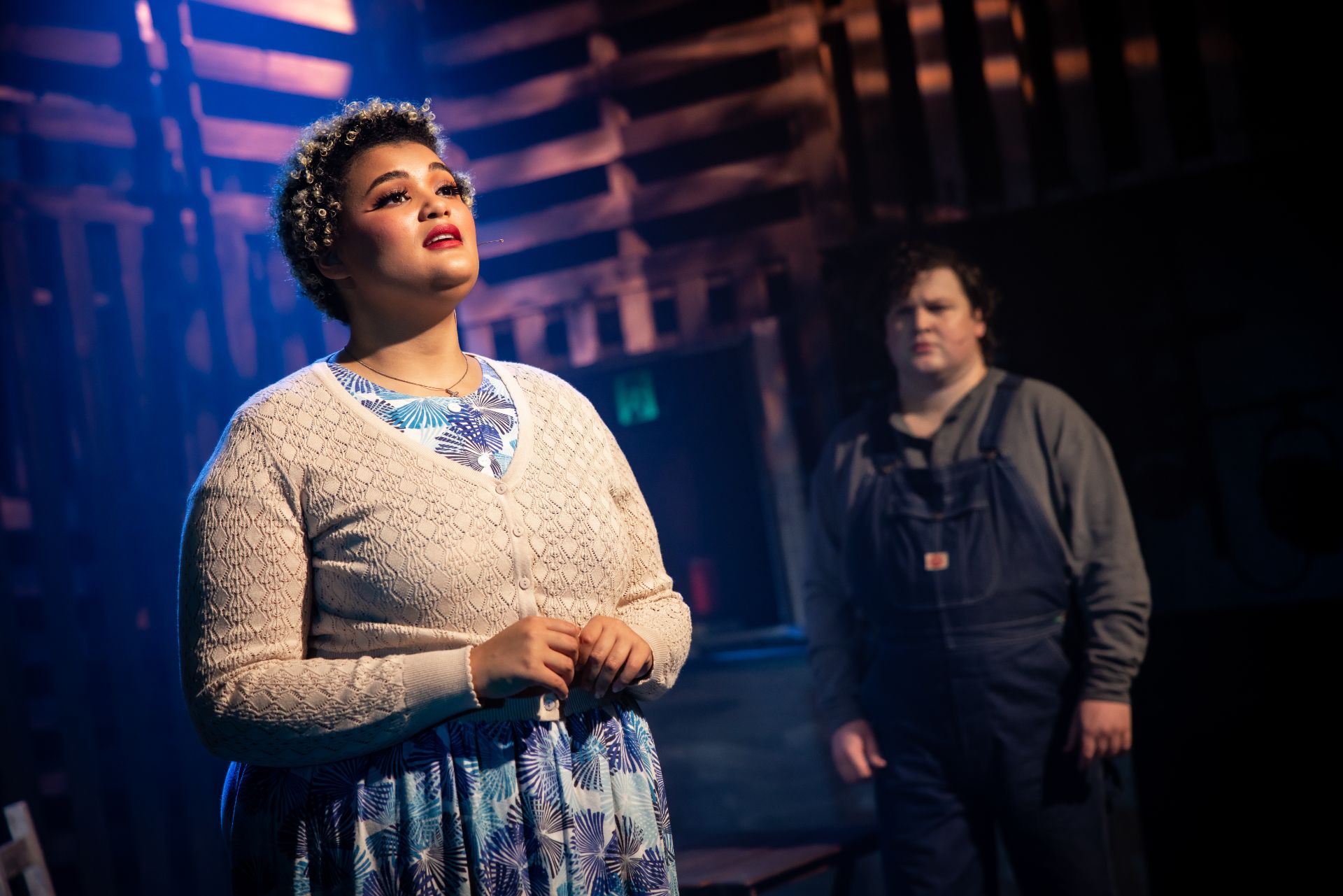
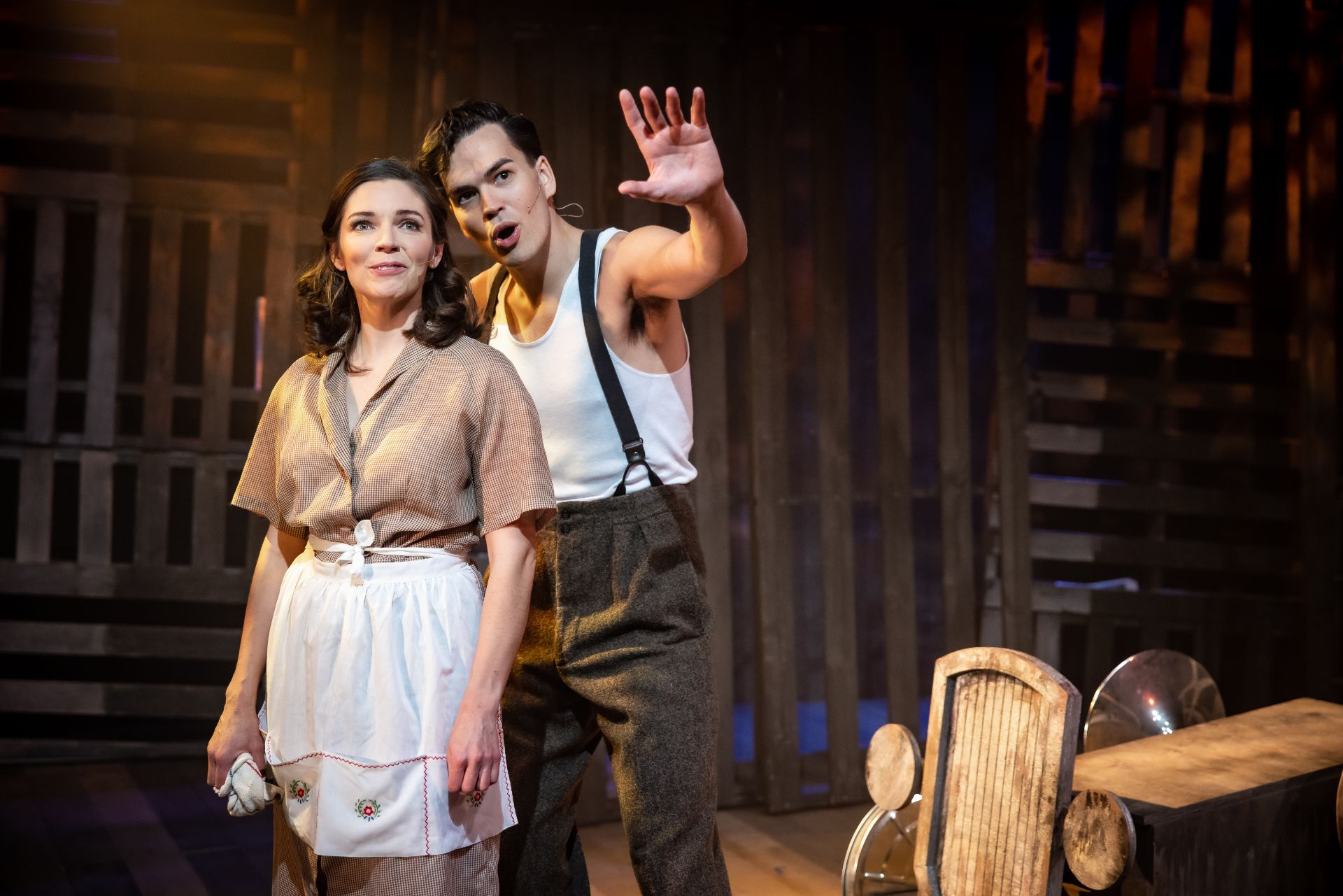
On stage, the scandalous couple’s story seems to lose all its lustre. Their personalities become too nice, and their lawlessness is portrayed too innocently. The book by Ivan Menchall feels uninspired, demonstrating that little about the legendary narrative remains captivating. Directed by Sam Hooper, who brings along an unmistakeable earnestness to this revival, but struggles to make the show deliver enough thrills and spills, even with the presence of firearms throughout the piece.

The general look of the production is accomplished with a minimalist approach, that can feel somewhat unimaginative, and sparse. The songs in Bonnie and Clyde however, are enjoyable. Music direction by Zara Stanton keeps things classic and tight, with neat but lively instrumentations that help to sustain our attention. Vocals by lead performers Teagan Wouters and Blake Appelqvist are powerful ; both offering technical brilliance that successfully elevate these lesser known tunes. Characters in the show, however, never feel convincing, and the audience is never really able to invest meaningfully into any relationship or narrative.

It may seem that we have finally lost interest in old criminals like Bonnie Parker and Clyde Barrow, but the truth is that we have simply shifted our admiration for the outlaw, to a different kind. In 2022, it is the billionaire maverick that has captured our attention. He does not have to wield guns or get his boots dirty. He simply fires off irresponsible tweets, and watch legions of fanboys fawn over his reckless behaviour. He uses his wealth and influence, to manipulate markets, bringing untold volatility to our economies. All because of his insatiable need, to look important and to feel virile.

www.hayestheatre.com.au

Review: Horses (25A Belvoir)

Venue: Belvoir St Theatre (Surry Hills NSW), Jun 16 – 25, 2022
Playwright: Ian Sinclair
Director: Tait de Lorenzo
Cast: Justin Amankwah, Tom Dawson, Caitlin Doyle-Markwick, Nathaniel Langworthy, Charlotte Otton, Brontë Sparrow
Images by Robert Catto

Theatre review
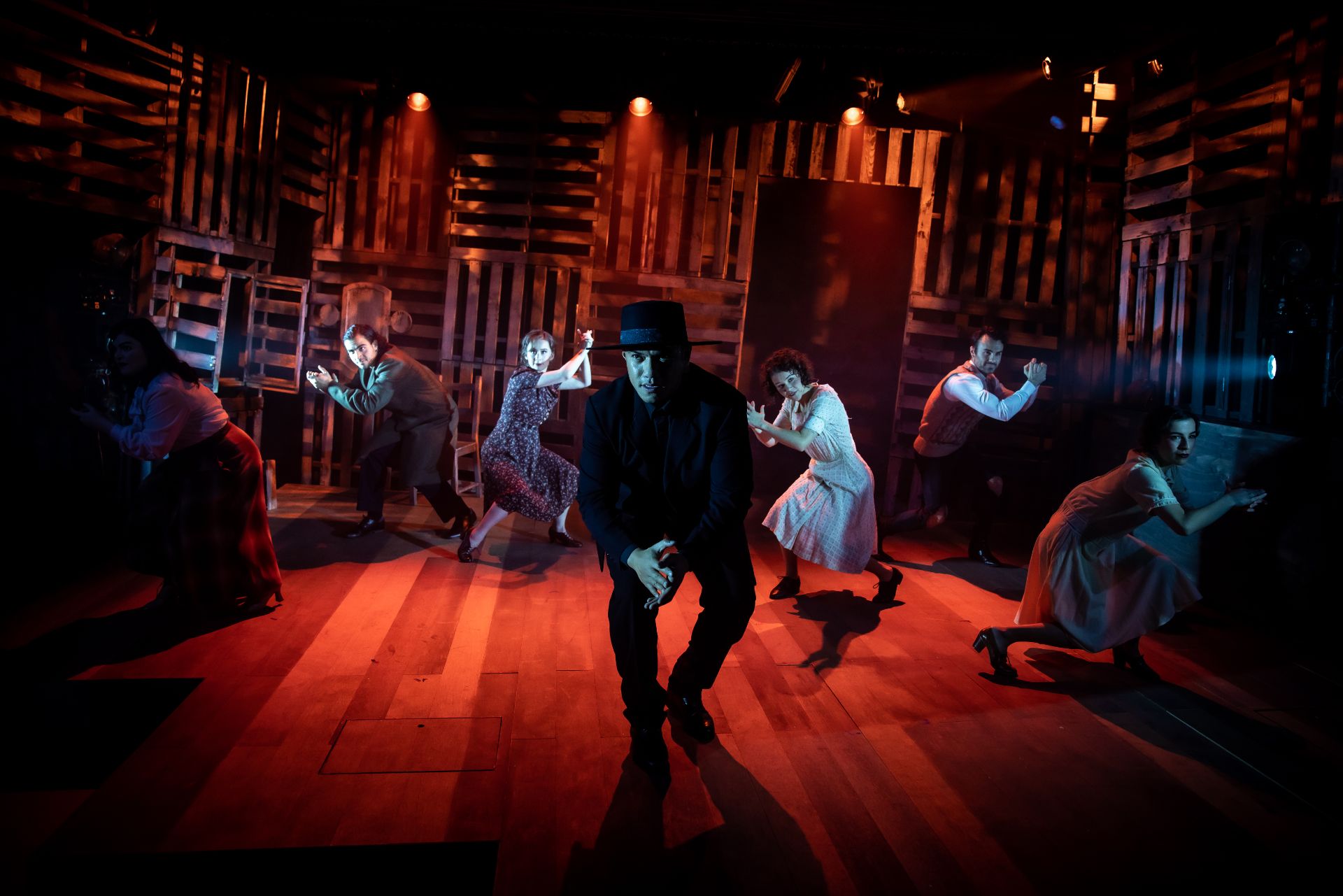
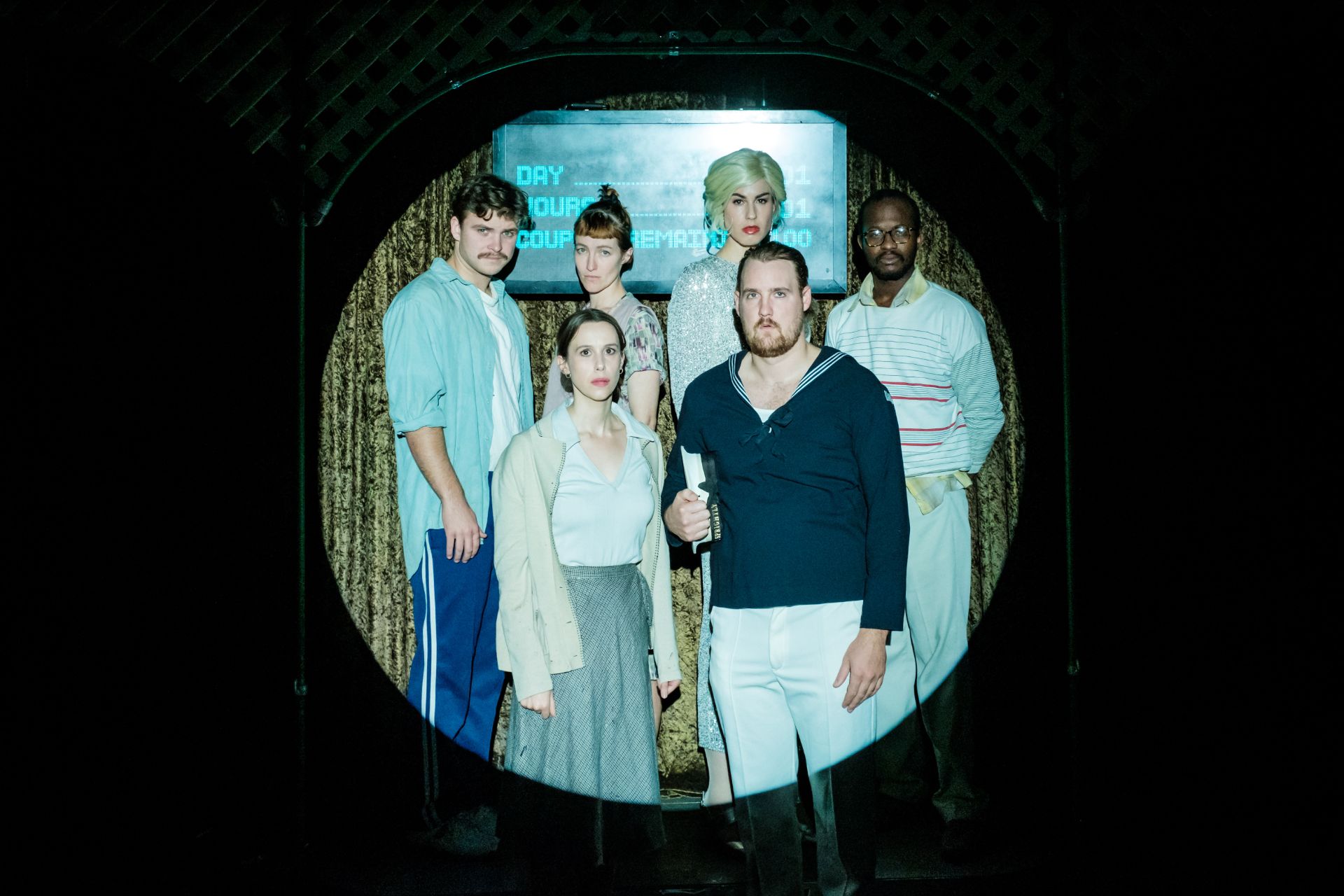
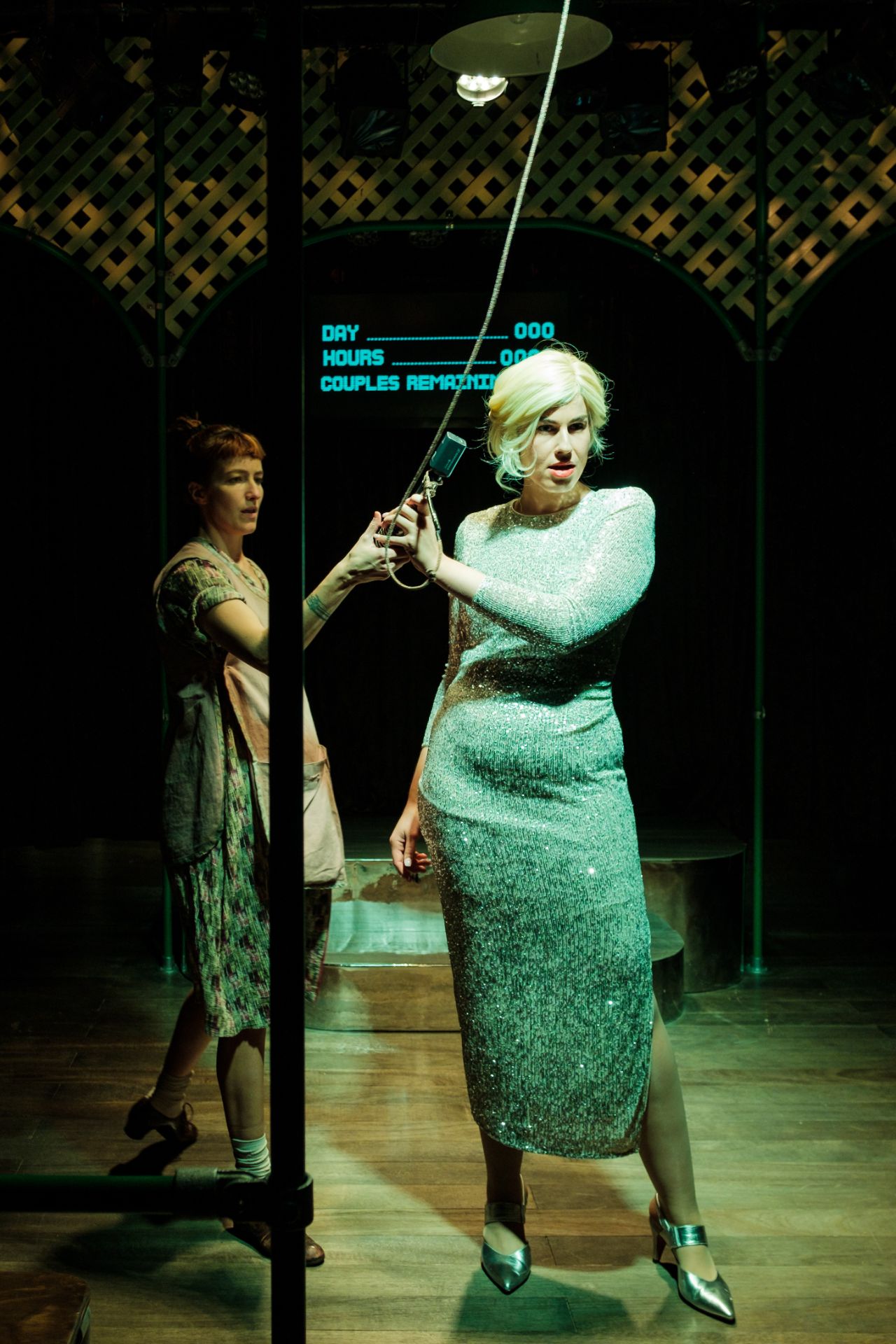
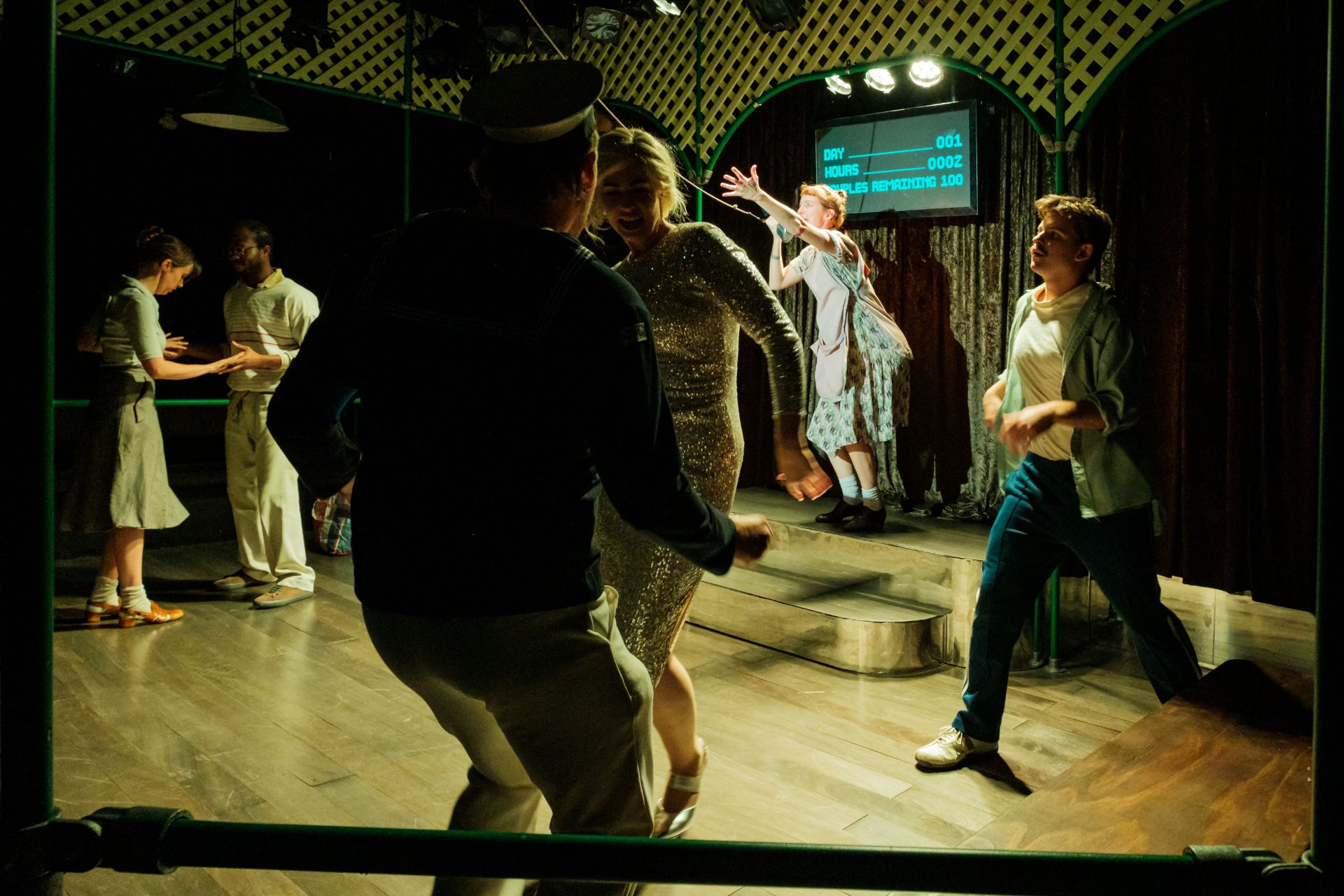
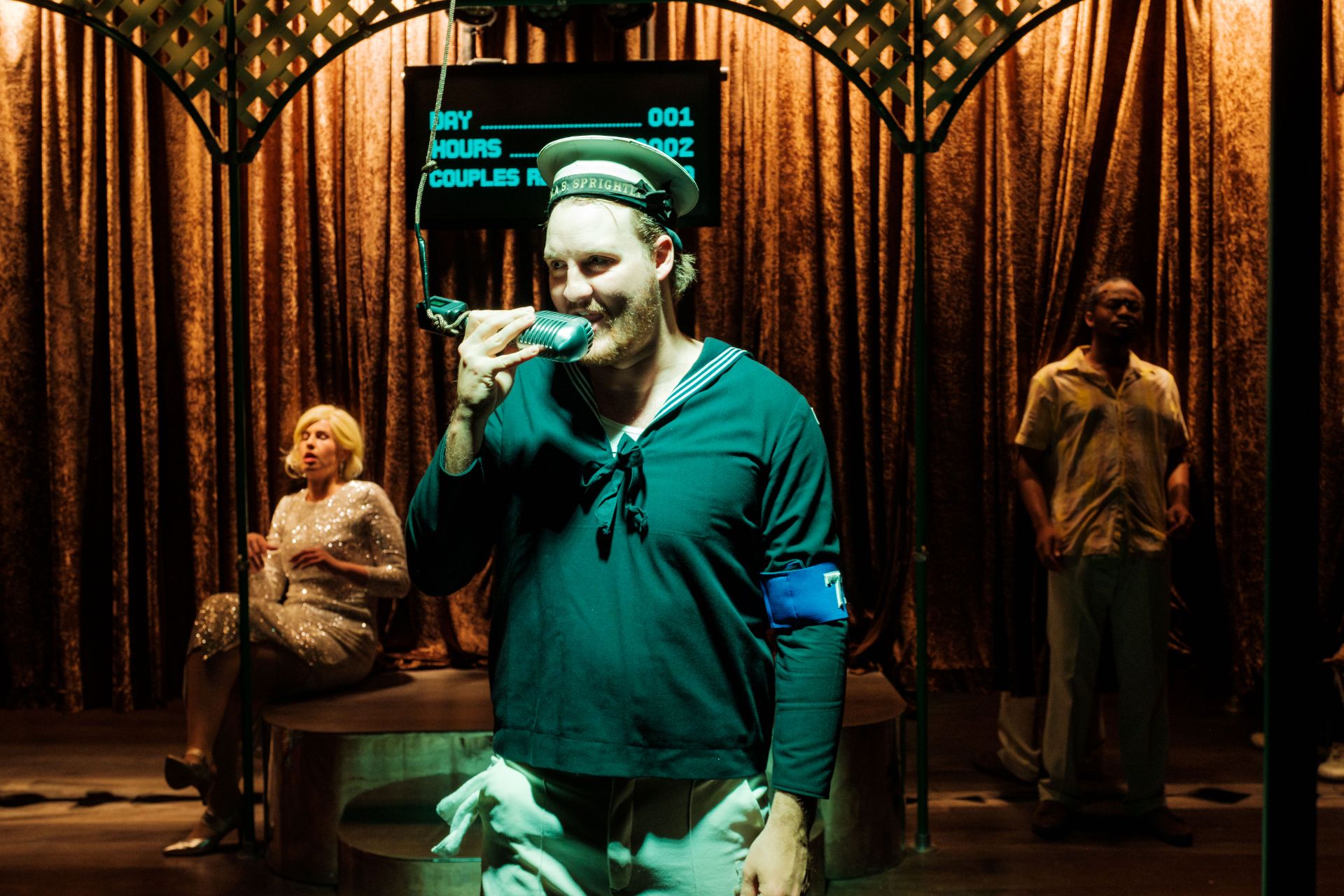
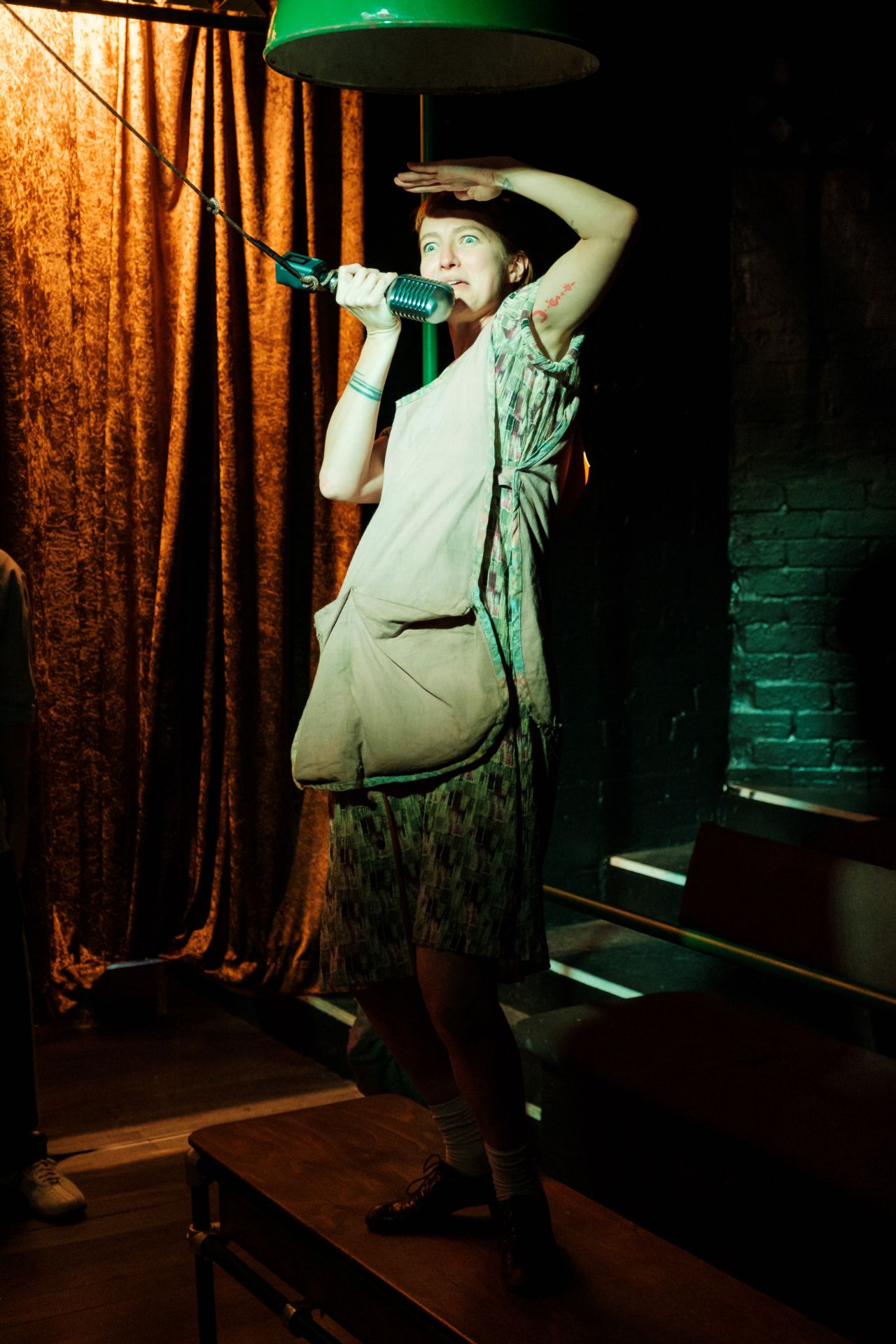
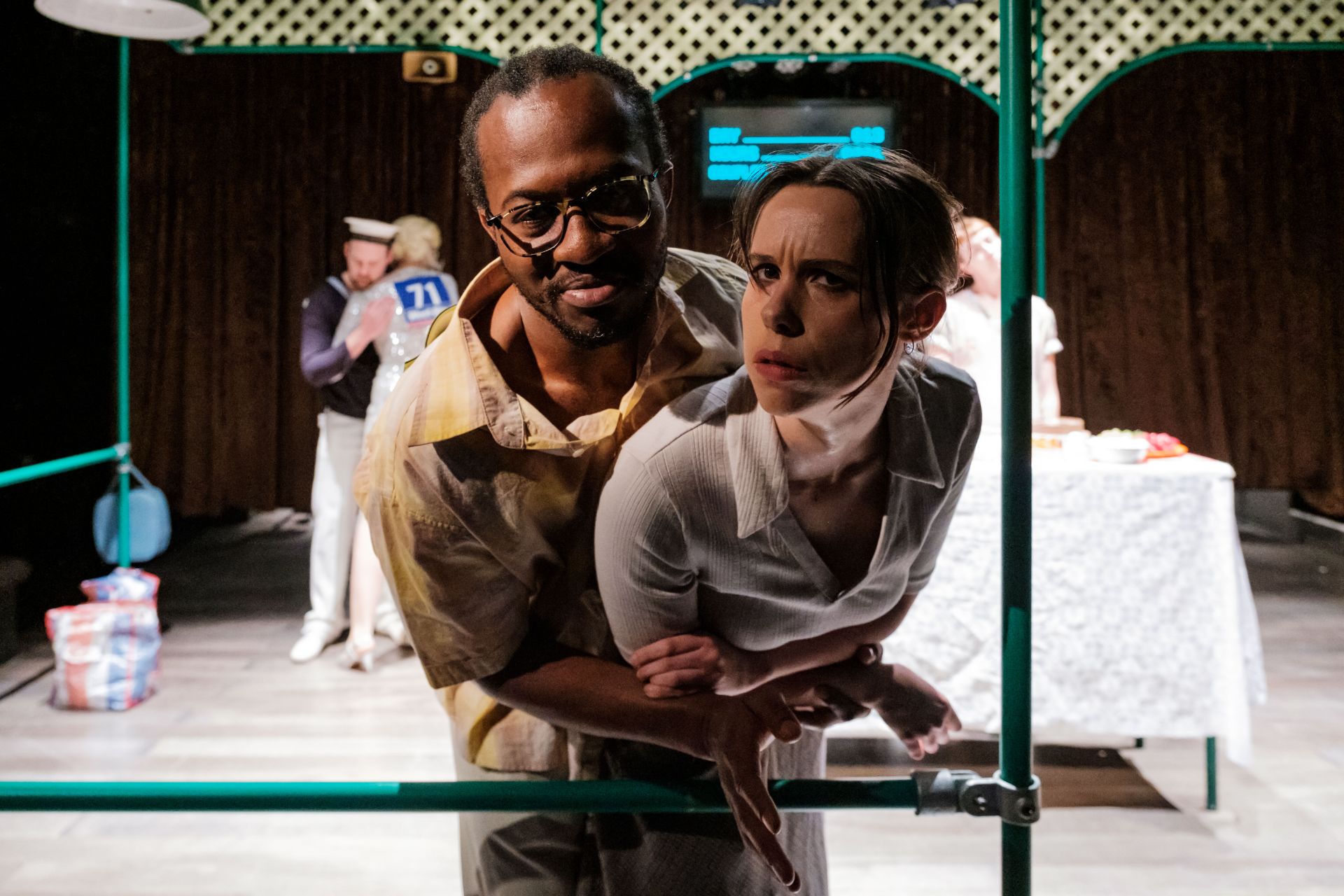
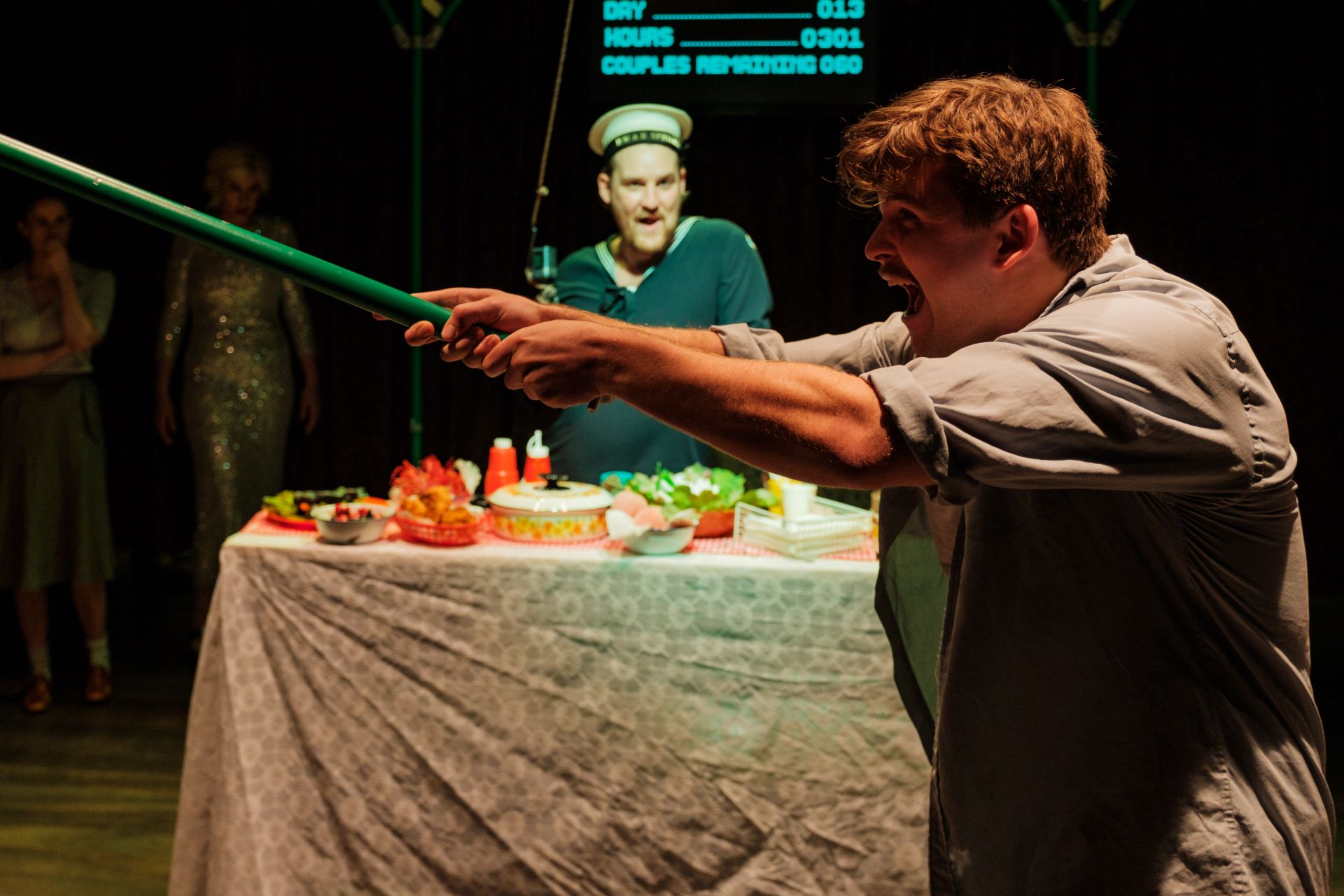
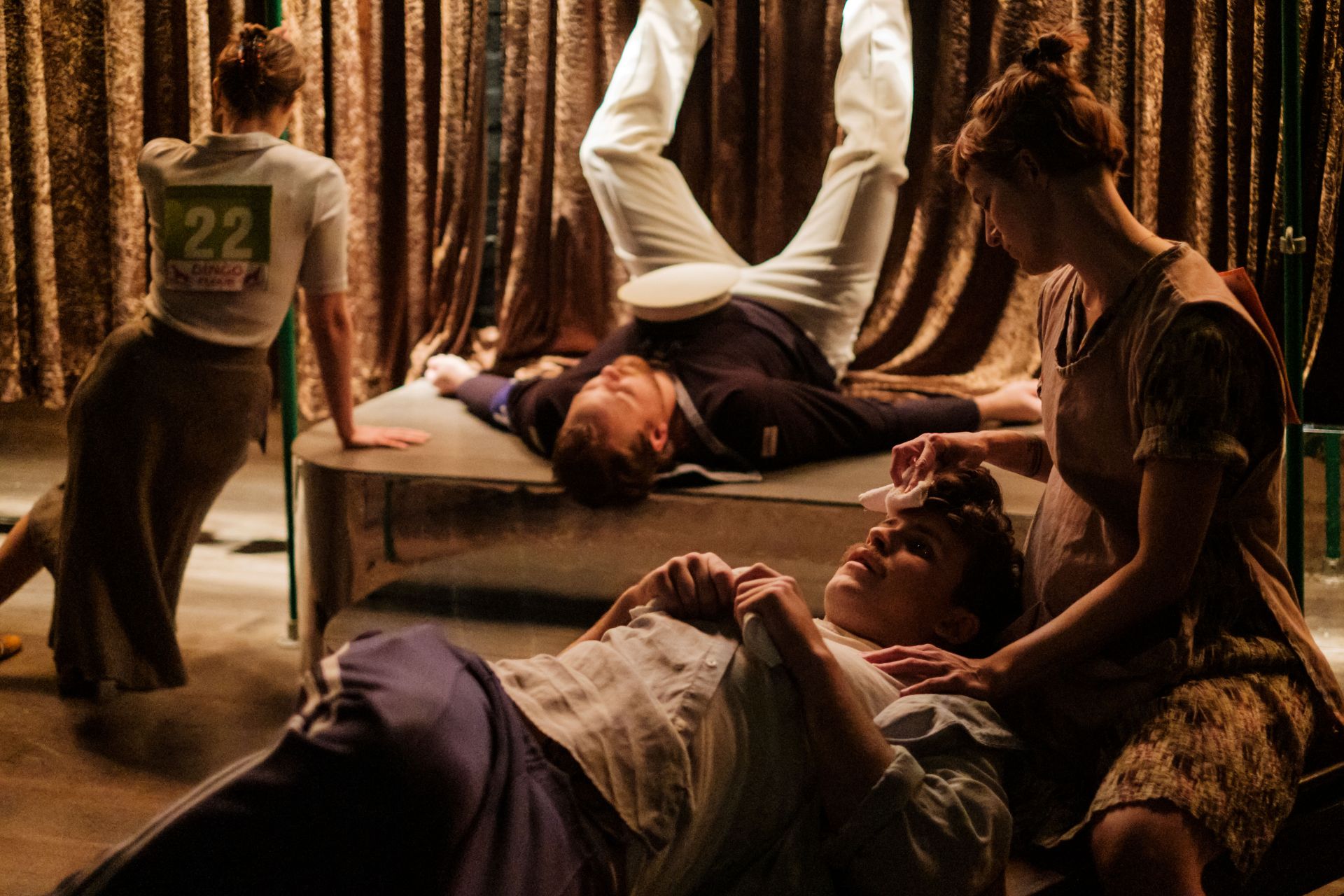
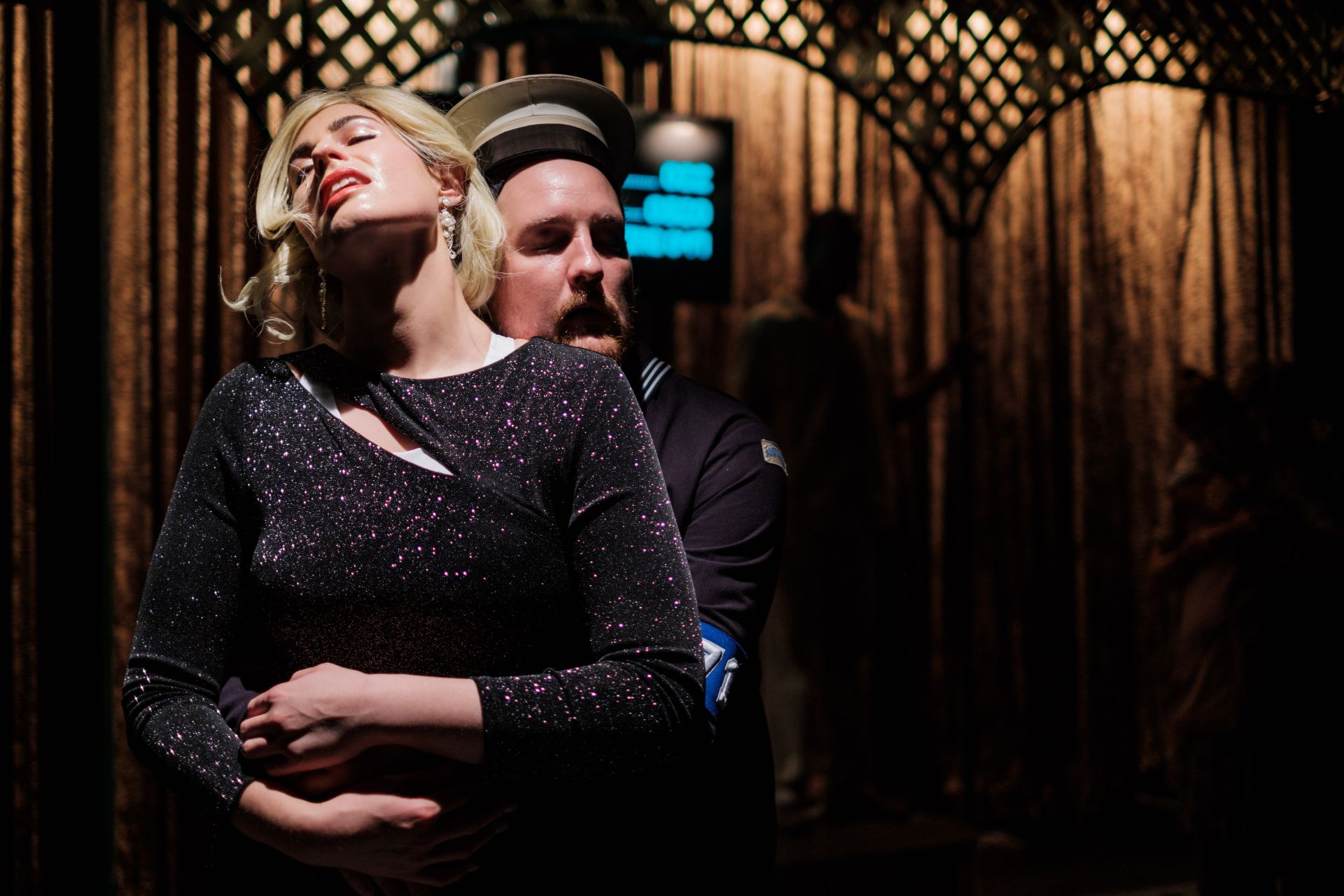
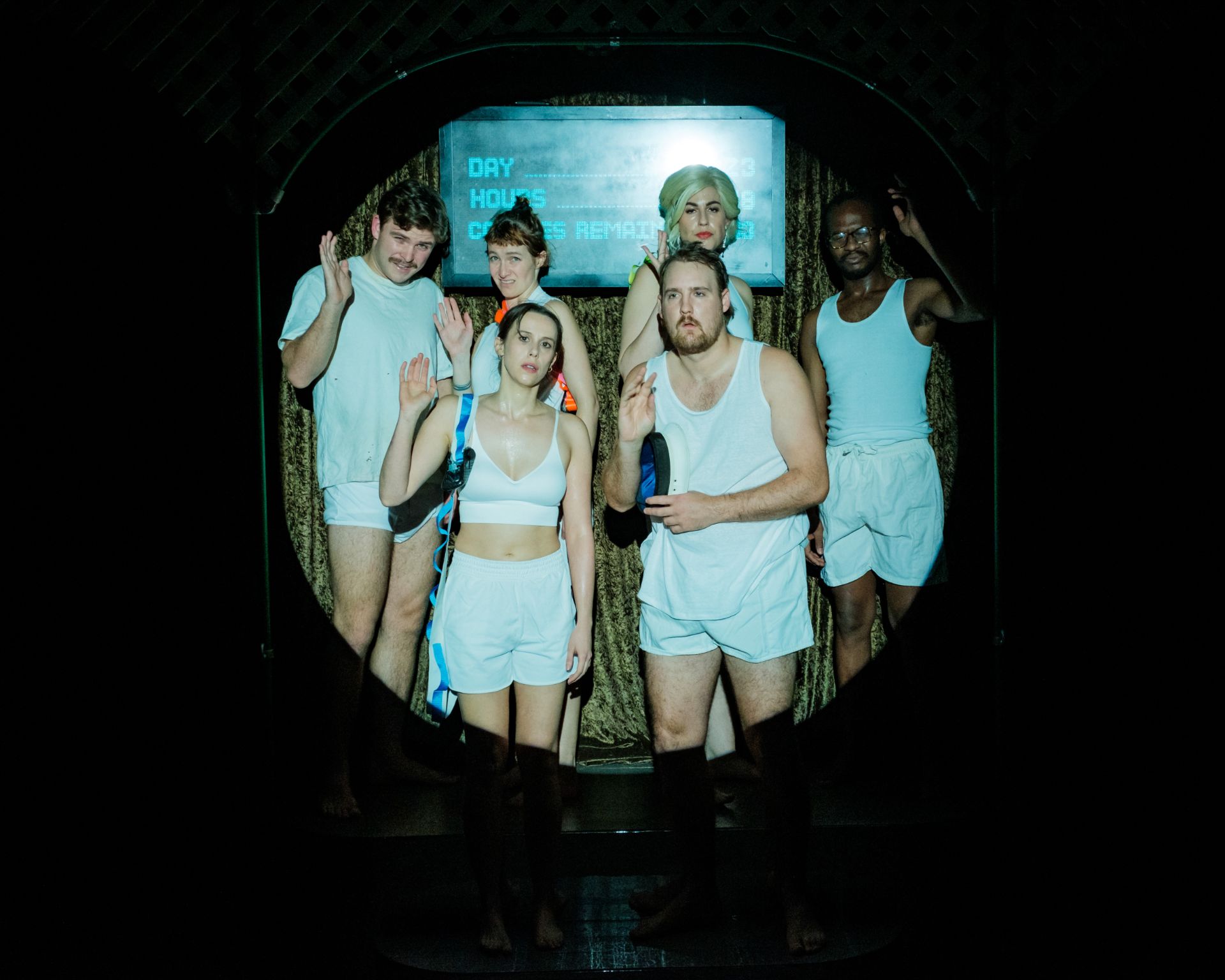
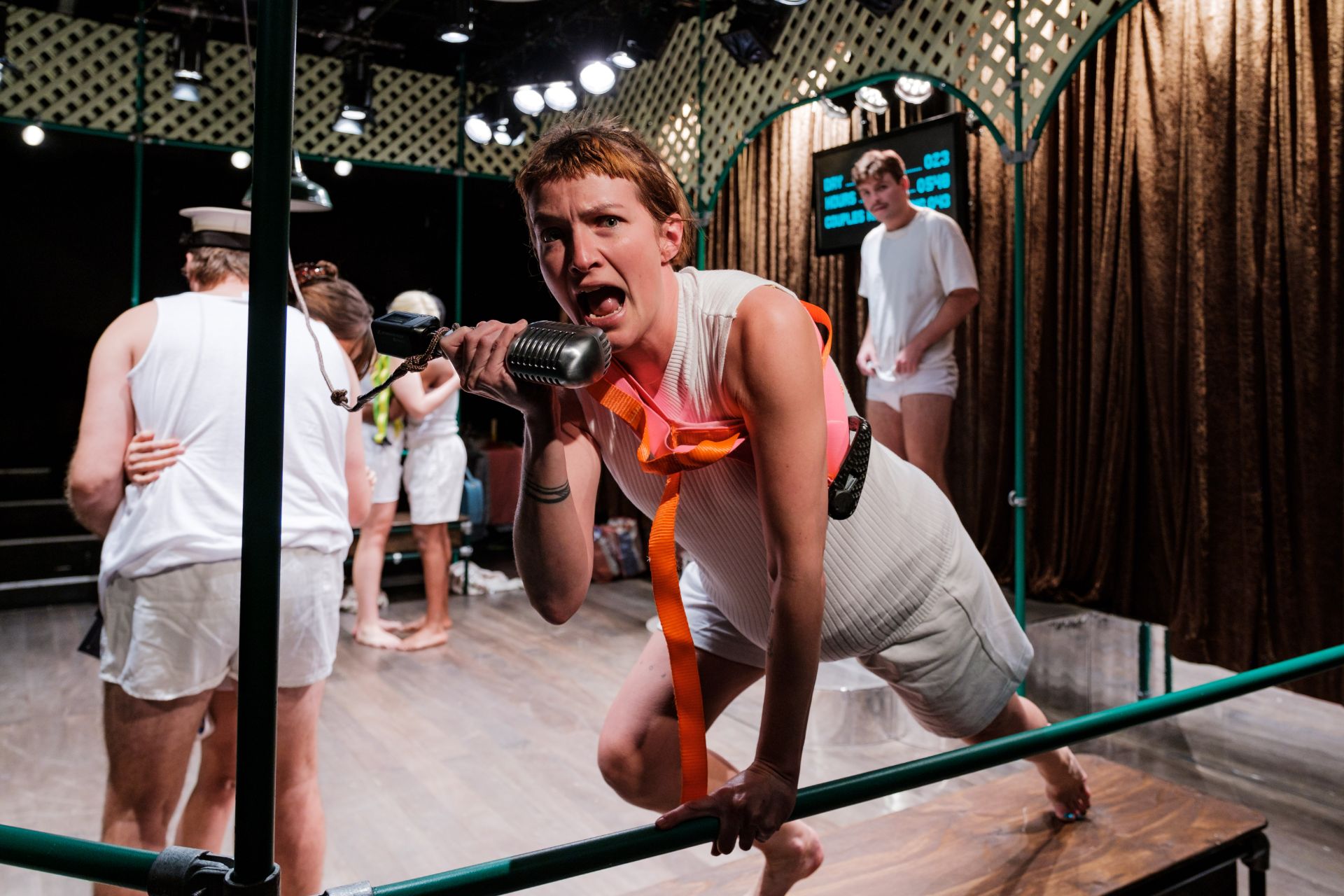
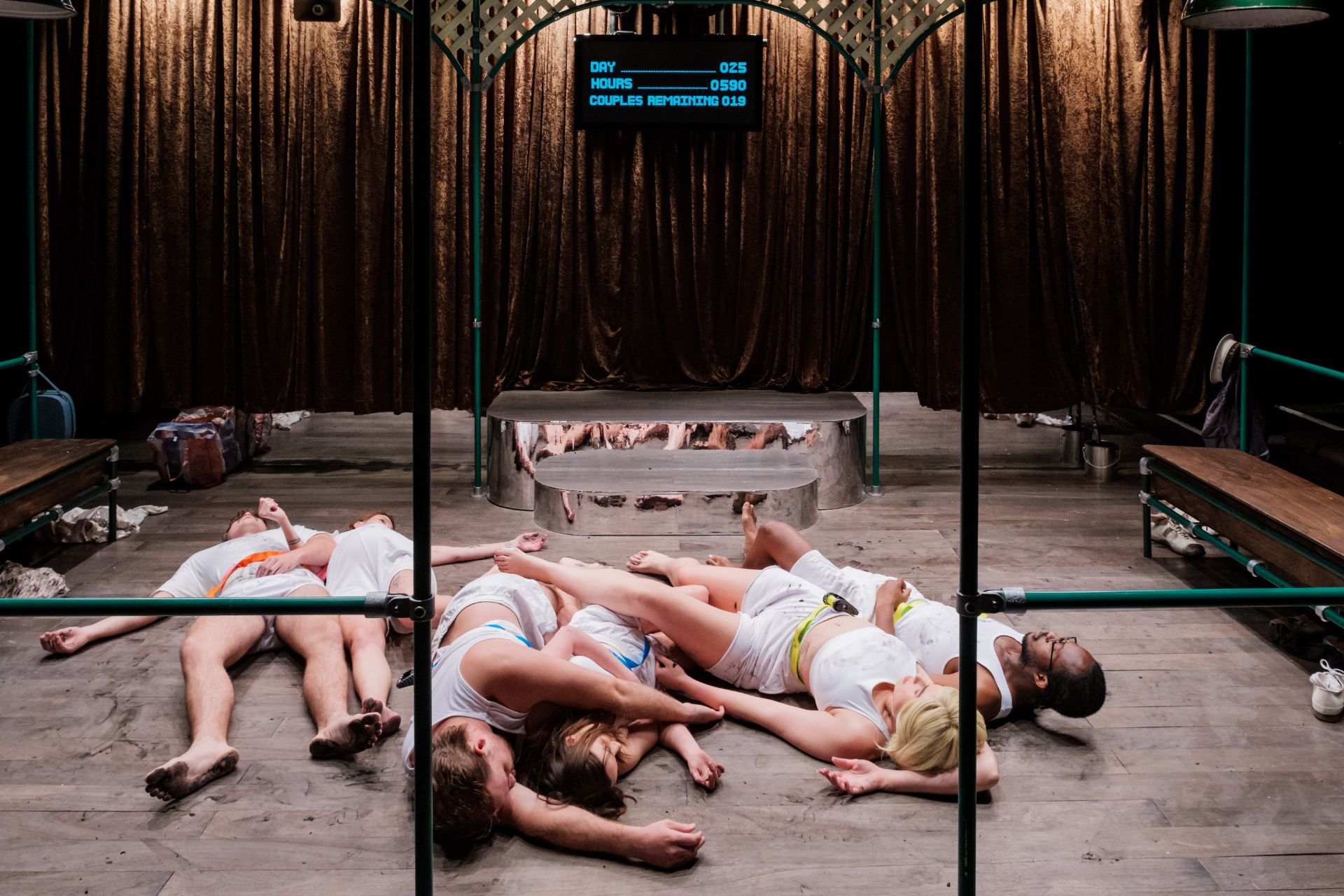
The story takes place barely a century ago, during the Great Depression. Several hundred people gather to participate in a dance marathon, in hopes of winning a cash prize of $1,500. They are only allowed ten-minute breaks every 2 hours, and we hear early on, that previous contests had gone on each time, for over a thousand hours. It is a perverse reality show, that is part Big Brother and part ancient Roman blood sport, capitalising on the human’s insatiable thirst for exploitative entertainment. Based on Horace McCoy’s 1935 novel and Sydney Pollack’s 1969 film They Shoot Horses, Don’t They?, this new adaptation by Ian Sinclair moves the action from California to Sydney, and is concisely retitled Horses.

Although retaining the macabre qualities of the original, Sinclair’s vision is decidedly humorous, in this very modern transposition to the stage. Indeed, the bizarre conceit lends itself to a dark comedy, which director Tait de Lorenzo does not hesitate to use to her advantage. Instead of relying on the tragedy’s undeniably sad dimensions, de Lorenzo provokes us into thought, by making us laugh. The result is a surprisingly funny show, that also cares to be poignant enough for the important questions, about who we are and why we are, to emerge.

Production design by Cris Baldwin draws attention to the event as a spectacle for amusement, whilst ensuring that we never lose sight of the difficult times during which it had occurred. Benjamin Brockman’s lights convey the sorrowful heart of the story, even when offering bedazzling concoctions that fascinate our eyes. Similarly sophisticated, is sound design by Zac Saric offering an intricate and complex landscape, often telling us more than the dialogue does, about all that we need to know about Horses.

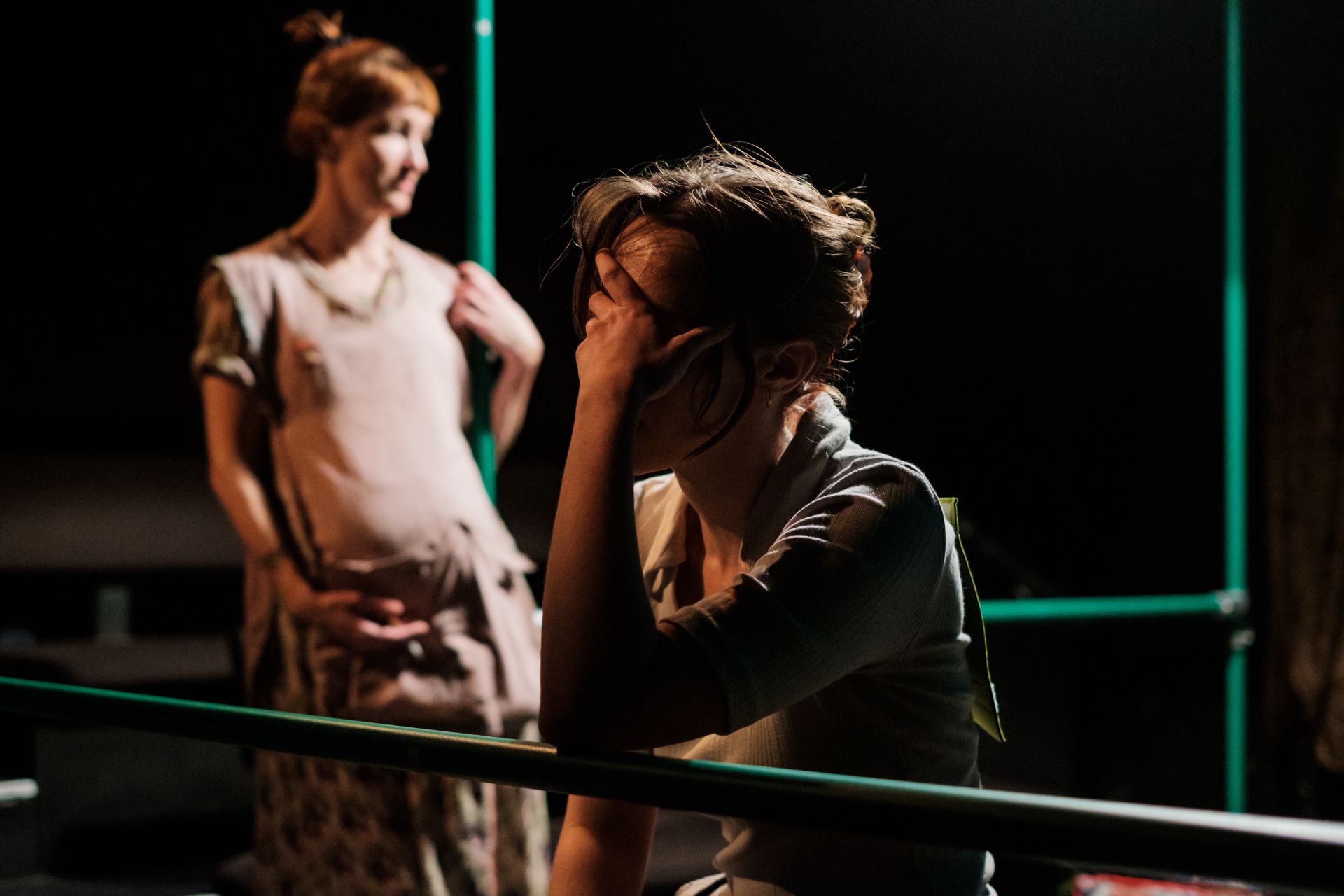
An excellent ensemble of six players, individually idiosyncratic, but wonderfully cohesive as a whole, take us on a revelatory and ultimately brutal vaudeville, about our worst selves. Nathaniel Langworthy and Charlotte Otton are effortlessly comical, with mischievous presences that insist on our mirthful responses. Tom Dawson and Caitlin Doyle-Markwick bring whimsy to the production, with a sense of experimental freedom, that helps us broaden our minds, as we form meanings from a theatre that speaks more in terms of symbols than it does in words. Justin Amankwah and Brontë Sparrow deliver the sentimental aspects of Horses, both captivating, and effective in engaging our empathy, for this hideous moment of self-reflection.

Watching Horses today, we need to be conscious of the difference in circumstances, between now and then. Although poised for a period of recession, we must not interpret the story in too similar a way from when it had been written. It is crucial that the truth about extreme wealth disparities in the twenty-first century, should play a significant role in modern interpretations of the story.

Like the competing dancers in Horses, we often find ourselves fighting one another, thinking that that is the only way to get ahead. Convinced that there can only be one winner in so many of our circumstances, we have been trained to not only act ruthlessly, but to submit to humiliation and self-blame. We have grown accustom to the top ten percent owning virtually everything in the world that is commodifiable, and we let them manipulate our lives to serve their purpose, of worsening that unforgivable discrepancy.
There is no reason, especially today, for any of us to demean ourselves in the name of entertainment, in order to make a buck, yet that seems to be par for the course. In so much of today’s idea of amusement, from television to TikTok, people put themselves through all manner of debasement, so that they can become winners of little consequence. The ones who benefit most, do not have themselves shown. They might shoot the horses, but they show us no mercy. They simply send in the clowns and reap all the rewards.

www.belvoir.com.au

Review: Daddy Developed A Pill (Snatched Theatre Collective)

Venue: Kings Cross Theatre (Kings Cross NSW), Jun 8 – 18, 2022
Playwright: Cassie Hamilton
Director:
LJ Wilson
Cast:  Sarah Greenwood, Clay Crighton, Jack Francis West
Images by Snatched Theatre Collective

Theatre review
In Cassie Hamilton’s Daddy Developed a Pill, Cynthia’s father strikes it rich, after inventing a drug that becomes hugely popular. The sudden change in lifestyle means that Cynthia no longer gets to see her father regularly. Feeling neglected, she grows into adulthood desperately trying to win his approval, and forms the belief that by creating a pill of her own, she would be speaking her father’s language, and thus able to regain his attention.

It might be a relatively simple narrative, but the plot of Hamilton’s play is complicated. 16 characters weave in and out, in an intentionally chaotic melange of short sequences, with rapid fire dialogue of which the audience is likely to only retain a small portion. The chronology of action seems erratic, but we are not the only ones confused. Cynthia is at the centre of all the hullaballoo, and she too is bewildered. Indeed, her existence is one of alienation and uncertainty. She stands outside, as though in a state of dissociation, whilst lovers, family and work associates, are fussing over her, caught up in dramas about Cynthia, while all she wants is her father.
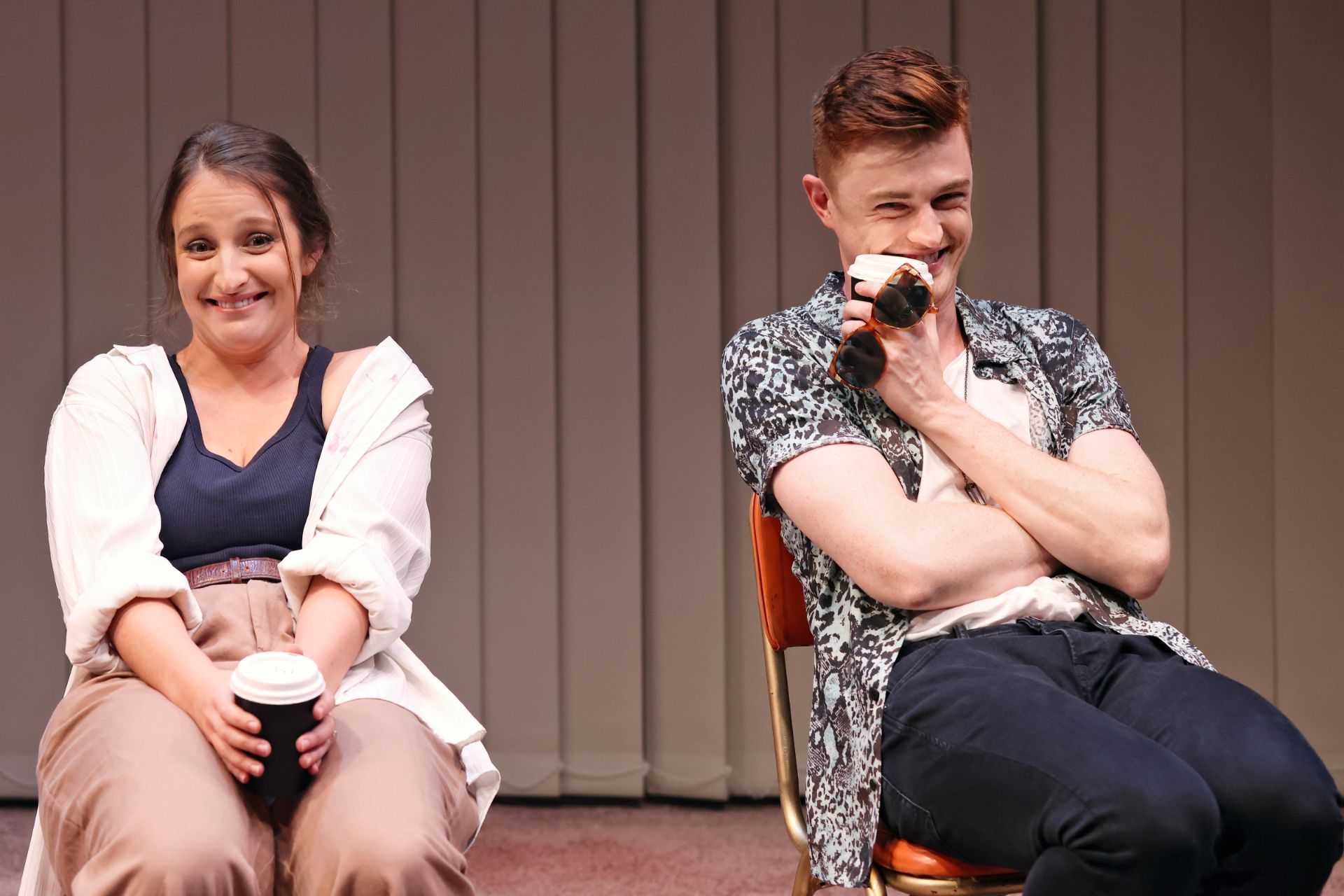
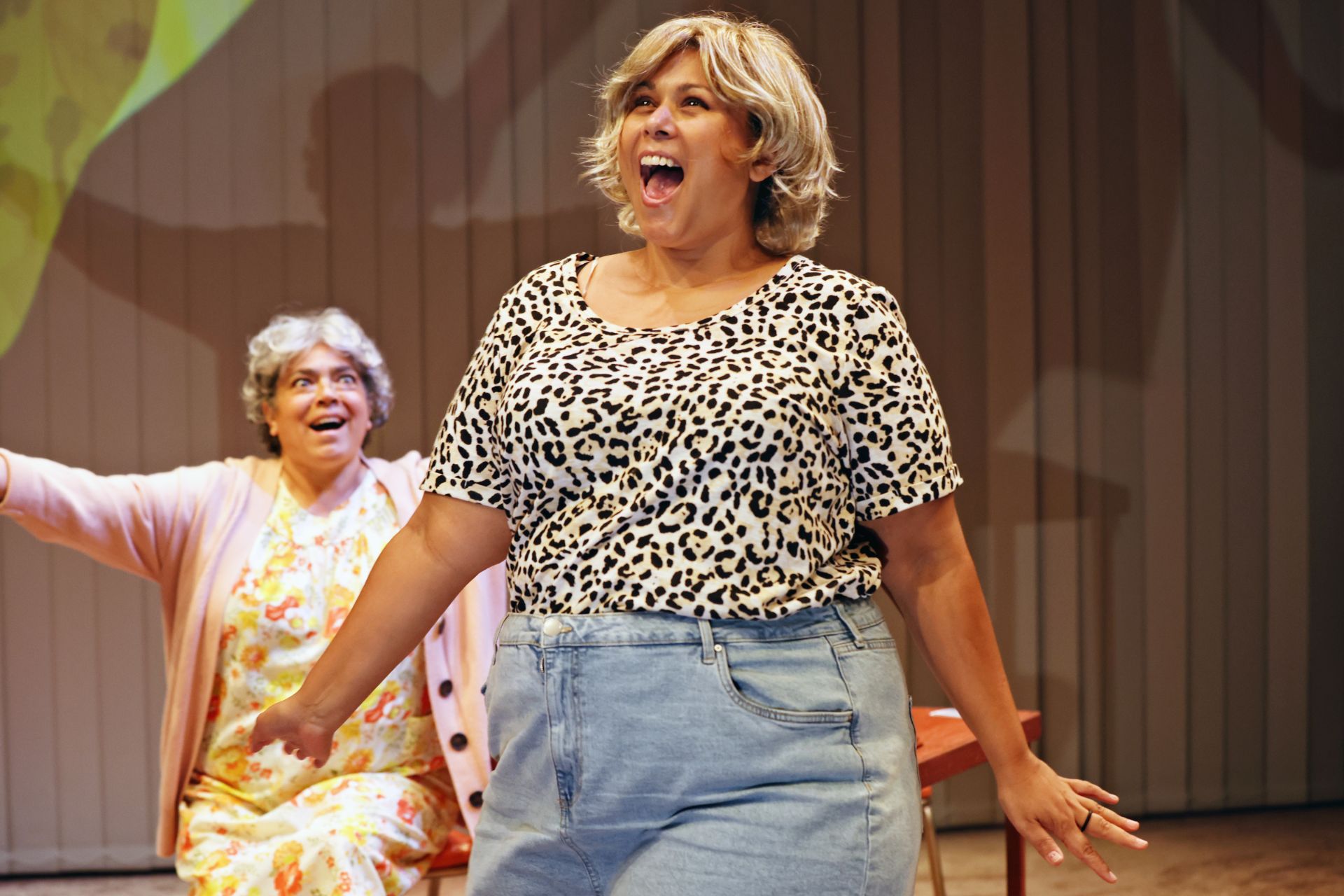
Direction by LJ Wilson is relentlessly raucous. The entire show takes on the tone of a riotous comedy, but it is never truly funny. Even though the laughs are sporadic, much of the presentation proves captivating. The sheer energy of the staging sustains our interest, if only out of curiosity, for this rare occurrence of outrageously exuberant absurdism.

Rowan Yeomans’ sound and music are consistently lively, with a penchant for manufacturing an atmosphere of euphoria, to accompany the madcap performance style. Production design by Kate Beere is all glitz and camp, to invoke the vaudeville tradition. Jesse Grieg’s lights are flamboyant and colourful, adding great visual dynamism to proceedings.

Actor Sarah Greenwood as Cynthia is to be commended for conveying emotional authenticity, throughout the 95 minutes of ceaseless pandemonium. Clay Crighton and Jack Francis West are wonderfully animated with their extensive repertoire of roles, both impressive with the vigour they bring to the stage, and with the irrepressible mischievousness that accompany all the surreal hijinks they deliver. This team of three is remarkably well-rehearsed; the fluency with which they execute this intricate and convoluted work, is quite a sight to behold.

Cynthia struggles to find herself, because she feels unloved. Her father’s absence creates a hole that she seems unable to fill, yet life goes on. In Daddy Developed a Pill, it is the daughter who is left broken, and for those of us who recognise ourselves in that state of ruin, it is that honest depiction of a lack of closure, that resonates. Too much of our storytelling wants to offer catharsis, with sweet endings to sad tales. What seems more truthful on this occasion, is to see that we often experience no closure, only a hope that resilience accrues with each blow, and we simply keep going.

www.facebook.com/snatchedcollective

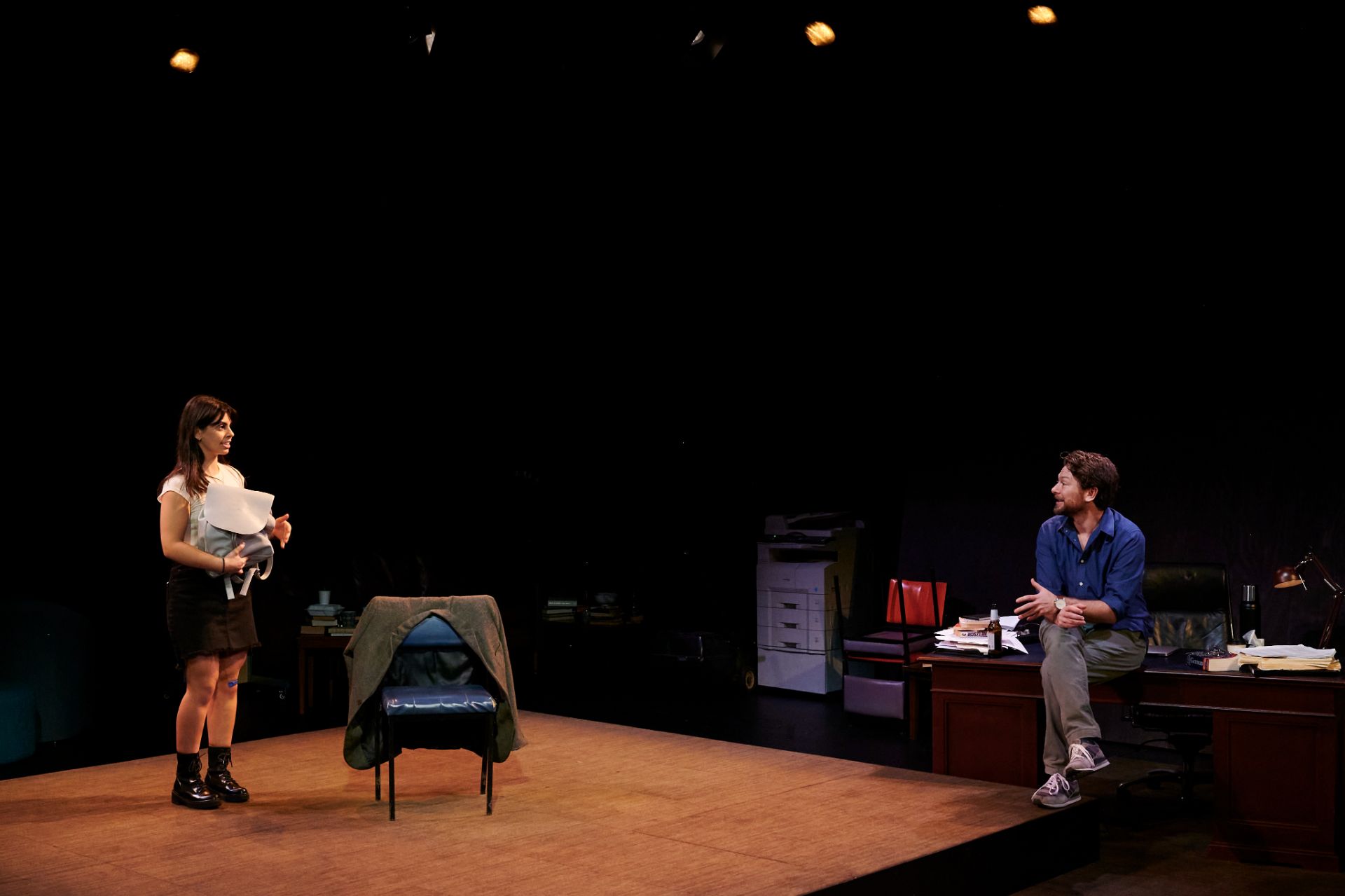
Review: Sexual Misconduct Of The Middle Classes (Belvoir St Theatre / Melbourne Theatre Company)

Venue: Belvoir St Theatre (Surry Hills NSW), Jun 2 – Jul 10, 2022
Playwright: Hannah Moscovitch
Directors: Petra Kalive
Cast: Dan Spielman, Izabella Yena
Images by Jaimi Joy

Theatre review
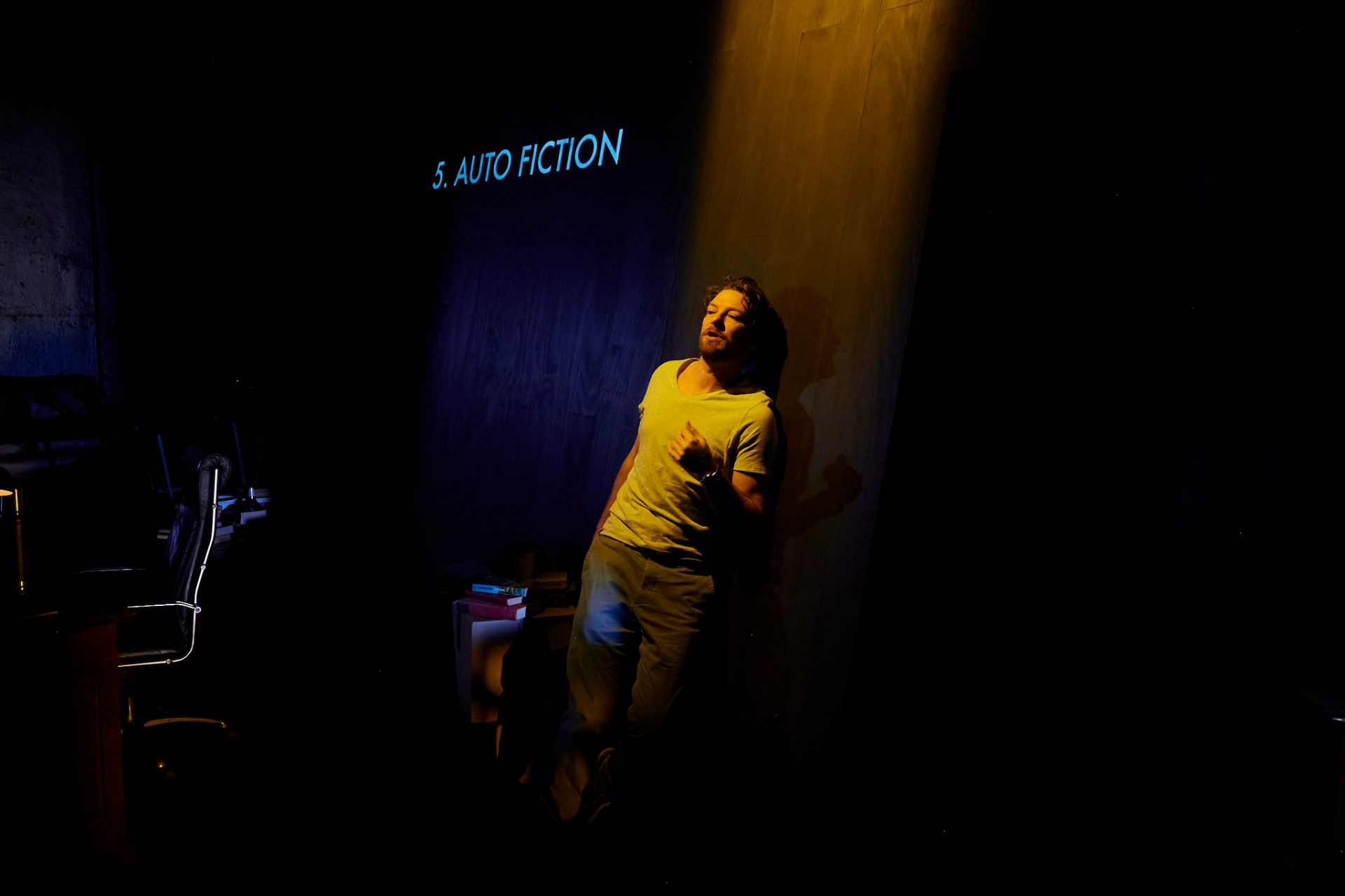
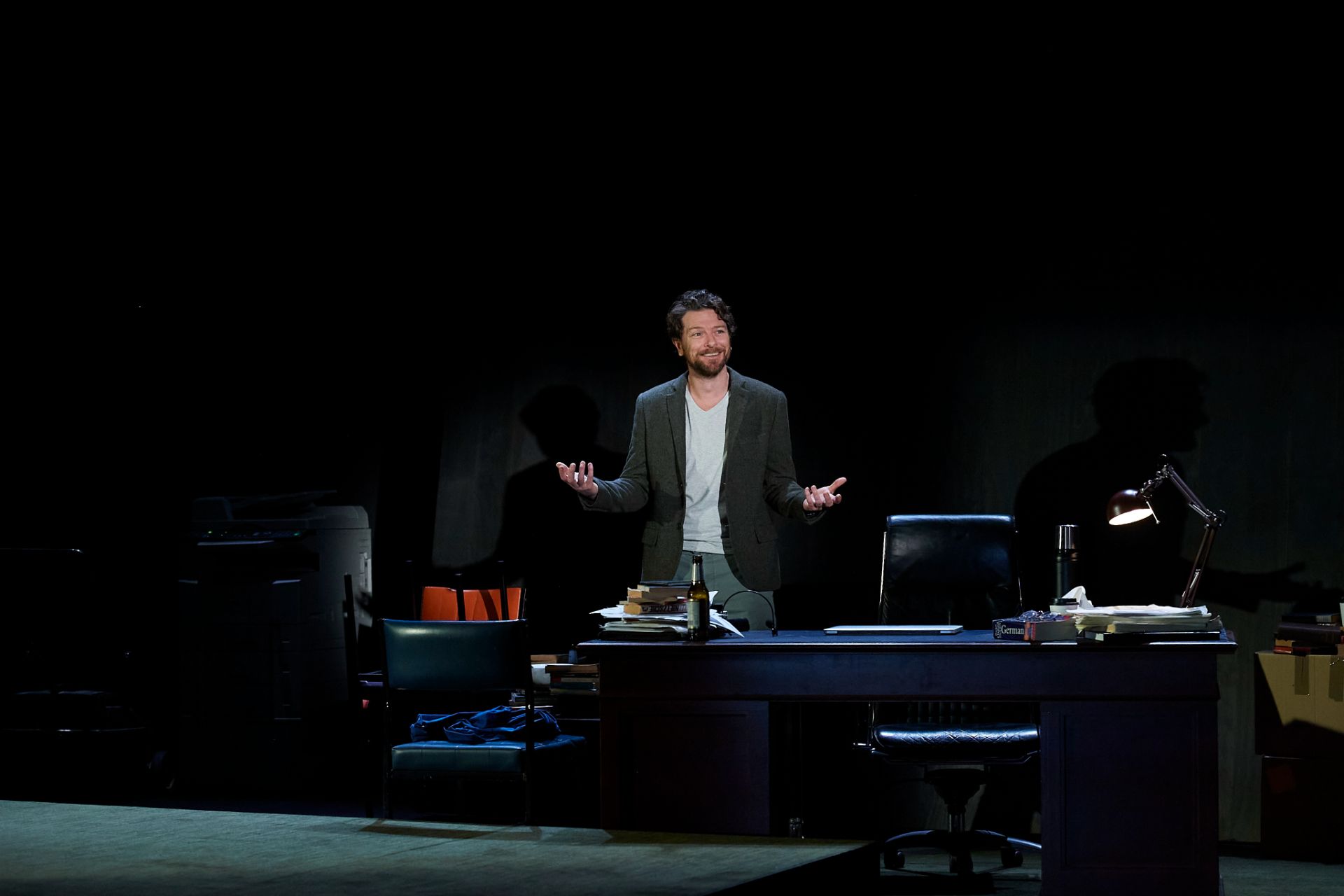
Jon is a successful writer who refers to himself in the third person. He is also a university lecturer, who has an affair with a student half his age, in Hannah Moscovitch’s Sexual Misconduct of the Middle Classes. Written in 2020, there was only ever one way this story about sex and power could go. The play may be painfully predictable, but the truth is that we are fortunate to live at a time, when boundaries concerning such matters are clearly demarcated. No trigger warnings are issued, because on this occasion they are never necessary.

There is little about Moscovitch’s work that is dangerous. We have had these discussions many times, and our decisions are firmly drawn, so we feel the play trudging along completely predictably, toward that very foregone conclusion. One would struggle to identify anything further that Moscovitch is able to add, to our now immovable and non-negotiable attitudes with regard sex at our workplaces and public institutions. The subject matter could have provided fertile ground for subversive or provocative humour, but as its title suggests, it is all terribly middle class in attitude.

Petra Kalive’s direction of the piece is arguably too earnest, perhaps too careful, in fear of being misunderstood. Its efforts to reassure us that there is never any intended affront, results in a work of theatre that is overly polite and safe. The tone of the staging is commendable for taking into account more delicate sensibilities that are likely to be present in the audience, but the consequence is a show that does not advance discourse, and one that poses no challenge to our intellect.

Unsurprisingly perhaps, design aspects are all elegantly rendered. Marg Howell’s set and costumes focus our sense of awareness, on just the right strata of people we are looking at. Rachel Burke’s lights offer accurate calibration for every subtle shift in atmosphere. Sound design by Darius Kedros is sensitive and unobtrusive, generously wishing for us to hear little more than the play’s dialogue.

Actor Dan Spielman does marvellously to hold our attention, whilst playing an irredeemably repugnant character. His conviction only makes us more disgusted, which is of course an appropriate response, although there is no denying the tedium of encountering such a one-dimensioned villain. Izabella Yena as Annie, does her best work between the lines, able to convey the complicated amalgamation of emotions, as a young woman who learns over time, that her consent was not consent at all.

One of the main problems with the middle classes, is their unwavering trust of authority. For most of Sexual Misconduct, the audience seems to be positioned so that our concern resides with the choices that Jon makes; it seems to want us to urge him to do better, at every stage of the narrative. The middle classes have such a love of power, as reflected in all their aspirations to attain power, they deny that transparently sinister quality of power that makes it so seductive.

The point of it, is to evade accountability. The point of power, is so you can do whatever you want, especially behind closed doors. To expect people in positions of power to do better is naive, and frankly, in this day and age, stupid. For the audience to wish that Jon discovers his conscience, is to bury our heads in the sand. It is not the individuals in broken systems (or indeed systems designed to fail our democracies), who need to do better. It is the fact that people are granted such power, in that young women like Annie are taught to regard men like Jon with such reverence, that is the problem.

www.mtc.com.auwww.belvoir.com.au

Review: Ghosting The Party (Griffin Theatre Company)

Venue: SBW Stables Theatre (Darlinghurst NSW), May 20 – Jun 18, 2022
Playwright: Melissa Bubnic
Director: Andrea James
Cast: Belinda Giblin, Amy Hack, Jillian O’Dowd
Images by Clare Hawley

Theatre review
Grace is 87, and everything in life has become a pain. Seeing that there is no joy left in anything, she decides to take her death into her own hands. This however is not a popular decision, with Grace’s daughter and granddaughter, who are not quite as ready to lose a loved one. Melissa Bubnic’s Ghosting the Party may have chosen to talk about the oldest topics, of family and of death, but in fact does so by offering an ultramodern take on life, and on the agency of our women and our aged. Bubnic’s expressions are both emotional and pragmatic, coming from a place of immense honesty, whilst demonstrating deeply impressive analytic capacities. Ghosting the Party is a highly intelligent, and provocative, piece of writing, but also supremely funny, able to thoroughly entertain, as it makes clever arguments about some of life’s most serious matters.

Bubnic’s wonderful words and ideas, are brought to the stage by director Andrea James, who is herself brilliantly humorous. James’ show is simultaneously poignant and comedic, able to move us to tears, not only through its sentimentality, but also by way of some very wicked laughter. With James at the reins, Ghosting the Party is intellectually engaging, and endlessly amusing; certainly one of the best shows you can hope to see at any theatre, at any time.

Designer Isabel Hudson does a splendid job of the set and costumes, making witty references to feminine stereotypes, drawing attention perhaps, to the gendered way we talk about so many things, even at the point of death. Lights by Verity Hampson are memorable especially in moments of melancholy, able to swiftly alter our responses to accommodate the complex amalgamation of feelings that the play evokes. That constant shifting of emotional gears, is further assisted by the music and sound design of Phil Downing, which help us connect to both the realist dimensions and the play’s more abstract ones. The show’s design aspects conspire perfectly, to deliver something that is thoughtful, silly, happy and sad, all at once.

Occupying our attention most intensely however, is the divine Belinda Giblin, who is simply resplendent in the role of Grace. Her work seems infinitely intricate and detailed, allowing us to comprehend the story at great depth and unbelievable nuance. Giblin is as hilarious as she is touching, with a conviction and confidence that is rarely paralleled. Equally passionate is Jillian O’Dowd, who plays daughter Dorothy with an exceptional sense of ironic glee. Her depictions of vulnerability and frustration, form a wonderfully convincing, and endearing, portrait of the middle-aged Australian everywoman as she exists today. Amy Hack is granddaughter Suzie, authentic and strong, in the way she conveys the internal conflicts that inevitably arise, when trying to cut the apron strings and carve her own way.

The first thing we hear in Ghosting the Party, are these stirring words, “No-one ever came back but all reports indicate it’s lovely.” Nobody knows for sure, what happens on the other side, but we all hold cultural and individuated beliefs that pertain to the afterlife. What is irrefutable however, is the sorrow that comes with the sudden absence of a loved one. Love does not make its presence more felt, than when a person goes away. Eternally wondrous, however, is that love never disappears with death. It is that prolonged lingering, that makes us think that we do not simply end this way. Whatever it may be, the truth is that all we can do, is try to love in a way that leaves no room for regret, even if all is only silence thereafter.

www.griffintheatre.com.au

Review: Before The Meeting (White Box Theatre)

Venue: Seymour Centre (Chippendale NSW), May 21 – Jun 11, 2022
Playwright: Adam Bock
Director: Kim Hardwick
Cast: Alex Malone, Tim McGarry, Jane Phegan, Ariadne Sgouros, Tim Walker
Images by Danielle Lyonne

Theatre review
In a church basement somewhere in America, one of the world’s many Alcoholics Anonymous meetings is being held. Four individuals become friends through this process, offering support and guidance to one another, as each seeks to navigate this arduous thing called life. Adam Bock’s Before the Meeting offers a glimpse into the experience of sobriety, and by implication, the effect of alcohol consumption on some people. Bock’s writing is acutely observed, with palpably realistic characters. Alternating between funny and serious, the play is careful not to dwell too heavily in the bleak, but the insight that it ultimately delivers can feel somewhat surface.

Kim Hardwick’s direction of the show is earnest, with a gentle and benevolent humanity that underscores all the action. The quietness in approach is reflected in Chrysoulla Markoulli’s music compositions and in Pru Montin’s sound design, both appropriately subtle in their calibrations of atmosphere. Lights by Jasmin Borsovszky provide a warmth to accompany these stories of the heart, and production design by Martin Kinnane manufactures a visual realism that we can easily relate to. 

A uniformly impressive cast steers us through 80 minutes of emotional authenticity. Jane Phegan is particularly memorable as Gail, proving herself a remarkably thorough artist, who ensures each word of dialogue is imbued with intent and nuance. Tim McGarry turns on the charm as Ron, taking every opportunity to lighten the mood, in a production that can often be overly sombre in tone. Alex Malone brings a beautiful volatility, that demonstrates the daily precarity of trying to survive the world as Nicole. Newcomer to the support group Tim, is played by Tim Walker whose convincing naturalism is quite a wonder to behold. Ariadne Sgouros’ dramatic intensity is a very welcome inclusion, when she appears later in the piece as Angela.

The world that humans have created is evidently intolerable. It therefore makes complete sense that, from time to time, we need chemicals and substances to be able to stomach it. Problems arise when these intoxicants overwhelm, and we find one big problem adding to another. So much of our attitude in dealing with the world’s troubles, is to turn introspective and try to make changes within. We are encouraged too often to think that the problem lies with the individual self, instead of interrogating the sets of circumstances that make things terrible for many. The powers that be, will always want us to look away, so that they may plunder and exploit as they wish. The first step to addressing obstacles, is to look at the world clearly.

www.whiteboxtheatre.com.au

Review: Dubbo Championship Wrestling (Hayes Theatre)

Venue: Hayes Theatre Co (Potts Point NSW), 13 May – 11 Jun, 2022
Book & Lyrics: Daniel Cullen
Music: Daniel Cullen, James Cullen
Director: Sheridan Harbridge
Cast: Zoe Ioannou, Genevieve Lemon, Luke Leong-Tay, Noni McCallum, Terry Serio, Justin Smith, Aaron Tsindos, Bishanyia Vincent
Images by Phil Erbacher

Theatre review
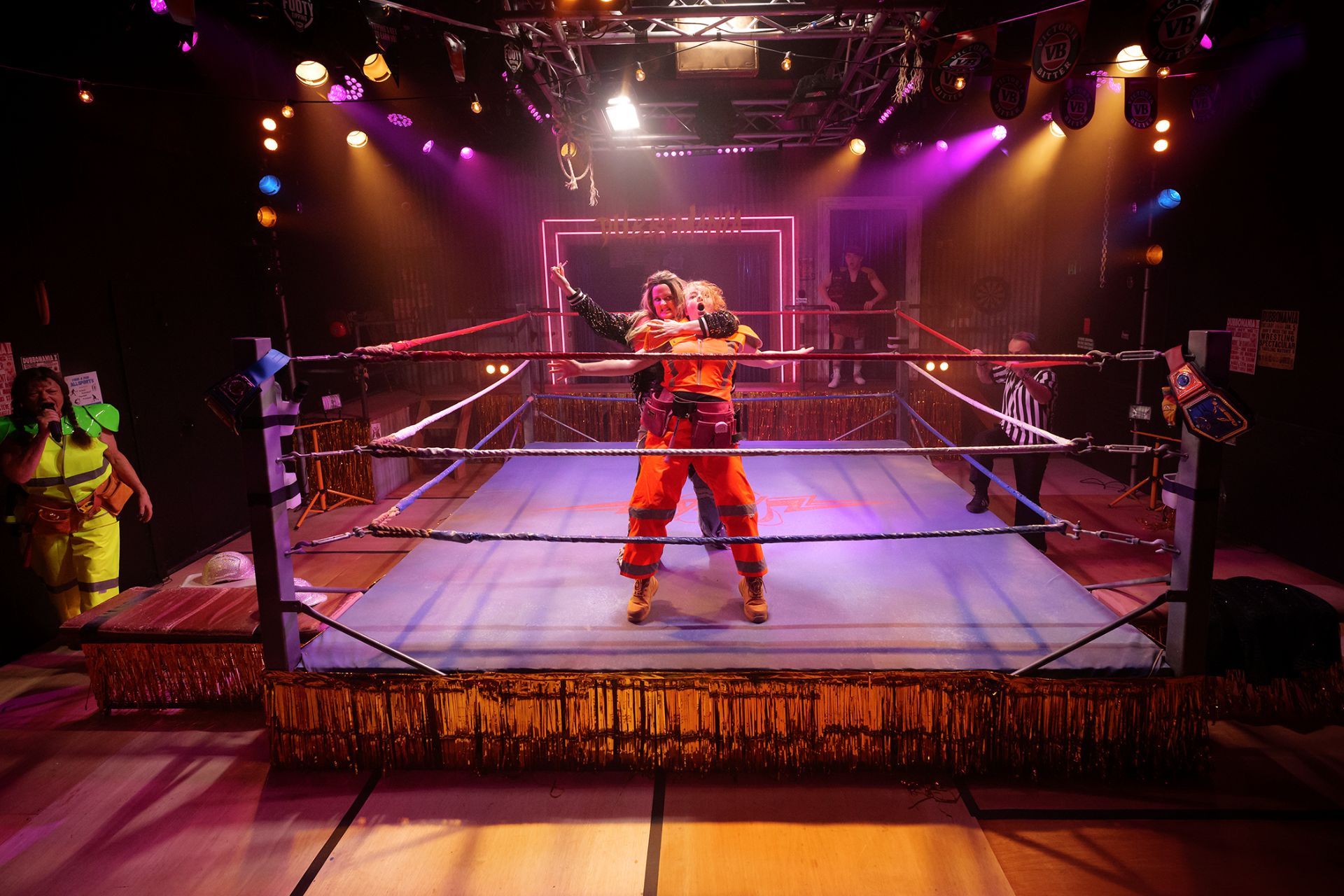
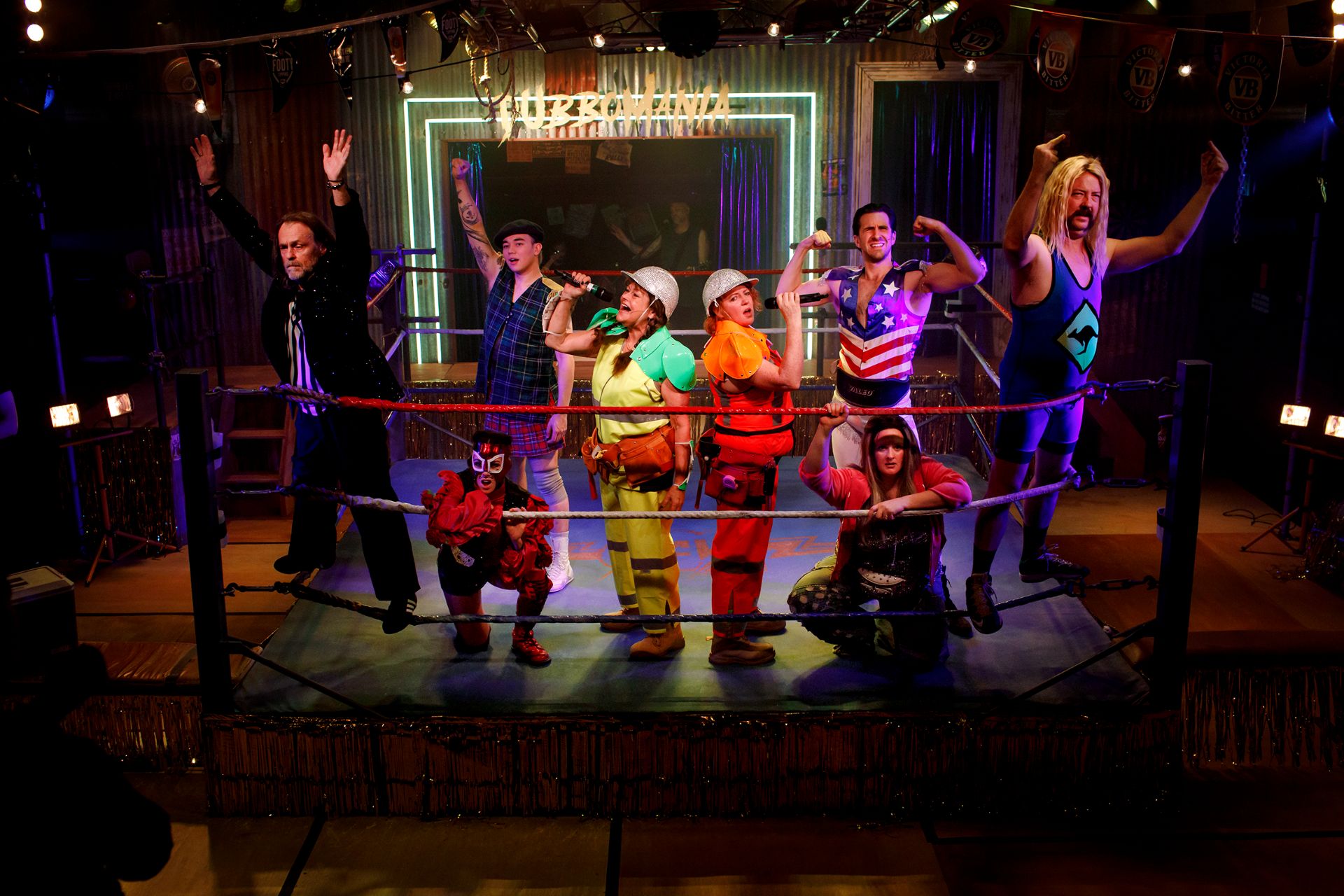
Due to extenuating circumstances, city girl Rose is forced to return to her hometown, where her father Des runs a flagging business, providing entertainment to locals through wrestling events that have seen better days. Daniel and James Cullen’s Dubbo Championship Wrestling is exactly as you would expect it; a humorous take on country life that explores our cultural cringe, as a people obsessed with the idea of never being sophisticated enough, but are ultimately full of heart.

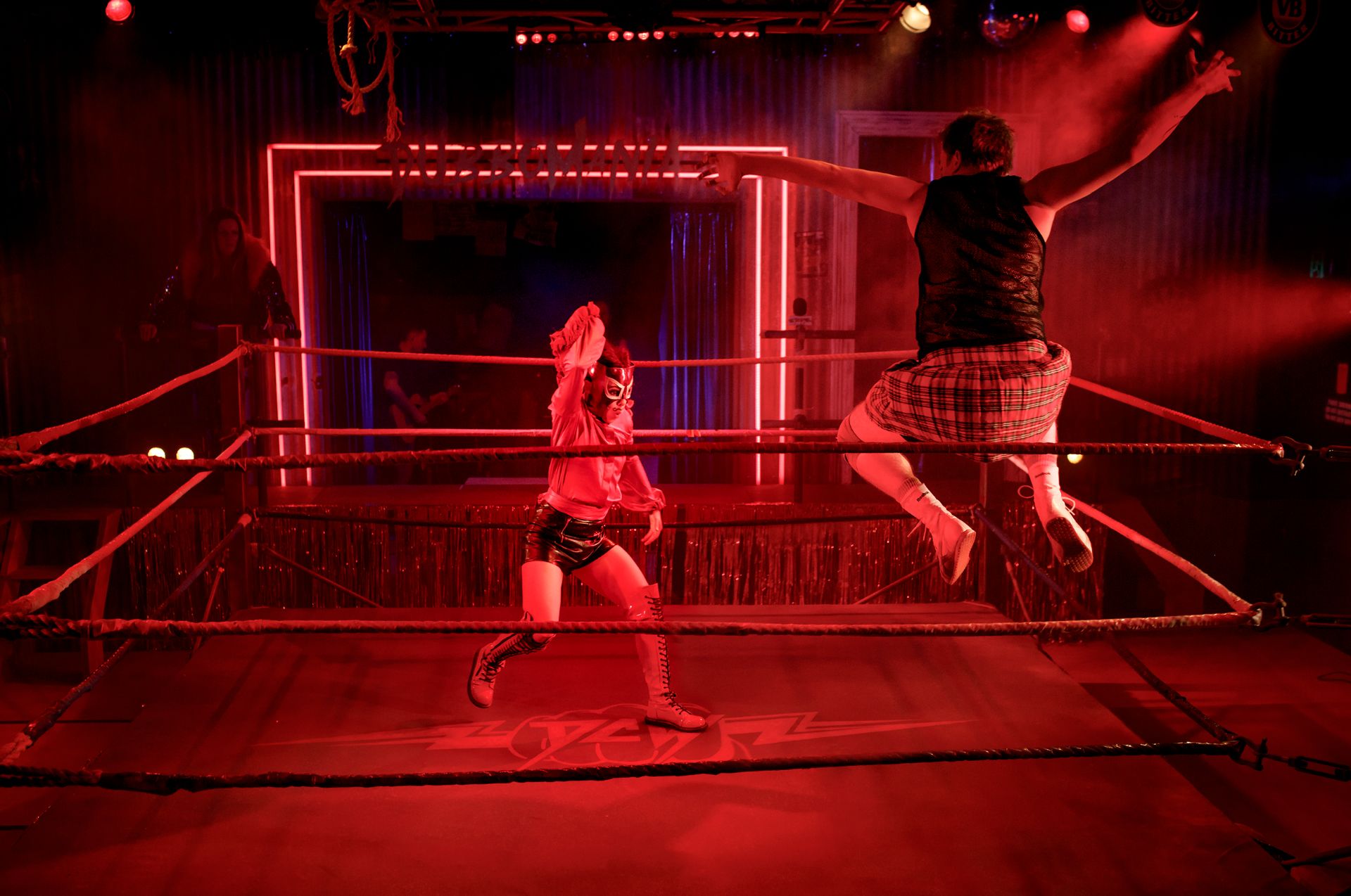
That structural conceit may be as tired as Des’ team of misfit employees, but juxtaposing wrestling with musical theatre, is undoubtedly a stroke of genius. Director Sheridan Harbridge creates, from the extravagance of both art forms, ample moments of spectacle, and of slapstick, for a show memorable for its unapologetic brashness. Musical direction by Glenn Moorhouse takes inspiration from classic  Australian rock music, and combines it with Broadway conventions, to form a soundscape that is relentlessly energetic.

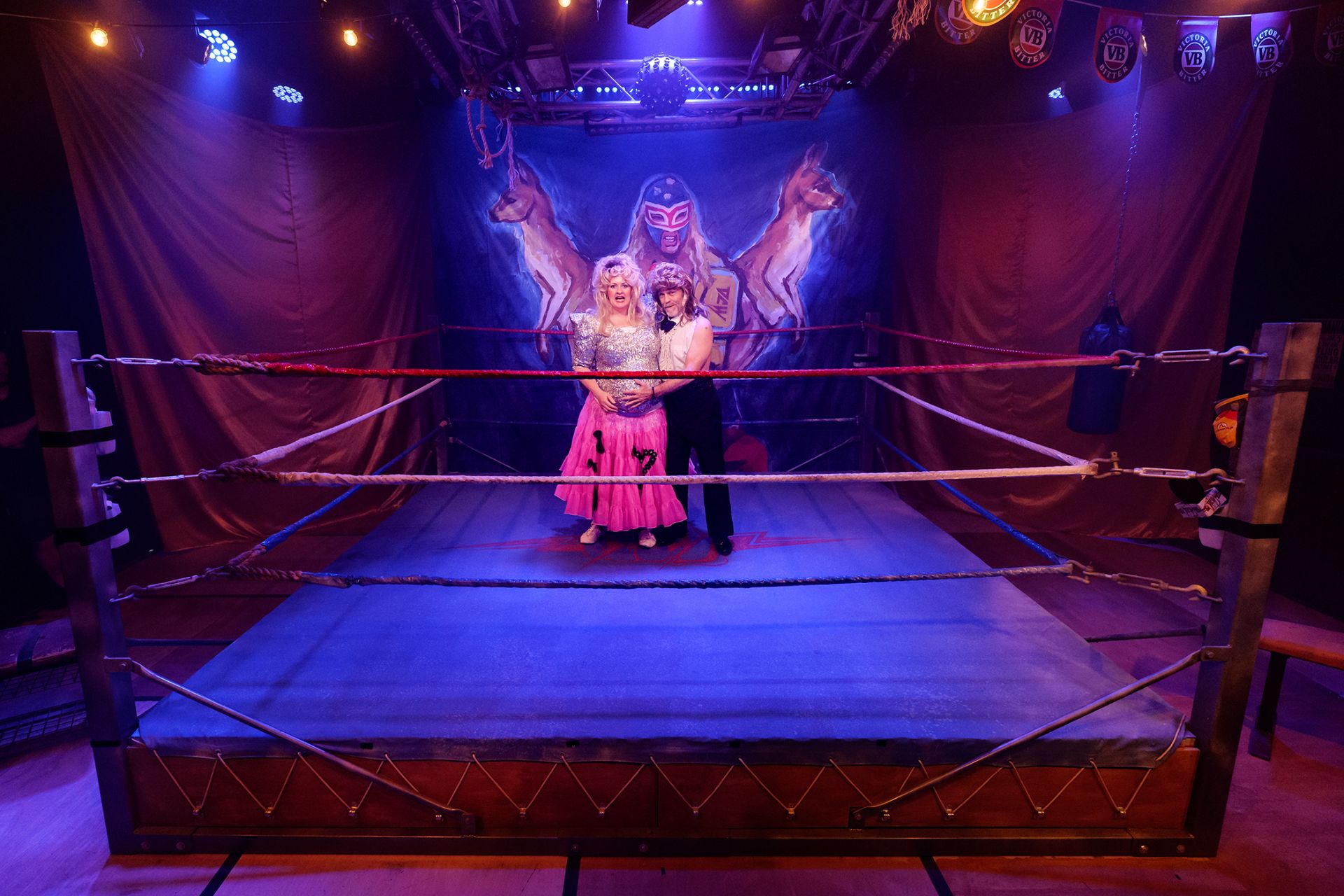
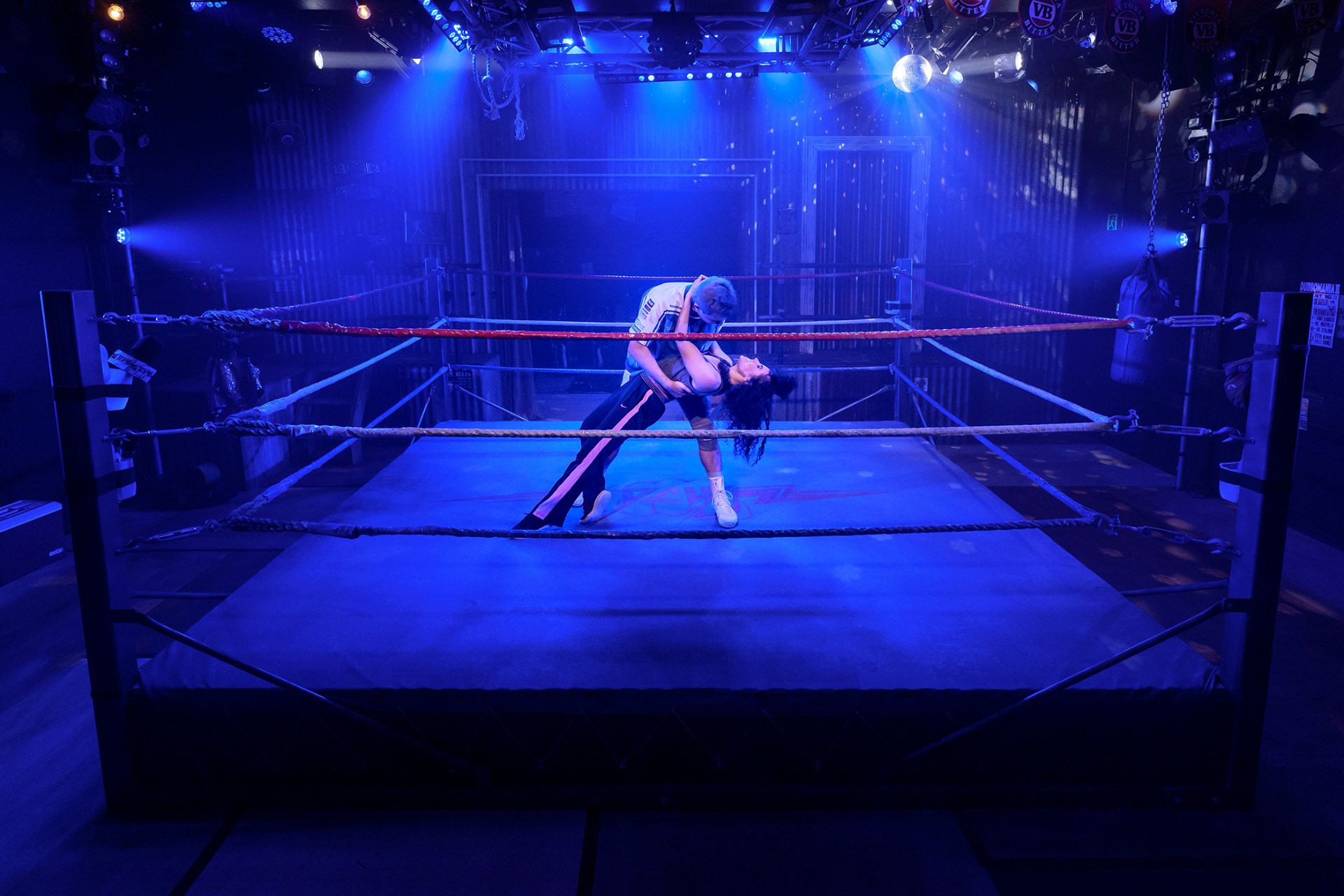
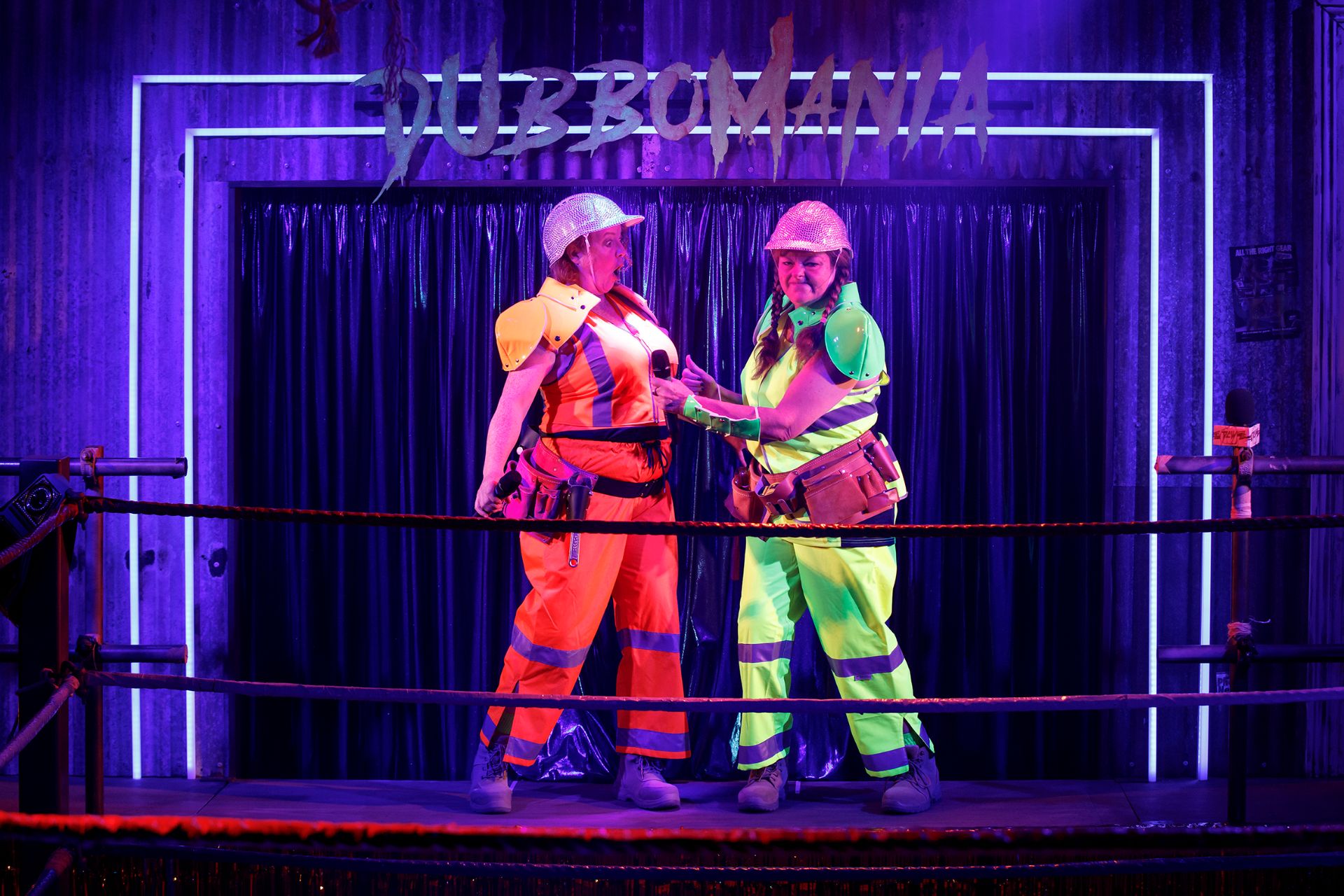
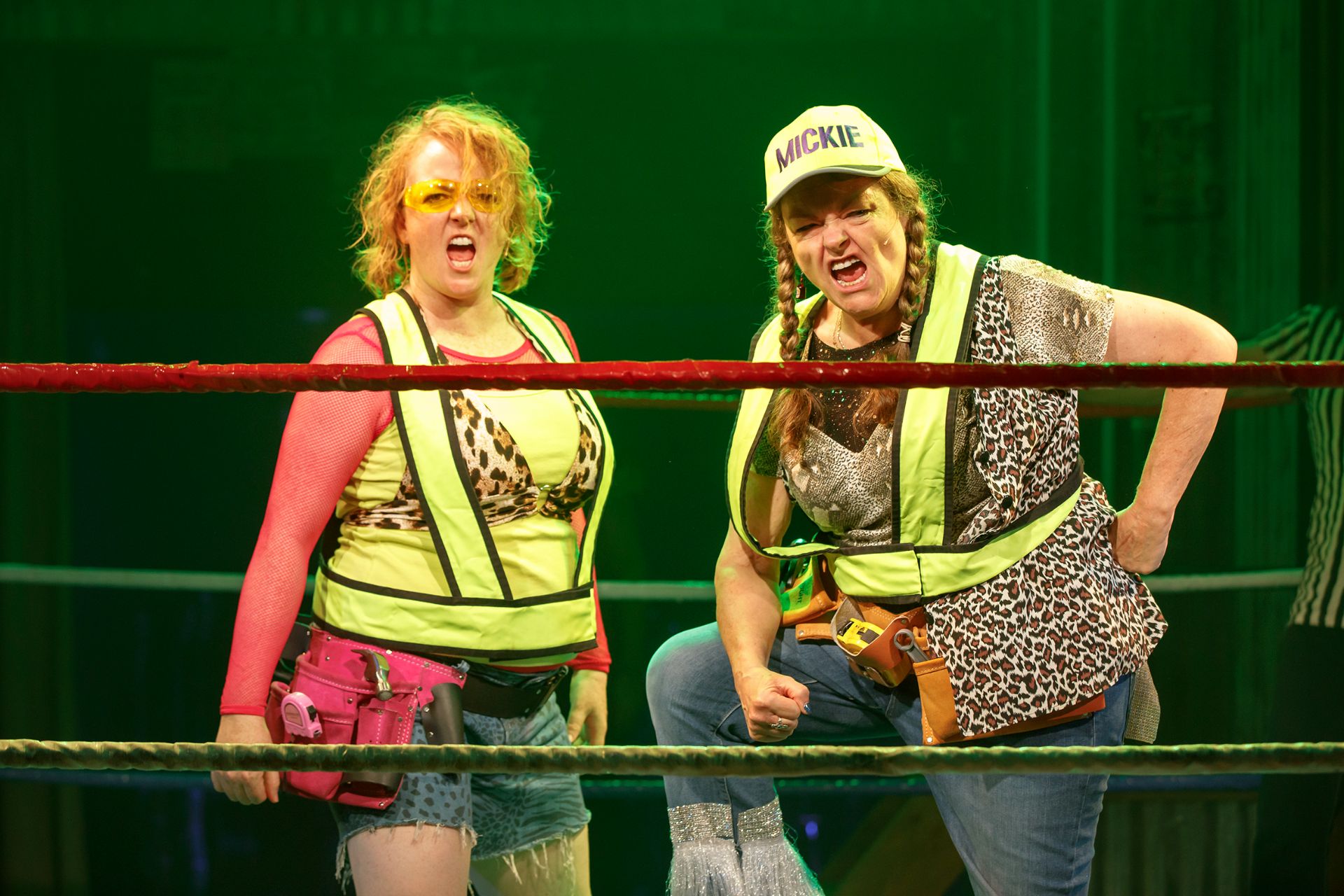
Set design by Ella Butler adapts the stage to manufacture a surprisingly expansive accommodation, for a generously sized wrestling ring, on which most of the action takes place. Butler’s costumes are appropriately loud and comedic, and effective in giving immediate visual definition to each of the show’s characters. Lights by Trent Suidgeest work overtime to provide vibrancy and exuberance. They elevate Des’ poverty-stricken Dubbo Dome, to something altogether more fabulous and edifying.

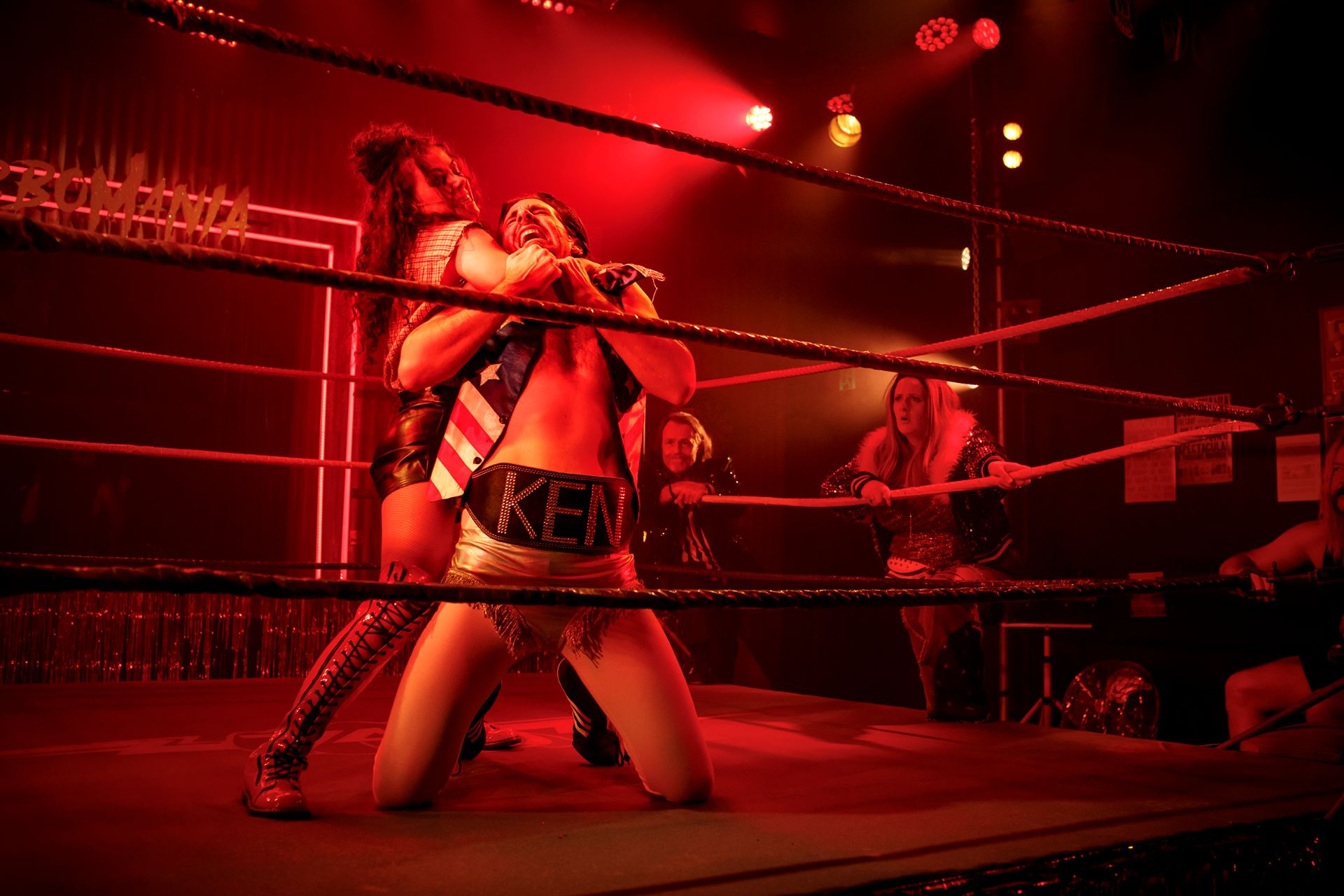
Tim Dashwood’s accomplishments as fight director, along with Ellen Simpson’s choreography, form a crucial part of Dubbo Championship Wrestling‘s uniqueness. Movement is fundamental to any work of theatre, but to witness the re-creation of fantastical sequences of high camp brawling, set to live singing, is quite a thrill.

Performer Zoe Ioannou is a superb lead as Rose, with strong vocals that convey precisely the inner spirit of the young rebel, but more importantly, it is Ioannou’s singularly impressive physical discipline that truly sets her apart, as she executes every dance step and fight move to incredible perfection. Terry Serio is convincing as the battered and bruised Des, allowing us to empathise with his idealistic plight. Rose’s mother Cheryl is played by Bishanyia Vincent, who brings valuable dramatic intensity and emotional authenticity, to a production that tends to venture very far into caricature territory. Especially noteworthy is the hilarious Aaron Tsindos, simply irrepressible as Perfect Ten Ken, fully relishing in the world of absurdity that these people inhabit.

As a species, we are endlessly amused with the kinds of aspirations that other people hold. Often we are deprecating of what other people wish to achieve with their lives, wondering why they are not more like us. Certainly there are some ambitions that are more noble than others, but in Dubbo Championship Wrestling we see that the fighting spirit that each person is able to gather from within, is quite a marvel. Des and his cohort may not wish to change the world, but the ferocity with which they dedicate energy to their passions, is endlessly inspiring.

www.hayestheatre.com.au

Review: A Letter For Molly (Ensemble Theatre)

Venue: Ensemble Theatre (Kirribilli NSW), May 9 – Jun 4, 2022
Playwright: Brittanie Shipway
Director: Ursula Yovich
Cast: Nazaree Dickerson, Joel Granger, Lisa Maza, Paula Nazarski, Brittanie Shipway
Images by Prudence Upton

Theatre review
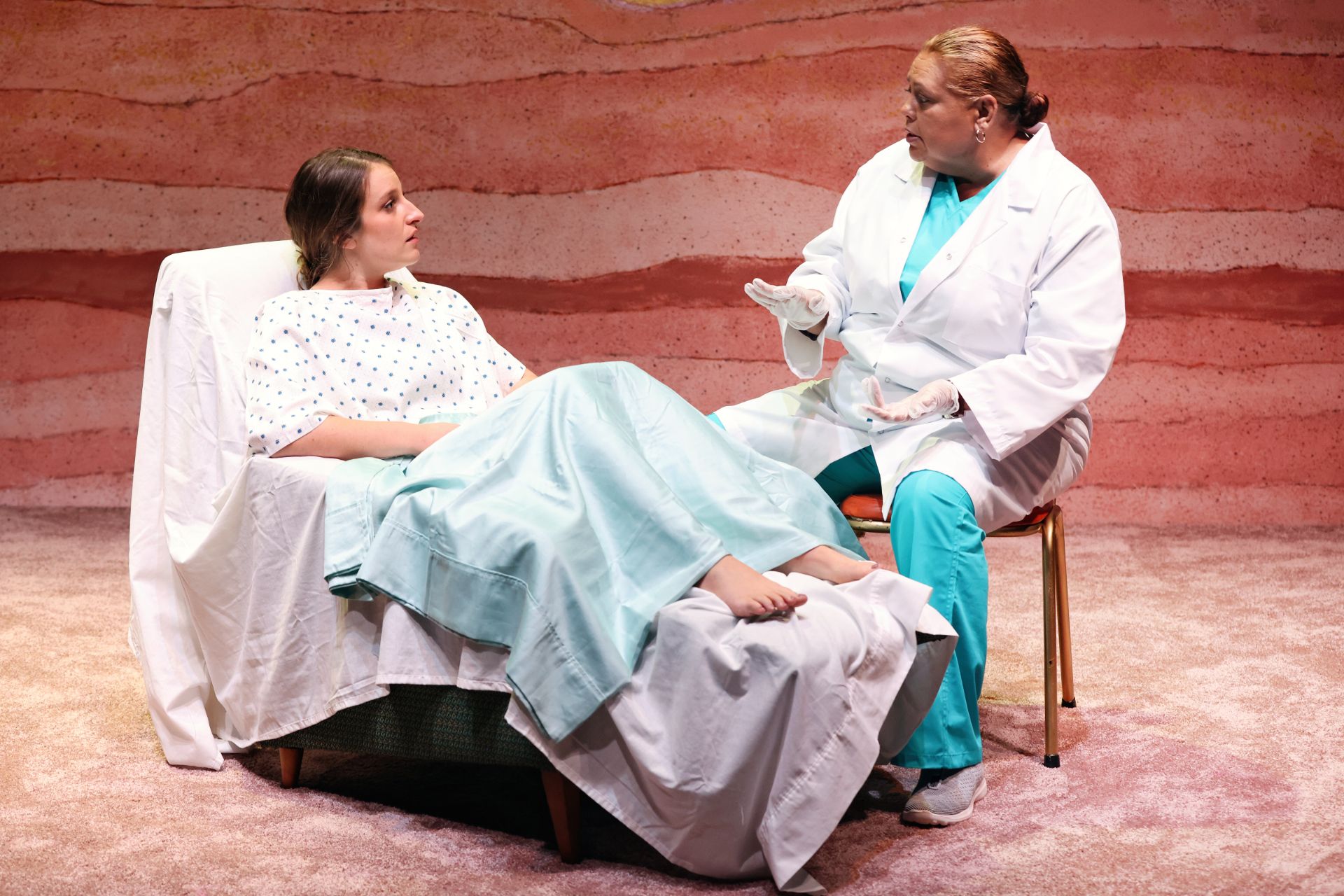
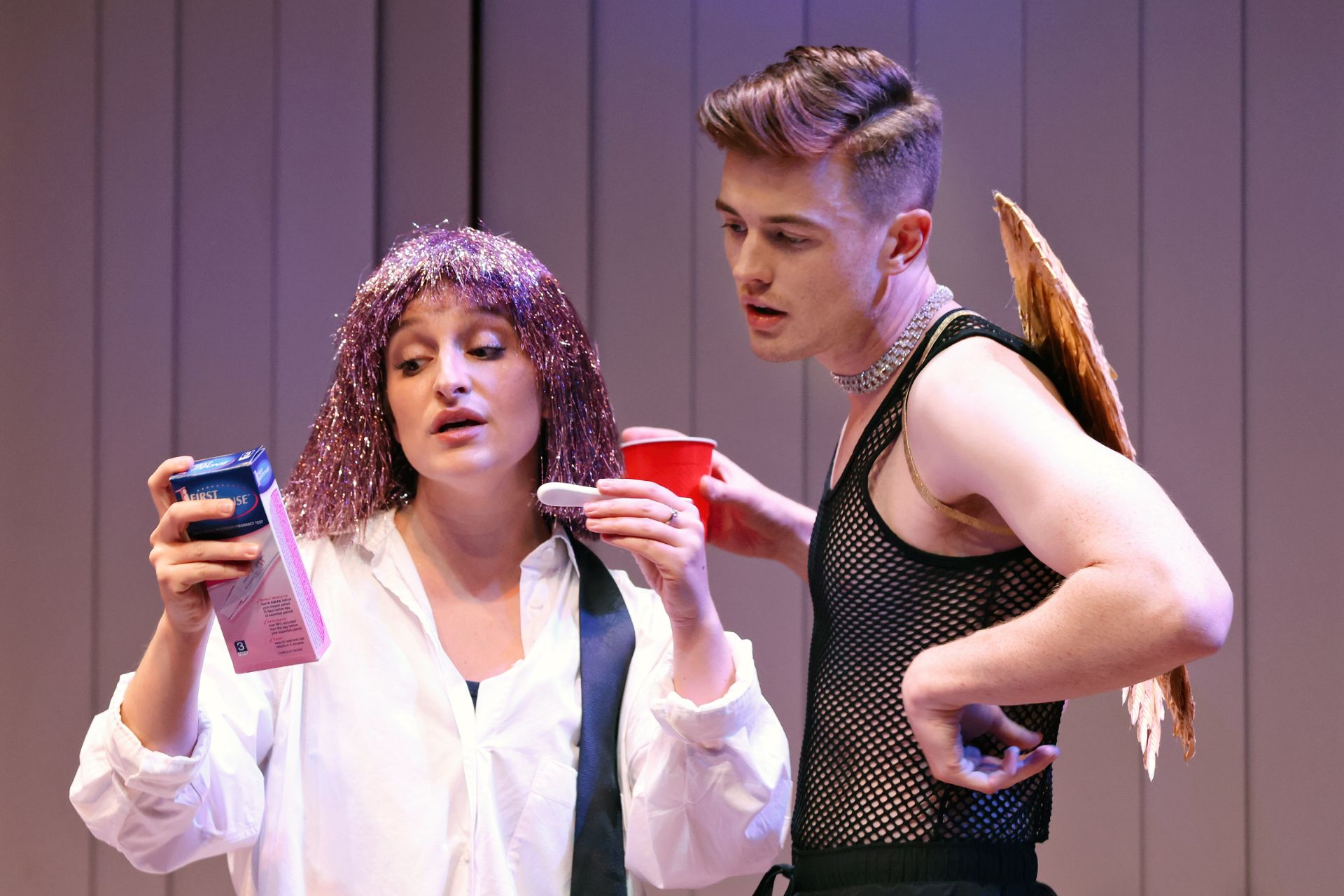
Renee has an accidental pregnancy, and because she lives in modern day Australia, obtaining a termination does not become too big an ordeal. The incident however, does prompt her to reflect on issues of motherhood, family and ancestry. Thinking about where one comes from, and what one is to leave behind, is an important piece in the process of maturation. In Brittanie Shipway’s A Letter for Molly, we watch Renee consider the possibility of motherhood in her future, by looking back at the three generations of women before, and all their bonds as mothers and daughters.

The play is a tenderly funny take on family dynamics. Renee’s Indigenous background is a very charming influence on the show’s style of dialogue. The women speak with extraordinary vibrancy, but deeper issues pertaining to our history of colonialism are only briefly hinted at. Those of us who do not share their heritage, can make our own interpretations, should we choose to do so, about the repercussions of being Black in Australia, simply by observing the lives of the women in A Letter for Molly. We gradually become aware that none of them owe us any expositions, about the trauma and marginalisation they may or may not experience. The fact that some have formed any such expectations of Black writers, is further evidence of how colonisation operates in our artistic landscape. A Letter for Molly is storytelling on one woman’s own terms, and that is always a powerful statement to make.

Director Ursula Yovich brings a light touch, to this story of motherhood through the generations. These are consequential matters that are being discussed, albeit treated very gently. Yovich’s approach is one that feels distinctly simple, but there is not a second that passes, without a sense of real emotional investment being dedicated, to the honouring of motherhood.

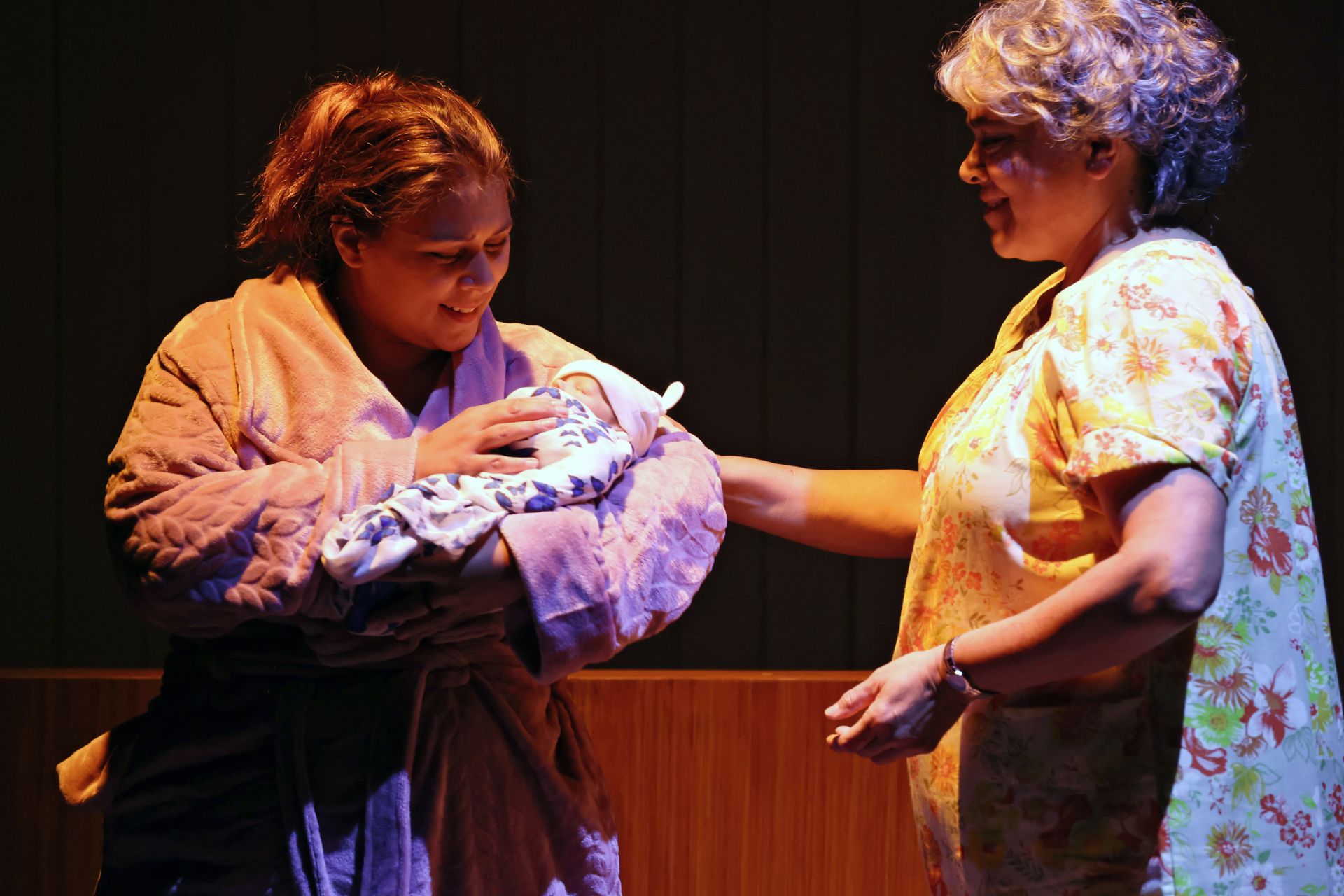
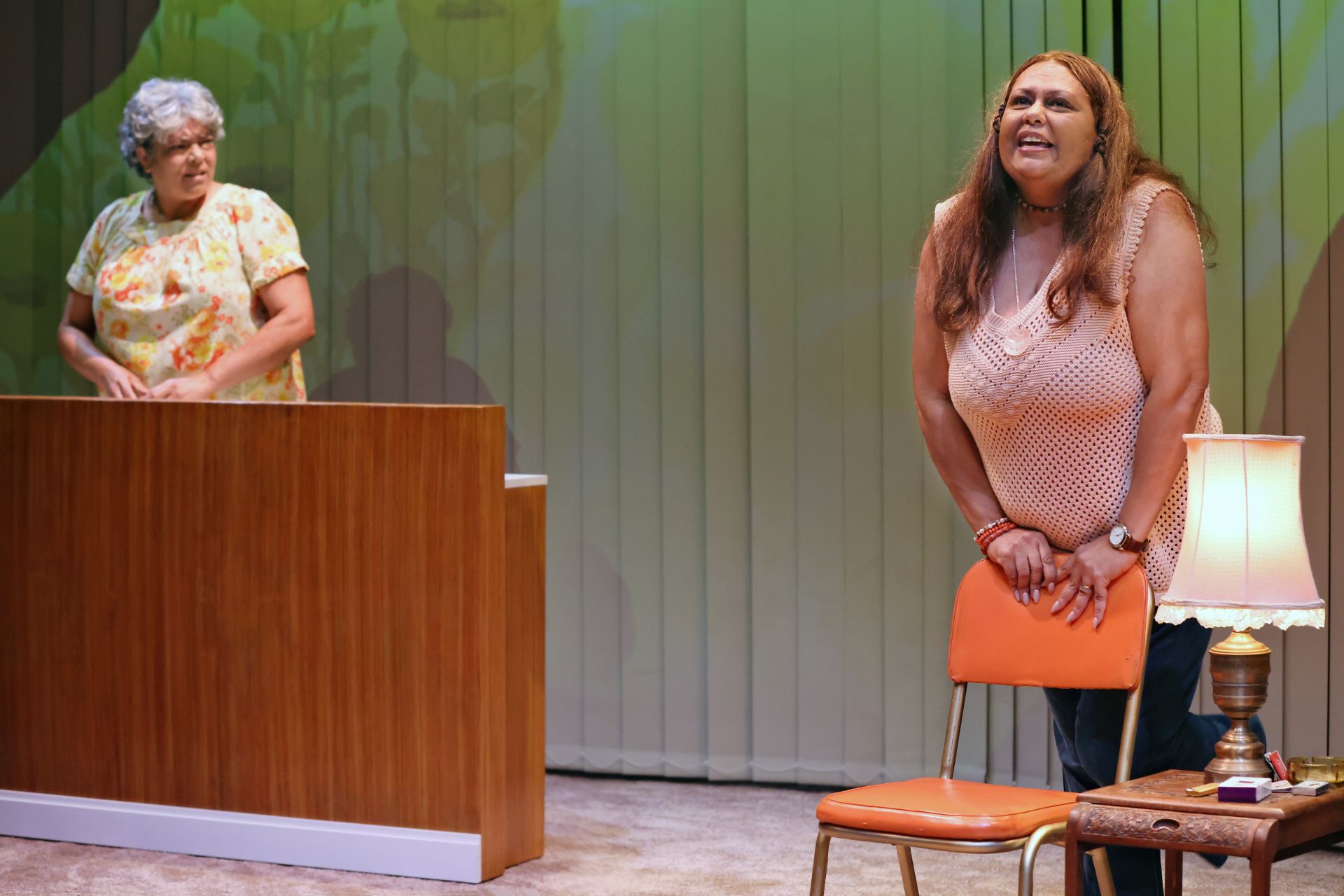
In the role of Renee, is playwright Shipway herself, who brings an immense sincerity to the stage. Lisa Maza is flawless with her comedy, and a wonderfully captivating presence as Mimi, the most senior of these women. Next in line is Darlene, played by Paula Nazarski who is as capable at delivering jokes, as she is at delivering breath-taking poignancy. Then comes Linda, with the exuberant Nazaree Dickerson offering gleeful joy to her audience, at every given opportunity. The hilarious Joel Granger plays a wide range of support roles, demonstrating admirable commitment to his craft, and an undeniable knack for humour of a more heightened kind.

The closeness between mothers and daughters, is portrayed with exceptional verisimilitude in A Letter for Molly. We believe all the relationships, and we understand precisely the choices Renee makes. In 2022 it is still refreshing to see a woman take control over her destiny, instead of relenting without questioning, to tradition and convention. No woman should need to subscribe to any notion or definition of what a valid woman is. We are infinitely diverse, and it is that freedom to be, that we should forever embrace.

www.ensemble.com.au

Review: City Of Gold (Sydney Theatre Company)

Venue: Wharf 1 Sydney Theatre Company (Walsh Bay NSW), May 7 – Jun 11, 2022
Playwright: Meyne Wyatt
Director: Shari Sebbens
Cast: Mathew Cooper, St John Cowcher, Simone Detourbet, Ian Michael, Myles Pollard, Trevor Ryan, Meyne Wyatt
Images by Joseph Mayers

Theatre review
Breythe is trying to establish a career for himself as an actor, but when called home to Kalgoorlie, he is reminded that there are far more important things that require his attention. In Meyne Wyatt’s City of Gold, it is that tension between one’s need for personal fulfilment, and their responsibilities to community, that drives the story.

In Breythe’s case, being an Aboriginal man, makes that juxtaposition even more pronounced. For most of us, self-preservation involves compromises, when participating in dominant systems that control resource distribution in the economy. To play with the big boys, we have to obey their rules, and if the big boys are determined to annihilate one’s community, one is destined to never be able to operate with true integrity.

To pay for his father’s funeral, Breythe has to perform in a problematic television advertisement. To help one’s community, one often has to sleep with the enemy. First Nations peoples, more than any other on this land, understand that subsistence may be permitted, but for the marginalised to thrive, not as exceptional individuals but as whole communities, is nigh on impossible. In fact, like Breythe we find ourselves in positions of pseudo betrayal, when trying to represent and advance causes. The white patriarchy will tempt us with its crumbs, and some of us will pick them up, always hoping that a difference would be made.

Wyatt’s very deep reflections on Indigenous identity are brought to scintillating life by Shari Sebbens’ passionate yet humorous direction. It is political theatre that speaks with a level of authenticity rarely seen; one which prioritises in its viewership, the same minority culture it wishes to represent. Those of us who are not its main concern, benefit from observing through that ajar door, a perspective so kindly made available, so that those of us on the outside who proclaim to be supportive, can feel closer to the nuances of their predicament. Sebbens keeps the discussion in the family, understanding that to care too much about the white gaze, does little to help unearth the truth.

Set design by Tyler Hill makes a literal statement about the outside-inside demarcation of family life, with its left-right split of the performance space. More interesting is its incorporation of hidden scrims to facilitate the depiction of supernatural dimensions, allowing us to draw important connections with the dead and the living, in City of Gold. Verity Hampson’s lights are understated, in complete service of the storytelling, while Rachael Dease’s music gives affirmation to the wide range of emotions being depicted.

As actor, Wyatt’s performance as Breythe is a searing one, filled with a righteous indignation that is satisfying both in terms of its capacity for driving home a message, and for its sheer theatricality. His chemistry with Mathew Cooper, who plays brother Mateo, is invulnerable and effortless; their tumultuous brotherly love is portrayed with great power. Simone Detourbet’s earnest interpretation of their sister Carina is tenderly moving, and Ian Michael breaks our heart as cousin Cliffhanger, beautifully elevating a smaller part to something unforgettable, with his palpably generous approach to characterisation.

The abruptness to the ending of City of Gold seems intentional in depriving us of any catharsis. It provokes us into taking a stand, leaving no room for ambiguity, in how an Australian viewer would position oneself, at the show’s conclusion. It is right, that the situation is framed as a binary one; you are either anti-racist, or you are racist at least by default. You can make contributions to improving the situation, or you can stand on the sidelines and let injustices perpetuate. Feeling bad is not enough, but there is only so much theatre can do for you.

www.bsstc.com.auwww.sydneytheatre.com.au