Review: Nice Work If You Can Get It (Hayes Theatre)

Venue: Hayes Theatre Co (Potts Point NSW), 18 Nov – 20 Dec, 2022
Book: Joe DiPietro
Music and Lyrics: George and Ira Gershwin
Director: Cameron Mitchell
Cast: Octavia Barron Martin, Lisa Callingham, Grace Driscoll, Nat Foti, Anthony Garcia, Catty Hamilton, Joel Houwen, James MacAlpine, Rob Mallett, Jayme Jo Massoud, Adorah Oloapu, Ashleigh Rubenach, Andy Seymour, Rose Shannon-Duhigg, Andrew Waldin, Jasper Wind
Images by Grant Leslie

Theatre review

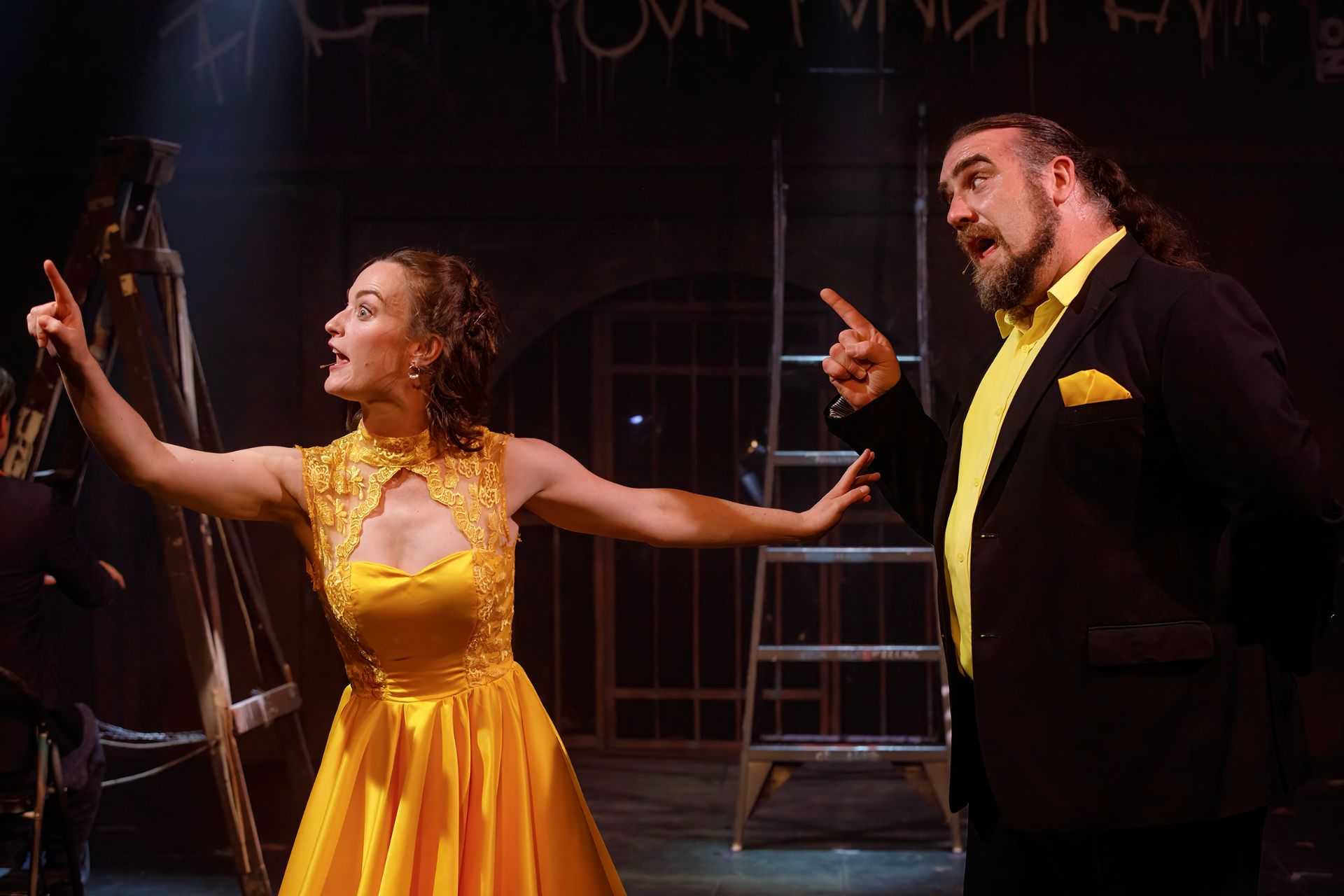
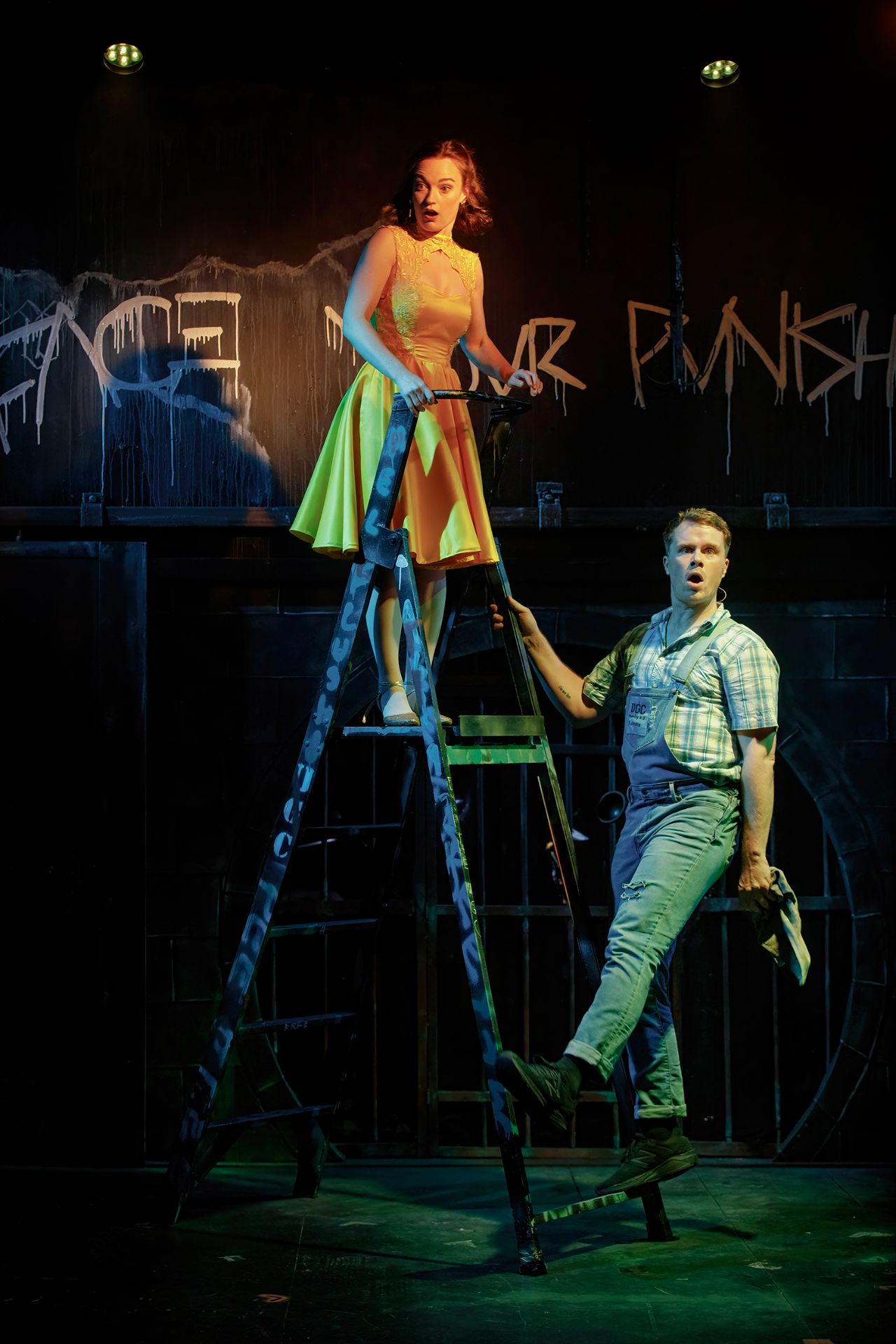
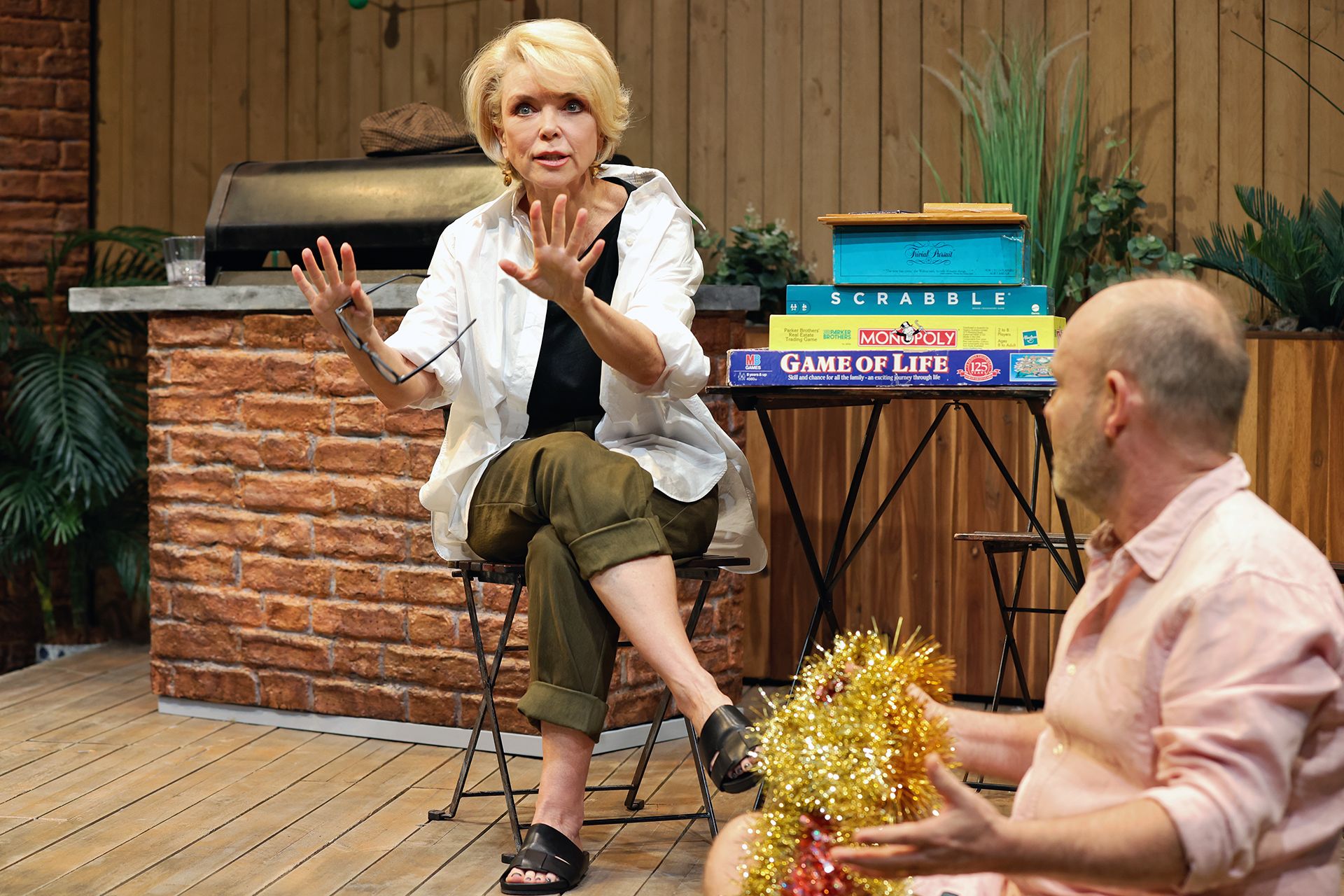
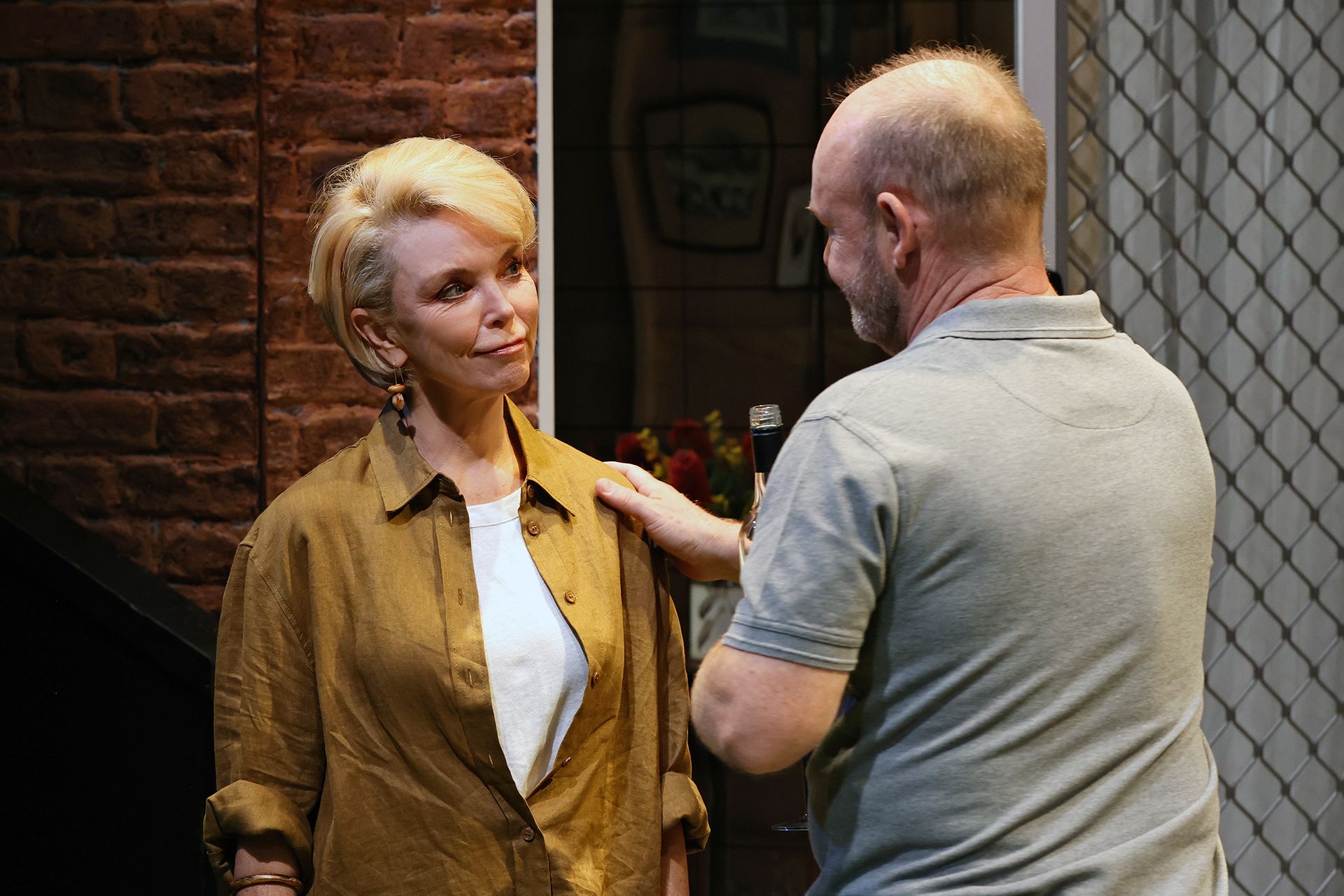
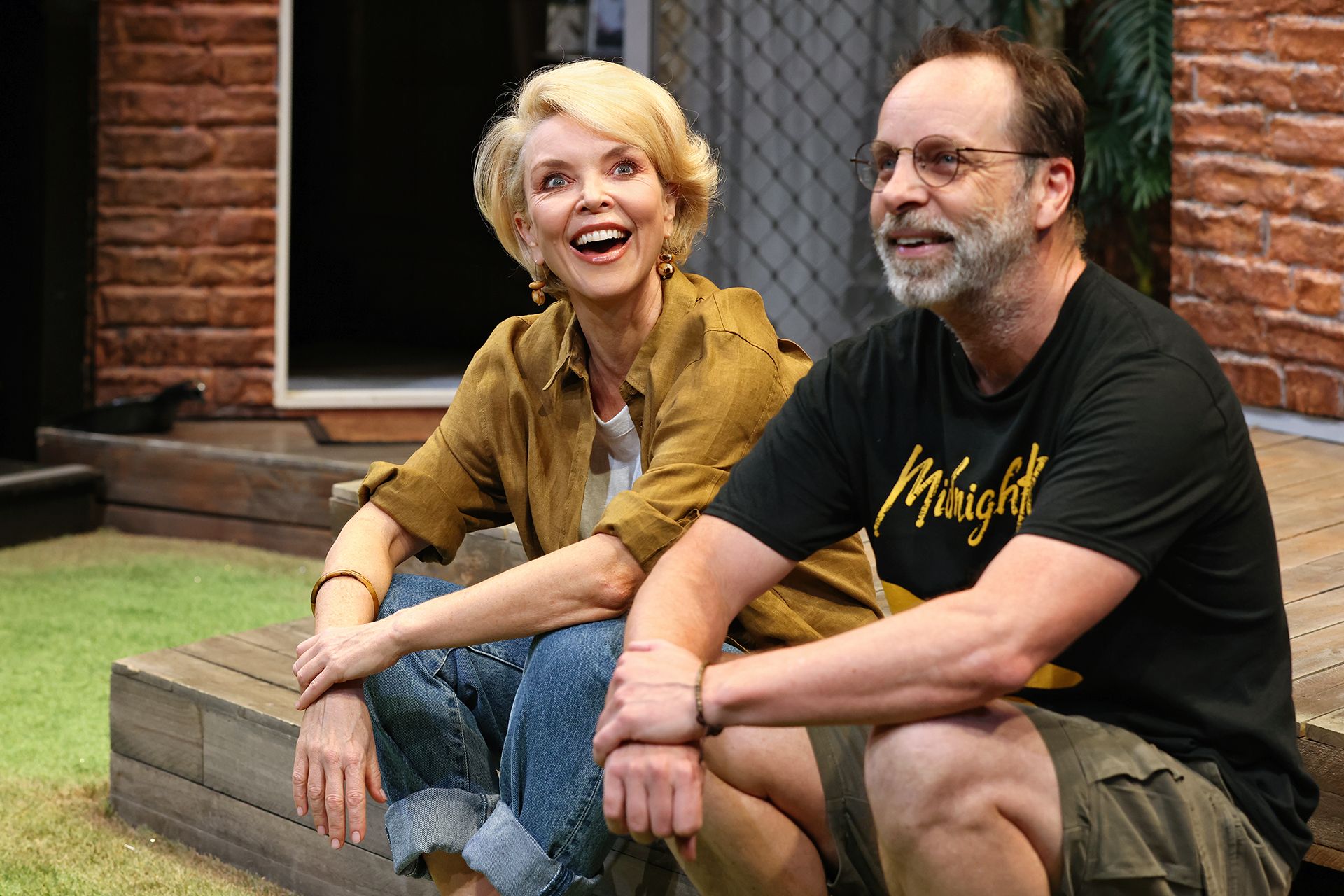
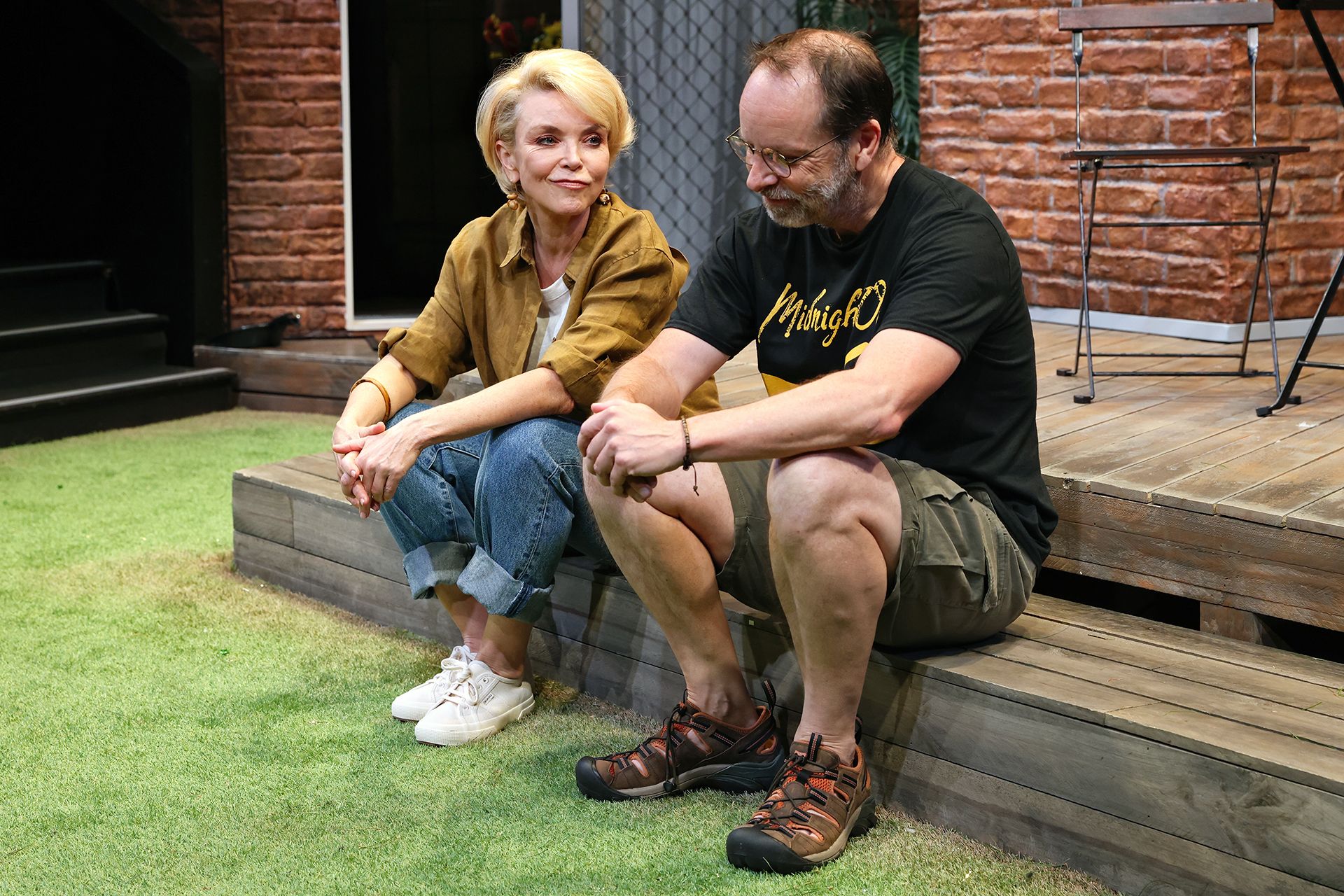
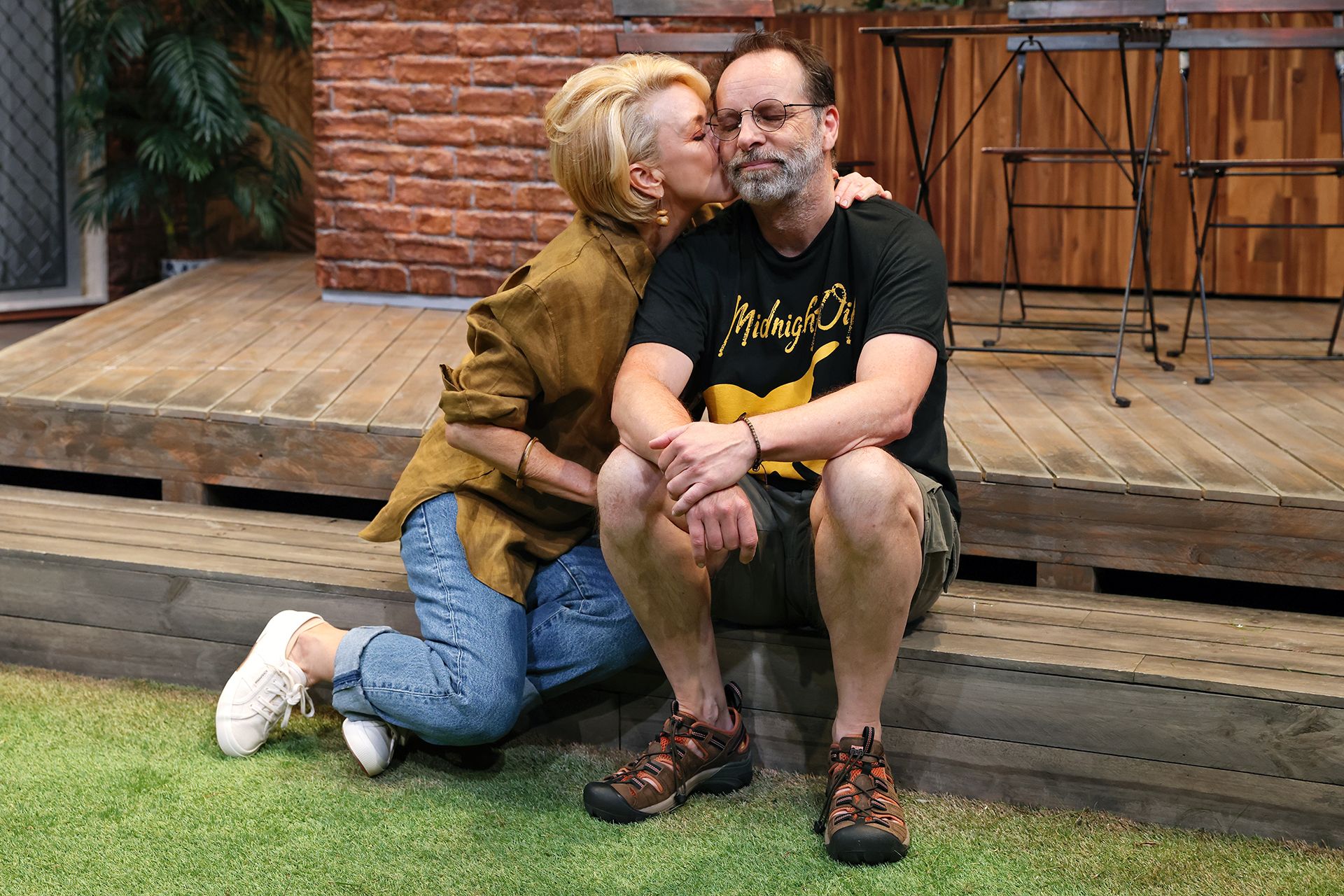
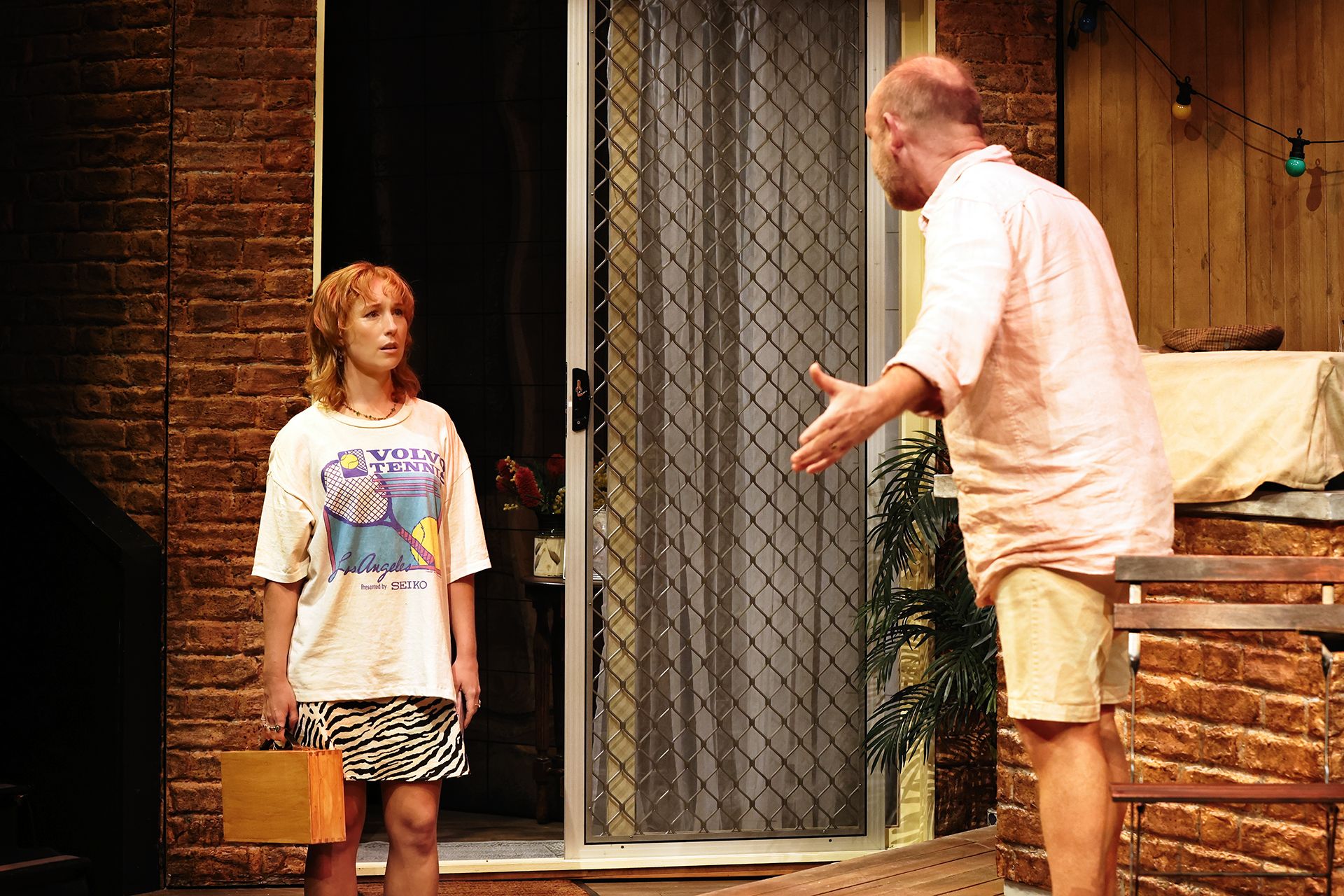
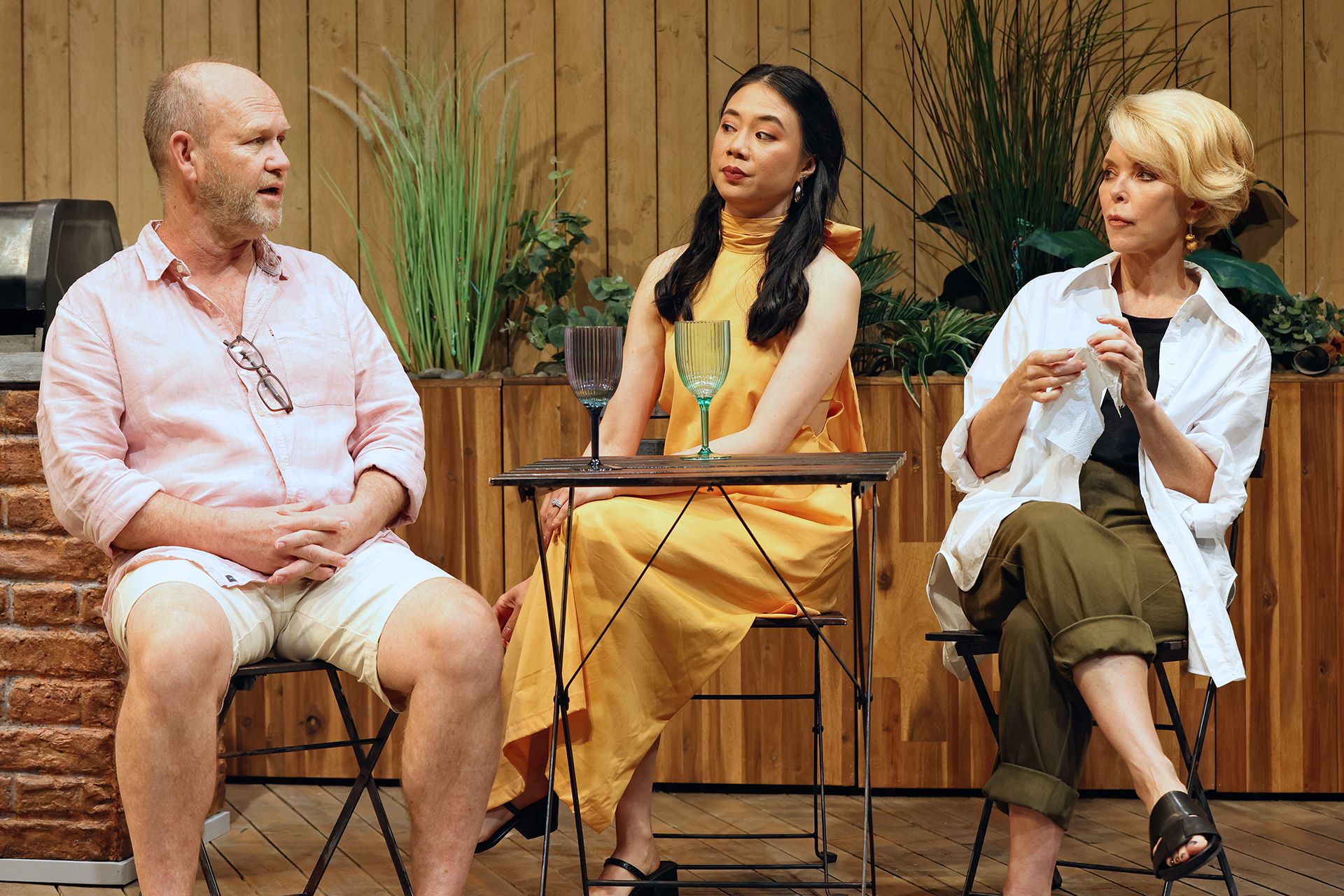
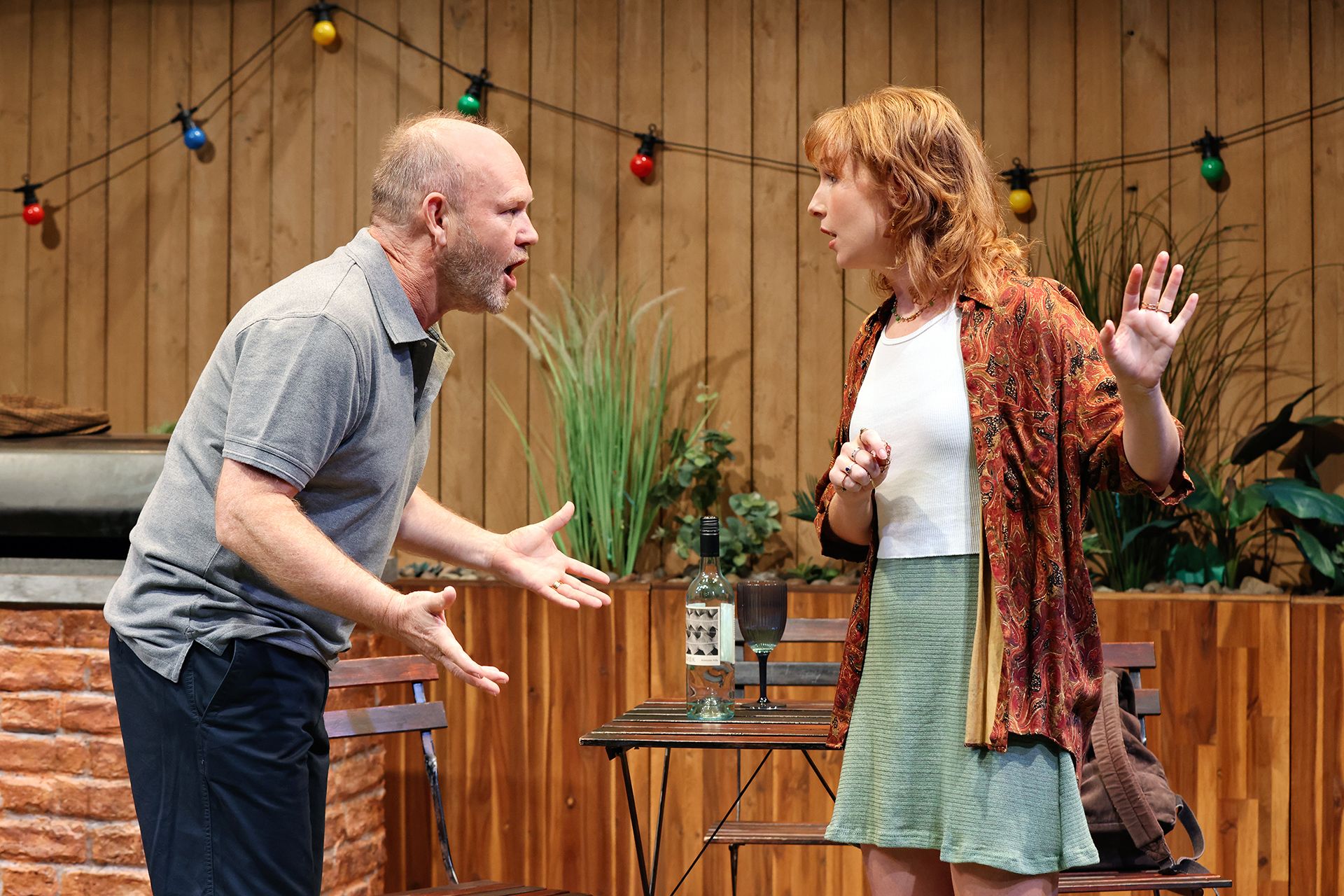
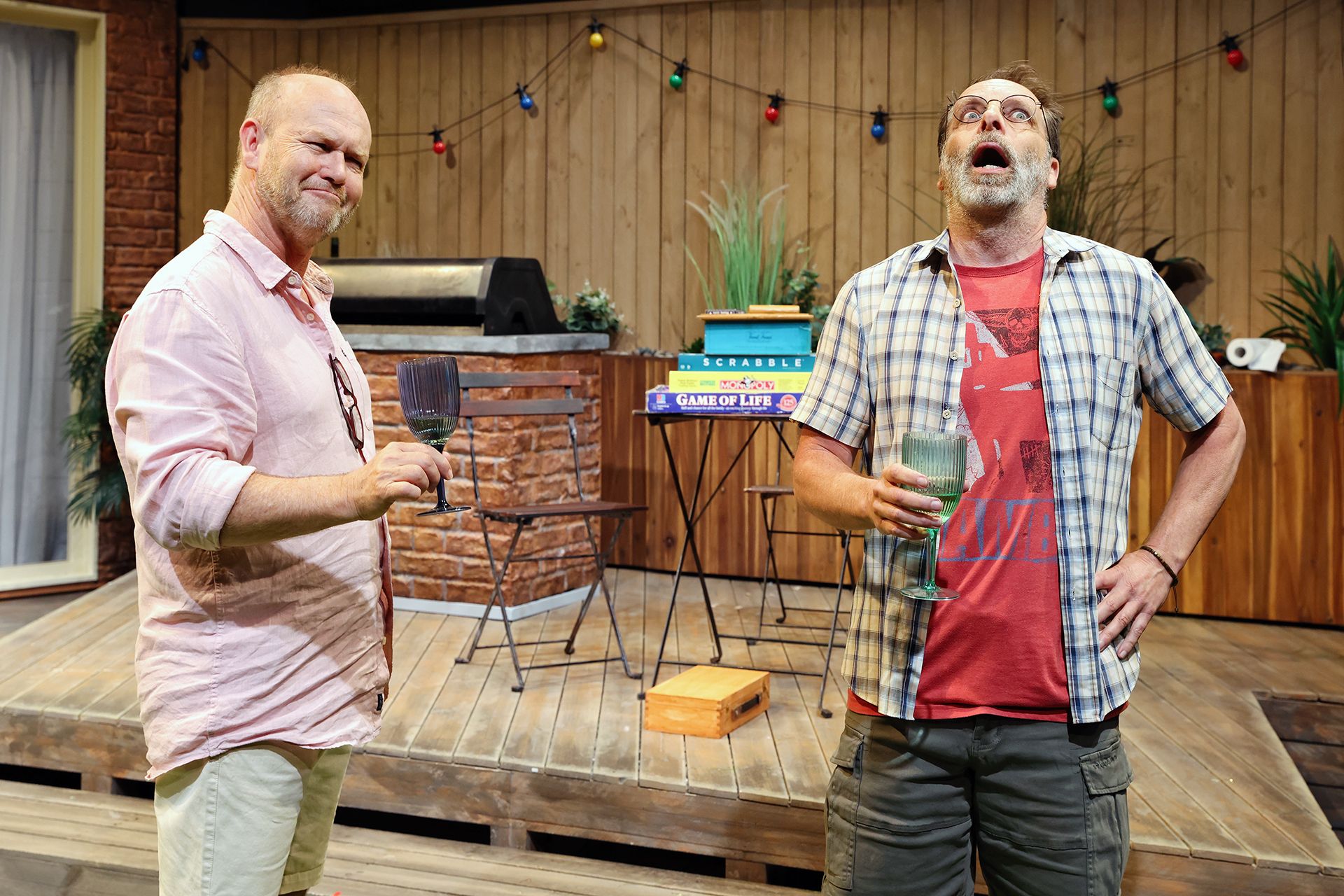
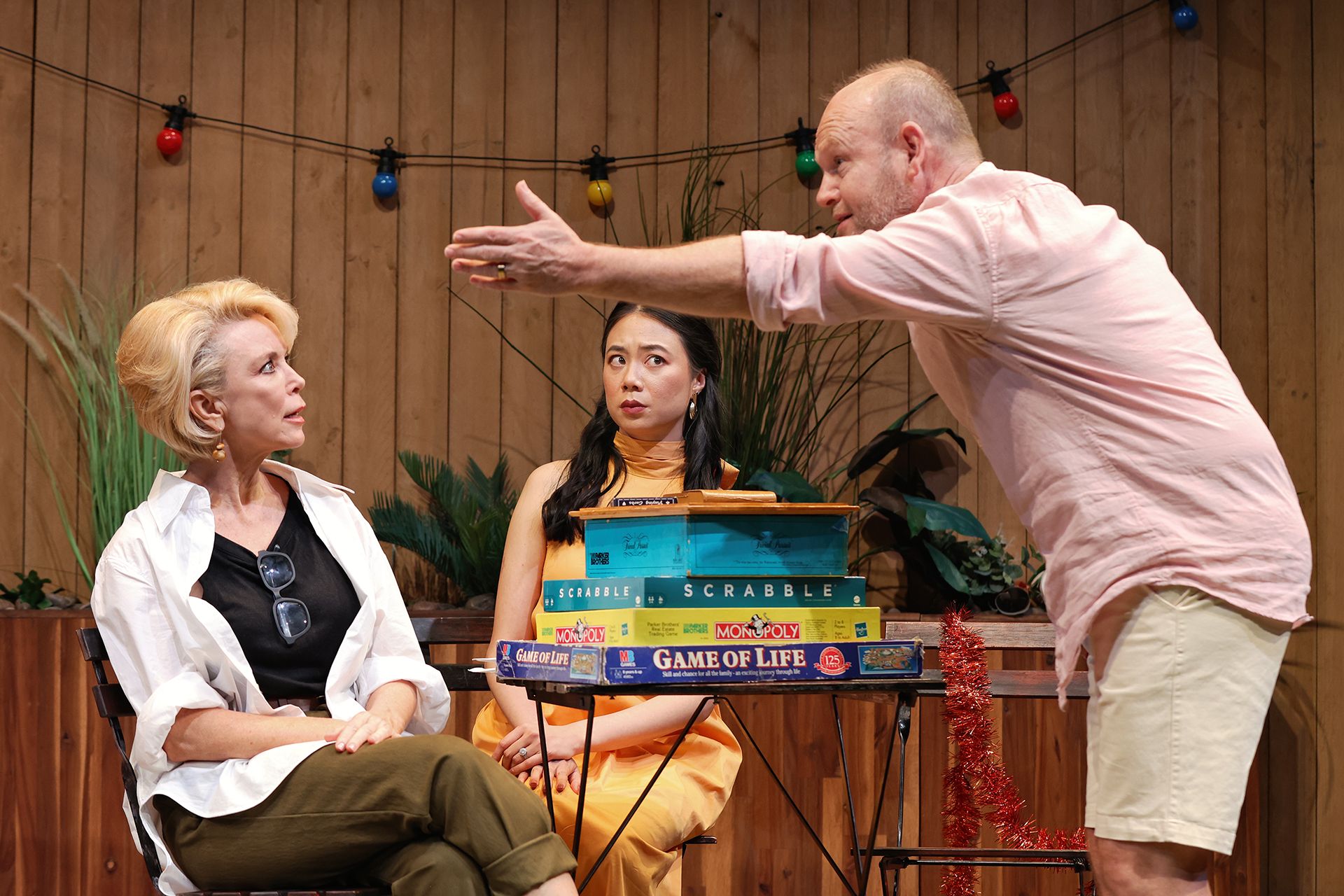
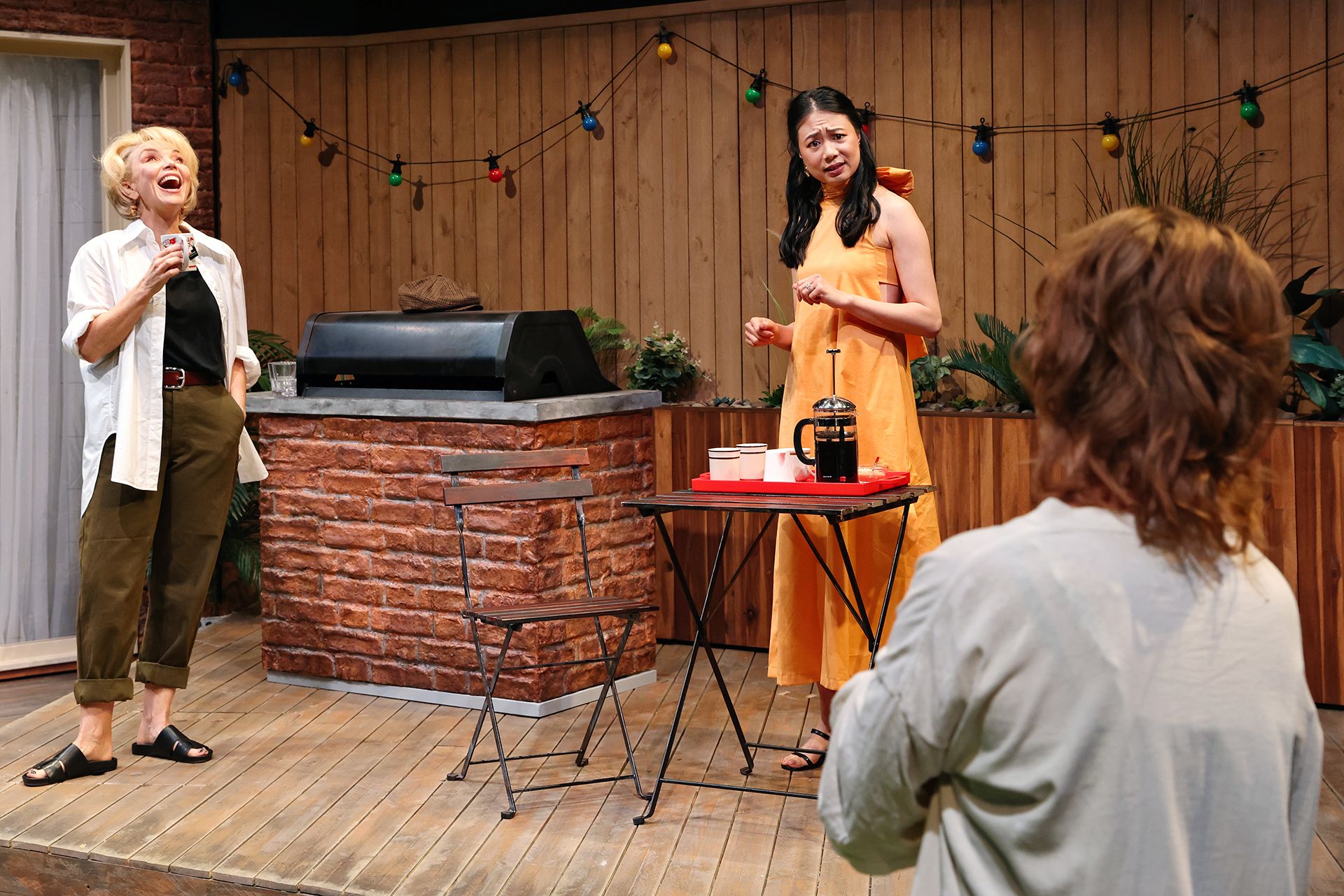
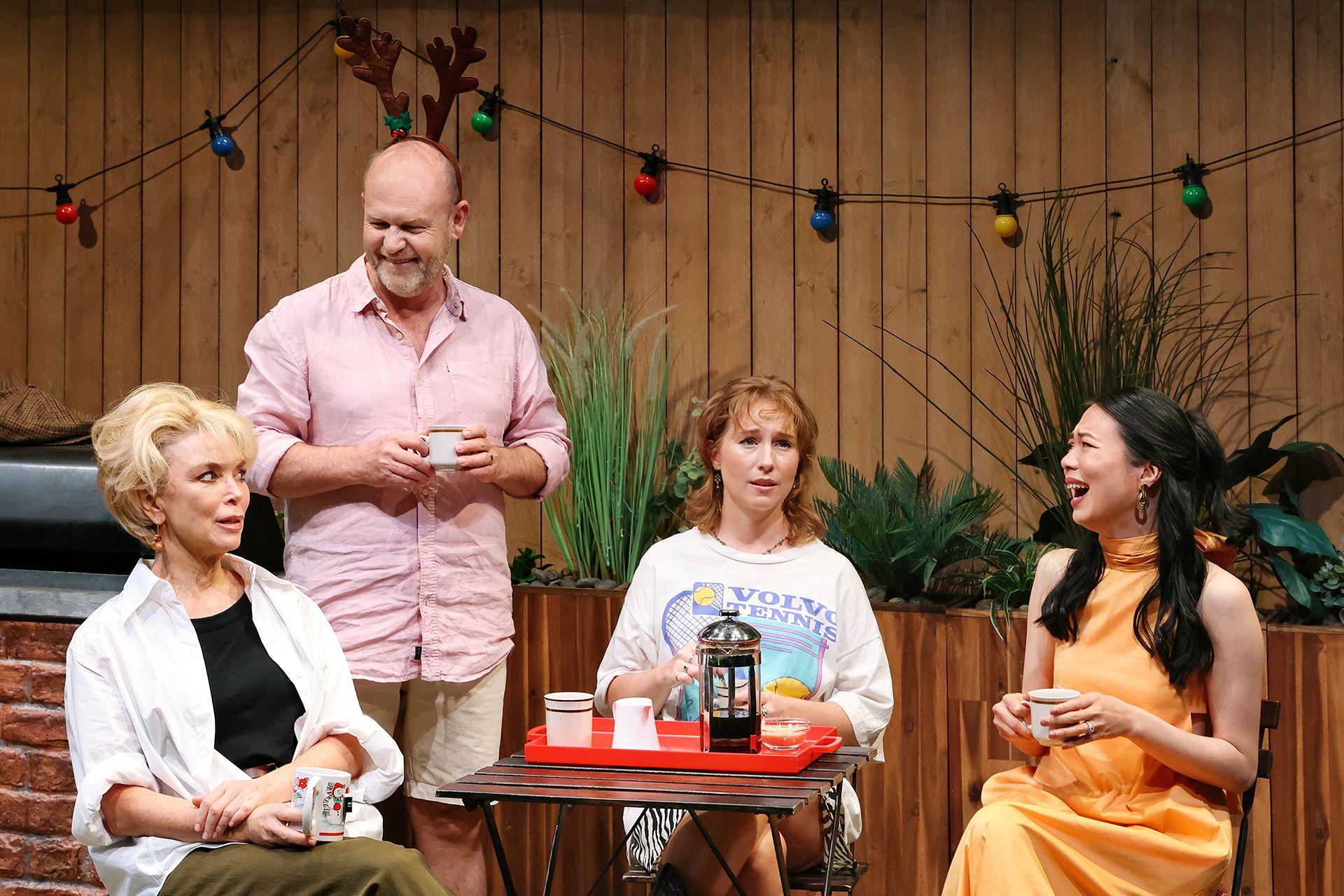
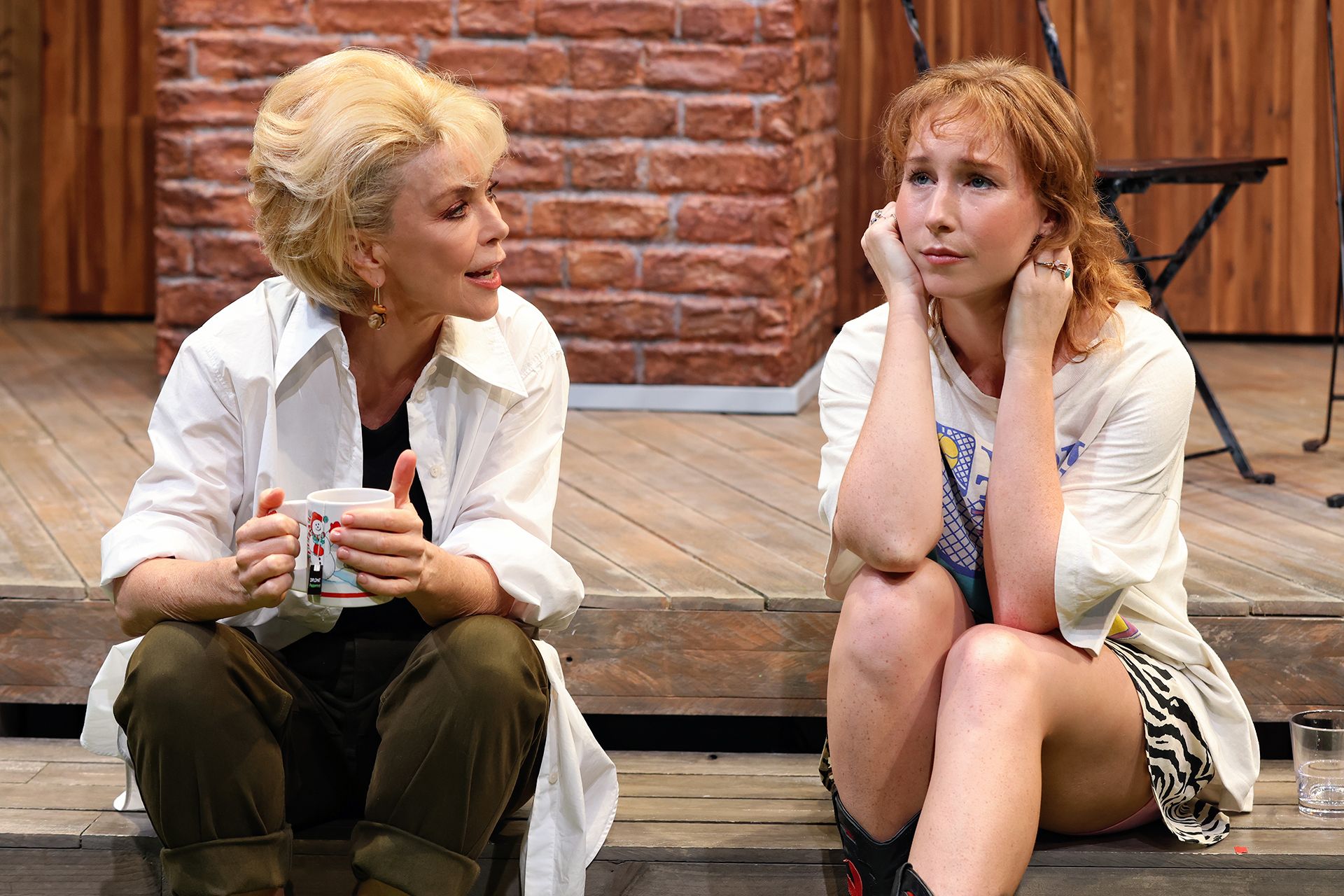
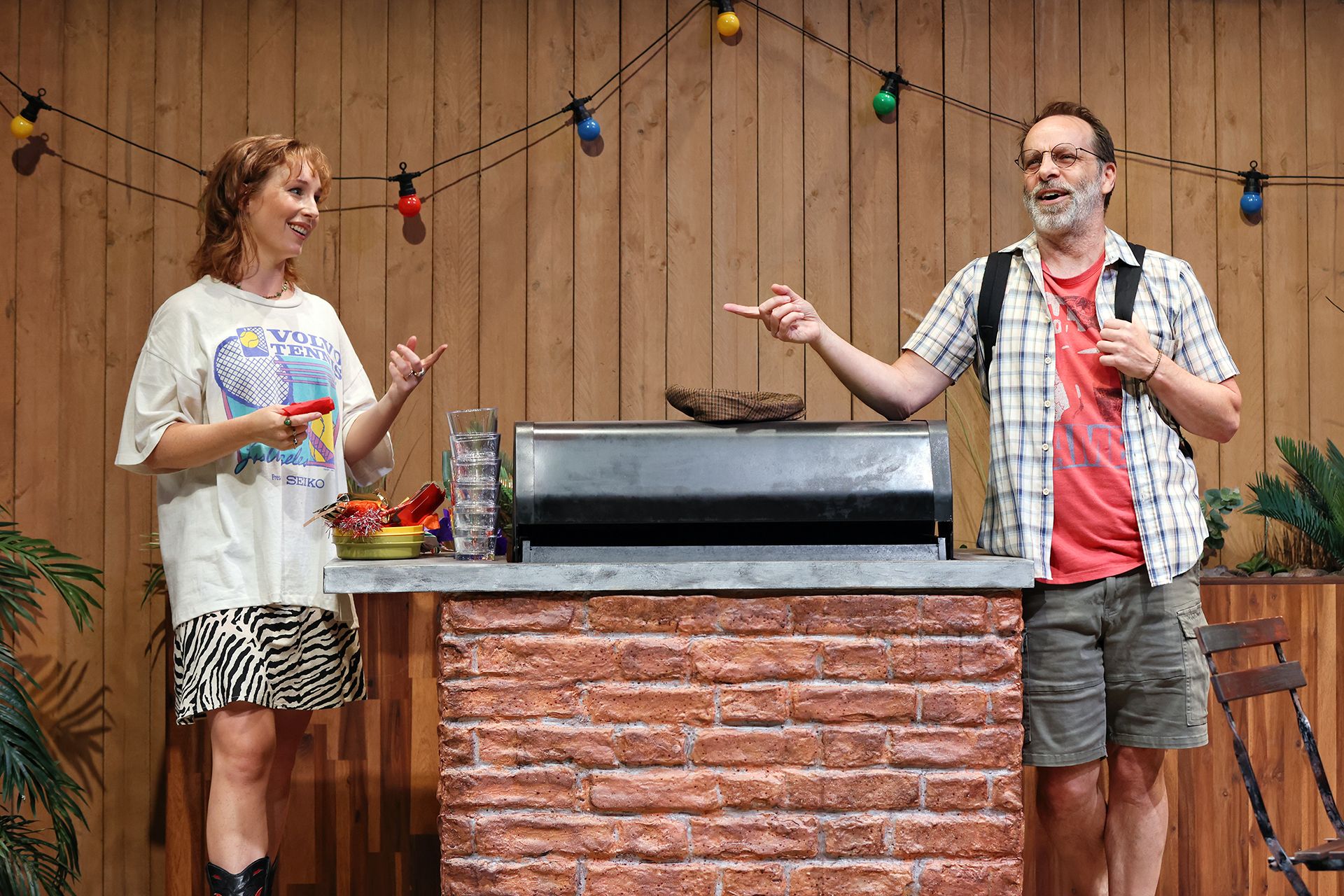
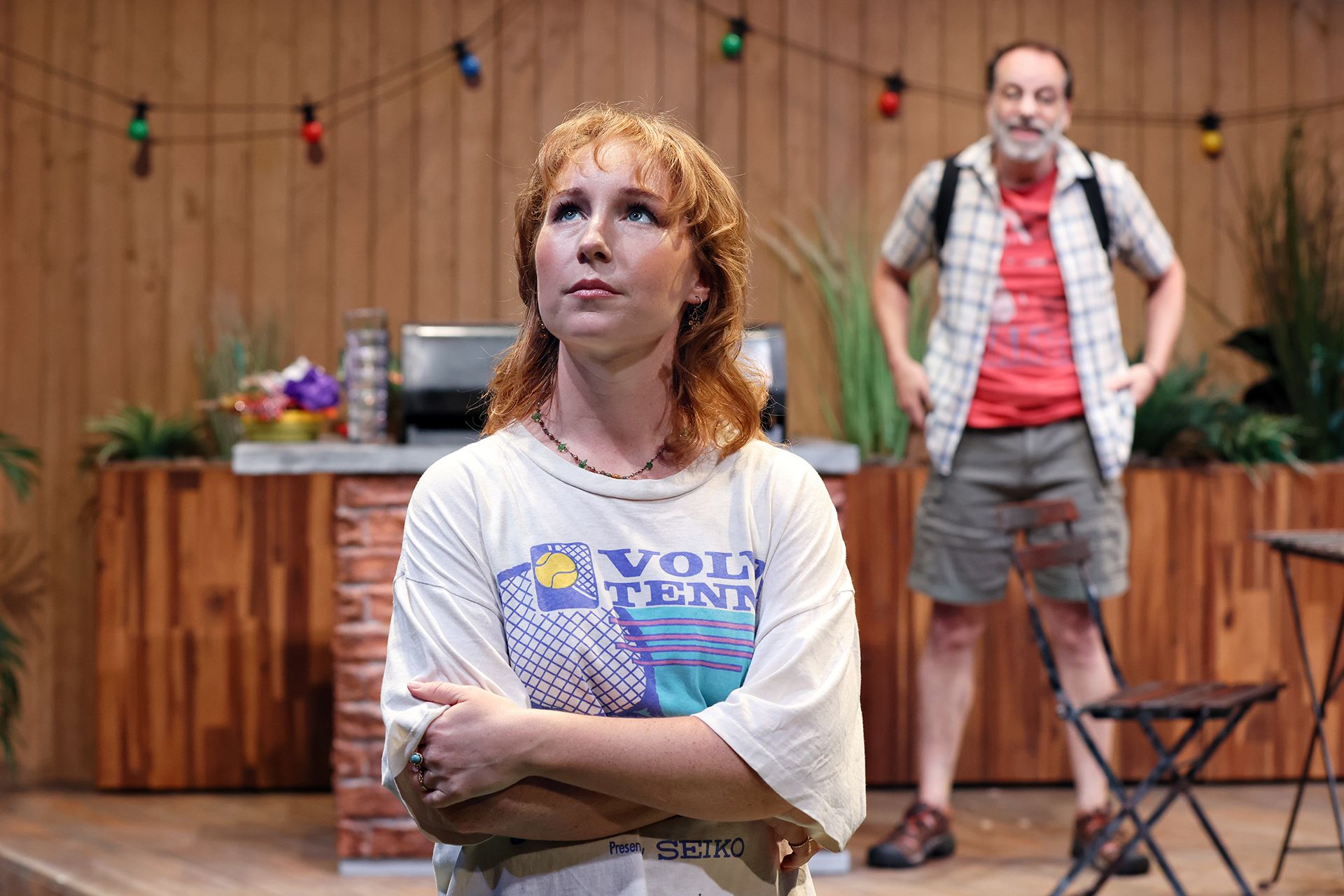
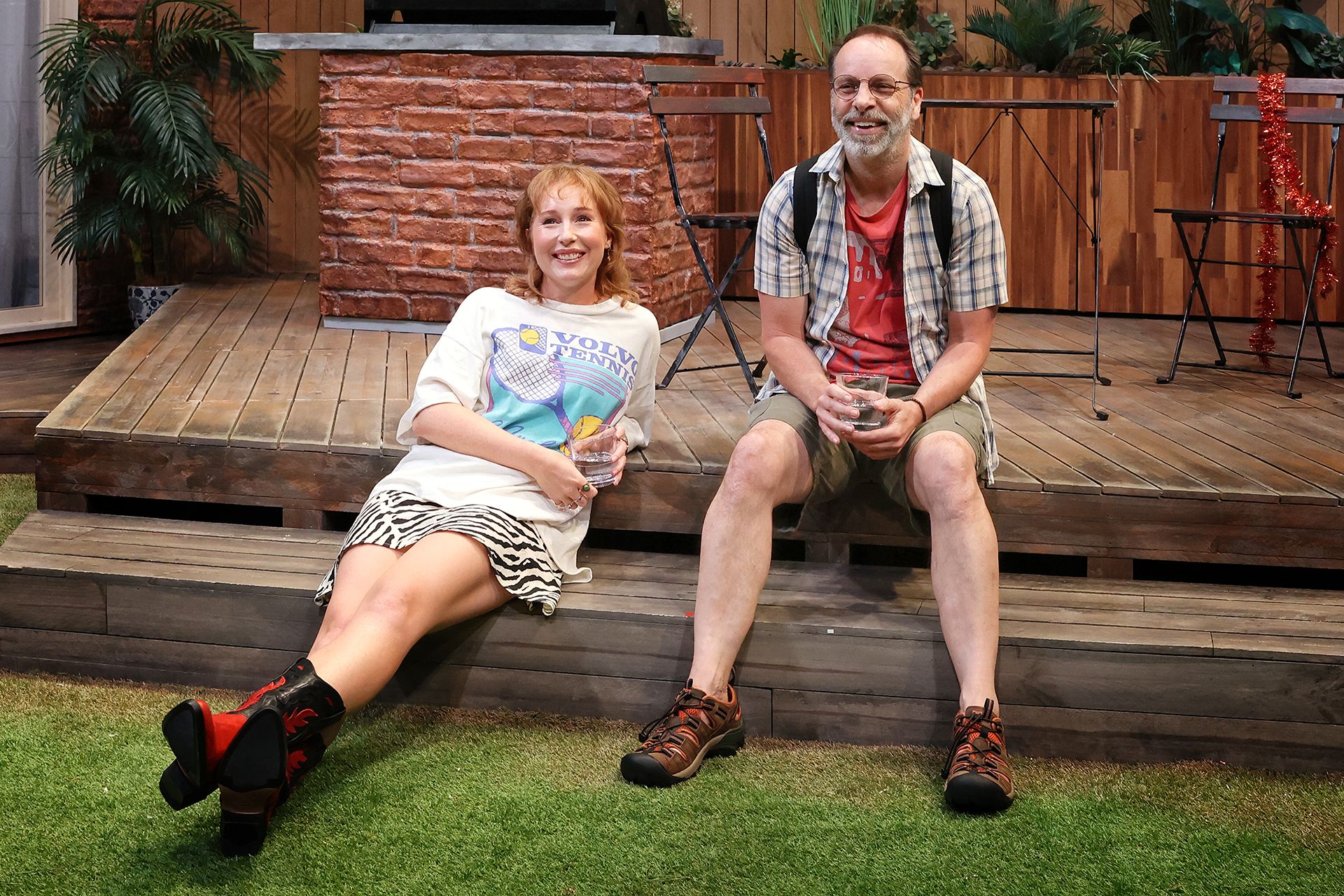
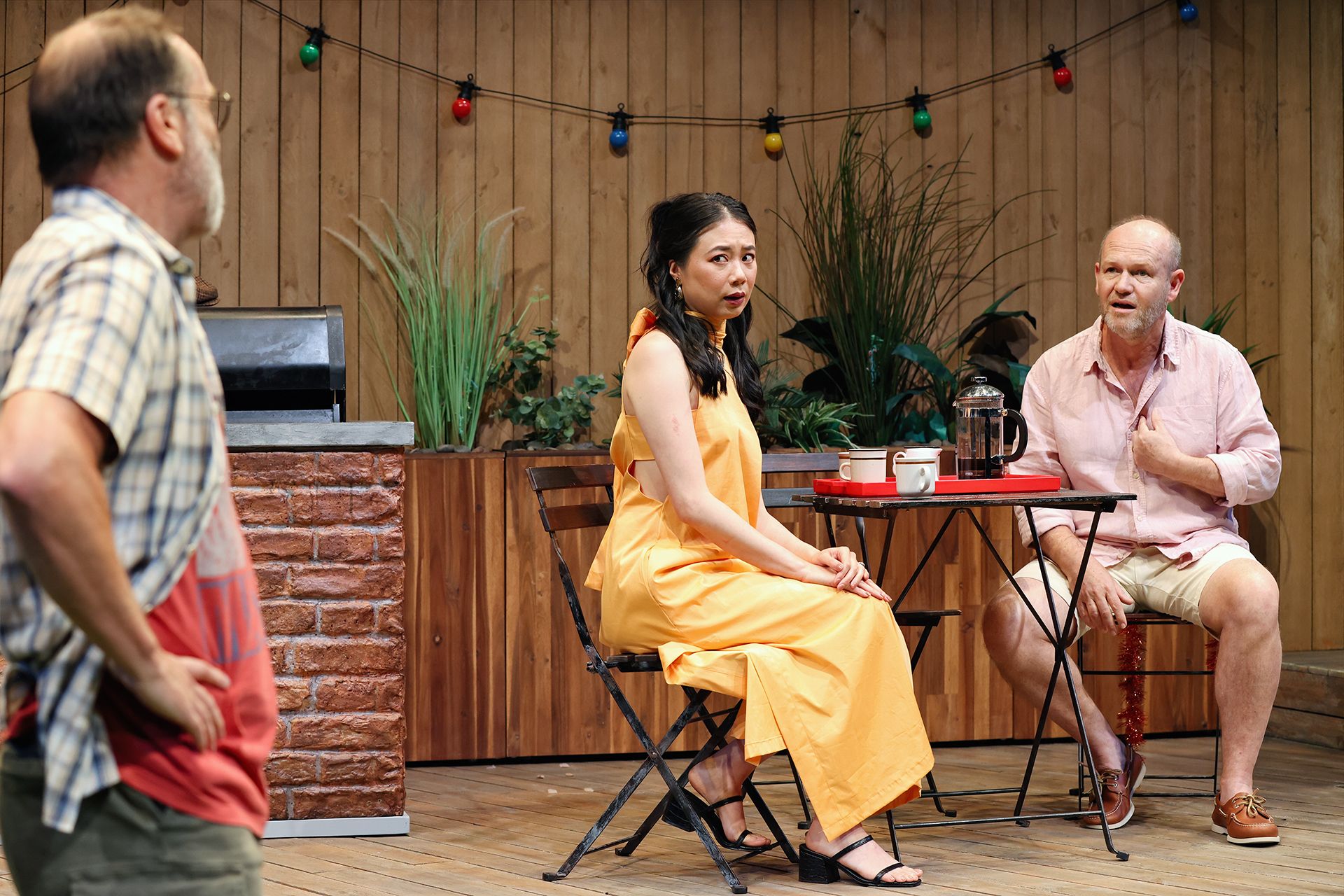
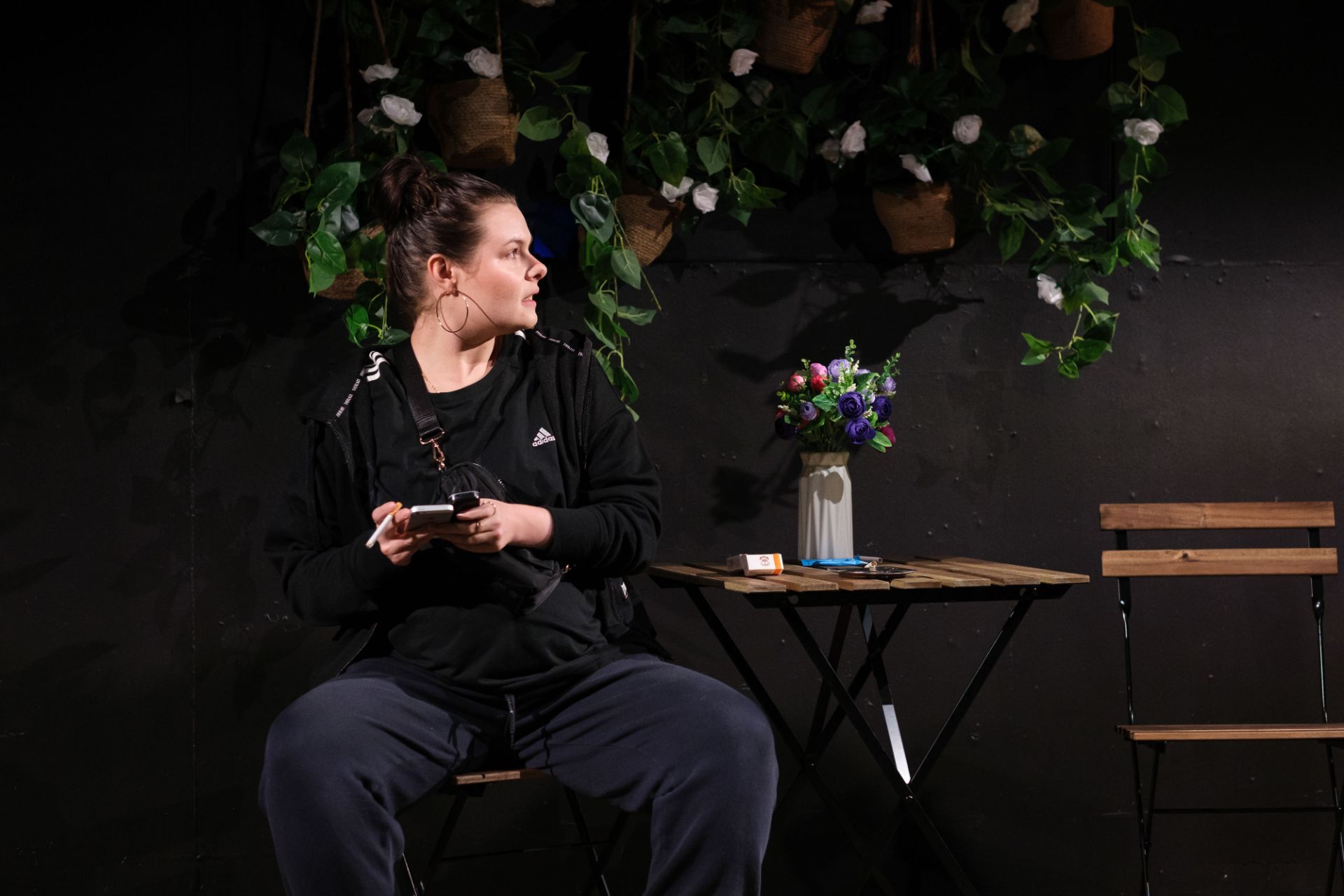
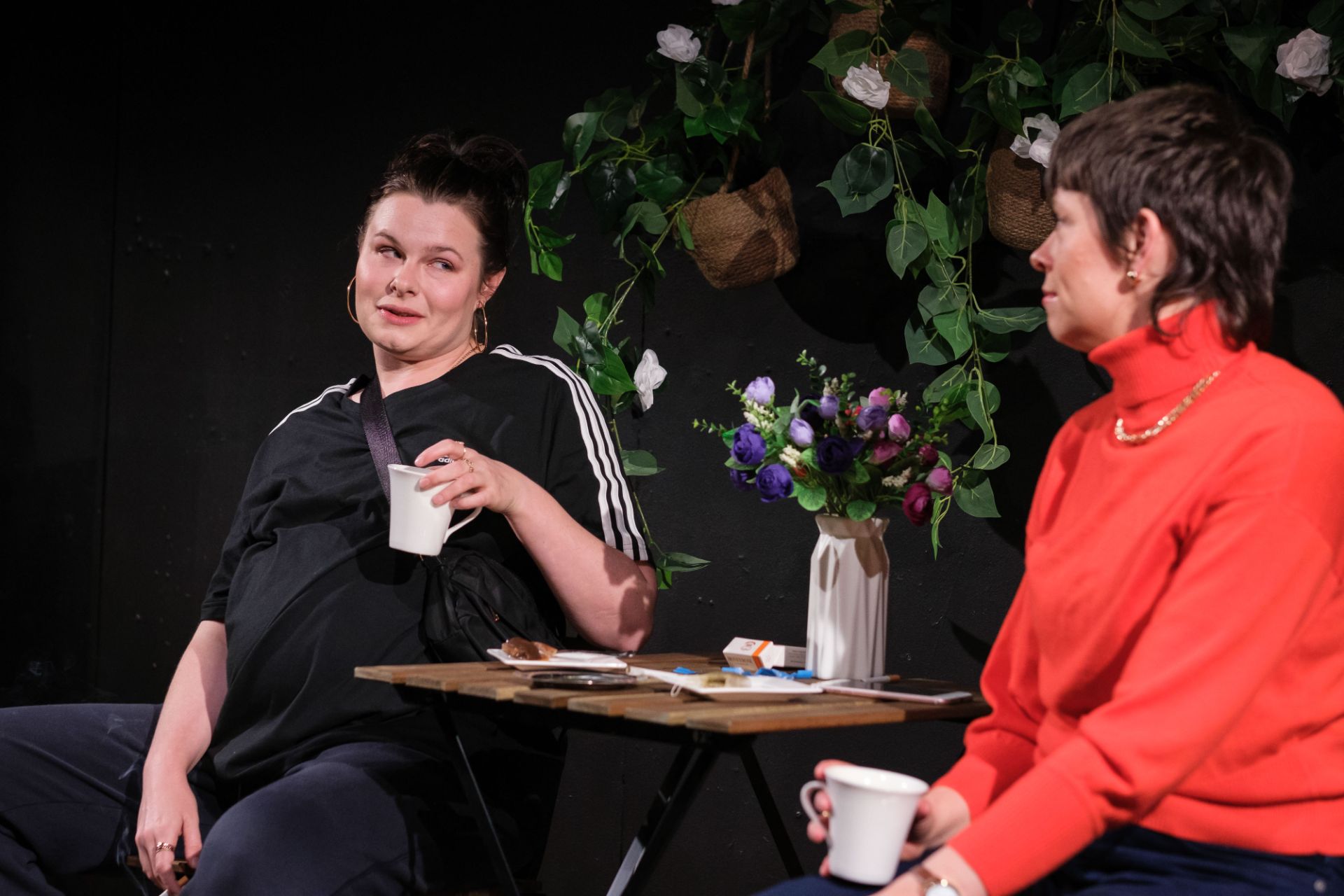
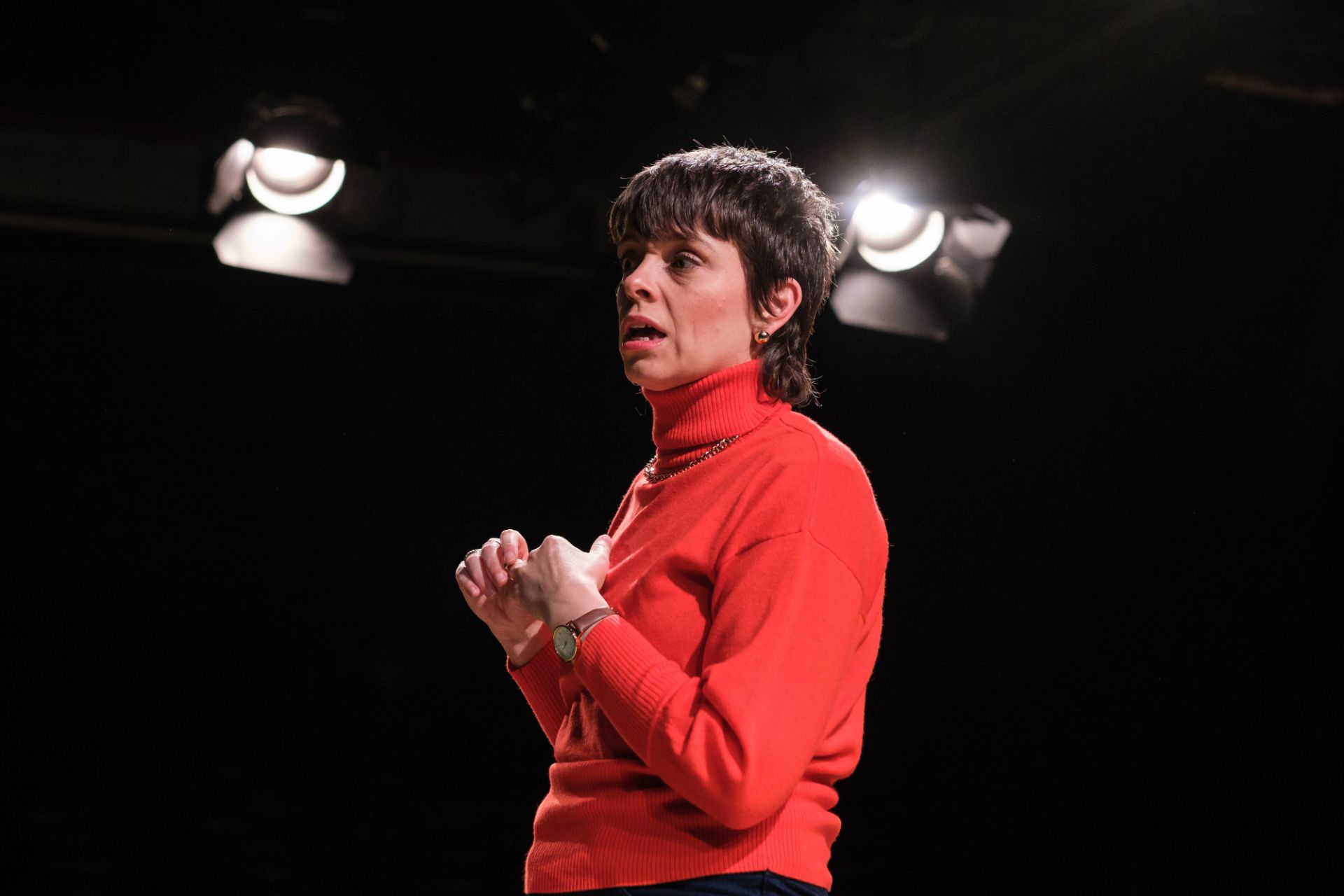
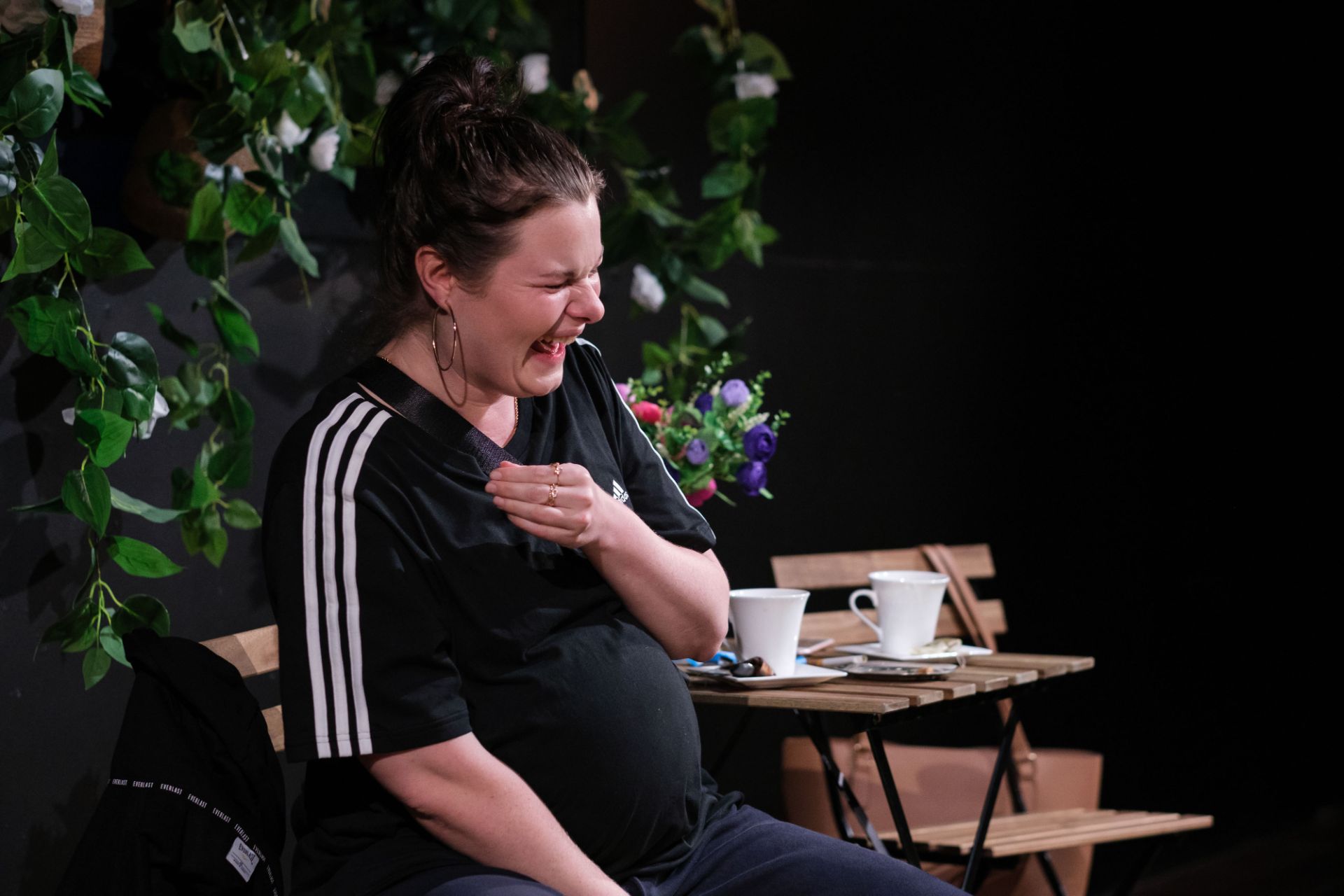
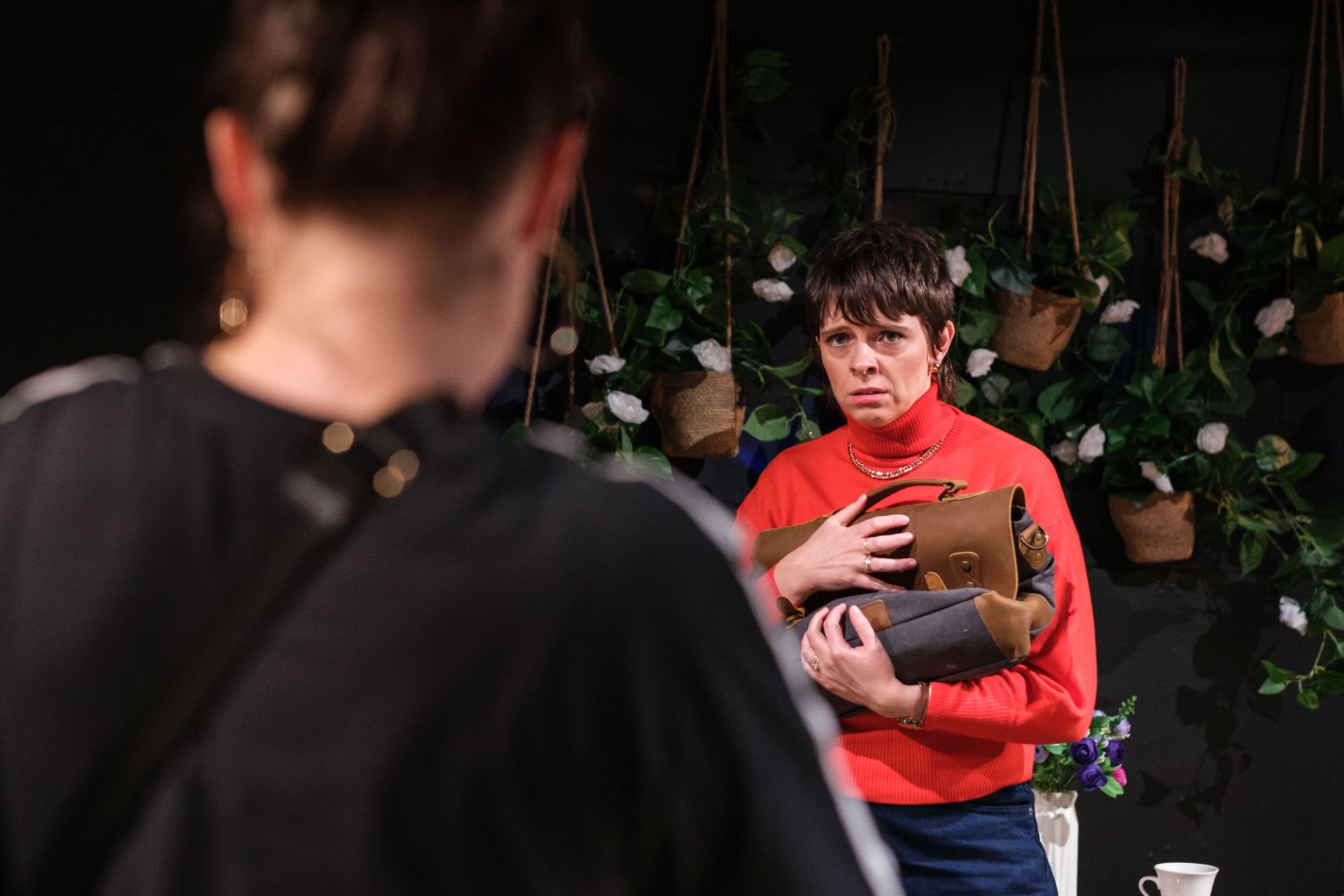
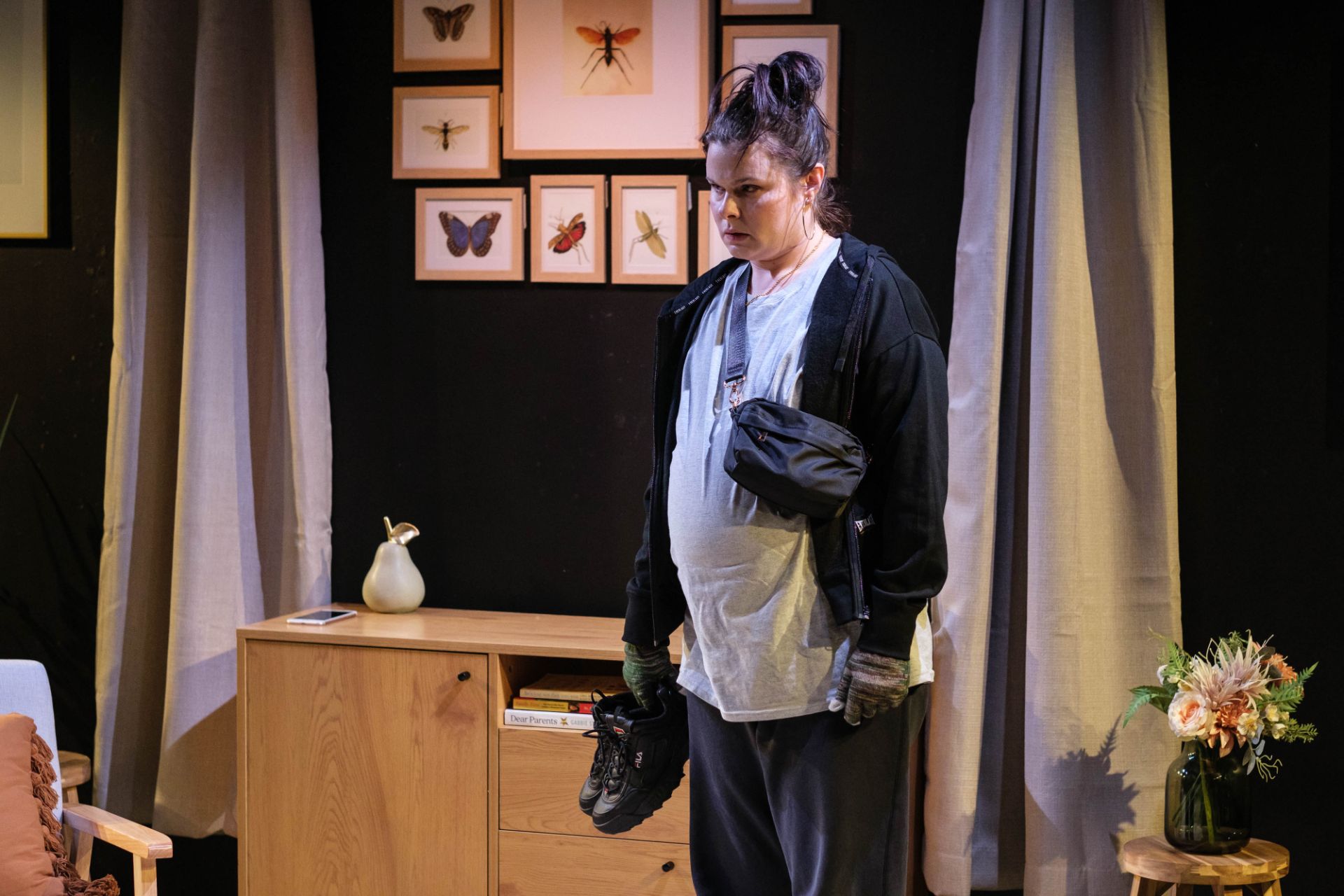
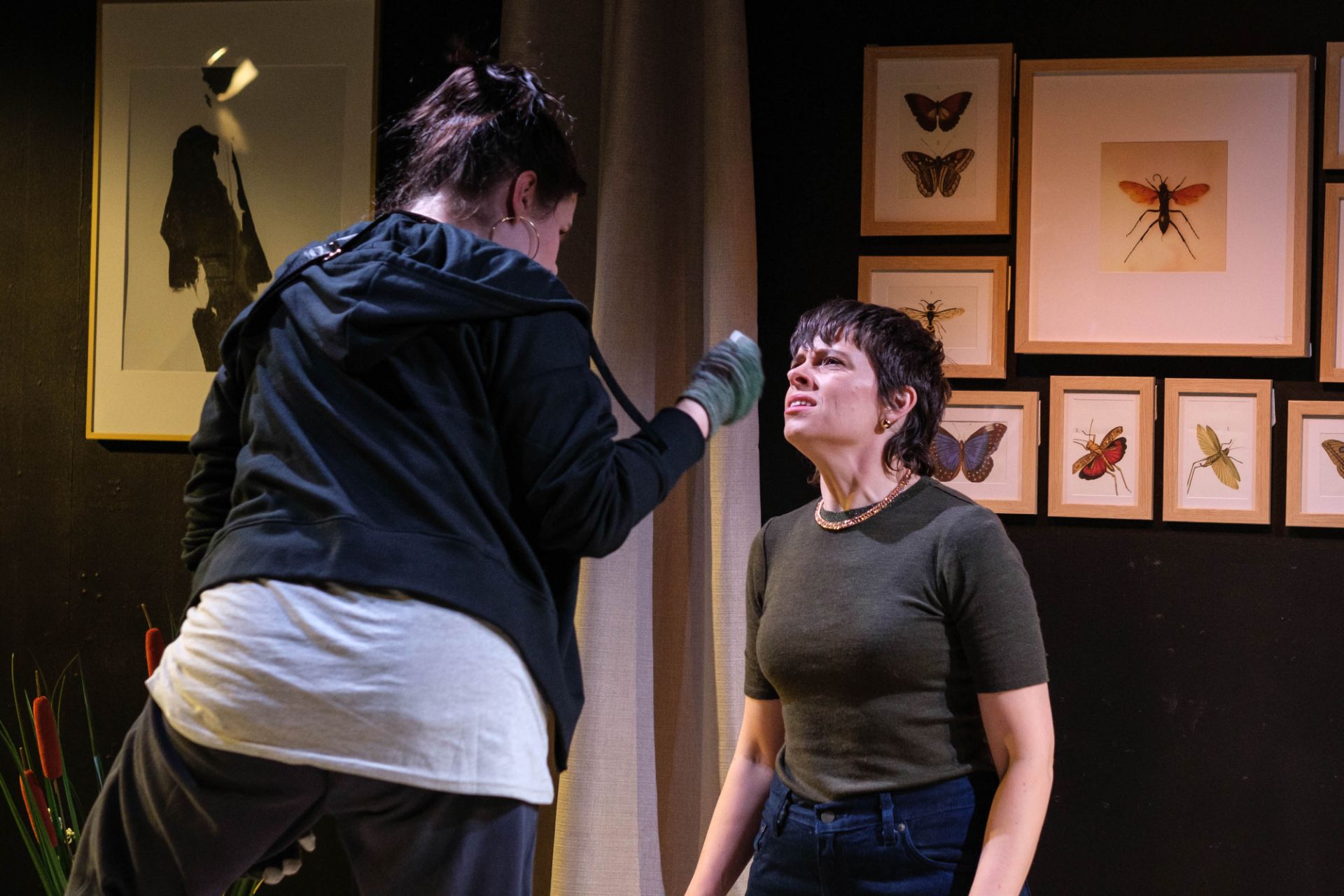
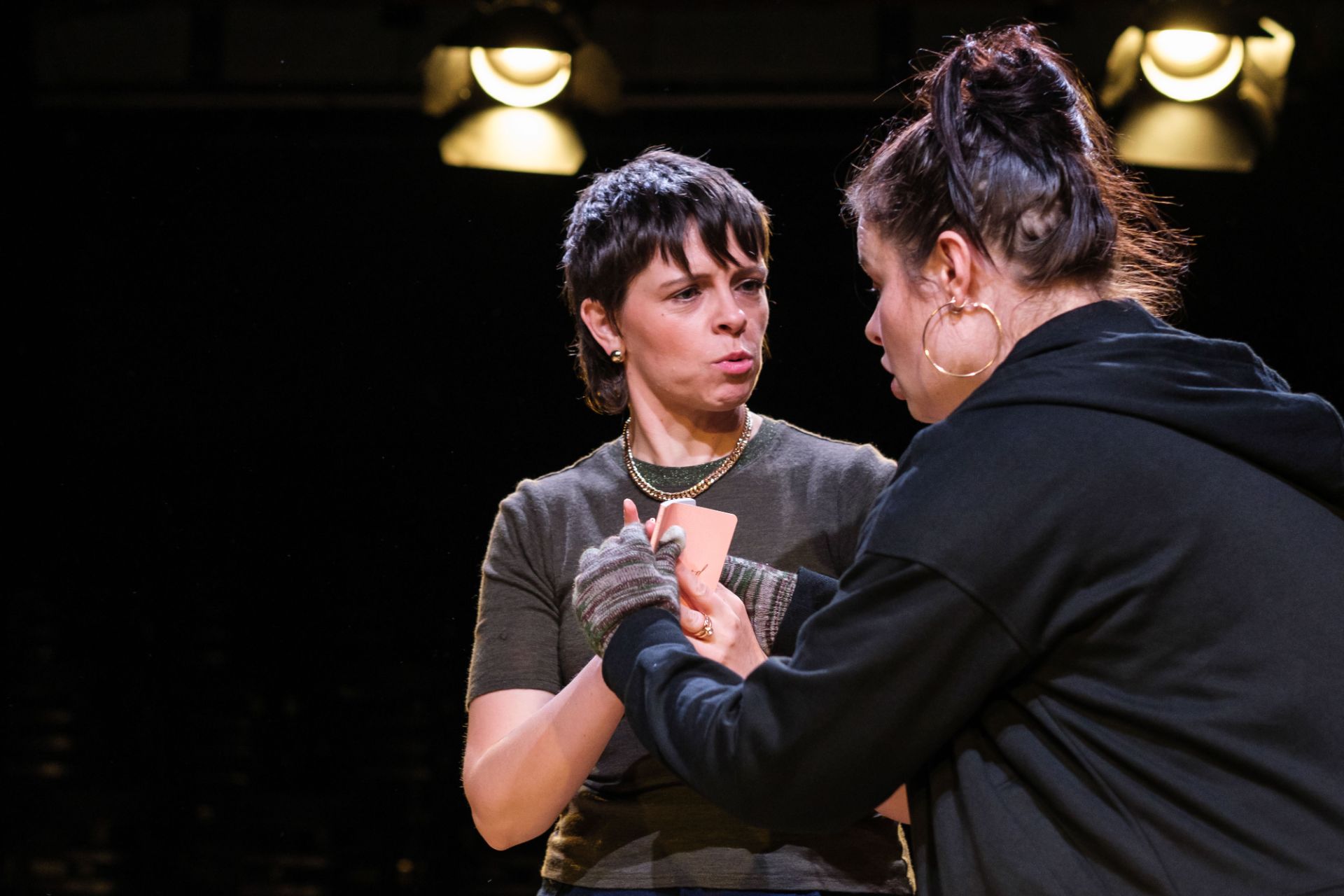
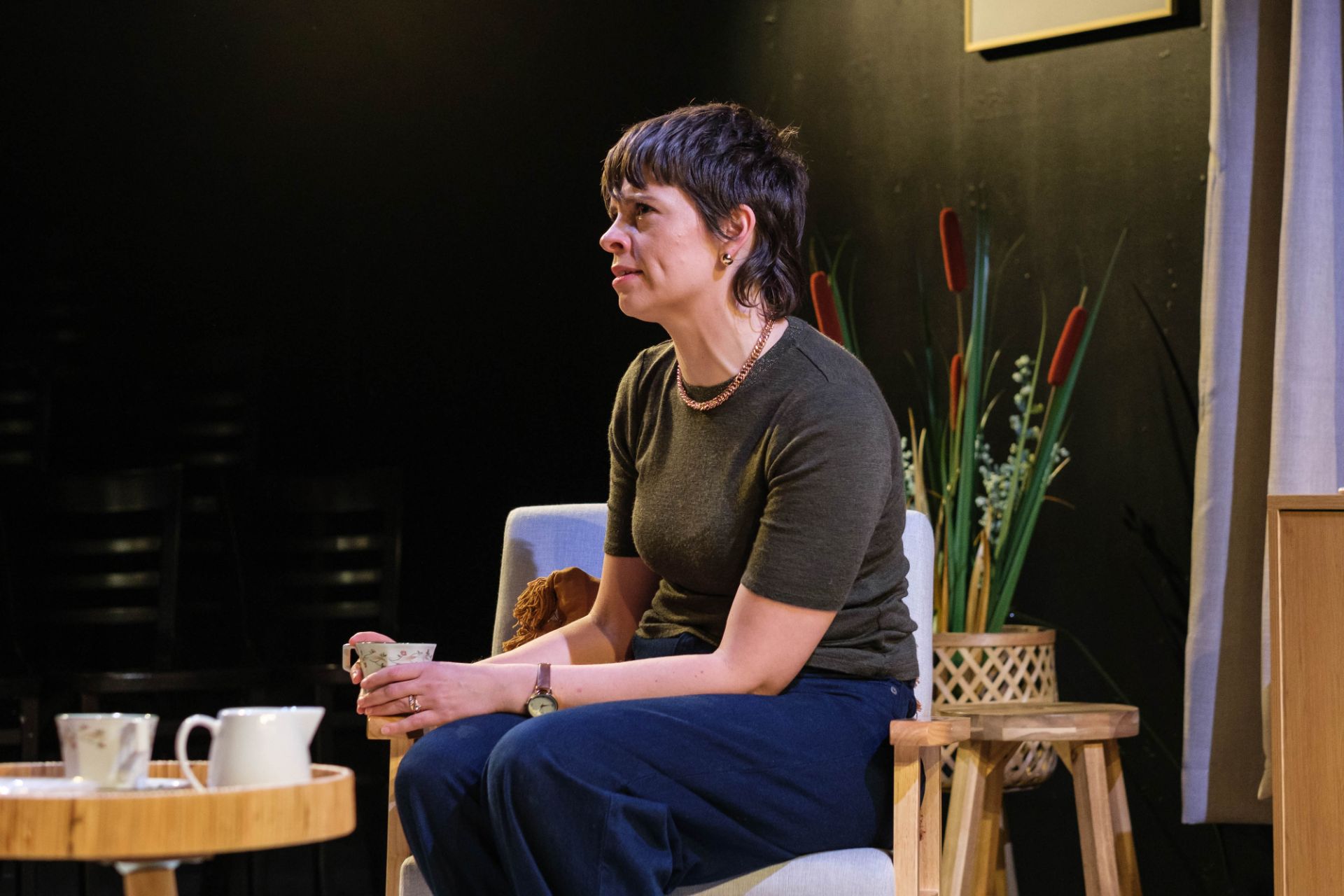
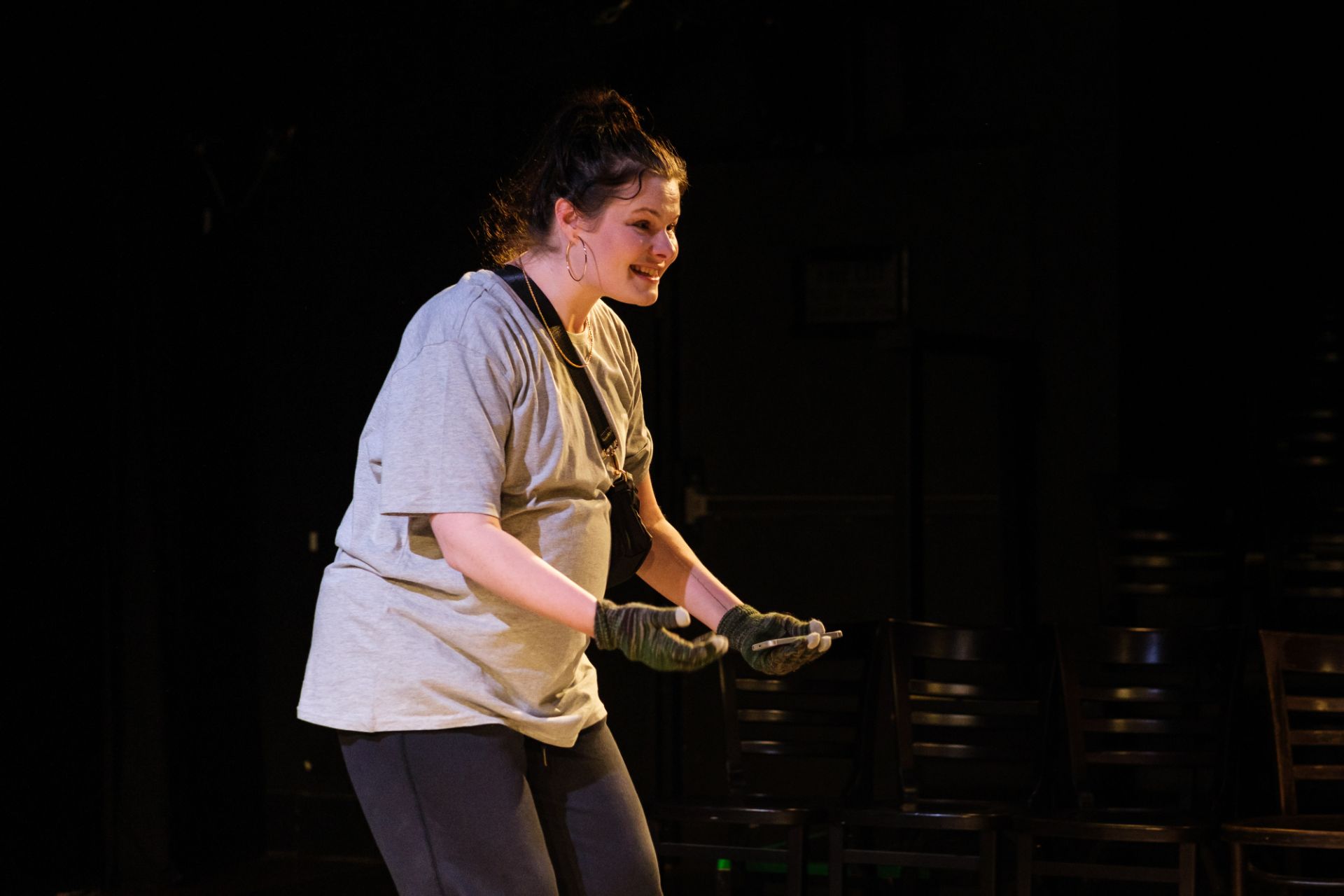
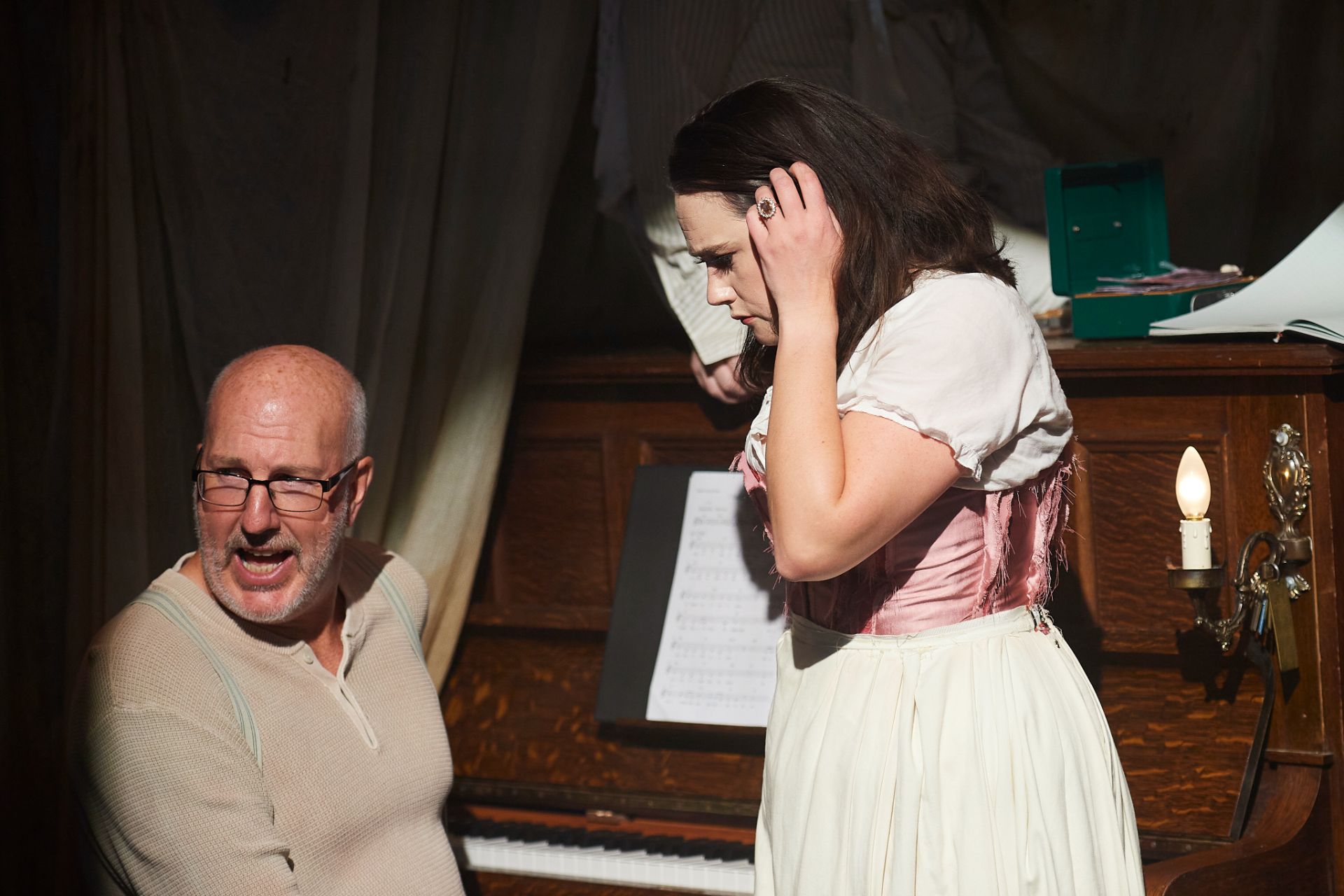
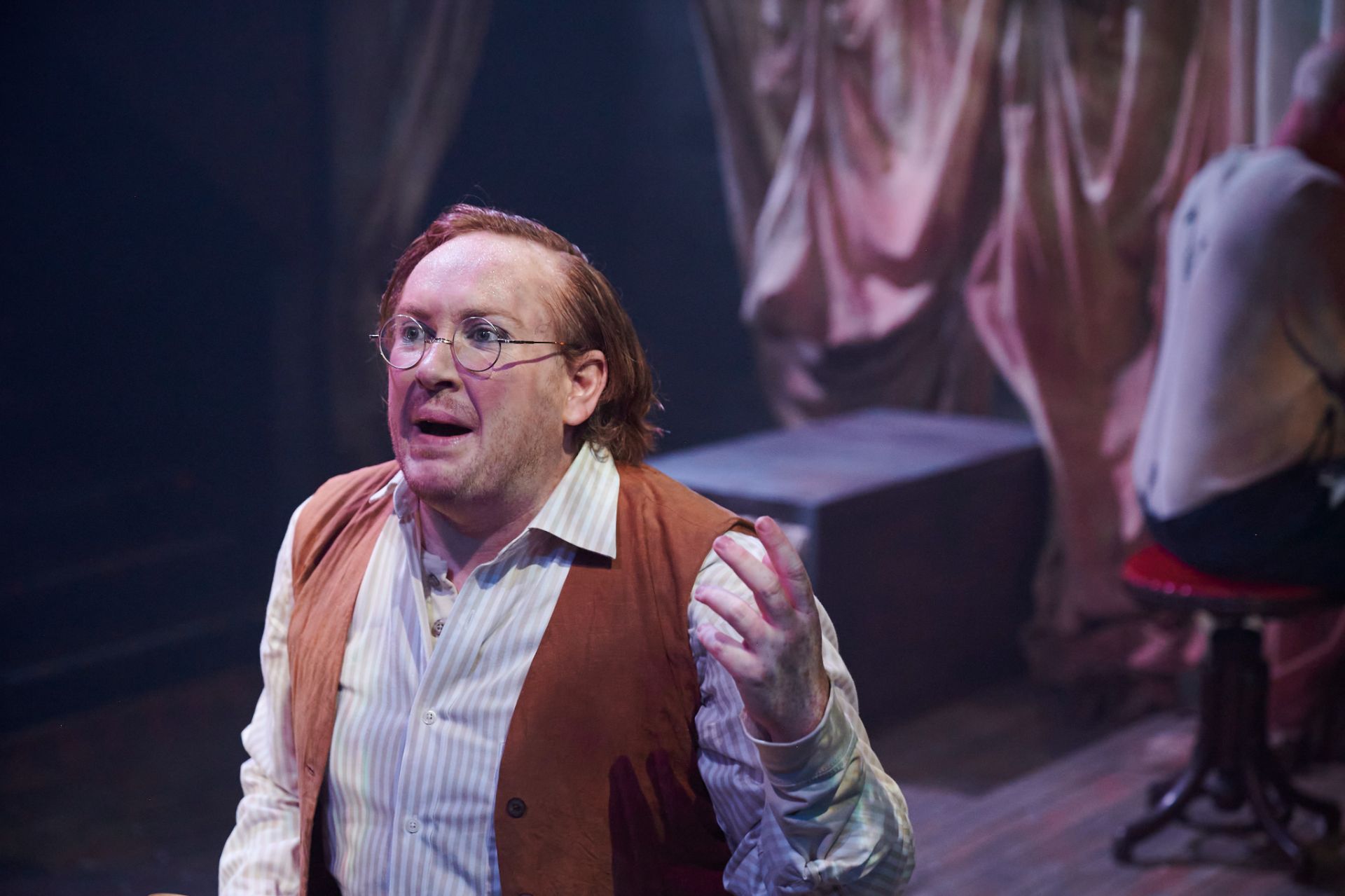
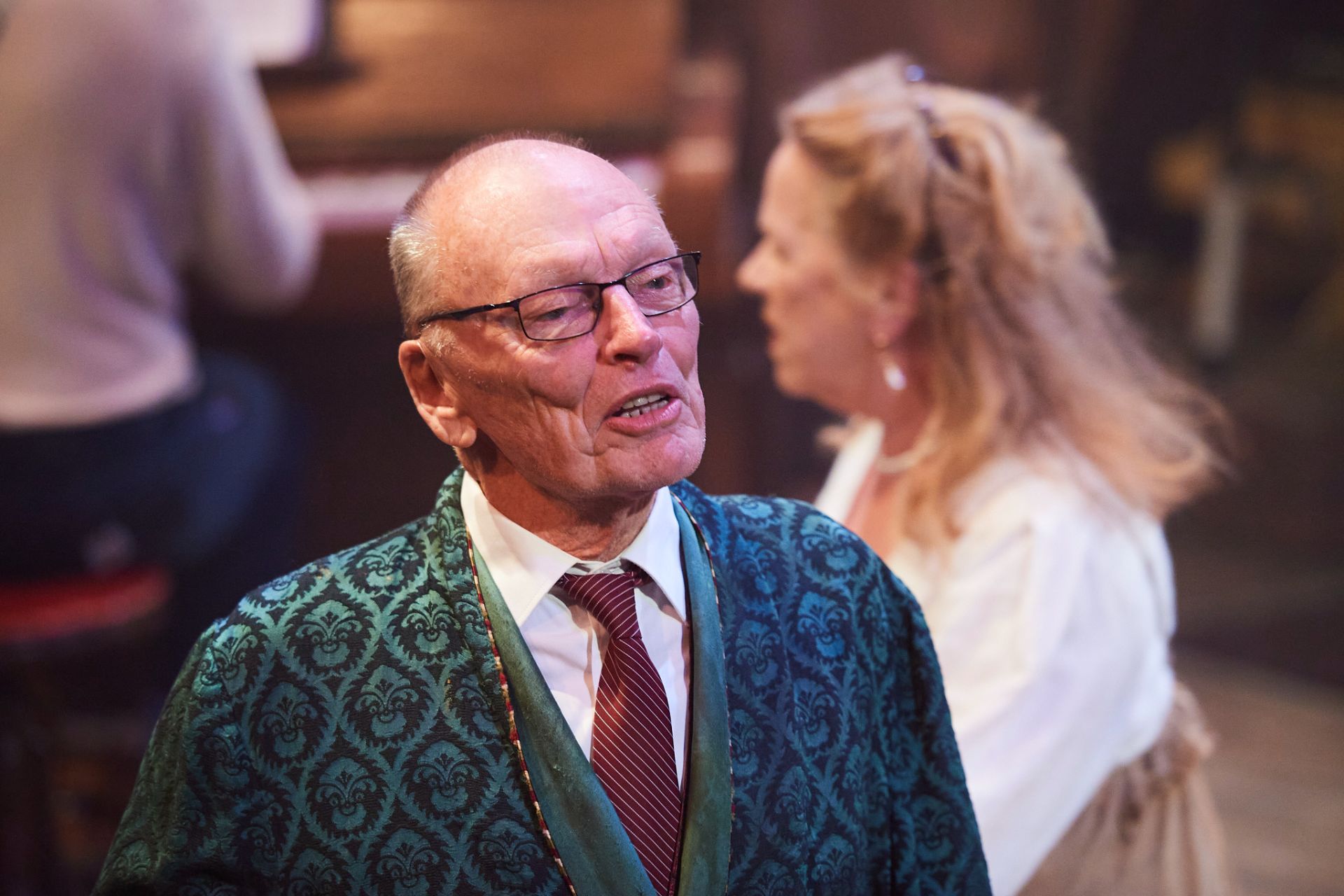
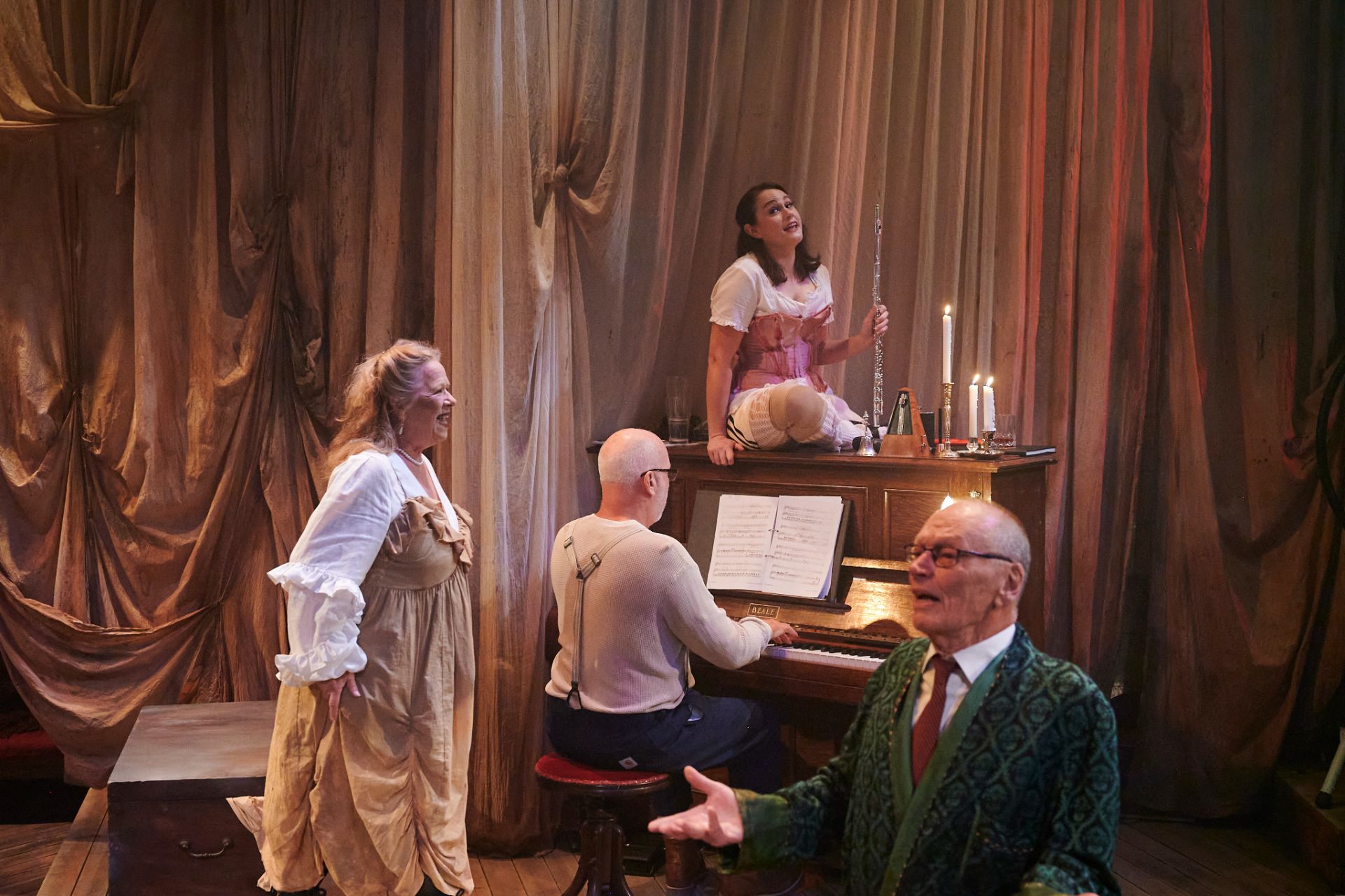
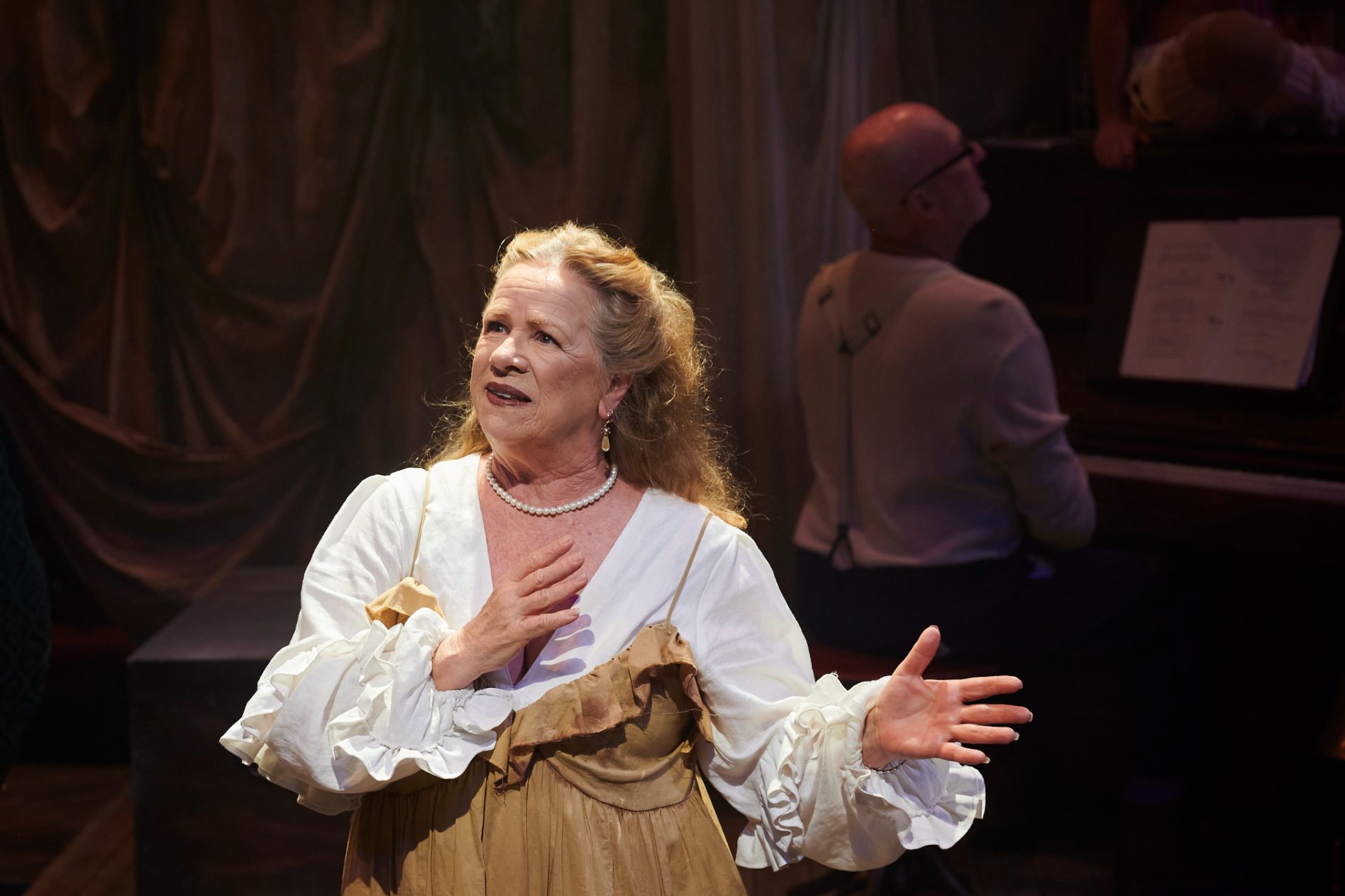
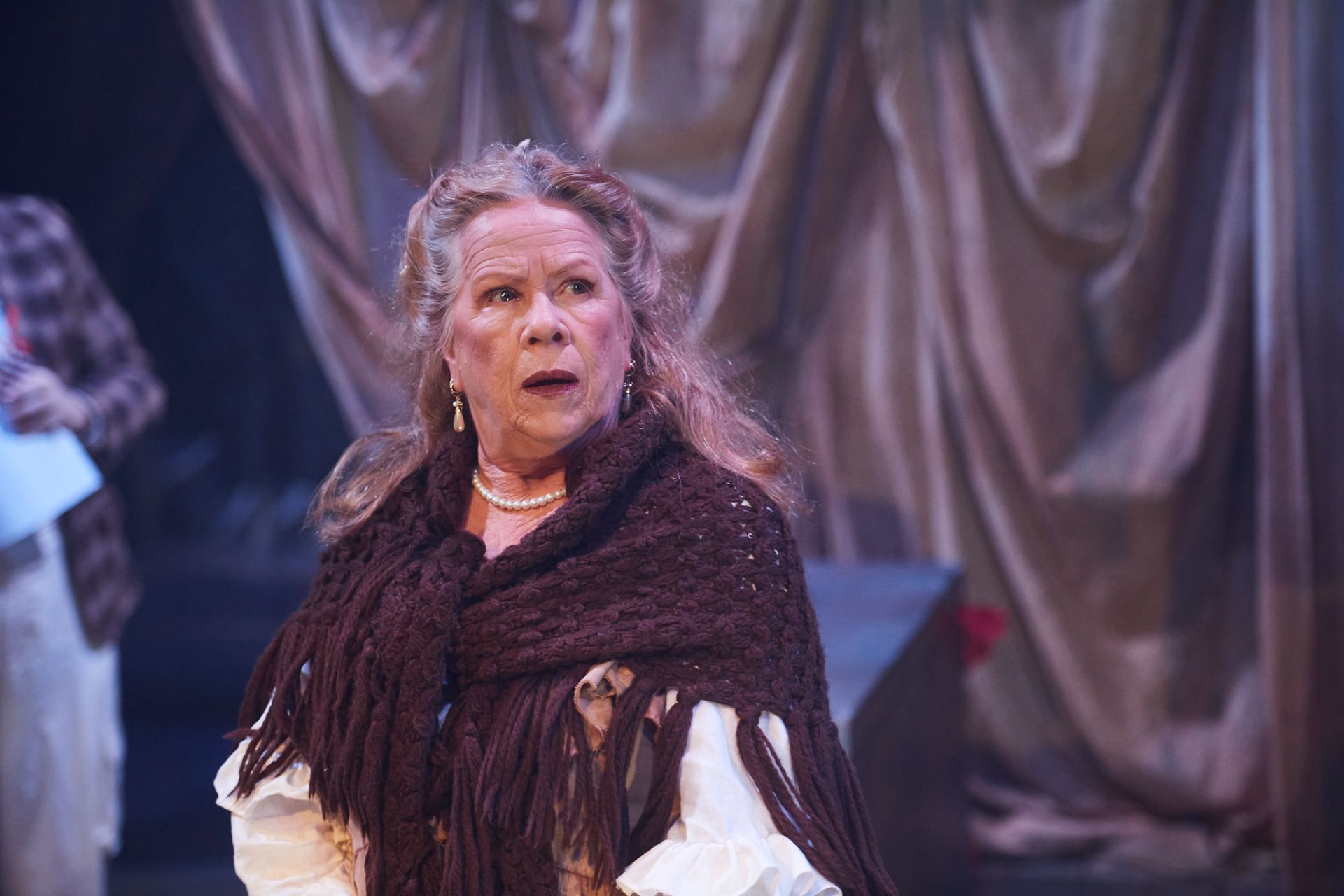
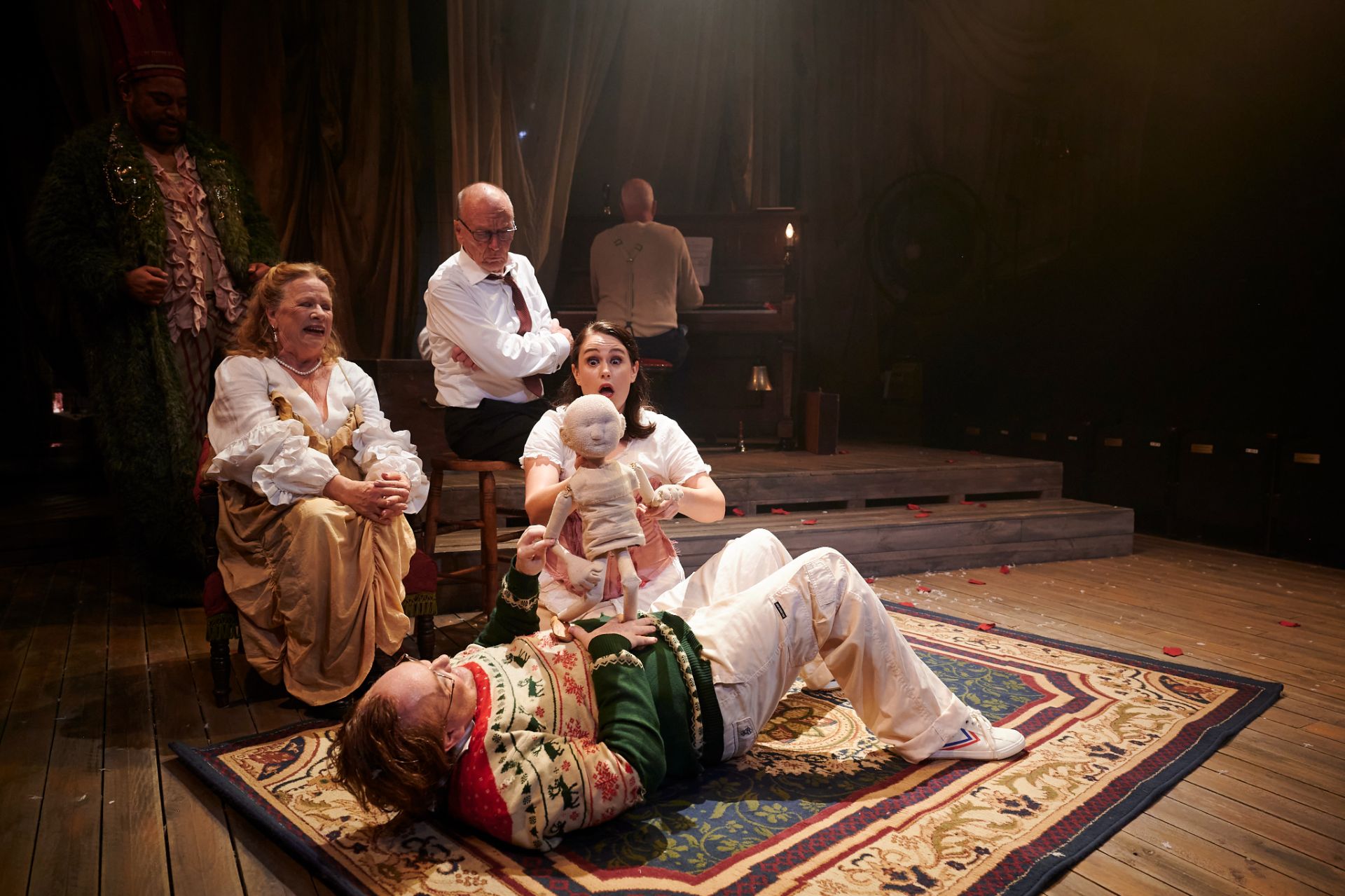
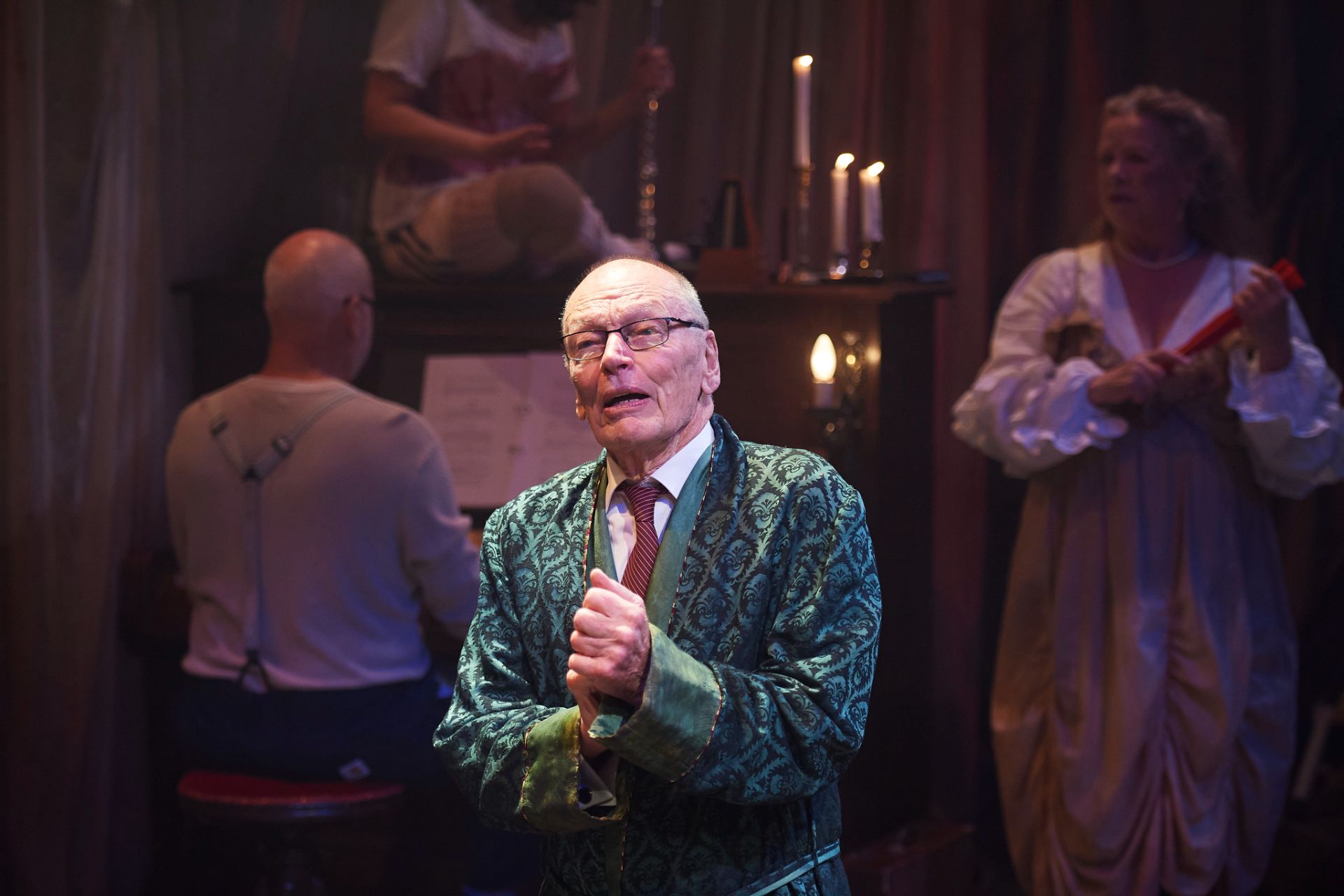
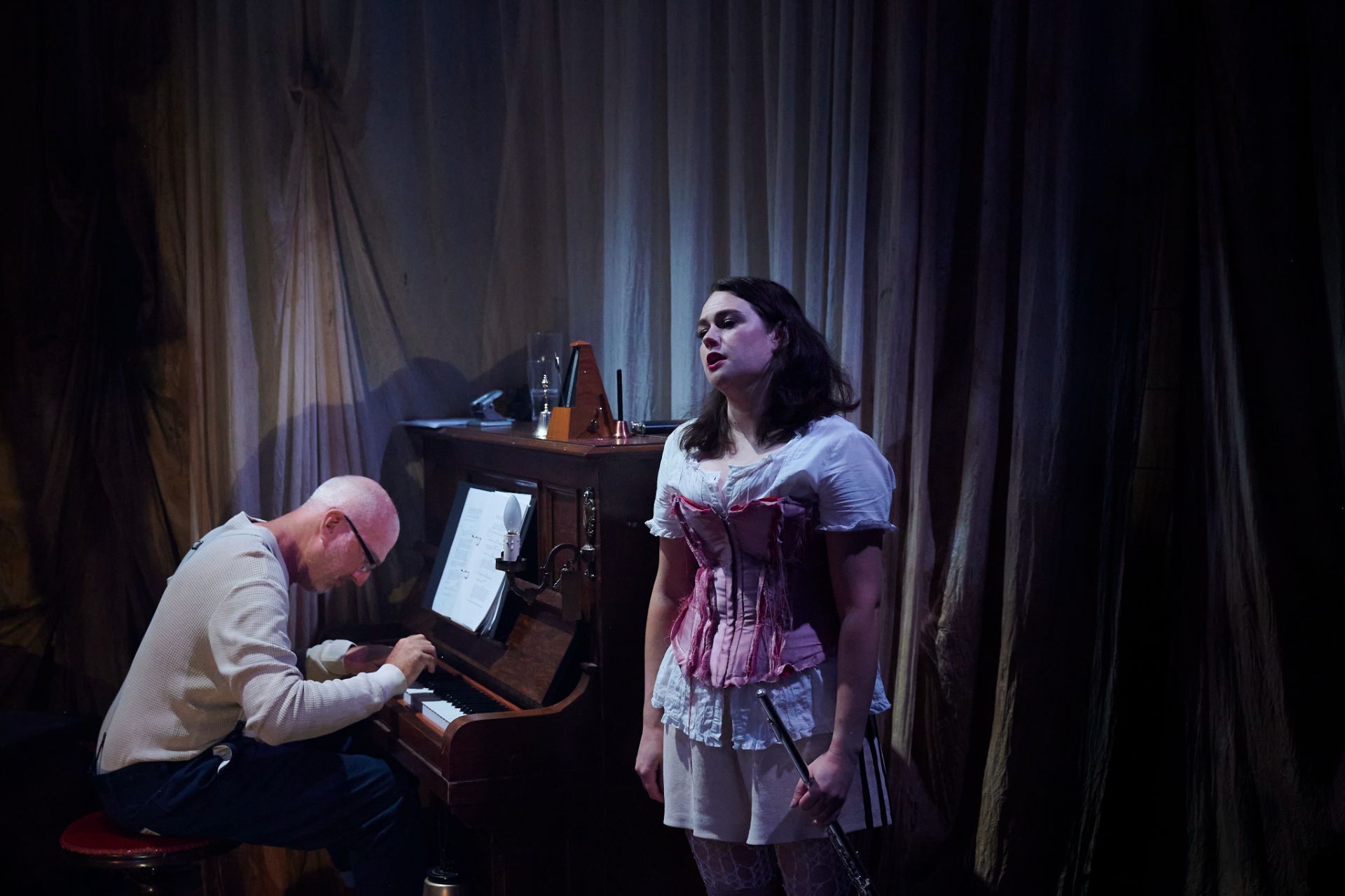
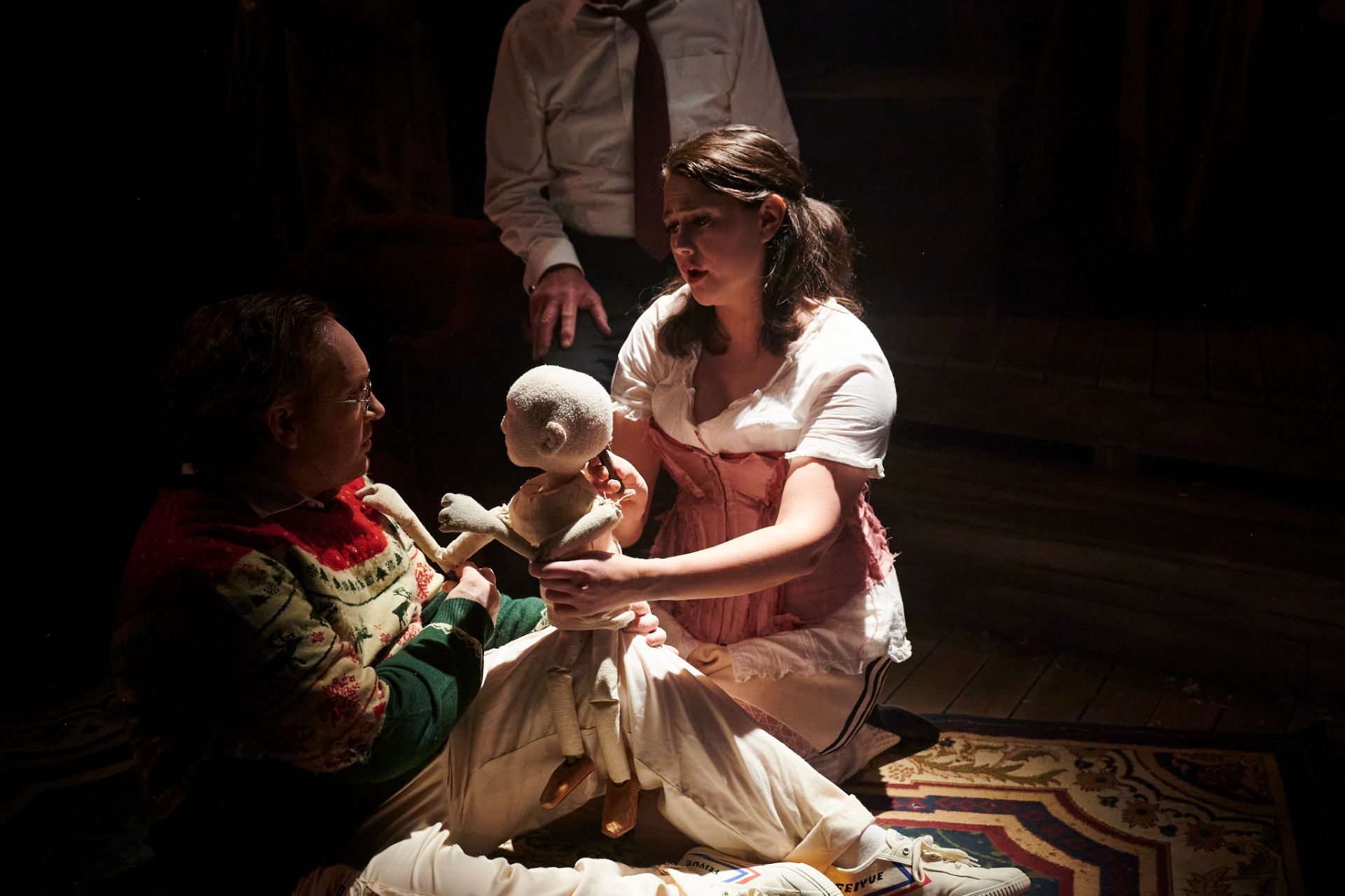
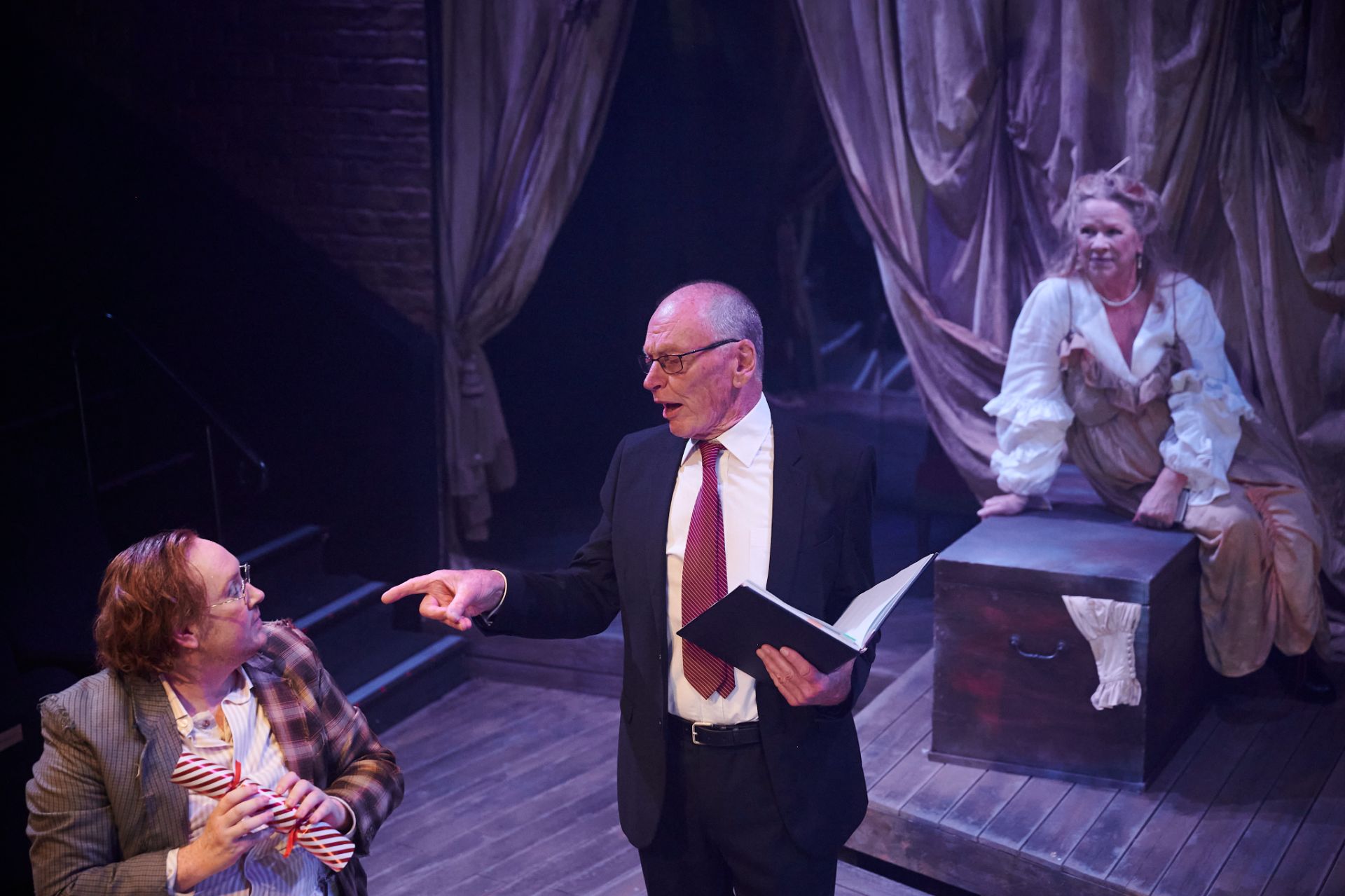
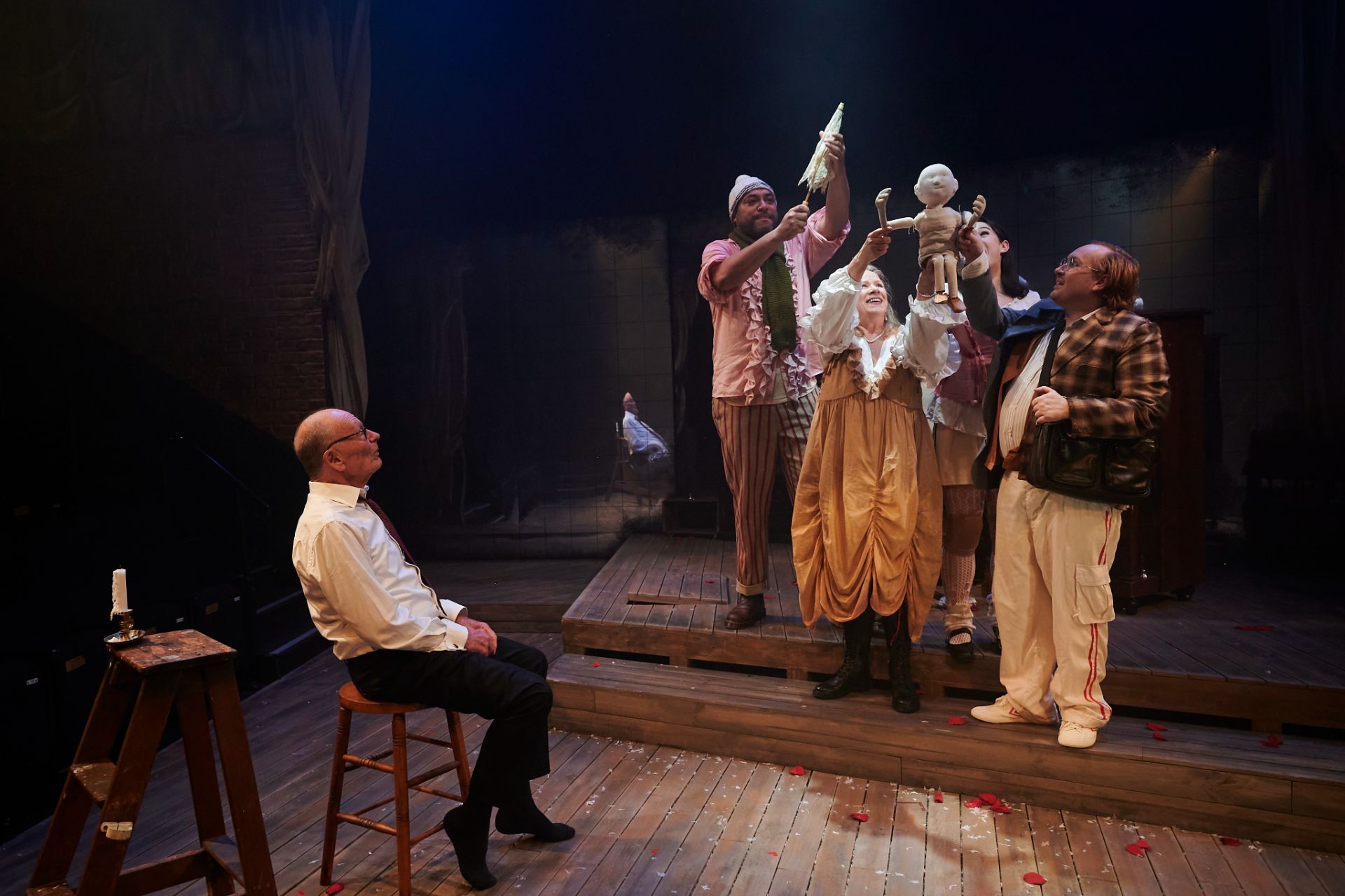
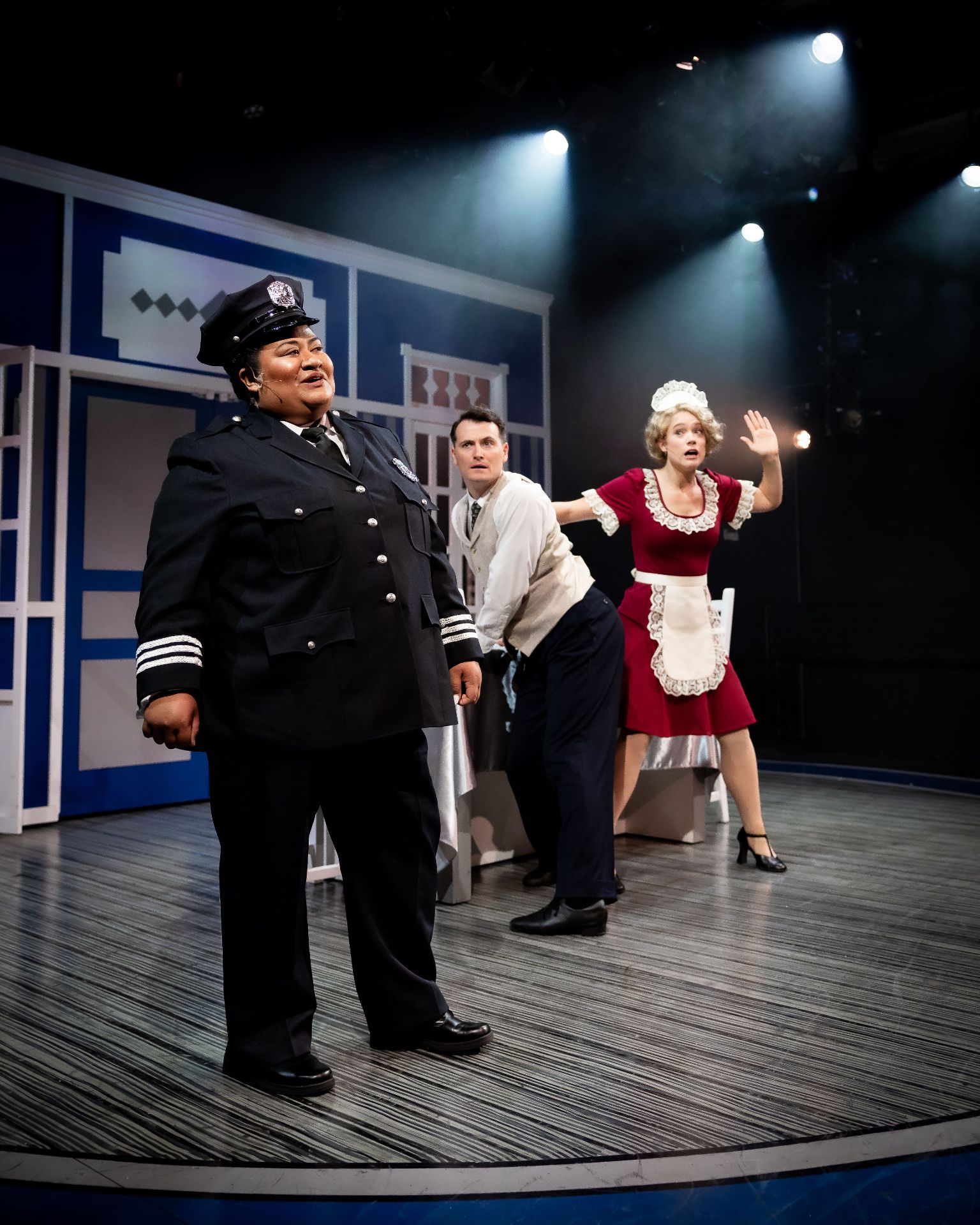
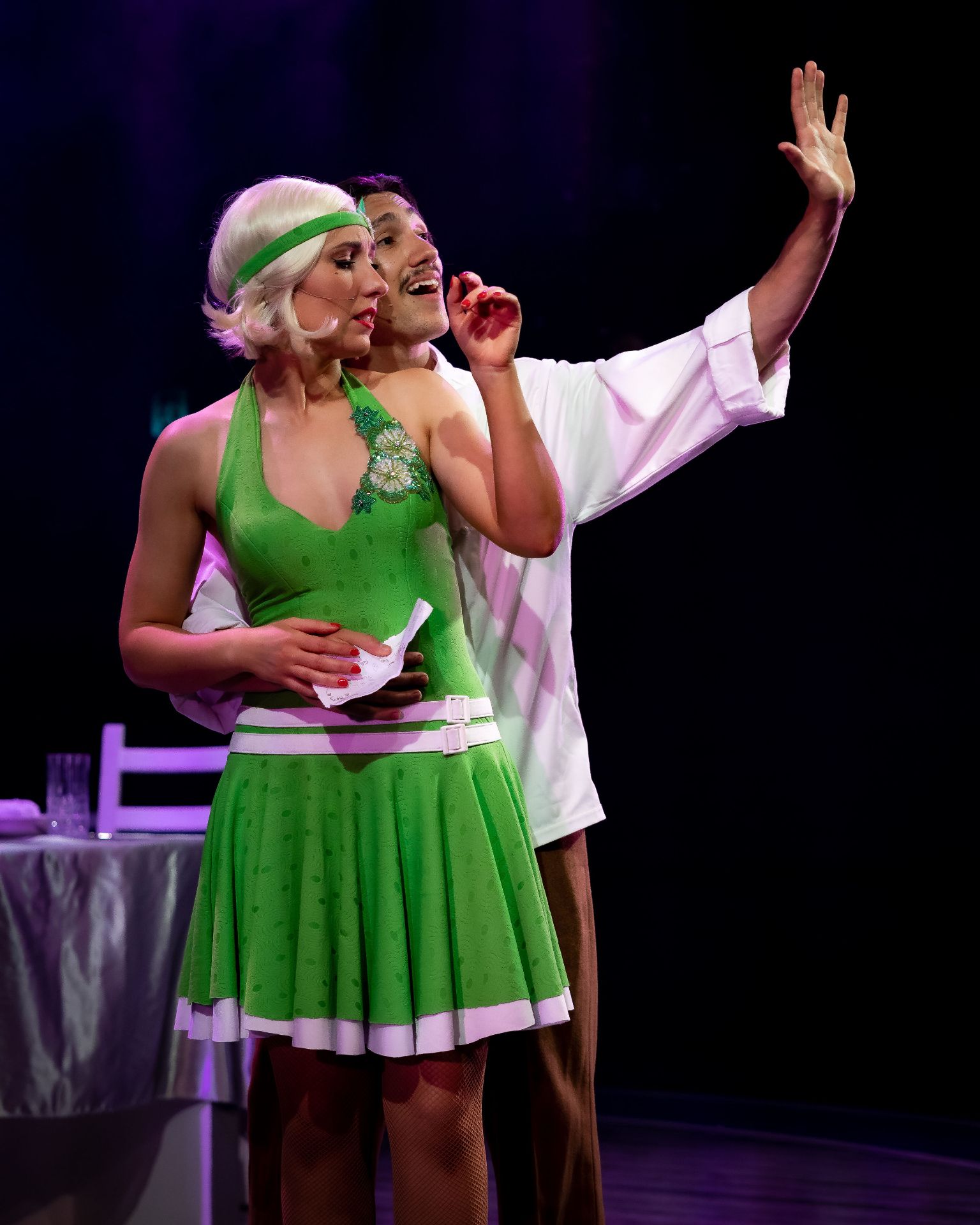
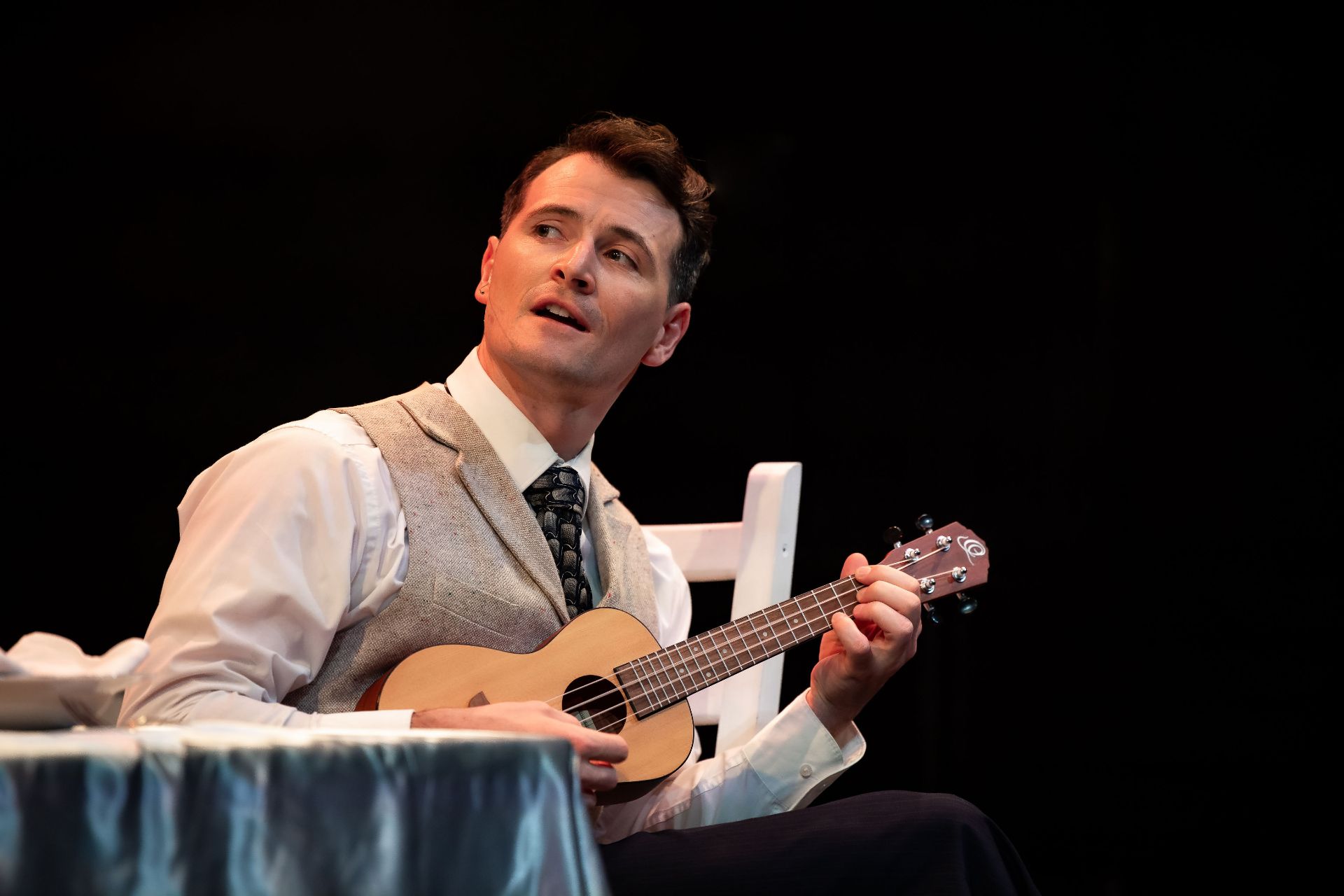
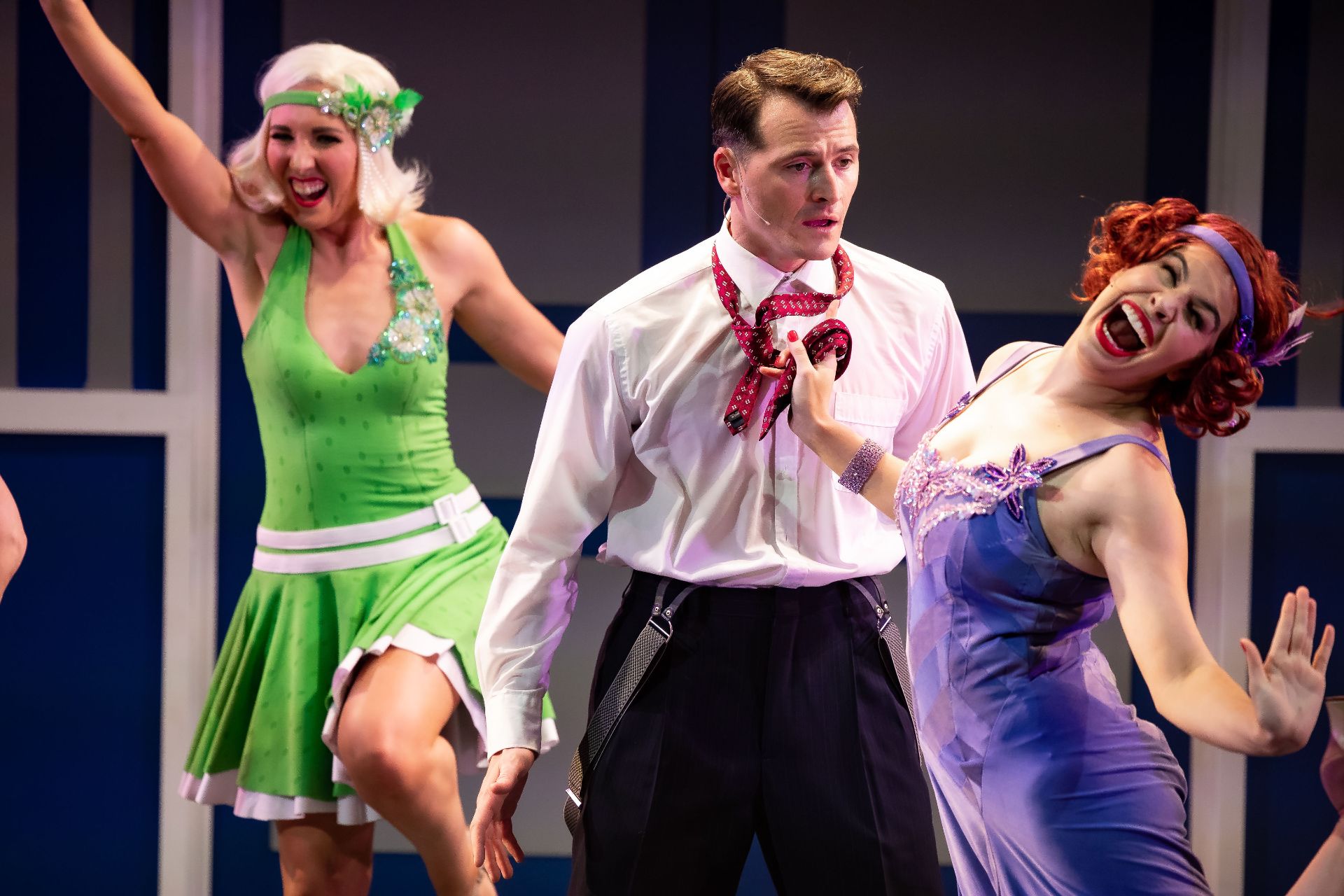
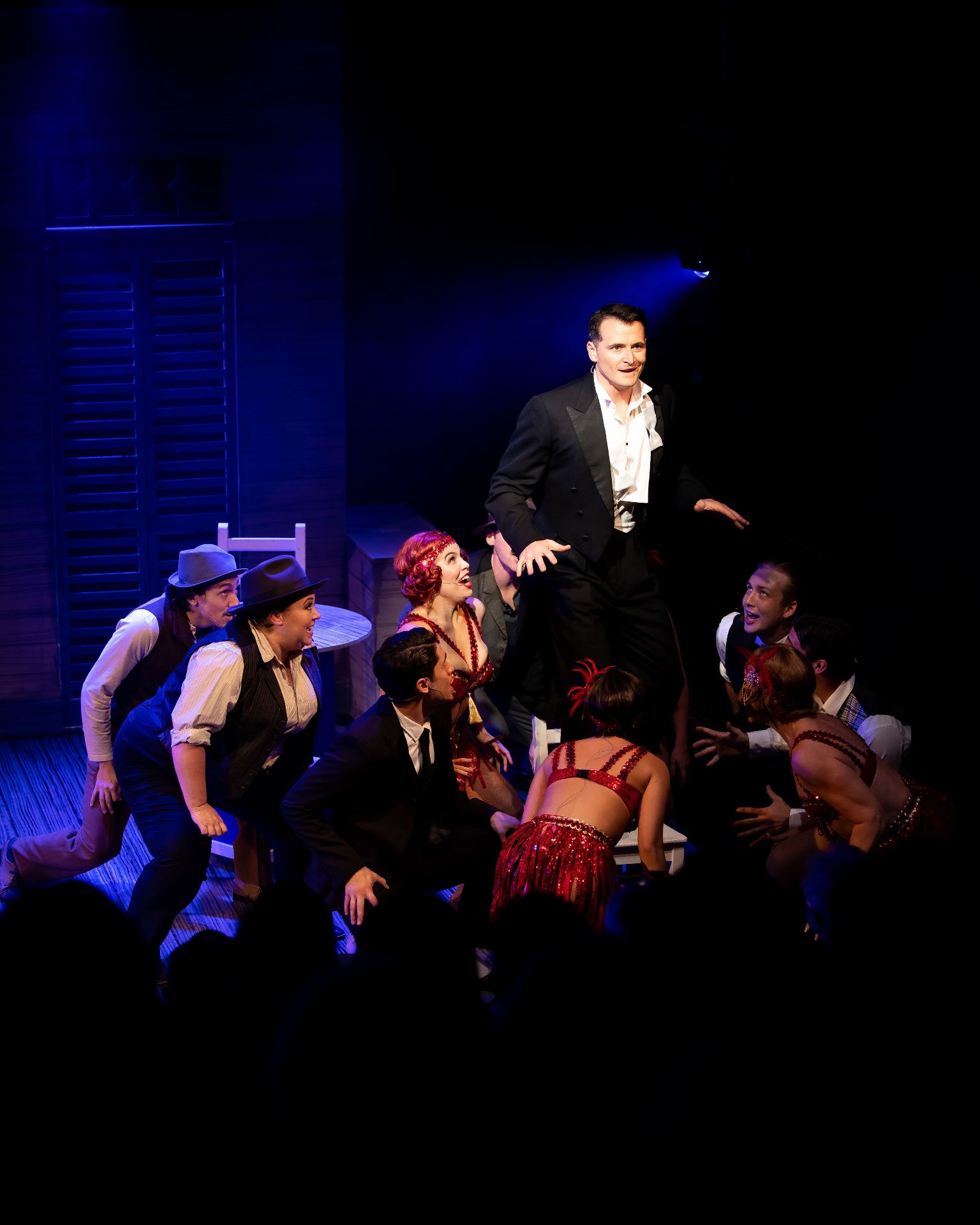
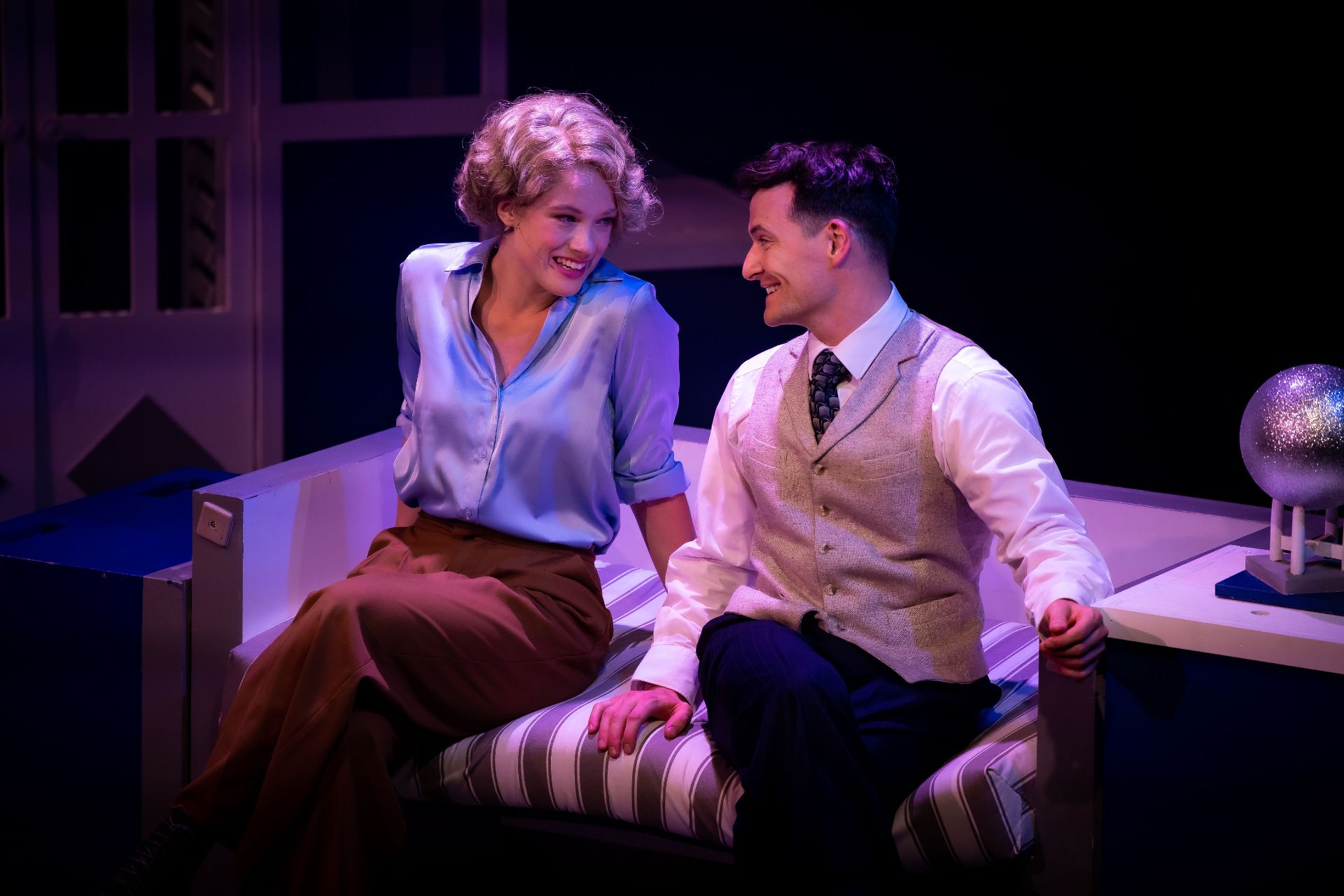
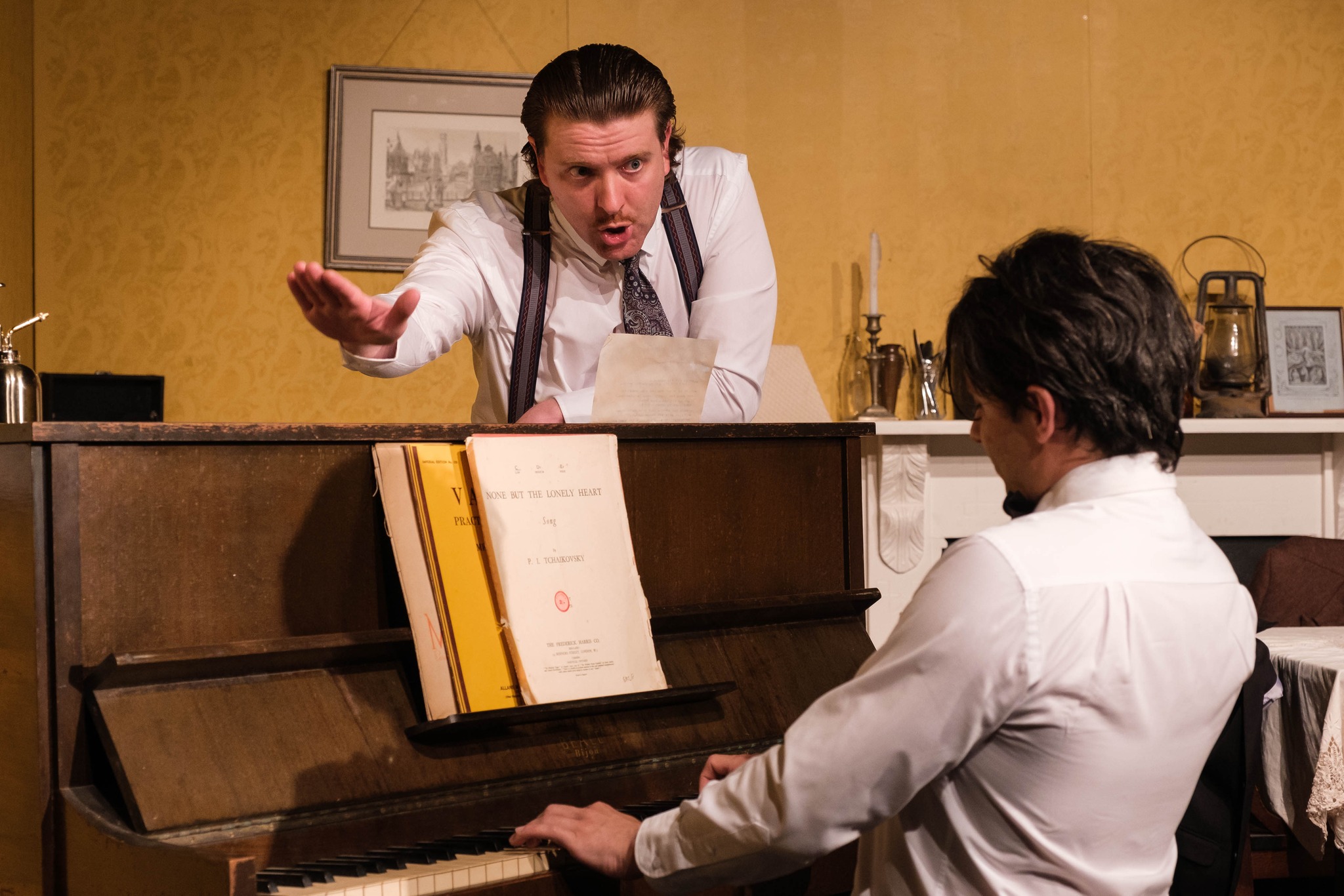
It is the Prohibition era, and Billie the bootlegger is secretly storing 400 crates of gin, in a Long Island beach house, owned by Jimmy’s mother. In the meantime, Jimmy is about to get married for the fourth time, but the playboy’s new fascination with Billie means that his best laid plans are going awry. Joe DiPietro’s book for the musical Nice Work If You Can Get It is a tribute to romantic comedies of the Hollywood Golden Age. Thoroughly frivolous and undoubtedly fun, the story is constructed around the songs of George and Ira Gershwin, which are easily, and understandably, the highlight of the show.

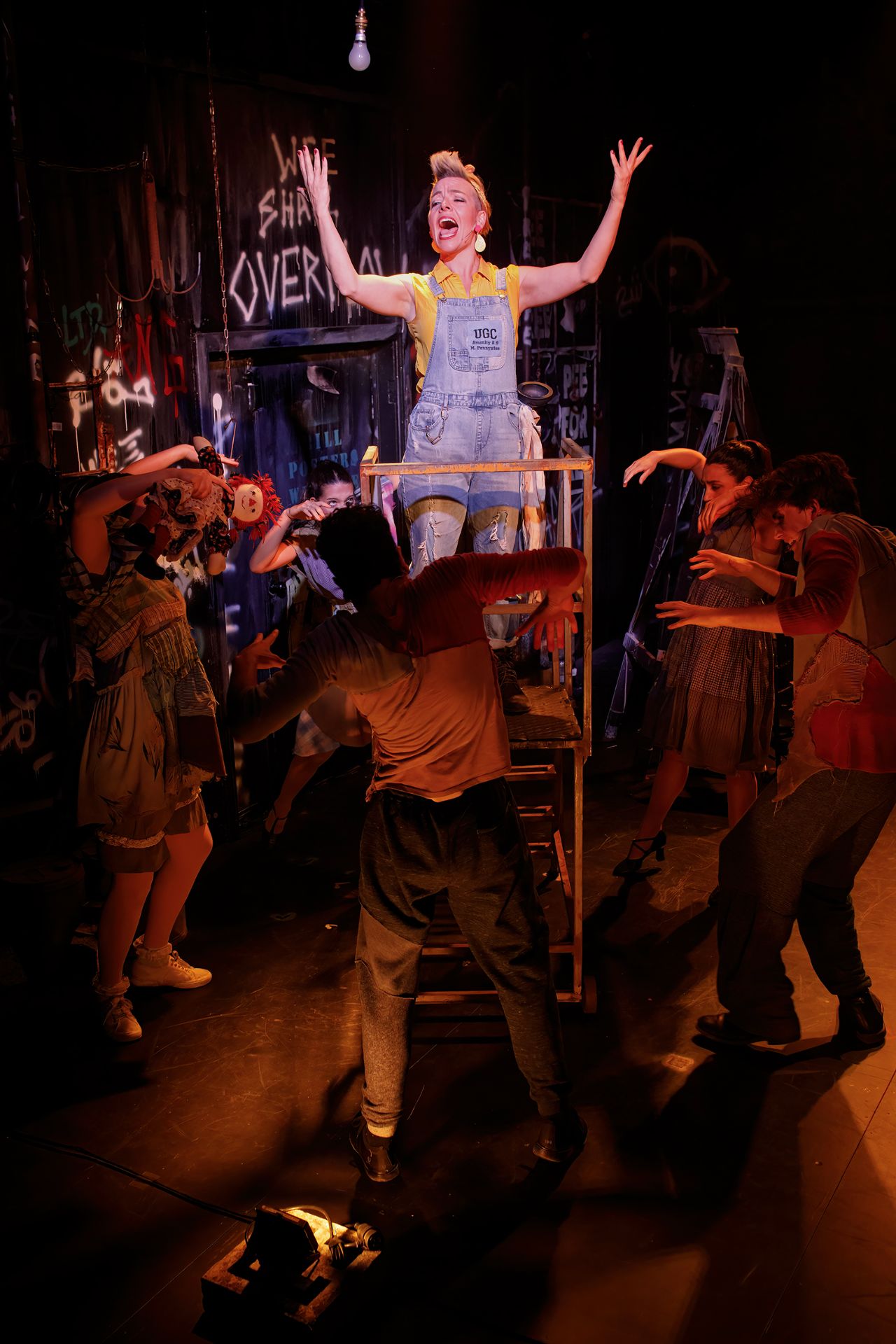
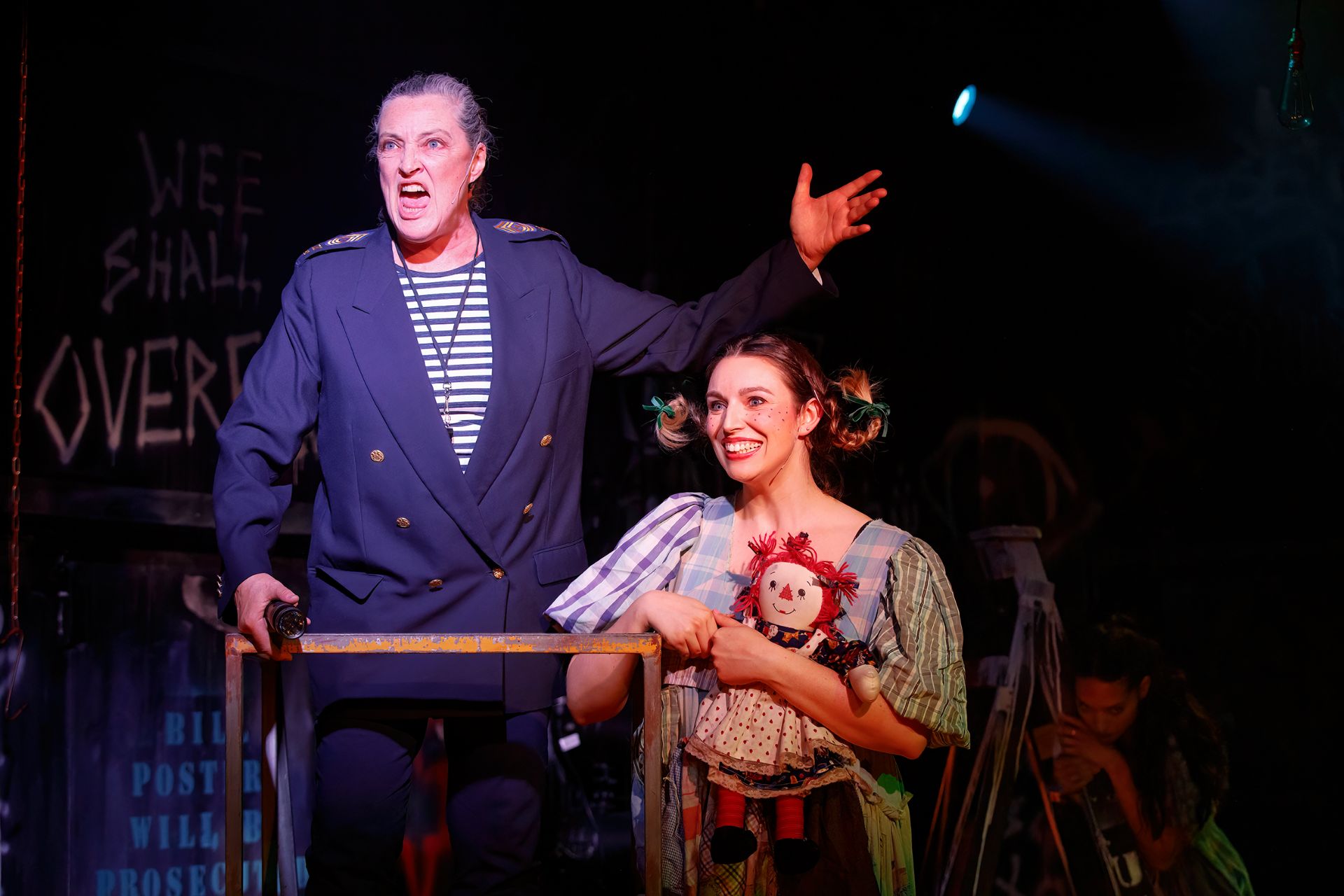
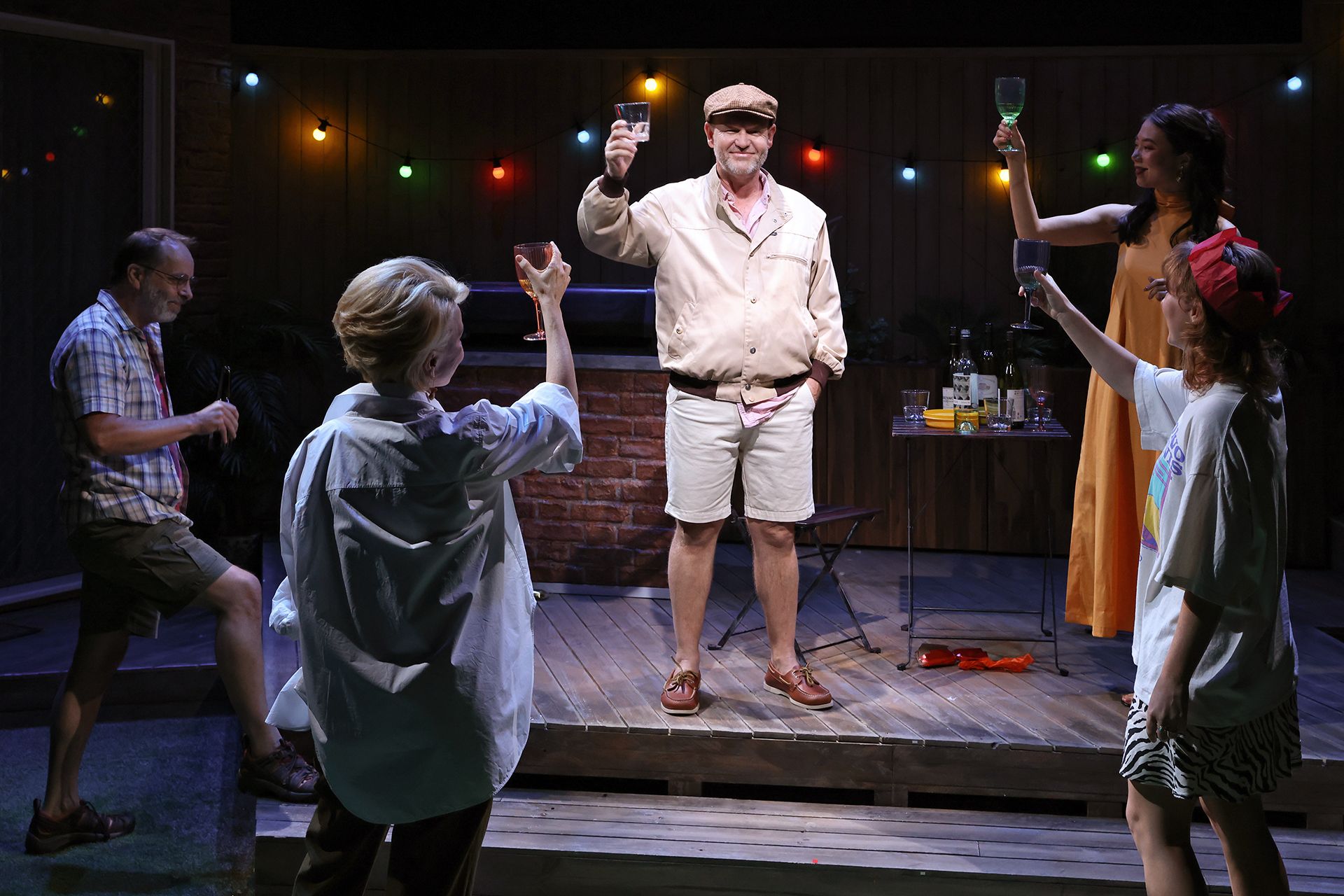
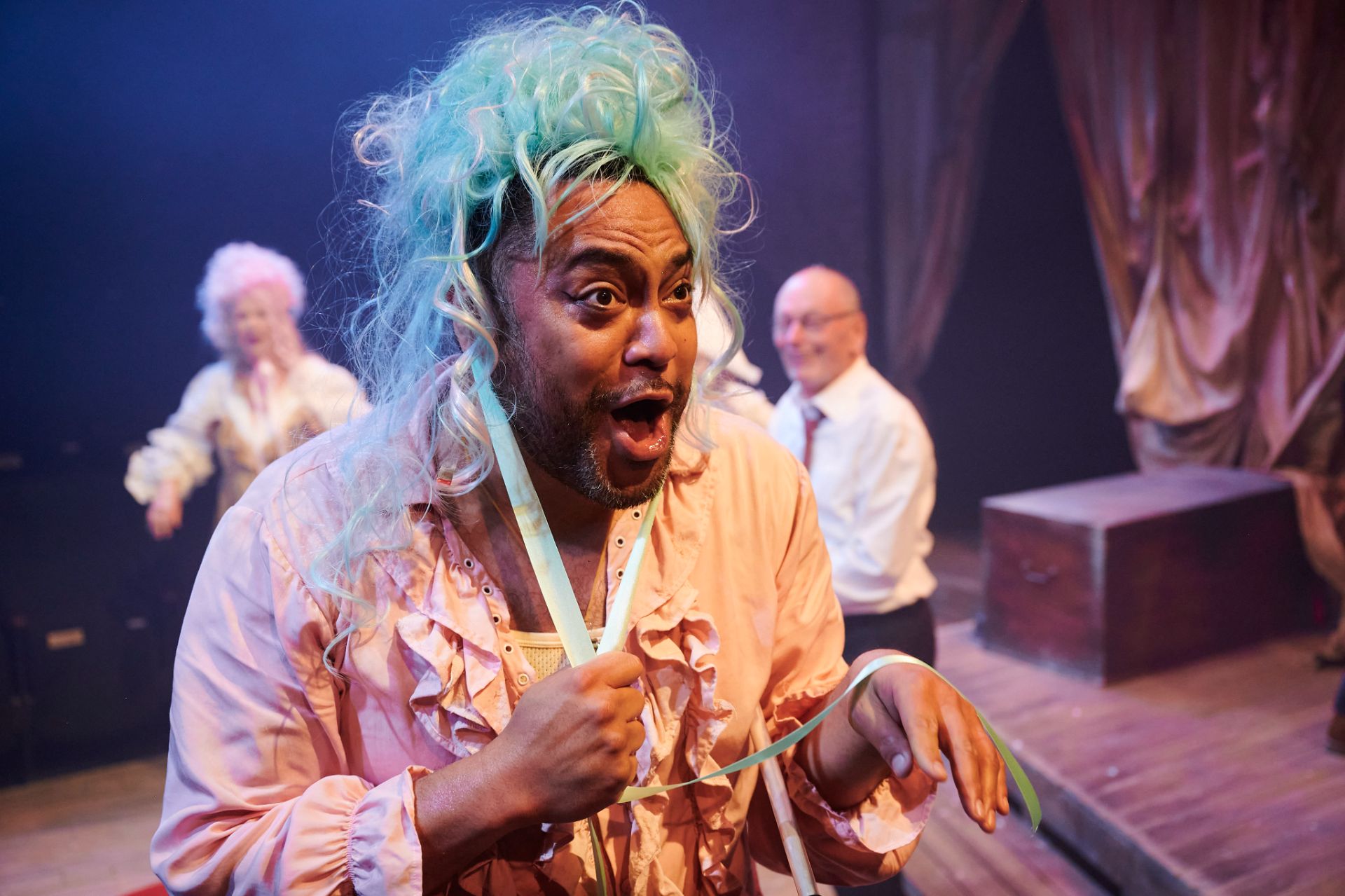
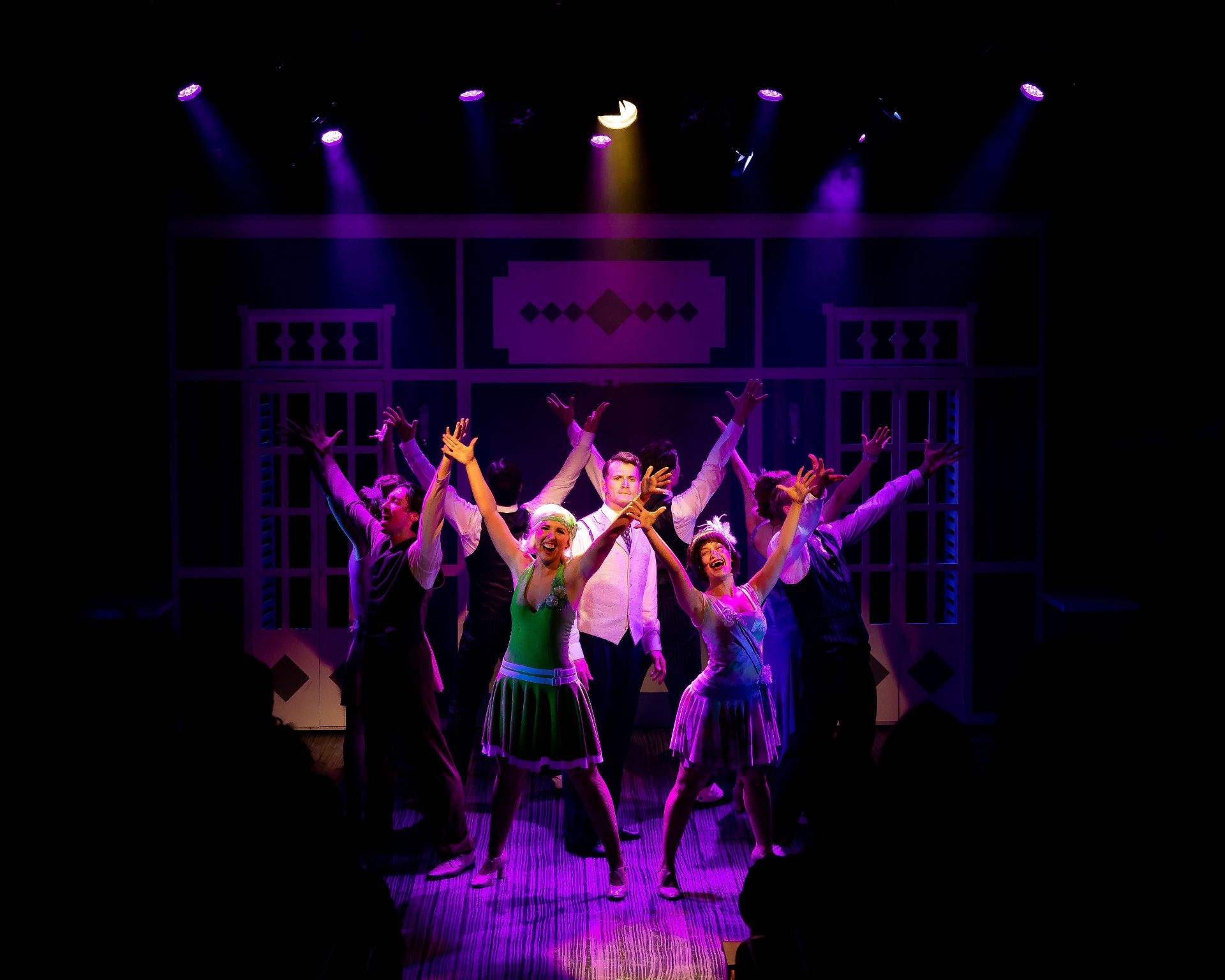
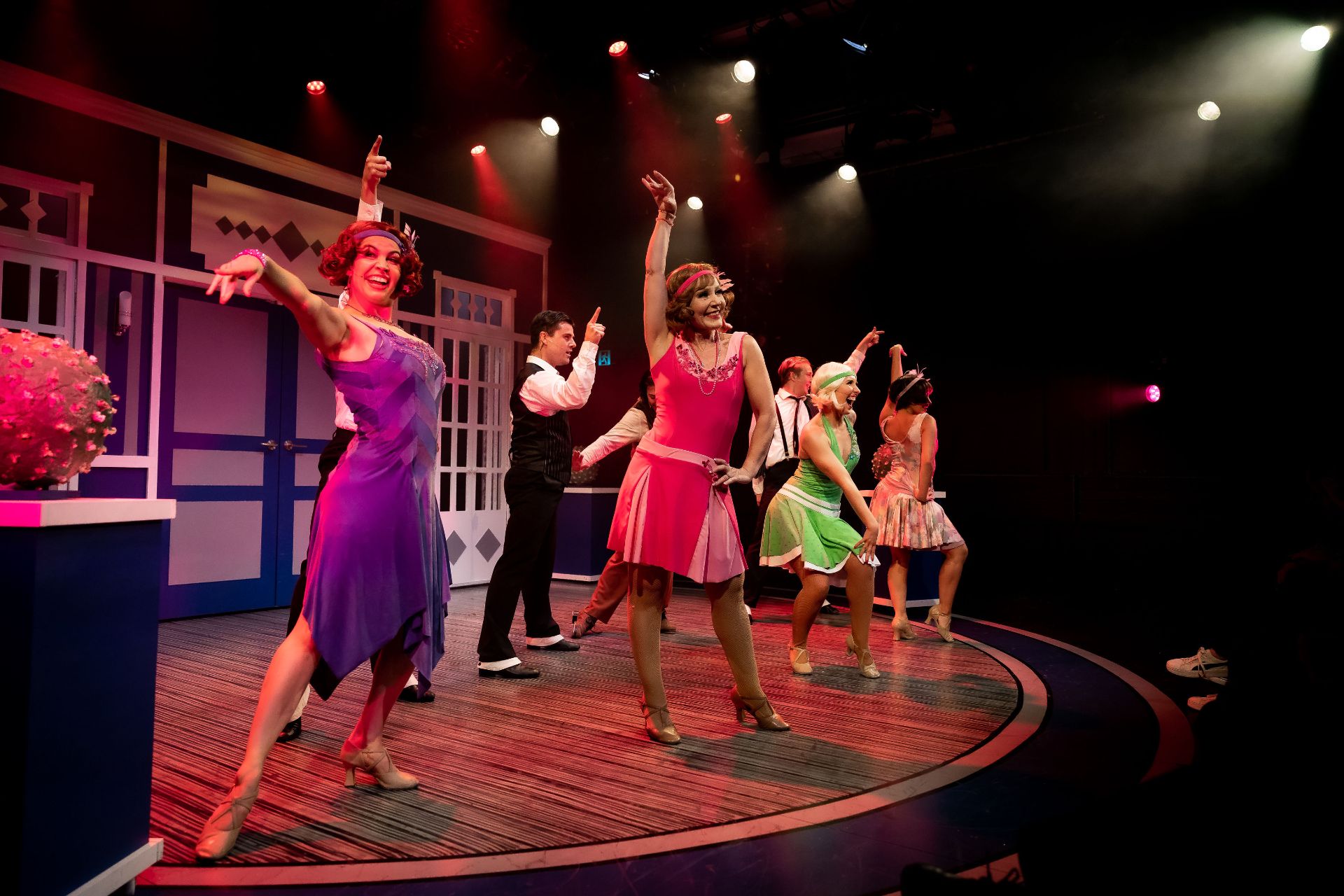
Direction by Cameron Mitchell imbues an admirable sense of abandon to the broad comedy of Nice Work If You Can Get It. For 2-and-a-half hours, we are treated to something frothy and gleeful, that never wishes to take it itself seriously. The laughs are constant, often uproarious, proving that an average script can be transposed effectively to the stage, when executed with considerable flair. Mitchell’s work as choreography too is impressive, in a style that harks back to the good old days, delivering nostalgia as well as dynamism, for a staging determined to entertain.

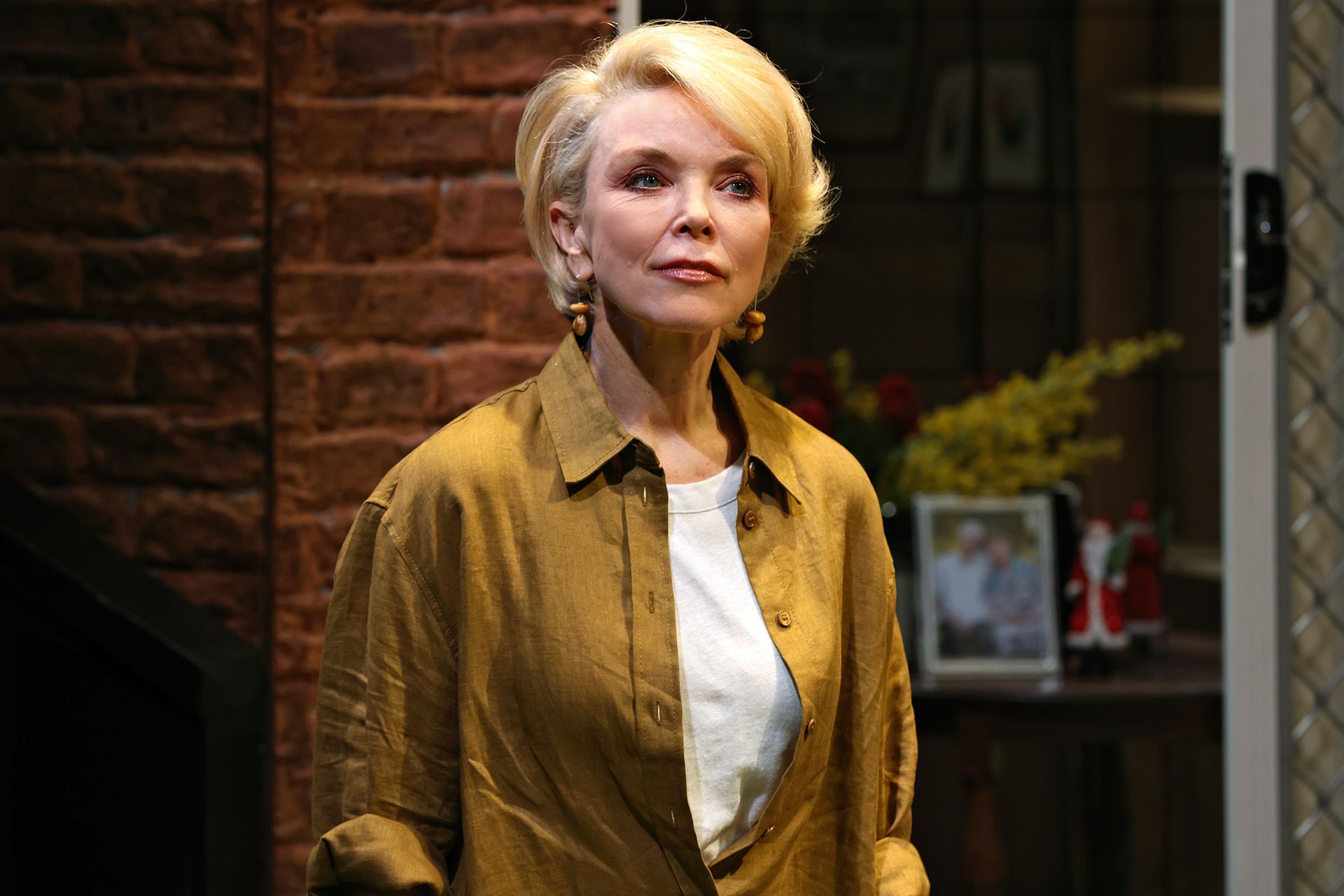
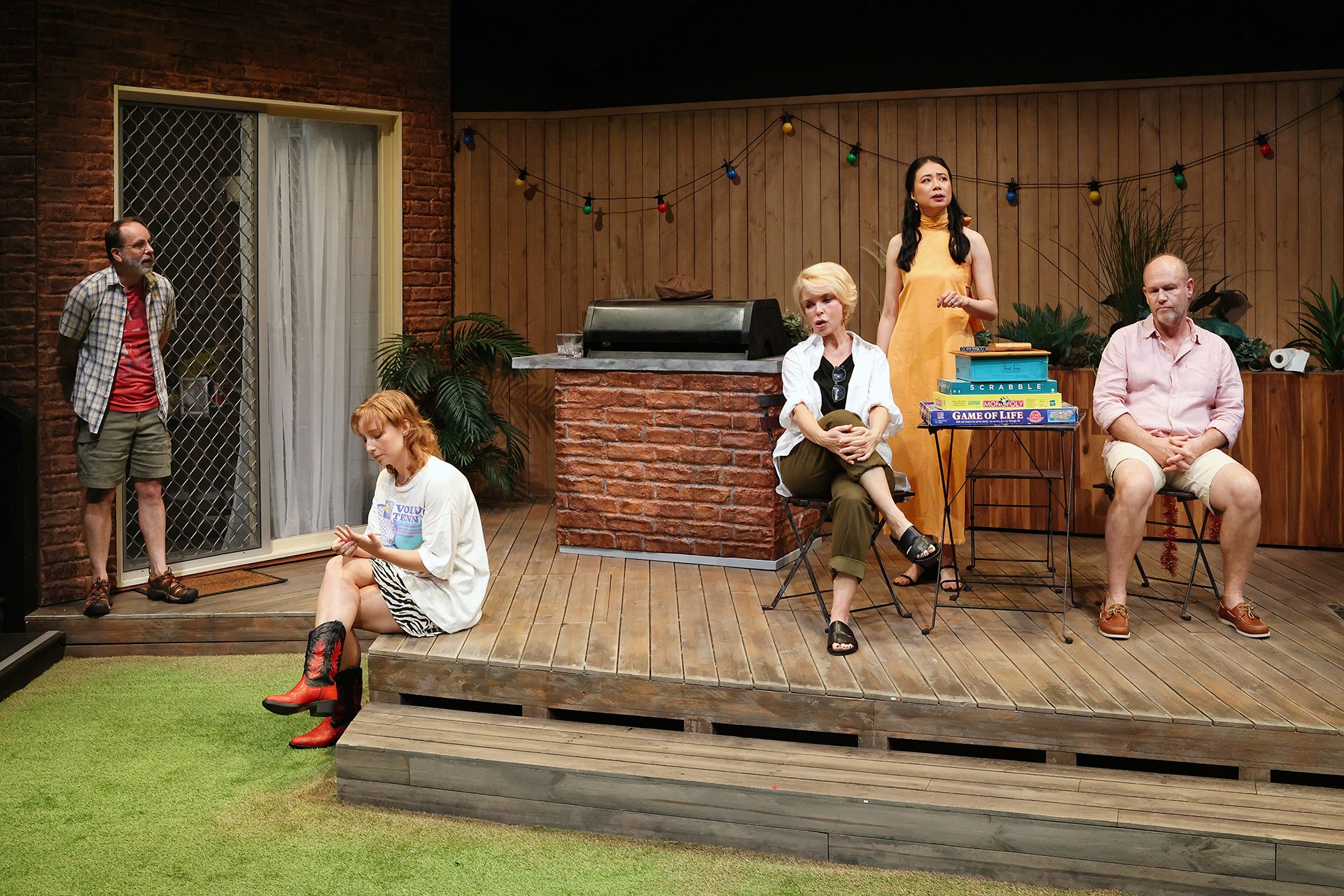
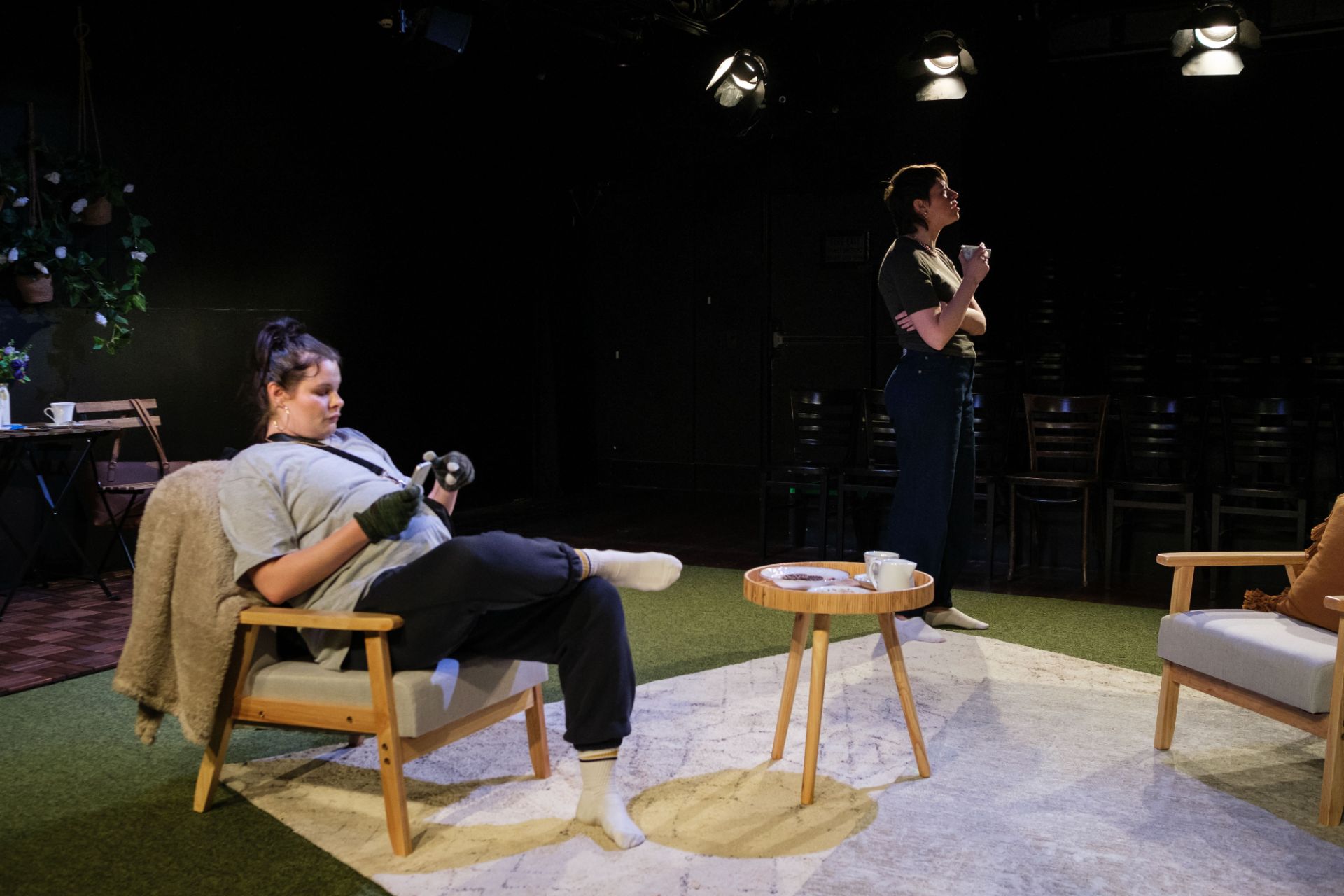
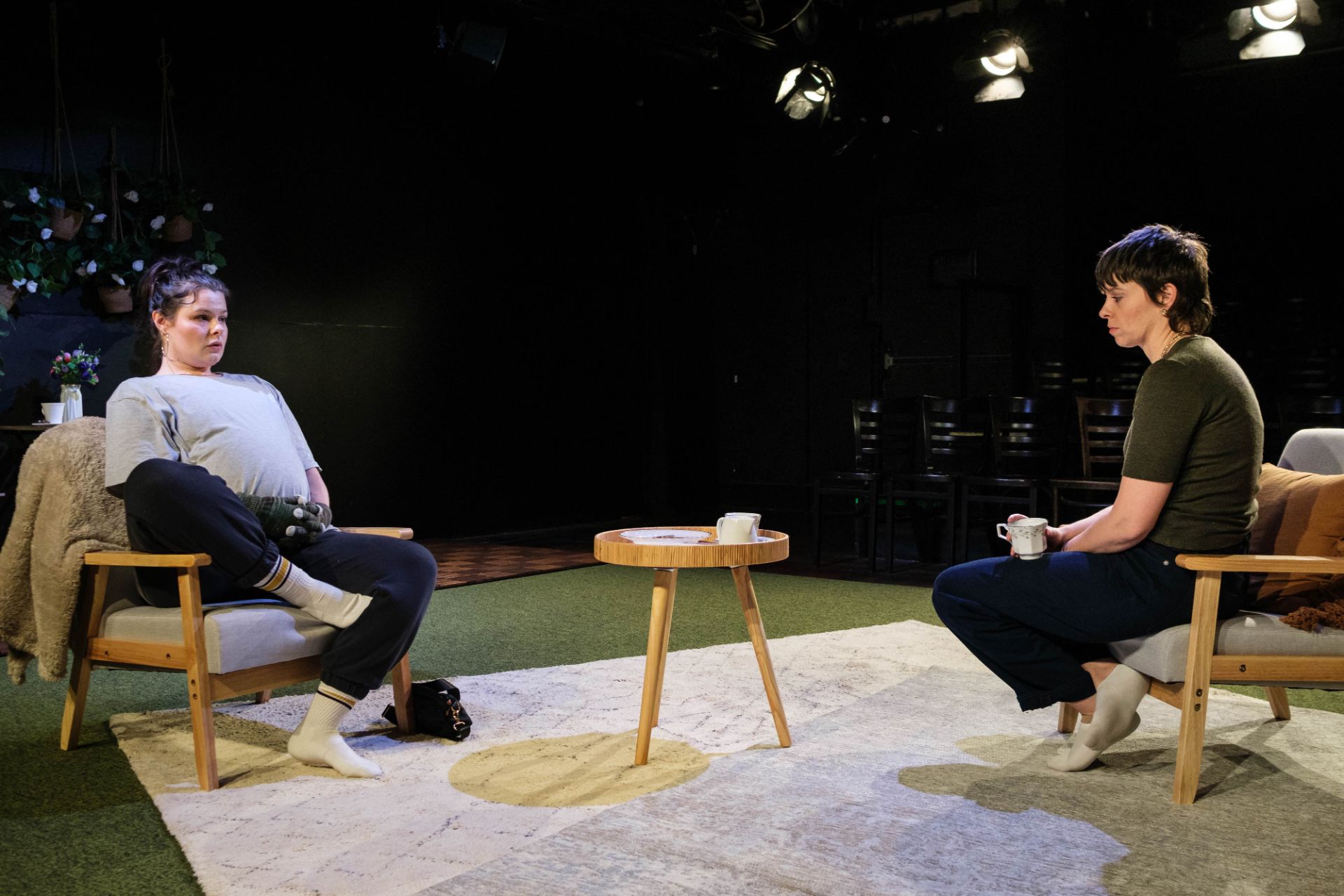
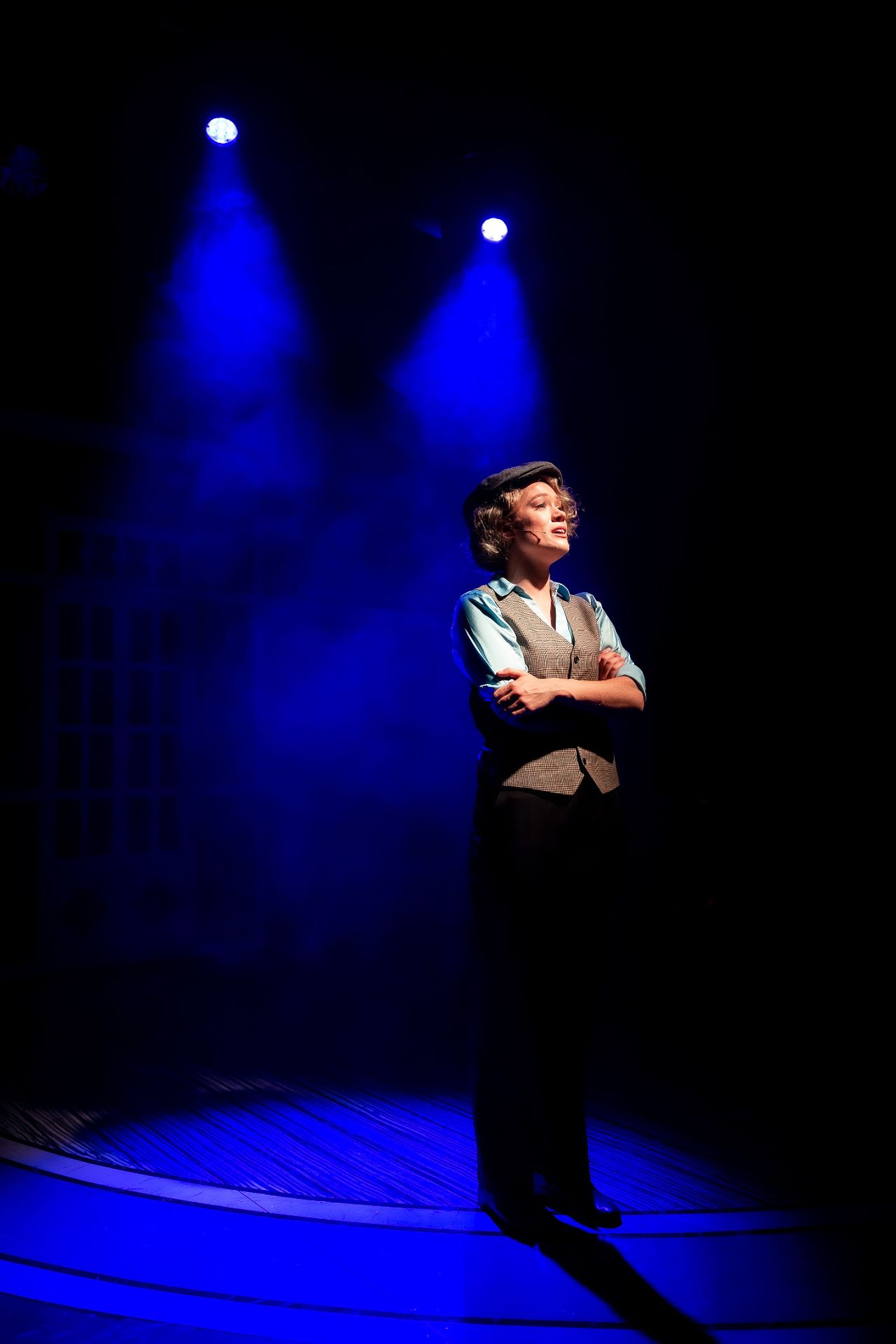
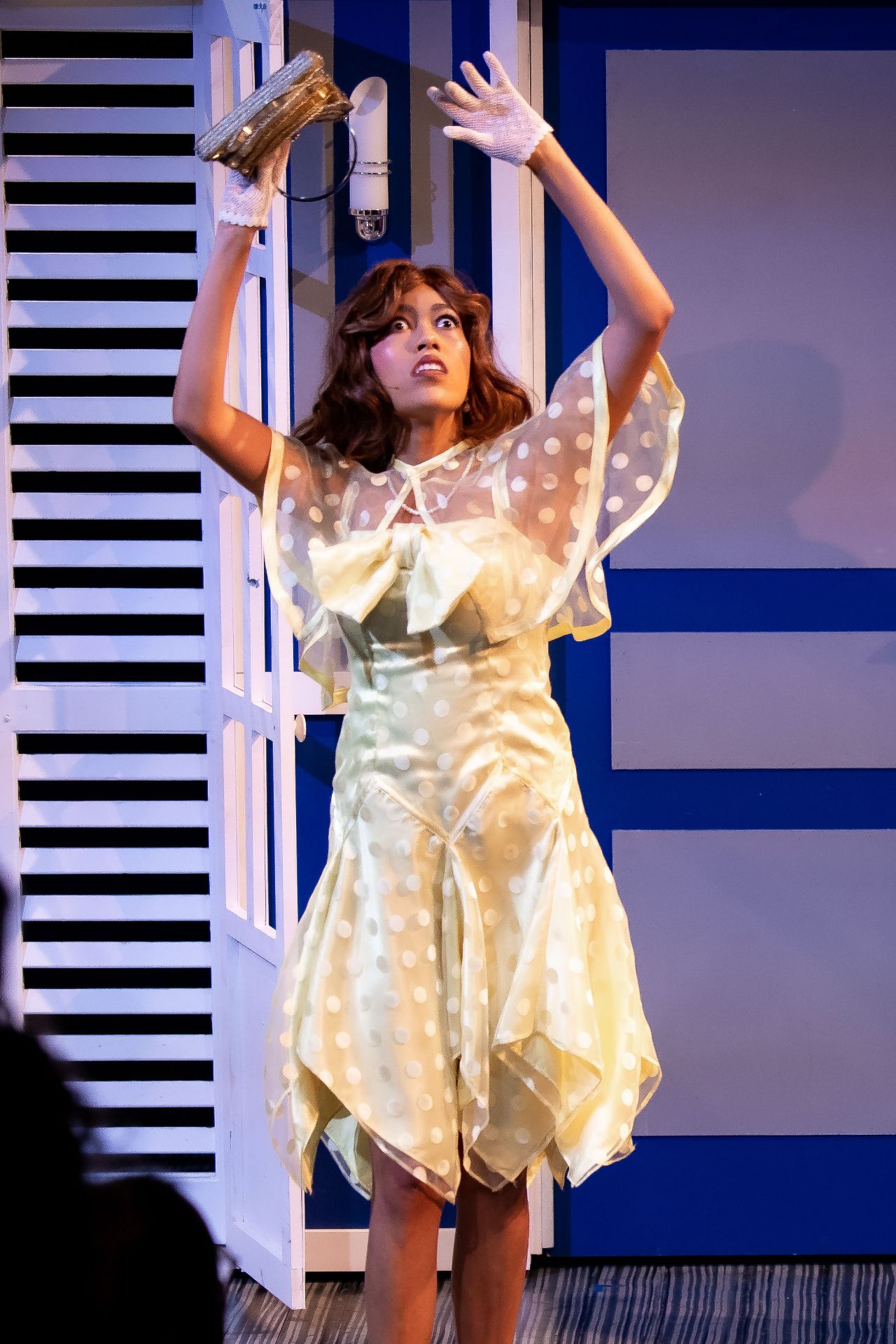
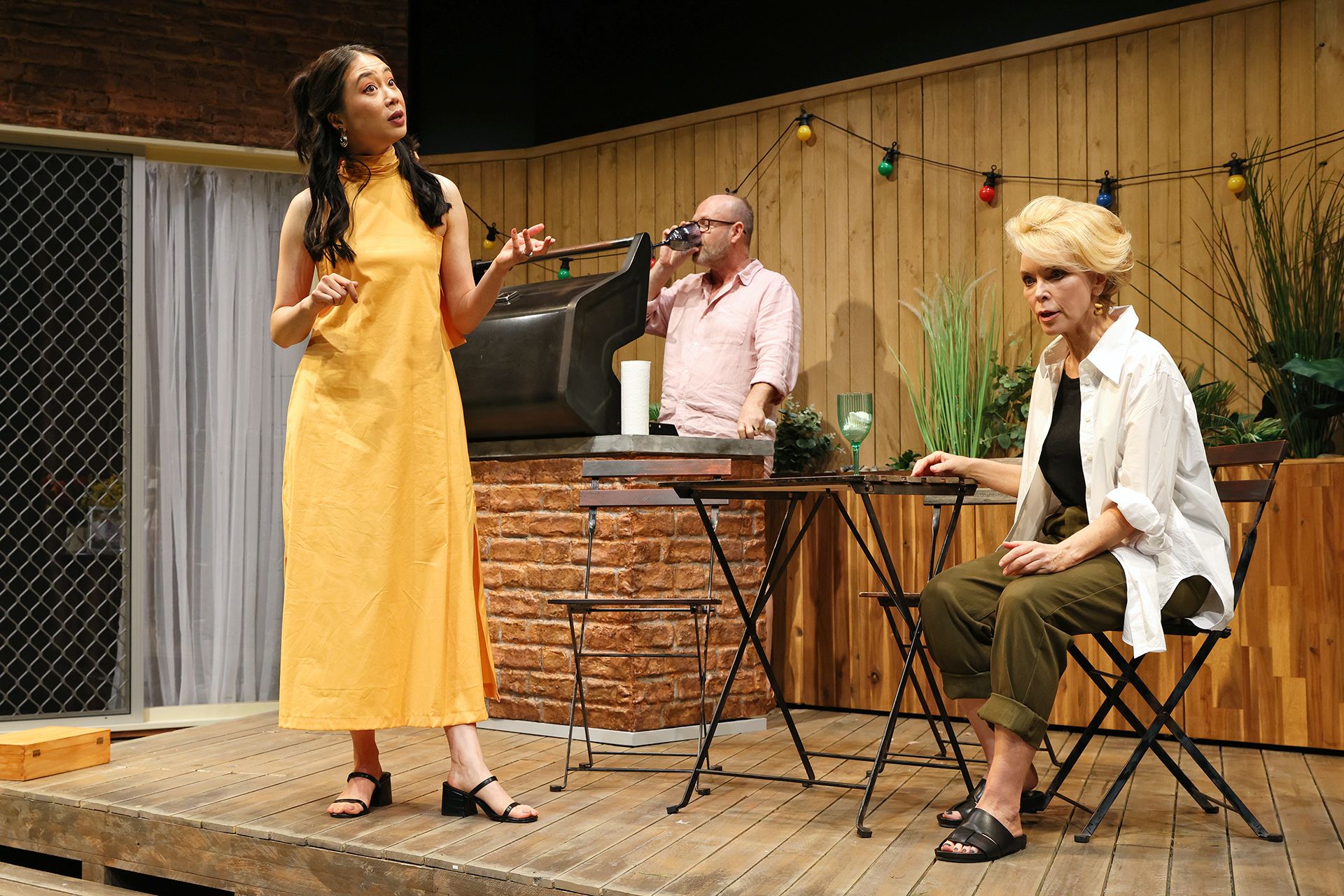
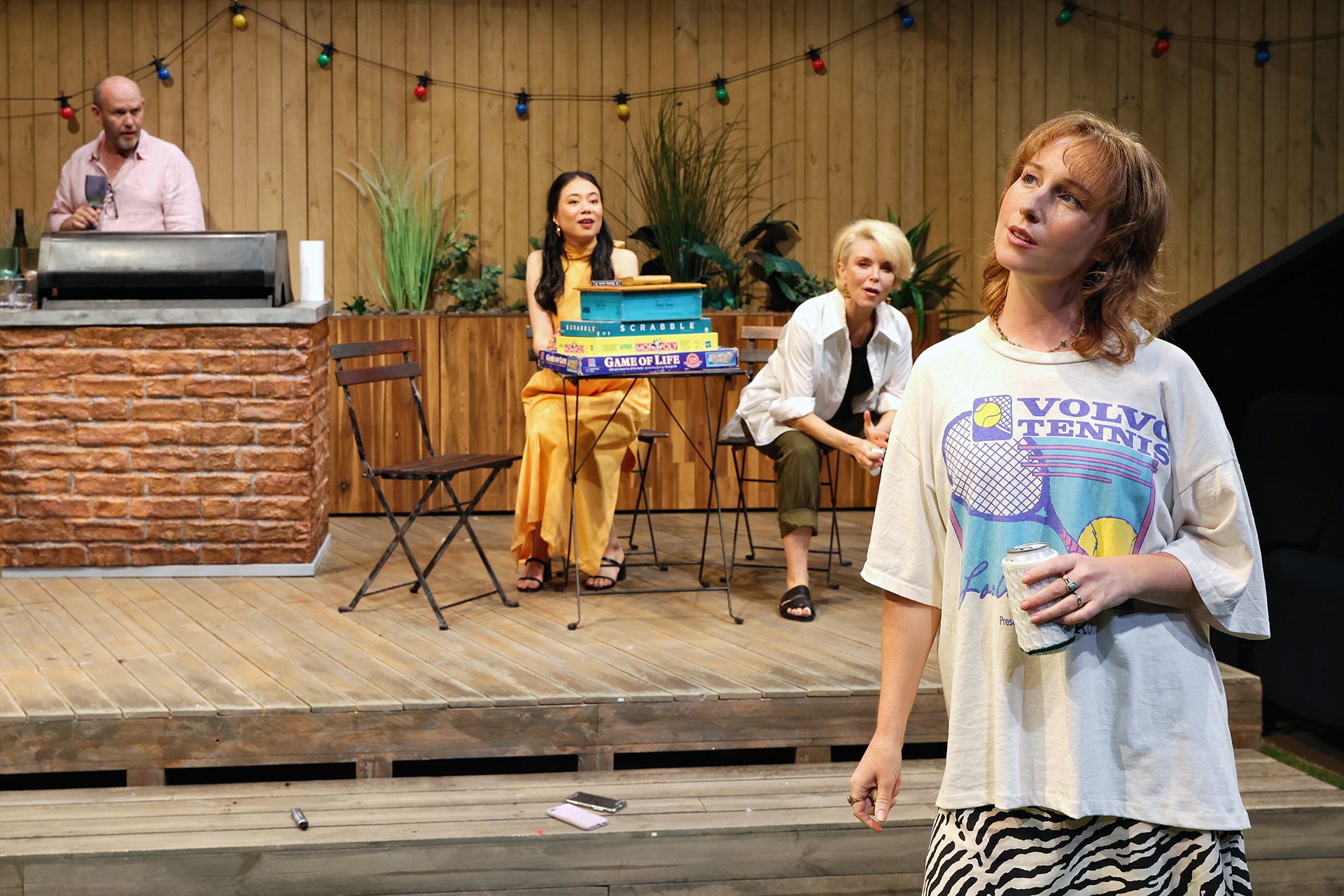
Set design by Simon Greer provides versatile solutions, with great fluidity, to addresses the many location changes, although the space often feels constrictive of the show’s ambitious dance sequences. Christine Mutton’s costumes are delightfully conceived and meticulously fitted, to give much needed elevation to the imagery being created. Wigs on its leading ladies however, require greater attention. Illumination by James Wallis is thankfully utilitarian, providing just enough lighting trickery so that our attention never deviates from the performers.

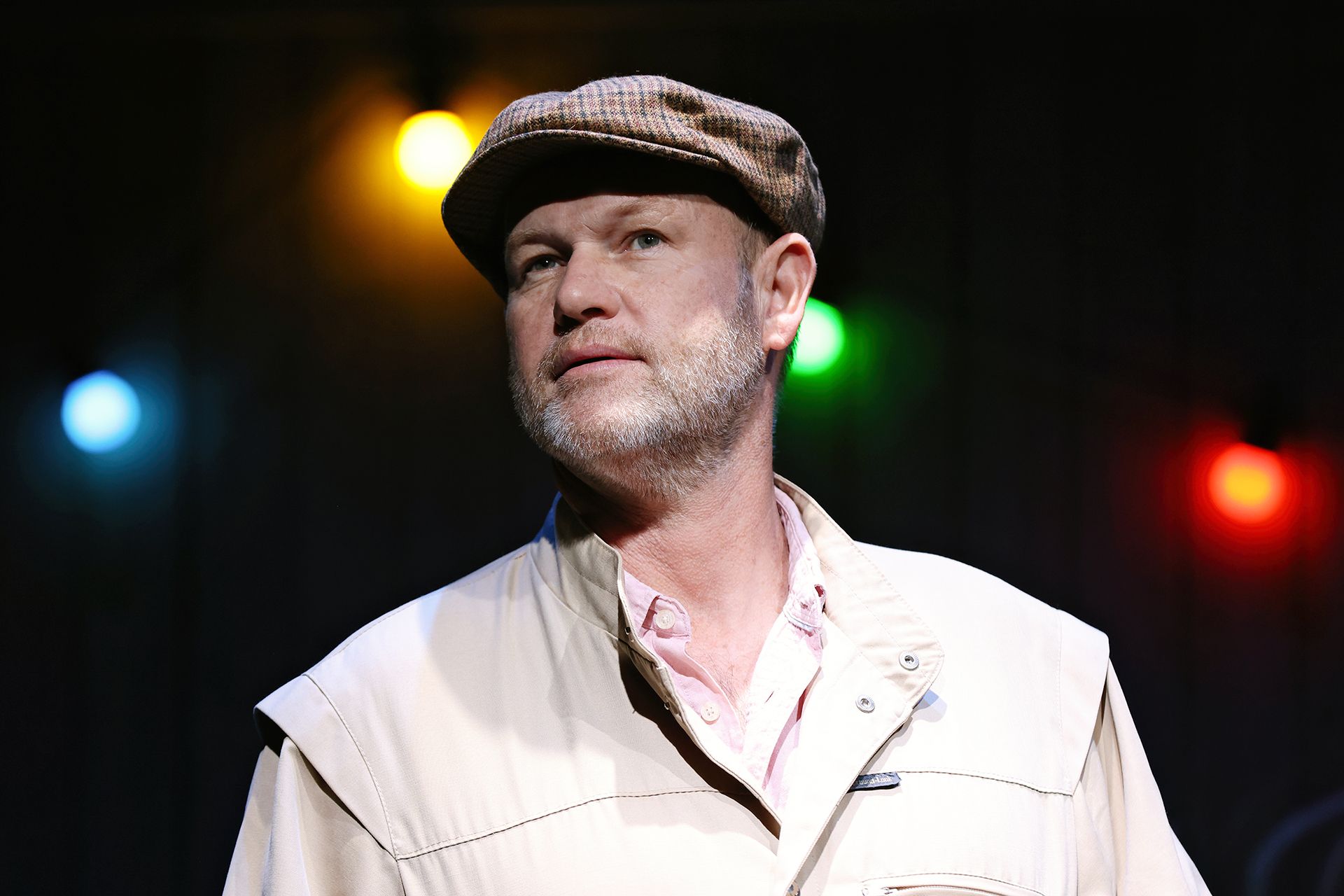
Playing Jimmy is the dashing Rob Mallet, whose physical discipline brings exquisite polish to the production. The accuracy in his emulation of a vocal style faithful to the period too, keeps us firmly in the fantasy. Ashleigh Rubenach sings all her songs perfectly, but feels somewhat miscast as the tomboyish Billie. Grace Driscoll is very charming as Eileen, able to be both campy and endearing, in her wonderfully kooky sendup of a Martha Graham type.

It is a big cast of 16, comprising some very funny thespians, along with highly accomplished dancers, all doing remarkably to generate theatrical magic. The Gershwin sound however, remains a pinnacle on any stage. It is an eternal joy to hear their greatest hits, no matter the excuse or occasion.

www.hayestheatre.com.au
Review: The Dazzle (Meraki Arts Bar)

Venue: Meraki Arts Bar (Darlinghurst NSW), Nov 17 – Dec 3, 2022
Playwright: Richard Greenberg
Director:
Jane Angharad
Cast: Steve Corner, Alec Ebert, Meg Hyeronimus
Images by Clare Hawley

Theatre review

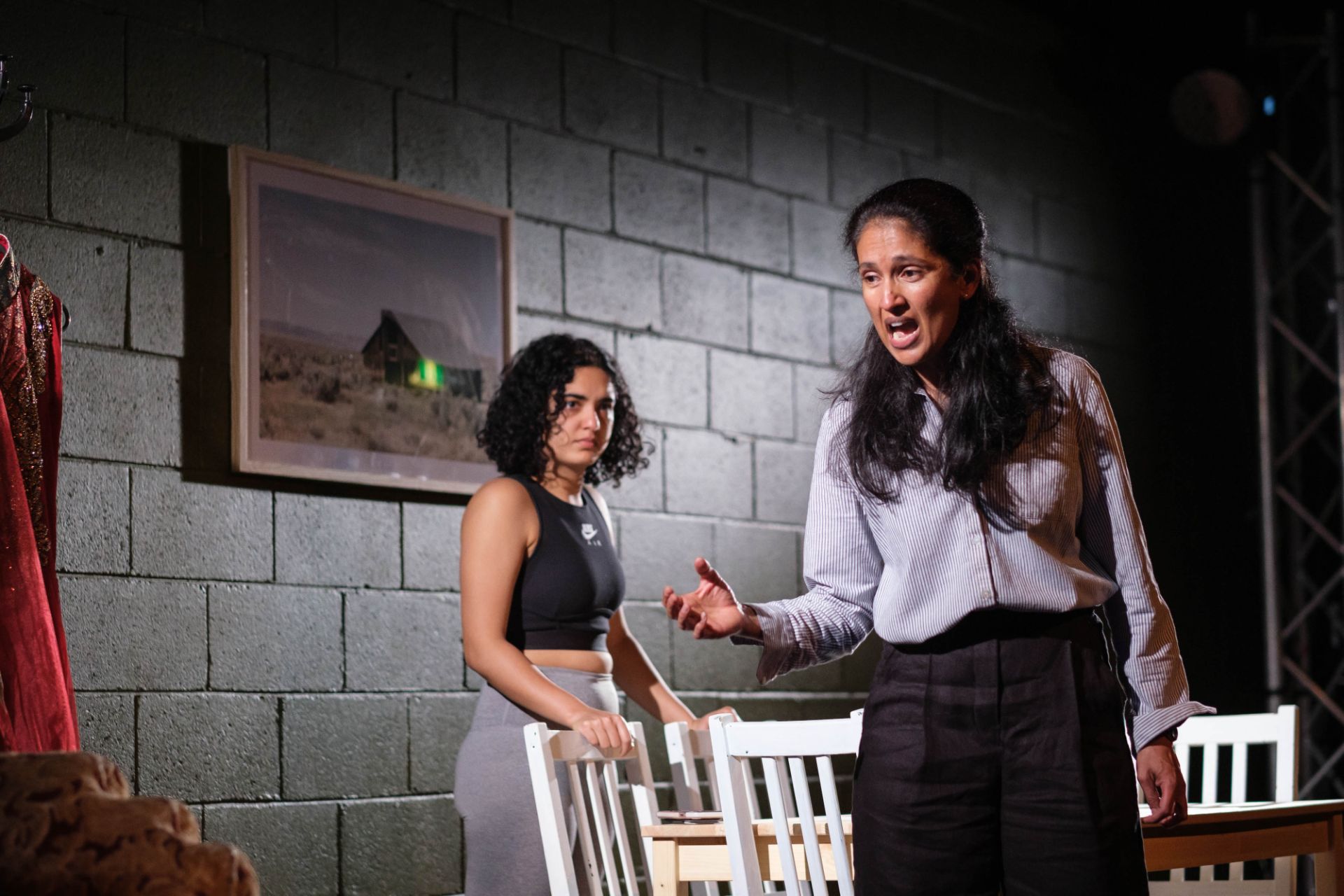
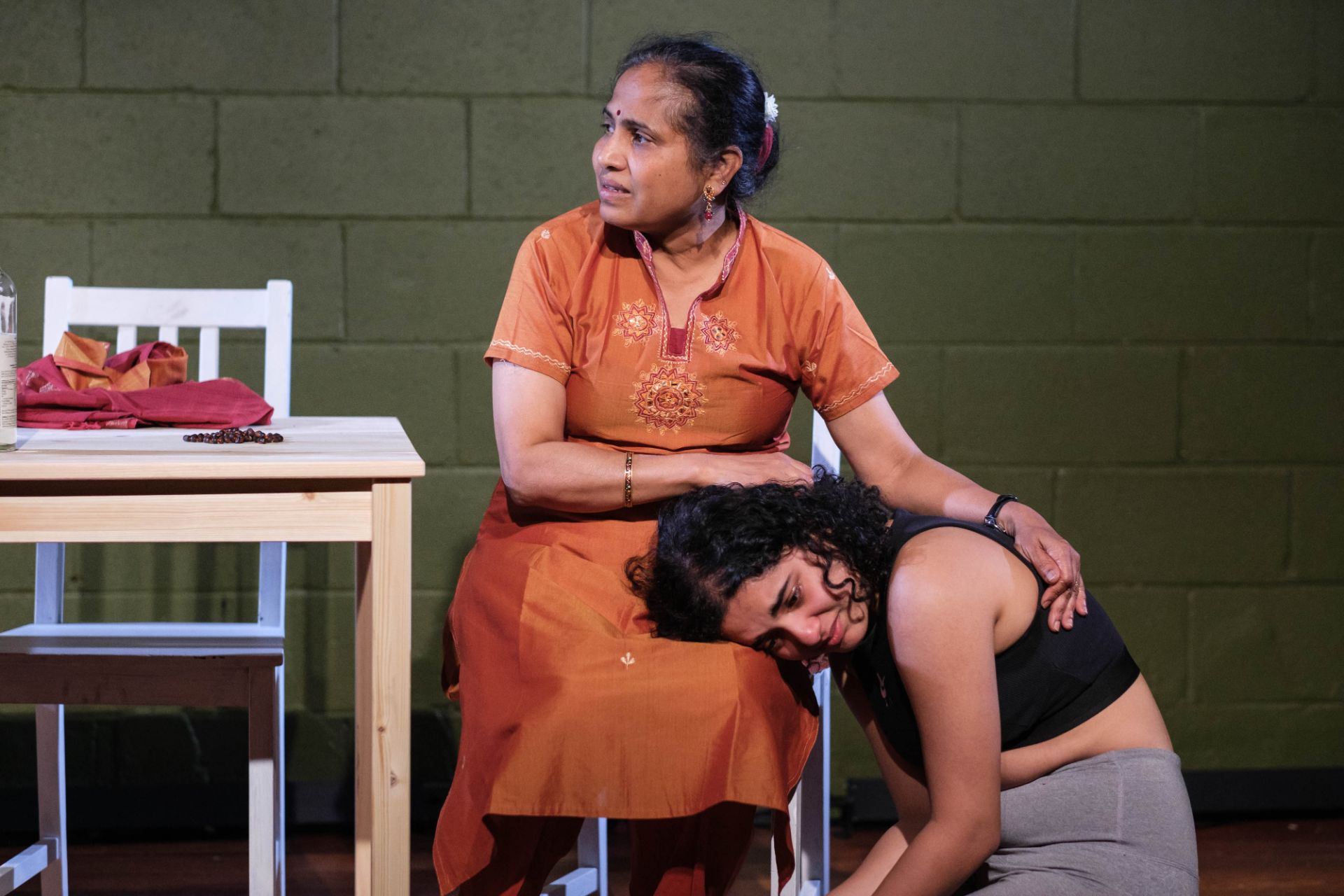
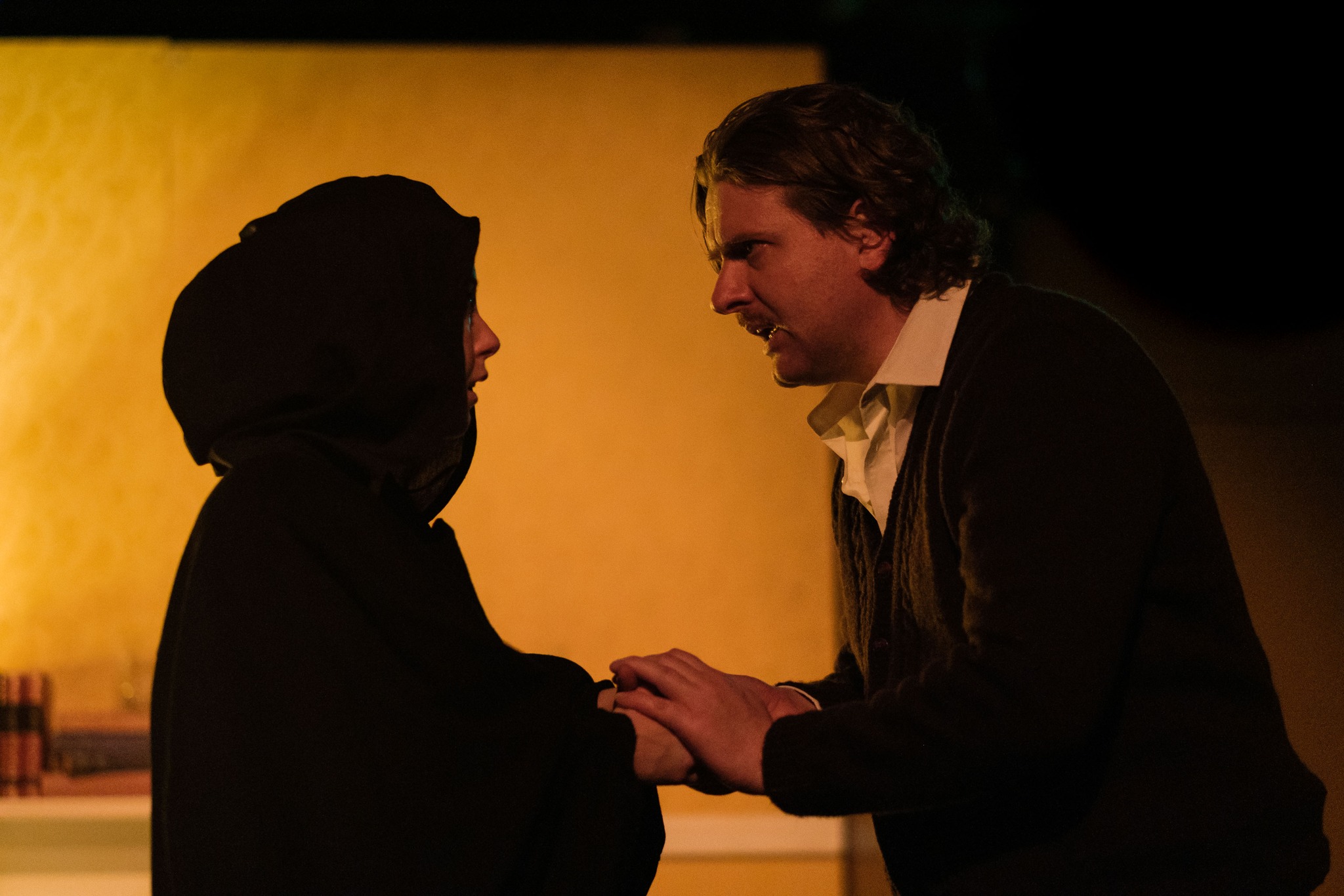
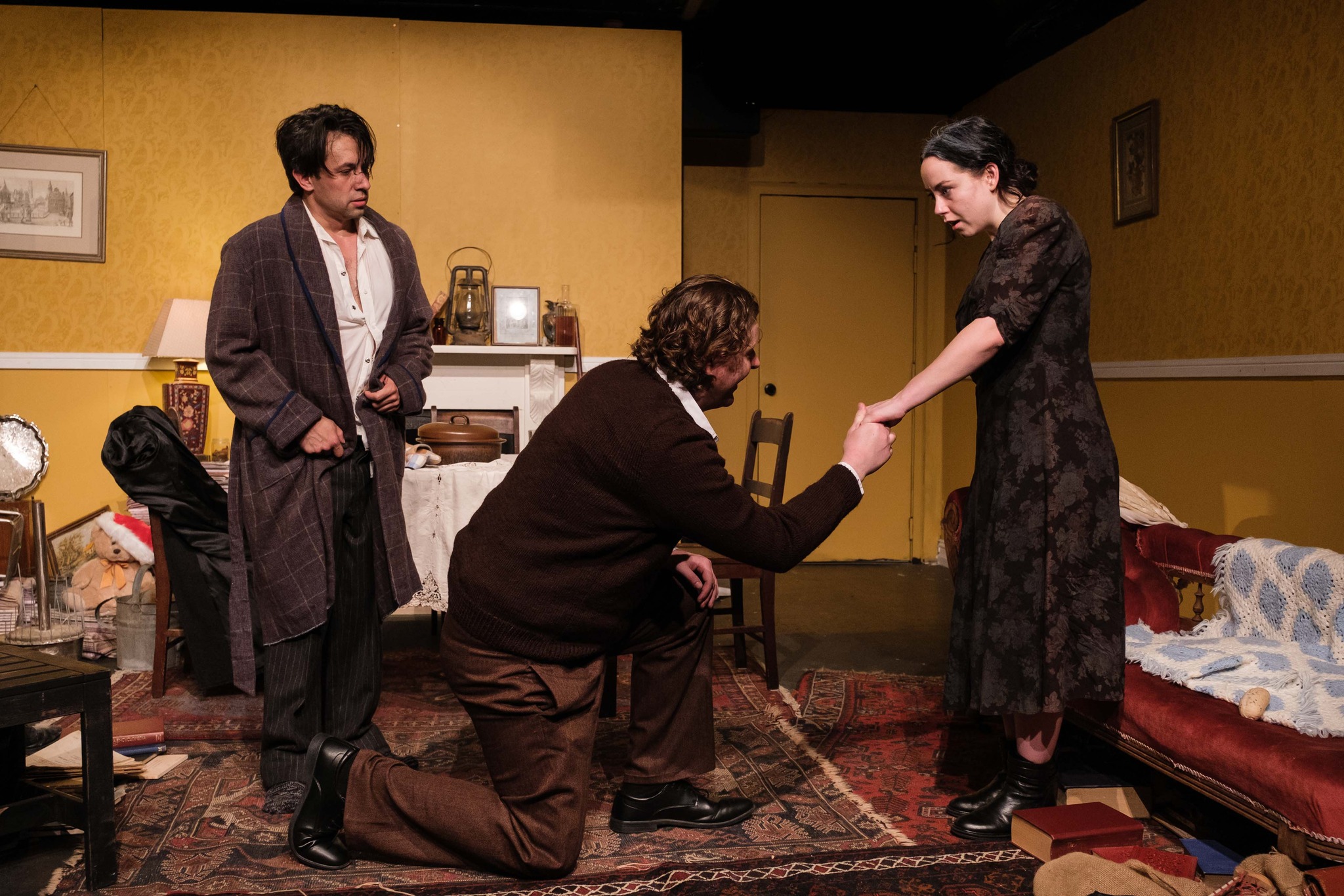
The Collyer brothers of New York City gained infamy a century ago, for their obsessive hoarding and other generally bizarre ways. Richard Greenberg’s The Dazzle explores their life together in a Harlem brownstone home, for a portrait of two grown men, trapped in a peculiar world, only partly of their own doing. The intriguing characters are depicted by Greenberg beyond the narrow confines of their public personae; Homer and Langley are given depth, dimension and indeed humanity, along with marvellous wit, in a play that absolutely endears and captivates.

Jane Angharad’s direction of the piece ensures that the strange relationships and personalities of The Dazzle, resonate with authenticity. She keeps us fascinated and increasingly invested, by finding ways to make elements of the narrative feel recognisable and intimate, even though most are unlikely to have experienced anything like it.

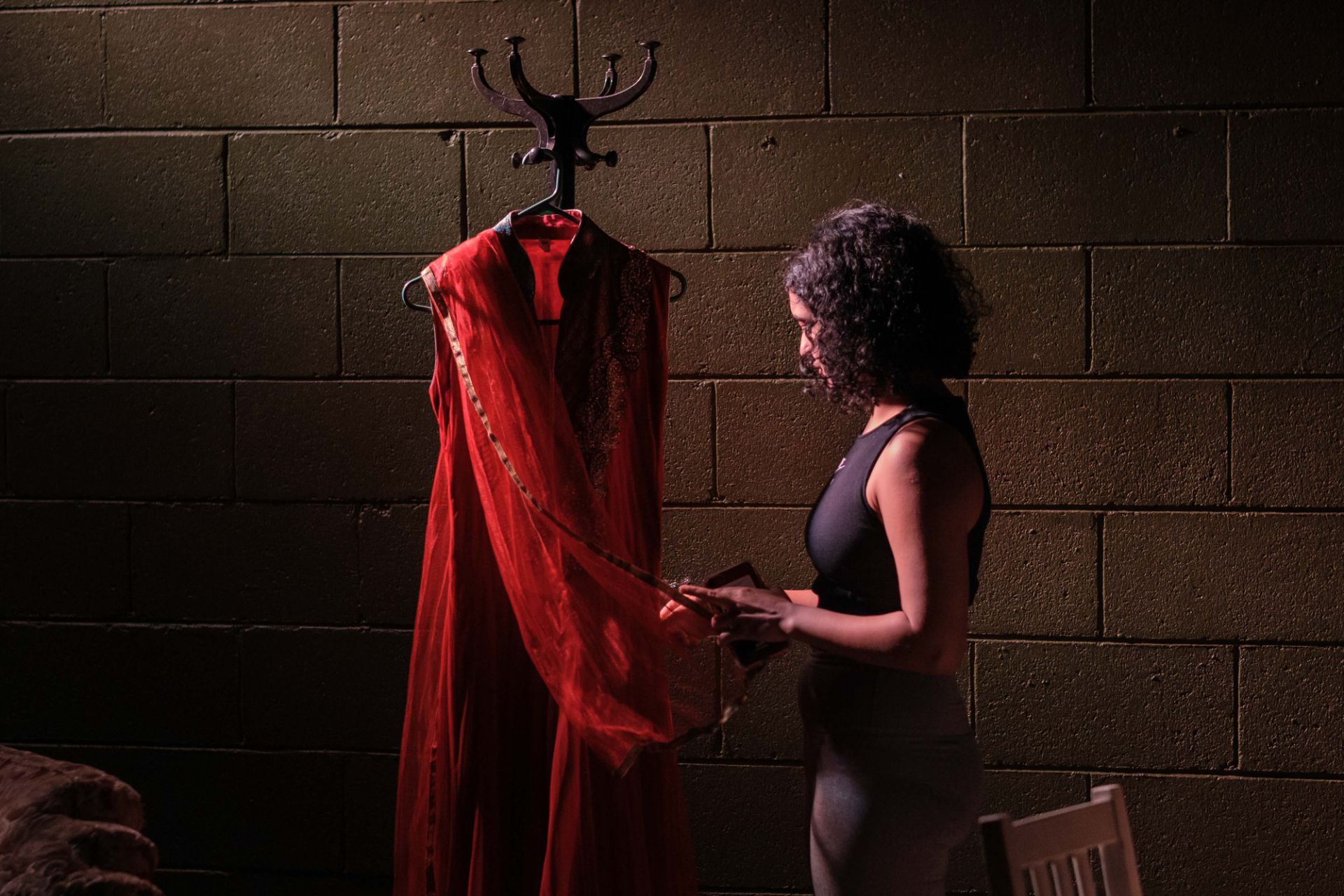
Costumes by Aloma Barnes render for the production an accurate sense of time and place, whilst adding some commendable visual flair, but set design for the Collyer home requires greater dilapidation, to better convey the severity of their situation. Catherine Mai’s lights and Johnny Yang’s sounds, work intricately with oscillations between comedy and drama in the sumptuous text, to build emotional intensity, for a journey that takes us somewhere unexpectedly rich with emotion.

Actor Steve Corner is brilliant in the role of Homer, with an immense range that incisively conveys the complexities involved, in this tale of extreme eccentricity. The textured flamboyance he brings to the show, is simply wonderful. Langley is played by Alec Ebert, who brings an unneeded restraint to the stage, but whose tender approach prevents us from perceiving the brothers as mere caricature. Meg Hyeronimus is convincing as Milly, the only person to have entered the Collyer’s private sanctuary in The Dazzle. Hyeronimus revels in the radical transformation that occurs for her part, able to represent both incarnations of Milly with equal conviction.

We are fascinated by stories like the Collyers’ or the Beales’ (of the legendary Grey Gardens documentary film) not because the people concerned might feel alien, but because we sense the closeness in proximity between their outrageous existences and our normal lives. It is a thin line that separates, and a precarious psychological boundary, that keeps us from falling off the deep end. There may be truth in declaring that normal is only ever a matter of subjectivity,  but misery is a state of being that refuses to be denied.

www.meraki.sydney

Review: The Tempest (Sydney Theatre Company)

Venue: Roslyn Packer Theatre (Sydney NSW), Nov 15 – Dec 17, 2022
Playwright: William Shakespeare
Director: Kip Williams
Cast: Peter Carroll, Jason Chong, Chantelle Jamieson, Mandy McElhinney, Shiv Palekar, Richard Roxburgh, Claude Scott-Mitchell, Guy Simon, Aaron Tsindos, Megan Wilding, Susie Youssef
Images by Daniel Boud

Theatre review

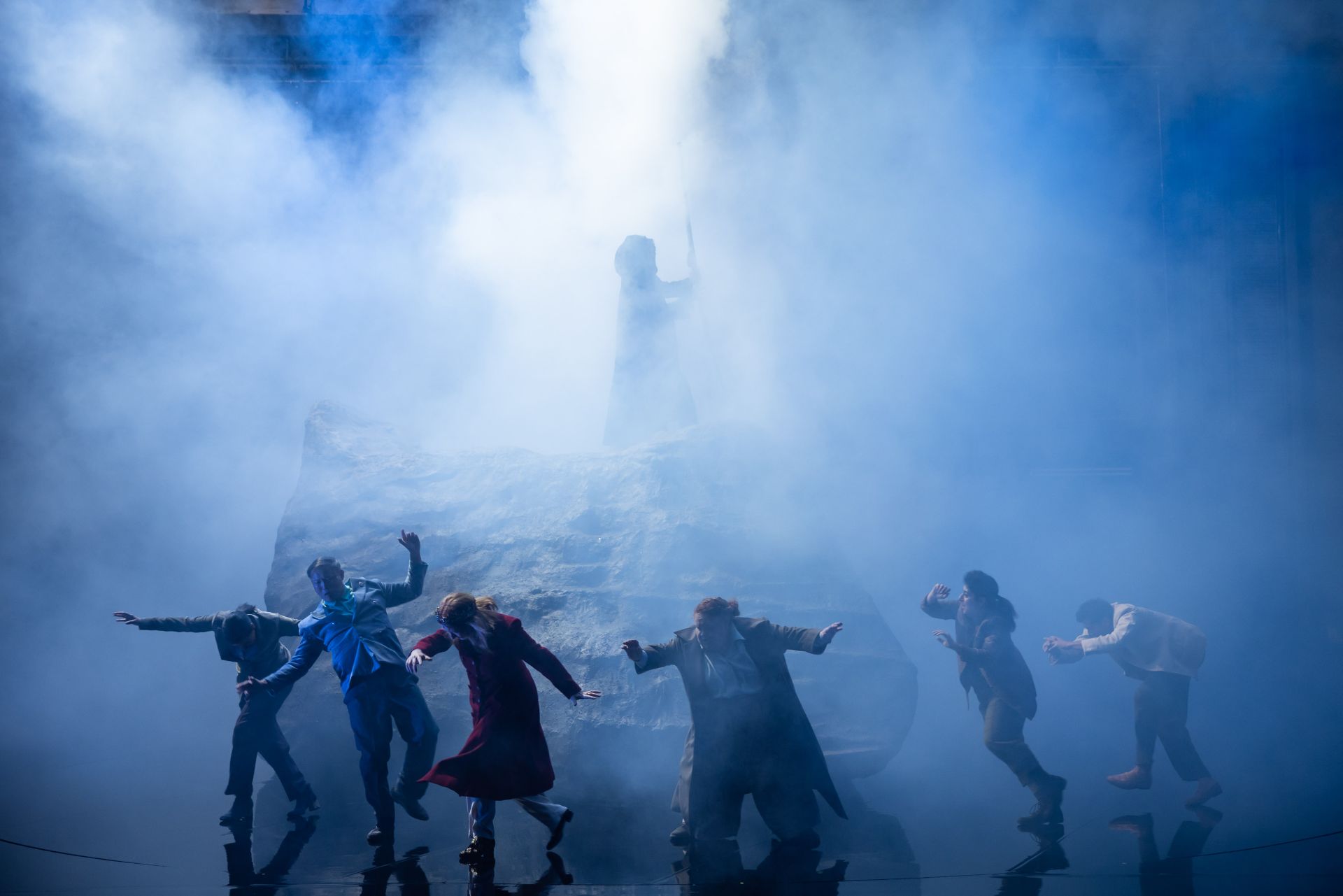
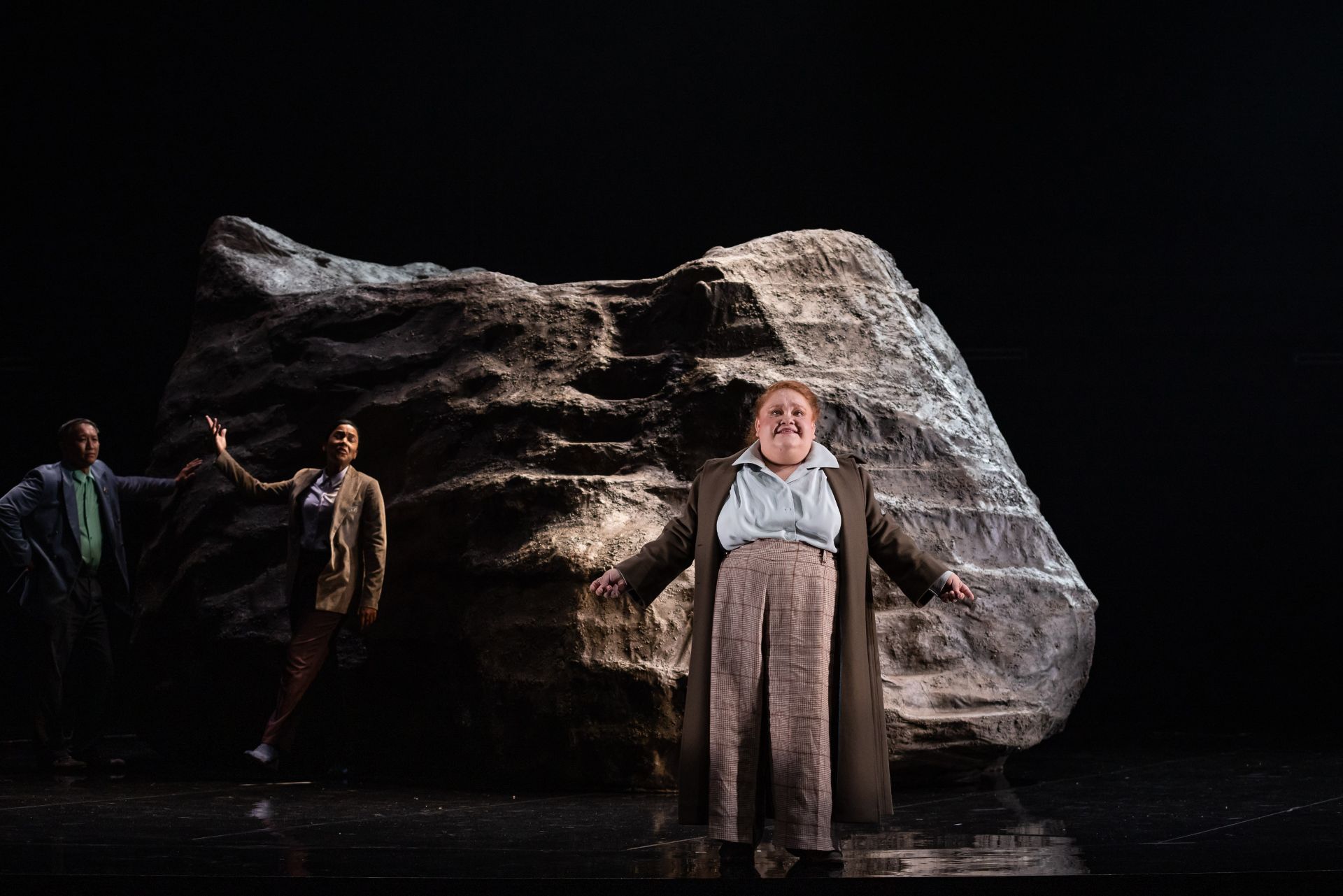
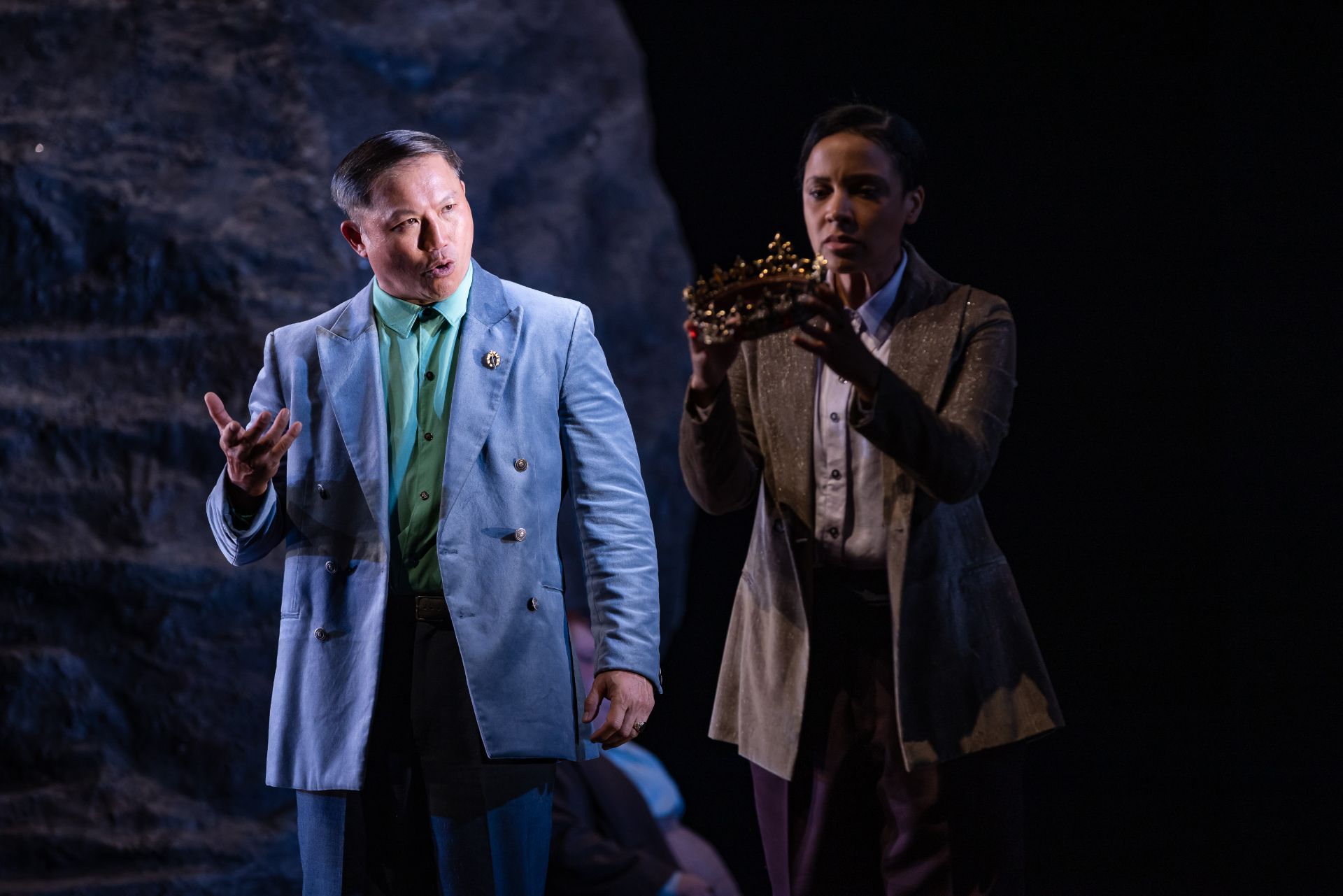
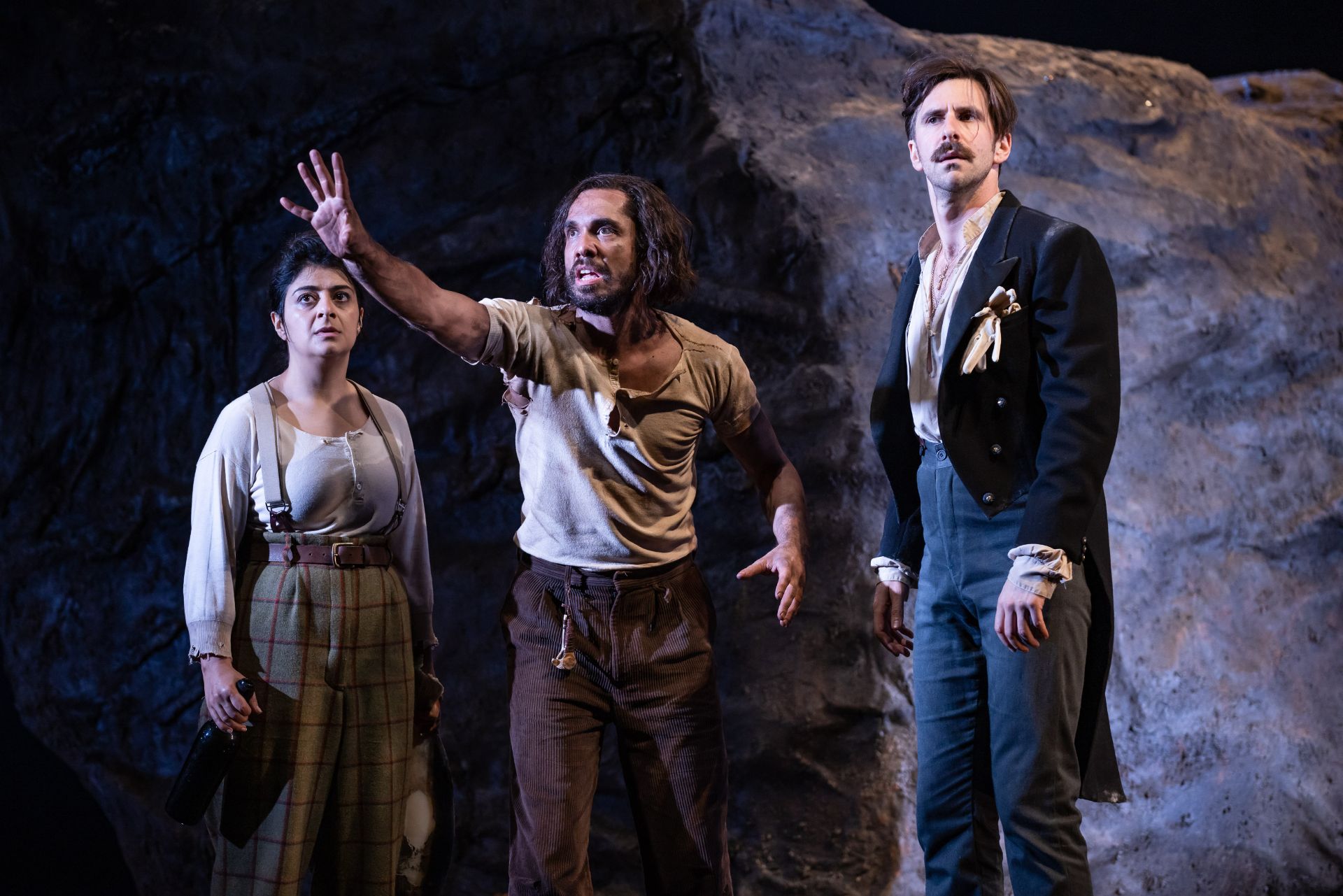
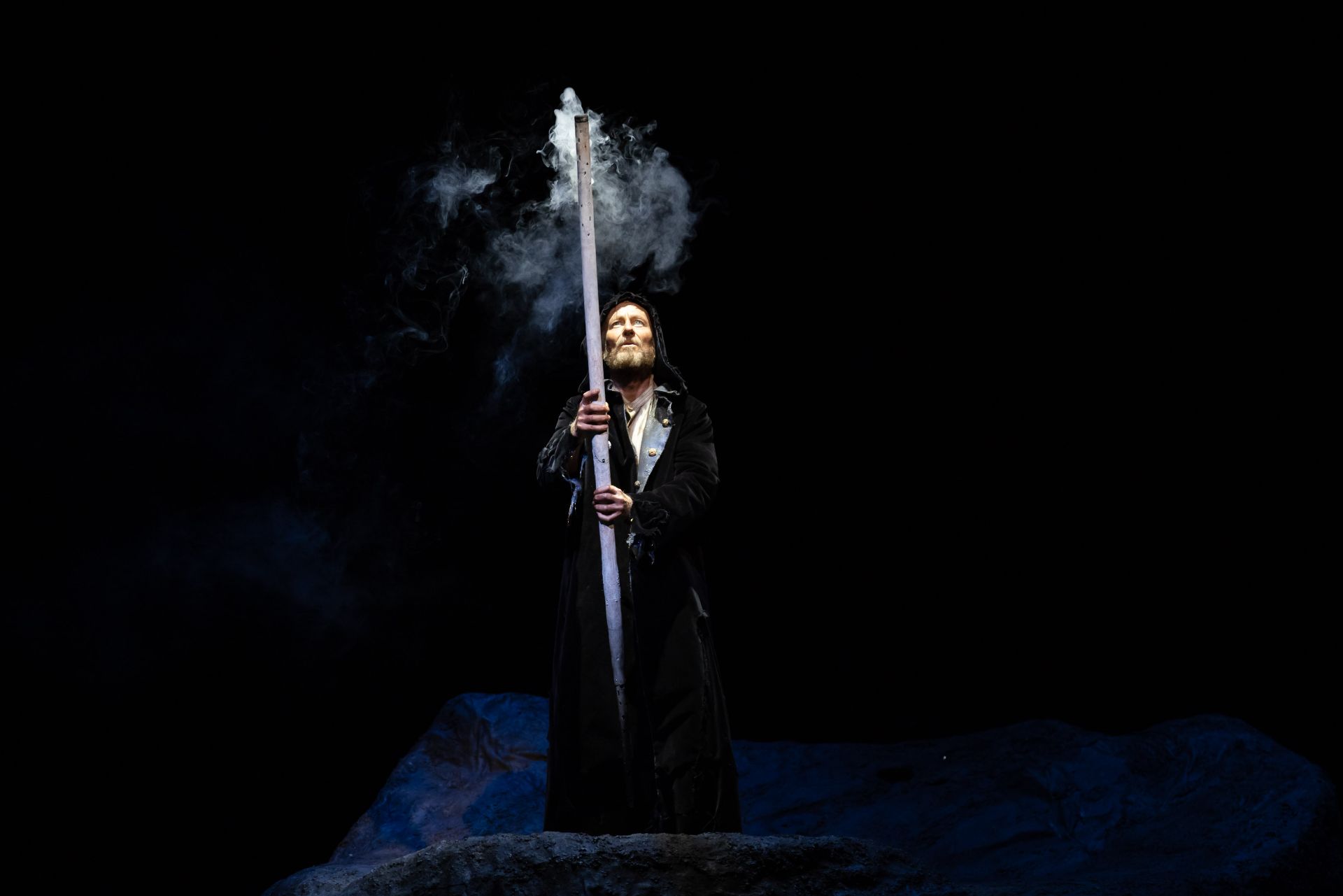
Prospero’s story of exile, in William Shakespeare’s The Tempest, can easily serve as parable, for the history of white immigration to these lands we now call Australia. There is a stark and perverse contrast however, between Propsero’s determination to seek revenge, and white Australia’s general deference to those who had discarded them. What we do find analogous, is the cruel treatment of antecedent inhabitants. Caliban was born on the island, long before Prospero’s recent arrival, yet is being enslaved by the latter, who seems only able to think of himself as superior and entitled.

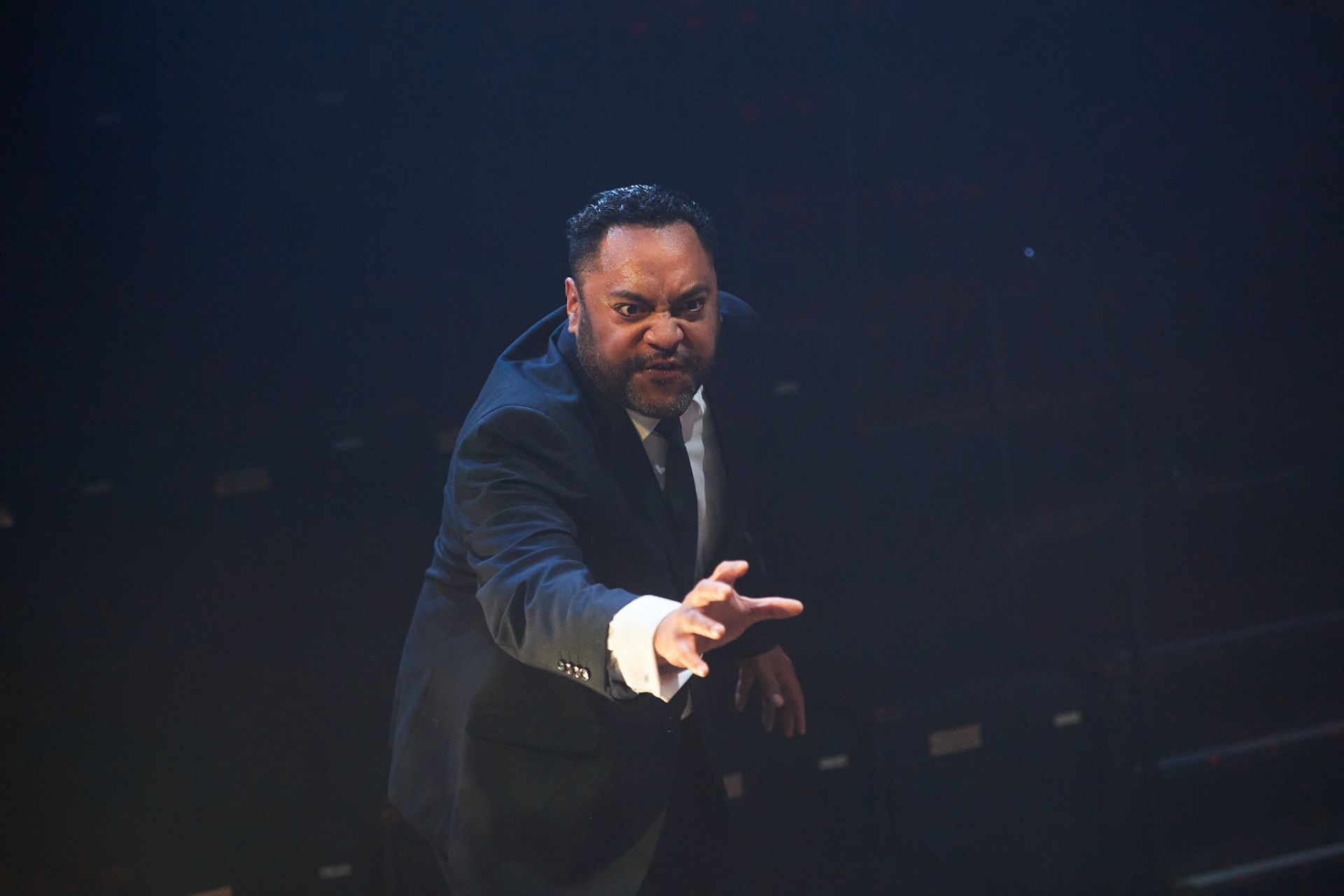
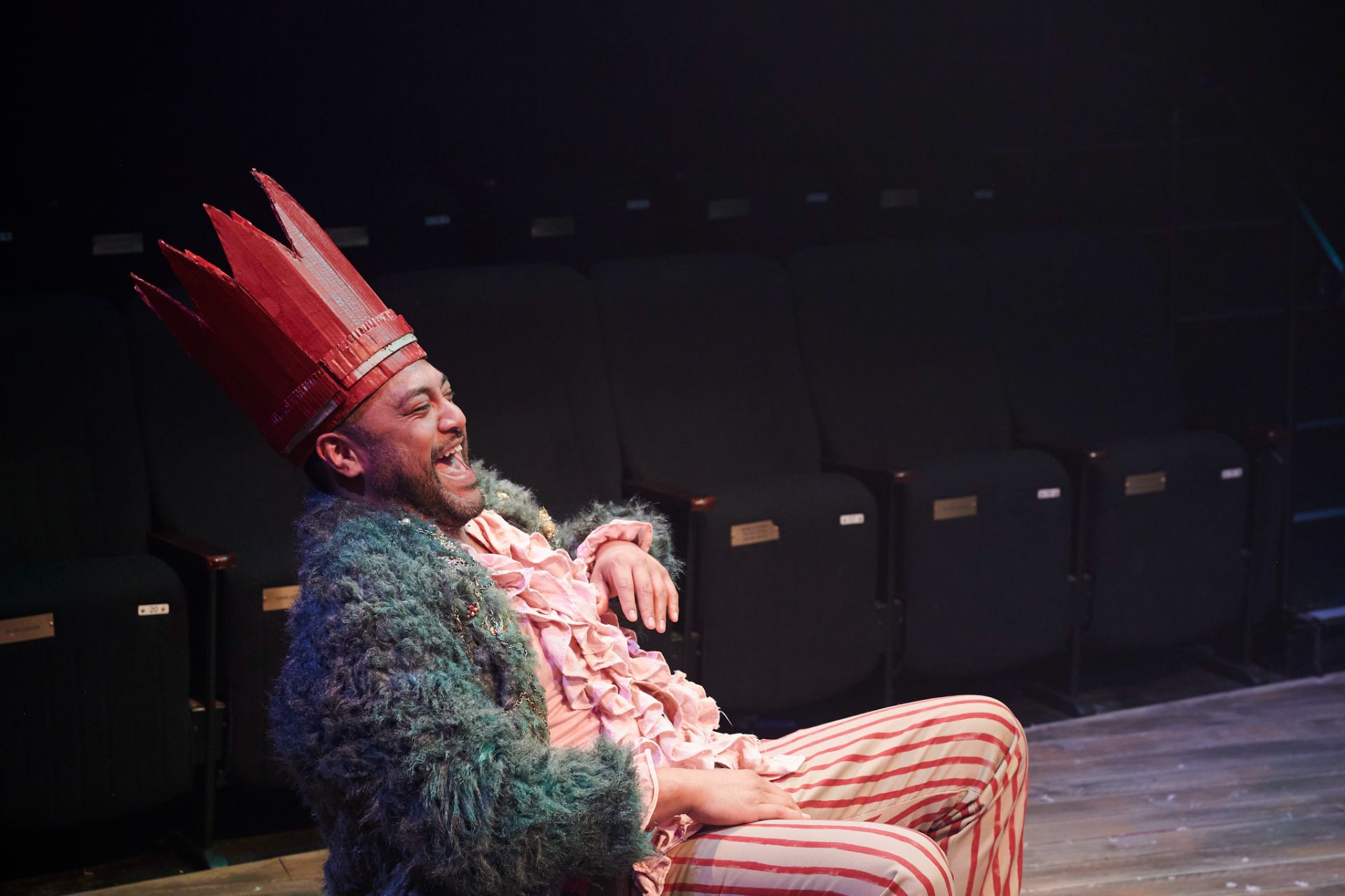
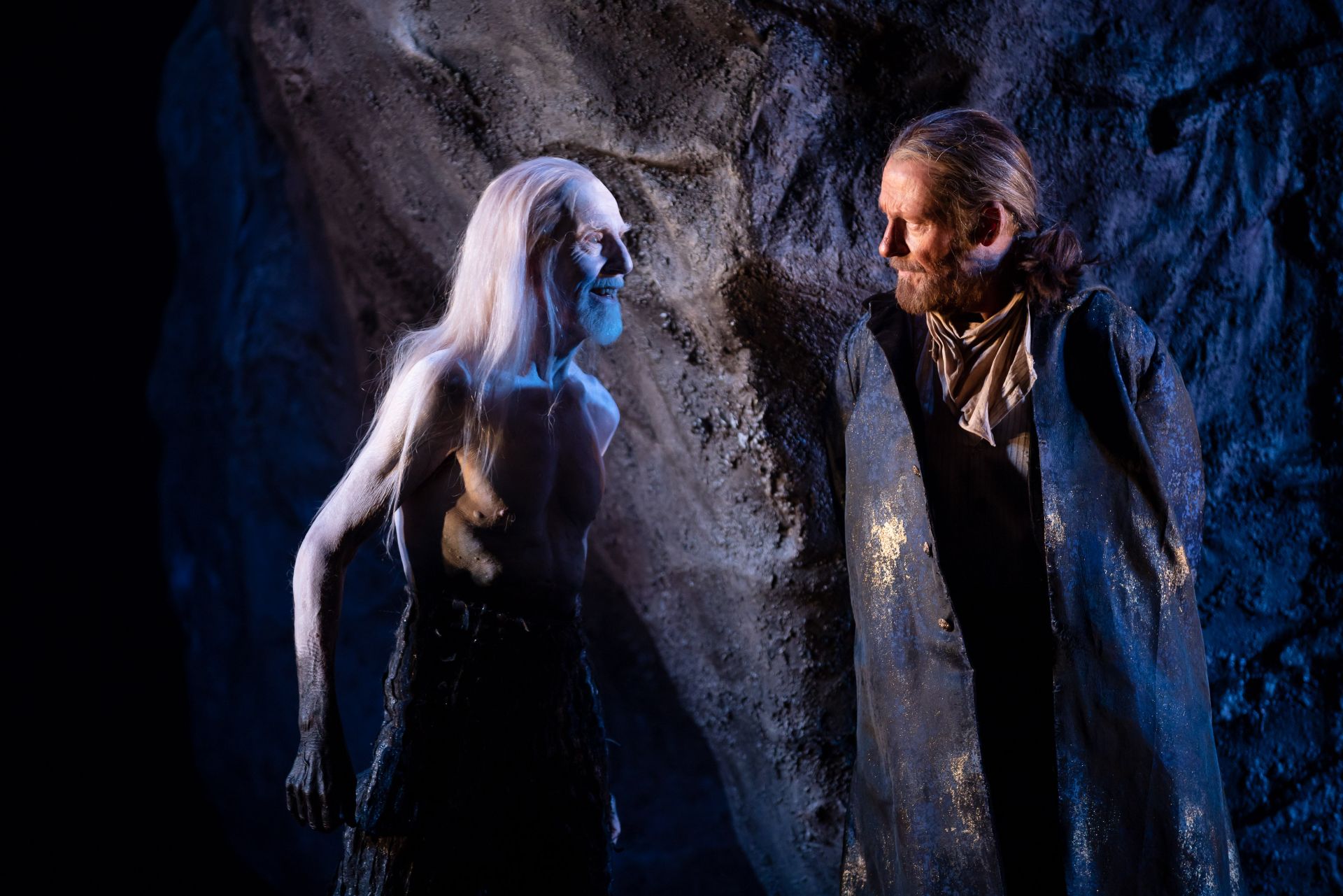
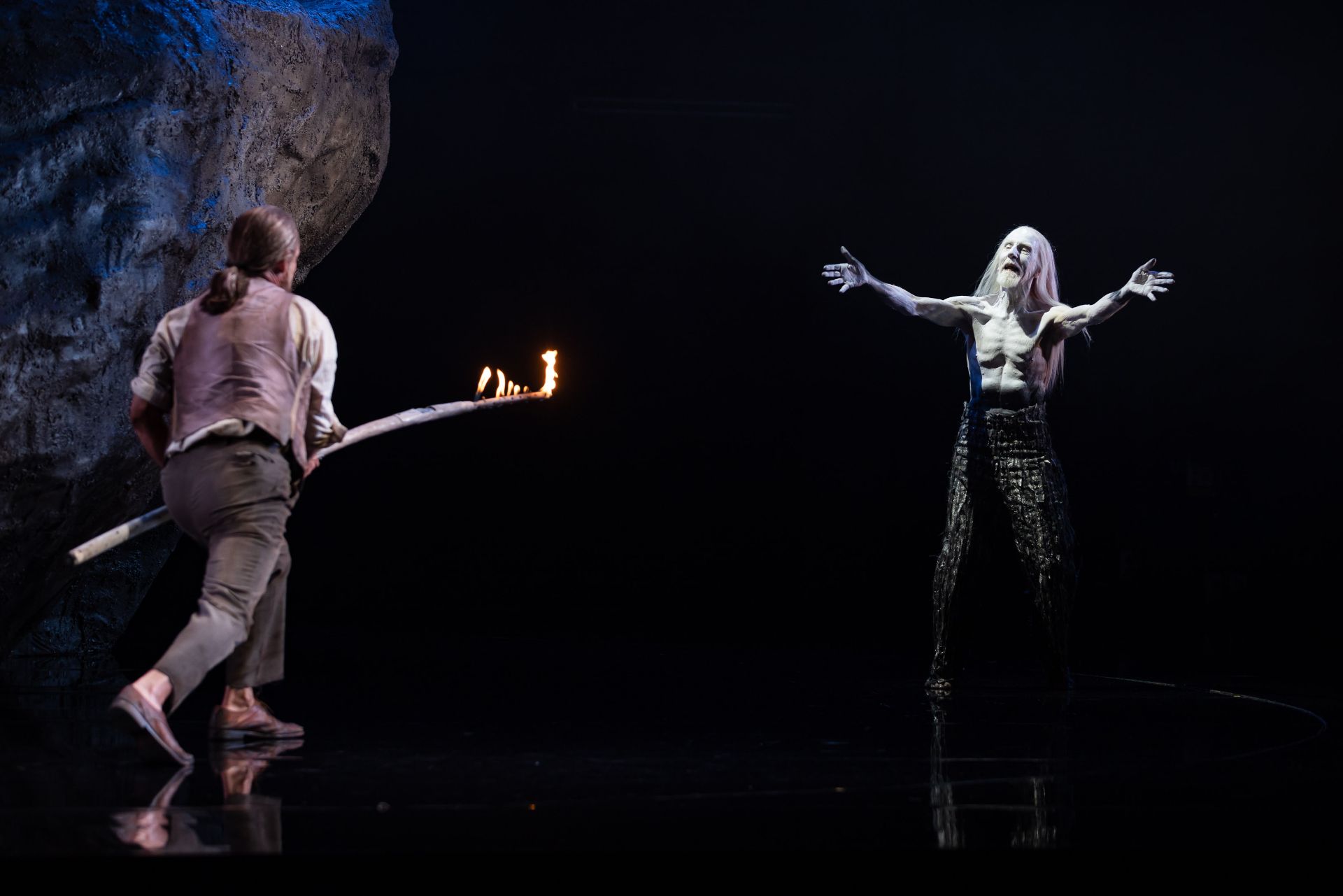
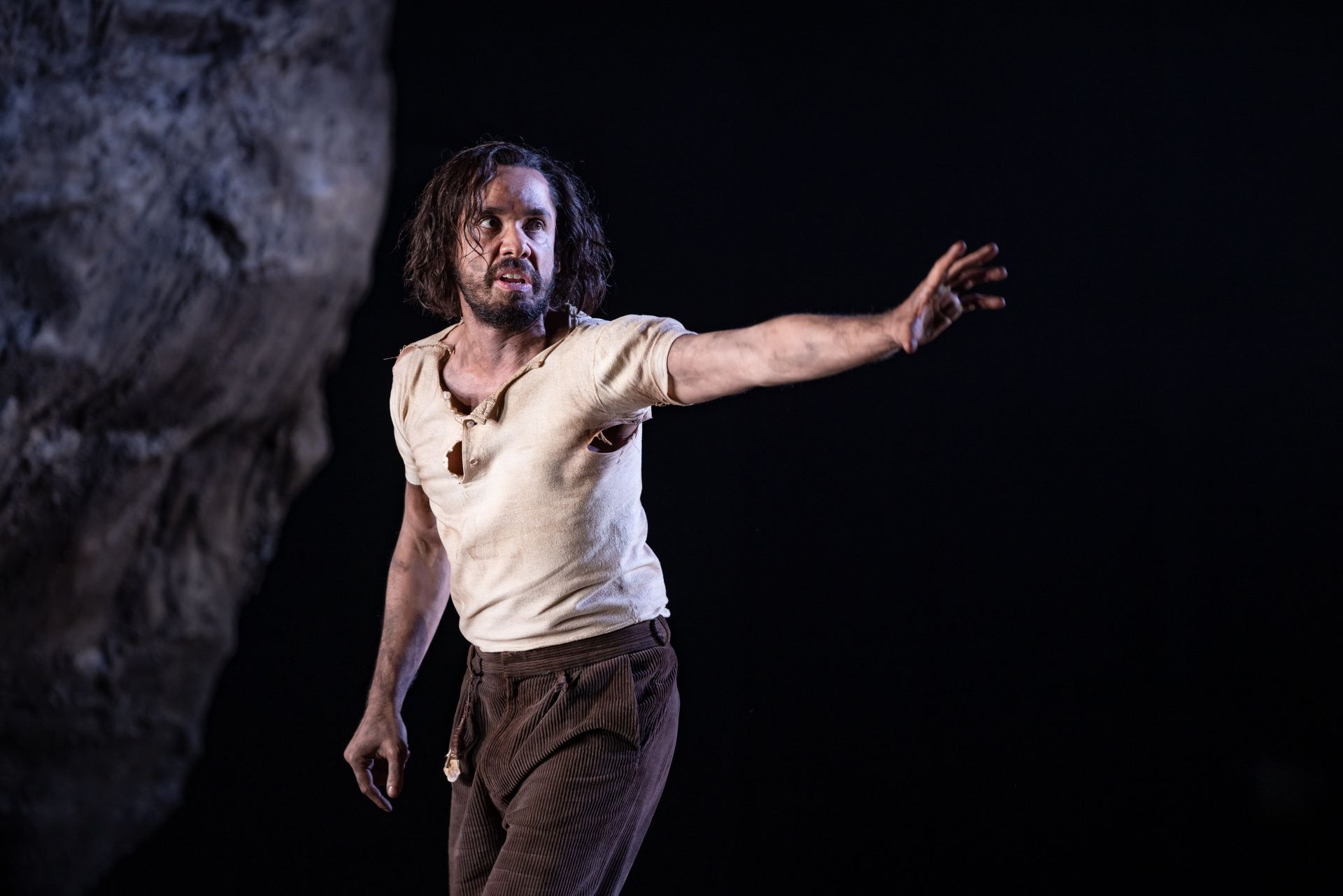
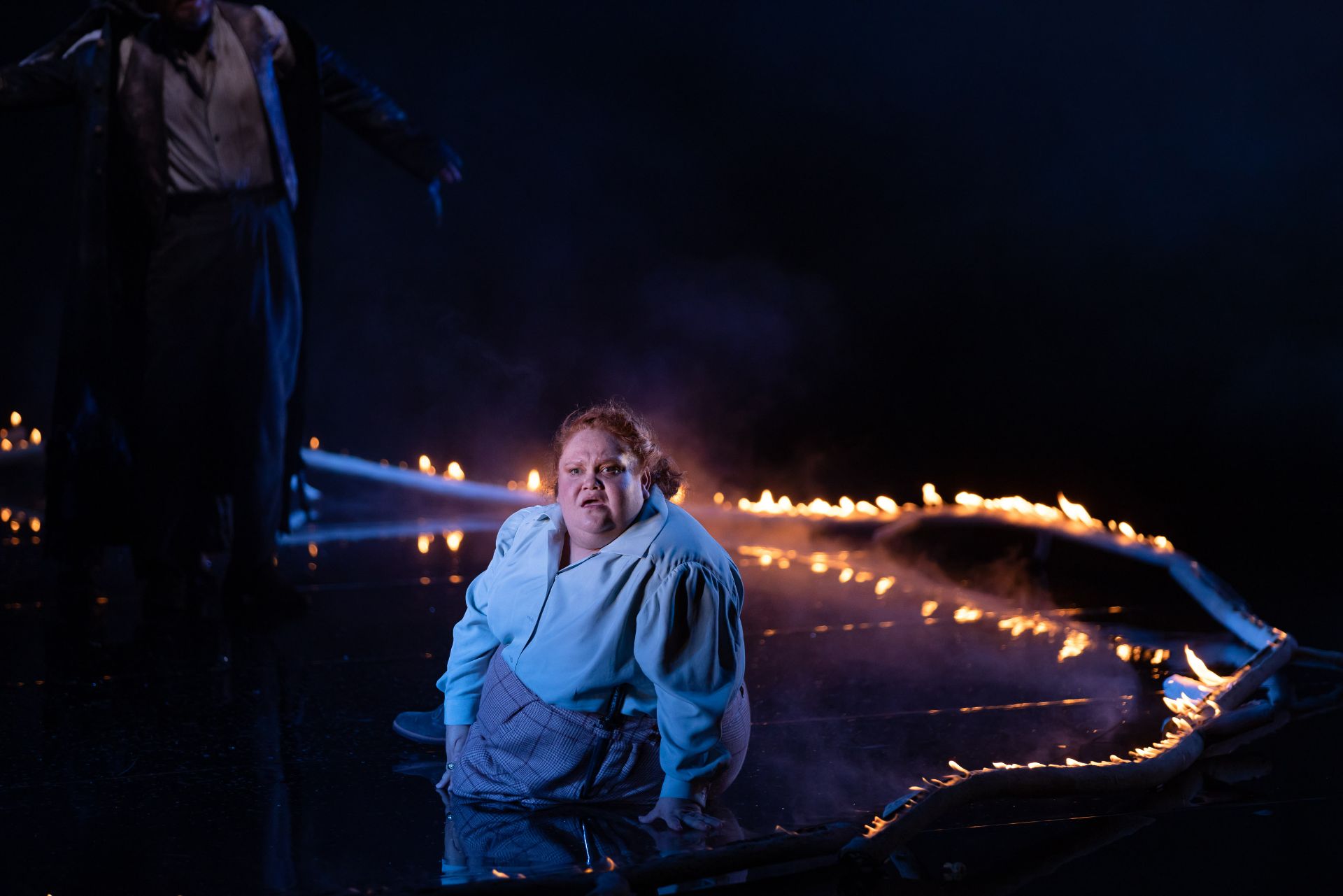
In Kip Williams’ abridged and delicately modernised version, we feel the air inside the auditorium seizing up, whenever Caliban takes centre stage to present his view of the world, and indeed to plead for justice. Performed by Birripi/Worimi actor Guy Simon, Caliban becomes the only character we can truly care about. Simon raises the stakes so high, with a portrayal unforgettable for its blistering intensity and scathing honesty, that we leave The Tempest with an entirely reinvented understanding of this otherwise archaic text.

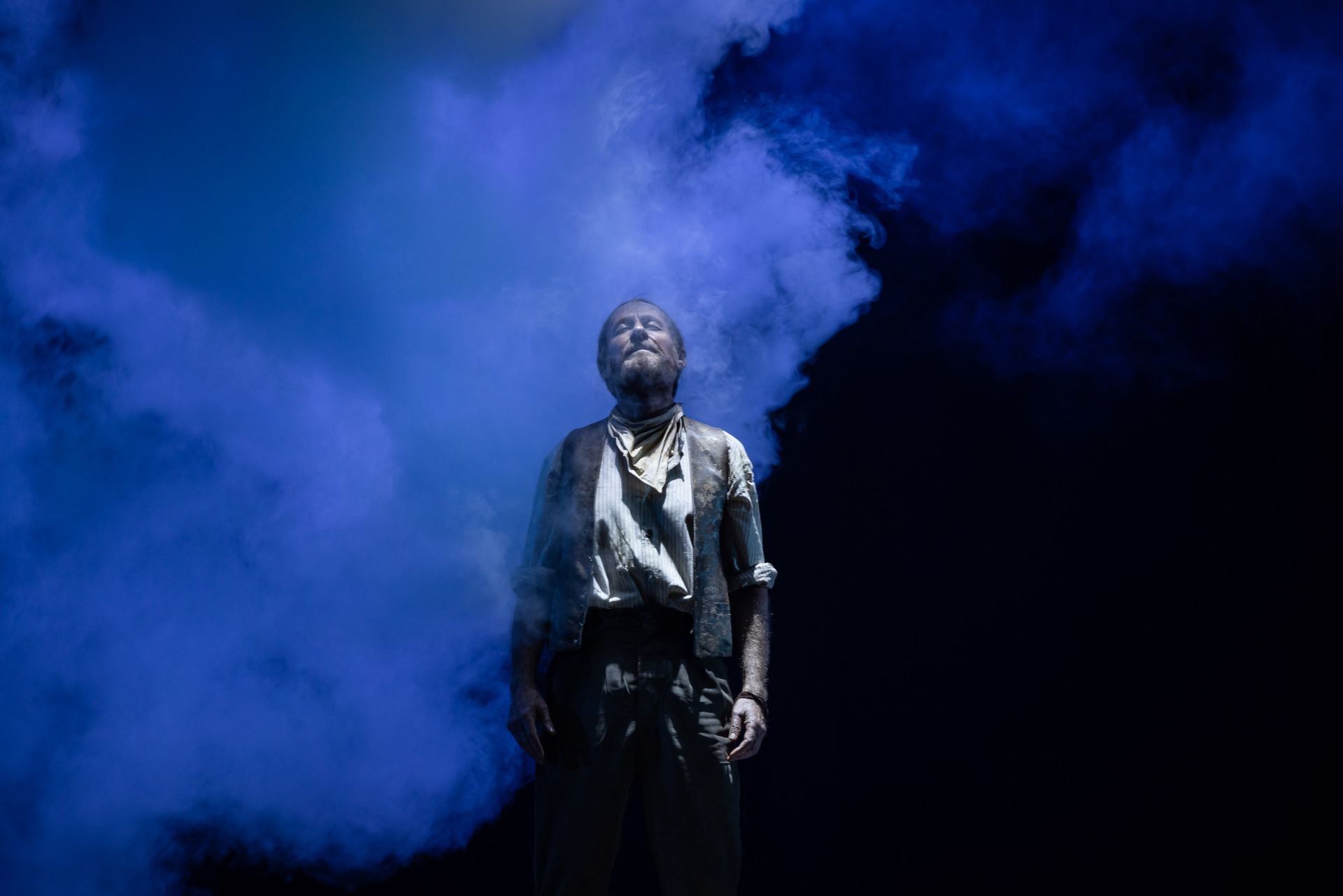
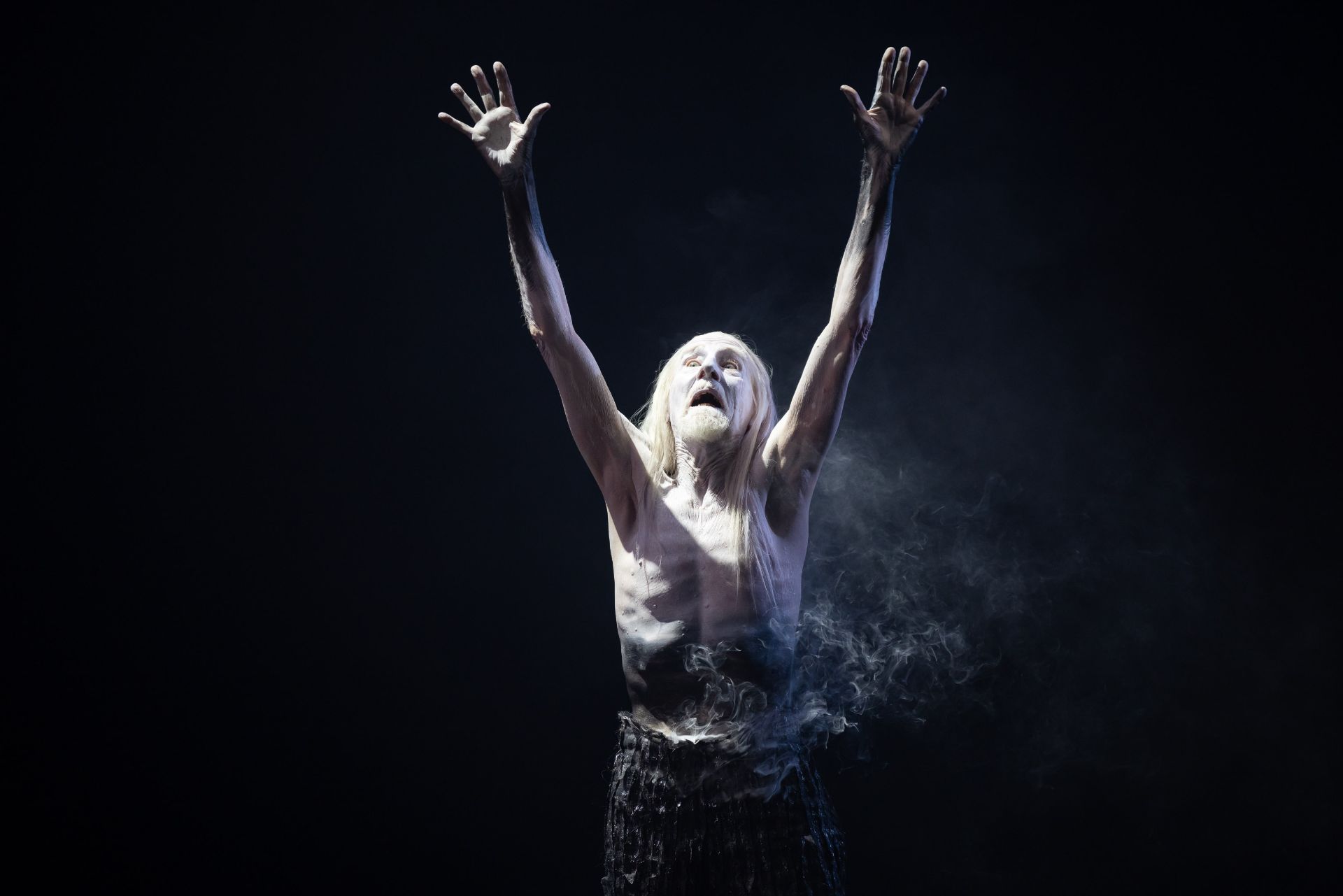
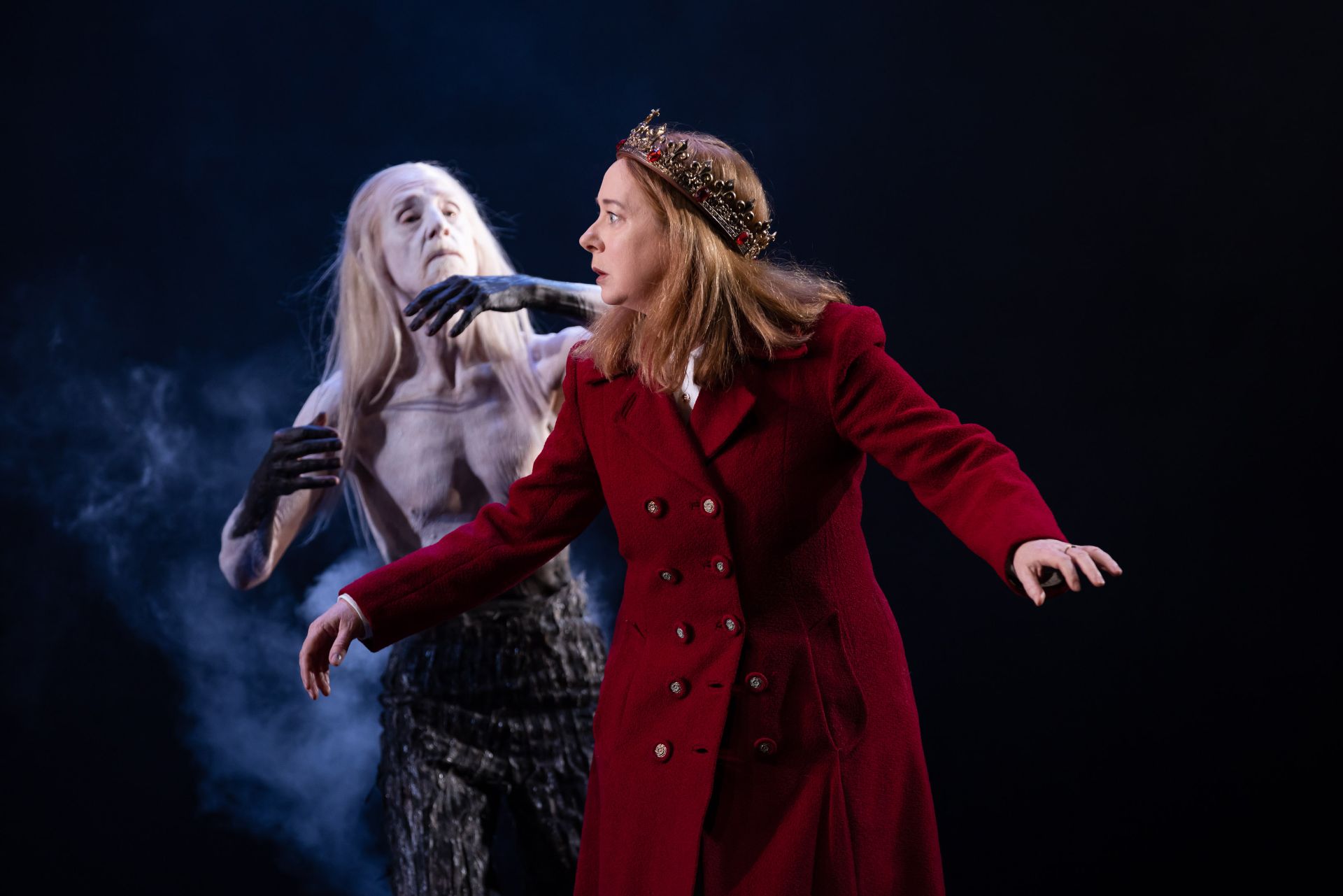
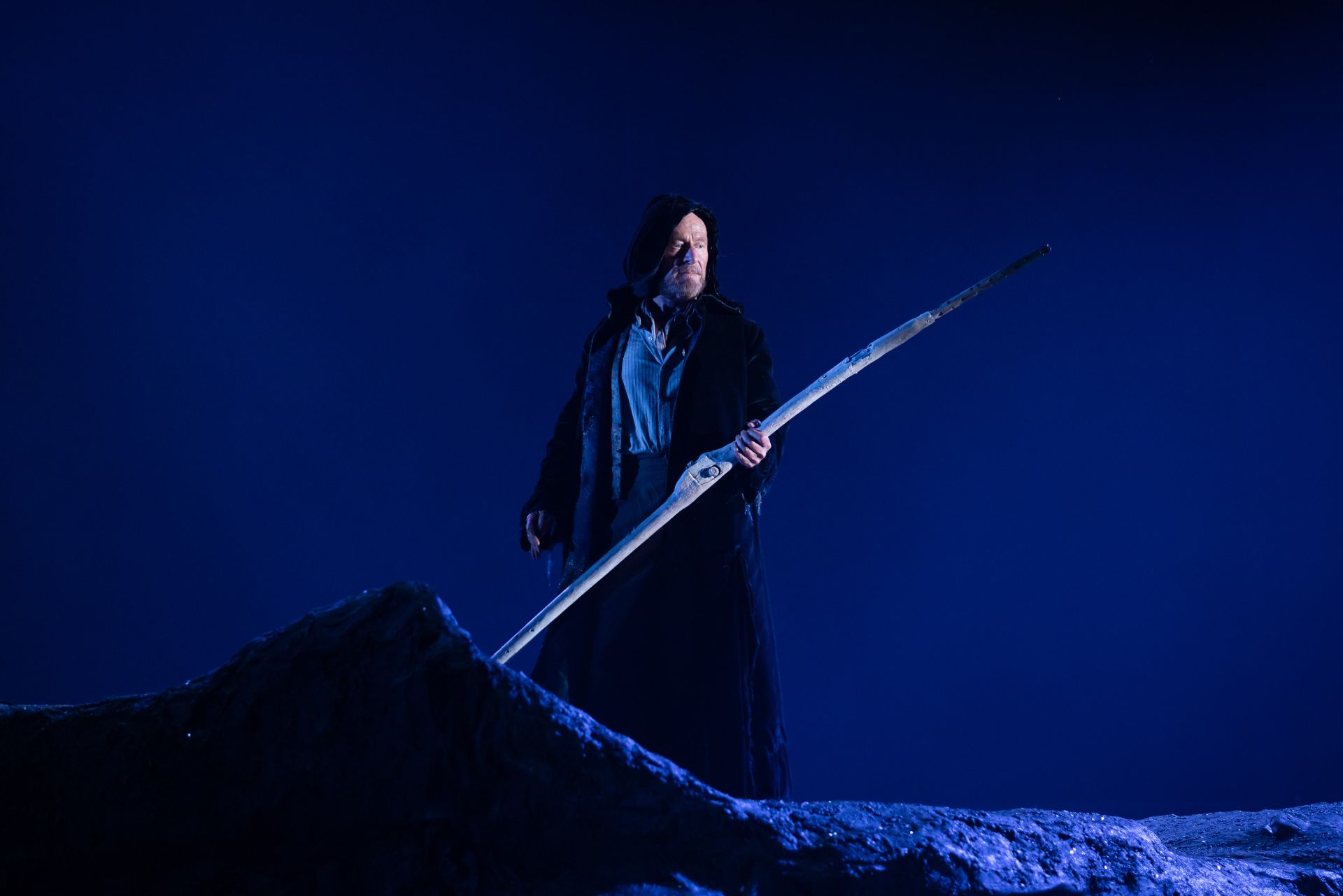
Richard Roxburgh plays Prospero with an elegant strength, understated but replete with impressive gravity. The dainty but powerful spirit, Ariel is beautifully depicted by Peter Carroll, who brings grace and humour, along with unflappable conviction, to deliver a crucial element of ethereality to the show.

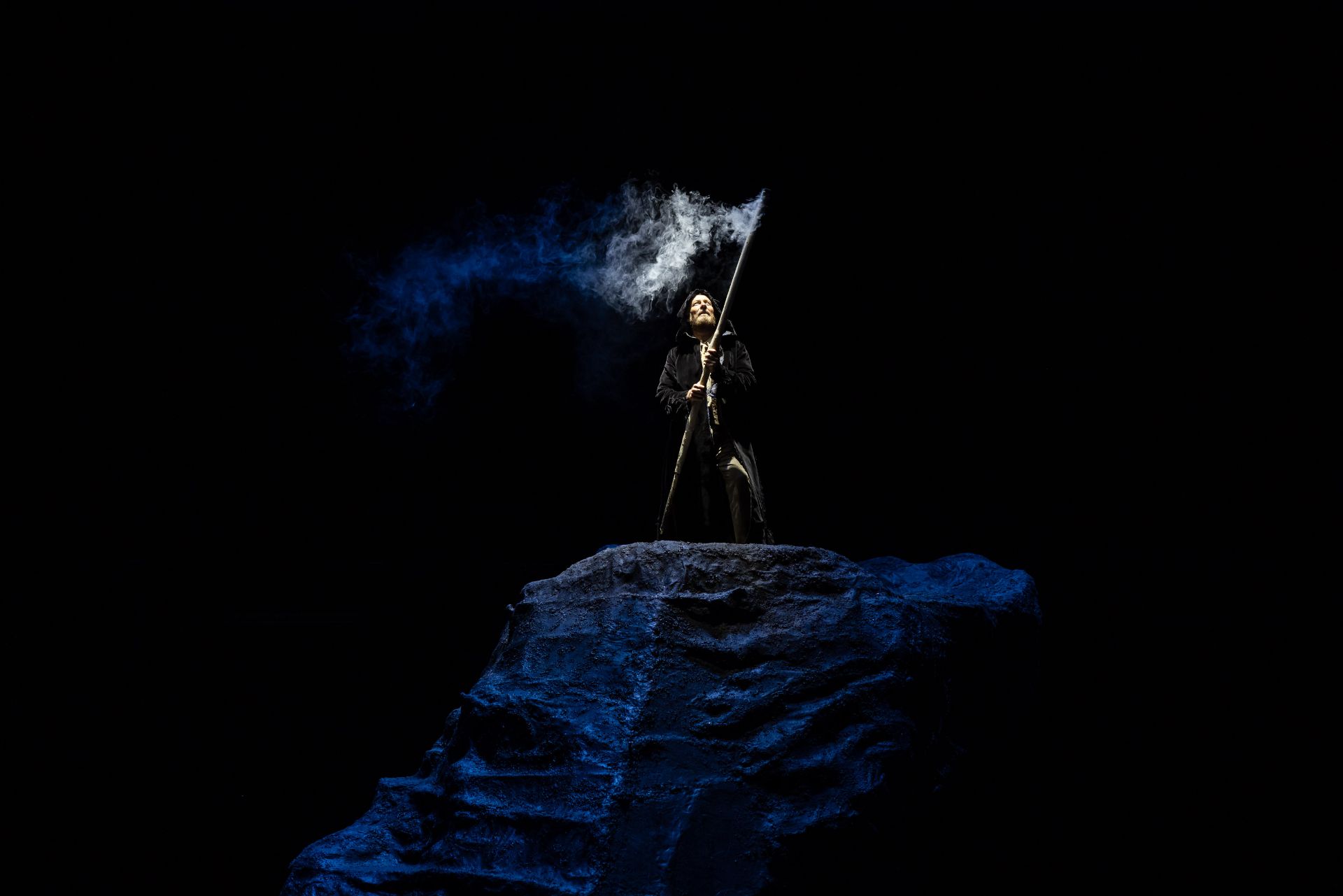
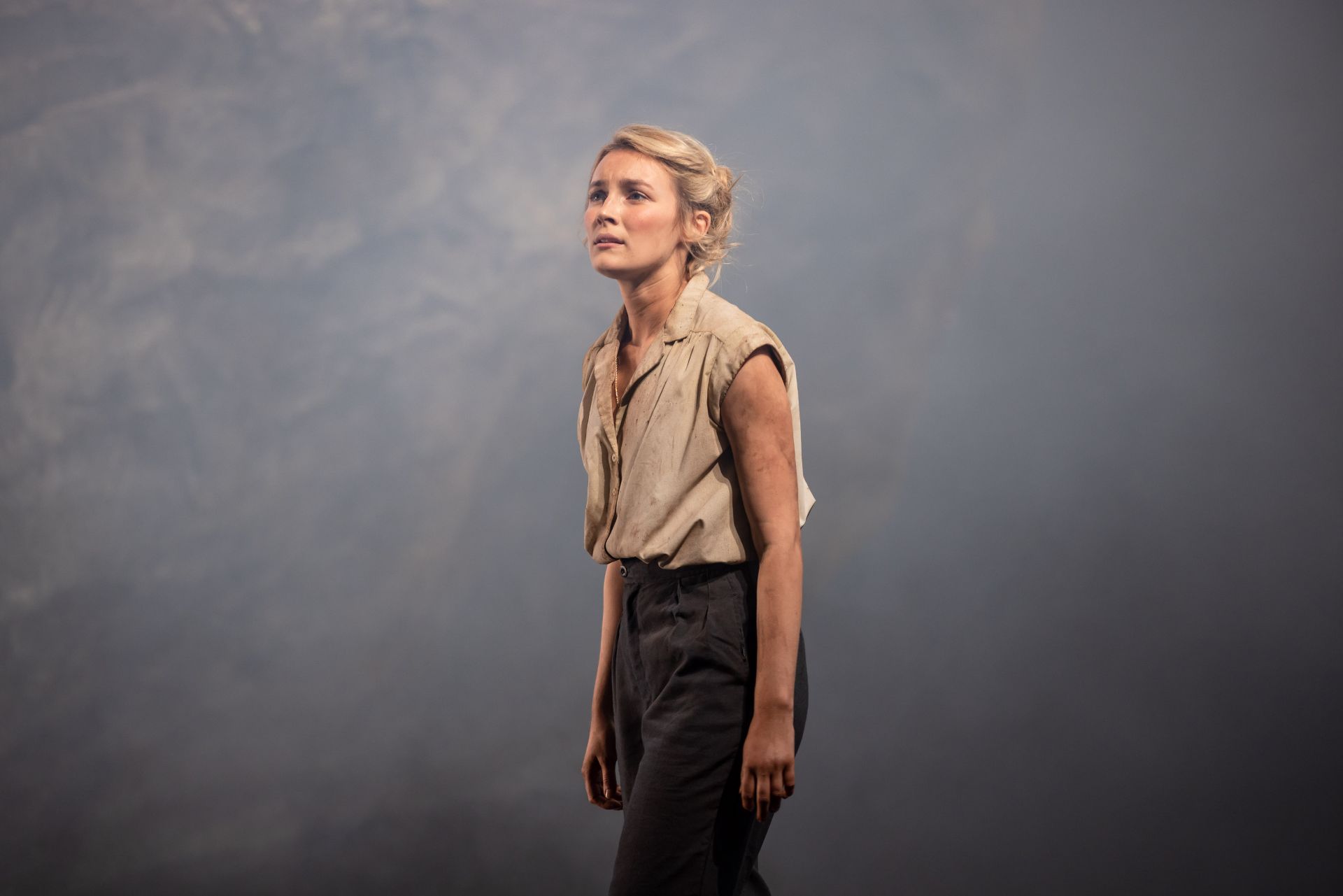
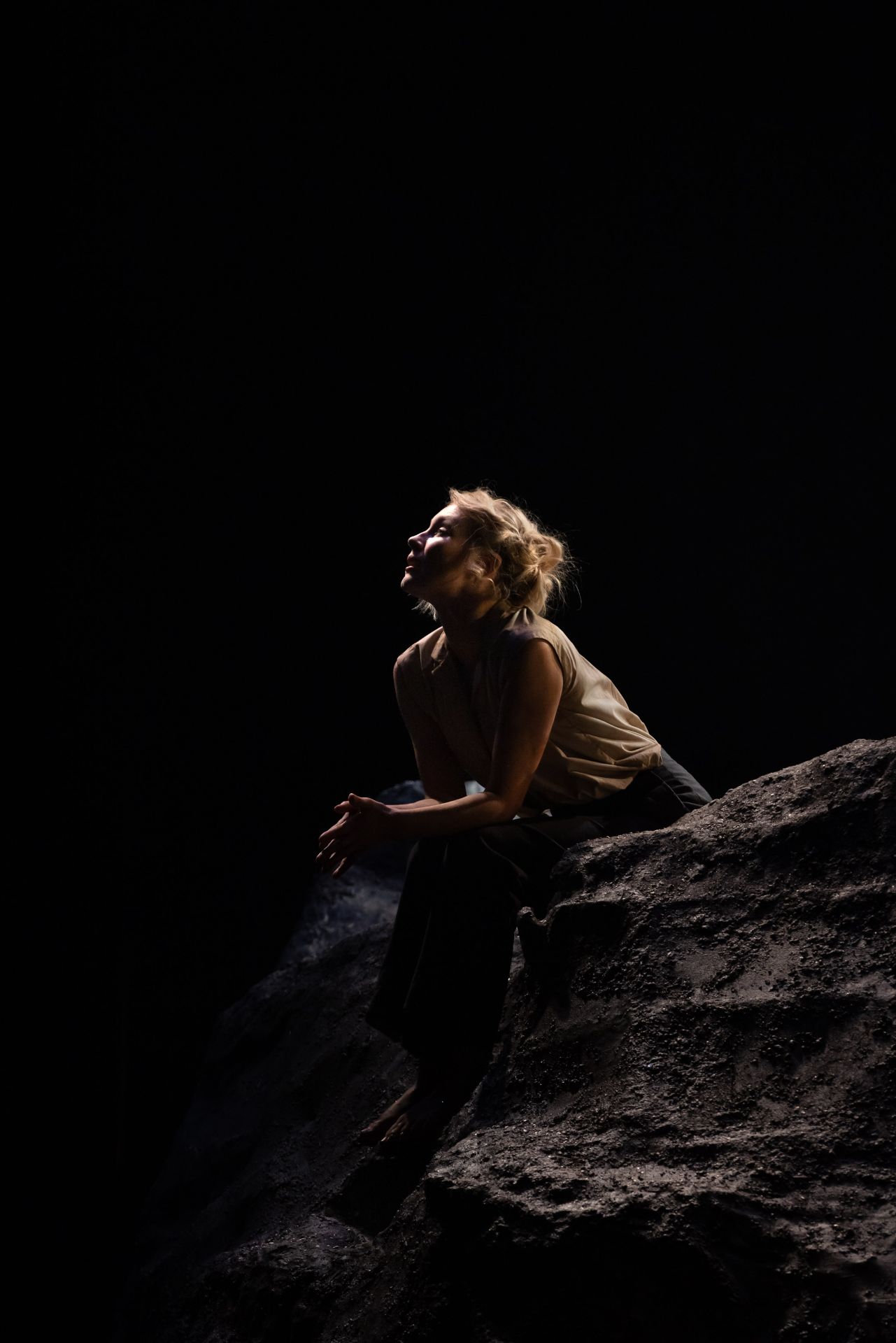
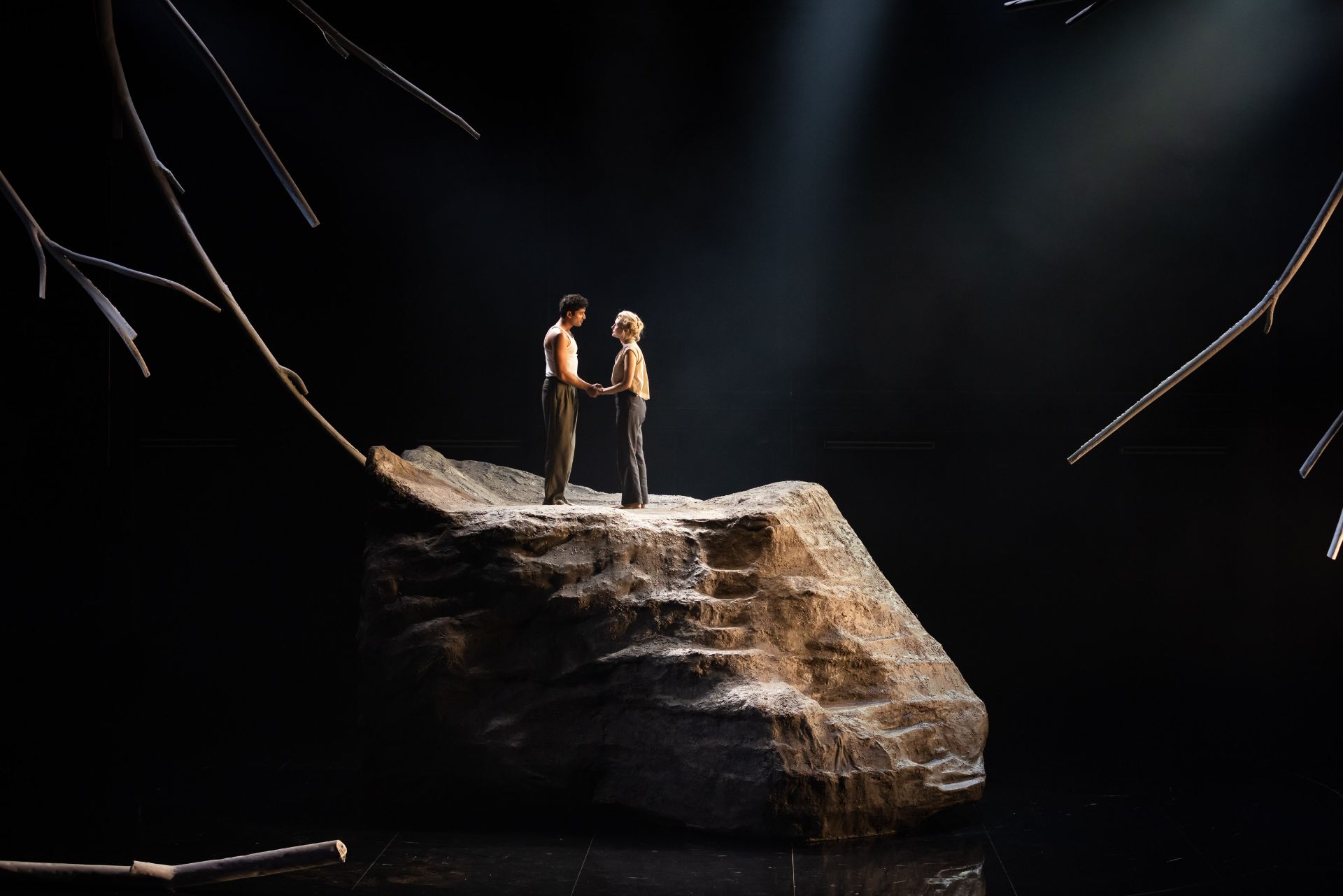
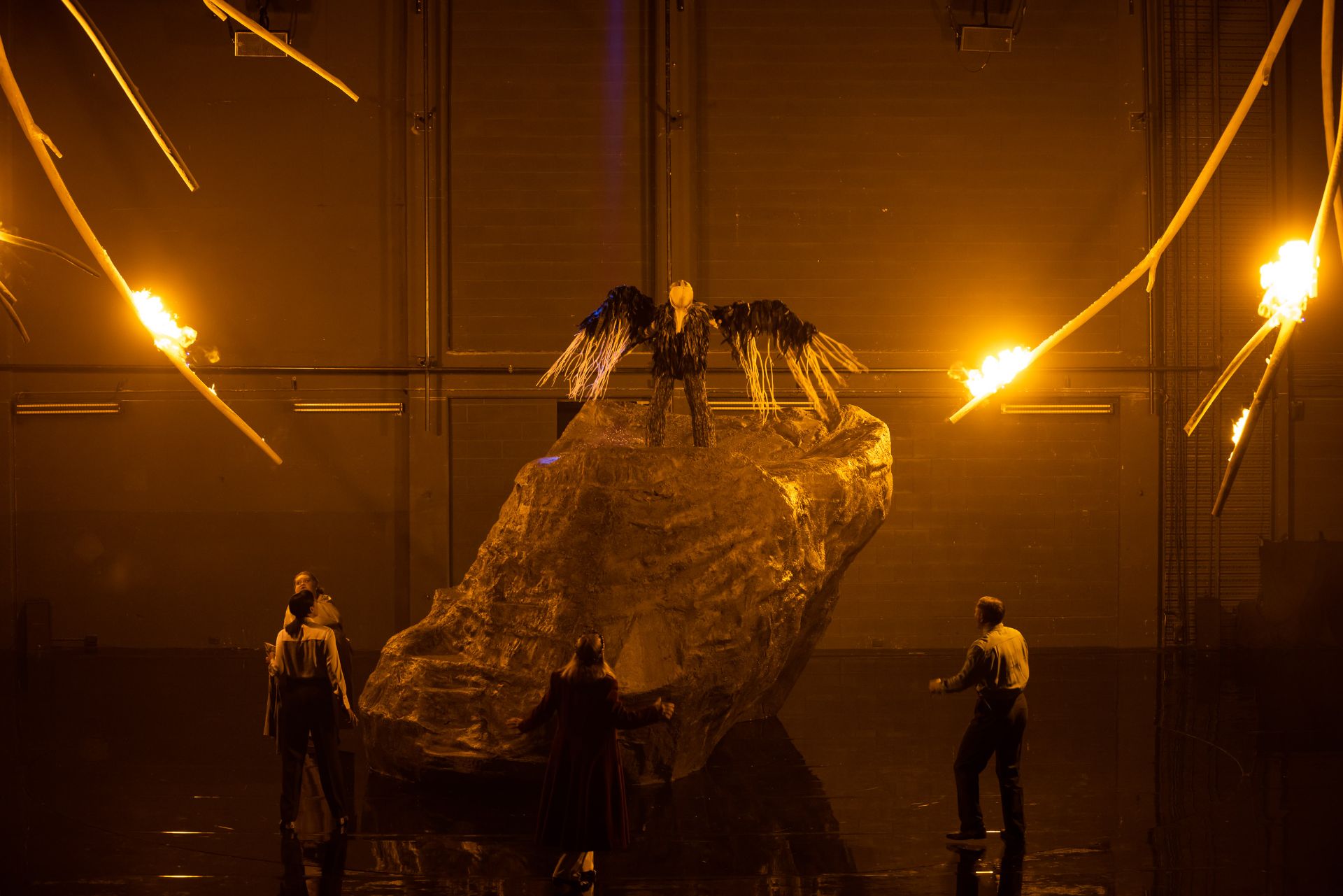
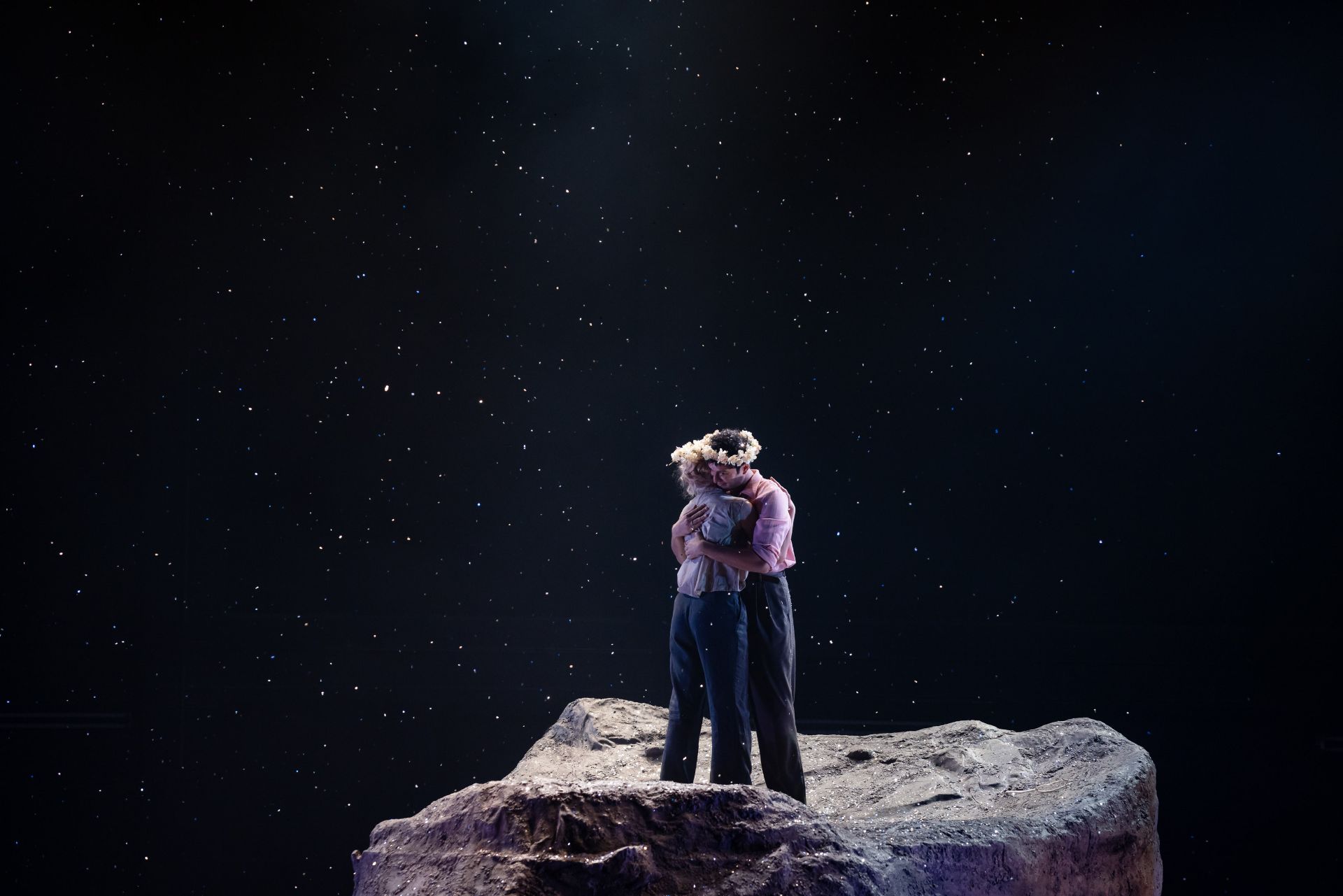
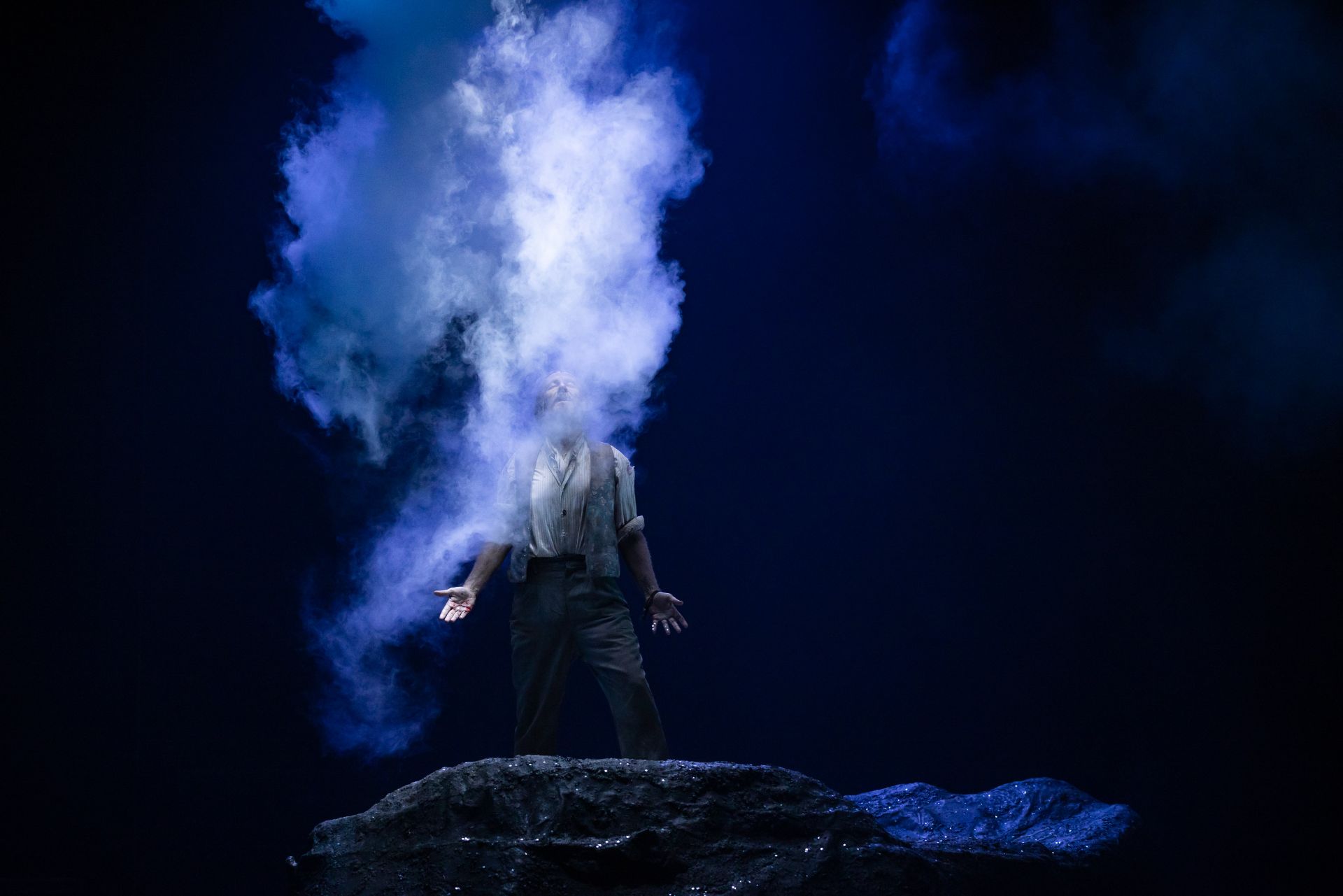
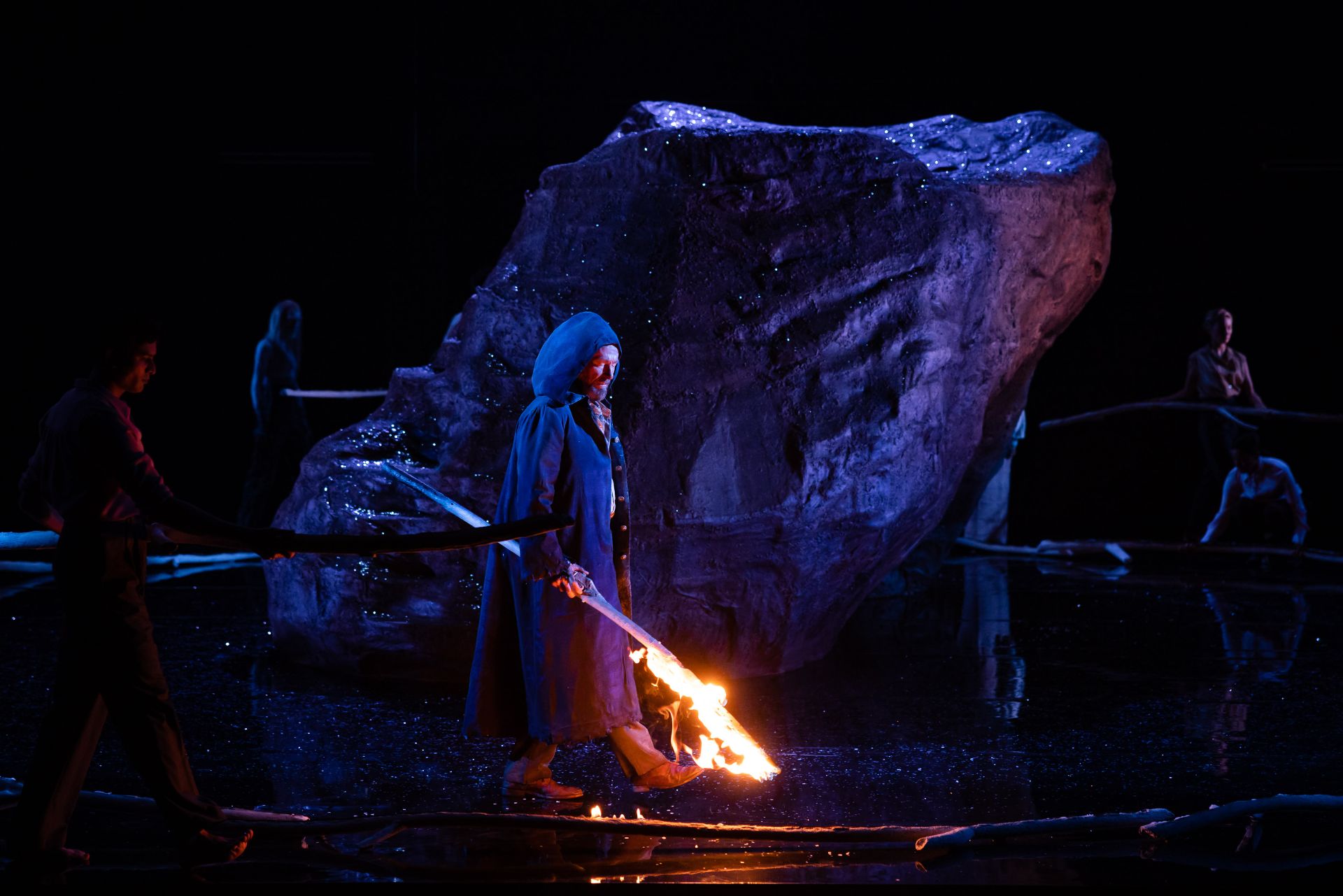
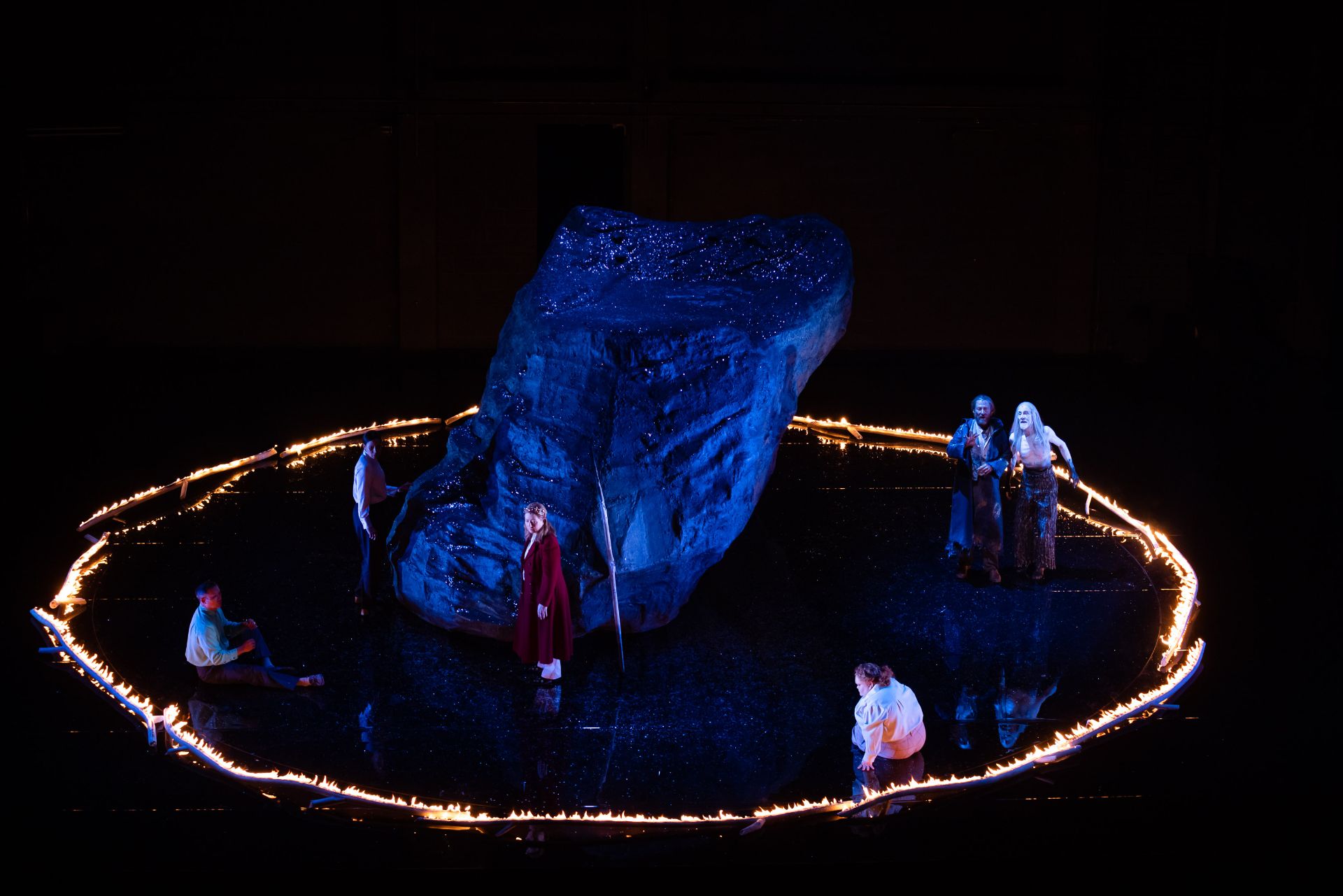
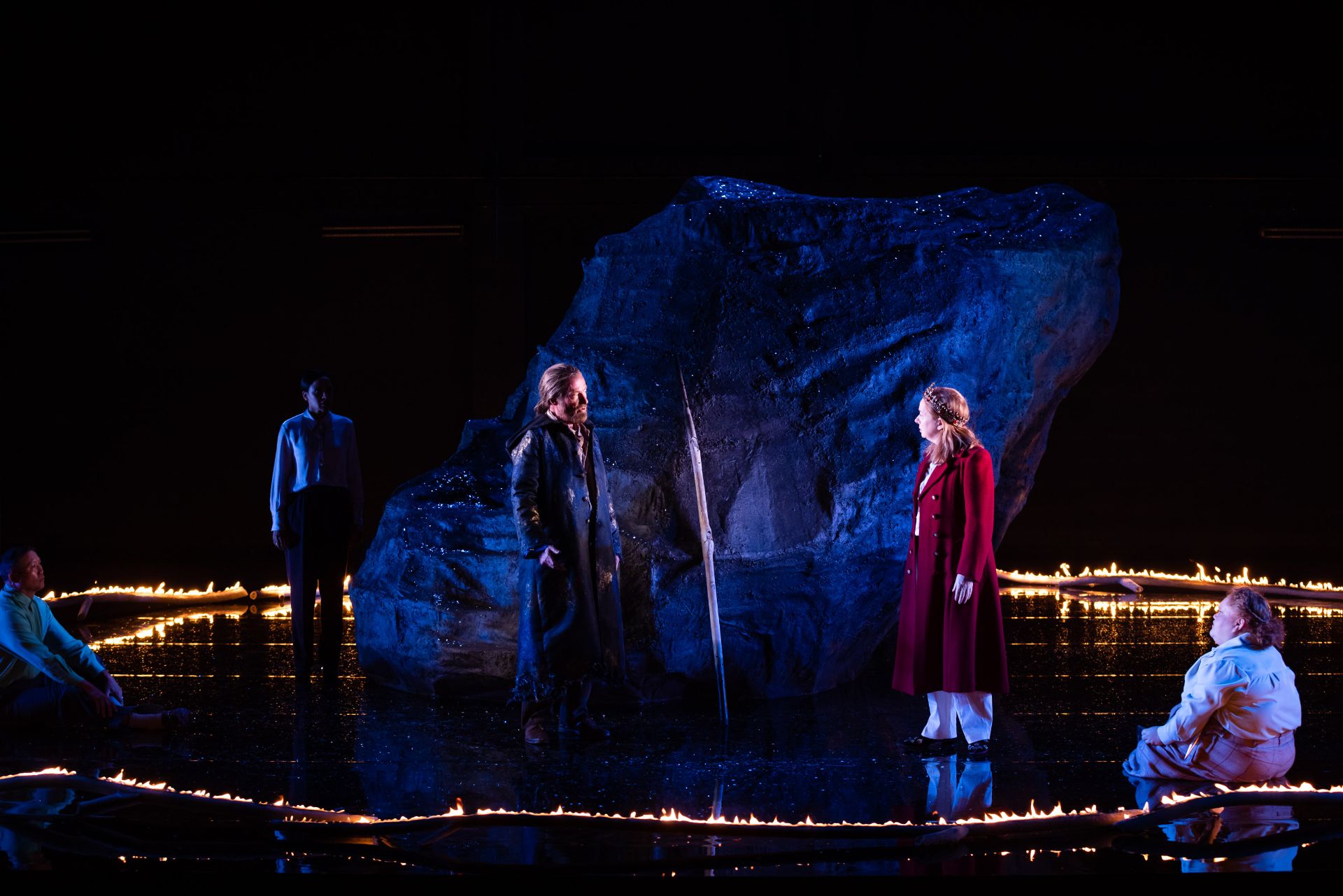
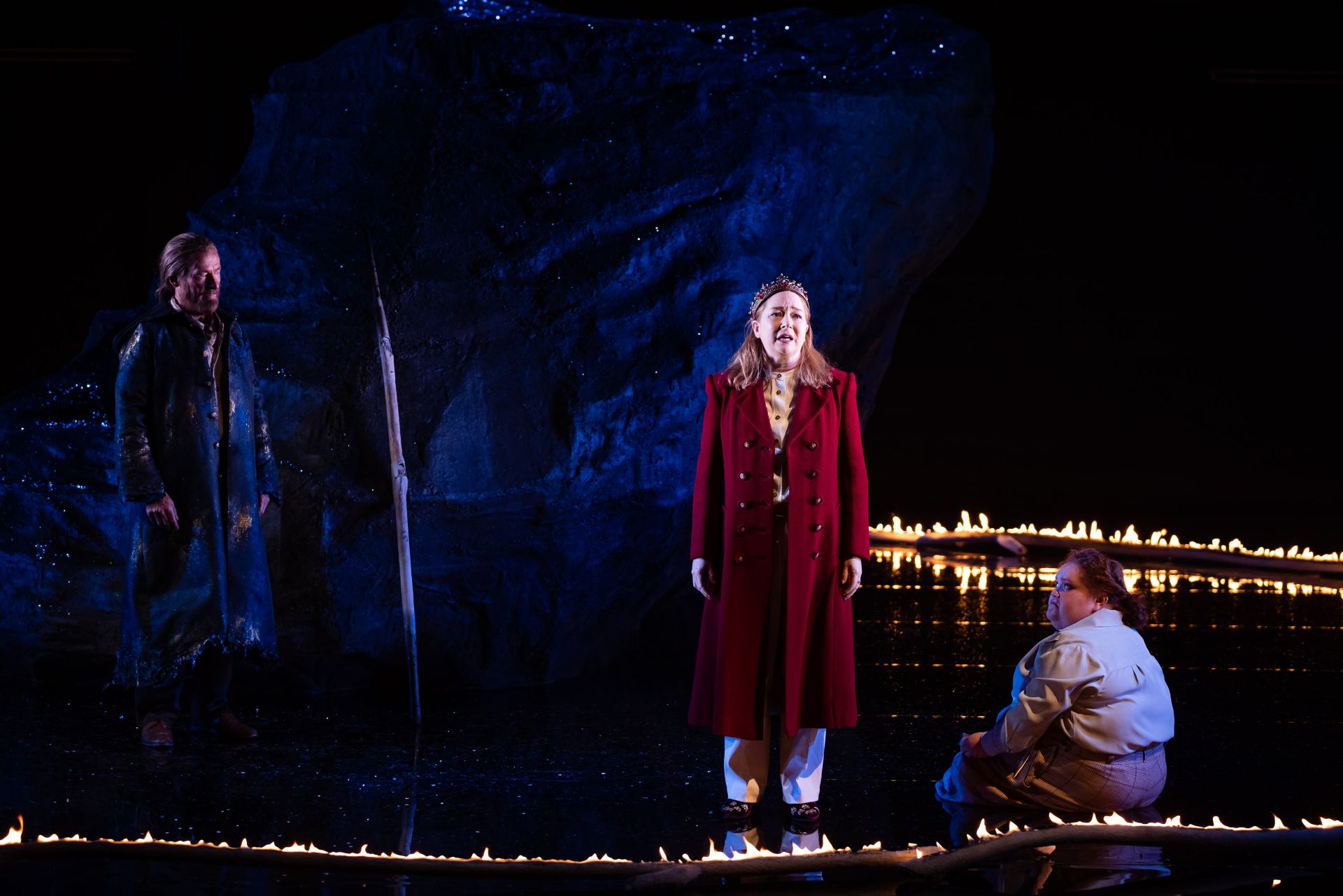
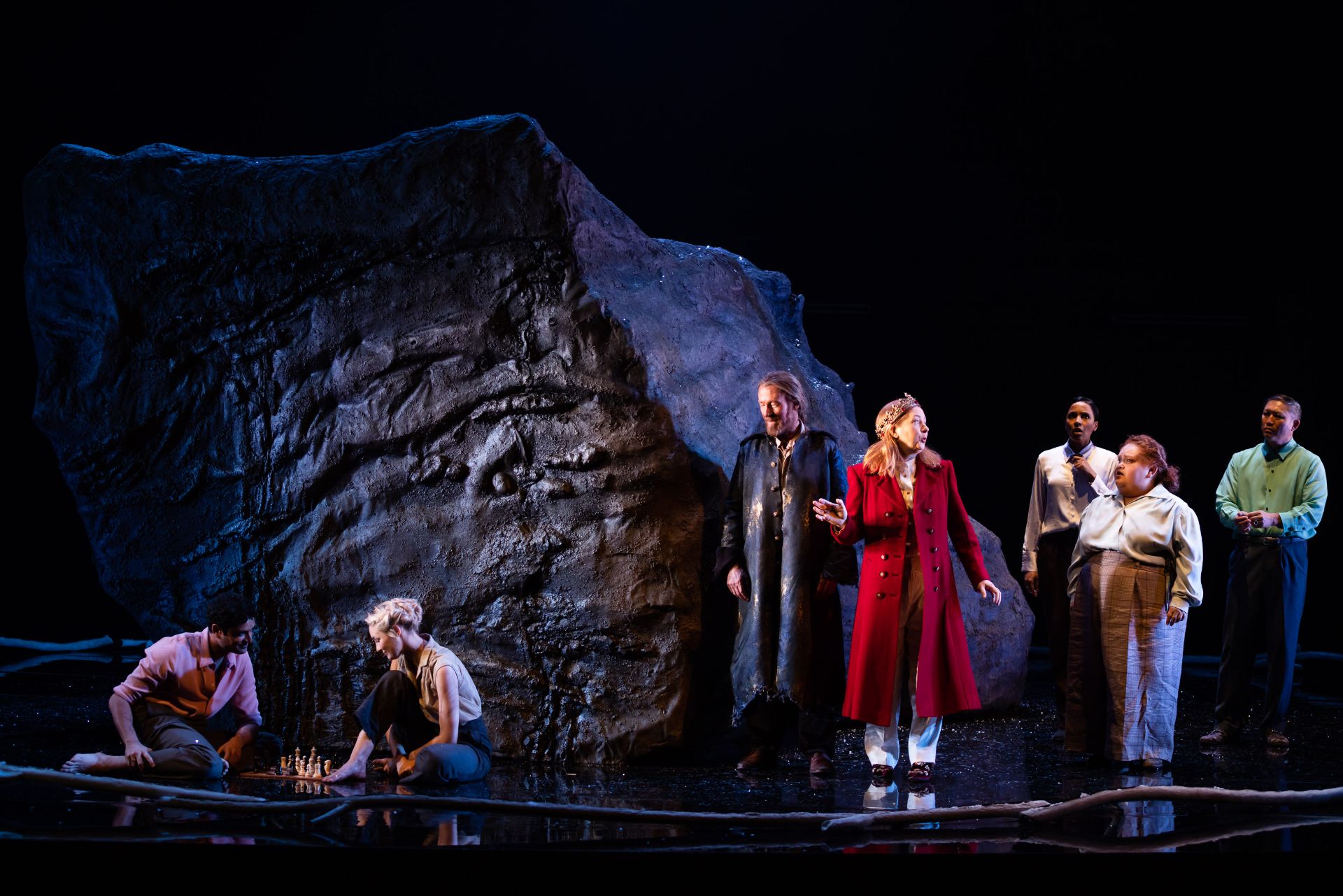
Set design by Jacob Nash is deceptively simple, with a generously sized boulder anchored in the middle of a revolve. The gradual revelations of special effects over the course of the production, demonstrates a deep knowledge of the relationship between audience and imagery. Likewise, with Nick Schlieper’s magical lights, we are expertly coaxed into believing that storms are raging and fairies are taking flight, when in fact it is all just smoke and mirrors. Elizabeth Gadsby’s costumes offer a rustic interpretation that appeals to those with a taste, for something more realistic and unassuming. Sound and music by Stefan Gregory construct a fantasy realm, into which we can luxuriate in Shakespeare’s brand of supernatural drama.

It is liberating to see Prospero in a new light, not only as victim, but also aggressor, after knowing The Tempest for a lifetime. The truth that hides in plain sight, implies a nefarious collusion that must be present, in order that lies may take hold. Regarding the rightful custodians of these lands, and those far and wide, entire canons are awaiting re-examination, should our claims of wishing to be democratic and just, are of any veracity.

www.sydneytheatre.com.au

Review: RBG: Of Many, One (Sydney Theatre Company)

Venue: Wharf 1 Sydney Theatre Company (Walsh Bay NSW), Oct 29 – Dec 23, 2022
Playwright: Suzie Miller
Director: Priscilla Jackman
Cast: Heather Mitchell
Images by Prudence Upton

Theatre review

Associate justice of the Supreme Court of the Unites States, Ruth Bader Ginsburg was not the first woman appointed to that position, but is certainly the most famous feminist icon to have emerged from that Court. In Suzie Miller’s RBG: Of Many, One we get acquainted with Ginsburg’s significant legacy as a trailblazer, and witness the ways in which she had left an indelible mark, on the most patriarchal of boys’ clubs. Ginsburg’s personal life was an immaculate one, devoid of scandal or controversy, but playwright Miller is nonetheless able to excavate at the most important of her professional achievements, to compose a work that informs and inspires.

A worthy tribute to an intelligent and courageous woman, RBG: Of Many, One is directed by Priscilla Jackman, who manufactures an unmistakeably reverential aura for the staging. Having passed away just two years ago, Ginsburg’s story, although not a mournful one, does reverberate with a sense of melancholy. Furthermore, recent events pertaining to the Dobbs decision that overturns Roe v Wade, thereby upending 50 years of abortion rights, feels a direct consequence of Ginsburg’s death. The work is still a celebration of a great life, but the darkness of current realities, makes the experience a truly sombre one.

Production design by David Fleischer implements an understated elegance that corresponds with the heroin’s image in our collective memory, but several instances requiring stagehands to manually deliver props, can appear somewhat awkward. Alexander Berlage’s lights provide much-needed visual dynamism for the one-woman show, sensitively rendered to help us navigate the many shifts in time and place, whilst delivering beautiful imagery through the duration. Music by Paul Charlier is memorable for its vigour, although not always at appropriate levels.

Actor Heather Mitchell brings an exceptional charisma that is somehow commensurate, with our unreasonable expectations of meeting the legend in the flesh. Technical brilliance is demonstrated especially through Mitchell’s distinct portrayals of Ginsburg at different ages, as she performs the role from childhood to her twilight years. At 90 minutes, RBG: Of Many, One is unquestionably demanding, and although not quite flawless, it is a performance that proves to be highly satisfying.

It is wonderful to be able to honour Ginsburg for her many great achievements, and with that commemoration be reminded that so much remains to be accomplished. Dissent is necessary not only in our courts. Injustice rears its ugly head, much more readily outside of rarefied spaces. The example set by The Notorious R.B.G. should not only be one of career progression, but one that epitomises a spirit of defiance and daring. Her narrative is one of selflessness, characterised by a zeal to work on behalf of those who have less power, so that communities become more fair and equitable. We will not all rise to high positions, but to make it known when things go wrong, is a responsibility many of us can bear.

www.sydneytheatre.com.au

Review: The Lovers (Bell Shakespeare)

⭐️⭐️⭐️⭐️
Venue:
Sydney Opera House (Sydney NSW), Oct 23 – Nov 20, 2022
Writer: Laura Murphy (adapted from William Shakespeare)
Director: Shaun Rennie
Cast: Natalie Abbott, Blake Appelqvist, Stellar Perry, Monique Sallé, Brittanie Shipway, Jerrod Smith
Images by Daniel Boud

Theatre review

William Shakespeare’s A Midsummer Night’s Dream is given the musical treatment, by Laura Murphy who condenses one of The Bard’s most accessible stories, into something even more digestible. In her new work The Lovers a distinct pop sensibility is applied across everything she touches on, but art lovers be warned, Murphy’s appreciation of pop is a lot less Andy Warhol, and a whole lot more Taylor Swift. Like Swift, Murphy’s lyrics can be criticised for not being poetic enough, with an attitude too devoid of sass, to be considered legitimately cool. Commercial success however, has shown time and again to have little to do with cool, and it appears The Lovers does contain all the requisite ingredients that make it a crowd-pleaser.

Intensely romantic, and silly on more than a few occasions, songs in The Lovers are unquestionably, and thoroughly catchy. Reminiscent, and some might say heavily derivative, of chart toppers from the last twenty years, it can be said that the frothiness of Murphy’s writing, is the perfect companion for Shakespeare’s light-hearted classic. Murphy’s own musical arrangements, along with musical direction by Andrew Worboys, ensures a score that keeps us exhilarated for the entire 2-hour duration, The heady experience is further enhanced by extraordinarily well-executed sound engineering, with Todd Hawken credited as Head of Audio.

Director Shaun Rennie demonstrates great attention to detail, through his delivery of technical brilliance and exceptional polish,  for the staging. Rennie’s work is thoroughly energetic, with an uncanny ability to have his audience roused at will. Marg Horwell’s colourful and intentionally cluttered set design, is a visual manifestation of the chaotic exuberance that is characteristic of The Lovers. Her costumes too are captivatingly vibrant, although not always flattering on the cast. Lights by Trent Suidgeest are dynamic and exciting, a relentless manipulation of tones, intensities and configurations, that really take advantage of this collision between pop and Shakespeare.

The only one stealing the show however, is performer Natalie Abbott who delivers the most endearing Helena imaginable, with an impeccable quality of singing that beautifully incorporates a stirring soul style, with the crispness demanded of the Broadway format. Also very charming is Jerrod Smith, who brings unexpected believability to the role of Lysander. Oberon is played by Stellar Perry who stands out with her confident musicality, and a physical stillness that proves an appealing contrast against the rest. Monique Sallé is a gregarious Puck, Blake Appelqvist brings precision to his Demetrius, and Hermia is performed by Brittanie Shipway who injects much needed grit into the romantic heroine. The team shows itself to be well-rehearsed and innovative, with a compelling chemistry that makes tolerable, Shakespeare’s ridiculous love story.

There may be little that is worldly that constitutes the essence of The Lovers, but there is certainly no shortage of sophistication, in how the show has been put together. It is meaningful though, that our attention is brought to the subject of love, frivolous as it may seem, through the lens of young romance. At a time when our troubles are taking us to the end of tethers, it is perhaps necessary to be reminded that love alone, is capable of moving mountains.

www.bellshakespeare.com.au

Review: The Italians (25A Belvoir)

Venue: Belvoir St Theatre (Surry Hills NSW), Oct 23 – Nov 6, 2022
Playwright: Danny Ball
Director: Riley Spadaro
Cast: Danny Ball, Philip D’ambrosio, Nic English, Deborah Galanos, Amy Hack, Emma O’Sullivan, Brandon Scane, Tony Poli
Images by Katherine Griffiths

Theatre review
Joe and Sal are very much in love, and just as they approach bourgeois heaven with impending nuptials and a home in North Bondi, Joe’s estranged cousin Luca materialises out of the blue to wreak havoc. Danny Ball’s The Italians too is a disruptor of middle class style and taste. The play seeks to assert a comedic sensibility that feels characteristic of an Italian-Australian identity, one that is bold and brassy, slightly crass in tone, and with a hint of irreverence. It is deliberately chaotic and sometimes incongruent, but always joyous and relentlessly playful.

Riley Spadaro’s direction introduces a distinct campness to this show that centres around a gay couple, including song and dance numbers that exist solely to entertain. It is discernible that The Italians wishes to break constrictive moulds, and deconstruct conventions of theatre-making that may have become too staid. It contributes to discussions about the decolonisation of the art form, and what it means to create Australian theatre, in this moment of increased awareness, around the legitimacy of minority cultures.

Set design by Grace Deacon features a vibrant wallpaper that establishes from the outset, an aesthetic that is almost garish, but knowingly so. Her costumes reflect an interest in archetypes, but are perhaps too predictable with the approach taken, for these larger than life characters. Phoebe Pilcher’s lights are delightful and dynamic, as they explore the possibilities of manufacturing, for a small space, something a little heightened and absurd. Also memorable are Luke Di Somma’s sound and music, especially when referencing soap opera traditions, for sequences that revel in the melodrama of people’s lives in The Italians.

Playwright Ball plays Sal, with a flamboyant streak, charming yet comedic, reminiscent of leading men in classic European film. Brandon Scane brings a greater sense of realism as Joe, that delivers a feeling of authenticity and universality, for a show that otherwise does become highly, and intentionally, slapstick. Philip D’ambrosio is a noteworthy supporting actor, especially for his turn as Pina, totally hilarious yet so convincing, as an elderly relative with a strange penchant for paracetamol. Performances can be somewhat uneven, in this unapologetically messy affair, but the spiritedness of this jubilant production is unquestionably enchanting.

Interrogating whiteness, is a way to release oneself from the oppressive grip of a culture obsessed with status and class. In The Italians, we observe an understanding of complexities around the proximity to whiteness, that certain Europeans experience. Joe and Sal are young white men, but being Italian and being gay, they know instinctively that the hierarchies that work surreptitiously on this land, are predicated on the unjust marginalisation of many who are deemed “less than”. They then have a choice, to lean on their whiteness, or to find ways to dismantle the injustices that are so thoroughly entrenched within all the systems that matter.

www.belvoir.com.au

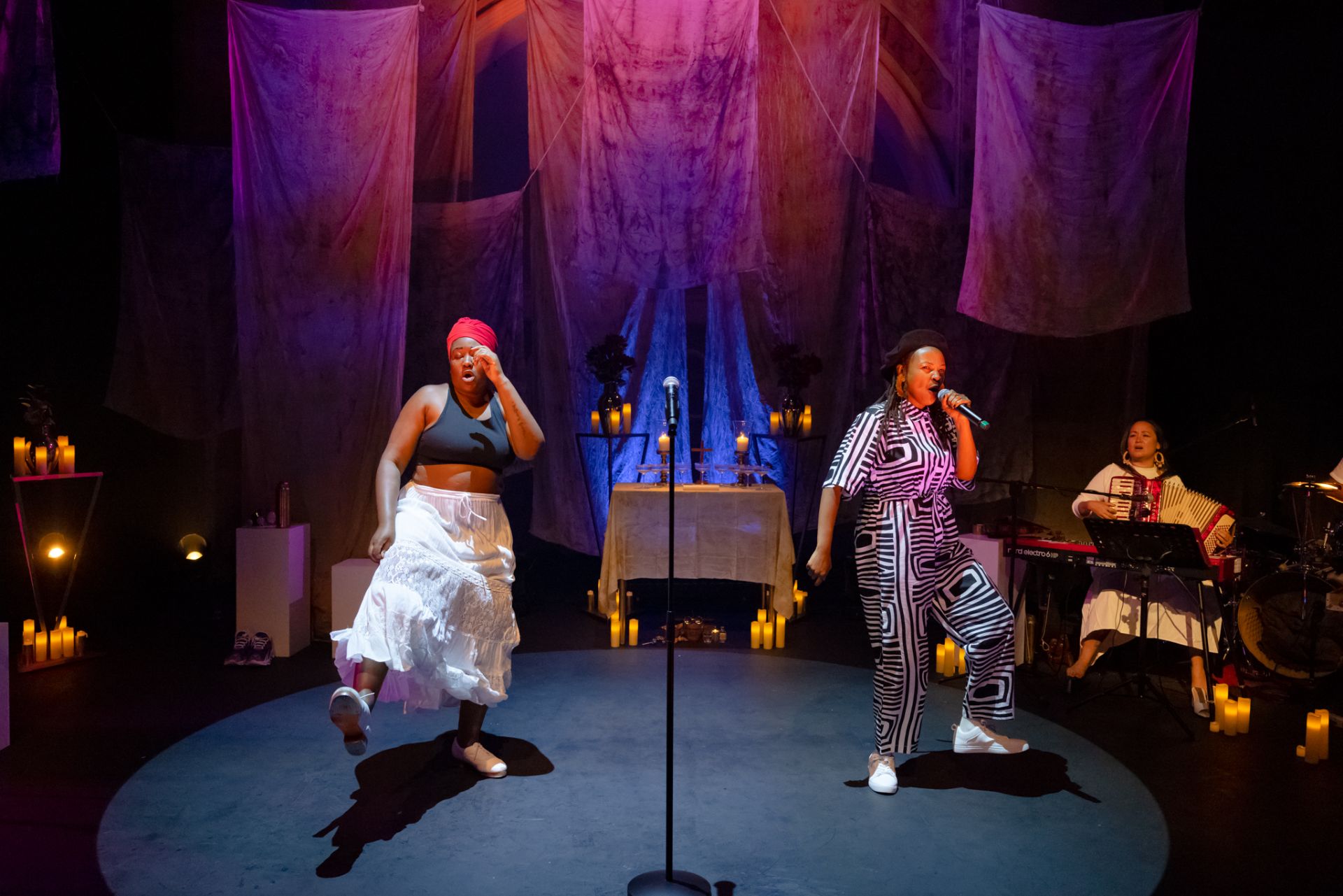
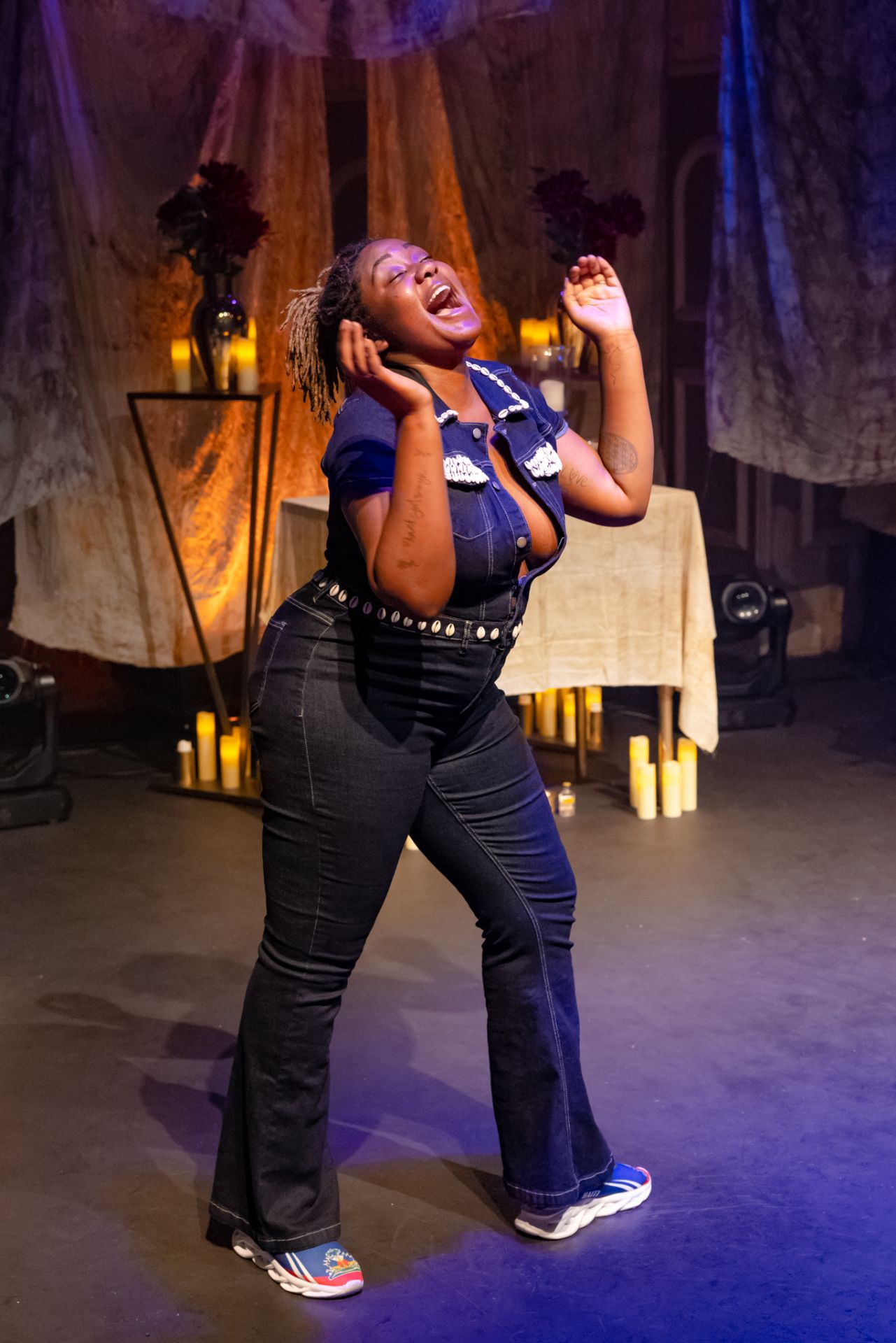
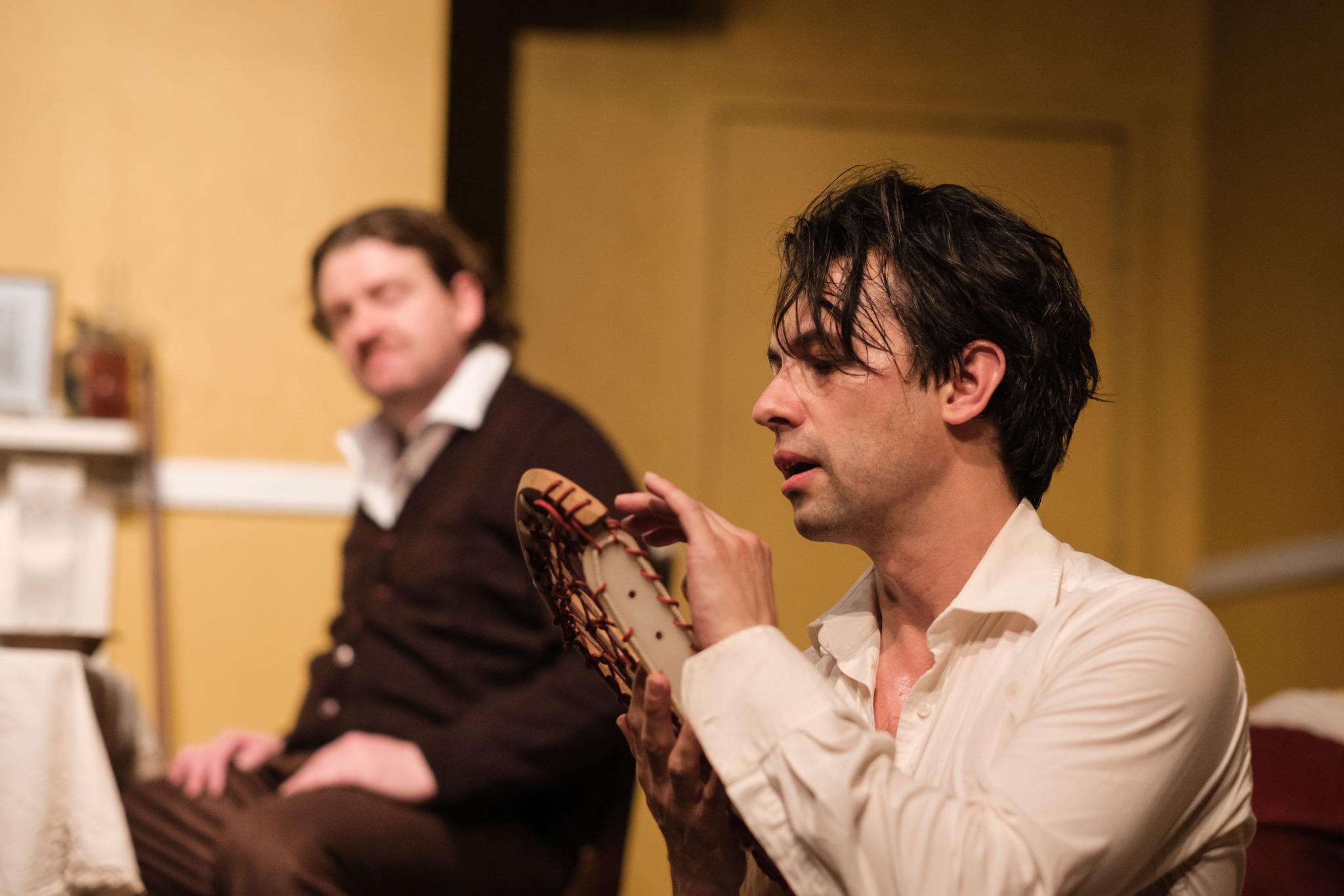
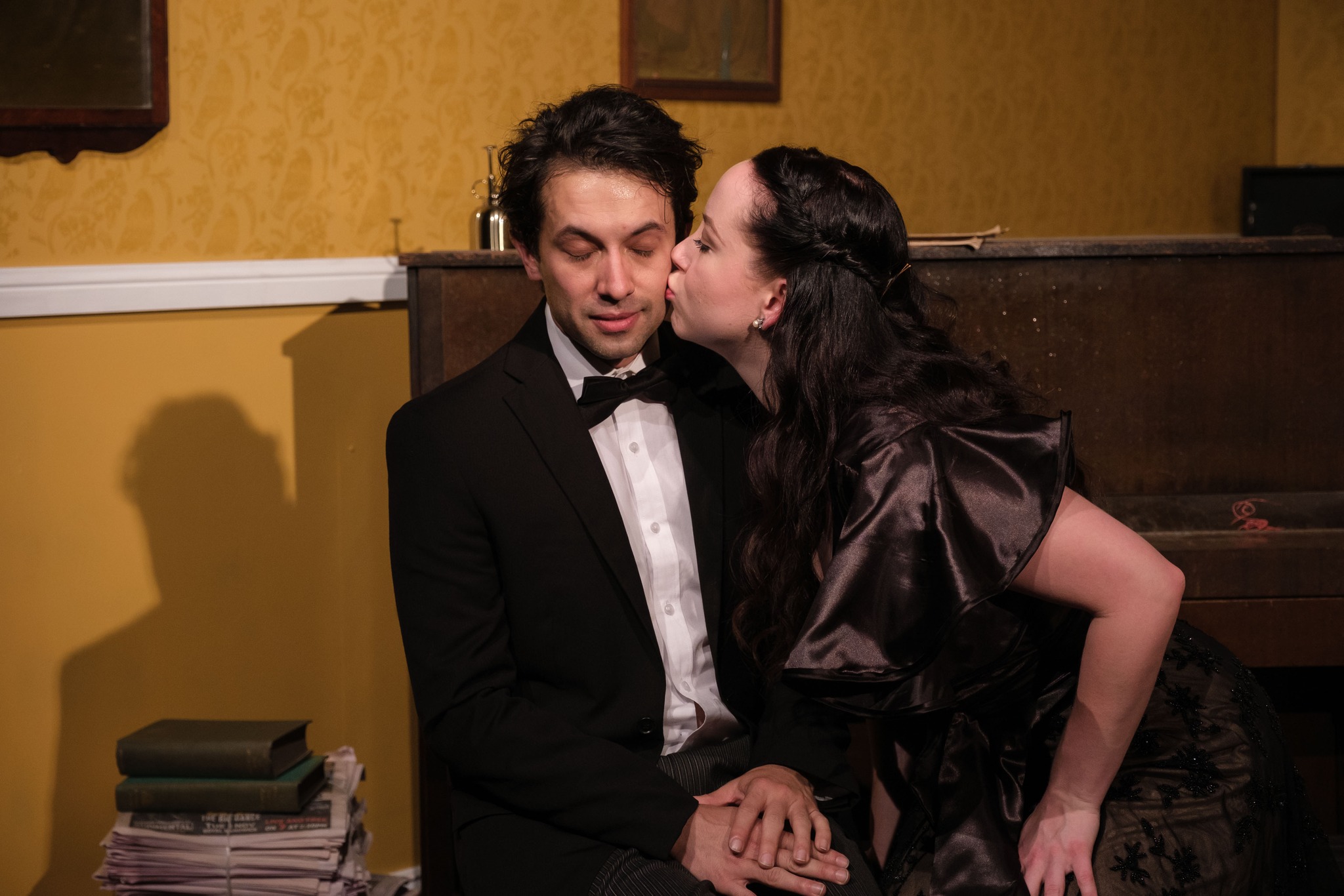
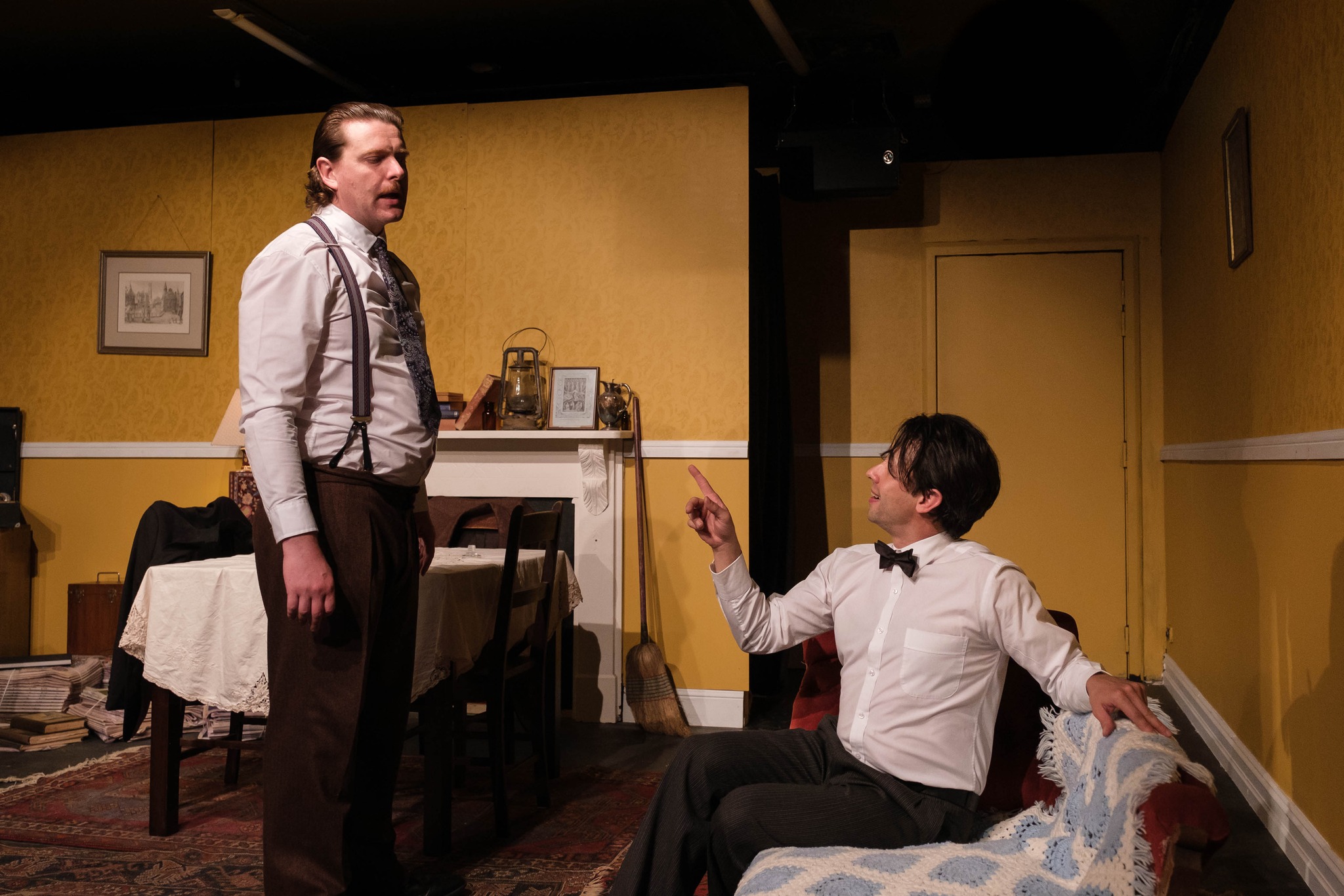
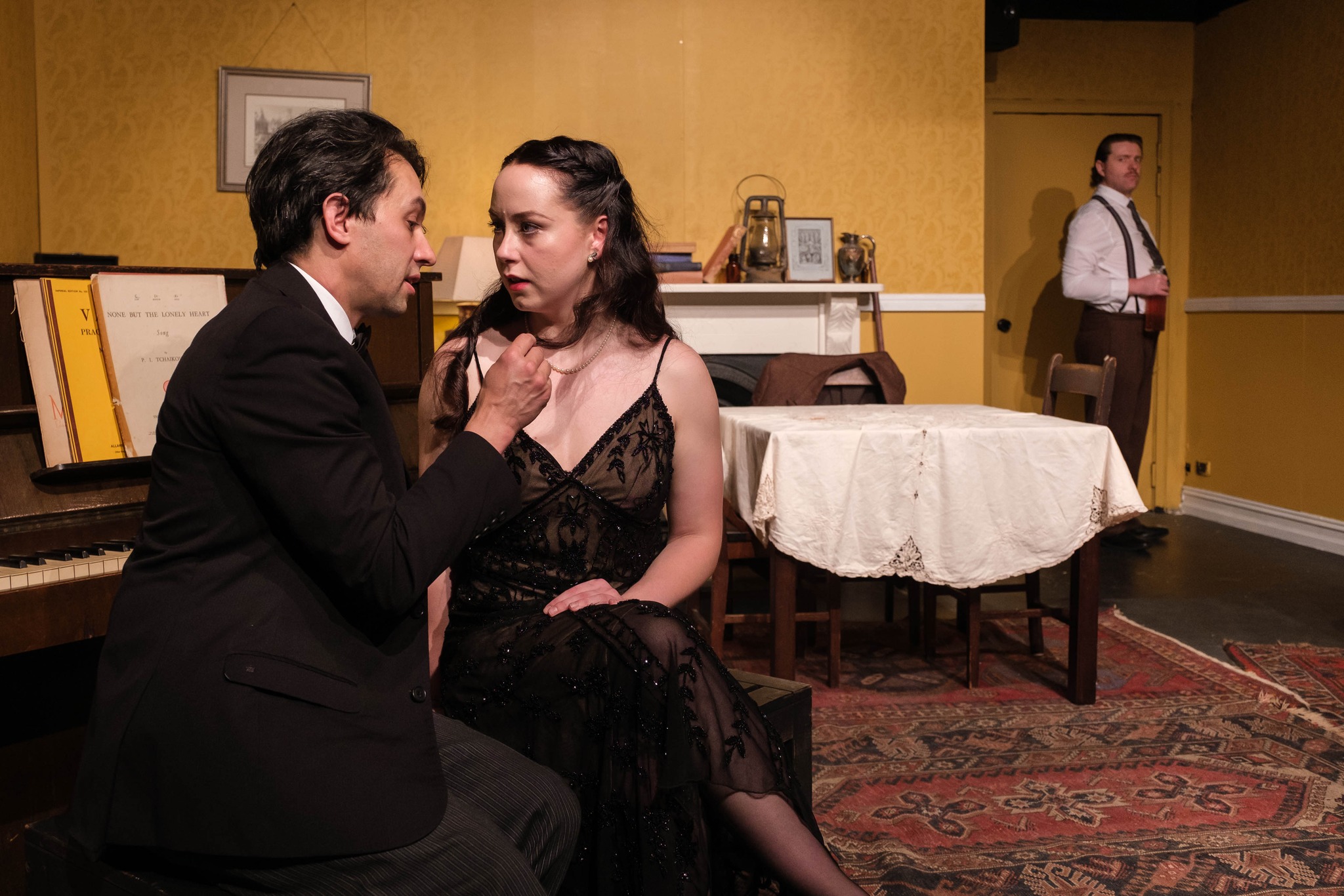
Review: Lose To Win (Old Fitz Theatre)

Venue: Old Fitzroy Theatre (Woolloomooloo NSW), Oct 18 – 29, 2022
Writer: Mandela Mathia
Director: Jessica Arthur
Cast: Mandela Mathia
Images by Phil Erbacher

Theatre review
Lose to Win is an autobiographical one-man show, in the most classic sense. Mandela Mathia is on stage  alone, for just over an hour, performing a piece written by himself, to tell the story of his life hitherto. From his birth in South Sudan, and his hazardous days in Egypt as an adolescent orphan, to his early years as a refugee in Australia, Mathia provides first-hand accounts of an eventful journey, that sees him travel great distances for safe harbour.

It is a sensitively constructed work, slightly too polite in approach perhaps, but certainly rich with what it conveys. Lose to Win wishes to function as a bridge, to create understanding for immigrant communities, in an Australia that is often unkind to people who are not white. Mathia might come across inevitably as the model citizen typical of presentations like these, but under the direction of Jessica Arthur, there is plentiful humour and charm to encounter, in a production careful to sidestep traumatic tropes, in favour of something altogether more joyful and modern.

Helping to provide visual variety, is Kate Baldwin’s imaginative lighting design, surprising us with colours and angles that transform a simple stage, into cleverly configurated performance spaces. Sounds by Rose Mulcare are integral in helping us navigate the swiftly changing moods of the show, effortlessly sustaining our attention throughout.

Mathia’s unmistakeable sincerity is at the centre of Lose to Win, urging a connection where we have become used to fracture and alienation. Disunity benefits the rich and powerful. Fear has become a mechanism that can be exploited for private gains, that will only exacerbate the rifts between us. We need to come to a place, where our neighbours’ successes are not considered to be taking anything anyway from us. We are abundant, we only need to embrace generosity.

www.redlineproductions.com.au

Review: Tideline (Théâtre Excentrique / Chippen Street Theatre)

Venue: Chippen Street Theatre (Chippendale NSW), Oct 20 – 29, 2022
Playwright: Wajdi Mouawad (translation by Shelley Tepperman)
Director: Anna Jahjah
Cast: Lucas Connolly, Kirsty Jordan, Cassady Maddox, Neil Modra, Adeeb Razzouk, Antoine Razzouk, Gerry Sont, Anthony White
Images by Mansoor Noor

Theatre review
In Wajdi Mouawad’s Tideline, we watch Wilfred carry the corpse of his dead father, through their ancestral lands, trying to find an appropriate burial plot. It is an abstract odyssey that we embark on, as Wilfred meets other people who contribute stories about their own dead fathers, through which we learn about legacies and the reverberations of those legacies, on people and places.

Mouawad’s writing is witty, with a spiritedness that director Anna Jahjah translates effectively for the stage. Some sections of the presentation can feel overly ambiguous with what they try to express, but we reach a satisfying conclusion nonetheless, where a poignancy takes hold, almost unexpectantly.

Actor Adeeb Razzouk is an earnest Wilfred, but also able to deliver comedic aspects when opportunities present themselves. Neil Modra’s conviction as the dead father, ensures that the show communicates logically, and the emotional intensity with which he approaches later scenes, helps us connect with the moving ideas of Tideline.

There’s probably nothing that makes us think more about life, than the death of someone close. In Tideline, it may even seem that it is the departure of a parent with whom one experiences conflict, that can really drive home a point, about existence. People are flawed, and they have children. Reconciling the fact that one will be failed, possibly repeatedly, by their own parents, is a big lesson to learn, but one that is entirely liberating.

www.theatrexcentrique.com

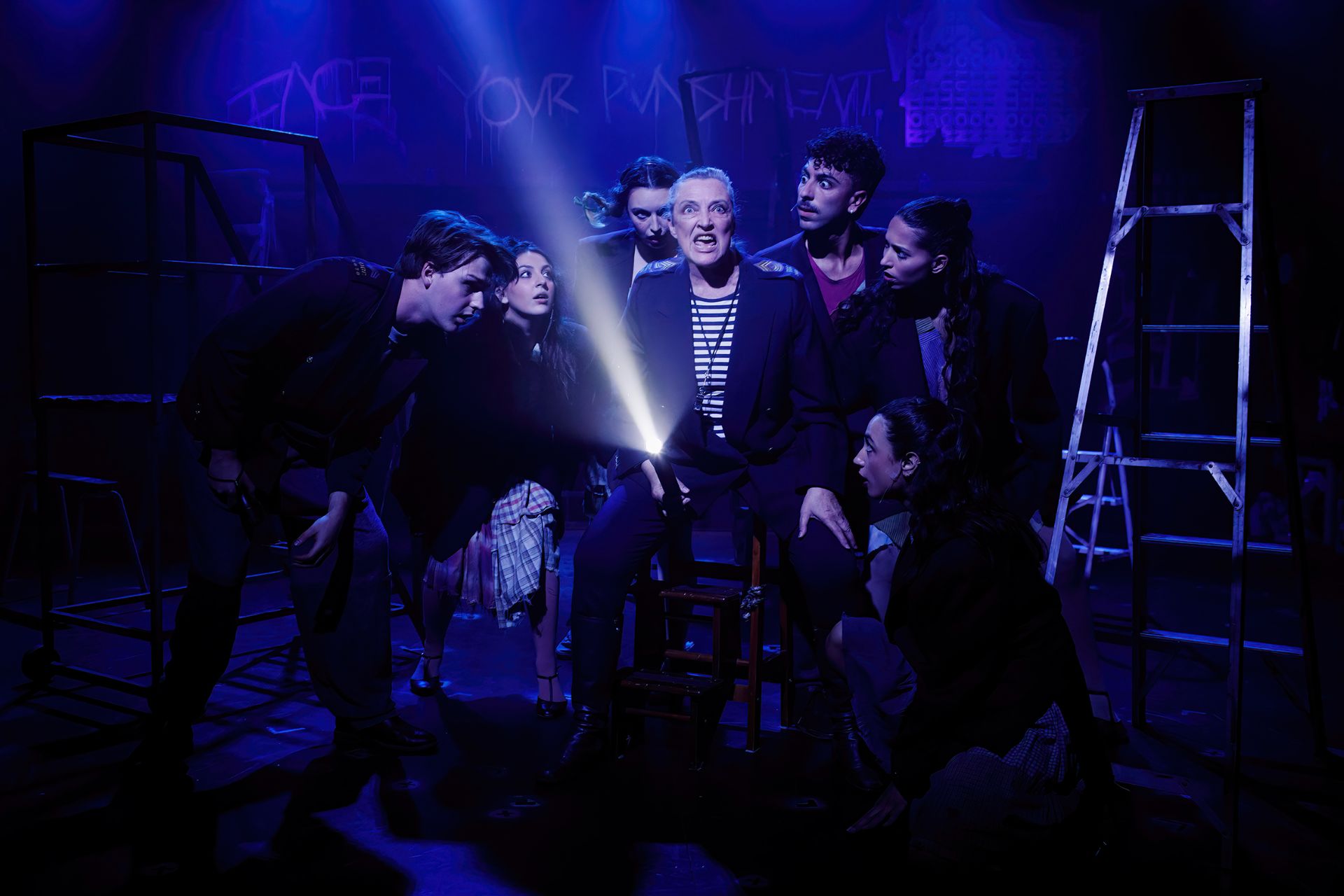
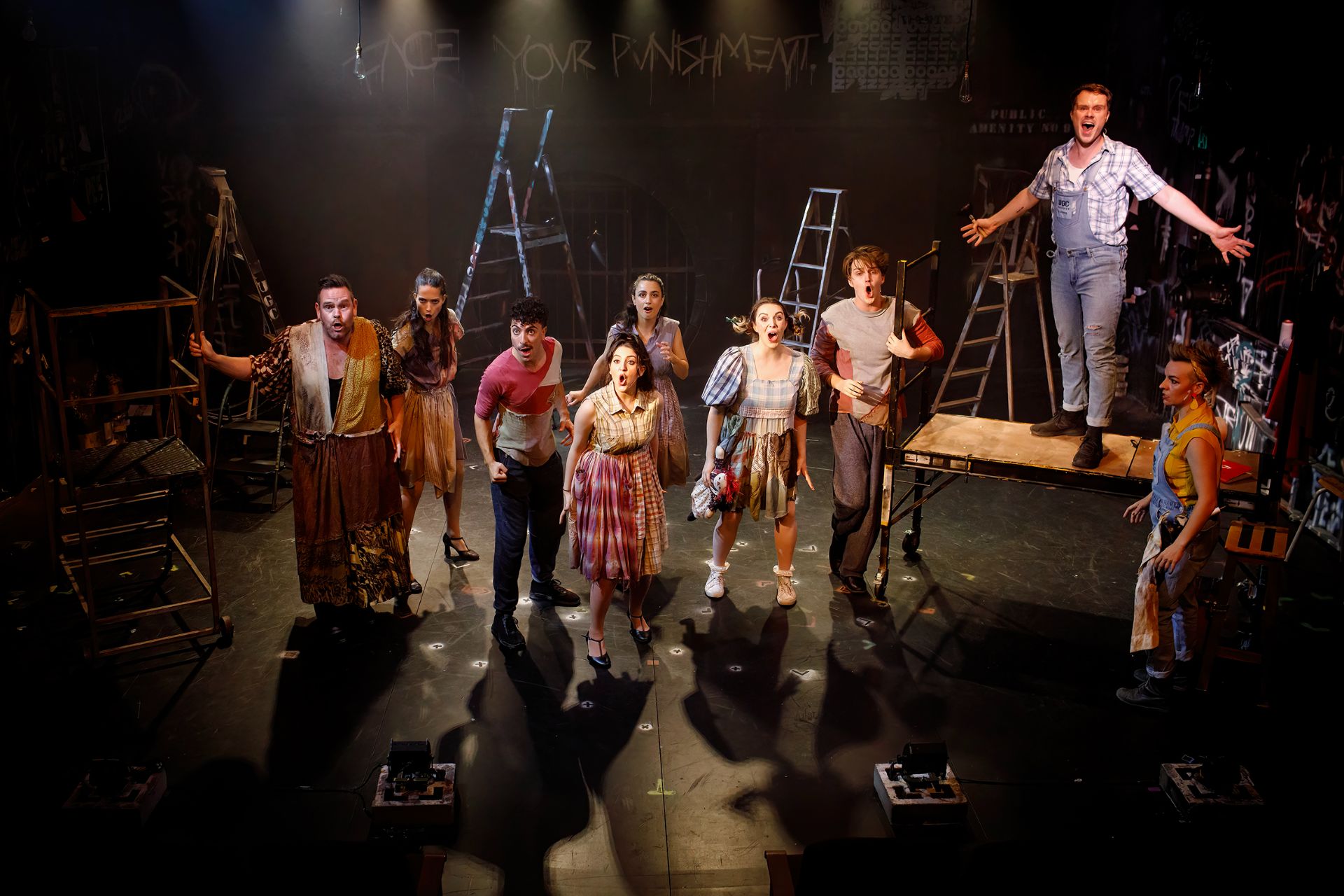
Review: Godspell (Hayes Theatre)

Venue: Hayes Theatre Co (Potts Point NSW), 14 Oct – 6 Nov, 2022
Original Conception: John-Michael Tebelak
Music and New Lyrics: Stephen Schwartz
Director: Richard Carroll
Cast: Stefanie Caccamo, Jeremi Campese, Gillian Cosgriff, Victoria Falconer, Alfie Gledhill, Abe Mitchell, Chaya Ocampo, Billie Palin, Quinton Rich, Jane Watt. Swings: Mae Li Cowell, Gus Noakes
Images by Phil Erbacher

Theatre review

Jesus Christ and his disciples are in an Australian pub this time round, in Tebelak and Shwartz’s Godspell. Much has changed since the musical’s first outing half a century ago, but Christ’s teachings about love never age. His popularity as a venerated figure, however, has waned significantly, and there is no question that increasing numbers of audiences will feel alienated by the religiosity that continues to surround his personality.

Director Richard Carroll introduces vast amounts of colour and variety to his version of Godspell, but there is unlikely anything that could convert, those of us who are resolute in our distaste for Christianity or religions in general, which remains central to this 2022 production. Jesus seems a nice enough person, but all that deification is nonetheless, very hard to take.

The show’s visual appeal though, is undeniable, with Emma White’s stage design providing a familiar warmth, along with the provision of multiply apportioned spaces, that helps with the presentation’s constant transformations. Angela White’s costumes are a melange of epochs, with a whimsy that establishes its characters as joyful and endearing from the very start. Peter Rubie’s lights are imaginative and ambitious, offering a delectable palette of luminal combinations that really helps to keep things exciting.

The ensemble beams with dedication; there is an intensity to their focus and camaraderie, that demands our attention. Billie Palin sings the part of Christ well, but her dazzling vocals prove not to be a substitute, for the charisma we associate with sect leaders of that magnitude.

It should be encouraged that we learn about things that are important to our neighbours. Listening to other people’s religious beliefs is often a rewarding experience, that is until they become overwrought and depart too far from shared realities. We have argued for centuries about the intricacies of what Christ had preached, but the damage caused in his name, by so many of his followers, are simply irrefutable.

www.hayestheatre.com.au
Review: The Caretaker (Ensemble Theatre)

Venue: Ensemble Theatre (Kirribilli NSW), Oct 14 – Nov 19, 2022
Playwright: Harold Pinter
Director: Iain Sinclair
Cast: Darren Gilshenan, Anthony Gooley, Henry Nixon
Images by Prudence Upton

Theatre review
In Harold Pinter’s The Caretaker, an unhoused man Davies is given a place to live, but with stipulations attached. Brothers Aston and Mick are the homeowners, ambiguous or perhaps complicated with their intentions, in bringing Davies into their fold. First performed in 1960, Pinter’s play remains pertinent, especially for what it says about housing and property ownership, as they relate to issues of safety and of human connection. With home affordability ever worsening, the discord between have and have-nots is only escalating, and The Caretaker, proves sadly to still be terribly relevant.

The show however, is rarely a lugubrious experience. Under Iain Sinclair’s directorship, the meanings of Pinter’s writing are kept gently subsumed, as the exuberance of that characteristic mid-century English absurdist humour, is painstakingly amplified. The Caretaker in 2022 is not only more incisive than ever, it proves itself to be extraordinarily funny, even for out times.

Actor Darren Gilshenan is a wonderful presence as Davies, relentless in his need to offer amusement. No stone is left unturned, in Gilshenan’s pursuit of comedic impeccability, and we reciprocate with hearty laughter, for all two-and-a-half hours of his thoughtful buffoonery. Anthony Gooley’s immense restraint as Aston has tremendous, and surprising, pay-offs. The quiet strength he brings to the stage, adds a fascinating dimension, to an otherwise rowdy presentation. Henry Nixon is remarkably intense as Mick, highly satisfying with his bombastic approach to the material, but also able to demonstrate a great capacity for nuance and precision. These are three very impressive performances, blended perfectly to deliver something thoroughly entertaining.

Set and costume designs by Veronique Bennett, are proficiently rendered, to convey time, place and characters, with clarity and accuracy. Matt Cox’s lights and Daryl Wallis’ sounds add elegant touches, to a production that does not wish to reinvent the wheel.

We all know to treat people well, that we should afford dignity to one another in all our exchanges, yet generosity seems always to be a scarce commodity, in a world determined to relate everything to the bottom line. The men in The Caretaker are unable to find harmony; they want to take advantage of one another, and they want to bend others to their own will. This of the human experience however, is neither universal nor immutable. There are cultures and peoples who have done better, if only we had the wherewithal to take heed.

www.ensemble.com.au