Review: Constellations (Sydney Theatre Company)

Venue: Wharf 1 Sydney Theatre Company (Walsh Bay NSW), Jul 29 – Sep 2, 2023
Playwright: Nick Payne
Director: Ian Michael
Cast: Johnny Carr, Catherine Văn-Davies
Images by Prudence Upton

Theatre review

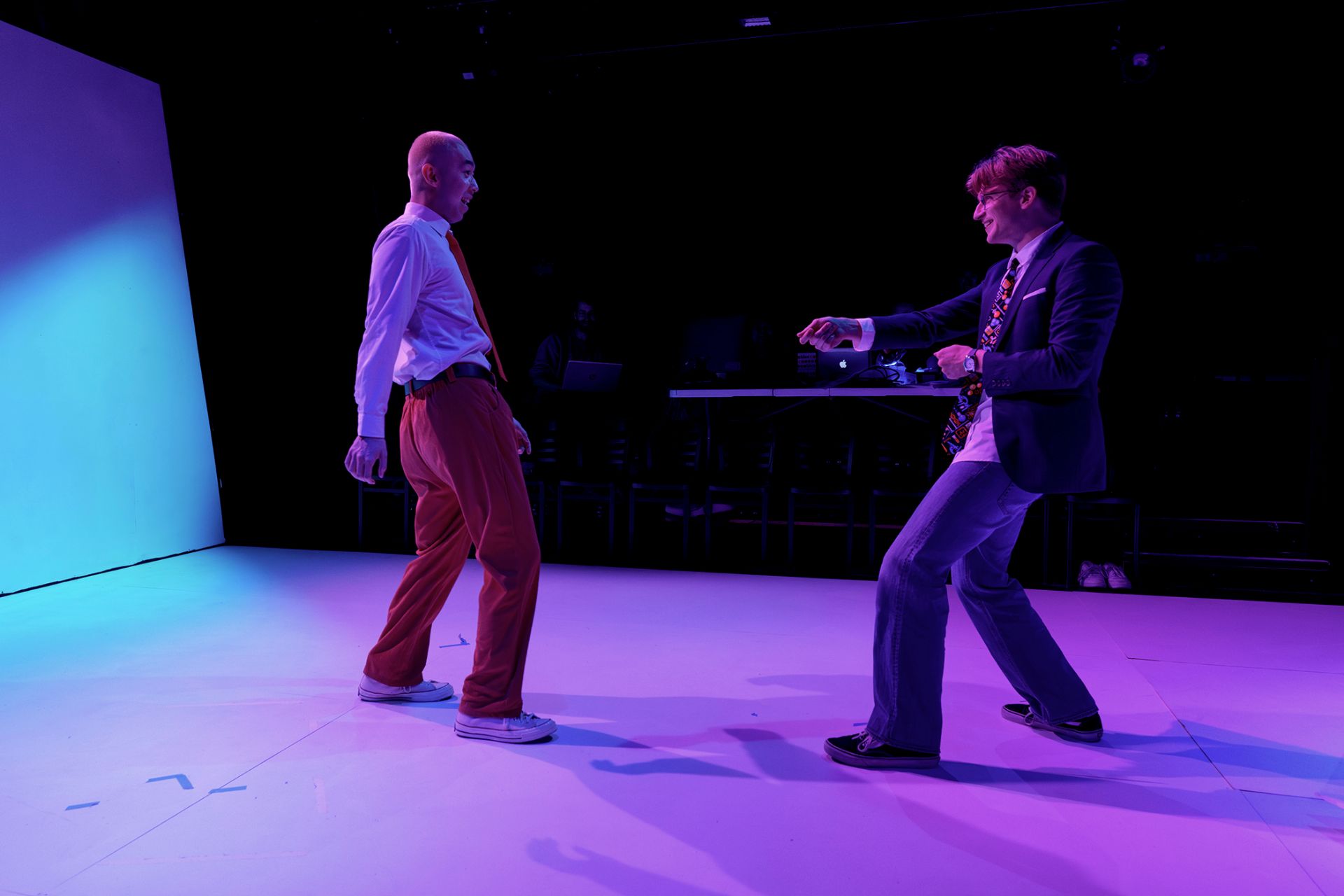
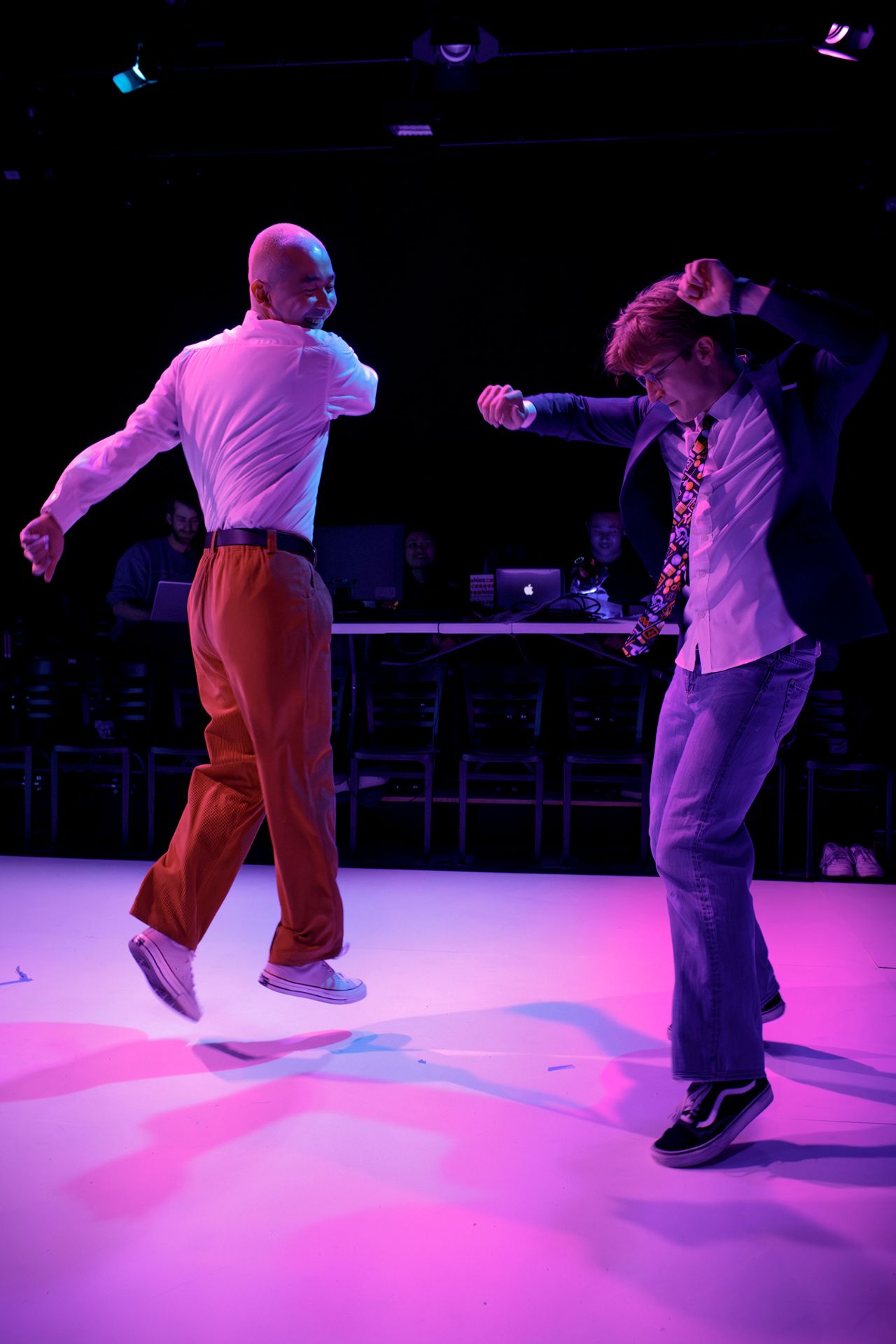
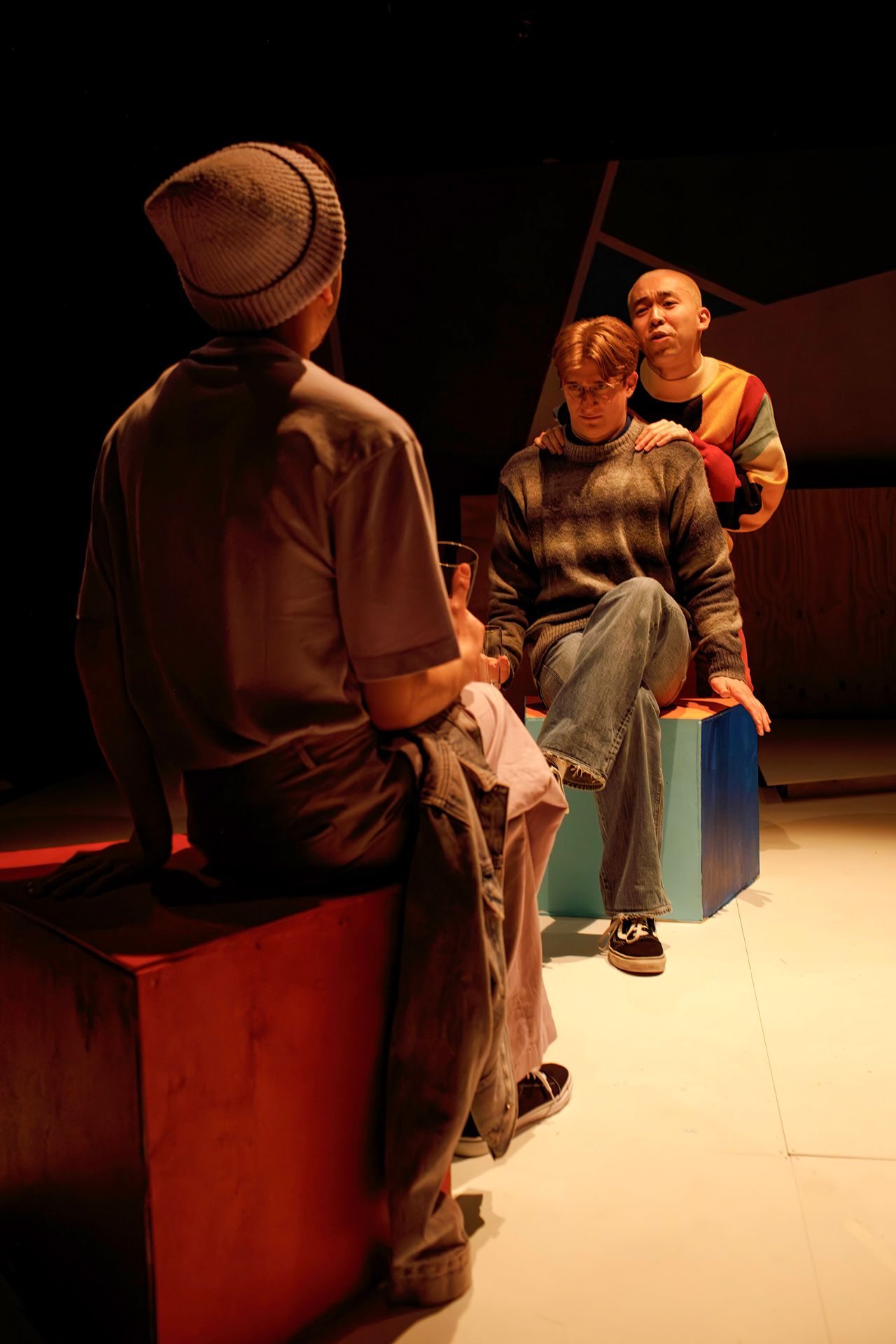
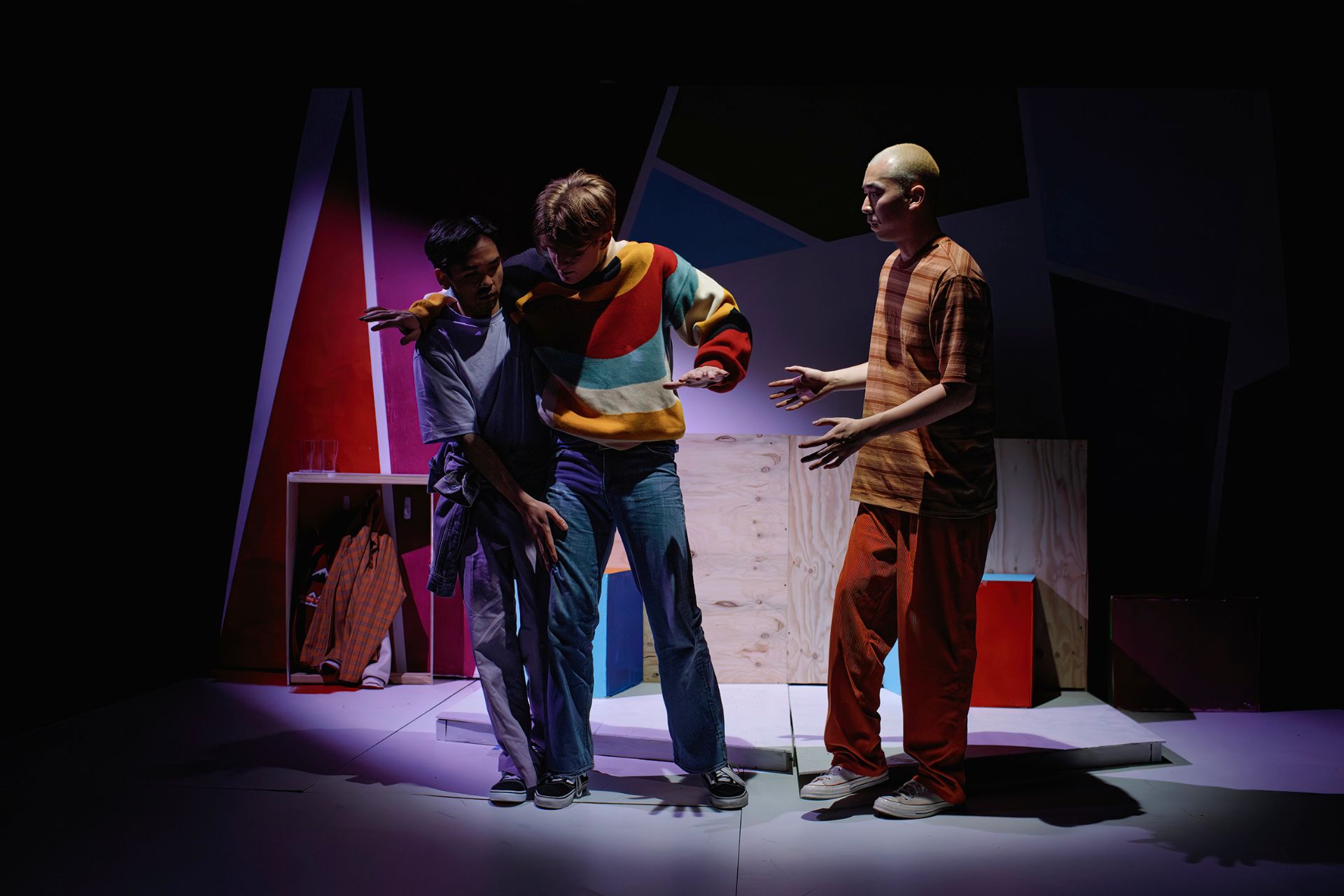
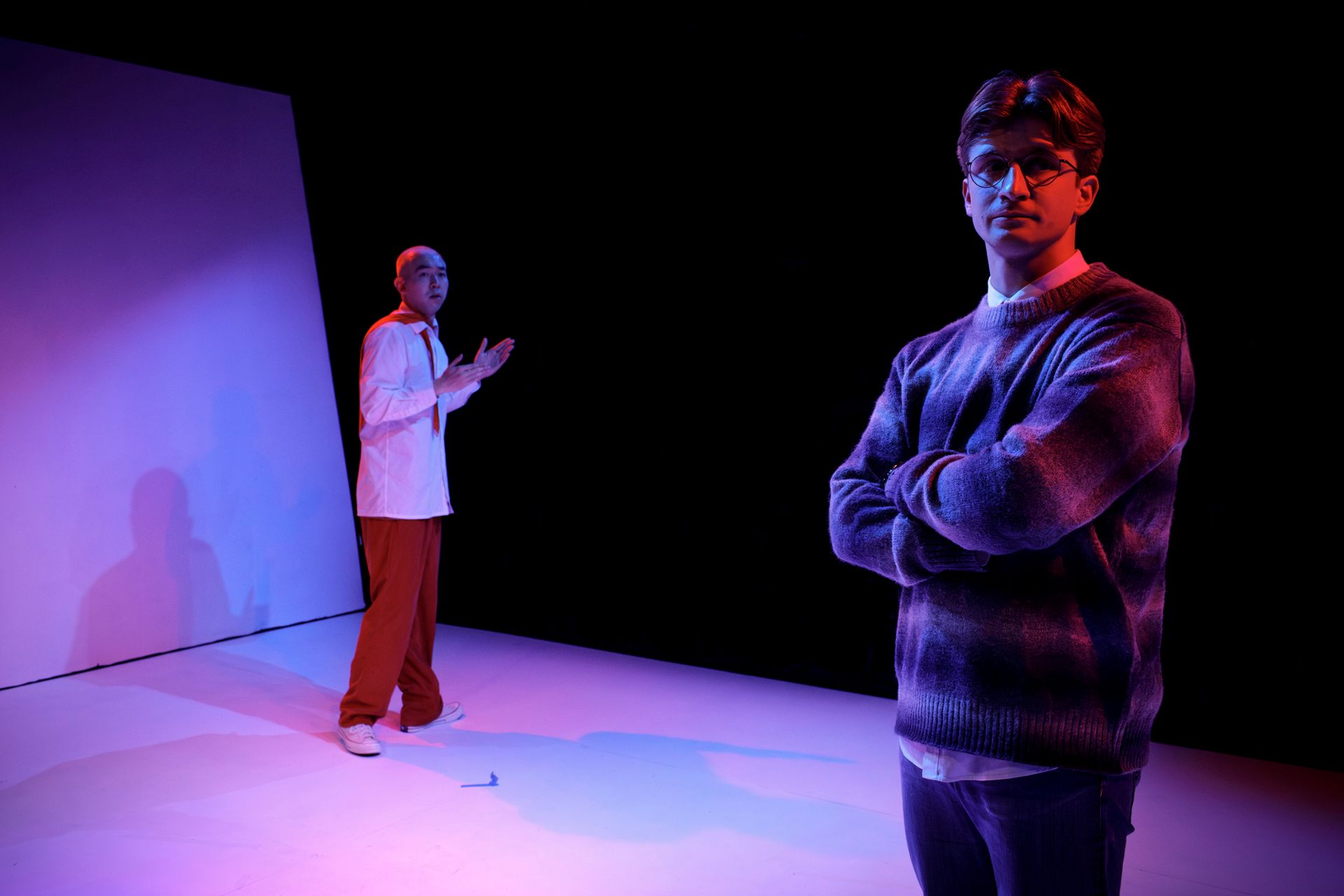
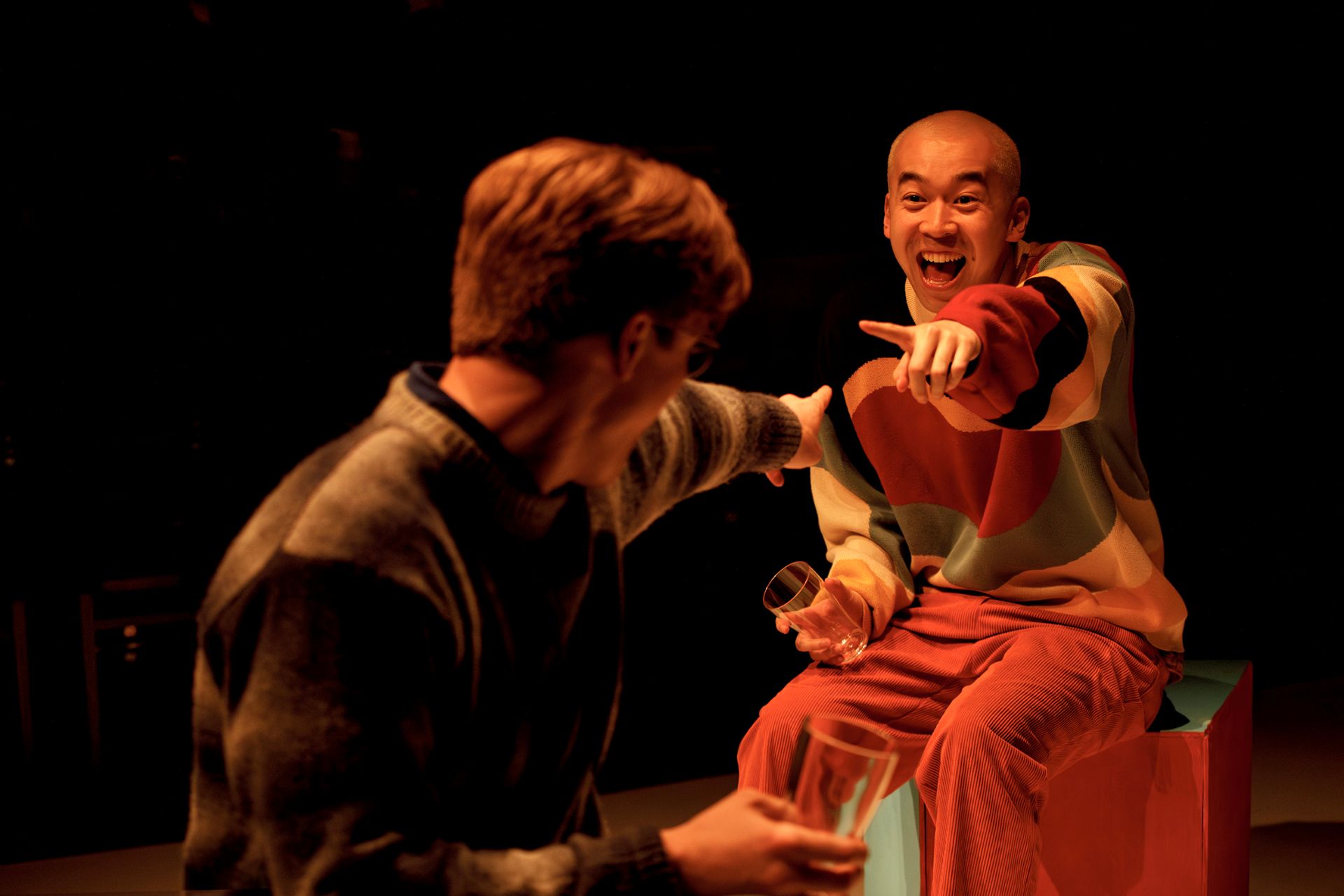
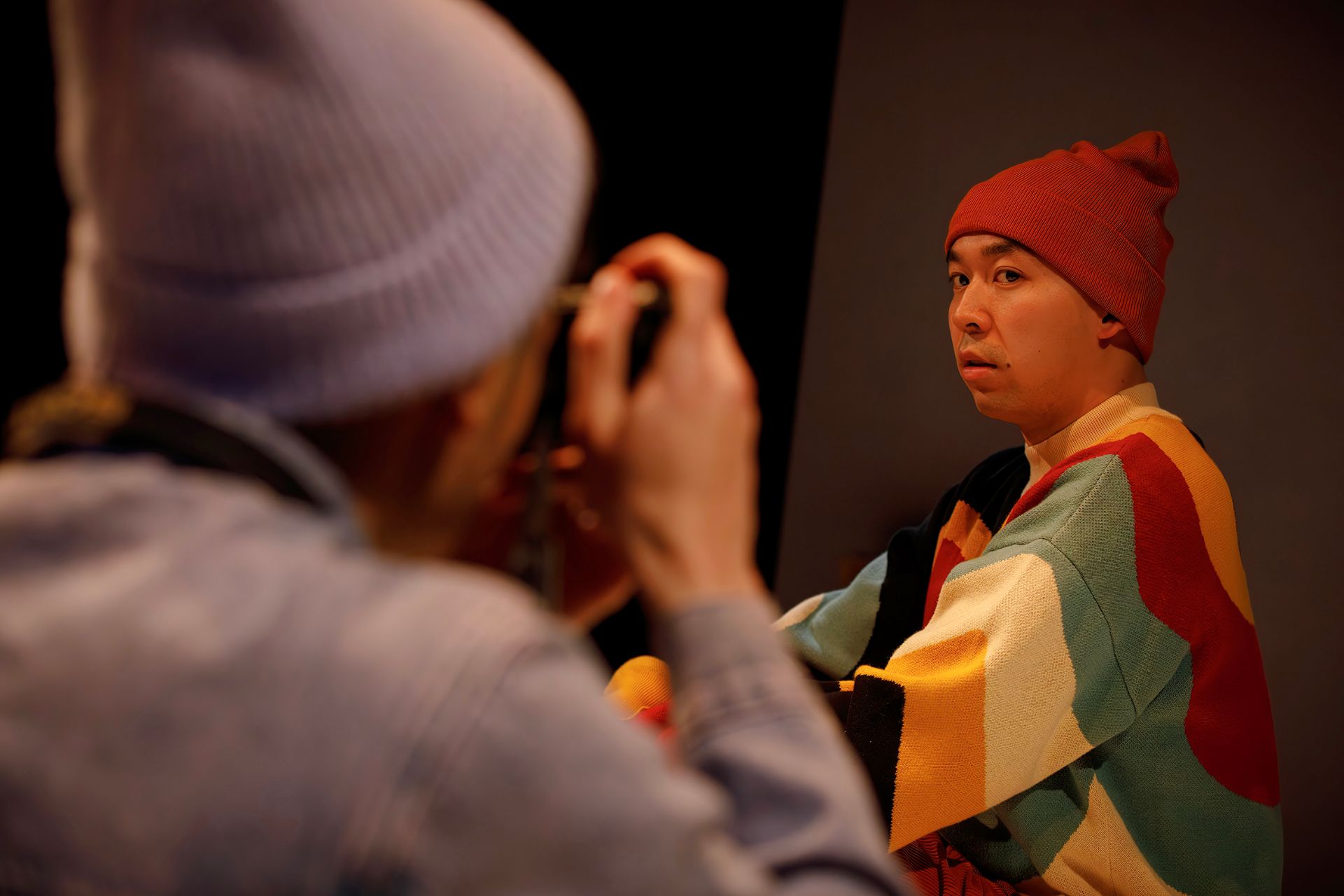
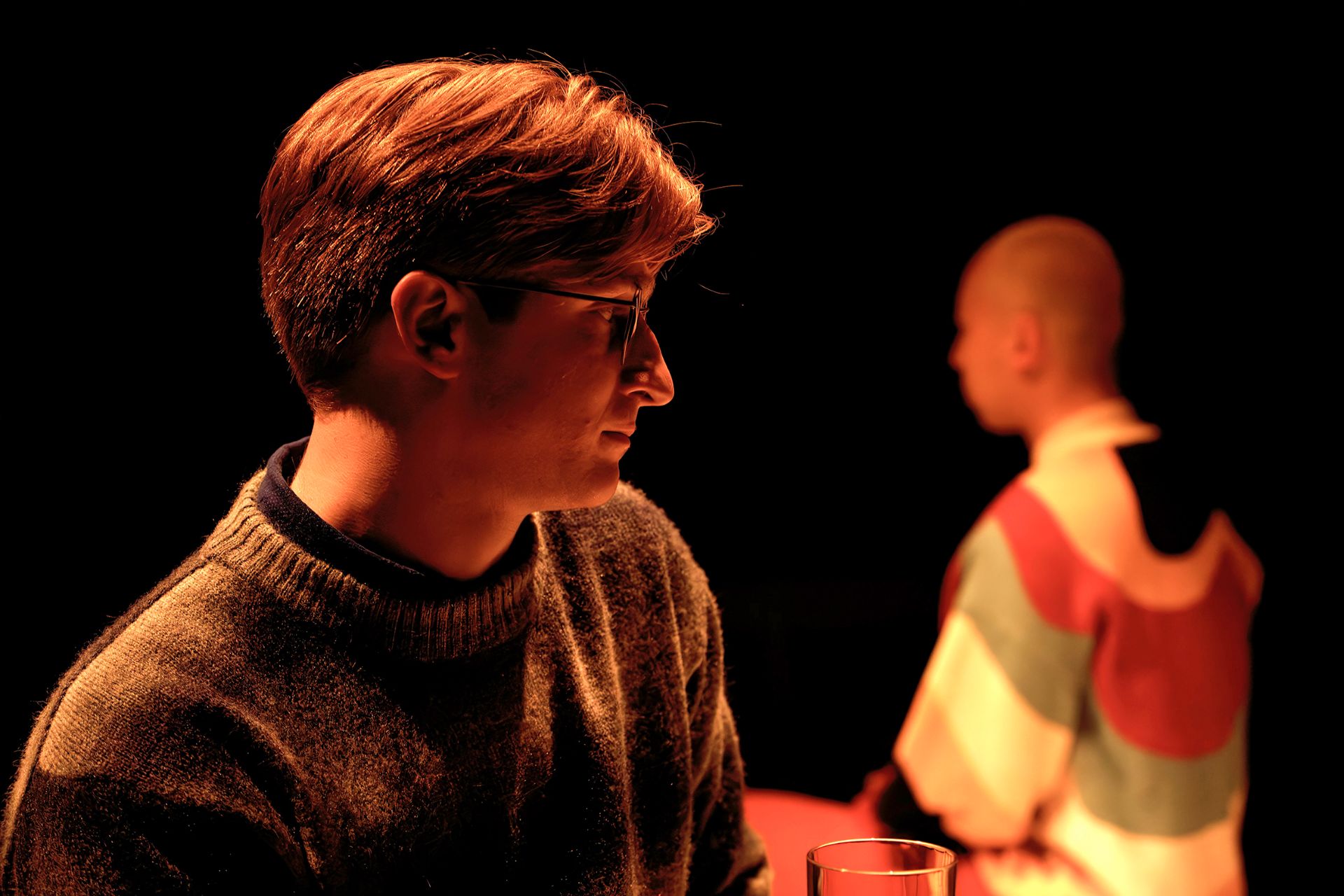
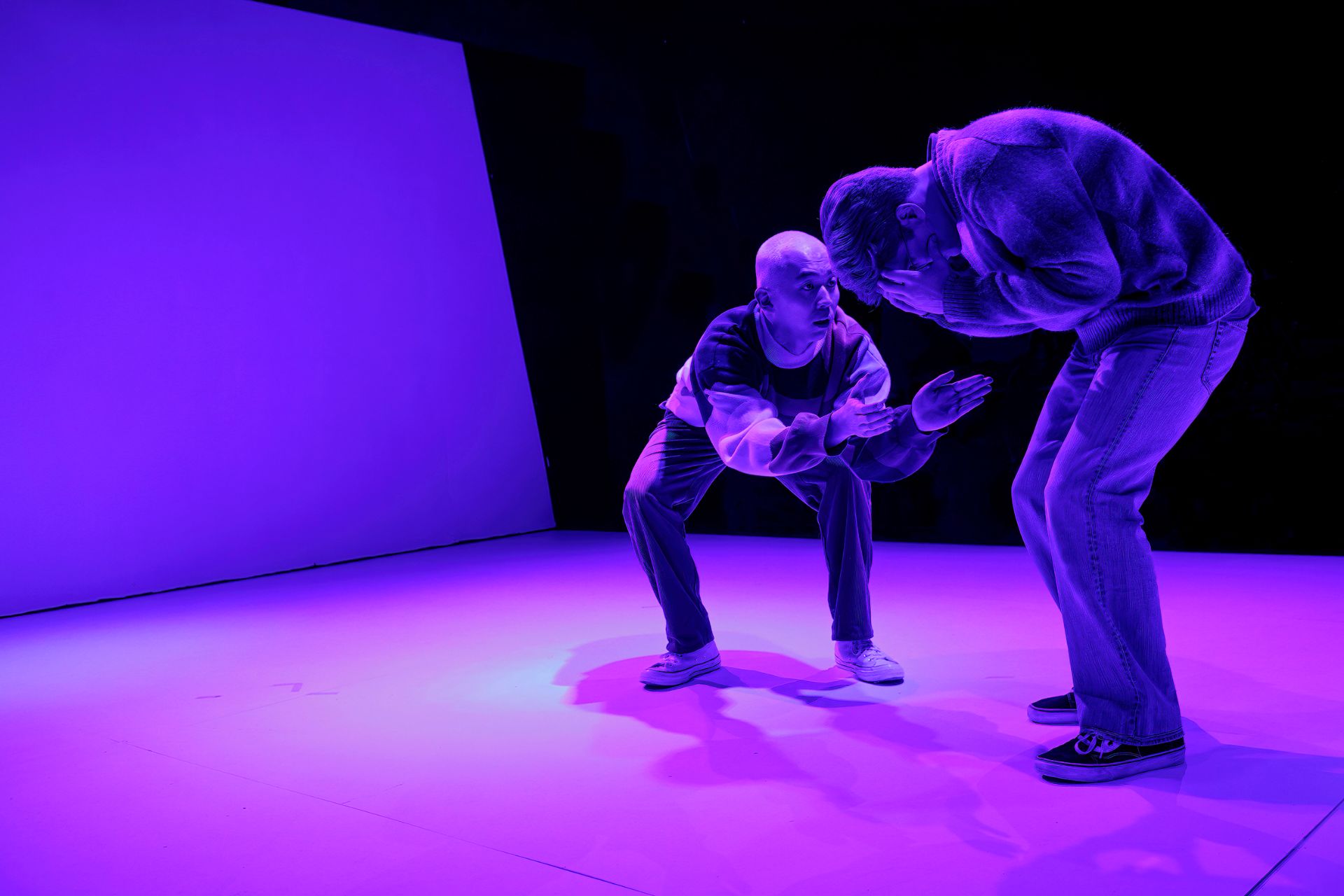
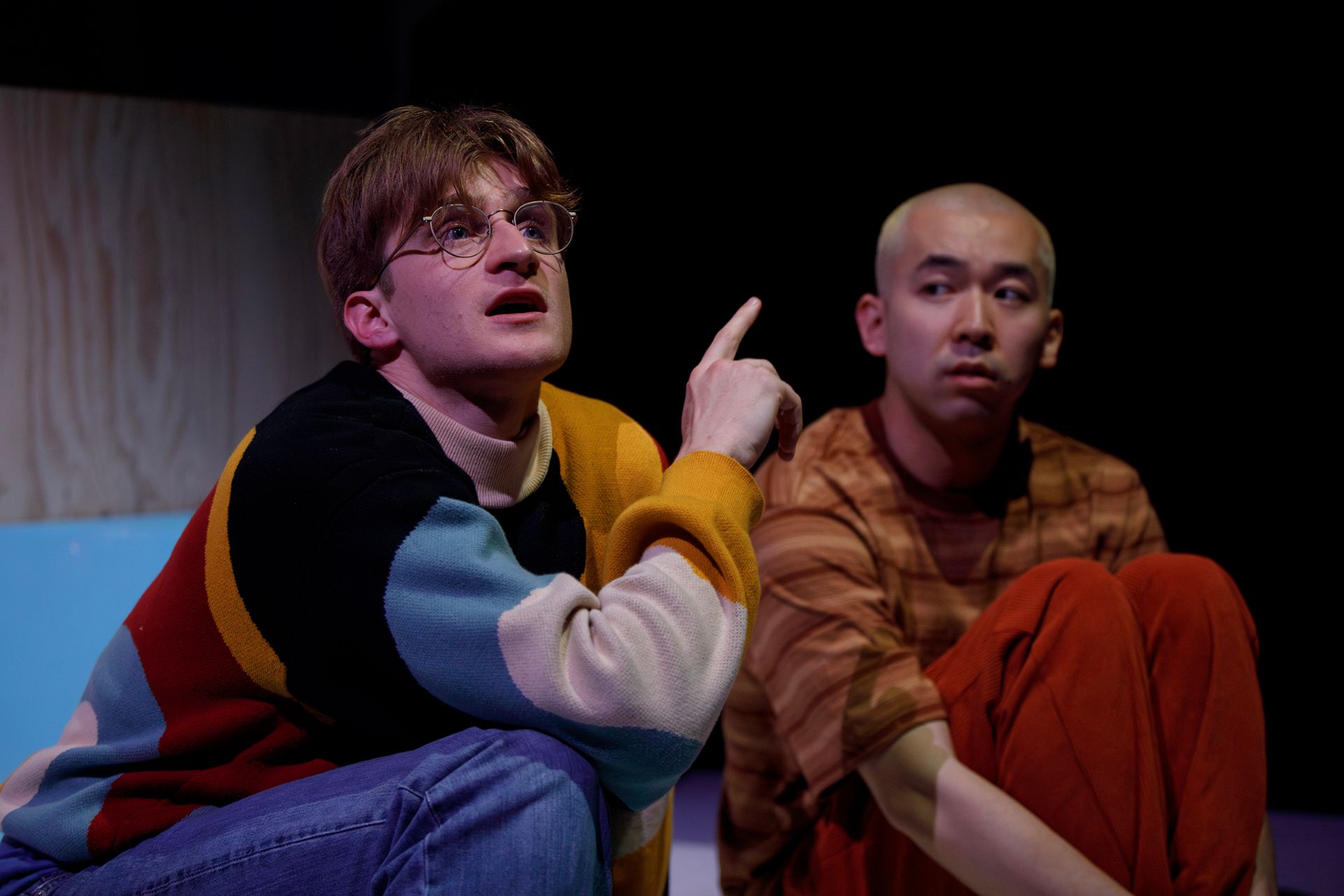
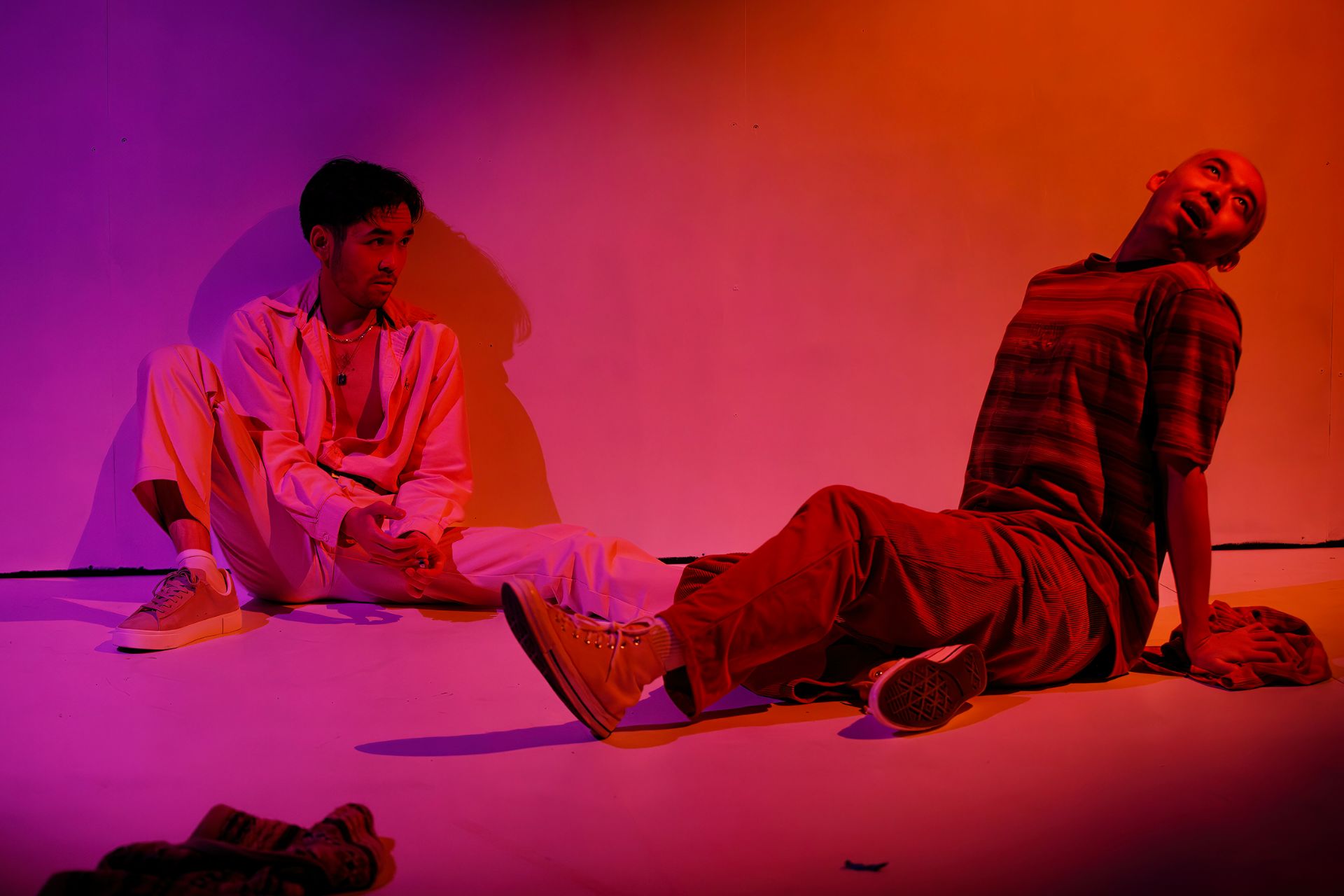
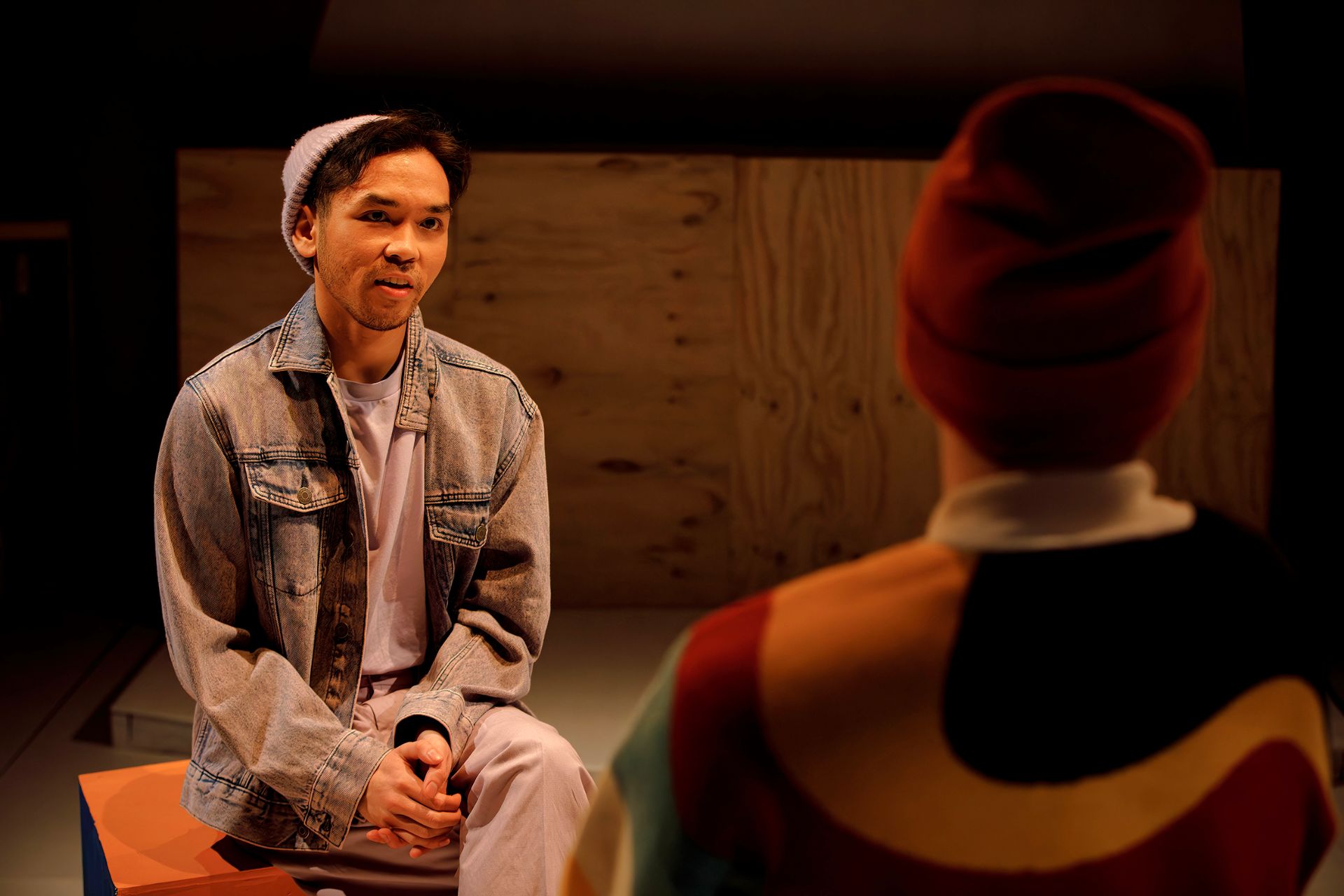
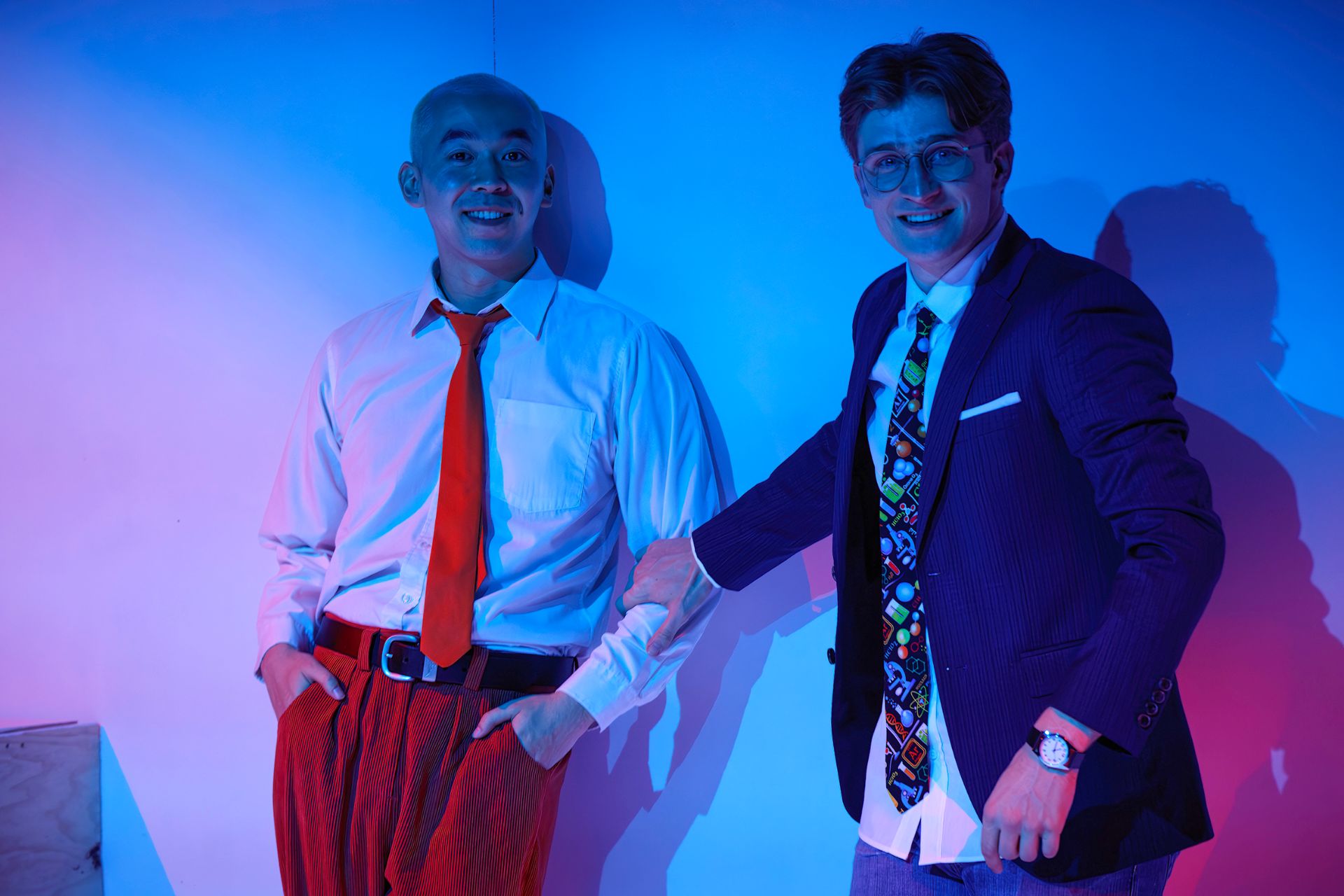
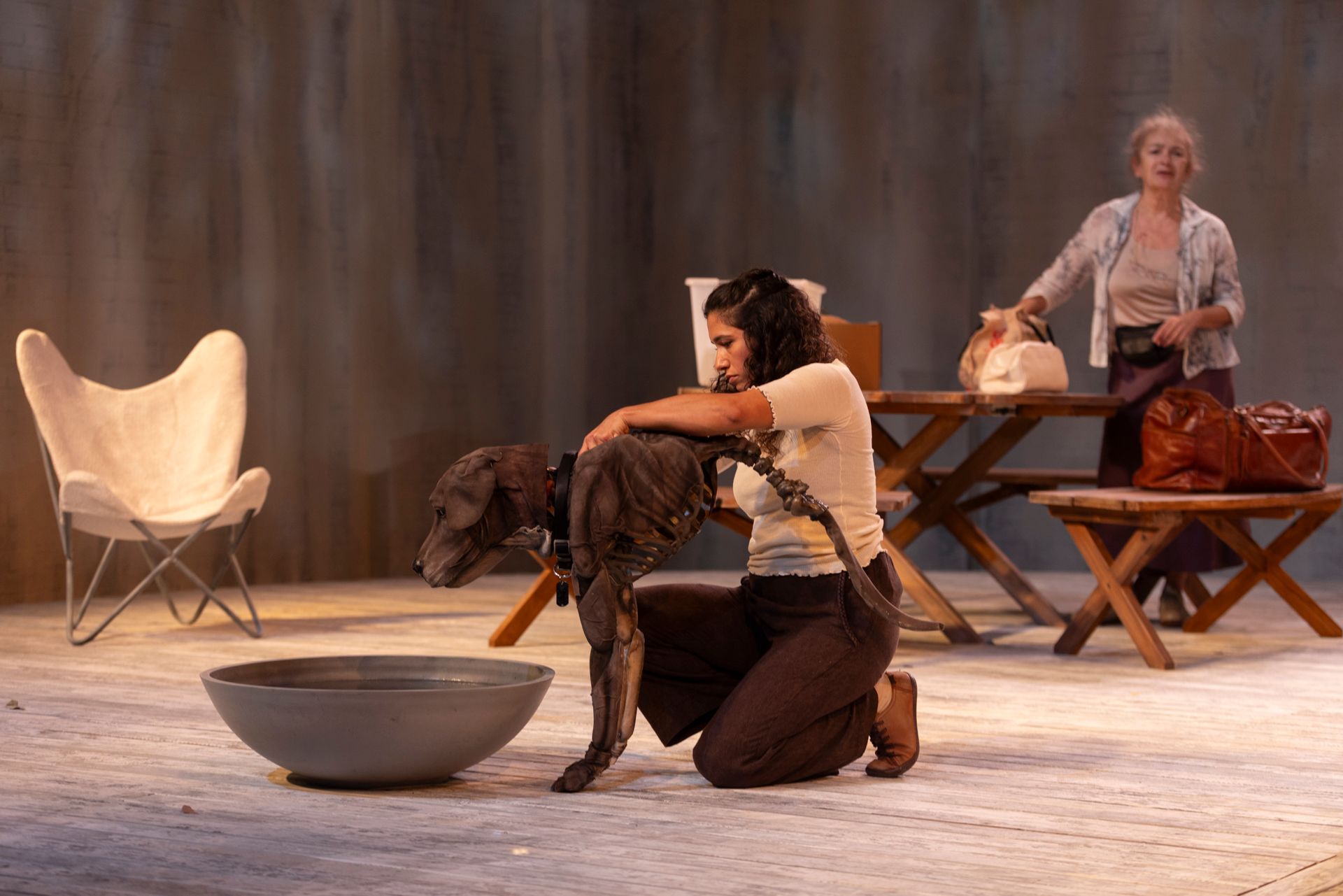
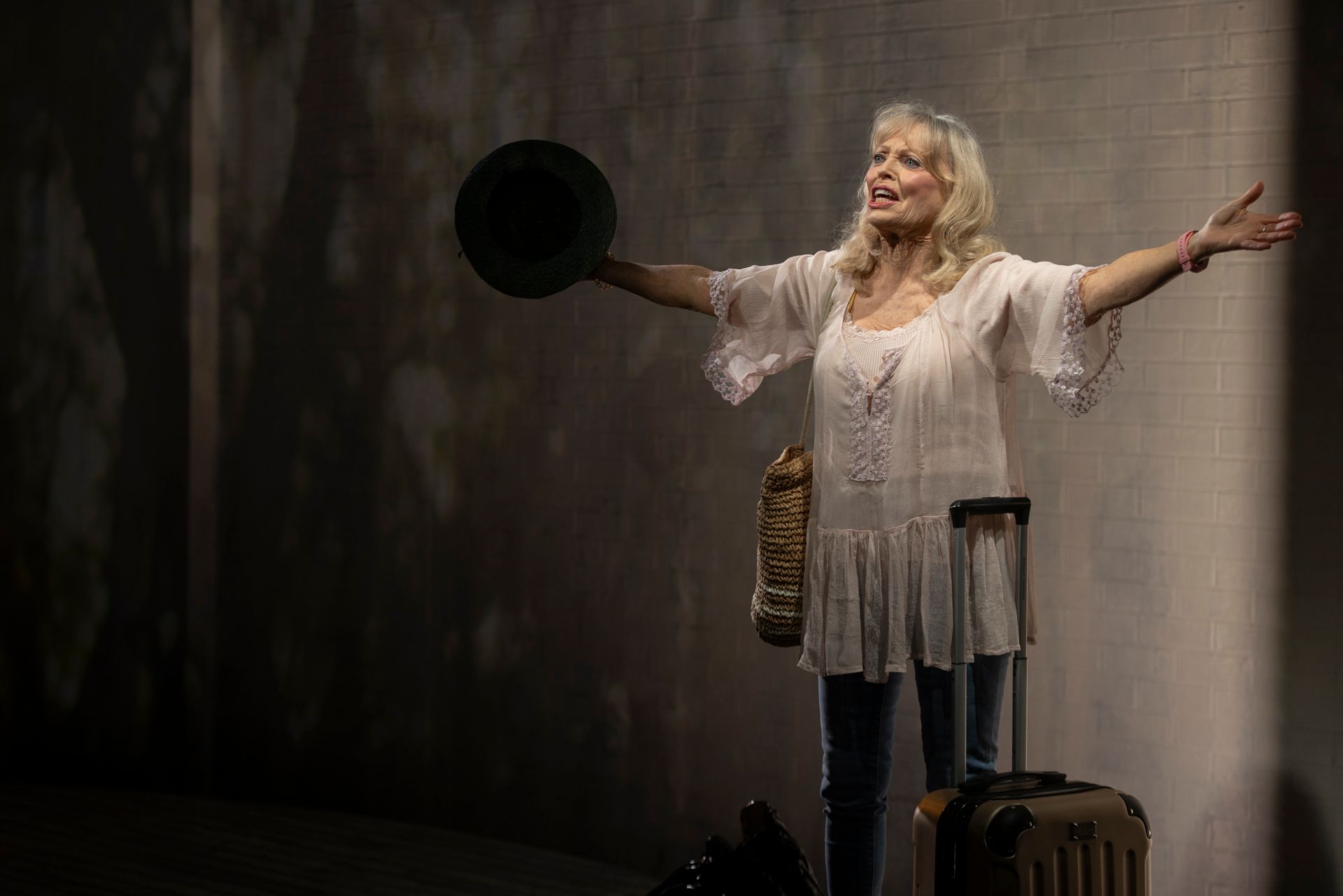
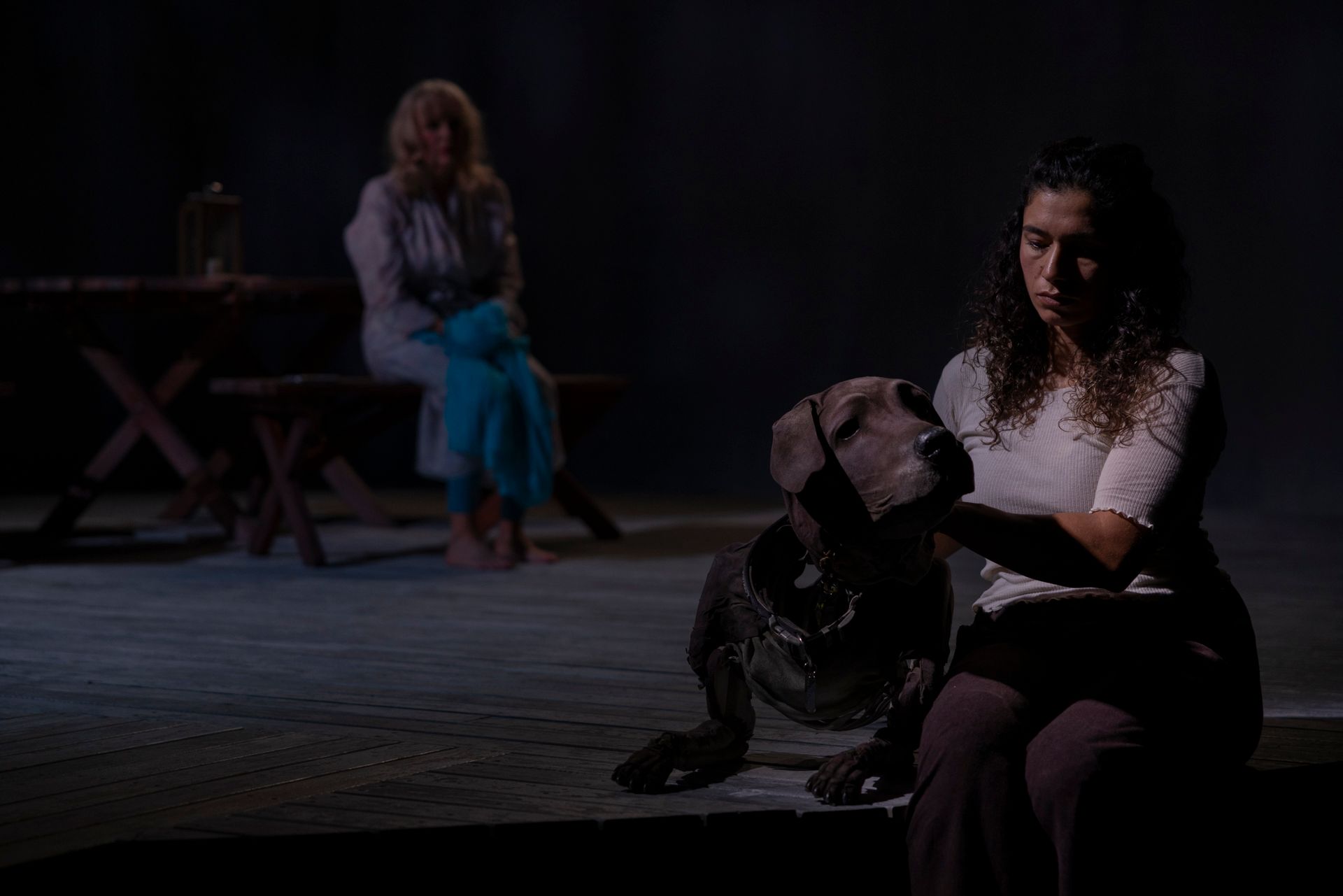
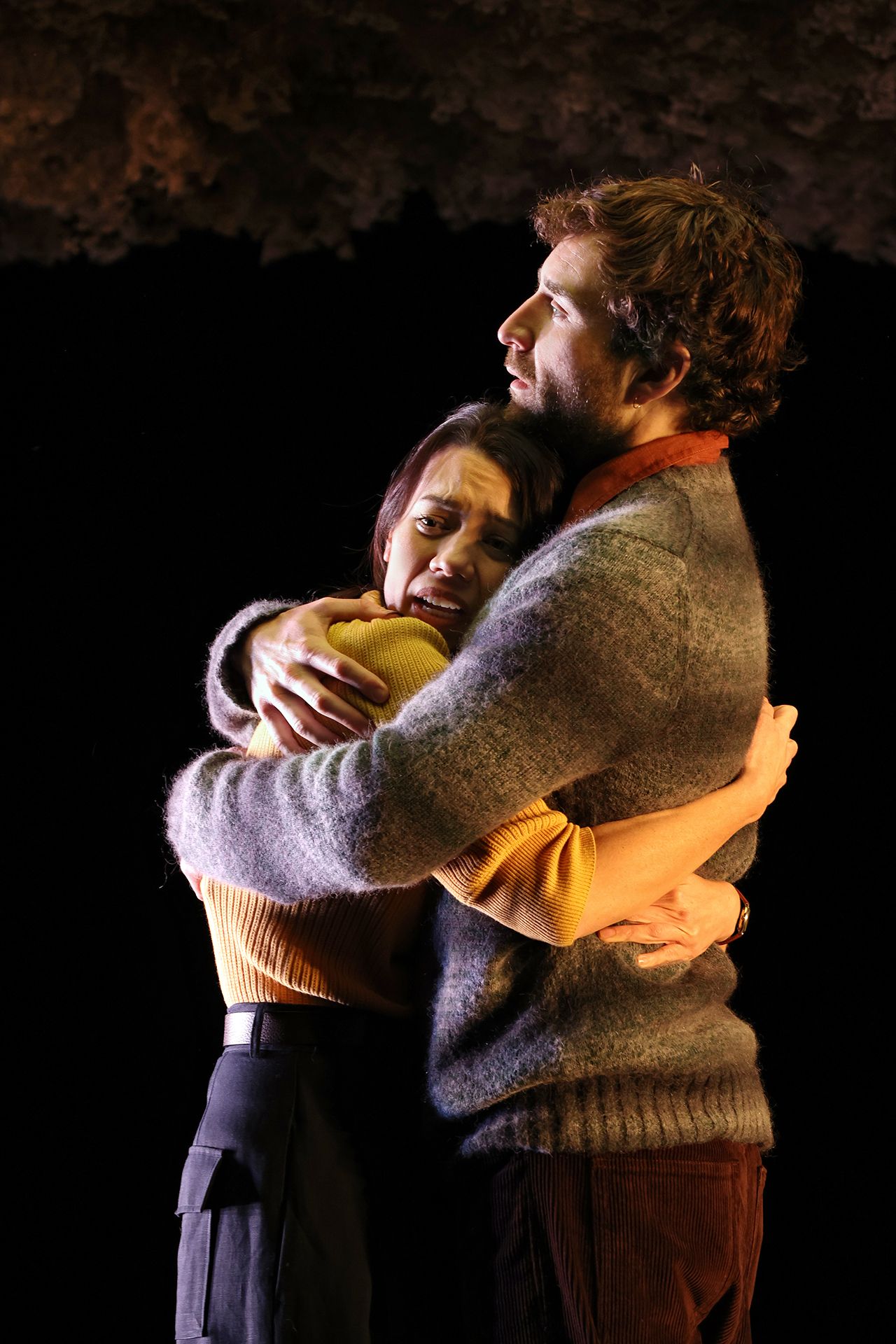
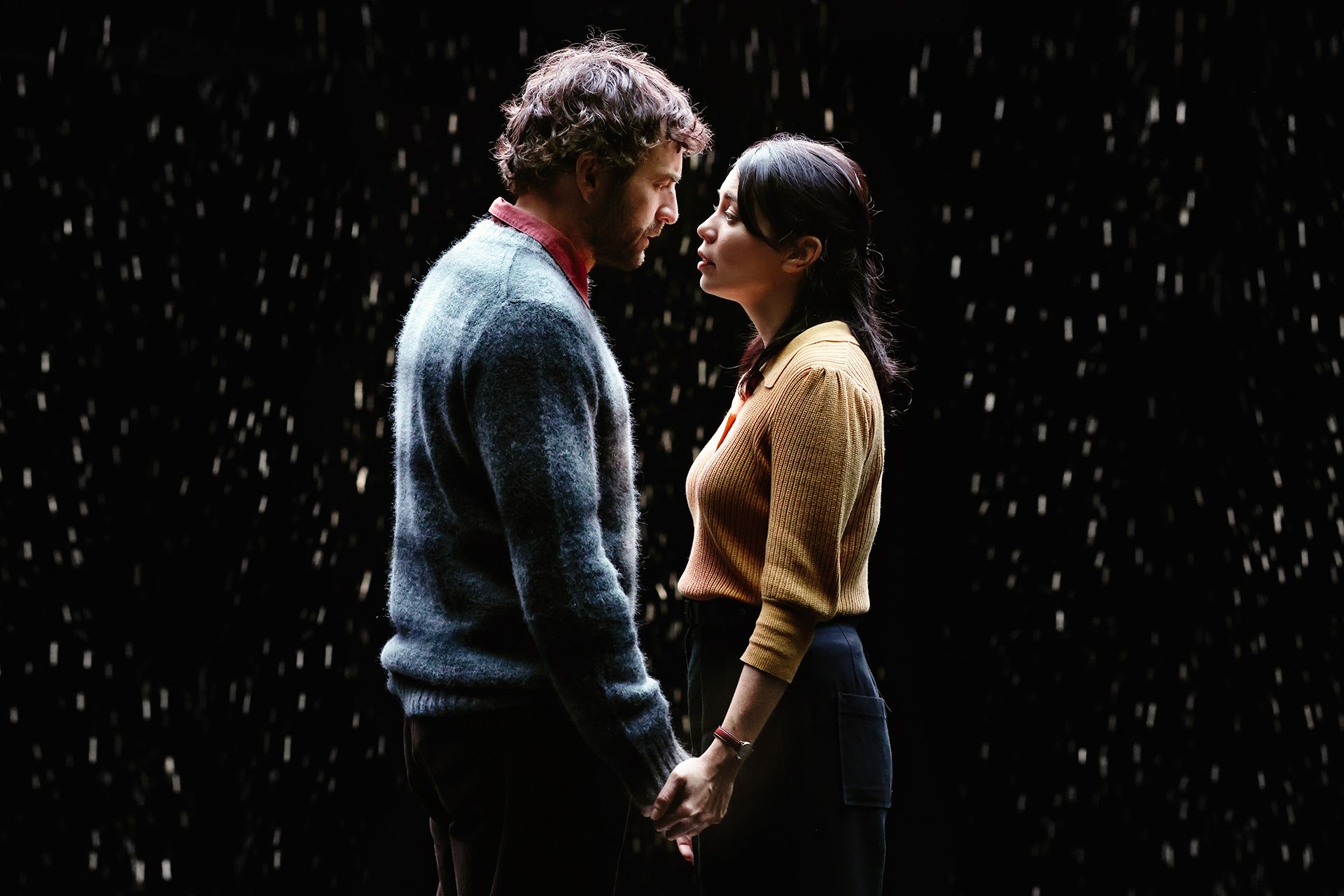
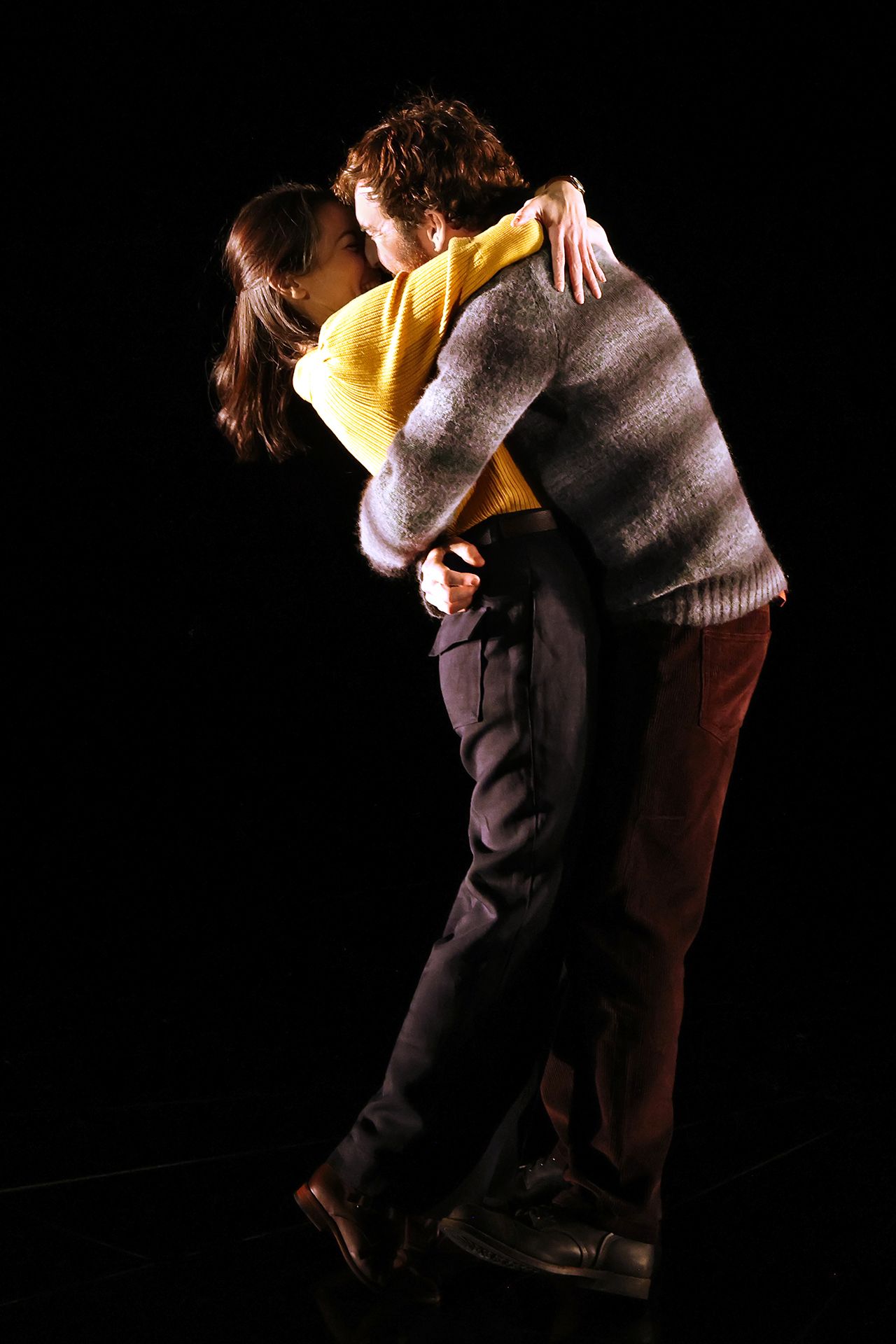
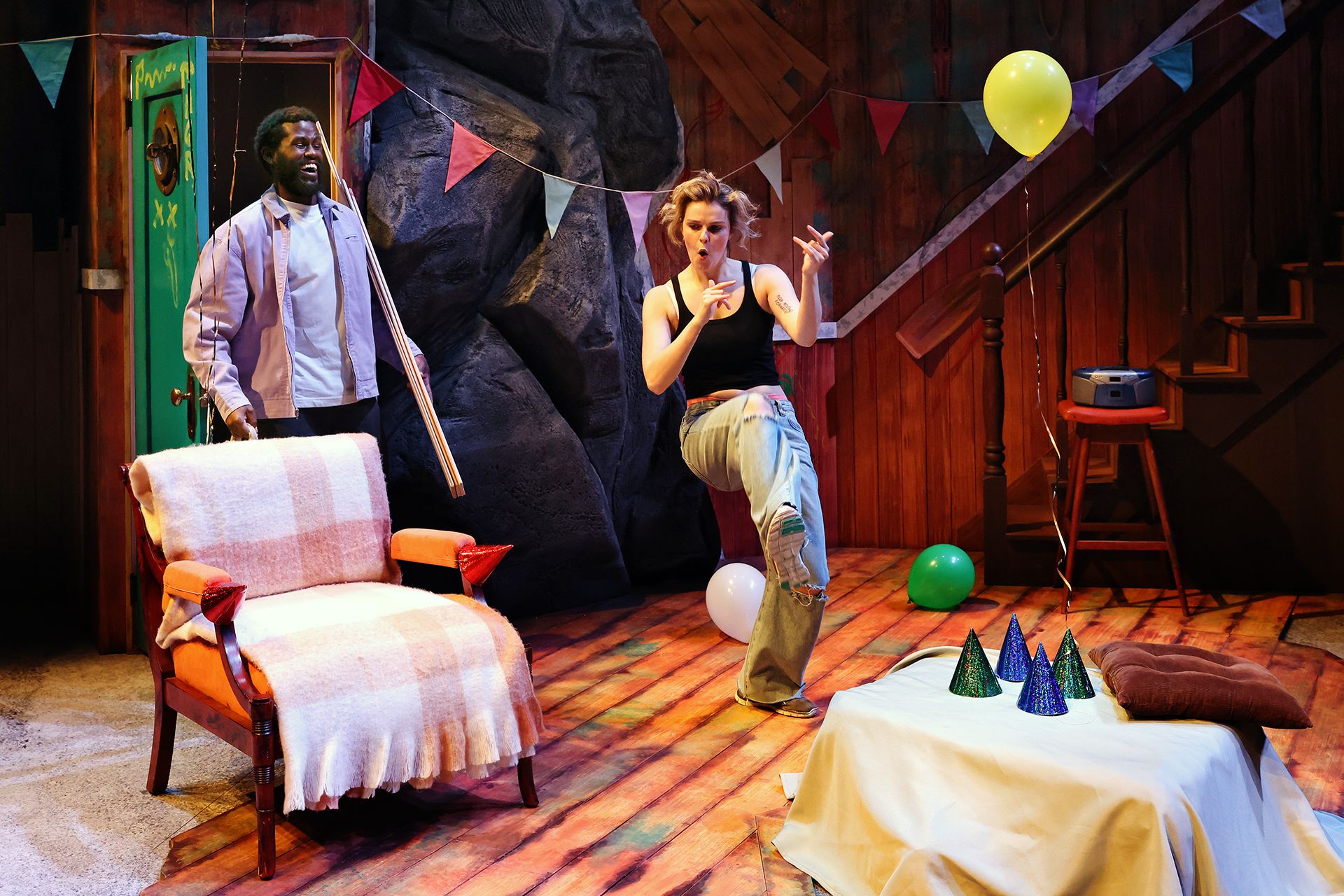
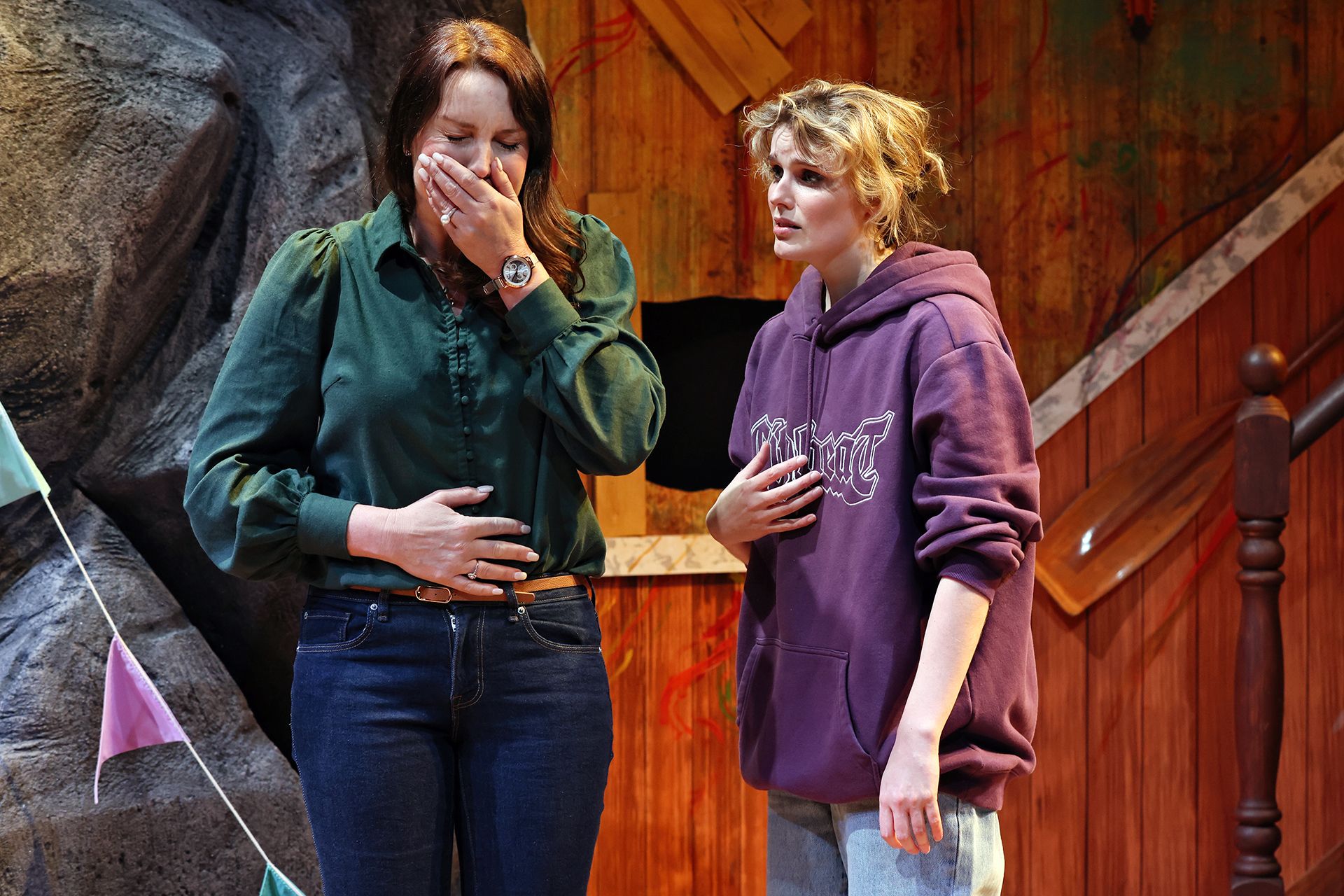
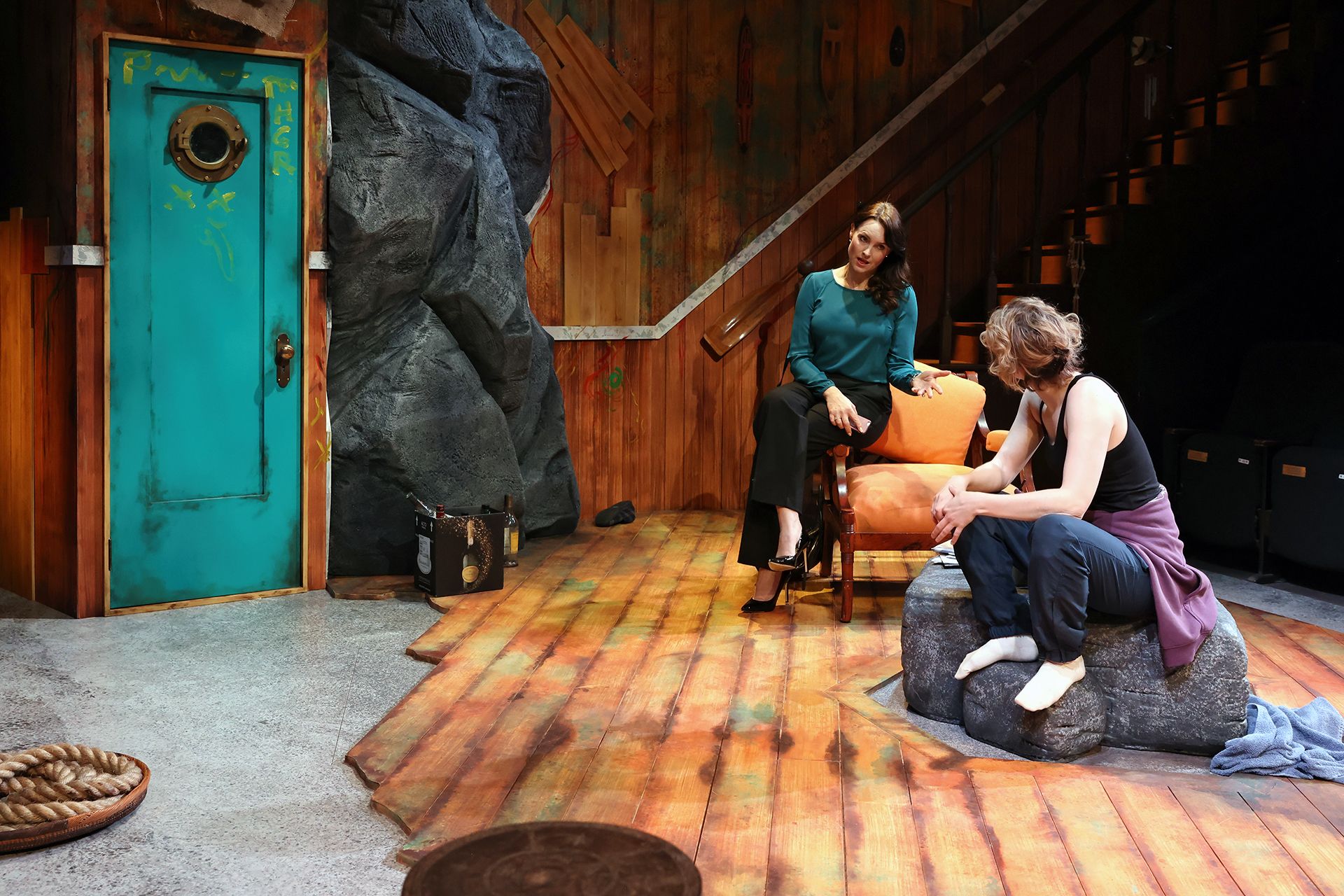
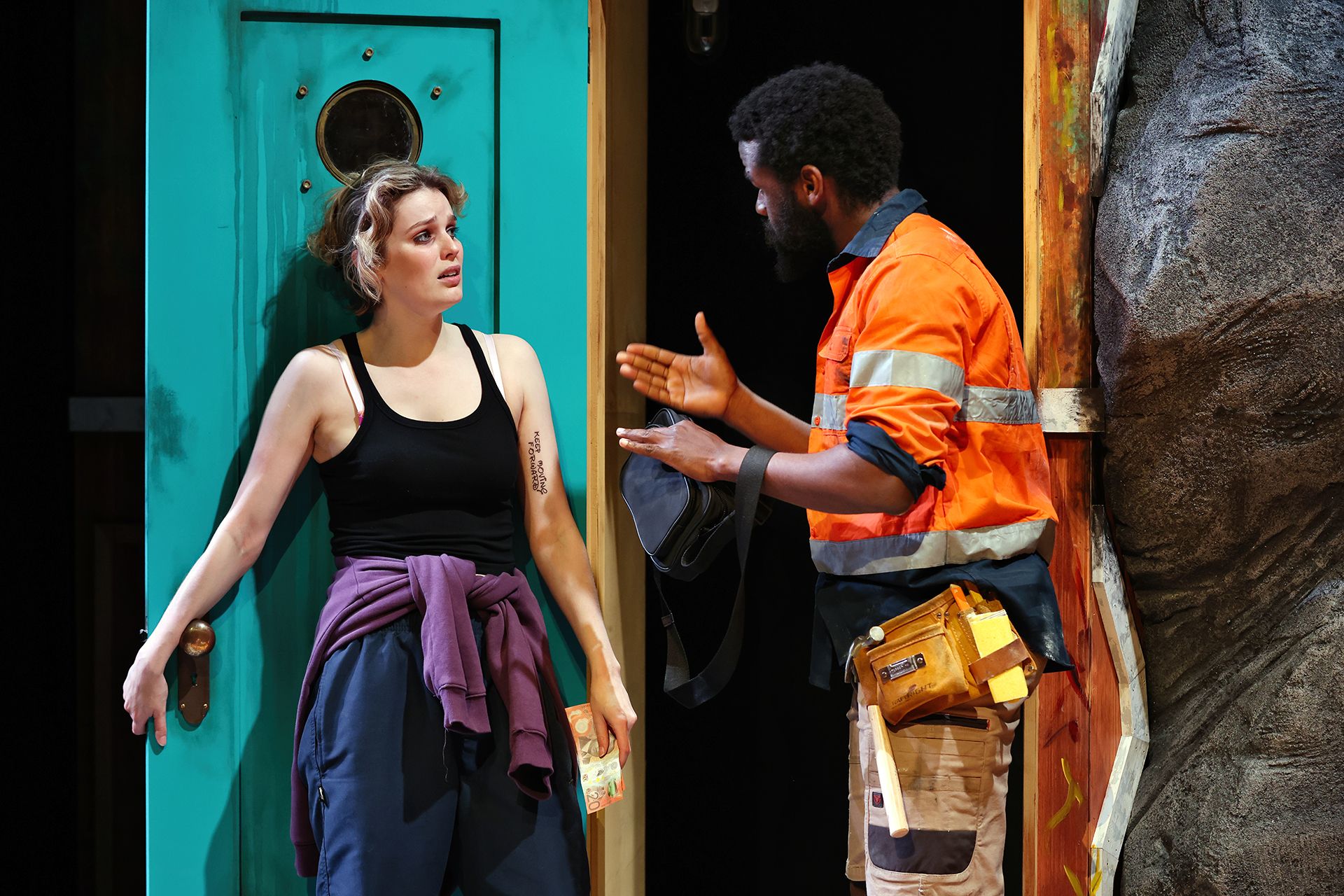
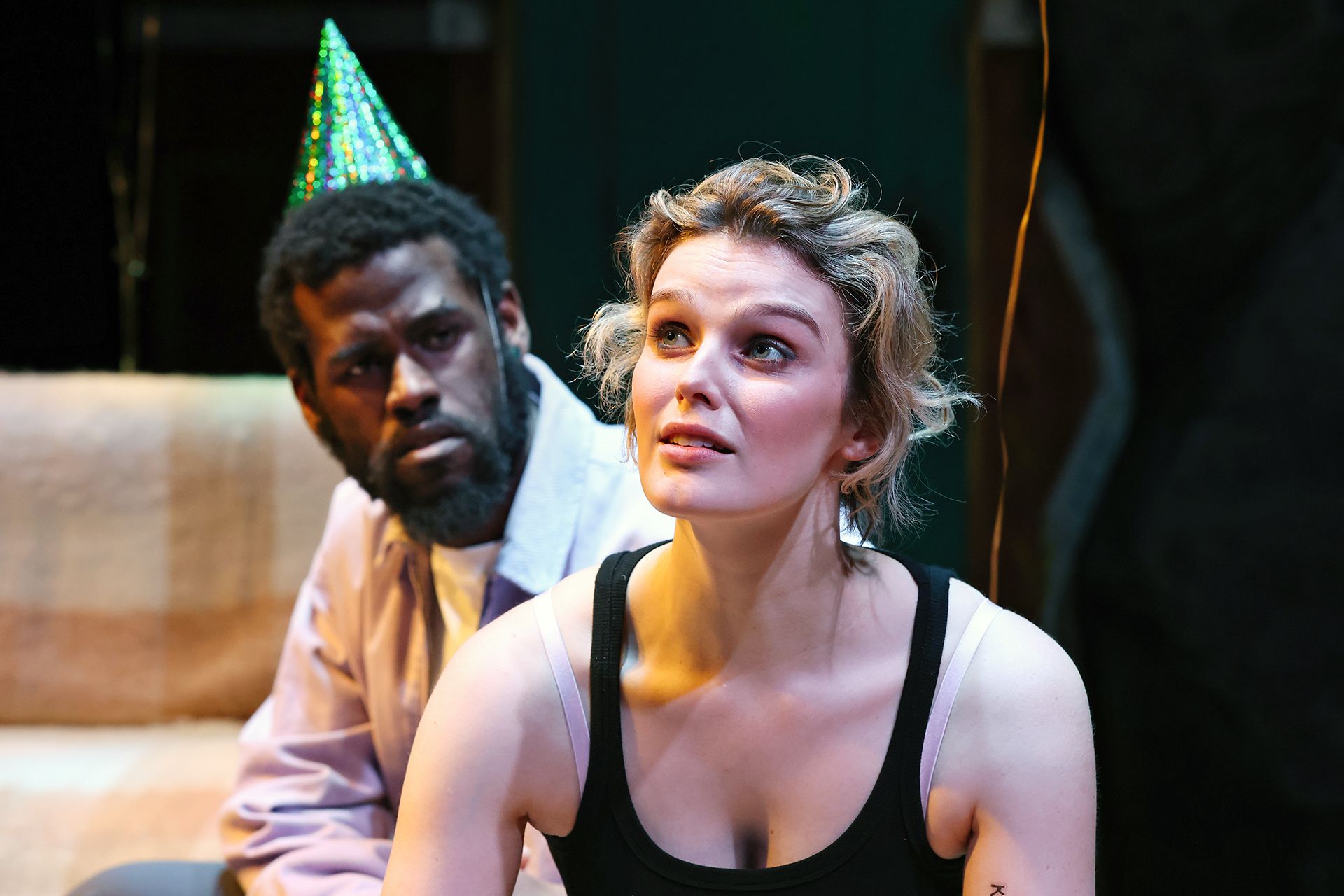
The one certainty in Nick Payne’s Constellations, is that Marianne and Roland met one fateful day. Whatever happened thereafter, becomes a series of infinite and random configurations, in a play that explores the nature of consequence, and the idea of boundless possibilities. Things could have ended between the two after a single exchange, or a lifetime of connectedness could have eventuated, or indeed a myriad of combinations in between. Maybe all that can be imagined, does in fact take place simultaneously, in a world that is much bigger, much less ordered and linear, than we usually believe to be true.

Unequivocally intellectual, Payne’s writing is also witty and heartrending, offering the stage opportunities for a theatre that engages both mind and soul. Directed by Ian Michael, all of Constellations‘ immense potentialities are realised, in a production that absolutely captivates, to deliver an experience satisfying on every level, and leaving its audience deeply contented yet full of wonderment, newly curious about our planes of existence. Furthermore, as a work of classic drama, Constellations is intensely moving in its rendering of a love story, but also consistently and effortlessly funny, in many comedic moments that Michael instils exactingly, yet with an unmistakable lightness of touch.

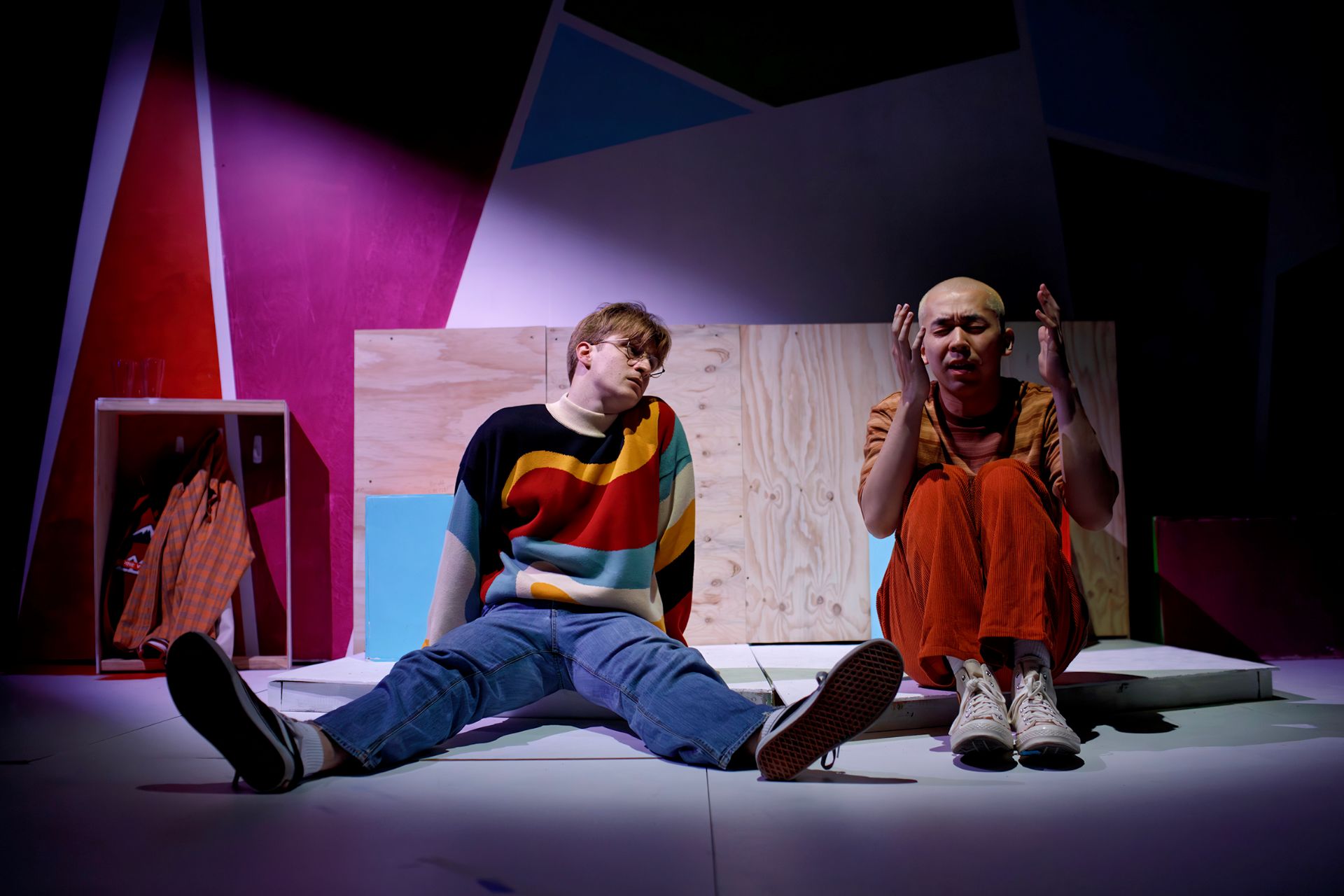
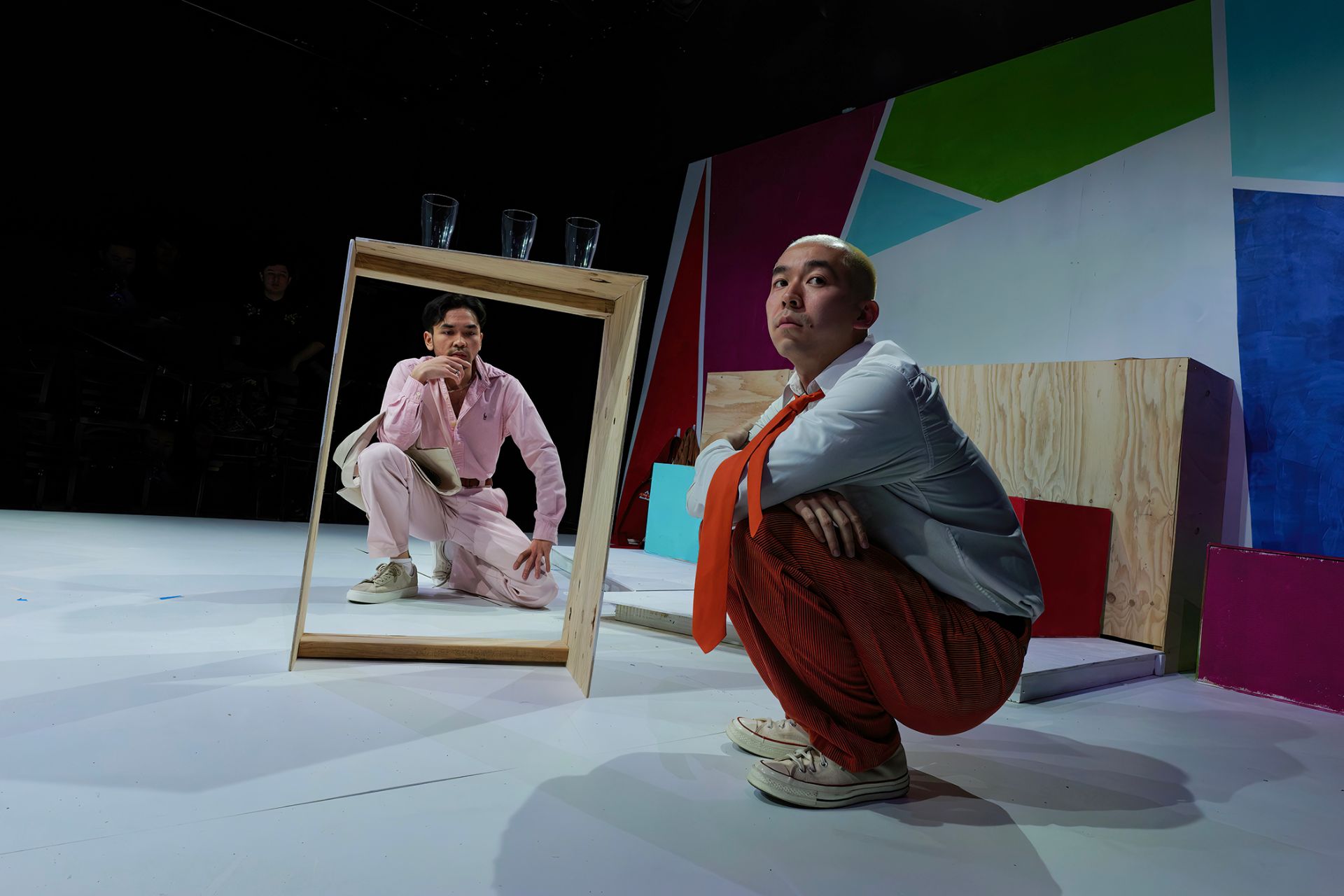
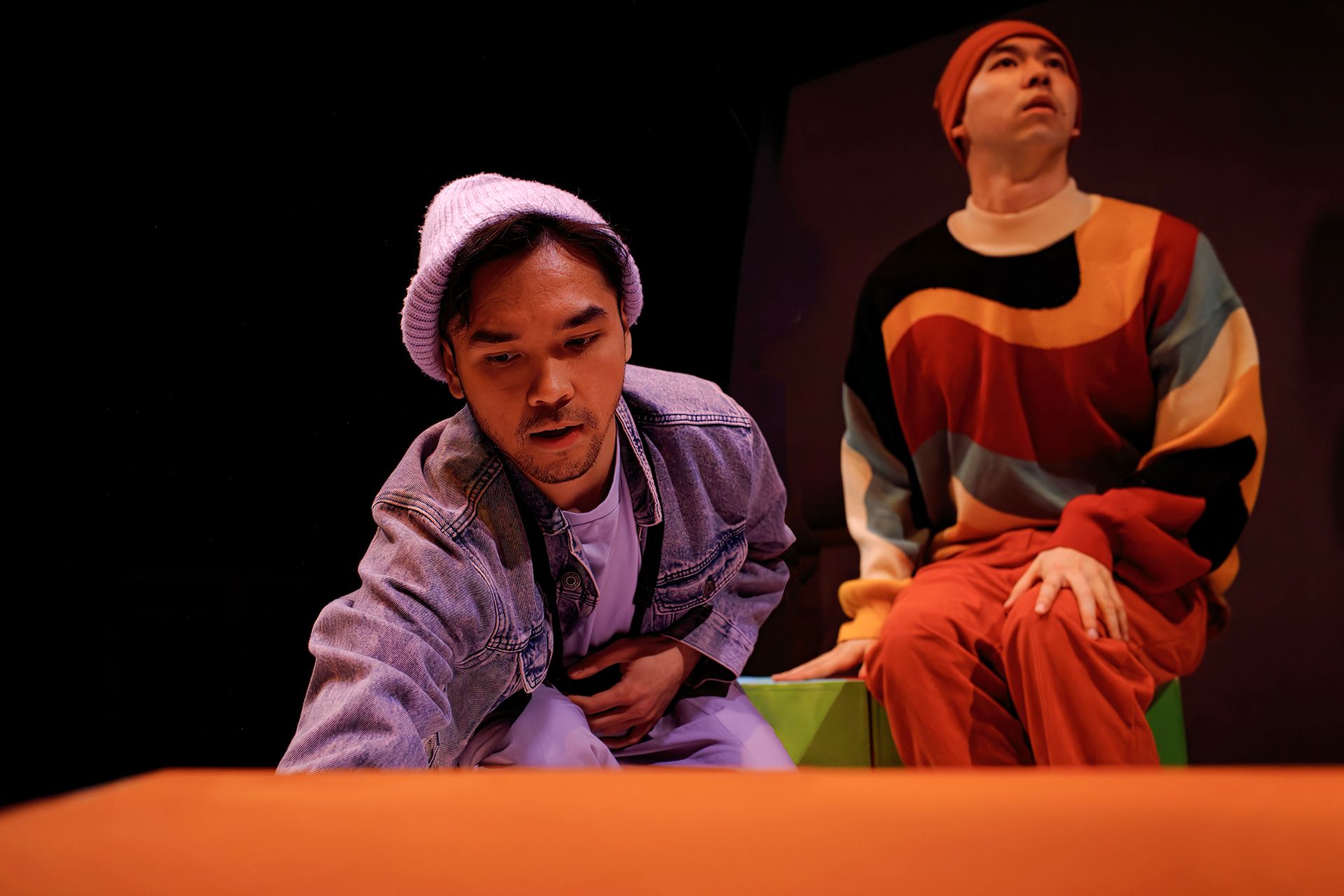
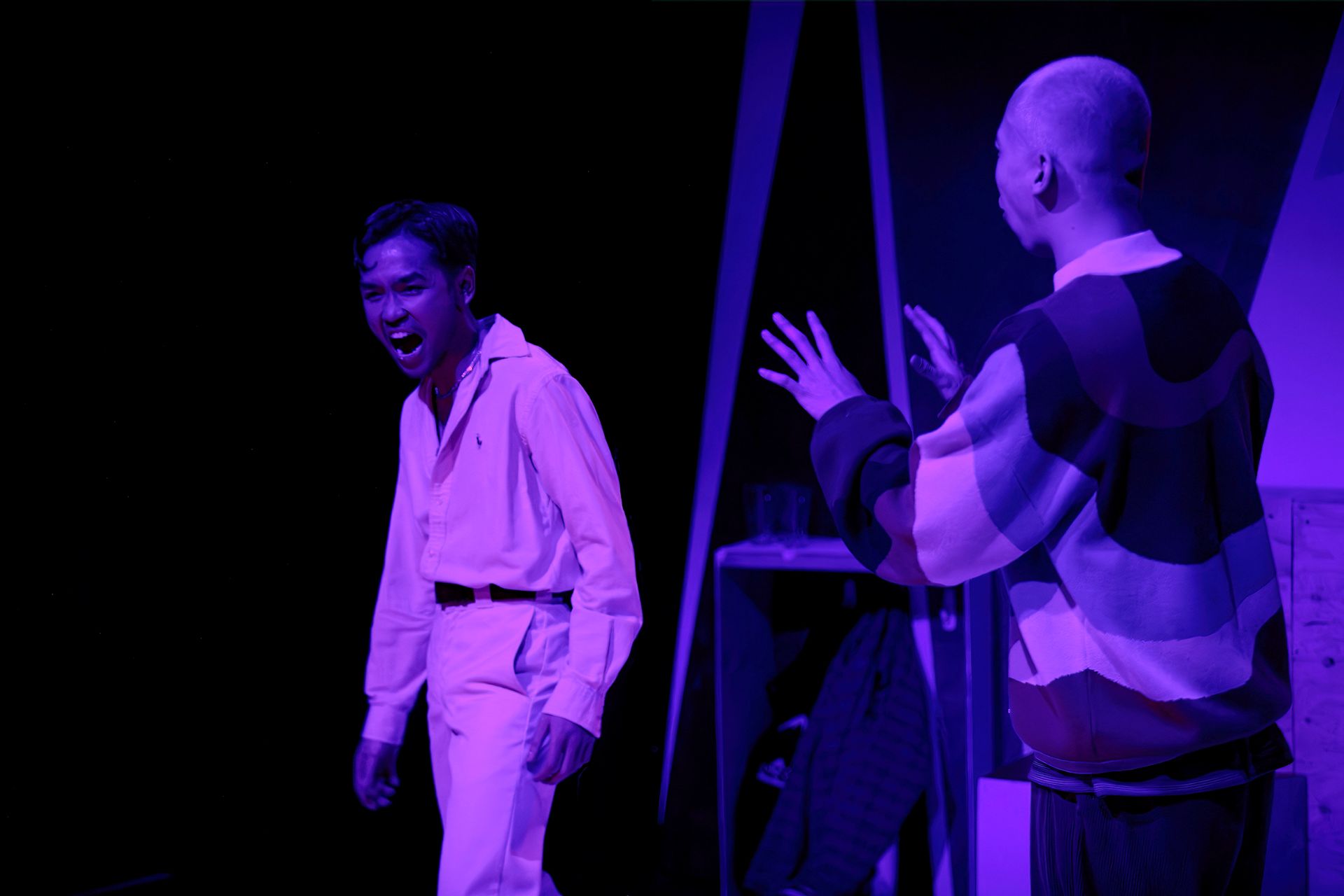
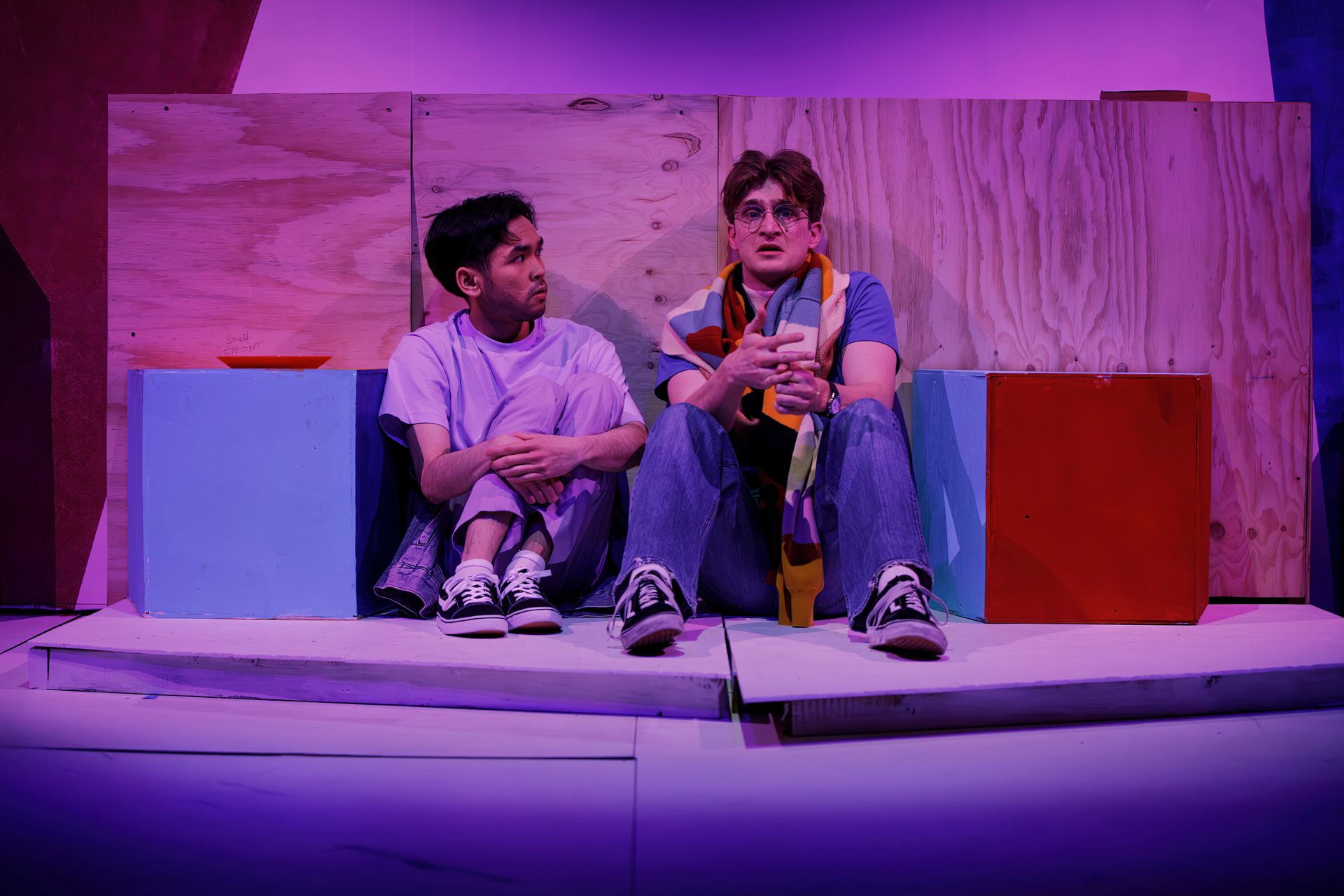
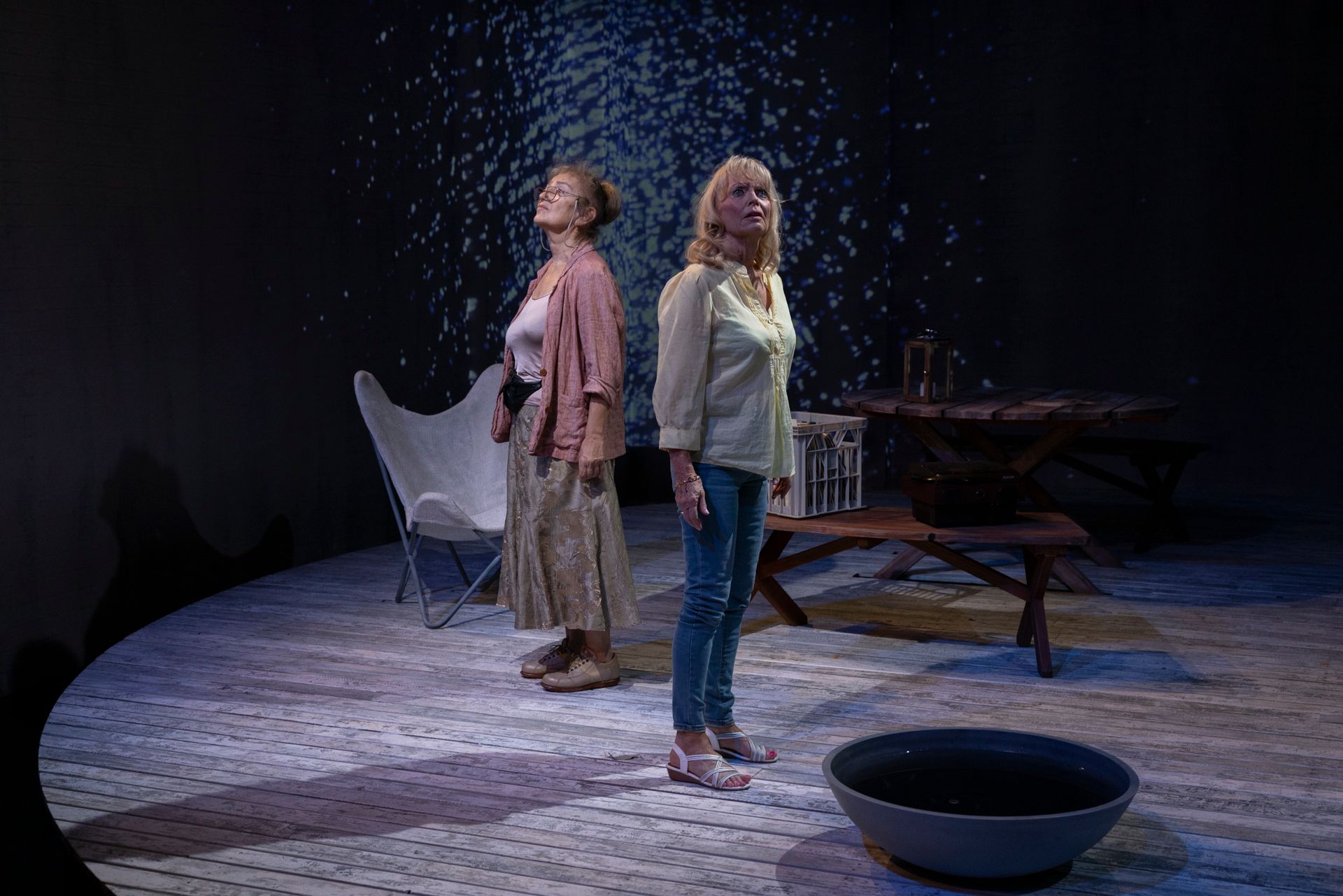
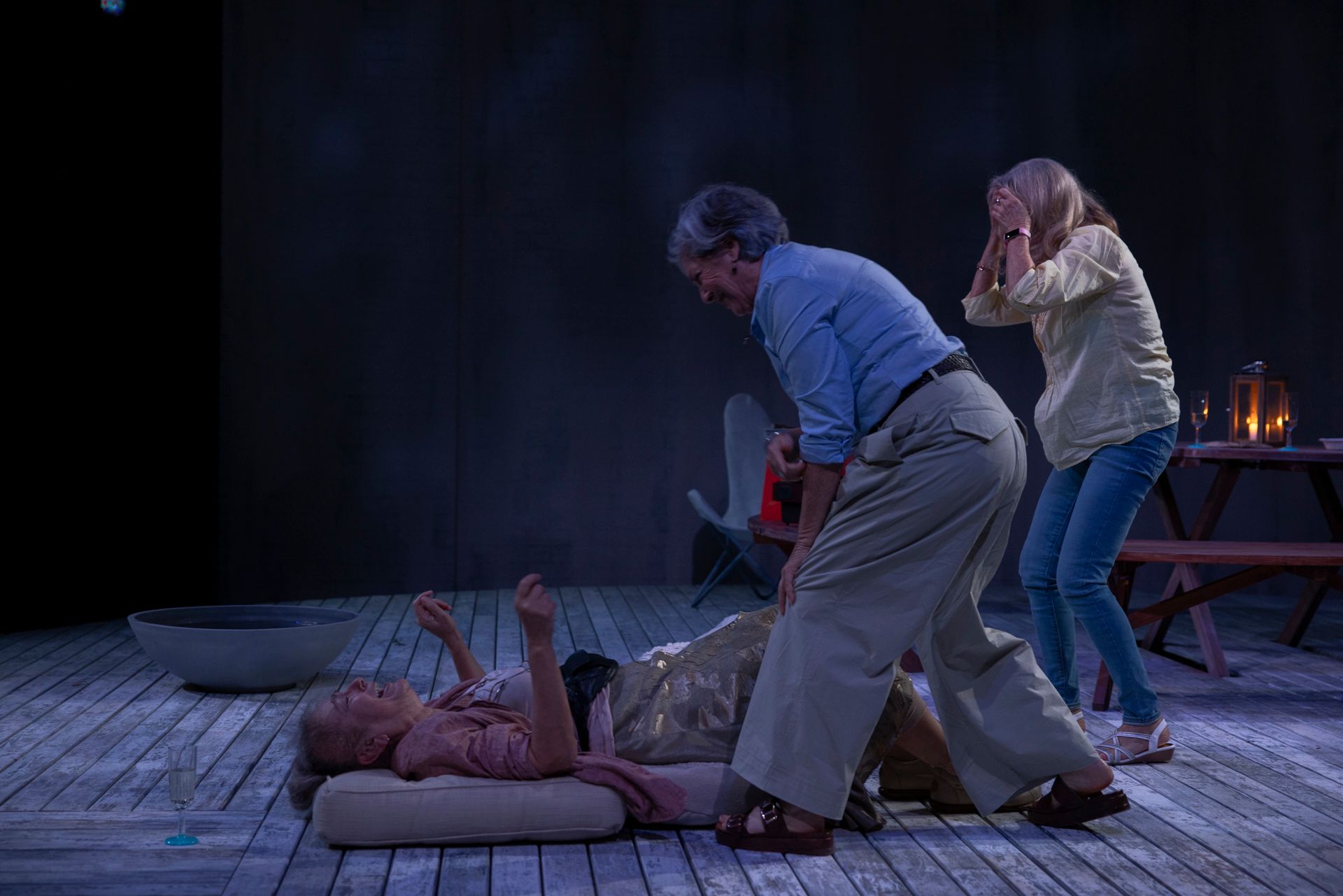
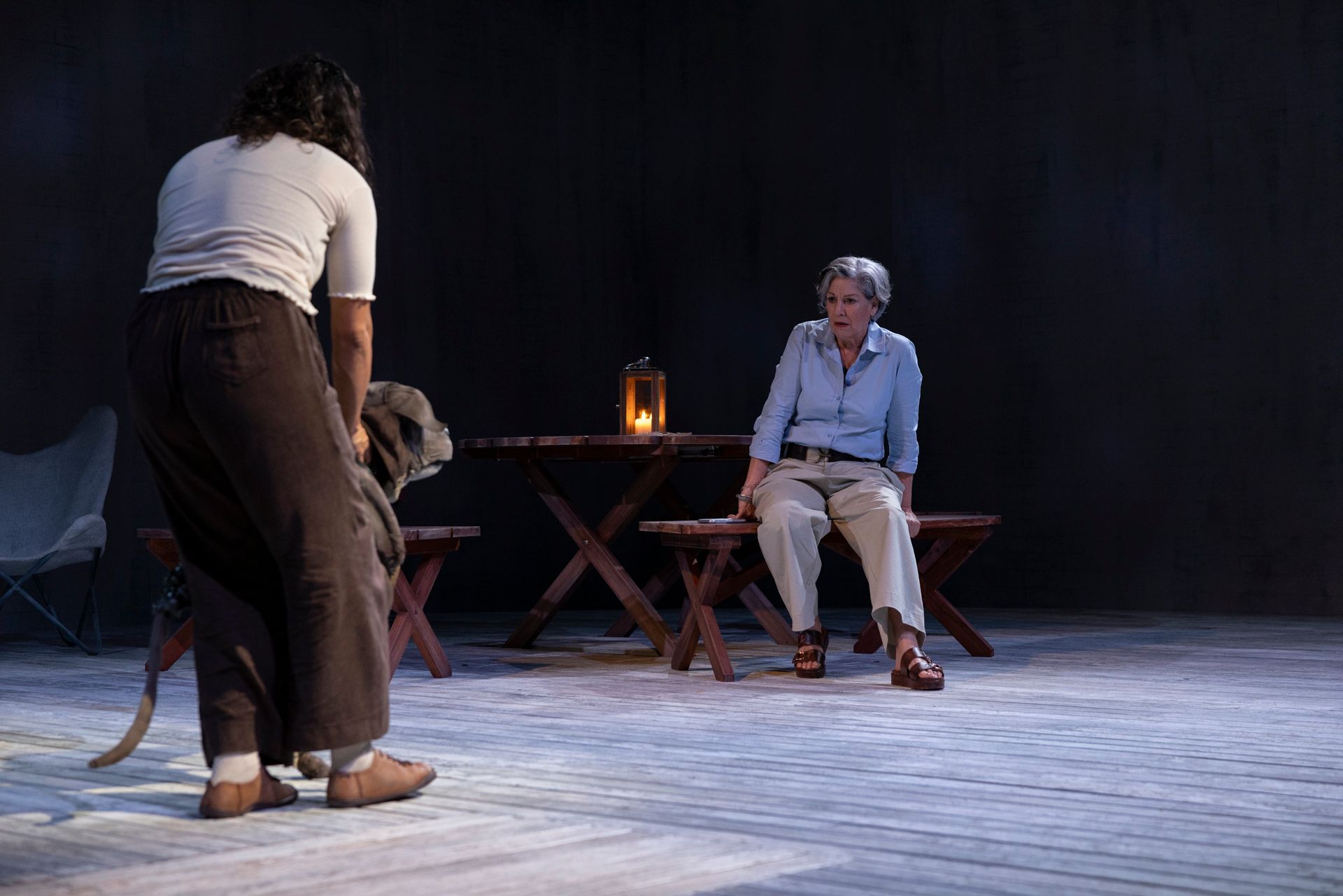
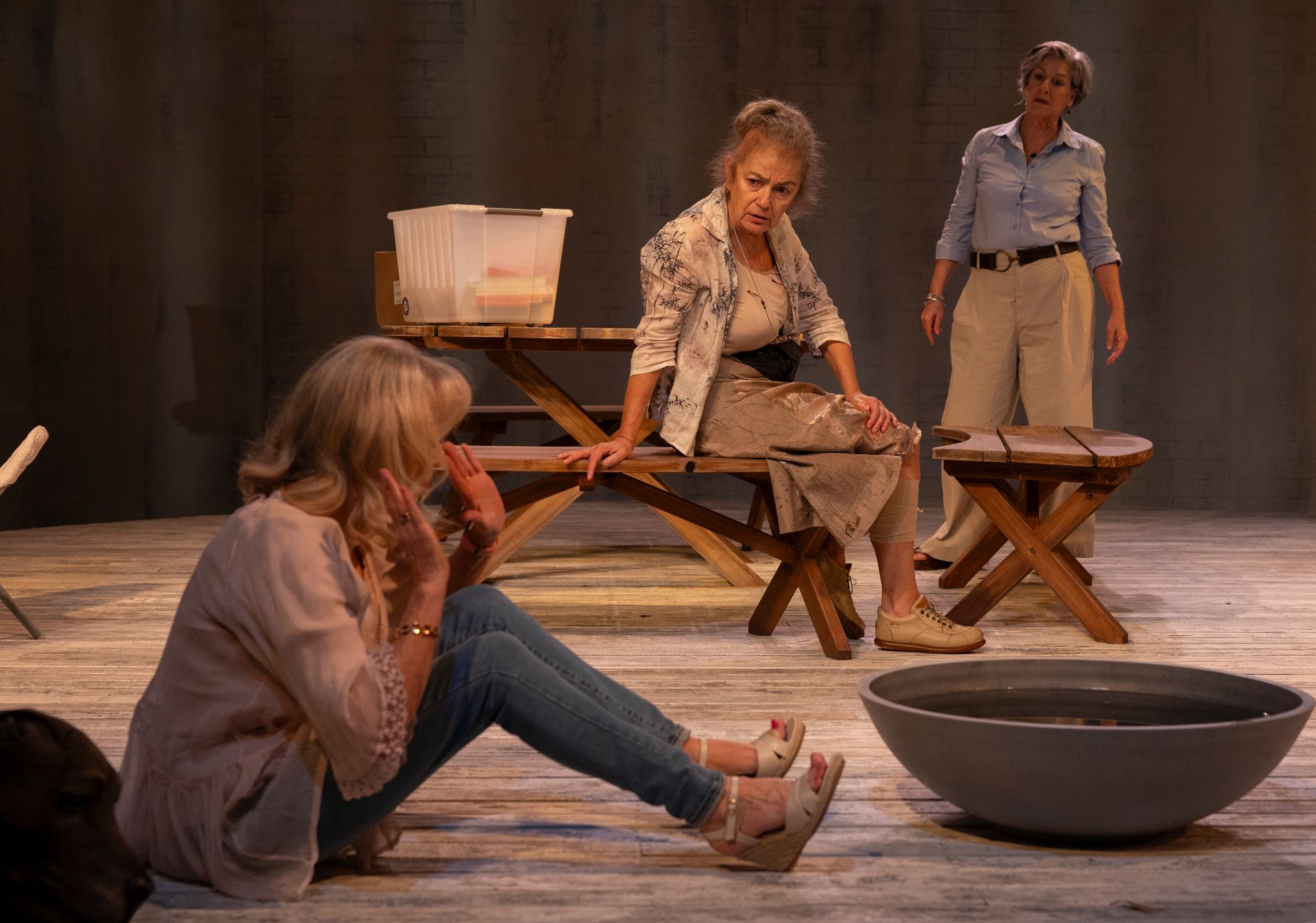
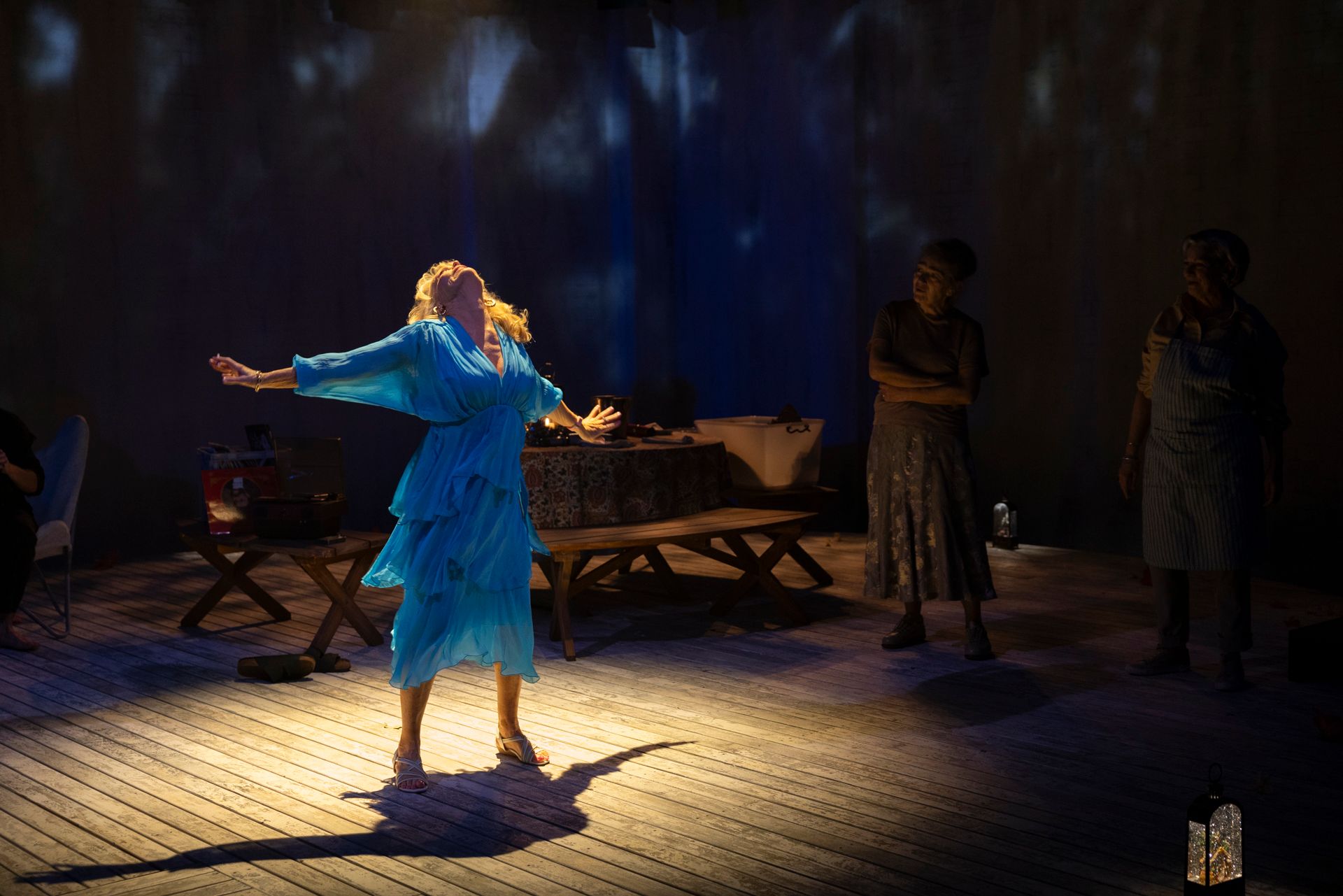
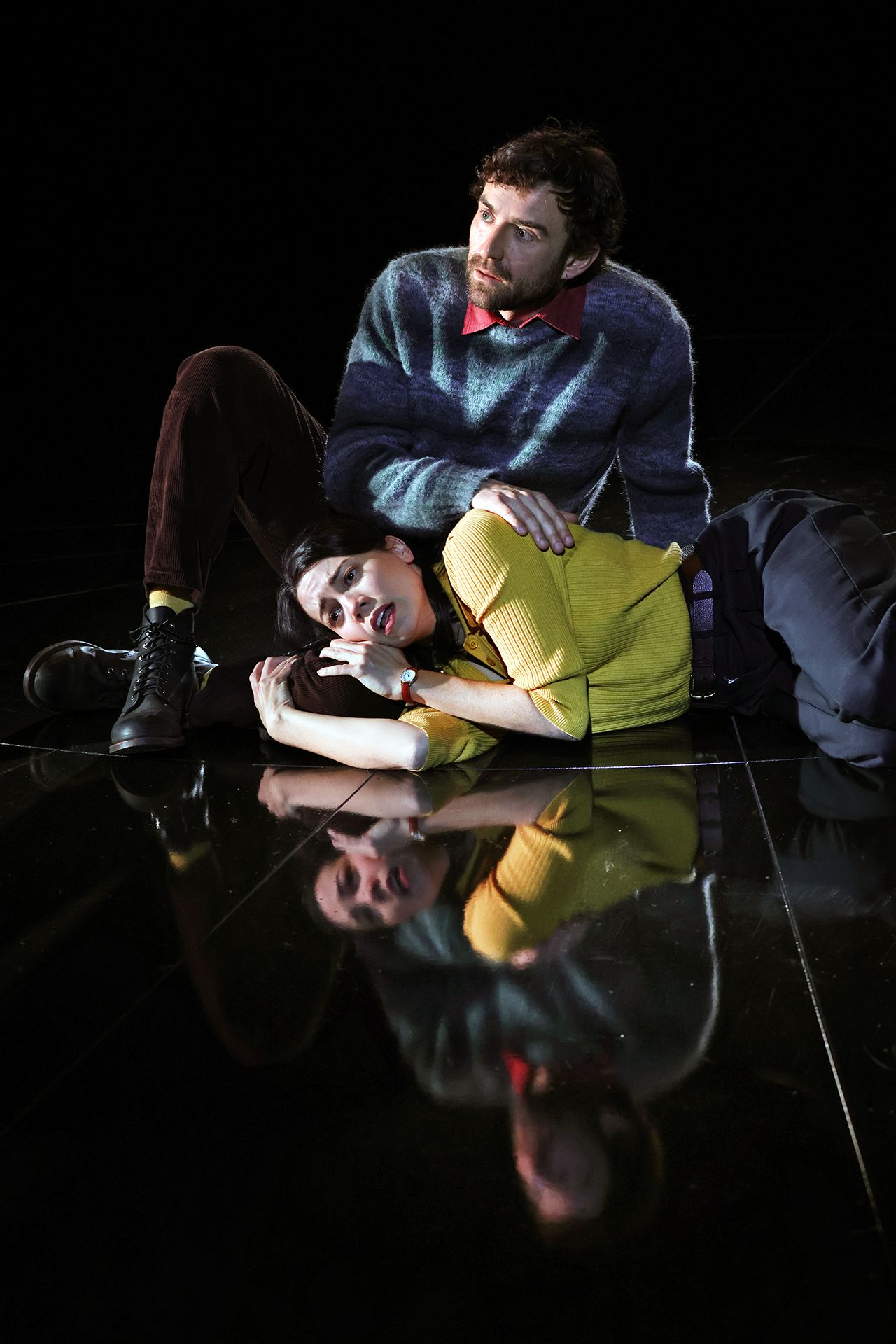
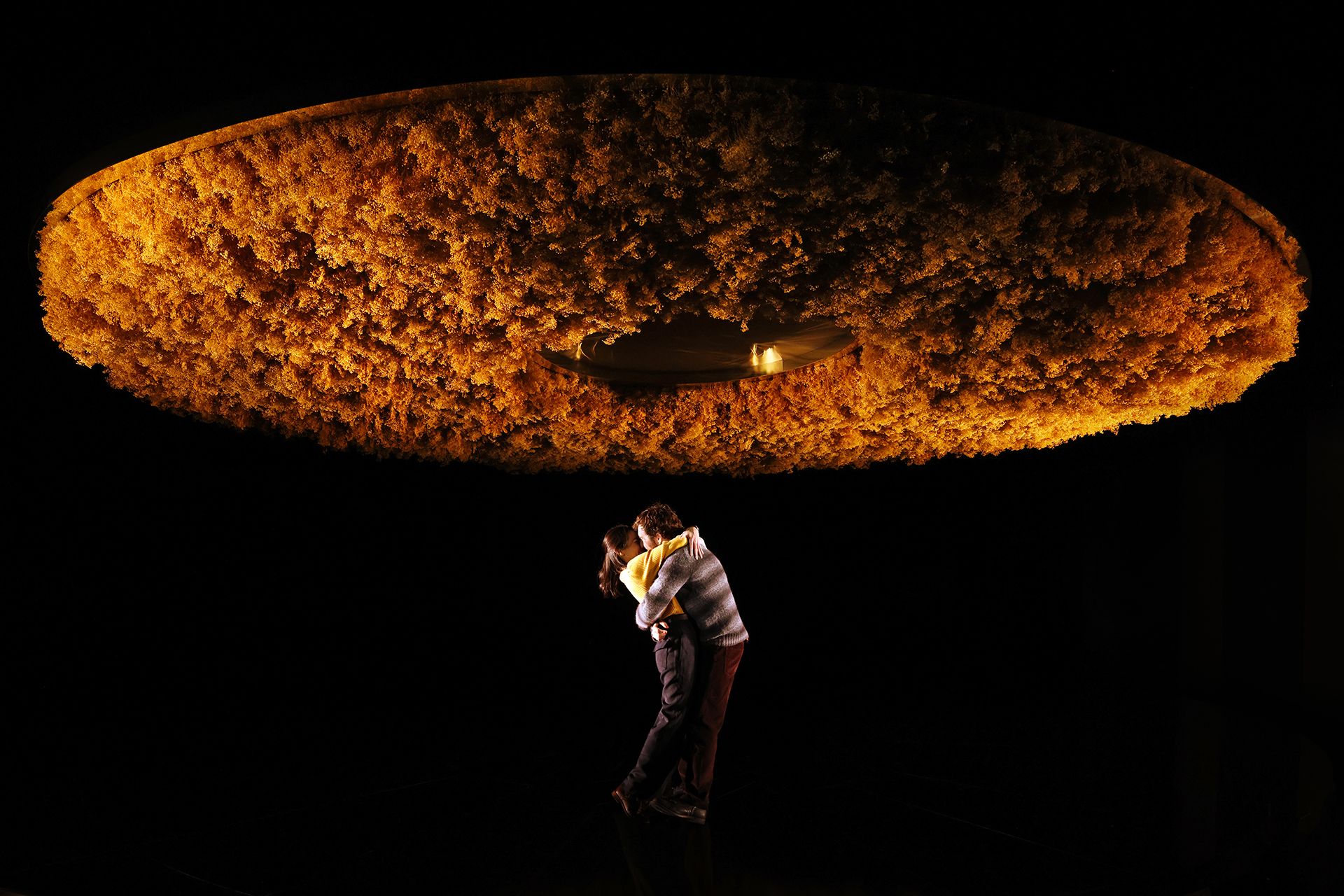
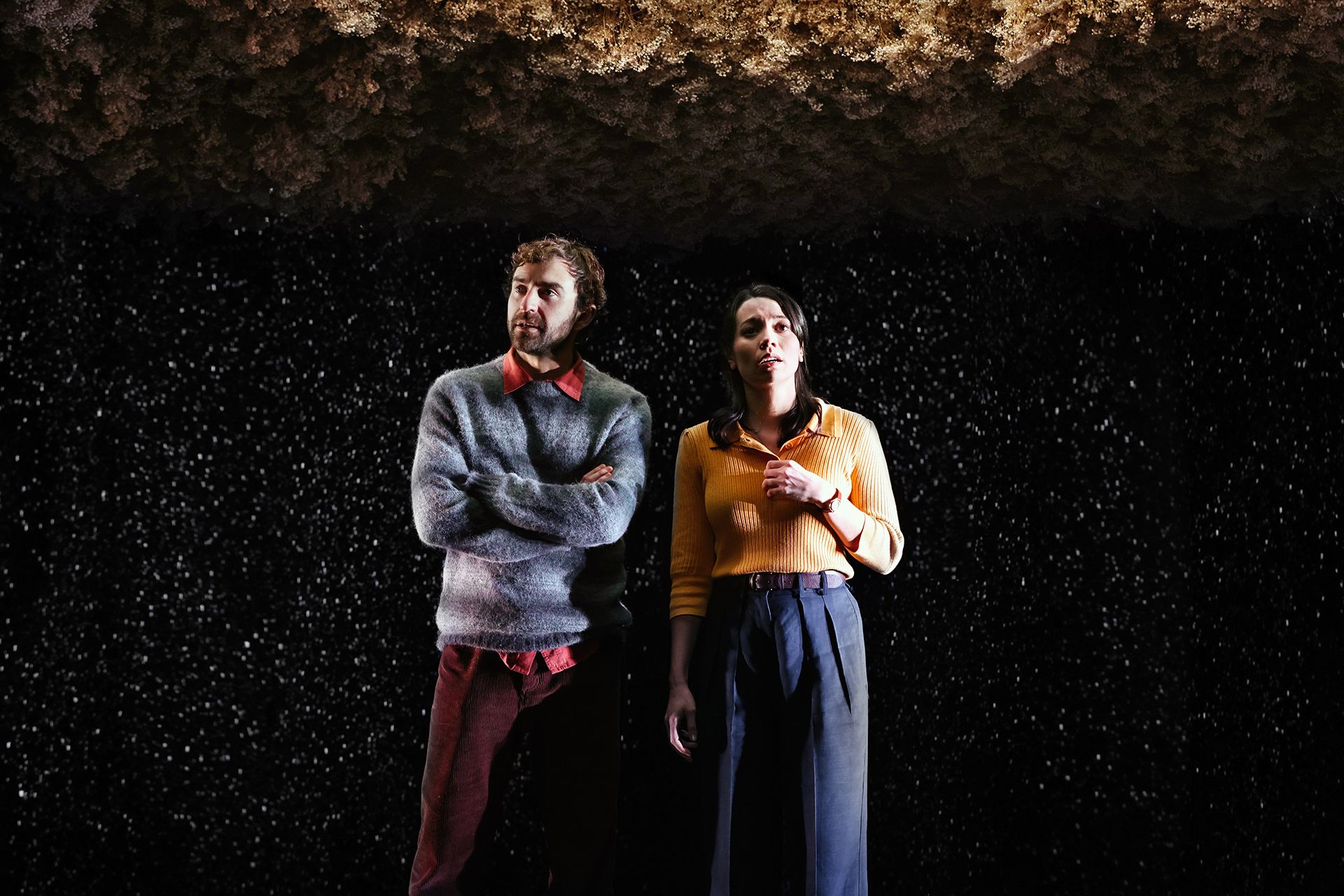
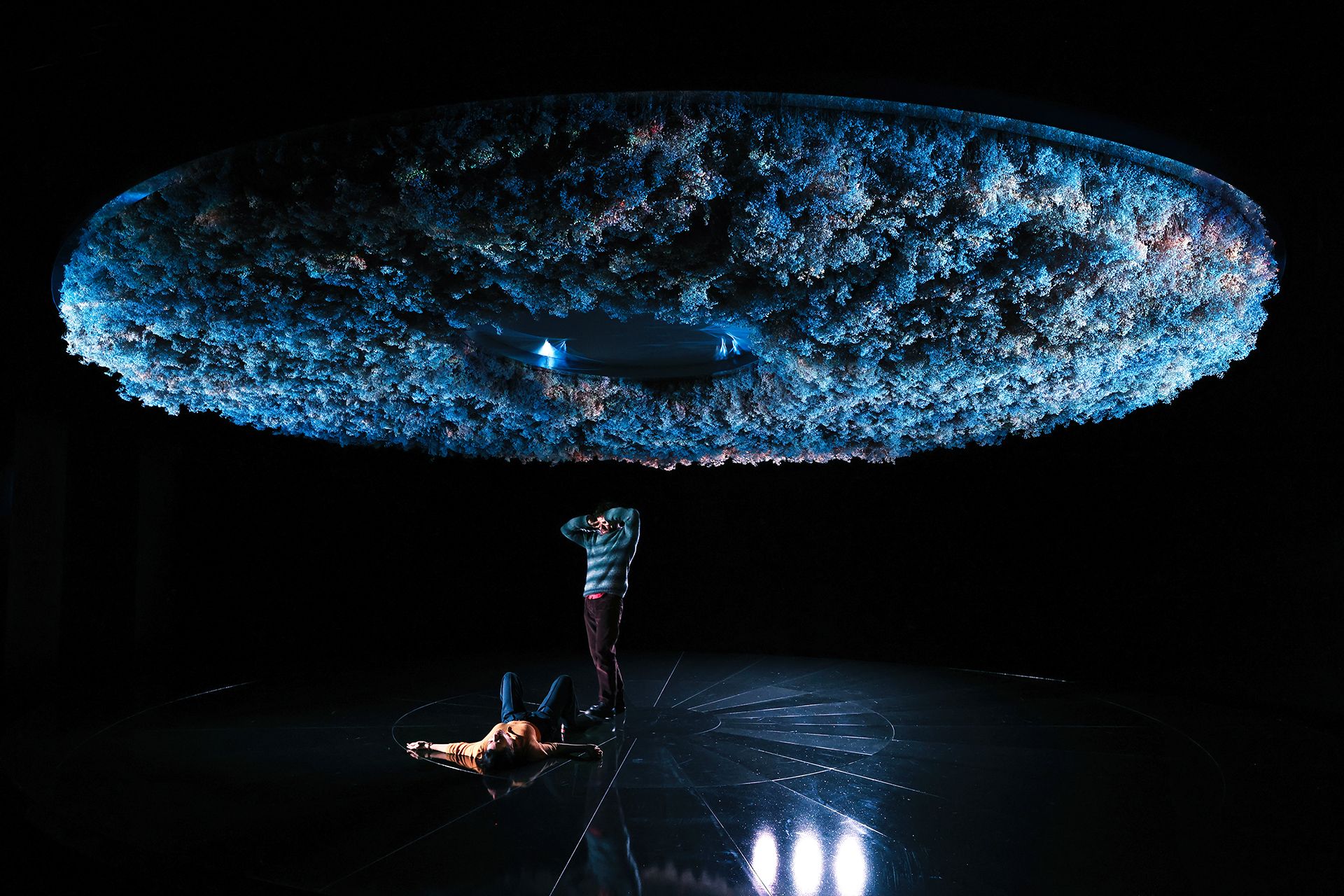
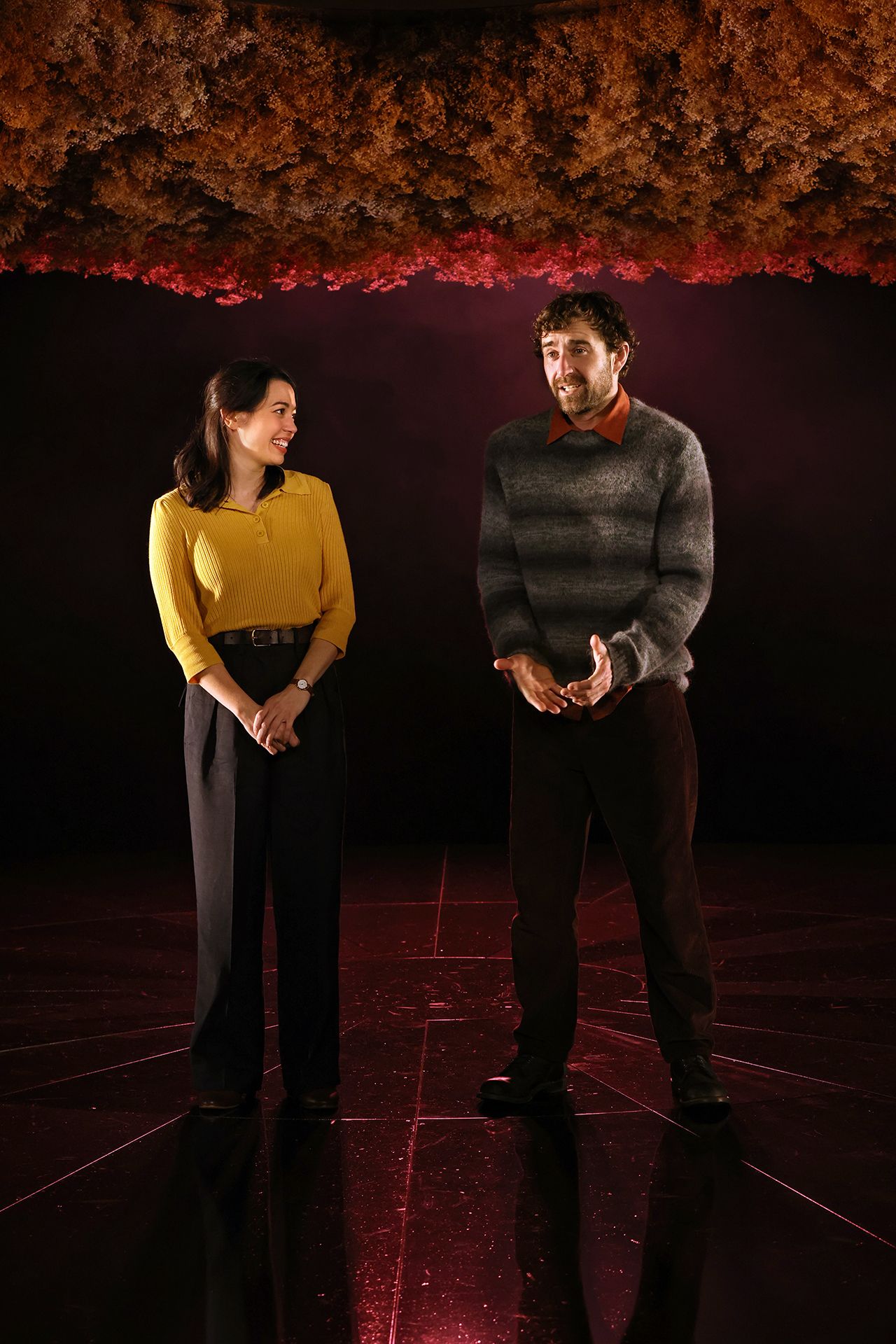
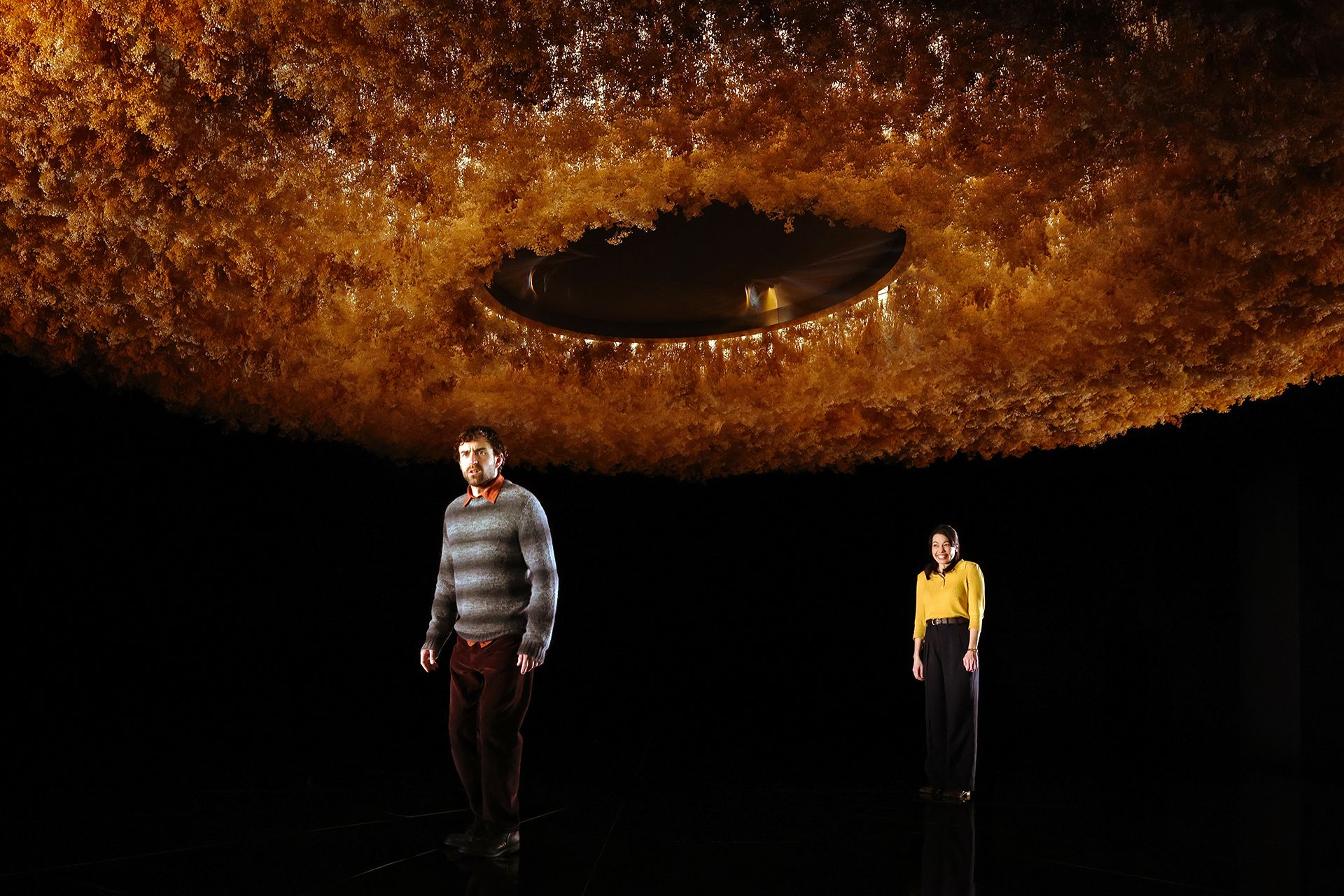
Designed to perfection, the show features a glorious set by Isabel Hudson that is sure to take one’s breath away, from the very first encounter upon entering the auditorium. Dark gleaming surfaces depict characters in timelessness, floating as though representing both the material and immaterial, in a play that ventures inevitably into esoteric spaces. Benjamin Brockman’s spectacular lights coax responses from our emotions and senses, in the most detailed ways, ensuring  that heads and hearts follow each step of the complex plot, never for a moment disengaging from the presentation. Music and sounds by James Brown bring sublime beauty to the show, along with depths of profundity that the body understands more than the cerebrum, allowing enjoyment and appreciation of the show to extend viscerally.
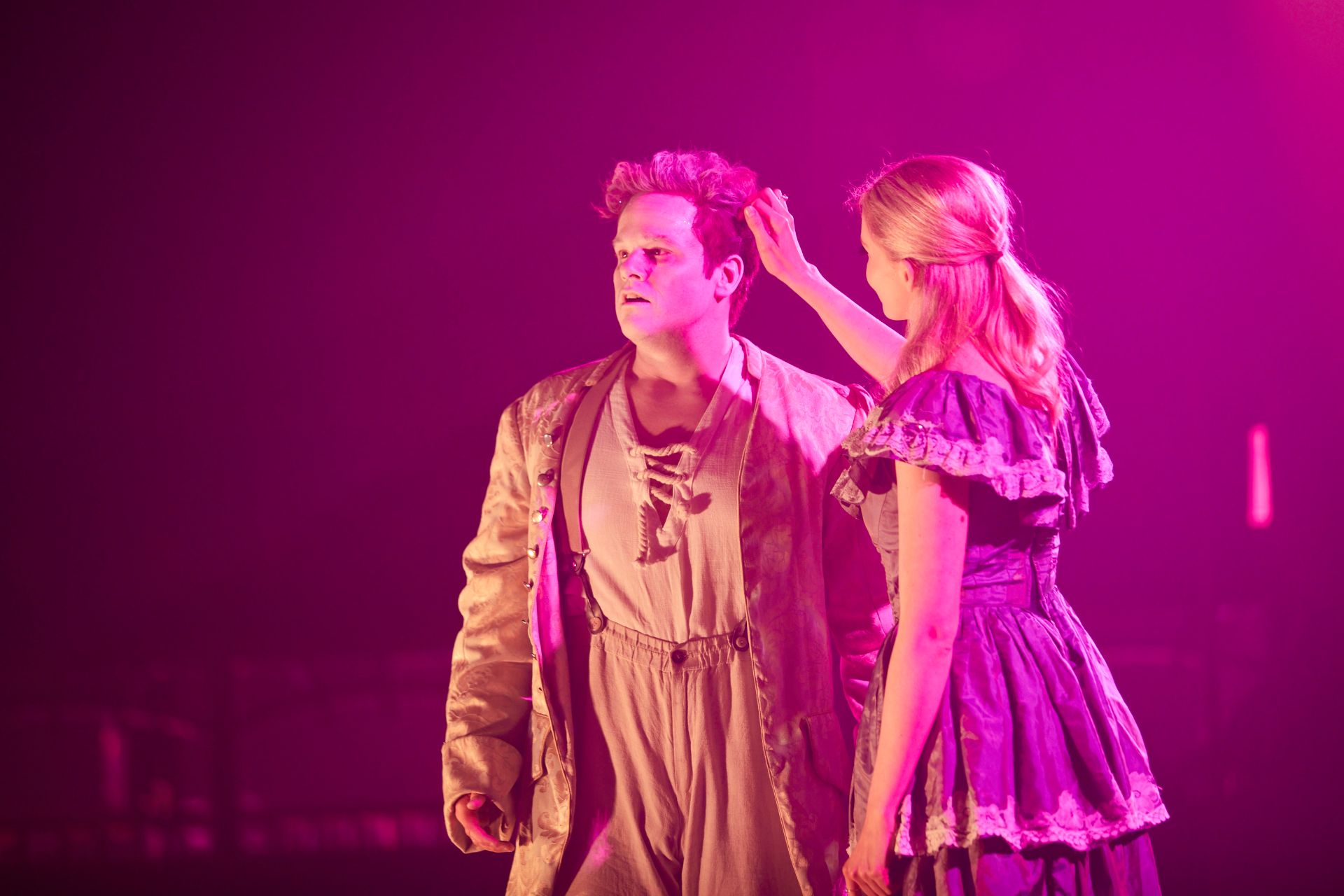
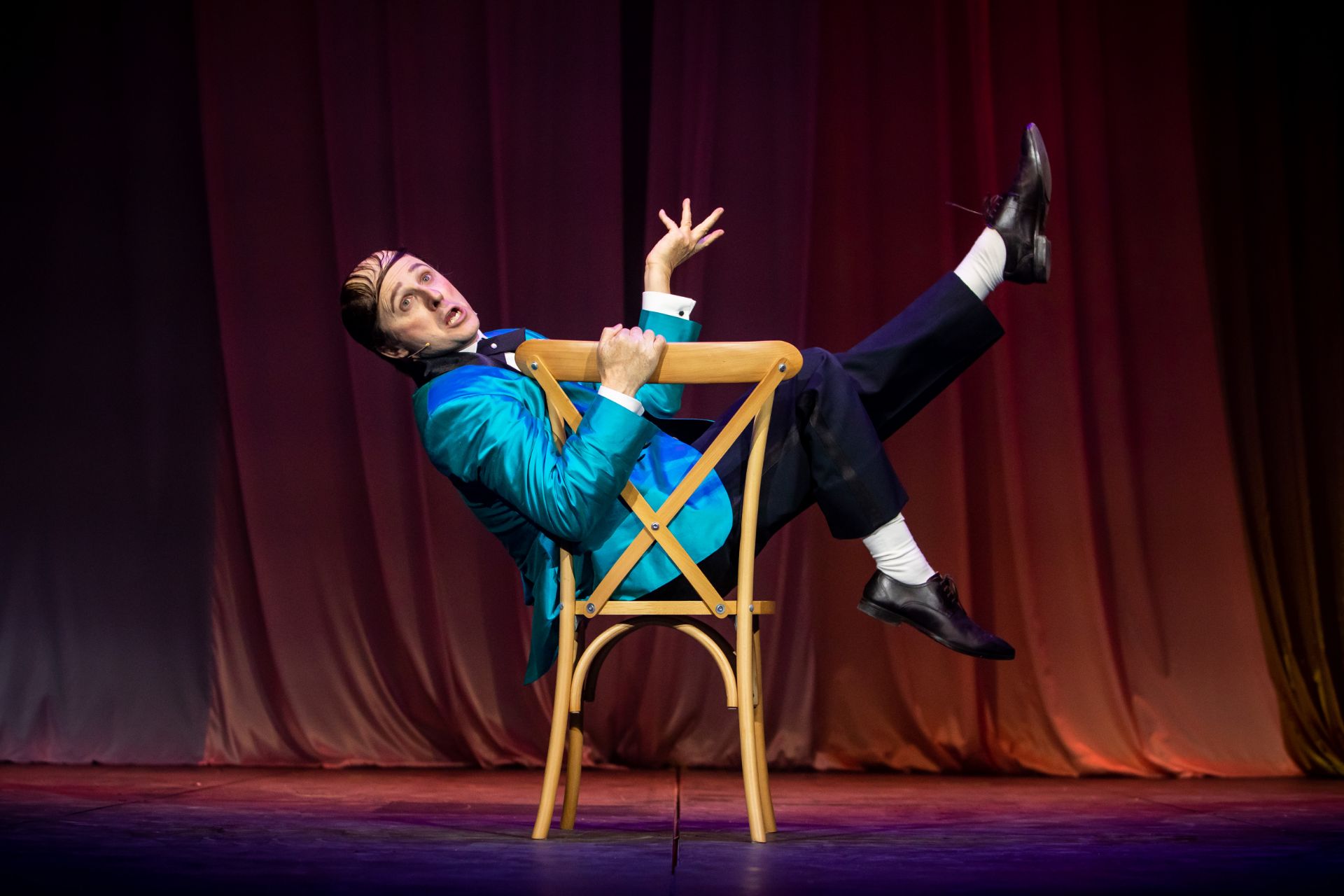
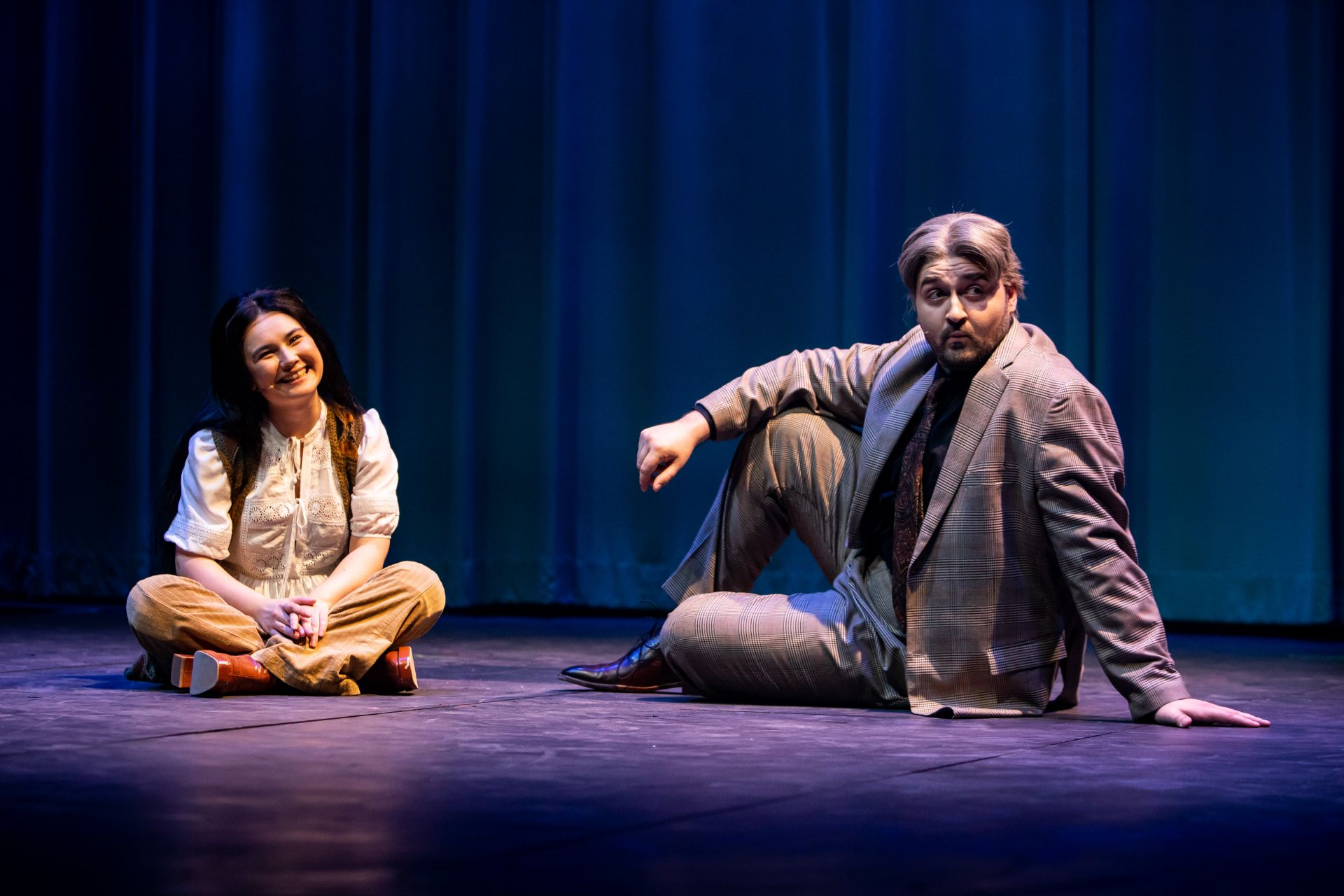
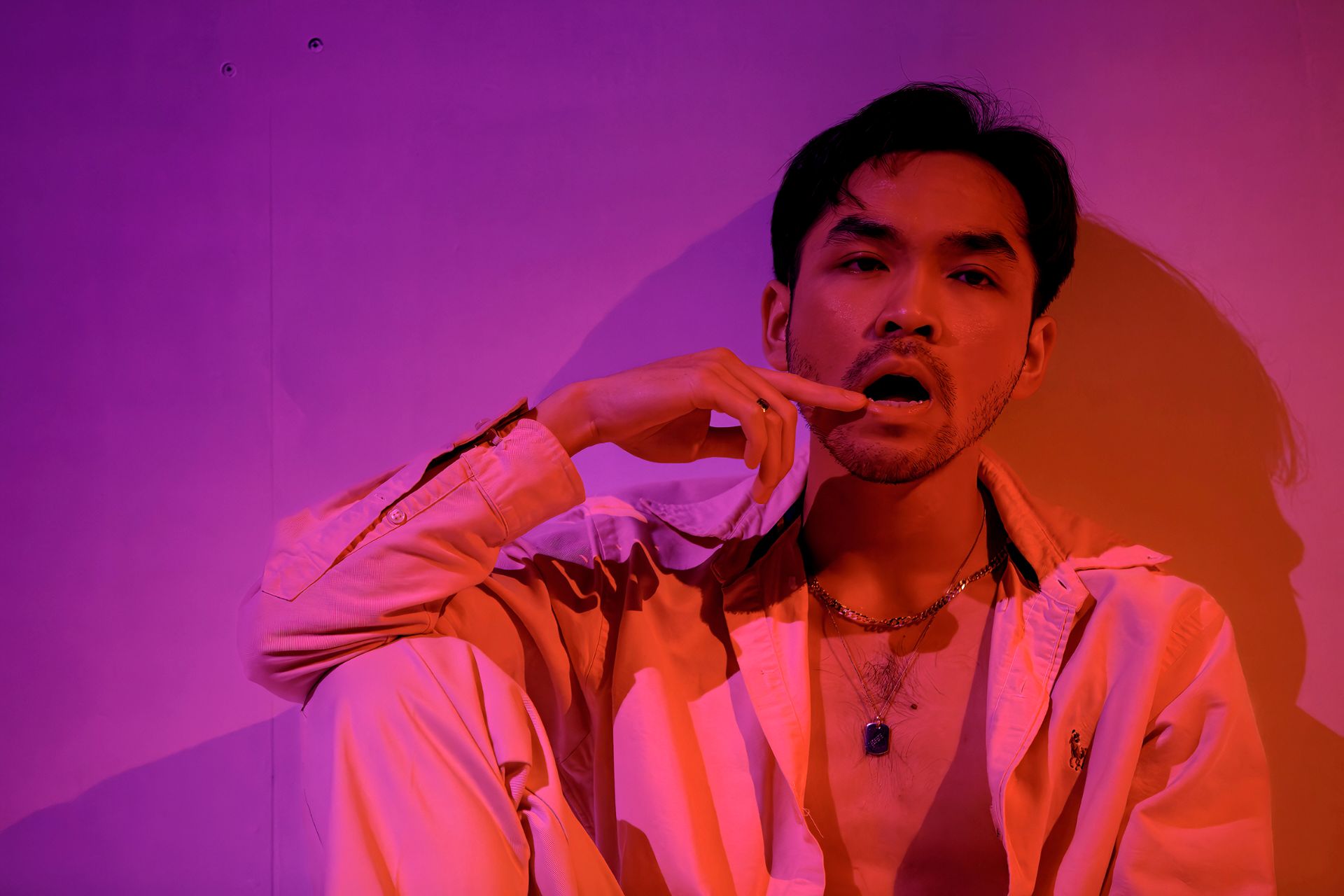
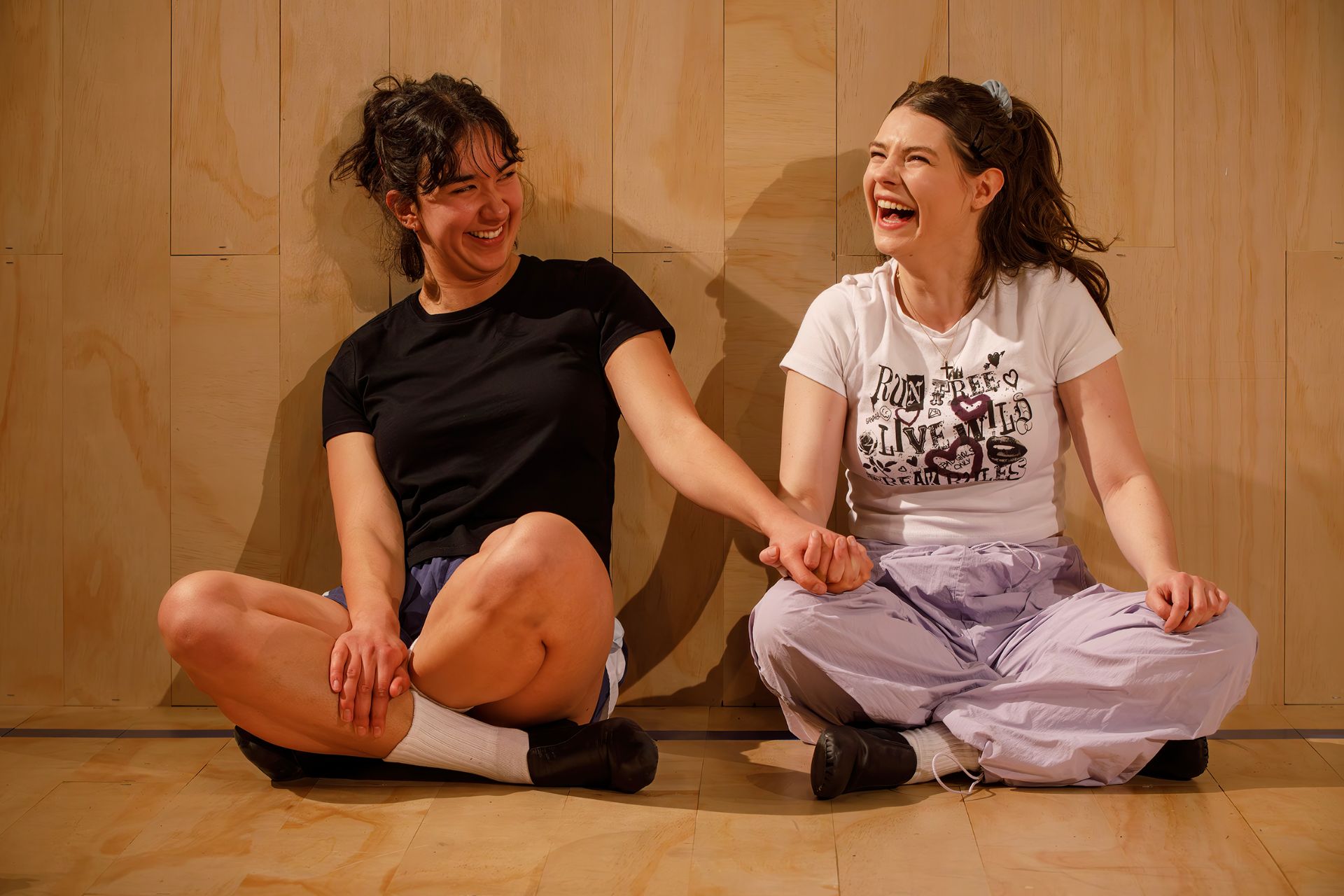
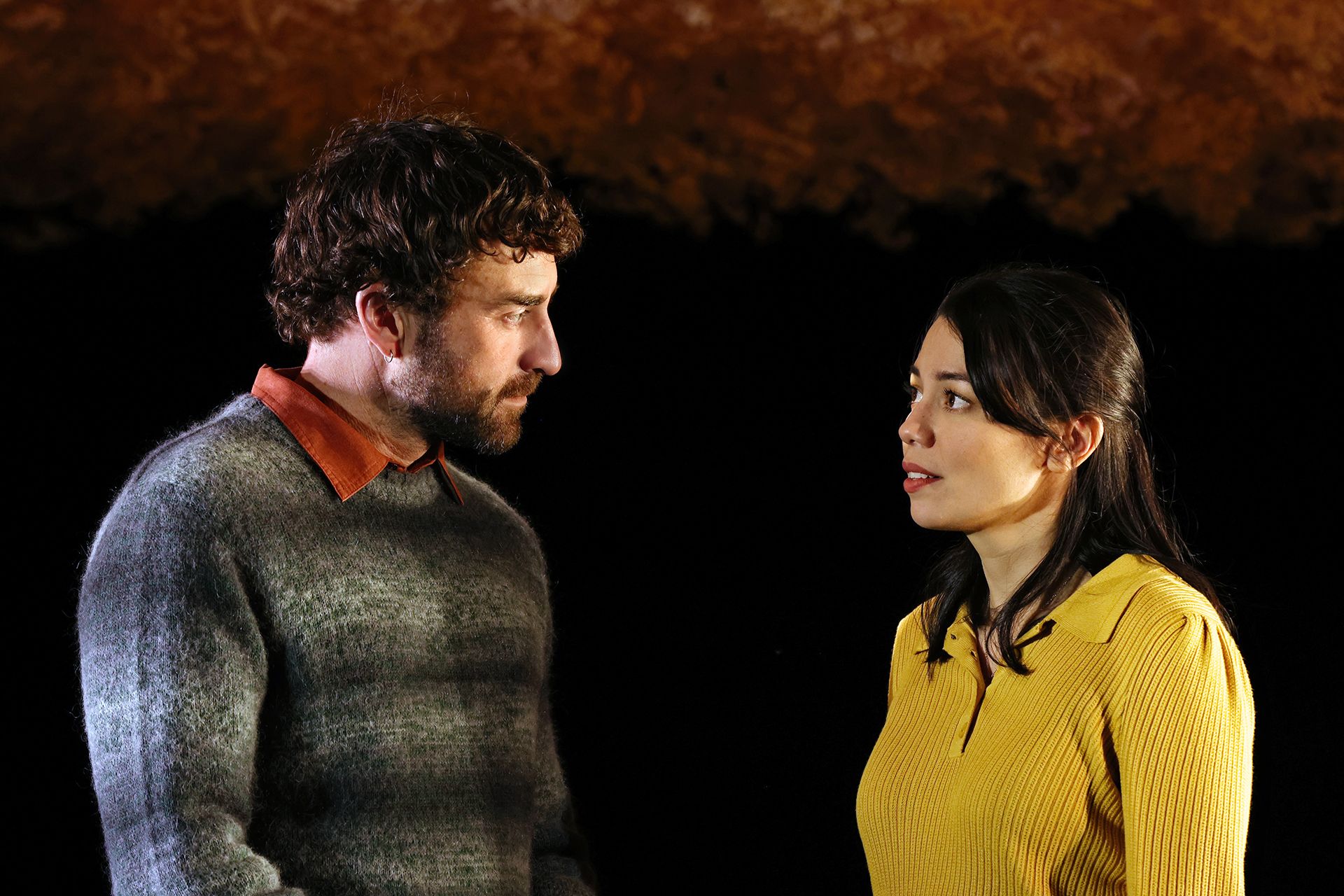
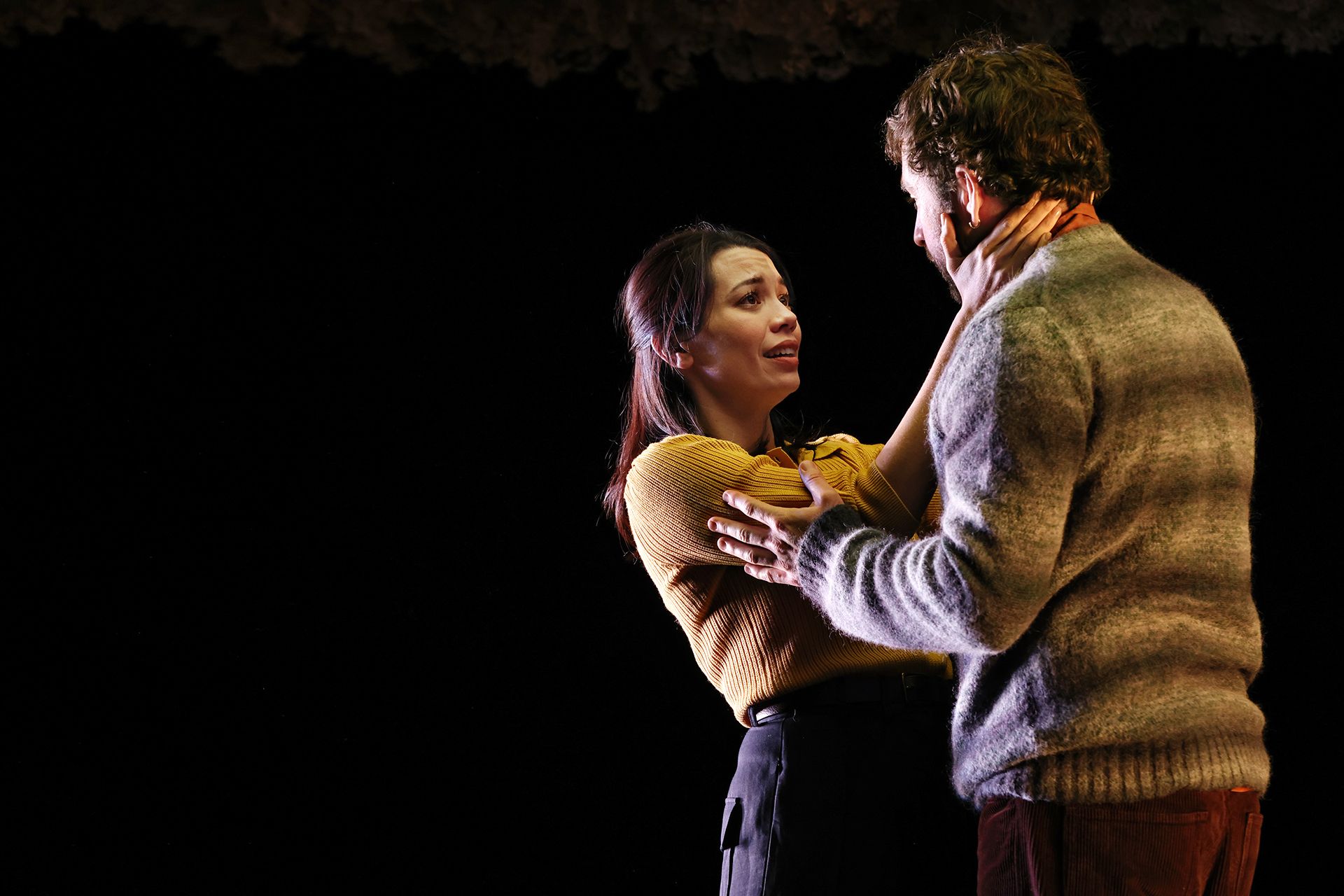
The seamless collaboration between all aspects of the staging, is incredible to witness, including the two extraordinary performers, whose unsurpassed generosity and integrity, make Constellations unforgettable. As Roland, actor Johnny Carr brings interpretations and impulses that feel entirely natural, to a text notable for its abstractions. Every vacillating scenario is made believable and rational, with an unabating charisma that keeps us endeared to each mutation of the story. The mesmerising Catherine Văn-Davies is interminably dynamic in the role of Marianne, brilliantly inventive with each refreshed delivery of dialogue, physically manifesting the infinitude that is so resolutely central to the text. The sentimental dimensions of the play are crucial to sustaining our engrossment, and Văn-Davies’s commitment to portrayals of human vulnerability keeps us riveted to the unusual storytelling. Above all, it is the extraordinary chemistry between both players that makes this theatrical moment a special one, with a partnering that invites us to perceive love as an entity beyond conventional prescription. We are as magnificent as we allow ourselves to envision.

The gravity we bear in navigating life is partially tangible, and partially in the mind’s eye; there are portions more real and portions mutable. Finding ways to dissolve the boundaries that constitute meanings of selves, or in other words, to free oneself from definitions that necessarily impose constrictions, is to release the self to an expansiveness that must mean exaltation and peace. Constellations could be seen as a meditation on zen doctrines, or at least be a key to one instance of bliss.

www.sydneytheatre.com.au

Review: Mr Bailey’s Minder (Ensemble Theatre)

Venue: Ensemble Theatre (Kirribilli NSW), Jul 28 – Sep 2, 2023
Playwright: Debra Oswald
Director: Damien Ryan
Cast: John Gaden AO, Rachel Gordon, Albert Mwangi, Claudia Ware
Images by Prudence Upton

Theatre review

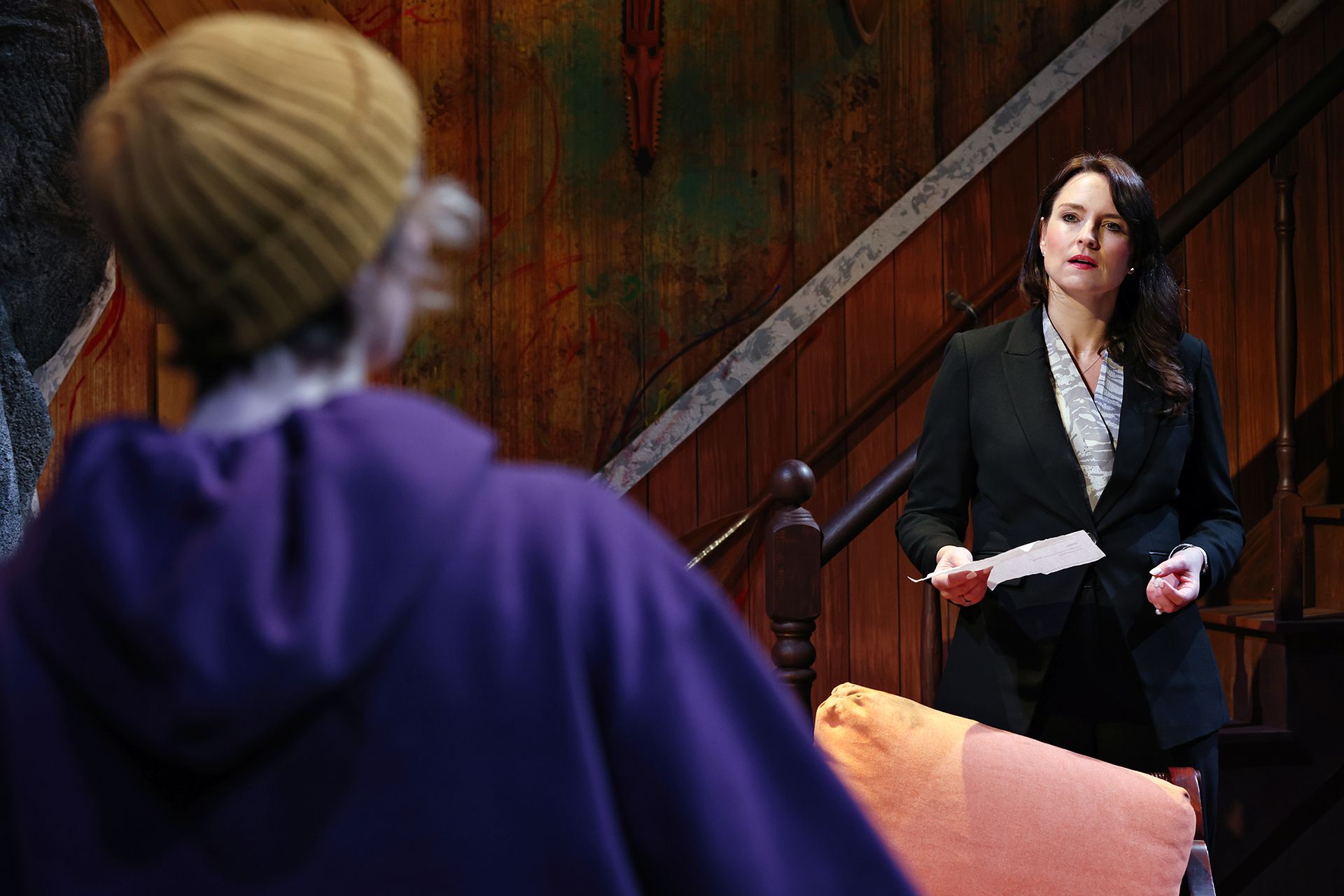
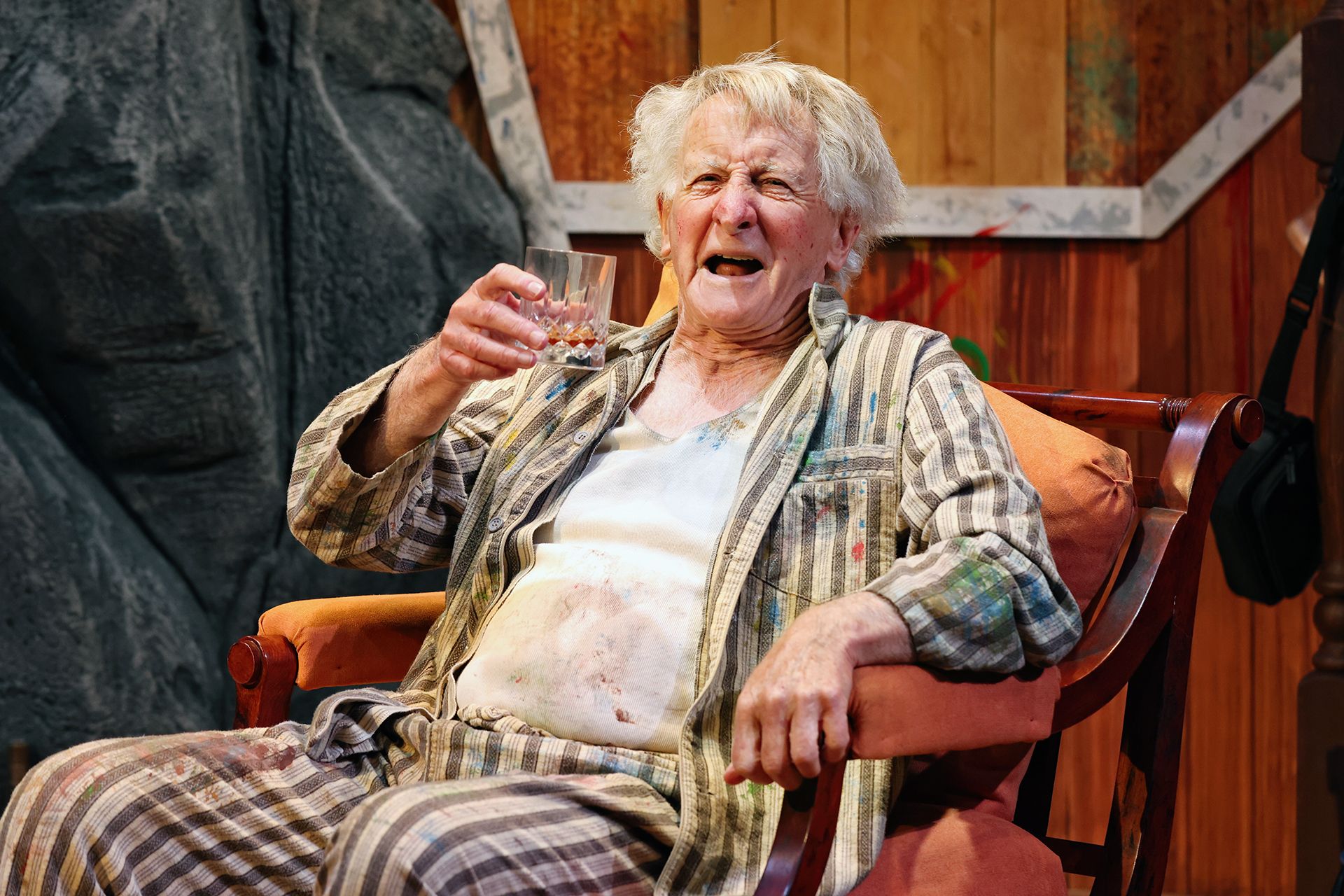
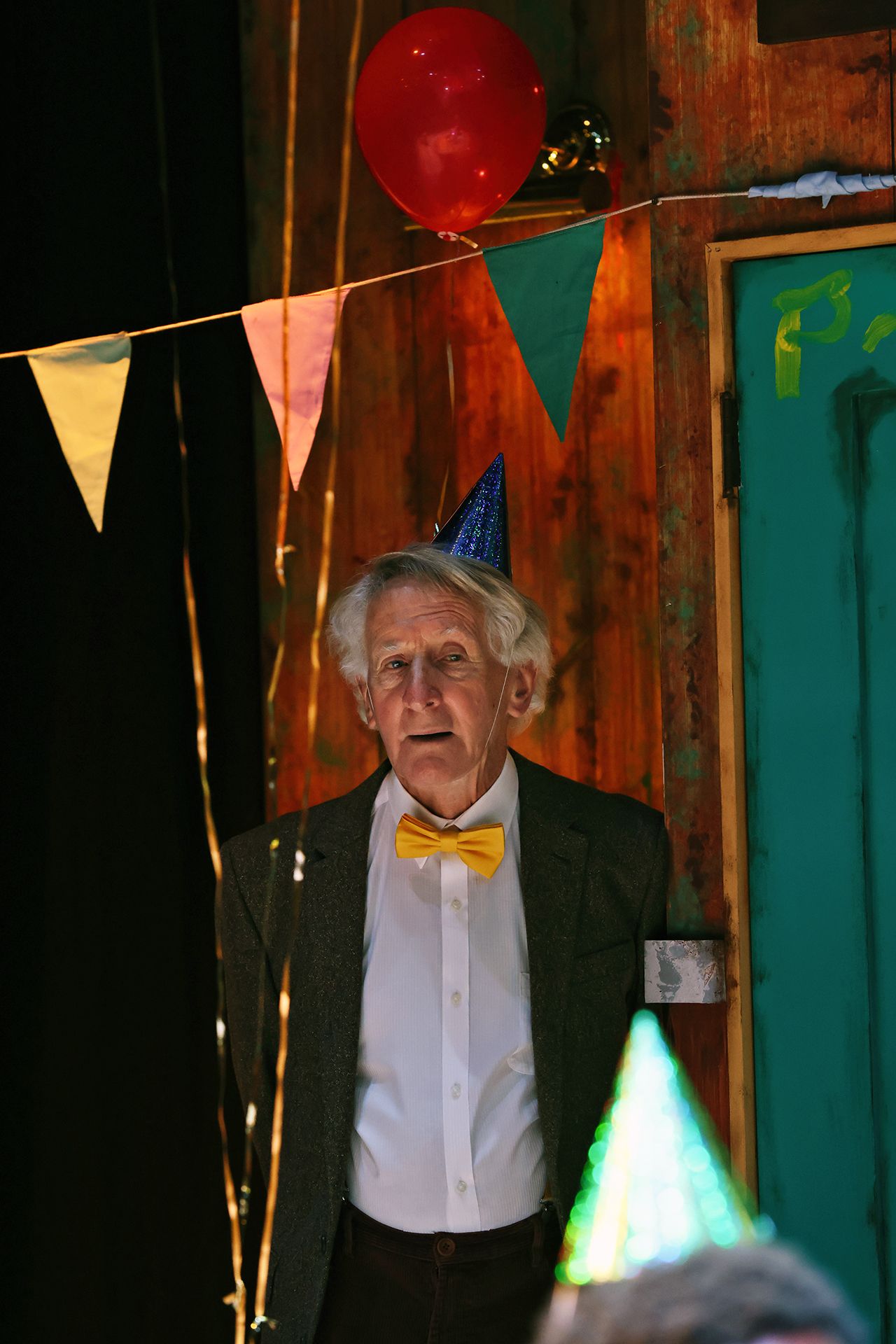
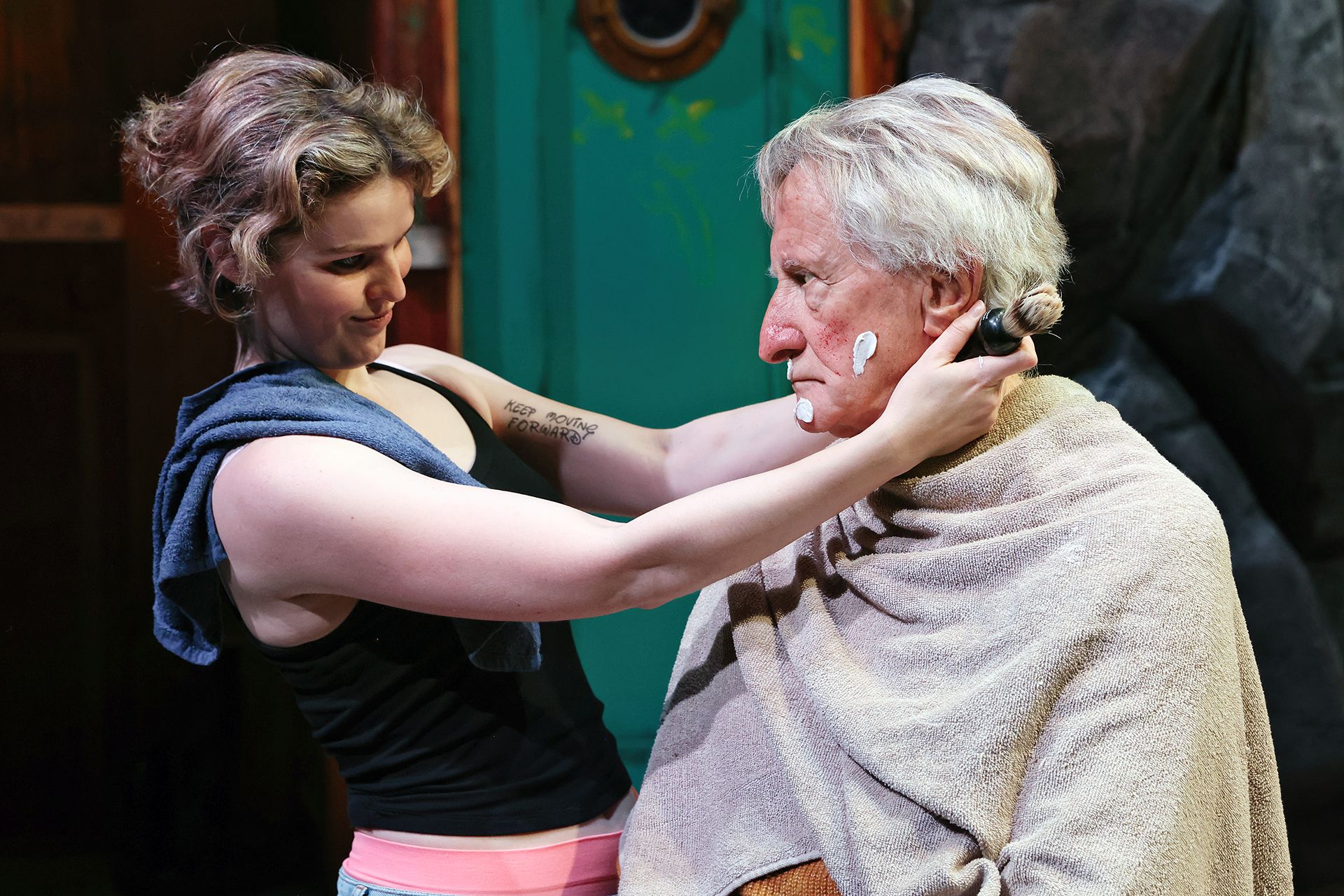
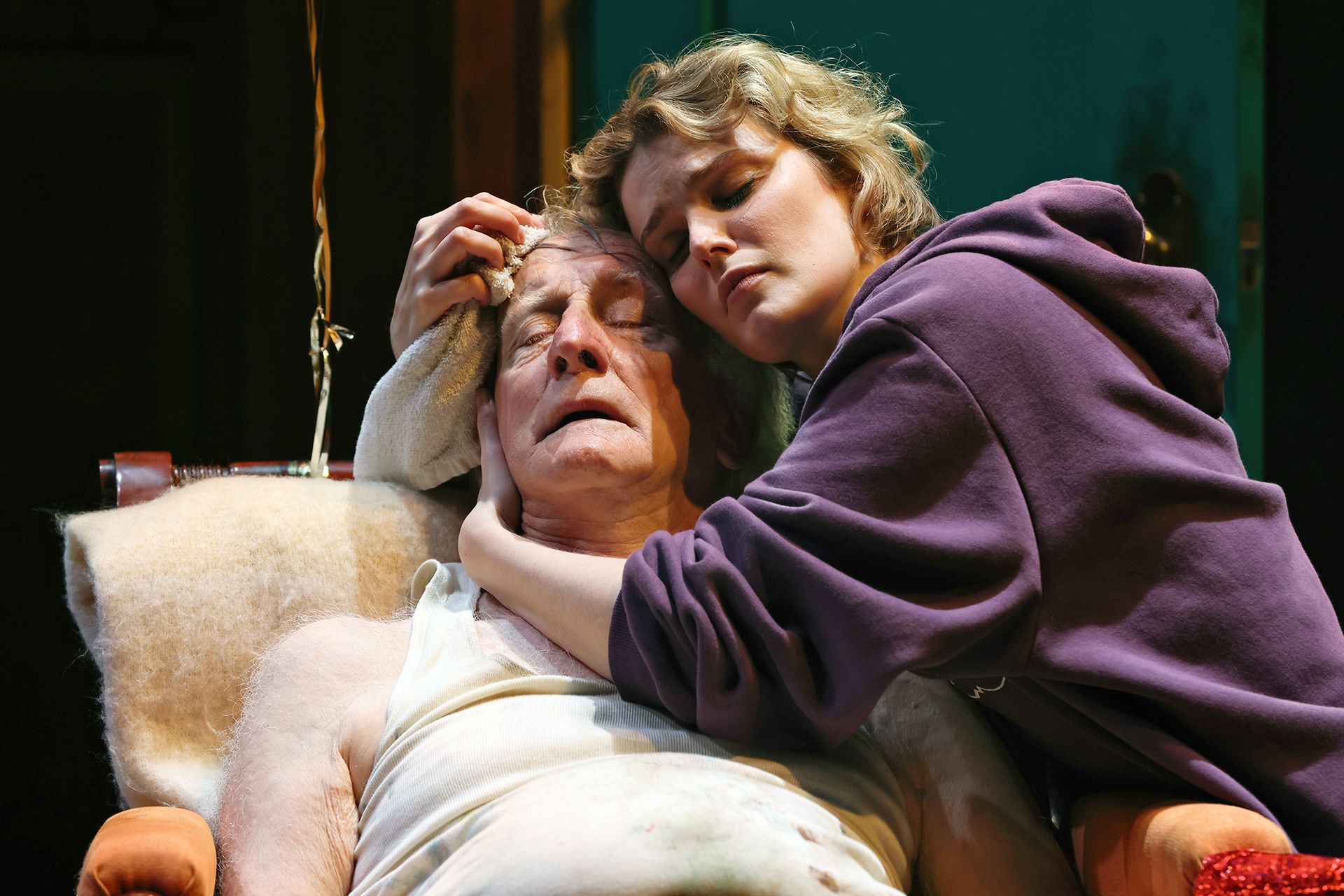
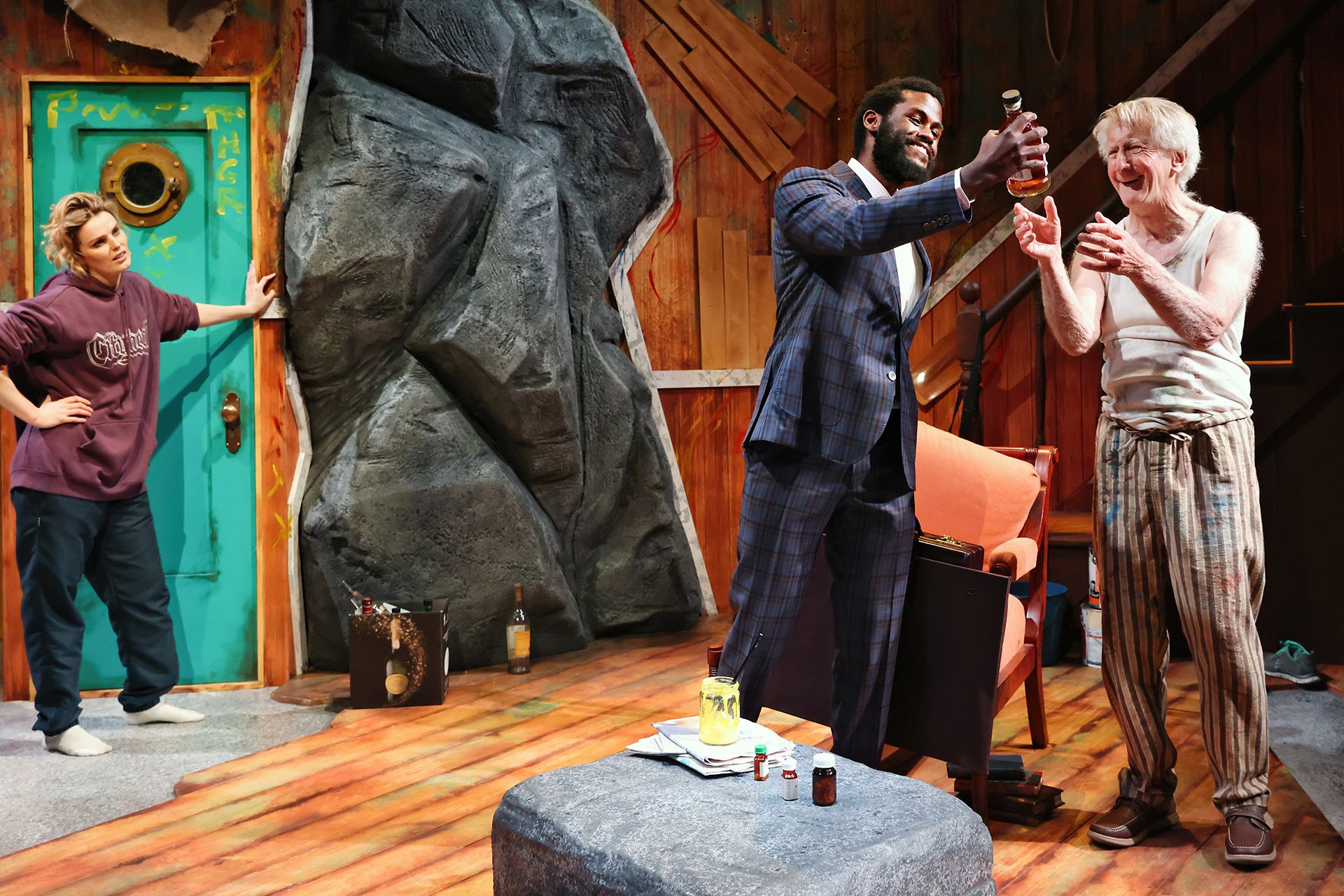
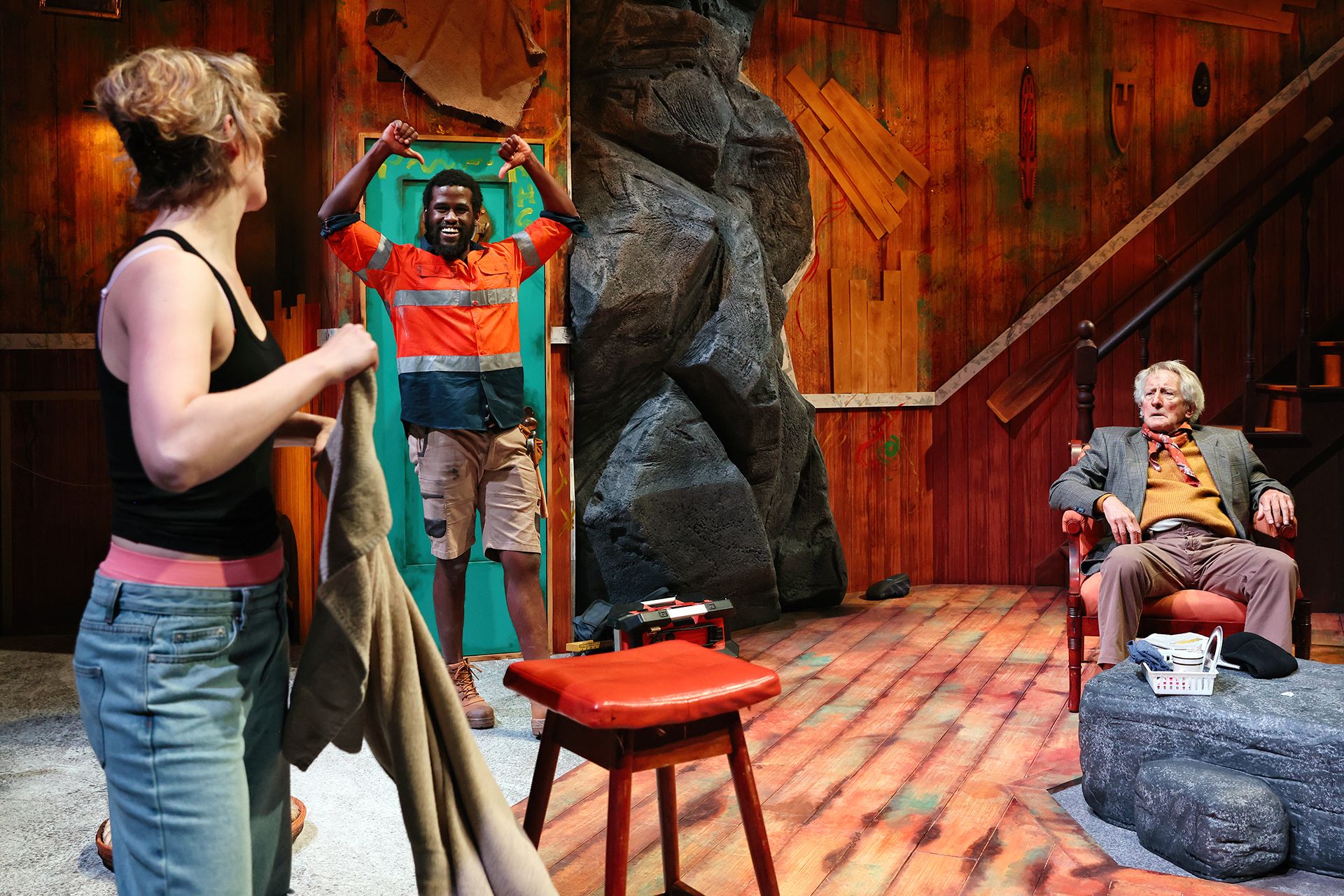
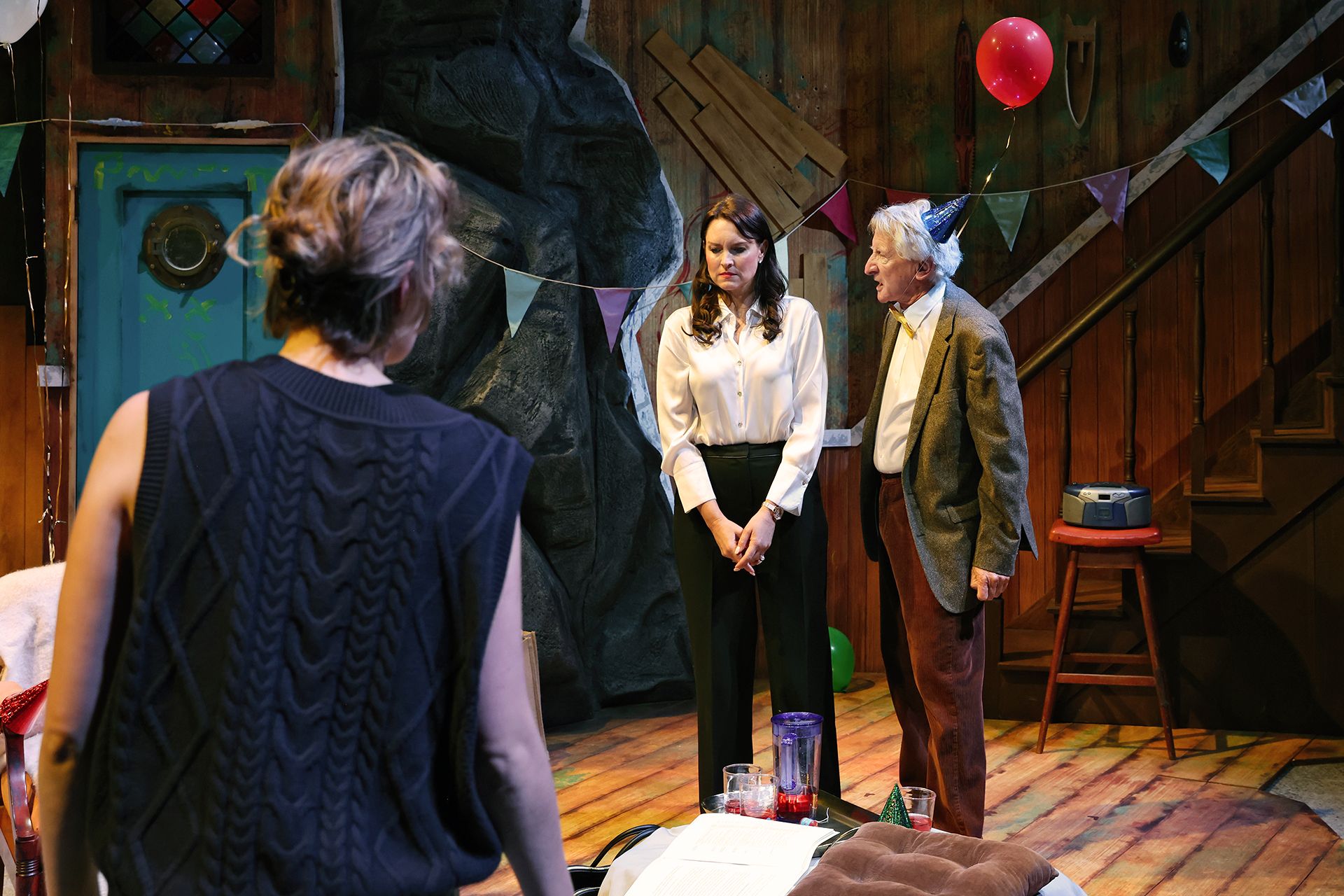
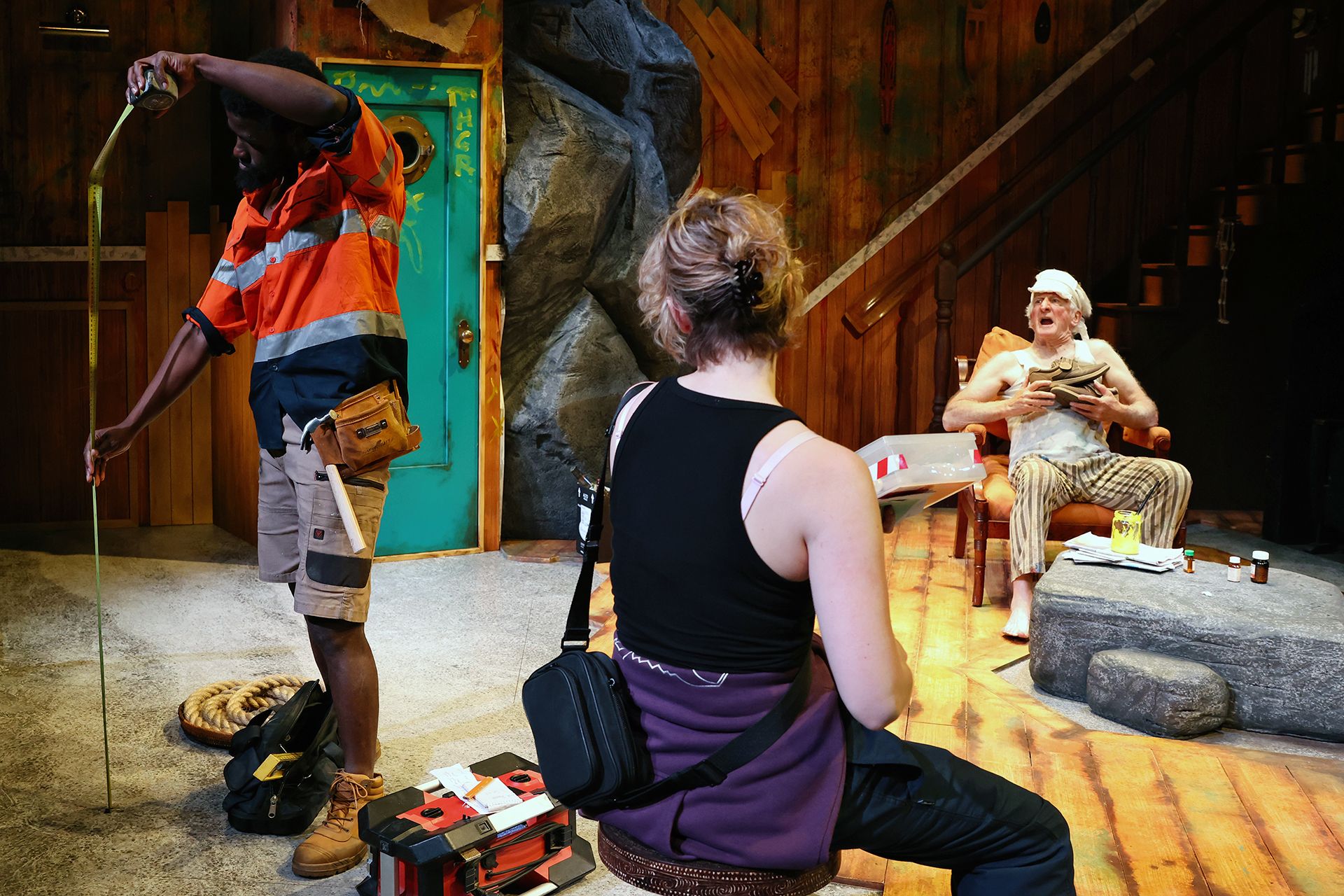
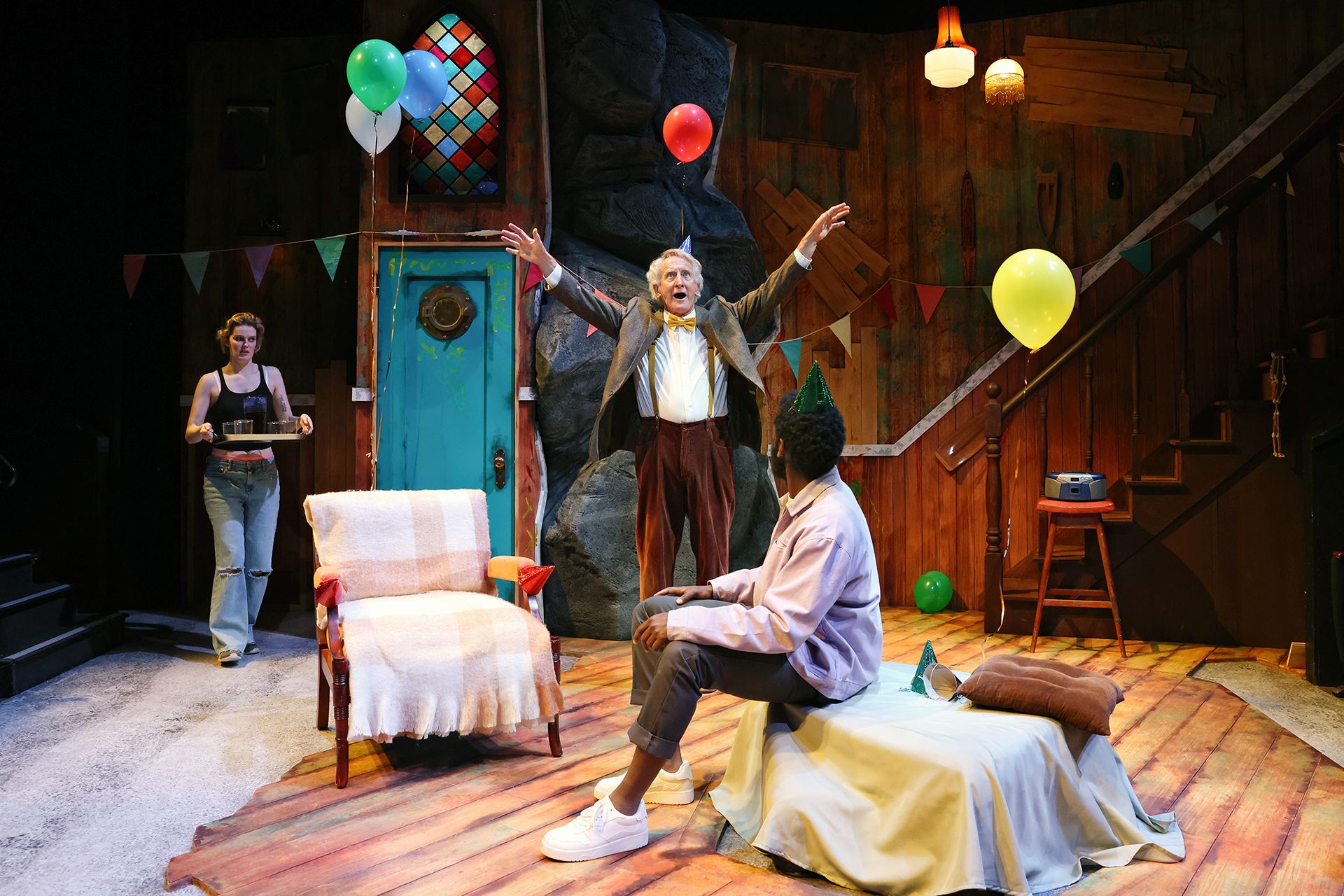
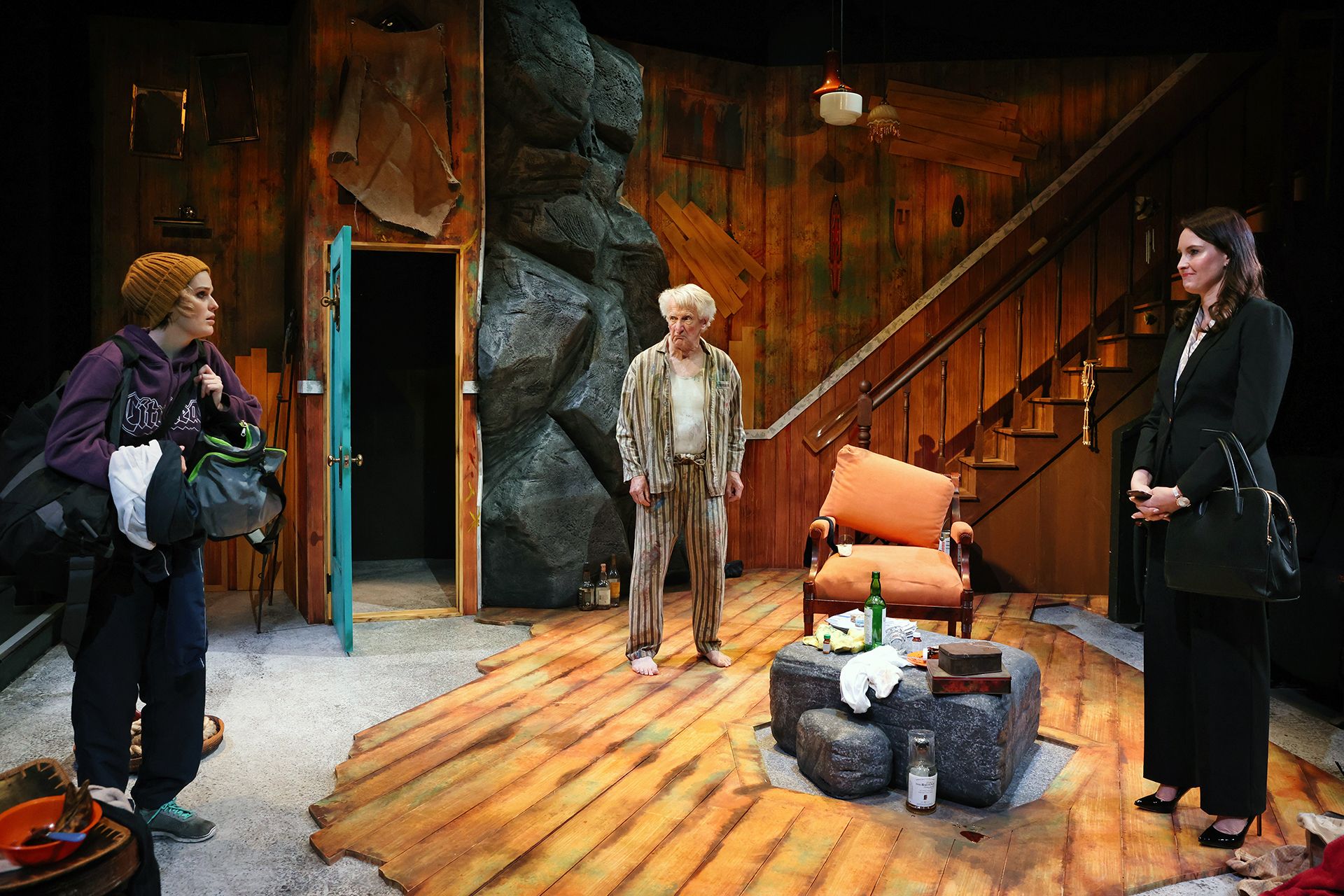
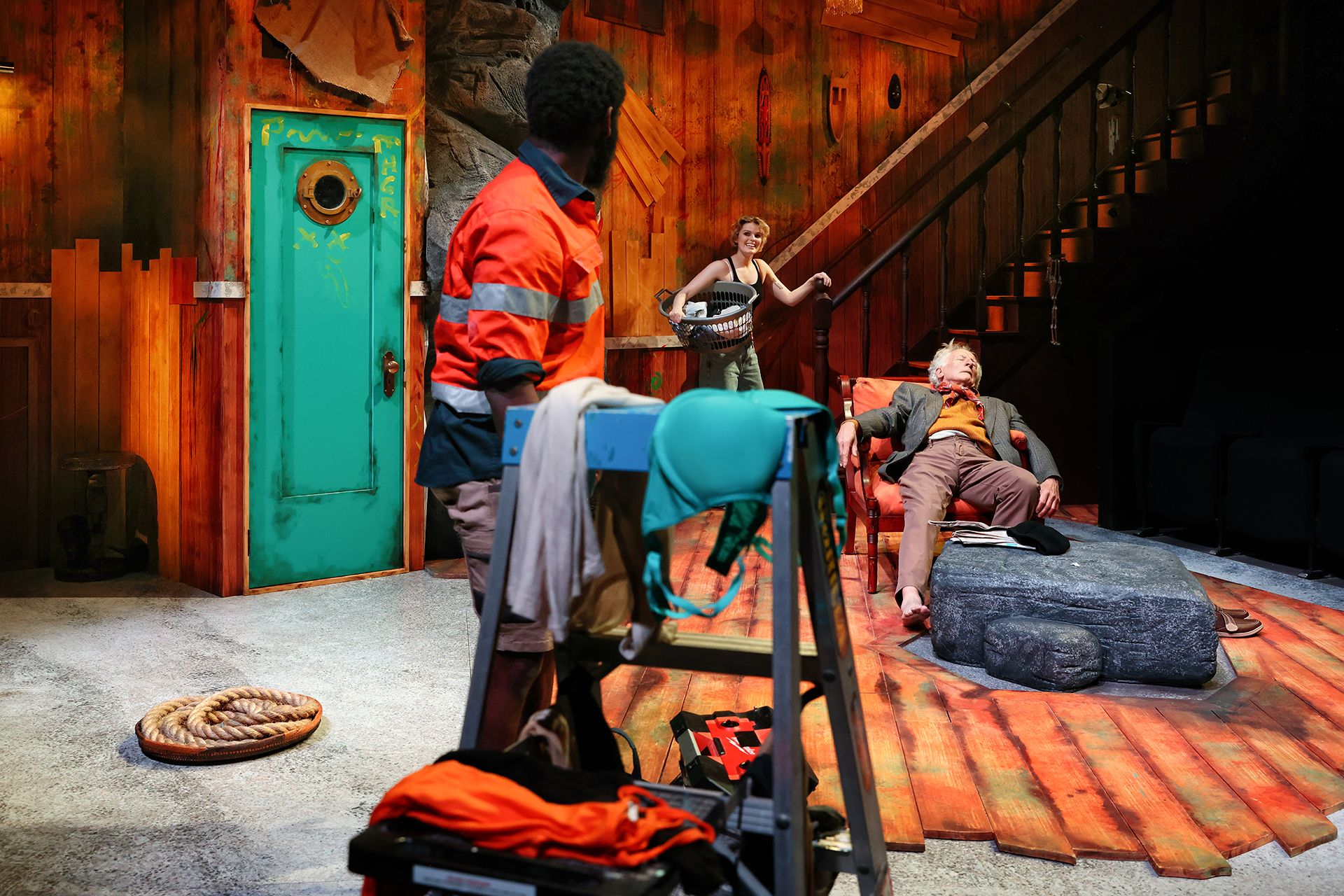
Therese is in no position to wait for a better job, so she takes on the challenge of caring for Leo, an artist of great renown who has no redeeming features, except for his exceptional paintings. Debra Oswald’s Mr Bailey’s Minder is about salvation, even for the worst of us. It is a wonderful sentiment, that all of us should deserve hope, but even though there is a lot of truth in the old saying, ‘let them who are without sin cast the first stone,’ to forgive Leo and endear to him, is perhaps too much to ask of some audiences.
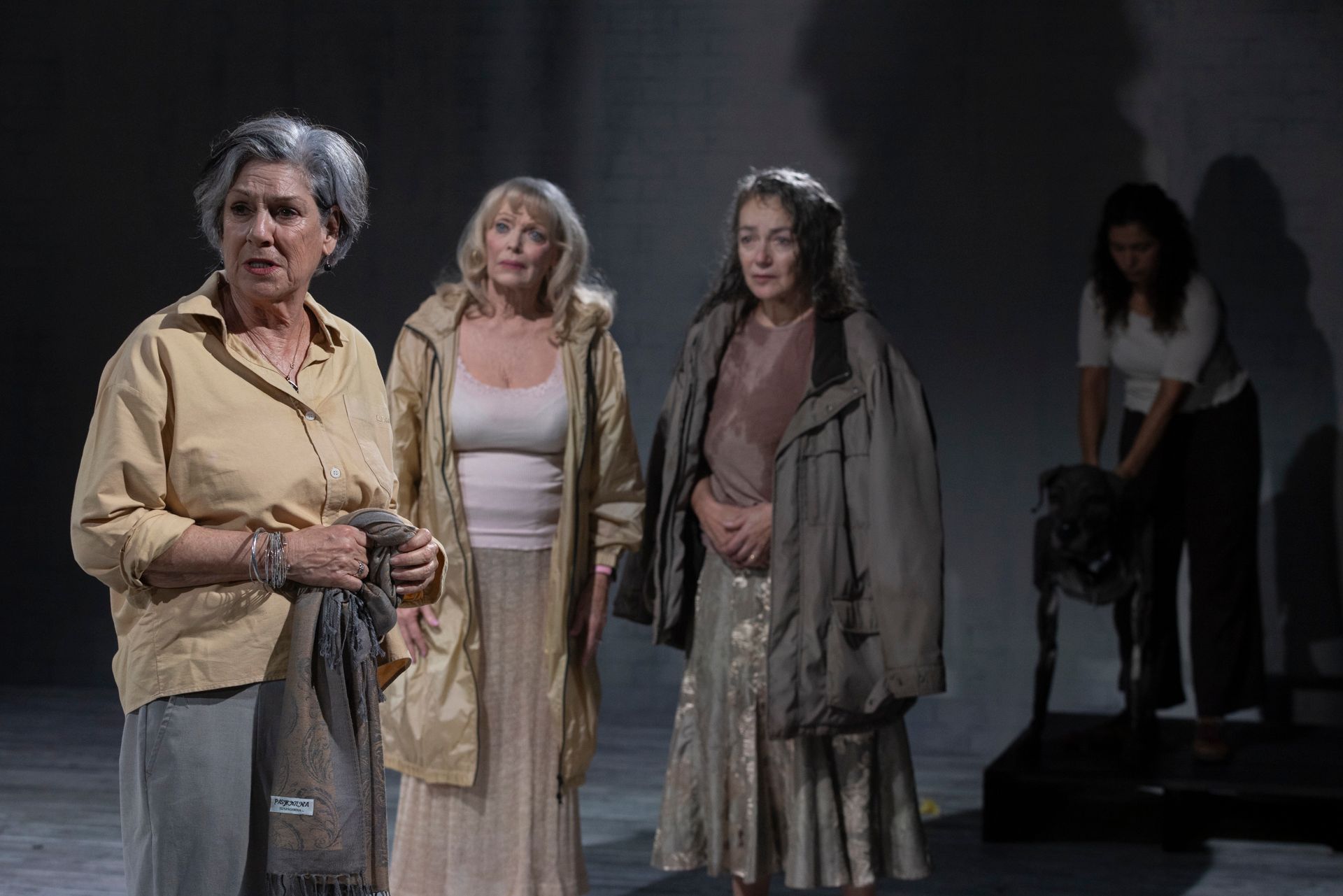
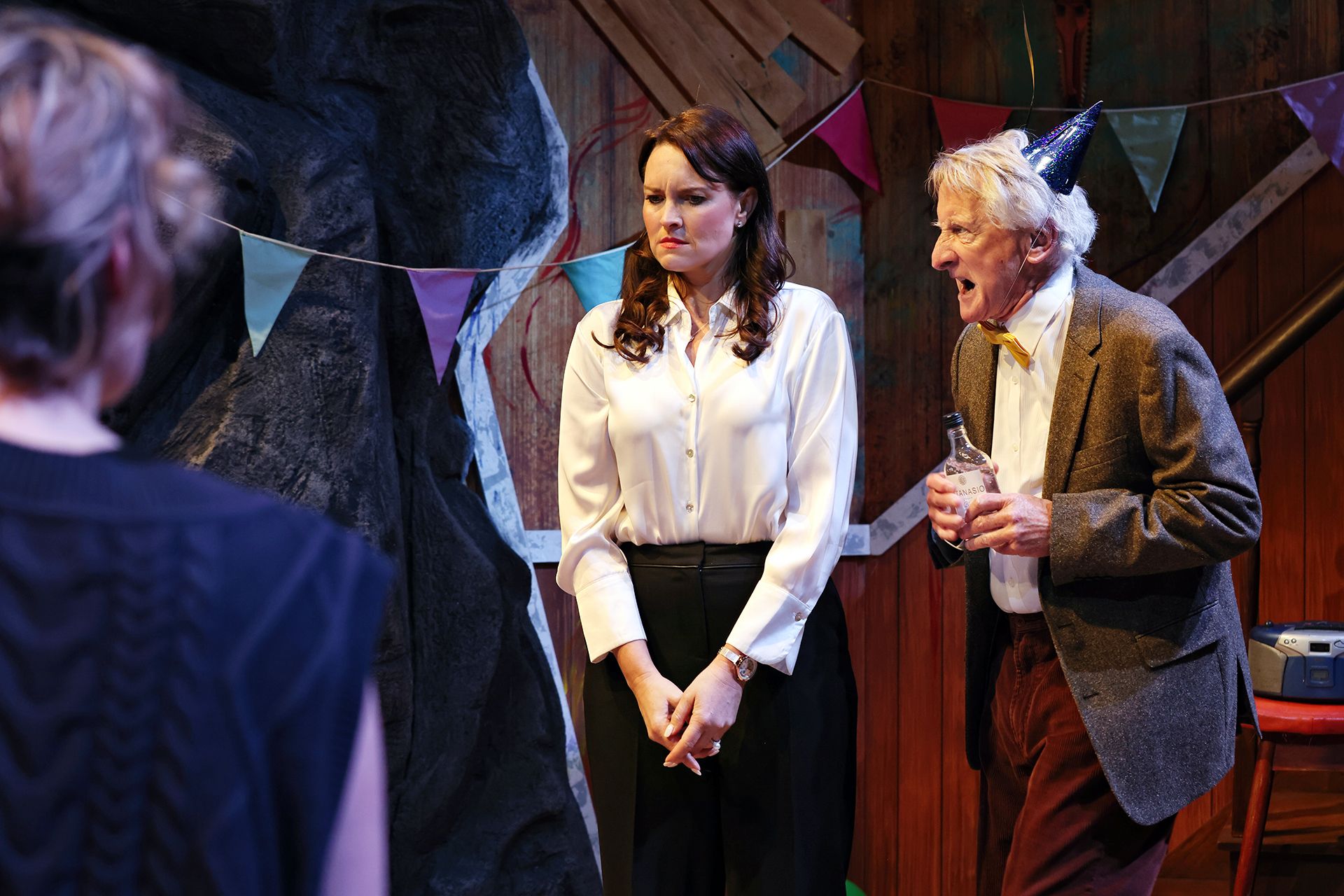
Like his daughter Margo, we find it mostly an absurd idea, to indulge in the fantasy that a man with decades of transgressions, should be essentially good and therefore worthy of love in his twilight years. The complete predictability of the plot, along with the lacklustre dialogue, makes for a play that feels even more passé than its two-decade age might suggest. Certainly its intentions are wholesome and pure, and this staging by director Damien Ryan reflects those very decent virtues appropriately. The show feels spirited, almost charming at times, and it is unsurprising that some might be led to find it a meaningful story to invest in.
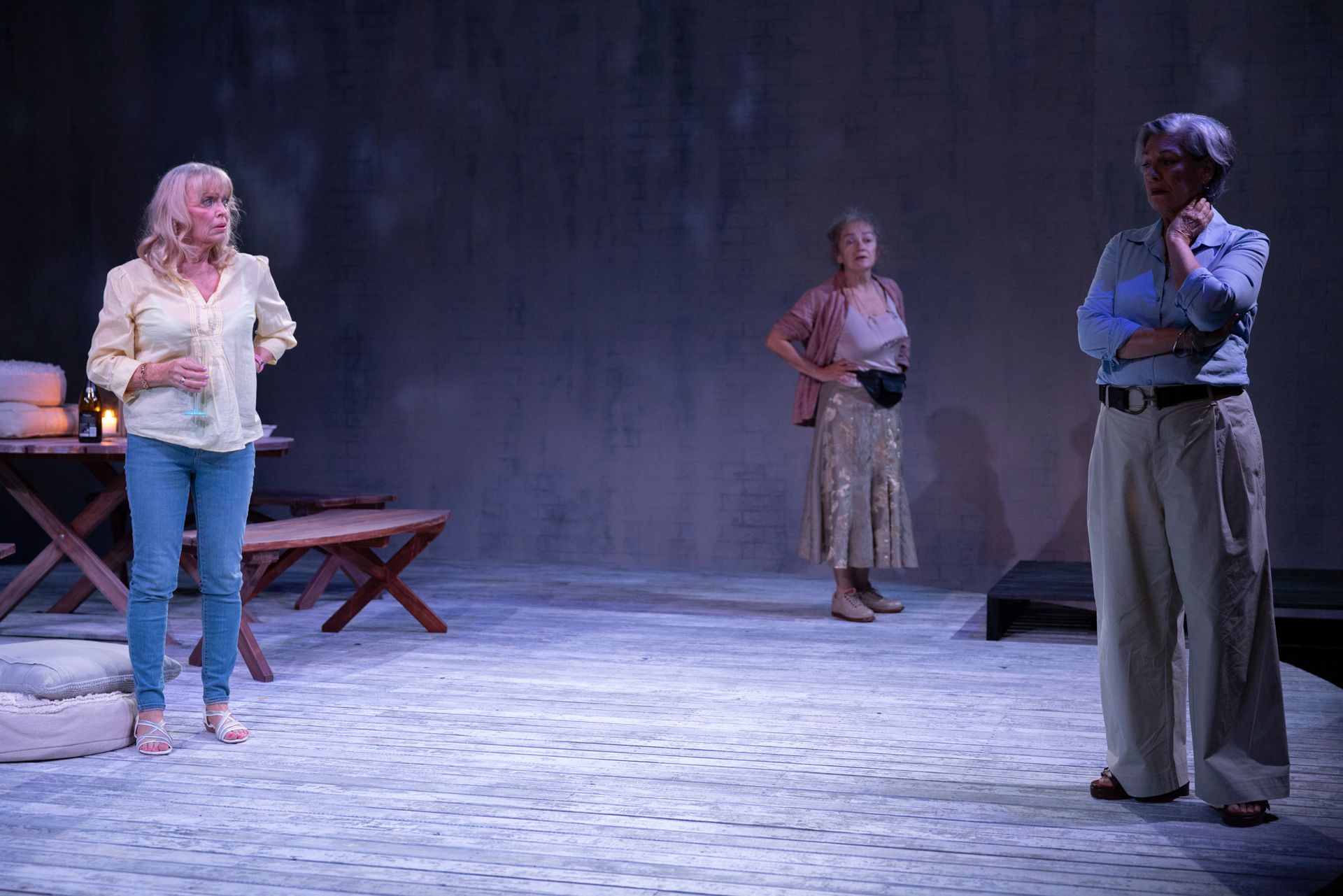
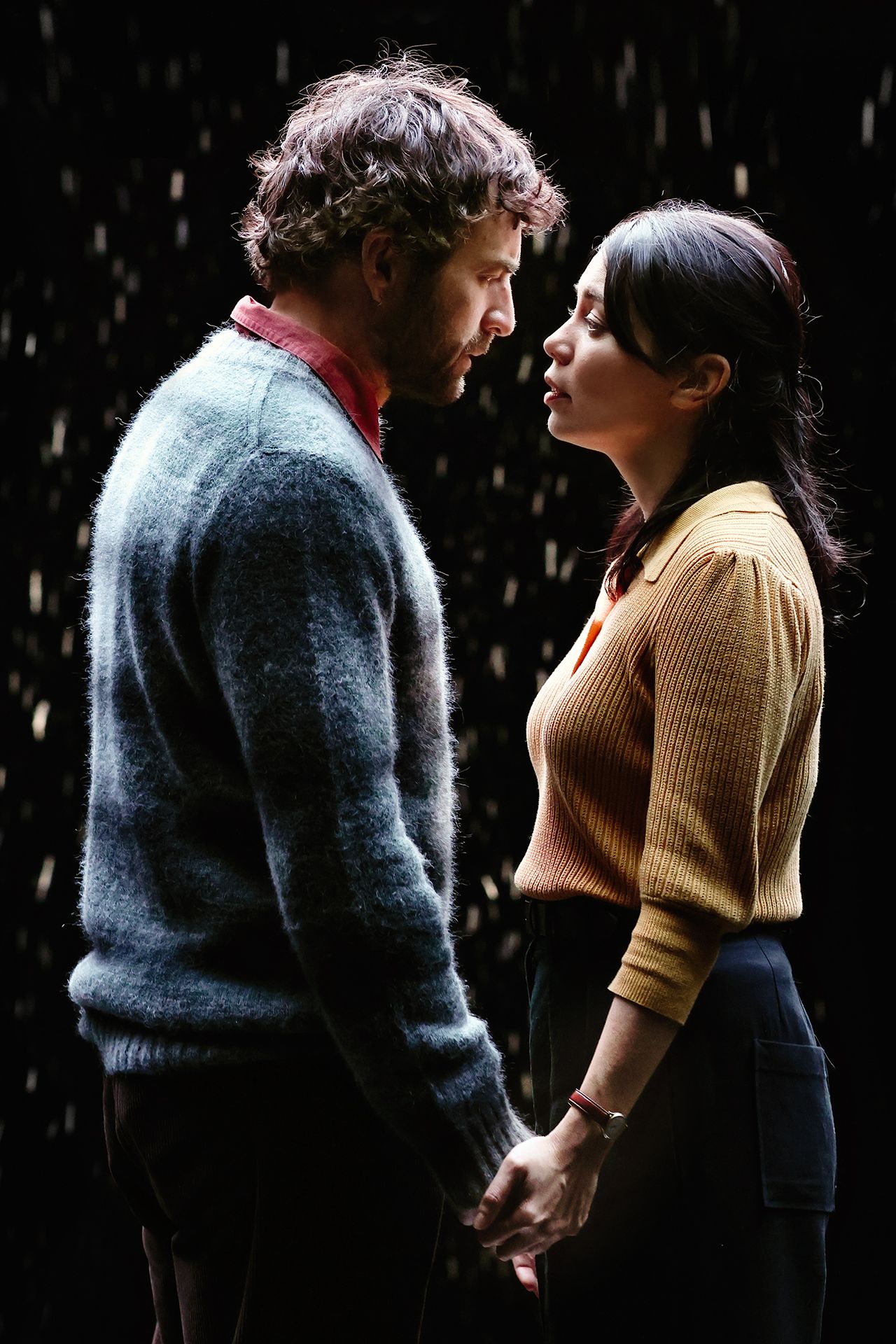
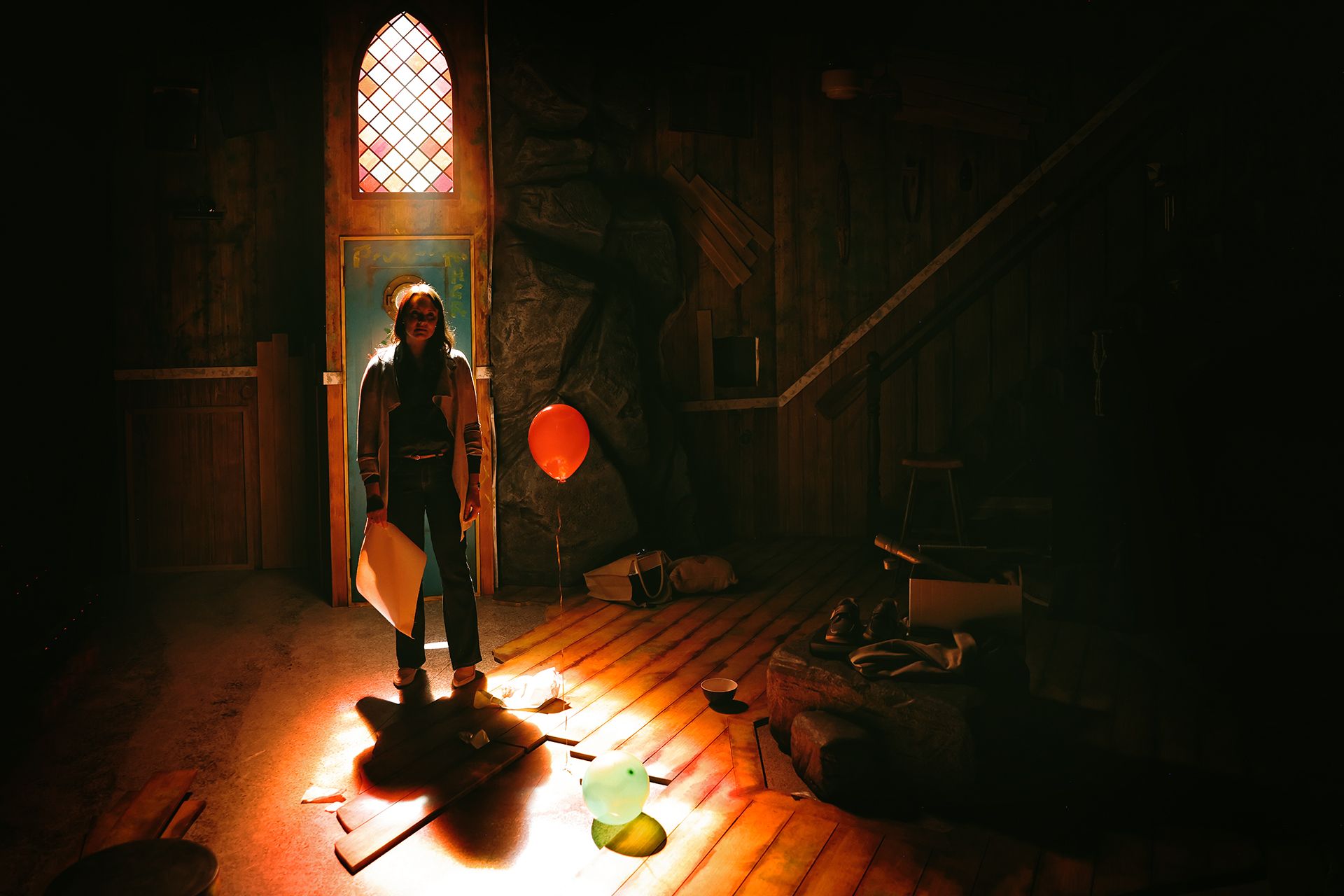
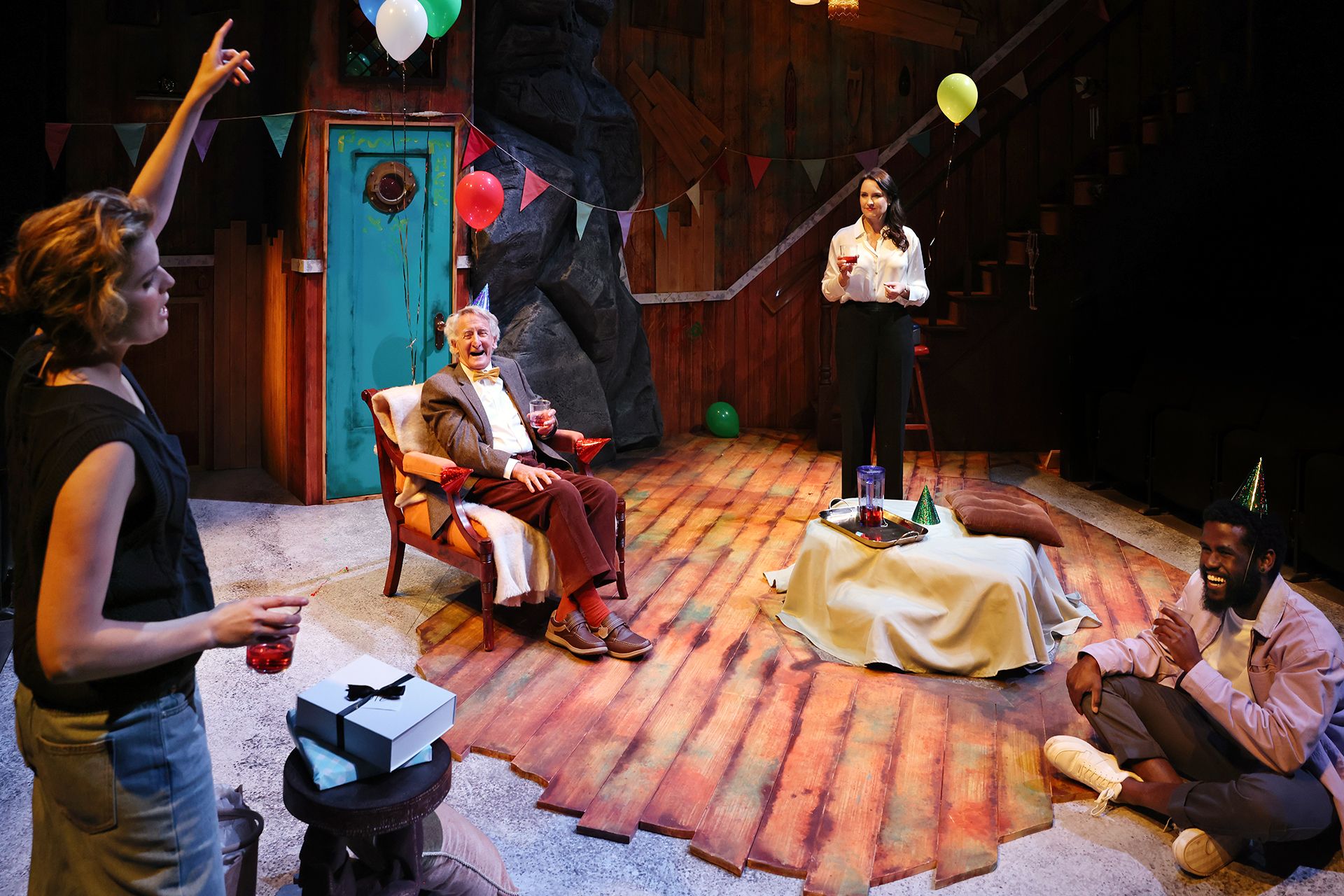
Abstract elements of Soham Apte’s set design are charmingly considered, although its colour palette could benefit from a little restraint. Apte’s work on costuming is more effective, rendered with a detailed eye to help us achieve an understanding of characters from first glance. Lights by Morgan Moroney are remarkable for subtle and astute calibrations that ease us through constant vacillations between comedy and drama. Sound design by Daryl Wallis is minimal but realistic, with occasional interlude music offering a hint of elegance.

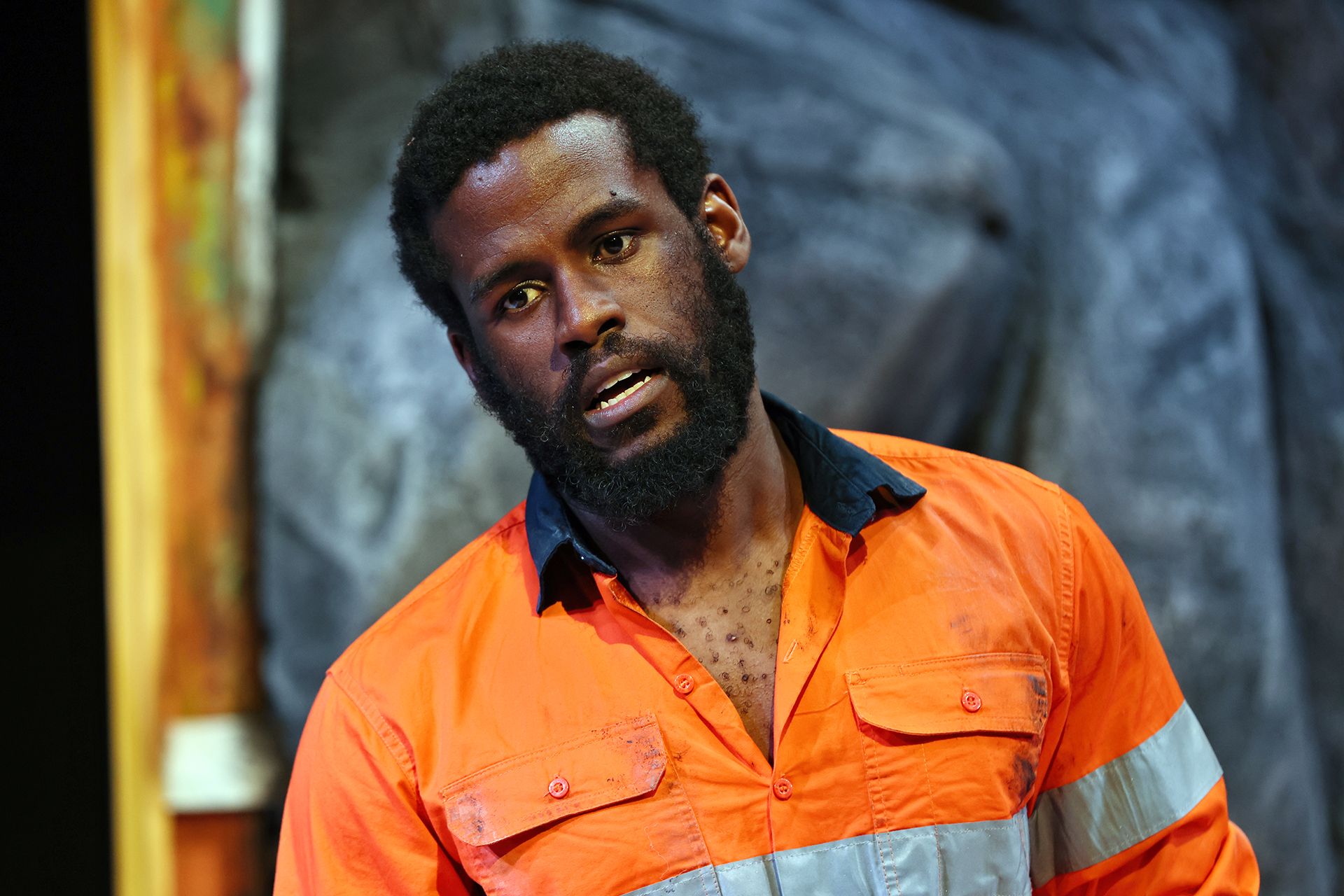
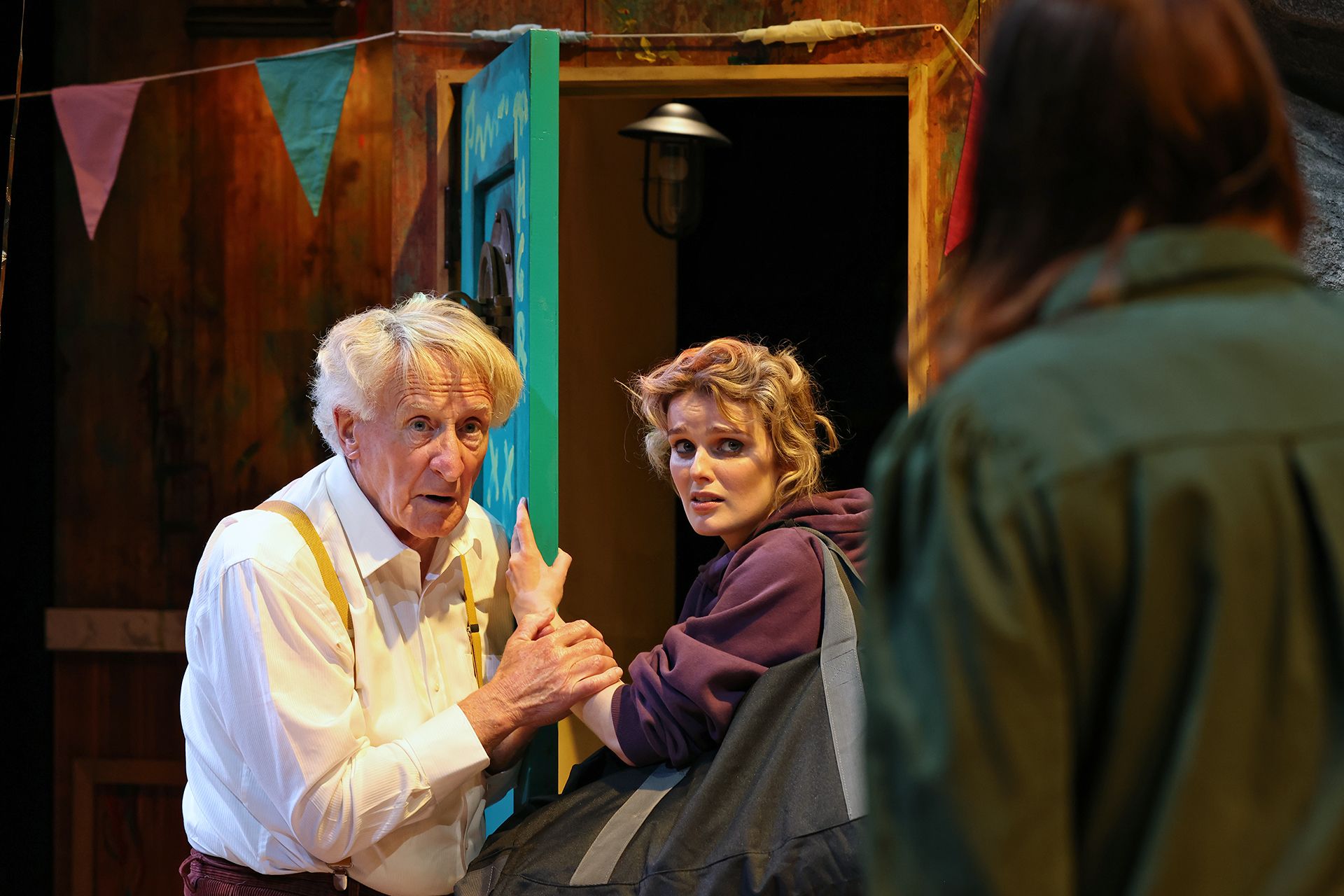
Actor John Gaden is extremely likeable as Leo Bailey and, therefore, elicits conflicting feelings about a man who has ostensibly done a lot of harm throughout his lifetime. Gaden’s palpable chemistry with each member of cast, makes everything magically palatable. Playing Therese is Claudia Ware whose warm exuberance compels us to persist with the tale. Albert Mwangi too is charismatic in dual roles, captivating whether as the deviant Gavin or the delightful Karl. As Margo, Rachel Gordon’s humour is a highlight, enjoyable enough for us to excuse her inability to make convincing her character’s eventual change of heart, regarding the contemptible patriarch.

Forgiveness is the most honourable quality one can learn to cultivate, but is admittedly difficult to engender with erstwhile offenses, and nigh on impossible to instil when wrongdoings are ongoing and recurrent. In Mr Bailey’s Minder one could detect a real need for grace, and that impulse is prudent and true. Also true, is that we need to see evil for what it is, and find ways to recognise that confronting discord, and not fall into delusions to make absolution easier. Furthermore in our art, benevolence should perhaps play a subordinate role, to chastising those who deserve it. Leo may be a great artist, but he is also a horrible man, and choosing to forget the inconvenient half, is unconscionable.

www.ensemble.com.au

Review: Pitchfork Disney (Meraki Arts Bar)

Venue: Meraki Arts Bar (Darlinghurst NSW), Jul 20 – Aug 5, 2023
Playwright: Philip Ridley
Director:
Victor Kalka
Cast: Jane Angharad, James Hartley, James Smithers, Harry Winsome
Images by Clare Hawley

Theatre review

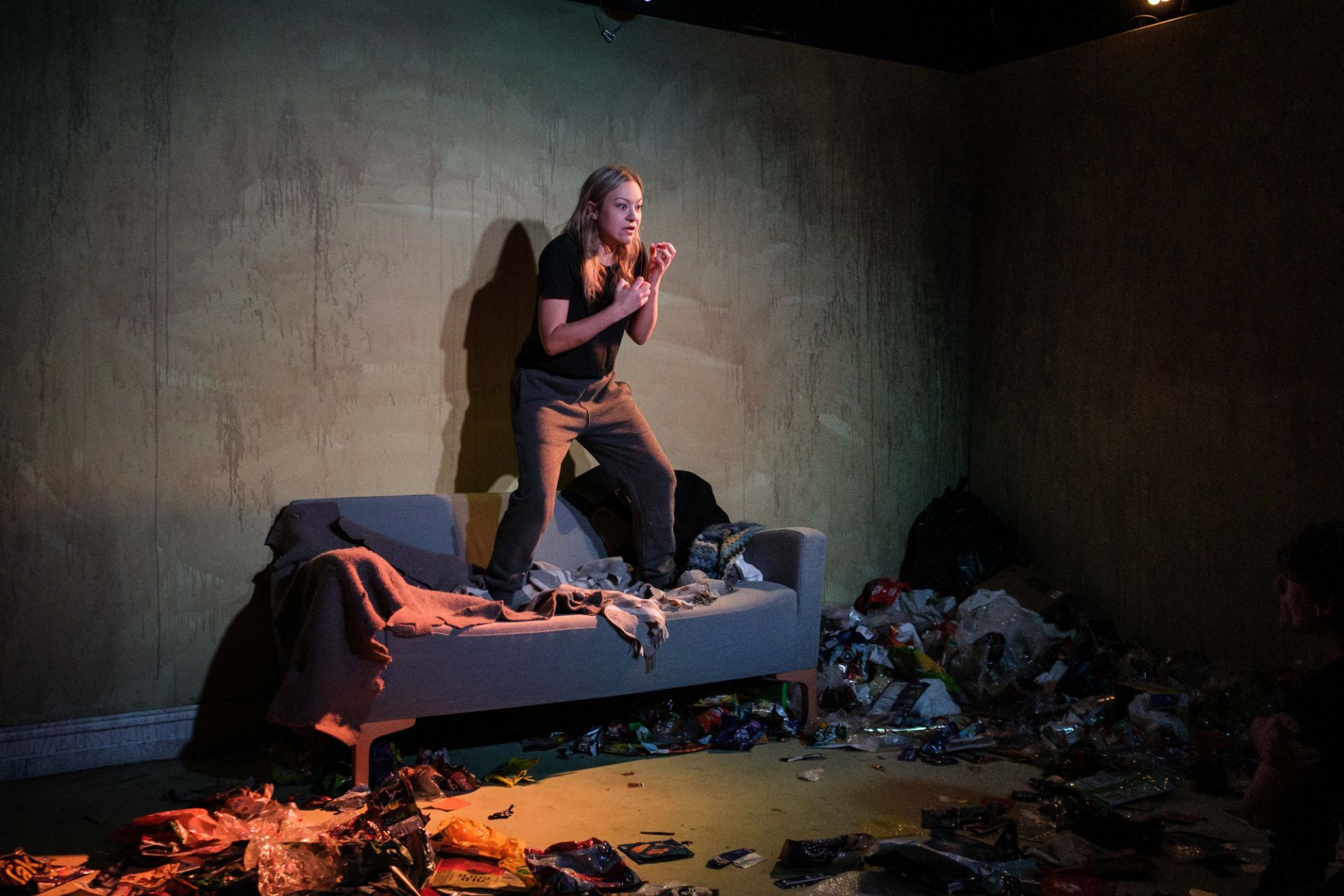
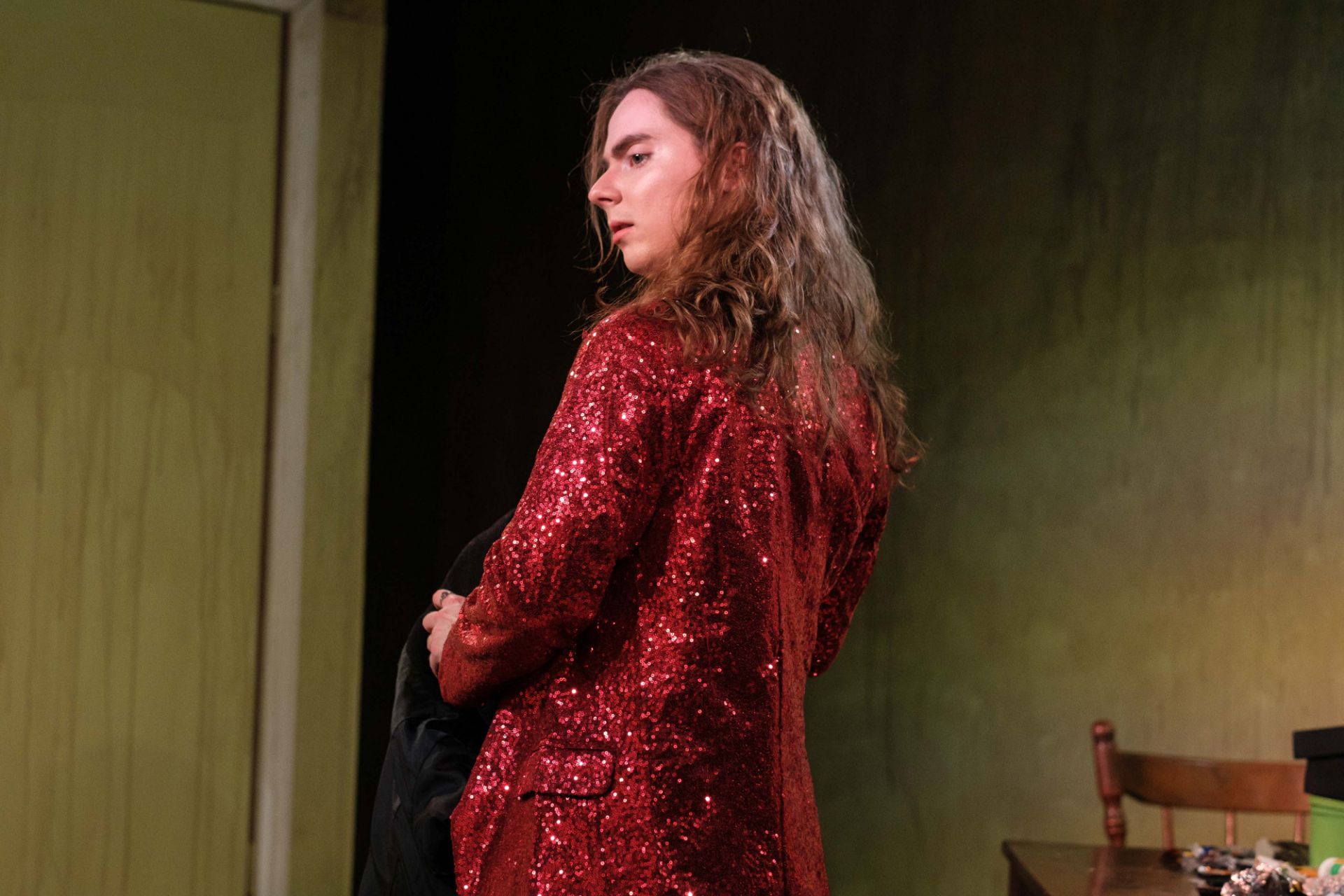
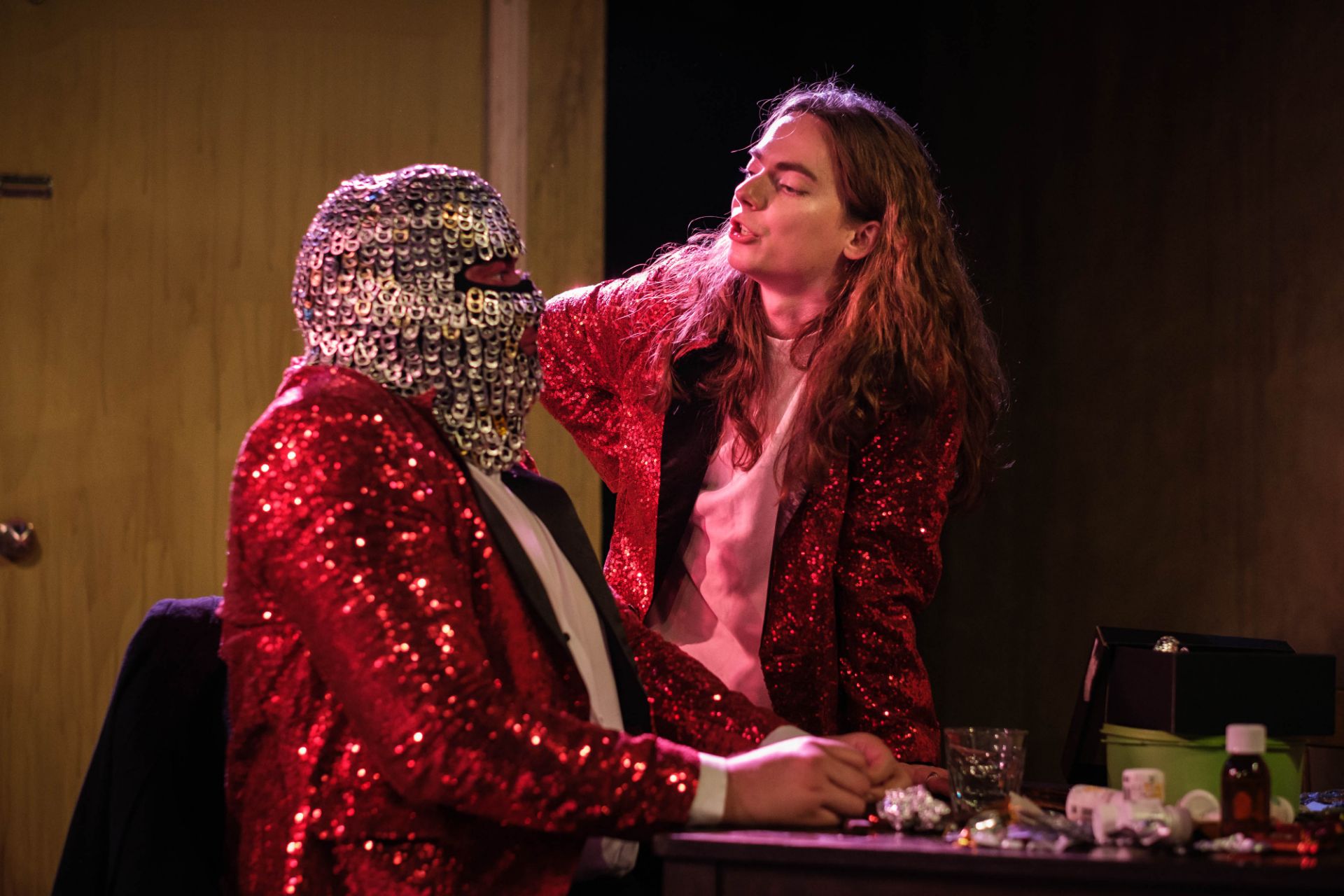
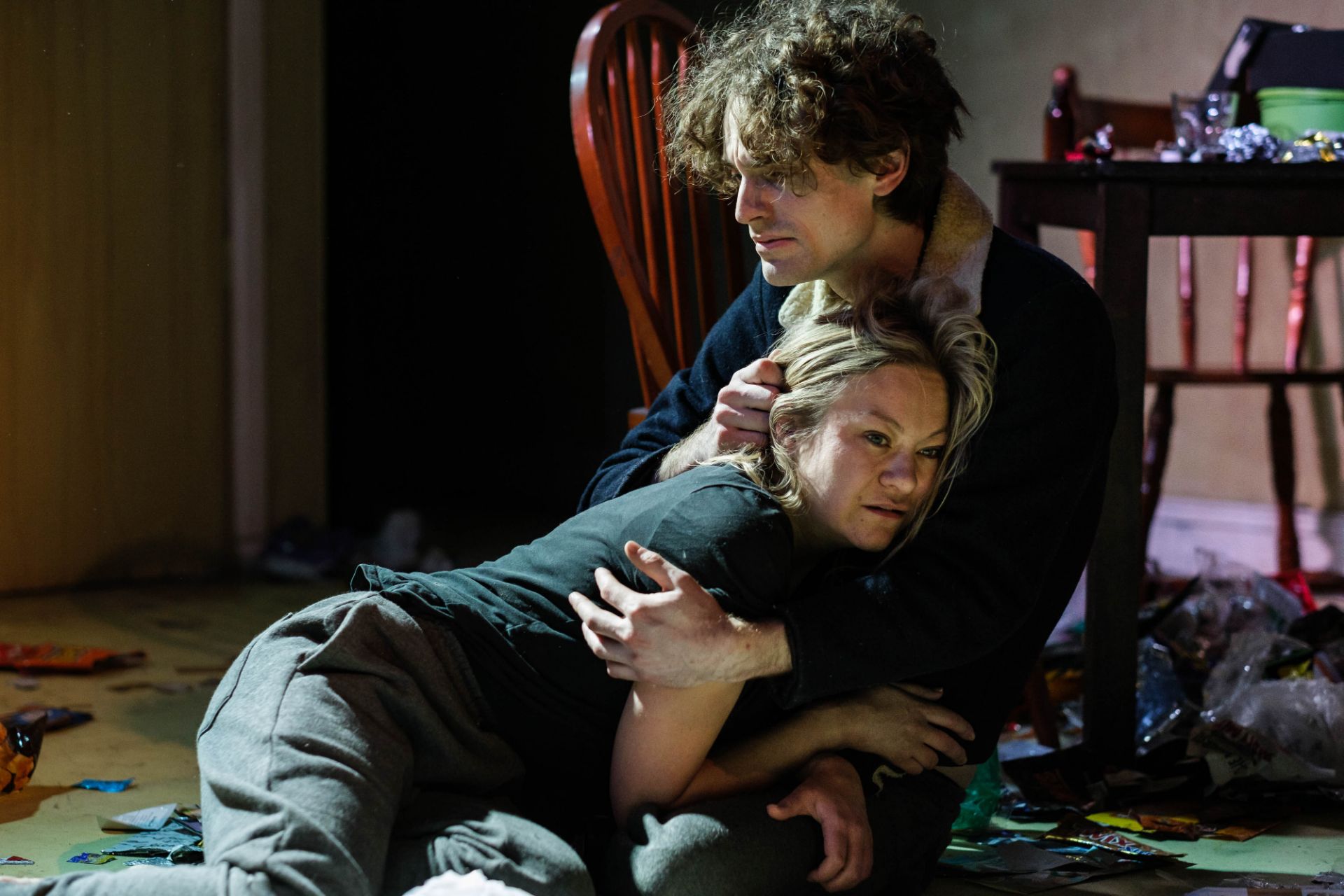
Haley and Presley are siblings who lock themselves up at home all day, indulging in chocolate and drugs, as they tell each other endless tall tales to pass the time. When Cosmo appears quite unexpectedly, we find the sanctuary suddenly perilous, as the stranger threatens to disrupt the household’s long-standing equilibrium. The many anecdotes shared by characters in Philip Ridley’s Pitchfork Disney are replete with fear and darkness, reflecting an anxious pessimism that no doubt was present during the writing process, although an ironic humour is certainly involved as well, in a bizarre work that proves to be as quirky as it is morbid.

The production is full of intrigue, with director Victor Kalka exploring the text’s curious nature to deliver, an experience memorable for its fascinating experimentations with the abstract. Kalka’s set design is noteworthy for its finesse and believability, and some of his costume pieces are wonderfully outlandish, if somewhat paradoxical for a show concerned with decay and dilapidation. Lights by Jasmin Borsovszky are effective in moments of heightened drama, but can sometimes be too abrupt in the rendering of an ambitious vision.

In the role of Presley is the marvellous James Smithers, whose brilliant performance as a man in a state of arrested development, keeps us on edge for the entirety. His work is beautifully measured, courageous and intelligent, and although seeming to be in total control for the whole 90 minutes, it is Smithers’ capacity for vulnerability that provides this staging its truest artistic merit. Harry Winsome plays Cosmo with commendable vigour, and along with Jane Angharad’s buoyancy as Haley, they create enjoyable dimensions for Pitchfork Disney that are commensurate with the play’s eccentric spirit. James Hartley too is amusingly kooky, when he appears late in the piece as the mysterious Pitchfork.

Writing can be an isolating exercise. For some, to hide from the real world is to delve into the greatest creativity, and to unearth the deepest secrets one can harbour. There is no question, that the outside is full of terror and dread, and one can easily be tempted to retreat into the innermost spaces for refuge, perhaps as a gesture of surrender, or maybe as an attempt for finding the greatest incontrovertible truths. To go inside is to access the most precious of human experience, but to remained closed off from the big scary world, is the worst a person can do.

www.virginiaplaintheatre.comwww.meraki.sydney

Review: Sweeney Todd (Sydney Opera House)

Venue: Sydney Opera House (Sydney NSW), Jul 22 – Aug 27, 2023
Music and Lyrics: Stephen Sondheim
Book: Hugh Wheeler (based on the play by Christopher Bond)
Director: Stuart Maunder AM
Cast: Kanen Breen, Jeremi Campese, Antoinette Halloran, Ben Mingay, Benjamin Rasheed, Ashleigh Rubenach, Harry Targett, Margaret Trubiano, Dean Vince
Images by Daniel Boud

Theatre review

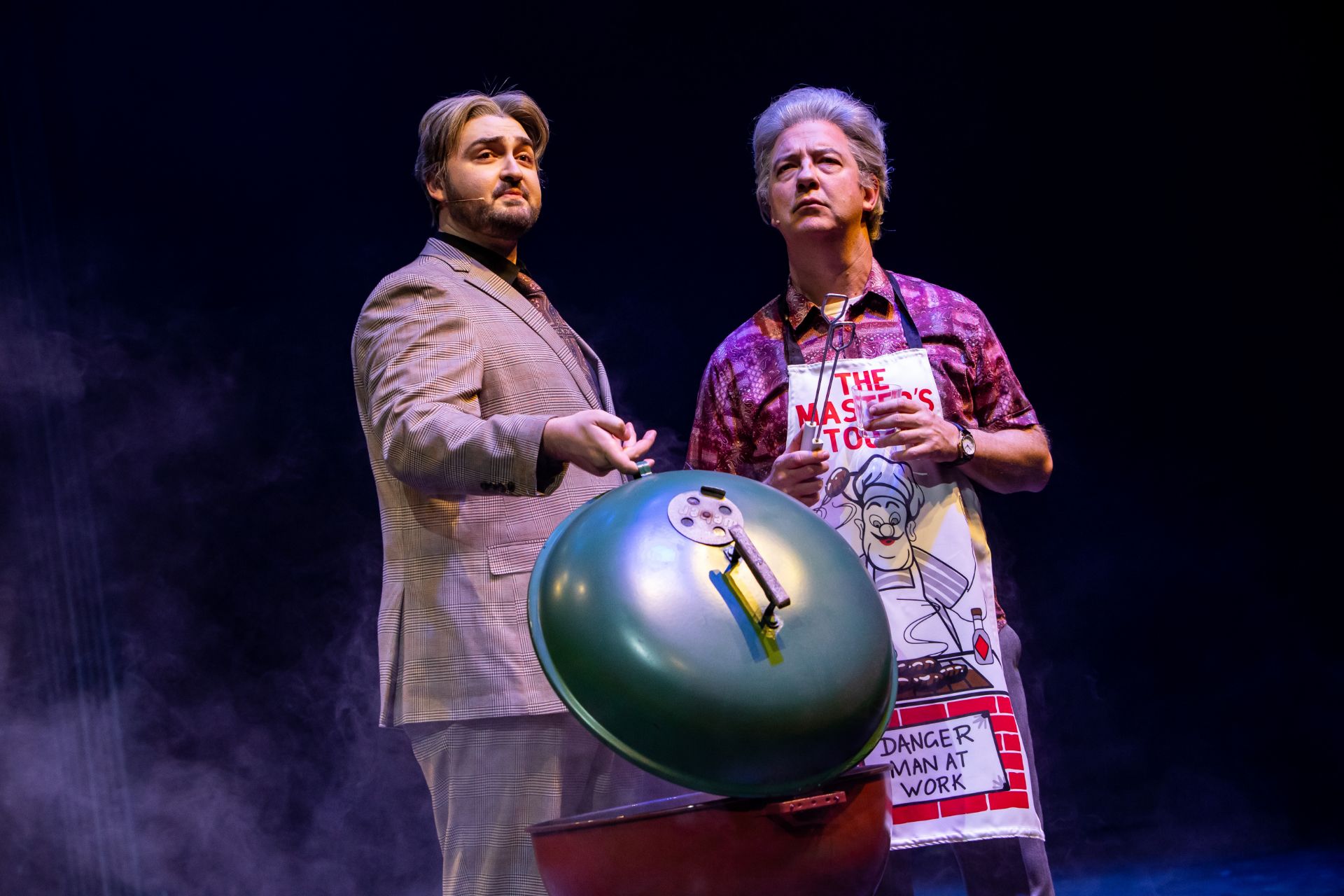
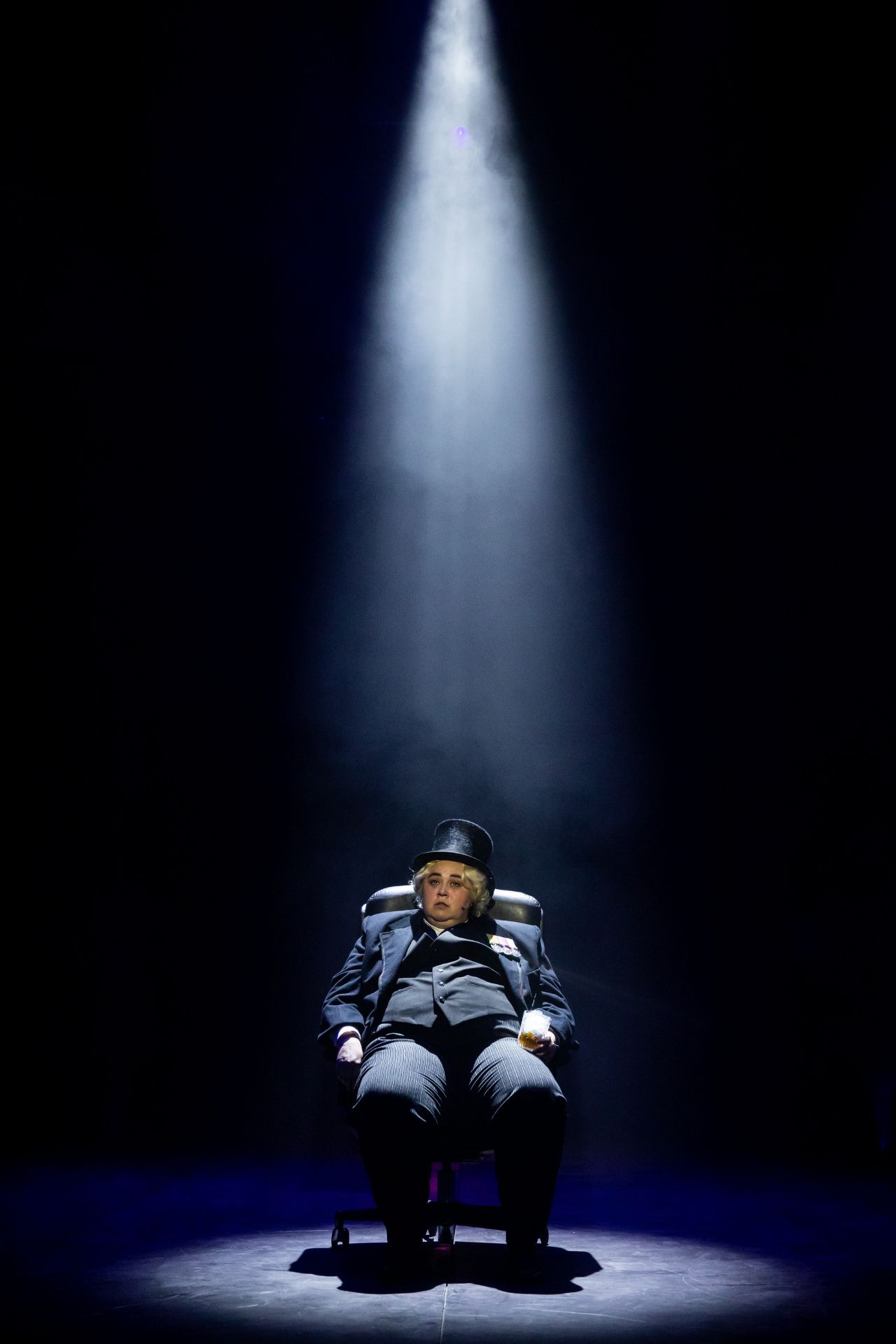
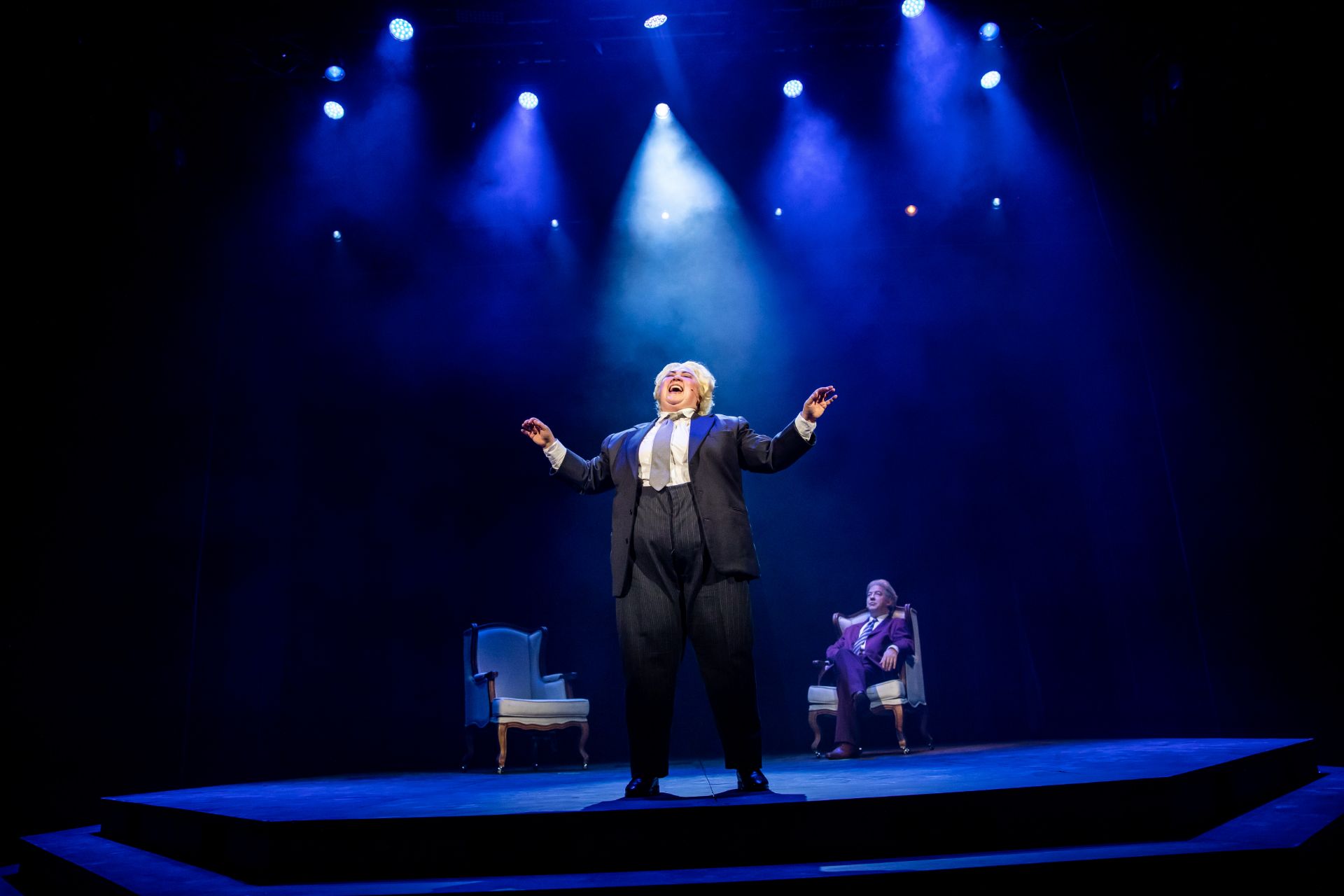
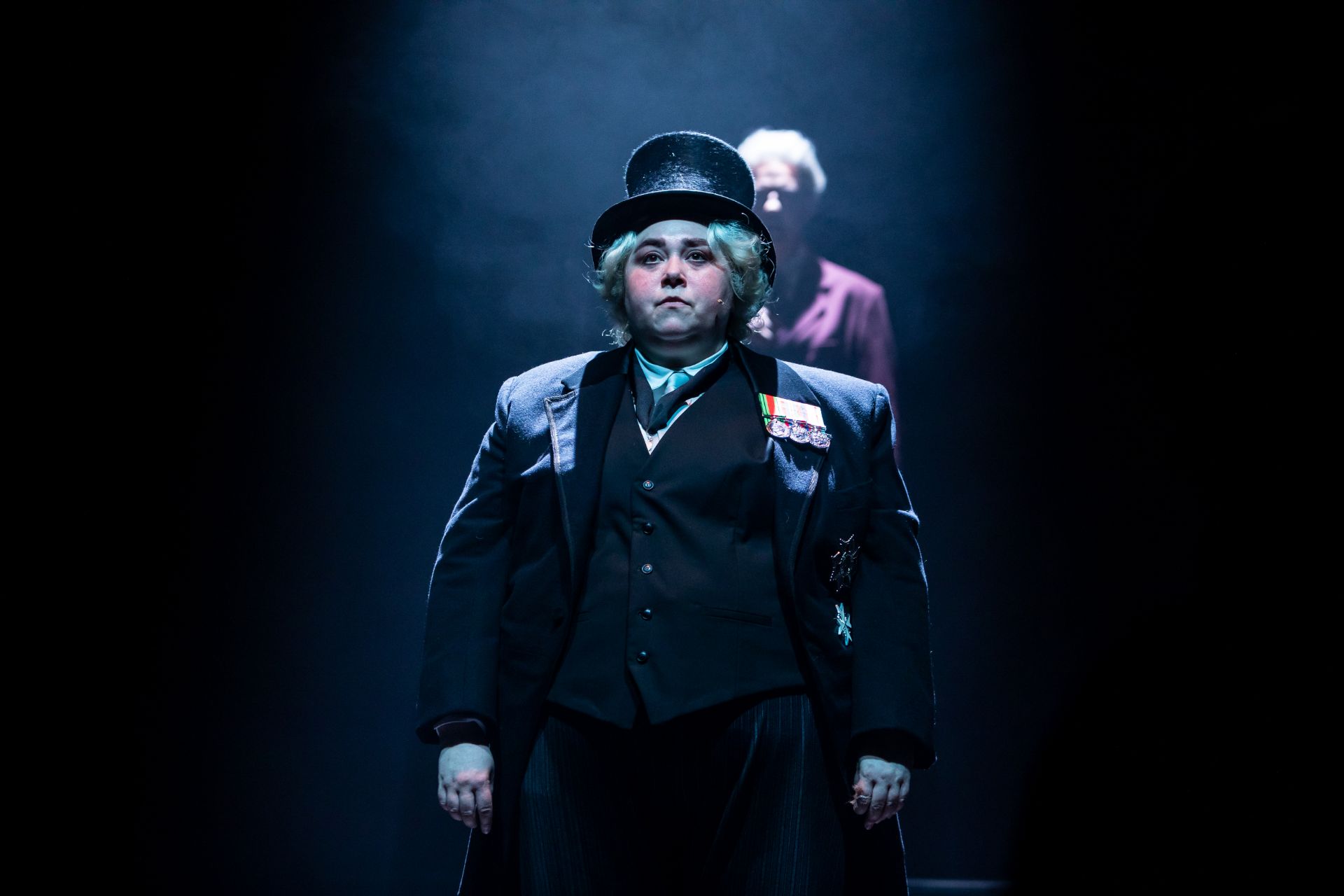
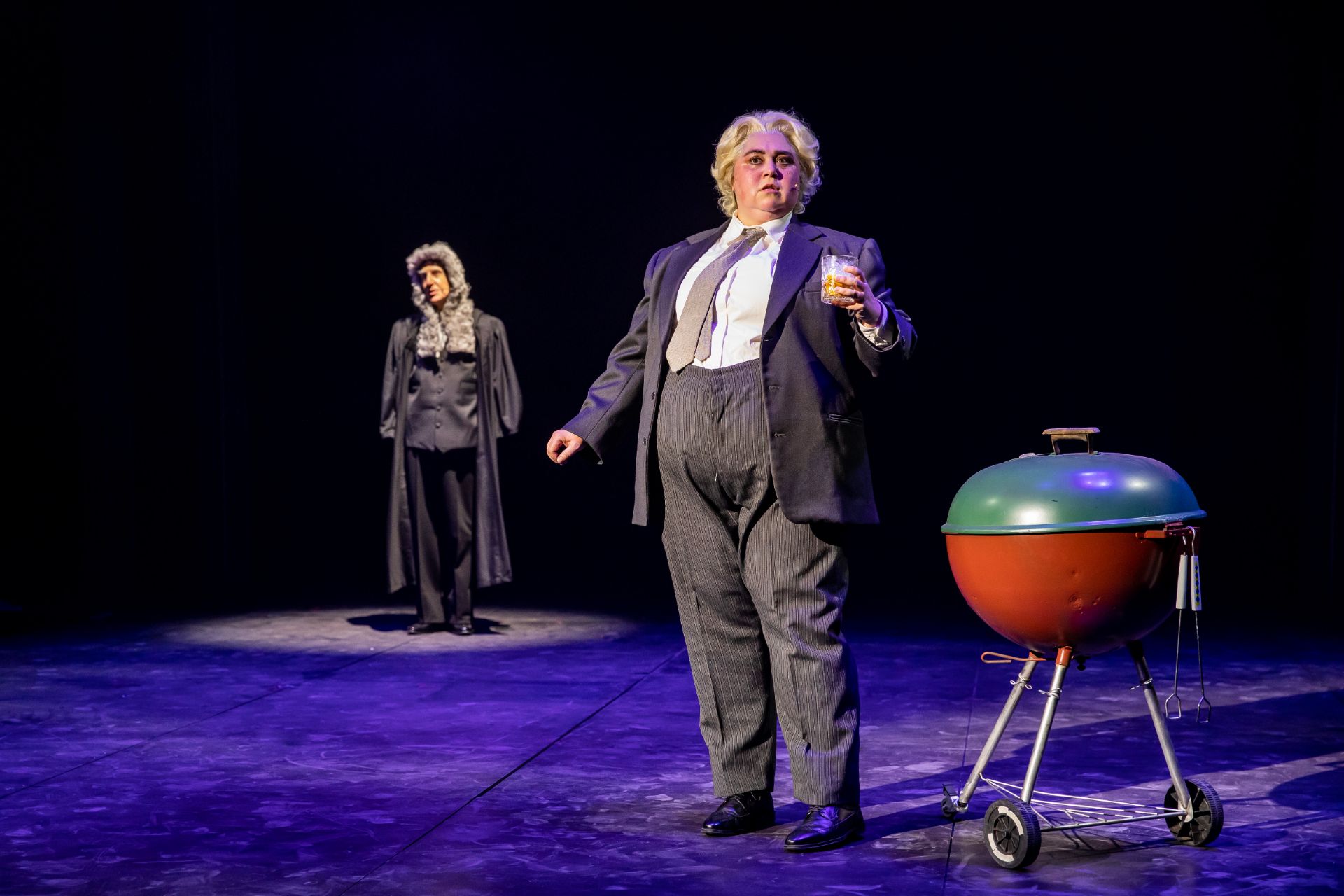
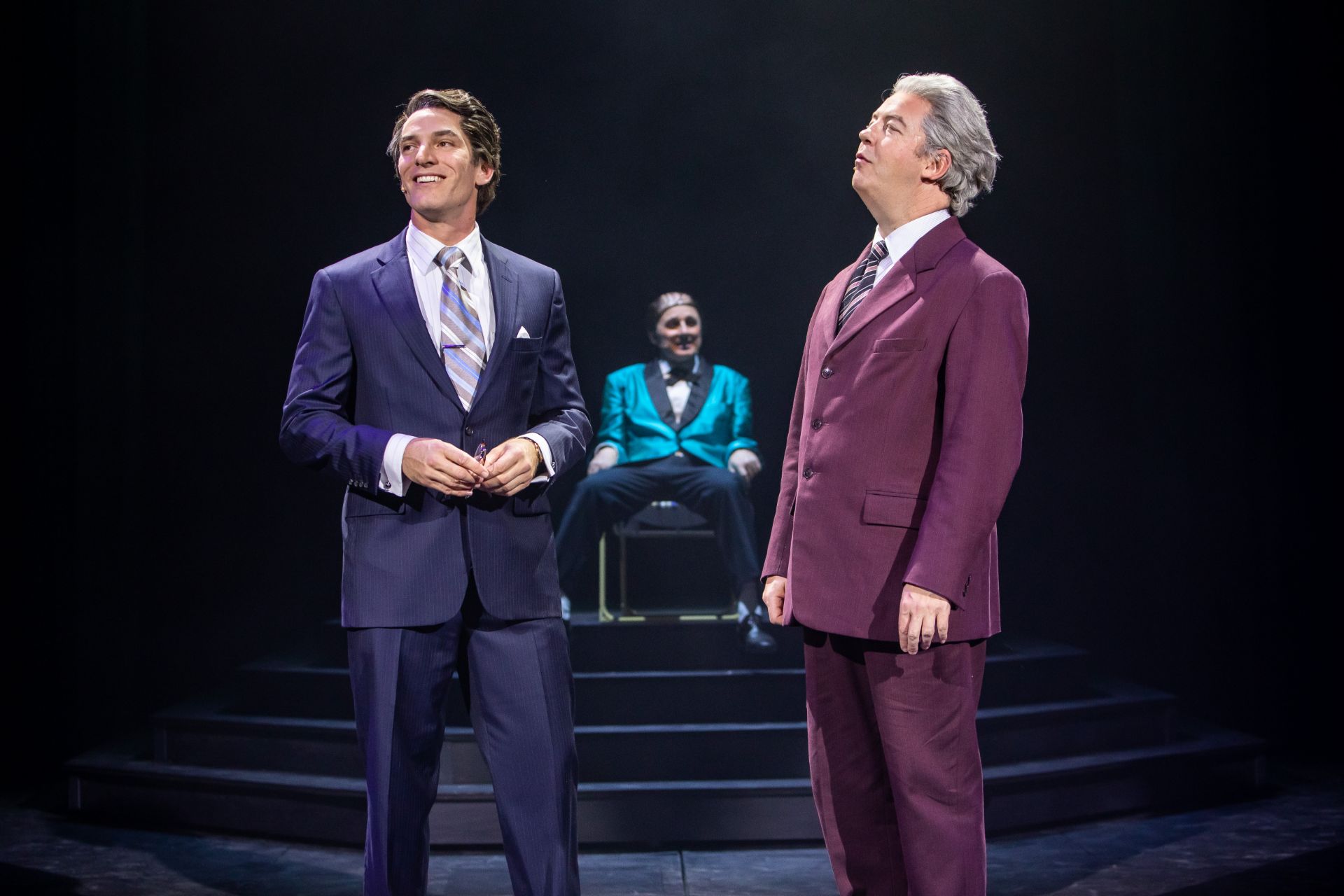
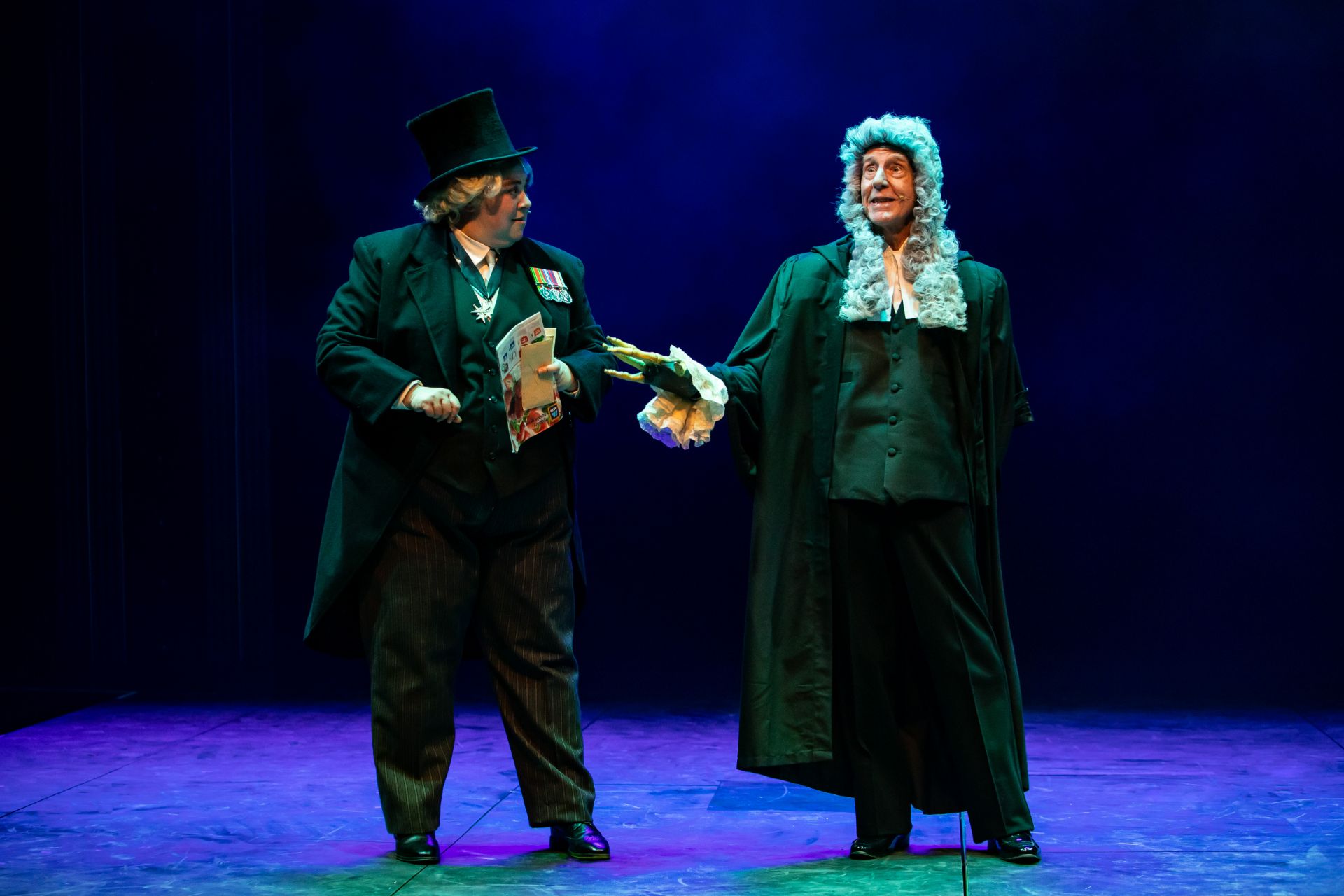
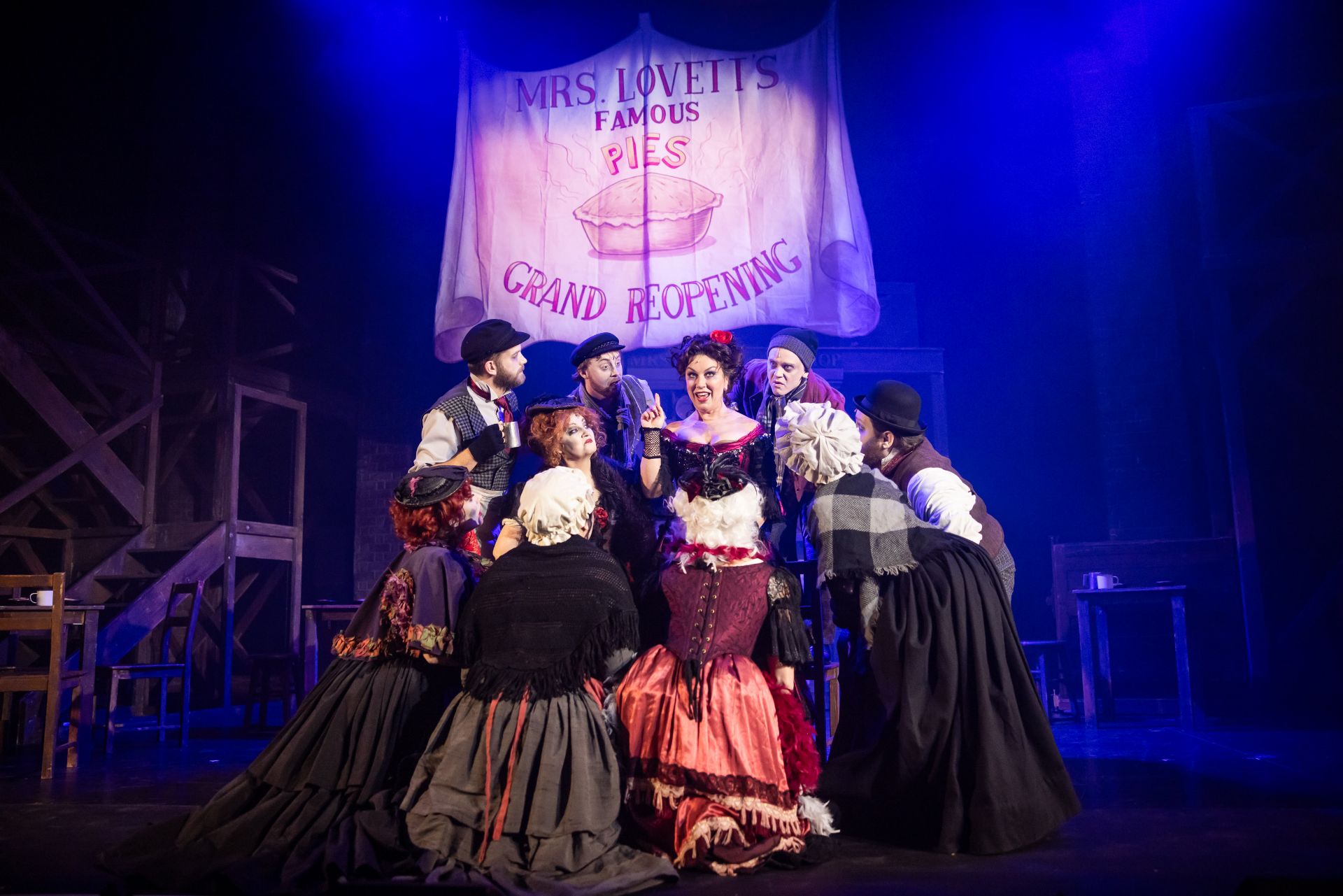
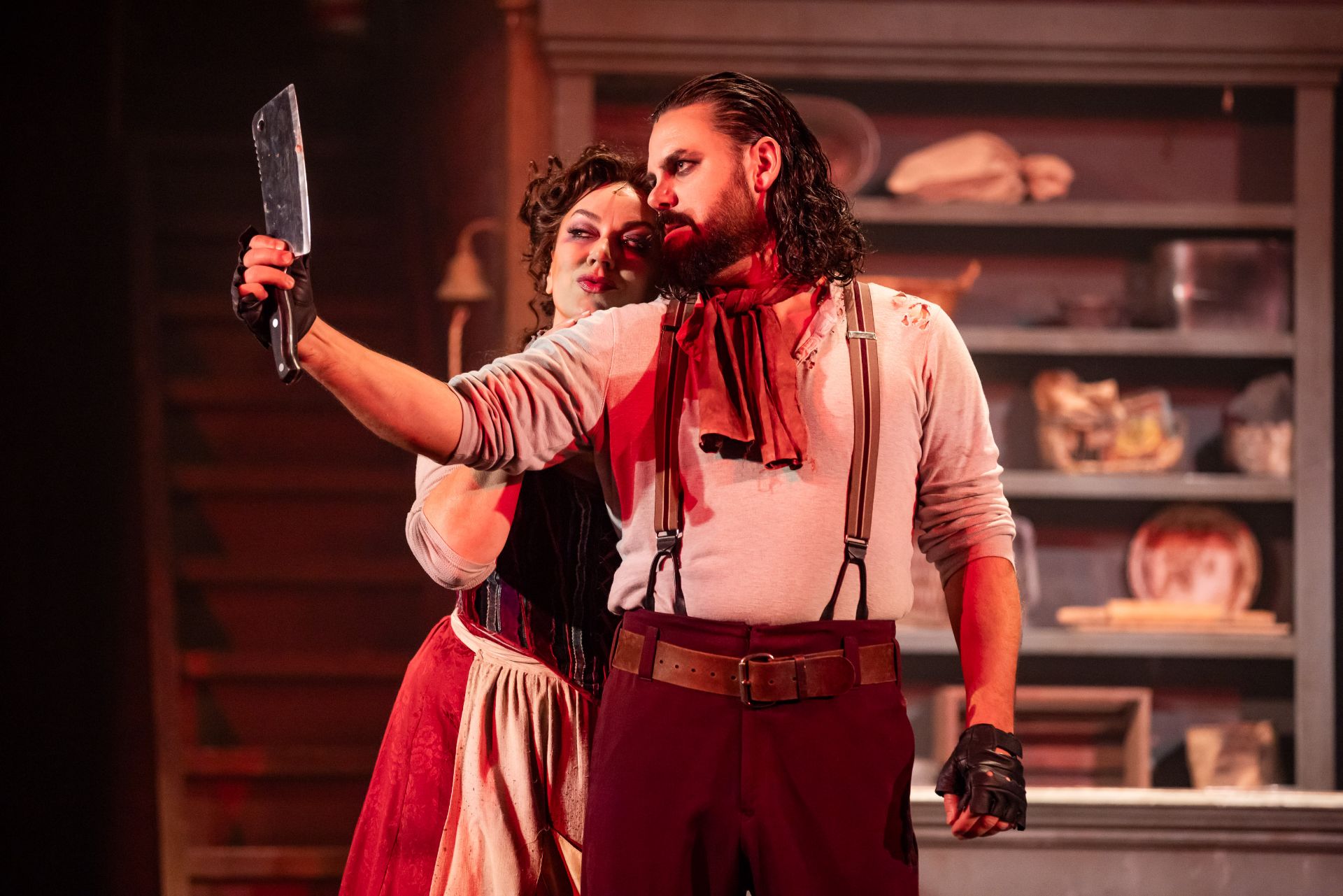
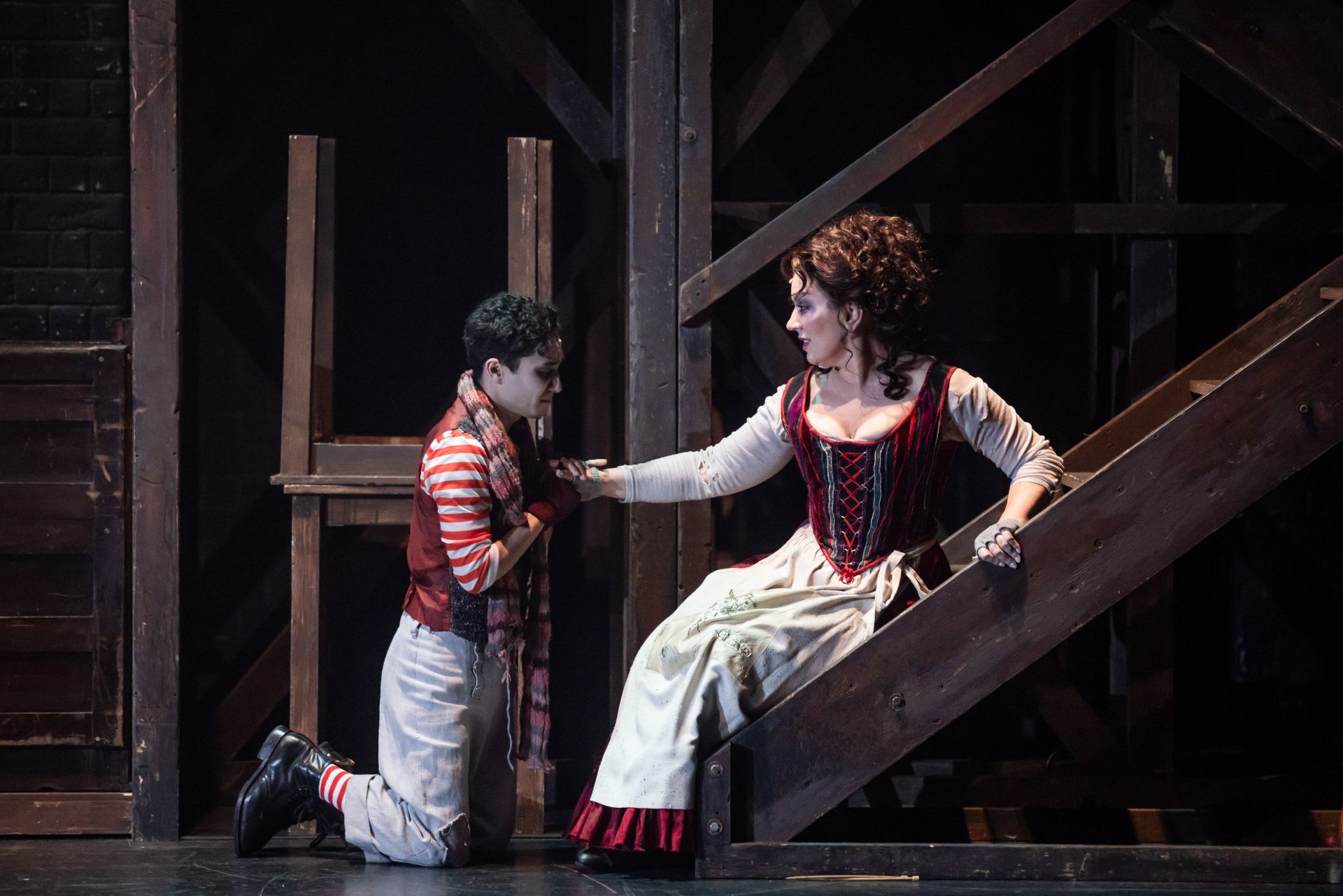
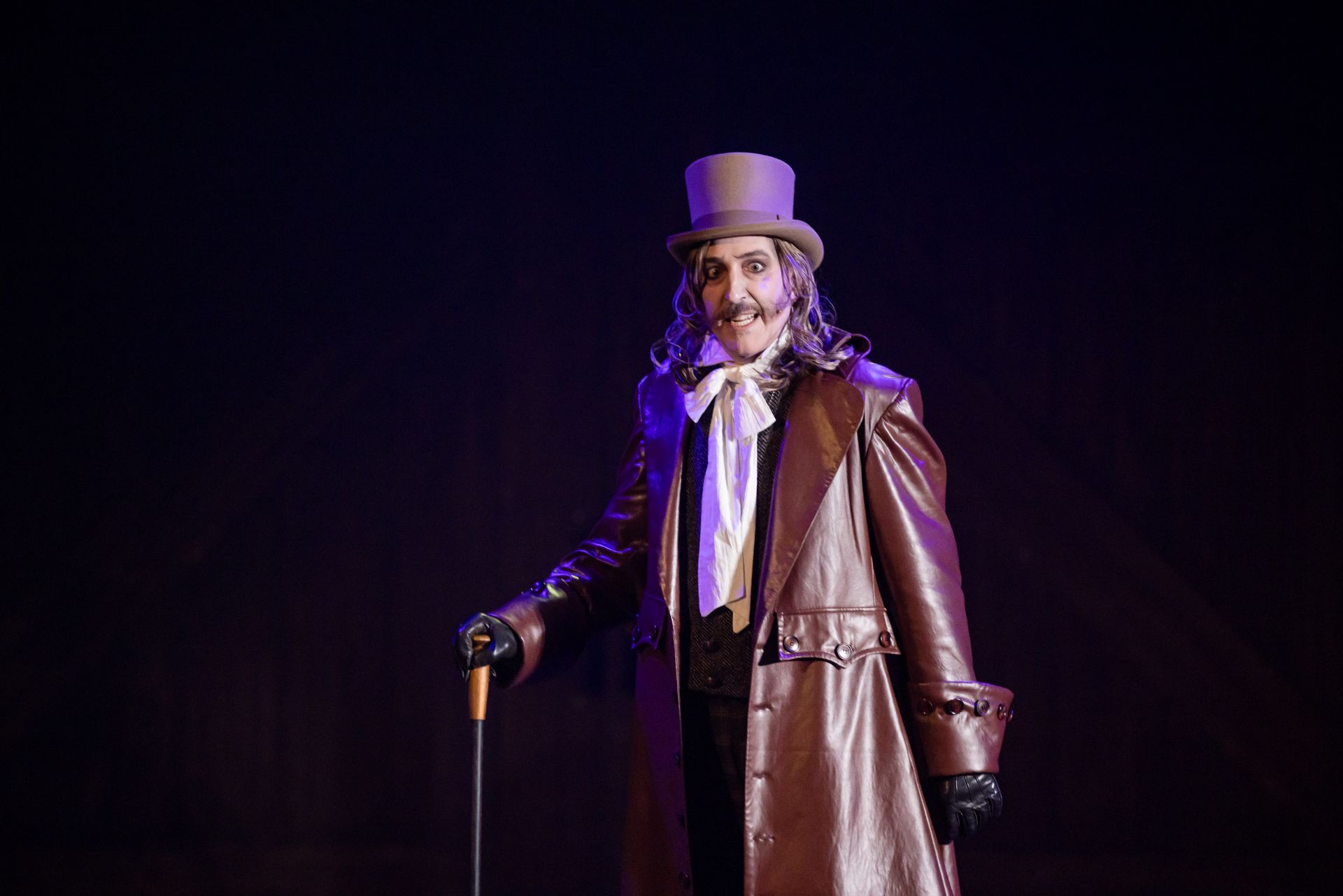
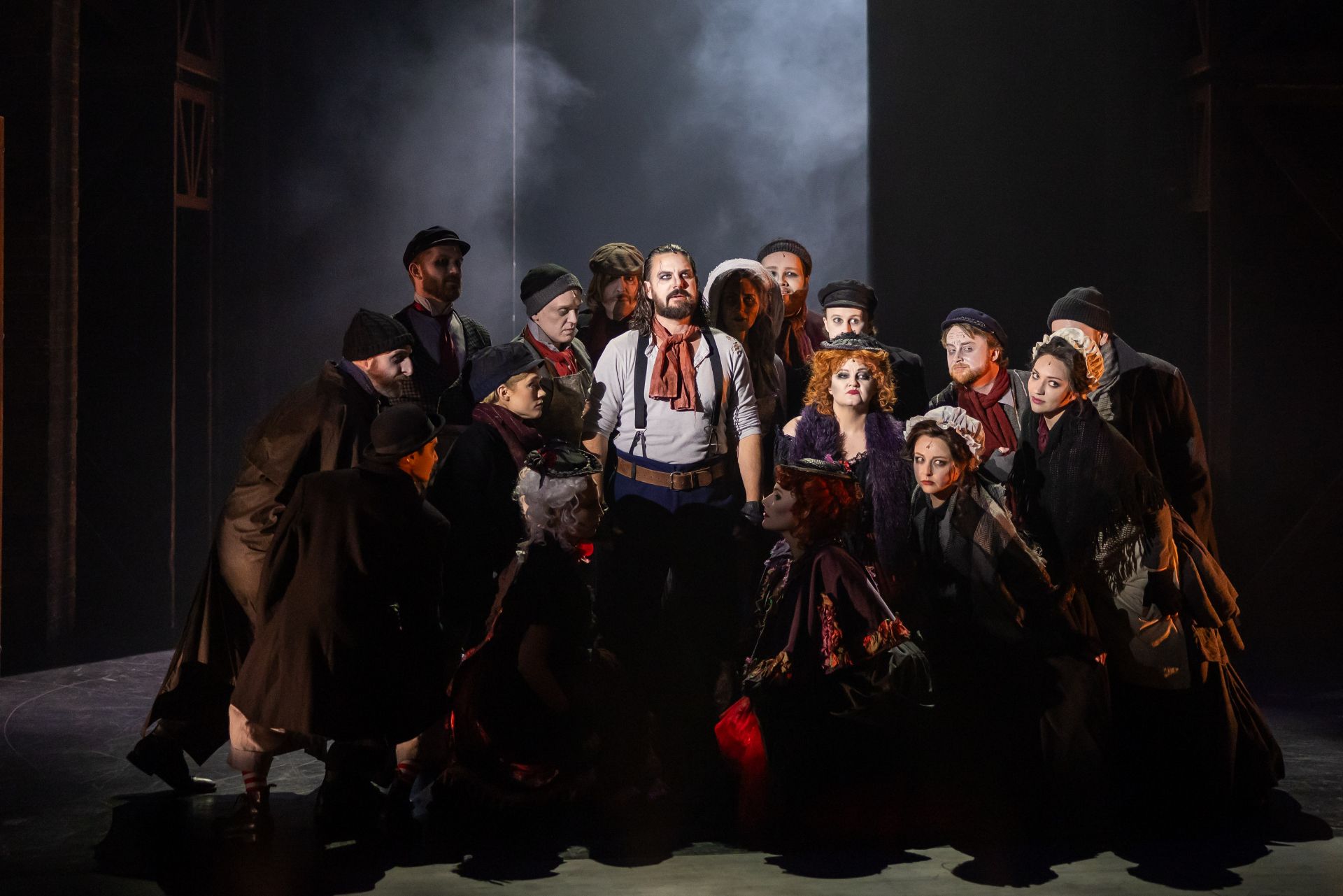
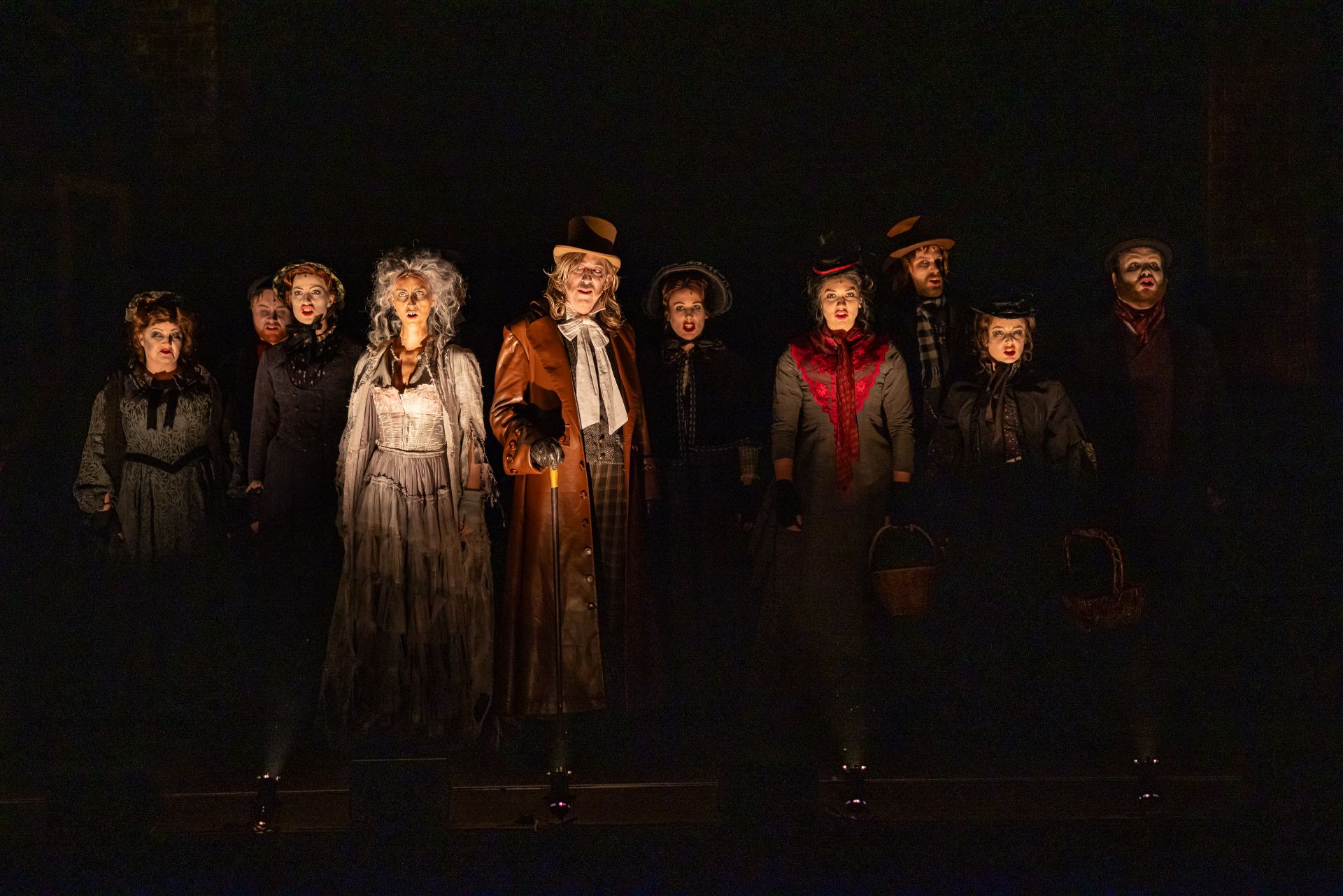
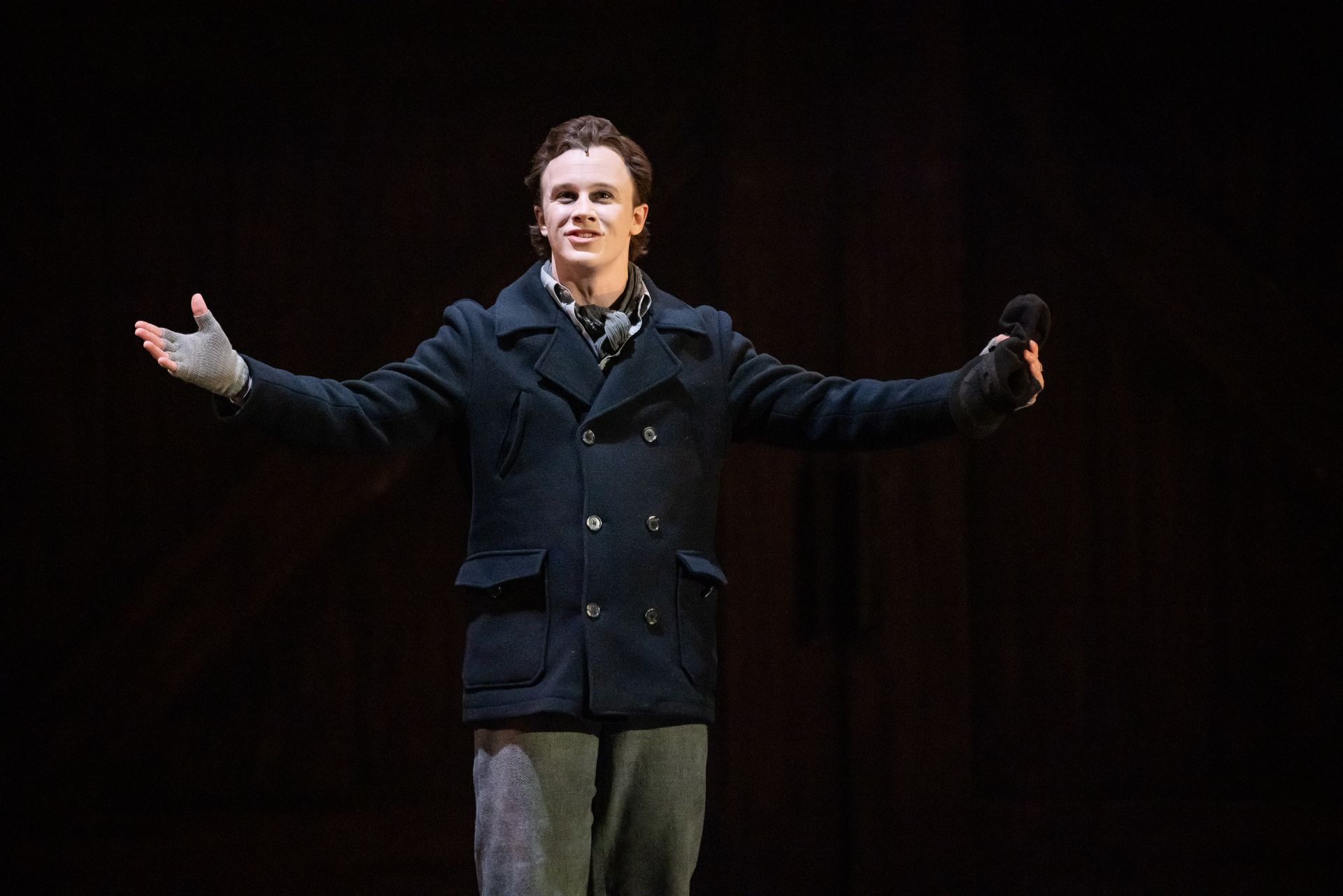
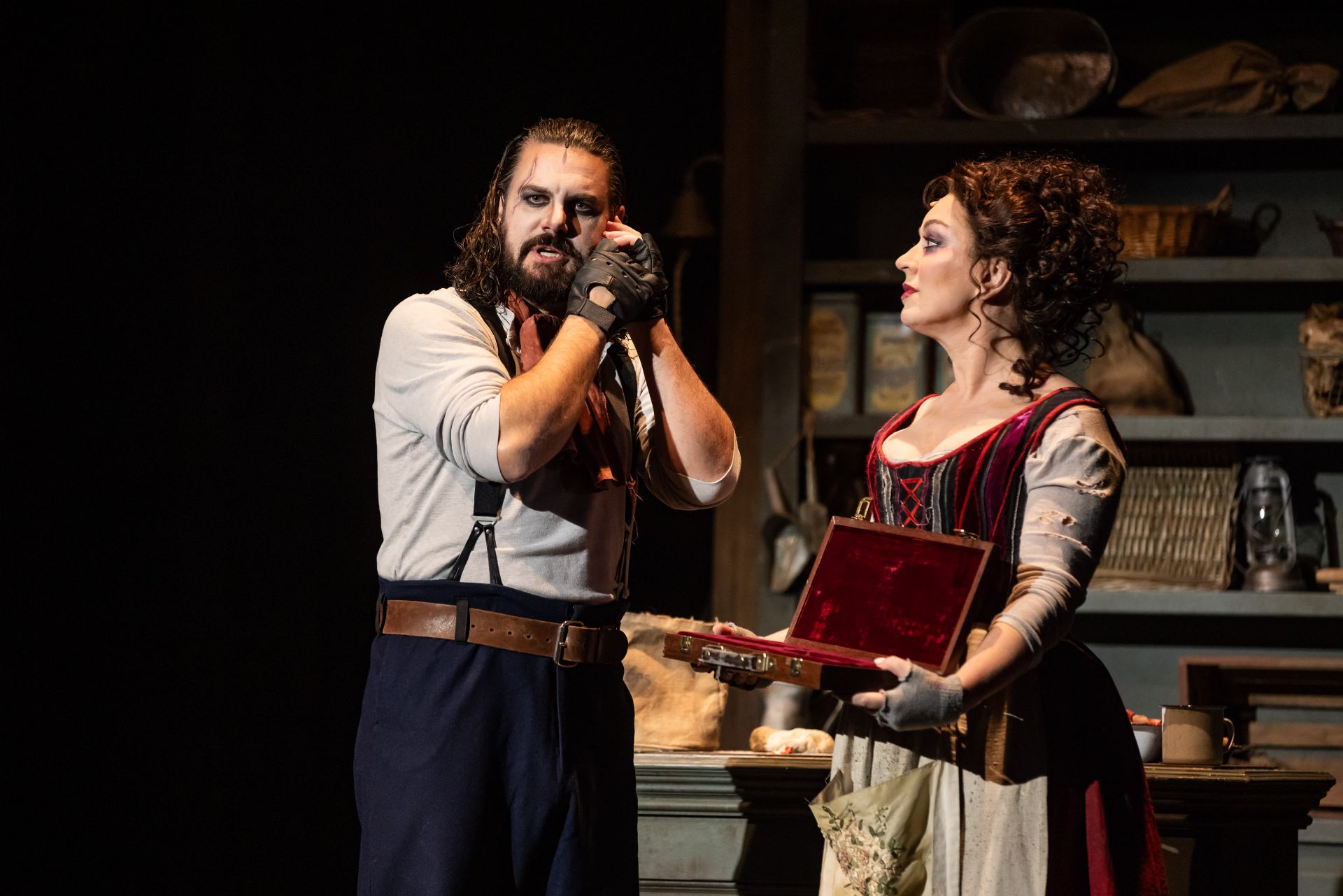
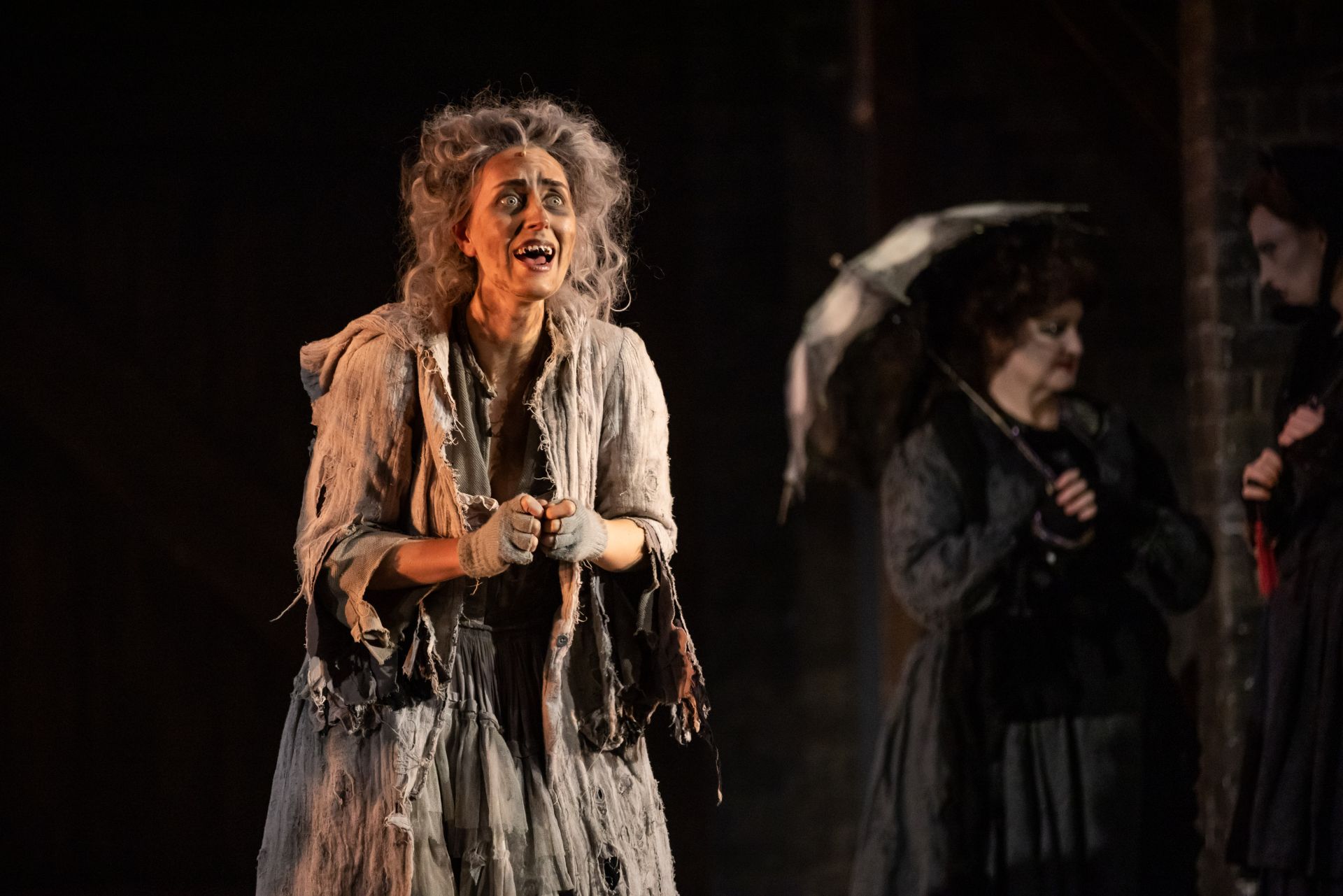
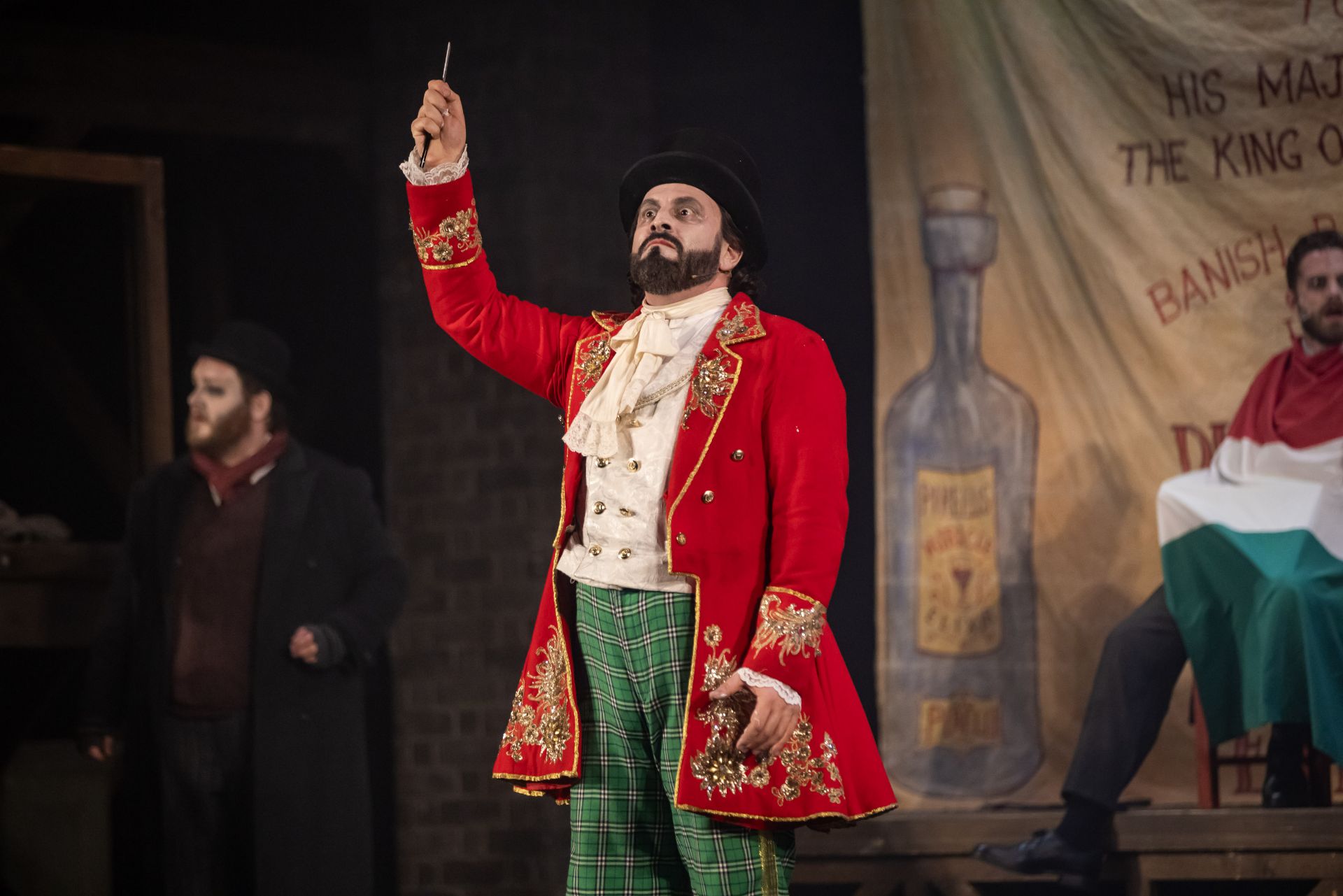
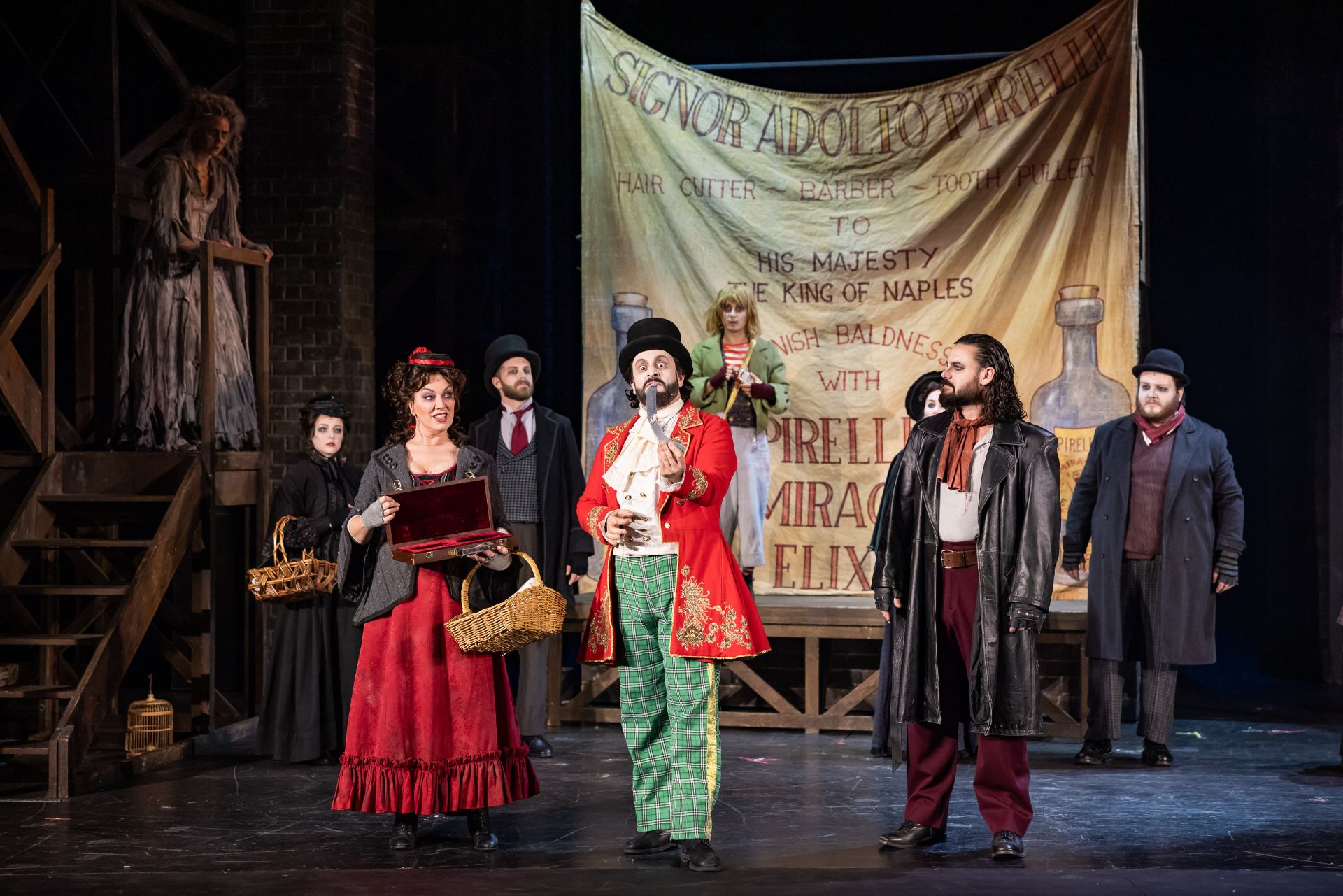
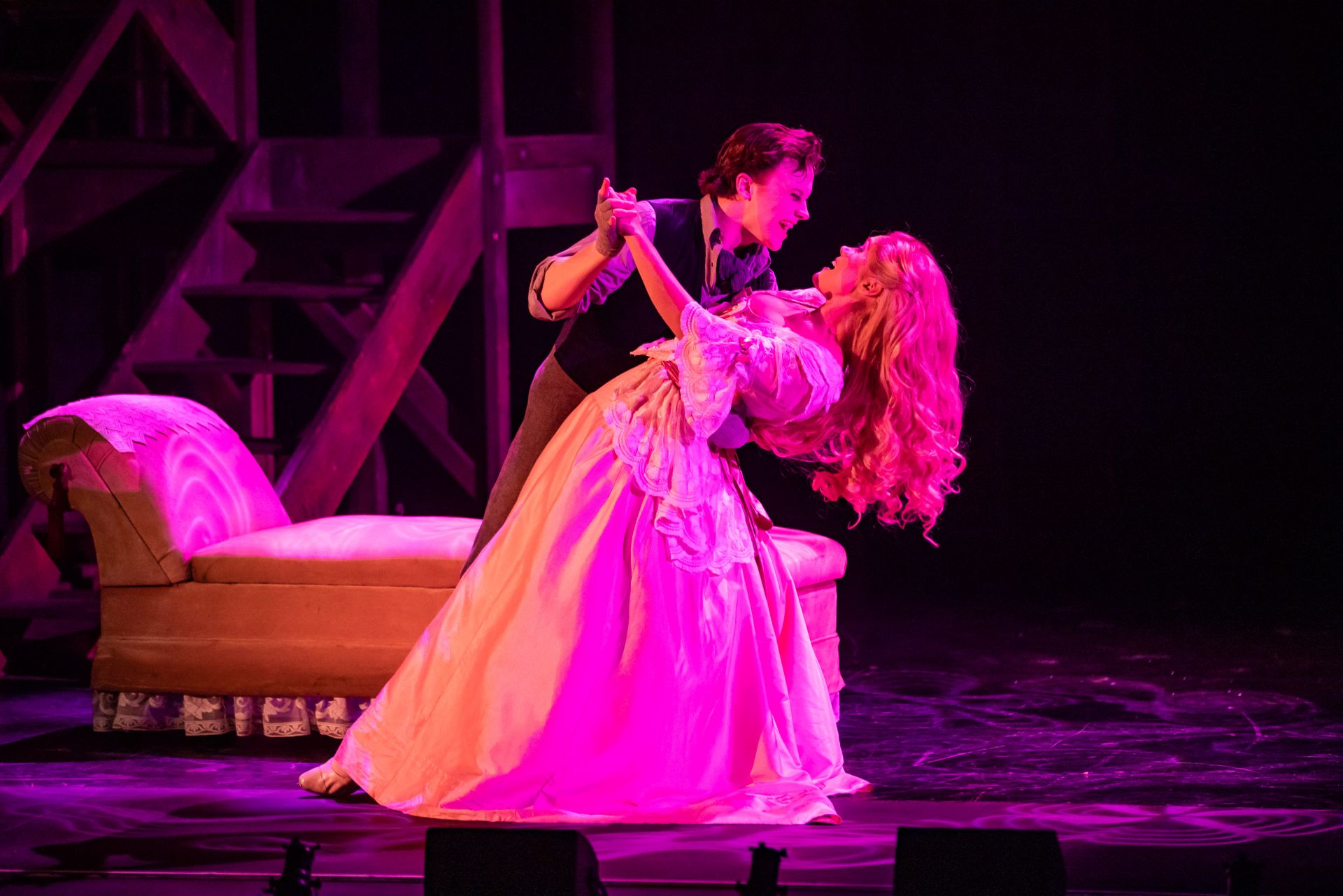
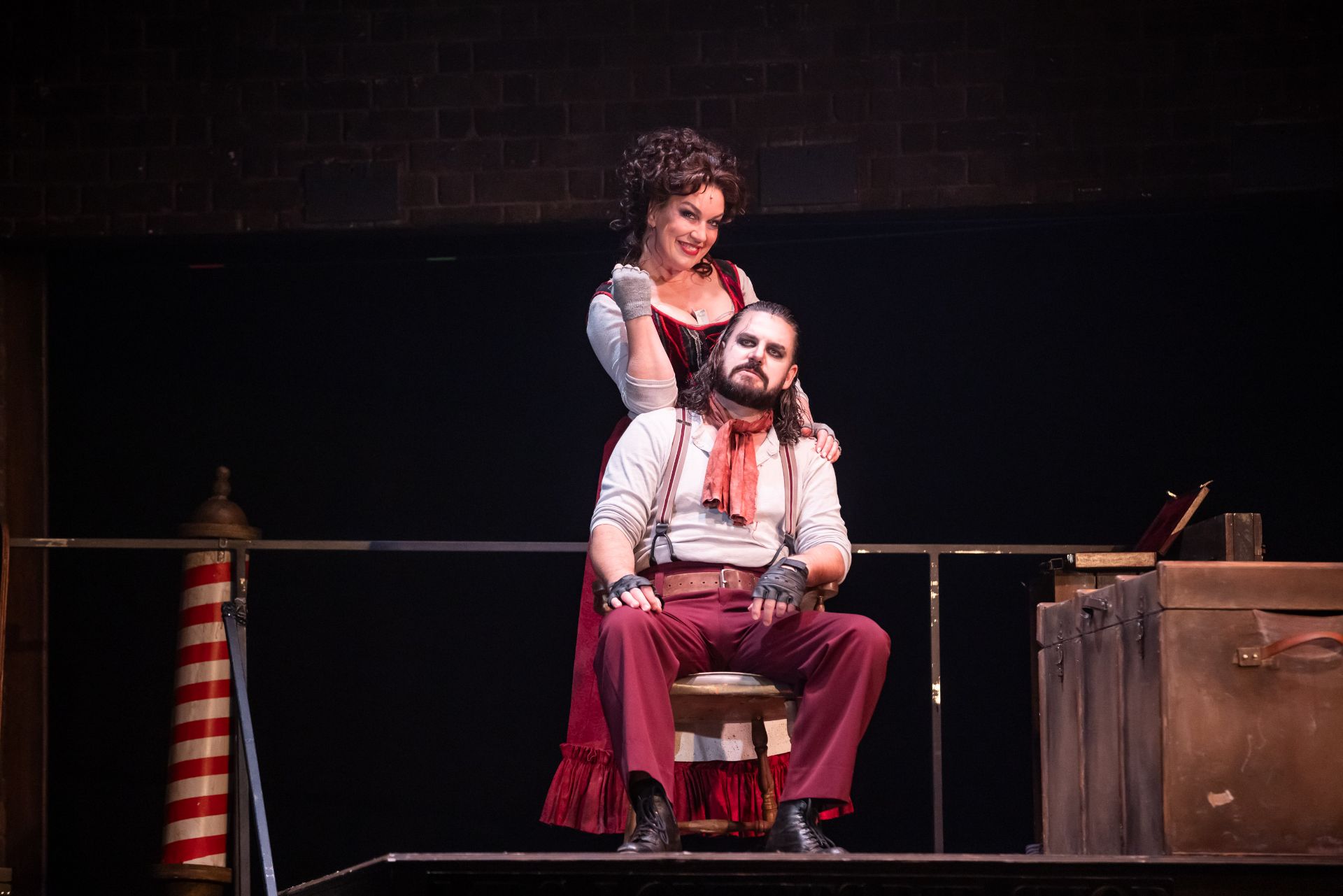
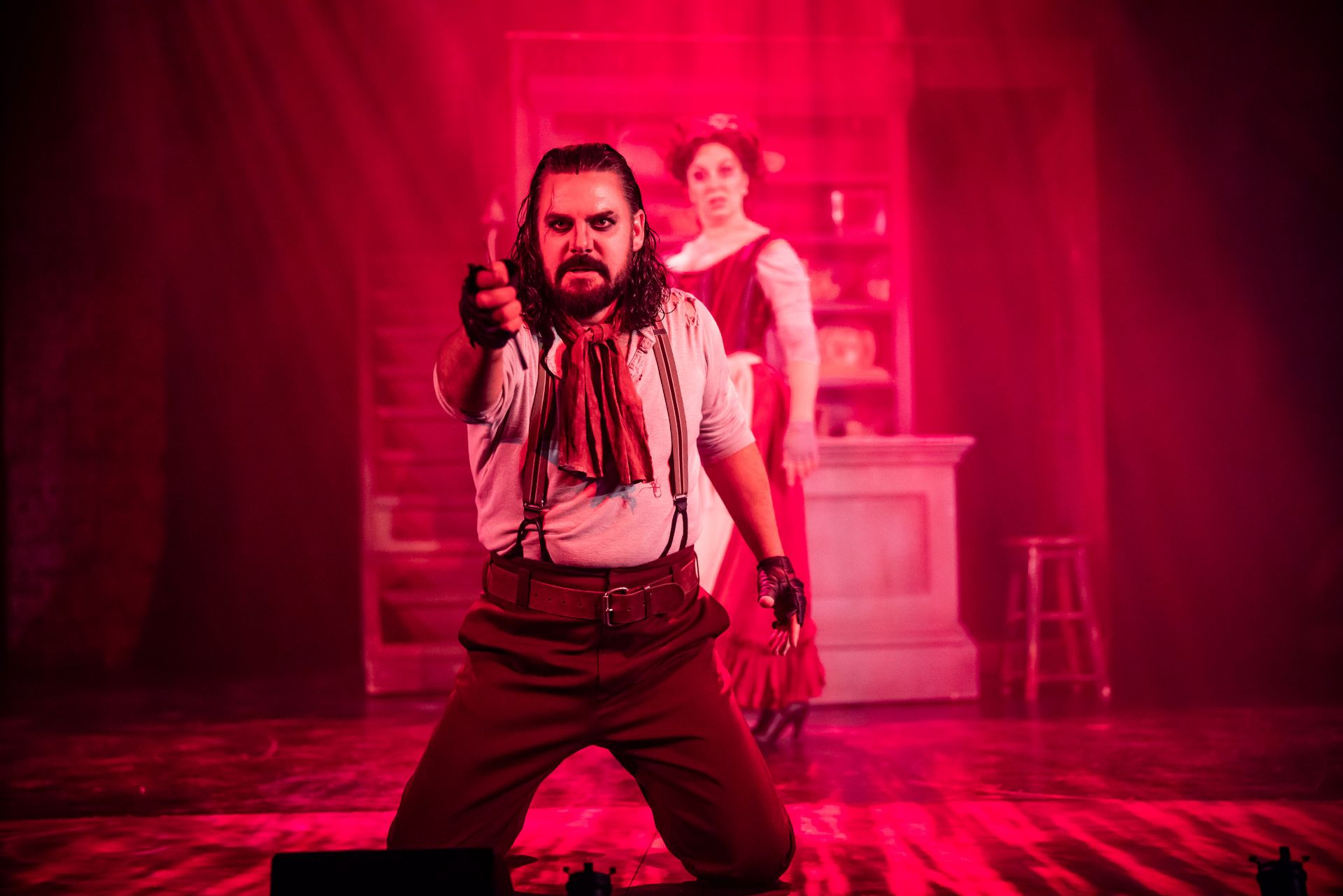
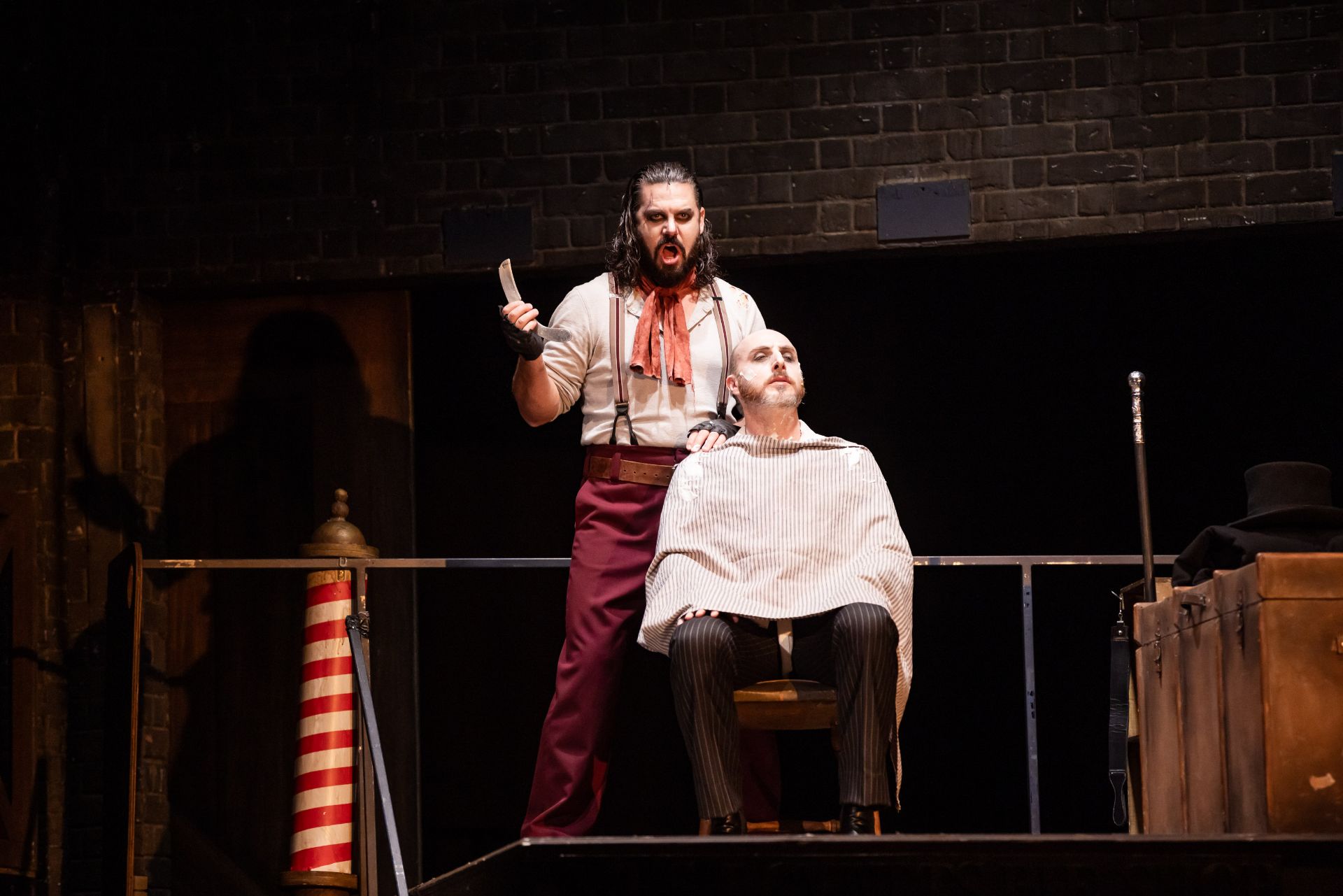
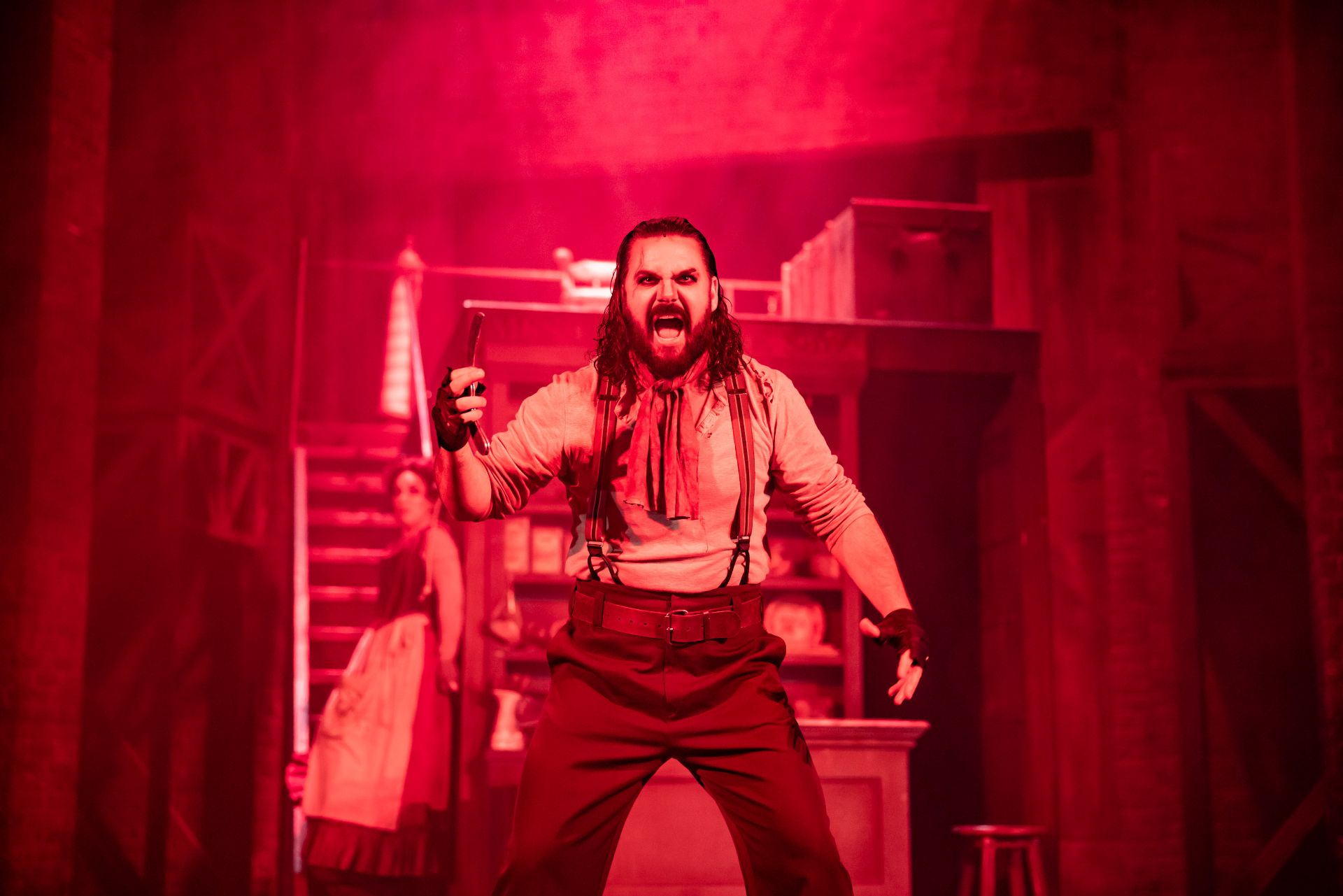
Returning to London from exile, Sweeney Todd discovers that his wife had died by suicide. An unquenchable thirst for vengeance soon overwhelms him, thus begets Sweeney Todd: The Demon Barber of Fleet Street. The macabre comedy of Stephen Sondheim’s 1979 musical (with a book by Hugh Wheeler), proves once more to be sheer delectation. This latest revival under the direction of Stuart Maunder AM, feels refreshed and energised, delivering wondrous amusement as though no time has passed since its inception.

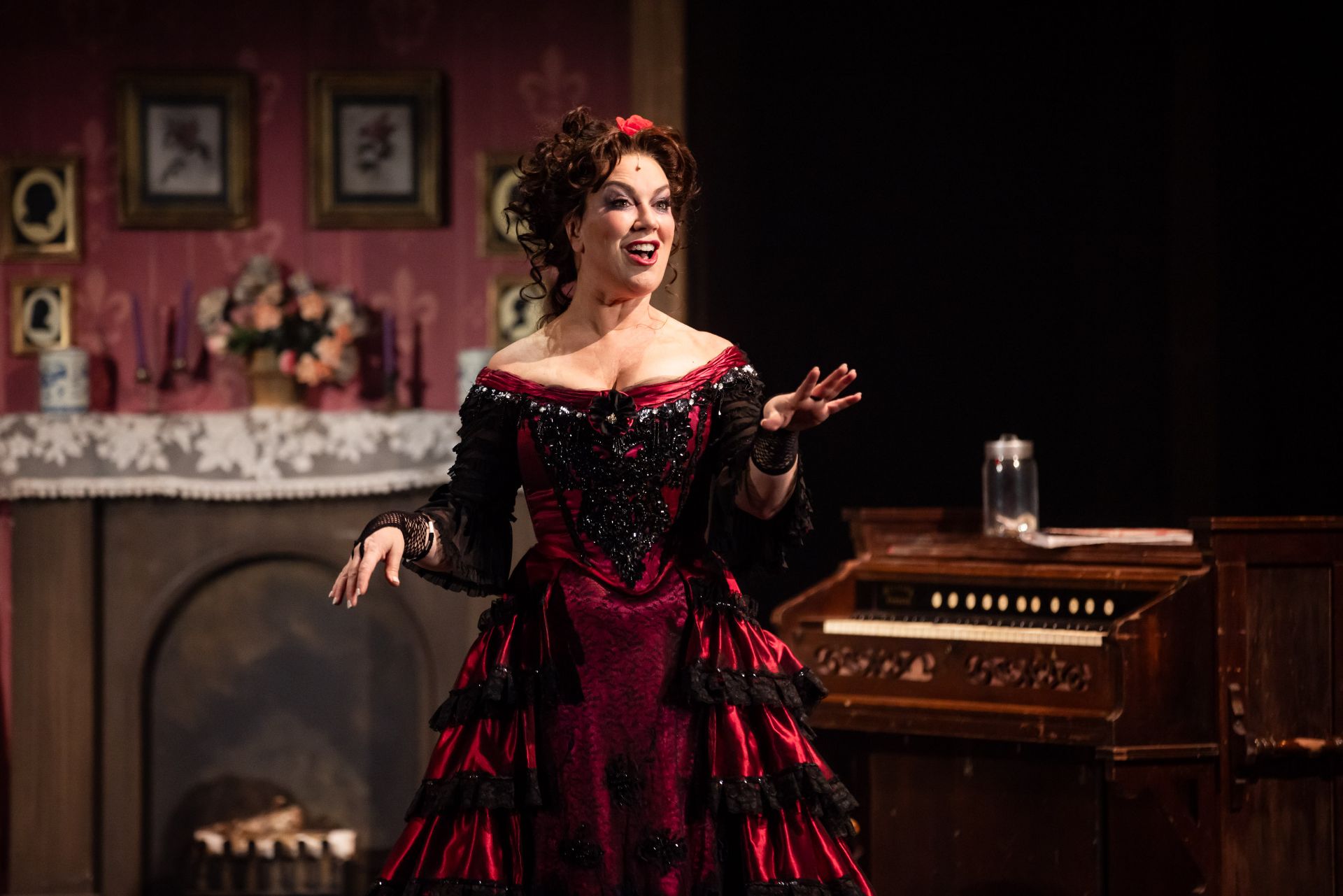
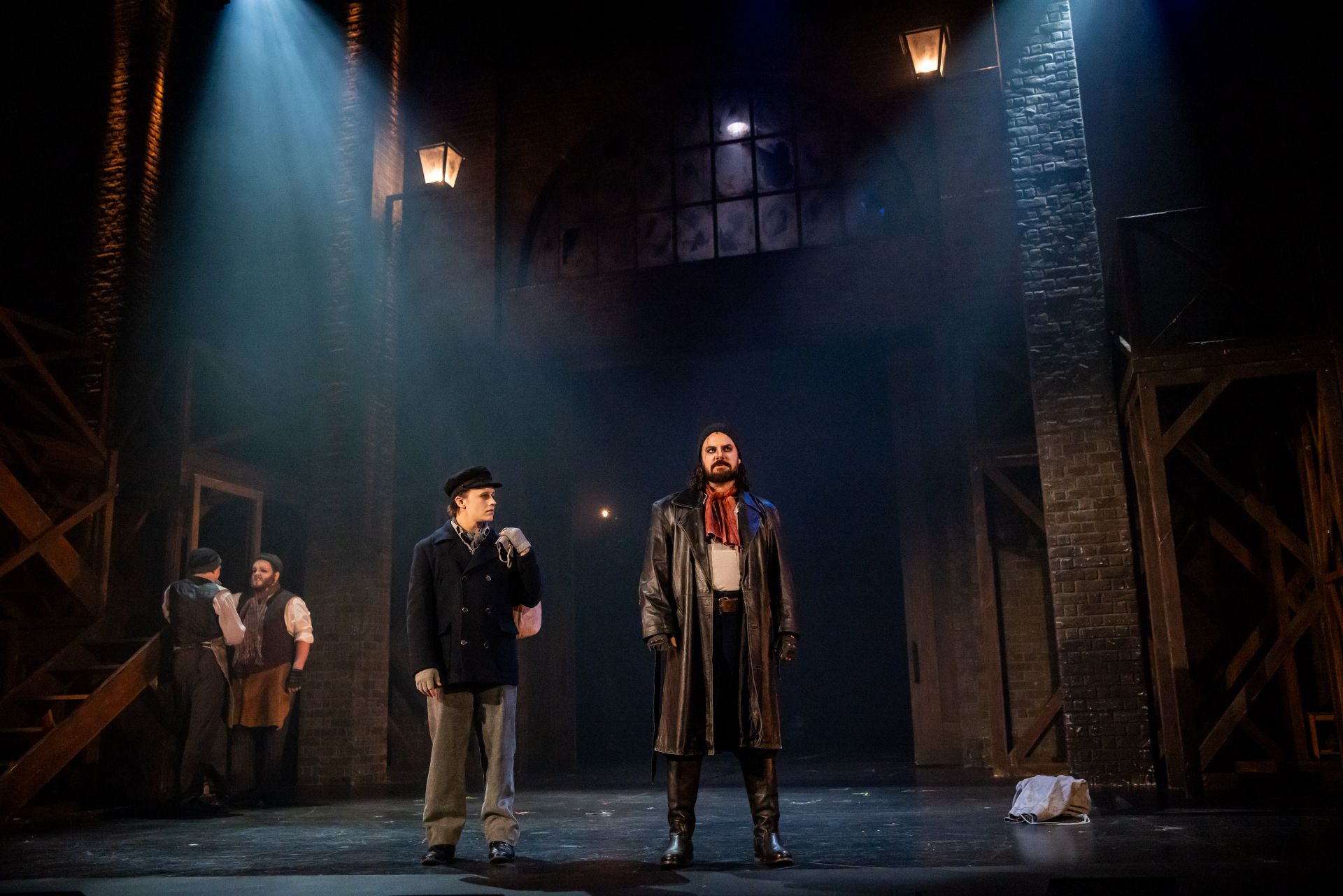
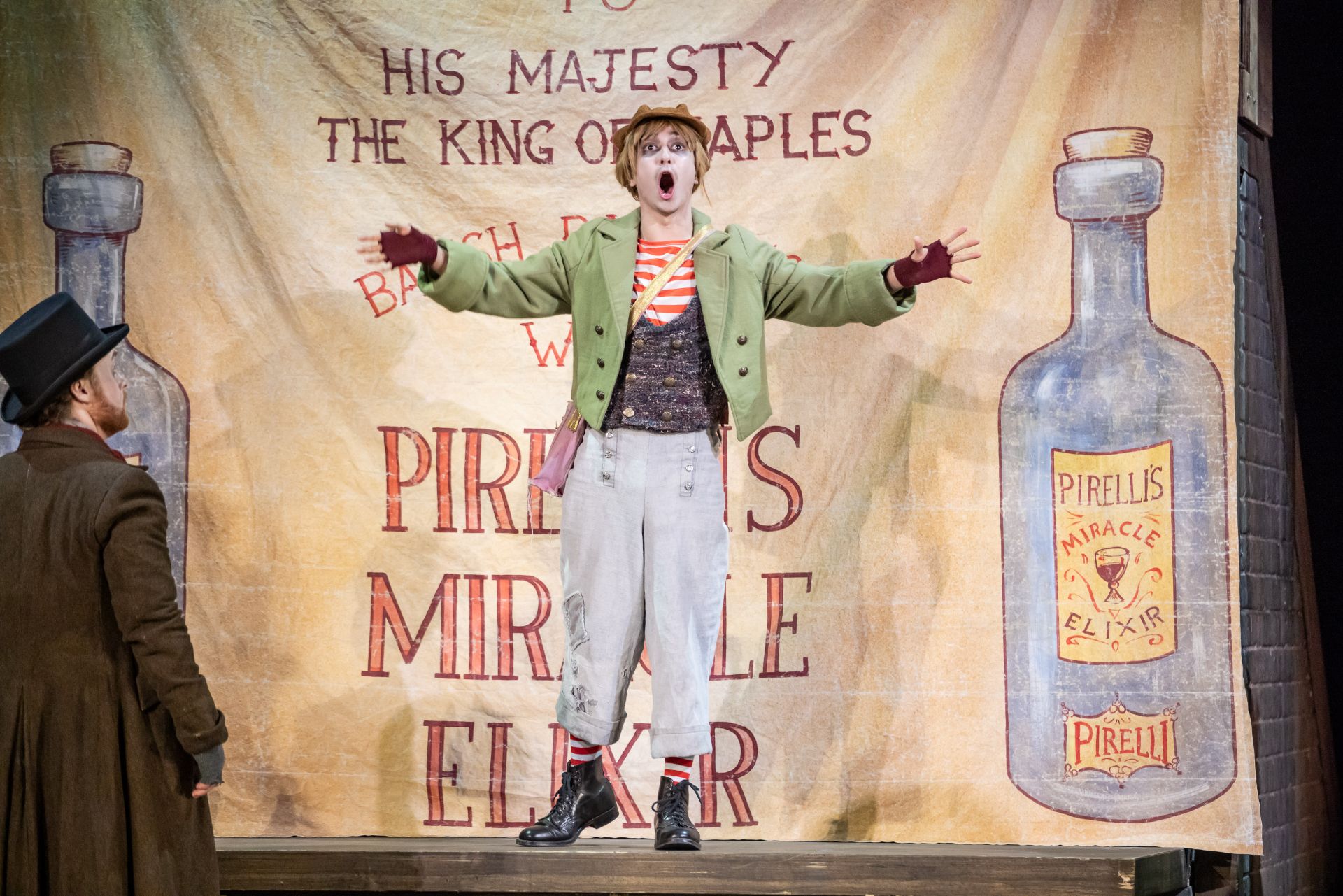
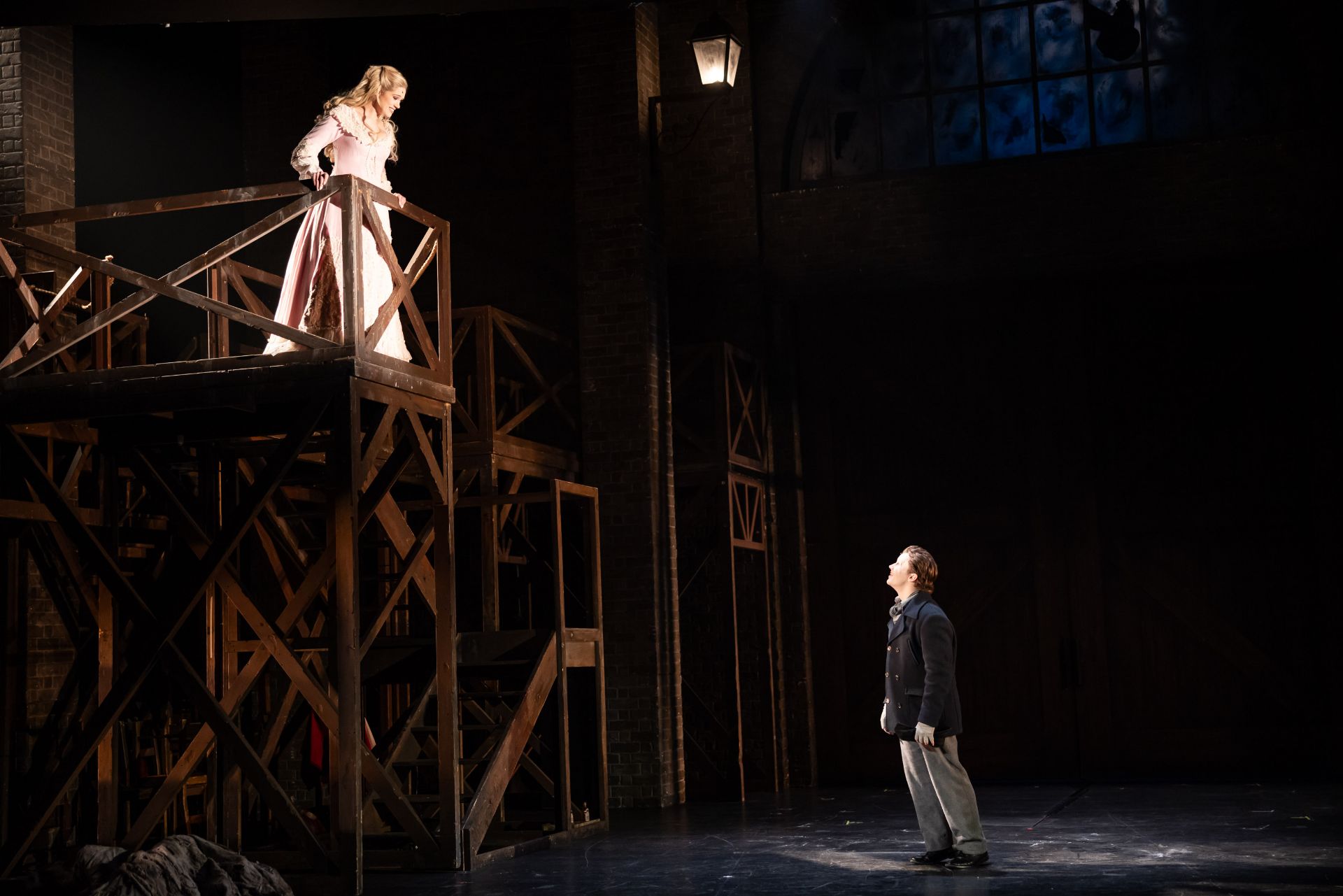
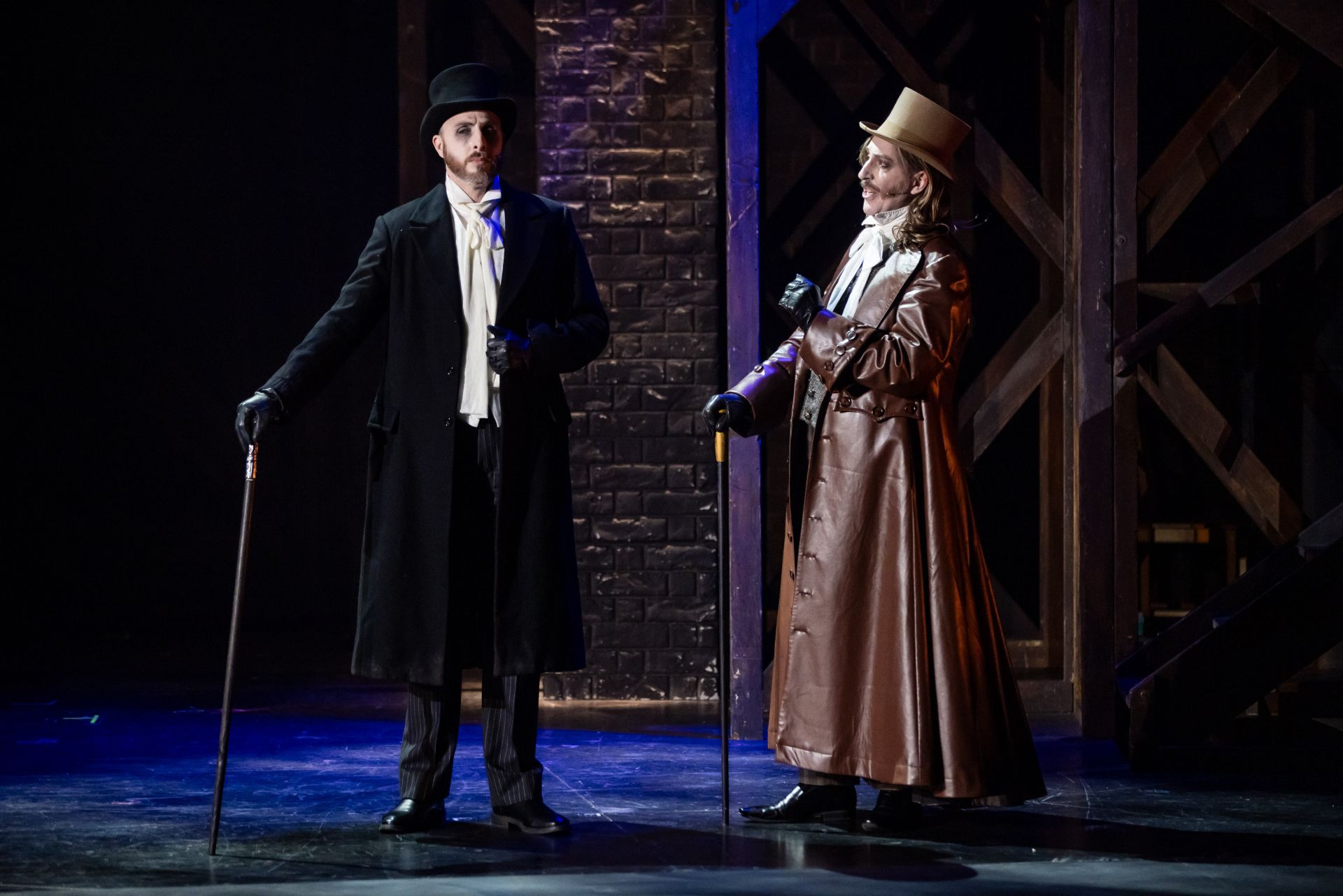
Set design by Roger Kirk is perfectly proportioned to draw us into its 18th Century depictions of disquieting squalor, convincing us that corruption and depravity await at every corner. Kirk’s costumes are appropriately theatrical, but they are also relied upon to convey authenticity while remaining practicable and flattering for the cast. Lights by Philip Lethlean move us accurately through the constantly varying moods and tones of Sweeney Todd, whether fantastical, slapstick, romantic, or horrifying, in a production that aims to have it all. Sound design by Jim Atkins adds layers of atmosphere to enhance the storytelling, as conductor Simon Holt brings drama and urgency to the very polished staging.

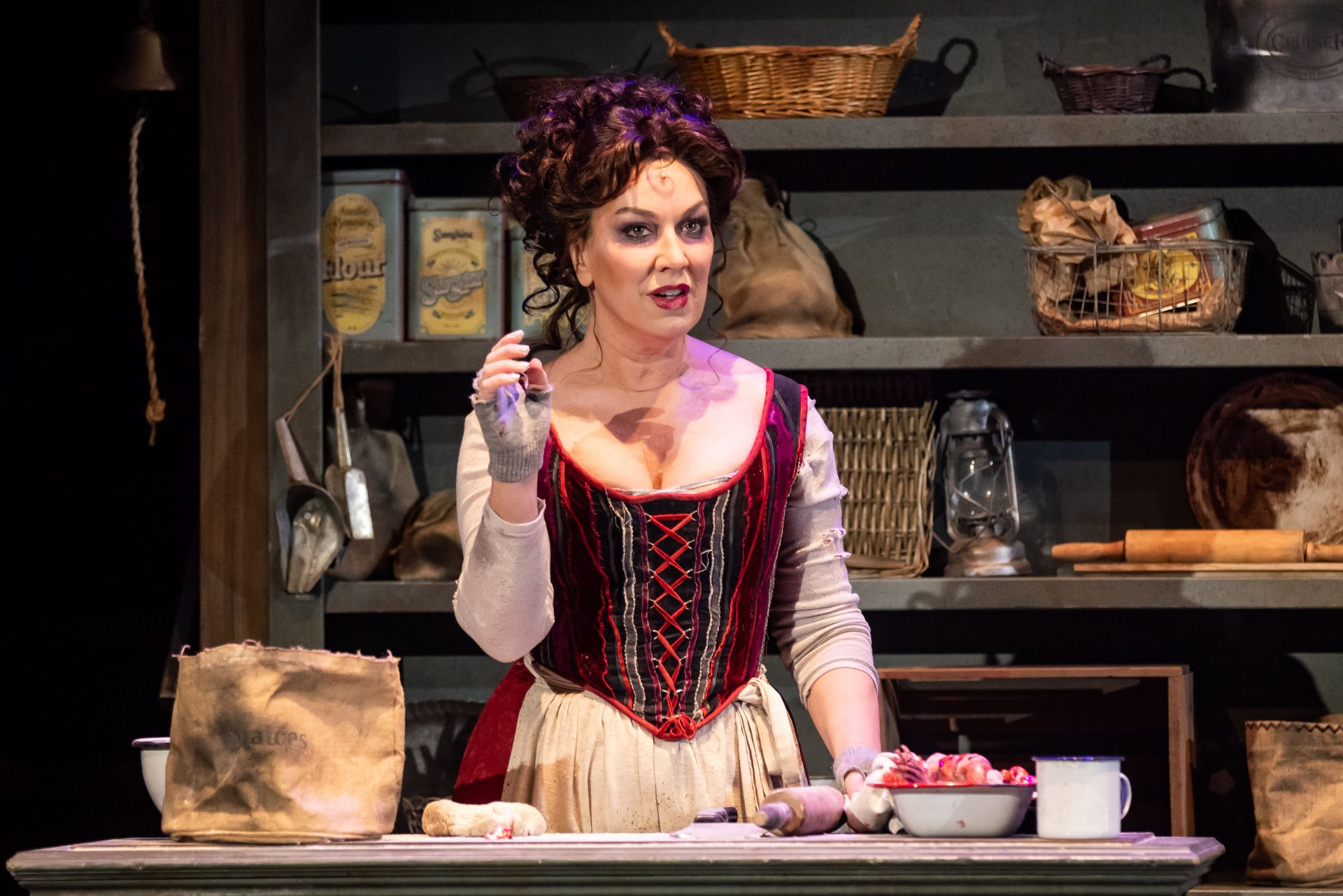
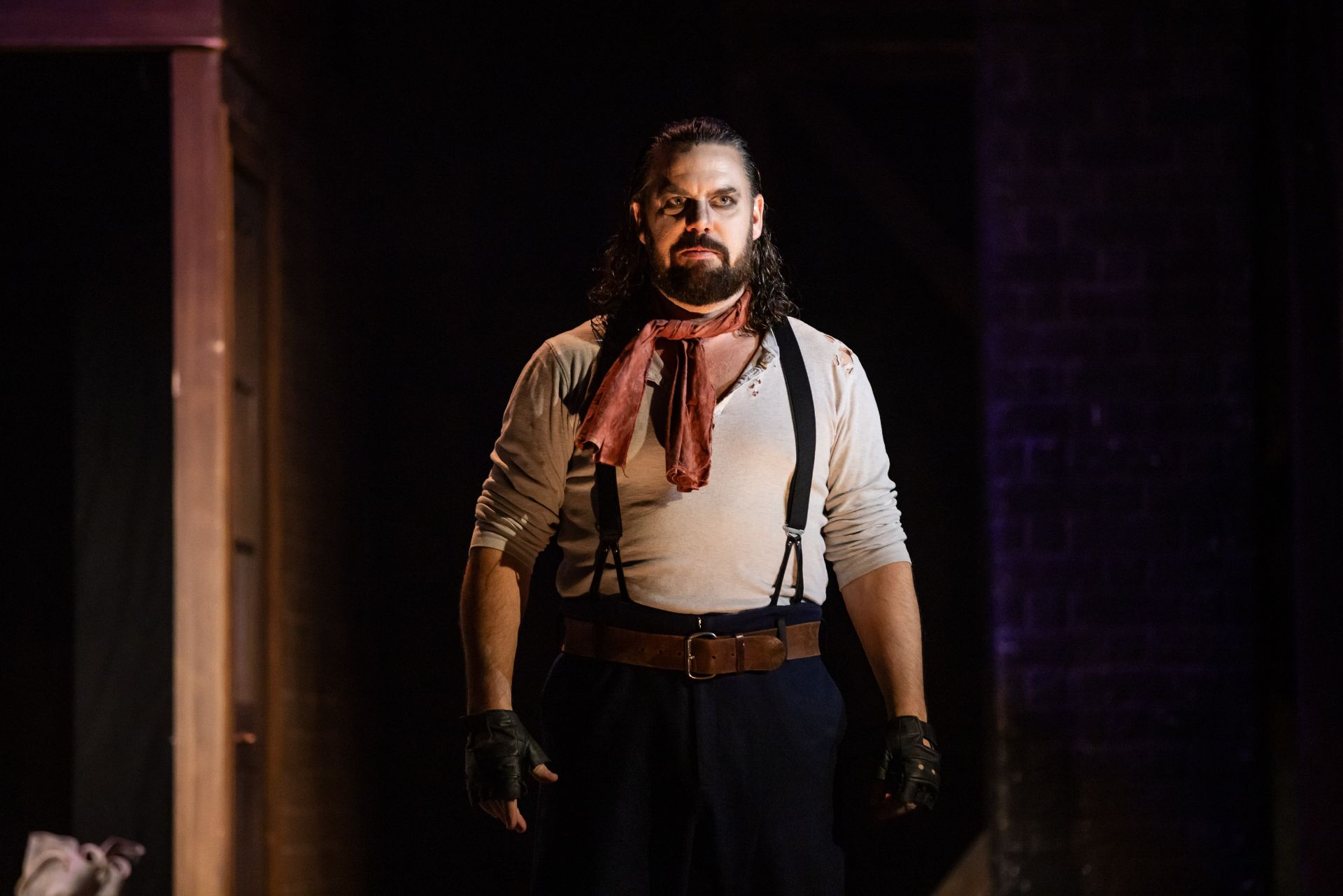
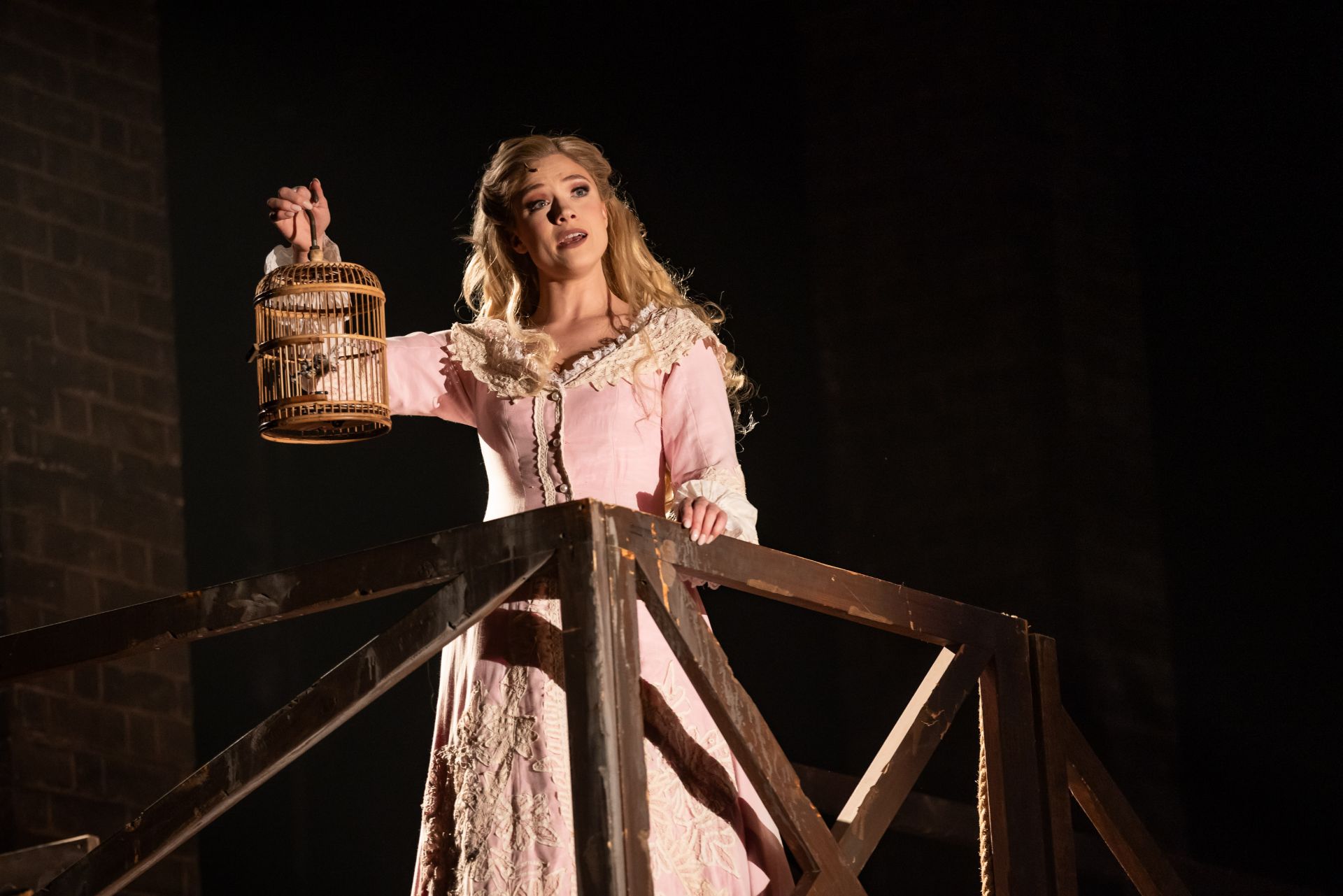
Performer Ben Mingay is irrepressibly broody as Sweeney Todd, commanding with his voice, but not always sufficiently agile in adapting to the shifts in presentation styles required of the show. Mrs Lovett is played by an exquisite Antoinette Halloran, captivatingly flamboyant but also precise in approach, ceaselessly entertaining, and irresistible with her charm, as she explores every nuance in a role that suddenly seems newly complex. Extremely noteworthy is the incandescent Jeremi Campese, who as Tobias Ragg introduces unexpected warmth and poignancy to an outlandish tale, leaving a remarkable impression as an artist admirable for both his technical and impulsive capacities.

People are dropping like flies in London town, but no suspicions are raised, as the populace indulges in improbably affordable meat pies. It appears to be true, that we routinely choose not to know how the sausage is made, preferring always to devour that which is pleasurable, and neglecting inconvenient ethical considerations. Our lives have become bounded by modes of consumption, in which we think only of utility, leaving the true costs of things to be left buried, as though the system of resource allocation is never going to fail. Even as reports emerge constantly about the dangers and failures of this way of life, we turn a blind eye, evidently resigned to our certain extinction.

www.sydneyoperahouse.com

Review: Teenage Dick (Flight Path Theatre)

Venue: Flight Path Theatre (Marrickville NSW), Jul 19 – Aug 5, 2023
Playwright: Mike Lew
Director: Dan Graham
Cast: Thom Blake, Amy Victoria Brooks, Holly-Jane Cohle, Gemma Dart, Keira Fairley, Rocco Forrester, Chloe Ho, Dean Nash
Images by Andrea Magpulong

Theatre review

When Richard decides to campaign for class president at his high school, it is as much an indication of his ambition, as it is of a thirst for revenge. Based on Shakespeare’s Richard III, Mike Lew’s Teenage Dick transposes the anti-hero to a contemporary context, turning the protagonist into a much younger man, but retains his narrative of disability. This excellent update from 2016, like the original, is both comedic and tragic, brilliantly constructed to have us shifting in our attitudes regarding the problematic central character. With its sophisticated methodology for advocacy, depictions of disability in Teenage Dick are never patronising, with Lew demonstrating an immense capacity for presenting humanity in ways that resonate deeply, without relying on cliché and convention.

Directed by Dan Graham, we are transported convincingly to Roselands High School somewhere in the United States, where the teenagers are delightfully rambunctious and disarmingly bright. Lights by Casey-Moon Watton and sound by Dean Nash are prudently rendered, to bring dramatic emphasis to key moments. Set and costume design by Holly-Jane Cohle are vibrant and whimsical, wonderfully charming with the visuals aspects being established for the staging.

Additionally, the aforementioned Nash and Cohle leave remarkable impressions playing Richard and Buck respectively, both accomplished and endearing as performers, on a stage that buzzes with constant energy. Amy Victoria Brooks as teacher Elizabeth, and Rocco Forrester as bully Eddie, are memorable for the accuracy they bring to their roles. Gemma Dart and Chloe Ho tell meaningful stories, about the challenges faced by girls as they prepare to grow into their womanhood. Thom Blake and Keira Fairley are endlessly amusing with the boisterousness they introduce, to remind us of that characteristic anxiety involved in navigating teenage life.

Our cultures seem very accustom to portrayals of disadvantaged members of society, as either long-suffering and noble, or despicable and Machiavellian. In Teenage Dick we are urged to consider our marginalised as being thoroughly human, with as many virtues and faults as anyone thought of as normal. We understand that Richard could have done the right thing, or the wrong, because the ability to go either way, is thoroughly and disappointingly, the truth about who we all are.

www.flightpaththeatre.org | www.divergenttheatrecollective.com

Review: The Hero Leaves One Tooth (KXT on Broadway)

Venue: KXT on Broadway (Ultimo NSW), Jul 14 – 29, 2023
Playwright: Erica J. Brennan
Director:
Cam Turnbull
Cast: Kira-Che Heelan, Michael Mcstay, Tom Rodgers, Cara Whitehouse, Claudia Shnier, Patricio Ibarra, David Woodland
Images by Clare Hawley

Theatre review

Neeve had gone through great pains, to remove the teeth from her vagina, only to discover that it all grows back after 5 days. In Erica J. Brennan’s The Hero Leaves One Tooth, the folkloric phenomenon of vagina dentata is explored within a context, that feels very much like our contemporary reality. It is the post-#MeToo era, and even our biology is acting up, with our bodies creating new ways of retaliation against the patriarchy. Cleverly conceived, Brennan’s writing is abundant in intrigue, but slightly deficient with its narrative. Even though dialogue tends to be excessively obtuse, its personalities are imbued with enigmatic charm.

Direction by Cam Turnbull revels in the surrealist qualities of the play, fashioning flamboyant gestures that deliver an enjoyable theatricality, although some of the comedy can feel forced and contrived. Set design by Meg Anderson needs greater consideration for exits and entrances, but is otherwise effective in transforming the space into a site of familiar domesticity. Jasmin Borsovszky’s lights are robust and ambitiously rendered, to depict both realism and something decidedly more nightmarish. Sound by Zac Saric and music by Alexander Lee-Rekers with Saric, keep us in a state of anxiety, for a show determined to expose our world for its unrelenting bleakness. Songs by Jake Nielsen add comically macabre dimensions, furthering a sense of the bizarre.

The cast is somewhat lacking in chemistry, but individual performances are generally strong. Kira-Che Heelan’s visible restraint as Neeve, conveys with accuracy how we deal with trauma in everyday life. Michael McStay’s exuberance as Felix is a comical study in a kind of psychological denialism. In the role of Sasha is Claudia Shnier, who brings emotional intensity at the moment it matters most. Playing Mark with pertinent generosity, is David Woodland who manufactures complexity, in place of simplistic adversarial relationships.

In The Hero Leaves One Tooth, we observe that no matter what mental gymnastics a person puts themself through, the body will simply refuse to pretend that feelings do not exist. Some injuries can be healed, but it requires investment into processes that are usually more extensive than we are ready to submit ourselves to. Pain is often a sustained and prolonged experience. The mind will do what it can, in efforts to numb, for temporary relief, but there is no meaningful displacement that can occur outside of a person’s being. Terror manifests, maybe not as belligerent teeth in the vagina, but the body certainly needs a comprehensive experience of the truth.

www.kingsxtheatre.com | www.ratcatchtheatre.com

Review: Forgetting Tim Minchin (25A Belvoir)

Venue: Belvoir St Theatre (Surry Hills NSW), Jul 12 – 19, 2023
Book, Music and Lyrics: Jules Orcullo
Director: Amy Sole
Cast: Jules Orcullo, Nova Raboy
Images by Clare Hawley

Theatre review

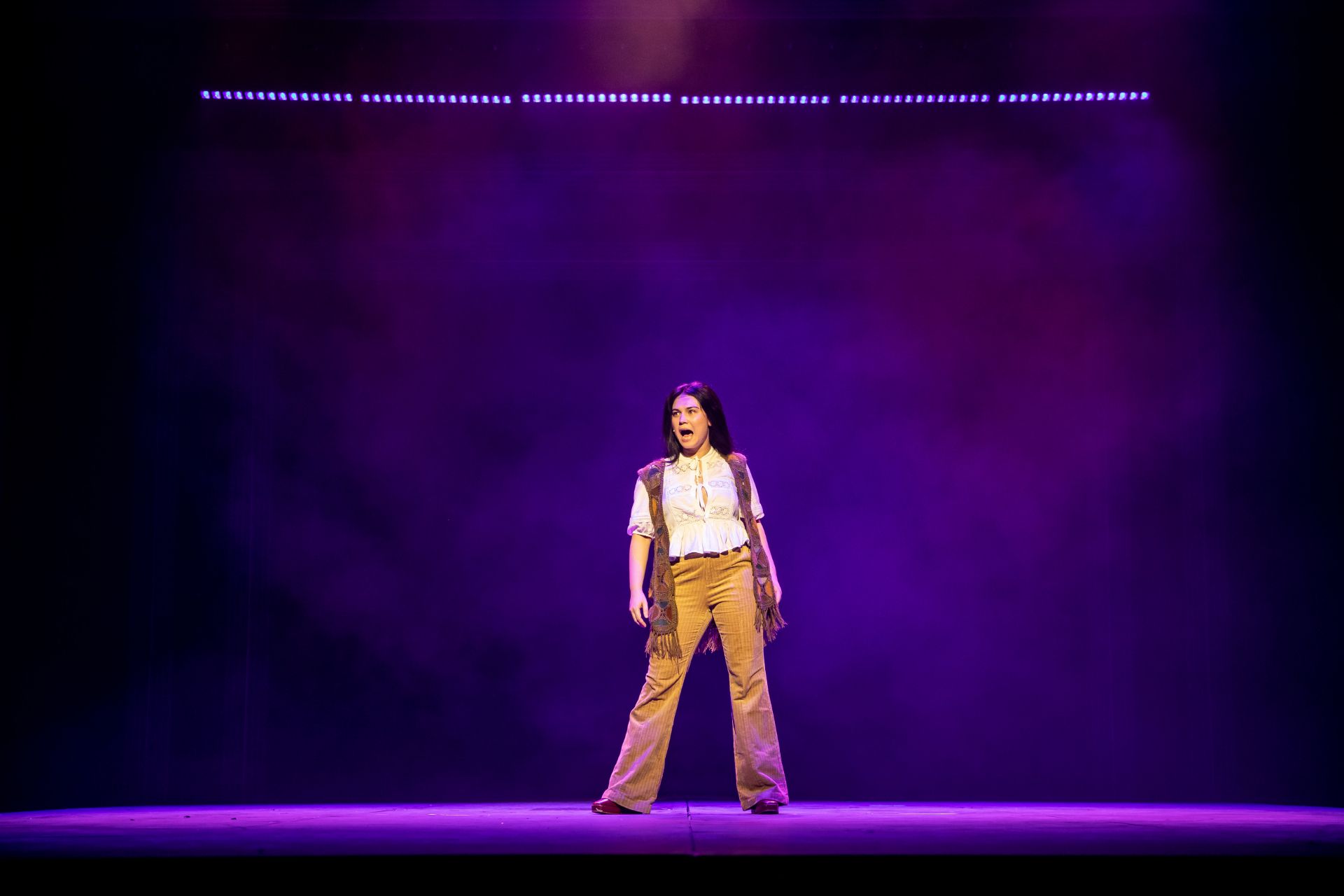
Jules quit her job and moved home during the pandemic, thinking she would take the opportunity to really develop her art. Just when she becomes exasperated about the lack of progress, an accidental social media post exposes her talent to childhood idol Tim Minchin, and things begin to magically fall into place. Jules Orcullo’s original musical Forgetting Tim Minchin is a deeply whimsical work, full of genuine hilarity, juxtaposed against an unrelenting and disarming commitment to emotional authenticity. Despite its creator’s many reminders that the story is mostly fictional, the musical captivates seemingly effortlessly, with its enchanting blend of comedy and heartfelt moments.

The show is hugely entertaining, directed by Amy Sole whose detailed approach ensures an extraordinary attention to nuance, so that we are seduced into the tiny microcosm of Jules’ bedroom, where a world of imagination and passion is allowed to flourish. Set and costume design by Hailley Hunt are rendered with accuracy, for familiar imagery that speaks on where and who the characters are, in both geographical and socio-economic terms. Lights by Kate Baldwin offer meaningful transformations of space, transporting us across various degrees of reality.

Most of the musical accompaniment is pre-recorded, and although arranged in the simplest style, the songs are never any less than thoroughly delightful. Along with a sound design by Christine Pan and musical direction by Andy Freeborn, all that we hear in this musical production, endears us to its central characters, making us understand and care for them, at every moment.

As performer, Orcullo is a magnetic presence, with an ability to access a certain inner truth, that makes her audience defenceless and entirely open to whatever may come, in this unpredictable journey. Playing Jules’ mother is Nova Raboy, whose remarkable capacity for tenderness and warmth, draws us further into the storytelling. Movement direction by Lauren Nalty gives both performers a sense of structured form and discipline to their physicality, to imbue a visual finesse that further elevates the production.

Forgetting Tim Minchin delivers laughter and tears, in copious amounts. It is an opportunity for emotional catharsis, but probably more importantly, it is an exercise in empathy at a time when we feel increasingly persuaded to become hardened and unfeeling. Orcullo’s work showcases a vulnerability that modern life is rarely capable of accommodating, yet is unequivocally intrinsic to the human experience, and foolish of us to neglect. With computers poised to take over every mechanical aspect of our existence, we should perhaps consider a great retreat into the essentially constitutive human materials, of flesh and spirituality; learn anew to celebrate an attention to vulnerability, and begin to strip off generations of cladding enclosed around it, leave behind what was meant to protect, but have inadvertently made us increasingly inhuman.

www.thejoyoffensive.com | www.belvoir.com.au

Review: Miss Peony 牡丹小姐 (Belvoir St Theatre)

Venue: Belvoir St Theatre (Surry Hills NSW), Jul 1 – 29, 2023
Playwright: Michelle Law
Director: Courtney Stewart
Cast: Gabrielle Chan, Stephanie Jack, Deborah Faye Lee, Mabel Li, Charles Wu, Shirong Wu
Images by Sherry Zheng

Theatre review

Lily is haunted by her recently deceased grandmother Adeline, whose dying wish was for Lily to be crowned winner at Miss Peony, a beauty pageant for young women of the Chinese diaspora. Adeline is determined that her granddaughter becomes part of that long and illustrious history, even if Lily is completely uninterested in having anything to do with that tradition. In Michelle Law’s Miss Peony 《牡丹小姐》, we see a young Australian woman of Chinese ancestry coming to a greater appreciation of her cultural heritage, whilst retaining her identity as a Western progressive.

The play is uproariously funny yet deeply moving, containing all the ingredients necessary for a gripping theatrical experience. It is additionally pertinent, that the work is trilingual (in English, Cantonese and Mandarin, with corresponding surtitles) and suited to all ages, thus creating a rare opportunity for multi-generational engagement. Directed by Courtney Stewart, Miss Peony is playful and chaotic, in the most charming ways. It eschews polish, in favour of something intensely endearing, notable for its subversive embrace of hallmarks of our cultural cringe, in order to institute a sense of pride, on behalf of a community weary from decades of assimilation. Kristina Chan’s exuberant choreography too, draws attention to that in-between existence, of living at once East and West.

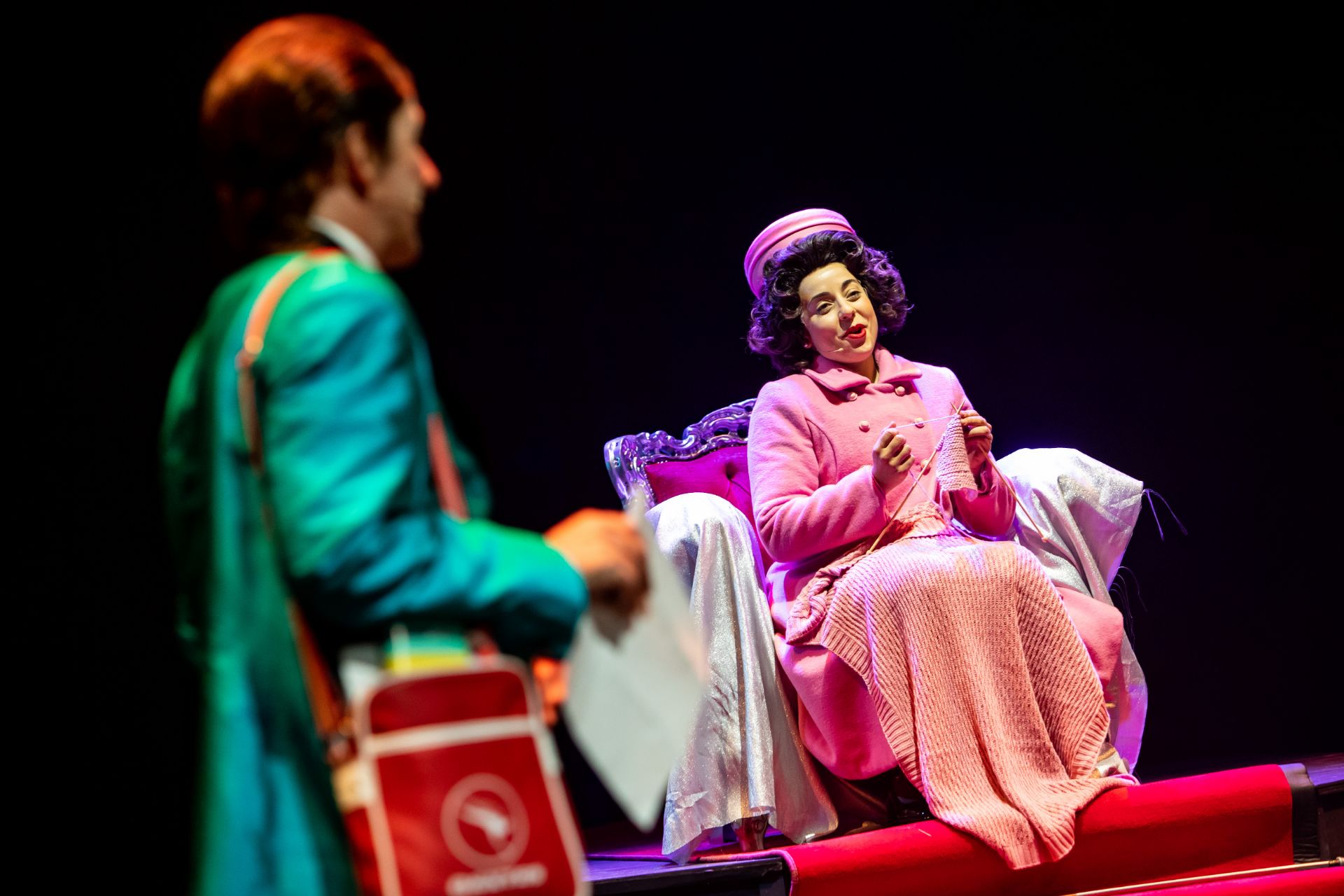
A spectacular set design by Jonathan Hindmarsh takes inspiration from the unabashedly glitzy affairs of many minority groups, and along with an extensive wardrobe of evening gowns straddling the beautiful and the comical, we are emphatically transported to a different middle class, one with an unmistakeably novel appeal. Vivacious lights by Trent Suidgeest address the supernatural elements as successfully as they do, the gaudy ostentation of beauty pageantry. Music by Dr Nicholas Ng is memorable for the pathos it encourages, while Julian Starr’s sound design evokes complex notions of time and space, especially with its use of pop music from pre-1997 Hong Kong.

A whimsical cast tells the story of Miss Peony with exceptional warmth and verve. Stephanie Jack brings an emotional truth to Lily, allowing the profound centre of this farce to resonate quite unexpectedly, and indeed powerfully. Adeline is played by Gabrielle Chan whose mesmerising physicality embodies everything important, in this tale of cultural dissolution and of sexism. The exacting delivery of Charles Wu, as pageant producer and master-of-ceremony Zhen Hua, gives the staging a valuable sense of elevation, but it is his flawless instincts for live performance that most strike a chord. Also leaving an excellent impression is the spirited Mabel Li, who turns the youngest contestant Sabrina into a most disarmingly adorable personality. Shirong Wu as Joy is unsurpassable with her deadpan humour, while Deborah Faye Lee’s amusing animated style gives Marcy her familiar authenticity.

As the years go by, our sensibilities around the immigrant experience, become gradually less binary. Over time, we learn to be less derisive of the places we had escaped, and more suspicious of where we have come to seek refuge. We discover ourselves at an enviable position, of being able to identify virtues from contrasting epochs, knowing how to decipher values from a vantage point of having observed competing truths. Many will not understand how a modern woman can also be a beauty queen, but Lily inhabits those contradictions, and is only richer for it.

www.belvoir.com.au

Review: Dumb Kids (KXT on Broadway)

Venue: KXT on Broadway (Ultimo NSW), Jun 23 – Jul 8, 2023
Playwright: Jacob Parker
Director:
Sophia Bryant
Cast: Fraser Crane, Ryan Hodson, Mym Kwa, Oli McGavock, Lou McInnes, Dominique Purdue, Connor Reilly, Rachel Seeto, Kate Wilkins, Angharad Wise
Images by Phil Erbacher

Theatre review

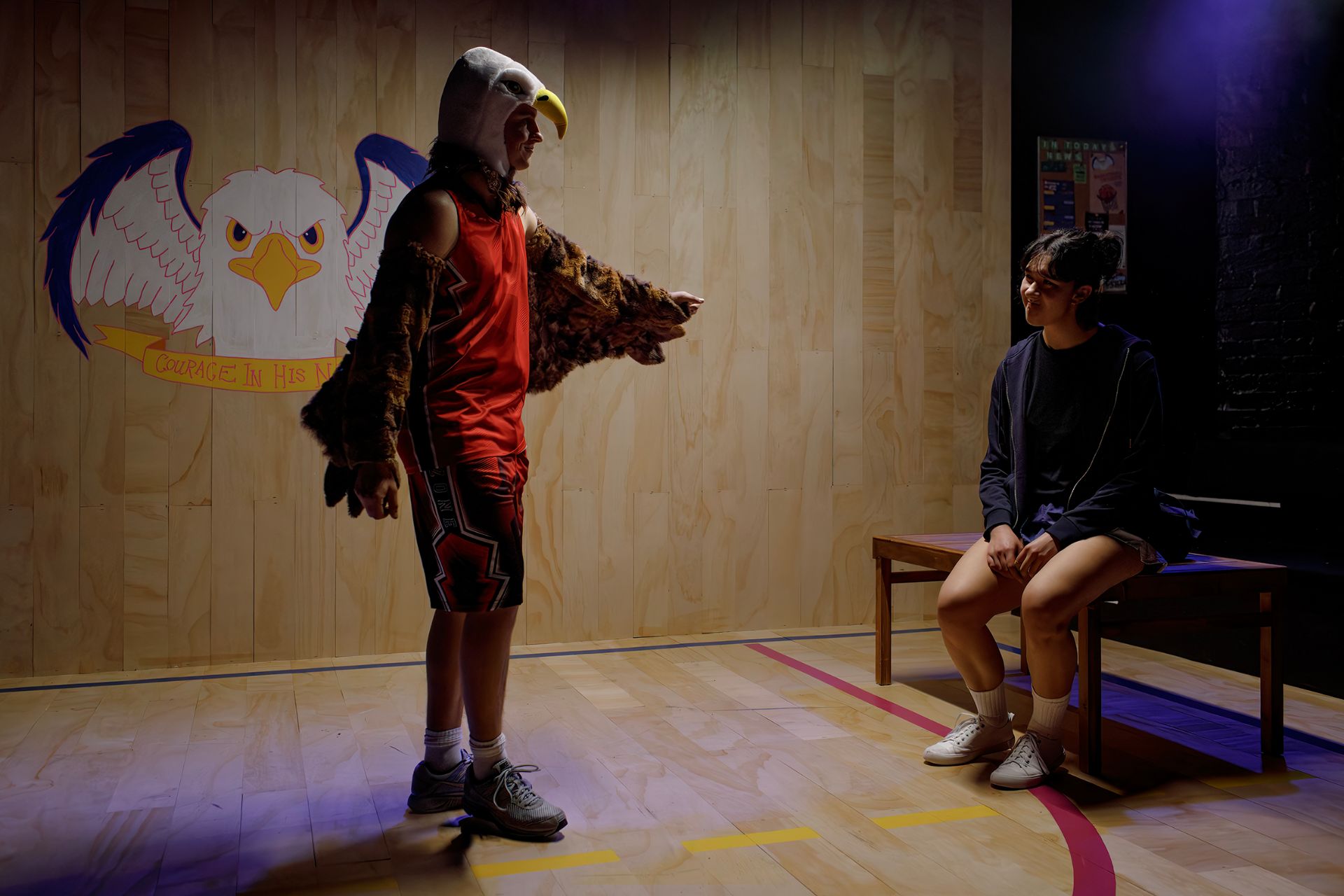
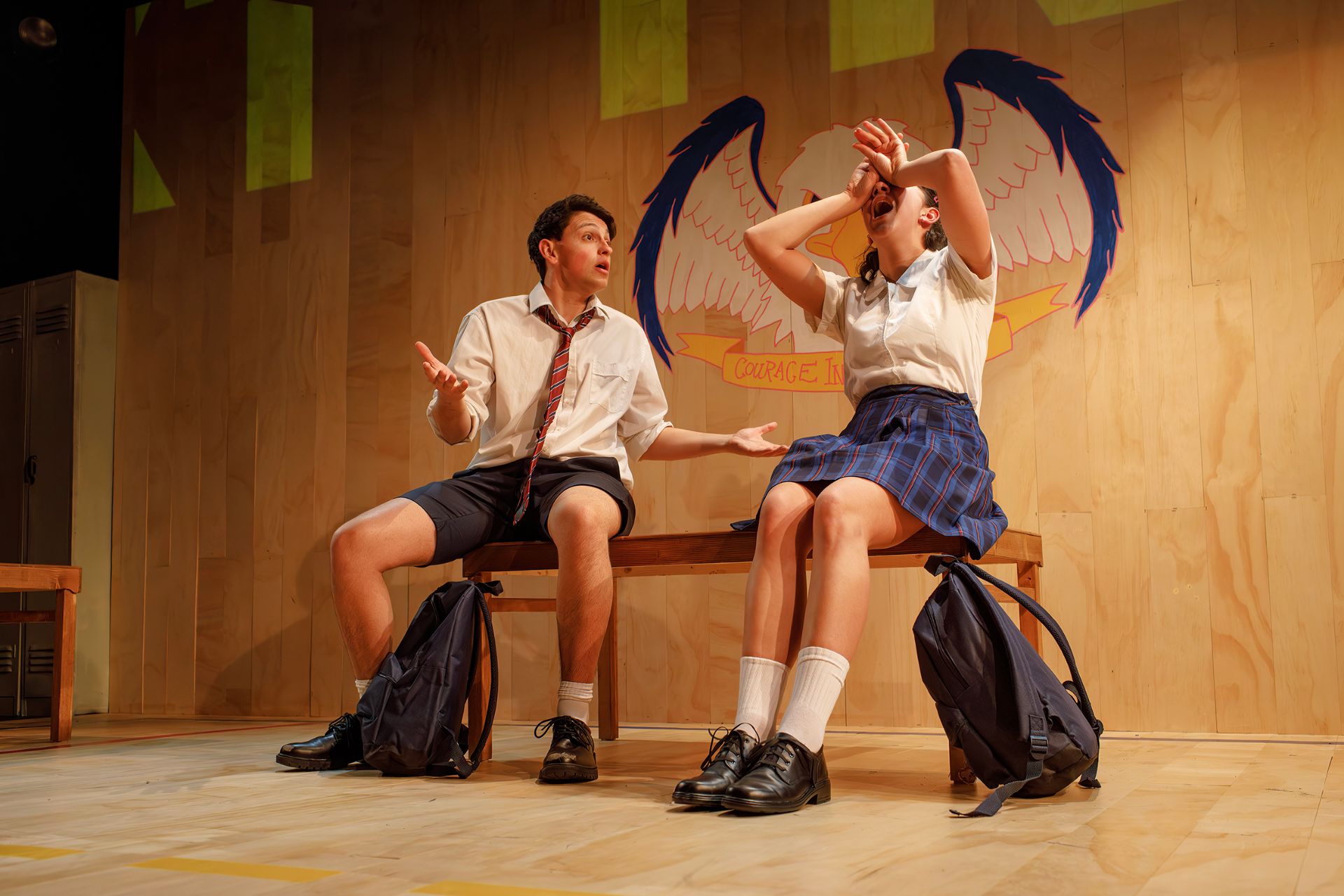
It is always between classes, when we see the young people of Jacob Parker’s Dumb Kids chatting and socialising. There is occasional talk about their impending Year Eleven Social, but these ten teenagers are mostly occupied with matters of a sexual nature. At their age especially, talking about sex is really an exploration of self identity, and in Dumb Kids we see a fascinating microcosm, representative of the state of youth culture in 2023. Australia in the future, it may seem, is no longer predominantly straight, with lesbians, gay men, bisexuals and pansexuals becoming as commonplace as heterosexuals. Trans and nonbinary people too, are no longer anomalies in how we recognise gender experiences. Queer, it may seem, is everything.

Parker’s depictions can of course be considered an exaggeration, not only of queerness, but also of a particular kindness that has hitherto eluded most stories pertaining to this cohort. Masculinity is very present in Dumb Kids but its toxic aspects have largely disappeared. Bullying and intimidation are no longer a significant driving force, in this narrative about adolescent sociality. Conformity too has subsided, with these teenagers completely at ease with notions of diversity. Angst and confusion however remain essential, for it is wholly natural to see humans never figuring everything out, about our very own existence, even after learning that we can all make different choices in self-determination.

The bold and idealistic writing is brought to life by Sophia Bryant, whose direction is memorable for imbuing a valuable authenticity, that makes the audience receptive to these radically new portrayals of our young. Along with movement choreography by Emma Van Veen, the show is visually appealing, commendable for delivering much more than configurations of bodies in naturalistic conversational postures.

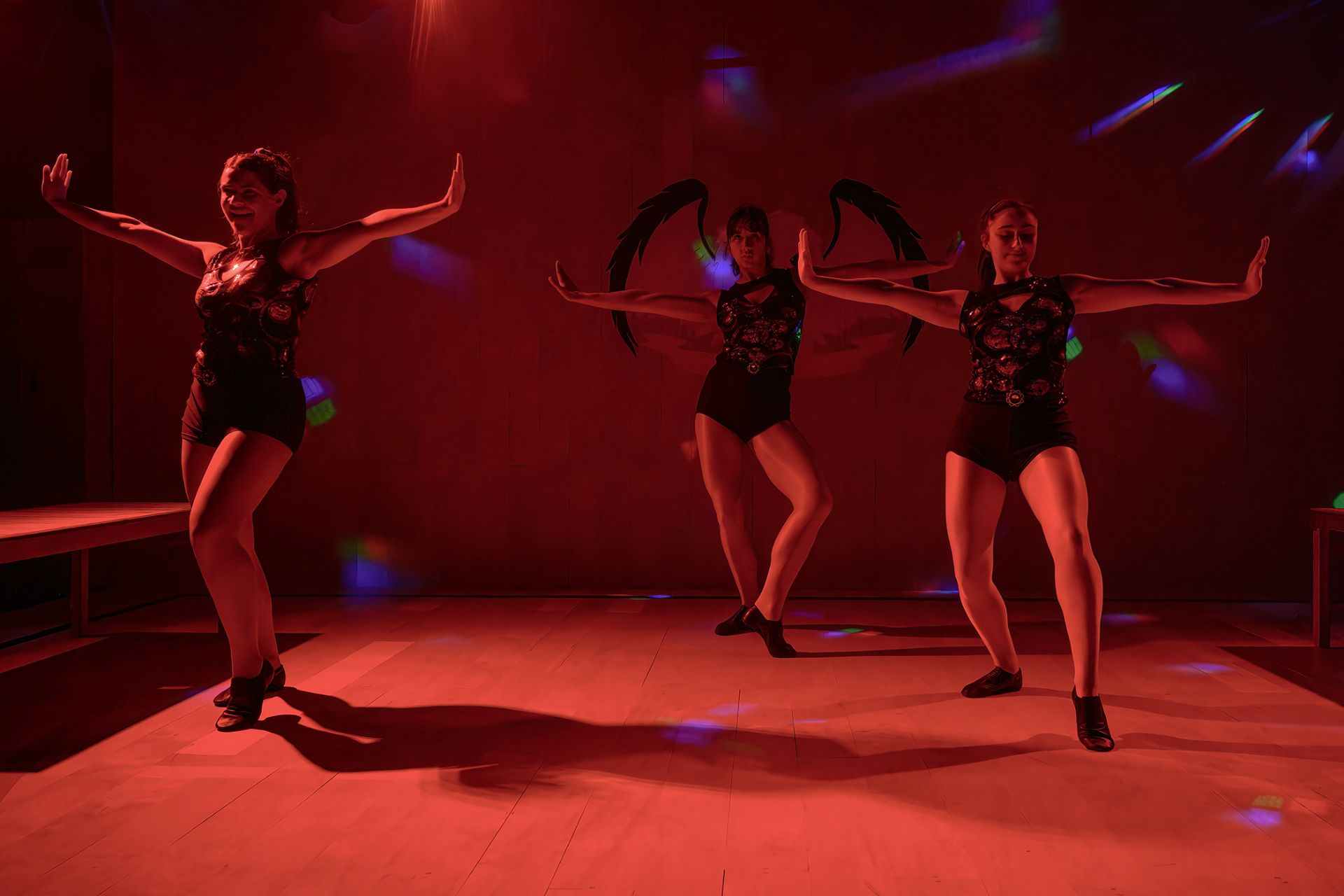
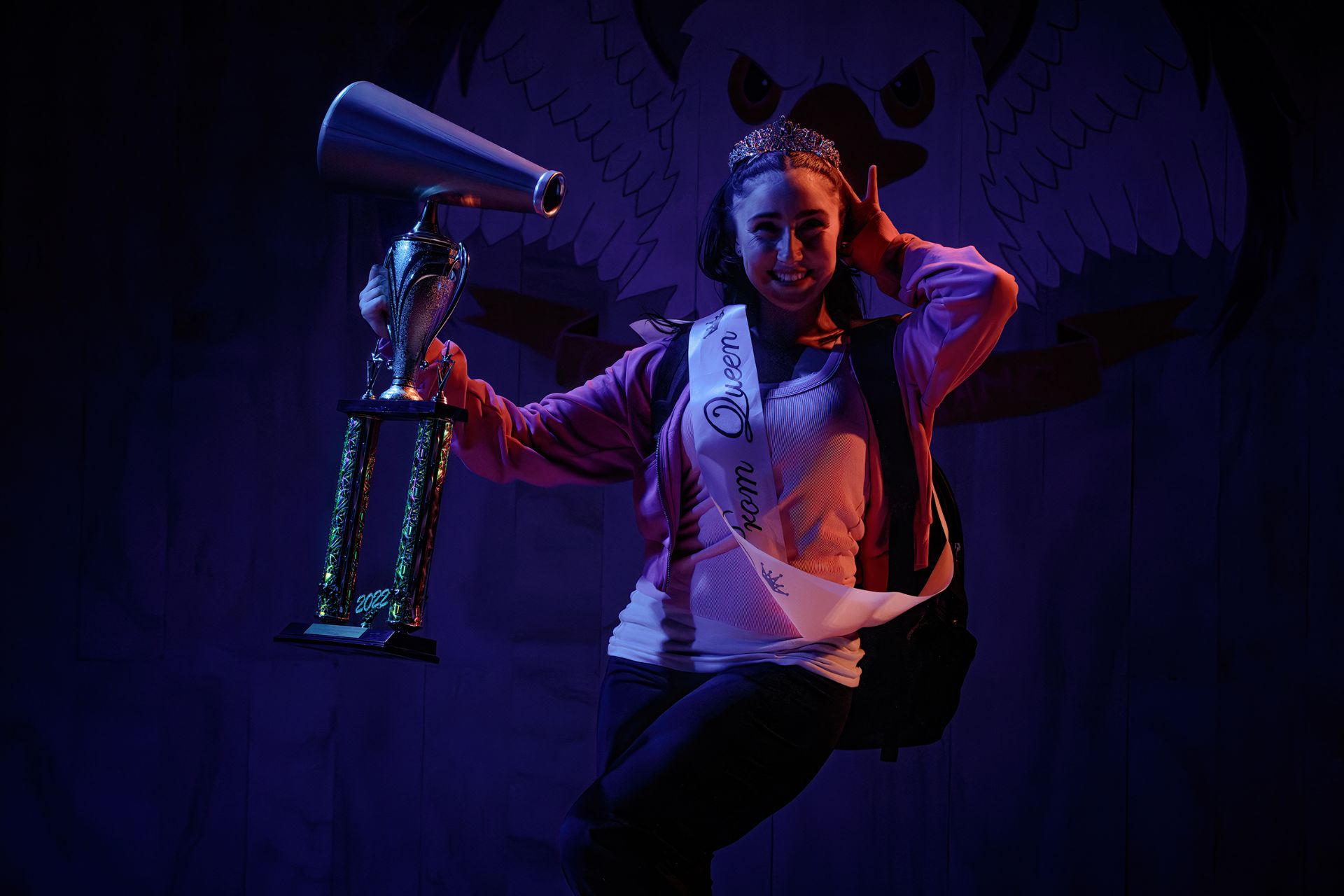
Set design by Benedict Janeczko-Taylor offers a theatrical rendition of the school playground, charming with its use of colour, and clever in its creation of spatial potential for performers. Janeczko-Taylor’s delightful work extends to costumes, with intricate details that make this staging feel simultaneously real and elevated. Thomas Doyle’s lights reveal an adventurous spirit, choosing to deliver fantastical imagery rather than something more lifelike, and therefore impressive for its ambitious artistry. Music by Christine Pan keeps us in tune with the frequencies of this generation, giving definition to how the staging wishes to conceive of the here and now.

An ensemble of ten effervescent performers bring wonderful spirit and dedication to Dumb Kids, exceptional with the cohesion they have fostered so successfully. Every character is believable and likeable, in a play that resists taking sides. There is no us and them, no good people or bad people, just humans navigating one day at a time. The generosity embodied by the cast, allows for a certain utopic vision to make sense, so that we can begin to be convinced of a brighter future. When all the world turns queer, is when no group is allowed to dominate, and when no one is left outside.

www.kingsxtheatre.com | www.facebook.com/legittheatreco

Review: City Of Angels (Hayes Theatre)

Venue: Hayes Theatre Co (Potts Point NSW), Jun 23 – Jul 23, 2023
Music: Cy Coleman
Lyrics: David Zippel
Book: Larry Gelbart
Director: Sam Hooper
Cast: Madeleine Betts, Doron Chester, Chantel Cofie, Sian Crowe, Paul Hanlon, Glenn Hill, Noah Janssen, Katelin Koprivec, Penny McNamee, Mia Morrissey, Conor Neylon, Shannen Alyce Quan, Ethan Rutledge, Marcus Rivera, Aaron Tsindos, Jessica White
Images by Grant Leslie

Theatre review

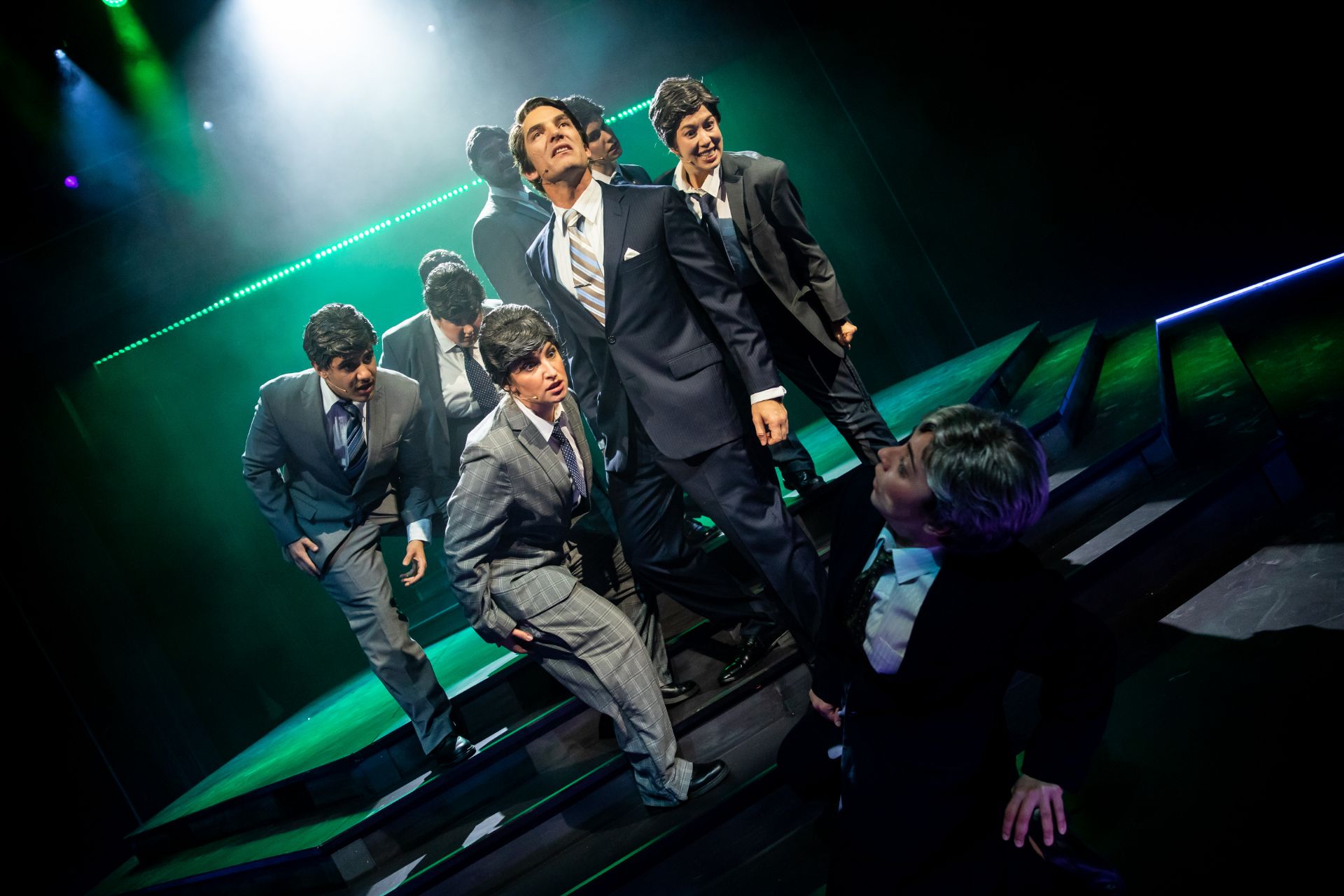
It is the 1940s and Stine is adapting his award-winning novel into a screenplay for Hollywood. Transitioning from one art form to another proves challenging, as he tries to preserve artistic integrity, in what quickly proves to be little more than a commercial venture. In the 1989 musical City of Angels, we see both Stine’s reality as well as a manifestation of his film noir creation, involving a private detective Stone and the various temptresses within his orbit. Despite its highly convoluted plot structure, the payoff is ultimately underwhelming, offering a narrative that feels much too predictable. Furthermore its humour seems not to have stood the test of time, although it must be said that music composition is its silver lining, with every song proving to be masterfully composed, by the legendary Cy Coleman.

The 3-hour production is valiantly revived by director Sam Hooper, who although demonstrates passionate verve, lacks inventiveness and an eye for detail. City of Angels not only requires great ambition, it demands a meticulousness and sophistication that few are able to muster. There is an evident lack of polish in the set design by Simon Greer, which can be blamed for the many clumsy, and noisy, scene changes. Lights by James Wallis attempt to create a sense of delineation between real and reel, but is in general too muted and lifeless. Costume designs by Esther Zhong are more accomplished, able to instinctively convey personality types of the many characters we encounter.

Music direction by Abi McCunn and Damon Wade, is the unequivocal highlight, greatly evocative of the big band era, with just seven musicians delivering all that is necessary to take us back in time, sonically at least. Singing is also of a high standard, with Glenn Hill and Aaron Tsindos (as Stine and Stone respectively), leading a cast that is never short of dedication and commitment. More memorable performances include Mia Morrissey playing dual roles of Gabby and Bobbi, introducing sensuality along with authenticity, to a production that tries to negotiate the outmoded and problematic portrayals of womanhood. Marcus Rivera is unforgettable in the number “All You Have to Do Is Wait” as Muñoz, full of intensity and unapologetic in a rare singular moment of candour, that feels suddenly resonant.

In 2023 it is perhaps no longer a surprise, that to make money, a portion of a person’s soul has to be sold, along with whatever labour is entailed in the transactive process. Just several decades ago, it had felt poignant to see an artist losing their way, when trying to exploit the big-money world of commercialised entertainment. Today at a time of late capitalism, idealism for artists seems a distant memory, yet we persist in searching for something of greater value, than what can be commodified. Within that spirit, we understand that money can never completely encompass what we do, that it is always the immaterial that represents our true purpose, even as we learn to accept that that which is material, should no longer be seen only as the evil adversary.

www.hayestheatre.com.au | www.jrpaustralia.com