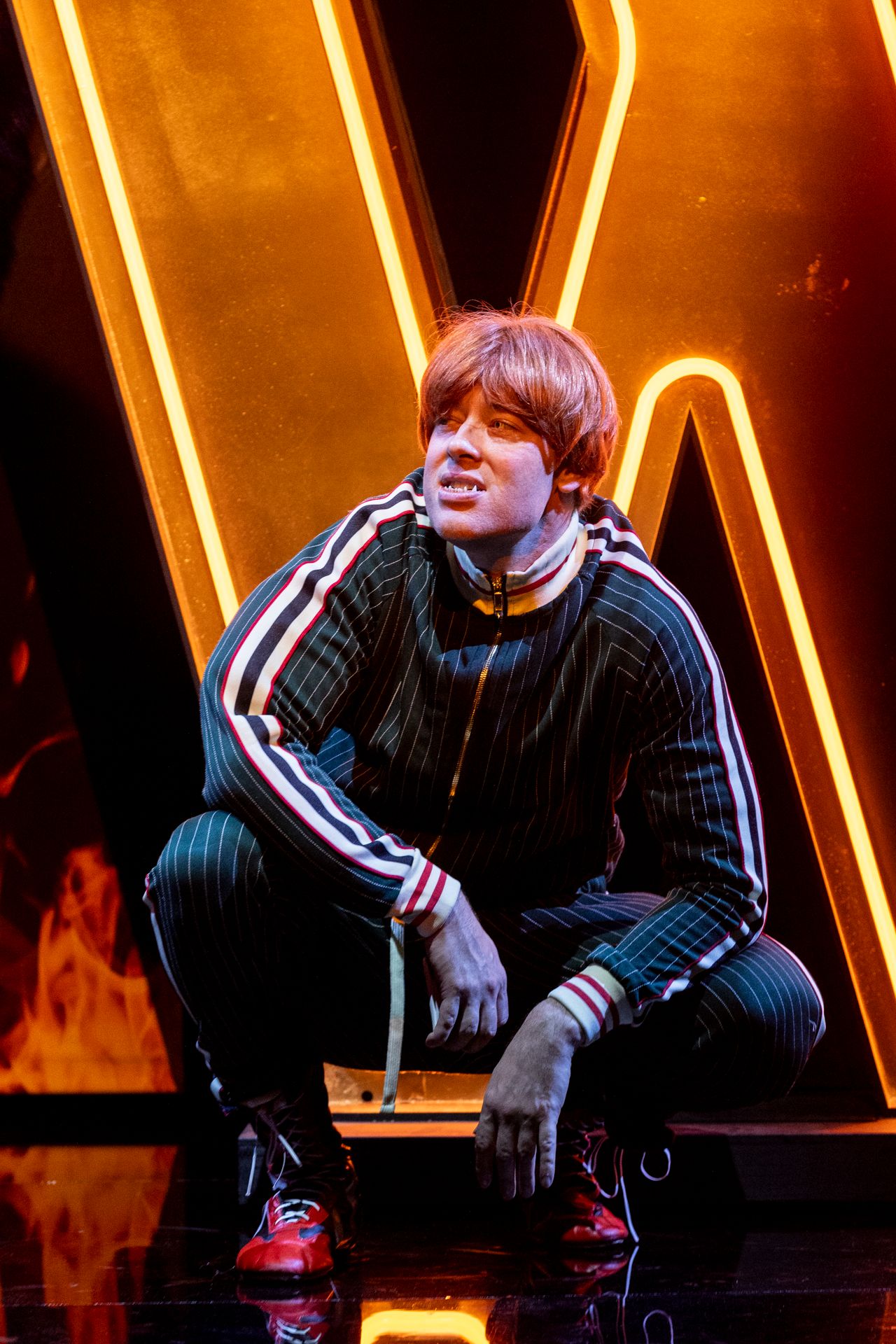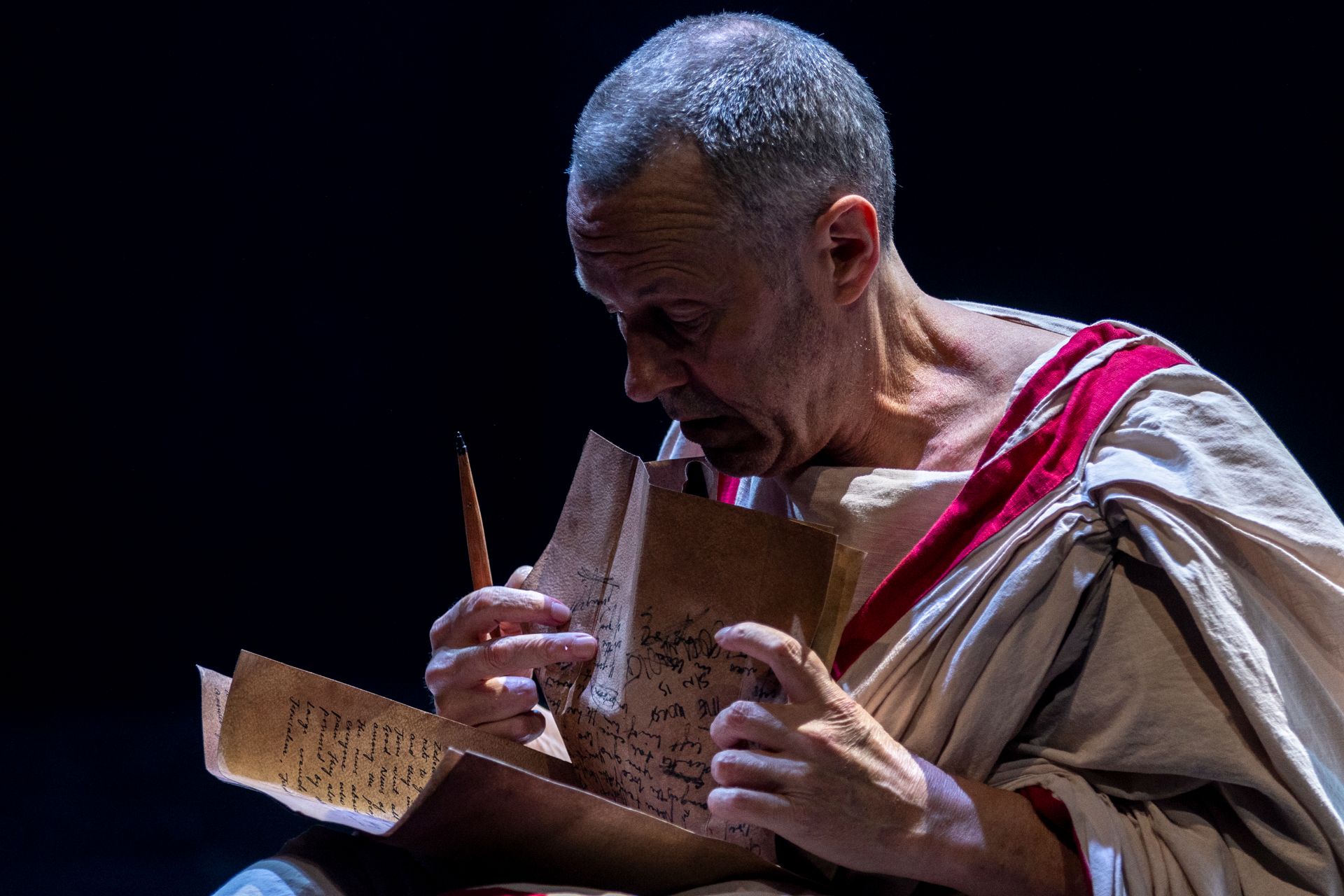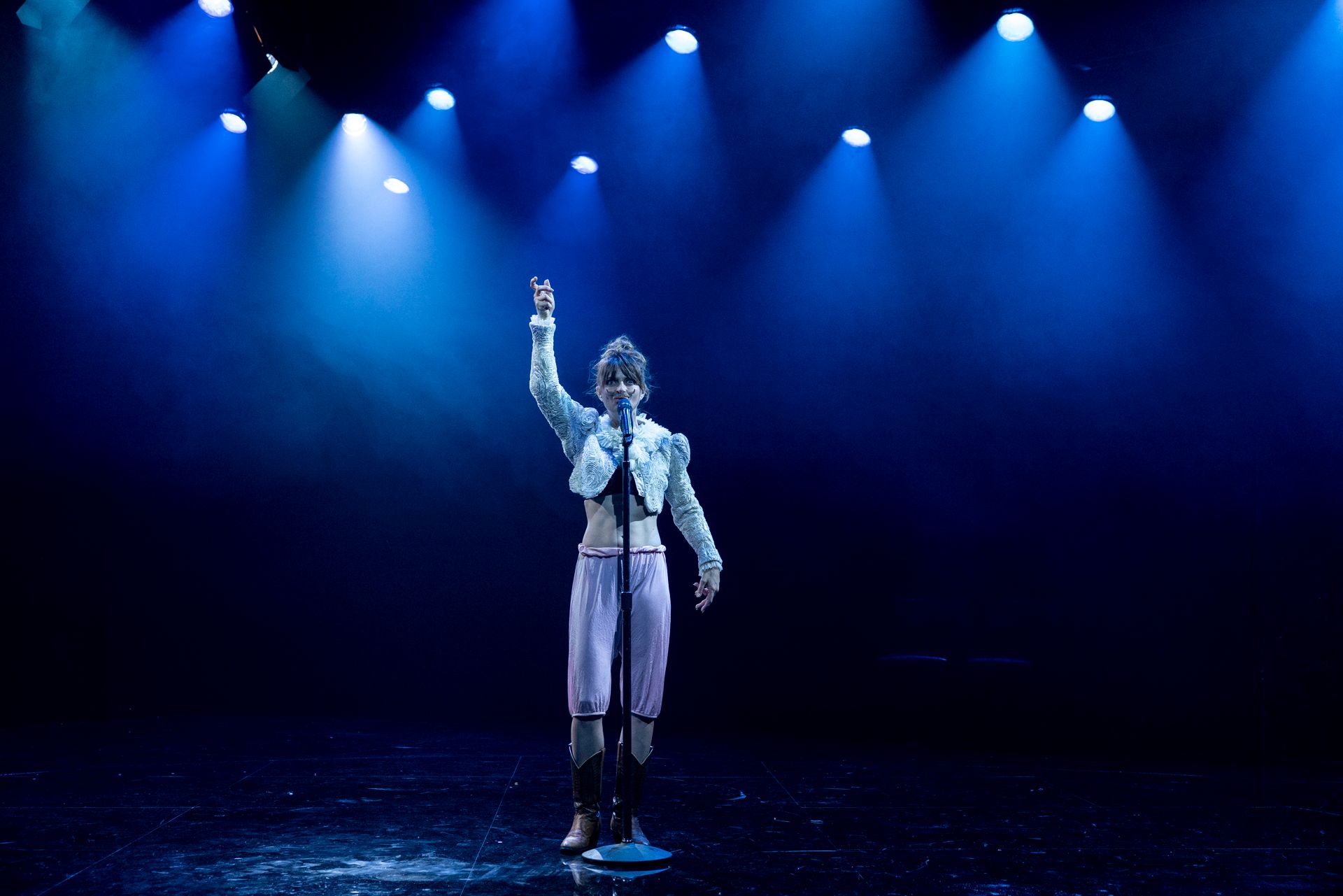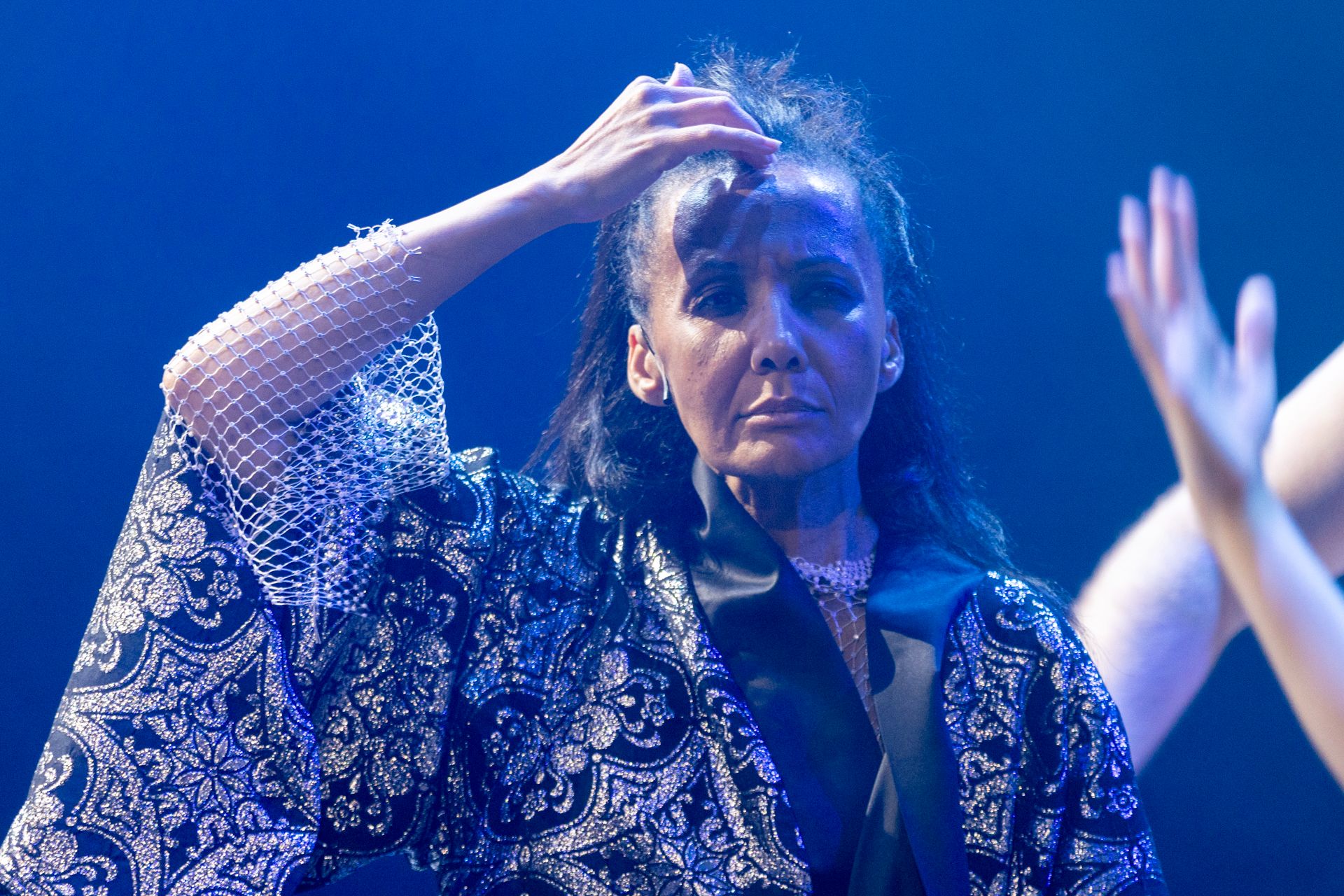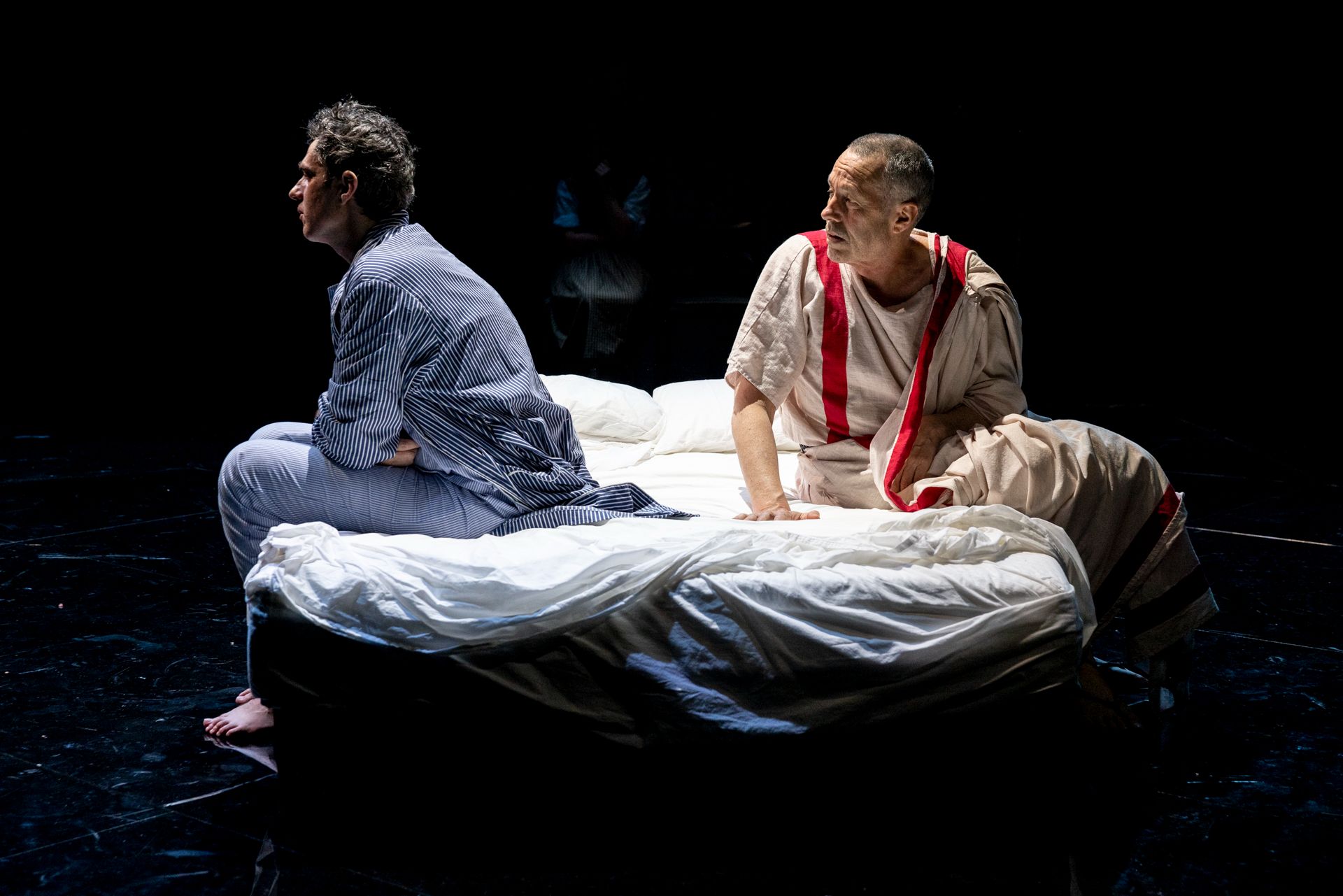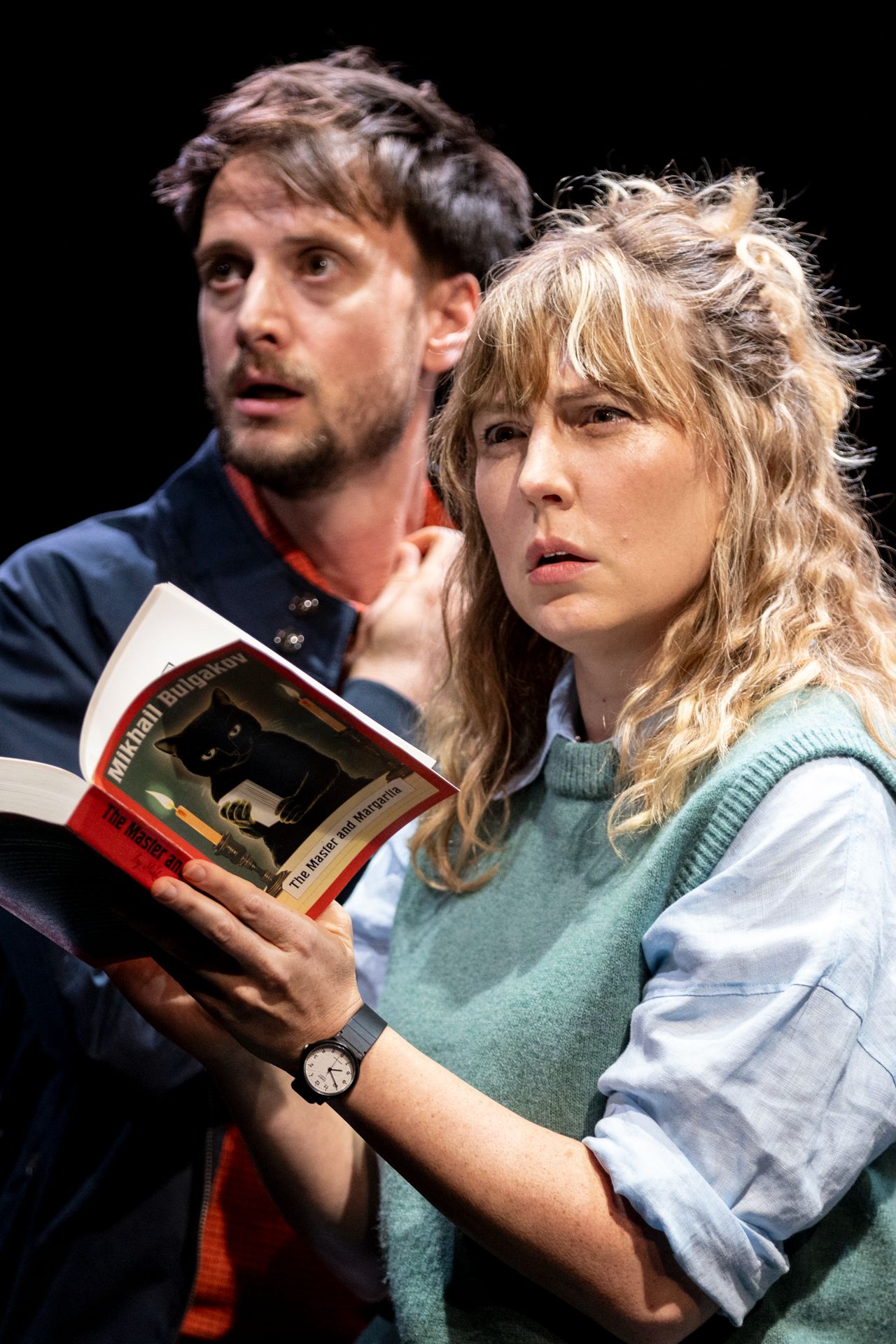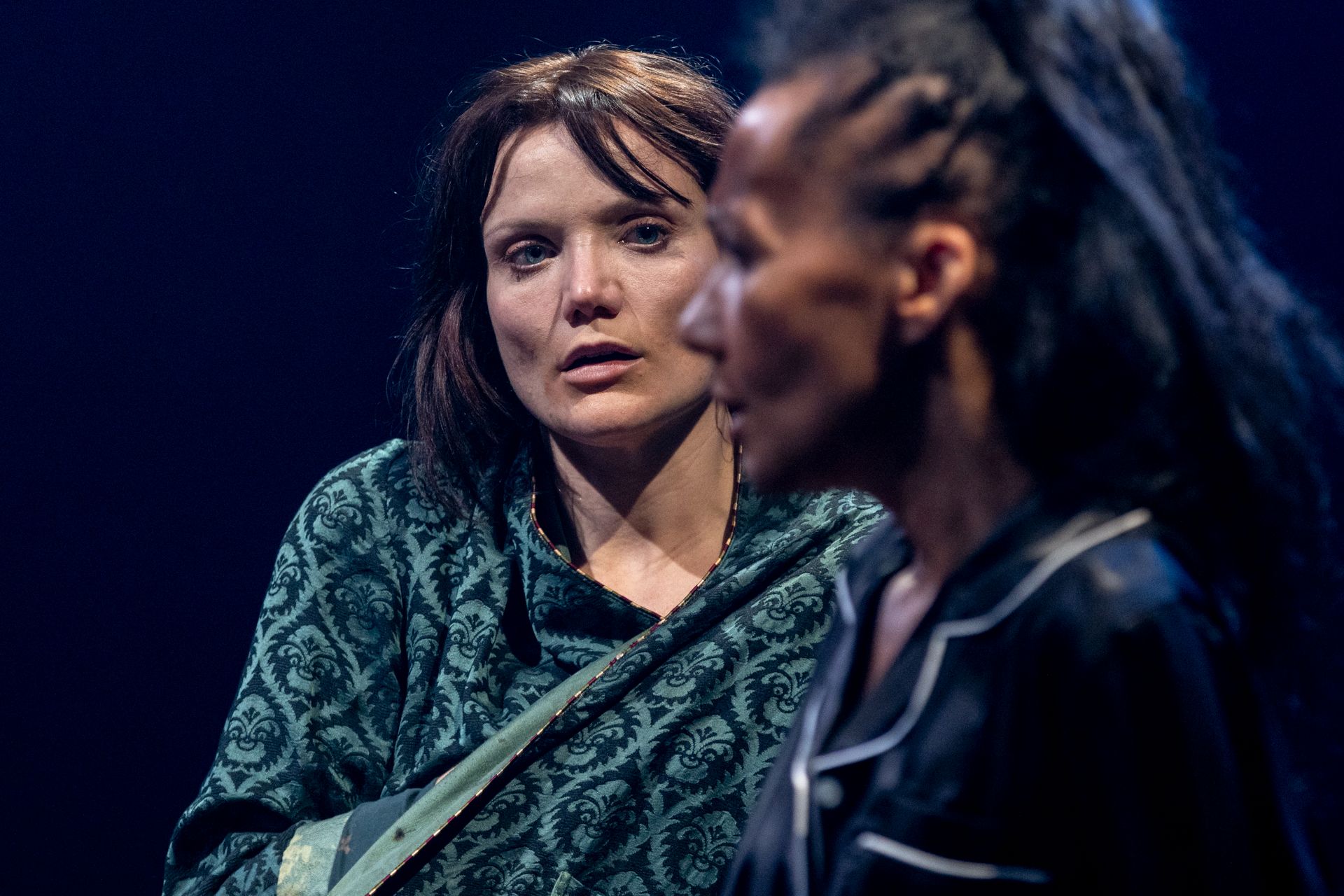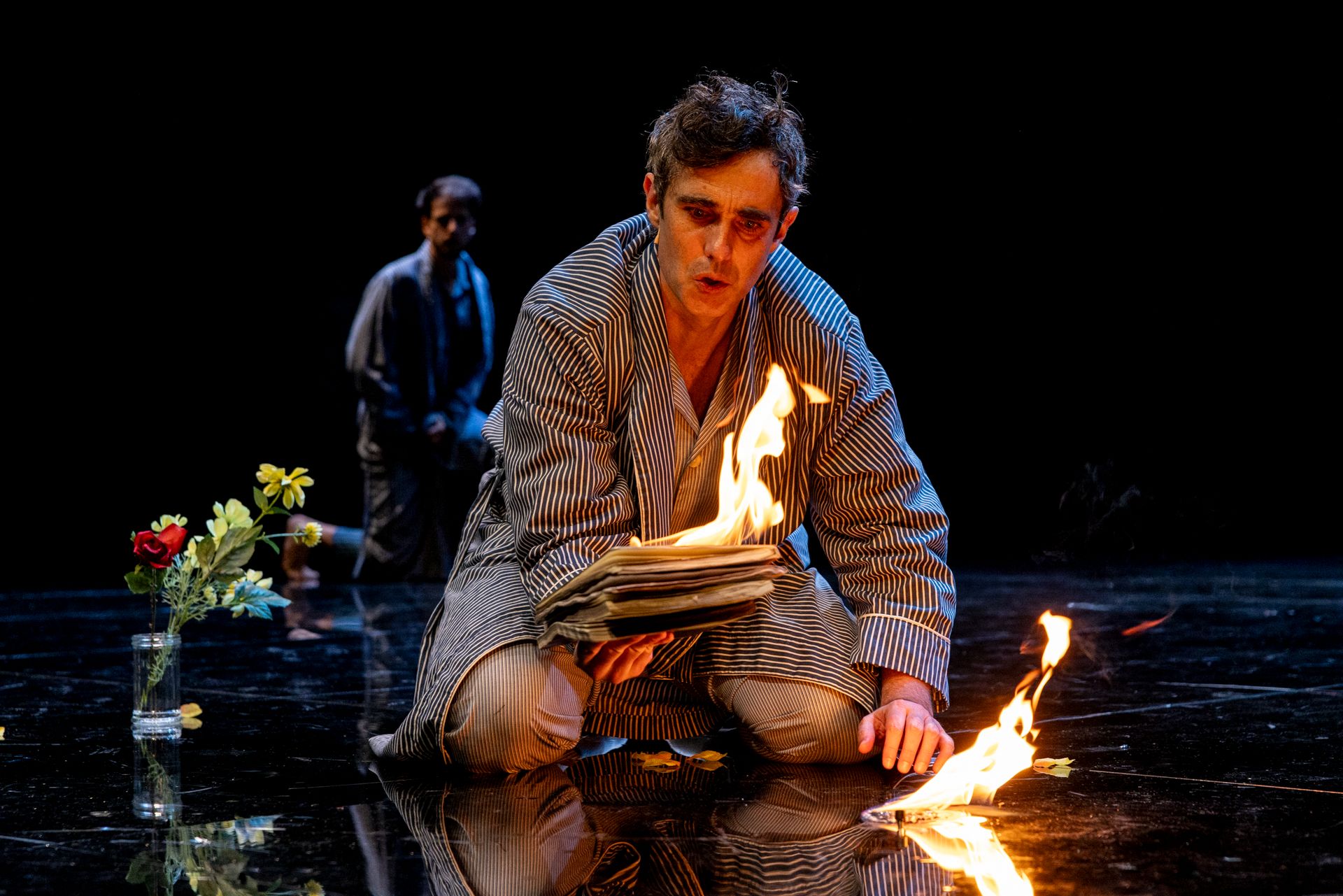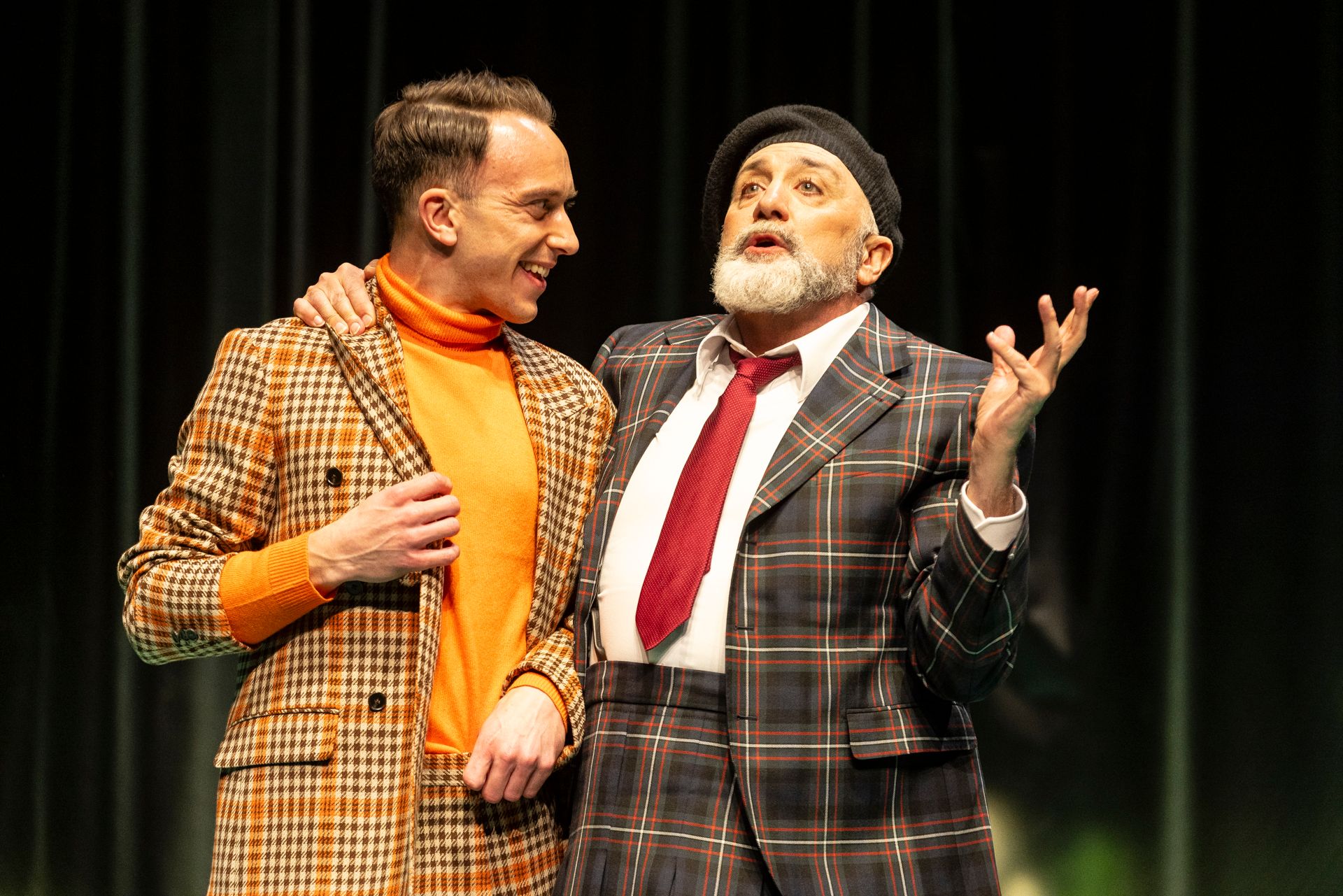

Review: The Memory Of Water (Ensemble Theatre)

Venue: Ensemble Theatre (Kirribilli NSW), Oct 20 – Nov 25, 2023
Playwright: Shelagh Stephenson
Director: Rachel Chant
Cast: Michala Banas, Thomas Campbell, Nicole Da Silva, Jo Downing, Madeleine Jones, Johnny Nasser
Images by Prudence Upton

Theatre review
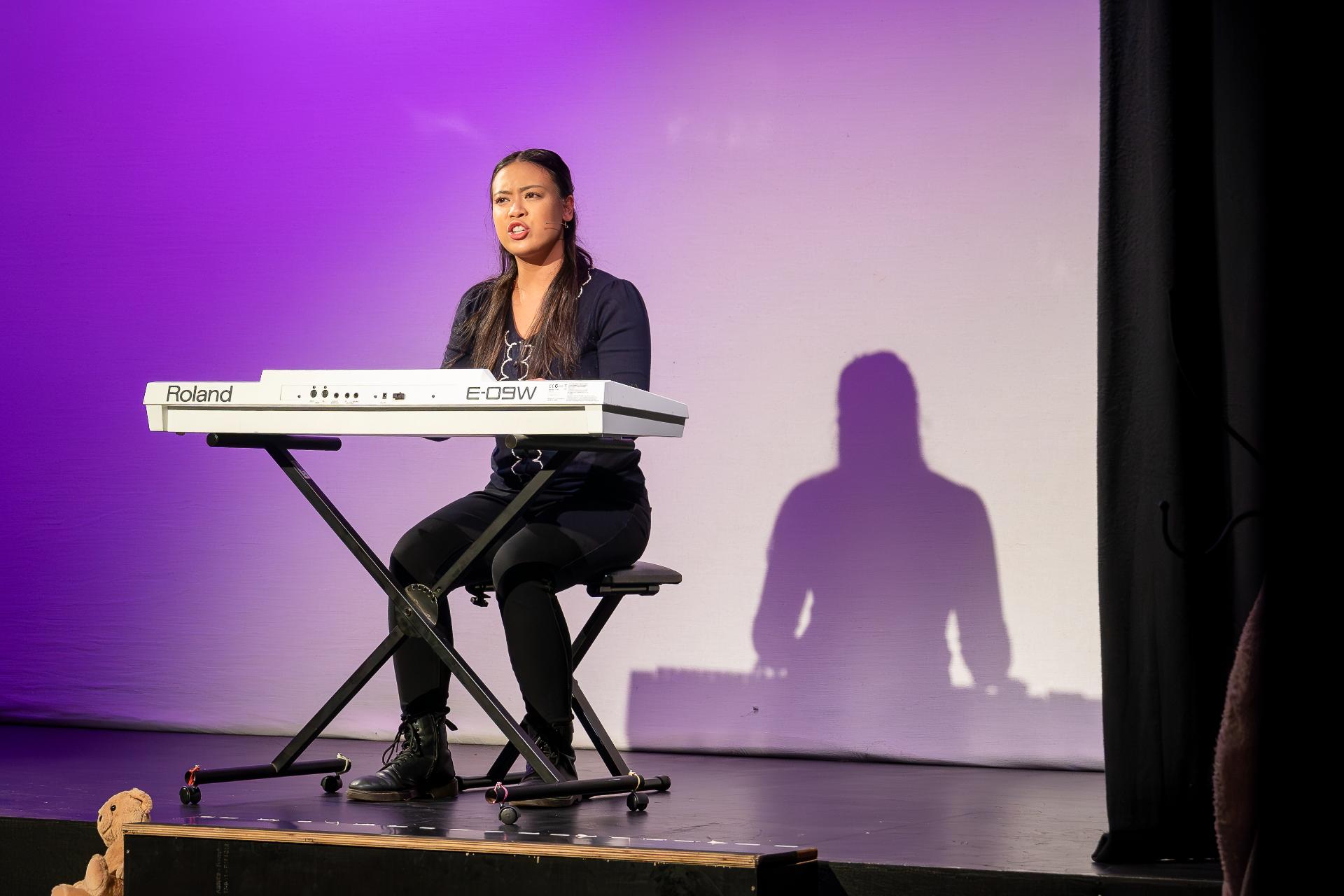
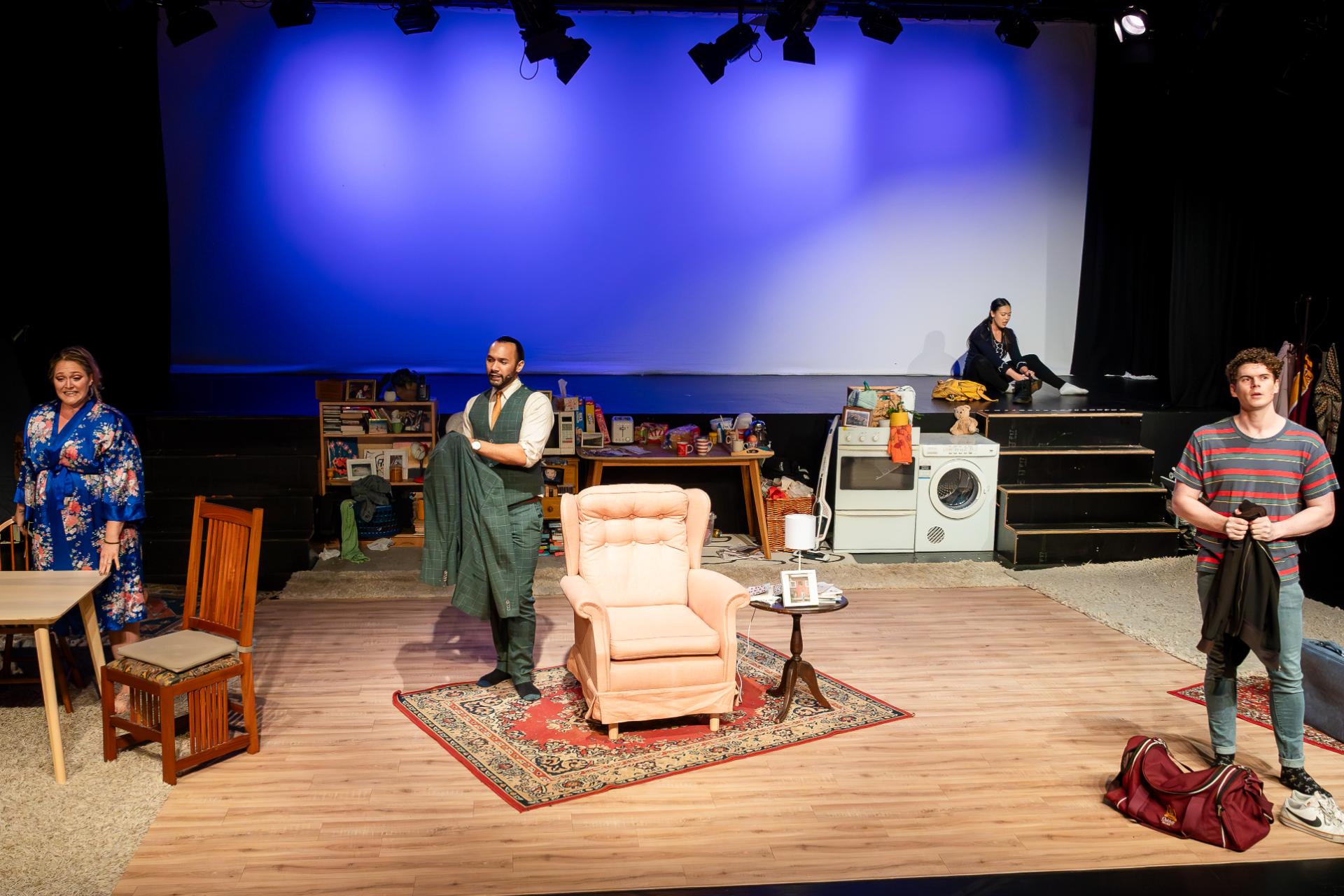
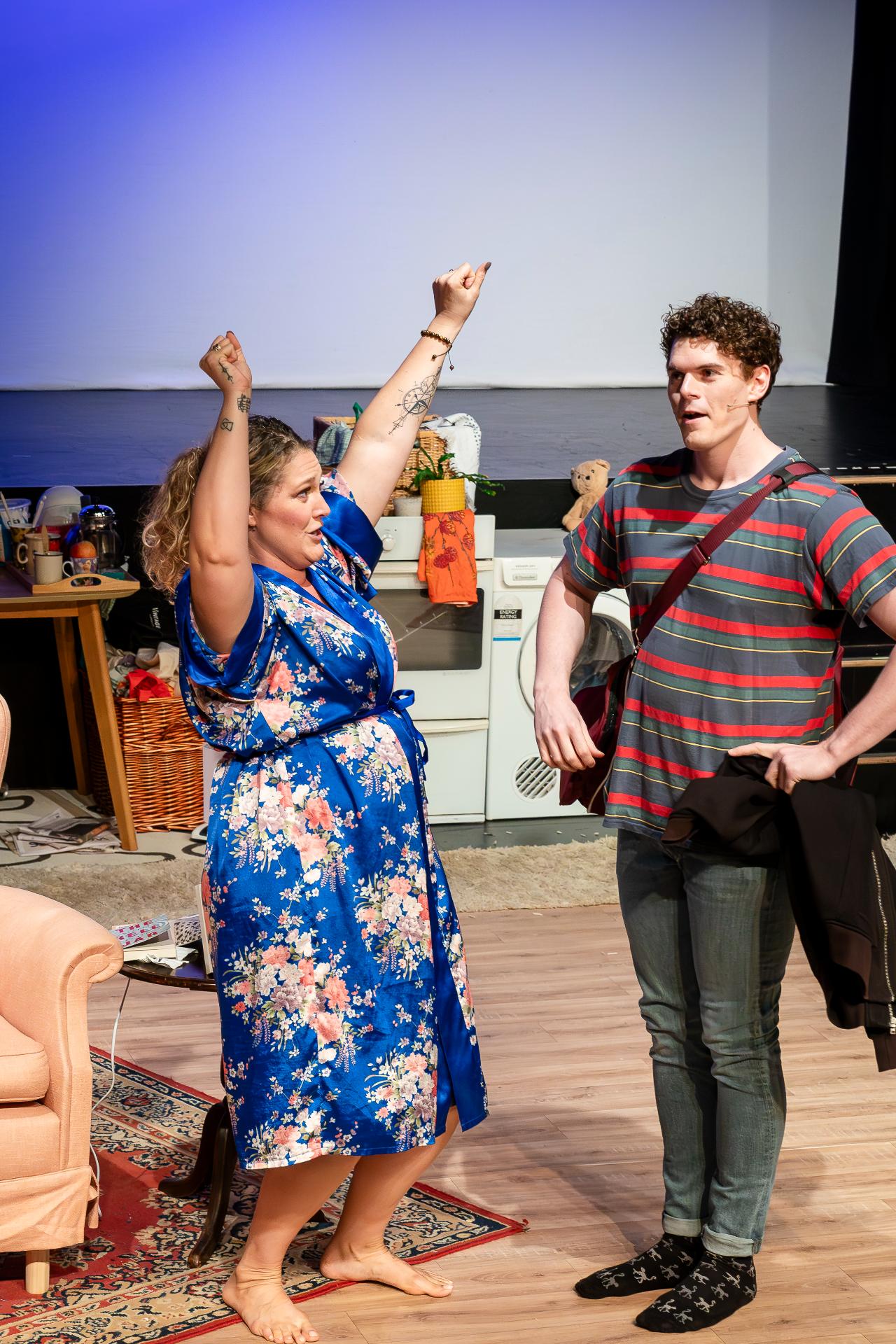
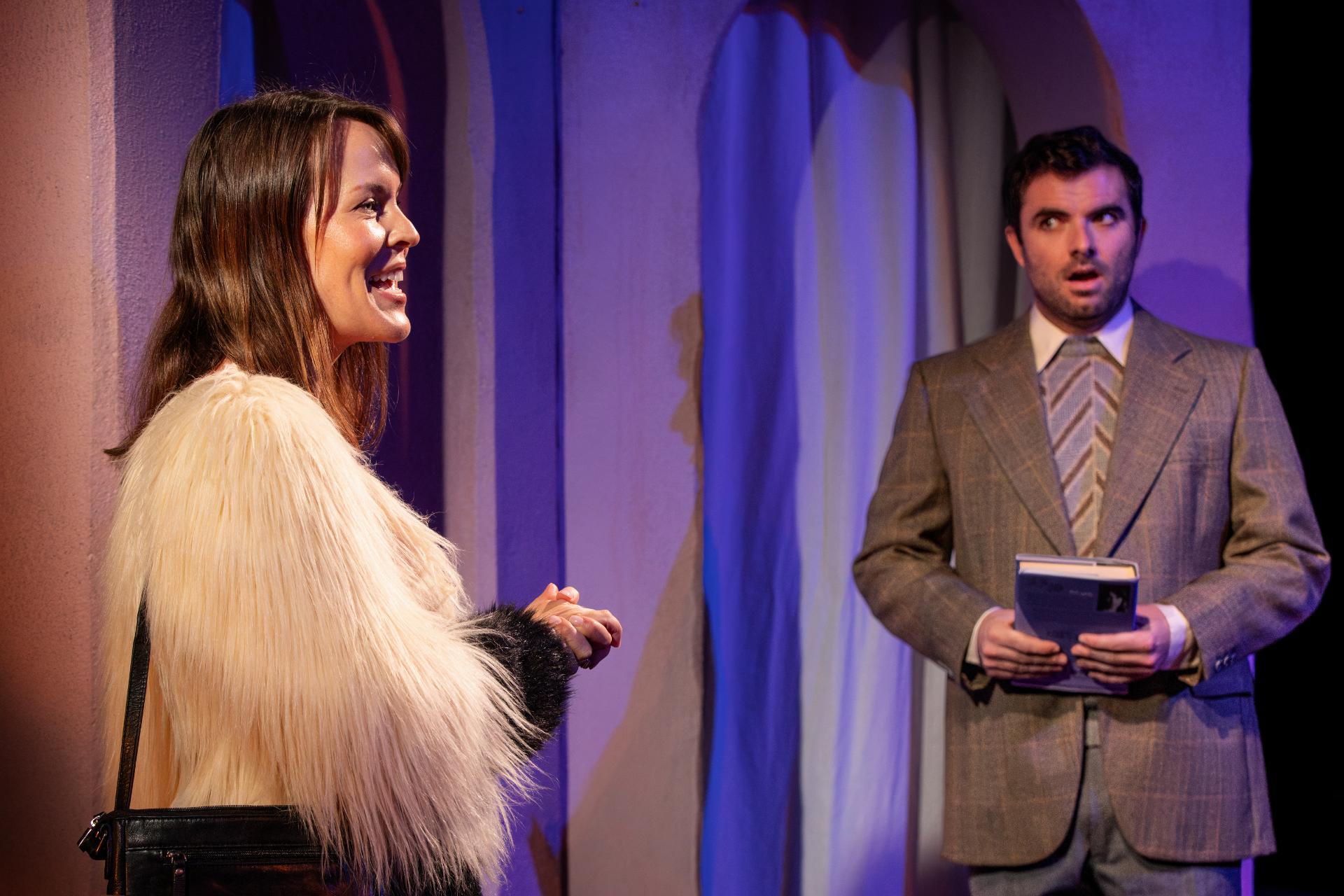
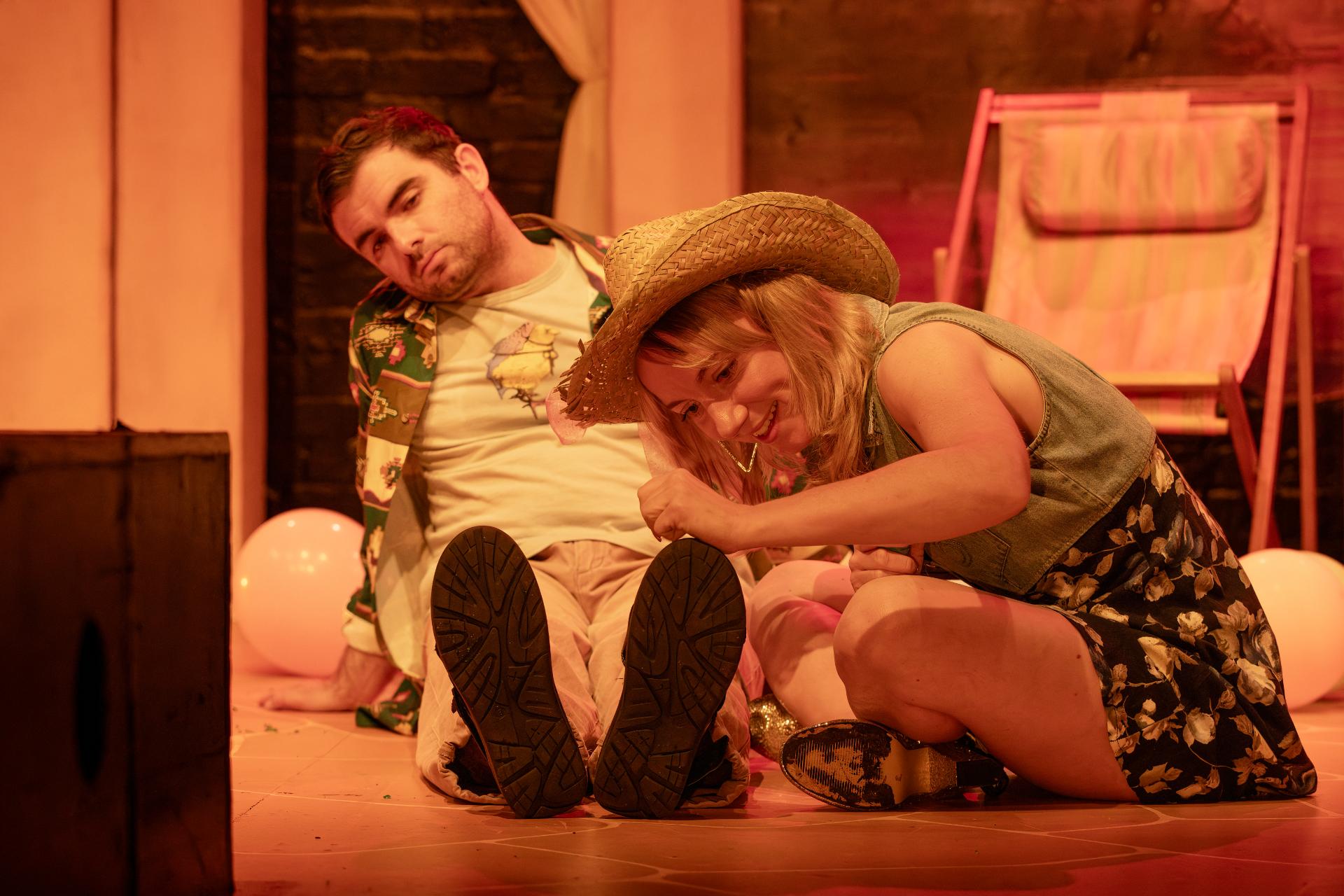
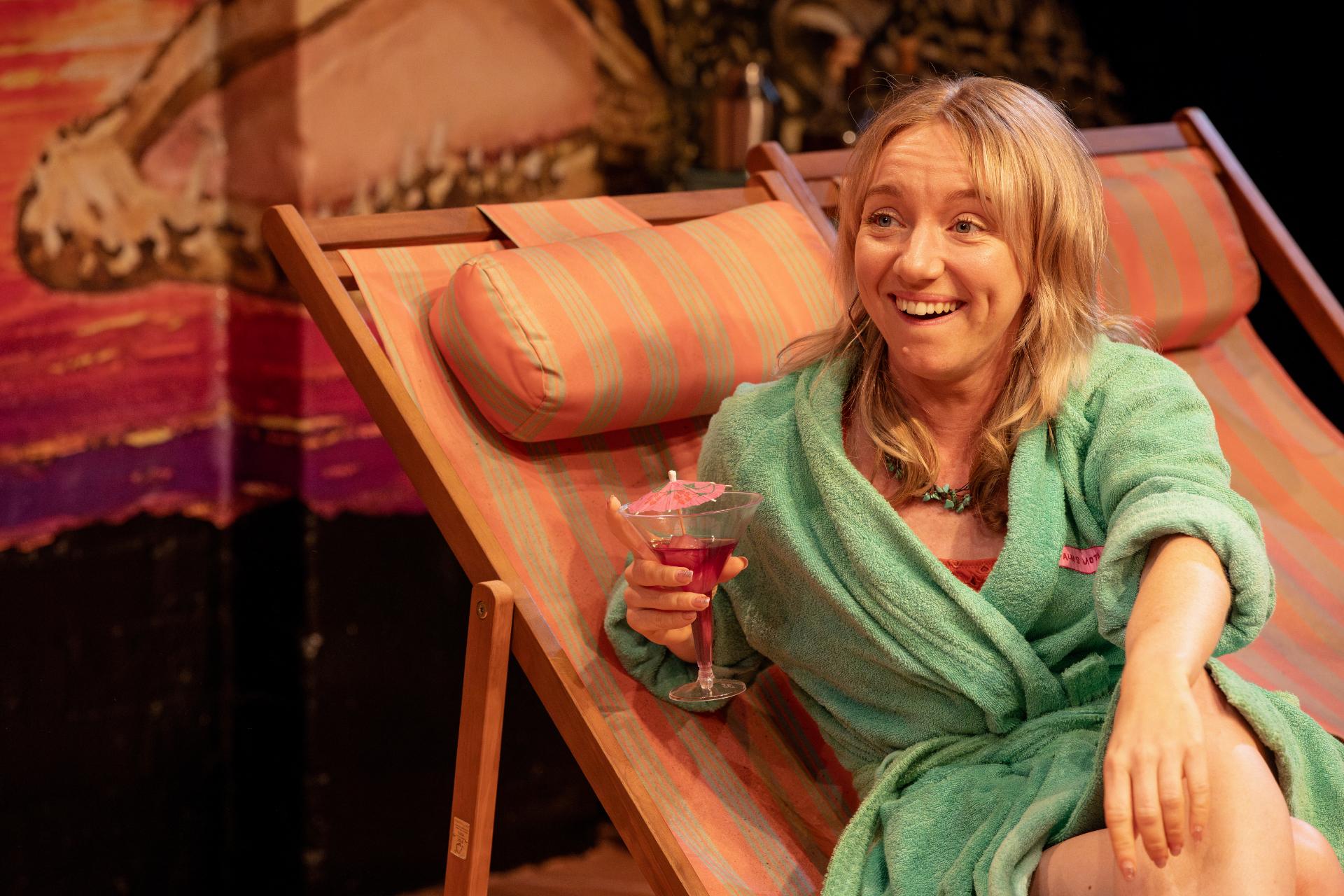
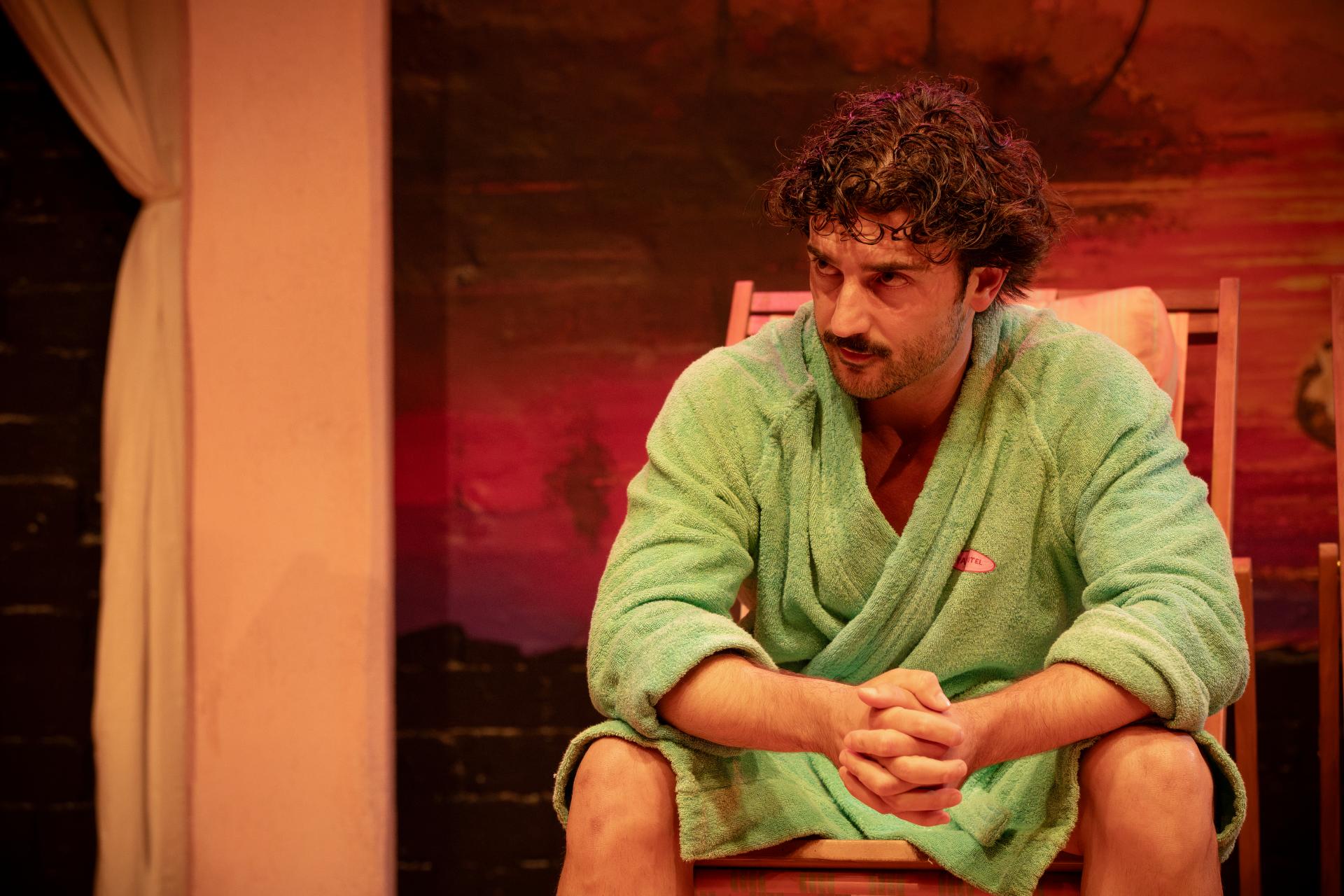
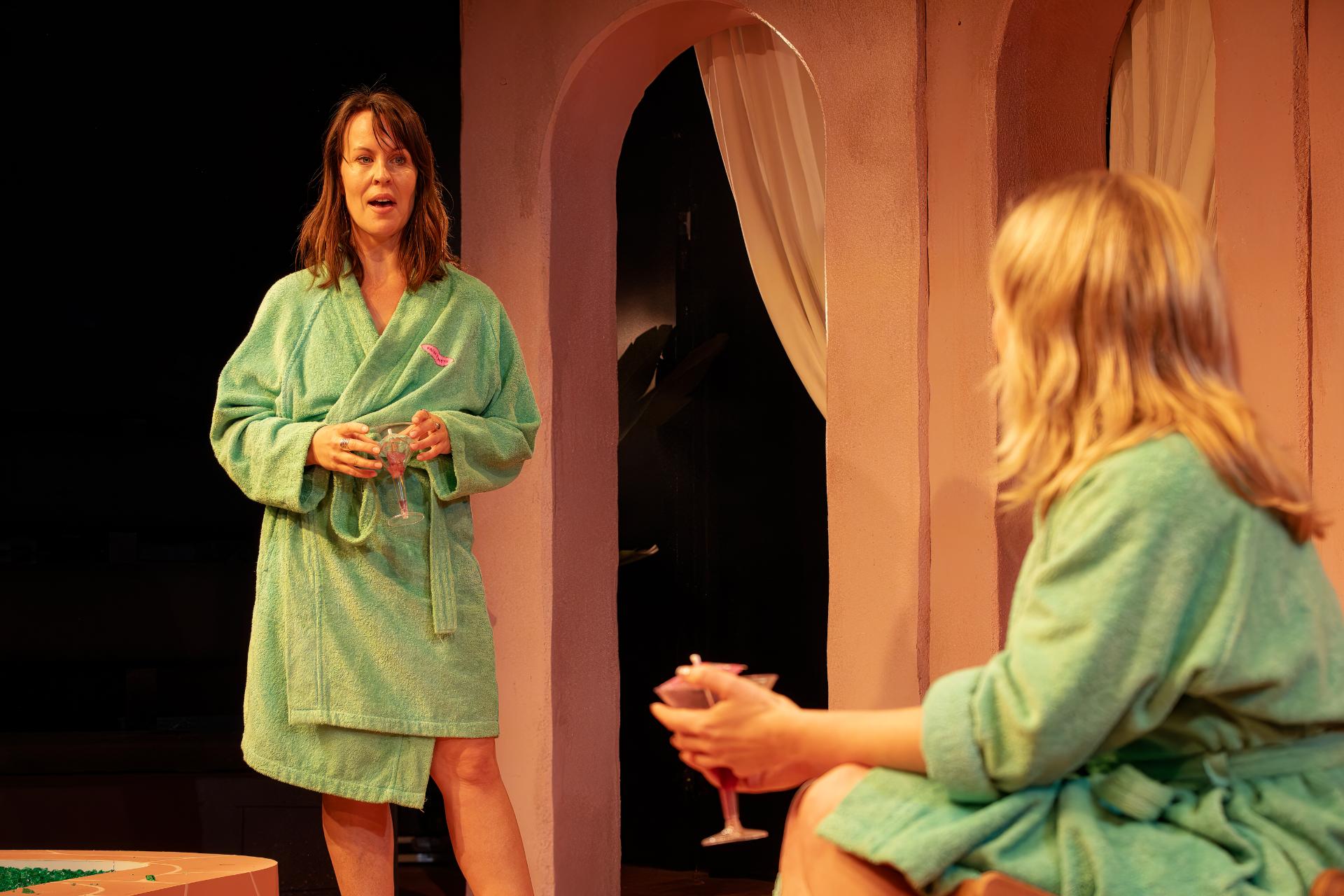
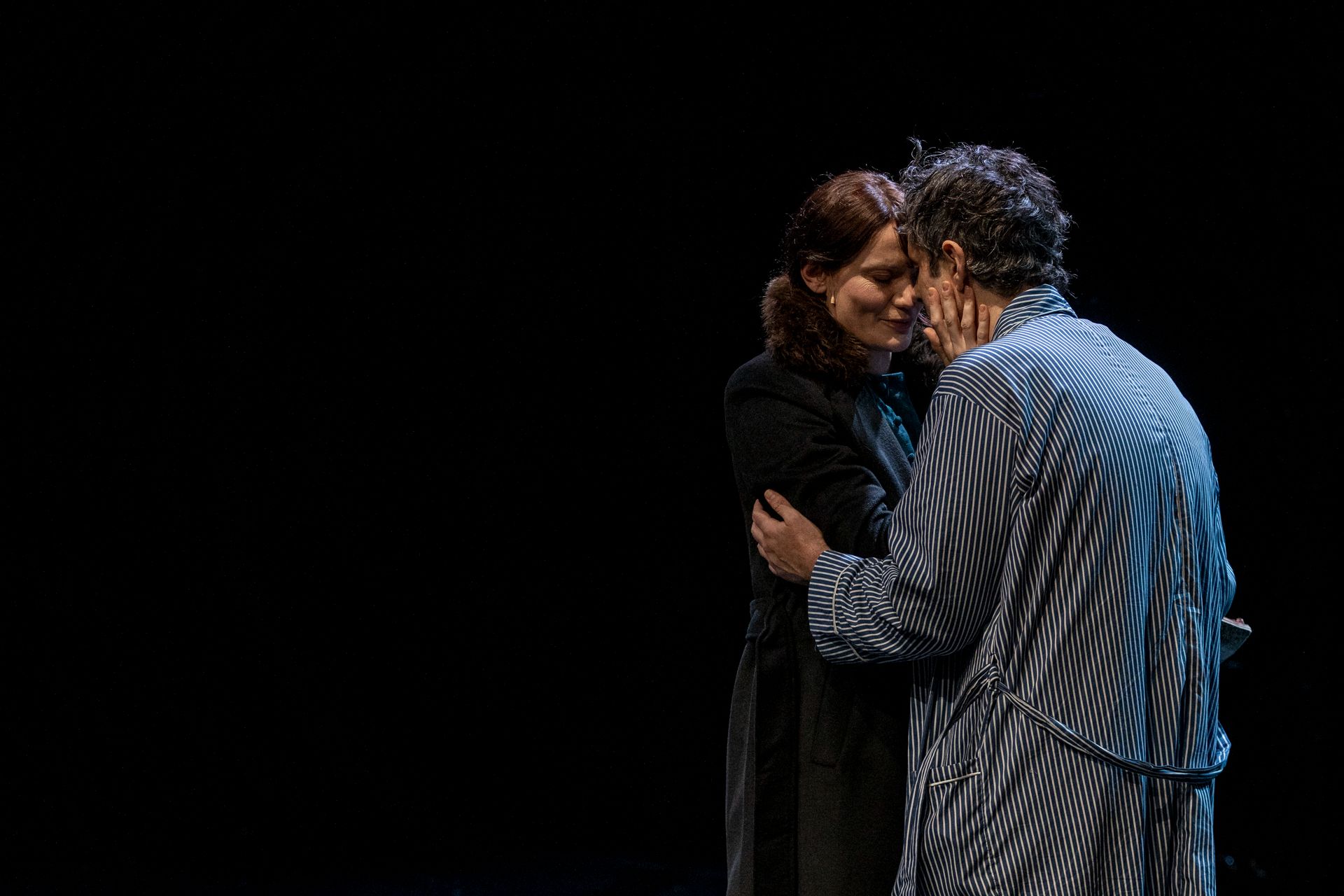
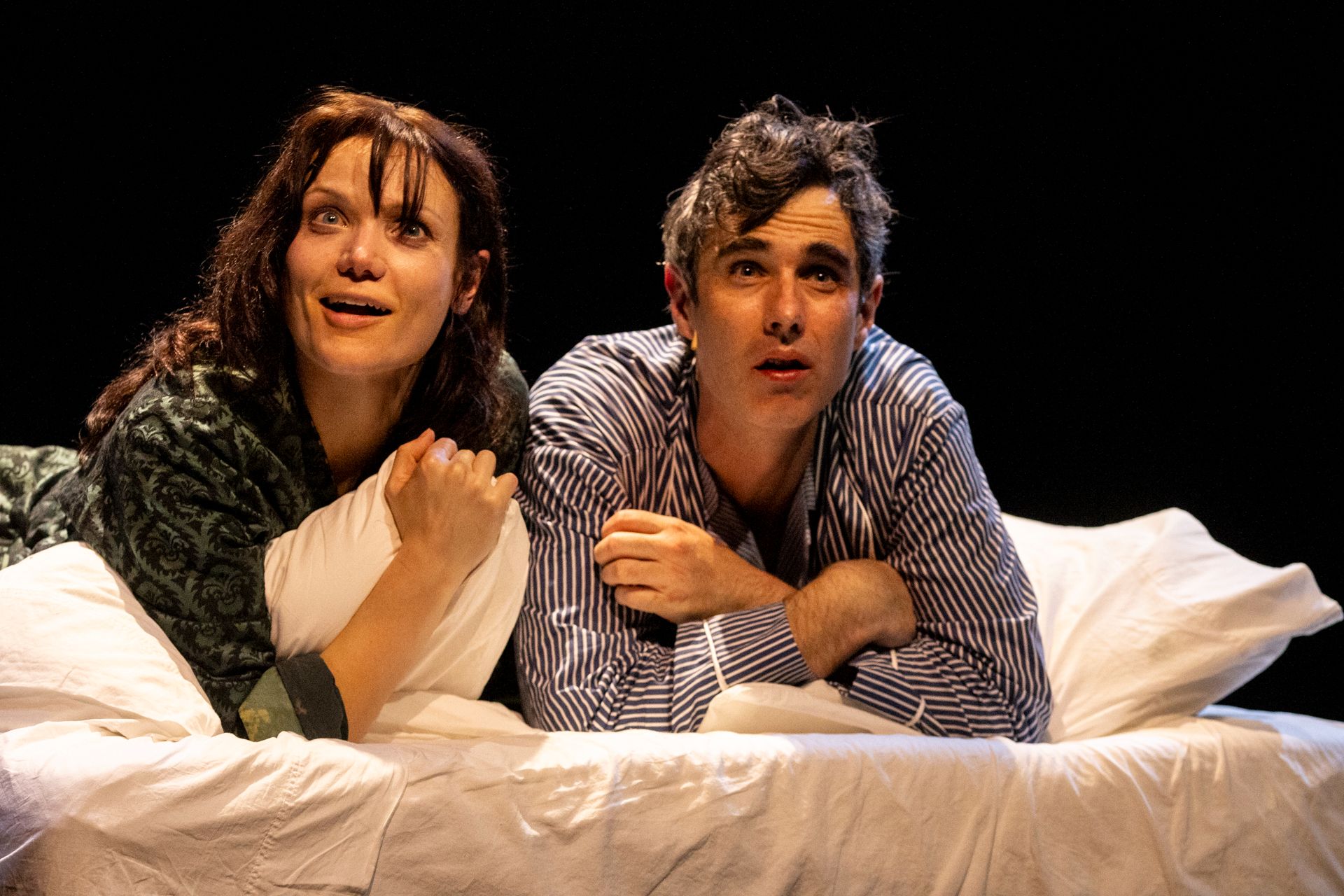
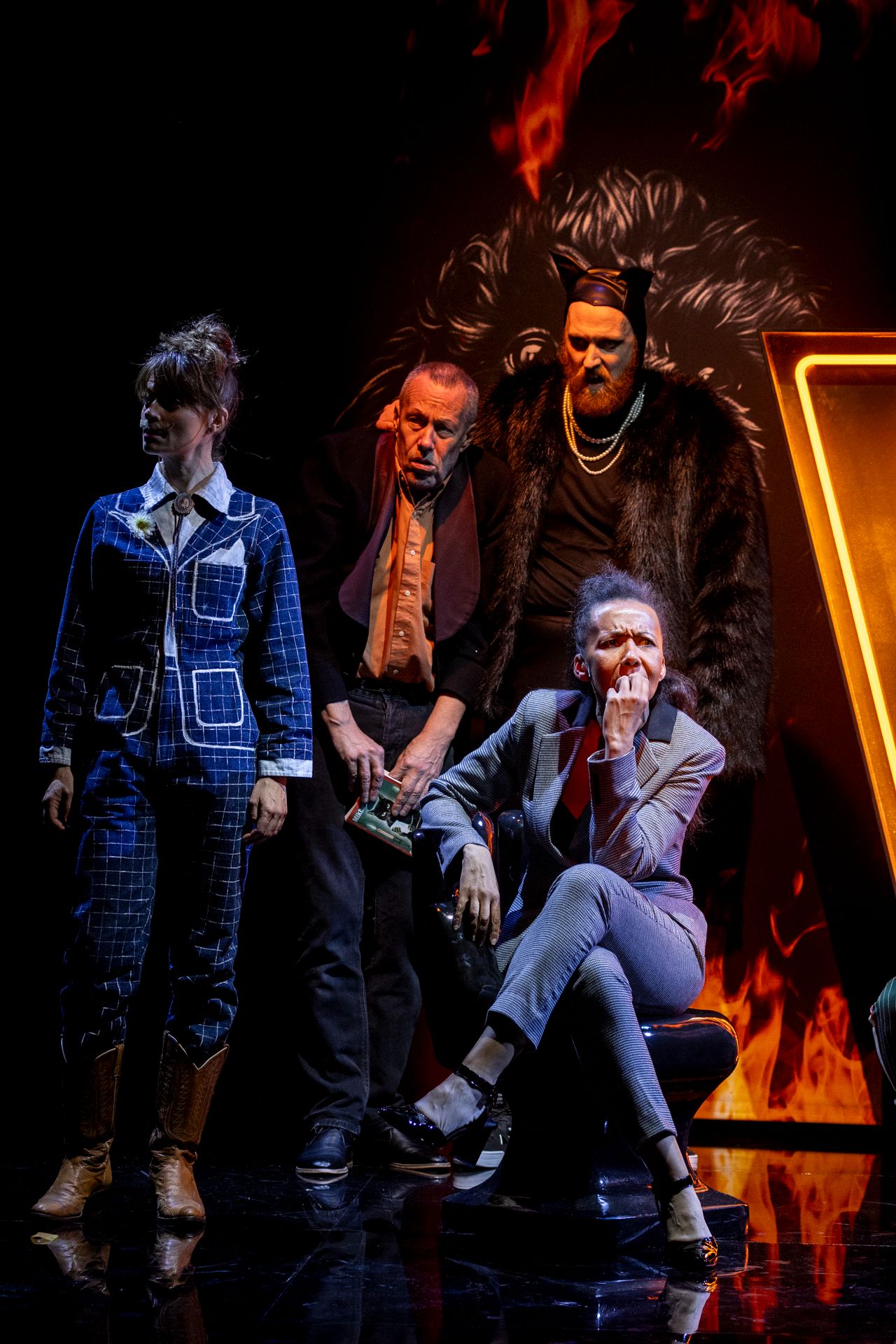
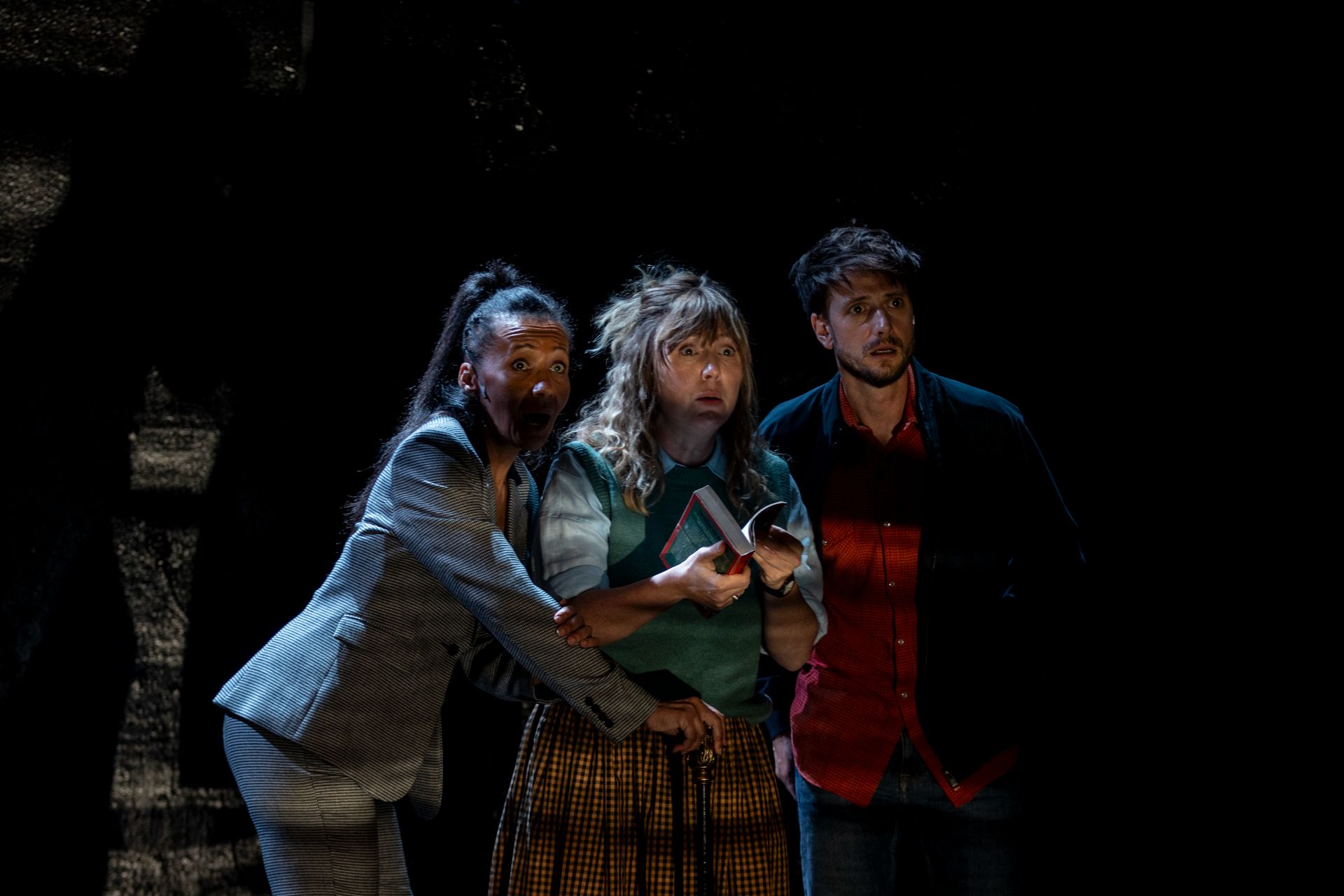
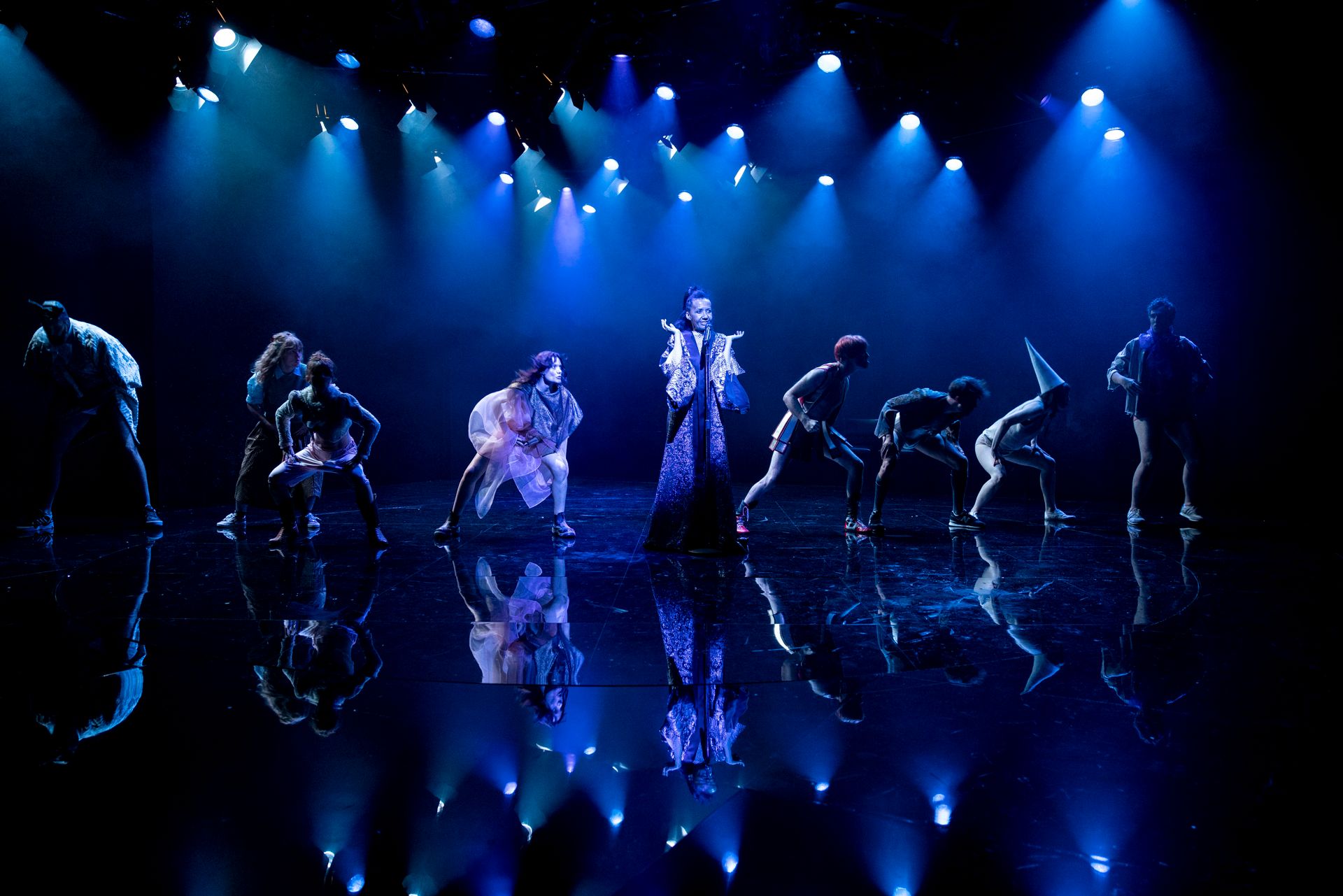
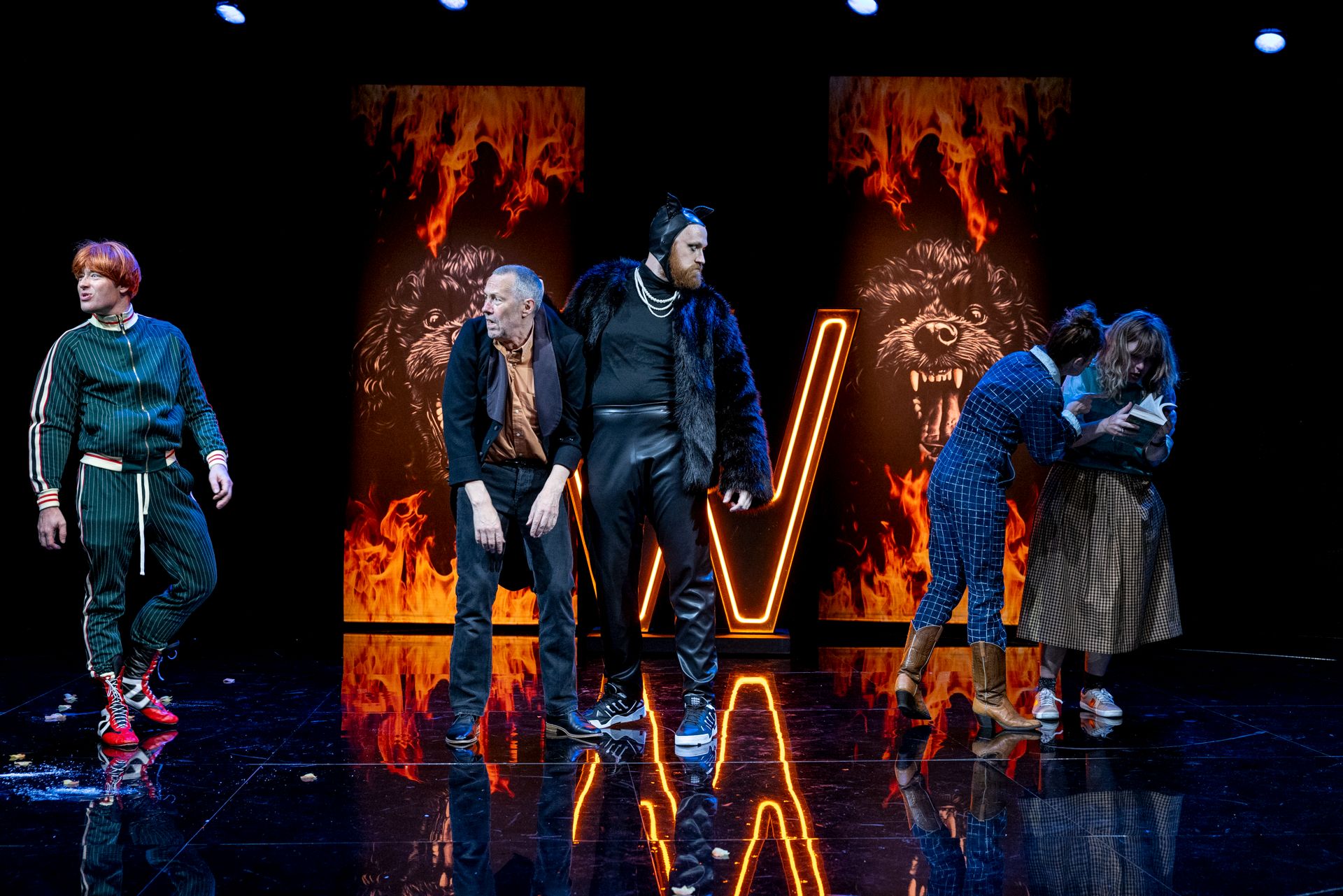
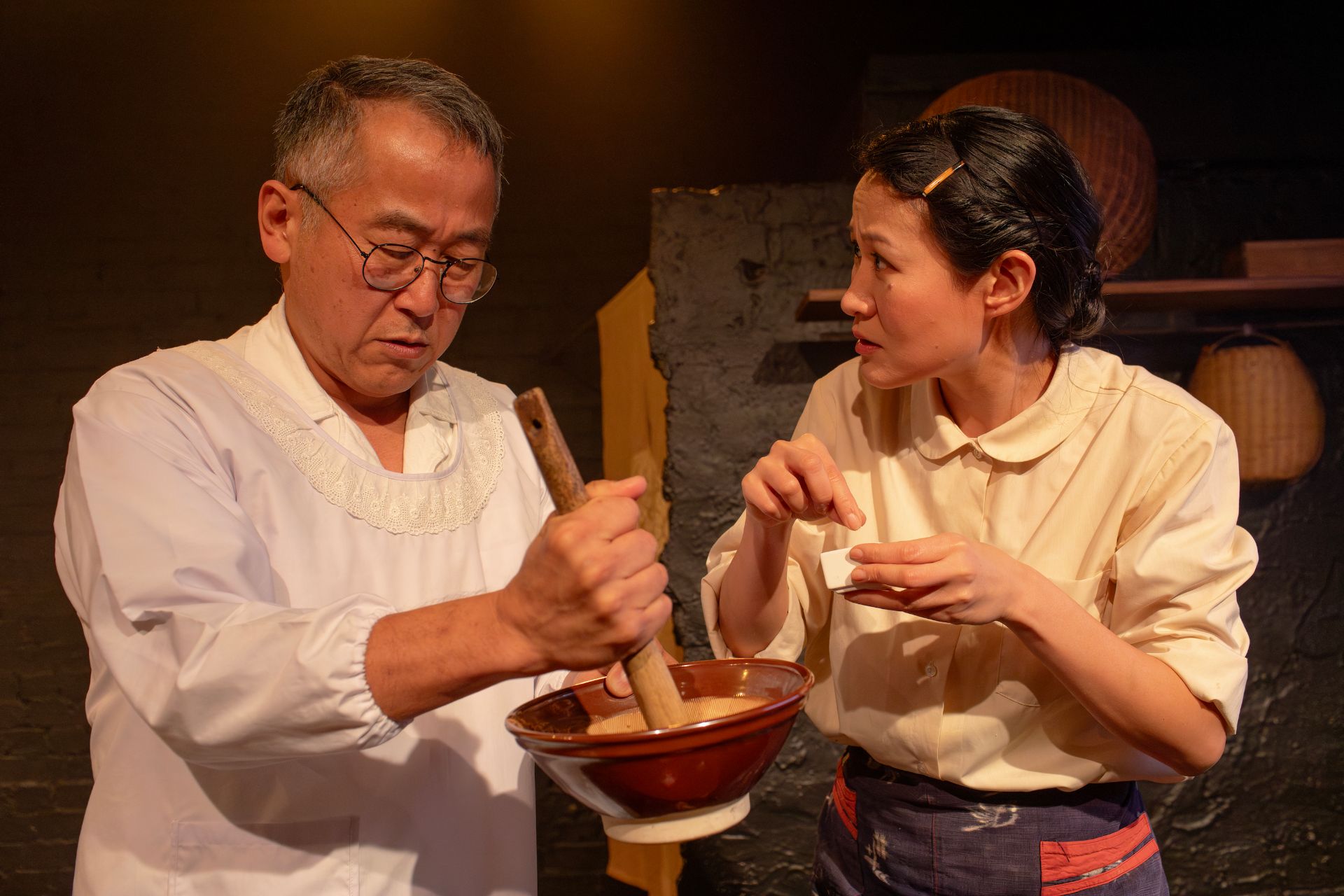
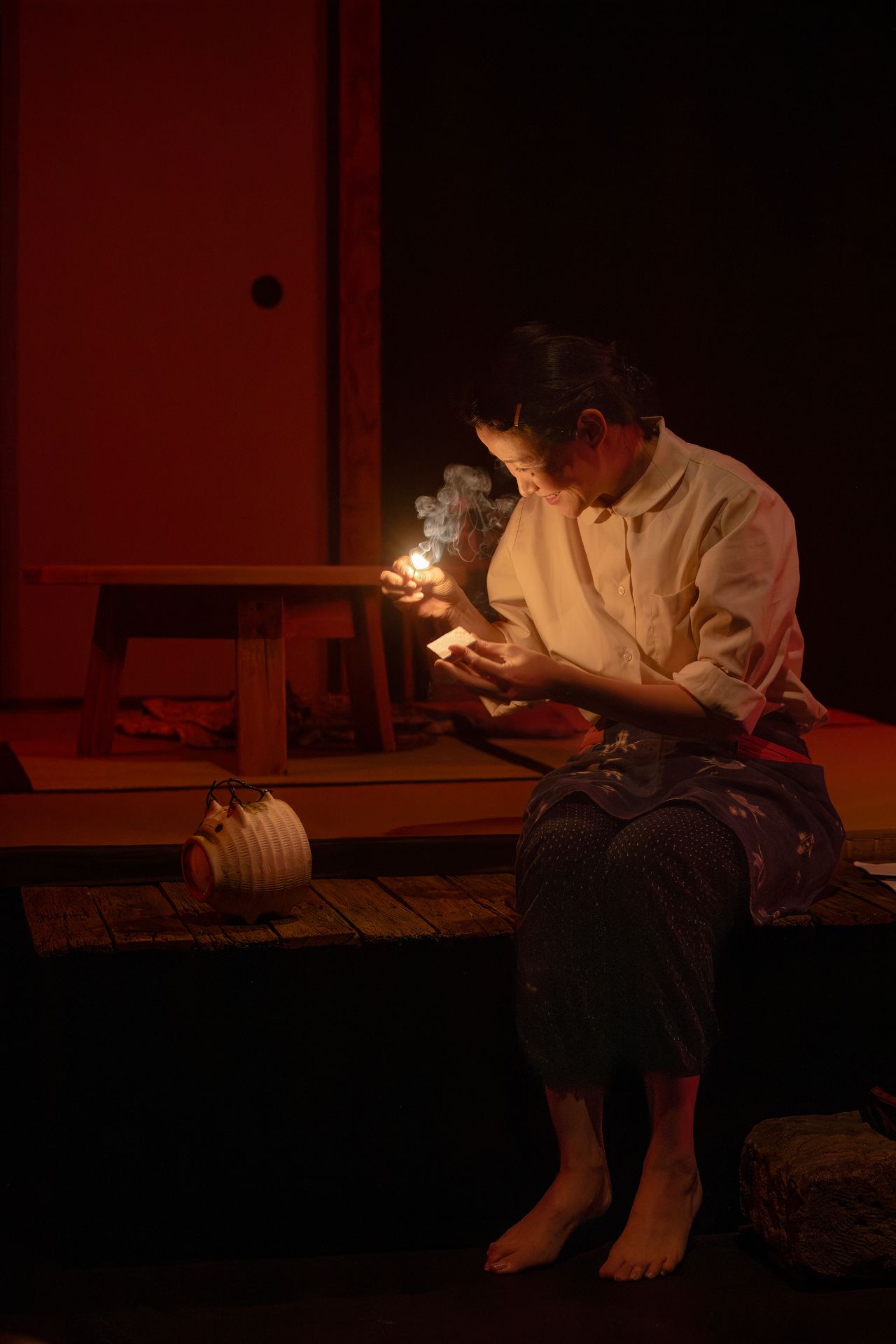
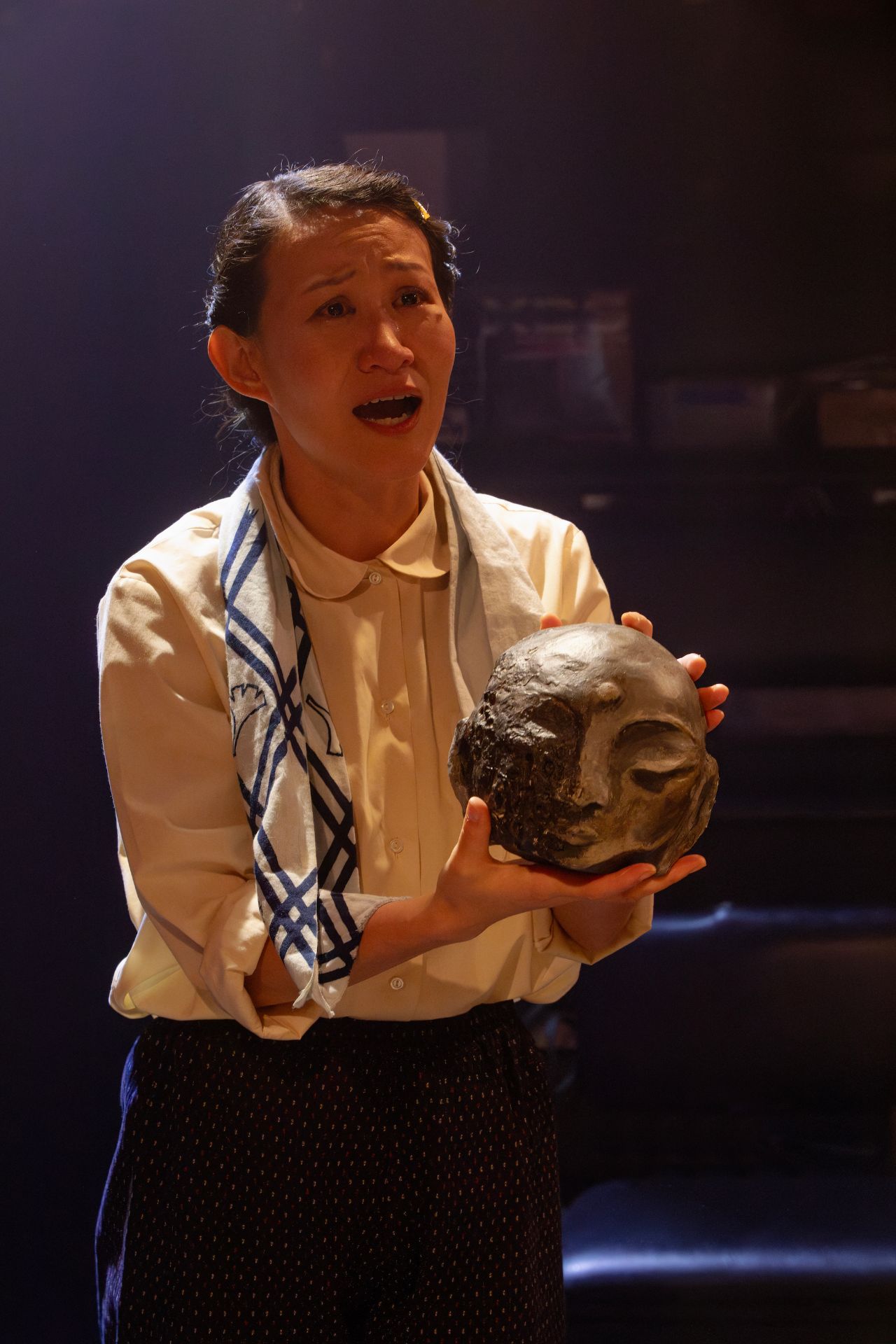
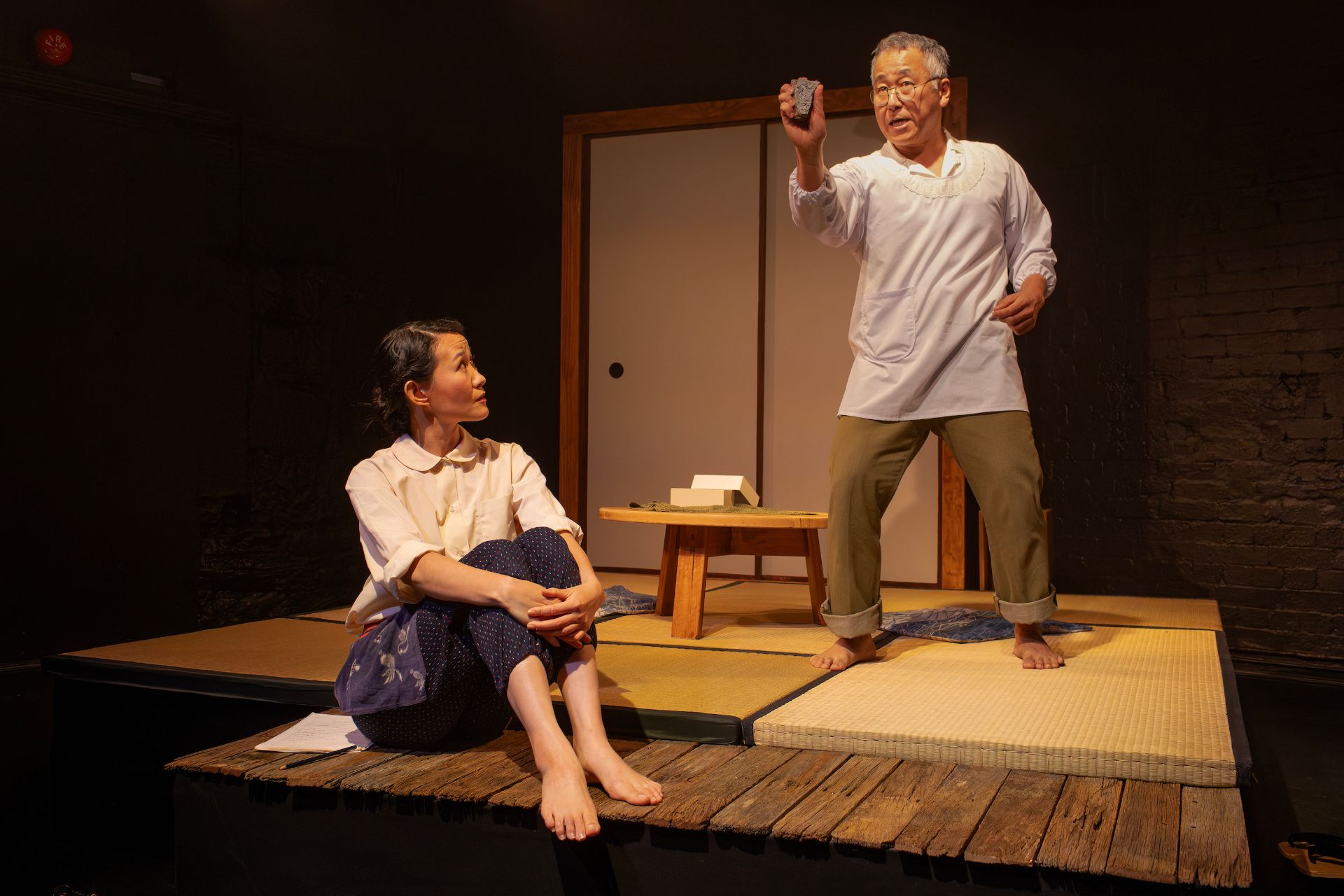
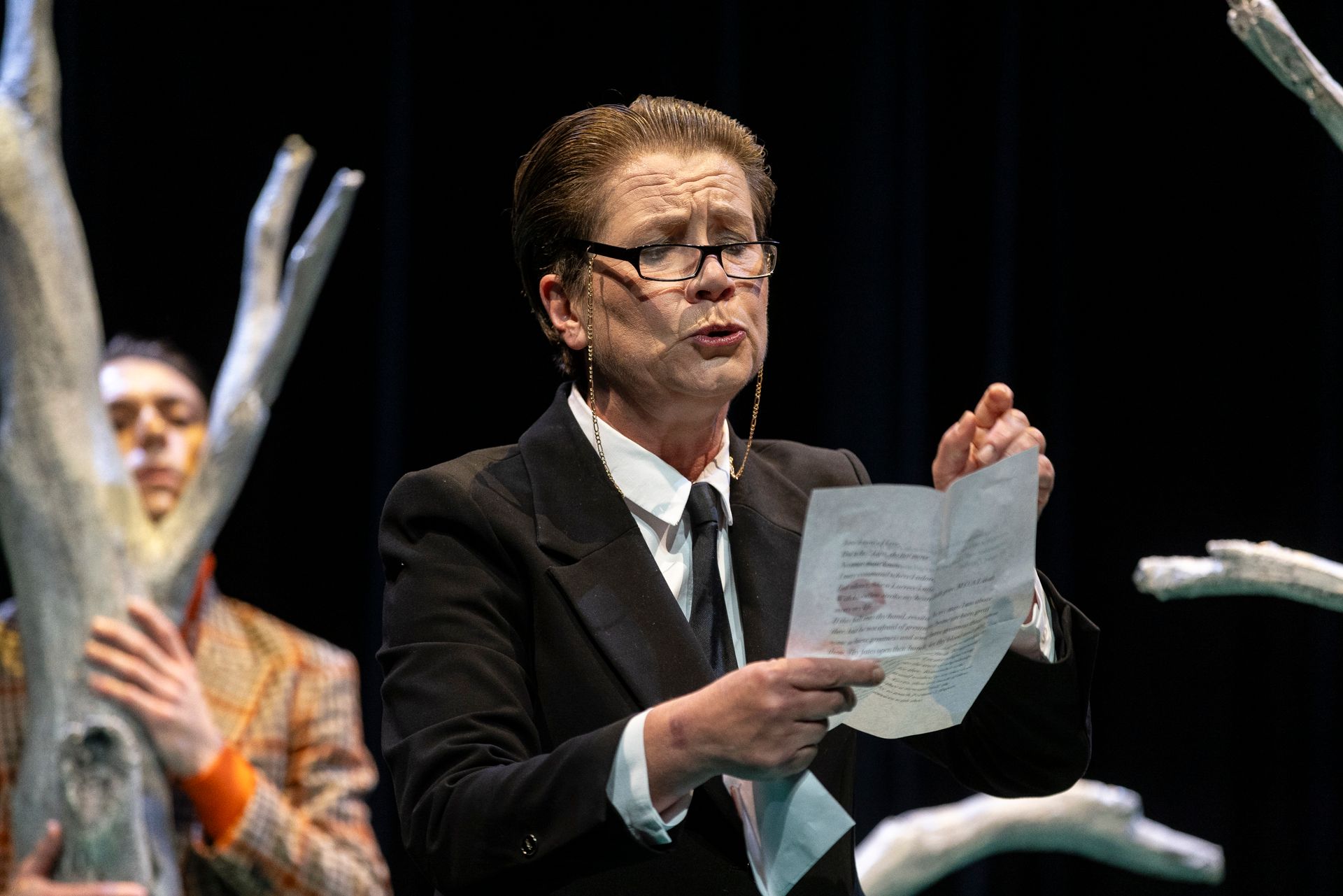
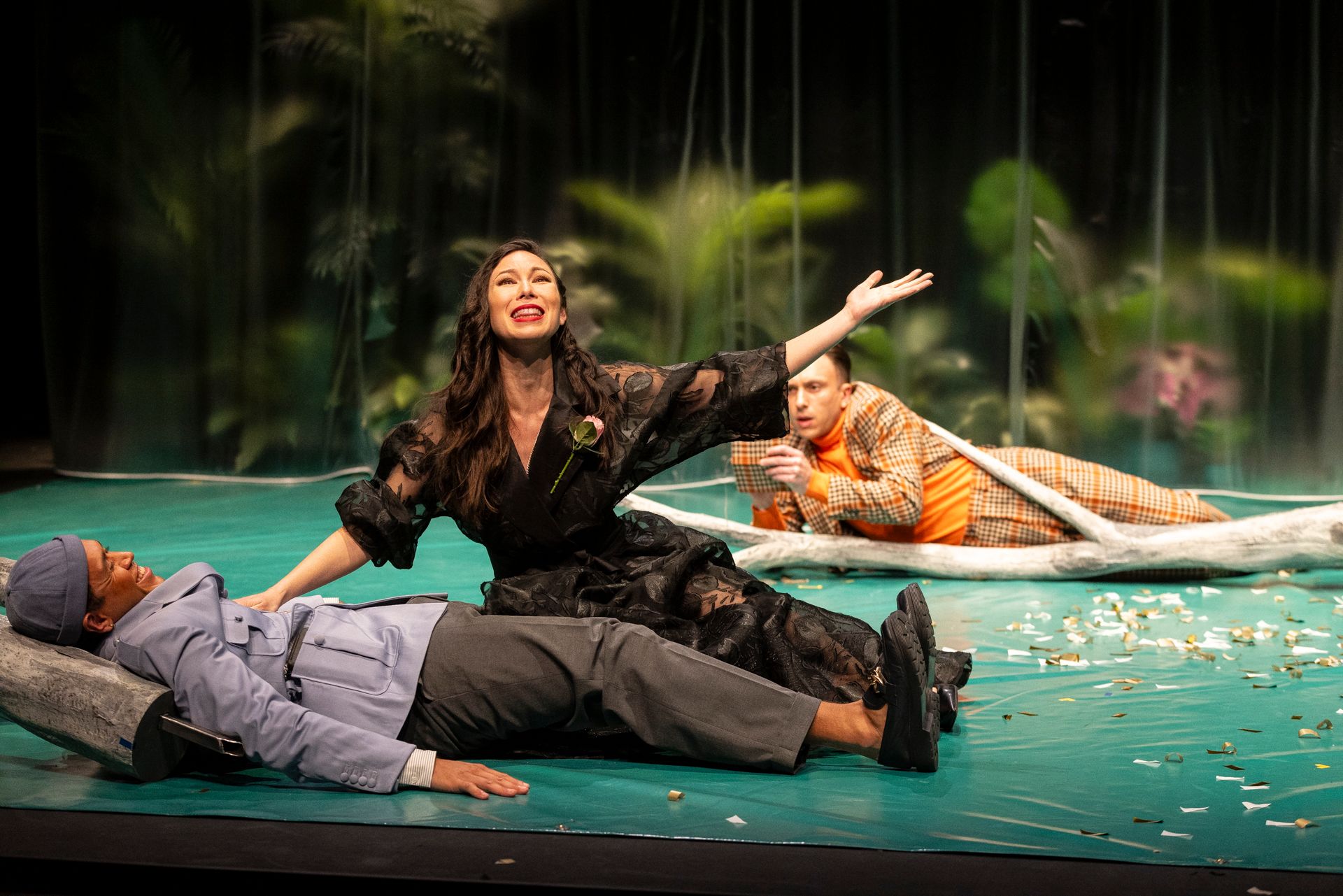
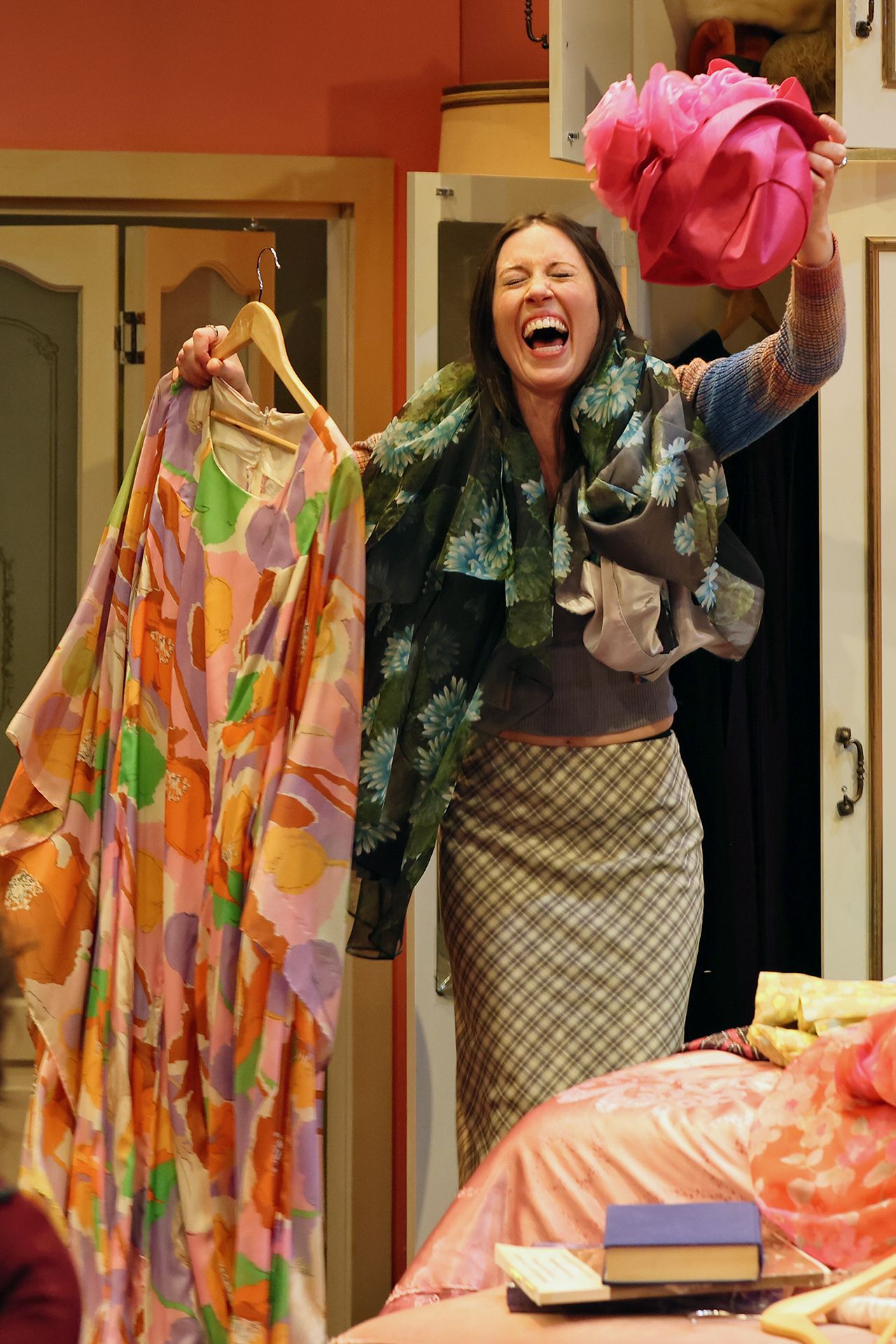
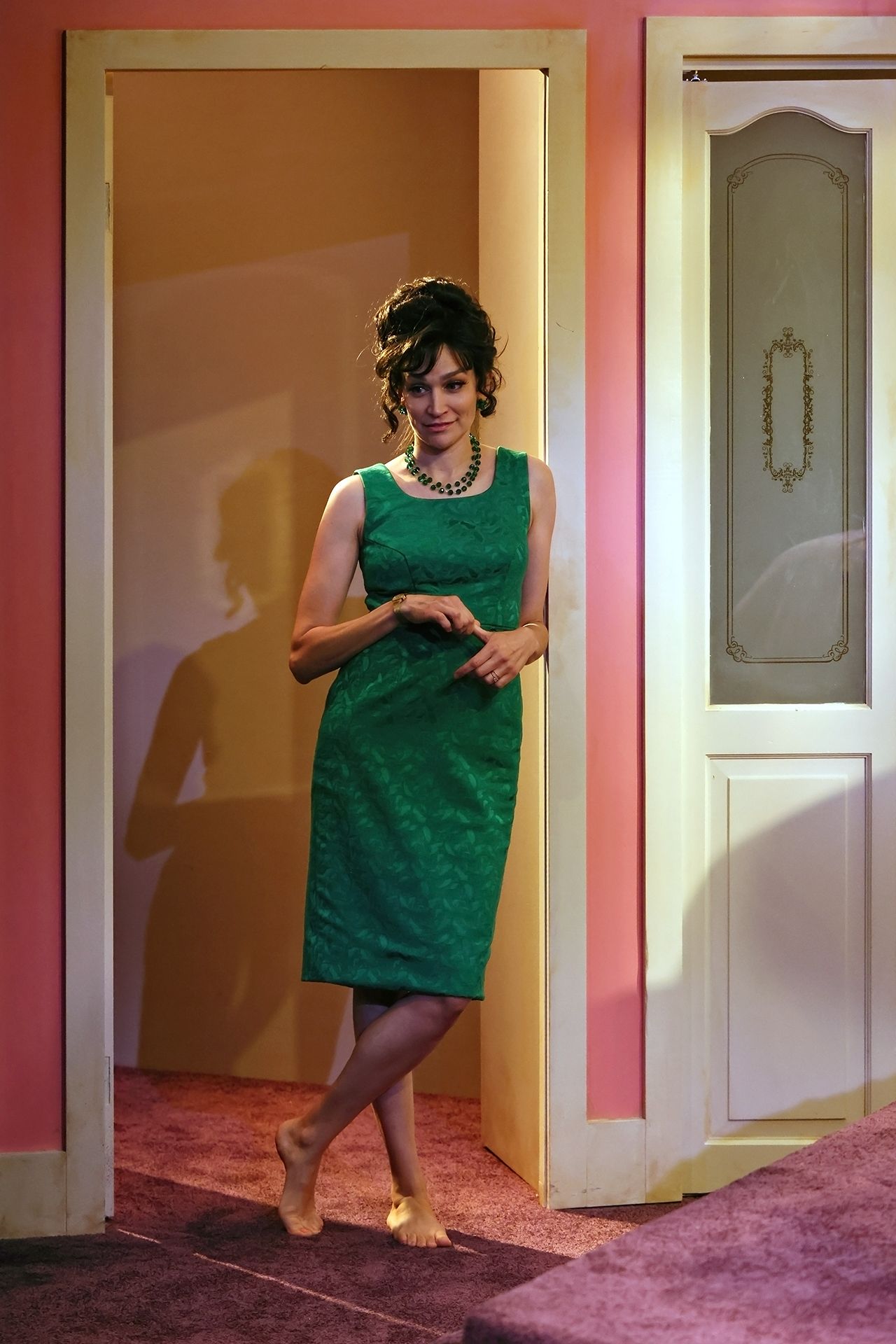
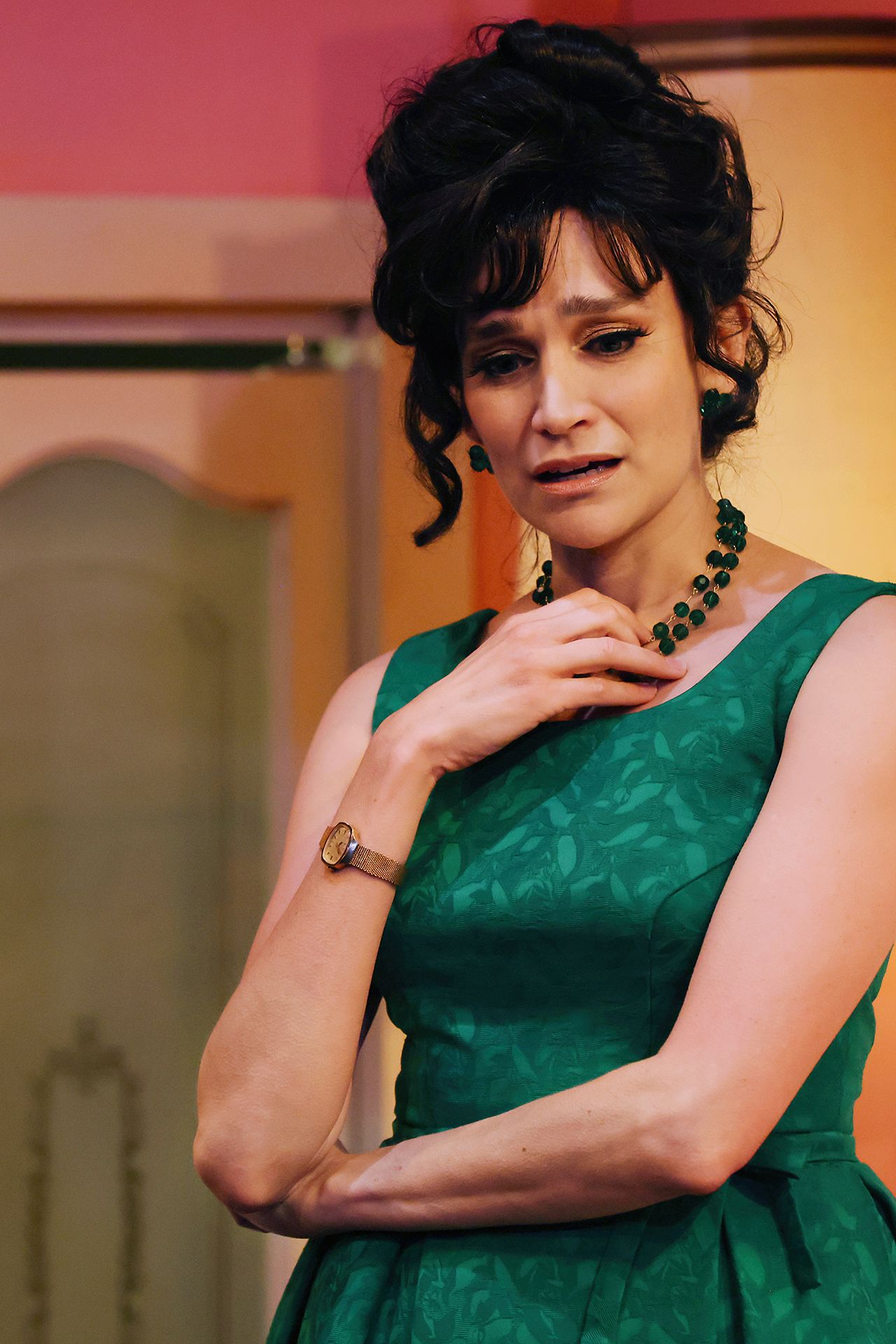
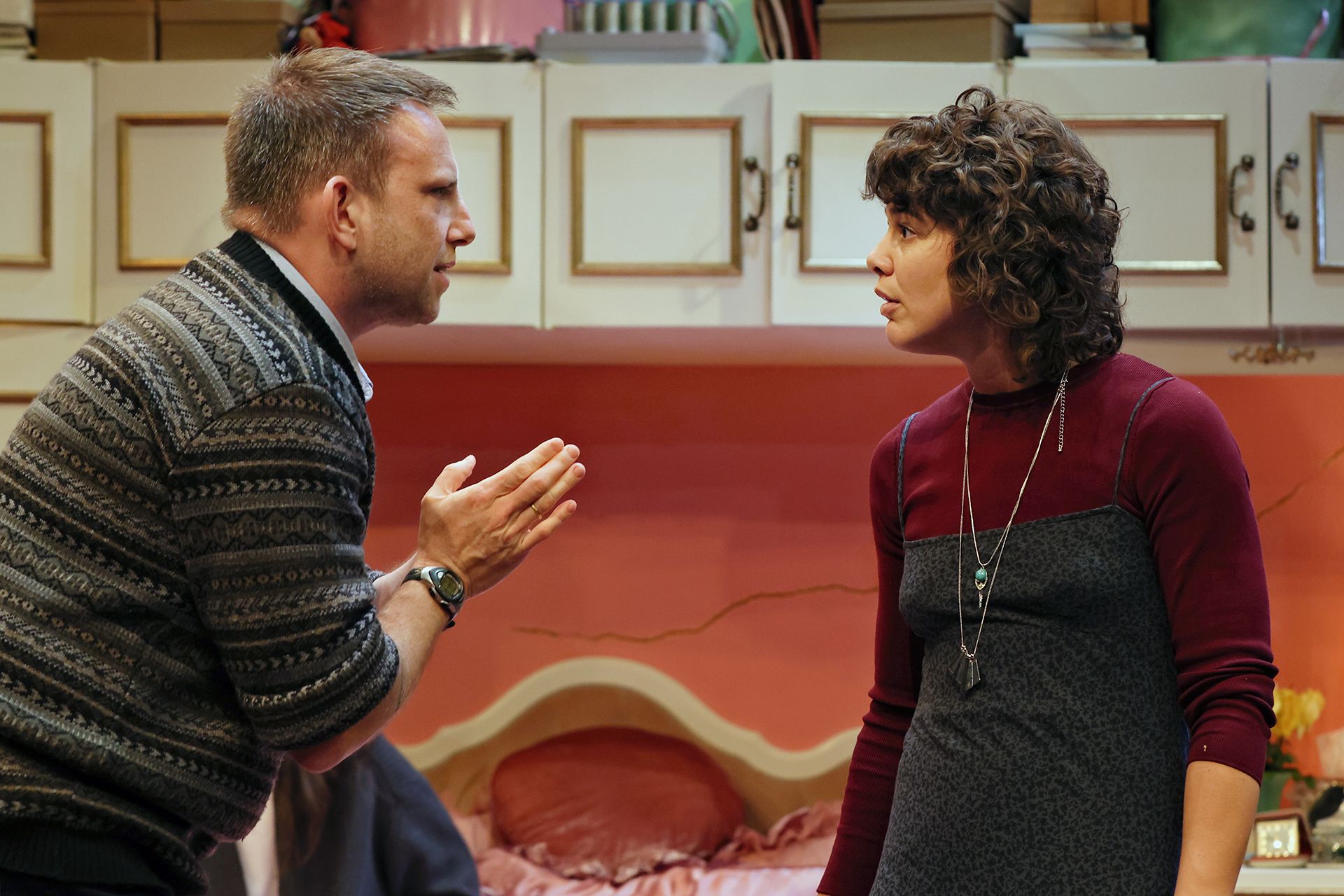
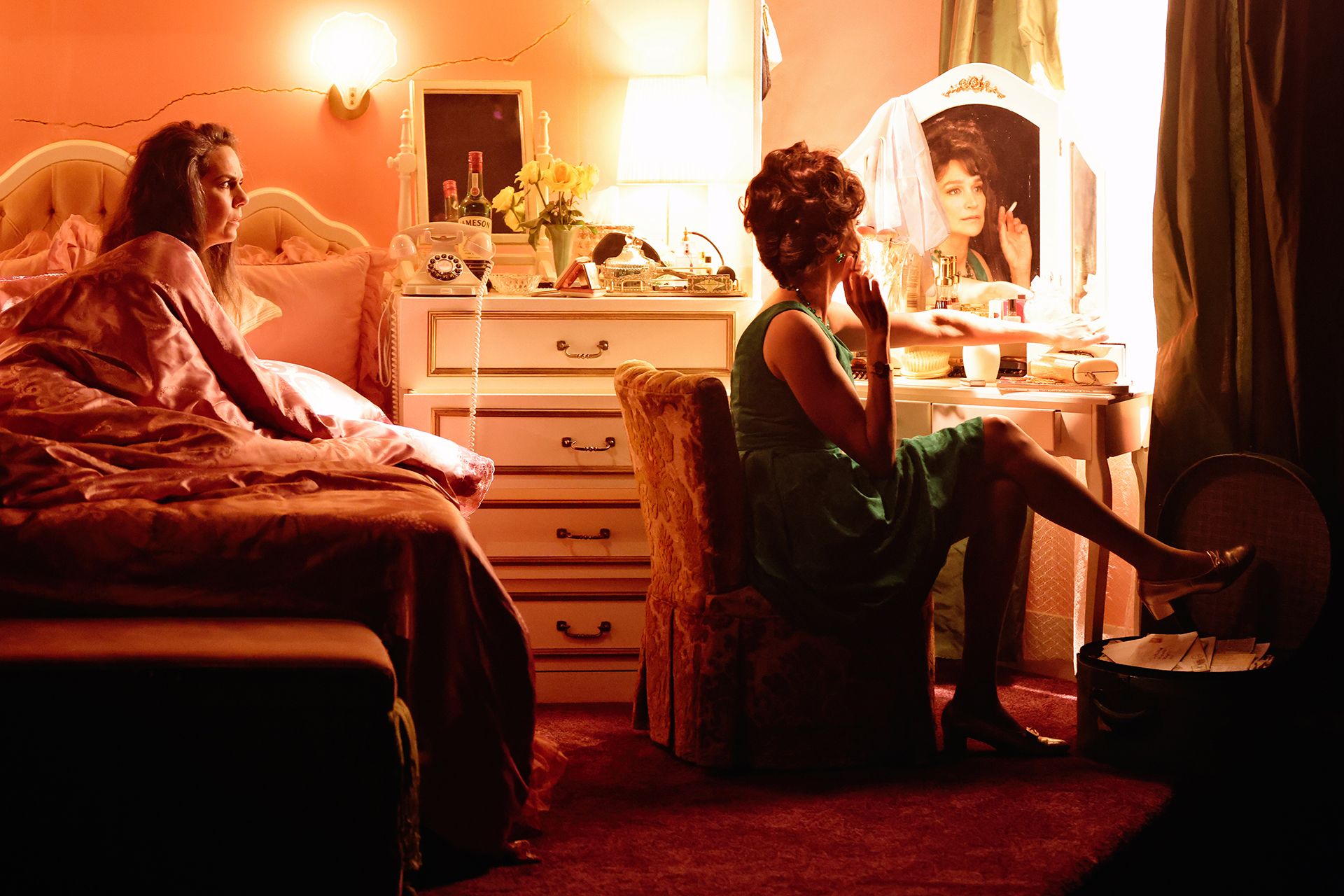
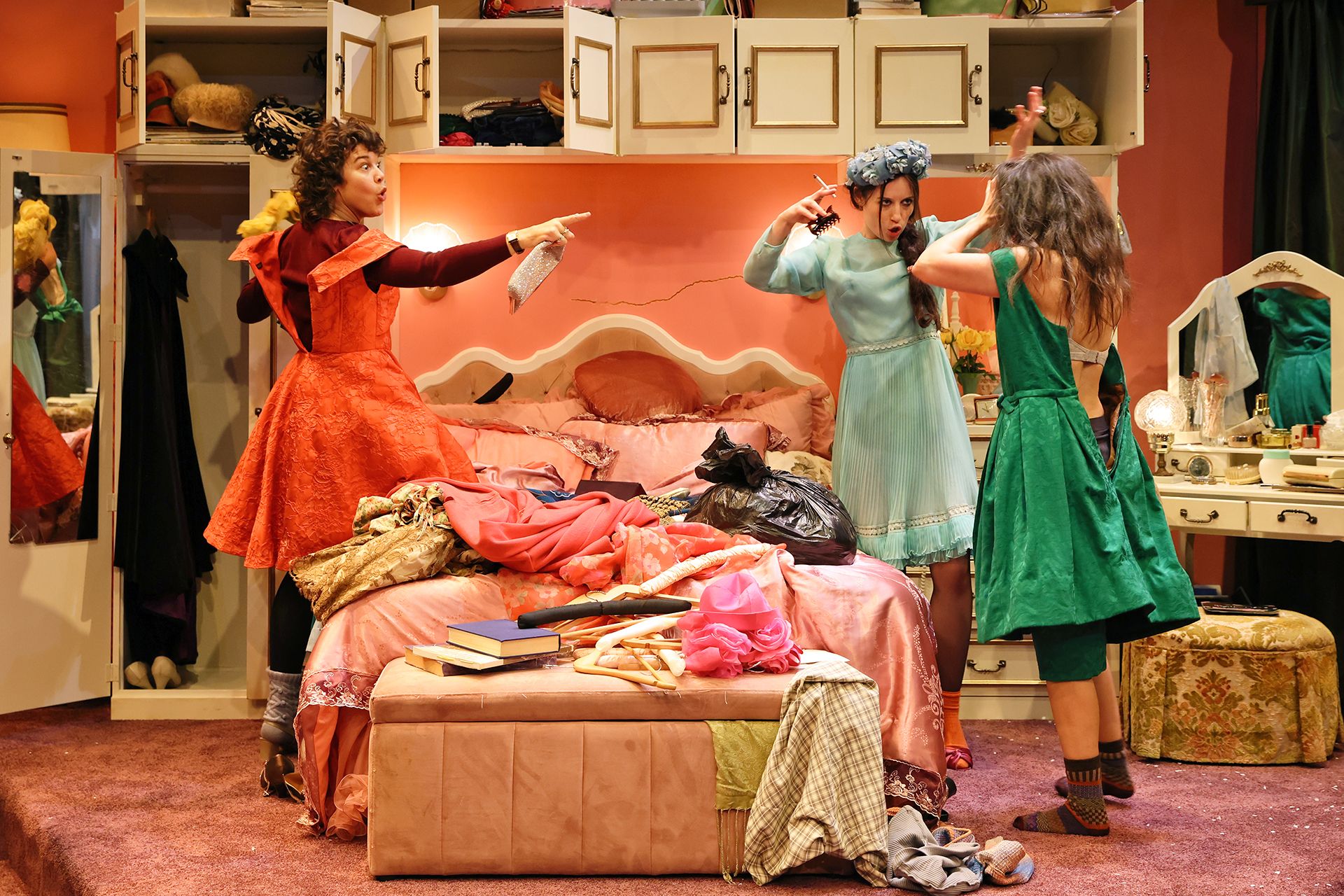
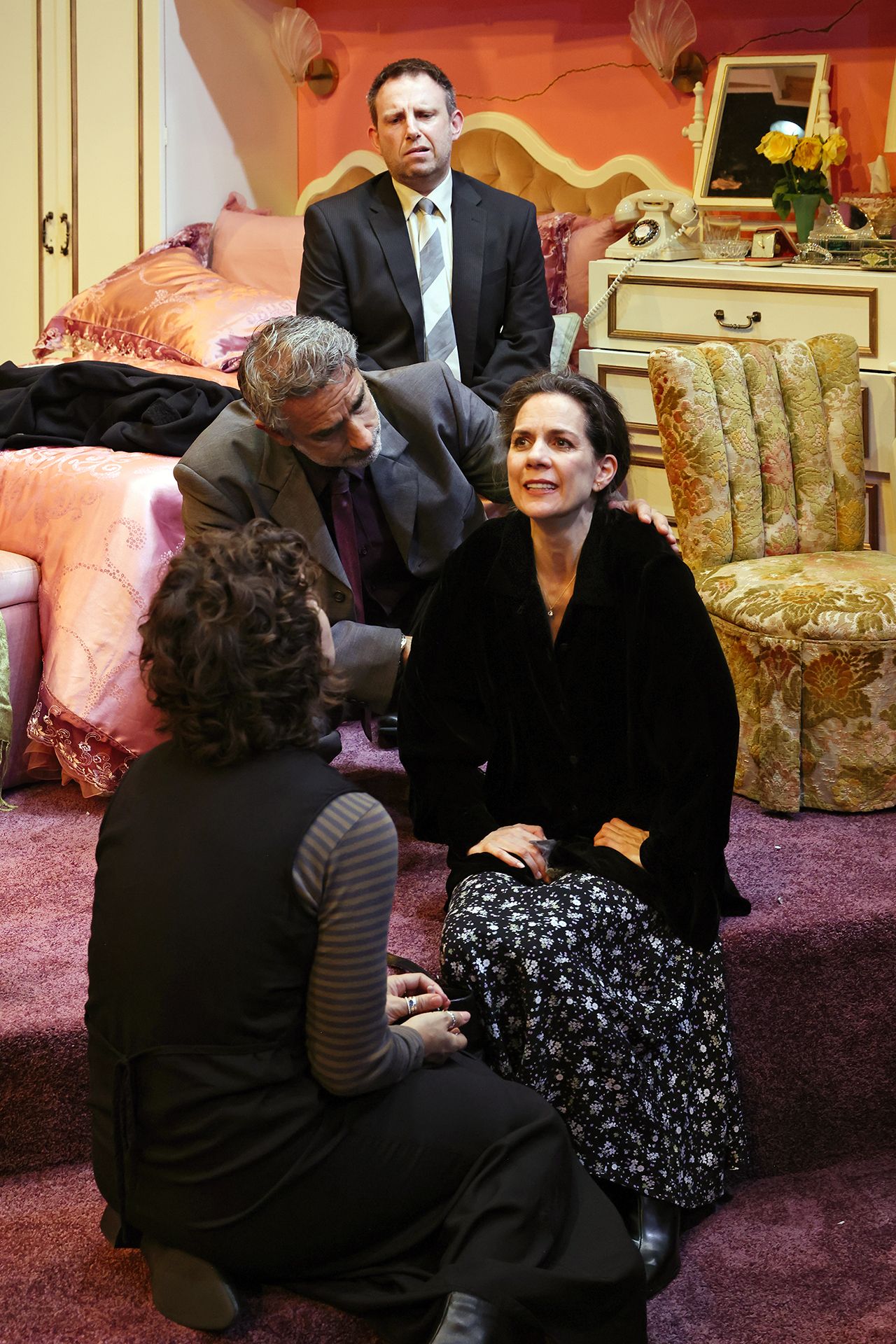
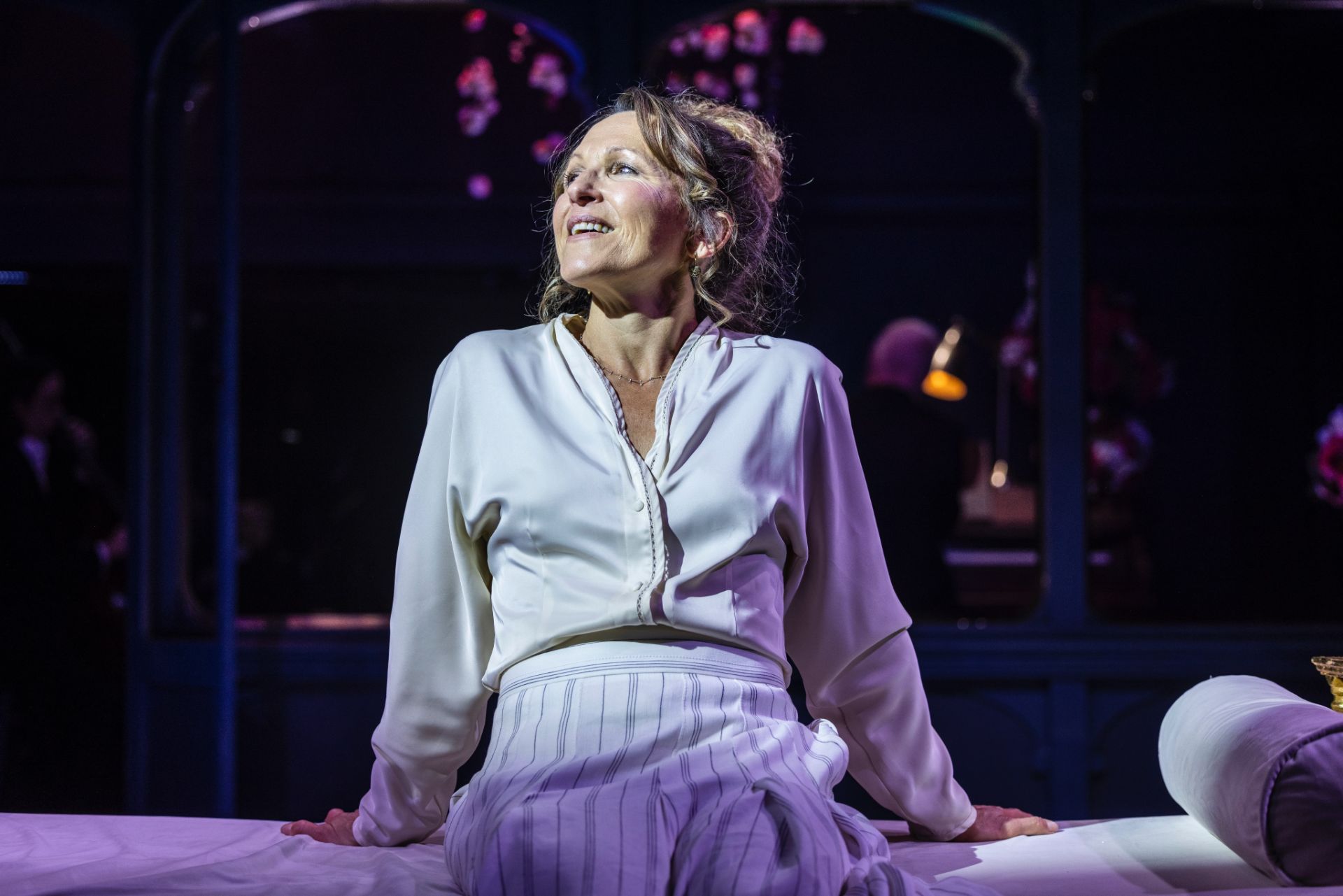
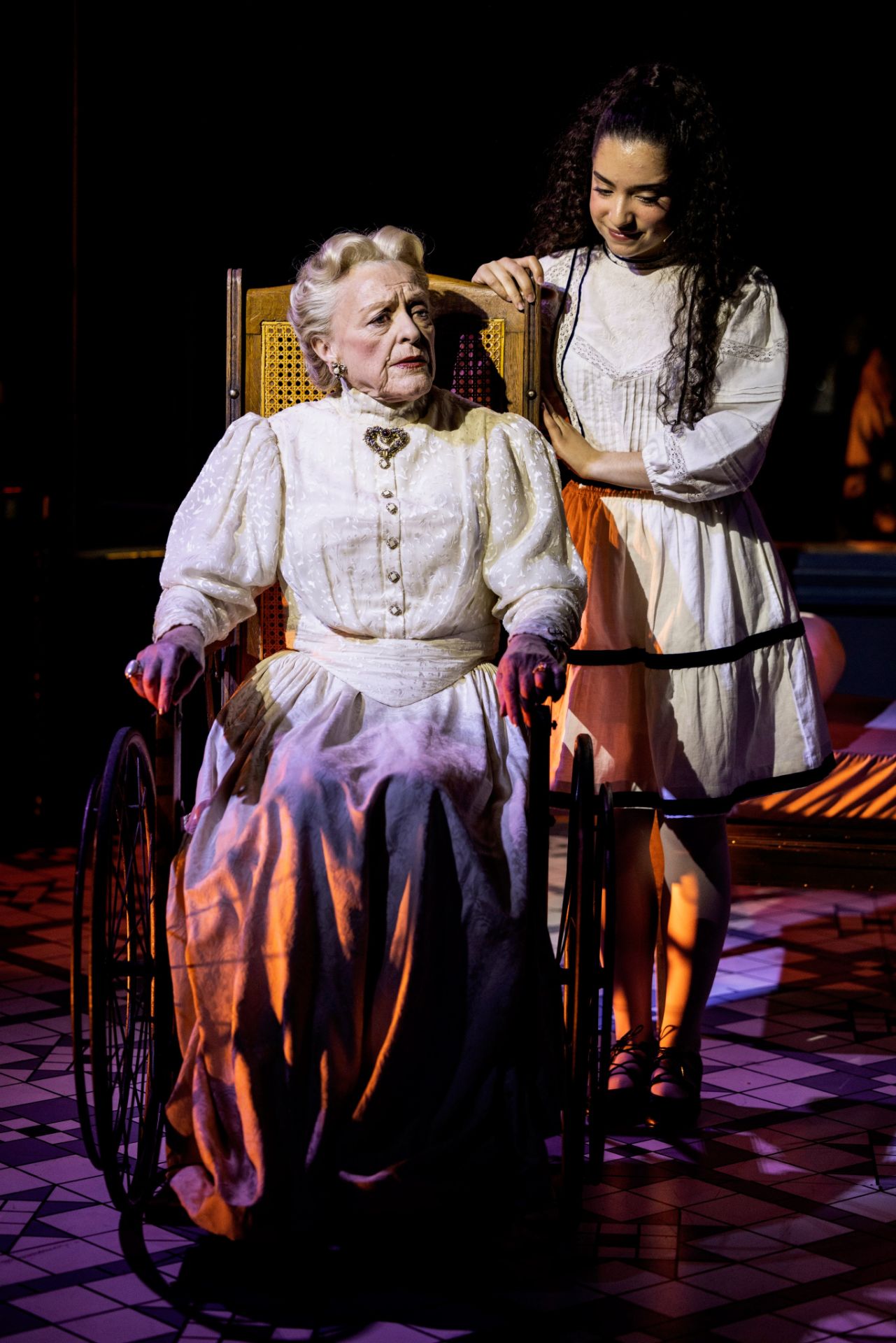
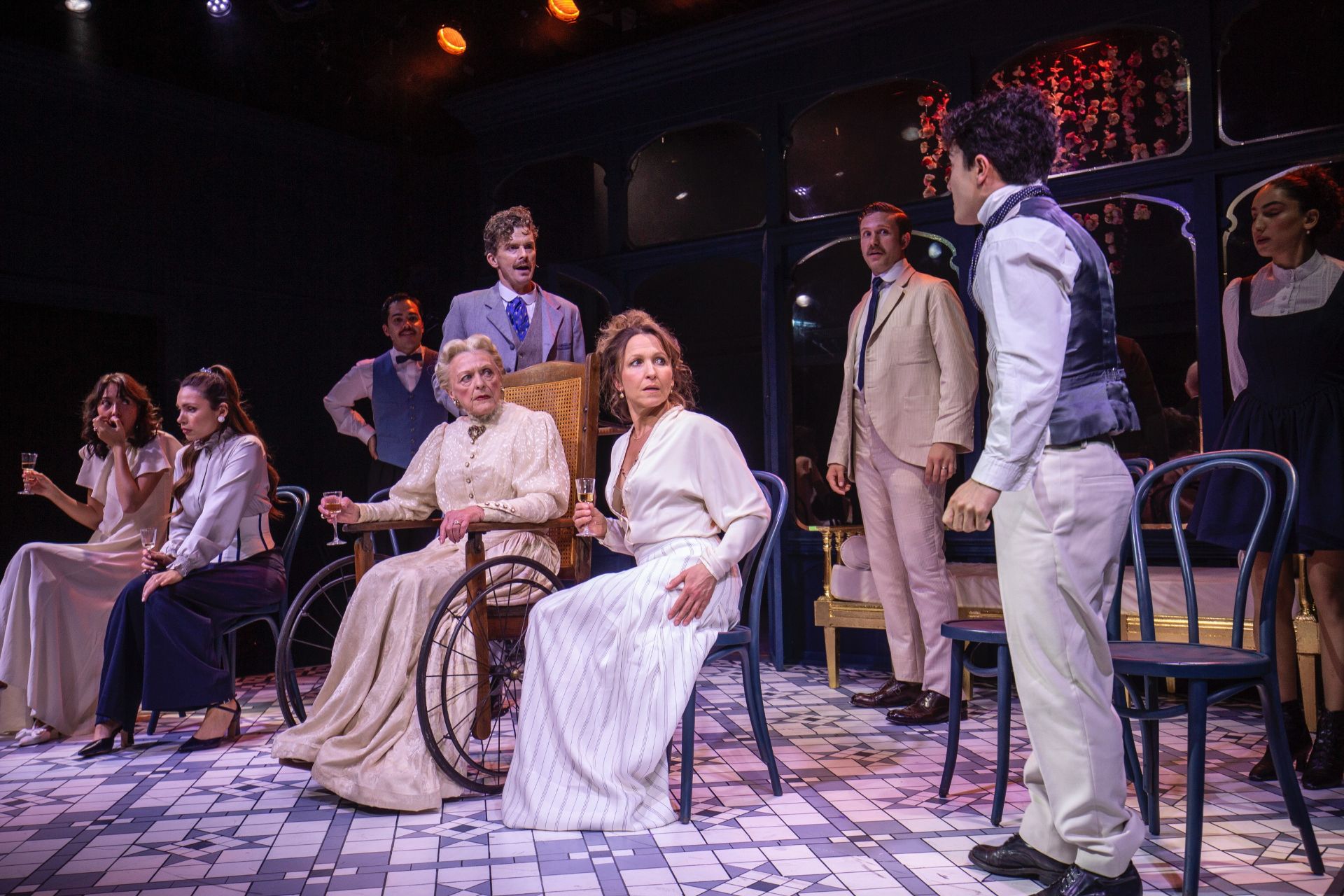
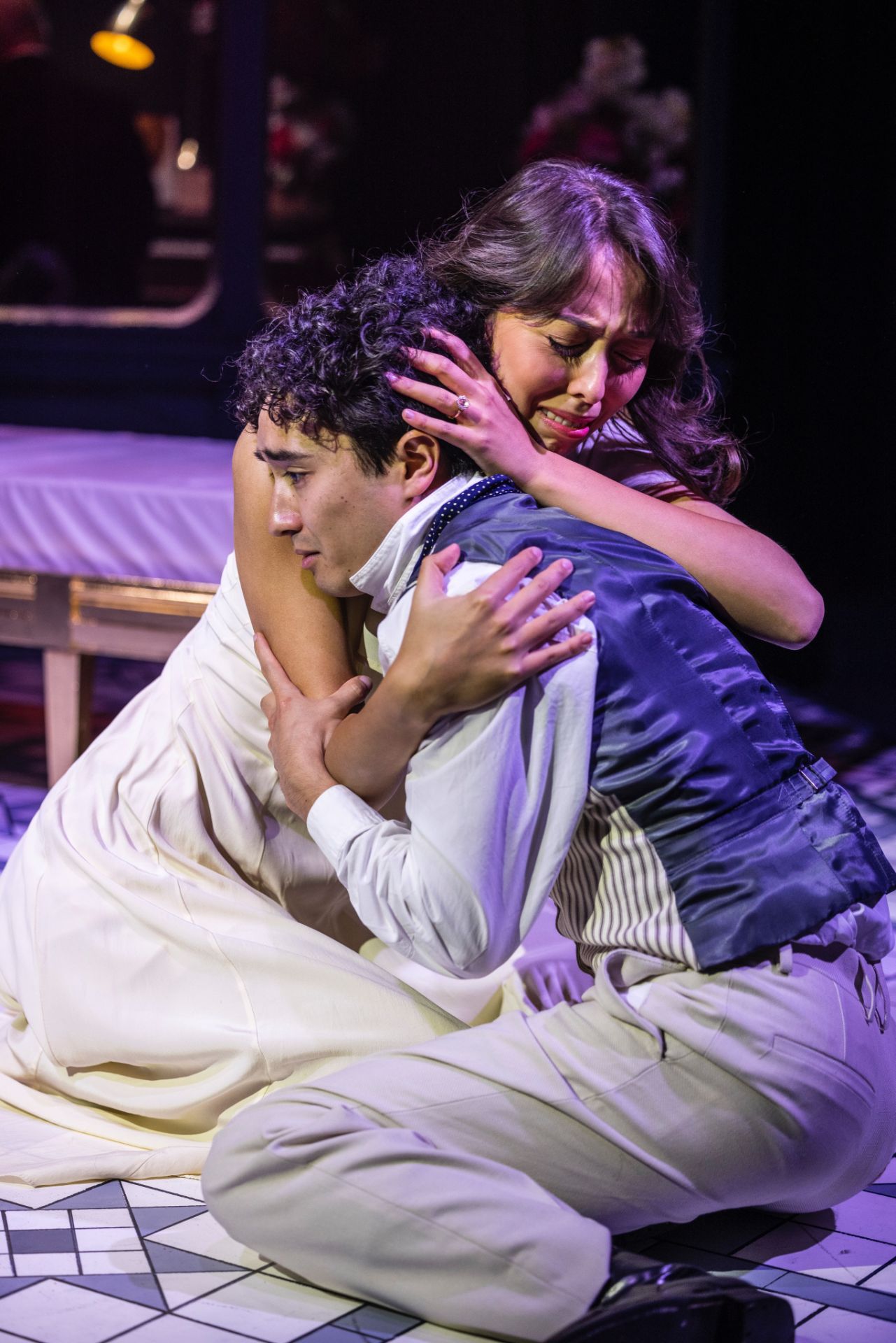
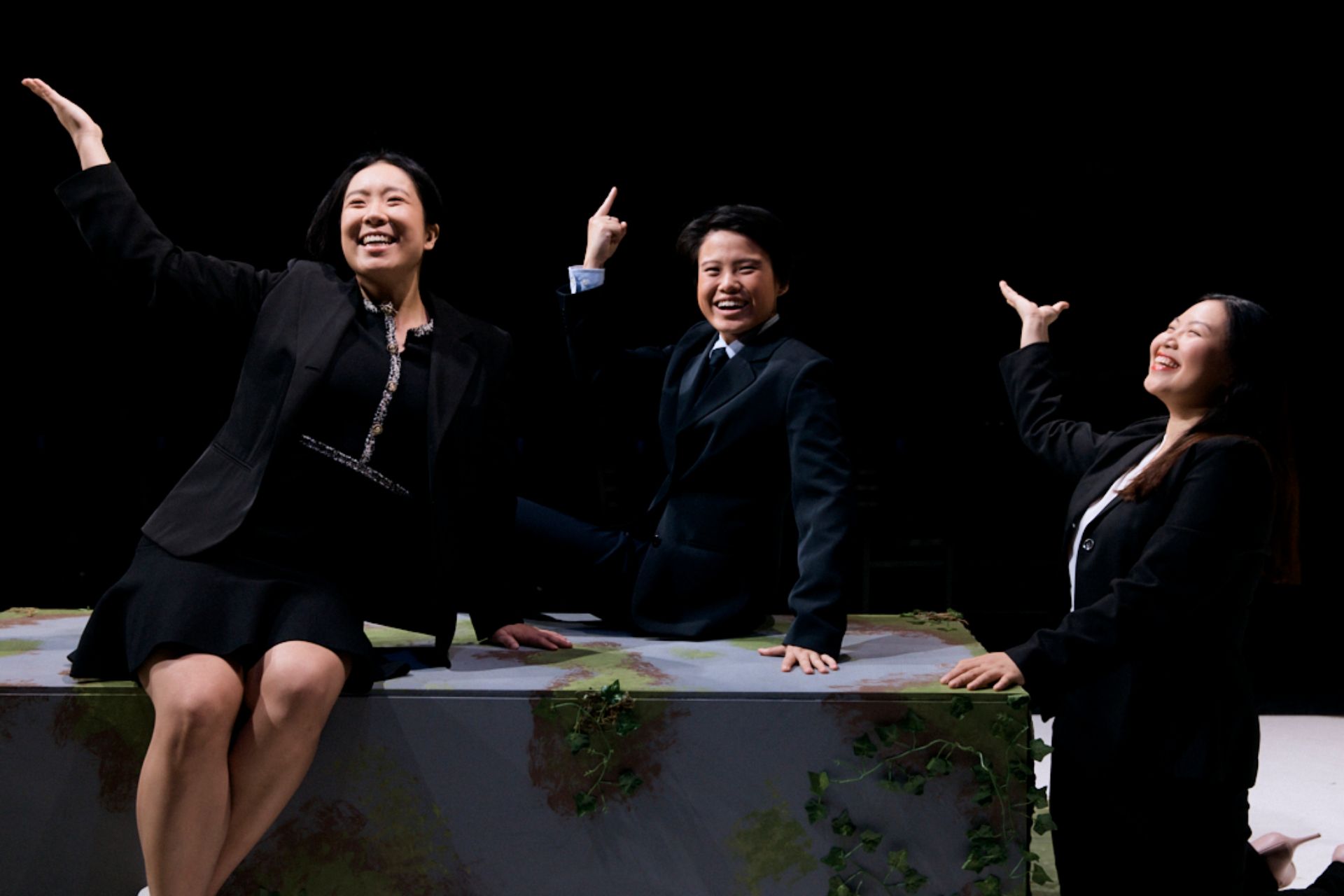
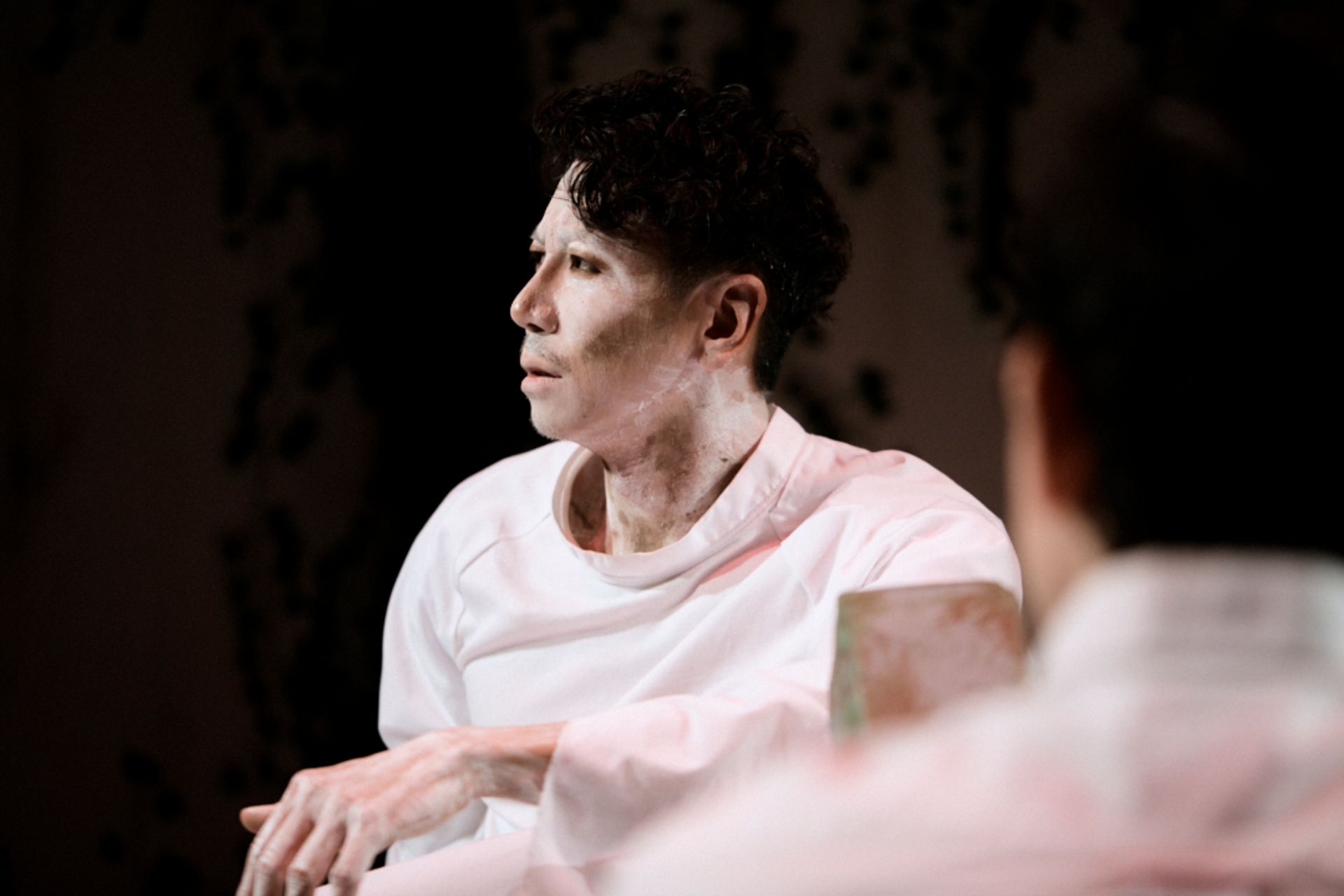
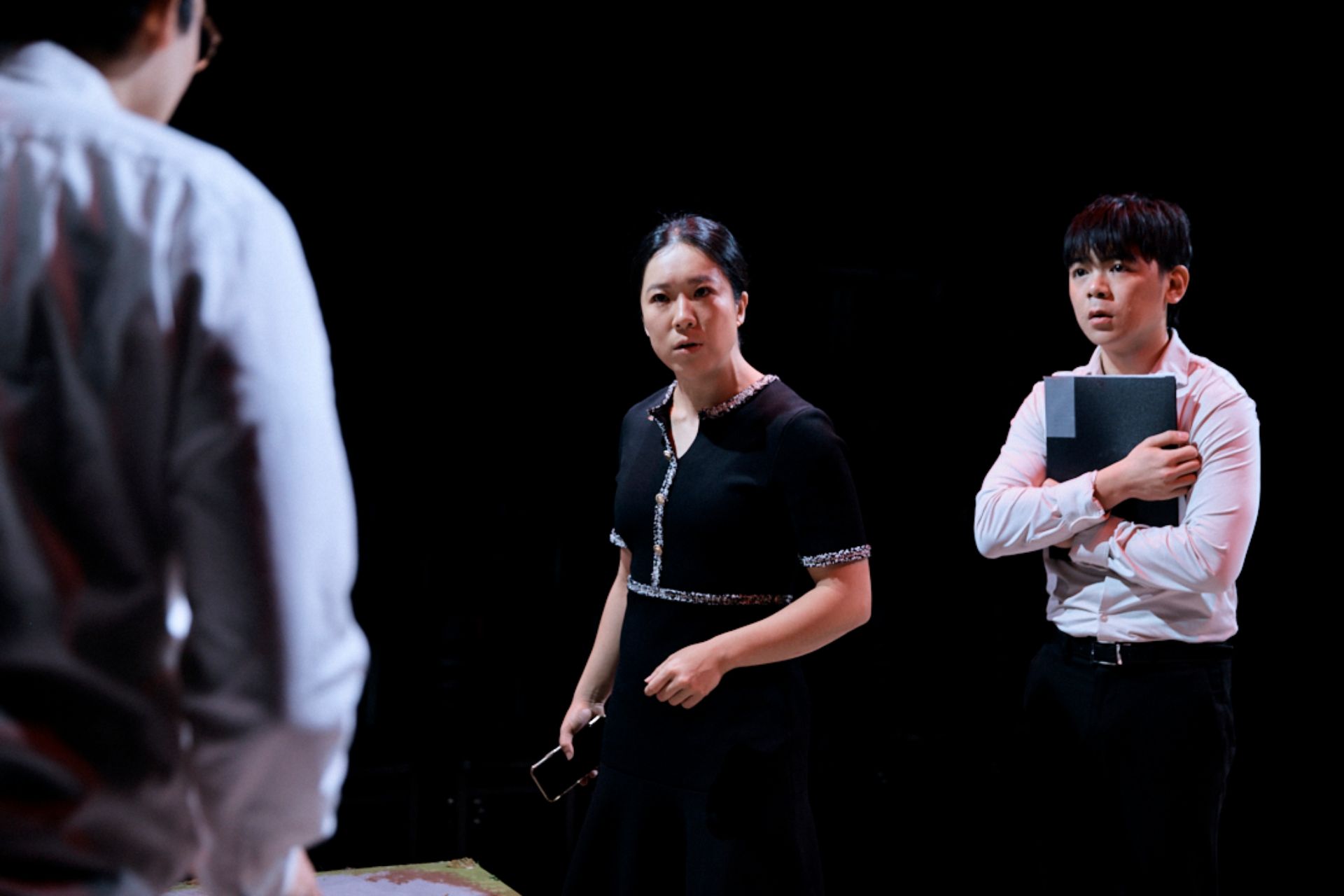
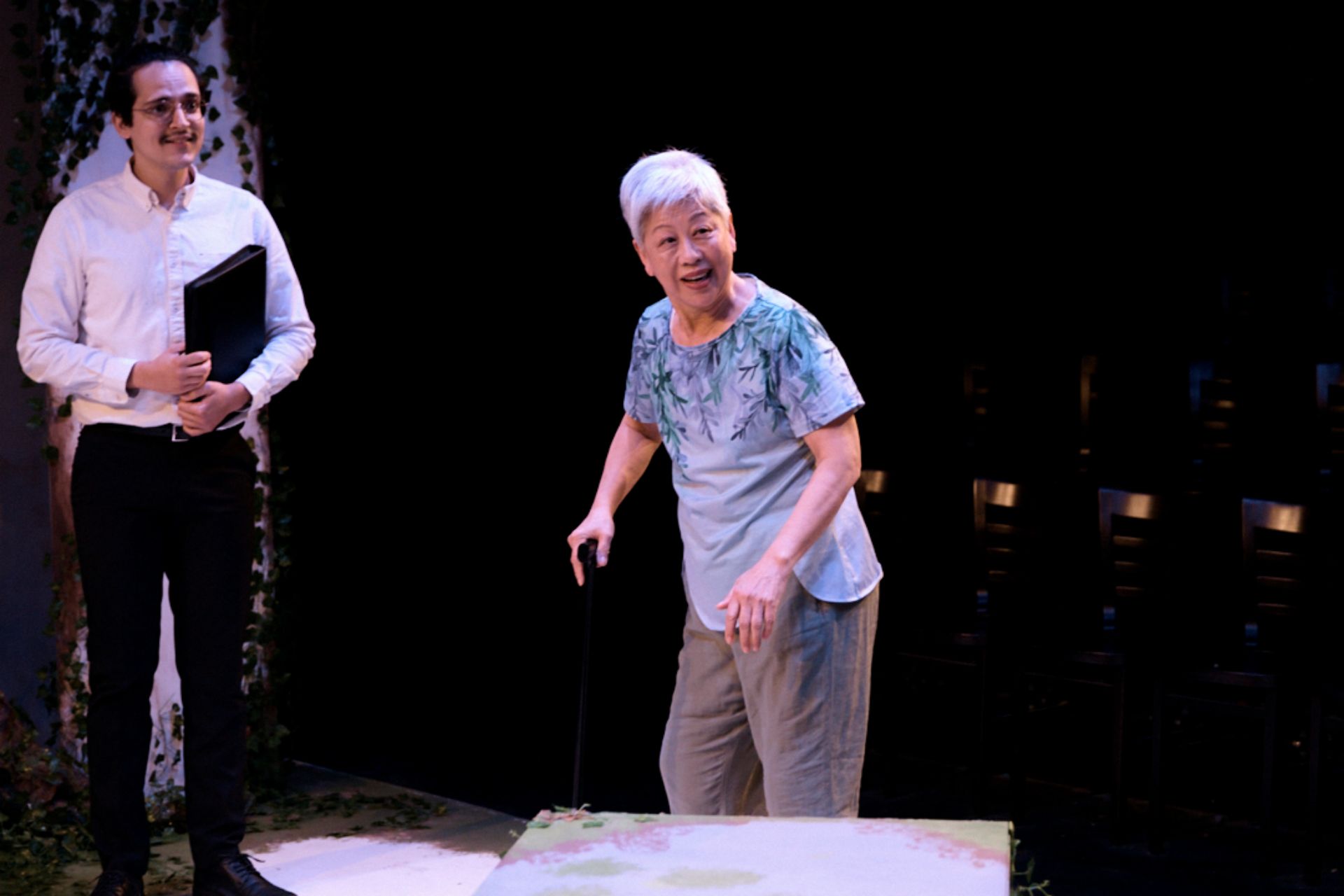
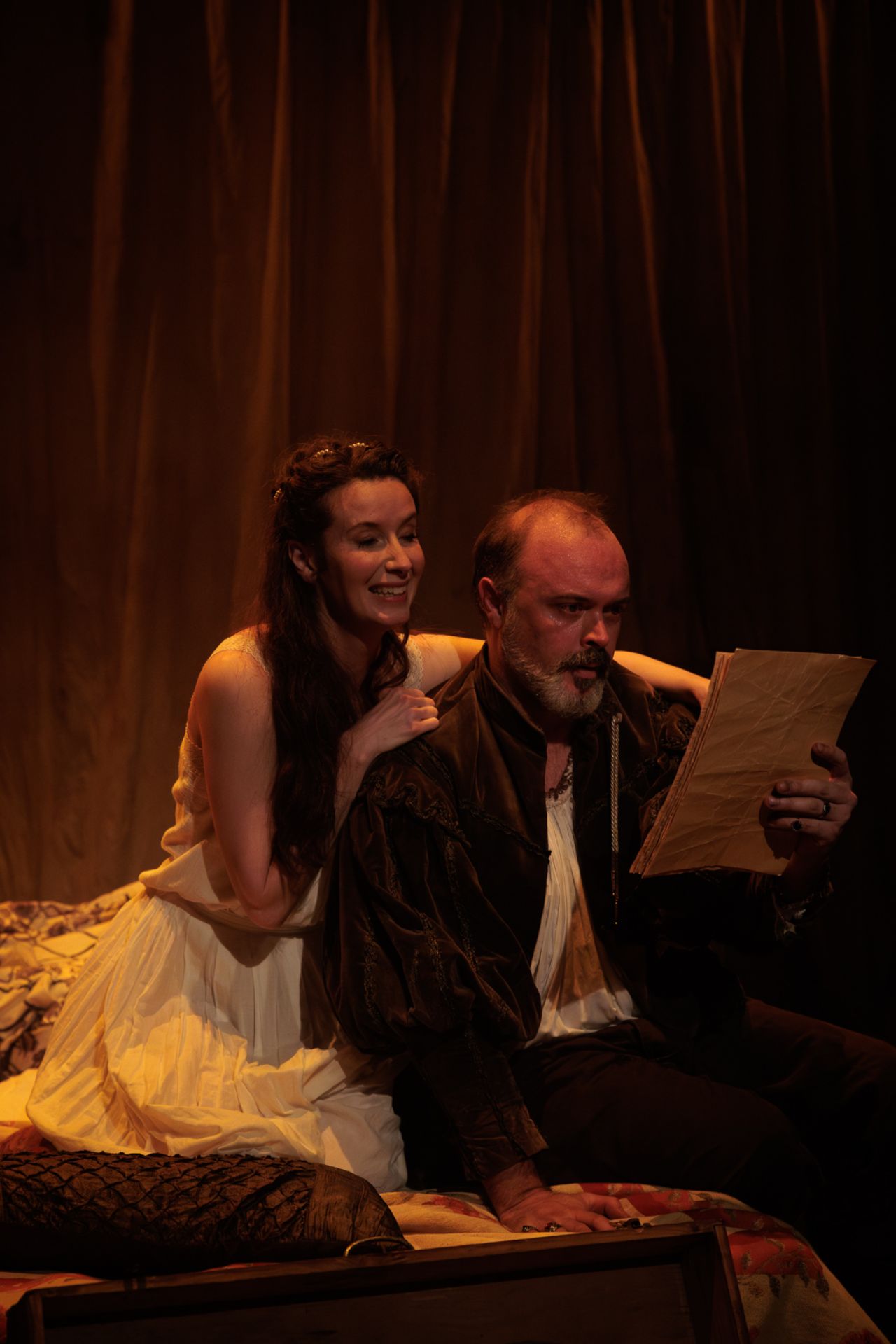
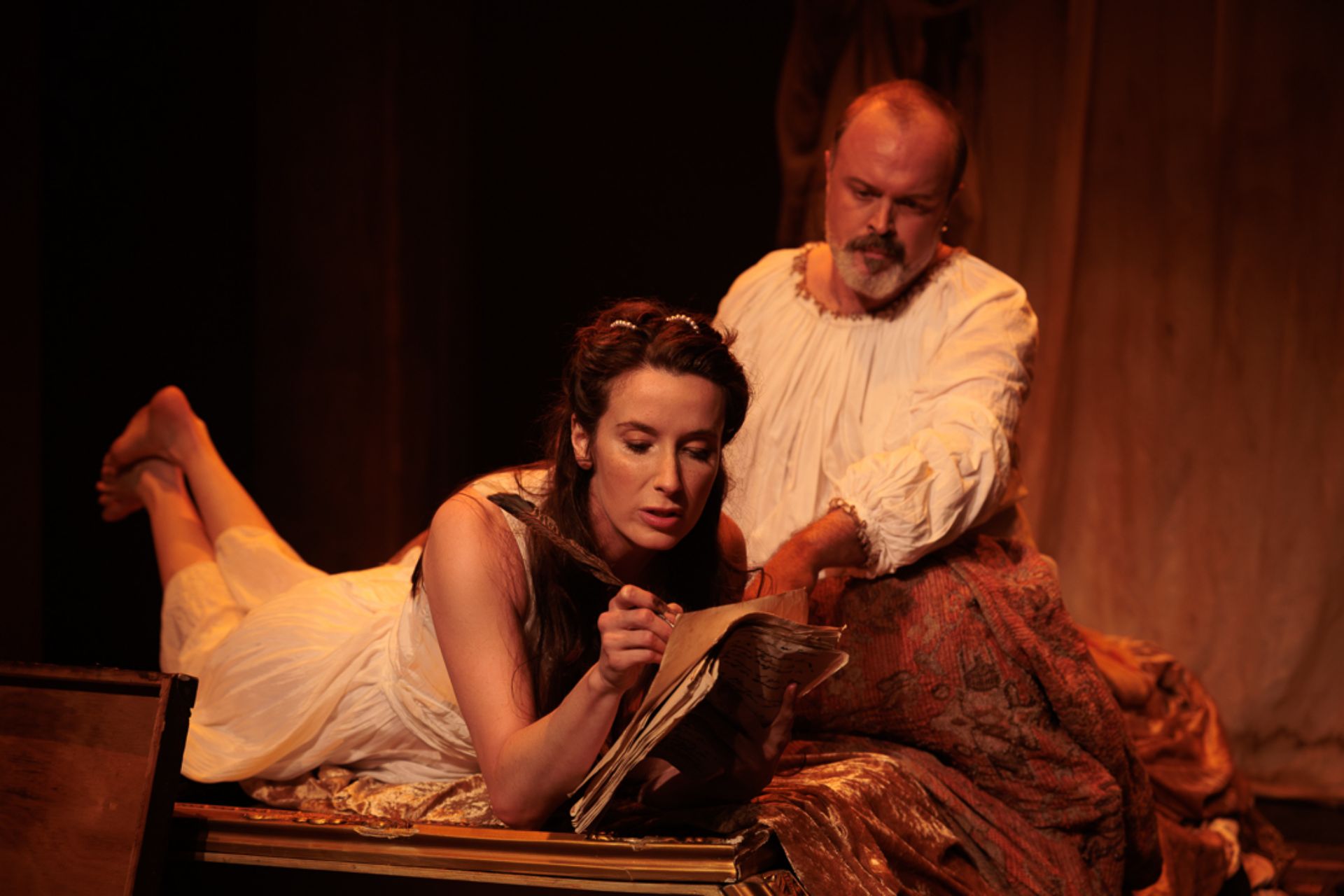
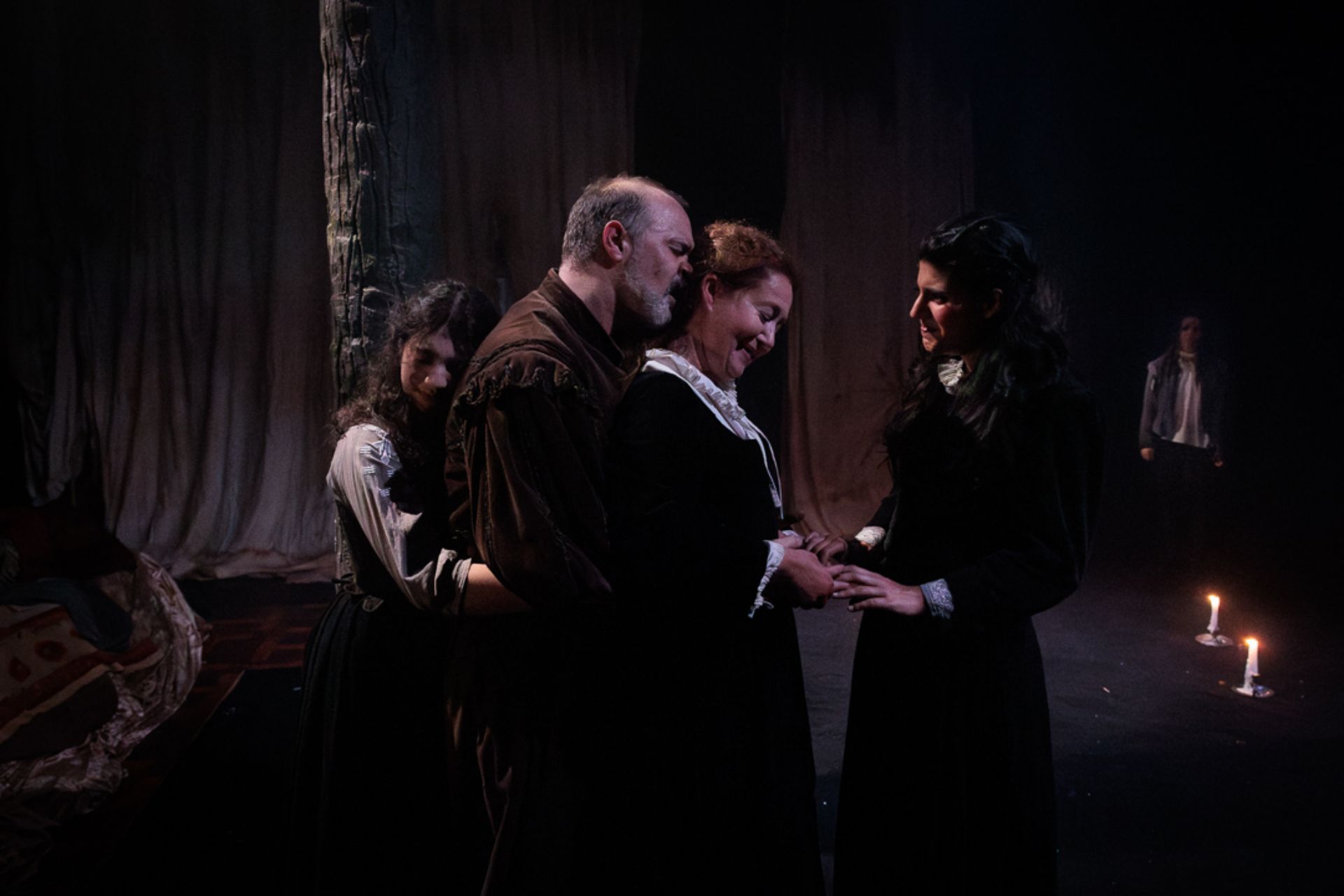
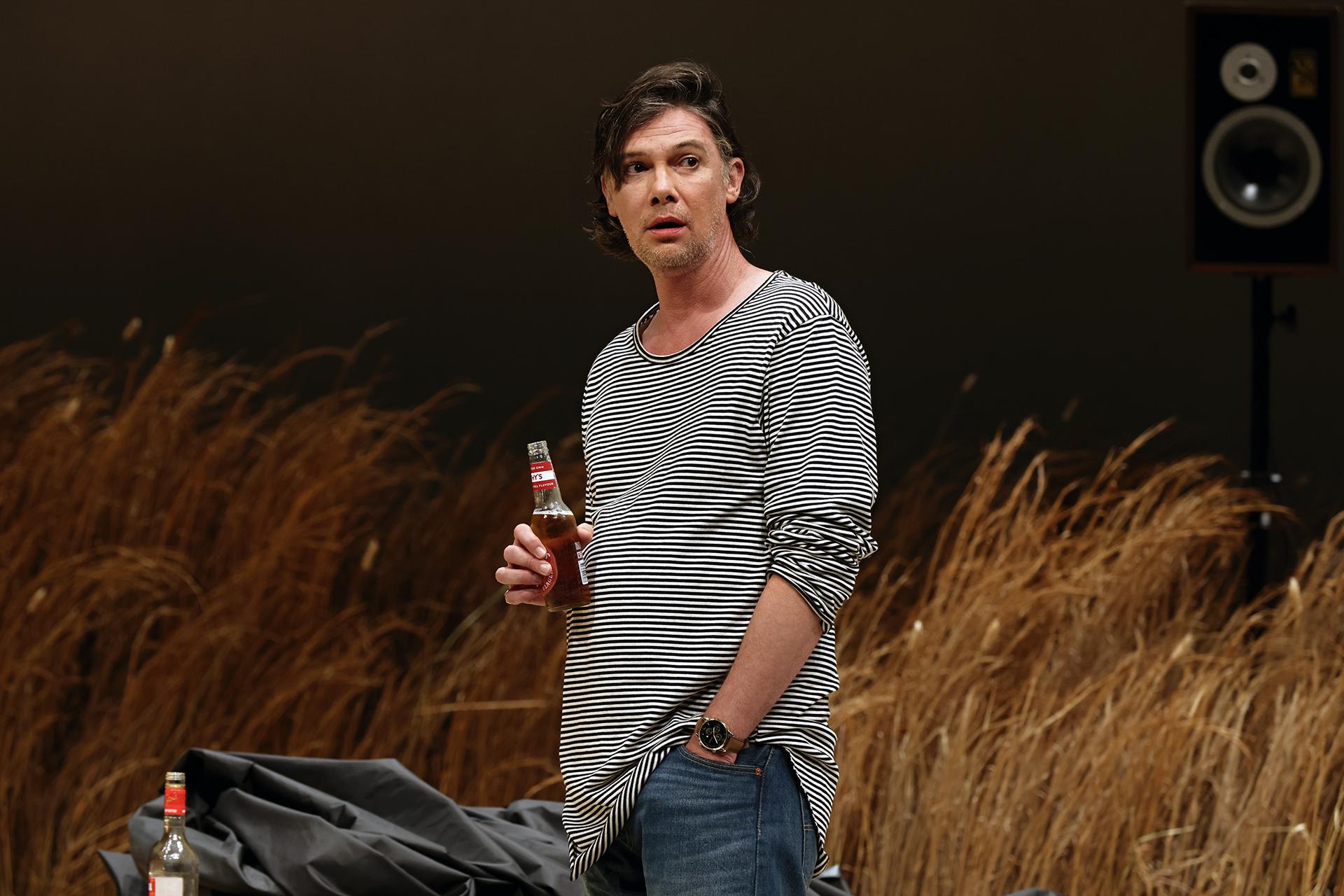
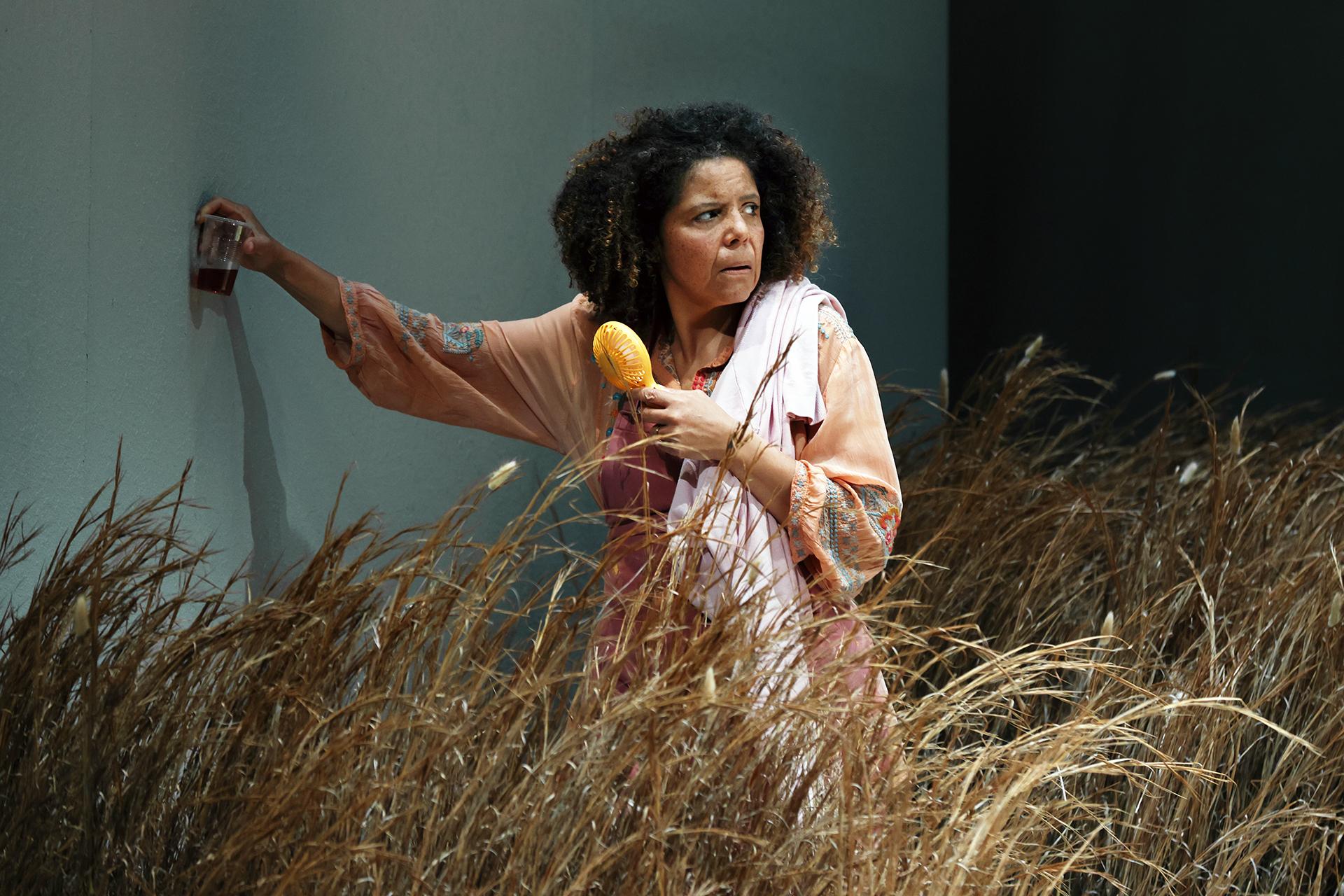
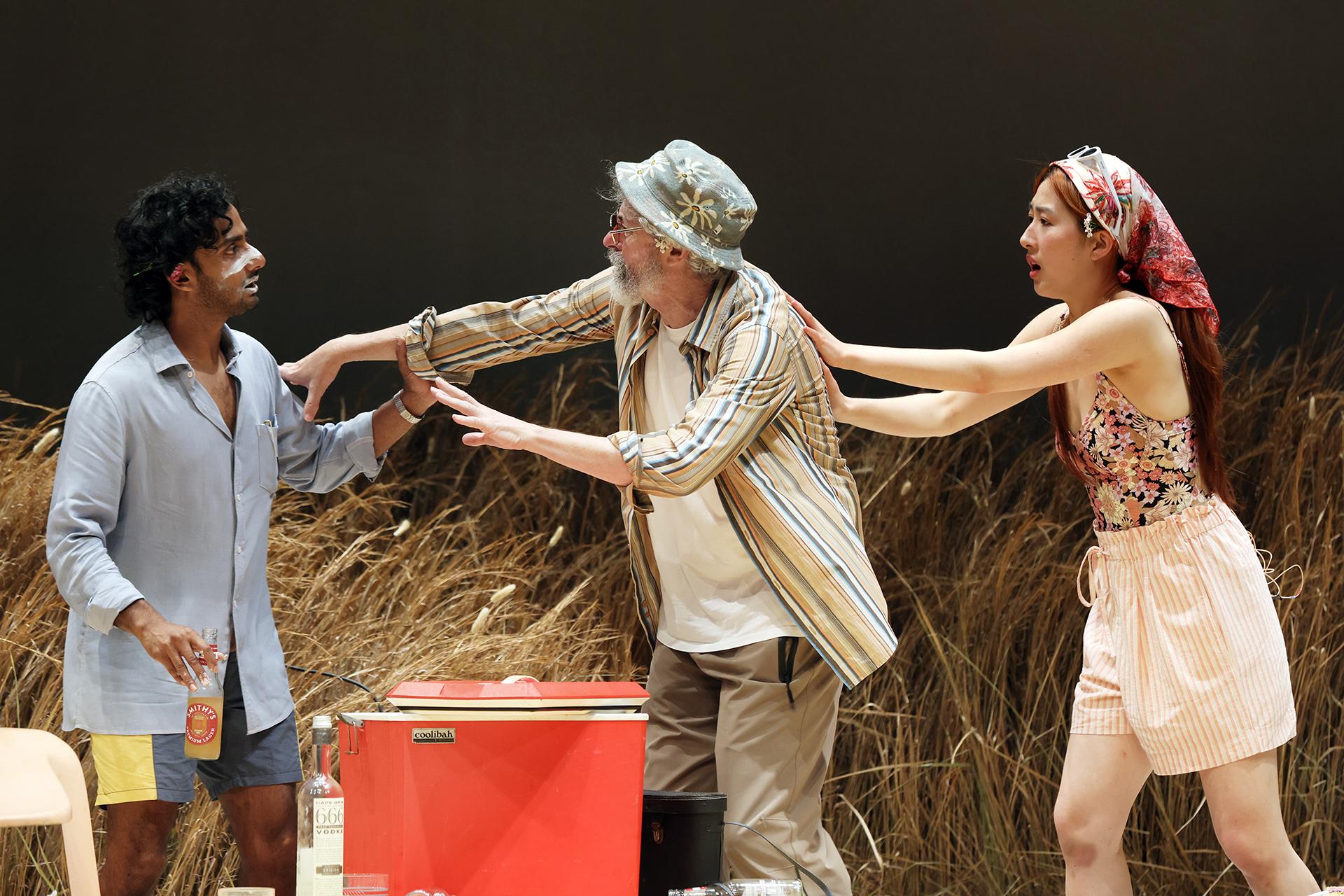
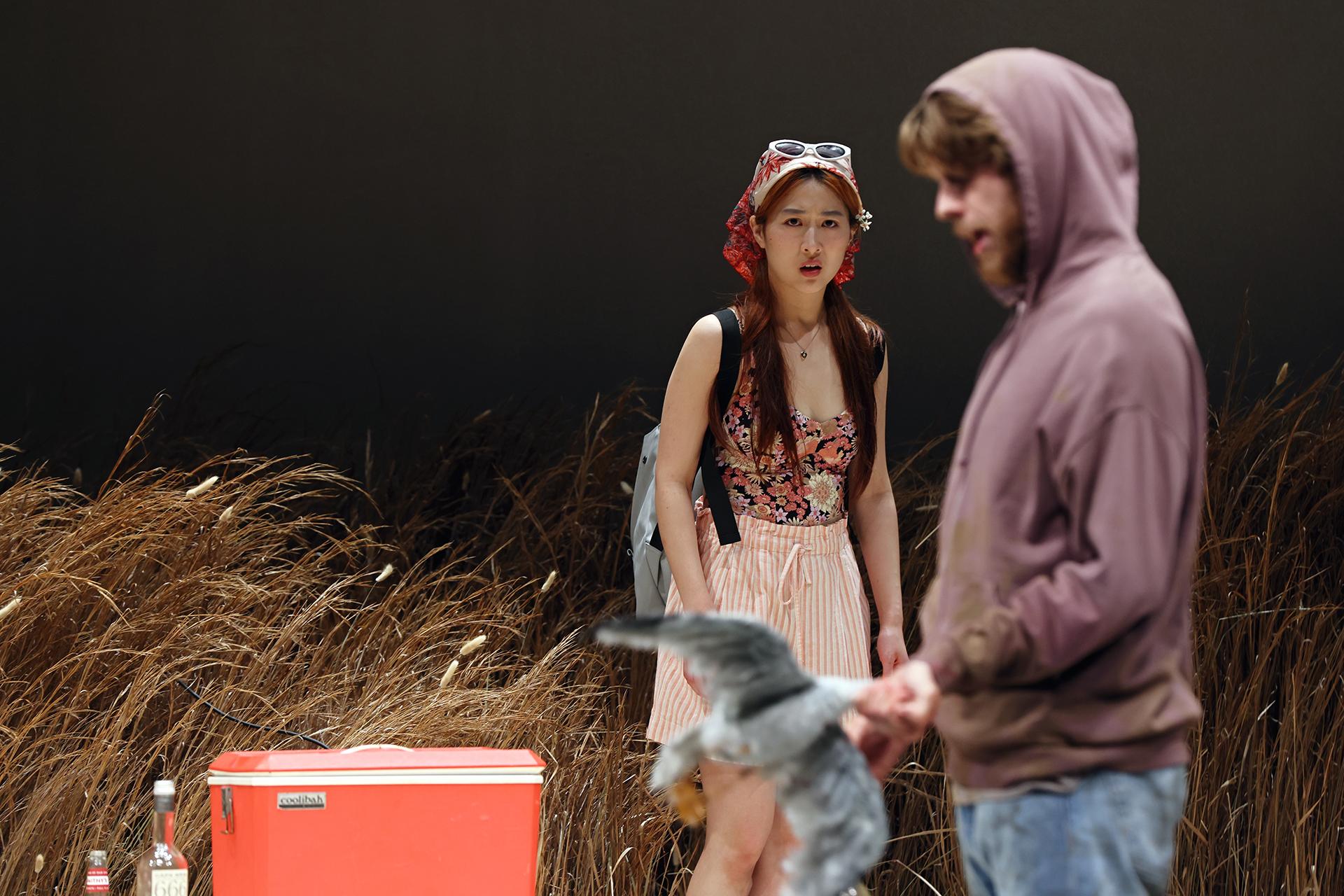
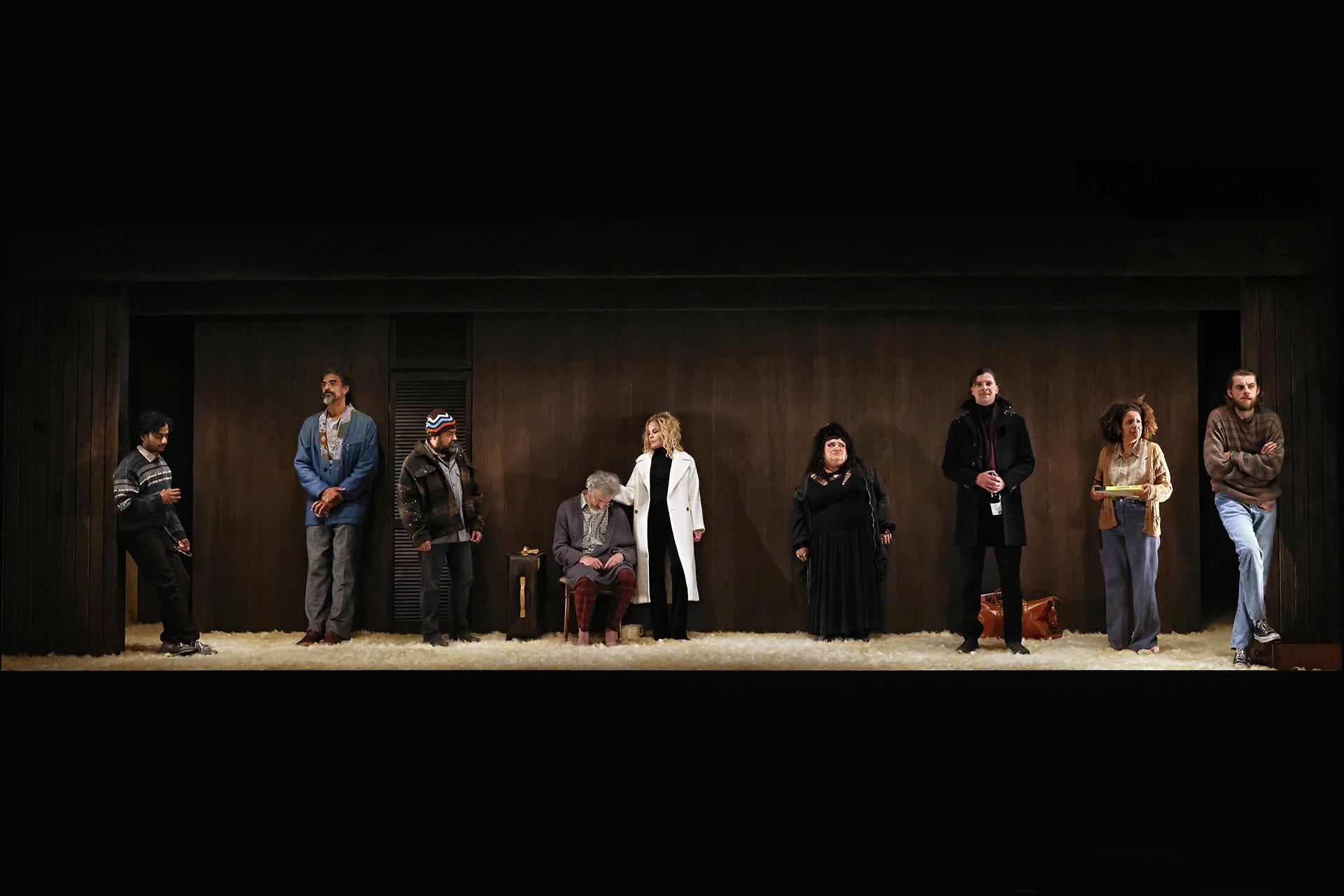
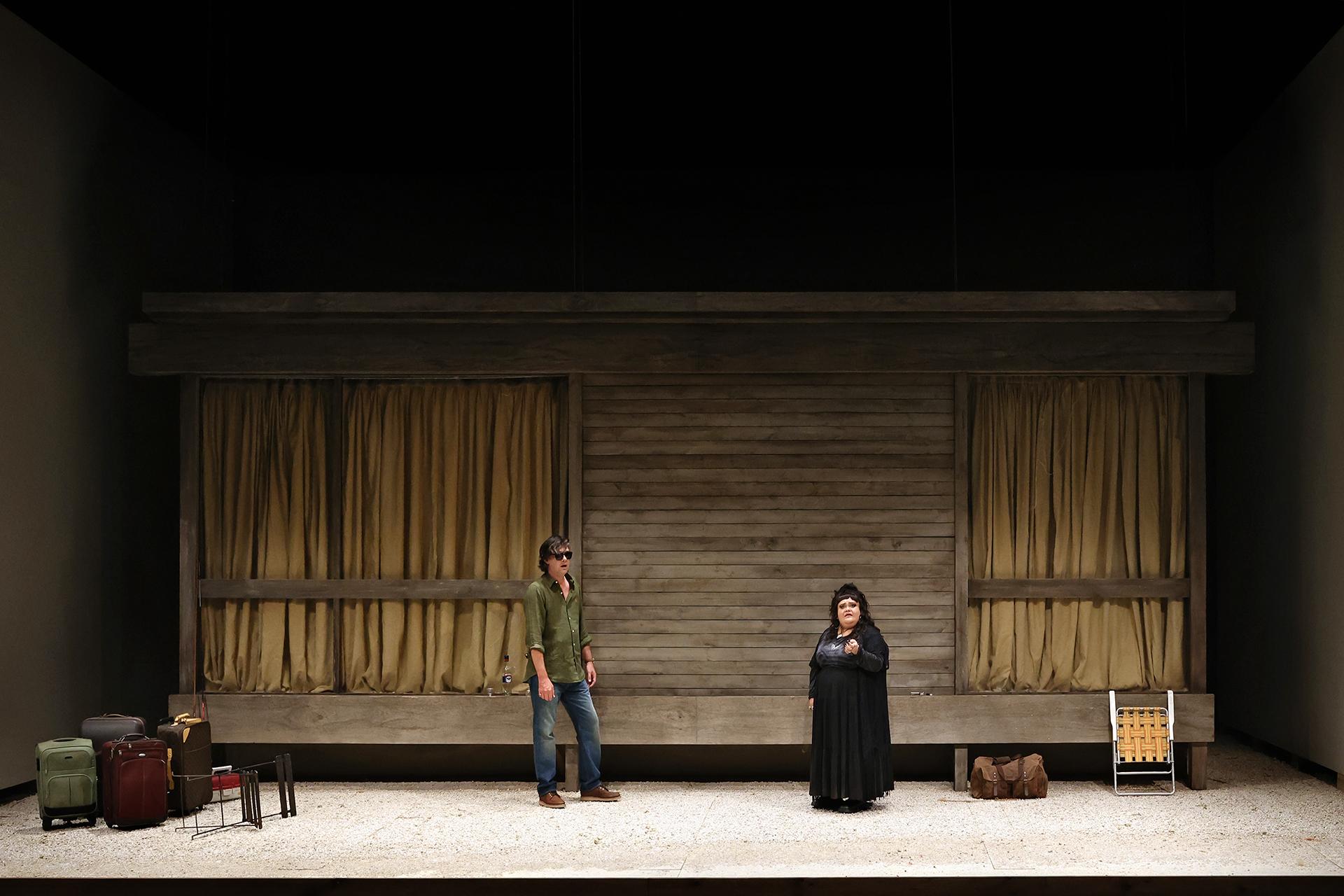
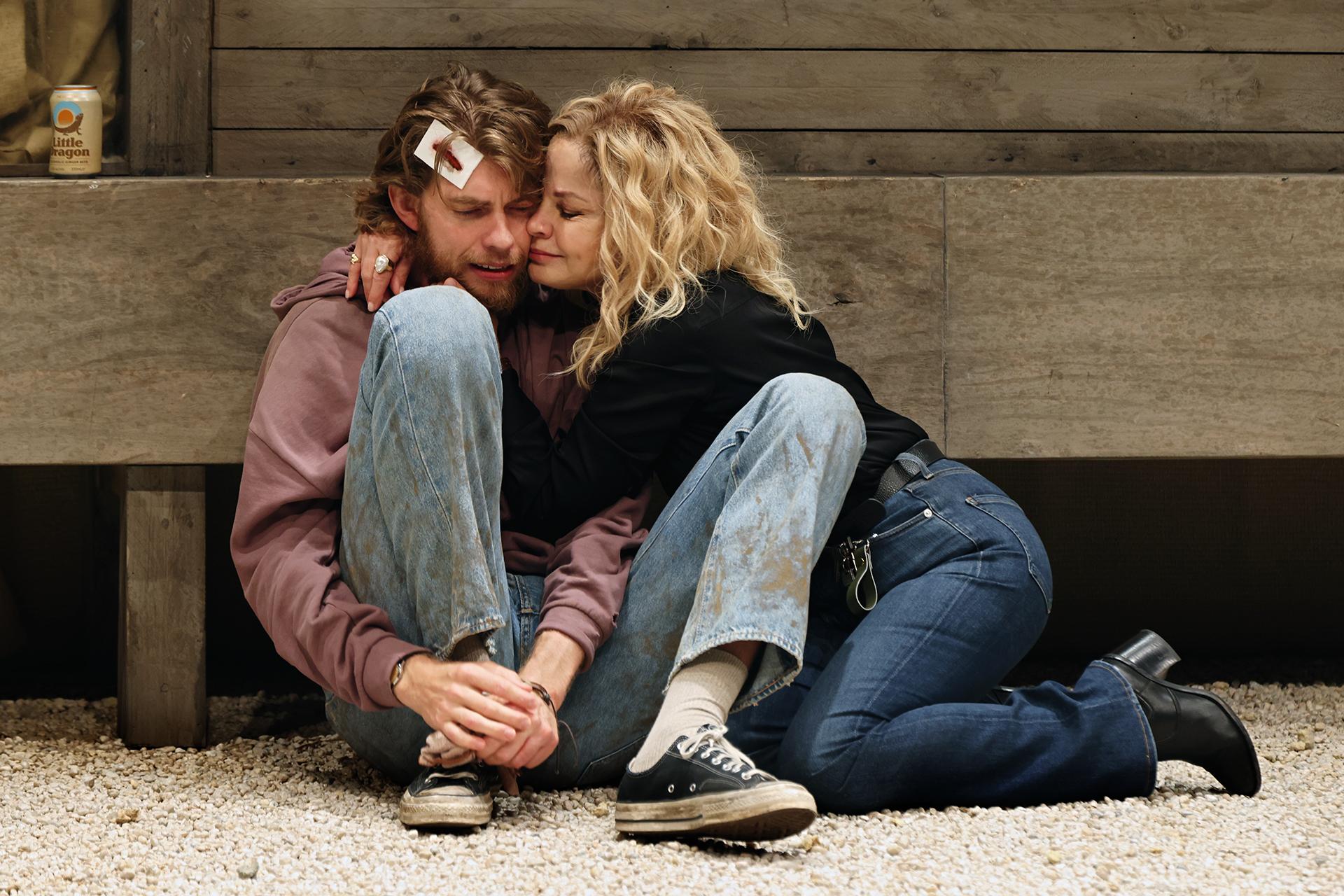
Violet has died, and we find her three daughters at their family home getting ready for the funeral. Their emotions are understandably in a state of disarray, and as they go through a process of unravelment, we discover the challenges and inadequacies each woman experiences as they navigate life in 1996 England. Shelagh Stephenson’s now 27-year-old comedy The Memory of Water, is an amusing work that showcases the various idiosyncrasies of Western feminine archetypes, at a time that can be regarded as having freshly emerged from the third wave of feminism.

With the passage of time, the play feels excessively concerned with the granular individuality of its characters. More contemporary tastes tend to favour sociality over particularity in our storytelling, and The Memory of Water struggles in the current climate to speak with sufficient relevancy and urgency, even though there is undeniable authenticity in all of its depictions.

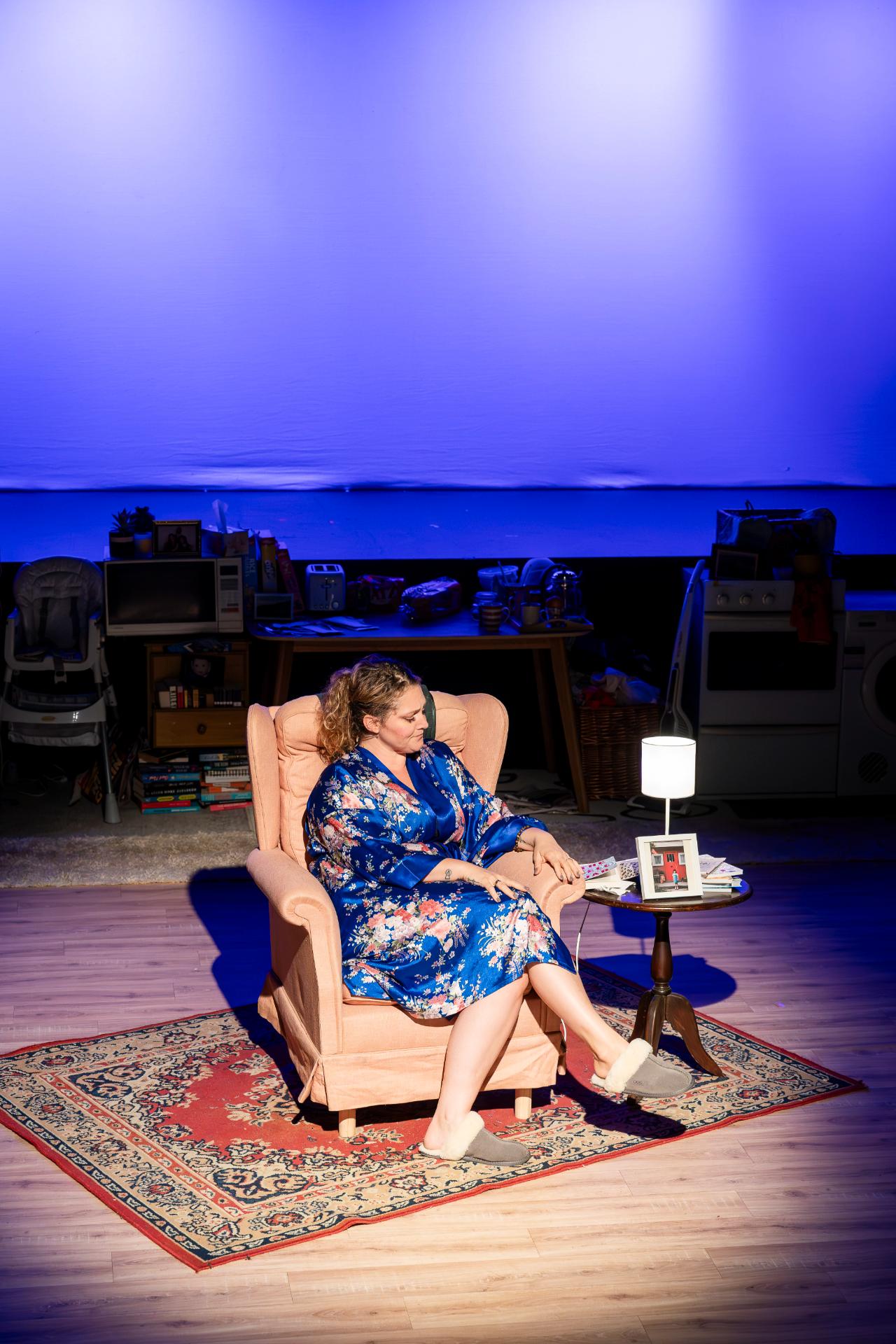
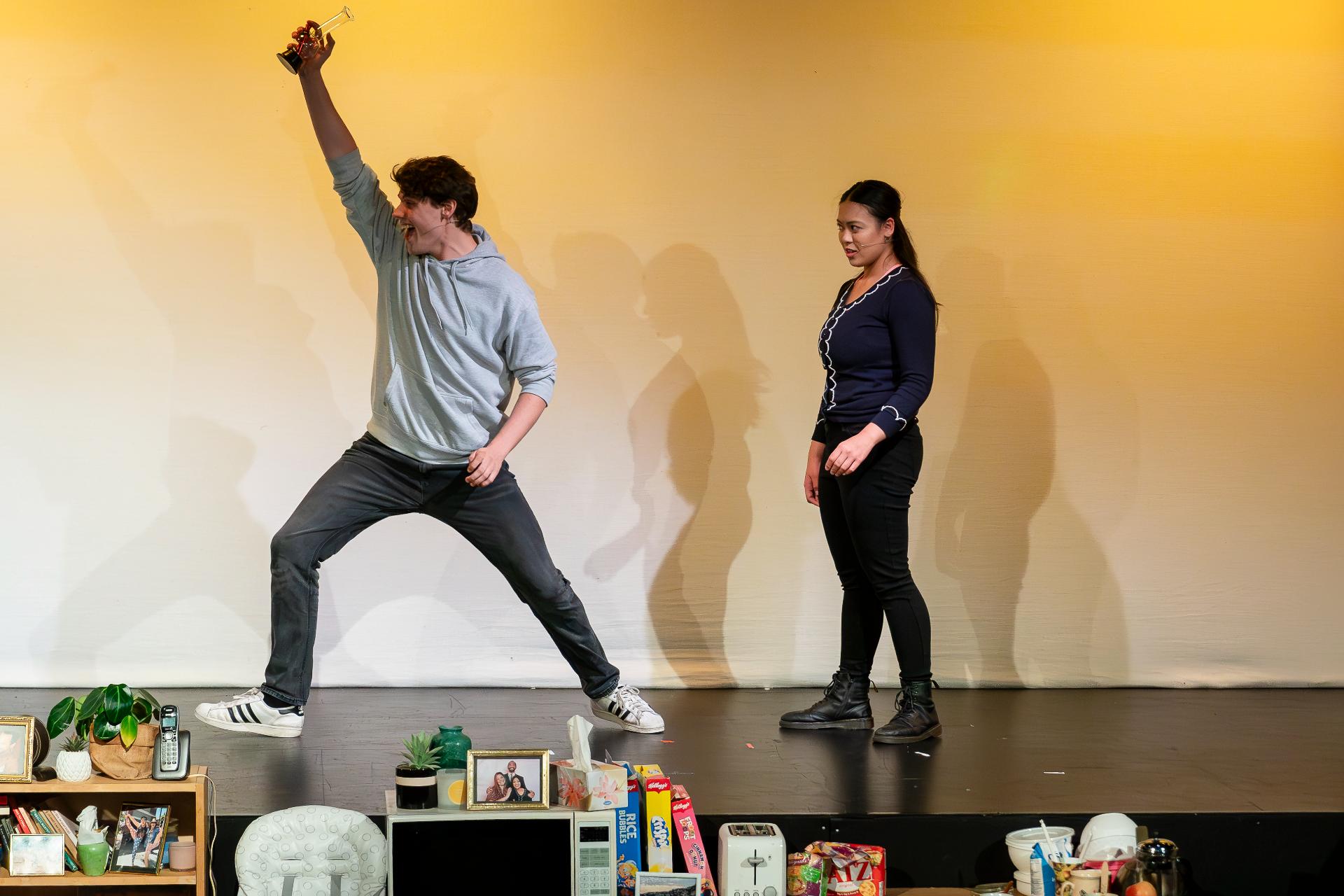
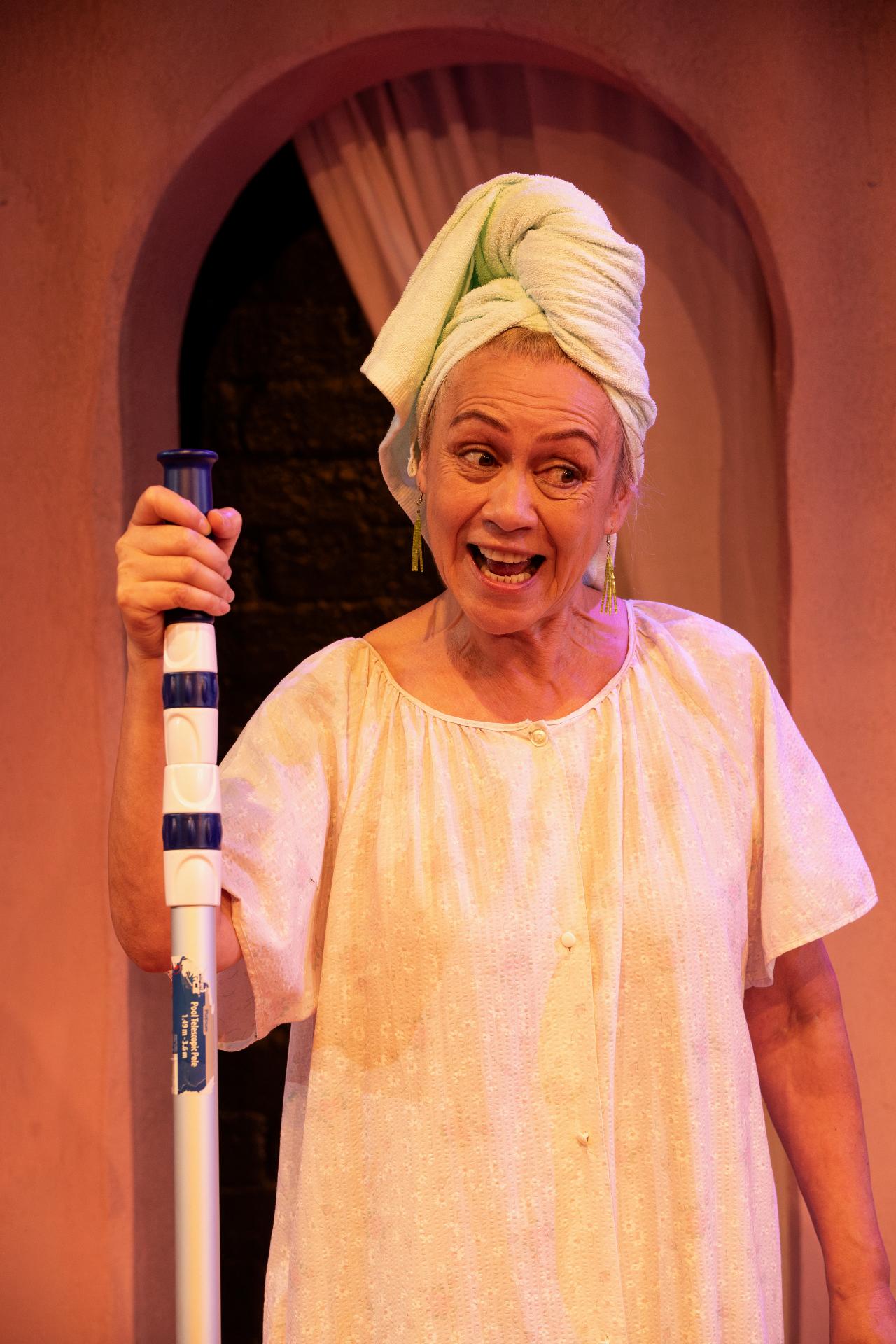
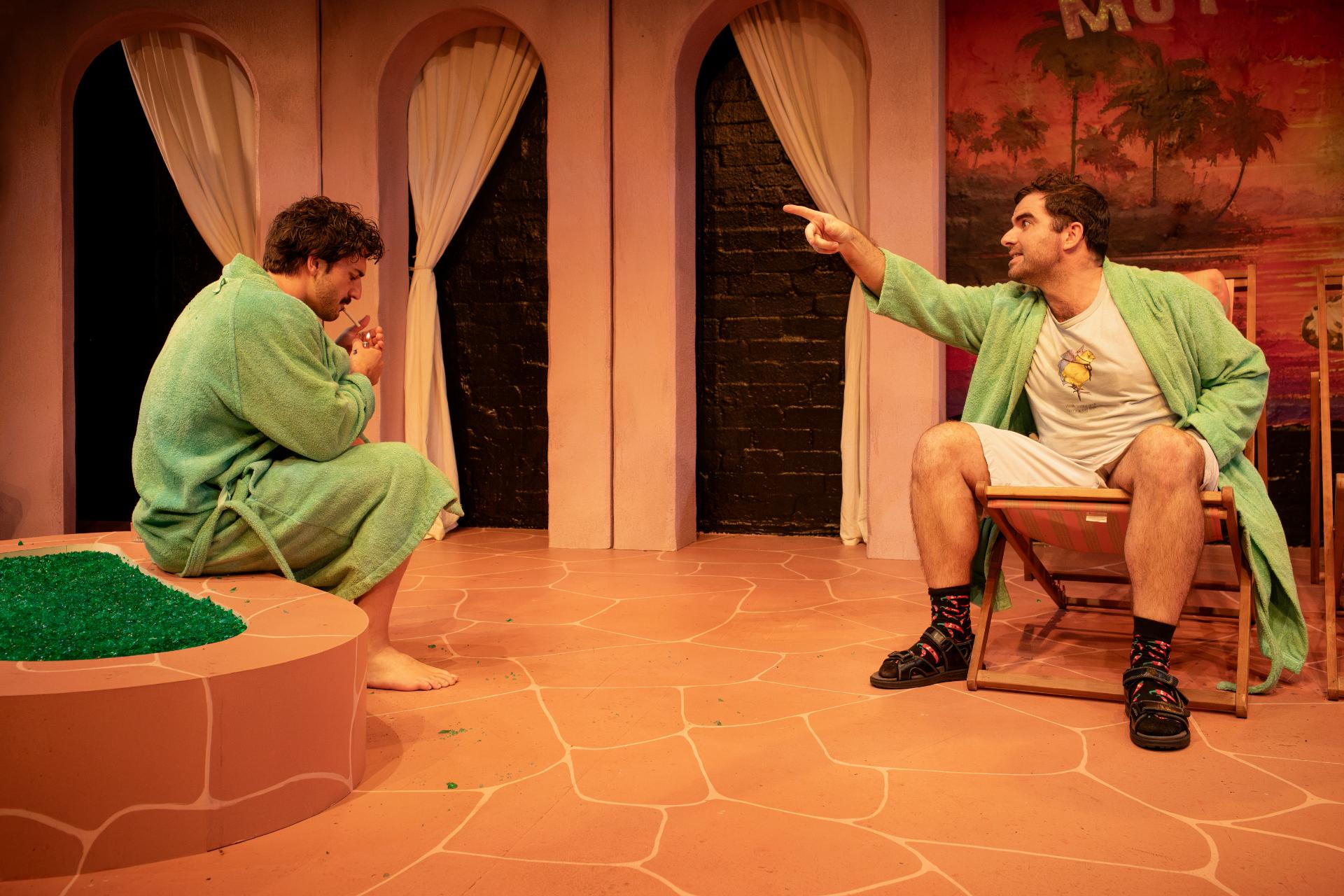
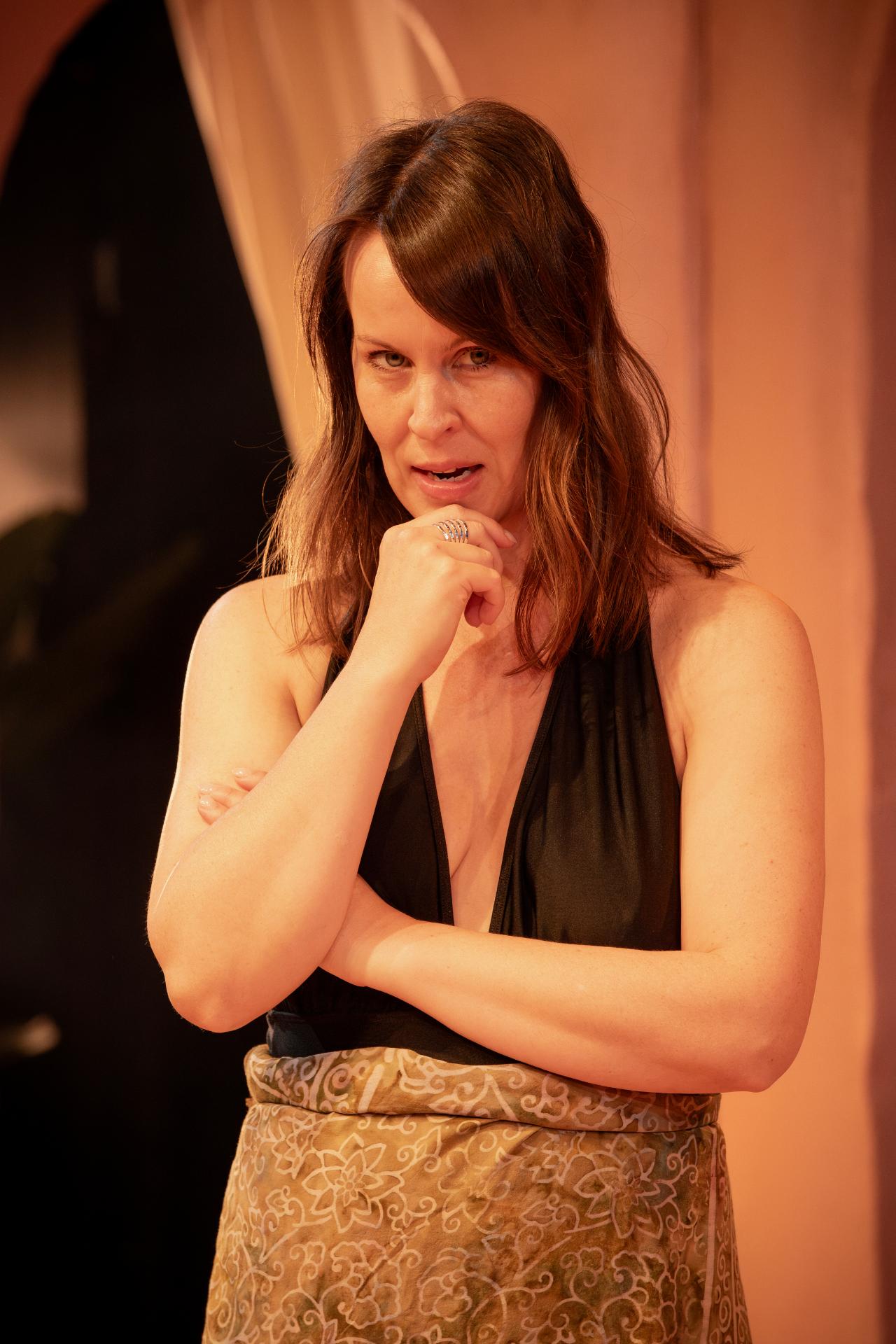
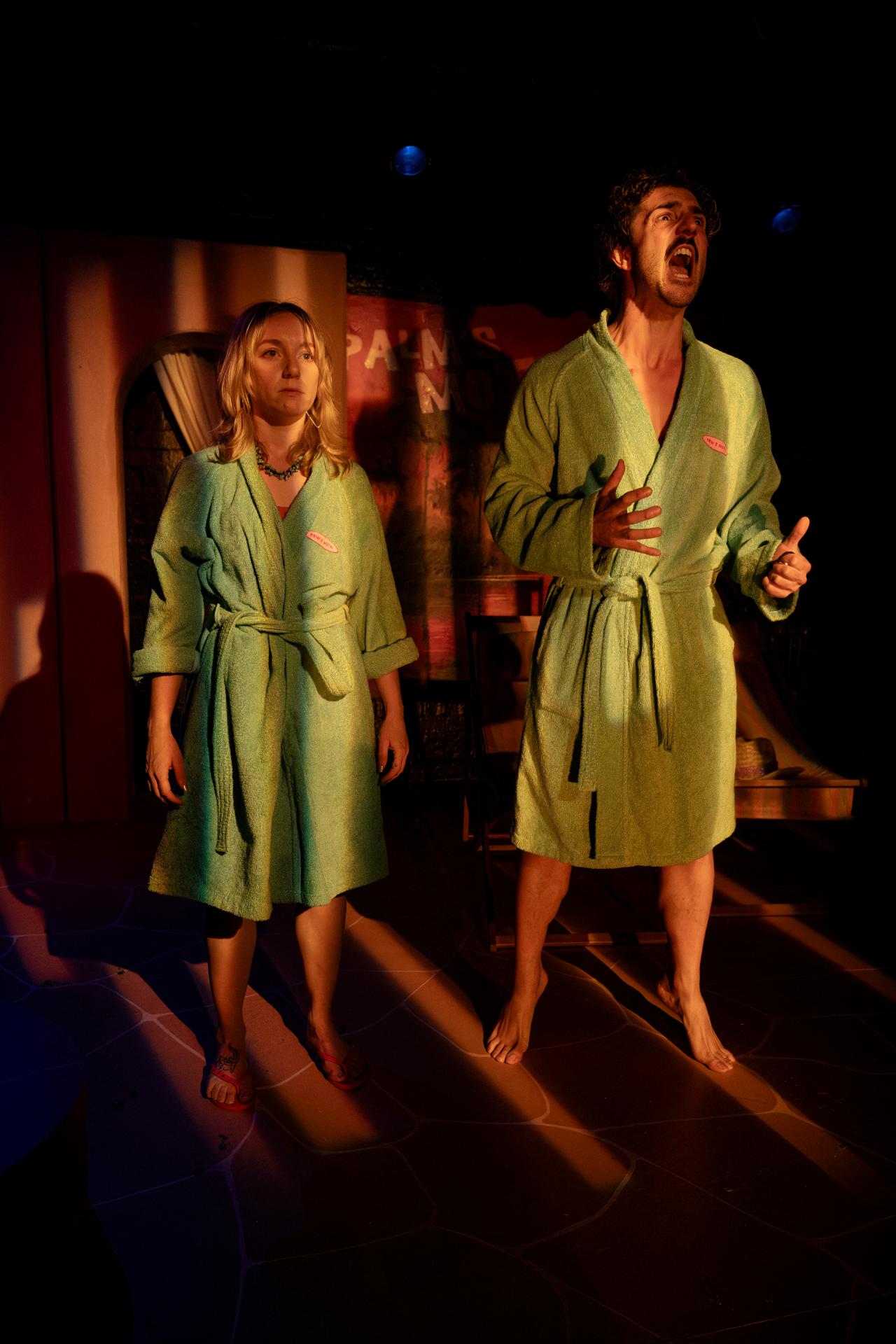
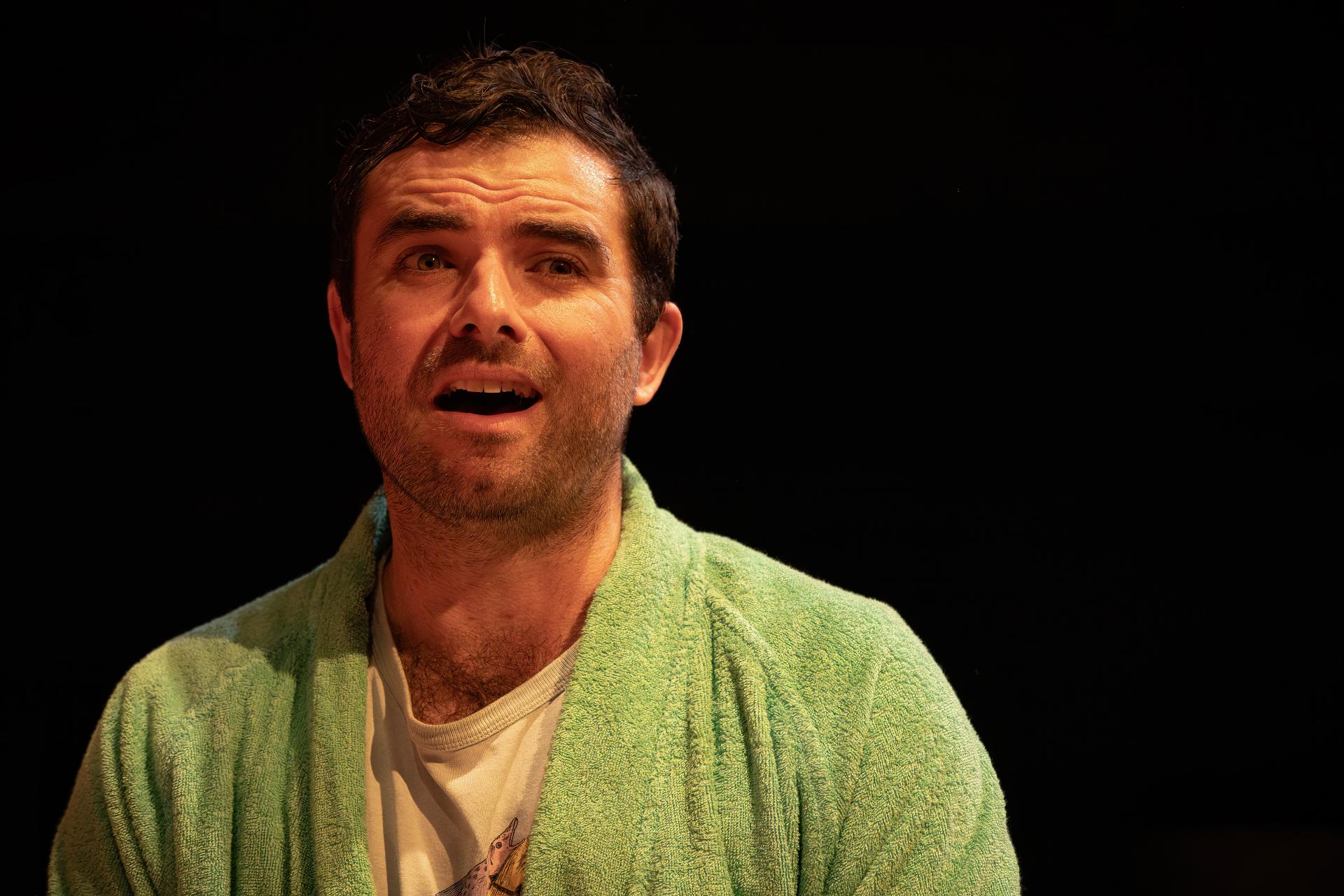
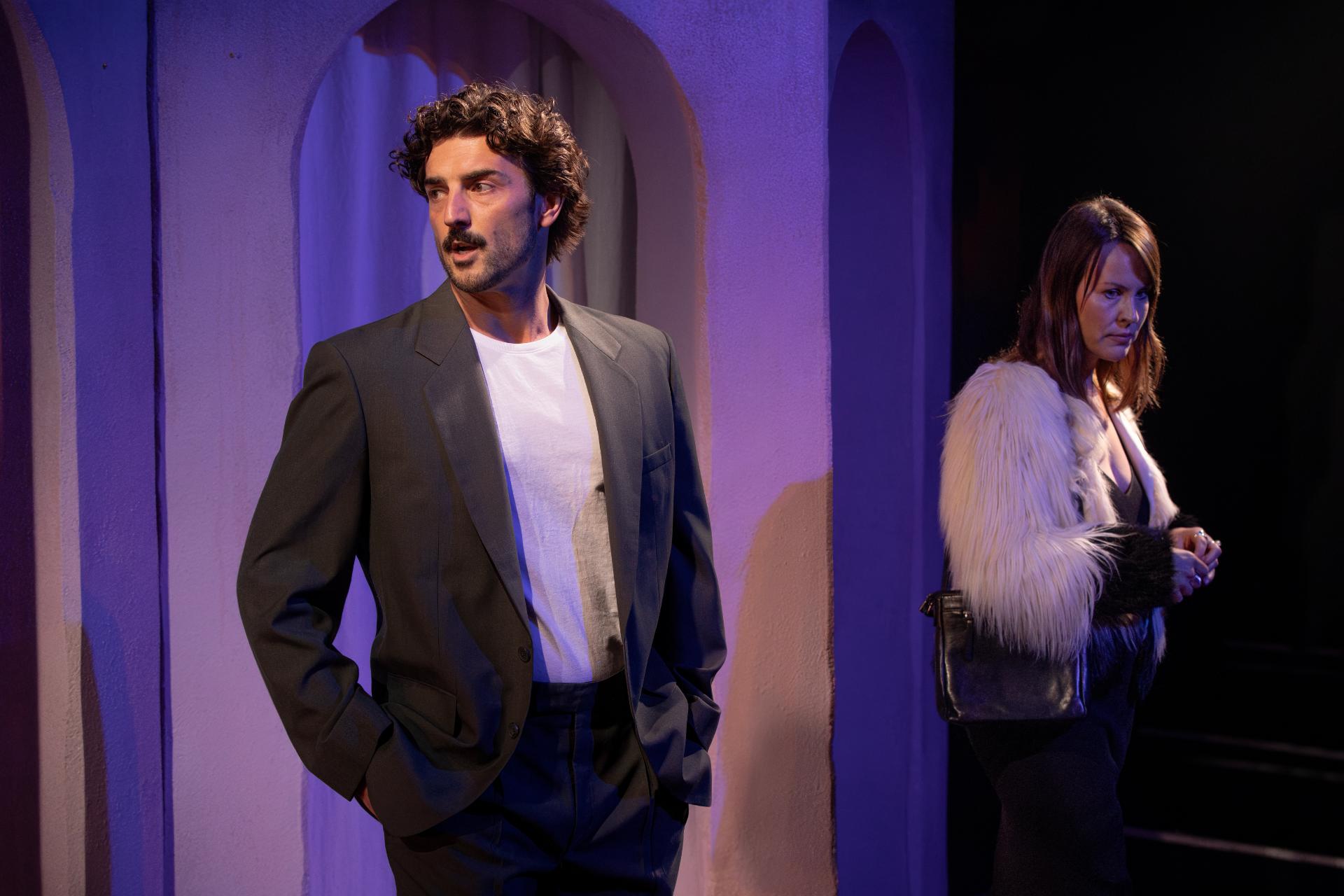
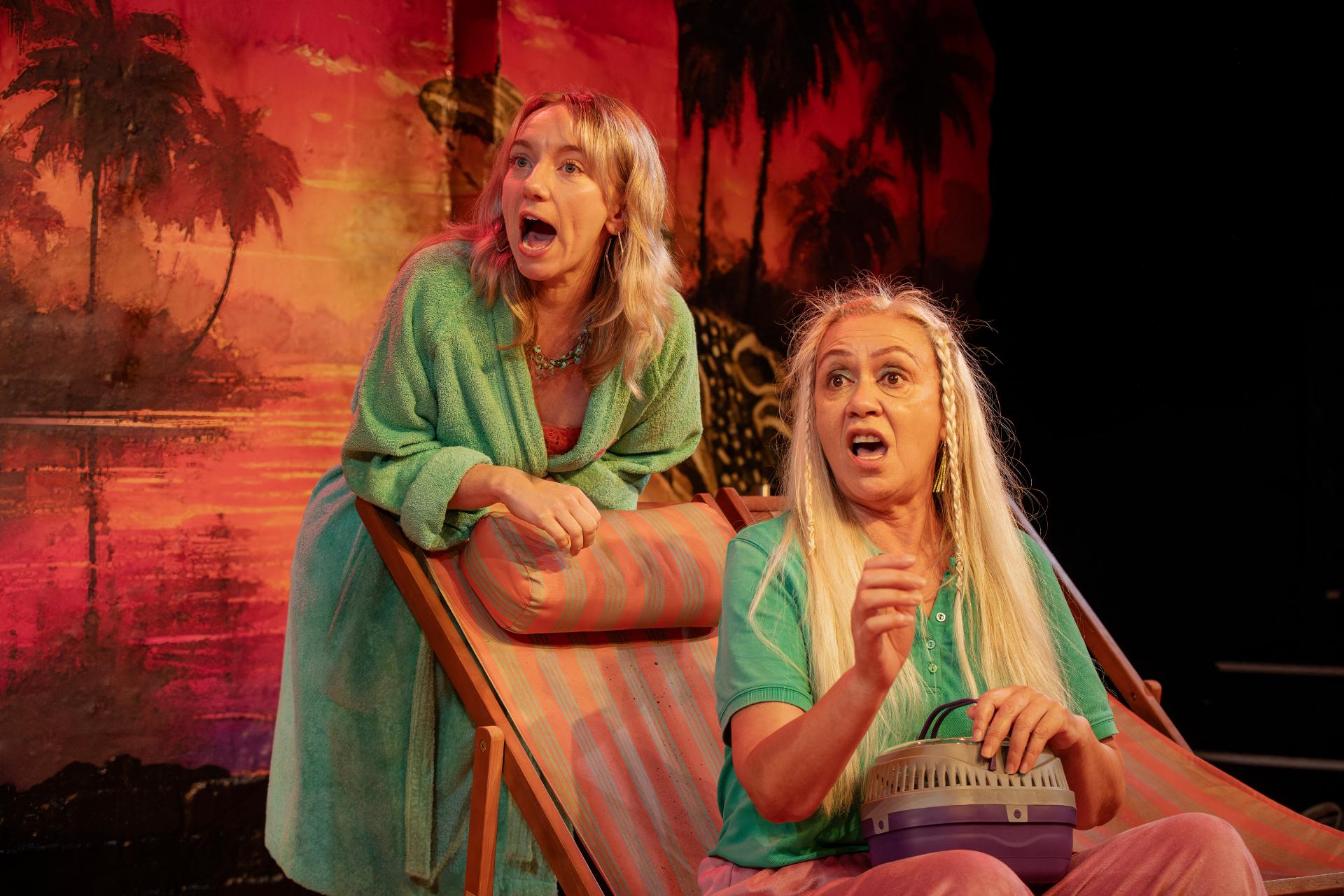
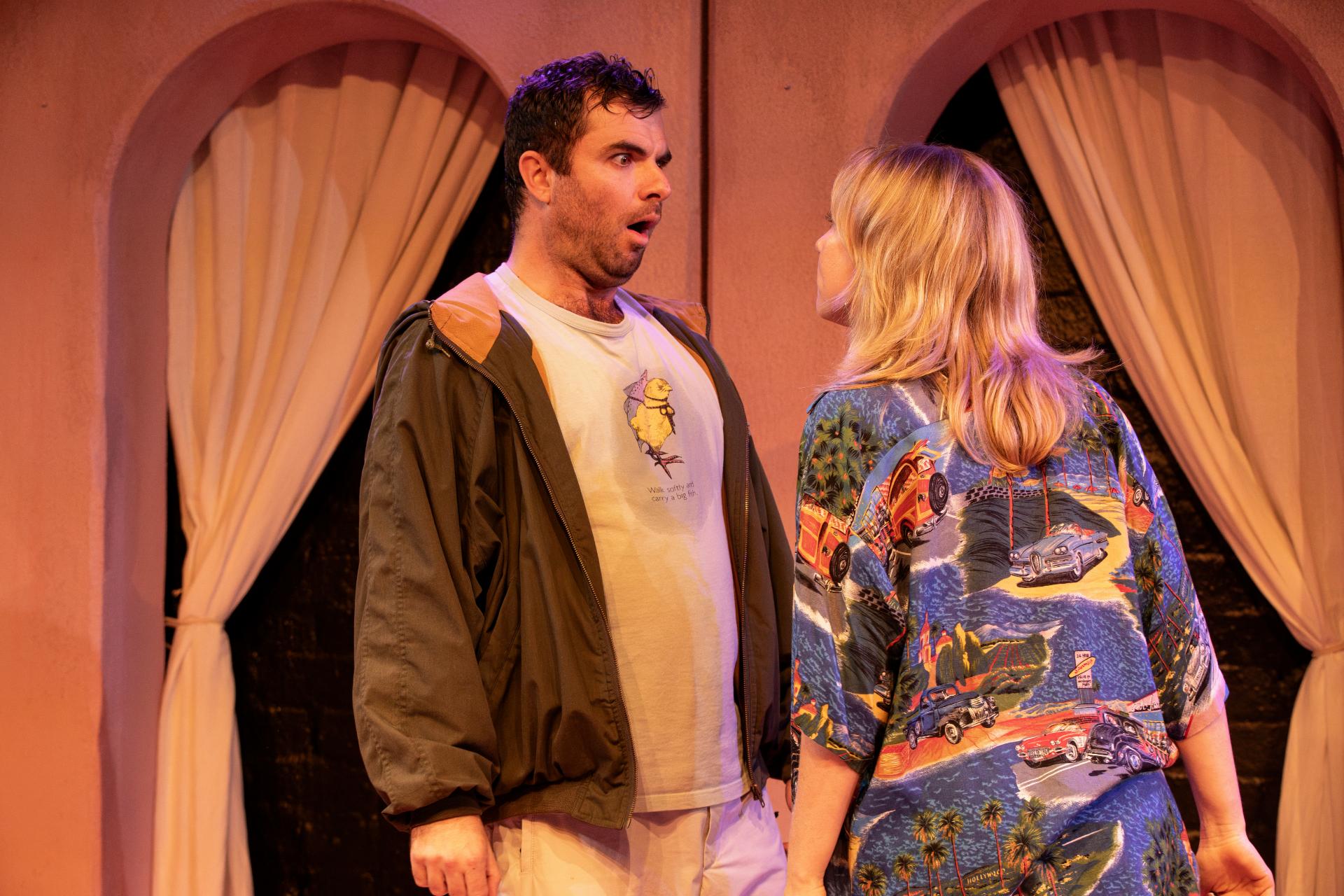
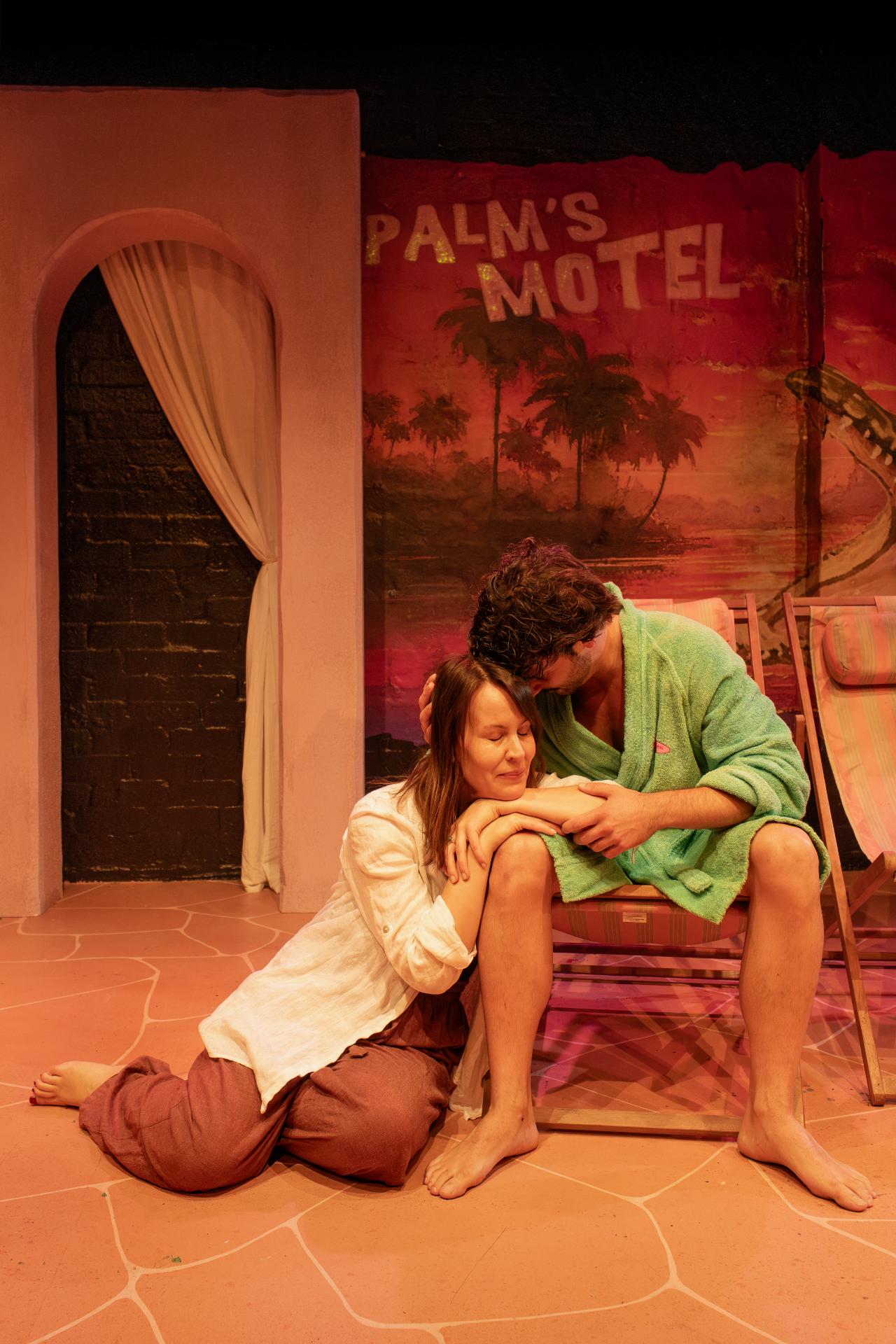
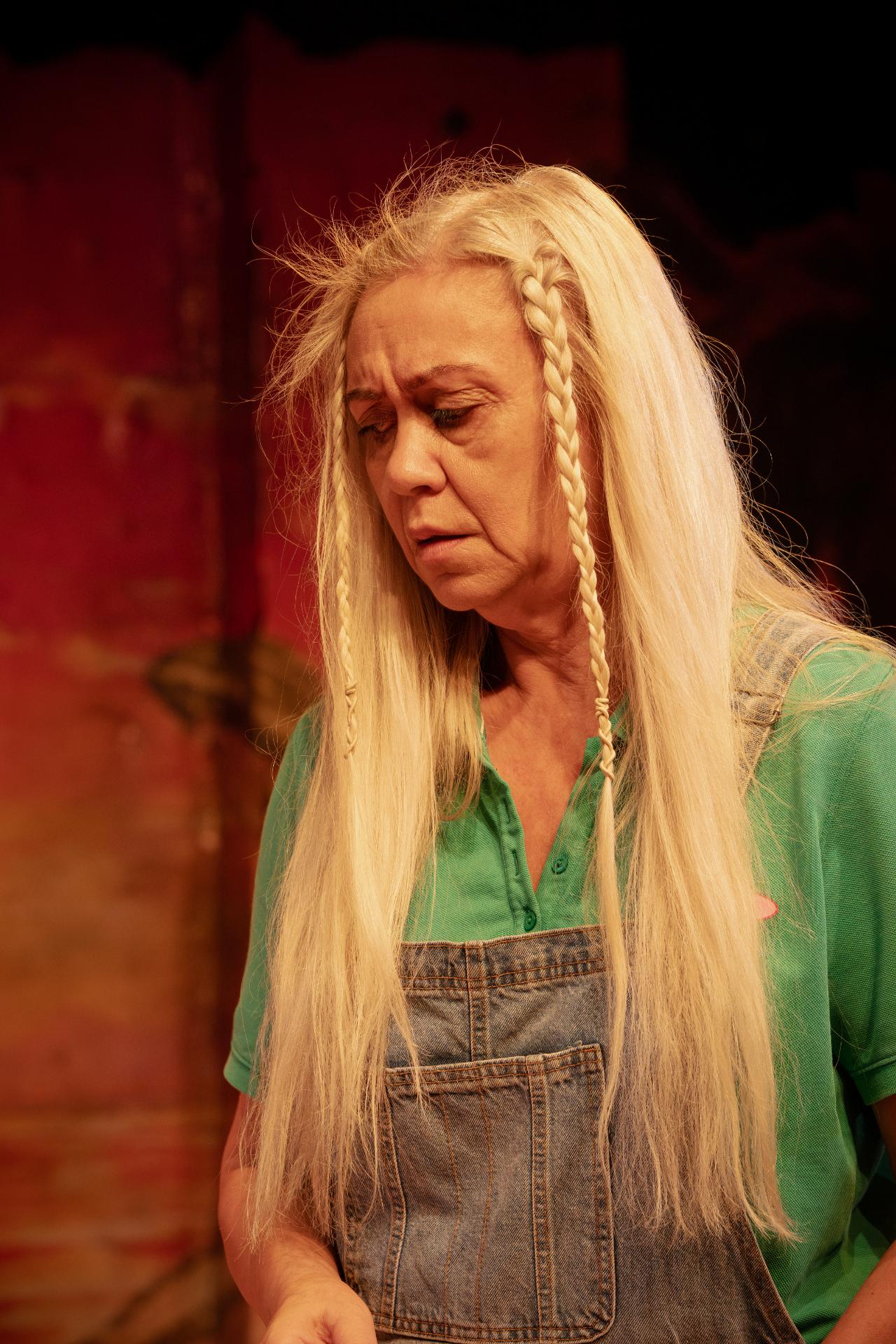
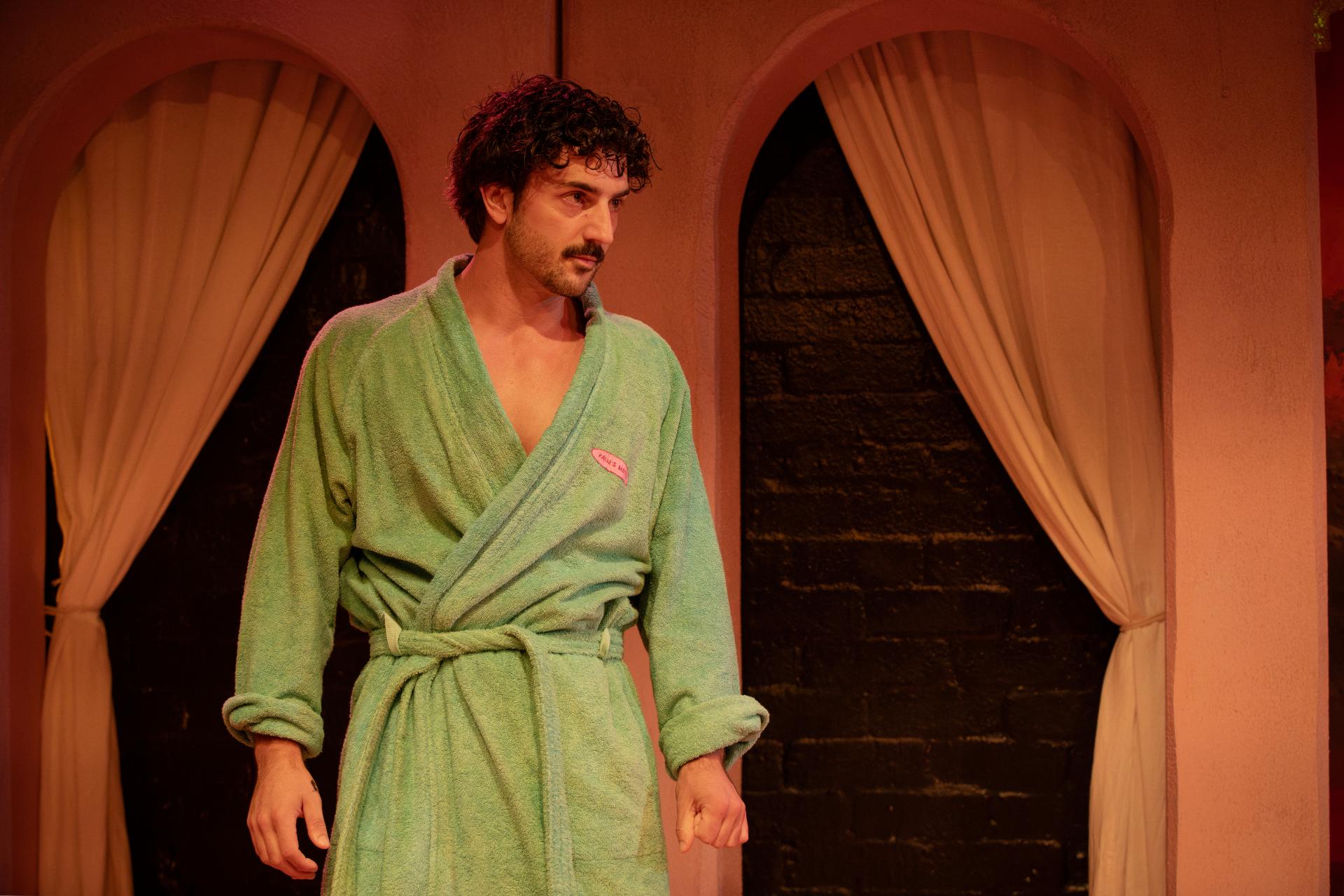
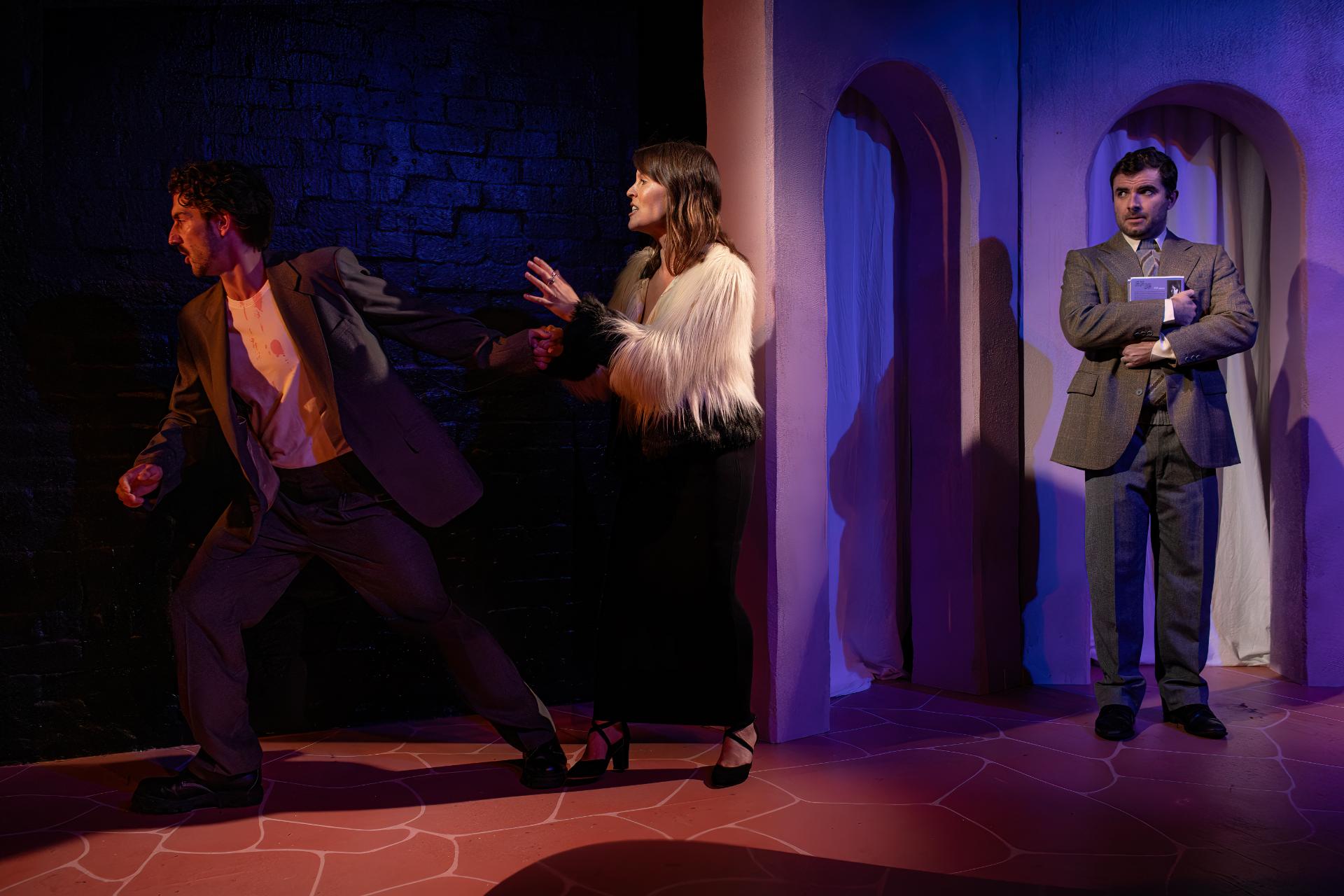
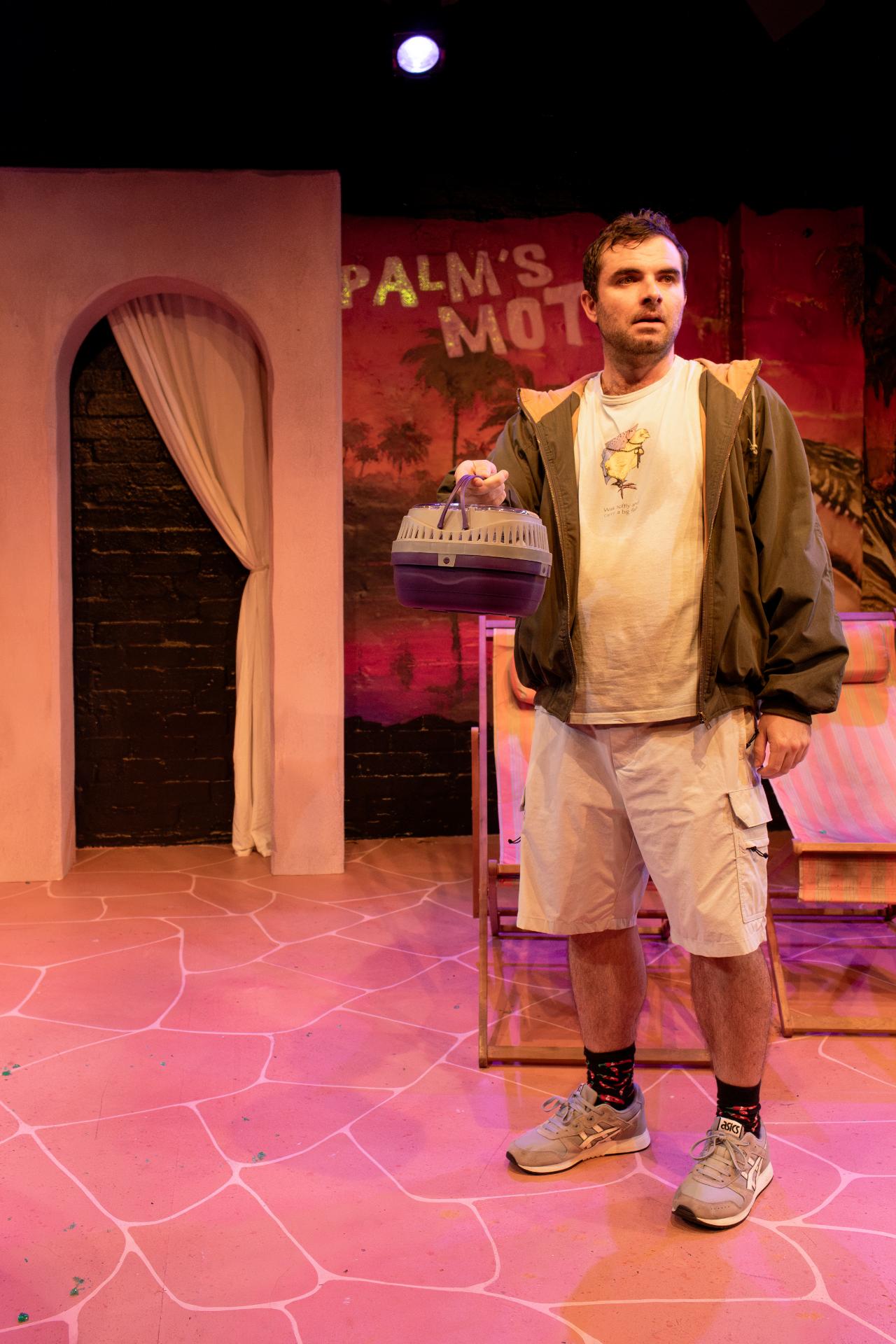
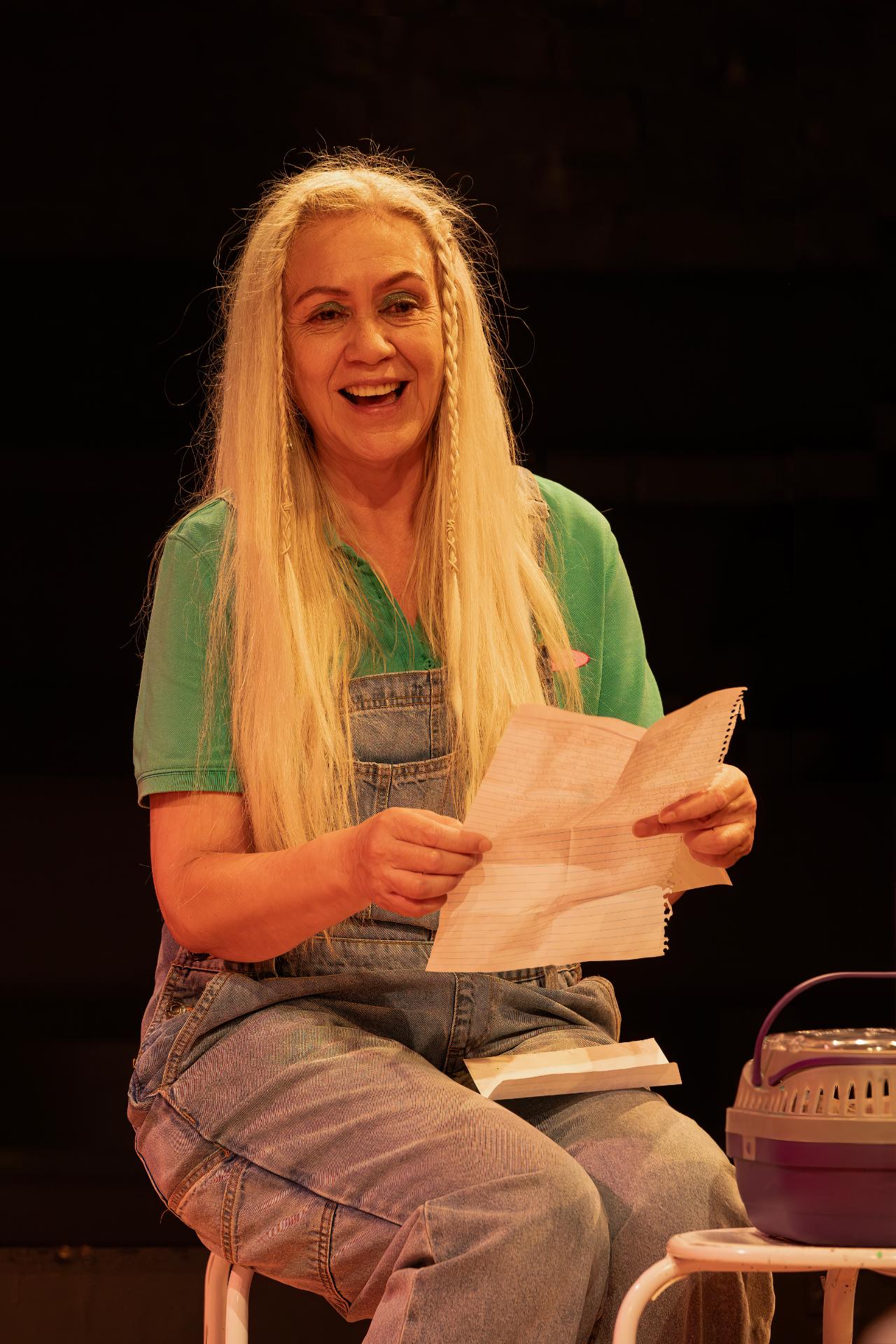
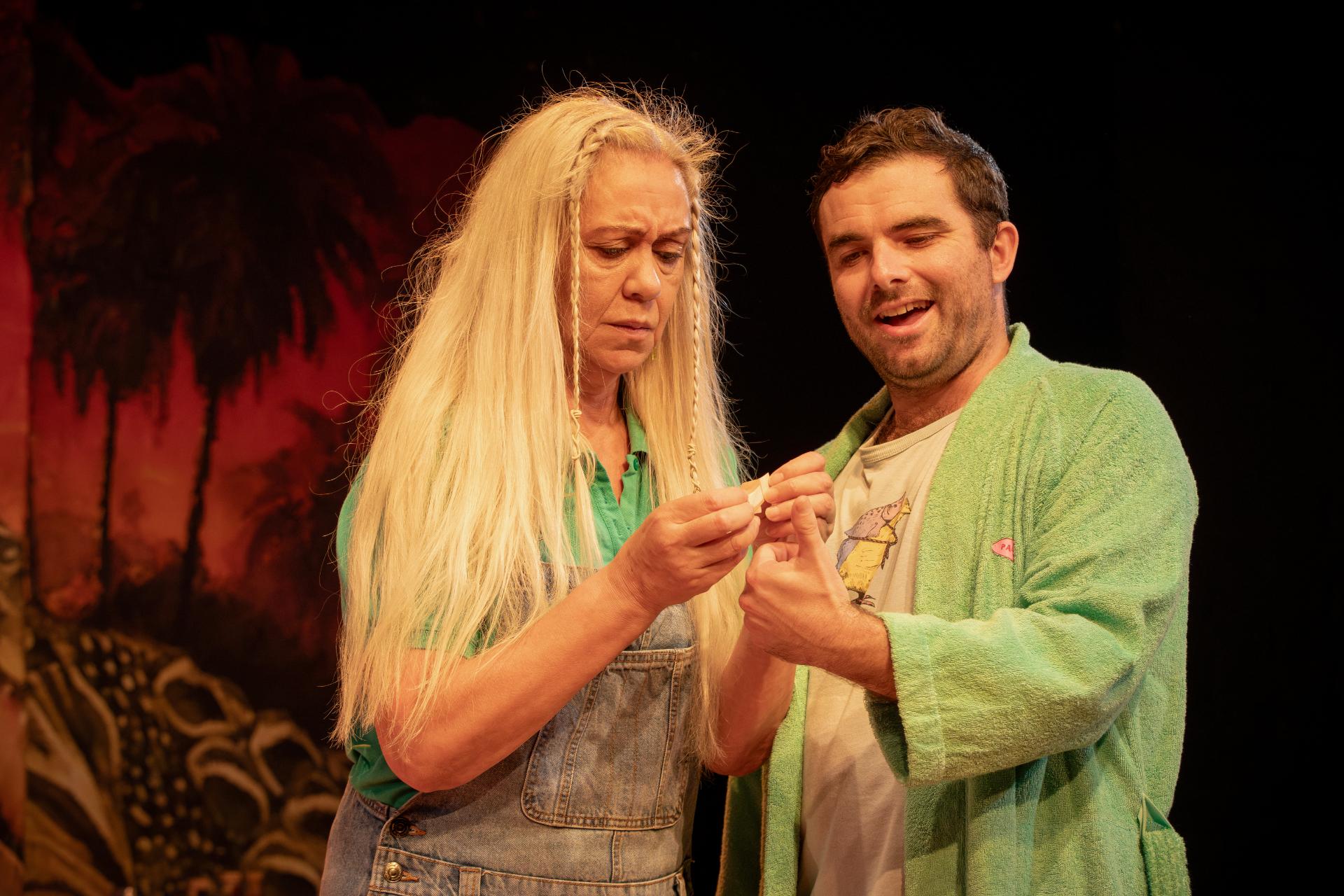
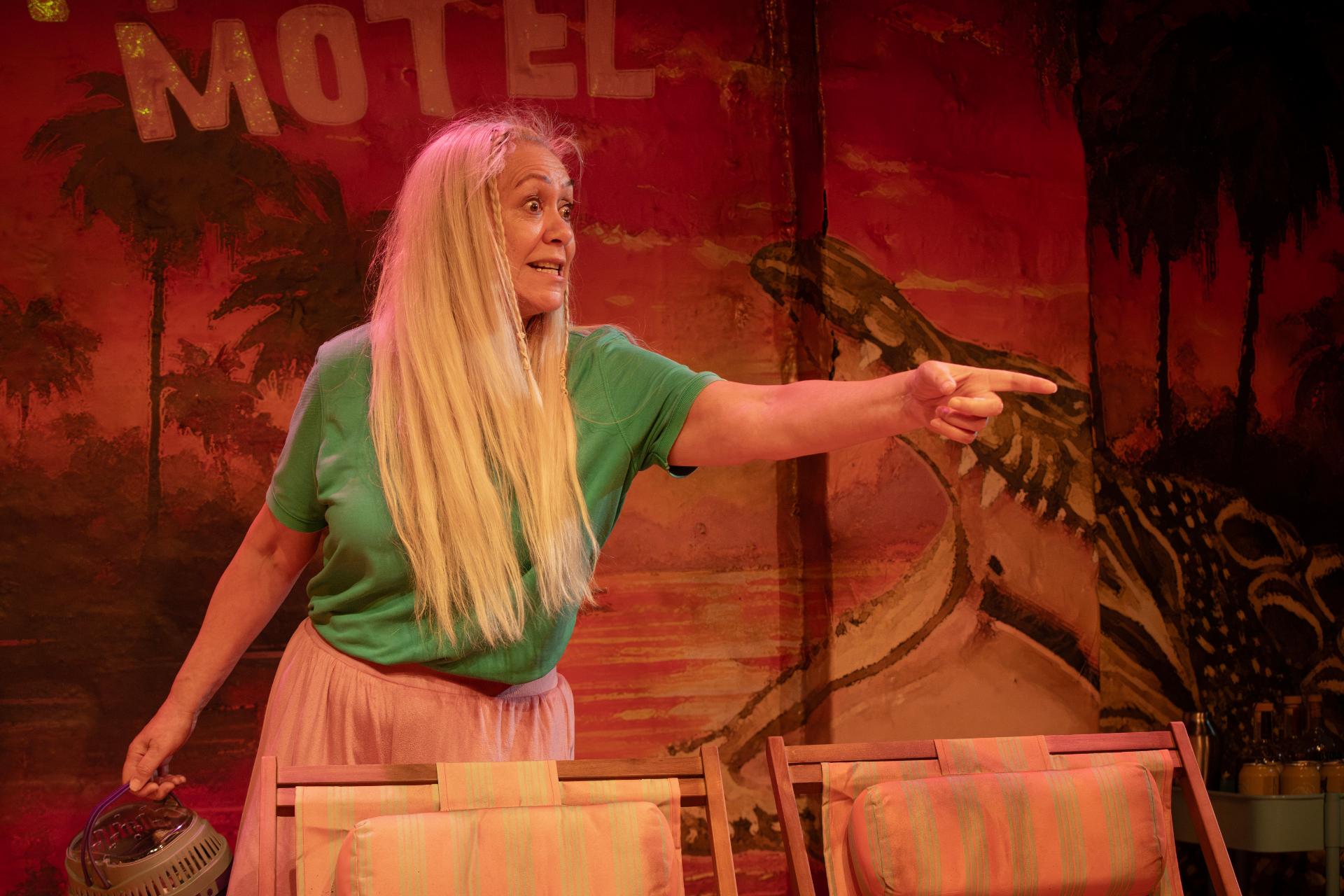
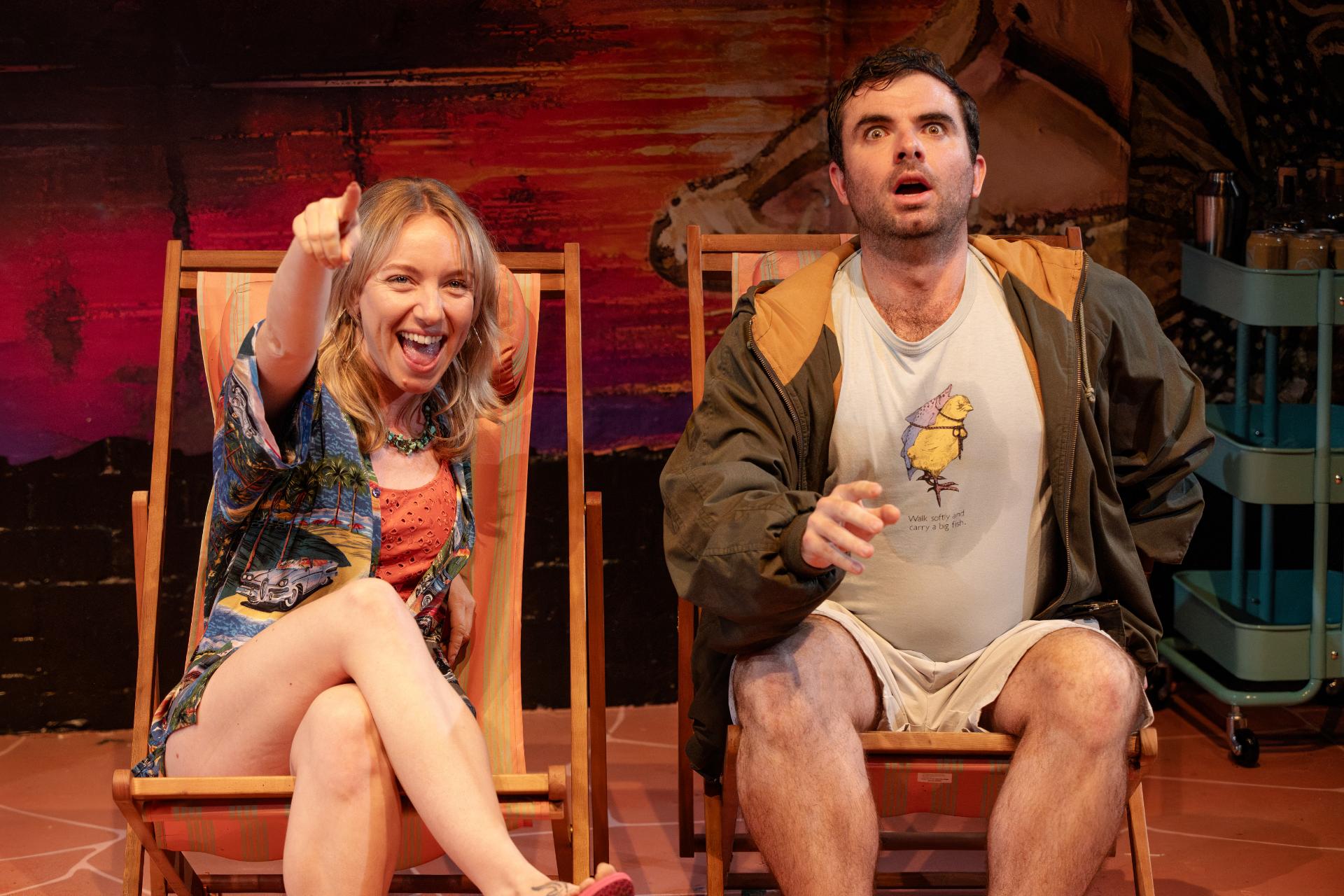
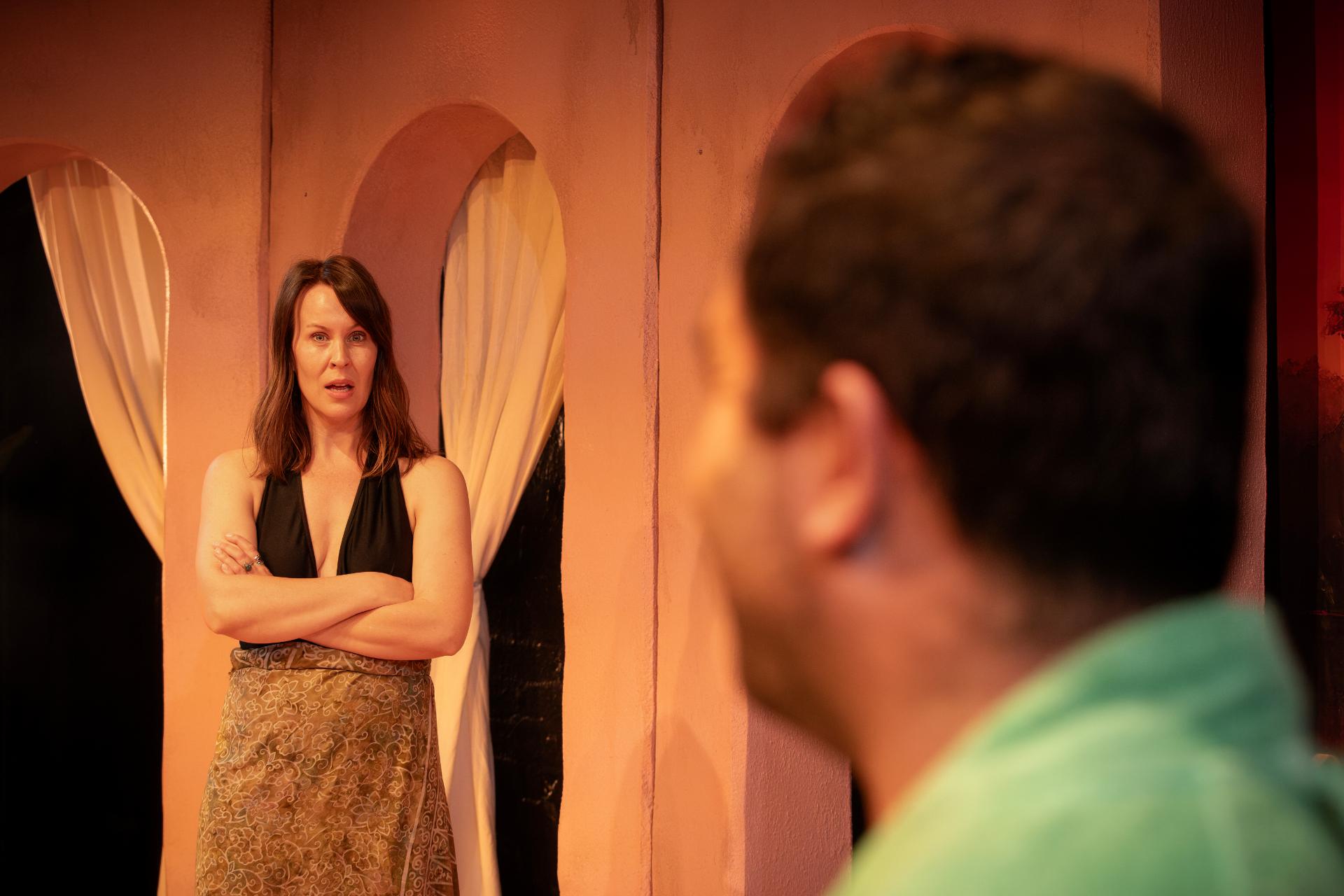
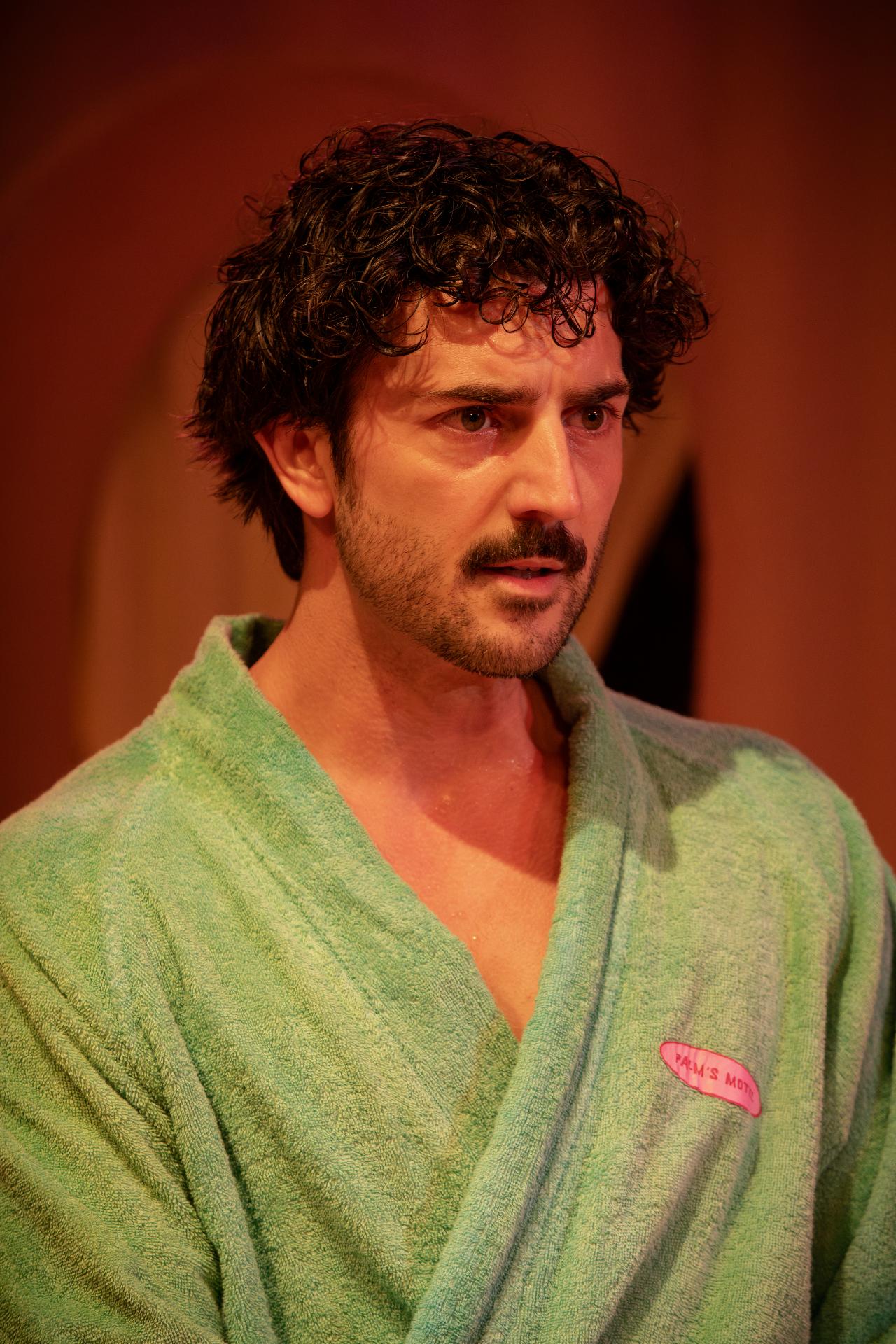
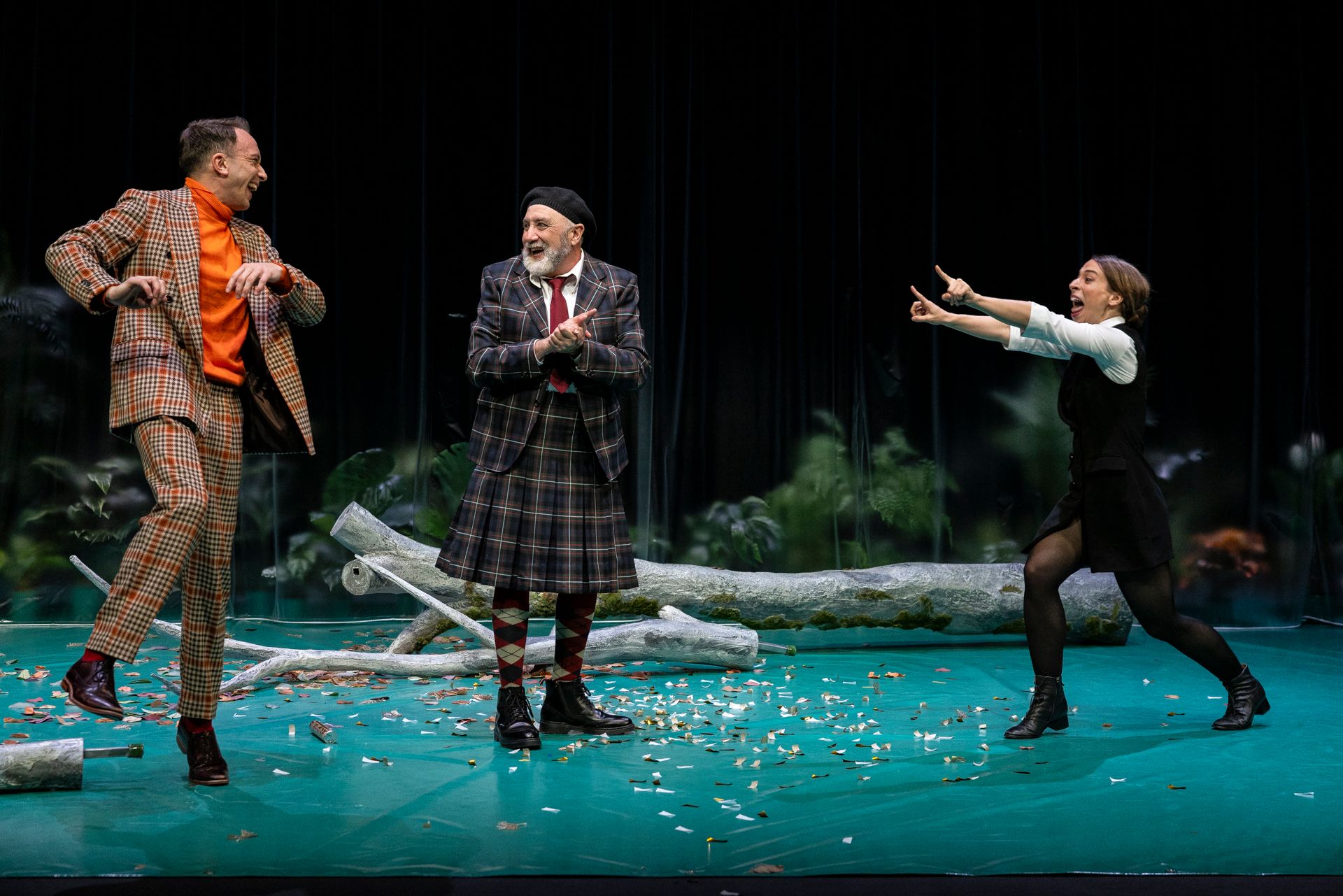
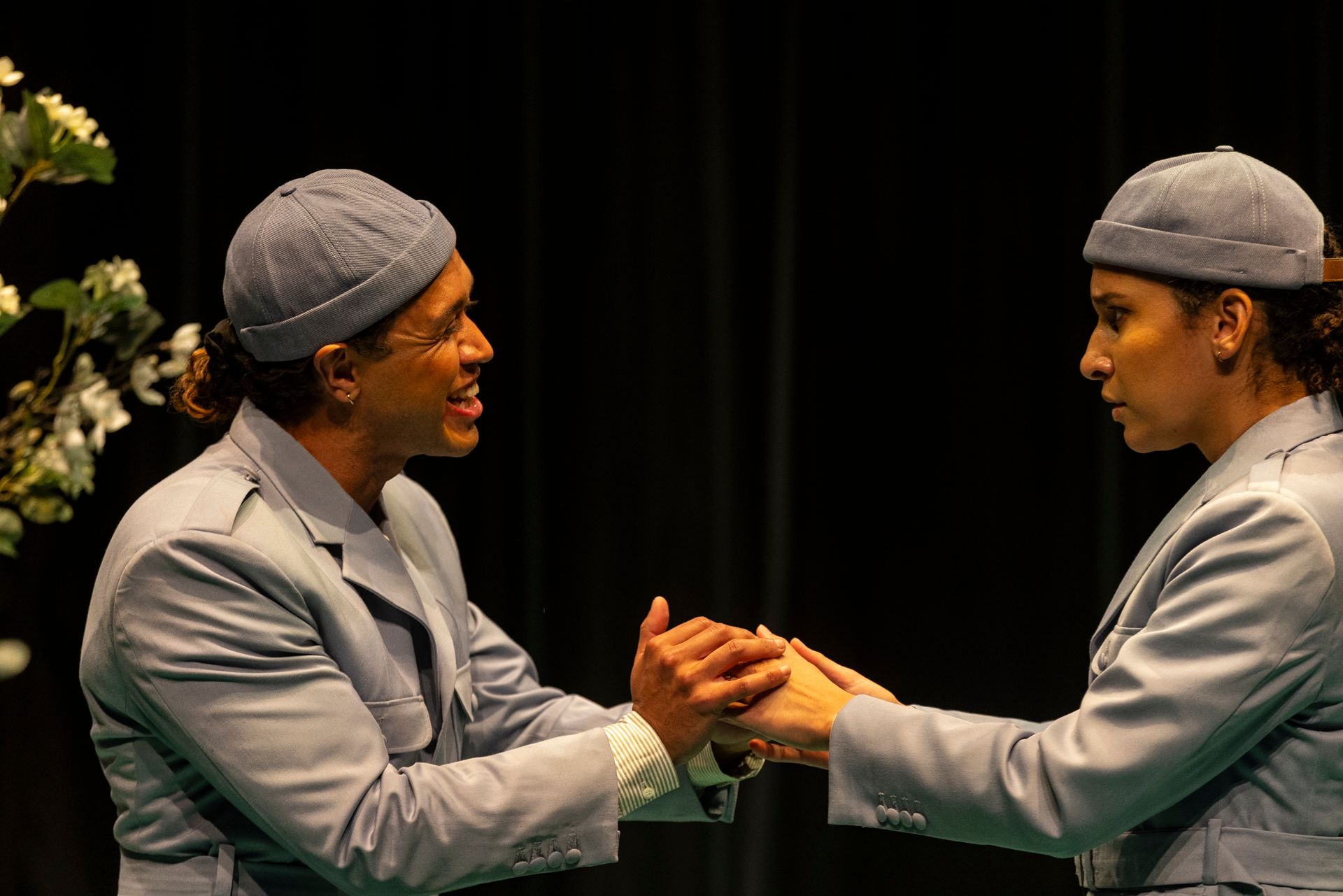
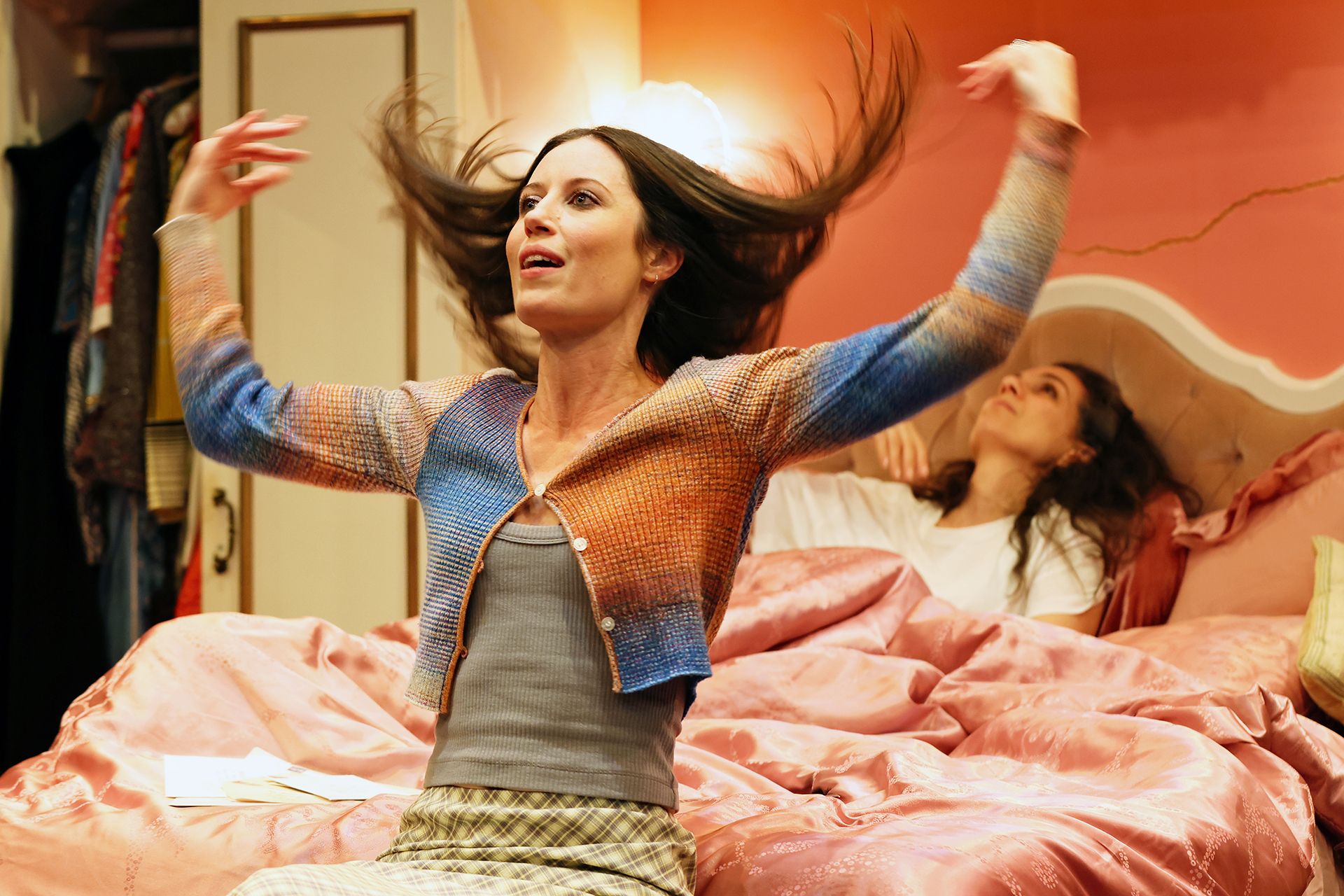
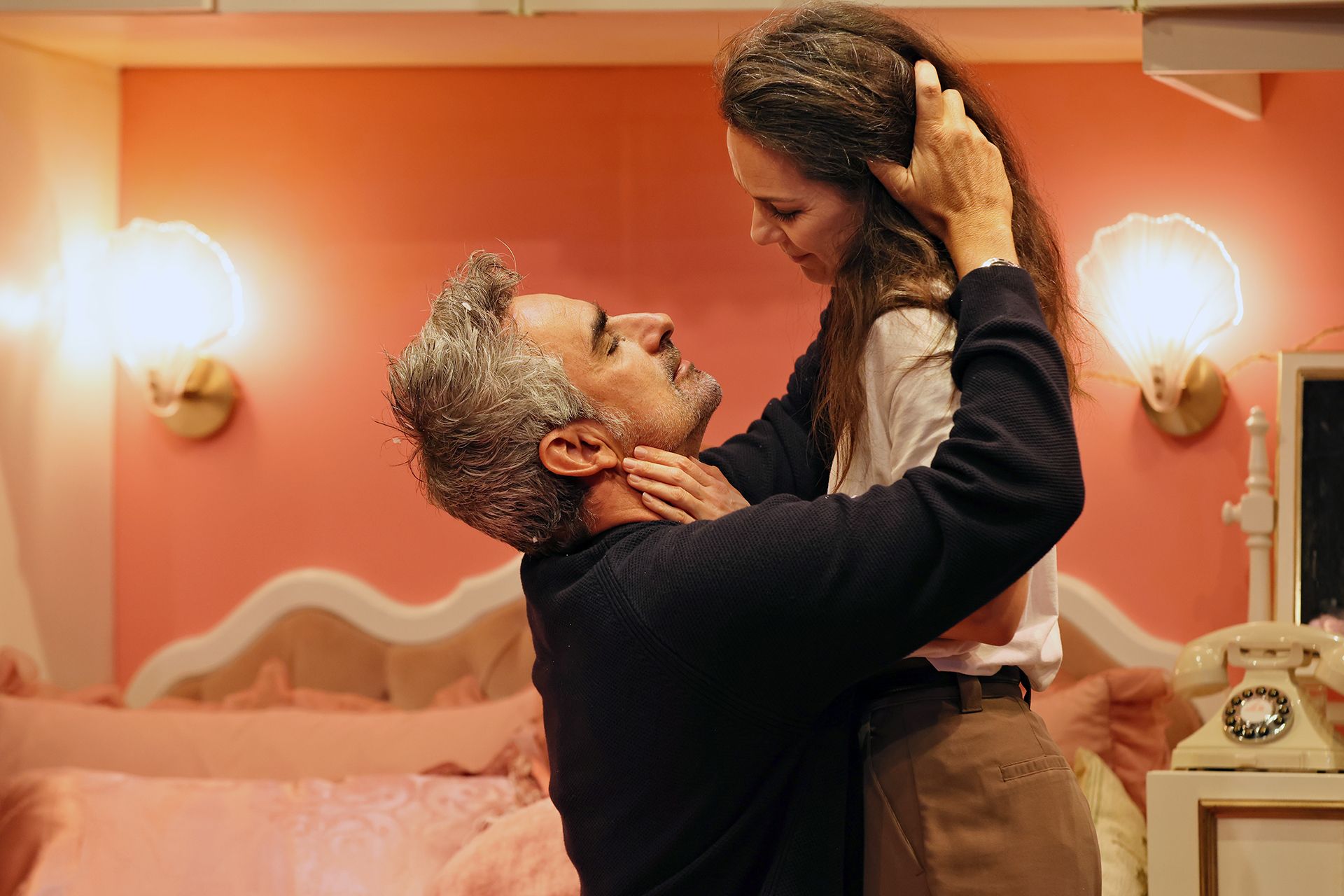
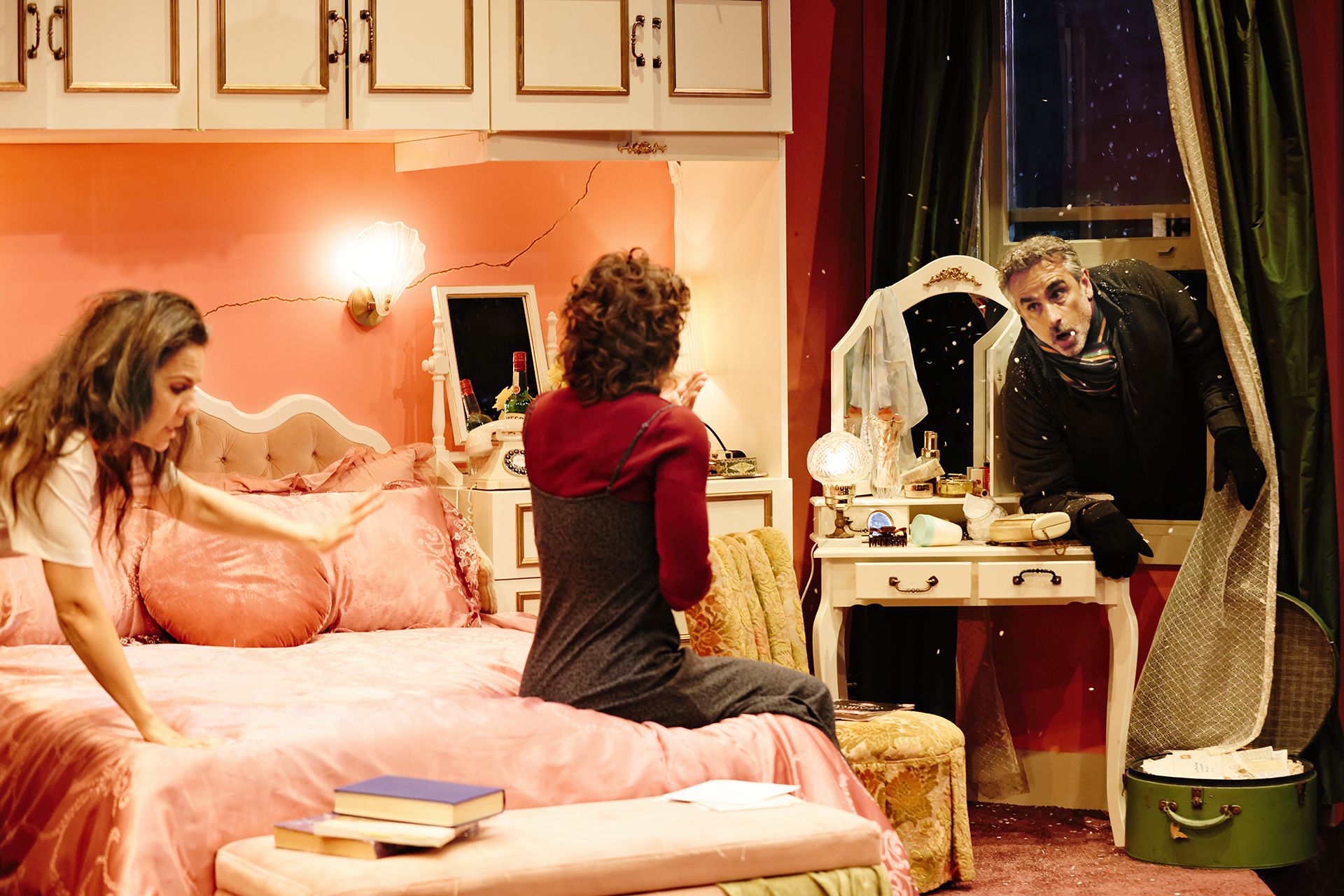
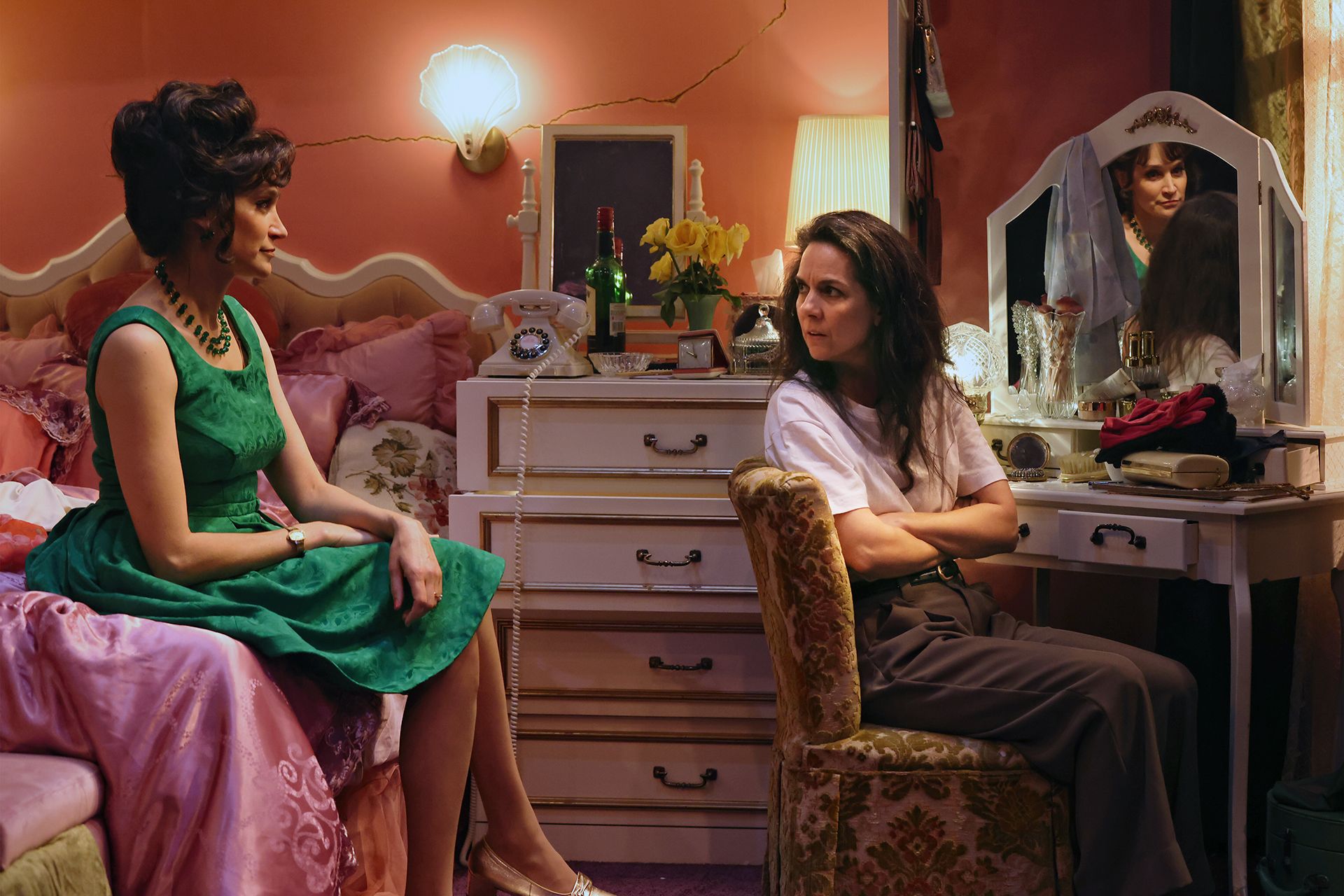
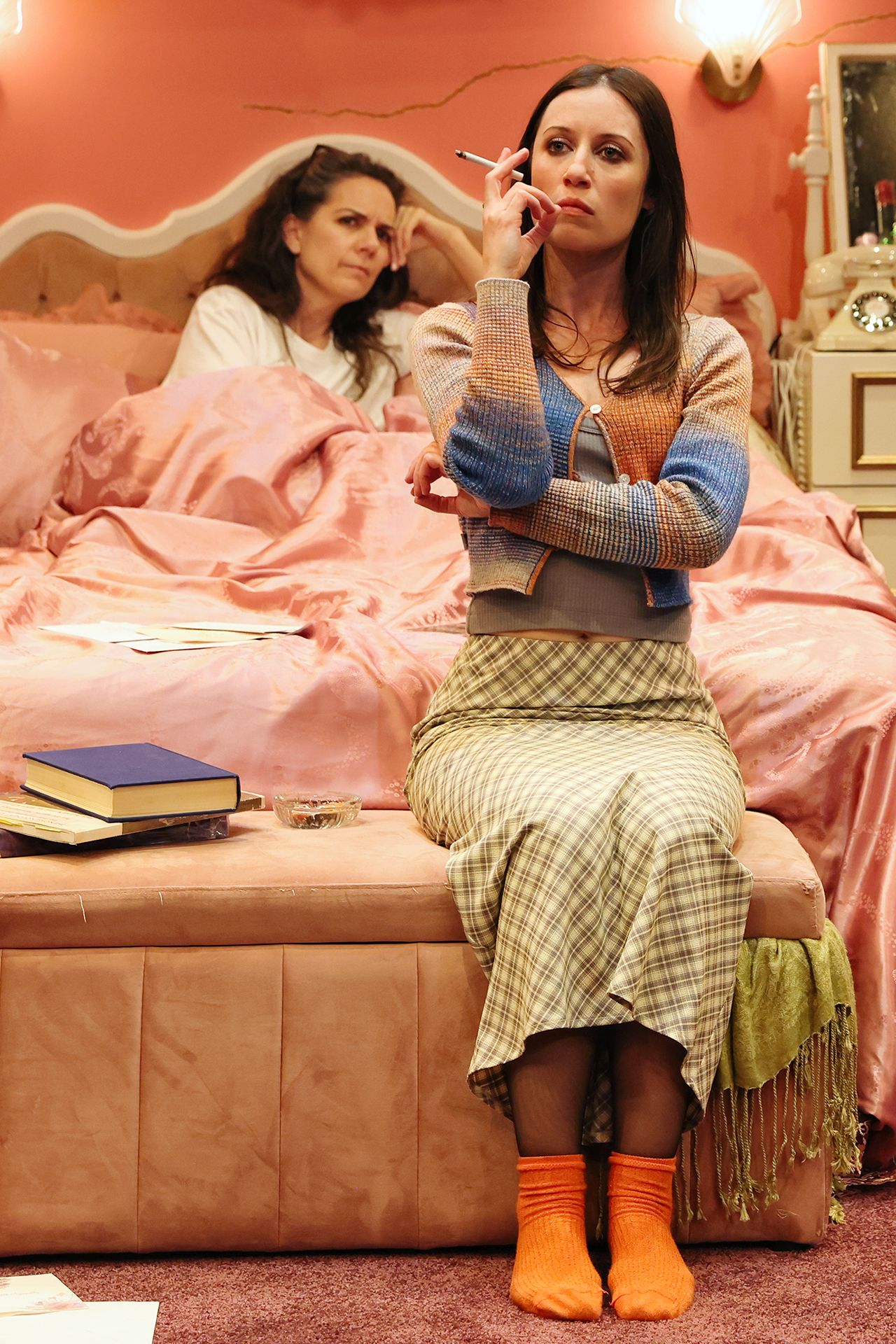
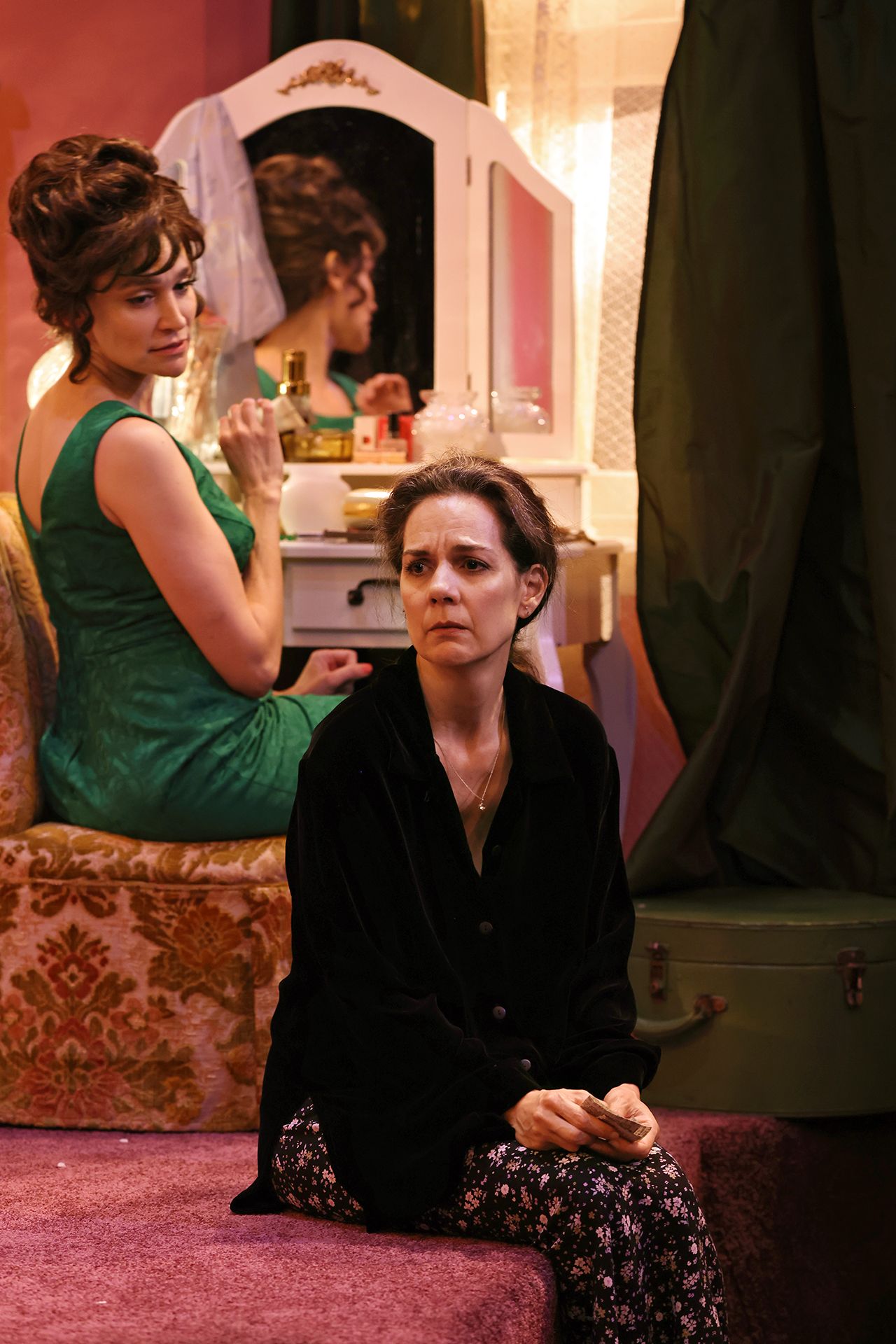
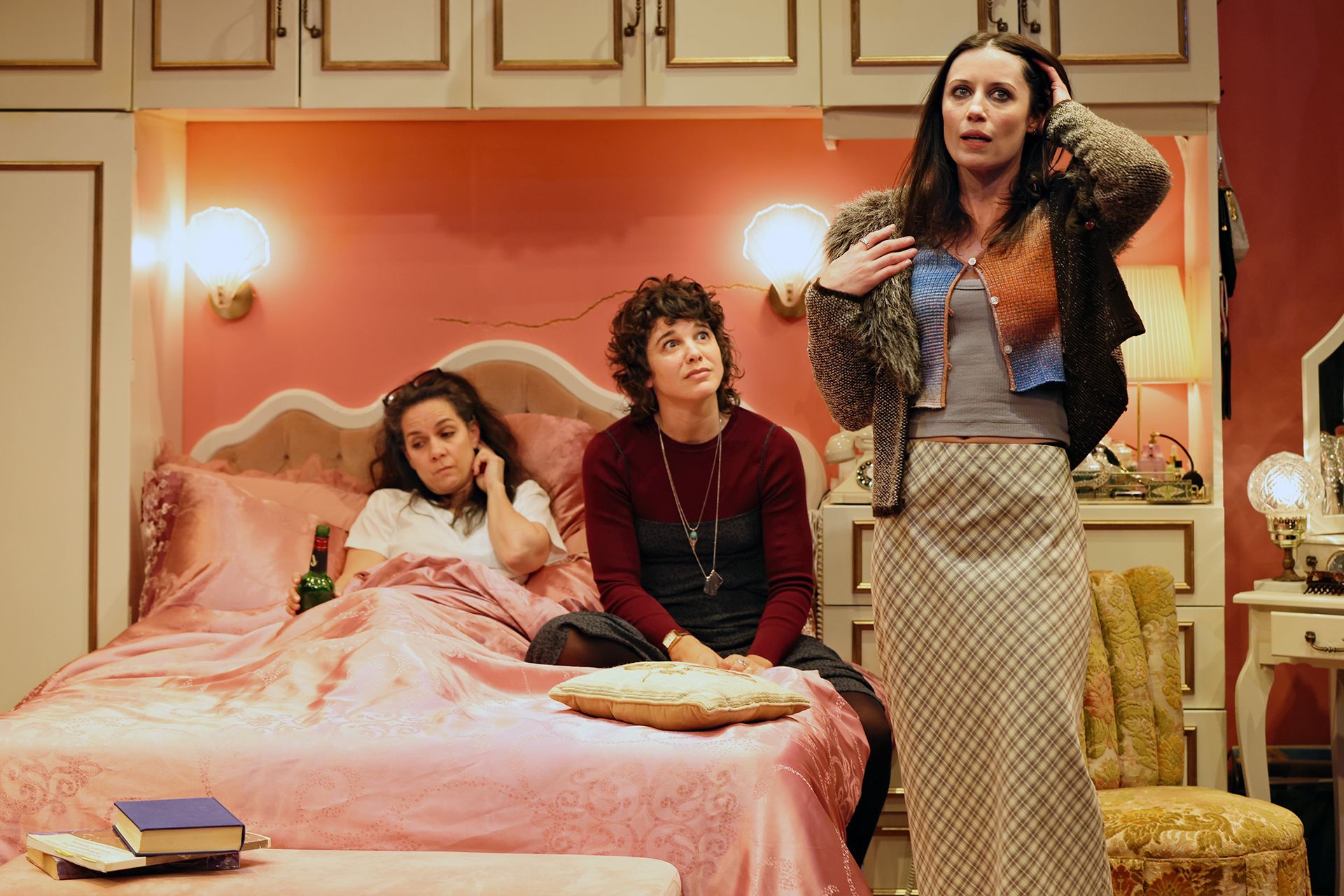
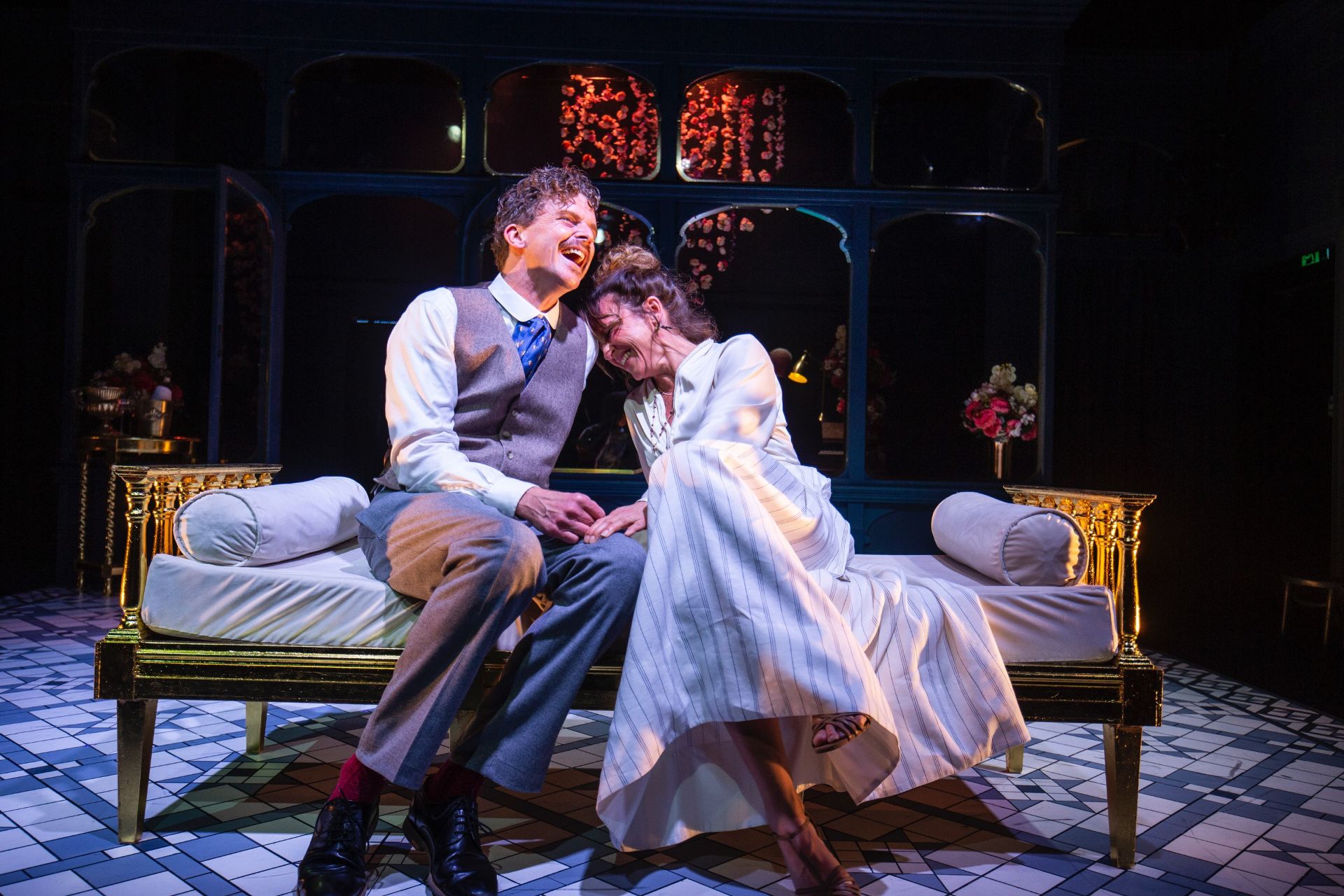
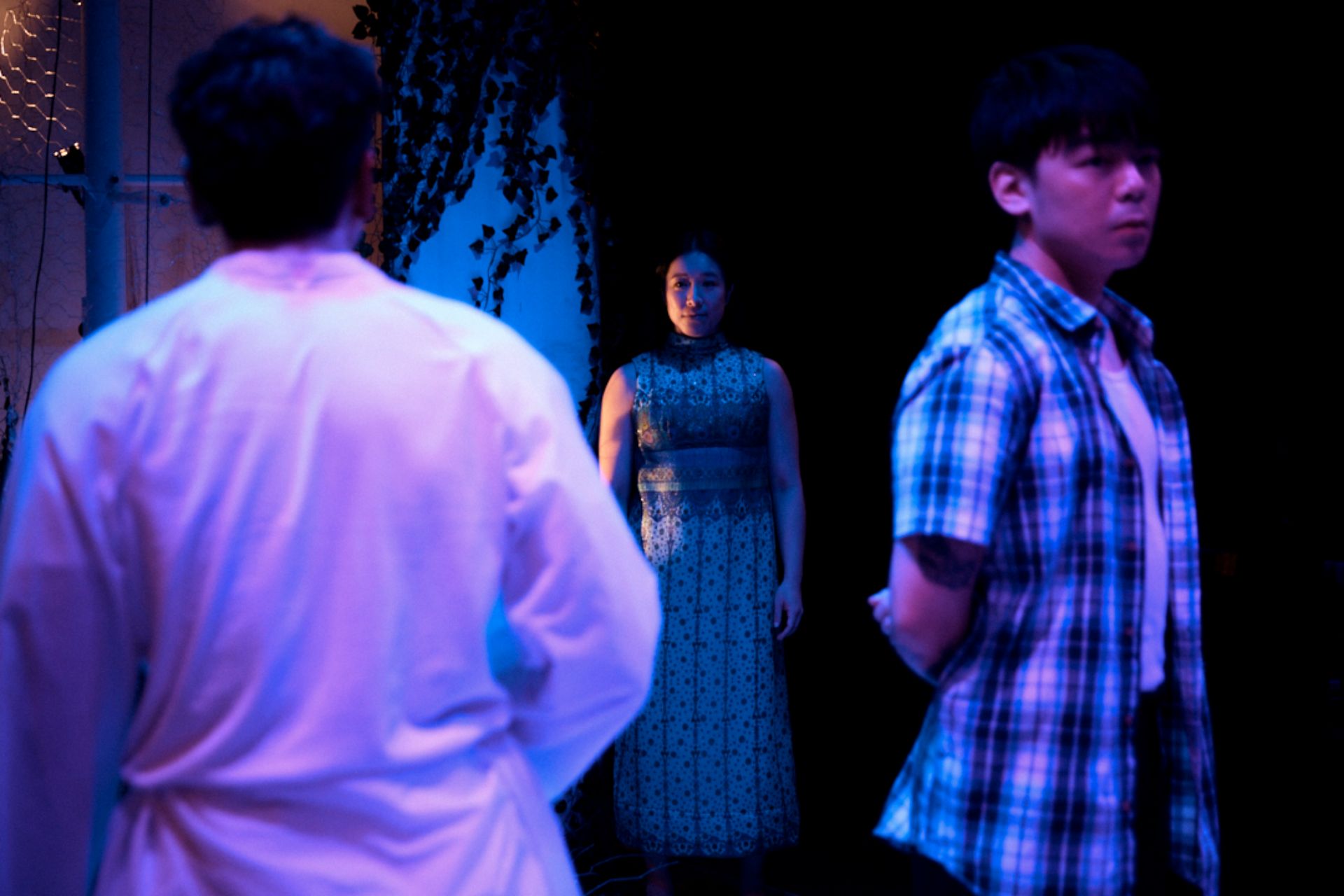
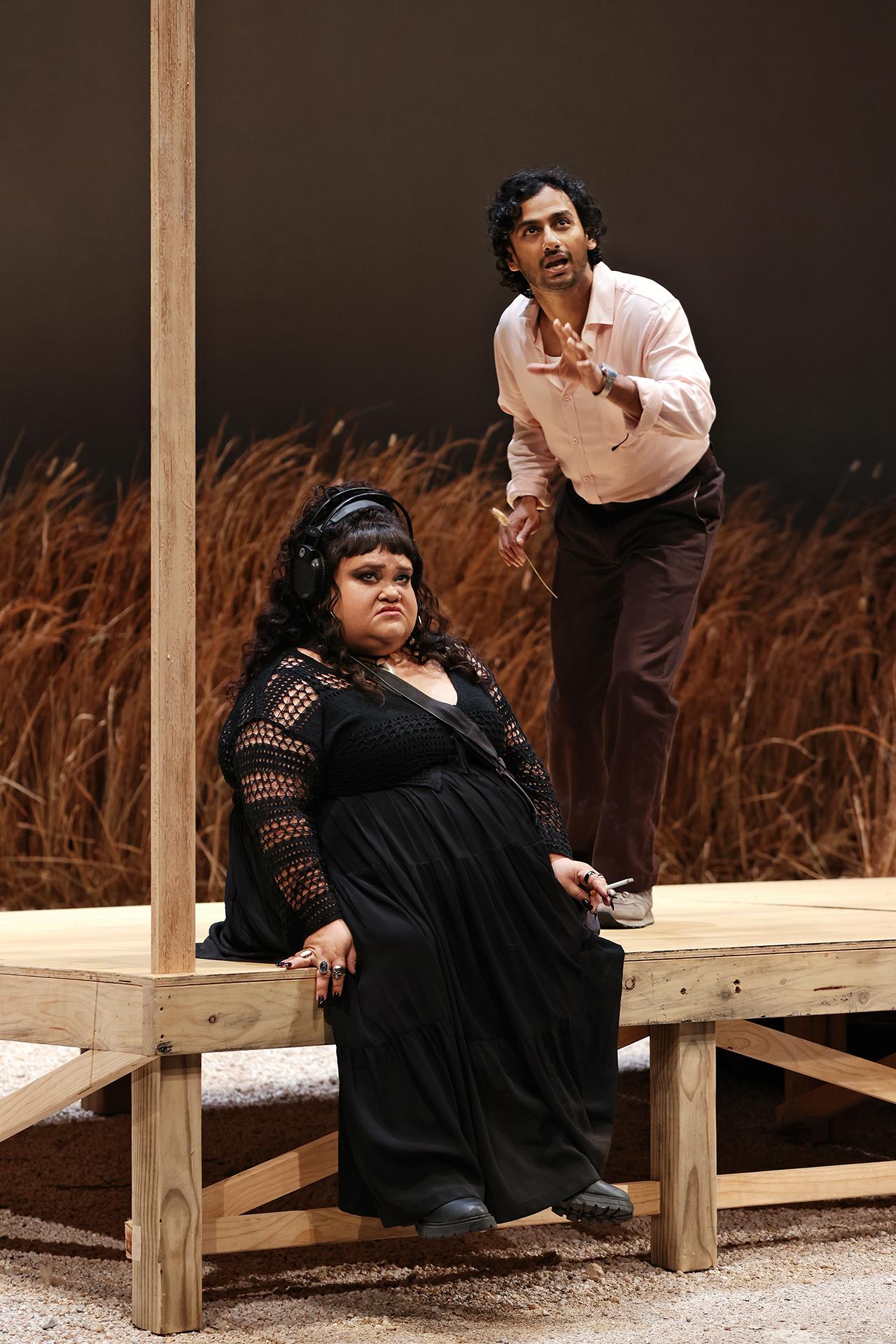
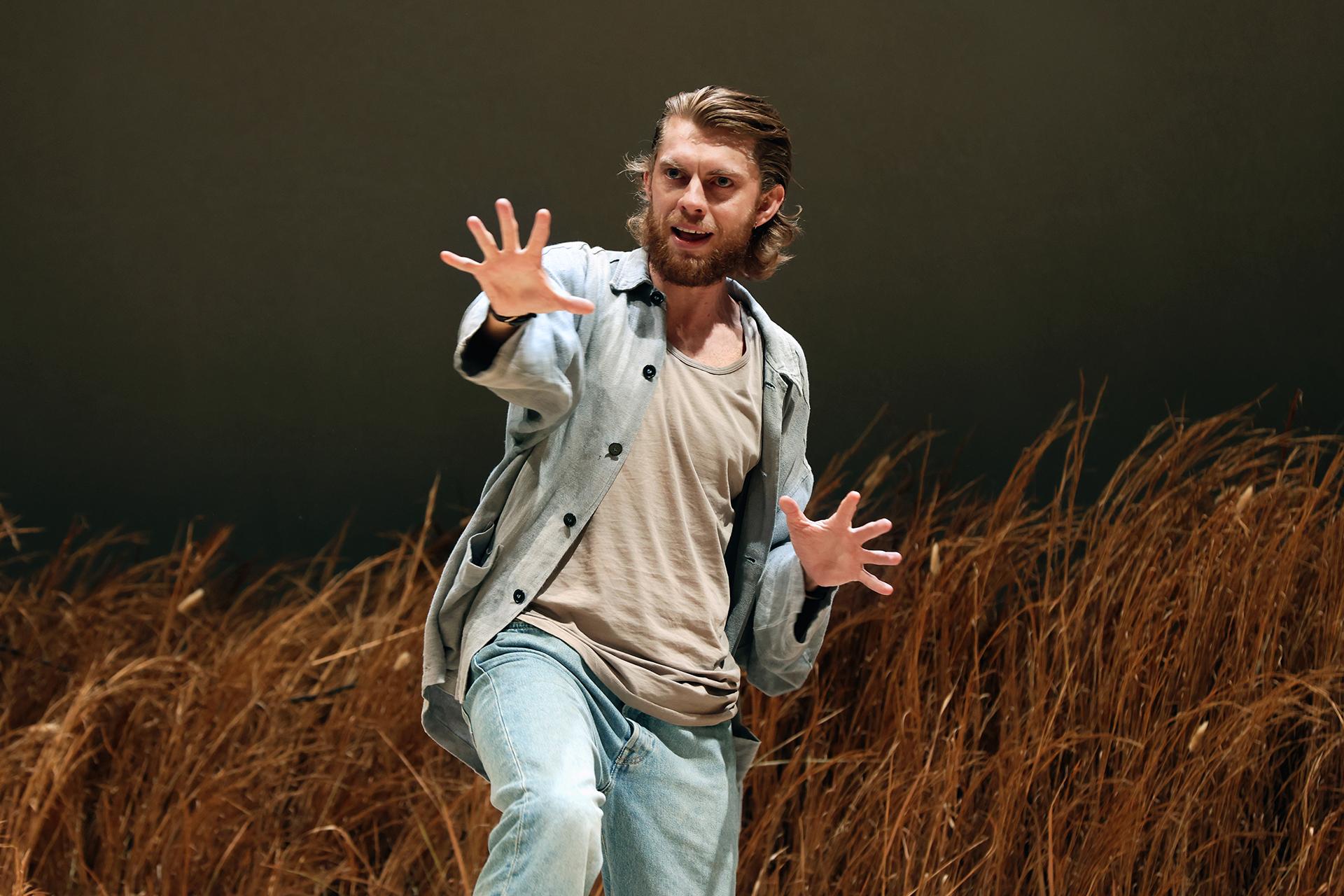
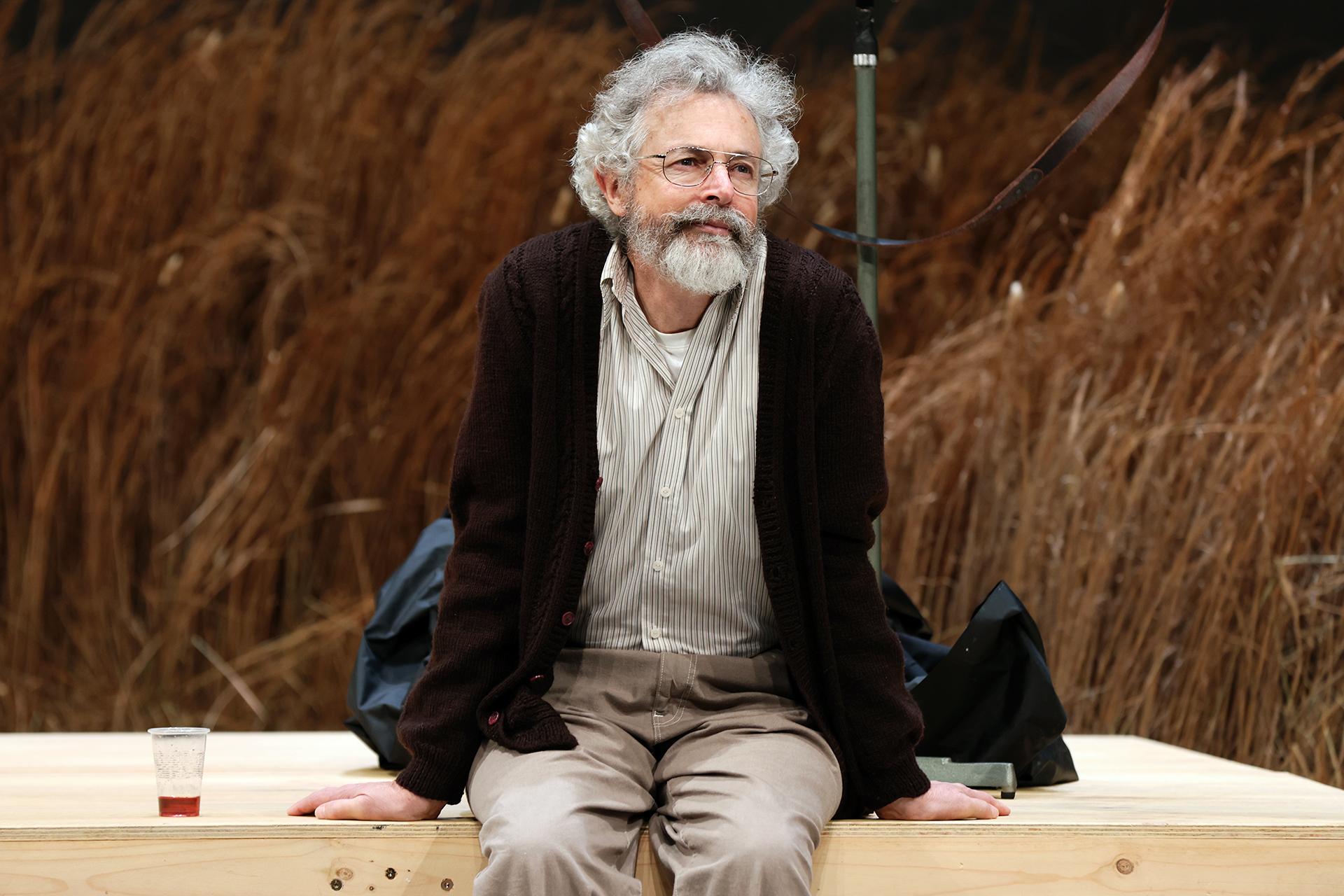
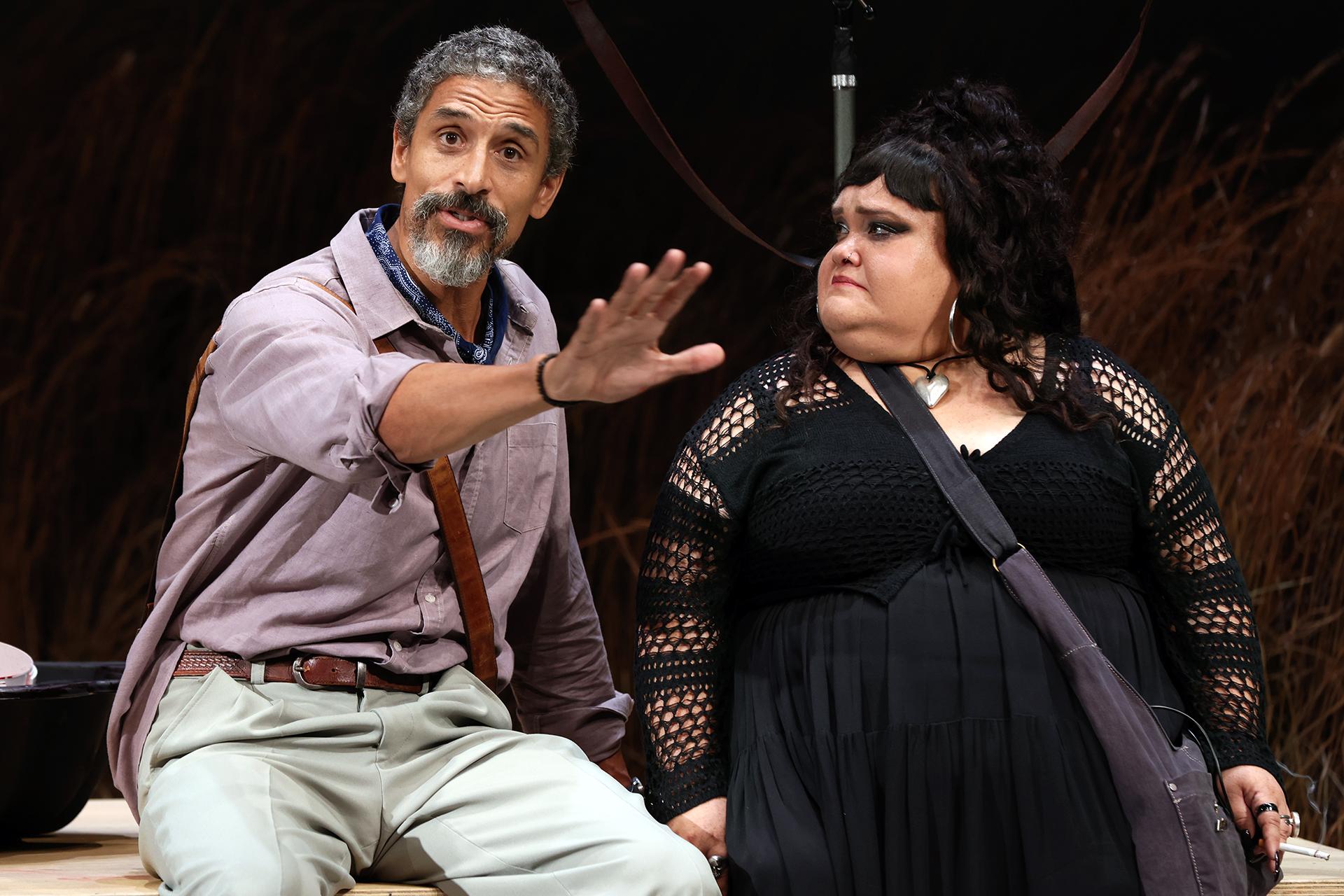
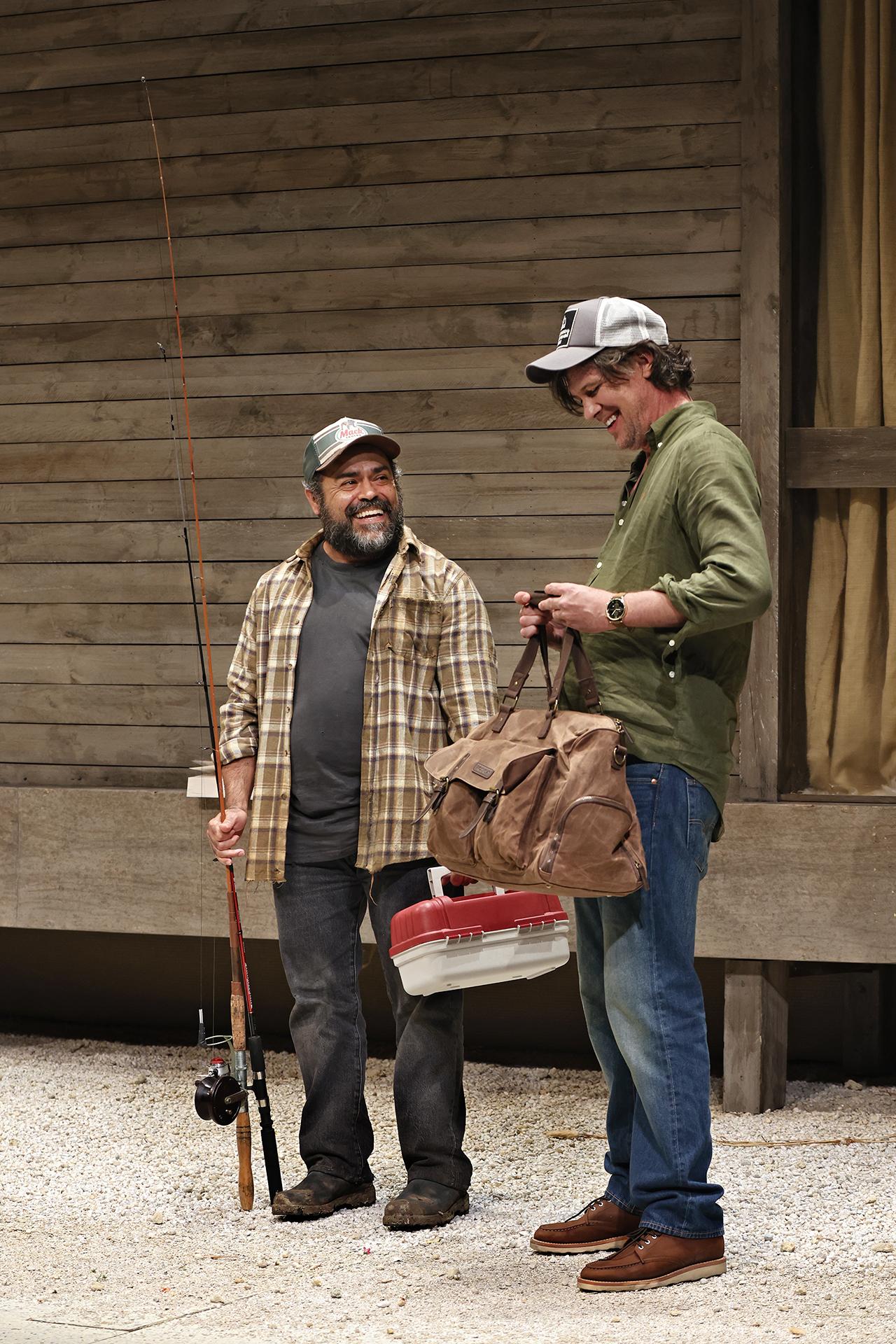
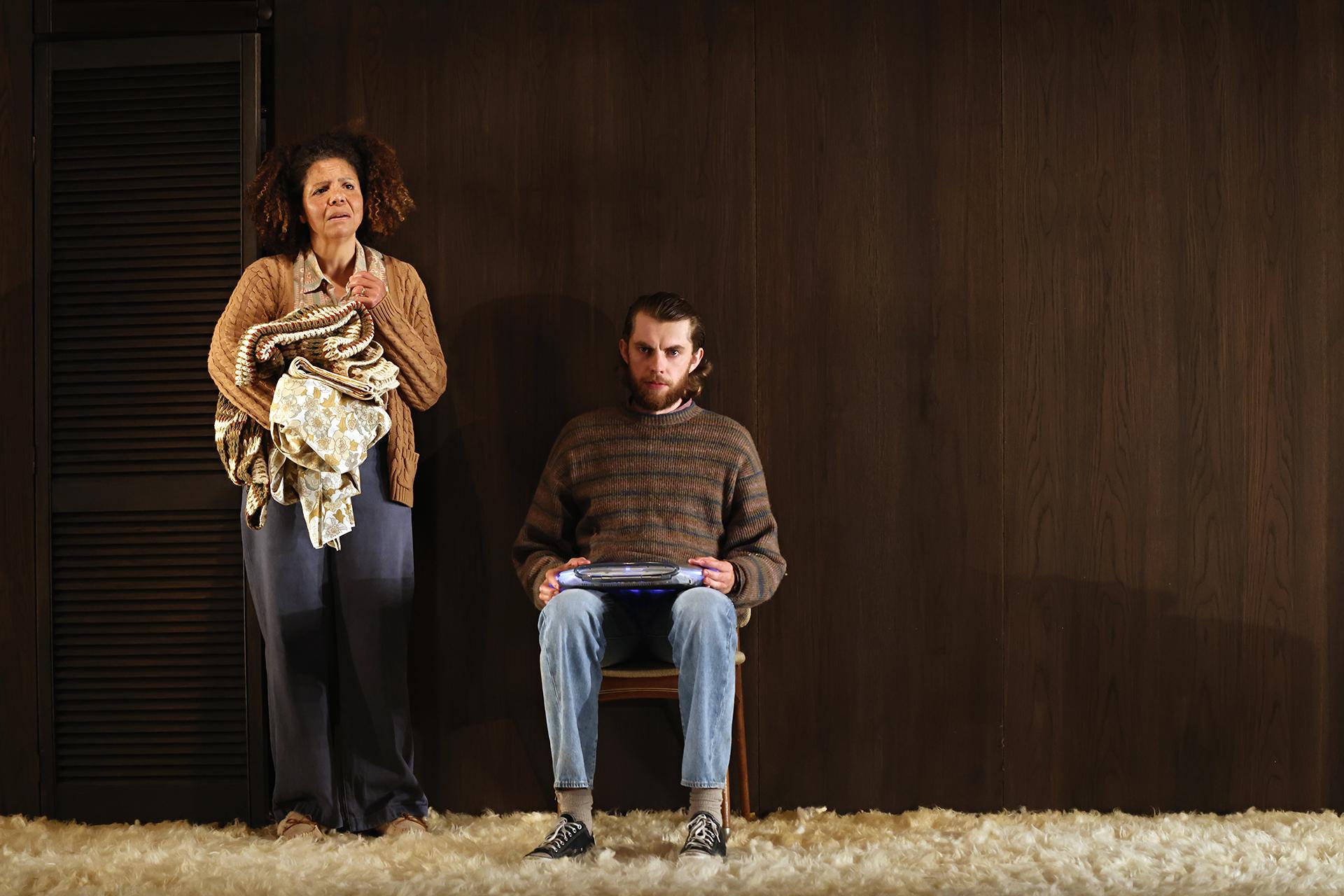
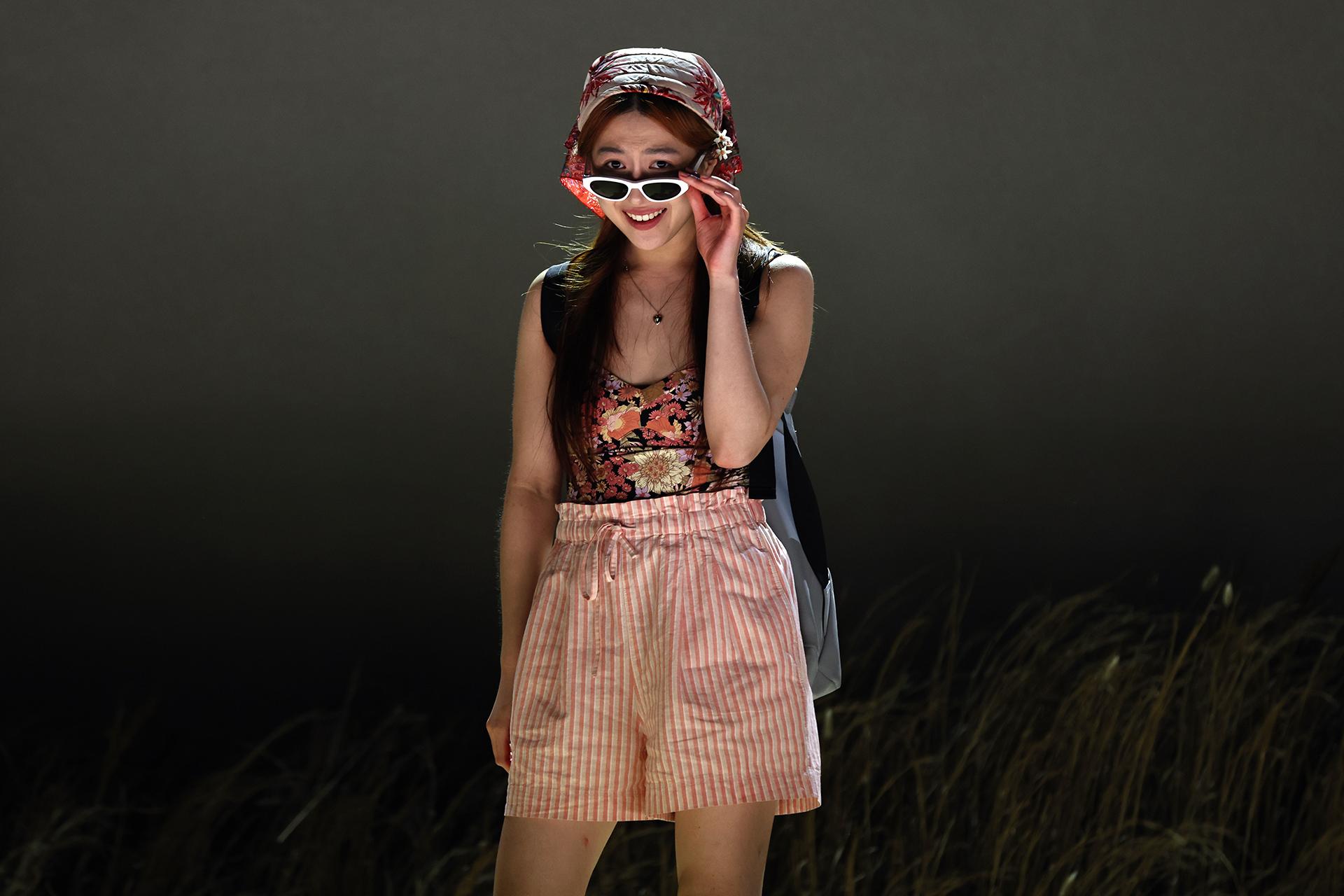
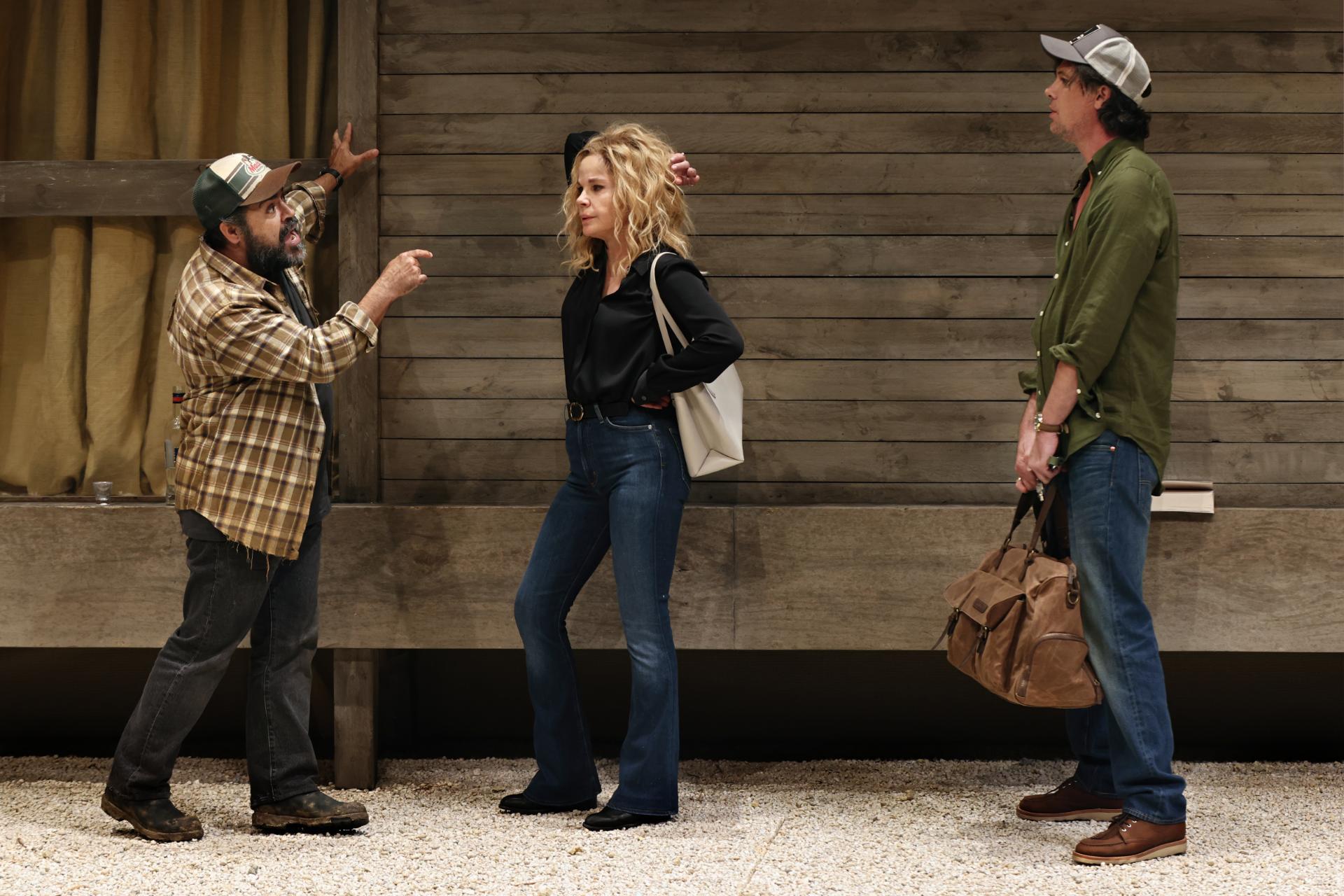
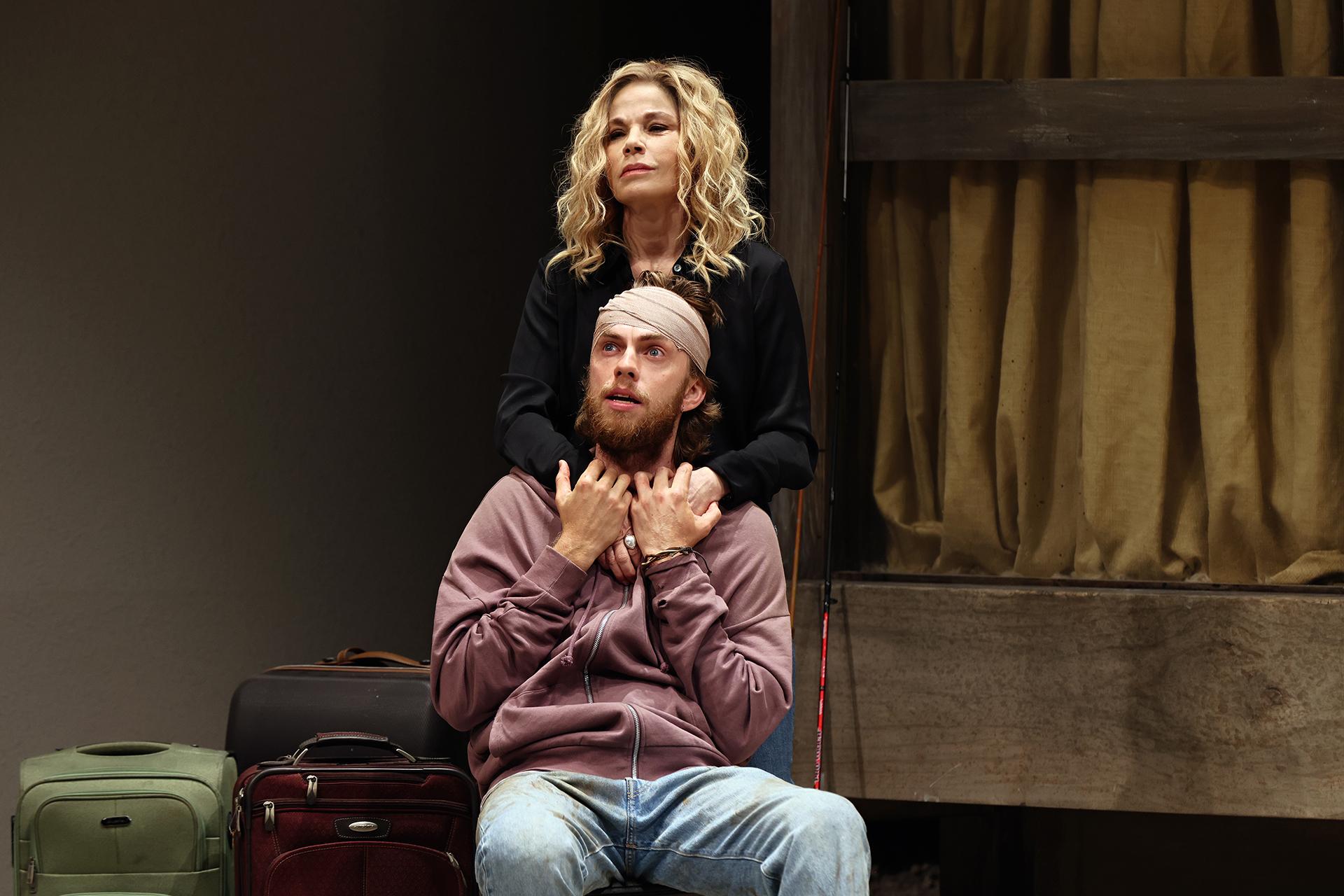
Direction by Rachel Chant honours that sense of truth, and delivers a production admirable for its integrity. With its excellent cast, the show proves consistently engrossing, even if we never really find moments of significant resonance. Michala Banas, Jo Downing and Madeleine Jones play the sisters, colourful and dynamic, full of surprises in their unpredictable portrayals of erratic personalities. Other performers include Thomas Campbell, Nicole Da Silva and Jonny Nasser, all highly persuasive in their respective roles, in a staging many will find entertaining.

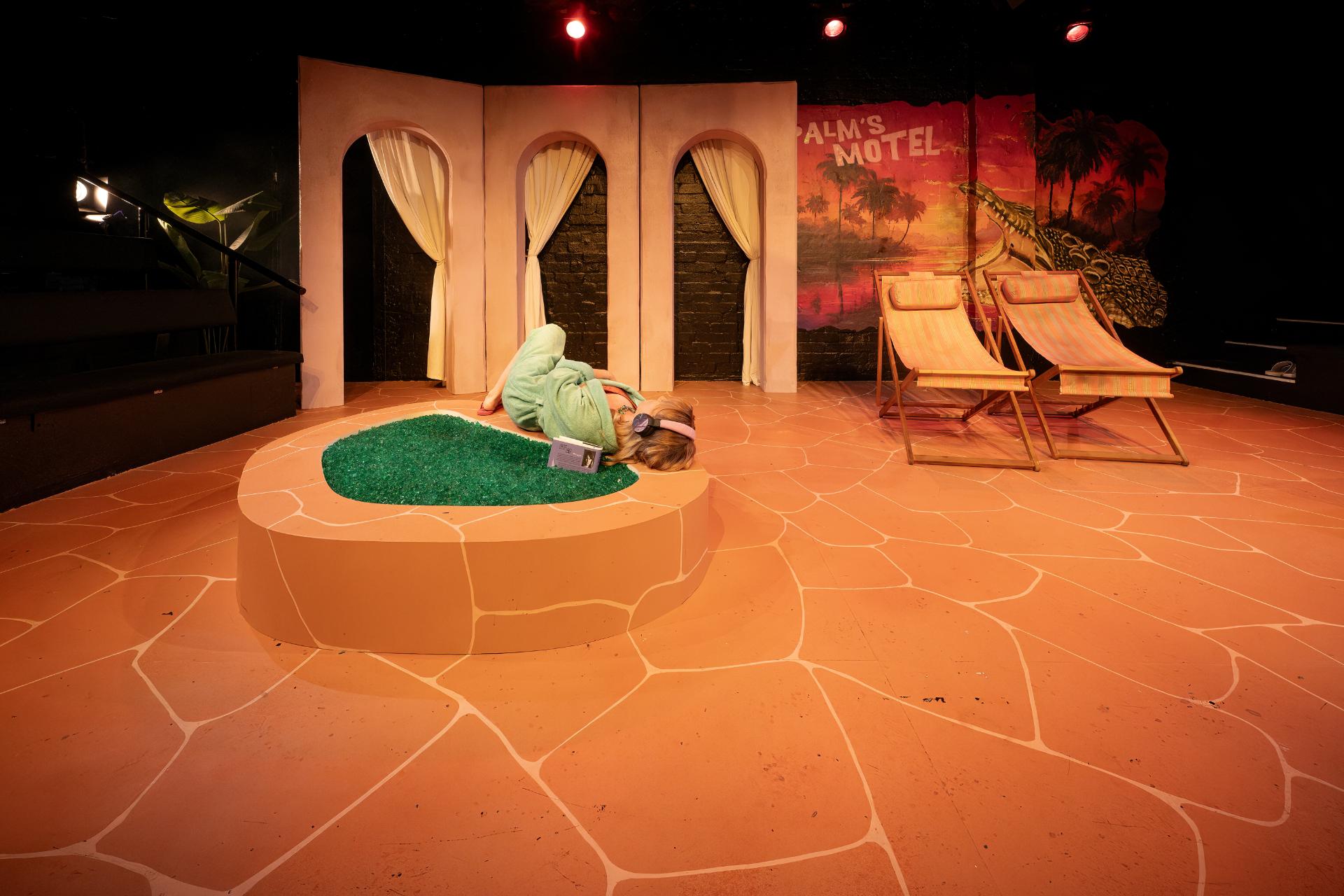
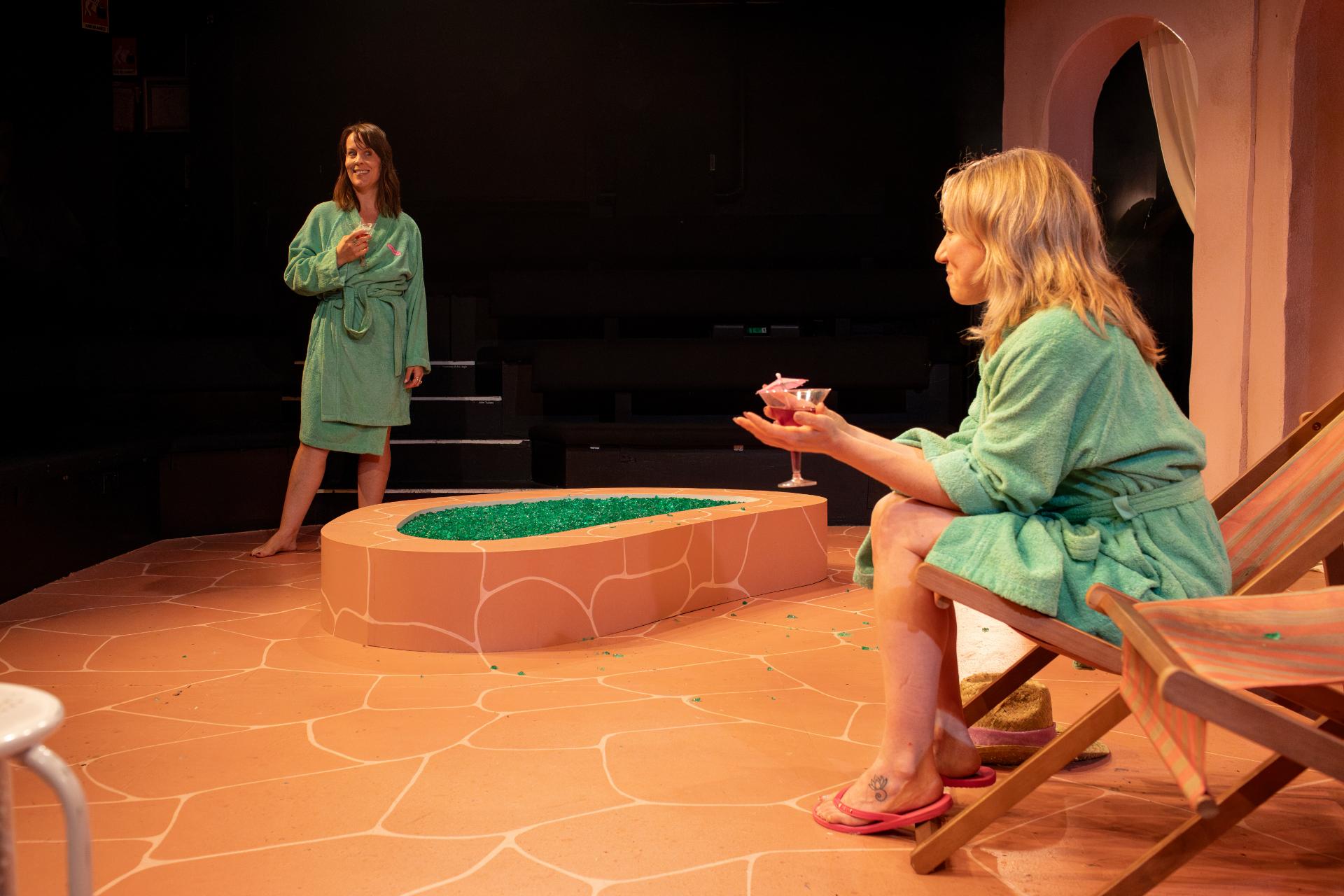
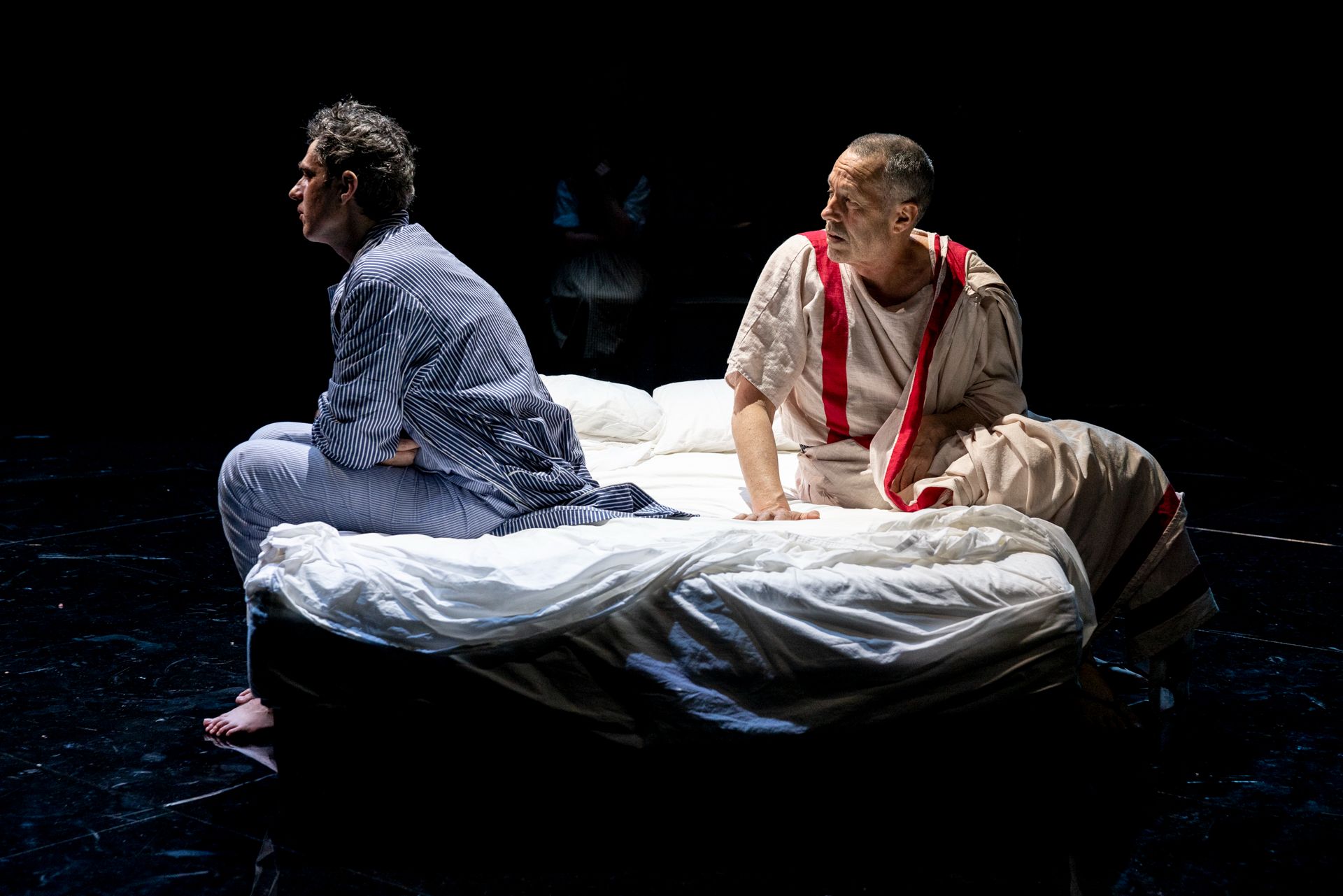
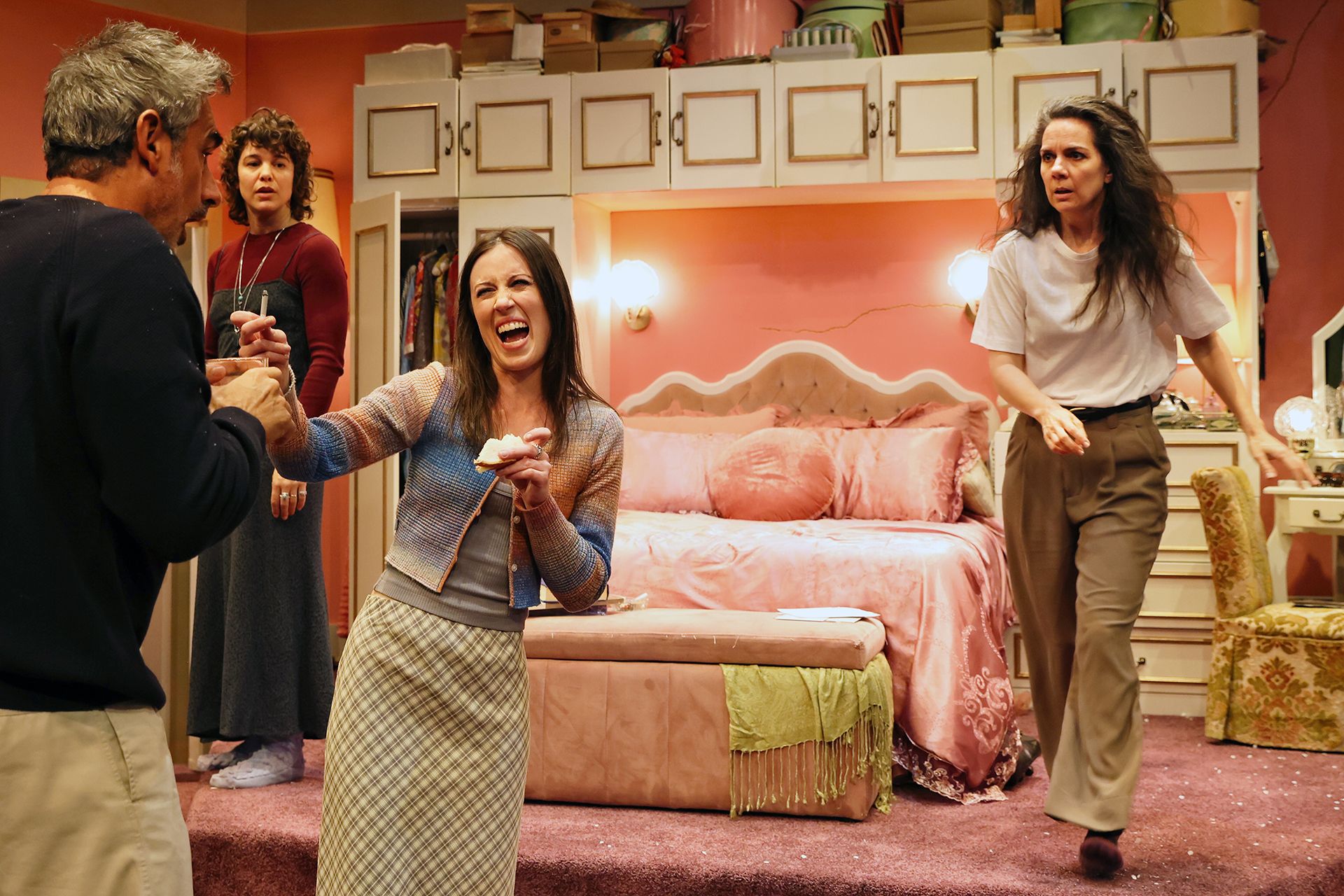
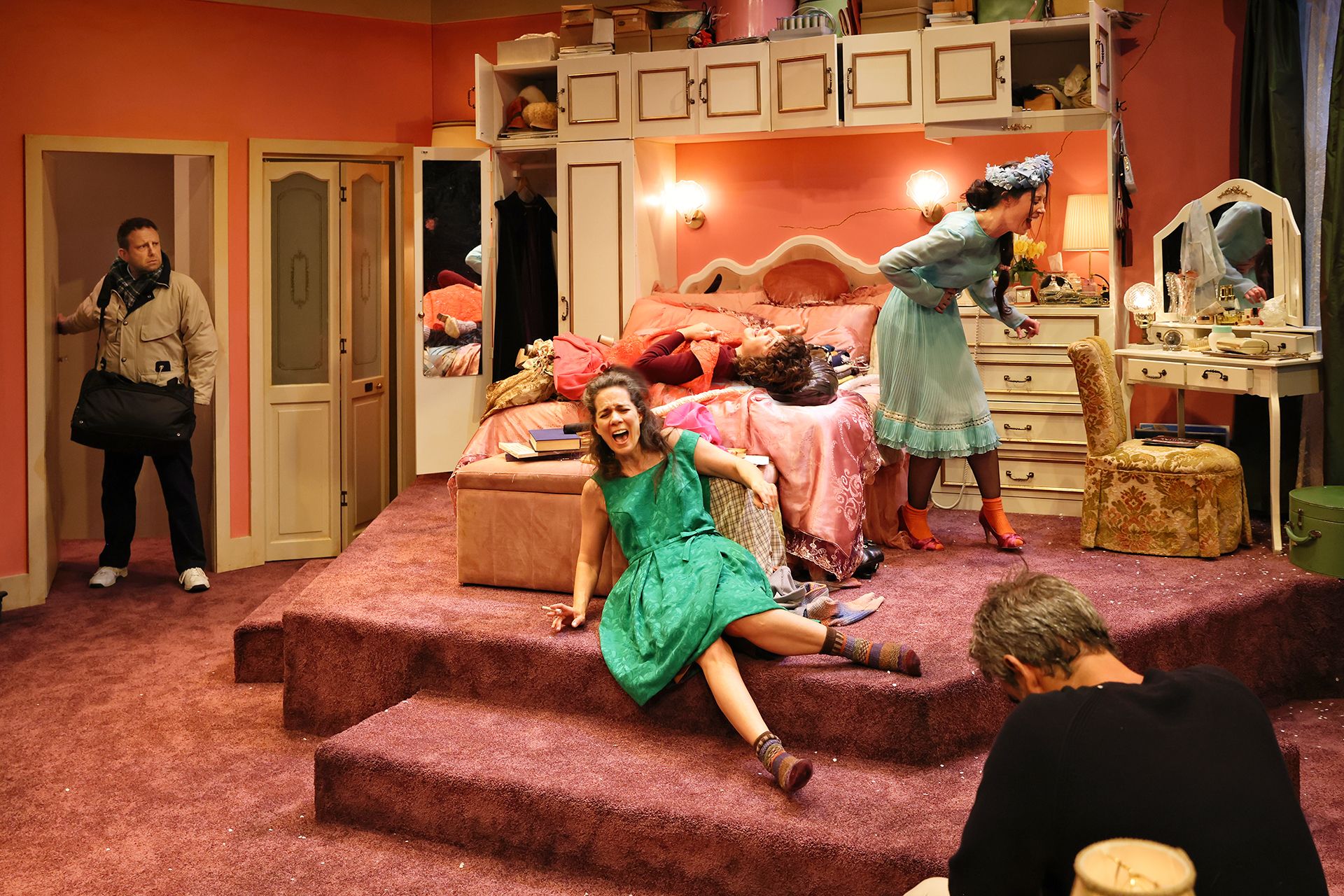
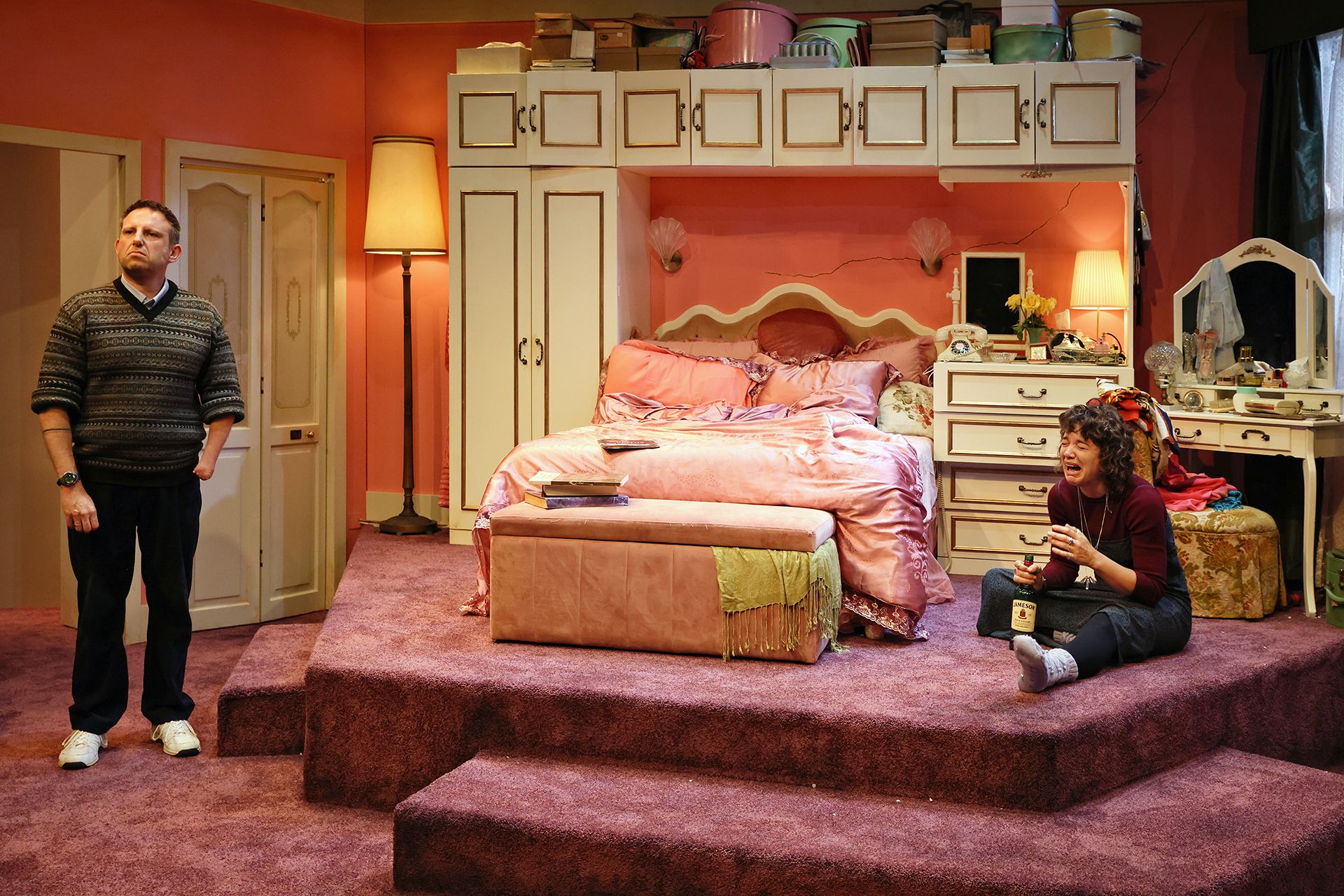
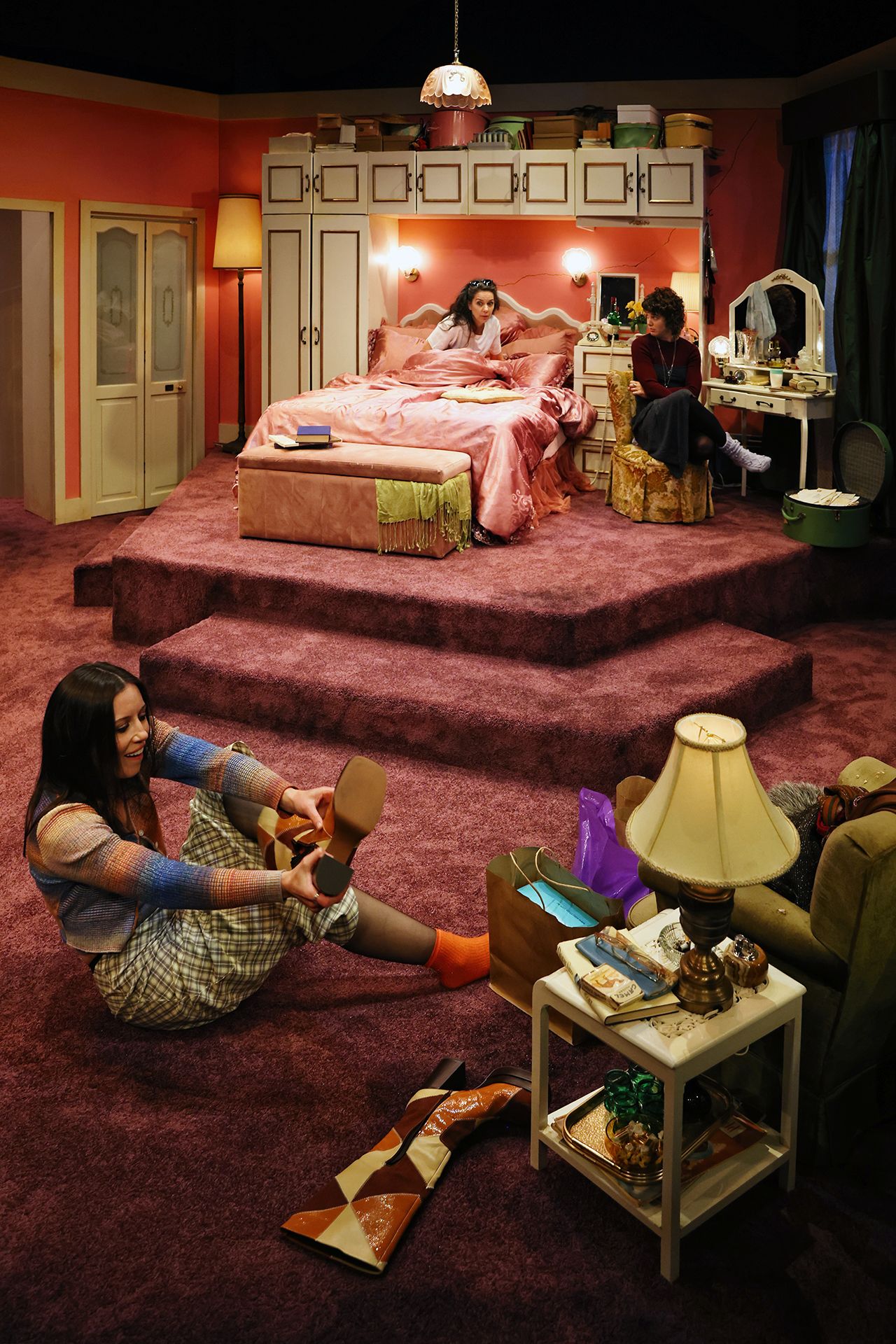
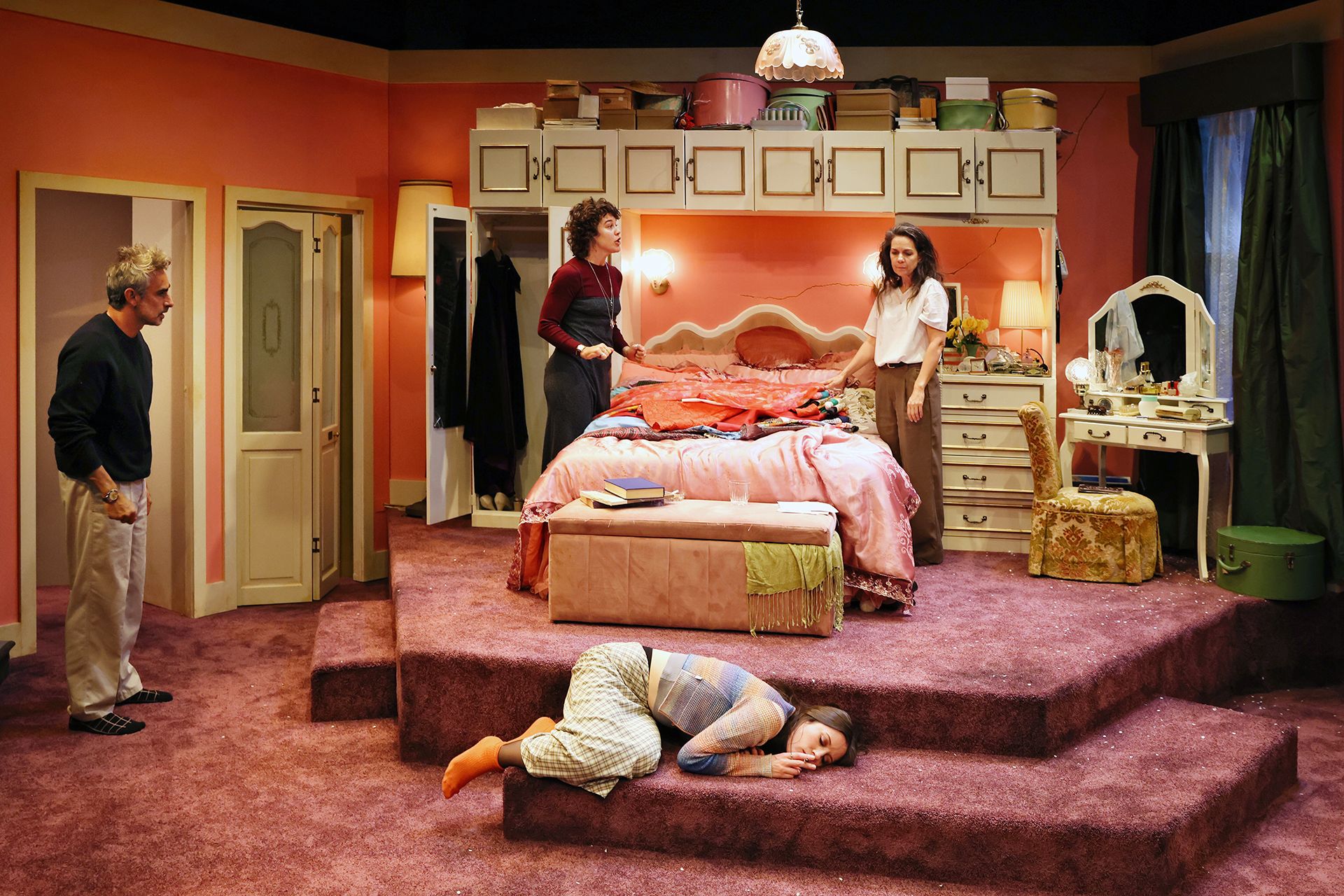
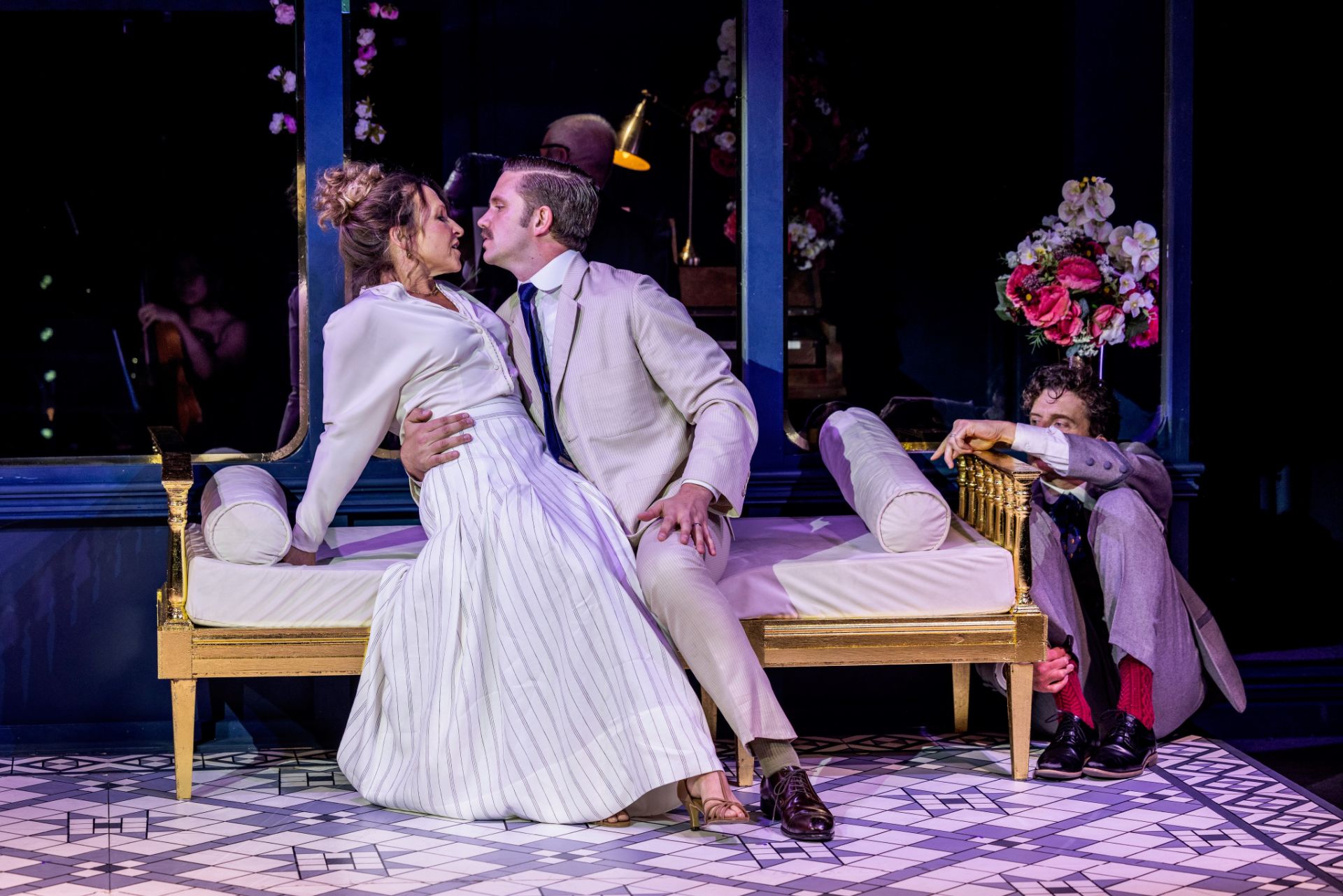
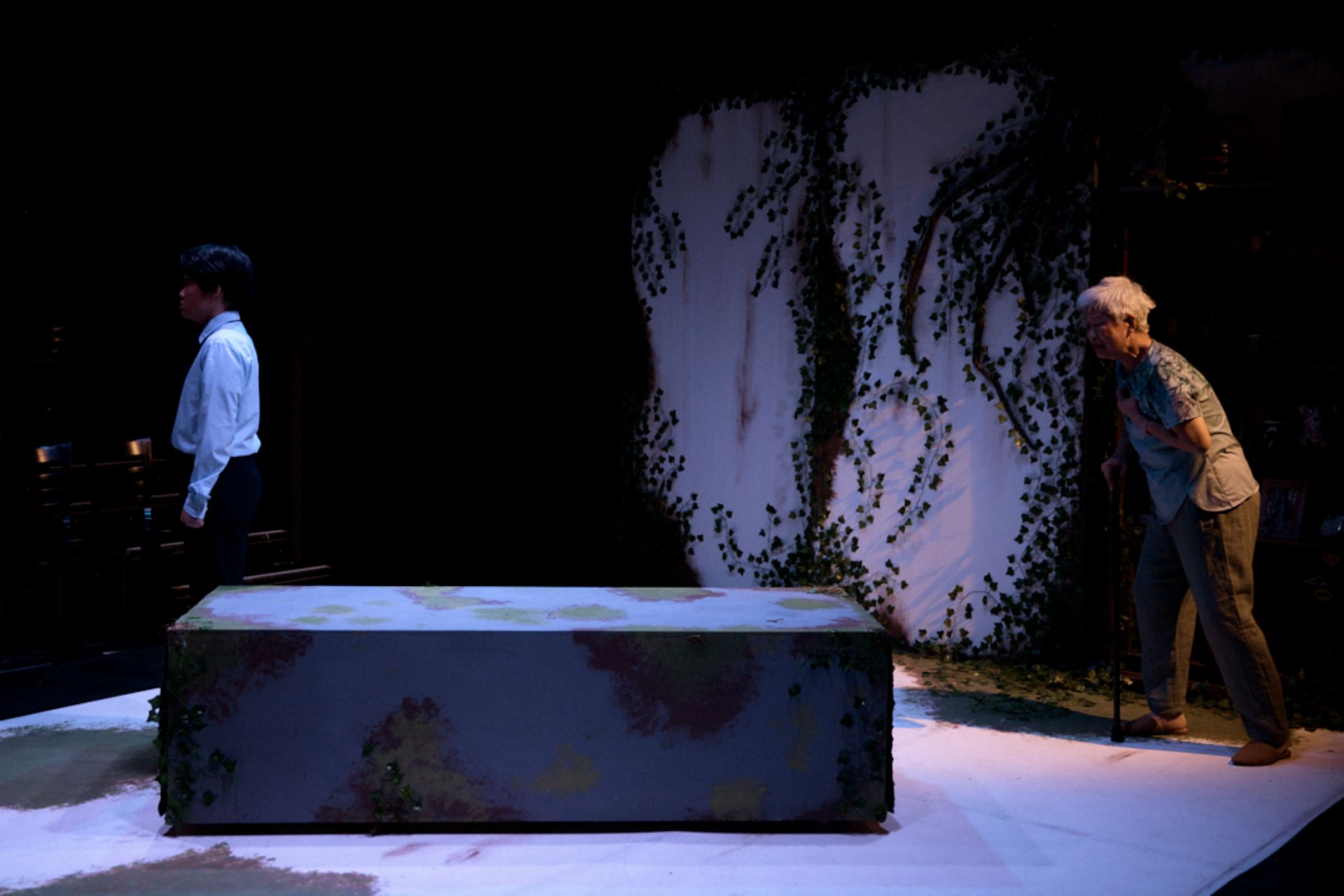
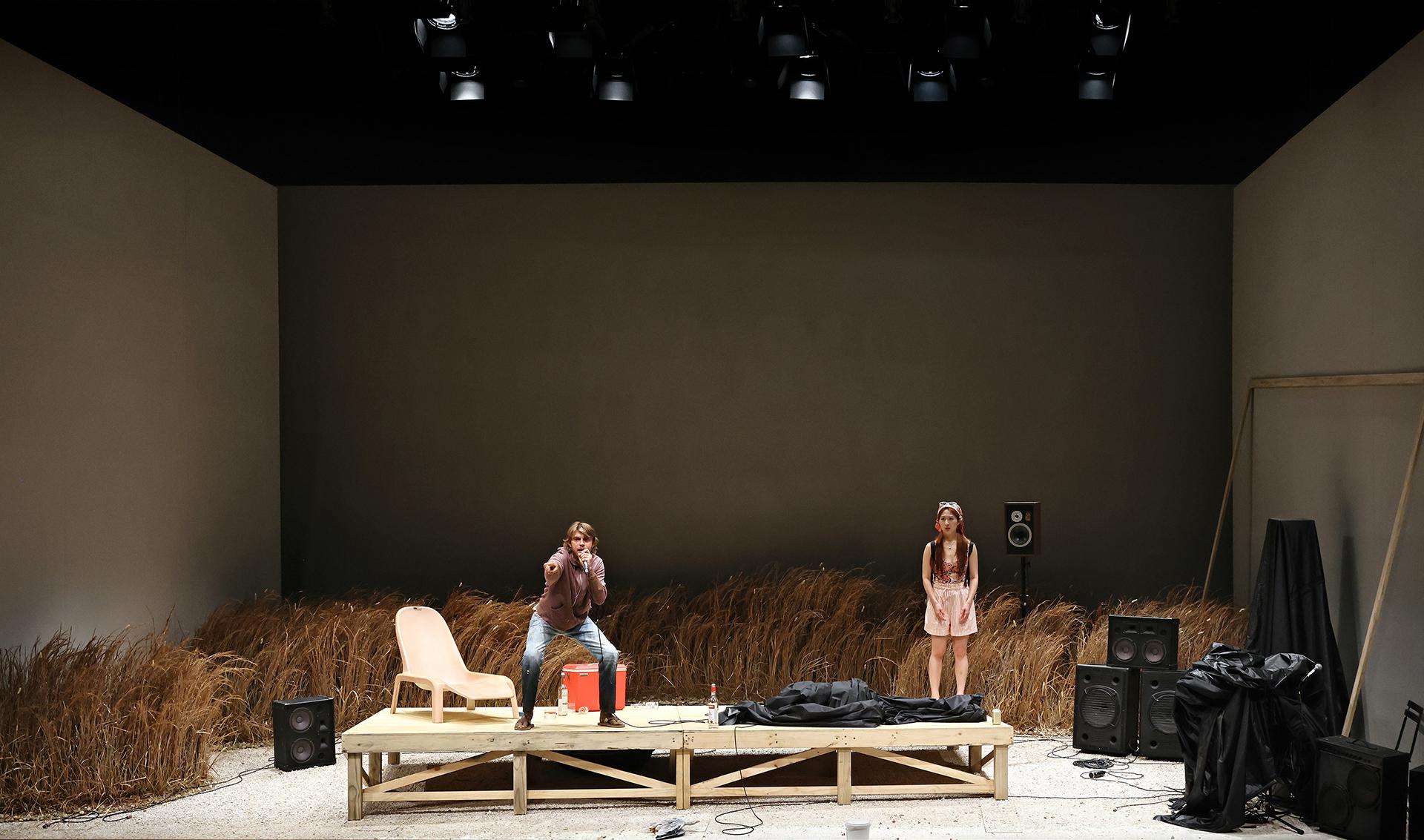
Set design by Veronique Benett features Violet’s flamboyant bedroom from the decadent seventies, impressive with its detail and finesse, and although dripping with irony, is simultaneously alluring with its sensual colour palette. Lights by Kelsey Lee and music by David Bergman are mostly subdued, in service of the intricate humour being manufactured, but are both noteworthy for their efficacy when given the opportunity to convey a greater sentimentality, especially during scenes later in the piece.

It is easy to begrudge parents their deficiencies; we never really come to terms with their human fallibilities. As women however, we can never deny that with each generation, our place in the world has improved, and looking back at what our mothers and grandmothers had had to endure, is always sobering. Violet’s daughters can certainly blame her for whatever they think is impairing their lives, but none will want to take her place, at a time when things were unequivocally worse.

www.ensemble.com.au

Review: A Little Night Music (Hayes Theatre)

Venue: Hayes Theatre Co (Potts Point NSW), Oct 13 – Nov 18, 2023
Music and Lyrics: Stephen Sondheim
Book: Hugh Wheeler
Director: Dean Bryant
Cast: Blazey Best, Melanie Bird, Jeremi Campese, Erin Clare, Kiana Daniele, Leon Ford, Nancye Hayes AM, Dominic Lui, Pamelia Papacosta, Josh Robson, Lorelei Tait, Erica Wild
Images by John McCrae

Theatre review
Desiree is a single mother with a busy career and a colourful sex life, but she still feels unfulfilled. In fact, all of the characters in Stephen Sondheim and Hugh Wheeler’s A Little Night Music are chasing that elusive “happy ever after”, and it is that very romantic obsession that provides the basis for comedy, in this 1973 musical. Based on Smiles of a Summer Night, a 1955 film by Ingmar Bergman, with a narrative set during the turn of the previous century, but with a sexual permissiveness that gives an enduring modernity to the storytelling.

As director of the piece, Dean Bryant refreshes A Little Night Music for the contemporary audience, by giving a sense of dignity, along with a semblance of autonomy, to the women we encounter. Although they adhere to the original depiction of being incomplete without a man, we perceive each of them as strong and self-assured, allowing us to more readily accept the manner in which their questionable desires are presented.

It is an elegant production, featuring music satisfyingly adapted for a chamber orchestra by Matthew Moisey. Set design by Jeremy Allen is attractive, and although visually expansive considering spatial limitations, it struggles at times to accommodate the show’s complex requirements in terms of simultaneous localities. Costumes by Angela Doherty are beautiful in their simplicity, as are lights by Veronique Bennett, graceful if slightly too restrained in their rendering.

Performers Blazey Best and Leon Ford play Desiree and one of her suitors Fredrick, both bringing surprising believability to a work that never pretends to be anything other than absurd. Melanie Bird as Anne and Joshua Robson as Count Malcolm, impress with their classical voices, whilst delivering excellent humour for their extravagant roles. Jeremi Campese as Henrik is memorable in his solo number “Later”, singing along to his own powerful cello accompaniment, faithful to the sentiments of the part, but able to allow us to laugh along with his naivety.

The more seasoned would understand that the sweet conclusion of A Little Night Music is not the true ending for any of its personalities. Love is glorious, but romance is never the whole of any real existence. In our stories though, perfect resolutions, delusory as they may be, can furnish a sense of peace and completion, one that we inevitably crave after battling all the ravages of life. Art may not always deliver the whole truth, but often a reprieve from reality, can do wonders.

www.hayestheatre.com.au

Review: Boom (KXT on Broadway)

Venue: KXT on Broadway (Ultimo NSW), Oct 6 – 21, 2023
Playwright: Jean Tay
Director:
Tiffany Wong
Cast: Melissa Gan, Tiang Lim, Josephine Lee, Natalie Low, Daniel MacKenzie, Gerwin Widjaja, Jordon Zhu
Images by Sherry Zheng

Theatre review

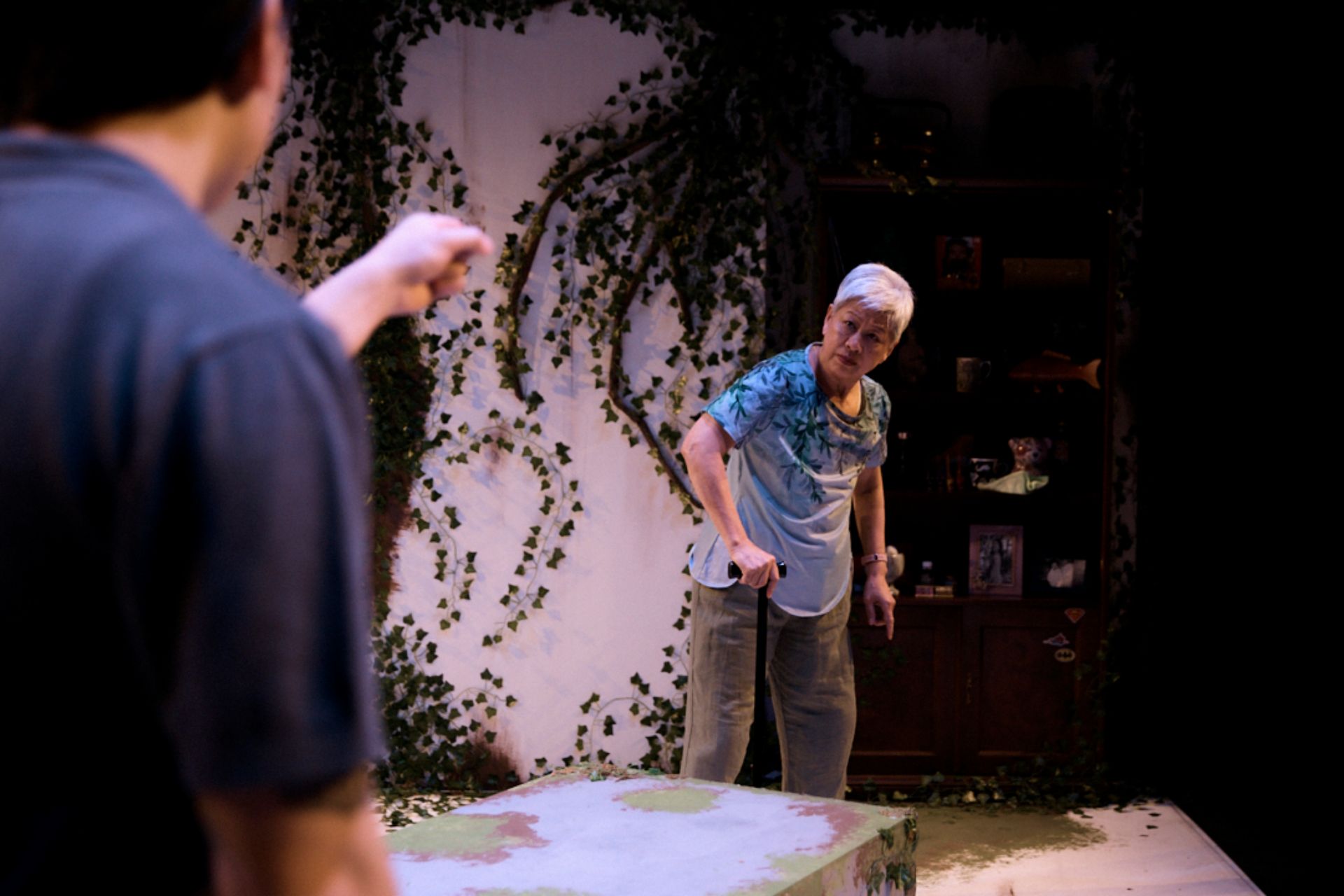
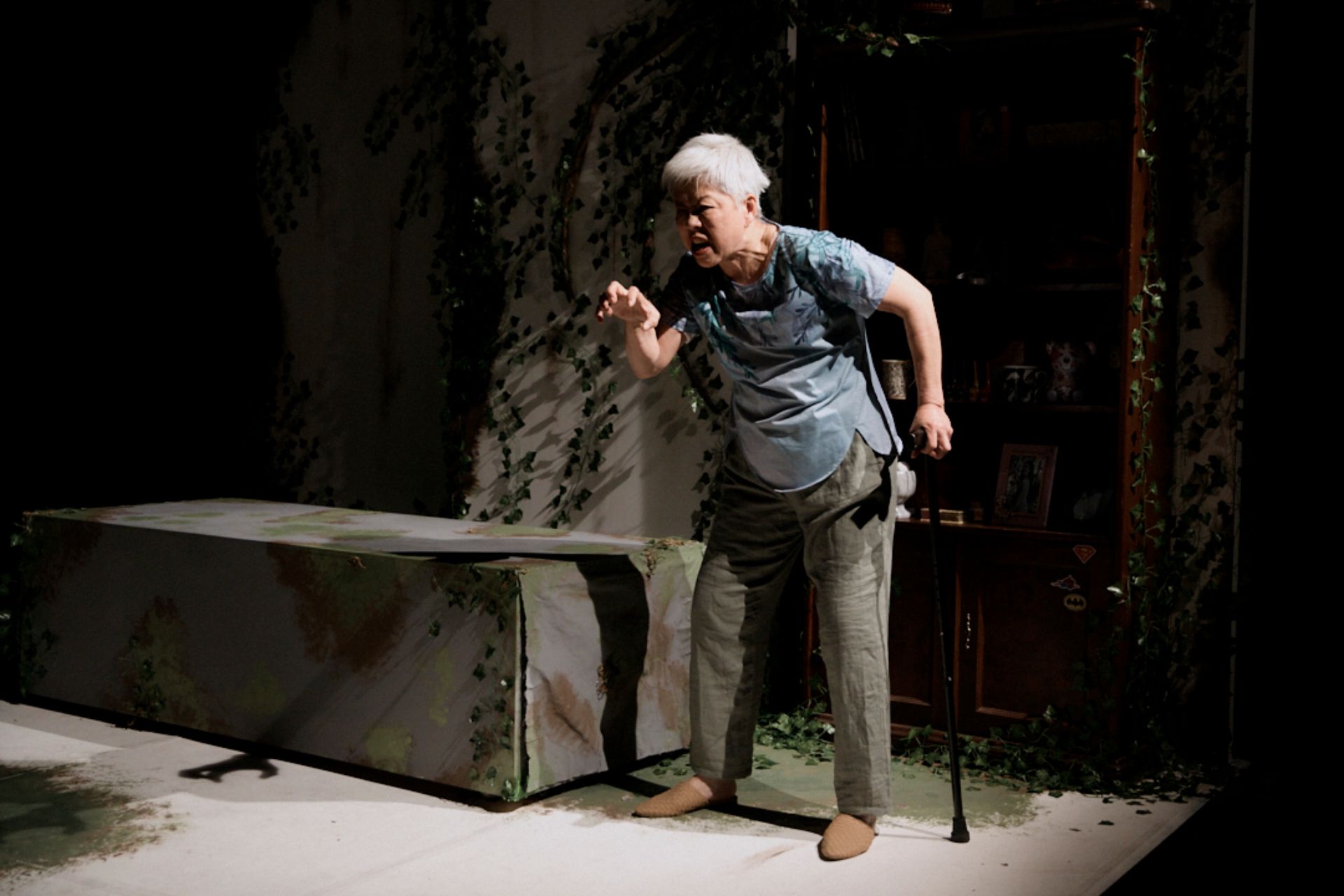
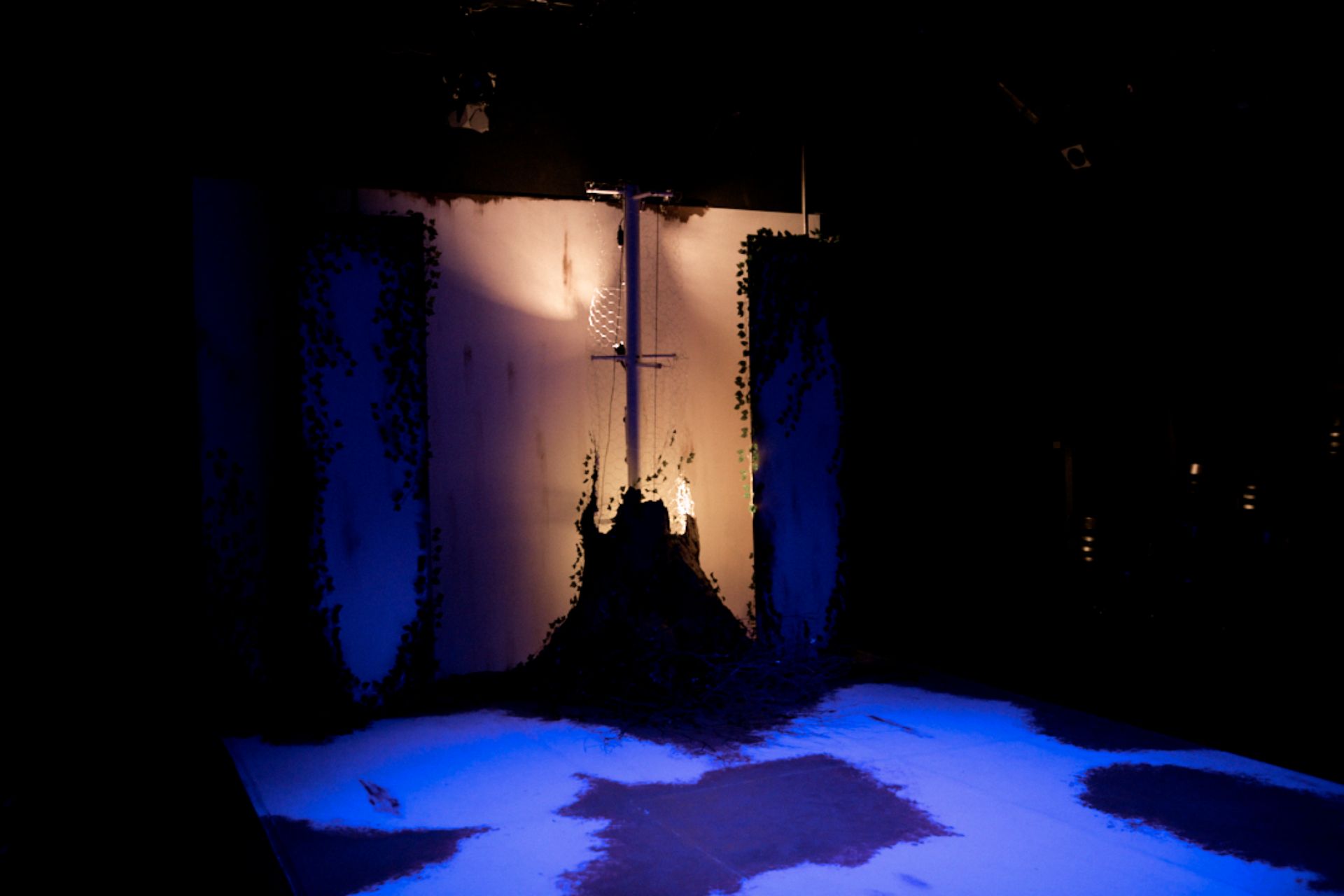
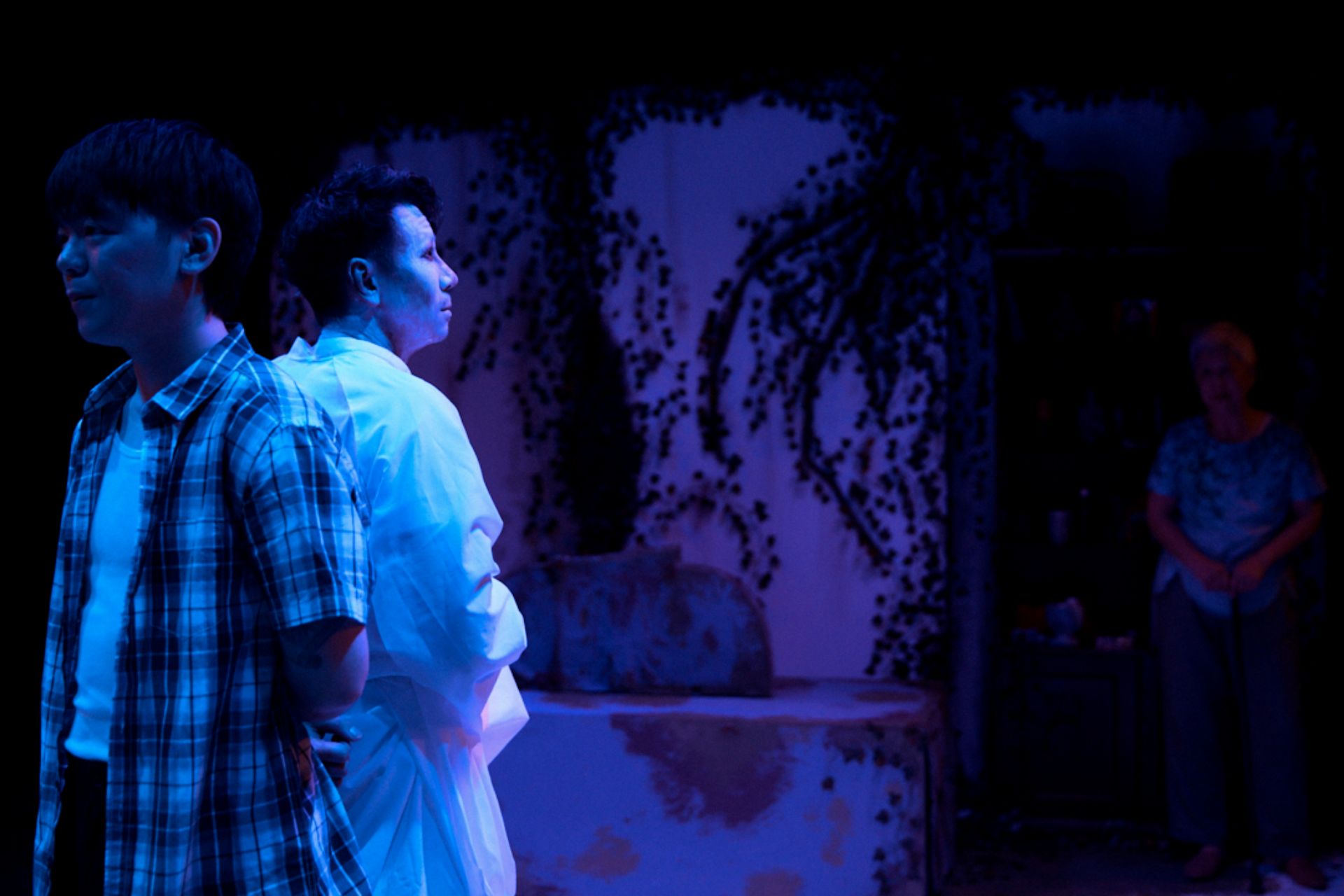
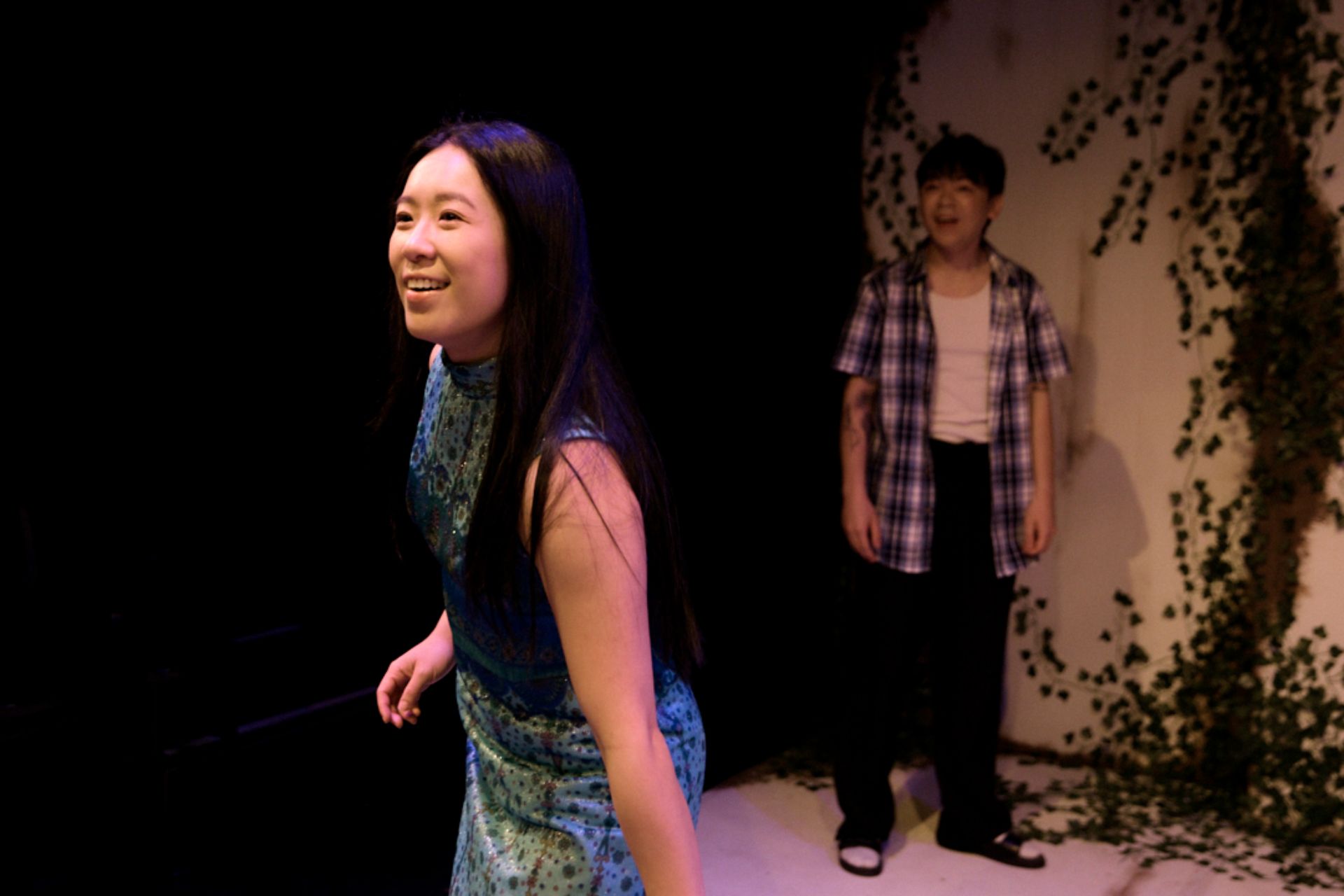
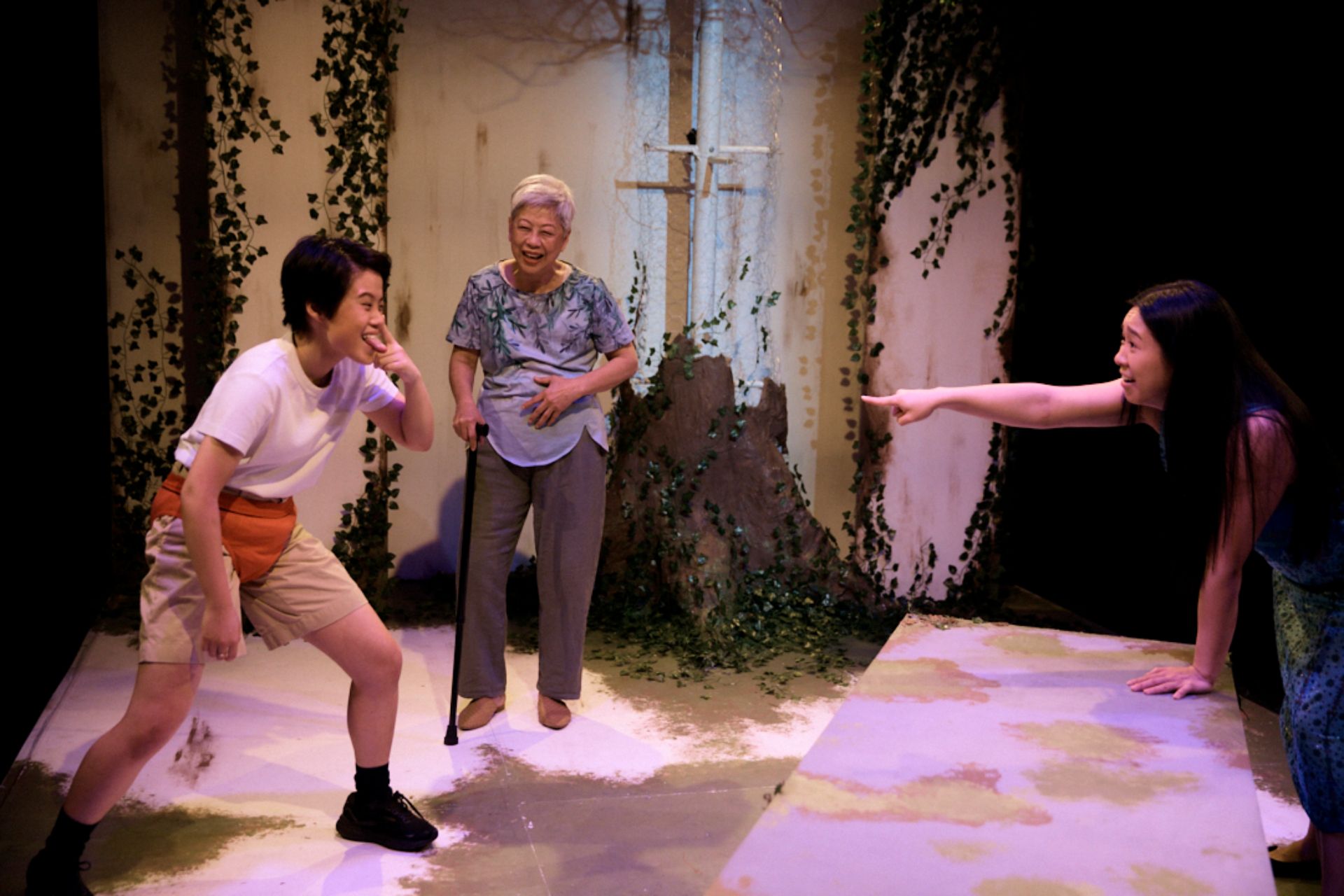
Tiong Boon is pushing his mother to sell their home, but his aspirations of moving up in life are met with resistance. Mdm Ong’s sentimental attachments to the old building are everything she treasures, if only the younger generations understand that it is not all about money. Meanwhile Jeremiah is having conversations with the ghost of Mr Chan, concerning the exhumation of his remains to make way for residential developments. All of this takes place in Singapore, where property investments are as much an obsession with the populace as they are in Australian cities. Jean Tay’s humorous yet lyrical 2009 play, Boom talks about land and place as entities beyond their commercial relevance, shifting focus from monetary to spiritual, in how we regard the notion of real estate. It is a discussion about home, heritage and custodianship, from an Eastern perspective, that complements beautifully, our own discussions about colonisation and First Nations rights on these terrains.

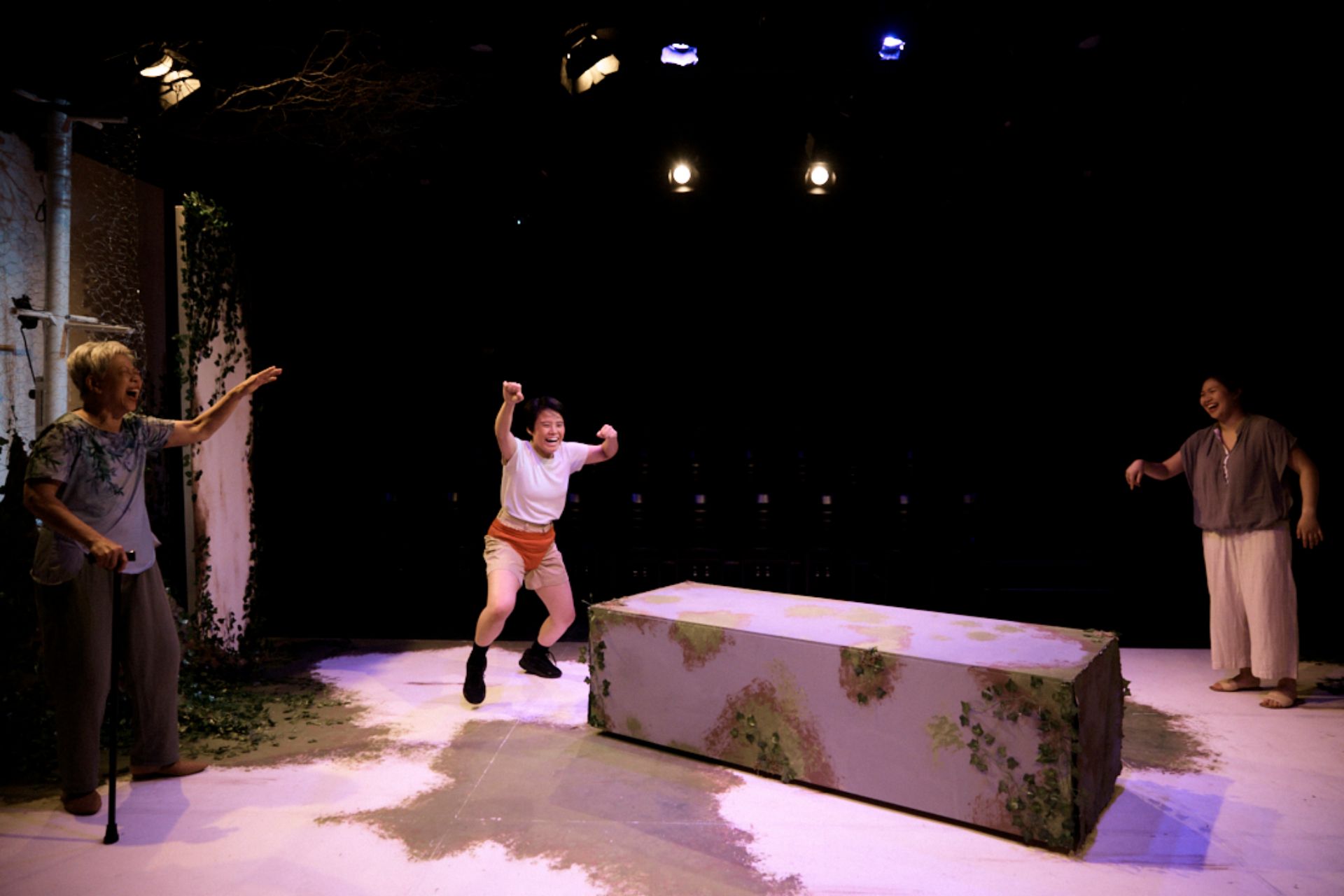
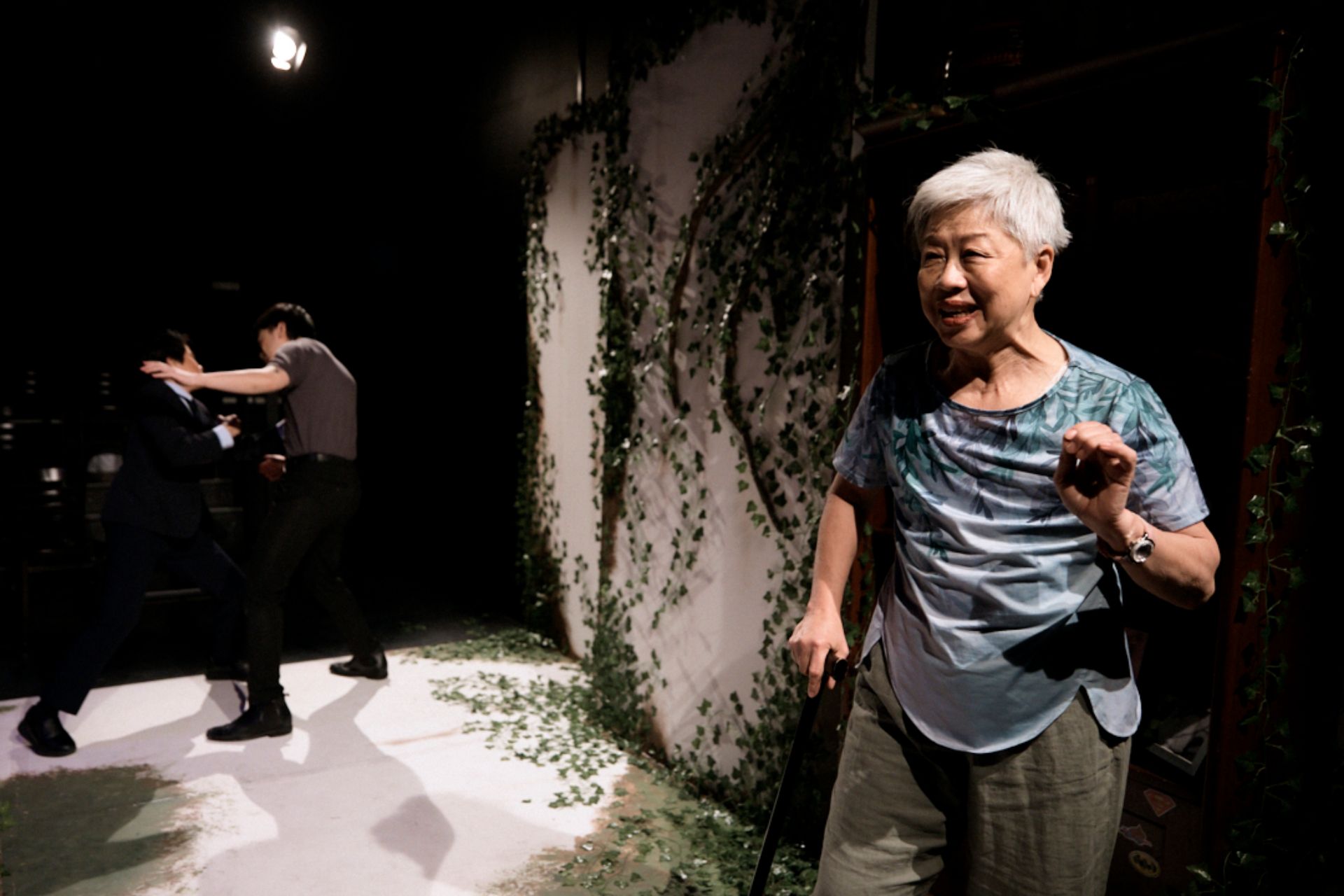
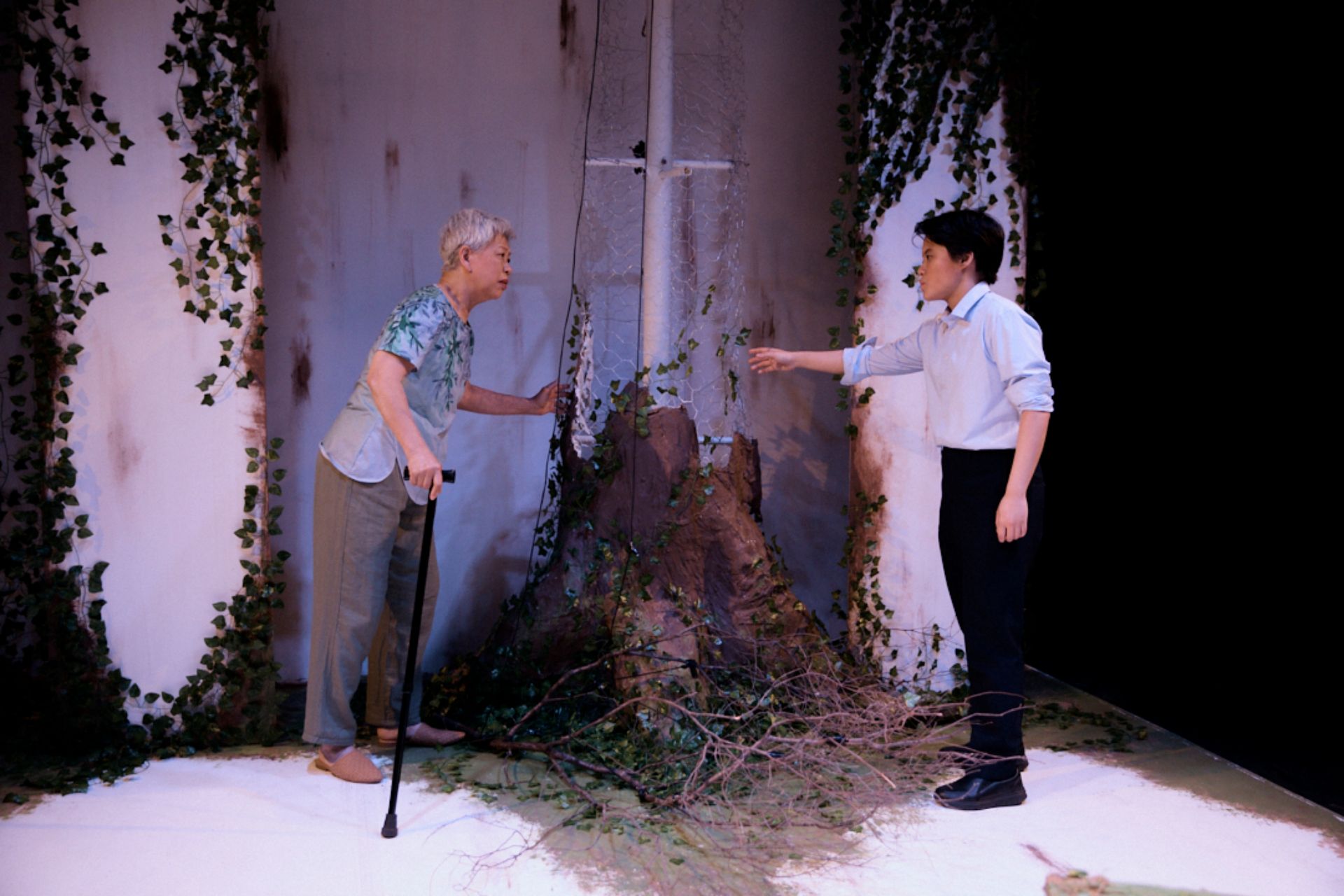
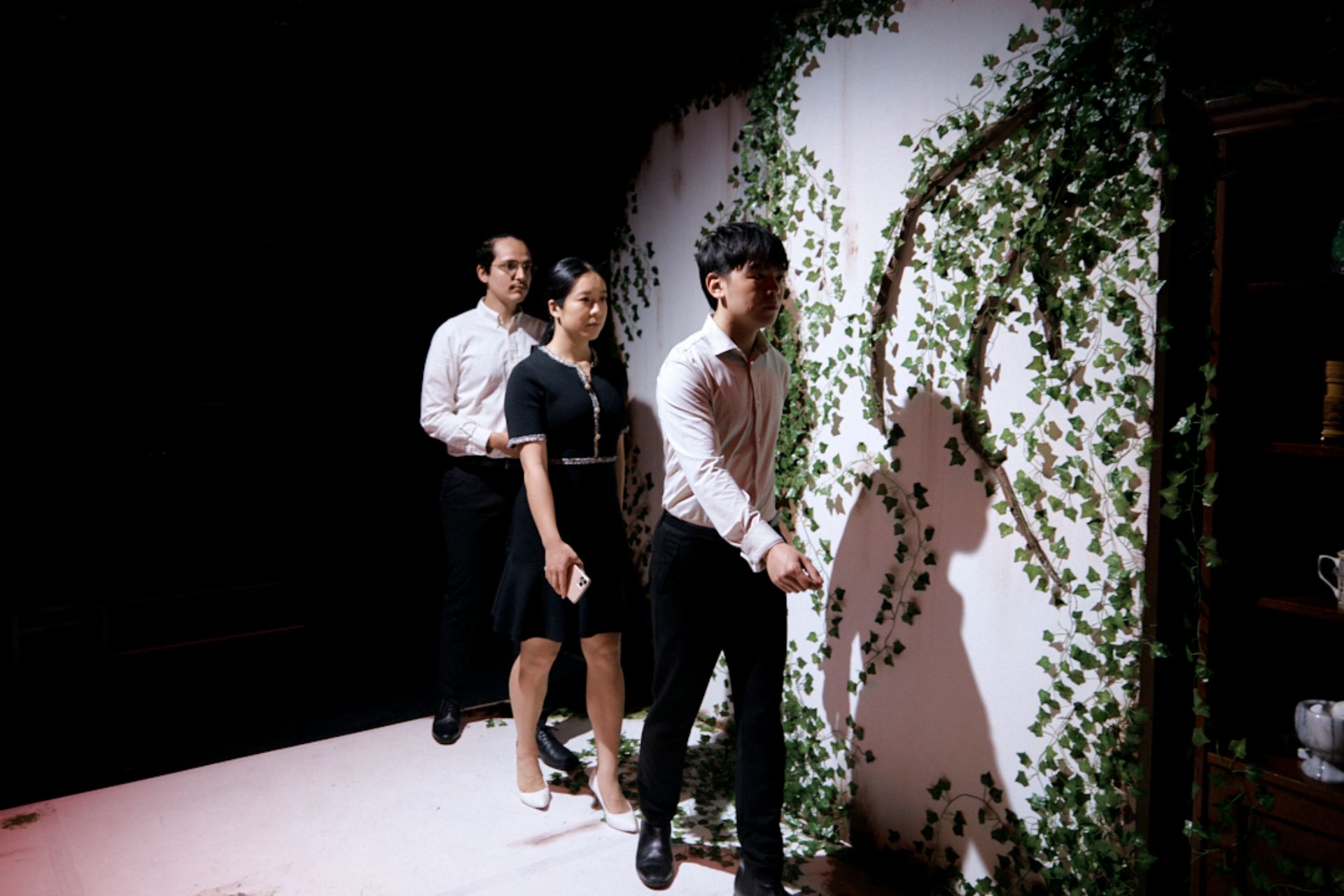
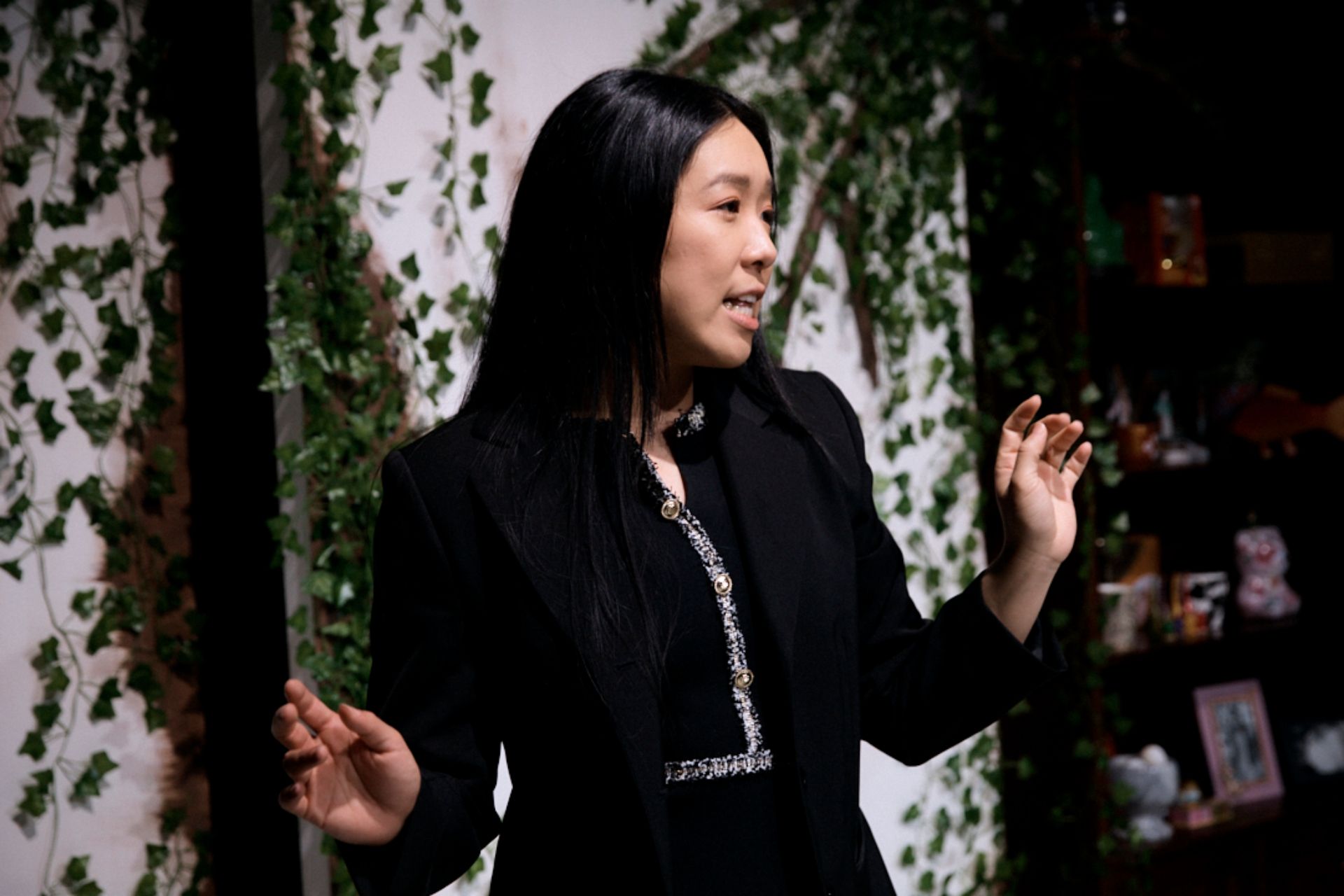
Staged with immense integrity by Tiffany Wong, whose direction of the piece unearths an authenticity that speaks not with exoticism, but with intimacy, even though its language and context are distinctly foreign. There is an exquisite pleasure in Boom‘s ability to fascinate with its culturally specific concepts, yet resonate on a level that feels universal. Set design by Aloma Barnes helps us interrogate the tensions between the natural and the built, in these meditations on our lived environments. Costumes by Rita Naidu offer quick ways to identify the personality types we encounter. Luna Ng’s lights take care to navigate sensitively between the many oscillating spaces, in geographic, temporal and emotional terms. Sam Cheng’s sounds and music imbue a richness to our sensorial experience of Boom, surreptitiously embellishing the atmosphere in ways to keep us attuned to the fluctuating dimensions of a wonderfully gripping work of theatre.

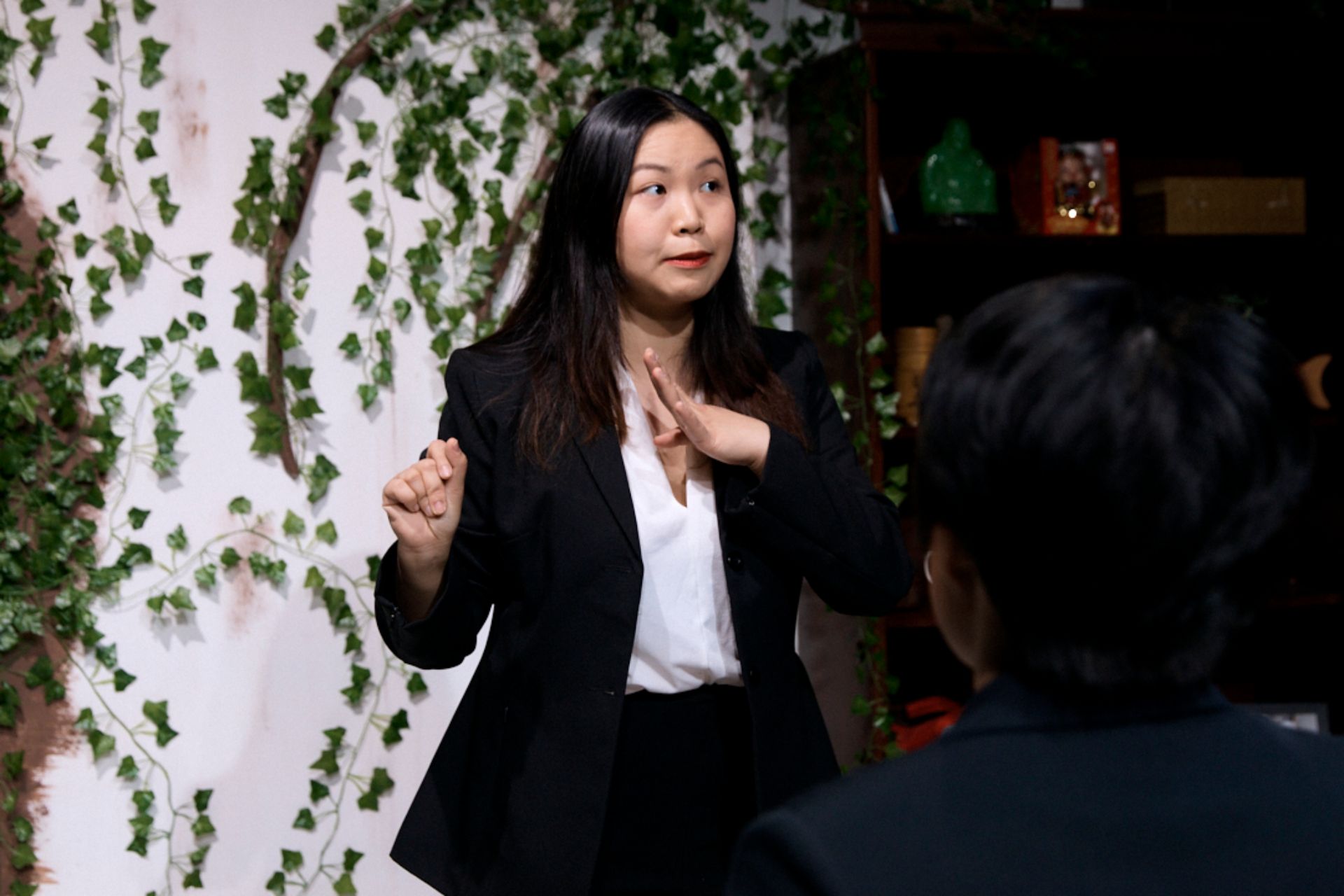
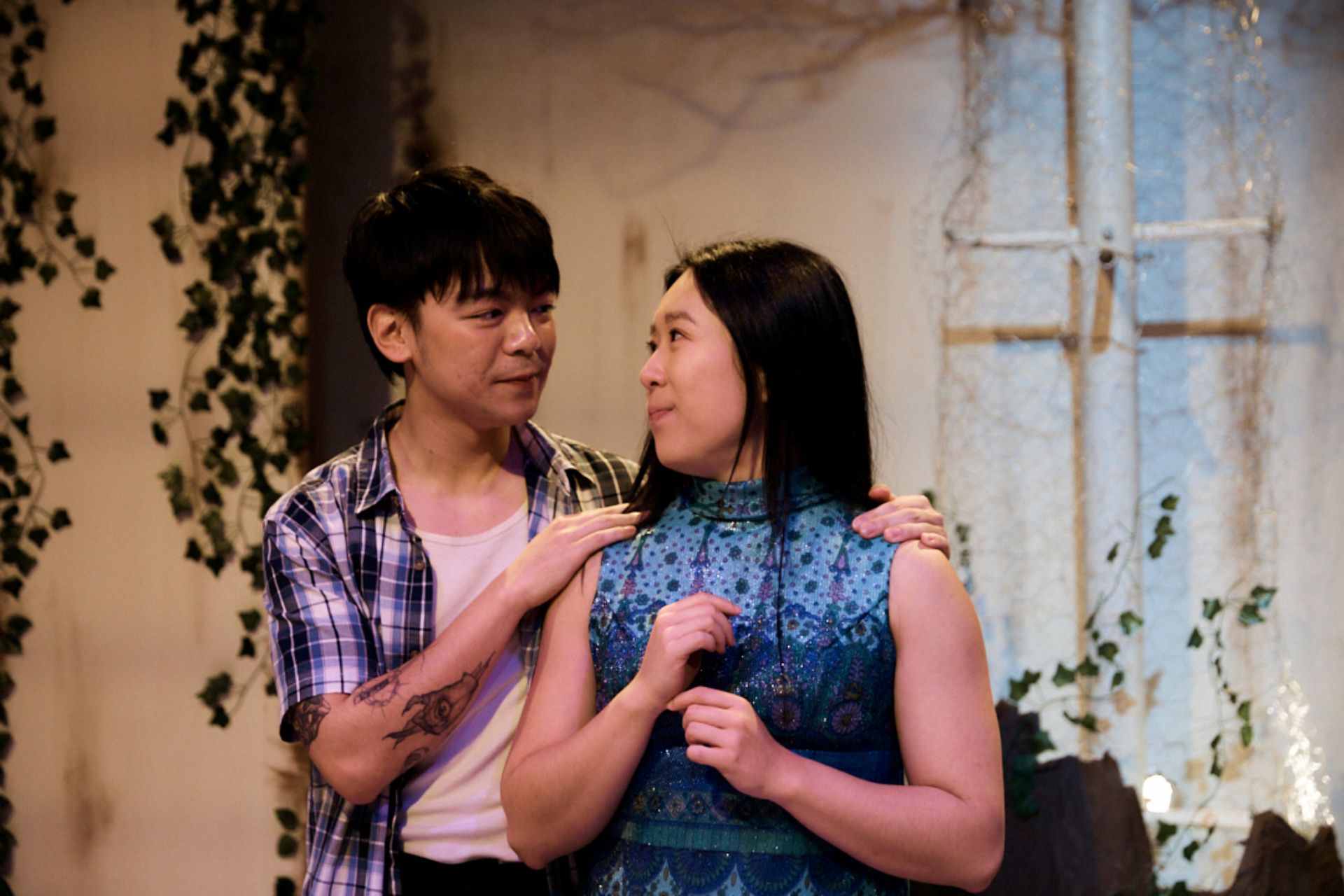
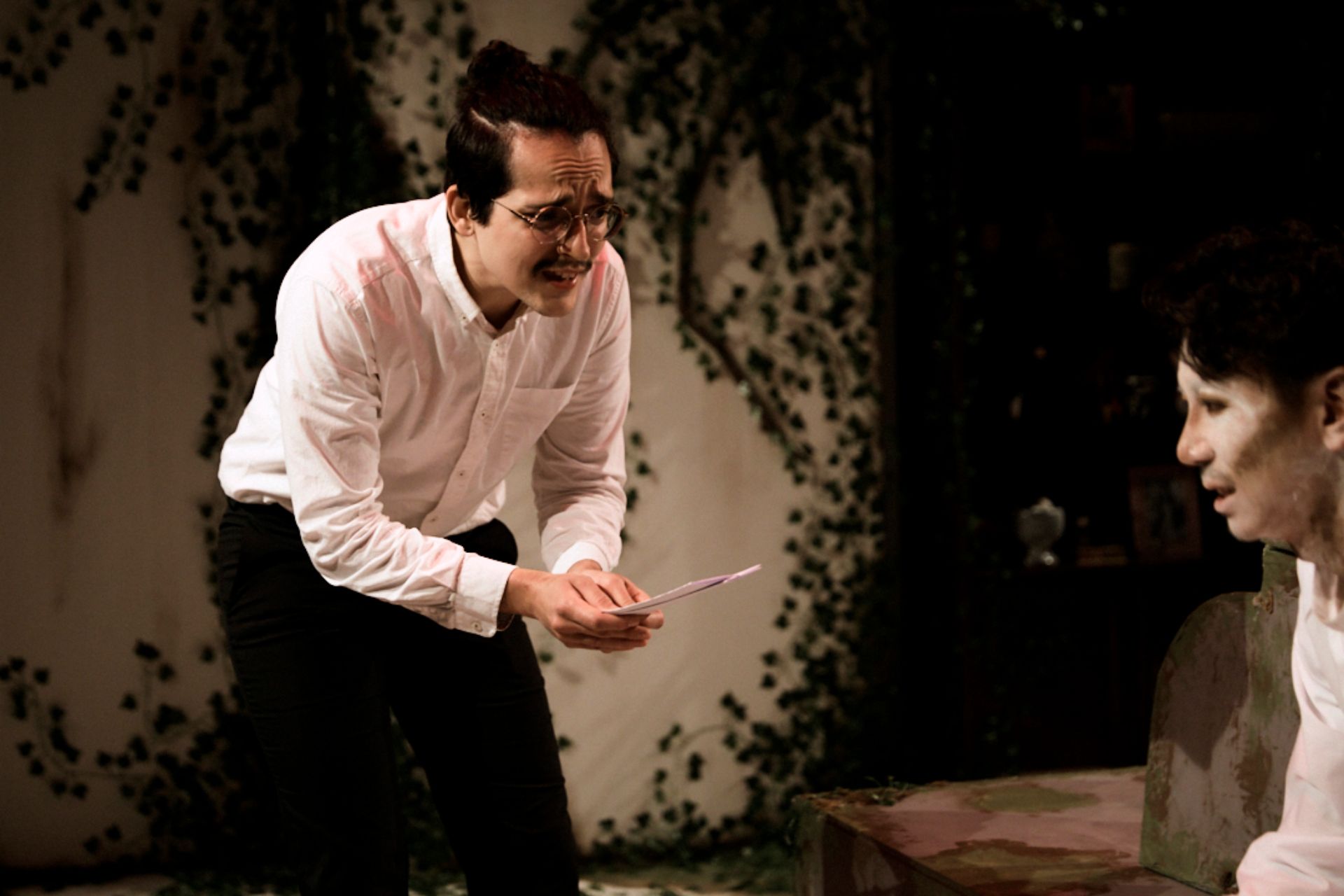
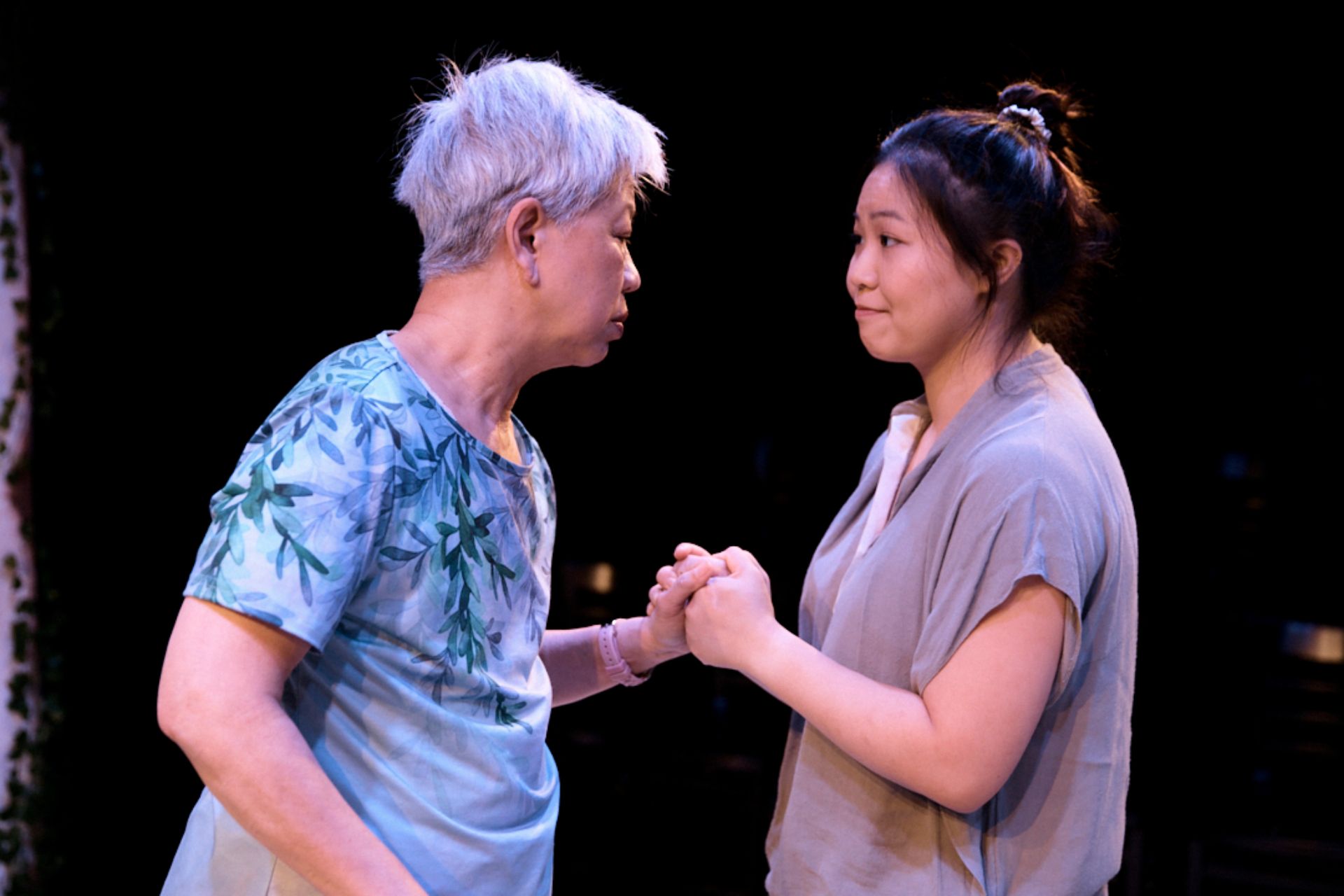
Actors Tiang Lim and Josephine Lee play the aforementioned mother and son respectively, with great passion and intensity, both conveying appropriate gravity for the stakes involved. Daniel MacKenzie as Jeremiah and Gerwin Widjaja as his apparitional friend, render an amusing relationship that tells the story with whimsy and surprising depth. Other players include Melissa Gan, Natalie Low and Jordon Zhu, all of whom demonstrate similar commitment and energy, for a compelling performance that is at once entertaining and poignant.

Mdm Ong tells everyone again and again, that she does not wish to leave her home, but her words go unheeded. We call it an economic imperative or simply pragmatism, and refuse to see people’s homes as anything more than their monetary value. We acquiesce to the notion that the highest bidder wins, and allow spaces to be taken over, even when the spaces carry meaning that far exceeds anything that can be quantified. Mdm Ong’s story reveals the emptiness of prevailing values, but money speaks loudest and we remain oblivious to an increasingly obscure matter of the human soul. 

www.kingsxtheatre.com | www.slantedtheatre.com

Review: Venus & Adonis (Seymour Centre)

Venue: Seymour Centre (Chippendale NSW), Sep 29 – Oct 21, 2023
Playwright: Damien Ryan
Director: Damien Ryan
Cast: Anthony Gooley, Adele Querol, Jerome Meyer, Belinda Giblin, Bernadette Ryan, Christopher Tomkinson, Ava Madon, Akasha Hazard, Kevin MacIsaac, Oliver Ryan, Max Ryan, Dinitha Senevirathne, Liv Rey Laaksonen
Images by Kate Williams

Theatre review
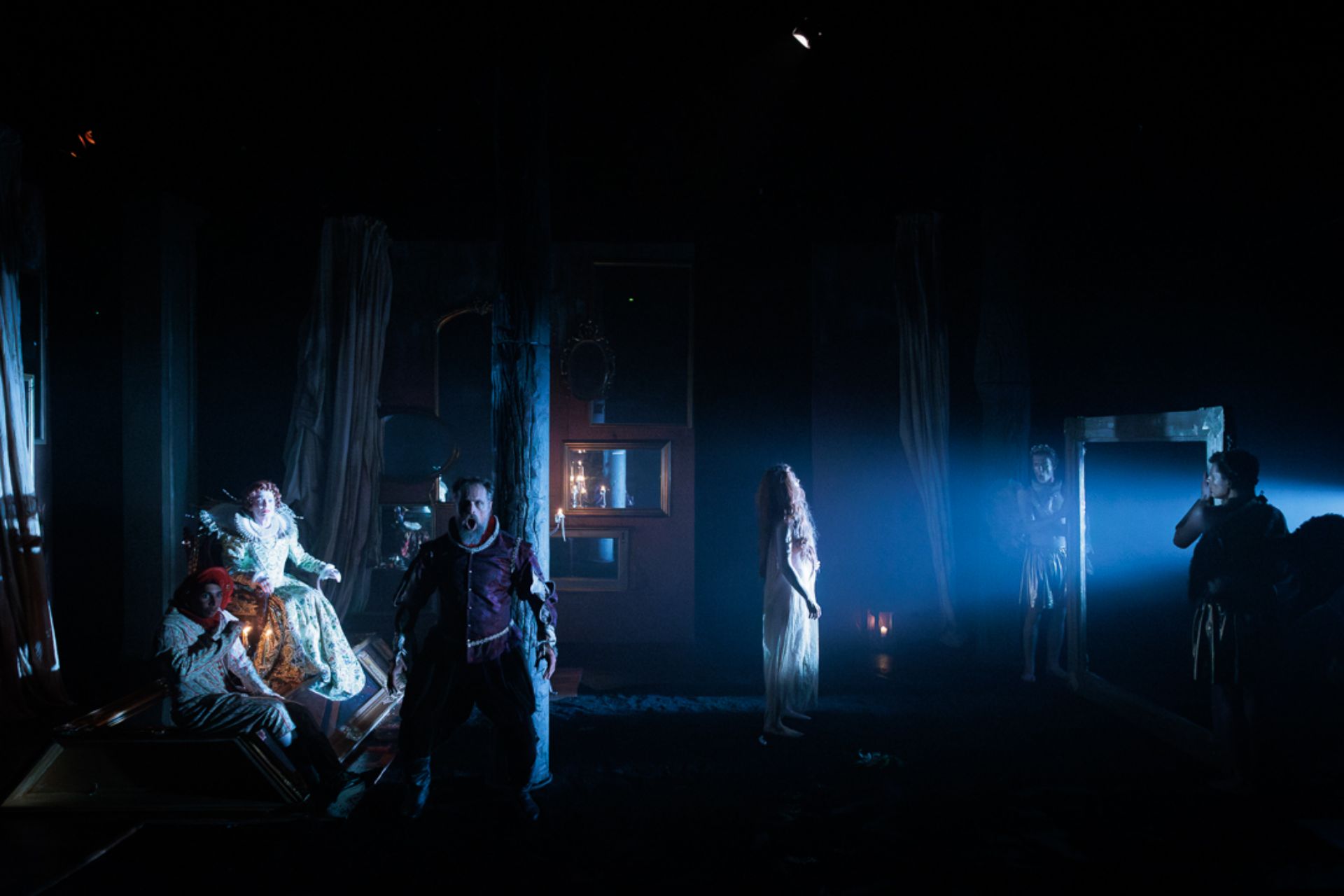
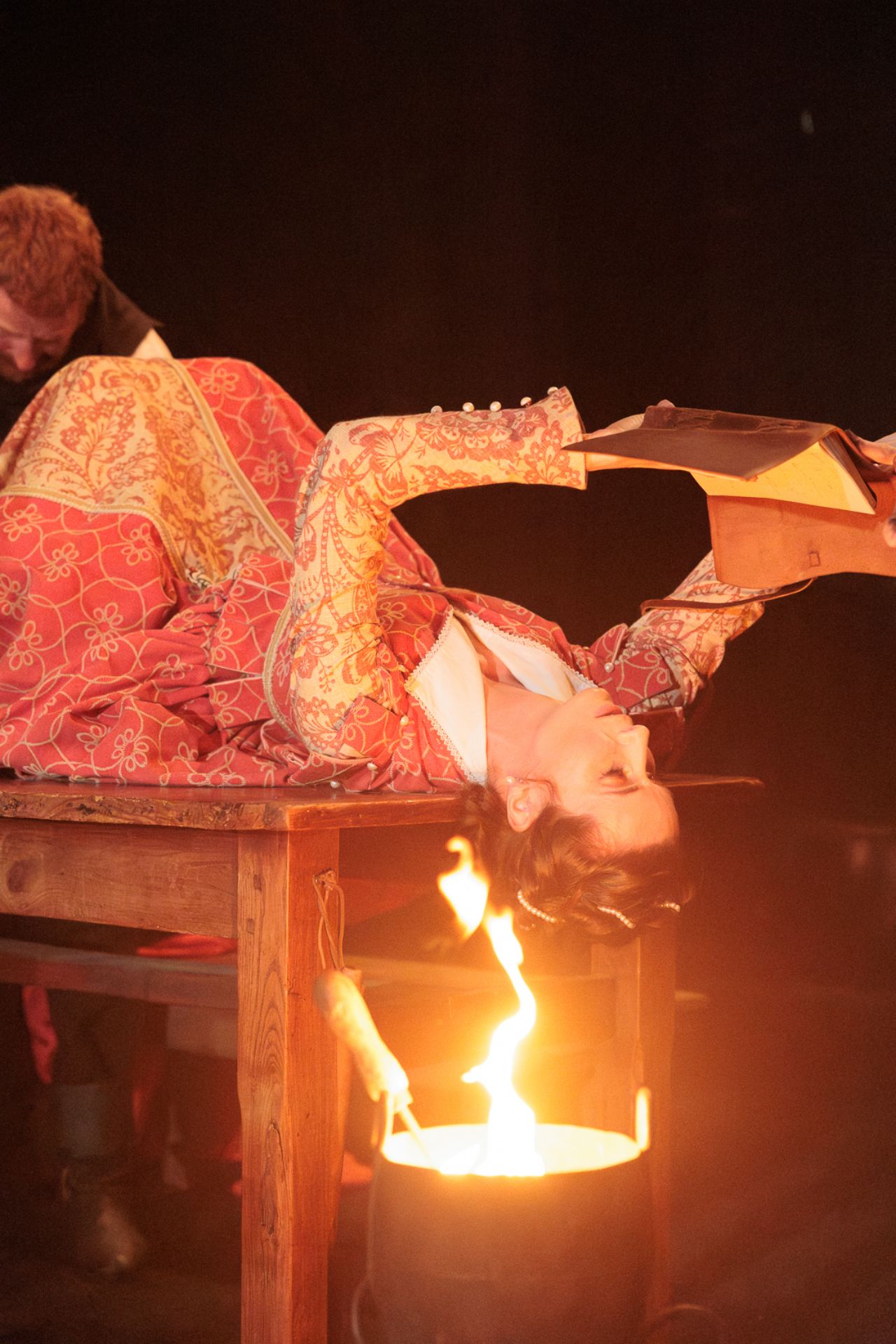
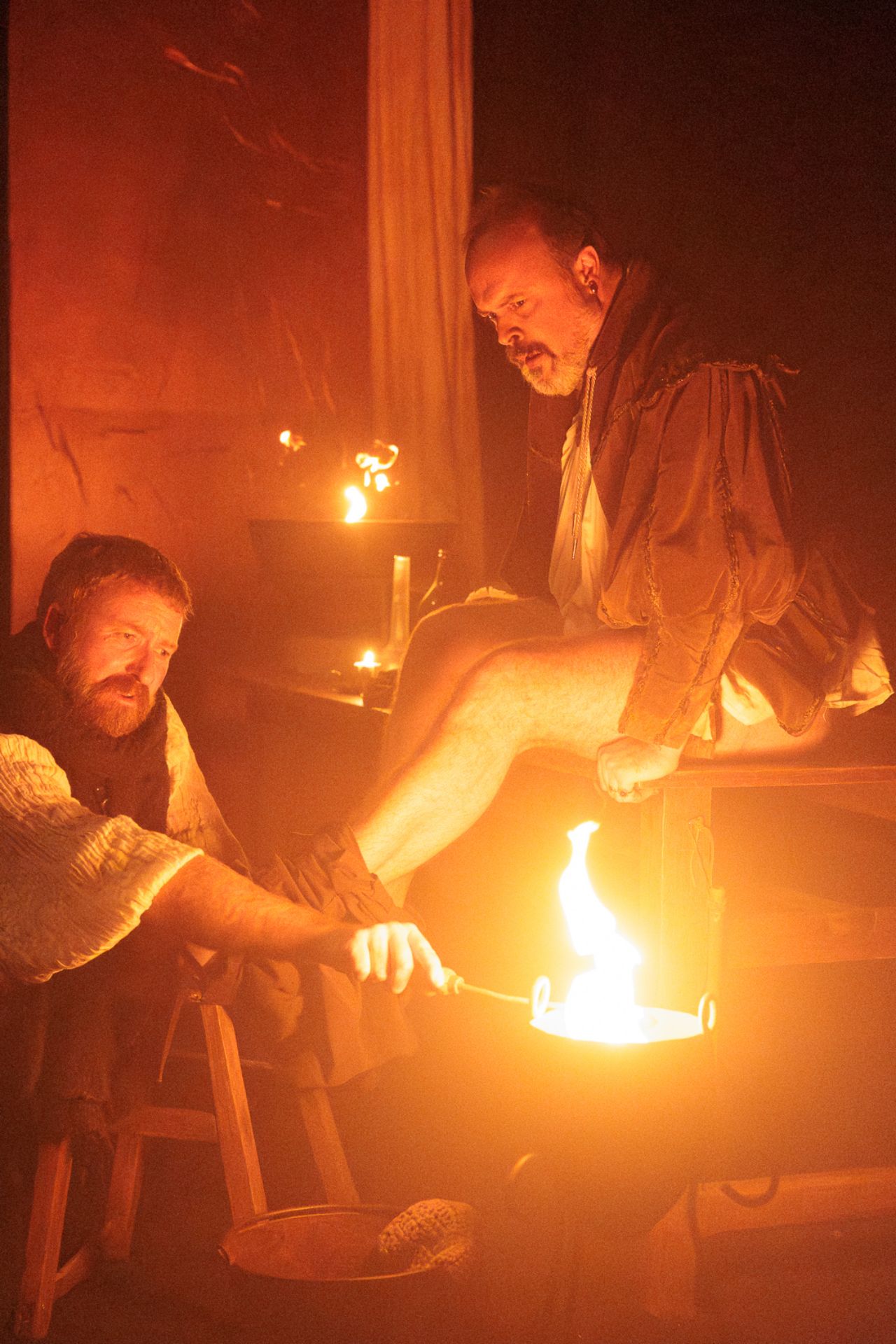
William Shakespeare is preparing to stage a new poem, with his lover Aemilia Lanyer in the lead. Meanwhile, Shakespeare’s own family is suffering from neglect, as his attention is divided among work, the affair, and dealing with a venereal disease resulting from his indiscretions. Lanyer, a poet in her own right, takes every opportunity to assert her progressive values, not only on the project, but also in all her professional and personal relationships.

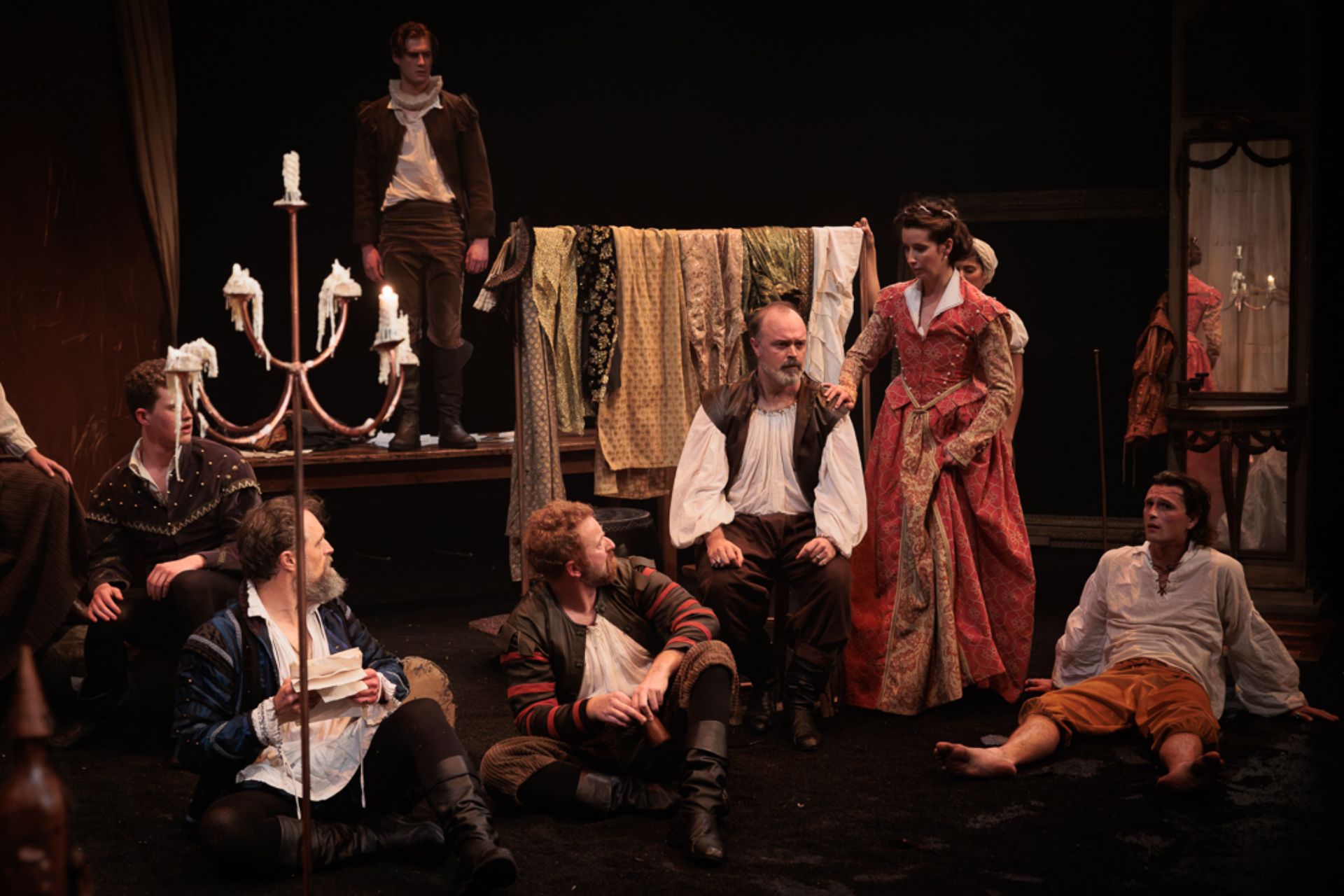
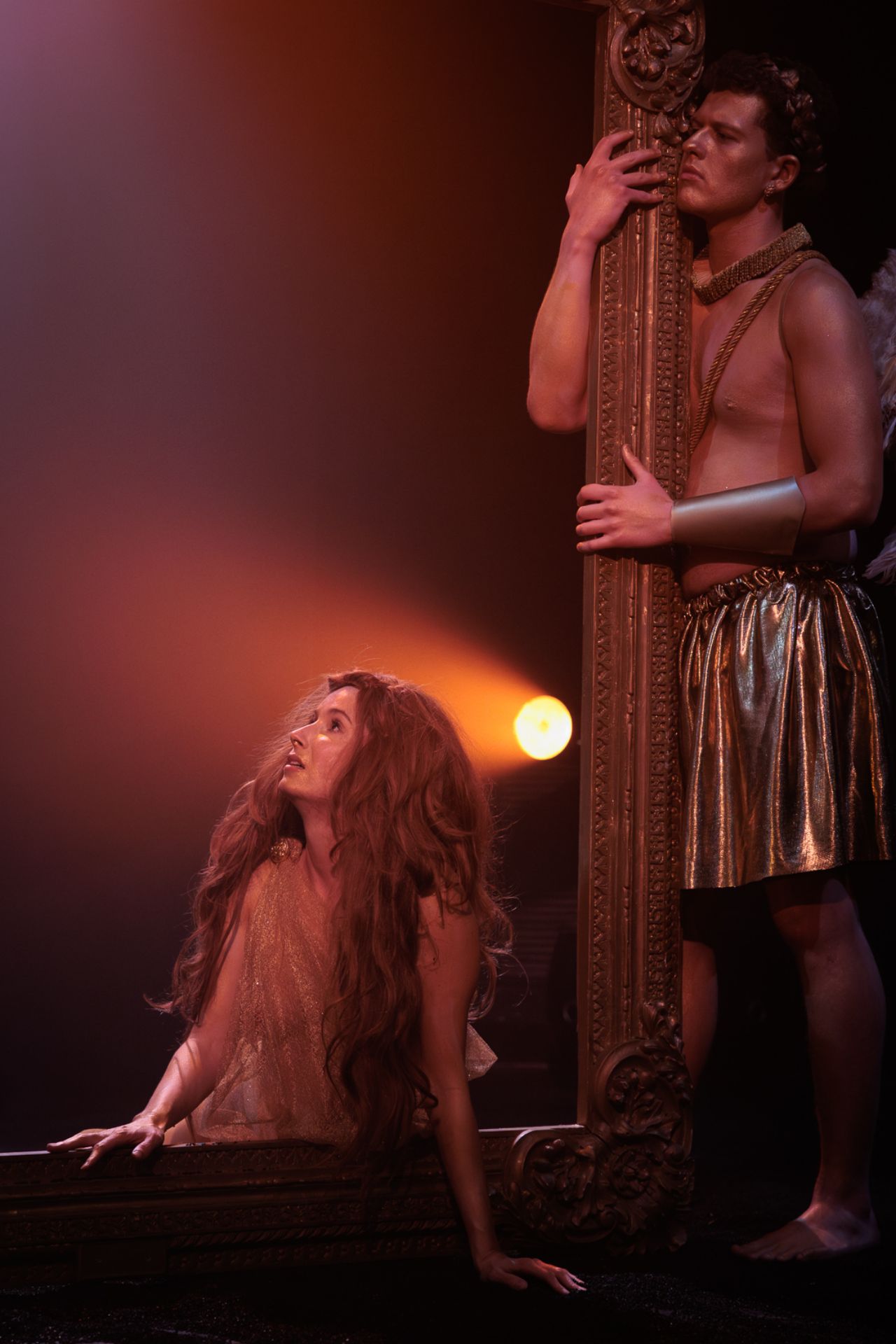
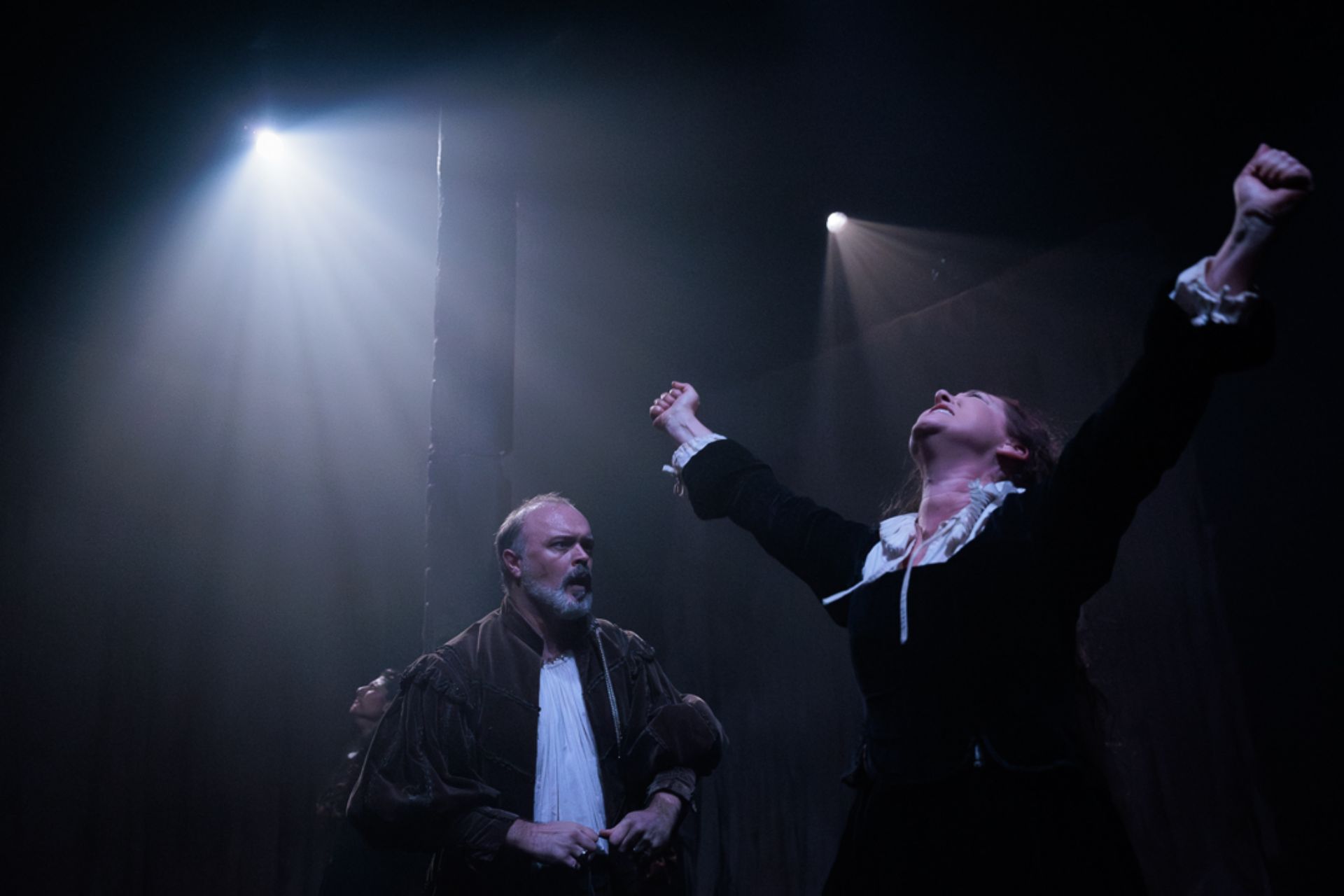
Damien Ryan’s 3-hour play Venus & Adonis, named after the very poem at its inspirational centre, travels along many tangents, in an effort to contemporarise the most classical of storytelling. It is conscious of divergent perspectives, and attempts to be inclusive especially of feminine viewpoints, that have been traditionally ignored over centuries of Shakespearean reverence. There is an enjoyable theatricality to Ryan’s work as both writer and director, but the multi-faceted nature of the piece might prove inconsistent in its ability to engage. Its competing textures seem unlikely to be wholly captivating for those who need a more conventional commitment to a stronger, more defined point of view.

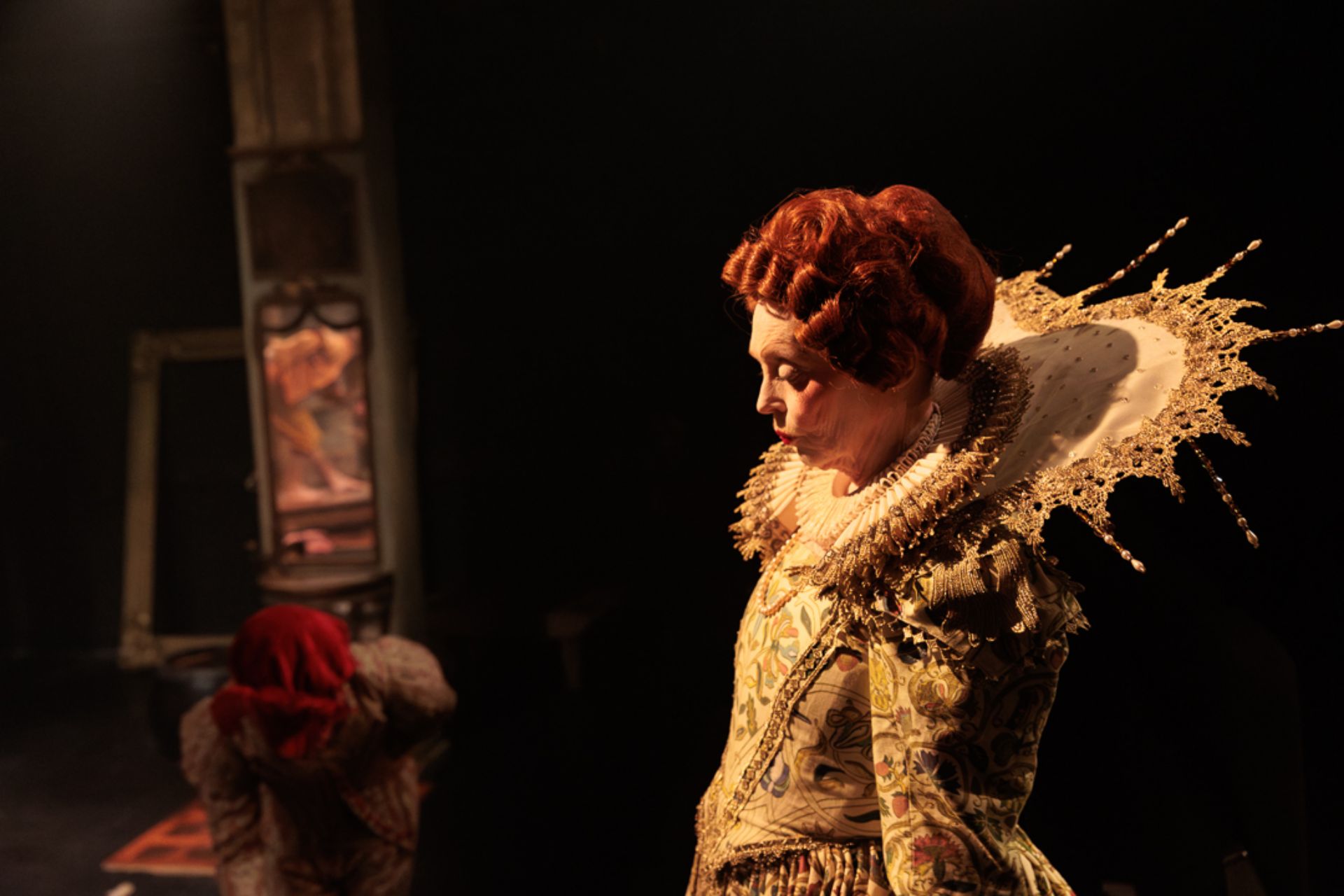
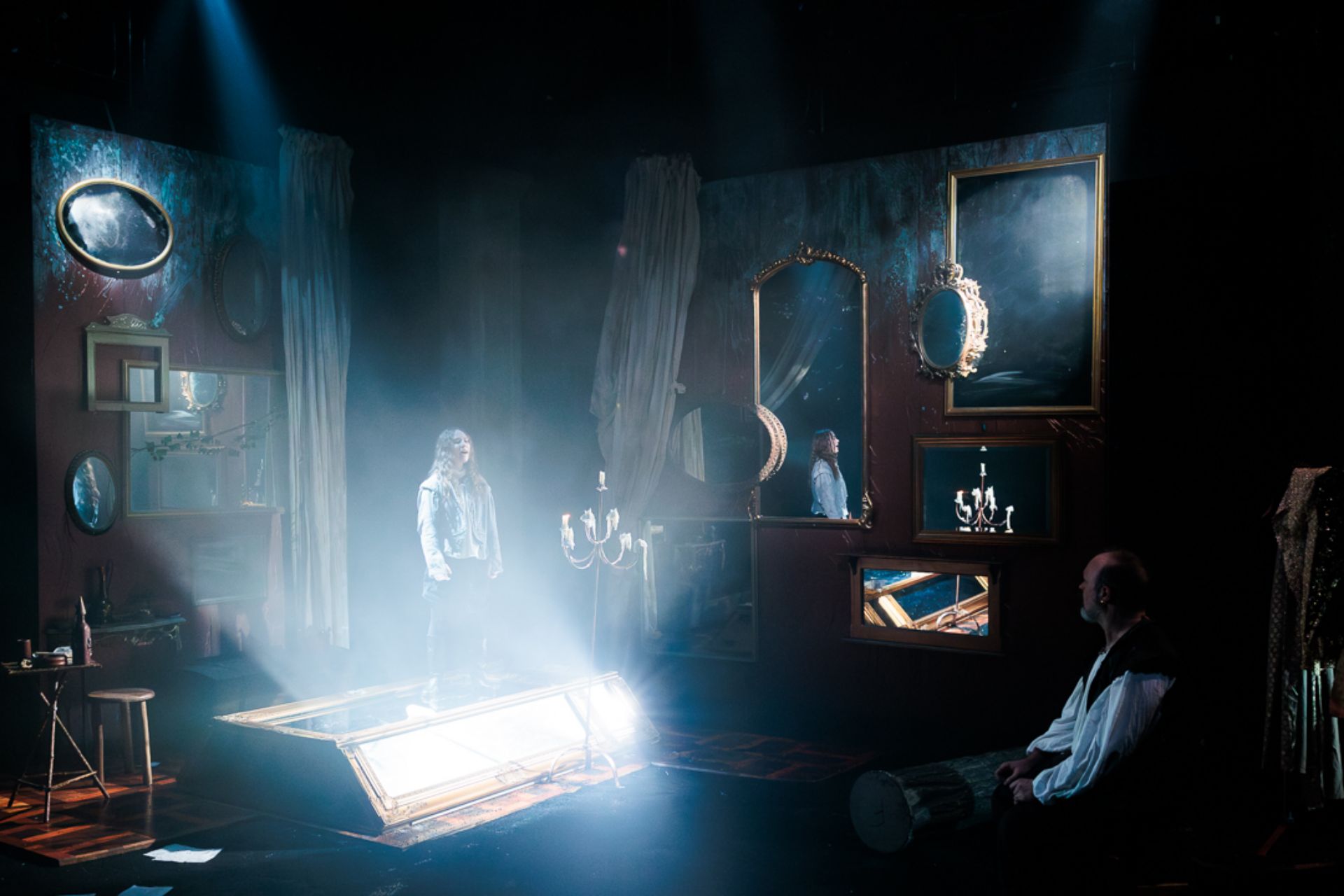
Ryan’s own stage design is surprisingly versatile, as we find our imaginations morphing effortlessly along with the many spatial transformations that occur in the play. Bernadette Ryan’s costumes are sensual, and memorable for the sense of luxury they introduce. Lights by Sophie Parker are beautiful in a painterly manner, and sounds by Jay Cameron although appropriately dramatic, have a tendency to be abrupt in their manipulations of atmosphere.

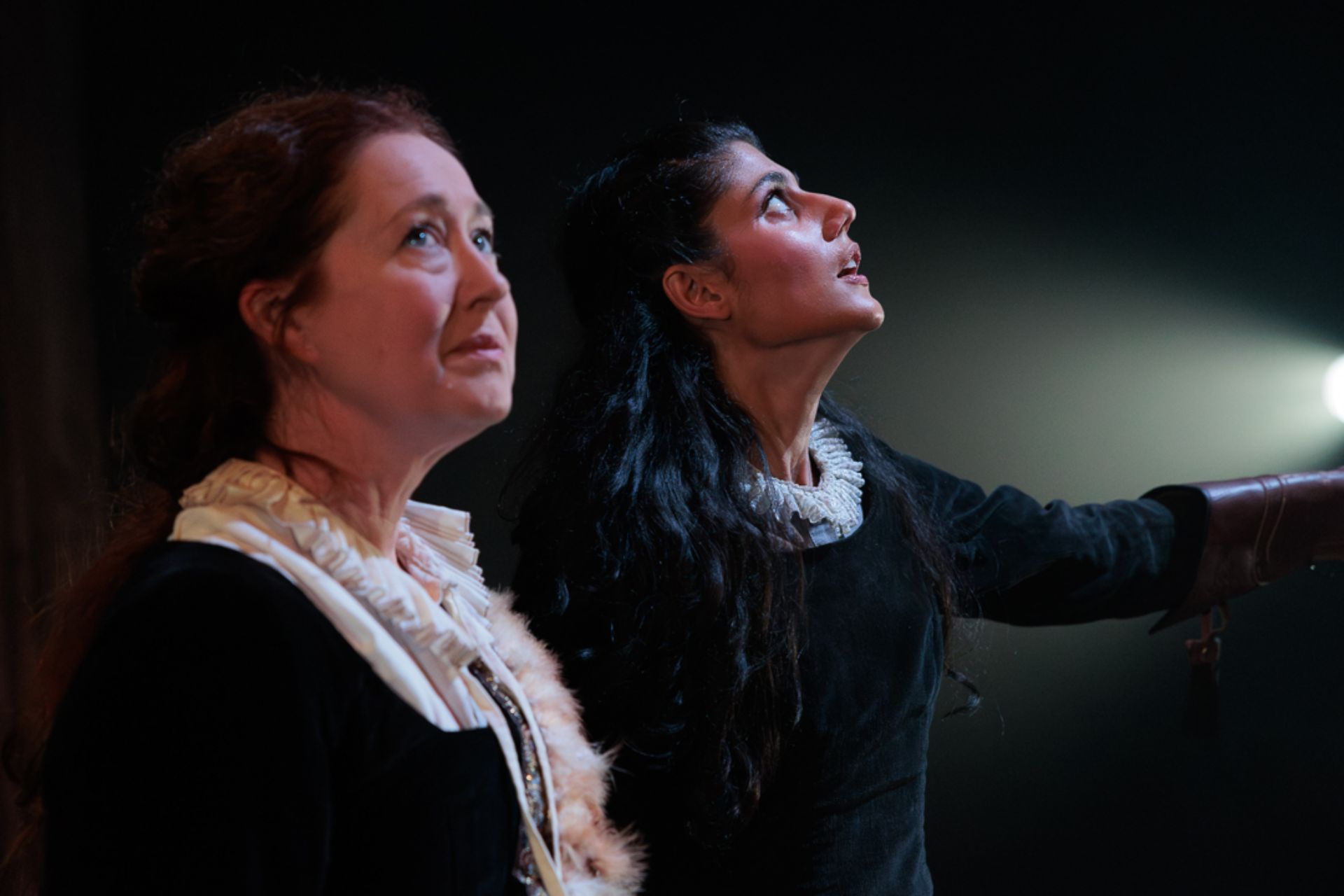
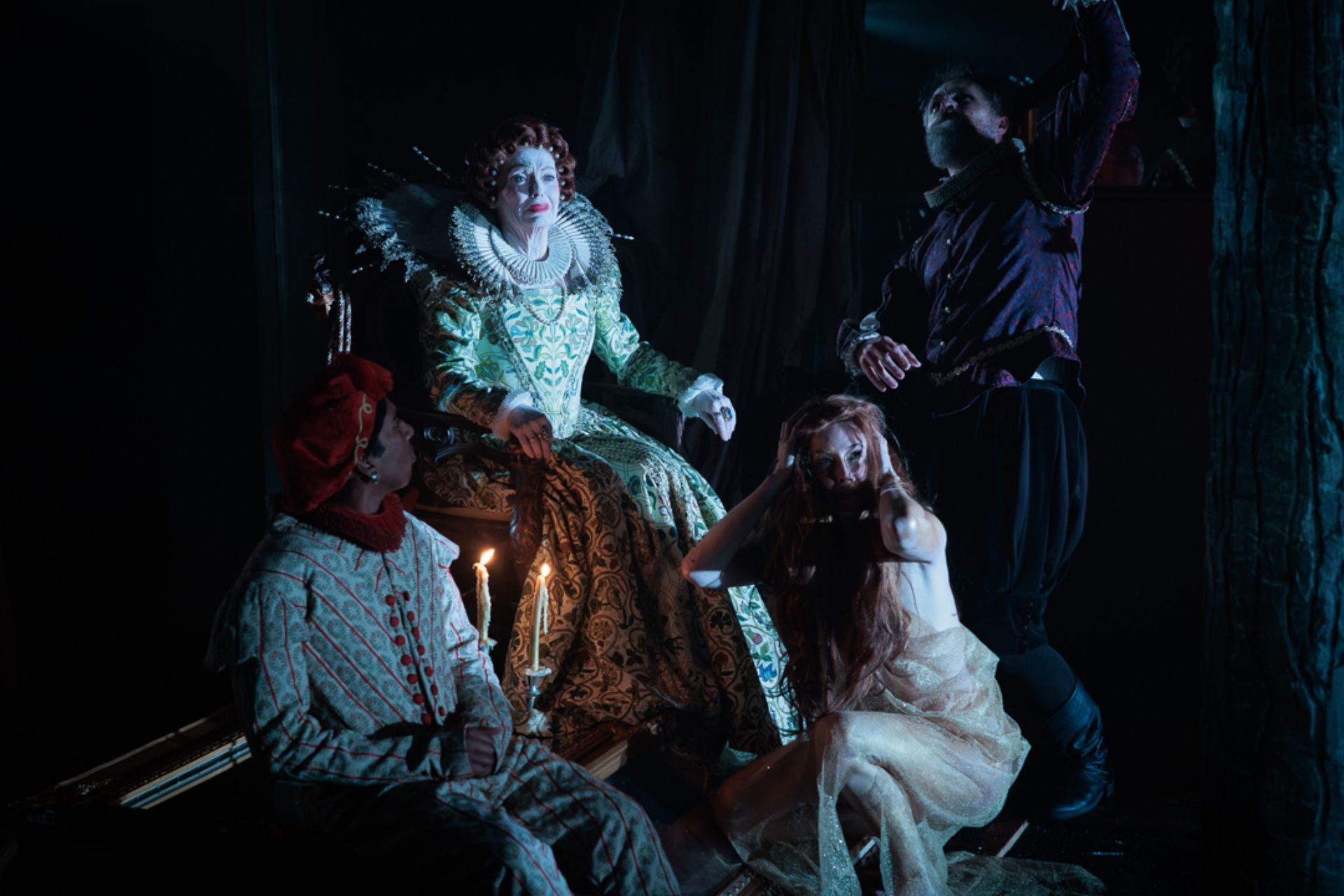
Actor Anthony Gooley plays a vulnerable Shakespeare, bringing depths of emotion that reveal a greater humanity, in an art form that has the ability to connect beyond the confines of words and narratives. Adele Querol as Lanyer is rigorous and passionate, very persuasive as a true bohemian, full of daring and conviction, whether as a woman of the 16th or 21st Century. Highly noteworthy too are Belinda Giblin and Christopher Tomkinson, playing Queen Elizabeth I and Richard Burbage respectively, both performers robust with humour and meaning, completely magnetic whenever given opportunity to occupy centre stage. Jerome Meyer is both precise and instinctual in the role of drag artist Nathaniel Field, but several jokes pertaining to gender, a main concern of the production, could easily be construed as transphobic.

To be able to look properly ahead, requires a rich understand of the past. Even for those of us who wish for a clean break from histories, need intricate knowledge on the machinations of people and society, in order that we can keep steering our lives on improved trajectories. Not all of us want to leave the past behind however, because what represents pure torment for some, is for others a symbol of their glory days. It is always a difficult entanglement. In our democratic communities, values will differ and beliefs will deviate, but the thing most worth fighting for, is a way to attain harmony, within the infinite variations of how we each experience the world.

www.seymourcentre.com | www.sportforjove.com.au

Review: The Church Of The Clitori (Sydney Fringe Festival)

Venue: Castlereagh Boutique Hotel (Sydney NSW), Sep 26 – 30, 2023
Creators: Malika Reese, Lillian Rodrigues-Pang
Cast: Malika Reese, Lillian Rodrigues-Pang

Theatre review
The Church of the Clitori by Malika Reese and Lillian Rodrigues-Pang, welcomes one and all to its place of worship, where the idea of the feminine reigns supreme, along with the gratification derived from the only human organ known for its singular purpose of providing pleasure. We are urged to revert to matriarchal forms of organising societies, where our values and beliefs relate more to the flesh and hence with a greater sense of sensual interpersonal connection, rather than cannibalistic modes of dealing with each other, such are our inclinations when men are in power.

The piece is careful to state from the outset that the clitoris to which it refers is about a mindset, an allegory for the Inner Goddess accessible by all persons, regardless of the physical manifestations their actual genitals may take. There is however an abundance of literal clitoral representations at the church, to ensure we make full use of the hour, to cleanse us of the persistent imposition of phalluses in our real normal lives.

Reese adopts the moniker of The Labias, while Rodrigues-Pang performs the part of the High Priestess, both humorous and warm in presence, as they assert their doctrine of enlightened womanhood, to a congregation that simply must relent to their insistence of cheery audience participation. Their presentation is amusing from beginning to end, sensitively considered but vivaciously delivered. It can feel rough around the edges, but the rawness it embodies is commensurate with its message of repudiation and subversion. The homespun aesthetic is almost essential, for a work that urges a retreat from capitalism, from colonialisation and white supremacy. It encourages suspicion about things that are too glossy and tidy.

Humans should perhaps stop aspiring to be like robots and other machines. We can be productive and efficient, but those should not be the core of our existence. For many years we have allowed an industrialisation and commercialisation of our worlds to extend incrementally into our souls, but at The Church of the Clitori we can reassess and rethink, and maybe make better decisions about, well, everything.

www.churchoftheclitori.org

Review: Banging Denmark (New Theatre)

Venue: New Theatre (Newtown NSW), Sep 20 – 30, 2023
Playwright: Van Badham
Director: Madeleine Withington
Cast: Matt Abotomey, Emelia Corlett, Sarah Greenwood, Kandice Joy, Gerry Mullaly
Images by Campbell Parsons

Theatre review
Ishtar has to take time out from her PhD in feminism, because she is completely broke, and misogynist podcaster Jake is offering huge amounts of money for her help in earning Danish librarian Anne’s affections. Van Badham’s 2019 play Banging Denmark has only increased in relevance, as incels and pickup artists continue to gain prominence in our consciousness, with their figureheads now becoming big-time celebrities, and with dominant cultural personalities legitimising their abhorrent values and beliefs.

Director Madeleine Withington finds in her production, the real heart of the matter, which relates to how we could solve a problem like bigotry. Before we reach that concluding epiphany however, Withington delivers a work determined to entertain, taking full advantage of the marvellous absurdity in Badham’s often outrageous comedy.

Leading lady Sarah Greenwood’s staggering intensity as Ishtar delivers for the show its electric propulsive charge. That energy renders for the role an extraordinary passion that is simultaneously theatrical, yet true to the strident archetype to which it refers. Matt Abotomey is similarly flamboyant in his humour, unabashed with the hyperbolic physicality he brings to Jake, in a show that is never short of verve.

Costumes by Ruby Jenkins offer accurate depictions of these comical characters, along with a set that offers sufficient versatility to help conjure the various scenic requirements of Banging Denmark. Lights by Luna Ng are colourful and dynamic, gallant in their efforts to introduce a sense of liveliness to the staging. Daniel Herten’s sound design too is stimulating, able to sustain interest with its quirky approach.
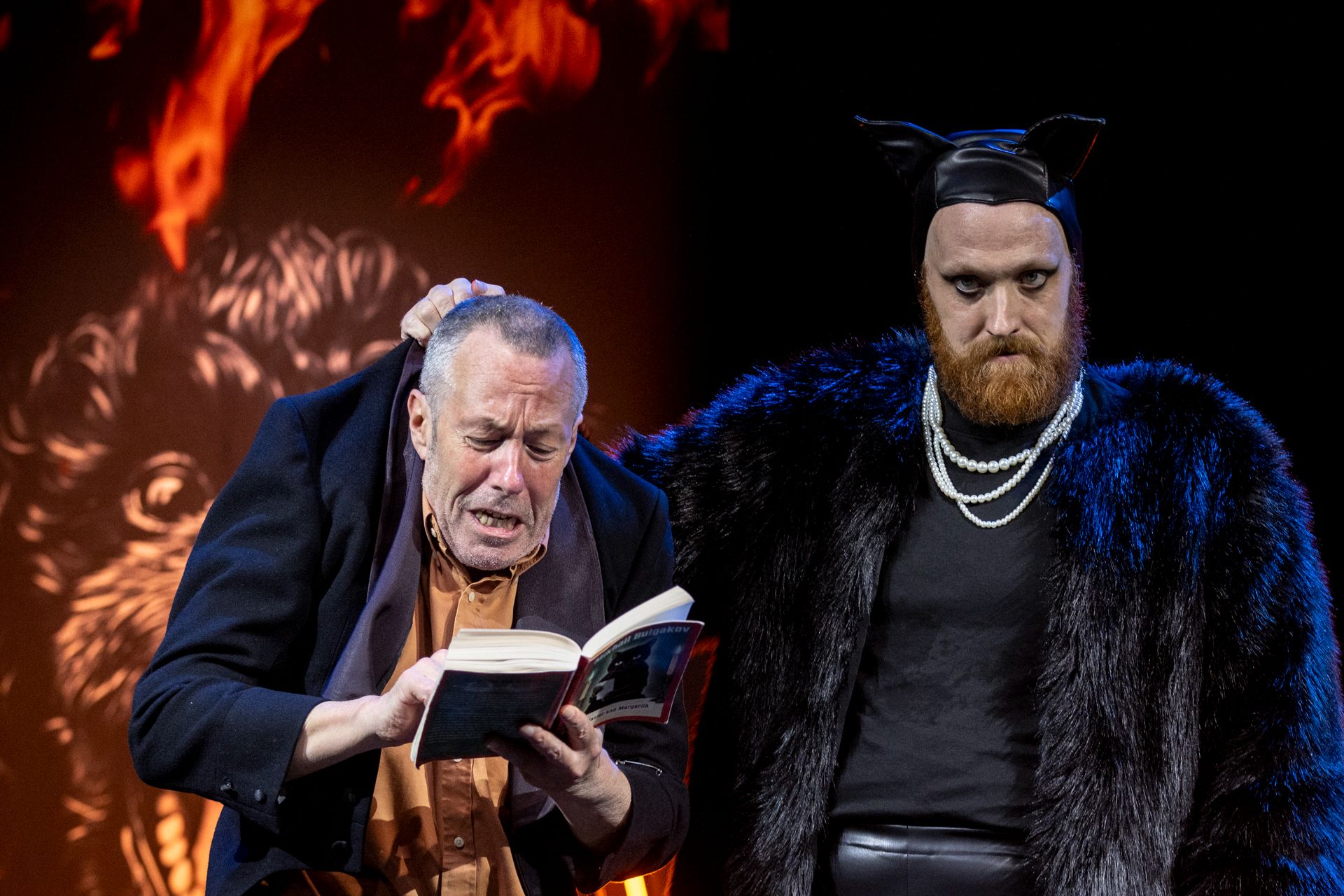
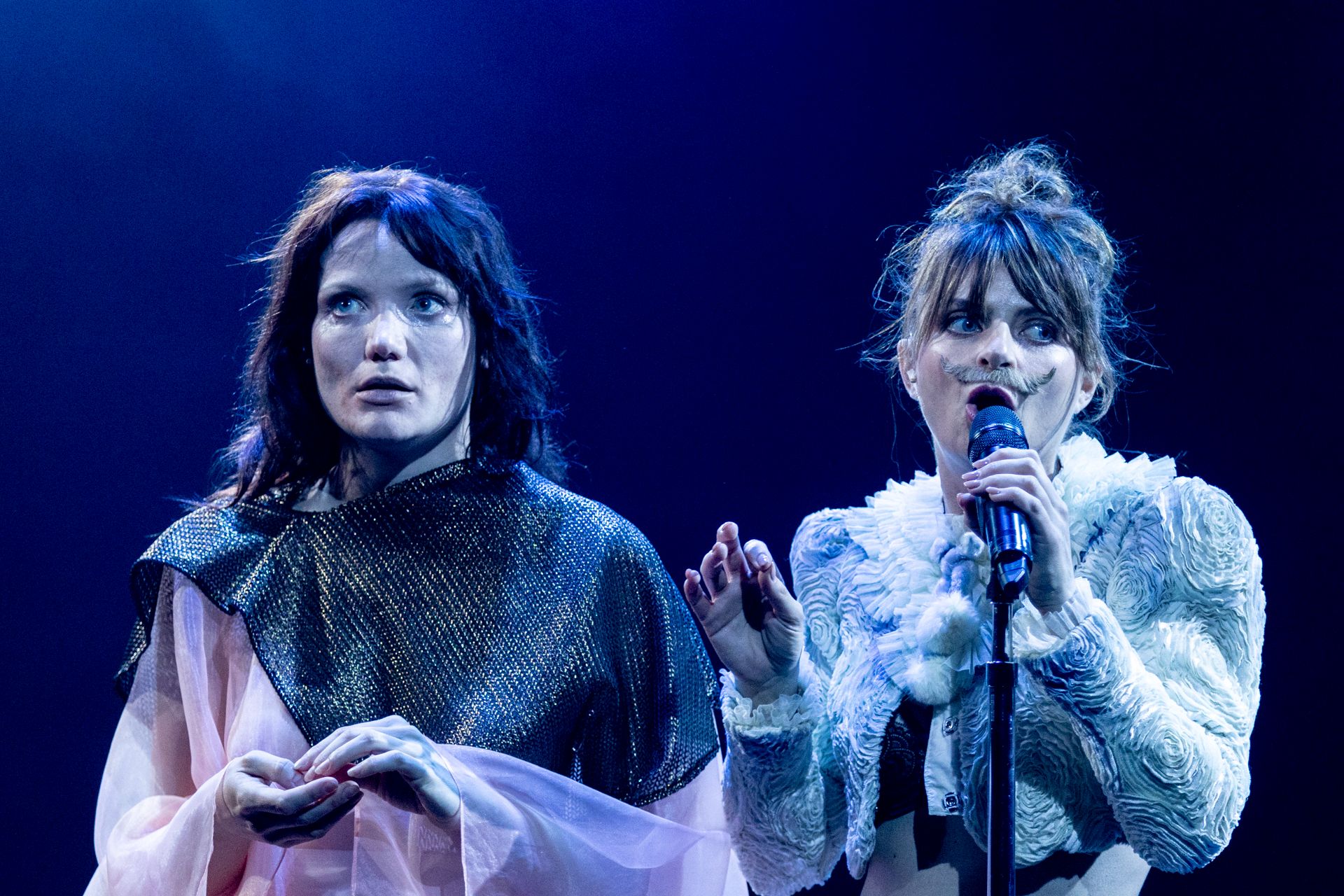
It seems a natural instinct to wish to alienate those we deem despicable, to disparage and humiliate those intent on languishing in their indignant dedication to prejudice. We know however, that cruelty does little to persuade anyone to reverse their course of action. There is a surprising kindness to Banging Denmark that can feel unsatisfying in our current climate of ravenous viciousness and inhumanity, but there is no denying the truth, that hate solves nothing, that social fracture is ultimately undesirable, except for the very few who profit from those divisions. There is a part of us that tends to relish in conflict and bloodletting, but the better parts of our humanity understand that delicious as they may feel, wars are never what we want.

www.newtheatre.org.au

Review: Human Activity (KXT on Broadway)

Venue: KXT on Broadway (Ultimo NSW), Sep 15 – Oct 8, 2023
Playwright: Katie Pollock
Director:
Suzanne Millar
Cast: Karina Bracken, Claudette Clarke, Josephine Gazard, Atharv Kolhatkar, Phillip Lye, Mason Phoumirath, Trishala Sharma, Katherine Shearer, Madhullikaa Singh, Teresa Tate Britten
Images by David Hooley

Theatre review
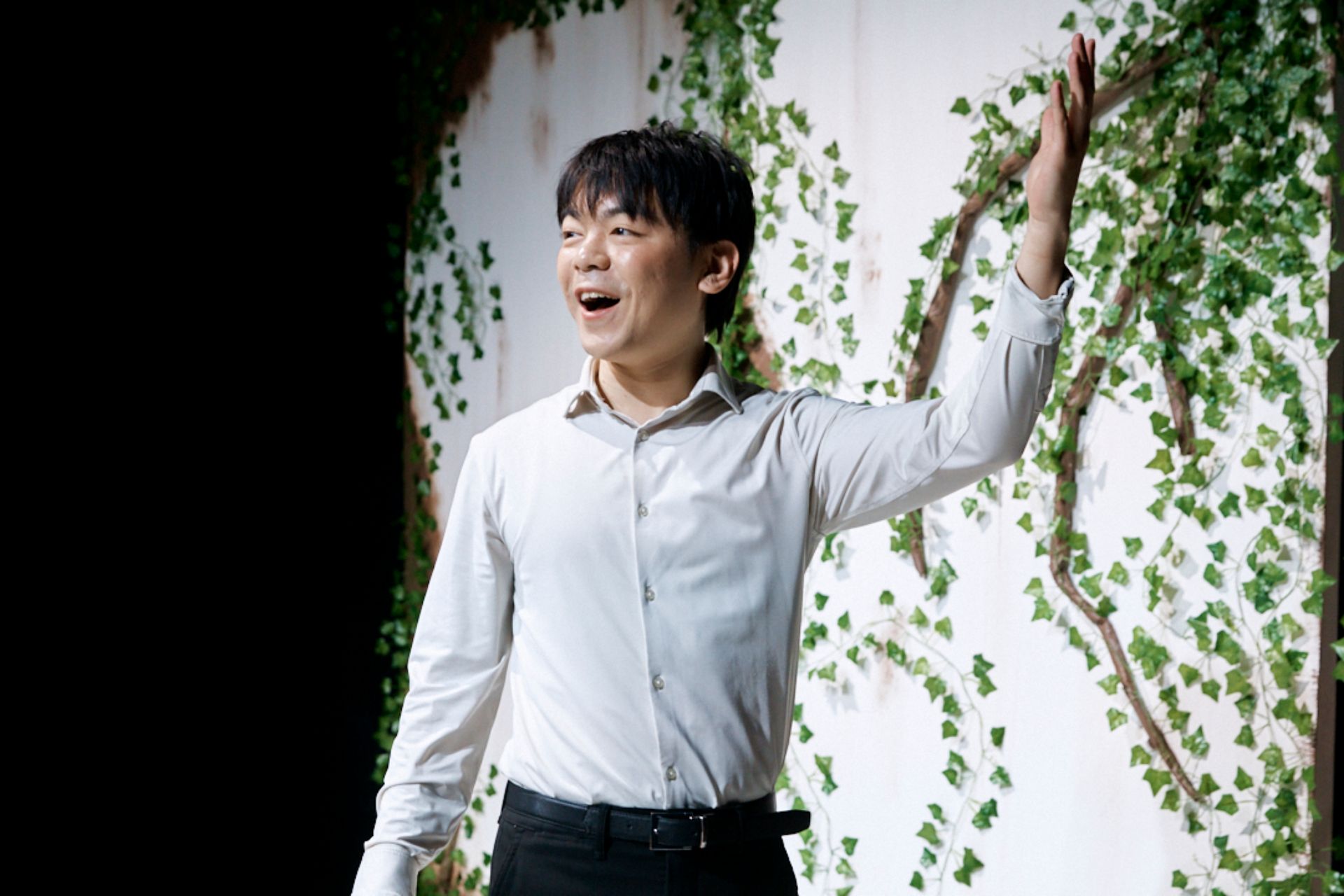
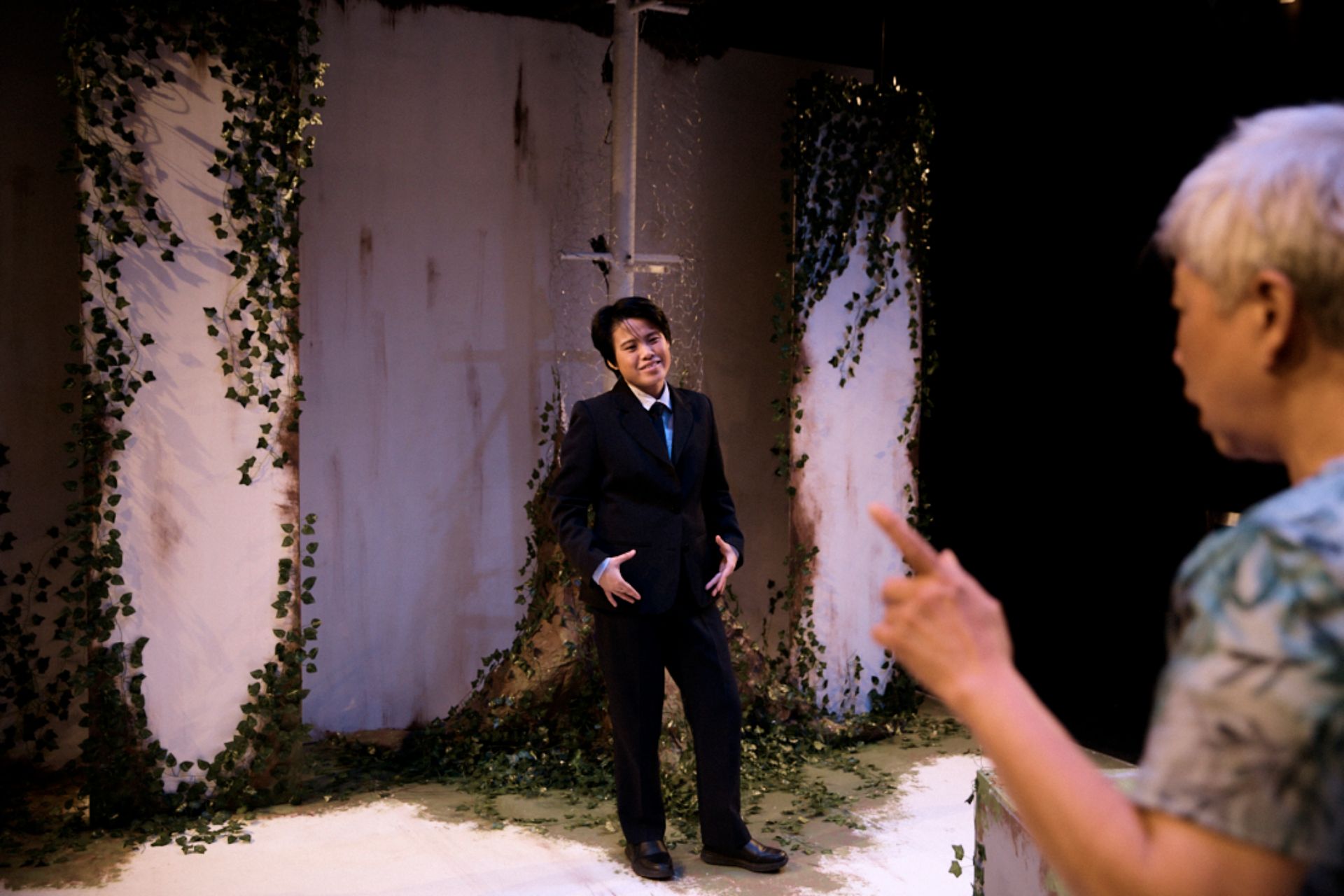
Martin Place represents the most vibrant of our city life in Sydney, with the usual hustle and bustle of a central business district demonstrating the apparent health of our economy. In 2014 however, a terrorist attack at the very heart of that precinct cast a gloom upon the nation, making us see an abhorrent side to what constitutes community on these lands. Katie Pollock’s Human Activity is only partially about that regretful incident. Even though the play is set around the very time and place of the siege, not every anecdote in the work relates directly to that disastrous moment.

Several narratives run through Human Activity, with a plethora of characters occupying our attention. Director Suzanne Millar manufactures a sense of harmony for the divergent stories, creating a production that feels a unified whole, whilst allowing its fragments to speak independently. Within this collaboration between Pollock and Millar, is a palpable tenderness that demonstrates respect and love for those we live amongst, so that we may expand ideas pertaining to communal identities, and begin to dismantle divisive notions of us and them.

Production design by Soham Apte depicts a rigorous realism, with a set and costumes that enable us to delve into the familiar sights and scenes of our urbanscape. Benjamin Brockman’s lights introduce a dulcet poeticism to soften the edges of the metropolis, guiding us to the compassionate heart of Human Activity. Sounds and music by Jessica Pizzinga are rendered with sensitivity, moving us to the familiar streets of our geographical and spiritual nucleus.

Memorable performances include actors Trishala Sharma and Katherine Shearer who bring valuable dramatic intensity to two women whose lives intersect, finding common ground where it had seemed completely unlikely. Atharv Kolhatkar and Teresa Tate Britten too are dynamic, as workers on ground zero, disturbed but needing to gather the wherewithal to soldier on.

In cities, we walk past one another, unable to connect in an environment overwhelming with its sheer volume of activity. Yet we know that it is in these concrete jungles, that we are able to thrive and flourish. This is where so many of us can discover our best manifestations, away from parochial and conservative situations determined to hold us back. The city may not suit every sensibility, but it is the most inclusive of our societies, where every person may feel equally an outsider, yet able to locate opportunities, for the possibility of making dreams happen.
www.kingsxtheatre.com | www.instagram.com/nautankitheatre

Review: Is God Is (Sydney Theatre Company)

Venue: Wharf 1 Sydney Theatre Company (Walsh Bay NSW), Sep 15 – Oct 21, 2023
Playwright: Aleshea Harris
Directors: Zindzi Okenyo, Shari Sebbens
Cast: Henrietta Enyonam Amevor, Clare Chihambakwe, Kevin Copeland, Masego Pitso, Cessalee Stovall, Darius Williams, Patrick Williams, Grant Young
Images by Pia Johnson

Theatre review

Racine and Anaia are heavily scarred, by cruel and neglectful parents who seem to know nothing about nurturing or caring for their children. Left to their own devices, the twin sisters can only understand the world as violent and savage, as we watch them embark on an odyssey of murder, in Aleshea Harris’ Is God Is. A revenge fantasy filled with wild imagination and scintillating humour, the play is both terrifying and hilarious, in its portrayals of wayward youth, unhinged femininity and recalcitrant Blackness. The United States have never looked so subversive.

Directed by Zindzi Okenyo and Shari Sebbens, Is God Is delivers delicious humour, keeping us on the edges of our seats with unpredictable characters, who prove to be truly and thoroughly intriguing. There is nothing normal about Racine and Anaia’s lives, and seeing things through their eyes, means a completely fascinating, and dangerous, experience.

Costumes by Renée Mulder conjure imagery of ruined innocence, offering a childlike perspective, but one in a state of decay, as a constant reminder of the story’s despairing centre. Mulder’s set design involves a protean structure evoking notions of home, establishing for the production a whimsical style that draws parallels with the much more wholesome fare of juvenile television programming. Lights by Jenny Hector help manufacture drama, but is somewhat lacking when required to convey a sense of macabre during key moments of repugnance, for this occasion of genre theatre. Sounds and music are effectively rendered, by Joe Paradise Lui, to ensure that we navigate the varying tones of the production, as it slips and slides ever so subtly between comedy and horror.

Henrietta Enyonam Amevor and Masego Pitso play Anaia and Racine respectively, both actors vivacious and charismatic, able to blend naivety with brutality, for their confronting depictions of civilisation in disarray. The troubling pair’s mother is performed by Cessalee Stovall, who guides us to the truthful core of Is God Is, without sparing us the necessary discomfort of having to acknowledge the pain in that truth. Also remarkable is Darius Williams, who as the grandiose poet Scotch, gives us some of the biggest laughs, in a fabulous acerbic take on youthful and misguided masculinity. It is a marvellous cast, with each individual leaving an excellent impression with the complexities they introduce, along with the sheer entertainment they manufacture, for this very dark tale.

It only makes sense, that the most audacious fantasies should come from the most marginalised. Young, Black women are routinely underestimated, diminished and shunned. Being the very antithesis and embodiment of that which is pale, male, stale and therefore most highly valued, their perspective from a position diametrically opposite to the hegemony, is what will reveal the most of our ills. Is God Is may not choose to engage directly or explicitly with all our social issues, but just to have art of this nature materialise, is an indication of our capacity to shift, and a reminder that culture is always malleable.

www.sydneytheatre.com.au | www.mtc.com.au

Review: The Visitors (Sydney Theatre Company)

The Visitors is at the Opera House Drama Theatre from Sep 11 to Oct 14;
Riverside Theatres from Oct 19 to 21; and Illawarra Performing Arts Centre from Oct 25 to 28.

Venue: Sydney Opera House (Sydney NSW), Sep 11 – Oct 14, 2023
Playwright: Jane Harrison
Director: Wesley Enoch
Cast: Joseph Wunujaka Althouse, Luke Carroll, Elaine Crombie, Kyle Morrison, Guy Simon, Beau Dean Riley Smith, Dalara Williams
Images by Daniel Boud

Theatre review
Foreign boats have been making increasingly frequent trips to these shores, and our inhabitants are beginning to worry about their intentions. Seven clans have sent representatives to a meeting, to decide on a course of action; they must consider whether to be hospitable, or to demand the intruders’ departure. Jane Harrison’s extraordinary The Visitors can be thought of as a seminal work, undeniably important in its reflections about our final fateful days before colonialism.

Instead of abject despondency, which is an entirely appropriate attitude for this subject, Harrison’s play is dignifying, replete with intelligent humour, and often charmingly wistful in its depictions of an Aboriginal past. It takes us on a meditation of our history and its consequences, reaching a powerful conclusion that affirms and honours Indigenous sovereignty. There are endless themes we can explore in our art, but this issue of land ownership and of First Nations independence, must surely be paramount, in any of our discourse upon these terrains.

Wesley Enoch’s salient direction of the piece, makes the action feel as though it all happened just yesterday. The point being made is unambiguous and robust, and the show is emphatically inclusive of every viewer, in these pertinent investigations about the people we are. An outstanding cast of zealous actors demonstrate unequivocally the resilience and the indomitability of the communities that they represent so gloriously. Their chemistry is immaculate, in a show that speaks with a beautifully harmonious sense of solidarity. Especially noteworthy is Luke Carroll, who as Gordon, brings the production to a riveting emotional peak, so that we leave with absolute certainty about how we are to proceed, with out private and political lives.

Production design by Elizabeth Gadsby provides a juxtaposition of native and alien, in a way that inspires greater complexity to how we may choose to conceive of this iteration of the colonial experience. The unmistakably Western mode of dress is challenging, but valuable as a reminder of the hegemony under which we are conducting these discussions. The set pays tribute to the sacred quality of our landscape, persistent and eternal. Lights by Karen Norris take us somewhere ethereal, satisfying in the lyricism it evokes, to have us longing for a place that is magical in its simultaneity of being both distant and immediately accessible. Brendon Boney’s sounds and music are restrained to start, effective at facilitating our imagination of a precursive, more natural existence, but gains in intensity for the final minutes, to ensure our exhaustive investment into The Visitors‘ core intentions.

We may not be able to revert to a moment of origination, to undo every injustice, but we can always choose to forge better paths ahead. Our trajectory if left unchecked, will continue with its project of dispossession and division, exacerbating the many regretful situations we currently find ourselves. Humanity is capable of both benevolence and malevolence, and either way we choose to make our decisions, we must know that harm unto others, will always have unwitting reverberations that return to those determined to be callous and mercenary.

www.sydneytheatre.com.au | www.moogahlin.org

Review: Blaque Showgirls (Griffin Theatre Company)

Venue: SBW Stables Theatre (Darlinghurst NSW), Sep 4 – Oct 21, 2023
Playwright: Nakkiah Lui
Directors: Shari Sebbens, Ursula Yovich
Cast: Mathew Cooper, Jonathan Jeffrey, Matty Mills, Angeline Penrith, Stephanie Somerville
Images by Brett Boardman

Theatre review
Chandon has been the star of the legendary Blaque Showgirls cabaret show for more than a few years, but her position is in threat of being usurped by the young and ambitious Ginny. Based on the 1995 cult classic Showgirls by Paul Verhoeven, Nakkiah Lui’s highly satirical Blaque Showgirls extends the tradition of stories dealing with the menacing ingenue, for a renewed look at dog-eat-dog capitalism through a feminist lens, examining the entrenched racism fundamental to the enduring dominion of a system derived from our colonial history.

The issues are serious, but the show presents them in deceptively silly ways, for a work of theatre that talks about our darkest matters without relying on painful enactments of trauma. Lui’s work is irrepressibly effervescent, but with sarcasm dripping from every line, it aims to create laughter as it fervently exposes the injustices suffered by those Indigenous to this land. Co-directed by Shari Sebbens and Ursula Yovich, we are treated to a modern farce, chaotic and messy in the best possible ways. Taking inspiration from the campy absurdity of Verhoeven’s film, the style of comedy in Blaque Showgirls is commensurately heightened, with a fierce denial of naturalism that almost seems to make a statement, about wishing to reject the venerated but bland aesthetics characteristic of whiteness.

Production design by Cris Baldwin is all tinsel, glitter and fake fur, playing with notions of taste to deliver a set and costumes that tantalise, and that challenge the meanings and representations of class, within an art form that is essentially Western by tradition. Verity Hampson’s lights are as playful as they are colourful, and along with rapturous sounds and music by Jessica Dunn, the overall vibrancy of this staging proves a joy.

Actor Stephanie Somerville brings an inconceivable authenticity to the scandalous role of Ginny, empathetic one moment, and dangerous another, we are left truly outraged by her antics. As Chandon, the arresting Jonathan Jeffrey brings not only excellent timing, but also marvellous indignation to his spirited portrayal of a discarded diva. Angeline Penrith is extremely compelling as Molly, in a ruthlessly biting performance that really gets to the heart of the entire exercise. Matty Mills as Kyle MacLachlan, and Mathew Cooper as True Love Interest, are both passionate and funny, in a show that takes its politics as seriously as it does its humour.

The people who do bad things in the play never recognise, much less admit to, the racism they enact and perpetuate. They might be able to acknowledge the failings of systems, but will not disengage from them, and will certainly not take blame for benefiting from them. They feign powerlessness, and argue that their absence during the origination of these problems, means they are not to take responsibility. They will not say that they want structural injustices to be preserved, but get hysterical at every little effort to change things. Even when the villains of the piece are unveiled at the end, they do not relent or concede. They relish in playing by the rules, even though the rules are demonstrably harmful. No wonder any attempt at amelioration is characterised as radical.

www.griffintheatre.com.au