Review: Meow’s Meow’s The Red Shoes (Belvoir St Theatre)

Venue: Belvoir St Theatre (Surry Hills NSW), Oct 4 – Nov 9, 2025
Creator: Meow Meow
Director: Kate Champion
Cast: Kanen Breen, Mark Jones, Meow Meow, Dan Witton, Jethro Woodward
Images by Brett Boardman

Theatre review
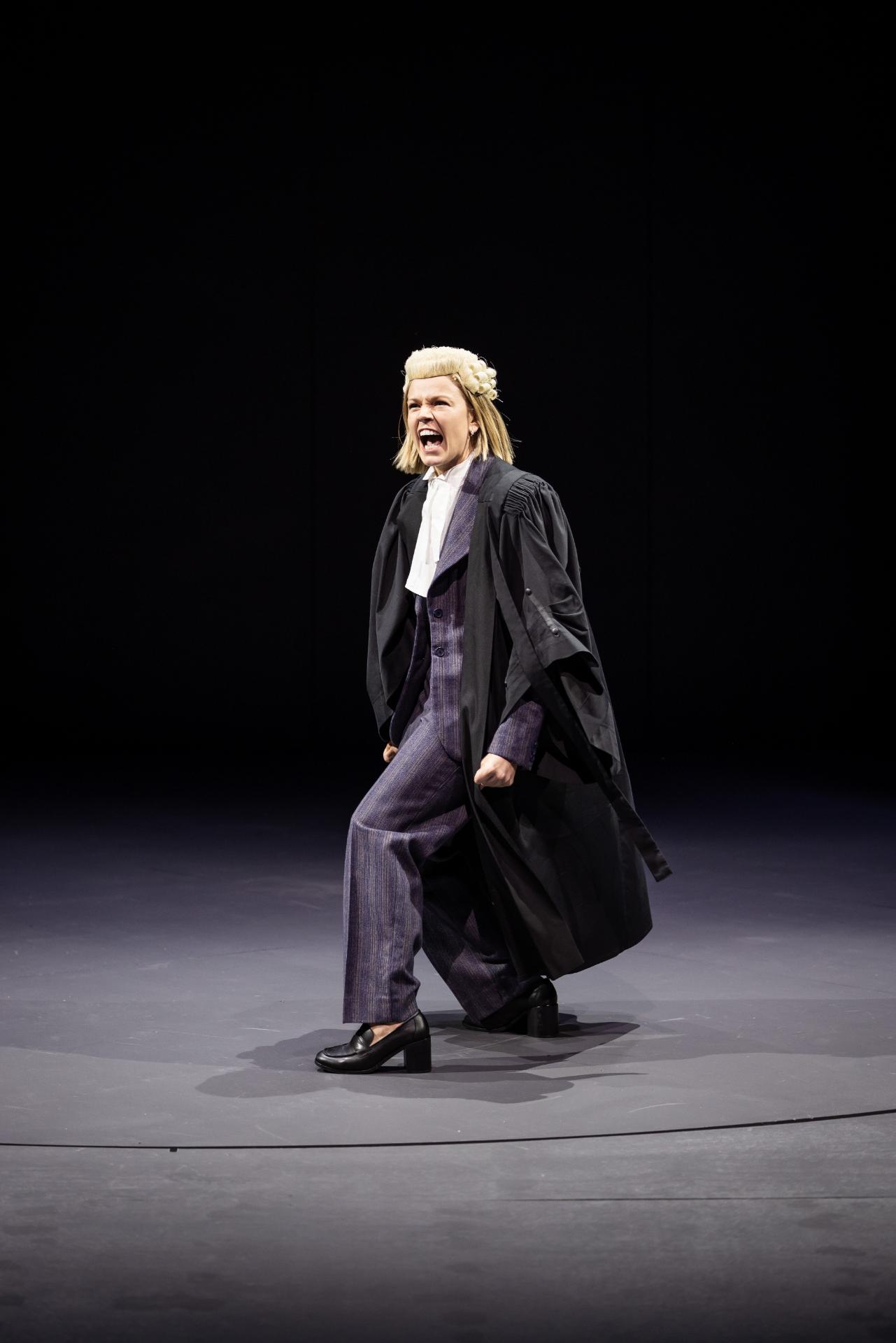
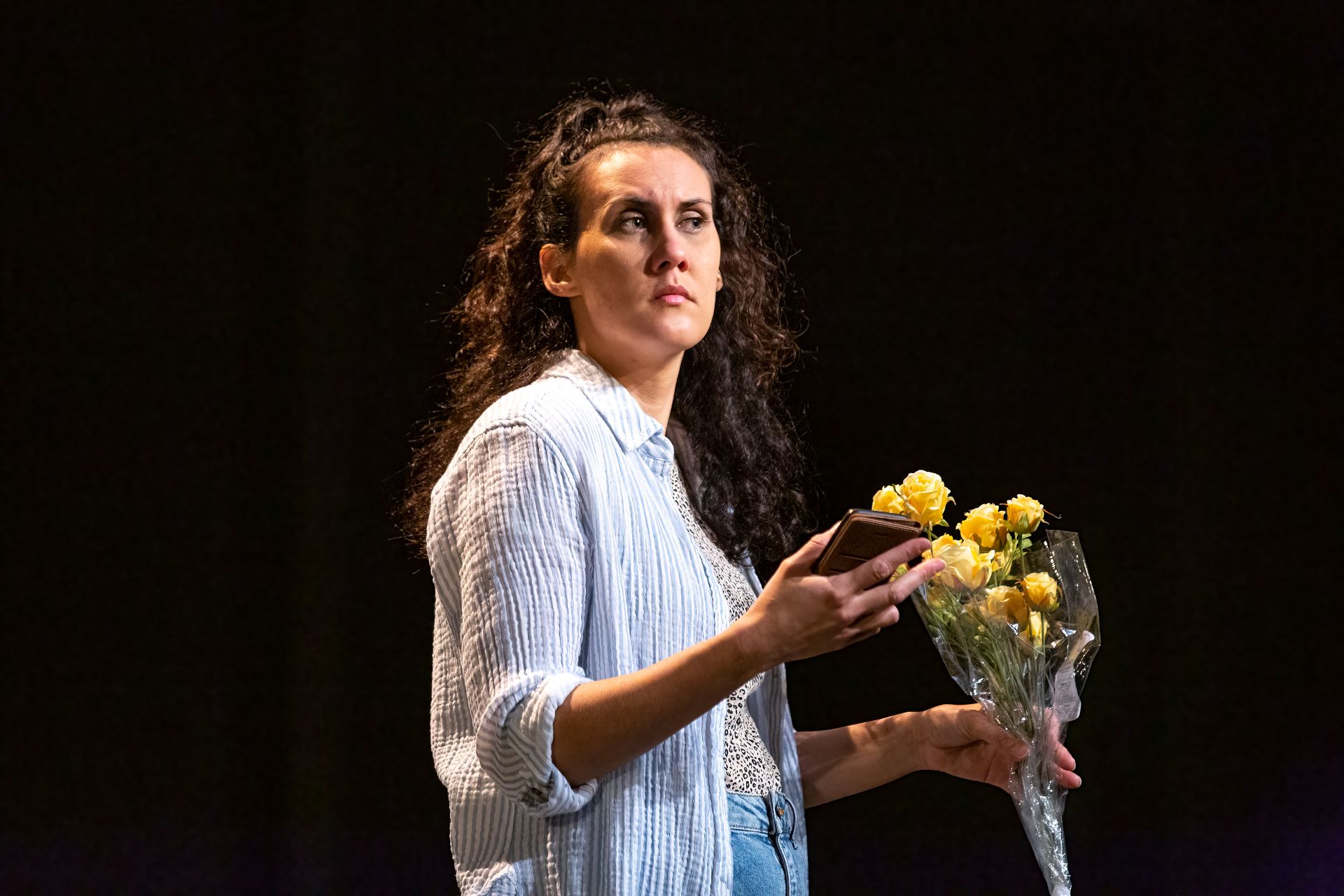
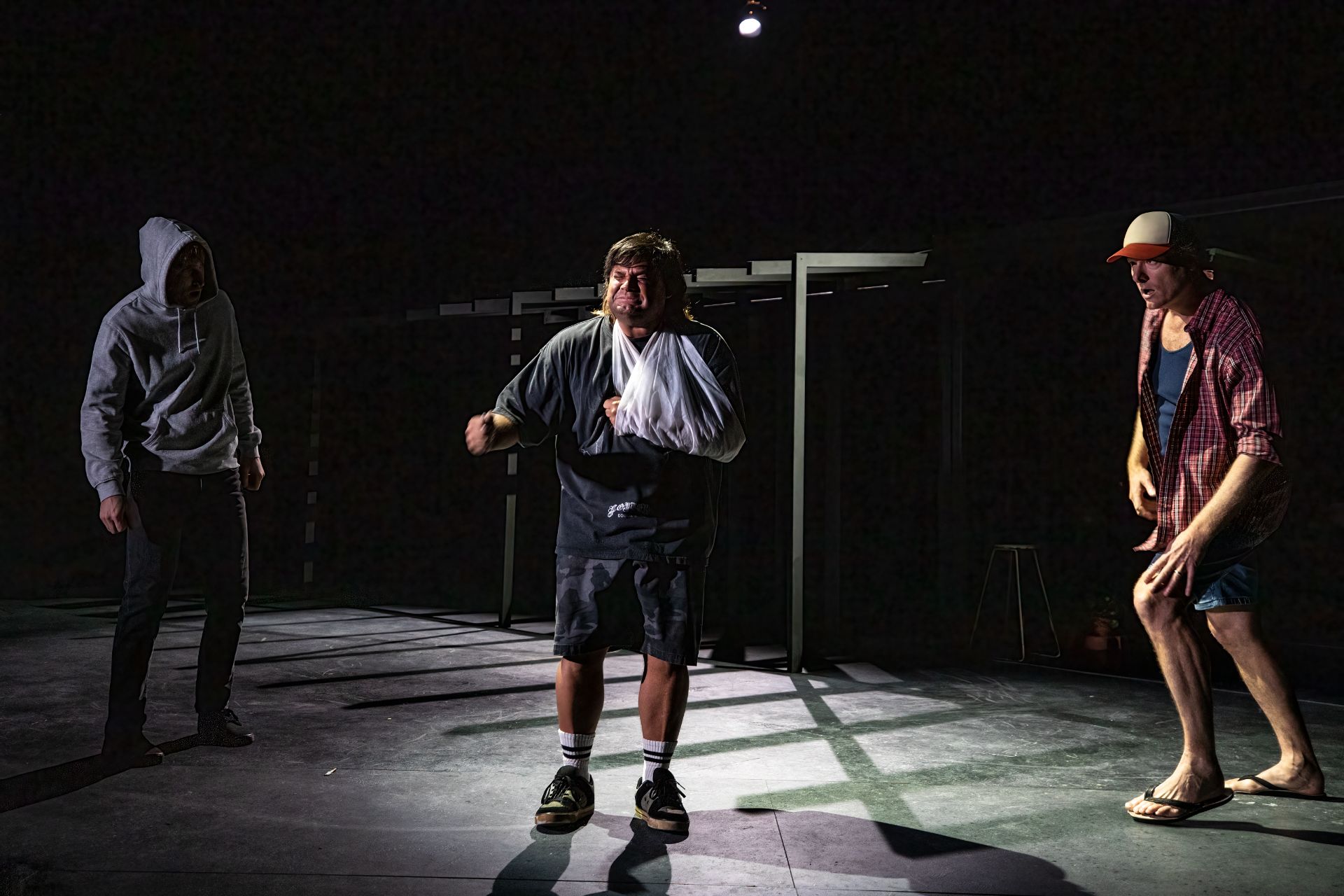
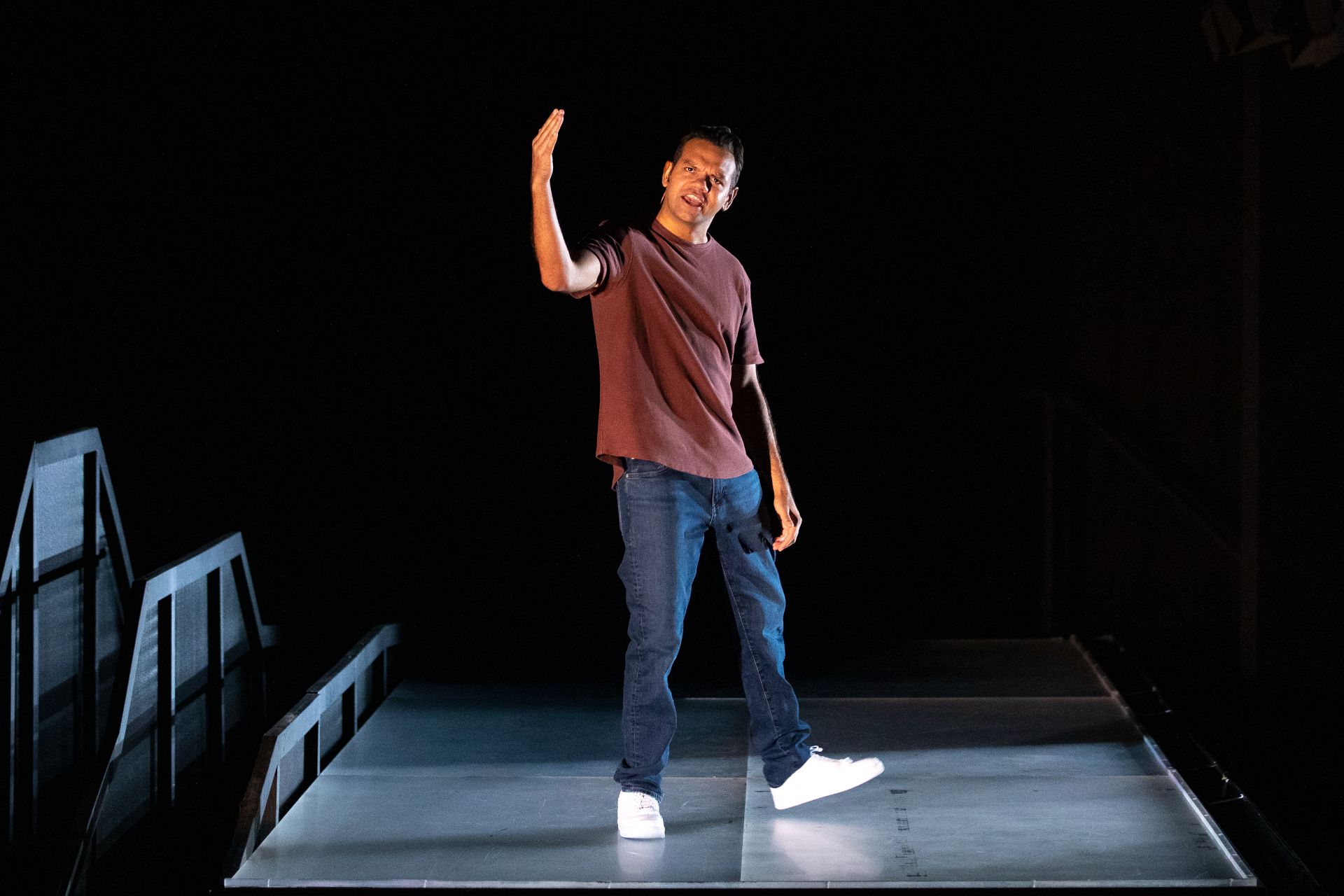
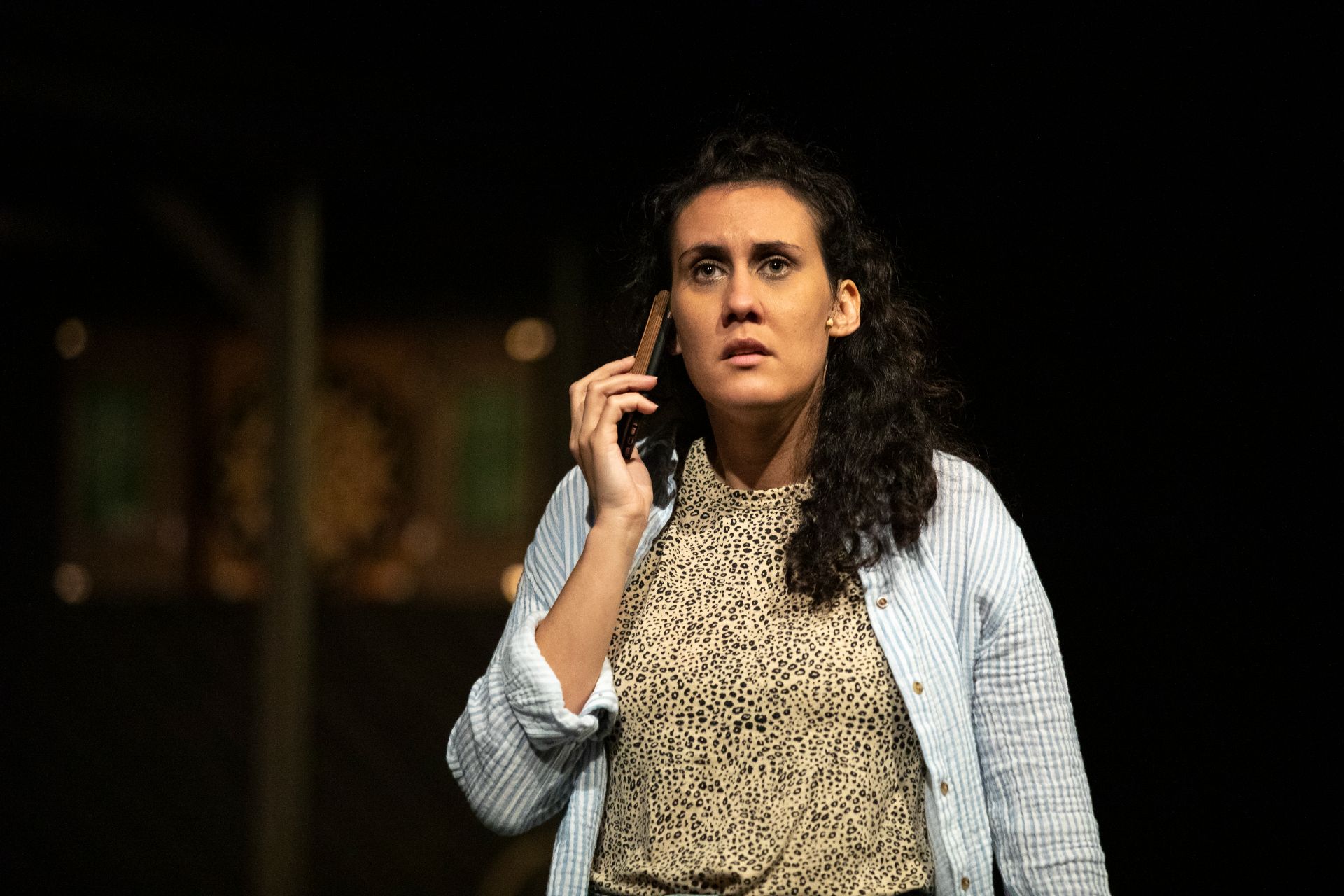
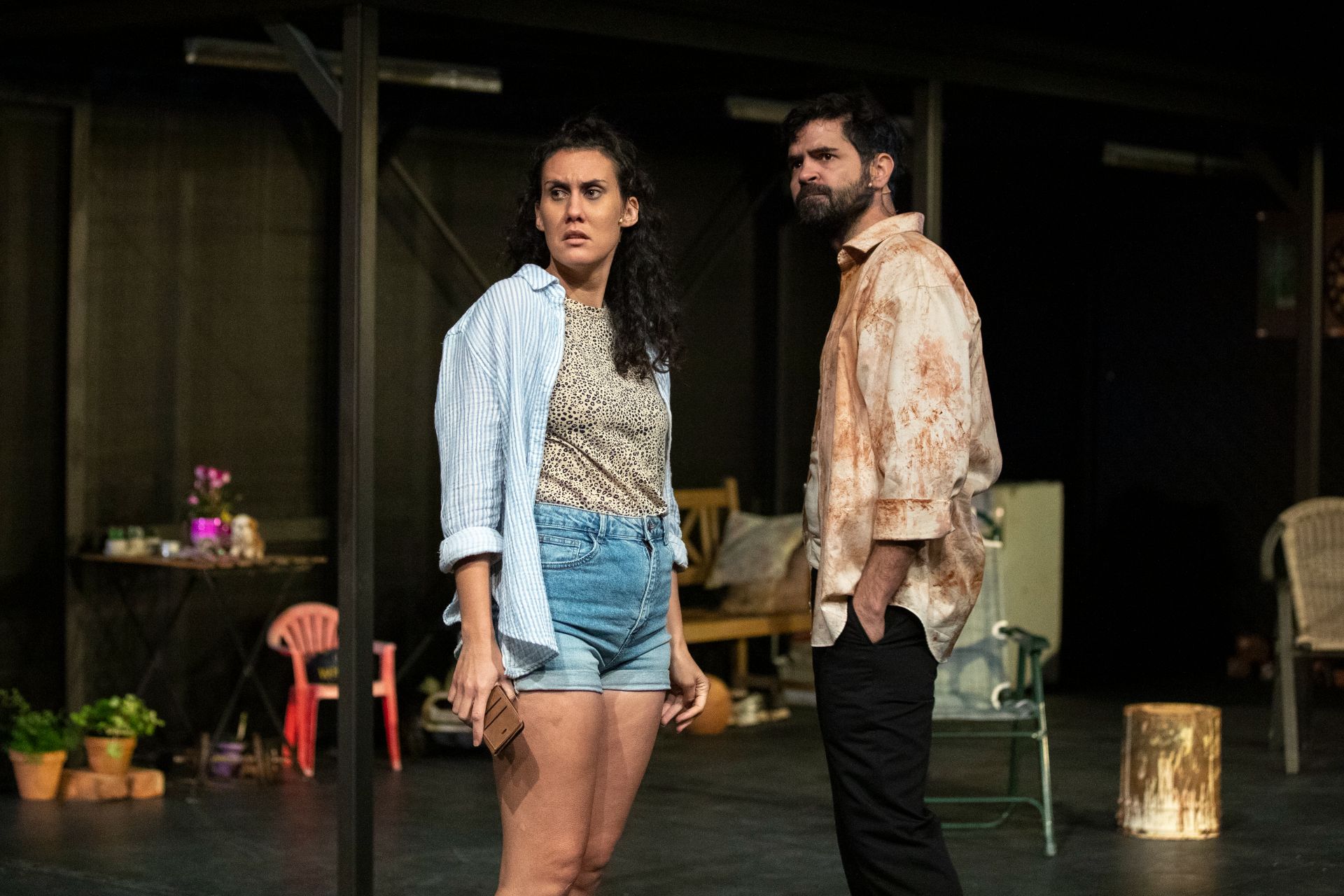
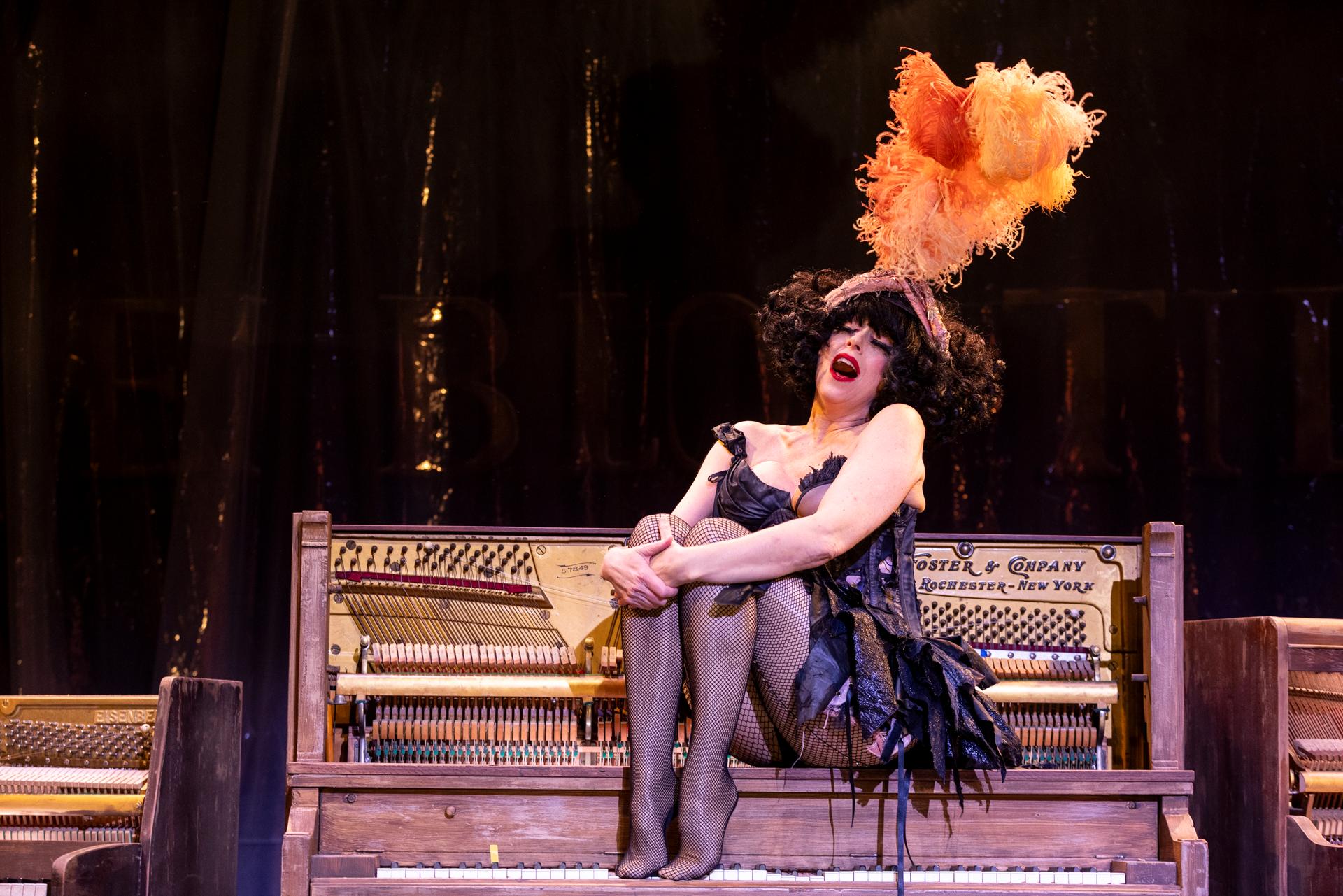
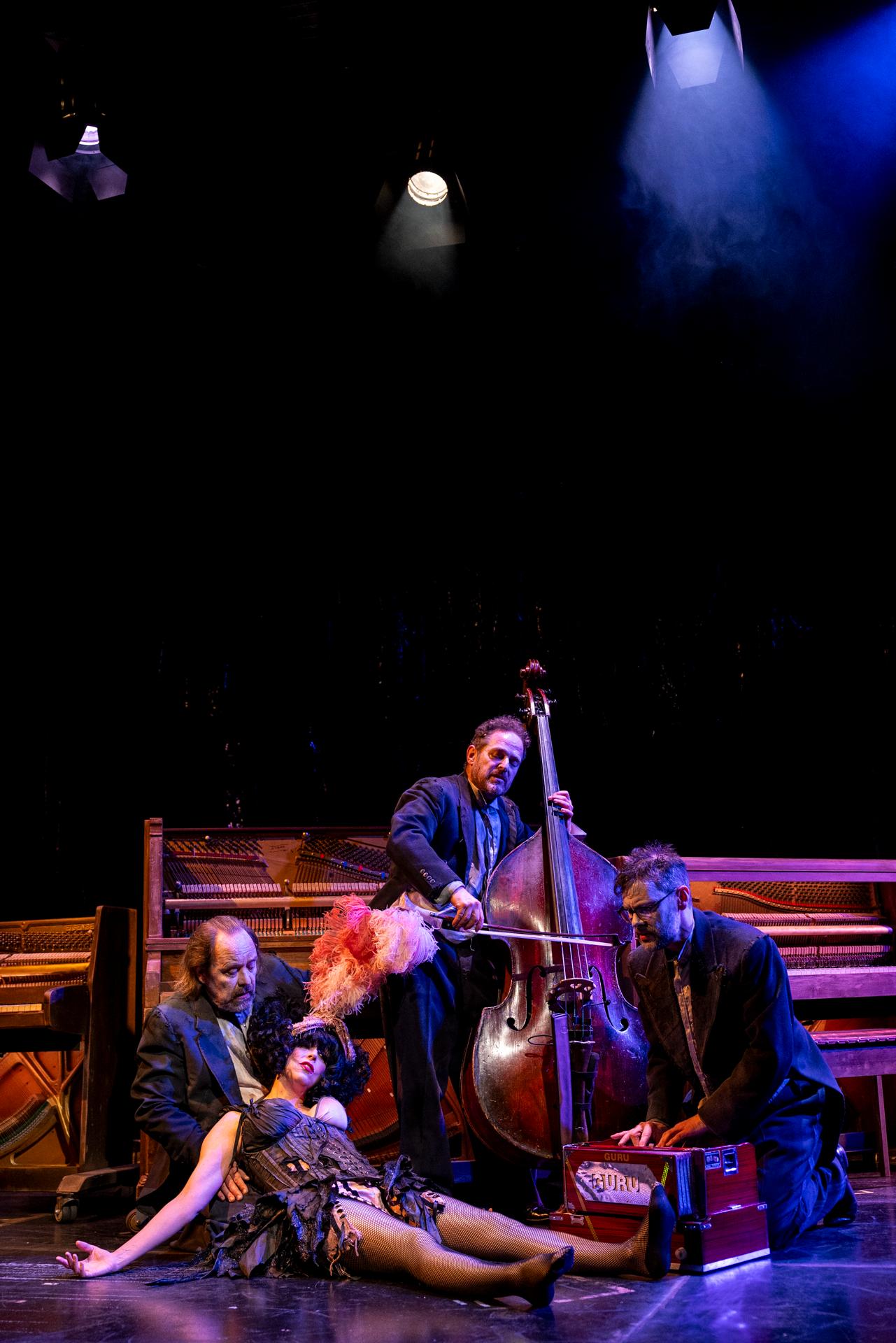
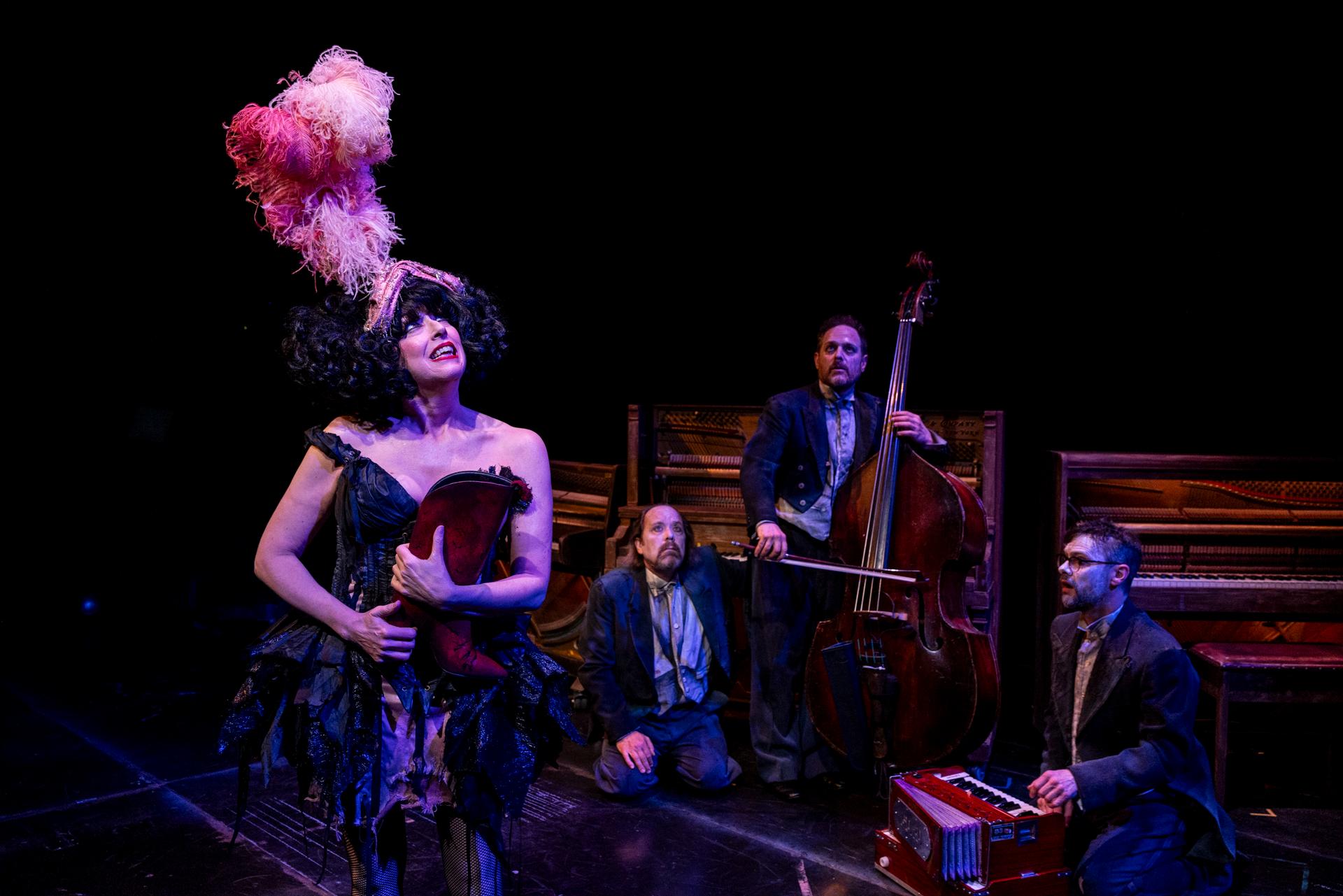
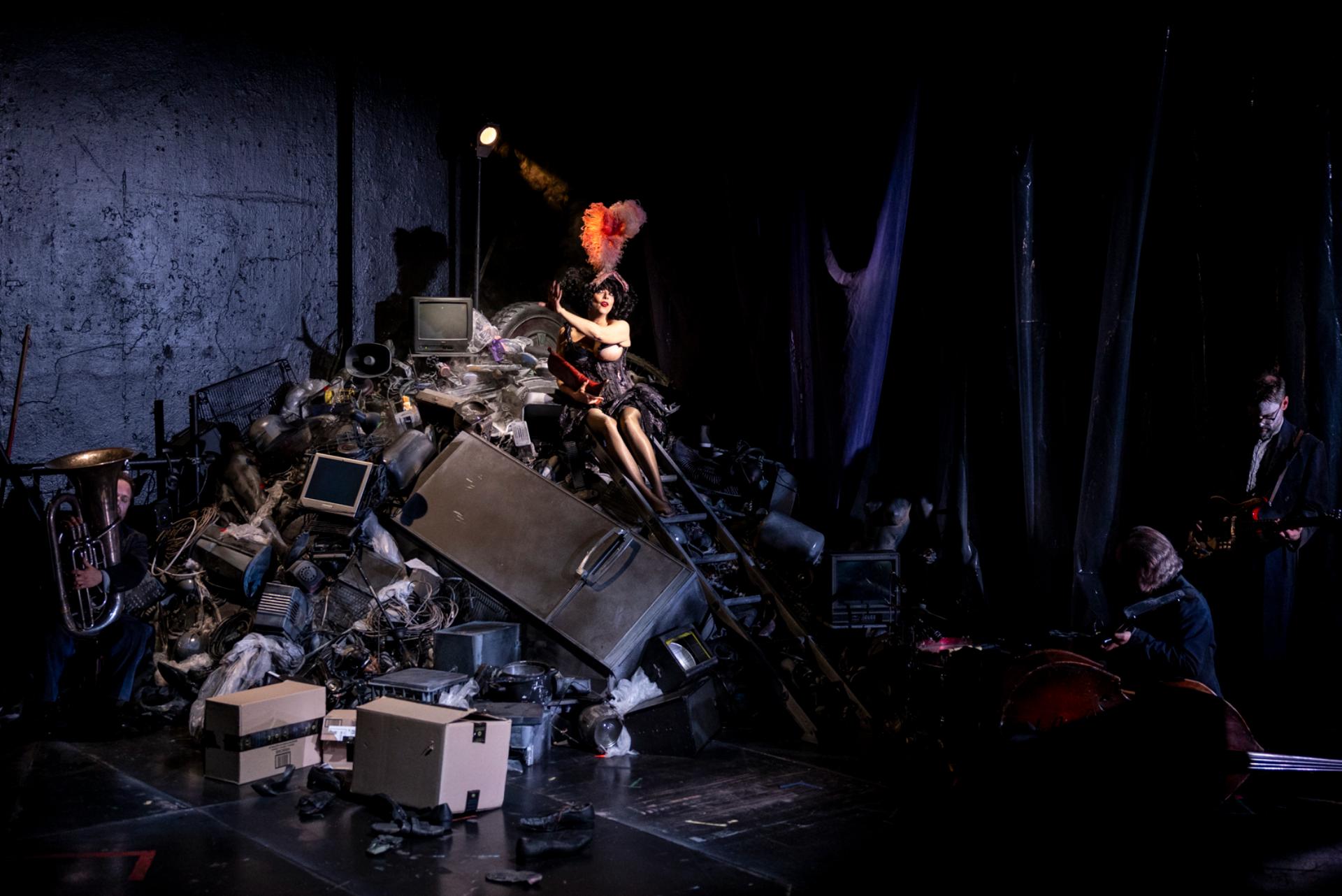
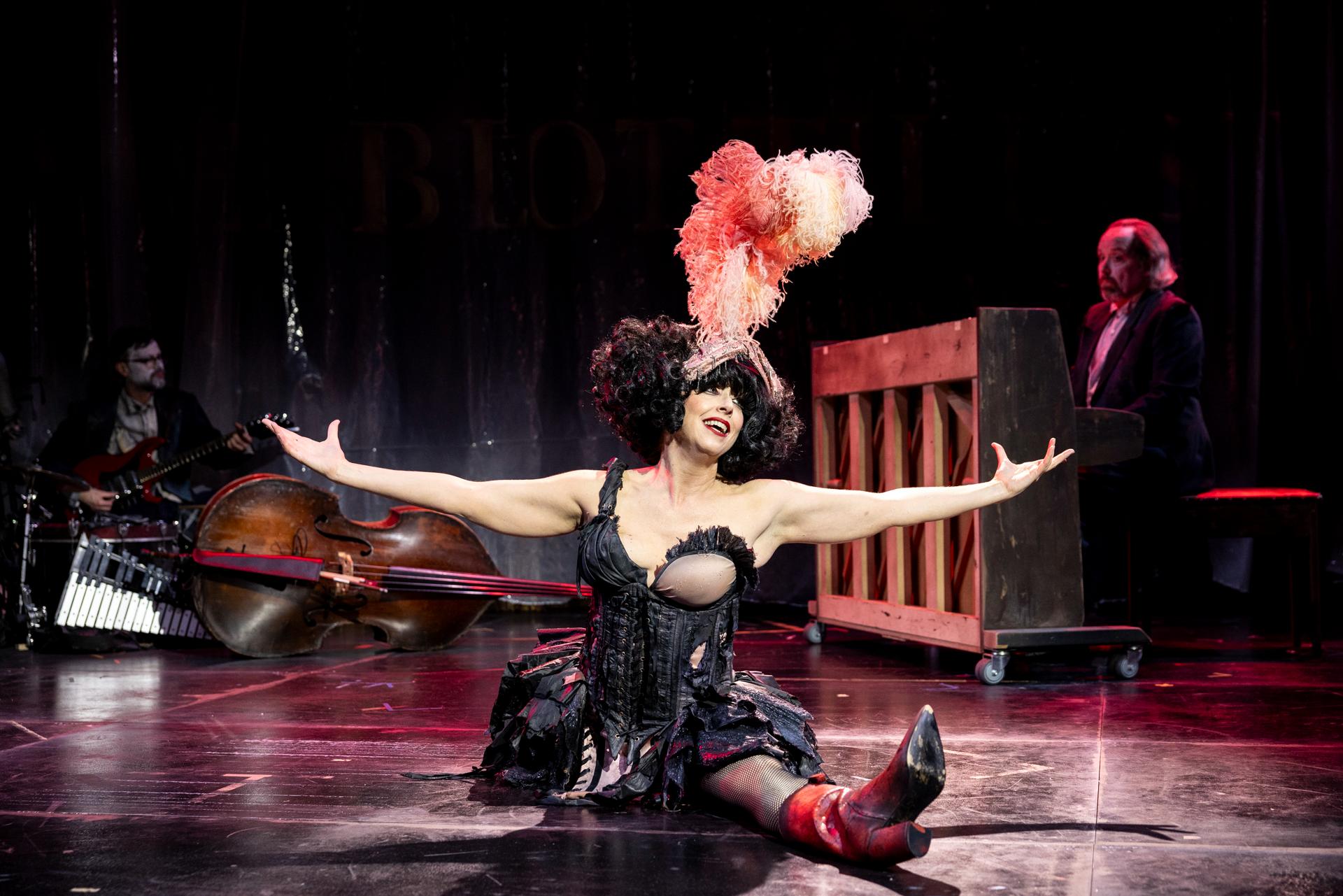
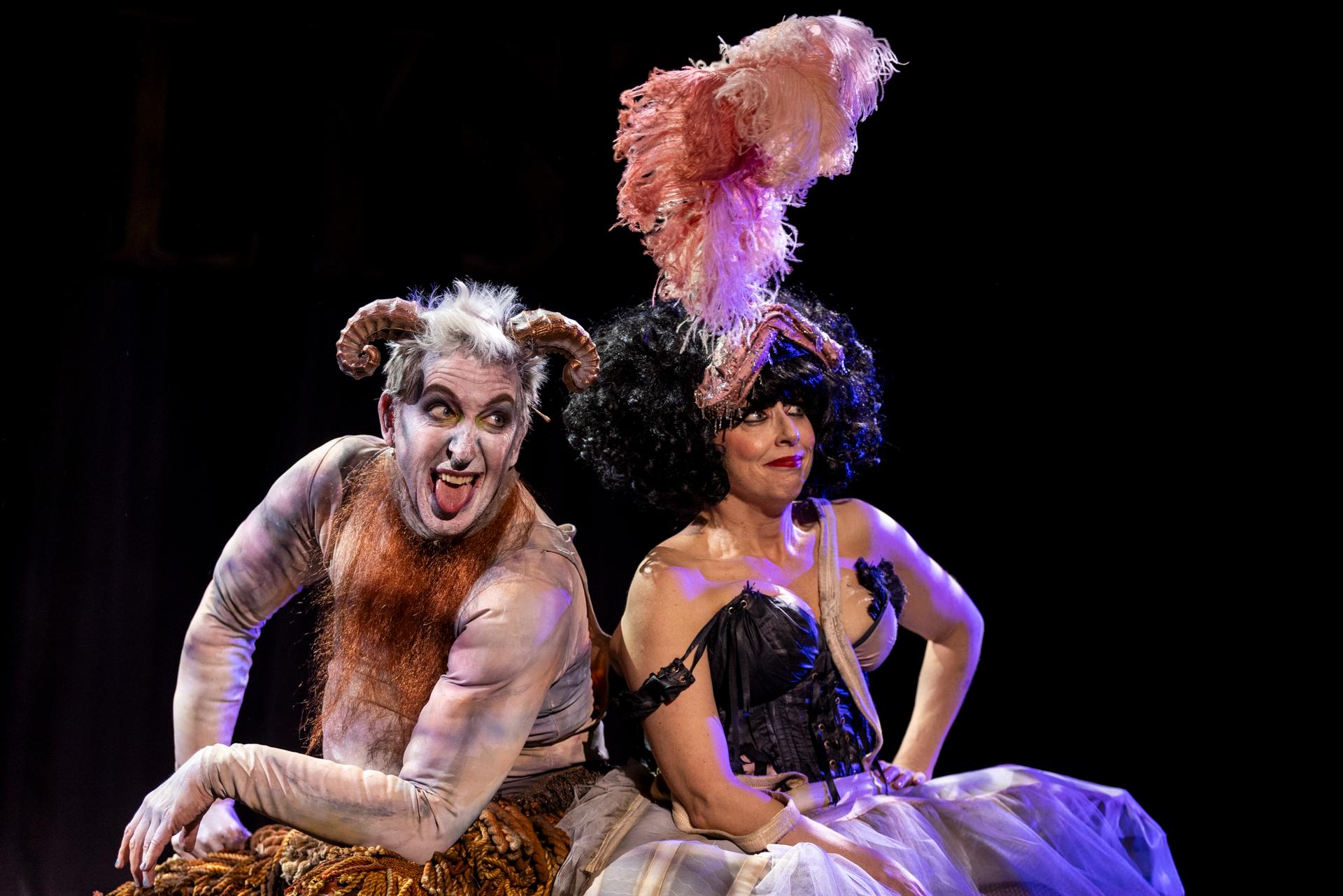
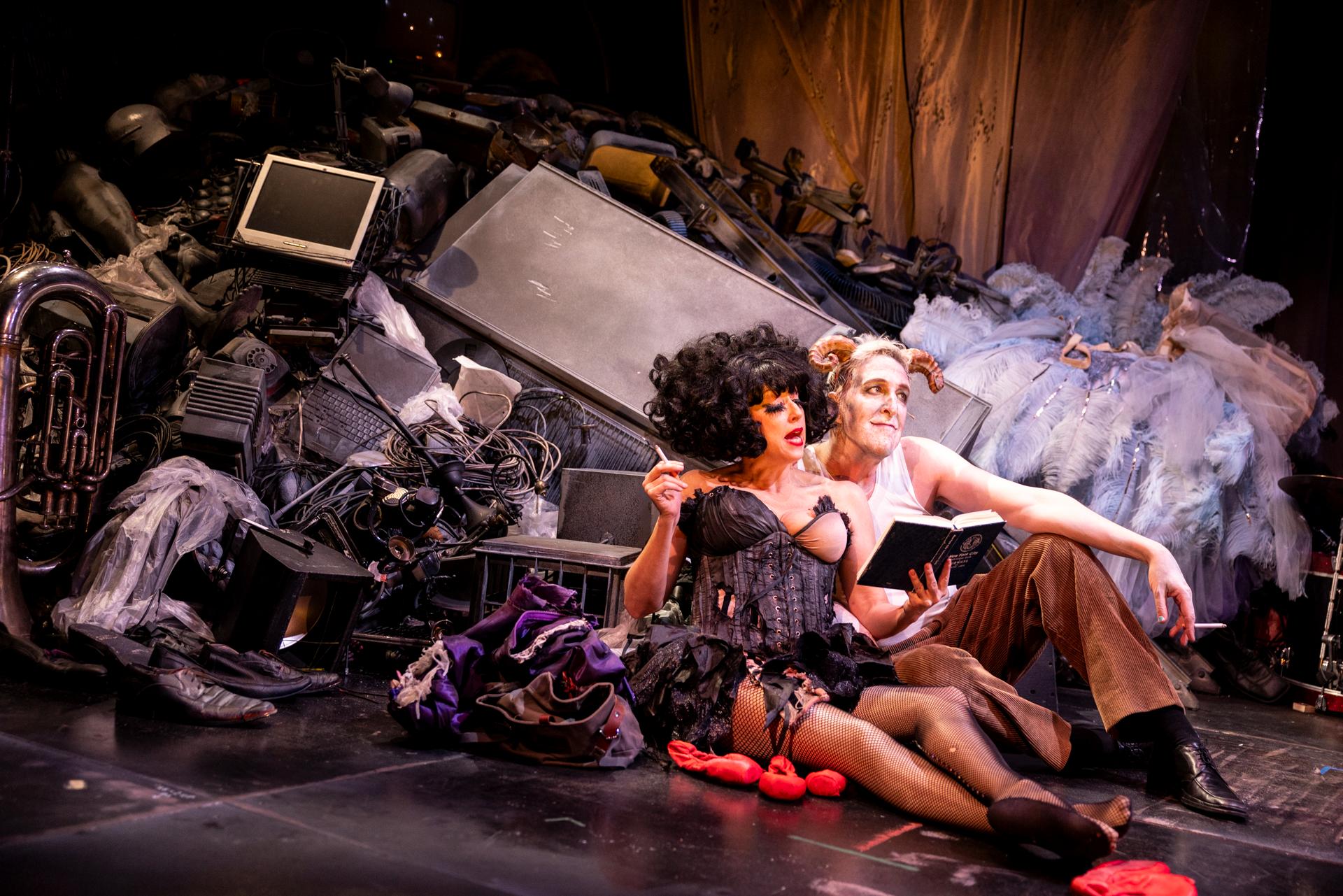
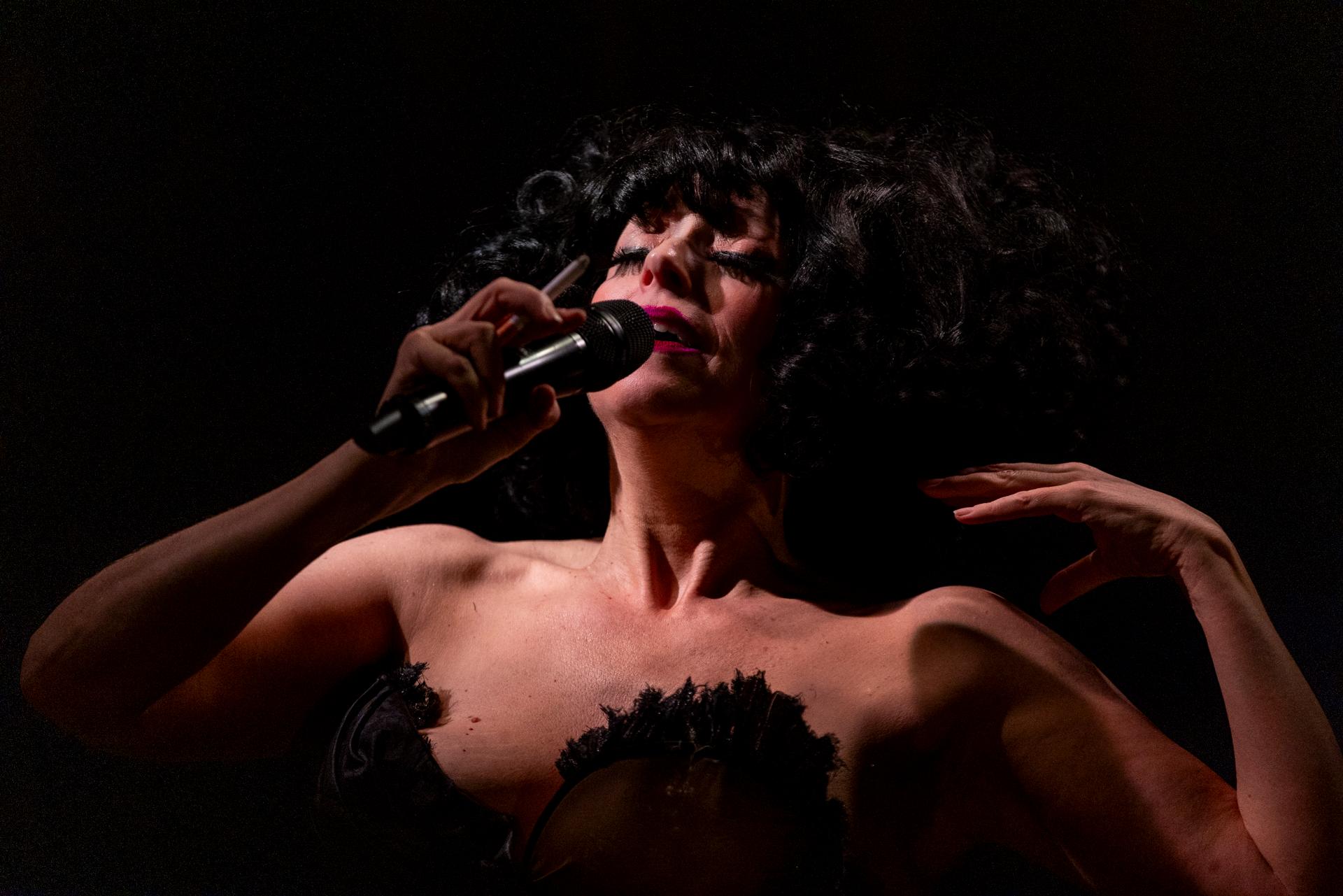
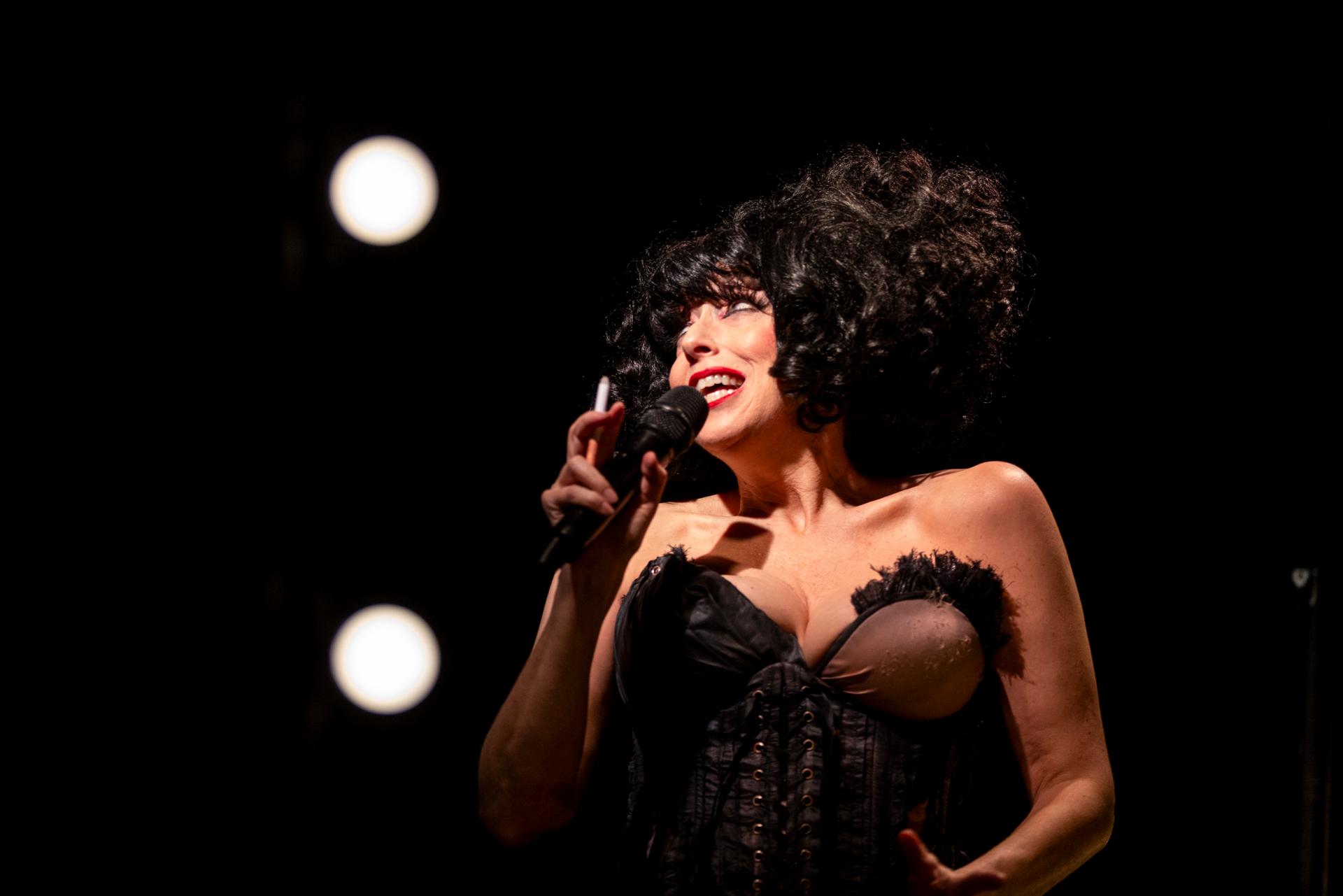
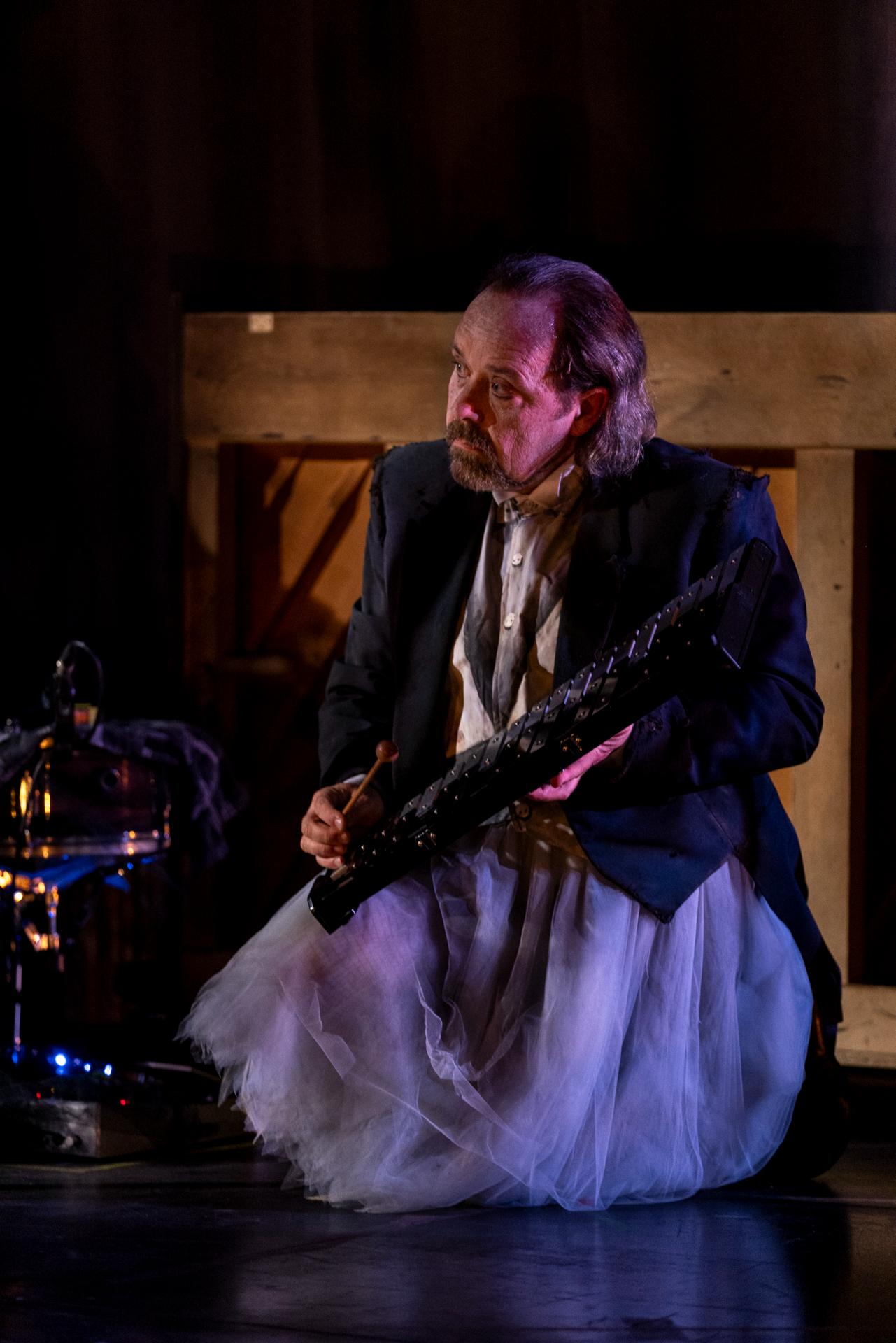
In Hans Christian Andersen’s original tale, a young girl is condemned to dance without end, her obsession consuming her entire being. Meow Meow’s The Red Shoes transforms this fable into a self-reflexive performance piece, with Meow Meow — the self-proclaimed “eternal showgirl” — embodying an autobiographical figure who cannot stop performing, trapped in the perpetual motion of her own artistry. She describes her practice as non-linear and anti-narrative, and those qualities are evident here. Yet if the work falters, it is not because of its structural resistance to story, but rather because its gestures, however extravagant, begin to feel drained of true inspiration.

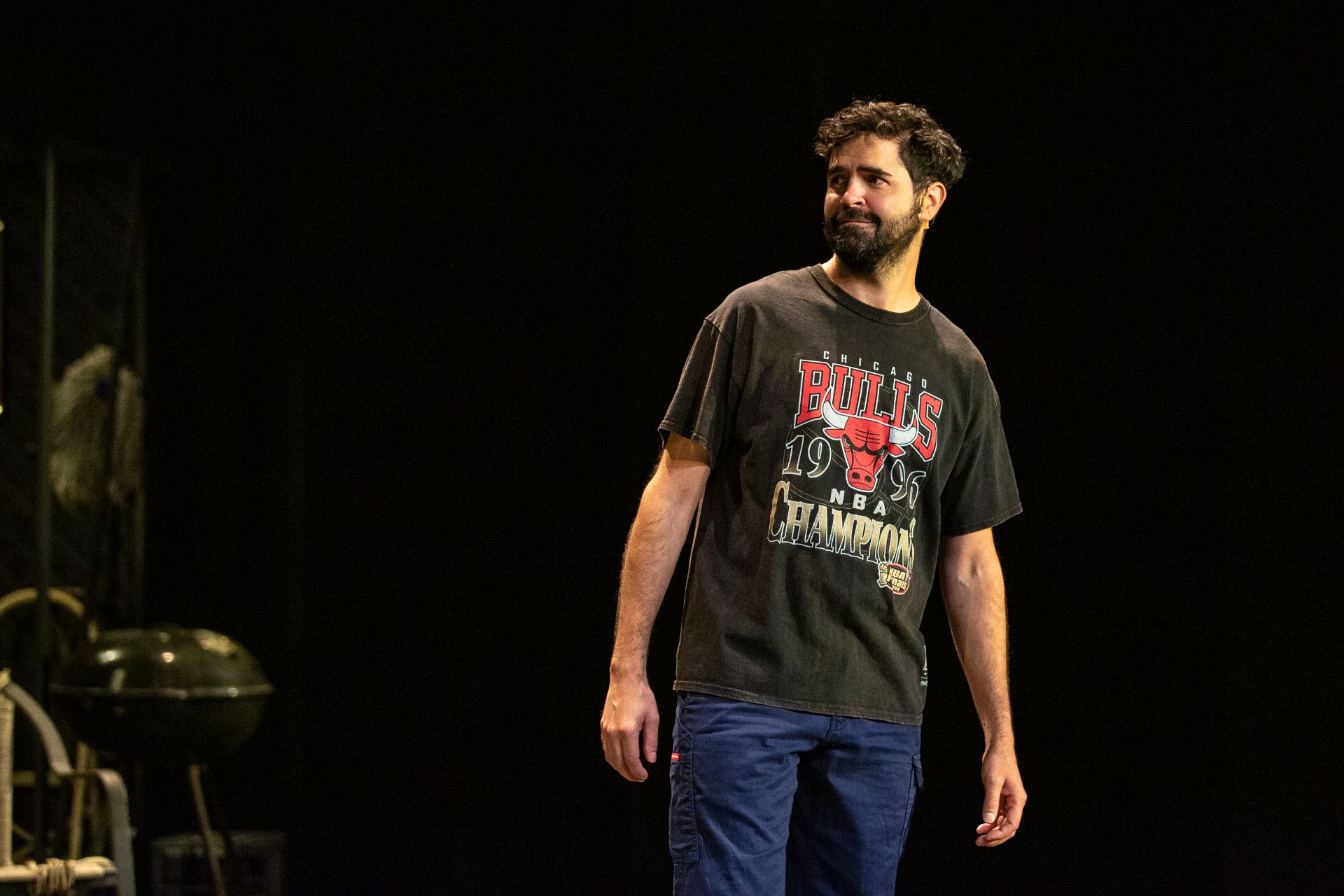
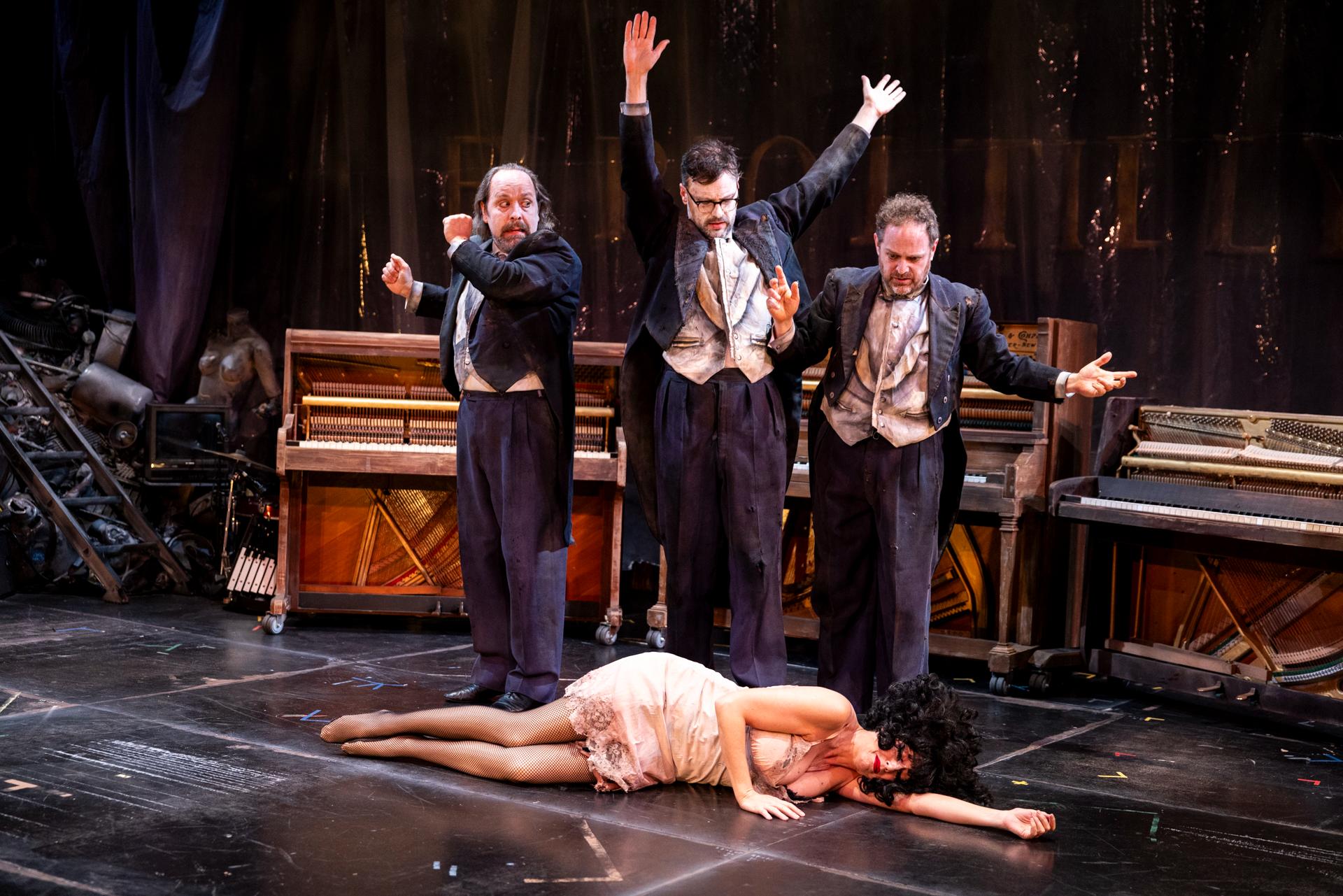
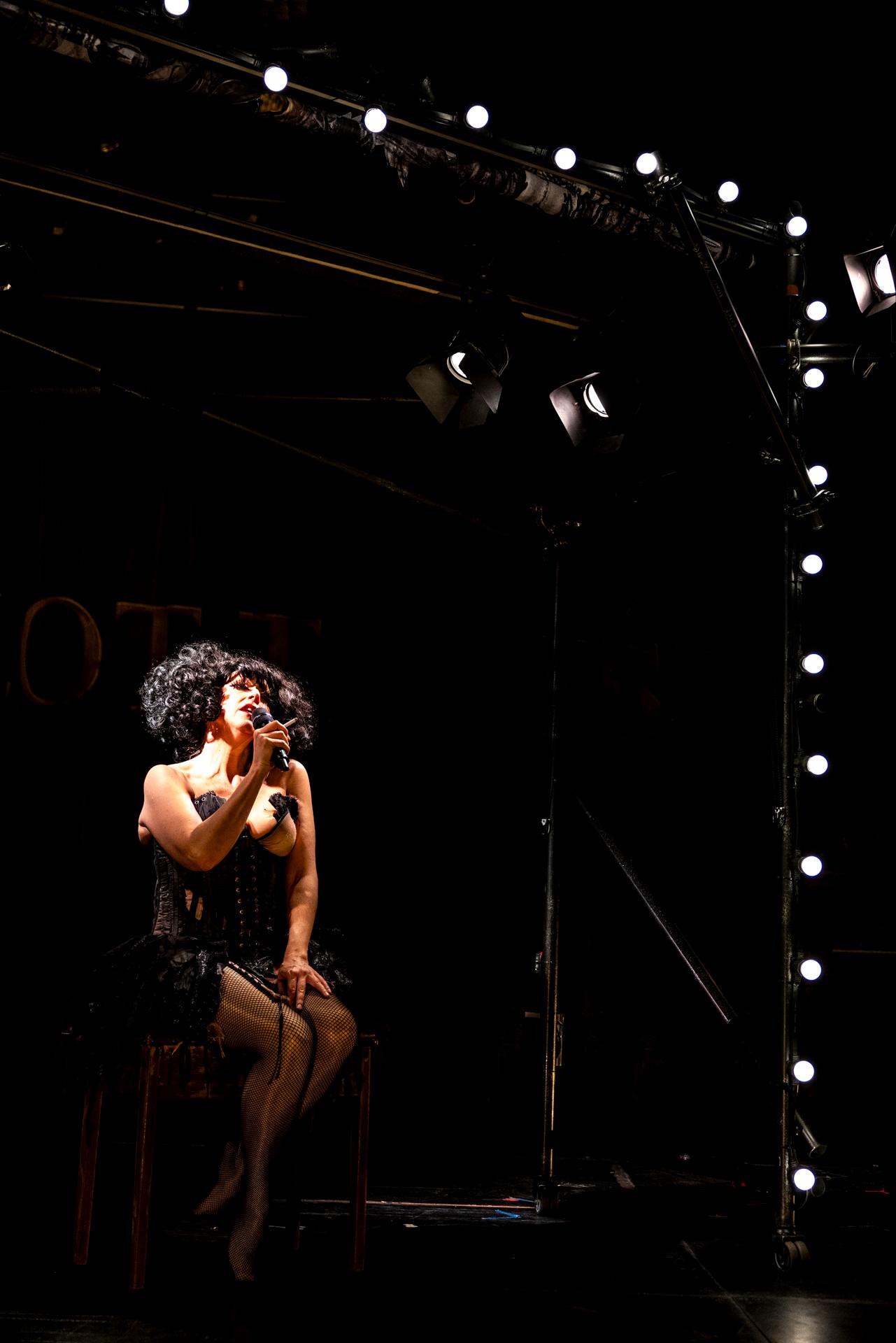
Nonetheless, Meow Meow’s song writing remains unequivocally delightful, buoyed by Jethro Woodward’s musical direction, which is both sophisticated and deeply satisfying. The staging of each number, under Kate Champion’s direction, abounds with visual allure, though the production’s overall lack of emotional resonance can leave one curiously hollow. Dann Barber’s set and costume design are splendidly realised, conjuring an atmosphere of apocalypse without ever relinquishing a sense of glamour. Meanwhile, Rachel Burke’s lighting is nothing short of transcendent, transforming the space with a radiance that is as visceral as it is luminous.

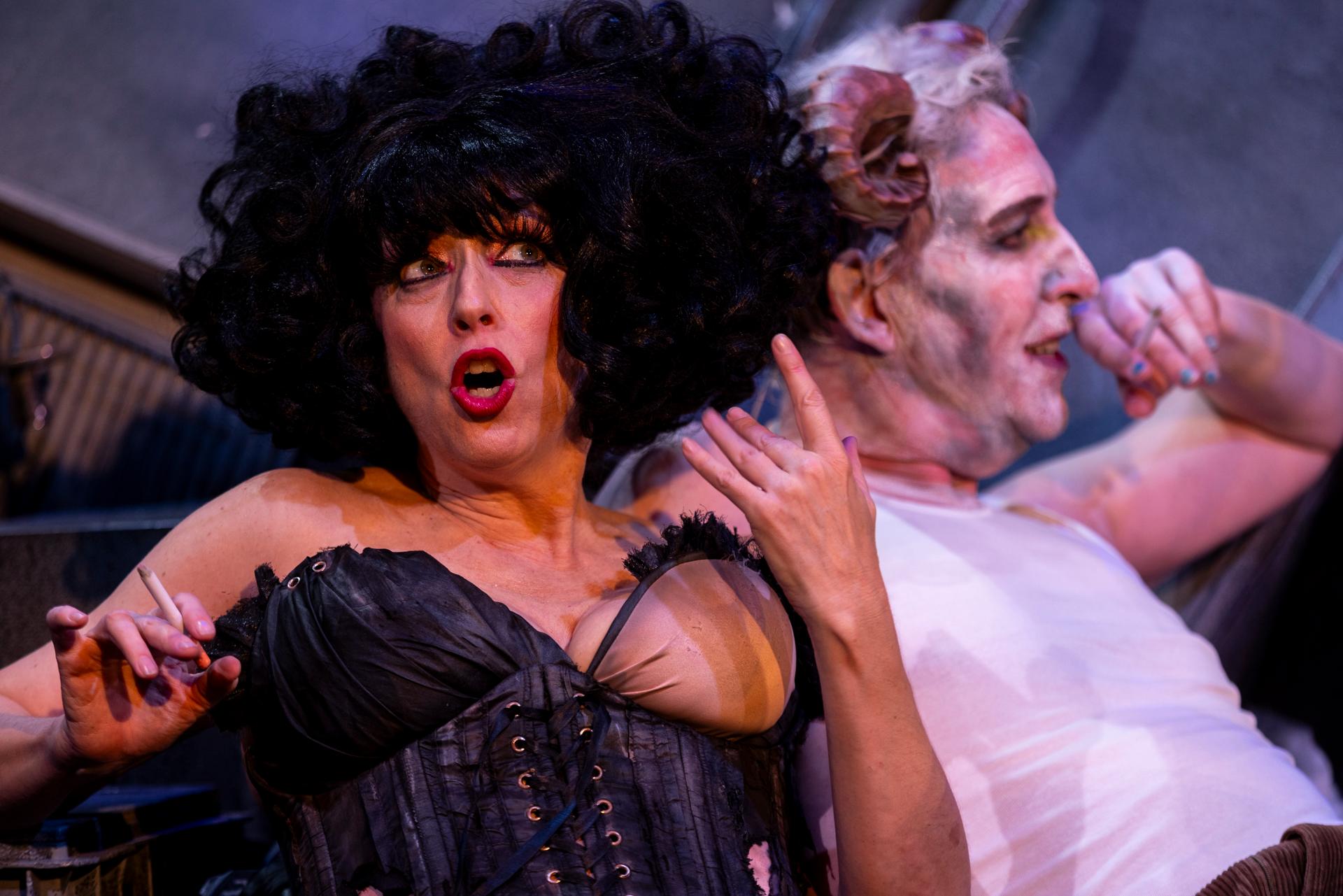
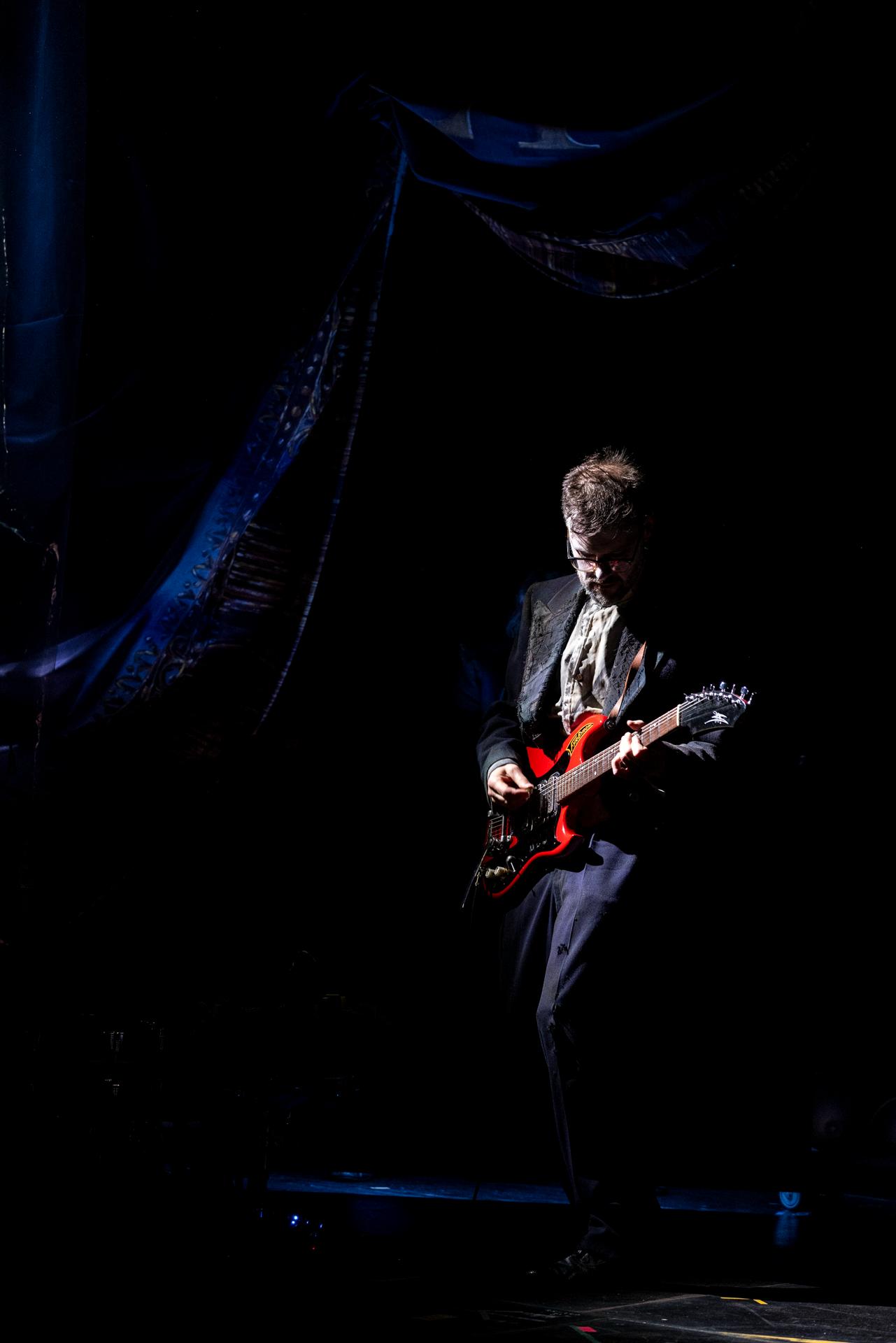
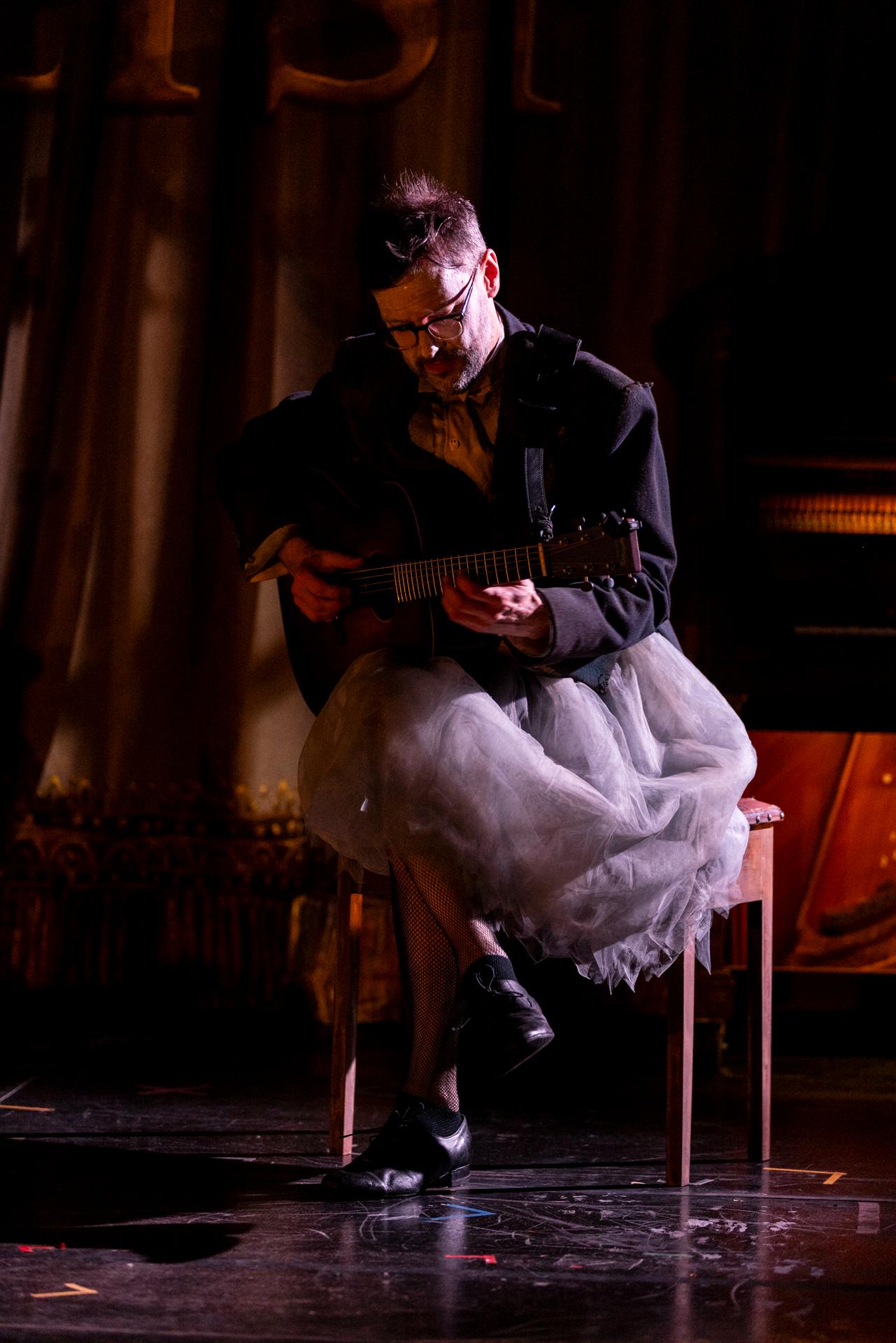
Meow Meow is, without question, a consummate performer — her voice rich and expressive, her physicality precise and magnetic. Yet beneath the impeccable technique lies a curious detachment, as though the machinery of performance turns flawlessly, but the spark within flickers faintly. In contrast, Kanen Breen radiates exuberance and conviction as her onstage companion, his presence a buoyant counterpoint that reanimates the stage. Exquisite musicians Mark Jones and Dan Witton, alongside Woodward, contribute not only live accompaniment but a heady air of bohemian decadence, infusing the production with an intoxicating sense of play.

Andersen’s 1845 tale The Red Shoes may glimmer with romance, yet beneath its sheen lies a stern puritanism — a warning against the woman who dares to follow her own desire. In Meow Meow’s hands, that cautionary fable is turned tenderly inside out: love, not vanity, becomes the pulse of her relentless motion. It is the reach for connection, not self-admiration, that keeps her dancing — as if true salvation lies in crafting communion, even in a space as fleeting and ephemeral as the theatre.
www.belvoir.com.au

Review: Prima Facie (Carriageworks)

Venue: Carriageworks (Eveleigh NSW), Jul 2 – 12, 2025
Playwright: Suzie Miller
Director: Kate Champion
Cast: Sof Forrest
Images by Daniel Boud

Theatre review
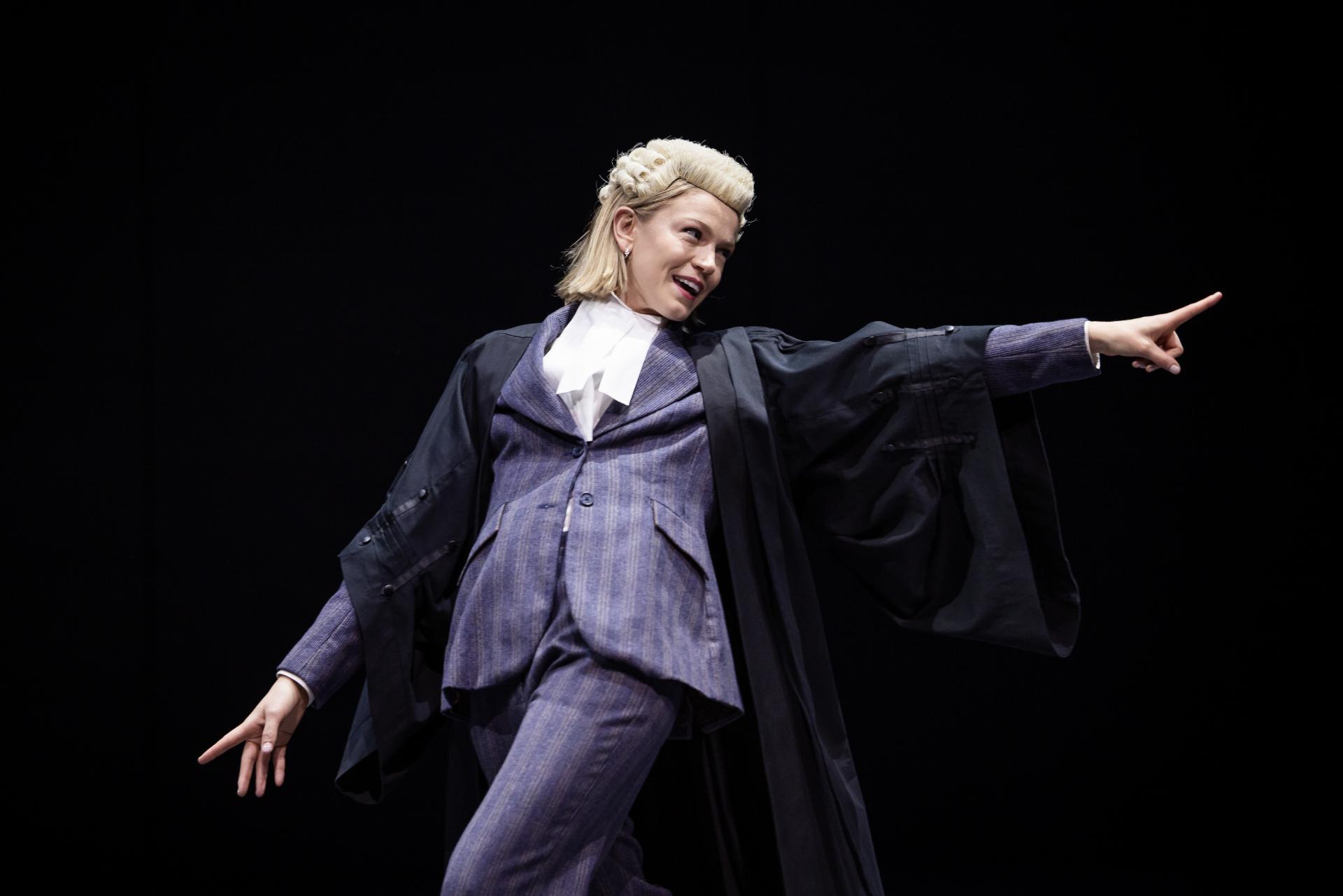
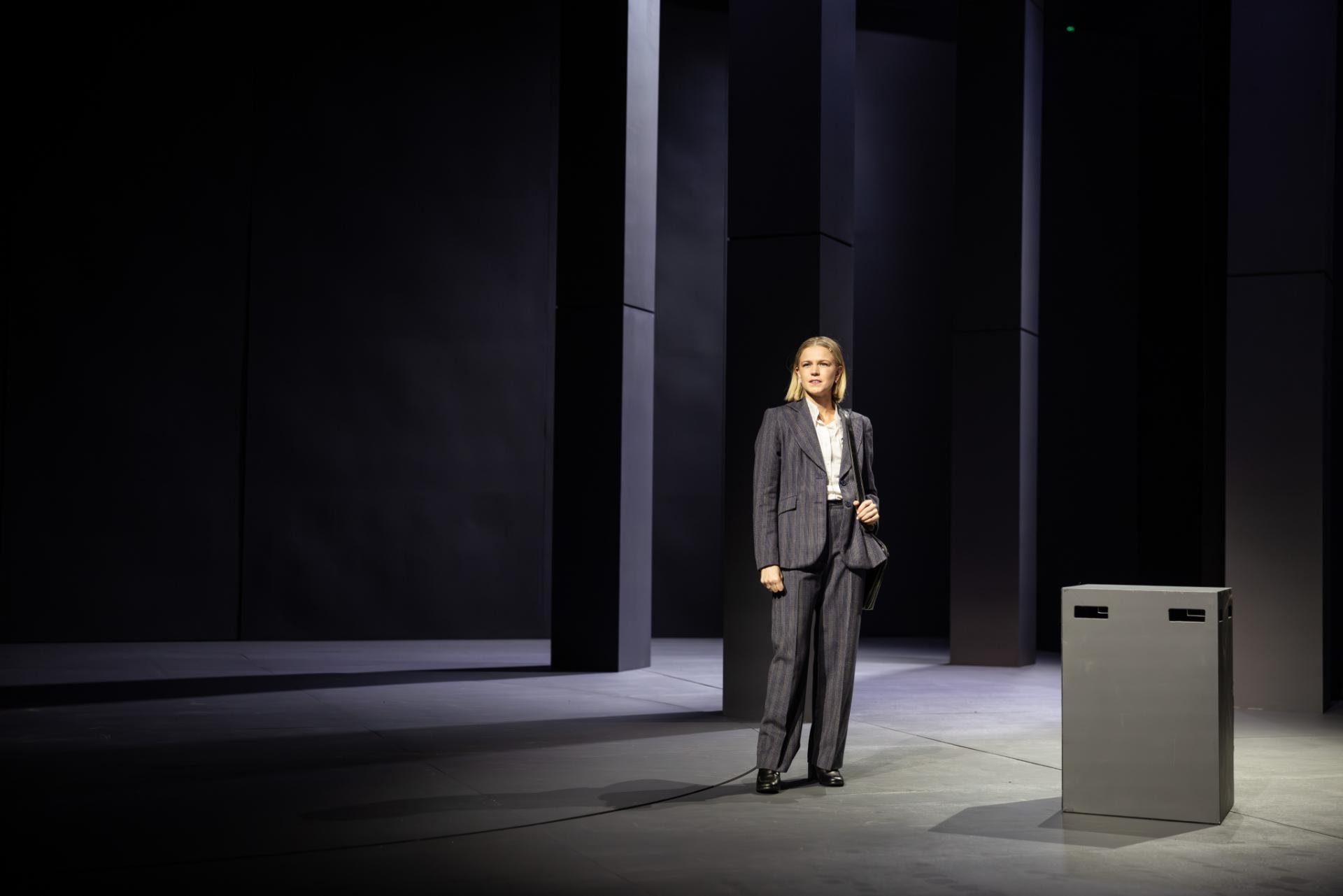
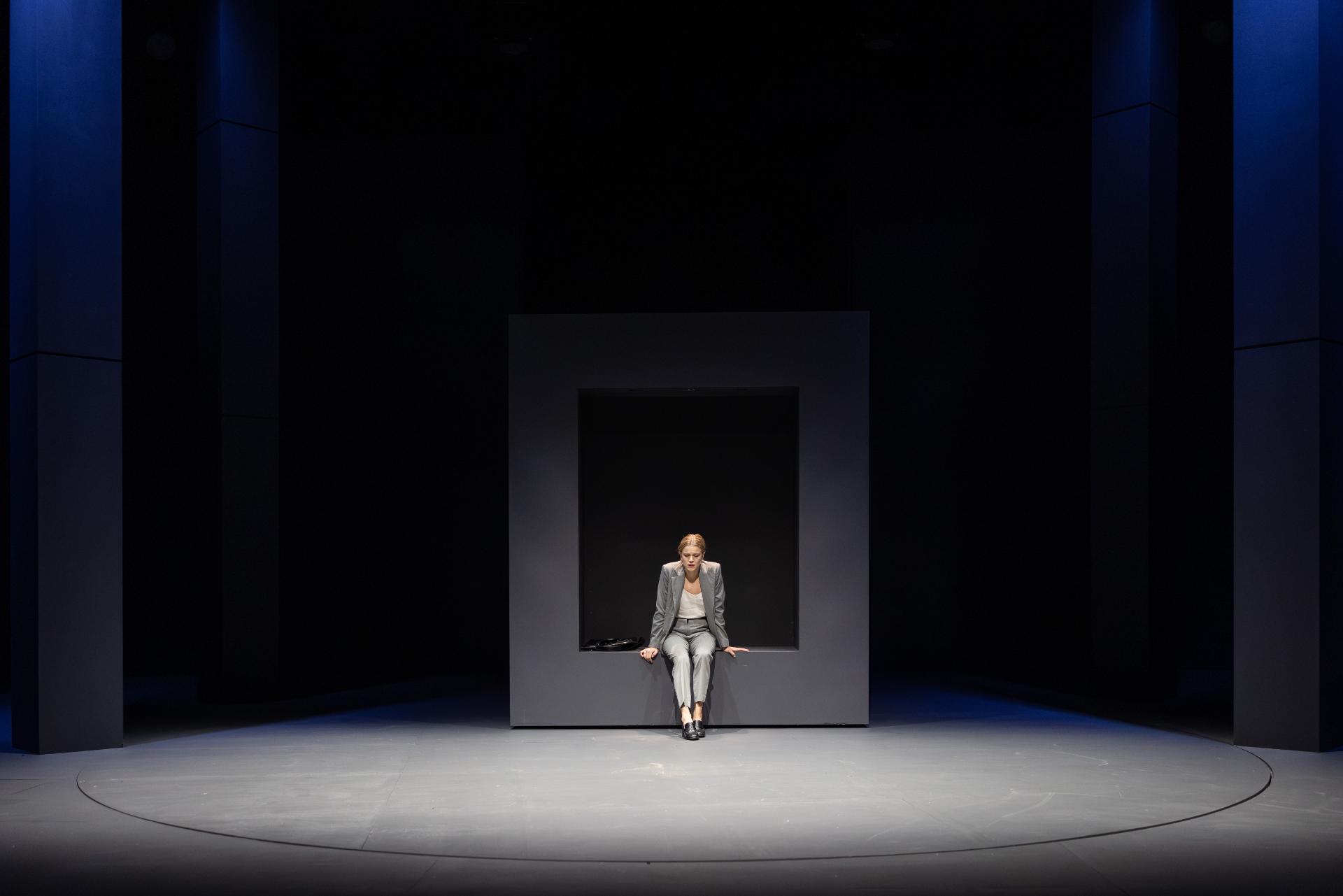
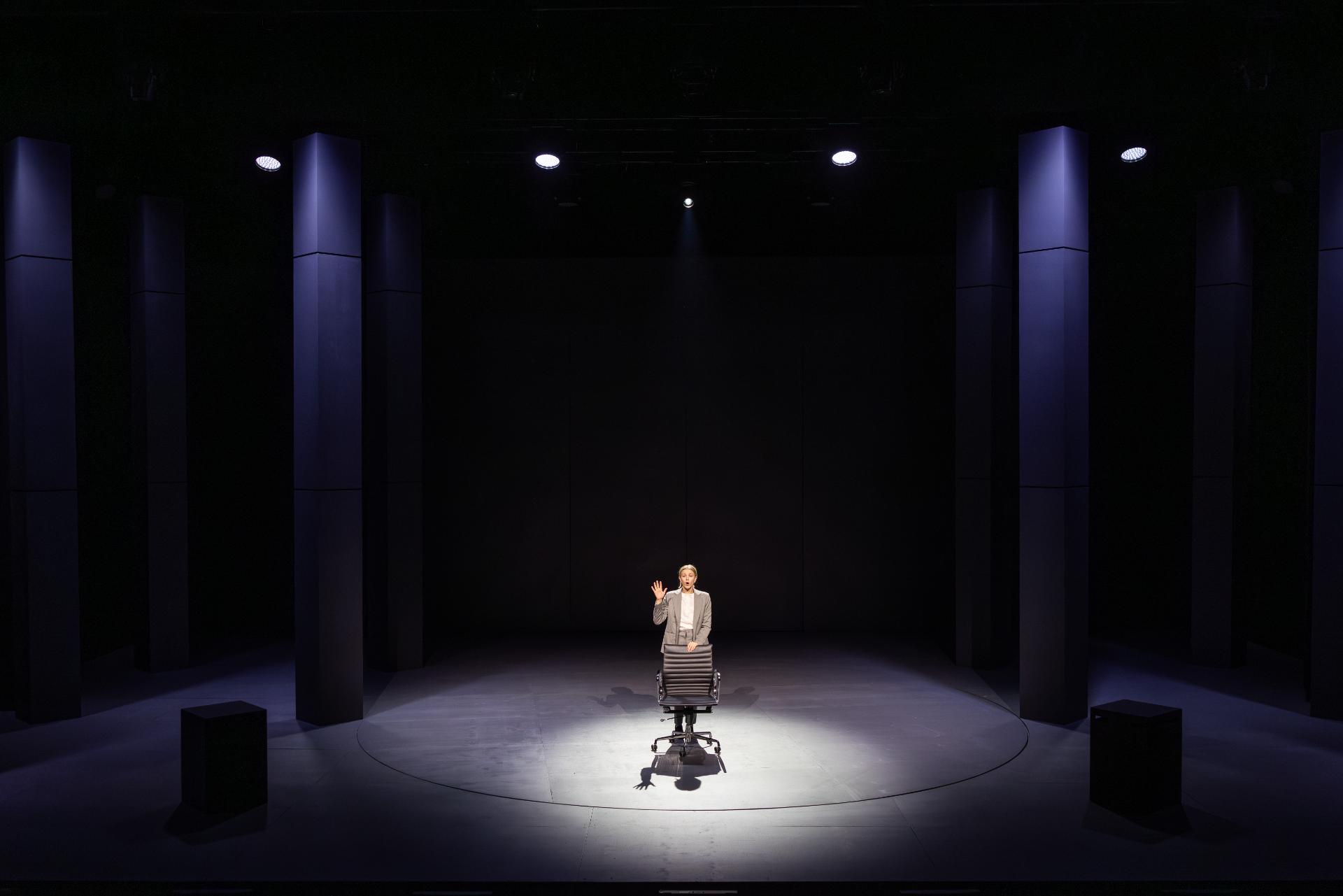
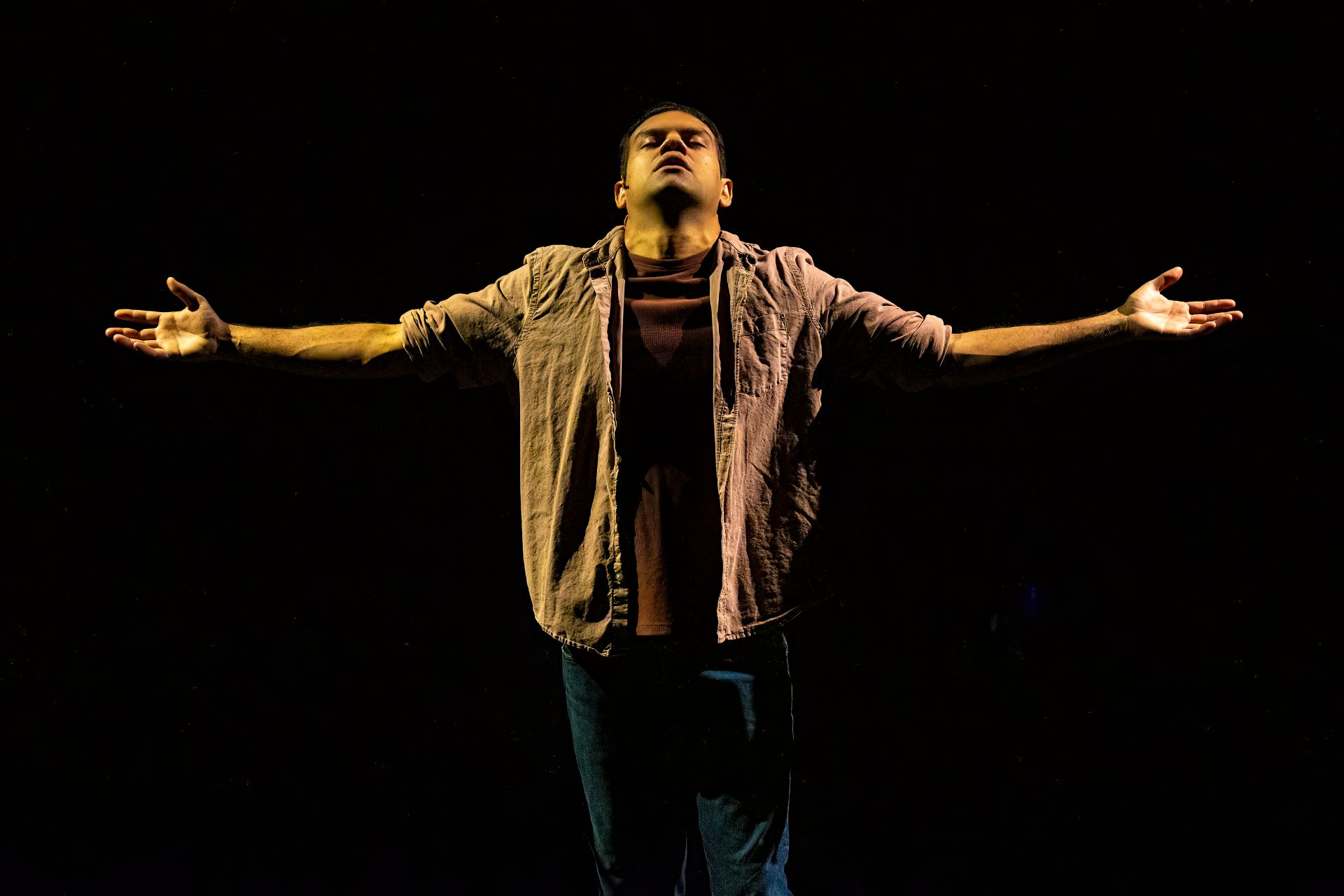
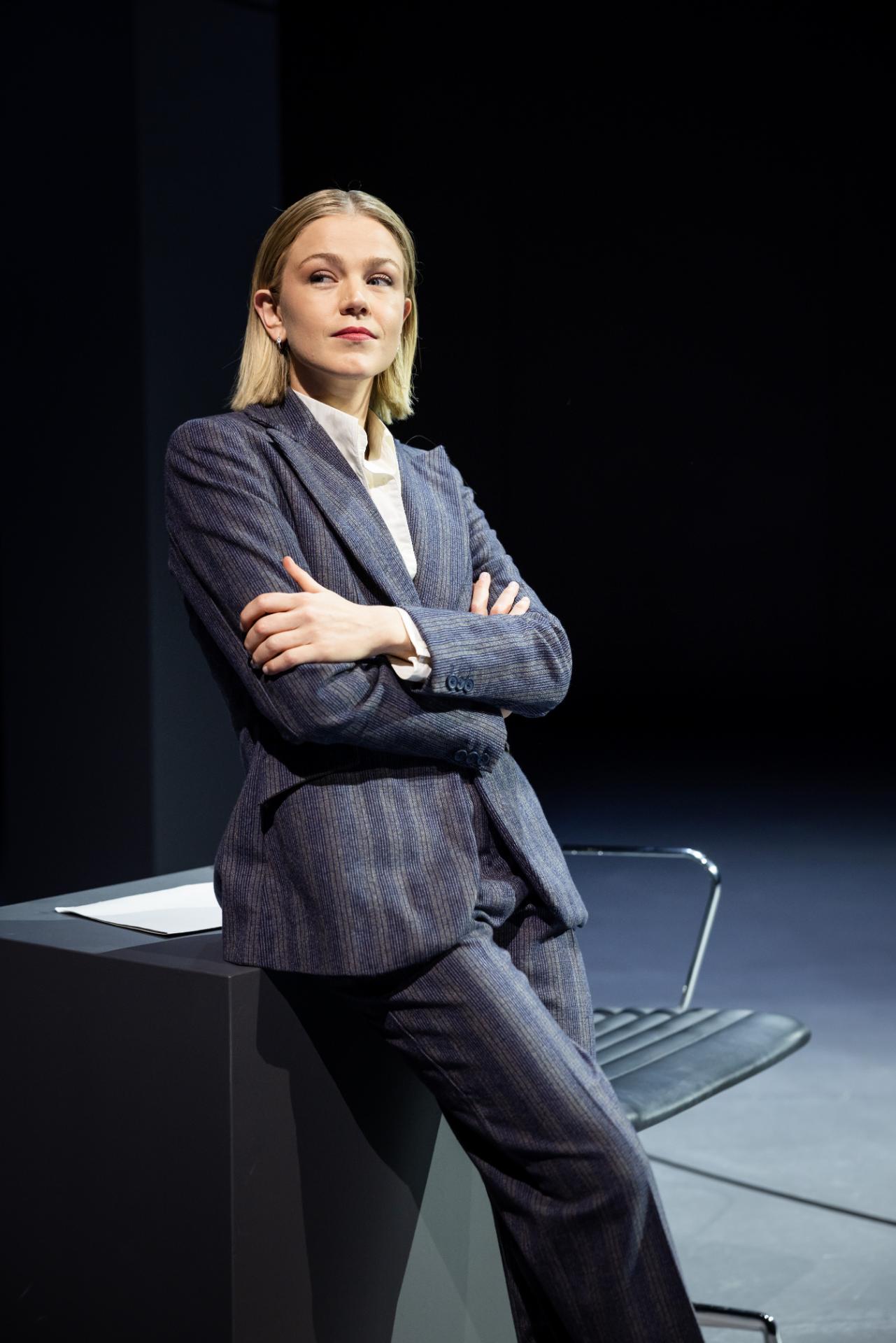
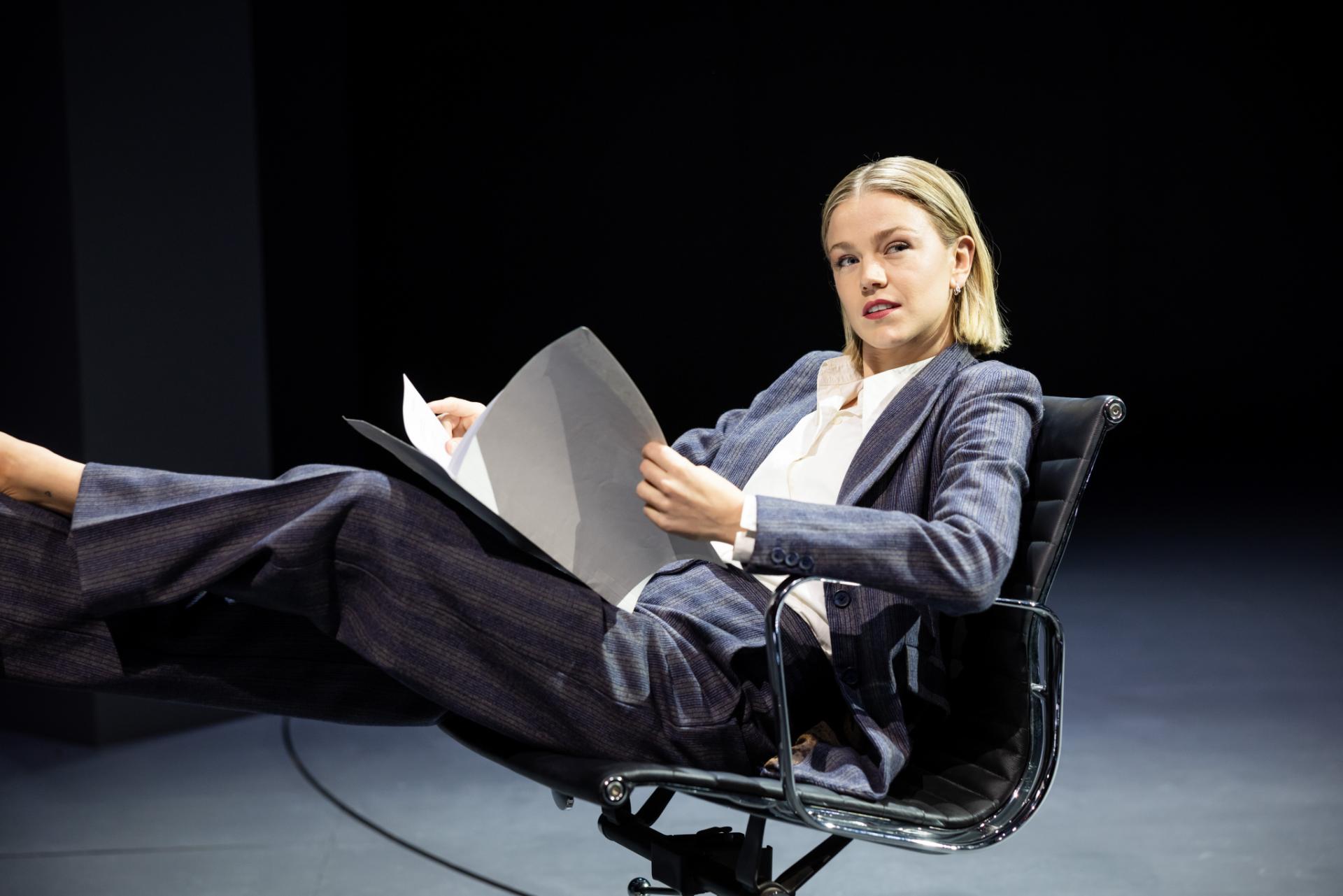
When we first meet Tessa, she is a criminal defence barrister fully invested in the legal system. Handsomely rewarded for her talent and skill in courtrooms, Tessa never has reason to question her faith in the status quo. However, when she finds herself on the other side as a victim of sexual assault trying to obtain justice, we see that her beliefs can no longer hold. Suzie Miller’s one-woman play Prima Facie is a powerful interrogation of the pervasive structures underpinning our lives, ones that are often laced with prejudice and inequity.

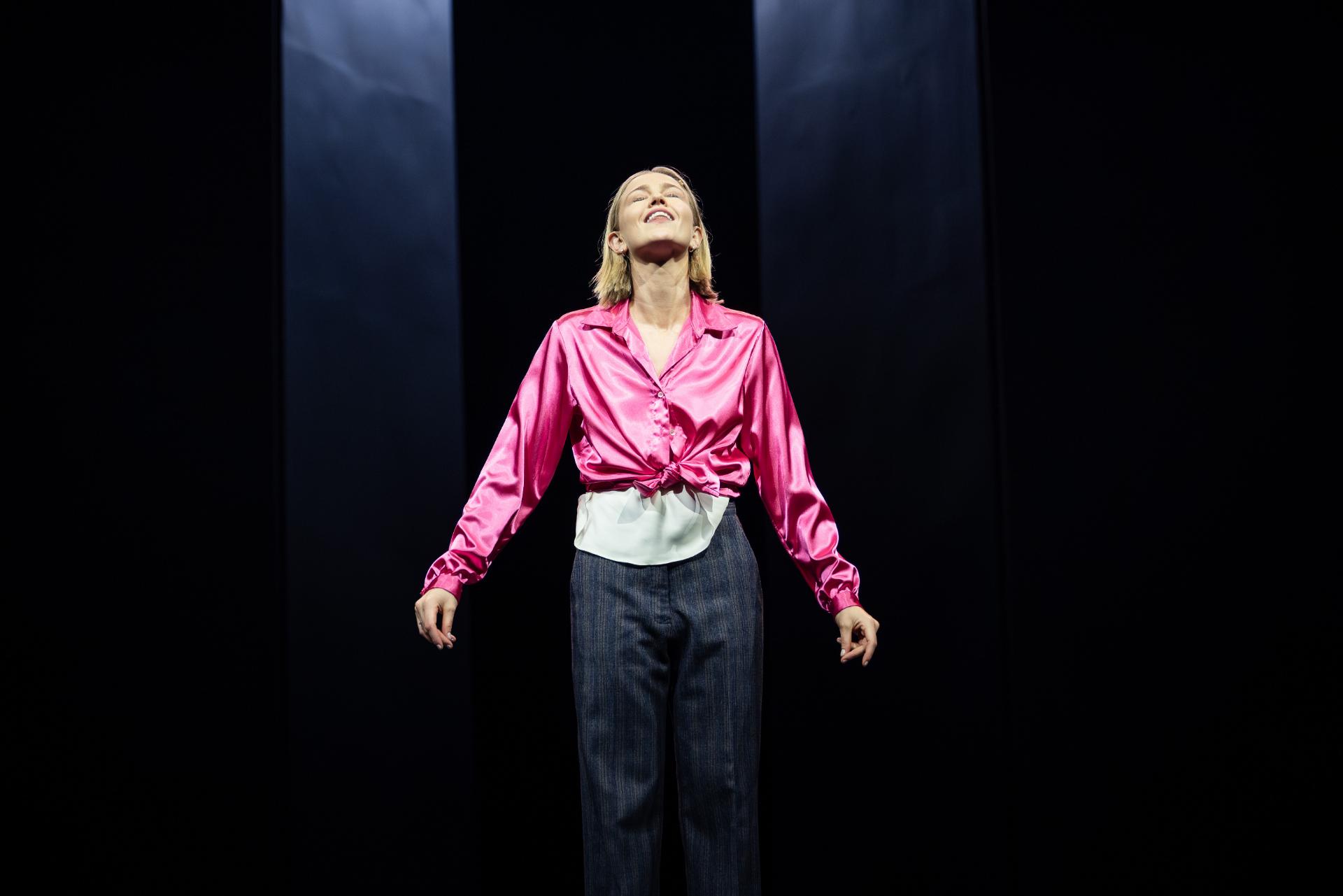
It exposes the intentional elusiveness of those shortcomings and demonstrates how a small number of beneficiaries work hard to sustain it. The meanings of the text are all elucidated unequivocally by director Kate Champion, even if the staging does not always speak with enough urgency or gravity. Actor Sof Forrest is very effective in the show’s final poignant moments, and is admirable for the polish they brings to the production, but their performance rarely deviates from the cerebral. Prima Facie should engender intense feelings, but we seem to engage with it almost entirely intellectually.

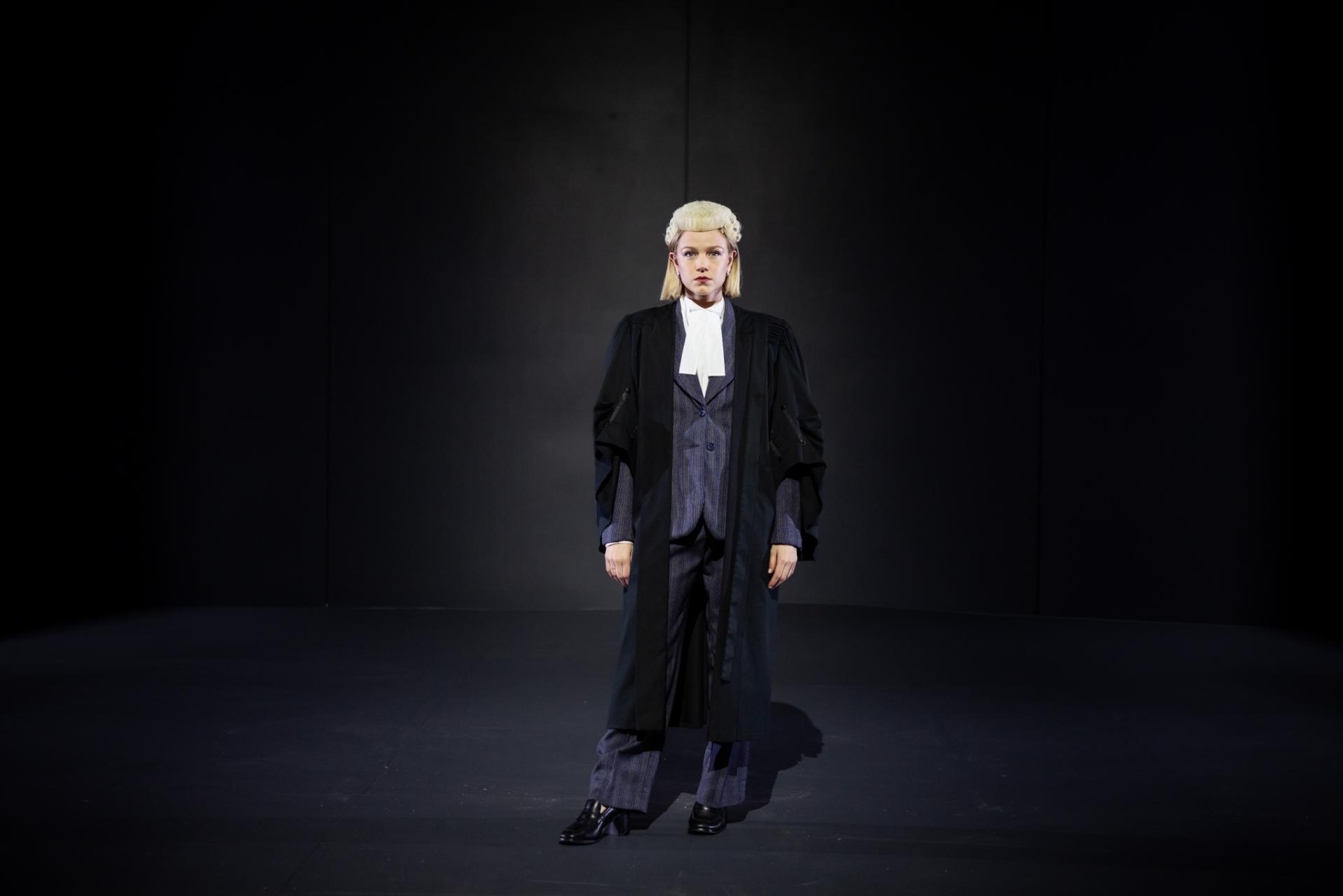
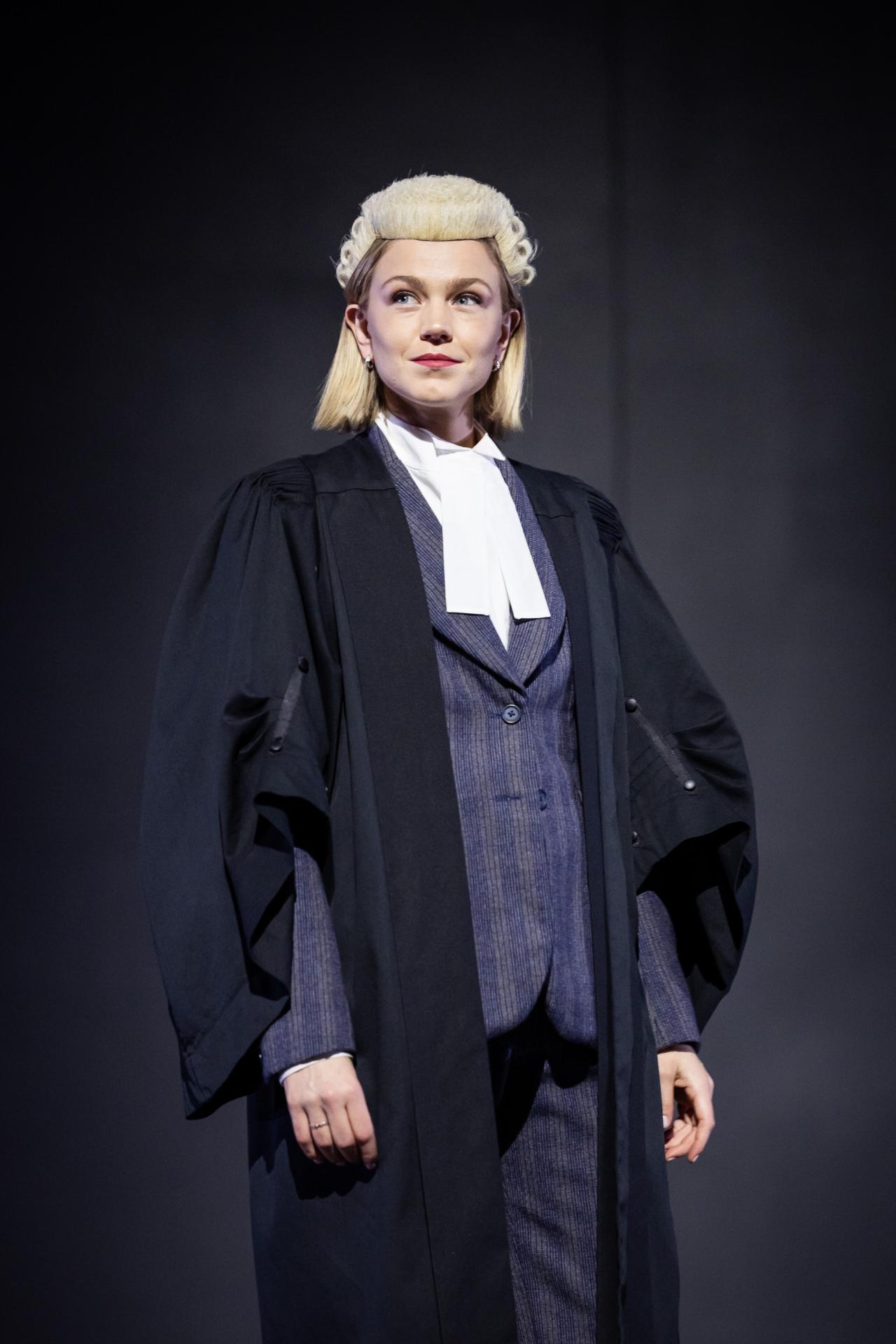
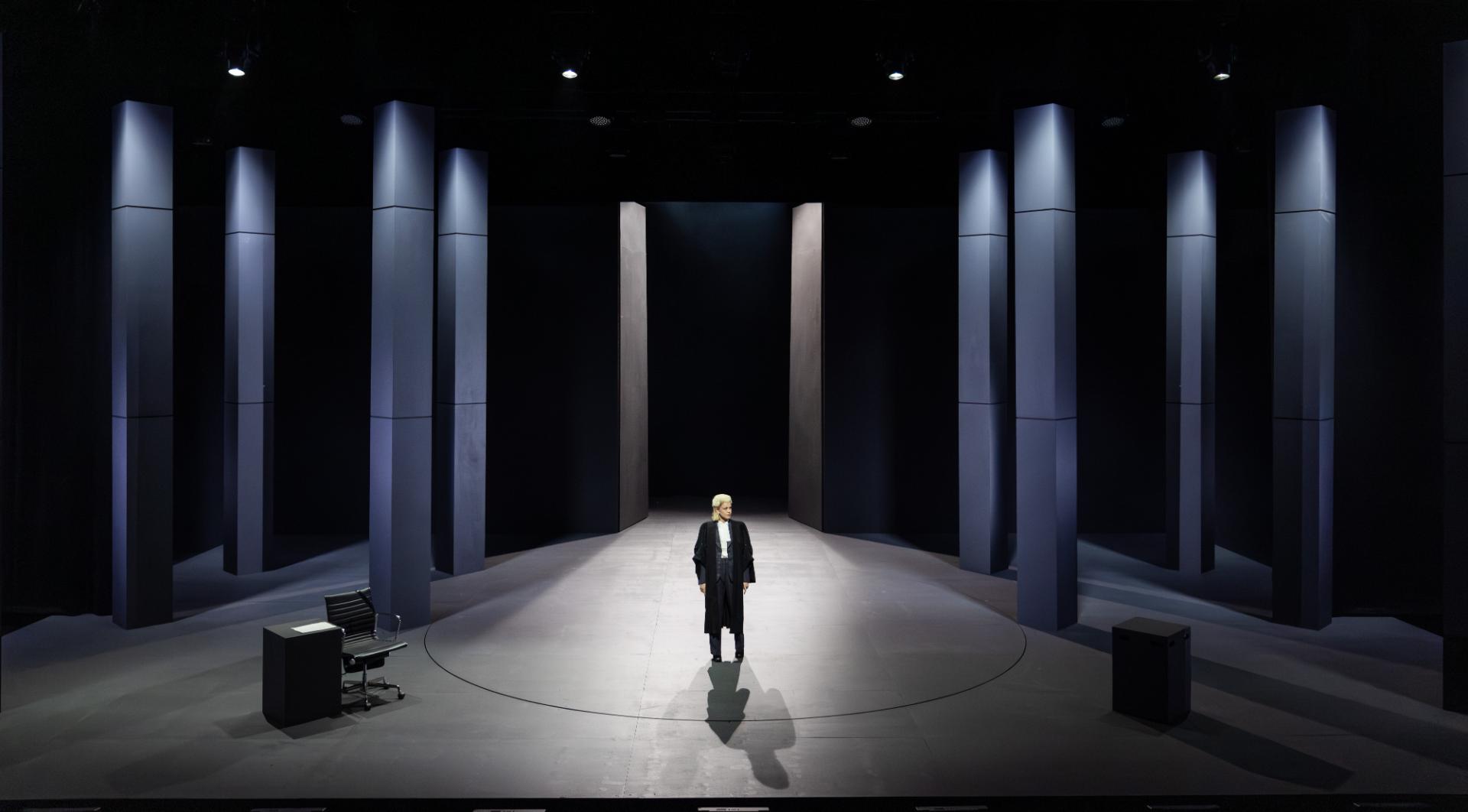
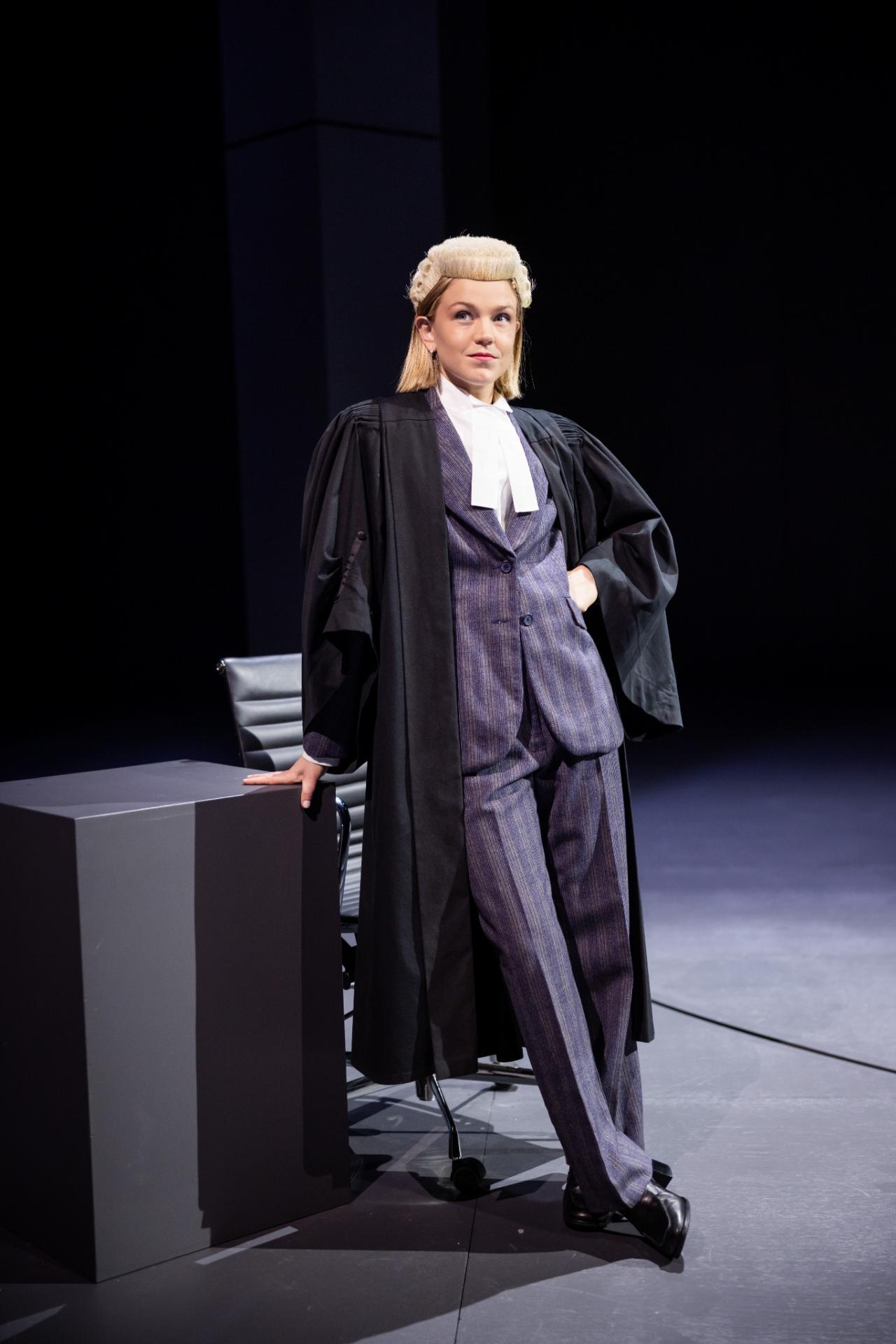
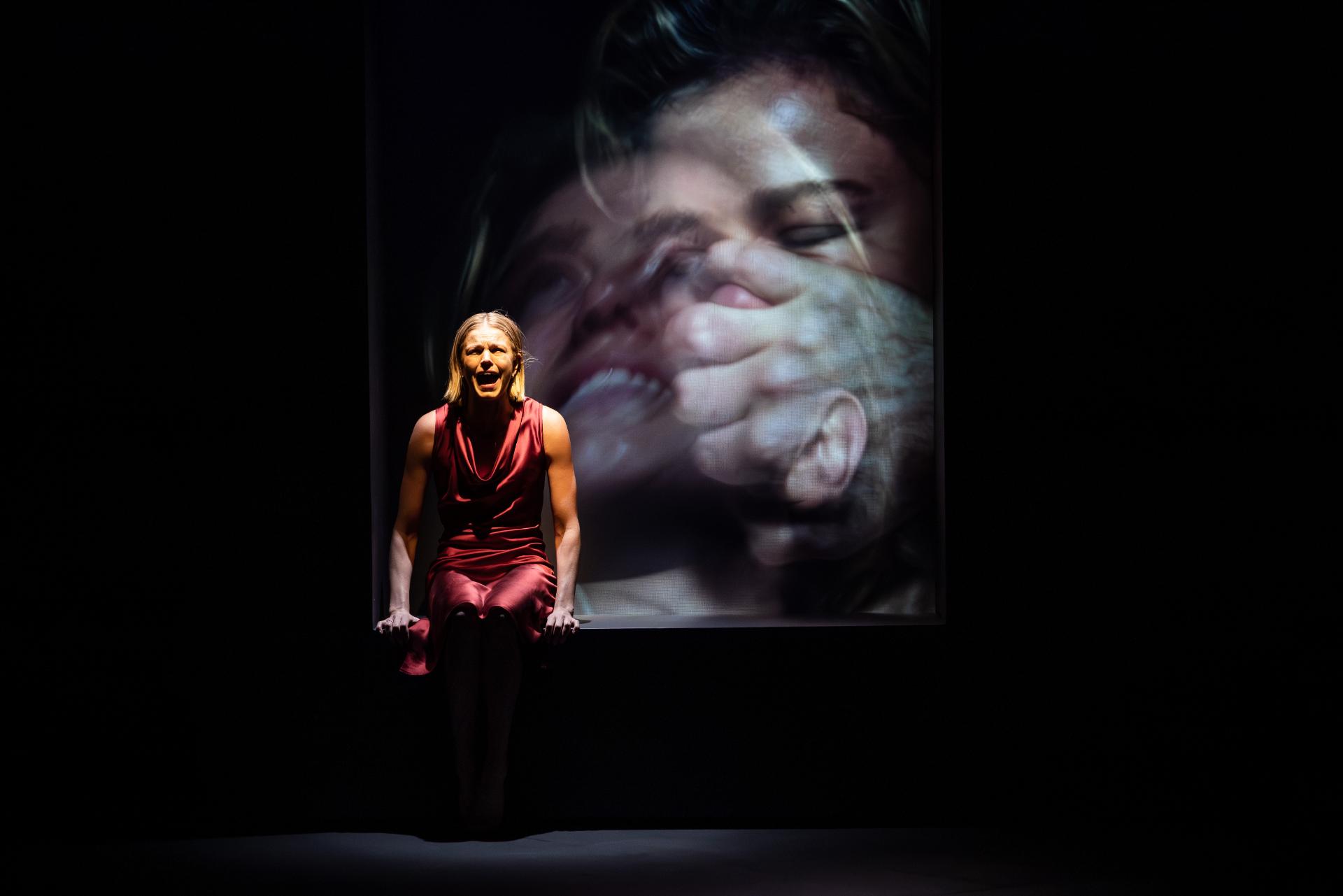
Bruce McKinven’s set design is sharp and sophisticated, highly effective in shrinking the performance space to accommodate a single character. Costumes by Lynn Ferguson appropriately convey the rising status of a young lawyer. Lights by Peter Young offer a grandeur that reflects the importance of ideas being explored. Jessica Russell’s video projections are skilfully assembled, even if their necessity within the work remains open to question. Also gratuitous, is some of the overwrought embellishments in the sound design by Melanie Robinson, that proves distracting at several moments.

Tessa’s ordeal can be interpreted as one woman’s grappling with her awakening, to the flaws of white feminism. After investing exhaustively in a system she so desperately wants to succeed in, all the while turning a blind eye to glaring failings that she only made more egregious, Tessa finds herself inadvertently and devastatingly at its most brutal whim. It remains to be seen how she emerges from this tribulation—whether she learns that radical upheaval is required, or if she ends up believing that piecemeal improvements preserving the overarching schema will solve our problems.

www.blackswantheatre.com.au | www.carriageworks.com.au

Review: City Of Gold (Sydney Theatre Company)

Venue: Wharf 1 Sydney Theatre Company (Walsh Bay NSW), May 7 – Jun 11, 2022
Playwright: Meyne Wyatt
Director: Shari Sebbens
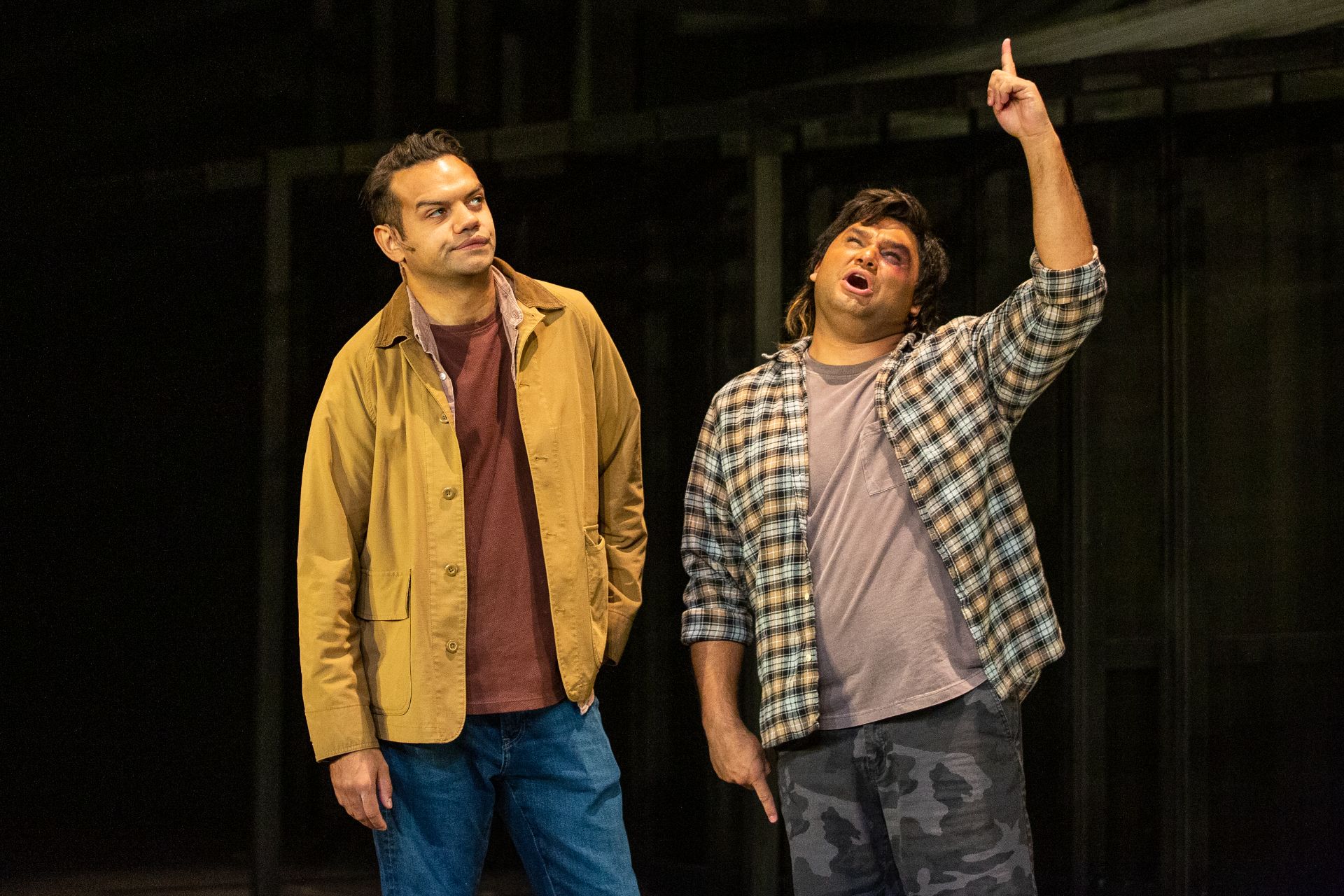
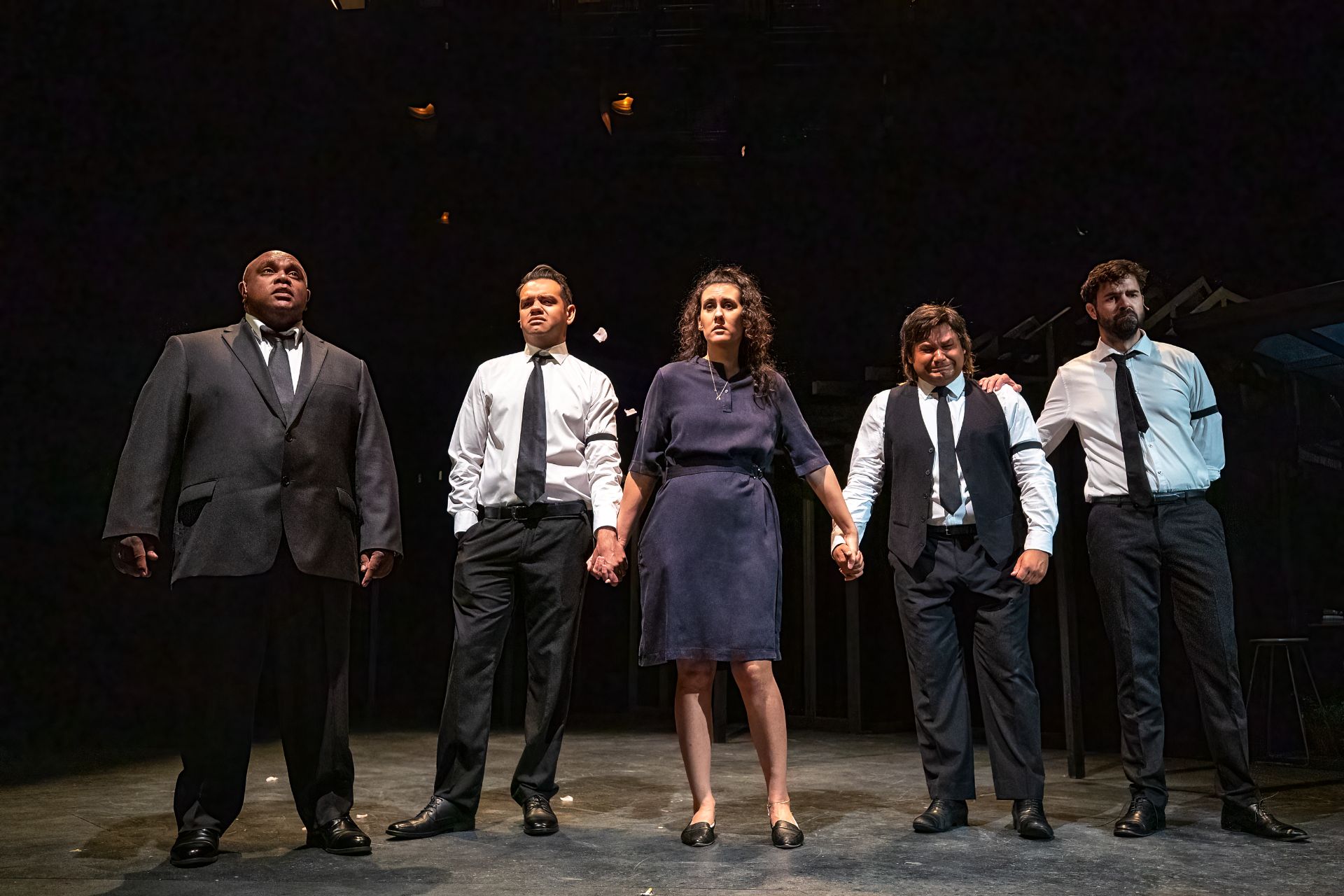
Cast: Mathew Cooper, St John Cowcher, Simone Detourbet, Ian Michael, Myles Pollard, Trevor Ryan, Meyne Wyatt
Images by Joseph Mayers

Theatre review
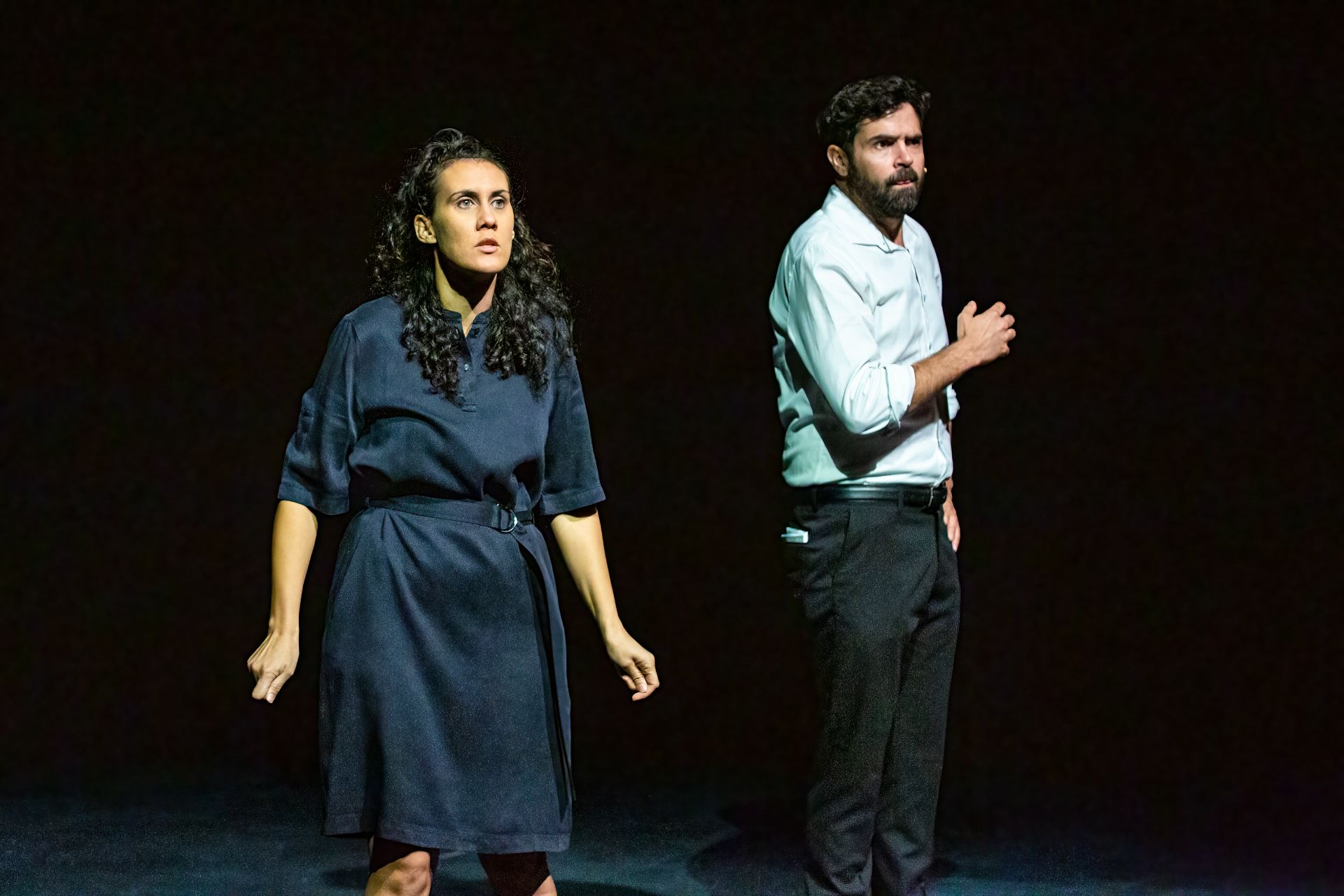
Breythe is trying to establish a career for himself as an actor, but when called home to Kalgoorlie, he is reminded that there are far more important things that require his attention. In Meyne Wyatt’s City of Gold, it is that tension between one’s need for personal fulfilment, and their responsibilities to community, that drives the story.

In Breythe’s case, being an Aboriginal man, makes that juxtaposition even more pronounced. For most of us, self-preservation involves compromises, when participating in dominant systems that control resource distribution in the economy. To play with the big boys, we have to obey their rules, and if the big boys are determined to annihilate one’s community, one is destined to never be able to operate with true integrity.

To pay for his father’s funeral, Breythe has to perform in a problematic television advertisement. To help one’s community, one often has to sleep with the enemy. First Nations peoples, more than any other on this land, understand that subsistence may be permitted, but for the marginalised to thrive, not as exceptional individuals but as whole communities, is nigh on impossible. In fact, like Breythe we find ourselves in positions of pseudo betrayal, when trying to represent and advance causes. The white patriarchy will tempt us with its crumbs, and some of us will pick them up, always hoping that a difference would be made.

Wyatt’s very deep reflections on Indigenous identity are brought to scintillating life by Shari Sebbens’ passionate yet humorous direction. It is political theatre that speaks with a level of authenticity rarely seen; one which prioritises in its viewership, the same minority culture it wishes to represent. Those of us who are not its main concern, benefit from observing through that ajar door, a perspective so kindly made available, so that those of us on the outside who proclaim to be supportive, can feel closer to the nuances of their predicament. Sebbens keeps the discussion in the family, understanding that to care too much about the white gaze, does little to help unearth the truth.

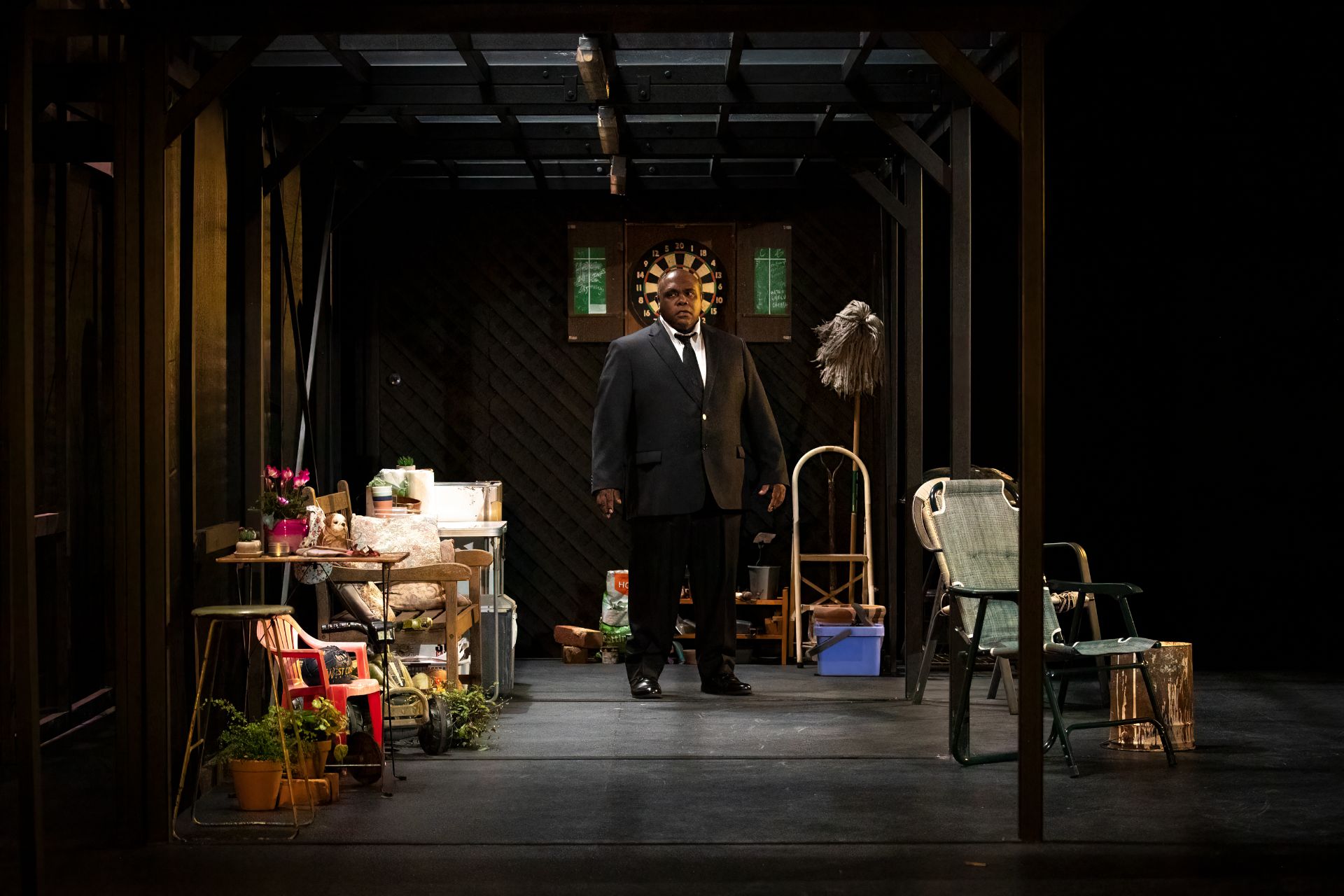
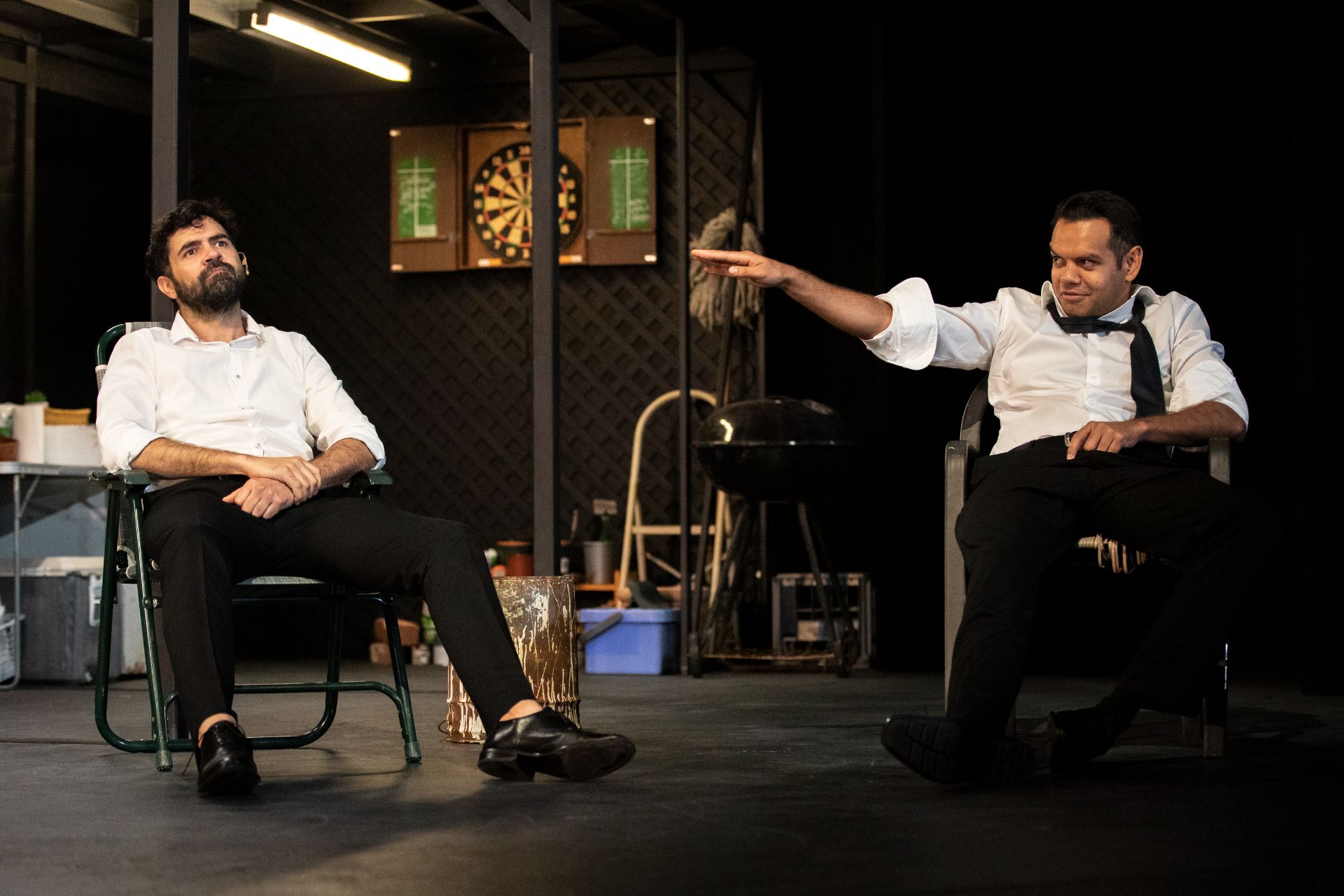
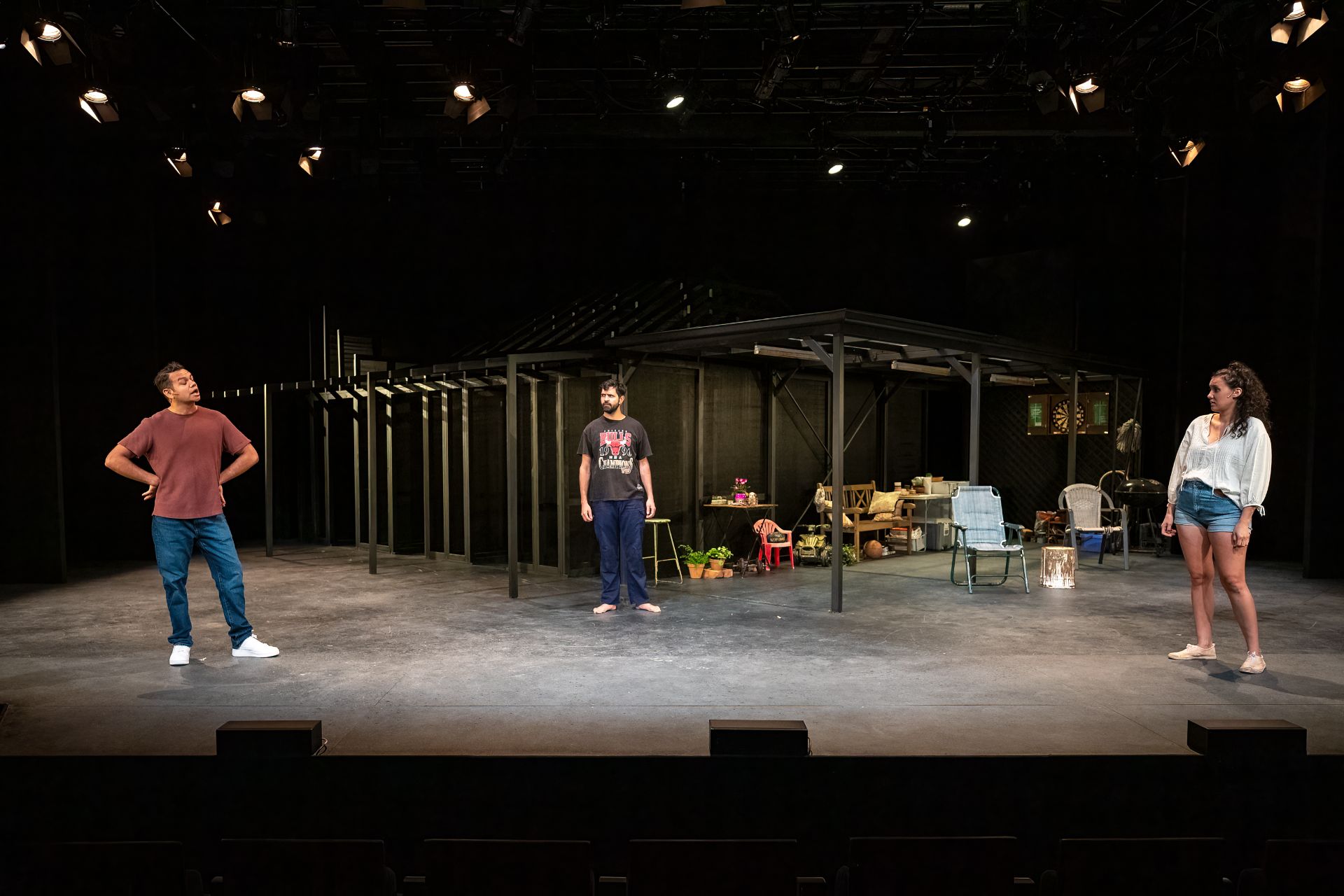
Set design by Tyler Hill makes a literal statement about the outside-inside demarcation of family life, with its left-right split of the performance space. More interesting is its incorporation of hidden scrims to facilitate the depiction of supernatural dimensions, allowing us to draw important connections with the dead and the living, in City of Gold. Verity Hampson’s lights are understated, in complete service of the storytelling, while Rachael Dease’s music gives affirmation to the wide range of emotions being depicted.

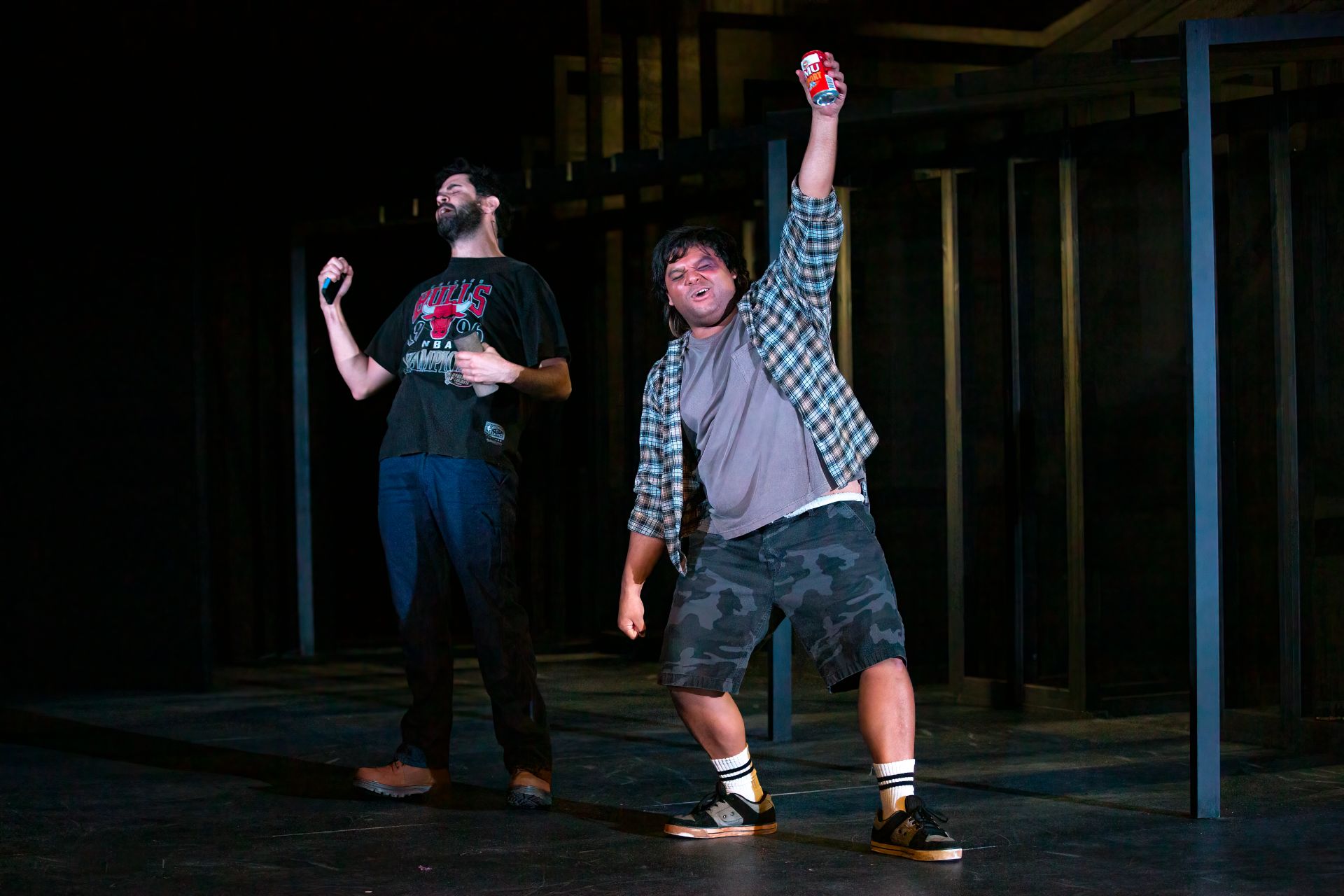
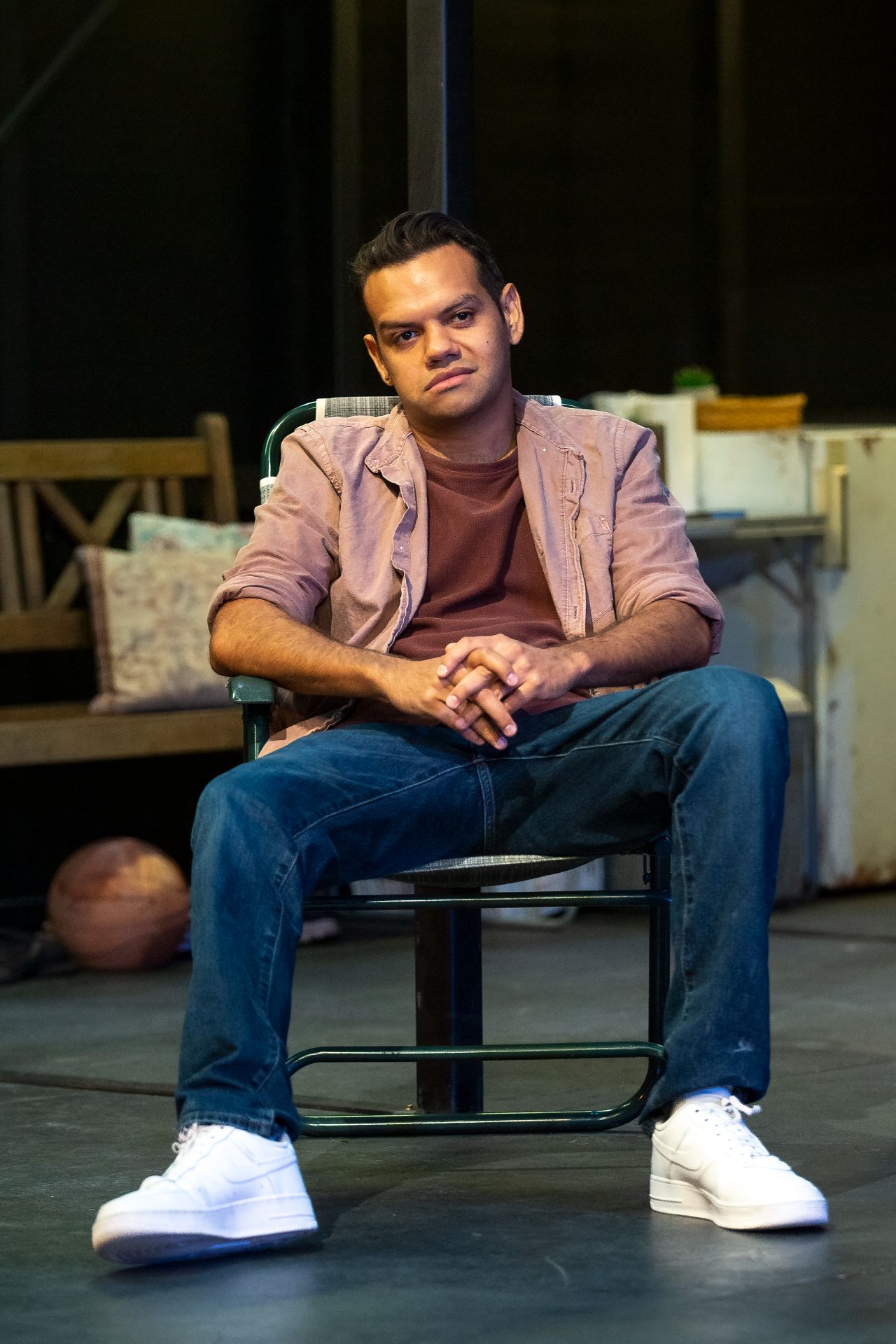
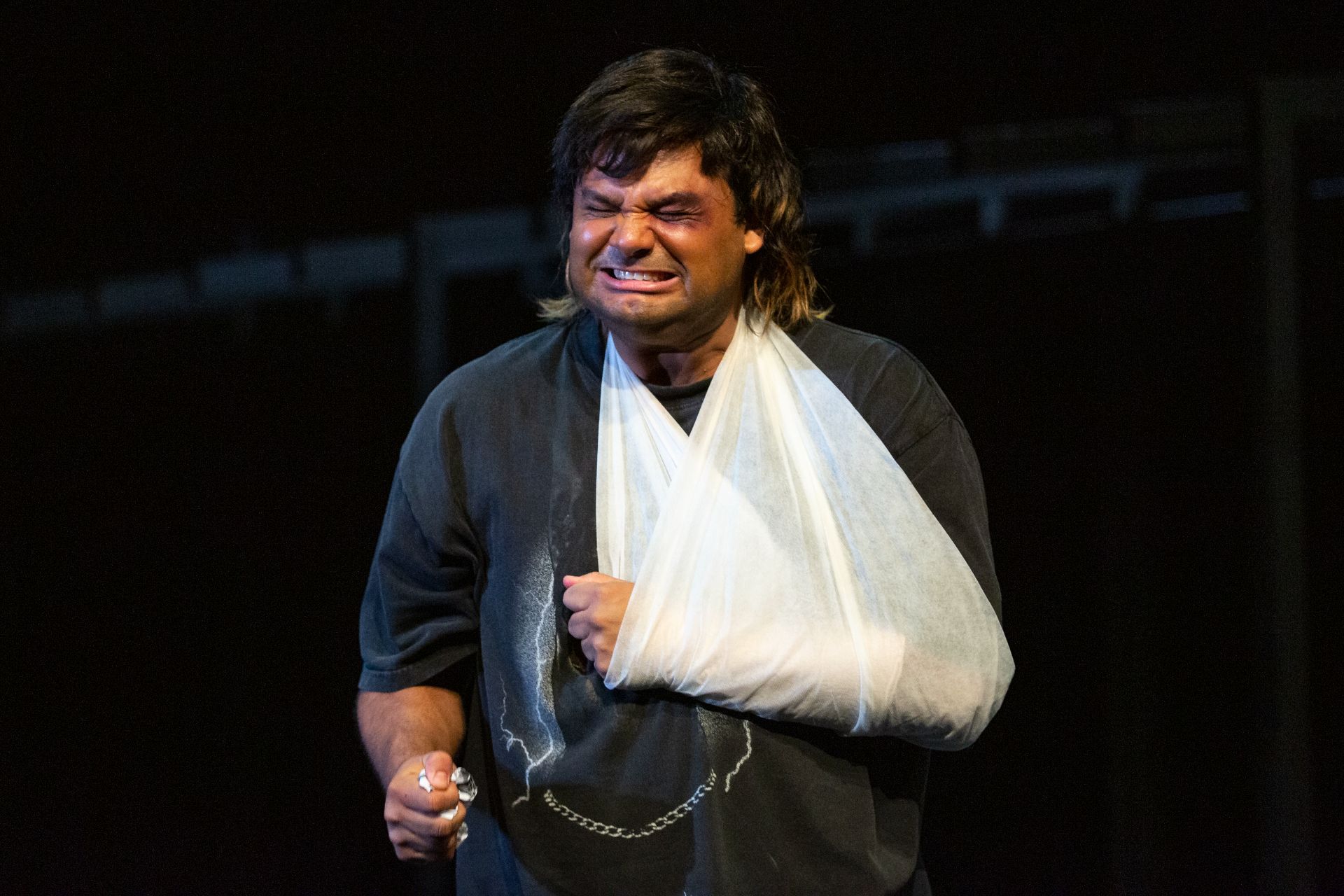
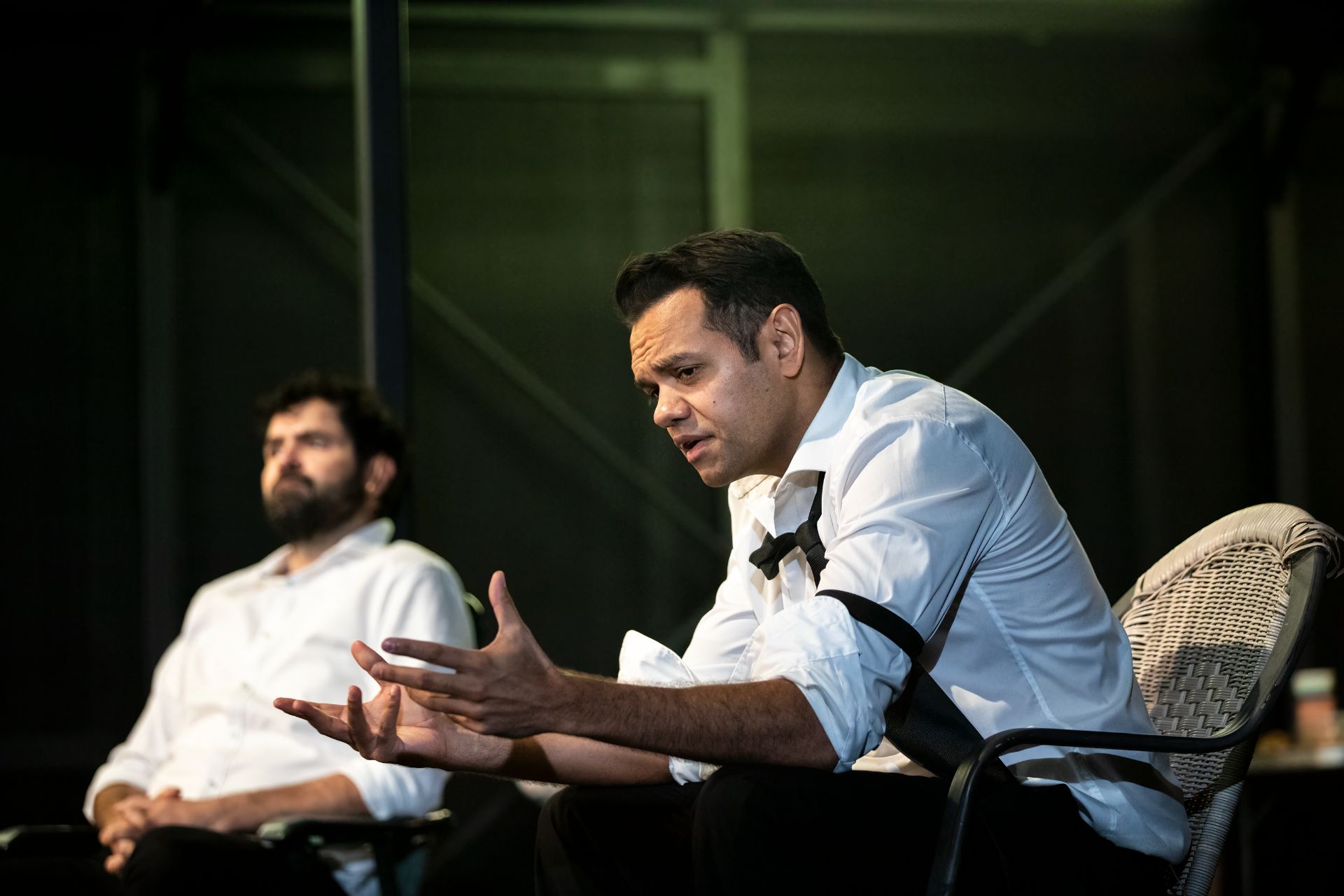
As actor, Wyatt’s performance as Breythe is a searing one, filled with a righteous indignation that is satisfying both in terms of its capacity for driving home a message, and for its sheer theatricality. His chemistry with Mathew Cooper, who plays brother Mateo, is invulnerable and effortless; their tumultuous brotherly love is portrayed with great power. Simone Detourbet’s earnest interpretation of their sister Carina is tenderly moving, and Ian Michael breaks our heart as cousin Cliffhanger, beautifully elevating a smaller part to something unforgettable, with his palpably generous approach to characterisation.

The abruptness to the ending of City of Gold seems intentional in depriving us of any catharsis. It provokes us into taking a stand, leaving no room for ambiguity, in how an Australian viewer would position oneself, at the show’s conclusion. It is right, that the situation is framed as a binary one; you are either anti-racist, or you are racist at least by default. You can make contributions to improving the situation, or you can stand on the sidelines and let injustices perpetuate. Feeling bad is not enough, but there is only so much theatre can do for you.

www.bsstc.com.auwww.sydneytheatre.com.au

Review: The Torrents (Sydney Theatre Company)

Venue: Sydney Opera House (Sydney NSW), Jul 18 – Aug 24, 2019
Playwright: Oriel Gray
Director: Clare Watson
Cast: Emily Rose Brennan, Luke Carroll, Tony Cogin, Gareth Davies, Rob Johnson, Geoff Kelso, Sam Longley, Celia Pacquola, Steve Rodgers
Images by Philip Gostelow

Theatre review
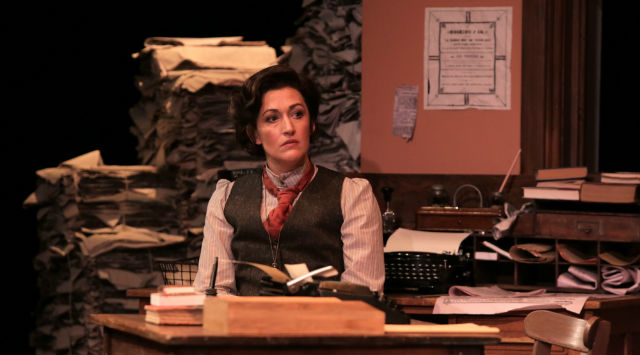
Jenny Milford has barely begun working in a news room, but is already being threatened with the sack. It is the end of the nineteenth century, and the old white men of Koolgalla’s local newspaper simply cannot imagine a woman working with them. In the meantime, agriculture in Koolgalla is at a crossroads, with old interests having to give way to advancements, or the population will have to face extinction. The Torrents was written by Oriel Gray around 1955, and although its themes are undoubtedly pertinent, it comes as no surprise that this is only the play’s second staging in over half a century. Its plot structure is awkward, its dialogue dry, and its narrative too simple.

Director Clare Watson adds to Gray’s work a lot of ornamentation, and the show becomes, fortunately, of satisfactory quality. It is an elegantly designed production, not particularly inventive with any of its renderings, but certainly accomplished with what it sets out to achieve.

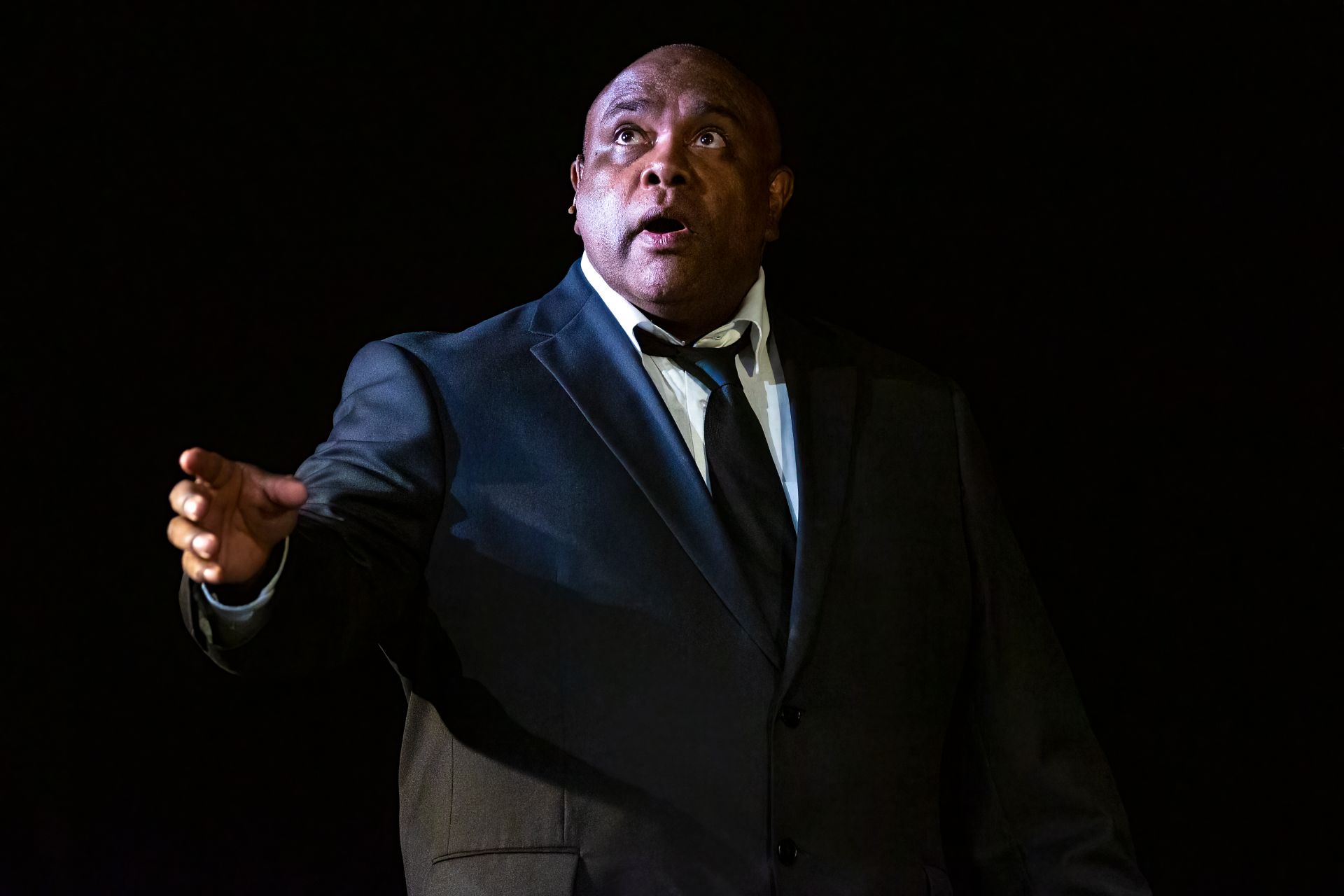
Actor Celia Pacquola is spirited in the leading role, able to introduce a modern sense of sass for Jenny to remain likeable. Although crucial to the story, the character often feels insufficiently dominant in the scheme of things, with many sequences seeming to keep her excluded. The play’s title refers to Rufus Torrent, editor of the paper, and his son Ben. The former played by a sturdy, dignified Tony Cogin, and the latter, a kooky Gareth Davies, whose impulsive comedy adds a reliable and welcome invigoration to proceedings.

It is evident that all performers in The Torrents invest in an attempt to fortify their show. There is good effervescent energy, and an admirable precision to their rhythms as an ensemble, and although the staging is ultimately underwhelming, polish of this standard is always impressive.

Like the residents of Koolgalla, we need something radical to wake us up to our impending destruction. It may be narcissism, or simply fear, that keeps us from accepting the truth of ecological and technological disasters that are already in motion. It was not until the old boys club in The Torrents were able to let the first woman in, that significant change was able to begin.

The powerful is almost always conservative. Those at the top are habituated into thinking that they must protect the existing, and are thus unable to conceive of big transformations that would make things better. They keep doing things the old way, to try and reinforce the security they imagine themselves enjoying. They manufacture a supremacy, to be protected at all costs, unwilling to recognise that it is not mother nature who will be obedient, but us, who must abide by nature’s laws.

www.sydneytheatre.com.au | www.bsstc.com.au