Review: Working Class Clown (Biennale of Sydney)

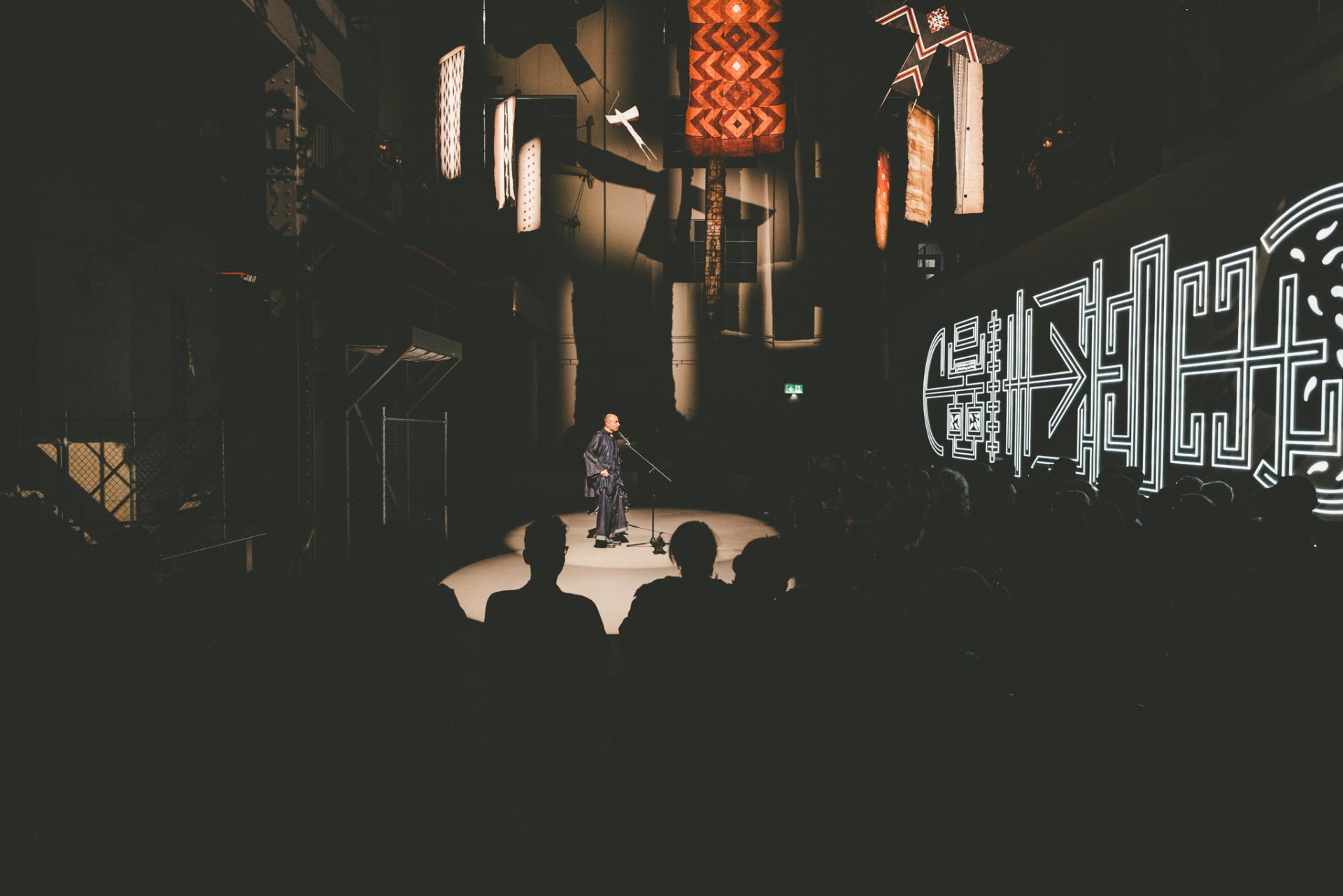
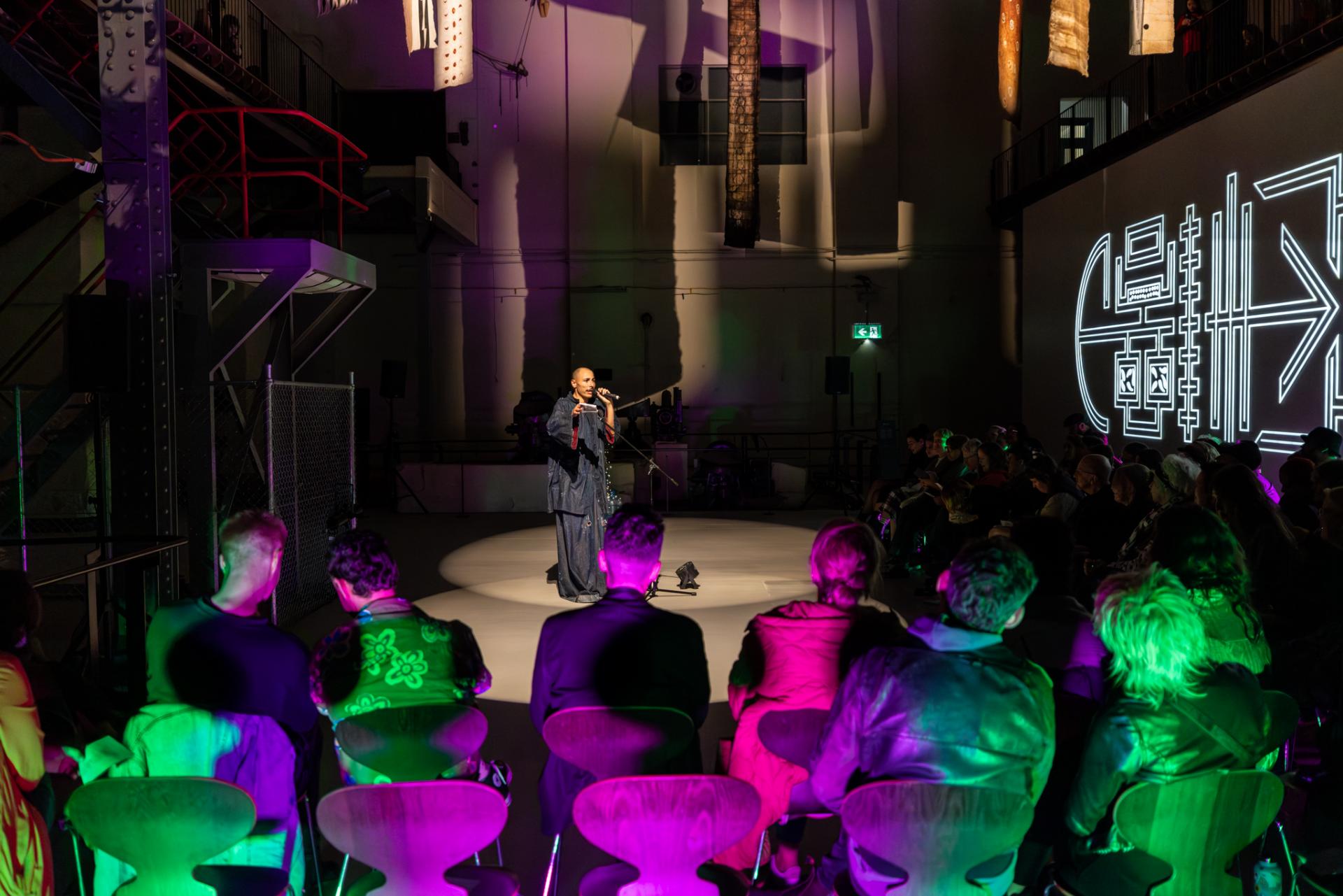
Venue: White Bay Power Station (Rozelle NSW), May 1 – 3, 2024
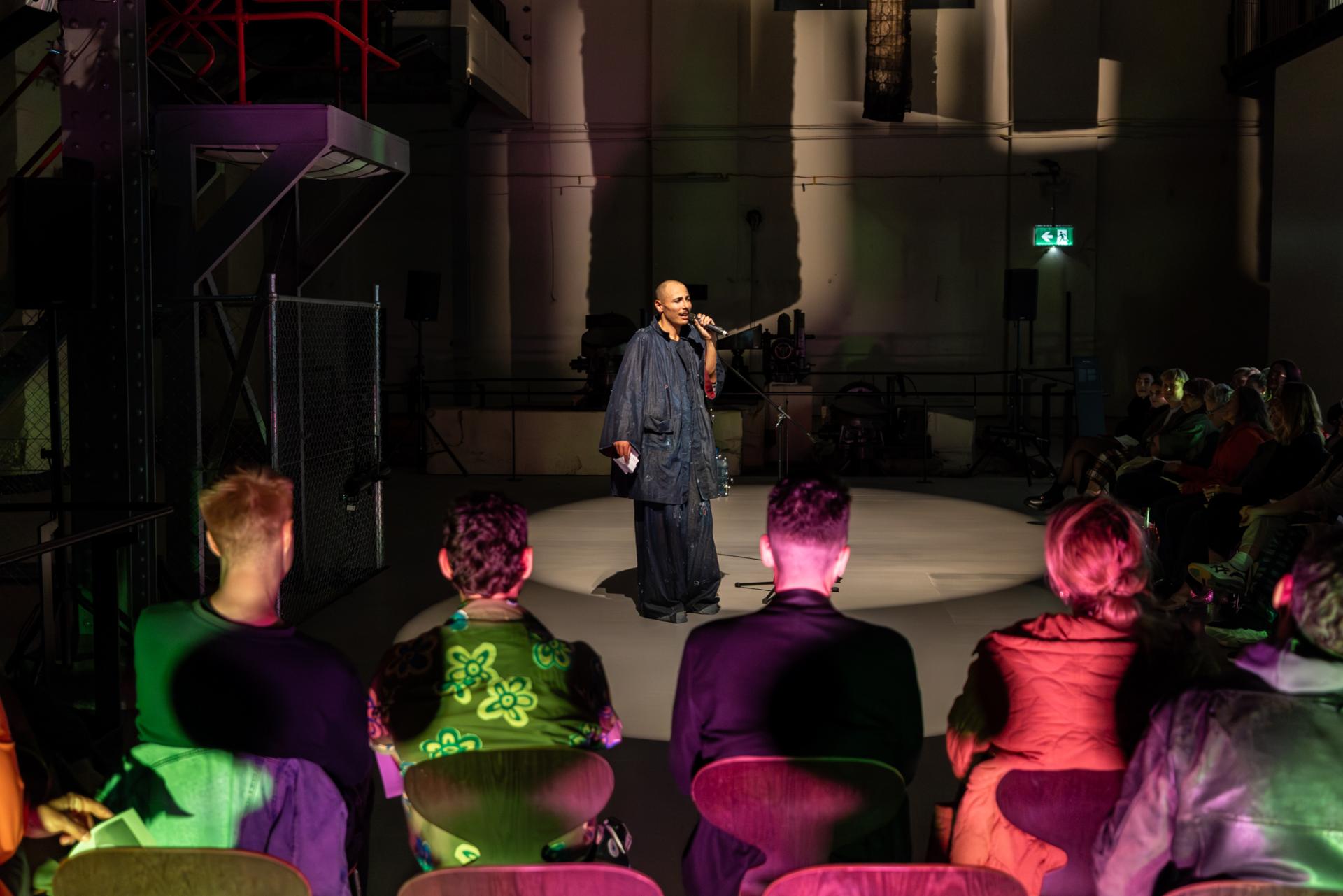
Writer/Performer: Tommy Misa
Performance Guide: Emma Maye Gibson
Images by Joseph Mayers

Theatre review
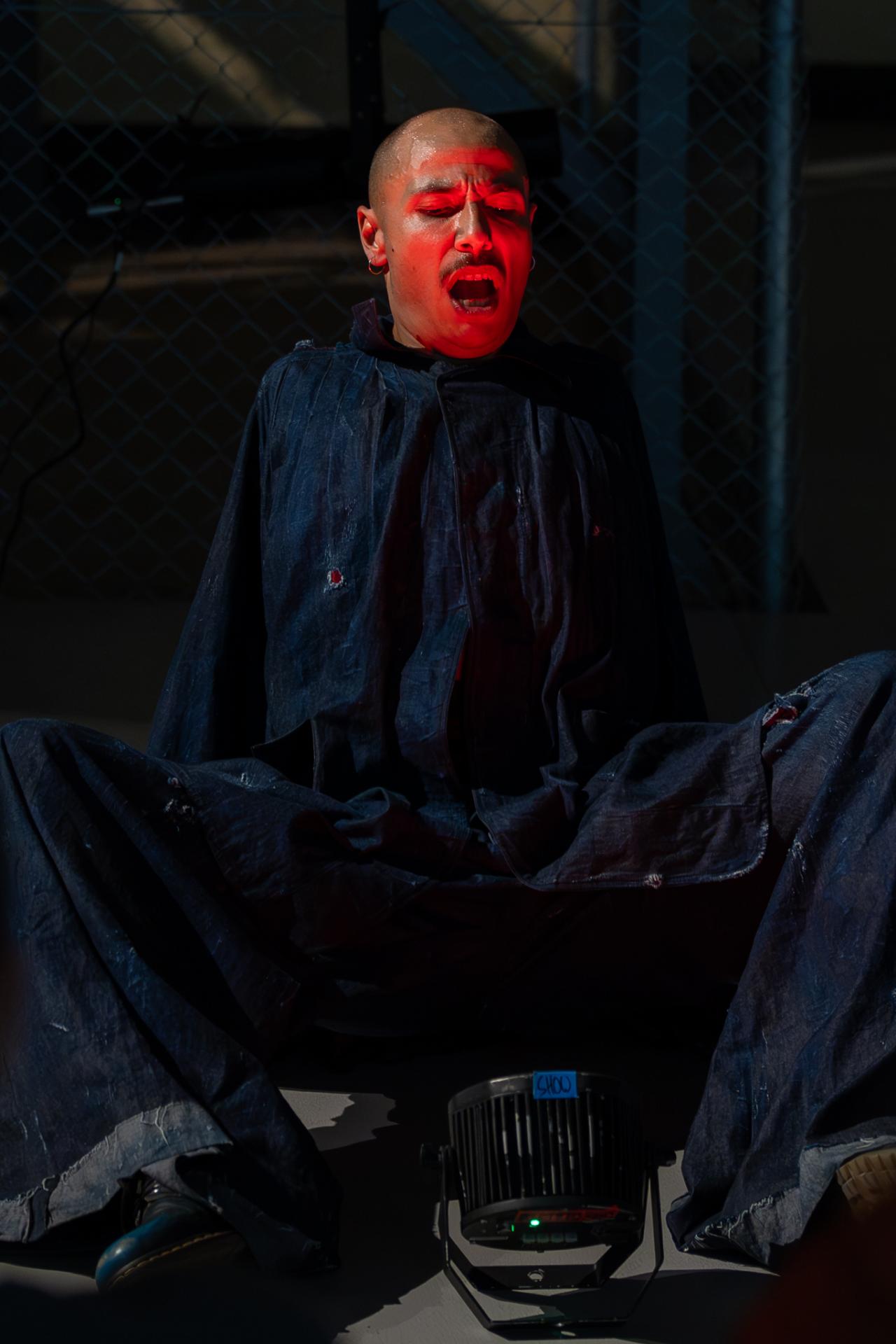
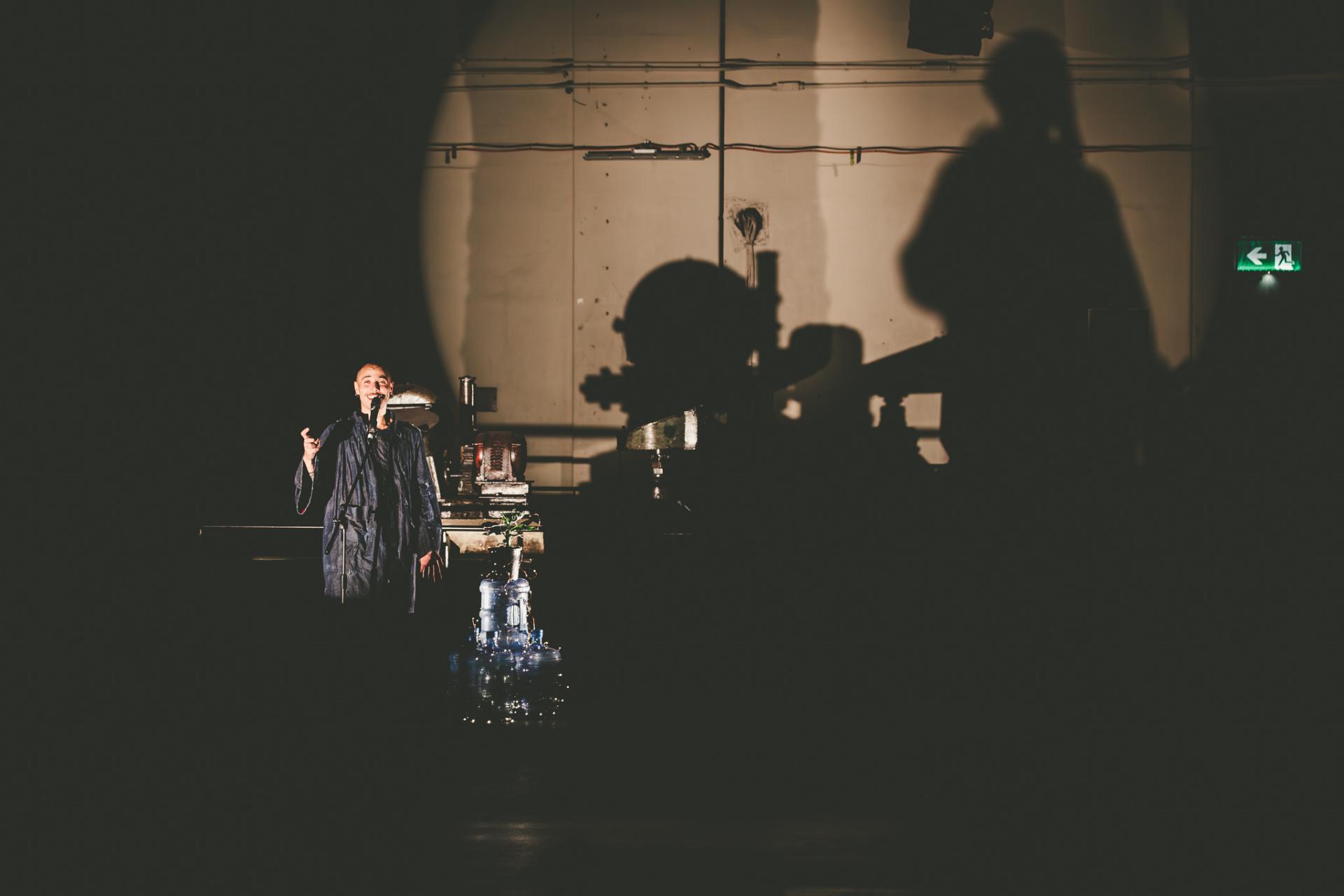
The show begins with Tommy Misa describing a bittersweet moment, soon after their father’s death. Misa’s one person show Working Class Clown can be considered a commemorative piece, although most of it seems to be autobiographical, or perhaps the lines are intentionally blurred, for when we are told these stories about parent and child. Much to our chagrin, we all turn into our mothers and fathers eventually, but thankfully only to a certain degree.

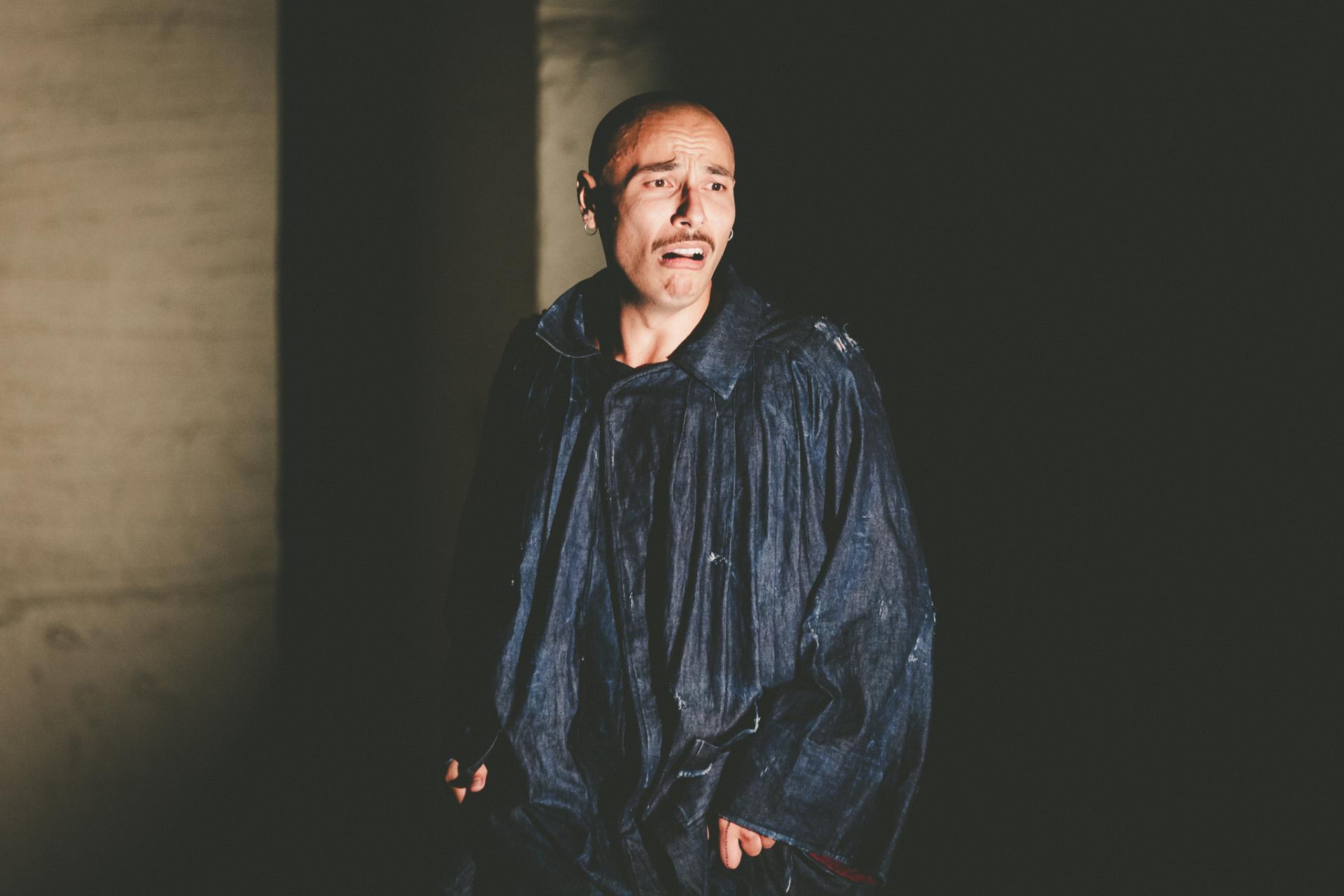
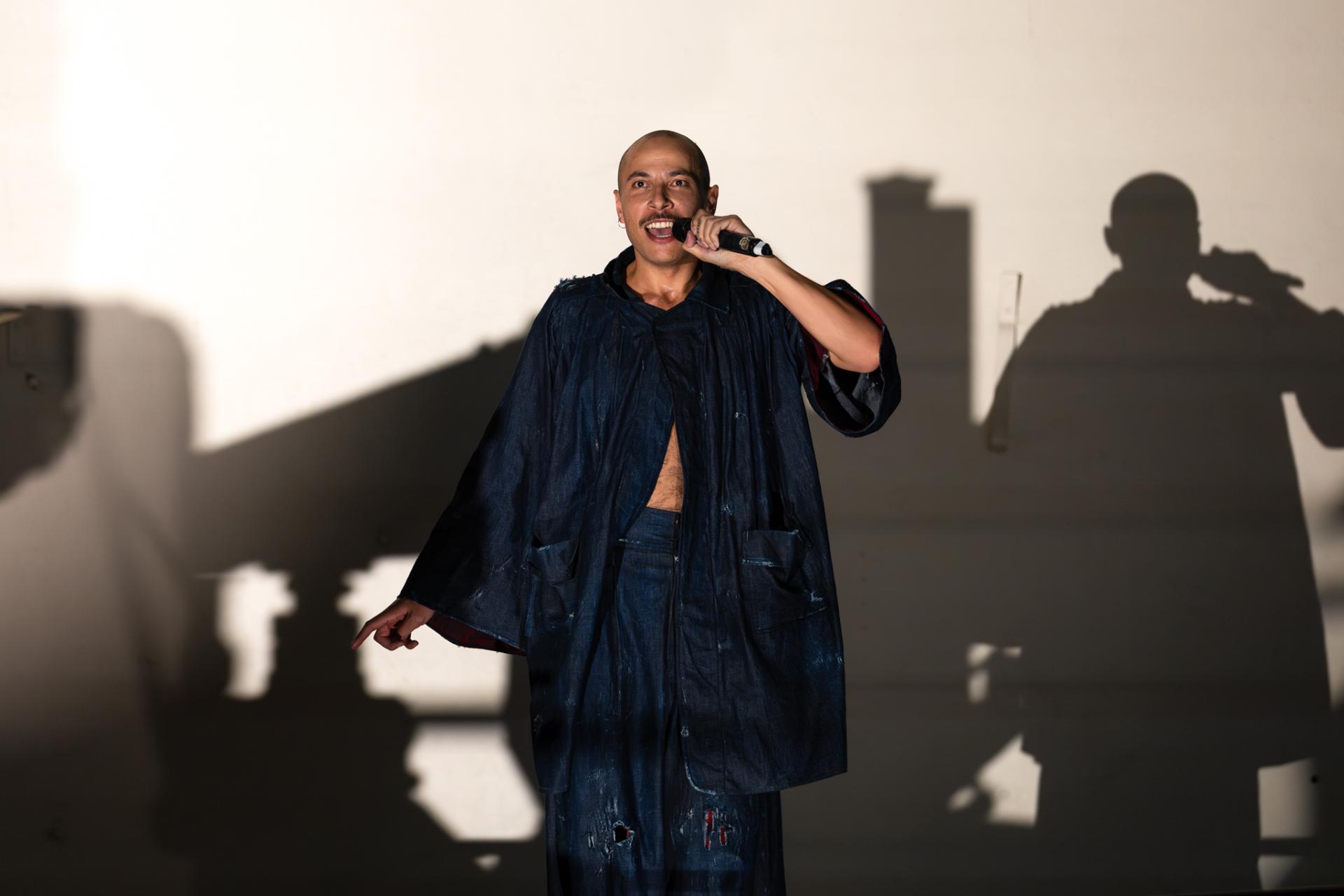
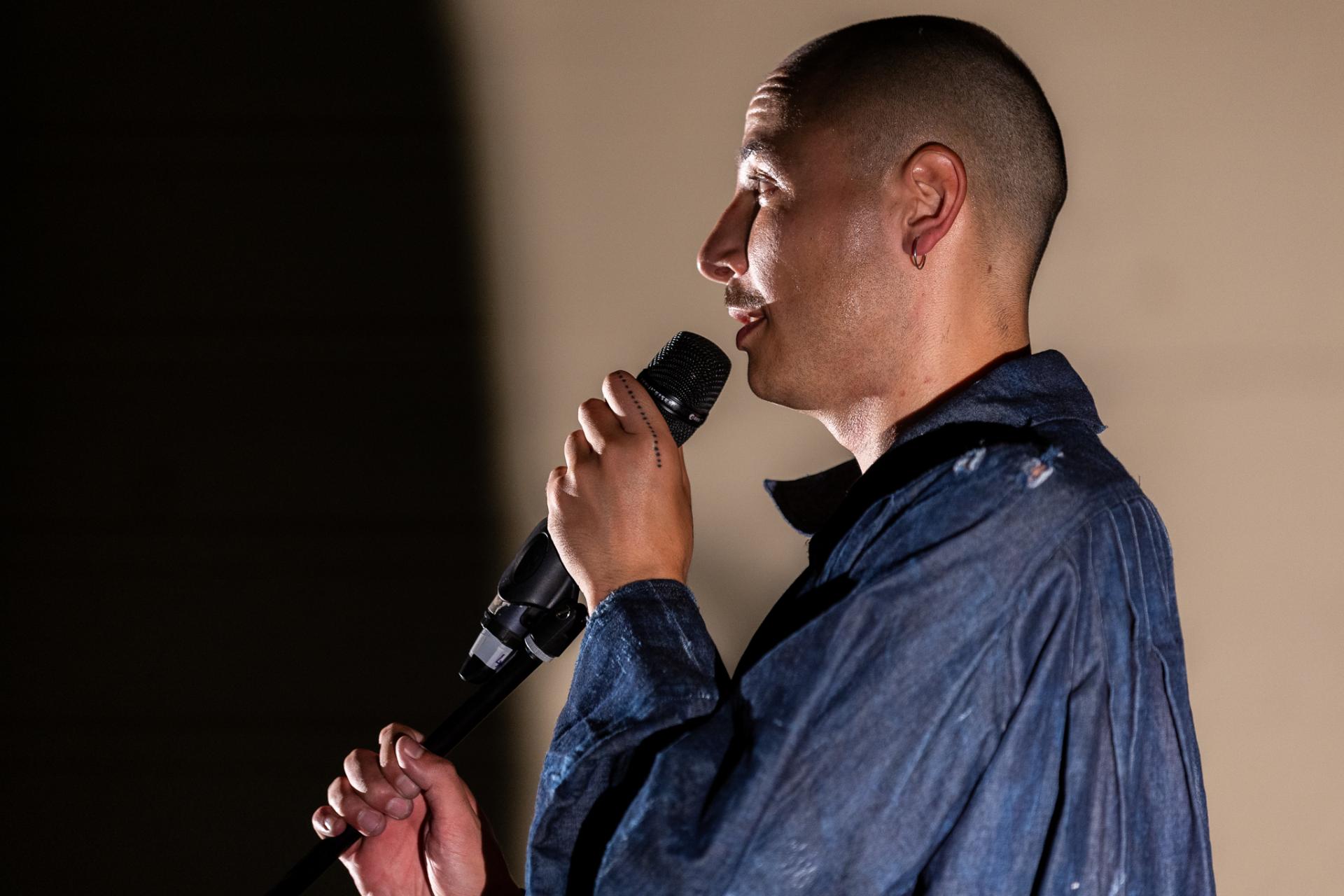
Misa is proud of the similarities in their personalities, and it is with a deep appreciation of what has been inherited, that they present a showcase emphasising the humour of the dearly departed, for a work about the process of mourning, that always moves us from dark to light. Misa’s charm as performer is undeniable, and in all of these 45 minutes, we feel secure in the palm of their hand.

The writing can however feel unfocussed and somewhat mundane. We want the storytelling to bear a greater poignancy, but it seems to shy away from a more conventional articulation of what is usually a sorrowful process. As director, Emma Maye Gibson smooths out the bumps, and renders a sense of cohesion, so that we are able to invest attentionally, if not emotionally.

A glorious costume by Nicol & Ford takes inspiration from clownery, but combines it with traditions of queerness and of proletarianism, for a marvellous and unexpected denim creation that gives meaningful elevation to this theatrical experience. Sounds by Jonny Seymour provide an etherealness that connects us to the spiritual qualities, of this exploration between the present realm and the thereafter.

The decisiveness of death means that we regard it with a distinct permanence, but it is also incomprehensible to our mortal minds, how our current transience is so minuscule in comparison to that perpetuity. We struggle to perceive a bigger picture that can satisfactorily encompass a reality that understands our living days to be only the tiniest of instances.  We always want what we currently are, to be the main thing, and in many cases, the only thing. Magical moments do occur however, when heaven seems to be right here, and we see the eternal taking place in the now. Those are unbearably fleeting, just as it is unbearable to be anything other than human.
www.performancespace.com.au

Review: Event For A Stage (Carriageworks)

rsz_10296577_10154052802420464_5556522318690470678_nVenue: Carriageworks (Eveleigh NSW), May 1 – 4, 2014
Artist: Tacita Dean
Actor: Stephen Dillane

Theatre review
English visual artist Tacita Dean’s Event For A Stage is her first work in the “live theatre” medium. Unsurprisingly, the piece is not concerned with theatrical conventions, and it certainly places no interest on the fabrication of a narrative. The rectangular stage is surrounded by audiences on all 4 sides, and Dean, the artist sits front row with us, in a darkened corner. A big chalk circle is drawn on the stage, with two people operating a film camera within the circle, and another two people outside of it. A microphone is suspended from the fly bars into the middle of the circle. For the duration of the 45-minute work, the actor Stephen Dillane walks around the stage, usually following the chalk line, but uses regular disruptions to the circular stroll to create a sense of action or to emphasise certain points in his monologue.

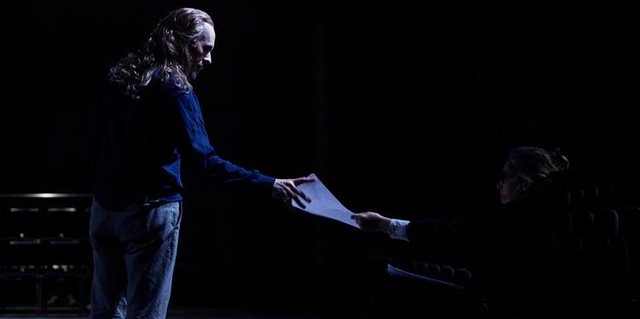
Over the course of the performance, Dillane walks up to Dean and obtains, with visible resentment, sheets of theatre and performance theory, which he reads aloud, effectively using them as scripts. The writing is insightful and fascinating, and Dillane’s interpretation of them is thoroughly compelling. In addition to Dean’s sheets of paper, Dillane also gives us coherent and interesting accounts of conversations he has had with the artist, or about events and people from his personal life. Further, he reads sections from a slim novel he keeps in his pocket, and performs extracts from Shakespeare’s The Tempest. The work however, is not about stories. Its main crux deals with the nature of theatre and performance, the sociology of spaces in a theatrical venue, and the relational dynamics between artists and audiences.

There are layers upon layers of ideas that are touched upon in this deconstruction of performative spaces. Things get complex, but Dillane’s supreme ability to connect, keeps us from confusion or perplexity. One of the main themes discussed relates to contrivances that arise from the convergence of creators and spectators. The presence of film cameras helps illustrate the point, while simultaneously adding to the multiplicity of the artist’s concepts in its obvious extension into other televised or filmic media. Dillane also talks about the danger that sits below the surface of theatrical artifices, and his close proximity from us is a constant threat to our presumption of security, with the cameras amplifying the stakes at hand.

Event For A Stage approaches theatre with concepts and conventions from the visual art world, in a collision of forms that is fresh and exciting. It seeks not to emulate familiar precedents, but like all great works of theatre, it enthrals, intrigues and informs, even if its subject matter (its self) is a little haughty.
 

www.tacitadean.net

www.carriageworks.com.au