Review: Opening Night (Belvoir St Theatre)

Venue: Belvoir St Theatre (Surry Hills NSW), Feb 26 – Mar 27, 2022
Playwright: John Cassavetes, adapted by Carissa Licciardello
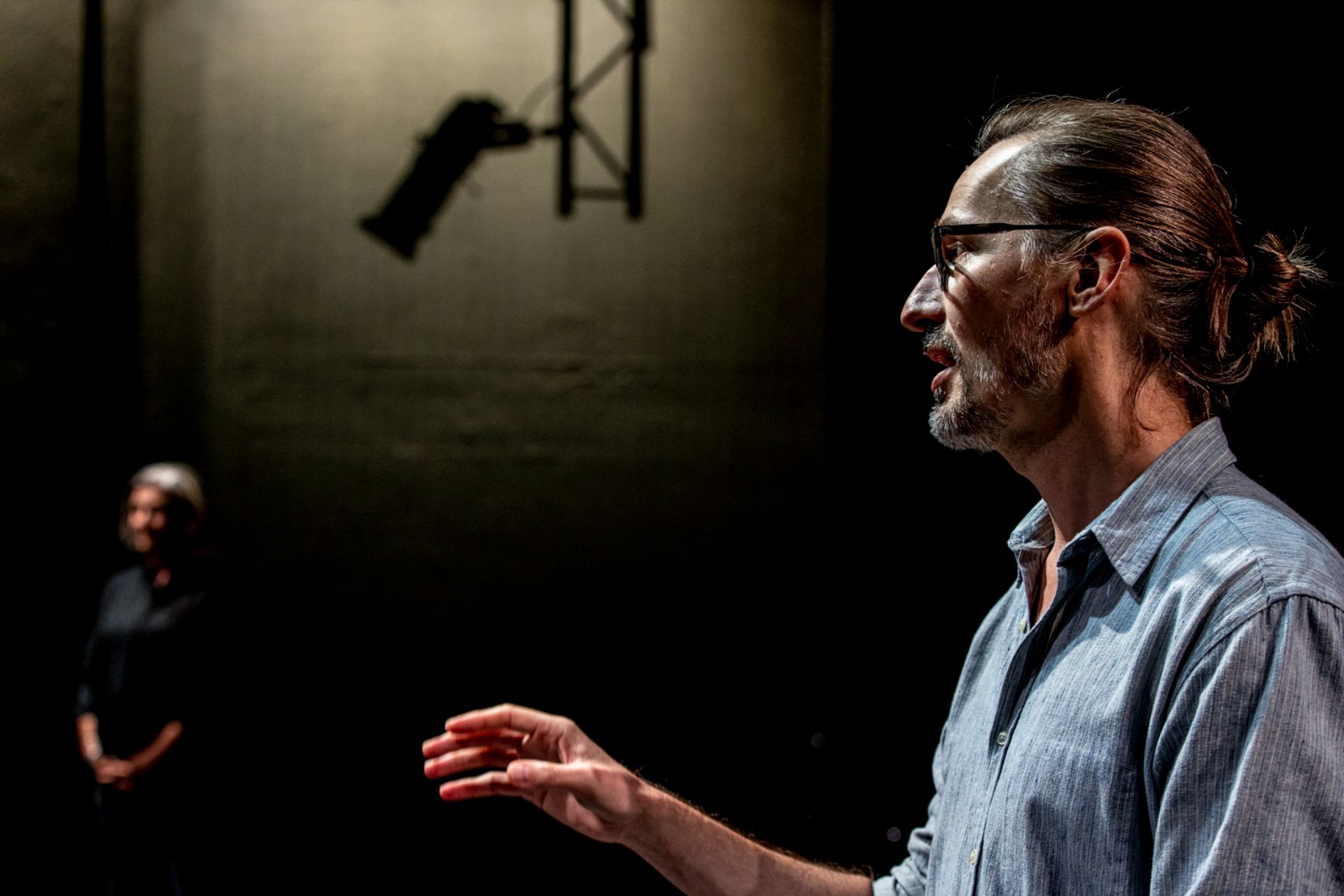
Director: Carissa Licciardello
Cast: Caitlin Burley, Jing-Xuan Chan, Anthony Harkin, Luke Mullins, Toni Scanlan, Leeanna Walsman
Images by Brett Boardman

Theatre review
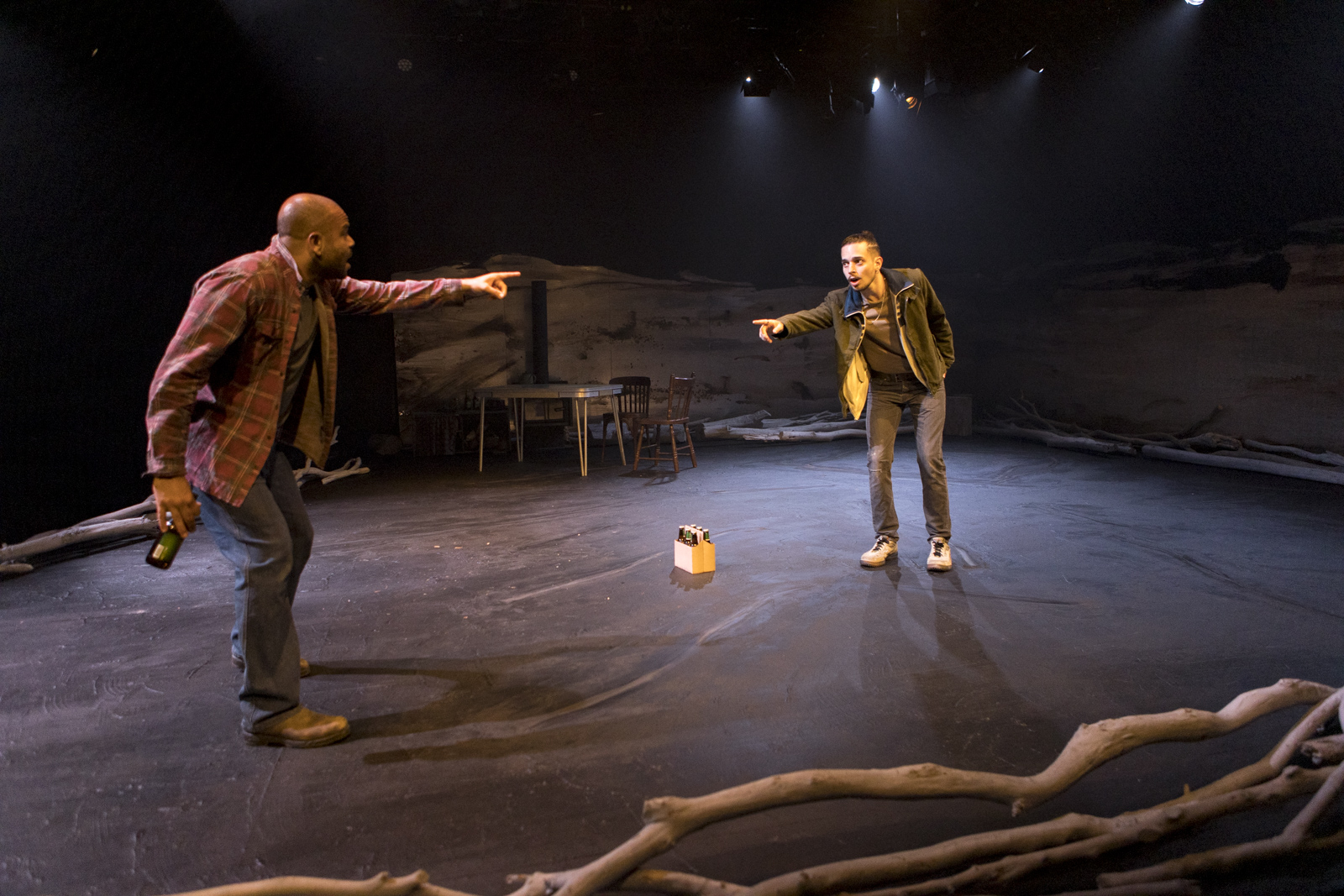
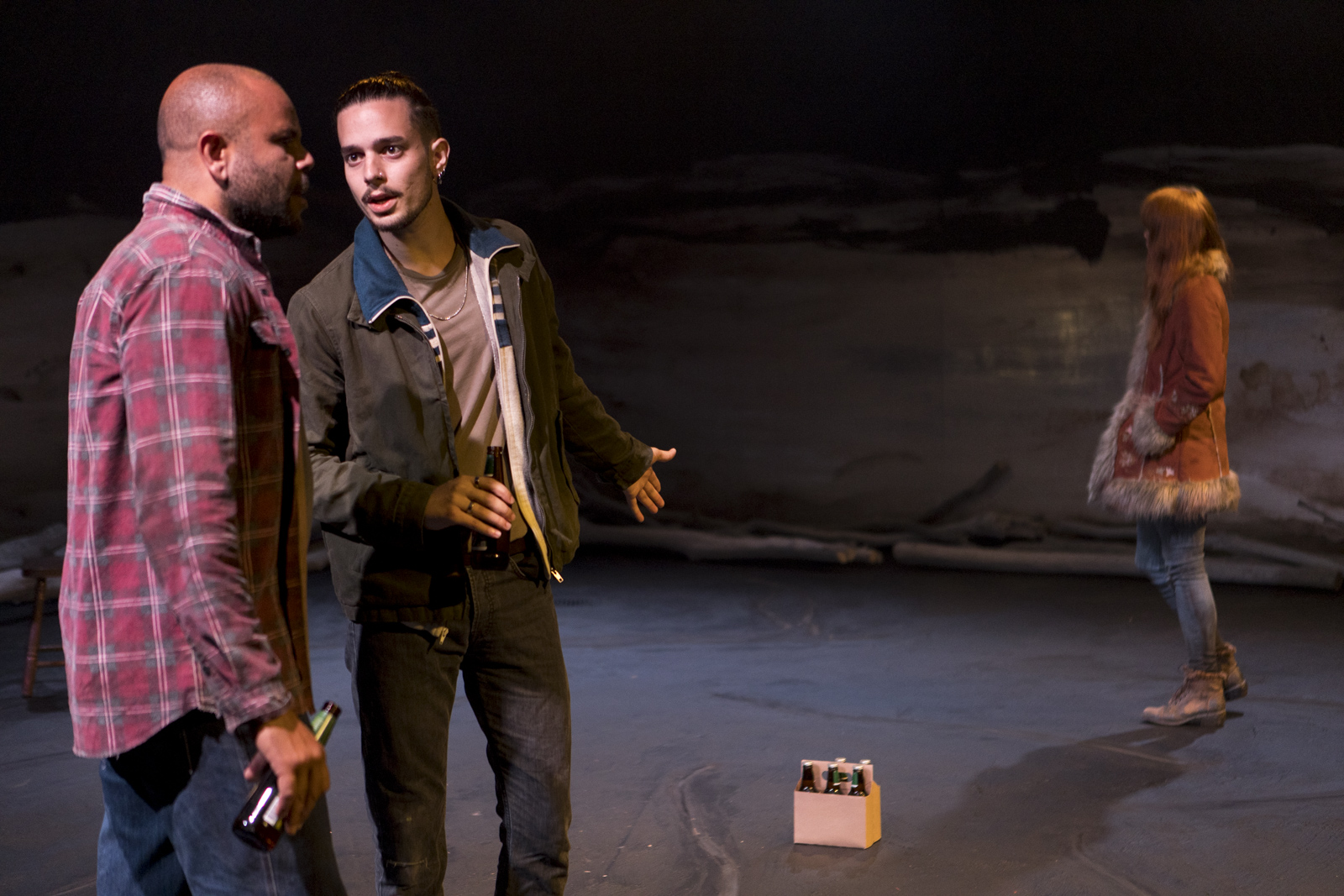
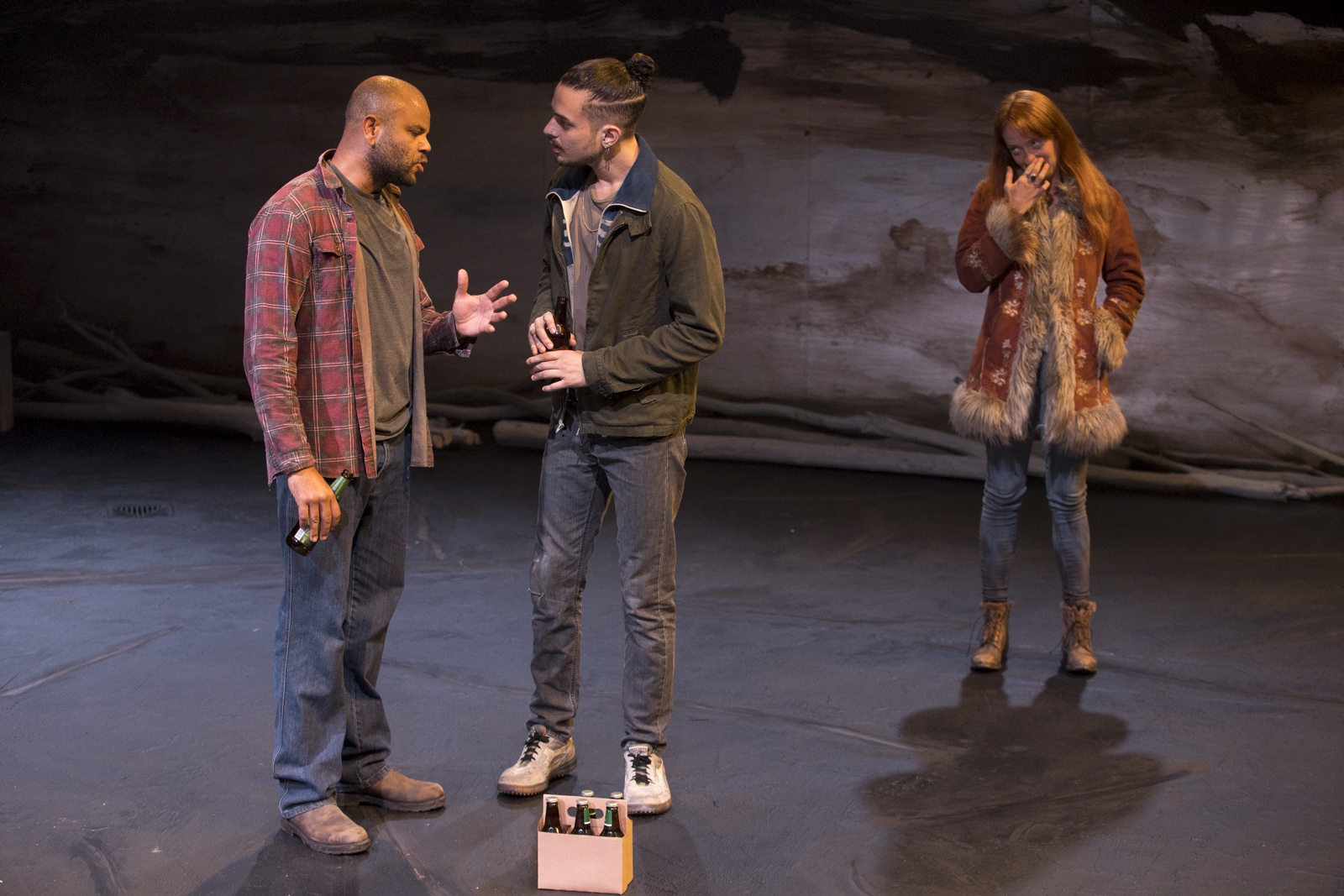
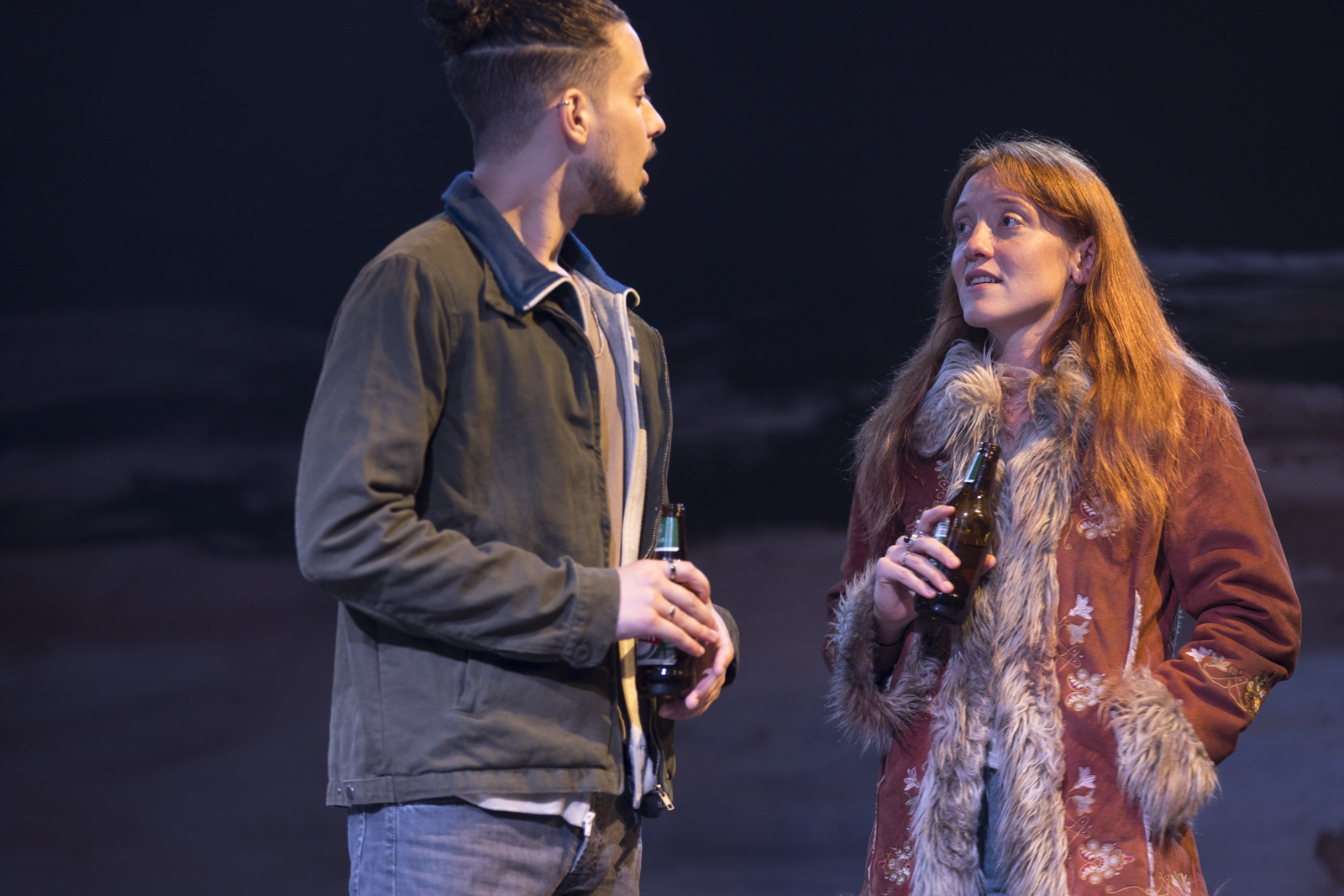
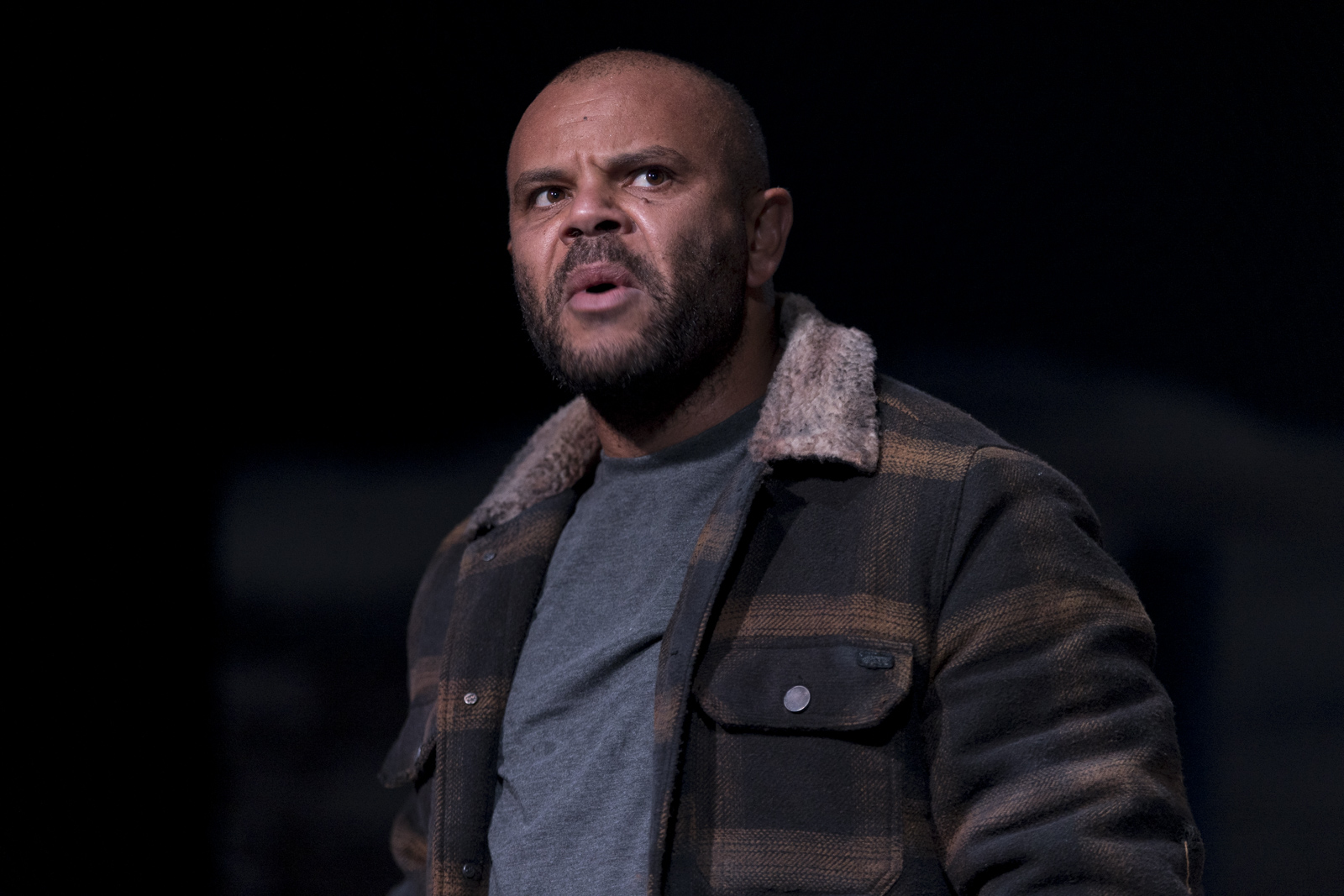
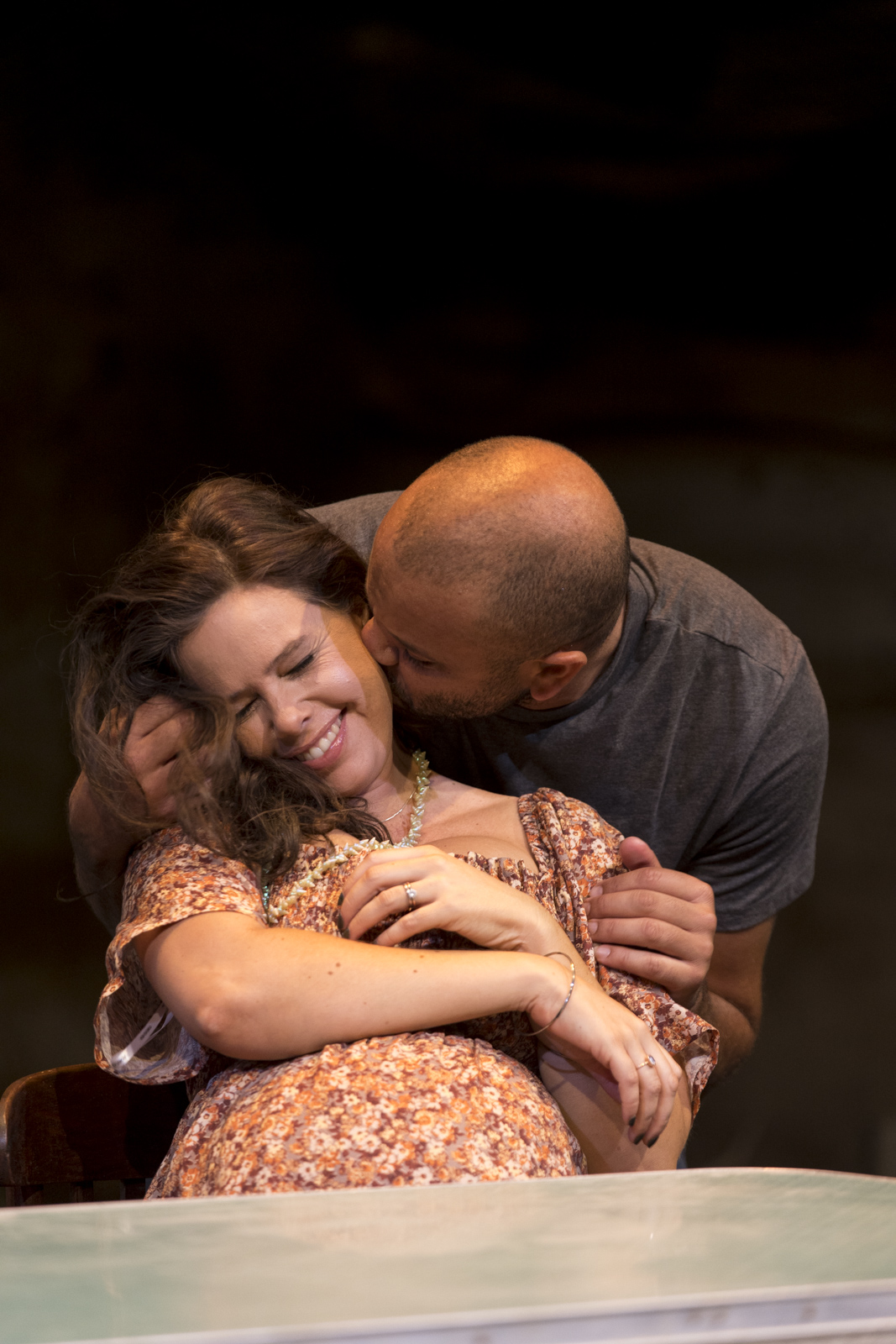
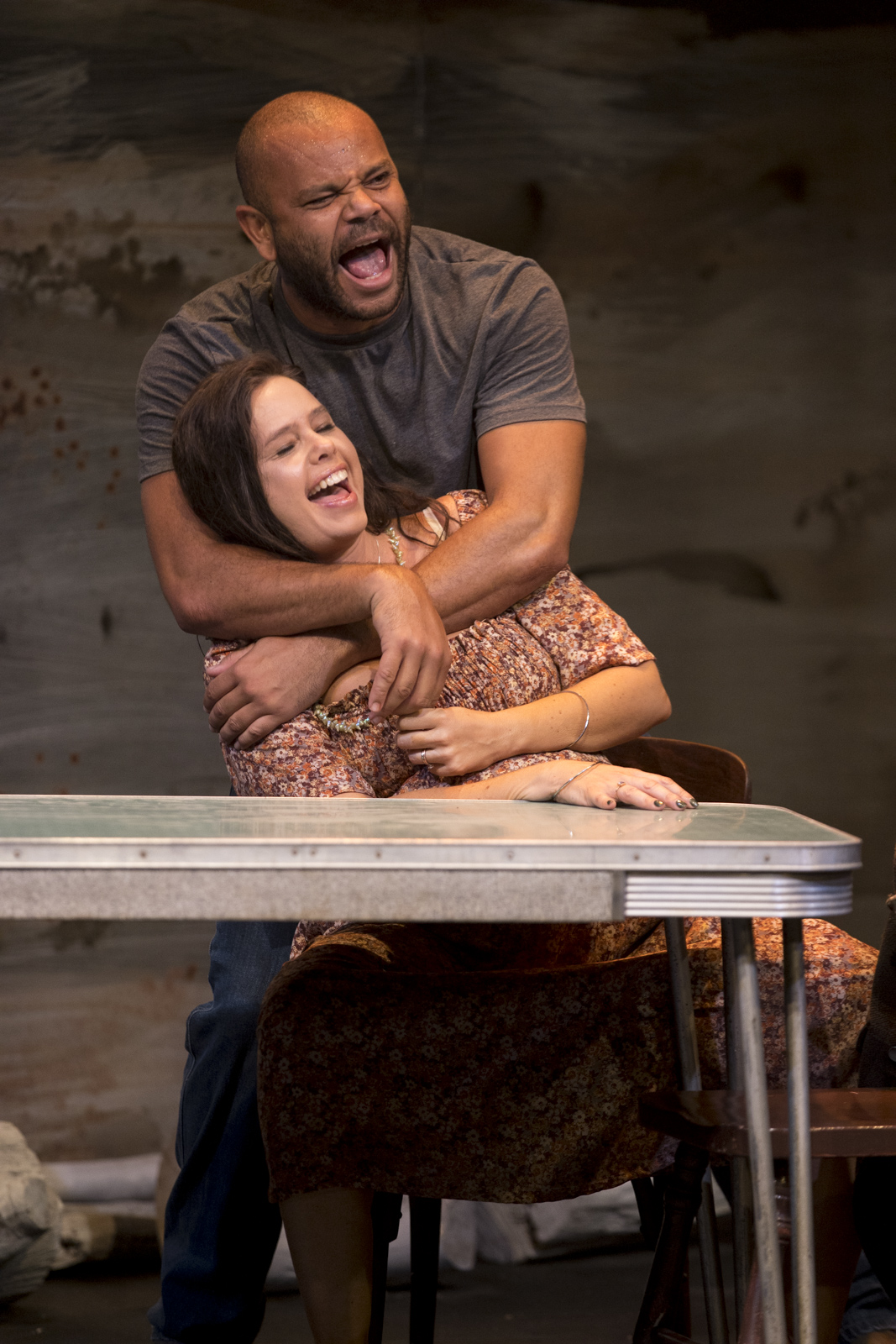
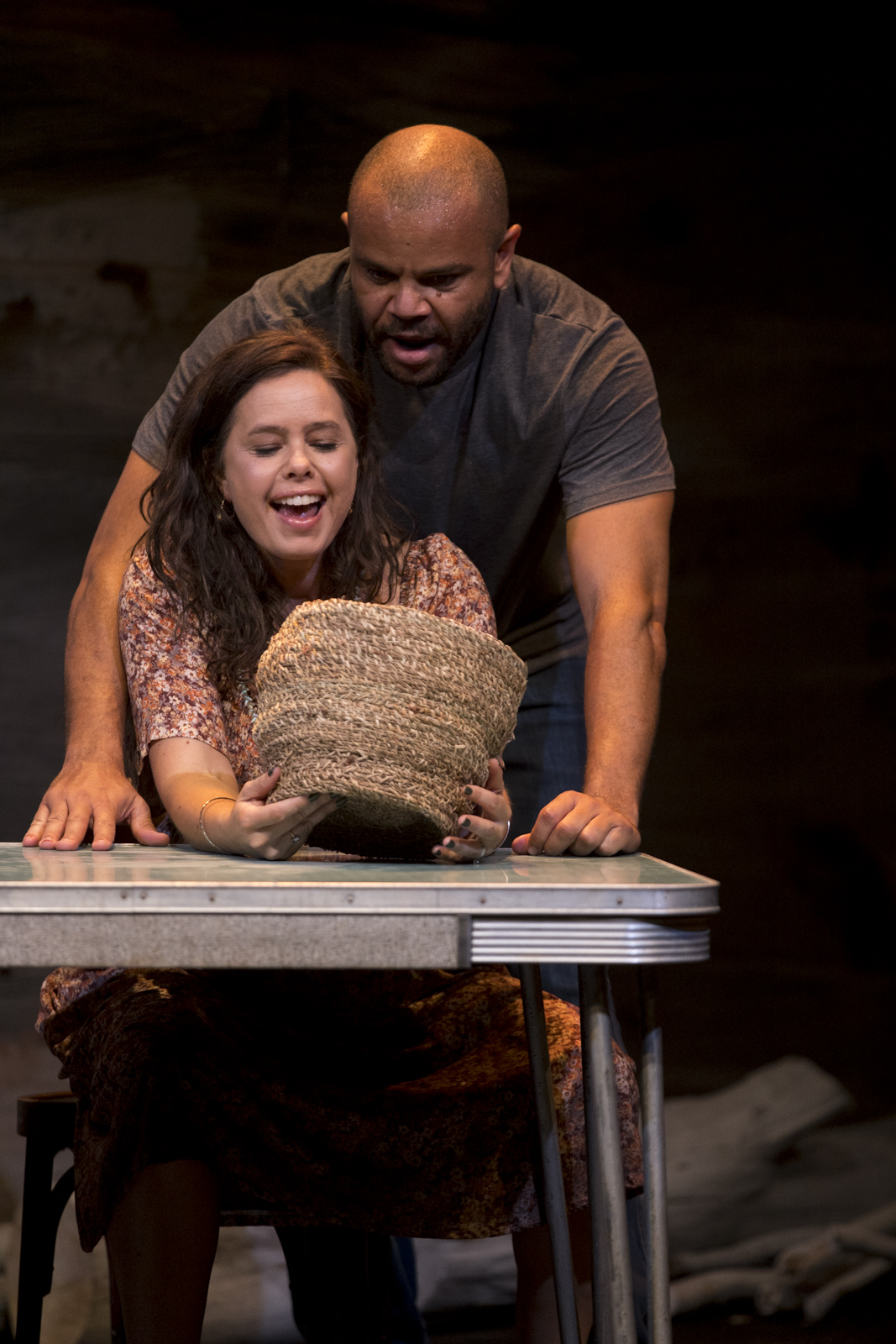
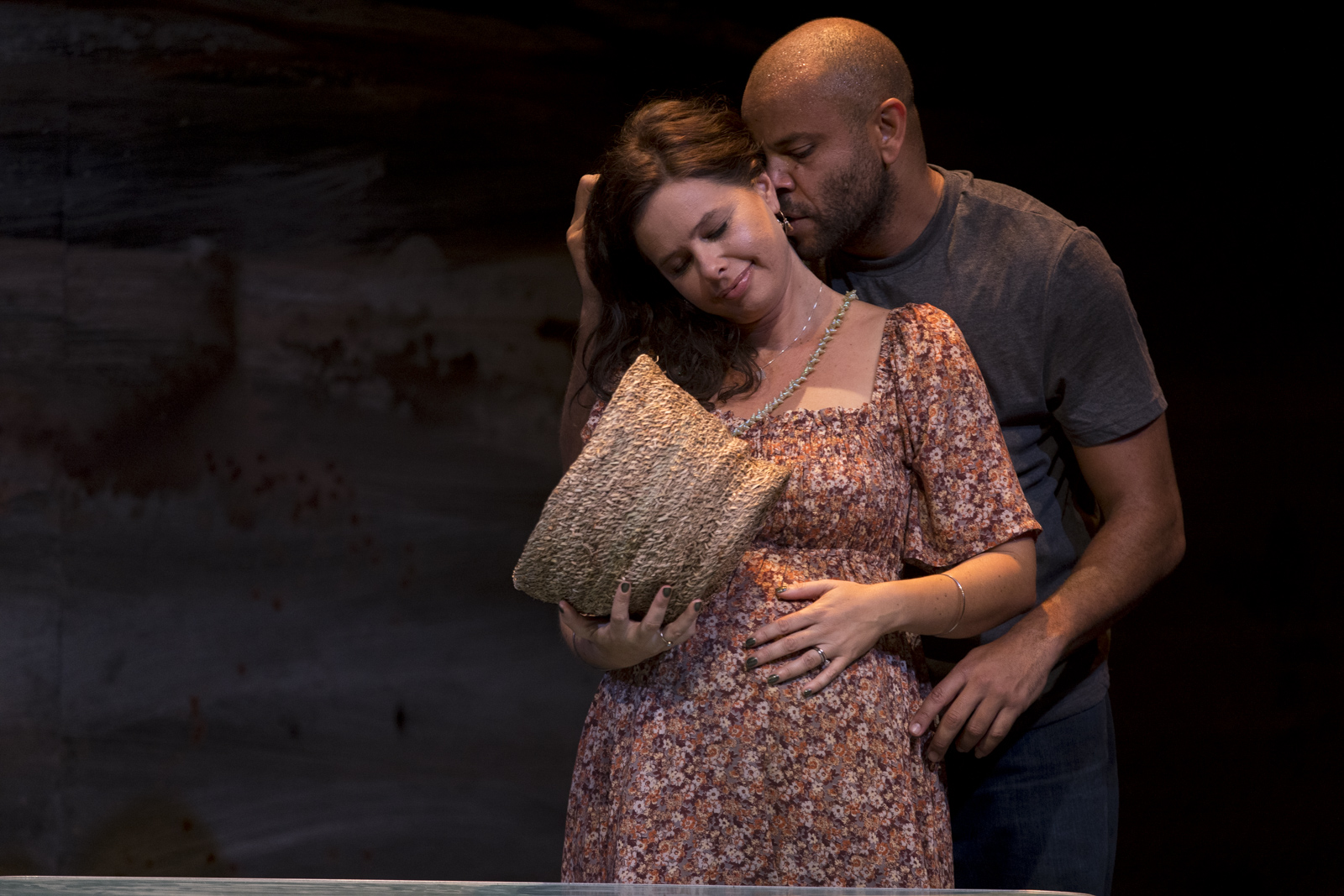
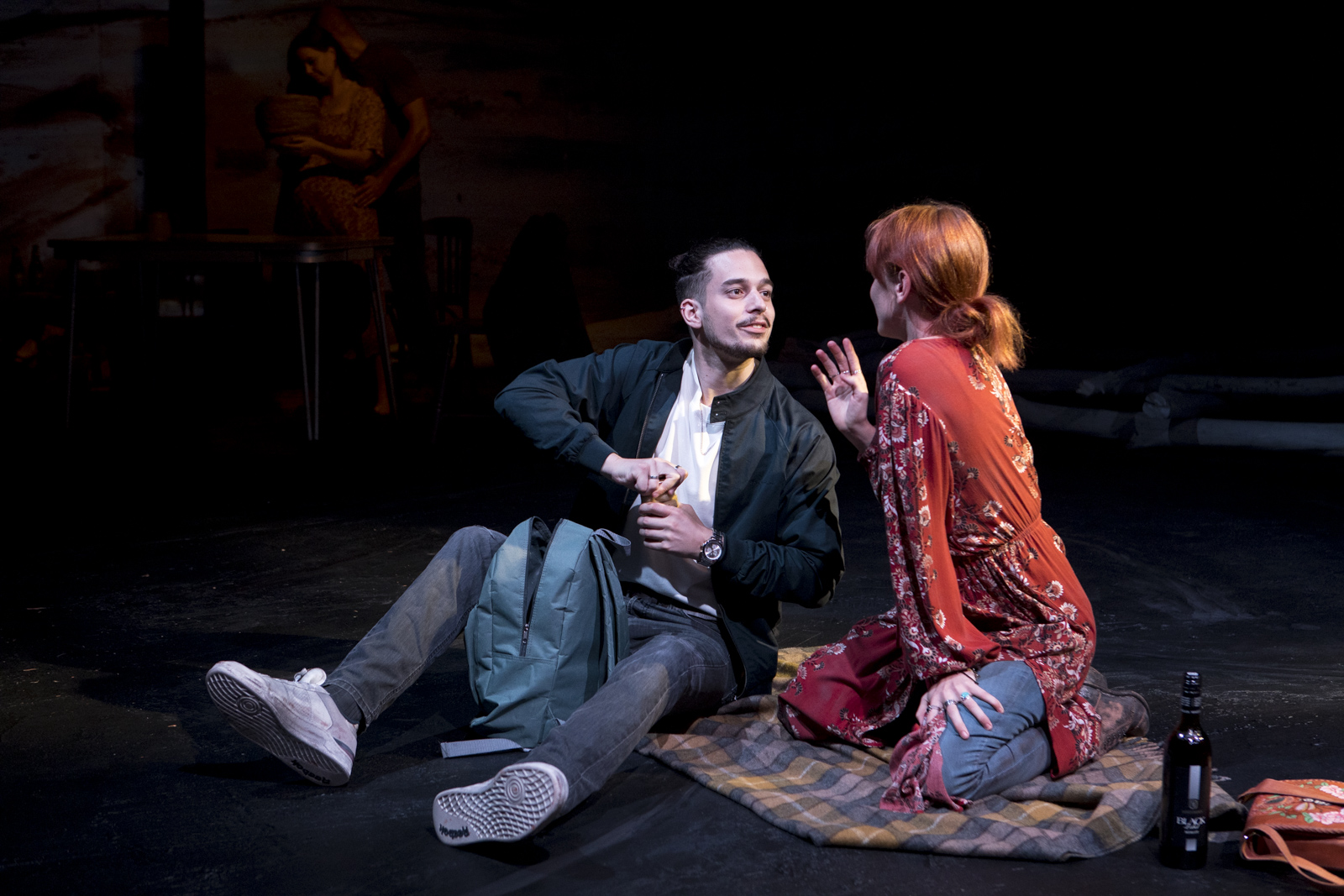
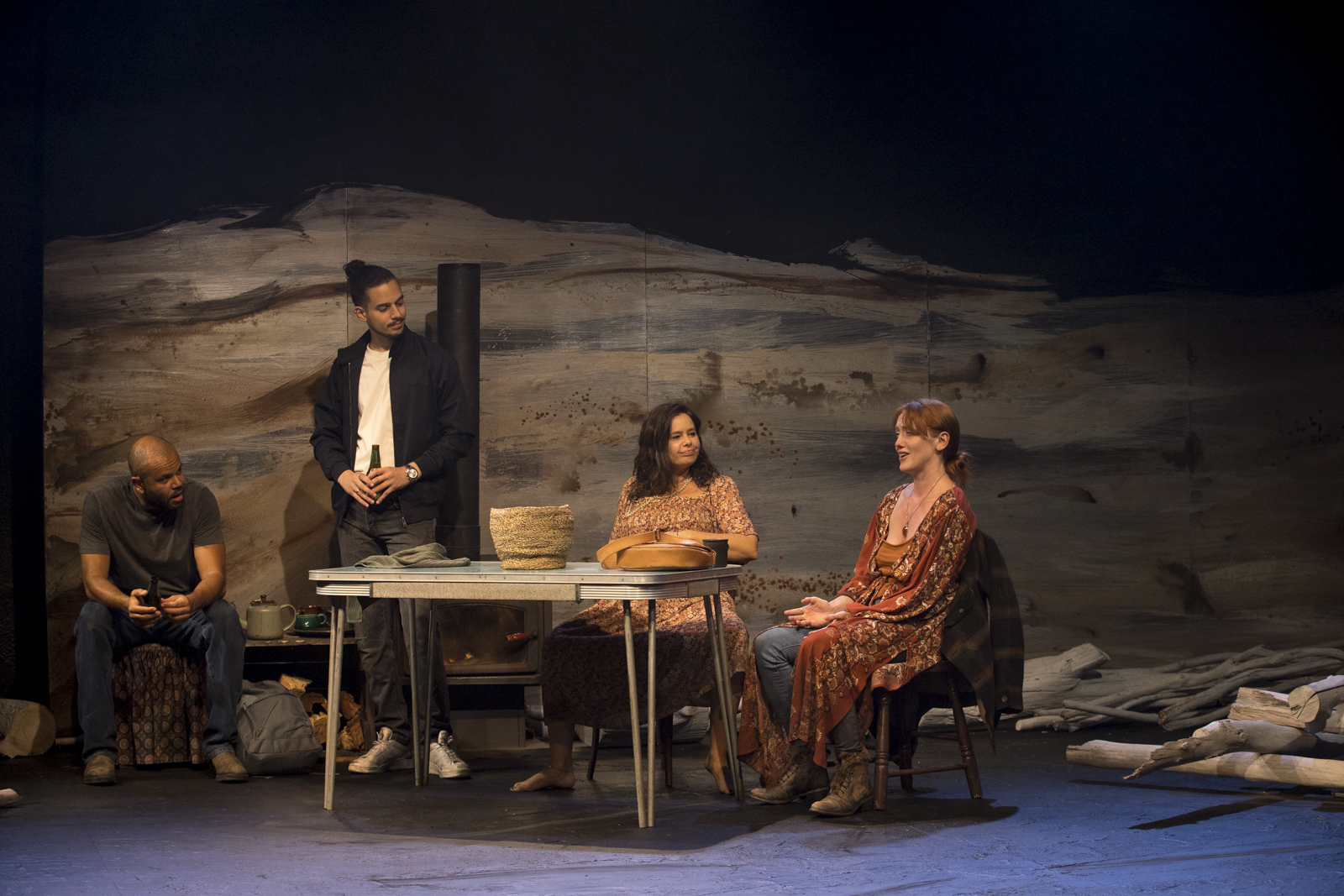
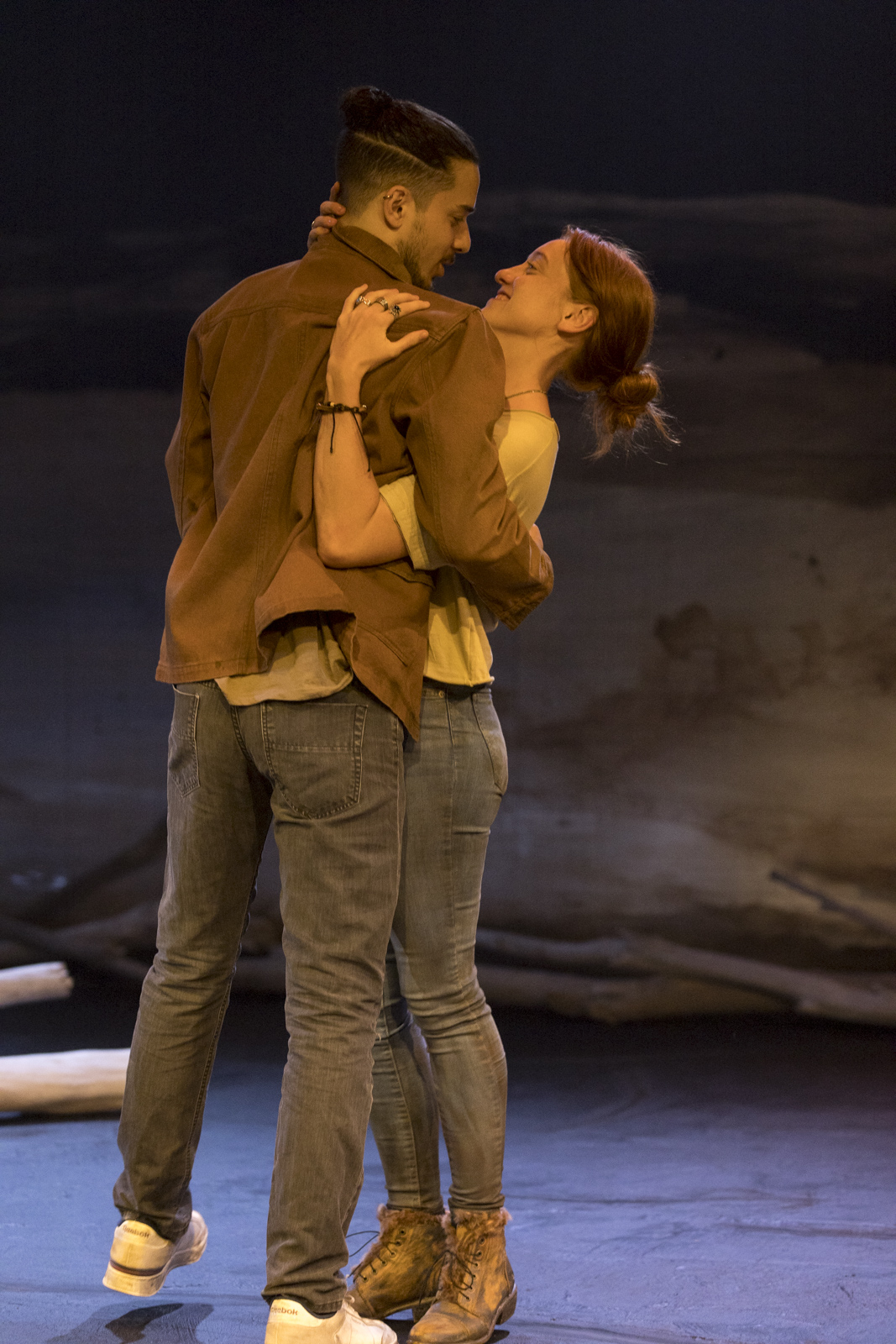
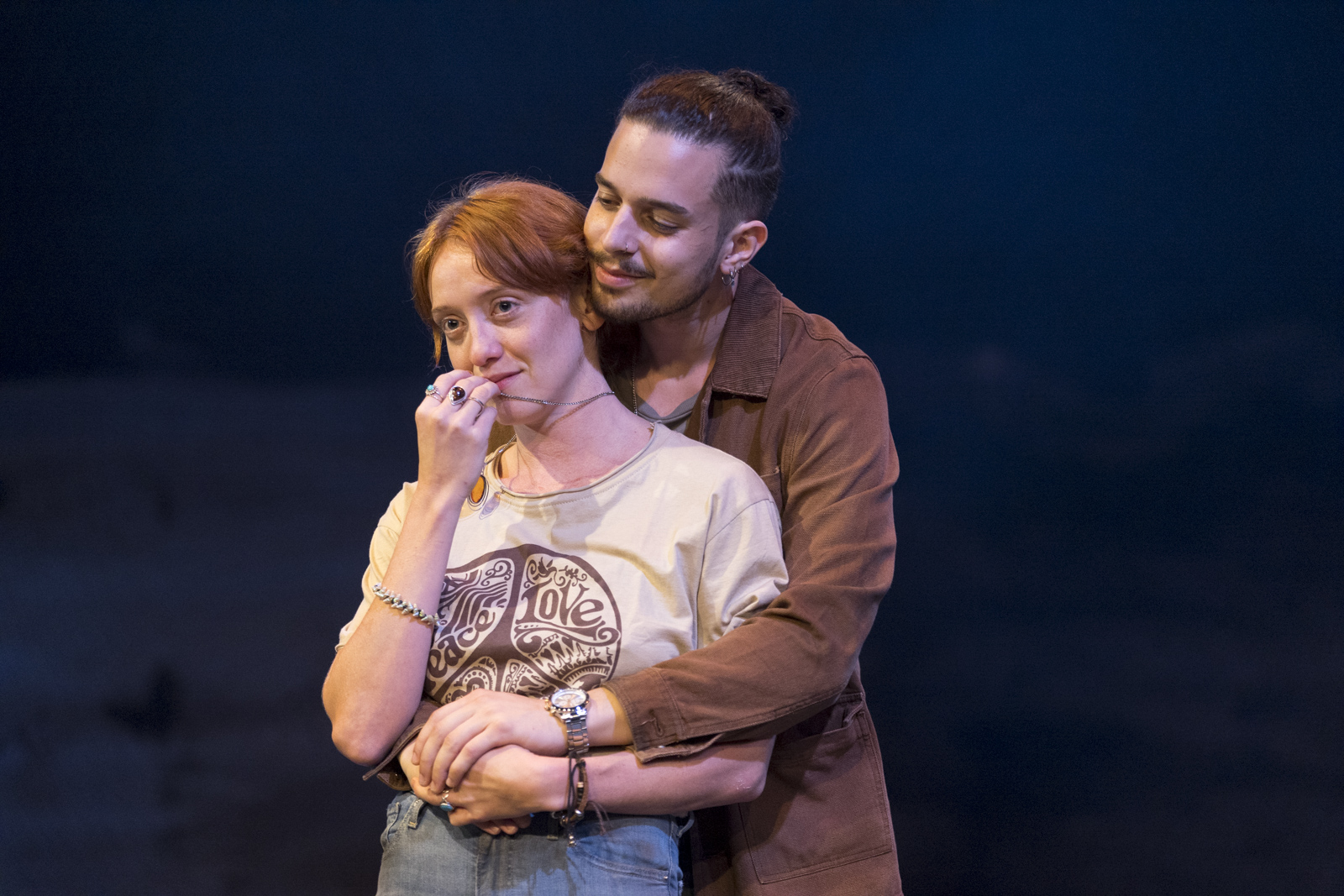
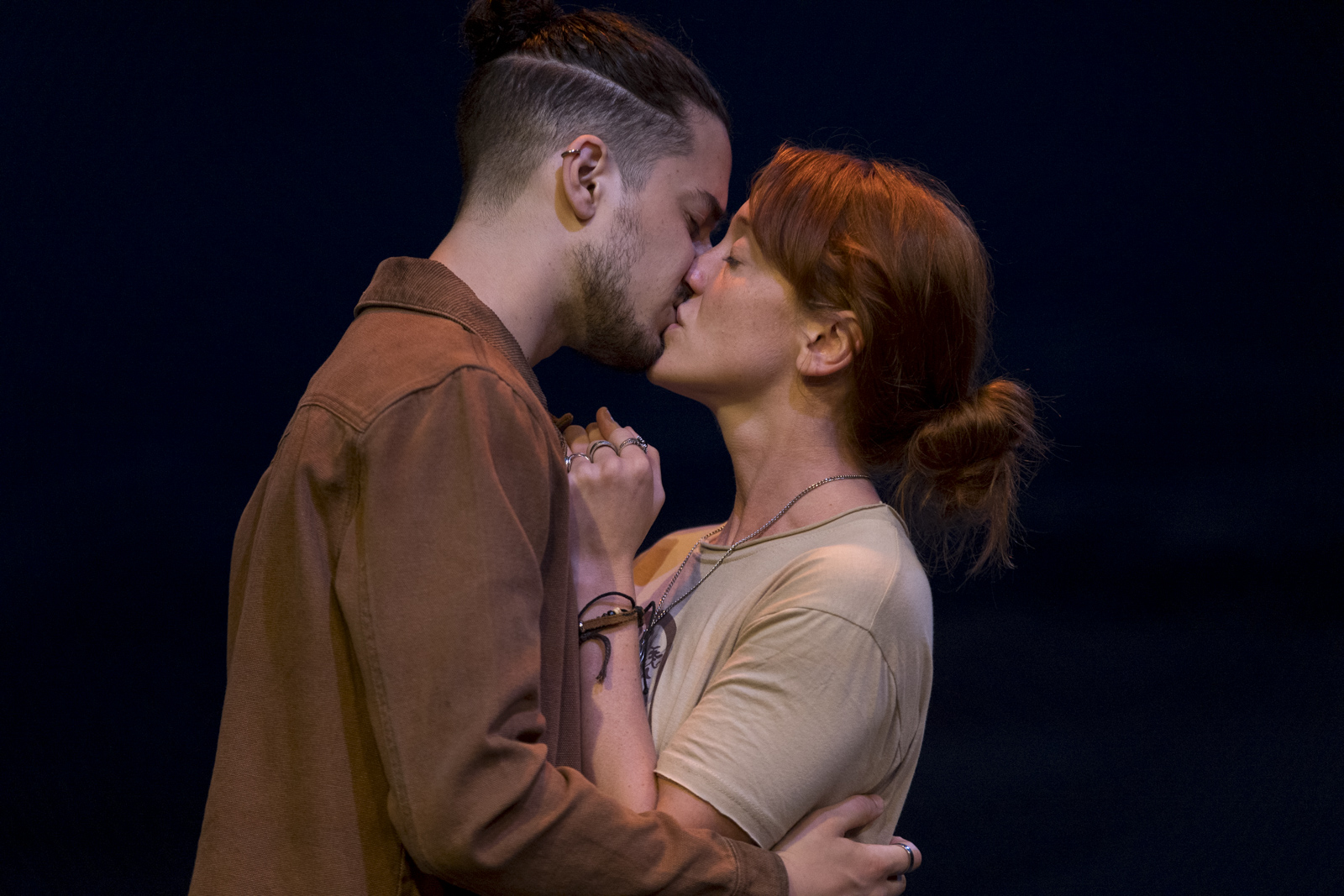
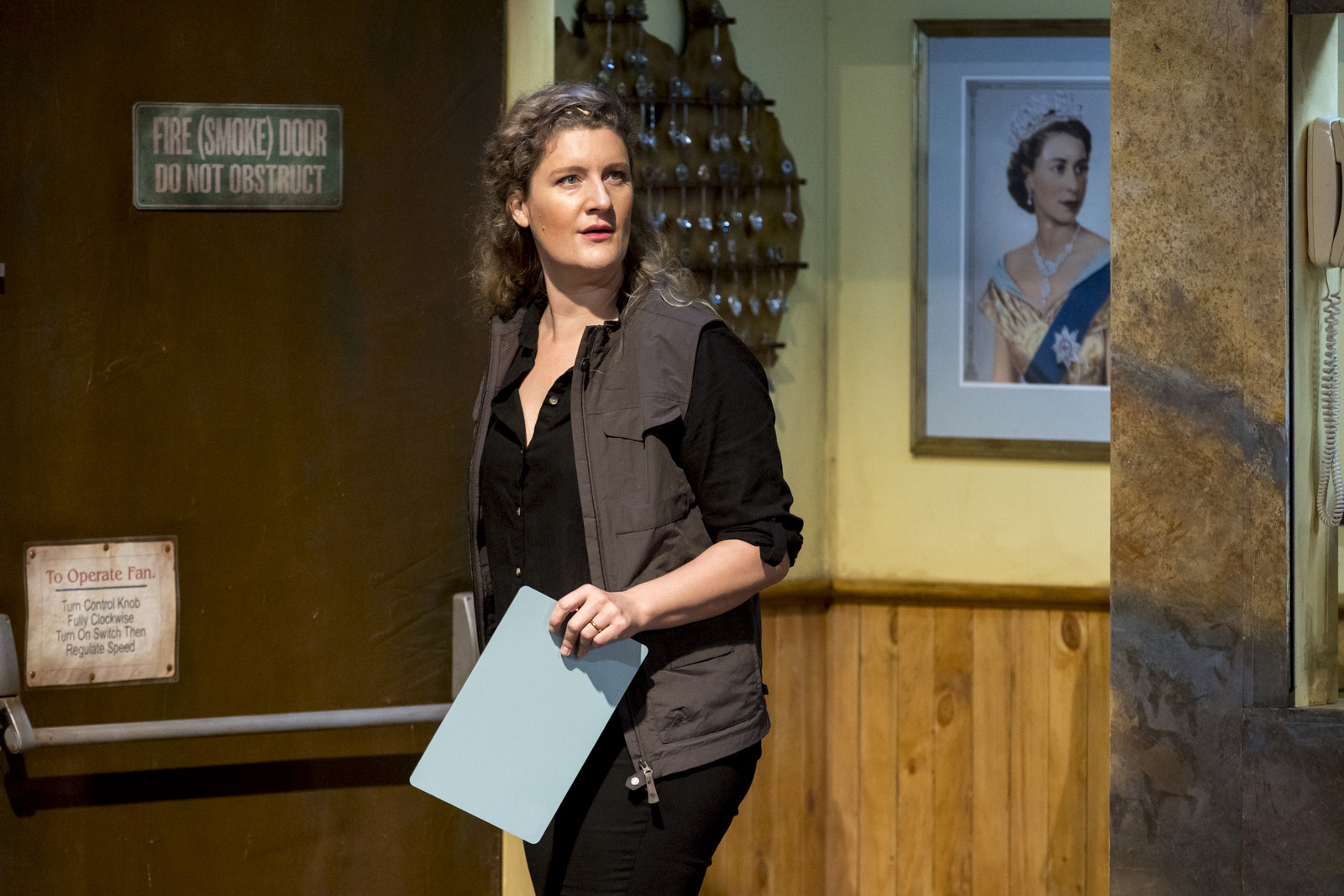
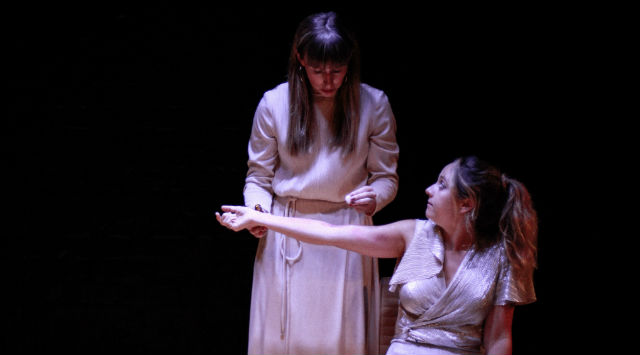
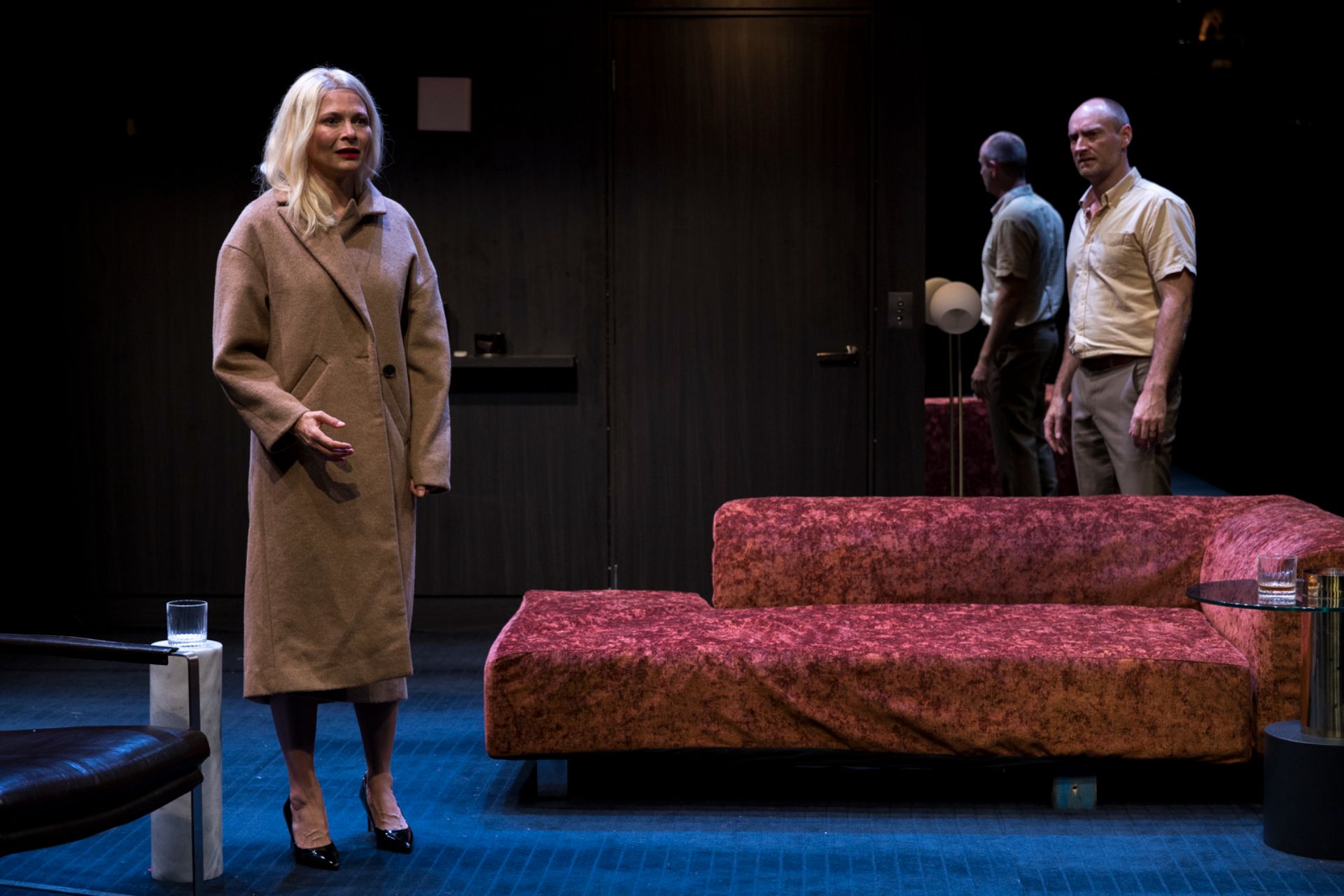
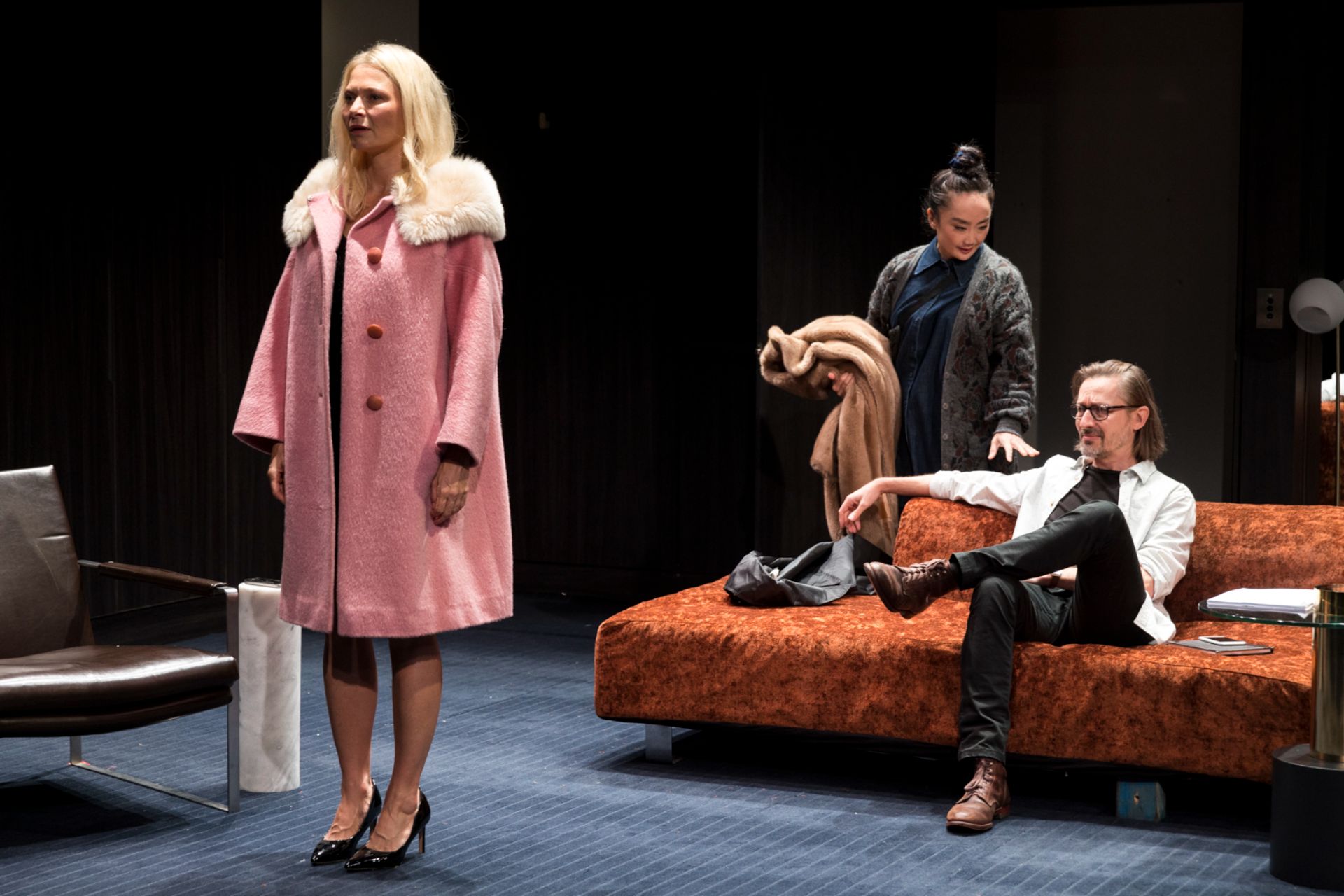
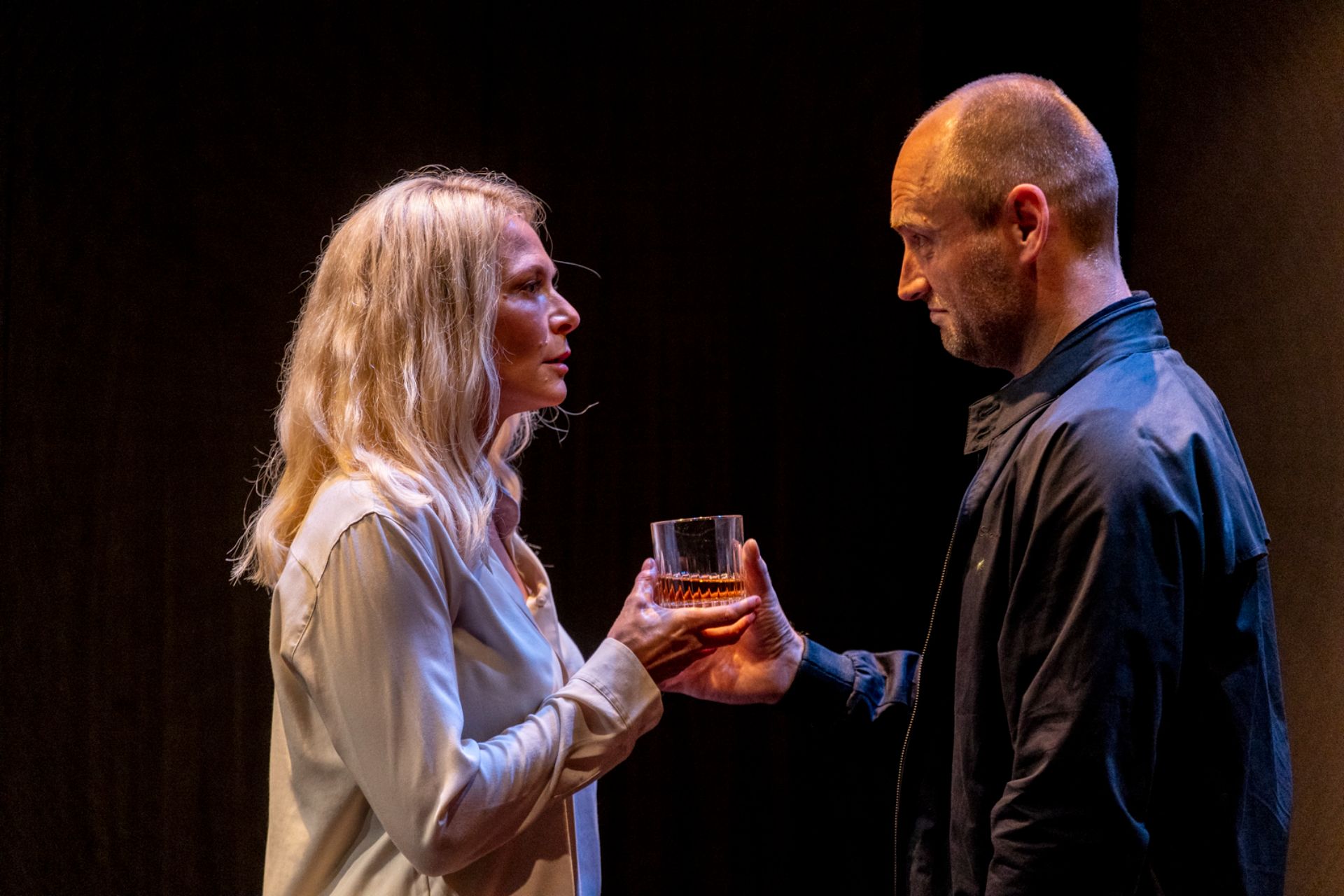
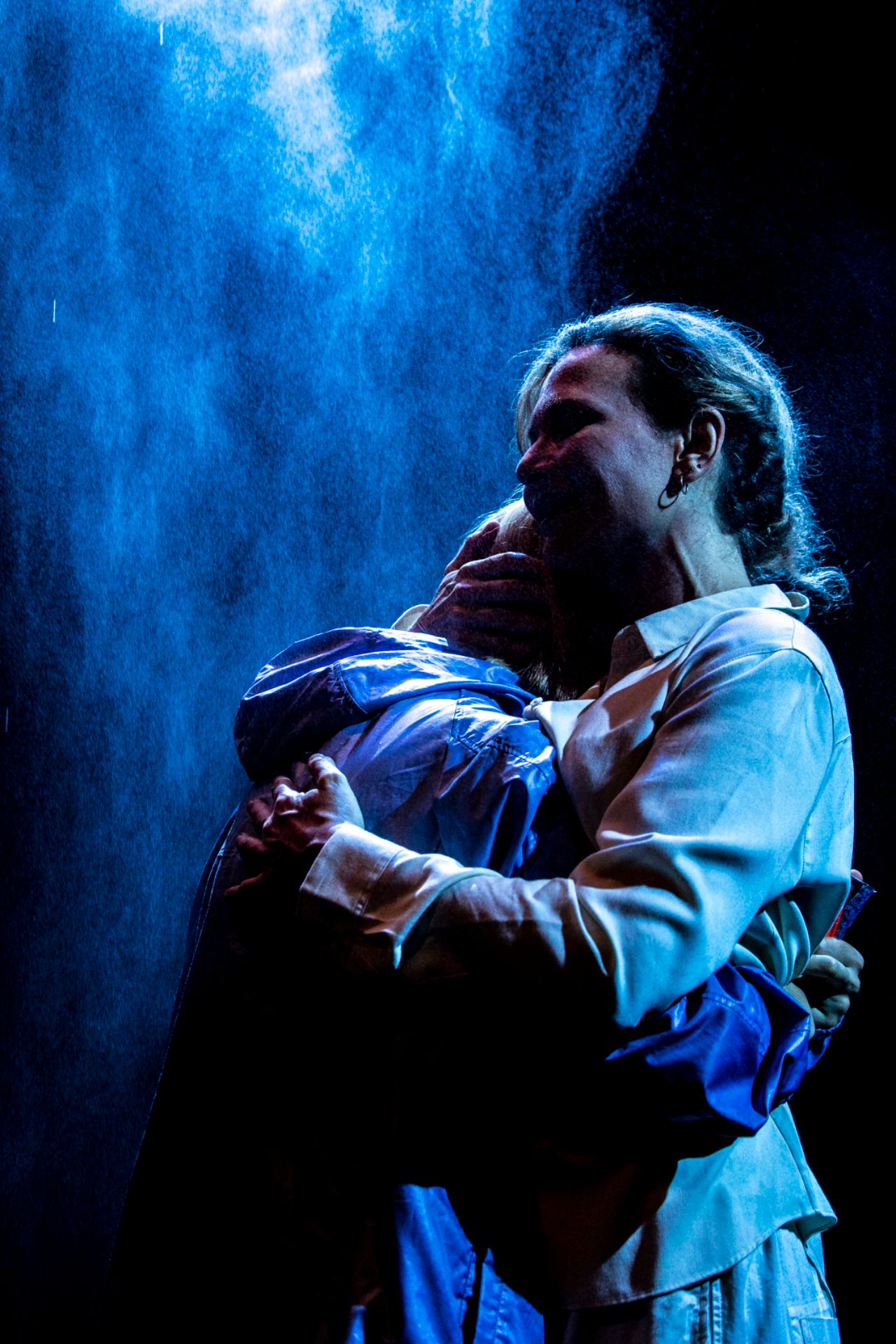
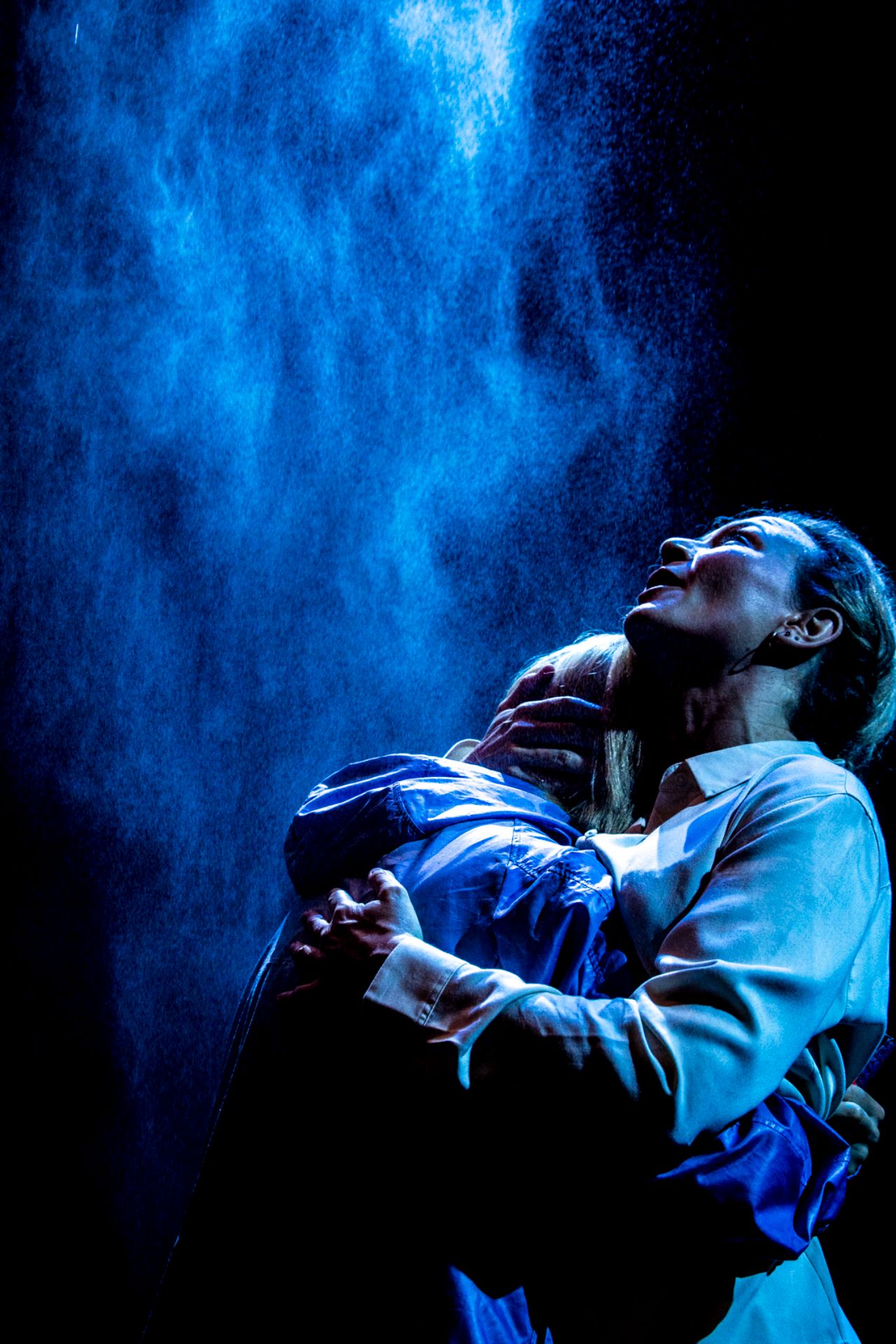
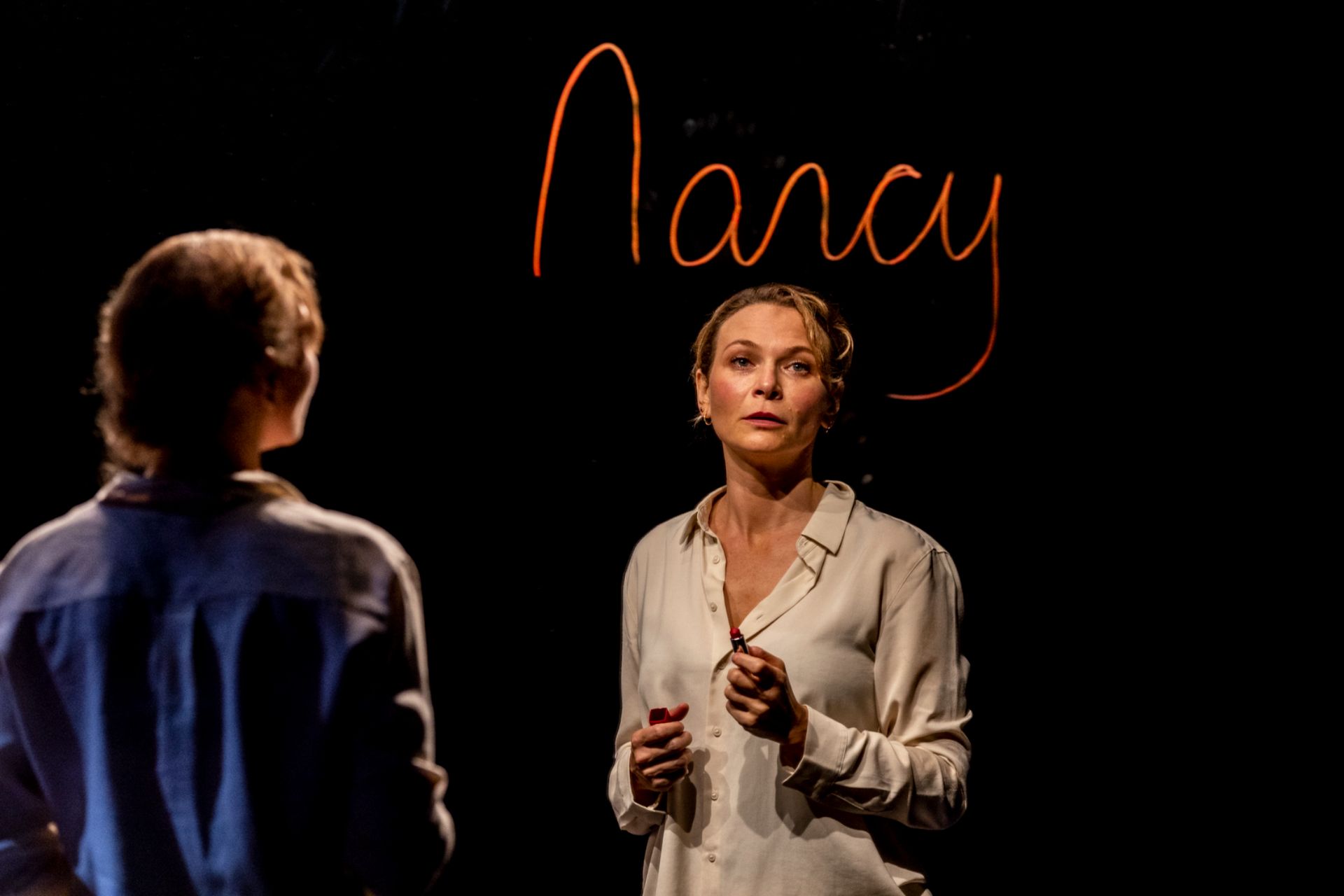
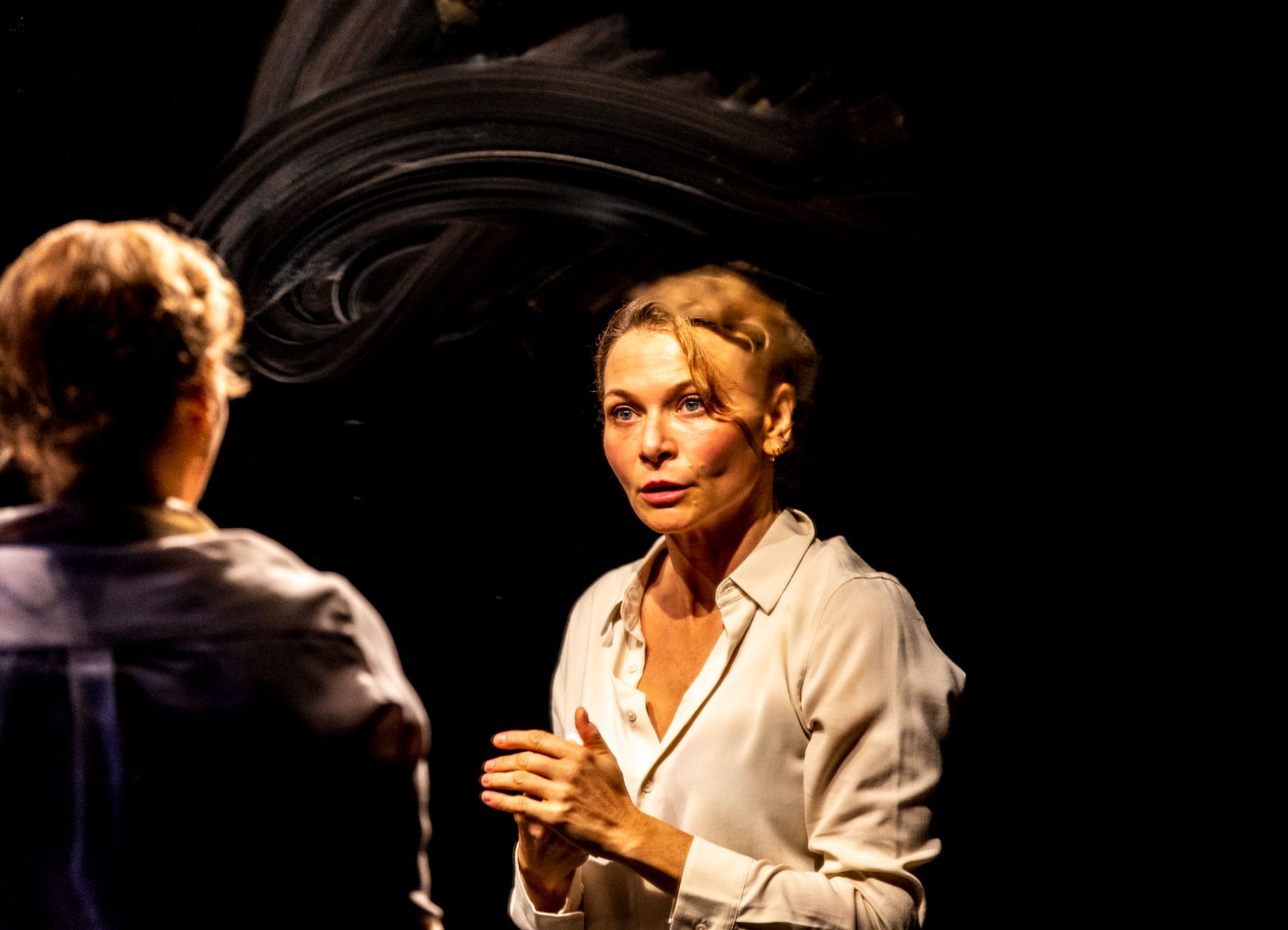
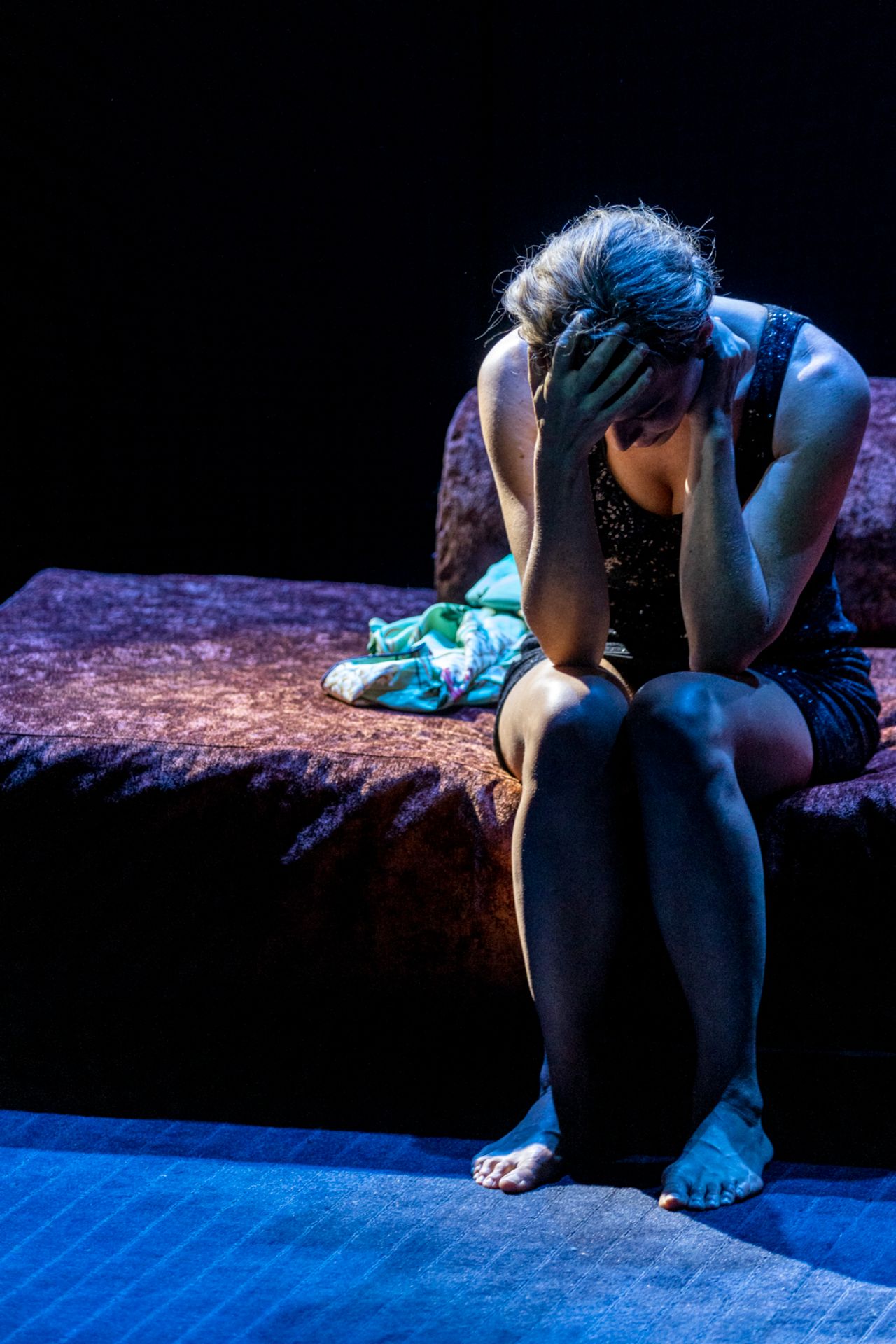
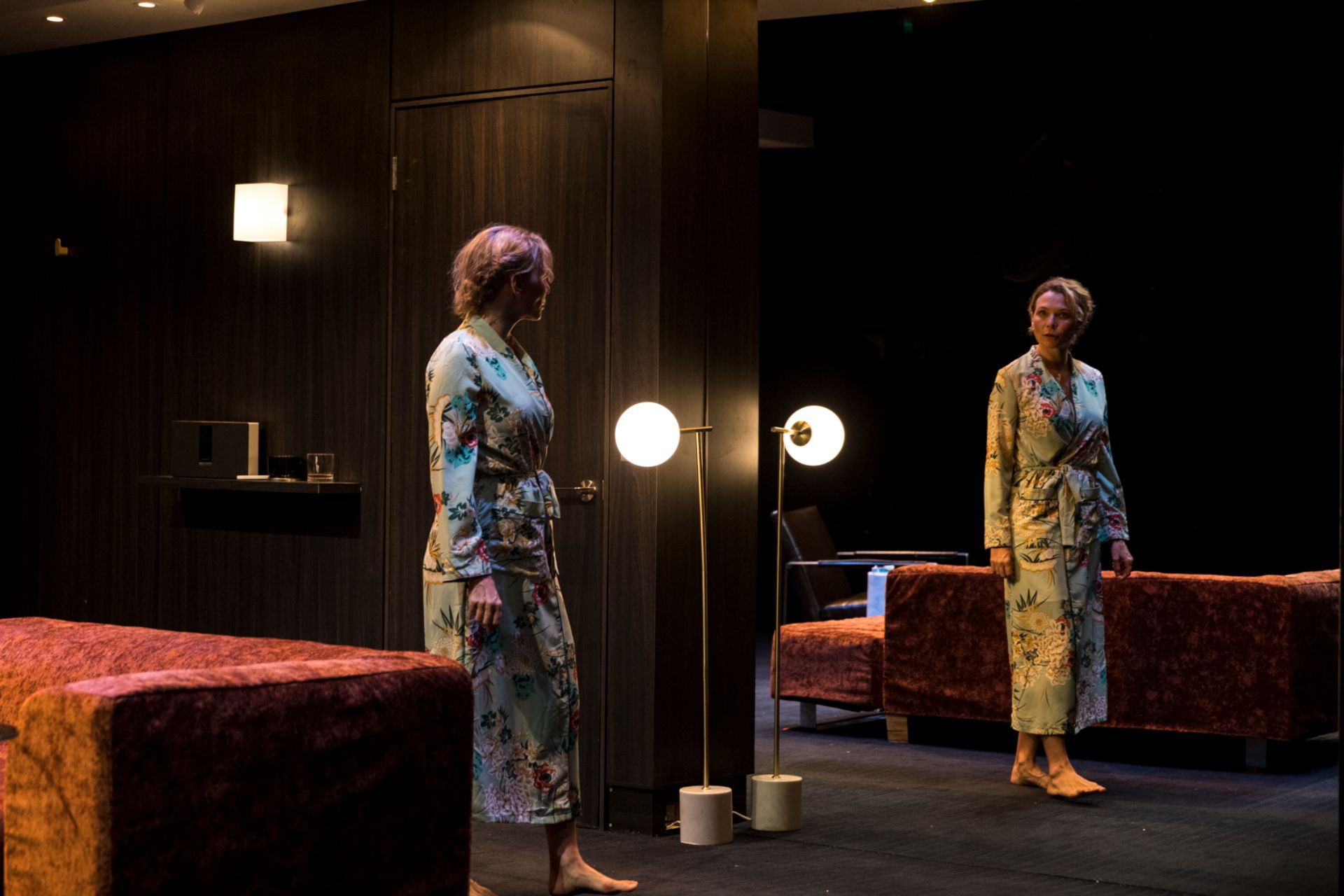
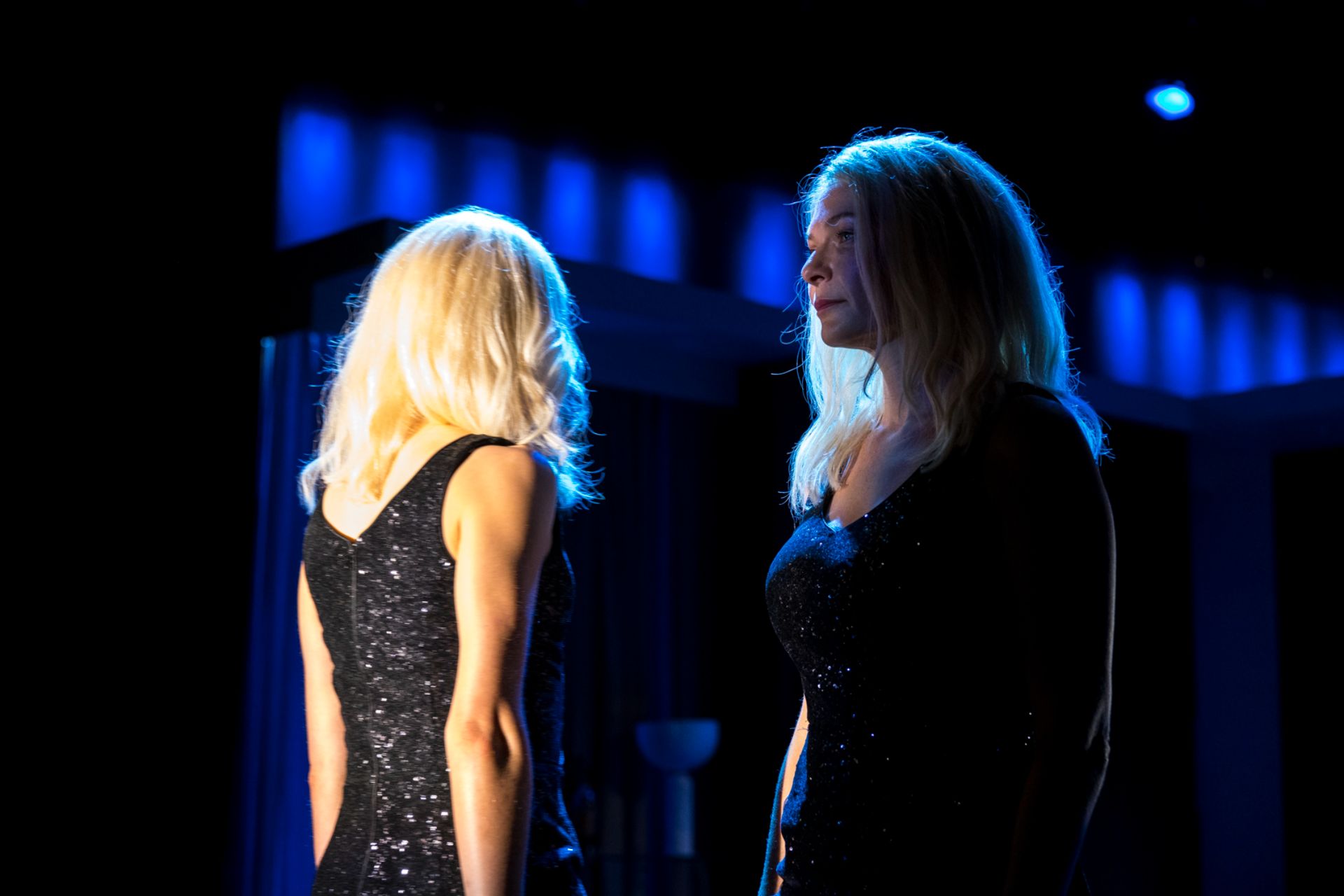
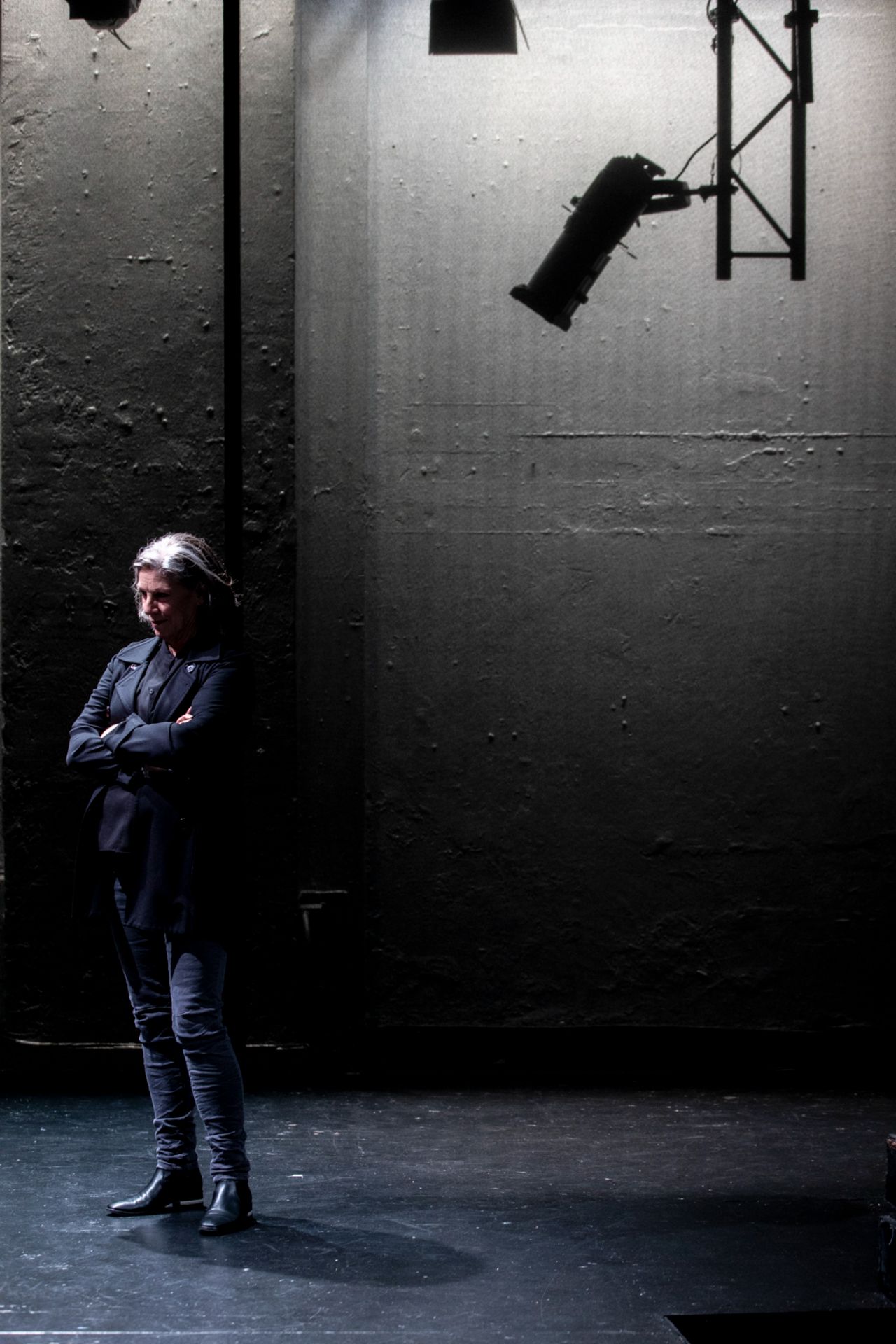
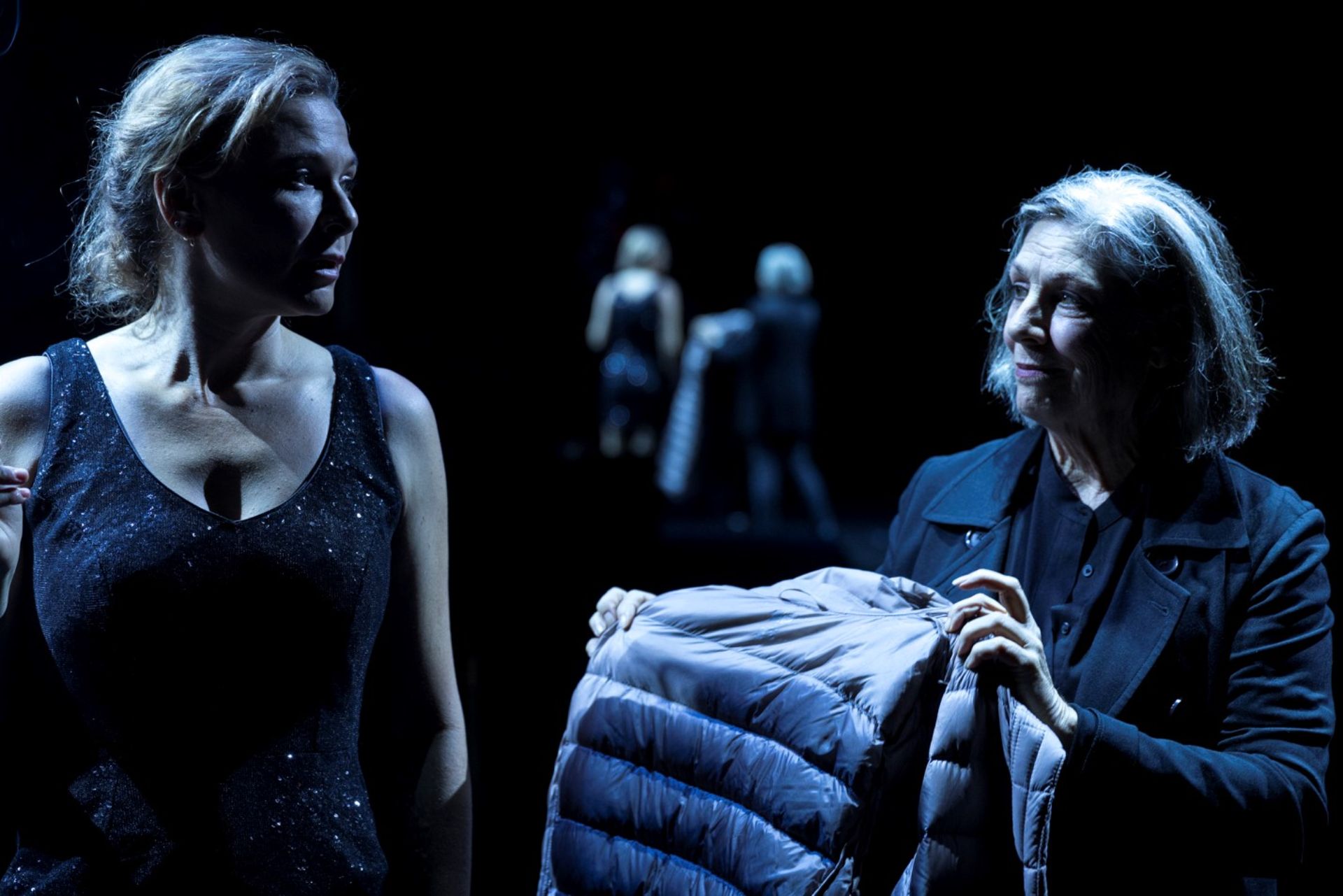
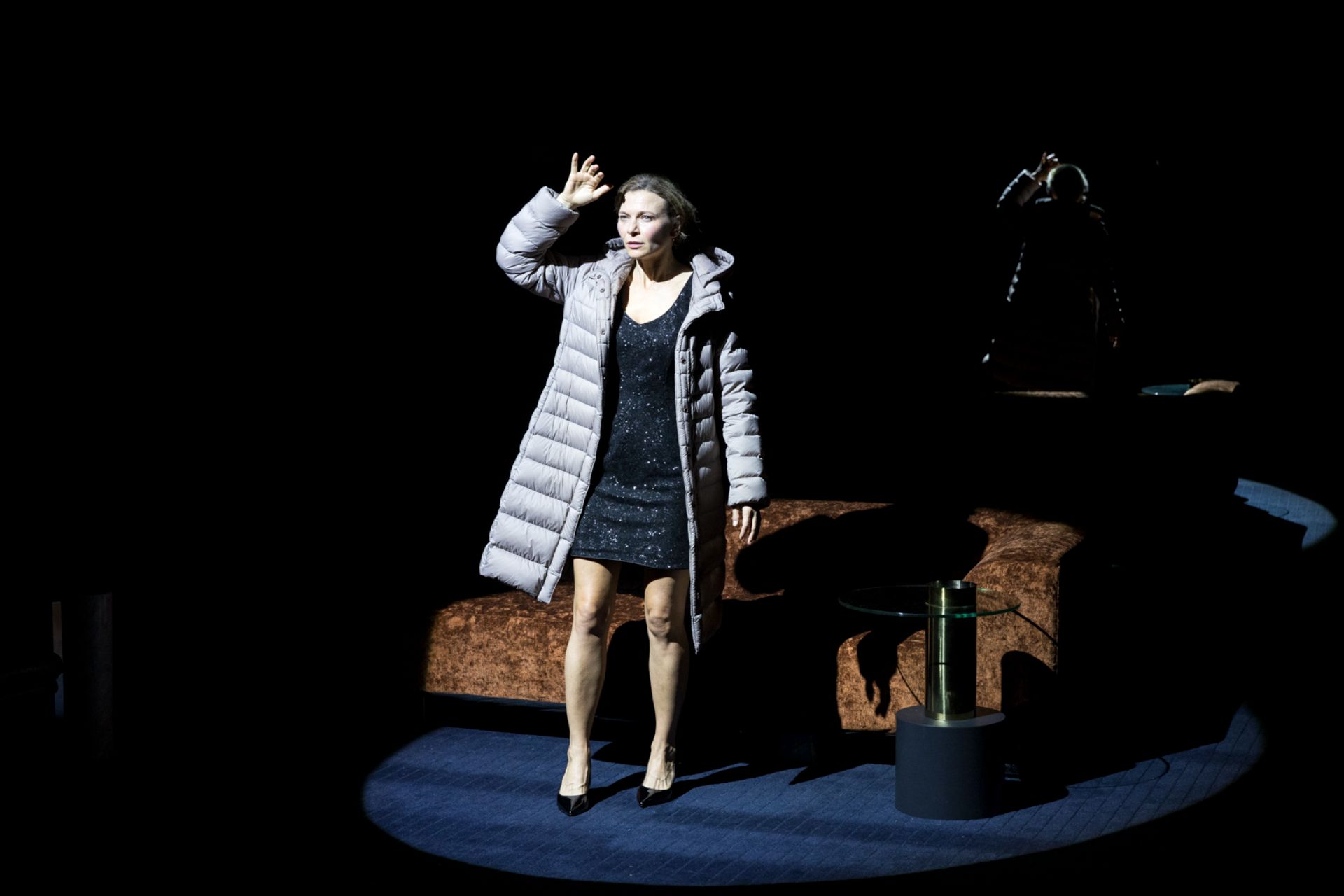
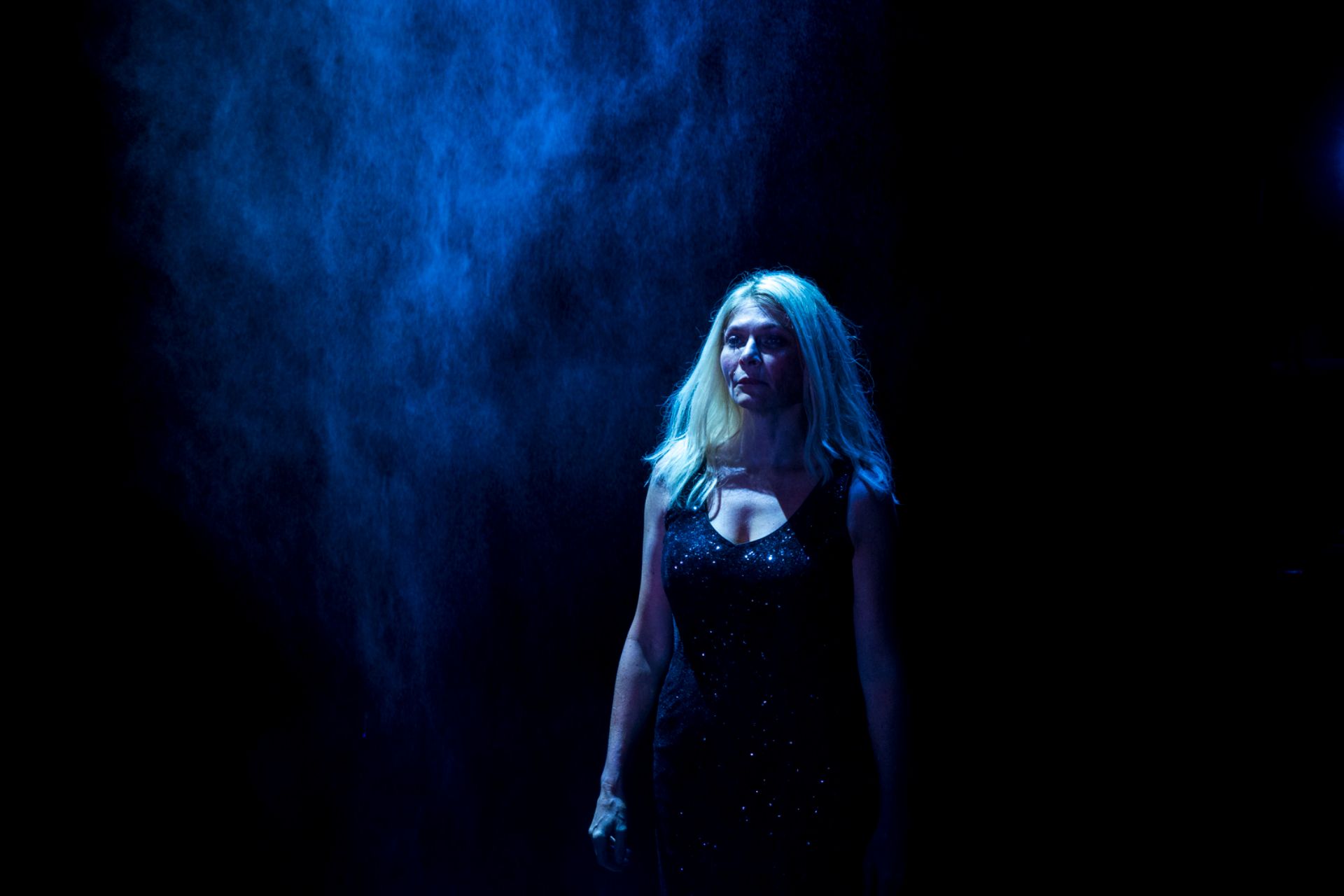
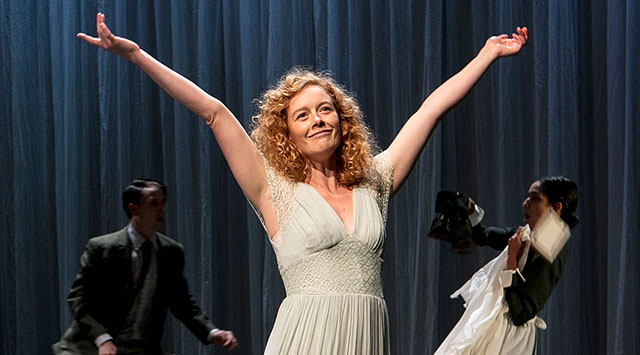
Myrtle is having serious problems with the role she had signed on for; the show is about to open, but she is still unable to make sense of the play she had agreed to star in. In the meantime, the director and playwright are becoming increasingly abusive, heaping blame on her for not making it work, often saying that she has lost her spark as an actor, and that she has grown too old to be any good. There is nothing subtle about John Cassavetes’ Opening Night, and in this adaptation by Carissa Licciardello, the story does not get any less heavy-handed, in making its point about our reprehensible attitudes regarding women getting older.

Licciardello’s adaptation and direction are certainly enthusiastic in trying to assert the point of the exercise, but the message quickly becomes too simple and obvious. Plenty of effort is put into creating an air of mystery surrounding Myrtle’s behaviour, which provides an updated theatricality for the audience, although it becomes clear, that the plainness of its motivations struggles to sustain our interest for the production’s 100 minute duration.

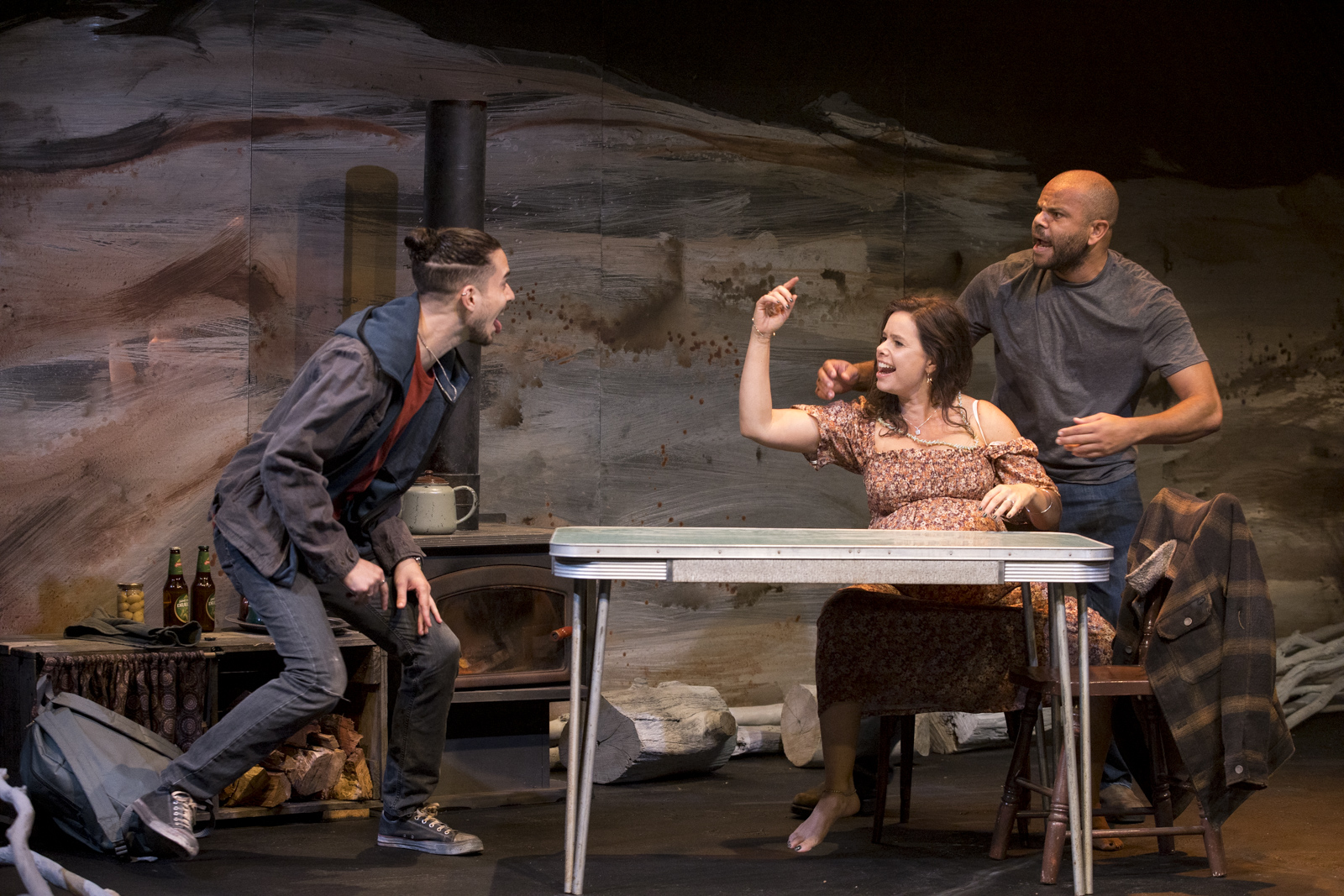
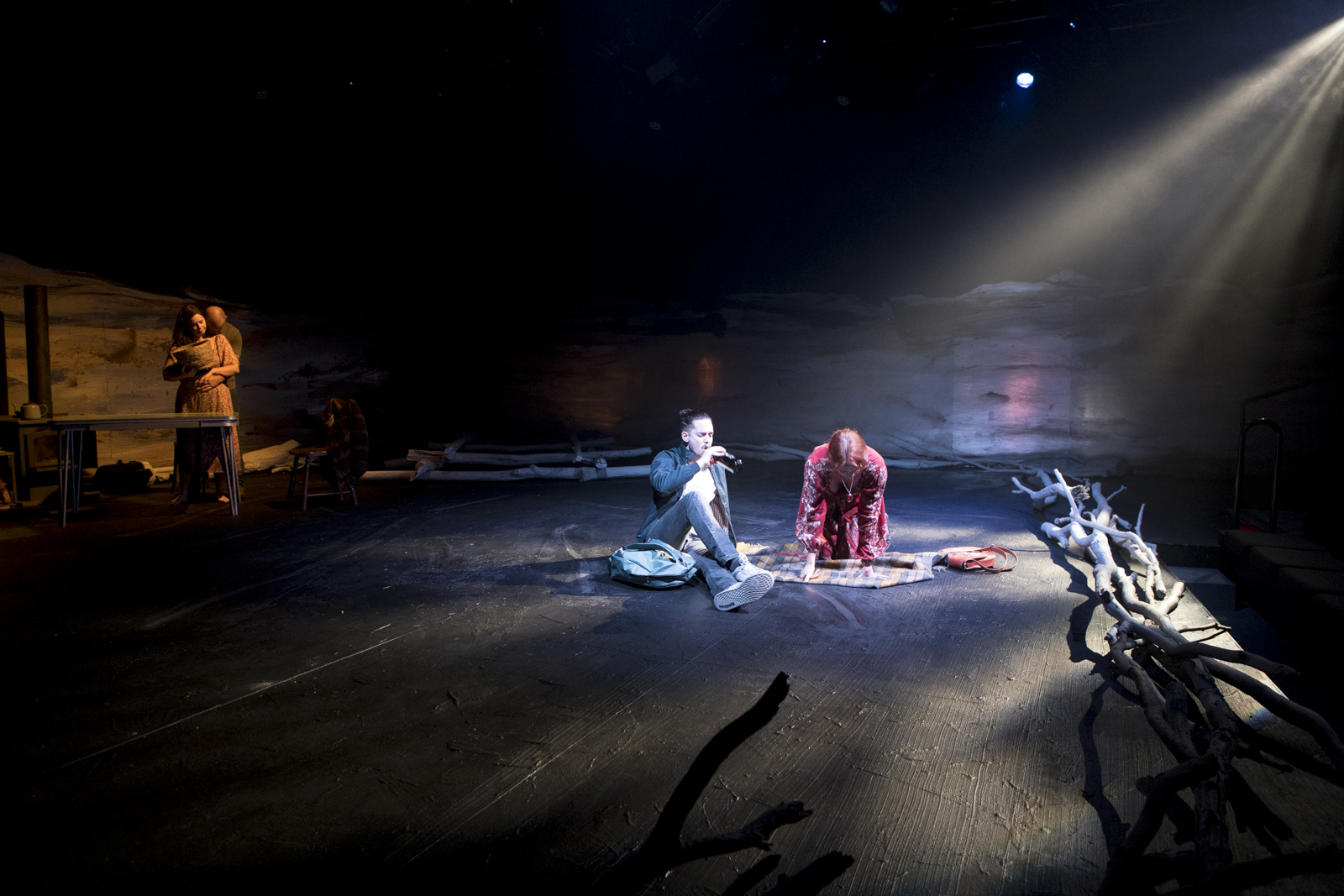
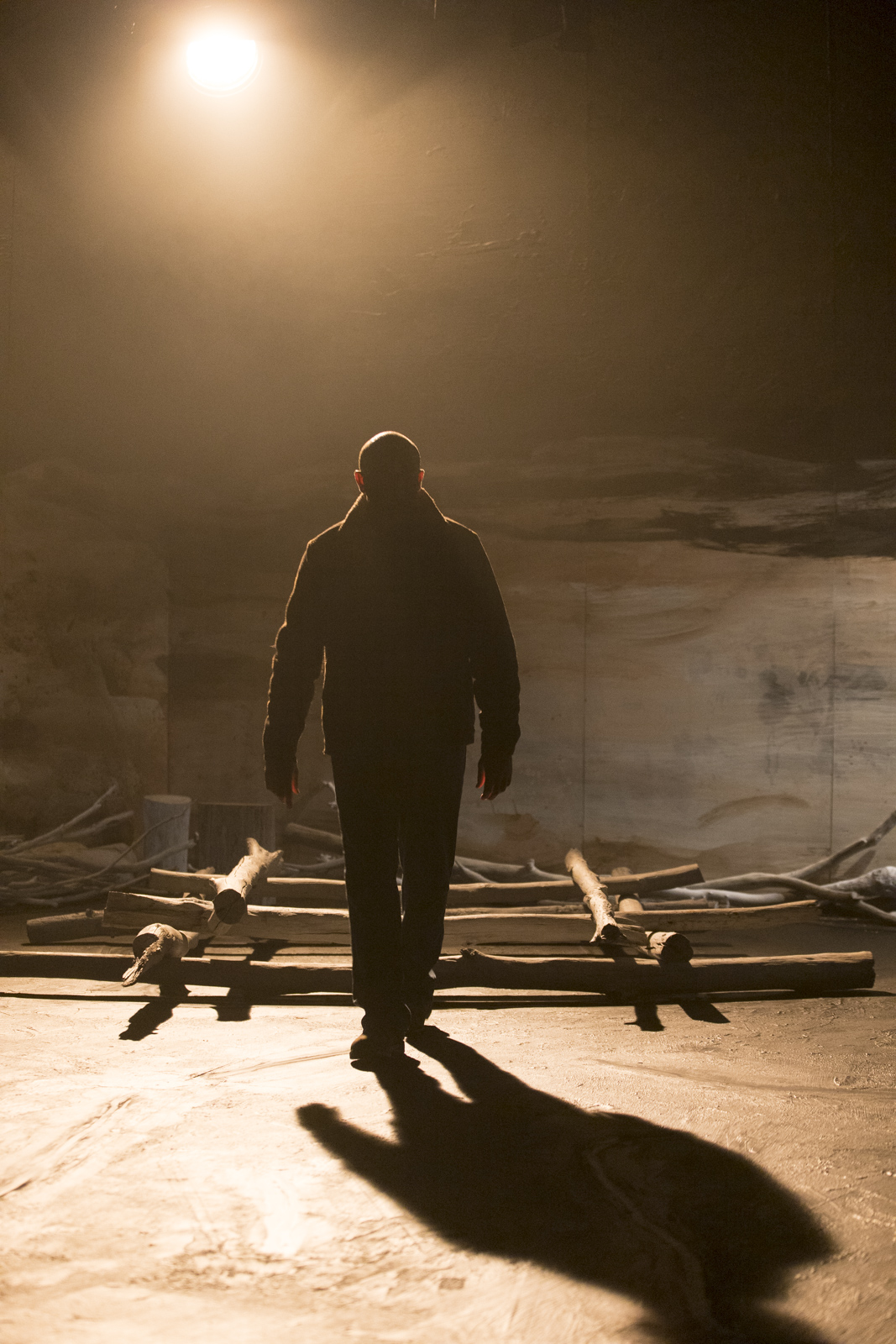
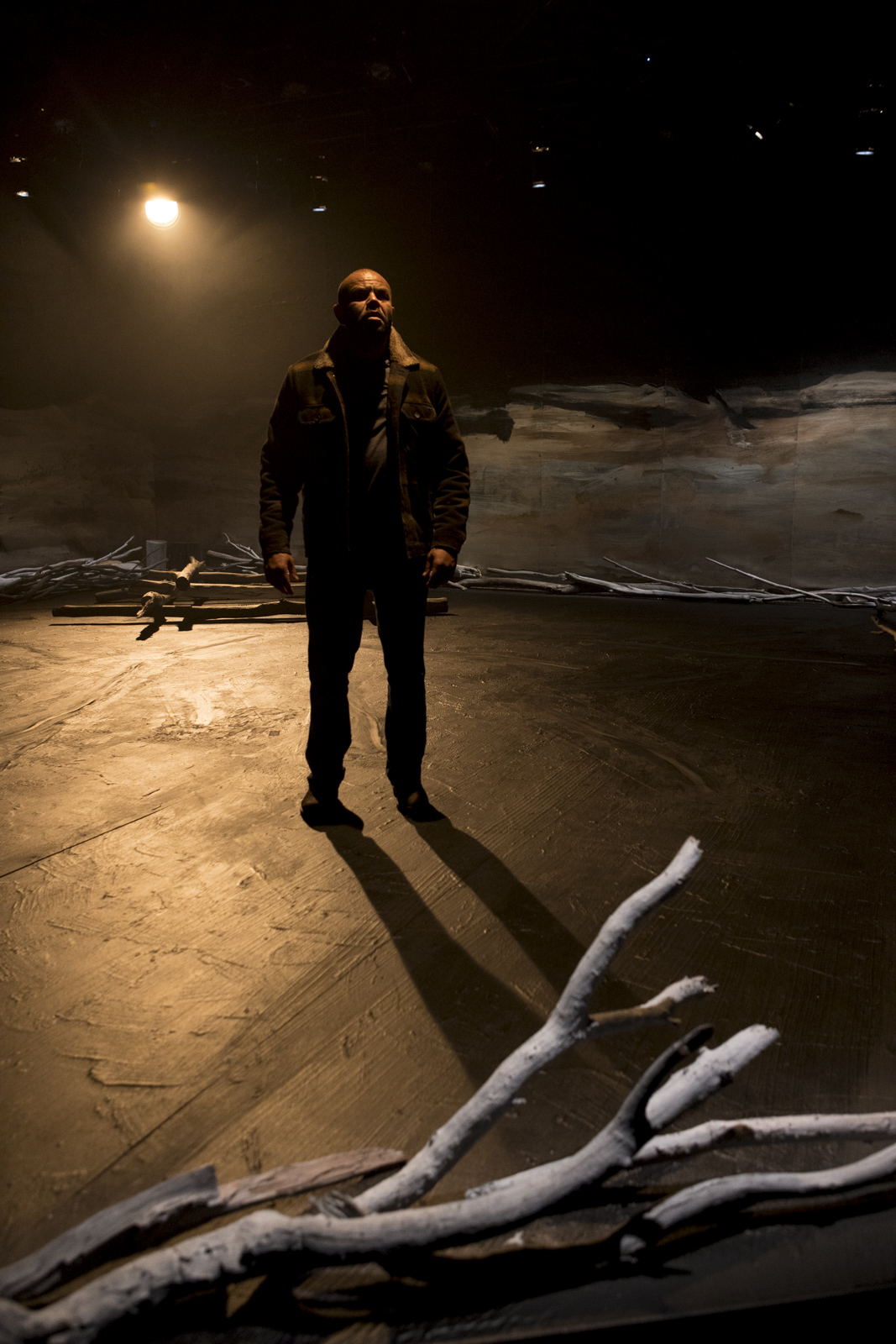
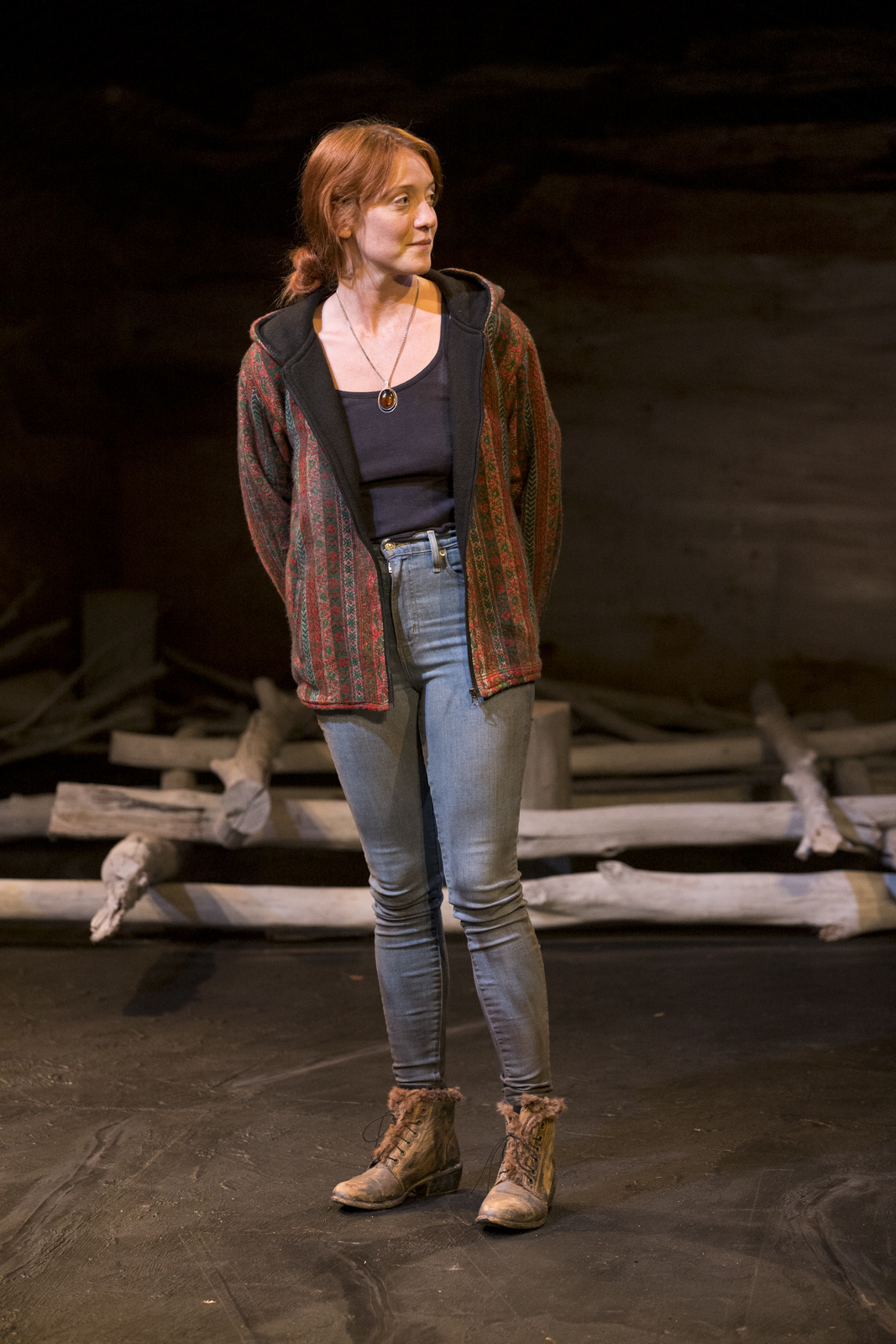
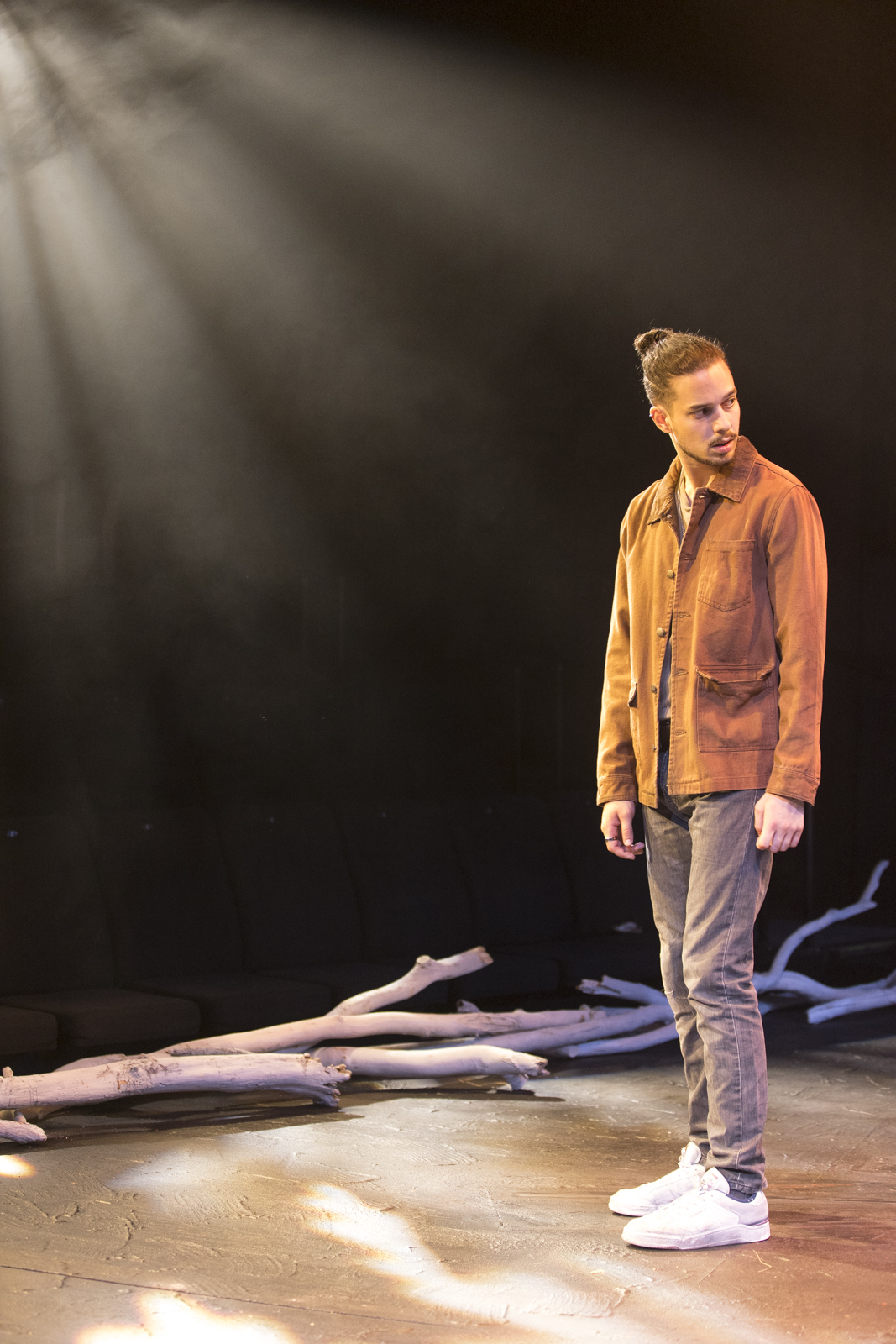
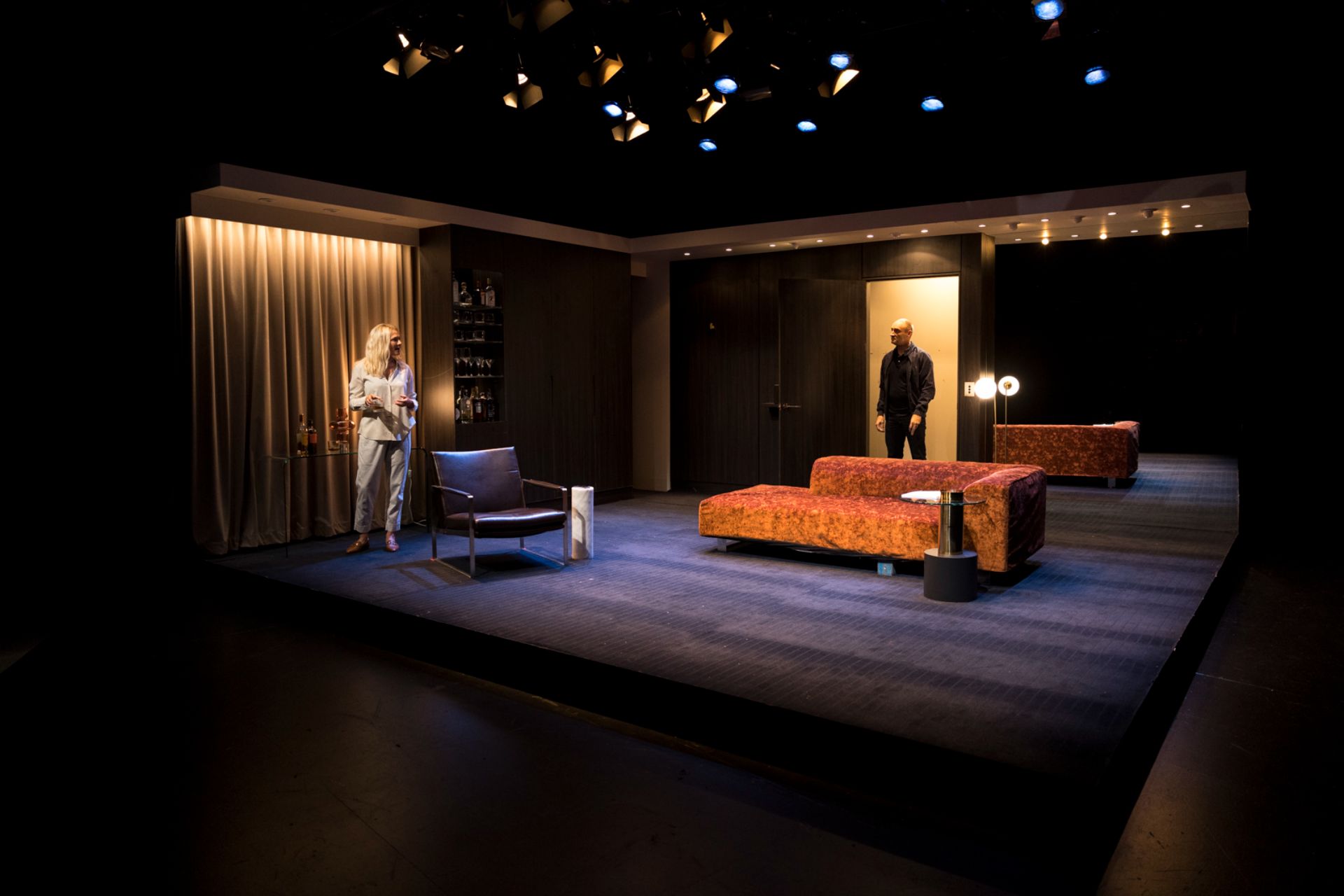
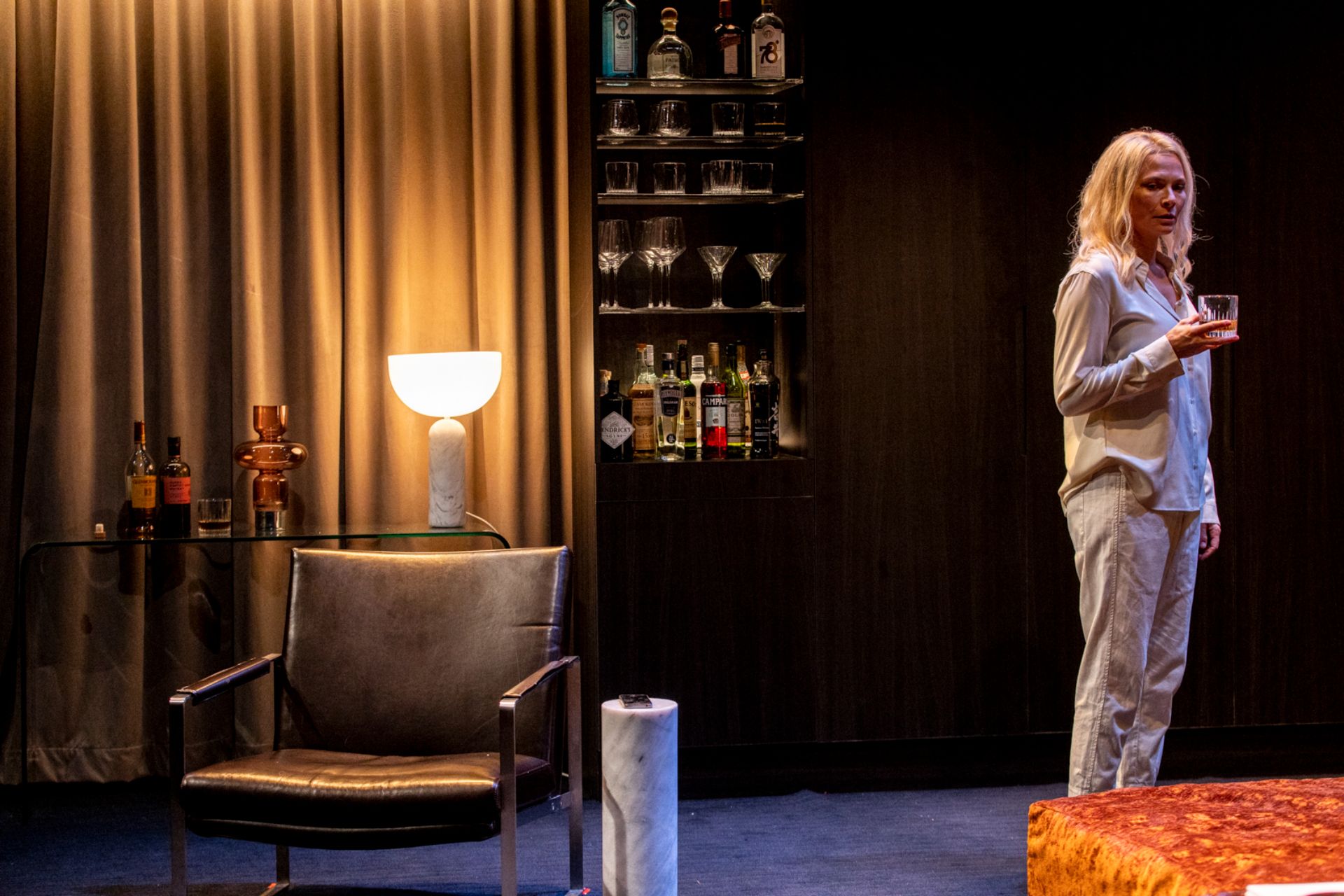
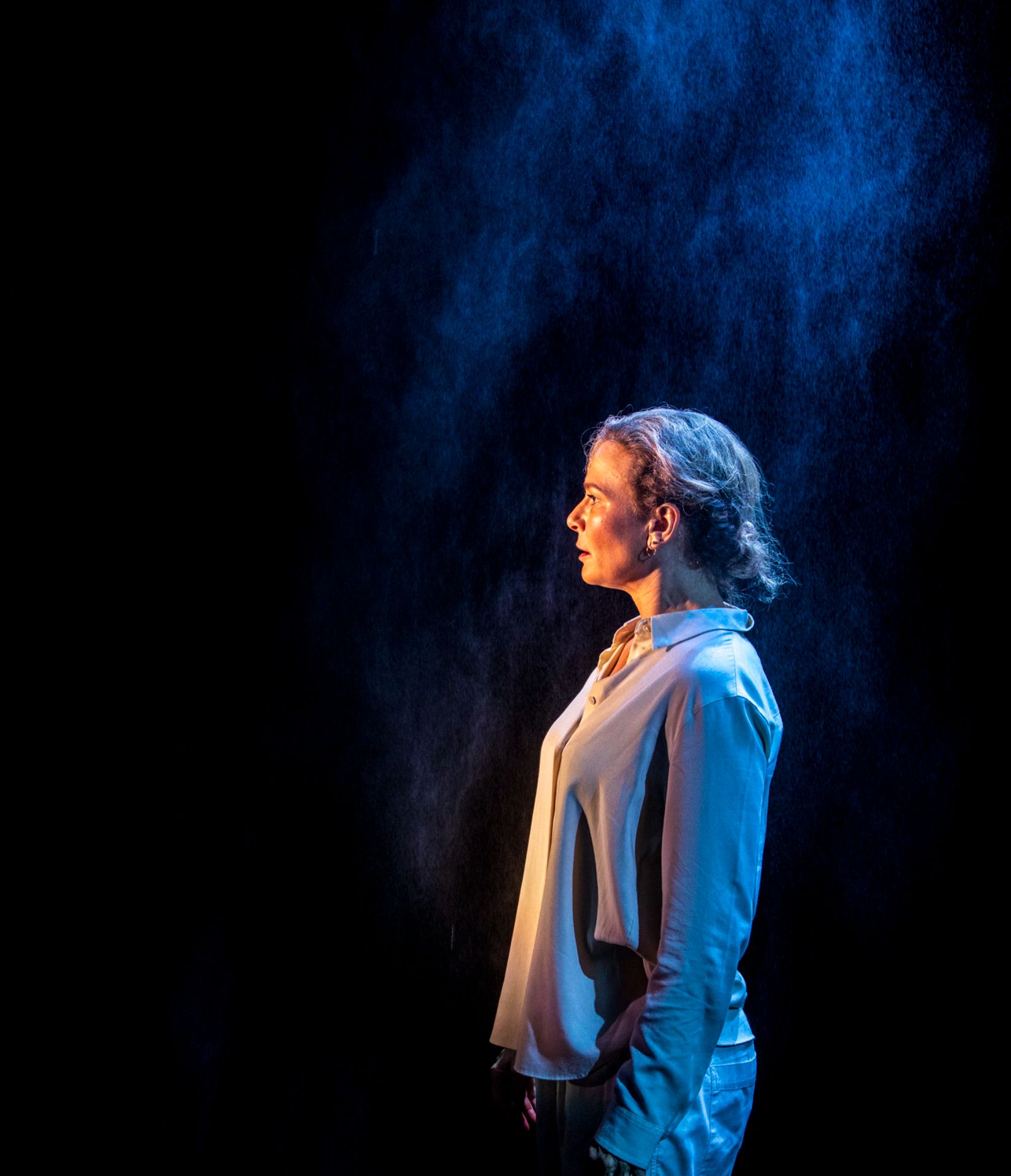
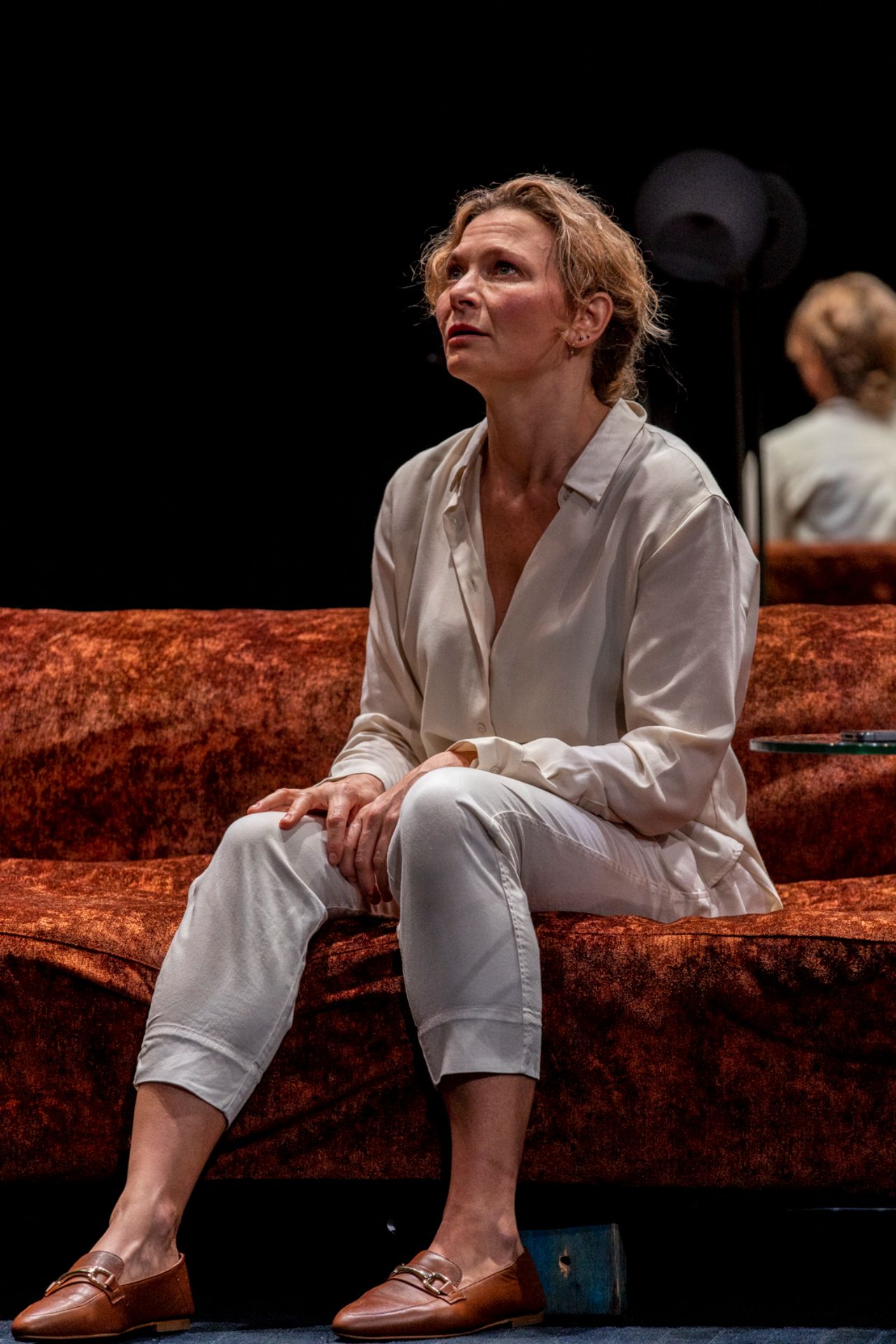
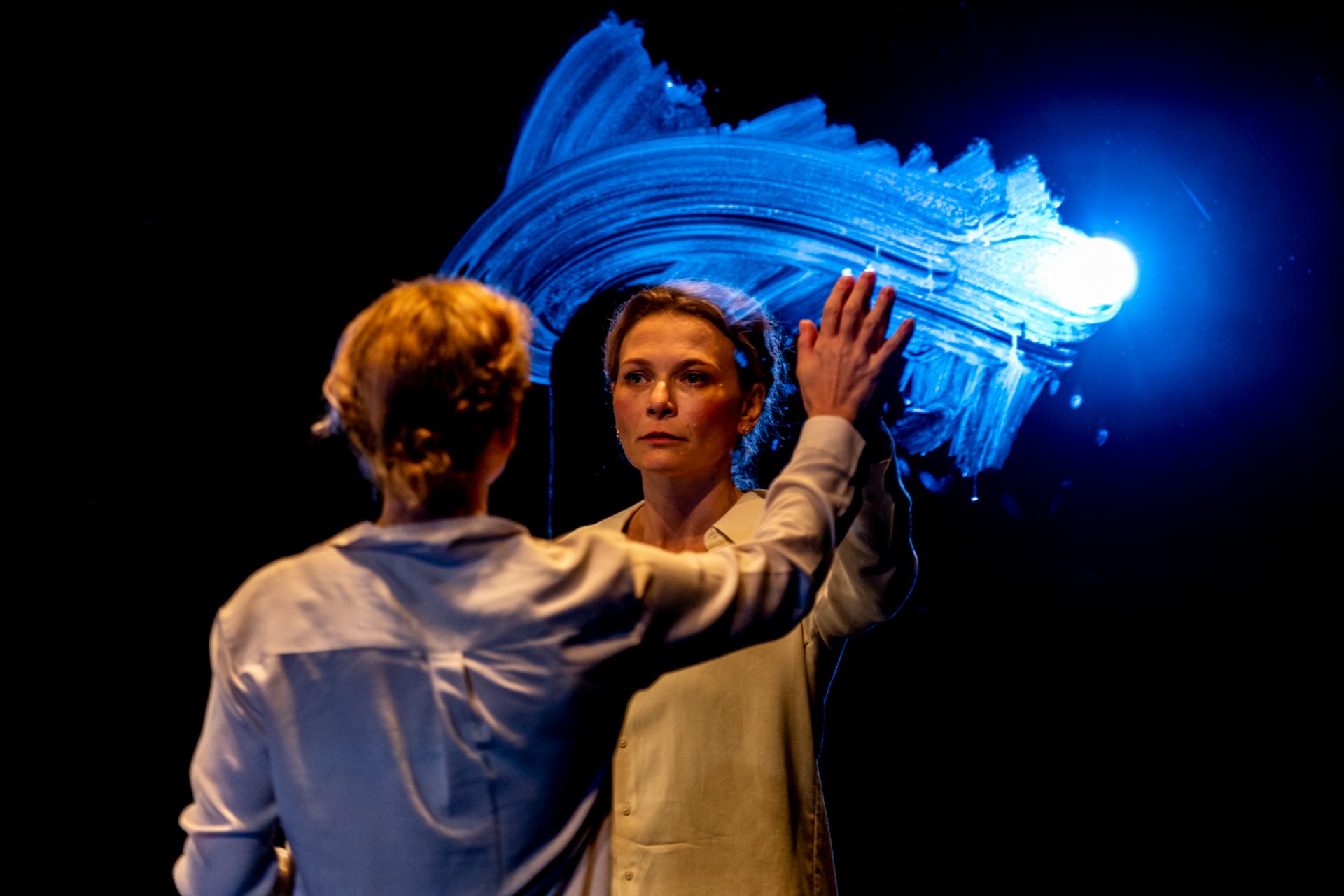
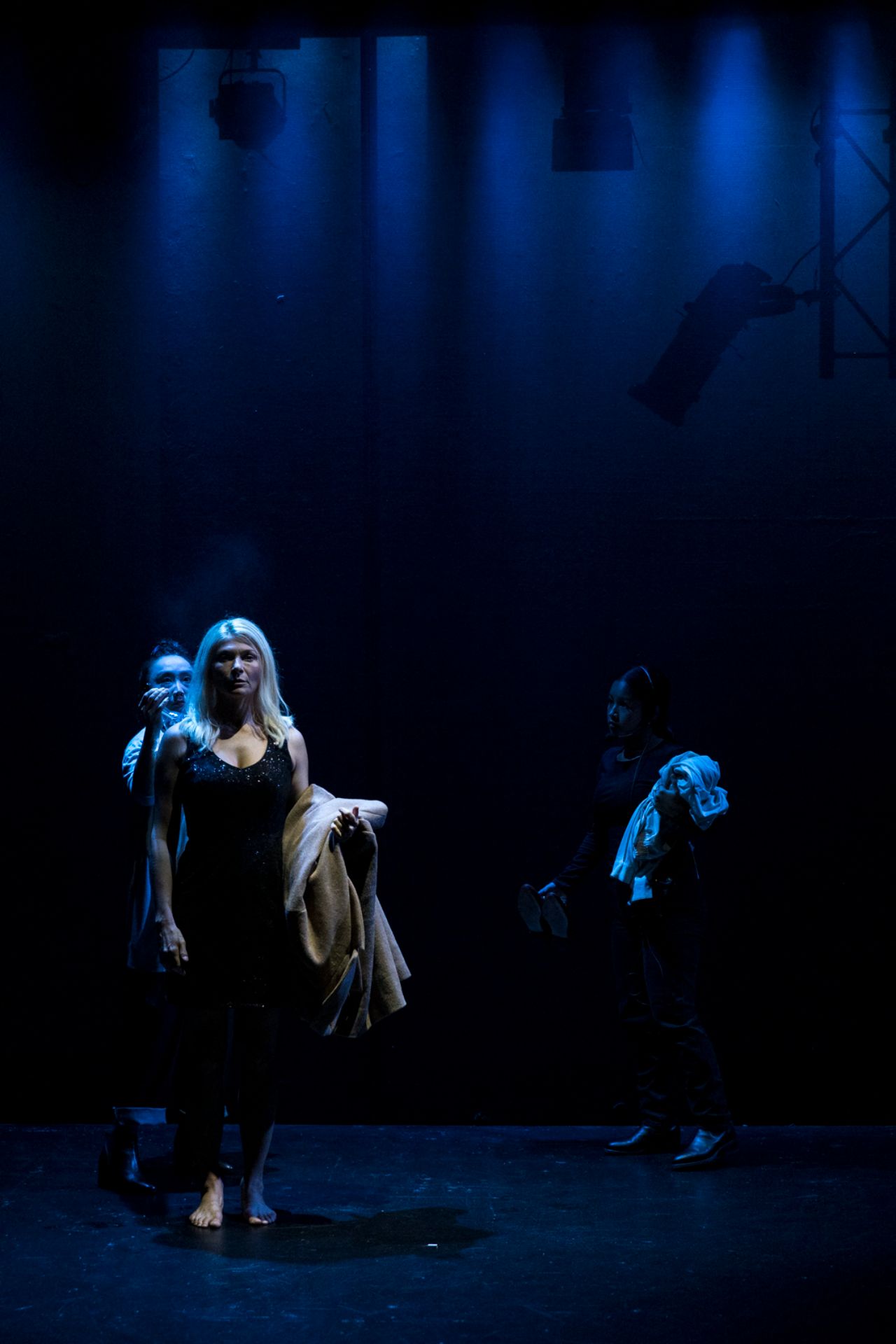
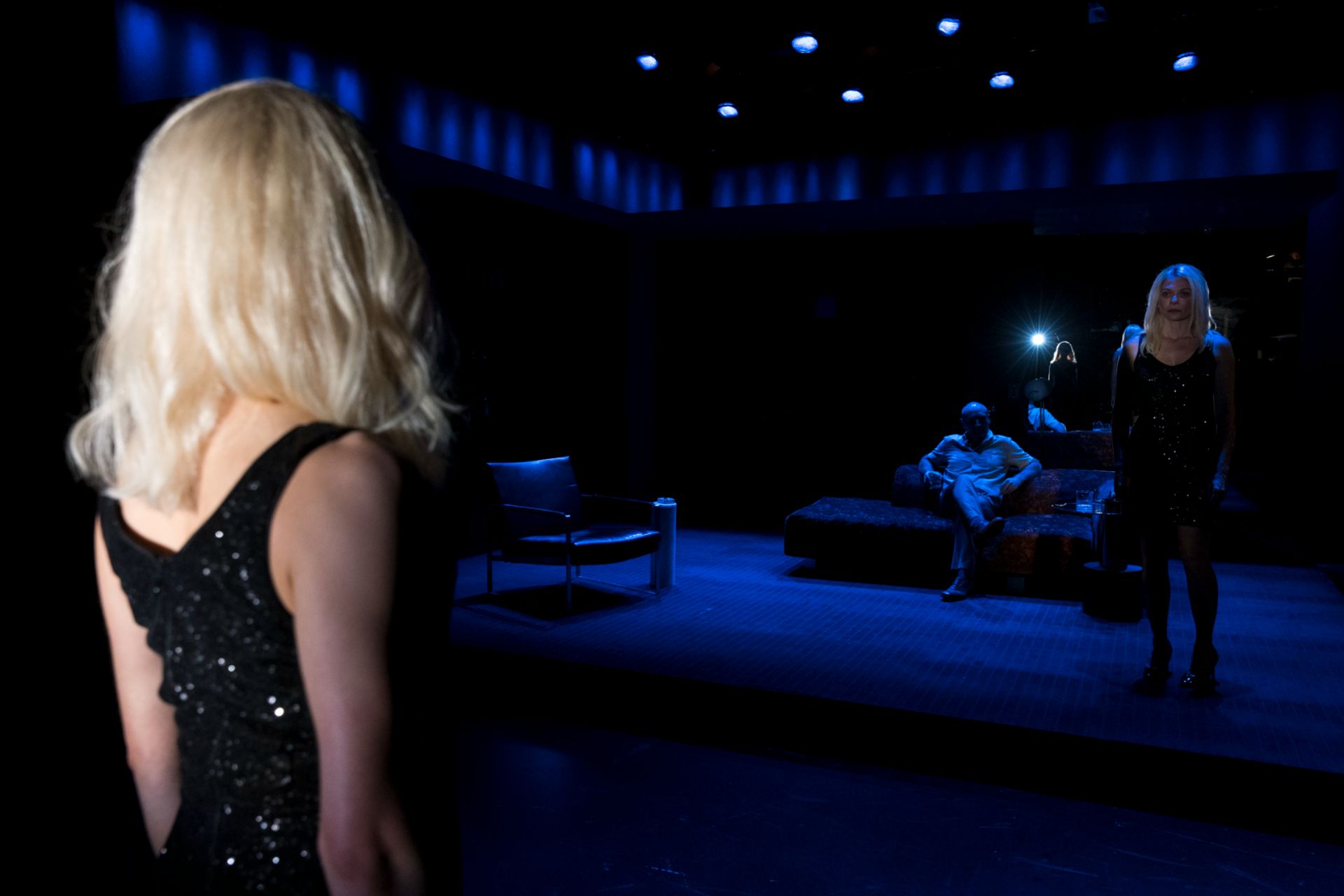
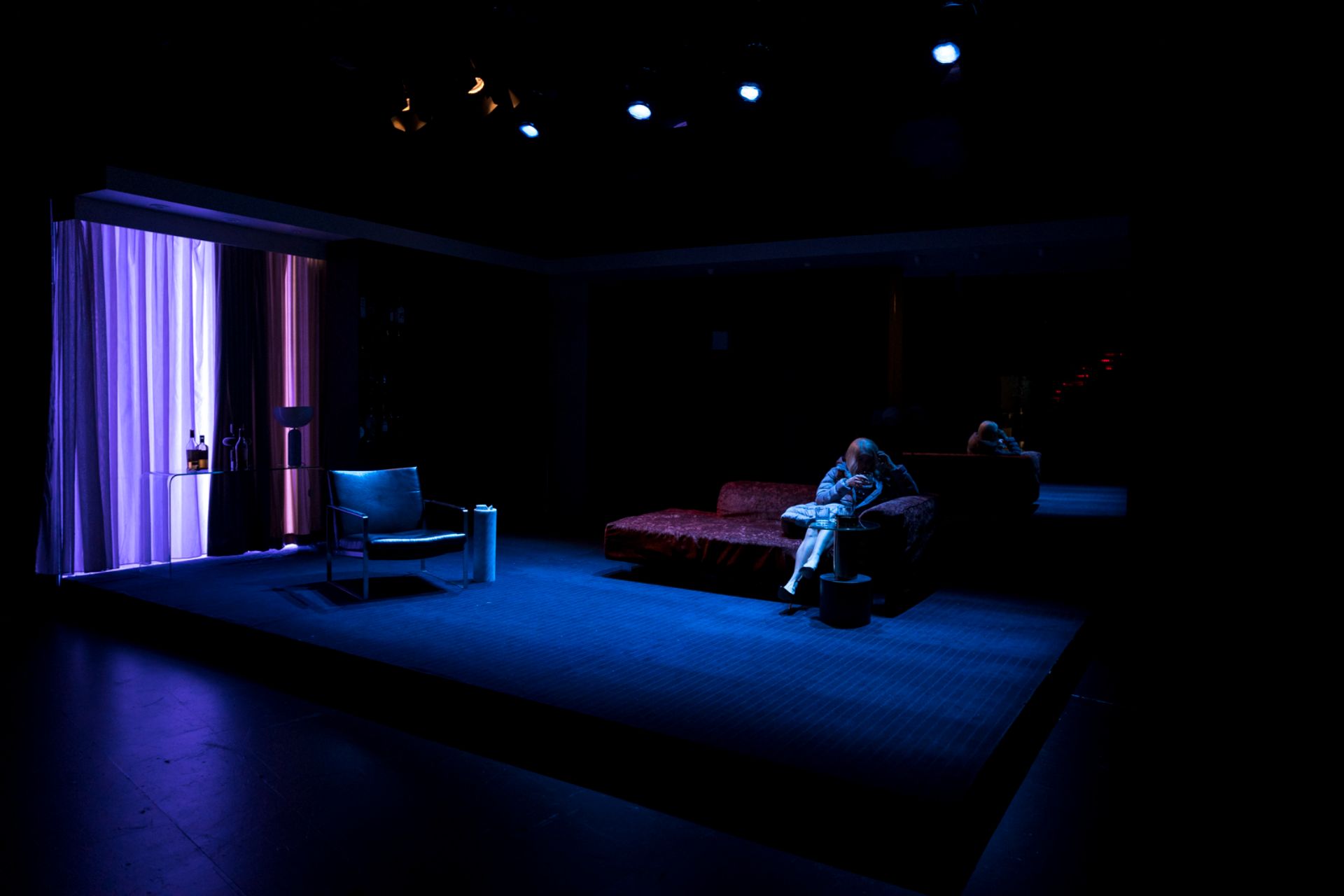
David Fleischer’s set design too is uncomplicated, in its depiction of a masculine and superficially stylish world. Costumes by Mel Page are flattering, and appropriately understated. Nick Schlieper’s lights and Max Lyandvert’s sound are relied upon for dramatic flourishes, to further engage our senses, although those moments of abstract elevation can seem slightly gimmicky, when we fail to decipher enough behind, that could feel substantial.

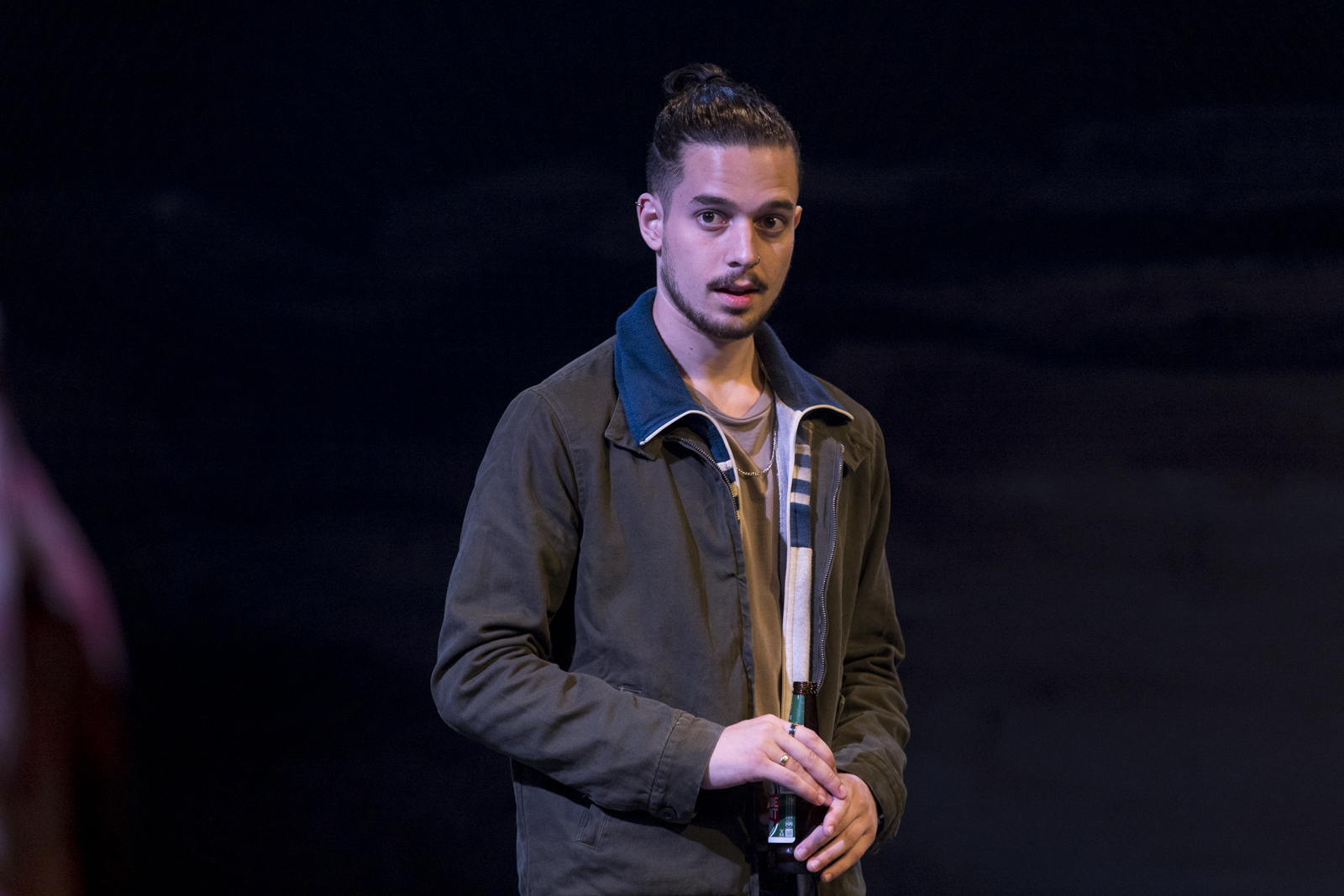
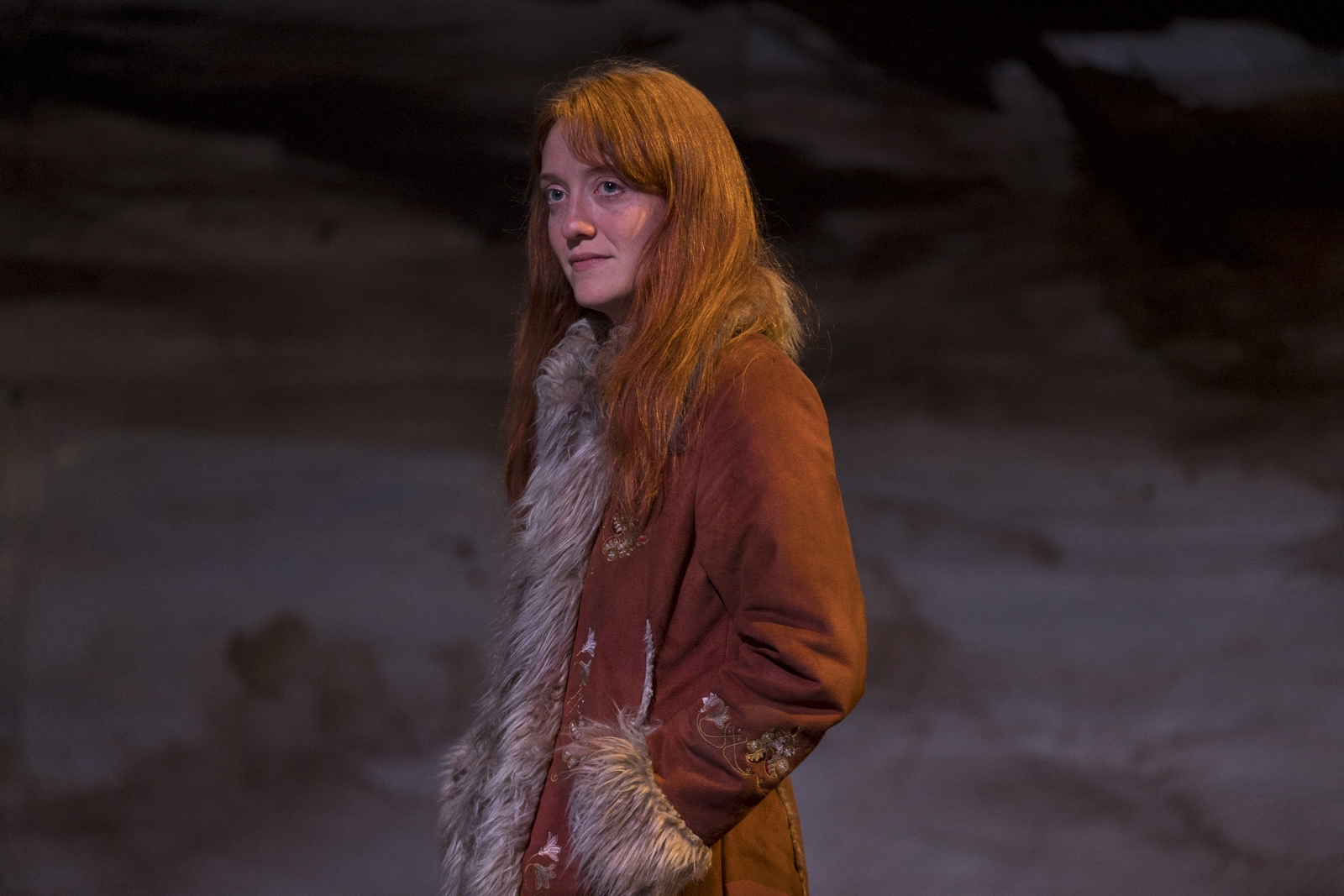
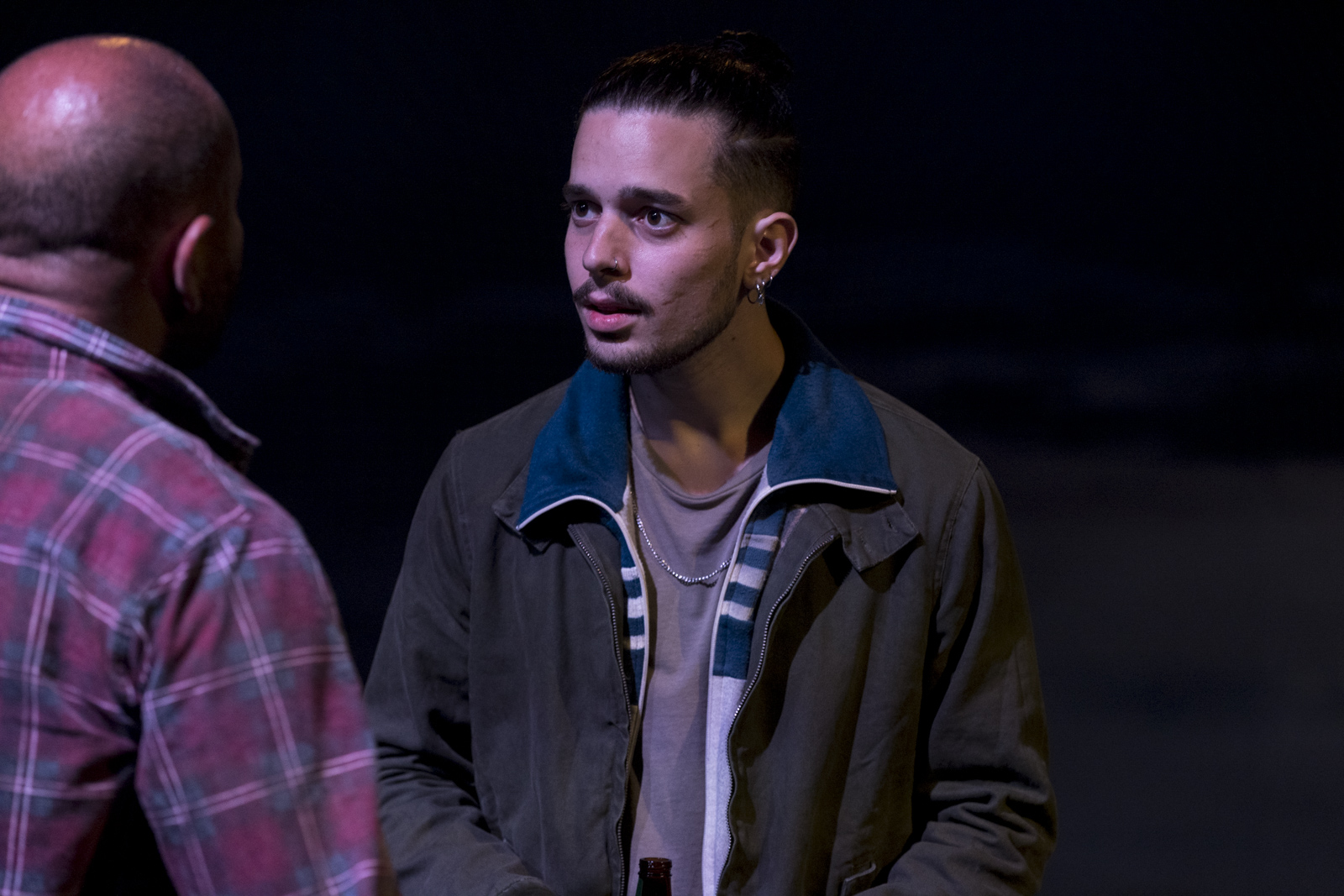
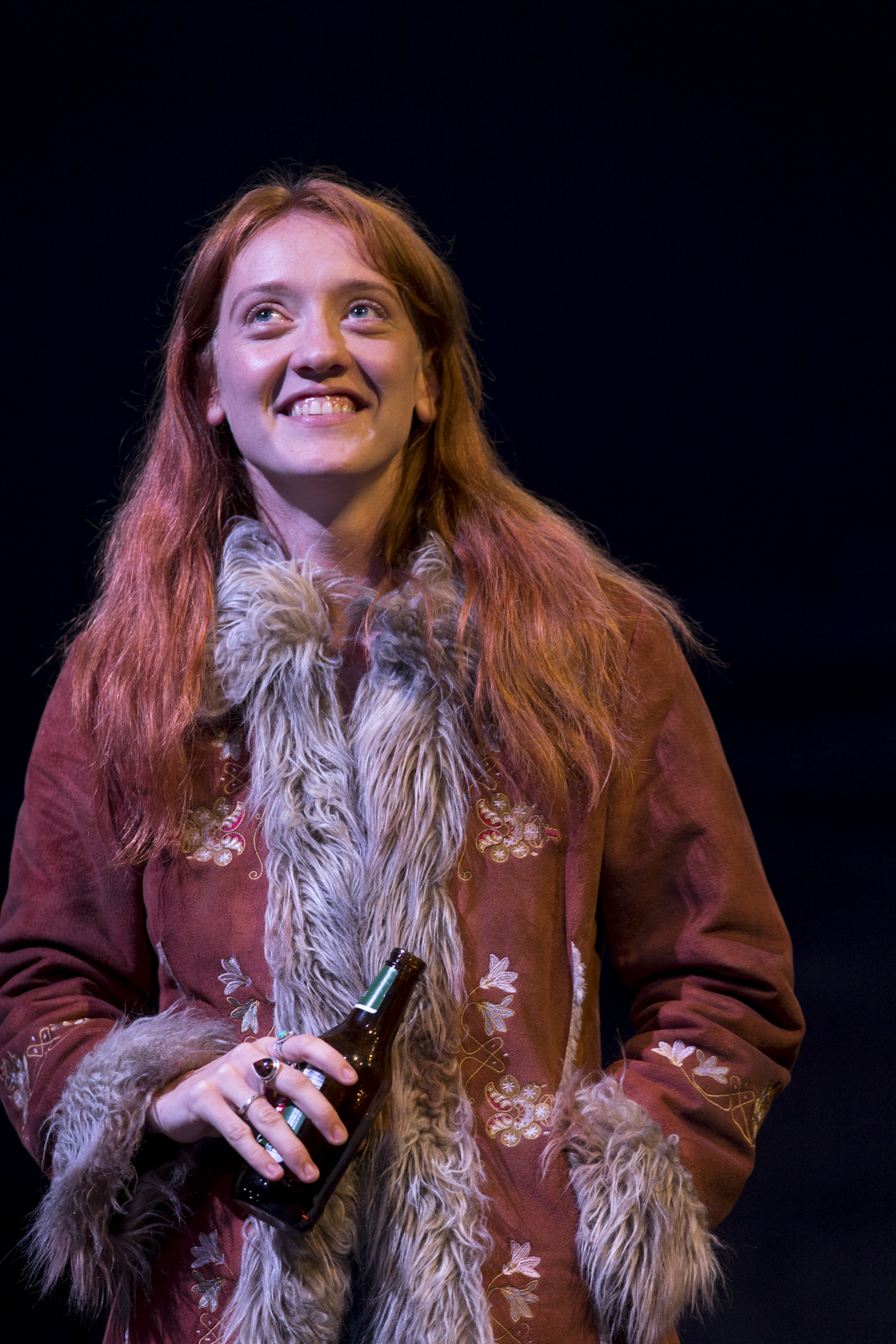
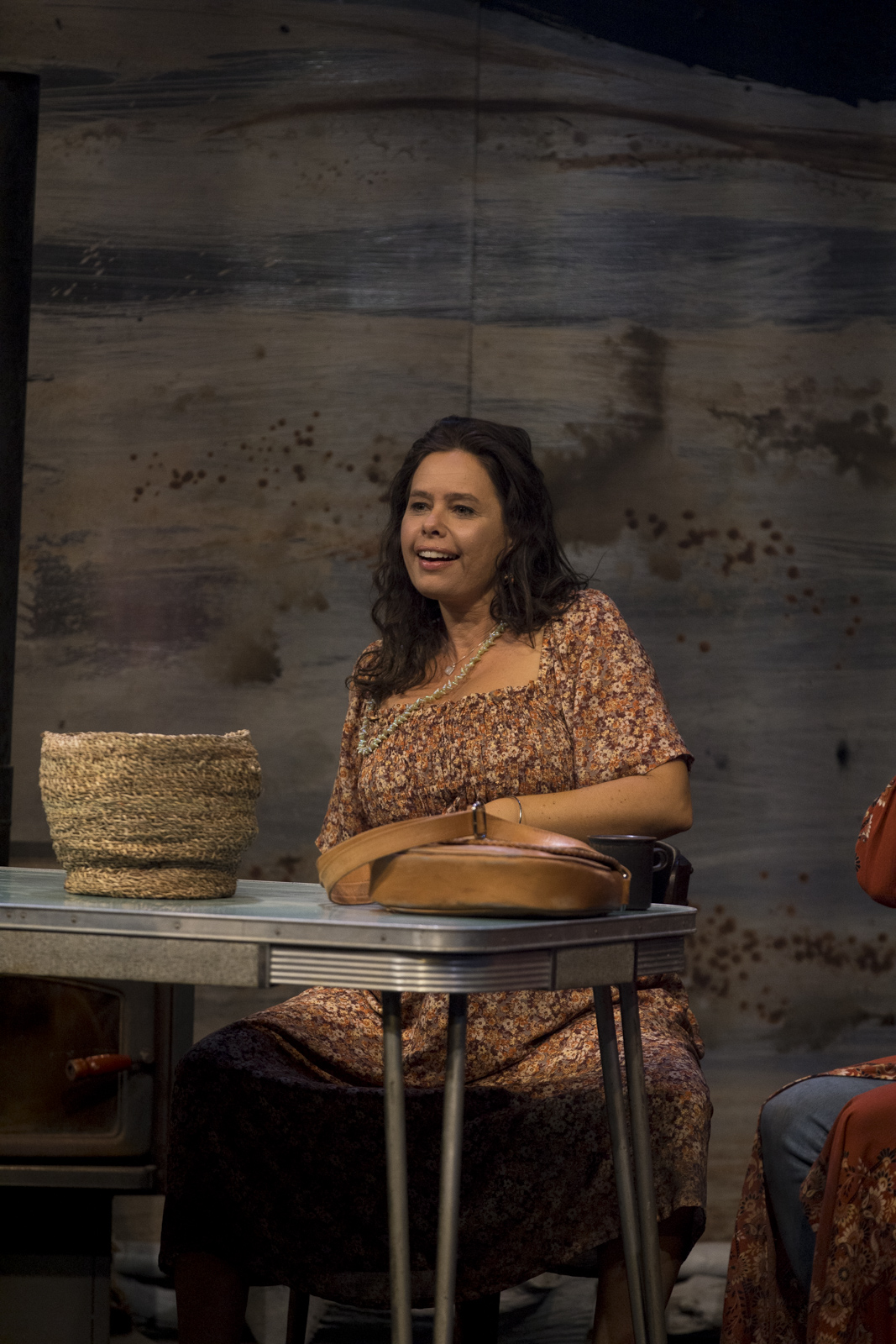
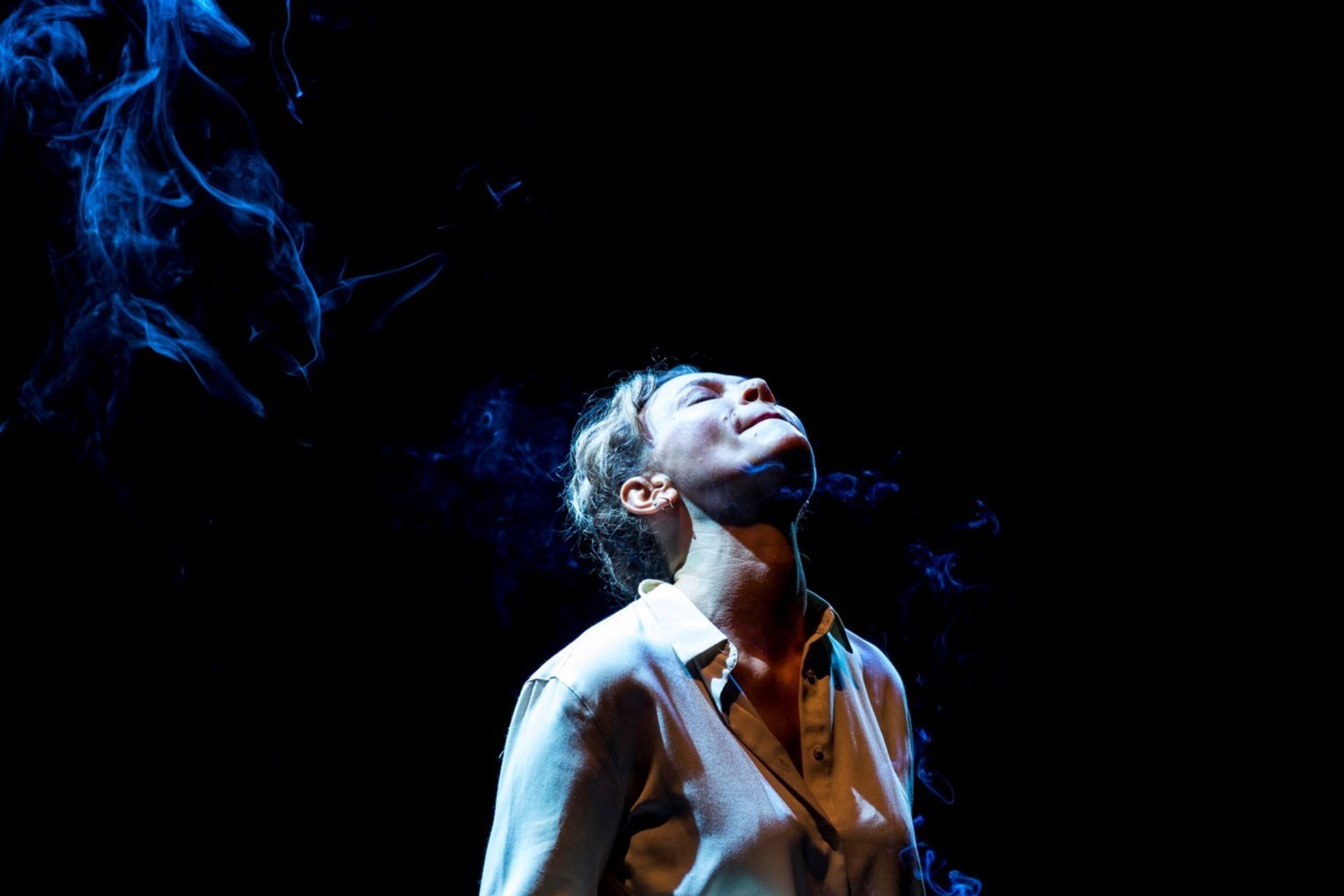
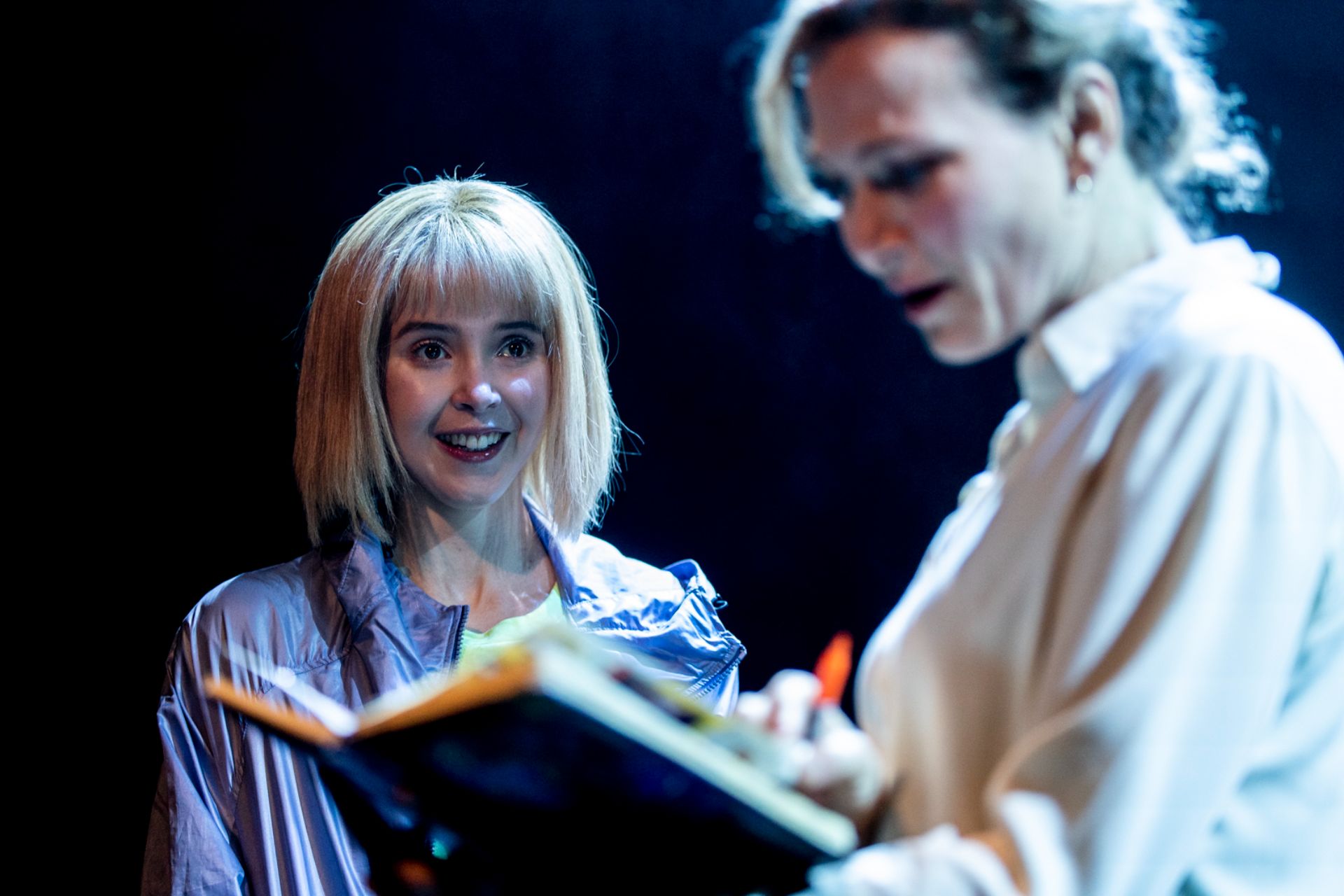
Leading lady Leeanna Walsman conveys the confusion and dreariness of Myrtle’s arduous battles, but it is a conservative performance that offers little to relish. Myrtle’s director is played by Luke Mullins who thankfully injects dynamism into the show, for his part as an uncomplicated villain. Anthony Harkin and Toni Scanlon are Myrtle’s co-star and playwright respectively, both bringing a degree of nuance to their supporting roles. Caitlin Burley and Jing-Xuan Chan are solid presences in all of their brief appearances, both demonstrating noteworthy commitment.

At the end of Opening Night, we find a satisfying conclusion. In real life, Myrtle’s story could end up either way, good or bad, for real life is anything but predictable, but in a play that wants so much to talk about doing what is right in our storytelling and in our art, it is hard to imagine any other way for things to end. It is of course true that misogyny exists, and it is right that we should see it represented. It is also important that we reiterate again and again, our agency and power as women, to make exhaustive revisions to centuries of indoctrination about us being weak and domitable. We love watching Myrtle triumph, but even if she falters, we know that she is strong enough to get up and try again.

www.belvoir.com.au

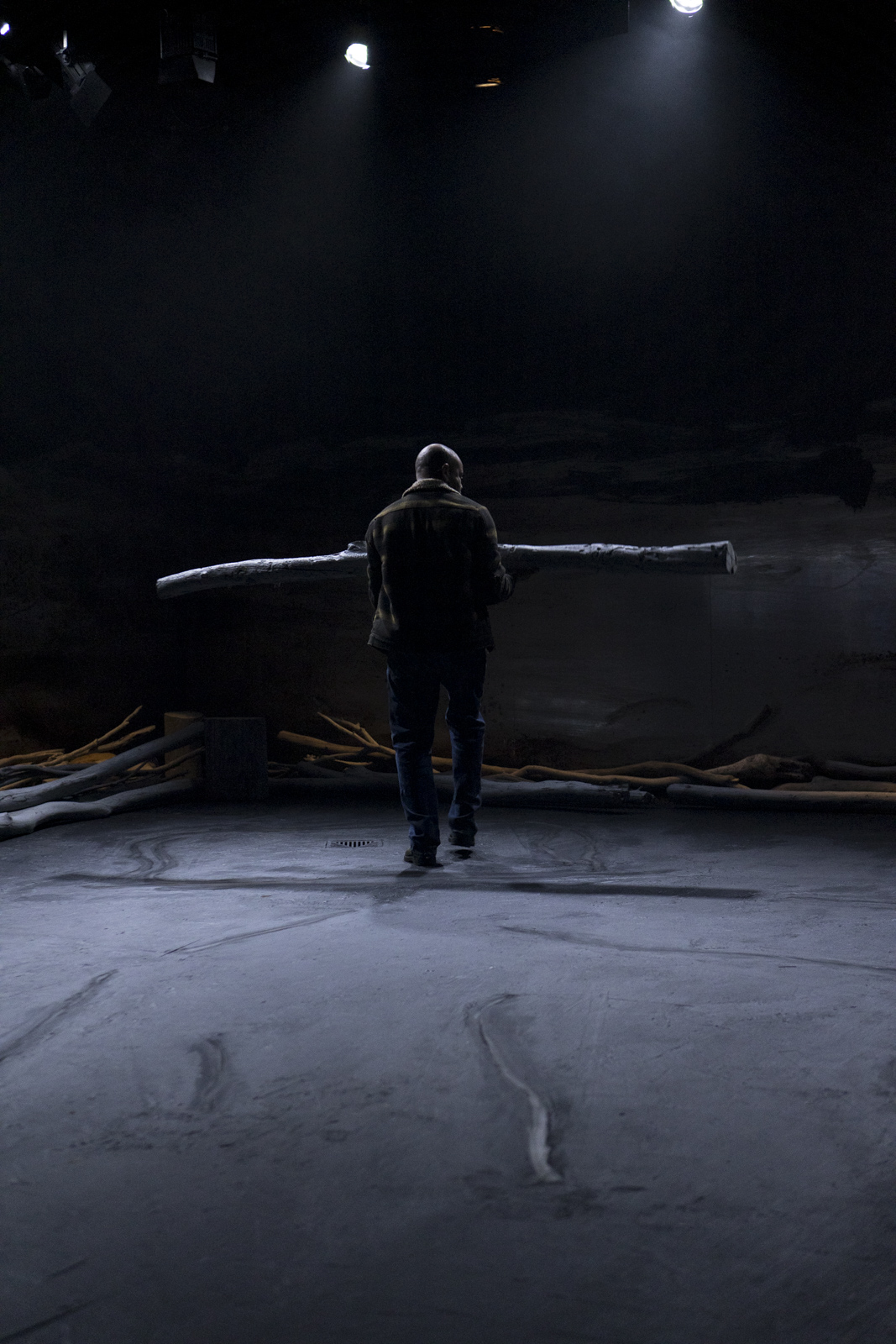
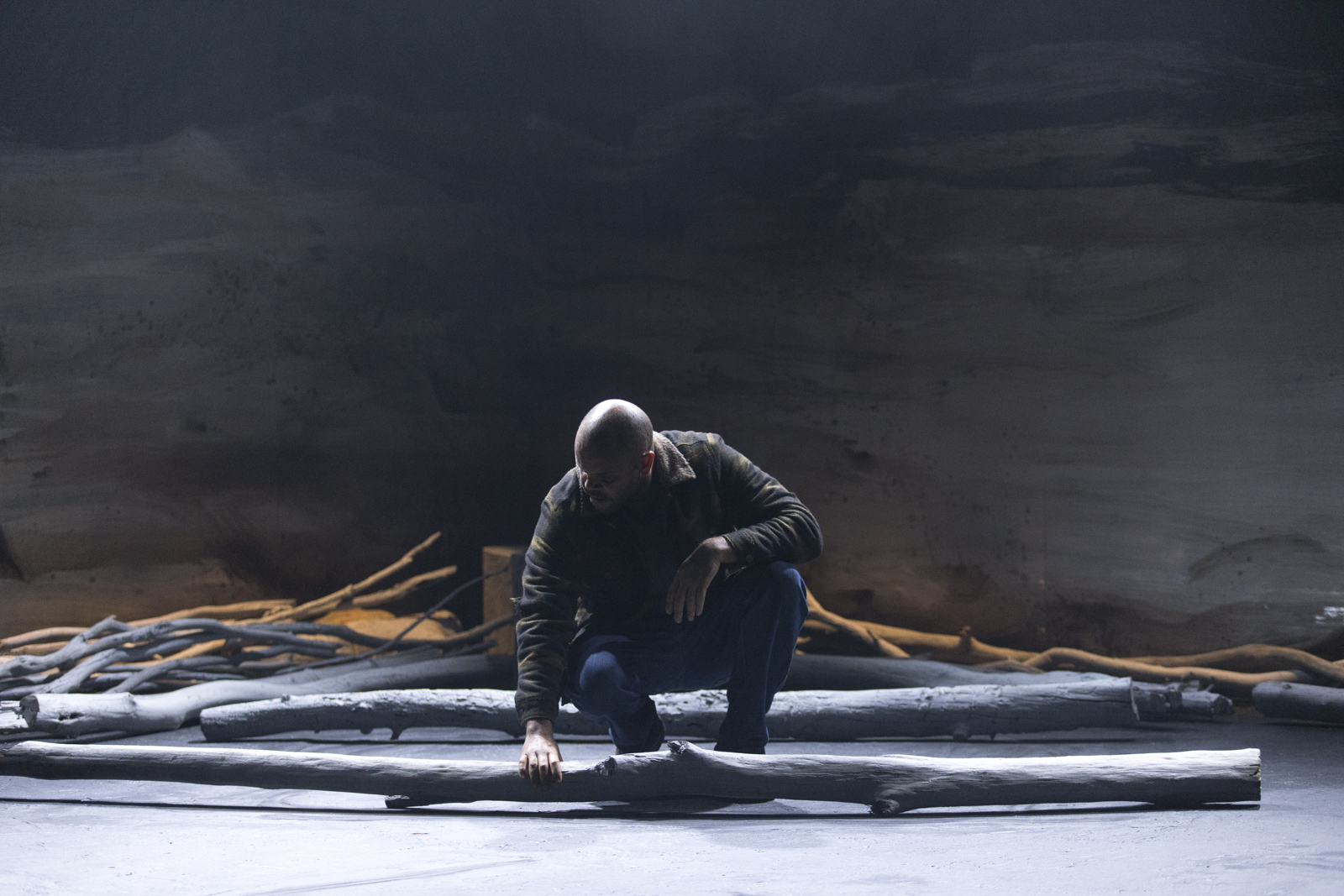
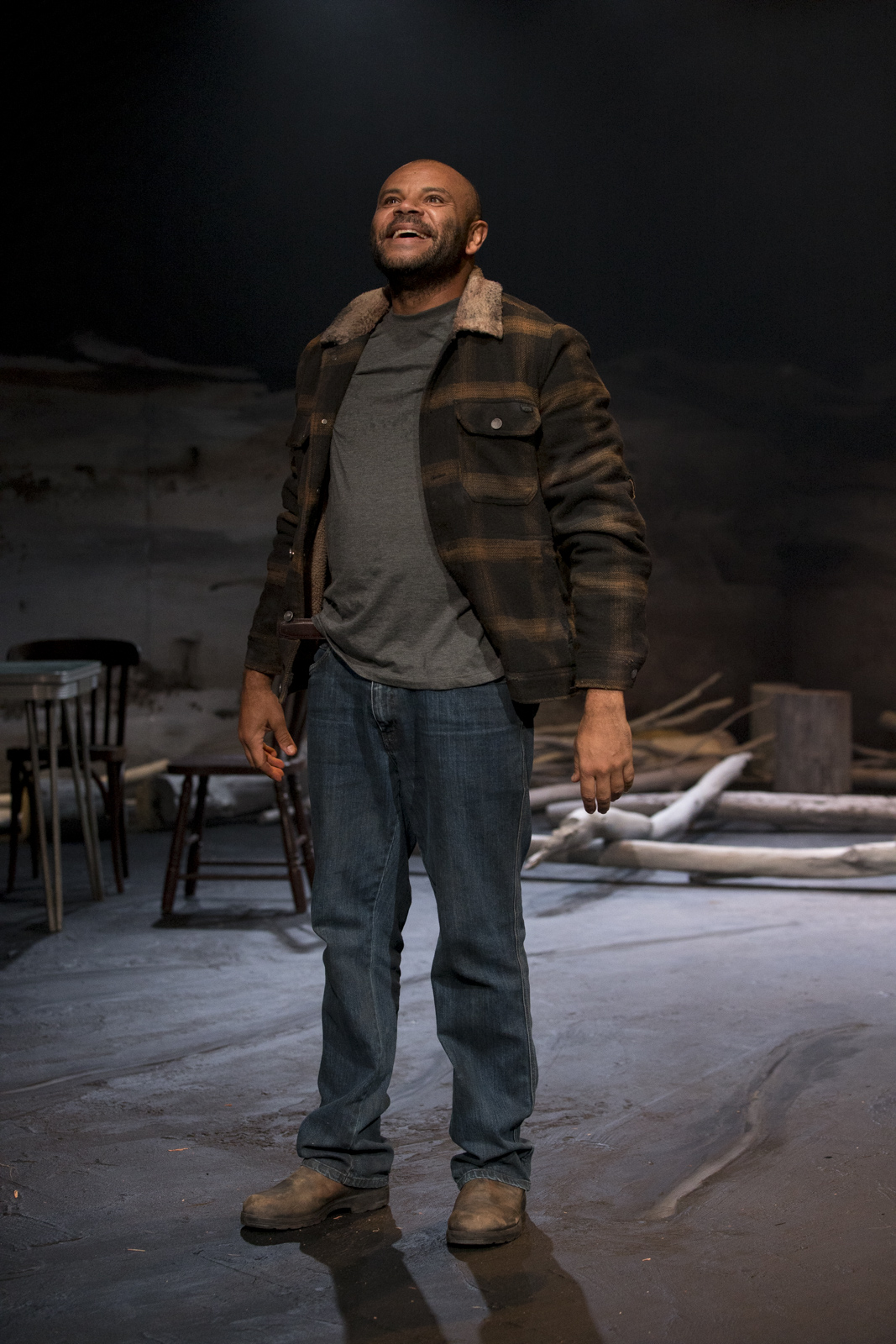
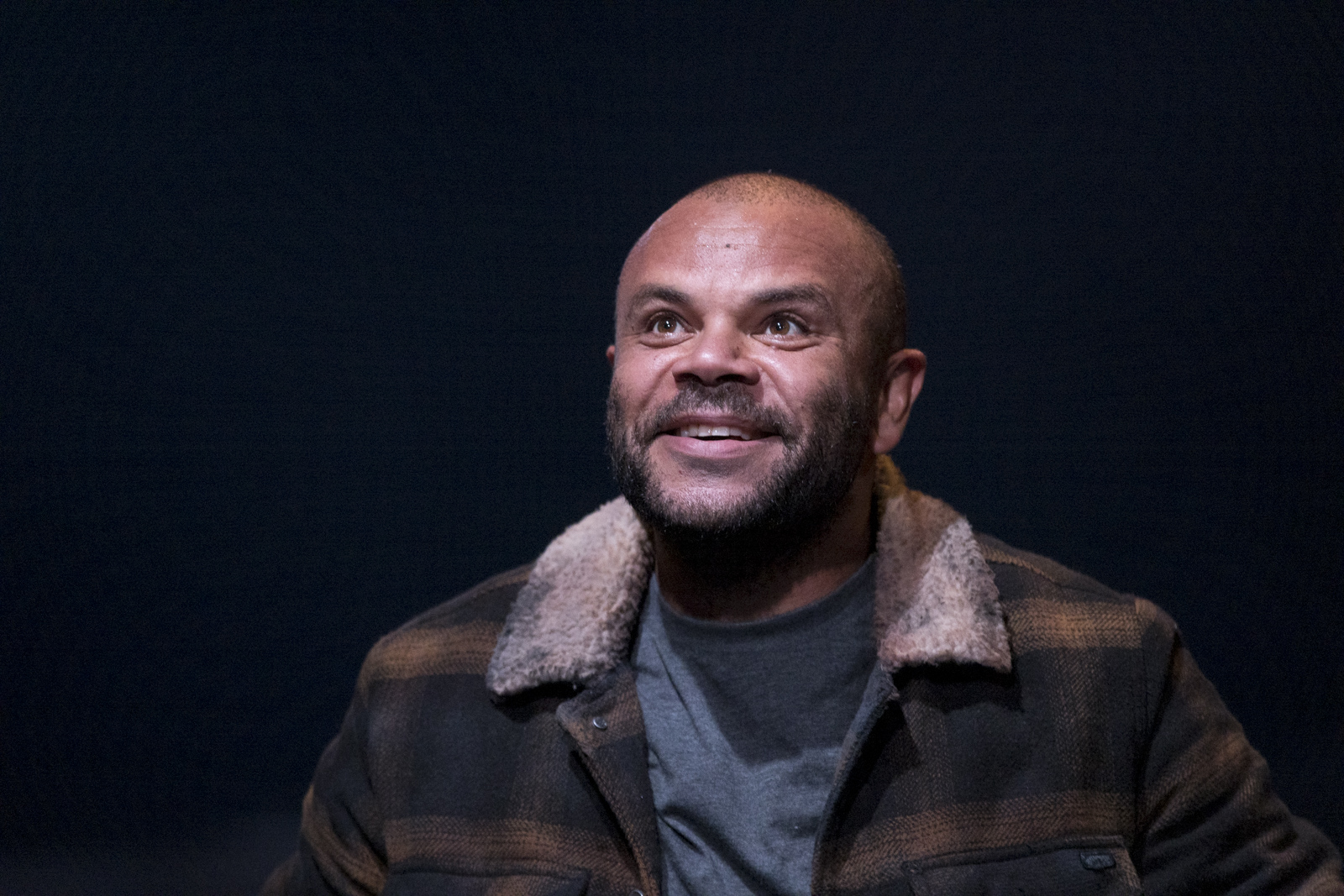
Review: At What Cost? (Belvoir St Theatre)

Venue: Belvoir St Theatre (Surry Hills NSW), Jan 29 – Feb 20, 2022
Playwright: Nathan Maynard
Director: Isaac Drandic
Cast: Luke Carroll, Sandy Greenwood, Alex Malone, Ari Maza Long
Images by Brett Boardman

Theatre review
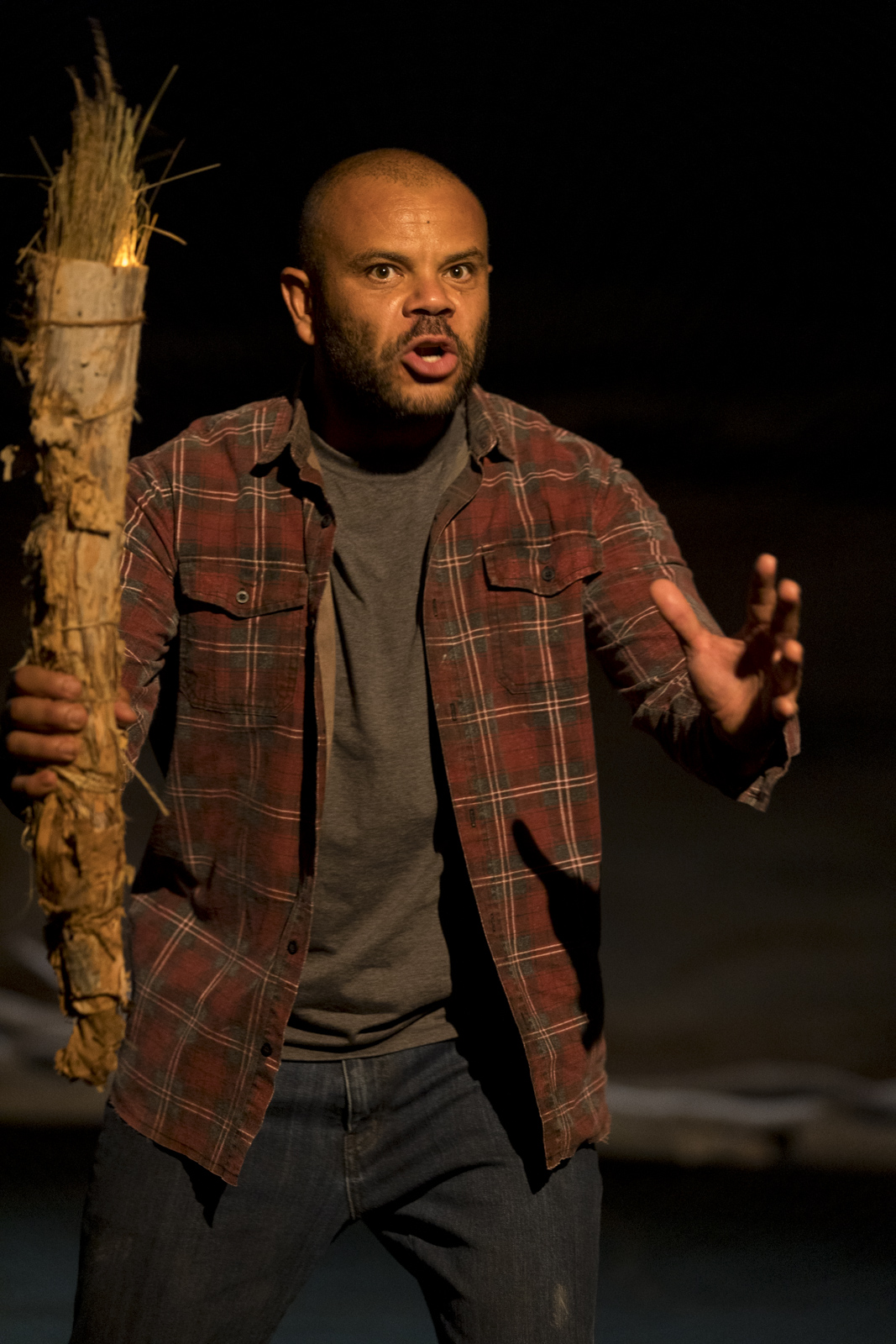
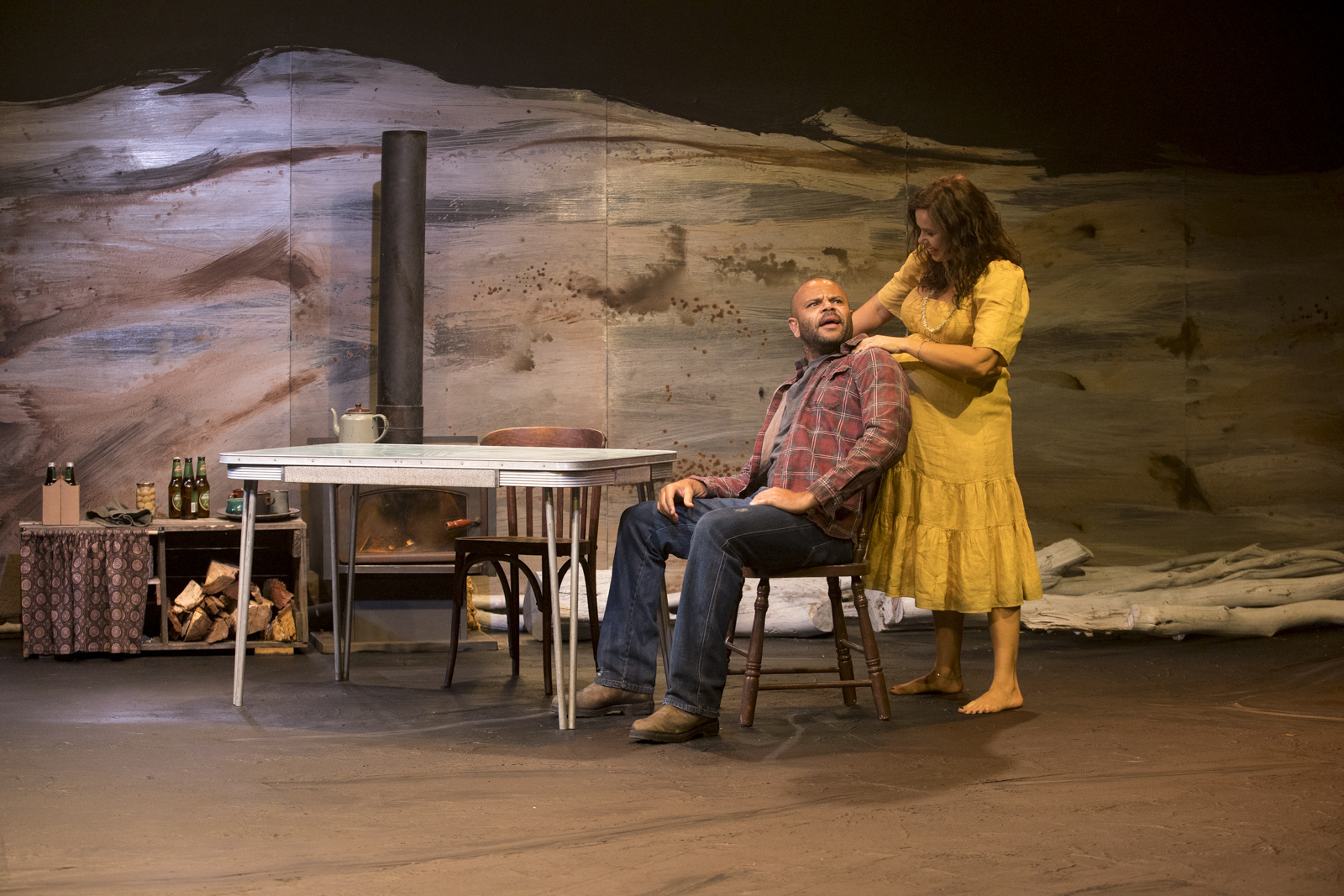
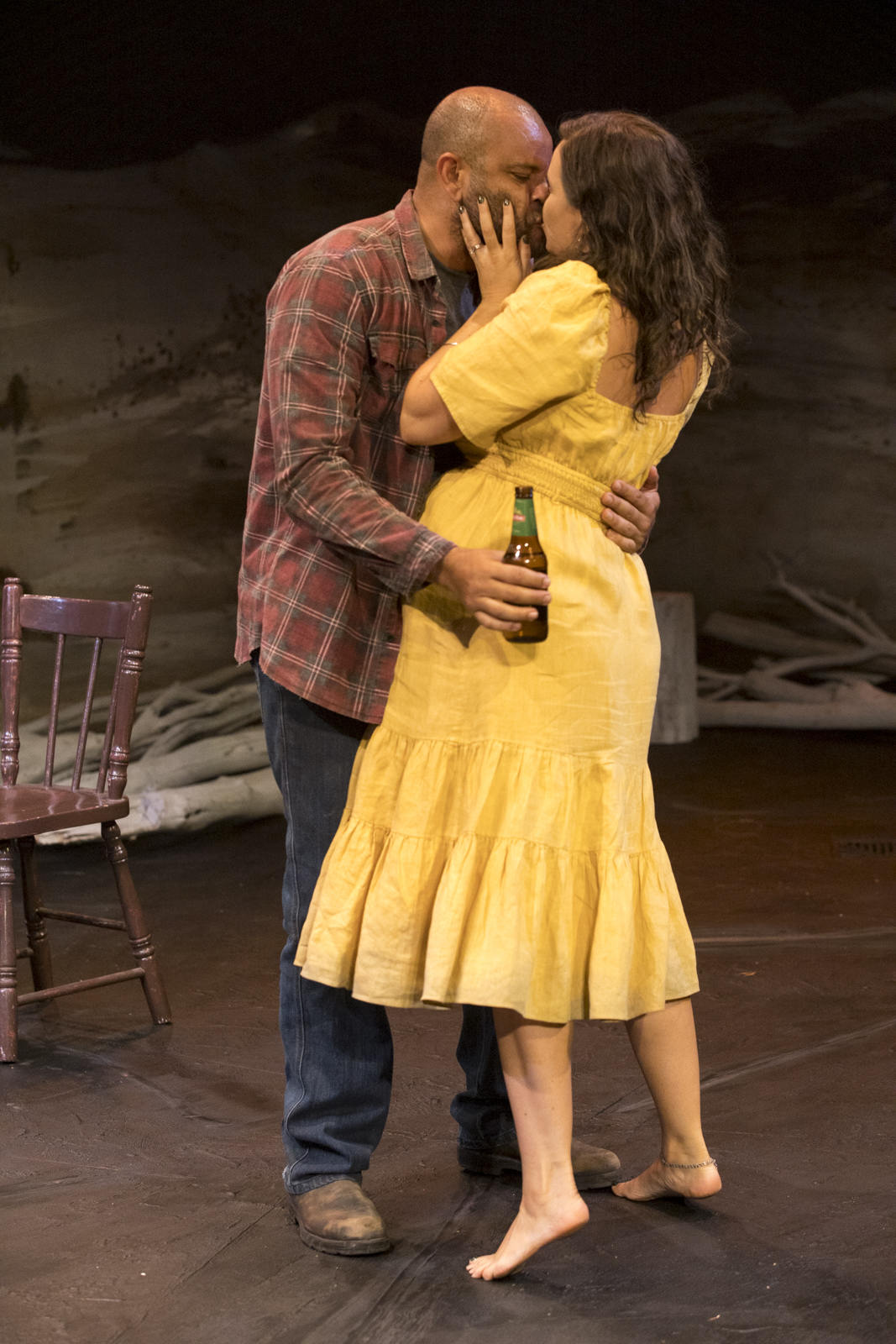
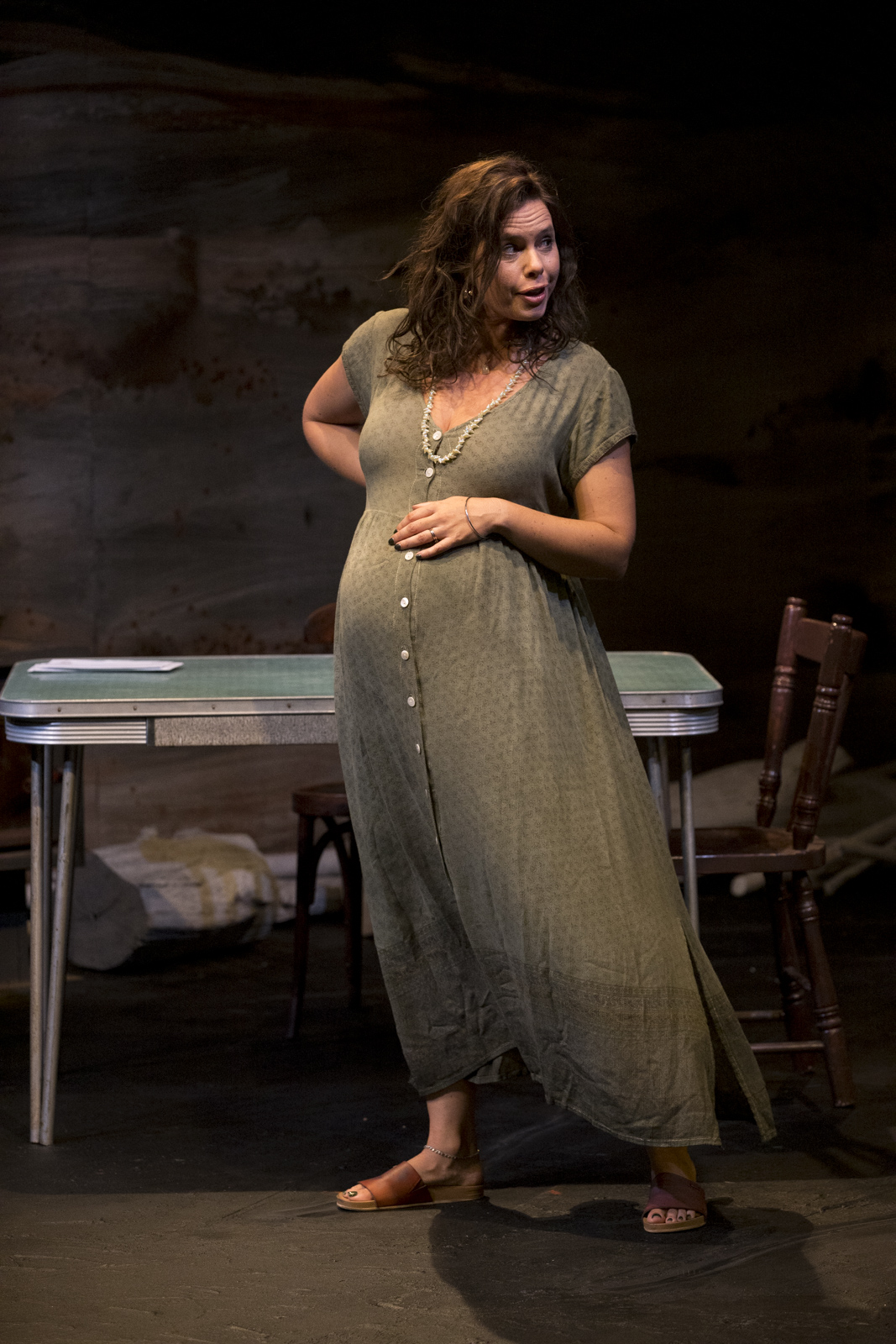
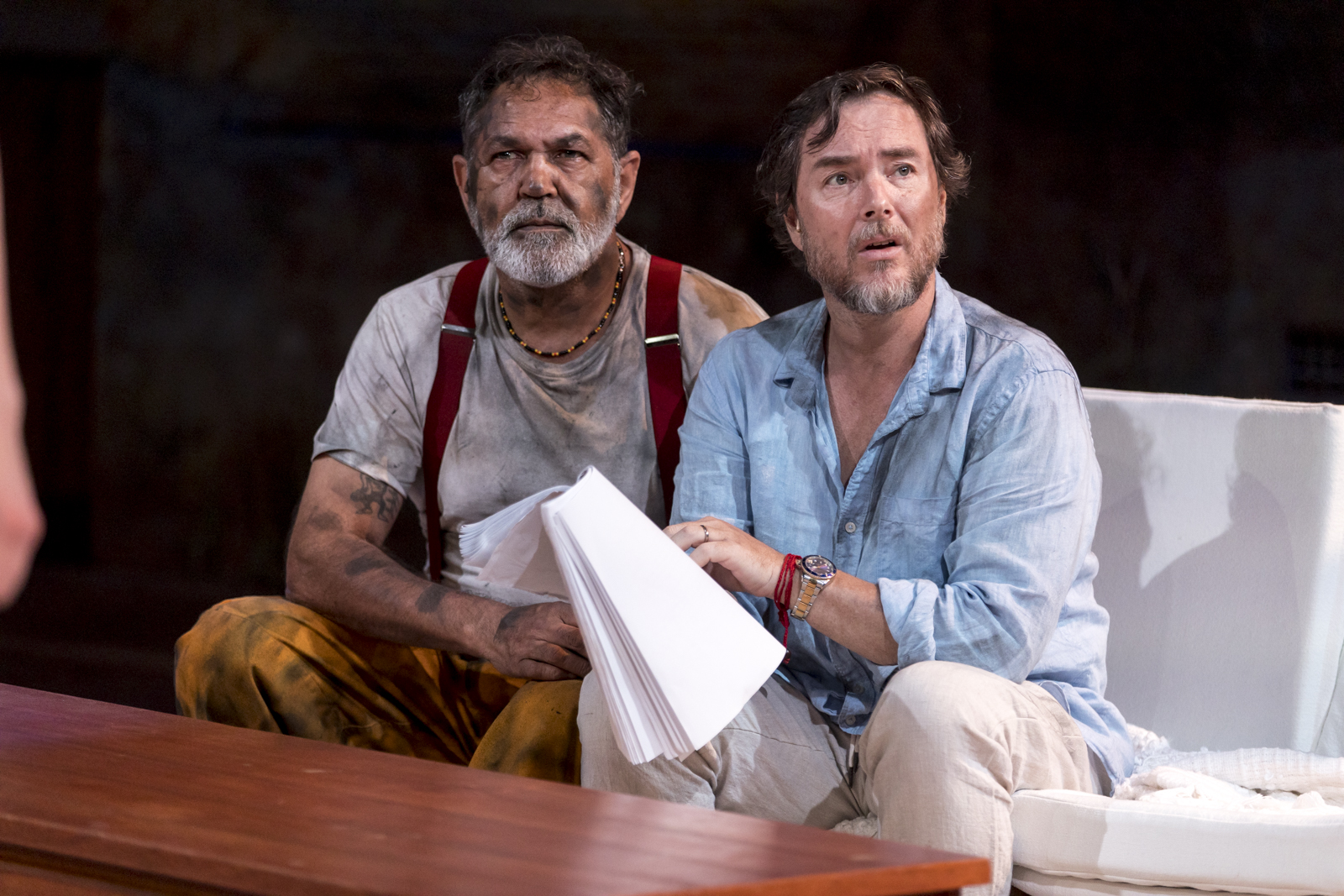
Boyd has a very rich and meaningful life. Not only does he have to make a living to ensure the sustenance of his young family, there are a myriad responsibilities as an Aboriginal leader in Tasmania, that he has to undertake all through the day. The play At What Cost? by Nathan Maynard begins at the point where it is announced, that the remains of an ancestor is being returned to Boyd’s land and family, after being held dishonourably in London for several lifetimes.

The drama intensifies, when the sacred moment is marred by an external entity suddenly claiming to be mob, and insists on being part of rituals meant only for rightful descendants. Maynard’s writing is in a word, explosive. At What Cost? begins with extraordinary vitality, as it establishes the every day existence of its spirited characters, but the profound pain that takes over when Maynard’s real intentions come to the fore, is completely devastating.

It is the story of a colonialism that never ceases; one that morphs and takes by surprise, coming to undermine and subjugate from unpredictable places. Maynard’s searing honesty feels unbearably dangerous, but also absolutely essential. This is art that tells the truth of what routinely happens to our First Nations communities, and art that should shake you to the core as long as you live on this land, regardless of which tribe you belong to.

Director Isaac Drandic too, pulls no punches in his delivery of this incandescently political work. Full of pride, and of righteous anger, the staging puts on display not just the ravages suffered by our Indigenous peoples, but more importantly their eternally indomitable spirit. There is a generosity and vulnerability to At What Cost? that is disarmingly moving, with a crucial message about racial violence that needs urgently to be heeded.

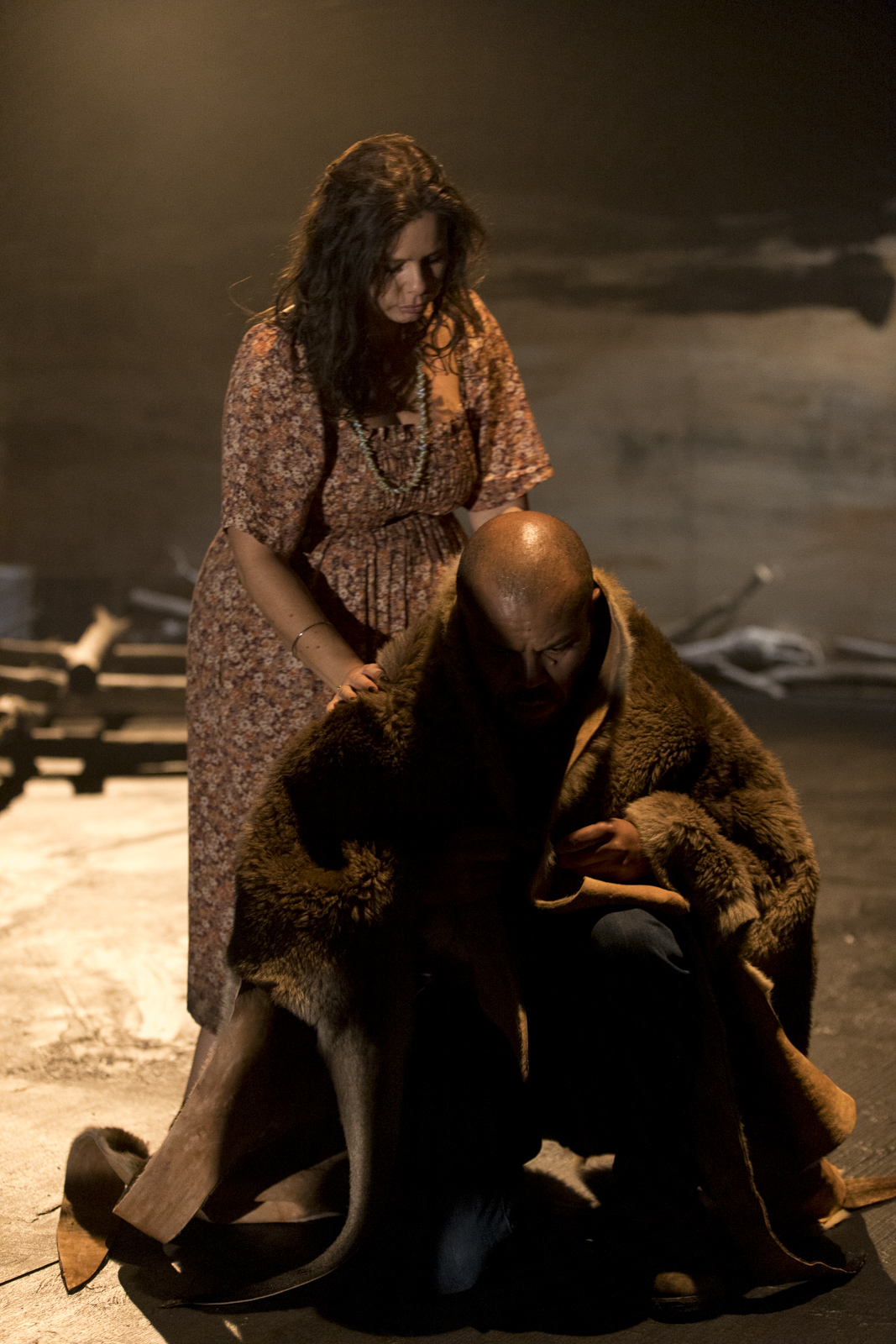
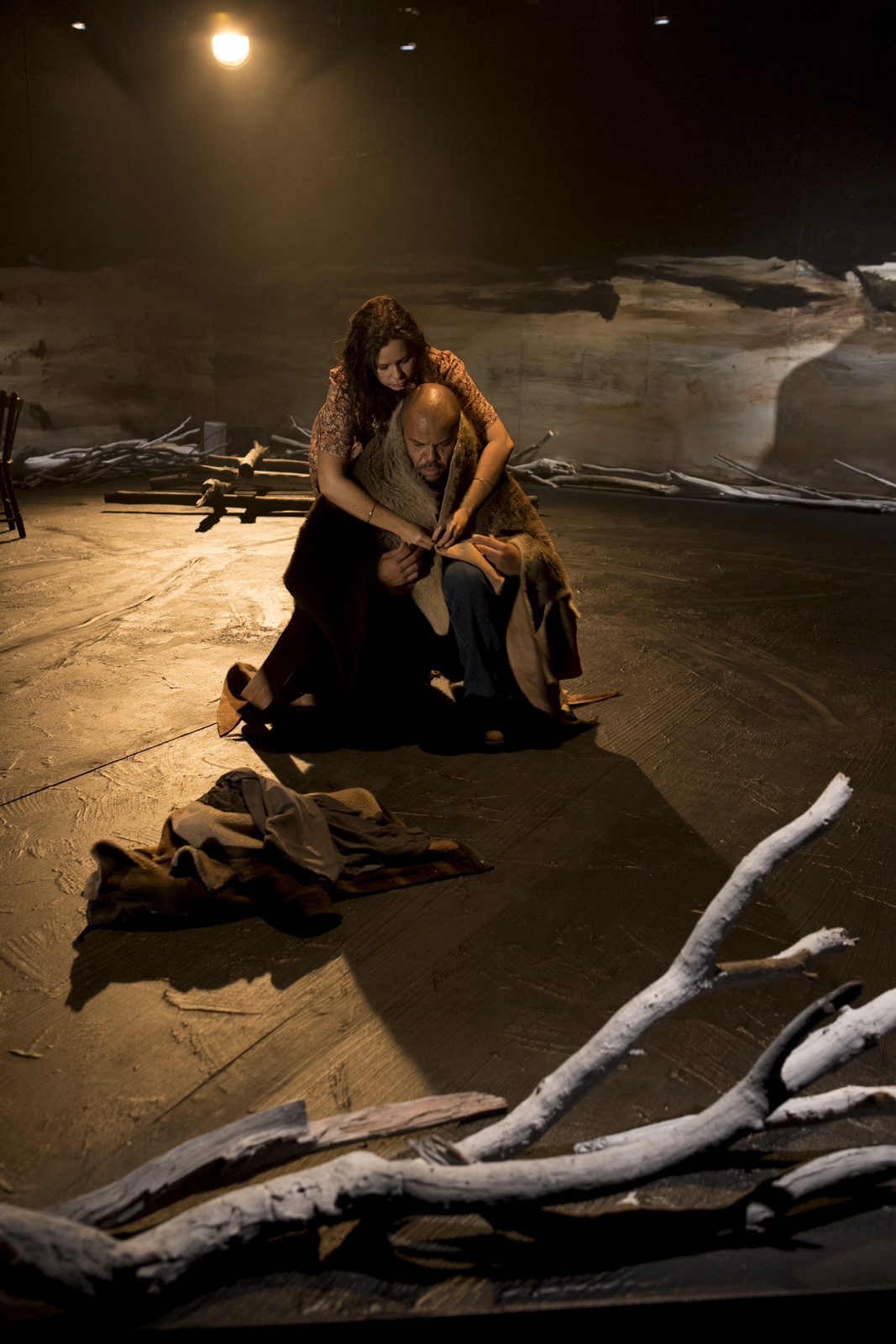
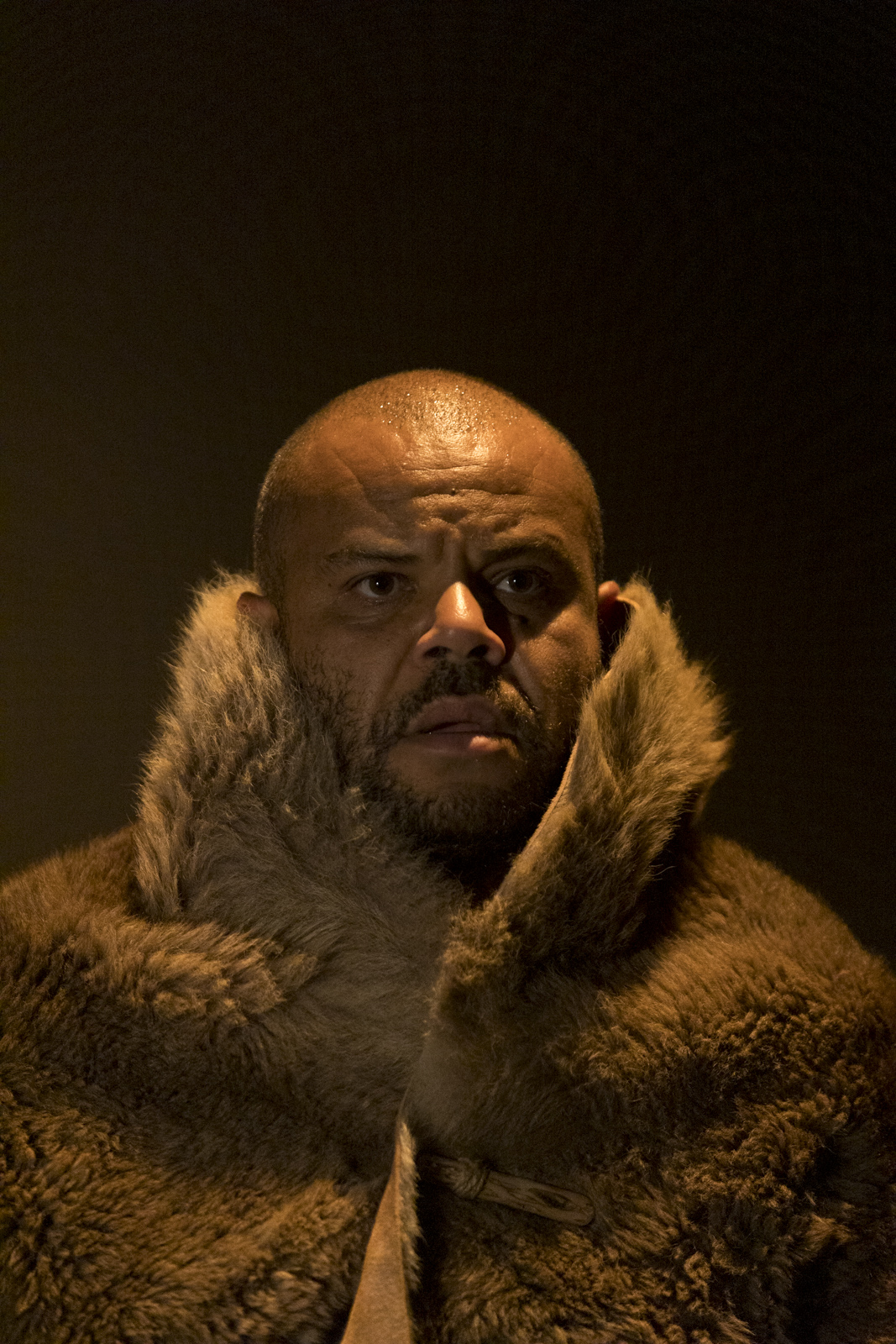
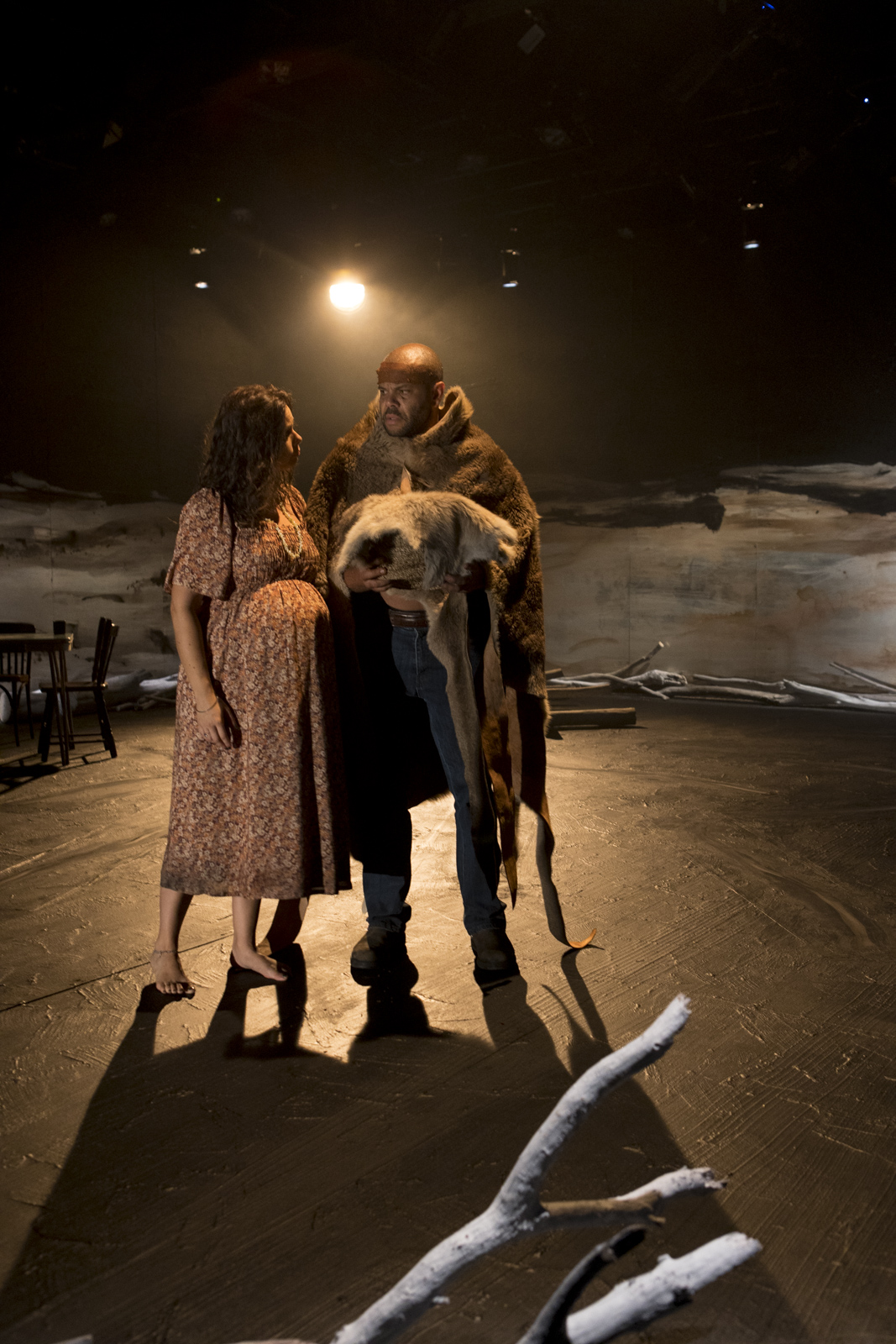
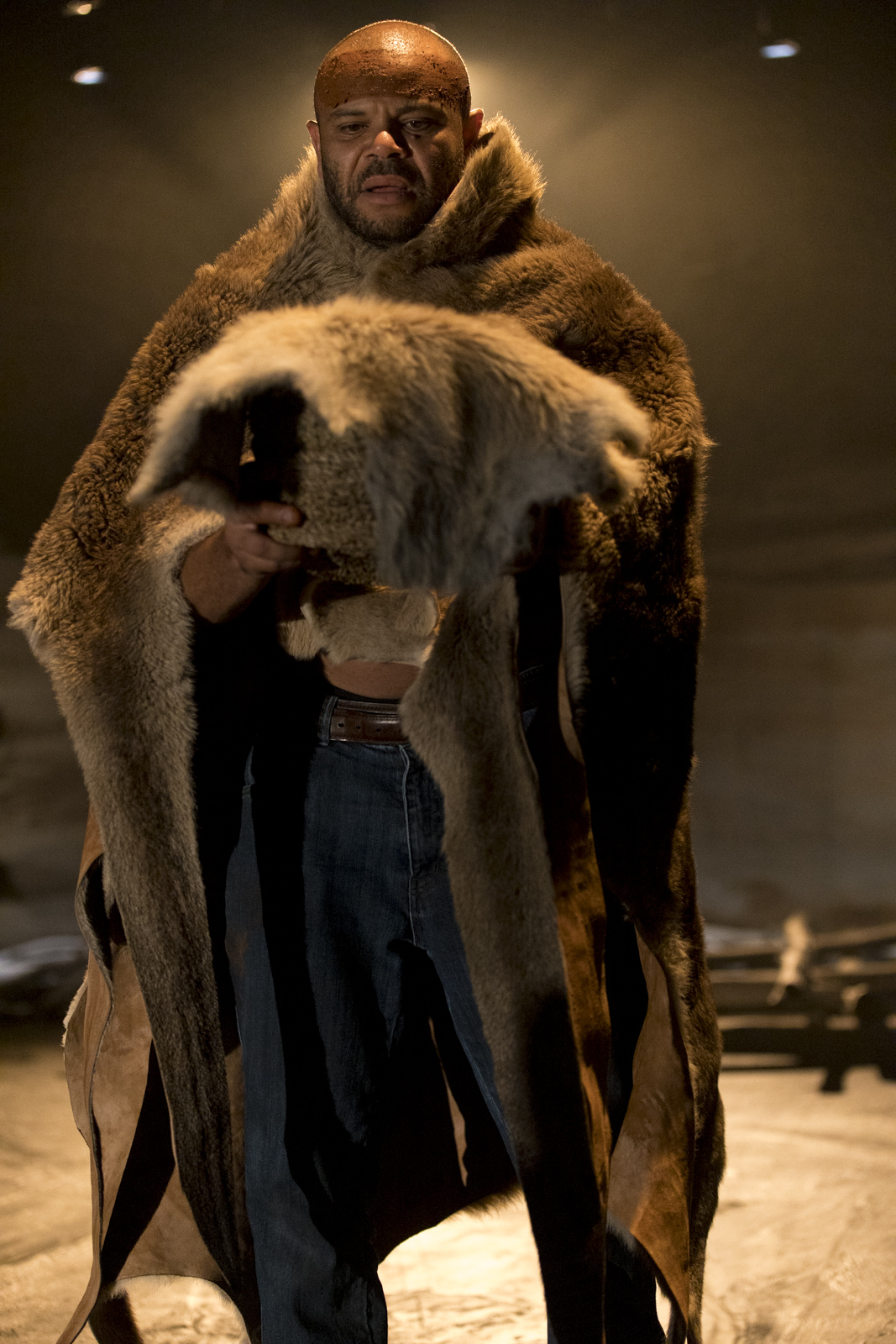
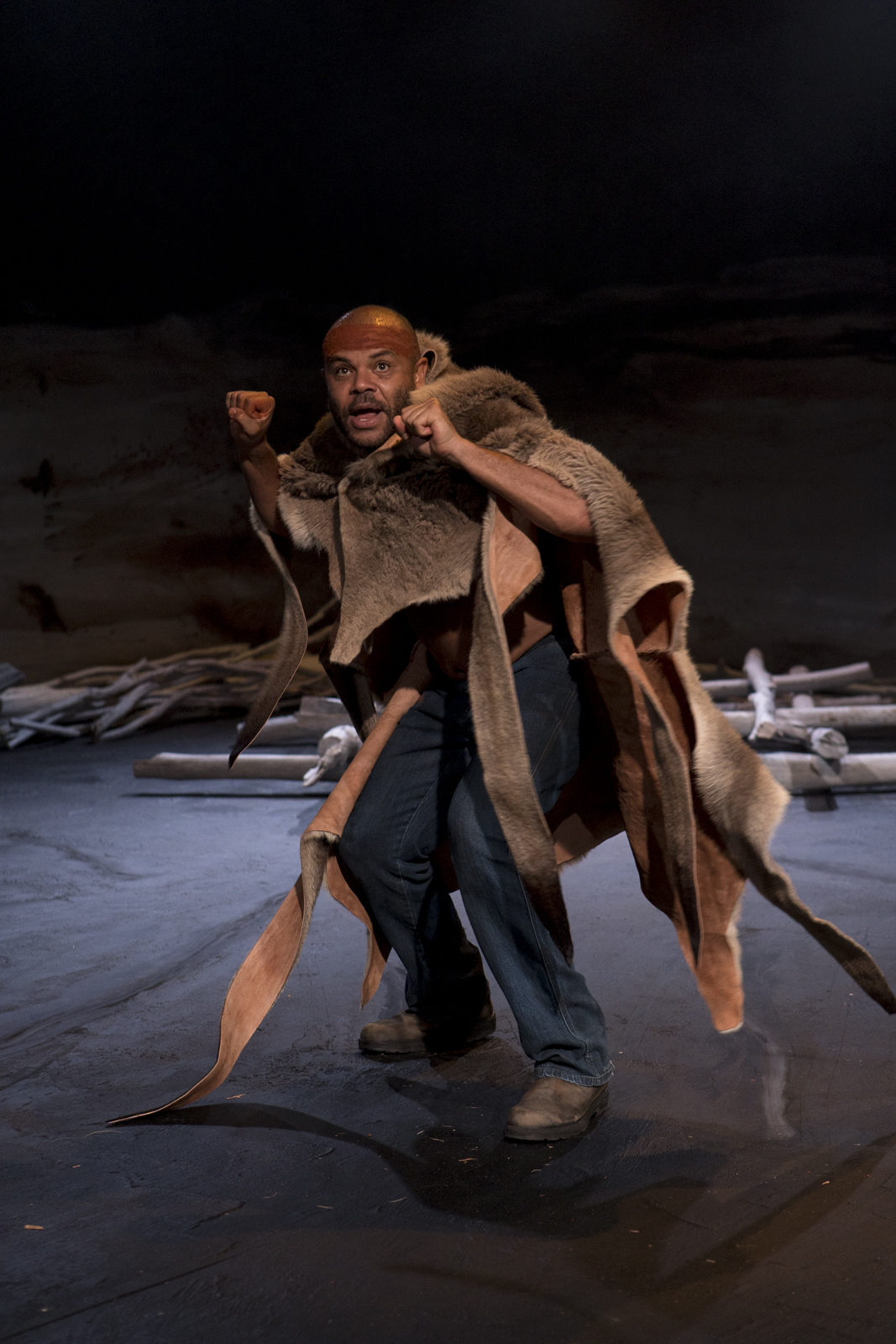
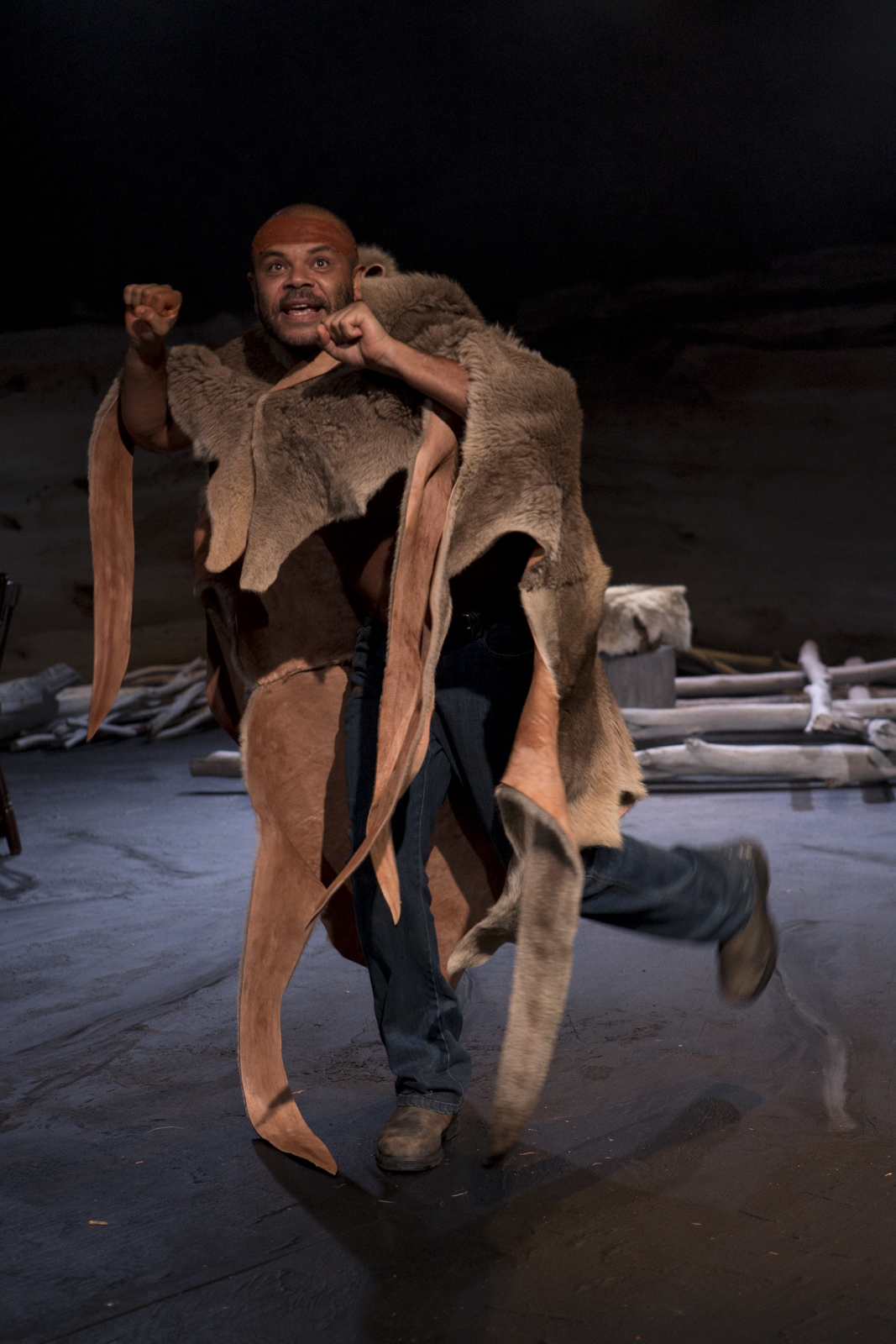
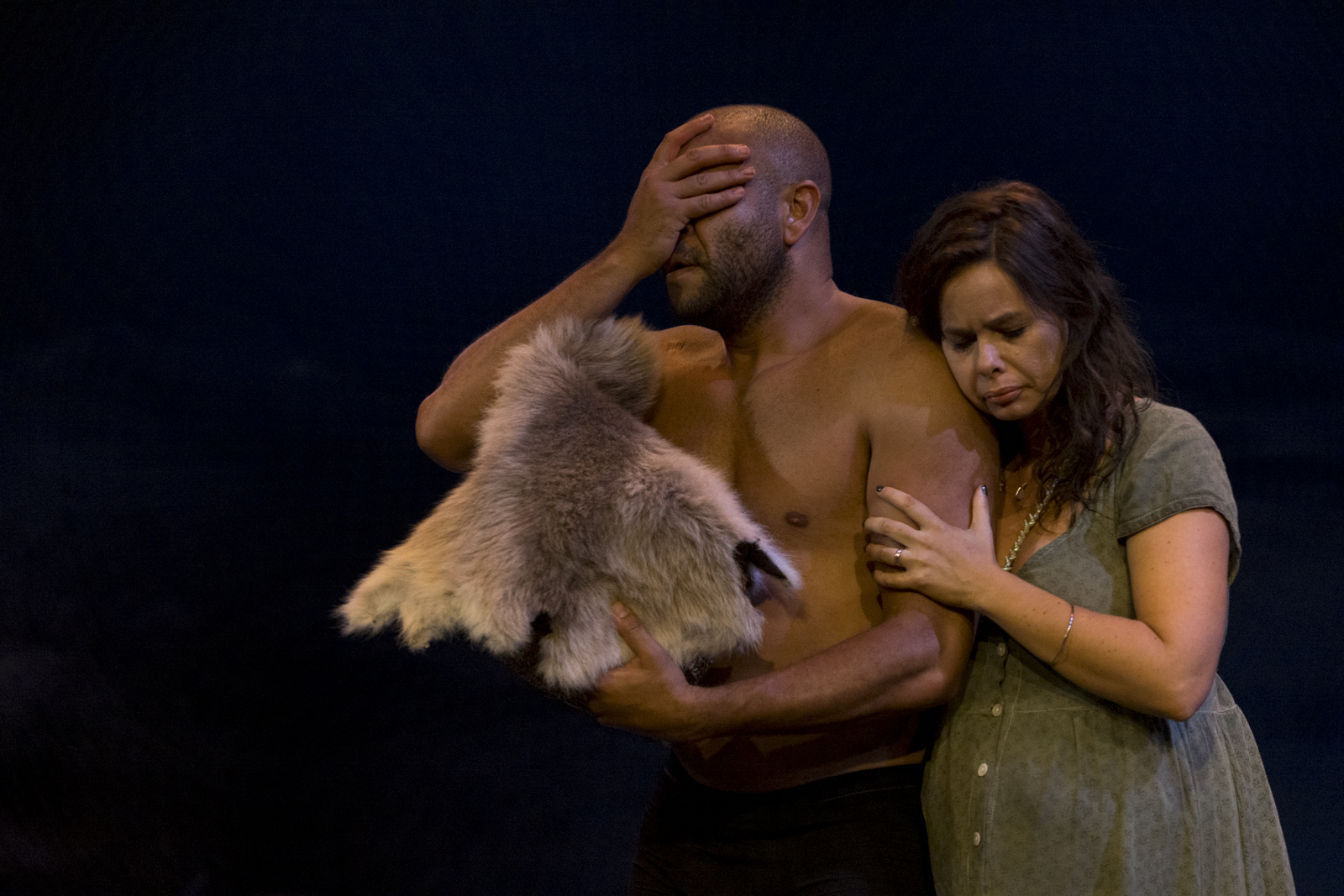
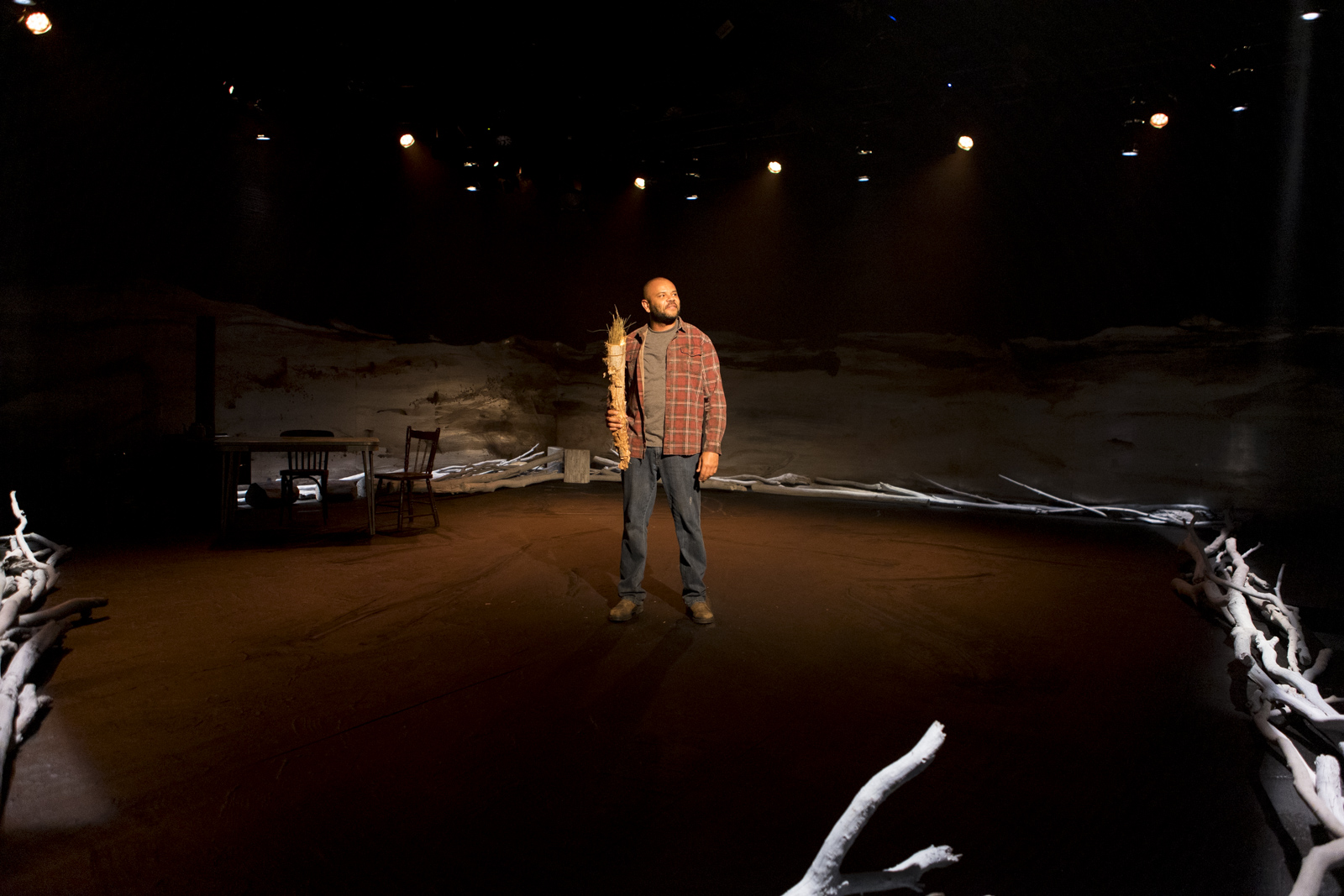
Set design by Jacob Nash succinctly conveys both the material and metaphysical realms of Boyd’s existence, allowing us to, on one hand, identify with the normalcy of his daily life, and on the other, encounter the spirituality that informs all facets of his being. Keerthi Subramanyam’s costumes help provide a sense of immediacy for the personalities we meet, but is especially memorable for a ceremonial cloak that impresses with its beauty and grandeur. Lights by Chloe Ogilvie take us seamlessly from spaces mundane to ethereal, and music by Brendon Boney with sound design by David Bergman, manipulate with precision our emotional responses to each element of the narrative, as it escalates to a feverish pitch.

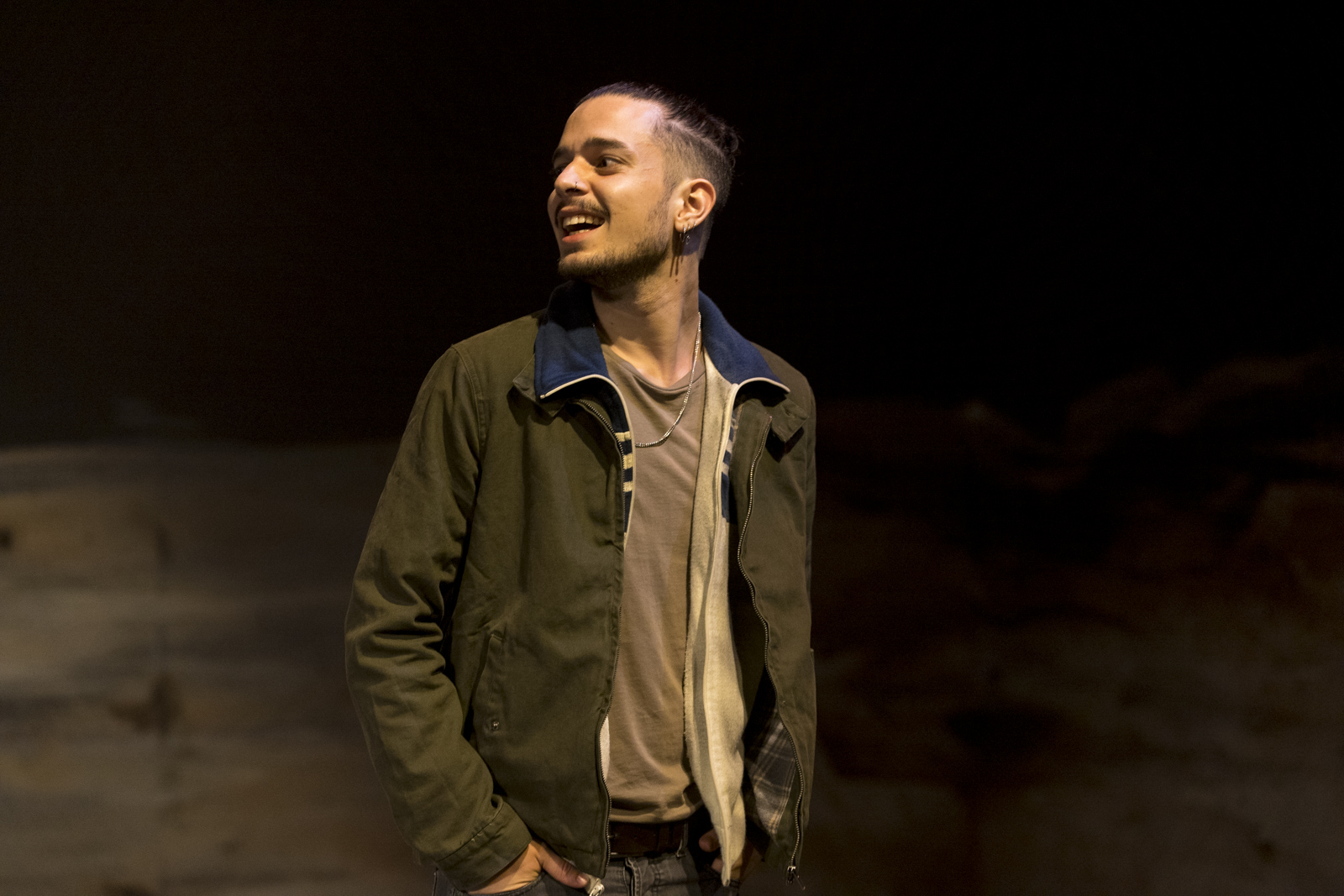
Actor Luke Carroll brings extraordinary passion to the project. As Boyd, we watch him develop from effortlessly delightful, to frighteningly austere, all while keeping us enchanted. The uncompromising and unapologetic qualities of the play, come through beautifully via Carroll’s powerful delivery. No less affecting is the scintillating Sandy Greenwood, whose embracive naturalism as the effervescent Nala, provides our moral compass with clear guidance, as we navigate trickier portions of the rageful tale. Alex Malone is fantastically excruciating, as the foolish Gracie. It is a courageous and forceful performance that makes its important point, with merciless abandon. Daniel is played by Ari Maza Long, with great charm and humour, for an inspiring portrait of the modern Aboriginal youth, that absolutely teems with compassion.

White supremacy creates racial categories, yet vehemently insists on being blind to their existence. White people often declare ignorance of racial difference, choosing only to believe in the universalities of the species, in an effort to deny the very systems of oppression they have built at the exclusion of others. That is, until aspects of that otherness becomes momentarily appealing, and white people step in to annex it without hesitation, and claim it their own.

In At What Cost?, we see a white person misappropriating and misidentifying cultures, in a way that can only be seen, as a clear extension of racial violence on this land. They feign obliviousness and ignorance, even to the extent of purporting to be doing good for Indigenous lives, but is in fact implementing the perpetual project of colonialism. The continual eradication of Indigenous rights, and removal of the very existence of Indigenous peoples, may not look like the genocide of previous centuries, but is no doubt under way, only in surreptitious guises.

www.belvoir.com.au

Review: The Boomkak Panto (Belvoir St Theatre)

Venue: Belvoir St Theatre (Surry Hills NSW), Nov 20 – Dec 23, 2021
Playwright: Virginia Gay
Director: Richard Carroll, Virginia Gay
Cast: Deborah Galanos, Virginia Gay, Rob Johnson, Billy McPherson, Hamed Sadeghi, Mary Soudi, Zoe Terakes, Toby Truslove
Images by Brett Boardman

Theatre review
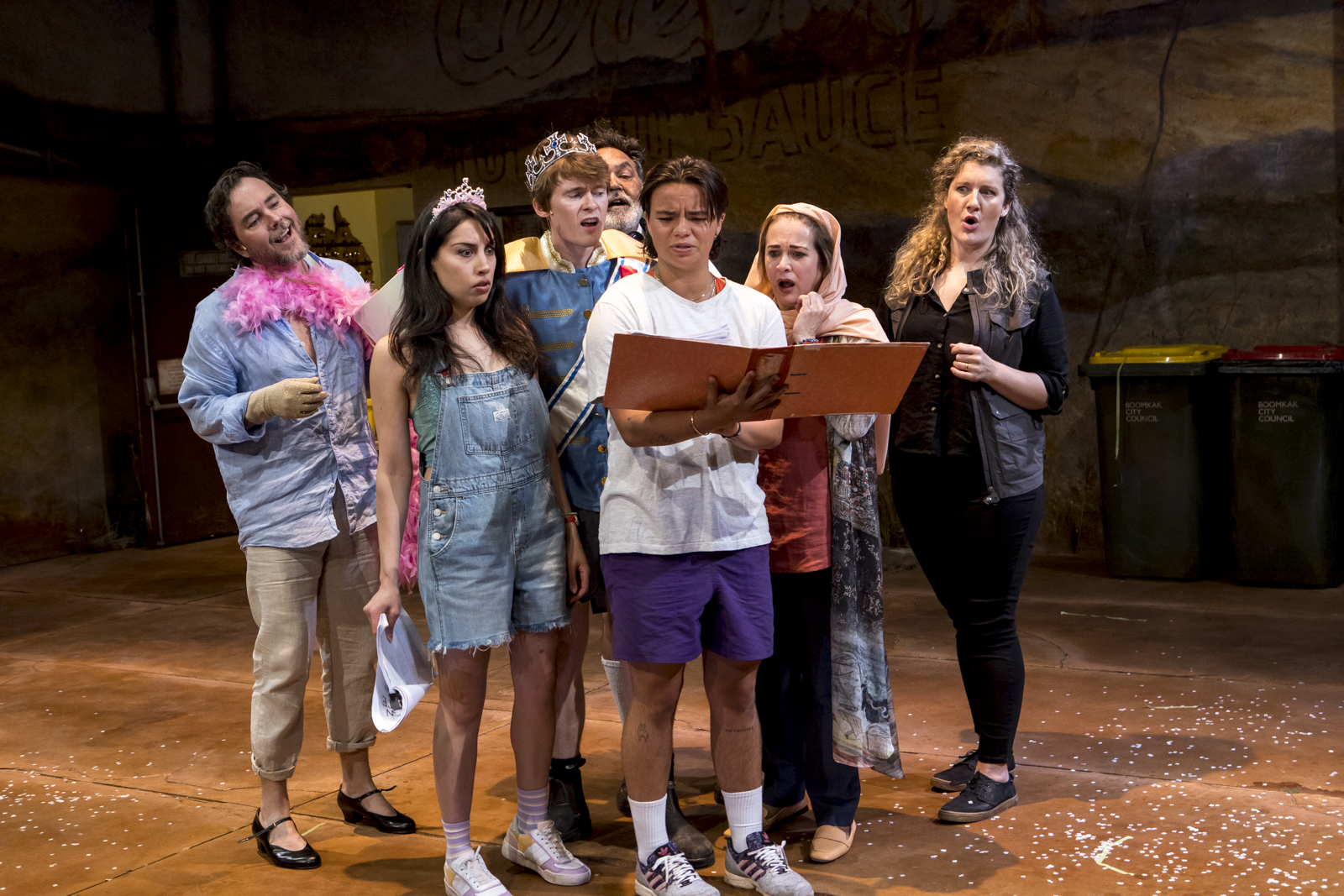
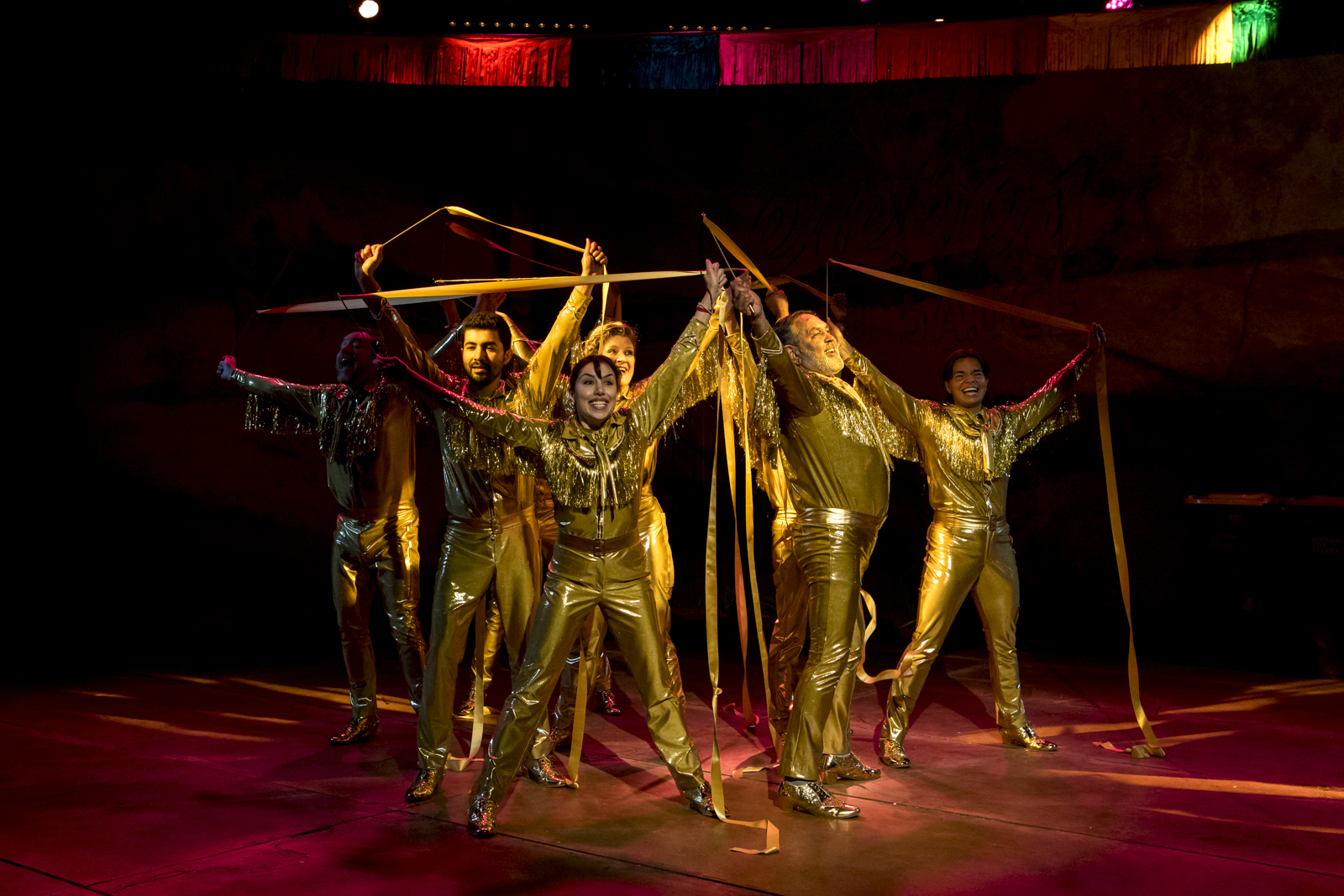
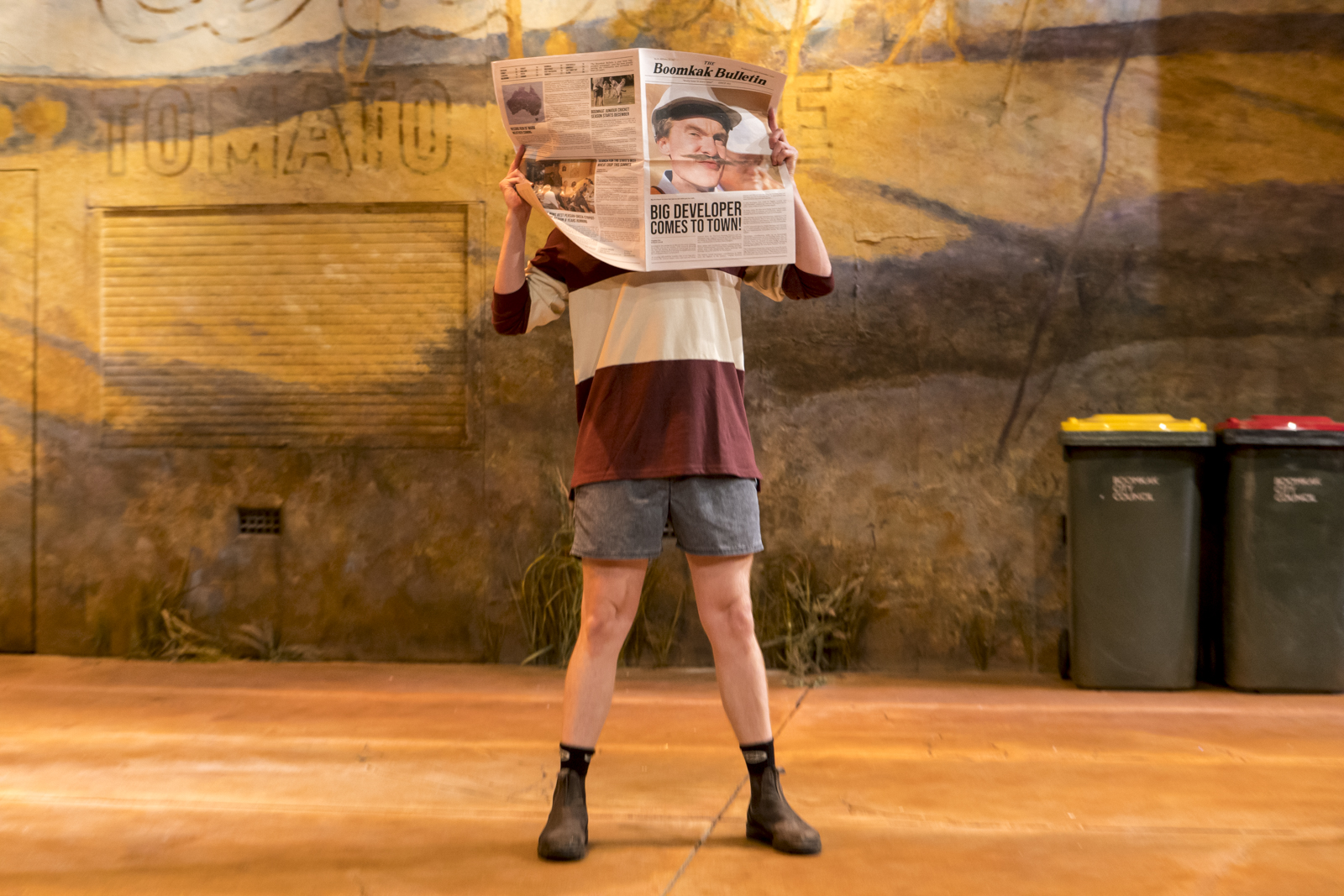
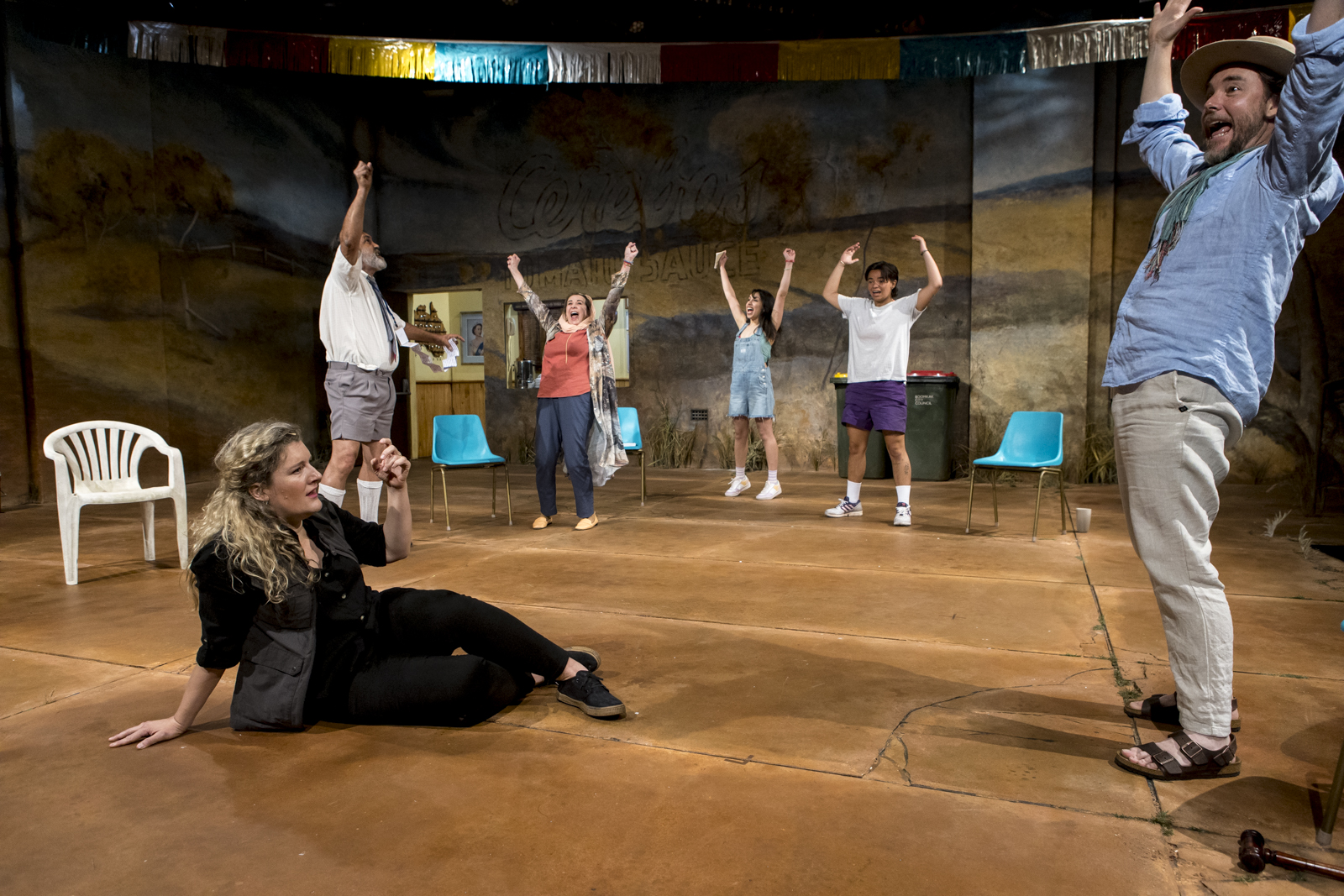
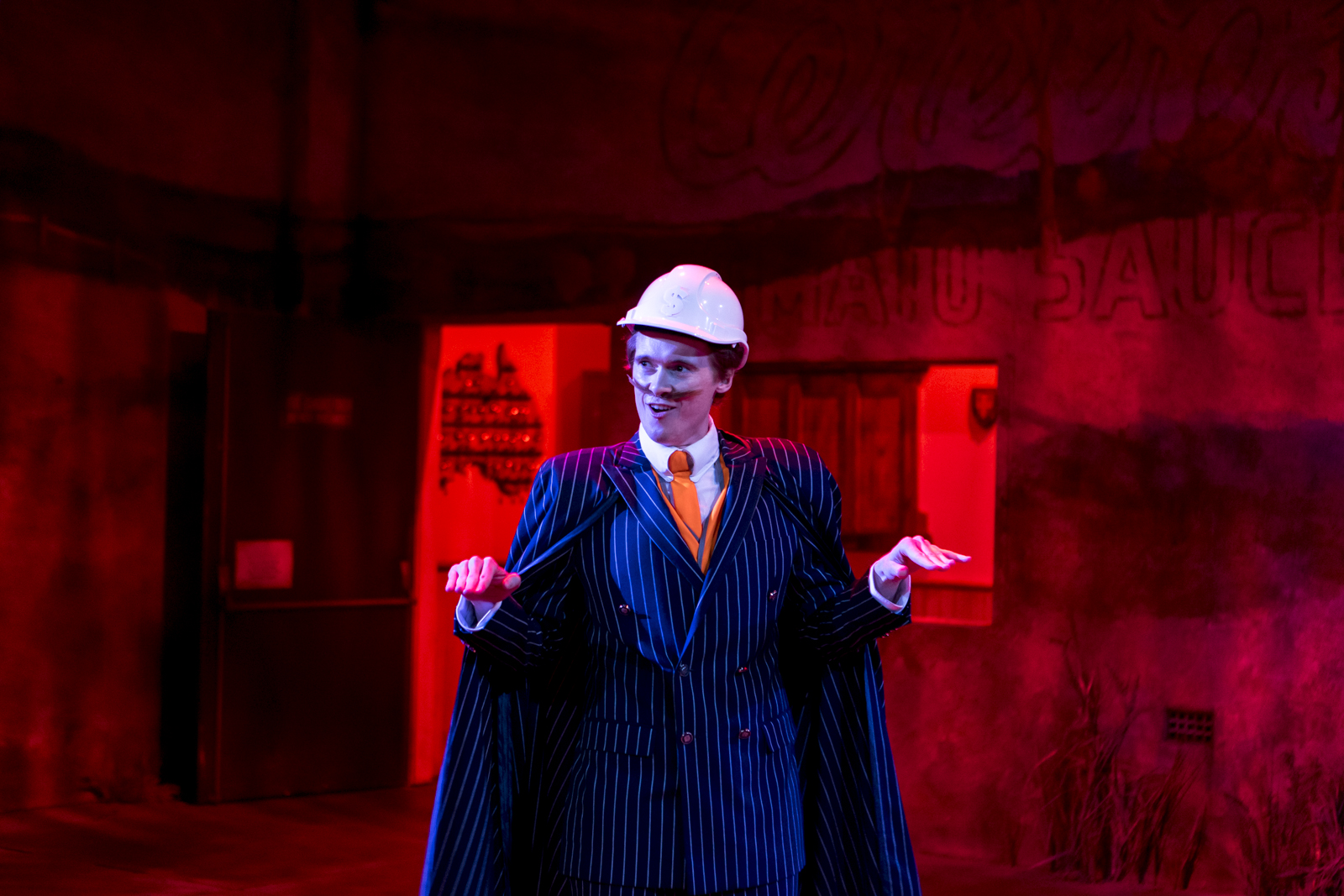
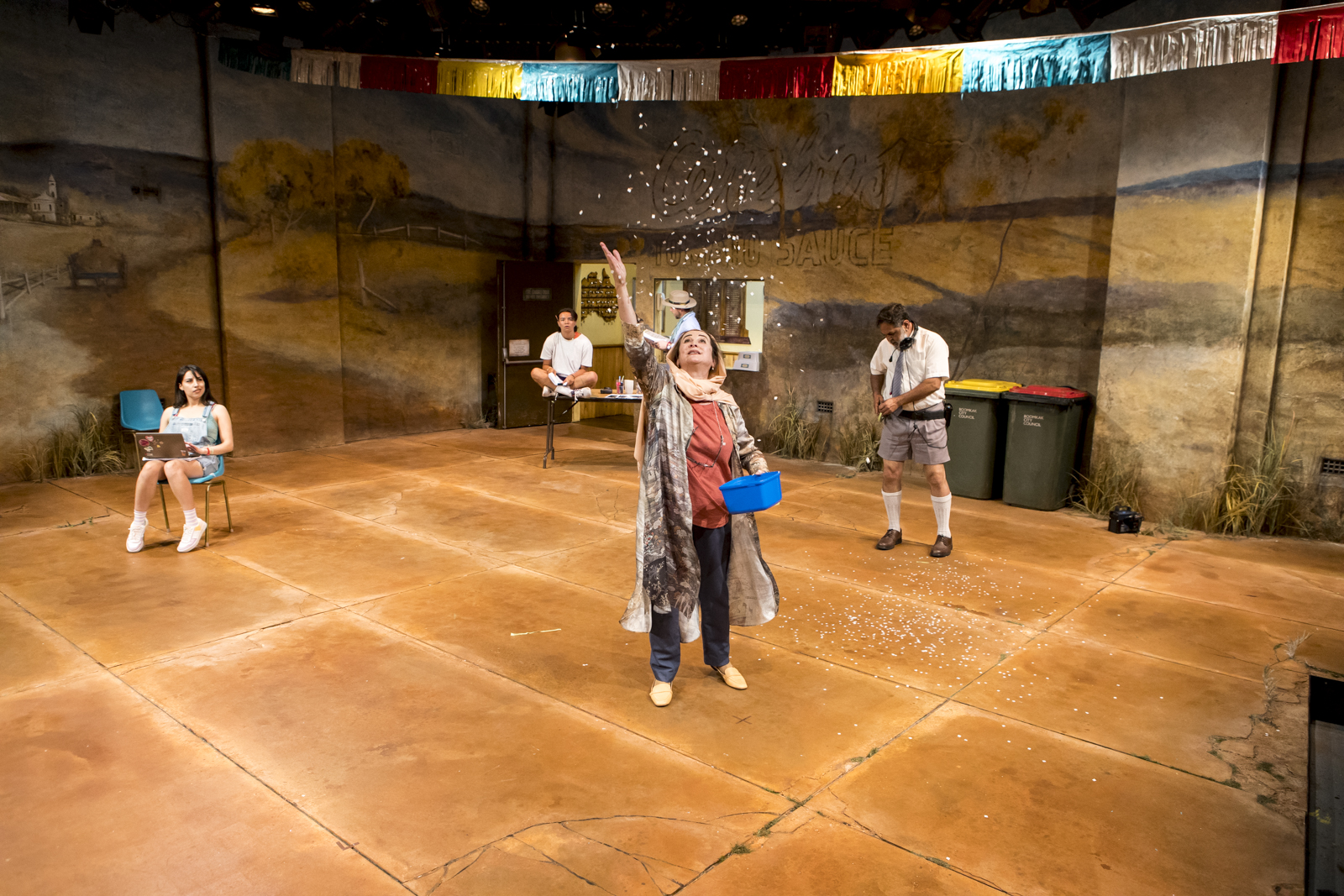
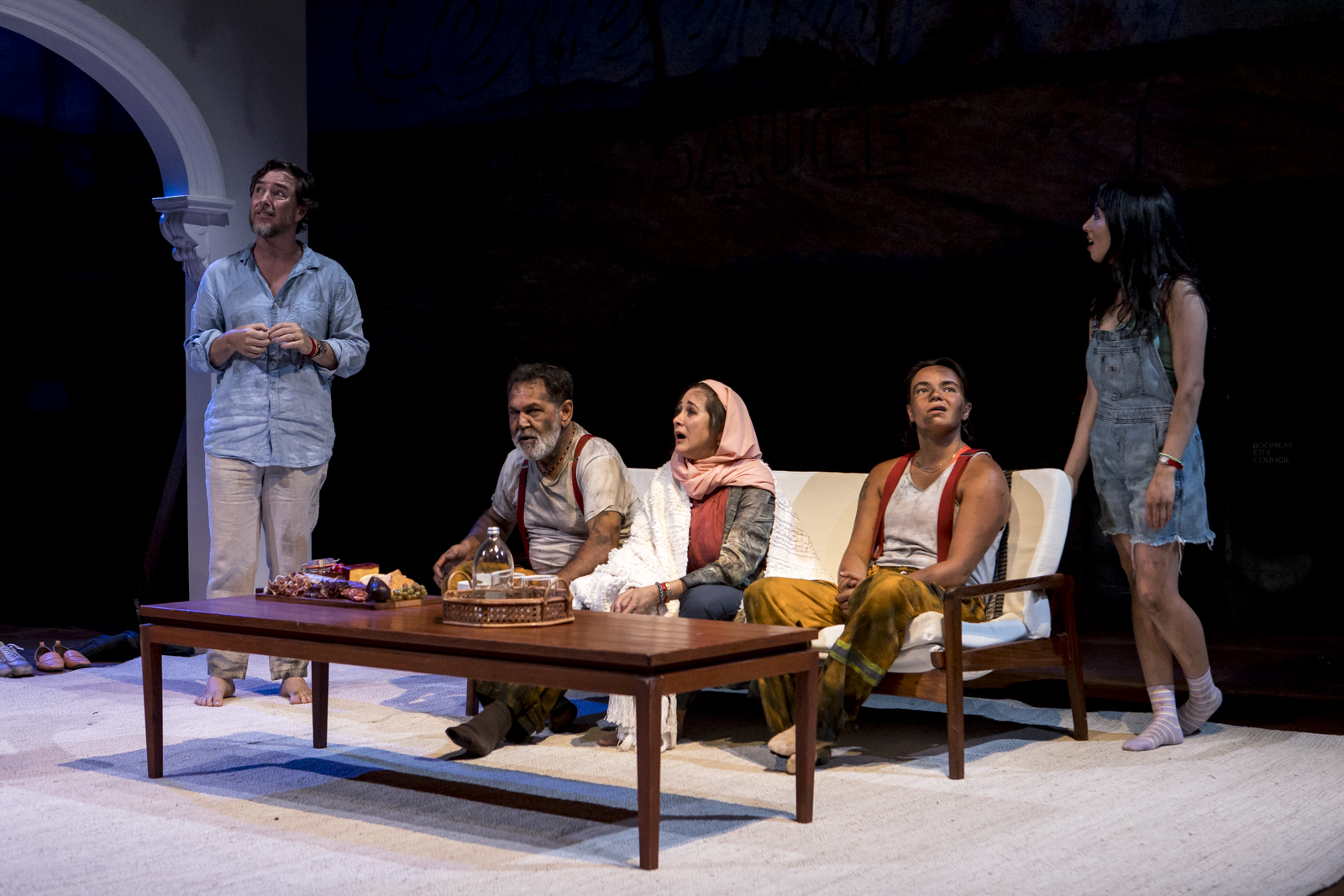
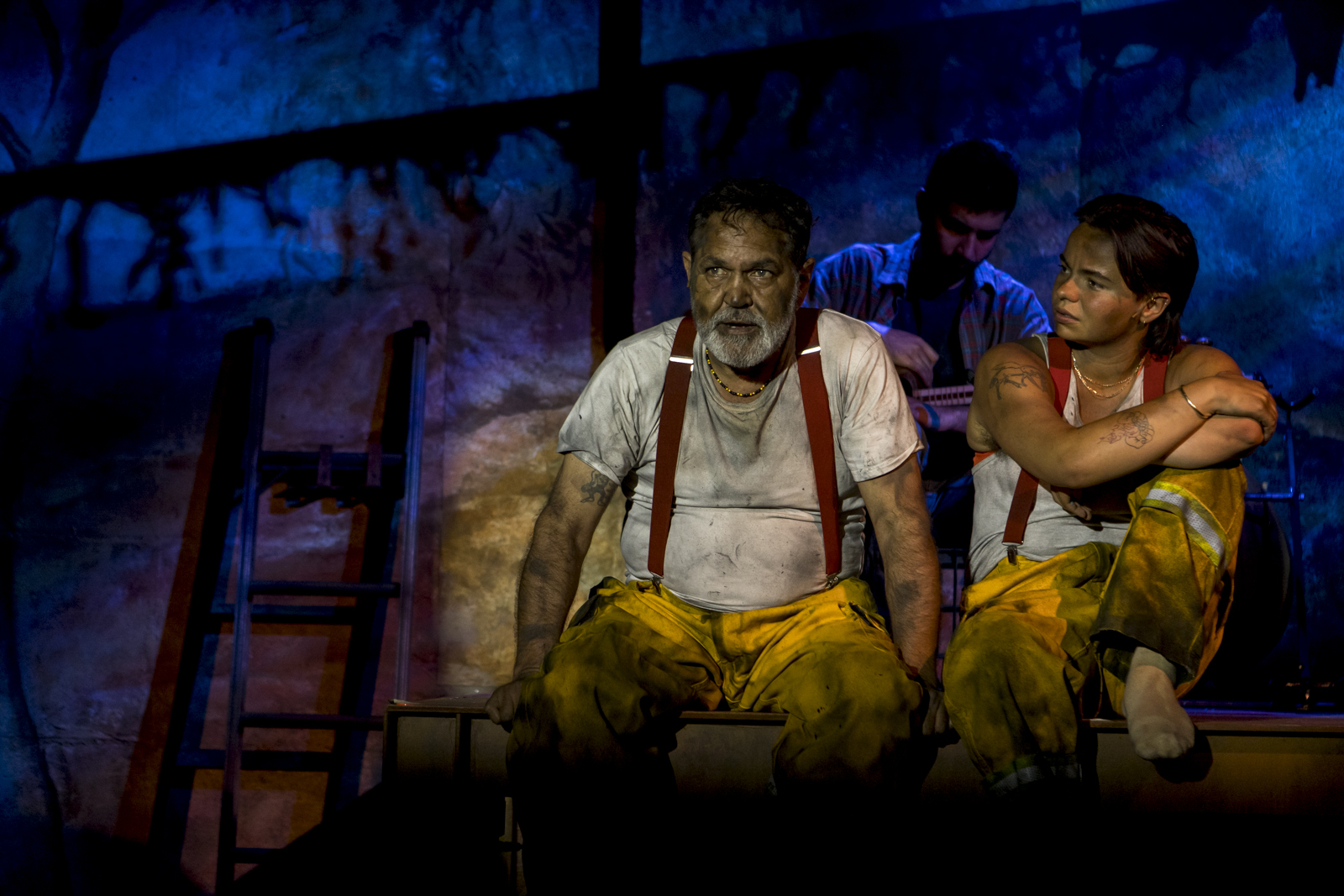
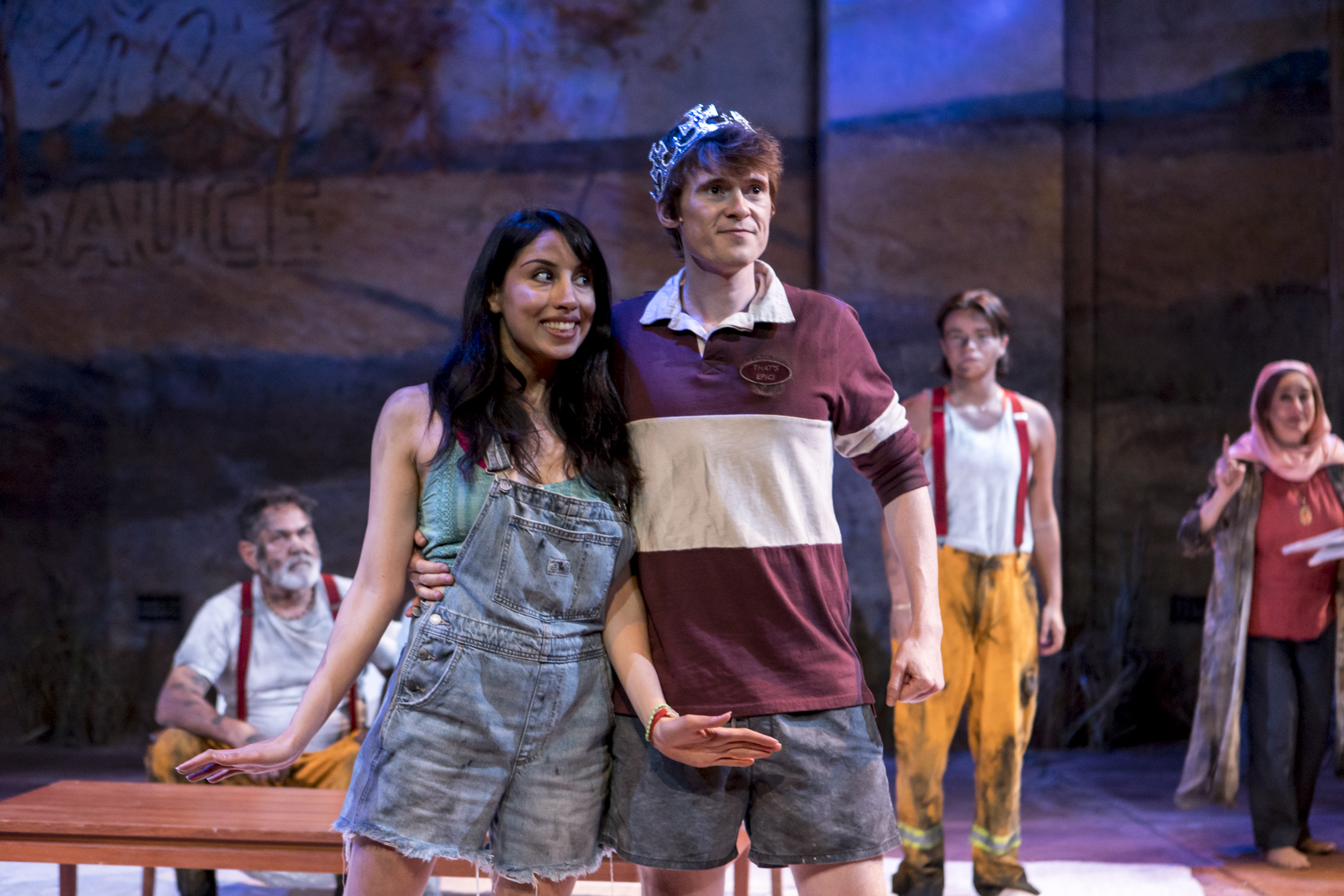
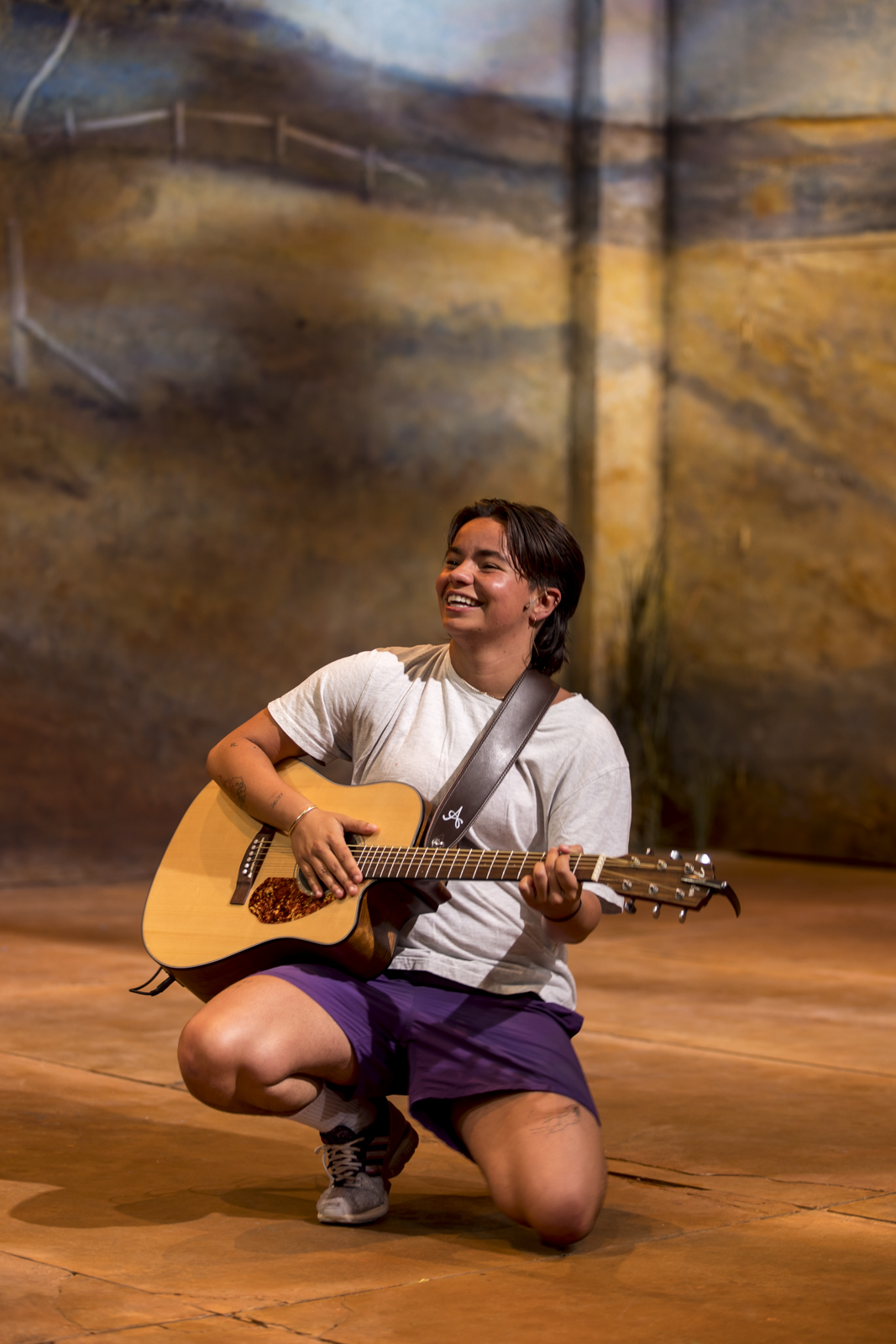
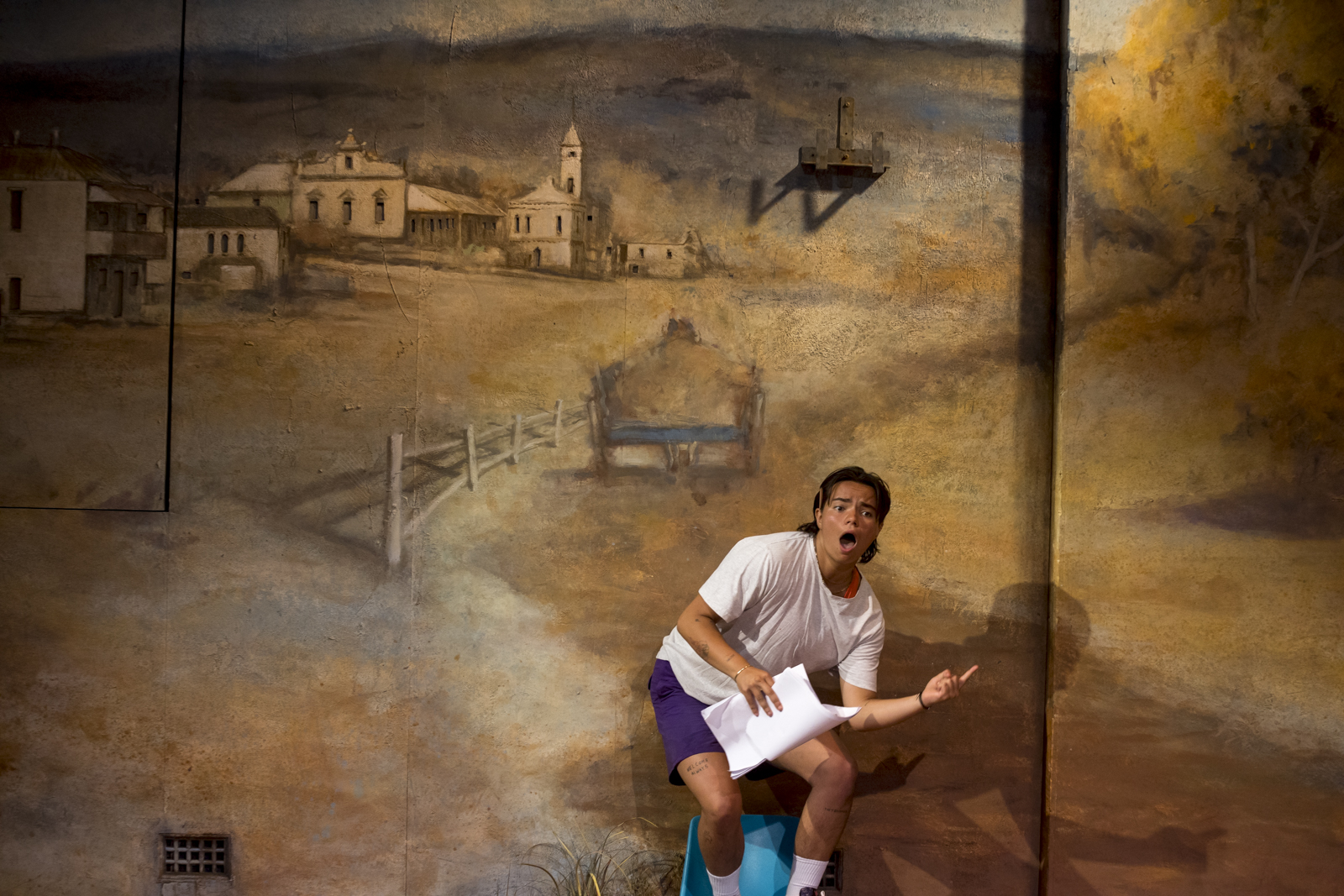
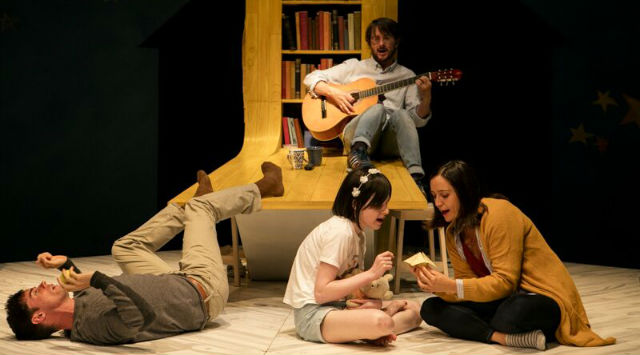
The show begins with a big city property developer descending upon the Australian country town of Boomkak, threatening to alter the way of life forever, in that archetypal sleepy village. Residents join forces, thinking that raising funds from staging a pantomime, would help them fight the evil mogul. Things make little sense in The Boomkak Panto, but the creators make no bones about finding inspiration from traditional children’s entertainment. Their presentation is loud and joyous, an appropriate awakening from 18 months of a pandemic induced slumber. It is celebratory in tone, and certainly feels quite frivolous to start, but Act 2 takes a more meaningful, if abrupt turn, to discussions about immigration and colonisation, along with gender and sexual politics.

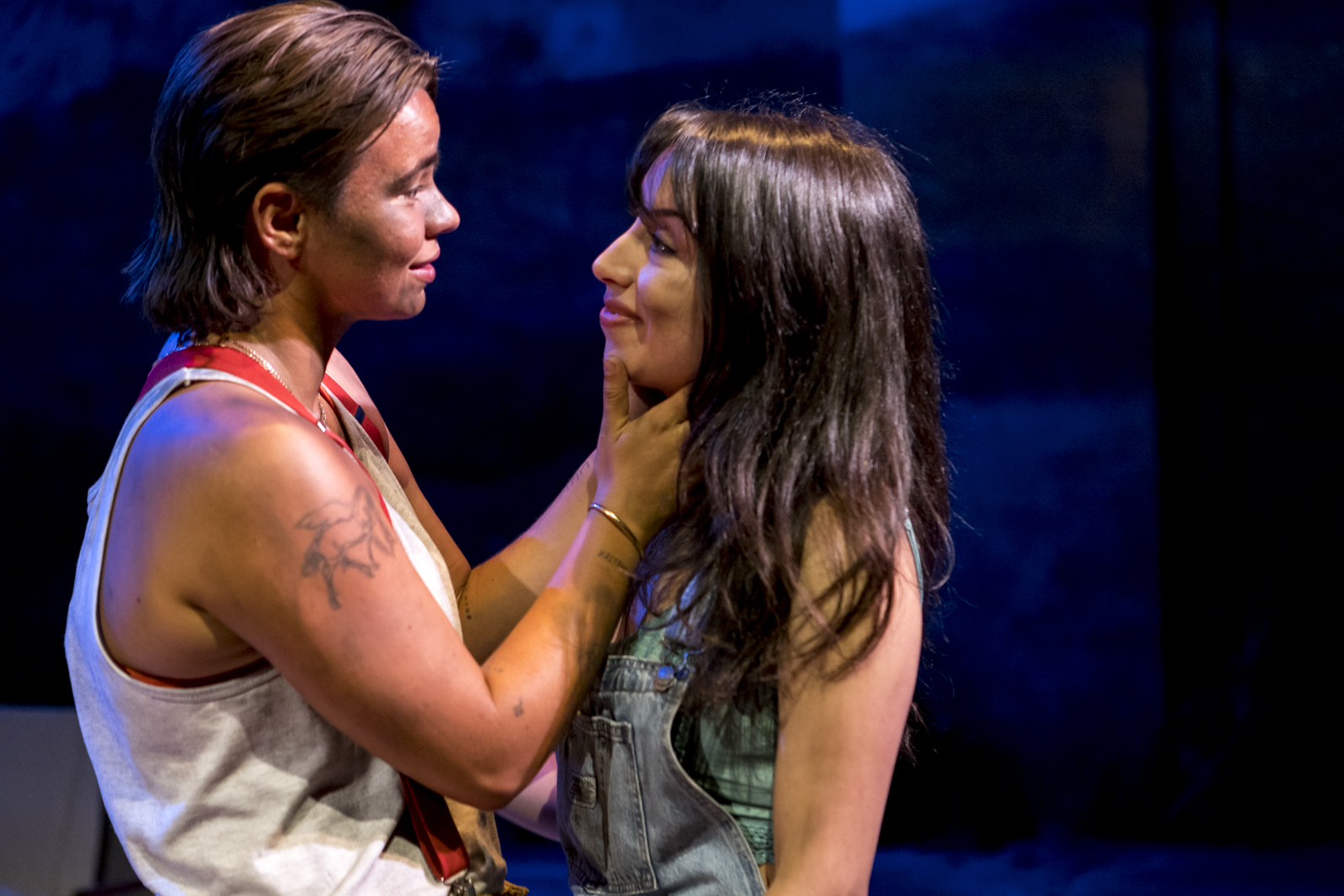
One of the characters, Zoe is in the process of coming out as non-binary, and their storyline becomes increasingly prominent, over the course. It is commendable that The Boomkak Panto chooses to deviate from its initial frothiness, to involve itself in important social discussions, but one wonders if a more cohesive approach could have been found, for an improved sense of harmony for the show’s various trajectories.

Writer Virginia Gay’s jokes are plentiful, ranging from corny to genuinely hilarious. A handful of songs by Eddie Perfect give the production a touch of class, although its use of classic pop tunes are no less effective. The clash between earnestness and irony in The Boomkak Panto can make for an awkward  theatrical experience, but is also necessary, in its explorations of white identity in this day and age. Whiteness is thankfully self-aware on this stage, but is also evidently unable to relinquish its persistent dominance. 

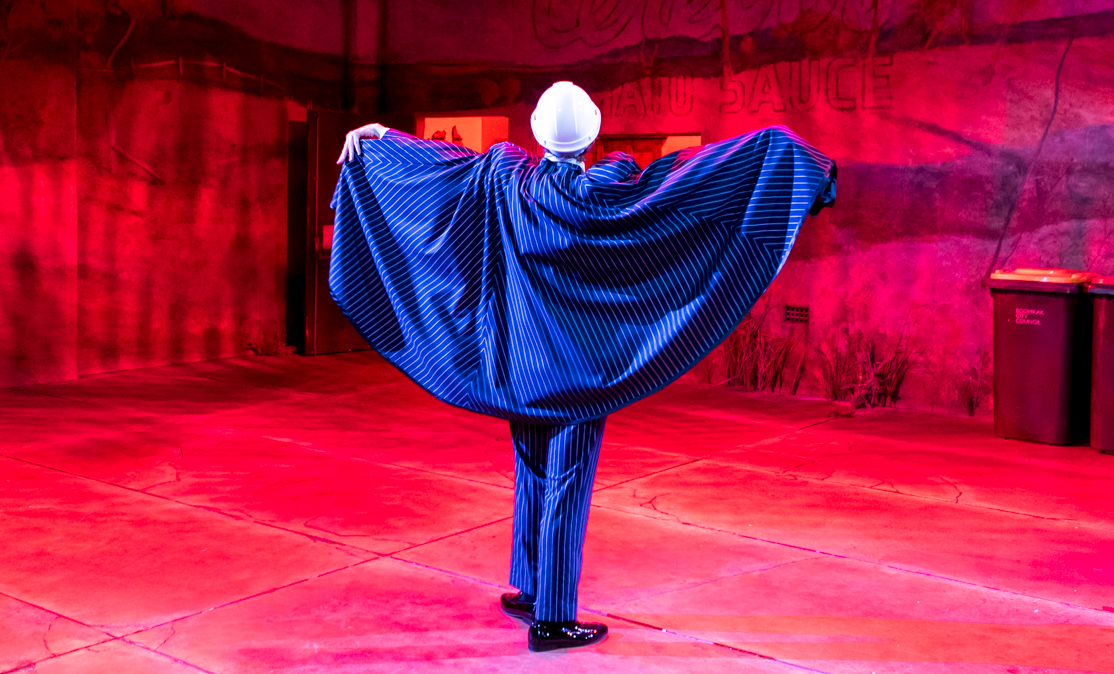
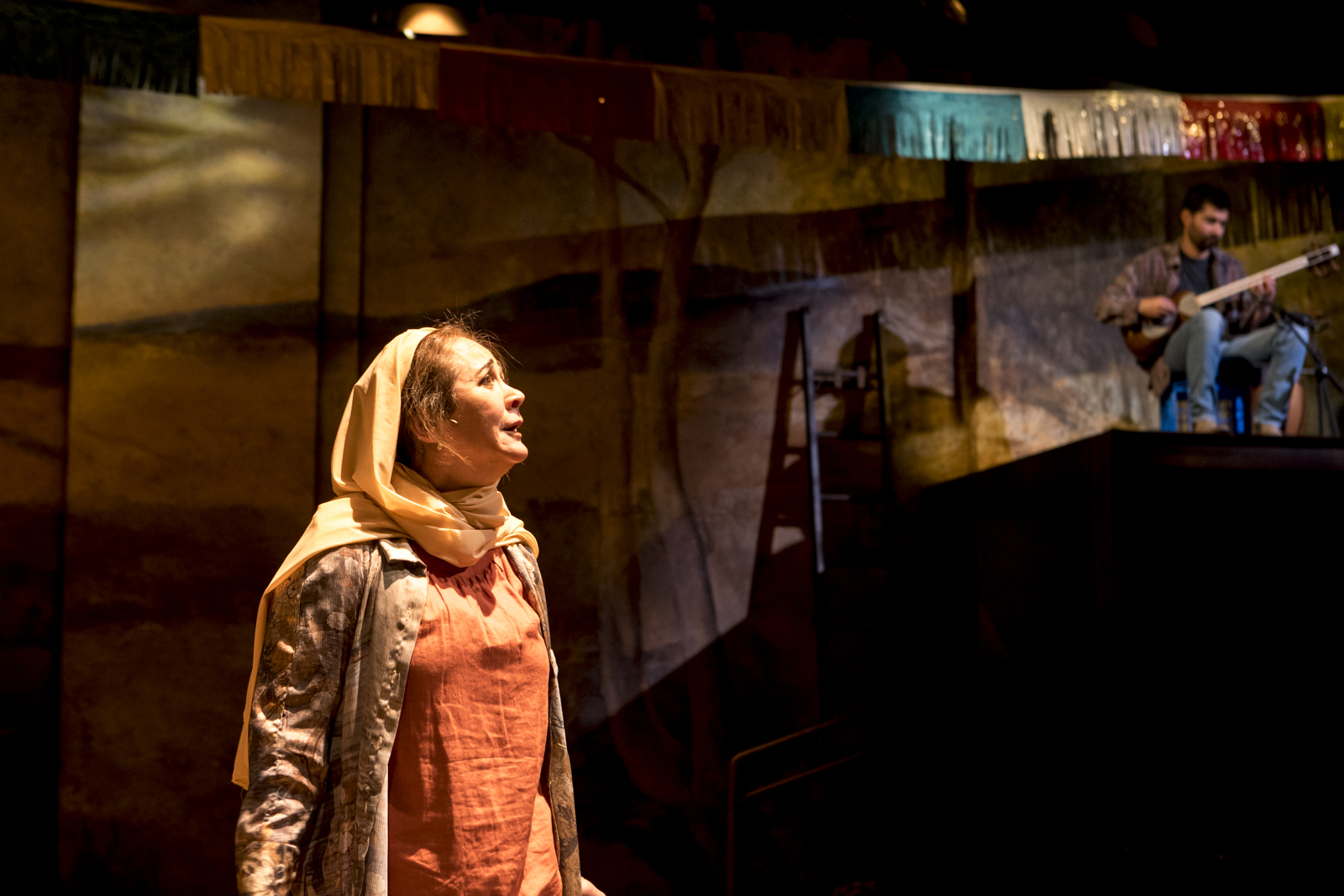
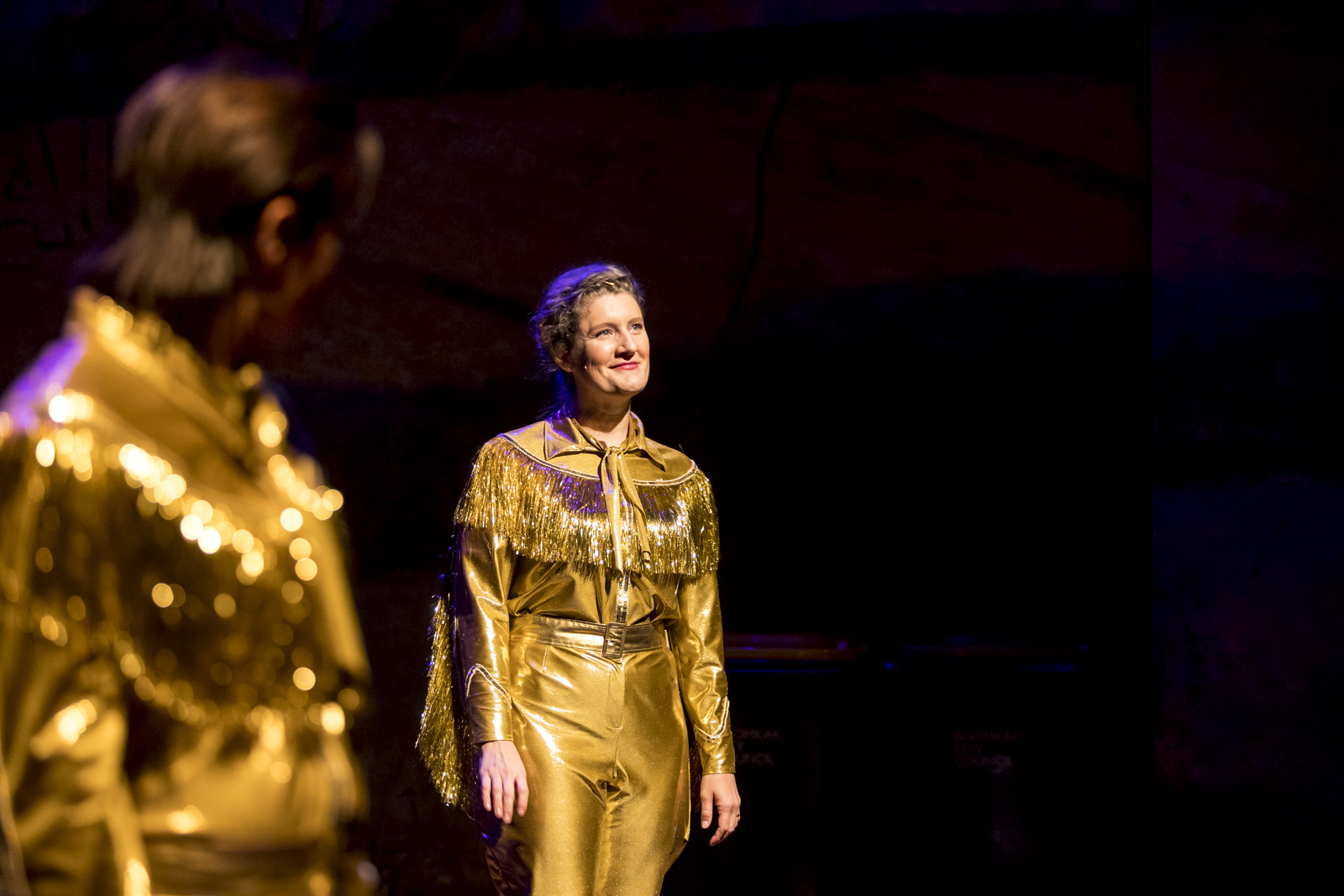
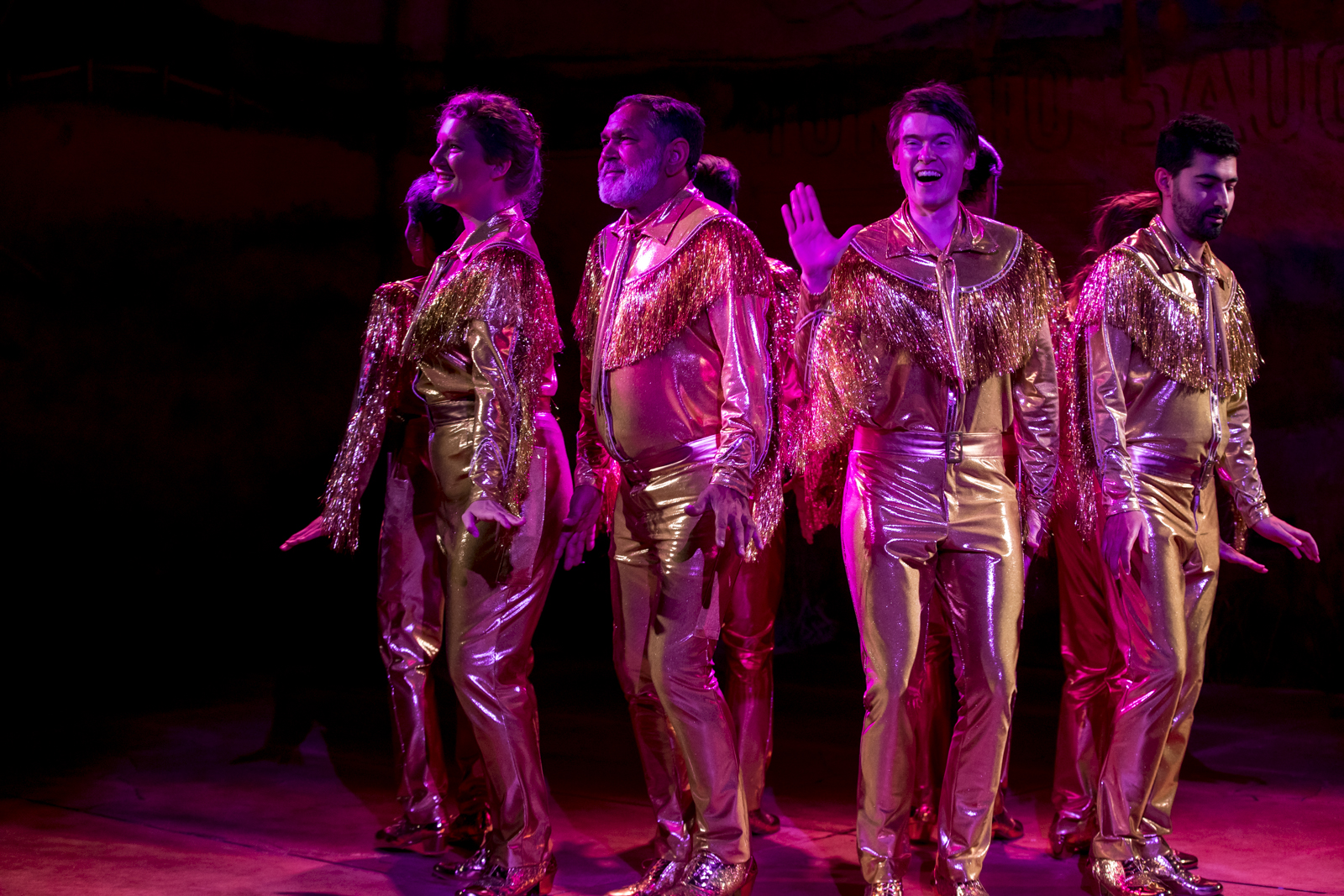
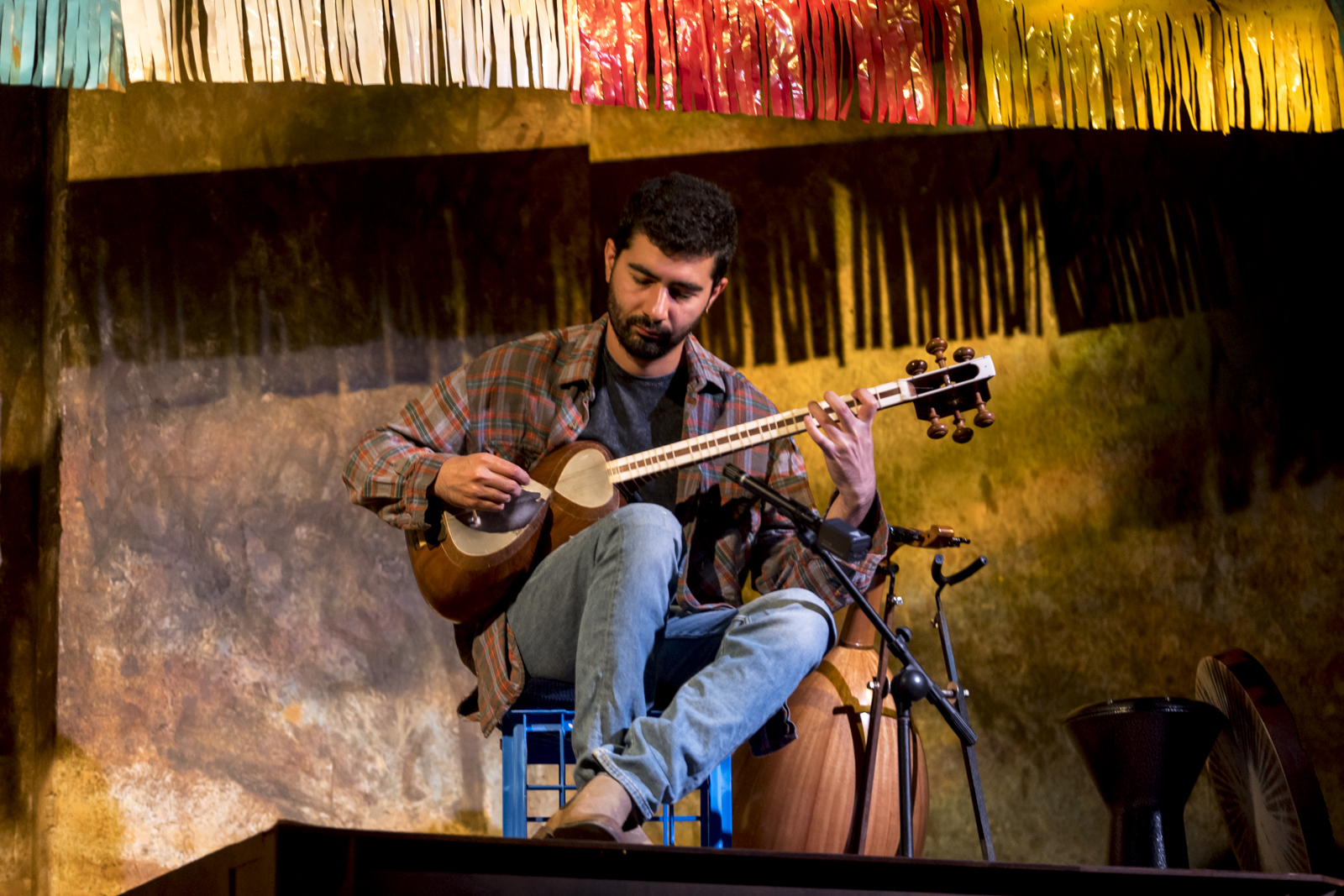
Directed by Richard Carroll and by Gay herself, the work offers great amusement, with energy levels sustained at an admirable height throughout the duration of 2.5 hours. Visually captivating, with sets and costumes by Michael Hankin, and lights by Jasmine Rizk giving us lots of bedazzling colour and movement. Zara Stanton’s musical direction, along with Kellie-Anne Kimber’s sound design, combine to deliver a rich auditory experience. Hamed Sadeghi’s live accompaniment on Persian instruments is a notable highlight, valuable in providing a “countercultural” dimension to what is deemed classic Australian music.

The aforementioned Zoe is played by Zoe Terakes, who brings impressive presence, and an enjoyable air of recalcitrance to their performance. Virginia Gay is very strong as Alison, especially in two big scenes where she occupies centre stage, memorable for her remarkable ebullience. Stealing the show is Rob Johnson who, as the central (property developer) villain and as local idiot Butch, uses toxic masculinity in its various guises to generate unremitting laughter. Johnson’s timing and sense of mischief, are an absolute joy.

In the pantomime world, everything is old and predictable. Young minds are shaped in traditional ways, to make sense of the world in accordance with the values of previous generations. In Boomkak, storytellers are trying to flip the script, not to cause havoc, but to make things right. We have made a habit out of marginalising one another, constantly finding ways to denigrate some, so that others might reap advantages. It is unclear if we can ever reach a point of true justice and fairness, but it is in that unrelenting pursuit , in that active search and insistence on doing better, that we can find ways to live with integrity. 

www.belvoir.com.au

Review: The Cherry Orchard (Belvoir St Theatre)

Venue: Belvoir St Theatre (Surry Hills NSW), May 29 – Jun 27, 2021
Playwright: Anton Chekhov (adapted by Eamon Flack)
Director: Eamon Flack
Cast: Peter Carroll, Priscilla Doueihy, Nadie Kammallaweera, Kirsty Marillier, Lucia Mastrantone, Mandela Mathia, Sarah Meacham, Josh Price, Pamela Rabe, Keith Robinson, Jack Scott, Charles Wu
Images by Brett Boardman

Theatre review
The Russian aristocracy as we had known them, were no longer to be, in Anton Chekhov’s The Cherry Orchard. Members of Ranevskaya’s household scramble around, filled with anxiety at the prospect of the old world’s demise, completely at a loss as to what to expect of the future, and how to continue existing as the inevitable begins to set in.
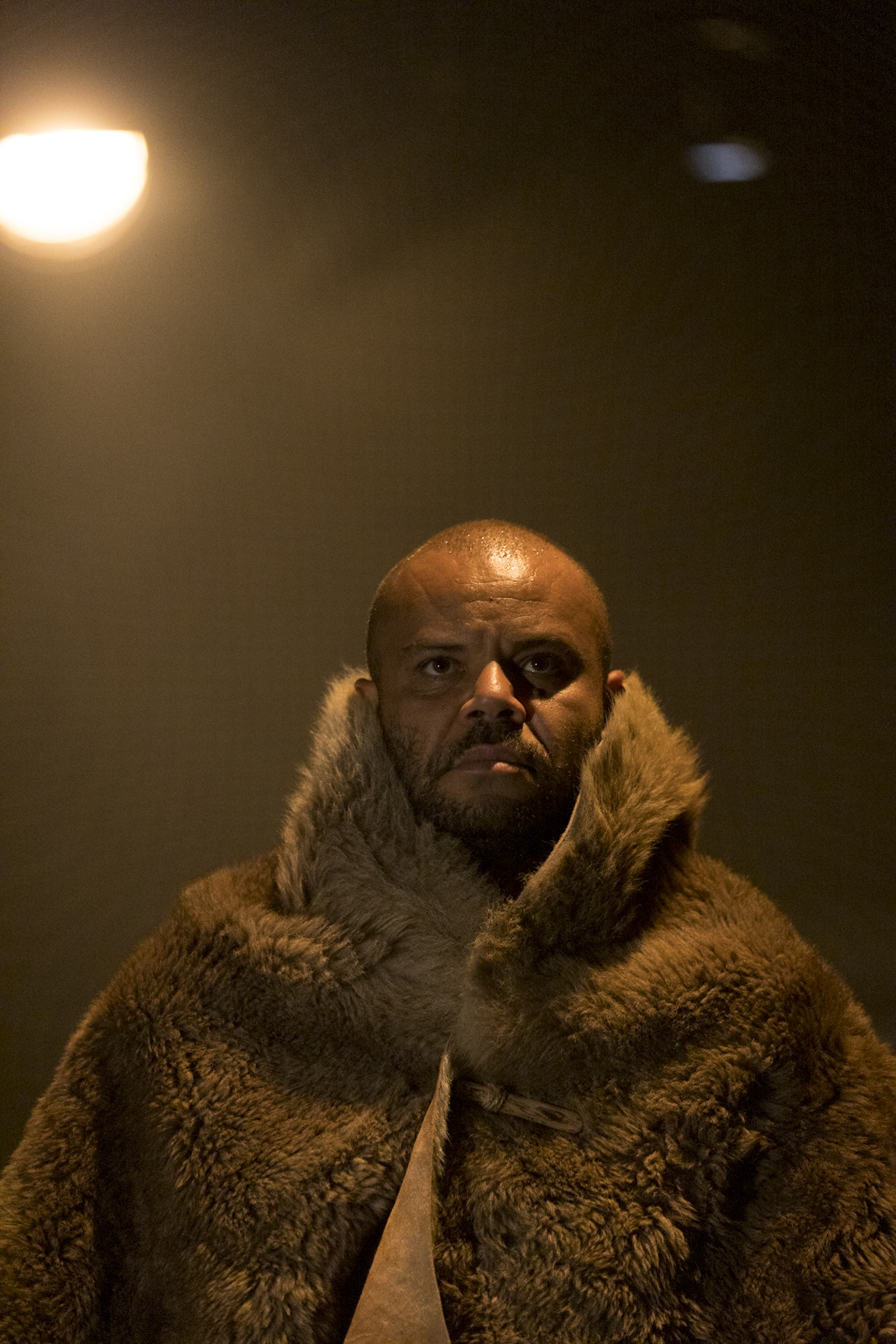
In director Eamon Flack’s 2021 version, the power transitions that occur in The Cherry Orchard are represented not only by the idealism of our young. An unmistakeable racial dimension is introduced, with the emergence of the middle classes expressed as a parallel dialogue, about the changing status of Australia’s people of colour.

It is a valiant attempt by Flack to breathe new life into the play. Aside from successfully locating a contemporary resonance for the old tale, he replaces early twentieth century naturalistic styles with a theatrical exuberance, that makes the show more appealing to today’s compromised attention spans. The freshly sharpened farcical tone is enjoyable, as are its efforts at broadening the scope of Chekhov’s work, to be inclusive of the marginalised, such as the LGBT community, and people living with disabilities.

Actor Mandela Mathia is captivating as Lopahkin, the businessman with a recent background of peasantry. Now riding on the wave of new money rising, the Black man is confident but still humble, which Mathia portrays with admirable exactitude. It is a precise and varied performance, from one who proves as likeable as he is compelling. The old white guards are exemplified in The Cherry Orchard by Ranevskaya, slothful and ignorant, but nonetheless well-intentioned. Played by Pamela Rabe, the role is appropriately comical, with an air of deteriorating glamour that becomes progressively fragile.

Funniest in the ensemble include Lucia Mastrantone, unforgettable as the kooky governess Charlotta, and full of mischief as she invents one trick after another. Charles Wu takes a more understated approach, but is no less hilarious as the incredulously suave Yasha, complete with perfectly timed hip thrusts, almost convincing us that it might be possible to bring sexy back to Chekhov.

Set design by Romanie Harper is surprisingly stark, but its clean lines and minimal approach deliver an elegant, if slightly nondescript vista. Harper’s costumes are more imaginatively rendered, with each character’s appearance distinctly and eccentrically conceived. Lights by Nick Schlieper provide a warmth that keeps us reminded of the notion of home, that is fundamentally embedded within this narrative about power and property. Stefan Gregory’s use of eclectic music styles bring valuable energy to the work, whilst establishing a sense of indeterminacy to time and place, that allows us to connect with The Cherry Orchard in personal ways.

A little more than a century after the completion of Chekhov’s final play, we find ourselves back at a point of disgraceful wealth disparity. What may have been a hopeful forecast of a new way of life, can now be seen to be overly optimistic. There is no doubt that things have improved on many fronts, but the inordinate concentration of wealth today at the top end of town, reveals the failure of efforts to redistribute wealth, and to alleviate poverty. People might no longer wish to call themselves aristocrats and peasants, but all we have to do, is to look at all the numbers, that never lie.

www.belvoir.com.au

Review: A Room Of One’s Own (Belvoir St Theatre)

Venue: Belvoir St Theatre (Surry Hills NSW), May 6 – 23, 2021
Playwright: Virginia Woolf (adapted by Carissa Licciardello, Tom Wright)
Director: Carissa Licciardello
Cast: Anita Hegh, Ella Prince
Images by Brett Boardman

Theatre review
It was almost a hundred years ago, when Virginia Woolf had given her lectures espousing the importance of championing women writers. Subsequently compiled and published in 1929 as an extended essay, A Room of One’s Own has since become a prominent work of twentieth-century feminist literature, providing language and concepts that have helped advance the cause.

Woolf’s meditations on liberation are, of course, much further-reaching than its immediate academic concerns. Finding ways to empower women writers, as we have discovered, involves an interrogation of how power is fundamentally distributed in our lives. These analyses about the people who do, and those who do not, have the space to think and write, generate a political discourse whereby women can contextualise their experience of freedom, or more likely lack thereof.

Adapted into a theatrical format by Carissa Licciardello and Tom Wright, we discover that Woolf’s words remain potent, even if her approach to these persistent issues can at times seem dated. We also observe that although much of how she had conveyed her thoughts, bear a passion that translates well to the stage, some of her writing is probably more effective when encountered in a book.

Performer Anita Hegh demonstrates a baffling super human memory, completely at ease with the enormous barrage of words she has to deliver. Her graceful gravitas creates for us, a version of Virginia Woolf who is engaging and persuasive, a formidable force of nature that lives up to our imagination, of what the legendary agitator could have been like in the flesh. Hegh’s work is extremely detailed, able to sustain our fascination with the intensity of her depictions, even in moments when one’s intellect falters at trying to keep up.

Licciardello’s direction of A Room of One’s Own introduces a substantial element of abstraction, to provide the show with a sense of elevation. In addition to what remains a lecture by Woolf, is a second performance space, a smaller cube in which a second actor Ella Prince is housed, as she manufactures physical augmentation to what is said and heard. These brief sequences are perfectly conceived, to add much needed theatricality, and to aide digestion of Woolf’s dense words.

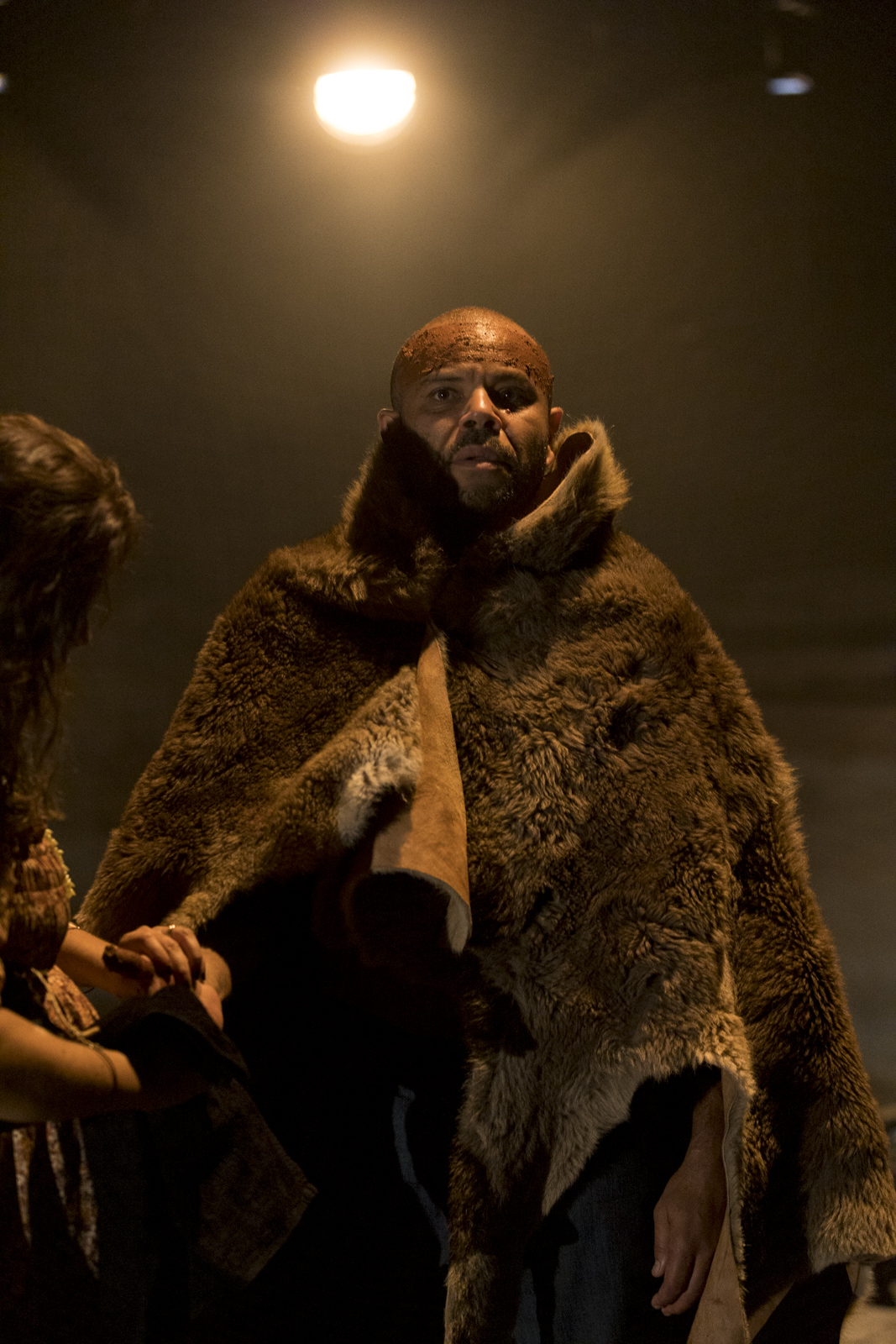
David Fleischer’s work on set and costumes, are technically proficient but also surprisingly sensual. Lights by Kelsey Lee too, are soft and almost romantic in quality. The visuals offer a valuable counterpoint, to the understandably militant tone of the text. Music by Alice Chance is luscious, maybe even dreamlike, and along with Paul Charlier’s uplifting sound design, our mind is maintained in a mode of inspiration, as we welcome Woolf’s passionate call for progress.

“500 pounds a year” is the author’s unmissable refrain, reflecting a way of looking at equality that places emphasis on giving to women, what men possess. In the new century, we learn that what men possess, is no longer that which represents a better way of being. Woolf implies that to be rid of menial tasks, is the only way for women to think, but she was wrong. Many of modern feminism’s greatest thinkers were/are never able to leave the trenches of patriarchal oppression.

It is appropriate that both performers in the show are white women. Although much of what Woolf has written is valuable, it comes from a position of privilege that the author was evidently unwilling to confront. There is a deceptive simplicity to her message, and a strong tendency to preserve structures that should be called thoroughly into question. All she wants it seems, is to swap male for female, in these old ways of running things. What we need is to admit that these very systems of running things, are a problem, no matter who occupies positions within.

www.belvoir.com.au

Review: Stop Girl (Belvoir St Theatre)

Venue: Belvoir St Theatre (Surry Hills NSW), Mar 20 – Apr 25, 2021
Playwright: Sally Sara
Director: Anne-Louise Sarks
Cast: Deborah Galanos, Sheridan Harbridge, Amber McMahon, Mansoor Noor, Toni Scanlan
Images by Brett Boardman

Theatre review
When Suzie returned from Kabul in 2011, it was the shock of the normal, that started her on an agonising downward spiral. In prominent Australian journalist Sally Sara’s semi-autobiographical playwrighting debut Stop Girl, Suzie is her doppelganger, through which stories of trauma and of healing, could be told. After years covering the war in Afghanistan, in addition to other disasters all over the world prior, Suzie intends to buy a home, ready to put down her roots in Sydney for a new phase in life. What greets her however, is a torrent of mental health disintegrations, preventing her from experiencing the comparative peace on this land, that the rest of us almost always takes for granted.

There is unequivocal passion and honesty in Sara’s writing, but an undue conventionality, in form and style, unfortunately delivers a show that can feel predictable and repetitive. Much has been written about post-traumatic stress disorder, often in more affecting ways, and although Sara’s critical need to share her story cannot be denied, Stop Girl sadly, brings nothing new to stories about the aftermath of war, that we have heard countless times before.

Directed by Anne-Louise Sarks, relationships between characters are conveyed with believability and warmth. There is a stilted quality to the delivery of dialogue, but each personality in the play is convincingly depicted, even though the production never quite attains the level of naturalism that it aspires. Stop Girl has a simple point to make, about the lack of care for those returning after having made unimaginable sacrifices, and Sarks leaves us fully persuaded.

In the lead role is actor Sheridan Harbridge, who comes to life when Suzie falls into a state of psychological torment, allowing us valuable insight into the workings of severe upheaval on the human mind and body. Best friend Bec is played by a spirited Amber McMahon, offering an effective point of reference and contrast, that demonstrates the degree to which our protagonist has deteriorated. Mansoor Noor is memorable as Suzie’s resilient fixer and producer Atal, an important embodiment of our responsibilities towards those in war-torn countries. Also very accomplished are Deborah Galanos and Toni Scanlan, both performers showing admirable commitment to their parts as psychologist and mother, respectively.

Intermittent video projections documenting Susie’s memories of Afghanistan, created by Jack Saltmiras and Susie Henderson, bring a sense of dynamism to the presentation. Music by Stefan Gregory and Hamed Sadeghi, are reliable in manufacturing swift transformations of atmosphere, and along with Paul Jackson’s lights, take us succinctly through each dramatic fluctuation of Susie’s emotional journey. Robert Cousin’s set design is elegant if slightly unambitious, and Mel Page’s costumes offer thoughtful solutions for a production that looks appropriately understated.

Keeping the Australian people ignorant, is advantageous for big business and career politicians. The less we know, the better. When we are in the dark, we can be sold anything they want. Journalists who go against all odds, risking life and limb, to bring us the whole and awful truth, are our unsung heroes. When they are no longer able to contribute, it appears that we discard them, on a metaphorical human trash heap, courtesy of our endlessly intensifying obsession with a capitalistic way of life. Even when we know that all humans have a use-by date under this system of running things, we do little to save ourselves from this inevitable consequence. All we have, is to prescribe to capitalistic principles of “every man for himself”, to be selfish and to hoard, should we hope to live with any dignity in our final days. For those who wish to do better, their concluding scenes, it seems, are likely to be grim.

www.belvoir.com.au

Review: My Brilliant Career (Belvoir St Theatre)

Venue: Belvoir St Theatre (Surry Hills NSW), Dec 5, 2020 – Jan 31, 2021
Playwright: Kendall Feaver (based on the novel by Miles Franklin)
Director: Kate Champion
Cast: Blazey Best, Jason Chong, Tom Conroy, Emma Harvie, Tracy Mann, Nikki Shiels, Guy Simon
Images by Brett Boardman

Theatre review
The play begins with Sybylla making unapologetic pronouncements, declaring that this is all going to be about herself. Miles Franklin’s 1901 novel My Brilliant Career, features a feisty woman in a man’s world, and although the story takes place during what we now acknowledge as being the first wave of feminism, Sybylla seems terribly alone in her defiance. In the Australian outback, the teenager dreams of an existence beyond marriage and child-bearing, and for some inexplicable yet gratifying reason, we discover that unlike all the other women in her life, Sybylla finds the hubris to see things through.

The old-fashioned tale is rejuvenated by playwright Kendall Feaver, who manufactures engaging scenes for her stage version. Although frustratingly conservative in style and vision, it is nevertheless a compelling portrait of a radical young woman from our fabled past. Kate Champion directs with excellent humour, buoyed by an infectious and irrepressible sense of playfulness. Production design by Robert Cousins is restrained, but effective in helping us keep focus on characters and relationships. Occasional dazzling manoeuvres by lighting designer Amelia Lever-Davidson, deliver an enjoyable theatricality, as do composer Chrysoulla Markoulli and sound designer Steve Francis, who prove themselves cheeky collaborators with the whimsy that they so cleverly inject.

Actor Nikki Shiels too is adept at playing with irony, as she successfully bridges the many decades, between the original conception of the protagonist and our modern times, with a memorable sass and confidence. Shiels’ passion fills the space, allowing us to connect with the uplifting and spirited qualities of Sybylla. It is a strong supporting cast that we encounter, with a notable Guy Simon, whose romantic rendition of a love interest is effortlessly convincing and quite splendid, and Tracy Mann who steals the show with all of her roles, each one considered and arresting.

My Brilliant Career offers nothing new, yet the resonances it provides, are disarmingly powerful. After all these years, we can still recognise that so many Australian women face the same problems, as though we are stuck in the 19th Century. We still talk about how we can “have it all”, and we still think it extraordinary and audacious that a whole story can be told about our hopes and dreams. Of course, in many ways, we have progressed, and feminism has improved many things, but there must be something about us that is trapped in the past, when we notice Sybylla’s story striking a chord.

www.belvoir.com.au

Review: Shepherd (Aya Productions)

Venue: Belvoir St Theatre (Surry Hills NSW), Feb 19 – Mar 7, 2020
Playwright: Liam Maguire
Director: Liam Maguire
Cast: Mark Paguio, Cecelia Peters, Rose Riley, Adam Sollis, Grace Victoria, Jacob Warner
Images by Matt Predny

Theatre review
Anna is sort of a charismatic cult leader, but she would of course never call herself that. Inside what might be termed a wellness facility, we meet a group of seekers, overwhelmed with a sense of inadequacy, anxiety and narcissism, trying to attain a state of bliss, by surrendering themselves to the teachings of their Gwyneth Paltrow lookalike guru. Liam Maguire’s Shepherd is a self-effacing meditation on the disquiet of modern existence, with characters full of neurosis presenting a sardonic theatre that appeals to our most cynical selves.

Operating as both playwright and director, Maguire’s idiosyncratic humour shines through for a quirky style of show, delivering big laughs as well as ample opportunity for intellectual engagement. His mischievous approach reveals the people we have become, in what is now one of the world’s richest countries; seeing ourselves represented as complete idiots, is actually highly rewarding.

Although not an extravagant production, lights by Martin Kinnane and sound by Sam Maguire, work together to provide a polish that reflects the sophistication underpinning Shepherd. Their efforts combine to shift tensions and tone between each scene, so that we interpret the action from varying heights of comedy and drama, letting us in on the play’s intentions, in subtle subliminal ways.

The cast is extraordinarily funny, including a deadpan Adam Sollis, who as Mark utters just four words, but whose depictions of wilful ignorance proves unforgettable. Anna is played by Grace Victoria, who portrays quiet malice with a powerful sarcasm, and captivating flamboyance. Also very ostentatious is Cecelia Peters, an energetic and meticulous performer, whose exquisite timing and high campery as Elsa is a delicious highlight. Mark Paguio’s overwrought earnestness leaves a remarkable impression, for an irresistibly hilarious take on lost souls and their confused desperation. Rose Riley and Jacob Warner play a quarrelling couple, both actors intense and wonderfully ironic with the parody of romance that they bring to the stage,

Anna exploits these bewildered sheep, gaining money and power from those eager to give up agency and indulge in the comfort of blindly following a false god. The world can make us acutely aware of personal shortcomings, even though these ideas of lack, are rarely genuine. We need to learn to switch perspectives, and see that it is the economy and the ways we run society that are at fault. The structures we subsist under fail to accommodate our nature, and makes us feel as though we are the ones to be blamed for not being able to cope. It then sells us solutions to problems of its own creation, and sets us on a perpetual cycle of frustration and dissatisfaction. When we recognise that the system is not serving our purpose, radical measures must be taken.

www.ayaproductions.com.au

Review: Jesus Wants Me For A Sunbeam (Belvoir St Theatre)

Venue: Belvoir St Theatre (Surry Hills NSW), Feb 6 – Mar 8, 2020
Playwright: Steve Rodgers (based on a novella by Peter Goldsworthy)
Director: Darren Yap
Cast: Valerie Bader, Emma Jackson, Mark Lee, Liam Nunan, Grace Truman, Matthew Whittet
Images by Brett Boardman

Theatre review
Linda and Rick are a young couple in love, full of hope for the future, and like many who had come before, they decide to have children. In Peter Goldsworthy’s Jesus Wants Me For A Sunbeam (adapted for the stage by Steve Rodgers), it is that collision of optimism and the inevitable harshness of real life that comes to the fore, when a happy family of four is met with the curse of a terminal illness.

The play is predictably emotional, with Darren Yap’s direction making no apologies for the extremely sentimental tone that his production takes. Death however, may seem a more vacillating topic than the show might suggest. As we watch the Pollards go through turmoil, finding ways to deal with the impending passing of a beloved, Jesus Wants Me For A Sunbeam exposes the surprisingly disparate attitudes we may hold, for a completely universal experience. It becomes obvious that because we so rarely talk about death, that we almost never have opportunities to create consensus, so it only makes sense that personal beliefs can vary greatly in relation to the topic.

Characters inhabit a relentlessly dark space, and the trauma being presented feels authentic, even if one does not share in the Pollards’ persuasions about the afterlife. The cast is uniformly strong, impressive with the chemistry they harness as an ensemble, able to give a sense of elevation to some very simple personalities. Actors Liam Nunan and Grace Truman are memorable as the children, passionate and intense with their portrayals of interrupted innocence. Emma Jackson and Matthew Whittet are their parents, both full of conviction, and remarkably elegant in their approaches for this unabashedly stirring work. Valerie Bader and Mark Lee take on a range of senior roles, precise and marvellously deliberate with what they bring to the stage.

Also noteworthy is Emma Vine’s set design, offering considerable versatility and easy scene transitions, whilst remaining pleasing to the eye. Verity Hampson’s lights, along with music and sound by Max Lambert and Sean Peter, ensure that the audience is drawn into the tragedy, through tenacious engagement of our senses.

Death can be thought of as more than a mournful occurrence. In fact, some think of it as a welcome end to suffering. In the lightness of romance, Linda and Rick create new life, unafraid of all the hardship that is sure to come. In sickness, one is made to confront mortality, with fear and sadness invariably becoming part of that process. Along with having to say a long goodbye to loved ones, it is perhaps the uncertainty about what happens thereafter, that causes the greatest despair. We may differ in how we regard the nature of death, but the beauty of life that we have all witnessed, does not have to end when the lights are turned off for the last time.

www.belvoir.com.au | www.riversideparramatta.com.au/NTofP

Review: Kasama Kita (Aya Productions)

Venue: Belvoir St Theatre (Surry Hills NSW), Nov 20 – Dec 7, 2019
Playwright: Jordan Shea
Director: Erin Taylor
Cast: Kip Chapman, Jude Gibson, Kenneth Moraleda, Monica Sayers, Teresa Tate Britten

Theatre review
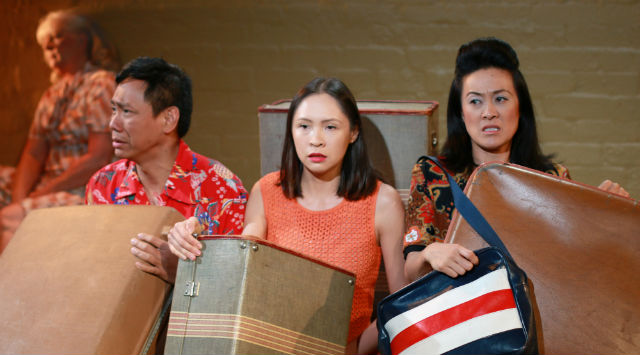
It is 1974, and we follow three student nurses, as they leave the chaos of Marcos’ Philippines, for Whitlam’s newly progressive Australia. Jordan Shea’s Kasama Kita is a look at success stories of the Asian migrant experience, featuring colourful characters making unexpected and diverse journeys, in the land of their adopted country. Perhaps inevitable with its focus on adversity, Kasama Kita is however, remarkably humorous, and fascinating in its depictions of the different ways in which individuals are able to be of value to society.

The play’s unmistakable sentimentality is showcased powerfully by director Erin Taylor, who does not shy away from moments of melodrama. Its comedy too, is vigorously explored to deliver thoroughly satisfying entertainment, as it works simultaneously, on a separate quieter level, for a more heartrending result. Design aspects are fairly minimal, but the production’s subtle approach for sound and visuals, proves effective in keeping us attentive and emotionally invested.

In the role of Nancy is Monica Sayers, whose strong presence provides a sense of gravity to the model citizen narrative. Teresa Tate Britten plays the less honourable but equally impressive Cory, with excellent sass and dignity. Memorable, and very endearing, is Kenneth Moraleda who brings on the laughs as Antero, wonderfully authentic in his proud portrayal of a gay Filipino. Kip Chapman and Jude Gibson are delightful in multiple parts, both actors highly accomplished and full of conviction with all that they put on stage.

After 45 years, Nancy, Cory and Antero are still required to justify their place as Australians. Their achievements have far exceeded expectations, including their own, but their legitimacy still feels questioned, by a colonial establishment that itself struggles to be persuasive with its own validity. We can get into all kinds of discussions about prejudice and injustice, as we have done for many lifetimes, but it is evident that for as long as we do not adequately address the issue of land rights and ownership, all talk that pertains to race can only be rendered erroneous. If only 3% of Australians are Indigenous to this land, the 97% of us needs to find new ways to understand our positions here, in relation to the rightful custodians who must, for the foreseeable future, always be centred and prioritised.

www.ayaproductions.com.au