Review: Coriolanus (Bell Shakespeare)

Venue: The Neilson Nutshell (Sydney NSW), Jun 20 – Jul 19, 2025
Playwright: William Shakespeare
Director: Peter Evans
Cast: Jules Billington, Peter Carroll, Septimus Caton, Marco Chiappi, Suzannah McDonald, Ruby Maishman, Joshua Monaghan, Gareth Reeves, Matilda Ridgway, Hazem Shammas, Anthony Taufa, Brigid Zengeni
Images by Brett Boardman

Theatre review
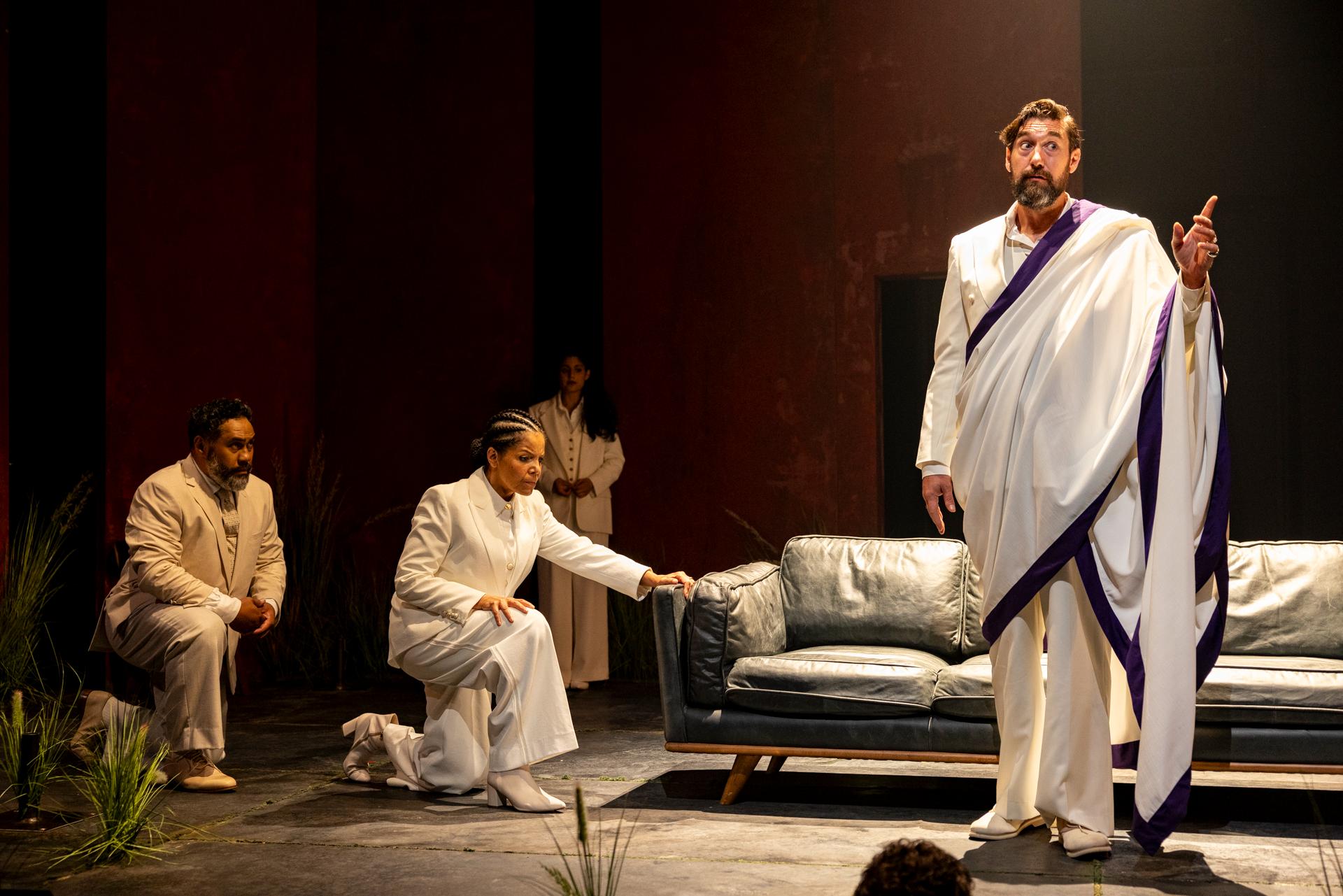
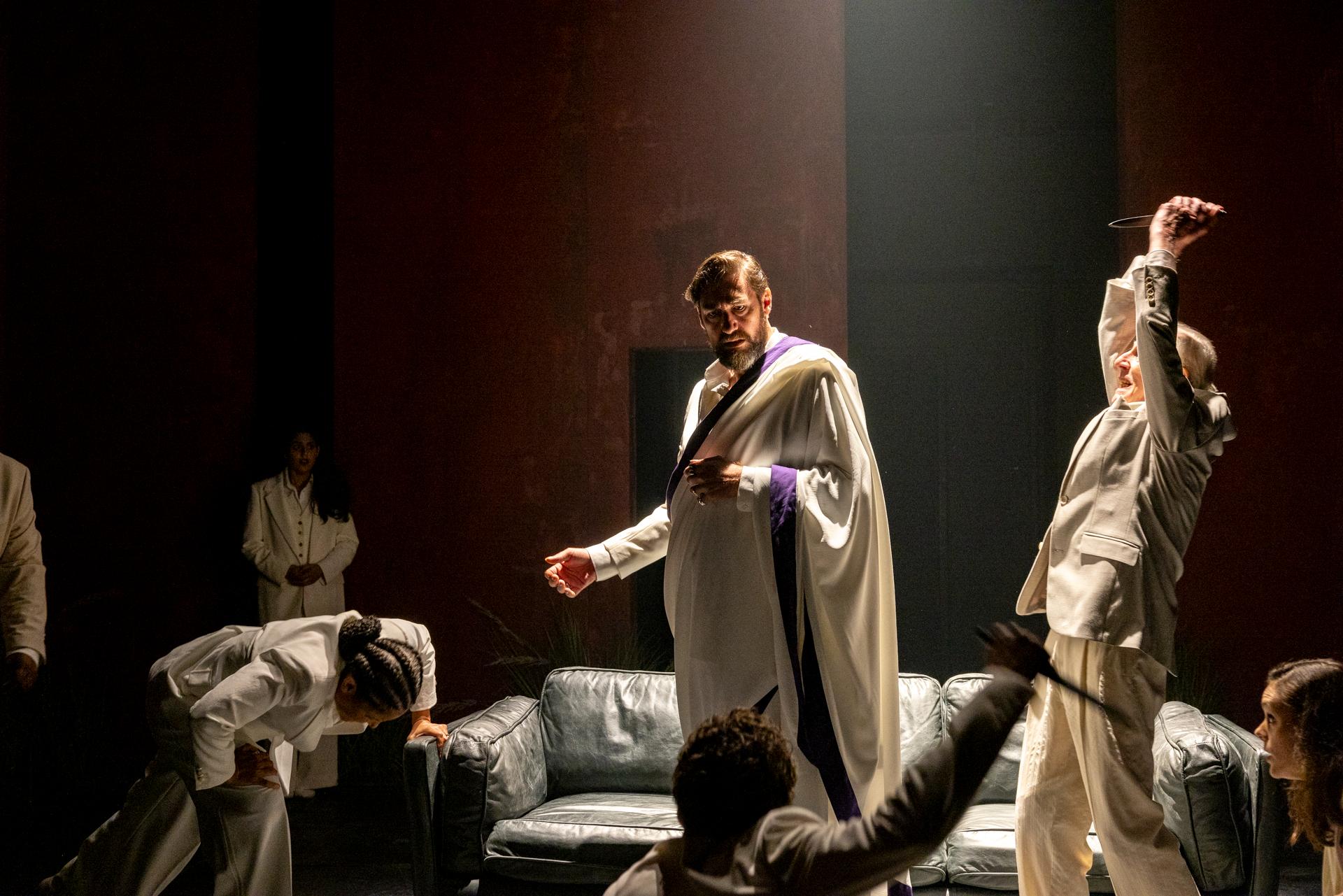
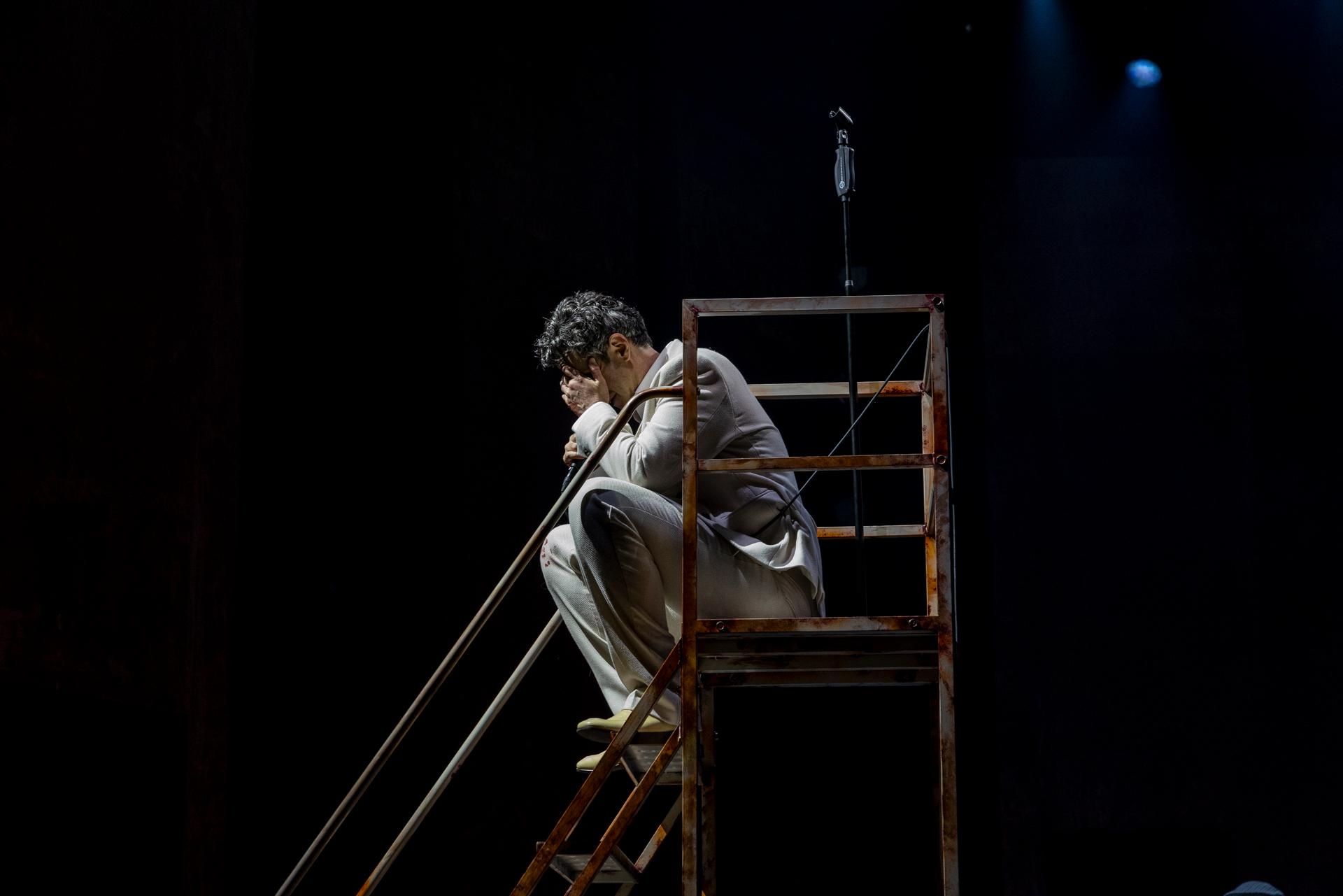
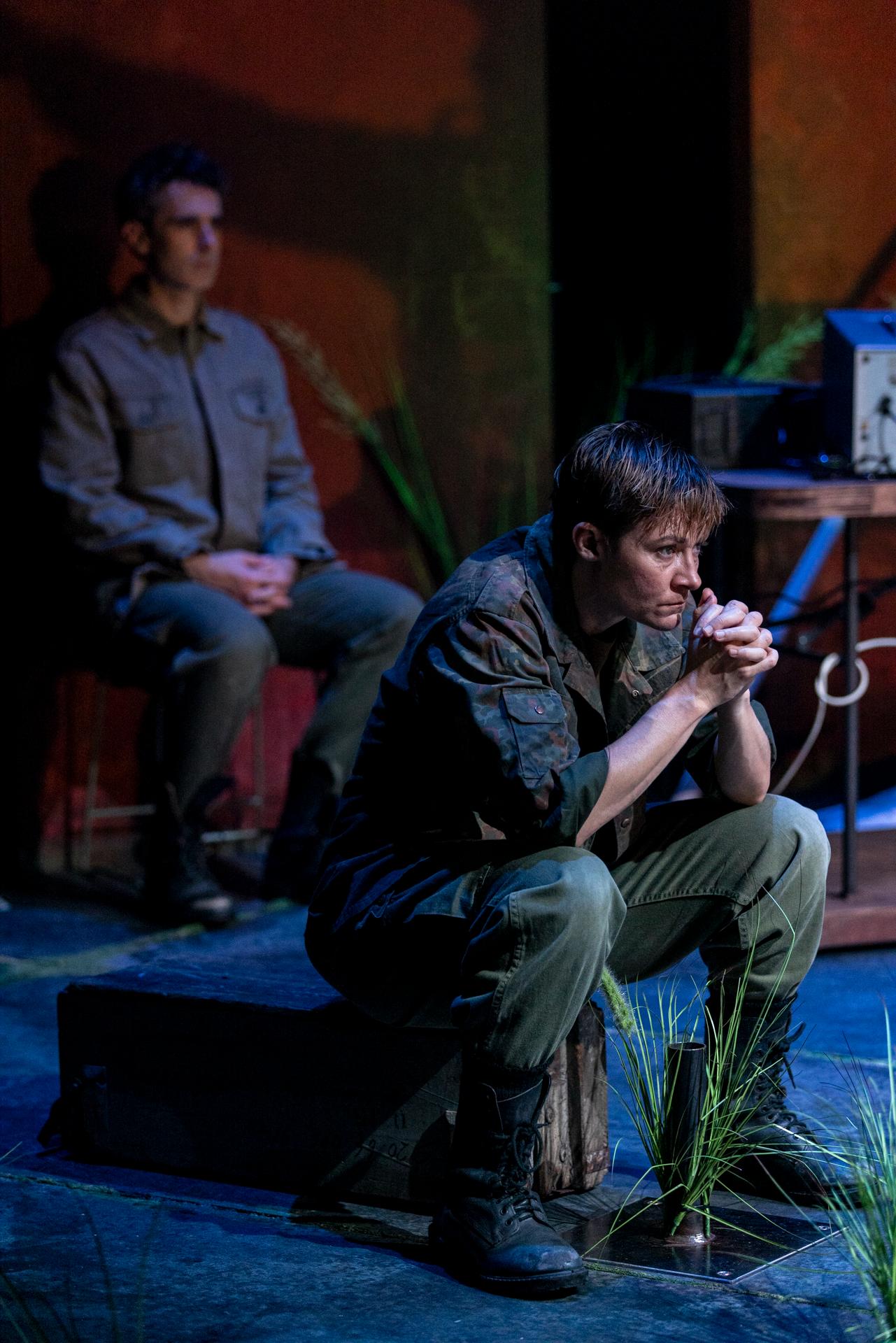
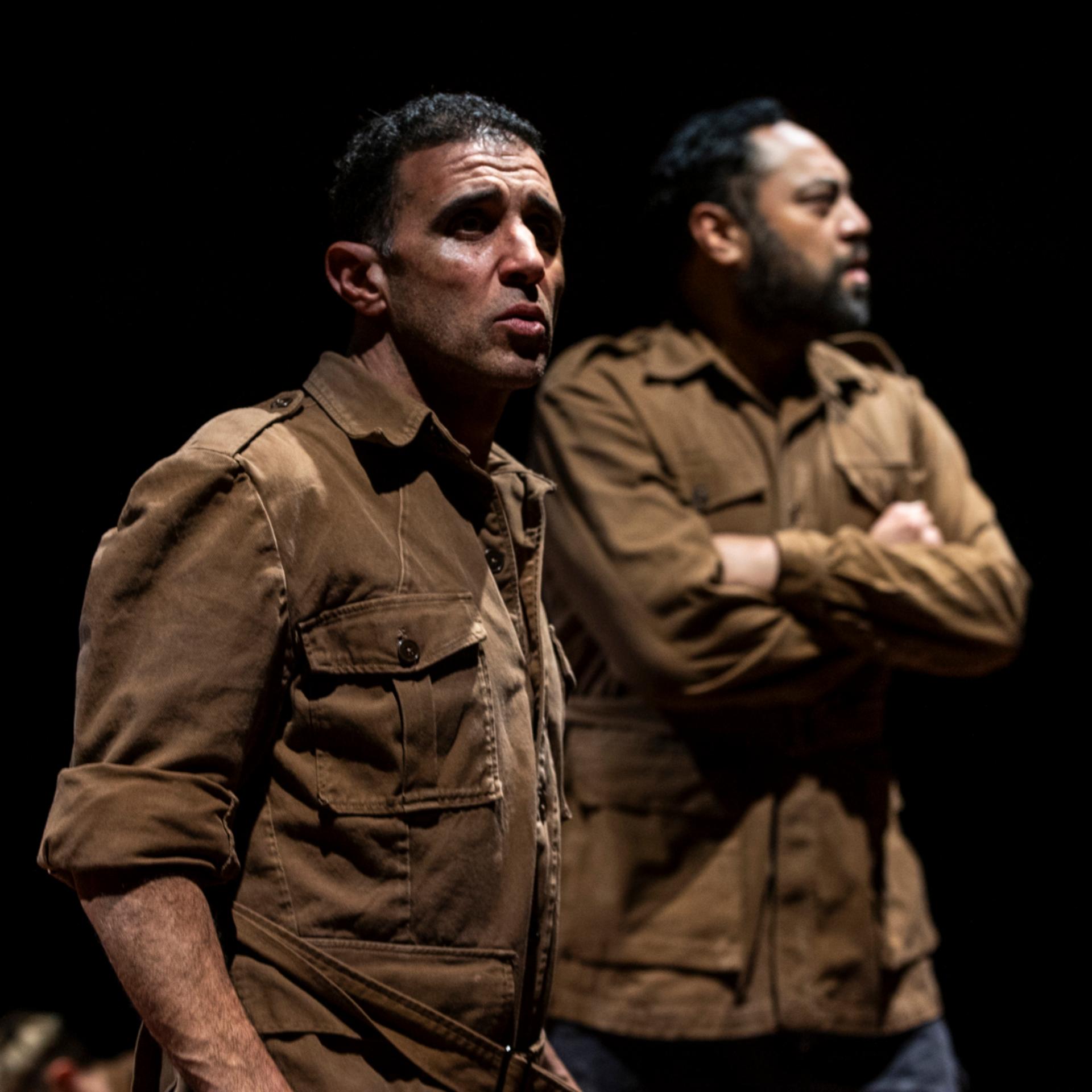
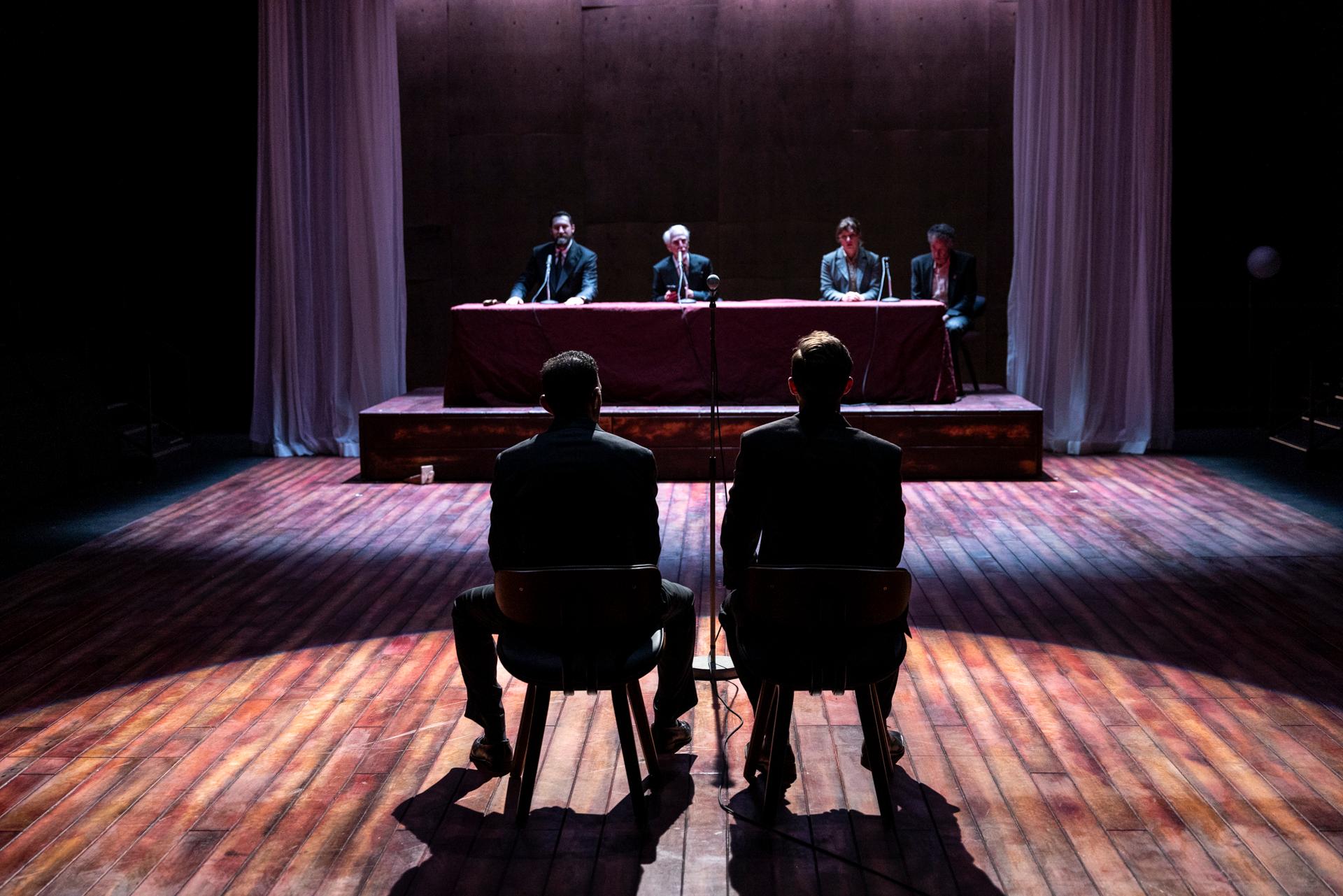
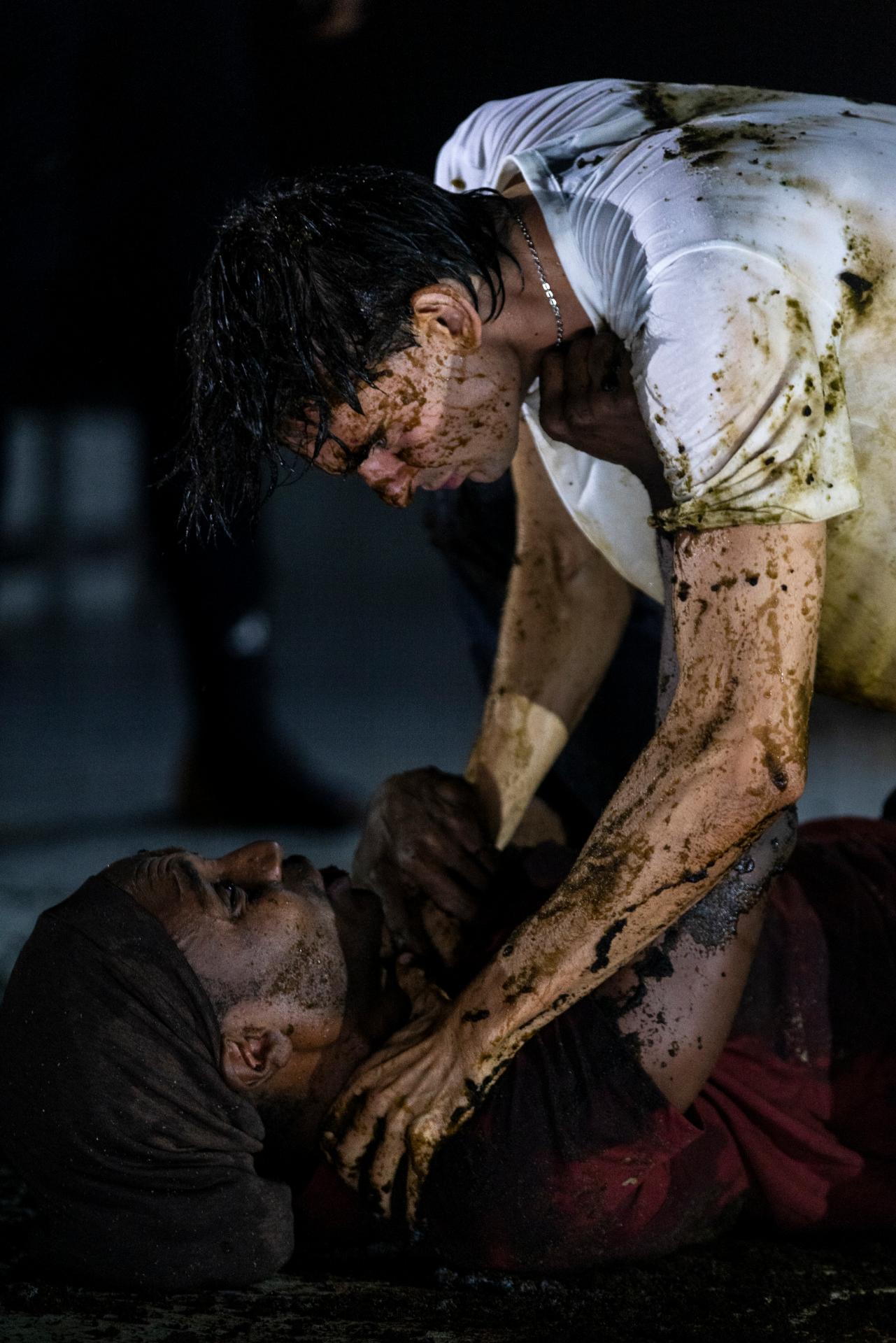
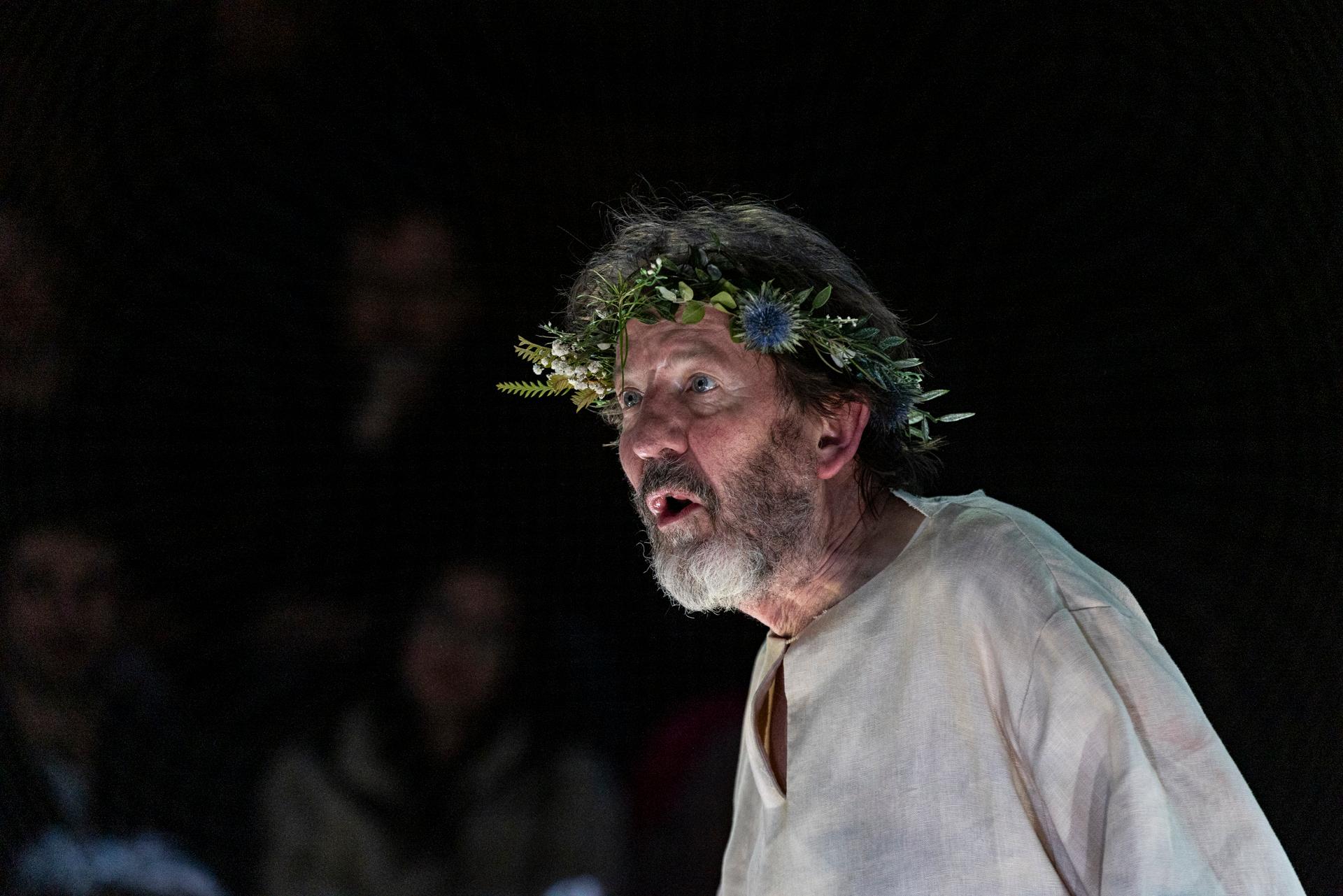
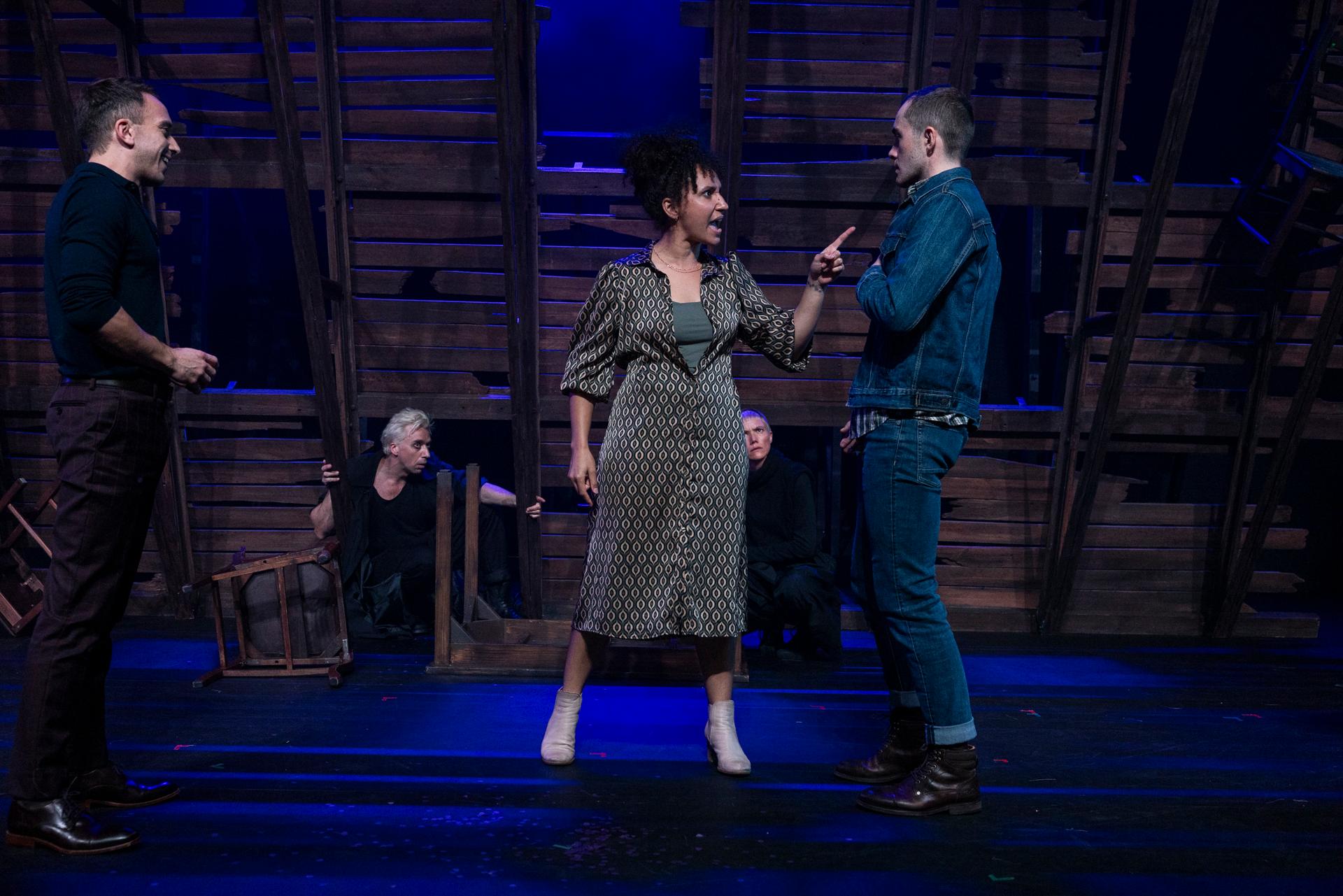
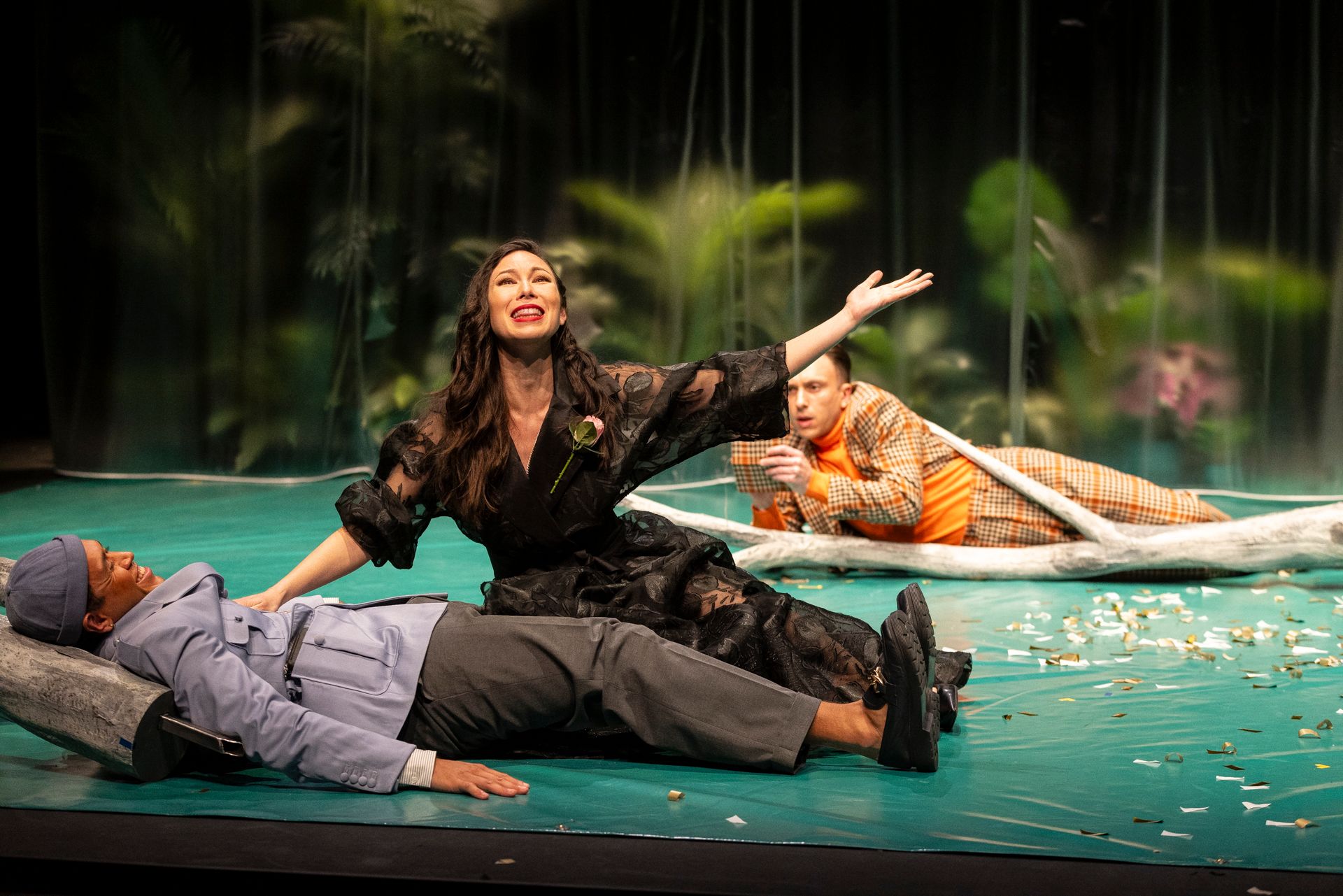
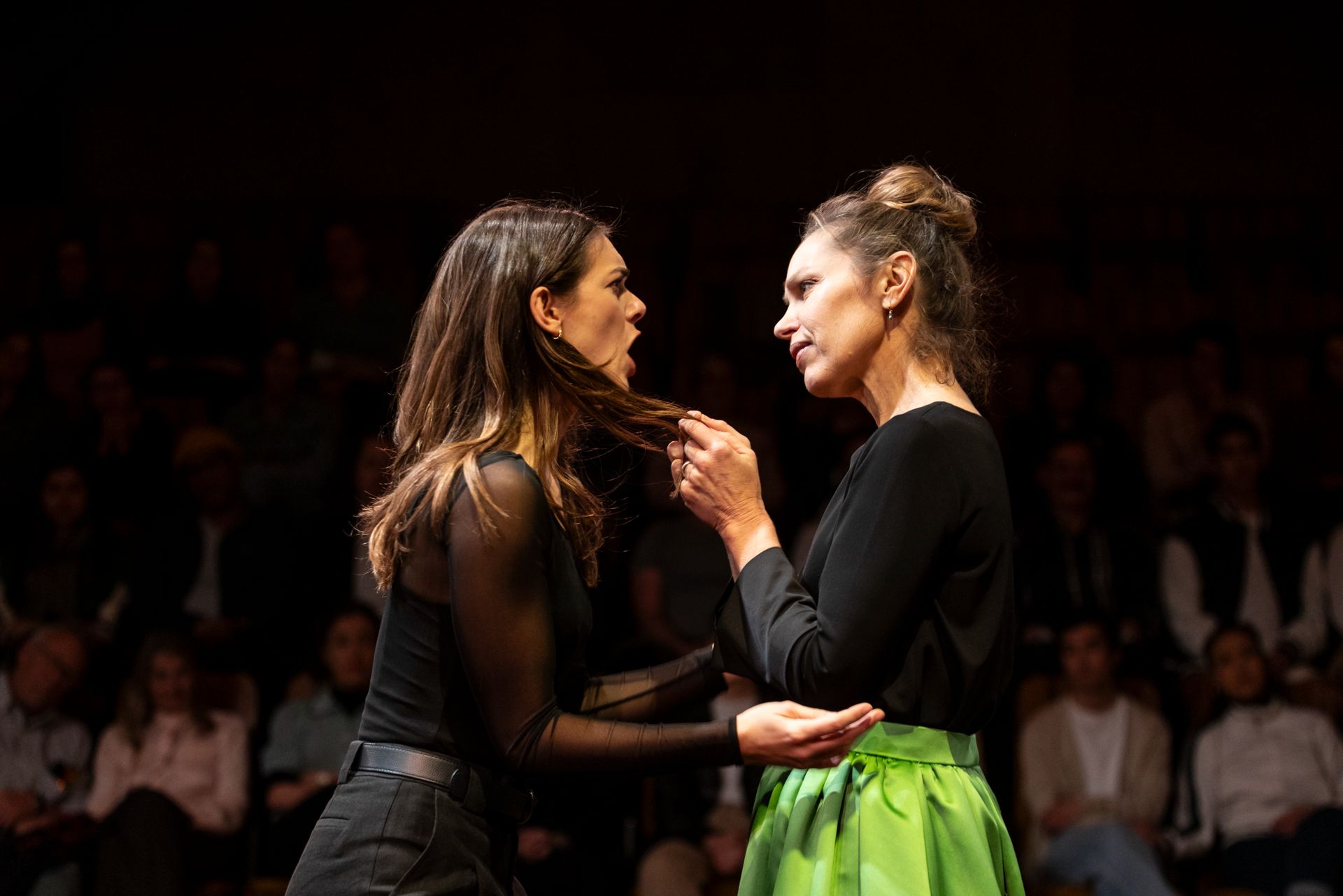
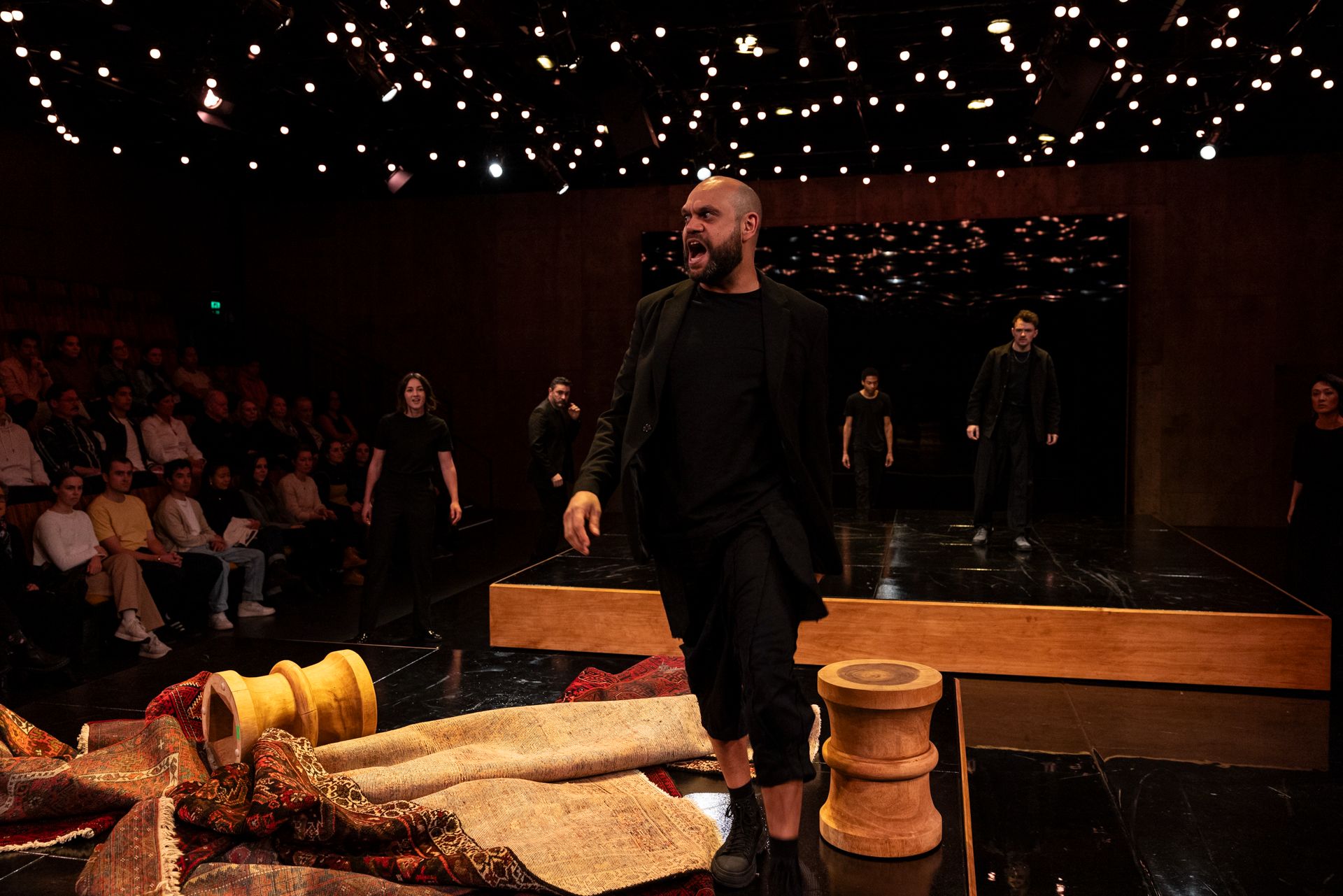
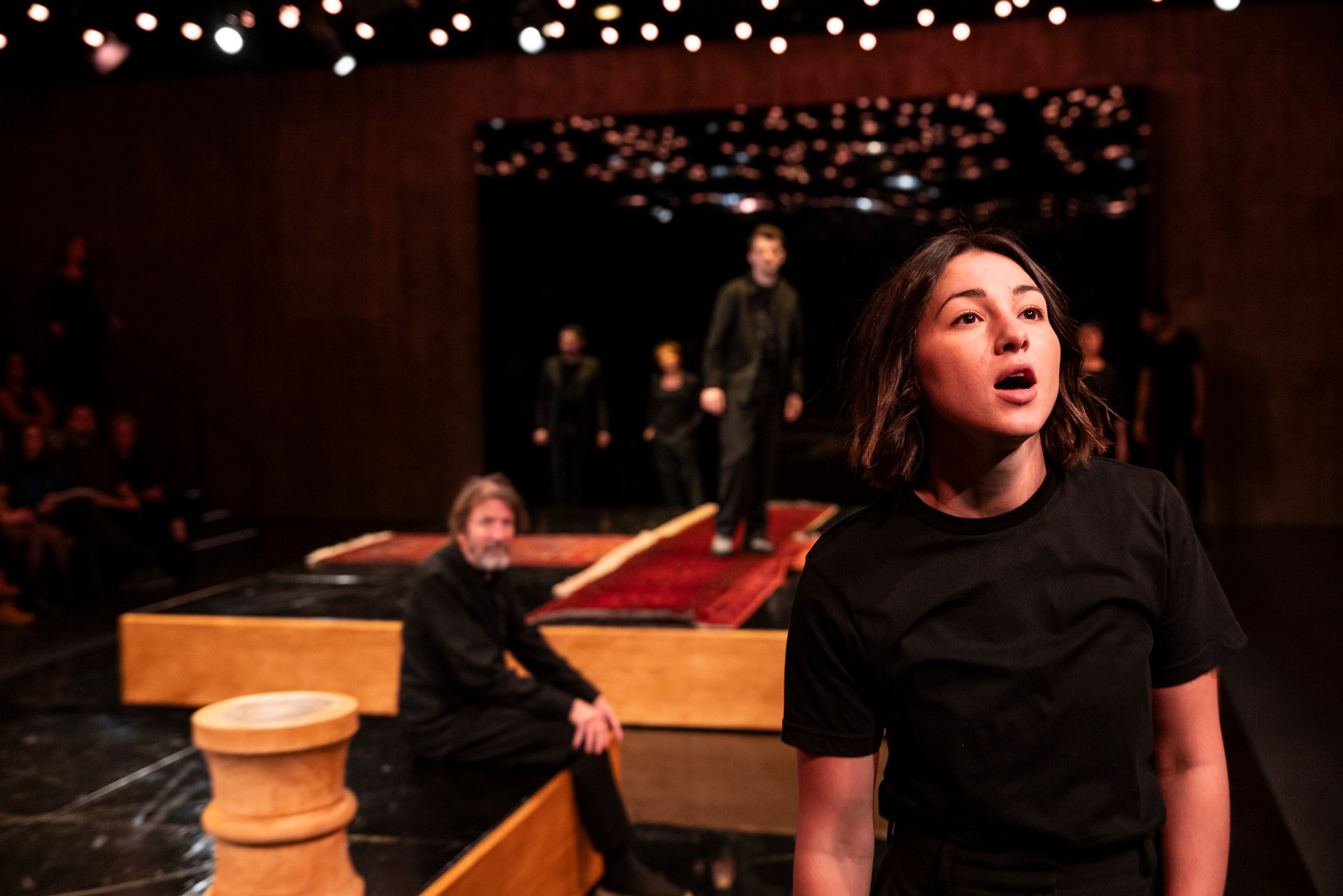
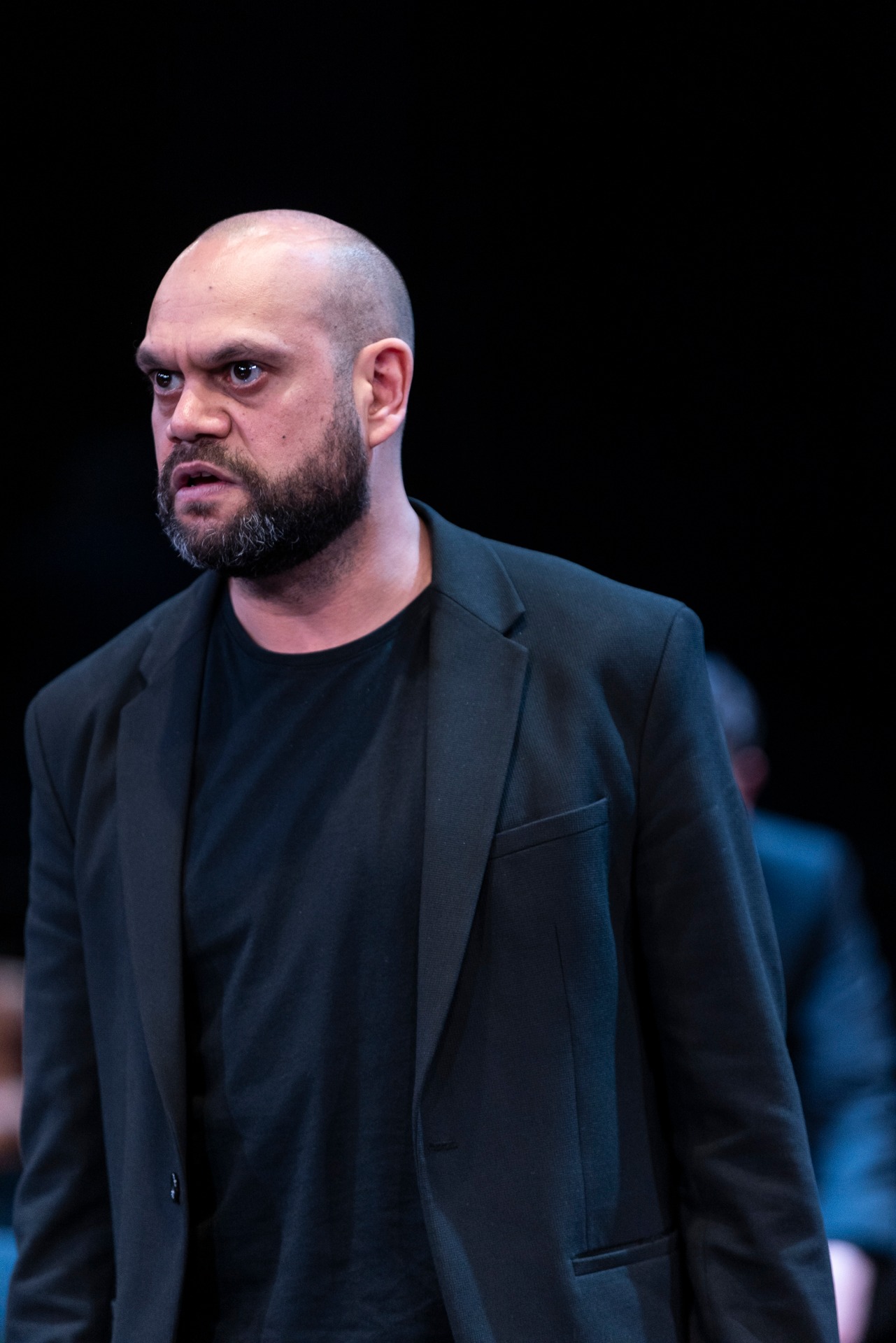
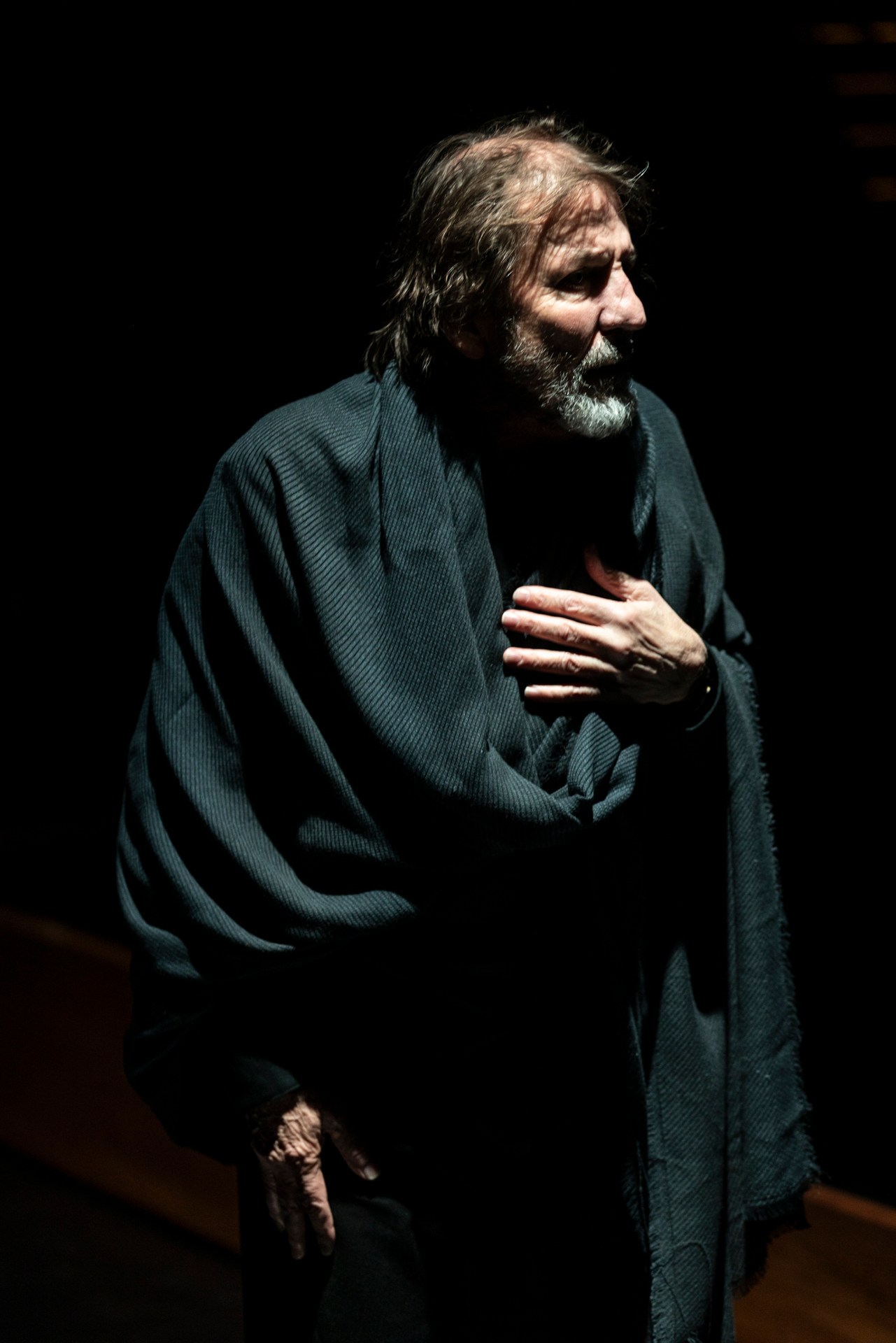
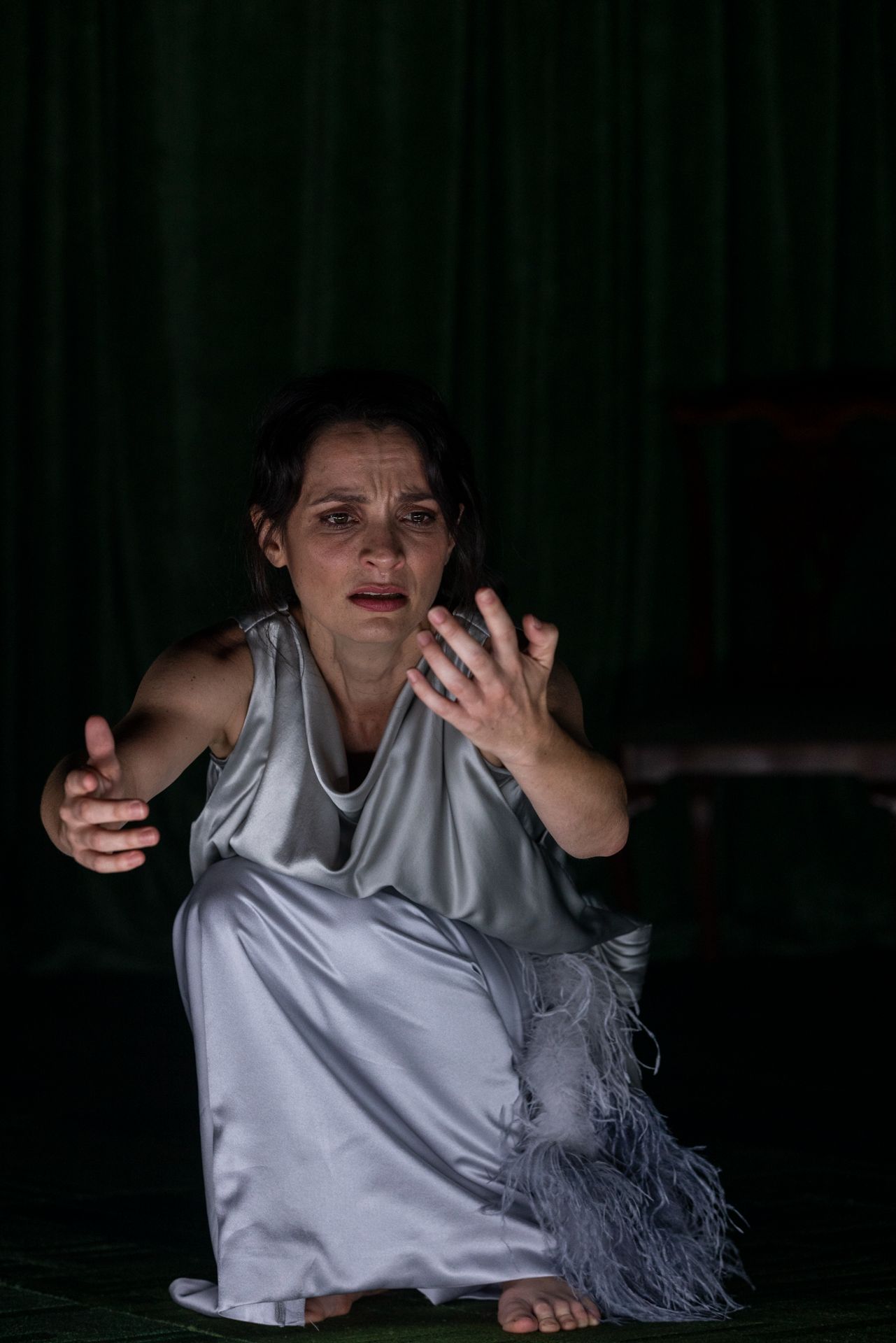
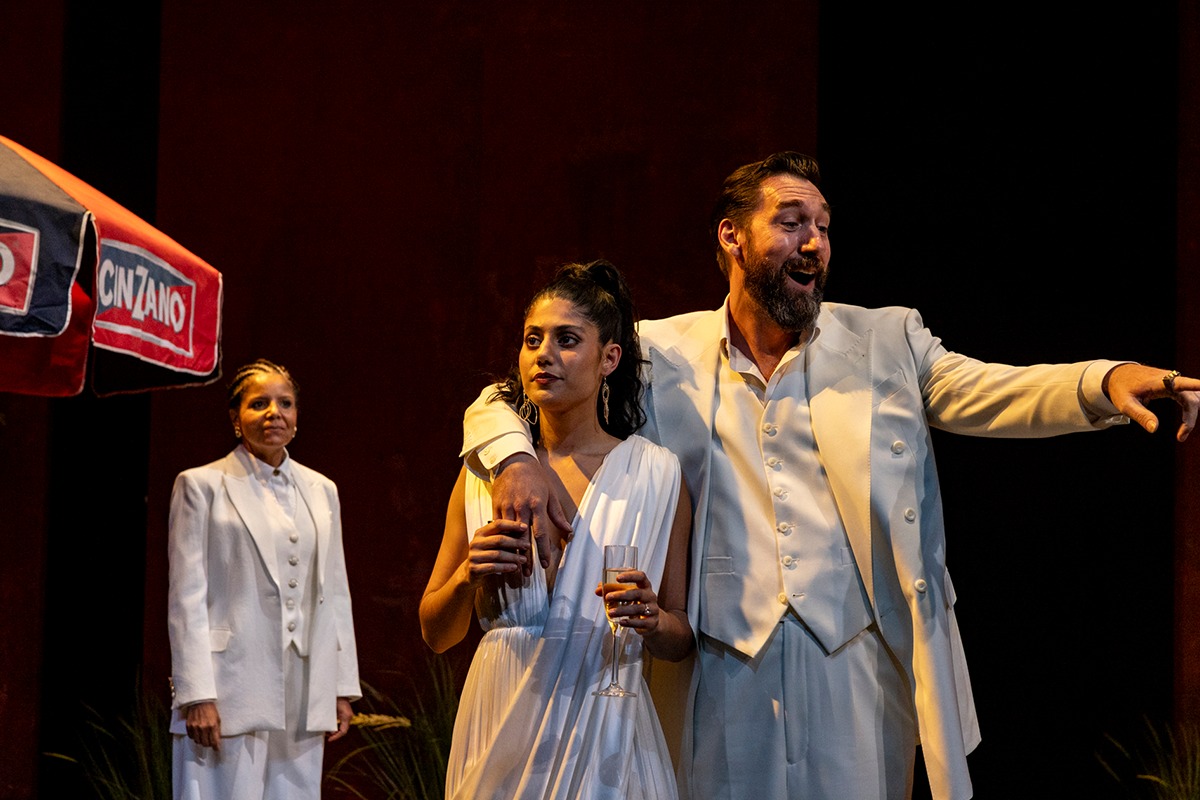
The protagonist in Shakespeare’s Coriolanus may appear every bit the triumphant warrior, but the play reveals that true heroism cannot exist without integrity. Driven by a hunger for status and glory, Coriolanus engages in political manoeuvres to attain the consulship, giving little consideration to the greater good. While the Roman people hold the power to vote in their own interest, the knowledge they are given is seldom complete, and often shaped by manipulation rather than truth.

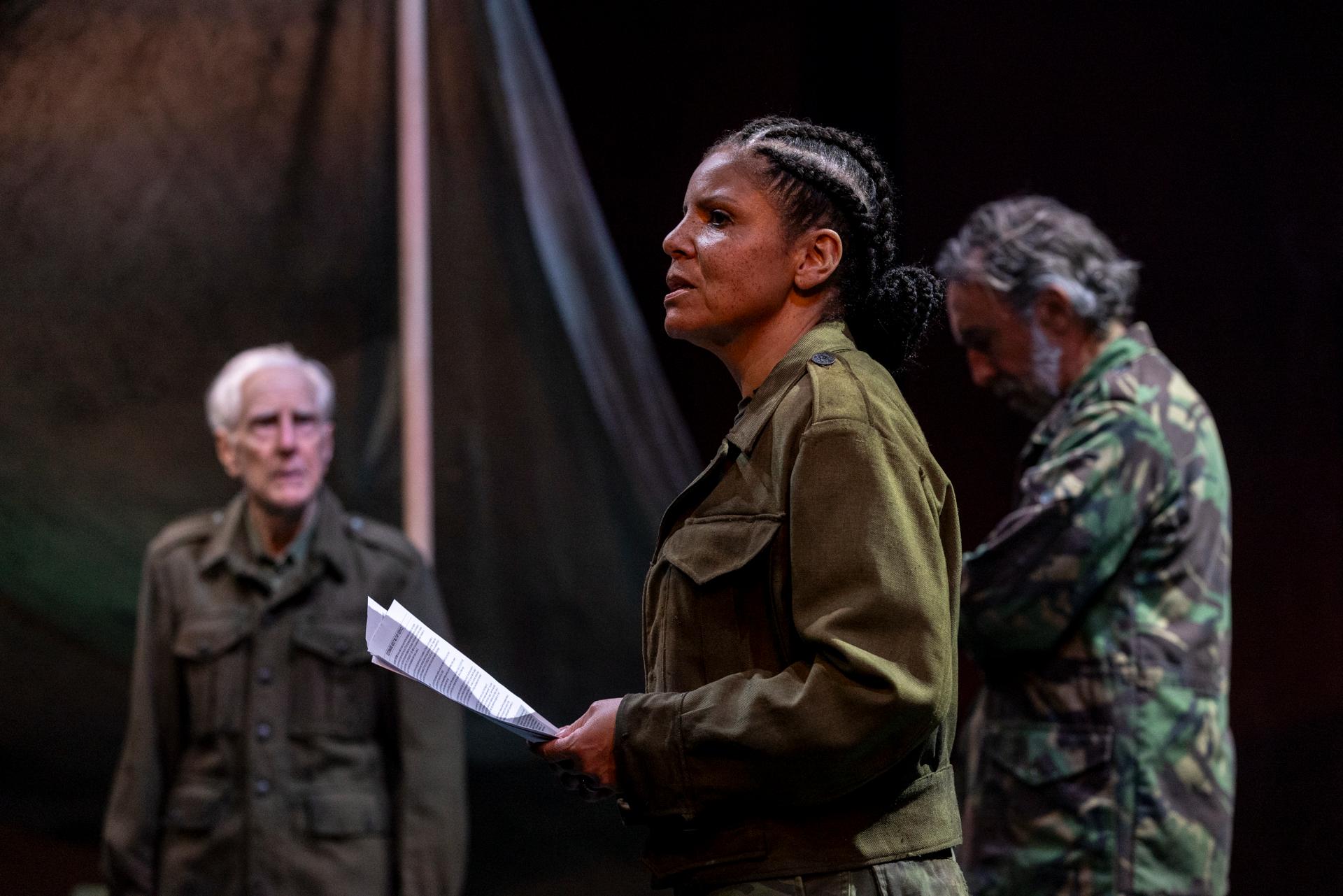
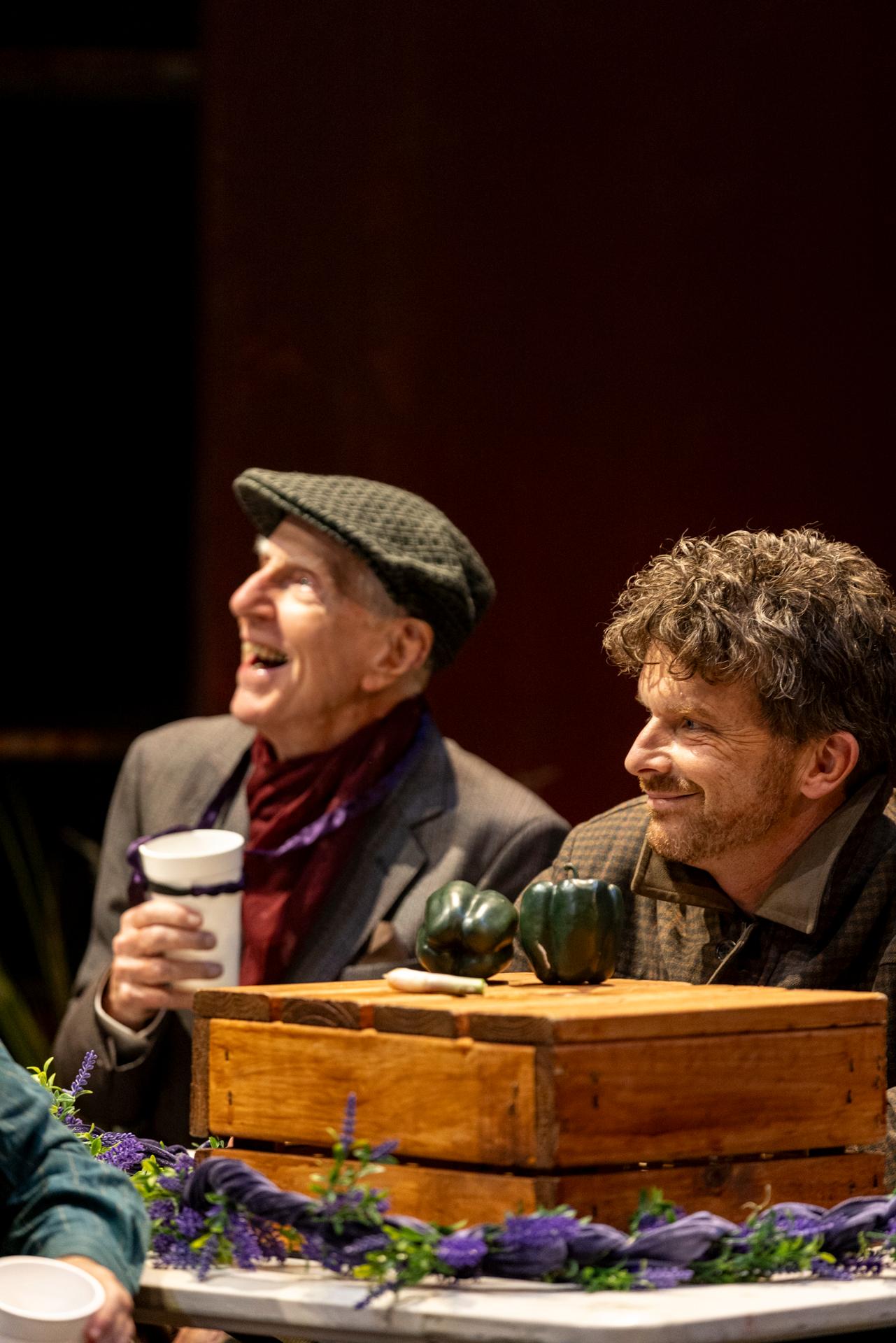
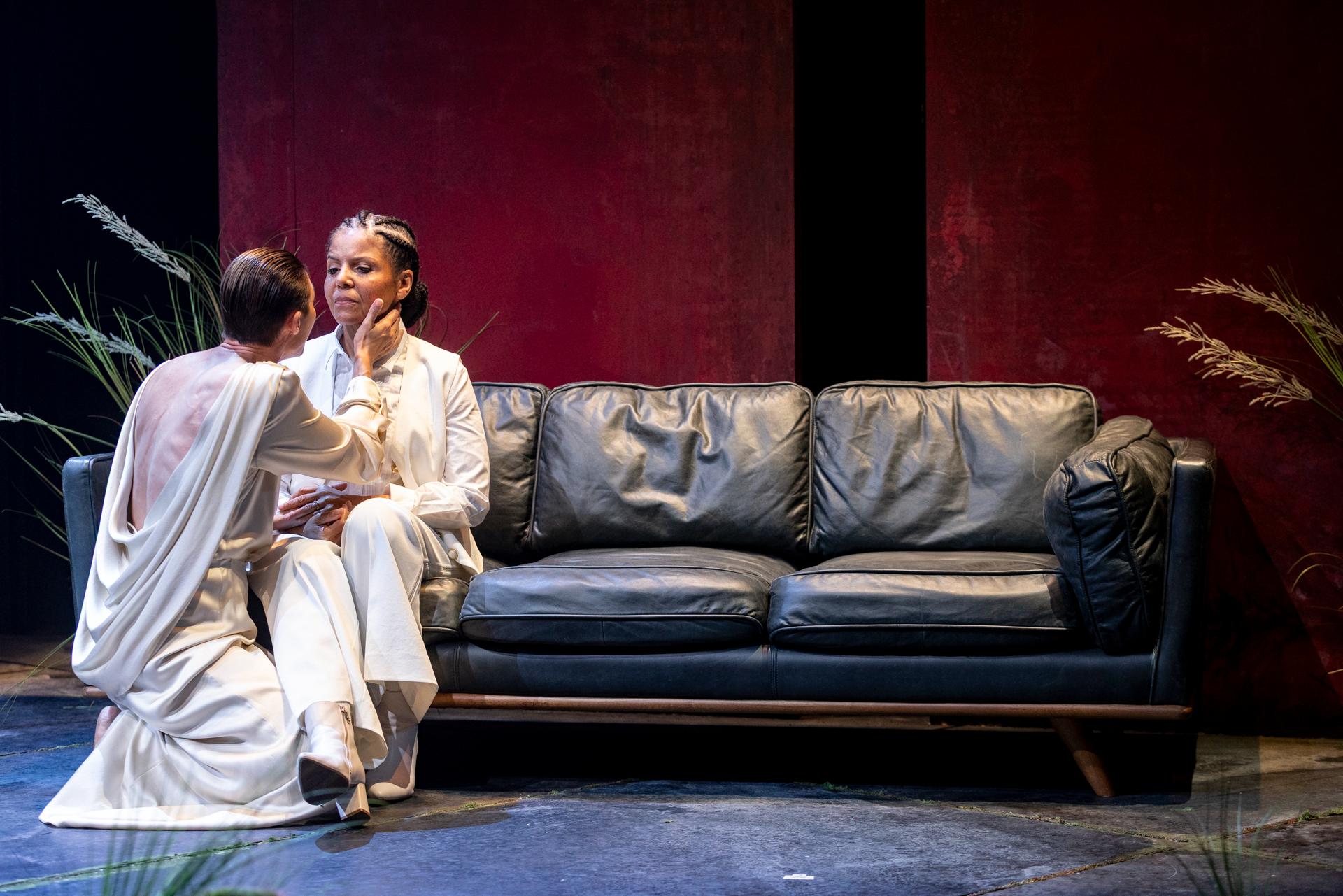
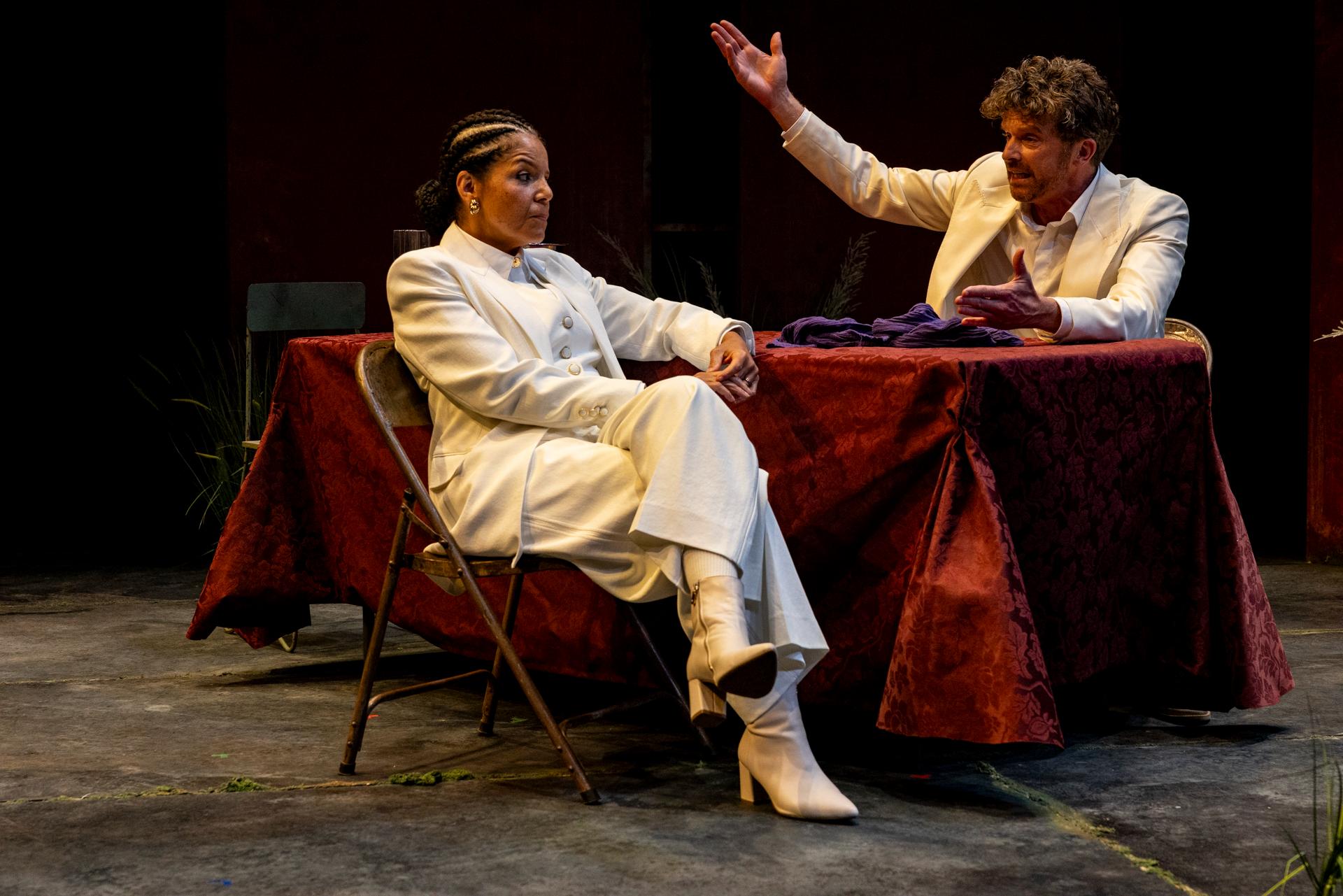
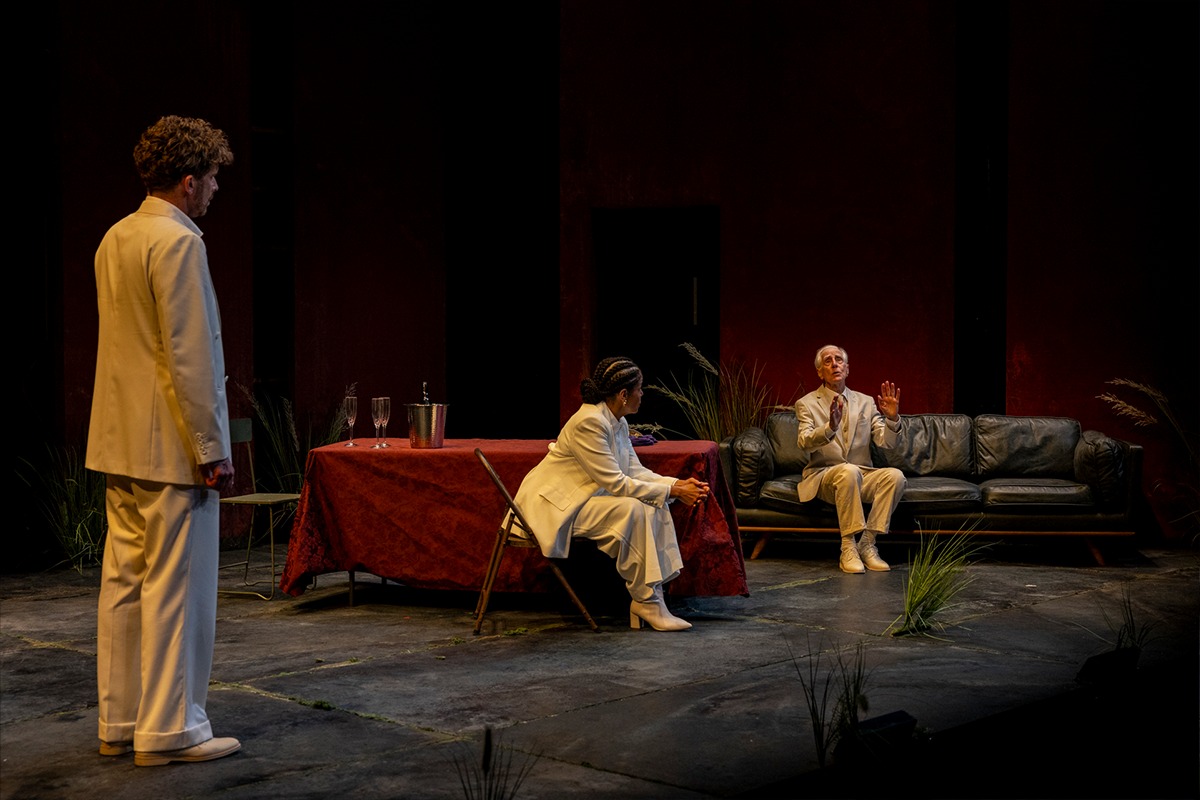
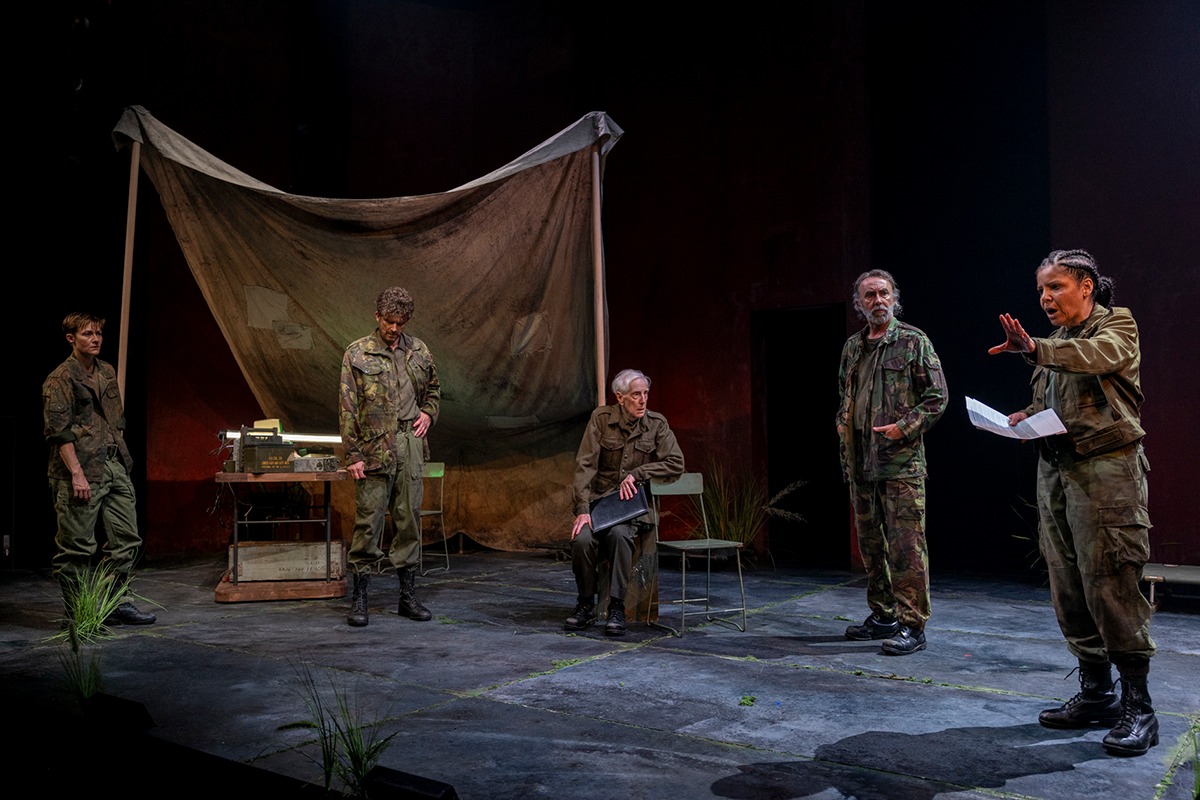
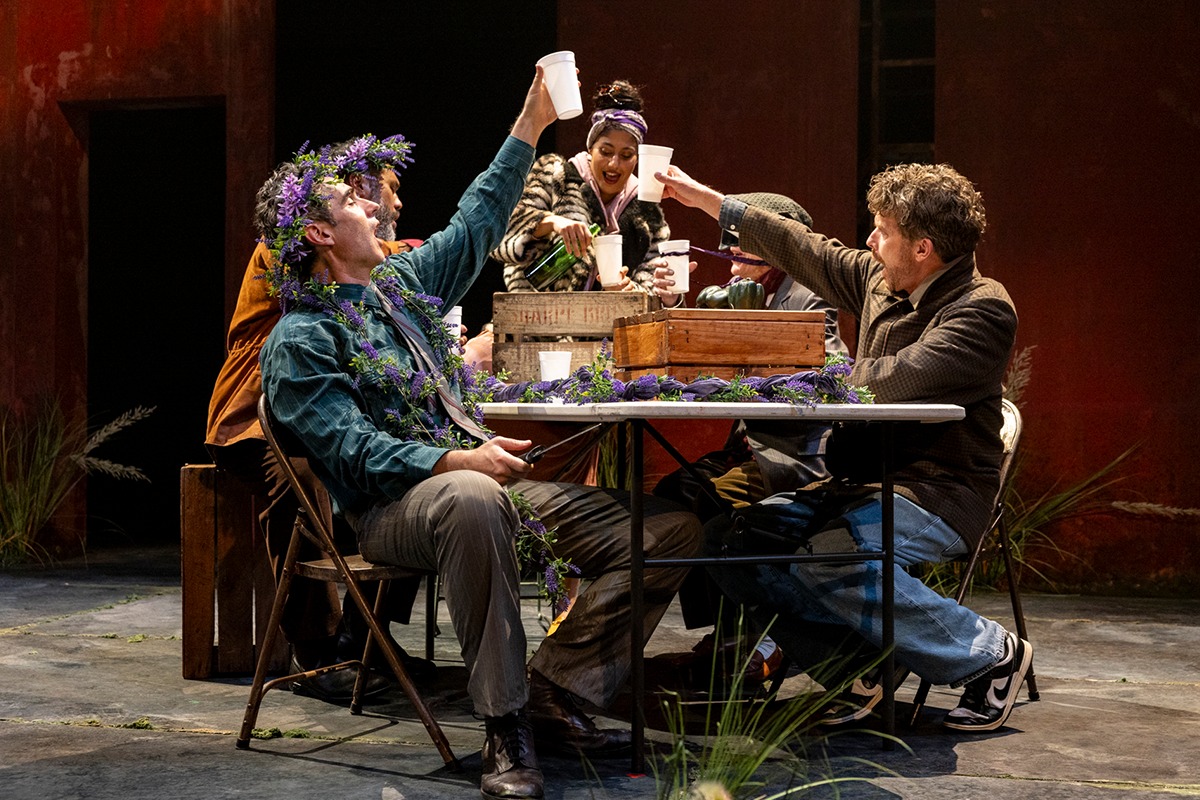
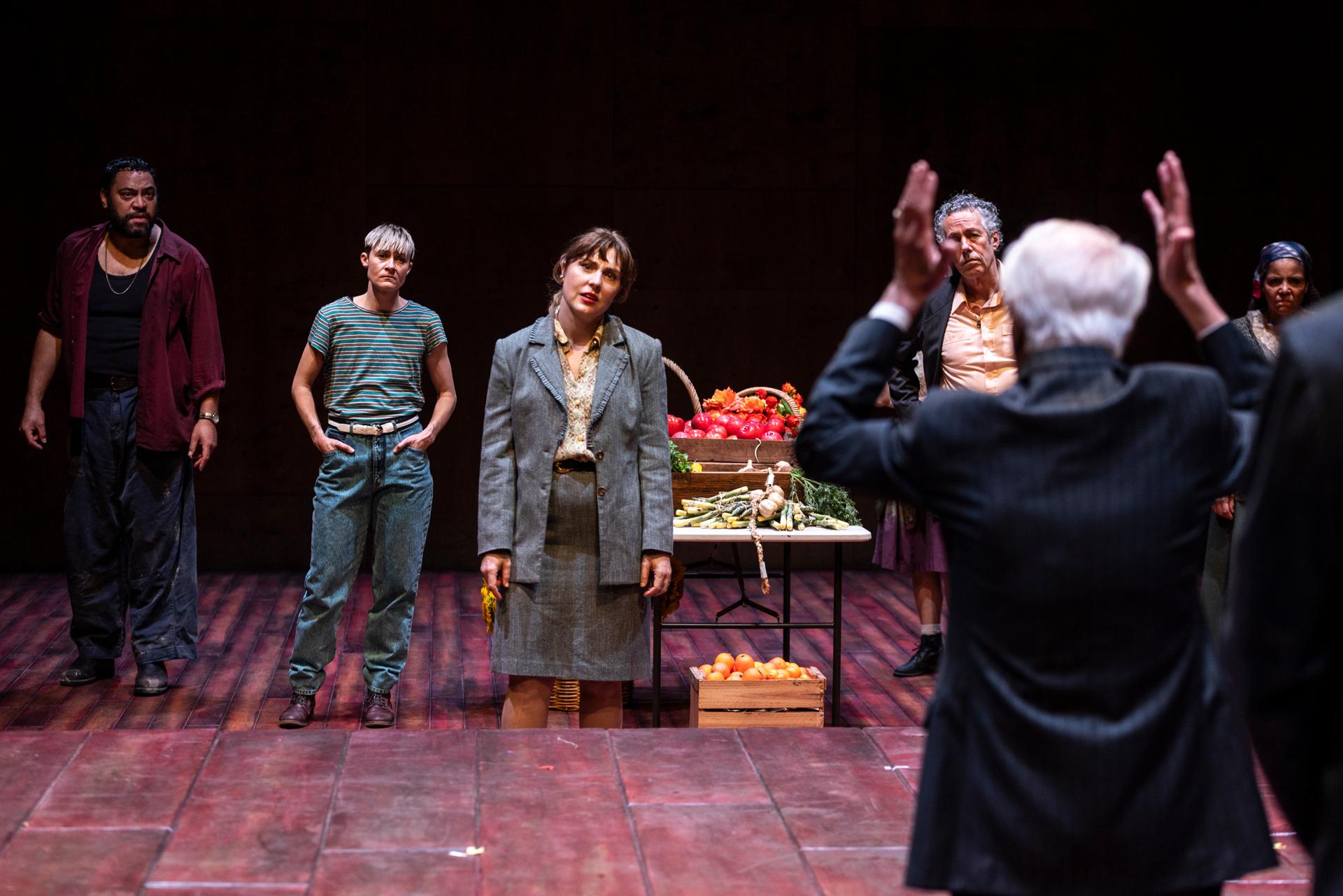
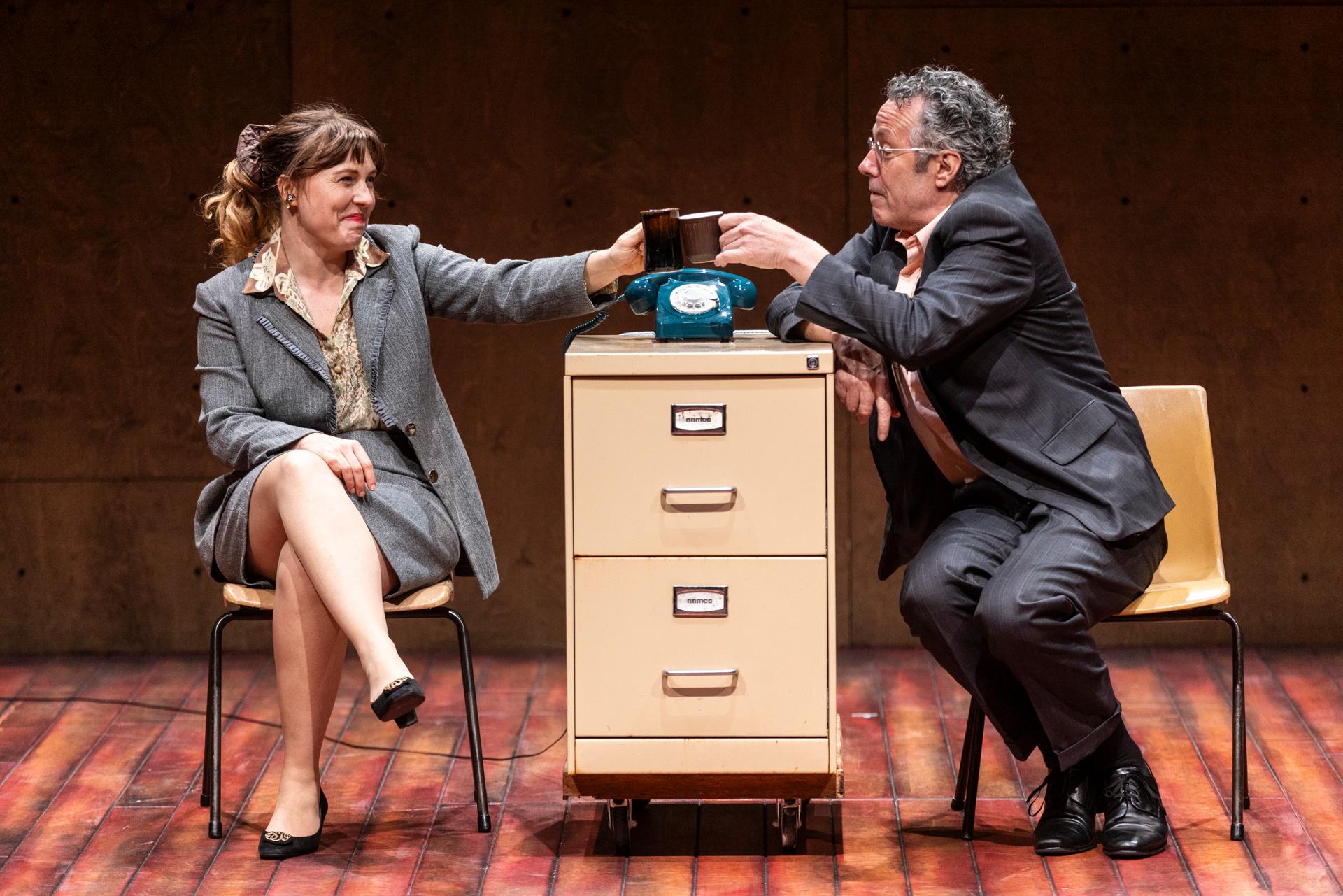
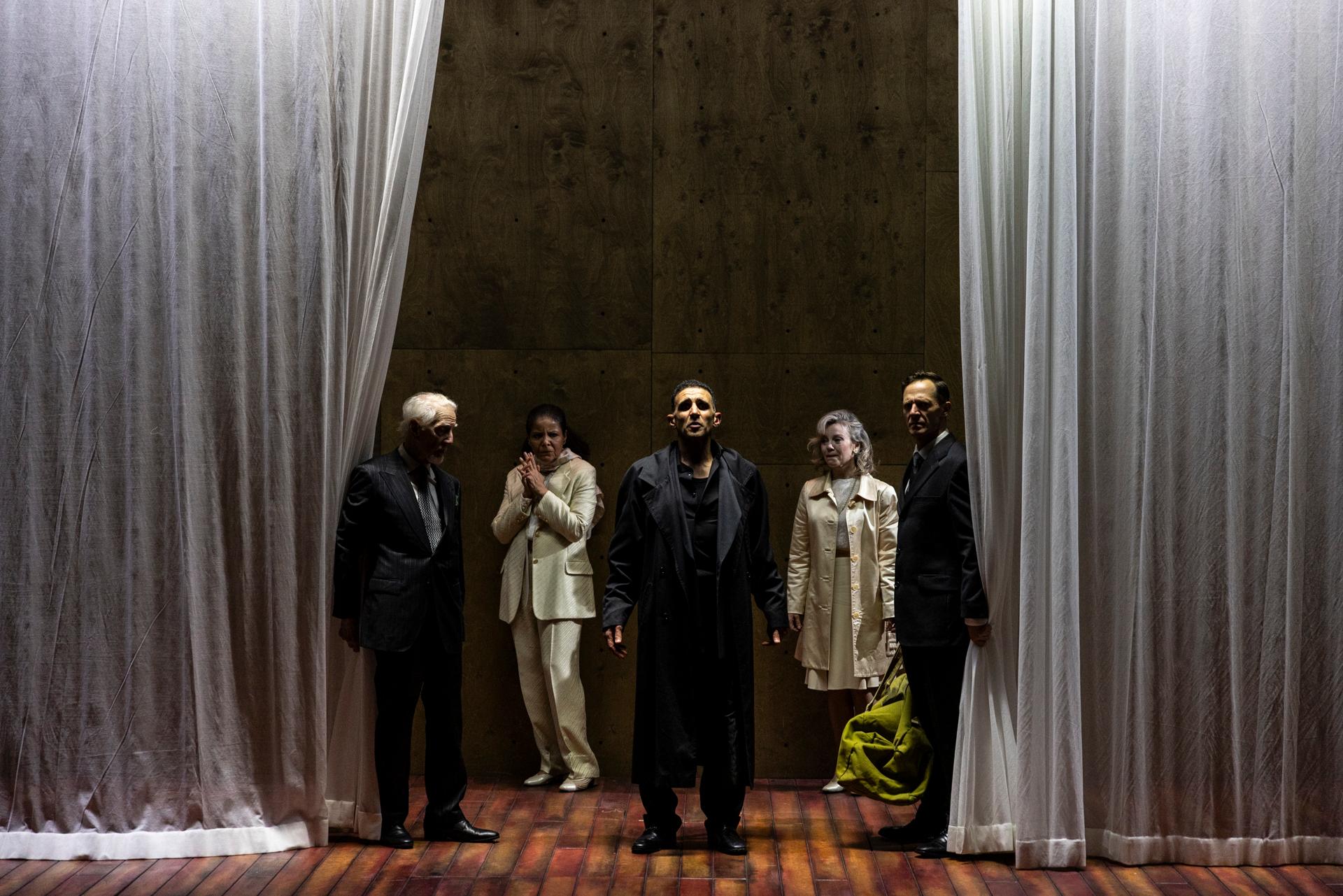
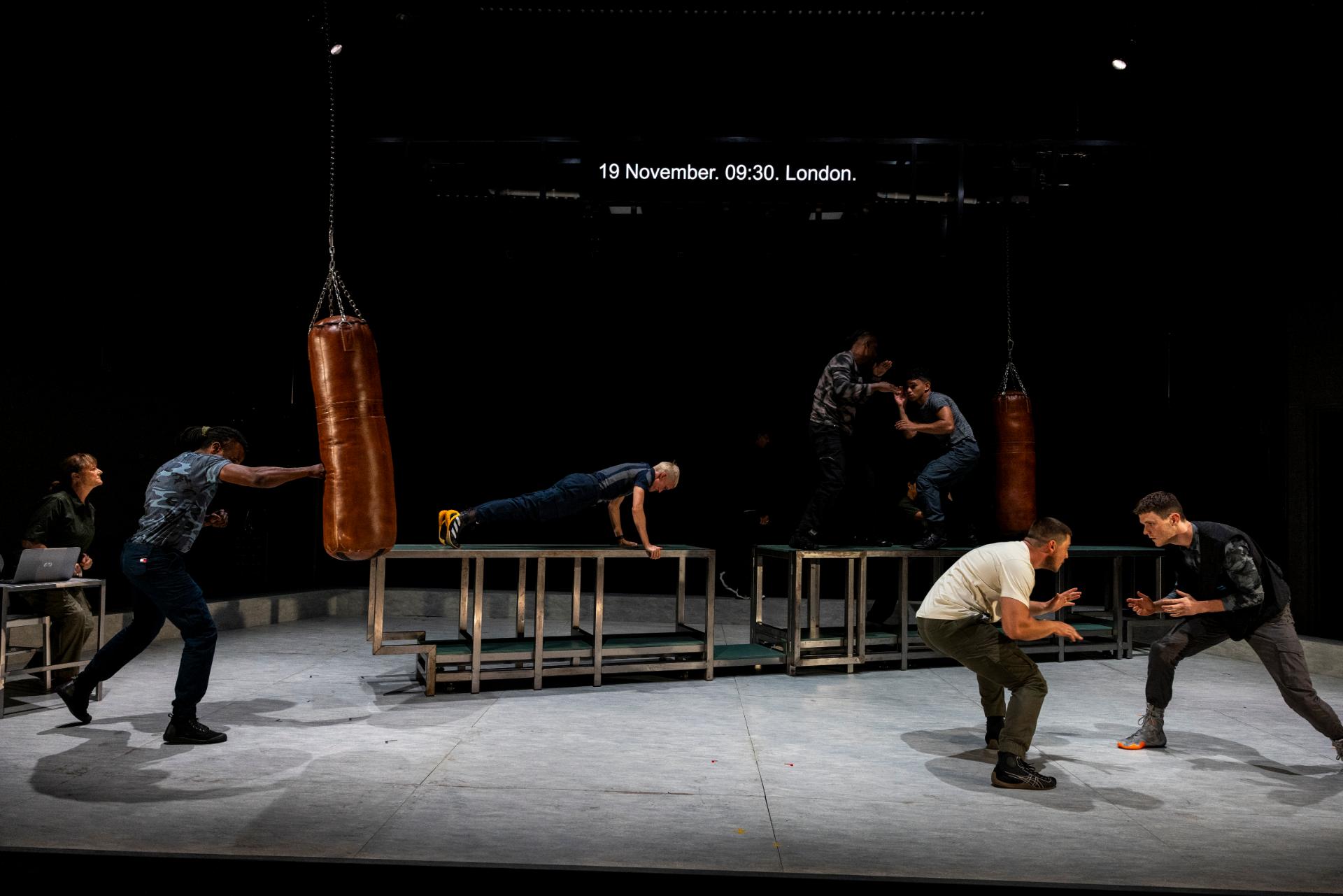
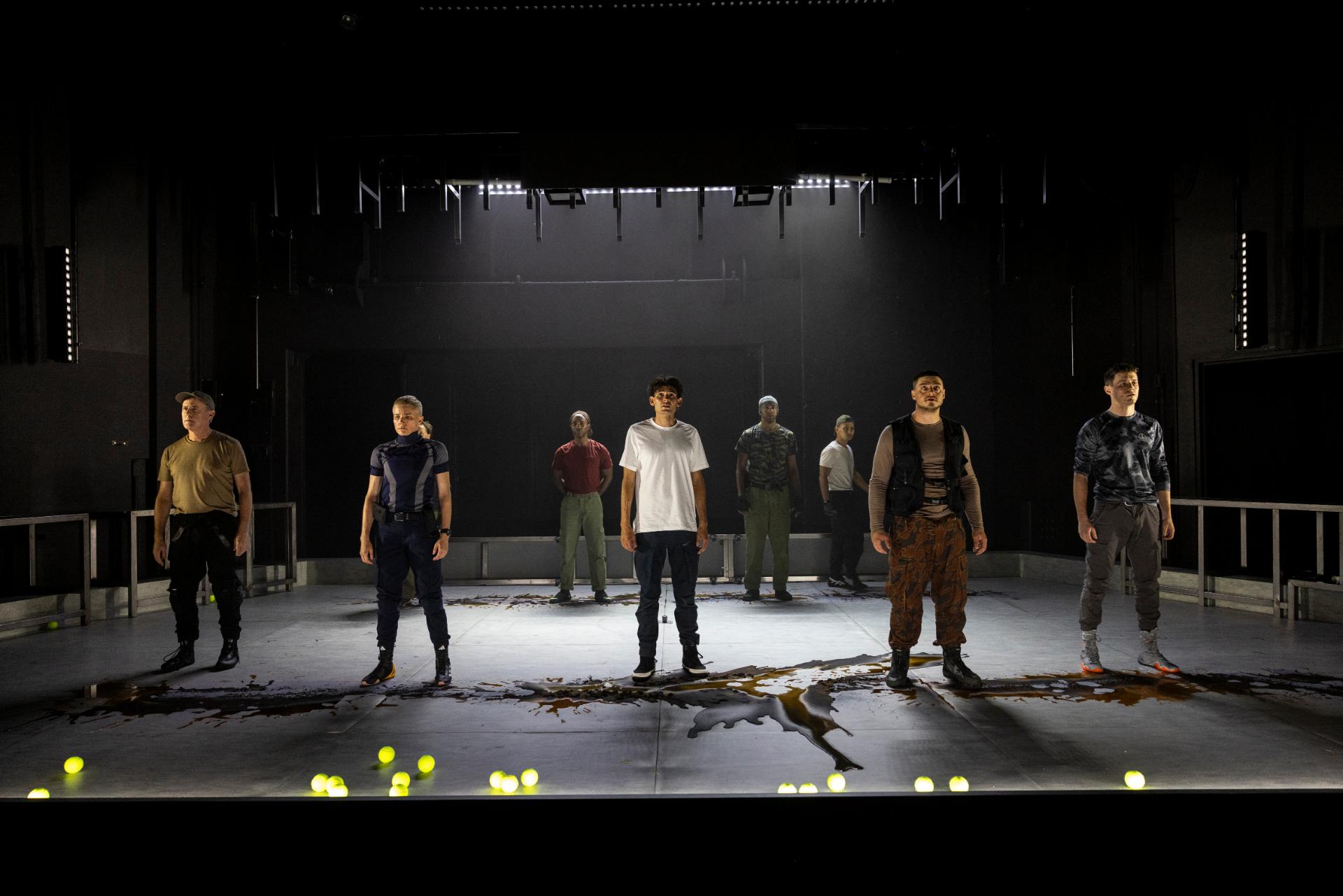
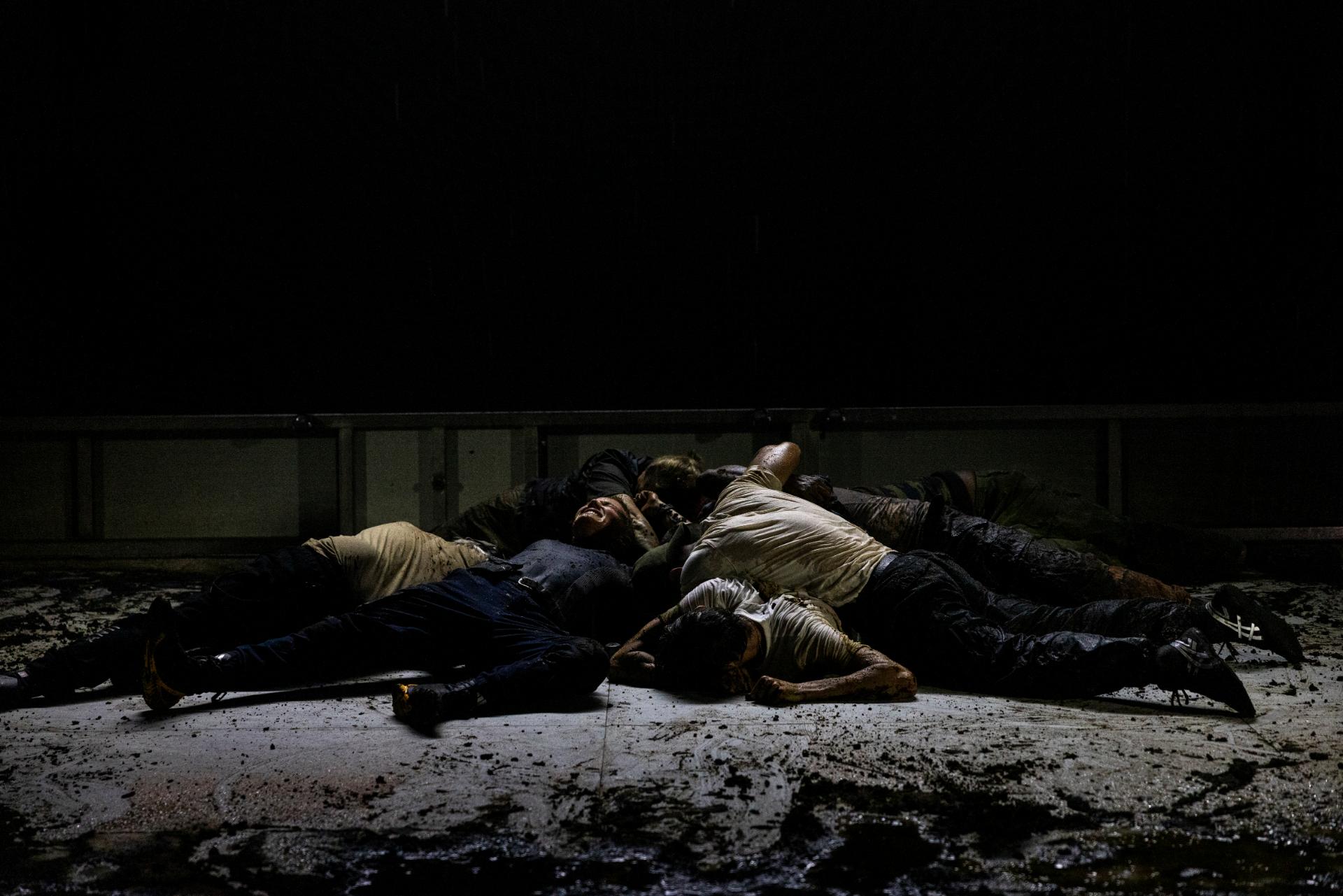
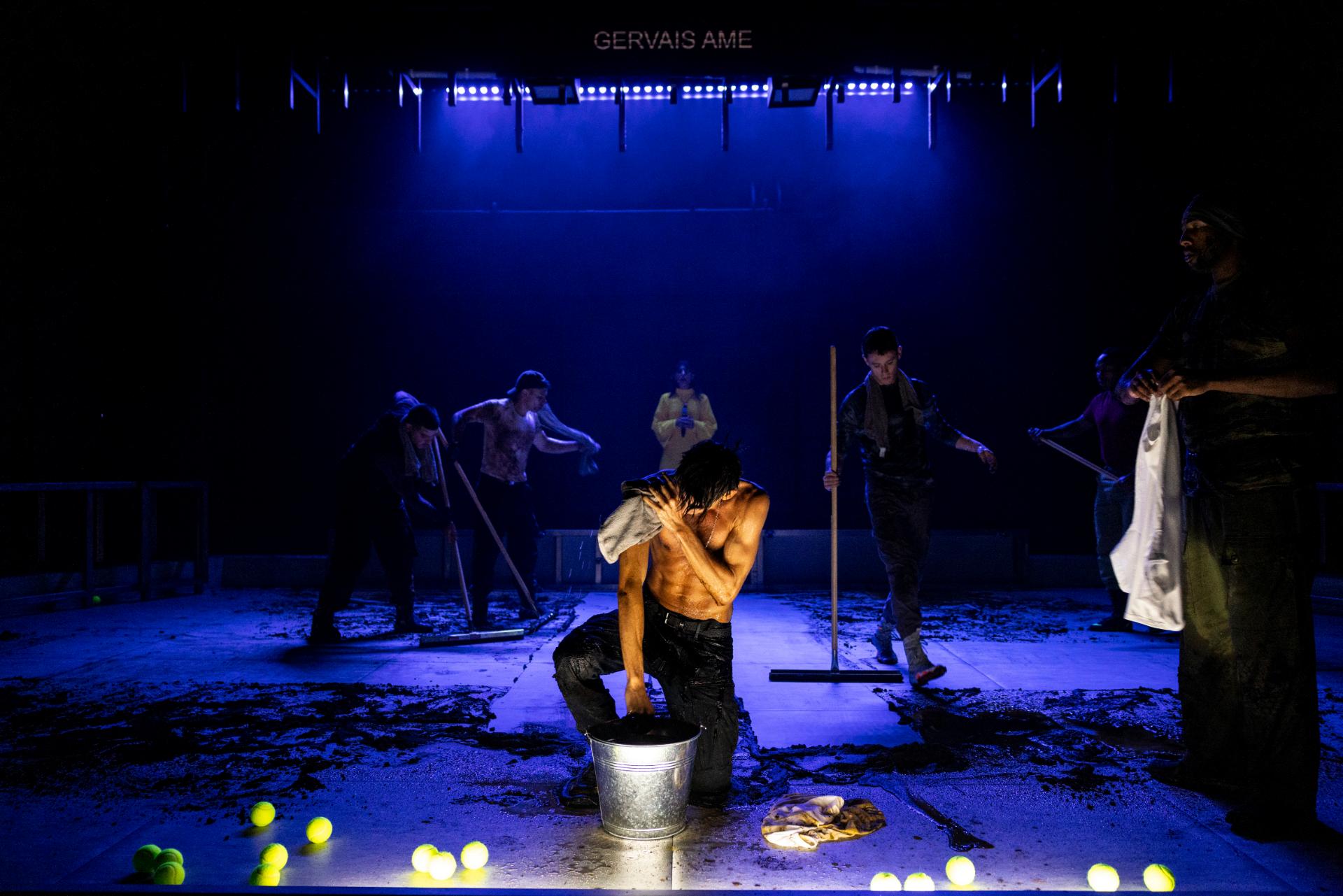
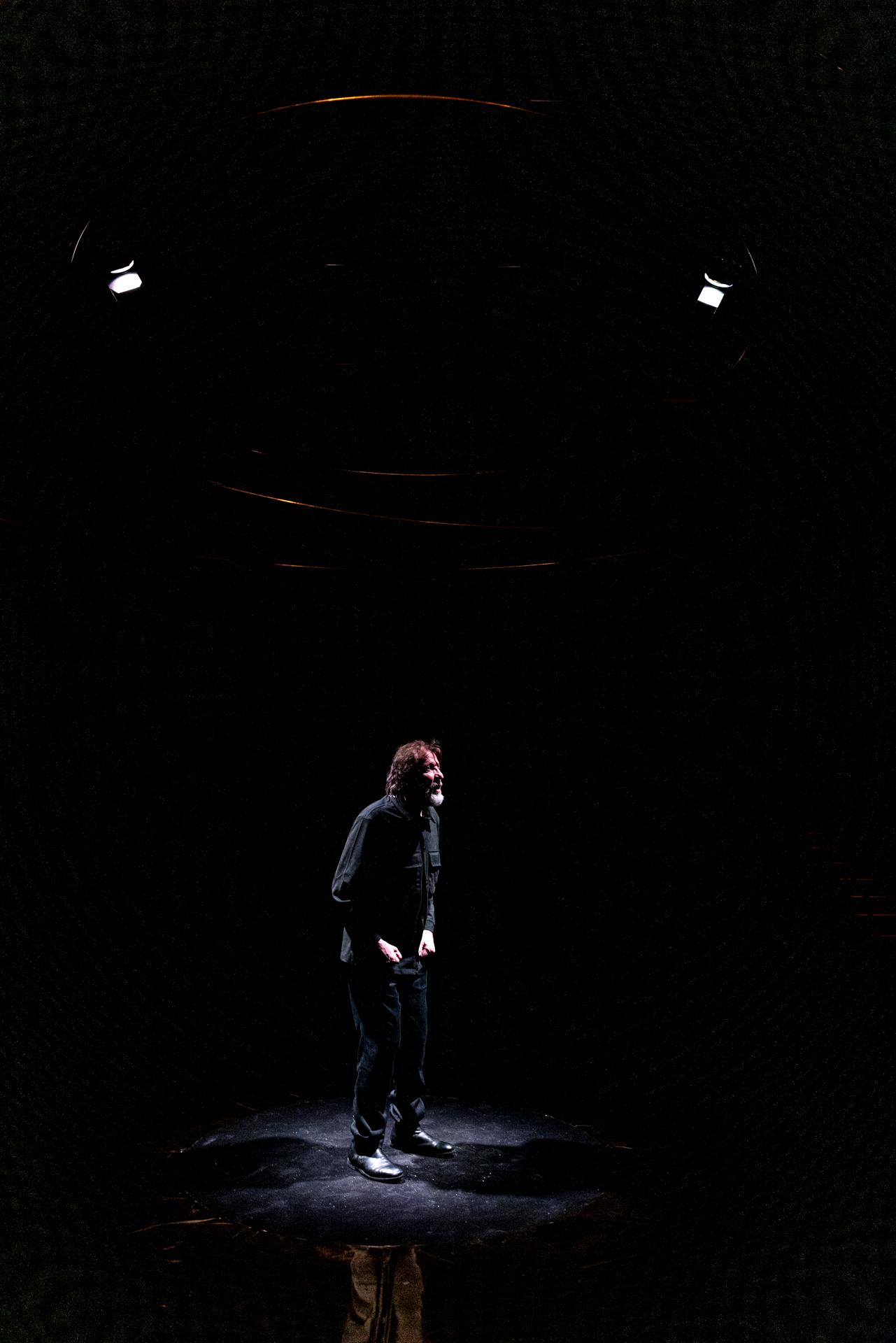
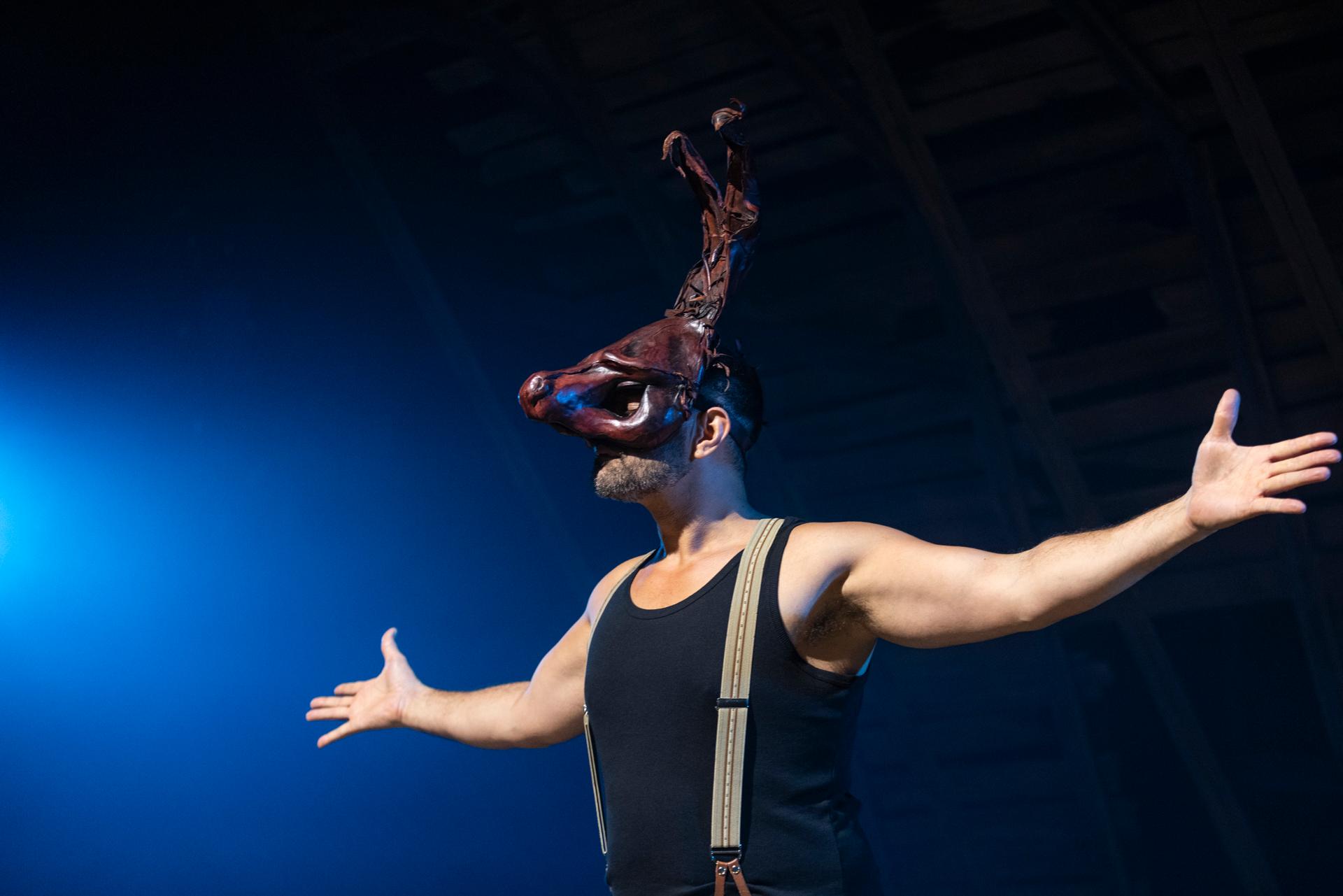
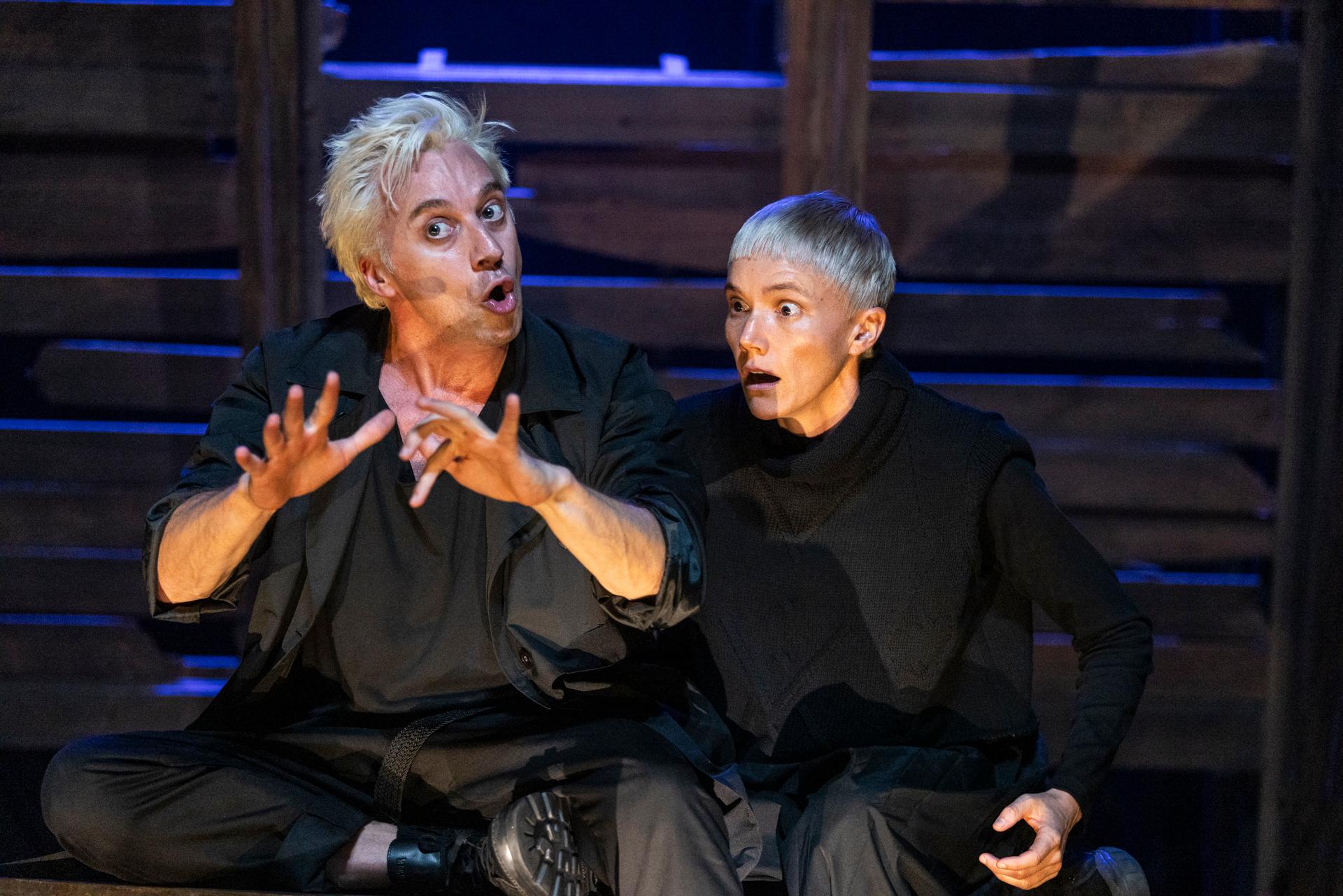
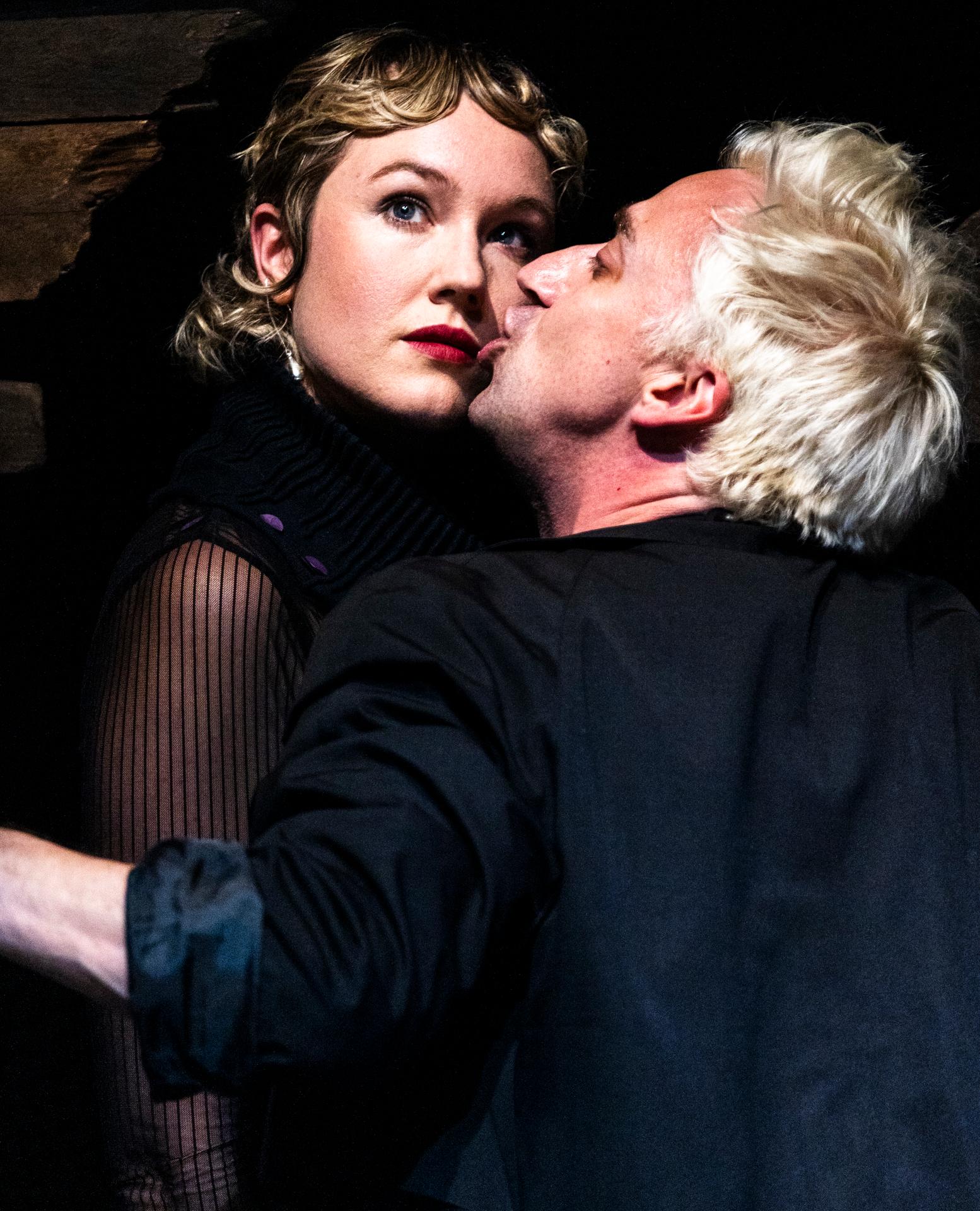
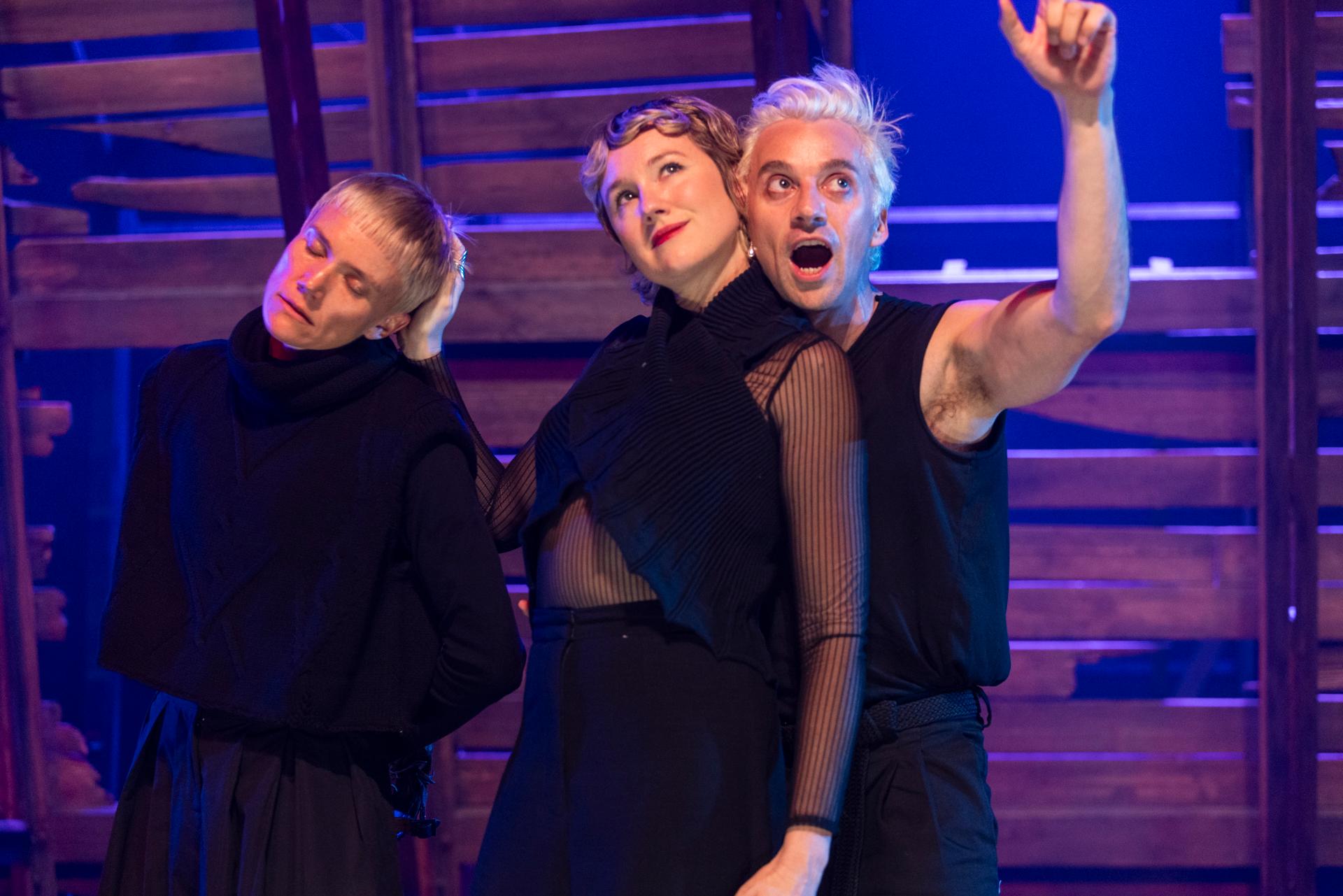
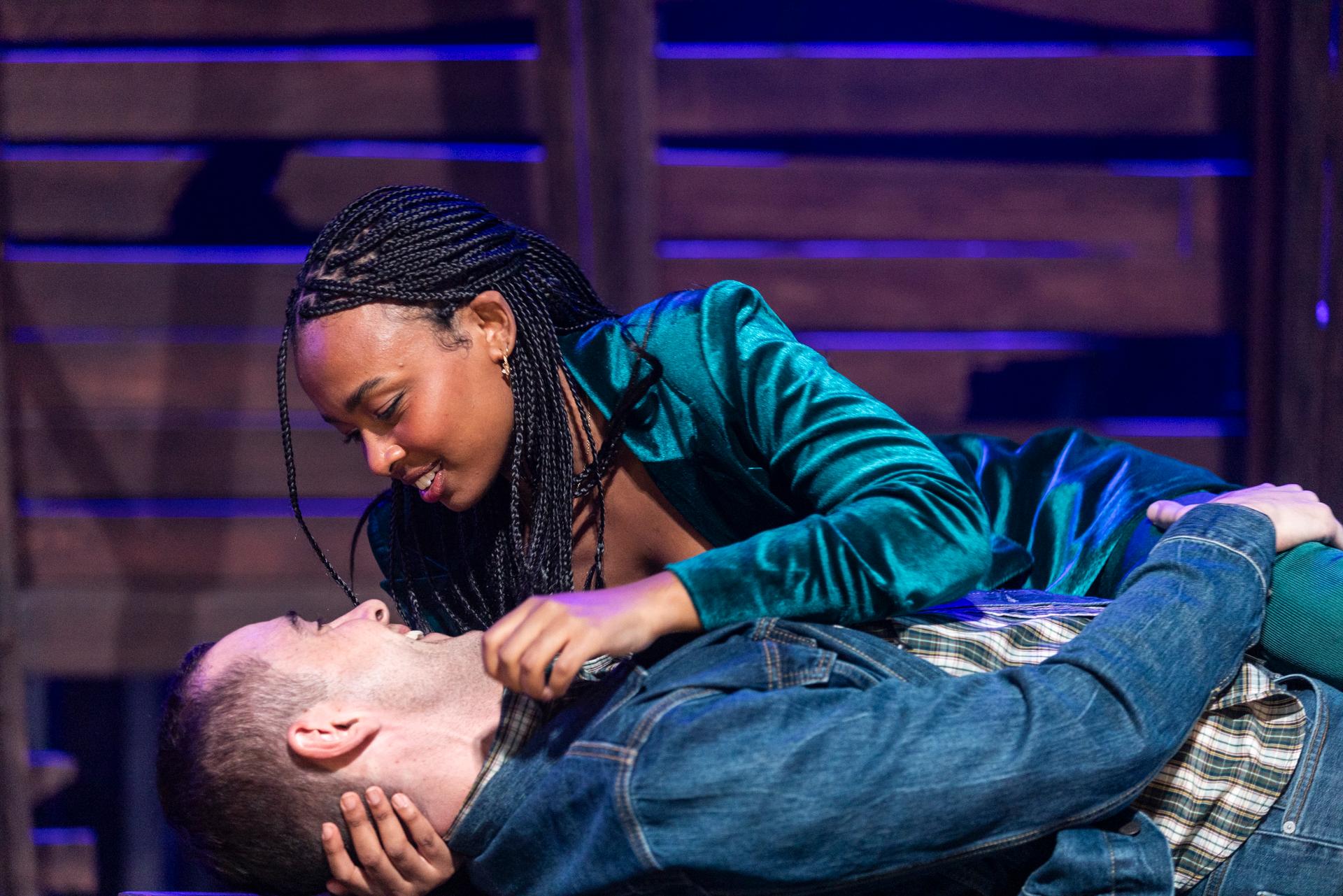
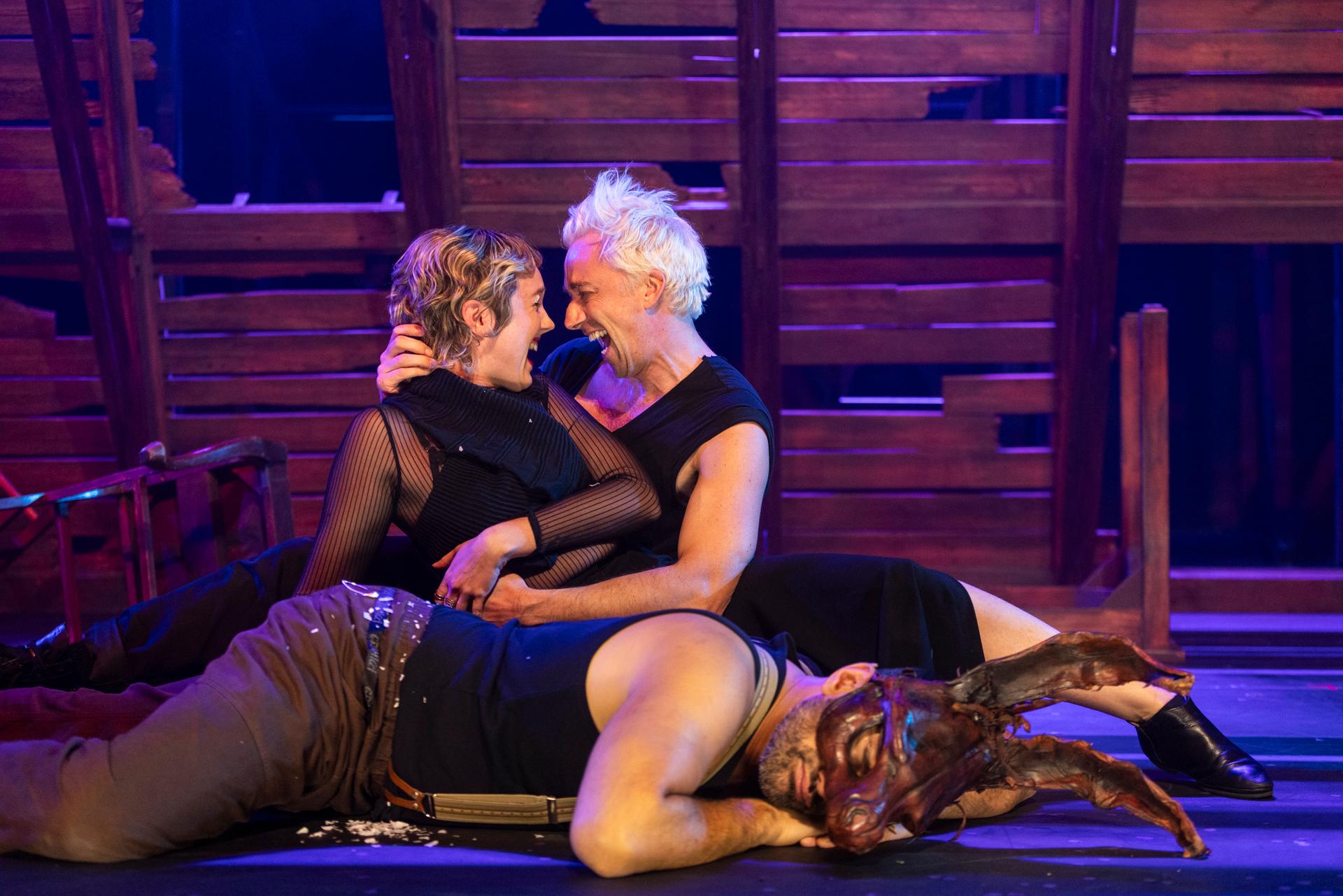
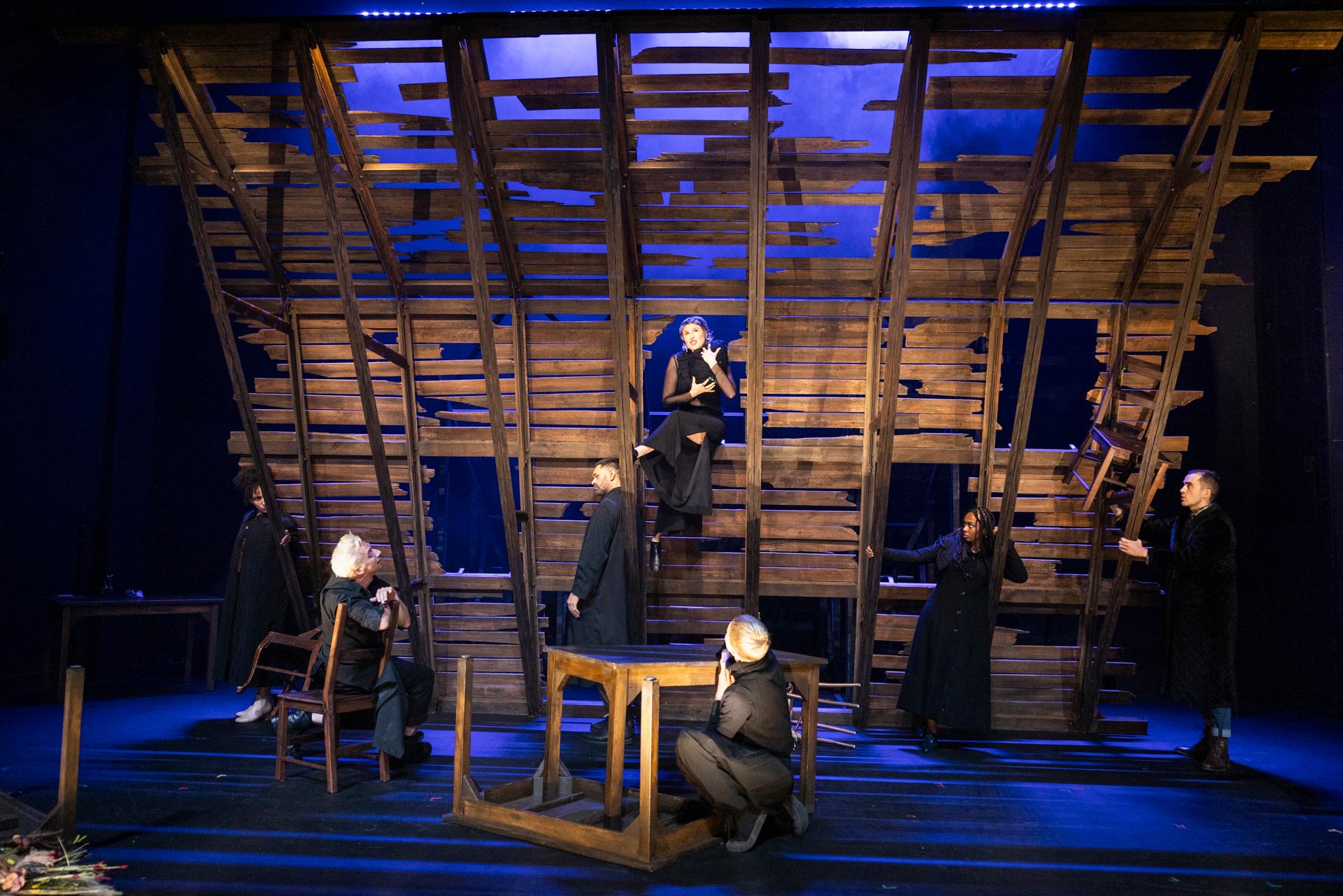
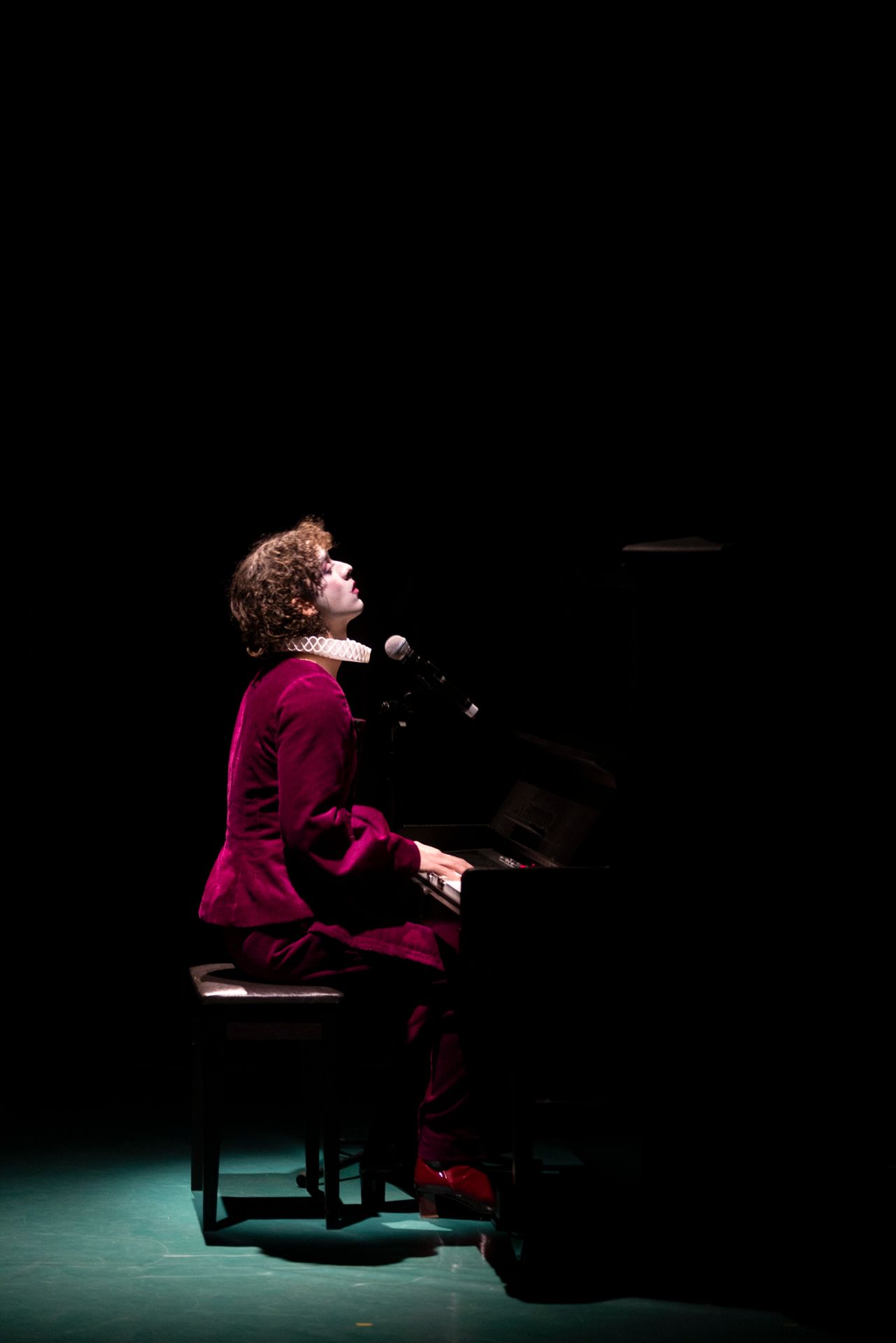
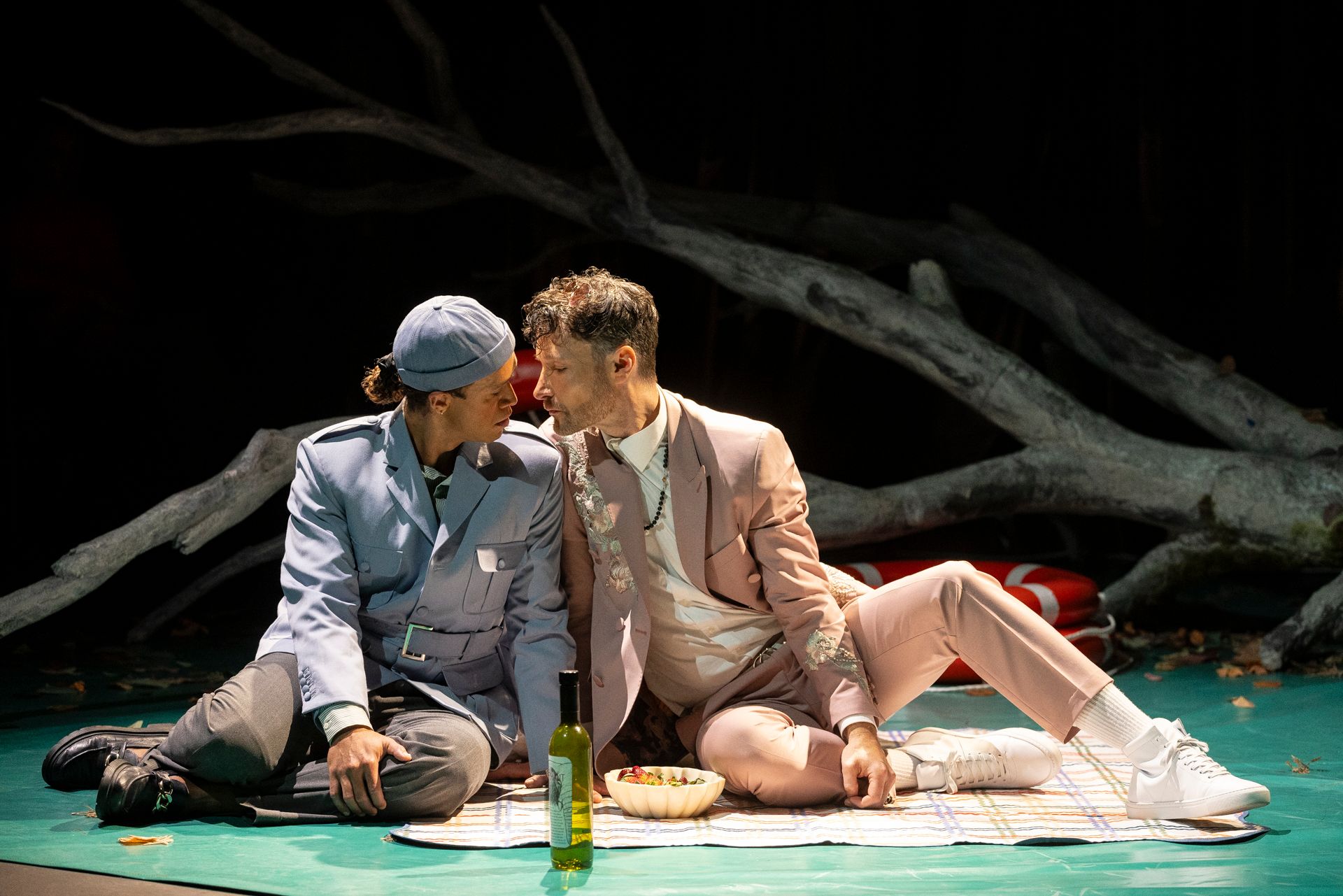
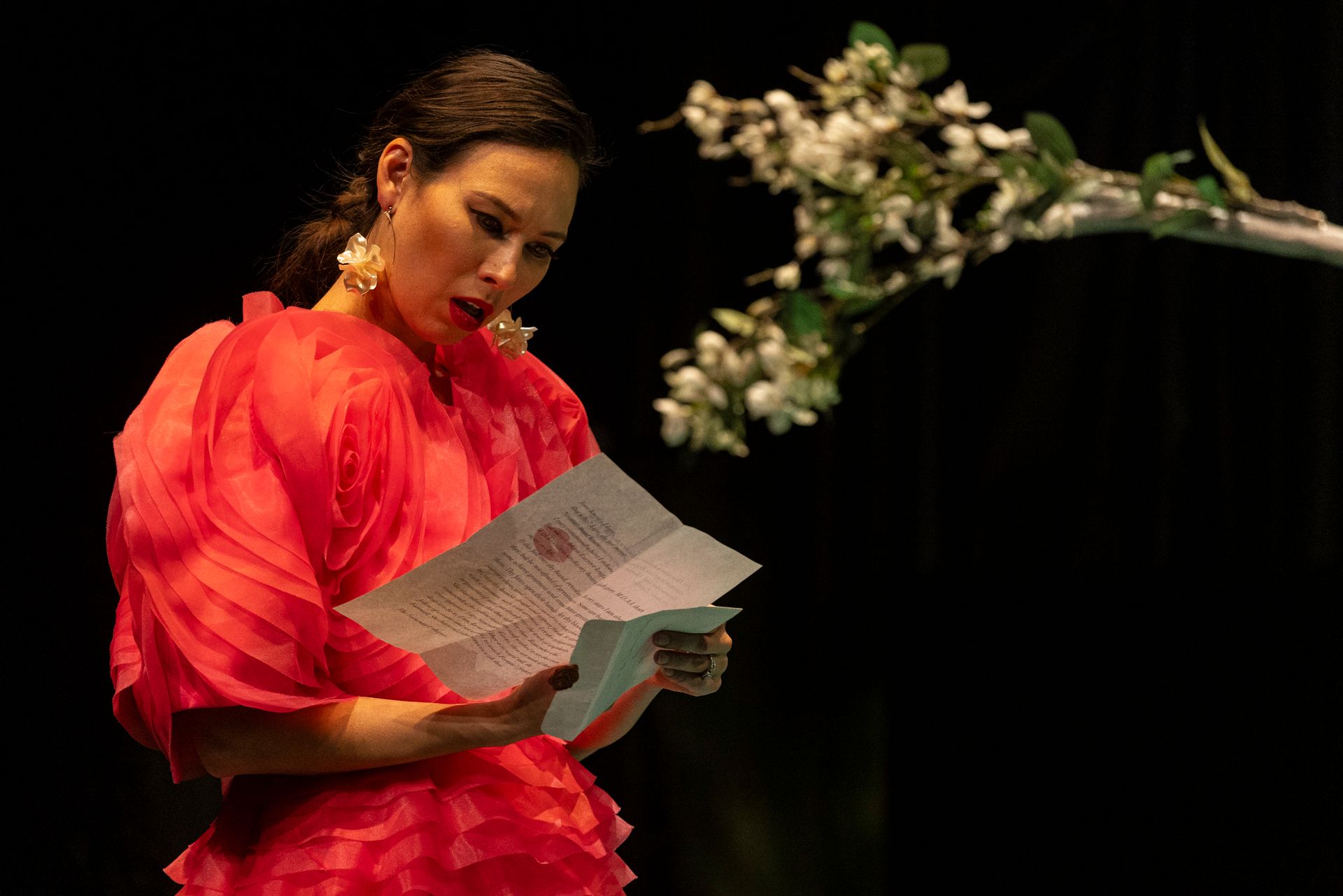
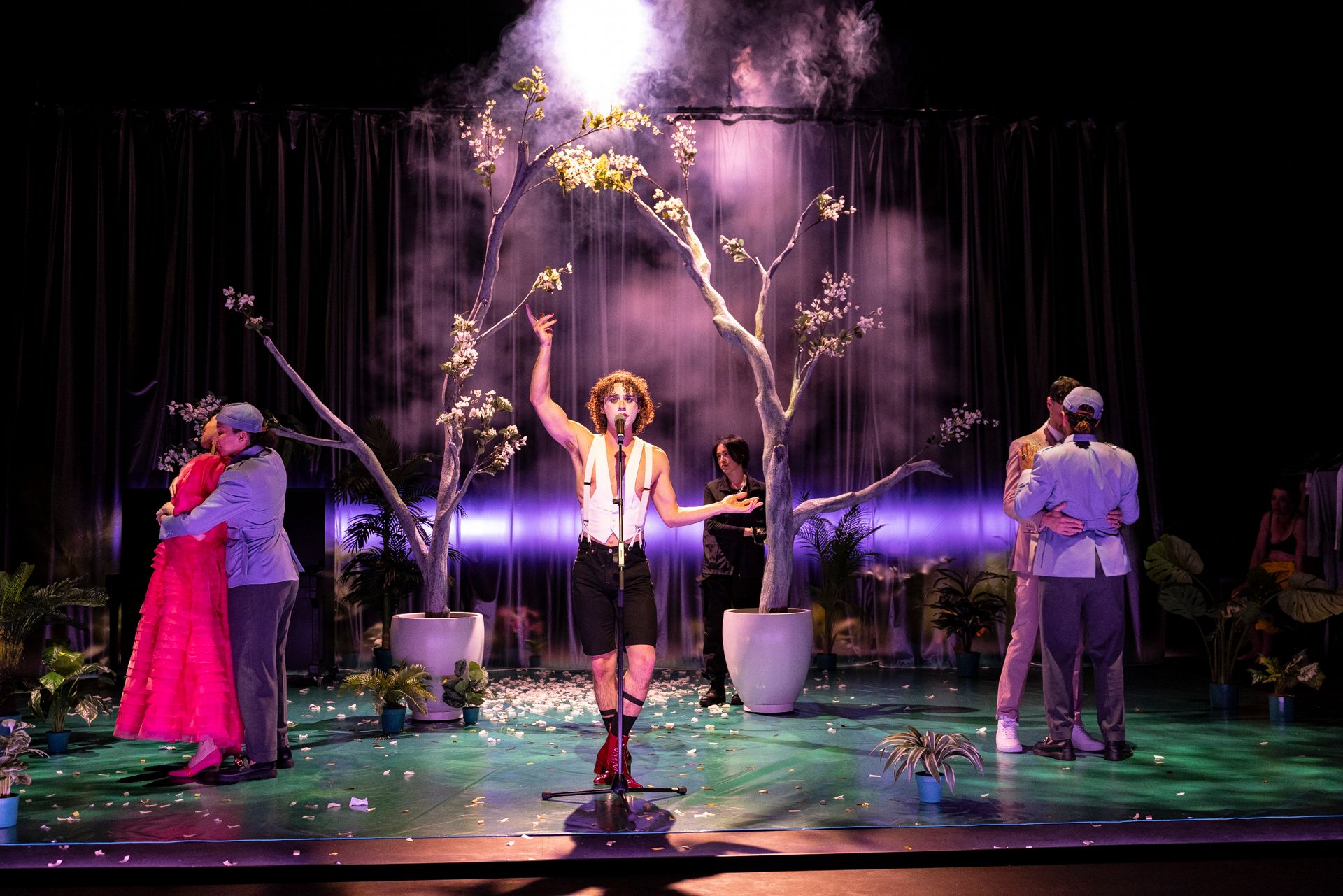
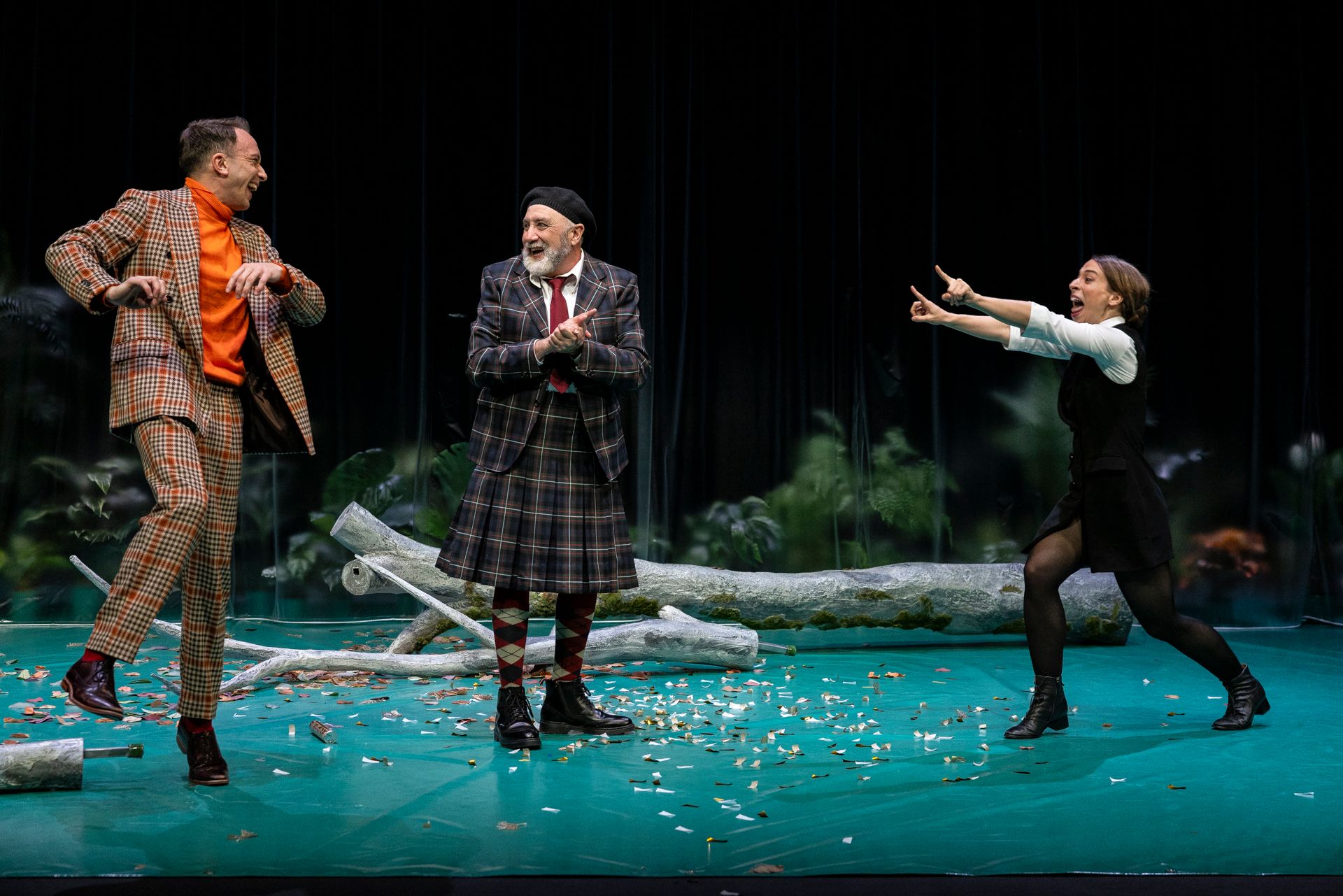
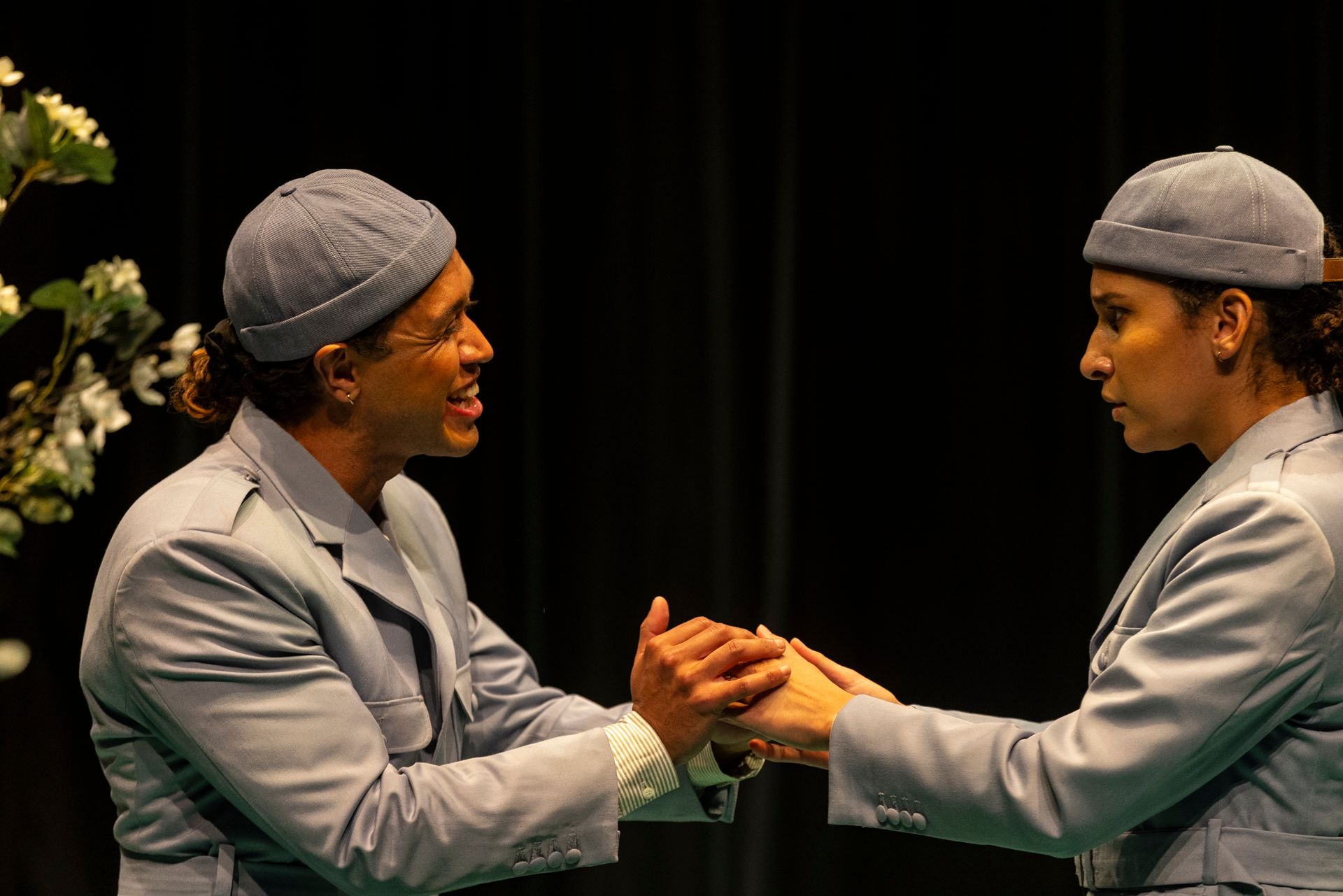
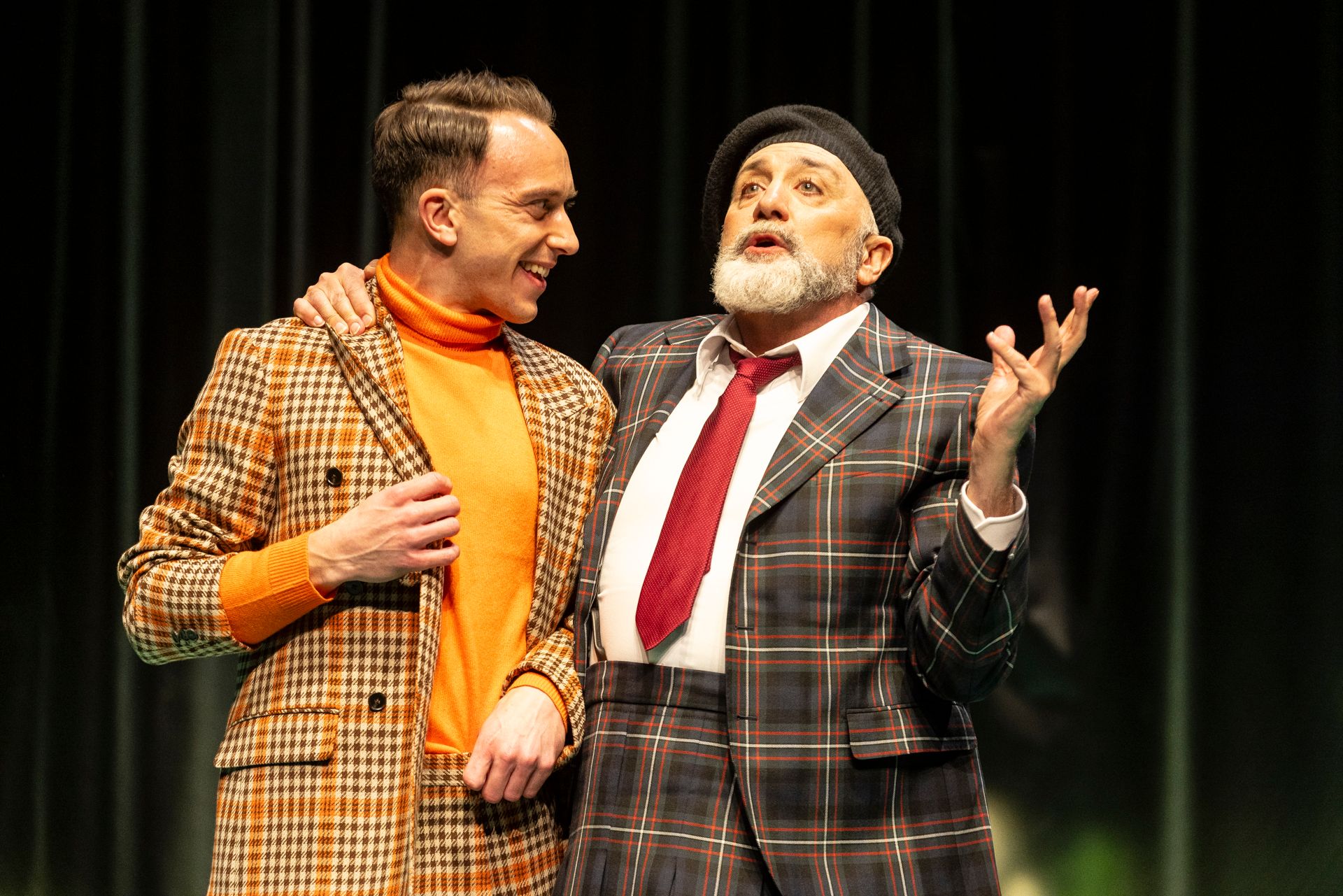
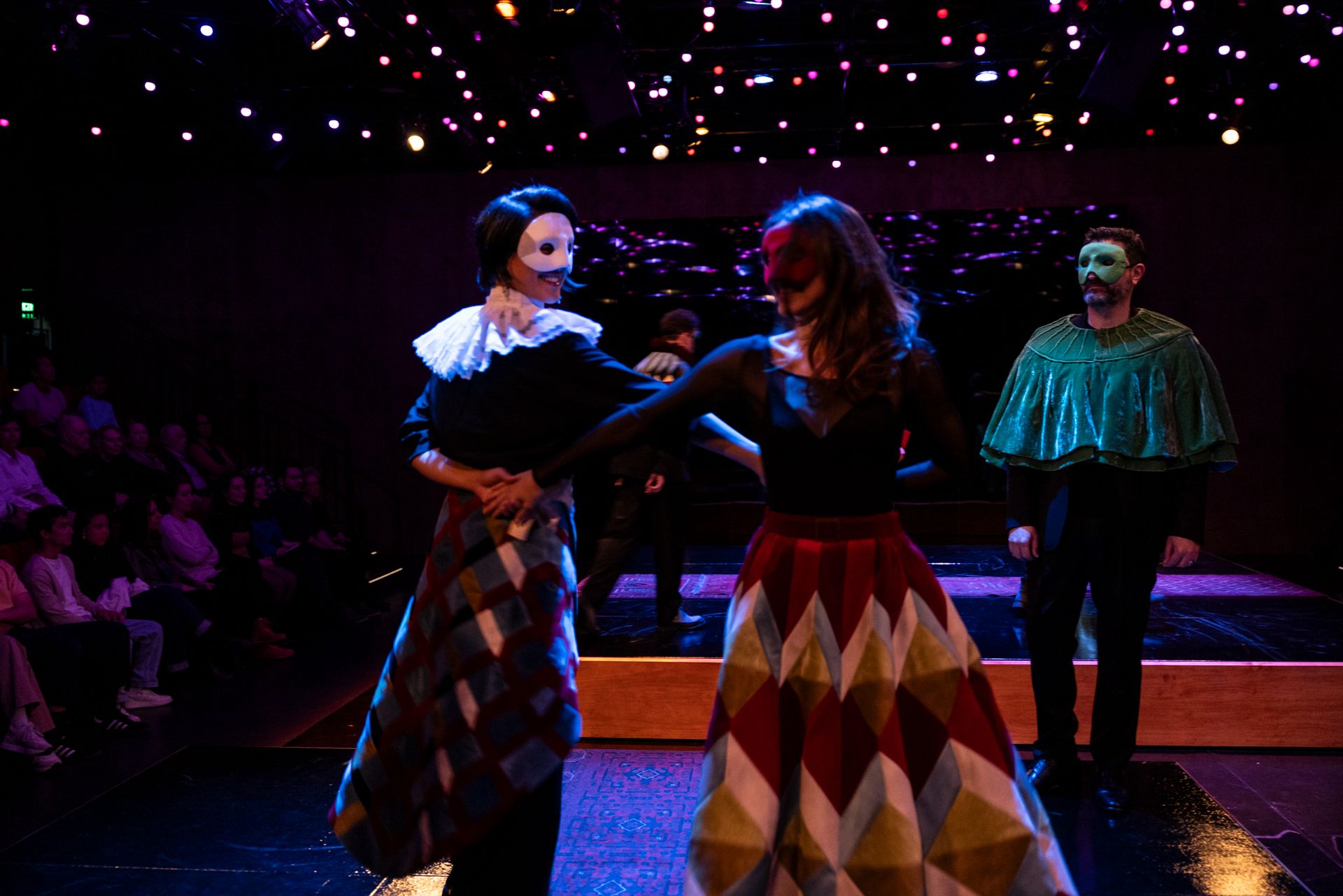
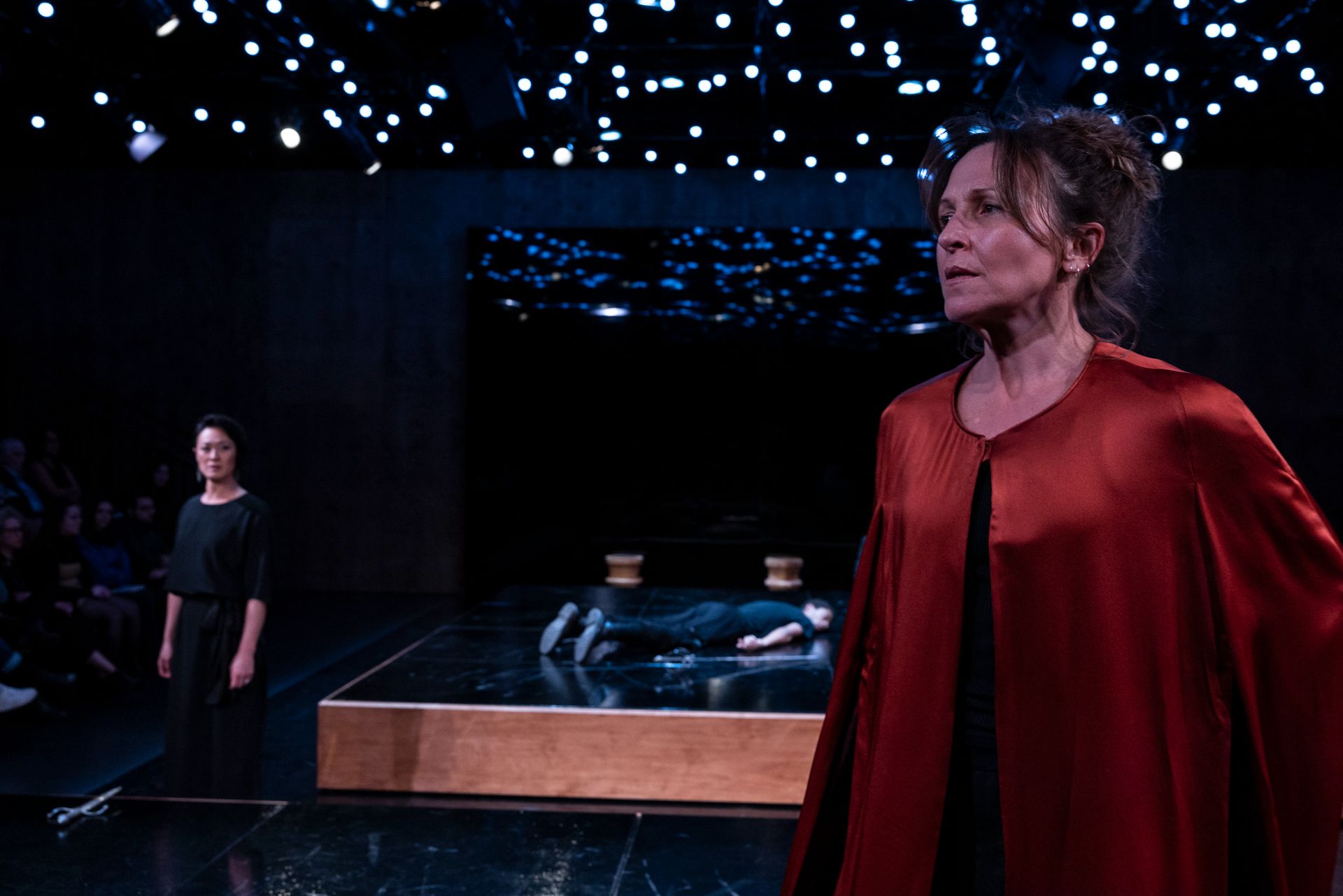
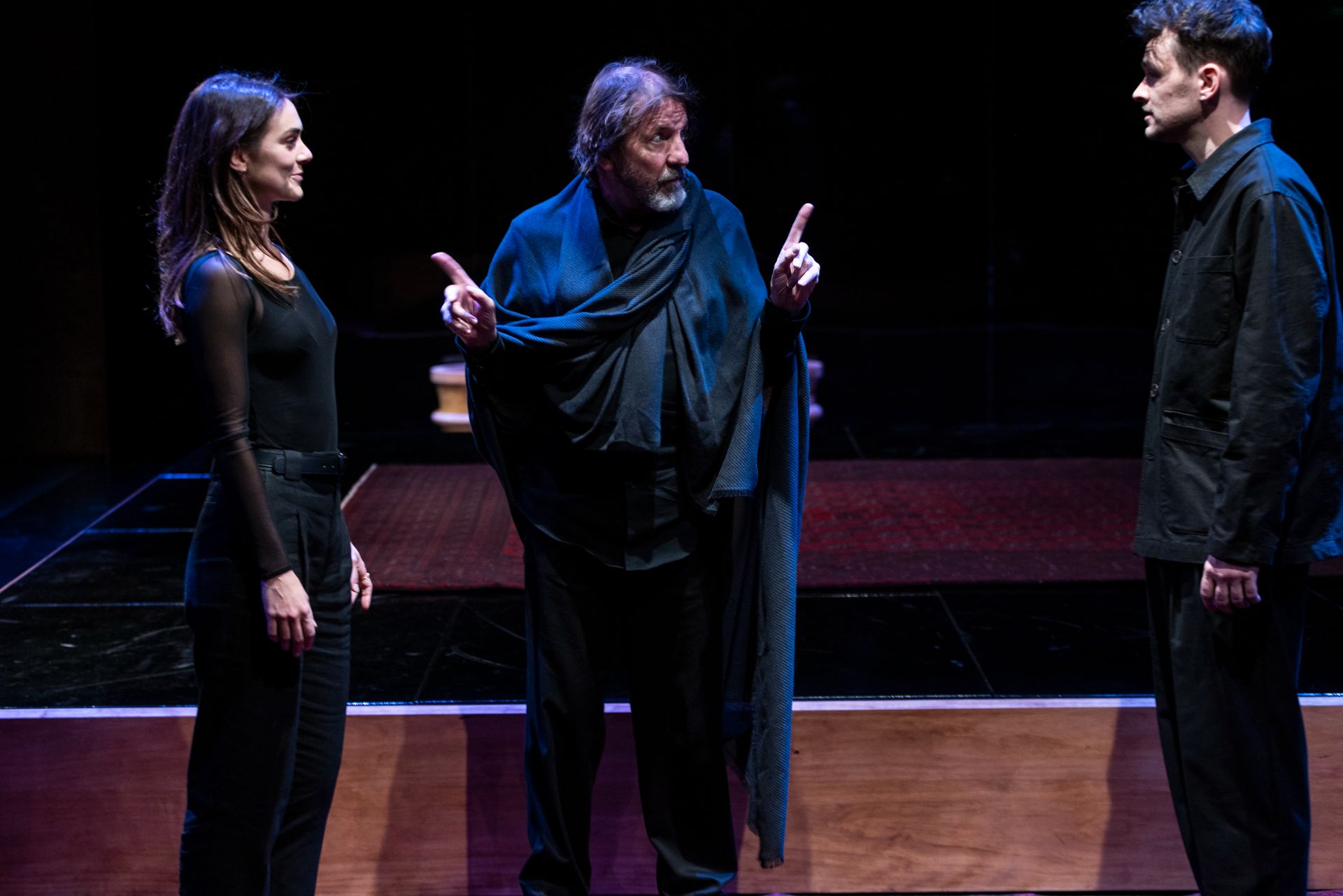
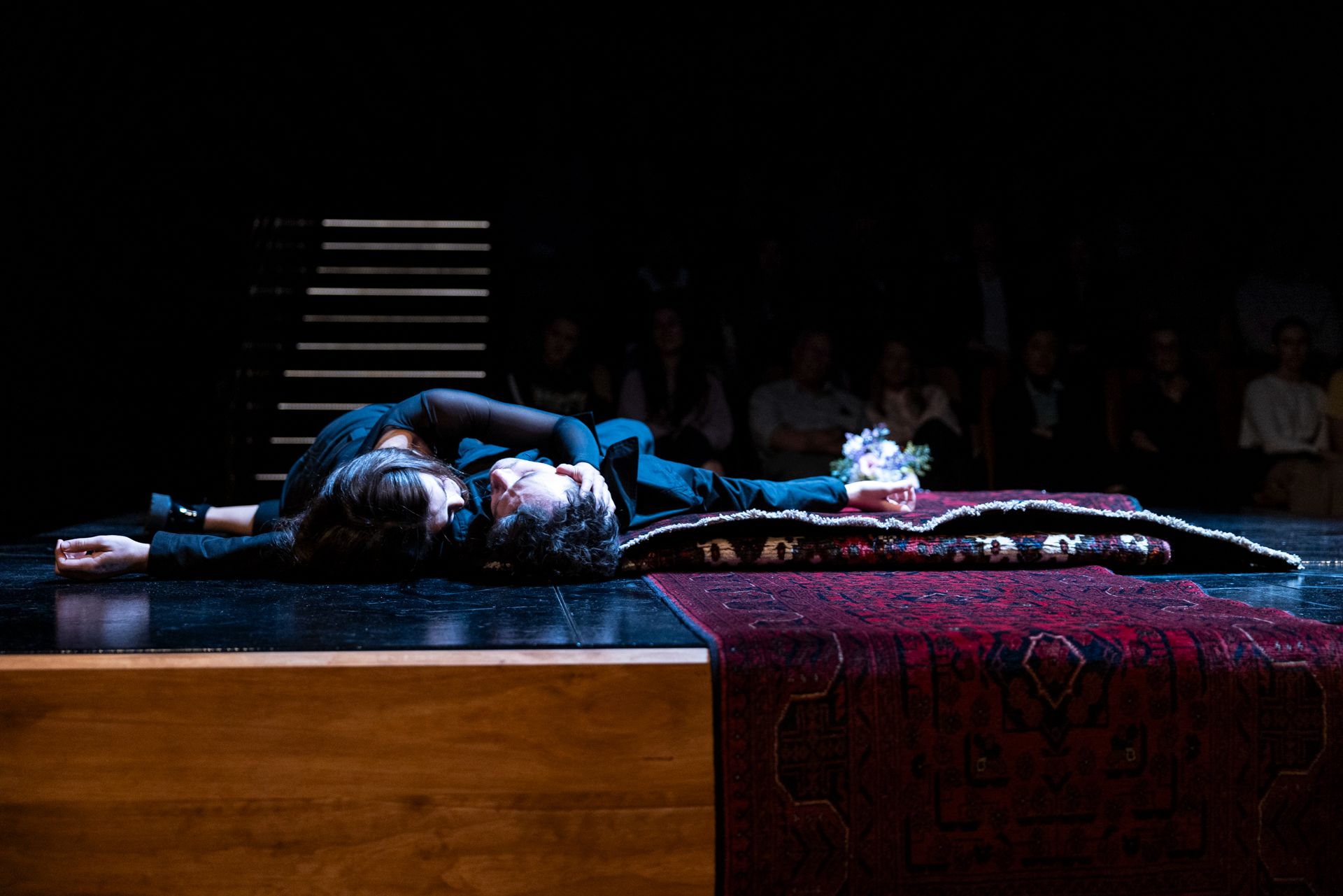
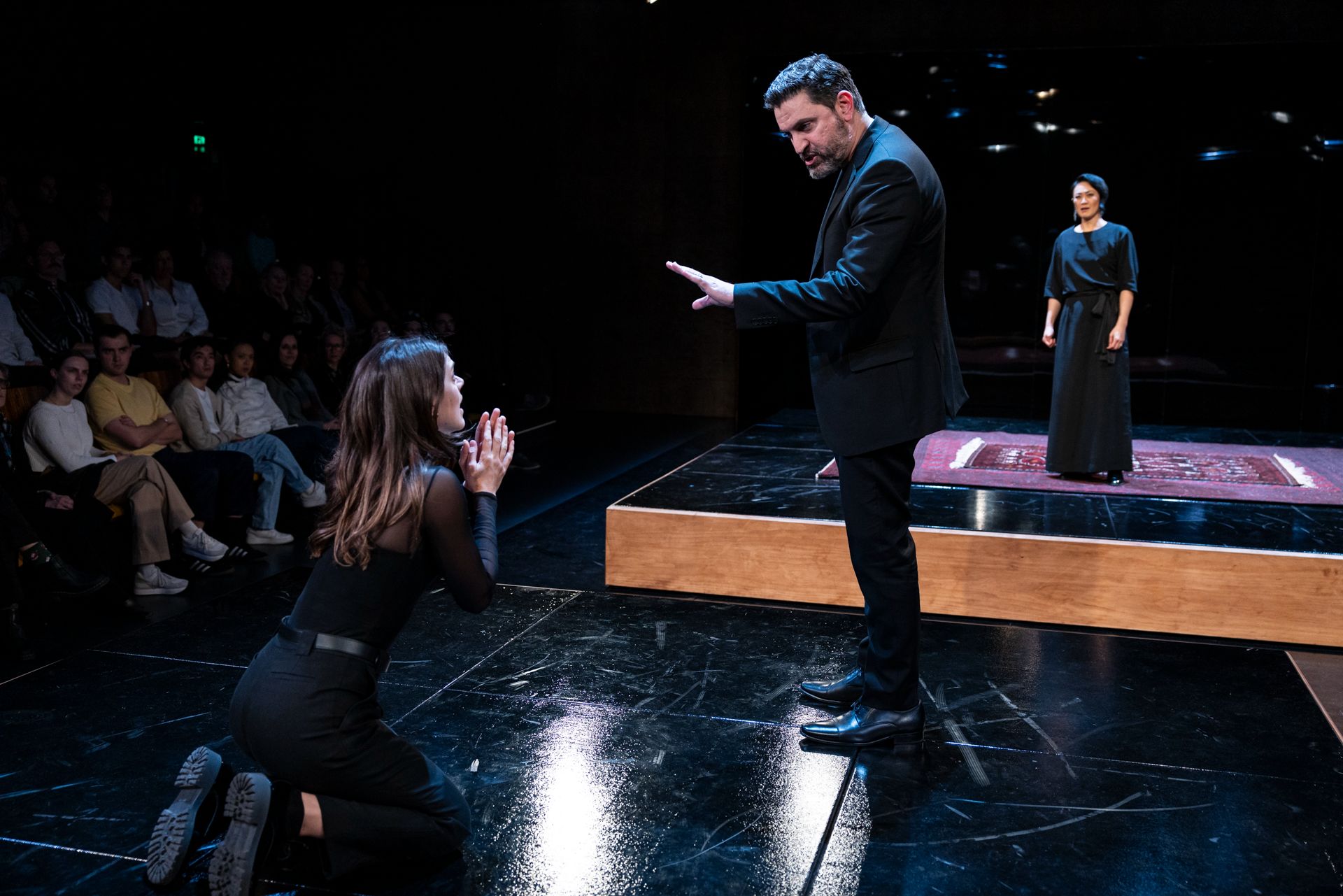
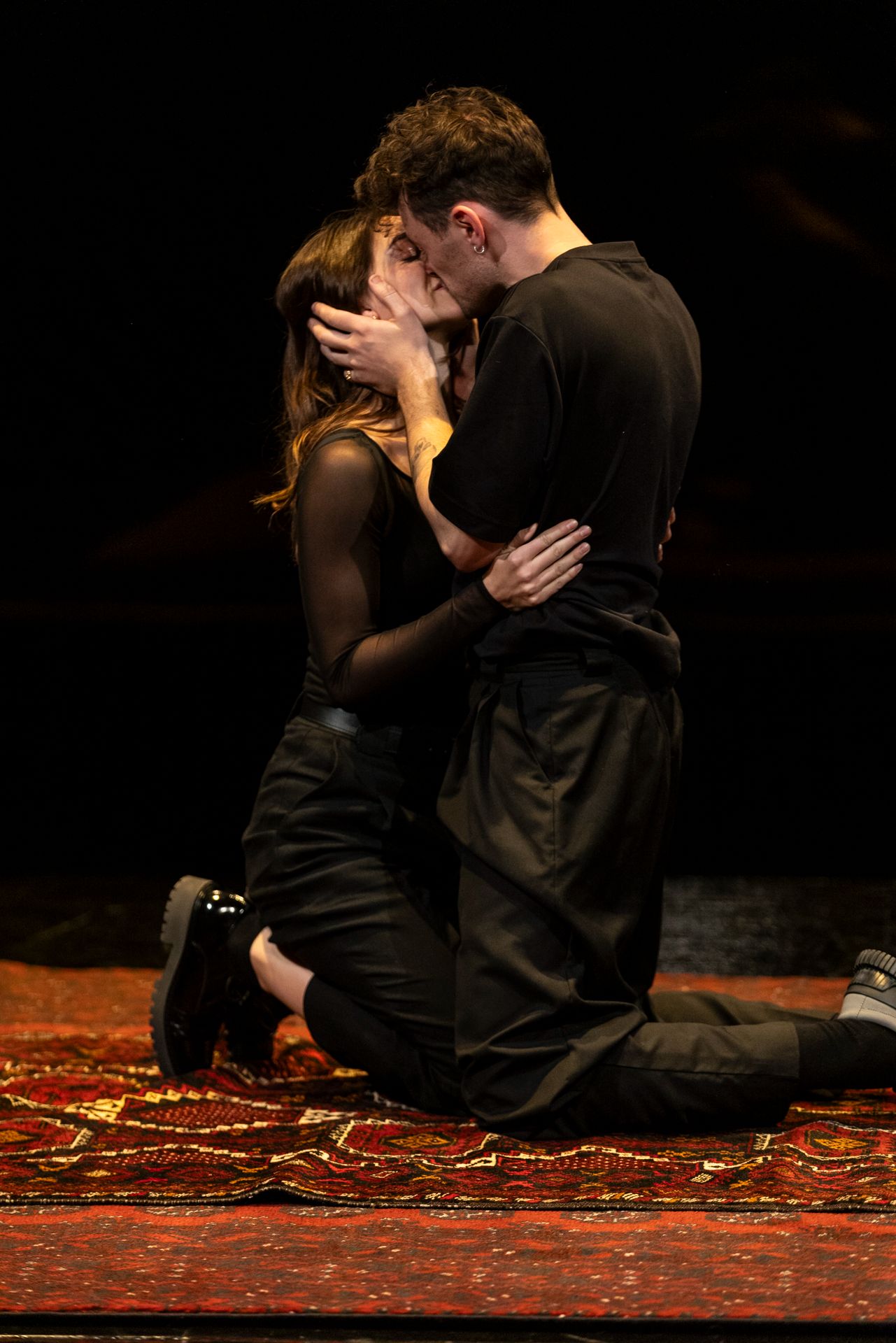
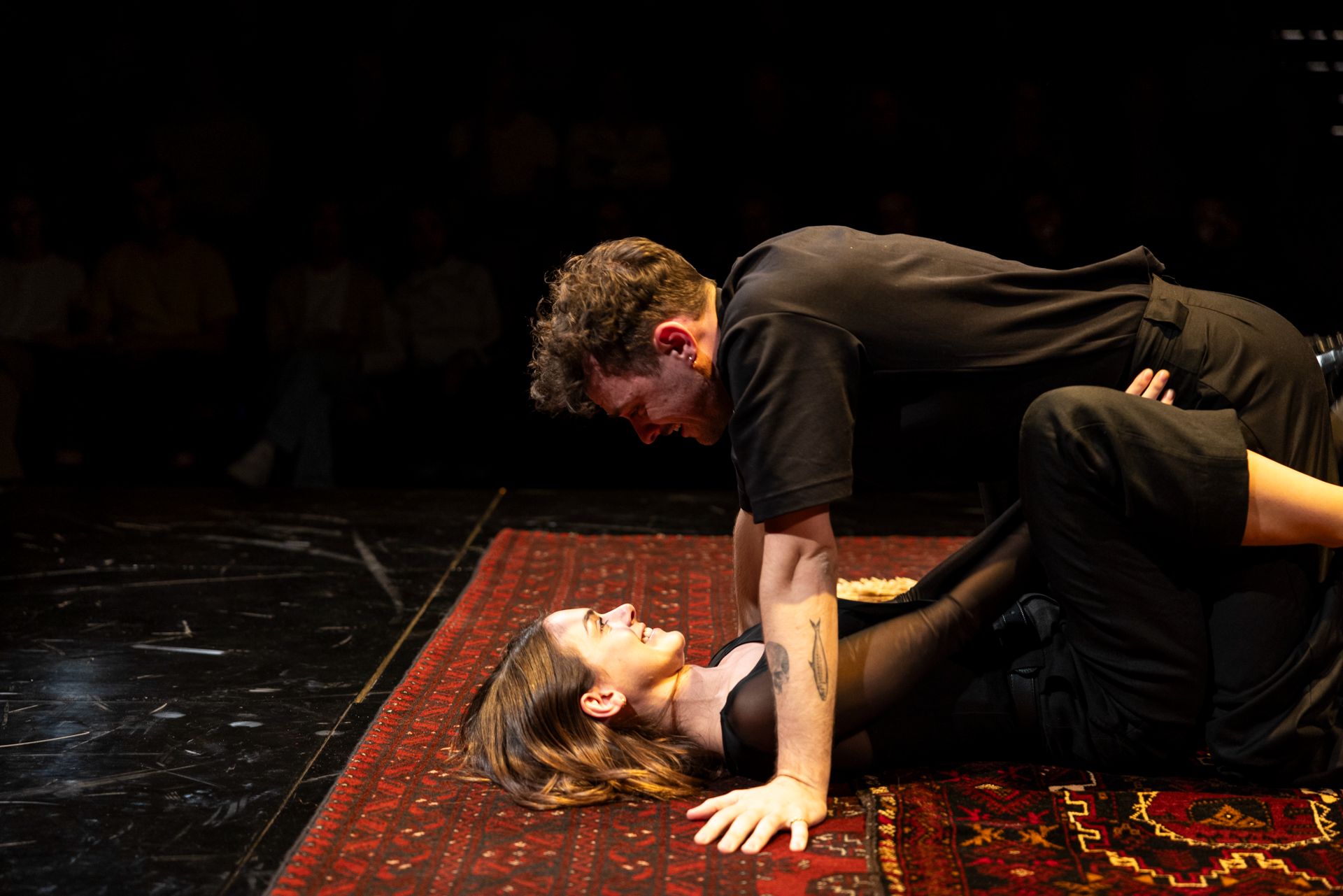
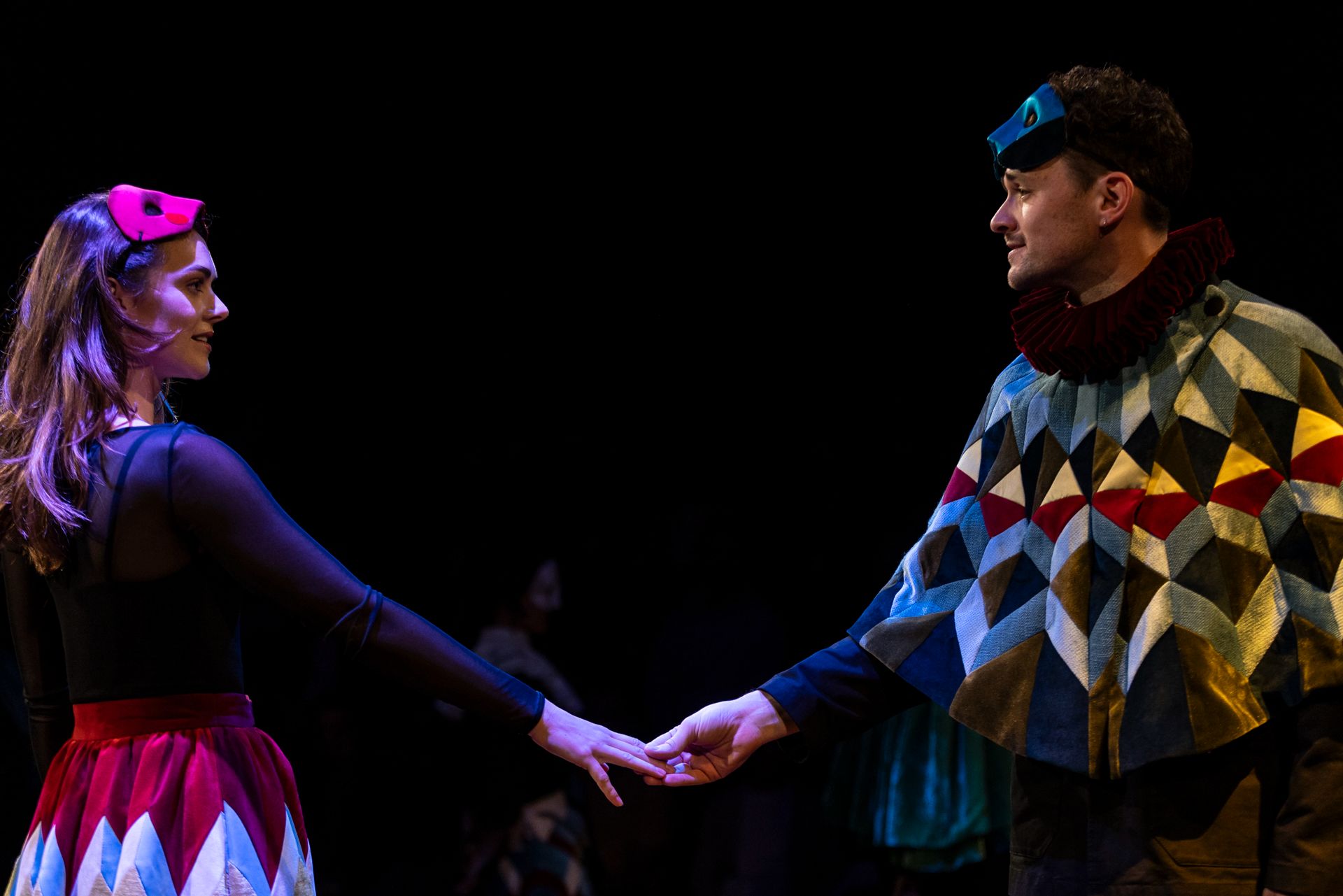
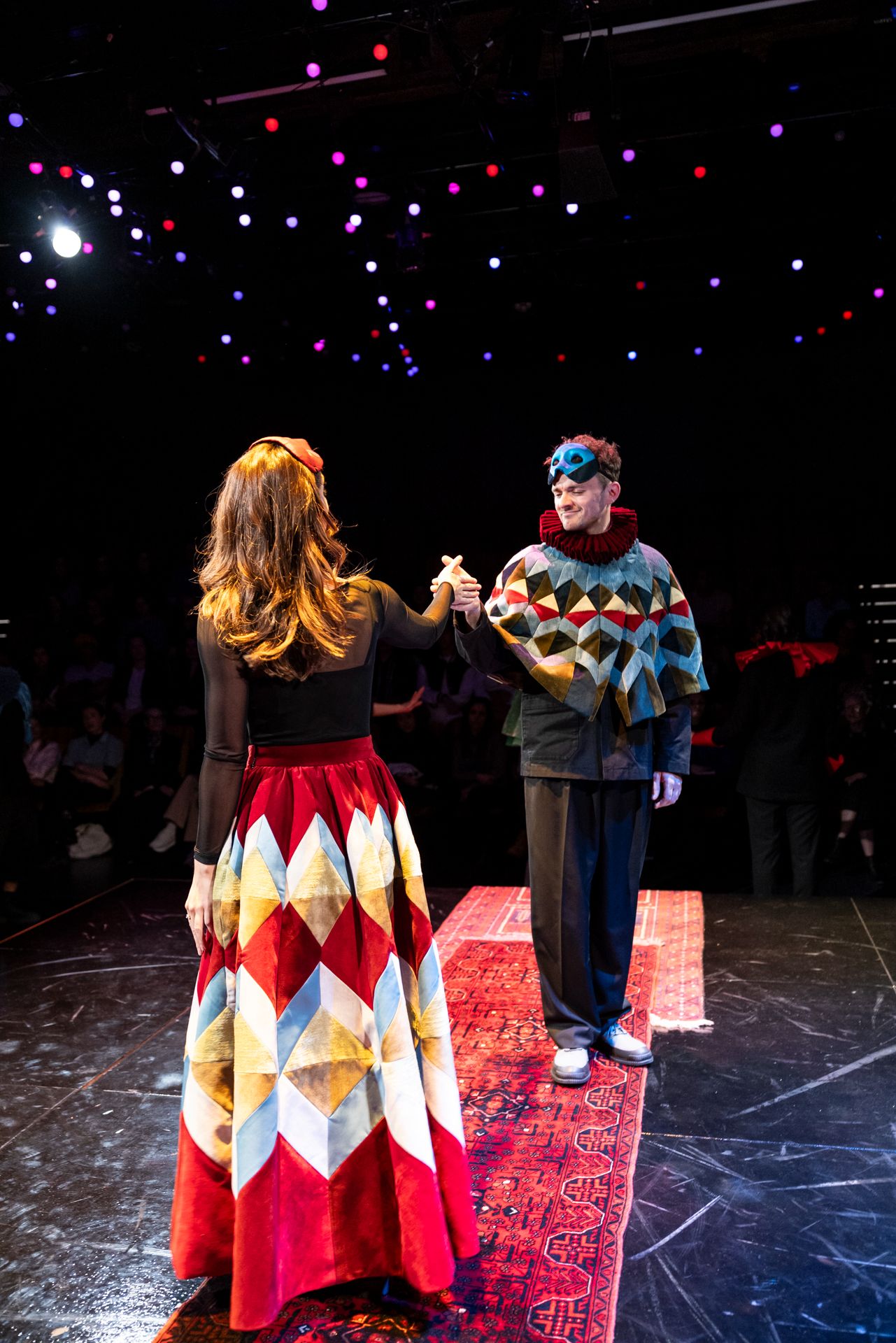
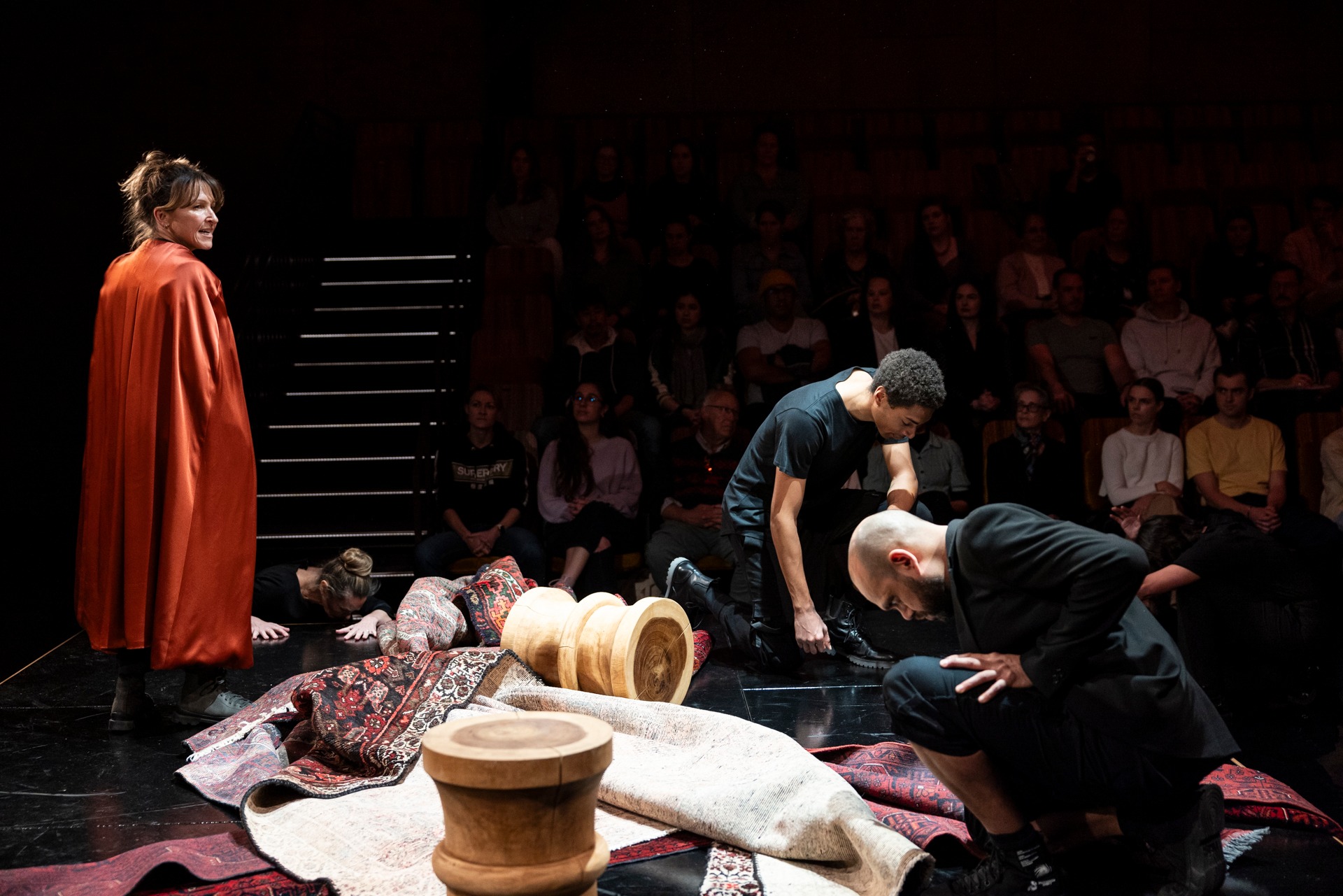
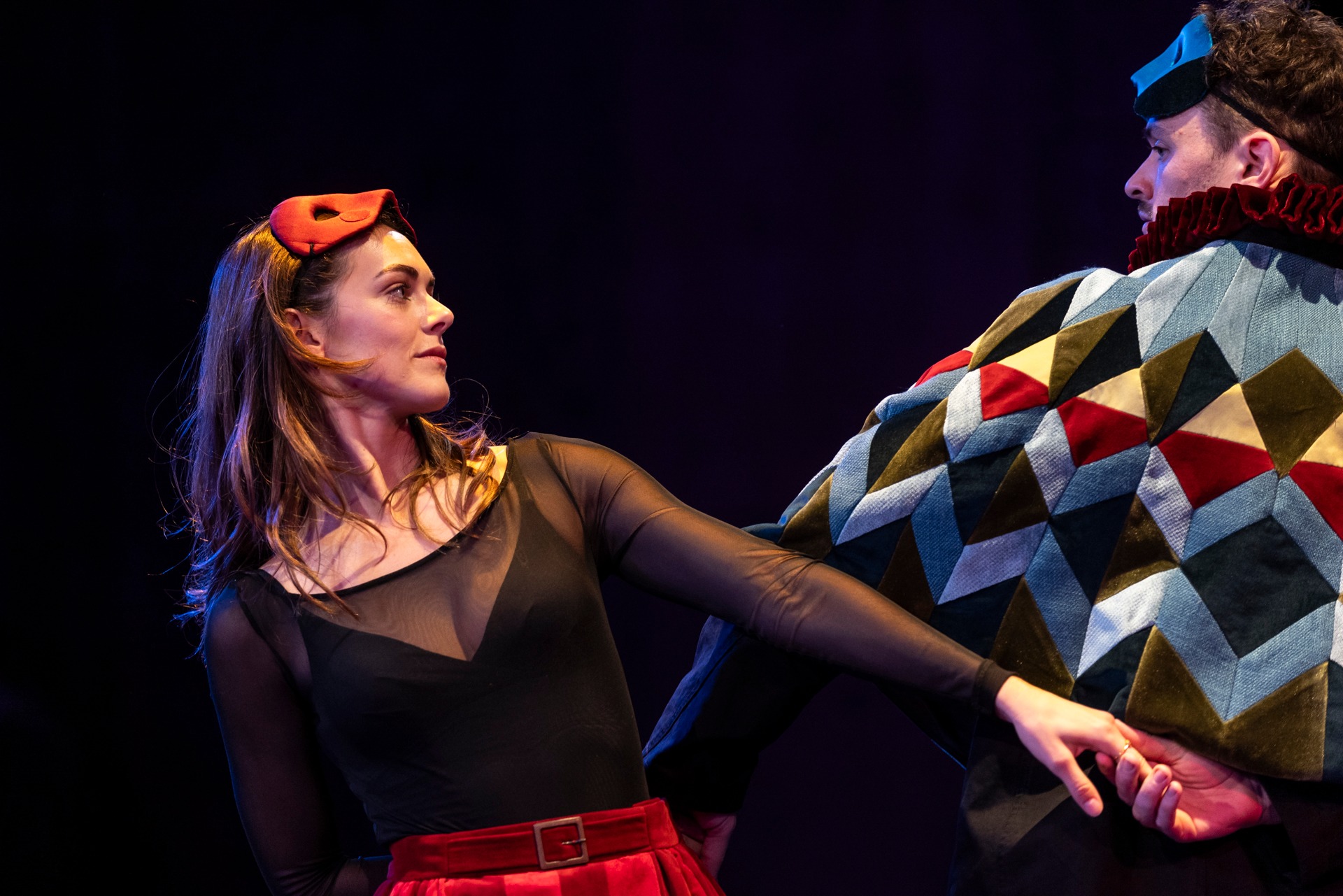
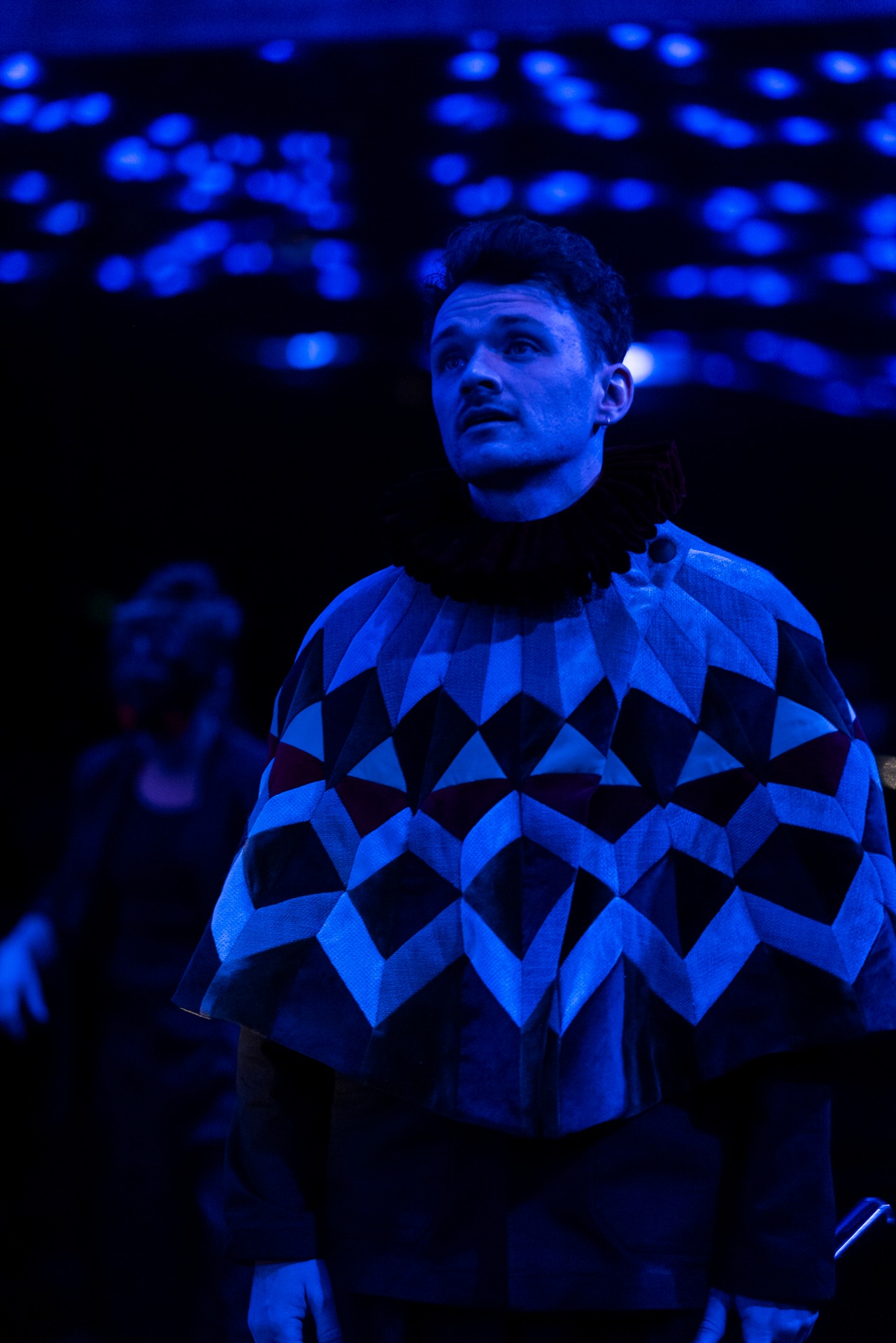
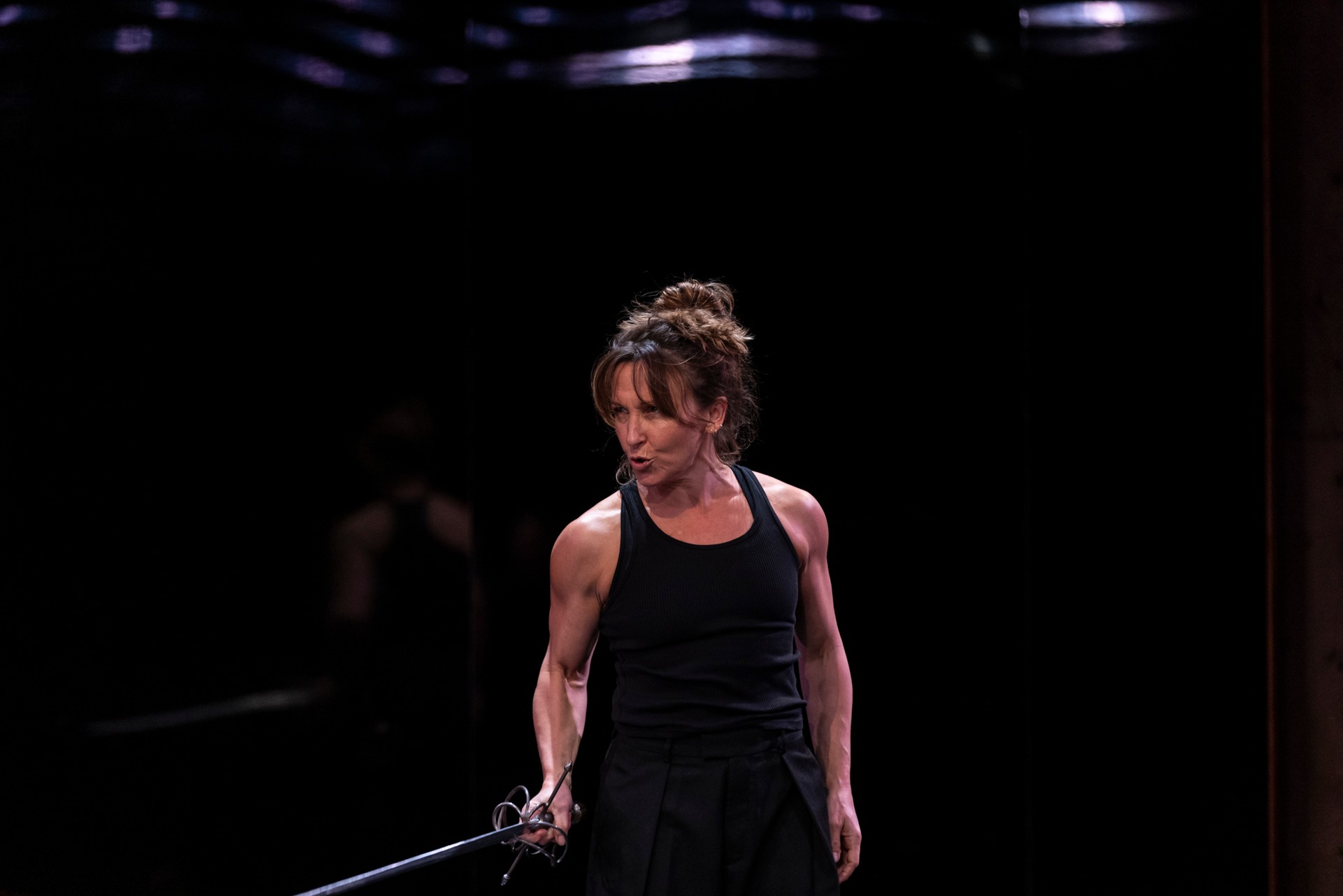
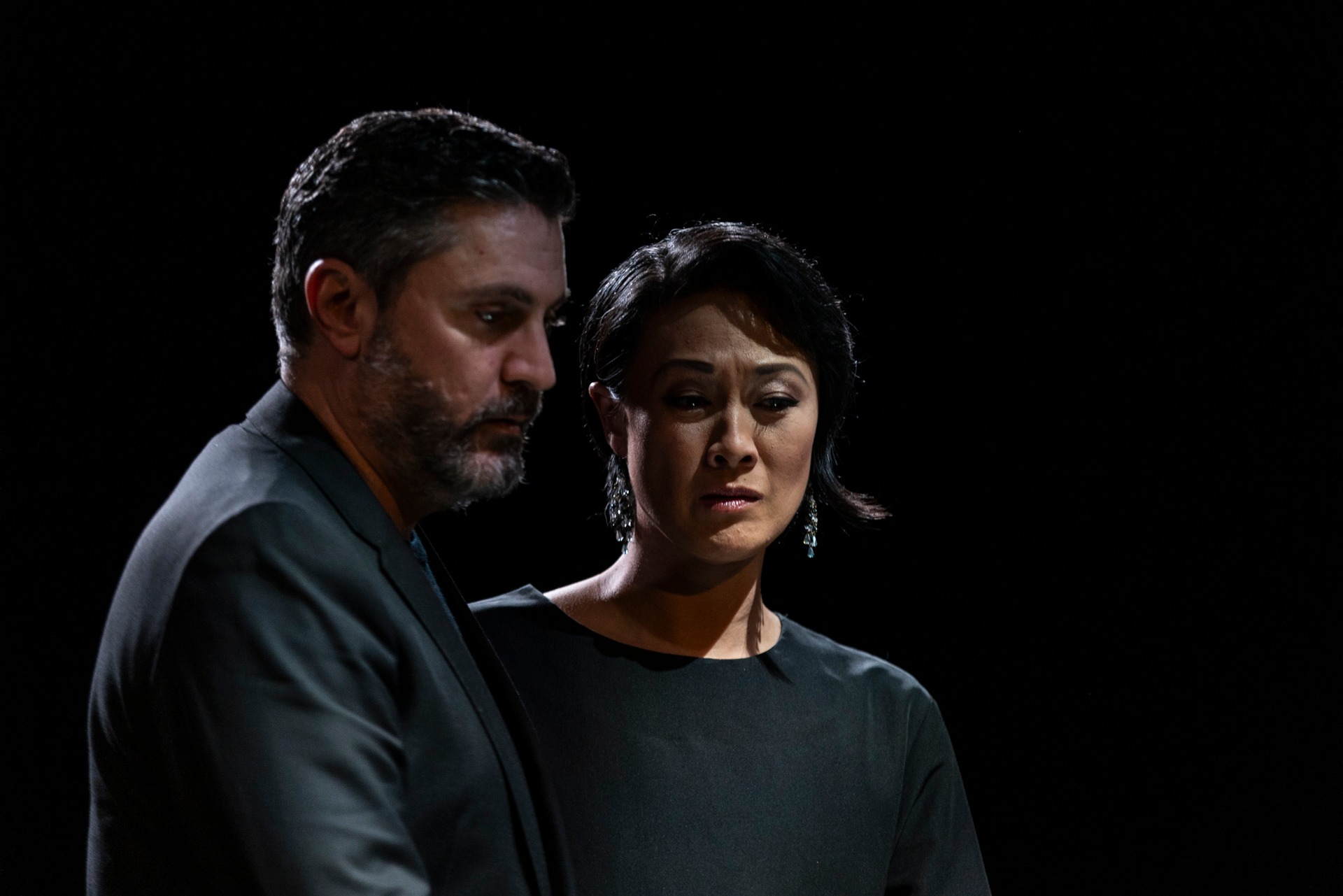
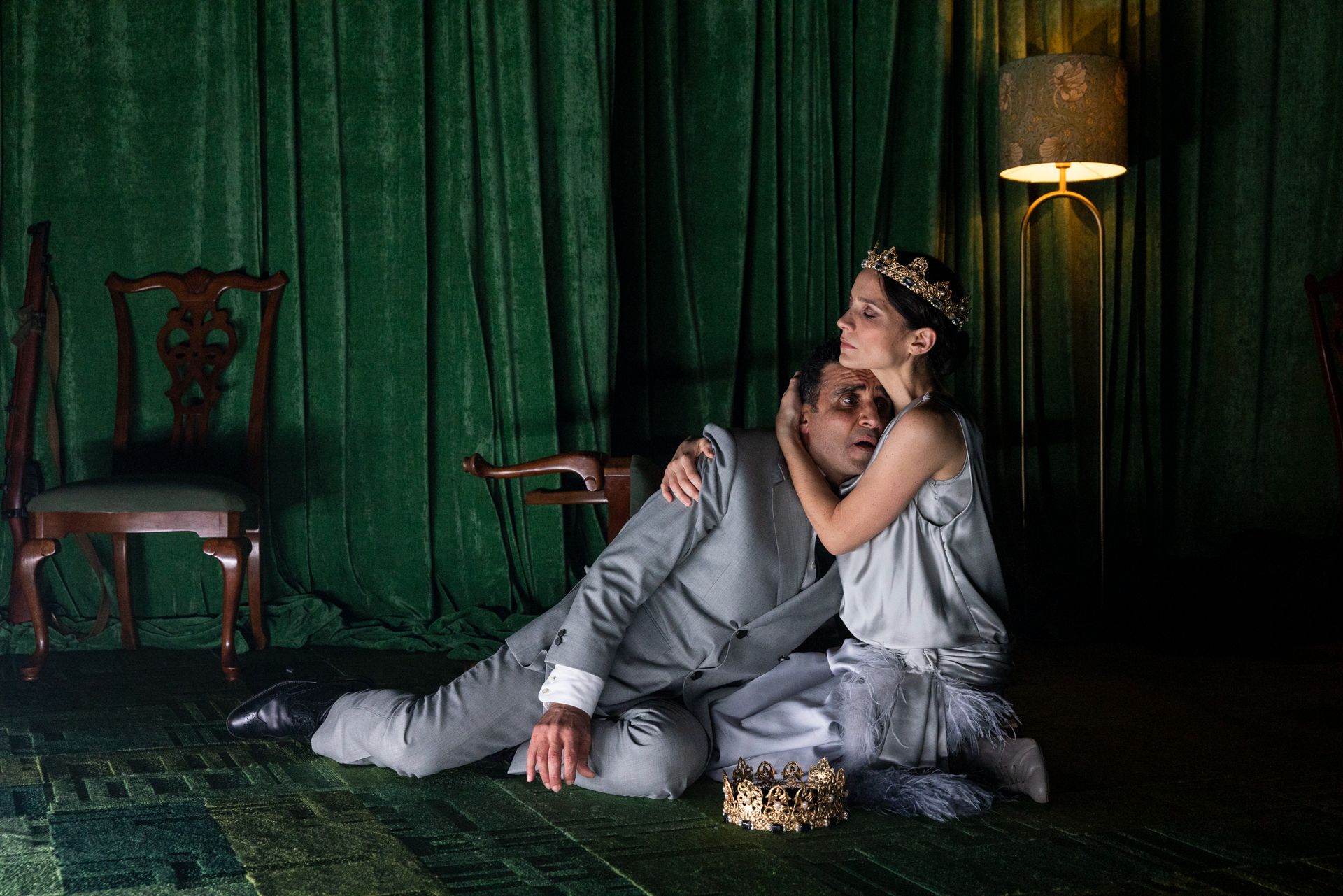
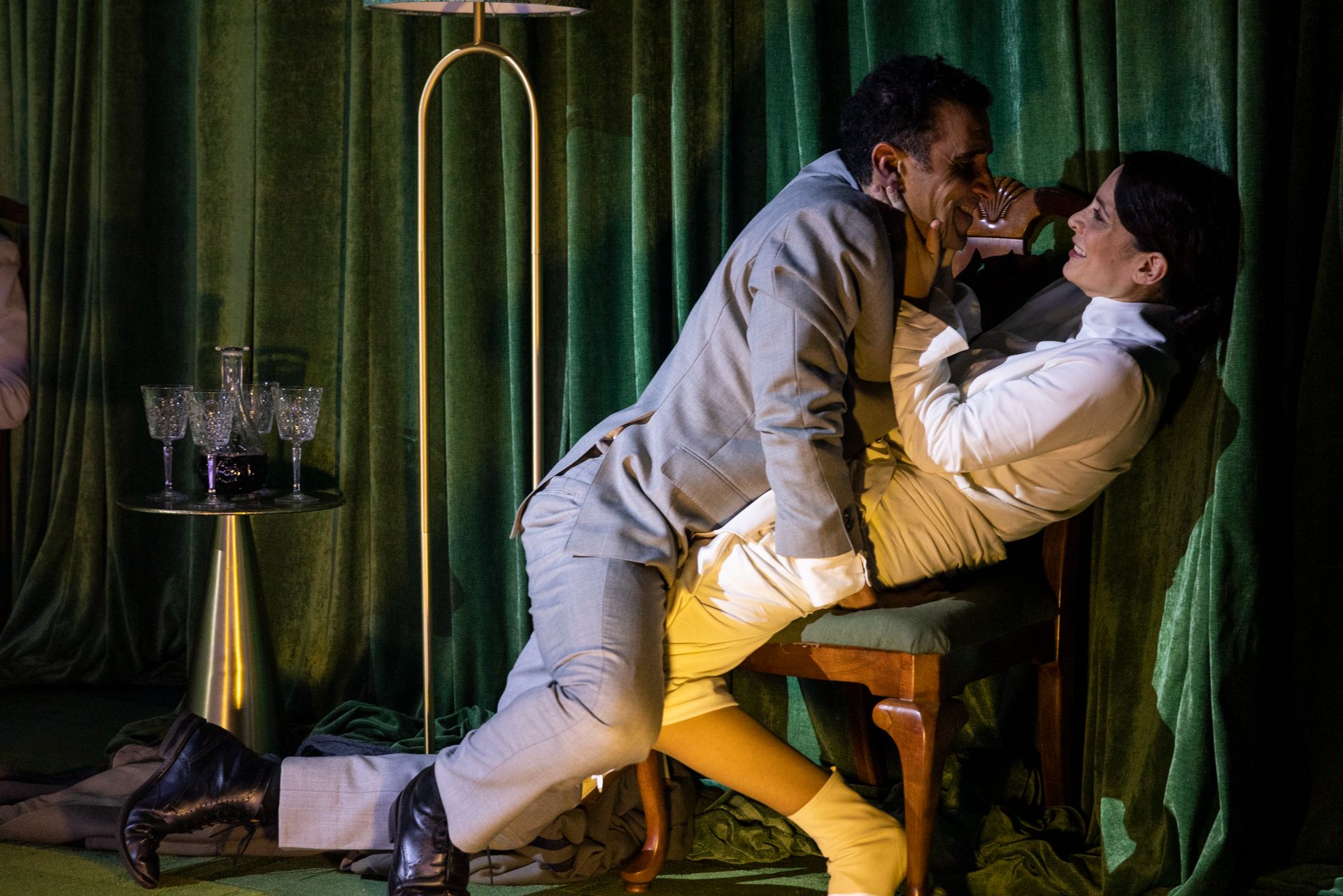
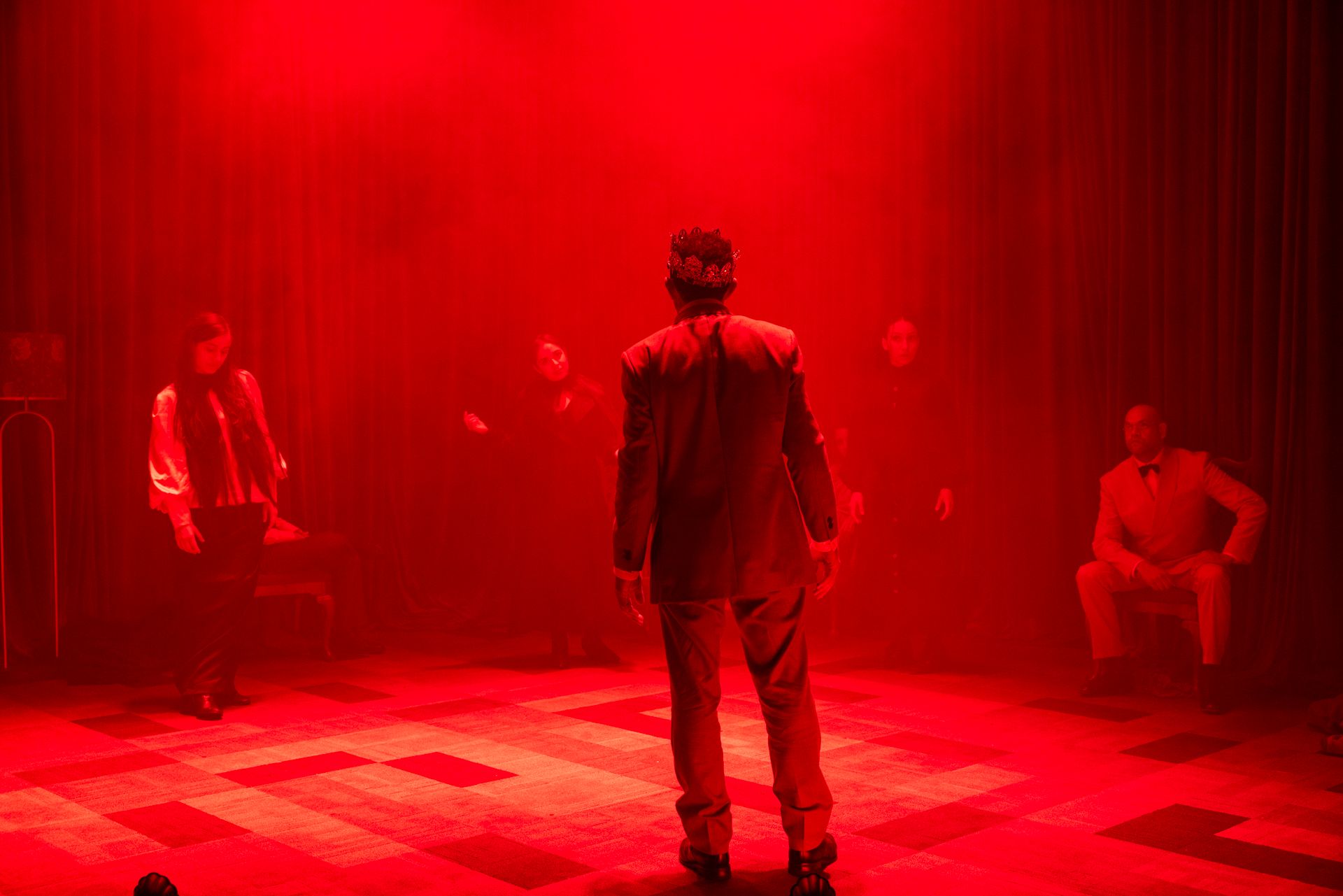
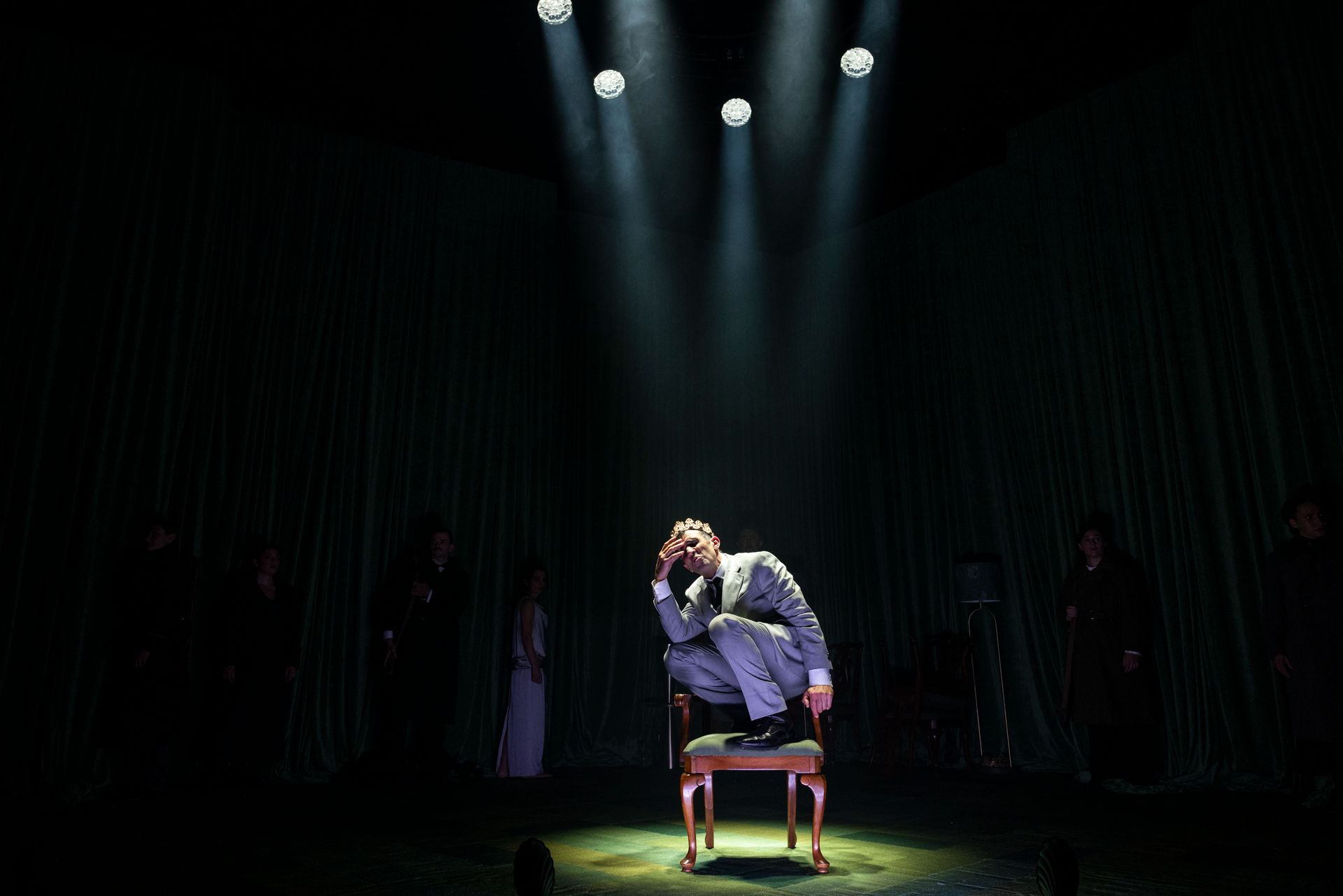
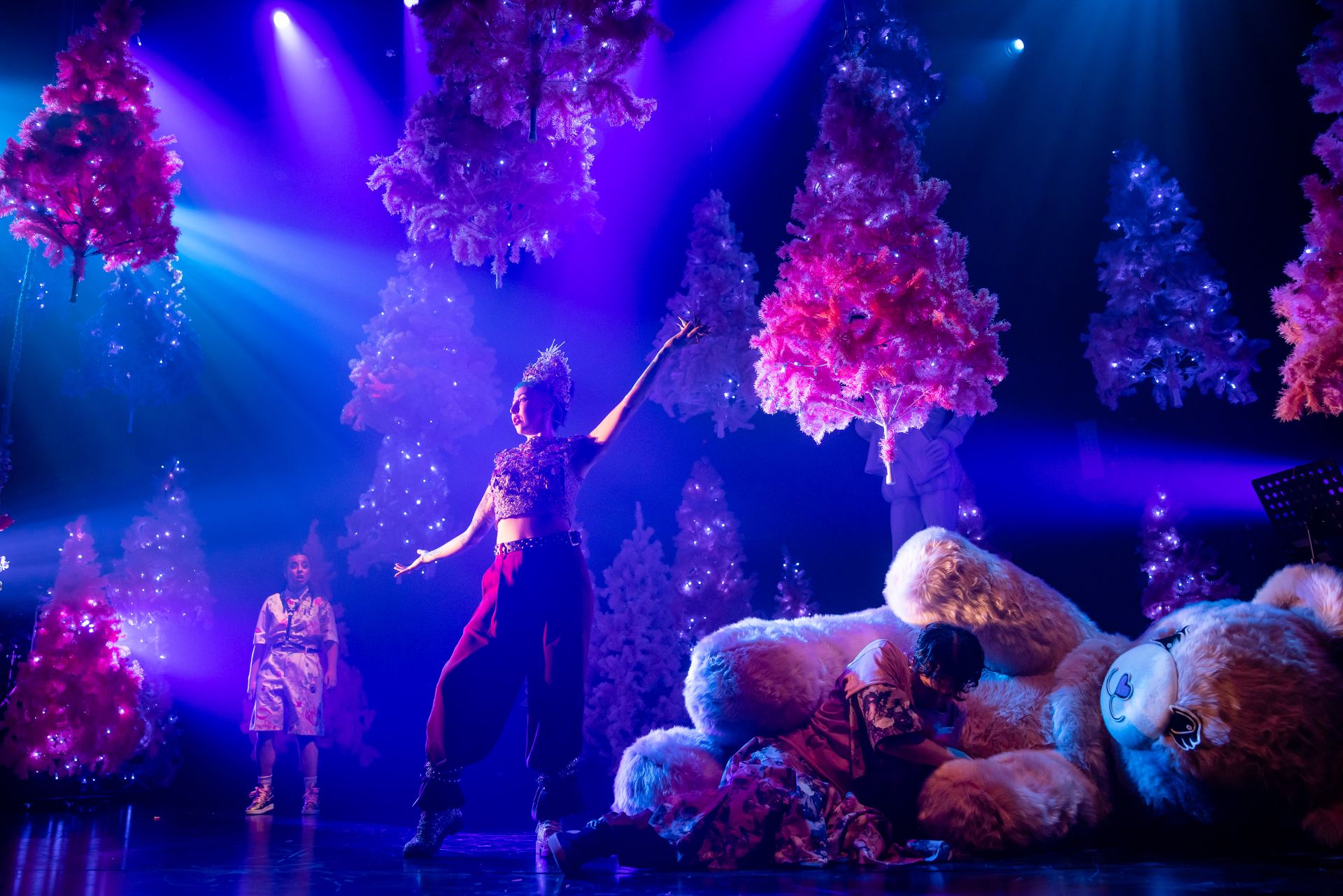
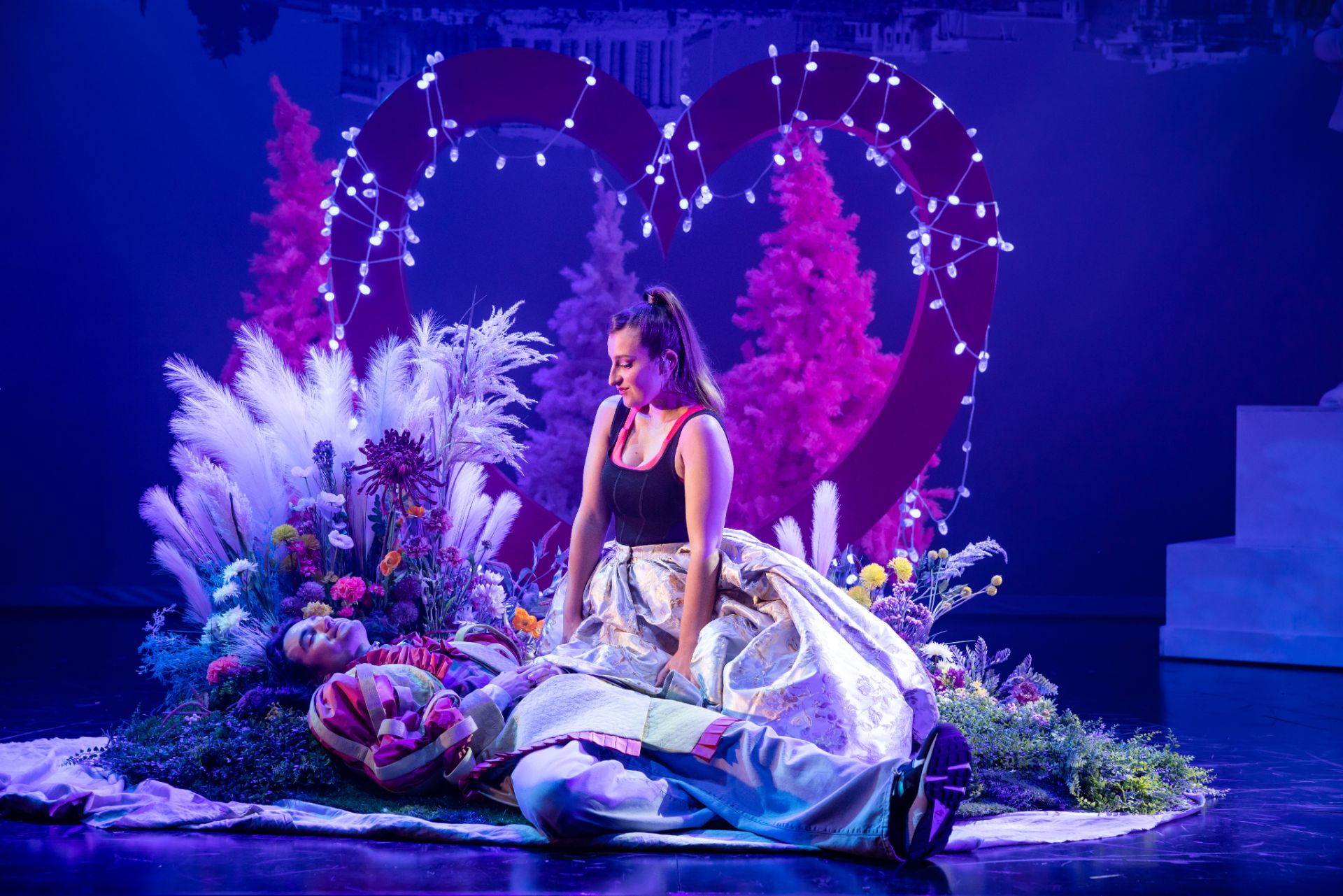
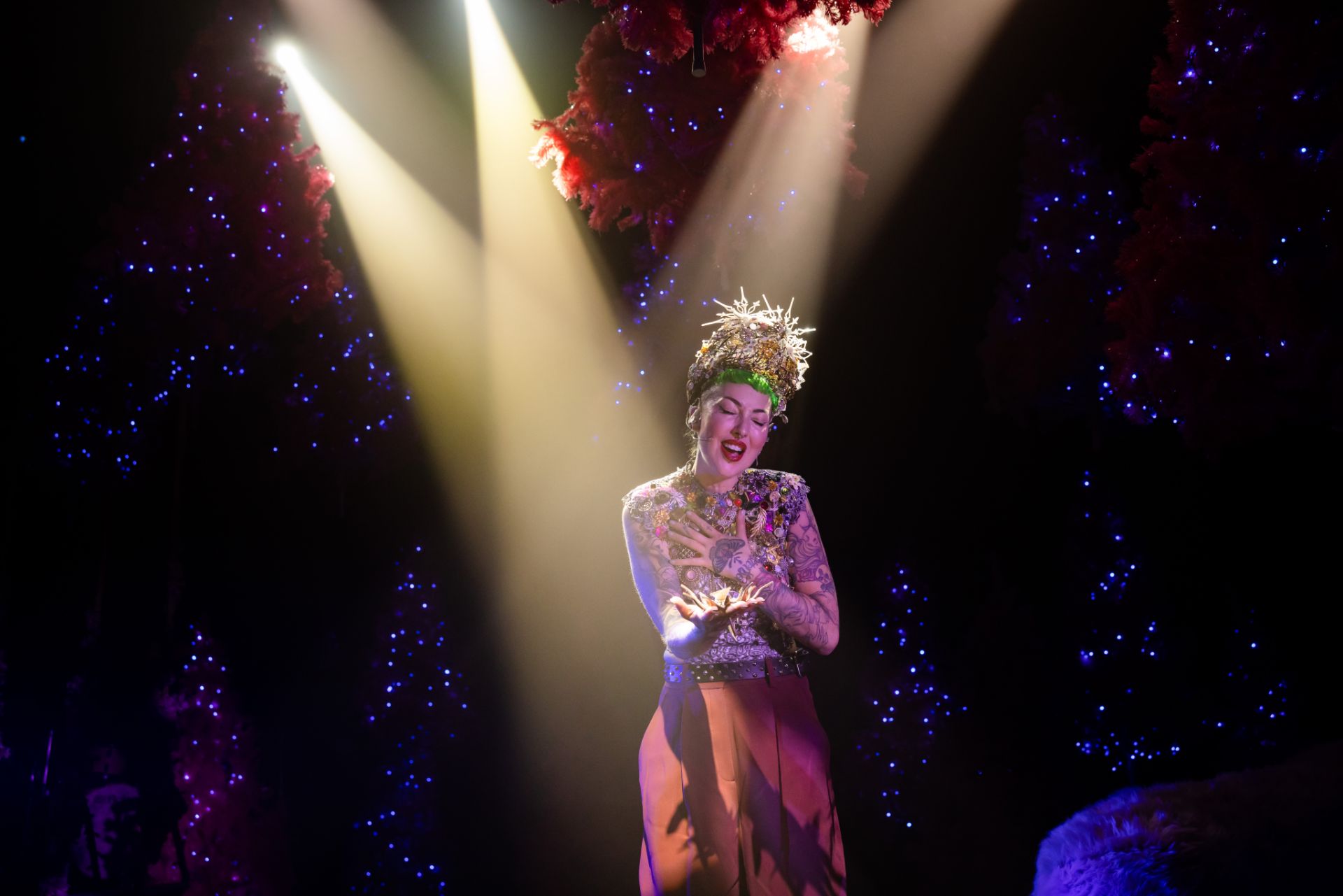
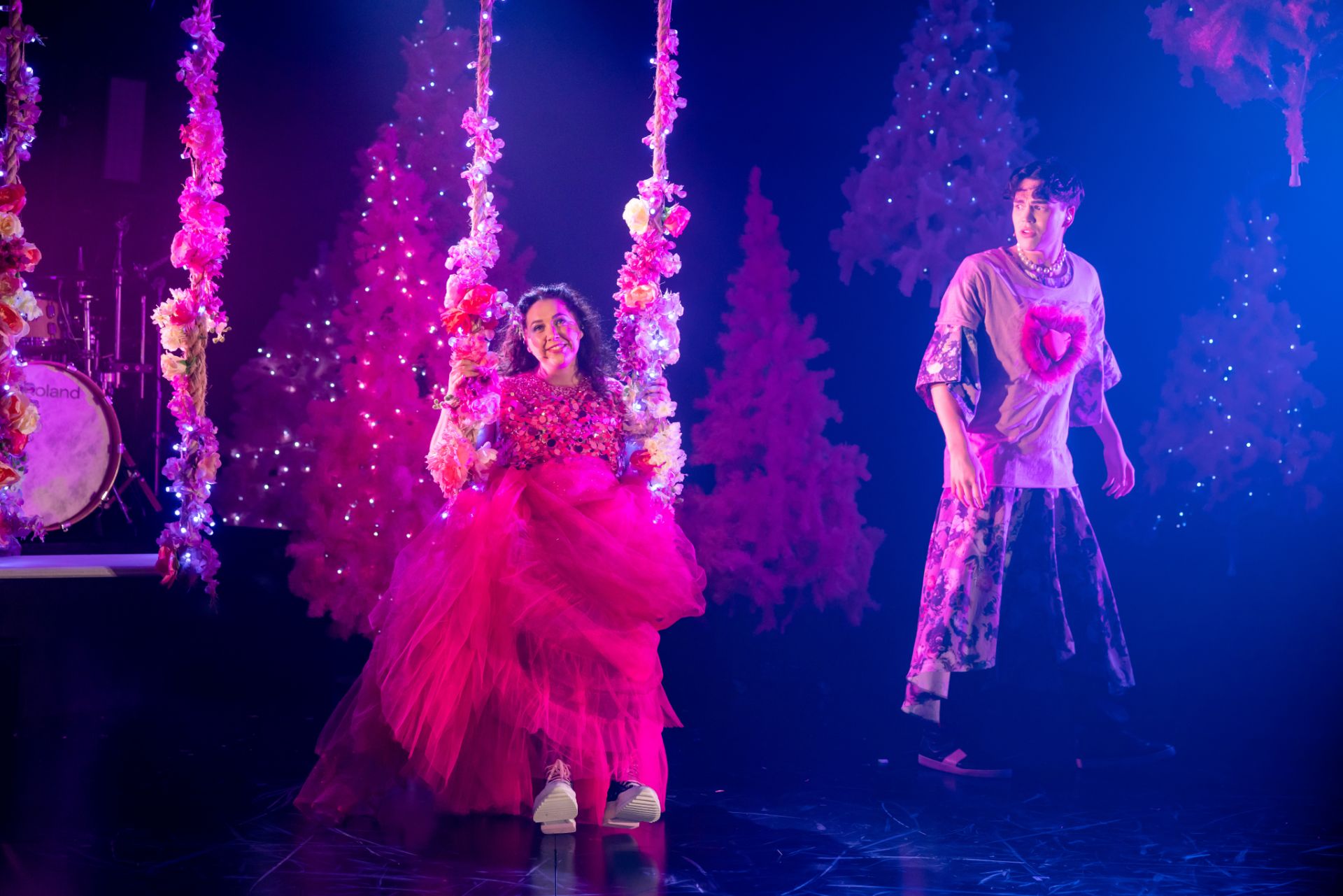
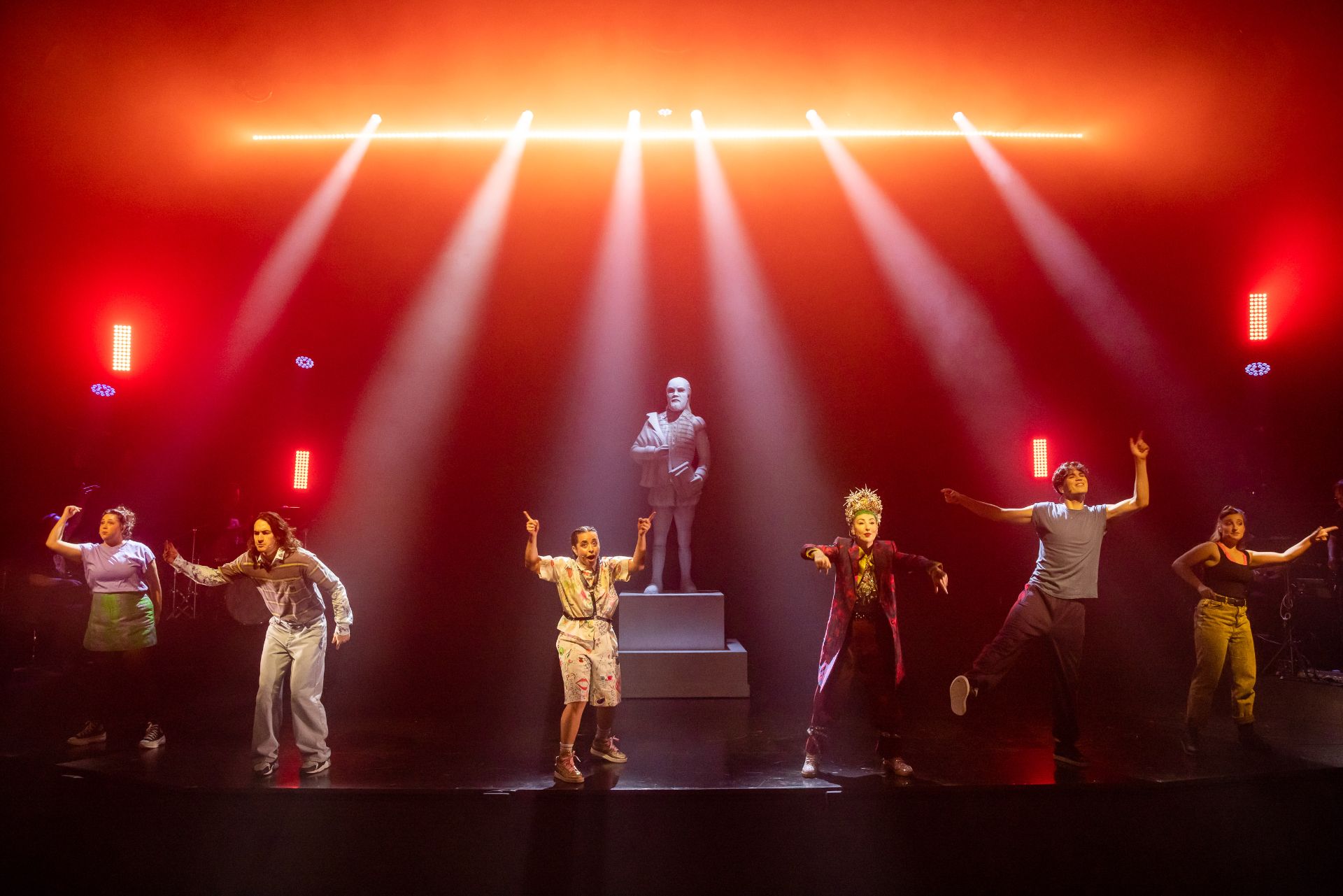
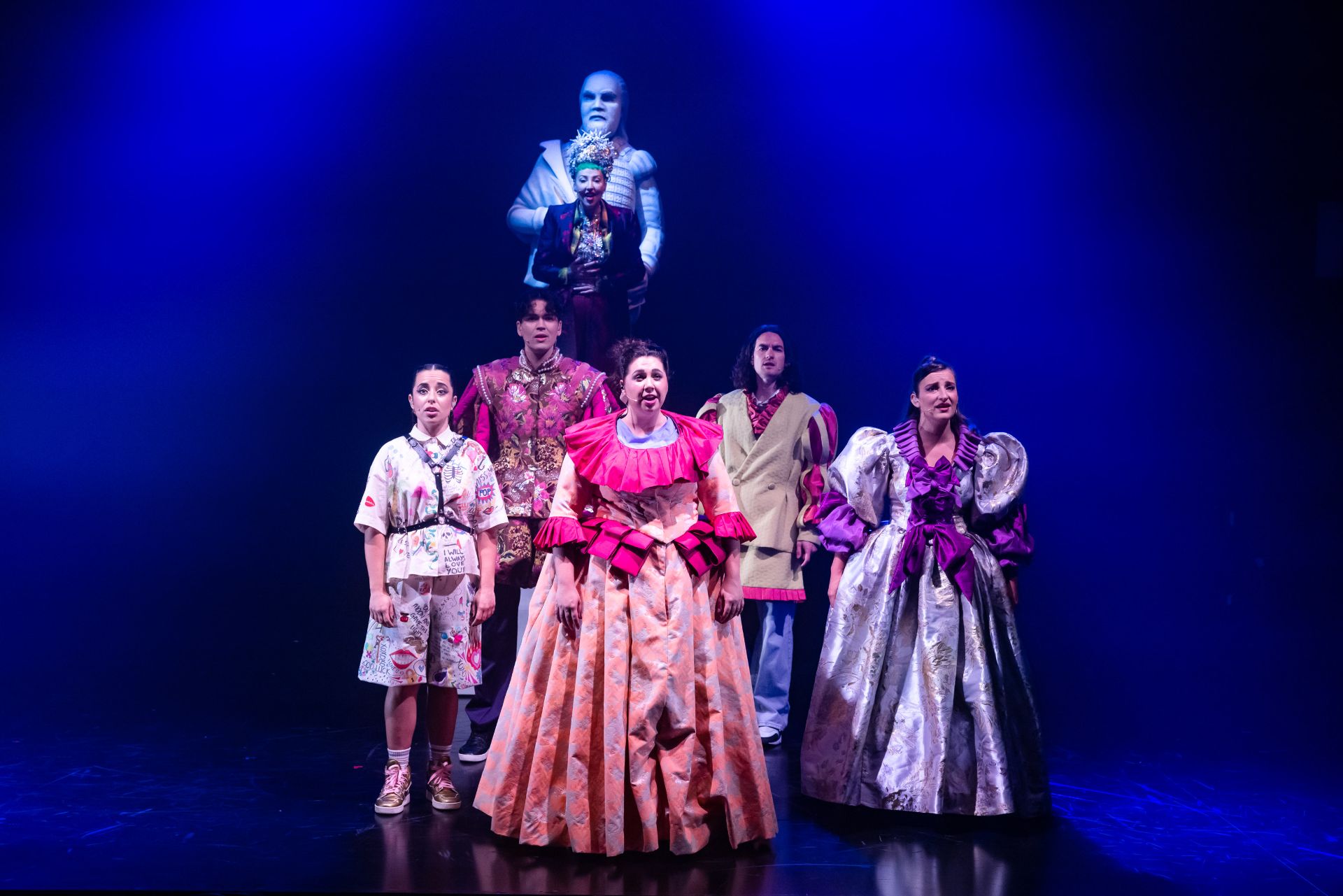
It is an important message no matter the epoch, even as Shakespeare’s work grows increasingly alienating through the centuries. Director Peter Evans takes on the challenge of recontextualising the piece, attempting to give it a modern sheen. A somewhat contemporised sensibility is paired with a distinctly 21st-century set design—complete with a sliding platform that is repositioned slightly too often. Costumes by Ella Butler are well-fitted, and intentionally dour in style. Lights by Amelia Lever-Davidson and sound by Max Lyandvert, offer elegant enhancements to the drama, in a production that always looks sharp.

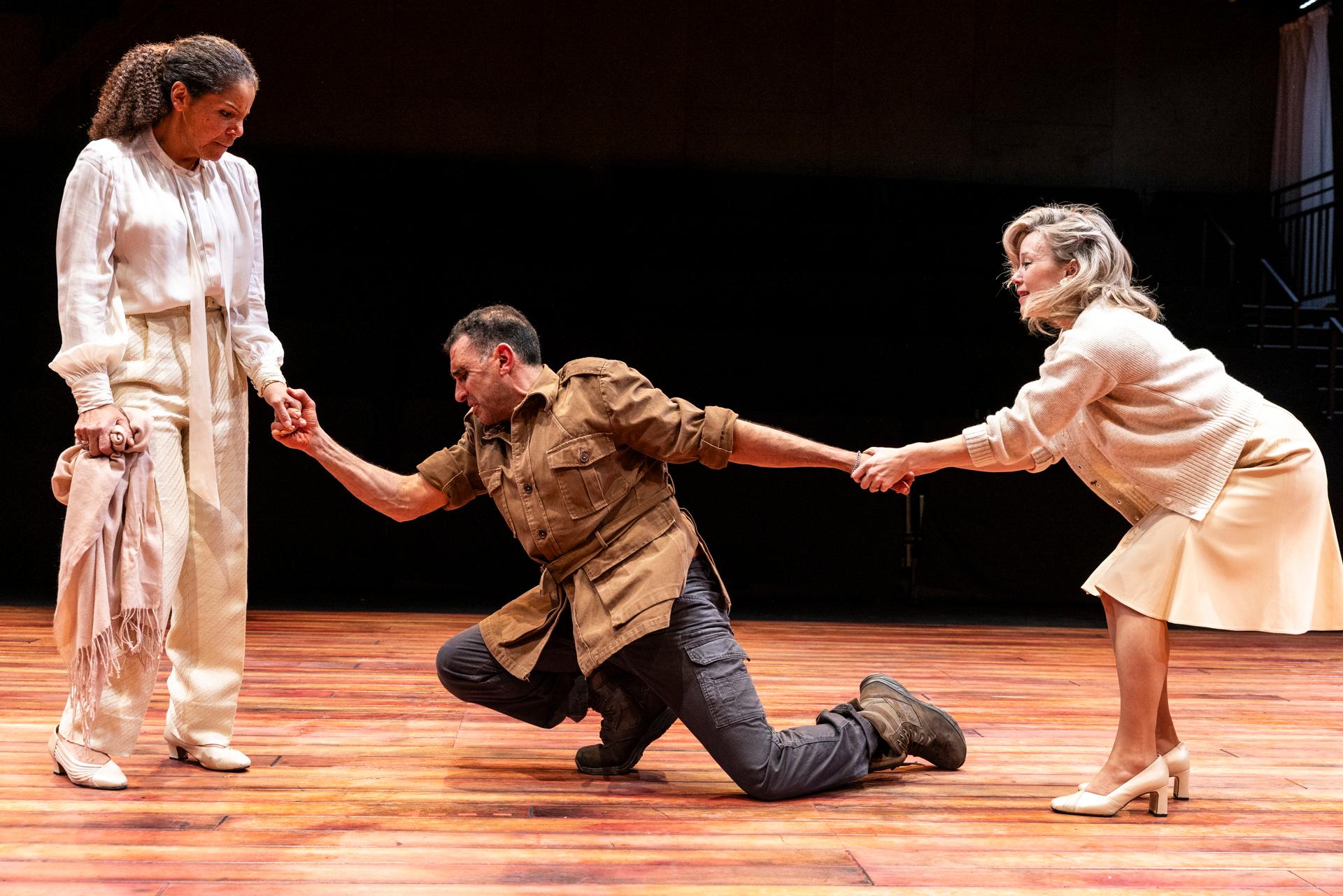
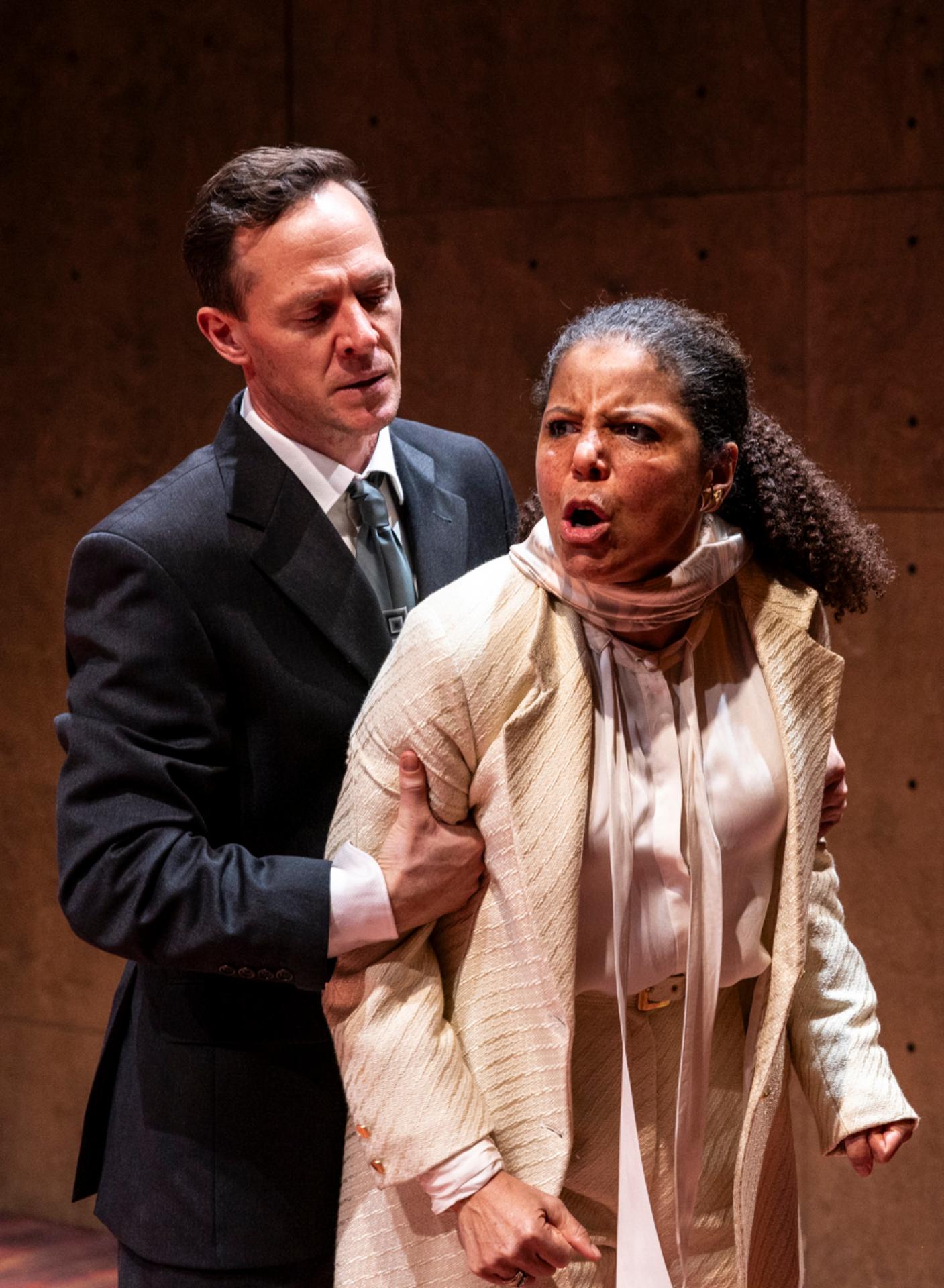
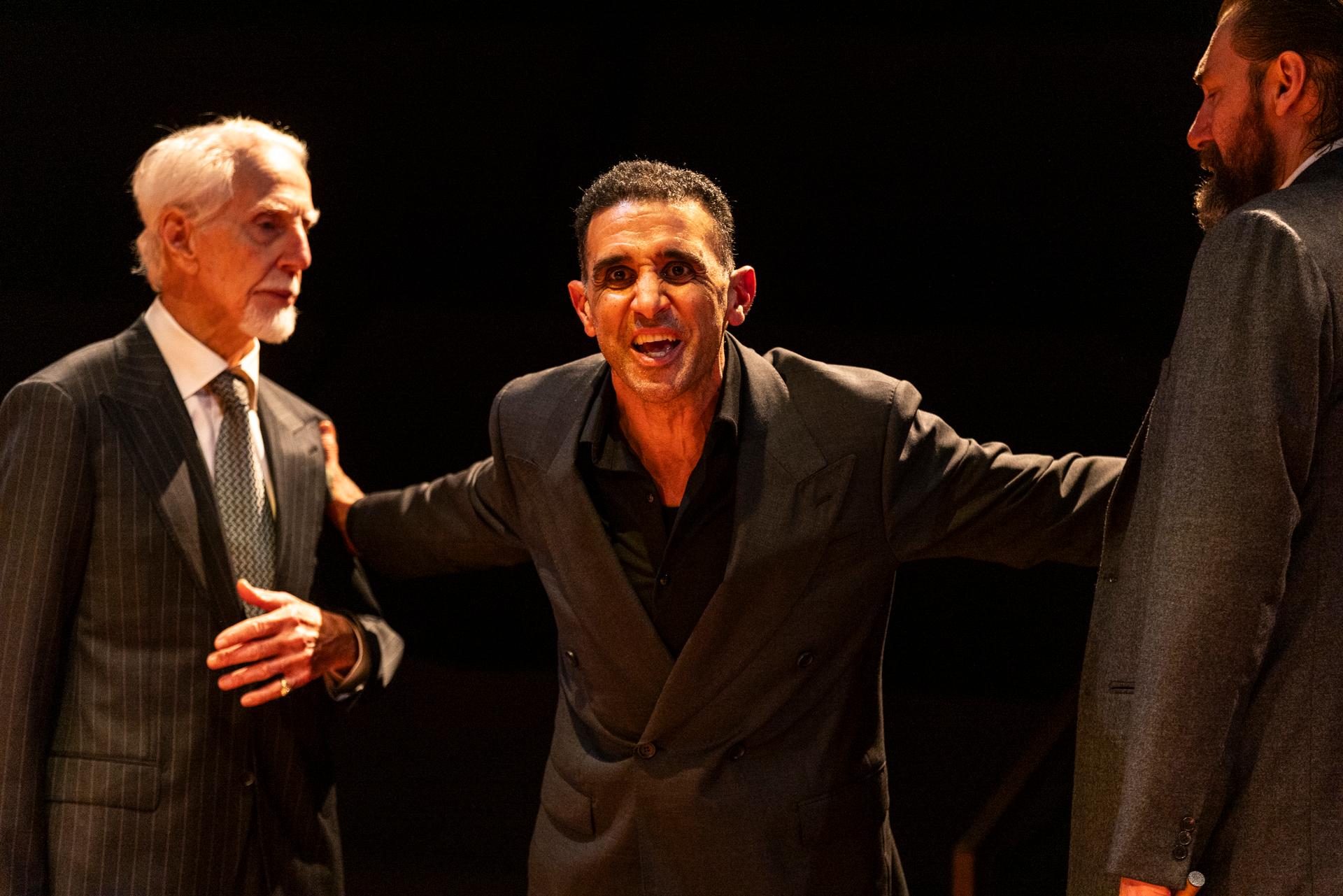
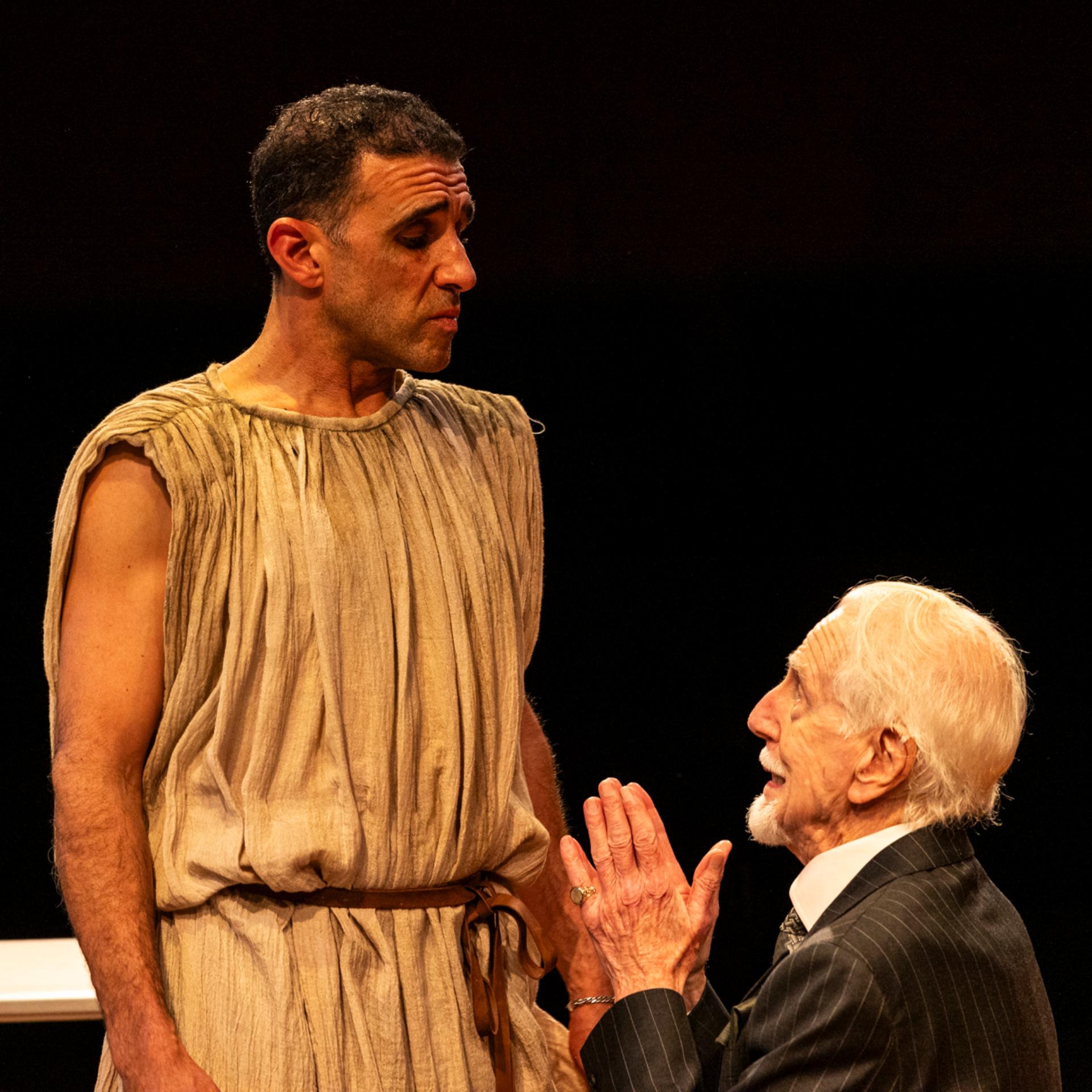
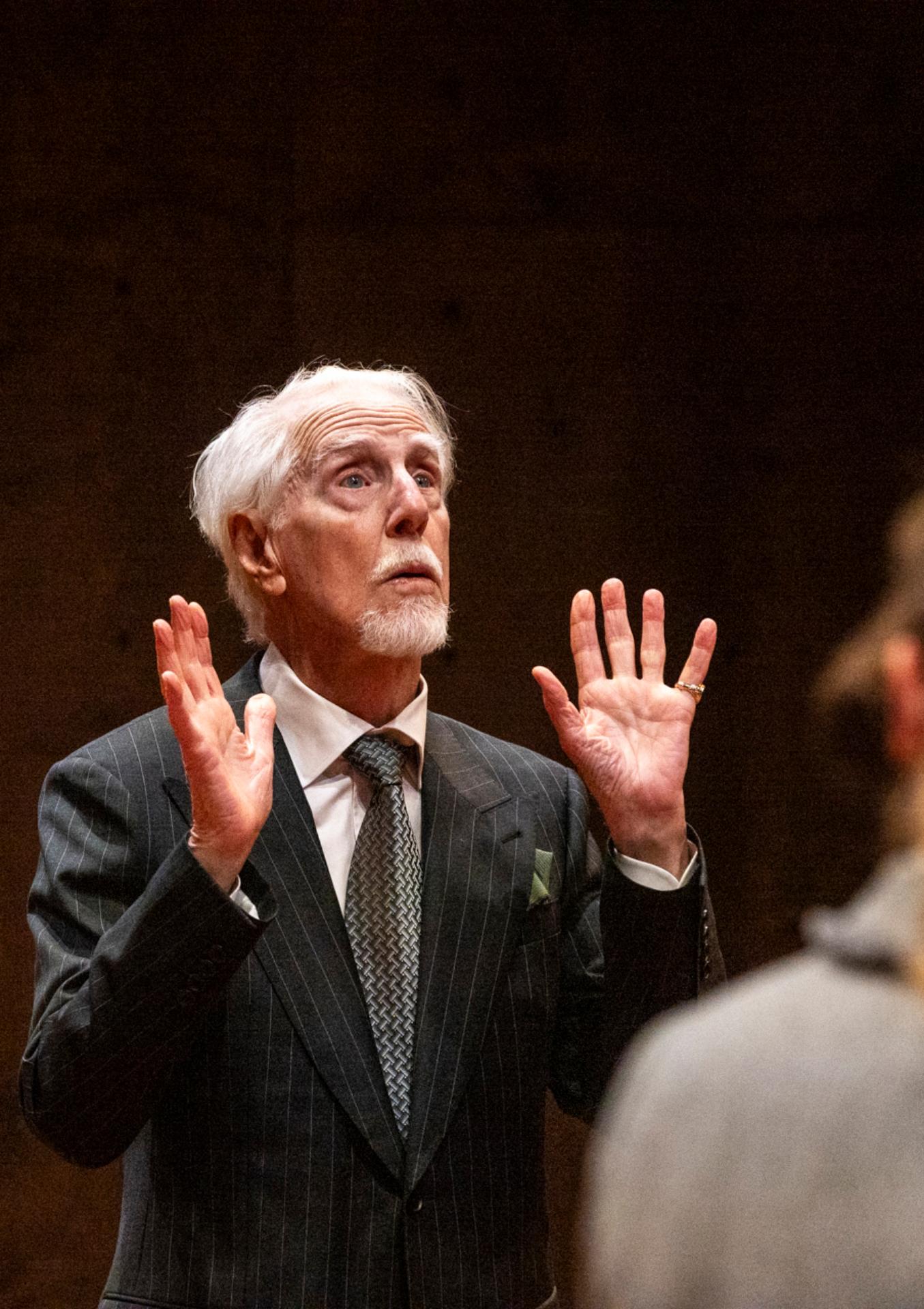
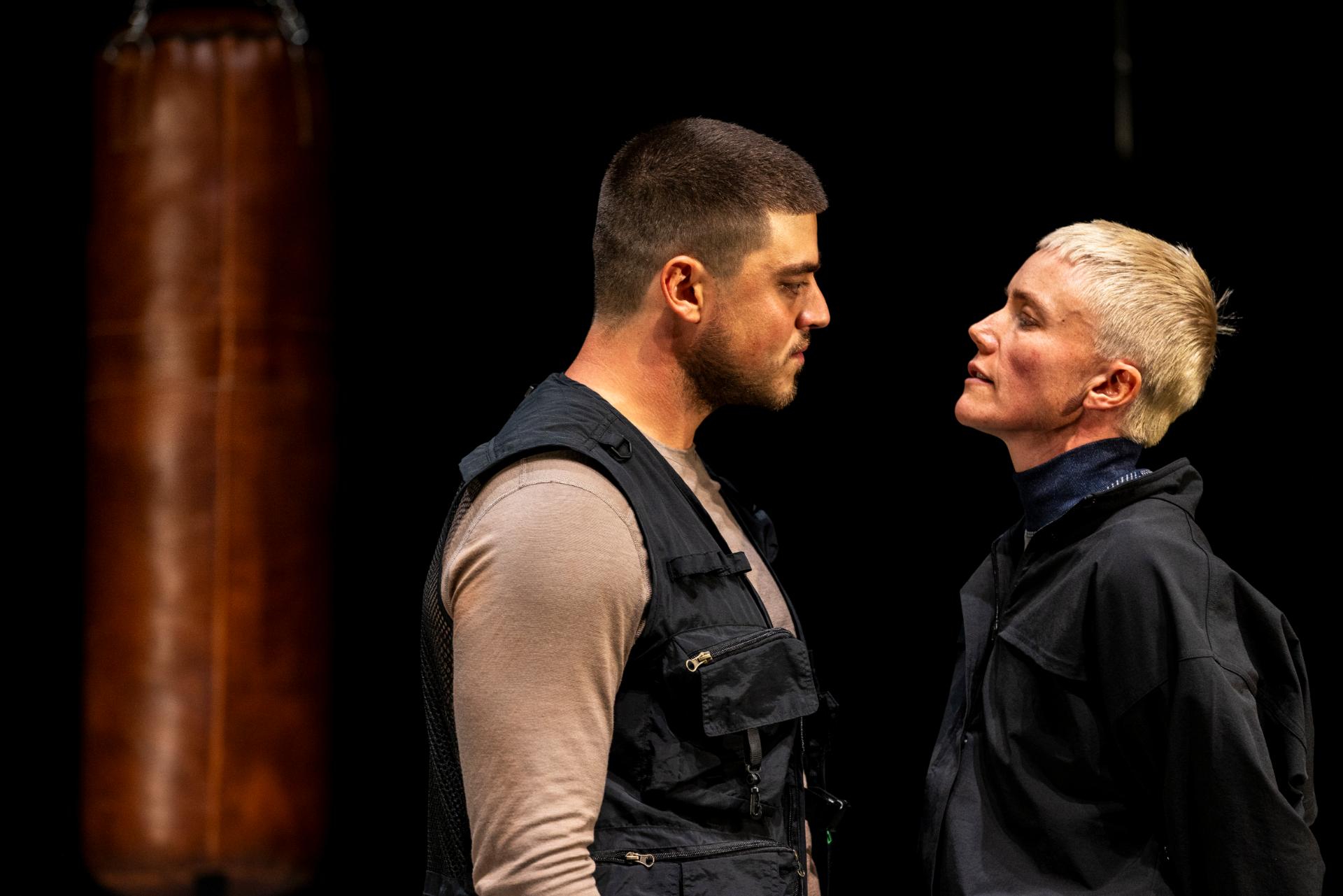
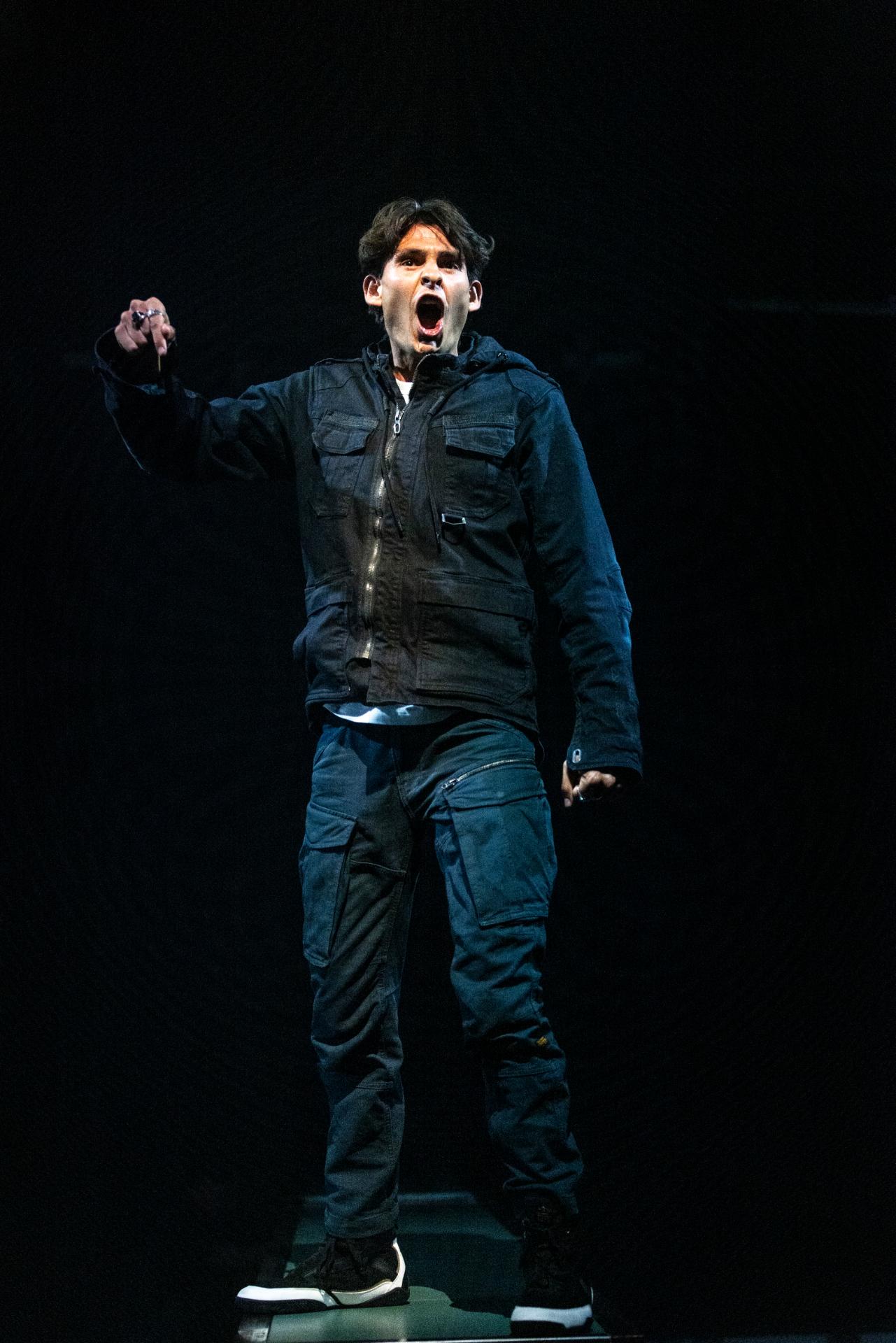
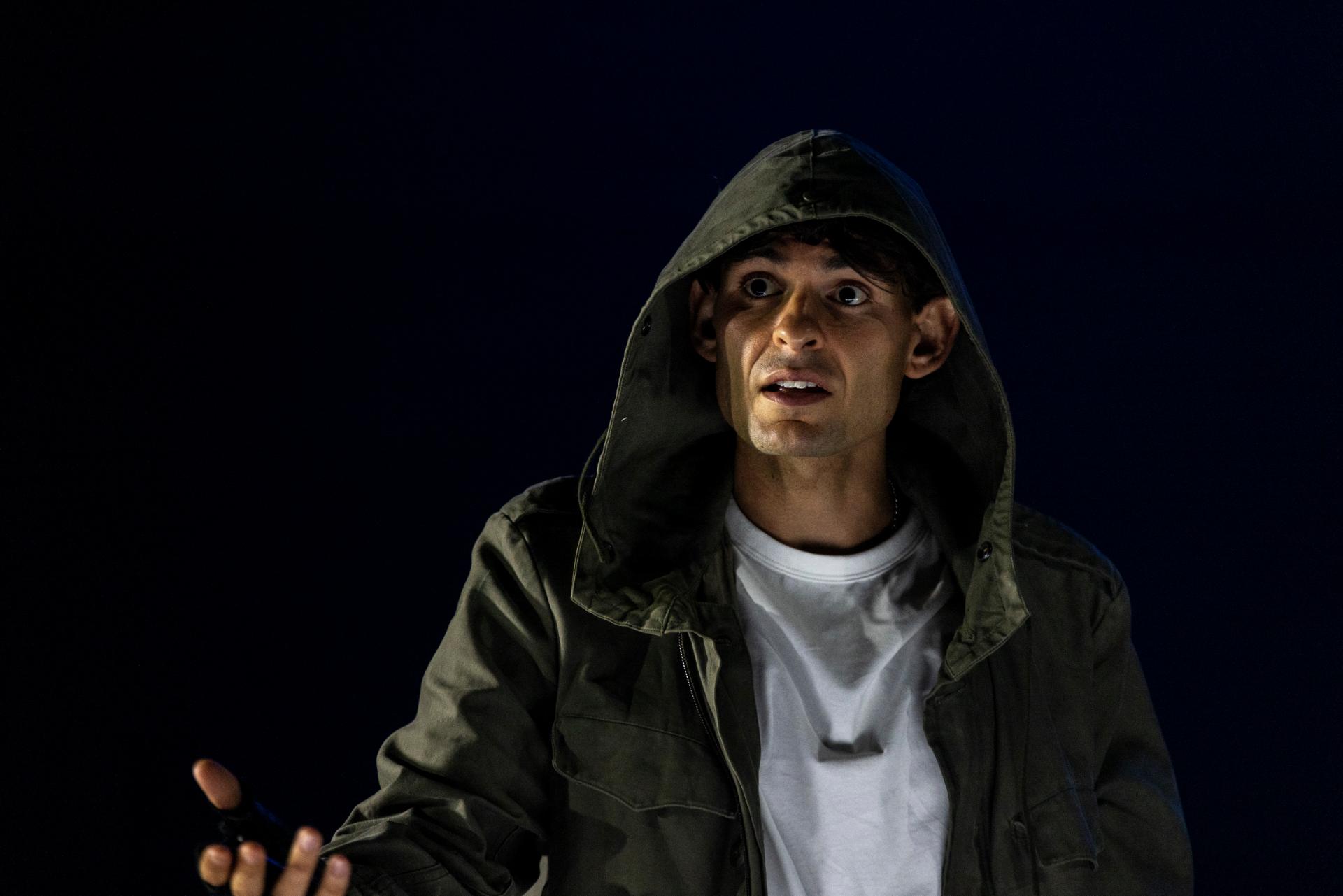
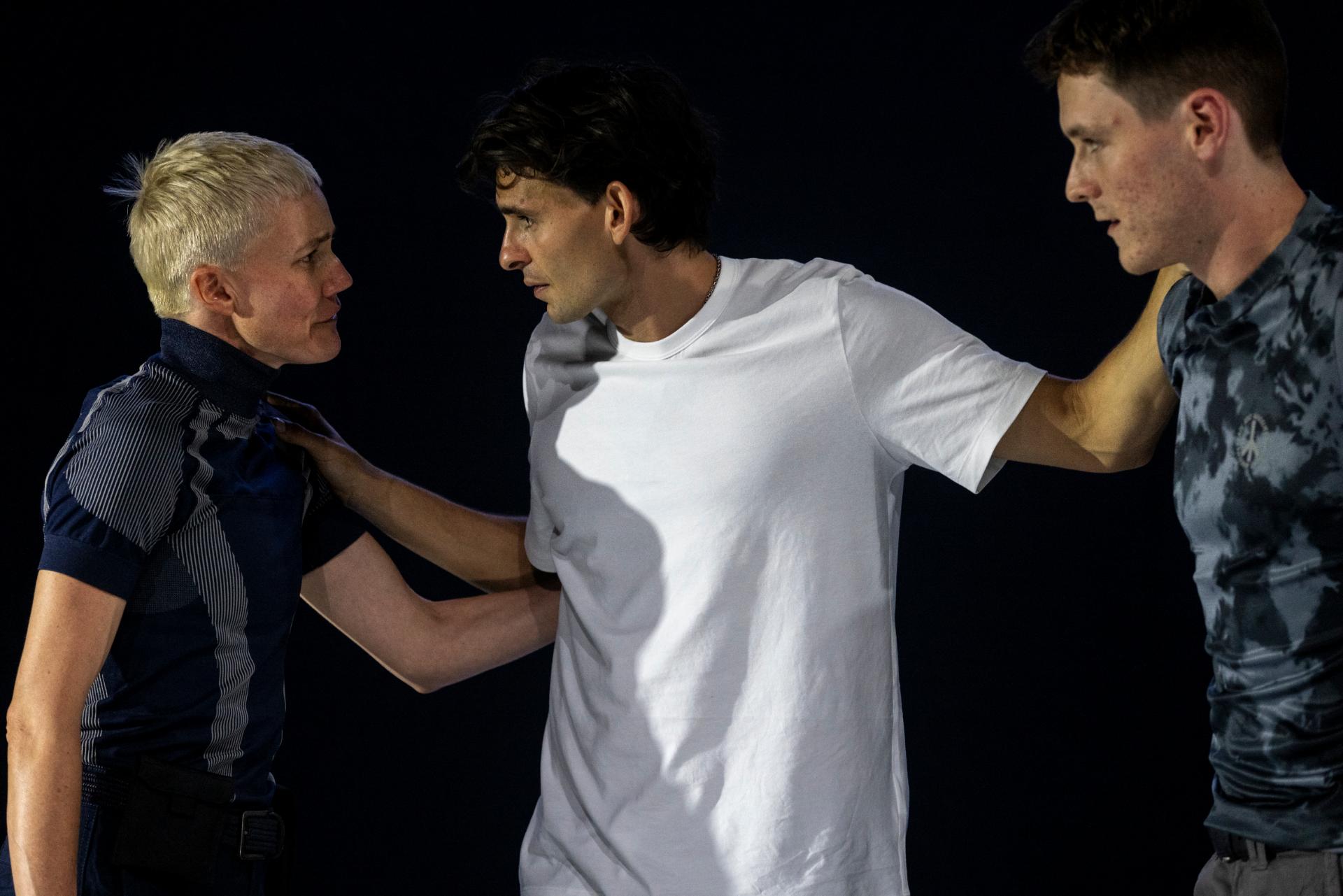
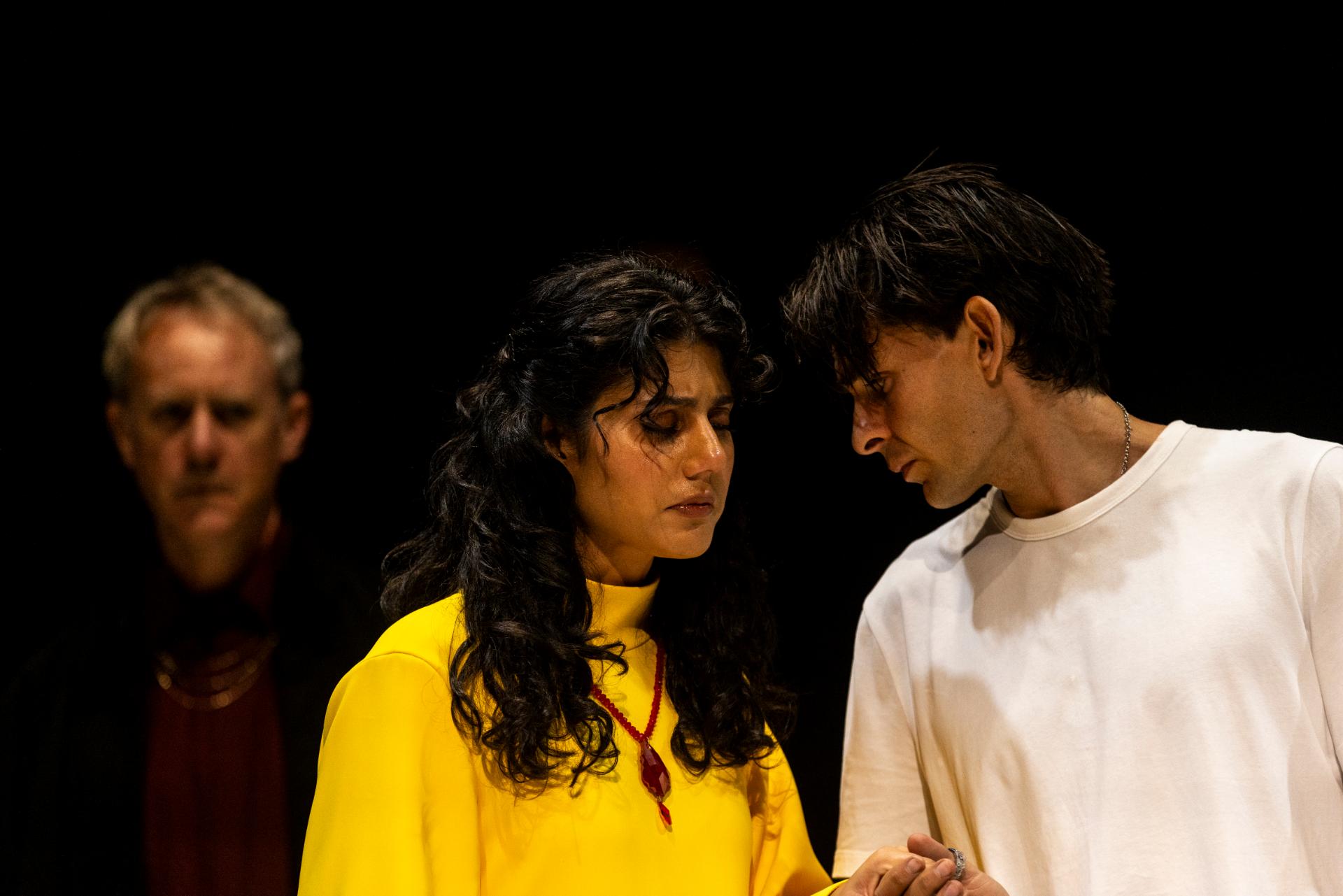
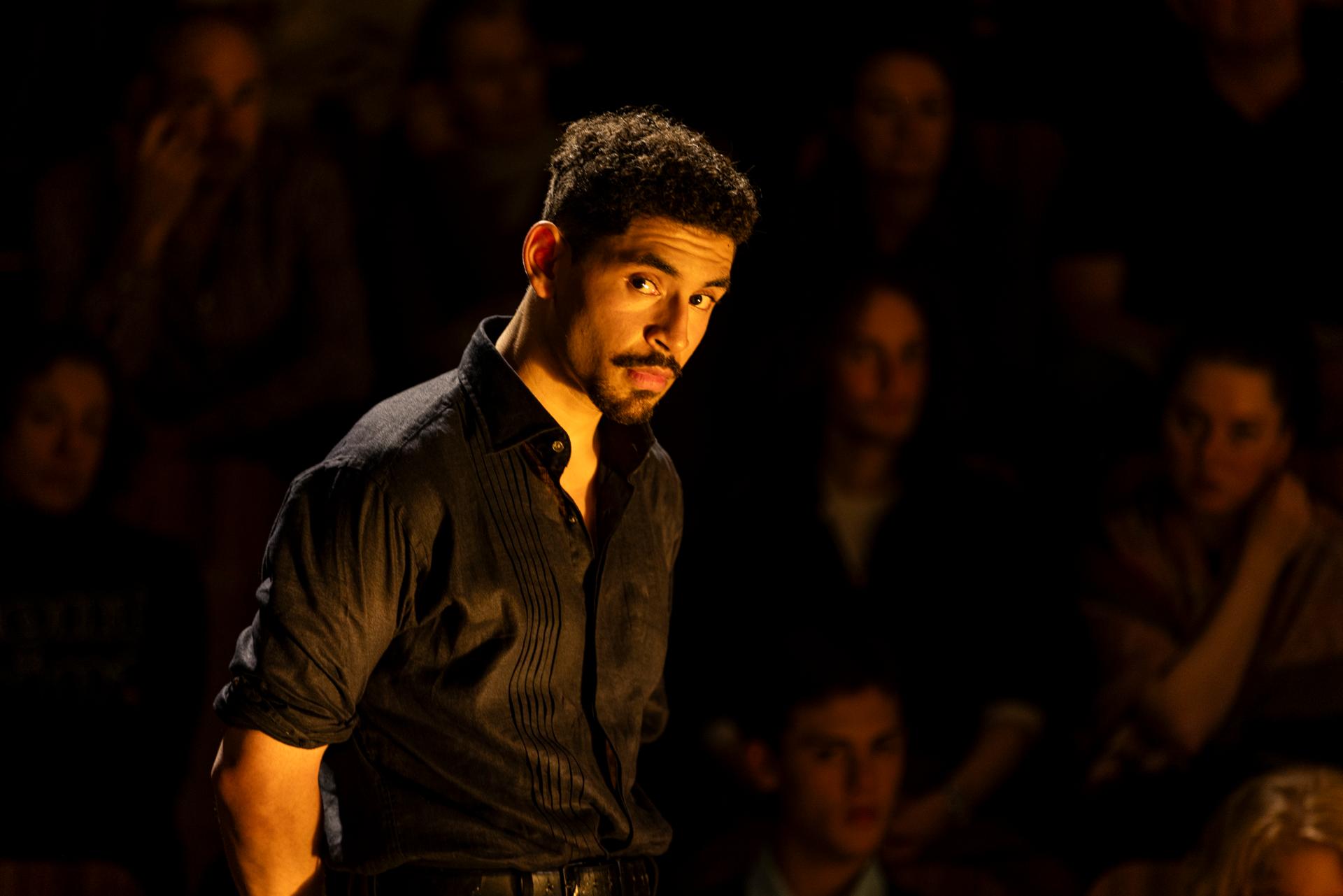
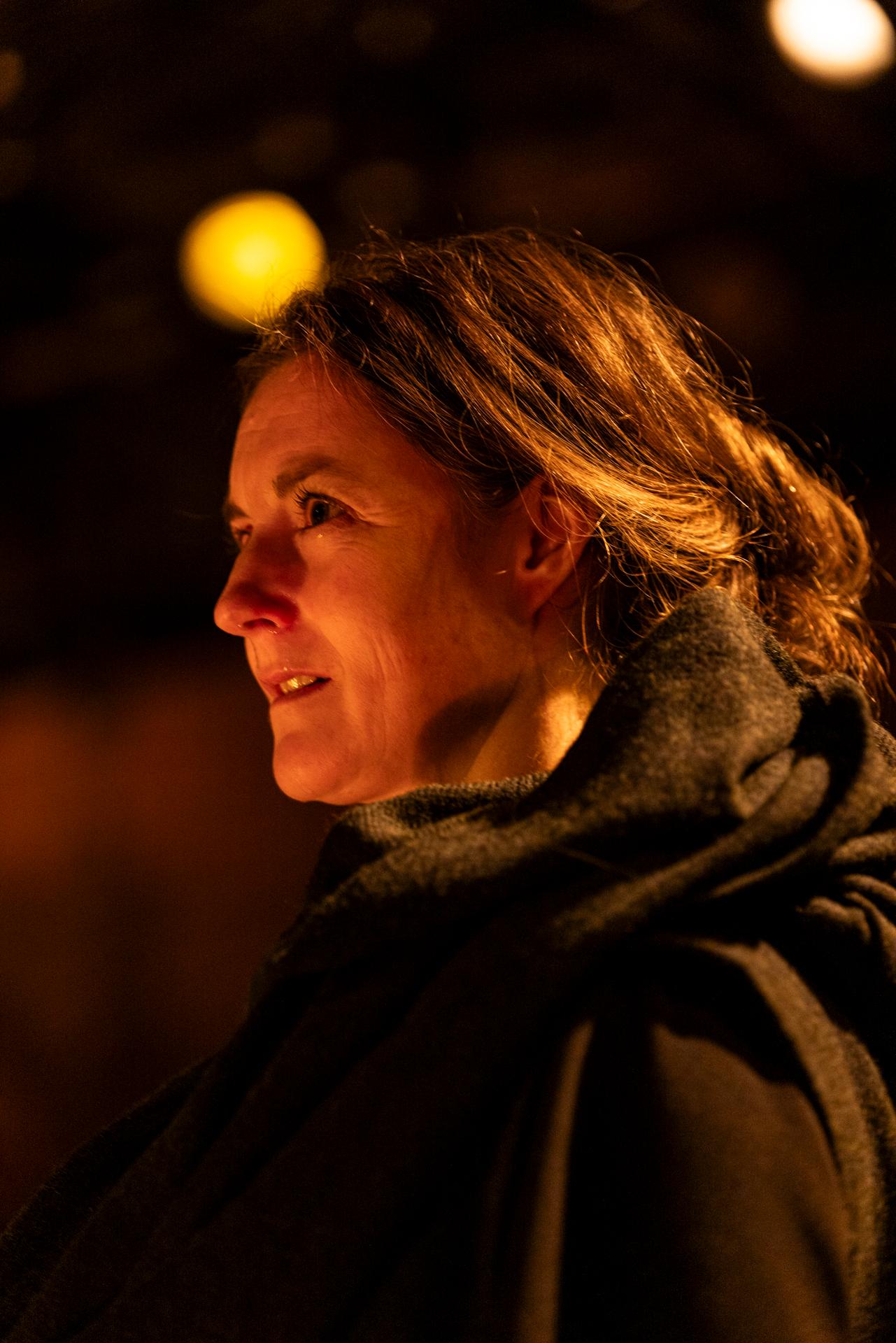
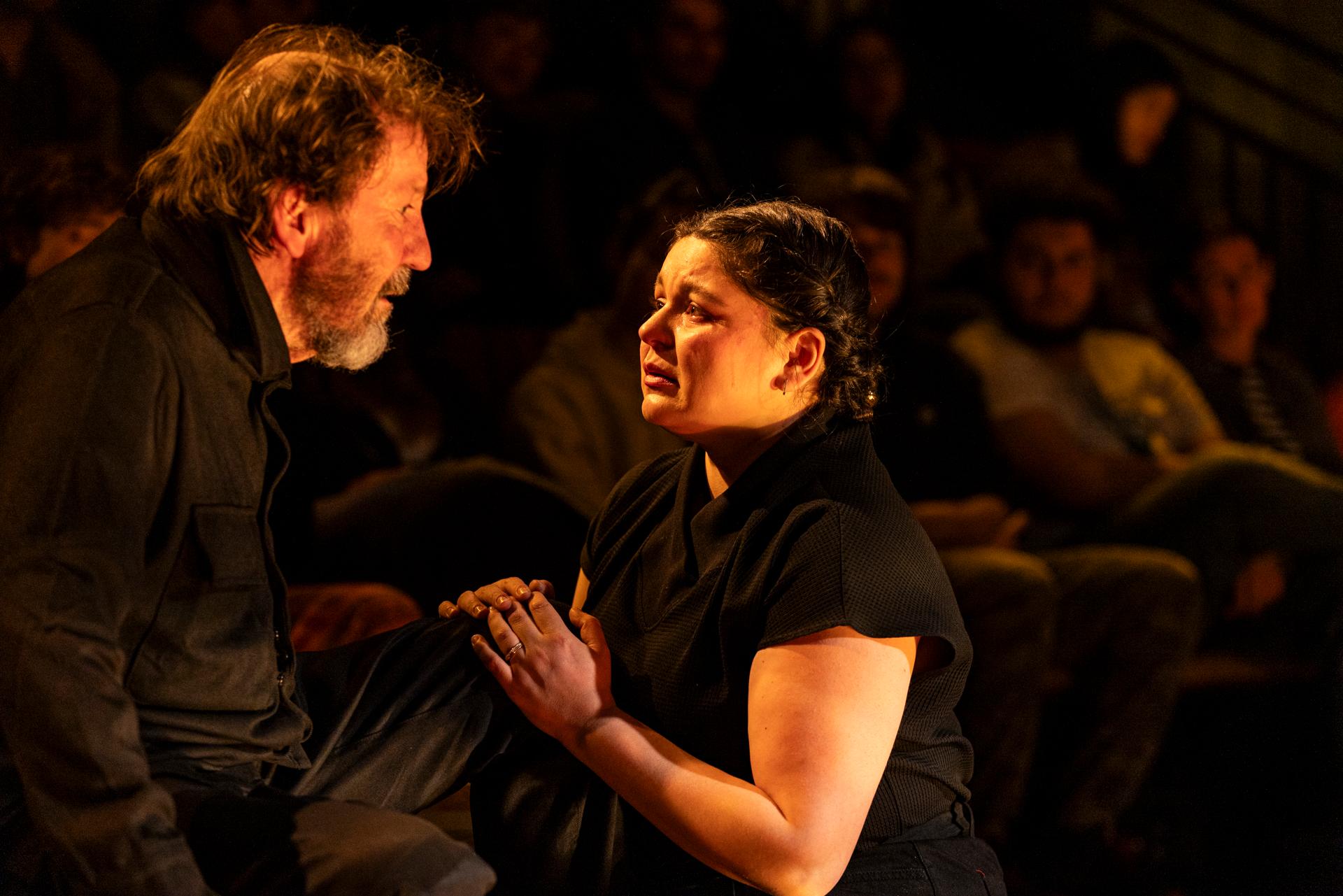
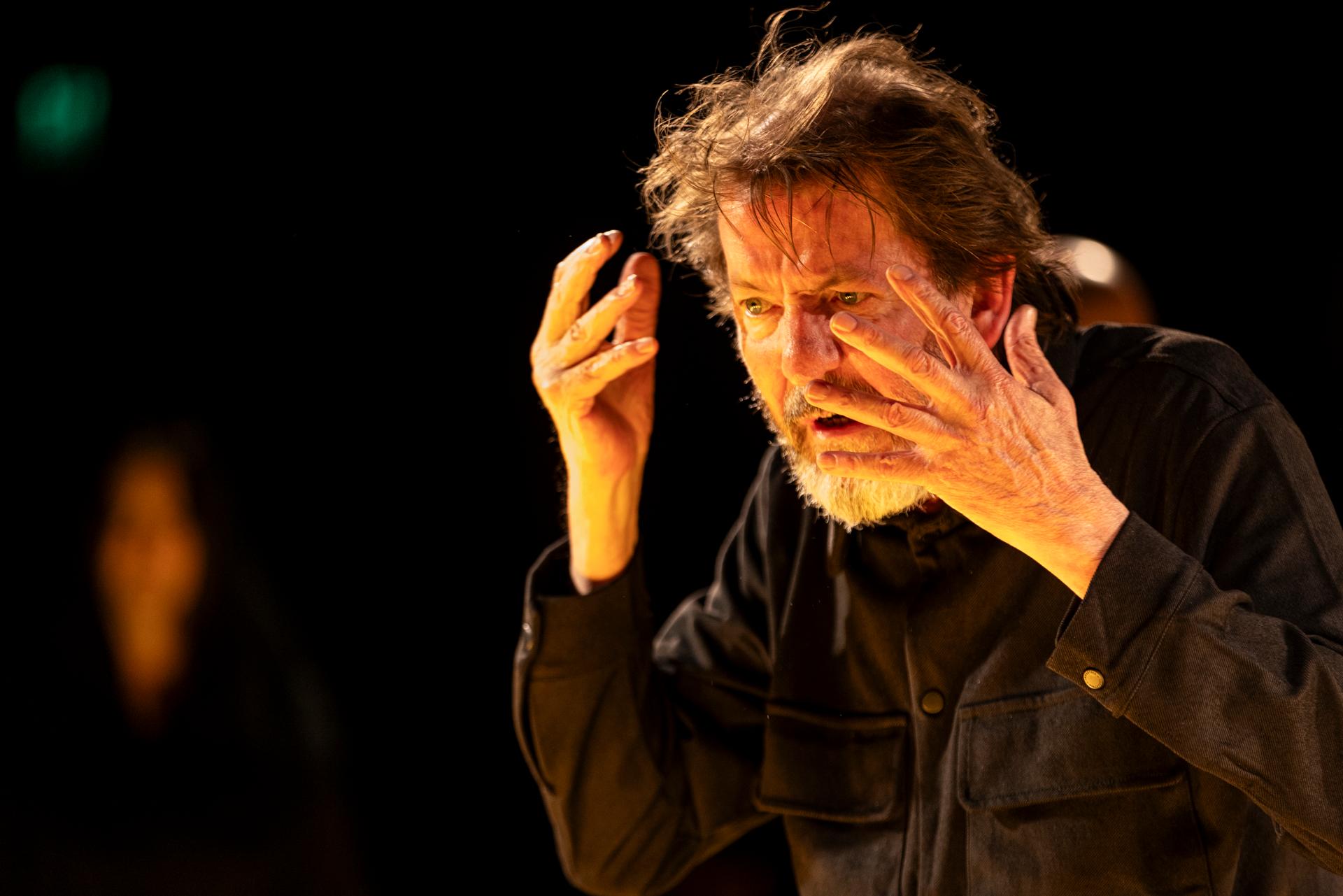
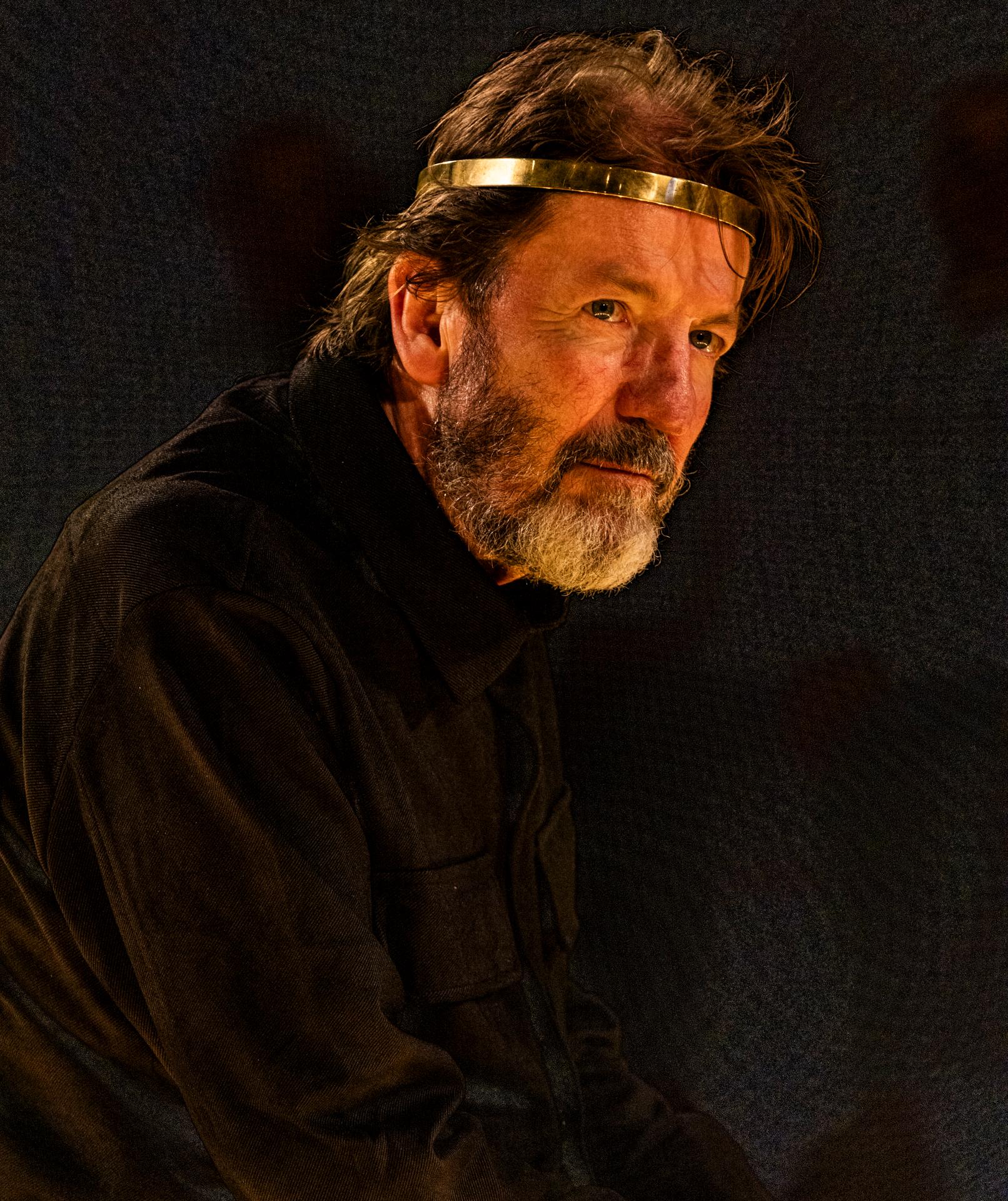
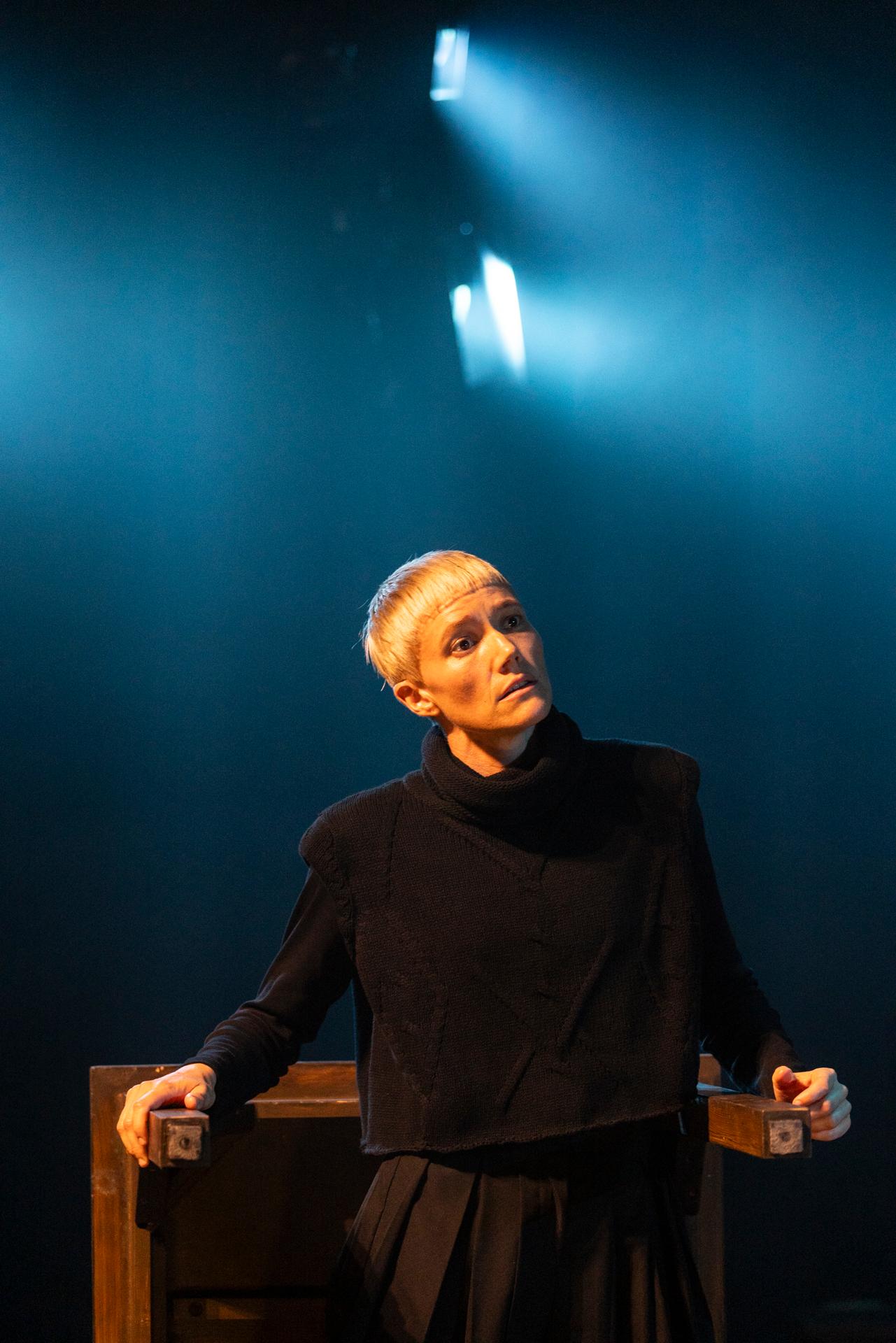
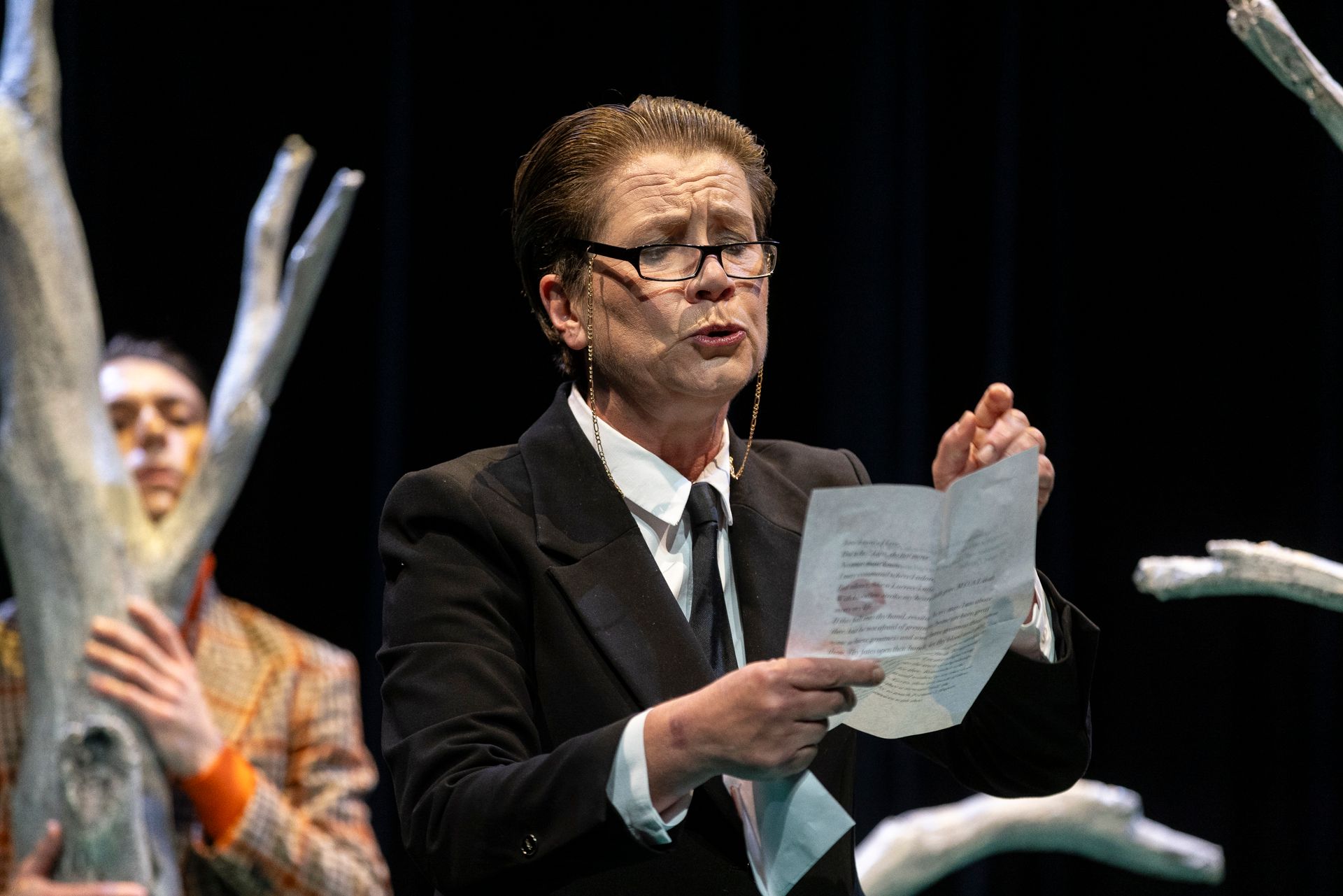
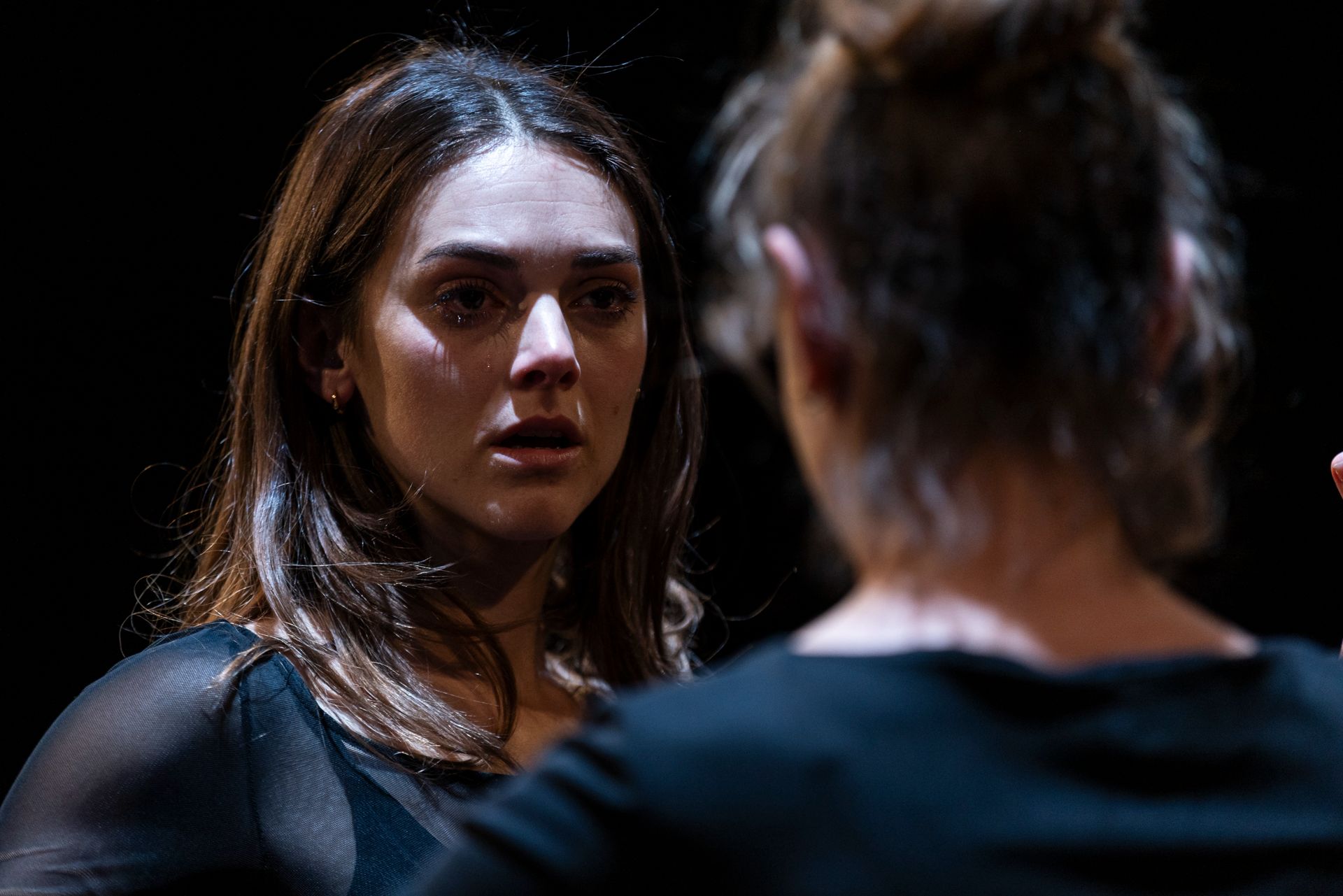
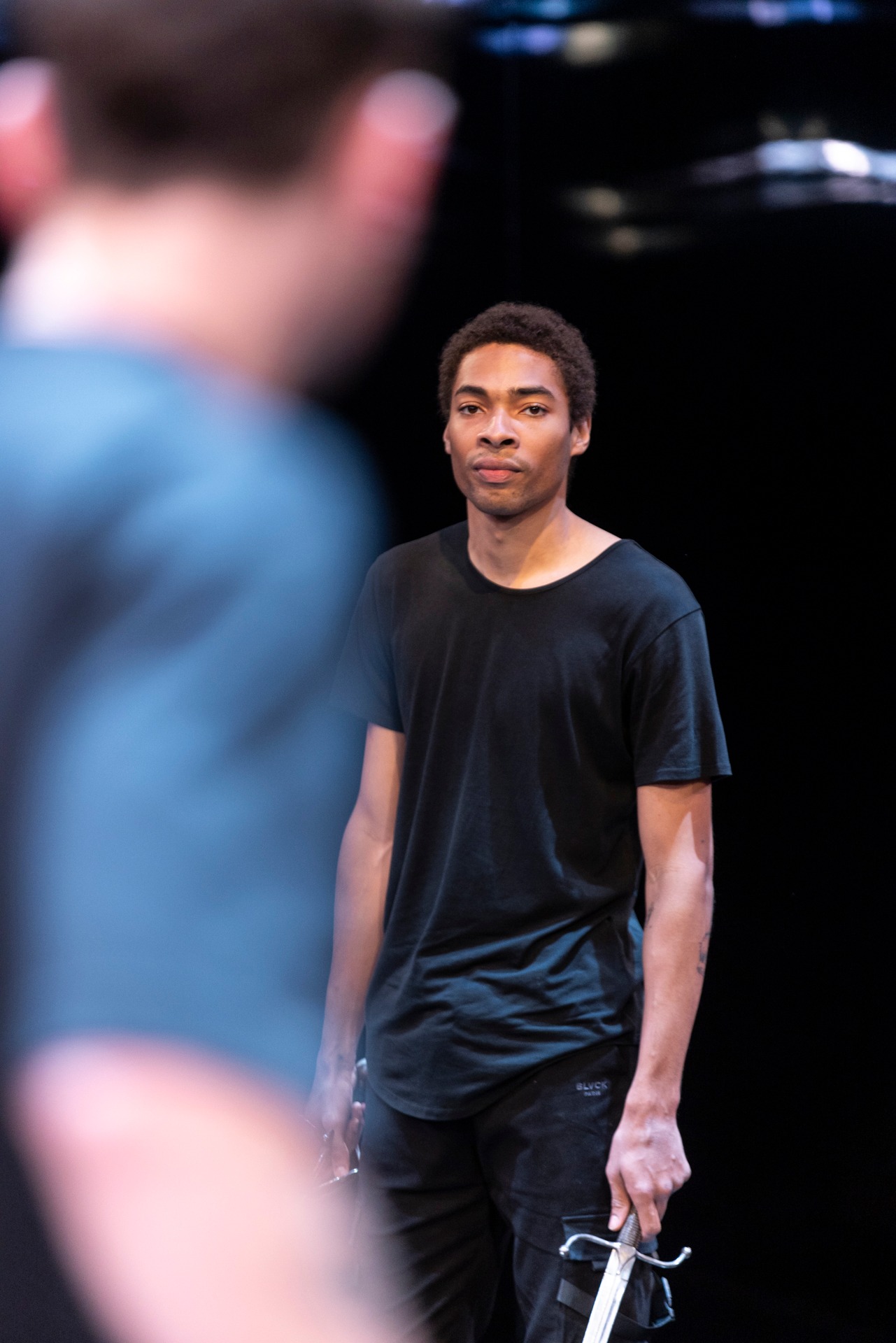
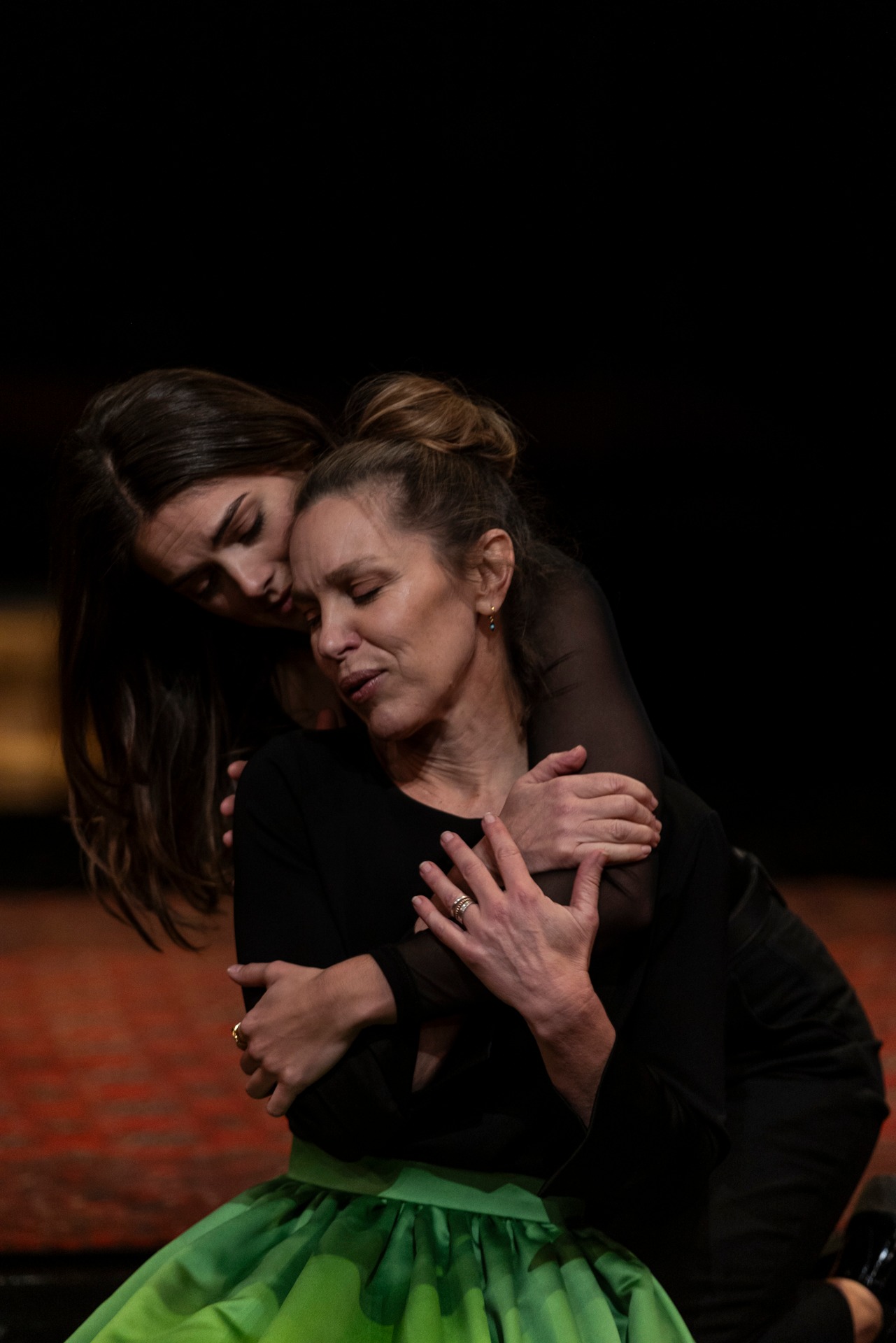
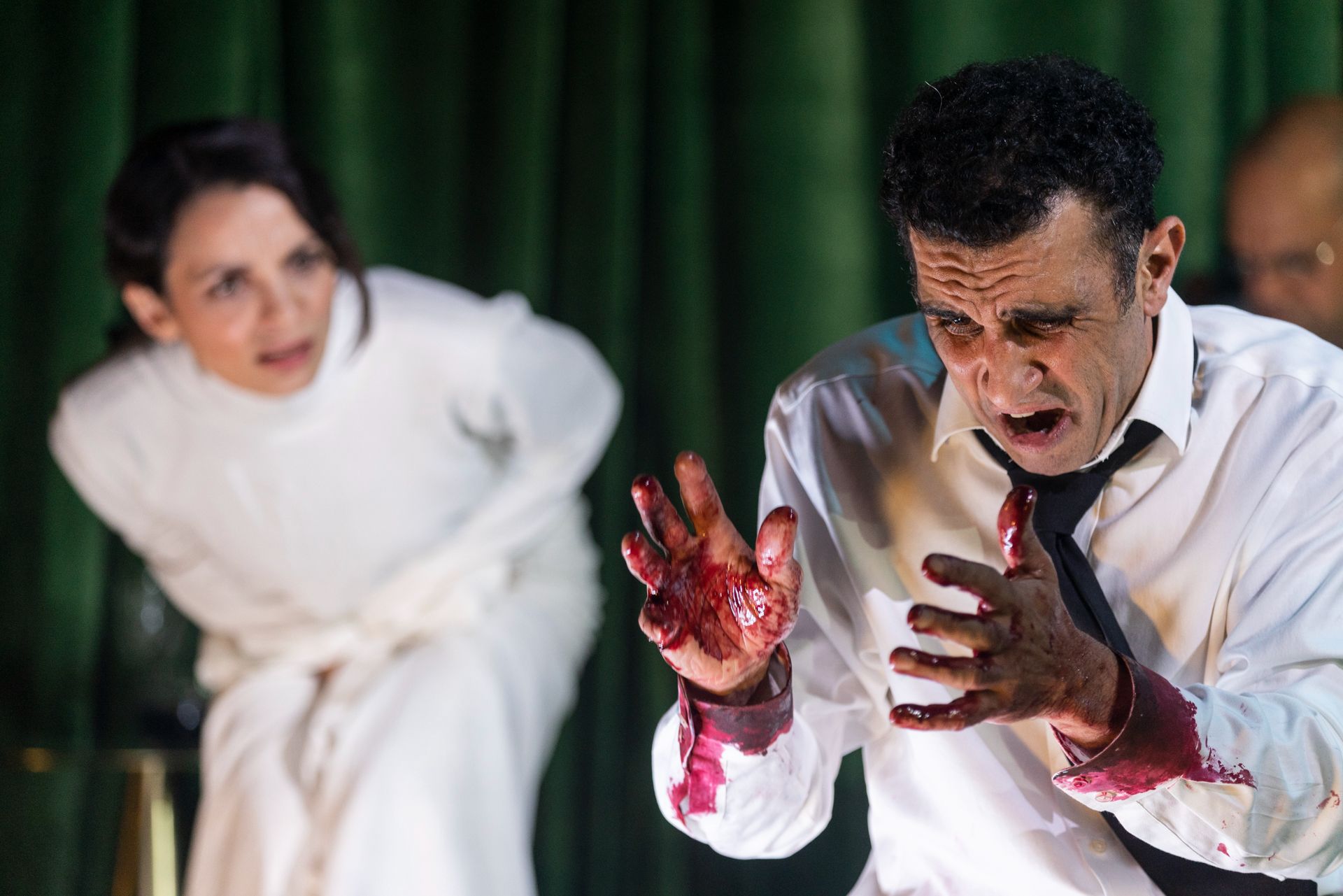
Such is the charisma of leading man Hazem Shammas that, even in the face of Coriolanus’s failings, we are never entirely disdainful of the character, and are held in thrall by his sleek, high-voltage performance. Also captivating are Matilda Ridgway as Sicinius and Brigid Zengeni as Volumnia, both actors impressive with their verve and intensity, able to hold our attention effortlessly even when we struggle to keep up with the archaic language.

Much as the voting public intends to choose the right representatives, the information on which those decisions are based rarely seems reliable. In the current climate of pessimism, it is all the more alarming that—even when candidates openly reveal their deficiencies—the body politic can still be persuaded to embrace them. More disappointing than being misled is to witness the celebration of a clear lack of virtue, when making decisions about our collective future. Evil exists, and it is rarely inadvertent.

www.bellshakespeare.com.au

Review: Henry V (Bell Shakespeare)

Venue: Sydney Opera House (Sydney NSW), Mar 1 – Apr 5, 2025 | Merrigong Theatre Company (Illawarra Performing Arts Centre) Apr 30 –May 3, 2025
Playwright: William Shakespeare
Director: Marion Potts
Cast: Jack Halabi, JK Kazzi, Alex Kirwan, Odile le Clézio, Ava Madon, Harrison Mills, Ella Prince, Jo Turner, Mararo Wangai, Rishab Kern
Images by Brett Boardman

Theatre review
It could be argued that Shakespeare had intended for the play Henry V to remain ambiguous, in its attribution of heroism to the titular role. Thousands die as a result of Henry’s war, yet there is no significant disparagement of the king’s character. We may like to think that changes have occurred over these four centuries, and our attitudes about war are no longer what they used to be, but in this very moment of political reversion, it appears that efforts to normalise aggression between nations, are back again.

Director Marion Potts however takes a decidedly anti-conflict stance, in a staging that makes no bones about the brutality that inevitably ensues, when soldiers are required to do their leaders’ bidding. There is no glorification of the battlefield, even if the king does retain his air of majesty. Movement and fight direction by Nigel Poulton is a memorable feature, as we watch the troops’ kineticism being expressed with an enjoyable poetic quality.

Lead actor JK Kazzi demonstrates strong focus and commitment, if slightly deficient in charisma. It is overall a cohesive cast, effective at manufacturing dramatic tension for key moments. Set and costume design by Anna Tregloan are contemporarised with a pleasing sleekness, and are appropriately masculine in style. Lights by Verity Hampson depict a severity necessary for this exploration of violence, but could benefit from a greater embrace of the story’s heightened sentimentality. Sounds by Jethro Woodward are wonderfully theatrical, and impressive for the rigour that allows us to detect every shift in time and space.

In the west these recent years, wartime had begun to seem a distant past. Today there is a shift afoot, and peace is again under threat, as powerful leaders disrupt old alliances, in favour of new arrangements that undermine democracy. It is a shameless power grab, the nature of which is so alien to current generations, that we feel ill-equipped to fight against. So much is lost by the end of Henry V, but they still call it a victory.

www.bellshakespeare.com.au

Review: King Lear (Bell Shakespeare)

Venue: The Neilson Nutshell (Sydney NSW), Jun 14 – Jul 20, 2024
Playwright: William Shakespeare
Director: Peter Evans
Cast: Tamara Lee Bailey, Shameer Birges, Jeremi Campese, Melissa Kahraman, Alex King, James Lugton, Robert Menzies, Lizzie Schebesta, Michael Wahr, Janine Watson, Darius Williams, Brittany Santariga
Images by Brett Boardman

Theatre review

As Lear nears the end of his life, it becomes important that he knows how his daughters feel about him. It may seem that young men can bear children indiscriminately, only to decide to assess the quality of those relationships, when it is much too late. The results can often be disastrous, as is exemplified in Shakespeare’s King Lear.

An intensity associated with those dire consequences is certainly present, in Peter Evans’ direction of the piece. Lights by Benjamin Cisterne and sounds by Max Lyandvert pull no punches, when required to deliver the drama. In concluding sections of the play especially, a theatrical flamboyance takes hold quite decisively, as though to remind us of the extremities in human emotionality that Shakespeare had loved to depict, and with such aplomb. In this production however, the drama feels distant, almost synthetic. Its vigour is discernible, but never really connects, leaving us to observe its passionate renderings, only with cerebral curiosity.

The staging is nonetheless aesthetically pleasing, with a captivating set design by Anna Tregloan taking inspiration from celestial elements in the text. It is a modern approach that extends to her costumes, although a greater eye for detail and refinement would improve visual interest, for an audience positioned so intimately in relation to all the action.
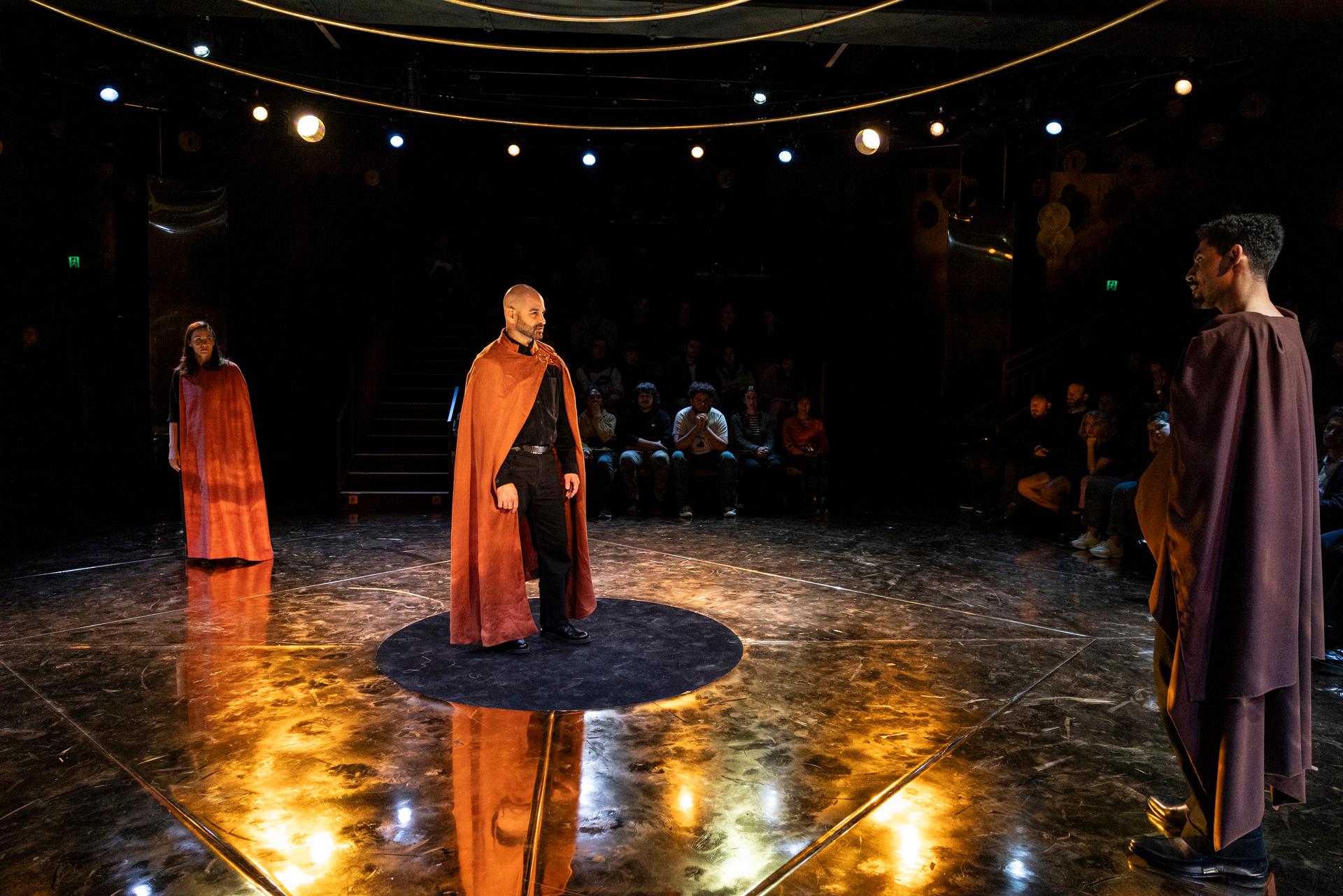
Actor Robert Menzies plays leading man on this occasion, highly convincing in the role, although not always compelling. Other performers include Janine Watson as Kent, and Darius Williams as Edmund, both rich and delicious with the myriad colours and textures they deliver, memorable for the inventiveness they bring to the table.

It is arguable if Lear’s regrets are circumventable. We can see that there is so much he could have ameliorated through the years. We also know that one can only do better, if they know better.  What is in contention therefore, is if Lear had actually known any better, or if he was only ever doing his best. Parenting is tricky business, enacted by flawed people, who then create further flaws in other people. No wonder we talk endlessly about forgiveness.

www.bellshakespeare.com.au

Review: A Midsummer Night’s Dream (Bell Shakespeare)

Venue: Sydney Opera House (Sydney NSW), Mar 2 – 30, 2024
Playwright: William Shakespeare
Director: Peter Evans
Cast: Ahunim Abebe, Isabel Burton, Mike Howlett, Matu Ngaropo, Ella Prince, Richard Pyros, Imogen Sage, Laurence Young
Images by Brett Boardman

Theatre review
Struck by jealousy, king of fairies Oberon casts a spell to cause mischief, and chaos quickly ensues. Meanwhile, further commotion arises from the play-within-a-play, “Pyramus and Thisbe” being attempted by a group of Athenian tradesmen. Director Peter Evans’ version of A Midsummer Night’s Dream places almost equal emphasis, on those two parts of the narrative, for an unusual experience of the Shakespearean classic.
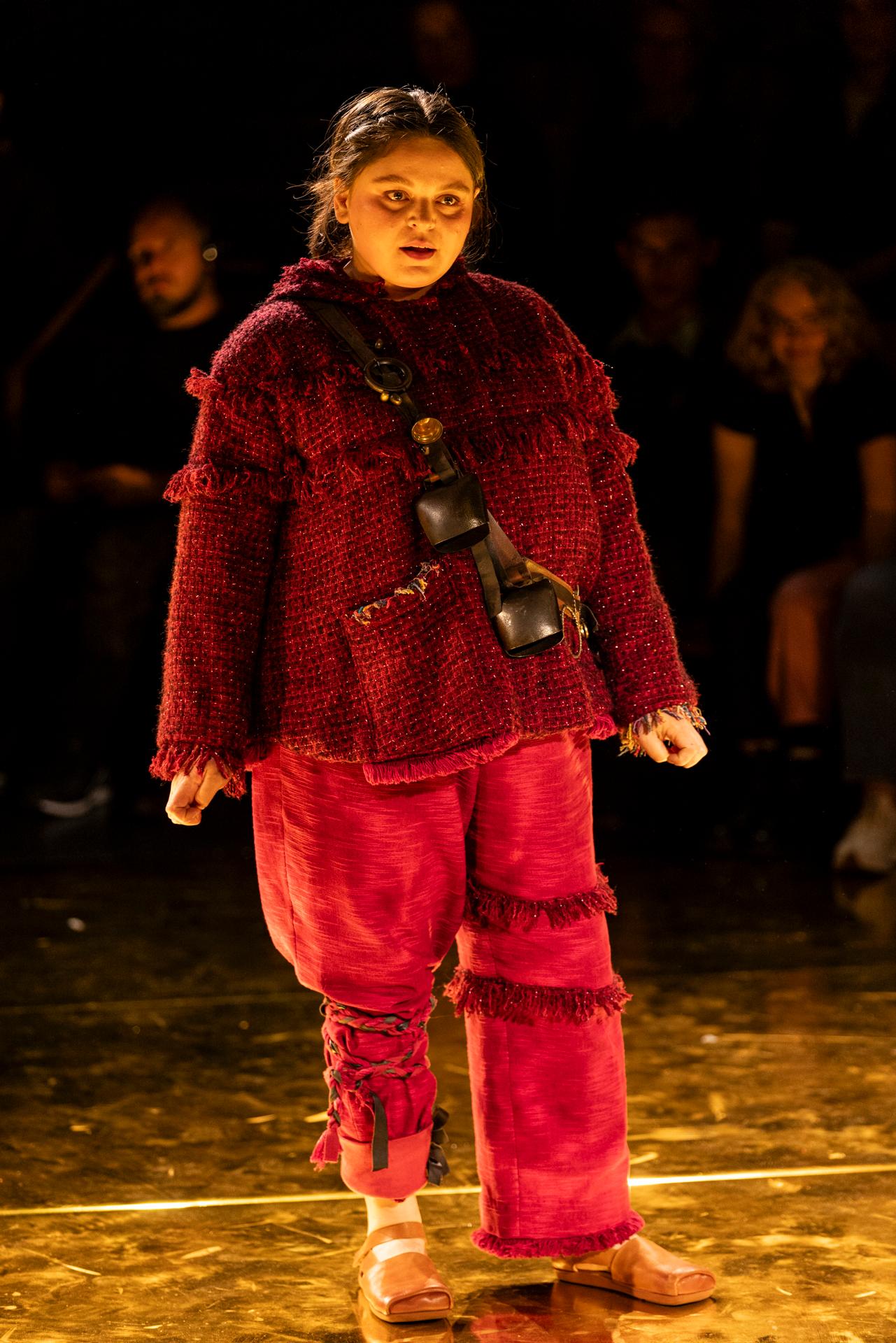
Furtherly unconventional, what is often considered one of the Bard’s most exuberant works, is given the moodiest of treatments, featuring unmistakably macabre sounds and music by Max Lyandvert, and distinctly melancholic lights by Benjamin Cisterne. Although contentious in terms of their resultant effect, the staging bears a polish and stylishness that is unequivocal. Set and costume designs by Teresa Negroponte too, are elegantly rendered, in this unexpectedly serious incarnation of a show involving endless hijinks and shenanigans.

The cast thankfully invests in the true essence of the piece, bringing great ebullience and whimsy, each actor commendable with their respective inventiveness and commitment. Matu Ngaropo as Bottom, and Isabel Burton as Helena, are particularly memorable, both demonstrating exceptional acuity in the details they are able to find, for the performance. It is an outstanding ensemble we have the pleasure to encounter, extraordinarily well-rehearsed, and remarkable with the chemistry they harness.

By show’s end, we are gifted a feeling of resolution and harmony, one derived from a realm that we understand to be fantastical, or indeed magical. Only some of us can access that world of sylphs and spirits, but for all, there is the theatre inviting us to transcend the mundane, and become enchanted by something higher, even if only for a short sojourn.

www.bellshakespeare.com.au

Review: Twelfth Night (Bell Shakespeare)

Venue: Sydney Opera House (Sydney NSW), Oct 24 – Nov 19, 2023
Playwright: William Shakespeare
Director: Heather Fairbairn
Cast: Keith Agius, Isabel Burton, Alfie Gledhill, Amy Hack, Garth Holcombe, Mike Howlett, Tomáš Kantor, Chrissy Mae, Ursula Mills, Jane Montgomery Griffiths
Images by Brett Boardman

Theatre review
In Twelfth Night, William Shakespeare’s comedy is based largely on the absurd and abhorrent idea of love and sex between people of the same gender. We are meant to laugh at Olivia being in love with Viola, and Orsino with Cesario, but many of us today no longer wish to participate in that cruel charade, of ridiculing something we know should be cherished and honoured. Director Heather Fairbairn too rejects that obsolete perspective, and in her rendition subverts Shakespeare’s tired tropes to make a statement about queer autonomy and acceptance.

Fairbairn’s production is endlessly vivacious and amusing, marvelously playful and imaginative with its characters and their hijinks. Each scene is rigorously explored, to ensure that we are kept entertained, even when the text proves tedious. A set design by Charles Davis cleverly concentrates the action into the stage’s middle, where along with Verity Hampson’s lights, great energy is channeled, creating a dynamic focal point. Davis’ fashionable costumes are a delight, as are Hampson’s illumination, especially at moments of heightened drama. David Bergman’s sounds are sophisticated and rich, particularly enjoyable when they nudge us into surreality. Songs by Sarah Blasko are an unequivocal highlight, extraordinarily beautiful with what they add to the presentation.
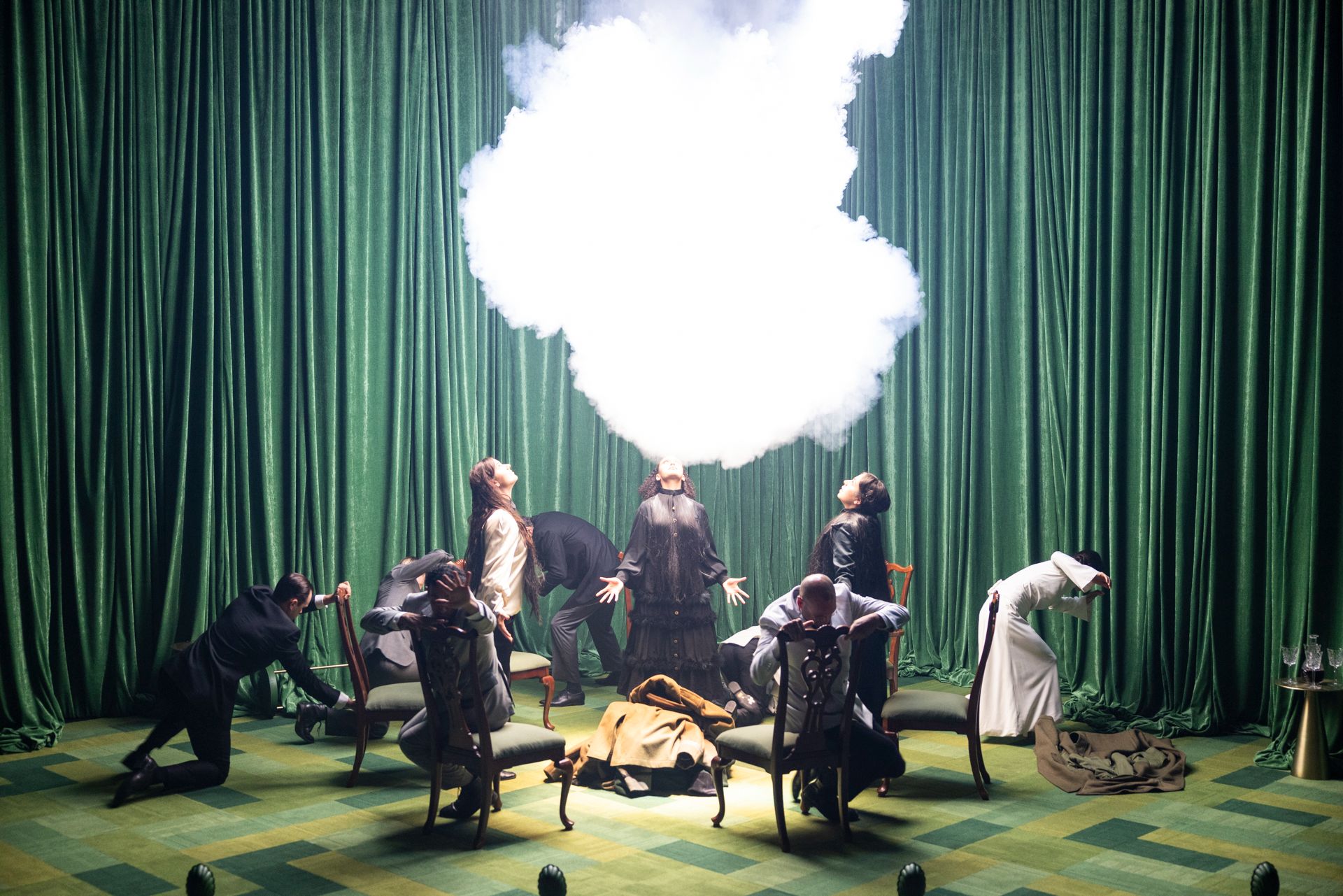
Sung mostly by Tomáš Kantor, who impresses not only with their remarkable vocal talents, but also with their physical agility and mischievous humour. Isabel Burton and Alfie Gledhill play the twins at the centre of all the shenanigans, intriguing with the meanings they inspire in terms of the performance and experience of gender. Duke Orsino and Countess Olivia are portrayed by Garth Holcombe and Ursula Mills respectively, both alluring and admirable with their commitment to elevating some of the more inane elements of the writing.

Undeniable star of the show however, is Jane Montgomery Griffiths, who as a female Malvolia brings immense amplification to both the comedic and tragic aspects of the lovelorn steward’s narrative. The humiliation she suffers under Shakespeare’s pen is given significant magnification, so powerfully depicted at a key moment of chastisement, that we almost feel as if she embodies the vengeance due to every queer and every woman degraded in his hallowed oeuvre. Griffiths’ turn as Malvolia is breathtaking, if only her castigations could become a reckoning truly monumental, beyond the confines of this singular instance of theatrical pleasure.

www.bellshakespeare.com.au

Review: Romeo And Juliet (Bell Shakespeare)

Venue: The Neilson Nutshell (Sydney NSW), Jun 23 – Aug 27, 2023
Playwright: William Shakespeare
Director: Peter Evans
Cast: Lucy Bell, Blazey Best, James Evans, Alex King, Robert Menzies, Kyle Morrison, Rose Riley, Monica Sayers, Leinad Walker, Jacob Warner
Images by Brett Boardman

Theatre review

In more innocent times, the act of suicide was the ultimate sacrifice in any romance. Today, many will find the gesture somewhat empty, when we know survival to be much harder an option. Shakespeare’s Romeo and Juliet however depicts more than that experience of puppy love, not least of all the senseless but intrinsically human tendency, of creating oppositions, and of always choosing discord over harmony. We watch the Capulets and the Montagues revel in being enemies, determined to fight to the bloody end. Peace is our natural yearning, yet it seems we can only ever run away from it.
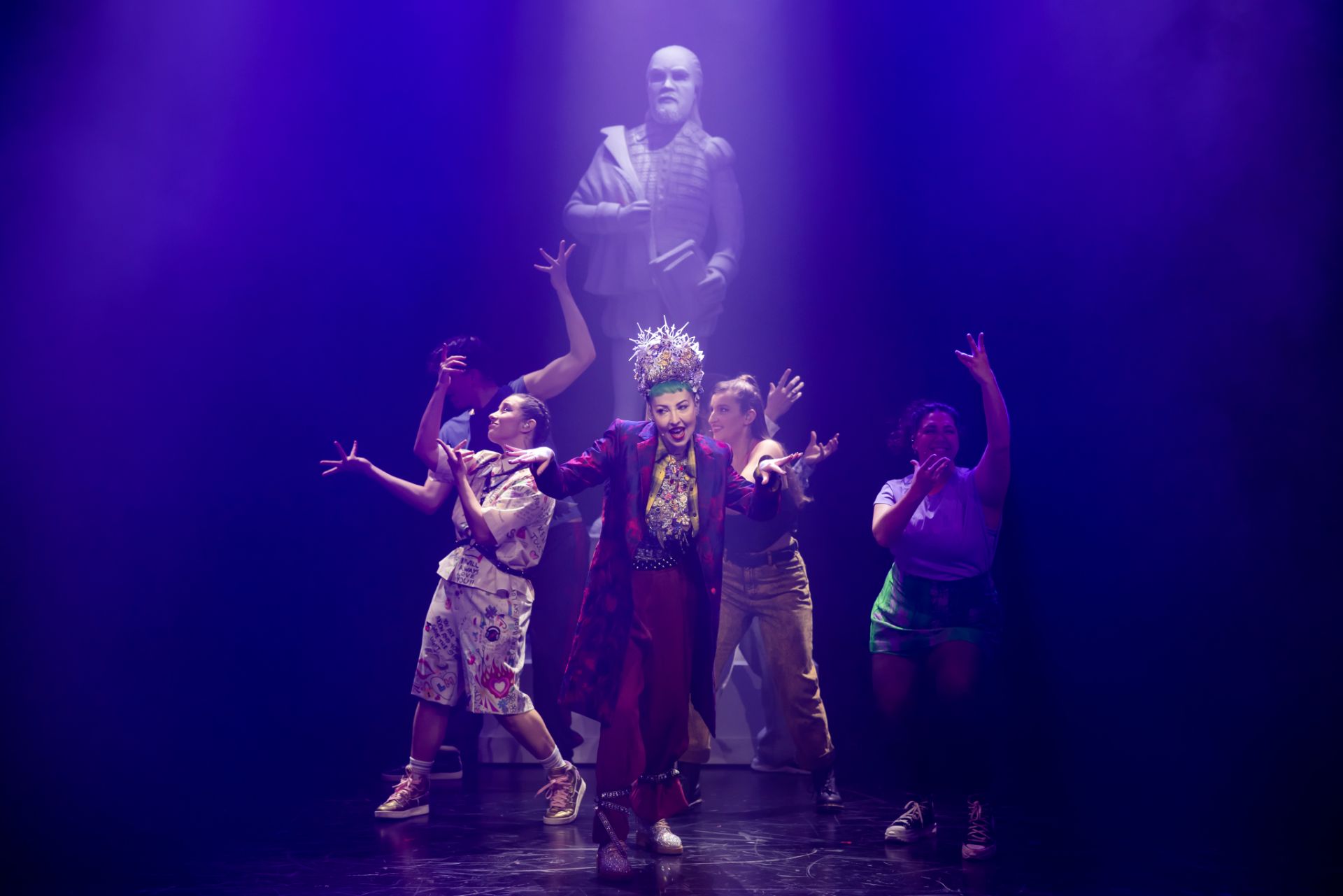
Peter Evans’ direction commences with a great sense of dynamism; the scene is set in a captivatingly blithe way, and the lovers’ first meetings are handled with charm and elegance. The inevitable bleakness begins noticeably from the third act, and although appropriately sombre, the show turns unfortunately and markedly distant. The moment of great tragedy appears anti-climactic, leaving us surprised by its coldness.

Actors Jacob Warner and Rose Riley are a strong coupling, as Romeo and Juliet respectively, both beaming with dedication and admirable for bringing to the stage an adventurous attitude, that earns our investment into the story. Their chemistry may not be consistently searing, but they certainly make the union believable. Also remarkable is Blazey Best in the role of Mercutio, sensational with the flamboyant masculinity she performs, demonstrating great rigour and faultless instincts, along with extraordinary agility, to deliver the most engaging scenes of the production.

The set features two large platforms, designed by Anna Tregloan who introduces an appealing modern sensibility, with black gleaming surfaces and an abundance of black costumes. Lights by Benjamin Cisterne are conservatively but effectively rendered, always to offer enhancement and never to detract from the drama. Music by Max Lyandvert, while insufficiently sentimental at crucial points, is wonderfully haunting and meticulously guides us through every emotional peak and trough.

A 13 year-old girl dies by her own hands, because her family forbids her to act on her heart’s desire. This can seem outlandish, yet we know that suppressing a person’s nature, always yields traumatic results. The young need to be guided, but they also need to be listened to. Much as we feel the urge to impose upon them all of our values, it is forever prudent to open our minds to what newer generations can teach.

www.bellshakespeare.com.au

Review: Macbeth (Bell Shakespeare)

Venue: Sydney Opera House (Sydney NSW), Feb 25 – Apr 2, 2023
Playwright: William Shakespeare
Director: Peter Evans
Cast: Rebecca Attanassio, Julia Billington, Isabel Burton, Jeremi Campese, Eleni Cassimatis, James Lugton, Kyle Morrison, Hazem Shammas, Jessica Tovey, Jacob Warner
Images by Brett Boardman

Theatre review

The most timeless element about Shakespeare’s Macbeth, is perhaps its meditations on ambition and guilt. Centuries on, men continue to be ruthless, as they claw their way to the top, but it is not often that we see any evidence of remorse thereafter. The play is concerned with the human conscience, but it is revelatory that most of how its characters experience regret, can only take place in supernatural realms; an indication that much as we wish for the rich and powerful to admit wrongdoing and make amends, it is but a fantasy in our individual and collective minds.

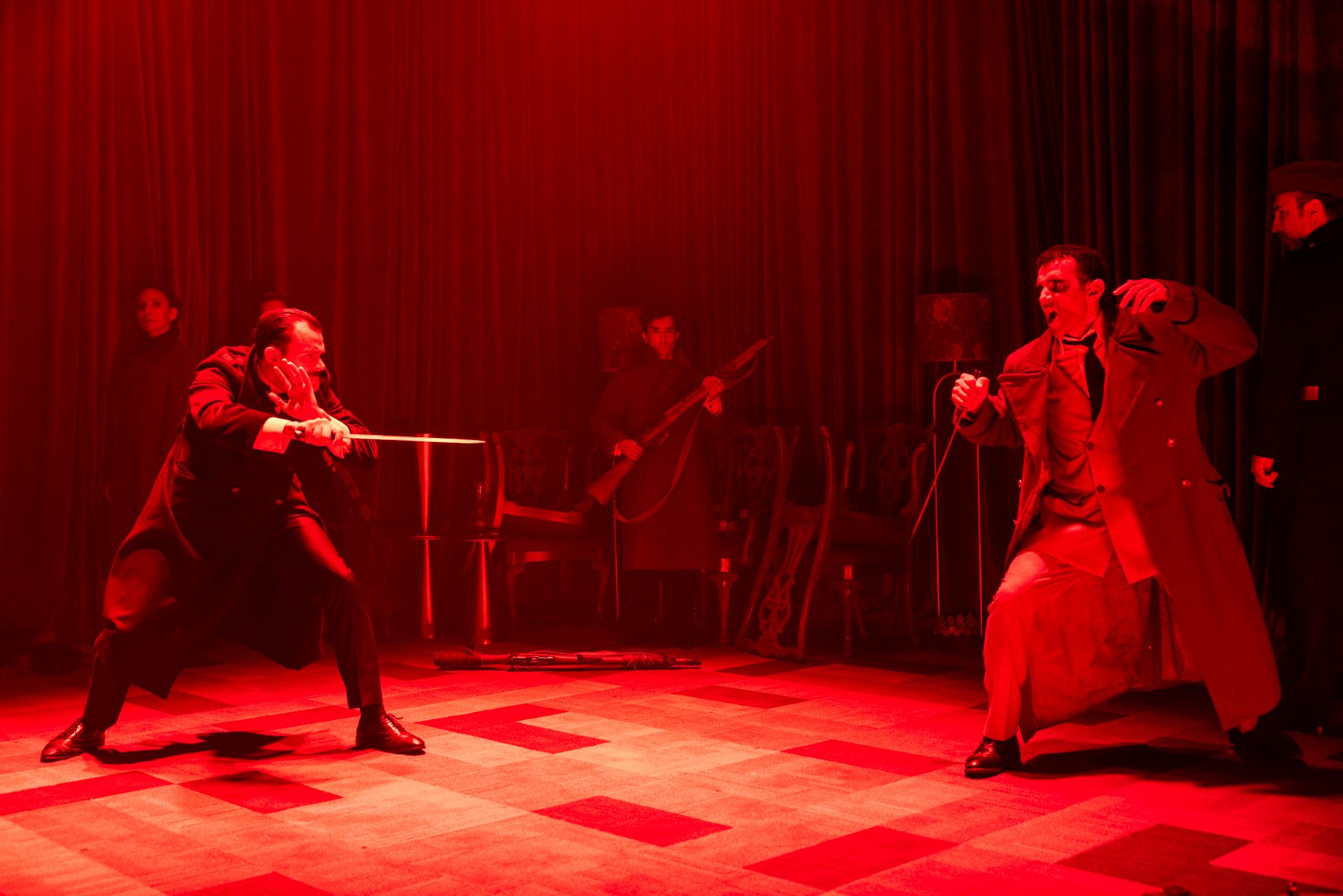
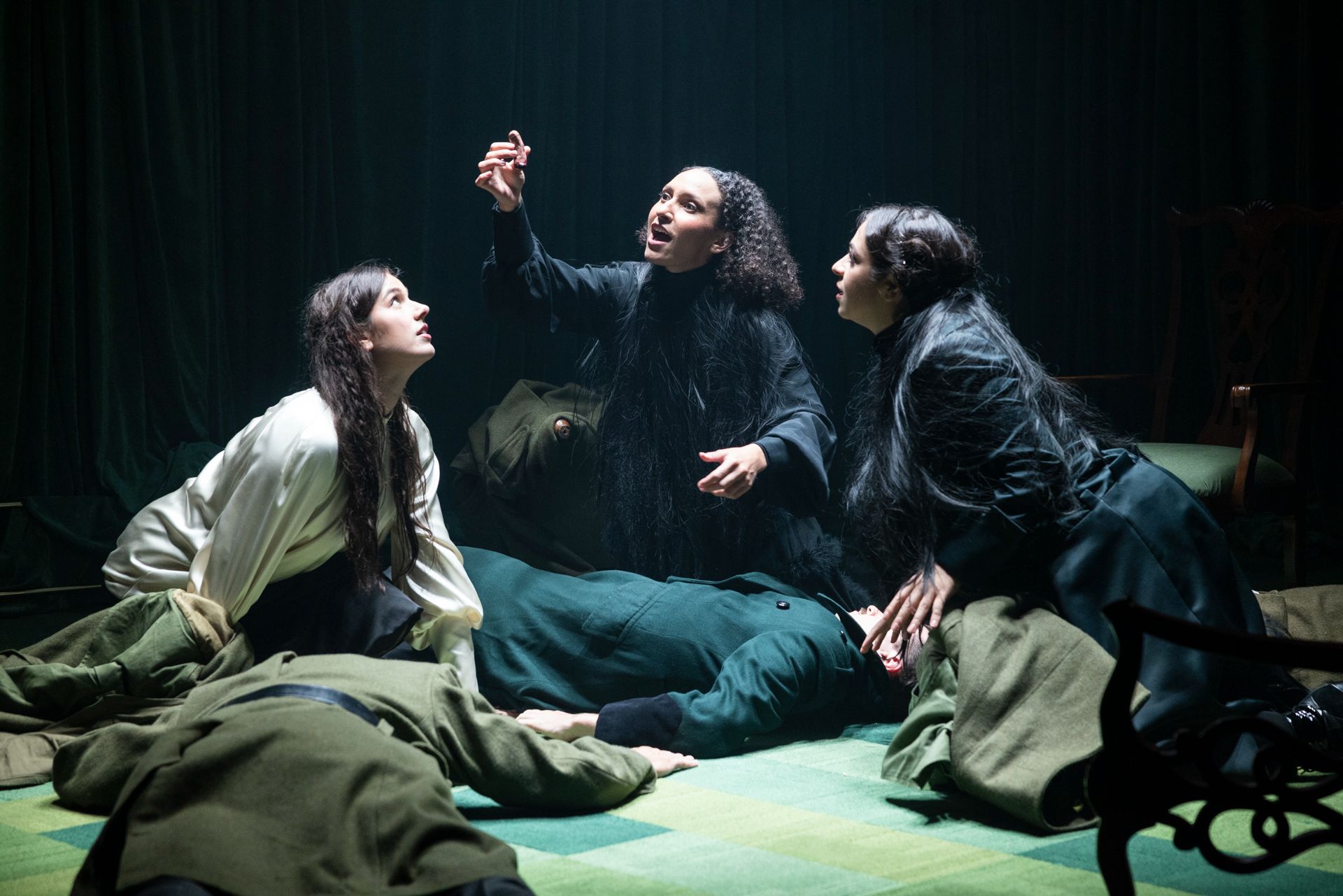
Under Peter Evans’ direction, the production certainly bears a dreamlike quality, inspired by the subconscious goings on, that are mercilessly unleashed throughout the narrative. Designed by Anna Tregloan, the monochromatic space looks to be Twin Peaks meets Art Deco, complete with heavy drapes and patterned floor, sumptuous but nightmarish, in its evocation of the World War I period. Lights by Damien Cooper add to the luxuriant visual style, whilst rumbling music by Max Lyandvert, although not short of tension, is at times strangely hesitant in getting involved, with the drama’s unbridled extravagance.

Actor Hazem Shammas is extraordinary in conveying operatic scales of emotions, in a deeply compelling treatment of the titular role.  Shammas’ intensity seems to know no bounds, with an uncanny ability to externalise the dire psychological trauma being investigated, for a performance memorable for its fascinating physicality. Jessica Tovey’s approach for Lady Macbeth is considered, but sanitised, with an unusual degree of restraint applied, to one of the most outrageously imagined women in the Western literary canon.

When Macbeth receives his just desserts at the bitter end, it is both a result of his own unravelling, and of Macduff’s need to seek revenge. Our desire for good to triumph over evil, is repeatedly evidenced in the art that we make. Art provides opportunities for catharsis, when real life fails to deliver what our instincts know to be true and just. In a world that insist on rewarding those who act nefariously, it is only in our storytelling that we can find, the most perfect of resolutions.

www.bellshakespeare.com.au

Review: The Lovers (Bell Shakespeare)

⭐️⭐️⭐️⭐️
Venue:
Sydney Opera House (Sydney NSW), Oct 23 – Nov 20, 2022
Writer: Laura Murphy (adapted from William Shakespeare)
Director: Shaun Rennie
Cast: Natalie Abbott, Blake Appelqvist, Stellar Perry, Monique Sallé, Brittanie Shipway, Jerrod Smith
Images by Daniel Boud

Theatre review

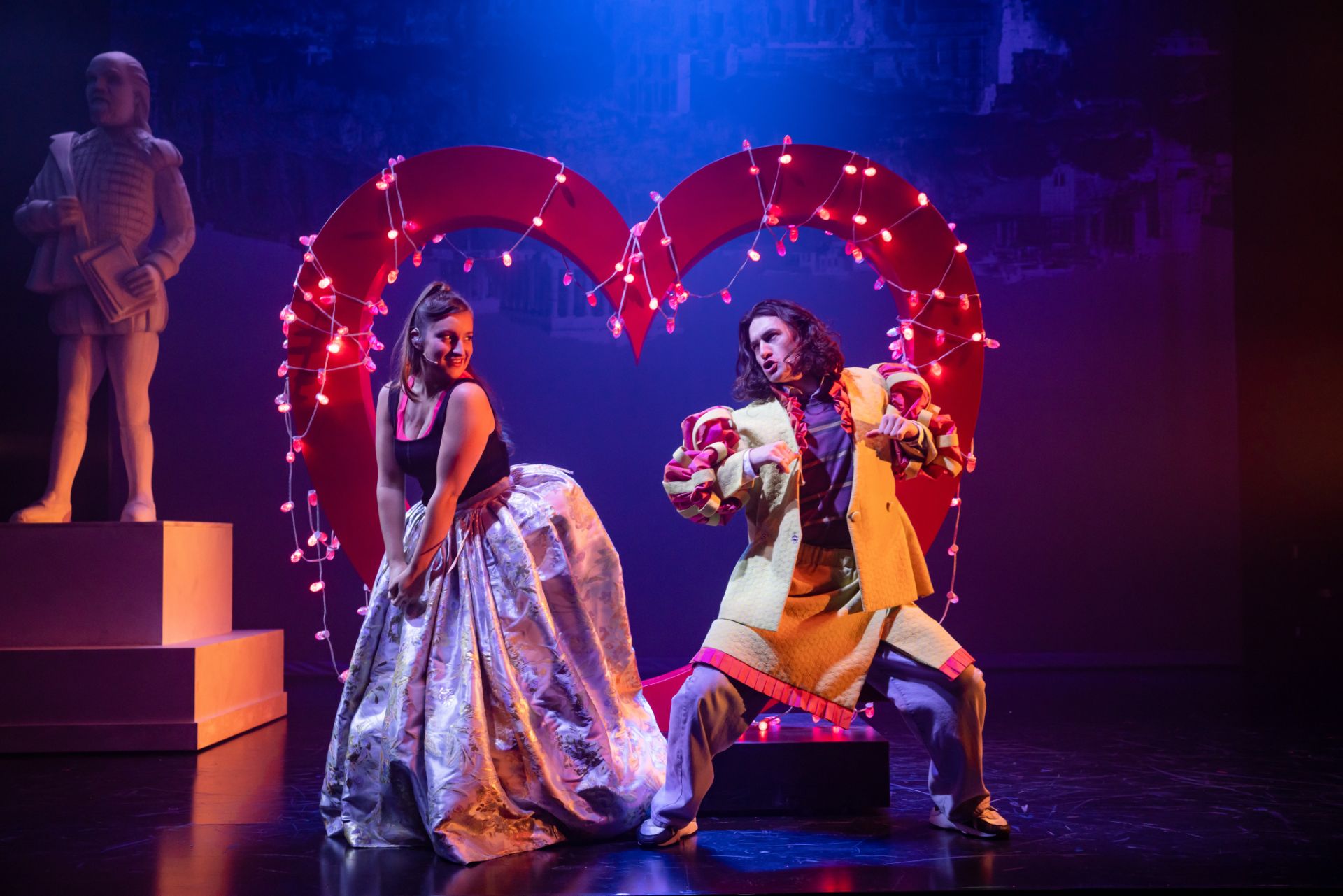
William Shakespeare’s A Midsummer Night’s Dream is given the musical treatment, by Laura Murphy who condenses one of The Bard’s most accessible stories, into something even more digestible. In her new work The Lovers a distinct pop sensibility is applied across everything she touches on, but art lovers be warned, Murphy’s appreciation of pop is a lot less Andy Warhol, and a whole lot more Taylor Swift. Like Swift, Murphy’s lyrics can be criticised for not being poetic enough, with an attitude too devoid of sass, to be considered legitimately cool. Commercial success however, has shown time and again to have little to do with cool, and it appears The Lovers does contain all the requisite ingredients that make it a crowd-pleaser.

Intensely romantic, and silly on more than a few occasions, songs in The Lovers are unquestionably, and thoroughly catchy. Reminiscent, and some might say heavily derivative, of chart toppers from the last twenty years, it can be said that the frothiness of Murphy’s writing, is the perfect companion for Shakespeare’s light-hearted classic. Murphy’s own musical arrangements, along with musical direction by Andrew Worboys, ensures a score that keeps us exhilarated for the entire 2-hour duration, The heady experience is further enhanced by extraordinarily well-executed sound engineering, with Todd Hawken credited as Head of Audio.

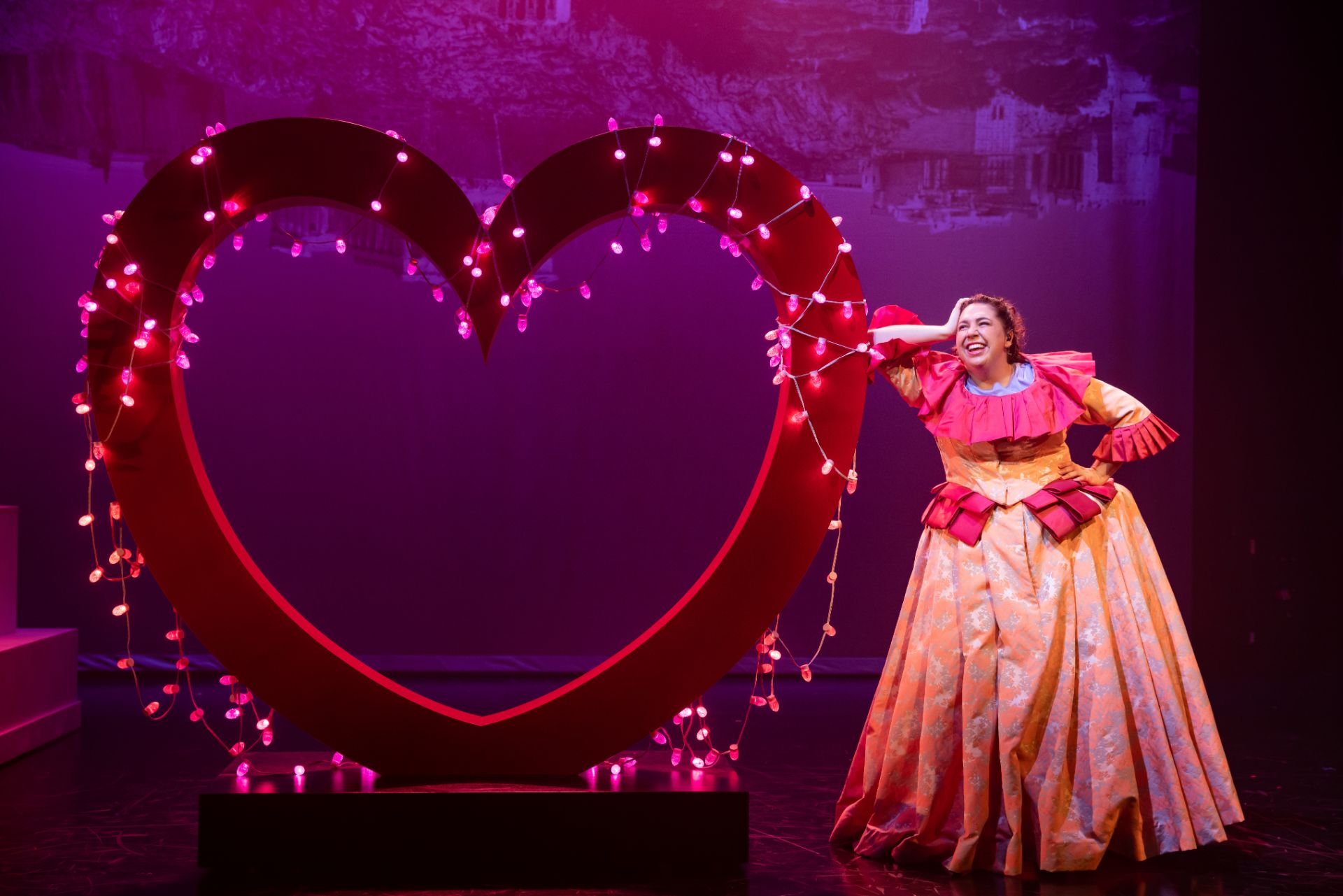
Director Shaun Rennie demonstrates great attention to detail, through his delivery of technical brilliance and exceptional polish,  for the staging. Rennie’s work is thoroughly energetic, with an uncanny ability to have his audience roused at will. Marg Horwell’s colourful and intentionally cluttered set design, is a visual manifestation of the chaotic exuberance that is characteristic of The Lovers. Her costumes too are captivatingly vibrant, although not always flattering on the cast. Lights by Trent Suidgeest are dynamic and exciting, a relentless manipulation of tones, intensities and configurations, that really take advantage of this collision between pop and Shakespeare.

The only one stealing the show however, is performer Natalie Abbott who delivers the most endearing Helena imaginable, with an impeccable quality of singing that beautifully incorporates a stirring soul style, with the crispness demanded of the Broadway format. Also very charming is Jerrod Smith, who brings unexpected believability to the role of Lysander. Oberon is played by Stellar Perry who stands out with her confident musicality, and a physical stillness that proves an appealing contrast against the rest. Monique Sallé is a gregarious Puck, Blake Appelqvist brings precision to his Demetrius, and Hermia is performed by Brittanie Shipway who injects much needed grit into the romantic heroine. The team shows itself to be well-rehearsed and innovative, with a compelling chemistry that makes tolerable, Shakespeare’s ridiculous love story.

There may be little that is worldly that constitutes the essence of The Lovers, but there is certainly no shortage of sophistication, in how the show has been put together. It is meaningful though, that our attention is brought to the subject of love, frivolous as it may seem, through the lens of young romance. At a time when our troubles are taking us to the end of tethers, it is perhaps necessary to be reminded that love alone, is capable of moving mountains.

www.bellshakespeare.com.au

Review: The Comedy Of Errors (Bell Shakespeare)

Venue: Sydney Opera House (Sydney NSW), Aug 17 – Sep 17, 2022
Playwright: William Shakespeare
Director: Janine Watson
Cast: Joseph ‘Wunujaka’ Althouse, Julia Billington, Giema Contini, Skyler Ellis, Felix Jozeps, Alex King, Leilani Loau, Ella Prince, Lauren Richardson, Maitland Schnaars
Images by Brett Boardman

Theatre review
In Shakespeare’s The Comedy Of Errors, two sets of twins cause mayhem in the Greek city of Ephesus, through a series of events involving mixed identities and wild premises. It may be a relic of a play, but centuries on, it still provides an opportunity for theatre makers to present something frolicsome and mirthful, for audiences of any description. In the right hands, it may even demonstrate the changes that have occurred in our cultures over this half a millennium, for it is through adaptations and interpretations, that we may observe our evolution, reflected in the artistic choices being made today.

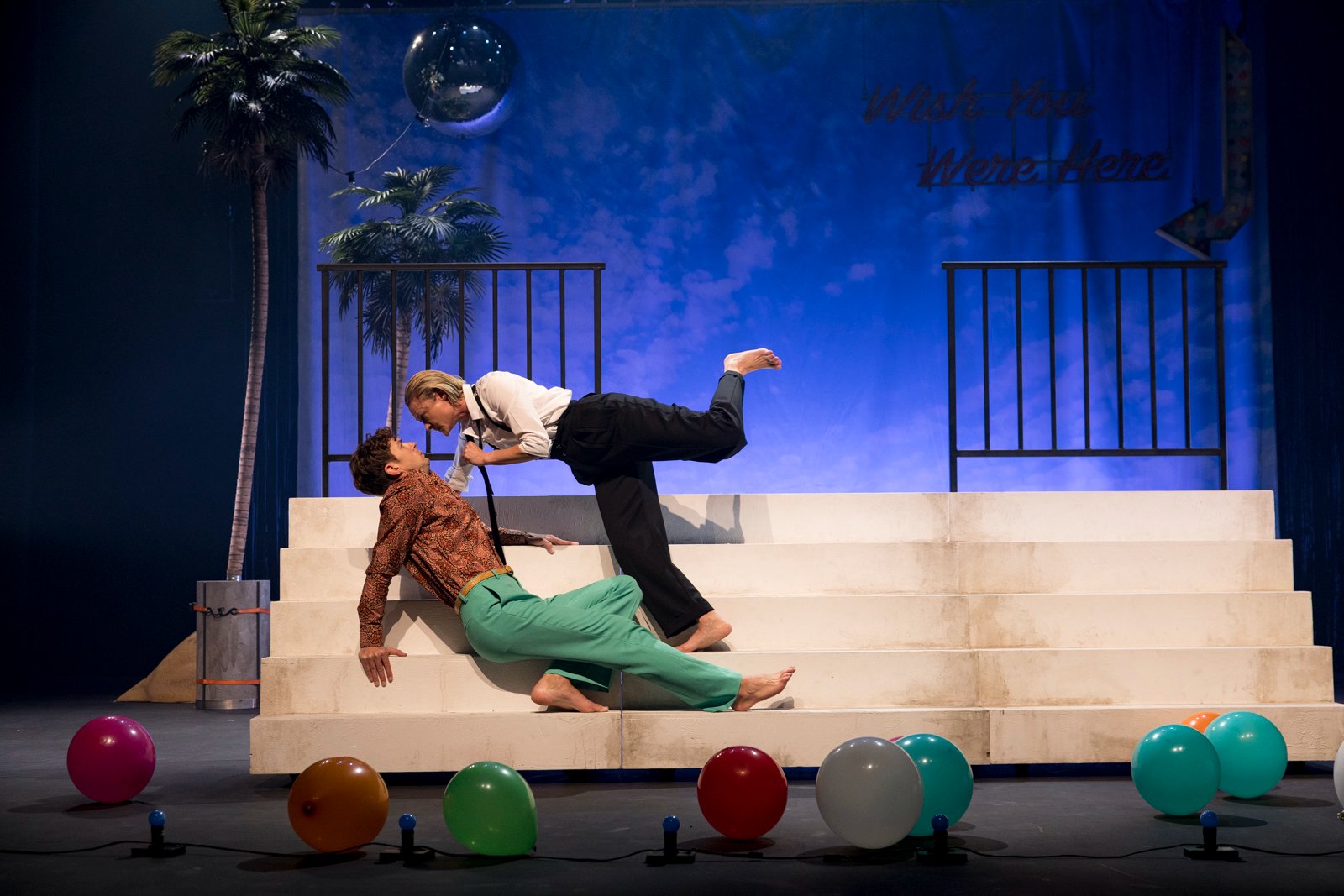
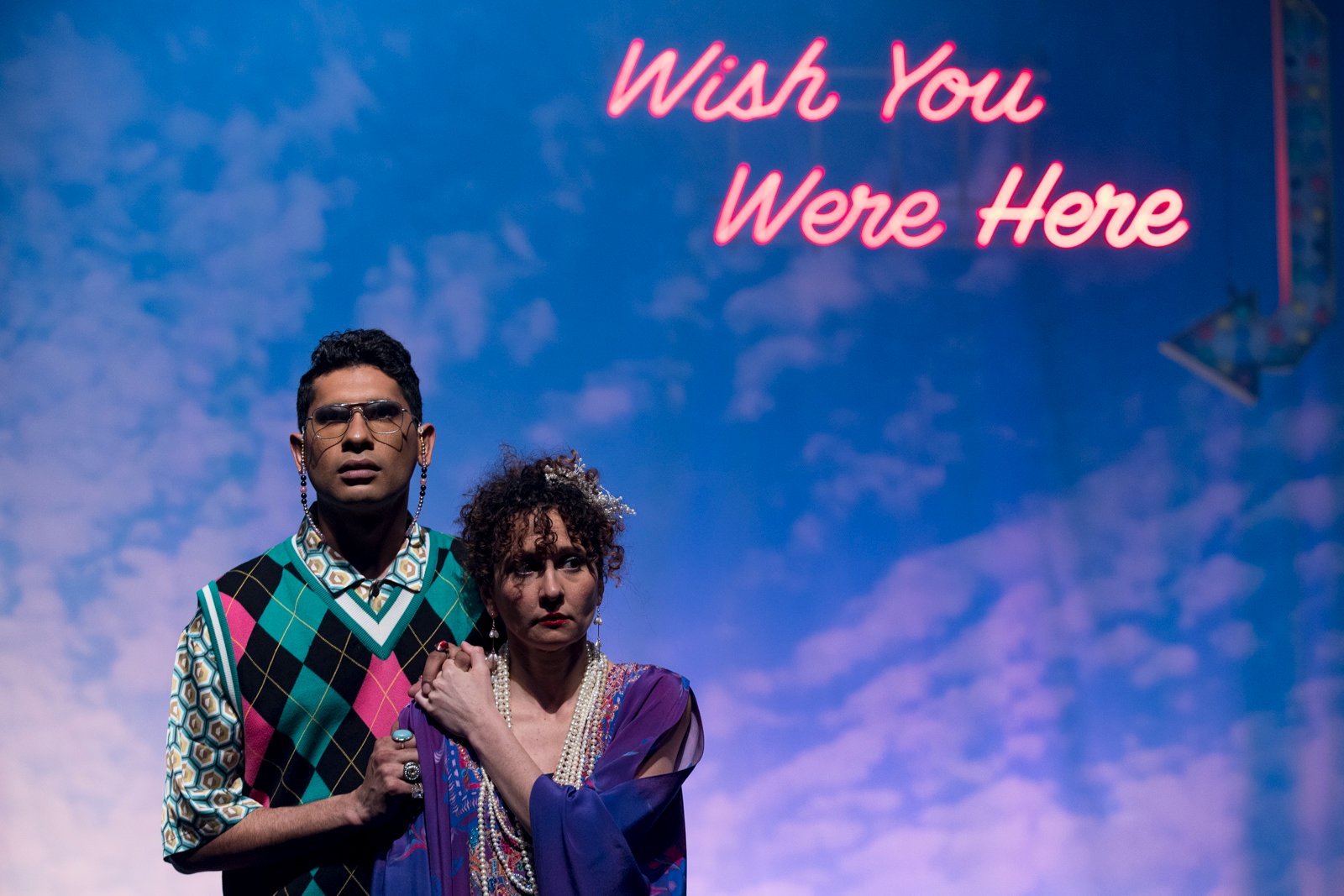
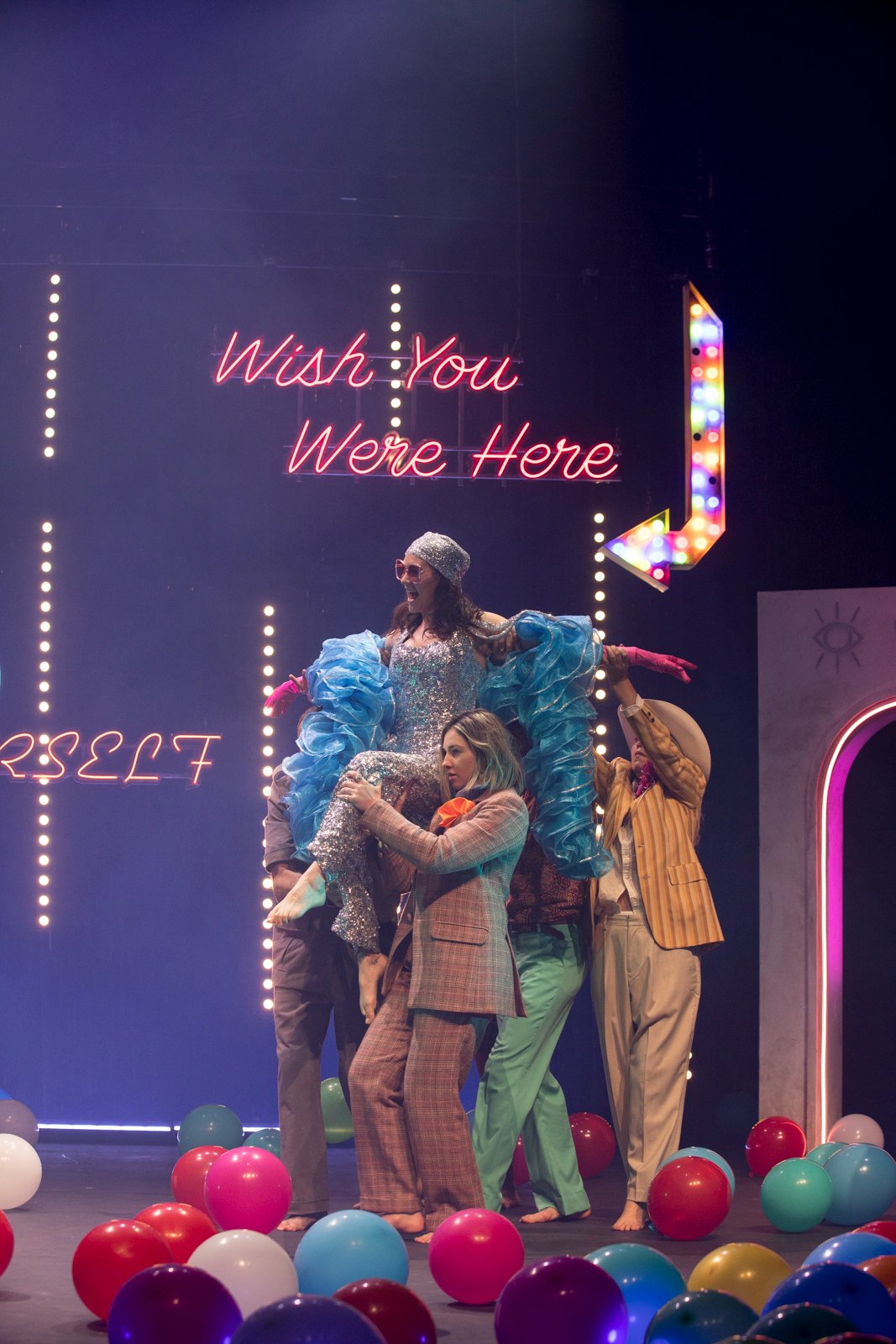
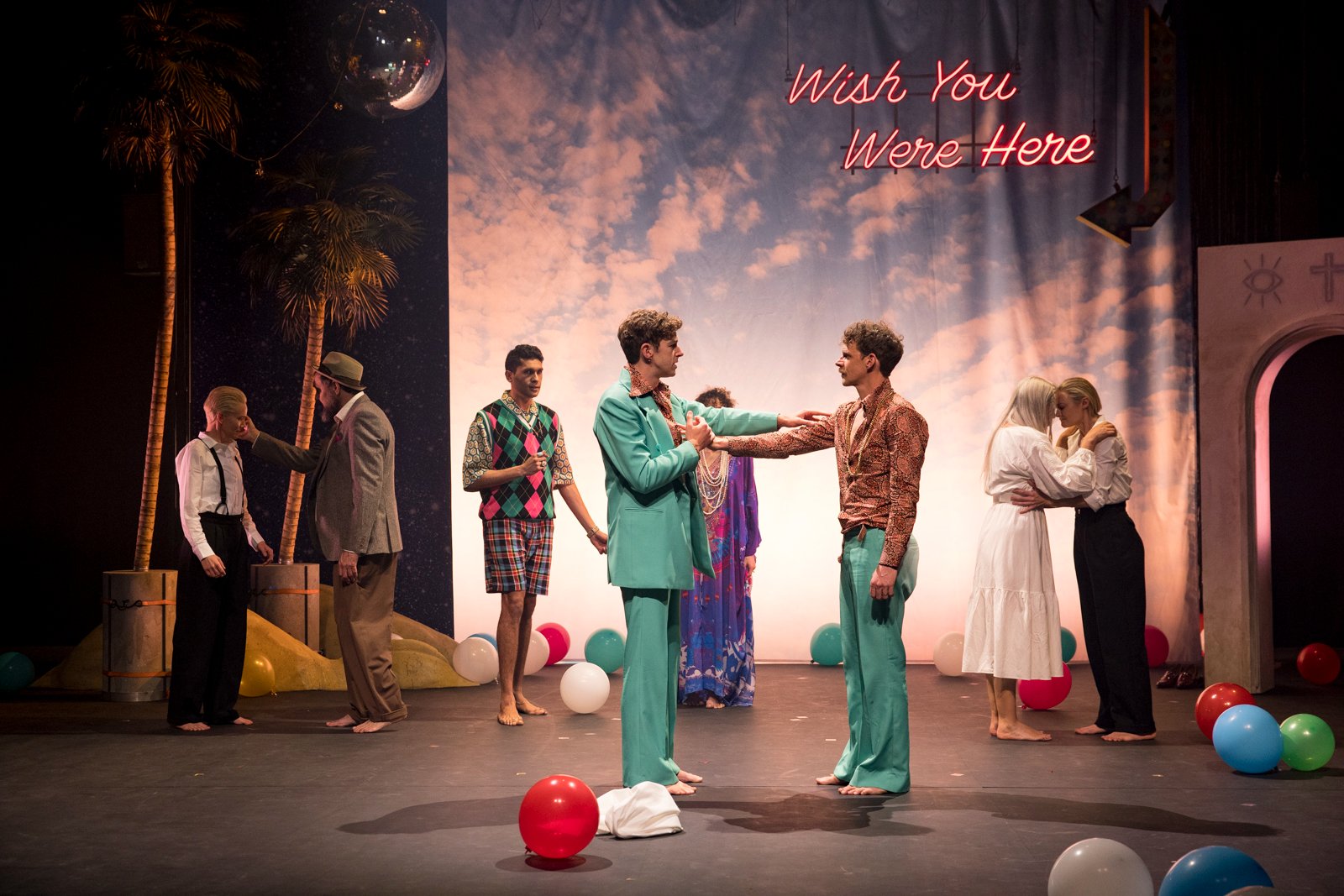
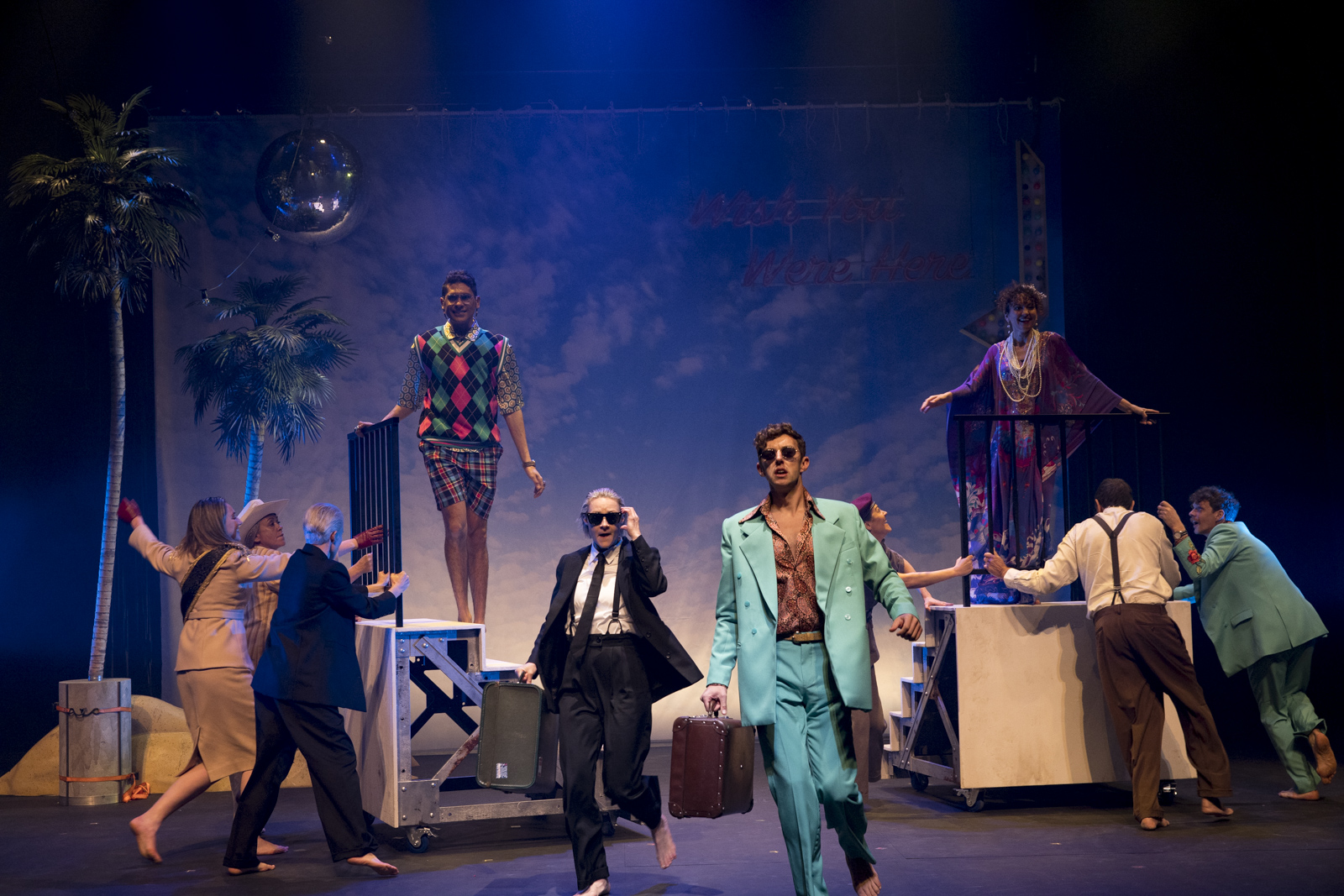
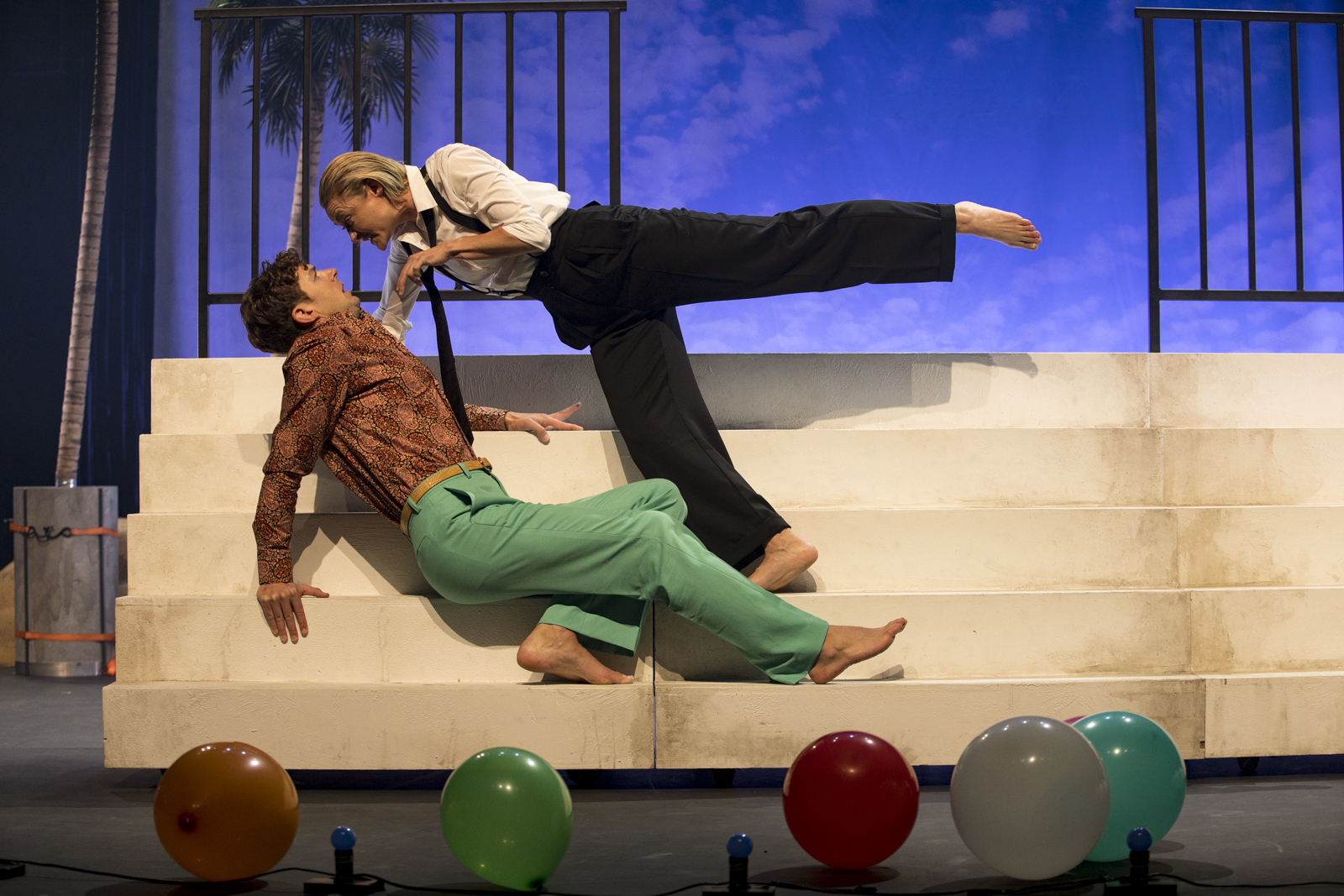
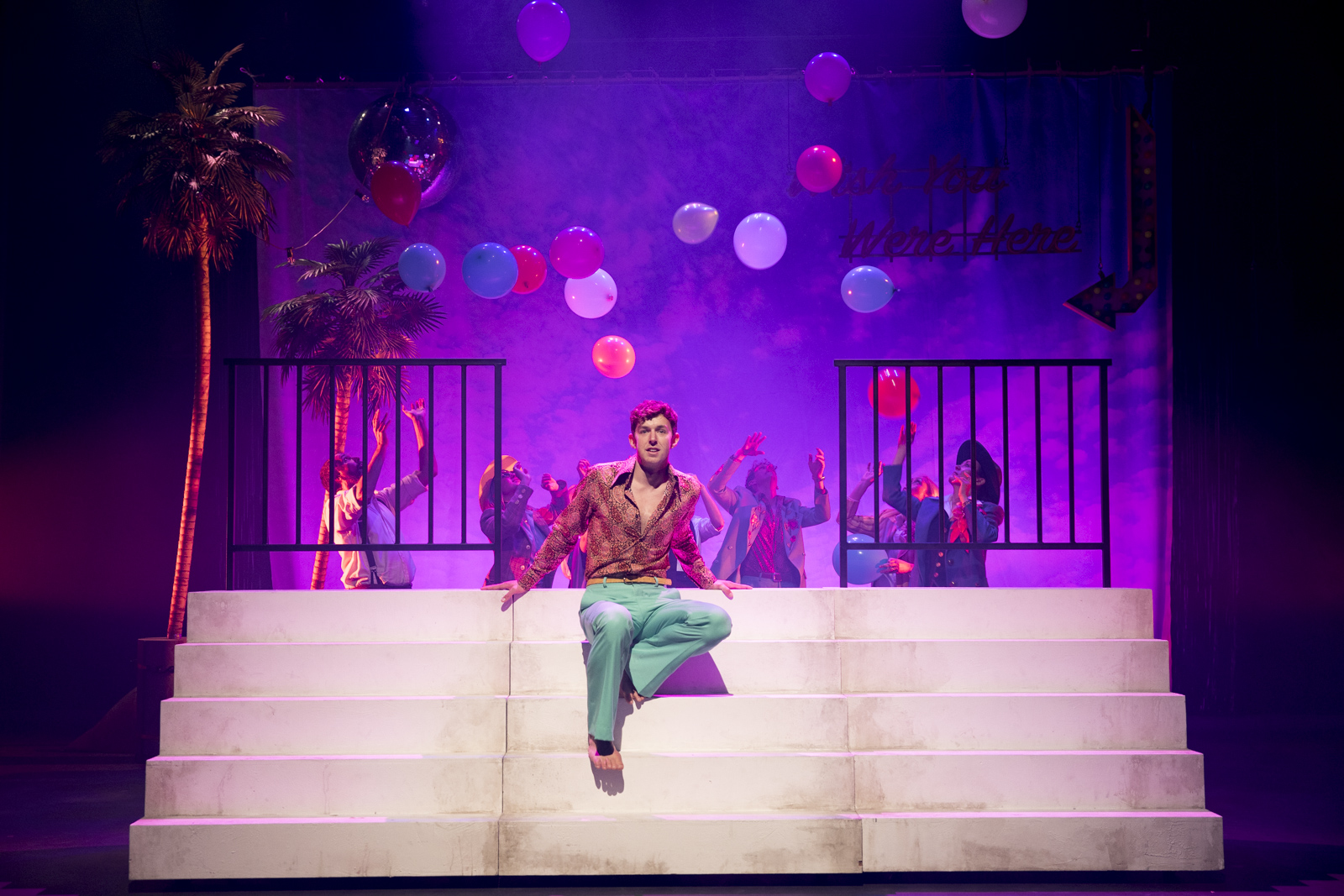
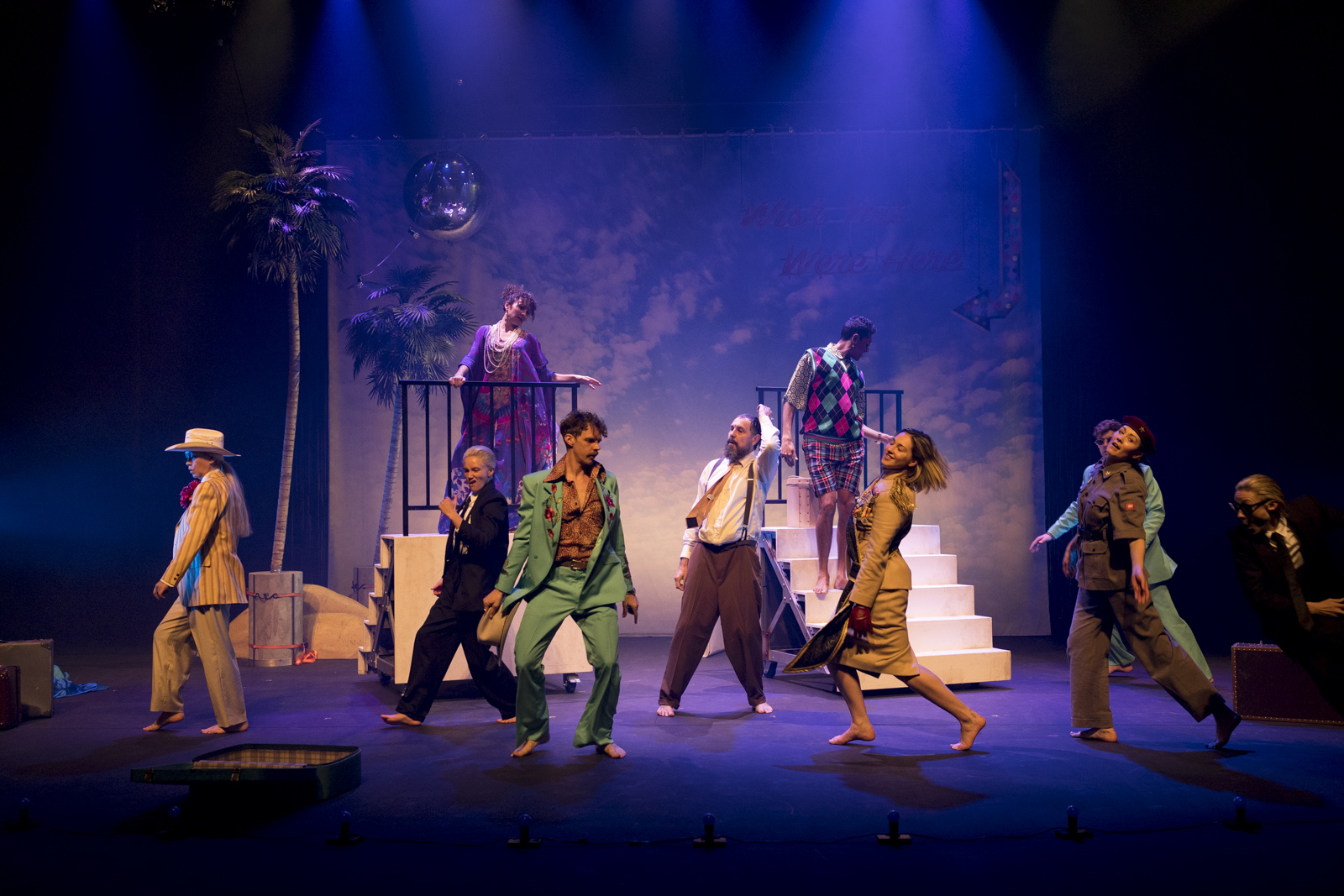
On this occasion, director Janine Watson applies a correspondingly frivolous 1970s disco aesthetic to the staging, but it is the queering of characters and relationships in the story, that forms a constant reminder, that we are indeed living in the twenty-first century. There is an unmistakeable vigour to Watson’s work, with a love for the immediacy of the live format, that truly shines. 

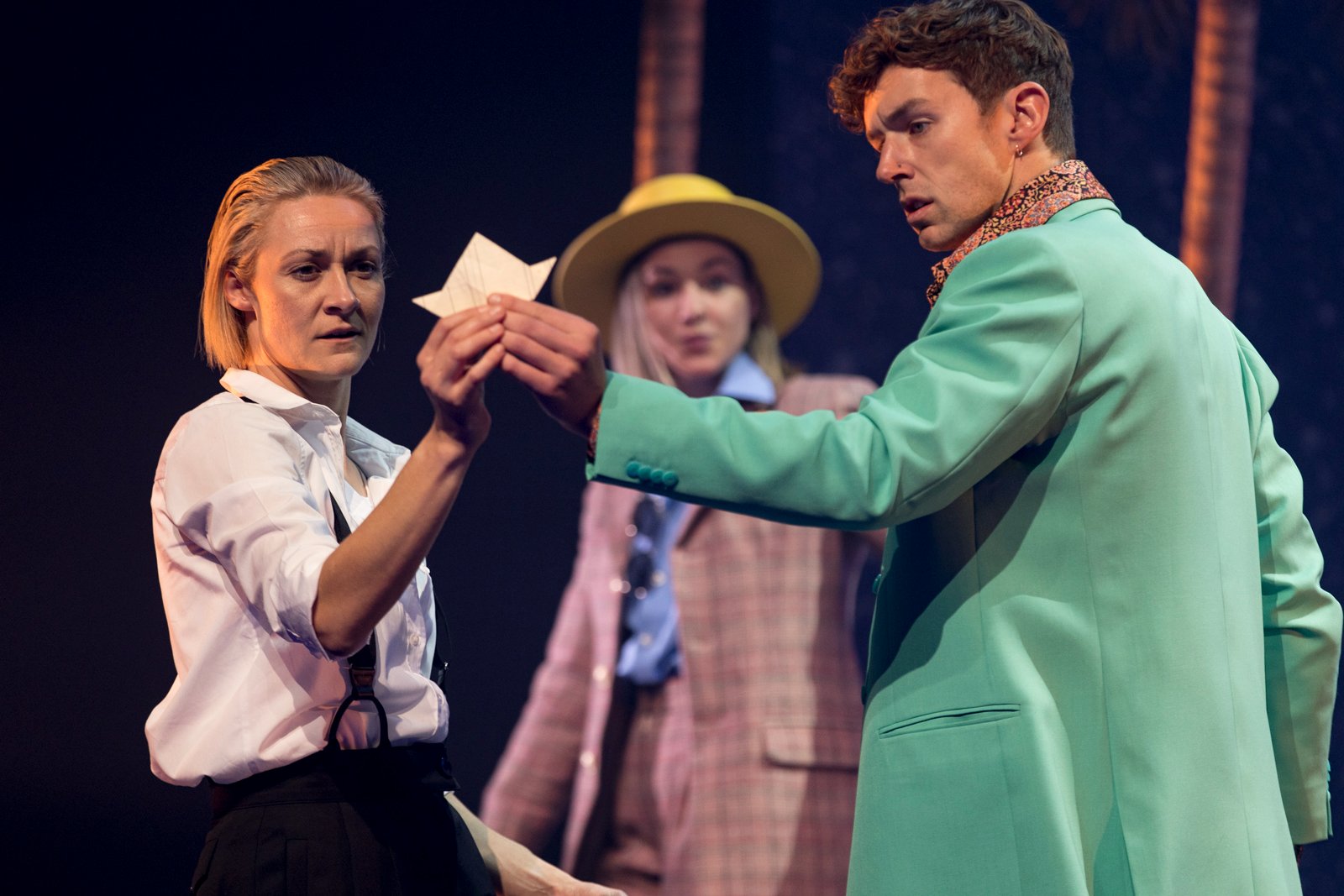
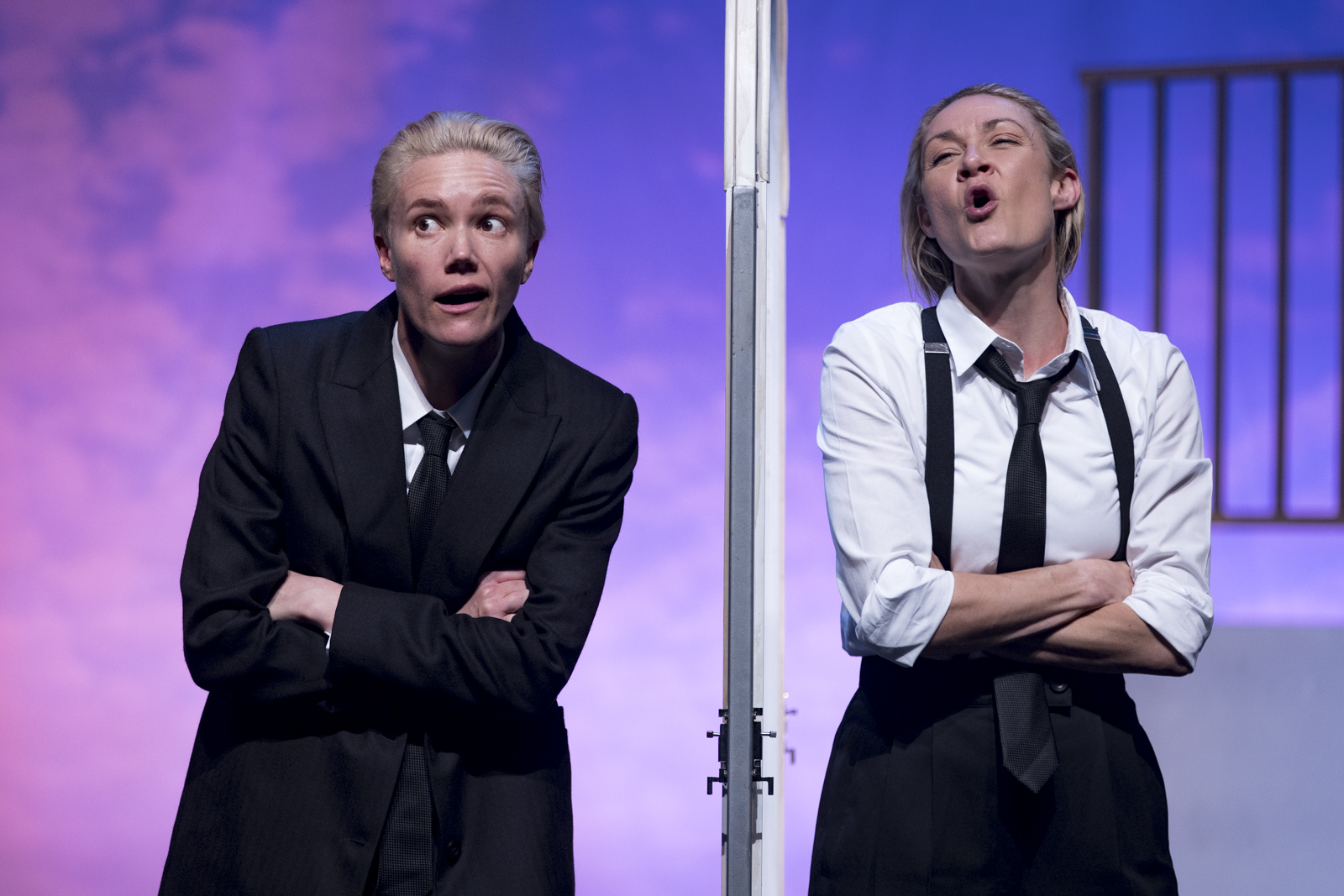
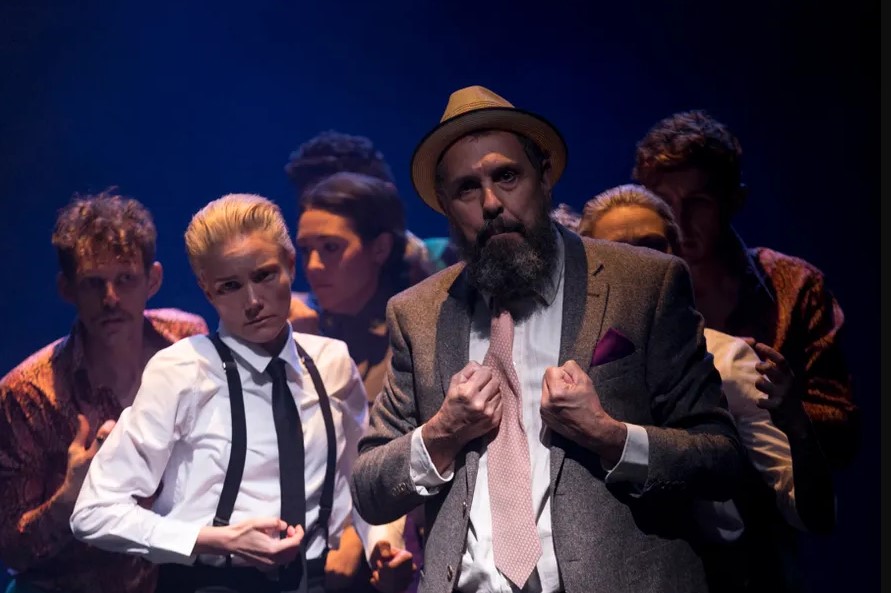
The cast is given plentiful space to wreak havoc, and their mischievousness is resolutely centre stage. Skyler Ellis and Felix Jozeps are the twins named Antipholus, both performers energetic, passionate and effortlessly charismatic. The two servants named Dromio, also twins, are played by Julia Billington and Ella Prince, both inventive and captivating, who turn their parts resoundingly non-binary, for a show memorable for its subtext of gender dismantlement. Giema Contini and Joseph ‘Wunujaka’ Althouse are flamboyant siblings Adriana and Luciano, eliciting some of the biggest laughs with a wonderful camp approach to their humour.

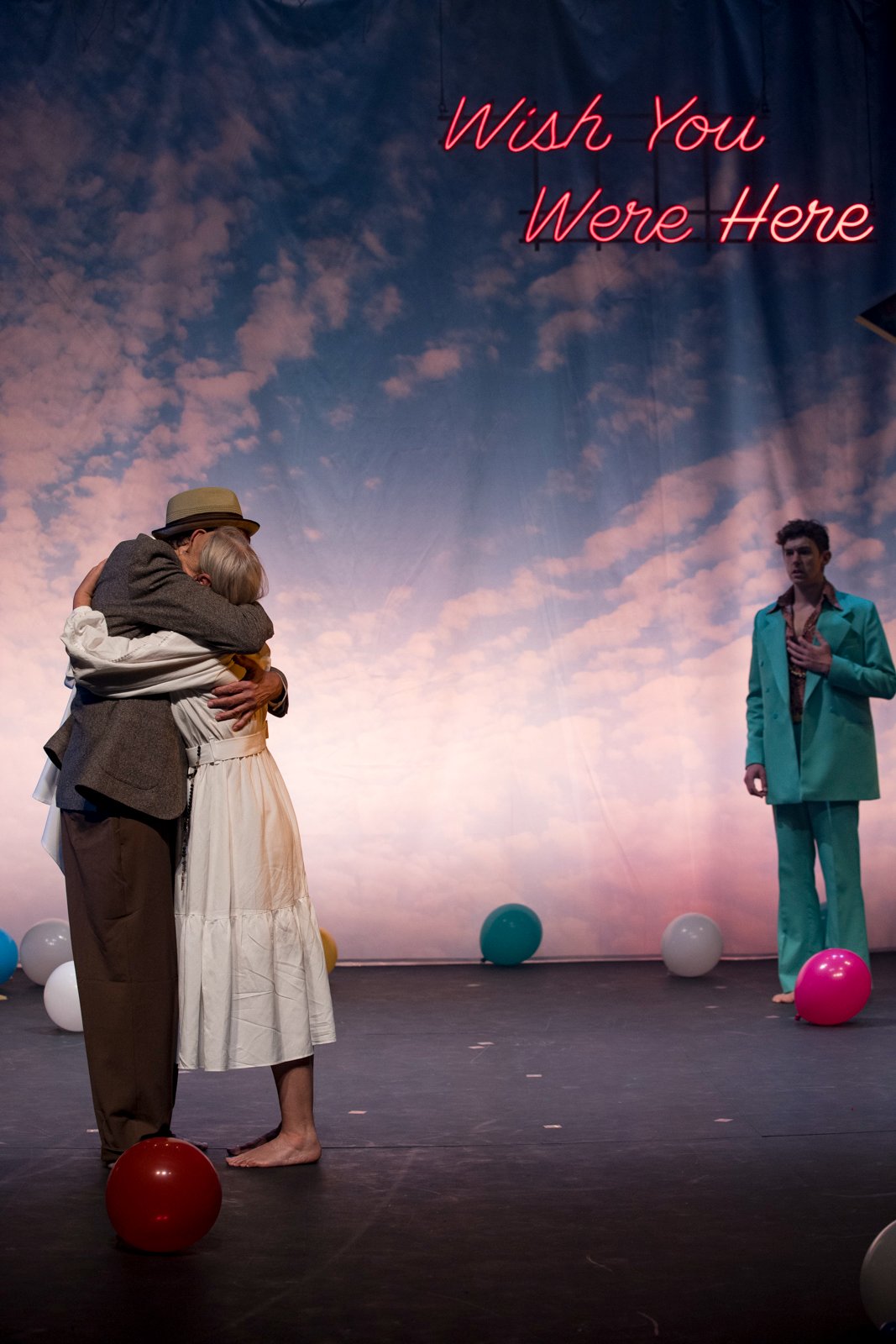
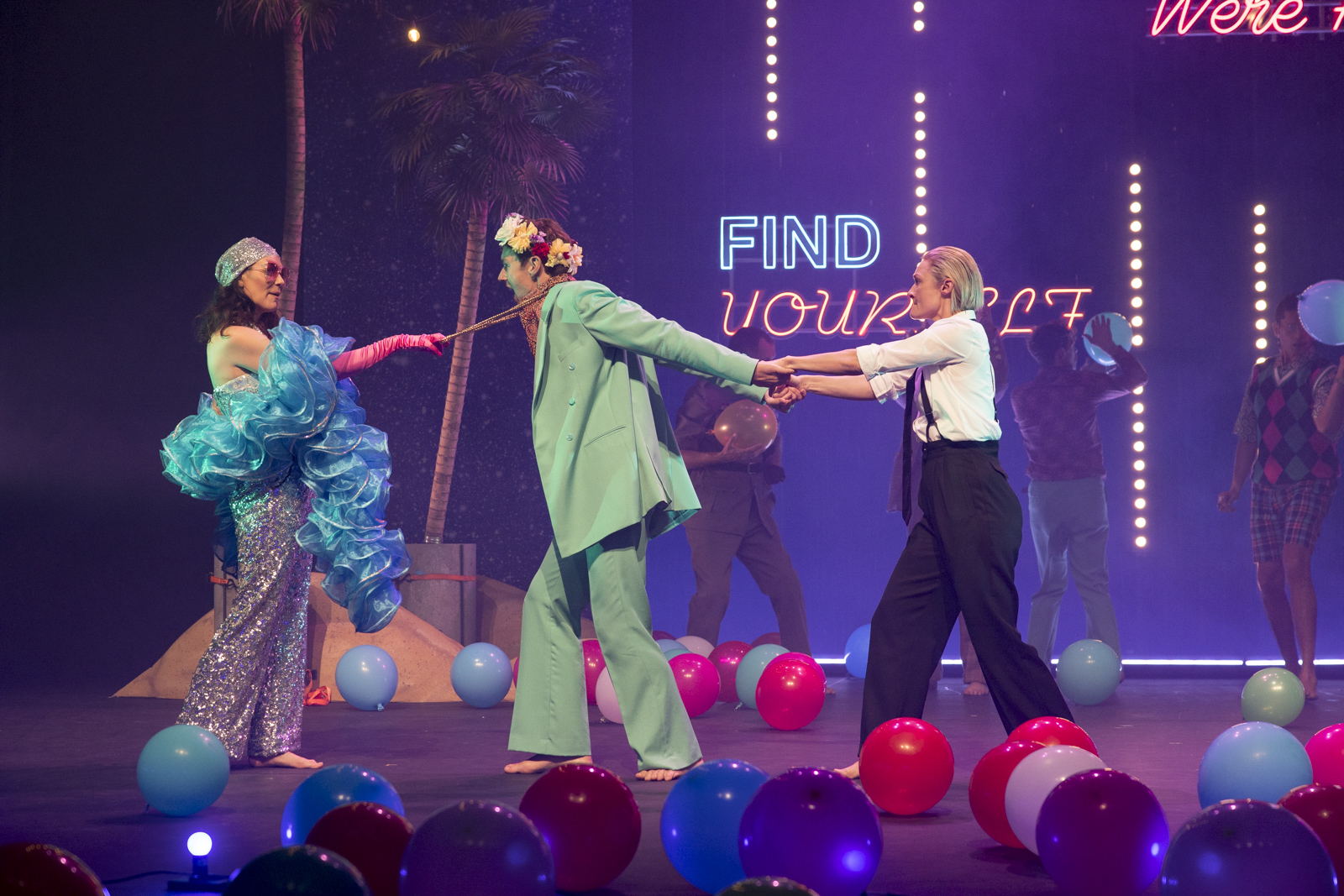
Hugh O’Connor’s set and costume designs are pop infused, colourful manifestations of a lurid fantasy world, in which common sense takes a back seat. Along with lights by Kelsey Lee, this production of The Comedy Of Errors is relentlessly vibrant, in a way that proves visually satisfying. Music and sound by Pru Montin too are not particularly subtle, prominently featuring hits from the disco era that remain gloriously euphoric.

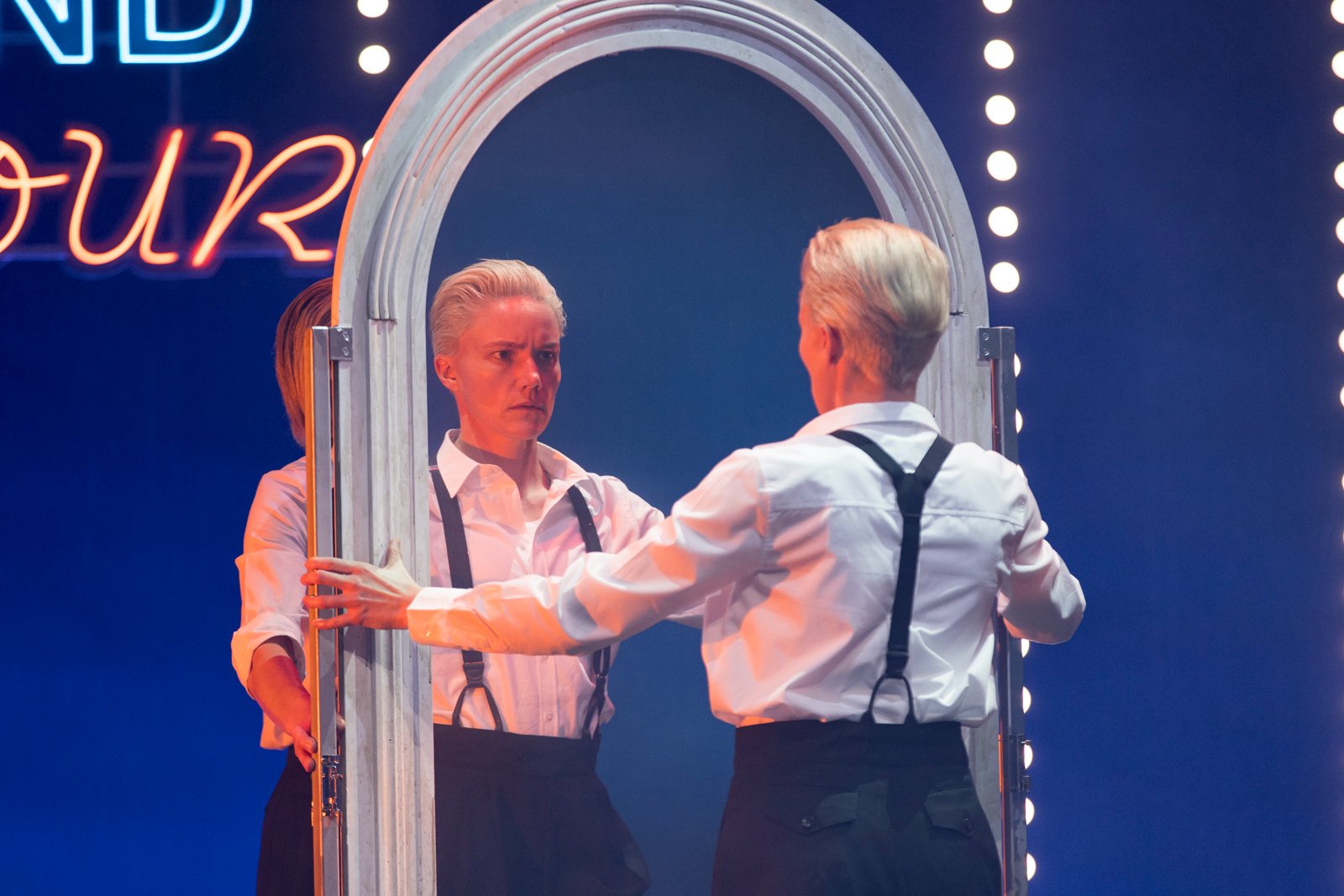
Beneath all the rambunctious activity, lies a central guiding principle of authenticity. The production’s theme is declared with great pride in neon, “Find Yourself”, which must certainly refer to the discovery of one’s purest identity. Even if Shakespeare represents the diametric opposition to one’s own values, it can never be discounted that it is sometimes the very notion of an antithesis, that helps one uncover the truth.

www.bellshakespeare.com.au

Review: Hamlet (Bell Shakespeare)

Venue: Sydney Opera House (Sydney NSW), Feb 29 – Apr 4, 2020
Playwright: William Shakespeare
Director: Peter Evans
Cast: Jeremi Campese, Tony Cogin, Jack Crumlin, James Evans, Harriet Gordon-Anderson, James Lugton, Jane Mahady, Lisa McCune, Robert Menzies, Aanisa Vylet, Sophie Wilde
Images by Brett Boardman

Theatre review
Having very recently lost his father, the young prince is understandably grief-stricken. Hamlet obsesses over his mother’s quick remarriage to the new King Claudius, almost as a form of distraction, but when the ghost of the dead king arrives to reveal that it was his own brother Claudius who had killed him, Hamlet becomes overwhelmed with fury. More than a revenge story, Shakespeare’s Hamlet examines the meaning of death, from the vantage point of a man obsessed with bereavement.

It is a handsome production, with Benjamin Cisterne’s lights giving a glamorous finish to the staging, and designer Anna Tregloan’s 1960’s costumes adding a sense of whimsy. Tregloan’s cyclorama depicts a beautiful Danish snowscape, but an awkward house-shaped frame sits centre stage, doing little more than to confuse with its lack of purpose. Video projections by Laura Turner helps us empathise with Hamlet’s tragic circumstances, as does Max Lyandvert’s restrained music compositions.

Director Peter Evans’ conservative style may not deliver anything unexpected, but his rendition is likely to appeal to fans of Shakespeare who favour a more conventional approach. Actor Harriet Gordon-Anderson is insufficiently charismatic as the lead, but displays clear dedication to her craft. What she offers as the Danish prince is not always convincing, due in part to her slight stature, although there is no questioning her conviction and focus for the role. The two problematic women in Hamlet, Gertrude and Ophelia, are played by Lisa McCune and Sophie Wilde respectively, both performers able to convey a certain level of power and integrity, in spite of Shakespeare’s intentions to portray them as useless. Robert Menzies leaves a strong impression as Polonius, animated and entertaining as the court’s chief counsellor.

In the twenty-first century, it is easy to take issue with the representation of women in Shakespeare’s work. We are far less likely to accept as reasonable, the extremely unbalanced way in which gender is expressed in his oeuvre. The current trend of placing women actors in key male roles does, to some extent, soften the blow of insults to half of humankind, but the strategy is rarely if ever, able to comprehensively address the gender problem that figures so centrally in all of Shakespeare’s narratives.

www.bellshakespeare.com.au