Review: Hedwig And The Angry Inch (Carriageworks)

Venue: Carriageworks (Eveleigh NSW), Jul 17 – Aug 3, 2025
Text: John Cameron Mitchell
Music and Lyrics: Stephen Trask
Directors: Shane Anthony, Dino Dimitriadis
Cast: Seann Miley Moore, Adam Noviello
Images by Eugene Hyland, Shane Reid

Theatre review
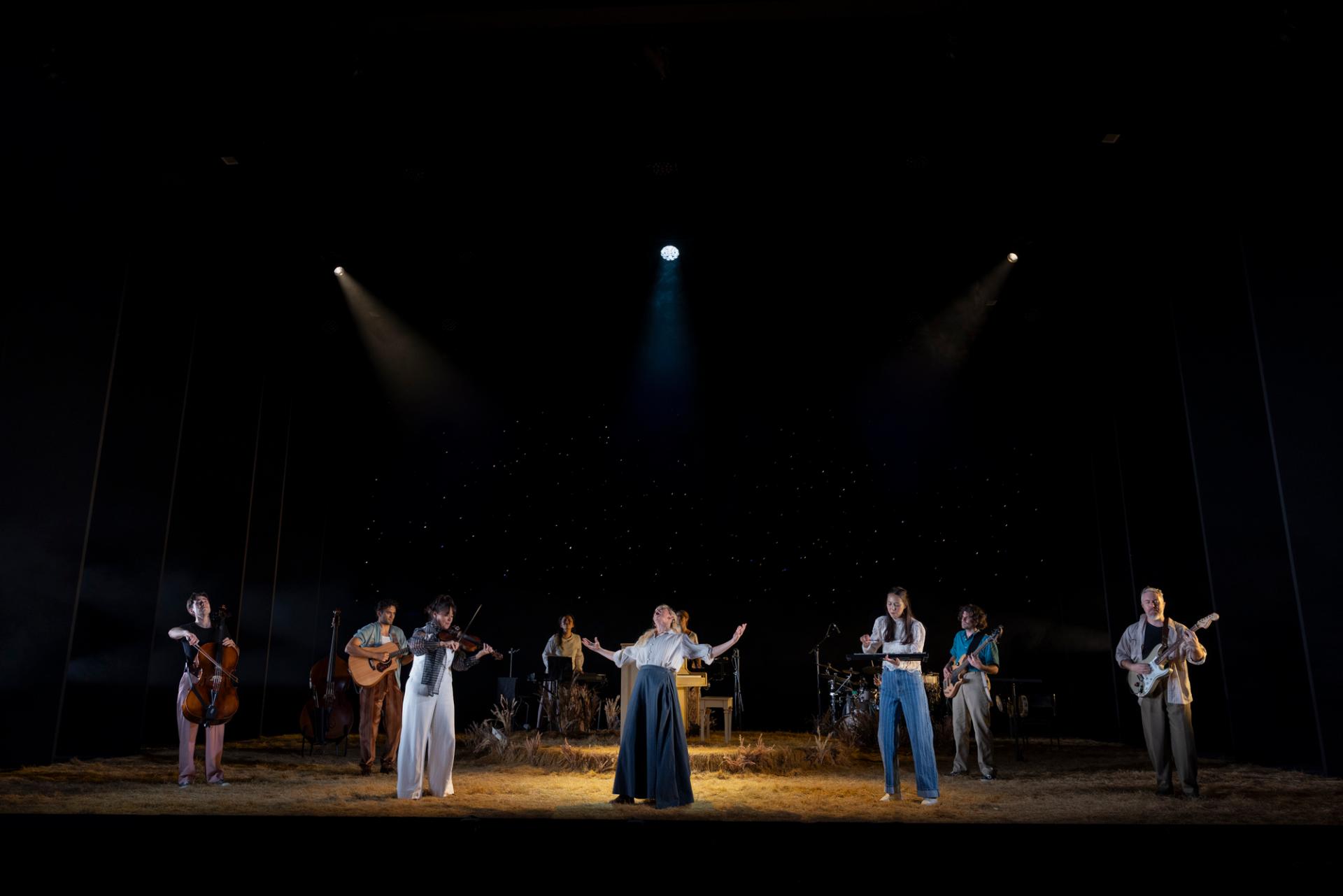
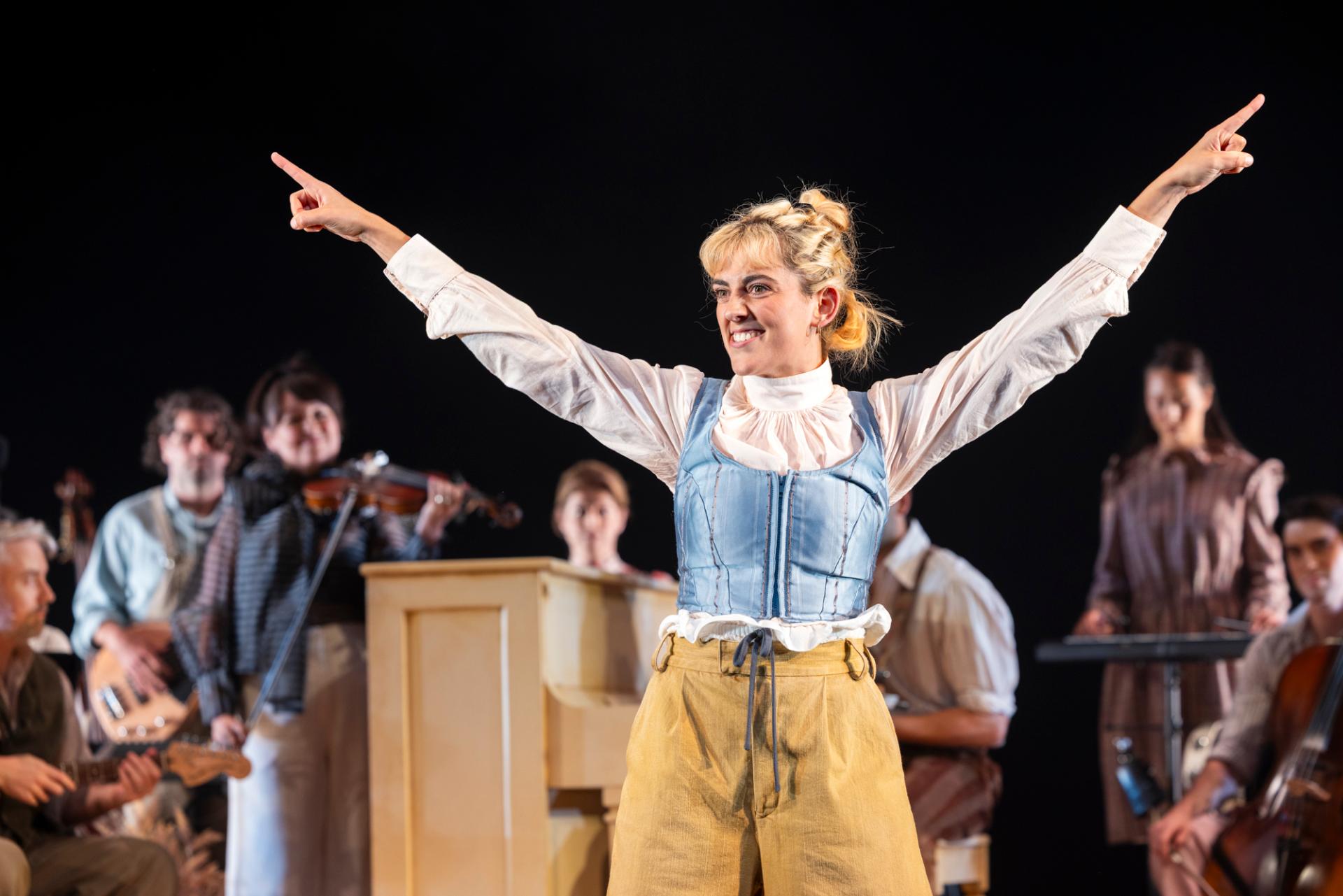
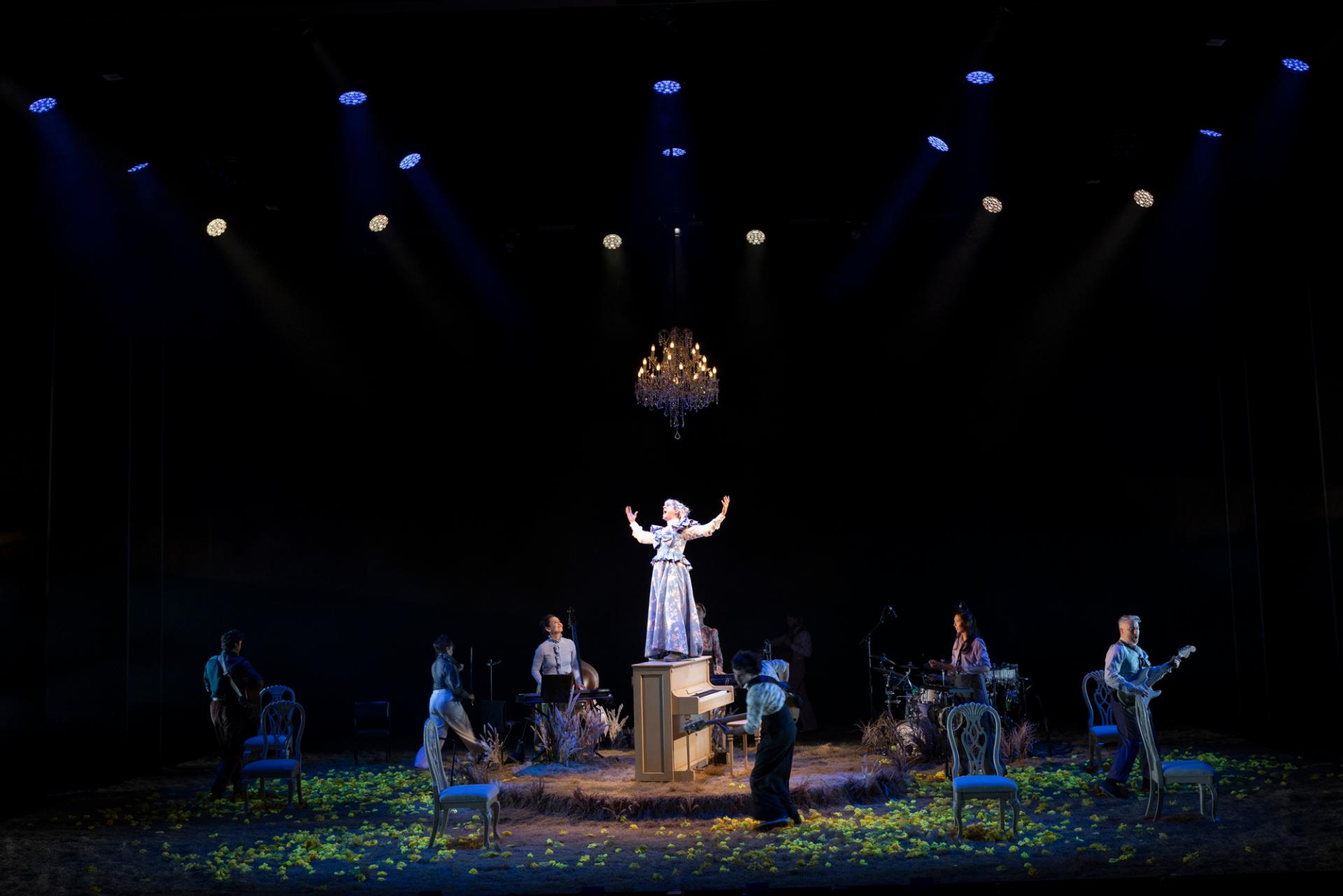
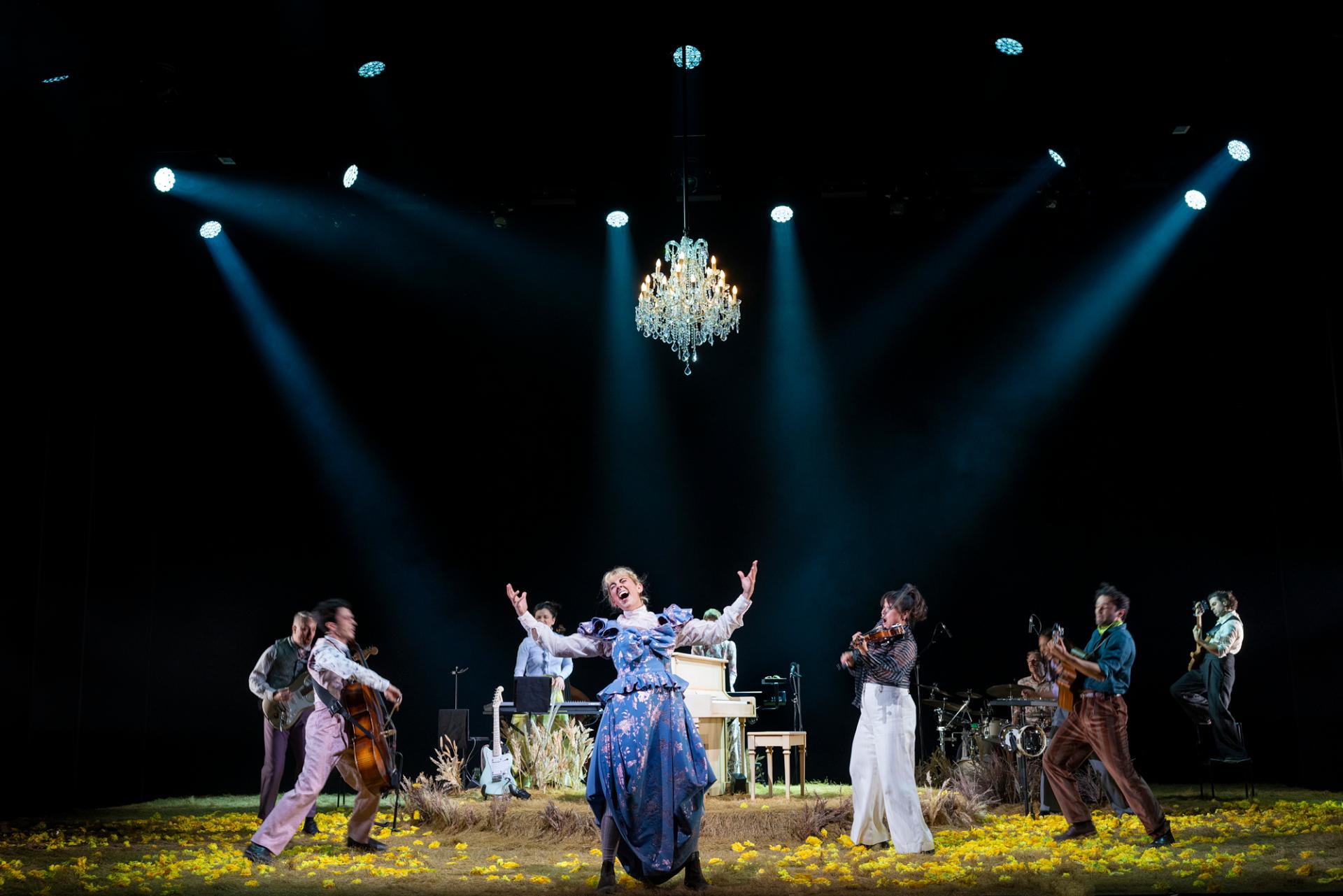
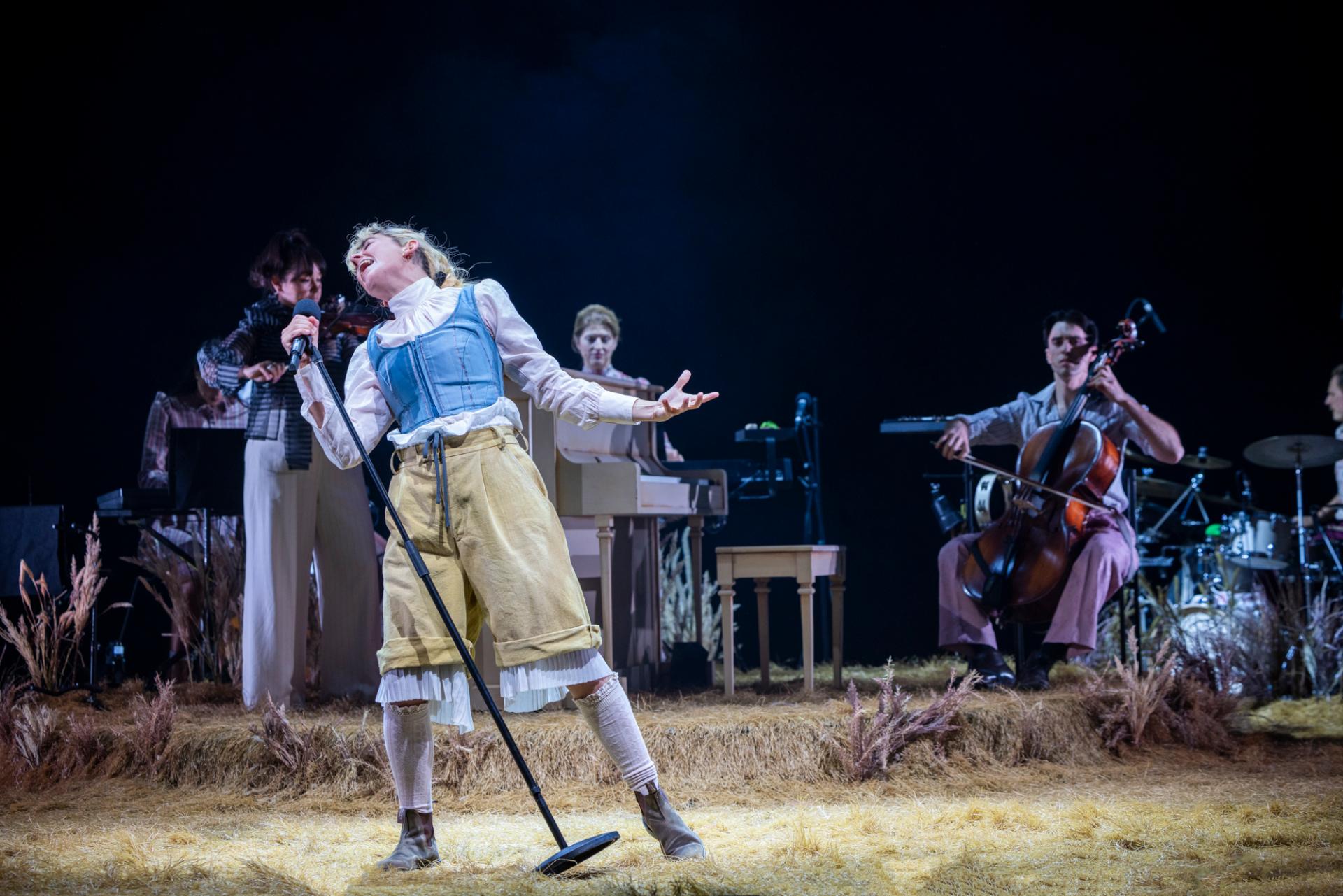
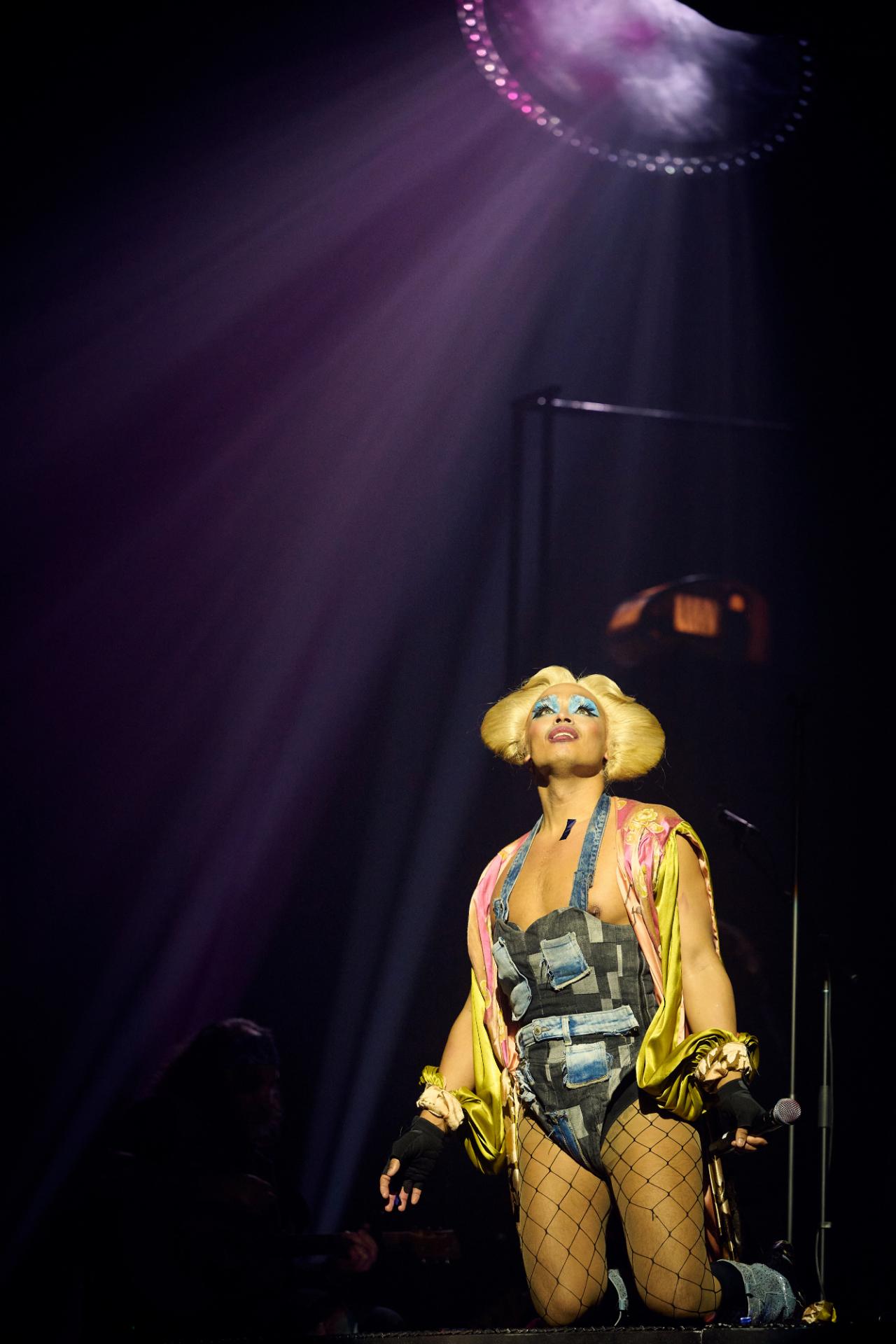
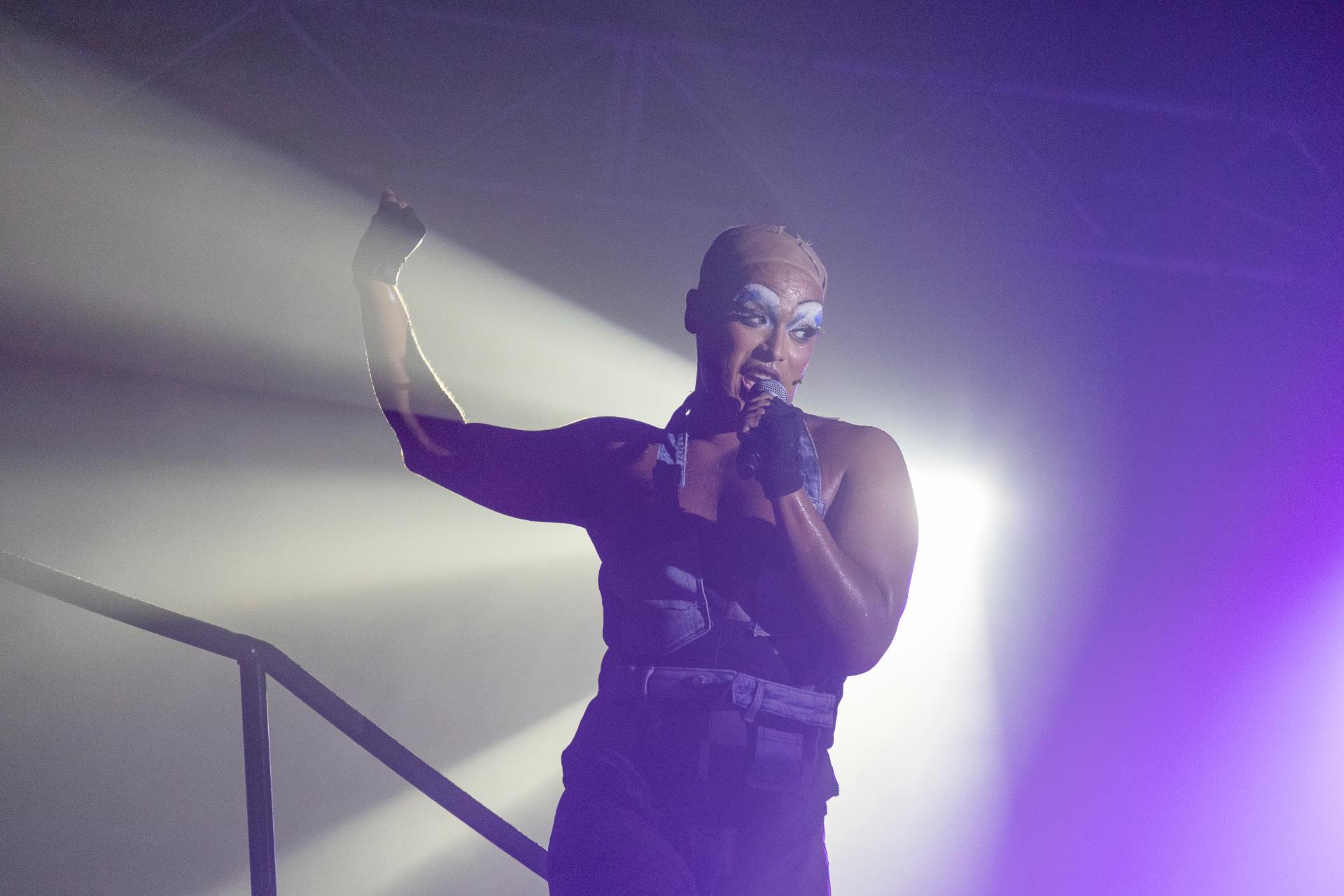
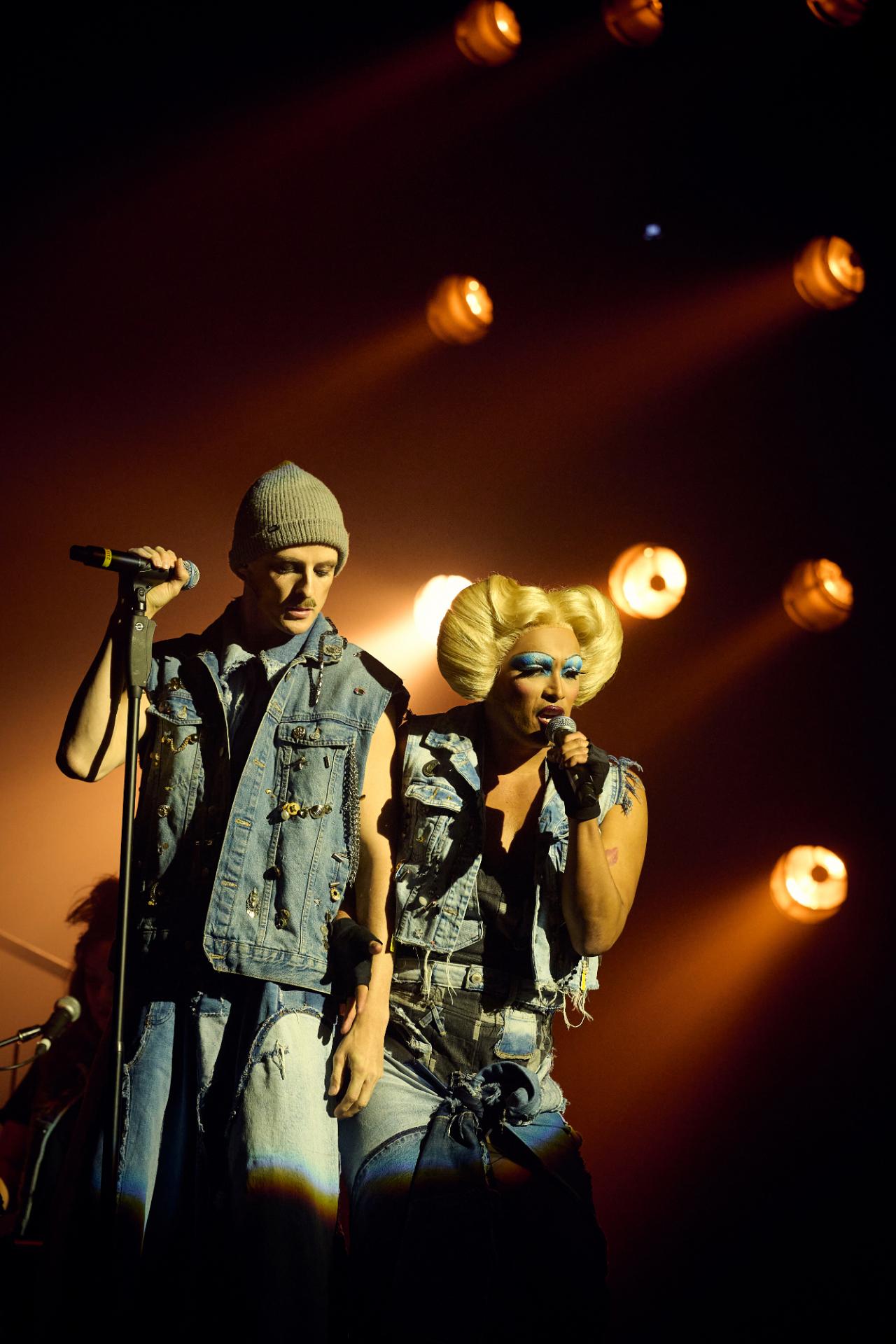
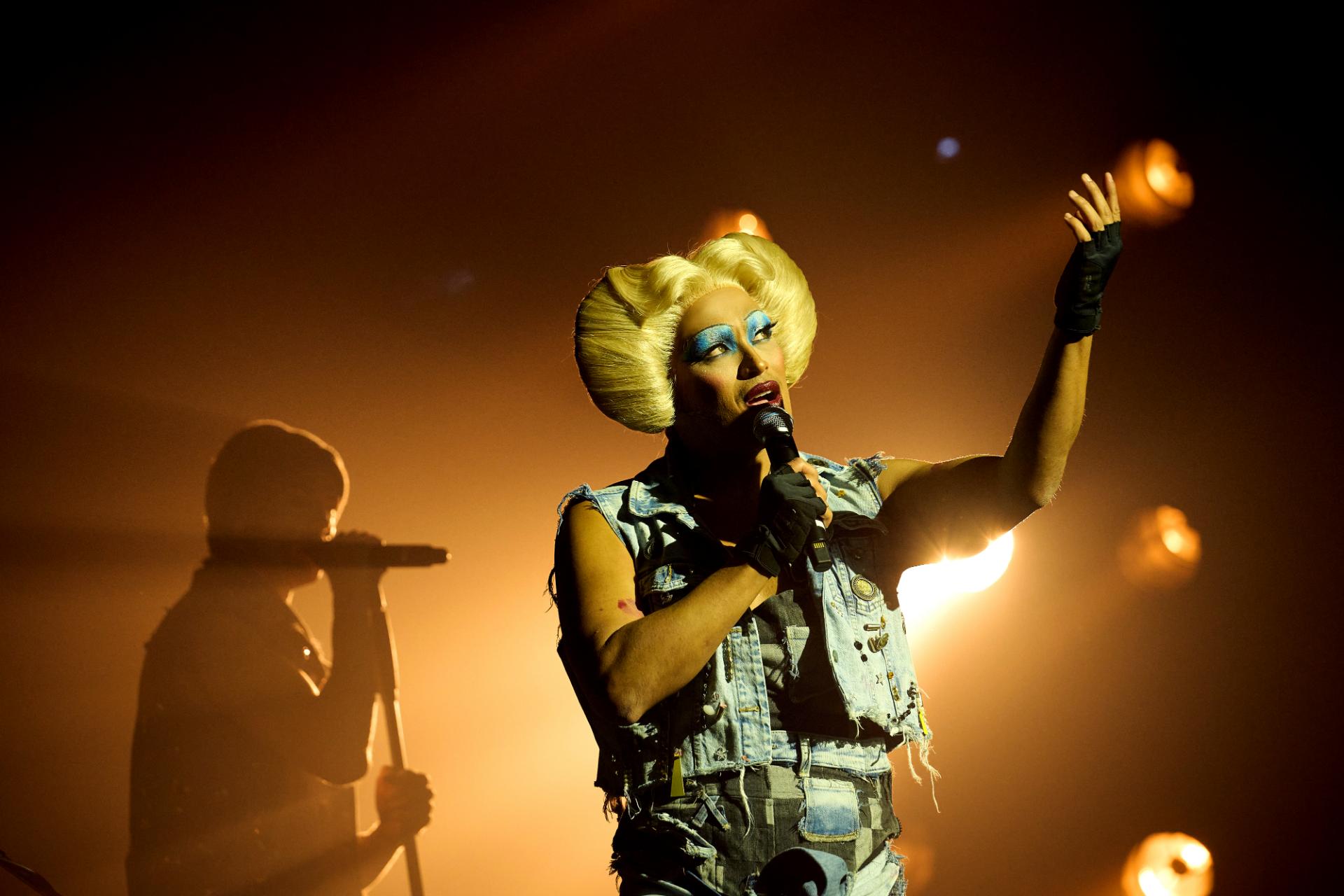
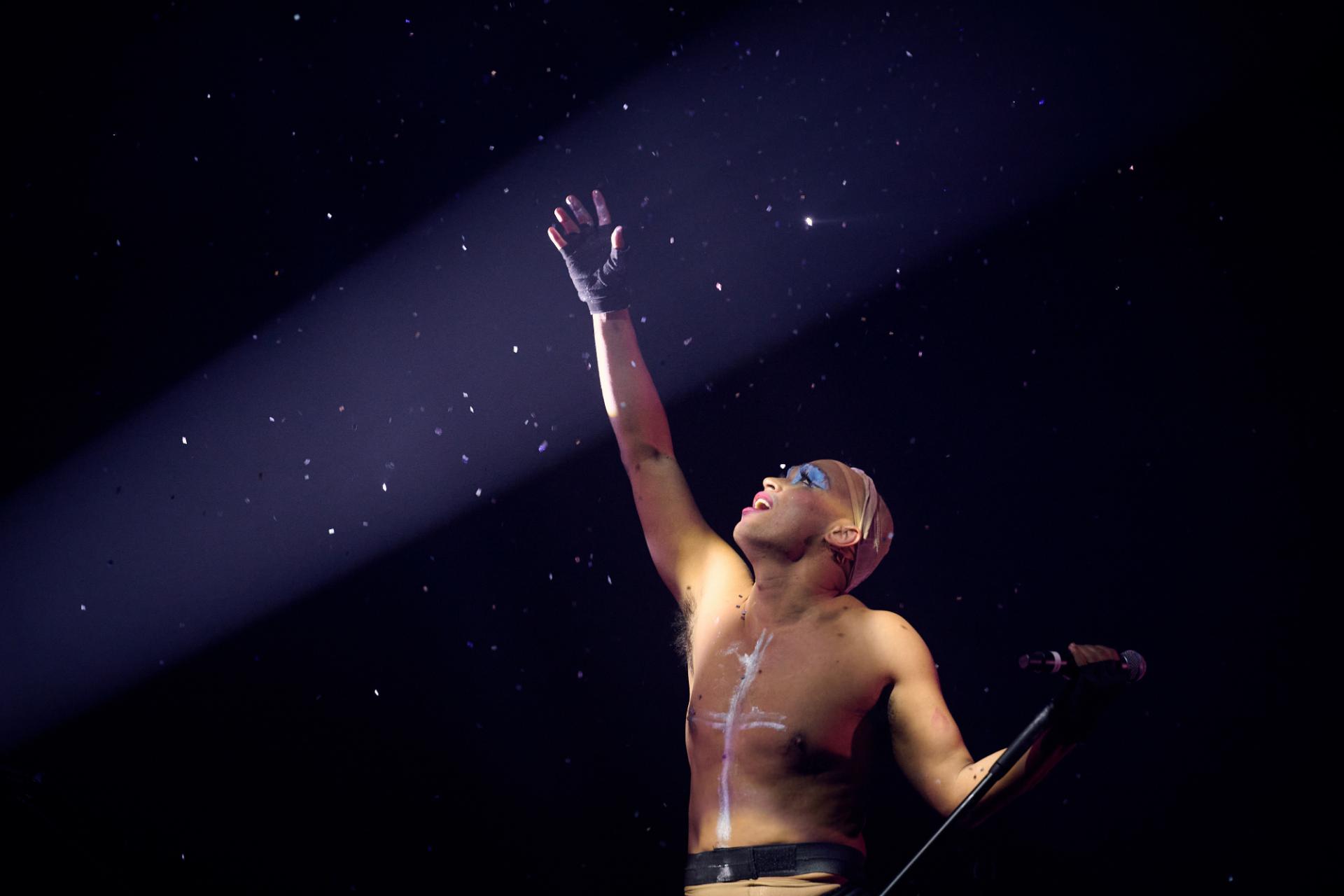
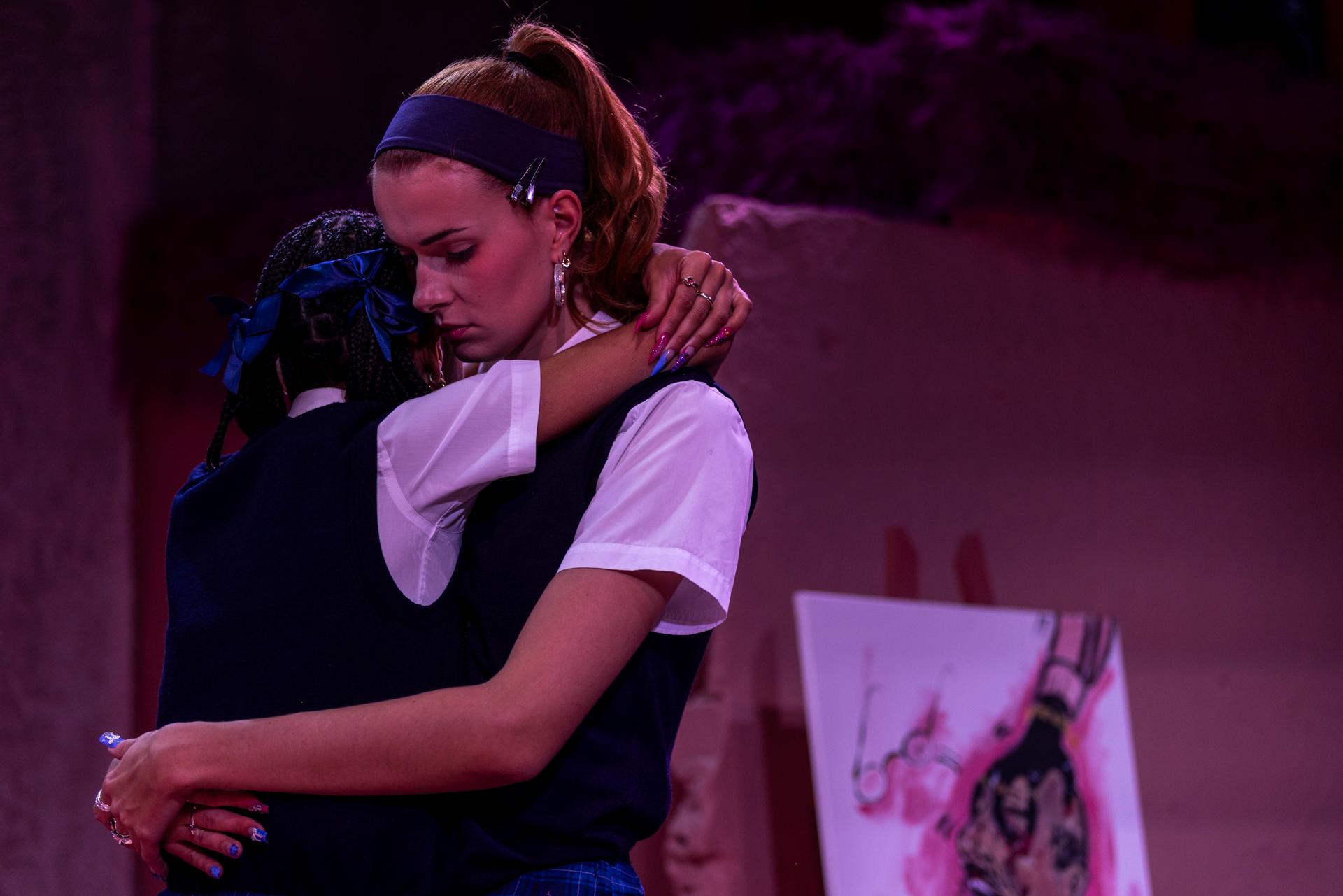
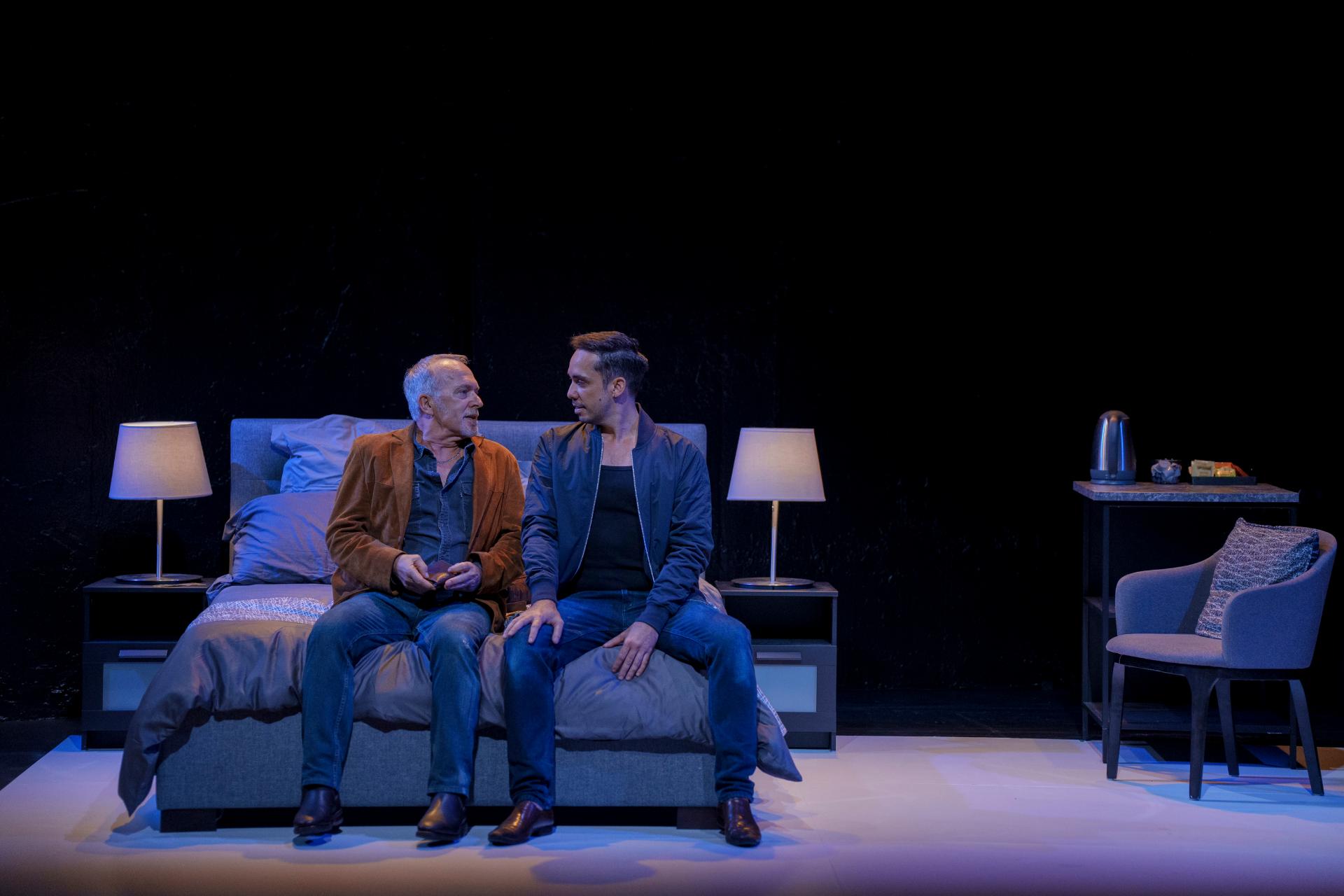
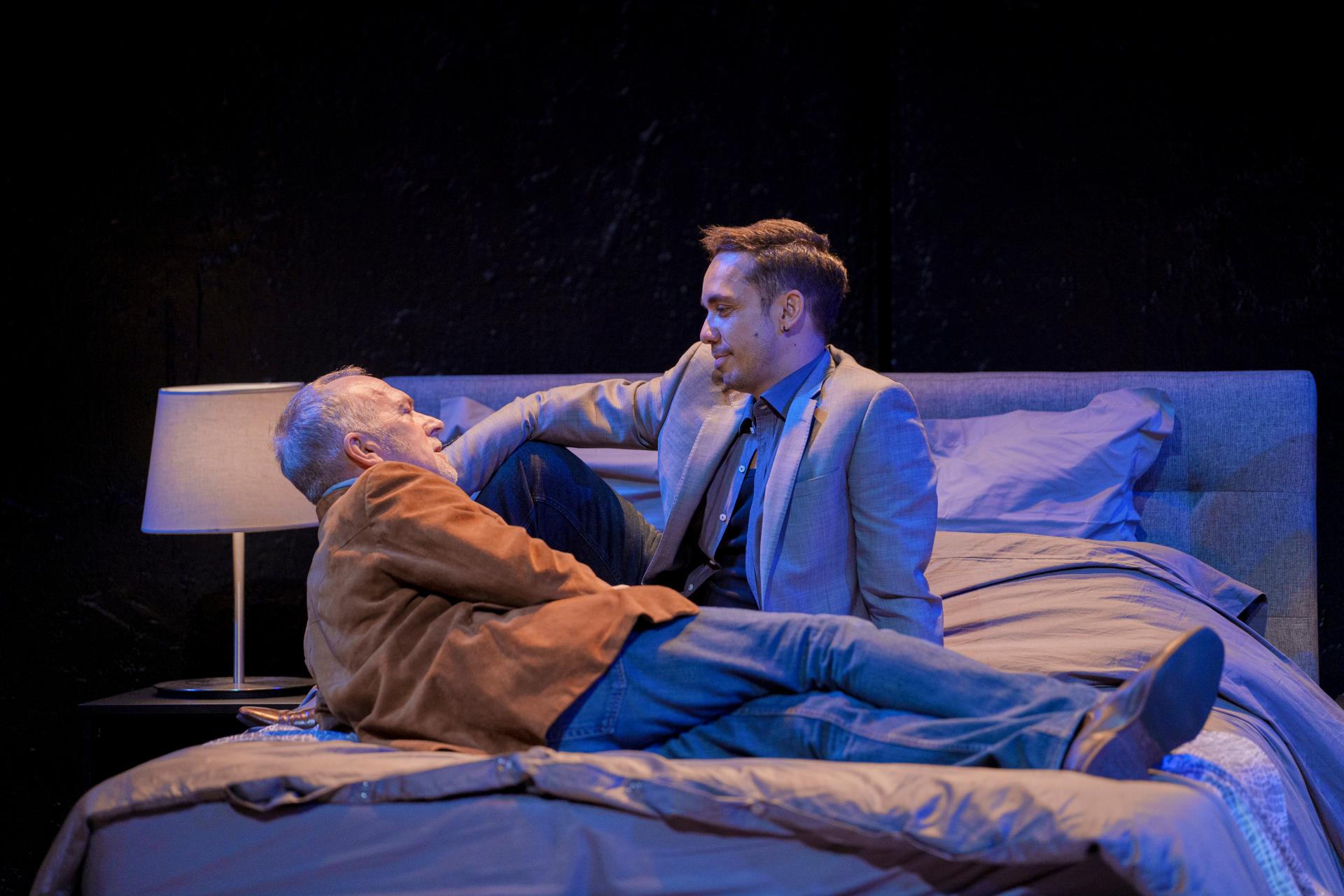
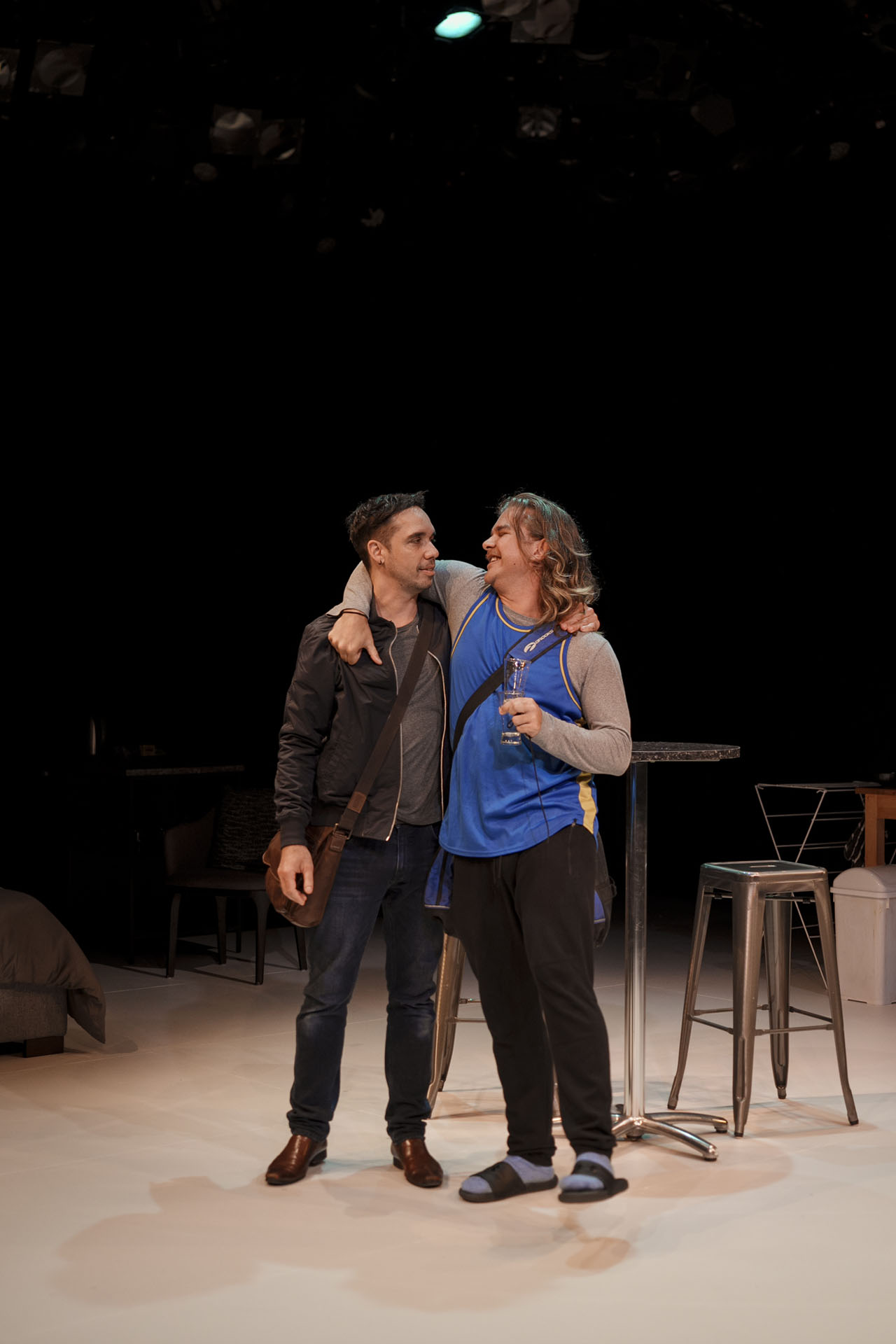
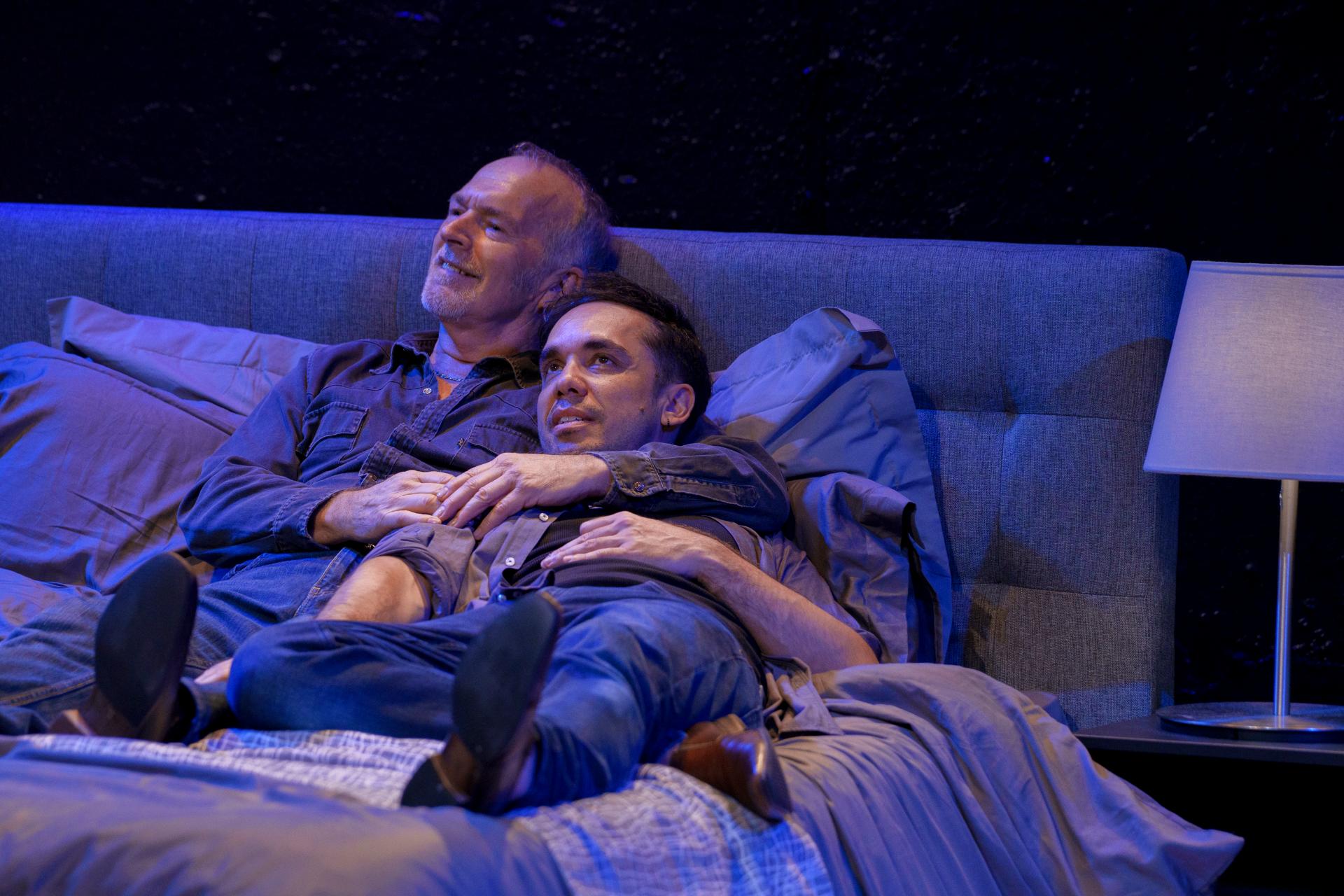
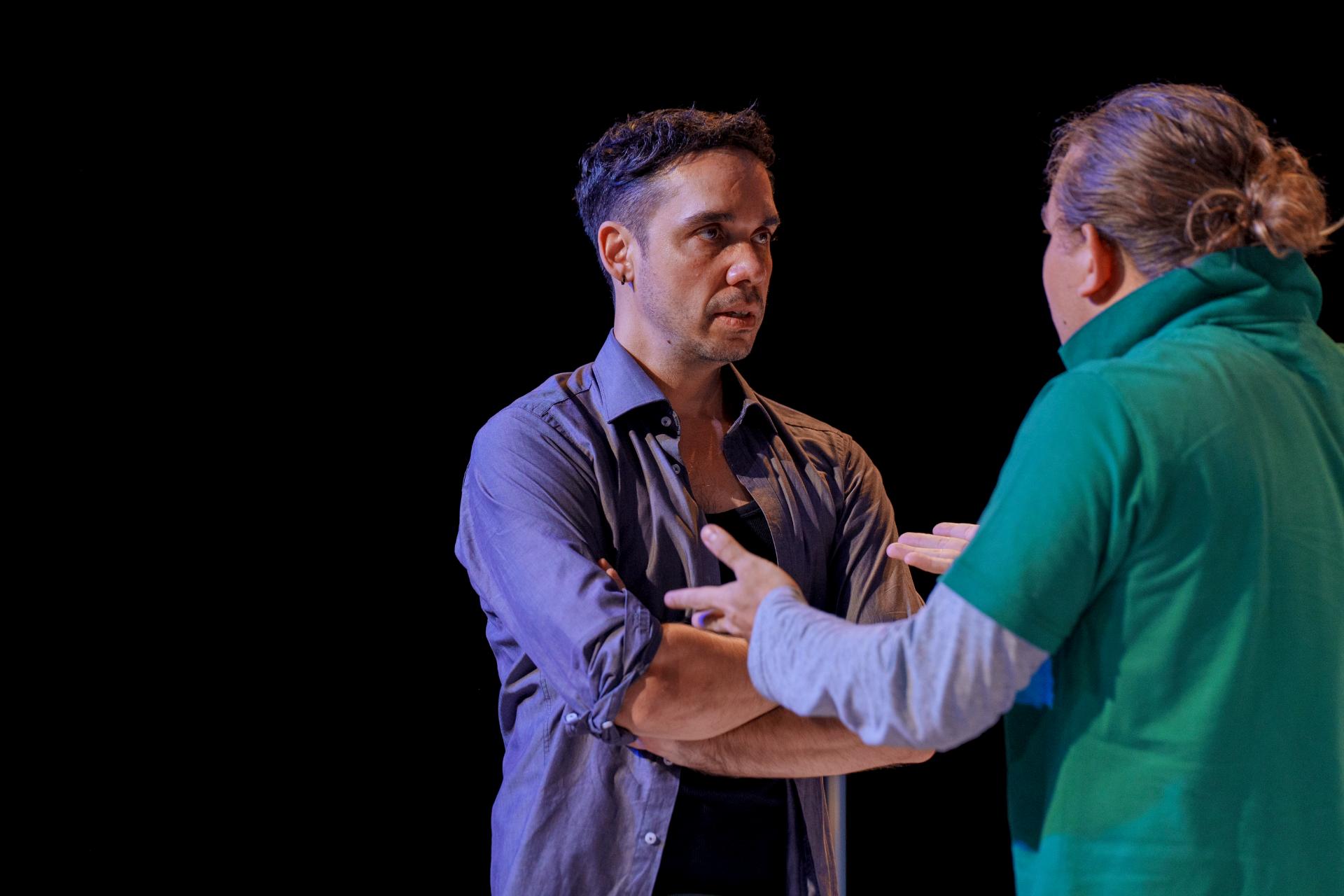
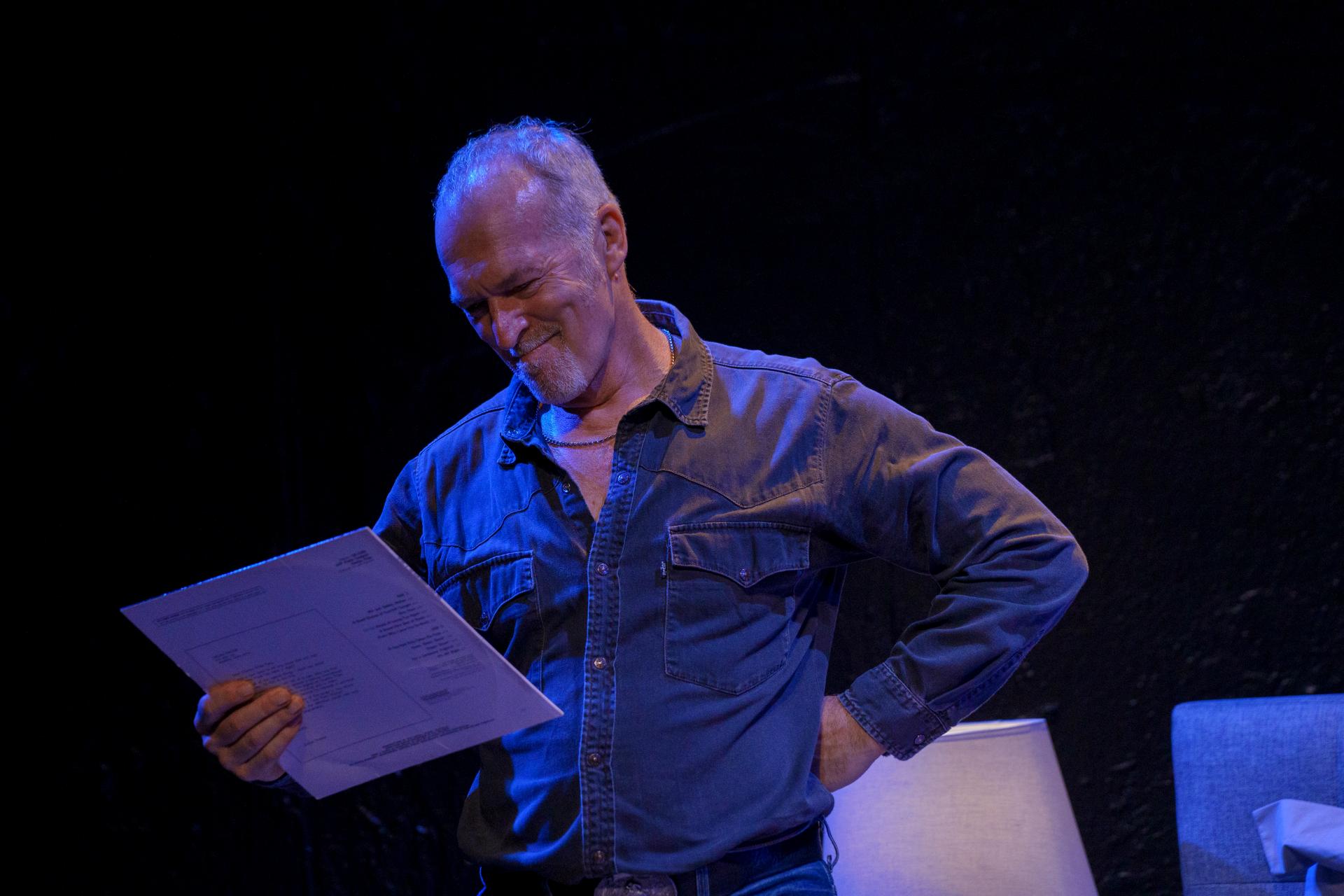
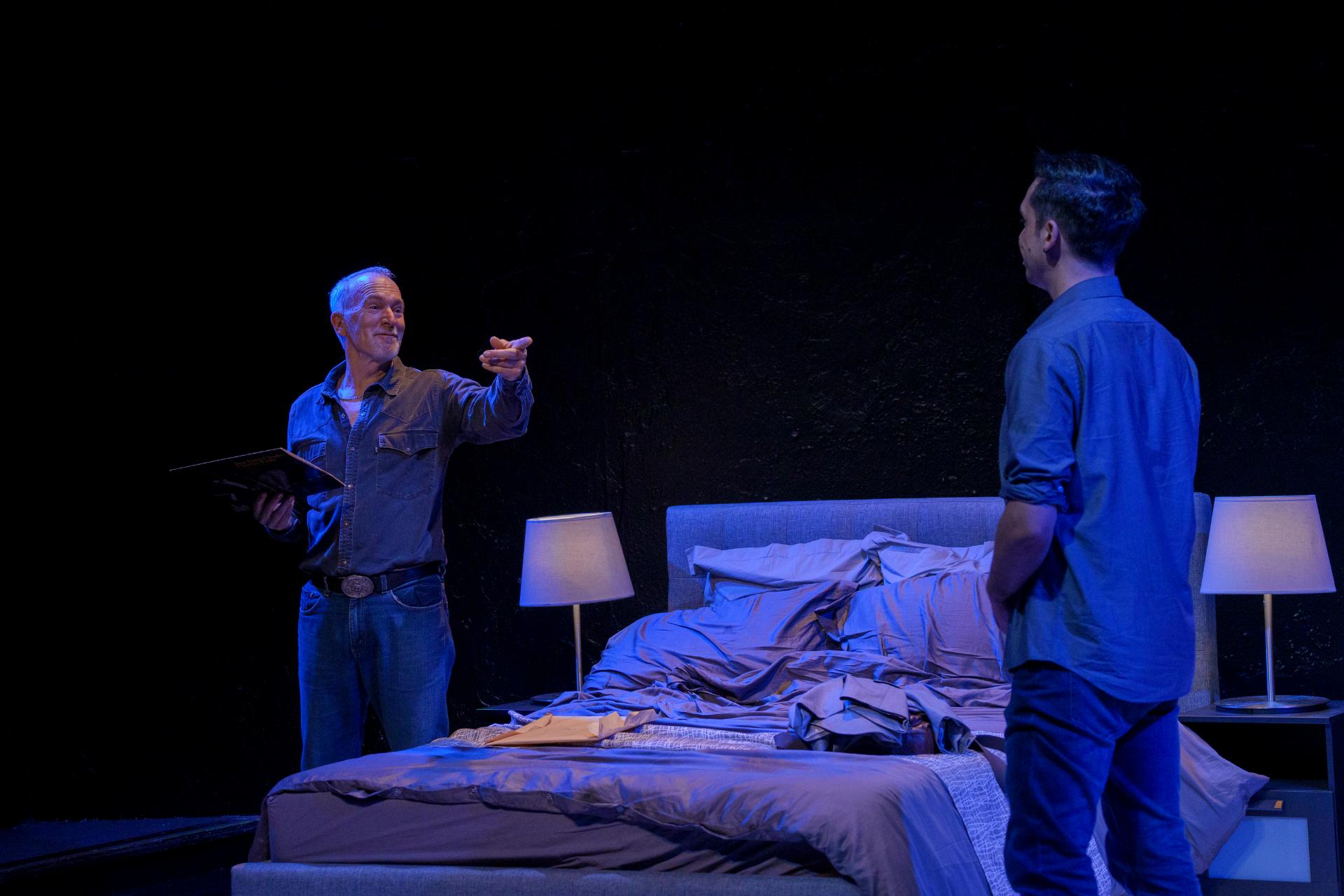
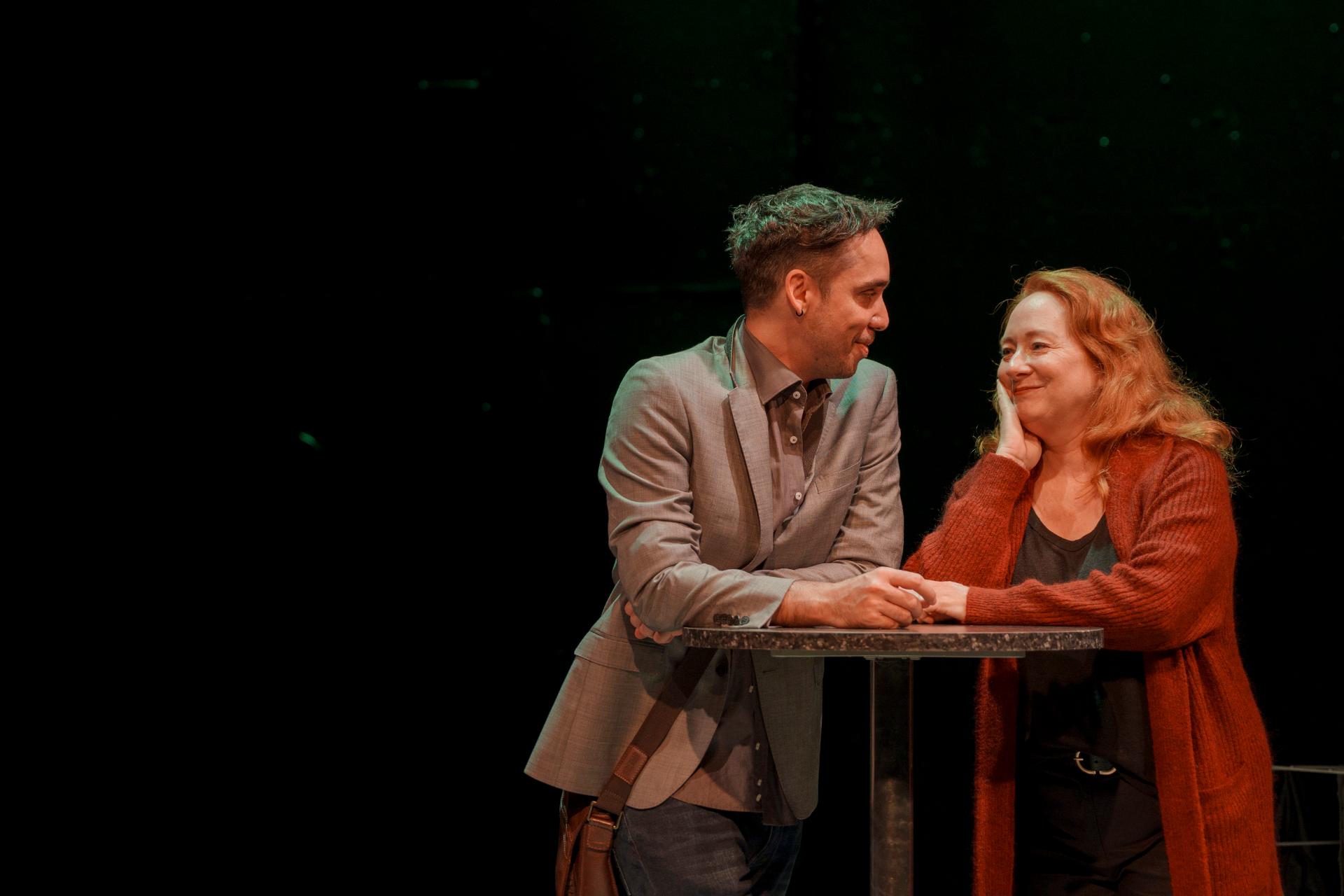
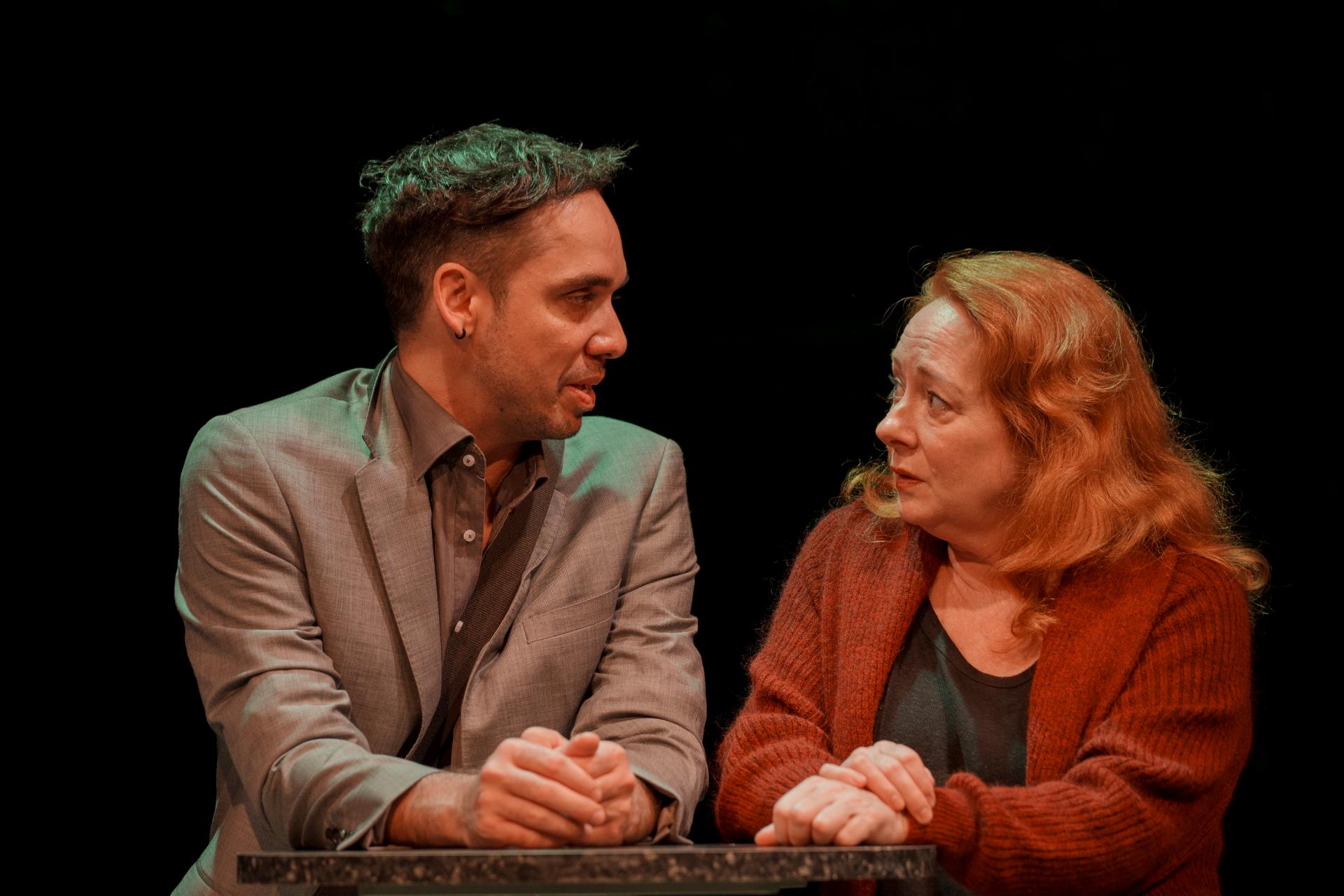
Hedwig does not love. Having only experienced deception, betrayal and cruelty throughout her life, Hedwig has little capacity to show affection or kindness, even to Yitzhak who offers only dedication. John Cameron Mitchell and Stephen Trask’s iconic queer masterpiece Hedwig and the Angry Inch stands as one of the few prominent titles in a musical canon that, although held in high regard by many queer lives, rarely places LGBTQIA+ stories at its centre. Thirty-one years since its original conception, protagonist Hedwig remains defiantly and resolutely queer — a figure who resists all manner of classification, and who challenges the values not only of middle-class life, but also of how we think about art and creativity.

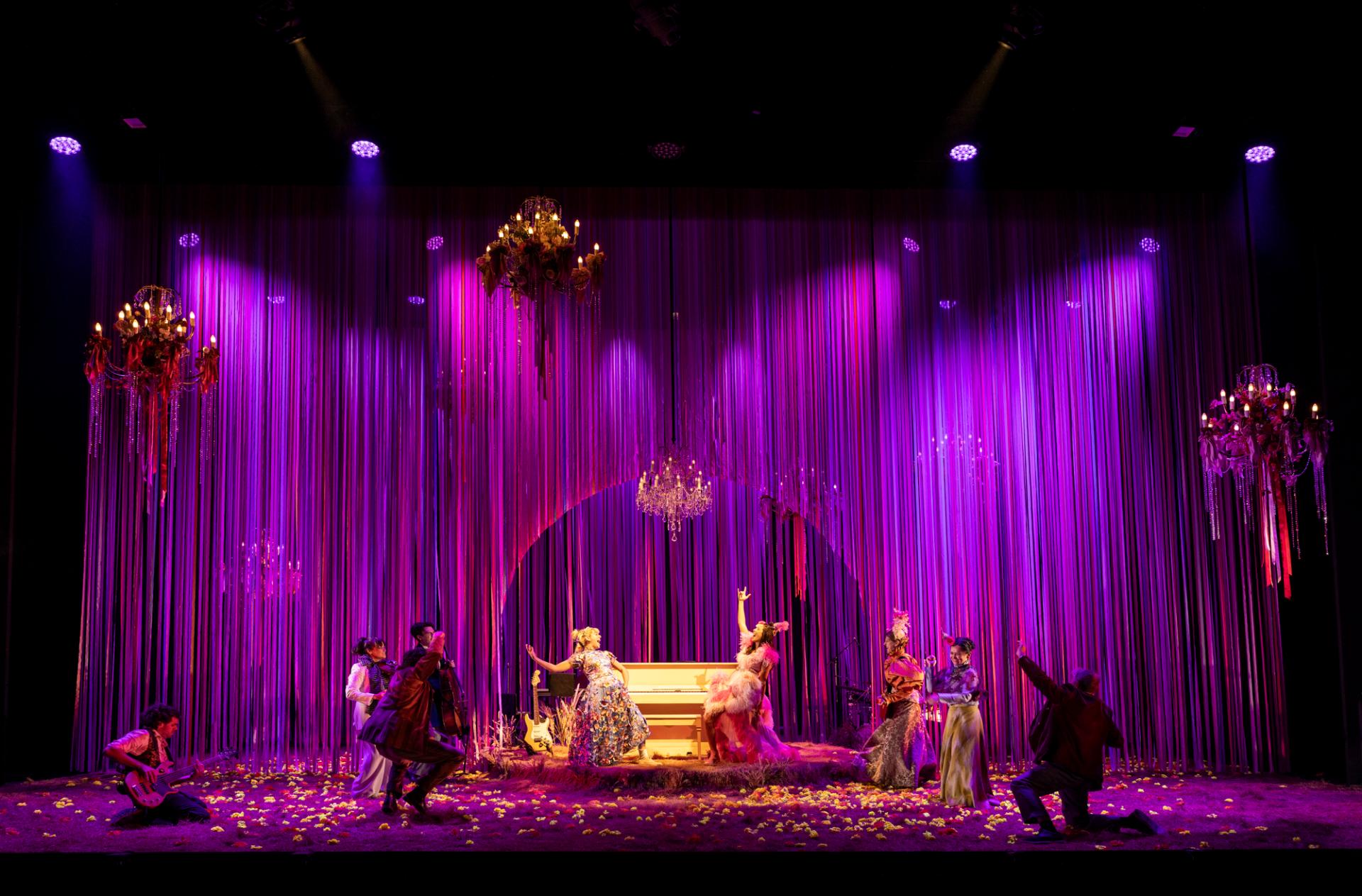
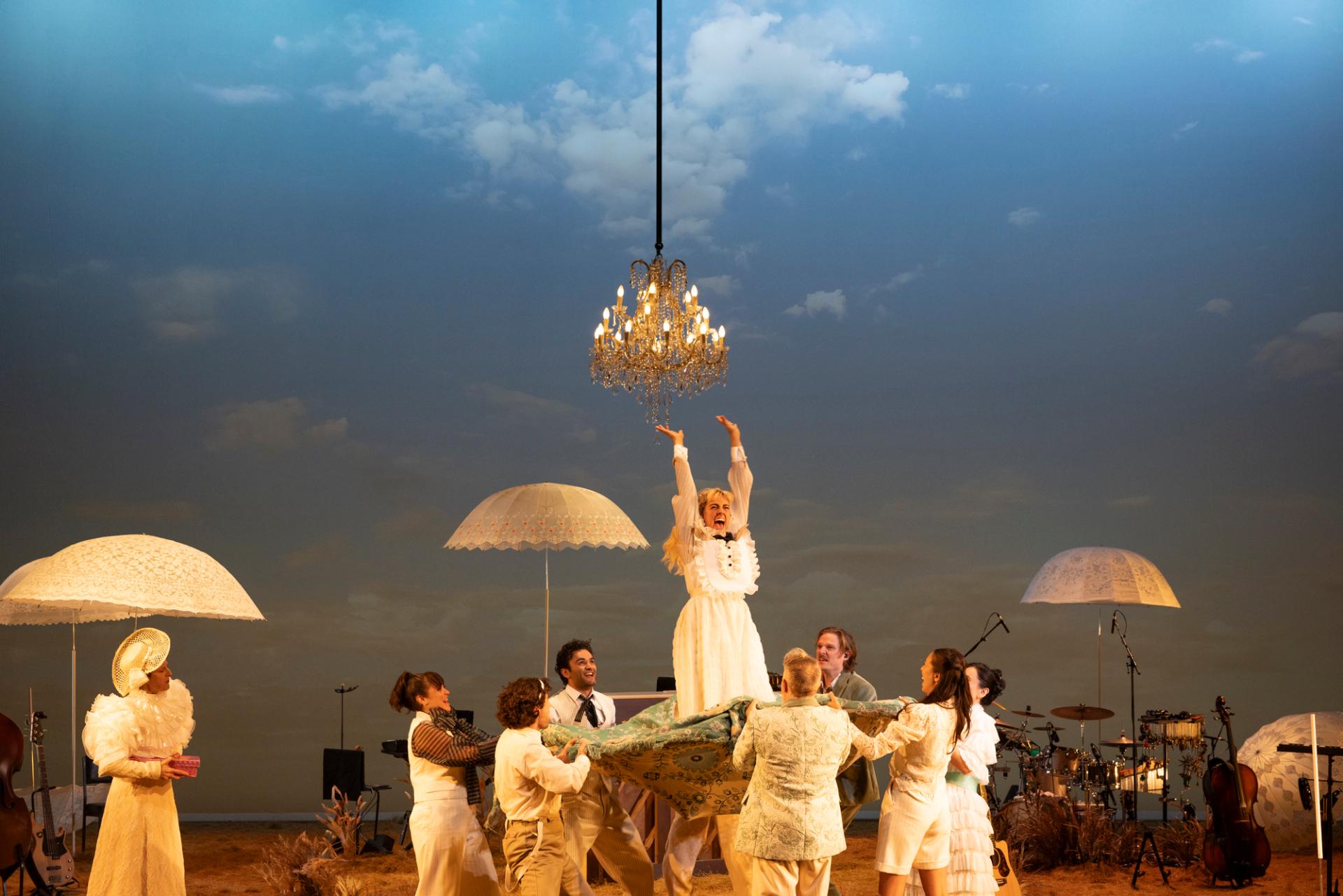
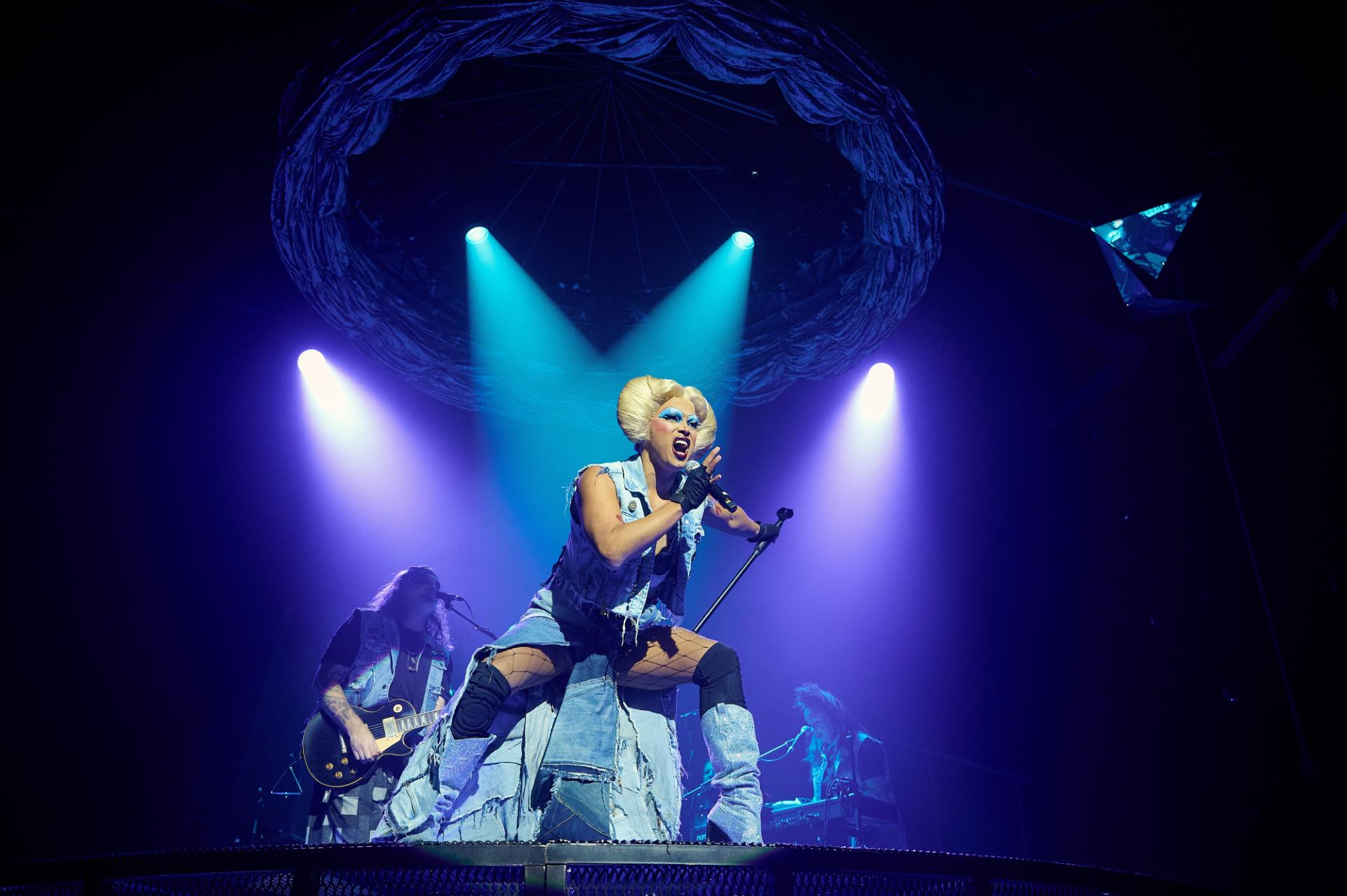
Co-directed by the formidable pair Shane Anthony and Dino Dimitriadis, Hedwig and the Angry Inch is both spectacular and poignant, fully satisfying our need for something transcendentally fabulous, while remaining unequivocally meaningful. Together with soulful choreography by Amy Campbell, they deliver a production that saturates and satiates our senses, making us hopelessly mesmerised every second, before finally hurling us somewhere unfathomably moving.

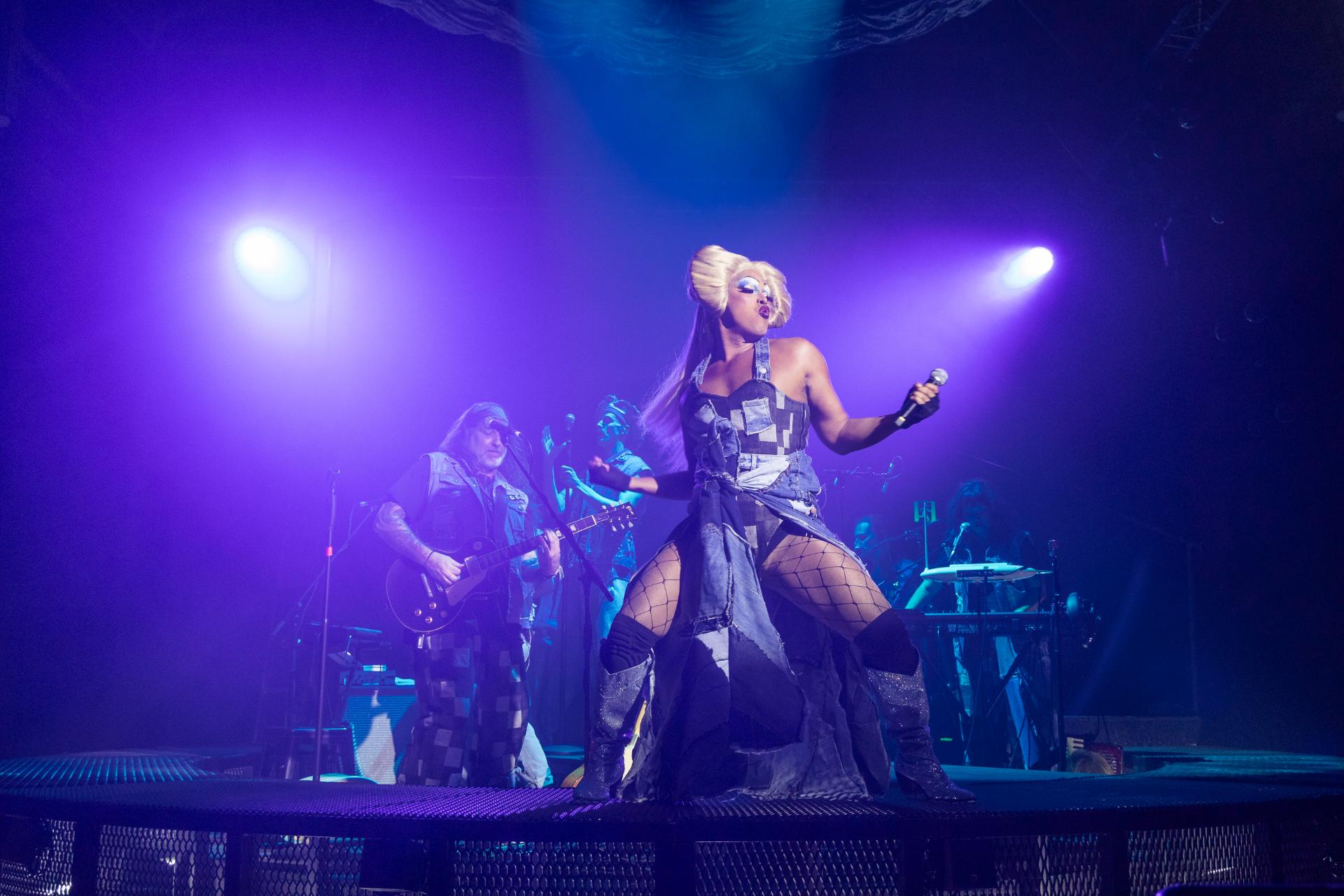
The show is characteristically unruly in its rhapsodical, bohemian expression of the grungy nineties, yet there is an unmistakeable rigour that oversees every aesthetic choice, to ensure unparalleled elegance and sophistication, for a brilliantly elevated presentation of one of musical theatre history’s wildest moments.

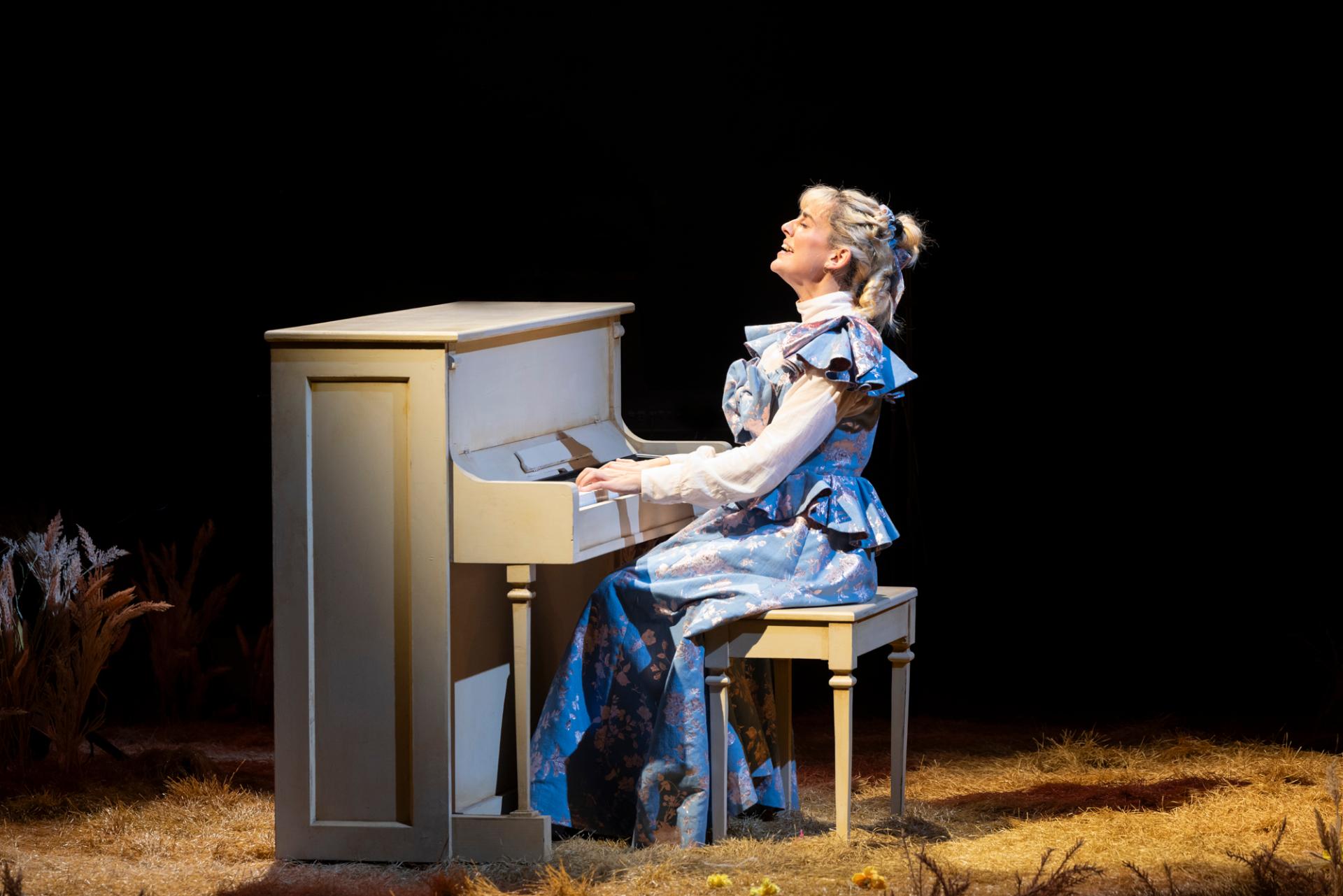
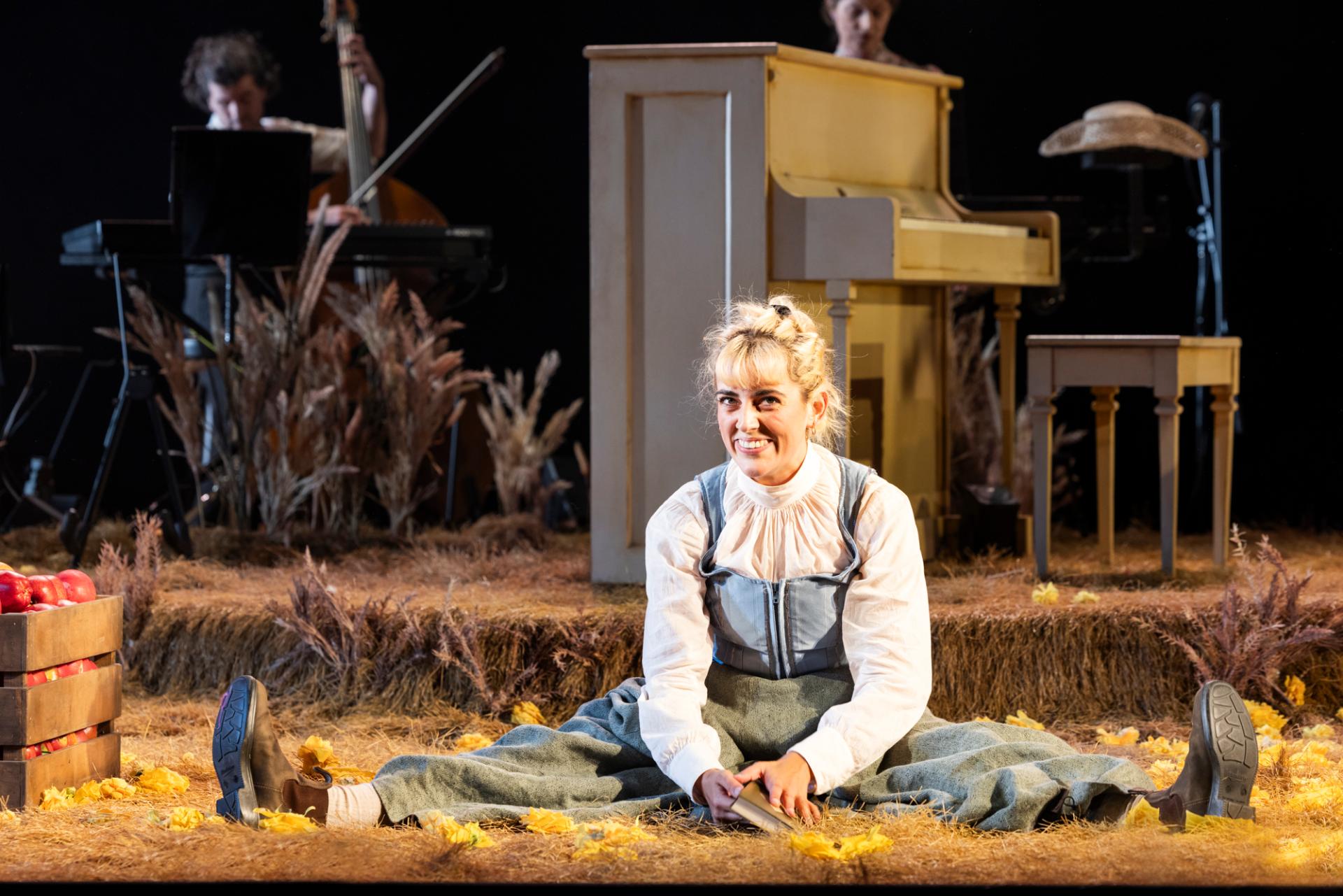
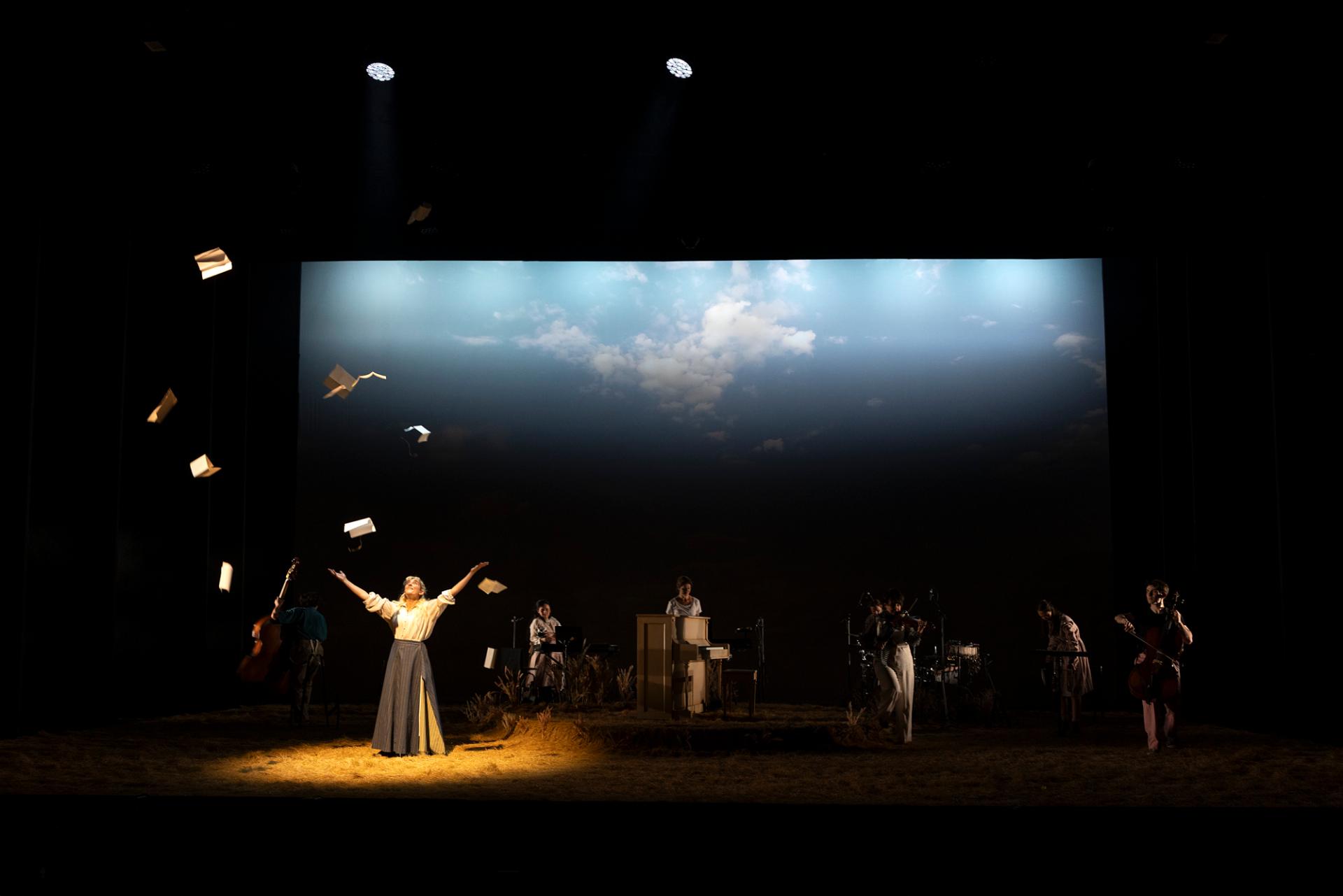
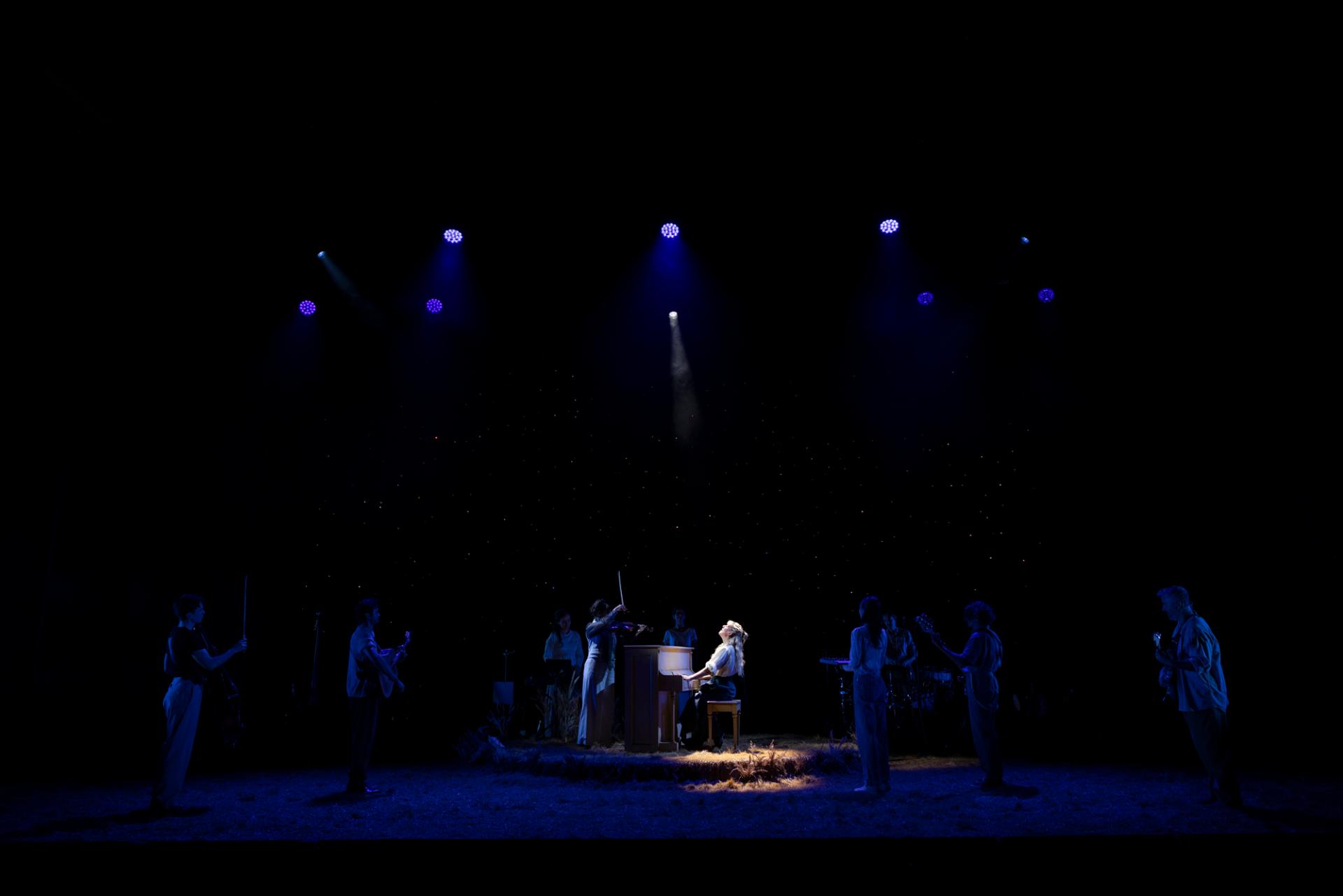
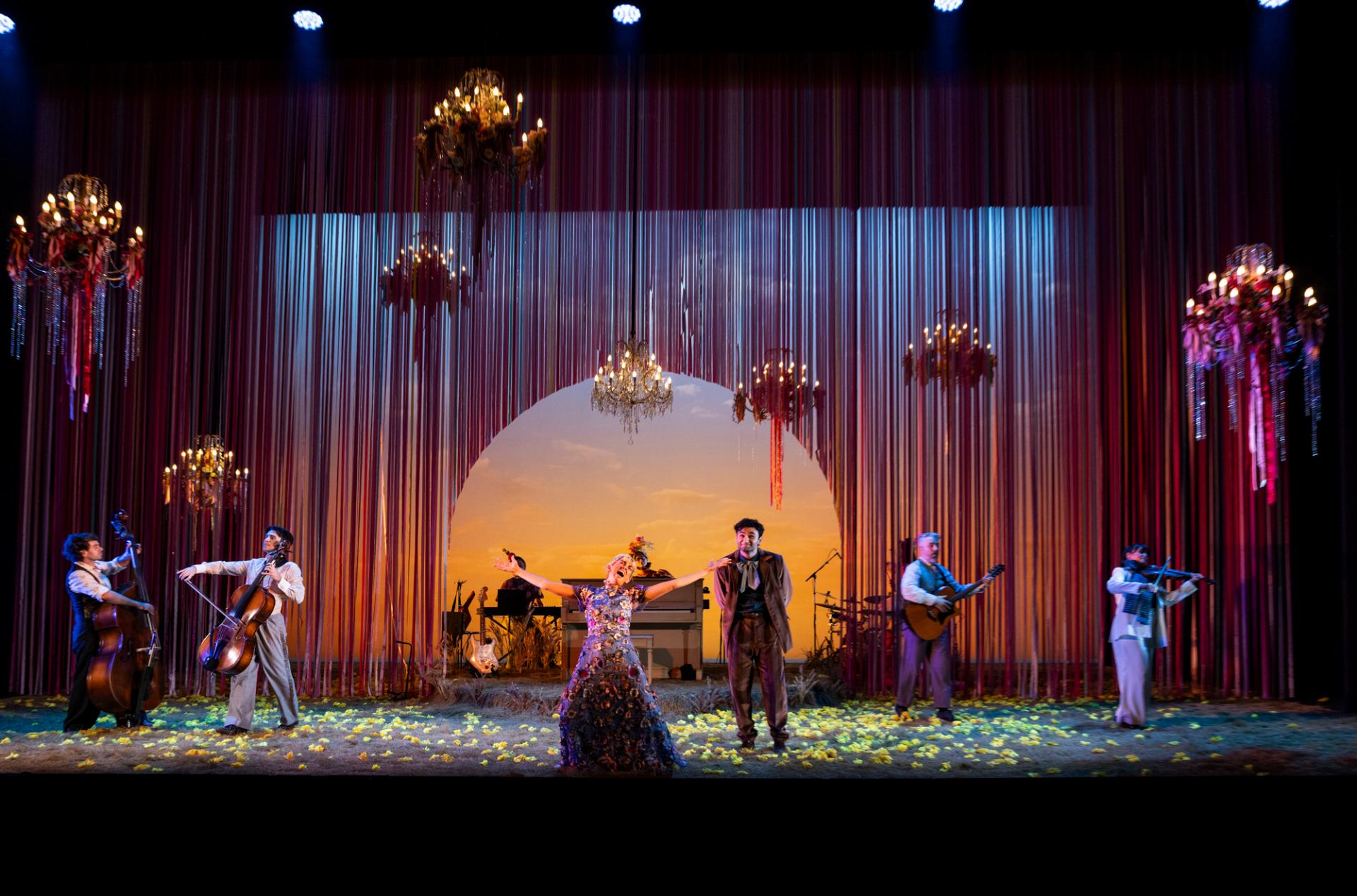
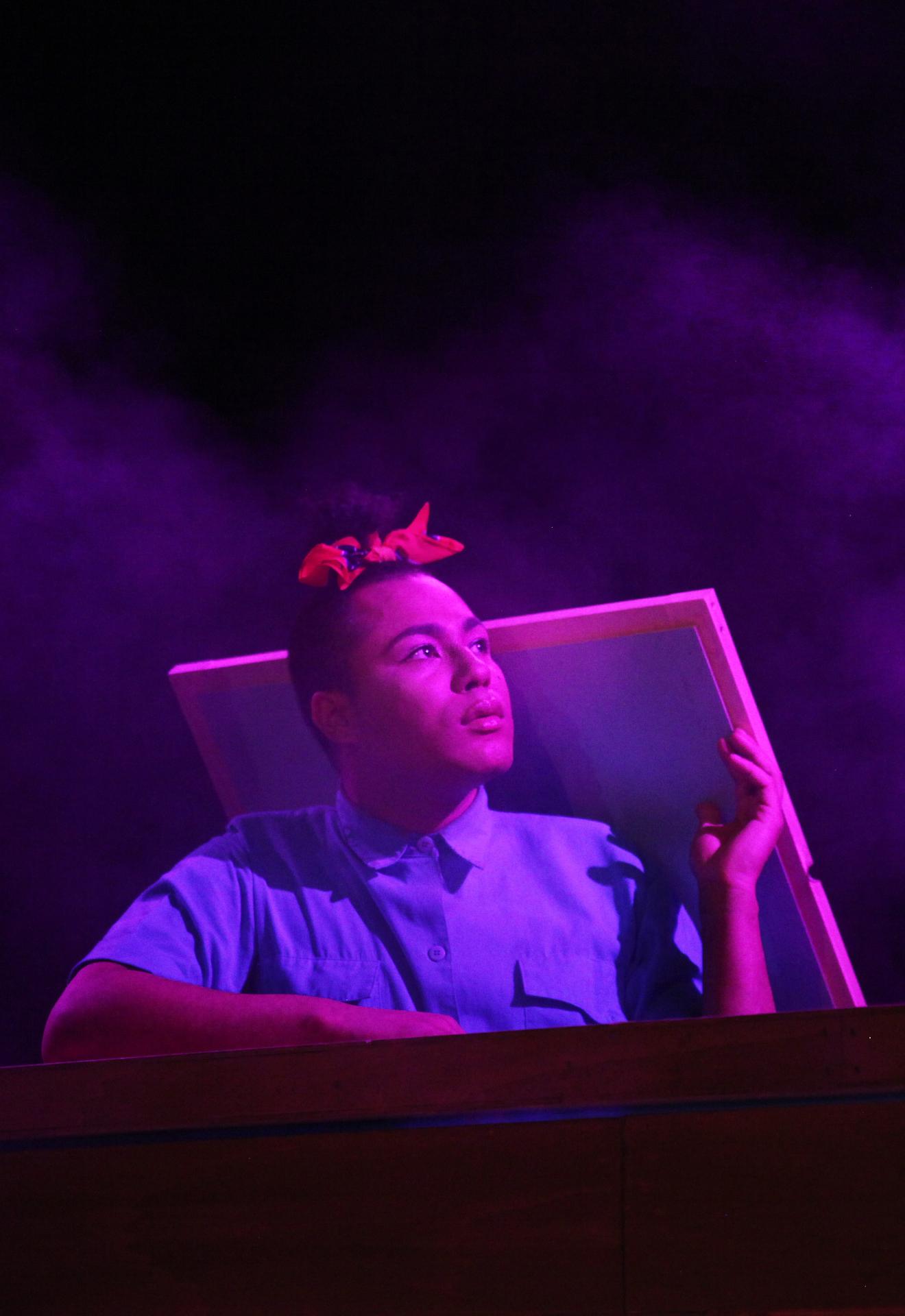
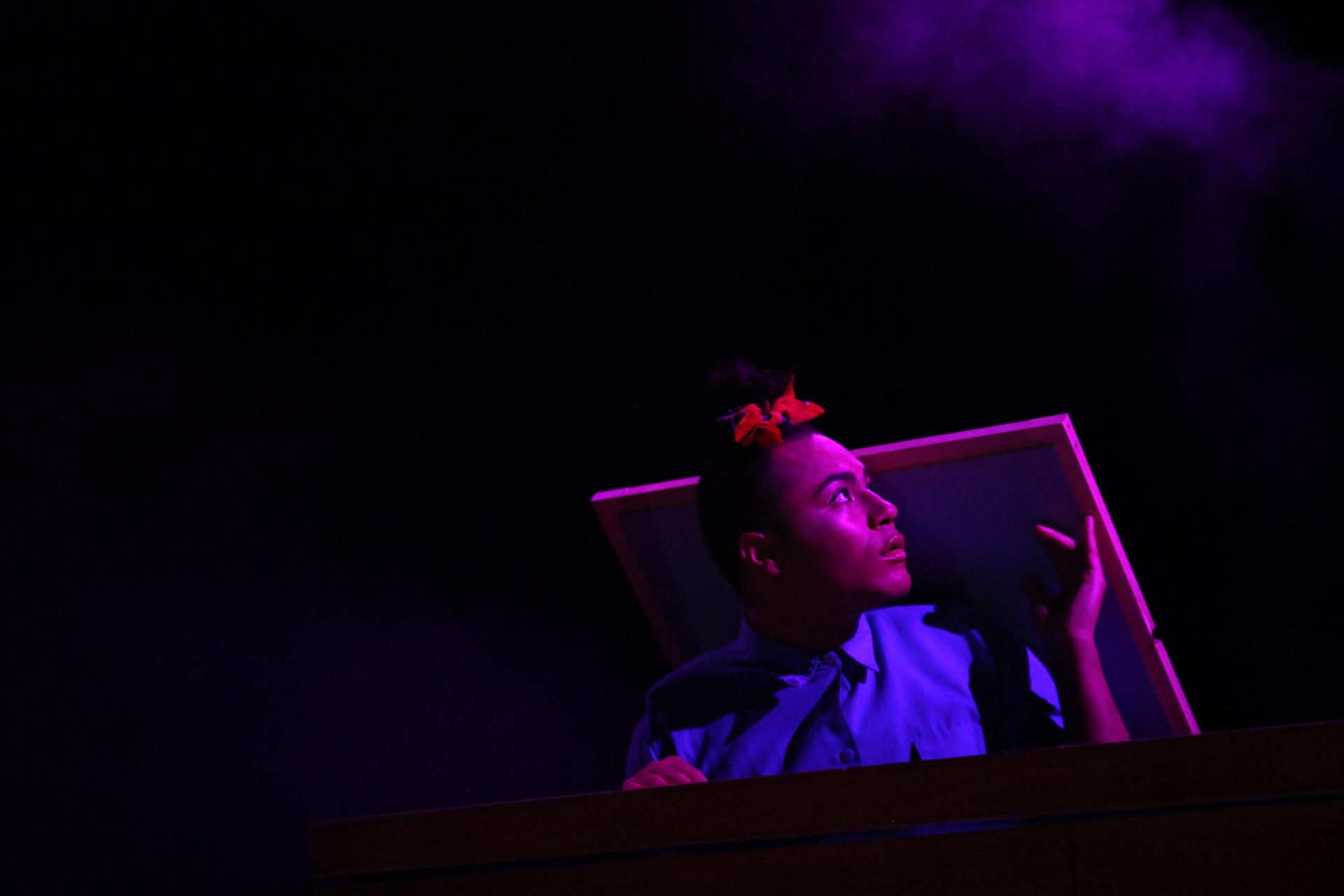
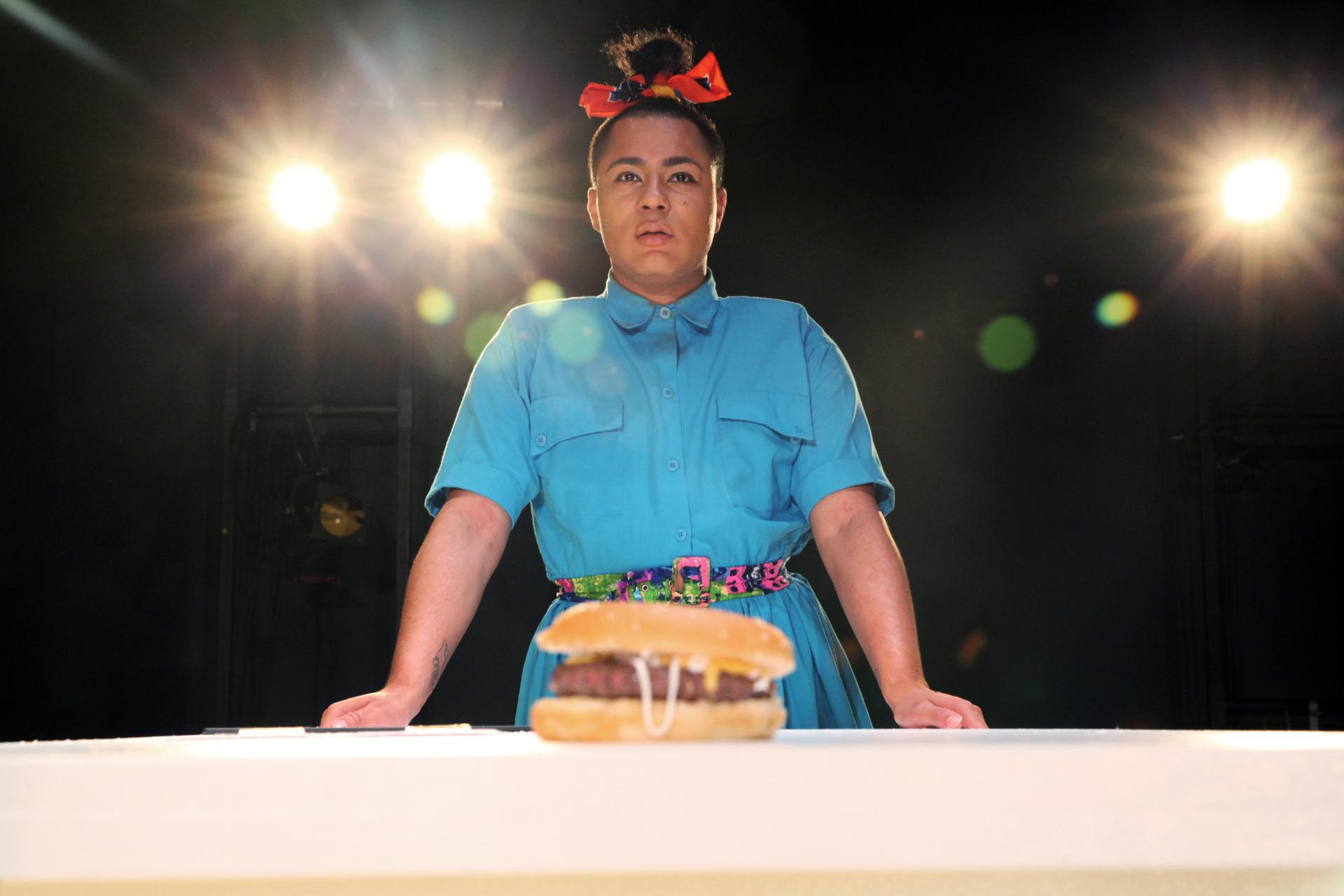
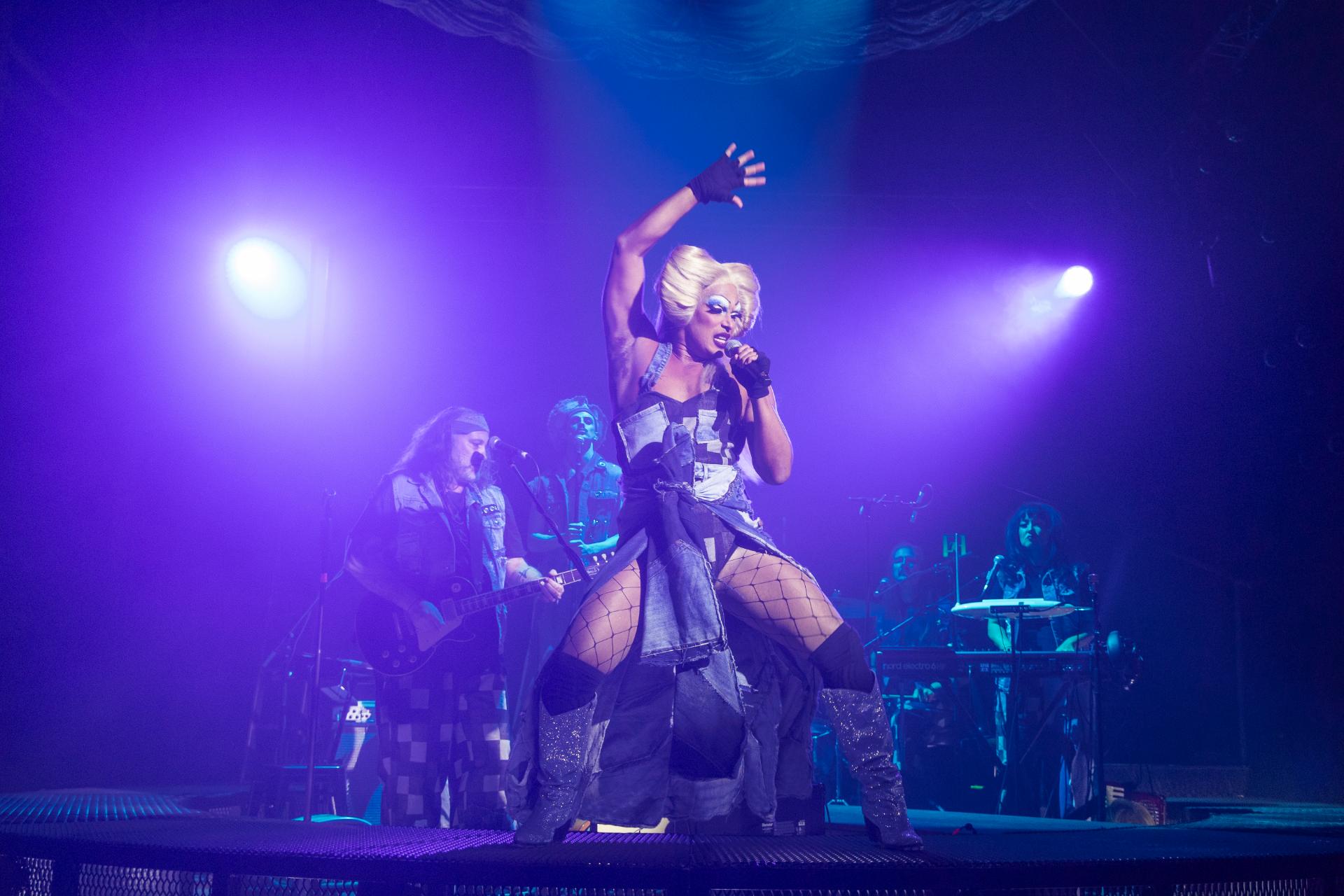
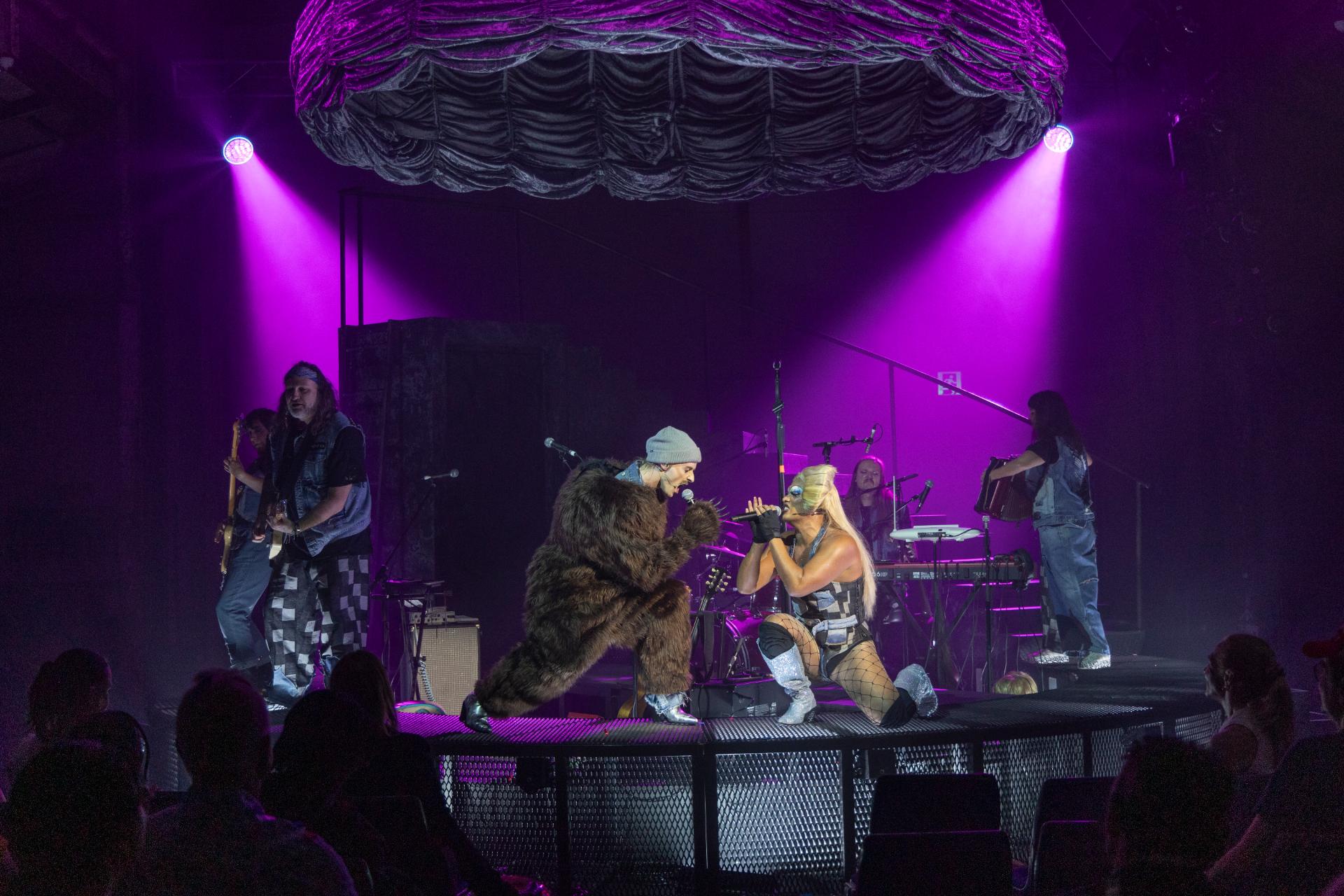
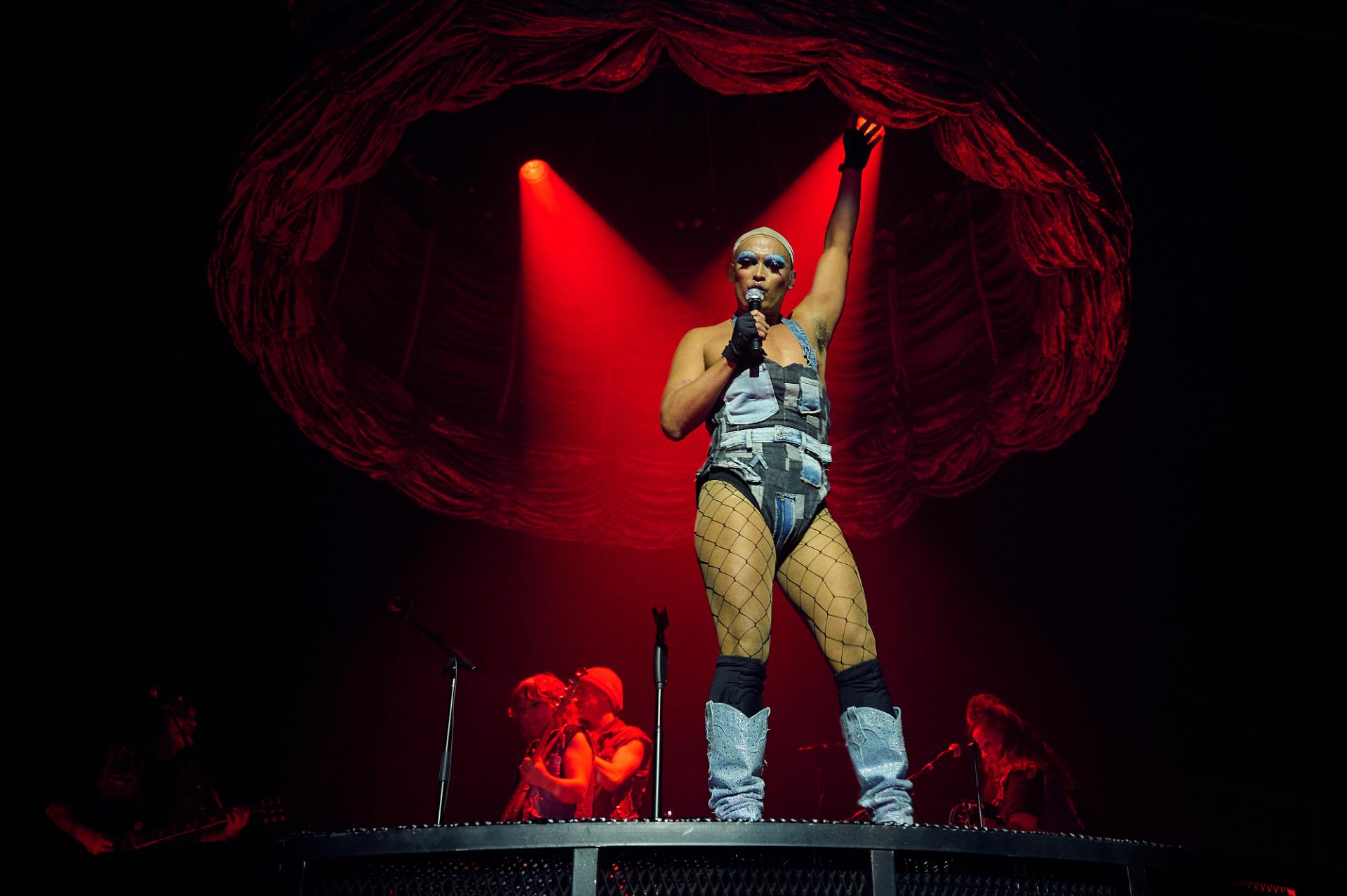
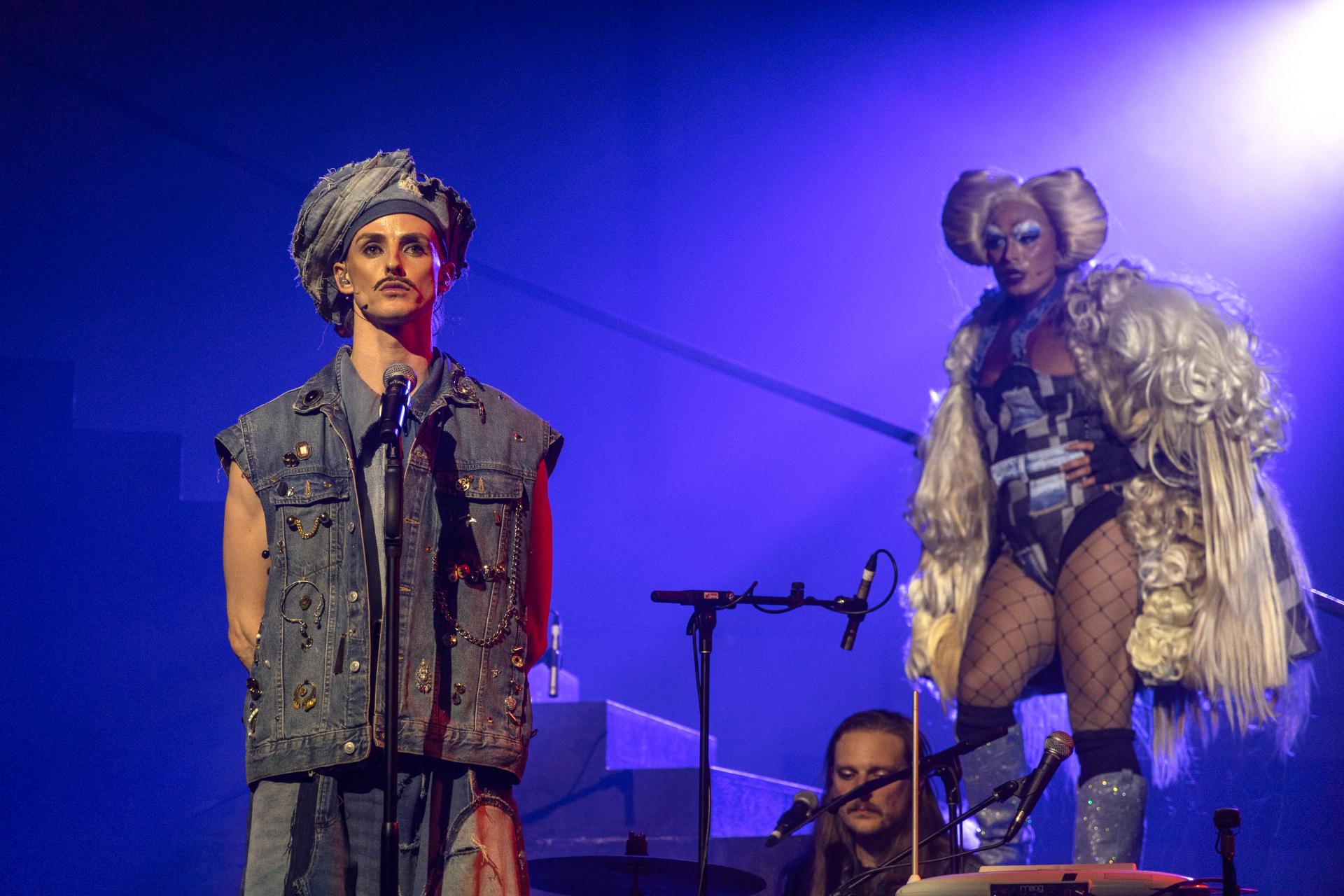
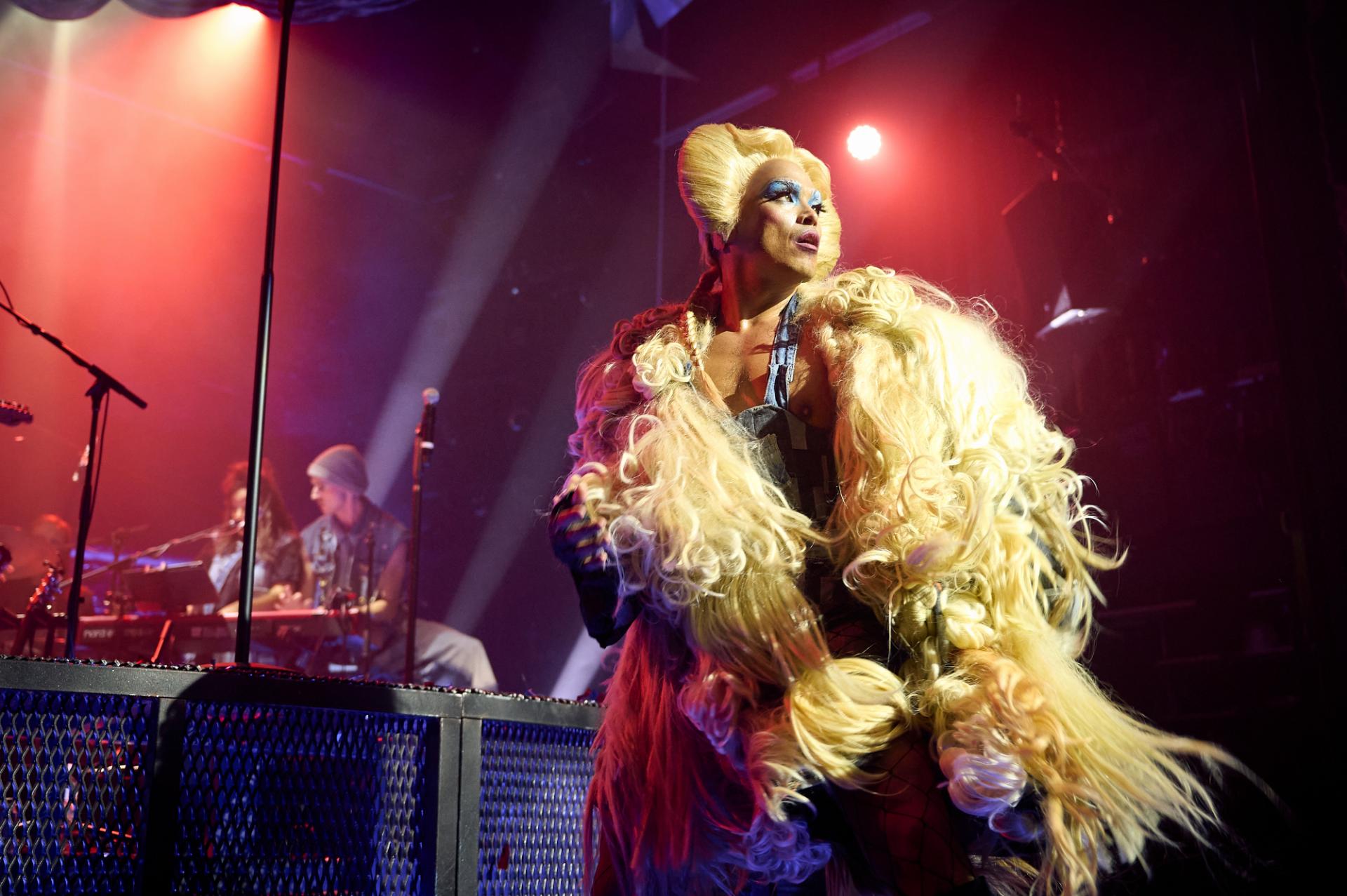
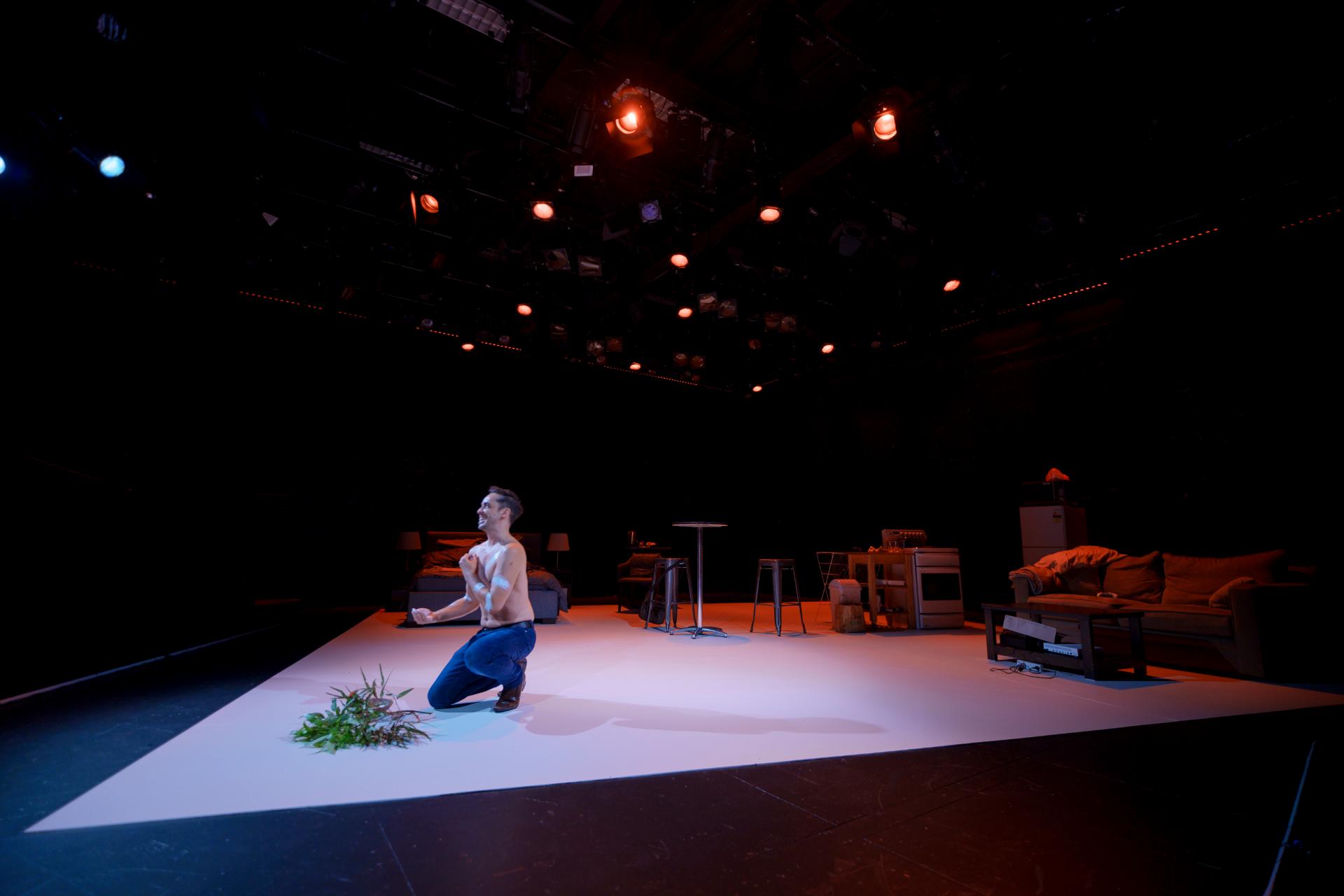
Set design by Jeremy Allen conveys glamour while meticulously capturing the details of a distinctly working-class milieu. Lights by Geoff Cobham are emotionally charged, and thoroughly beautiful with the imagery they help to assemble. Unforgettable costumes by Nicol & Ford blend inventiveness with technical mastery, taking our breath away in the “Wig in a Box” number by fashioning a coat filled with imaginative humour and cultural significance.

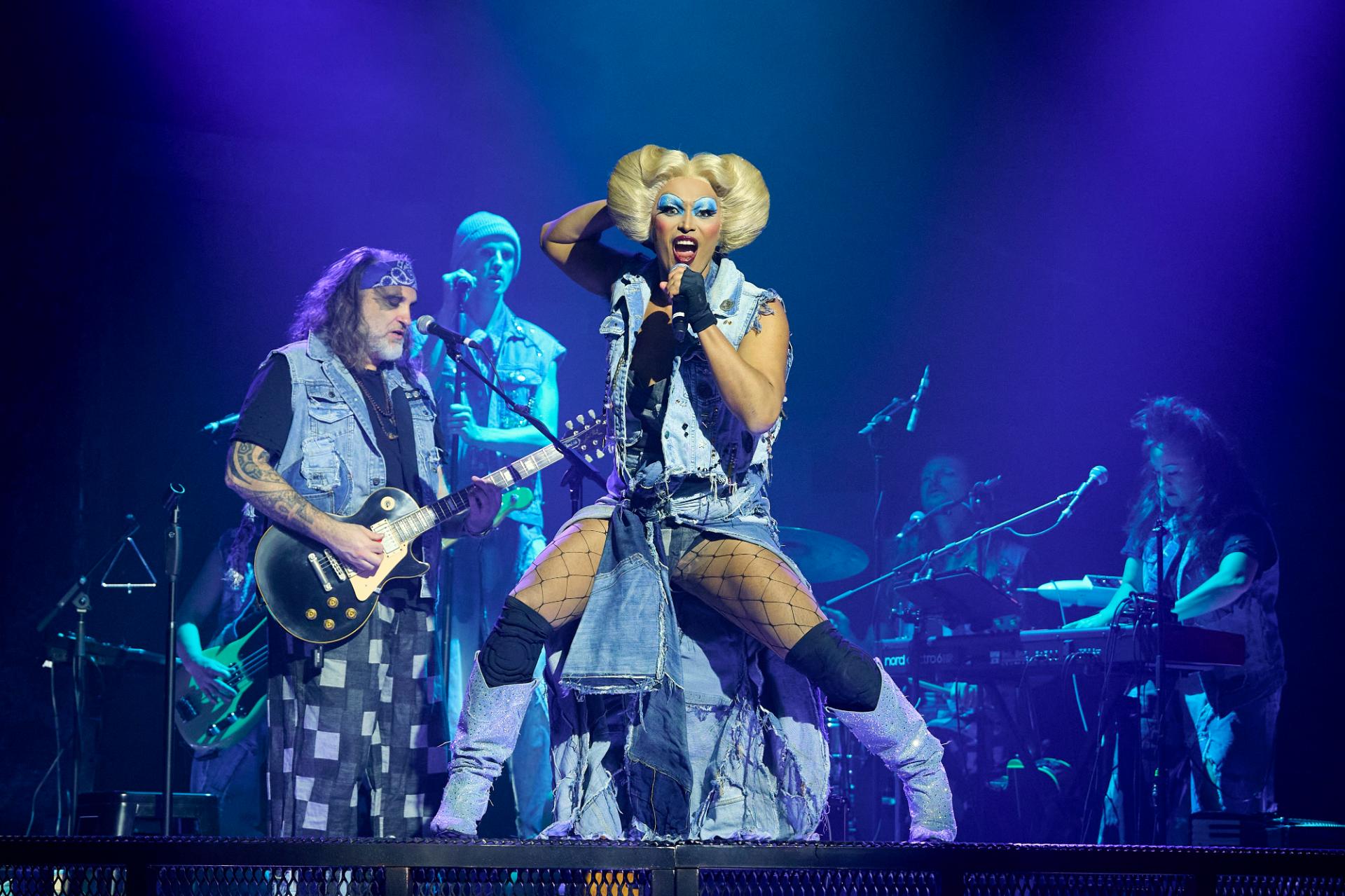
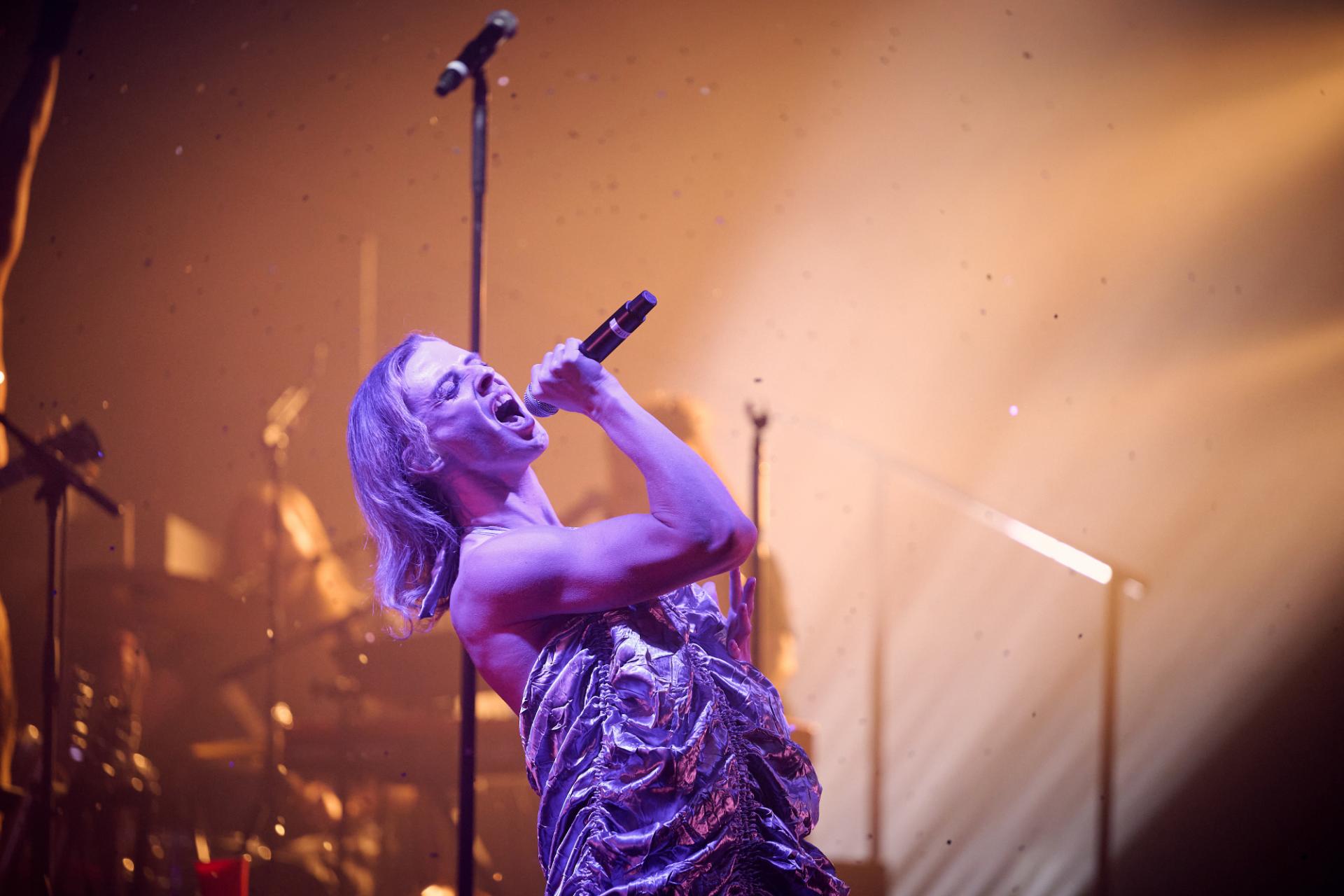
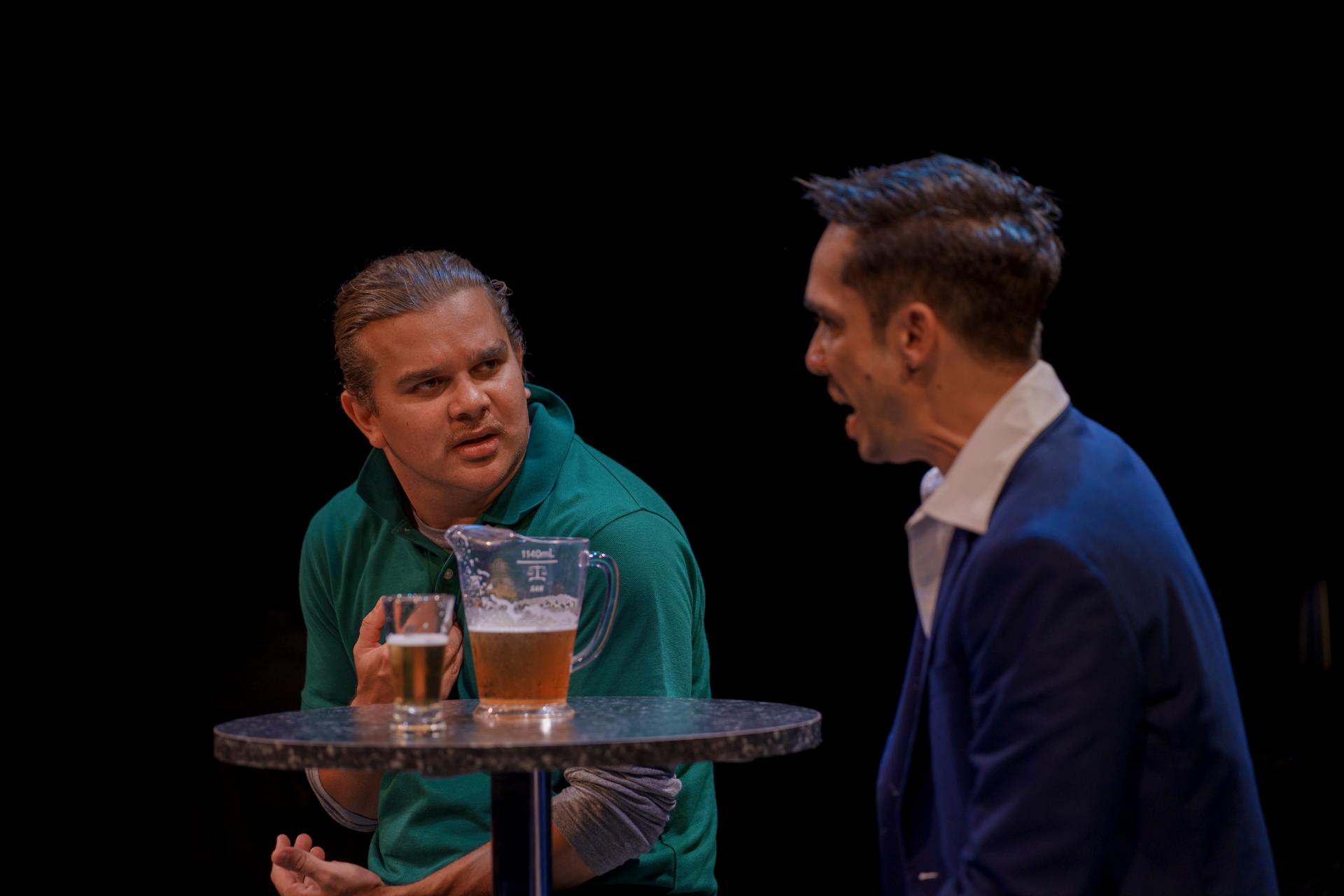
Victoria Falconer serves as musical director, giving us unwavering passion in a cacophonous combination of rock and Broadway, leaving no stone unturned to hold the audience in heightened states of arousal from start to finish. Along with sound design by Jamie Mensforth and soundscape by Jason Sweeney, we are never in doubt about being situated in an American dive bar, gritty yet adamantly hopeful.

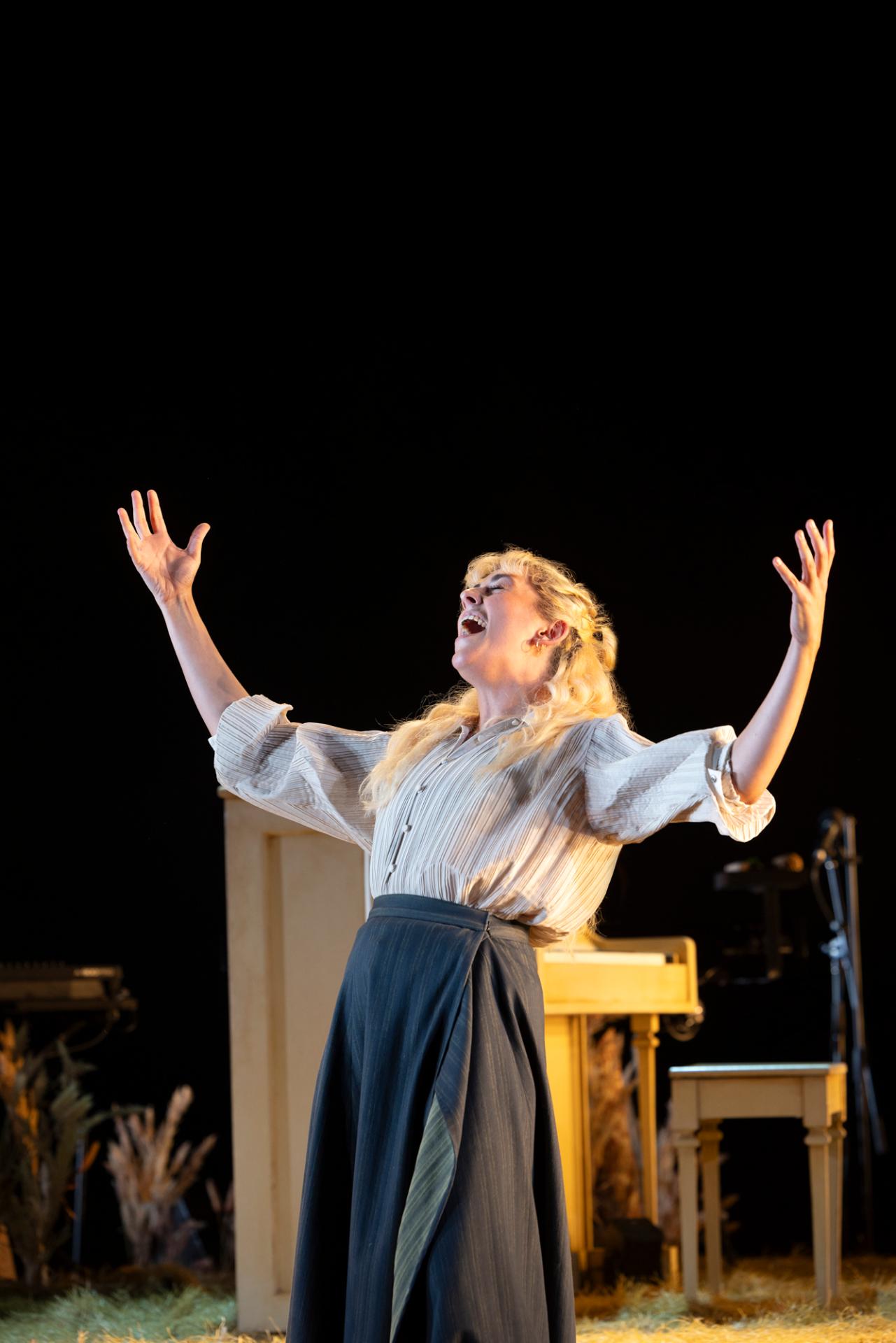
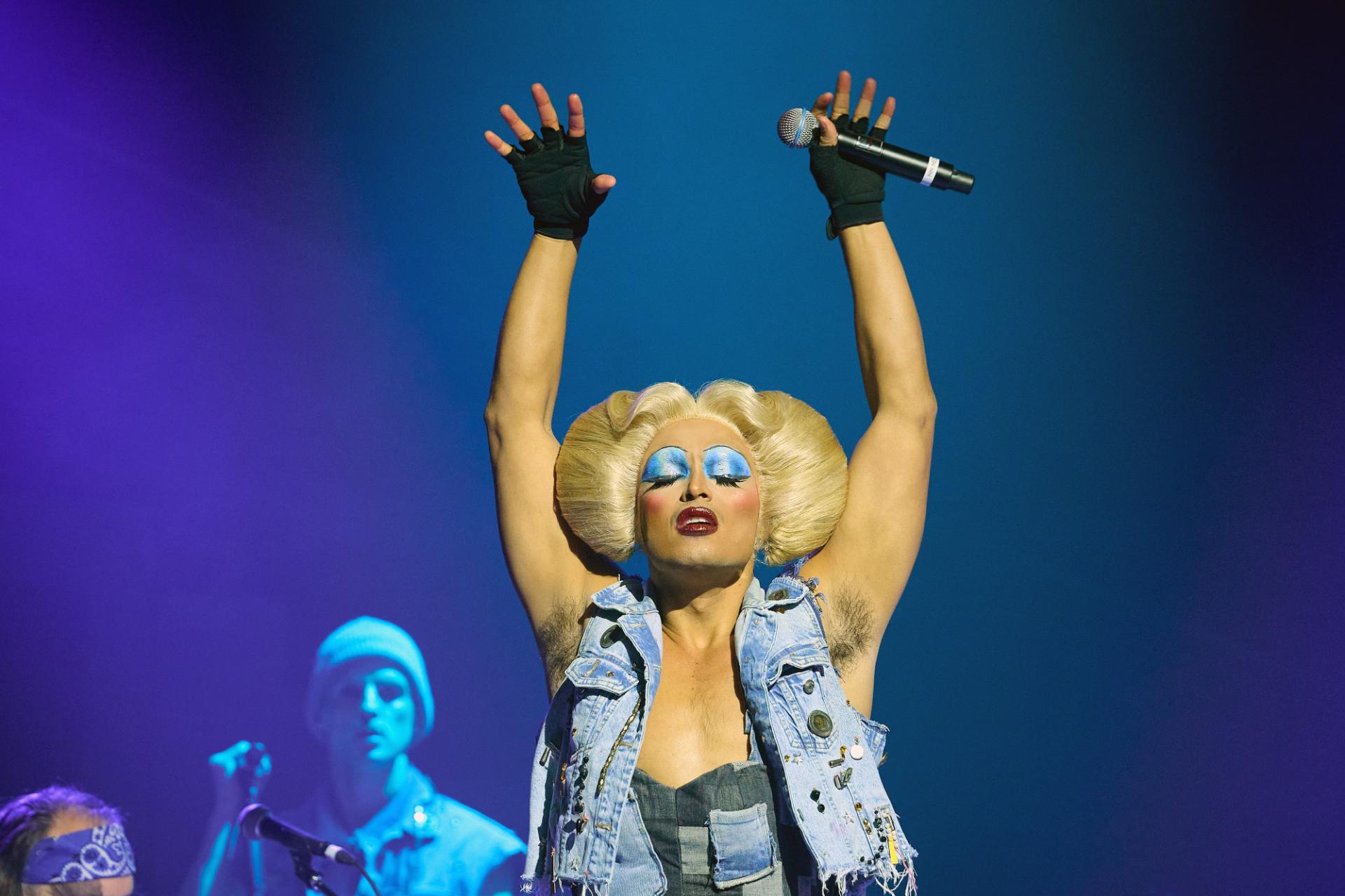
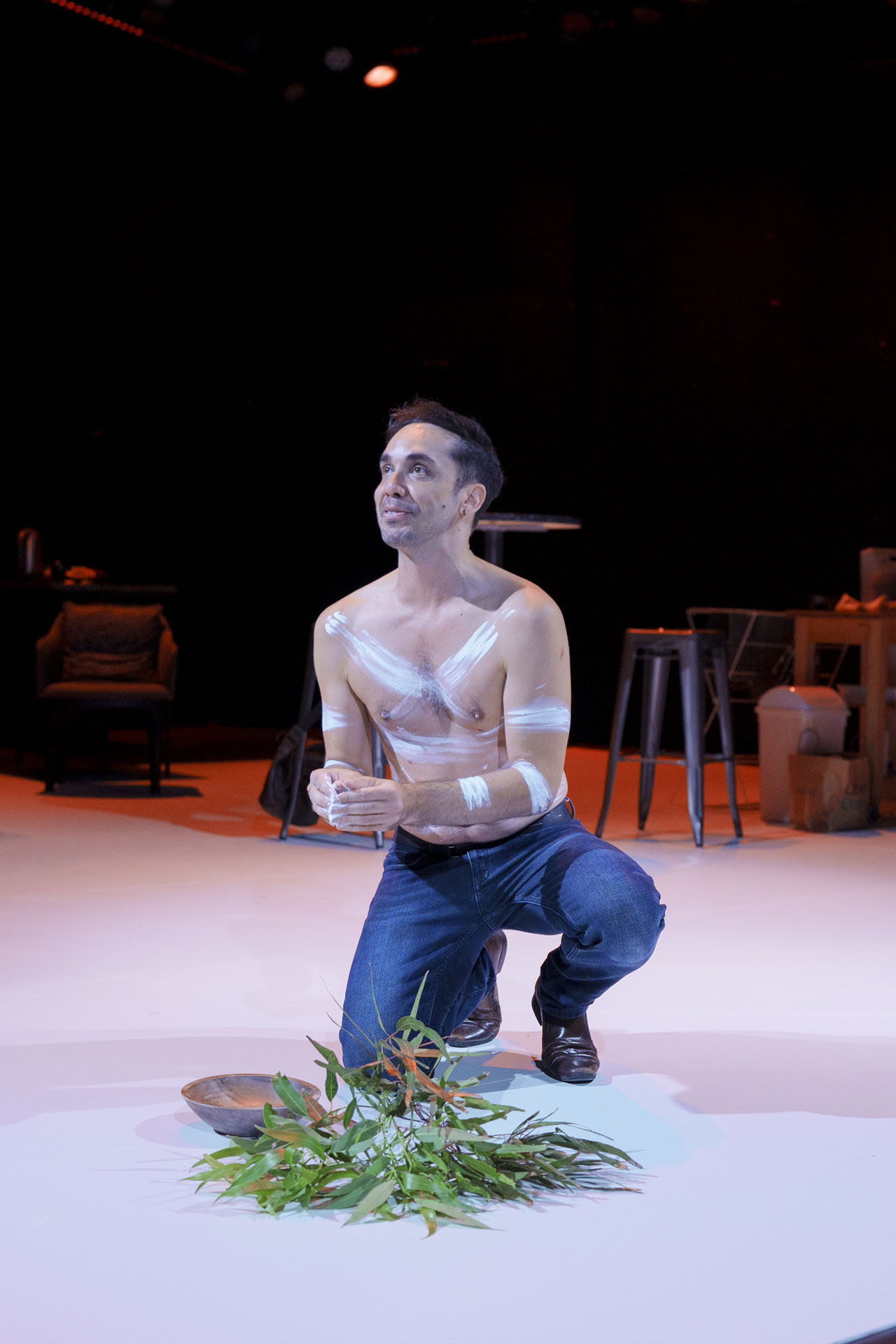
Playing the lead is a captivating and powerful Seann Miley Moore, whose audaciously extravagant approach has us persistently fascinated, but it is their exhaustive and granular familiarity with the material that insists on keeping us absolutely spellbound. Adam Noviello is extraordinary likable as Yitzhak, full of spirit even when portraying the despondency of a painfully neglected companion.

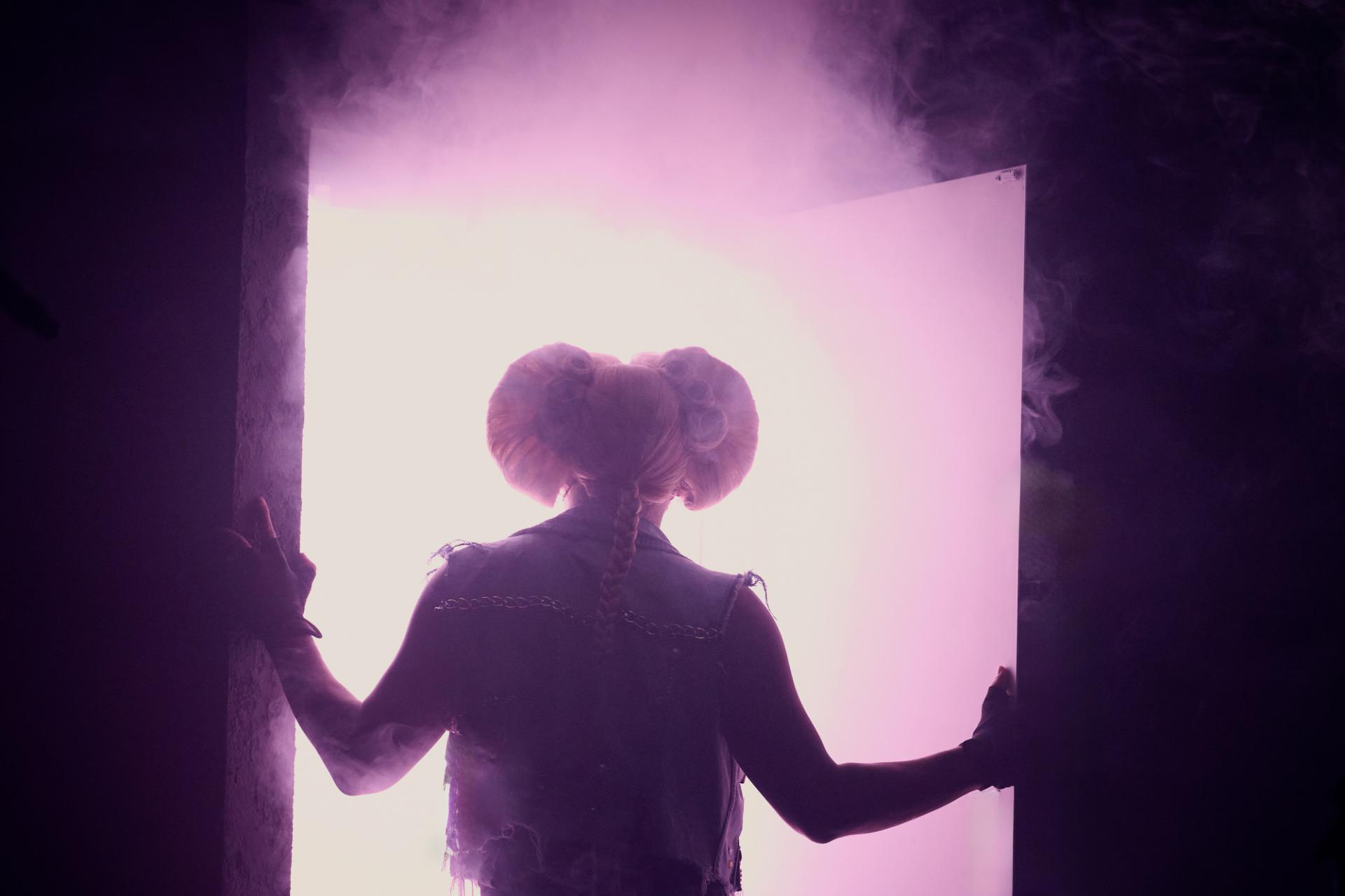
There may have been a surgical error crucial to the formation of Hedwig’s identity, but there is certainly nothing wrong with who she has become. We recognise queer heroes by the destabilisation they bring to unsound hegemonies. They are by nature contrarian, but only from the perspective of the corrupt. To them, Hedwig is an abomination and entirely perverse, where in fact she is truly magnificent and gloriously sacred.

www.hedwig.com.au

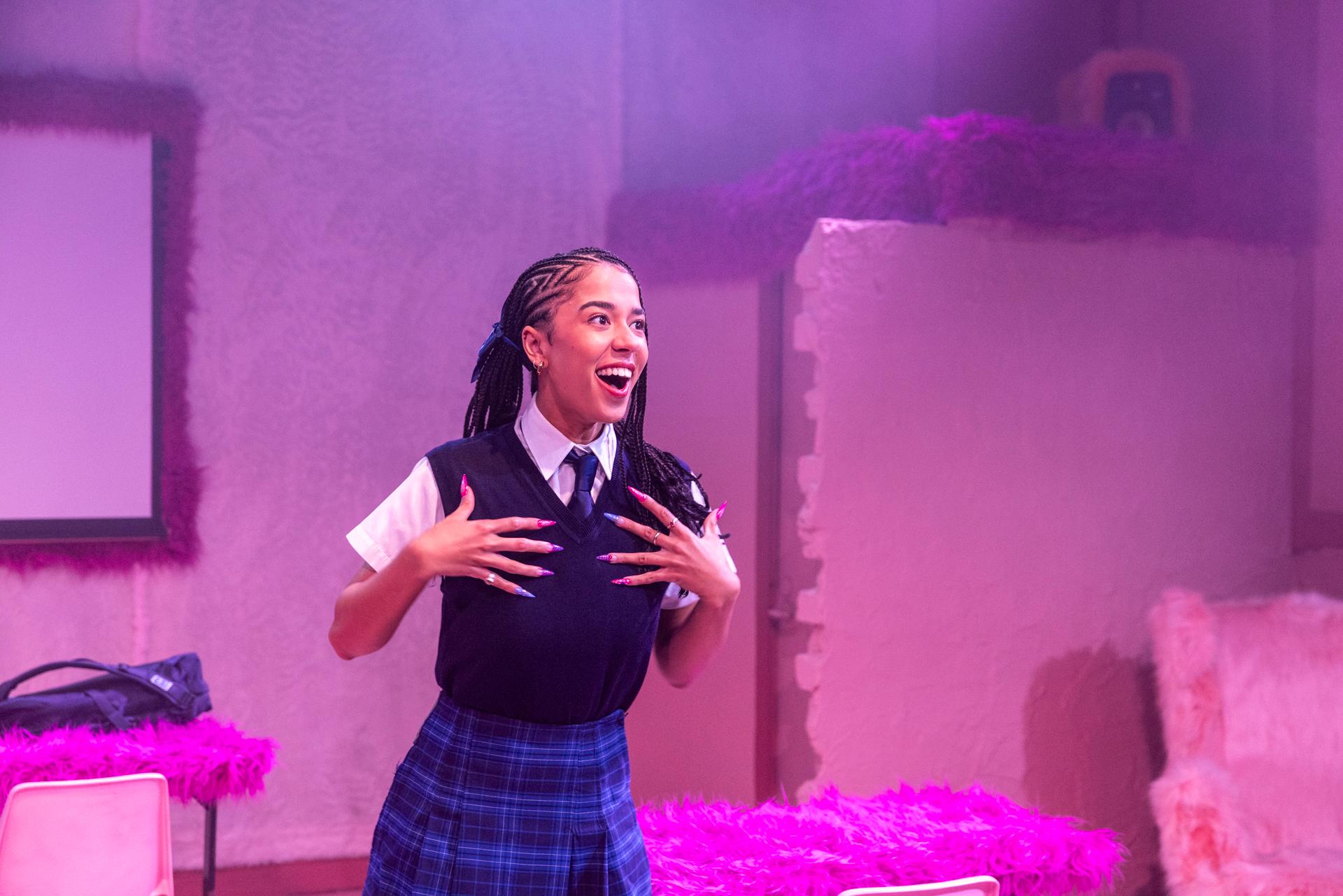
Review: Sistren (Griffin Theatre Co)

Venue: Old Fitzroy Theatre (Woolloomooloo NSW), Jun 26 – Jul 12, 2025
Playwright: Iolanthe
Director: Ian Michael
Cast: Janet Anderson, Iolanthe
Images by Brett Boardman

Theatre review
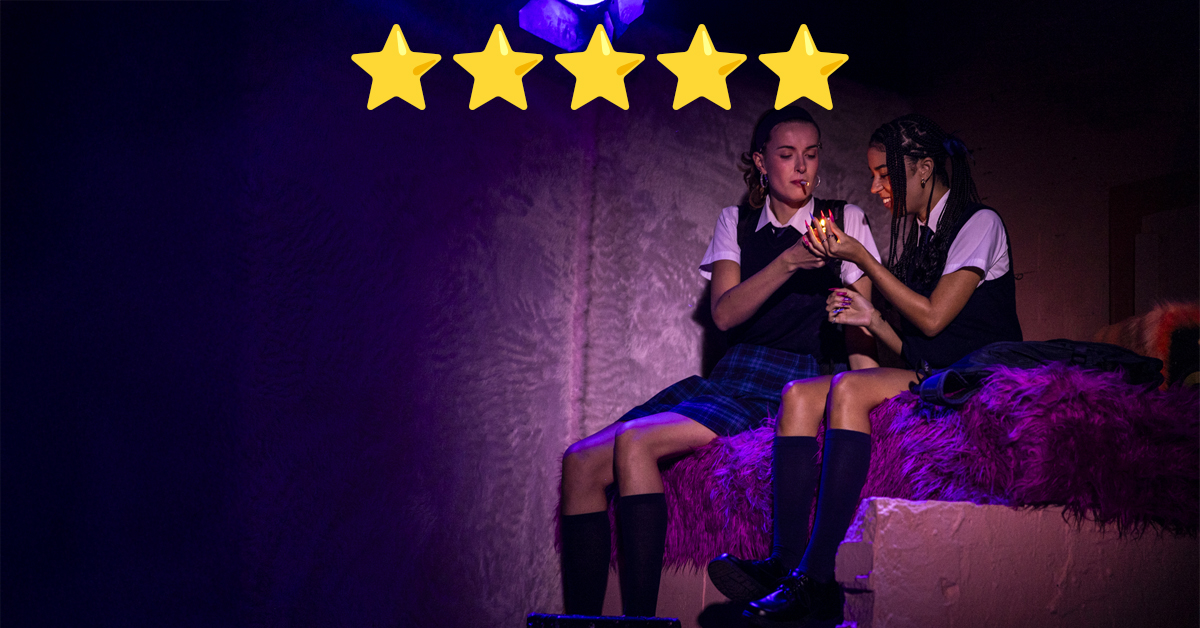
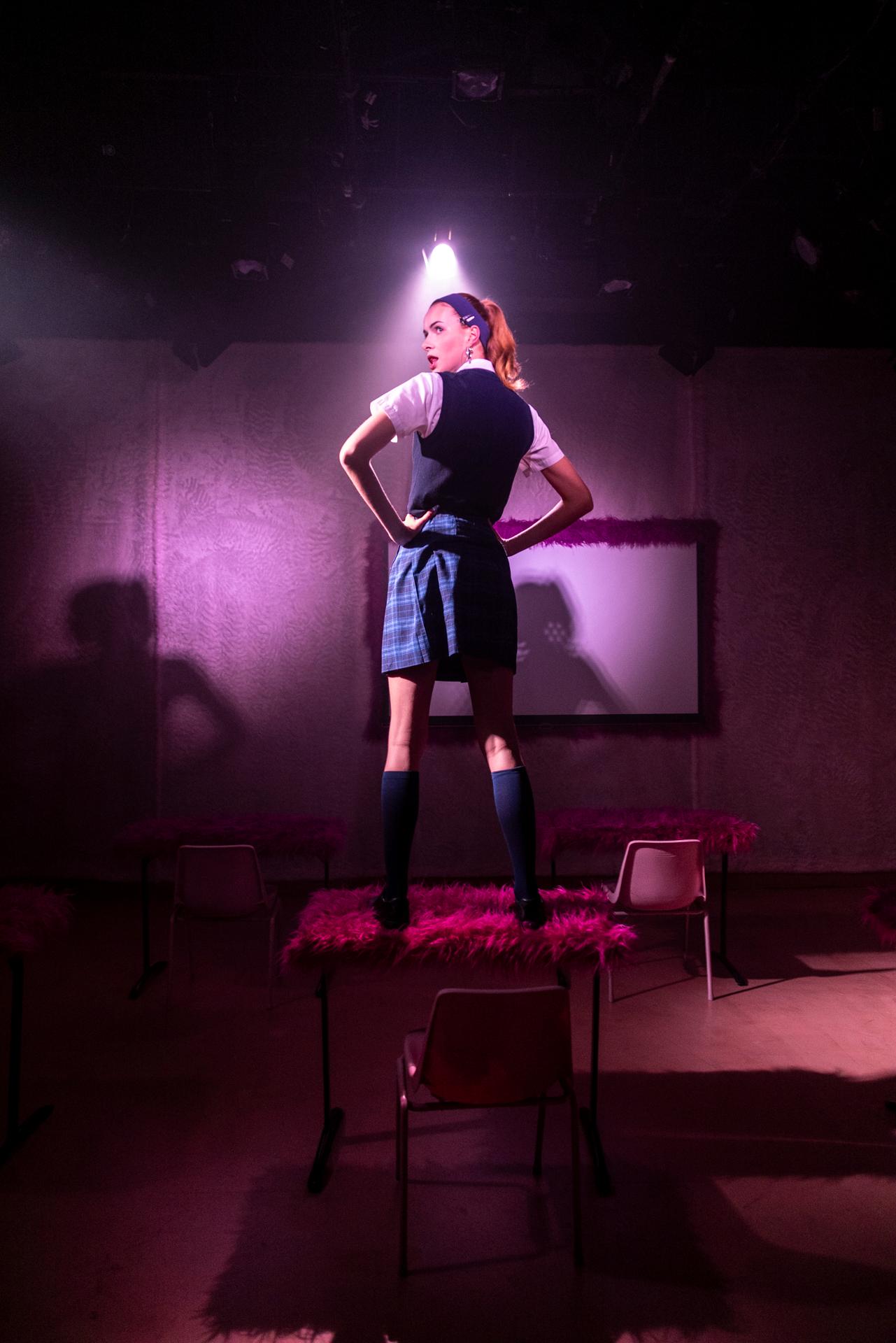
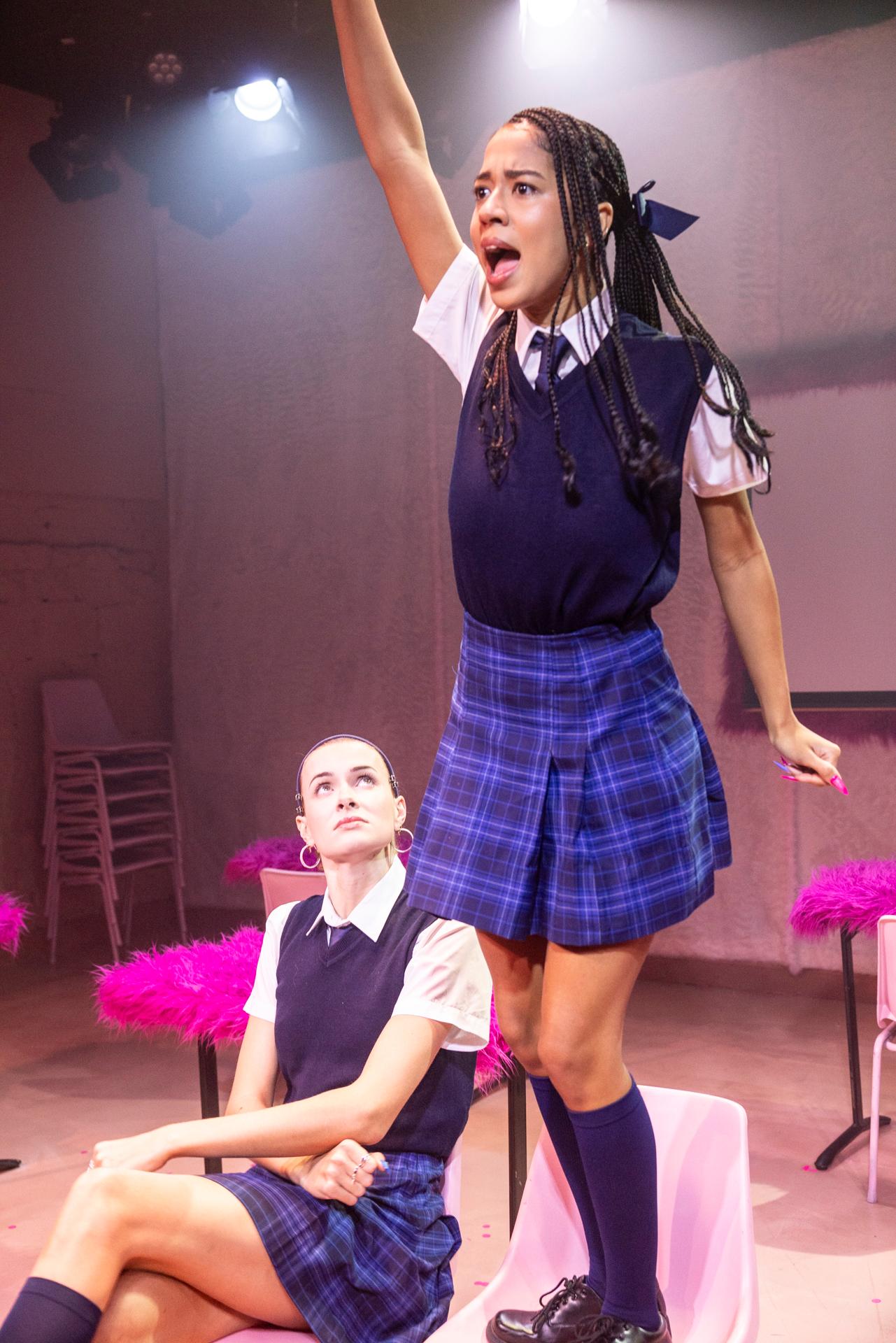
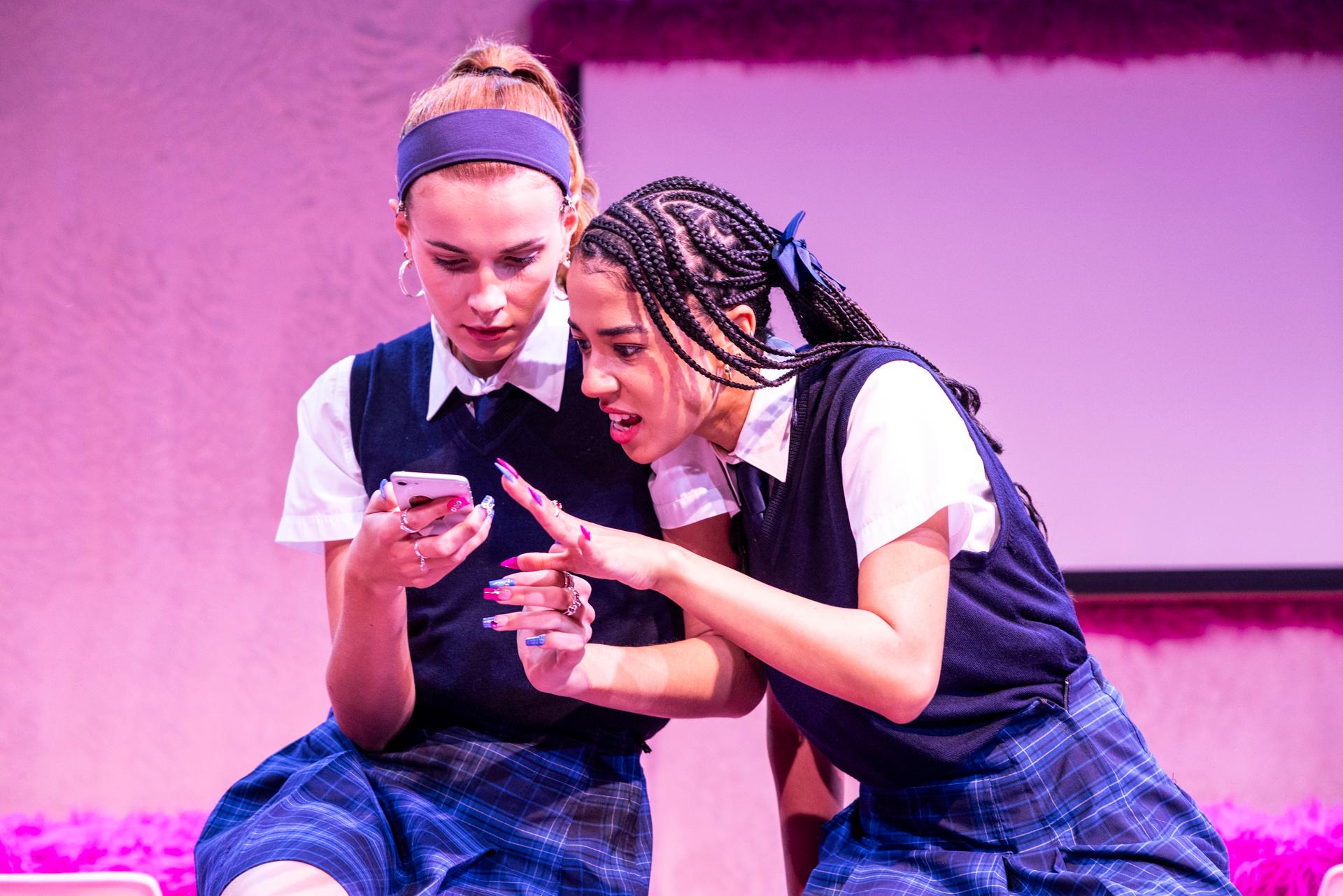
Isla and Violet are the closest of friends, and being seventeen years of age, that bond has an intensity unlikely to ever recur. Sistren by Iolanthe is often glib and irreverent in tone, but a deep sincerity emerges unexpectedly at various points, making sure that the play touches us ultimately, with meaningful intention and consequential impact. Iolanthe’s writing is brazenly loose in structure, and defiantly meandering, in its resistance of formal conventions that uphold linear progression and cohesion.

Director Ian Michael is on hand to imbue a powerful emotional trajectory, that places us on an ever rising crescendo of visceral charge. The politics of Sistren is undeniable, with a modern brand of feminism characterised by radical inclusivity,  resulting in a work of theatre that is able to speak vociferously, yet never alienates.

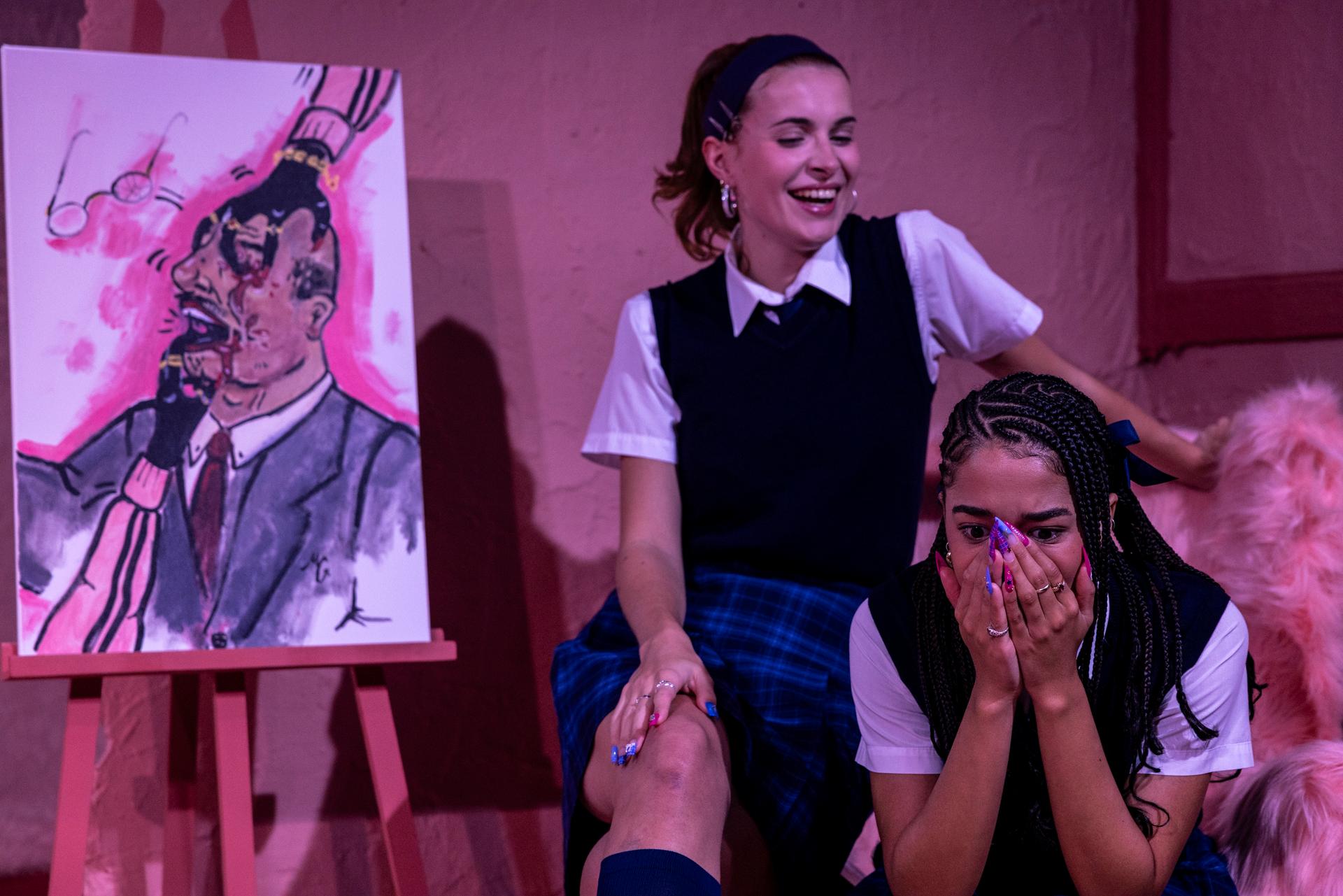
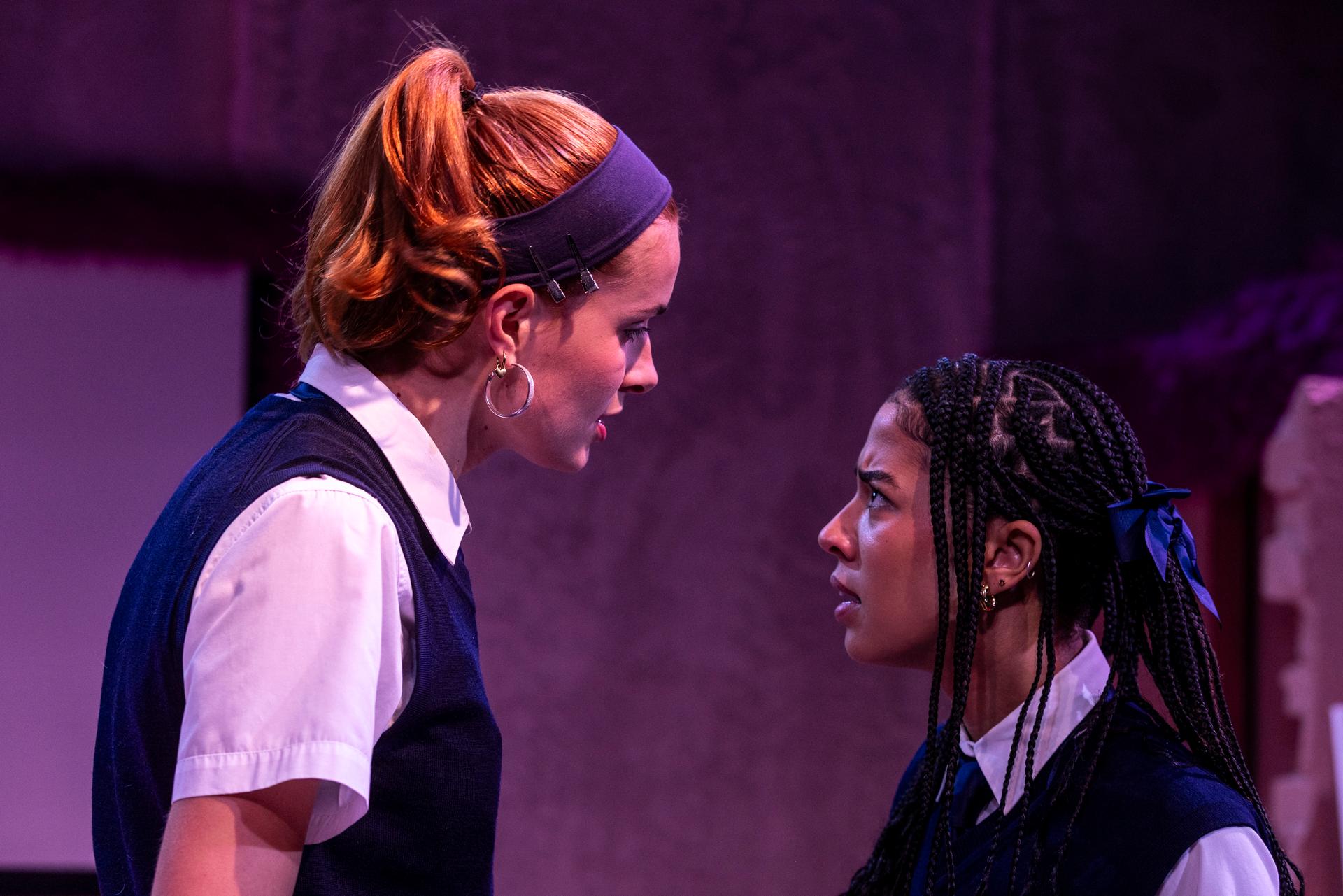
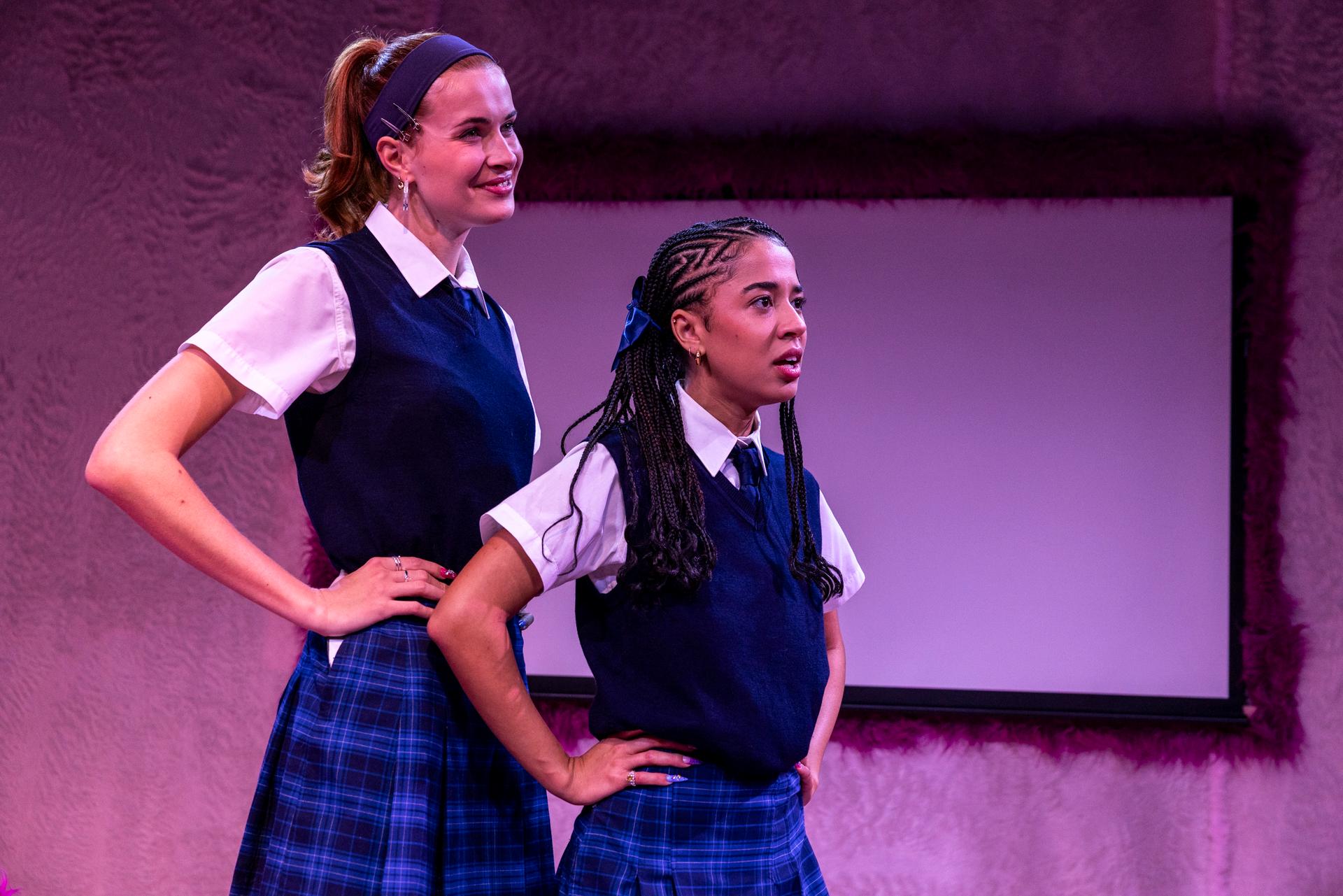
As we watch Isla and Violet negotiate their differences, with one being Black and cis, and the other white and trans, we too experience that push and pull of being constantly caught between right and wrong. Living consciously political means that there is an ideal to strive for, as embodied by the girls’ love and friendship, but also always having to contend with flawed methods of progression. The point is to be able to trust.

Production design by Emma White is appropriately playful in approach. Lighting design by Kelsey Lee provides a wealth of visual flourish that proves thoroughly elevative. Video projections by TK Abiyoe are a delightful addition, as is sound design by Daniel Herten, memorable for a camp zaniness that keeps the show squarely in the realm of queer.

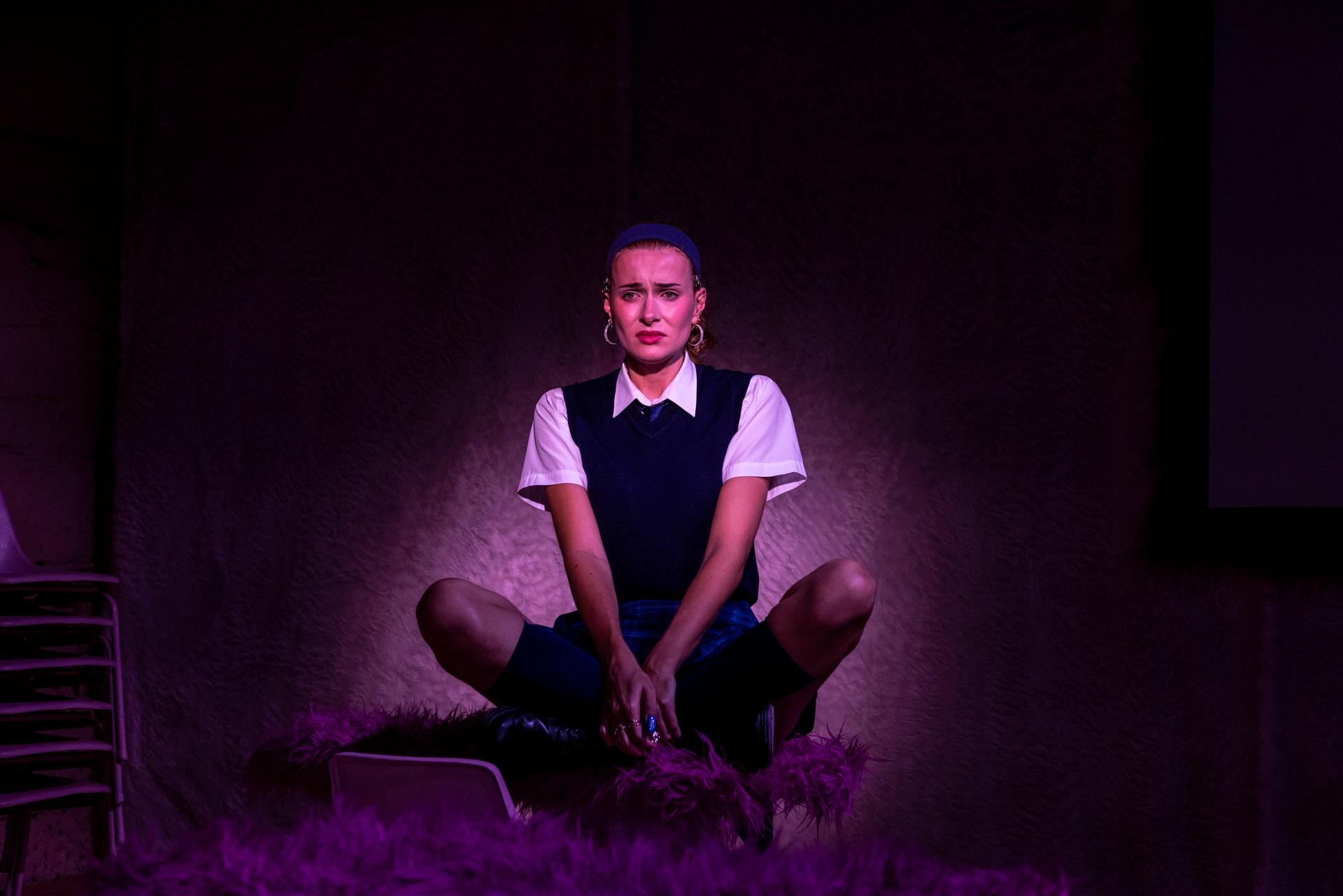
Iolanthe herself takes to the stage, playing Isla along with Janet Andersons’ Violet. What we witness is a singular chemistry, distinguished by the two women’s shared humour, which shapes a theatrical experience remarkable for the intimacy of the world it opens to us. Together they create a work of art distinct for its specificity, one that feels inimitable and therefore completely evanescent. In their unusual unity and love, in seeing two characters who have every reason to hate each other, we are compelled to reflect on the meaning of difference in a world fixated on division.

www.griffintheatre.com.au | www.greendoortheatrecompany.com

Review: Furious Mattress (25A Belvoir)

Venue: Belvoir St Theatre (Surry Hills NSW), Mar 11 – 30, 2025
Playwright: Melissa Reeves
Director: Margaret Thanos
Cast: Julian Garner, Alex Malone, Matilda Ridgway, Shan-Ree Tan
Images by Robert Catto

Theatre review
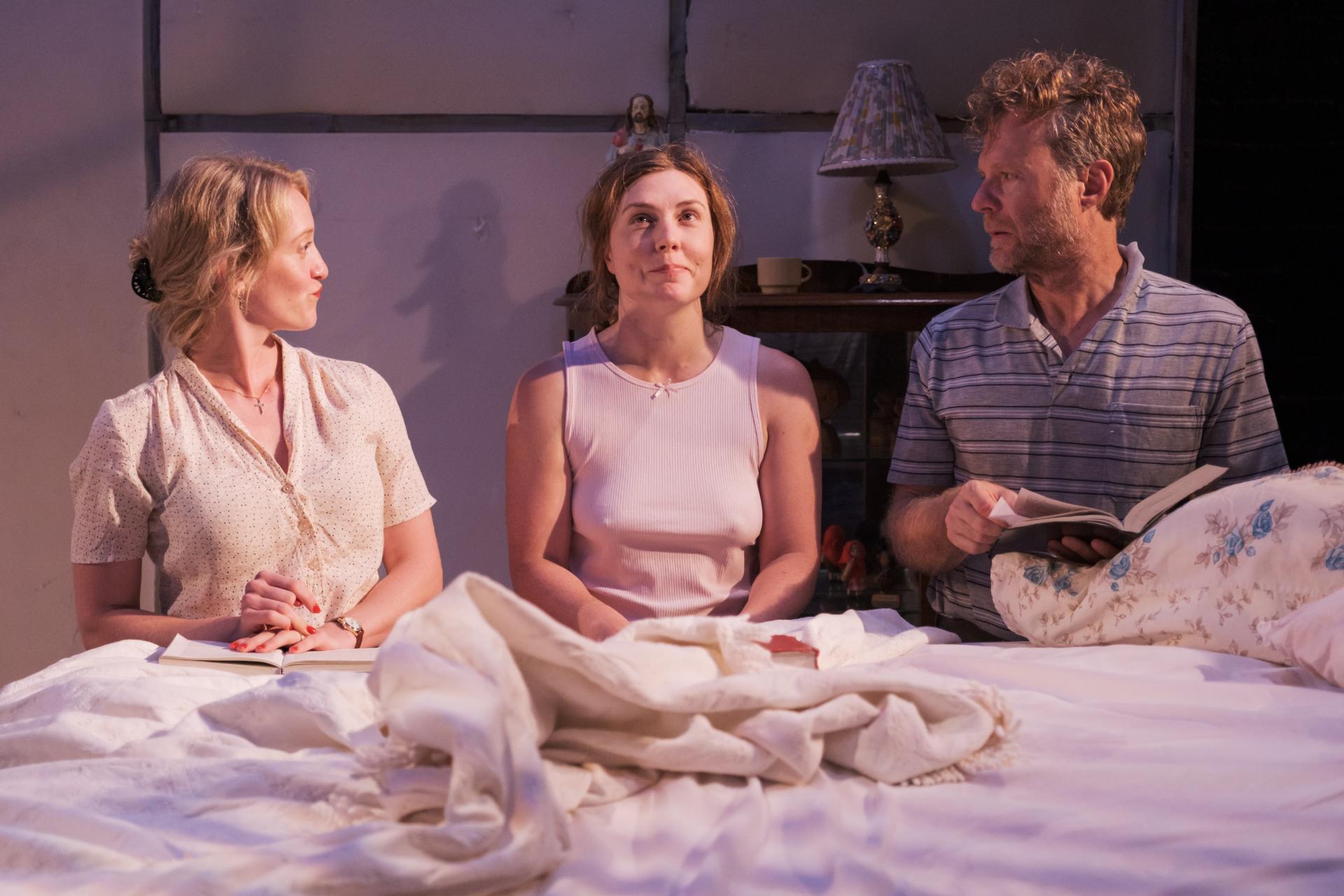
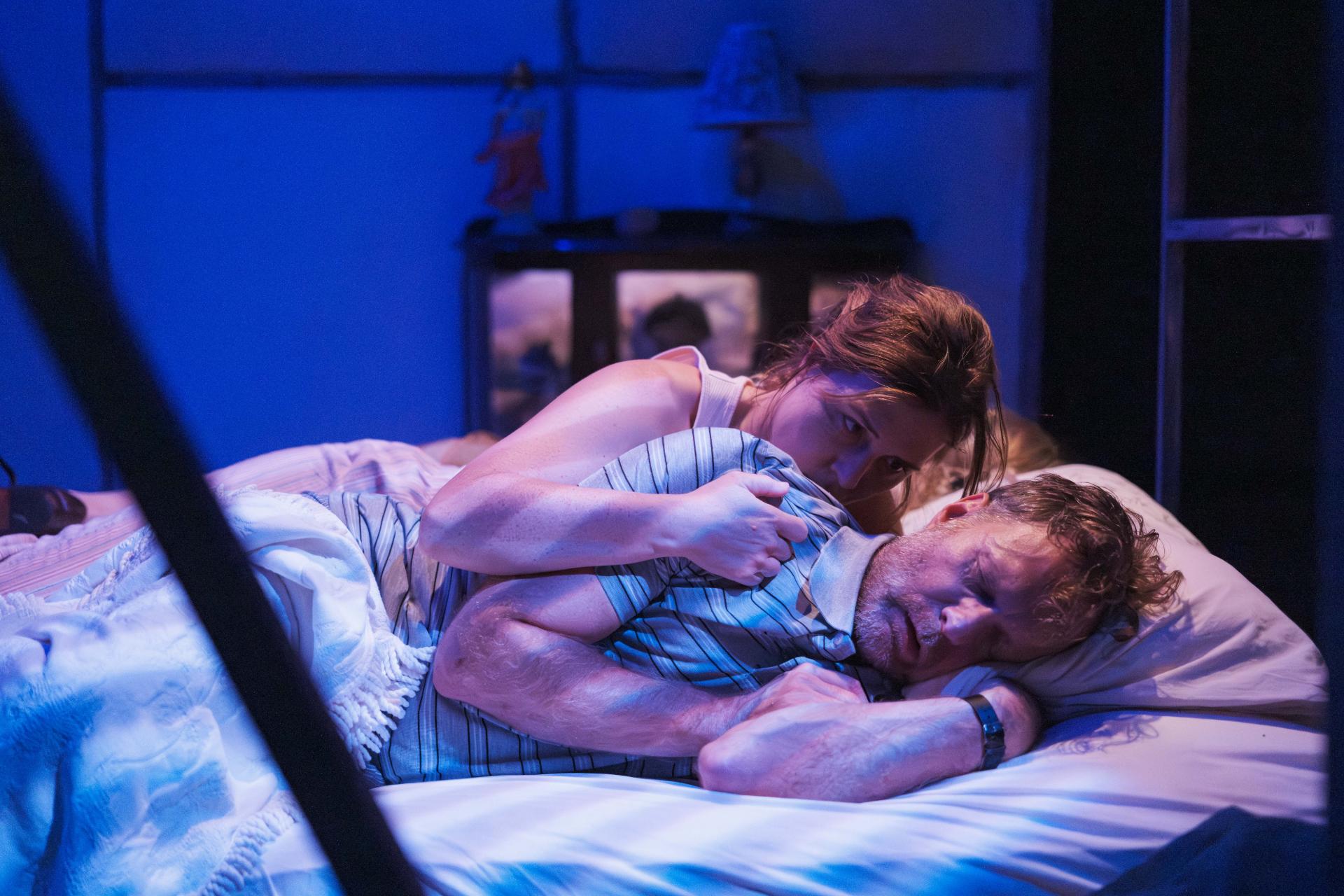
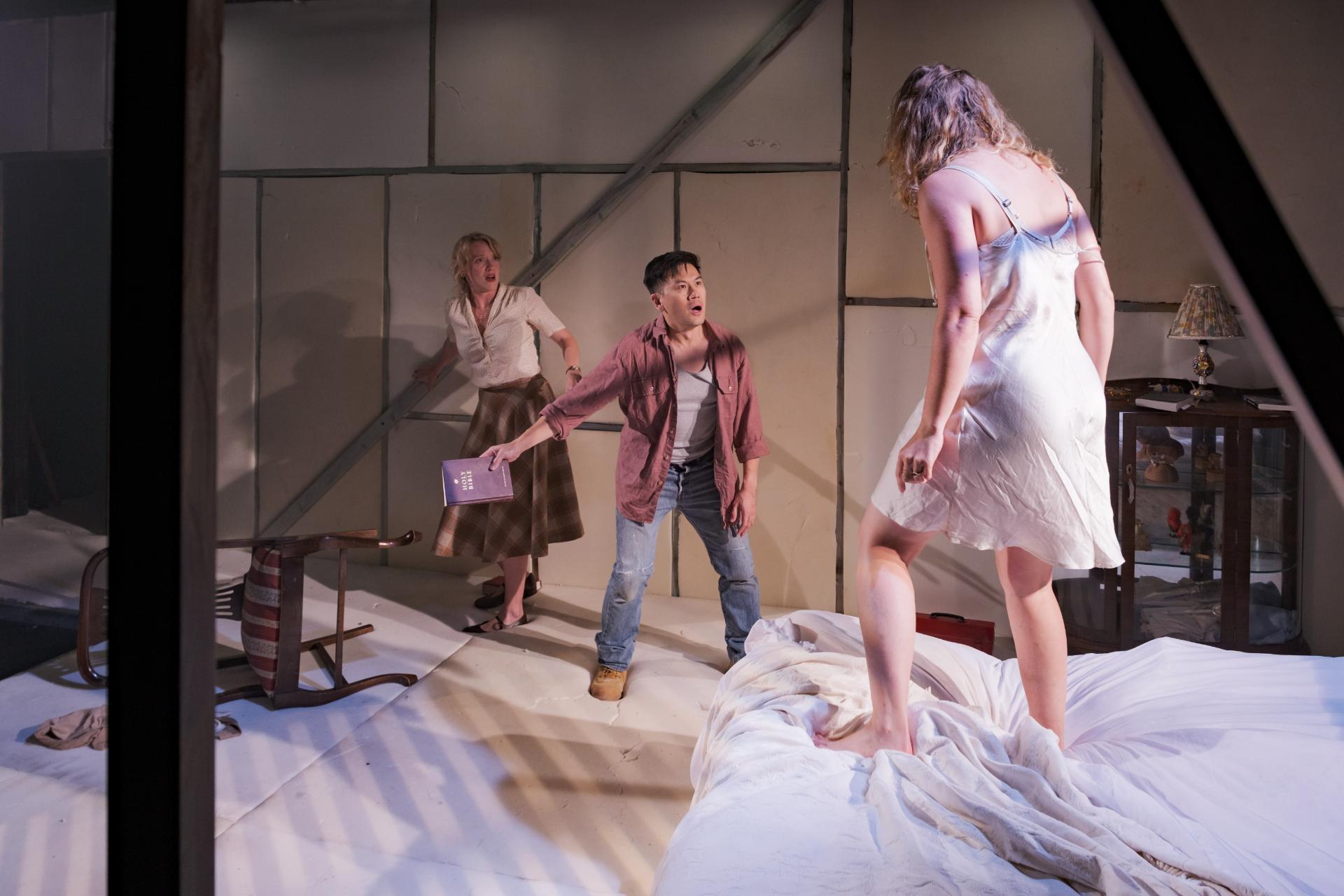
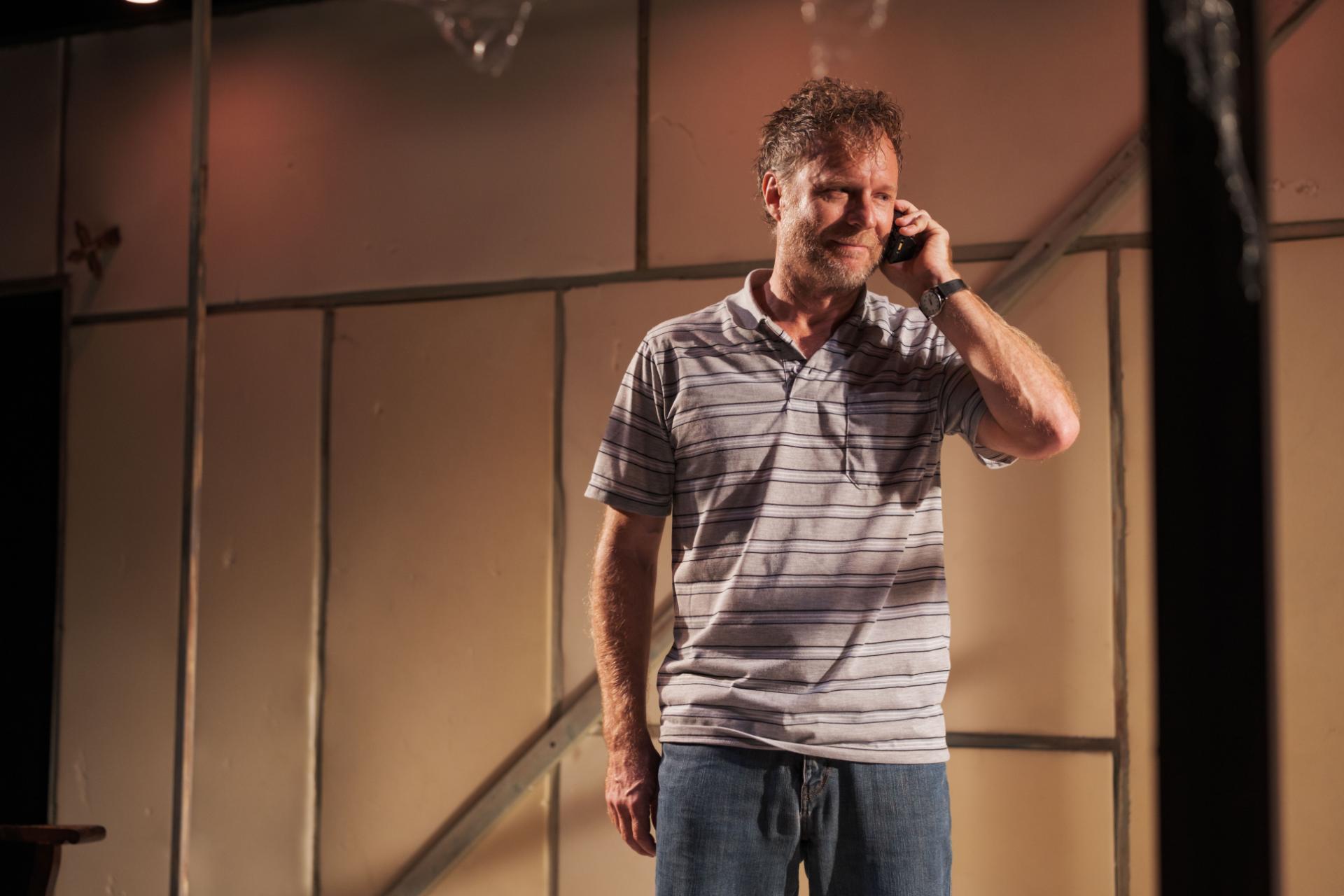
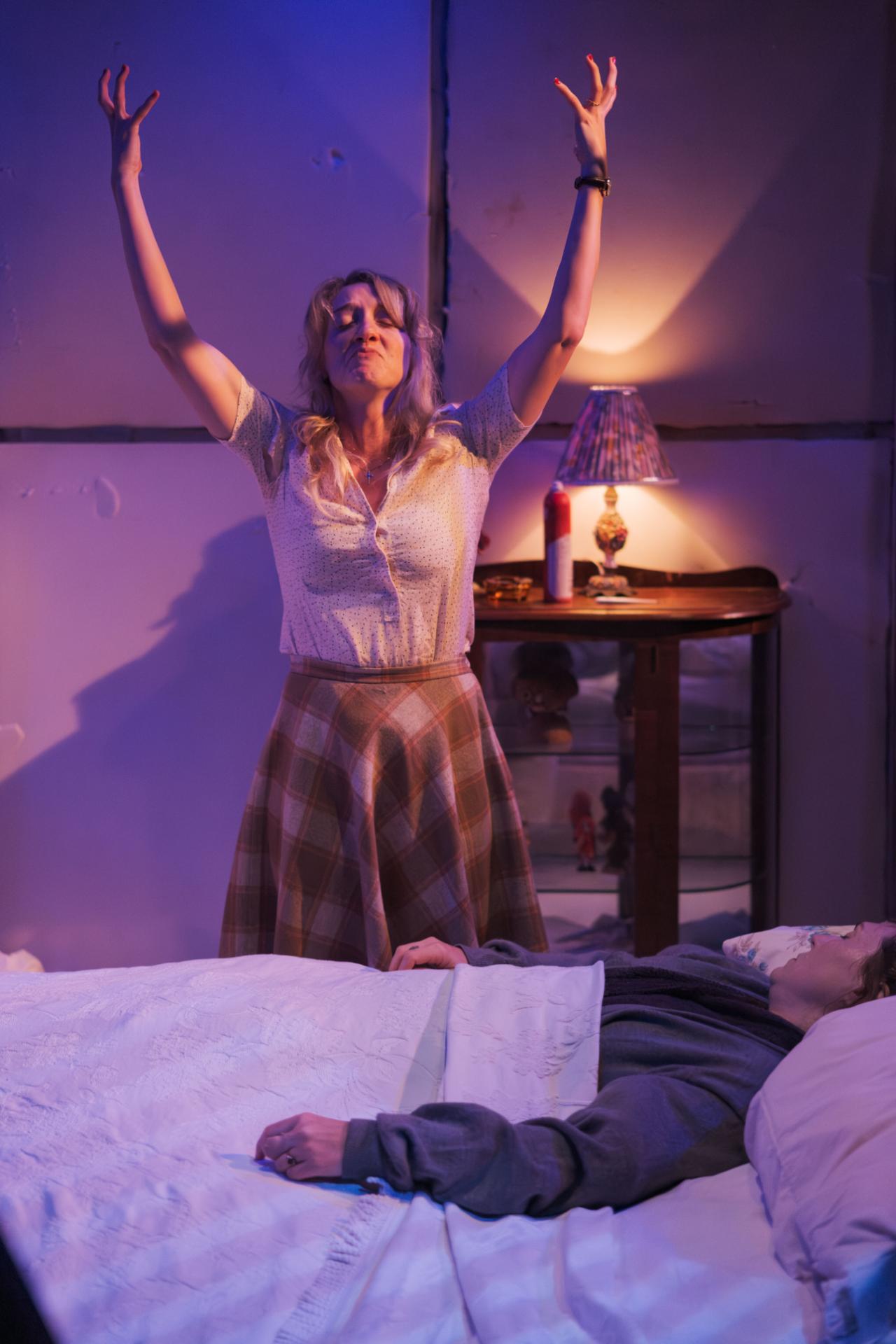
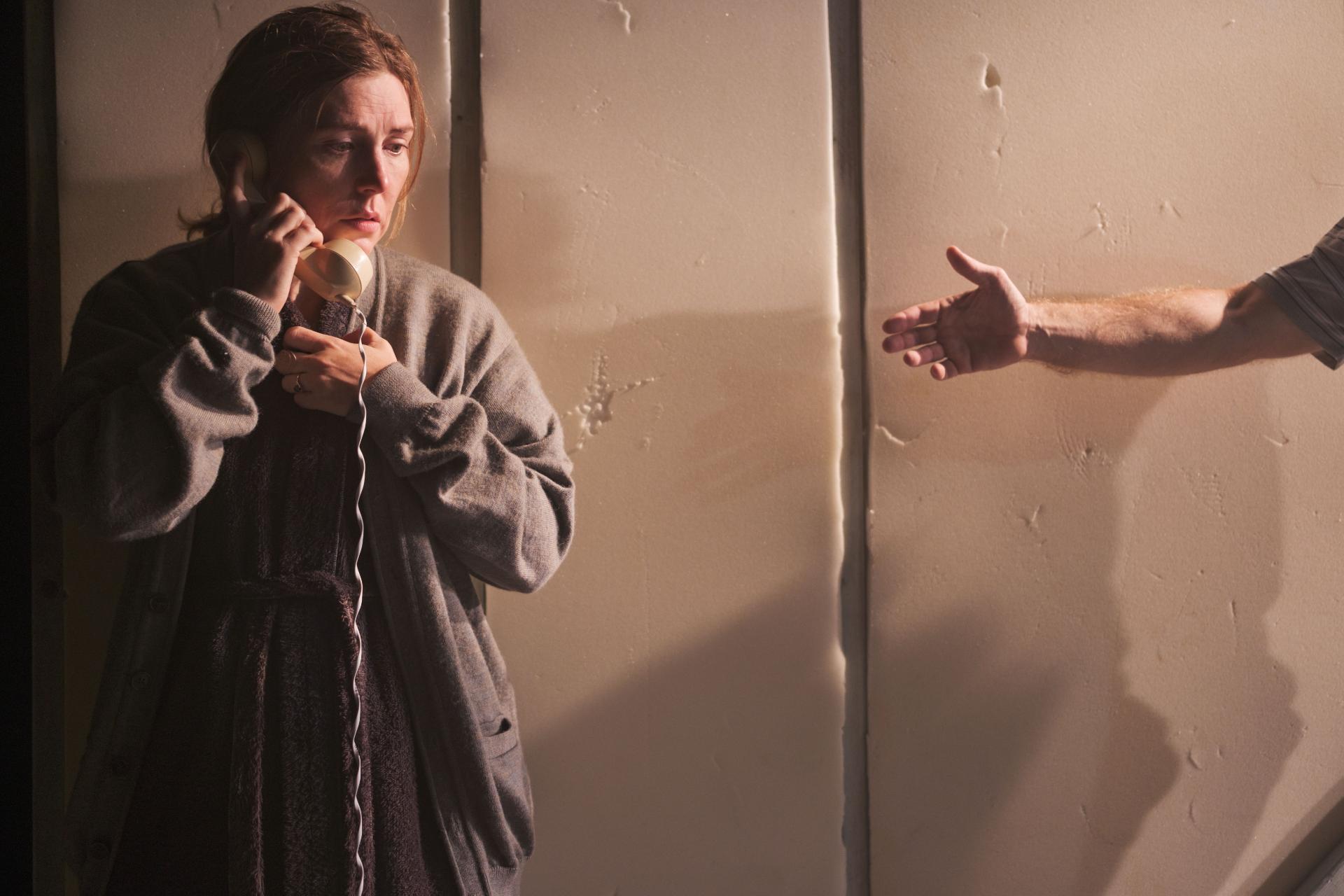
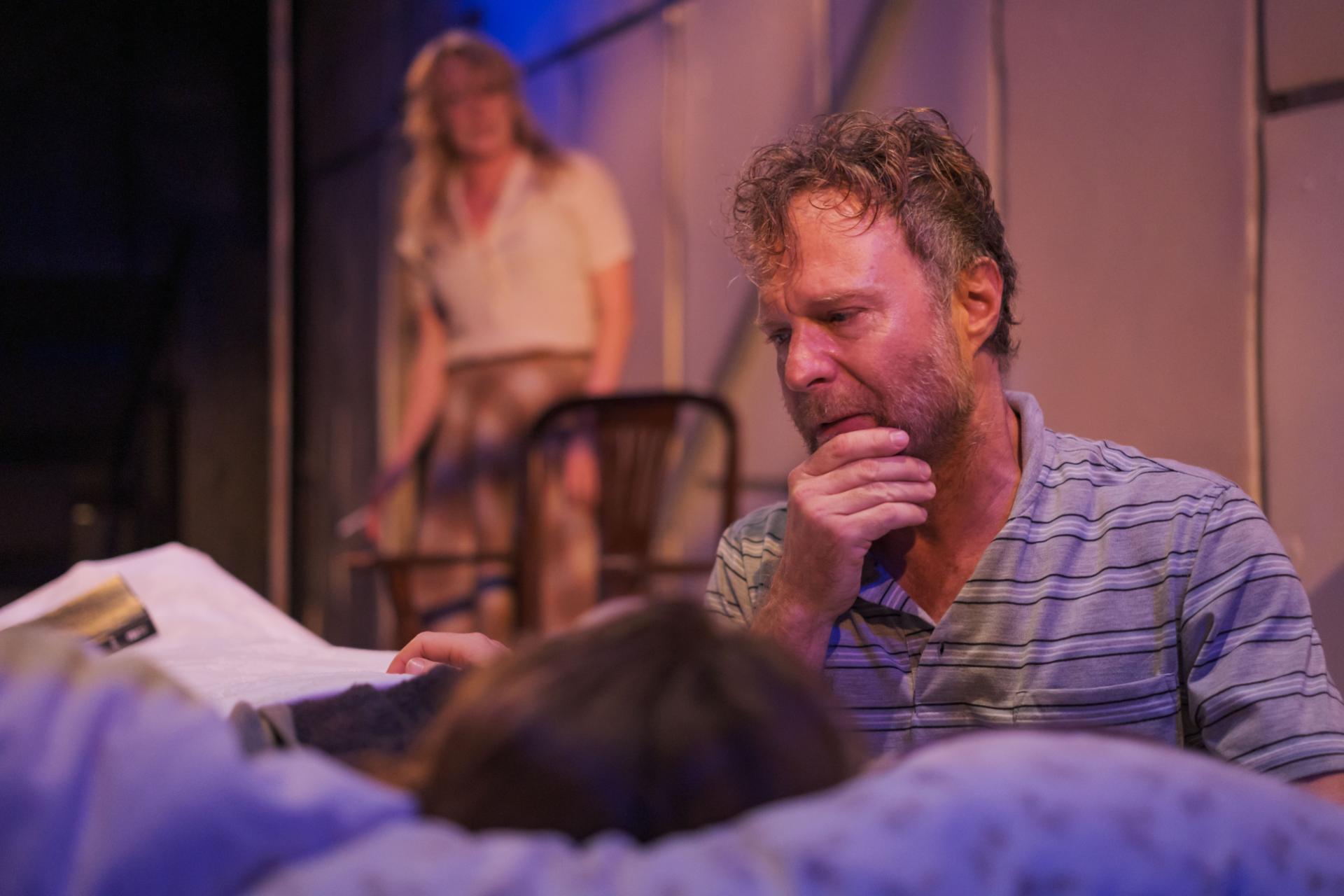
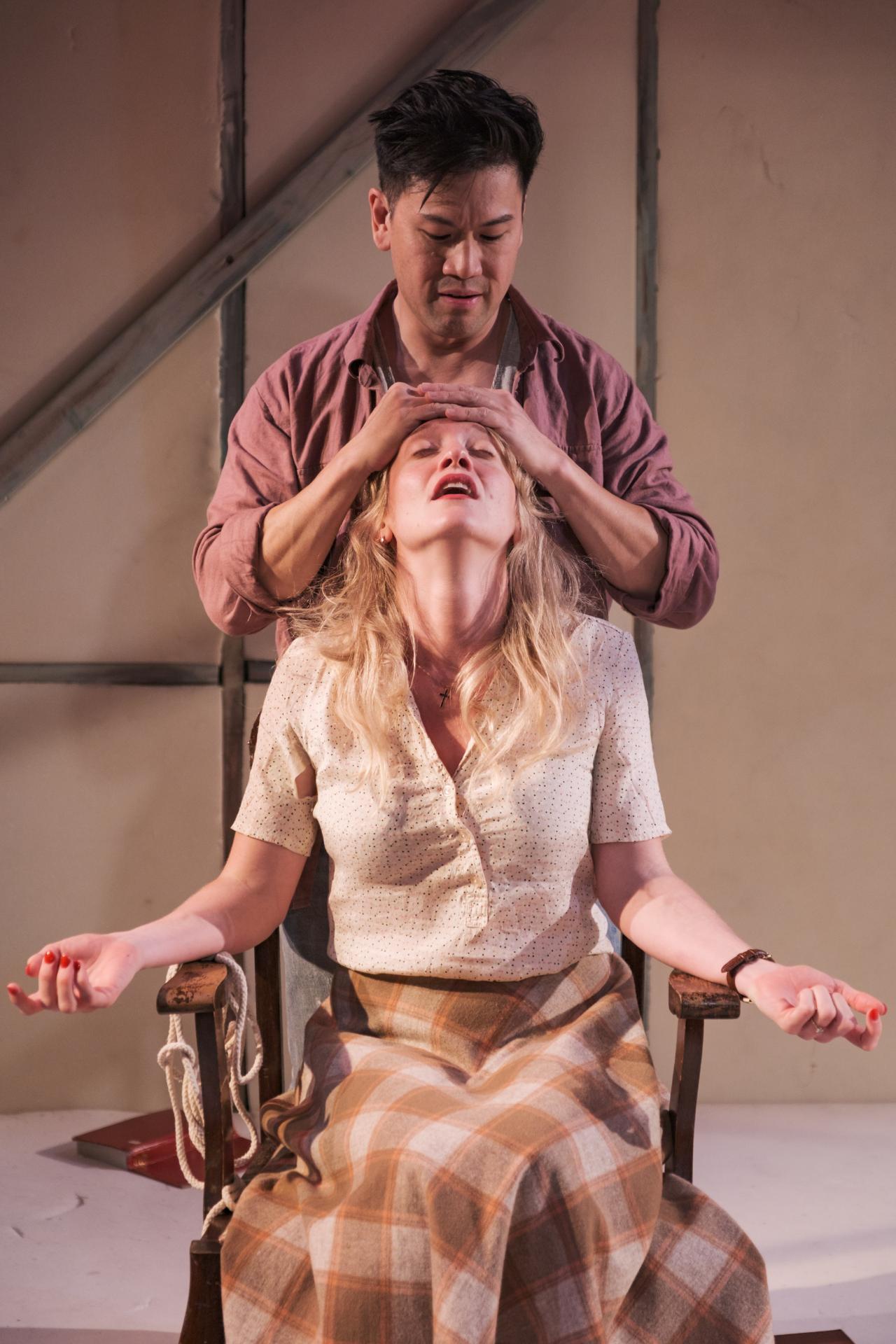
Else was not the first woman to be described as difficult, and not the first to be subject to an exorcism for that very reason. Based on a true story from 90s rural Victoria, Furious Mattress by Melissa Reeves is a dark comedy exploring parochialism, ignorance and intolerance. A scathing indictment of prevailing systems, most notably the Abrahamic religions which perpetuate all manner of social exclusionary, Reeves’ deeply subversive writing is as thrilling as it is mischievous.

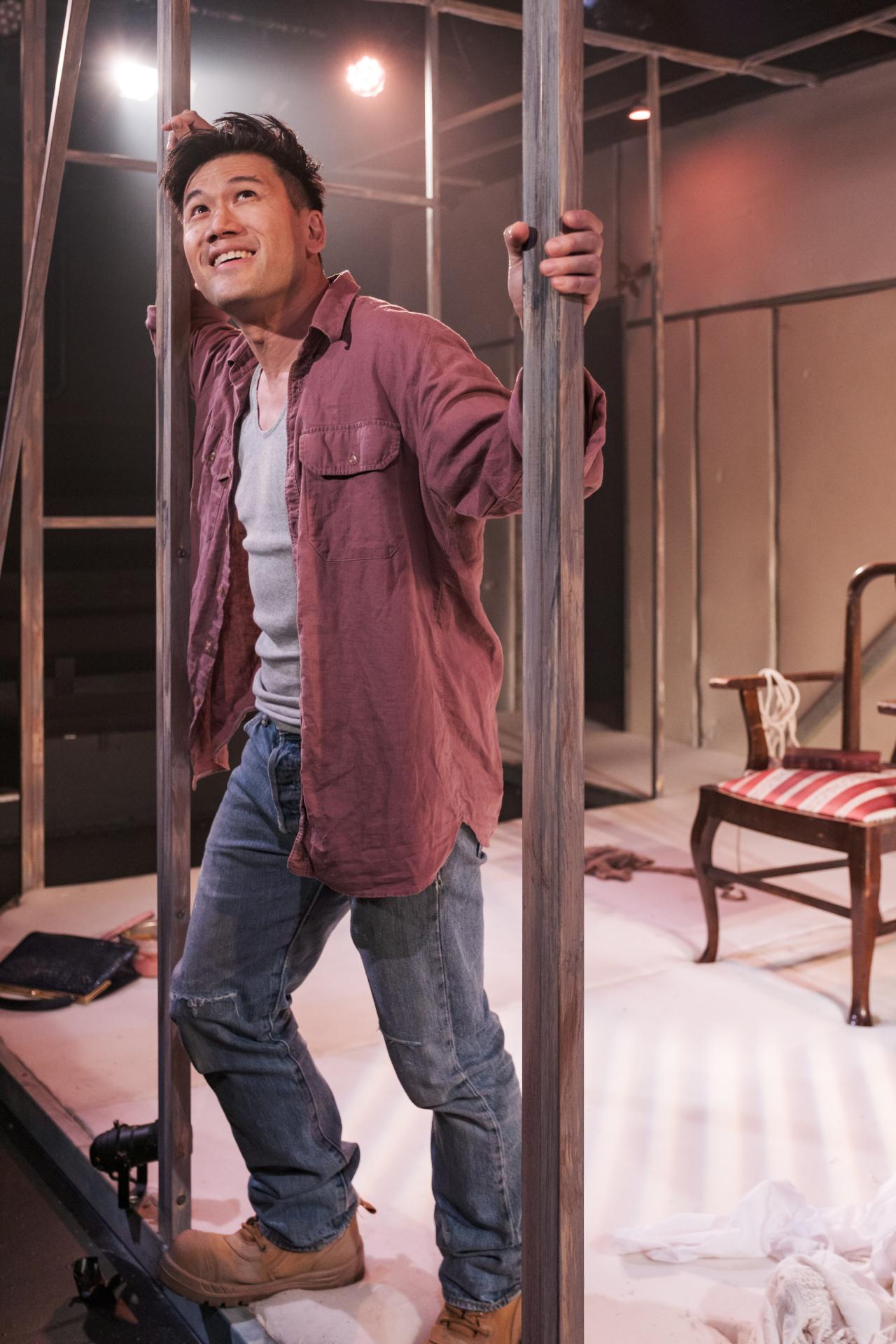
The play is a wild ride, using poltergeist activity and demonic possession as basis for its renderings of theatrical magic. Direction by Margaret Thanos provides an exhilarating kineticism that represents female rage in the twisted form of absurd comedy. Although memorable for that surreal extravagance, its humour can also be wickedly deadpan in naturalist scenes. Either way, Furious Mattress makes us laugh from a condemnatory position, for a satirical chastisement on superstitions and traditions, that insist on the rejection of gender parity. Also noteworthy is the work by Harry Milas as magic consultant, giving literal and figurative elevation to the show.

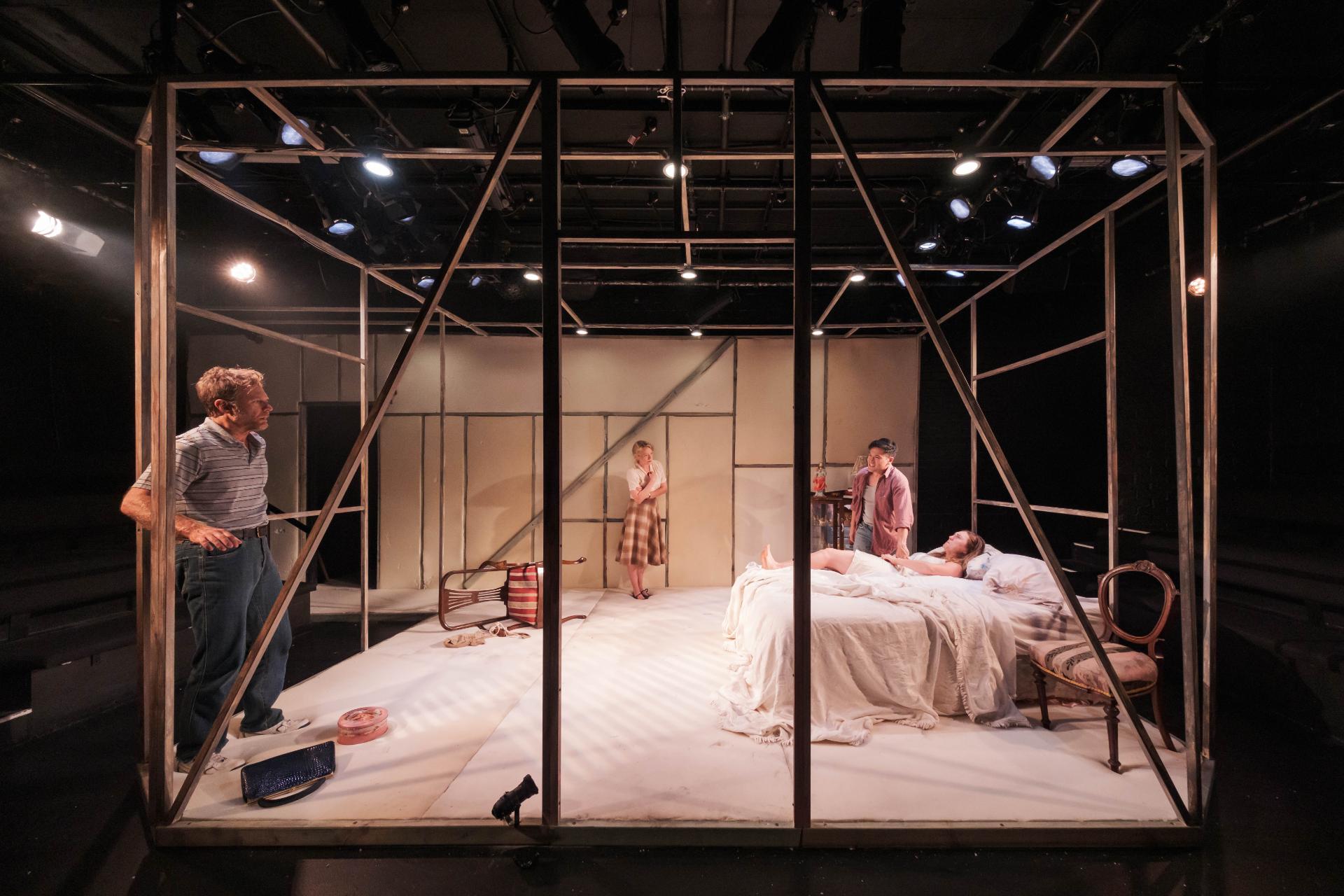
Angelina Daniel’s set design is immediately evocative of country life, with the incorporation of padded surfaces further suggesting interiors of psychiatric institutions, while providing functionality for this highly dynamic presentation. Costumes by Ruby Jenkins guide us to a recent past, but it is a surprise macabre creation that truly excites. Lights by Ryan McDonald are a powerful element, especially satisfying in its delivery of optical illusions for this exploration of paranormal phenomenon. Sound design by Cameron Smith and music composition by Daniel Hertern dial up the drama, for an instance of storytelling that invites us to approach its serious themes with a delicious duality of solemnity and playfulness.

Actor Matilda Ridgway brings a wonderful defiance to Else, demanding that we see the world through her eyes. Ridgway’s cheeky presence keeps us endeared to the central character, even if it is interpreted as demonic within the text. An extremely funny Alex Malone plays Christian zealot Anna with a marvellous cynicism. Else’s husband Pierce is imbued admirable integrity along with the most subtle of incisive derision, by a captivating Julian Garner. Shan-Ree Tan as charlatan exorcist Max adds to the intensity, for a production that elicits a complex melange of emotions from its audience.

When something supernatural happens, and the church is the first authority called upon to solve its mystery, we can observe the extent to which that old institution controls our understanding of the world. When a woman seems to be losing her mind, and the only available discourse regarding her perceived brokenness relates to religion, we ignore the inherent systemic requisites of keeping women down. Some women will not adhere, and they are usually the ones who speak the truth.

www.belvoir.com.au | www.legittheatreco.com

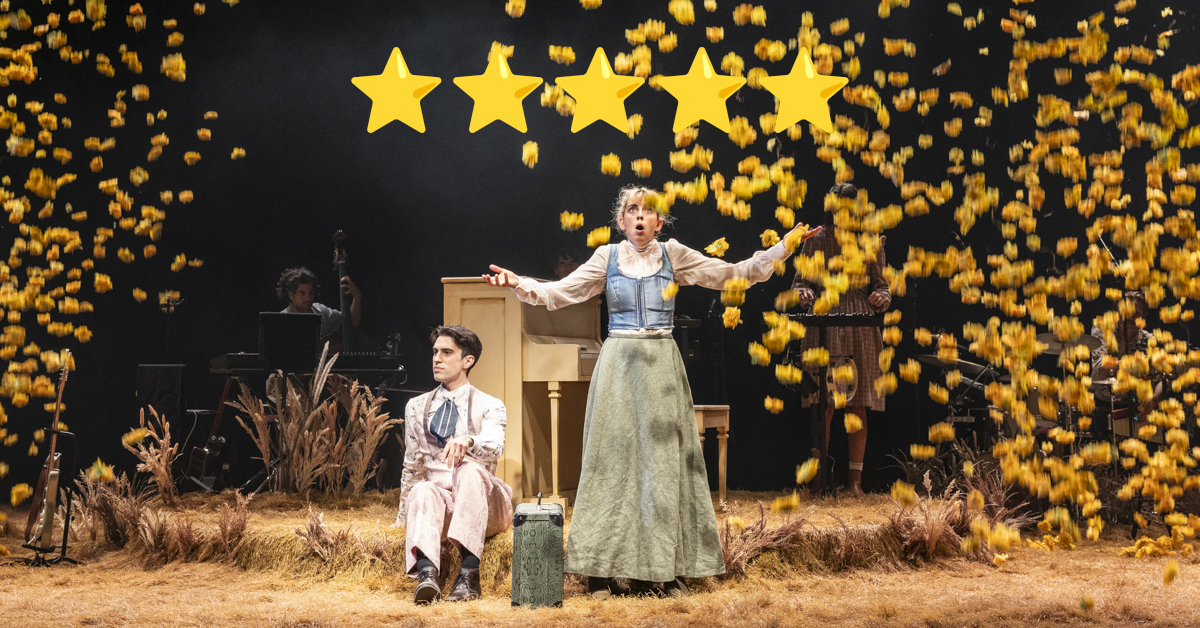
Review: Picnic At Hanging Rock (Sydney Theatre Company)

Venue: Sydney Opera House (Sydney NSW), Feb 17 – Apr 5, 2025
Playwright: Tom Wright (from the novel by Joan Lindsay)
Director: Ian Michael
Cast: Olivia De Jonge, Kirsty Marillier, Lorinda May Merrypor, Masego Pitso, Contessa Treffone 
Images by Daniel Boud

Theatre review
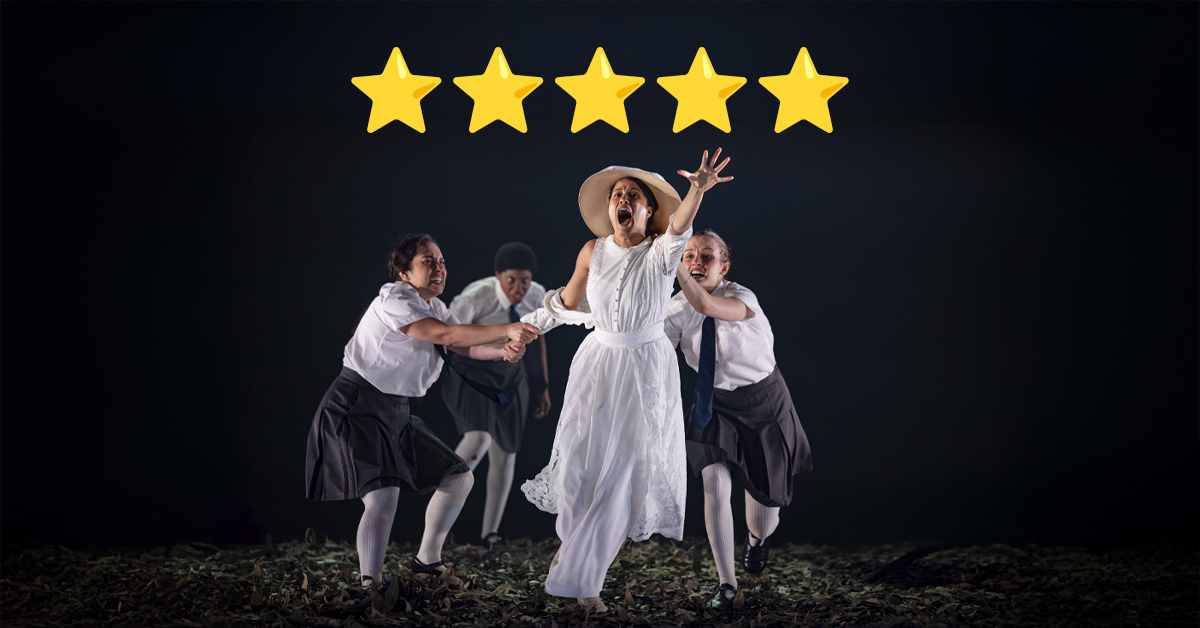
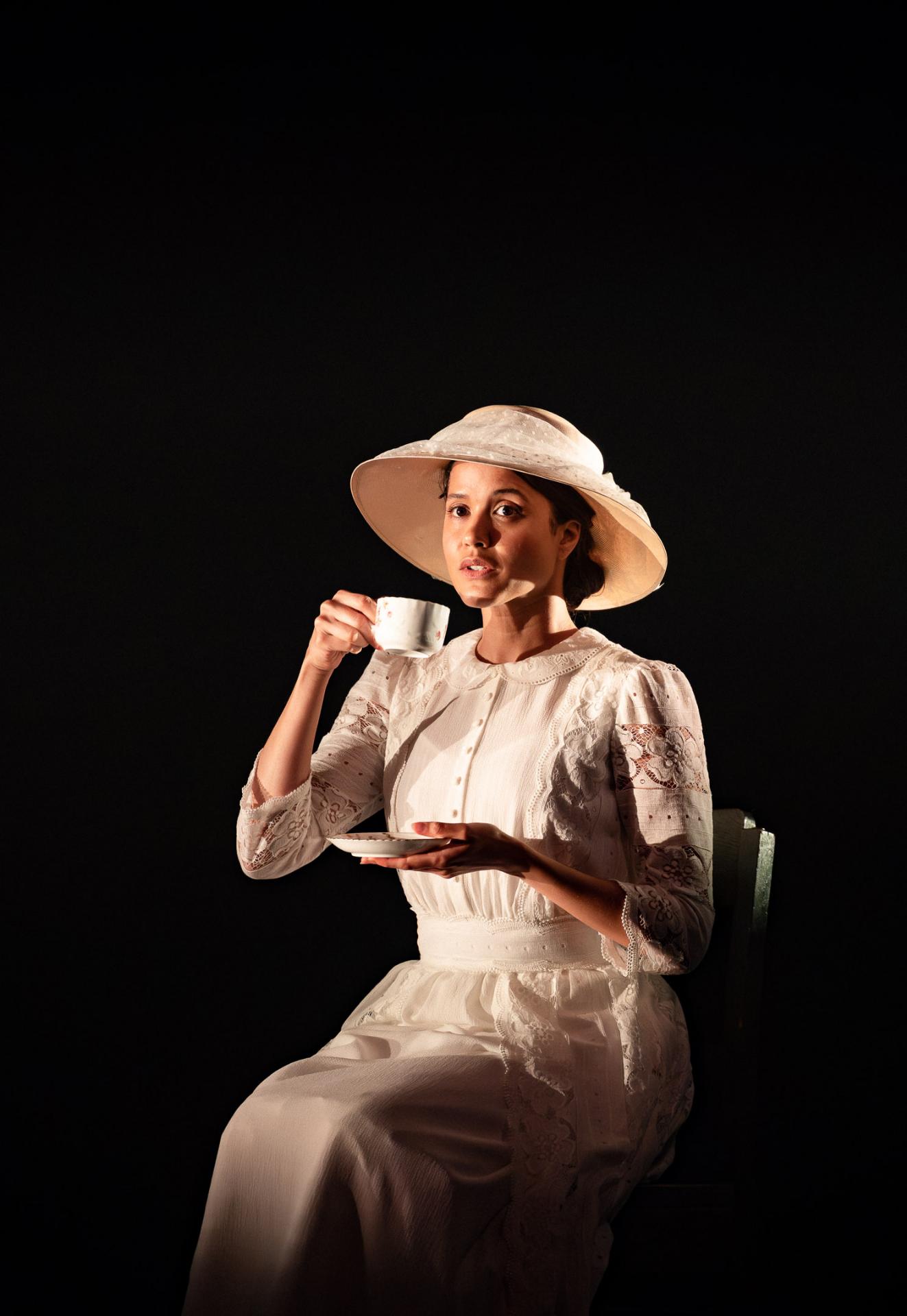
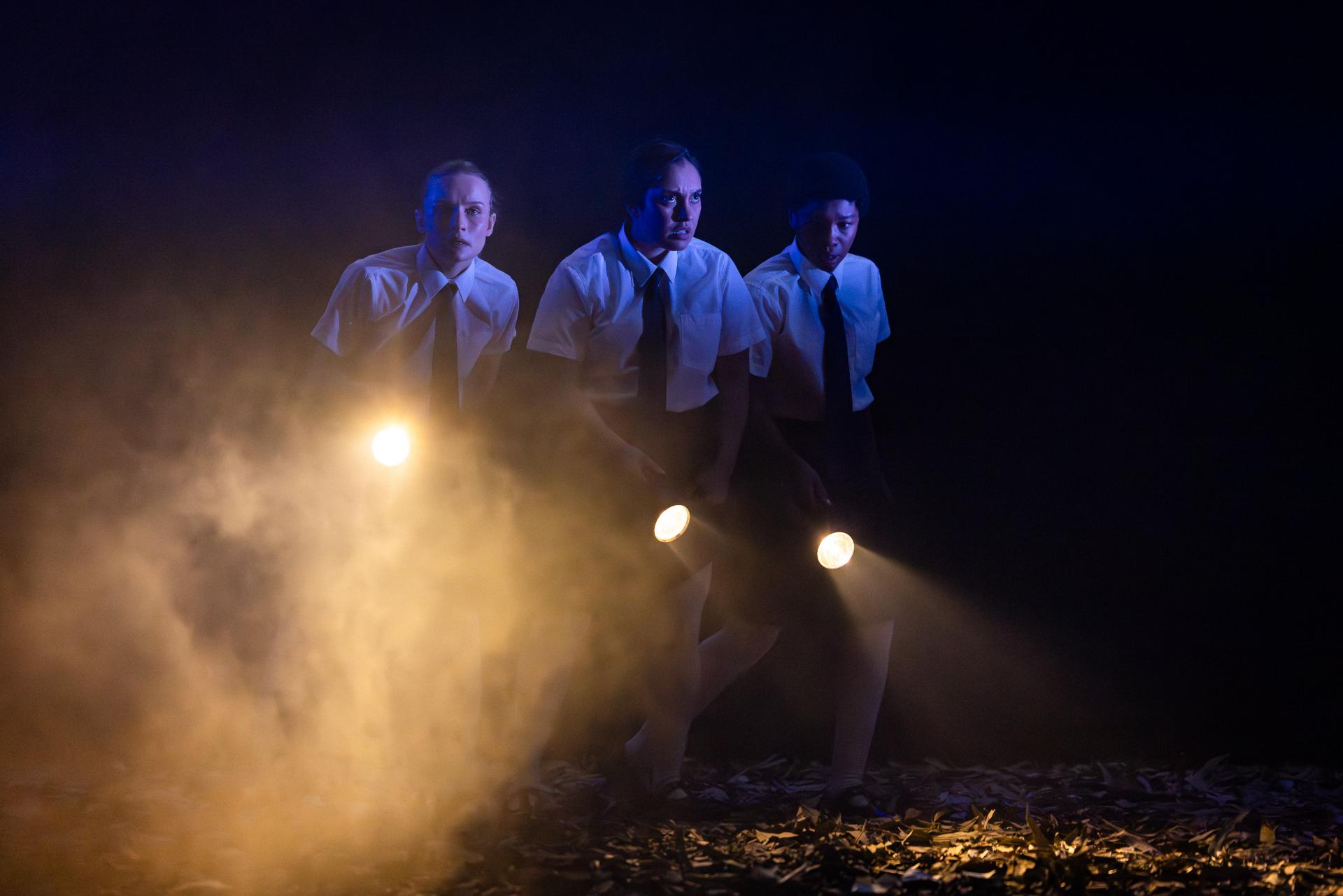
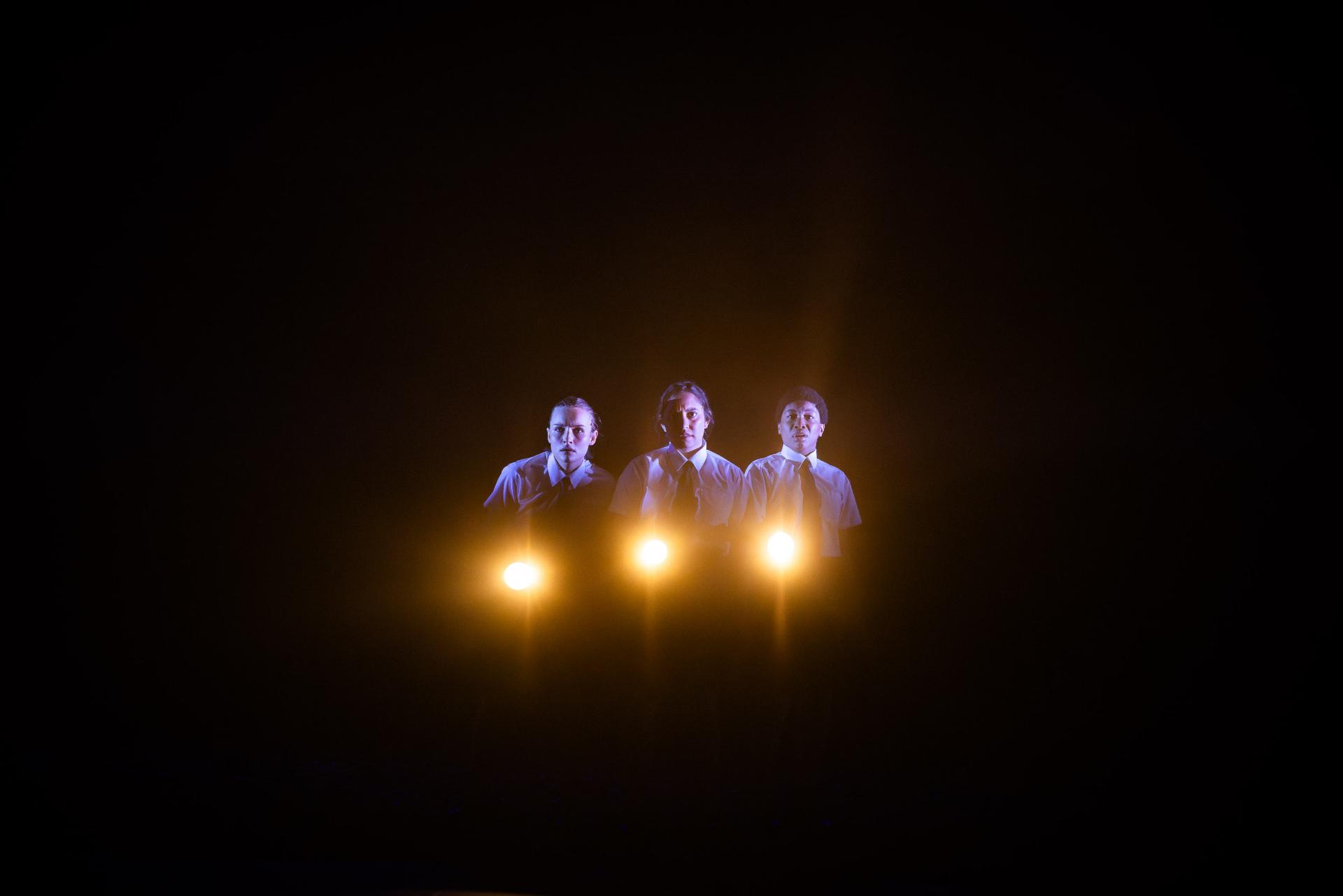
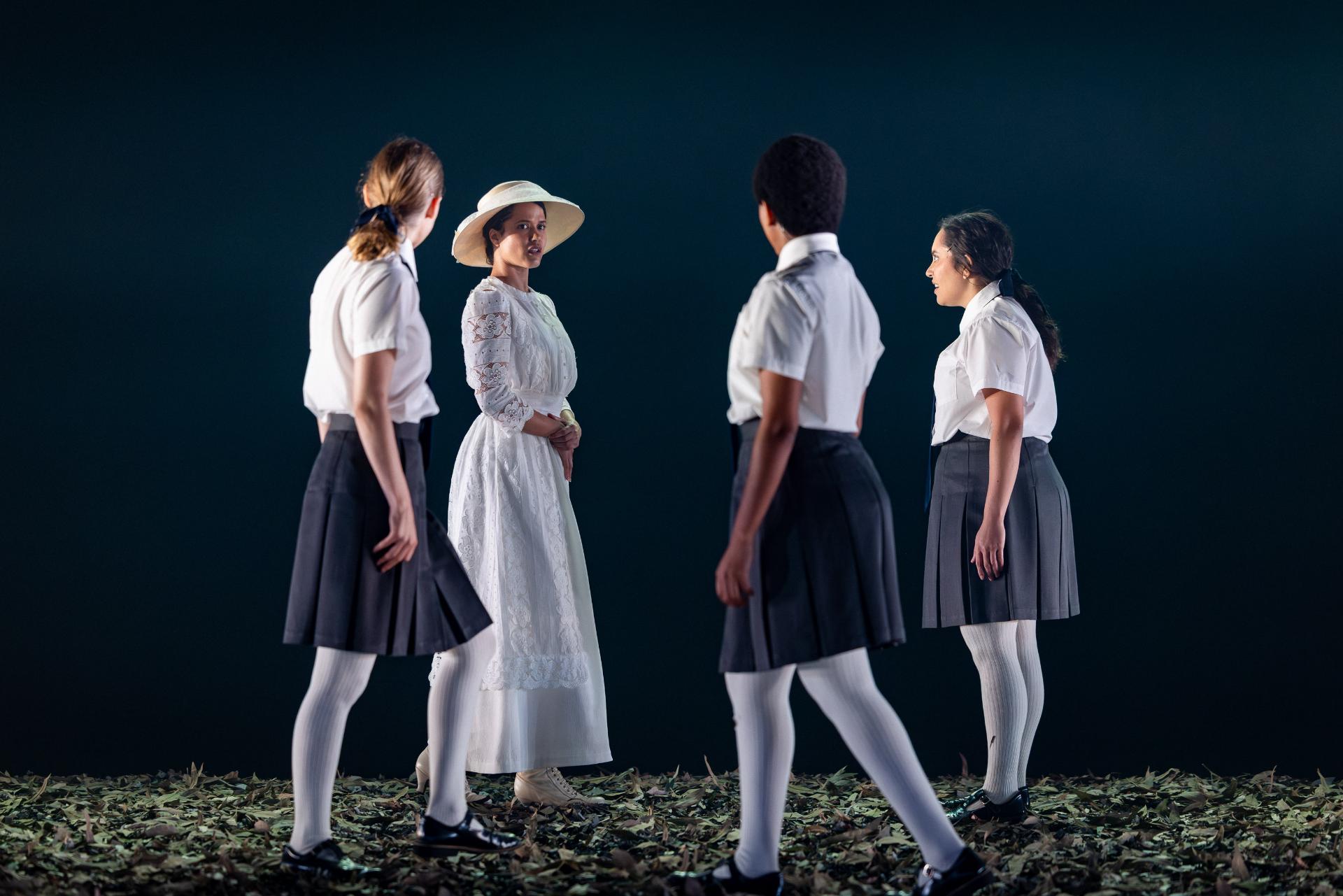
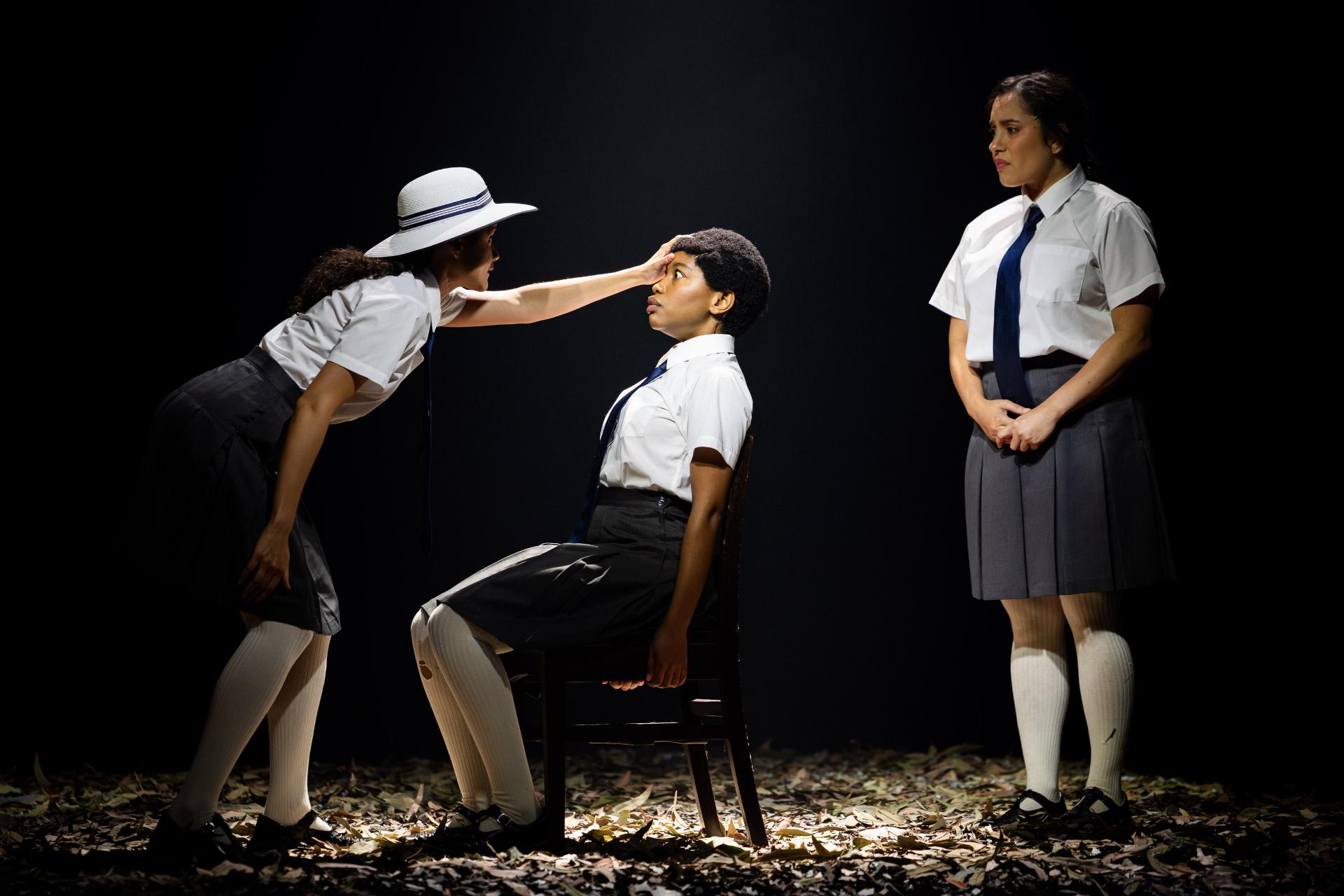
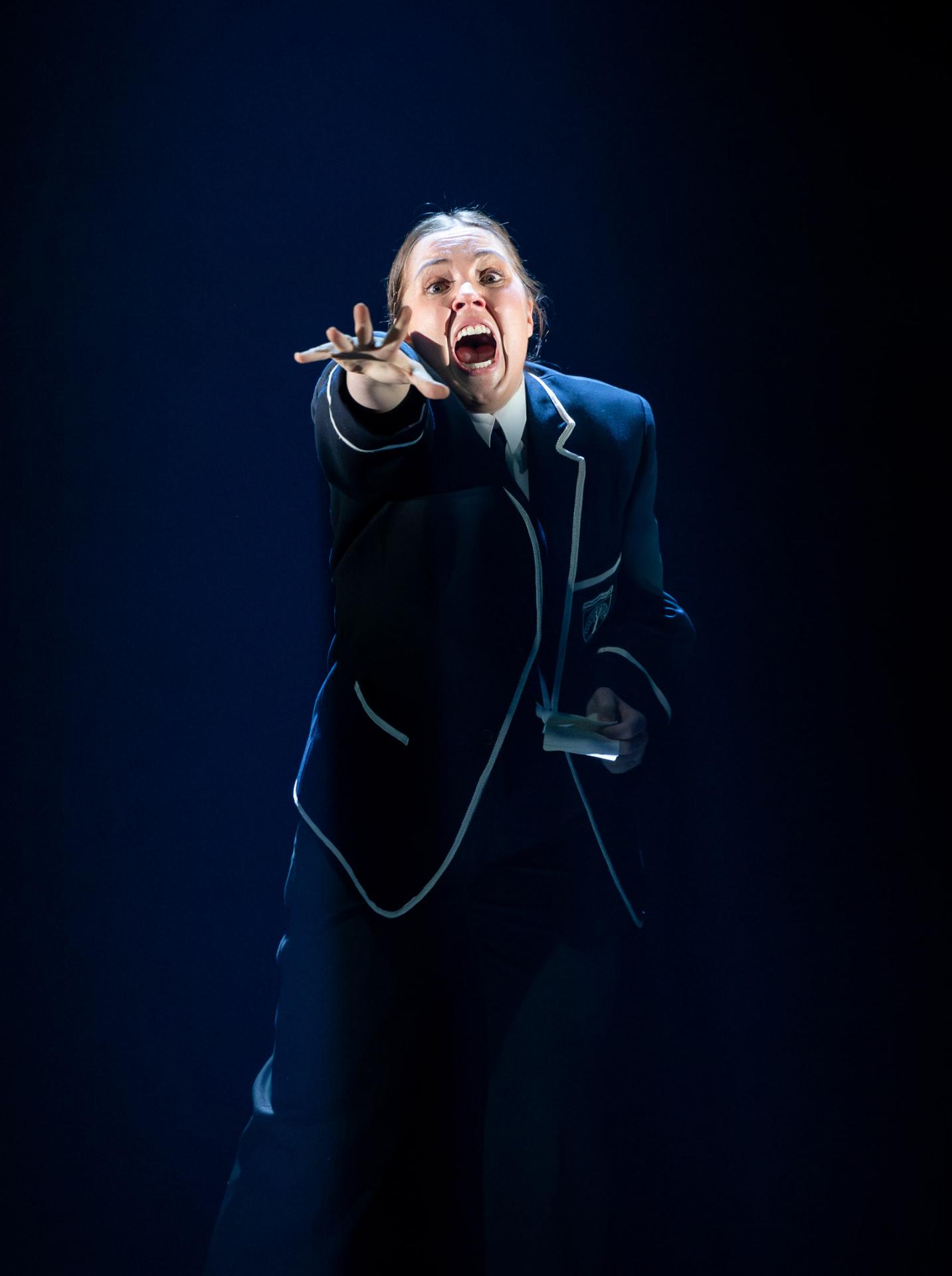
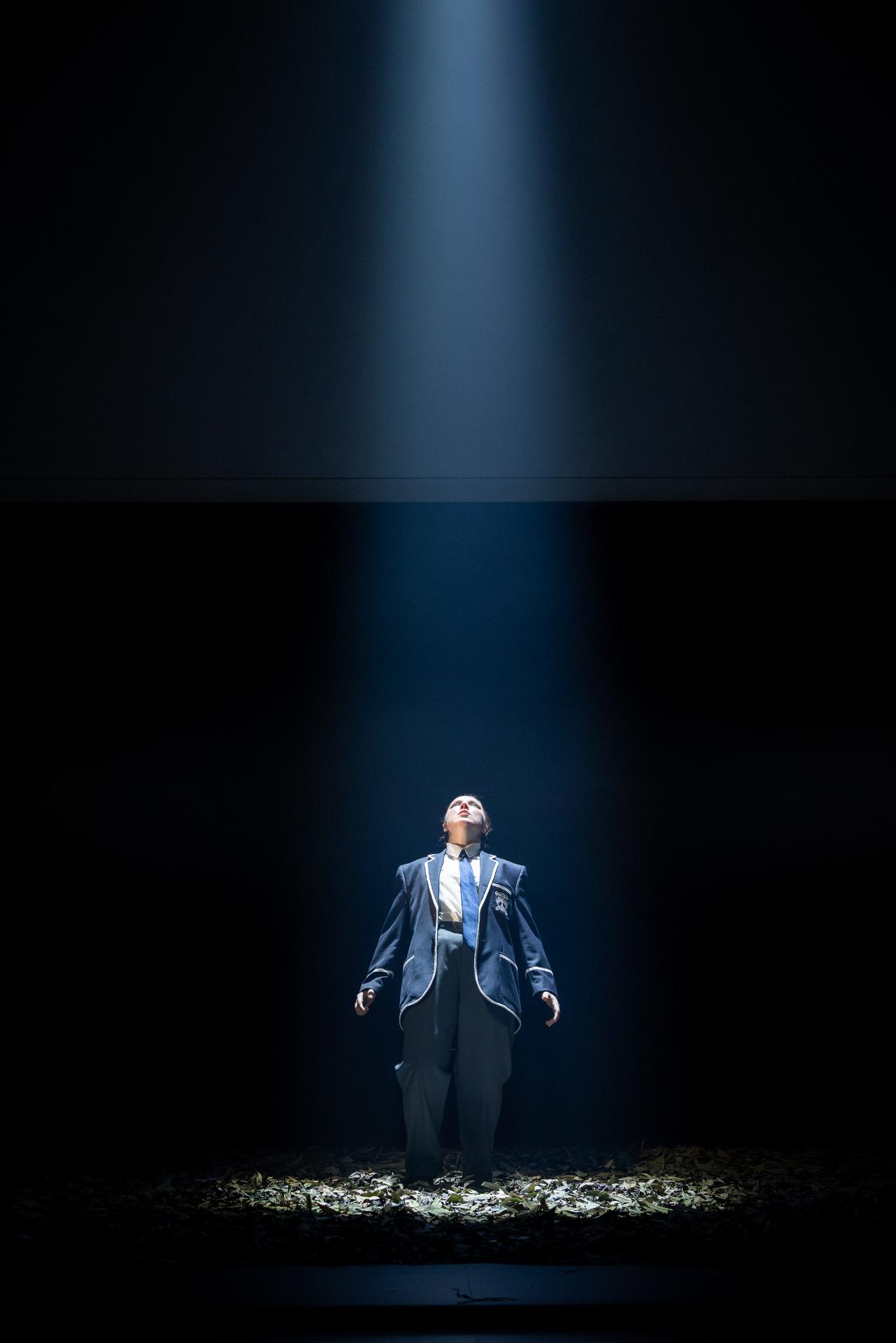
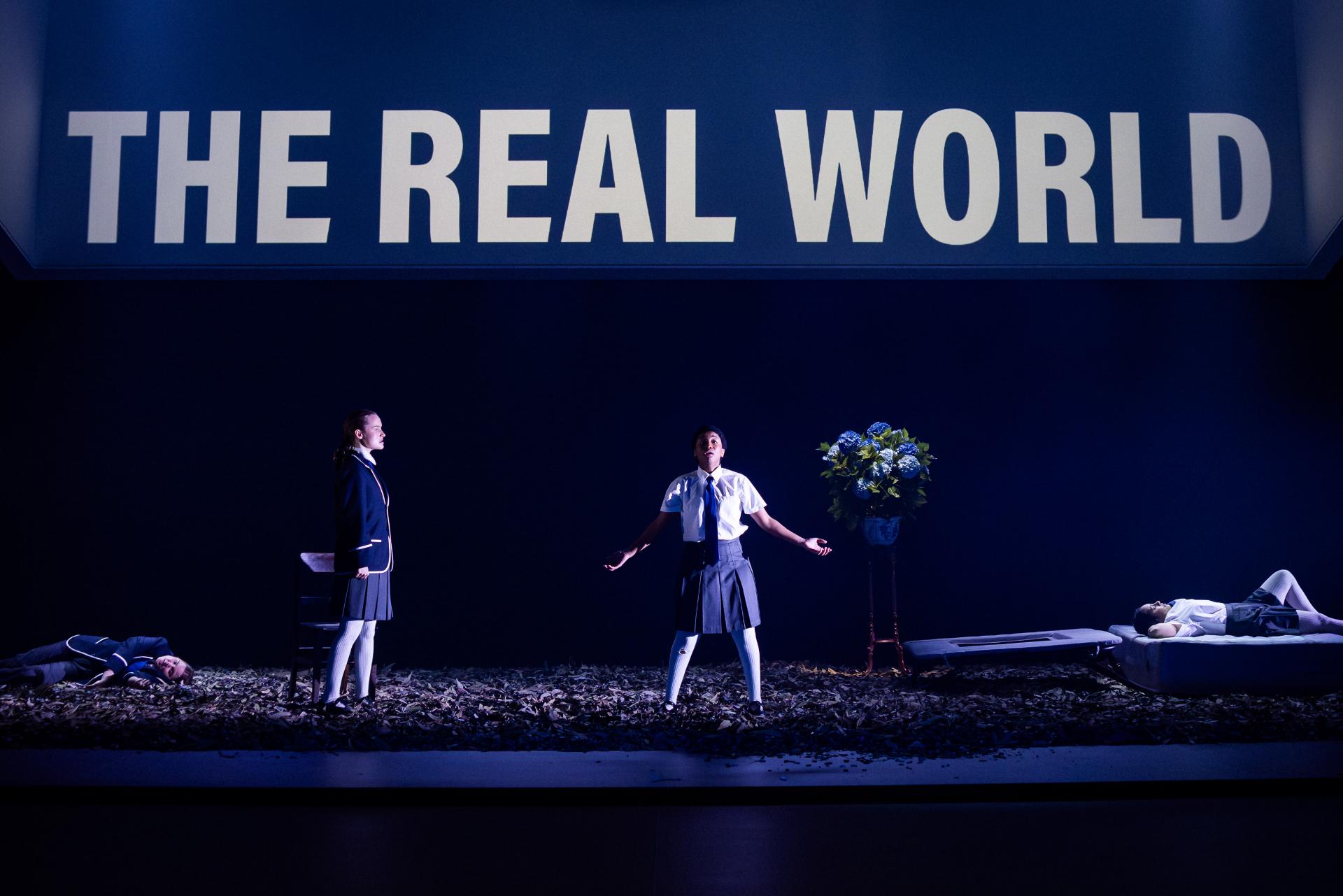
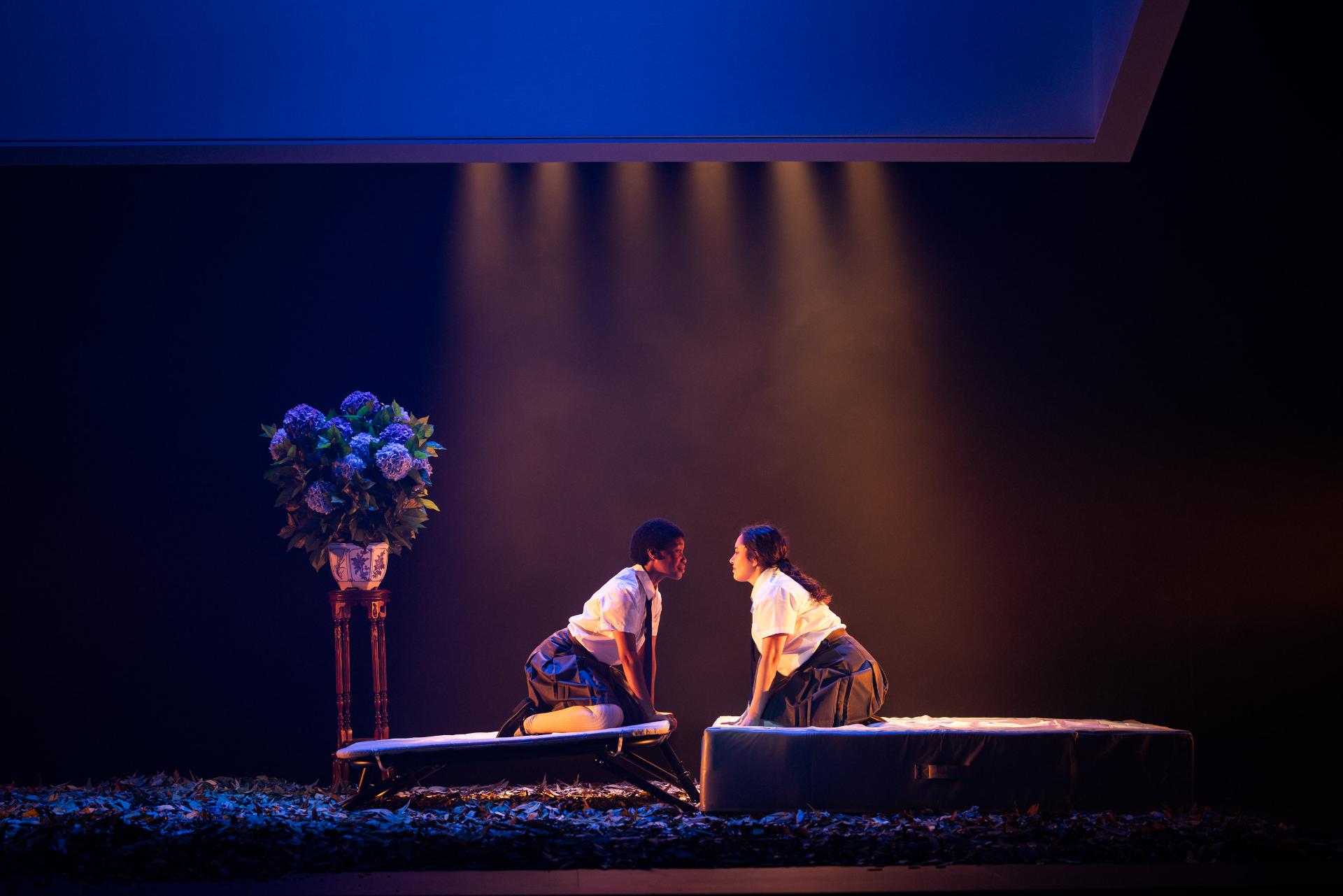
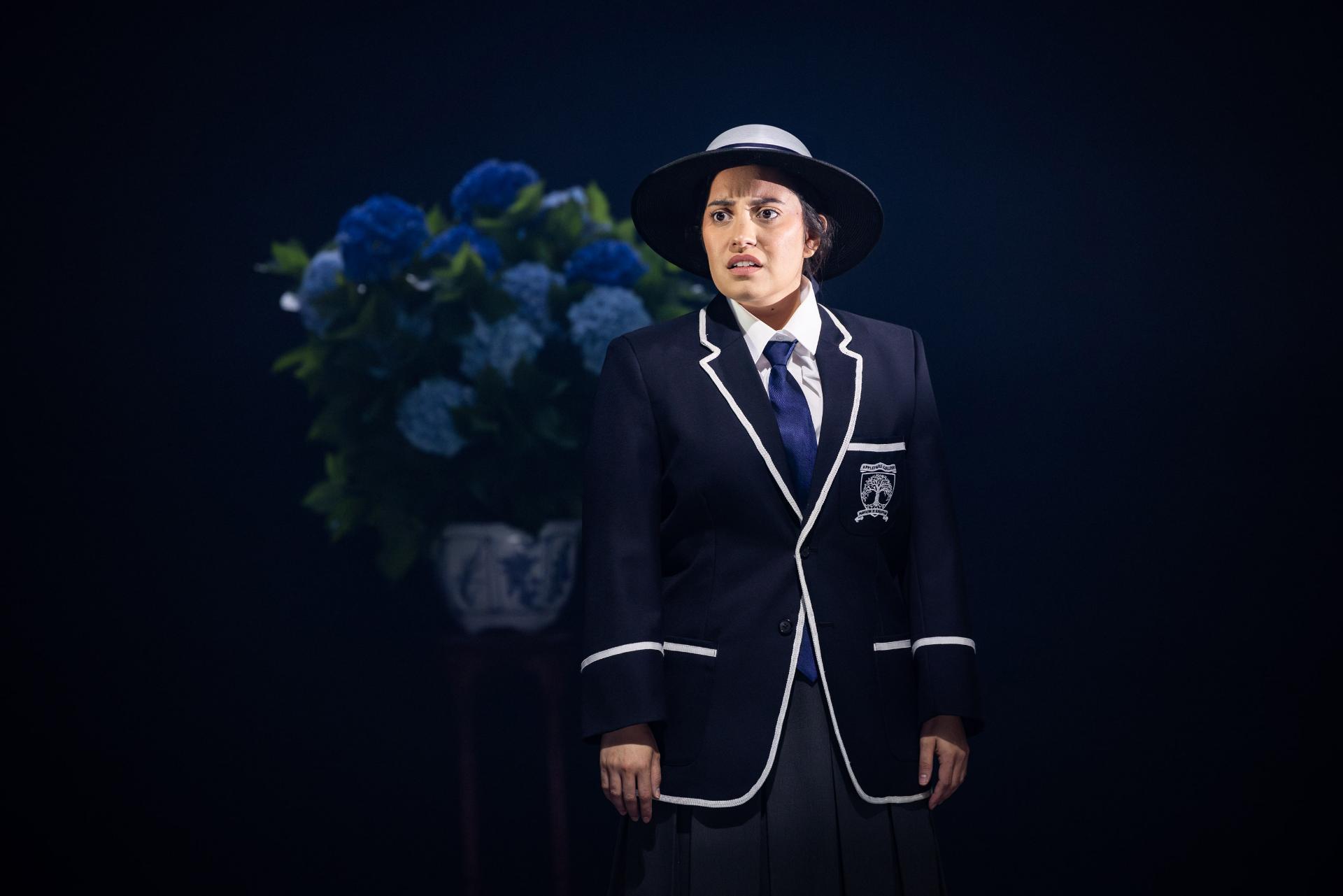
Joan Lindsay’s Picnic at Hanging Rock, is likely the most famous story ever told about this land exacting revenge on its inhabitants. Since the time colonisers deemed it fit to declare terra nullius and named her Australia, European settlers and their descendants, have always borne a pang of guilt in their conscience. They know something is not quite right about the ways they have claimed this their own, and much as they often try to deny the unjust displacement of Indigenous peoples, the truth always finds a way to strike back.

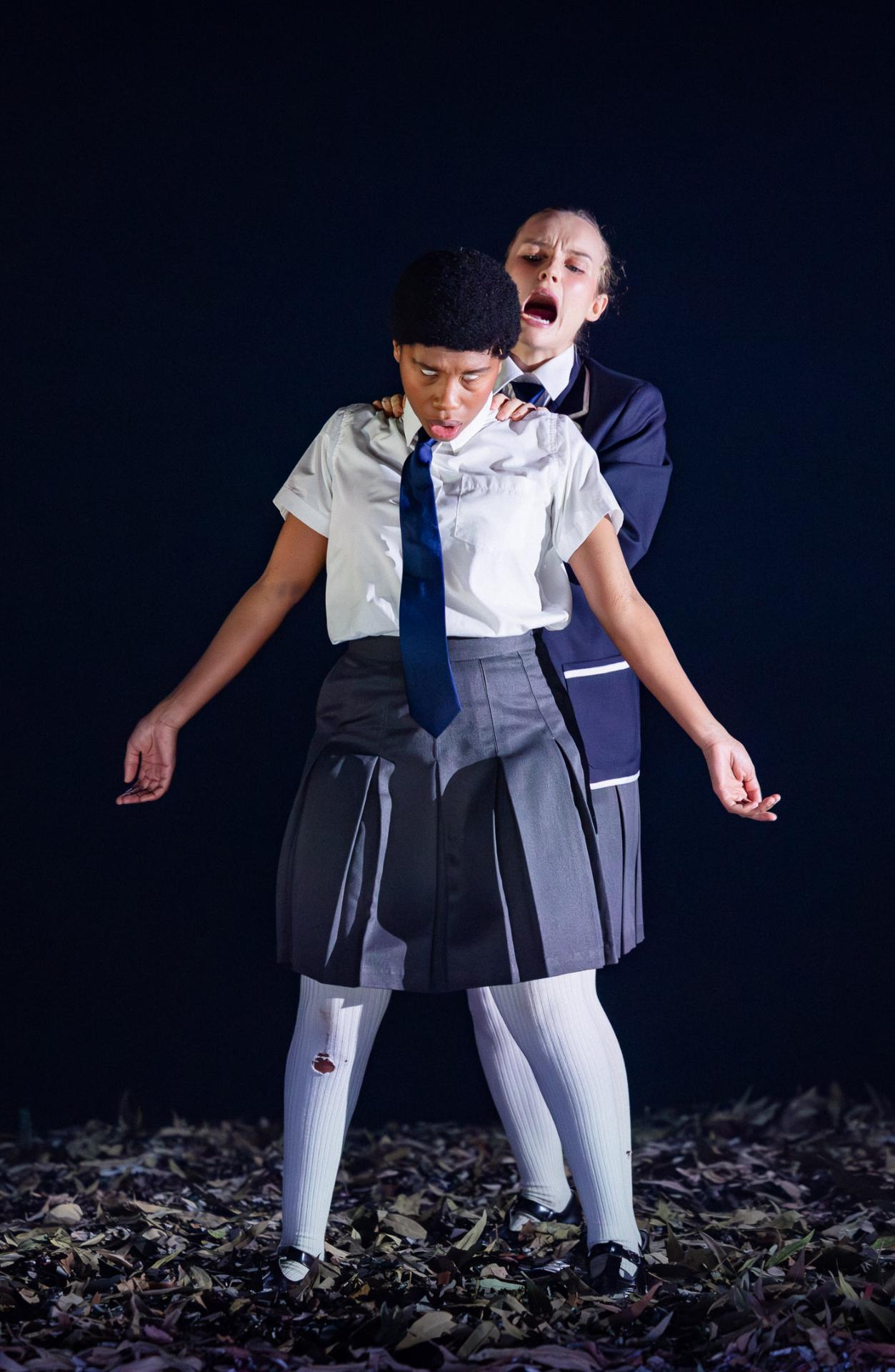
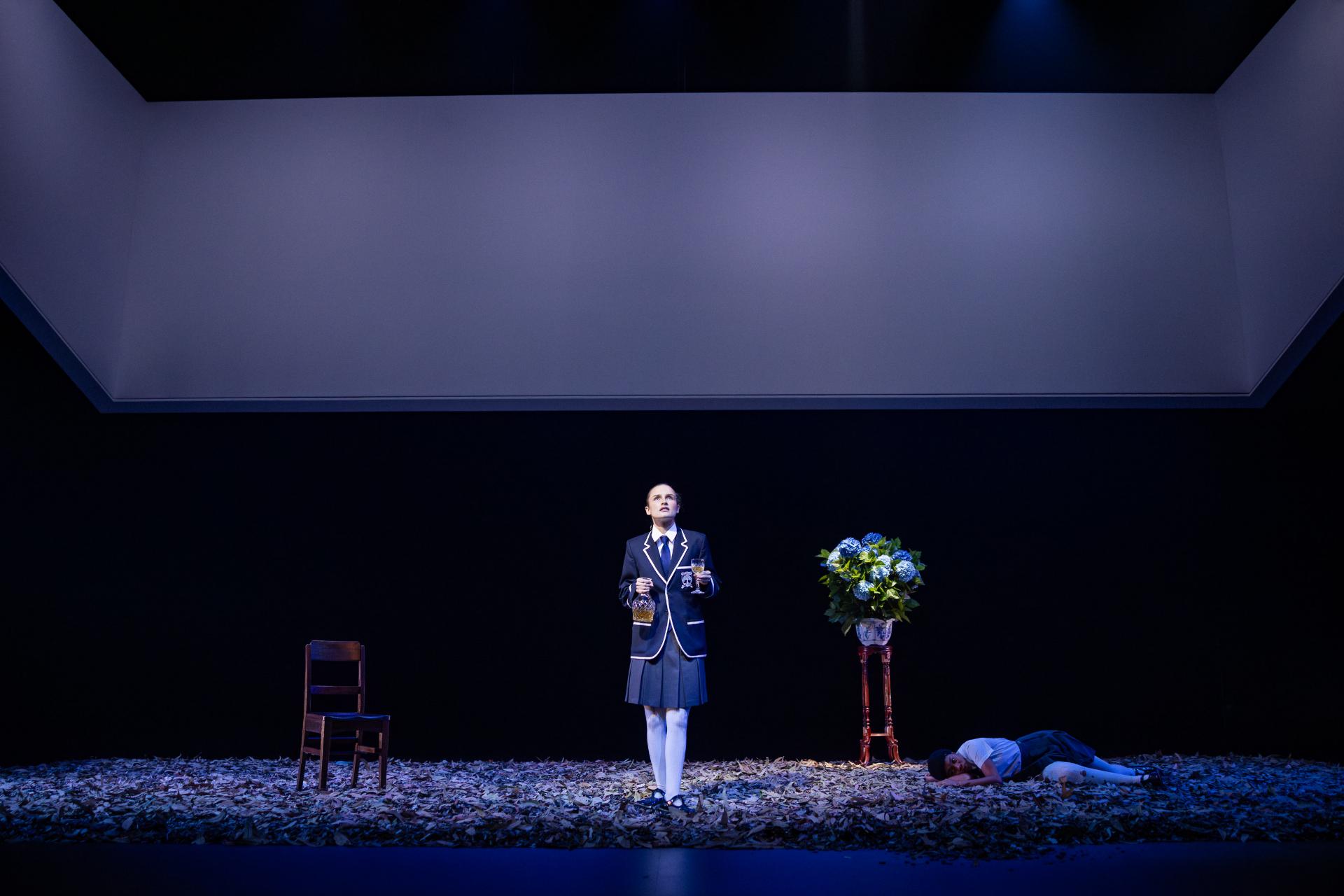
In Tom Wright’s magnificently theatrical stage adaptation of Lindsay’s novel, we are able to observe tangibly, the concurrent effects of both metaphysical and psychological consequences, of land being stolen. The monolith at the centre of Picnic at Hanging Rock serves as symbolic projection, for those unable to acknowledge the actual dilemma, and therefore enact a series of horrors onto their own bodies, as though emanating from that geological feature. Also valid however, is the interpretation that the monolith is in fact sentient, and is executing tactics of protection, in attempts to right those historical wrongs.

Ian Michael’s direction offers all the possibilities, enabling viewers to draw personalised conclusions that would resonate most intimately. Built into the production are a great variety of sensorial textures and psychic dimensions, resulting in a work ambitiously vast, not just in its sheer experiential capacity to leave us breathless and overwhelmed, but also in its scale of representations. Michael’s artistry ensures that everything is laid out to be seen, yet nothing is ever forced; we are presented all the details, and left to consume what we can. Picnic at Hanging Rock is as horrifying as you would allow, as funny as you want, and as political as you are ready to accept.
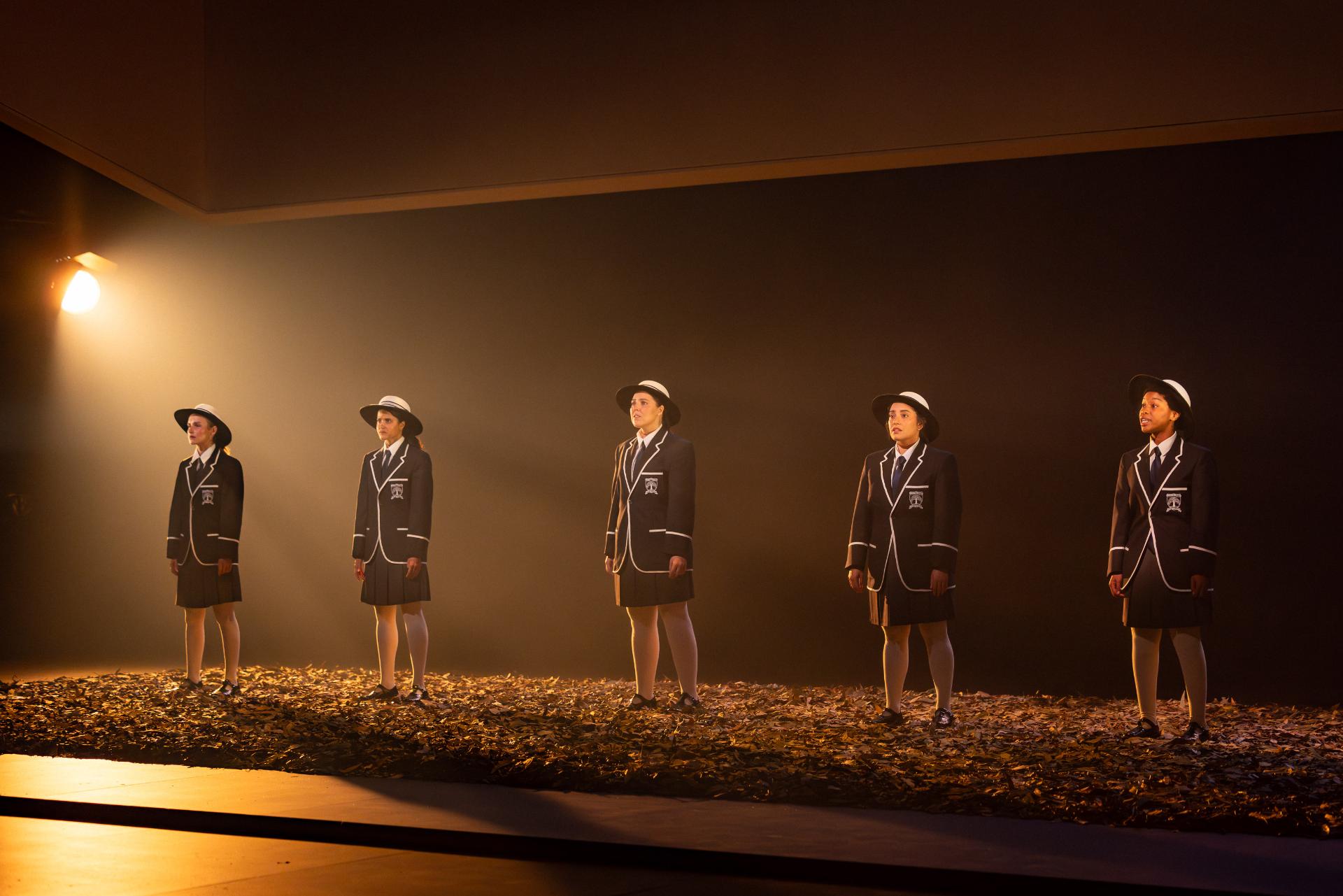
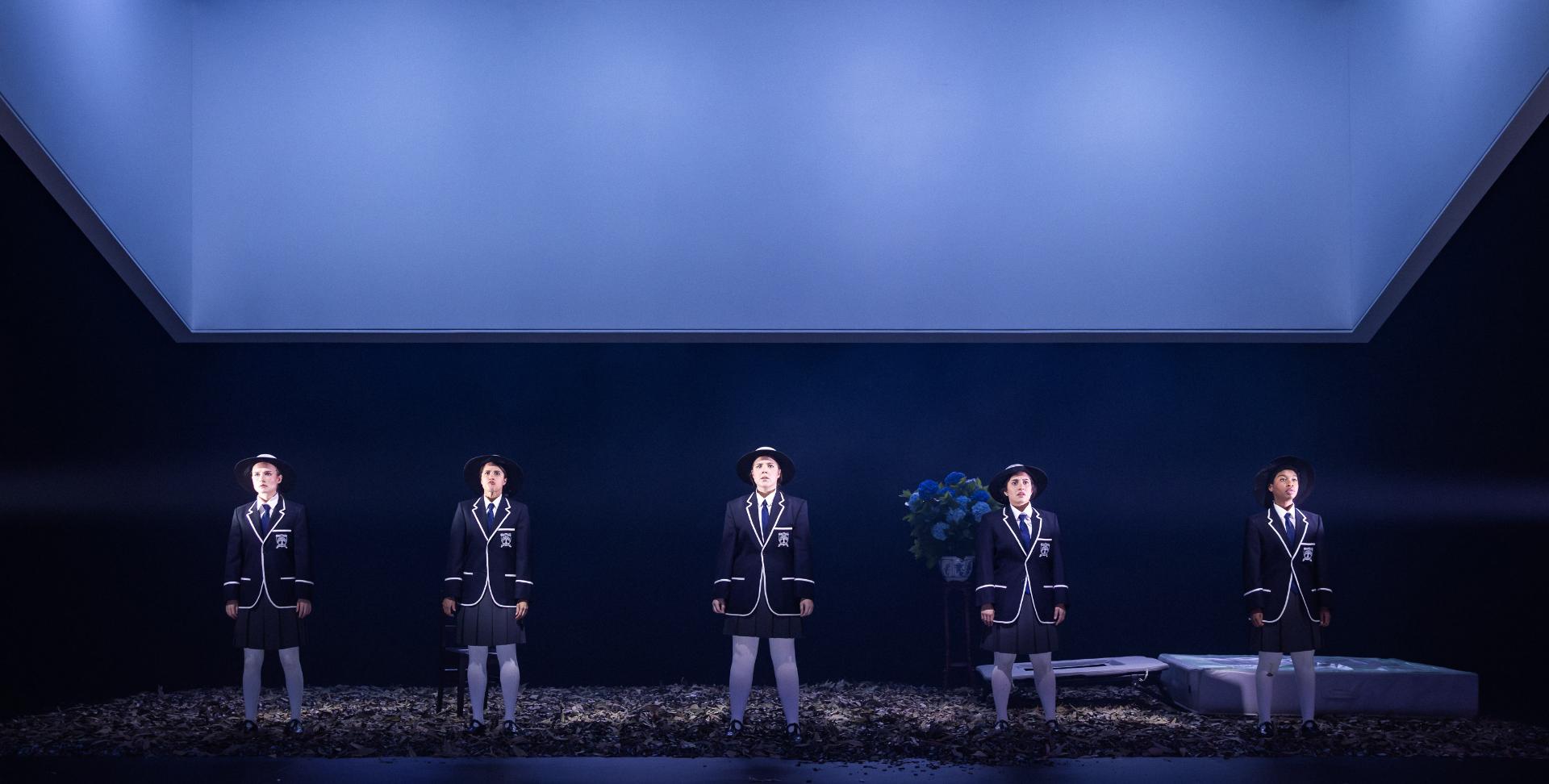
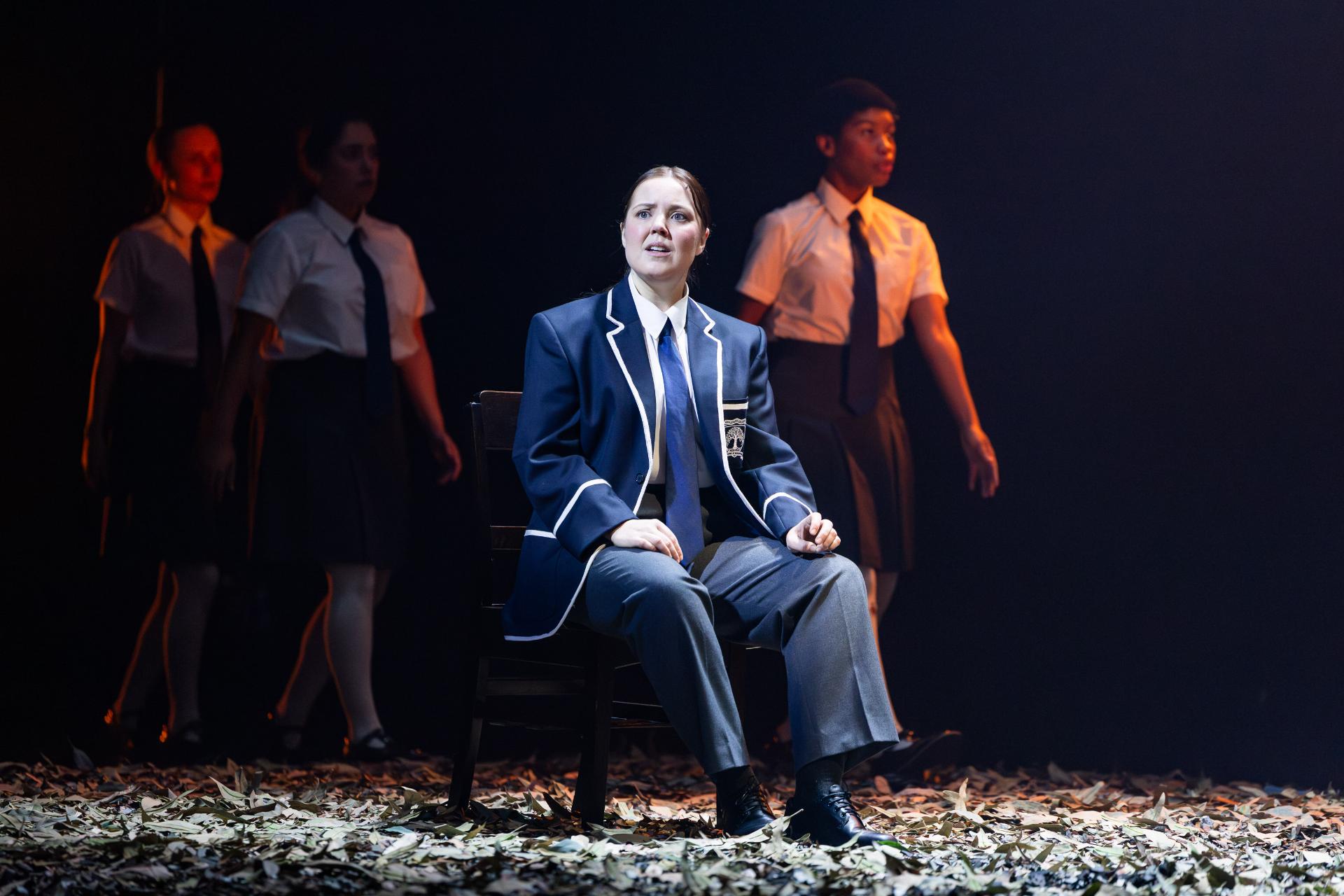
Dominant in the set design by Elizabeth Gadsby is a raised and tilted structure, that looks as though a proscenium arch has eerily shifted upward, subsequently pouring its contents onto the earth. Imposing like the rocks of Dja Dja Wurrung country, whilst demonstrating the vexing presence of Western structures that cannot hold. Lighting by Trent Suidgeest is an exciting element, extravagant in sensibility but consistently tasteful in execution, and memorable for being absolutely electrifying at the most dramatic instances. Exquisite sounds by James Brown are flawlessly orchestrated to usher us not only to the year 1900, but also through various membranes of reality, so that we encounter realms beyond the mundane, that seem to have always existed, but are rarely accorded due attention. Picnic at Hanging Rock is greatly concerned with what we cannot see, all of which is translated on this occasion, into everything that we can hear.

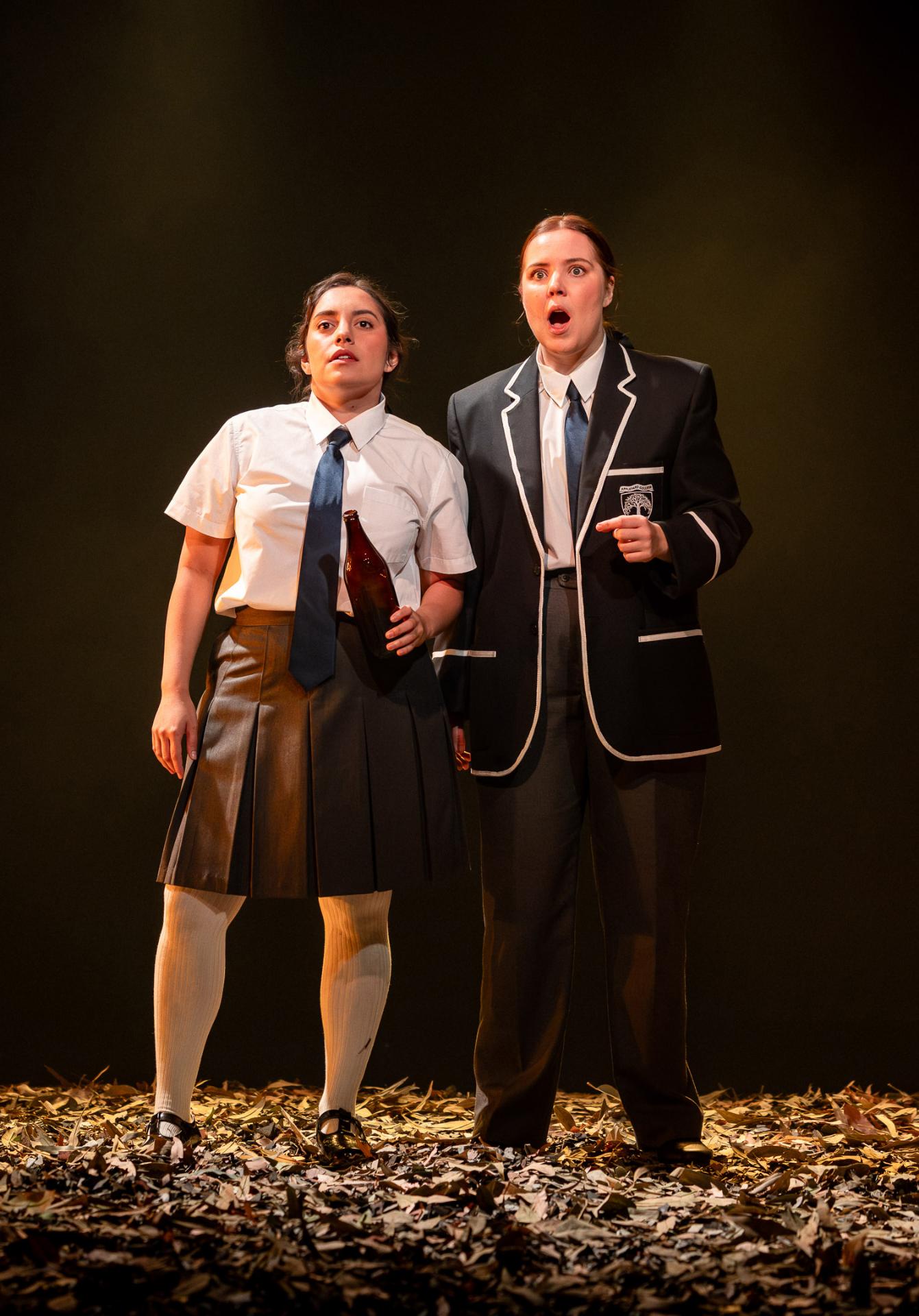
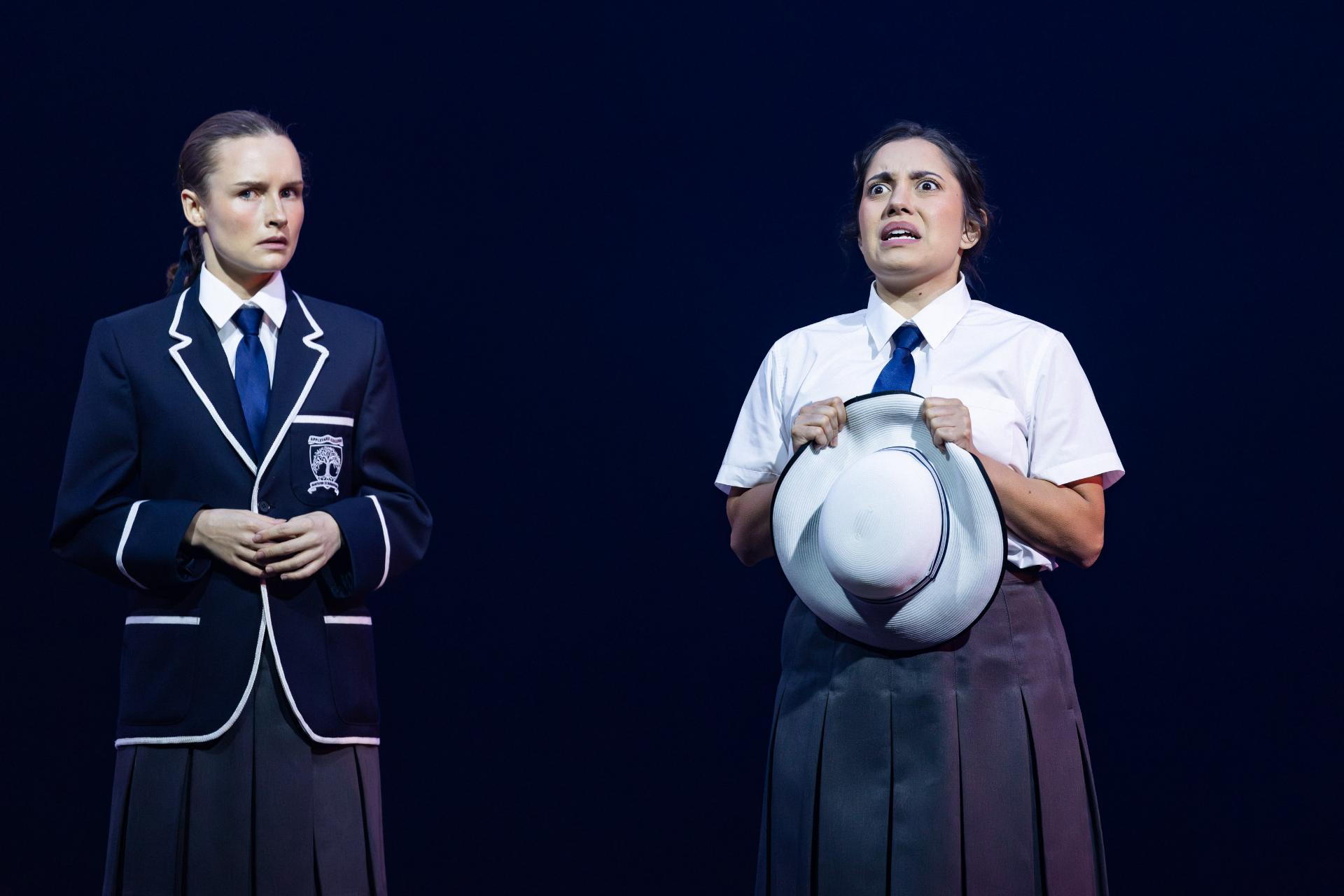
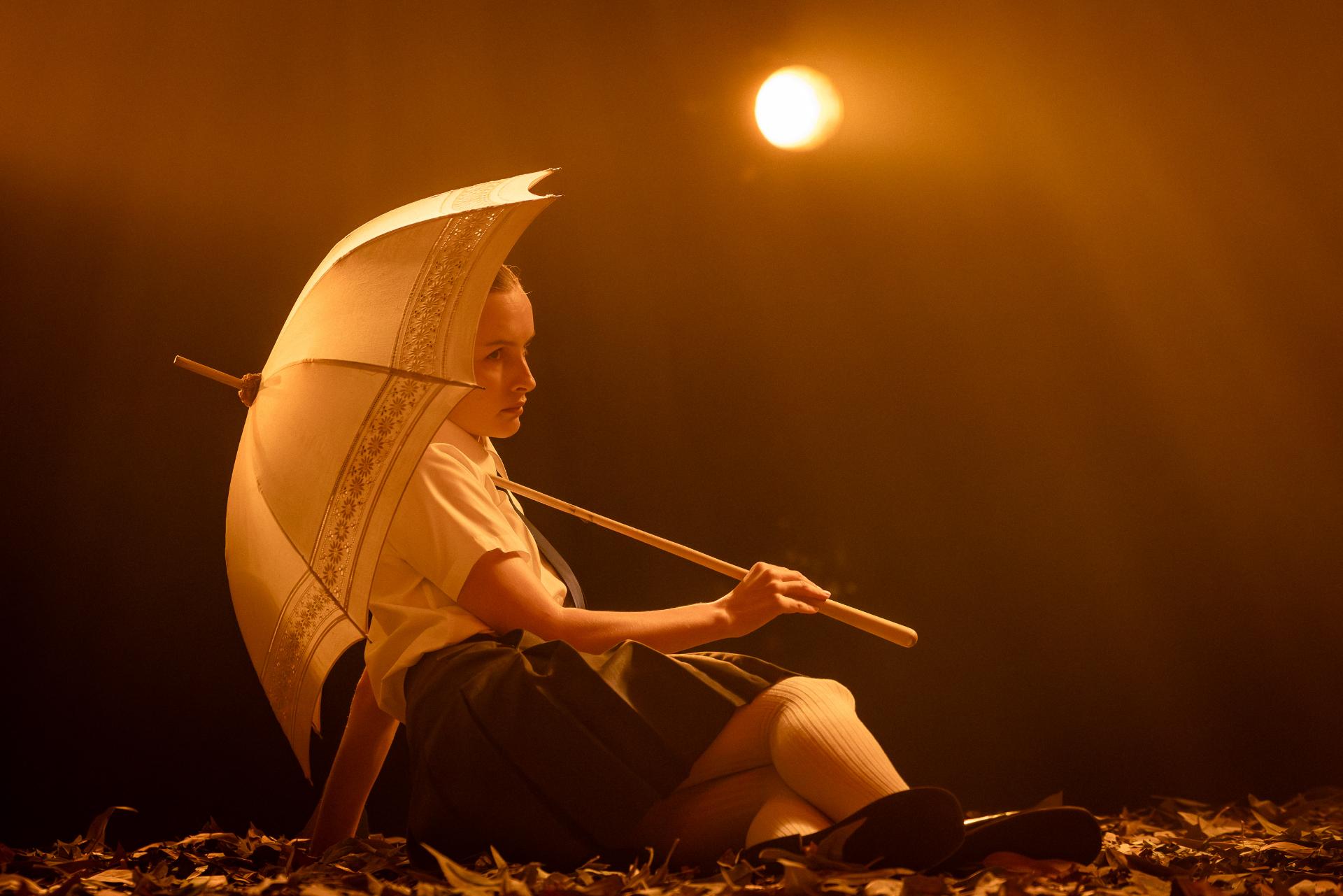
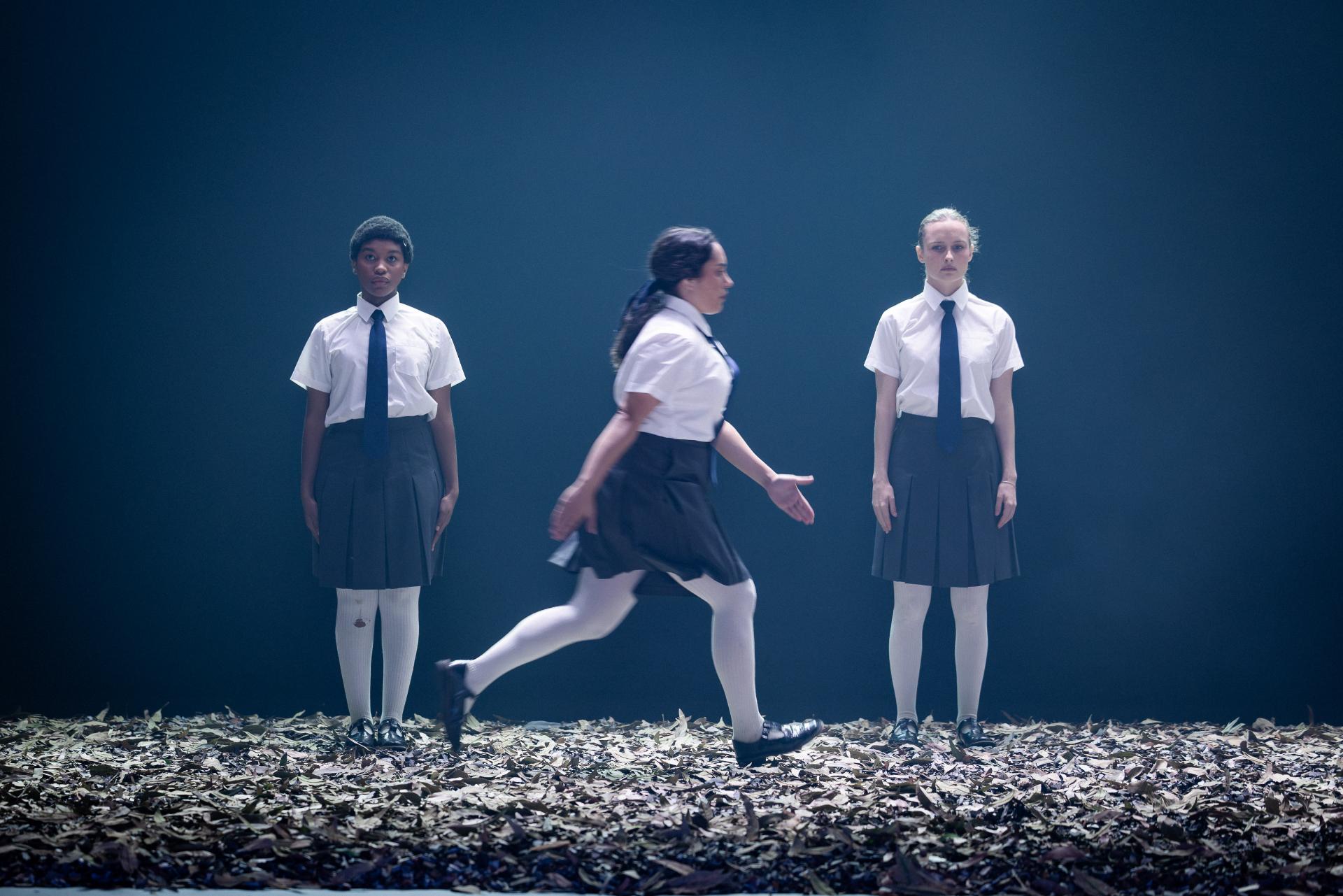
An astonishing ensemble of five extraordinary performers, namely Olivia De Jonge, Kirsty Marillier, Lorinda May Merrypor, Masego Pitso and Contessa Treffone, deliver a 90-minute show that is always urgent, and never predictable. They play naturalism one moment, then seamlessly transition to the most heightened of expressions the next, fully embodying both the sociological and the macabre aspects of their narrative. The women’s thrilling inventiveness is awe-inspiring, and the depth and gravity they reveal for this important instalment of our modern literary canon, is likely paradigmatic.

Something magical occurs when art precipitates transcendence. Call it healing, catharsis, or even exorcism, art can offer enlightenment in ways beyond the capacities of conventional language. This staging of Picnic at Hanging Rock leaves one feeling like they had been grabbed tight and shaken vigorously. An intense sensation is instilled, but what it communicates may not be immediately clear or explicitly understandable. Art will change people, and when it stokes the fire of human conscience, is when it serves its most noble purpose.
www.sydneytheatre.com.au

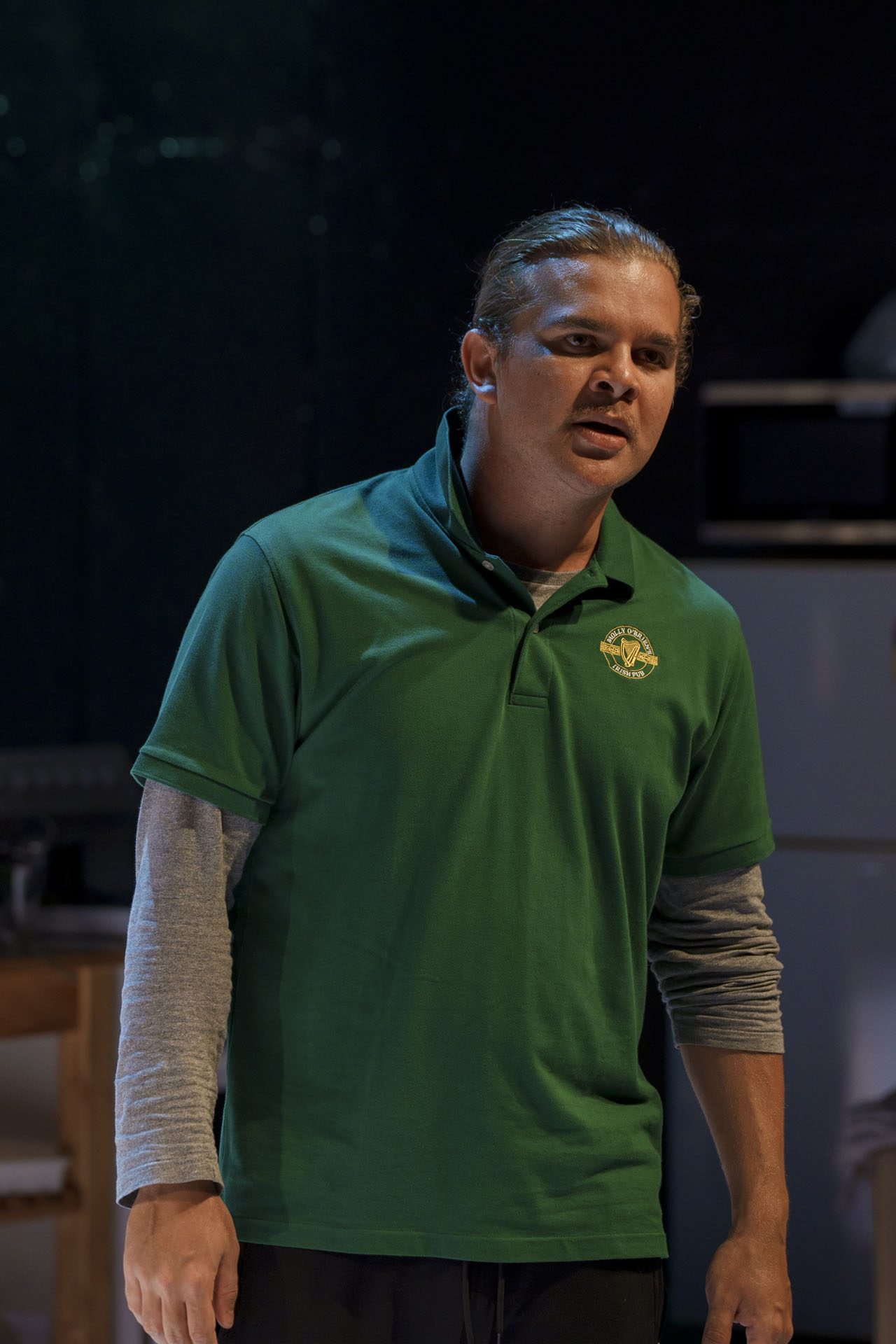
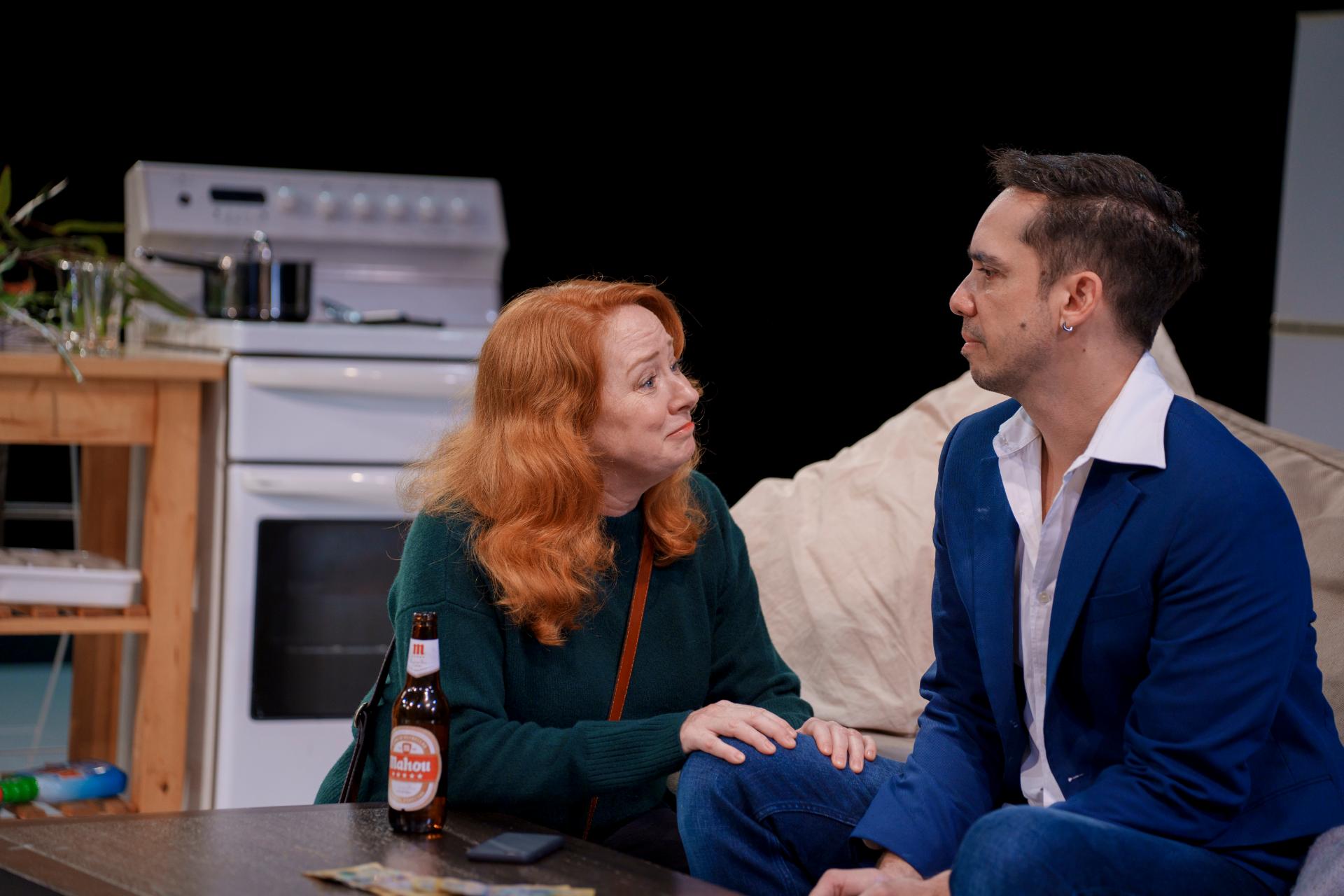
Review: Jacky (Belvoir St Theatre)

Venue: Belvoir St Theatre (Surry Hills NSW), Jan 16 – Feb 2, 2025
Playwright: Declan Furber Gillick
Director: Mark Wilson
Cast: Danny Howard, Mandy McElhinney, Guy Simon, Greg Stone
Images by Stephen Wilson Barker

Theatre review
Having moved to the city, and now starting to put down roots, Jacky is hoping to finally be able to buy his home. Even though he is of Indigenous background living on unceded lands, he accepts that the prevailing system requires a lot of jumping through hoops, before he can be granted approval for a loan. In Declan Furber Gillick’s marvellous play Jacky, we watch as the titular character twists and contorts himself into all manner of awkward and humiliating states, in order that he may feel like he is getting ahead in life.

Jacky strives for success and is willing to compromise endlessly his own integrity to attain his dreams. However, the realities of a colonized existence gradually reveal demands that extend beyond his personal sacrifices. Furber Gillick’s writing makes an exceptionally powerful statement about injustice, through a narrative of normative modernity, contextualising contemporary politics in a way that resonates with all. His work is blisteringly spirited, whilst being consistently witty and entertaining, effortlessly holding our attention as it drives home some of the hardest truths about the foundations of our communal life.

Direction by Mark Wilson is commensurately daring, memorable for pushing the delicious but agonising drama to the edge of our nervous limits. Difficult discussions are presented unvarnished, allowing us to consider these matters of national importance with absolute candour. Although unyieldingly serious, the show is often very funny, filled with ironic humour for an experience nothing less than scintillating.

Design elements of the production are all rendered with efficacious simplicity. The set by Christina Smith delivers logical demarcations of performance space. Emily Barrie’s costumes help create believable personalities from everyday life. Lights by Matt Scott, along with sounds by James Henry, offer uncomplicated solutions that signal movements in time and space.

Leading man Guy Simon sets the tone with restraint and charisma. His minimalist style of presentation is thoroughly mesmerizing, perhaps due to the contrast with the many provocative situations Jacky finds himself in. Simon articulates perfectly the immense complexities involved, when Indigeneity has to navigate structures that are fundamentally about the entrenchment of white supremacy. 

Danny Howard plays Jacky’s brother Keith, with wonderful effervescence and disarming depth. An admirably nuanced Mandy McElhinney in the role of Linda confronts the values of our white middle class, asking troubling questions about whether a person can survive the economy, without furthering racist agendas. Greg Stone is fearless as Glen as he demonstrates most convincingly, the extent to which racism can appear so benign yet be so damaging.

Linda and Glen are entirely oblivious to the hurt and harm they cause, in fact they only ever think of themselves as being generous and helpful. We see in them, the familiar intention to do good, followed by a painful observation of devastating results. We are reminded of the famous words from American activist Audre Lorde, that “the master’s tools will never dismantle the master’s house”. In Jacky it can be seen so clearly, the very real problems that hold us back, and only if we really want to, we can detect the solutions that Jacky provides.

www.belvoir.com.au | www.mtc.com.au