Review: Collapsible (Old Fitz Theatre)

Venue: Old Fitzroy Theatre (Woolloomooloo NSW), Mar 9 – Apr 1, 2023
Writer: Margaret Perry
Directors: Zoë Hollyoak, Morgan Moroney
Cast: Janet Anderson
Images by Phil Erbacher

Theatre review
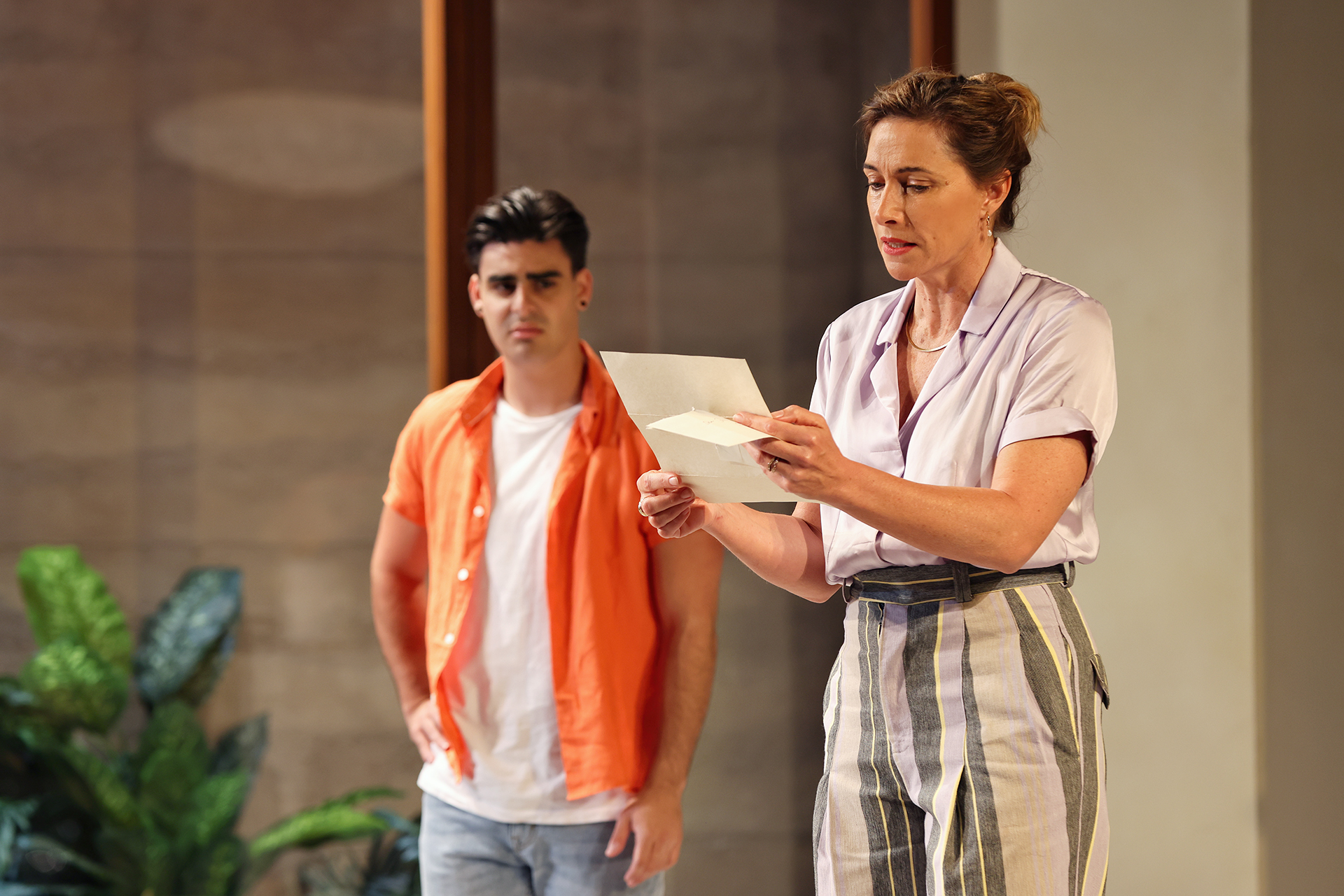
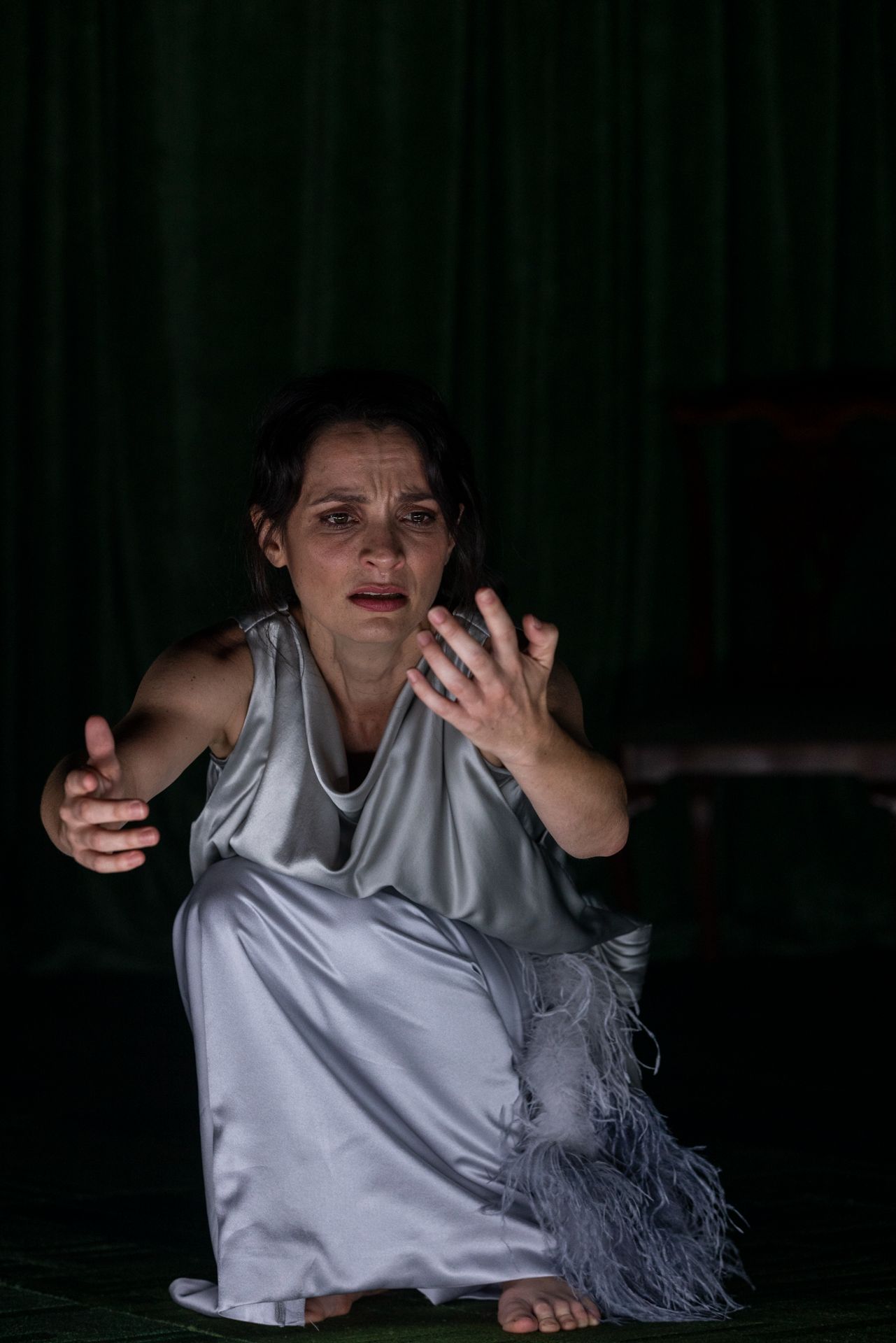
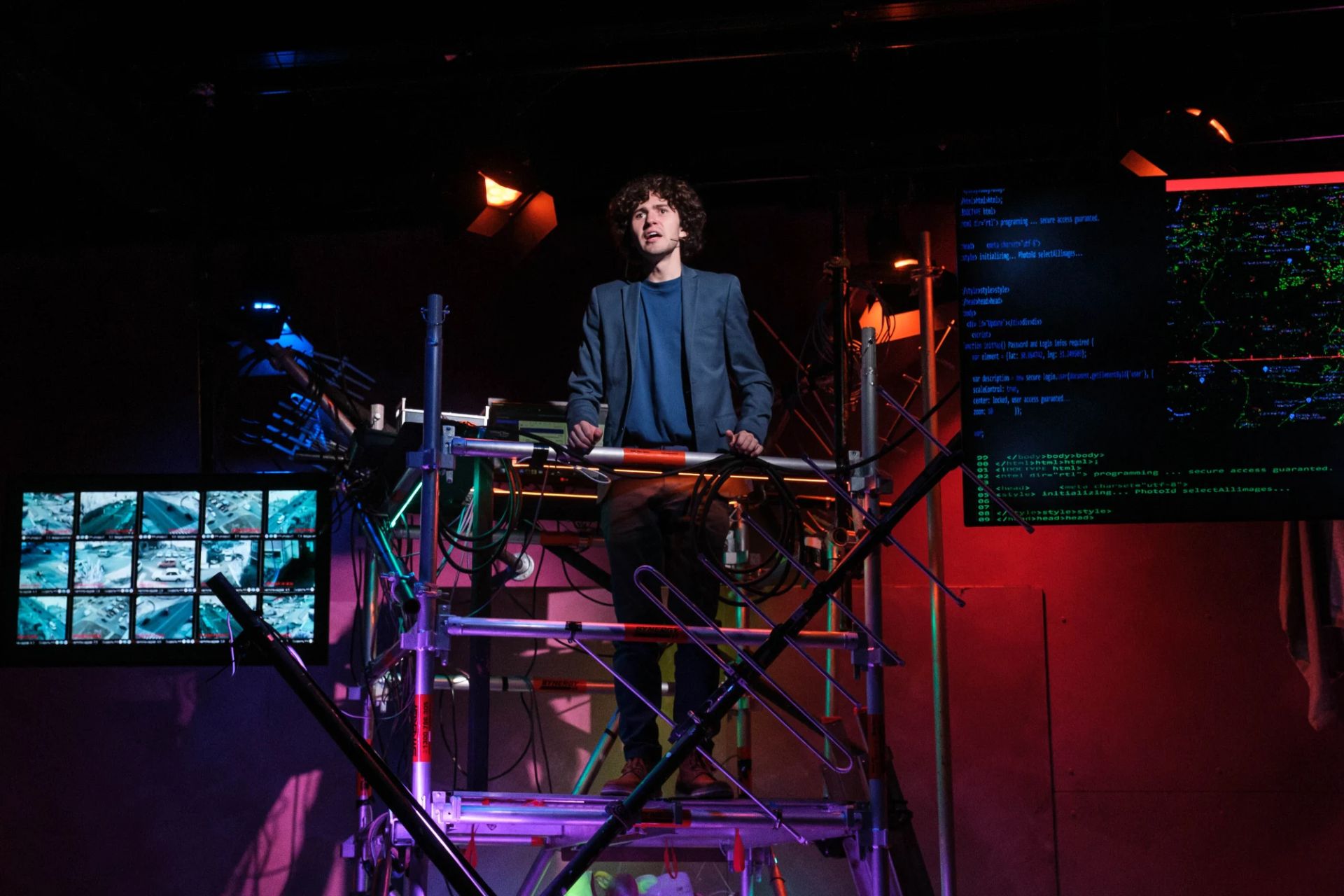
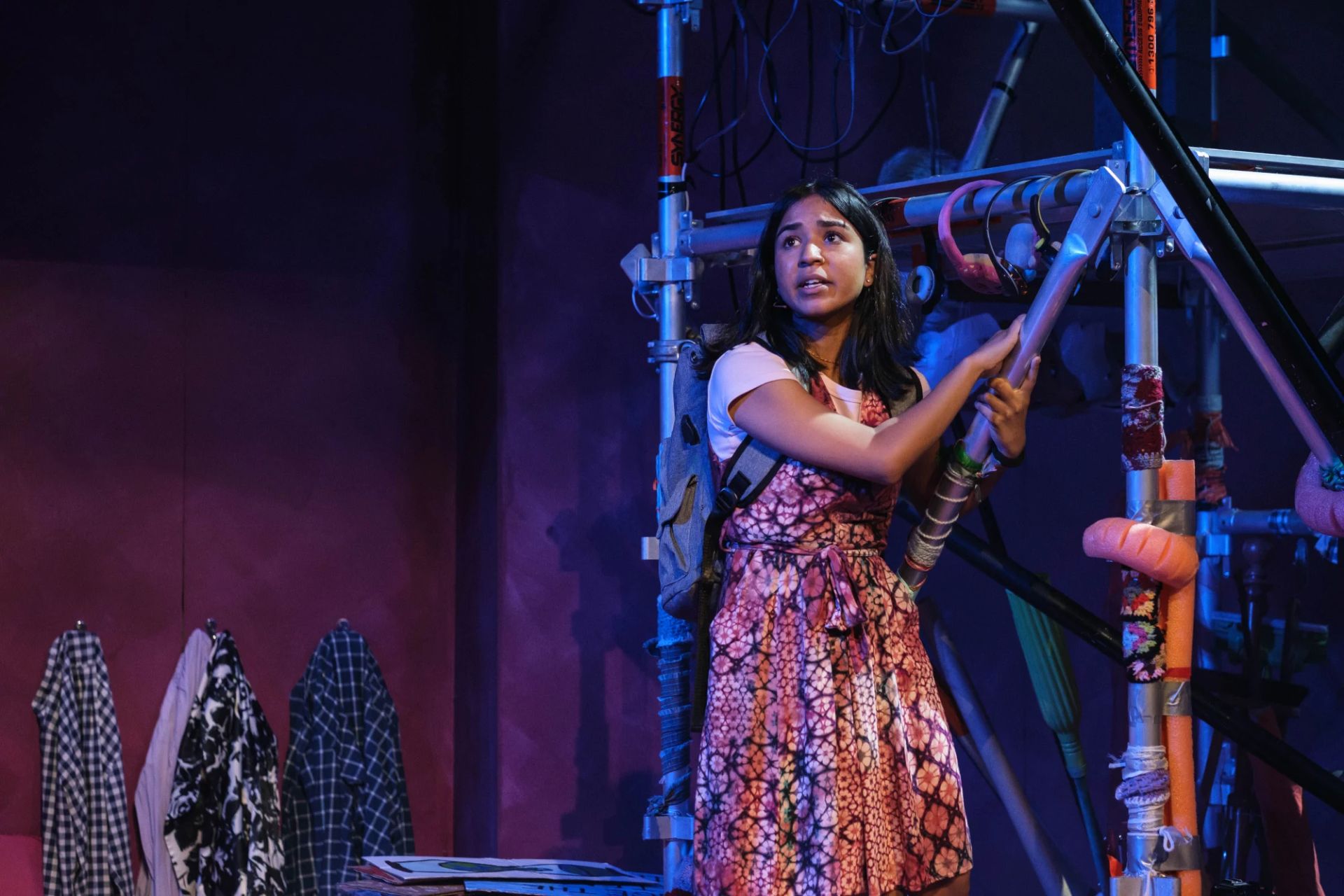
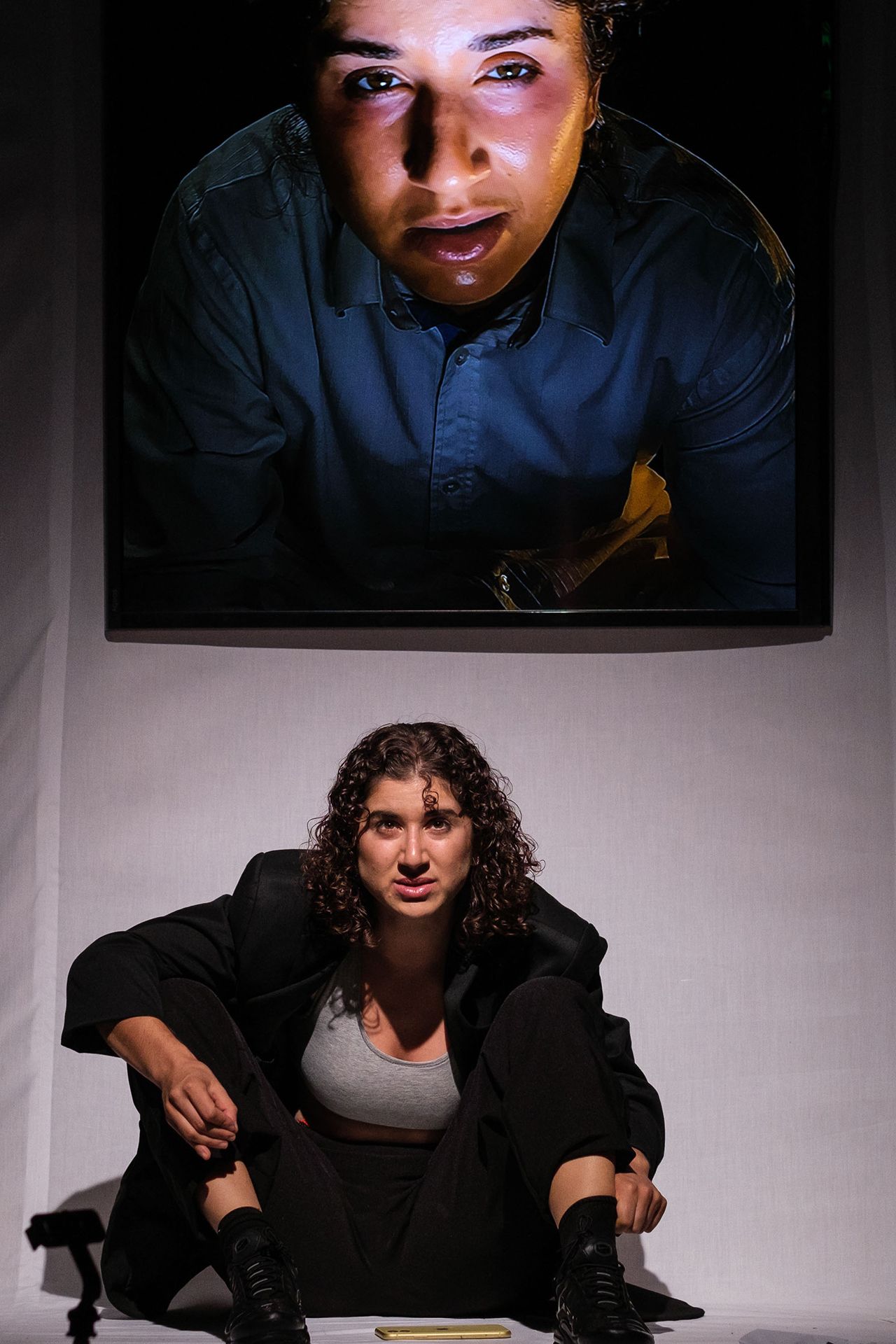
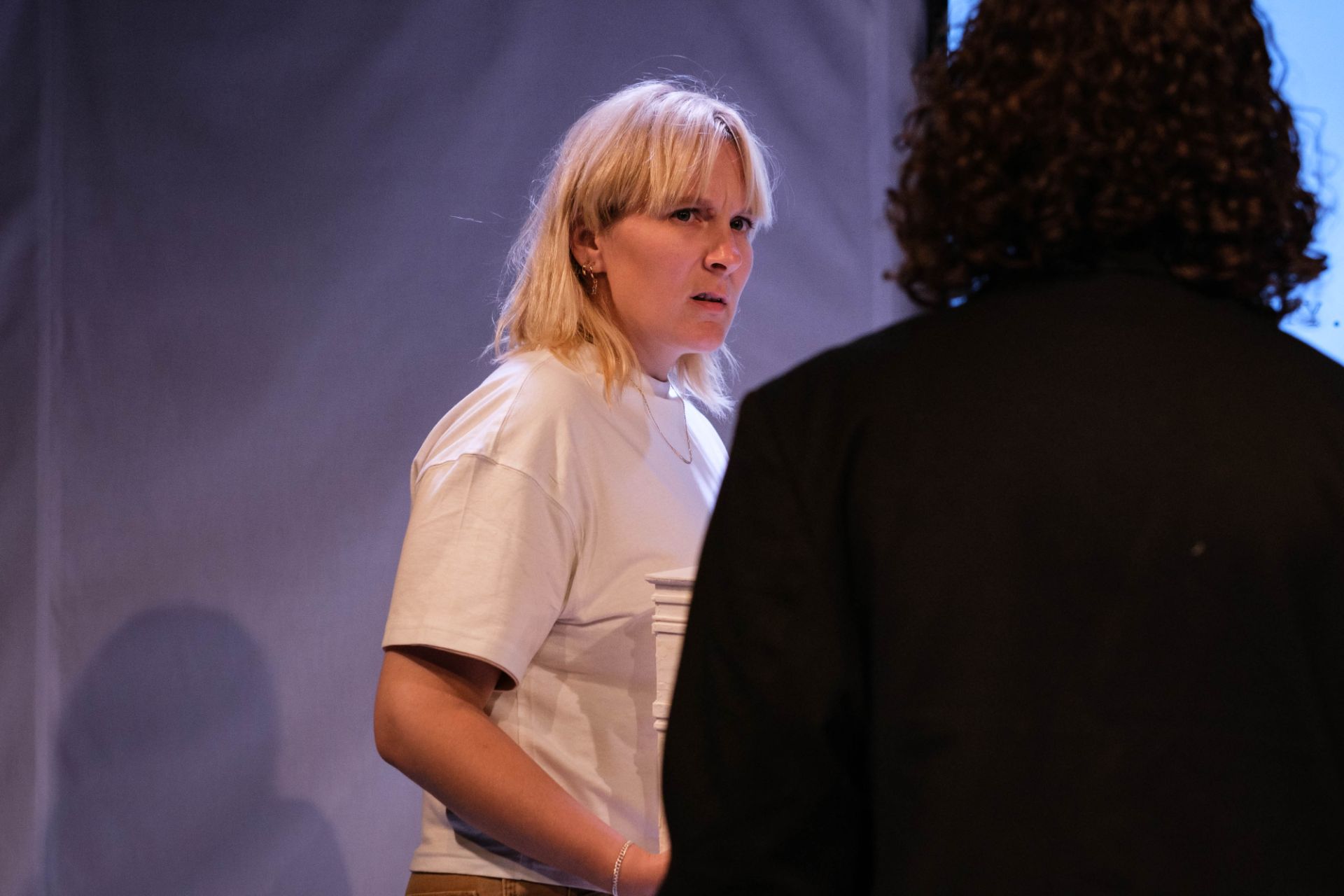
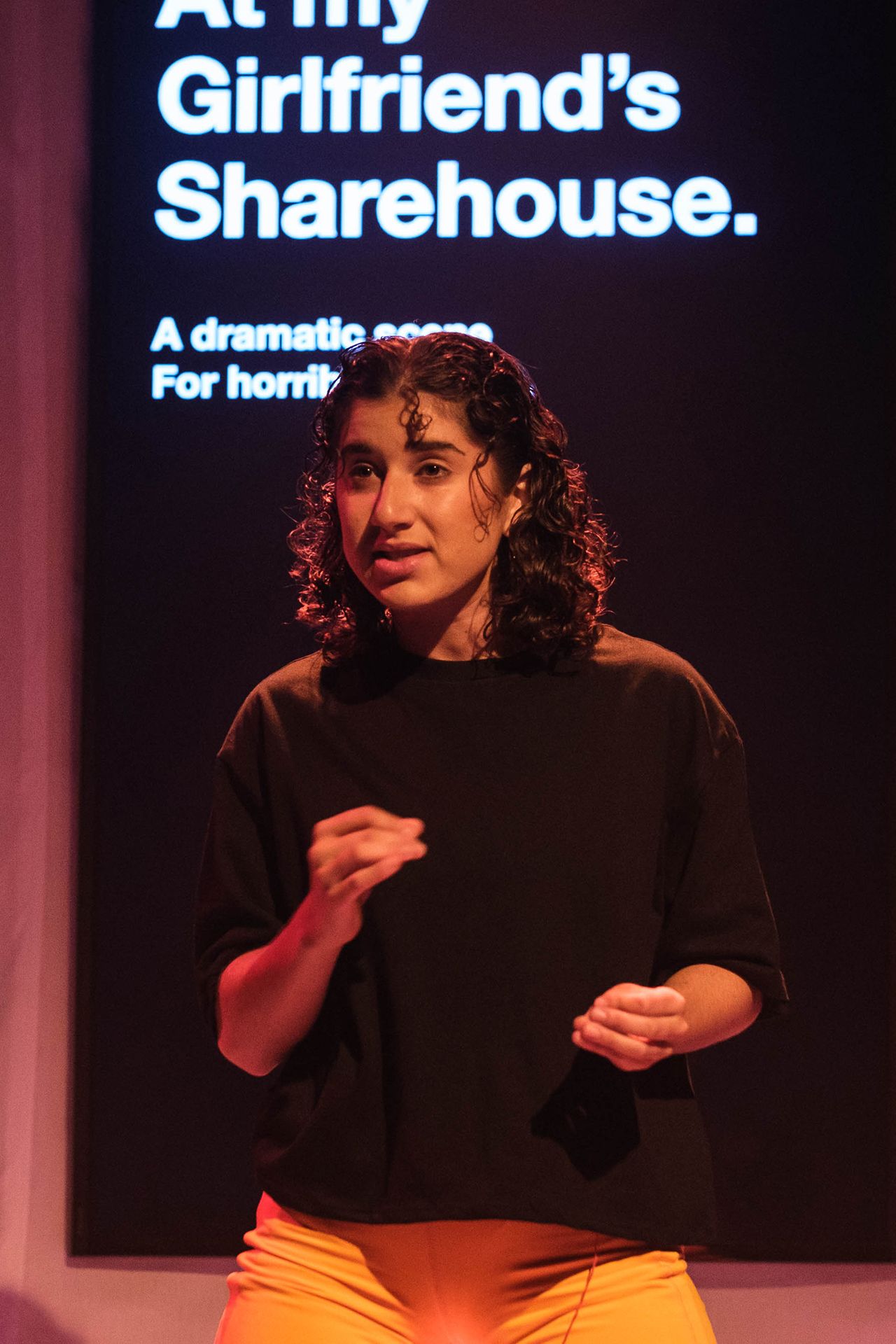
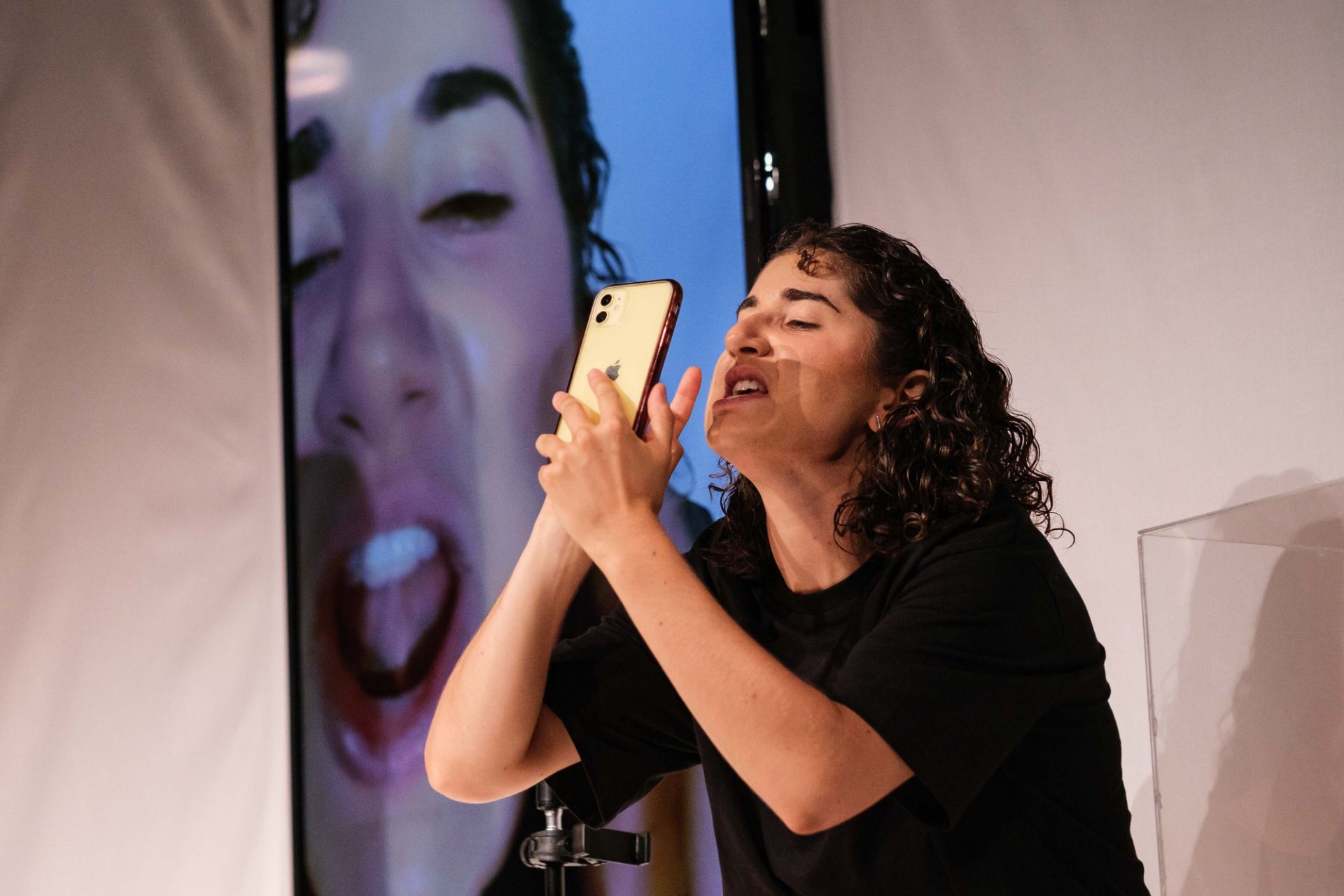
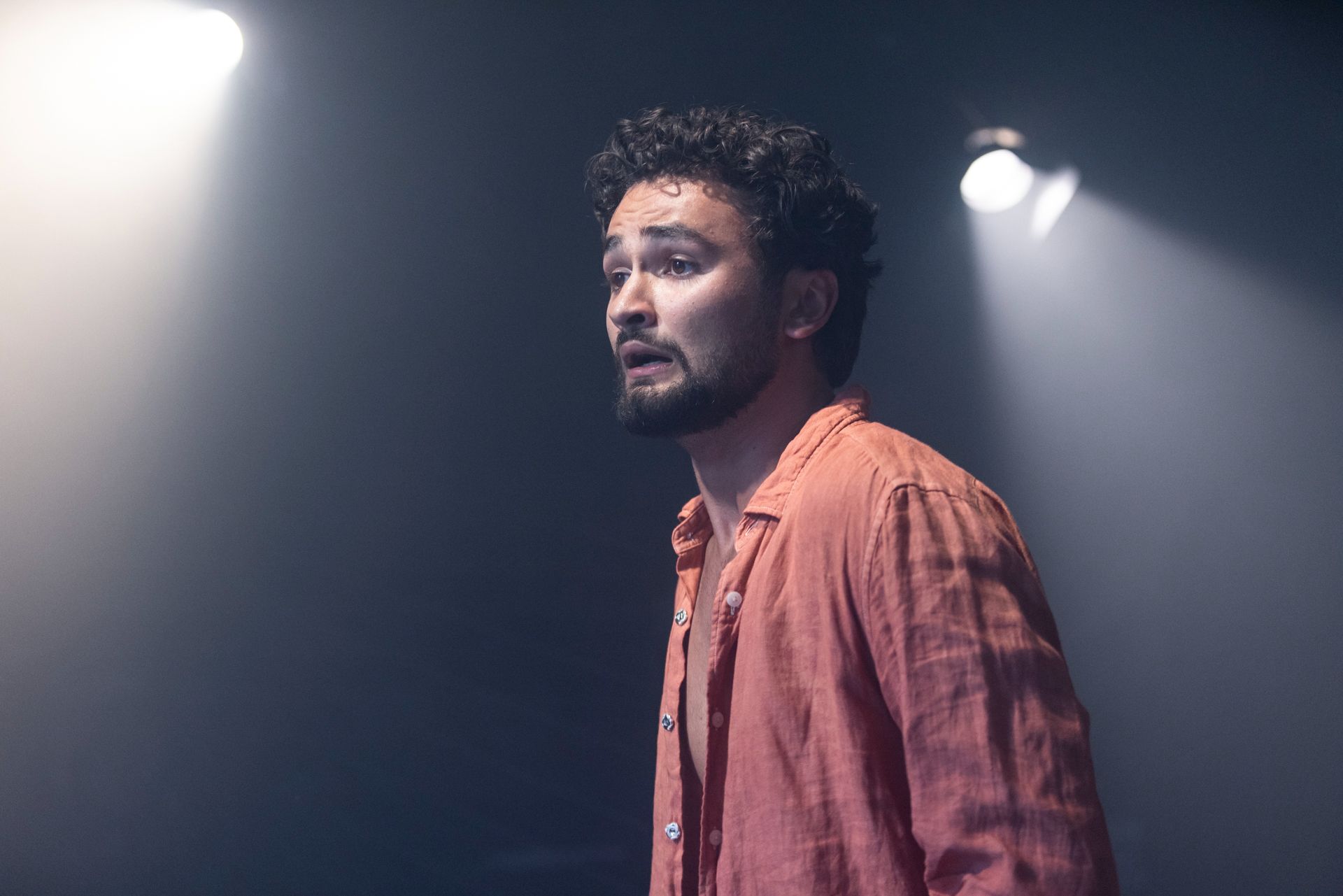
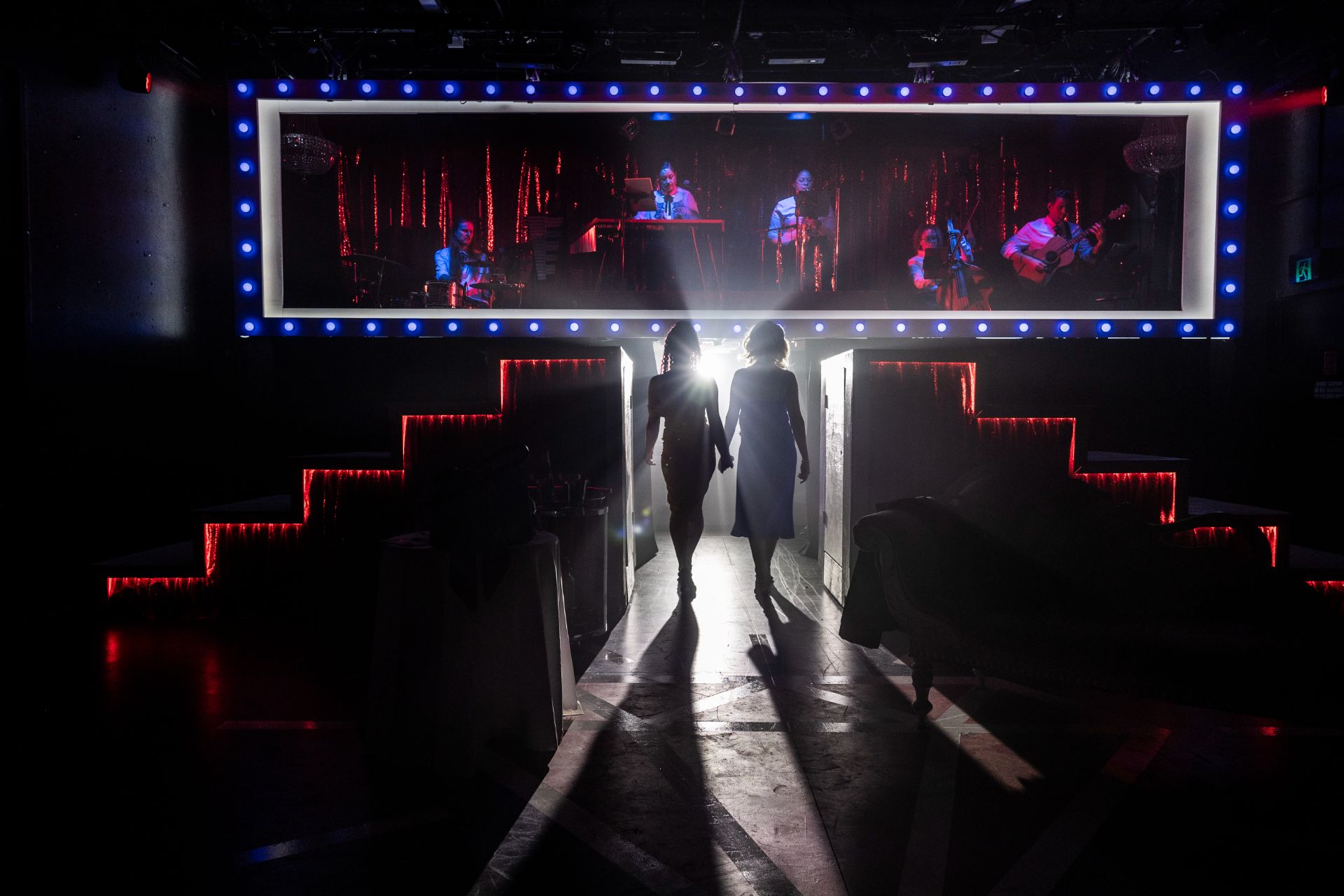
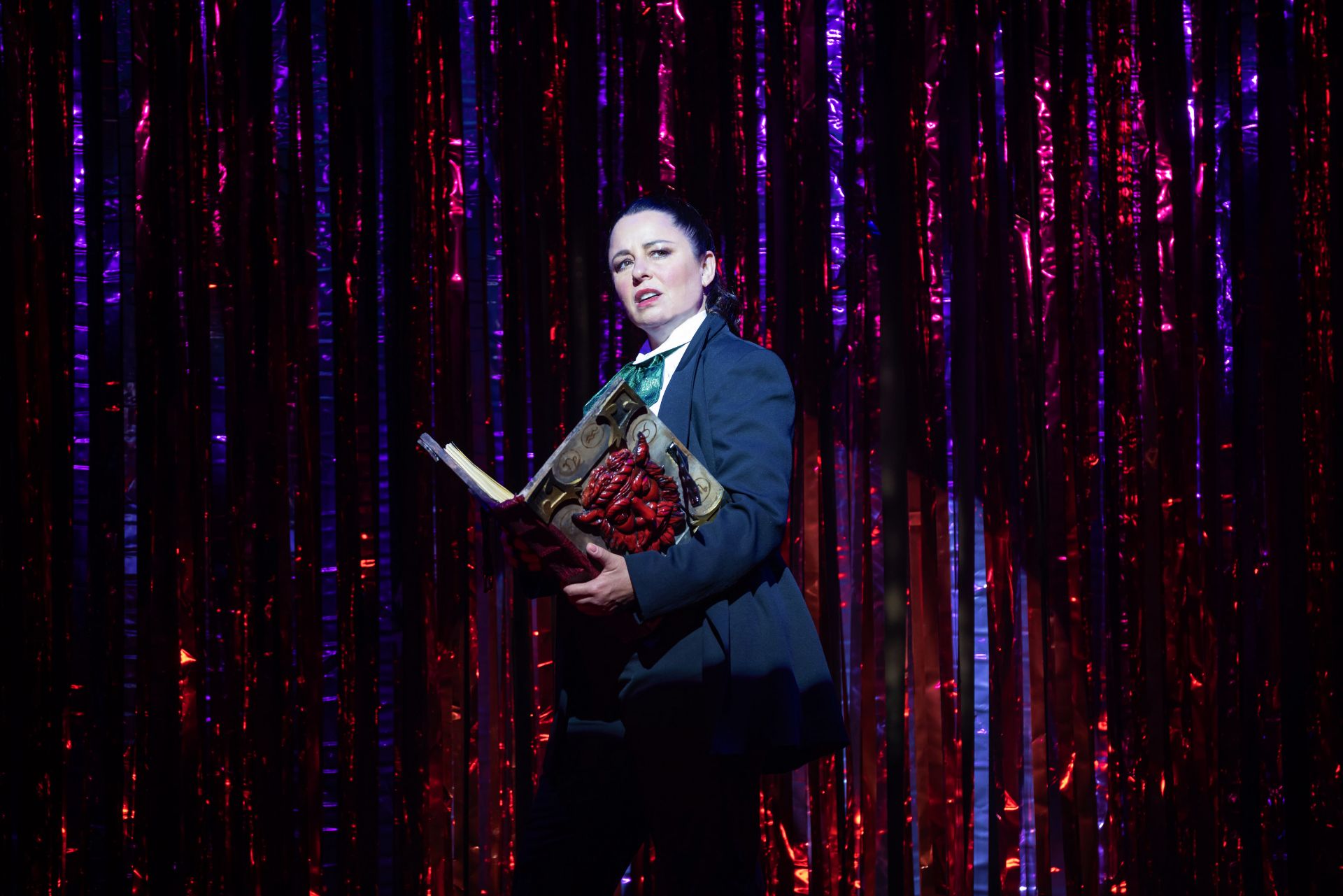
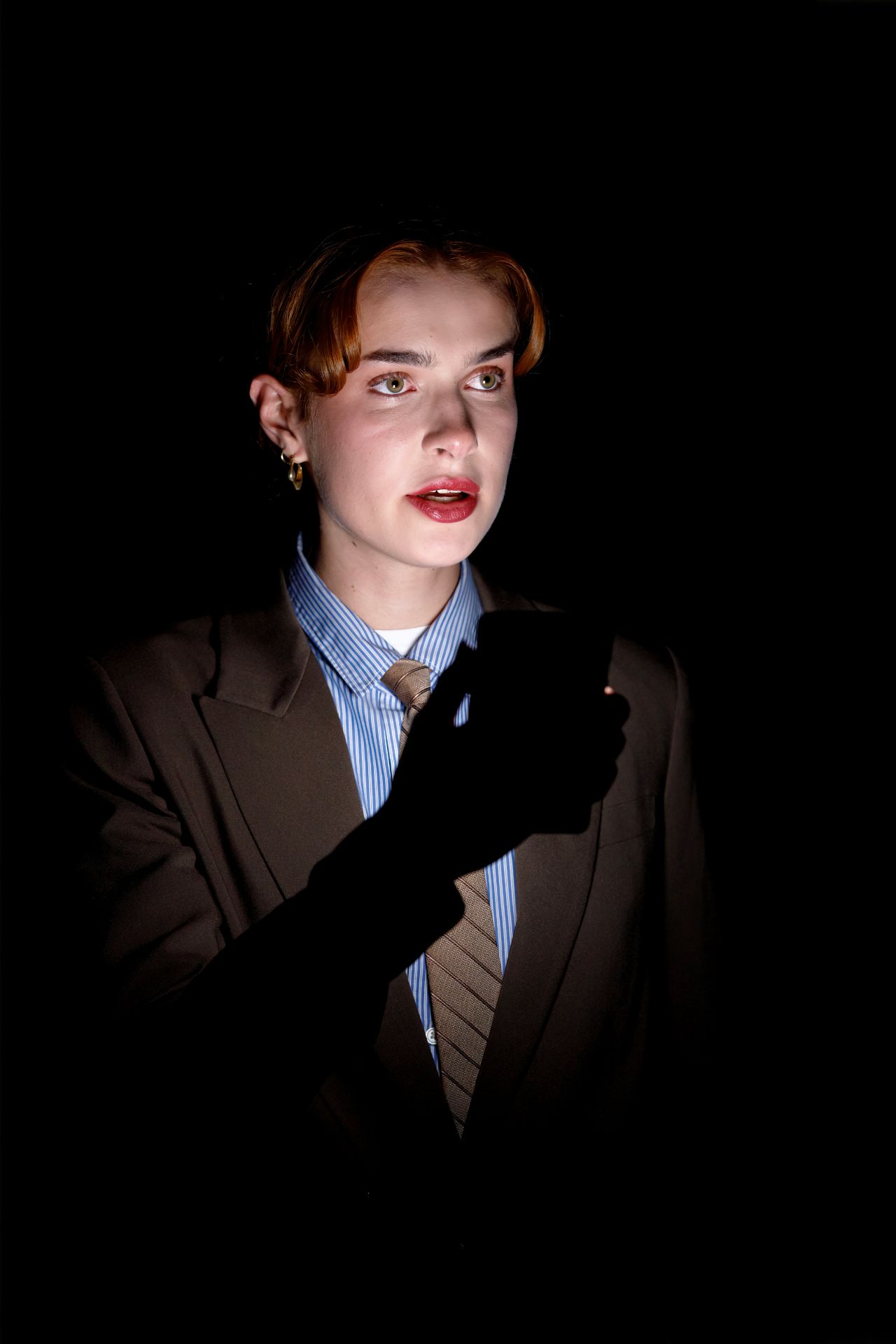
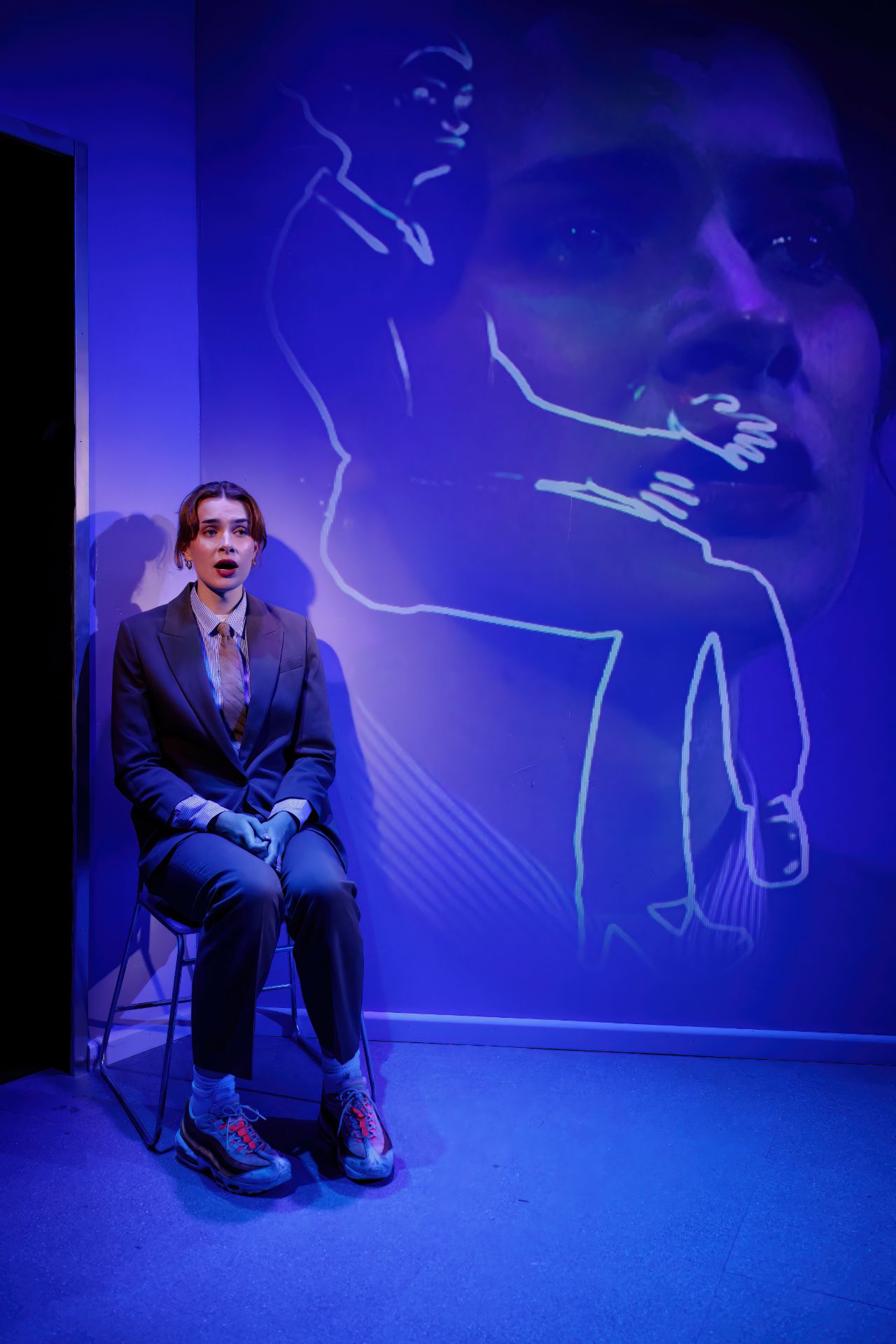
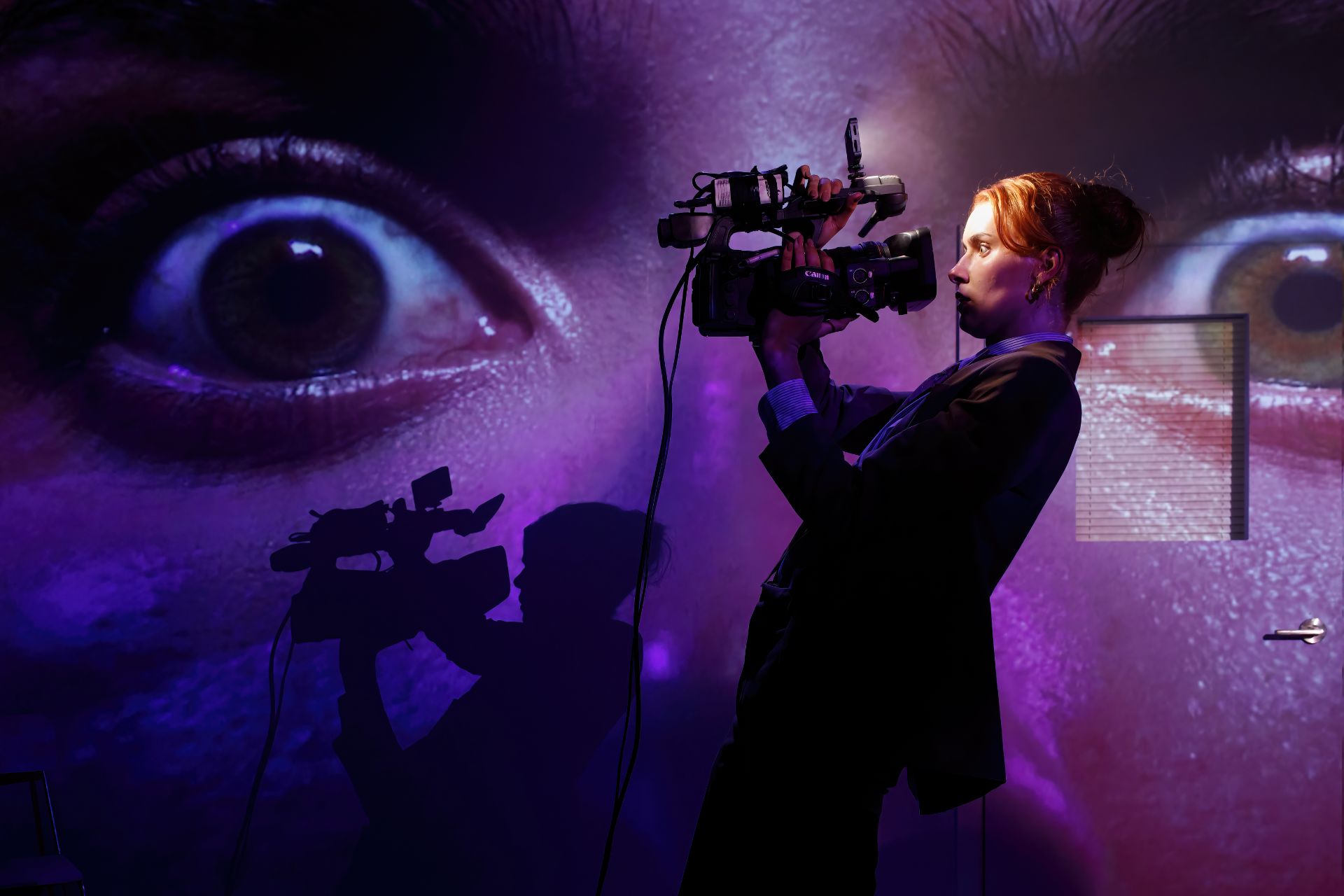
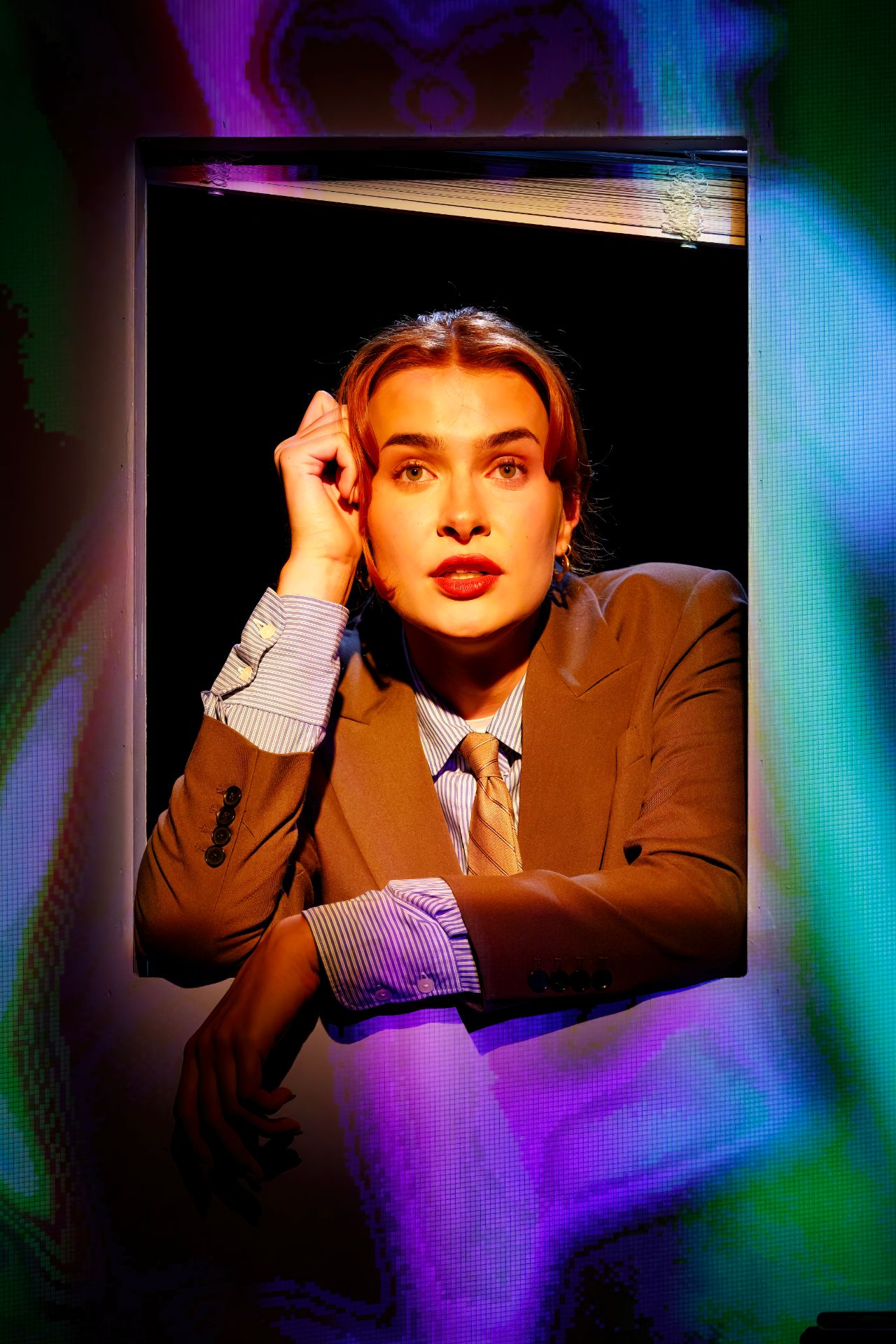
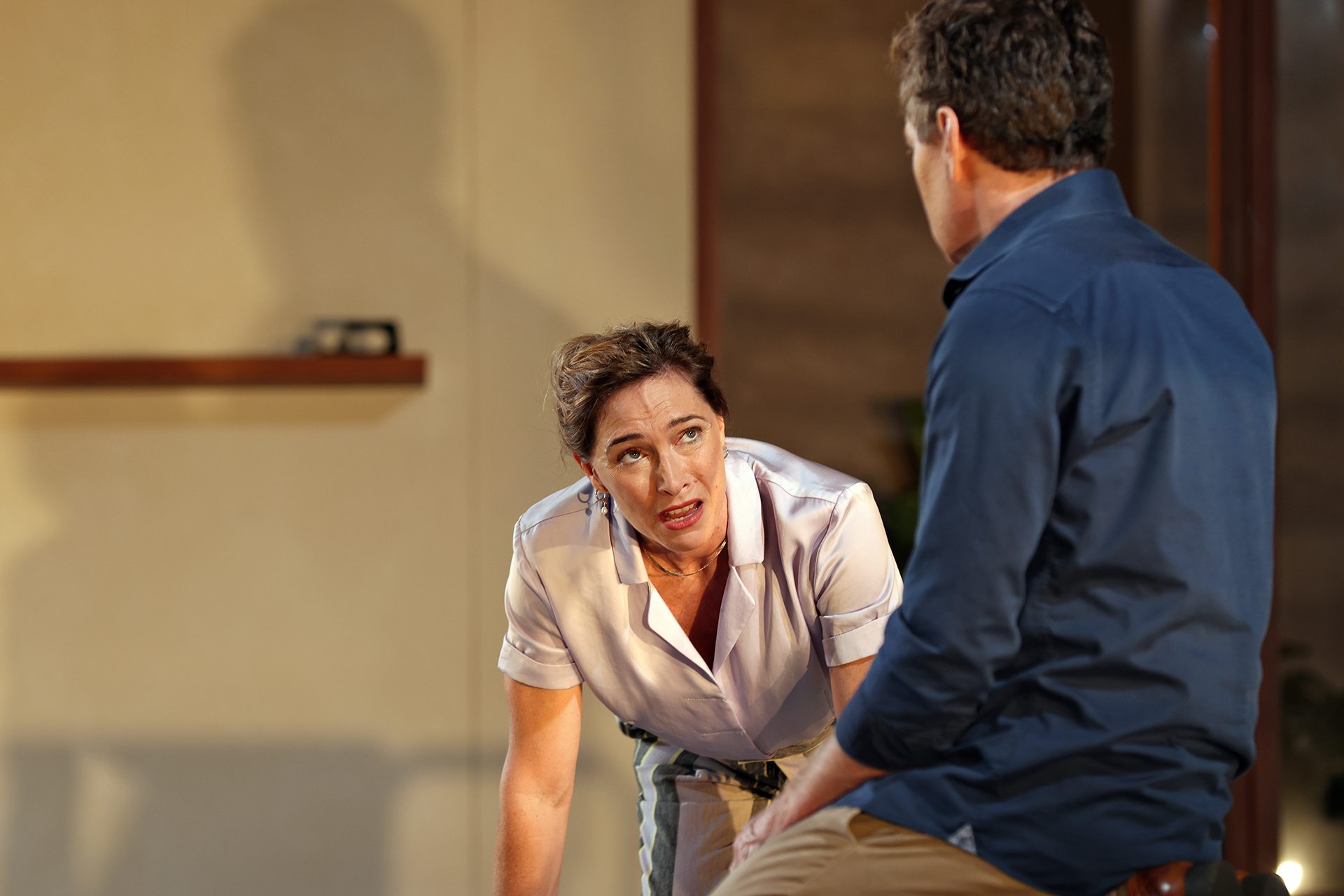
Esther is asking everyone she knows, for a word to describe herself. In Margaret Perry’s Collapsible, we see the strange things a person does, when deep in the process of job hunting. Esther contorts her personality into different forms, in hopes that she may be perceived as a right fit, for one of the many organisations that she is interviewing with. We observe someone trying to be all things to all people, and ultimately becoming an empty vessel, knowing nothing about herself, from trying to appeal to an economy determined to reward mediocrity and that encourages one to shed their values and principles.

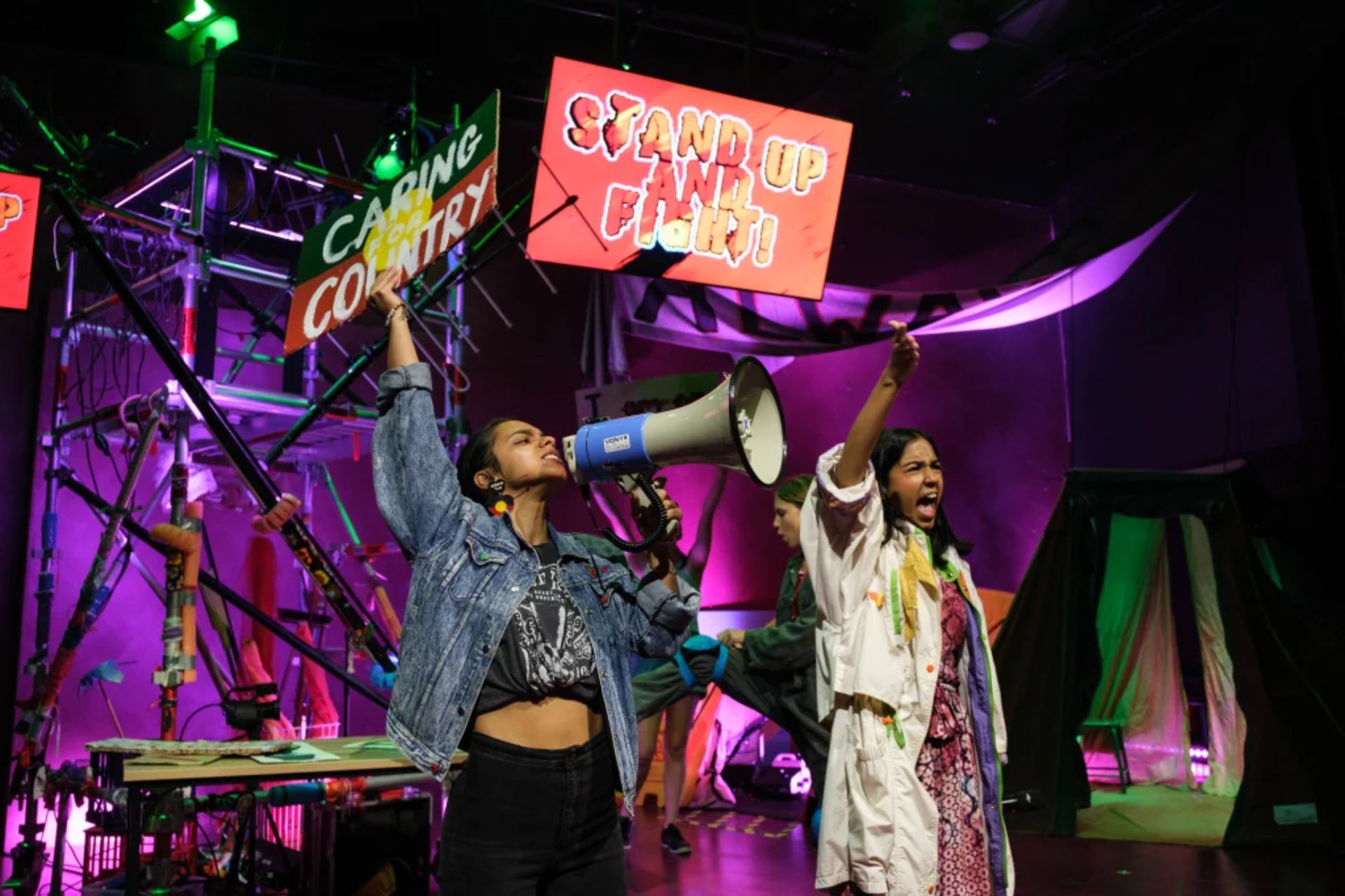
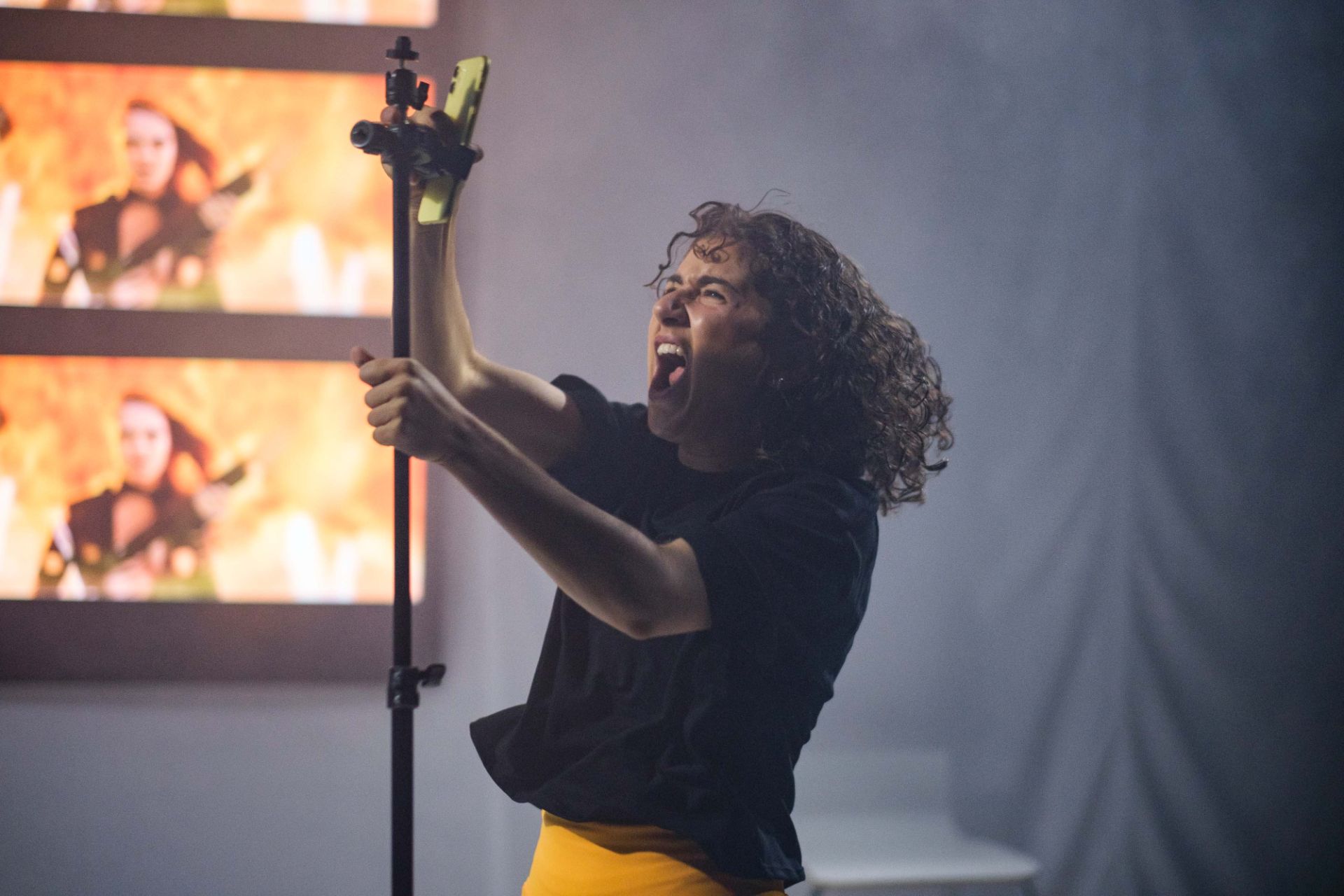
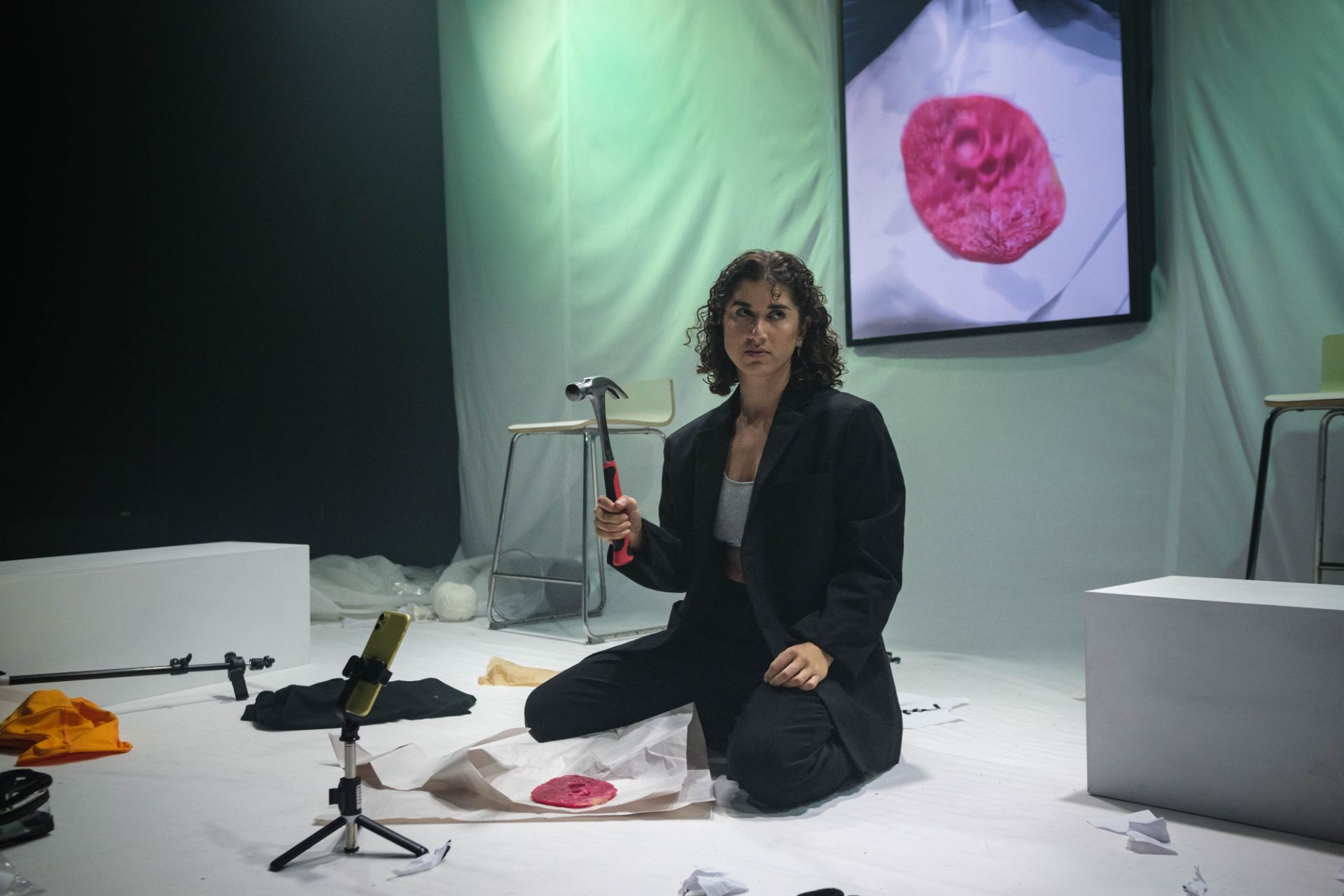
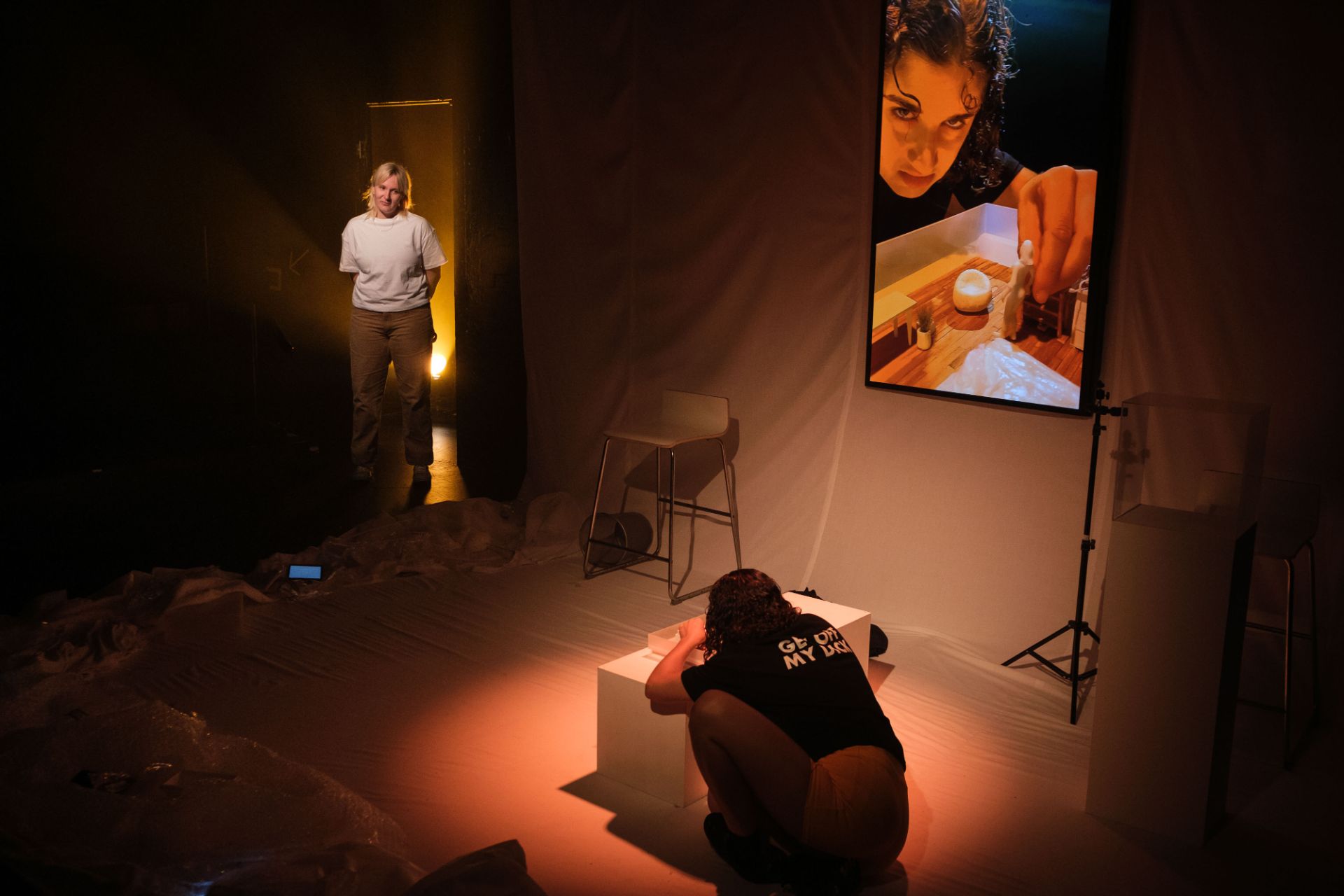
There is an abundance of abstraction in Perry’s writing, which Zoë Hollyoak and Morgan Moroney use as directors of the piece, to deliver something memorable for its rich visuals. Although unpredictable and exciting with its sense of theatricality, the show can feel somewhat hollow, which admittedly is an accurate representation of Esther’s essence. A more intense depiction of anxiety and unease, that accompanies the existential angst being reflected, could perhaps make the experience more worthwhile.

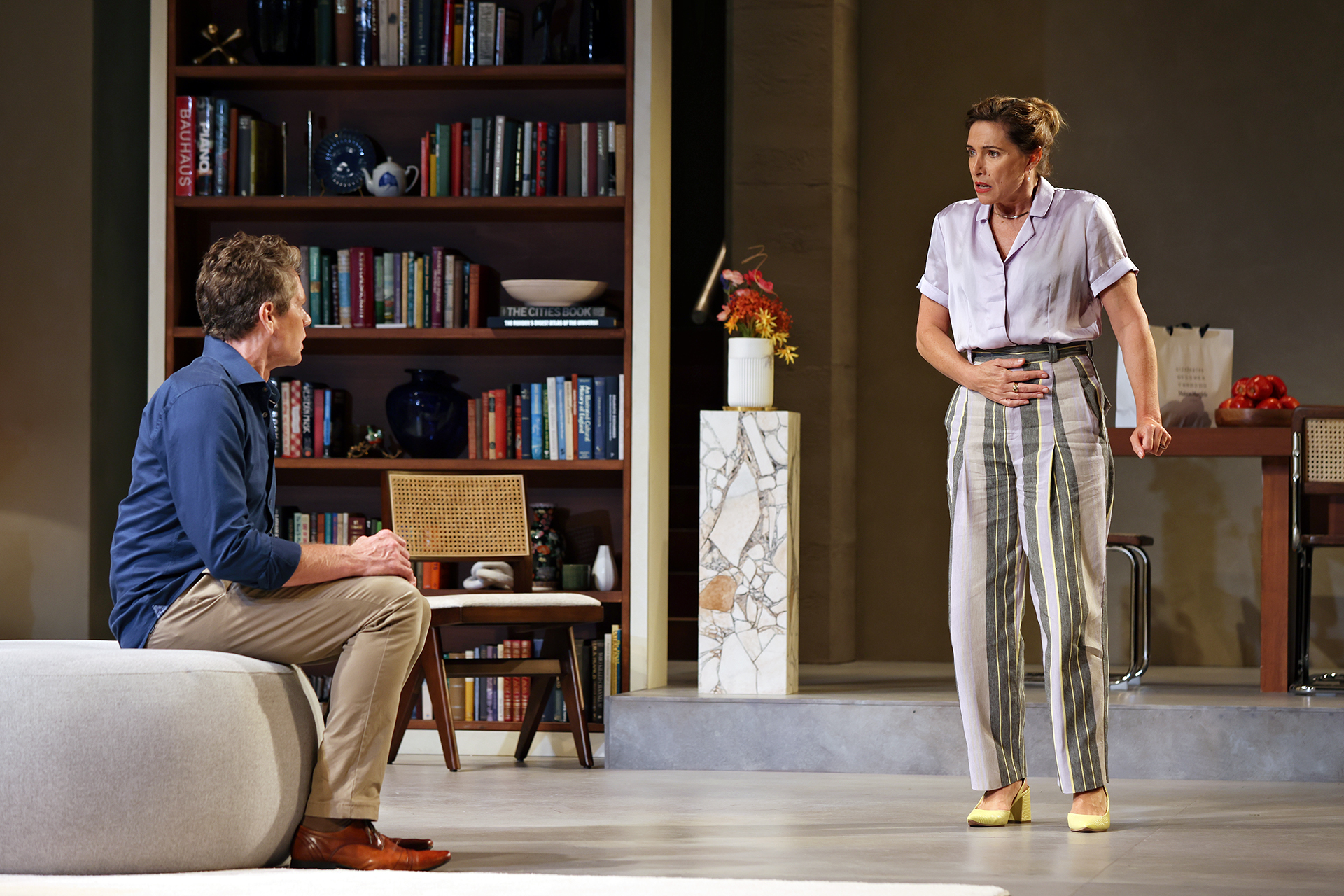
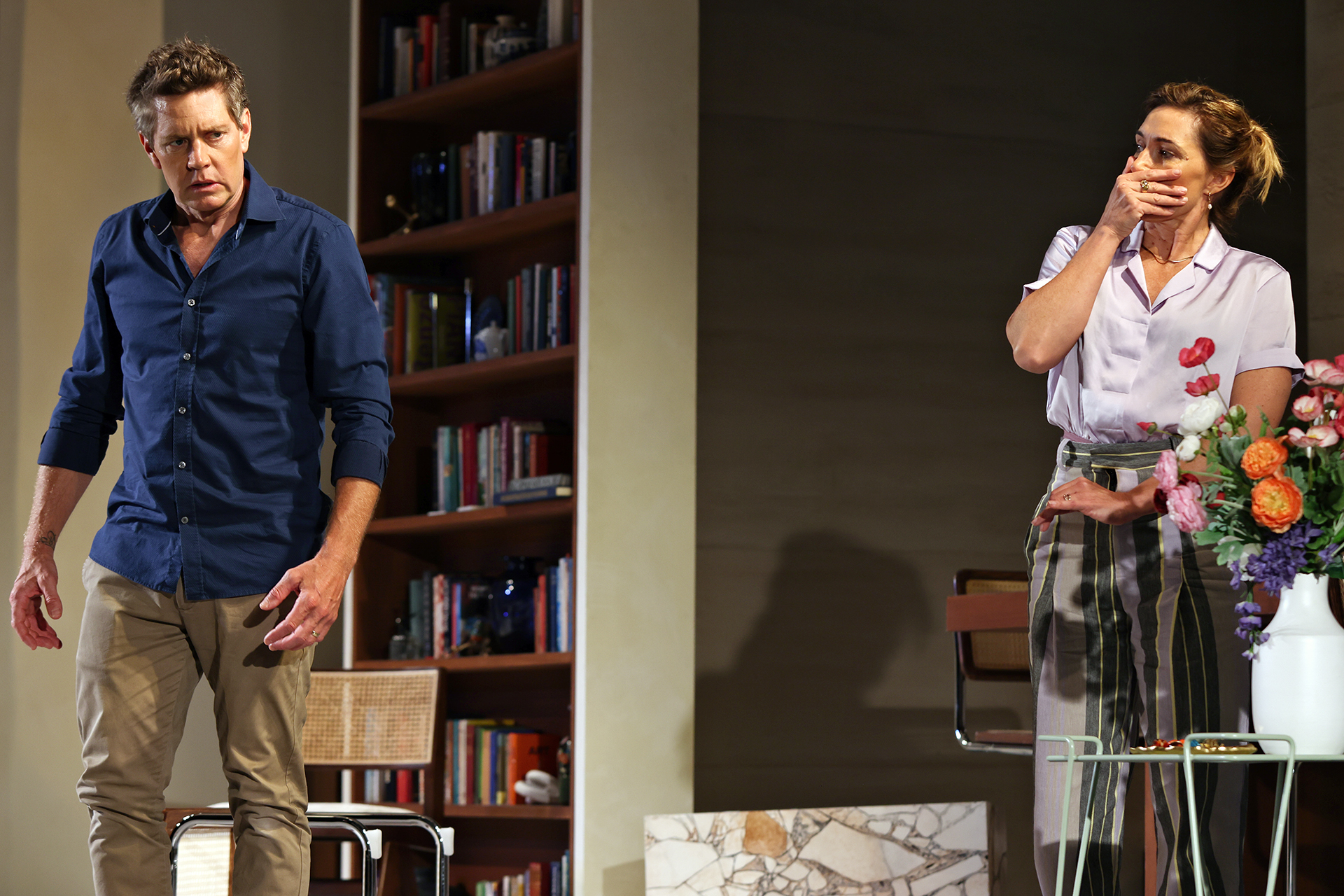
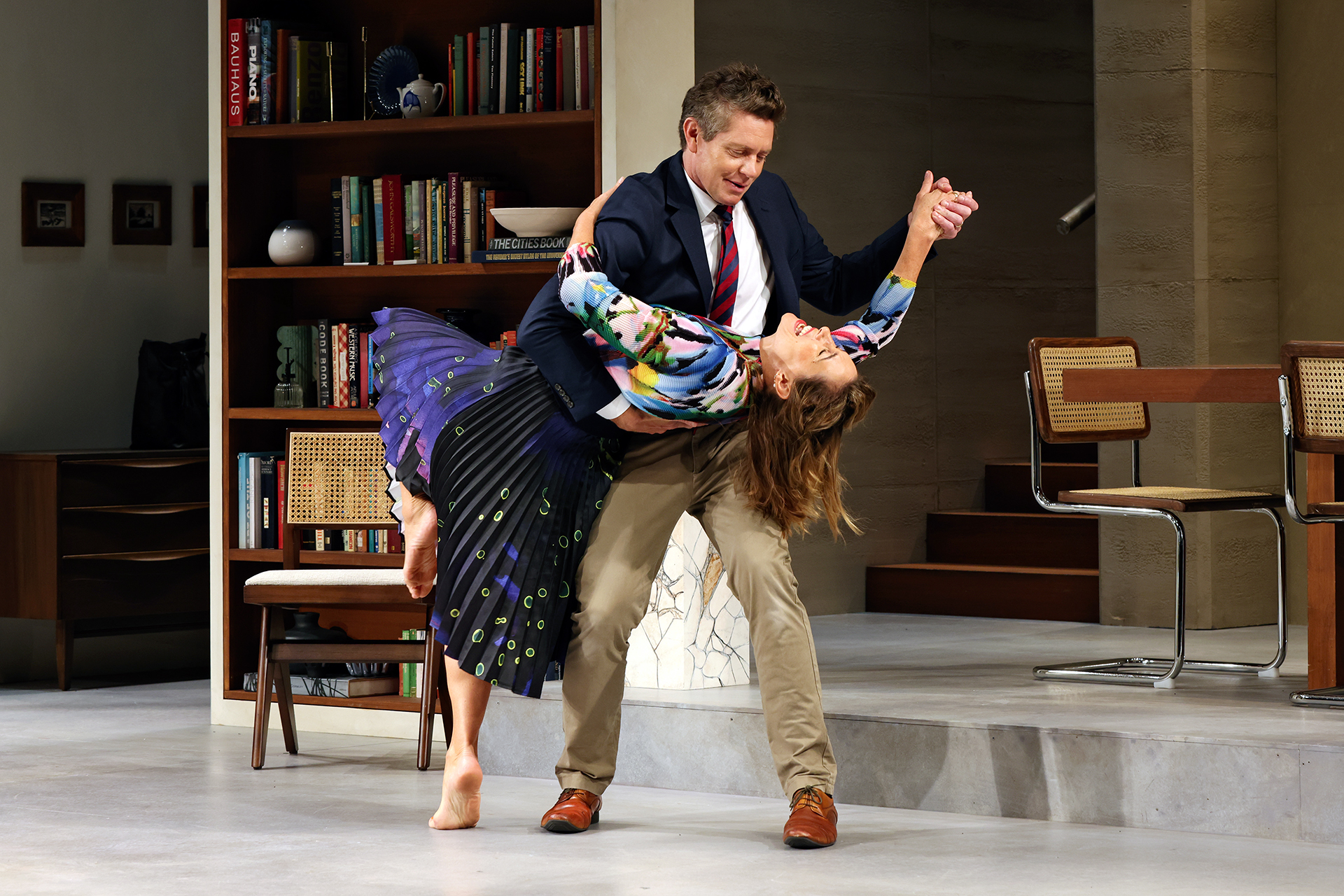
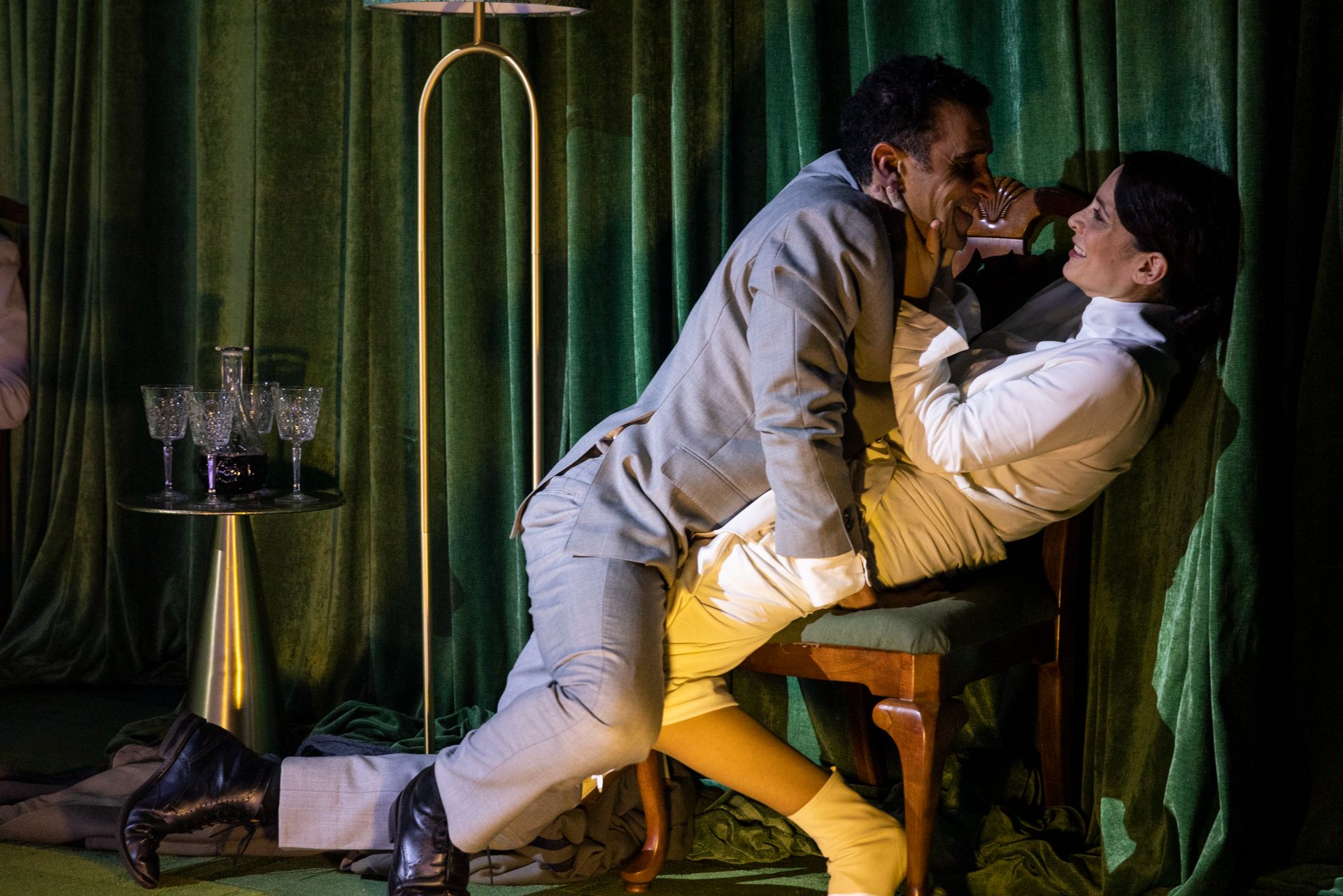
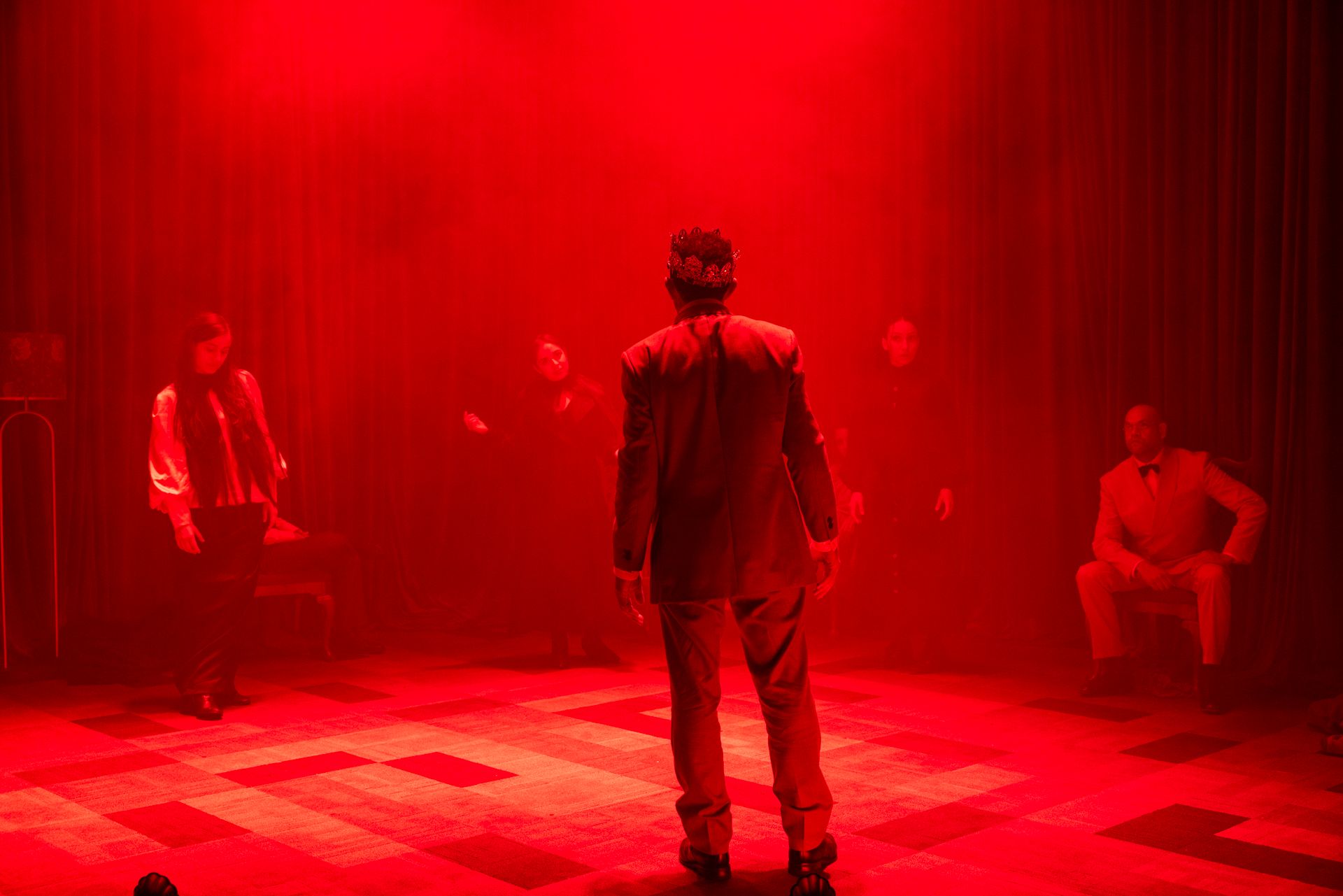
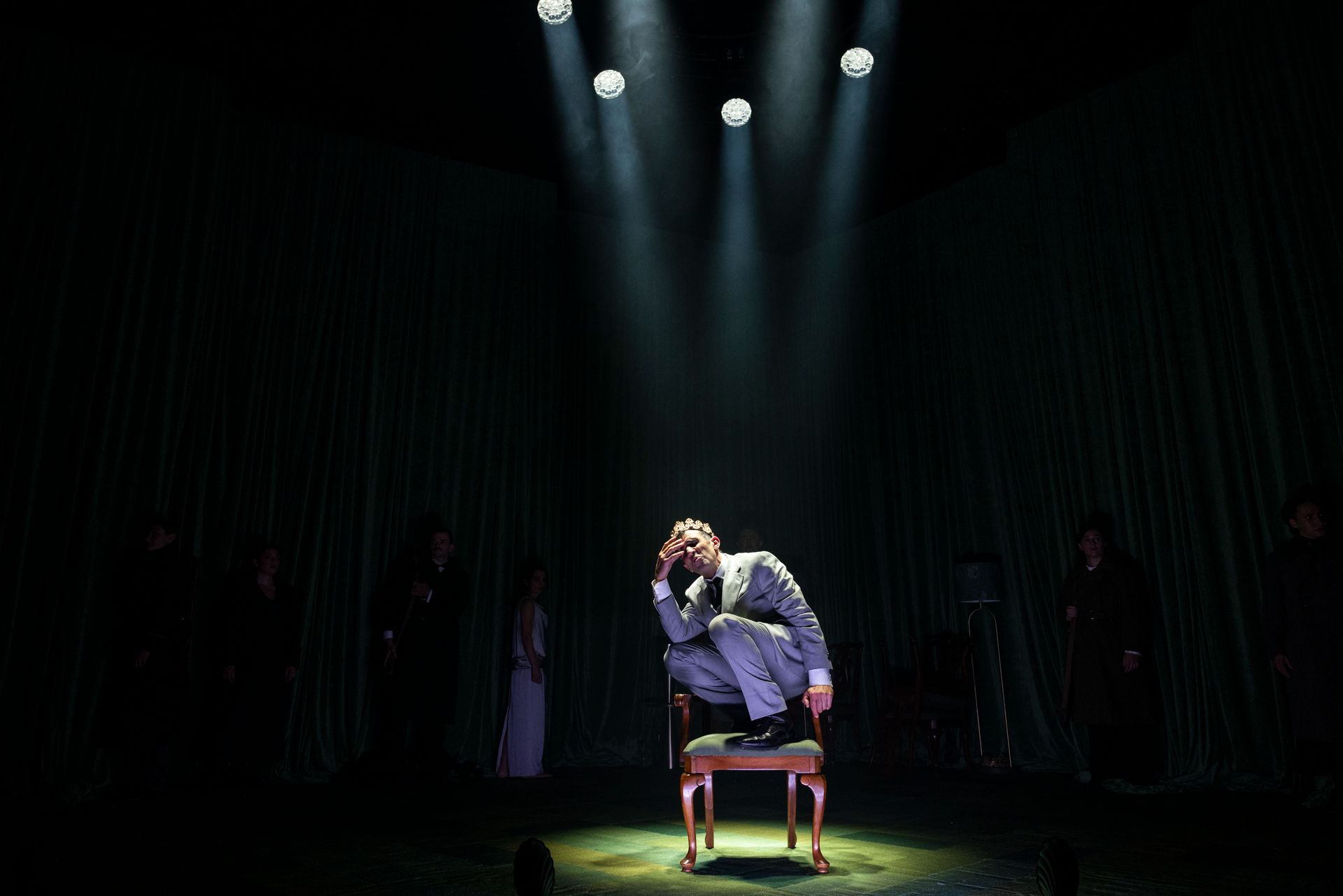
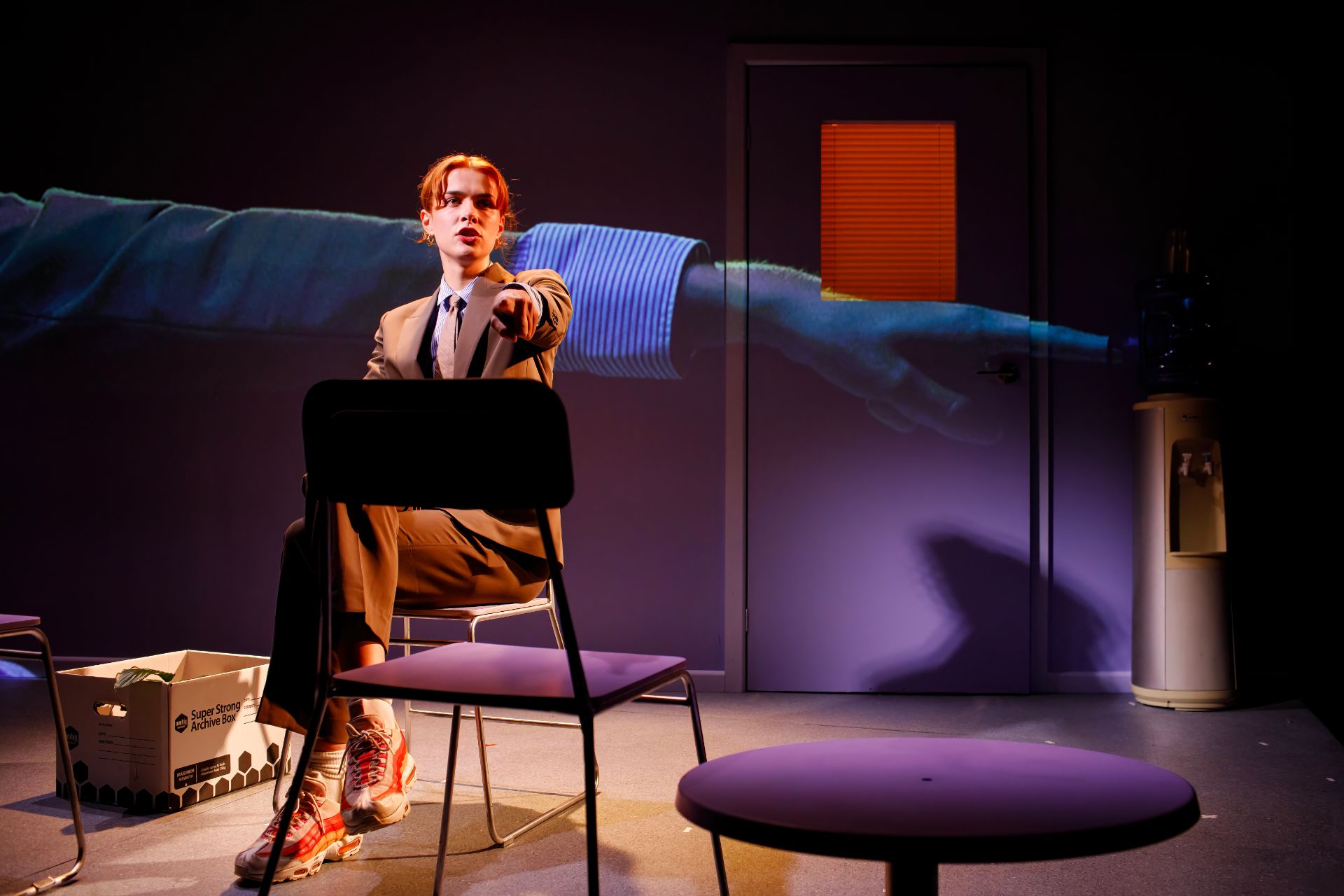
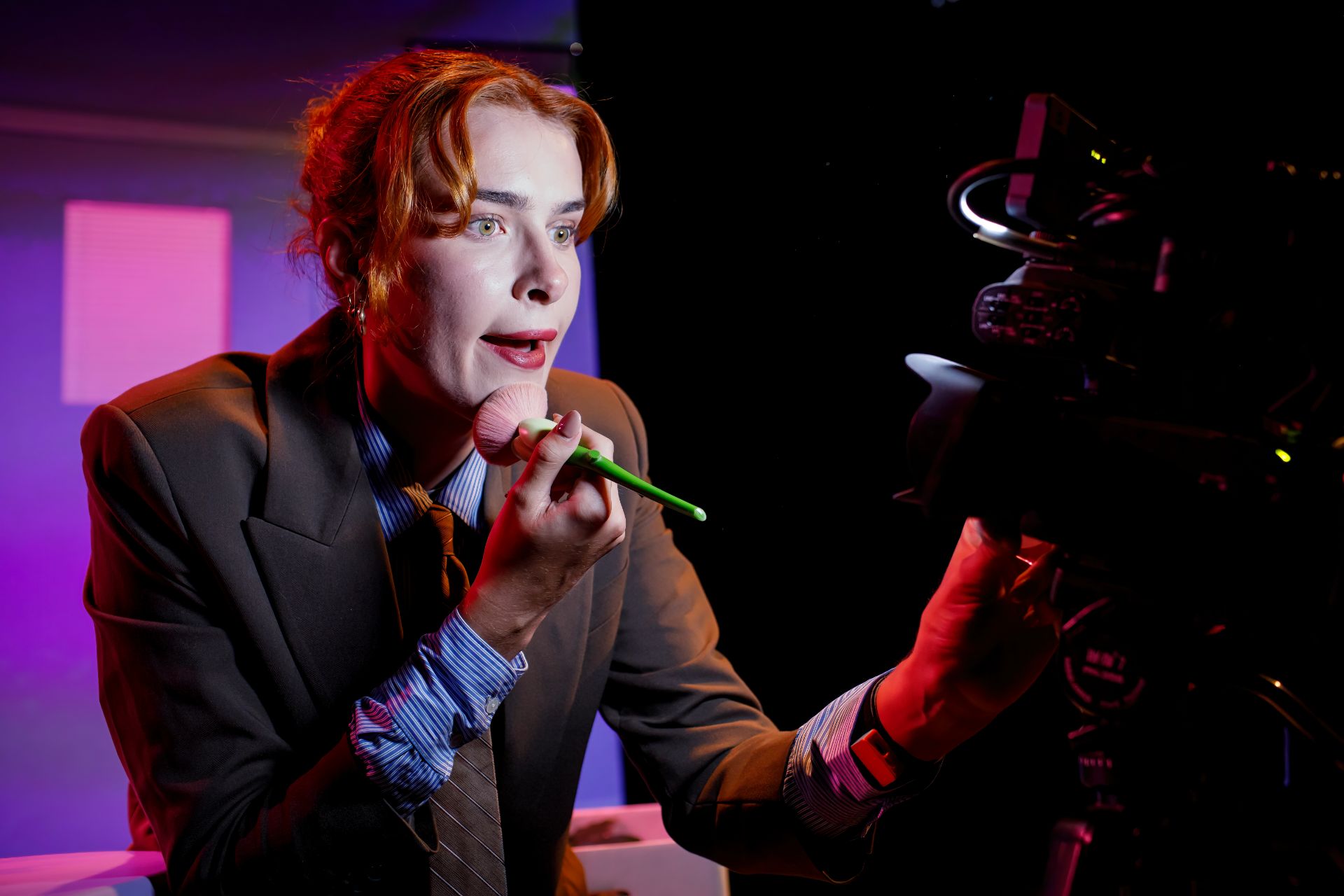
Set and costumes by Hayden Relf offer surprising solutions, that make for a quirky staging that sustains our attention, in what could easily have been a very understated one-woman show. Video projections by Daniel Herten and Moroney, are ambitiously rendered but offer little other than a demonstration of an experimental spirit. Lights, also by Moroney, are a more satisfying aspect of the production, delivering great texture and atmospheric transformations. Herten’s sound design is wonderfully lively, but could benefit from a greater sensitivity in approach.

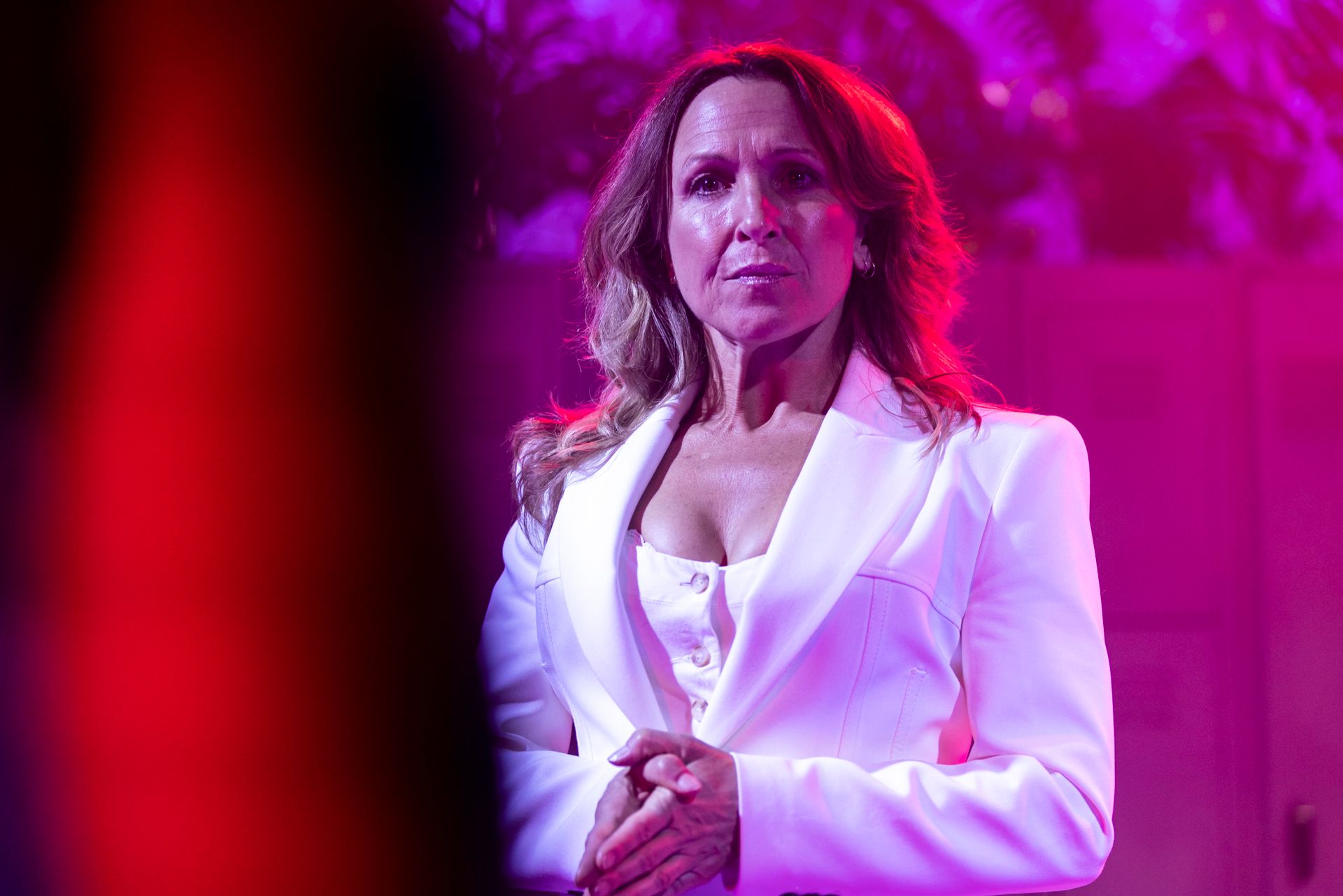
Actor Janet Anderson is thoroughly captivating as Esther, with an impressive degree of control over the challenging material being explored. Emotional aspects of Anderson’s performance could be more delicately managed, but her vigorous physicality keeps us engrossed.

It is not only for financial reasons that Esther loses herself, but also the pressures of social conformity, that pushes her to twist her soul, into something that prioritises external expectations. We are not certain if Esther has forgotten herself, or if she had indeed ever truly known herself. The hard part of being, is to arrive at a state of knowing the self. To navigate life only in bewilderment, is unquestionably tragic.
www.redlineproductions.com.au / www.facebook.com/es.wrkrs

Review: The Goat, Or Who Is Sylvia? (Sydney Theatre Company)

Venue: Roslyn Packer Theatre (Sydney NSW), Mar 2 – Apr 1, 2023
Playwright: Edward Albee
Director: Mitchell Butel
Cast: Yazeed Daher, Claudia Karvan, Nathan Page, Mark Saturno
Images by Prudence Upton

Theatre review
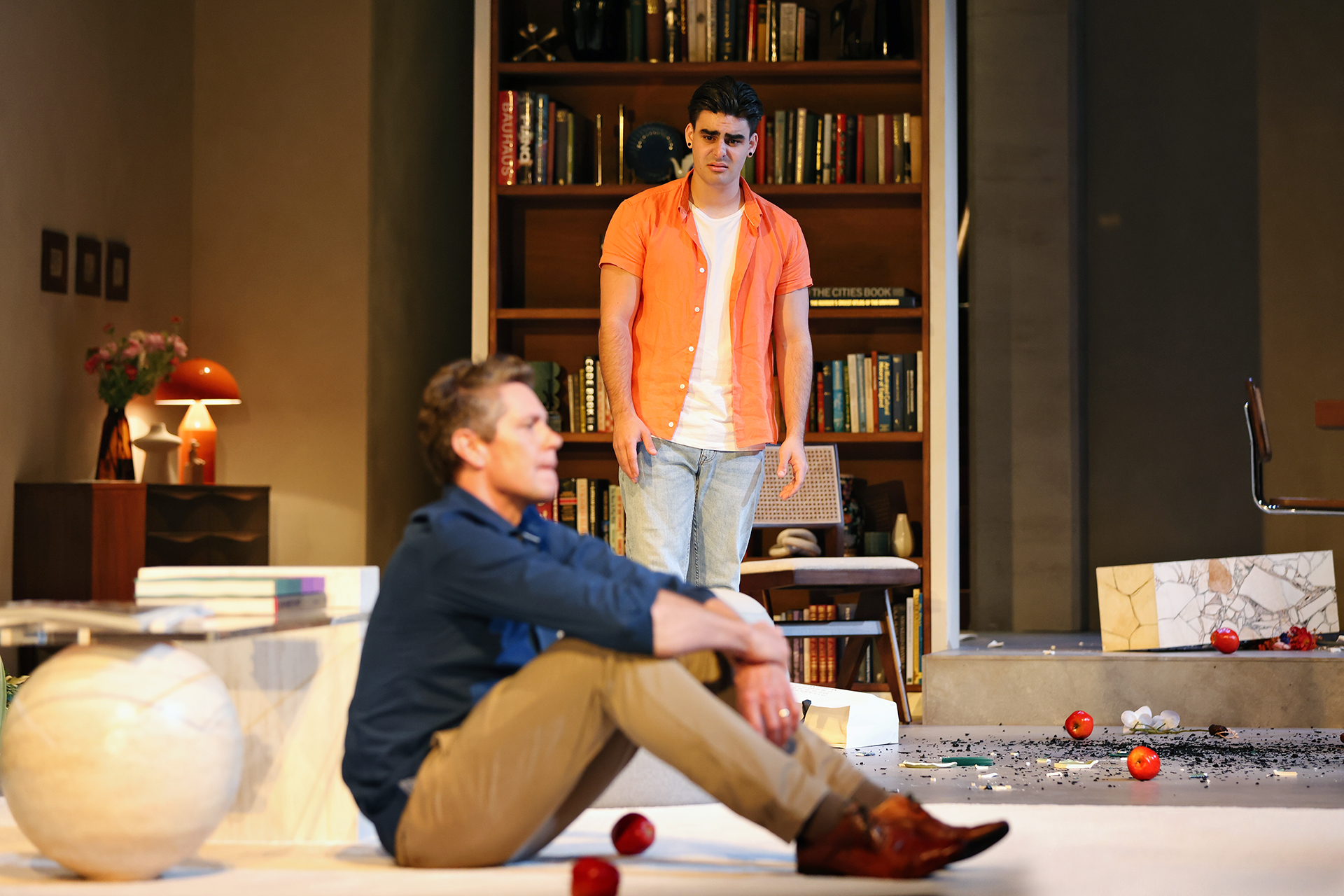
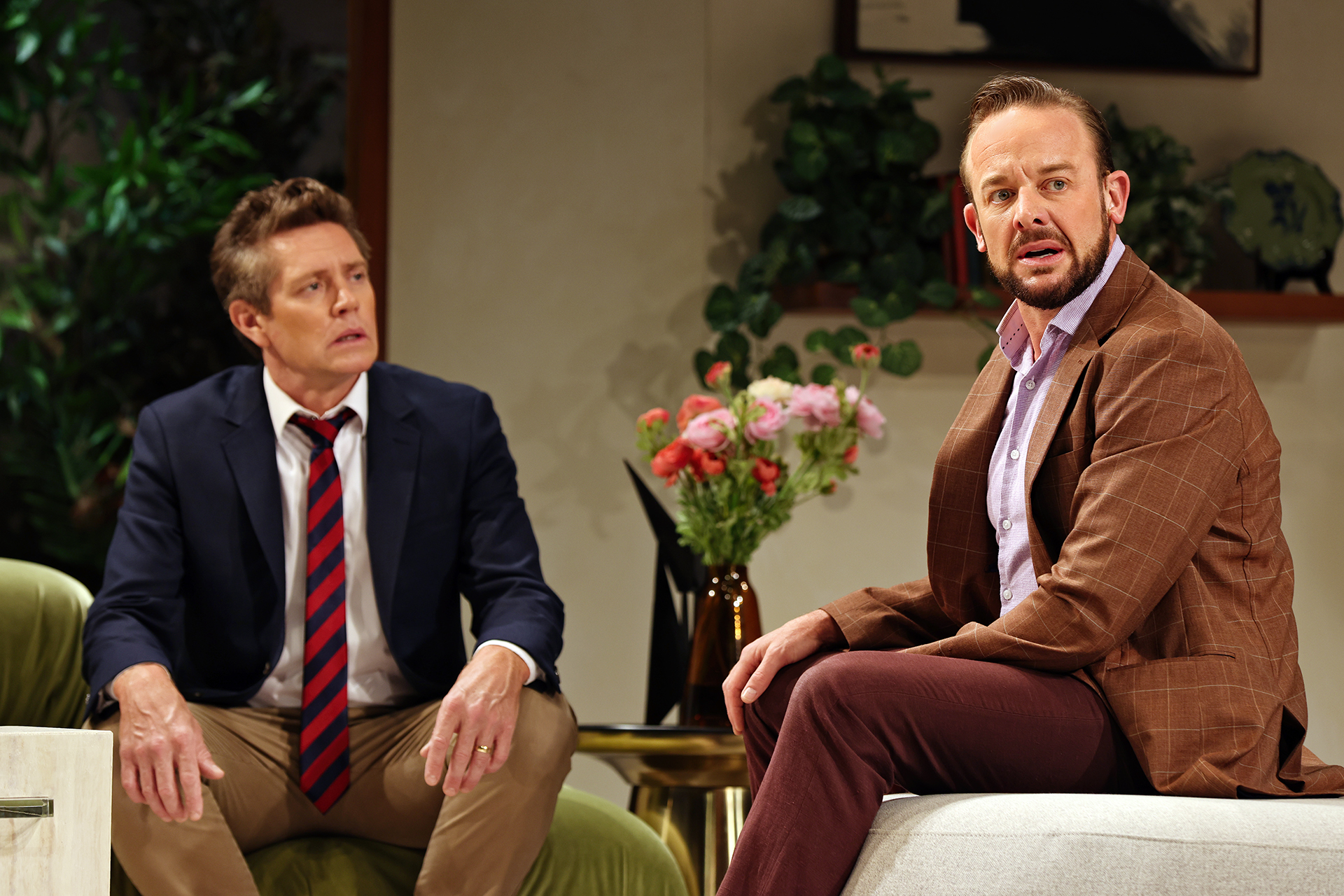
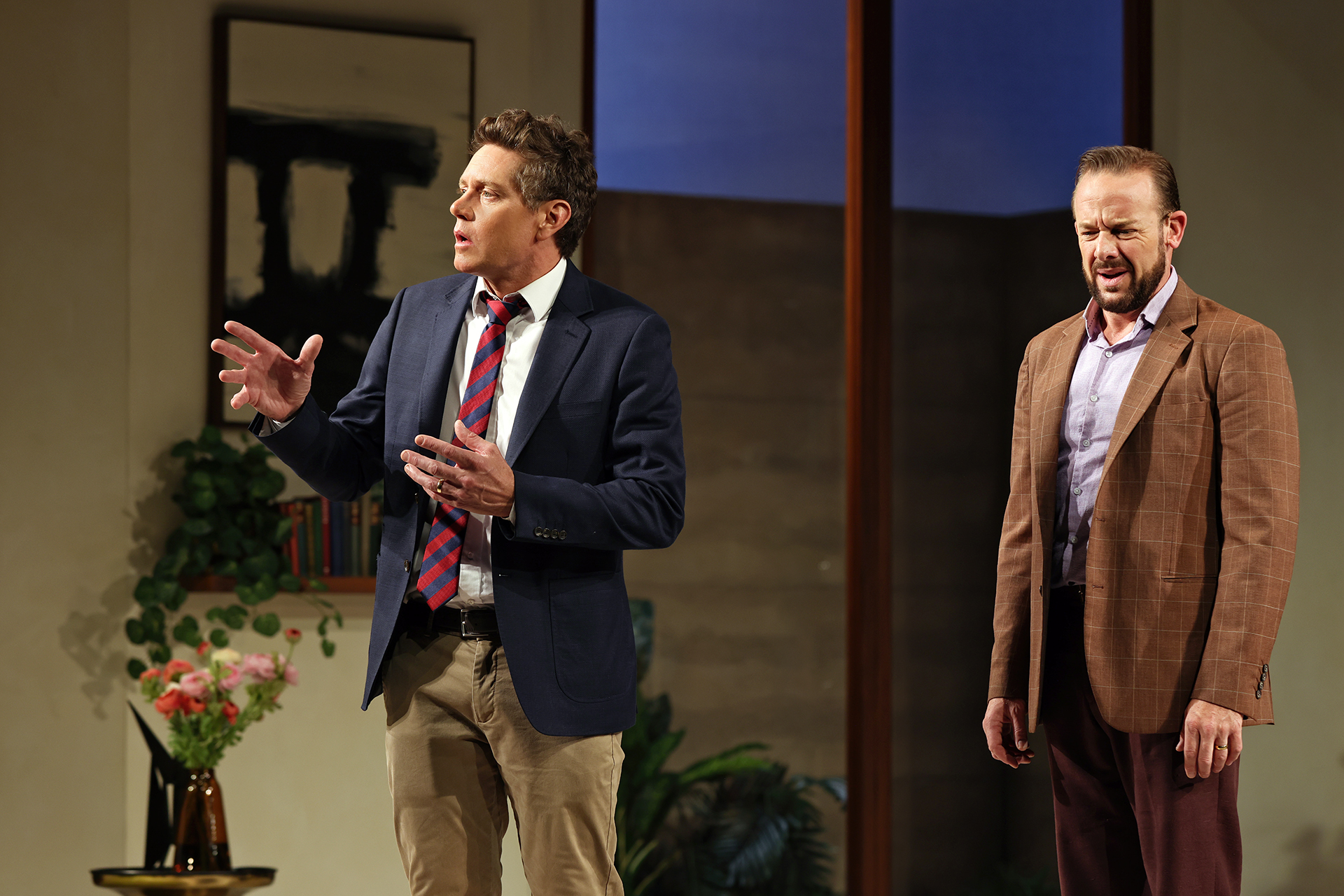
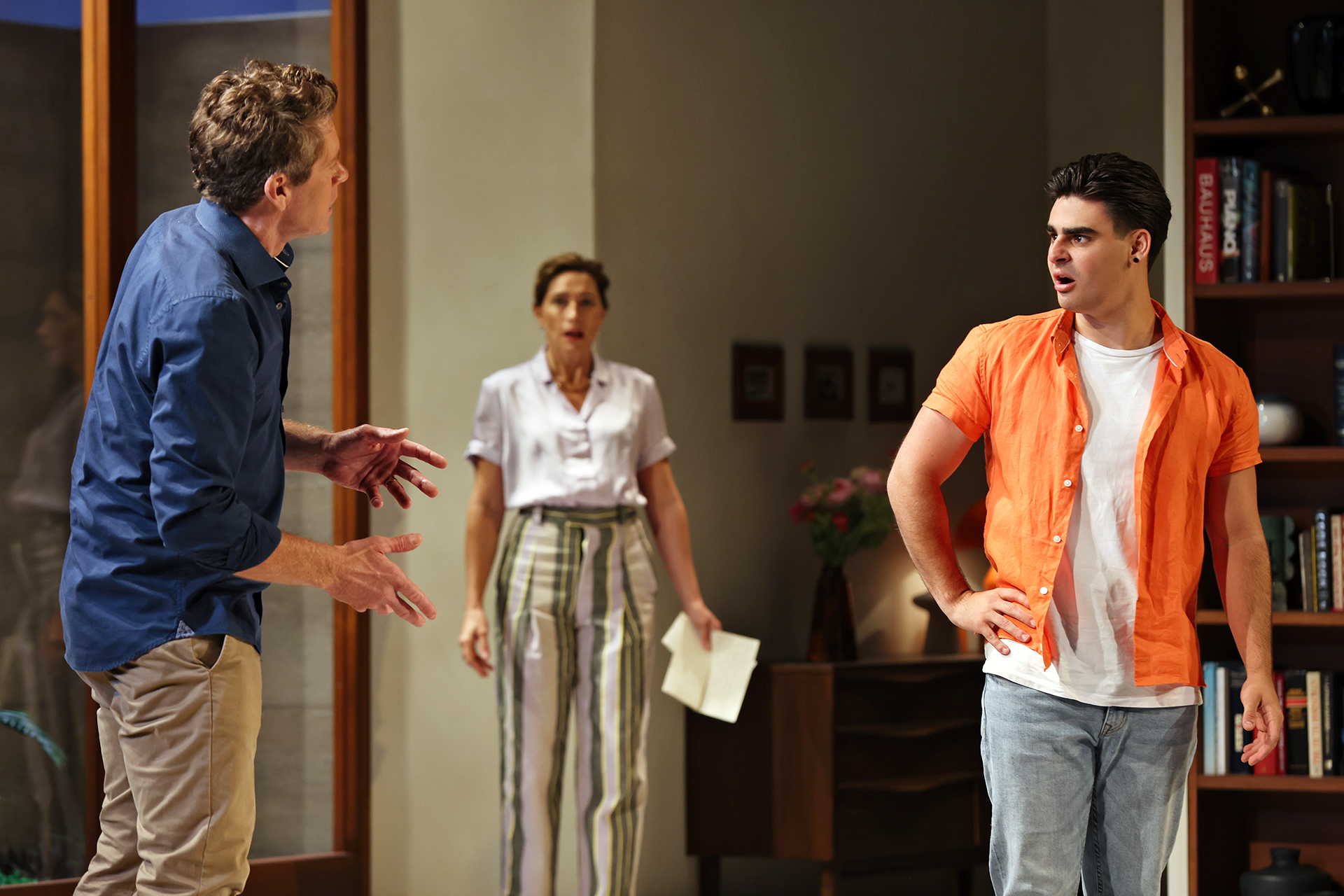
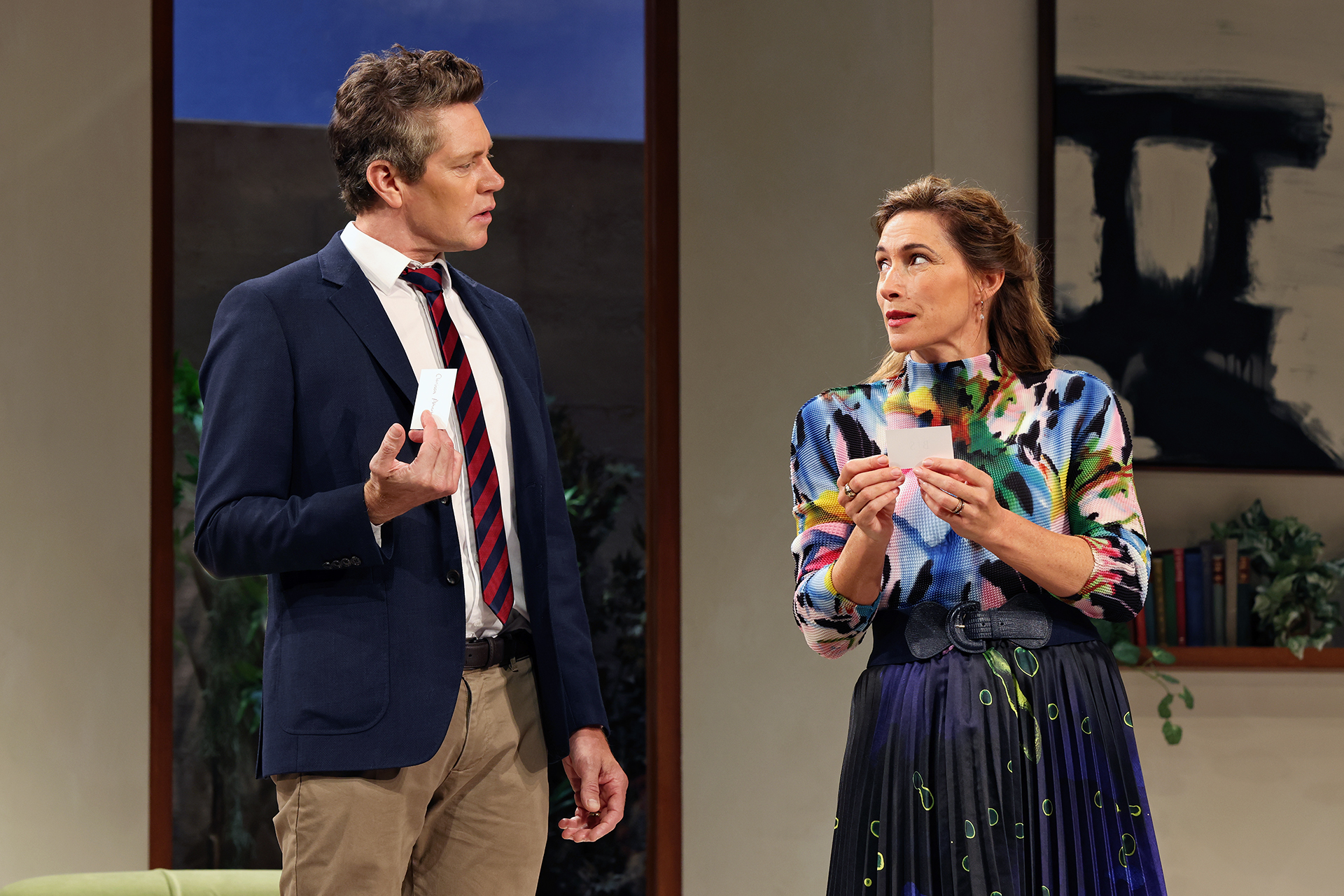
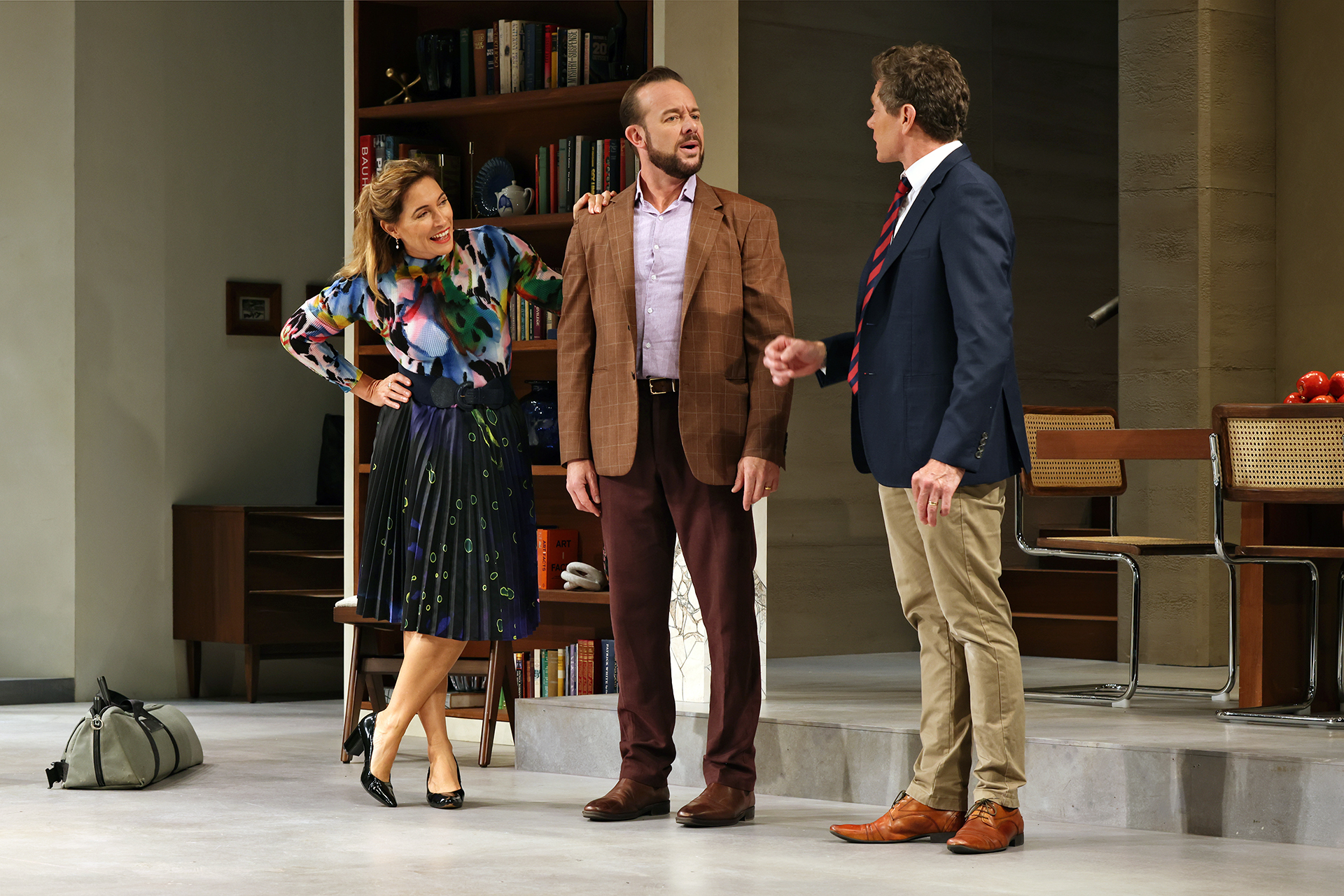
Martin is obsessed with a goat; the attraction may very well be romantic, but when he tells his wife Stevie about the affair, Martin leaves no room for doubt about the sexual nature of his indiscretions. The Goat, or Who is Sylvia? is Edward Albee’s comedic masterpiece from 2000, notable for a conceit that most would choose to think of as absurd, for to take the play at face value, is unquestionably a real affront to our middle-class sensibilities.

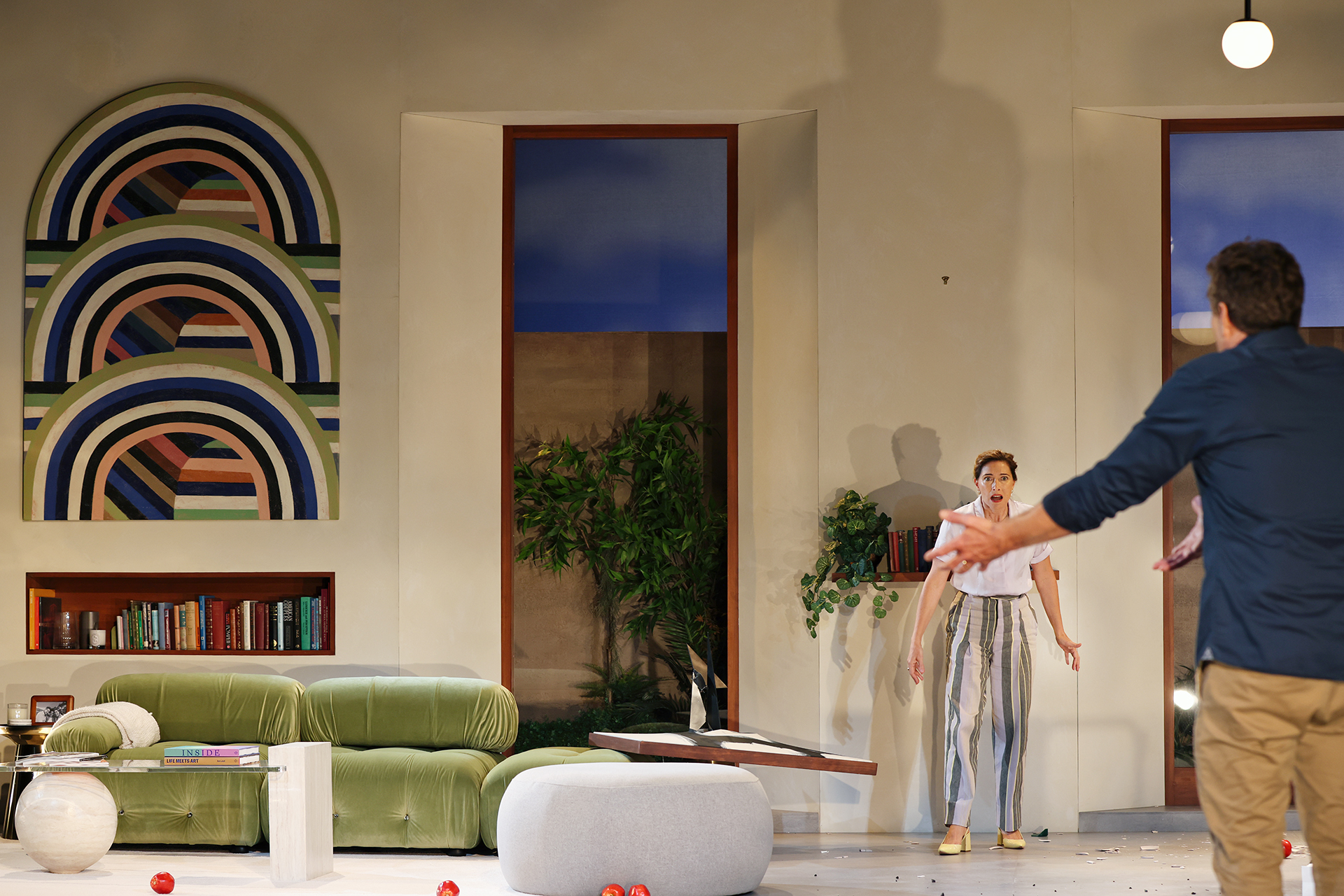
Director Mitchell Butel toys with those precarious boundaries, by injecting a thorough realism into the staging, so that we laugh not only at the preposterous goings on, but also at the deeply uncomfortable disruptions to the bourgeoisie, that Albee so gleefully manufactures. Butel’s ability to make everything believable, gives the show a dangerous edge, so that for 100 minutes, the stakes feel incredibly high, even as the humour of the work makes its presence unmistakably known.

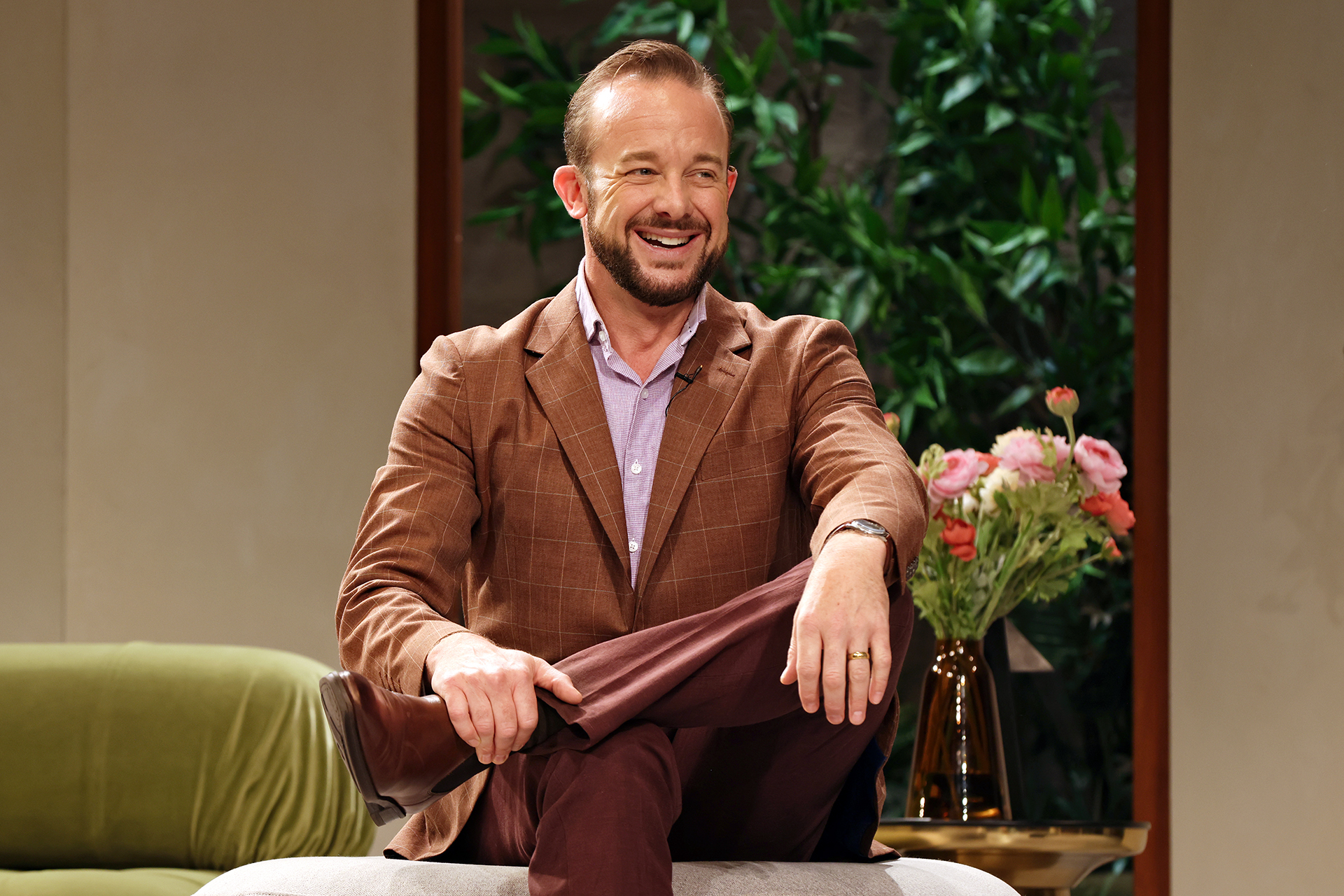
Actor Nathan Page is an astonishing Martin, bringing a hugely surprising measure of emotional truth, to this deliciously ridiculous tale. His expressions of devastation are not to earn our compassion, but to give depth of meaning to our experience of the show, as we laugh heartily at the catastrophe as it develops, with increasing peculiarity. Page’s unexpected fluctuations in tone and intensity, reflect a creative and courageous approach, that proves a perfect match for the play’s subversive humour.

Stevie is played by Claudia Karvan, who indulges in finding for her storytelling, all the authenticity that would make the audience perceive, the intricacies of a marriage in a state of shock. The ebullient Yazeed Daher charms as the couple’s son Billy (pun intended, one would suppose), and Mark Saturno calms our nerves as the normie of the piece, providing a more conventional response to the whole goat affair, although not without substantial hilarity through his excellent comic timing.

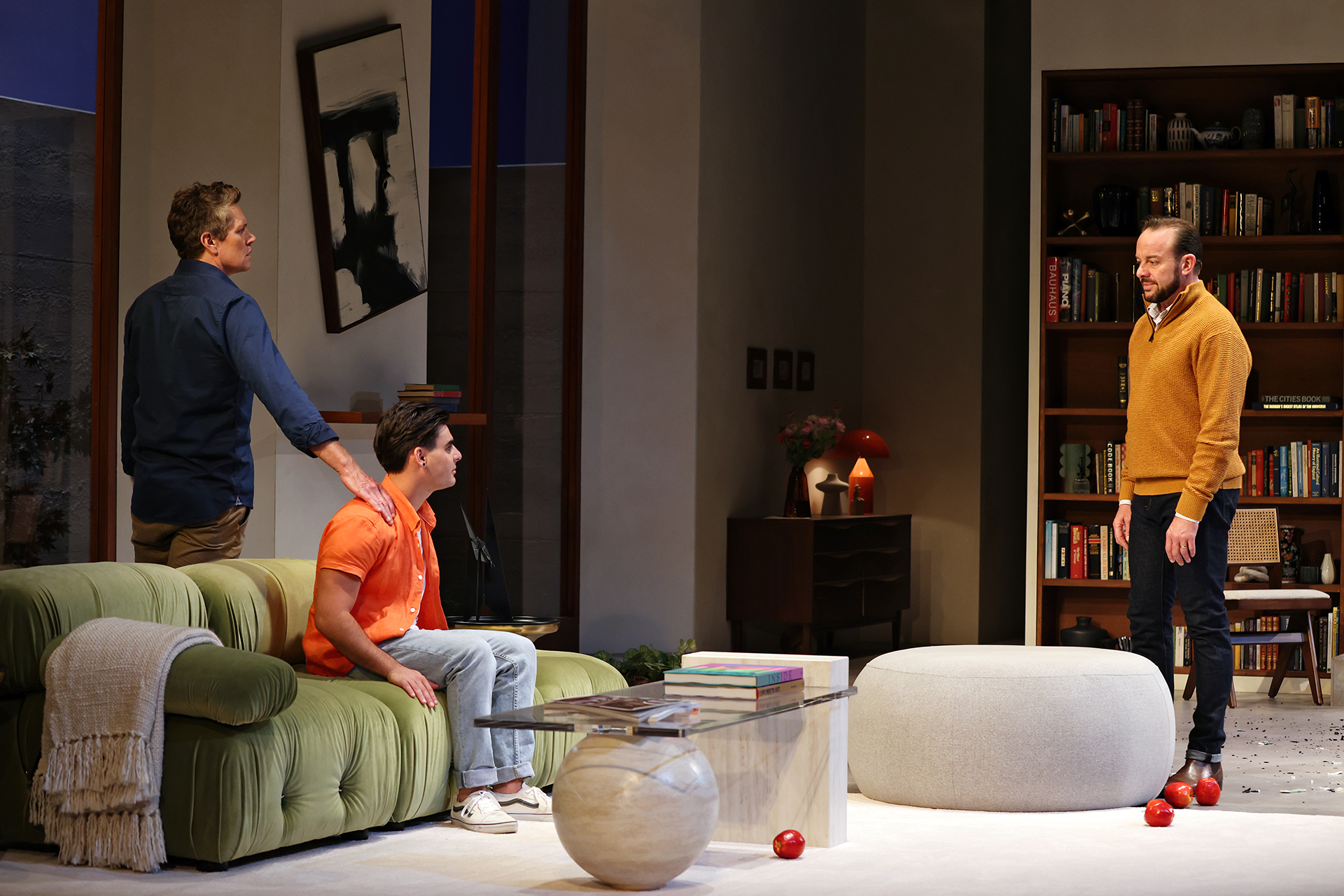
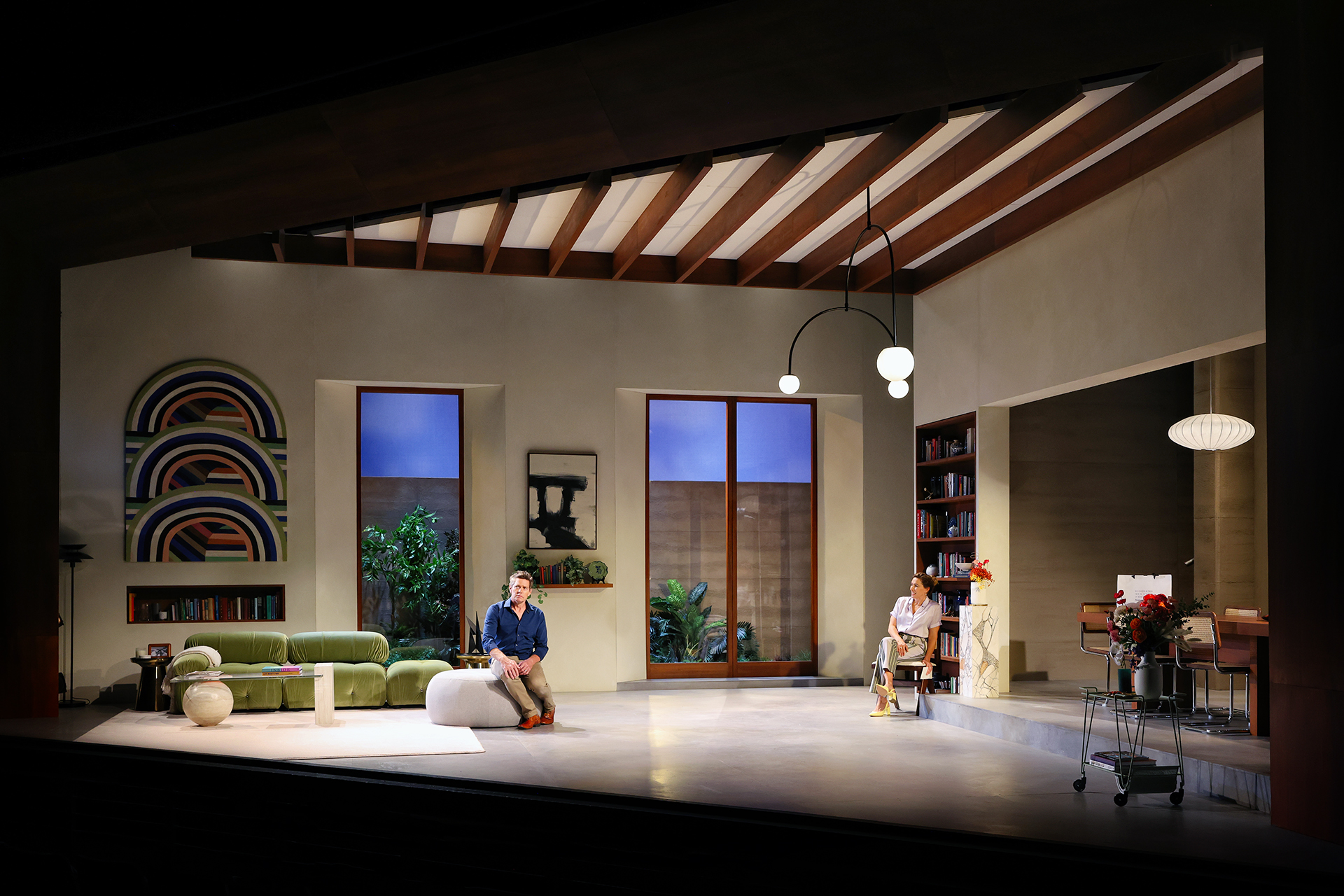
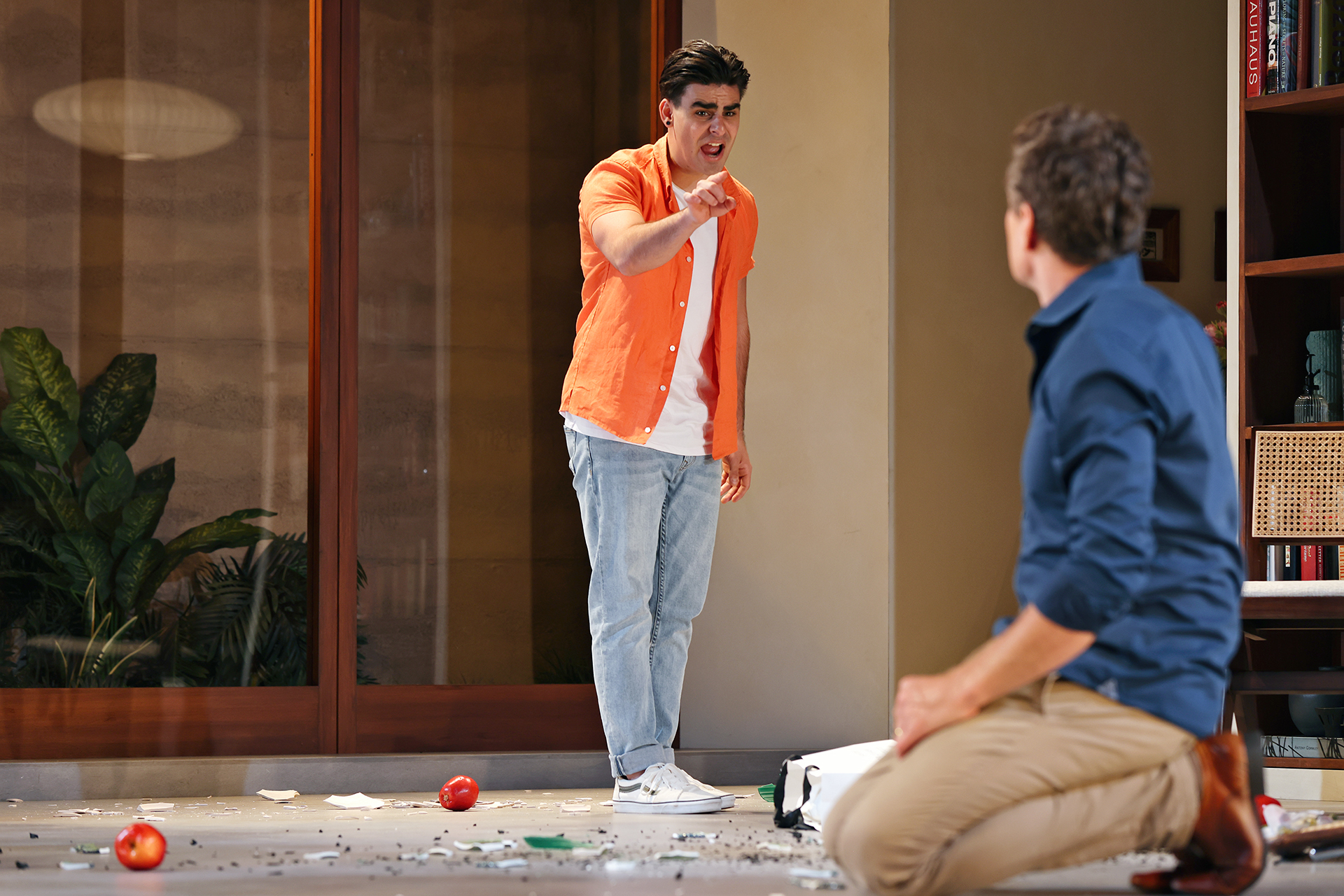
The production is a smart looking one, with Jeremy Allen’s set and Ailsa Paterson’s costumes delivering everything that is visually pleasant, of affluent, restrained whiteness. Lights by Nigel Levings, along with sound and music by Andrew Howard, are appropriately minimal in their enhancements of a play, that needs little aesthetic embellishment.

Things can always change in an unforeseen moment. We have learned from the moment of birth, that life has a way of dispensing upon us, one interruption after another, yet we keep on insisting on searching for stability, normalcy and calm. Martin and Stevie bolster their lives with all the comfort and certainty, that wealth seems to guarantee, but we are reminded that things will always descend, upon that which seems the most harmonious and indefectible, as though with the sole intention of wreaking havoc. To exist, is to be rendered defenceless, try as we may, to subsist in the delusion, that we can reach for something like nirvana, on this endlessly farcical plane.

www.sydneytheatre.com.au | www.statetheatrecompany.com.au

Review: Sunderella (ARA Darling Quarter Theatre)

Venue: ARA Darling Quarter Theatre (Sydney NSW), Mar 1 – 4, 2023
Playwright: Kunal Mirchandani
Director: Bali Padda
Cast: Nickin Alexander, Aria, Sheila Dickshit, Mohini Dixit, Kashif Harrison, Adish Jain, Zeenat Parveen, Rani, Shabnam Tavakol
Images by Dusk Devi Vision

Theatre review

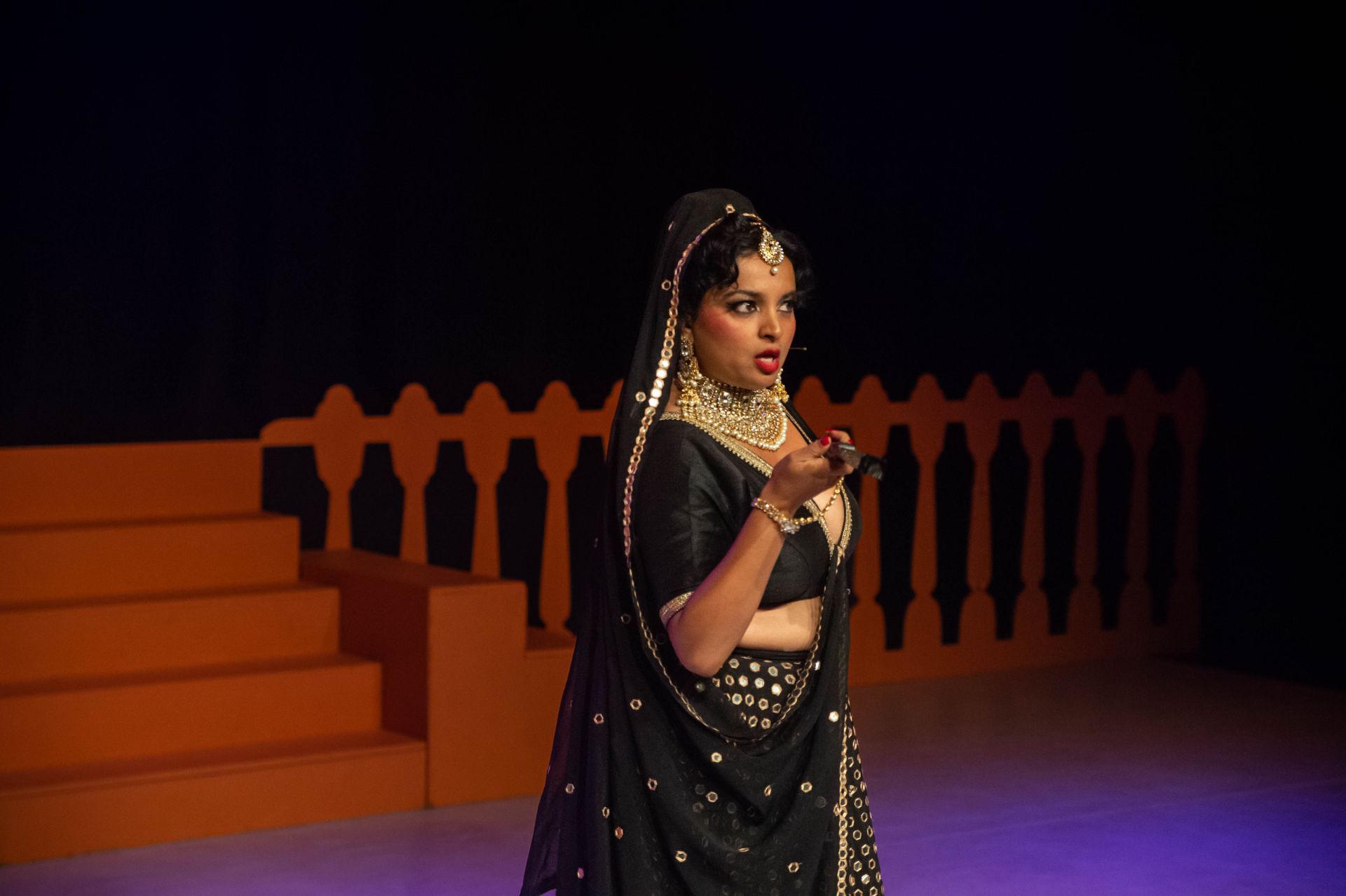
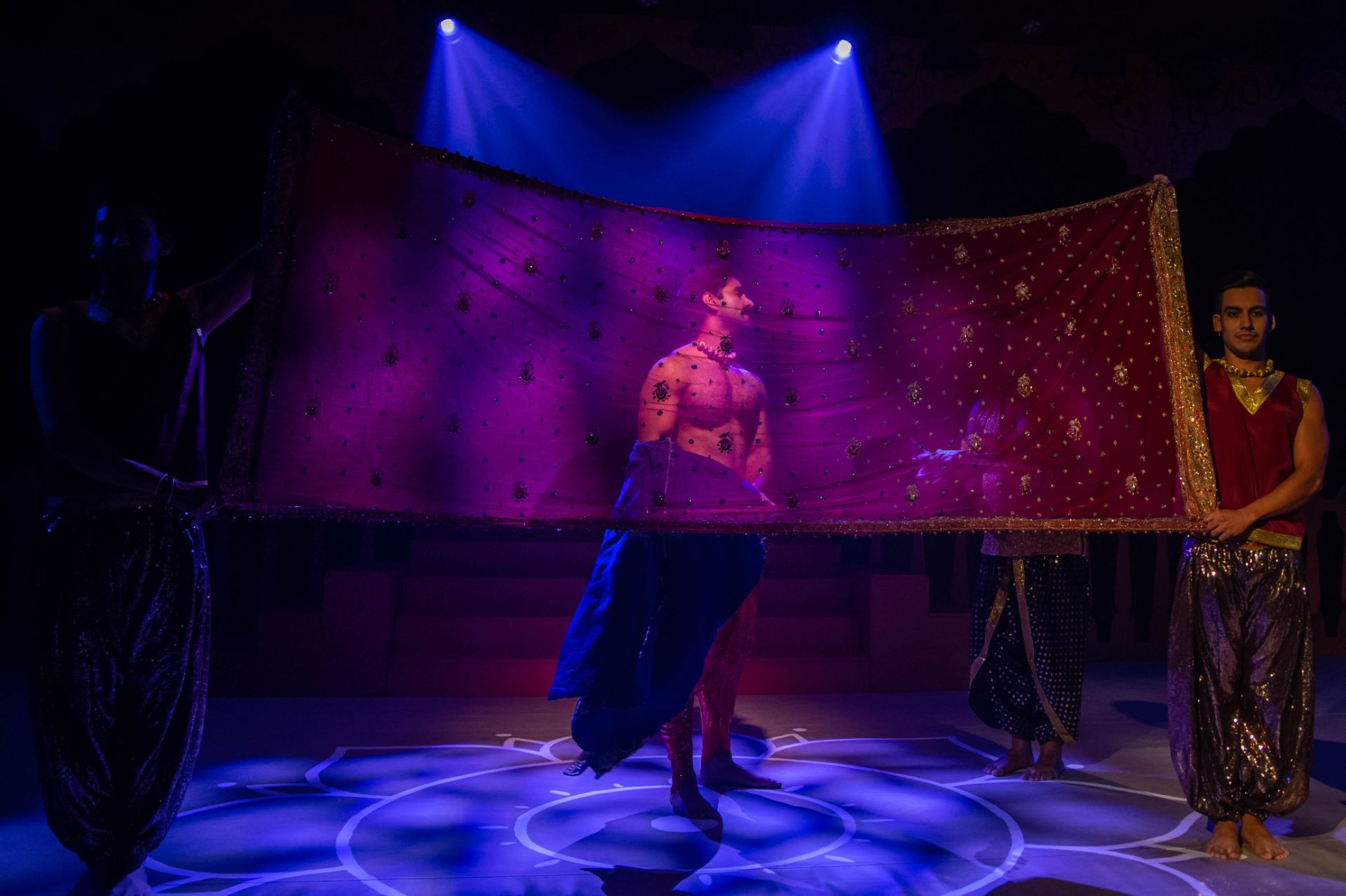
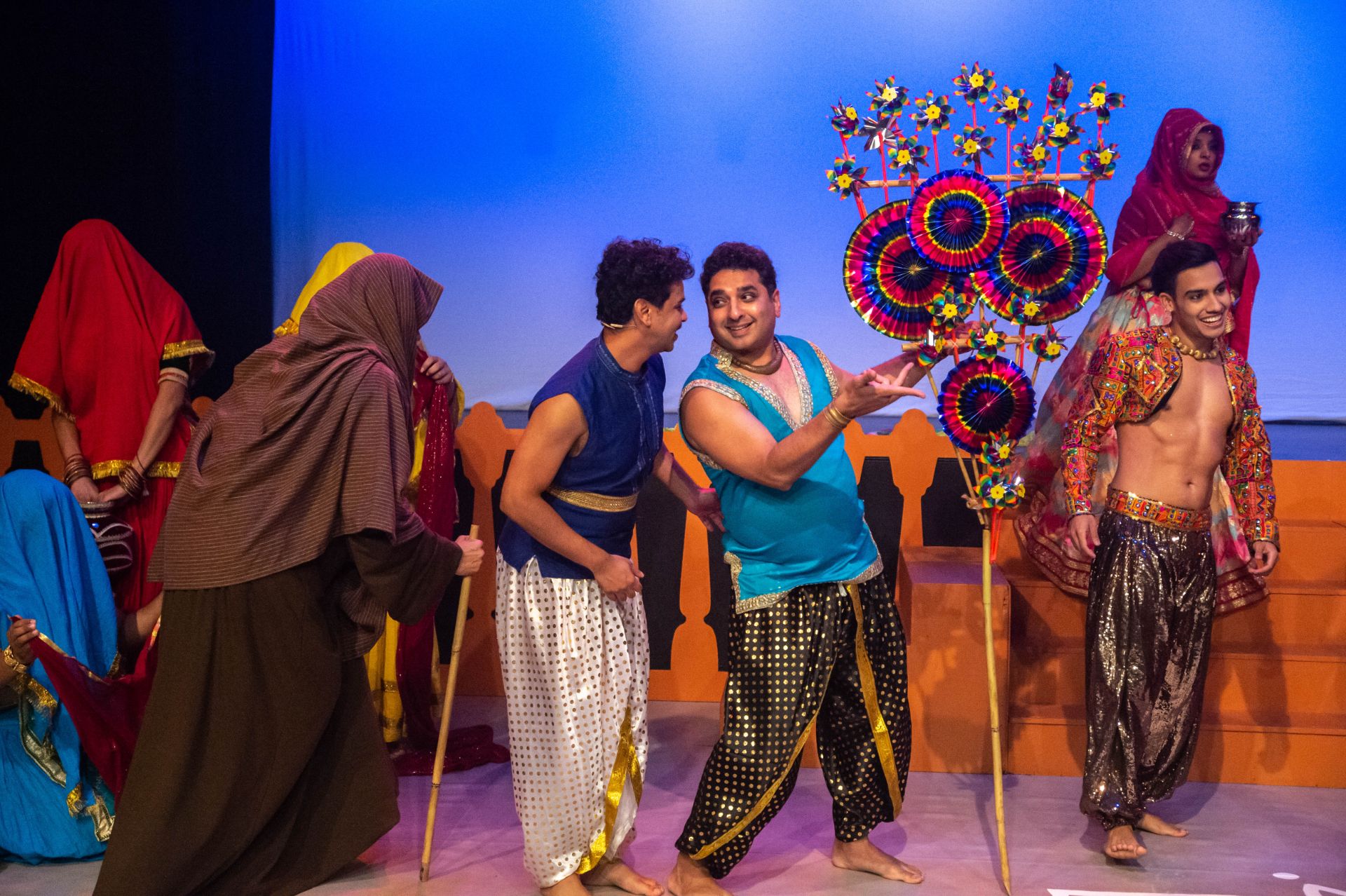
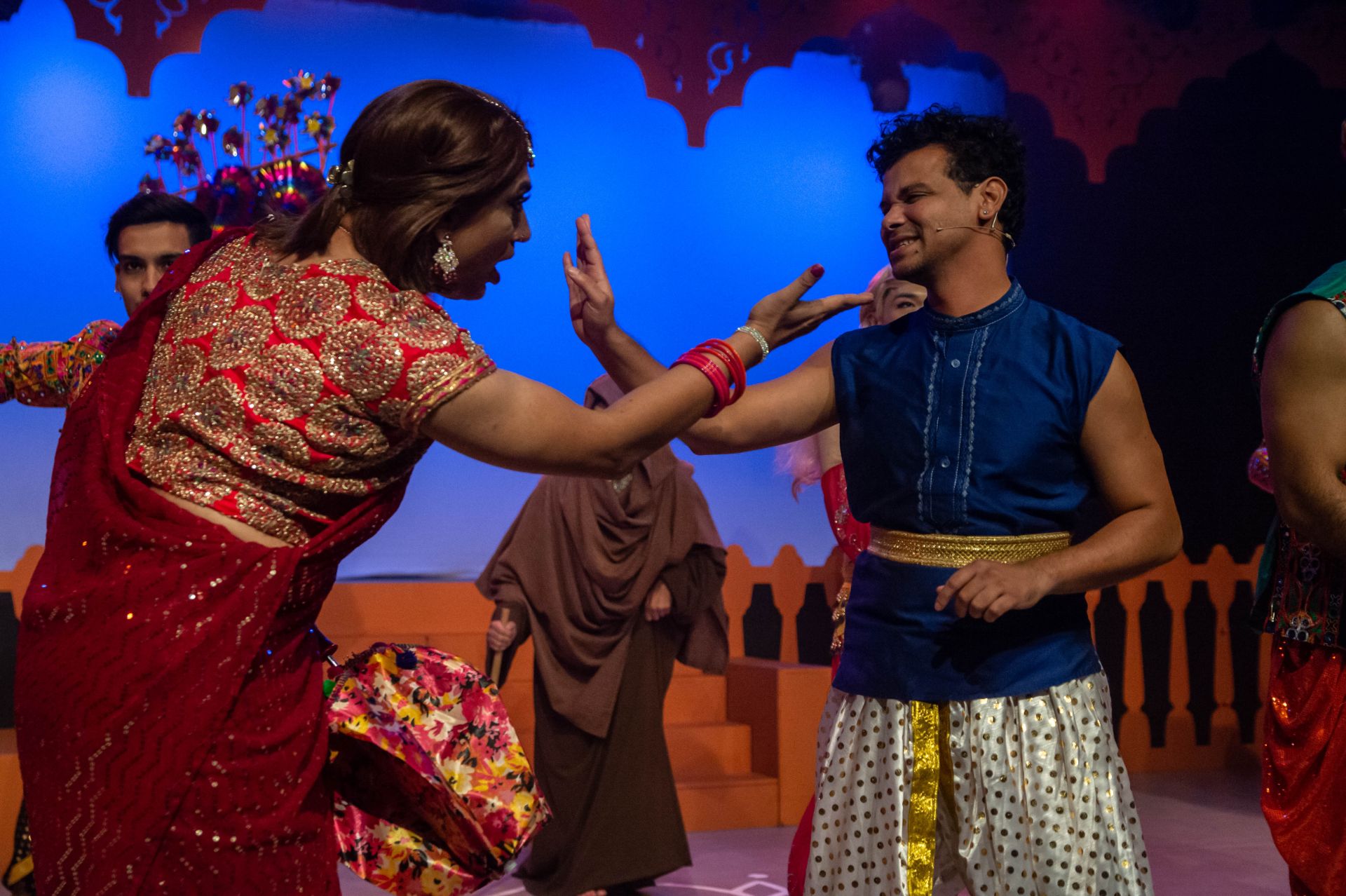
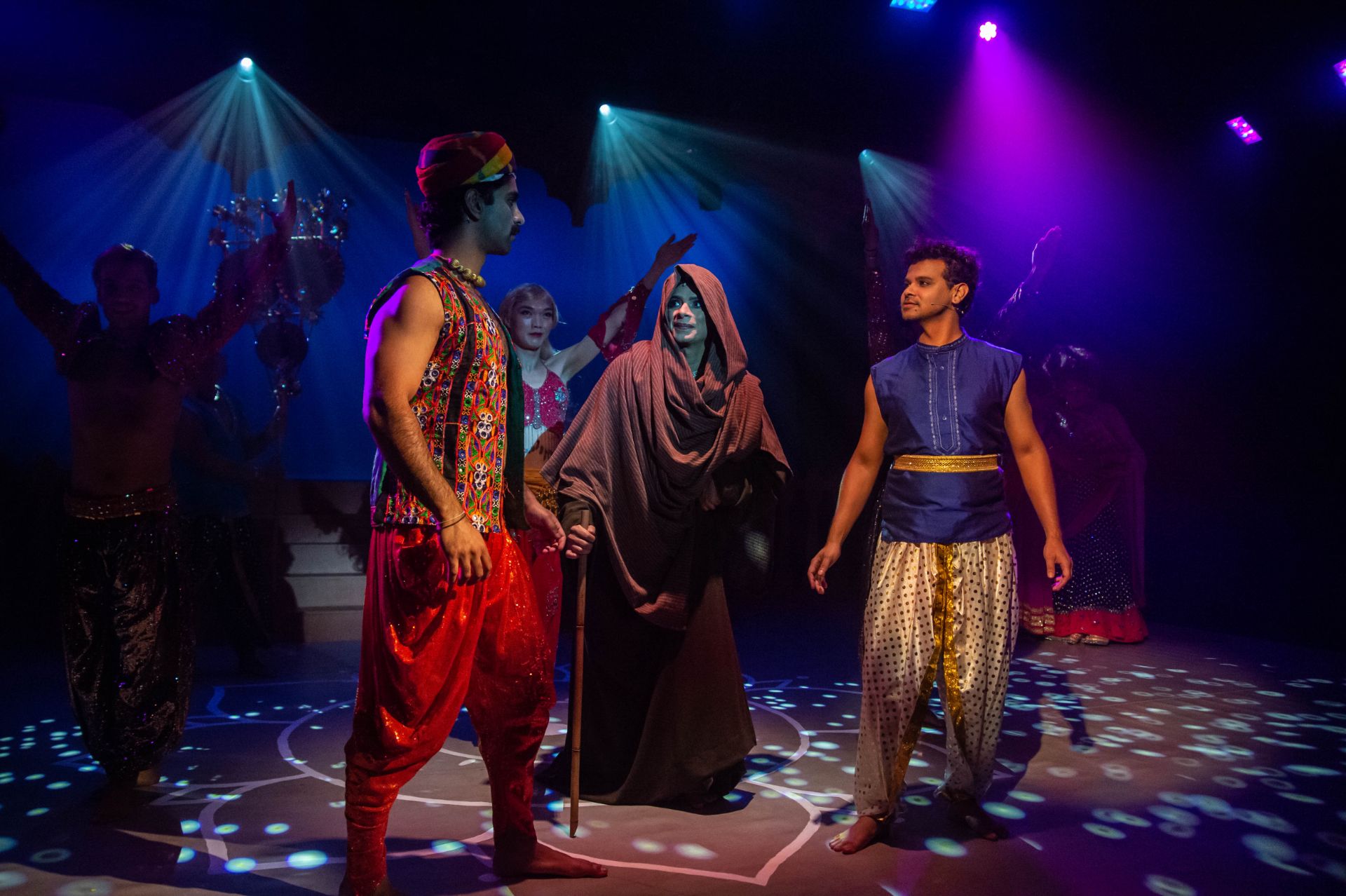
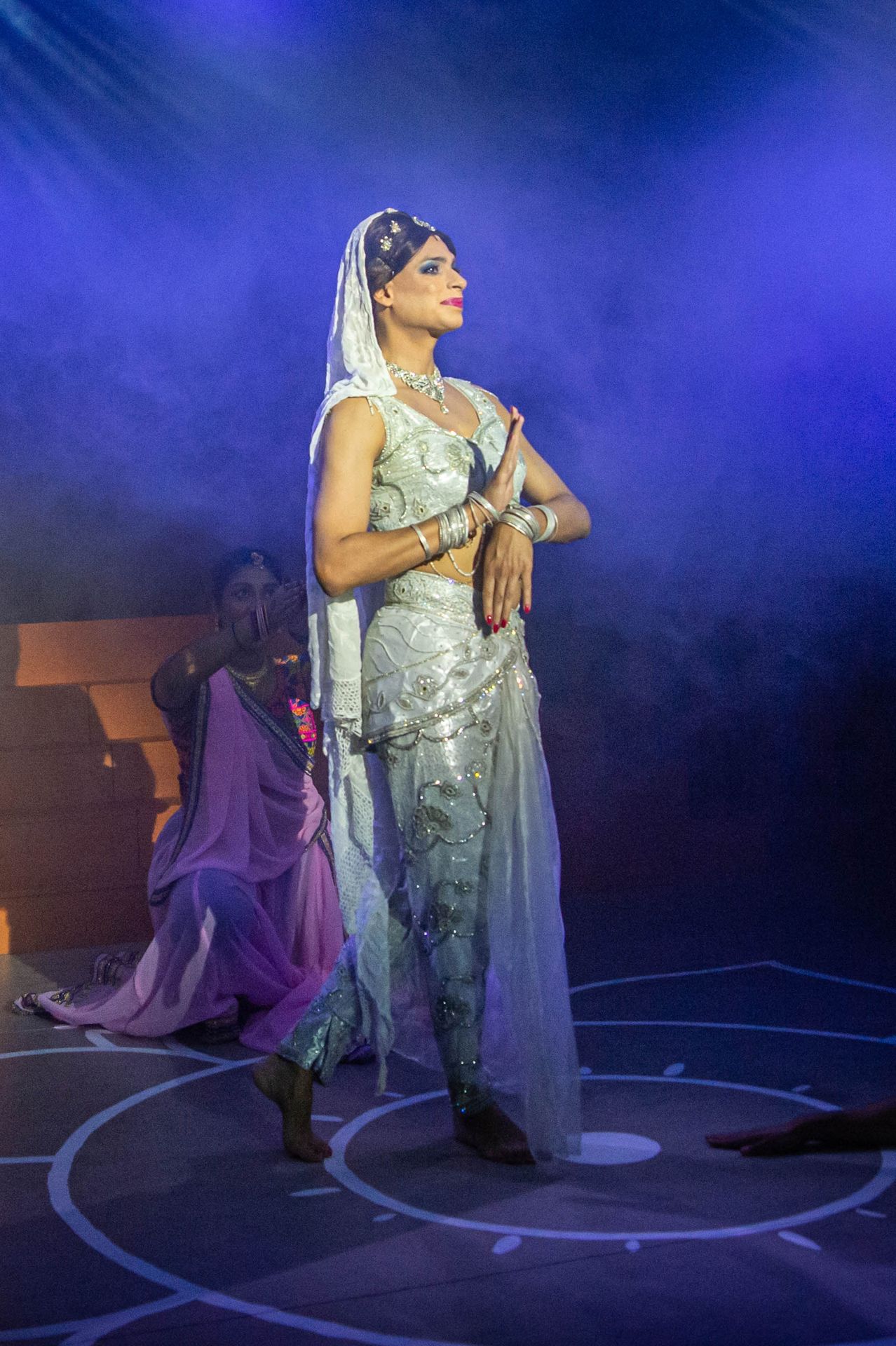
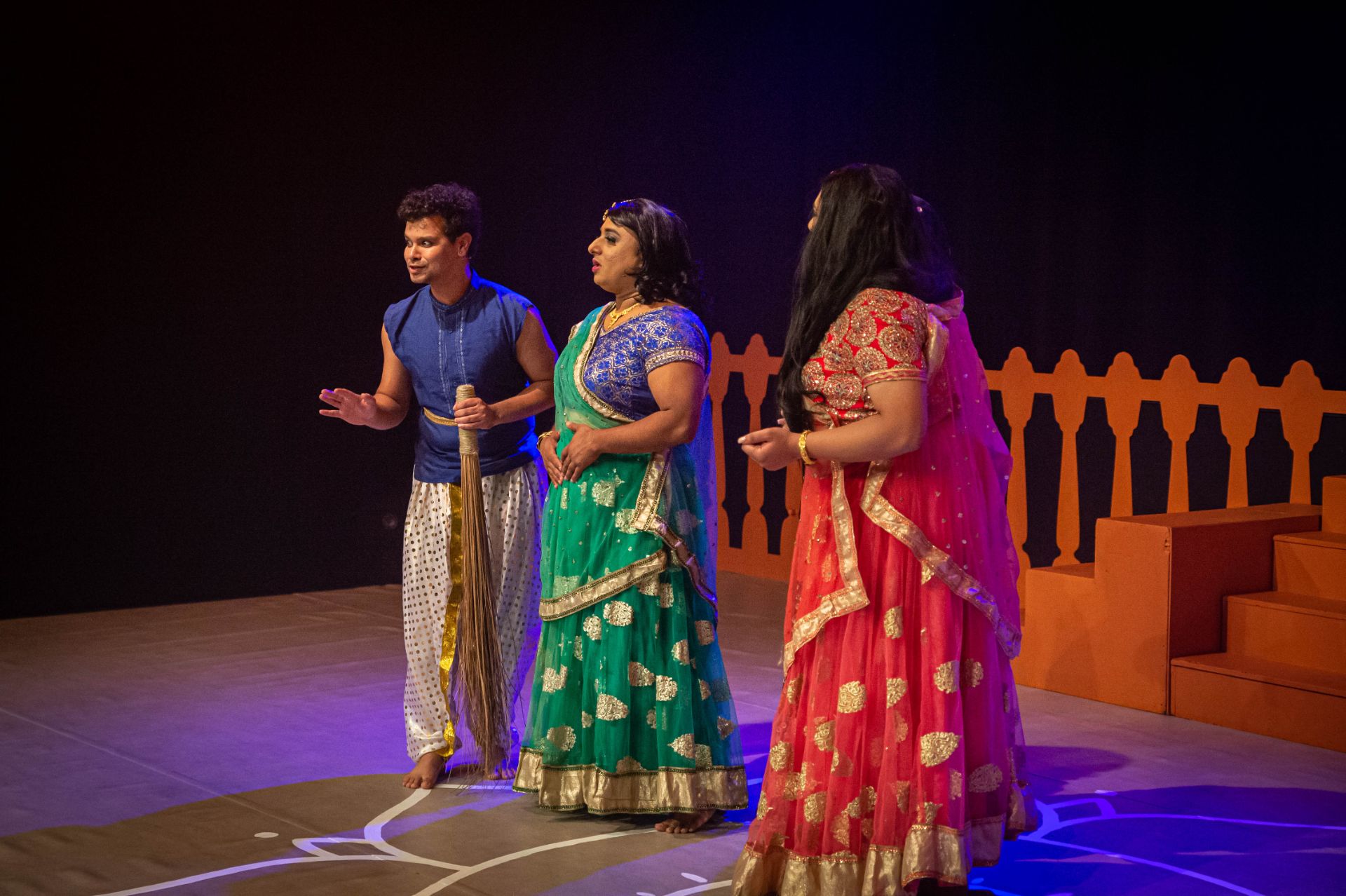
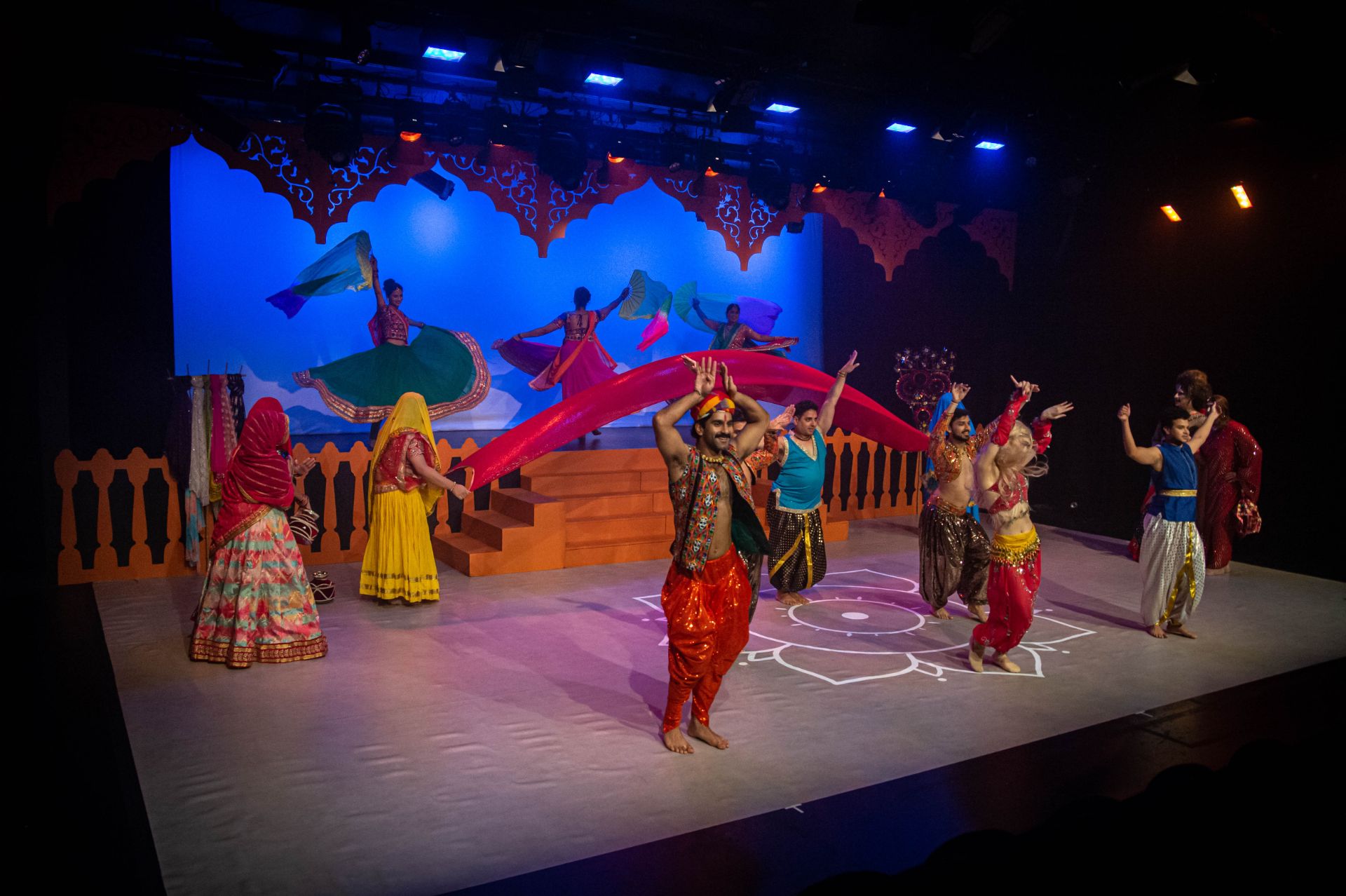
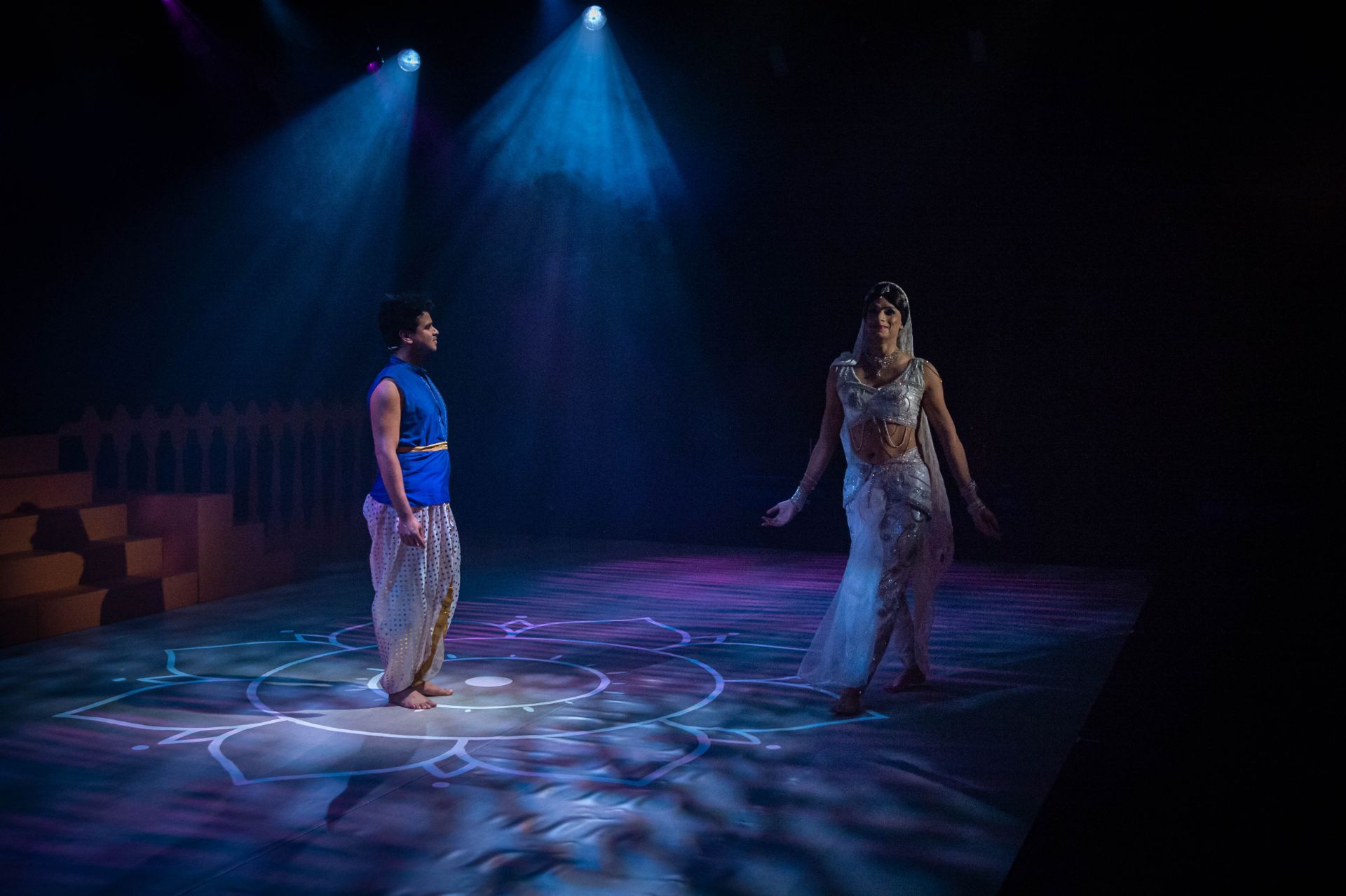
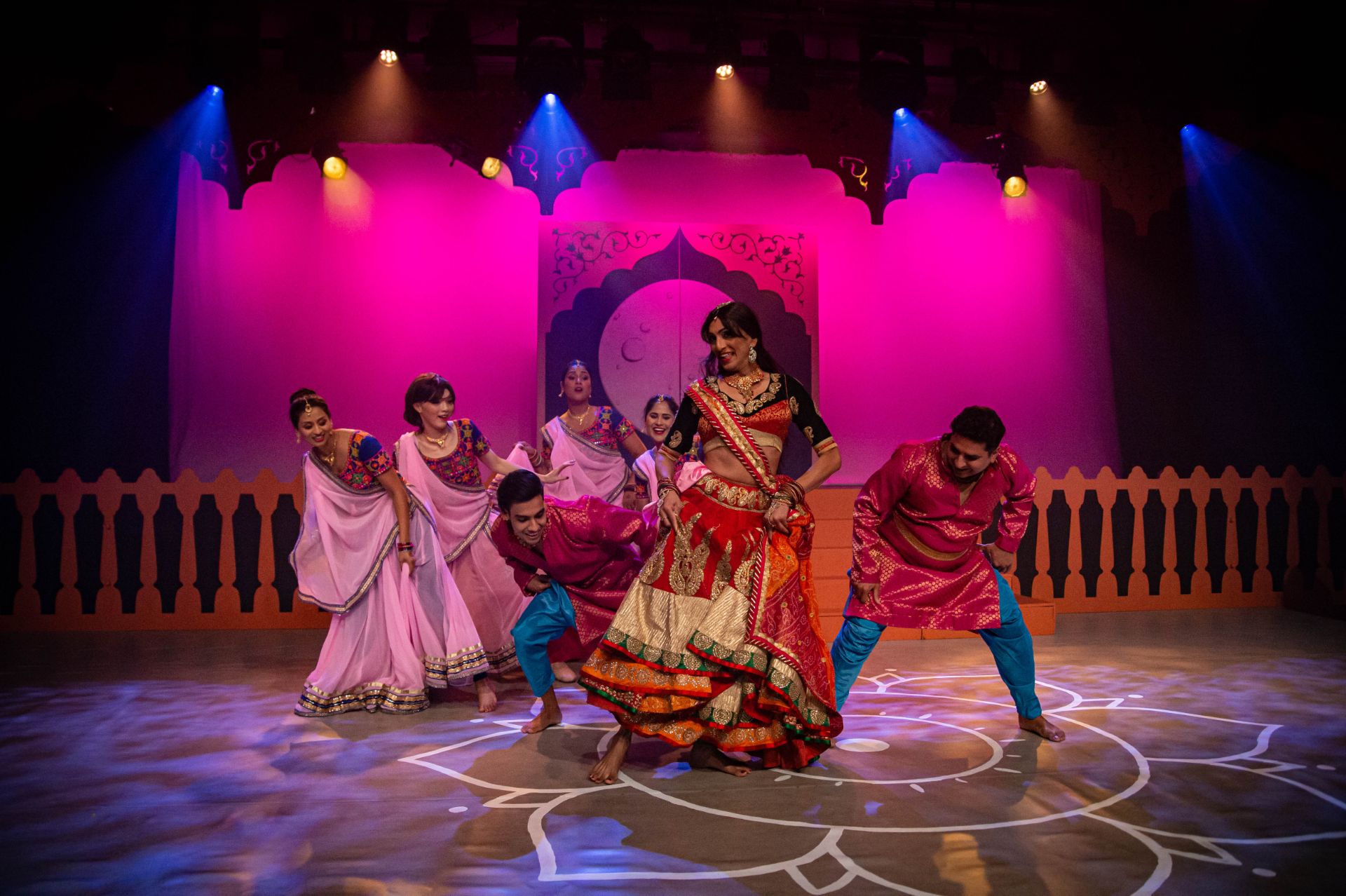
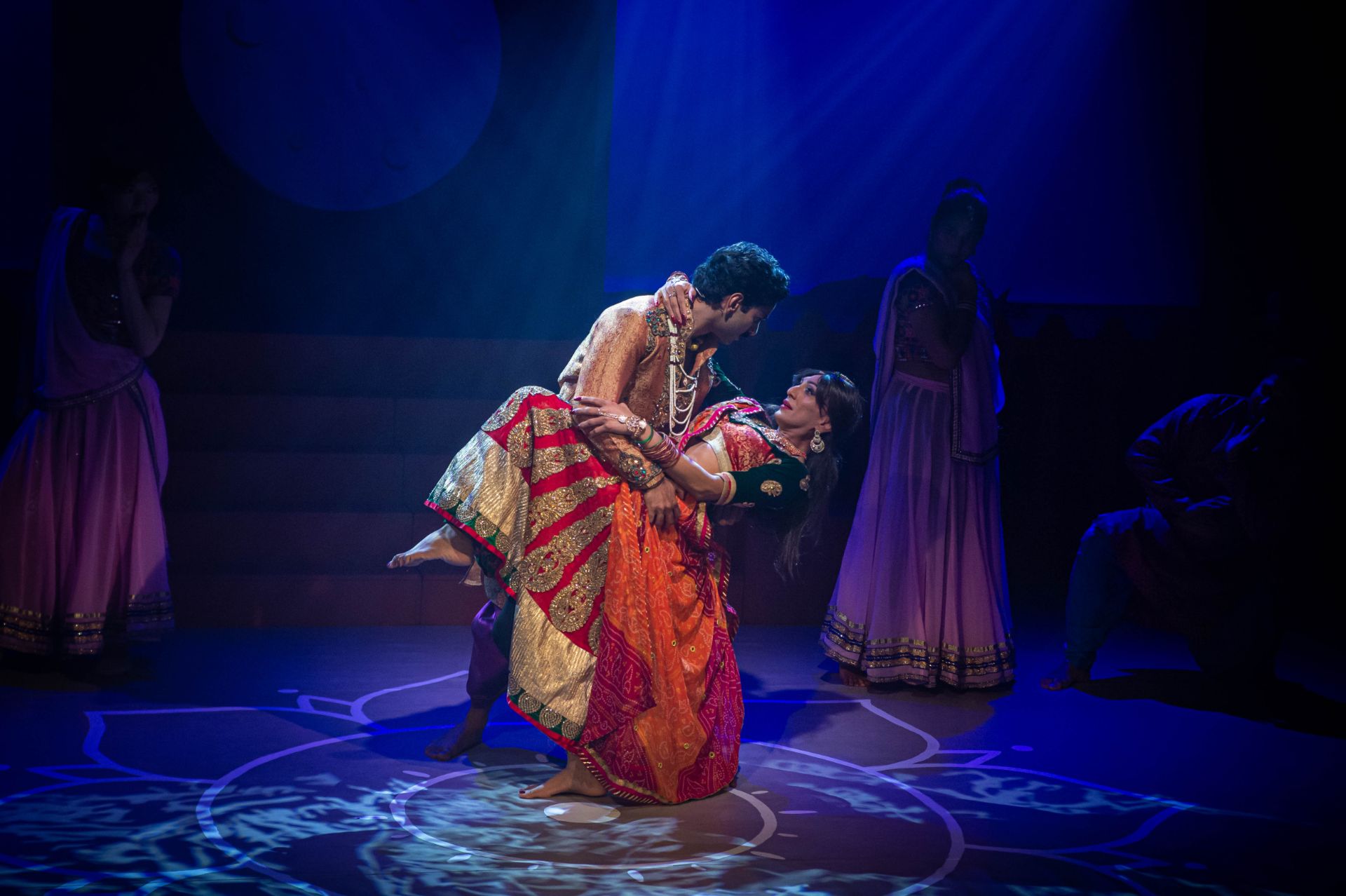
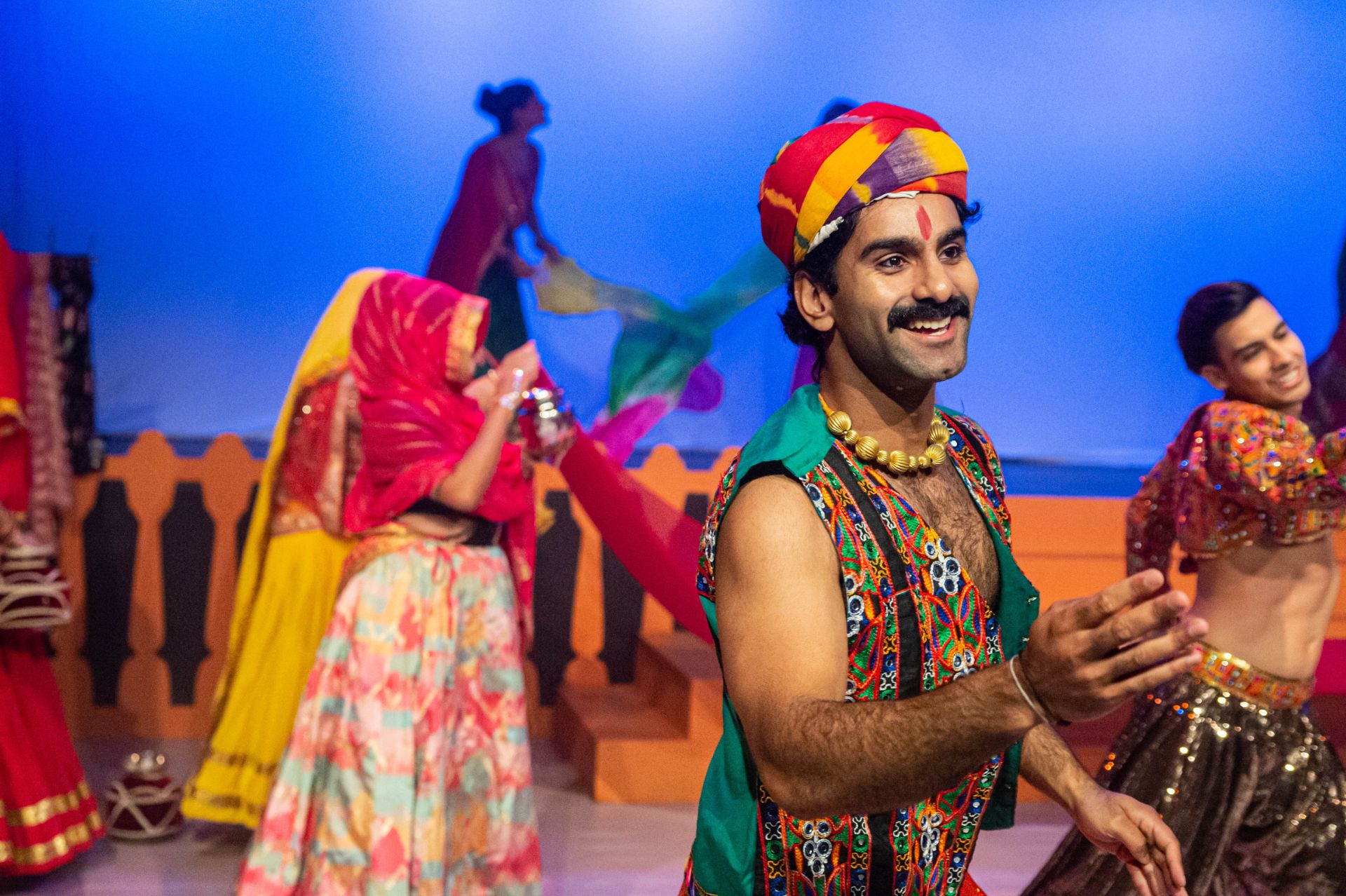
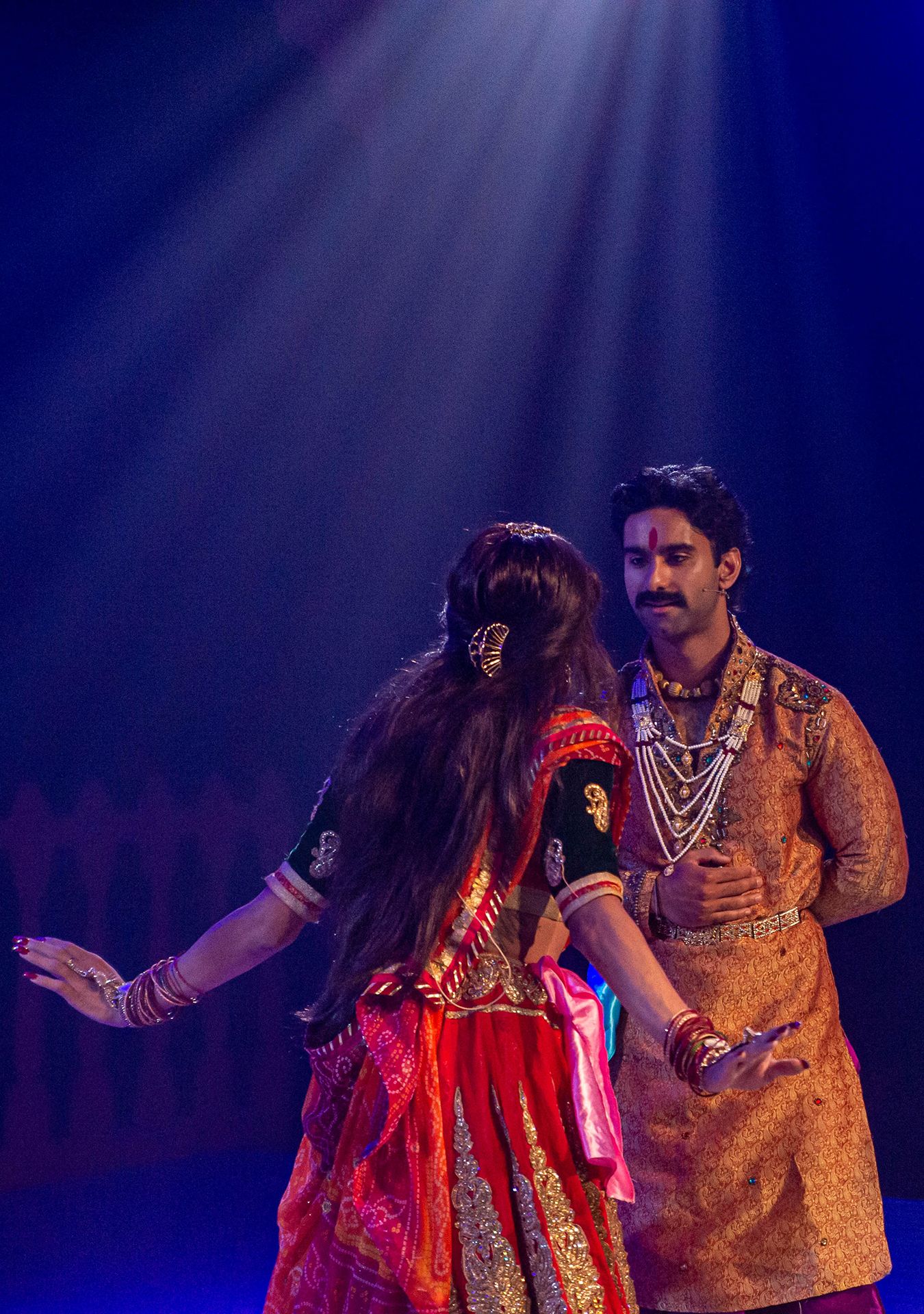
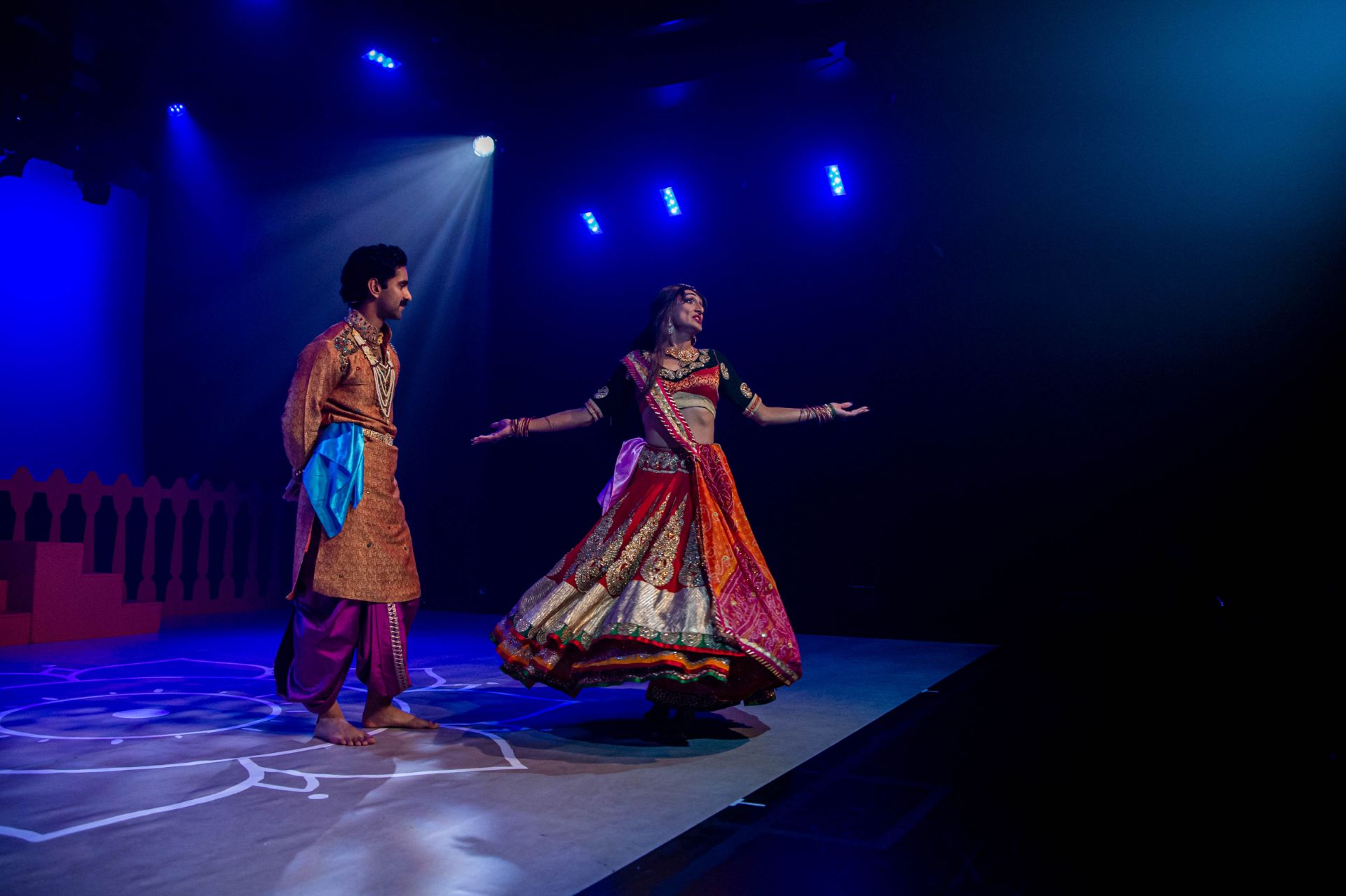
In this version of a very familiar story, the prince is left with a bangle instead of a glass slipper, to look for the woman of his dreams. Also different in this new iteration of the tale, is that the woman turns out to be a man, who had gone to the ball, dressed in drag. Kunal Mirchandani’s Sunderella moves the story to Mumbai in 1762, for a queer reframing of a classic love story, that should prove more appealing to the many who are tired of the heterosexual dynamic, so obstinately central to virtually all of our fairy tales.

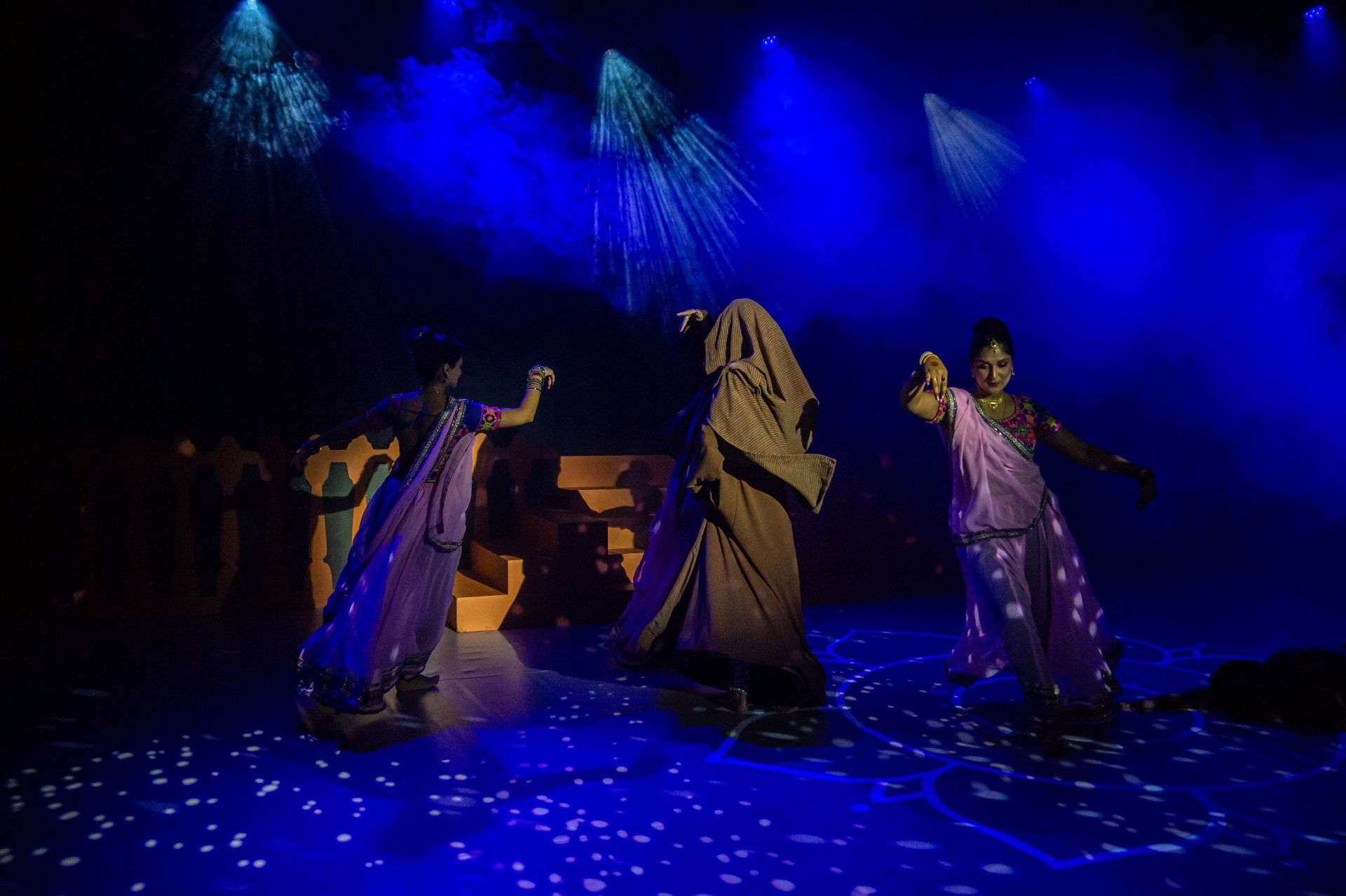
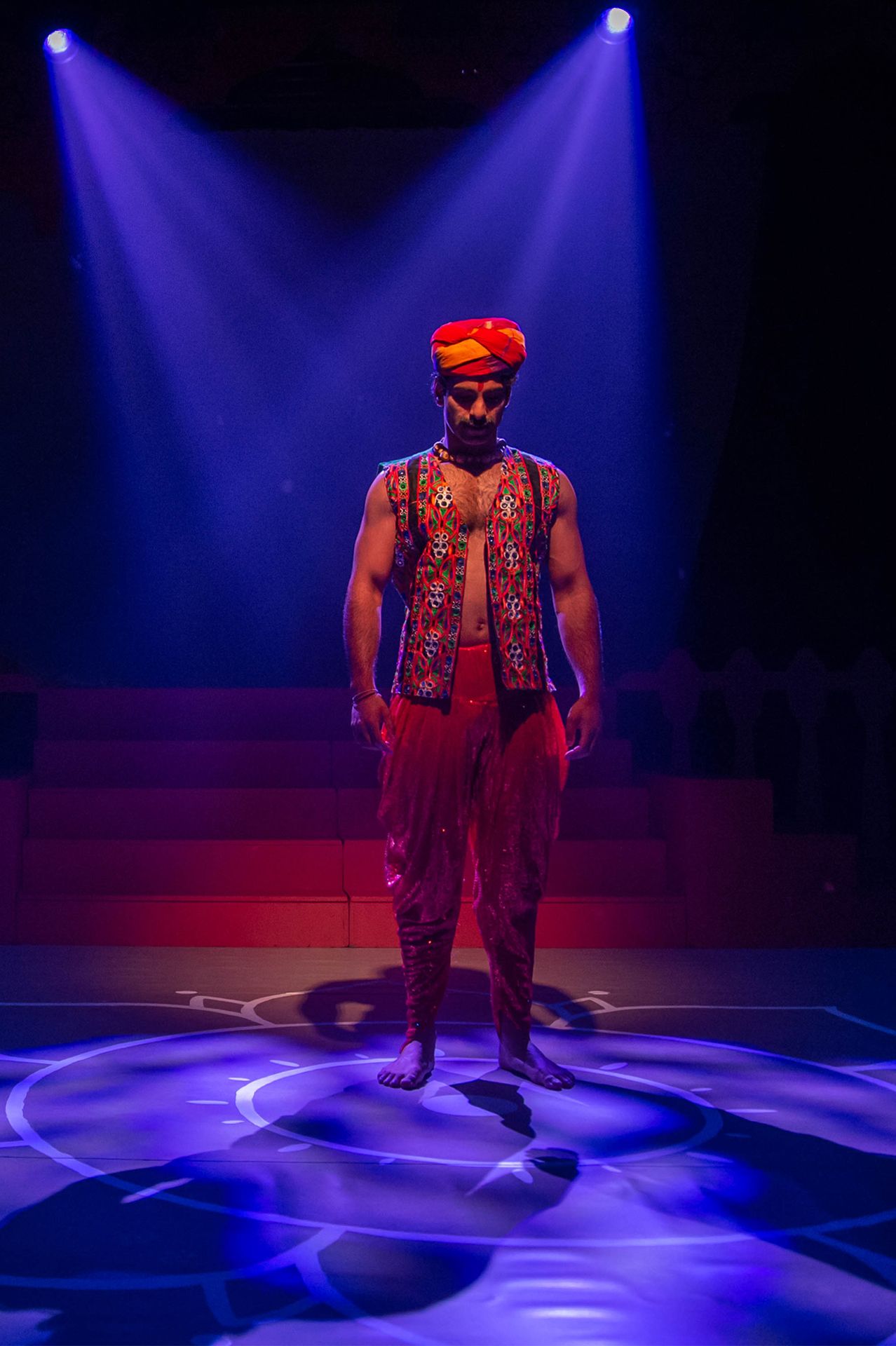
Comical yet tender, Sunderella contains both ironic humour and innocent romance, blended together for a delightful show catering to kids of all ages. Director Bali Padda imbues a delicious camp sensibility throughout the piece, and along with choreographer Zeenat Parveen, deliver something that shimmers reflexively, both on the surface, and from within its vivacious heart. Costumes by Parveen, Shurobhi Banerjee and Mishty Lal, are gloriously assembled, and lights by James Wallis are just as spectacular, for a production that satisfies with its visual sumptuousness.

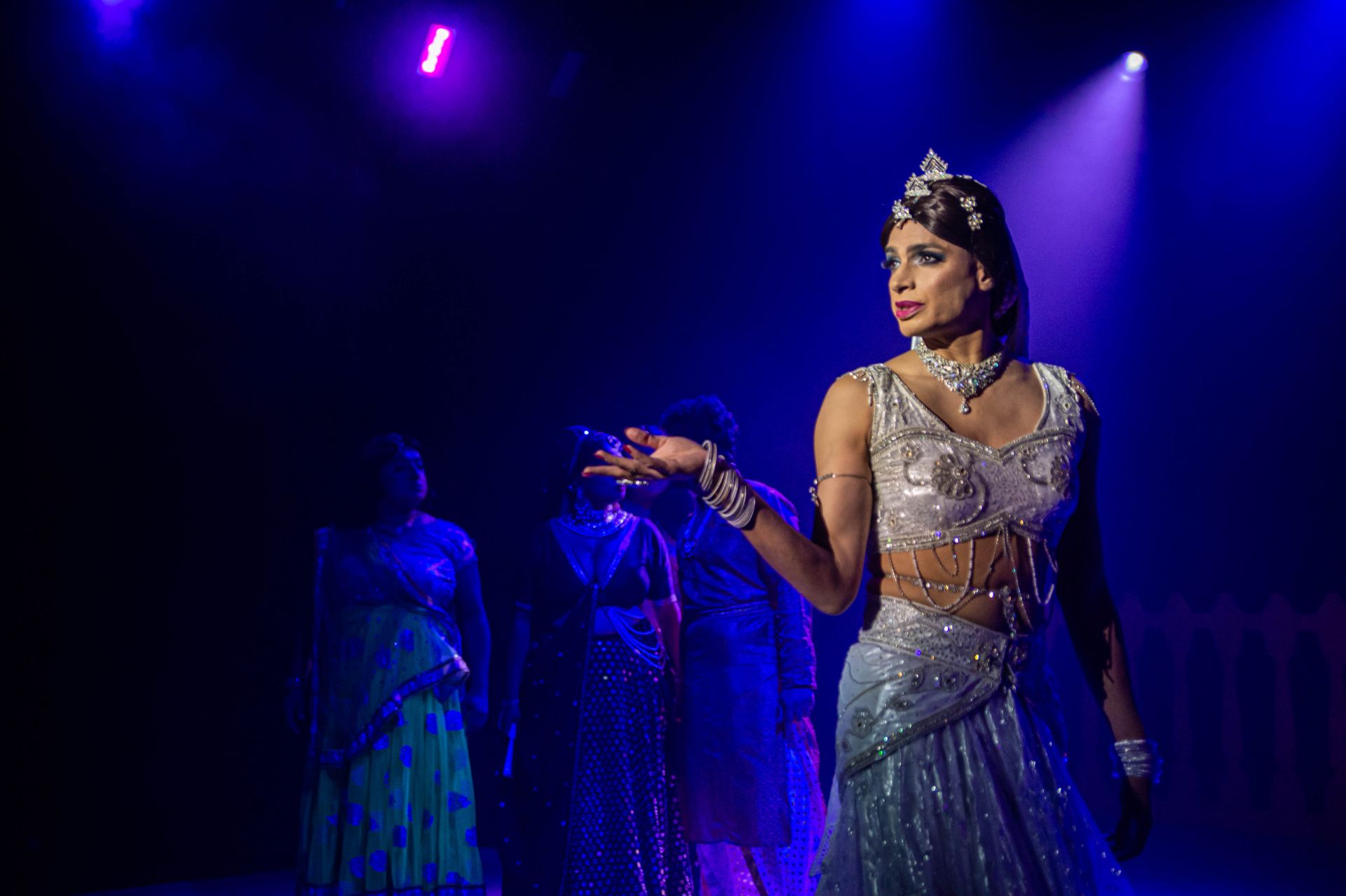
Parveen further impresses, as performer in the role of The Goddess, with sparkling charisma and a marvellously disciplined physicality, that provides some level of polish, to a presentation that is otherwise memorable for its stable of raw talent. Shabnam Tavakol is strong as the vicious Stepmother, leaving no ambiguity regarding her malicious intentions. The handsome Prince Nirad is played by Nickin Alexander, who brings a valuable earnestness that gives the storytelling a believable anchor. The titular part of Sunderella is shared by Mohini Dixit and Adish Jain, both demonstrating good commitment, to elicit our emotional investment into their show.

The ease with which Prince Nirad was able to adjust to the discovery, that his love is more a man, than a woman, is indeed a refreshing change from what feels like a centuries-long fabrication, that the only appropriate response for a situation of this nature, is panic. It may be with Sunderella that we learn to re-classify the prince as pansexual, or it may be that we learn to ameliorate the way we understand gender, so that those who are disadvantaged because of gender disparities, can begin to live reclaim all they deserve.
www.sunderella.com.au

Review: Macbeth (Bell Shakespeare)

Venue: Sydney Opera House (Sydney NSW), Feb 25 – Apr 2, 2023
Playwright: William Shakespeare
Director: Peter Evans
Cast: Rebecca Attanassio, Julia Billington, Isabel Burton, Jeremi Campese, Eleni Cassimatis, James Lugton, Kyle Morrison, Hazem Shammas, Jessica Tovey, Jacob Warner
Images by Brett Boardman

Theatre review

The most timeless element about Shakespeare’s Macbeth, is perhaps its meditations on ambition and guilt. Centuries on, men continue to be ruthless, as they claw their way to the top, but it is not often that we see any evidence of remorse thereafter. The play is concerned with the human conscience, but it is revelatory that most of how its characters experience regret, can only take place in supernatural realms; an indication that much as we wish for the rich and powerful to admit wrongdoing and make amends, it is but a fantasy in our individual and collective minds.

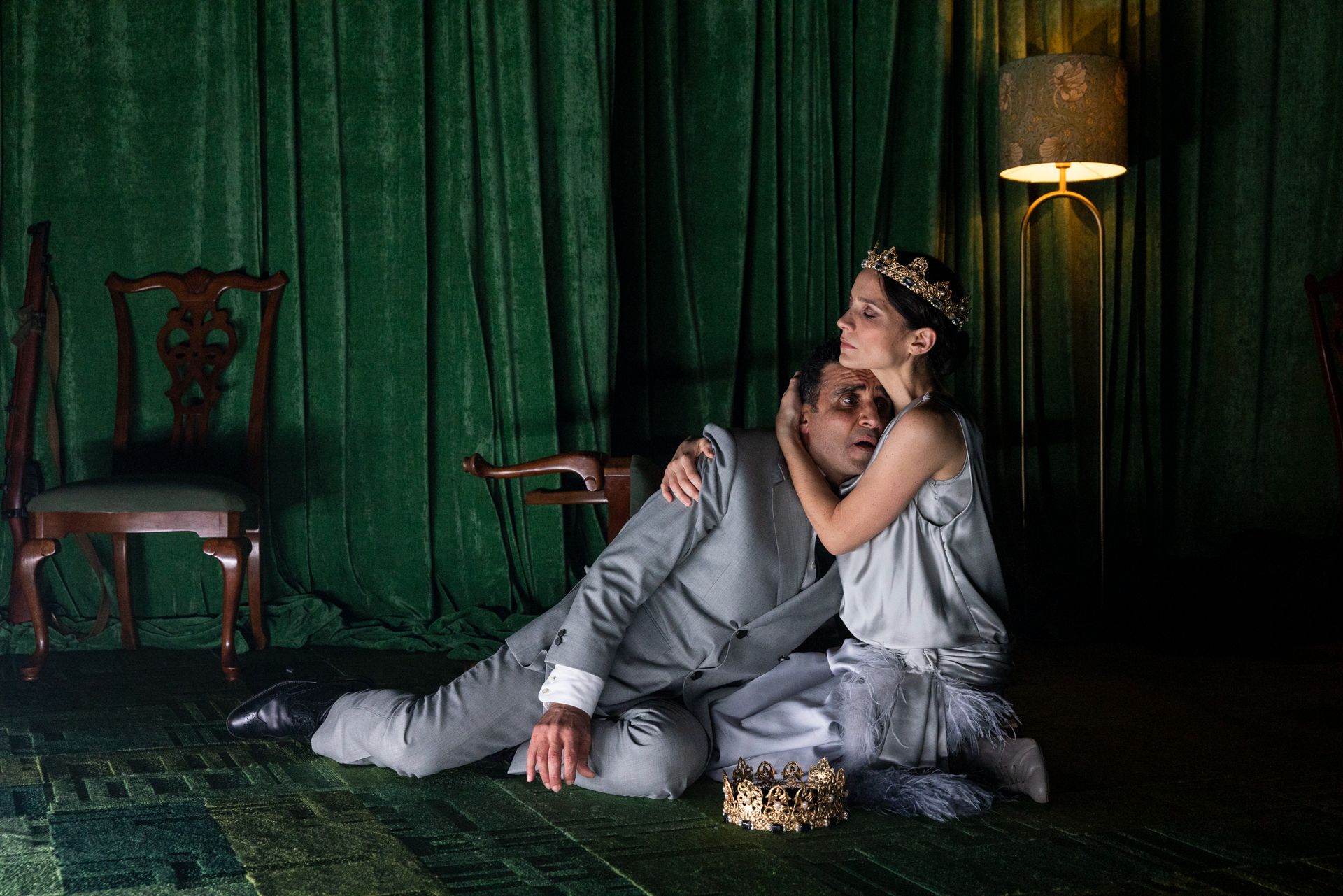
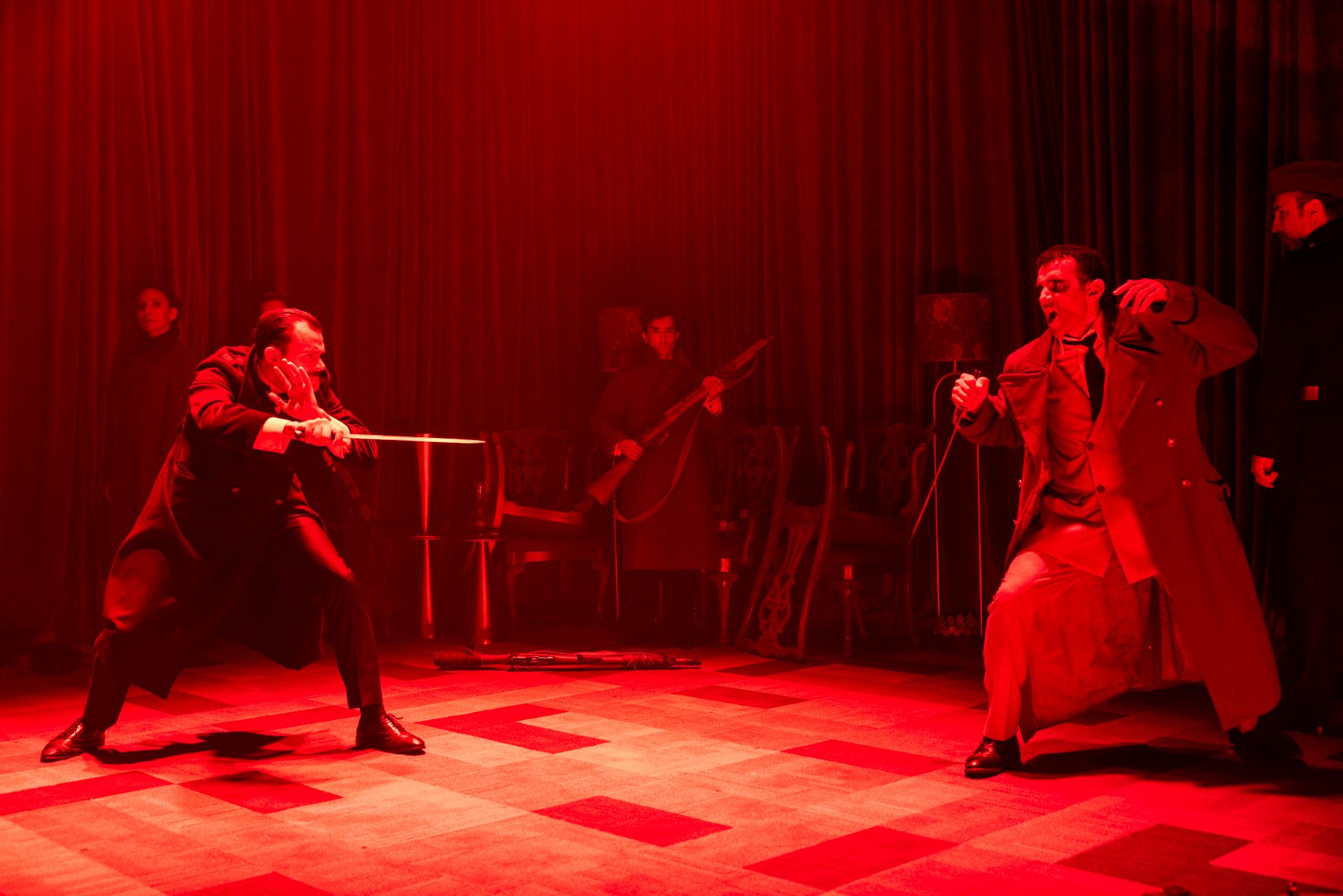
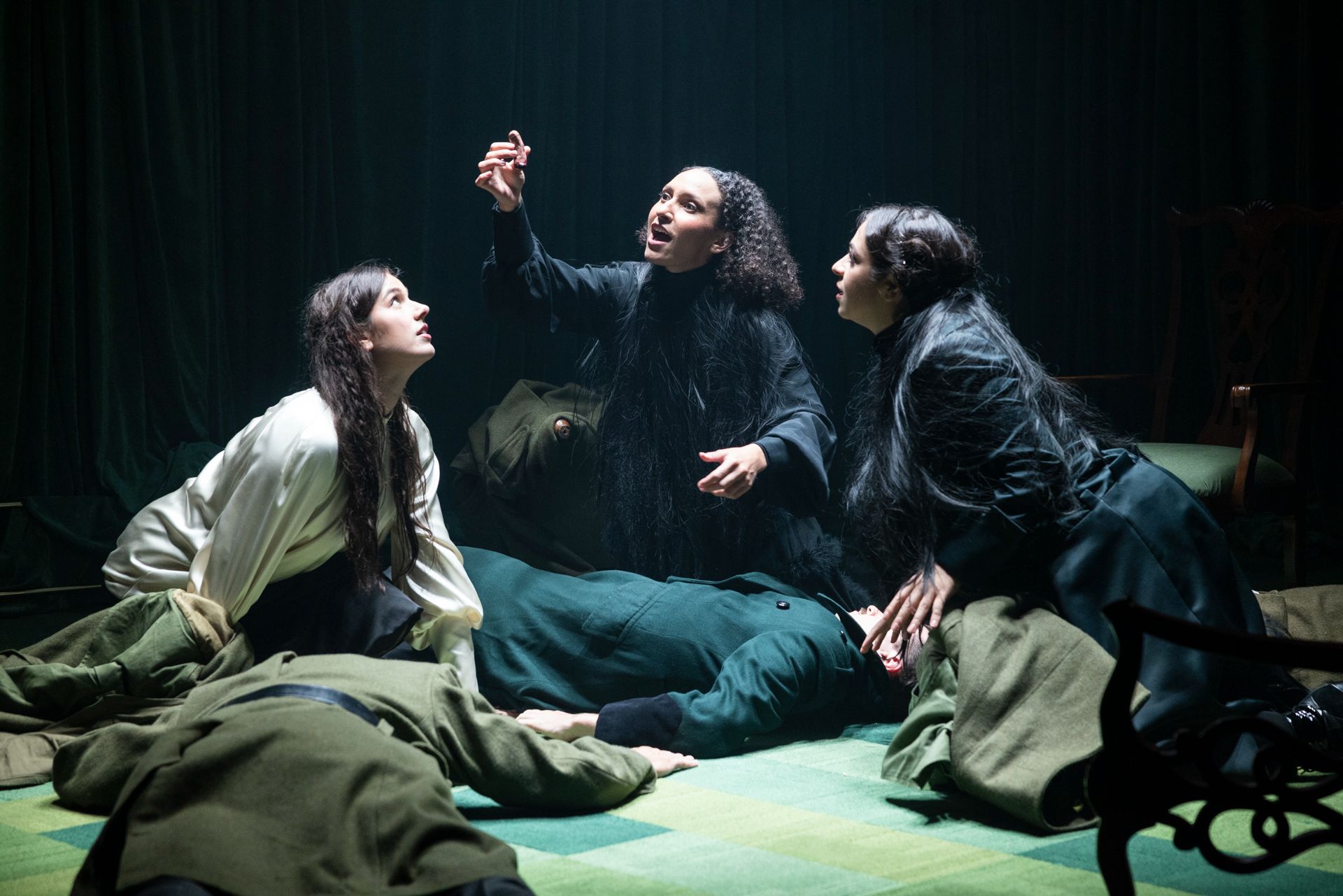
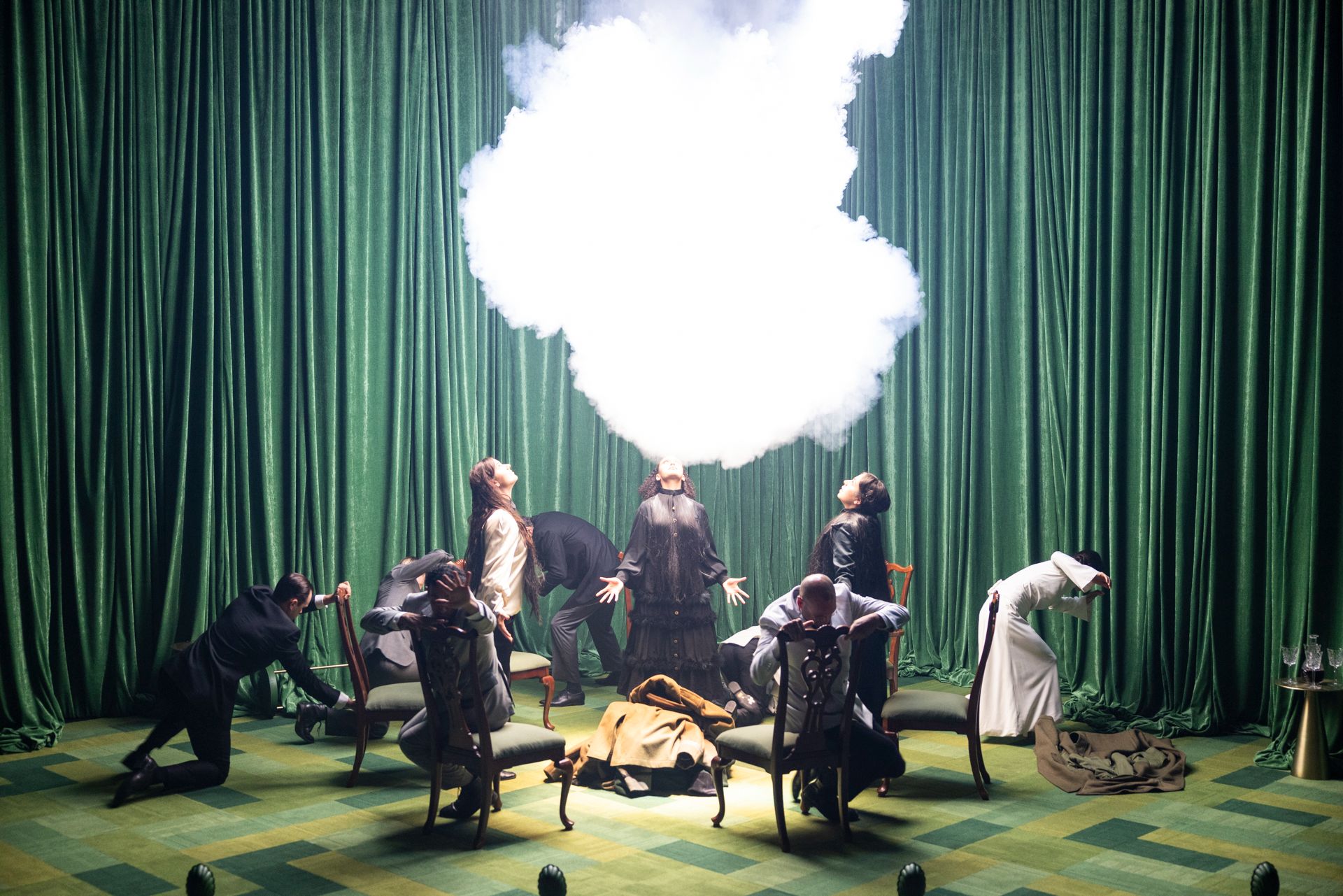
Under Peter Evans’ direction, the production certainly bears a dreamlike quality, inspired by the subconscious goings on, that are mercilessly unleashed throughout the narrative. Designed by Anna Tregloan, the monochromatic space looks to be Twin Peaks meets Art Deco, complete with heavy drapes and patterned floor, sumptuous but nightmarish, in its evocation of the World War I period. Lights by Damien Cooper add to the luxuriant visual style, whilst rumbling music by Max Lyandvert, although not short of tension, is at times strangely hesitant in getting involved, with the drama’s unbridled extravagance.

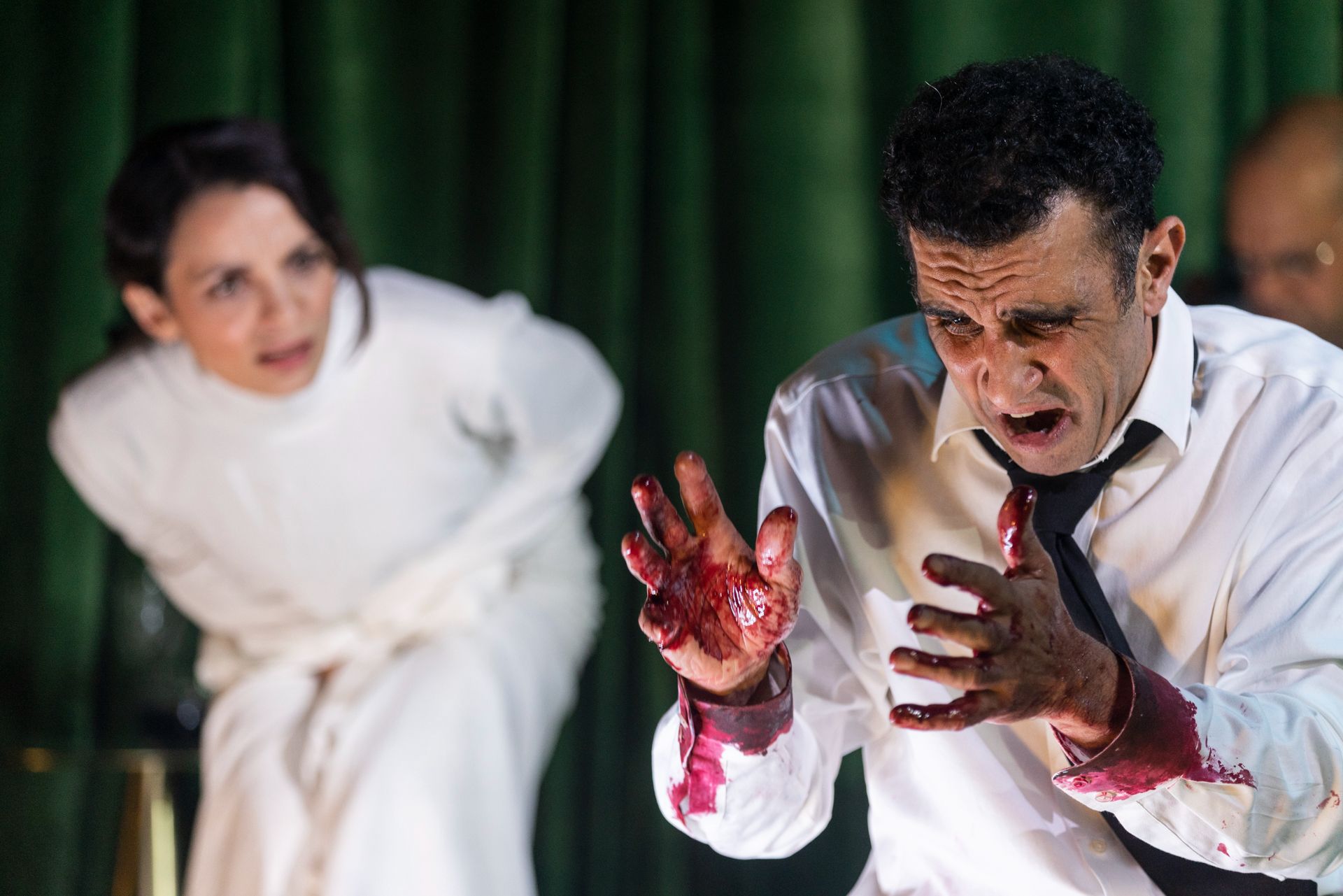
Actor Hazem Shammas is extraordinary in conveying operatic scales of emotions, in a deeply compelling treatment of the titular role.  Shammas’ intensity seems to know no bounds, with an uncanny ability to externalise the dire psychological trauma being investigated, for a performance memorable for its fascinating physicality. Jessica Tovey’s approach for Lady Macbeth is considered, but sanitised, with an unusual degree of restraint applied, to one of the most outrageously imagined women in the Western literary canon.

When Macbeth receives his just desserts at the bitter end, it is both a result of his own unravelling, and of Macduff’s need to seek revenge. Our desire for good to triumph over evil, is repeatedly evidenced in the art that we make. Art provides opportunities for catharsis, when real life fails to deliver what our instincts know to be true and just. In a world that insist on rewarding those who act nefariously, it is only in our storytelling that we can find, the most perfect of resolutions.

www.bellshakespeare.com.au

Review: The Resistance (ATYP)

Venue: The Rebel Theatre (Sydney NSW), Feb 16 – Mar 11, 2023
Playwright: Kip Chapman
Director: Kip Chapman
Cast: Diya Goswami, Lakesha Grant, Genevieve Lemon, Thea Sholl, Jo Turner, Jack Walton
Images by Clare Hawley

Theatre review

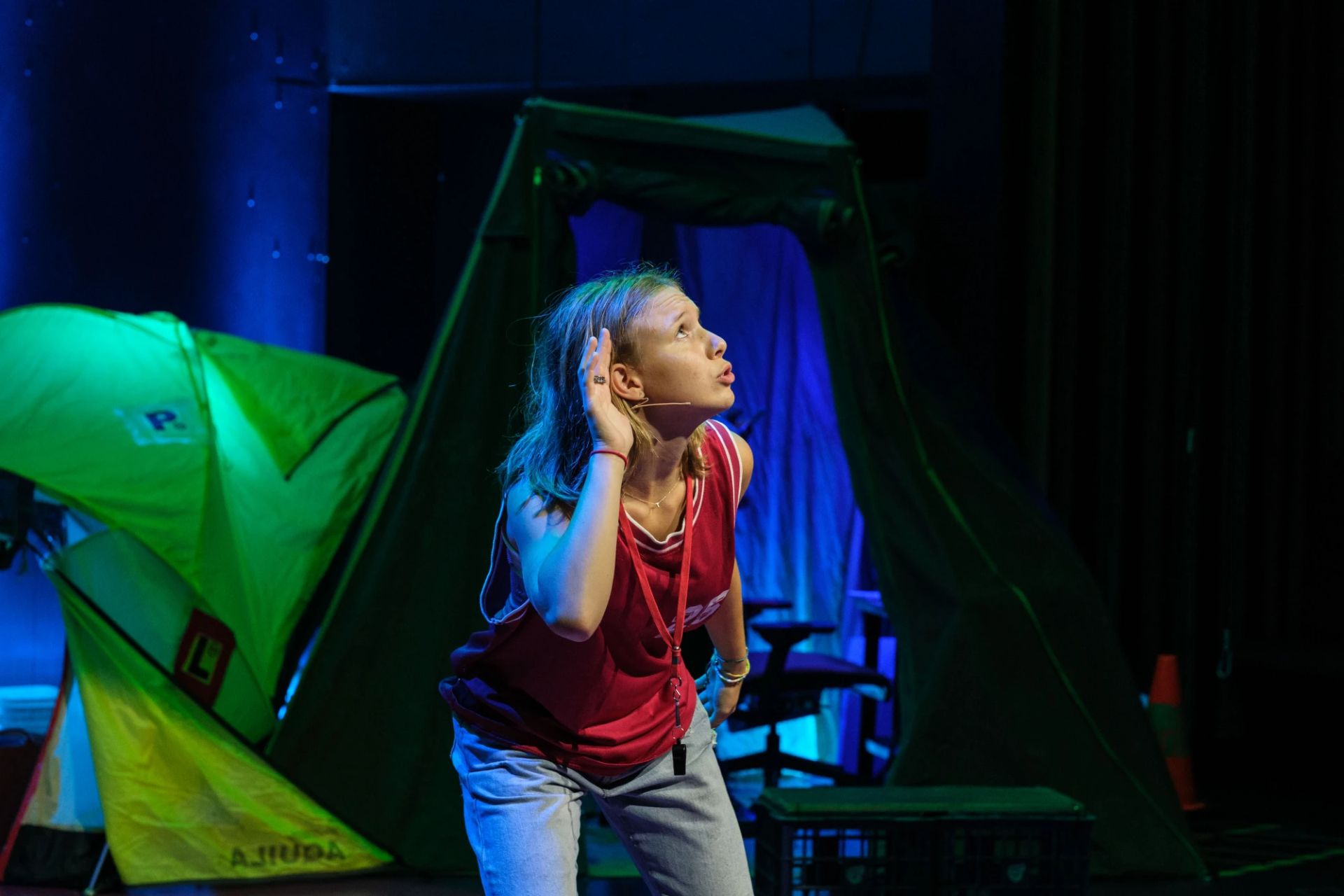
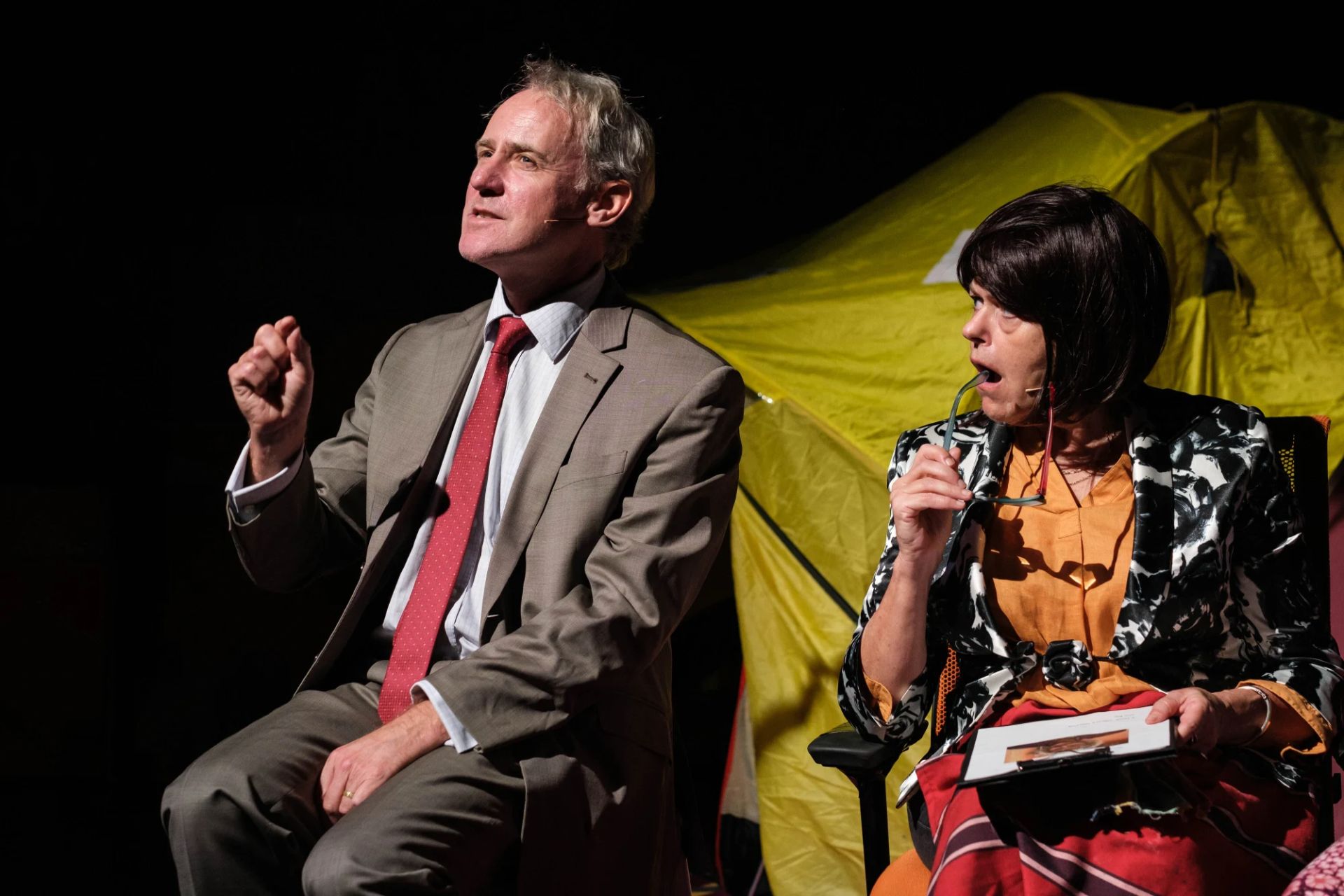
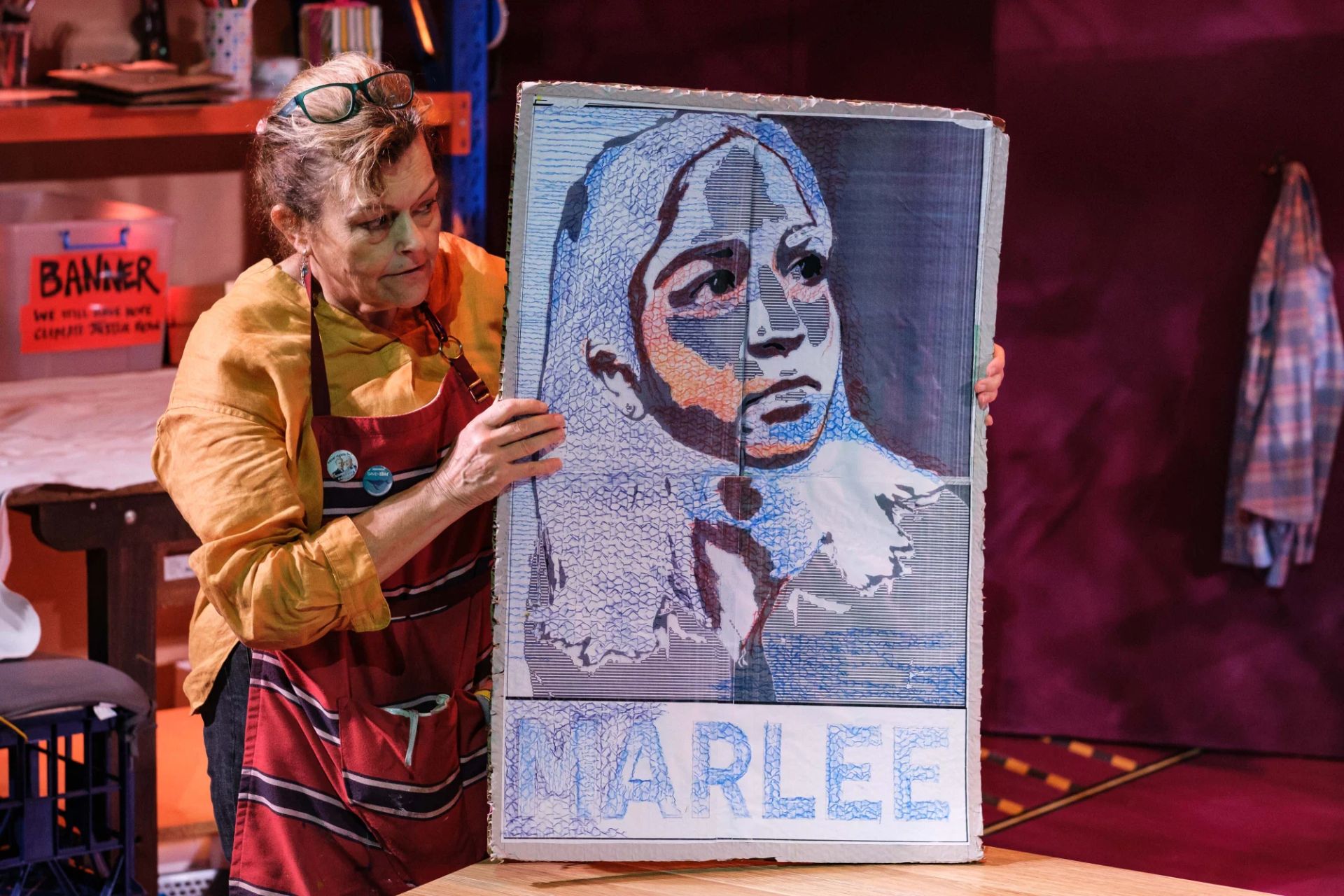
A teenage international climate superstar has been prohibited entry to Australia, but the demonstration must go on, in Kip Chapman’s The Resistance. When a political movement is truly worthwhile, it seems leaders can be easily replaced, because it matters much more, that constituents are inspired and passionate, regardless of who is installed at the top. Much of Chapman’s play relies on the enthusiastic participation of audience members, who act as volunteers, in both the staging and the story, over the 80-minute duration.

Of course, not everyone in the auditorium ends up on stage; the show finds ways to entertain all who are present, leaving none neglected or alienated, such is its attention to inclusivity. The Resistance inventively exemplifies how we can organise and agitate, so that our democracy can be moved to higher gears, and that the people’s power can be amplified and put to effective use.

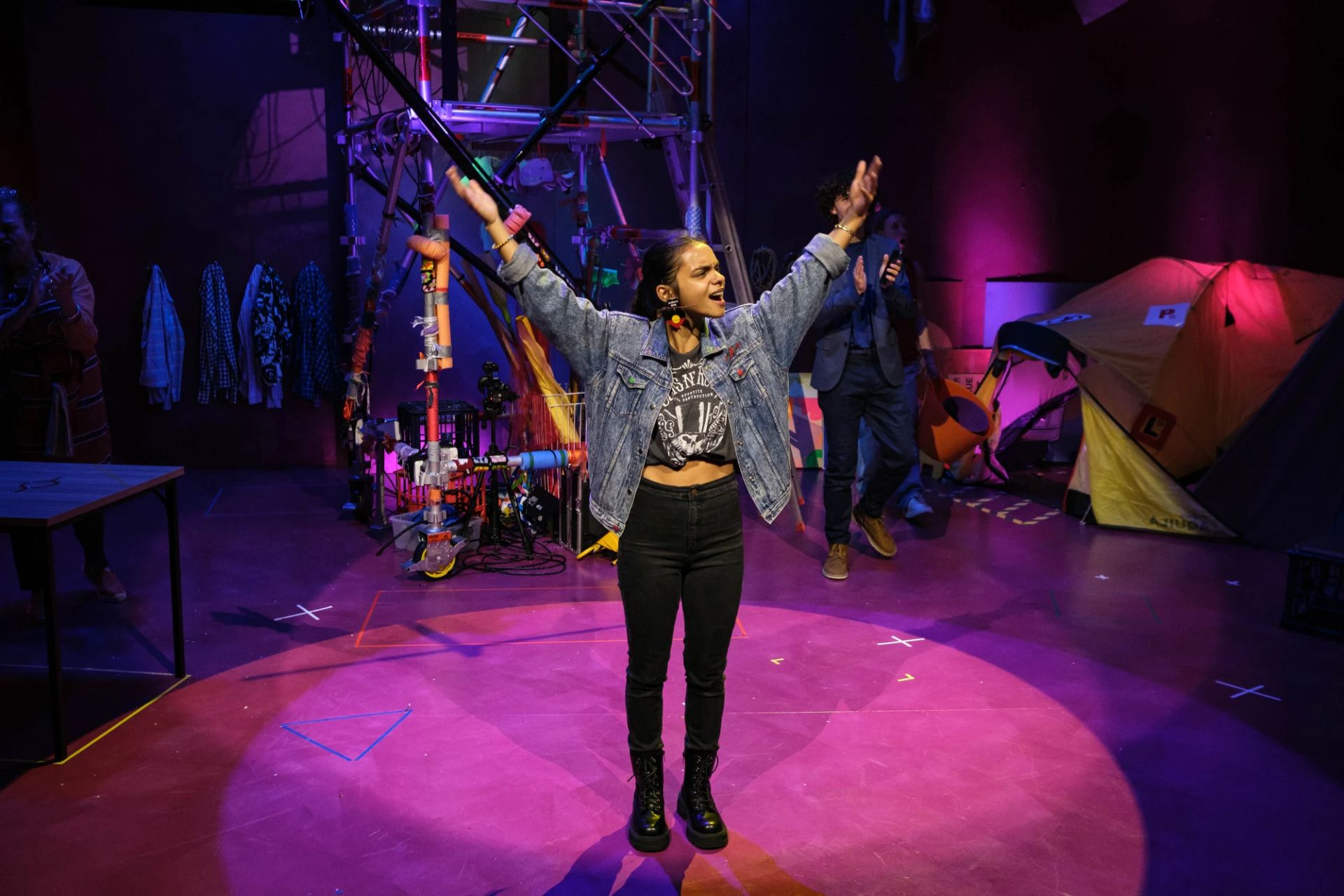
Set design by Tobhiya Stone Feller creates spatial demarcations that reflect the various facets of activism, whilst providing an uplifting theatricality to the locations being represented. Her costumes provide for characters a sense of authenticity, with a palette that further enhances the different personality types. Lights by Rachel Marlow and Bradley Gledhill bring a great vibrancy that keeps the crowd excited, and sound design by Luke Di Somma works subtly to manipulate the shifts in tone between scenes, whether gentle or dramatic.
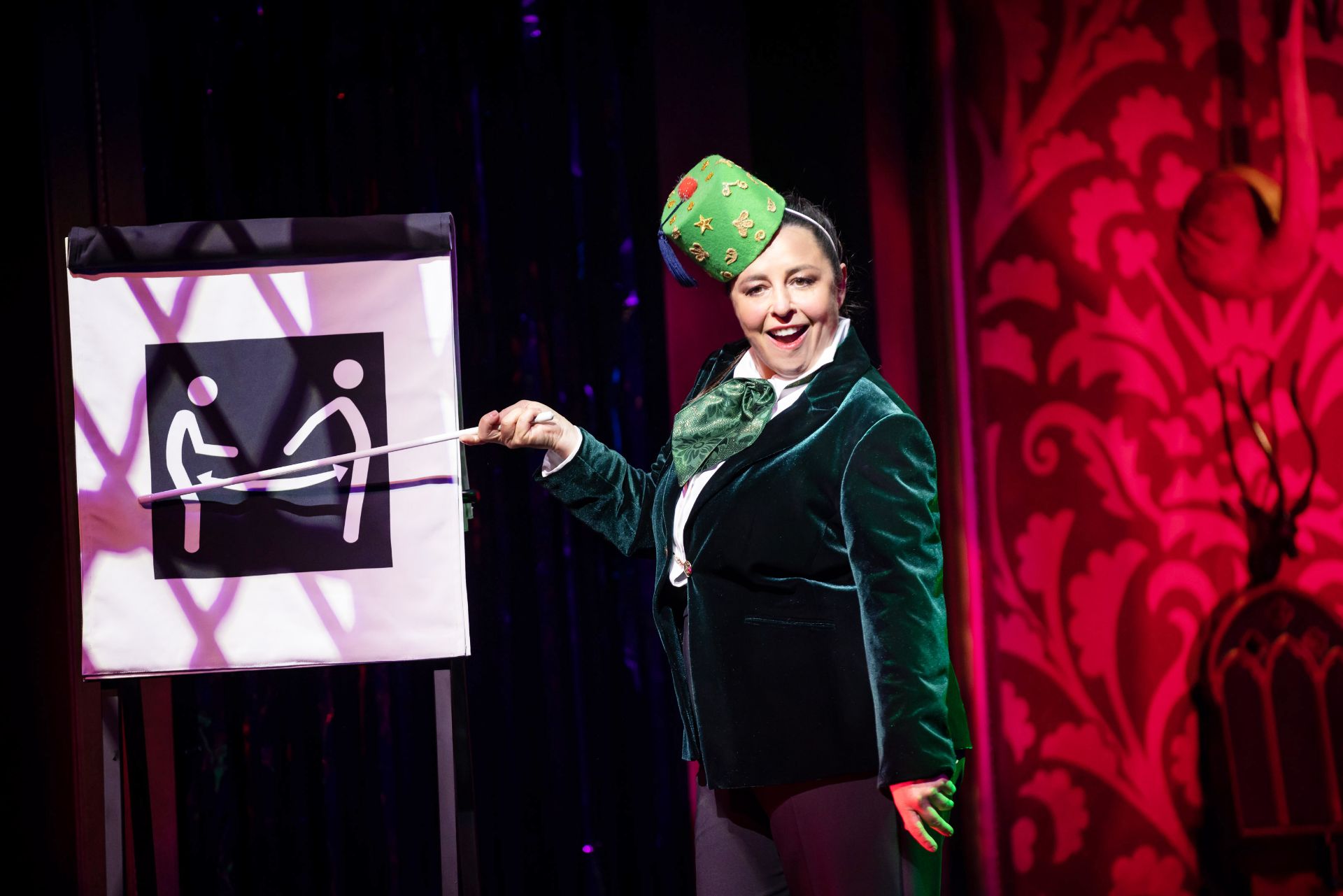
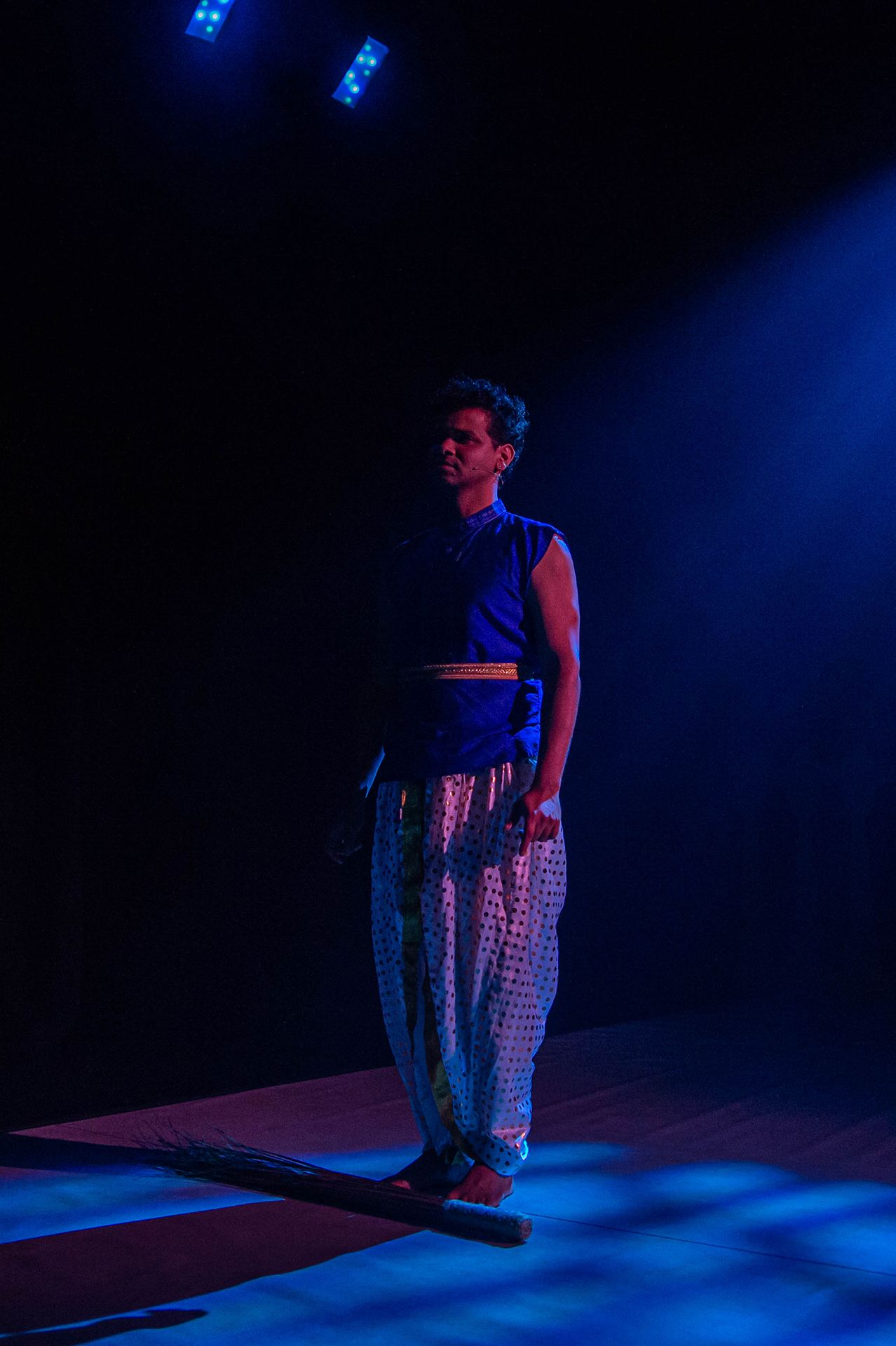
Actor Diya Goswami makes an explosive entrance, and maintains her verve to the end, as a very compelling Marlee, who proves herself a natural leader, always at the ready for stepping in to pick up the pieces. Lakesha Grant brings great intensity to the role of Bundilla, who guides the group to prioritise Indigenous rights alongside its climate concerns. Thea Sholl and Jack Walton are charming as Pepper and Miro respectively, both with great comic timing, effortless at putting viewers at ease. Genevieve Lemon too, is humorous as Drew, the artsy protestor, and Jo Turner definitely delivers the laughs in a trio of parts, each one funnier than the other.
Agitating for change, is never a comfortable process. When life becomes overly comfortable, it is perhaps a sign that complacency has set in, and that one’s eyes are being shielded from certain realities that require rectification. Material comfort especially, often functions as a kind of bribery, to deter a person from engaging in social movements that focus on the greater good. It is incumbent upon each individual to find out the truth about their own communities, with their inherent strengths and weaknesses, and then ensure that mechanisms are in place to facilitate improvements, even if it is tempting to hide away with one’s head in the sand, thinking that every problem is someone else’s responsibility.

www.atyp.com.au | www.atc.co.nz

Review: Feminazi (25A Belvoir)

Venue: Belvoir St Theatre (Surry Hills NSW), Feb 22 – Mar 11, 2023
Playwright: Laneikka Denne
Director: Danielle Maas
Cast: Shayne de Groot, Ziggy Resnick
Images by Clare Hawley

Theatre review

Zan spends an inordinate amount of time on social media, expressing her anger about sexism, or to be more precise, declaring her hatred of men. Zan’s brand of feminism, although admirably radical, is full of bitterness and antagonism, to the extent that observers might even think she behaves just like the men she despises. Laneikka Denne’s Feminazi deals with the challenges involved in our navigation of feminist politics, and how entrenchment in patriarchal structures often leads us to act in ways that seem to replicate the very systems that we condemn.

It is a chaotic work, although not incoherent, that represents with a level of accuracy, the anarchic messiness involved, in many of our experiences, when trying to operate outside of established milieus. Directed by Danielle Maas, the show bears an intensity that will no doubt be captivating for those who share similar beliefs pertaining these matters, but humour is sacrificed, in favour of that political fervency. Parker Constantine and Xanthe Dobbie are responsible for video elements that feature prominently in the production; vivid and joyous, they encapsulate online culture in ways that reflect an attentive scrutiny, of everything happening in digital realms.

Hailley Hunt’s set design places in the centre, a large video monitor, pristine in contrast to the dishevelment of Zan’s neglected living quarters. Costumes by Hunt are athletic and powerful, for a character obsessed with cultivating an aggressive persona, in public and in private. Frankie Clarke’s lights and Aisling Bermingham’s sounds offer valuable enhancements to atmosphere, preventing the viewing experience from turning monotonous.

Actor Ziggy Resnick is extremely convincing as Zan, with an intimidating quality that provides for the production, a unique and distinct flavour completely commensurate with its incendiary title. Resnick’s commitment, along with an impressively thorough familiarity with the material, keeps us riveted, even when Zan’s behaviour becomes deeply alienating. Shayne de Groot offers purposeful support in the role of Angie, the voice of reason that enters the scene to disrupt the escalating danger of Zan’s intentions.

As feminists, we need to embrace discomfort and upheaval, for the opposite, that of familiarity and politeness, is almost always certain to keep us on the straight and narrow, playing by the rules of the adversary, and leading us nowhere meaningful. It is integral that we remember that the patriarchy understands more than anything, the language of power, and of intimidation, but agitators need to remember that that mode of communication must not be absorbed into all aspects of our own lives. We need to lead with love and kindness, especially when dealing with individuals, for few of us are unscathed by this harmful system. To survive any war, combatants need to keep their eye on the prize, especially when the desired result, is one we know to require an immense shift, to something radically compassionate and inclusionary.

www.belvoir.com.au

Review: Sex Magick (Griffin Theatre Company)

Venue: SBW Stables Theatre (Darlinghurst NSW), Feb 17 – Mar 25, 2023
Playwright: Nicholas Brown
Directors: Nicholas Brown, Declan Greene
Cast: Blazey Best, Raj Labade, Stephen Madsen, Veshnu Narayanasamy, Mansoor Noor, Catherine Văn-Davies
Images by Brett Boardman

Theatre review

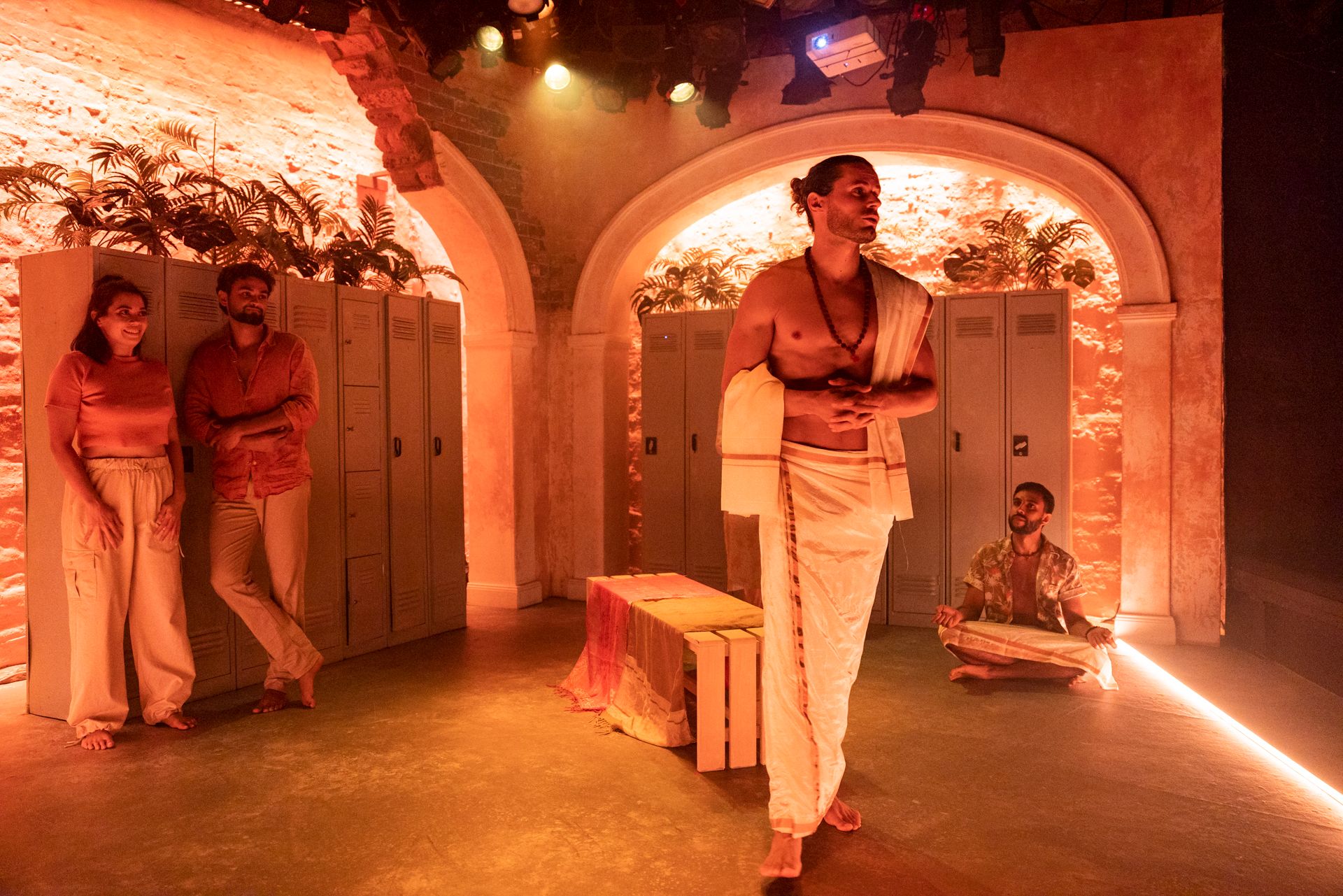
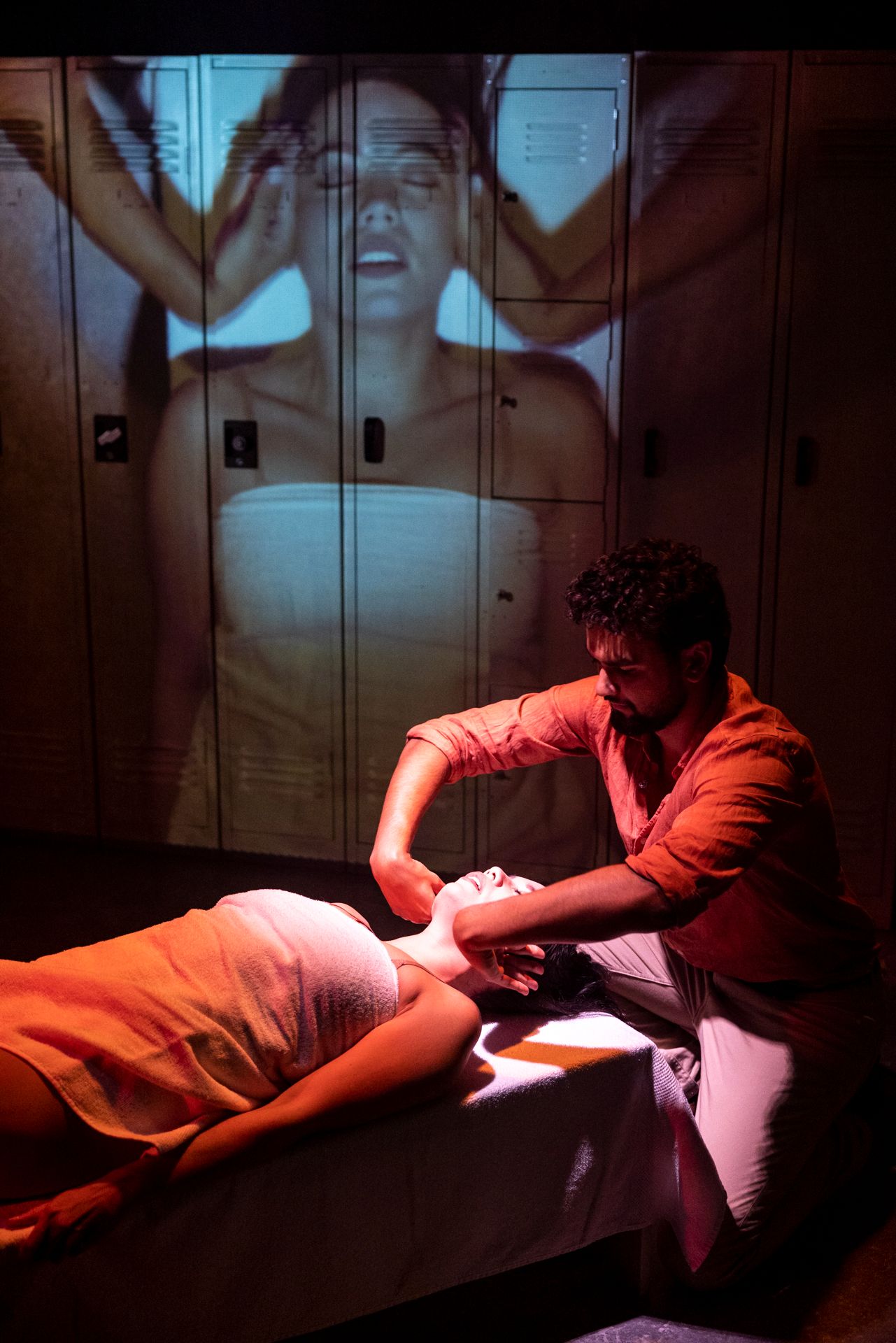
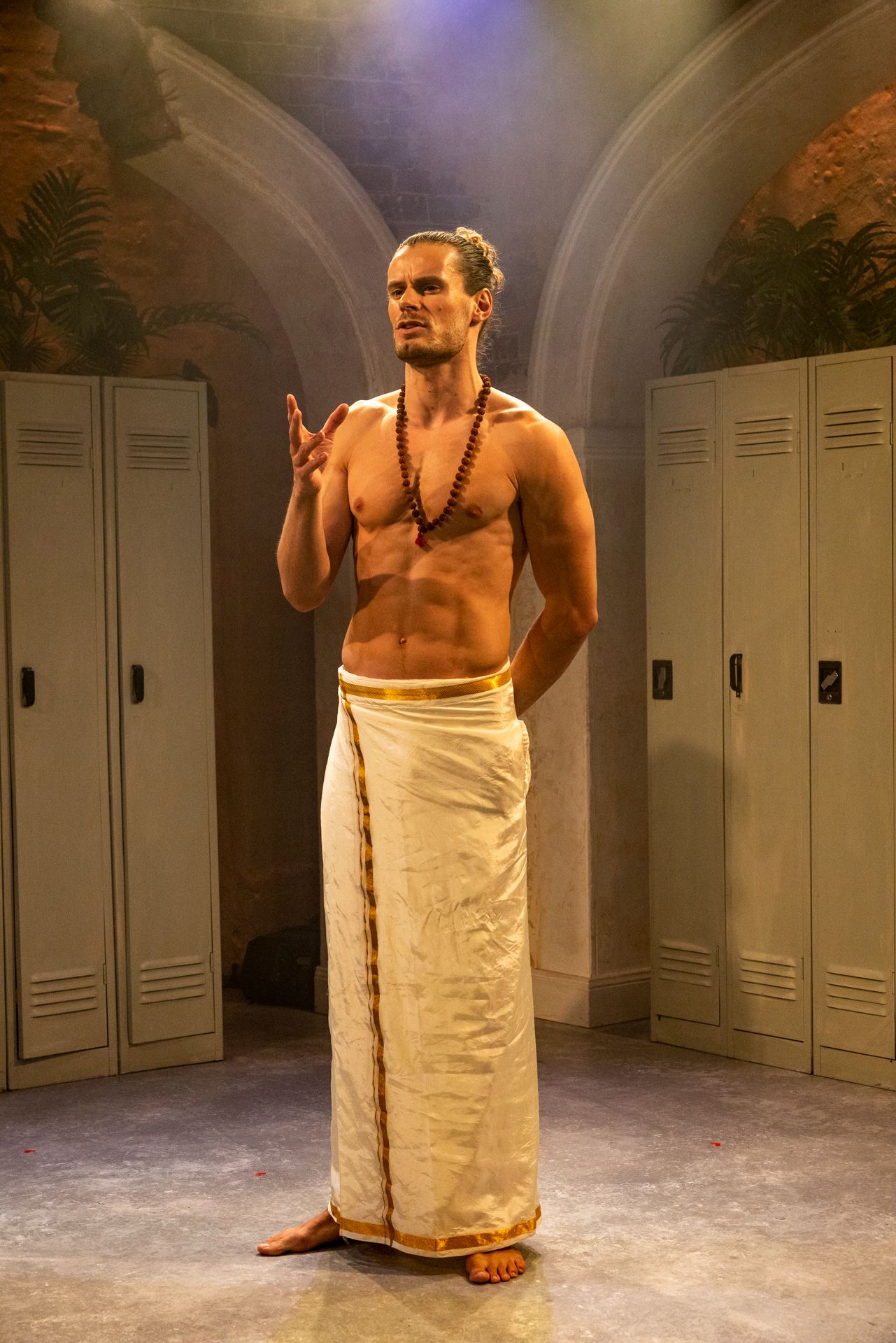
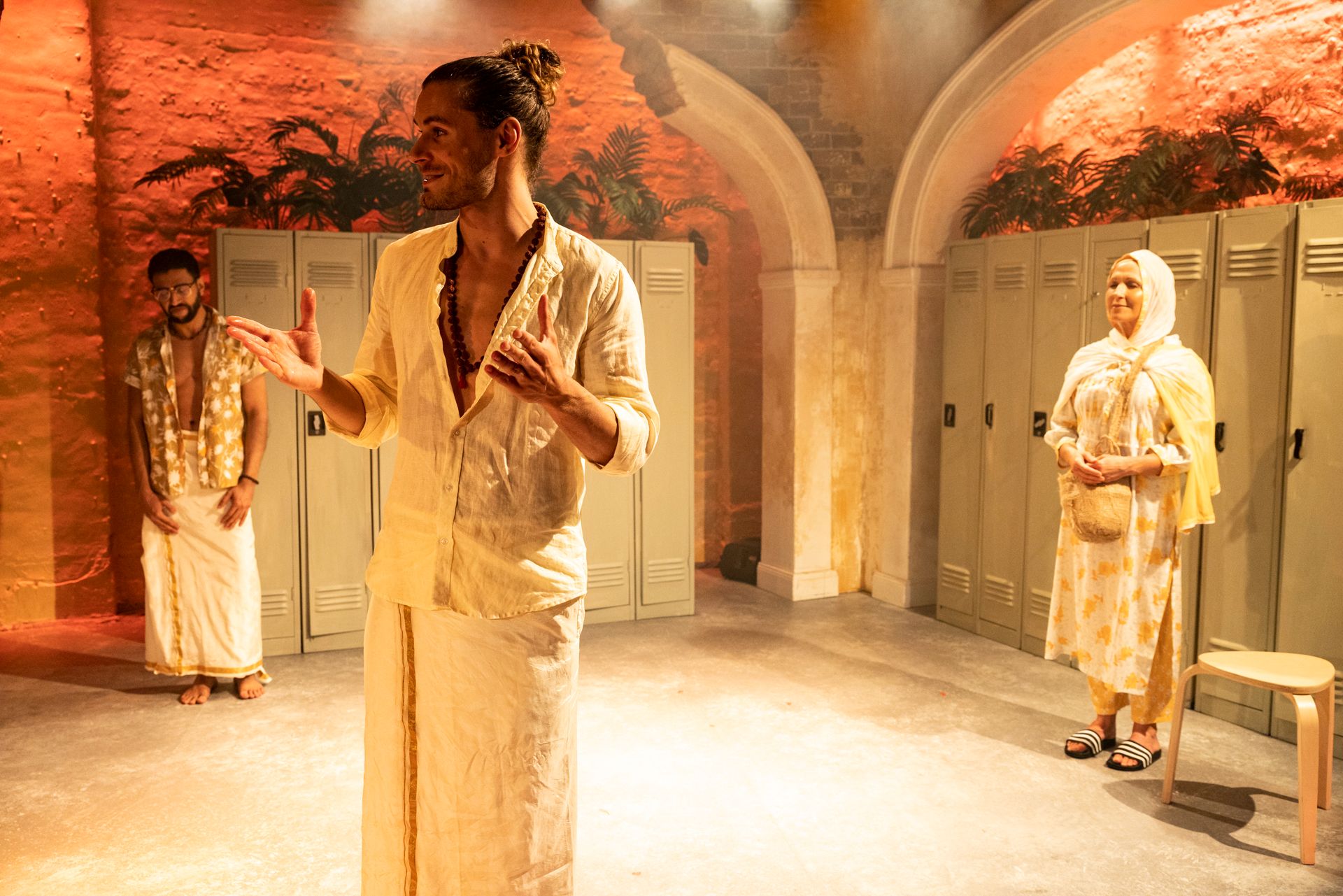
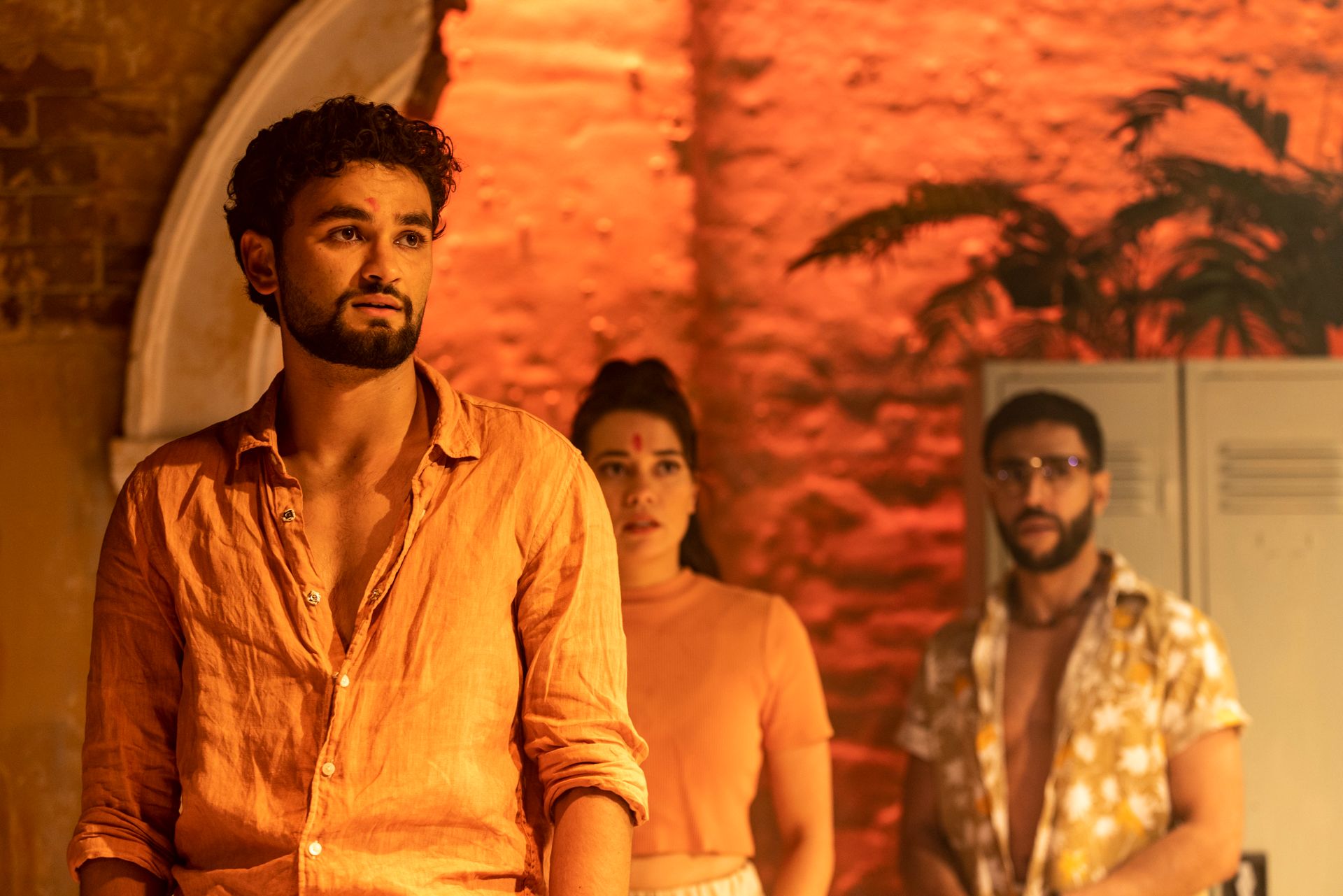
Ard is following his new flame to India, but as it turns out, the trip is a lot more than a romantic gesture. His estranged father had left the Kerala region for Sydney more than 30 years ago, and it is now Ard’s opportunity to find out not only who his people are, but also why his father had chosen to emigrate. Nicholas Brown’s Sex Magick is a wild and profound odyssey about identity, love and sex, with a particular interest in the process of decolonisation and queering, in a person’s understanding of the self, and by extension of the world. It is about breaking the myths of white Australia, to create new identities, based on investigations into migrant histories, and the imagination of a future rid of the harmful baggage from all our pasts.

It may be a serious core that anchors Brown’s story, but Sex Magick is boldly extravagant and extremely playful, with genuine hilarity persisting for its entire two-and-a-half hour duration. Directed by Brown and Declan Greene, the show is relentlessly fascinating in its explorations into sexuality, and all that it implies. We watch characters deconstruct themselves, awkwardly but powerfully, and emerge reconstituted with a greater sense of freedom, in relation to the self, and to the world at large. Sex is about how a person relates to the world, and if one wishes to radically alter their experience on this plain, it may seem that it is their conceptions about matters of a sexual nature, that need to be interrogated.

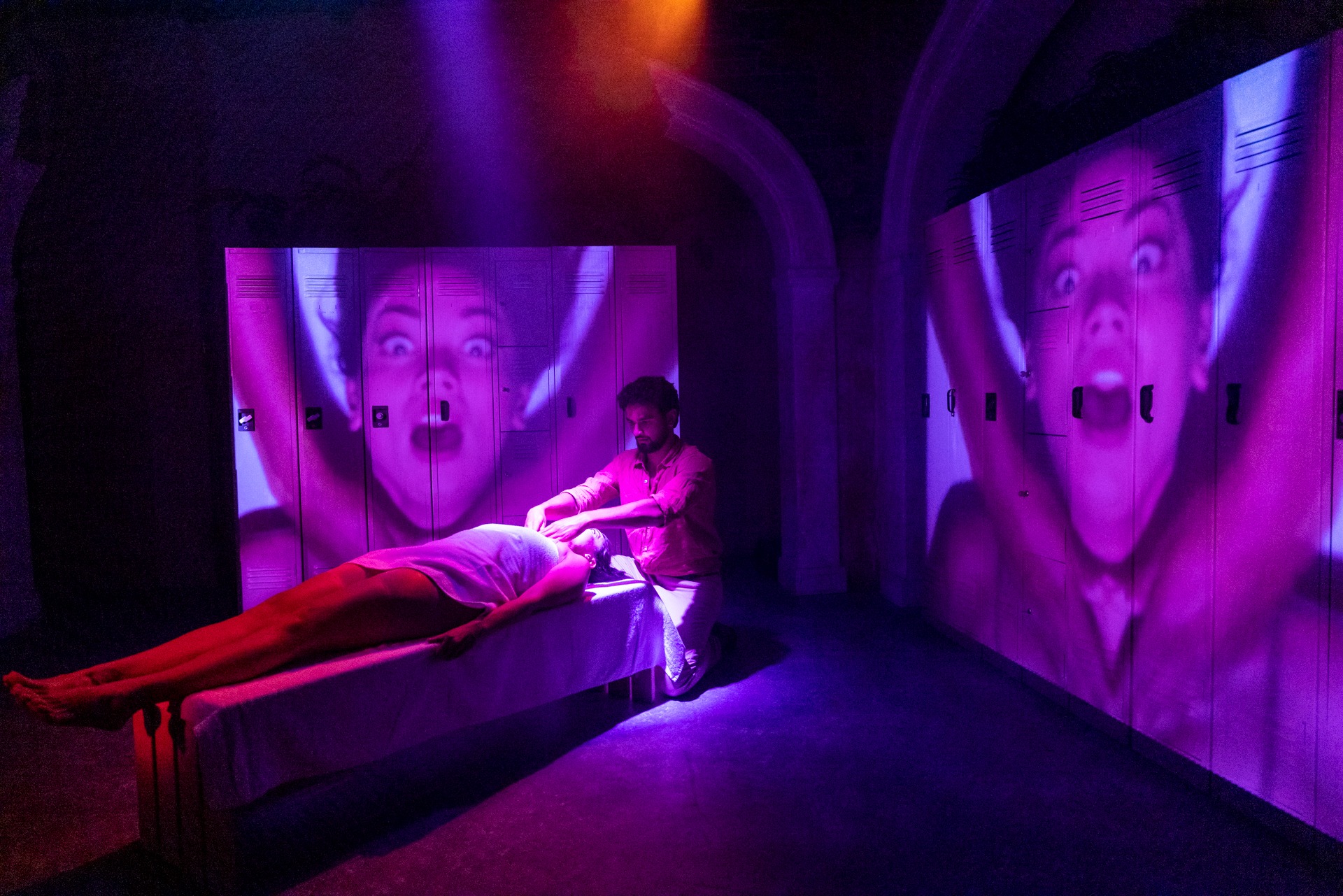
Brown and Greene’s ostentatious aesthetic is seen most prominently, in a rhapsodic lighting design by Kelsey Lee, who holds no punches in delivering a visual landscape full of wonder and fantasy. Equally mesmerising is the lavish sound design by Danni A. Esposito, intensive and adventurous in its determination to move us into unpredicted realms, both geographical and metaphysical. Video projections by Solomon Thomas guide us further into greater intimacies of the show’s carnal interests. Mason Browne’s set design helps to facilitate surprising, and rapid, entrances and exits, while his costumes offer quick insight into the many personalities appearing on stage.

Actor Raj Labade is judiciously subtle in his portrayal of Ard, in order that we may connect with the tender centre of his narrative. Also effective is his quiet rendering of Ard’s comical aspects, able to make us perceive all the humour, whilst maintaining the resonantly earnest quality of his search for answers to existential mysteries. Catherine Văn-Davies demonstrates astonishing intricacy and precision, in her depictions of Liraz, the zealous lesbian who finds herself inadvertently entwined with Ard. Văn-Davies embrace of Sex Magick‘s deep subversiveness, allows her to make us giggle even at the play’s more curious moments, and then cry when we least expect to. Also very funny is Stephen Madsen, whose marvellous comic timing delivers many of the biggest laughs, in a trio of roles, all creatively rendered to amuse us to no end.

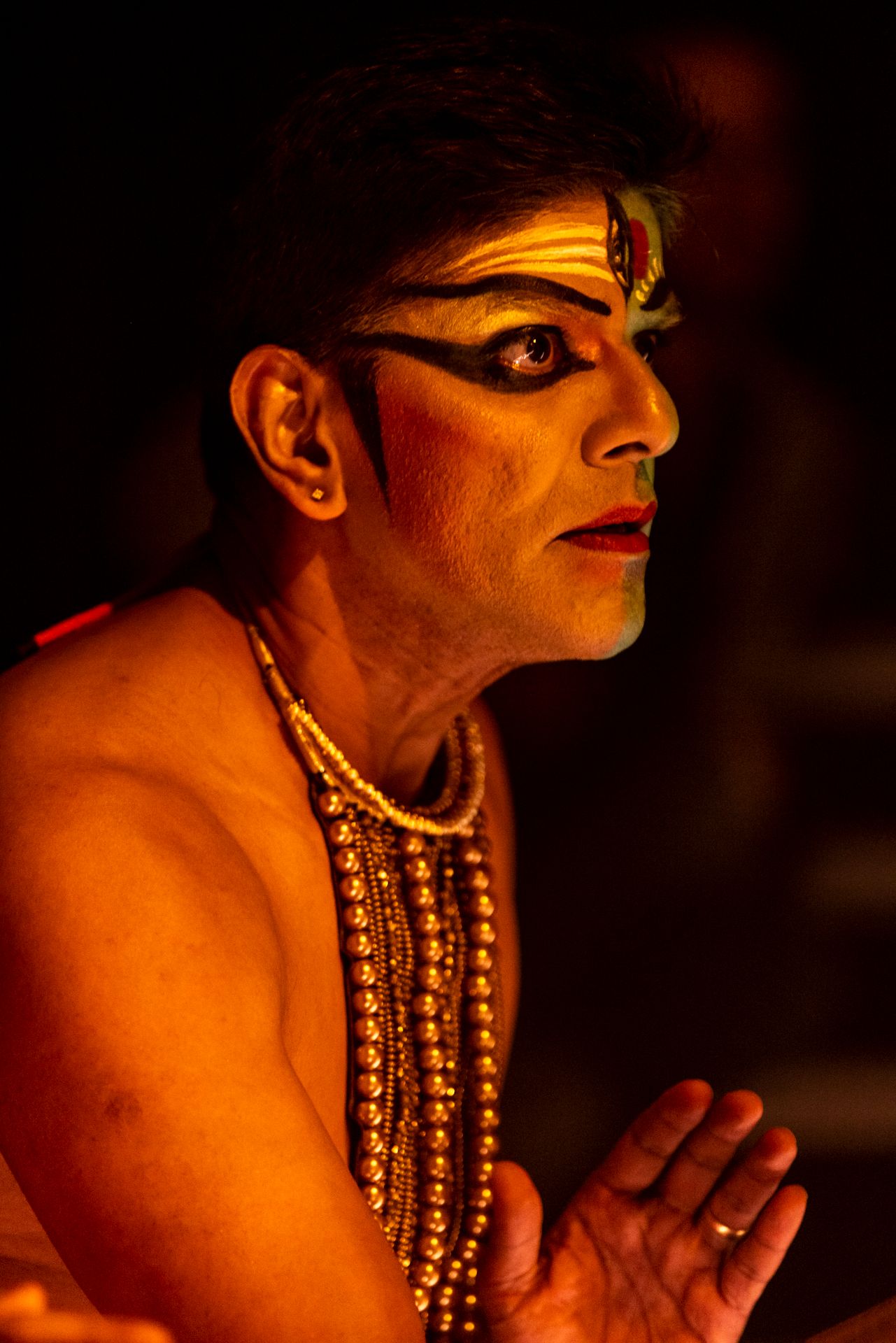
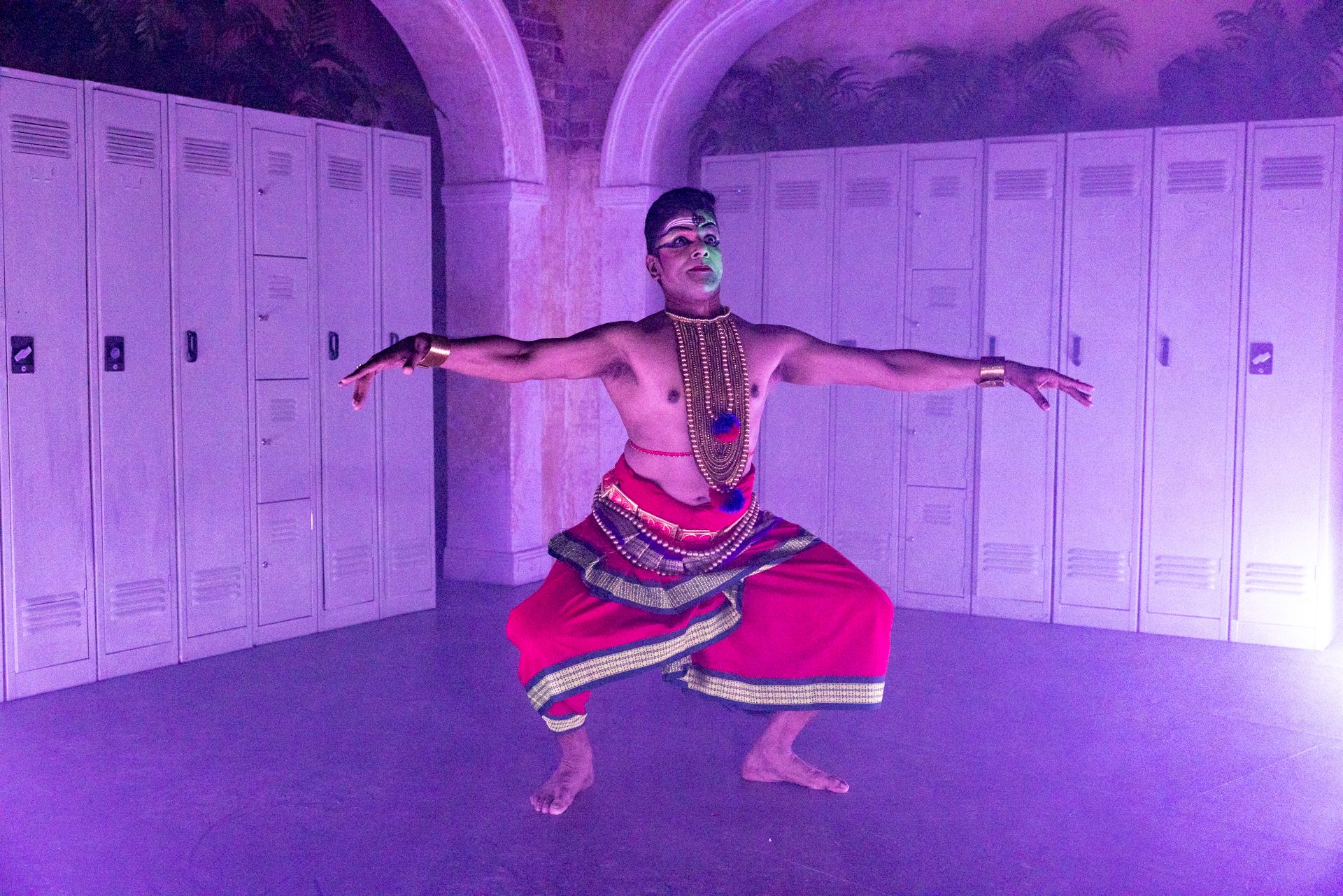
Blazey Best too is masterful in three parts, all evocative and comical, with finely honed voice and physicality, to tell stories in the most compelling ways. Mansoor Noor is especially memorable as Boyd, who prides himself for being the plus in LGBTQIA+, a free-spirited entity who brings warmth and benevolence to the delightfully erratic presentation. The auditorium comes to a sudden still, when Veshnu Narayanasamy first appears, completely hypnotic with his dance, promptly shifting our sentiments to something altogether more weighty and substantive. Choreography by Raghav Handa channels beauty, tradition and spirituality in a work that is ultimately, an exercise in reaching for the eternal and divine.

There is no end to the human need for truth; that quest is perennial. What we can hope for over time however, is more wisdom and more enlightenment, should we choose to go through these worthy pursuits of discovery and emancipation. Characters in Sex Magick surprise themselves, with the people they become, in every step of their respective evolutions. Some of us think we know who we are, some of us profess to knowing little about themselves, but life has a knack for revealing deeper truths, if only to show that we are always but only scratching the surface, in a world that we often mistakenly think to be our dominion.

www.griffintheatre.com.au

Review: Choir Boy (National Theatre of Parramatta)


Venue: Riverside Theatres (Parramatta NSW), Feb 14 – Mar 11, 2023 | Wollongong Town Hall (Wollongong NSW), Mar 22 – 25, 2023
Playwright: Tarell Alvin McCraney
Director: Dino Dimitriadis, Zindzi Okenyo
Cast: Gareth Dutlow, Robert Harrell, Darron Hayes, Abu Kebe, Tawanda Muzenda, Quinton Rofail Rich, Tony Sheldon, Theo Williams, Zarif
Images by Phil Erbacher

Theatre review
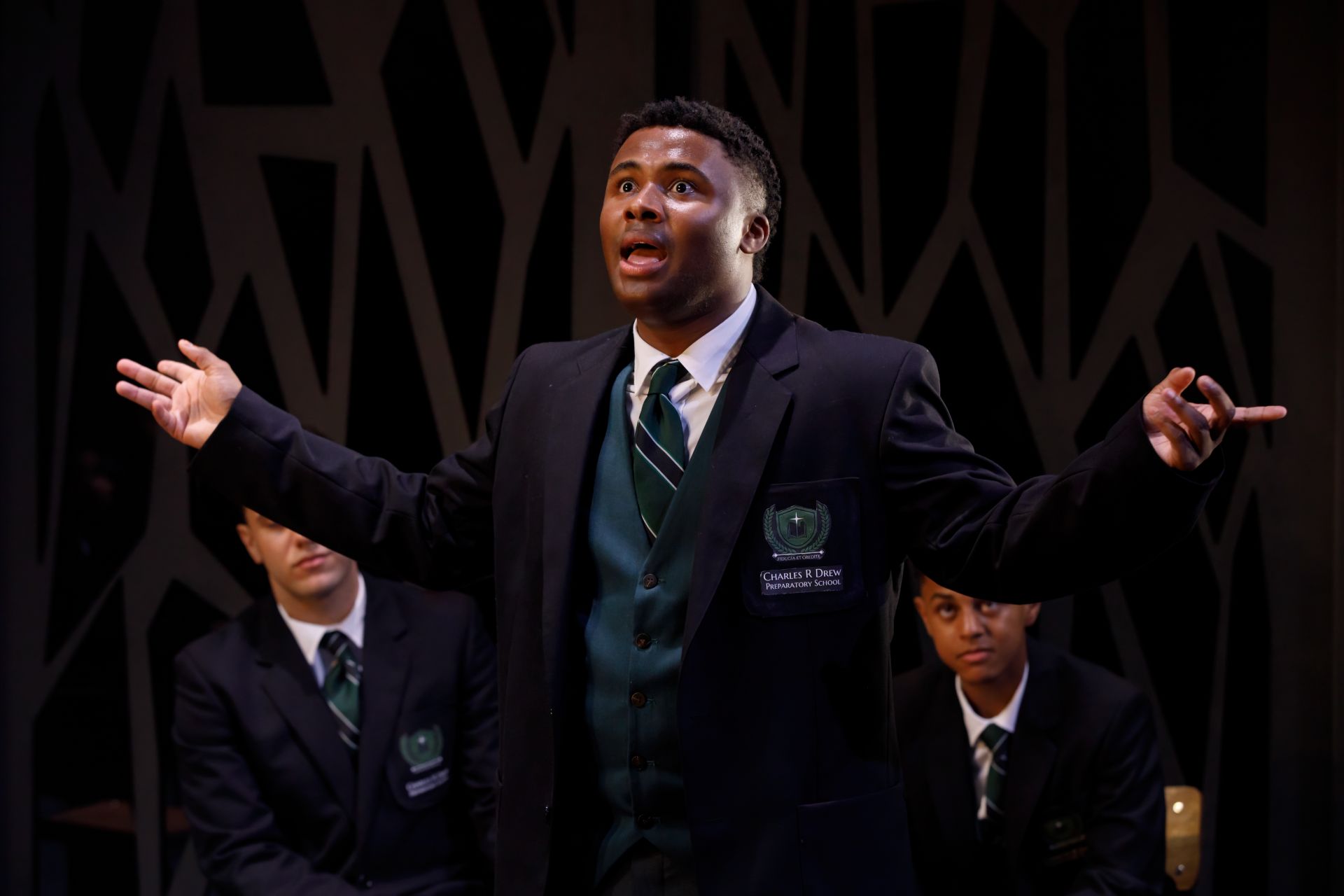
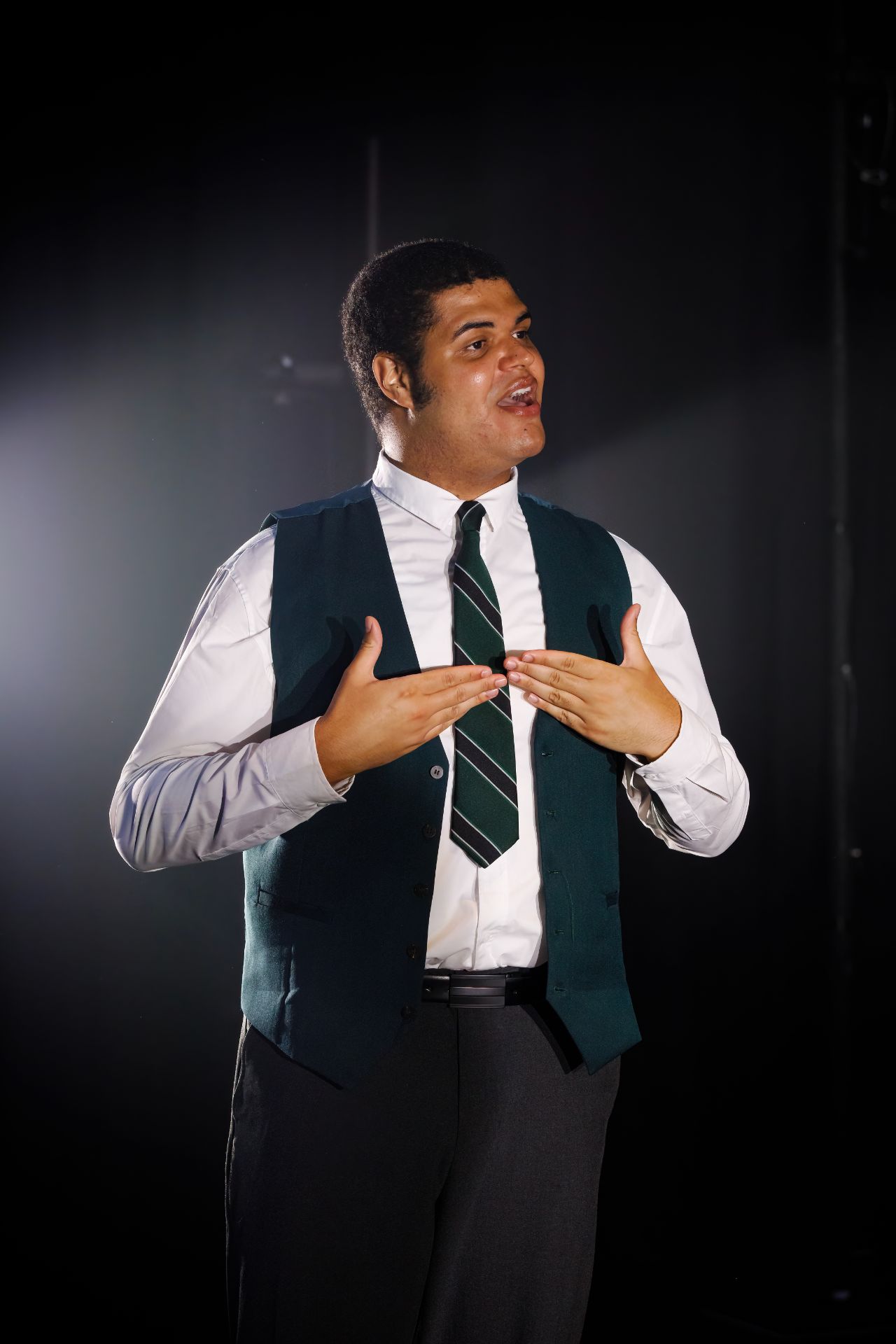
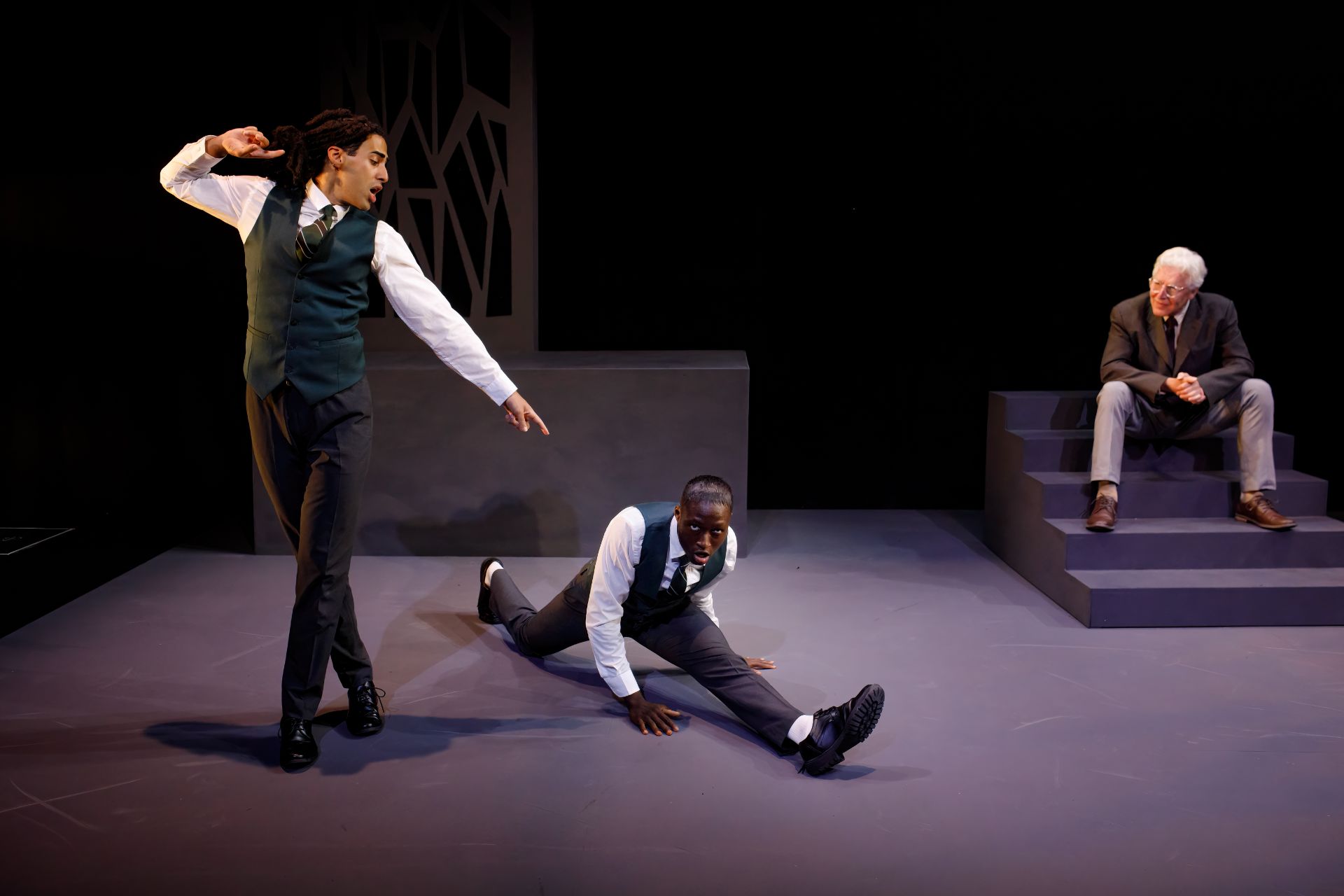
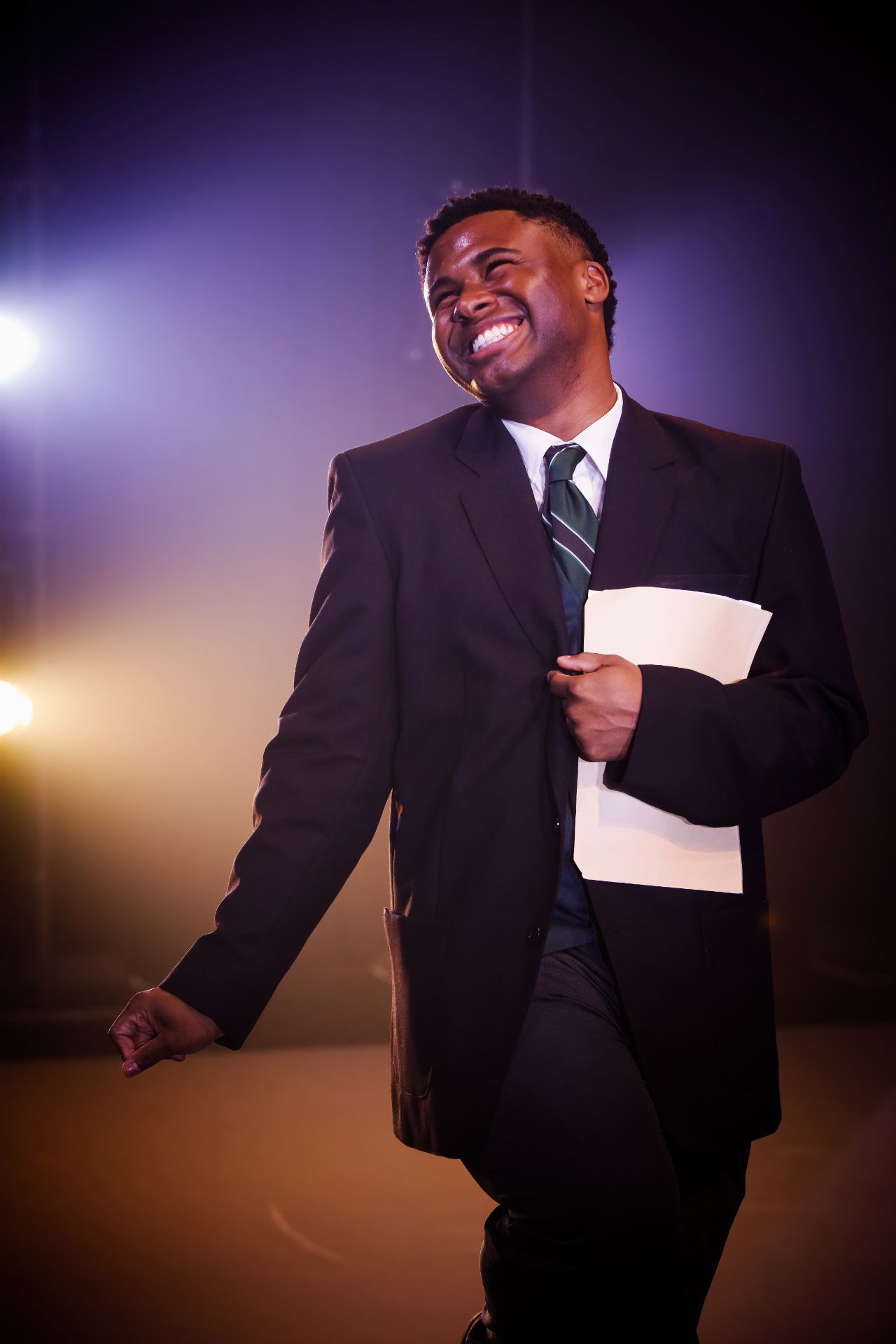
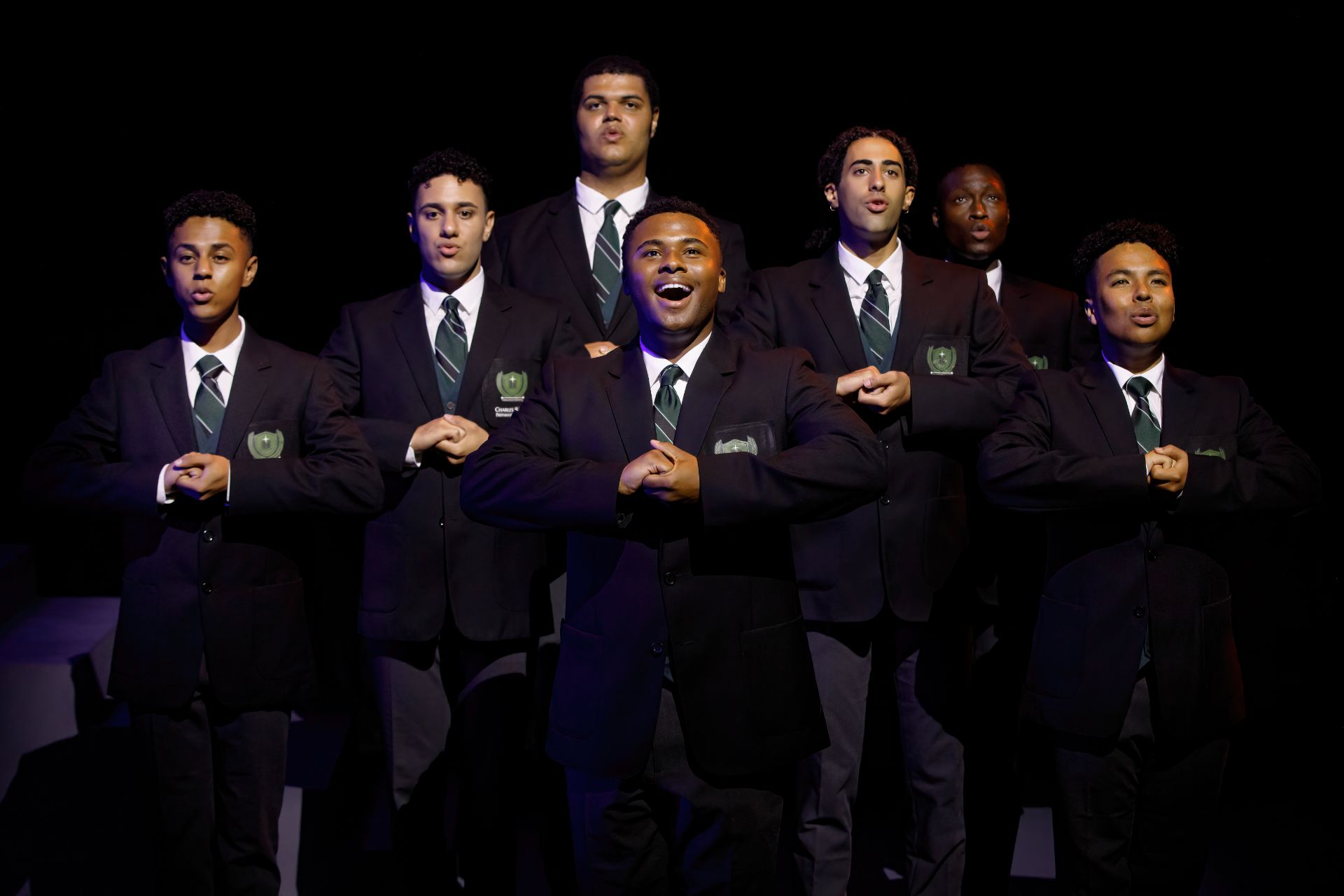
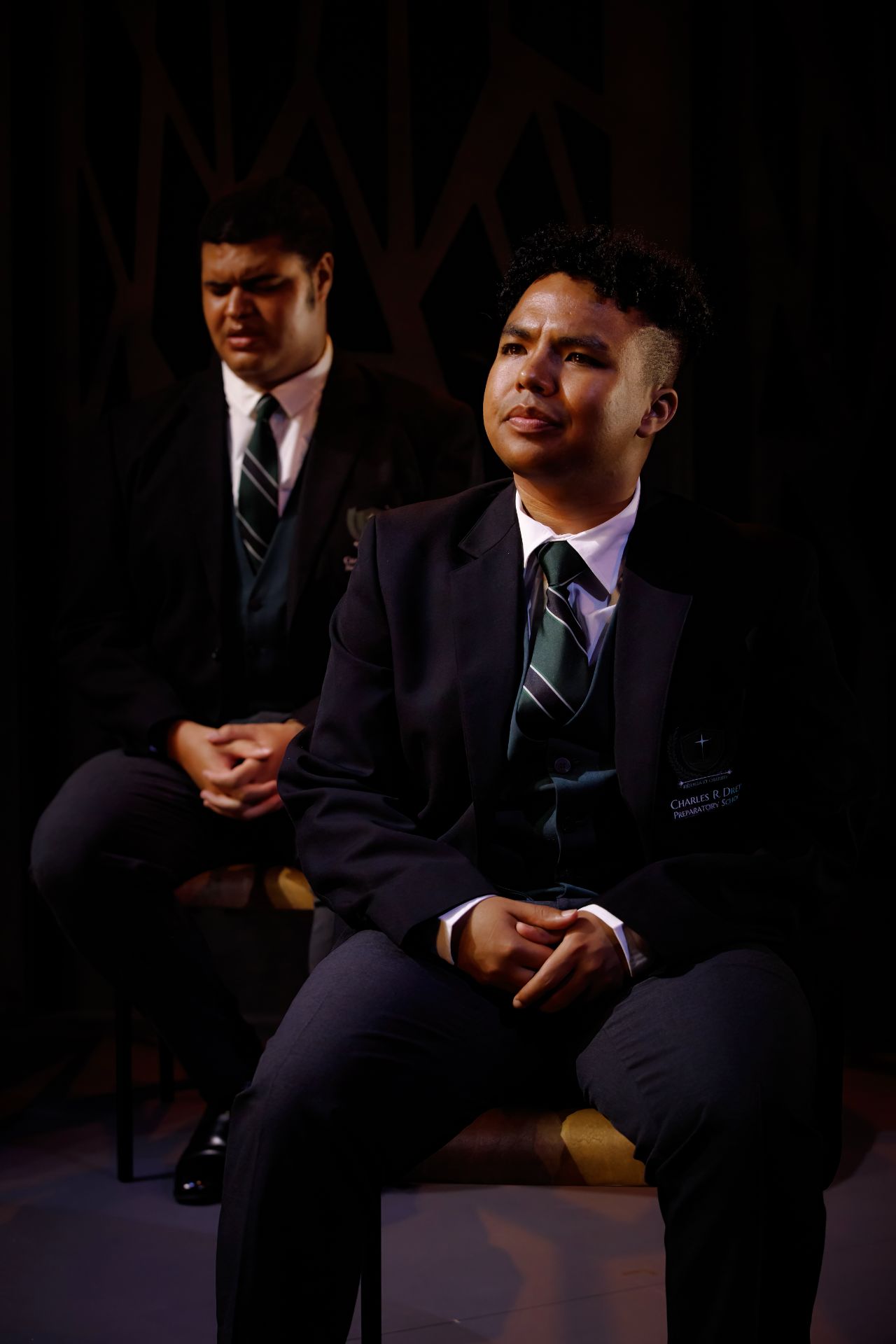
Pharus is leader of the choir, at his prestigious all-boys American prep school. Being naturally swishy and flamboyant, he draws the ire of other students, most noticeably Bobby who takes great joy in inflicting homophobic taunts, as many bullies have done at schools everywhere and in every generation. Fortunately, Bobby has protectors in his roommate AJ and his teacher Mr Pendleton, but even with allies on his side, there is no evading the aggression directed at him, so persistently and maliciously.

Choir Boy by Tarell Alvin McCraney is a keenly observed story on young queer Blackness, exploring the nature of conflicts that arise, when camaraderie meets hostility. Those who live at the intersections of marginalisation, often suffer multi-pronged persecution, as well as a complicated form of mistreatment, from those with whom one is meant to share parallel experiences of oppression. Pharus should be able to rely on a comradeship with the other Black boys at school, but instead of thriving in safety, he is required to be in a stated of constant vigilance.

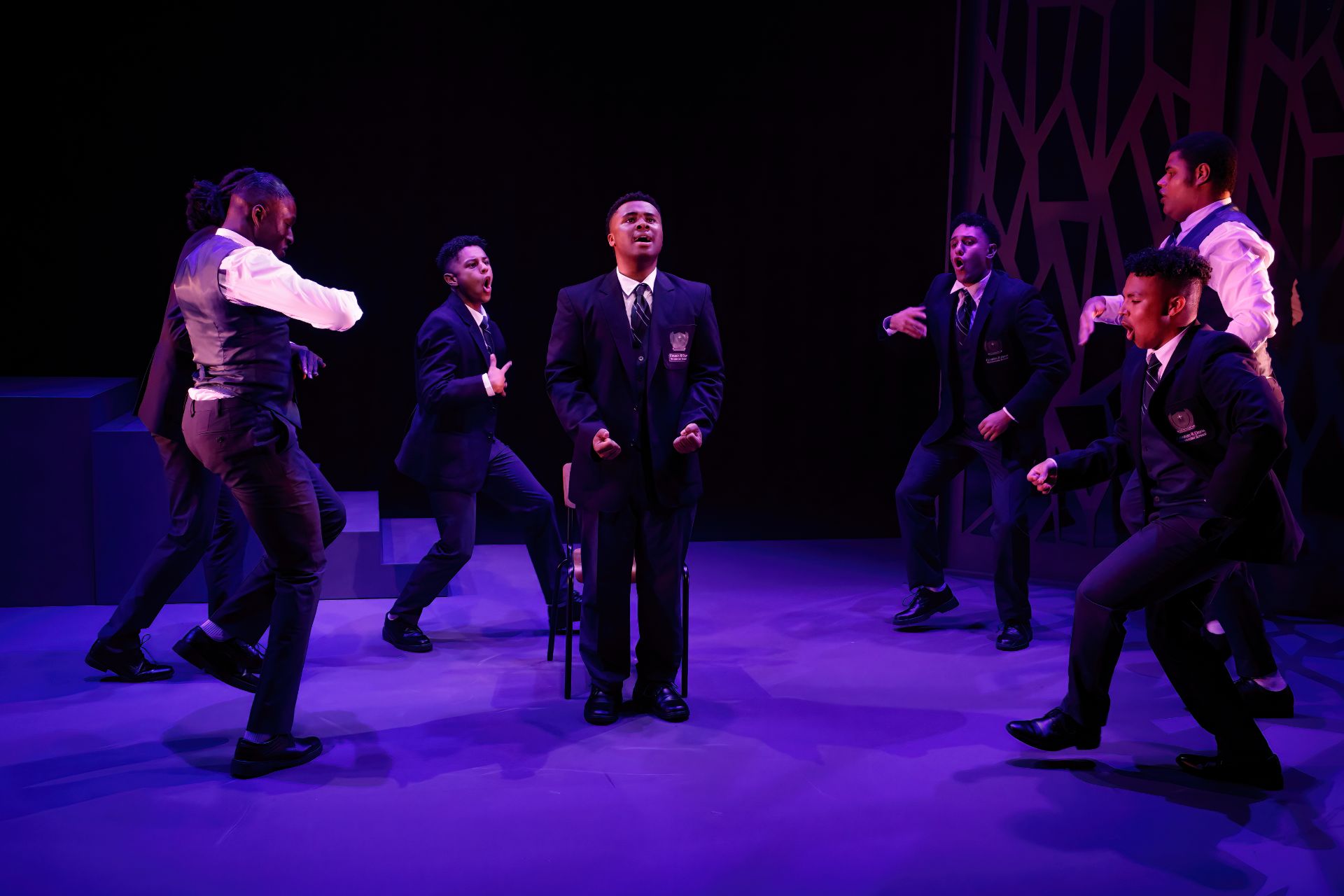
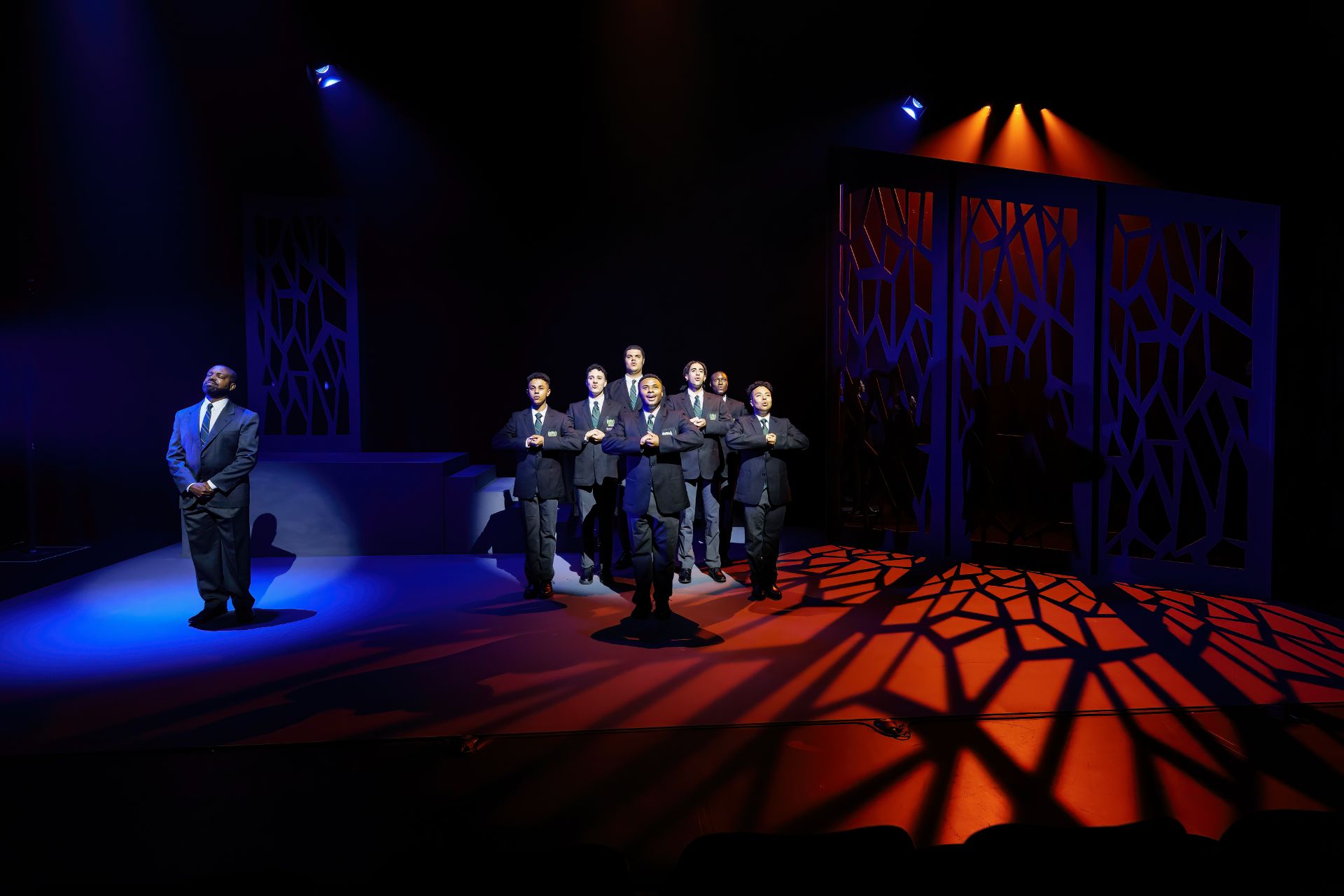
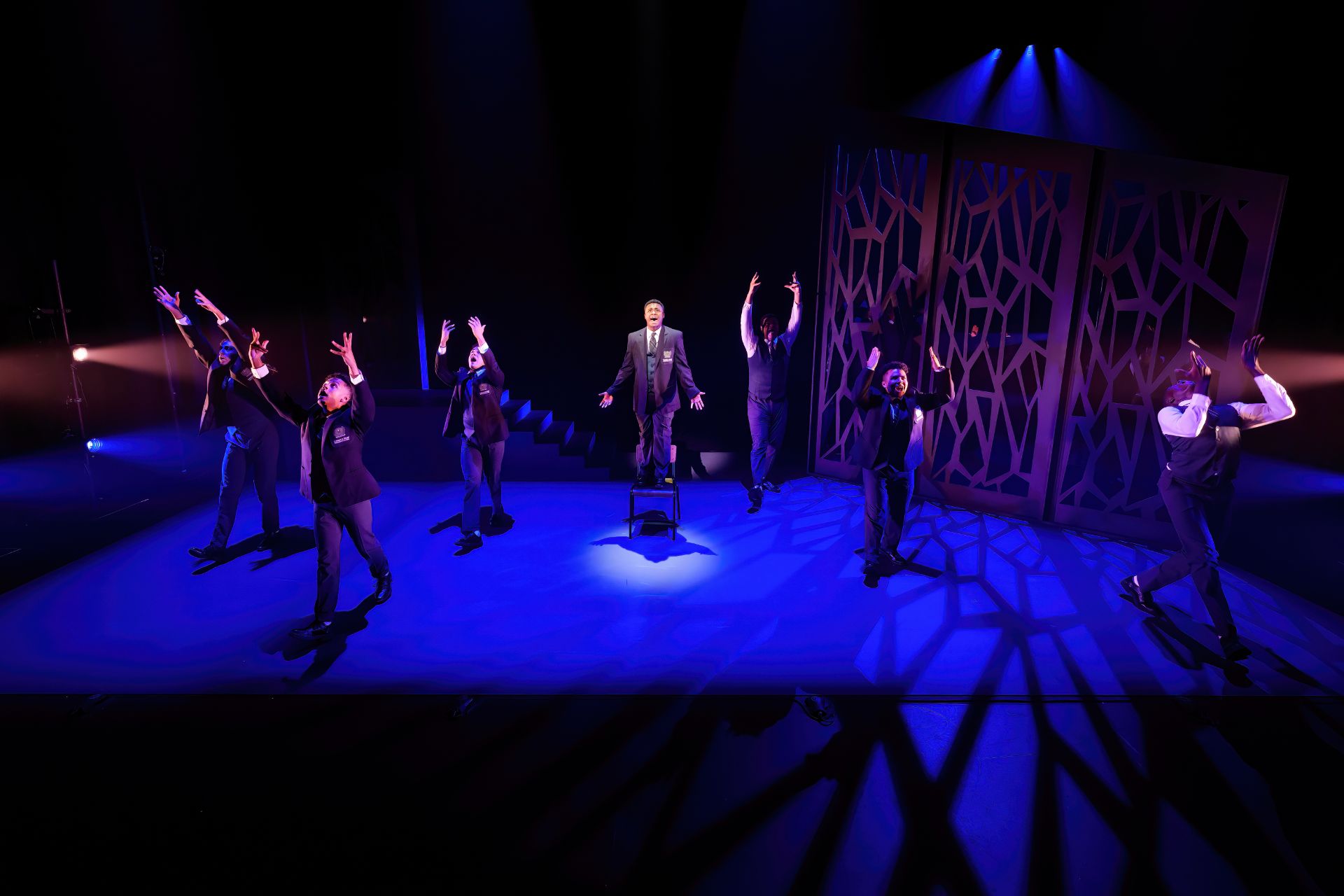
Directed by Dino Dimitriadis and Zindzi Okenyo, Choir Boy is a poignant work of theatre, that demonstrates not only the vulnerability of young Black lives, but that also celebrates their joy and power, in colonised spaces built to undermine them. The characteristically resilient spirit of being both Black and queer, is a conspicuous feature of the production, alongside a unique sense of pride that emerges from inhabiting those dual identities. Musical direction by Allen René Louis in this “play with music” delivers an extraordinary sense of transcendence, in song sequences that highlight African-American traditions of performance, on Australian stages that are perhaps much too habituated to colourless manifestations. Energetic choreography by Tarik Frimpong too, draws meaningful attention to Black bodies, in important ways that supplement dialogue and lyrics.

It may be that the most enjoyable aspect of the production, is the exquisite singing by its young cast, but moving performances provide a gravity that delivers more than entertainment. As Pharus, Darron Hayes is charming and authentic from the very start, winning our hearts effortlessly, and keeping us firmly on his side for the entire journey. In the role of AJ is Quinton Rofail Rich, deeply convincing as the loving and supportive ally, beautiful in his exemplification of positive masculinity. Mr Pendleton is played by the captivating Tony Sheldon, whose intensity in a crucial moment of upheaval, could bring tears to the most hardened of hearts. The antagonist Bobby is given valuable dimensionality by Zarif, whose depiction of his part’s unexpected sympathetic side, makes for a more believable villain.

The sentimentality of Choir Boy is enhanced by the immense sensitivity of Karren Norris’ lighting design, that seeks to further engage our emotions. Brendon Boney’s sounds are restrained but effective in creating dramatic shifts in atmosphere. Costumes by Rita Naidu portray character types with accuracy, and adept at instilling a sense of body positivity for scenes involving states of undress.

People who experience marginalisation, should understand what it is like for other people who experience different forms of persecution, yet it is commonplace to discover people of colour living in the West, unable to embrace queer members of their own communities. There is a sense that the struggle to survive, encourages people to only champion individual interests, and in the process impose onto others, the same prejudice that they wish to interrogate. When we are divided, we are doing the coloniser’s work on their behalf, for it is separation and subjugation, that will forever be fundamental to their project.

www.riversideparramatta.com.au/NTofP | www.merrigong.com.au

Review: Gentlemen Prefer Blondes (Hayes Theatre)

Venue: Hayes Theatre Co (Potts Point NSW), 16 Feb – 18 Mar, 2023
Book : Joseph Fields, Anita Loos
Music: Jule Styne
Lyrics: Leo Robin
Director: Richard Carroll
Cast: Octavia Barron-Martin, Thomas Campbell, Ruby Clark, Adam Di Martino, Emily Havea, Georgina Hopson, Tomáš Kantor, Leah Lim, Tomas Parrish, Matthew Predny, Monica Sayers
Images by John McCrae

Theatre review

It is the Roaring Twenties, and two single women are on a luxury cruise ship sailing from New York to Paris. Dorothy just wants to have a good time, but Lorelei is determined to find herself a rich husband. Gentlemen Prefer Blondes may be most remembered as one of Marilyn Monroe’s finest cinematic moments, but its predecessor was this musical by Joseph Fields and Anita Loos, which was in turn based on Loos’ own novel. Light and frothy, with generous portions of slapstick, it brims with post-war optimism, and expresses a kind of anticipation about all the irresistible promises of capitalism.

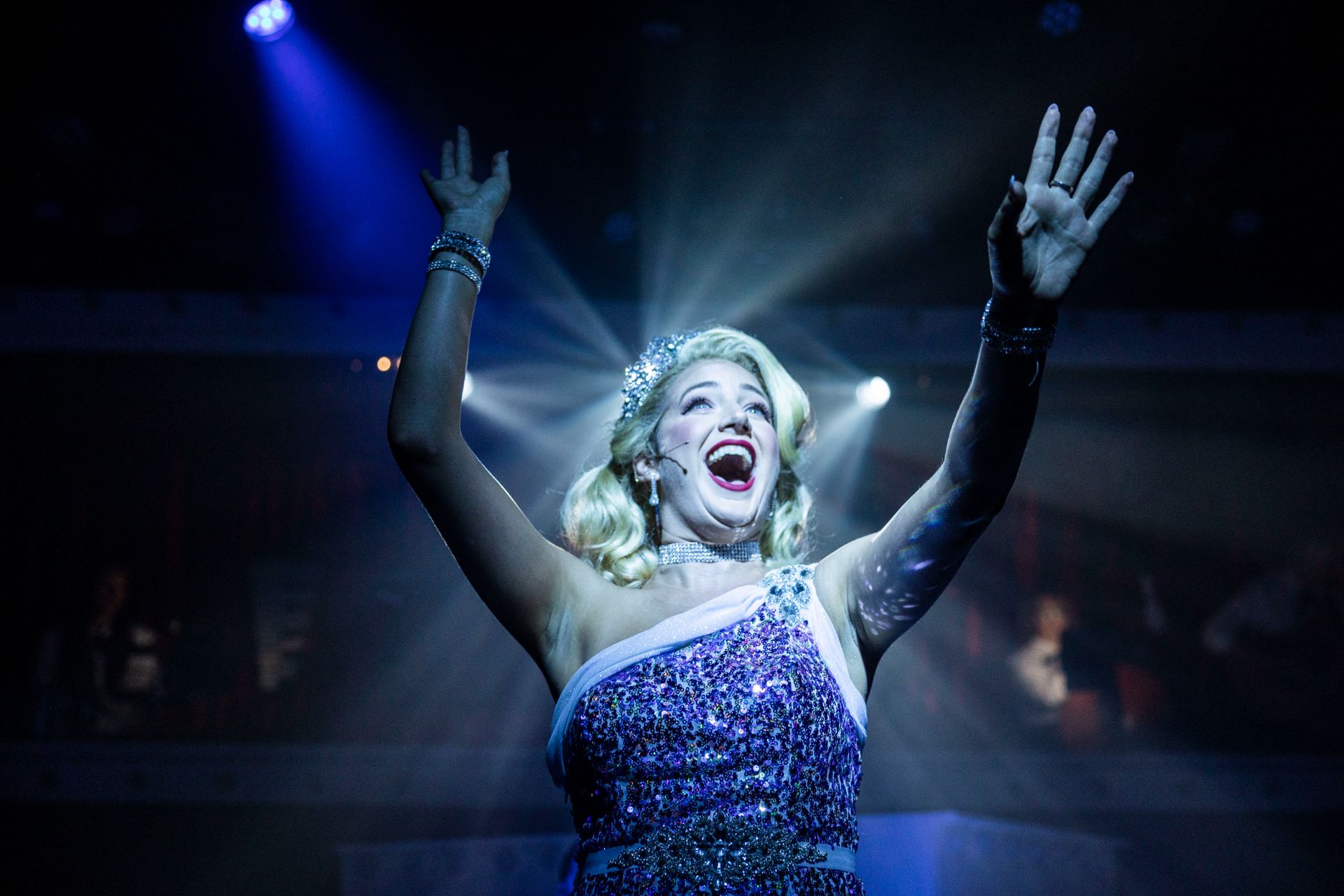
The key sequence featuring the legendary “Diamonds Are a Girl’s Best Friend” can be taken as ironic, or in fact be read as being quite earnest. In 2023, we understand that in a dog-eat-dog world, especially one that disadvantages women, will of course see someone like Lorelei focussing her energies on money, rather than affairs of the heart. She wants to survive, and knows all the levers to pull, to make things work for her. Performed on this occasion by Georgina Hopson, it is those darker dimensions of girls’ best friend that emerge. Hopson’s performance of a very extended version of the song, is thrilling and unequivocally spectacular. All faculties of the theatrical arts converge flawlessly for a few minutes, to deliver something explosive and transcendent. The rest of the production however, leaves quite a bit to be desired.

As the original writing approaches its centenary, Gentlemen Prefer Blondes proves to have lost its charm and humour. What might have been considered goofy and whimsical, is now simply silly and lazy. Most of the songs are lacklustre, with a distinct soullessness that leaves us cold. Extraordinarily exhilarating musical direction by Victoria Falconer, does marvellously to lift our spirits during interludes between, but the songs themselves remain uninspired.

Like Falconer, all of the cast and crew give their conspicuous best to the production. Director Richard Carroll goes to great lengths to keep pacing taut, and to make all the jokes more sophisticated than were ever intended. Daniel Potra’s set design gives a real sense of the razzle-dazzle, and lights by Benjamin Brockman delivers us all the dynamics missing from the source material, as well as being relentlessly flattering on the cast. Costumes by Angela White seems to make the bold decision to depart from the 1920s, as it draws influence from virtually every decade of the last century.

The role of Dorothy was always no match for the eponymous blonde, but Emily Havea’s resolve to bring the character into a modern age, is certainly admirable. The women’s love interests are played by Tomáš Kantor and Matthew Predny, both delightful personalities, and convincing in their efforts to win affections. Octavia Barron-Martin and Thomas Campbell demonstrate deep commitment to the comedy, making us laugh in spite of the banal dialogue. Leah Lim is especially strong when given the opportunity to showcase her dance abilities; her synergy with choreographer Sally Dashwood elevates the show considerably, even if their contributions bear little relevance to the central plot.

It should be no surprise that men would prefer Lorelei. Even though she is destined to come out on top, it is her dedication to playing by their rules, that turns them on. Lorelei might win, but the point is that, she obeys them. Women game the system every day, but in the process, we often find ourselves inflicting the same harm, that we accuse men of doing. It is a mystery if Lorelei uses her new-found wealth, after the story concludes, for good or evil, but choices are certainly available to her. Power is designed to oppress, but it can also be transformed into something that can be shared and distributed. After Lorelei attains her safe harbour, one would hope, that she keeps the gates open, for others to follow.

www.hayestheatre.com.au

Review: Rocky Horror Show (Theatre Royal)

Venue: Theatre Royal (Sydney NSW), Feb 14 – Apr 1, 2023
Music, lyrics and book: Richard O’Brien
Director: Chris Luscombe
Cast: Ellis Dolan, Jason Donovan, Darcey Eagle, Ethan Jones, Deidre Khoo, Loredo Malcolm, Stellar Perry, Henry Rollo, Myf Warhurst

Theatre review
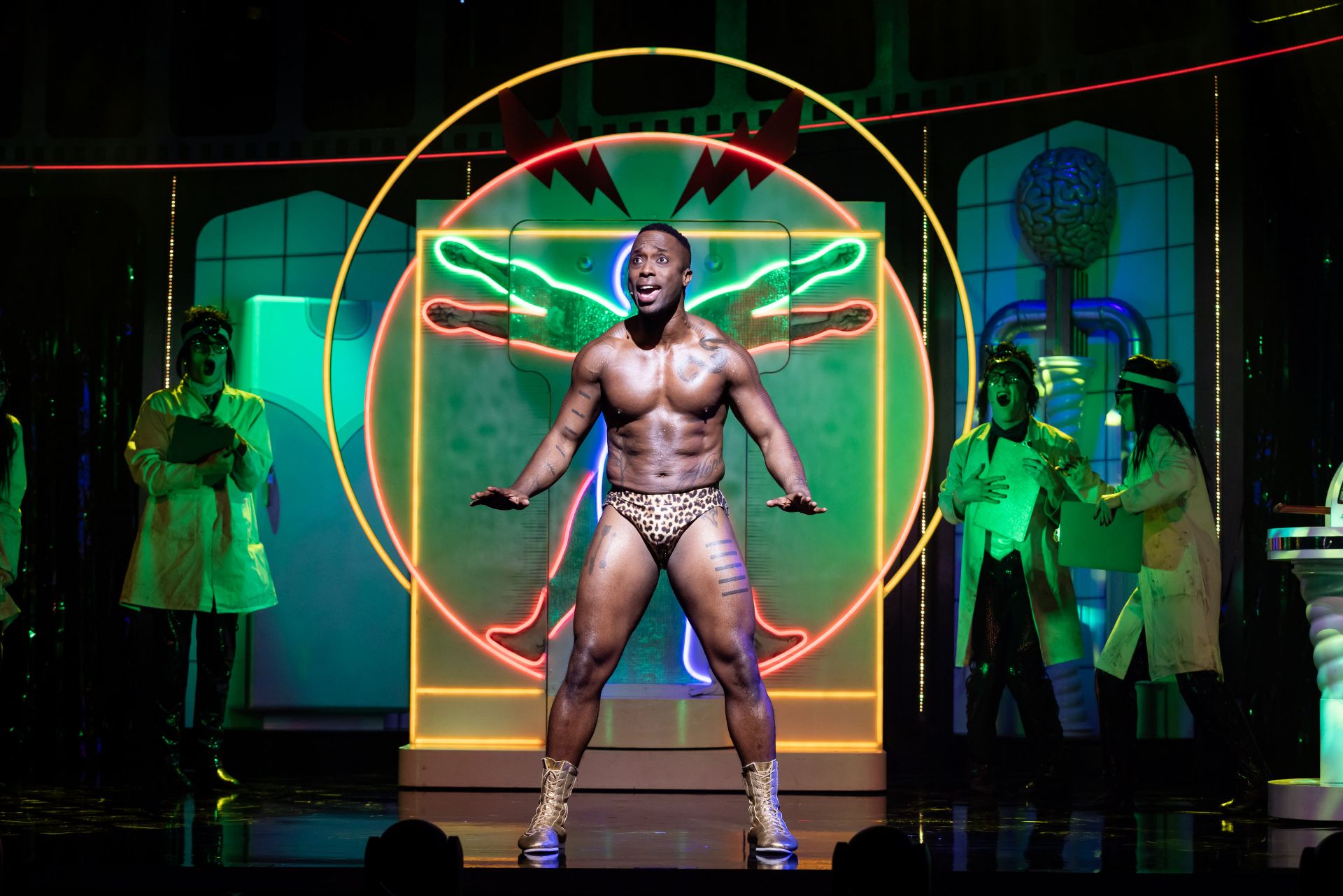
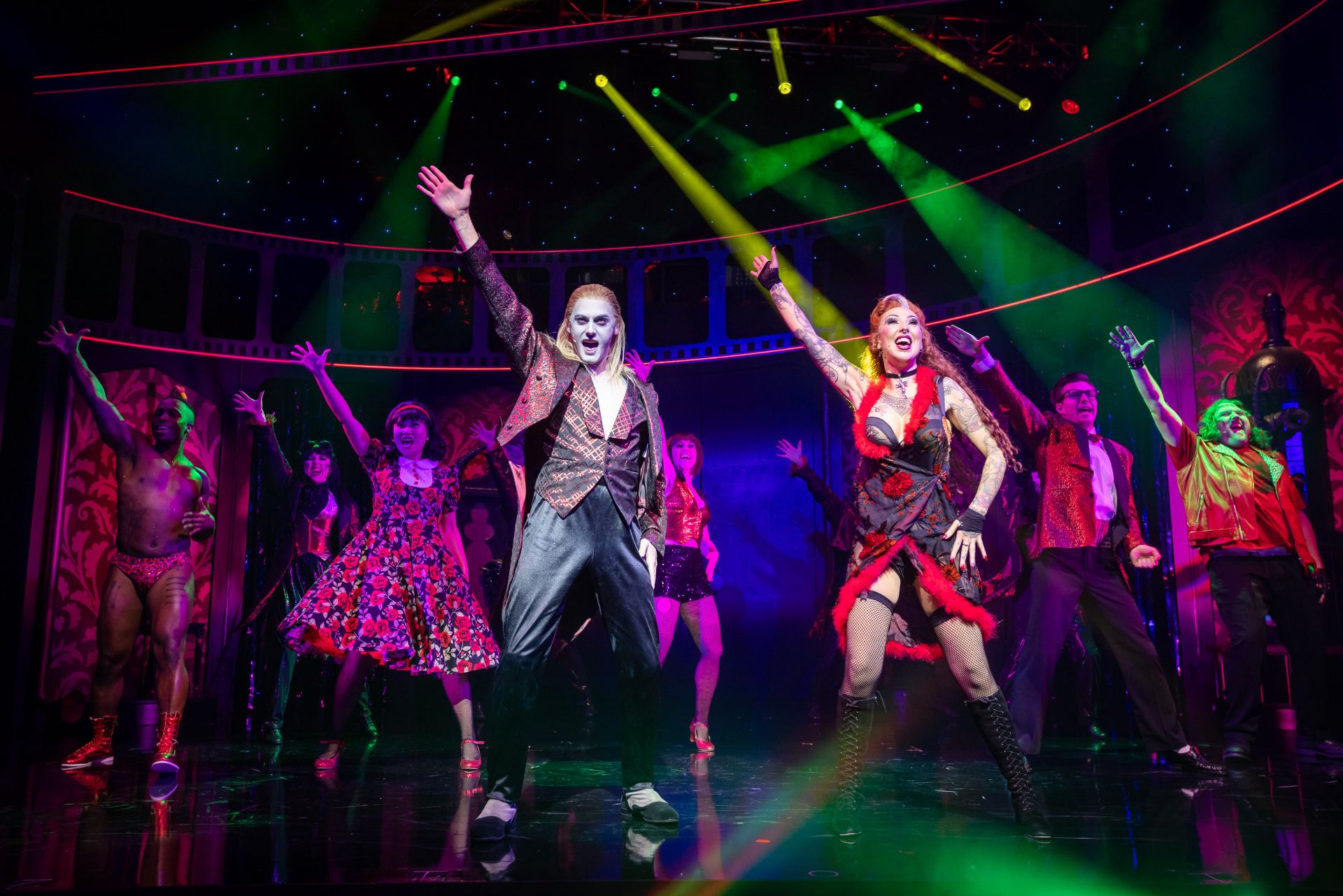
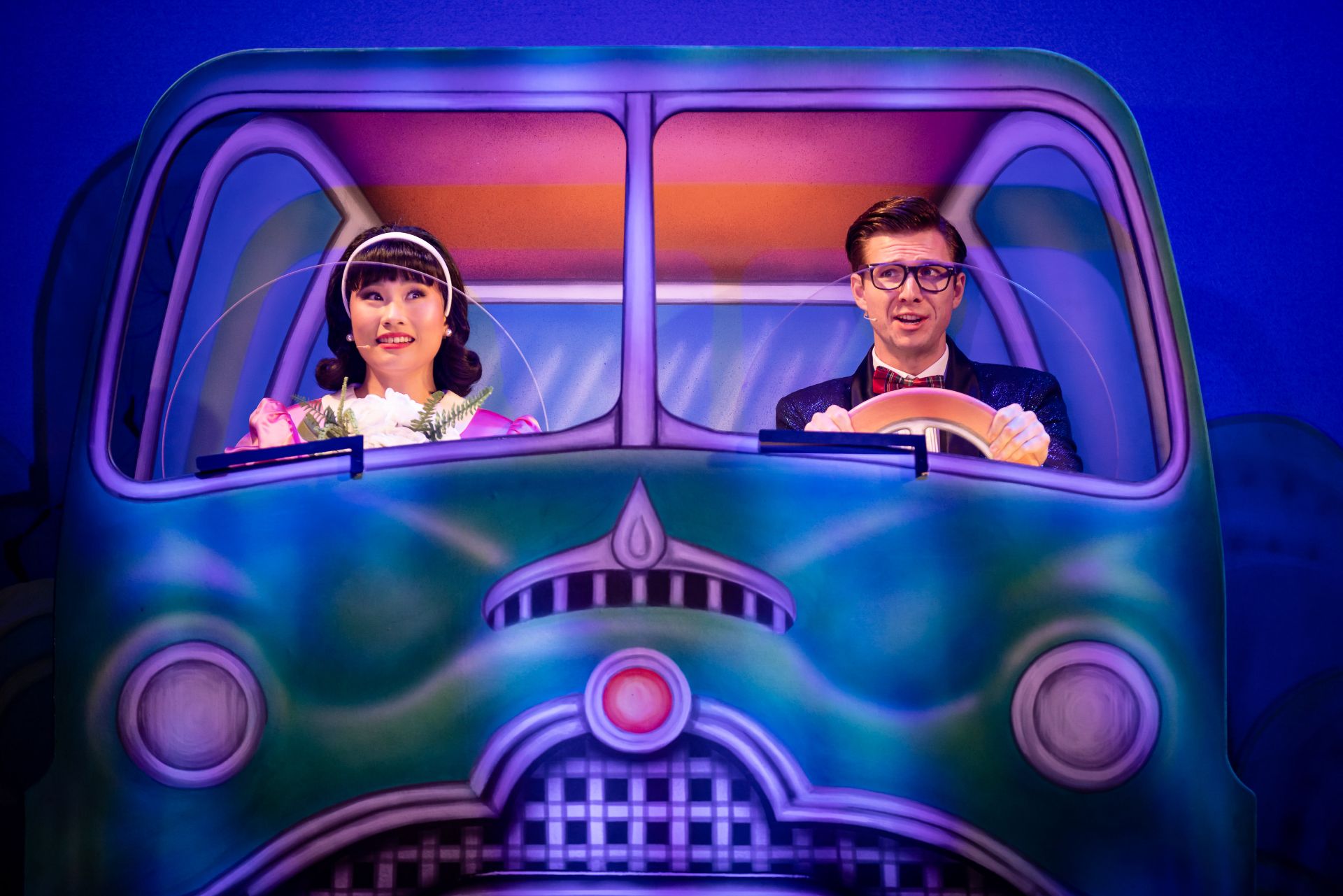
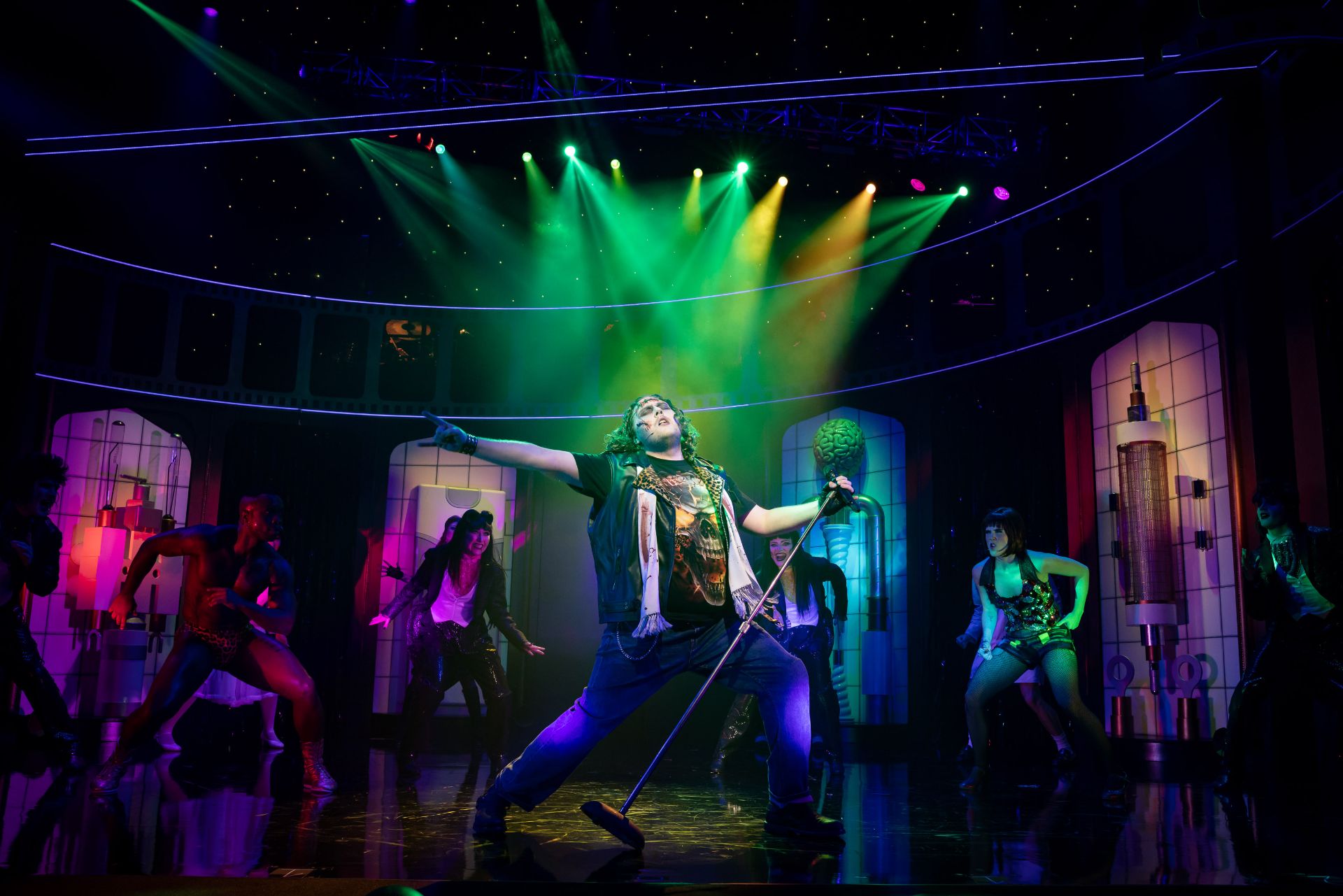
Half a century after its inception, the only thing shocking about Rocky Horror Show is in the realisation, that the word “transvestite” is now beginning to sound archaic. Frank-N-Furter’s ambiguous gender expressions are now, unbelievable as it may seem, a normalised phenomenon in many cities, so the iconic figure is no longer the ironic abomination it once was. Their power however, remains resolutely intact, and it is that sense of dominion they exude, that keeps the show a thrilling experience.

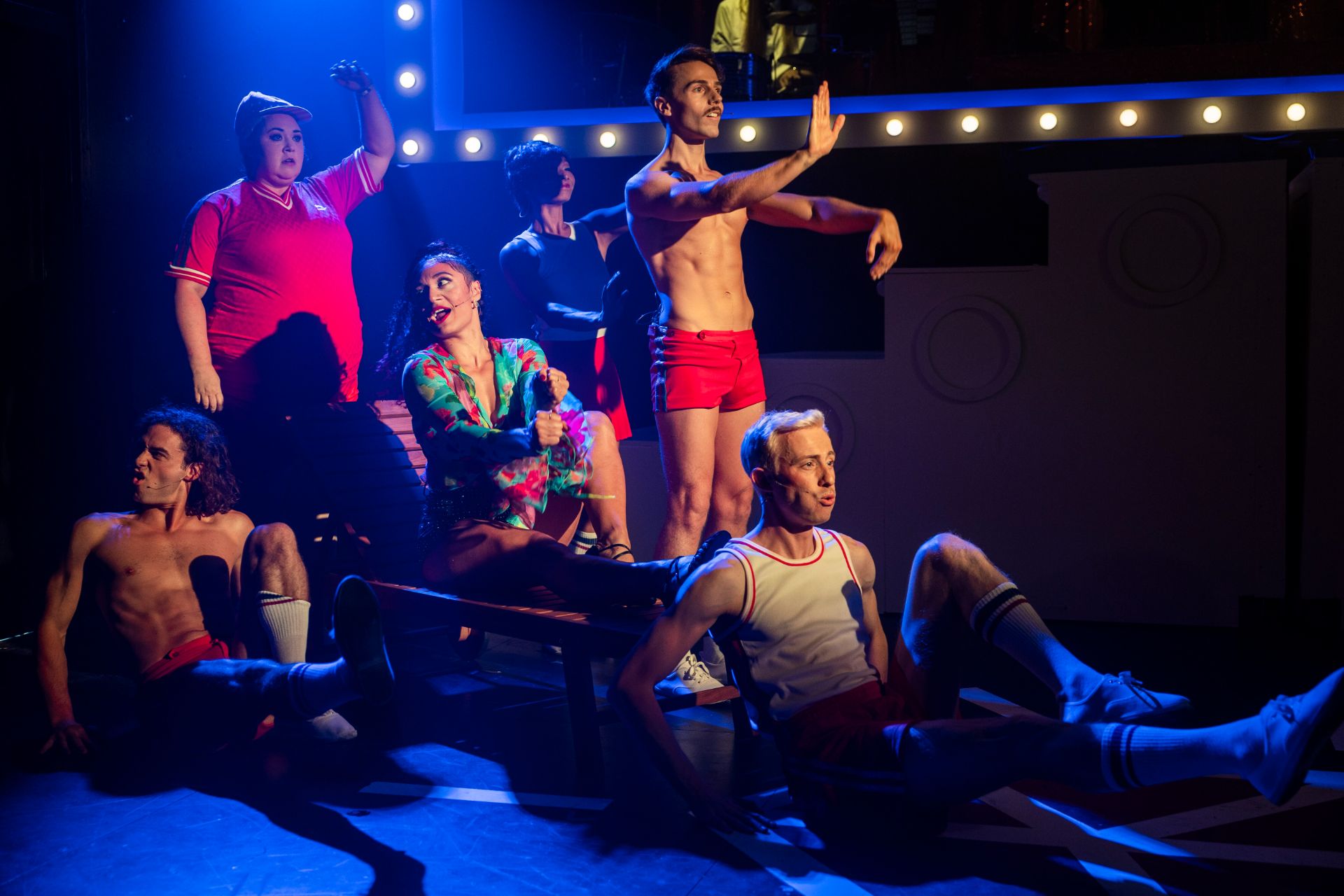
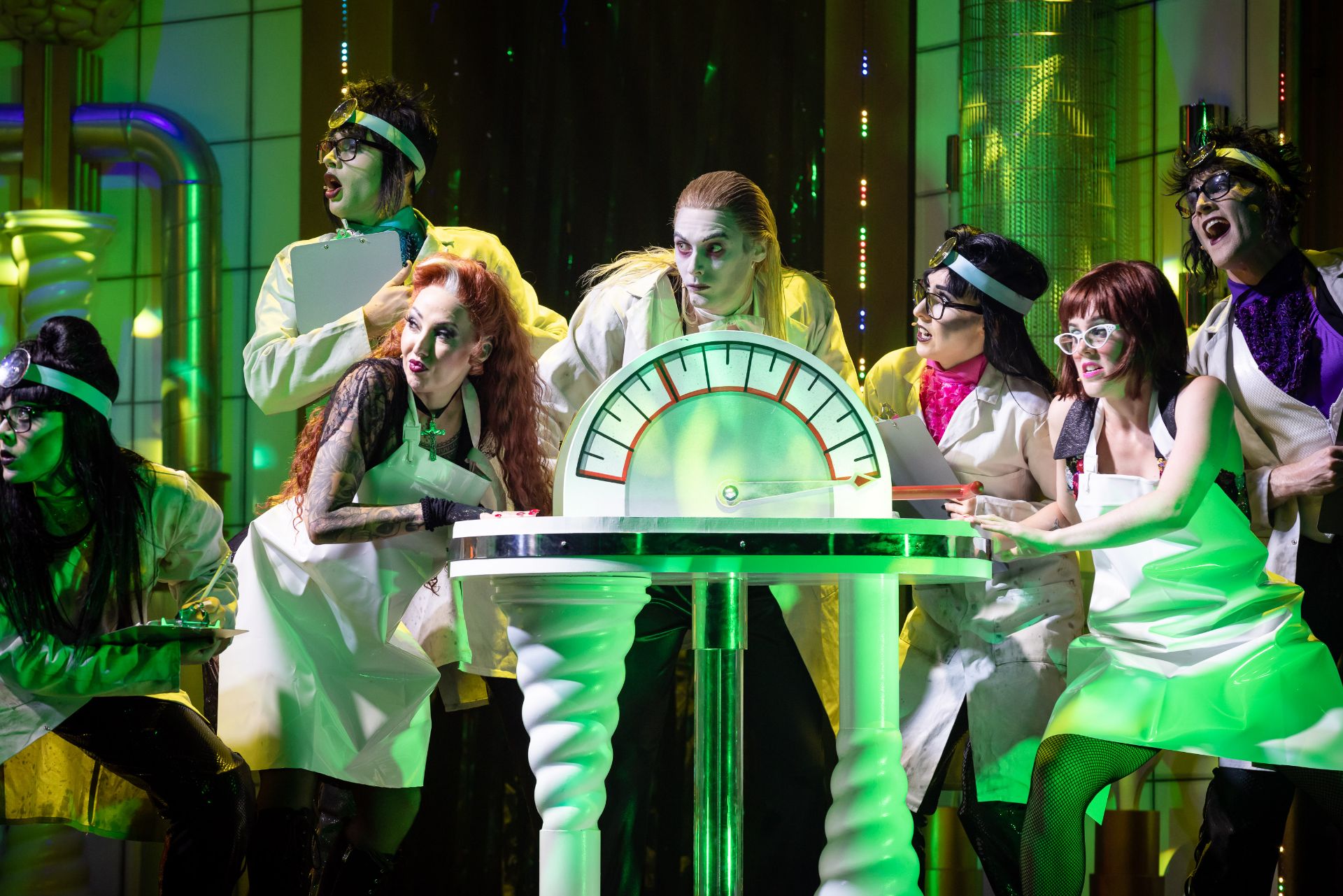
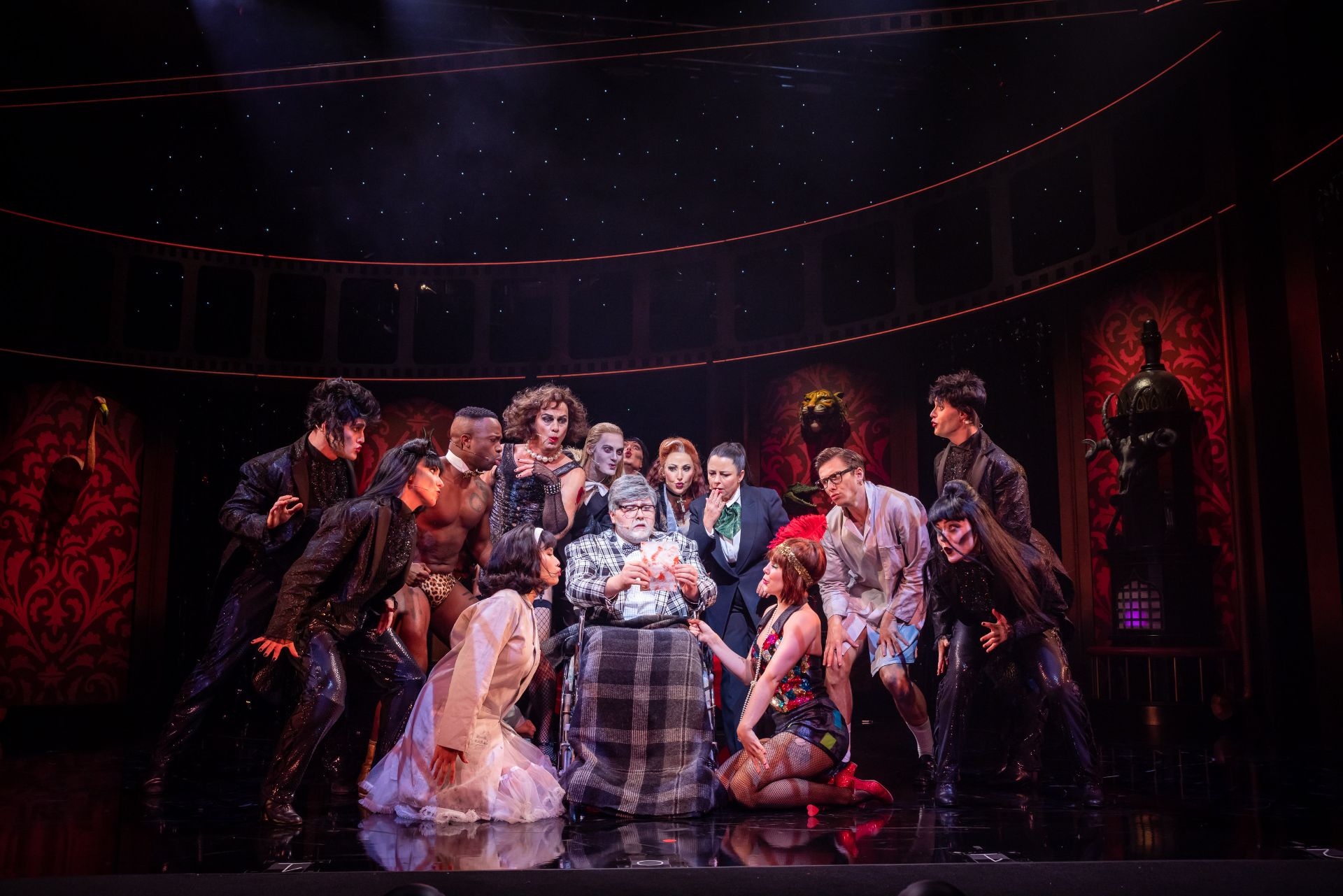
This latest rendition by director Chris Luscombe, seems quite incredibly, to be even more energetic and exuberant than ever before. The show’s celebratory qualities appear to really resonate, in this new age of queerness and trans-inclusiveness; the Rocky Horror Show may not have changed as much as we have, but that is perhaps the reason for its renewed allure. We are looking at the show with fresh eyes, and discovering that it still makes sense for the Twenty-First Century, albeit in differently nuanced ways.

Times have changed. 30 years ago, Jason Donovan was accused by the queer community for homophobia, following his legal action against a publication for false claims about his sexuality. Today, Donovan is an excellent Frank-N-Furter, completely at ease with the camp and salacious aspects of the role, demonstrating a thorough understanding of the part’s efficaciousness. He pushes to the limit, right where the bawdy, brash and crass, is about to become too much, and lets us off the hook, so that he can take us further the next time.

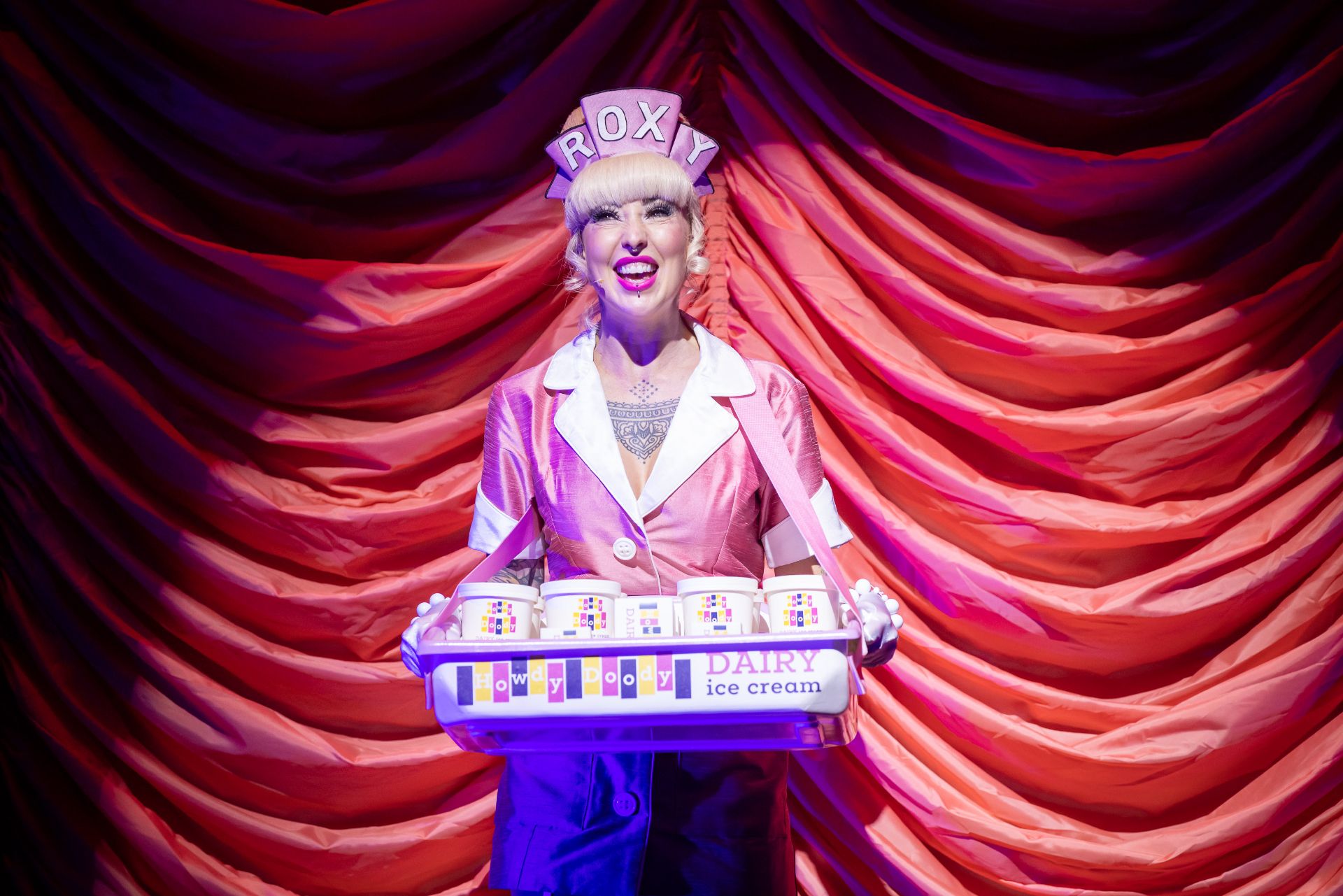
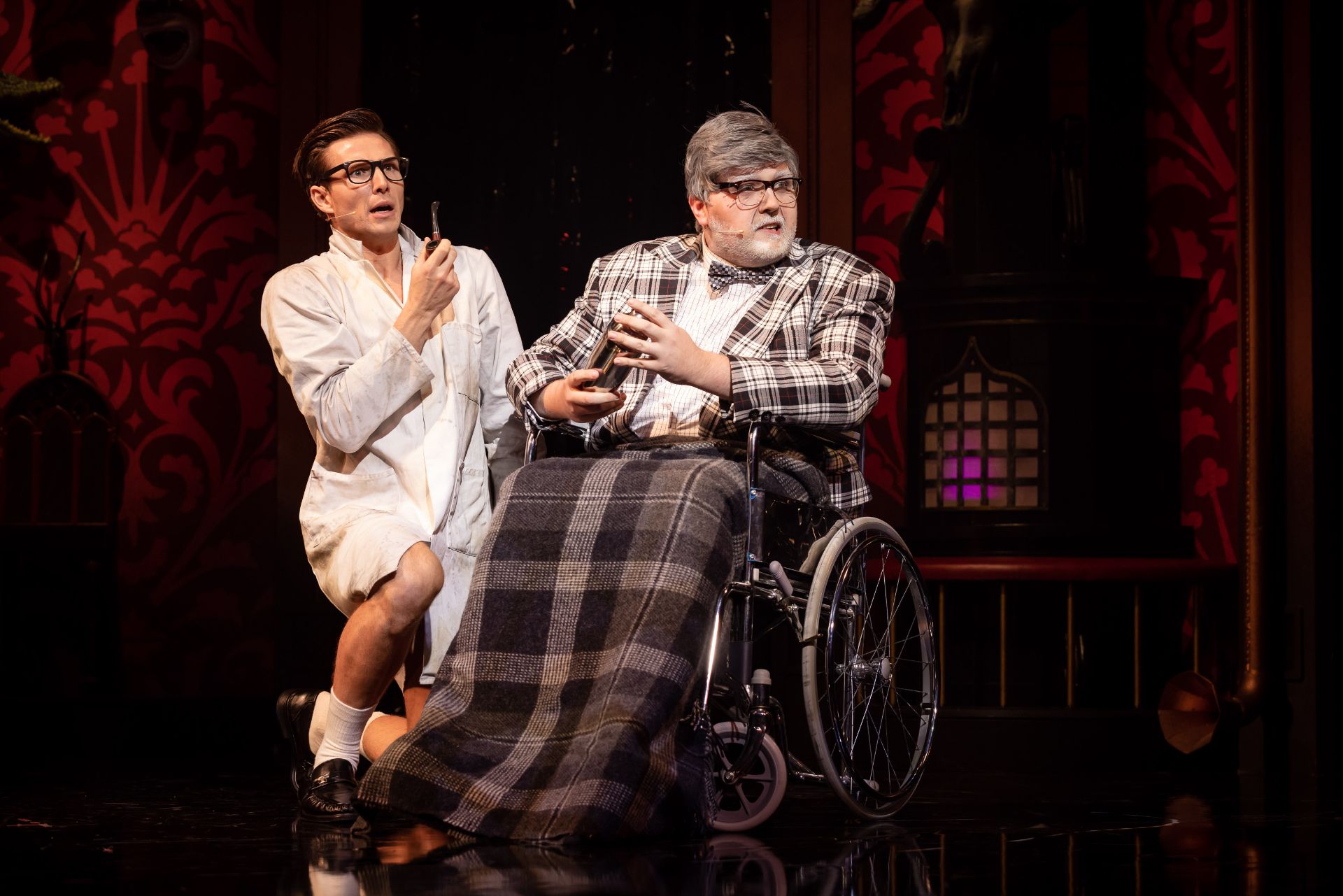
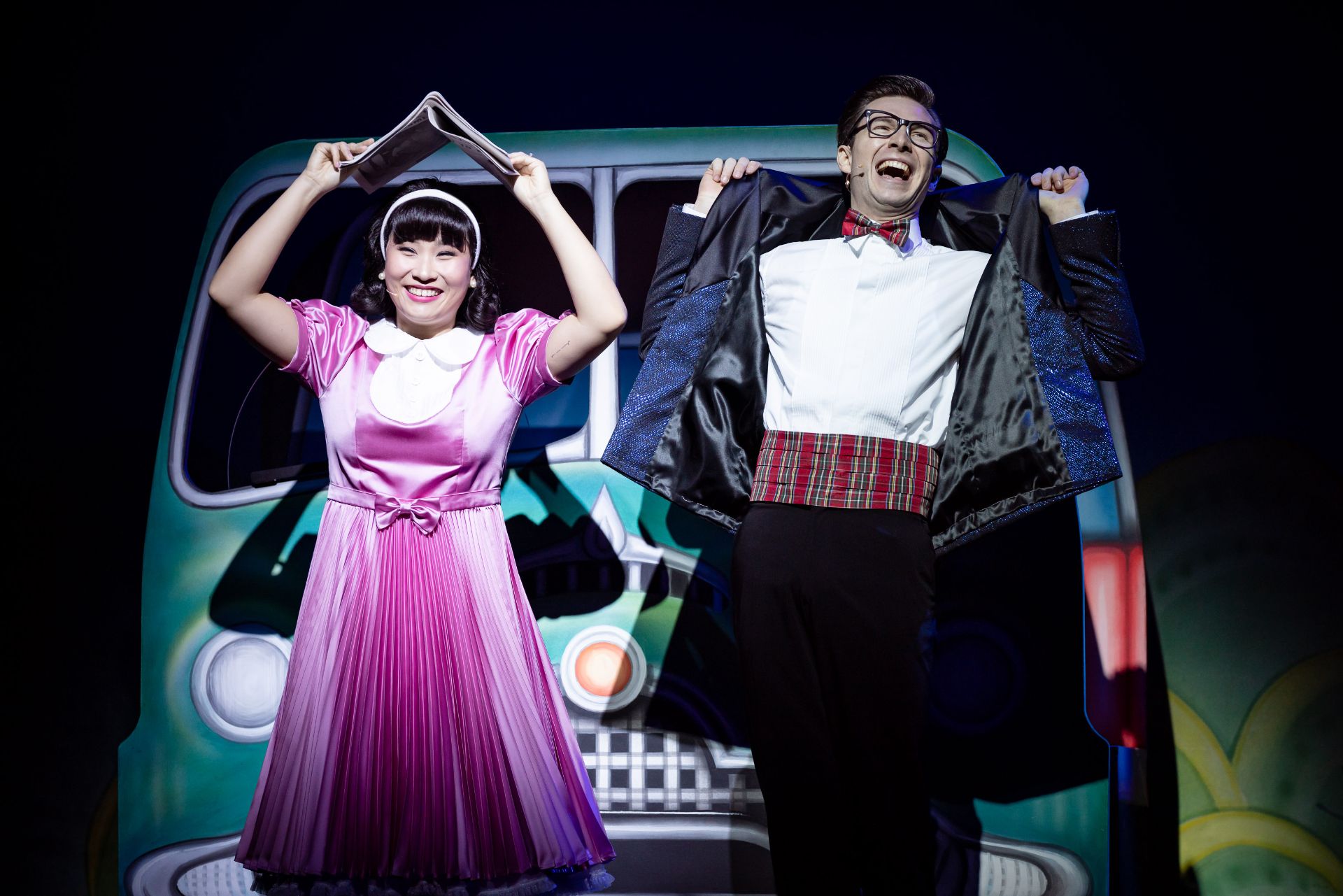
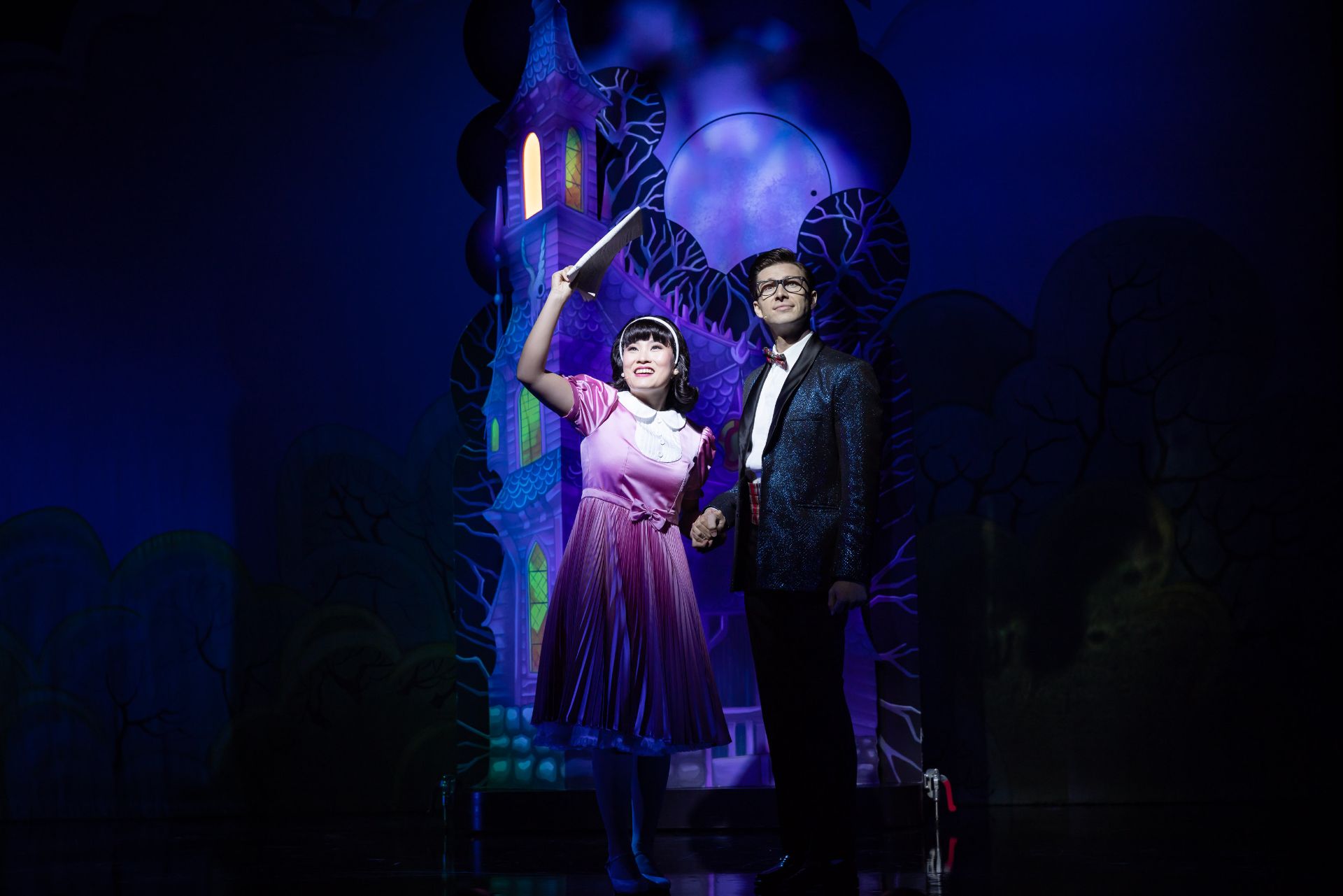
The narrator is played by Myf Warhurst, much less seasoned as a musical performer, but clearly a charming celebrity, happy in her own skin and comfortable with public adoration. Deidre Khoo and Ethan Jones are sensational as Janet and Brad, both fantastically versatile, and captivating with their sardonic characterisations and exquisite timing. Also memorable, are Stellar Perry and Henry Rollo, as Usherette/Magenta and Riff Raff respectively, delivering all the electrifying subversive joy associated with the legendary Rocky Horror Show. Also noteworthy is musical direction by Jack Earle, who injects extraordinary spiritedness, into a production that leaves us wanting more.

In 2023, it is Janet and Brad who look more alien than anyone else, on the Rocky Horror stage. What creator Richard O’Brien had identified in 1973 as ordinary but repugnant, is now simply bizarre. The puritanical values represented by the couple, and the hypocrisy they embody, although still prevalent in certain circles, are no longer the norm it used to be. People need to be allowed to diverge in whatever ways suit them, as long as nobody gets hurt, and as long as we know to give ourselves over to “absolute pleasure” from time to time.

www.rockyhorror.com.au